HUNTINGTON HEALTH CARE & REHABILITATION CENTER
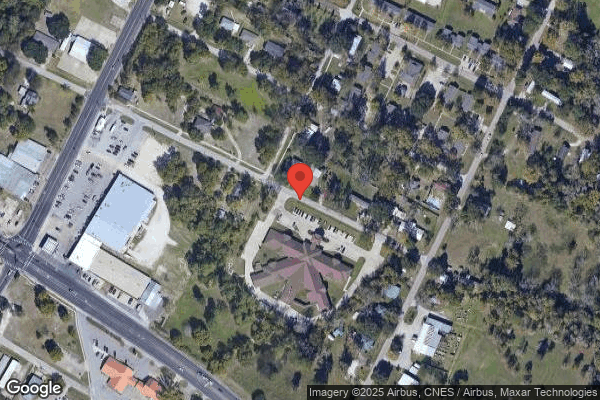

220 E ASH STREET, HUNTINGTON, TX 75949 (936) 876-2273
For profit - Partnership 112 Beds Independent Data: November 2025
Trust Grade
45/100
#736 of 1168 in TX
Last Inspection: July 2025

Inspected within the last 6 months. Data reflects current conditions.

Overview

Huntington Health Care & Rehabilitation Center has a Trust Grade of D, which indicates below-average performance and raises some concerns for families considering this facility. It ranks #736 out of 1168 in Texas, placing it in the bottom half of nursing homes in the state, and #4 out of 8 in Angelina County, meaning there are better local options available. The facility's trend is stable, with 14 issues reported in both 2024 and 2025, suggesting no significant improvement or decline. Staffing is a weakness, with a rating of 2 out of 5 stars and a turnover rate of 61%, which is average but indicates staff may not be as stable as desired. While the facility has no fines on record, which is a positive aspect, they have concerningly low RN coverage, less than 95% of Texas facilities, meaning residents may not receive adequate nursing oversight. Specific incidents include the facility's failure to ensure that residents or their representatives had the right to rescind binding arbitration agreements, which could lead to misunderstandings about legal rights. Additionally, there was a concern regarding the smoking area, which was not properly maintained, creating a potential safety hazard for residents who smoke. Lastly, the facility did not follow proper procedures related to smoking safety, which could pose risks to the residents' health and safety. Overall, while there are some strengths, such as the absence of fines, families should weigh these against the significant weaknesses highlighted in the facility's performance.

Trust Score
D
45/100
In Texas
#736/1168
Bottom 37%
Safety Record
Low Risk
No red flags
Inspections
Holding Steady
14 → 14 violations
Staff Stability
⚠ Watch
61% turnover. Above average. Higher turnover means staff may not know residents' routines.
Penalties
✓ Good
No fines on record. Clean compliance history, better than most Texas facilities.
Skilled Nurses
⚠ Watch
Each resident gets only 9 minutes of Registered Nurse (RN) attention daily — below average for Texas. Fewer RN minutes means fewer trained eyes watching for problems.
Violations
⚠ Watch
41 deficiencies on record. Higher than average. Multiple issues found across inspections.
★★☆☆☆
2.0
Overall Rating
★★☆☆☆
2.0
Staff Levels
★☆☆☆☆
1.0
Care Quality
★★★☆☆
3.0
Inspection Score
Stable
2024: 14 issues
2025: 14 issues

The Good

  • Full Sprinkler Coverage · Fire safety systems throughout facility
  • No fines on record

Facility shows strength in fire safety.

The Bad

2-Star Overall Rating

Below Texas average (2.8)

Below average - review inspection findings carefully

Staff Turnover: 61%

15pts above Texas avg (46%)

Frequent staff changes - ask about care continuity

Staff turnover is elevated (61%)

13 points above Texas average of 48%

The Ugly 41 deficiencies on record

Jul 2025 13 deficiencies
CONCERN (D)

Potential for Harm - no one hurt, but risky conditions existed

Notification of Changes (Tag F0580)

Could have caused harm · This affected 1 resident

**NOTE- TERMS IN BRACKETS HAVE BEEN EDITED TO PROTECT CONFIDENTIALITY** Based on interview and record review, the facility failed to immediately inform the resident's physician when there was a signif...

Read full inspector narrative →
**NOTE- TERMS IN BRACKETS HAVE BEEN EDITED TO PROTECT CONFIDENTIALITY** Based on interview and record review, the facility failed to immediately inform the resident's physician when there was a significant change in resident's physical, mental, or psychosocial status for 1 of 6 residents (Resident #52) reviewed for notification of changes in that: The facility did not notify Resident #52's physician for a significant change in weight. (weight loss of 25.8 pounds in 30 days.) This deficient practice could place residents at risk of not having their physician notified of changes resulting in a delay in continuity of care.The findings were: Record review of Resident #52's face sheet, dated 7/16/2025, revealed Resident #52 admitted to the facility on [DATE] with diagnoses that included cerebral palsy (a group of conditions that affect movement and posture), dysphagia (A condition with difficulty in swallowing food or liquid. This may interfere in a person's ability to eat and drink), and lack of coordination. Record review of Resident #52's quarterly MDS dated [DATE] revealed Resident #52 was rarely or never understood and was moderately impaired for daily decision making. Record review of the same document, revealed the following item: Section GG, Item GG130 Self Care.Review of this item revealed Resident #52 required moderate assistance with eating and substantial assistance with toileting, bathing and dressing. Record review of the weights tab in the electronic medical record for Resident #52 indicated: 6/1/25 weight 137.0 lbs. 6/7/25 weight 182.9 lbs. gain of 45.9 lbs. 7/14/25 weight 157.1 lbs. loss of 25.8 lbs. Record review of Resident #52's care plan, dated 7/16/25 revealed the following focus area initiated on 8/28/24: The resident is resistive to care, Refused meal on 5/19/25 Record review of Resident #52's Progress Notes, dated 6/1/25 thru 7/16/25 revealed no documentation indicating that the resident's primary care physician was notified of any significant weight changes. During an interview on 7/16/25 at 12:15 pm with the DON, she said she was currently in charge of monitoring resident weight variances. She stated the previous assistant director of nursing was responsible for monitoring weights and following up on any changes, but she was relieved of her duties last week. The DON stated she took over monitoring residents' weights this week. She said the CNAs on each hall were responsible for weighing residents at the first of the month. She said a resident list of who needed to be weighed was given to the CNAs. She said the resident weights were turned into the charge nurse and the charge nurse entered the data into the resident's Electronic Medical Record (EMR). She said the EMR system would alert the nurse to any weight variances and the residents that had a weight variance were placed on a list for reweight. She said that if there was a variance after the reweight, the ADON that oversaw the weight program was responsible for contacting the doctor, resident representative, and the dietician. She said notifications were documented in the nurse's progress note. She stated she was not aware of Resident #52's weight variance and that he would be weighed again today. She stated a possible reason for the variance could be related to the weight of the resident's wheelchair not being subtracted from the weight in combination with recent hospitalizations that included intravenous fluid administration. She stated that she expected the charge nurse to document weights timely, and for reweights to be performed the next day. She stated that the doctor should be notified after the reweigh confirms a variance as well as the responsible party and dietician. She said the nurse should document notifications in the progress notes. She said if the physician was not notified it could result in the resident not receiving interventions needed. She said she expected the charge nurse to recognize when a resident required a reweigh and that variances were reported to the physician. She stated that moving forward she would be performing the weekly audits of resident weights. Resident # 52 was reweighed on 7/16/2025 with a weight of 157.0 lbs. In an interview on 07/16/25 at 3:15 pm the Administrator stated that the DON was now responsible for monitoring resident's weights and ensuring that monthly and weekly weights were completed. He stated the ADON that was responsible for monitoring resident weights was relieved of her duties the previous week. He stated the DON would be reviewing all resident weights and following the facility's policy and procedure on the facility weight system. The Administrator expected the nursing staff to follow the facility policy on weighing residents and notifying the primary care physician and dietician when needed. He said if the physician was not notified of weight variances the residents may not receive orders and evaluations needed to address potential problems. The former ADON was not available for interview. Record review of Nursing Policy and Procedure for Weight System dated 9/2022 indicated .3. Any resident with a significant weight loss will be reweighed. 5. weight variances will be reviewed at the weekly. 7. The Director of Nursing/Designee will ensure that the Physician, Responsible Party and the Dietician will be notified in a timely manner and documented in the clinical record software.
CONCERN (D)

Potential for Harm - no one hurt, but risky conditions existed

Deficiency F0637 (Tag F0637)

Could have caused harm · This affected 1 resident

**NOTE- TERMS IN BRACKETS HAVE BEEN EDITED TO PROTECT CONFIDENTIALITY** Based on interviews and record review, the facility failed to complete a comprehensive MDS assessment within 14 days after a sig...

Read full inspector narrative →
**NOTE- TERMS IN BRACKETS HAVE BEEN EDITED TO PROTECT CONFIDENTIALITY** Based on interviews and record review, the facility failed to complete a comprehensive MDS assessment within 14 days after a significant change in the resident's mental or physical condition for 1 of 4 residents (Resident #6) reviewed for assessments. The facility failed to reassess Resident #6 following a hospice admission (specific care for the sick or terminally ill) on 03/24/25.This failure could place residents at risk for not having their individual needs met due to inaccurate assessments.Findings included:Record review of a facility face sheet dated 7/16/25 for Resident #6 indicated she was an [AGE] year-old female admitted to the facility on [DATE]. Record review of a diagnosis report dated 7/16/25 for Resident #6 indicated her primary diagnosis was senile degeneration of brain (a neurological disorder that is tied to cognitive decline, memory impairment, and changes in behavior).Record review of a comprehensive MDS assessment dated [DATE] for Resident #6 indicated a BIMS score of 06, indicating severely impaired cognition. She was receiving hospice services as a resident in the facility. Record review of a physician's order summary report dated 7/15/25 for Resident #6 indicated she had the following order dated 3/24/25: .Admit to [name of hospice provider] hospice services .Record review of a comprehensive care plan dated 3/12/25 for Resident #6 indicated the care plan did not address hospice services.Record review of an electronic medical record for Resident #6 indicated the MDS tab in her chart did not indicate a significant change MDS done within 14 days after admission to hospice services.During an interview on 7/16/25 at 3:08 pm the MDS coordinator said she must have overlooked the significant change MDS after Resident #6's hospice admission. She said residents might miss out on orders, treatments and care if the MDS assessment was not done accurately or timely. She said she would ensure significant change MDS assessments were done timely going forward.During an interview on 7/16/25 at 3:15 pm the DON said if an MDS was not completed timely and accurately, residents may not receive appropriate care. She said going forward, she would ensure significant change MDS assessments were completed timely. During an interview on 7/16/25 at 3:25 pm the Administrator said if MDS assessments were not completed appropriately, residents may not receive appropriate care. He said going forward, he expected the MDS coordinator to complete MDS assessments appropriately.Record review of a facility policy titled Resident Assessments dated November 2019 read: .A significant change in status assessment (SCSA) is completed within 14 days of the interdisciplinary team determining that the resident meets the guidelines for major improvement or decline . and .A SCSA is required when a resident: a. enrolls in a hospice program .
CONCERN (D)

Potential for Harm - no one hurt, but risky conditions existed

PASARR Coordination (Tag F0644)

Could have caused harm · This affected 1 resident

**NOTE- TERMS IN BRACKETS HAVE BEEN EDITED TO PROTECT CONFIDENTIALITY** Based on interviews and record review, the facility failed to refer all residents with newly evident or possible serious mental ...

Read full inspector narrative →
**NOTE- TERMS IN BRACKETS HAVE BEEN EDITED TO PROTECT CONFIDENTIALITY** Based on interviews and record review, the facility failed to refer all residents with newly evident or possible serious mental disorder, intellectual disability, or a related condition for level II resident review upon a significant change of condition for 1 of 4 Residents (Resident #6) reviewed for PASRR (Preadmission Screening and Resident Review Services).The facility failed to ensure Resident #6 had a new level 1 PASSR completed with a new diagnosis of psychotic disorder with delusions (a mental disorder in which a person has delusions, but with no accompanying prominent hallucinations, thought disorder, mood disorder, or significant flattening of affect) and major depressive disorder (a serious mental health condition characterized by persistent feelings of sadness, loss of interest in activities, and a range of emotional and physical problems).These failures could place residents at risk of not receiving the needed PASSR services to meet their individual needs and could result in a decreased quality of life. The findings included:Record review of a facility face sheet dated 7/16/25 for Resident #6 indicated she was an [AGE] year-old female admitted to the facility on [DATE]. Record review of a diagnosis report dated 7/16/25 for Resident #6 indicated her primary diagnosis was senile degeneration of brain (a neurological disorder that is tied to cognitive decline, memory impairment, and changes in behavior). She had diagnoses of psychotic disorder with delusions and major depressive disorder added on 9/9/24.Record review of a comprehensive MDS assessment dated [DATE] for Resident #6 indicated a BIMS score of 06, indicating severely impaired cognition. Record review of a PASSR level I form completed on 6/21/24 for Resident #6 indicated the level I screening was negative for mental illness.During an interview on 7/16/25 at 11:43 am the MDS coordinator said she was responsible for PASSR. She said she did not have a new level I completed when Resident #6 had 2 new diagnoses added on 9/9/24 because she did not know she needed to do that. She said residents could possibly miss out on services they qualify for if PASSR evaluations were not done appropriately.During an interview on 7/16/25 at 3:15 pm the DON said the MDS coordinator was responsible for PASSR, but she (DON) provided oversight. She said going forward she would ensure the Local Authority was notified when a resident received a new psychiatric diagnosis. She said residents could miss out on services if PASSR evaluations were not completed appropriately.During an interview on 7/16/25 at 3:25 pm the Administrator said if PASSR evaluations were not done appropriately, residents could miss out on services and may not receive appropriate care. He said going forward, he expected his staff to have appropriate PASSR evaluations completed. A facility policy for PASRR was requested from Administrator on 7/16/25 at 10:00 am, but none was provided.
CONCERN (D)

Potential for Harm - no one hurt, but risky conditions existed

Deficiency F0645 (Tag F0645)

Could have caused harm · This affected 1 resident

**NOTE- TERMS IN BRACKETS HAVE BEEN EDITED TO PROTECT CONFIDENTIALITY** Based on interview and record review, the facility failed to ensure the Pre-admission Screening and Resident Review (PASRR) Leve...

Read full inspector narrative →
**NOTE- TERMS IN BRACKETS HAVE BEEN EDITED TO PROTECT CONFIDENTIALITY** Based on interview and record review, the facility failed to ensure the Pre-admission Screening and Resident Review (PASRR) Level I assessment accurately reflected the resident's status for 1 of 4 residents (Resident #21) reviewed for PASRR Level I screenings. The facility failed to ensure the accuracy of the PASRR Level 1 screening for Resident #21. The PASRR Level 1 screening did not indicate a diagnosis of mental illness, although the diagnoses (bipolar disorder) were present upon Resident #21's admission date on 9/27/2024. This failure could place residents who had a mental illness at risk of not receiving a needed assessment (PASRR Evaluation), individualized care, or specialized services to meet their needs.Findings included: Record review of an admission Record for Resident #21 dated 7/16/2025 indicated she admitted to the facility on [DATE] and was [AGE] years old.Record review of active physician orders for Resident #21 dated 7/16/2025 indicated she had diagnoses of bipolar disorder (a mental illness that causes extreme shifts in mood), type 2 diabetes, and dementia (a decline in mental ability that can interfere with daily life).Record review of a Quarterly MDS Assessment for Resident #21 dated 5/19/2025 indicated she did not have any impairments in thinking with a BIMS score of 14. She had active diagnoses in the look back period of 7 days that included bipolar disorder. Record review of a care plan for Resident #21 dated 10/17/2024 indicated she had a mood problem related to bipolar and depression with interventions to administer medications for targeted behaviors and side effects.Record review of a PASRR Level 1 Screening (PL1) dated 10/1/24 for Resident #21 indicated she was negative for mental illness.During an interview on 7/16/2025 at 11:41 AM, the MDS Coordinator said she had been employed at the facility for 9 years and was responsible for all thing related to PASRR in the facility. She said Resident #21 admitted to the facility 9/27/2024 and had a diagnosis of bipolar on admission. She said she entered the PL1 dated 10/1/2024 and it was negative for mental illness, and it should have been positive. She said she would update the information and get a new PL1 entered so the local authority could come out and complete an evaluation for Resident #21. She said she would audit the other residents in the facility to ensure everyone's information was accurate. She said residents could be at risk of not getting the help and miss services if information was not correct.During an interview on 7/16/2025 at 3:45 PM, the DON said the MDS coordinator was responsible for ensuring accuracy of PASRR and a PASRR Level 1 screening should be completed before admission to the facility. She said the MDS Coordinator should review all diagnoses to ensure the PL1 was correct. She said going forward she along with the MDS Coordinator would be reviewing them before admission and complete an audit of all residents. She said if the PL1 was not accurate, residents could miss services, and they might not be able to provide proper care for them. During an interview on 7/16/2025 at 3:25 PM, the Administrator said the MDS Coordinator was responsible for all things PASRR. He said if the PASSR screenings were not accurate then residents may not receive appropriate care and services. He said the facility did not have a policy related to PASRR.
CONCERN (D)

Potential for Harm - no one hurt, but risky conditions existed

Deficiency F0657 (Tag F0657)

Could have caused harm · This affected 1 resident

**NOTE- TERMS IN BRACKETS HAVE BEEN EDITED TO PROTECT CONFIDENTIALITY** Based on interview, and record review the facility failed to review and revise the comprehensive care plan after each assessment...

Read full inspector narrative →
**NOTE- TERMS IN BRACKETS HAVE BEEN EDITED TO PROTECT CONFIDENTIALITY** Based on interview, and record review the facility failed to review and revise the comprehensive care plan after each assessment for 1 of 4 (Resident #6) residents reviewed for care plan revisions.The facility failed to update Resident #6's care plans for hospice status.These failures could affect residents by placing them at risk of not receiving appropriate interventions to meet their current needs.Findings included:Record review of a facility face sheet dated 7/16/25 for Resident #6 indicated she was an [AGE] year-old female admitted to the facility on [DATE]. Record review of a diagnosis report dated 7/16/25 for Resident #6 indicated her primary diagnosis was senile degeneration of brain (a neurological disorder that is tied to cognitive decline, memory impairment, and changes in behavior).Record review of a comprehensive MDS assessment dated [DATE] for Resident #6 indicated a BIMS score of 06, indicating severely impaired cognition. She was receiving hospice services as a resident in the facility. Record review of a physician's order summary report dated 7/15/25 for Resident #6 indicated she had the following order dated 3/24/25: .Admit to [name of hospice provider] hospice services . Record review of a comprehensive care plan dated 3/12/25 for Resident #6 indicated the care plan did not address hospice services. The care plan was not updated after the comprehensive MDS assessment dated [DATE] to reflect hospice status.During an interview on 7/16/25 at 3:08 pm the MDS coordinator said she was responsible for care plan updates. She said care plans should be updated after each MDS assessment. She said she must have just overlooked this care plan update for Resident #6. She said residents could miss out on care needed if care plans were not updated appropriately. She said she would ensure all care plan updates were done timely and correctly in the future.During an interview on 7/16/25 at 3:15 pm the DON said if care plans were not updated appropriately, residents may not receive appropriate care. She said going forward, she would ensure the MDS coordinator appropriately updated the care plans to include relevant information. During an interview on 7/16/25 at 3:25 pm the Administrator said if care plans were not updated as required, residents may not receive appropriate care. He said going forward, he would expect his staff to include needed information in the residents' care plans.Record review of a facility policy titled Care Plan - Resident dated 7/2018 read: .Individualize care to ensure the care plan is person centered for the unique needs of the resident. and .the care plan must be reviewed and revised (updated) at least every 90 days. and .all residents receiving either Hospice or Dialysis are to have care plans developed in conjunction with these organizations.
CONCERN (D)

Potential for Harm - no one hurt, but risky conditions existed

Accident Prevention (Tag F0689)

Could have caused harm · This affected 1 resident

**NOTE- TERMS IN BRACKETS HAVE BEEN EDITED TO PROTECT CONFIDENTIALITY** Based on observation, interview, and record review, the facility failed to ensure the residents' environment remains as free of ...

Read full inspector narrative →
**NOTE- TERMS IN BRACKETS HAVE BEEN EDITED TO PROTECT CONFIDENTIALITY** Based on observation, interview, and record review, the facility failed to ensure the residents' environment remains as free of accident hazards as possible for 2 of 8 residents (Resident #9 and Resident #20) reviewed for quality of care.1.The facility failed to remove worn and damaged mechanical lift slings from service for Resident #9 on 7/15/2025 and 7/16/2025.2. The facility failed to ensure a bottle of peri-wash was not left in Resident #20's room on 7/15/25.This failure could place residents at risk of injuries due to environmental hazards.Findings included: 1.Record review of Resident #9's facility face sheet dated 7/16/2025 revealed he was a [AGE] year-old male that admitted to the facility on [DATE]. Record review of Resident #9's physician's consolidated orders dated 7/16/2025 revealed Resident #9 had a primary diagnosis of sepsis (infection in the body) and used a mechanical lift for all transfers. Record review of Resident #9's comprehensive care plan dated 7/15/2025 revealed Resident #9 had an ADL self-care performance deficit and required 2 staff to move between surfaces. Record review of Resident #9's Quarterly MDS assessment dated [DATE] revealed Resident #9 had a BIMS of 15 indicating intact cognition and was dependent of 2 or more staff for transfers. During an observation and interview on 7/15/2025 at 10:37 am Resident #9's lift sling under him had faded loops. He said the staff used a lift daily for him to transfer and the slings vary but mostly the loops were faded. During an observation on 7/16/2025 at 8:30 am Resident #9 was up in his wheelchair and the lift sling under him had faded loops. During an interview on 7/16/2025 at 8:46 am CNA C said that Resident #9 required a mechanical lift for transfers and before transfers the slings were to be inspected for holes, tears and frays but was not sure about the coloring or fading of the loops and fabric. She said that a sling used that was worn or old could cause resident injury. During an interview on 7/16/2025 at 11:18 am the Housekeeping Supervisor said she had been working in laundry and the lift slings were washed on regular cycle with no bleach and then dried. She said she had not been told to launder them any other way and there was no system for inspection before they returned to the hallway for staff to use. She said she could see how drying them could affect the fabric and if they were not cared for properly residents could become injured. During an interview on 7/16/2025 at 11:25 am the DON said that the lift slings should only be hung to dry, and the aides were to inspect them for fraying or faded colors before using. She said she was responsible for all things nursing and staff had been trained on hire and as needed on proper inspection of slings. She said she expected all nursing staff that used the slings to inspect them before use and not use any that were worn. She said using worn or faded slings could cause resident injury. During an interview on 07/16/2025 at 3:11 PM the Administrator said the CNAs had been trained on inspecting the lift slings for tears, fraying, and discoloring before using them. He said the sling pads should be washed and hung to dry to prevent damaging the sling fabric. He said worn and discolored slings could cause accidents and injuries and expected all slings to be kept in good repair. Record review of a facility policy titled Lifting and Movement of Resident-Safe dated 8/2022 indicated, .this home uses appropriate techniques and devices to lift and move residents . 2. Record review of a facility face sheet dated 7/16/25 for Resident #20 indicated she was an [AGE] year-old female admitted to the facility on [DATE].Record review of a diagnosis report dated 7/16/25 for Resident #20 indicated her primary diagnosis was senile degeneration of the brain (memory loss). Record review of a comprehensive MDS assessment dated [DATE] for Resident #20 indicated she was unable to complete the BIMS assessment and had severely impaired cognition. Record review of a comprehensive care plan dated 6/9/25 for Resident #20 indicated she had impaired cognitive function/dementia or impaired thought processes related to diagnosis including senile degeneration of the brain and Alzheimer's disease. During an observation on 7/15/25 at 10:37 am a bottle of peri-cleanse wash was observed in a tray table in Resident #20's room. The peri-wash bottle label said, keep out of reach of children. During an interview on 7/16/25 at 3:04 pm CNA B said she was unsure how the peri-wash got left in the resident room and said it should not be in there due to possible wandering residents and the cognitive status of the residents on the secured unit. She said it was a safety issue. During an interview on 7/16/25 at 3:15 pm the DON said if peri-wash was left in residents' rooms, especially in the secured unit, residents could possibly drink it, and it could cause harm. She said she would ensure staff knew not to leave it in residents' rooms going forward. During an interview on 7/16/25 at 3:25 pm the Administrator said the peri-wash should not be left in residents' rooms due to the risk of residents possibly consuming it and getting sick. He said administrative staff already did Scout rounds to check for things in residents' rooms that needed to be addressed. He said going forward, he would ensure staff knew to check for things that were labeled keep out of reach of children. Record review of a facility policy titled Homelike Environment dated 2021 read: .Residents are provided with a safe, clean, comfortable and homelike environment and encouraged to use their personal belongings to the extent possible . Record review of a facility policy titled Hazardous Areas, Devices and Equipment dated July 2017 read: .All hazardous areas, devices and equipment in the facility will be identified and addressed appropriately to ensure resident safety and mitigate accident hazards to the extent possible . and .A hazard is defined as anything in the environment that has the potential to cause injury or illness. Examples of environmental hazards include, but are not limited to: .g. Access to toxic chemicals .
CONCERN (D)

Potential for Harm - no one hurt, but risky conditions existed

Respiratory Care (Tag F0695)

Could have caused harm · This affected 1 resident

**NOTE- TERMS IN BRACKETS HAVE BEEN EDITED TO PROTECT CONFIDENTIALITY** Based on observation, interviews and record reviews the facility failed to ensure that a resident who needs respiratory care, in...

Read full inspector narrative →
**NOTE- TERMS IN BRACKETS HAVE BEEN EDITED TO PROTECT CONFIDENTIALITY** Based on observation, interviews and record reviews the facility failed to ensure that a resident who needs respiratory care, including tracheostomy care and tracheal suctioning is provided such care, consistent with professional standards of practice, the comprehensive person-centered care plan, the resident's goals and preferences for 1 resident (Resident #57) out of 2 residents observed for respiratory therapy.The facility failed to obtain physician orders for Resident #57's Bipap settings he used each night at the facility since his admission on [DATE].This failure could place residents who reside at the facility at risk for inaccurate care and communication of health conditions to other providers.Record review of Resident #57's electronic medical record and face sheet dated 7/16/2025 reflected he was admitted to the facility on [DATE]. His diagnoses included: cellulitis (bacterial infection of the skin and the deeper tissues beneath the skin), obstructive sleep apnea (sleep disorder where breathing repeatedly stops and starts during sleep due to a blockage of the upper airway), nonrheumatic mitral valve insufficiency (mitral valve in the heart does not close properly).Record review of Resident #57's quarterly MDS assessment dated [DATE] reflected he could understand others and be understood. He scored a 14/15 on his BIMS which signified he was cognitively intact. He could ambulate independently with a walker. Resident #57 required supervision or touching assistance from staff with his ADLs. He was continent of bowel and occasionally incontinent of bladder. Resident #57's Bipap (non-invasive ventilation that helps people breathe easier) machine was present upon admission.Record review of Resident #57's comprehensive care plan date initiated 6/10/2025 indicated Enablers at this time. With interventions that included: Bipap at bedtime due to sleep apnea.Record review of Resident #57's Order Summer Report, Active as of: 7/16/2025 indicated a physician's order for bipap to be used at bedtime and as needed while sleeping. The physicians order did not indicate what the bipap settings were to be. Record review of Resident #57's medication administration record for July 2025 reflected: bipap to be used at bedtime and as needed while sleeping and was signed as administered twice daily from 7/1/25 through 7/16/25. During an observation on 7/15/2025 at 11:04 am, Resident #57 was in his room lying in his recliner with a Bipap machine on his bedside nightstand with the connected tubing and mask in a plastic bag hanging from the top drawer.During an interview on 7/15/2025 at 11:04 am with Resident #57, he stated he used the Bipap at night and brought it with him from home. He stated he needed the Bipap at night for extra oxygen and he used it every night. He stated he would put the Bipap mask on himself and all he did was turn on the machine. He said he did not know what the settings on the machine should be, but the nurse would know.During an interview on 7/16/2025 at 9:40 am LVN H, who was the charge nurse for Resident #57, said Resident #57 had a Bipap and used it every night. When asked what the setting were supposed to be she said she would look in the computer and see what the order was. LVN H then said she did not see the settings in the physician's order and would ask the DON where she could find what the settings were supposed to be. When LVN H was asked how she knew if the settings were correct, she said she did not know. During an interview on 7/16/2025 at 9:43 am the DON stated Resident #57 needed a physician's order for his Bipap settings and she did not know why it was not obtained when he was admitted . She stated without a physician's order, the treatment could be given at the wrong setting or time and cause discomfort or respiratory distress. During an interview on 7/16/2025 at 3:30 pm the Administrator said it was the charge nurse's responsibility to make sure bipap settings were entered into the system. He said the potential hazard of not obtaining a physician's order for the bipap settings would be for the resident to have respiratory distress. Review of the facility policy and procedure titled BiPap/CPAP dated August 2022 indicated it is the policy of this home that Bi-level Positive Airway Pressure (BiPap) and/or Continuous Positive Airway (CPAP) will be set up by a respiratory therapist with a physicians order.
CONCERN (D)

Potential for Harm - no one hurt, but risky conditions existed

Pharmacy Services (Tag F0755)

Could have caused harm · This affected 1 resident

Based on observation, interview and record review the facility failed to provide pharmaceutical services including procedures that assured the accurate acquiring, receiving, dispensing and administeri...

Read full inspector narrative →
Based on observation, interview and record review the facility failed to provide pharmaceutical services including procedures that assured the accurate acquiring, receiving, dispensing and administering for all drugs and biologicals to meet the needs of each resident for 1 of 12 months (May 2025).The facility failed to have a licensed pharmacist, 2 facility staff witnesses and sign the drug destruction log during drug destruction occurrence May 22, 2025.These failures could place residents at risk for misappropriation and drug diversion.Findings include:Record review of a Drug Destruction record, dated 5/22/25, indicated the attached sheets which contained the controlled substances were initialed only by the consultant pharmacist and contained no witness signatures.During an interview on 7/16/25 at 3:15 PM, the DON said if drugs were not destroyed appropriately and did not have the required witnesses, a drug diversion could happen. She said going forward, she would ensure the witnesses signed the attached sheets appropriately. Record review of the facility's policy titled Medication - Discontinued Medication / Destruction of Drugs, dated 8/2022, read: .It is the policy of this home to ensure that drugs are destroyed in accordance with Federal Regulations .the consultant pharmacist will arrange for the proper witnesses to be present for the destruction, and will destroy the medications
CONCERN (D)

Potential for Harm - no one hurt, but risky conditions existed

Deficiency F0761 (Tag F0761)

Could have caused harm · This affected 1 resident

**NOTE- TERMS IN BRACKETS HAVE BEEN EDITED TO PROTECT CONFIDENTIALITY** Based on observation, interview and record review the facility failed to ensure, in accordance with State and Federal laws, all ...

Read full inspector narrative →
**NOTE- TERMS IN BRACKETS HAVE BEEN EDITED TO PROTECT CONFIDENTIALITY** Based on observation, interview and record review the facility failed to ensure, in accordance with State and Federal laws, all drugs and biologicals were in locked compartments under proper temperature controls and permitted only authorized personnel to have access to the keys for 1 of 4 residents (Resident #23) reviewed for storage of medications and for 1 of 4 medication carts (Nurse Cart L) reviewed for pharmacy services.1.The facility failed to ensure Resident #23's 10 ml sterile normal saline prefilled syringe and intravenous site dressing were not kept at the bedside and was unable to be accessed by unauthorized personnel or residents on 07/15/25. 2.The facility failed to ensure expired Tresiba (insulin degludec) for Resident #30 was not on the nurse medication cart on 7/16/25. This failure could place residents at risk of unauthorized use of medication, accidental contaminations/use of an unprescribed medication, and adverse effects of medications. Findings include: 1.Record review of Resident #23's face sheet, dated 07/15/2025, indicated an [AGE] year-old female who was admitted to the facility on [DATE]. with diagnosis which included overactive bladder (bladder contracts with urgency to urinate), urinary tract infection (Infection of the urinary system) and chronic pain. Record review of Resident #23's quarterly MDS, dated [DATE], indicated Resident #23 had a BIMS score of 13, which indicated she was cognitively intact. Record review of Resident #23's physician order summary, dated 7/16/2025, indicated an order, dated 7/12/2025, to discontinue midline intravenous catheter (a venous device for infusion of intravenous antibiotics and/or fluids).During an observation and interview on 7/15/2025 at 10:40 AM, Resident #23 was observed leaving her room going to the shower. On the bedside table was a prefilled 10 ml syringe of sterile normal saline solution for intravenous use and a package containing a transparent dressing for covering an intravenous insertion site.During an observation and interview on 7/15/2025 at 1:30 PM, LVN A said the saline was left at the bedside to flush and change the site dressing of Resident #23's intra venous catheter which was currently discontinued. The dressing and 10ml of normal saline were removed from the bedside table. LVN A said all medications and dressings should be keep in a locked compartment to prevent contamination. LVN A said no medications should ever be left at the bedside and residents or visitors could tamper with and contaminate medications left at the bedside.During an interview on 07/16/2025 at 2:00 PM, the DON said she was responsible for ensuring all medications were stored in locked compartments and expected all medication to be stored in locked compartments of the medication room or medication carts. She said leaving medications at the bedside put the residents at risk for others tampering or contamination of the medications. During an interview on 7/16/2025 at 2:30 PM, the Administrator said he expected all medications should be stored in locked compartments of the medication room or medication carts. He said leaving medications at the bedside put the residents at risk for others tampering or contamination of the medications. 2.Record review of Resident #30's facility face sheet, dated 7/16/25, indicated an [AGE] year-old male who was admitted to the facility on [DATE].Record review of Resident #30's physician's order summary report, dated 7/16/25, indicated his primary diagnosis was diabetes mellitus with diabetic neuropathy (a condition characterized by nerve damage due to prolonged high blood sugar levels).Record review of Resident #30's quarterly MDS assessment dated [DATE] indicated a BIMS score of 15, which indicated intact cognition. He received daily insulin injections. Record review of Resident #30's comprehensive care plan, dated 6/10/25, indicated he had diabetes mellitus and interventions to administer medications as ordered. Record review of Resident #30's physician's order summary report, dated 7/16/25, indicated he had the following physicians order, dated 2/22/25: .Tresiba FlexTouch Subcutaneous Solution Pen-Injector 200 Unit/ml (Insulin Degludec) Inject 12 unit subcutaneously one time a day for diabetes During an observation of a nurse medication cart on 7/16/25 at 12:12 PM revealed a Tresiba injection pen for Resident #30, expiration date of the medication was 12/31/24. The pen was labeled as opened on 7/2/25.During an interview on 7/16/25 at 3:15 PM, the DON said if expired medications were not removed from the medication carts appropriately, residents could be at risk of not receiving an effective dose or could possibly be harmed. She said she and the ADON would check the carts monthly. She said going forward, she would ensure all medications were checked appropriately and discarded when necessary.During an interview on 7/16/25 at 3:25 PM, the Administrator said the nursing staff should have caught the expiration date on the insulin when she put it on the cart. He said a resident may not get the appropriate dose or potency or it may even cause illness if a resident received expired medications. He said he would be providing in-services to all nursing staff to ensure they properly checked expiration dates on medications going forward. Record review of the facility's Nursing Policy and Procedure Medication Storage-in the Home, dated 9-2022 reflected .Policy: It is the policy of this home that medications will be stored appropriately as to be secure from tampering, exposure or misuse .2. Only licensed nurses, the consultant pharmacist, and those lawfully authorized to administer medications (i.e , medication aides, etc.) are allowed access to medications. Medication rooms, carts and medication supplies are locked or attended by persons with authorized access .
CONCERN (D)

Potential for Harm - no one hurt, but risky conditions existed

Deficiency F0813 (Tag F0813)

Could have caused harm · This affected 1 resident

**NOTE- TERMS IN BRACKETS HAVE BEEN EDITED TO PROTECT CONFIDENTIALITY** Based on observation, interview and record review the facility failed to have a policy regarding use and storage of foods brough...

Read full inspector narrative →
**NOTE- TERMS IN BRACKETS HAVE BEEN EDITED TO PROTECT CONFIDENTIALITY** Based on observation, interview and record review the facility failed to have a policy regarding use and storage of foods brought to residents by family and other visitors to ensure safe and sanitary storage, handling and consumption for 1 of 2 resident personal refrigerators (Resident #57) reviewed for food safety. 1. The facility failed to ensure the refrigerator for Resident #57 was clean and contained food items that were labeled and dated. 2. The facility failed to ensure the refrigerator for Resident #57 did not contain expired milk or expired whipped cream. These failures could place residents at risk for food borne illnesses.Findings included: Record review of Resident #57's electronic medical record and face sheet, dated 7/16/2025, reflected a [AGE] year-old male resident who was admitted to the facility on [DATE]. His diagnoses included: cellulitis (bacterial infection of the skin and the deeper tissues beneath the skin), obstructive sleep apnea (sleep disorder where breathing repeatedly stops and starts during sleep due to a blockage of the upper airway) and nonrheumatic mitral valve insufficiency (mitral valve in the heart does not close properly).Record review of Resident #57's quarterly MDS assessment, dated 6/23/2025, reflected he could understand others and be understood. He scored a 14/15 on his BIMS, which signified he was cognitively intact. Resident #57 could ambulate independently with a walker. Resident #57 required supervision or touching assistance from staff with his ADLs. He was continent of bowel and occasionally incontinent of bladder. Record review of Resident #57's comprehensive care plan, date initiated 3/8/2025 and revised on 3/21/2025, indicated Hyperlipidemia (high cholesterol) With interventions that included: Assure proper diet, document meal consumption.During an observation and interview on 7/15/2025 at 11:04 AM, Resident #57 said his personal fridge was usually cleaned by the staff when it needed it. Resident #57 said he got items out of the fridge himself. Resident #57 said he did not know the 1/2 gallon of milk was expired since 6/19/2025 or that the can of 13-ounce whipped cream had expired on 6/5/2025. During an interview on 7/15/2025 at 11:16 AM, CNA F said she took care of resident's personal refrigerators and checked for expired foods about once a week. She said it had been about 2 weeks since she cleaned out the fridge in Resident #57's room. She said she did not check the milk or the whipped cream to see if they were expired. She said she just forgot to check for expired food items. During an interview on 7/16/2025 at 3:25 PM, the DON said housekeeping was responsible for keeping residents' personal refrigerators clean. She said residents could get sick by consuming expired foods. During an interview on 7/16/2025 at 3:33 PM, the Administrator said housekeeping should be checking residents' refrigerators daily for temperatures, cleanliness, and for expired food. He said the potential hazard would be food borne illnesses that could lead to a variety of issues. During an interview on 7/16/2025 at 3:38 PM, Housekeeper K said she did not think they were allowed to touch any of the food inside the residents personal refrigerator, so she just checked the temperature and recorded it on the temperature logs. She said she cleaned Resident 57's room but not the inside of the fridge because she did not think they were allowed to touch the food. She said a resident could get food poisoning from consuming expired or molded food. During an interview on 7/16/2025 at 3:45 PM, the Housekeeping Supervisor said it was the housekeeper's responsibility to clean out residents' personal refrigerators. She said expired items were missed probably because the staff did not open the refrigerators like they were supposed to do. She said the potential hazard to the resident was food borne illness by consuming expired food. During an interview on 7/16/2025 at 3:51 PM, Housekeeper L said she had been doing housekeeping since January 2025. She said they looked at personal fridges daily and cleaned them as needed. She said food poisoning was the potential hazard to the resident by consuming expired foods. Record review of the facility's policy titled Refrigerator-Personal, dated August 2022, indicated: it is the policy of this home that resident's refrigerators will be checked weekly for cleanliness and remaining sanitary. 1. The Housekeeping Supervisor/designee will monitor resident's refrigerator weekly. 3. Clean and remove expired food as needed.
CONCERN (E)

Potential for Harm - no one hurt, but risky conditions existed

Food Safety (Tag F0812)

Could have caused harm · This affected multiple residents

Based on observation, interview and record review the facility failed to store, prepare, distribute and serve food service safety in 1 of 1 kitchen reviewed for kitchen sanitation. 1. The facility fai...

Read full inspector narrative →
Based on observation, interview and record review the facility failed to store, prepare, distribute and serve food service safety in 1 of 1 kitchen reviewed for kitchen sanitation. 1. The facility failed to ensure food stored the kitchen refrigerator was labeled, dated and not expired. 2. The facility failed to ensure food stored in the kitchen dry storage area was labeled, dated, and not expired. These deficient practices could place residents at risk for foodborne illness.During an observation on 7/15/2025 at 10:15 AM revealed the following: #2 refrigerator contained (2) 46-ounce containers of opened and undated thickened lemon water. #3 refrigerator contained (2) pies with a graham cracker crust and unknown white filling that was opened, unlabeled and undated. #4 Freezer contained (5) bags of French fries that were unlabeled and undated. #5 freezer contained (2) cases of frozen egg products on the bottom shelf which were stored below meat products. The Dry storage area contained (5) 1.5-pound bags of crispy onions with no received date. During an interview on 7/16/2025 at 3:16 PM the DM said she had worked at the facility for about 1 1/2 months. She said she was responsible for checking for expired foods since she did not have a reliable person at that time. She said the cooks also knew they were supposed to label and date foods that were opened with an open and use by date. She said she overlooked the nectar thick liquids in refrigerator #2. She said the French fries were in freezer #4 since before her employment and she was trying to get them used up because she did not know how long they had been there. She said an unknowledgeable and untrained employee did not label and date the 2 pies in refrigerator #3. She said she was responsible for training staff, but she had not been employed very long and had not had time to train all staff on all things yet. She said the residents could get a potential food borne illness outbreak by consuming expired foods. During an interview on 7/16/2025 at 3:35 PM, the Administrator said all dietary staff should be checking for expired foods in the kitchen. He said the DM should be checking for expired food on days she checked the truck in, at the least but said it should be happening daily. He said food borne illnesses was the potential hazard to the resident. Record review of the facility's policy titled Food Receiving and Storage, dated October 2017, indicated: Foods shall be received and stored in a manner that complies with safe food handling practices. 8. All foods stored in the refrigerator or freezer will be covered, labeled and dated ( use by date) . 13. Uncooked and raw animal products and fish will be stored separately in drip-proof containers and below fruits, vegetables and other ready-to-eat foods.
CONCERN (E)

Potential for Harm - no one hurt, but risky conditions existed

Infection Control (Tag F0880)

Could have caused harm · This affected multiple residents

**NOTE- TERMS IN BRACKETS HAVE BEEN EDITED TO PROTECT CONFIDENTIALITY** Based on observations, interviews, and record reviews the facility failed to establish and maintain an infection prevention and ...

Read full inspector narrative →
**NOTE- TERMS IN BRACKETS HAVE BEEN EDITED TO PROTECT CONFIDENTIALITY** Based on observations, interviews, and record reviews the facility failed to establish and maintain an infection prevention and control program designed to provide a safe, sanitary, and comfortable environment and to help prevent the development and transmission of communicable diseases and infections for 2 of 8 residents (Resident #3 and Resident #14) and 3 of 7 staff (CNA D, CNA E and LVN G) reviewed for infection control. 1.The facility failed to ensure CNA D followed EBP (enhanced barrier precautions) for Resident #3 when providing care on 7/15/2025. 2. The facility failed to ensure the ice cooler's scoop compartment on hall 400 did not contain a towel with a black substance on 7/15/2025. 3. The facility failed to ensure LVN G washed or sanitized her hands during administration of IV medications to Resident #14 on 7/16/2025.Findings include: 1. Record review of Resident #3's facility face sheet, dated 7/16/2025, revealed a [AGE] year-old male who was admitted to the facility on [DATE].Record review of Resident #3's physician's consolidated orders, dated 7/16/2025, revealed Resident #3 had a primary diagnosis of sepsis (an infection in the blood) and required foley catheter care every shift. There was no order for EBP.Record review of Resident 3's comprehensive care plan, dated 6/25/2025, revealed Resident #3 had a foley catheter and was to show no signs or symptoms of a urinary infection. No intervention for EBP was listed.Record review of Resident #3's Annual MDS assessment, dated 6/13/2025, revealed Resident #3 had a BIMS of 07, which indicated moderately impaired cognition. Resident #3 had an indwelling catheter. During an observation on 07/15/2025 at 10:08 AM revealed Resident #3's door name had a red dot beside it. He was lying in bed and sat up on the side of the bed. Resident #3 had a catheter in place. CNA D came in to Resident #3's room and assisted him to his wheelchair. CNA D handled Resident #3's catheter bag without any PPE. She then reapplied his linen to his bed without gloves or other PPE. CNA D left Resident #3's room with a soiled linen bag without performing hand hygiene. There was not any PPE observed in the room or outside in the hallway.During an interview on 7/15/2025 at 10:10 AM, CNA D said she received training on infection control and EBP. She said Resident #3 required EBP and that was why he had a red dot by his name outside the door. She said with EBP she should have put on was a gown and gloves before providing any care and she should have washed her hands before leaving the room. She said by not following the infection control measures infections could spread.Record review of a Certified Nurse Aide Proficiency Evaluation Tool, dated 11/01/2024, revealed CNA D demonstrated satisfaction training for infection control.2. During an observation on 7/15/2025 at 10:54 AM, in the hallway of hall 400 was an ice cooler. The cooler had a compartment that had an ice scoop with a white towel inside that had a black substance on it along with the inside of the compartment.During an observation and interview on 7/15/2025 at 3:22 PM, CNA E was on hall 400 and said she was assigned to that hall (400) that day and had been working at the facility for a year. She said the nurse aides were responsible for passing ice to the residents about 2-3 times a day. She said they kept ice in a cooler on the halls and the ice scoop was kept in a tray by the cooler. She looked inside the ice scoop compartment and said the towel was dirty and the tray needed to be cleaned. She said they normally placed the scoop on a towel, and she guessed she never looked inside of the scoop compartment to see if it was dirty or not. She said residents could get sick if the scoop was dirty and they drank dirty ice water. She said there was dirt, and it definitely needed to be cleaned. CNA F was present on the hall and heard the conversation and took the cooler off of the hall.During an interview on 7/15/2025 at 3:31 PM, CNA F said the ice coolers were supposed to be taken to the kitchen once a week and the kitchen staff cleaned the coolers for them. She said she observed the compartment when she removed it from the hall, and it was dirty. She said they did not normally place a towel in the ice scoop compartment. She said using a towel could hold moisture and create germs and residents could get sick. 3. Record review of Resident #14's admission Record, dated 7/16/2025, indicated a [AGE] year-old male resident who was admitted to the facility on [DATE].Record review of Resident #14's active physician orders, dated 7/16/2025, indicated he had diagnoses of Parkinson's disease (a condition that affects the brain and spinal cord), UTI (an infection that affects the urinary system), dementia (a decline in thinking abilities such as memory that can interfere with daily life), and pneumonia (infection in the lungs). An order dated 7/14/2025 for meropenem intravenous solution (antibiotic) one gram every 8 hours related to pneumonia with a start date of 7/15/2025.Record review of Resident #14's MDS Assessments indicated he was admitted to the facility on [DATE] and only had an Entry Assessment.Record review of Resident #14's care plan indicated it was still in progress. During an observation on 7/16/2025 at 8:34 AM, LVN G was in the room of Resident #14 to administer IV antibiotics. She performed hand hygiene and donned PPE in the hallway which included a mask, gown and gloves. She entered the room, and the resident said he wanted to get in bed. She picked up an alcohol packet she dropped on the floor and placed it in the trash and helped to assist the resident in bed using a gait belt from his wheelchair. She removed her gloves and placed them in the trash and took a pair of gloves from her pocket and put on another pair of gloves without washing or sanitizing them. She cleaned the port with an alcohol swab, flushed his midline IV access with 10 ml normal saline, and attached the IV tubing to administer the antibiotics. She removed her PPE in the room and placed them in the trash. She gathered the trash and washed her hands. During an interview on 7/16/2025 at 8:58 AM, LVN G said during the administration of medications to Resident #14, the gloves should not have been in her pocket, and she should have sanitized her hands between glove changes. She said she had sanitizer in her pocket but Resident #14 threw her off (distracted) when he wanted to go back to bed. She said there could be a risk of carrying germs or infection to residents so hands should be washed or sanitized between glove changes. She said she had been employed at the facility for 2 years and did not want to carry germs or infection to residents, so hands should be washed or sanitized. During an interview on 7/16/2025 at 2:54 PM, the DON said she was the infection prevention nurse and was responsible for oversight of the infection prevention program. She said staff were trained on hire, annually and as needed on infection control measures including EBP. She said a resident who required EBP would have a red dot outside their door by their name and the staff were to apply a gown and gloves when providing direct care and before leaving the resident room, the PPE should be disregarded and hand hygiene performed. She said hand hygiene should be performed before and after care provided to residents and between dirty and clean glove changes. She said gloves should not be kept in their pockets. She said she expected all staff to follow the enhanced barrier precautions in order to decrease the spread of infections. She said the staff were responsible for taking the ice coolers to the kitchen once a week to get cleaned. She said she was not sure if any staff ever took the coolers to get cleaned or not. She said the scoop compartment should not have a towel inside as it could cause mold and harbor bacteria. She said residents could get sick.During an interview on 7/16/2025 at 3:17 PM, the Administrator said the DON was responsible for the infection control program. He said all staff were trained on infection control measures by the DON and expected all staff to follow the facility's policies for infection control and EBP. He said by not doing so infections could spread. He said hand hygiene should be performed between glove changes. He said towels should not be stored in the scoop compartment with the ice coolers. He said they could harbor mold and cause bacteria to grow, and residents could be at risk for infections.Record review of a RN/LVN Proficiency Evaluation for LVN G, dated 7/18/2024, indicated she was satisfactory with hand washing.Record review of the facility's policy titled Enhanced Barrier Precautions, dated 6/2024, indicated, .for residents for whom EBP are indicated, EBP is employed when performing the following high-contact care activities, transferring, changing linens, device care .Record review of the facility's policy titled Hand Washing, dated 8/2022, indicated, .It is the policy of this home that hand hygiene is the primary means to prevent the spread of infection. Employees must wash their hands for at least twenty (20) seconds using antimicrobial or nonantimicrobial soap and water under the following conditions: After removing gloves Record review of the facility's policy titled Ice machines and ice storage chests revised January 2012 indicated, .Ice machines and ice storage/distribution containers will be used and maintained to assure a safe and sanitary supply of ice. 1. Ice making machines, ice storage chests/containers and ice can all become contaminated by: a. Unsanitary manipulation by employees, residents, and visitors; f. Clean and sanitize the tray and ice scoop daily
CONCERN (E)

Potential for Harm - no one hurt, but risky conditions existed

Safe Environment (Tag F0921)

Could have caused harm · This affected multiple residents

Based on observation, interview and record review the facility failed to provide a safe, functional, sanitary, and comfortable environment for residents, staff, and the public on 1 of 4 resident hallw...

Read full inspector narrative →
Based on observation, interview and record review the facility failed to provide a safe, functional, sanitary, and comfortable environment for residents, staff, and the public on 1 of 4 resident hallways (Hallway 100) and the main dining room reviewed for environmental concerns. 1. The facility failed to ensure rooms 101, 103, 106, and 107 did not have soiled floors on 7/15/2025 and 7/16/2025. 2. The facility failed to ensure the floors on 100 hallway did not have soiled floors on 7/15/2025 and 7/16/2025. 3. The facility failed to ensure the dining room did not have soiled floors on 7/15/2025 and 7/16/2025. These failures could place residents at risk of a diminished quality of life. Findings include: During multiple observations on 7/15/2025 from 4:02 PM to 4:21 PM and on 7/16/2025 from 9:00 AM to 9:15 AM; rooms 101, 103, 106 and 107 the 100 hallway and main dining room were observed with black residue on the floor tiles in the rooms and bathrooms and floors were sticky. There was a buildup of thick black residue at the base boards and around furniture. During an interview on 7/16/2025 at 10:08 AM, Housekeeper L said she swept and mopped the floors, but the facility no longer had a floor technician to deep clean the tiles. She said the cleaning solutions they used would not breakdown the black buildup and the tiles needed to be stripped and waxed. She said the floors being dirty could affect the residents' well-being. During an interview on 7/16/2025 at 11:18 AM, the Housekeeping Supervisor said she oversaw the cleaning of her staff and tried to buff the floors to make them cleaner, but it did not work. She said she was not capable of stripping and waxing the floor tiles and the facility no longer had a floor technician to do so. She said the floors not being clean could make the residents upset about the environment. During an interview on 07/16/2025 at 3:19 PM, the Administrator said the housekeeping supervisor was responsible for maintaining the facility environment and floors. He said they no longer had a floor technician and have not had any luck finding a new one. He said floors that were not maintained in a clean manner could affect residents' quality of life and he expected the floors and environment to be clean. Record review of the facility's policy titled Homelike Environment, dated February 2021, indicated .residents are provided a safe, clean, comfortable, and homelike environment
Apr 2025 1 deficiency
CONCERN (D) 📢 Someone Reported This

A family member, employee, or ombudsman was alarmed enough to file a formal complaint

Potential for Harm - no one hurt, but risky conditions existed

Transfer Notice (Tag F0623)

Could have caused harm · This affected 1 resident

**NOTE- TERMS IN BRACKETS HAVE BEEN EDITED TO PROTECT CONFIDENTIALITY** Based on interview and record review, the facility failed to provide documentation for transfer or discharge by resident's physi...

Read full inspector narrative →
**NOTE- TERMS IN BRACKETS HAVE BEEN EDITED TO PROTECT CONFIDENTIALITY** Based on interview and record review, the facility failed to provide documentation for transfer or discharge by resident's physician for 1 of 1 resident (Resident #1) reviewed for discharge requirements. The facility failed to provide a reason for Resident #1's discharge by the resident's physician and the specific resident needs the facility could not meet, the facility's efforts to meet those needs and the specific services the receiving facility would provide to meet the needs of the resident which could not be met at current facility. This failure could place residents at risk of not having the needed records when transferring care and services and causing a disruption in their care and/or services. Findings included : Record review of Resident #1's undated face sheet reflected an [AGE] year-old male who was admitted to the facility on [DATE] with diagnoses including Hodgkin lymphoma (a type of cancer that affects the lymphatic system), diabetes, (a condition that affects blood sugar levels), dementia, (a group of systems affecting memory, thinking, and social abilities), and anxiety disorder, (a group of mental health conditions that cause fear, dread and symptoms that are out of proportion to the situation). Record review of Resident #1's initial MDS dated [DATE] reflected no BIMS needed as Resident #1 was rarely/never understood, had memory problems and moderately impaired cognition skills for daily decision making. Section D reflected Resident #1 having several days of being short tempered, easily annoyed. Section E reflected Resident #1 having 1 to 3 days of physical and verbal behavioral symptoms directed towards others and wandering. Record review of Resident #1's baseline care plan dated 2/10/25 reflected the following: Resident #1 could not communicate easily with the staff and did not understand the staff. Resident #1 required set up or clean-up assistance with ADL's. Resident #1 was alert, and cognitively impaired. Resident #1 was taking psychotropic medications. Record review of Resident #1's nurse progress note dated 2/10/25 at 3:00 p.m. signed by LPN D reflected Resident #1 arrived at the facility via family transport. Resident #1 was alert and oriented to self. Record review of Resident #1's nurse progress note dated 2/10/25 at 4:32 p.m. signed by LVN E reflected a med review was performed with the RP and MD. Received an order to increase Ativan to 1 mg three times a day due to anxiety. Record review of Resident #1's nurse progress note dated 2/10/25 at 6:20 p.m. signed by LPN D reflected the following: Elopement Evaluation: History of elopement while at home. Wandering behavior, a pattern or goal directed. Wanders aimlessly or non-goal directed. Wandering behavior likely to affect the safety or well-being of self/others. Record review of Resident #1's nurse progress note dated 2/11/25 at 5:06 p.m. signed by the SW reflected the following: Resident recently admitted into the facility, residing on the memory care unit. History of wandering, and resident was noted to be wandering on the unit. Record review of Resident #1's nurse progress note dated 2/12/25 at 2:32 p.m. signed by LVN F reflected CNA C was exiting the secured unit when Resident #1 came up and was trying to exit as well. Resident #1 was banging on the door, then grabbed CNA C's hands and was stomping her feet trying to get her out of his way so that he could exit the unit. The Administrator came and spoke with Resident #1 and calmed him down. Resident #1 then went to sit in the chair in the hallway of the secured unit. Record review of Resident #1's nurse progress note dated 2/12/25 at 3:43 p.m. signed by LVN F reflected CNA H's statement: [Resident #1] was trying to get out another resident's window. I tried to redirect him, and he threatened to hit me in the face, and he finally walked out of the resident's room and went into the tv room and tried to get out the window. Me and [LVN B] finally got him out of the room. He then grabbed [Resident #2's] wheelchair and started pushing her really fast and picking the wheelchair up trying to dump her out. [Resident #1] was putting his fist at [LVN B] telling her he was going to hit her. I then ran off the unit to get the Administrator. When I got back [Resident #3] had punched [Resident #1] because he was threatening to hit the women. LVN B's statement reflected: [Resident #1] became very agitated when I and [CNA H] attempted to reorient him. [Resident #1] kept trying to open the doors to the secure unit to go home, and when he saw he couldn't open the doors he then began trying to open the windows. I was able to get him away from the windows and back into the main hallway. Once he was in the main hallway he got behind another resident's wheelchair and started pushing and shoving her into the wall. I ran in front of the wheelchair to prevent the resident from falling out of the chair while [Resident #1] kept trying to punch me and shove other residents. At the same time this was happening, [CNA H] ran out of the unit to get the Administrator and other nurses. Between all of them, they were able to get [Resident #1] in his room and calm him down. Resident now sitting in his room with family member and calm at this time. Record review of Resident #1's nurse progress note dated 2/12/25 at 11:58 p.m. signed by LVN G reflected that Resident #1 remained in the secured unit, family member in the room at the moment. Resident #1 showed no signs or symptoms of acute distress, denied being in any pain or discomfort and showed no signs of aggression at this moment. Fluids at bedside and call light in reach. Record review of Resident #1's nurse progress note dated 2/13/25 at 10:30 a.m. and signed by the SW reflected Resident #1 had exhibited behaviors since admission, awaiting final acceptance from behavioral hospital. Record review of Resident #1's nurse progress note dated 2/13/25 at 5:04 p.m. signed by LVN F reflected that Resident #1 was discharged to the behavioral hospital. Record review of Resident #1's discharge summary with a discharge date of 2/13/25 signed by the Medical Director reflected the following: Resident #1 was having behaviors during stay at the facility and was transported to a behavioral hospital. Resident #1 was not accepted back to the facility at this time. Facility attempted to assist with placement. Record review of behavioral hospital records dated 3/4/25 reflected the following: Patient is very flat and despondent. I just [NAME] get through to people, he is bizarre and tangential. He is on edge and can be violent. He was kicking a nurse recently at the nurses station, he is very impulsive. The patient returned to behavioral hospital after being discharged on 2/24/25 and admitted to the hospital with community acquired pneumonia. Patient originally admitted to behavioral hospital for violence and aggression. While at the hospital, this patient continued to show signs of increased agitation and physical aggression towards others. Hospital staff reported he physically kicked a nurse resulting in the hospital calling a code grey (signifies an active aggressor situation, requiring immediate action) and this patient being placed in restraints. Behavioral hospital staff report behaviors are demanding, intrusive and easily agitated. Patient placed on 1:1 (1 staff member to 1 resident) for safety. This patient lacks insight and has impaired judgement. He remains unstable and a danger to others requiring admission to complete treatment. During an interview on 4/2/25 at 12:50 p.m. the SW stated she was not sure how the 30-day notice worked when a resident was discharged to another facility, as they were not our resident anymore. During an interview on 4/2/25 1:00 p.m. LVN A stated she had worked in the facility since 1/27/25. LVN A stated Resident #1 was very temperamental, and one time he had barricaded the door so no one could get in or out of the memory care unit. LVN A stated Resident #1 told her he was going to San [NAME] to see his parents. LVN A stated that occurred the day before he was sent out. During an interview on 4/2/25 1:21 p.m. LVN B stated she had worked in the facility for 1 year and 2 months. LVN B stated the night before the incident Resident #1 had some agitation but was able to be calmed down. LVN B stated in the afternoon on the day of the incident, it was like a switch flipped. LVN B stated Resident #1 wanted to leave the facility. LVN B stated she took Resident #1 to the tv room and gave him some lunch, and about 45 minutes later he became very aggressive. Resident #1 began banging on the doors and the windows. LVN B stated the aide and her reoriented Resident #1 for about 5 minutes. Resident #1 stated he was leaving one way or another and would do away or kill anyone who tried to stop him. LVN B stated when they took Resident #1 to the tv room, they tried to separate him from the other residents. Resident #1 opened the window in the tv room and tried to crawl out. Resident #1 had his head out the window. LVN B stated they talked to him and got him back in. LVN B stated Resident #1 came running down the hall and got behind Resident #2. Resident #1 kept pushing her in her wheelchair and tried running her into the wall. LVN B stated Resident #1 then kept lifting her wheelchair up and down. LVN B stated Resident #1 kept cussing and threatening the staff. LVN B stated the aide went and got more help. LVN B stated a family member was also notified and came to the facility. LVN B stated when a staff member was coming into the secured unit, Resident #1 pushed his way out the door and ran out of the unit. LVN B stated Resident #1 was transferred out the next day, and the family member stayed with him until he was transferred. LVN B said Resident #1 had grabbed her but did not hurt her. During an interview on 4/2/25 2:00 p.m. the DON stated that Resident #1 was admitted to the facility from home where he had care takers 24 hours a day. The DON stated Resident #1 would get out of the house and would go out in the street. The DON stated the police said he almost got hit by a car and told the family something had to be done, or they would have to do something. The DON stated on the day of the incident Resident #1's family member stayed with him until he was transferred. The DON stated she had talked to Family Member J the beginning of the week he was to be discharged from the behavioral hospital but did not remember the exact date. The DON stated Family Member J was upset Resident #1 was not coming back and stated she had not been issued a 30-day notice. The DON stated she told Family Member J that due to Resident #1's behavior, he posed a threat to the other residents. The DON stated Family Member J was mad and told the DON that if she had any other concerns she could call her other family member. The DON stated she had spoken to the Admissions Coordinator and the DON at the behavioral hospital. The DON at the behavioral hospital said the facility they had no choice to take Resident #1 back, and that she was calling the State. The DON stated she contacted the Ombudsman and told her what had happened. The Ombudsman told her she was making the right decision, and to make sure everything was documented, as the behavioral hospital may report them. The DON stated the SW at the behavioral hospital was helping them with referrals. The DON stated Resident #1's behaviors had not changed while at the behavioral hospital. The DON stated there should have been a 30-day notice given, but she thought that his behaviors would improve after going to the behavioral hospital. The DON stated she was confident with her decision to not accept Resident #1 back in the facility in order to protect the other residents and the staff. The DON stated Family Member K who sat with Resident #1 until he was transferred stated she was not surprised this happened. The DON stated the behavioral hospital was notified on 3/6/25 that Resident #1 would not be able to return to the facility, and both Family Members J and K were also made aware. During an interview on 4/2/25 3:15 p.m. the Administrator stated Resident #1 had tried to attack another resident on 2/12/25 and was sent out the next day to the behavior hospital. The Administrator stated a family member sat with Resident #1 until he was sent out. The Administrator stated he had spoken to Family Member J on the day of the incident, and she had asked if Resident #1 was going to be able to return to the facility. The Administrator stated he told her that if Resident #1's behavior improved he could, if not, he would not be able to return, and that he could not make her any promises. Family member J stated she understood. The Administrator stated Family member K was upset due to the behavioral hospital telling the family that the nursing home had no intentions of ever taking Resident #1 back, which was not true. The Administrator stated he had a discussion with Family Member J before Resident #1 was sent out letting her know that there was a chance of Resident #1 not being able to return to the facility, depending on his behaviors. The Administrator stated Family Member K was told the same thing. The Administrator said a 30-day notice was not provided to Resident #1. The Administrator said the discharge summary signed by the Medical Director did not include the specific resident needs the facility could not meet. The Administrator stated they did not have any policies pertaining to discharges and followed CMS and TAC guidelines. During an interview on 4/3/25 10:17 a.m. CNA C stated she had worked in the facility for 12 years. CNA C stated she was working the day Resident #1 was sent out. CNA C stated Resident #1 was very physical, always trying to hit the staff. CNA C stated he had stomped on her foot one day stating he wanted to go home. CNA C said every time the door to the unit was open, he would try to get out. Record review of the State Operations Manual section 483.15 reflected the following: §483.15(c) Transfer and discharge- §483.15(c)(1) Facility requirements- .(i) The facility must permit each resident to remain in the facility, and not transfer or discharge the resident from the facility unless- (A) The transfer or discharge is necessary for the resident's welfare and the resident's needs cannot be met in the facility; (B) The transfer or discharge is appropriate because the resident's health has improved sufficiently so the resident no longer needs the services provided by the facility; (C) The safety of individuals in the facility is endangered due to the clinical or behavioral status of the resident; (D) The health of individuals in the facility would otherwise be endangered; . §483.15(c)(2) Documentation. When the facility transfers or discharges a resident under any of the circumstances specified in paragraphs (c)(1)(i)(A) through (F) of this section, the facility must ensure that the transfer or discharge is documented in the resident's medical record and appropriate information is communicated to the receiving health care institution or provider. (i) Documentation in the resident's medical record must include: (A) The basis for the transfer per paragraph (c)(1)(i) of this section. (B) In the case of paragraph (c)(1)(i)(A) of this section, the specific resident need(s) that cannot be met, facility attempts to meet the resident needs, and the service available at the receiving facility to meet the need(s). (ii) The documentation required by paragraph (c)(2)(i) of this section must be made by- (A) The resident's physician when transfer or discharge is necessary under paragraph (c) (1) (A) or (B) of this section; and (B) A physician when transfer or discharge is necessary under paragraph (c)(1)(i)(C) or (D) of this section. (iii) Information provided to the receiving provider must include a minimum of the following: (A) Contact information of the practitioner responsible for the care of the resident. (B) Resident representative information including contact information (C) Advance Directive information (D) All special instructions or precautions for ongoing care, as appropriate. (E) Comprehensive care plan goals (F) All other necessary information, including a copy of the resident's discharge summary, consistent with §483.21(c)(2) as applicable, and any other documentation, as applicable, to ensure a safe and effective transition of care.
May 2024 14 deficiencies
CONCERN (D)

Potential for Harm - no one hurt, but risky conditions existed

Resident Rights (Tag F0550)

Could have caused harm · This affected 1 resident

**NOTE- TERMS IN BRACKETS HAVE BEEN EDITED TO PROTECT CONFIDENTIALITY** Based on observations, interviews, and record review the facility failed to treat each resident with respect and dignity and car...

Read full inspector narrative →
**NOTE- TERMS IN BRACKETS HAVE BEEN EDITED TO PROTECT CONFIDENTIALITY** Based on observations, interviews, and record review the facility failed to treat each resident with respect and dignity and care in a manner and in an environment that promoted resident independence and dignity while dining for one (1) of 24 residents reviewed for meal service. (Resident #53). LVN B stood beside Resident #53 while she assisted the residents to eat. This failure could place residents who need assistance with eating at risk for weight loss and a decreased quality of life. Findings included: Review of the Face Sheet for Resident #53 indicated she was an [AGE] year-old female admitted on [DATE]. She had the following diagnoses: Hyperthyroidism (when the thyroid gland makes too much thyroid hormone), Alzheimer's disease (A type of brain disorder that causes problems with memory, thinking, and behavior), Anxiety disorder (mental illnesses that cause constant fear and worry), Chronic Kidney Disease (a condition where the kidneys gradually lose their ability to properly filter waste), and Hypertension (high pressure in the vessels that carry blood from the heart to the rest of the body). Review of the MDS with assessment reference date of 5/14/2024 indicated that the resident had a BIMS score of 5, which indicated severely impaired cognition. Resident #53 also required partial to moderate assistance with meals. Review of care plan for Resident #53 dated 5/1/2024 reflected t hat she required moderate assistance of 1 person for ADLs. Resident was on a regular consistency diet. During an observation on 05/29/2024 at 12:42 PM, LVN B stood beside Resident #53 during mealtime to feed her. All other staff were assisting residents in the restorative dining room. LVN B would walk in the dining room to observe other residents and returned to Resident #53 three times and fed her while standing by her wheelchair. In an interview on 05/29/2024 at 3:09 PM LVN B stated she should have been at eye level with the resident when she was assisting her with her meal. She said that standing over the resident could have a negative effect by making the resident feel like the employee was rushing and that standing over the resident was a dignity issue. She said that next time she would assist the resident to the restorative dining room if she required assistance with meals. In an interview on 05/30/2024 at 09:18 AM the DON stated that the staff was expected to sit at eye level with residents when assisting them with meals. She said that standing up while providing assistance was unacceptable. She said that it was a dignity issue and that the residents could feel rushed or uncomfortable with staff standing over them. She said that she plans to in-service staff on providing meal assistance with dignity and respect and that staff will be monitored. In an interview on 05/30/2024 at 9:41 AM, the administrator said that he expected staff to assist residents with meals with dignity and respect. He said that staff should be at eye level with residents when assisting residents with meals. He said that he expected the staff to treat residents with dignity and respect at all times and during meals to be at eye level when assisting residents with eating. He said that standing over the residents could have a negative emotional effect on the residents. Review of policy titled Dignity from Nursing Services Policy and Procedure Manual for Long Term Care revised February 2021 stated that when assisting with care residents are provided with a dignified dining experience.
CONCERN (D)

Potential for Harm - no one hurt, but risky conditions existed

Deficiency F0604 (Tag F0604)

Could have caused harm · This affected 1 resident

**NOTE- TERMS IN BRACKETS HAVE BEEN EDITED TO PROTECT CONFIDENTIALITY** Based on interviews, and record review, the facility failed to ensure that the resident was free from physical or chemical restr...

Read full inspector narrative →
**NOTE- TERMS IN BRACKETS HAVE BEEN EDITED TO PROTECT CONFIDENTIALITY** Based on interviews, and record review, the facility failed to ensure that the resident was free from physical or chemical restraints imposed for purposes of discipline or convenience and that were not required to treat the resident's medical symptoms for 1 of 10 residents (Resident #54) reviewed for physical restraints. The facility failed to obtain physician order and informed consent for Resident #54 before implementing a position change alarm. This failure could place residents in the facility at risk of decreased quality of life, injury and being subjected to restraints for purposes of convenience or discipline. Findings included: Record review of a facility face sheet dated 5/29/24 for Resident #54 indicated that she was an [AGE] year-old female admitted to the facility on [DATE] with diagnoses including: hypertension (high blood pressure), dementia, and kidney failure. Record review of a quarterly MDS assessment dated [DATE] for Resident #54 indicated that she had a BIMS score of 6, which indicated that she had severe cognitive impairment. Section P (Restraints) indicated that she had not used a chair alarm (position change alarm) during the previous 14 days. Record review of a comprehensive care plan dated 1/26/24 for Resident #54 did not indicate that she was currently using a position change alarm. Record review of a physician order report dated 5/29/24 for Resident #54 reflected that she did not have a current physician order for a position change alarm. Record review of electronic medical record for Resident #54 indicated that she did not have a signed informed consent for a position change alarm. During an observation on 5/28/24 at 12:18 pm Resident #54 observed sitting up in the dining room in a wheelchair with what appeared to be a chair alarm (position change alarm). During an observation and interview on 5/29/24 at 8:15 am Resident #54 was observed in her room lying in bed. Her wheelchair was next to the bed with a position change alarm observed on the back of her wheelchair. CNA J and LVN H were both in the hallway right outside Resident #54's room and both said that it was a body alarm that was to be used when she was up in the wheelchair, and it would alarm if she tried to stand up. During a joint interview on 5/29/24 at 9:00 am the DON and LVN H could not locate the physician order for a chair alarm. The DON said there must be an order in place to be able to use the alarm and said she would call the doctor and get it corrected. During an interview on 5/30/24 at 10:50 am the Administrator said that the DON was responsible for ensuring all orders and consents for restraints were in place. He said that the floor nurses should also be checking and monitoring the physician orders as well. He said it could affect resident's dignity and could cause them to not be able to get up. He said going forward he would expect that all orders were properly in place and followed appropriately. During an interview on 5/20/24 at 11:01 am the DON said floor nurses were responsible for getting orders and consents before using any type of restraint. She said it could be a dignity issue and make resident's feel bad. She said going forward, she would expect her staff to ensure orders and consents were in place before using any restraints. She said she would be implementing angel rounds (rounds made by administrative staff to observe residents and help identify issues). Record review of a facility policy titled Use of Restraints dated 2001, and revised April 2017 read .Restraints shall only be used upon the written order of a physician and after obtaining consent from the resident and/or representative (sponsor) .
CONCERN (D)

Potential for Harm - no one hurt, but risky conditions existed

PASARR Coordination (Tag F0644)

Could have caused harm · This affected 1 resident

**NOTE- TERMS IN BRACKETS HAVE BEEN EDITED TO PROTECT CONFIDENTIALITY** Based on interviews and record review, the facility failed to refer all residents with newly evident or possible serious mental ...

Read full inspector narrative →
**NOTE- TERMS IN BRACKETS HAVE BEEN EDITED TO PROTECT CONFIDENTIALITY** Based on interviews and record review, the facility failed to refer all residents with newly evident or possible serious mental disorder, intellectual disability, or a related condition for level II resident review upon a significant change of condition for 1 of 6 Residents (Resident #32) reviewed for PASSAR (Preadmission Screening and Resident Review Services). The facility failed to ensure Resident #32 had a new level 1 PASSAR completed with a new diagnosis of Post-Traumatic Stress Disorder (a mental health condition that develops following a traumatic event characterized by intrusive thoughts about the incident, recurrent distress/anxiety, flashback, and avoidance of similar situations) and major depressive disorder (persistent feeling of sadness and loss of interest that interferes with daily life). These failures could place residents at risk of not receiving the needed PASSAR services to meet their individual needs and could result in a decreased quality of life. The findings were: Record review of a face sheet dated 5/29/2024 for Resident #32 indicated he admitted to the facility on [DATE] and was [AGE] years old with diagnosis of PVD (causes decreased blood flow to the legs), PTSD, major depressive disorder (persistent feeling of sadness and loss of interest), and hypertension. Record review of a Quarterly MDS assessment dated [DATE] for Resident #32 indicated he was unable to complete the interview with a BIMS score of 99. He had active diagnosis in the 7 day look back period for depression and PTSD. There was not a referral made to the Local Contact Agency. Record review of a care plan for Resident #32 did not indicate he was PASSR positive. During an interview on 5/30/2024 at 9:35 AM, the DON said she had been employed at the facility for 1 year. She said she was also responsible for completing PASSR for all the residents in the facility. She said she was aware that Resident #32 had a diagnosis of mental illness that was dated in 2022 but that was prior to her working at the facility and being responsible for PASSR. She said she completed a new Level 1 for Resident #32 on 5/29/2024 and had contacted the Local Authority about doing an evaluation. She said when a resident had a new diagnosis of mental illness or if they went to a behavioral hospital, a new PASSR form should be completed for the Local Authority to come and conduct an evaluation. She said residents could be at risk of not receiving needed services that PASSR offers. Record review of a PASSR Level1 Screening dated 5/29/2024 for Resident #32 (after surveyor questioned) indicated he was positive for mental illness. During an interview on 5/30/2024 at 10:30 AM, the Administrator said the DON was responsible for PASSR. He said he was made aware of Resident #32 having new diagnosis of mental illness but those were added prior to the DON working at the facility. He said there was a risk of residents not receiving proper services if new mental illnesses diagnosis were added. He said the DON completed a new Level 1 on yesterday. Record review of a facility policy titled Behavioral Assessment, Intervention, and Monitoring revised March 2019 indicated, .The facility will provide, and residents will receive behavioral health services as needed to attain or maintain the highest practicable physical, mental, and psychosocial well-being in accordance with the comprehensive assessment and plan of care. Assessment: 5. New onset or changes in behavior that indicate newly evident or possible serious mental disorder, intellectual disability, or a related disorder will be referred for a PASARR Level 2 evaluation .
CONCERN (D)

Potential for Harm - no one hurt, but risky conditions existed

Deficiency F0655 (Tag F0655)

Could have caused harm · This affected 1 resident

**NOTE- TERMS IN BRACKETS HAVE BEEN EDITED TO PROTECT CONFIDENTIALITY** Based on interviews and record review the facility failed to develop and implement a baseline care plan for each resident that i...

Read full inspector narrative →
**NOTE- TERMS IN BRACKETS HAVE BEEN EDITED TO PROTECT CONFIDENTIALITY** Based on interviews and record review the facility failed to develop and implement a baseline care plan for each resident that included the instructions needed to provide effective and person-centered care of the resident that meet professional standards of quality care for 2 of 8 residents (Resident #48 and #64) reviewed for baseline care plans. The facility failed to complete a baseline care plan within 48 hours of admission on Resident # 48 and provide a care plan summary to the resident or representative. The facility failed to complete a baseline care plan within 48 hours of admission on Resident # 64 and provide a care plan summary to the resident or representative. These failures could place residents at risk of not receiving correct and/or necessary care or treatment. Findings included: 1. Record review of a facility face sheet indicated Resident # 48 was a [AGE] year-old male and admitted to the facility on [DATE] with diagnosis of end stage heart failure. Record review of a quarterly MDS assessment dated [DATE] indicated Resident #48 had a BIMS score of 15 indicating intact cognition, required setup assistance with ADL's, and required hospice services and oxygen therapy. Record review of the facility's electronic health record indicated no baseline care plan was completed on admission. 2. Record review of a facility face sheet dated [DATE] for Resident #64 indicated that she was a [AGE] year-old female admitted to the facility on [DATE] with diagnoses including: macular degeneration (an eye disease that can blur your central vision), dementia, and cerebral infarction (stroke). Record review of electronic medical record for Resident #64 included a comprehensive care plan that was not initiated until [DATE], after resident expired in facility on [DATE]. During an interview on [DATE] at 2:25 pm the DON said she could not locate a baseline care plan for Resident #64 and said that it was not done. During an interview on [DATE] at 10:08 am Resident #48 said he did not recall any nurse discussing with him on admission about his care plan nor was he given a summary of his plan of care. During an interview on [DATE] at 3:13 pm LVN B said she had been an LVN 3 years and that she had received training on completing baseline care plans on admission. She said the nurses had a checklist that they followed, and all assessments and baseline care plans should be completed before the end of shift. She said she was not aware that a summary of the care plan was to be given to the resident or representative. She said a negative outcome could occur if the baseline care plan was not completed . During an interview on [DATE] at 3:15 PM the MDS nurse said she was responsible for overseeing that admission assessments were completed. She said on day 8 following admission, she would review the admission documentation, and if something was missing, she would tell the admitting nurse. She said she was not aware that the baseline care plan had to be completed within 48 hours or that the resident or representative was to receive a copy of the summary. She said if the baseline care plan was not done it could cause a delay in resident care. During an interview on [DATE] at 3:24 PM the DON said that the MDS nurse was responsible for ensuring the baseline care plan and summary were done. She said there had been training and expected the regulation to be followed . She said that resident care could be affected if the baseline care plan was not completed. During an interview on [DATE] at 9:33 AM the Administrator said the admitting nurse should be completing the baseline care plan and providing a summary to the resident or representative and then reviewed by the MDS nurse within 48 hours. If not done, a negative outcome could occur. He said he expected the baseline care plan and summary to be completed per the regulation. Record review of an undated and untitled facility tool used for admissions indicated the nurse was to complete the baseline care plan on admission. Record review of a facility policy dated [DATE] titled Care Plans - Baseline indicated, .a baseline care plan to meet the resident's immediate needs shall be developed for each resident within 48hours of admission; the resident and their representative will be provided a summary of the baseline care plan .
CONCERN (D)

Potential for Harm - no one hurt, but risky conditions existed

Pharmacy Services (Tag F0755)

Could have caused harm · This affected 1 resident

Based on observation, interview, and record review, the facility failed to provide pharmaceutical services, including procedures that assures the accurate acquiring, receiving, dispensing, and adminis...

Read full inspector narrative →
Based on observation, interview, and record review, the facility failed to provide pharmaceutical services, including procedures that assures the accurate acquiring, receiving, dispensing, and administering of medications for 1 of 1 medication rooms reviewed for medication administration. The facility failed to dispose of expired medications from the medication storage room. These failures could place residents who receive medications at risk of not receiving the intended therapeutic benefit of the medications, decreased quality of life, and hospitalization. Findings included: During an observation in the medication room on 5/29/2024 at 12:10 PM with MA C revealed the following: * 2 bottles of enteric coated aspirin with an expiration date of 4/24. During an interview on 5/29/2024 at 12:20 PM, MA C said she had been employed at the facility for 12 years. She said all nursing staff and medication aides were responsible for checking the medications and ensuring there were no expired medications stored in the medication room. She said she checked the medication room when she could. She said medications could be harmful or less effective if residents were given medications past their expiration. During an interview on 5/29/2024 at 12:24 PM, the DON said she was ultimately responsible for checking for expired medications in the medication room. She said she was not aware that there were 2 bottles of aspirin that were expired. During an interview on 5/30/2024 at 9:35 AM, the DON said she had been employed at the facility for a year and was the IP and the ADON was her back up. She said the nurses and medication aides put up medications when they arrived at the facility. She said the MDS Nurse ordered the OTC medications and put them in the medication room when they arrived. She said she was ultimately responsible for removing expired medications. She said residents could be at risk of harmful side effects or the medication being ineffective if given past the expiration dates. During an interview on 5/30/2024 at 10:30 AM, the Administrator said the DON was responsible for ensuring the medication room did not have expired medications. He said they did not want residents receiving out of date medications as they could be ineffective. Record review of a facility policy titled Medication Storage dated 9/2022 indicated, .It is the policy of this home that medications will be store appropriately as to be secure from tampering, exposure or misuse. 11. Outdated, contaminated, or deteriorated medications and those in containers that are cracked, soiled, or without secure closures are immediately removed from stock, disposed of per procedures for medications destruction, and reordered from the pharmacy, if a current order exists .
CONCERN (D)

Potential for Harm - no one hurt, but risky conditions existed

Deficiency F0804 (Tag F0804)

Could have caused harm · This affected 1 resident

Based on observations and interviews the facility failed to provide food that was palatable, and at a safe and appetizing temperature for residents interviewed for food temperature and taste. (Residen...

Read full inspector narrative →
Based on observations and interviews the facility failed to provide food that was palatable, and at a safe and appetizing temperature for residents interviewed for food temperature and taste. (Resident #168) The facility failed to serve hot and palatable foods. Resident #168 complained the food was served cold and did not taste good. These failures could place residents at risk for weight loss, altered nutritional status, and diminished quality of life. Findings included: During an interview on 05/28/2024 at 09:24 AM, Resident #168 said the food was served cold. Resident #168 eats in his room . During an observation on 05/29/2024, of the last meal cart for the residents that dine in their room left the kitchen at 12:55 PM and the test tray was served at 1:01 PM. The regular tray consisted of fettuccine alfredo with chicken, green beans, and mashed potatoes with gravy. The foods were bland and cool. The pork roast was cool and had small amount of chicken present. The green beans and mashed potatoes were cool. All food items were served cool. The dietary manager was present and sampled the test tray and stated, That's cold! During an interview on 5/29/2024 at 1:04 PM with the dietary manager she stated that she expected the food to be hot when served to the residents in their room. She said that she had heated carts available but was not sure if they were operational. She also stated that she had plate warmers available for use but did not use them. She said that she would be reviewing the process of preparing the trays and keeping them hot while on the hall carts. She said that the residents could possibly not eat as much of their meal and weight loss could occur if foods were not served hot. During an interview on 5/30/2024 at 10:03 AM the administrator said that he was not aware that the residents that eat in their room were not receiving meals hot. He stated that there were 2 warming carts available and warming plates available. He said that he was going to make sure that the warming carts were operational. He said that he expected the dietary staff to use the warming plates and warming carts to ensure that meals were delivered hot to the residents on the hall. He said that not serving warm foods can result in weight loss and possible foodborne illnesses .
CONCERN (D)

Potential for Harm - no one hurt, but risky conditions existed

Deficiency F0919 (Tag F0919)

Could have caused harm · This affected 1 resident

**NOTE- TERMS IN BRACKETS HAVE BEEN EDITED TO PROTECT CONFIDENTIALITY** Based on observations, interviews, and record review, the facility failed to be equipped to allow residents to call for staff th...

Read full inspector narrative →
**NOTE- TERMS IN BRACKETS HAVE BEEN EDITED TO PROTECT CONFIDENTIALITY** Based on observations, interviews, and record review, the facility failed to be equipped to allow residents to call for staff through a communication system which relayed the call directly to a centralized staff work area for 2 of 12 residents reviewed for call lights. (Residents #44 & #55). The facility failed to ensure Resident #44's and Resident #55's emergency call lights in the bathroom were reachable from the floor. This failure could place residents at risk of injury, pain, hospitalization, and a diminished quality of life. Findings included: Record review of a facility face sheet dated 5/29/24 for Resident #44 indicated that she was a [AGE] year-old female admitted to the facility on [DATE] with diagnoses including dementia and history of falling. Record review of a quarterly MDS assessment dated [DATE] fore Resident #44 indicated that she had a BIMS score of 9 which indicated that she had moderate cognitive impairment. Section GG (Functional Abilities and Goals) indicated that she required supervision or touching assistance with toilet transfers. Section H (Bowel and Bladder) indicated that she was always continent of bowel and bladder. Record review of a comprehensive care plan dated 8/11/23 for Resident #44 indicated that she was at risk of falls and interventions included to keep the call light within reach. Record review of a facility face sheet dated 5/29/24 for Resident #55 indicated that she was an [AGE] year-old female admitted to the facility on [DATE] with diagnoses including: hyperlipidemia (high cholesterol) and Alzheimer's disease. Record review of a quarterly MDS assessment dated [DATE] for Resident #55 indicated that she had a BIMS score of 10 which indicated that she had moderate cognitive impairment. Section GG (Functional Abilities and Goals) indicated that she required supervision or touching assistance with toilet transfers. Section H (Bowel and Bladder indicated that she was always continent of bowel and bladder. Record review of a comprehensive care plan dated 5/14/24 for Resident #55 indicated that she was at risk for falls and interventions included to keep the call light within reach. During an observation on 5/28/24 at 9:33 am Resident #44 was observed lying in her bed asleep. There was a rolling walker observed beside her bed. The call light in her bathroom was observed to have a red cord coming from the white box. The cord was tied and was approximately 3 to 4 inches from the white panel box. During an observation and interview on 5/28/24 at 9:35 am Resident #55 was observed ambulating. She said she was going to play Bingo. Her bathroom call light was observed to be wrapped around the grab bar. During an interview on 5/39/24 at 10:50 am the Administrator said that the CNAs were responsible for ensuring that all call lights were in place and in working order. He said that residents may not be able to call for help when needed if they can't reach their call light. Going forward, he would expect that all call lights be in place and functioning. During an interview on 5/30/24 at 11:01 am the DON said all staff members were responsible for ensuring call lights were in place. Residents could be at risk of not being able to call for help in an emergency, such as falls. Going forward, she would expect call lights to be checked every shift to make sure they are not tied up. Record review of a facility policy titled Call light - use of dated 8/2022 read .it is the policy of this home to ensure residents have a call light within reach and that they are physically able to access and that they have been instructed on its use .
CONCERN (E)

Potential for Harm - no one hurt, but risky conditions existed

Accident Prevention (Tag F0689)

Could have caused harm · This affected multiple residents

**NOTE- TERMS IN BRACKETS HAVE BEEN EDITED TO PROTECT CONFIDENTIALITY** Based on observations, interviews, and record review, the facility failed to ensure the residents' environment remained as free ...

Read full inspector narrative →
**NOTE- TERMS IN BRACKETS HAVE BEEN EDITED TO PROTECT CONFIDENTIALITY** Based on observations, interviews, and record review, the facility failed to ensure the residents' environment remained as free of accident hazards as possible for 3 of 12 residents reviewed for quality of care. (Resident #3, #33, and #38) The facility failed to remove worn and damaged mechanical lift slings from service. This deficient practice could result in a loss of quality of life due to injuries. Findings included: Record review of a facility face sheet dated 5/29/24 for Resident #3 indicated that he was a [AGE] year-old male admitted to the facility on [DATE] with diagnoses including: dysphagia, muscle weakness, and dementia. Record review of a quarterly MDS assessment dated [DATE] for Resident #3 indicated that he had a BIMS score of 15 which indicated that he was cognitively intact Section GG (Functional Abilities and Goals) indicated that he required substantial/maximal assist for transfers. Record review of a comprehensive care plan dated 12/30/23 for Resident #3 indicated that he required assistance with transfers and required a mechanical lift at times. Record review of physician orders dated 5/29/23 for Resident #3 indicated that he had the following physician order dated 1/31/24: Patient transfer in least restrictive fashion with variable level of independence due to patient inconsistency with fatigue/participation. Variable transfer needed to promote patient self-function mobility while maintaining safety. Transfers may vary from 1-person to Hoyer lift (mechanical lift) with Hoyer lift pad in wheelchair at all times. Record review of a facility face sheet dated 5/29/24 for Resident #33 indicated that she was an [AGE] year-old female admitted to the facility on [DATE] with diagnoses including: hypertension (high blood pressure), hyperlipidemia (high cholesterol), and Alzheimer's disease. Record review of a quarterly MDS assessment dated [DATE] for Resident #33 indicated that she had a BIMS score of 99 which indicated that she was unable to complete the interview for mental assessment. Section GG (Functional Abilities and Goals) indicated that she required substantial/maximal assist for transfers. Record review of a comprehensive care plan dated 1/16/24 for Resident #33 indicated that she required a Hoyer lift transfer X 2. Record review of a physician order report dated 5/29/24 for Resident #33 indicated that she had the following physician order dated 2/28/24: Hoyer lift for all transfer X 2 staff members. Record review of a facility face sheet dated 5/29/24 for Resident #38 indicated that she was an [AGE] year-old female admitted to the facility on [DATE] with diagnoses including: dysphagia, pneumonia, and asthma. Record review of a quarterly MDS assessment dated [DATE] for Resident #38 indicated that the BIMS score could not be conducted due to resident being rarely/never understood. Section GG (Functional Abilities and Goals) indicated that she was dependent with transfers. Record review of a comprehensive care plan dated 5/15/24 for Resident #38 indicated that she required a Hoyer lift for transfers. Record review of a physician order report dated 5/29/24 for Resident #38 indicated that she had the following physician order dated 5/17/24: may be transferred using Hoyer lift. During an observation on 5/28/24 at 9:09 am Resident #33 was observed in her room sitting up in a chair with a Hoyer sling observed underneath her. The colors of the sling were faded, and loose strings were observed along the edging seam. It was a blue mesh sling, unable to find the label. During an observation on 5/28/24 at 9:50 am Residents #3 and #38 were both observed up in the common area of the facility with Hoyer slings underneath them. Resident #38's pad had faded straps and loose strings. Resident #3's blue mesh sling was observed with faded straps and multiple loose strings observed along the edging of the sling. During an interview on 05/28/24 at 10:02 AM the DON said CNAs were responsible for inspecting pads before use and residents could be at risk for falls, if worn pads were used. She said the pad could break during use and the resident could fall. During an interview on 5/30/24 at 10:50 am the Administrator said CNA's were responsible for checking lift pads for safety before using them on a resident. He said residents could be at risk for injury if an aide used a lift pad that was worn. Going forward he expected that any equipment that was not in appropriate working condition be reported and replaced. During an interview on 5/20/24 at 11:01 am the DON said CNAs and nurses were responsible for checking the lift pads before using. She said residents could be at risk for potential harm from pad ripping and causing a fall. Going forward she expected staff to inspect pads before use and if label was not legible, or if there were any frays or discoloration, not to use the pad. Record review of a facility policy titled Mechanical Lift dated 8/2022 read .It is the policy of this home to utilize the Hoyer (or similar) lift when it is necessary to safely transfer a resident due to body weight or physical condition . Record review of manufacture guidelines Full Body Slings - Instructions for use accessed at www.medline.com on 5/29/24 read .Always inspect slings prior to each use. Signs of rips, tears, or frays indicate sling wear which is unsafe and could result in injury. Signs of color fading, bleached areas, or permanent wrinkles on the straps indicate improper laundering which is unsafe and could result in injury. Any slings with signs of wear or improper laundering should be immediately removed from use . and .Do not remove sling labels. If sling labels are removed or no longer legible, sling must be immediately removed from use .
CONCERN (E)

Potential for Harm - no one hurt, but risky conditions existed

Respiratory Care (Tag F0695)

Could have caused harm · This affected multiple residents

**NOTE- TERMS IN BRACKETS HAVE BEEN EDITED TO PROTECT CONFIDENTIALITY** Based on observations, interviews, and record review the facility failed to ensure that residents requiring respiratory care are...

Read full inspector narrative →
**NOTE- TERMS IN BRACKETS HAVE BEEN EDITED TO PROTECT CONFIDENTIALITY** Based on observations, interviews, and record review the facility failed to ensure that residents requiring respiratory care are provided care, consistent with professional standards of practices for 3 of 7 residents reviewed for respiratory care (Residents #15, #29, and #1). The facility failed to ensure the external filters of Resident's #15, #29, and #1 oxygen concentrators were free of dust buildup on 5/28/2024. These failures could place residents who require respiratory care at risk for respiratory infections, breathing in dust and allergens, decreased effectiveness of oxygen concentrators, and exacerbation of respiratory distress. Findings included: 1.Record review of a face sheet dated 5/29/2024 for Resident #15 indicated he admitted to the facility on [DATE] and was [AGE] years old with diagnoses of acute respiratory failure (lungs cannot release enough oxygen into the blood), Parkinson's disease (a chronic disorder that causes difficulty moving, tremors, and stiffness), COPD (a group of lung disease that cause difficulty breathing), and Type 2 diabetes. Record review of a Quarterly MDS assessment dated [DATE] for Resident #15 indicated he did not have any impairment in thinking with a BIMS score of 15. He had special treatments, procedures, and programs while a resident that included oxygen therapy during the 14 day look back period. Record review of a care plan dated 2/23/2024 for Resident #15 indicated he suffered from COPD and had the potential for impaired gas exchange. Interventions included oxygen as ordered with protocol. Record review of active physician orders for Resident #15 undated indicated an order for oxygen at 3 Liters per minute via (through) nasal cannula (tubing with prongs that go into the nostrils) prn, and to change oxygen tubing every week on Sunday at bedtime with a start date of 1/29/2024. During an observation on 5/28/2024 at 9:02 AM, in the room of Resident #15 who was not present, had an oxygen concentrator with an external filter that had a large amount of white dust buildup. 2. Record review of a face sheet dated 5/29/2024 for Resident #29 indicated he admitted to the facility on [DATE] and was [AGE] years old with diagnosis of schizoaffective disorder bipolar type (a mental illness that has both a mood disorder and manic episodes), COPD, and hypertension. Record review of an Annual MDS Assessment for Resident #29 dated 5/21/2024 indicated he did not have any impairment in thinking with a BIMS score of 15. He had special treatments, procedures, and programs and was on oxygen therapy while a resident during the 14 day look back period. Record review of a care plan for Resident #29 dated 12/19/2022 indicated he received oxygen therapy with interventions to administer oxygen therapy as ordered. Record review of active physician orders for Resident #29 undated indicated an order to change oxygen tubing and wash filter every week on Sunday dated 10/26/2022. Record review of a TAR for Resident #29 dated May 2024 indicated an order to change oxygen tubing and wash filter every week on Sunday that started on 10/30/2022 was administered as indicated by a check mark on May 26, 2024, by LVN D. During an observation and interview on 5/28/2024 at 9:02 AM, Resident #29 was present in his room and said he had been a resident at the facility for 4 years. He was on oxygen via nasal cannula at 3 Liters/min and the external filter had a large amount of white dust buildup. He said he did not remember the last time the filter was cleaned. 3. Record review of a face sheet dated 5/29/2024 for Resident #1 indicated she admitted to the facility on [DATE] and was [AGE] years old with diagnosis of pneumonia (lung infection), acute and chronic respiratory failure (lungs cannot release enough oxygen into the blood), and COPD. Record review of a TAR for Resident #1 dated May 2024 indicated an order to change oxygen tubing, nebulizer tubing, and mask, and wash oxygen filter every week on Sunday with a start date of 10/18/2023. It was administered on May 26, 2024, by LVN D as indicated by a check mark. Record review of active physician orders for Resident #1 undated indicated an order to change oxygen tubing and wash oxygen filter every week on Sunday dated 10/18/2023. Record review of a Quarterly MDS Assessment for Resident #1 dated 4/15/2024 indicated she did not have any impairment in thinking with a BIMS score of 15. Special treatments, procedures, and programs indicated she had oxygen therapy while a resident during the 14 day look back period. During an observation and interview on 5/28/2024 at 9:53 AM, Resident #1 was in bed awake on oxygen at 3 Liters/min via nasal cannula with the tubing dated 5/26 and the external filter had a large amount of dust. She said she had been a resident at the facility for 10 years and did not remember the last time they cleaned the filter. During an interview on 5/29/2024 at 7:50 AM, LVN B said the charge nurses were responsible for cleaning the oxygen filters every Sunday on the night shift from 6pm-6am. She said if a resident was on continuous oxygen there was an order on the TAR to clean the filters but not if a resident only used oxygen prn. Attempted a phone interview on 5/29/2024 at 7:44 AM with LVN D who worked Sunday night 5/26/2024 and no return call was received. During an interview on 5/30/2024 at 9:35 AM, the DON said she had been employed at the facility for 1 year. She said the night shift nurses on Sunday night were responsible for cleaning the filters on the oxygen concentrators. She said there should be orders on the resident's TAR with oxygen orders to clean them weekly. She said if the filters were not cleaned it could cause an exacerbation of disease processes that they had. She said she cleaned the filters of Resident #1 and #29 on 5/29/2024 but did not clean Resident #15's but would. She said going forward she would check all orders to ensure residents who had oxygen concentrators had orders to clean the filters. She said she expected the filters to be cleaned, when they were supposed to be cleaned every 7 days. During an interview on 5/30/2024 at 10:30 AM, the Administrator said the night nurses were responsible for cleaning the filters on the oxygen concentrators and they should be cleaned once a week. He said there was a risk for infections and the machine may not work properly if they were not cleaned. Record review of a facility policy titled Respiratory Therapy Equipment dated 8/2022 indicated, .It is the policy of this home that residents on respiratory therapy will have appropriate treatment. Oxygen Administration: 9. Wash filters from oxygen concentrator every 7 days in soapy water. Rinse and squeeze dry .
CONCERN (E)

Potential for Harm - no one hurt, but risky conditions existed

Food Safety (Tag F0812)

Could have caused harm · This affected multiple residents

Based on observations, interviews, and record review, the facility failed to store, prepare, distribute, and serve food under sanitary conditions in the only kitchen. Temperature logs for the dishwash...

Read full inspector narrative →
Based on observations, interviews, and record review, the facility failed to store, prepare, distribute, and serve food under sanitary conditions in the only kitchen. Temperature logs for the dishwasher, refrigerator 1, refrigerator 2, freezer 1, and freezer 2 were missing recorded temperatures. This failure could place residents who ate from the kitchen at risk of foodborne illness. Findings included: During an observation on 5/28/2024 at 9:20 AM, temperature log located at the dishwashing station with May 2024 on top of page had temperature checks missing from 05/20/2024 thru 05/27/2024. Temperature logs with May 2024 at heading for freezer 1 had recorded temperatures missing for 05/13/2024 thru 05/25/204, freezer 2 missing recorded temperatures for 05/14/2024 thru 05/25/2024, refrigerator 1 recorded temperatures missing for 05/14/2024 thru 05/25/2024, and refrigerator 2 recorded temperatures missing for 05/14/2024 thru 05/27/2024. During a record review of temperature logs dating from January 2024 thru April 2024, no missing recorded temperatures noted. During an interview on 5/29/2024 at 8:45 AM, the dietary manager said that the morning shift was responsible for checking the temperatures of the freezers and the refrigerators. She said that the temperature of the dish washer was checked three times a day. She said that the dietary aide filled the temperature log out. She said that she expected the staff to complete the temperature logs. She said that she has not had any mechanical issues with any of her equipment. She said that the temperatures were monitored daily, but that the staff does not always remember to fill the temperature log in. She said that she expected the logs to be completed daily. She said that not monitoring temperatures can result in food not being stored at the correct temperature resulting in foodborne illnesses that could cause residents to become ill. In an interview with the administrator on 5/30/2024 at 9:41 AM, the administrator said that he expected the temperature logs in the kitchen to be completed daily. He said that the dietary manager was responsible for monitoring compliance with monitoring temperatures of the refrigerator, freezer, and dishwasher. He said that he expected the dietary manager to check the log daily. He said that not monitoring the temperature of the appliances used could result in food spoilage and foodborne illness that can result in making the residents ill. Review of policy titled Storage Refrigerators from Dietary Services Policy and Procedure Manual 2006 stated Storage refrigerators shall have thermometers frequently monitored throughout the day. Temps are recorded on the Refrigerator/Freezer temperature log. Review of policy titles Dishwashing Preparation and Dishwashing from Dietary Services Policy and Procedure Manual 2006 stated .Minimum temperature of 120 degrees F.the dish machine should be tested for proper temperature and PPM (parts per million) of sanitizing solution. Facilities shall use an approved test kit to measure the parts per million of the chemical solutions . on a daily basis. Any abnormal test results shall be reported to the Dietary Service Manager.
CONCERN (E)

Potential for Harm - no one hurt, but risky conditions existed

Infection Control (Tag F0880)

Could have caused harm · This affected multiple residents

**NOTE- TERMS IN BRACKETS HAVE BEEN EDITED TO PROTECT CONFIDENTIALITY** Based on observations, interviews, and record reviews, the facility failed to establish and maintain an infection prevention and...

Read full inspector narrative →
**NOTE- TERMS IN BRACKETS HAVE BEEN EDITED TO PROTECT CONFIDENTIALITY** Based on observations, interviews, and record reviews, the facility failed to establish and maintain an infection prevention and control program designed to provide a safe, sanitary, and comfortable environment and to help prevent the development and transmission of communicable diseases and infections for 1 of 4 residents (Resident #116) and 3 of 8 staff (MDS nurse, CNA E, and CNA F) reviewed for infection control. MDS nurse failed to perform hand hygiene between residents during noon meal service on 5/28/2024. CNA E and CNA F failed to follow enhanced barrier precautions (EBP) when they provided foley catheter (a tube inserted into the bladder) care and incontinent care to Resident #116 on 5/28/2024. These failures could place residents at risk of exposure to communicable diseases and infections. Findings included: 1.During an observation on 05/28/24 at 12:15 PM the MDS nurse was observed passing lunch trays in the main dining room. She was observed handling resident wheelchairs and other items in the dining room and did not wash or sanitize her hands between residents when serving meal trays. During an interview on 05/28/24 at 12:18 PM, the MDS nurse said she had worked at the facility for 7 years and had received training on hand hygiene. She said she should have sanitized her hands between residents and after handling resident equipment. She said by not doing so could cause spread of bacteria and infections. 2. Record review of a face sheet for Resident #116 dated 5/29/2024 indicated he admitted to the facility on [DATE] and was [AGE] years old with diagnosis of retention of urine (condition when the bladder does not empty all the way), acute kidney failure (when the kidneys stop working suddenly), and dementia. Record review of a Discharge-Return Anticipated MDS assessment dated [DATE] for Resident #116 indicated he had a foley catheter. He had severe impairment in thinking with a BIMS score of 00. He was dependent of staff for ADL's. Record review of a baseline care plan dated 5/15/2024 for Resident #116 indicated he had a foley catheter in place and was incontinent of bowel/bladder. Record review of a 5 Day MDS assessment dated [DATE] for Resident #116 indicated he was unable to complete the interview with a BIMS score of 99. He did not have a foley catheter and was always incontinent of bowel/bladder. Record review of active orders undated for Resident #116 indicated an order dated 5/22/2024 for foley catheter care every shift and prn. During an observation on 5/28/2024 at 4:00 PM, CNA E and CNA F were in the room of Resident #116 to provide incontinent and foley catheter care. Both CNA E and CNA F only wore gloves during the care provided and did not wear gowns. There were no issues with hand hygiene during the care provided. During an interview on 5/28/2024 at 4:30 PM, the ADON/Treatment nurse said she was not the IP in the facility and was taking some classes for it. She said she was not aware that residents who had foley catheters were to be placed on EBP but knew about residents that had wounds and staff had to wear a gown and gloves while providing care to them. During an interview on 5/29/2024 at 2:31 PM, LVN B said she was not aware of staff that needed to wear gown and gloves until that morning for residents that had feeding tubes, indwelling catheters, and wounds. She said they had an in-service that morning and was instructed on enhanced barrier precautions. She said before that day she was only aware to wear PPE that consisted of gown and gloves for residents with wounds. During an interview on 05/29/24 at 4:05 PM, the DON said she was also the infection prevention nurse and all staff had been trained on hand hygiene. She said the MDS nurse had been properly trained on performing hand hygiene during meal service and should have performed hand hygiene after handling a resident and between each meal tray served. She said if hands were not washed it could lead to the spread of infections and expected all staff to follow proper infection control measures during meal service. During an interview on 5/30/2024 at 9:35 AM, the DON said she had been employed at the facility for a year. She said she was the IP and the ADON was the backup. She said prior to 5/28/2024 she was aware of the new EBP, and the facility did receive the QSO memo from CMS. She said when she received it, she did not read through it thoroughly about residents with indwelling catheters needing EBP. She said the staff would not have known about EBP prior to 5/28/2024 because they did not get an in-service training on it. She said EBP were for residents who had indwelling catheters and chronic wounds and staff should wear a gown and gloves when they provided patient care. She said going forward she started an in-service with the staff on EBP on 5/28/2024. She said there was a risk for spreading infections and diseases if staff did not follow EBP. During an interview on 5/30/2024 at 9:44 AM, the Administrator said the infection prevention nurse and the DON were responsible for ensuring all staff now when to perform hand hygiene. He said there had been training on hand hygiene and would ensure it was specific to meal service. He said if hand hygiene was not performed it could cause spread of germs. He said he expected all staff to follow proper procedure for hand hygiene. During an interview on 5/30/2024 at 10:30 AM, the Administrator said the IP/DON was responsible for training staff on infection control. He said he was aware of the new EBP guidance, and the facility liaison sent him a copy of the QSO memo from CMS for EBP and gave it to the DON. He said the facility did not have an in-service with staff when they were made aware of EBP so his staff would not have known to follow EBP. He said he expected that all infection control policies would be followed. He said there was a risk of spreading infections in the facility if staff were not aware. Record review of an in-service titled Foley, G-tube (feeding tubes), and central lines dated 5/28/2024 conducted by the DON to staff indicated that anyone with an indwelling device/wound you have to use enhanced barrier precautions. Gloves and gown when providing care. Record review of a QSO (Quality, Safety and Oversight) Memo dated 3/20/2024 from CMS (Centers for Medicare and Medicaid Services) titled Enhanced Barrier Precautions in Nursing Homes indicated, .CMS is issuing new guidance for State Survey Agencies and long-term care (LTC) facilities on the use of enhanced barrier precautions (EBP) to align with nationally accepted standards. EBP recommendations now include use of EBP for residents with chronic wounds or indwelling medical devices during high-contact resident care activities regardless of their multidrug-resistant organism status. Guidance: EBP's refer to an infection control intervention designed to reduce transmission of multidrug-resistant organisms that employs targeted gown and gown use during high contact resident contact activities. Record review of a facility policy dated 8/2022 titled Hand Hygiene indicated, hand hygiene is the primary means to prevent the spread of infection; employees must wash their hands before and after assisting a resident with meals .
CONCERN (F)

Potential for Harm - no one hurt, but risky conditions existed

Deficiency F0847 (Tag F0847)

Could have caused harm · This affected most or all residents

Based on record review and interviews the facility failed to ensure the arbitration agreement contained all the required elements for 1 of 1 facility reviewed for Arbitration Agreements. The facility ...

Read full inspector narrative →
Based on record review and interviews the facility failed to ensure the arbitration agreement contained all the required elements for 1 of 1 facility reviewed for Arbitration Agreements. The facility did not ensure the arbitration agreement granted the resident or his/her representative the right to rescind the agreement within 30 calendar days of signing. The facility did not ensure the arbitration agreement allowed the resident or anyone else (e.g., resident's representative) to communicate with federal, state, or local officials such as federal and state surveyors, other federal or state health department employees, and representative of the Office of the State Long Term Care Ombudsman. This failure could place the residents or the residents' responsible parties in binding agreements not fully understood, have a loss of their legal rights, and cause negative psychological issues. Findings included: Record review of an undated admission Agreement page 9 titled Arbitration and page 18 titled Dispute Resolution Plan indicated the agreement did not grant the resident or his/her representative the right to rescind the agreement within 30 calendar days of signing, and did not allow the resident or anyone else (e.g., resident's representative) to communicate with federal, state, or local officials such as federal and state surveyors, other federal or state health department employees, and representative of the Office of the State Long Term Care Ombudsman. During an interview on 05/29/24 at 9:17 AM the Administrator said that he was responsible for the admission agreements and was not aware of the requirements of the arbitration agreement. He said no resident has entered a binding arbitration and he was completing the paperwork that was supplied by corporate office. He said if the arbitration agreement was not per the regulation, it could affect the resolution and he expected that the arbitration agreement followed the regulation. The administrator said the facility did not have a policy regarding binding arbitrations and followed the admission agreement.
CONCERN (F)

Potential for Harm - no one hurt, but risky conditions existed

Deficiency F0848 (Tag F0848)

Could have caused harm · This affected most or all residents

Based on record review and interviews the facility failed to ensure the Arbitration Agreement contained all the required elements for 1 of 1 facility reviewed for Arbitration Agreements. The facility ...

Read full inspector narrative →
Based on record review and interviews the facility failed to ensure the Arbitration Agreement contained all the required elements for 1 of 1 facility reviewed for Arbitration Agreements. The facility failed to ensure the arbitration agreement included provision of a neutral arbitrator. The facility failed to ensure the arbitration agreement contained a section indicating the provision of a convenient venue. These failures could place the residents or the residents' responsible parties in binding agreements not fully understood, have a loss of their legal rights, and cause negative psychological issues. Findings included: Record review of an undated admission Agreement page 9 titled Arbitration and page 18 titled Dispute Resolution Plan indicated the agreement did not ensure the provision of a neutral arbitrator and did not ensure the Arbitration Agreement contained a section indicating the provision of a convenient venue. During an interview on 05/29/24 at 9:17 AM the administrator said that he was responsible for the admission agreements and was not aware of the requirements of the arbitration agreement. He said no resident has entered a binding arbitration and he was completing the paperwork that was supplied by corporate office. He said if the arbitration agreement was not per the regulation, it could affect the resolution and he expected that the arbitration agreement followed the regulation. The administrator said the facility did not have a policy regarding binding arbitrations and followed the admission agreement.
CONCERN (F)

Potential for Harm - no one hurt, but risky conditions existed

Smoking Policies (Tag F0926)

Could have caused harm · This affected most or all residents

Based on observations, interviews, and record review, the facility failed to follow established policy regarding smoking areas, and smoking safety for 1 of 1 smoking area reviewed. The facility faile...

Read full inspector narrative →
Based on observations, interviews, and record review, the facility failed to follow established policy regarding smoking areas, and smoking safety for 1 of 1 smoking area reviewed. The facility failed to empty ash trays and keep trash out of the ash trays in the designated smoking area on 5/29/2024. This failure could place residents who smoke at risk of physical harm and lead to an unsafe smoking environment. The findings included: During an observation on 05/29/24 at 8:25 AM the designated smoking area had 2 ash trays present. One ash tray was overflowing with cigarette butts and the other ash tray had a paper towel that had presence of burn marks . During an interview on 05/29/24 at 8:29 AM HSK A said the maintenance director was responsible for maintaining the smoking area and she would empty the trash. She said that in her training she was taught that residents were to be supervised during the smoke break to ensure they did not put their cigarettes in the trash can or keep a lighter. She said that paper in the ash trays and excessive butts could cause a fire. During an interview on 05/29/24 at 8:31 am the maintenance supervisor said the housekeeping department and the staff supervising the smokers were responsible for maintaining the area in a safe manner. He said he did clean up any butts on the ground and spray for pest as needed but the daily cleaning and emptying of the ash trays were the responsibility of the housekeepers. He said if trash and paper were placed in the ash trays, or the ash trays were not emptied regularly it could cause a fire . During an interview on 05/29/24 at 8:40 am the administrator said the housekeeping department was responsible for maintaining the smoking area in a clean and safe manner. He said the staff that assist the smokers were also responsible and had been taught to ensure the ash trays were emptied and no trash was in the ash trays, but that training had been a while ago. He said if the ash trays contained excessive butts and trash, it could cause a fire. He said he expected the smoking area to be maintained with each smoke break. Record review of a facility policy dated 11/2022 titled Smoking indicated, .All ashtrays and trash will be checked on a regular basis by the staff monitoring smoke breaks to ensure compliance with HHSC regulations, no trash or other foreign debris is allowed to be put in ash trays .
Mar 2023 12 deficiencies
CONCERN (D)

Potential for Harm - no one hurt, but risky conditions existed

Comprehensive Care Plan (Tag F0656)

Could have caused harm · This affected 1 resident

**NOTE- TERMS IN BRACKETS HAVE BEEN EDITED TO PROTECT CONFIDENTIALITY** Based on interview and record review, the facility failed to develop and implement a comprehensive person-centered care plan for...

Read full inspector narrative →
**NOTE- TERMS IN BRACKETS HAVE BEEN EDITED TO PROTECT CONFIDENTIALITY** Based on interview and record review, the facility failed to develop and implement a comprehensive person-centered care plan for each resident that included measurable objectives and timeframes to meet a resident's medical, nursing, mental, and psychosocial needs for 2 of 15 residents (Residents #14 and #25) reviewed for care plans. The facility failed to ensure Resident #14 and Resident #25's care plans accurately reflected residents' PASRR positive status. This deficient practice could affect residents by placing them at risk of not receiving appropriate interventions to meet their current needs. Findings include: Record review of facility face sheet dated 03/28/2023 indicated Resident #14 was a [AGE] year-old female admitted to the facility on [DATE] and subsequently readmitted on [DATE] with diagnoses iron deficiency anemia (low iron levels in the blood), intellectual disabilities (a condition characterized by significant limitations in both intellectual functioning and adaptive behavior that originates before the age of 22), and hypertension (elevated blood pressure). Record review of annual MDS dated [DATE] for Resident #14 revealed that the answer to question A1500 was yes indicating that resident had been evaluated by PASSR. Record review of PASSR Level I evaluation dated 9/9/21 for Resident #14 revealed that she was positive for Mental Illness (MI), Intellectual Disability (ID), and Developmental Disability (DD). Record review of a PASSR Comprehensive Service Plan (PSCP) Form dated 7/26/2021 for Resident #14 indicated the meeting was for an update and the Local Authority added a new service of Speech Therapy. Resident #14 and guardian wanted to add Speech Therapy and all things were discussed and agreed upon. Record review of Resident # 14's medical record revealed the comprehensive care plan dated 3/28/23 did not address resident's PASRR positive status nor address if PASRR services were being received. Record review of Resident #25s face sheet, dated 3/28/23 revealed that he was a [AGE] year-old male admitted to the facility on [DATE] with diagnoses including: cerebral palsy (a group of disorders that affect movement and muscle tone or posture), severe intellectual disabilities (noticeable motor impairment, severe damage to, or abnormal development of, their central nervous system, and generally having an IQ range of 20 to 34), and quadriplegia (condition in which both the arms and legs are paralyzed and lose normal motor function). Record review of an admission MDS dated [DATE] for Resident #25 revealed that the answer to question A1500 was yes indicating that resident had been evaluated by PASSR. Record review of PASSR Level I evaluation dated 6/2/22 for Resident #25 revealed that he was positive for Developmental Disability (DD). Record review of a PASSR Comprehensive Service Plan (PCSP) form dated 8/18/2011 for Resident #25 indicated it was an initial meeting with the Local Authority and Habilitation Coordination and Independent Living Skills Training was added. Comments indicated Resident #25 did not need therapy as he was on Part A for Occupation Therapy and Physical Therapy. Record review of Resident #25s medical record revealed the comprehensive care plan dated 3/28/23 did not address resident's PASRR positive status nor address if PASRR services were being received. During an interview on 3/29/23 at 10:30am SW said that she did complete and sign her portion of the care plan which included social needs, but the ADON completed the rest, including PASSR. She was unable to answer why PASRR positive status was not addressed on Resident #14 and Resident #25's comprehensive care plans. She said that this could put residents at risk of not receiving needed services based on their needs. During an interview on 3/29/23 at 10:35am, Admin said that ADON was responsible for ensuring care plans accurately reflected the current needs of the residents, and the DON oversaw the ADON, but that ultimately, he was responsible for overseeing that it was done. He stated that it could put residents at risk for not receiving the care they needed if care plans were not accurate. During an interview on 3/29/23 at 10:45am, DON stated that she was responsible for overseeing that the ADON correctly addressed residents' needs on the care plans, and she did sign behind her on the comprehensive care plans but was unable to answer why PASRR positive status was not addressed on Resident #14 and Resident #25's care plans. She said that this could cause residents to not receive the level of care that they needed. ADON was unavailable for interview. Record review of facility policy titled Care Plans, Comprehensive Person-Centered revised December 2016 stated .d. Describe any specialized services to be provided as a result of PASRR recommendations .
CONCERN (D)

Potential for Harm - no one hurt, but risky conditions existed

Accident Prevention (Tag F0689)

Could have caused harm · This affected 1 resident

**NOTE- TERMS IN BRACKETS HAVE BEEN EDITED TO PROTECT CONFIDENTIALITY** Based on observation, interview, and record review, the facility failed to ensure the resident environment remained as free of a...

Read full inspector narrative →
**NOTE- TERMS IN BRACKETS HAVE BEEN EDITED TO PROTECT CONFIDENTIALITY** Based on observation, interview, and record review, the facility failed to ensure the resident environment remained as free of accident hazards as is possible for 1 of 15 residents (Resident #43) reviewed for accident hazards. The facility failed to ensure an aerosol can of air freshener was not sitting on the bedside table of Resident #43's room. Label contained the phrase .KEEP OUT OF REACH OF CHILDREN AND PETS . This failure could place residents with dementia that may wander at risk of injury by ingestion or inhalation. Findings include: Record review of facility face sheet dated 3/29/23 for Resident #43 was a [AGE] year-old female admitted to the facility on [DATE] with diagnoses including: Parkinson's disease (body tremors), psychotic disorder with hallucinations, generalized anxiety disorder, and osteoporosis (decrease in bone density causing fragile bones). Record review of a quarterly MDS dated [DATE] for Resident #43 revealed that resident should not be interviewed for BIMS score due to rarely or never being understood. Observation on 03/27/23 at 09:16 AM of Resident #43's room revealed an aerosol spray can ofair freshener located on bedside table with label stating .KEEP OUT OF REACH OF CHILDREN AND PETS . During an interview on 3/29/23 at 10:35am, Admin said that the air freshener was not allowed in residents room due to being a safety hazard. He said that the resident's husband had brought it in a few days earlier and he had since talked to husband explaining why that was not allowed. He said that this could pose a risk to residents with dementia that may wander and ingest it or try to use it to harm other residents. During an interview on 3/29/23 at 10:45am, DON said that she was unsure how the air freshener got in the resident's room, but it is not allowed as it could pose a hazard to residents possibly with ingestion. Record review of resident admission paperwork titled List of Items not allowed in resident room that is given to residents upon admission states .any products labeled Keep out of reach of children or carries any type of caution label is merchandise that contains ingredients which are harmful if taken without supervision or used in a way not designated. Many of our residents, due to mental impairments or poor eyesight might inadvertently drink or eat some of the above items causing irreparable harm . and .Safety Hazard .Aerosol cans . and .Room deodorizers .Not allowed .
CONCERN (D)

Potential for Harm - no one hurt, but risky conditions existed

Respiratory Care (Tag F0695)

Could have caused harm · This affected 1 resident

**NOTE- TERMS IN BRACKETS HAVE BEEN EDITED TO PROTECT CONFIDENTIALITY** Based on observation, interview, and record review, the facility failed to ensure that a resident who needed respiratory care wa...

Read full inspector narrative →
**NOTE- TERMS IN BRACKETS HAVE BEEN EDITED TO PROTECT CONFIDENTIALITY** Based on observation, interview, and record review, the facility failed to ensure that a resident who needed respiratory care was provided such care, consistent with professional standards of practice, the comprehensive person-centered care plan, the residents' goals and preferences for 2 of 13 residents (Residents #16 and #28) reviewed for respiratory care. The facility failed to ensure Residents #16 and #28's nasal cannula tubing on the wheelchair was changed every 7 days and labeled. This deficient practice could place residents at risk of developing respiratory infections and complications. Findings include: 1. Record review of Resident #16's face sheet, dated 03/29/2023, indicated Resident # 16 was a [AGE] year-old male admitted to the facility on [DATE] with diagnoses which included major depressive disorder, cough, and rash. Record review of the admission MDS assessment, dated 03/29/2023, indicated Resident # 16 required oxygen therapy and was cognitively intact with a BIMS of 14. Record review of Resident #16's care plan, dated 11/22/2022, indicated Resident # 16 had chronic obstructive pulmonary disease and required oxygen and oxygen setup per facility protocol. Record review of Resident #16's physician orders, dated 03/29/2023, indicated oxygen at 2 liters per through the nasal cannula with start date of 02/25/2023 and change oxygen tubing every week on Sunday with start date of 11/23/2022. An observation on 03/29/2023 at 11:00 AM revealed Resident #16 was receiving oxygen at 2 liters per nasal cannula via cylinder attached to his wheelchair and the oxygen tubing was not dated. During an observation and interview on 03/29/2023 at 4:00 PM revealed Resident #16 was back in his room receiving oxygen at 2 liters per nasal cannula concentrator. He said that he used his oxygen most all of the time and wears it when he is in his wheelchair. Record review of Resident #28's facility face sheet, dated 03/29/2023, indicated Resident #16 was a [AGE] year-old male admitted to the facility on [DATE] with diagnoses which included chronic respiratory failure with hypoxia, cough, and obstructive sleep apnea. Record review of annual MDS, dated [DATE], indicated Resident # 28 required oxygen therapy. Record review of Resident #28's care plan, dated 12/19/2022, indicated Resident # 28 had shortness of breath and required oxygen therapy. Record review of Resident #28's physician orders, dated 03/29/2023, indicated oxygen 3 liters per nasal cannula with a start date of 02/25/2023 and change oxygen tubing weekly on Sunday start date 10/30/2022. During an observation on 3/29/23 at 4:10 PM, Resident #28 had a portable oxygen cylinder attached to his wheelchair that was unbagged and undated. An observation and interview on 03/30/23 at 10:00 AM revealed Resident # 28 was in bed, had oxygen in place at 3 liters per nasal cannula connected to a prefilled humidifier bottle (bubbler). The nasal cannula tubing was dated 03/29/2023 and the prefilled humidifier was dated 03/29/23. He said he used his oxygen when up in his wheelchair. During an interview and observation on 03/30/23 at 1:20 PM, LVN C said oxygen tubing and supplies were changed on the night shift each week, but each nurse was responsible for their patients on each shift. She stated she was not aware any oxygen tubing was not dated. LVN C looked at the wheelchairs in the 100 hallway and said the two wheelchairs belonged to Residents #16 and #28. She acknowledged both oxygen cannulas and tubing were not dated. She said the risk if not dated and changed weekly, could be respiratory infections. During an interview on 03/29/2023 at 1:45 PM, the DON stated the nurses on the night shift were responsible for changing out the oxygen tubing and nebulizer setups each Sunday night or as needed. She stated she and the ADON were responsible for hall checks and ensuring tasks were completed. She stated the risk could be infection and improper distribution of oxygen. She stated she had been in her position as the DON for two weeks. She said the staff would be in serviced on the facility policy and expected that all respiratory supplies were changed out weekly and dated. During an interview on 03/29/2023 at 2:00 PM, the Administrator stated the DON and ADON were responsible for oversight in the nursing department. He stated he would assist with overseeing the DON and ADON were retraining nursing staff on policy and procedures and his expectation was that the policy and nursing standards of care were followed. Record review of the facility policy and procedure titled Respiratory Therapy- Prevention of Infection, revised 11/2011 indicated .change the oxygen cannula and tubing every 7 days and label with date. Supplies should be bagged while not in use.
CONCERN (D)

Potential for Harm - no one hurt, but risky conditions existed

Deficiency F0805 (Tag F0805)

Could have caused harm · This affected 1 resident

Based on observation, interview, and record review, the facility failed to ensure food was prepared in a form designed to meet individual needs for the lunch meal on 03/28/23 reviewed for food form an...

Read full inspector narrative →
Based on observation, interview, and record review, the facility failed to ensure food was prepared in a form designed to meet individual needs for the lunch meal on 03/28/23 reviewed for food form and preparation. The facility failed to ensure the pureed turkey, prepared on 03/28/22 for the noon meal, was pureed to a smooth consistency without grainy, fibrous particles in it. This failure could place residents who received pureed or mechanically chopped meat at risk of consuming foods that could cause choking, decrease meal intake, and not having nutritional needs met. Findings included: During an observation and interview on 03/28/23 at 11:45 a.m., [NAME] E was preparing the pureed meat for the lunch meal. She said she had worked at the facility, this time, for a year and a half. She said the previous DM taught her how to puree. [NAME] E said she had two residents in the facility on a pureed diet, but she pureed extra just in case. She placed the turkey slices in the Robot Coupe and added ¼ cup of chicken broth and processed. She then poured the turkey into a serving pan to place on the steamtable. The surveyor requested to sample the puree for consistency, and it was not pureed in a form designed to meet individual needs. During an interview on 03/28/23 at 12:00 p.m., the DM said the turkey had to be a pudding like consistency and requested [NAME] E place it back into the Robot Coupe and continue to process to a pudding consistency. During an interview on 03/29/23 02:51 PM with the DM, she said if the puree was not pudding like consistency a resident could choke. During an interview on 03/29/23 at 4:04 p.m. with the Administrator, he said he expected the puree to be of appropriate consistency and for the staff to follow the recipe and use proper size scoops for serving. He said not pureeing to pudding consistency could cause the resident to choke. Record review of the Progressive Dysphagia Diet, indicates - It is a nutritionally adequate diet that can be swallowed easily . The diet uses slurred, blenderized or pureed food that has a pudding-like consistency without pulp or small food particles .3. Blenderized foods do not require chewing. They should have a pudding like consistency without lumps (i.e., sour cream or mayonnaise thickness/moistness). All foods are appropriate if the consistency is pureed smooth without fibrous particles. Definitions of puree: Prepared by straining or blending to form a cohesive and homogenous bolus .
CONCERN (D)

Potential for Harm - no one hurt, but risky conditions existed

Deficiency F0813 (Tag F0813)

Could have caused harm · This affected 1 resident

**NOTE- TERMS IN BRACKETS HAVE BEEN EDITED TO PROTECT CONFIDENTIALITY** Based on observation, interview, and record review, the facility failed to maintain and ensure safe and sanitary storage of resi...

Read full inspector narrative →
**NOTE- TERMS IN BRACKETS HAVE BEEN EDITED TO PROTECT CONFIDENTIALITY** Based on observation, interview, and record review, the facility failed to maintain and ensure safe and sanitary storage of residents' food items for 1 of 3 resident personal refrigerators reviewed for food safety (Resident #25). The facility failed to ensure the refrigerator for Resident #25 did not contain expired diced peaches and box of coffee creamer singles. This failure could place resident at risk for food borne illnesses. Findings include: Record review of Resident #25's face sheet, dated 3/28/23 revealed that he was a [AGE] year-old male admitted to the facility on [DATE] with diagnoses including: cerebral palsy (a group of disorders that affect movement and muscle tone or posture), severe intellectual disabilities (noticeable motor impairment, severe damage to, or abnormal development of, their central nervous system, and generally having an IQ range of 20 to 34), and quadriplegia (condition in which both the arms and legs are paralyzed and lose normal motor function). During an observation and interview on 03/28/23 at 09:31 AM, Resident #25 said he drank coffee with his mom, and she would put the creamer in it for him. His personal refrigerator had a container of coffee creamer singles, French Vanilla flavor, open and almost full, with best if used by October 2022 on outside of box, and one single size serving of diced peaches, with best by date December 29, 2022. When asked if staff checked his refrigerator, he said his mom took care of it for him. During an interview on 3/28/23 at 9:40 am, LVN H said that housekeeping cleaned out the resident refrigerators. During an interview on 3/29/23 at 08:00 am, CNA B said that housekeepers cleaned out resident refrigerators but that if she happened to notice anything expired in the refrigerators, she would throw it out. She said that residents could get sick if they ate or drank expired food items. During an interview on 3/29/23 at 10:00 am with HSK A, she said they checked the refrigerators daily. She said she normally worked in laundry and only worked housekeeping about twice a month. She said that she had been doing laundry Monday, which was where she normally worked, when informed that expired foods were found in Resident #25's refrigerator. She said that it was the housekeeper's responsibility to check the personal refrigerators daily. During an interview on 3/29/23 at 10:35 am, Admin said that Resident #25 liked to drink coffee with his mother, and she would always put the creamer in it for him. He said that was really the only times that Resident #25 would drink coffee. He also said that Resident #25's mother would often bring items and keep residents' refrigerator clean, but that ultimately the facility was responsible for ensuring items were safe to consume. He was unsure whether items were placed in refrigerator recently or if they had been there since December. He said that eating or drinking expired food items could cause residents to get food poisoning or increase problems with their current illnesses. During an interview on 3/29/23 at 10:40 am, HSK sup said that housekeeping staff was responsible for checking residents' personal refrigerators daily and that ultimately it was her responsibility to ensure that her staff was doing this. She said that Resident #25's mother normally took care of his refrigerator, but that she should have ultimately still checked to ensure so that resident did not ingest any expired foods which could lead to him getting sick. During an interview on 3/29/23 at 10:45 am, DON said that housekeeping was responsible for cleaning out residents' personal refrigerators. She said that residents would be at risk for food poisoning if they ate expired food items. Record review of facility policy titled Refrigerator - Personal dated 8/2022 indicated .The housekeeping supervisor/designee will monitor resident's refrigerator weekly . and .Clean and remove expired food as needed .
CONCERN (D)

Potential for Harm - no one hurt, but risky conditions existed

Deficiency F0839 (Tag F0839)

Could have caused harm · This affected 1 resident

**NOTE- TERMS IN BRACKETS HAVE BEEN EDITED TO PROTECT CONFIDENTIALITY** Based on interviews and record reviews the facility failed to ensure services provided met professional standards of quality for...

Read full inspector narrative →
**NOTE- TERMS IN BRACKETS HAVE BEEN EDITED TO PROTECT CONFIDENTIALITY** Based on interviews and record reviews the facility failed to ensure services provided met professional standards of quality for 1 of 18 licensed staff (ADON) reviewed for valid nursing licenses. The facility failed to ensure the ADON's nurse license did not expire as of [DATE]. This failure could place residents at risk for not receiving nursing services by a licensed nurse. The findings include: Record review of a personnel file review for the facility indicated the ADON had been employed at the facility since [DATE] with a LVN nursing license. A copy of the Texas Board of Nursing license verification for ADON indicated her nursing license expired on [DATE]. Record review of a license search on the national licensure and disciplinary database with a report date of [DATE] at 10:34 AM indicated a search of the nursing license for the ADON. The report indicated the ADON's license was delinquent with an expiration date of [DATE]. Record review of the Texas Board of Nursing license verification dated [DATE] indicated the ADON was issued a LVN license on [DATE] with the current expiration date of [DATE]. The license status was delinquent with compact status N/A. Record review of an Employee Review Report dated [DATE] by the BOM/HR indicated that it was discovered on [DATE] that the ADON let her nursing license expire on 10/2022. The ADON was called and told she must provide proof she submitted for her renewal then she could be rehired. If employee had submitted to state and it is an error on processing, termination will be reversed. Otherwise, employee will have to apply for new position. Employee on cruise termed verbally. Record review of an email by the BOM/HR dated [DATE] at 11:58 AM indicated an email was sent to the Texas Board of Nursing mailbox to report the ADON nursing license was expired on [DATE]. BOM/HR indicated the ADON failed to maintain her license requirements for the job as laid out in the employee handbook and was terminated upon discovery on [DATE]. An email notification response was received on [DATE] at 12:31 PM that indicated the complaint had been received and forwarded to the enforcement department. During an interview on [DATE] at 3:28 PM, the BOM/HR said she did not know that the ADON's nurse license had been expired since [DATE]. She said she has had 2 Administrative assistants in the past 6 months that were responsible for checking the nursing licenses. She said it was the facility policy that the nurses and CNA's were to be responsible for keeping up with their expiration dates. She said the ADON was on paid vacation. She said it was the policy to terminate effective that day [DATE] for her expired license. She said it just slipped through the cracks and was not checked. She said the ADON had many responsibilities in the facility which included being on call, was the MDS nurse and the Infection Preventionist. She said having unlicensed staff treating the residents could be a risk. Attempted a phone interview on [DATE] at 4:54 PM with the ADON, phone rang one time and went to voicemail to leave a message. During an interview on [DATE] at 3:50 PM, the Administrative Assistant said she had been employed at the facility since [DATE]. She said she was responsible for filing papers, completing Medicaid applications and renewals, assisting with new hire packets, and making sure they were filed correctly. She said she was also responsible for checking EMR's (Employee misconduct registry), OIG (Office of Inspector General) and criminal history checks. She said she did not know the ADON license was expired, because she did not check nursing licenses, the BOM/HR did. During an interview on [DATE] at 4:15 PM, the BOM/HR said she had been employed at the facility full time since [DATE]. She said she was responsible for delegating the Administrative Assistants to conduct monthly checks of annuals for EMR's, criminal histories and license verifications along with new hire paperwork. She said the Administrative Assistants would bring everything to her and she would check to make sure it was done. She said the ADON was also responsible for infection control and was certified through the CDC (Centers for Disease Control) as an Infection Preventionist, she was on an on call rotation, worked as a charge nurse sometimes, was the MDS nurse and completed resident assessments. She said in the past 6 months she had two Administrative Assistants and was currently on the 3rd one who was still employed at the facility. She said on [DATE] an Administrative Assistant was hired and terminated on [DATE]. She said another Administrative Assistant was hired on [DATE] and on [DATE] that one quit. She said the current Administrative Assistant had been employed at the facility since [DATE]. She said no one at the facility was aware that the ADON's nursing license was inactive. She said one of the previous Administrative Assistants checked the ADON's nurse license on [DATE] but did not notify her or anyone else that the ADON's nurse license was expired. She said she talked to the ADON on [DATE] through Facebook Messenger because she was on a cruise. She said the ADON told her that she submitted the information to the board of nursing for renewal and called her back later that night on [DATE] and told her she could not find any emails or information that would support that she submitted for renewal of her nurse license. She said the ADON was terminated as of [DATE] and would not be rehired. She said she notified the Texas Board of Nursing that the ADON's license was delinquent. She said going forward the Administrator would provide oversight to ensure nurse licenses were current and up to date. She said the HR department failed in catching the nurse license of the ADON had expired. During an interview on [DATE] at 10:02 AM, the Administrator said he was not aware the ADON's nurse license was expired. He said going forward all licenses would be checked monthly. He said the ADON was responsible for MDS assessments, she scheduled staff for work, and was a part of everything nursing. He said the biggest risk to the residents in the facility would be for a staff member to work without an active license in the facility was the potential for an incident to occur with someone not having a license. Record review of a facility policy titled Annual Screening of Staff undated indicated, .Our facility conducted employment background screening checks, reference checks and criminal conviction investigation checks on all applicants. 1. License verification via the appropriate board pertaining to the license shall be conducted prior to hire and annually on the employee's anniversary date. 4. Per our employee handbook it is the responsibility of the employee to maintain their own license .
CONCERN (D)

Potential for Harm - no one hurt, but risky conditions existed

Medical Records (Tag F0842)

Could have caused harm · This affected 1 resident

**NOTE- TERMS IN BRACKETS HAVE BEEN EDITED TO PROTECT CONFIDENTIALITY** Based on interviews and record reviews, the facility failed to maintain medical records on each resident that were complete and ...

Read full inspector narrative →
**NOTE- TERMS IN BRACKETS HAVE BEEN EDITED TO PROTECT CONFIDENTIALITY** Based on interviews and record reviews, the facility failed to maintain medical records on each resident that were complete and accurate, in accordance with accepted professional standards and practices for 3 of 6 residents (Resident #17, Resident #28 and Resident #38) reviewed for accurate records. The facility failed to ensure Resident #17, Resident #28 and Resident #38's executed (signed by MD and resident representative) Consent for Antipsychotic or Neuroleptic Medication Treatment (Form 3713) was placed in the medical record per facility policy. This deficient practice could affect residents whose records are maintained by the facility and could place them at risk for errors in care and risk to safety. The findings included: Record review of Resident #17's order summary dated 3/27/23 revealed Resident #17 was [AGE] years old, was admitted to the facility on [DATE] with diagnosis of psychotic disorder (mental illness), anxiety and depression and received the services of Psychiatry. Resident #17 was prescribed Abilify 5mg at bedtime. Record review of Resident #28's order summary dated 3/27/23 revealed Resident #28 was [AGE] years old, was admitted to the facility on [DATE] with diagnosis of schizoaffective disorder bipolar type (mental illness) and received the services of Psychiatry. Resident #28 was prescribed fluoxetine 50mg at bedtime. Record review of Resident #38's order summary dated 3/27/23 revealed Resident #38 was [AGE] years old, was admitted to the facility on [DATE] with diagnosis of schizoaffective disorder (mental illness) and received the services of Psychiatry. Resident #38 was prescribed Zyprexa 15mg at bedtime. During a record review on 03/29/23 at 4:19 PM of Resident #17, Resident #28 and Resident #38's electronic records, there were no Consent for Antipsychotic or Neuroleptic Medication Treatment (forms HHSC 3713) in the electronic record. Record review of a binder containing drug destruction, pharmacy reviews, and executed Consent for Antipsychotic or Neuroleptic Medication-HHSC form 3713 Treatment for all residents in the facility indicated the HHSC3713 forms for all residents were not housed in the medical record. During an Interview on 03/30/23 at 08:30 AM, the Medical Records LVN said that she has worked at the facility for 15 years. She said she been working on getting all records into the new electronic system since December 2022 and all records should be housed in the individual paper chart or in the electronic chart. She said most old assessments and documents had been scanned already but some of the consents had been missed. There should be no records kept outside those locations. She said all of the 3713 forms must be scanned into the into the electronic medical record. During an Interview on 3/30/23 at 08:45 AM, the DON said that all assessments and consents should be scanned into the electronic medical record. She said that failure to place all documents could cause inaccurate assessments and care planning. The DON said there should be no resident records kept outside the electronic record. She said all of the 3713 forms must be scanned into the into the electronic medical record and not kept in a binder. During an interview on 3/30/23 at 08:50 AM, the Administrator said all assessments and consents should be scanned into the electronic medical record. He said that failure to place all documents could cause inaccurate assessments and care planning. He said that he was responsible for ensuring the medical records department was keeping all record up to date. Review of Policy for Charting and Documentation dated 2017, policy statement: All services provided to the resident, progress toward the care goals, or any changes in the resident's medical, physical, functional, or psychosocial condition, shall be documented in the resident's medical record. The medical record should facilitate communication between the interdisciplinary team regarding the resident's condition and response to care .3. Documentation in the medical record may be electronic, manual or a combination.
CONCERN (D)

Potential for Harm - no one hurt, but risky conditions existed

Room Equipment (Tag F0908)

Could have caused harm · This affected 1 resident

Based on observation, interview, and record review the facility failed to maintain all mechanical, electrical, and patient care equipment, in safe operating condition, for 1 of 1 stove in the kitchen ...

Read full inspector narrative →
Based on observation, interview, and record review the facility failed to maintain all mechanical, electrical, and patient care equipment, in safe operating condition, for 1 of 1 stove in the kitchen reviewed for food service. The facility did not ensure the gas stove was in working order. One of six gas stove burners did not light automatically, when the knob was turned. This failure could place residents who eat out of the kitchen at risk for injury and under cooked food. Findings include: During an observation and interview on 03/27/23 at 9:00 a.m. when the DM, turned the knobs on the gas stove, the front right burner did not light from the pilot. The DM then had to use a striker to light the burner. She said they had a work order out on the stove, that it had been that way for a while. She said the owner was trying to get them a new one. During an interview on 03/28/23 at 2:15 PM, the Maintenance Director said he did not have a work order on the stove prior to 03/27/23 when the DM told him the stove burner didn't light when the knob was turned. He said when the DM told him he put in a work order and on the morning of 03/28/23 the repairman came and fixed the stove. During a record review an invoice dated 03/28/23 indicated, Commercial Kitchen replaced two pilot tubes on the stove. During an interview on 03/29/23 03:53 PM with the Administrator, he said the pilot light not lighting could cause a gas leak and possible injury to the staff and residents if a fire was to break out. During an interview on 03/28/23 at 2:30 p.m., the DM said the burners not lighting could cause carbon monoxide to build up, or a fire. During the survey multiple requests were made for a policy on essential equipment, but the facility was unable to provide a policy before exit.
CONCERN (D)

Potential for Harm - no one hurt, but risky conditions existed

Deficiency F0919 (Tag F0919)

Could have caused harm · This affected 1 resident

**NOTE- TERMS IN BRACKETS HAVE BEEN EDITED TO PROTECT CONFIDENTIALITY** Based on observation, interviews, and record review, the facility failed to be equipped to allow residents to call for staff thr...

Read full inspector narrative →
**NOTE- TERMS IN BRACKETS HAVE BEEN EDITED TO PROTECT CONFIDENTIALITY** Based on observation, interviews, and record review, the facility failed to be equipped to allow residents to call for staff through a communication system which relays the call directly to a centralized staff work area for 2 of 12 residents reviewed for call lights. (Resident # 30 and Resident #48) The facility failed to ensure Resident #30 and #48's emergency call light in the bathroom would reach the floor. The call light cord was coiled up in a bundle above the support bar. This failure could place residents at risk of injury, pain, hospitalization, and a diminished quality of life. Findings include: 1. Record review of a face sheet for Resident # 20 dated 3/29/2023 indicated she admitted to the facility on [DATE] and was [AGE] years old with diagnoses of major depressive disorder (persistent feeling of sadness and loss of interest), dementia (not able to remember, think or make decisions in everyday activities), essential hypertension, and Alzheimer's disease (a disease that destroys memory and thinking skills). Record review of a Quarterly MDS assessment for Resident #20 dated 3/14/2023 indicated she did not have any impairment in thinking with a BIMS score of 15. She required set up help only with toilet use with supervision and was always continent of bowel/bladder. Record review of a care plan dated 3/29/2023 for Resident #20 indicated she was at risk for fall/injury with intervention to place call light within reach. 2. Record review of a face sheet for Resident #48 dated 3/29/2023 indicated she admitted to the facility on [DATE] and was [AGE] years old with diagnoses of dementia (not able to remember, think or make decisions in everyday activities), major depressive disorder (persistent feeling of sadness and loss of interest), COPD (a chronic lung disease that causes blocked airflow and breathing problems), and heart failure (heart is not able to pump effectively). Record review of a MDS for Resident #48 dated 3/13/2023 indicated she did not have any impairment in thinking with a BIMS score of 14. She required supervision in toileting hygiene and was always continent of bowel/bladder. Record review of a care plan for Resident #48 dated 31/5/2023 indicated she had poor safety awareness related to falls with intervention to remind to ask staff for assistance with ambulation. She is at risk for fall/injury with intervention to place call light within reach. During an observation and interview on 3/27/2023 at 2:41 PM in Resident #20 and #48's room, both residents were observed sitting on their beds. Observation in the restroom revealed a call light cord tied up against the wall above the support bar. Resident #48 walked to the restroom to look at the call light and said she had never noticed the string was tied up. She said she remembered when the facility installed the new system, but never paid any attention to the call light in the restroom. Resident #48 pulled on the string and the call light was activated and she immediately deactivated it. Both Resident #20 and #48 said if either of them fell in the restroom they would not be able to reach the call light. They both said they never thought about the cord being tied up and were able to go the bathroom on their own without any assistance. During an interview on 3/29/2023 at 7:55 AM, CNA B said she had been employed for 3 years at the facility. She said about a month to 2 months ago the facility installed a new call light system in the rooms and the bathrooms. She said when the Maintenance Supervisor installed the call lights, he left them tied up in a bundle and the staff had to go in each bathroom and untie them so they would reach the floor. She said both Resident #20 and #48 were independent with toileting and if they were to fall in the bathroom and the call light was tied up, they would not be able to reach it to call for help. She said she had never gone in their bathroom because they were independent. During an interview on 3/29/2023 at 11:45 AM, the Maintenance Supervisor said he had been employed at the facility for 3 years. He said in mid-January 2023, he installed a new call light system in the resident rooms and bathrooms. He said he just installed the lights in the bathrooms, and he did not think about uncoiling the strings. He said if someone were to fall in a bathroom with the call light coiled up, they could potentially stay on the floor for a long time before help arrived. He said all the call lights have been checked to make sure they were long enough for a resident to reach it if they fell. During an interview on 3/30/2023 at 10:02 AM, the Administrator said the facility recently installed a new call light system in January 2023. He said the Maintenance supervisor installed the in the rooms and bathrooms in the facility. He said he had spoken to the CNA's about uncoiling the call lights in the bathrooms when they were installed. He said if a resident fell in the bathrooms and the call light cords were coiled up, they would be on the floor up to 2 hours until the CNA made their rounds. He said going forward the CNA's would be required to check the call lights daily in rooms and the bathrooms and it was a basic task for them as they should be checked daily. He said he would provide oversight along with nursing staff to ensure they were checked daily. Record review of a facility policy titled Call Light-Use of with an effective date of 8/2022 indicated, .It is the policy of this home to ensure residents have a call light within reach that they are physically able to access and that they have been instructed on its use .
CONCERN (E)

Potential for Harm - no one hurt, but risky conditions existed

Deficiency F0761 (Tag F0761)

Could have caused harm · This affected multiple residents

**NOTE- TERMS IN BRACKETS HAVE BEEN EDITED TO PROTECT CONFIDENTIALITY** Based on observation, interview, and record review, the facility failed to ensure drugs and biologicals used in the facility wer...

Read full inspector narrative →
**NOTE- TERMS IN BRACKETS HAVE BEEN EDITED TO PROTECT CONFIDENTIALITY** Based on observation, interview, and record review, the facility failed to ensure drugs and biologicals used in the facility were stored in accordance with currently accepted professional principles, and included the appropriate accessory and cautionary instructions, and the expiration date when applicable for 1 of 3 medication carts (nurse cart 100 hall) and the medication storage room reviewed for labeling and storage. 1. The facility failed to remove expired insulin and glucose control solutions (high and low solutions) from the nurse medication cart on hall 100. 2. The facility failed to label and remove expired Tuberculin (TB) testing solution from the medication room refrigerator. These deficient practices could place residents at risk for improper glucose monitoring and could result in residents not receiving the intended therapeutic effects of their medications causing a health decline. Findings include: Record Review of physician order summary dated 3/27/23 reflected Resident #6 was an [AGE] year-old admitted [DATE] with a diagnosis of diabetes (high blood sugar). Review of physician orders reflected: insulin lispro 100 unit per milliliter inject per sliding scale before meals and at bedtime: 0-140= 0 units141-200= 2 units 201-250= 4 units 251-300= 6 units 301-350= 8 units 351-400= 10 units >401= 10 units and call MD dated 2/16/23. Record review of a treatment administration record for Resident #6 dated March 2023 indicated a dosage of 10 units was given on 3/17/23 for a glucose level of 380. During observation and interview on 03/27/23 at 8:45 AM of the nurse cart on 100 hall revealed a expired vial of Lilly Lispro Insulin for Resident #6 was dated as opened on 2/16/2023 and the package insert indicated to discard 28 days after opening, (discard date 03/16/23) and a box of expired glucose control solutions. Assure Prism Glucose control level 1 Lot #CSTM04AN expiration date 10/03/2022 and Level 2 Lot #CSTA13AM expiration date 11/12/2022. Box was marked opened date of 01/18/23, (both vials were expired before opening). Box had the same expiration date and lot numbers as on vial. LVN C said that the glucose controls are only good for so many days depending on the manufacturer. She said that the vials had been opened and put in use after they had already expired. LVN C said insulins are good for so many days, depending on the manufacturer. She removed the expired insulin and glucose controls. LVN C said she would get a new vial from the medication room. She said the risks to the resident was possible site infection from a contaminated vial or decrease efficacy of the insulin. LVN C said the nurses were responsible for checking that insulin was within administration dates before administration. LVN C said she was not aware of exactly how long the insulin was good for, usually 30 days. LVN C said the night staff performed the Glucose monitor checks and logged them in the control log at the nurse's station. During an interview and record review on 3/27/23 at 10:24 AM of Glucose Monitoring system daily quality Control Record for the month of March 2023 with the DON revealed the log had a check for 3/1/23 and 3/2/23 omissions for 3/3/23 to 3/9/23. Check completed 3/10/23, then omissions from 3/11/23 to 3/21/23. A check was completed 3/22/23. Omissions for 3/23/23 until that day 3/27/23; no check completed. The DON said oh, they are not logging the glucometer control checks. The DON said she would conduct in service and provide training. The DON said she had been in her position for two weeks. During an interview and observation on 03/27/23 02:56 PM of the medication room refrigerated medications with the DON revealed Tubersol TB tests 0.1 ml 10 test vial with no date opened, date filled 12/07/22, and expiration date 12/31/23. Lot #52070 package insert indicates an expiration date of 30 days after opening. The DON said had not completed any cart checks or checked the medication room. She said she and the ADON were responsible for ensuring all medications were stored within use date. She said she would complete an in-service with the staff nurses on using and dating multi use vials. During an interview on 03/29/23 09:05 AM, the Administrator stated the DON and ADON were responsible for oversight in the nursing department. He stated he would assist with overseeing the DON and ADON retrained nursing staff on policy and procedures and those policies were followed. He said that the negative outcome of not removing expired medications could be that residents are given medications that have lost their effectiveness. Record review of the facility policy and procedure titled Preparation and General guidelines, revised August 2014, indicated, for Vials and ampules of injectable medications .Policy: Vials and ampules of ampules dispensed by the pharmacy are maintained in the box or container, with the pharmacy label, in which they are dispensed. Procedures: A. Vials and ampules dispensed by the pharmacy by the pharmacy are maintained in the box or container, with the pharmacy label, in which they are dispensed. B. Expiration dates: Unopened vials expire on the manufacturer's expiration date. Opening a vial triggers a shortened expiration date that is unique for that product. The date opened and this triggered expiration date that is unique for that product. The date opened and this triggered expiration date are both important to be recorded on multi-dose vials. At a minimum, the date opened must be recorded. These labels are not required on single doe vials or ampules. Triggered expiration dates may be found in the manufacturer's package insert, on the package, provided, or on a reference chart by the pharmacy, or by containing the pharmacist. Review of Policy dated October 2022: Obtaining a fingerstick a fingerstick glucose level Purpose: The purpose of this procedure is to obtain a blood sample to determine the resident's blood glucose level .14. Follow the instructions provided by the manufacturer of the glucose monitoring system to obtain a blood glucose reading.
CONCERN (E)

Potential for Harm - no one hurt, but risky conditions existed

Food Safety (Tag F0812)

Could have caused harm · This affected multiple residents

Based on observation, interview, and record review, the facility failed to ensure food was stored, prepared, and distributed under sanitary conditions in 1 of 1 kitchen reviewed for kitchen sanitation...

Read full inspector narrative →
Based on observation, interview, and record review, the facility failed to ensure food was stored, prepared, and distributed under sanitary conditions in 1 of 1 kitchen reviewed for kitchen sanitation. Cook D had hair hanging out of the back of her hair net while washing dishes. The inside bin of the ice maker was dirty. Cook E laid the spoon used for stirring the pureed meat, on the three-compartment sink drainboard, then picked it up and continued to use it. These failures could place the residents at risk of foodborne illnesses. Findings include: During an observation and interview on 03/27/23 at 08:50 a.m., [NAME] D was washing dishes at the dish machine and her hair was hanging out of the back of her hair net. [NAME] D said she had worked at the facility since August 2022 and the previous Dietary Manager had taught her how to wear a hairnet. She said she was not aware her hair was hanging out of her hairnet in the back. She said not keeping her hair in the hairnet could cause hair to fall out into the food. During an observation and interview on 03/27/23 at 9:10 a.m., a paper napkin wiped across the inside of the ice machine bin, had black sludge on it. The DM said the ice machine was last cleaned about two weeks ago. She said she did not think her staff knew to clean the inside bin; nobody had taught them how to clean the machine. She said her staff went in from the top of the machine to clean it. During an observation and interview on 03/28/23 at 11:45 a.m., [NAME] E was pureeing the meat for the noon meal and laid the spoon used for stirring the pureed meat on the drainboard of the three-compartment sink. She then picked it up to continue to stir the meat. During an interview with [NAME] E she said she was very nervous. During an interview on 03/29/23 at 12:00 p.m., the DM said she was responsible for ensuring the hairnet covered all the hair. She said she would try and order a different kind of hairnet, that would better cover their hair to prevent hair from falling out in the food. She said not covering their hair completely could cause hair to fall into the food. During an interview on 03/29/23 at 03:55 p.m. the Administrator said he expected staff to wear hairnets and for the hairnets and to cover hair completely. He said not wearing a hairnet correctly could cause hair to get in the food. During an interview on 03/29/23 at 3:57 p.m., the Administrator said he had the maintenance man put a reminder in TEL to clean the ice machine weekly and change the water filters bi-monthly. He said he expects the ice machine to be kept clean to prevent bacteria from growing in the machine. Review of a policy titled, Preventing Food Borne Illnesses, revised November 2010, indicated, 12. Hair nets or caps, and or beard restraints must be worn to keep hair from contacting the food. Review of a policy titled, Dietary Policies and Procedures, Subject: Hair Nets, effective 8-2022, indicated, 4. Hair restraints will cover all parts of hair to ensure no hair comes in contact with food or food preparation surfaces. Review of a policy titled, Dietary Policy and Procedure, Subject: Ice Machine, effective 8-2022, indicated, 3. Ice machines will be cleaned on a weekly basis by dietary staff.
MINOR (C)

Minor Issue - procedural, no safety impact

Staffing Data (Tag F0851)

Minor procedural issue · This affected most or all residents

Based on interview and record review, the facility failed to electronically submit to CMS complete and accurate direct care staffing information, including information for agency and contract staff, b...

Read full inspector narrative →
Based on interview and record review, the facility failed to electronically submit to CMS complete and accurate direct care staffing information, including information for agency and contract staff, based on payroll and other verifiable and auditable data in a uniform format according to specifications established by CMS reviewed for administration (Fiscal year 2023 for the first quarter October 1, 2022 to December 31, 2022) The facility failed to submit PBJ staffing information to CMS for the 4th quarter of the fiscal year 2022. The facility's failure could place residents at risk for personal needs not being identified and met. The findings included: Review of the facility's undated staff roster indicated the following: 1 Administrator 2 RN's (included DON) 14 LVN's (included 1 ADON/MDS Coordinator and 1 Treatment nurse) 22 CNA/MA's 1 Maintenance Person 8 Housekeeping/Laundry Personnel 6 Dietary Personnel (included 1 Dietary Manager) 14 Therapy Personnel (Included 1 Director of Rehab) 1 Social Worker 1 Activity Director 1 Administrative Assistant 1 BOM/HR 1 Transportation Person Record review of the facility's CMS for 672 (Resident Census and Conditions of Residents) dated and signed by the DON on 3/27/2023 that was provided by the Administrator indicated a total of 50 residents in the facility. Record of the CMS PBJ Staffing Data Report, CASPER Report 1705 D FY Quarter 1 2023 (October 1- December 31), dated 3/22/2023, indicated the following entry: Failed to Submit Data for the Quarter .Triggered .Triggered=No Data Submitted for the Quarter. Record review of a PBJ Transmission Activity report from SIMPLE LTC dated 3/29/2023 indicated the facility's last submission for Quarter 4 2022 was submitted on 11/14/2022 at 4:20 PM. It was uploaded, transmitted, and finalized. There was no record of a submission for Quarter 1 2023. During an interview on 3/29/2023 at 4:05 PM, the BOM/HR said she had been employed at the facility since January 2022. She said she was responsible for all things in the business office, HR, and accounts payable. She said she was responsible for submitting the PBJ submissions to CMS. She said the last PBJ submission for 4th quarter of year 2022 was submitted on 11/14/2022. She said she tried to submit 1st quarter of 2023 for dates of October 1 to December 31, 2022, on 1/9/2023. She said on 1/17/2023 she attempted again because it showed pay code errors, job title and excluded hours that was showing up. She said the facility was in the process of changing time keeping and payroll system to an all-in-one system. She said when SIMPLE pulled the information there was a data corruption somewhere and it had to do with the job codes. She said quarter 1 of 2023 was still not submitted because of the same issue. She said with the implementation of the new system, the PBJ submission would be submitted. During an interview on 3/30/2023 at 10:02 AM, the Administrator said the BOM/HR was responsible for submitting the PBJ quarterly. He said he was not aware the 1st quarter of 2023 was not submitted. He said he knew there was some issues, and he did not think the numbers were accurate for staffing in SIMPLE as he checked the quality measures often. He said the BOM/HR had an upcoming training that would hopefully resolve the issues with submission. He said going forward, he would add it to their monthly QAPI meetings and PBJ would be included in the monthly check offs. He said the biggest risk to the facility for not submitting the information would be staffing the facility inappropriately. Record review of a facility's policy titled Staffing with a revised date of October 2017 indicated, .Our facility provides sufficient numbers of staff with the skills and competency necessary to provide care and services for all residents in accordance with resident care plans and the facility assessment. 4. Direct care staffing information per day (including agency and contract staff) is submitted to the CMS payroll-based journal system on the schedule specified by CMS, but no less than once a quarter . Record review of a facility policy titled Reporting Direct-Care Staffing Information (Payroll-Based Journal) with a revised date of October 2017 indicated, .Staffing and census information will be reported electronically to CMS through the Pay-roll Based Journal system in compliance with 6106 of the Affordable Care Act. 6. The PBJ system is accessed through the QIES at https://www.qtso.com\. 9. Staffing information is collected daily and reported for each fiscal quarter no later than 45 days after the end of the reporting quarter. Dates are as follows: Fiscal Quarter 1 date range October 1-December 31, submission deadline February 14 .
Dec 2022 1 deficiency
CONCERN (E) 📢 Someone Reported This

A family member, employee, or ombudsman was alarmed enough to file a formal complaint

Potential for Harm - no one hurt, but risky conditions existed

Food Safety (Tag F0812)

Could have caused harm · This affected multiple residents

Based on observations, interviews and record reviews, the facility failed to store, prepare, distribute, and serve food in accordance with professional standards for food service safety in 1 of 1 kitc...

Read full inspector narrative →
Based on observations, interviews and record reviews, the facility failed to store, prepare, distribute, and serve food in accordance with professional standards for food service safety in 1 of 1 kitchen. The facility failed to discard milk stored in the refrigerator that was past its best by date. This failure could affect residents who received their meals from the facility's only kitchen, by placing them at risk for food-borne illness and food contamination. Findings included: An observation of the facility's kitchen with Dietary Manager on 12/13/22 at 8:40 a.m. revealed the following: 1. Two opened gallons of whole milk, one with a best by date of 12/9/22 and one with a best by date of 12/12/22 observed in refrigerator. 2. Half a gallon of opened buttermilk with best by date of 11/14/22 also noted in refrigerator. 3. One unopened gallon of whole milk with best by date of 12/12/22 was observed in milk cooler. 4. Two half gallons of unopened buttermilk with best by dates of 11/14/22 observed in milk cooler. No noticeable change in color or consistency was observed. During an interview on 12/13/22 at 8:40 a.m. the Dietary Manager said that they had just received a milk delivery this morning and the delivery man had told her that he noticed there were some expired milks in the cooler, but that she just had not had time to remove them yet. During an interview on 12/13/22 at 12:45 p.m. the Dietary Manager said that the risks to residents being served foods past their best by dates could include food poisoning or other illnesses. She said that she was going to have her staff start checking every 3-4 days to ensure foods past their best by dates were discarded. During an interview on 12/13/22 at 12:50 p.m. the DON said that if residents were served milk past the best by date, they could risk getting food-borne illnesses. During an interview on 12/13/22 at 12:55 p.m. the Administrator said that serving foods past the best by dates could result in food poisoning or food borne illnesses. He also said that the dietary manager was new and would be responsible for monitoring this going forward. Record review of facility dietary policy, unnamed and undated, reflected suggested storage of perishable and non-perishable foods and .milk .refrigerator storage (32 degrees F - 40 degrees F) for 7 days (or date on carton) .
Understanding Severity Codes (click to expand)
Life-Threatening (Immediate Jeopardy)
J - Isolated K - Pattern L - Widespread
Actual Harm
G - Isolated H - Pattern I - Widespread
Potential for Harm
D - Isolated E - Pattern F - Widespread
No Harm (Minor)
A - Isolated B - Pattern C - Widespread

Questions to Ask on Your Visit

  • "Why is there high staff turnover? How do you retain staff?"
  • "Can I speak with families of current residents?"
  • "What's your RN coverage like on weekends and overnight?"

Our Honest Assessment

Strengths
  • • No major safety red flags. No abuse findings, life-threatening violations, or SFF status.
  • • No fines on record. Clean compliance history, better than most Texas facilities.
Concerns
  • • 41 deficiencies on record. Higher than average. Multiple issues found across inspections.
  • • Grade D (45/100). Below average facility with significant concerns.
  • • 61% turnover. Above average. Higher turnover means staff may not know residents' routines.
Bottom line: Trust Score of 45/100 indicates significant concerns. Thoroughly evaluate alternatives.

About This Facility

What is Huntington Health Care & Rehabilitation Center's CMS Rating?

CMS assigns HUNTINGTON HEALTH CARE & REHABILITATION CENTER an overall rating of 2 out of 5 stars, which is considered below average nationally. Within Texas, this rating places the facility higher than 0% of the state's 100 nursing homes. A rating at this level reflects concerns identified through health inspections, staffing assessments, or quality measures that families should carefully consider.

How is Huntington Health Care & Rehabilitation Center Staffed?

CMS rates HUNTINGTON HEALTH CARE & REHABILITATION CENTER's staffing level at 2 out of 5 stars, which is below average compared to other nursing homes. Staff turnover is 61%, which is 15 percentage points above the Texas average of 46%. High turnover can affect care consistency as new staff learn residents' individual needs.

What Have Inspectors Found at Huntington Health Care & Rehabilitation Center?

State health inspectors documented 41 deficiencies at HUNTINGTON HEALTH CARE & REHABILITATION CENTER during 2022 to 2025. These included: 40 with potential for harm and 1 minor or isolated issues.

Who Owns and Operates Huntington Health Care & Rehabilitation Center?

HUNTINGTON HEALTH CARE & REHABILITATION CENTER is owned by a for-profit company. For-profit facilities operate as businesses with obligations to shareholders or private owners. The facility operates independently rather than as part of a larger chain. With 112 certified beds and approximately 65 residents (about 58% occupancy), it is a mid-sized facility located in HUNTINGTON, Texas.

How Does Huntington Health Care & Rehabilitation Center Compare to Other Texas Nursing Homes?

Compared to the 100 nursing homes in Texas, HUNTINGTON HEALTH CARE & REHABILITATION CENTER's overall rating (2 stars) is below the state average of 2.8, staff turnover (61%) is significantly higher than the state average of 46%, and health inspection rating (3 stars) is at the national benchmark.

What Should Families Ask When Visiting Huntington Health Care & Rehabilitation Center?

Based on this facility's data, families visiting should ask: "How do you ensure continuity of care given staff turnover, and what is your staff retention strategy?" "Can you walk me through typical staffing levels on day, evening, and night shifts?" "Can I visit during a mealtime to observe dining assistance and food quality?" "How do you handle medical emergencies, and what is your hospital transfer rate?" These questions are particularly relevant given the facility's high staff turnover rate and the below-average staffing rating.

Is Huntington Health Care & Rehabilitation Center Safe?

Based on CMS inspection data, HUNTINGTON HEALTH CARE & REHABILITATION CENTER has a clean safety record: no substantiated abuse findings (meaning no confirmed cases of resident harm), no Immediate Jeopardy citations (the most serious violation level indicating risk of serious injury or death), and is not on the Special Focus Facility watch list (a federal program monitoring the lowest-performing 1% of nursing homes). The facility has a 2-star overall rating and ranks #100 of 100 nursing homes in Texas. While no facility is perfect, families should still ask about staff-to-resident ratios and recent inspection results during their visit.

Do Nurses at Huntington Health Care & Rehabilitation Center Stick Around?

Staff turnover at HUNTINGTON HEALTH CARE & REHABILITATION CENTER is high. At 61%, the facility is 15 percentage points above the Texas average of 46%. High turnover means new staff may not know residents' individual needs, medications, or preferences. It can also be disorienting for residents, especially those with dementia who rely on familiar faces. Families should ask: What is causing the turnover? What retention programs are in place? How do you ensure care continuity during staff transitions?

Was Huntington Health Care & Rehabilitation Center Ever Fined?

HUNTINGTON HEALTH CARE & REHABILITATION CENTER has no federal fines on record. CMS issues fines when nursing homes fail to meet care standards or don't correct problems found during inspections. The absence of fines suggests the facility has either maintained compliance or corrected any issues before penalties were assessed. This is a positive indicator, though families should still review recent inspection reports for the full picture.

Is Huntington Health Care & Rehabilitation Center on Any Federal Watch List?

HUNTINGTON HEALTH CARE & REHABILITATION CENTER is not on any federal watch list. The most significant is the Special Focus Facility (SFF) program, which identifies the bottom 1% of nursing homes nationally based on persistent, serious quality problems. Not being on this list means the facility has avoided the pattern of deficiencies that triggers enhanced federal oversight. This is a positive indicator, though families should still review the facility's inspection history directly.