FOCUSED CARE AT HUNTSVILLE
1302 NOTTINGHAM ST, HUNTSVILLE, TX 77340 (936) 295-6313
For profit - Partnership 88 Beds FOCUSED POST ACUTE CARE PARTNERS Data: November 2025
Trust Grade
75/100
#233 of 1168 in TX
Last Inspection: May 2025

Inspected within the last 6 months. Data reflects current conditions.

Overview

Focused Care at Huntsville has a Trust Grade of B, indicating it is a good choice for families, though not the top tier. It ranks #233 out of 1,168 facilities in Texas, placing it in the top half of state options, and #2 out of 3 in Walker County, with only one local facility rated higher. However, the facility is facing a worsening trend, with the number of issues rising from 7 in 2024 to 10 in 2025. Staffing has a low rating of 1 out of 5 stars, with a turnover rate of 53%, which is average for Texas, indicating that staff may not be staying long enough to build strong relationships with residents. On a positive note, the facility has no fines on record, which is reassuring. It also has better Registered Nurse (RN) coverage than many other facilities, ensuring that critical health issues can be caught early. Specific incidents noted by inspectors include failures to use proper lifting devices during resident transfers, which increases the risk of falls, and issues with food safety and hygiene practices in the kitchen that could lead to foodborne illnesses. While there are notable strengths, families should consider these concerns when making their decision.

Trust Score
B
75/100
In Texas
#233/1168
Top 19%
Safety Record
Low Risk
No red flags
Inspections
Getting Worse
7 → 10 violations
Staff Stability
⚠ Watch
53% turnover. Above average. Higher turnover means staff may not know residents' routines.
Penalties
✓ Good
No fines on record. Clean compliance history, better than most Texas facilities.
Skilled Nurses
⚠ Watch
Each resident gets only 21 minutes of Registered Nurse (RN) attention daily — below average for Texas. Fewer RN minutes means fewer trained eyes watching for problems.
Violations
⚠ Watch
20 deficiencies on record. Higher than average. Multiple issues found across inspections.
★★★★☆
4.0
Overall Rating
★☆☆☆☆
1.0
Staff Levels
★★★★★
5.0
Care Quality
★★★★☆
4.0
Inspection Score
Stable
2024: 7 issues
2025: 10 issues

The Good

  • 5-Star Quality Measures · Strong clinical quality outcomes
  • Full Sprinkler Coverage · Fire safety systems throughout facility
  • No fines on record

Facility shows strength in quality measures, fire safety.

The Bad

Staff Turnover: 53%

Near Texas avg (46%)

Higher turnover may affect care consistency

Chain: FOCUSED POST ACUTE CARE PARTNERS

Part of a multi-facility chain

Ask about local staffing decisions and management

The Ugly 20 deficiencies on record

Aug 2025 1 deficiency
CONCERN (D) 📢 Someone Reported This

A family member, employee, or ombudsman was alarmed enough to file a formal complaint

Potential for Harm - no one hurt, but risky conditions existed

Free from Abuse/Neglect (Tag F0600)

Could have caused harm · This affected 1 resident

**NOTE- TERMS IN BRACKETS HAVE BEEN EDITED TO PROTECT CONFIDENTIALITY** Based on interview and record review, the facility failed to ensure residents the right to be free from abuse and neglect for 1 ...

Read full inspector narrative →
**NOTE- TERMS IN BRACKETS HAVE BEEN EDITED TO PROTECT CONFIDENTIALITY** Based on interview and record review, the facility failed to ensure residents the right to be free from abuse and neglect for 1 of 7 (Resident #2) residents reviewed for abuse and neglect. The facility failed to protect Resident #2 from abuse from Resident #1 on 6/26/2025 when Resident #1 hit Resident #2 with his walker. This failure could place residents in the facility at risk for severe negative psychosocial outcomes which could prevent them from achieving their highest practicable physical, mental, and psychosocial well-being. Findings included: 1.Record review of the electronic face sheet for Resident #1 indicated Resident #1 was a [AGE] year-old male who admitted to the facility on [DATE] with the most recent readmission on [DATE]. Resident #1 discharged from the facility on 6/27/2025. Resident #1's diagnoses included: cerebral infarction (brain tissue dies due to lack of blood flow; stroke), bipolar disorder (extreme shifts in mood, energy, and activity levels), Alzheimer's disease (impairs memory, thinking and behavior), and major depressive disorder. Record review of Resident #1's quarterly MDS assessment dated [DATE] indicated a BIMS score of 06, which indicated severe cognitive impairment. Record review of Resident #1's care plan dated 6/27/2025 indicated: On 6/26/2025 Resident #1 had actual episode of aggression. Resident #1 was noted by CNA and a visitor that he hit one of the residents while they were in the lobby he was aggressive trying to pursue the CNA when he was being directed, he was also arguing to anyone redirecting him to his room with interventions that included: 1. Separate from other resident and redirect to room. 2. Physician and family notified. 3. Resident #1 was to be discharged to another facility 6/27/2025. Record review of facility incident report dated 6/26/2025 at 5:30 PM for Resident #1 indicated: Resident #1 was noted by CNA and a visitor that he hit one of the residents walkers causing her walker to hit her leg while they were in the lobby, he was aggressive trying to pursue the CNA when he was being directed, he was also arguing to anyone redirecting him to his room. The incident report further indicated that there were no injuries at the time of the incident. Record review of nursing progress notes dated 6/27/2025 written by LVN A indicated Resident #1 discharged from the facility at 6:40 PM to the behavioral hospital. 2. Record review of the electronic face sheet for Resident #2 indicated Resident #2 was a [AGE] year-old female who admitted to the facility on [DATE]. Resident #2's diagnoses included: dementia (decline in mental ability), delusional disorders (false beliefs), and depression. Record review of Resident #2's quarterly MDS assessment dated [DATE] indicated Resident #2's BIMS score of 15 which indicated no cognitive impairment. Record review of Resident #2's care plan dated 6/27/2025 indicated: on 6/26/2025 Resident #2 was struck by another resident with no injury, with interventions that included: 1. Separated from aggressive resident. 2. Head to toe physical assessment done. 3. Temporarily moved to a different room for the night for safety. Record review of facility incident report dated 6/26/2025 at 8:00 PM indicated: another resident (Resident #1) pushed his walker into this resident's (Resident #2) walker causing it to hit her leg, according to her, by one of the residents while they were in the living room watching TV. The incident report further indicated there were no injuries at the time of the incident. During an interview on 8/12/2025 at 1:18 PM, Hospitality Aide B said Resident #1 liked to go and lay on the couch in the TV room. She said on 6/26/2025, Resident #1 was walking into the TV room with his walker when Resident #2 told Resident #1 to watch her feet. She said Resident #1 then picked up his walker and hit Resident #2 on the knee. She said Resident #2 called out oh don't hit me, why are you hitting me. She said she told Resident #1 that was not nice, and Resident #1 picked up his walker and started chasing her and calling her names. She said the Administrator came and tried to calm Resident #1 down and he went ballistic on her. She said Resident #1 began going after the Administrator because she told him that he needed to go to his room. During an interview on 8/12/2025 at 1:34 PM, Resident #2 said the Administrator had told Resident #1 that he was not allowed to sleep on the couch in the TV room anymore. She said, on 6/26/2025, Resident #1 came into the TV room and was on the couch and she told him that he was not allowed to sleep on the couch anymore and he got up and hit her. She said he hit her across her waist where her [NAME] pack was, and across her quilted jacket and because she had on her [NAME] pack she did not get hurt. She said the Administrator came and tried to calm down Resident #1 and he went after her. She said the Administrator sent Resident #1 out of the facility and she had not seen him since. During an interview on 8/13/2025 at 10:14 AM, the Administrator said she had told Resident #1 that he could not sleep on the couch in the TV room anymore. She said Resident #1 came through the TV room, and when Resident #2 said something to Resident #1, he took his walker and pushed it in to Resident #2's walker which hit her leg. She said Hospitality Aide B told Resident #1 that he could not hit Resident #2's walker and he picked up his walker shaking it and going after Hospitality Aide B. She said she tried to calm Resident #1 down and Resident #1 got mad and began shaking his walker at her. She said eventually Resident #1 went down the hall to his room. She said Resident #2's room was very close to Resident #1's room, so she spoke with Resident #2 and they agreed that it would be best if she changed rooms for the night. The Administrator said the reason she chose to change Resident #2's room and not Resident #1's was because due to Resident #1's cognition and him knowing where his room was and felt it would keep Resident #1 from becoming more agitated. She said Resident #1 was discharged to the behavioral hospital the following day and the facility did not accept Resident #1 back. Record review of the facility's Abuse policy dated 2/1/2017 indicated: The purpose of this policy is to ensure that each resident has the right to be free from any type of Abuse, Neglect, Intimidation, Involuntary Seclusion/Confinement, and or Misappropriation of property. Residents will not be subjected to abuse by anyone, including, but not limited to community staff, other residents, consultants, volunteers, staff of other agencies serving the residents, family members or legal guardians, care taker, friends, or other individuals.
May 2025 6 deficiencies
CONCERN (D)

Potential for Harm - no one hurt, but risky conditions existed

Resident Rights (Tag F0550)

Could have caused harm · This affected 1 resident

**NOTE- TERMS IN BRACKETS HAVE BEEN EDITED TO PROTECT CONFIDENTIALITY** Based on observation, interview and record review, the facility failed to treat each resident with respect and dignity and care ...

Read full inspector narrative →
**NOTE- TERMS IN BRACKETS HAVE BEEN EDITED TO PROTECT CONFIDENTIALITY** Based on observation, interview and record review, the facility failed to treat each resident with respect and dignity and care for each resident in a manner that promotes maintenance or enhancement of his or her quality of life for 1 of 15 residents (Resident # 3) reviewed for resident rights. The facility failed to ensure Resident # 3 was assisted with eating in a dignified manner on 05/05/2025. This failure could place residents at risk for decreased quality of life, quality of care, and self-esteem. Findings included: Record review of Resident # 3's facility face sheet revealed Resident #3 was a [AGE] year-old male and admitted on [DATE] with diagnosis of heart failure. Record review of Resident #3's Quarterly MDS assessment dated [DATE] revealed a BIMS of 3 indicating severely impaired cognition and required assistance with eating. Record review of Resident #3's comprehensive care plan dated 11/08/2024 revealed Resident #3 was at risk for nutritional impairment and ADL self-care performance deficit and was dependent on staff for eating. During an observation on 05/05/2025 at 12:21 PM Resident # 3 was up in his wheelchair in his room and the Activity Director was standing while assisting Resident #3 with his meal. Resident #3 was unable to interview on how he felt about staff standing during his meal. During an interview on 05/05/2025 at 2:16 pm the Activity Director said she was also a CNA and was assisting Resident #3 with his meal today. She said she did not usually assist Resident #3 but was helping today. She said there was no chair in the room, so she felt it was ok to stand while assisting. She said she should have gotten a chair and sat while assisting because standing could make a resident uncomfortable. During an interview on 05/07/2025 at 9:00 am the DON said that all staff were responsible for ensuring resident's dignity was maintained and all staff were trained on resident rights. She said when a resident required assistance with meals, the staff should be seated to prevent the resident from being uncomfortable. During an interview on 05/07/2025 at 9:30 am the Administrator said that all staff should be maintaining resident dignity, and it was an ongoing effort for all staff to ensure each day resident rights were maintained. She said when a resident required assistance with meals, the staff assisting should be seated to not make the resident uncomfortable or intimidated. She said she expected each employee to treat all residents with respect and dignity. Record review of a skills checklist dated 4/03/25 revealed the Activity Director had been trained on feeding residents. Record review of a facility policy titled Resident Rights dated December 2016 indicated, .Employees shall treat all residents with kindness, respect and dignity .
CONCERN (D)

Potential for Harm - no one hurt, but risky conditions existed

Safe Environment (Tag F0584)

Could have caused harm · This affected 1 resident

**NOTE- TERMS IN BRACKETS HAVE BEEN EDITED TO PROTECT CONFIDENTIALITY** Based on observation, interviews, and record review the facility failed to provide a safe, sanitary, comfortable and homelike en...

Read full inspector narrative →
**NOTE- TERMS IN BRACKETS HAVE BEEN EDITED TO PROTECT CONFIDENTIALITY** Based on observation, interviews, and record review the facility failed to provide a safe, sanitary, comfortable and homelike environment for residents for 1 of 8 resident rooms (Resident #45's room) observed for resident environment. The facility failed to ensure the personal fan in Resident #45's room was clean. There was a black substance on the fan blades and outer covering on 5/05/2025 and 05/06/2025. This failure could place residents at risk for an unsafe and unsanitary environment. The Findings included: Record review of a facility face sheet dated 05/06/2025 indicated Resident #45 was a [AGE] year-old male that admitted to the facility on [DATE] with diagnoses of heart failure (the heart muscle doesn't pump blood as well as it should) and end stage renal disease (a permanent condition where the kidneys can no longer filter waste from the blood and require a kidney transplant or dialysis to survive). Record review of a quarterly MDS assessment dated [DATE] indicated Resident #45 had a BIMS score of 14 indicating no impaired cognition. During an observation on 5/05/2025 at 1:12 PM and 05/06/2025 1:15 PM of Resident #45's room a box fan was sitting on a table in the resident's room. The box fan had a thick layer of black dust noted to the front and back of the outer covering and on fan blades. During an interview on 5/6/2025 at 1:15 PM, Resident #45 said the fan was brought to him by a family member. He stated he did not know who was responsible for cleaning the fan, but he would appreciate if it was cleaned. The resident said he was not able to clean the fan himself. He said he would not want to use the fan because it was so dusty. During an interview on 5/7/2025 at 8:34 AM Housekeeper D said she had been employed at the facility for 3 months and was responsible for cleaning resident rooms and common areas. She said she was not sure who was responsible for cleaning resident's personal fans. She stated she would dust any personal items that appeared dirty or dusty During an interview on 5/7/2025 at 8:40 AM with the Administrator, she said she was responsible for supervising the housekeeping staff. She said the family was responsible for cleaning personal fans. She stated she was not aware that Resident #45 had a personal fan in his room, and it was brought to him recently . She stated she removed the fan from the room on 5/6/2025 due to the amount of dust and dirt. She said the fan was to be cleaned or replaced. She said staff is responsible for recognizing if a resident's room or items in a resident's room need cleaning. She said all staff is responsible for a safe and clean environment . Record review of a policy titled Cleaning and Disinfecting Residents' Room effective 10/01/2024 stated Environmental surfaces will be disinfected (or cleaned) on a regular basis (e.g., daily, three times per week) and when surfaces are visibly soiled. .
CONCERN (D)

Potential for Harm - no one hurt, but risky conditions existed

Pressure Ulcer Prevention (Tag F0686)

Could have caused harm · This affected 1 resident

**NOTE- TERMS IN BRACKETS HAVE BEEN EDITED TO PROTECT CONFIDENTIALITY** Based on observation, interview, and record review, the facility failed to ensure the necessary treatment and services, in accor...

Read full inspector narrative →
**NOTE- TERMS IN BRACKETS HAVE BEEN EDITED TO PROTECT CONFIDENTIALITY** Based on observation, interview, and record review, the facility failed to ensure the necessary treatment and services, in accordance with comprehensive assessment and professional standards of practice, to prevent development of pressure injuries was provided for 1 of 6 residents (Resident #3) reviewed for pressure injuries. The facility failed to ensure Resident #3's wheelchair had a pressure reduction cushion on 5/05/2025. This failure could place residents at risk for new development or worsening of existing pressure injuries, pain, and decreased quality of life. Findings included: Record review of Resident # 3's facility face sheet revealed Resident #3 was a [AGE] year-old male and admitted on [DATE] with diagnosis of heart failure. Record review of Resident #3's Quarterly MDS assessment dated [DATE] revealed a BIMS score of 3 indicating severely impaired cognition, required maximal assistance with positioning and was at risk for developing pressure ulcers. Record review of Resident #3's comprehensive care plan dated 11/08/2024 revealed Resident #3 had a potential for pressure injury related to immobility and to follow facility policies and protocols for the prevention and treatment of skin breakdown. Record review of Resident #3's consolidated orders dated 5/06/2025 did not indicate an order for a wheelchair cushion. During three observations on 05/05/25 from 10:00 am to 2:28 pm Resident # 3 was sitting up in his wheelchair in his room. The wheelchair did not have a cushion for pressure reduction. Resident was unable to interview regarding a wheelchair cushion. During an observation and interview on 05/05/25 at 3:15 pm while Resident #3 received incontinent care and said his butt was sore. During an interview on 05/06/2025 at 10:32 AM CNA A said that residents that were at risk for skin breakdown should have a wheelchair cushion. She said she was not sure why Resident #3 did not have one yesterday (05/05/25) and did not notice there wasn't one in his wheelchair until she placed him in the bed. She said by not having a cushion in his wheelchair it could increase his risk of pressure ulcers. During an interview on 05/06/2025 at 10:37 am RN C said that the CNA was responsible for making sure the residents had a pressure reduction cushion in their wheelchair if they were at risk for skin breakdown. He said Resident #3 was at risk for skin breakdown and should have a cushion in his wheelchair. He said by not having a pressure reduction cushion the resident could develop skin breakdown. During an interview on 05/07/2025 at 9:00 am the DON said the CNAs assisting the residents should be ensuring pressure reduction cushions were present in the resident's wheelchair when they were up. She said all direct care staff were trained on hire and annually and she would ensure each resident at risk had a cushion in place. She said that the resident's risk for pressure ulcers was determined through assessments and if the resident was at risk, then there should be a pressure reduction cushion present to prevent skin breakdown. During an interview on 05/07/2025 at 9:30 am the Administrator said the nursing staff were responsible for ensuring residents that were at risk for skin breakdown had the appropriate pressure reduction cushion in their wheelchair. She said staff were trained on the use of pressure reduction techniques and devices and expected the procedure was followed to prevent pressure injuries. Record review of a facility policy titled Skin Management: Prevention and Treatment of Wounds dated 11/01/2019 indicated, .the purpose of this procedure is to prevent skin breakdown. 2. Prevention: residents at risk for developing pressure injuries will have pressure reduction cushion devices in their wheelchair .
CONCERN (D)

Potential for Harm - no one hurt, but risky conditions existed

Infection Control (Tag F0880)

Could have caused harm · This affected 1 resident

**NOTE- TERMS IN BRACKETS HAVE BEEN EDITED TO PROTECT CONFIDENTIALITY** Based on observations, interviews, and record reviews, the facility failed to establish and maintain an infection prevention and...

Read full inspector narrative →
**NOTE- TERMS IN BRACKETS HAVE BEEN EDITED TO PROTECT CONFIDENTIALITY** Based on observations, interviews, and record reviews, the facility failed to establish and maintain an infection prevention and control program designed to provide a safe, sanitary, and comfortable environment and to help prevent the development and transmission of communicable diseases and infections for 2 of 8 residents (Residents #3 and #21) and 2 of 8 staff (CNA A and CNA B) reviewed for infection control. 1. The facility failed to ensure CNA A followed infection control measures when providing incontinent care to Resident #3 on 05/05/2025. 2. The facility failed to ensure CNA A and CNA B followed enhanced barrier precautions when providing care to Resident #21 on 5/05/2025. These failures could place residents at risk for cross contamination and infection. Findings included: 1. Record review of Resident # 3's facility face sheet revealed Resident #3 was a [AGE] year-old male and admitted on [DATE] with diagnosis of heart failure. Record review of Resident #3's Quarterly MDS assessment dated [DATE] revealed a BIMS score of 3 indicating severely impaired cognition, required maximal assistance with toileting and was incontinent of bowel and bladder. Record review of Resident #3's comprehensive care plan dated 11/08/2024 revealed Resident #3 was incontinent of bowel and bladder and dependent on staff for care and monitor for signs and symptoms of infection and had an ADL self-care performance deficit and required extensive assistance from staff for hygiene. During an observation on 5/05/25 at 2:33 pm CNA A provided Resident # 3 incontinent care. She opened the soiled brief and cleaned the front with wipes in a forward to backwards motion. Resident #3 turned to his left side and CNA A removed stool from his peri area. Then using soiled gloves, CNA A entered Resident #3's side table for skin barrier cream. Using the same soiled gloves, CNA A applied barrier cream to Resident #3's buttocks. She then applied a clean brief with the same soiled gloves. Gloves were removed and no hand hygiene was performed before leaving the room. During an interview on 5/05/25 at 2:40 pm CNA A said that she had been trained on incontinent care and should have had all her supplies prepared before beginning incontinent care. She said she should have removed her soiled gloves and performed hand hygiene before touching items in the drawer and any time she went from dirty to clean. She said she should have washed her hands before leaving the room and by not following infection control measures she could cause cross contamination. 2. Record review of Resident #21's facility face sheet revealed Resident #21 was a [AGE] year-old male and admitted on [DATE] with diagnosis of cerebral infarction (stroke). Record review of Resident #21's Quarterly MDS assessment dated [DATE] revealed a BIMS score of 99 indicating assessment could not be completed and a SAMS was completed and indicated moderately impaired cognition for daily decision making. Resident #21 required an indwelling catheter, was dependent on staff for all ADLs, required a feeding tube and had a pressure ulcer. Record review of Resident #21's comprehensive care plan dated 9/12/2024 revealed Resident #21 was on EBP, and staff would maintain EBP when performing care. During an observation on 5/05/2025 at 2:46 pm CNA A and CNA B were present in Resident #21's room to reposition and check and change brief if needed. There was a EBP sign above Resident #21's bed and there were gowns present on the back of the closet door. CNA A and CNA B repositioned Resident #21 on his left side and propped him with pillows. CNA A opened Resident #21's brief to check if he was soiled and CNA B adjusted Resident #21's catheter bag. CNA A and CNA B only wore gloves and no gown per the EBP. During an interview on 5/05/2025 at 2:57 pm CNA A said that she saw the EBP sign, and that Resident #21 required a gown and gloves for care because of his catheter, wound and feeding tube. She said she blanked out and was nervous and forgot. She said by not following EBP cross contamination could occur. During an interview on 5/05/2025 at 3:00 pm CNA B said he had been trained on EBP and saw the sign, but it did not register, and he should have put on a gown and gloves before providing Resident #21 care. He said by not following the precautions infections could spread. During an interview on 5/06/2025 at 1:45 pm the ADON said she was the infection prevention nurse and all staff had been trained on infection control regarding incontinent care and EBP. She said she expected all staff to follow the facility's infection control policies and procedures and by not doing so could cause the spread of infections. During an interview on 05/07/2025 at 9:00 am the DON said that herself and the ADON were responsible for the infection control program in the facility. She said that all staff were trained on hire, annually and throughout the year on infection control measures with hand hygiene, incontinent care and EBP. She said she and the ADON did random check offs as well to ensure the staff were following the policy. She said for residents that require EBP there was a sign above the bed along with PPE on the back of the door for staff to know when precautions were needed. She said that staff not following infection control measures could cause the spread of infections. During an interview on 05/07/2025 at 9:30 am the Administrator said that the infection control program was overseen by the DON and ADON. She said they complete the trainings and competencies on hire, annually and as needed throughout the year. She said training consisted of proper hand hygiene, incontinent care measures and following EBP. She said when staff don't follow the infection control program the risk of infections increases. She said she expected all staff to follow the infection control policies and procedures for incontinent care and EBP. Record review of Competency Training dated 02/14/2025 revealed CNA A was trained on infection control measures. Record review of Competency Training dated 01/23/2025 revealed CNA B was trained on infection control measures. Record review of a facility policy titled Perineal Care dated 10/01/21 indicated, .to provide cleanliness and comfort to the resident, 11. remove gloves and wash and dry hands, 12. reposition, 13. place the call light, 15. wash and dry hands . Record review of a facility policy titled Enhanced Barrier Precautions dated 04/01/2024 indicated, .enhanced barrier precautions are a CDC guidance to reduce the transmission of multi-drug resistant organisms. EBP require team members to wear a gown and gloves while performing high contact care activities .
CONCERN (E)

Potential for Harm - no one hurt, but risky conditions existed

Accident Prevention (Tag F0689)

Could have caused harm · This affected multiple residents

**NOTE- TERMS IN BRACKETS HAVE BEEN EDITED TO PROTECT CONFIDENTIALITY** Based on observation, interview, and record review, the facility failed to ensure each resident received adequate supervision an...

Read full inspector narrative →
**NOTE- TERMS IN BRACKETS HAVE BEEN EDITED TO PROTECT CONFIDENTIALITY** Based on observation, interview, and record review, the facility failed to ensure each resident received adequate supervision and assistance devices to prevent accidents, for 3 of 8 residents (Resident #3, #10, and #40) reviewed for accidents and supervision. 1. The facility failed to ensure CNA A and CNA B used a gait belt to transfer Resident #3 from the wheelchair to bed on 05/05/2025. 2. The facility failed to develop and implement a policy and procedure to properly handle the care of mechanical lift slings including interventions to inspect the mechanical lift sling for signs of damage before each use and remove damaged slings from service for Residents #10 and #40. These deficient practices could place residents at risk of falls and injuries during transfers. Findings included: 1.Record review of Resident # 3's facility face sheet revealed Resident #3 was a [AGE] year-old male and admitted on [DATE] with diagnosis of heart failure. Record review of Resident #3's Quarterly MDS assessment dated [DATE] revealed a BIMS score of 3 indicating severely impaired cognition and required maximal assistance with transfers. Record review of Resident #3's comprehensive care plan dated 7/17/2024 revealed Resident #3 had limited physical mobility related to unsteady gait, generalized weakness and the resident required extensive assistance by staff for locomotion using gait belt. During an observation on 05/05/2025 at 3:23 PM CNA A and CNA B were observed transferring Resident #3 from his wheelchair to bed. The staff did not apply a gait belt and placed their arms under the resident's arms and manually lifted him and placed him in the bed. During an interview on 05/06/2025 at 10:36 AM CNA A said that for residents that need help transferring the staff should use a gait belt or mechanical lift. She said when she and CNA B transferred Resident #3 on 5/05/2025 they should have placed a gait belt and not manually lifted him under his arms. She said by transferring manually accidents could happen. During an interview on 05/06/2025 at 10:39 am CNA B said that he had been trained on using a gait belt for transfers and should have used a gait belt to transfer Resident #3 on 5/05/2025. He said by not transferring properly a resident could get injured. During an interview on 05/07/2025 at 8:30 am the Therapy Director said that residents were screened and evaluated to determine safest transfer ability and for residents that require assistance a gait belt should be used to prevent falls and injuries. She said she assisted with the staff training and would retrain direct care staff on appropriate transfer techniques. During an interview on 05/07/2025 at 9:00 am the DON said she was responsible for ensuring the direct care staff were properly transferring residents. She said the direct care staff must complete a competency training on hire and annually and that training included use of gait belts for manual transfers. She said the residents were evaluated by therapy to determine the transfer status and therapy had also provided training to staff on the use of gait belts. She said that residents that were transferred improperly could sustain injuries. During an interview on 05/07/2025 at 9:30 am the Administrator said the DON and ADON were responsible for the oversight of direct care staff and ensuring the residents were transferred properly. She said the therapy department along with the DON complete trainings on hire, annually and throughout the year to ensure the staff knew proper technique and use of gait belts. She said if residents were not transferred properly injuries could occur and she expected all direct care staff to follow the facility's policy for transfers. Record review of nurse aide competency training for gait belt revealed CNA A was trained on 4/16/25. Record review of nurse aide competency training for gait belt revealed CNA B was trained on 02/18/25. 2. Record review of a facility face sheet dated 5/6/25 for Resident #10 indicated she was a [AGE] year-old female admitted to the facility on [DATE] and most recently readmitted [DATE] with diagnosis of unspecified sequalae of cerebral infarction (complications of a stroke). Record review of a Comprehensive MDS assessment dated [DATE] for Resident #10 indicated a BIMS score of 6, which indicated she had severe cognitive impairment. She was dependent for transfers. Record review of a comprehensive care plan dated 2/3/21 for Resident #10 indicated she had a self-care performance deficit related to CVA with hemiplegia (stroke with paralysis on one side of the body). She had an intervention which read: .the resident requires assist of [mechanical] lift for transfers with assist of 2 to assist . Record review of a facility face sheet dated 5/6/25 for Resident #40 indicated he was a [AGE] year-old male admitted to the facility on [DATE] with diagnosis of cerebral infarction (stroke). Record review of a Comprehensive MDS assessment dated [DATE] for Resident #40 indicated he had a BIMS score of 7, which indicated he had severe cognitive impairment. He was dependent with transfers. Record review of a comprehensive care plan revised on 5/2/25 for Resident #40 indicated he had an ADL self-care performance deficit related to disease processes and right sided hemiplegia. He had an intervention that read: .TRANSFER: The resident requires total assist assistance 2 staff with [mechanical] lift to move between surfaces and as necessary . During an observation on 5/5/25 at 12:00 pm Resident #10 was observed in the dining room in a wheelchair with a mechanical sling underneath her with sling loops that were faded in color. Resident #40 was also observed in the dining room in a wheelchair with a mechanical lift sling underneath him with sling loops that were observed to be faded in color. During an interview on 5/6/25 at 1:51 pm Laundry staff said he does not use bleach on the mechanical lift slings. He said he dried them in the dryer on about 36 (which he said was high heat so they would dry faster). He said they used to hang to dry, but Administrator had told him to stop doing that and dry them in the dryer because they were not fully drying before they needed to use them again. He was unable to answer questions regarding inspection of lift slings. During an interview on 5/7/25 at 8:30 am LVN E said faded colors on sling loops indicated signs of wear and tear. She said if slings were worn and still used to transfer residents, they could break causing a fall and possible injury. She said they (CNAs and Nurses) usually check for signs of wear and tear before using them to transfer a resident. During an interview on 5/7/25 at 8:40 am DON said laundry staff check for signs of wear and tear before sending them out for use and floor staff should also be checking them before using them for transfers. She said residents could be injured if a sling broke. She said she expected laundry staff to air dry the lift slings. She said she would be providing education to ensure that happens going forward. During an interview on 5/7/25 at 9:22 am Administrator said CNAs were to check the slings before use. She said she would randomly check the slings as well. She said slings are supposed to be air dried and laundry staff were told to hang them to air dry. She said Laundry did not understand her when she had told him to stop putting them in the closet before they were completely dry. She said he took it to mean that he should dry them in the dryer. She said she would be providing further education. She said residents could be at risk for injury if slings with wear and tear were used to transfer residents. Record review of guidance titled Full Body Slings: Instructions for Use retrieved from www.medline.com on 5/7/25 read .Always inspect slings prior to each use. Signs of rips, tears, or frays indicate sling wear which is unsafe and could result in injury. Signs of color fading, bleached areas, or permanent wrinkles on the straps indicate improper laundering which is unsafe and could result in injury. Any slings with signs of wear or improper laundering should be immediately removed from use . Record review of a facility policy titled Safe Lifting and Movement of Residents dated July 2017 indicated, .this facility uses appropriate techniques and devices to lift and move residents. 4. Staff responsible for direct resident care will be trained in the use of manual (gait/transfer belts) and manual lifting devices . Record review of a facility policy titled Safe Lifting and Movement of Resident dated July 2017 read: .1. Resident safety, dignity, comfort and medical condition will be incorporated into goals and decisions regarding the safe lifting and moving of residents .
CONCERN (E)

Potential for Harm - no one hurt, but risky conditions existed

Food Safety (Tag F0812)

Could have caused harm · This affected multiple residents

**NOTE- TERMS IN BRACKETS HAVE BEEN EDITED TO PROTECT CONFIDENTIALITY** Based on observation, interview, and record review the facility failed to store, prepare, distribute, and serve food in accordan...

Read full inspector narrative →
**NOTE- TERMS IN BRACKETS HAVE BEEN EDITED TO PROTECT CONFIDENTIALITY** Based on observation, interview, and record review the facility failed to store, prepare, distribute, and serve food in accordance with professional standards for food service safety in 1 of 1 kitchen reviewed for kitchen sanitation. 1. The facility failed to store and label foods in accordance with professional standards. 2. The facility failed to ensure staff wore hair coverings appropriately while preparing and serving food. These failures could place residents who ate the food from the kitchen at risk for food-borne illness and/or transmission-based infections. Findings include: During an observation on 5/5/25 between 10:00 am and 10:30 am a ziplock bag was observed in the kitchen refrigerator with 4 boiled eggs that was not labeled or dated. During an observation on 5/5/25 at 12:00 pm Tray Aide was observed placing food onto plates to be served with hair net not covering all hair, it only covered the bun of her hair. During an observation and interview on 5/6/25 at 10:50 am Tray Aide was observed near staff that was pureeing foods in the kitchen with a hair net only covering the bun of her hair. She said, I guess I didn't realize it had moved around. She said, I normally wear 2 to make sure all my hair is covered. She then went and got another hair net to cover all hair appropriately. During an interview on 5/7/25 at 8:40 am DON said if kitchen staff do not wear hair nets appropriately it could allow hair to get into food and it could also be an infection control issue. She said if foods were not properly dated and labeled, that residents could be potentially at risk of food related illnesses if they were to eat foods past expiration dates. She said she expected kitchen staff to wear hair nets appropriately and properly label and date foods. She said she would provide in-services to kitchen staff. During an interview on 5/7/25 at 10:24 am DM said she expected her staff to appropriately label and date foods once they were opened and the boiled eggs should not have been left in the refrigerator unlabeled and undated as it could cause residents to be at risk for food-borne illnesses. She said she expects her staff to appropriately wear hair nets to prevent hair from getting into foods. She said that could cause a reaction to residents if staff wear certain chemicals in their hair and the hair gets in the food. She said going forward she will be doing in-services with the staff and checking to ensure compliance. Record review of a facility policy titled Sanitation - Personal Hygiene dated 10/2023 read: .Nutrition Services personnel must meet acceptable standards of personal hygiene, appearance and behavior: .c. Hair clean and worn in a manner that it can be completely covered by hair restraint. Hair nets or other hair restraint to be worn by employees at all times in the kitchen . and .Hair nets or caps and/or beard restraints must be worn to keep hair from contacting exposed food, clean equipment, utensils and linens . Record review of https://www.fda.gov/media/164194/download, accessed 05/07/2025 indicated .Labeling 3-602.11 Food Labels. (A) FOOD PACKAGED in a FOOD ESTABLISHMENT, shall be labeled as specified in LAW, including 21 CFR 101 - Food labeling, and 9 CFR 317 Labeling, marking devices, and containers. (B) Label information shall include: (1) The common name of the FOOD, or absent a common name, an adequately descriptive identity statement; (2) If made from two or more ingredients, a list of ingredients and sub ingredients in descending order of predominance by weight, including a declaration of artificial colors, artificial flavors and chemical preservatives, if contained in the FOOD; (3) An accurate declaration of the net quantity of contents; (4) The name and place of business of the manufacturer, [NAME], or distributor; and (5) The name of the FOOD source for each MAJOR FOOD ALLERGEN contained in the FOOD unless the FOOD source is already part of the common or usual name of the respective ingredient. Policy for food storage and labeling in kitchen was requested on 5/7/25 at 10:20 am, none was provided.
Apr 2025 3 deficiencies
CONCERN (D) 📢 Someone Reported This

A family member, employee, or ombudsman was alarmed enough to file a formal complaint

Potential for Harm - no one hurt, but risky conditions existed

Free from Abuse/Neglect (Tag F0600)

Could have caused harm · This affected 1 resident

**NOTE- TERMS IN BRACKETS HAVE BEEN EDITED TO PROTECT CONFIDENTIALITY** Based on interview and record review, the facility failed to ensure residents the right to be free from abuse and neglect for 1 ...

Read full inspector narrative →
**NOTE- TERMS IN BRACKETS HAVE BEEN EDITED TO PROTECT CONFIDENTIALITY** Based on interview and record review, the facility failed to ensure residents the right to be free from abuse and neglect for 1 of 10 residents (Resident #7) reviewed for abuse and neglect in that: The facility failed to ensure CNA D did not speak loudly and harshly to Resident #7 on 1/6/25 when he pushed the call light for assistance with incontinent care. The noncompliance was identified as PNC. The past noncompliance began on 1/6/25 and ended on 1/6/25. The facility had corrected the noncompliance before the survey began. This failure could place residents at risk for abuse, neglect, and not having their needs met. Findings Include: Record review of a facility face sheet dated 4/9/25 for Resident #7 indicated that he was a [AGE] year-old male admitted to the facility on [DATE] with diagnosis of heart failure. Record review of a Medicare 5-day MDS assessment dated [DATE] indicated that he had a BIMS score of 10, which indicated that he had moderately impaired cognition. He required substantial/maximal assistance with toileting hygiene. Record review of a comprehensive care plan dated 4/9/25 indicated that resident had a physical mobility and required assistance for ADLs related to acquired absence of right leg below knee and had interventions to assist resident with ADLs as needed, and to provide extensive limited assist of one staff for bed mobility, incontinence, and transfers. During an interview on 4/8/25 at 3:45 pm Resident #7 said he had one incident a while back when CNA D had yelled at him and seemed to be very mean. He said she yelled and made him feel very ashamed and it scared him. He said he had tried to get up to go to the bathroom, but he could not make it. He said he pushed the call light for help to get cleaned up. He said she made him feel bad because he had had an accident on himself. He said he did tell a staff member the next day and he said he has not seen her since then and said he does feel safe now in the facility and everyone else had been nice to him. During a telephone interview on 4/8/25 at 4:20 pm LVN E said she had been working the night of 1/6/25 and she remembered being in the bathroom and hearing loud voices coming from Resident #7's room. She said she was not sure if CNA D was just talking loudly or if she was actually yelling at Resident #7. She said it did sound like it could be yelling. She said she did not immediately intervene because she was not Resident #7's assigned nurse that night and she was not exactly sure what was going on. She said she knows now that she should have intervened to ensure resident safety. She said she now would report that immediately to Administrator. During interviews with facility staff on 4/9/25 between 10:40 am and 11:00 am LVN F, CNA G, LVN B, Laundry, Medical Records, Rehab Director were all able to correctly identify abuse/neglect and the proper action for identification, prevention, and protection. They said they were not aware of any abuse or neglect and if so, would immediately report it to the abuse coordinator (Administrator). They all denied having witnessed any staff members yelling at residents and were able to verbalize that it would be a violation of the resident's right to be treated with dignity/respect. LVN B stated if residents were yelled at it could hurt their feelings. Medical Records stated, it could make the resident feel bad, and Rehab Director stated, it could make them feel that they weren't safe. CNA D no longer worked at facility and was unavailable for interview. Telephone interview was attempted on 4/9/25 at 9:16 am with no answer. A voicemail was left informing of reason for call and requesting a return phone call. No return phone call was received before exit from facility. During an interview on 4/9/25 at 11:25 am the DON said she expected staff to answer call lights and address the resident's immediate needs and not to make the resident feel unwelcome to push the call light. She said she expected the resident to be able to push the call light for help without being afraid they would be yelled at. She said this was the resident's home and they were there because they depended on staff for care. She said going forward she would make rounds with CNAs to monitor their rapport with the residents and so she could notice if there were signs of a poor demeanor or poor attitudes, and she could weed those CNAs out. During an interview on 4/9/25 at 1:00 pm the Administrator said she learned of the incident the next day when Resident #7 told a staff member. She said the staff member immediately reported it to her. She said she expected her staff to treat all residents with dignity and respect. She said she told the staff that this was the resident's home, and they would not be there if they did not need help. She said going forward and since the incident happened, she had been talking to staff more often, coming in early and staying late to talk to all shifts educating staff on resident rights. She said she has been trying to prevent staff burnout and recognize if staff are stressed so she could intervene. She said she would continue to observe staff for proper treatment of residents. She said residents could be at risk of depression, that some residents already do not want to be here, and they could suffer mental and emotional stress. Record review of a facility policy titled Resident Rights dated 2001 and revised in December 2016 read: .Employees shall treat all residents with kindness, respect, and dignity . Record review of a facility policy titled Abuse dated 2/1/17 and revised on 1/1/23 read: .The purpose of this policy is to ensure that each resident has the right to be free from any type of Abuse, Neglect, Intimidation, Involuntary Seclusion/Confinement, and or Misappropriation of property . and .Residents will not be subjected to abuse by anyone, including, but not limited to community staff, other residents, consultants, volunteers, staff of other agencies serving the residents, family members or legal guardians, care taker, friends, or other individuals . The Facility took the following actions to correct the non-compliance: - Record review of the facility's Provider Investigation Report revealed an in-service titled Abuse, Neglect, Resident Rights was conducted on 1/6/25 topics of in-service topics included .Residents have the right to be free of Abuse of any kind (verbal, physical). Residents have the right to make decisions regarding care, be free of pain, right to be changed, call lights answered timely, needs met, treated with dignity and respect . Employee groups present included Nurses, CNAs, RCPs, Hospitality Aides, Housekeeping, Laundry, and Dietary and was signed by 18 staff members. Report also indicated CNA D was suspended pending investigation on 1/6/25 and was terminated following investigation. CNA D's last day to work in facility was 1/6/25. - During interviews on 4/9/25 between 10:40 am and 11:00 am LVN F, CNA G, LVN B, Laundry, Medical Records, Rehab Director all denied having witnessed any staff members yelling at residents and were able to verbalize that it would be a violation of the resident's right to be treated with dignity/respect. LVN B stated if residents were yelled at it could hurt their feelings. Medical Records stated, it could make the resident feel bad, and Rehab Director stated, it could make them feel that they weren't safe. They all said if they witnessed any abuse/neglect, they would immediately report to abuse coordinator (Administrator). - Record review of a facility Disciplinary Action Record dated 1/6/25 for CNA D indicated that she was suspended effective 1/6/25. Facts regarding incident: .Resident [#7] reported that RCP was mean, rude, yelled at him because he had an accident in his bed. He stated she told him that he's too old to have accidents on himself and if he does it again, he will have to clean himself up. Resident states she told him to stay off the call light and tell her everything he needs at once while she's in there . - Record review of a facility form titled Safe Survey Interviews dated 1/6/25 indicated that safe surveys were performed for 7 residents on Hallway 1 with no other resident complaints and all residents verbalizing they felt safe. - Interviews of sampled residents during the course of investigation 4/7/25 to 4/9/25 revealed no residents complained of resident abuse/neglect or staff yelling at them. - Record review of facility incident/accident reports for the past twelve (12) months revealed no concerns in the area(s) of Resident Abuse; Injury of Unknown Origin; Resident Neglect. Appropriate facility responses and investigations were done as necessary. Incident report for Misappropriation of property was addressed with appropriate facility response and investigation. Charges were filed. Misappropriation cited. - Record review of facility complaints for the past twelve (12) months revealed no concerns in the area(s) of Resident Abuse; Resident Rights; Misappropriation of property; or Resident Neglect.
CONCERN (D) 📢 Someone Reported This

A family member, employee, or ombudsman was alarmed enough to file a formal complaint

Potential for Harm - no one hurt, but risky conditions existed

Deficiency F0602 (Tag F0602)

Could have caused harm · This affected 1 resident

**NOTE- TERMS IN BRACKETS HAVE BEEN EDITED TO PROTECT CONFIDENTIALITY** Based on interview and record review the facility failed to ensure the right to be free from misappropriation of resident proper...

Read full inspector narrative →
**NOTE- TERMS IN BRACKETS HAVE BEEN EDITED TO PROTECT CONFIDENTIALITY** Based on interview and record review the facility failed to ensure the right to be free from misappropriation of resident property for 1 of 10 residents (Resident #1) reviewed for misappropriation of resident property. The facility failed to ensure HSKP A did not use Resident #1's debit card for her personal use between the dates of [DATE] through [DATE]. The noncompliance was identified as PNC. The past noncompliance began on [DATE] and ended on [DATE]. The facility had corrected the noncompliance before the survey began. This failure could place residents at risk for decreased quality of life, misappropriation, and dignity. Findings include: Record review of a facility face sheet dated [DATE] for Resident #1 indicated that he was a [AGE] year-old male admitted to the facility on [DATE] with diagnosis of sepsis (a complication caused by the body's overwhelming and life-threatening response to infection which can lead to tissue damage, organ failure, and death). Record review of a comprehensive MDS assessment dated [DATE] for Resident #1 indicated that he had a BIMS score of 12, which indicated moderately impaired cognition. Record review of a comprehensive care plan dated [DATE] for Resident #1 indicated that he was dependent on staff for meeting emotional, intellectual, physical, and social needs and had an intervention to provide a program of activities that was of interest and empowered the resident by encouraging/allowing choice, self-expression, and responsibility. Record review of electronic medical record for Resident #1 indicated he expired in facility on [DATE]. Record review of a facility incident report dated [DATE] for Resident #1 read: .Resident's [family member] came to this nurse [DON] and administrator to let us know someone was using his debit card. There were several charges for cash app and the convenience store up the road. The name on the bank statement was recognized as an employee of this facility . and .Resident [#1] states he misplaced his card on Sunday and had been looking for it . Record review of a police report dated [DATE] indicated [NAME] and HSKP A were boyfriend/girlfriend. Bank transaction statement included in police report dated [DATE] listed the following transactions: Date Time [NAME] Name Transaction Amount [DATE] 5:19 pm Cash App (no name associated) $0.00 [DATE] 5:55 pm [Store Name] $0.00 [DATE] 6:06 pm [Store Name] $0.00 [DATE] 7:25 pm Cash App (no name associated) $0.00 [DATE] 7:26 pm Cash App**[NAME] $0.00 [DATE] 7:27 pm Cash App**[NAME] $0.00 [DATE] 7:27 pm Cash App**HSKP A $0.00 [DATE] 7:27 pm Cash App**HSKP A $0.00 [DATE] 7:27 pm Cash App**[NAME] $0.00 [DATE] 7:28 pm Cash App**HSKP A $0.00 [DATE] 7:30 pm Cash App**HSKP A $0.00 [DATE] 8:29 pm Cash App**[NAME] $0.00 [DATE] 8:29 pm Cash App**[NAME] $0.00 [DATE] 8:46 am Cash App**[NAME] $0.00 [DATE] 11:45 am Cash App**[NAME] $200.00 [DATE] 11:45 am Cash App**[NAME] $200.00 [DATE] 11:45 am [Store Name] $97.11 [DATE] 11:45 am [Store Name] $4.32 [DATE] 7:02 pm Cash App**[NAME] $0.00 [DATE] 7:02 pm Cash App**[NAME] $0.00 [DATE] 8:53 am Cash App**[NAME] $0.00 [DATE] 8:54 am Cash App**[NAME] $0.00 [DATE] 8:58 am Cash App (no name associated) $0.00 [DATE] 8:58 am Cash App (no name associated) $0.00 [DATE] 8:58 am Cash App (no name associated) $0.00 Total amount taken: $501.43 Record review of a personnel file for HSKP A indicated that her hire date was [DATE]. Her Criminal History check was done on [DATE] and no violations were listed. Her EMR check was done on [DATE] and she was not listed on the EMR. She had received Abuse training on hire ([DATE]). During an interview on [DATE] at 10:15 am the Administrator said Resident #1 had just received a new card and had a staff member help him activate it. She said she saw on camera where resident placed card on his leg as he wheeled himself back to his room. She said it may have fallen off his leg during that time. She said she did not see on camera anyone picking the card up. She said when he told her he could not find it, his family member was notified, and she went to the bank on the following Monday to cancel it and that was when she found out it had been used. She said employee involved had been terminated and no longer worked at the facility. During a telephone interview on [DATE] at 11:17 am RP C said she had spoken to a Lieutenant with the police department a while back, unable to remember how long ago, and he had told her he would take care of everything, and she had not heard anything else. She said one of the staff that did housekeeping at the facility had taken the card and used it at a store on Lake Road on 3 different times. She said the bank did end up depositing the money back into his account eventually. She said Resident #1 did know that card had been stolen, but he was so sick at the time that he did not really know everything that transpired, however, he had been upset that he had been at the facility for so long and felt upset that an employee would do that to him. A telephone interview with HSKP A was attempted on [DATE] at 3:00 pm. Phone did not ring, immediately received a message that voicemail had not been set up yet and there was no option to leave a voicemail. During an interview on [DATE] at 11:25 am the DON said she expected her staff to not mess with any resident's personal property, money, or jewelry. She said the facility offers a lockbox and Resident #1 did have one and he kept the key with him, and also had a drawer to lock it in, but he had used the card earlier that day and he dropped it. She said she expected her staff to return a debit card or personal property if found. She said the facility does training on hire and routinely throughout the year. She said she expected her staff to not steal from residents. She said residents could be at risk of feeling unsafe or experience mental anguish. She said going forward the facility has asked corporate if they could be more involved in the background checks for potential employees. During an interview on [DATE] at 1:00 pm the Administrator said she expected her staff to follow policies. She said staff know they are not supposed to touch resident's personal property. She said they were routinely in-serviced. She said when new employees were hired, they were educated on abuse/neglect/misappropriation. She said going forward she was going to speak to corporate since the facility does not do their own background checks, but she wanted to be more involved in background checks going forward. She said residents could be at risk of emotional/mental stress, financial strain, and depression. The facility took the following actions to correct the non-compliance: - Record review of the facility's Provider Investigation Report revealed an in-service titled Misappropriation of resident funds/Theft of resident property was conducted on [DATE]; Topics of in-service included .Deliberate misplacement; Exploitation; Wrongful/temporary or permanent use of residents belongings or money or personal property, jewelry, clothing, forging signatures, cashing checks, or using credit or debit cards . Employee groups present included CNAs, Dietary, Housekeeping, Laundry, Nursing, Activities, and Business Office and was signed by 19 staff members. Report also indicated HSKP A was suspended pending investigation on [DATE] and was terminated following investigation. HSKP A's last day to work in facility was [DATE]. - During interviews on [DATE] between 10:40 am and 11:00 am LVN F, CNA G, LVN B, Laundry, Medical Records, Rehab Director were all able to correctly identify abuse/neglect and the proper action for identification, prevention, and protection. They said they were not aware of any abuse or neglect and if so, would report it to the abuse coordinator, (Administrator). - Record review of a facility form titled Safe Survey Interviews dated [DATE] indicated that safe surveys were performed for 11 residents with no other residents complaining of missing property and all verbalized they felt safe in facility. - Interviews of sampled residents during the course of investigation [DATE] to [DATE] revealed no residents complained of resident abuse/neglect or misappropriation. - Record review of facility incident/accident reports for the past twelve (12) months revealed no concerns in the area(s) of Resident Abuse; Injury of Unknown Origin; Resident Neglect. Appropriate facility responses and investigations were done as necessary. Incident report for Misappropriation of property was addressed with appropriate facility response and investigation. Charges were filed. Misappropriation cited. - Record review of facility complaints for the past twelve (12) months revealed no concerns in the area(s) of Resident Abuse; Resident Rights; Misappropriation of property; or Resident Neglect. Record review of a facility policy titled Abuse dated [DATE] and revised on [DATE] read: .The purpose of this policy is to ensure that each resident has the right to be free from any type of Abuse, Neglect, Intimidation, Involuntary Seclusion/Confinement, and or Misappropriation of property . and .Residents will not be subjected to abuse by anyone, including, but not limited to community staff, other residents, consultants, volunteers, staff of other agencies serving the residents, family members or legal guardians, care taker, friends, or other individuals .
CONCERN (D) 📢 Someone Reported This

A family member, employee, or ombudsman was alarmed enough to file a formal complaint

Potential for Harm - no one hurt, but risky conditions existed

Abuse Prevention Policies (Tag F0607)

Could have caused harm · This affected 1 resident

**NOTE- TERMS IN BRACKETS HAVE BEEN EDITED TO PROTECT CONFIDENTIALITY** Based on interviews and record review, the facility failed to implement written policies and procedures to prohibit and prevent ...

Read full inspector narrative →
**NOTE- TERMS IN BRACKETS HAVE BEEN EDITED TO PROTECT CONFIDENTIALITY** Based on interviews and record review, the facility failed to implement written policies and procedures to prohibit and prevent abuse, neglect, and misappropriation for 1 of 10 residents (Resident #7) reviewed for developing and implementing abuse policies. The facility failed to implement its own abuse policy when LVN E failed to report to abuse coordinator upon hearing CNA D yelling at Resident #7 on 1/6/25. The noncompliance was identified as PNC. The past noncompliance began on 1/6/25 and ended on 1/6/25. The facility had corrected the noncompliance before the survey began. This failure could place residents at risk of neglect, abuse, mental anguish, and emotional distress. Findings include: Record review of a facility face sheet dated 4/9/25 for Resident #7 indicated that he was a [AGE] year-old male admitted to the facility on [DATE] with diagnosis of heart failure. Record review of a Medicare 5-day MDS assessment dated [DATE] indicated that he had a BIMS score of 10, which indicated that he had moderately impaired cognition. He required substantial/maximal assistance with toileting hygiene. Record review of a comprehensive care plan dated 4/9/25 indicated that resident had a physical mobility and required assistance for ADLs related to acquired absence of right leg below knee and had interventions to assist resident with ADLs as needed, and to provide extensive limited assist of one staff for bed mobility, incontinence, and transfers. During an interview on 4/8/25 at 3:45 pm Resident #7 said he had one incident a while back when CNA D had yelled at him and seemed to be very mean. He said she yelled and made him feel very ashamed and it scared him. He said he had tried to get up to go to the bathroom, but he could not make it. He said he pushed the call light for help to get cleaned up. He said she made him feel bad because he had had an accident on himself. He said he did tell a staff member the next day and he said he has not seen her since then and said he does feel safe now in the facility and everyone else had been nice to him. During a telephone interview on 4/8/25 at 4:20 pm LVN E said she had been working the night of 1/6/25 and she remembered being in the bathroom and hearing loud voices coming from Resident #7's room. She said she was not sure if CNA D was just talking loudly or if she was actually yelling at Resident #7. She said it did sound like it could be yelling. She said she did not immediately intervene because she was not Resident #7's assigned nurse that night and she was not exactly sure what was going on. She said she knows now that she should have intervened to ensure resident safety. She said she now would report that immediately to Administrator. During interviews with facility staff on 4/9/25 between 10:40 am and 11:00 am LVN F, CNA G, LVN B, Laundry, Medical Records, Rehab Director were all able to correctly identify abuse/neglect and the proper action for identification, prevention, and protection. They said they were not aware of any abuse or neglect and if so, would immediately report it to the abuse coordinator (Administrator). They all denied having witnessed any staff members yelling at residents and were able to verbalize that it would be a violation of the resident's right to be treated with dignity/respect. LVN B stated if residents were yelled at it could hurt their feelings. Medical Records stated, it could make the resident feel bad, and Rehab Director stated, it could make them feel that they weren't safe. CNA D no longer worked at facility and was unavailable for interview. Telephone interview was attempted on 4/9/25 at 9:16 am with no answer. A voicemail was left informing of reason for call and requesting a return phone call. No return phone call was received before exit from facility. During an interview on 4/9/25 at 11:25 am the DON said she expected staff to answer call lights and address the resident's immediate needs and not to make the resident feel unwelcome to push the call light. She said she expected the resident to be able to push the call light for help without being afraid they would be yelled at. She said this was the resident's home and they were there because they depended on staff for care. She said going forward she would make rounds with CNAs to monitor their rapport with the residents and so she could notice if there were signs of a poor demeanor or poor attitudes, and she could weed those CNAs out. During an interview on 4/9/25 at 1:00 pm the Administrator said she learned of the incident the next day when Resident #7 told a staff member. She said the staff member immediately reported it to her. She said she expected her staff to treat all residents with dignity and respect. She said she told the staff that this was the resident's home, and they would not be there if they did not need help. She said going forward and since the incident happened, she had been talking to staff more often, coming in early and staying late to talk to all shifts educating staff on resident rights. She said she has been trying to prevent staff burnout and recognize if staff are stressed so she could intervene. She said she would continue to observe staff for proper treatment of residents. She said residents could be at risk of depression, that some residents already do not want to be here, and they could suffer mental and emotional stress. Record review of a facility policy titled Resident Rights dated 2001 and revised in December 2016 read: .Employees shall treat all residents with kindness, respect, and dignity . Record review of a facility policy titled Abuse dated 2/1/17 and revised on 1/1/23 read: .The purpose of this policy is to ensure that each resident has the right to be free from any type of Abuse, Neglect, Intimidation, Involuntary Seclusion/Confinement, and or Misappropriation of property . and .Residents will not be subjected to abuse by anyone, including, but not limited to community staff, other residents, consultants, volunteers, staff of other agencies serving the residents, family members or legal guardians, care taker, friends, or other individuals . and .the law requires the abuse coordinator/designee, or employee of the facility who believe that the physical or mental health or welfare of a resident has been or may be adversely affected by abuse, neglect, or exploitation caused by another person to report the abuse, neglect, or exploitation . The Facility took the following actions to correct the non-compliance: - Record review of the facility's Provider Investigation Report revealed an in-service titled Abuse, Neglect, Resident Rights was conducted on 1/6/25 topics of in-service topics included .Residents have the right to be free of Abuse of any kind (verbal, physical). Residents have the right to make decisions regarding care, be free of pain, right to be changed, call lights answered timely, needs met, treated with dignity and respect . Employee groups present included Nurses, CNAs, RCPs, Hospitality Aides, Housekeeping, Laundry, and Dietary and was signed by 18 staff members. Report also indicated CNA D was suspended pending investigation on 1/6/25 and was terminated following investigation. CNA D's last day to work in facility was 1/6/25. - During interviews on 4/9/25 between 10:40 am and 11:00 am LVN F, CNA G, LVN B, Laundry, Medical Records, Rehab Director all denied having witnessed any staff members yelling at residents and were able to verbalize that it would be a violation of the resident's right to be treated with dignity/respect. LVN B stated if residents were yelled at it could hurt their feelings. Medical Records stated, it could make the resident feel bad, and Rehab Director stated, it could make them feel that they weren't safe. They all said if they witnessed any abuse/neglect, they would immediately report to abuse coordinator (Administrator). - Record review of a facility Disciplinary Action Record dated 1/6/25 for CNA D indicated that she was suspended effective 1/6/25. Facts regarding incident: .Resident [#7] reported that RCP was mean, rude, yelled at him because he had an accident in his bed. He stated she told him that he's too old to have accidents on himself and if he does it again, he will have to clean himself up. Resident states she told him to stay off the call light and tell her everything he needs at once while she's in there . - Record review of a facility form titled Safe Survey Interviews dated 1/6/25 indicated that safe surveys were performed for 7 residents on Hallway 1 with no other resident complaints and all residents verbalizing they felt safe. - Interviews of sampled residents during the course of investigation 4/7/25 to 4/9/25 revealed no residents complained of resident abuse/neglect or staff yelling at them. - Record review of facility incident/accident reports for the past twelve (12) months revealed no concerns in the area(s) of Resident Abuse; Injury of Unknown Origin; Resident Neglect. Appropriate facility responses and investigations were done as necessary. Incident report for Misappropriation of property was addressed with appropriate facility response and investigation. Charges were filed. Misappropriation cited. - Record review of facility complaints for the past twelve (12) months revealed no concerns in the area(s) of Resident Abuse; Resident Rights; Misappropriation of property; or Resident Neglect.
Apr 2024 7 deficiencies
CONCERN (D)

Potential for Harm - no one hurt, but risky conditions existed

Notification of Changes (Tag F0580)

Could have caused harm · This affected 1 resident

**NOTE- TERMS IN BRACKETS HAVE BEEN EDITED TO PROTECT CONFIDENTIALITY** Based on observations, interviews, and record review, the facility failed to consult with the resident's physician when there wa...

Read full inspector narrative →
**NOTE- TERMS IN BRACKETS HAVE BEEN EDITED TO PROTECT CONFIDENTIALITY** Based on observations, interviews, and record review, the facility failed to consult with the resident's physician when there was a need to alter treatment for 1 of 7 residents (Resident #23) reviewed for notification of changes. The facility failed to notify and consult with the physician about the changes in Resident #23's high blood sugar readings. This failure could place residents at the risk of not receiving appropriate medical interventions, which could result in severe illness or hospitalization. Findings included: Record review of an admission Record for Resident #23 dated 4/16/2024 indicated she admitted to the facility on [DATE] and was [AGE] years old with diagnoses of Alzheimer's with late onset (occurs when someone is 65 years or older and the brain changes leading to memory loss), hypothyroidism (abnormally low activity of the thyroid gland), COPD (a group of lung diseases that affect breathing), and Type 2 diabetes (a problem in the way the body regulates and uses sugar as a fuel). Record review of a Quarterly MDS for Resident #23 dated 2/14/2024 indicated she had moderate impairment in thinking with a BIMS score of 11. She required partial set up or clean up assistance. During the 7 days look back period, she received 7 days of insulin injections. Record review of a care plan for Resident #23 dated 1/23/2023 and revised on 4/18/2023 indicated she was at risk for frequent infections, hyper/hypoglycemia (low blood sugar/high blood sugar), renal failure (kidney failure), cognitive/physical impairment/skin desensitized to pain, or pressure related to diabetes mellitus, and used insulin. Interventions included: diabetes medication as ordered by the doctor. Monitor/document for side effects and effectiveness. Monitor/document/report PRN any s/s of hyperglycemia. Record review of active physician orders for Resident #23 dated 4/16/2024 indicated an order with a start date of 1/24/2024 for insulin Lispro (1 Unit Dial) Subcutaneous (under the skin) Solution Pen-injector 100 UNIT/ML (Insulin Lispro) Inject as per sliding scale: if 201 - 250 = 2 units; 251 - 300 = 4 units; 301 - 350 = 6 units; 351 - 400 = 8 units; 401 - 450 = 10 units; 451 - 500 = 12 units Call APN of above 500, subcutaneously before meals and at bedtime for DM II. Record review of active physician orders for Resident #23 dated 4/16/2024 indicated an order with a start date of 1/16/2024 for Lantus subcutaneous solution 100 unit/ml inject 15 unit subcutaneously at bedtime for diabetes. Record review of Resident #23's MAR dated 2/1/2024-2/29/2024 revealed a high blood sugar over 500 on the following days and times: 506 on 2/27/2024 at 7:00 AM and 544 on 2/28/2024 at 7:00 AM documented by LVN D. Record review of Resident #23's progress notes dated February 2024 did not reveal any notes regarding blood sugars over 500 that were reported to the physician or NP. During an observation and interview on 04/15/24 at 09:37 AM, Resident #23 was in bed awake and dressed. She said her blood sugars have improved because she gave her candy away to her roommate. She said her blood sugars had been high in the past but was not able to recall how high they were. During a phone interview on 4/16/2024 at 12:22 PM, the NP said she visited the facility 3-4 times a week. She said Resident #23 had a history of hypothyroidism, COPD, Hypertension, and diabetes. She said Resident #23 was on sliding scale insulin for diabetes and her blood sugars were uncontrolled due to meals being brought in by her family of foods that she cannot have. She said Resident #23 was on a long-acting insulin and took it at bedtime. She said the facility had notified her of Resident #23 having an elevated blood sugar over 500 sometime last month, March 2024 but not any time before that she could recall. She said a nurse notified her that day in March 2024 and she visited the facility and gave the nurse an order to recheck Resident #23's blood sugar. She said Resident #23 snacked a lot and was not dietary compliant. When the State Surveyor asked her if there had been any other times that she was notified of Resident #23's blood sugars being over 500, she stated that she had not. She said if a resident had an elevated blood sugar that was over 500, usually she would give an order to administer more insulin and reevaluate. She said the nurse could have given the 12 units of insulin that was ordered to give, then notify the MD, and then she would give any additional orders if needed. During an interview on 4/16/2024 at 12:33 PM, LVN D said she was the nurse who checked the blood sugars for Resident #23 on 2/6/24, 2/27/24, and 2/28/24. She said she was taught if there were any readings outside of parameters, she was instructed to place a 4 in the MAR to indicate vitals being outside of parameters for administration. She said for Resident #23 if her blood sugar was above 500, the orders were to contact the MD. She said they notified the NP of things before 5 pm Monday-Friday and after hours then would contact the primary physician. She said residents could be at risk for strokes, heart attacks, and a coma if hyperglycemia was not treated. She said they usually notified the physician or NP by phone. She did not have any explanation as to why the MAR for Resident #23 did not show that insulin of 12 units was given to her if her blood sugar was greater than 500. She stated she notified the physician of the blood sugars being over 500. Record review of late entry progress notes dated 4/16/2024 for Resident #23 dated 4/16/2024 at 1:32 PM indicated LVN D entered a progress note for 2/27/24 and 2/28/2024 to indicate 12 units of insulin were administered and the MD was notified (after state surveyor intervention). During an interview on 4/17/2024 at 3:00 PM, the DON and the Administrator said the charge nurses were responsible for notifying the physicians immediately of any change in condition. The DON said anything that the orders said to report such as changes in vital signs or a change in condition needed to be reported to the physician. The DON said altered mental status or any change from the resident's normal baseline should be reported. The DON said the charge nurses were to complete a change in condition assessment, call the MD, and then enter the orders that were given. Both the Administrator and the DON said going forward, they would monitor for changes in condition during the morning meetings and conduct audits to ensure changes were being notified. Both said residents could potentially have a risk of decline, hospitalizations, and affect care if not being treated. Both said Resident #23 has had elevated blood sugars over 500 in the past and was given orders by the physician to increase insulin. Both stated the blood sugars would fluctuate between high and low but was not aware of the dates in question where there was not any documentation reporting blood sugar over 500 to the MD. Record review of a facility policy titled Administration Procedures for all Medications revised date of 8/2020 indicated, .Medications will be administered in a safe and effective manner. The guidelines in this policy apply to all medications. IV. Administration 13. Notify the attending physician and/or prescriber of: b. Held medications for pulse, blood pressure, low or high blood sugar, or other abnormal test results or vital signs resulting in medication being held .
CONCERN (D)

Potential for Harm - no one hurt, but risky conditions existed

Assessment Accuracy (Tag F0641)

Could have caused harm · This affected 1 resident

**NOTE- TERMS IN BRACKETS HAVE BEEN EDITED TO PROTECT CONFIDENTIALITY** Based on interviews and record reviews, the facility failed to ensure an accurate MDS was completed for 1 of 6 residents (Reside...

Read full inspector narrative →
**NOTE- TERMS IN BRACKETS HAVE BEEN EDITED TO PROTECT CONFIDENTIALITY** Based on interviews and record reviews, the facility failed to ensure an accurate MDS was completed for 1 of 6 residents (Residents #12) reviewed for MDS assessment accuracy. The facility failed to code Resident #12 as being on hospice services on her MDS assessments. This failure could place residents at risk for not receiving the appropriate care and services to maintain the highest level of well-being. Findings included: Record review of an admission Record for Resident #12 dated 4/16/2024 indicated she admitted to the facility on [DATE] and was a [AGE] year-old female with diagnoses of dementia, adult failure to thrive, hypertension, and chronic atrial fibrillation. Record review of active physician orders for Resident #12 dated 4/16/2024 indicated an order to admit to hospice dated 6/1/2023. Record review of a Quarterly MDS for Resident #12 dated 12/9/2023 indicated she had moderate impairment in thinking with a BIMS score of 11. She required partial/moderate assistance to set up or clean up assistance with ADL's. Special treatments, procedures, and programs while a resident during the 14 days look back period did not indicate the resident had hospice care. Record review of an admission MDS for Resident #12 dated 6/8/2023 indicated she had moderate impairment in thinking with a BIMS score of 11. She required extensive assistance with ADLs with one-person physical assist. Special treatments, procedures, and programs while not a resident or while a resident during the 14 days look back period did not indicate the resident had hospice care. Record review of a care plan for Resident #12 dated 6/2/2023 indicated she had a terminal diagnosis related to malnutrition/failure to thrive and was on hospice services. During an interview on 4/16/2024 at 3:44 PM, the MDS Coordinator said she had been employed at the facility since May 2023 and was responsible for completing the MDS assessments. She said Resident #12 admitted to the facility on [DATE] on hospice services from home. She said the admission MDS assessment dated [DATE] and the Quarterly MDS dated [DATE] for Resident #12, should have indicated she was on hospice services. She said she completed a modification of both assessments to indicate the resident was on hospice. She said the DON signed the assessments after they were completed. She said the DON looked over them to make sure they were accurate. She said she thinks that for those two assessments she was probably in a hurry. She said her goal was to have everything as accurate as possible. Resident #12 was on hospice, and if the assessments were not accurate there was a risk that it would not paint a picture of what was going on with the residents. During an interview on 4/17/2024 at 3:00 PM, the DON and the Administrator both said the MDS Coordinator was responsible for completing the assessments for the residents, but the DON signed them. The DON said she spot checked the assessments for accuracy. The DON said Resident #12 admitted to the facility on hospice and the admission MDS assessment and the Quarterly MDS Assessment should have indicated the resident was on hospice. The DON said the residents could be at risk of not being provided appropriate care. The DON said she would make sure the MDS Coordinator was more mindful of the demographic information and ensure the assessments were accurate. Record review of a facility policy titled MDS Completion Accuracy and Timeliness revised 11/15/2023 indicated, .The purpose of this policy is to ensure accuracy and timeliness of MDS completion. 1. Each facility must follow most updated MDS RAI rules and regulations for completing each MDS accurately and timely. 2. Each facility must also utilize most updated Texas TAC rules for MDS accuracy .
CONCERN (D)

Potential for Harm - no one hurt, but risky conditions existed

Deficiency F0657 (Tag F0657)

Could have caused harm · This affected 1 resident

**NOTE- TERMS IN BRACKETS HAVE BEEN EDITED TO PROTECT CONFIDENTIALITY** Based on observations, interviews, and record review, the facility failed to develop a person-centered comprehensive care plan t...

Read full inspector narrative →
**NOTE- TERMS IN BRACKETS HAVE BEEN EDITED TO PROTECT CONFIDENTIALITY** Based on observations, interviews, and record review, the facility failed to develop a person-centered comprehensive care plan to address medical needs for 2 of 6 residents (Resident #15 and Resident #39) reviewed for comprehensive care plans. The facility failed to ensure Resident #15's and Resident #39's care plans were revised to reflect current transfer status of requiring mechanical lift transfer. This failure could place residents requiring mechanical lift transfer at increased risk of falls, injuries, and a decreased quality of life. Findings included: Record review of a facility face sheet dated 4/16/24 for Resident #15 indicated that she was a [AGE] year-old female admitted to the facility on [DATE] with a diagnosis of closed fracture with routine healing (a broken bone that does not penetrate the skin). Record review of a Comprehensive MDS assessment dated [DATE] for Resident #15 indicated that she had a BIMS score of 11, which indicated that she had moderately impaired cognition. Functional abilities section indicated that she was dependent with transfers. Record review of a Comprehensive Care Plan dated 2/3/21 for Resident #15 indicated that she had an ADL self-care performance deficit and indicated that she required extensive assistance of 1 person for transfers. The Care plan did not address the use of mechanical lift transfers with assistance of 2 persons. Record review of a Physician Order Summary Report dated 4/16/24 for Resident #15 indicated that she did not have a physician order for mechanical lift transfers. Record review of a facility face sheet dated 4/16/24 for Resident #39 indicated that he was a [AGE] year-old male admitted to the facility on [DATE] with diagnoses of sequelae of cerebral infarction (complications after having a stroke) and dysphagia (difficulty swallowing food or liquid). Record review of an Annual MDS assessment dated [DATE] for Resident #39 indicated that he had a BIMS score of 10, which indicated that he had moderately impaired cognition. Functional abilities section indicated that he was dependent with transfers. Record review of a Comprehensive Care Plan dated 4/22/22 for Resident #39 indicated that he had an ADL self-care performance deficit and required extensive assistance of 2 persons for transfers but did not indicate that he required mechanical lift transfers with assistance of 2 persons. Record review of a Physician's Order Summary Report dated 4/16/24 for Resident #39 indicated that he did not have a physician order for mechanical lift transfers. During an observation and interview on 4/15/24 at 9:27 am Resident #39 was observed sitting up in wheelchair in his room. Hoyer (mechanical lift) transfer pad was observed underneath him in his chair. He had right sided weakness and said he could not move his right arm. He had garbled speech and was hard to understand but said yeah when asked if staff used a mechanical lift to transfer him to his chair. During an observation and interview on 4/17/24 at 10:33 am Resident #15 was observed in the dining room participating in activities. She had a mechanical lift pad underneath her in her wheelchair. She said that staff used a mechanical lift to transfer her to her wheelchair. During an interview on 4/17/24 at 10:40 am CNA C said she had been employed at the facility since 2001. She said she did not transfer Resident #15 or Resident #39 today or yesterday, but if she needed to know their transfer status, she would look at the [NAME] (resident information sheet that pulls over from the care plan). During an interview on 4/17/24 at 11:30 am the DON said that CNAs should look at the [NAME] to get needed resident information such as level of assistance needed for transfers. She said if information was not on the care plan, the CNAs may not know that a resident required a mechanical lift transfer, and the resident could suffer a fall. She said going forward she would ensure that care plans would reflect accurate resident status. During an interview on 4/17/24 at 11:25 am the MDS nurse said she was responsible for care plans. She said other staff would update them as well, whenever needed. She said she would get communications during the morning meetings if there was something about a resident that needed to be updated on the care plan. She said she also does reviews quarterly and after each MDS assessment such as a change of condition. She said if all needed information was not included in the plan of care, staff may not know what level of assistance a resident needed, and they could fall. During an interview on 4/17/24 at 12:00 pm the DON said the facility did not have a policy or procedure for mechanical lift transfers. Record review of a facility policy titled Comprehensive Care Plan dated 1/20/21 read .The Care Plan is revised every quarter, significant change of condition, annual or as the resident condition changes on an individualized basis .
CONCERN (D)

Potential for Harm - no one hurt, but risky conditions existed

ADL Care (Tag F0677)

Could have caused harm · This affected 1 resident

**NOTE- TERMS IN BRACKETS HAVE BEEN EDITED TO PROTECT CONFIDENTIALITY** Based on observations, interviews, and record review, the facility failed to provide the necessary services to maintain personal...

Read full inspector narrative →
**NOTE- TERMS IN BRACKETS HAVE BEEN EDITED TO PROTECT CONFIDENTIALITY** Based on observations, interviews, and record review, the facility failed to provide the necessary services to maintain personal hygiene for 1 of 16 resident reviewed for ADLs. (Resident #15) The facility failed to remove Resident #15's unwanted facial hair. This failure could place residents who required assistance from staff for ADLs at risk of not receiving care and services to meet their needs which could result in feelings of poor self-esteem, lack of dignity, and health. Findings included: Record review of an admission Record dated 4/16/2024 for Resident #15 indicated she admitted to the facility on [DATE] and was a [AGE] year-old female with diagnoses of mixed receptive expressive language disorder (difficulty understanding and expressing language to produce words or complete sentences), vascular dementia (decline in thinking skins caused by blocked or reduced blood flow in the brain), major depressive disorder (persistent feeling of sadness and loss of interest), and Alzheimer's disease (progressive disease that destroys memory). Record review of a care plan dated 2/3/2021 for Resident #15 indicated she had an ADL self-care performance deficit related to the disease processes of CVA (stroke) with hemiplegia (paralysis on one side). Interventions included to bath/shower three times a week and as necessary. The resident required extensive assistance by staff. Record review of a Significant Change MDS for Resident #15 dated 2/8/2024 indicated she had moderate impairment in thinking with a BIMS score of 11. She required substantial/maximal assistance with ADL's. During an observation and interview on 4/15/2024 at 2:51 PM, Resident #15 was in bed awake, dressed, and had black facial hair noted to her upper lip and chin. The chin hair was approximately 2-3 cm in length She did not remember how long it had been since the last time they shaved her face and said she did not like it. During an observation on 4/16/2024 at 9:20 AM, Resident #15 was in bed awake, black facial hair noted to her upper lip and chin with the chin hair being approximately 2-3 cm in length. During an observation and interview on 4/17/2024 at 8:50 AM in room of Resident #15. CNA G had just finished giving Resident #15 a bed bath and had shaved her upper lip and chin. She said she checked the residents for facial hair each time they received their baths or showers. She said the aides were supposed to shave the women and men in the facility if they did not refuse. She said she had been employed at the facility since March 2023. Resident #15 was in bed awake, dressed, and said she felt much better that her face was shaved. CNA G said she had received training with skill checkoffs and with the baths, shaving was one of the tasks to be completed. During an interview on 4/17/2024 at 11:05 AM, CNA J said she had been employed at the facility for 3 years. She said the aides were supposed to shave every time the residents received a bath. She said Resident #15's hair grew back fast but she never refused for anyone to shave her. She said it would make her feel sad or like she was turning into a man if she had facial hair and she was dependent on staff to shave it for her. She said the ADON conducted check offs with the aides and shaving was part of the tasks with bathing. Record review of tasks for Resident #15 indicated she was scheduled to receive her bath on Monday, Wednesday, and Fridays but it did not include to shave. During an interview on 4/17/2024 at 11:10 AM, the ADON said she had been employed at the facility since September 2021 and was responsible for conducting skills check offs with the staff. She said she did check offs quarterly that included incontinent care but did hand washing and PPE all the time. She said the last skills check off with staff was conducted in January 2024. She said shaving the residents was a task that should be completed on shower days. She said residents could be at risk of dignity issues. She said going forward she would continue to train staff and conduct random checks with incontinent care. During an interview on 4/17/2024 at 3:00 PM, the DON and the Administrator both said the CNAs were responsible for ensuring the residents were shaved on their shower days and when needed. She said shaving was part of the task for them to provide to the residents. The DON said residents could feel embarrassed if they had unwanted facial hair. Both said going forward, they would make sure showers were done and add the task of shaving to the task for ADL's. A policy regarding ADL care was requested, both the Administrator and DON said the facility did not have a policy.
CONCERN (D)

Potential for Harm - no one hurt, but risky conditions existed

Accident Prevention (Tag F0689)

Could have caused harm · This affected 1 resident

**NOTE- TERMS IN BRACKETS HAVE BEEN EDITED TO PROTECT CONFIDENTIALITY** Based on observations, interviews, and record review, the facility failed to ensure the residents' environment remained as free ...

Read full inspector narrative →
**NOTE- TERMS IN BRACKETS HAVE BEEN EDITED TO PROTECT CONFIDENTIALITY** Based on observations, interviews, and record review, the facility failed to ensure the residents' environment remained as free of accident hazards as possible for 2 of 6 residents reviewed for accident hazards (Resident #15 and Resident #39). The facility failed to develop and implement a policy and procedure including interventions to inspect the Hoyer sling for signs of damage before each use. The facility failed to remove damaged mechanical lift slings from service. The facility failed to obtain physicians orders for Hoyer lift transfers. This deficient practice could result in a loss of quality of life due to injuries if the damaged lift sling broke during transfer for residents that use a Hoyer lift for transfers and inappropriate use of Hoyer (mechanical lift) for transfers if an order was not obtained by the physician. Findings included: Record review of a facility face sheet dated 4/16/24 for Resident #15 indicated that she was a [AGE] year-old female admitted to the facility on [DATE] with a diagnosis of a closed fracture with routine healing (a broken bone that does not penetrate the skin). Record review of a Comprehensive MDS assessment dated [DATE] for Resident #15 indicated that she had a BIMS score of 11, which indicated that she had moderately impaired cognition. Functional abilities section indicated that she was dependent with transfers. Record review of a Comprehensive Care Plan dated 2/3/21 for Resident #15 indicated that she had an ADL self-care performance deficit and indicated that she required extensive assistance of 1 person for transfers. Care plan did not address the use of mechanical lift transfers with assistance of 2 persons. Record review of a Physician Order Summary Report dated 4/16/24 for Resident #15 indicated that she did not have a physician order for mechanical lift transfers. Record review of a facility face sheet dated 4/16/24 for Resident #39 indicated that he was a [AGE] year-old male admitted to the facility on [DATE] with diagnoses of sequelae of cerebral infarction (complications after having a stroke) and dysphagia (difficulty swallowing food or liquid). Record review of an Annual MDS assessment dated [DATE] for Resident #39 indicated that he had a BIMS score of 10, which indicated that he had moderately impaired cognition. Functional abilities section indicated that he was dependent with transfers. Record review of a Comprehensive Care Plan dated 4/22/22 for Resident #39 indicated that he had an ADL self-care performance deficit and required extensive assistance of 2 persons for transfers but did not indicate that he required mechanical lift transfers with assistance of 2 persons. Record review of a Physician's Order Summary Report dated 4/16/24 for Resident #39 indicated that he did not have a physician order for mechanical lift transfers. During an observation and interview on 4/16/24 at 3:15 pm Resident #39 was observed lying in his bed with his wheelchair at the foot of his bed. A blue mesh mechanical lift pad was observed in his wheelchair. The loops had no color left, they were all white. There were multiple loose seams and strings observed around the edging of the lift pad. There were ripped areas observed to the white backing along the top back of the lift pad. Resident was unsure if that was the lift pad that was used to put him into bed. During an observation on 4/17/24 at 10:33 am Resident #15 was observed in her wheelchair in the dining room with a lift pad underneath her with faded colors on the strap loops. The colors were observed to be almost completely faded and almost white in color. Label on lift pad was crinkled and almost unreadable. During an interview on 4/16/24 at 3:40 pm the DON immediately removed the lift pad and said she would take it out of service. She said it must have slipped through. She said CNAs should check for wear and tear before using the pads for residents. She said that residents could be at risk for falls and accidents if lift pads with visible wear and tear were used to transfer residents. During an interview on 4/17/24 at 10:30 am Laundry Aide said she had been here approximately 6 months. She said she inspected lift pads for stains and tears and color fading. She said if she found any, she would put them aside not to be used, and report them to Administrator. She said they were not washed with bleach. She said if pads that were worn out or have tears were used to transfer residents, she would think they could rip, and the resident could fall. During an interview on 4/17/24 at 10:40 am CNA C said she had been here since 2001. She said she would check lift pads before using them and if she saw any loose seams or tears, she would take them to the Administrator. She said using worn out lift pads could cause residents to fall. During a joint interview on 4/17/24 at 11:00 am the DON and the Administrator both said that CNAs and nurses should always inspect mechanical lift pads prior to use and if they were damaged or worn, bring them to the DON or Administrator. The DON said she was ordering all new lift pads and would be inspecting them regularly to be sure they were taken out of service when they were worn or no longer safe to use. She said she had in-serviced nursing staff and would be continuing to educate staff on the safe use of mechanical lifts and inspection of the lift pads. She said residents could be at risk of falls if unsafe lift pads were used to transfer residents. During an interview on 4/17/24 at 11:30 am the DON said she was unaware that she needed a physician order for mechanical lift transfers and that going forward she would ensure that a physician order was obtained for all residents that needed lift transfers. Mechanical lift policy was requested on 4/17/24 at 12:00 pm. the DON said that the facility did not have a policy for mechanical lift transfers. Record review of Full Body Slings- Medline, Instructions for use www.medline.com accessed 4/17/24 reflected .Always inspect slings prior to each use. Signs of rips, tears, or frays indicate sling wear which is unsafe and could result in injury. Signs of color fading, bleached areas, or permanent wrinkles on the straps indicate improper laundering which is unsafe and could result in injury. Any slings with signs of wear or improper laundering should be immediately removed from use .
CONCERN (D)

Potential for Harm - no one hurt, but risky conditions existed

Deficiency F0805 (Tag F0805)

Could have caused harm · This affected 1 resident

**NOTE- TERMS IN BRACKETS HAVE BEEN EDITED TO PROTECT CONFIDENTIALITY** Based on observations, interviews, and record review, the facility failed to ensure each resident received and the facility prov...

Read full inspector narrative →
**NOTE- TERMS IN BRACKETS HAVE BEEN EDITED TO PROTECT CONFIDENTIALITY** Based on observations, interviews, and record review, the facility failed to ensure each resident received and the facility provided food prepared in a form designed to meet individual needs for 2 of 2 (Residents #3 and #39) residents reviewed for puree diets. The facility failed to prepare the pureed diet to the consistency required for Resident #3 and Resident #39. This failure could place residents who received pureed meat and vegetables at risk of not having nutritional needs met by consuming foods that could cause choking and decreased meal intakes. Findings included: Record review of a facility face sheet dated 4/17/24 for Resident #3 indicated that he was a [AGE] year-old male admitted to the facility on [DATE] with diagnoses of traumatic subdural hemorrhage (bleeding inside your head) and feeding difficulties. Record review of a Quarterly MDS assessment dated [DATE] for Resident #3 indicated that he had a BIMS score of 6, which indicated that he had severe cognitive impairment. Section GG indicated that he required supervision assistance for eating. Record review of a Comprehensive Care Plan dated 2/21/24 for Resident #3 indicated that he was at risk for nutritional impairment, and he received a pureed diet. Record review of a Physician's Order Summary Report dated 4/17/24 for Resident #3 indicated that he had an order for regular diet, pureed texture with start date of 8/1/23. Record review of a facility face sheet dated 4/16/24 for Resident #39 indicated that he was a [AGE] year-old male admitted to the facility on [DATE] with diagnoses of sequelae of cerebral infarction (complications after having a stroke) and dysphagia (difficulty swallowing food or liquid). Record review of an Annual MDS assessment dated [DATE] for Resident #39 indicated that he had a BIMS score of 10, which indicated that he had moderately impaired cognition. Section GG indicated that he required supervision assistance for eating. Record review of a Comprehensive Care Plan dated 1/19/24 for Resident #39 indicated that he received a puree diet. Record review of a Physician's Order Summary Report dated 4/16/24 for Resident #39 indicated that he had an order for pureed texture diet with start date of 2/1/24. During an observation on 4/15/24 at 12:03 Resident #39 was observed sitting up in his bed with his head of bed elevated and was served a lunch tray by a staff member. His lunch tray consisted of pureed turkey that appeared to have small chunks still visible. He was not observed to have any difficulty in eating. During an observation on 4/16/24 at 12:30 pm pureed turkey on the state surveyors' test tray was observed to be chewy and not a smooth, pudding-like consistency. During an observation on 4/16/24 at 5:30 pm pureed pizza on the state surveyors' test tray was observed to be chewy with chunks in it and not a smooth, pudding-like consistency. During an observation and interview on 4/16/24 at 5:40 pm with the Dietary Manager and the DON, they also sampled the pureed pizza and agreed that it was not the correct texture. During an interview on 4/17/24 at 9:52 am with the Dietician, she said that she would get a variety of textures to check when she was in the facility. She said that she had received a puree test tray at the end of March, and it was a smooth, pudding-like texture. She said residents could be at risk of choking or swallowing difficulties if they do not receive the correct consistency of foods. During an interview on 4/17/24 at 10:43 am with the Dietary Manager, he said that it was his responsibility to ensure the correct puree texture was achieved and that the nurses would also check the trays to make sure residents received the correct diet and texture. He said the dietician would usually come twice monthly. He said she would always request a mechanical soft tray to check textures. He does not remember her requesting a puree to sample the texture. He said if residents received the incorrect texture they could possibly choke. During a joint interview on 4/17/24 with the DON and the Administrator, they both said that residents could be at risk for aspiration if they were served foods that were not the correct texture. The DON said that she would ensure the nurses were also checking the trays going forward to ensure residents received the correct texture. The Administrator said she expected her kitchen staff to serve the proper consistency food to the residents. She said she had in-serviced kitchen staff on proper pureeing and would be continuing to educate the staff. Record review of a facility policy titled Preparation of Foods dated 4/2022 reflected .Food will be cut, chopped, ground, or pureed to meet individual needs of the resident and served according to menu .
CONCERN (E)

Potential for Harm - no one hurt, but risky conditions existed

Infection Control (Tag F0880)

Could have caused harm · This affected multiple residents

**NOTE- TERMS IN BRACKETS HAVE BEEN EDITED TO PROTECT CONFIDENTIALITY** Based on observations, interviews, and record reviews the facility failed to establish and maintain an infection prevention and ...

Read full inspector narrative →
**NOTE- TERMS IN BRACKETS HAVE BEEN EDITED TO PROTECT CONFIDENTIALITY** Based on observations, interviews, and record reviews the facility failed to establish and maintain an infection prevention and control program designed to provide a safe, sanitary, and comfortable environment and to help prevent the development and transmission of communicable diseases and infections for 1 of 6 residents (Resident #15) and 2 of 5 staff (CNA E and CNA G) reviewed for infection control. CNA E did not change gloves, sanitize/wash hands between glove changes, and touched clean items with dirty gloves when providing incontinent care on 4/15/2024. CNA G failed to properly bag soiled linens and towels after giving Resident #15 a bed bath on 4/17/2024. These failures could place residents at risk of exposure to communicable diseases and infections. Findings included: Record review of an admission Record dated 4/16/2024 for Resident #15 indicated she admitted to the facility on [DATE] and was a 64-year- old female with diagnoses of mixed receptive expressive language disorder (difficulty understanding and expressing language to produce words or complete sentences), vascular dementia (decline in thinking skins caused by blocked or reduced blood flow in the brain), major depressive disorder (persistent feeling of sadness and loss of interest), and Alzheimer's disease (progressive disease that destroys memory). Record review of a care plan dated 2/3/2021 for Resident #15 indicated she had an ADL self-care performance deficit related to the disease processes of CVA (stroke) with hemiplegia (paralysis on one side). Interventions included to bath/shower three times a week and as necessary. The resident required extensive assistance by staff. Record review of a Significant Change MDS for Resident #15 dated 2/8/2024 indicated she had moderate impairment in thinking with a BIMS score of 11. She required substantial/maximal assistance with ADL's. During an observation on 4/15/2024 at 2:25 PM, CNA E and CNA J were in the room of Resident #15 to provide incontinent care. CNA E donned (put on) gloves and pulled down the brief between Resident #15's thighs. CNA J was in the room and had gloves on both hands. CNA E opened a package of disposable wipes and pulled out some wipes. CNA E wiped down the left groin, folded over the wipes, and with clean side of wipes she wiped down the right groin. CNA E pulled out more wipes from the package and wiped from the front down the middle of the resident's peri area. CNA J rolled the resident to her right side. CNA E pulled out more wipes from the package with the same gloves. CNA E took the wipes and wiped the rectal area multiple times and the wipes had feces on them. CNA E then without changing gloves rolled the brief underneath the resident's buttocks and it was removed and placed in the trash. CNA E then placed a clean brief underneath Resident #15 and opened the nightstand drawer. CNA E removed her gloves after CNA J instructed her to and placed them in the trash. CNA E exited the room and said she had to get gloves. She removed gloves from her scrub top pocket and placed them on both hands. Resident #15 was rolled onto her left side by CNA J and the brief was secured. CNA E removed her gloves and trash and placed them in the bin that was outside in the hallway. CNA E reentered the room and washed her hands in the bathroom. CNA J removed her gloves and placed them in the trash and washed her hands in the bathroom. During an interview on 4/15/2024 at 2:40 PM, CNA E said she had been working at the facility for 6 months. She said she worked a different hall in the facility and came in to work on her day off today. She said during the incontinent care observed for Resident #15, she should have had wipes in the room, did not have anything to place on the resident's buttocks, and before starting and after care hands should be washed or sanitized. She said she should have removed her gloves when she went from dirty to clean after wiping the resident's buttocks and not touch the clean brief or nightstand. She said she should have washed her hands before putting on gloves to finish providing care. She said she had skills check off with someone but does not remember how long ago it was. She said if staff did not change their gloves or wash their hands, residents could be at risk for infections. Record review of a competency evaluation conducted by the ADON dated 12/12/2023 for CNA E indicated she was competent with incontinent care for a female resident. During an observation on 4/17/2024 on 8:50 AM in room of Resident #15. CNA G was present and had dirty linens and towels in her gloved hands touching her scrub top walking to the door to place them in a plastic trash barrel. There were linens observed on the floor. CNA G said she had just finished giving Resident #15 a bed bath. She said the dirty linens and towels should have been placed in a plastic bag. She picked up the other linens that were on the floor and placed them in the plastic barrel. She said she had plastic bags in her pants pocket and did not know why she placed the linens on the floor. She said residents could be at risk of slipping or falling if linens were placed on the floor. Record review of a competency evaluation conducted by the ADON on 9/29/2023 for CNA G indicated she was competent with incontinent care and placing soiled linens in a plastic bag. During an interview on 4/17/2024 at 11:10 AM, the ADON said she had been employed at the facility since September 2021 and was responsible for conducting skills check offs with the staff. She said she did the check offs quarterly that included incontinent care but did hand washing and PPE all the time. She said the last skills check off with staff was conducted in January 2024. She said hand hygiene with incontinent care should be done before and after care, between care and when going from dirty to clean. She said gloves should be changed when going from dirty to clean. She said dirty linens should be put in a plastic bag and placed in the barrel and should not be on the floor. She said residents could be at risk of infections. She said going forward she would continue to train staff and conduct random checks with incontinent care. During an interview on 4/17/2024 at 3:00 PM, the DON and the Administrator said that the DON and ADON were responsible for conducting skills check offs and at a minimum they were conducted annually and quarterly for hand hygiene and PPE. They said they always conducted peri care all the time and as needed. Both said dirty linens should be placed in a bag and barrel and never placed on the floor. The DON said the residents could be at risk of infections. The DON said hand hygiene should be performed before and after care provided and anytime gloves were removed and gloves changed when going from dirty to clean. Going forward she would in-service staff more with teaching and training and would do a spot check daily until improved. The Administrator said they would increase awareness and make several rounds daily. Record review of a facility policy revised on 10/24/2022 titled Hand Hygiene indicated, .Hand Hygiene is used to prevent the spread of pathogens in healthcare settings. 1. You should always perform hand hygiene: before applying and after removing personal protective equipment (e.g., gloves), before and after providing any type of care. 2. You must perform hand hygiene (hand washing or the use of an ABHR) after contact with bodily fluids, such as urine . Record review of a facility policy titled Laundry and Bedding, Soiled revised October 2018 indicated, .Soiled laundry/bedding shall be handled, transported, and processed to best practices for infection prevention and control. 1. All used laundry is handled as potentially contaminated until it is properly bagged and labeled for appropriate processing. a. Soiled laundry and bedding (e.g., personal clothing, gowns, bed sheets, blankets, pillows, towels, etc.) contaminated with blood or other potentially infectious materials is handled as little as possible and with a minimum of agitation. b. Laundry that is contaminated with blood or body substances is placed in leak-proof bags or containers .
Mar 2023 3 deficiencies
CONCERN (D)

Potential for Harm - no one hurt, but risky conditions existed

Resident Rights (Tag F0550)

Could have caused harm · This affected 1 resident

**NOTE- TERMS IN BRACKETS HAVE BEEN EDITED TO PROTECT CONFIDENTIALITY** Based on observation, interview, and record review the facility failed to promote care for residents in a manner and in an envir...

Read full inspector narrative →
**NOTE- TERMS IN BRACKETS HAVE BEEN EDITED TO PROTECT CONFIDENTIALITY** Based on observation, interview, and record review the facility failed to promote care for residents in a manner and in an environment that maintained or enhanced each resident's dignity for 1 of 3 residents (Resident #42) reviewed for dignity in that: The facility failed to ensure Resident #42's urinary catheter drainage bag had a dignity/privacy cover. This deficient practice could affect residents who had urinary catheters at risk of feeling uncomfortable or humiliated. Findings: Record review of facility face sheet dated 03/07/2023 indicated Resident # 42 was an [AGE] year-old female admitted to the facility 11/14/2022 with diagnoses of fracture of right femur (broken upper leg bone), urinary tract infection (bladder infection), and retention of urine (unable to empty bladder). Record review of Quarterly MDS dated [DATE] indicated a BIMS of 7 indicating severe cognitive impairment (poor memory recall). MDS indicated Resident # 42 required indwelling catheter (tube in order for bladder to drain). Record review of comprehensive care plan dated 11/15/2022 indicated Resident #42 required an indwelling catheter due to urinary retention. Record review of physician order dated 11/14/2022 for Resident #42 indicated indwelling catheter to continuous drain and to check catheter placement and securement every shift. No order was present to monitor catheter drainage bag for privacy covering. During an observation on 03/06/2023 at 10:15 am Resident # 42 was observed in the common area of the secured unit with 6 other residents and urinary drainage catheter bag attached to her wheelchair without a privacy covering with yellow urine visible in approximately 1/3 of bag. During an observation on 03/06/2023 at 3:02 pm Resident # 42 was observed in the common area at the entrance of the secured unit with 6 other residents and urinary drainage catheter bag was attached to her wheelchair visible to others without a privacy covering with yellow urine visible in approximately 1/2 of bag. During an observation on 03//07/2023 at 7:54 am Resident # 42 was observed sitting in her wheelchair in the dining room in the secured unit with 7 other residents present and urinary drainage catheter bag attached to wheelchair without a privacy covering with yellow urine present in approxiamtely 1/4 of bag. During an interview on 03/07/2023 at 9:52 am CNA A stated Resident # 42 has had a catheter since coming to the facility. She stated all catheter bags should be covered for privacy and dignity and she just overlooked that Resident # 42's was not covered. She stated that a catheter bag exposed to others could cause resident to be upset. During an interview on 03/07/2023 at 9:15 am LVN B stated that all indwelling catheter bags should be covered for privacy and dignity. He stated the night nurses are responsible for changing out the catheters, but it was everyone's responsibility to see that they are covered for privacy. LVN B stated the risk of catheter not being covered would be not honoring resident privacy and dignity. During an interview on 03/07/2023 at 9:35 am the ADON stated that the facility's policy was that all indwelling catheter bags had a privacy covering for privacy and dignity. She stated the nurses and management staff were responsible for overseeing the privacy covering was present on all urinary catheter bags and that privacy bags were kept in the nurse closet. She stated the risk could be not honoring resident's privacy related to their need for a device. She stated she would in-service all staff on facility policy and procedure and put in place a monitoring system for ensuring all catheter bags are covered. During an interview on 03/08/2023 at 9:20 am the administrator stated that it was the facility's policy for all urinary catheter drainage bags were covered for privacy and dignity. She stated the nursing staff were responsible for ensuring the catheter drainage bags had a privacy cover. Administrator stated the risk could be not honoring resident's privacy and dignity. She stated the plan going forward would be to put in a monitoring system for checking all catheter drainage bags daily for privacy covers and provide in-services on the reason and need for privacy covers. Record review of facility policy and procedure titled admission Policy and Procedures undated indicated, .Section L. Privacy and Confidentiality,1. resident has the right to personal privacy and confidentiality of his/her personal and clinical records, a. personal privacy includes accommodations, medical treatments Record review of facility policy and procedure titled Catheter Insertion and Care, dated 04/2021 indicated, .catheter insertion procedure, 8. place catheter drainage bag in a cover to preserve dignity of the resident.
CONCERN (D)

Potential for Harm - no one hurt, but risky conditions existed

Comprehensive Care Plan (Tag F0656)

Could have caused harm · This affected 1 resident

**NOTE- TERMS IN BRACKETS HAVE BEEN EDITED TO PROTECT CONFIDENTIALITY** Based on observation, interview and record review, the facility failed to develop and implement a comprehensive person-centered ...

Read full inspector narrative →
**NOTE- TERMS IN BRACKETS HAVE BEEN EDITED TO PROTECT CONFIDENTIALITY** Based on observation, interview and record review, the facility failed to develop and implement a comprehensive person-centered care plan for each resident, consistent with the resident rights that include measurable objectives and timeframes to meet a resident's medical, nursing, and mental and psychosocial needs that are identified in the comprehensive assessment for 1 of 24 residents (Resident #26) reviewed for accuracy of care plan. The facility failed to ensure the care plan accurately reflected Resident #26's status for oxygen use, goals, and interventions. This failure could place residents at risk for not receiving the appropriate care and services to maintain the highest level of well-being. Findings include: Record review of an admission record for Resident #26 dated 3/7/2023 indicated she admitted to the facility on [DATE] and was [AGE] years old with diagnoses of pneumonia, (lung infection), Alzheimer's disease, COPD, (Chronic Obstructive Pulmonary Disease), (lung disease), and chronic diastolic heart failure. Record review of the baseline care plan for Resident #26 dated 1/20/2023 indicated a health condition of oxygen therapy, the resident had been using oxygen at home. Record review of the comprehensive care plan dated 01/23/23 for resident # 26 there was no oxygen listed on the care plan. An observation on 03/07/23 at 10:45 AM revealed there was an oxygen concentrator at Resident #26's bedside with undated tubing, and an undated water bottle attached to the machine. A Nebulizer machine with undated tubing and a face mask, was on the bedside table. An observation on 03/08/23 at 09:41 AM revealed Resident # 26 was observed lying in bed with O2 at 5 liters per nasal canula. During an interview on 03/08/23 at 09:57 AM Resident #26 said there was nothing coming out of the oxygen (O2) tubing, so she kept turning the oxygen up. She said she had been on O2 for over twenty years, the oxygen was supposed to be on about 3 liters. Record review of an admission MDS assessment dated [DATE] for Resident #26 indicated she had moderate impairment in thinking with a BIMS score of 10. She had special treatments of oxygen therapy while a resident within the last 14 days. Record review of a Significant change MDS assessment dated [DATE] for Resident #26 indicated she had moderate impairment in thinking with a BIMS score of 10. She had special treatments of oxygen therapy while a resident within the last 14 days. During an interview on 3/8/2023 at 10:15 AM, the Administrator said she was not aware that Resident #26 did not have oxygen listed in the care plan. She said the DON was responsible for overseeing that the care plans were correct. During an interview on 3/8/2023 at 11:35 AM, MDS said she had been employed at the facility since November 2021 and in the MDS position for 6 months. She said she was responsible for completing the care plans and updating them. She said it was a lot to keep up with completing them. During an interview on 3/8/2023 at 11:43 AM, the Regional MDS nurse said all the IDT team members were responsible for completing and updating care plans. He said the DON was the nurse who signed the MDS assessments. He said the MDS nurse was responsible for ensuring the CAAs that were triggered were care planned. He said a resident could have a possible change in condition if no orders or care plans were implemented for the residents. Record review of a facility policy titled Care Plans, Comprehensive Person-Centered with a revised dated of December 2016 indicated, .8. The comprehensive, person-centered care plan will: b. Describe the services that are to be furnished to attain or maintain the resident's highest practicable physical, mental, and psychosocial well-being .
CONCERN (D)

Potential for Harm - no one hurt, but risky conditions existed

Respiratory Care (Tag F0695)

Could have caused harm · This affected 1 resident

**NOTE- TERMS IN BRACKETS HAVE BEEN EDITED TO PROTECT CONFIDENTIALITY** Based on observation, interview, and record review the facility failed to ensure that residents received respiratory care consis...

Read full inspector narrative →
**NOTE- TERMS IN BRACKETS HAVE BEEN EDITED TO PROTECT CONFIDENTIALITY** Based on observation, interview, and record review the facility failed to ensure that residents received respiratory care consistent with professional standards of practice, the comprehensive person-centered care plan, the residents' goals, and preferences for 2 of 6 Residents (Resident #26 and #33) reviewed for respiratory care. The facility failed to ensure Resident #26 and #33 had physician's order for the oxygen therapy. These deficient practices could place residents at risk of respiratory failure, respiratory infections, and complications. Findings include: 1. Record review of a face sheet, dated 01/20/23, indicated Resident #26 was a [AGE] year-old female admitted to the facility on [DATE] with diagnoses which included pneumonia (lung infection), chronic obstructive pulmonary disease, (lung disease), chronic atrial fib, (heart irregularity), shortness of breath, and CHF, (congested heart failure). Record review of the physician's order dated 03/07/23 indicated Resident #26 did not have an order to receive oxygen therapy. Record review of an admission MDS assessment dated [DATE] indicated Resident #26 had moderate impairment in thinking with a BIMS score of 10. She had special treatments of oxygen therapy while a resident within the last 14 days. Record review of the comprehensive care plan dated 01/23/23 for Resident # 26 there was no oxygen listed on the care plans. An observation on 03/07/23 at 10:45 AM revealed there was an oxygen concentrator at Resident #26's bedside with undated tubing, and an undated water bottle attached to the machine. A Nebulizer machine with undated tubing and a face mask, was on the bedside table. An observation on 03/08/23 at 09:41 AM revealed Resident # 26 was observed lying in bed with O2 at 5 liters per nasal canula. During an interview on 03/08/23 at 09:57 AM Resident #26 said there was nothing coming out of the oxygen (O2) tubing, so she kept turning the oxygen up. She said she had been on O2 for over twenty years, the oxygen was supposed to be on about 3 liters. During an interview on 03/08/23 at 10:13 AM LVN C said when she received an order for oxygen for a resident, she would immediately type the order in the electronic health record. She said when she received an admission from the hospital, she would send the admission orders from the hospital to the Doctor to see if he wanted to proceed with the orders or make any changes. If the physician wanted to proceed with the orders, she would put them into the charting system. She said she did not know how the order for oxygen was missed for Resident #26. During an interview on 3/8/2023 at 10:15 AM, the Administrator said she was not aware that Resident #26 did not have an order for oxygen on the MAR or in the care plan. She said the nurses were responsible for putting in orders and the DON was responsible for overseeing that the orders and care plans were correct. During an interview on 3/8/2023 at 11:35 AM, the MDS Nurse said she had been employed at the facility since November 2021 and in the MDS position for 6 months. She said she should have caught that there was no order for oxygen for Resident #26. She said she was responsible for completing the care plans and updating them. She said it was a lot to keep up with updating and completing them. During an interview on 3/8/2023 at 11:43 AM, the Regional MDS Nurse said all the IDT team members were responsible for completing and updating care plans. He said the DON was the nurse who signed the MDS assessments. He said the MDS nurse was responsible for ensuring the CAAs that were triggered were care planned. He said a resident could have a possible change in condition if no orders or care plans were implemented for the residents. He said he provided training to the MDS nurse for the appropriate assessments. 2. Record review of a face sheet dated 3/8/23, Resident 33 was a [AGE] year-old male who was admitted to the facility on [DATE] with diagnoses of cerebral infarction (stroke), anemia (low iron levels in blood), vitamin d deficiency, chronic obstructive pulmonary disease (trouble breathing), and dysphagia (trouble swallowing). Record review of an admission MDS dated [DATE], revealed Resident #33 had a BIMS score of 12, indicating a mild cognitive impairment. MDS section O also indicated that Resident # 33 had received oxygen therapy in the previous 14 days. Record review of an order summary report dated 3/8/23 revealed that Resident #33 did not have a physician's order in his record to receive oxygen therapy. Record review of a care plan dated 3/6/23, revealed Resident #33 received oxygen therapy related to Ineffective gas exchange. An observation on 3/8/23 at 7:30am revealed Resident #33 lying in bed with oxygen on at 2 Liters per minute by nasal cannula. During an interview on 3/8/23 at 7:35am LVN C said that Resident #33 only uses oxygen as needed and last night's nurse must have gotten a low oxygen saturation and put it on him. She said that he only uses it as needed if he gets short of breath or has a low oxygen saturation. Record review of a facility policy titled Oxygen Therapy with an effective dated of 4/2021 indicated, .It is the policy of this community to ensure all oxygen administration is conducted in a safe manner. 1. Verify there is an order for Oxygen administration to include: a. Method of delivery, b. flow rate, c. oxygen saturation parameters if indicated .9. Change the reservoir, Oxygen Cannula and tubing every 7 days. Record review of a facility policy titled Physician Services with a revised dated of April 2013 indicated, .4. Physician orders and progress notes shall be maintained in accordance with current OBRA regulation and facility . Record review of a facility policy titled Care Plans, Comprehensive Person-Centered with a revised dated of December 2016 indicated, .8. The comprehensive, person-centered care plan will: b. Describe the services that are to be furnished to attain or maintain the resident's highest practicable physical, mental, and psychosocial well-being .
Understanding Severity Codes (click to expand)
Life-Threatening (Immediate Jeopardy)
J - Isolated K - Pattern L - Widespread
Actual Harm
G - Isolated H - Pattern I - Widespread
Potential for Harm
D - Isolated E - Pattern F - Widespread
No Harm (Minor)
A - Isolated B - Pattern C - Widespread

Questions to Ask on Your Visit

  • "Can I speak with families of current residents?"
  • "What's your RN coverage like on weekends and overnight?"

Our Honest Assessment

Strengths
  • • No major safety red flags. No abuse findings, life-threatening violations, or SFF status.
  • • No fines on record. Clean compliance history, better than most Texas facilities.
Concerns
  • • 20 deficiencies on record. Higher than average. Multiple issues found across inspections.
Bottom line: Generally positive indicators. Standard due diligence and a personal visit recommended.

About This Facility

What is Focused Care At Huntsville's CMS Rating?

CMS assigns FOCUSED CARE AT HUNTSVILLE an overall rating of 4 out of 5 stars, which is considered above average nationally. Within Texas, this rating places the facility higher than 99% of the state's 100 nursing homes. This rating reflects solid performance across the metrics CMS uses to evaluate nursing home quality.
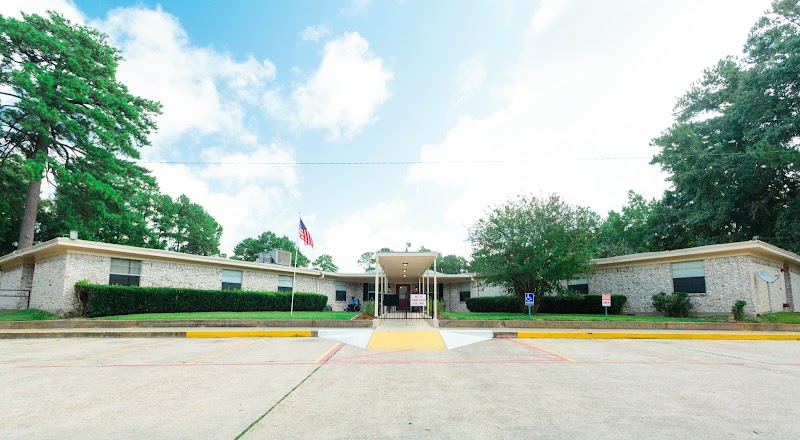
How is Focused Care At Huntsville Staffed?

CMS rates FOCUSED CARE AT HUNTSVILLE's staffing level at 1 out of 5 stars, which is much below average compared to other nursing homes. Staff turnover is 53%, compared to the Texas average of 46%.

What Have Inspectors Found at Focused Care At Huntsville?

State health inspectors documented 20 deficiencies at FOCUSED CARE AT HUNTSVILLE during 2023 to 2025. These included: 20 with potential for harm.
Who Owns and Operates Focused Care At Huntsville?

FOCUSED CARE AT HUNTSVILLE is owned by a for-profit company. For-profit facilities operate as businesses with obligations to shareholders or private owners. The facility is operated by FOCUSED POST ACUTE CARE PARTNERS, a chain that manages multiple nursing homes. With 88 certified beds and approximately 68 residents (about 77% occupancy), it is a smaller facility located in HUNTSVILLE, Texas.

How Does Focused Care At Huntsville Compare to Other Texas Nursing Homes?

Compared to the 100 nursing homes in Texas, FOCUSED CARE AT HUNTSVILLE's overall rating (4 stars) is above the state average of 2.8, staff turnover (53%) is near the state average of 46%, and health inspection rating (4 stars) is above the national benchmark.

What Should Families Ask When Visiting Focused Care At Huntsville?

Based on this facility's data, families visiting should ask: "Can you walk me through typical staffing levels on day, evening, and night shifts?" "Can I visit during a mealtime to observe dining assistance and food quality?" "How do you handle medical emergencies, and what is your hospital transfer rate?" "Can I speak with family members of current residents about their experience?" These questions are particularly relevant given the below-average staffing rating.

Is Focused Care At Huntsville Safe?

Based on CMS inspection data, FOCUSED CARE AT HUNTSVILLE has a clean safety record: no substantiated abuse findings (meaning no confirmed cases of resident harm), no Immediate Jeopardy citations (the most serious violation level indicating risk of serious injury or death), and is not on the Special Focus Facility watch list (a federal program monitoring the lowest-performing 1% of nursing homes). The facility has a 4-star overall rating and ranks #1 of 100 nursing homes in Texas. While no facility is perfect, families should still ask about staff-to-resident ratios and recent inspection results during their visit.

Do Nurses at Focused Care At Huntsville Stick Around?

FOCUSED CARE AT HUNTSVILLE has a staff turnover rate of 53%, which is 7 percentage points above the Texas average of 46%. Moderate turnover is common in nursing homes, but families should still ask about staff tenure and how the facility maintains care continuity when employees leave.

Was Focused Care At Huntsville Ever Fined?

FOCUSED CARE AT HUNTSVILLE has no federal fines on record. CMS issues fines when nursing homes fail to meet care standards or don't correct problems found during inspections. The absence of fines suggests the facility has either maintained compliance or corrected any issues before penalties were assessed. This is a positive indicator, though families should still review recent inspection reports for the full picture.

Is Focused Care At Huntsville on Any Federal Watch List?

FOCUSED CARE AT HUNTSVILLE is not on any federal watch list. The most significant is the Special Focus Facility (SFF) program, which identifies the bottom 1% of nursing homes nationally based on persistent, serious quality problems. Not being on this list means the facility has avoided the pattern of deficiencies that triggers enhanced federal oversight. This is a positive indicator, though families should still review the facility's inspection history directly.