HUNTSVILLE HEALTH CARE CENTER
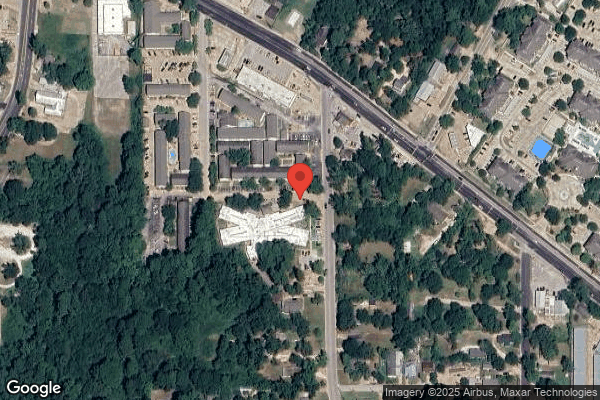
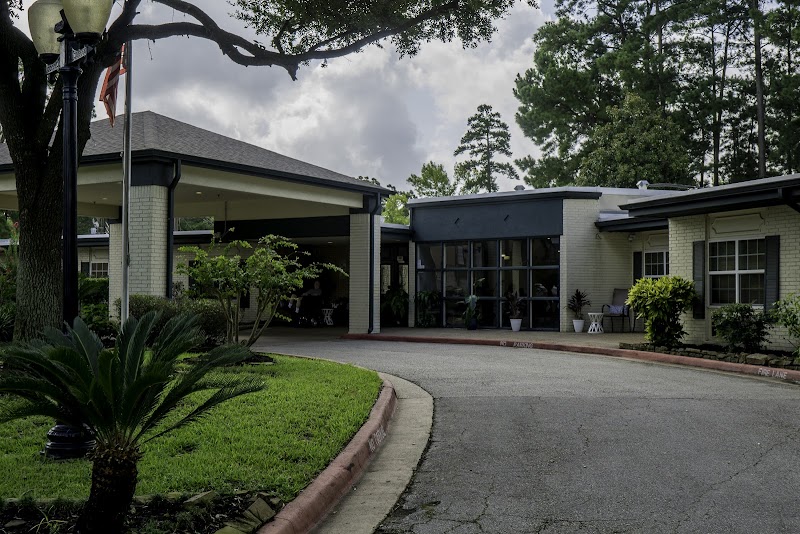
2628 MILAM, HUNTSVILLE, TX 77340 (936) 293-8062
Non profit - Corporation 92 Beds HEALTH SERVICES MANAGEMENT Data: November 2025
Trust Grade
70/100
#258 of 1168 in TX
Last Inspection: June 2025

Inspected within the last 6 months. Data reflects current conditions.

Overview

Huntsville Health Care Center has a Trust Grade of B, indicating it is a good choice, though not the very best. It ranks #258 out of 1,168 nursing homes in Texas, placing it in the top half of facilities in the state, and is #3 out of 3 in Walker County, meaning only one local option is better. The facility is improving, with a decrease in issues over time, going from 6 problems in 2024 to 4 in 2025. Staffing is a mixed bag, rated 3 out of 5 stars, with a concerning turnover rate of 62%, higher than the Texas average, but it boasts more RN coverage than 92% of Texas facilities, which helps catch potential problems. However, there are some weaknesses, such as concerns about food safety practices and the failure to remove worn mechanical lift slings, which could pose risks to residents.

Trust Score
B
70/100
In Texas
#258/1168
Top 22%
Safety Record
Low Risk
No red flags
Inspections
Getting Better
6 → 4 violations
Staff Stability
⚠ Watch
62% turnover. Above average. Higher turnover means staff may not know residents' routines.
Penalties
✓ Good
No fines on record. Clean compliance history, better than most Texas facilities.
Skilled Nurses
✓ Good
Each resident gets 42 minutes of Registered Nurse (RN) attention daily — more than average for Texas. RNs are trained to catch health problems early.
Violations
⚠ Watch
14 deficiencies on record. Higher than average. Multiple issues found across inspections.
★★★★☆
4.0
Overall Rating
★★★☆☆
3.0
Staff Levels
★★★★☆
4.0
Care Quality
★★★★☆
4.0
Inspection Score
Stable
2024: 6 issues
2025: 4 issues

The Good

  • 4-Star Quality Measures · Strong clinical quality outcomes
  • Full Sprinkler Coverage · Fire safety systems throughout facility
  • No fines on record

Facility shows strength in quality measures, fire safety.

The Bad

Staff Turnover: 62%

16pts above Texas avg (46%)

Frequent staff changes - ask about care continuity

Chain: HEALTH SERVICES MANAGEMENT

Part of a multi-facility chain

Ask about local staffing decisions and management

Staff turnover is elevated (62%)

14 points above Texas average of 48%

The Ugly 14 deficiencies on record

Jun 2025 4 deficiencies
CONCERN (D)

Potential for Harm - no one hurt, but risky conditions existed

Infection Control (Tag F0880)

Could have caused harm · This affected 1 resident

**NOTE- TERMS IN BRACKETS HAVE BEEN EDITED TO PROTECT CONFIDENTIALITY** Based on observations, interviews, and record reviews the facility failed to establish and maintain an infection prevention and ...

Read full inspector narrative →
**NOTE- TERMS IN BRACKETS HAVE BEEN EDITED TO PROTECT CONFIDENTIALITY** Based on observations, interviews, and record reviews the facility failed to establish and maintain an infection prevention and control program designed to provide a safe, sanitary, and comfortable environment and to help prevent the development and transmission of communicable diseases and infections for 1 of 6 residents (Resident #15) and 1 of 5 staff (Nurse Manager) reviewed for infection control. Nurse Manager performed direct care to Resident #15 and failed to remove Personal Protective Equipment (PPE, gown, and gloves) prior to exiting Resident #15's room on 06/16/2025. These failures could place residents at risk of exposure to infectious diseases due to improper infection control practices. Findings included: Record review of an admission Record for Resident #15 dated 06/17/2025 indicated she admitted to the facility on [DATE] and was [AGE] years old with diagnoses of Hemiplegia and Hemiparesis following cerebral infarction, Muscle wasting and Atrophy, Cognitive Communication Deficit, Hypertension. Schizoaffective Disorder, Bipolar Type, Epilepsy, Major Depressive Disorder and Dysphagia. Record review of a Quarterly MDS Assessment for Resident #15 dated 04/17/2025 indicated she had severe impairment in thinking with a BIMS score of 3. She was dependent on staff for application of nonsurgical dressings and personal hygiene (ADL care). Record review of a care plan for Resident #15 dated 11/29/2022 indicated she had an ADL self-care performance deficit related to a Cerebral Infarction with right side hemiplegia, bowel, and bladder incontinence. During an observation and interview on 6/16/2025 at 10:25 AM, the Nurse Manager did not follow the Enhanced Barrier Precautions for disposing of used PPE supplies consisting of a gown and gloves. The Nurse Manager exited Resident #15's room with contaminated PPE (gown and gloves) still on and took them off in the hallway and proceeded to put the contaminated PPE in the trash can on the medication cart across the hall. The Nurse manager said she just completed care on Resident #15's PICC line . During an interview on 06/16/2025 at 10:27 AM, with the Nurse Manager she said the PPE supplies did not have to be disposed of in a special trash can and could be disposed of in any trash can. During an interview on 06/18/2025 at 7:56 AM, with CNA A she said staff should use PPE supplies prior to performing direct care on a resident with ordered precautions. Once staff have competed resident care, staff should take off all PPE in the room and dispose of the PPE in a biohazard bag , wash their hands, and then exit the room. She said if the Resident has a physicians order for EBP the staff should use PPE supplies when providing care to the resident. She said if the PPE supplies are no used or discarded appropriately it may cause a spread of bacteria and germs to residents and staff that could cause residents and/or staff to become ill. During an interview on 06/18/2025 at 8:01 AM, with the Nurse Manager she said she read the enhanced barrier policy, and she did not follow the proper procedures when disposing of PPE supplies after performing direct care on Resident #15. She said if the PPE supplies were not used and disposed of correctly it could potentially spread germs. During an interview on 06/18/2025 at 8:05am with RN B she said if a patient had orders for precautions the staff should use appropriate PPE when performing direct care to a resident and should dispose of used PPE in the trash can in the resident's room and wash their hands prior to exiting the room. She said residents could become ill from the spreading of germs and bacteria as well as staff could be exposed to germs and bacteria that could cause them to become ill. During an interview on 06/18/2025 at 8:12am with MA C she said staff was supposed to use PPE when providing direct care to a resident on EBP. She said staff should remove PPE and wash their hands before exiting the resident's room. She said if the proper PPE procedures were not used the potential to spread germs increased and other residents could become ill. During an interview on 7/31/2024 at 10:04am with the ADON she said if staff were making direct contact with a resident that had orders for Enhanced Barrier Precautions staff should use PPE supplies. She said staff should put the PPE supplies on prior to rendering direct care to the resident. She said staff should dispose of used PPE in the trash can by the door in the patient's room. She said if PPE supplies were not used or disposed of properly it could cause infection control issues and possibly get other resident's sick. During an interview on 7/31/2024 at 10:10am with the Administrator, she said when staff entered the room of a resident on EBP they should be using EBP supplies prior to providing direct care. She said they should take used PPE off in the room and put it in the trash can in the resident's room. She said staff should never wear used PPE outside the room. She said when staff was done with resident care, they should wash their hands or use sanitizer prior to exiting the room or going on their next task. She said if PPE was not used or disposed of correctly there was a potential to spread infections. Record review of a facility policy titled Enhanced Barrier Precautions dated 2025 indicated, .3. D. Position a trash can inside the resident room and near the exit for discarding PPE after removal, prior to exit of the room or before providing care for another resident in the same room.
CONCERN (D)

Potential for Harm - no one hurt, but risky conditions existed

Deficiency F0919 (Tag F0919)

Could have caused harm · This affected 1 resident

**NOTE- TERMS IN BRACKETS HAVE BEEN EDITED TO PROTECT CONFIDENTIALITY** Based on observation, interview, and record review, the facility failed to be adequately equipped to allow residents to call for...

Read full inspector narrative →
**NOTE- TERMS IN BRACKETS HAVE BEEN EDITED TO PROTECT CONFIDENTIALITY** Based on observation, interview, and record review, the facility failed to be adequately equipped to allow residents to call for staff through a communication system which relays the call directly to a staff member or a centralized staff work area from toilet and bathing facilities for 1 of 8 residents reviewed for call lights. (Resident #8). The facility failed to ensure Resident #8's emergency call light in the bathroom would reach the floor. The call light cord for Resident #8 was three feet above the floor level. This failure could place residents at risk of injury, pain, hospitalization, and a diminished quality of life. Findings include: Record review of a face sheet dated 6/18/2025 indicated that Resident #8 was an [AGE] year-old female admitted to the facility on [DATE] with diagnoses including: dementia (confusion due to aging with inability to remember), muscle weakness, difficulty ambulating, and muscle wasting. Record review of a Quarterly MDS assessment dated [DATE] for Resident #8 indicated that she had a BIMS score of 3, indicating that she had severe cognitive impairment. The MDS indicated that the resident required supervision or touch assist of one person for toilet use. Record review of a comprehensive care plan with a revision date 6/06/2025, revealed Resident #8 was at risk for injuries related to falls and had a fall on 5/20/2025 with no injuries. During an observation on 06/17/25 at 10:57 a.m., the emergency call light in Resident #8's bathroom was approximately 3 feet above the floor and not accessible if lying on the floor. Resident #8 was ambulating independently in her room. Resident #8 said she used her restroom with minimum assistance and would call for help if needed. During an interview on 06/18/25 at 10:46 am LVN L said that the string being too short could cause the resident not to be able to reach it and not to be able to call for help if they had a fall in the bathroom. During an interview on 6/18/25 at 9:00 am, the Director of Maintenance said the call lights in bathrooms needed to be accessible because if a resident were to fall, they needed to be able to reach the string to call for help. He said he had only worked at the facility for a few months and would make a facility sweep to correct all strings to the required length. During an interview on 6/18/25 at 11:00 am, the Administrator said that call lights needed to be accessible always in case the resident needed assistance or if there were an emergency. She said the call lights in the bathroom needed to be accessible for a resident lying on the floor. The Administrator said if a resident were to fall, they needed to be able to reach the string to call for help. She said going forward, she would expect her staff to follow proper policy and procedure. Record review of an undated facility policy titled Call Lights indicated .7. The call system must be accessible to the resident at each toilet and bath or shower facility. The call system should be accessible to a resident lying on the floor .
CONCERN (D)

Potential for Harm - no one hurt, but risky conditions existed

Safe Environment (Tag F0921)

Could have caused harm · This affected 1 resident

**NOTE- TERMS IN BRACKETS HAVE BEEN EDITED TO PROTECT CONFIDENTIALITY** Based on observation, interview, and record review, the facility failed to provide a safe, functional, sanitary, and comfortable...

Read full inspector narrative →
**NOTE- TERMS IN BRACKETS HAVE BEEN EDITED TO PROTECT CONFIDENTIALITY** Based on observation, interview, and record review, the facility failed to provide a safe, functional, sanitary, and comfortable environment for residents, staff and the public for one of four hallways (Hallway 200) reviewed for physical environment. The facility failed to maintain the walls, ceiling, and floor in the shared restroom for rooms [ROOM NUMBERS] located on the 200 hallway. The facility failed to remove a broken dresser from room [ROOM NUMBER] located on the 200 hallway. The potential outcome statement goes here Findings included: During an observation on 06/16/2025 at 9:53 AM, the shared restroom for room [ROOM NUMBER] and 210 had 6 holes one inch to one and a half inch in diameter in the sheetrock wall beside the toilet, the floor was dirty, discolored gray, brown with no visible wax or coating and worn. Black-brown dirt debris substance was around the bottom of the toilet that had clear caulk over it. Dirt-dust debris was on the wall underneath the sink. There was a 6-inch area on the ceiling where the ceiling texture was flaking off from prior water damage. During an observation on 06/16/2025 at 10:15 AM, room [ROOM NUMBER] had a dresser with a broken top, a ten-inch area of particle board was exposed which would not allow proper cleaning and disinfection of the surface and the vinyl trim was hanging loose from the left side edge of the dresser. During an interview on 6/17/2025 at 10:30 AM, LVN L said the dresser had been damaged due to staff raising and lowering the electric bed while providing care and catching the dresser edge. She said the dresser needed to be replaced due to it could not be properly cleaned. She said the dresser should be moved to another area in the room to prevent more damage. During an interview on 06/17/2025 at 11:30 AM, CNA M said she had only worked at the facility for a few weeks. She said she thought the broken dresser was not appropriate but did not know if it was acceptable or not or who exactly to report the broken dresser to. She said the broken dresser could not be properly cleaned and did not look nice. During an interview on 06/17/2025 at 2:30 PM, the Director of Maintenance said he had worked at the facility for a couples of months and had been busy making repairs needed. He said he was not aware of the needed repairs to the bathroom shared by rooms [ROOM NUMBERS] but he would put it on his list. During an interview on 6/18/2025 at 10:30 AM the Administrator said she expected the bathrooms to be maintained and furniture to be in good condition in the resident rooms. She said she would have the shared bathroom for room [ROOM NUMBER] and 210 holes cleaned and repaired. The Administrator said she had ordered new dressers for the resident rooms and would replace the dresser in room [ROOM NUMBER] She said the risk to the residents was to live in an environment that was not sanitary and safe. Record Review of an undated facility policy titled, Resident Rooms reflected .Resident bedrooms must be designed and equipped for adequate nursing care, comfort, and privacy of residents .10. Resident rooms will be furnished with functional furniture and arranged according to resident needs and preferences .
CONCERN (E)

Potential for Harm - no one hurt, but risky conditions existed

Accident Prevention (Tag F0689)

Could have caused harm · This affected multiple residents

**NOTE- TERMS IN BRACKETS HAVE BEEN EDITED TO PROTECT CONFIDENTIALITY** Based on observation, interview, and record review, the facility failed to ensure the residents' environment remains as free of ...

Read full inspector narrative →
**NOTE- TERMS IN BRACKETS HAVE BEEN EDITED TO PROTECT CONFIDENTIALITY** Based on observation, interview, and record review, the facility failed to ensure the residents' environment remains as free of accident hazards as possible for 3 of 15 residents reviewed for quality of care, (Resident #14, Resident #36 and #209) in that: The facility failed to remove worn, damaged and bleached mechanical lift slings from service for Residents #14, Resident #36 and #209. This deficient practice could result in a loss of quality of life due to injuries. Findings included: Record review of a facility's face sheet dated 6/17/25 for Resident #14 indicated that he was a [AGE] year-old male admitted to the facility on [DATE] with diagnoses including: End Stage Renal Disease (a permanent condition where the kidneys can no longer filter waste from the blood, and require a kidney transplant or dialysis to survive), Type 2 Diabetes Mellitus (a problem in the way the body regulates and uses sugar as a fuel), and Acquired absence of left leg below the knee. Record review of a Medicare 5-day MDS assessment dated [DATE] for Resident #14 indicated that he had a BIMS score of 10 indicating he had moderately impaired cognition. The assessment also indicated that he was totally dependent with transfers. Record review of a comprehensive care plan dated 5/08/25 indicated that Resident #14 was totally dependent on a mechanical lift with the assistance of 2 persons for transfers. Record review of a facility face sheet dated 06/17/2025 indicated Resident #36 was a [AGE] year-old male that admitted to the facility on [DATE] with diagnoses of dementia (a group of symptoms that affects memory, thinking and interferes with daily life), Type 2 Diabetes Mellitus (a problem in the way the body regulates and uses sugar as a fuel) and chronic obstructive pulmonary disease (a condition that limits airflow into and out of the lungs). Record review of a comprehensive care plan initiated 05/01/2025 indicated Resident #36 required transfer assist of 2 staff with a mechanical lift. Record review of a quarterly MDS assessment dated [DATE] indicated Resident #36 had a BIMS score of 05 indicating severely impaired cognition. The resident required maximal assistance with transfers. Record review of a facility's face sheet dated 6/17/25 for Resident #209 indicated that she was a [AGE] year-old female admitted to the facility on [DATE] with diagnoses including: Left side hemiplegia following cerebral infarction (the pathologic process that results in an area of necrotic (death of tissue) tissue in the brain resulting in weakness or inability to use the left side of the body), heart failure (the heart muscle doesn't pump blood as well as it should), and depression (a mood disorder that causes a persistent feeling of sadness and loss of interest). Record review of an admission MDS assessment dated [DATE] for Resident #209 indicated that she had a BIMS score of 15 indicating she was cognitively intact. The Assessment also indicated that she was totally dependent with transfers. Record review of a comprehensive care plan dated 5/21/25 indicated that Resident #209 was totally dependent on a mechanical lift with the assistance of 2 persons for transfers. During an observation on 06/16/2025 at 11:30 AM, of a mechanical lift sling under Resident #14 while he was sitting in his wheelchair, the colored straps were faded and light in color. During an observation on 06/16/2025 at 11:33 AM, of a mechanical lift sling under Resident #36 while he was sitting in his wheelchair, the colored straps were faded and light in color. During an observation on 06/16/2025 at 11:35 AM, of a mechanical lift sling under Resident #209 while she was sitting in her wheelchair, the colored straps were faded and light in color. During an observation and interview on 06/17/25 at 10:30 AM Resident #14 was in the common area of the facility watching TV dressed neatly. He denied any problems with staff. He was sitting in a wheelchair with a mechanical lift sling underneath him. The straps were faded in color and they all appeared to be a light blue- not bright blue, bright purple, or bright green. During an interview on 6/16/2025 at 12:00 PM with CNA E, she said she did use slings to assist with transfer of residents by mechanical lift. She stated the slings were inspected prior to use for any rips, tears or damage. She was not aware that the slings should also be inspected for fading. She did agree that the slings did have some fading to the sling but was unaware that faded slings should be taken out of service. During an interview on 6/17/2025 at 10:20 AM with the Housekeeping Supervisor, she said she had been working at the facility for 2 months. She stated lift pads were normally washed using the blanket setting, that did not include bleaching agent in the cycle. She stated if a lift pad was soiled then the pad cycle was used and a bleaching agent was used in the pad washing cycle. She said the nursing staff was responsible for inspecting lift pads prior to use and removing any damaged lift pads from service. During an interview on 6/17/2025 at 10:30 AM with Laundry Aide D, she said she has been working at the facility for 8 months. She said she always washed the lift pads on the blanket cycle. She stated a bleaching agent was not to be used with the lift pads. She stated lift pads were washed and hung to air dry. She said the nursing staff was responsible for removing damaged lift pads from service. During an interview on 6/17/2025 at 10:45 AM with the Director of Nursing, he said the staff was responsible for inspecting lift pads for any damage to the pad prior to placing under a resident. He stated staff were to inspect lift pads and remove from service any pad that showed signs of wear such as fraying, tearing or rips. He said the staff had not been instructed to look at straps for fading. He stated the laundry was the first line of inspection and should remove any pads that had visible signs of wear and tear. He stated laundry staff should not use any bleaching agents while laundering the lift pads. He stated the laundry supervisor was new to her position and education would be provided to her on the laundering and inspection of lift pads by the laundry staff. During an inspection of a faded lift sling that was under Resident #14, the Director of Nursing agreed the color of the connection tabs was faded. He said all mechanical lift slings in the facility would be inspected and all faded and worn slings would be replaced. During an interview on 6/18/2025 at 9:15 AM with CNA G, she said prior to using a mechanical lift pad, she inspected the pad for any worn or stringy parts. She stated if the pad was worn or damaged the pad was taken to the supervisor and a new pad was used for the resident. She stated that they were now monitoring for fading of connection tabs on the lift pads. She stated a lift pad that was worn, torn or faded could put the resident at risk for injury during transfer. During an interview on 6/18/2025 at 9:25 AM CNA H stated the slings were inspected prior to use for any wear and tear or any faded loops. She stated any altered slings were taken to the supervisor to be taken out of service and a new sling was used for the resident. She said the resident was at risk for injury if a damaged sling was used with the mechanical lift. During an interview on 6/18/2025 at 9:35 AM CNA K stated mechanical slings were inspected by laundry staff and nursing staff. She stated laundry staff was to inspect pads for any wear and tear and if any damage was noted then the laundry was to take the lift pad out of service. She stated the nursing staff also inspected the lift pads prior to use for any rips, tears and fading. She said any damaged pads were removed from service and replaced with a new lift pad. She said the resident was at risk for injury if a damaged or altered lift pad was used during transfer. During an interview on 6/18/2025 at 9:45 AM with the Director of Nursing, he stated new lift slings were ordered. He stated the staff was also in serviced on inspecting the lift pads for tears, fraying and fading. He said any lift pads with signs of fading or tears were to be removed from service immediately. He said the resident could be at risk of injury if a worn or faded lift pad was used. He said laundry personnel and nursing staff were responsible for inspecting lift pads and removing them from service. He stated CNA K was responsible for ordering lift pads and would monitor the conditions of the lift pads in the facility and ensure replacement lift pads were available to staff. During an interview on 6/18/2025 at 9:55 AM, the administrator said she discussed the concerns of the faded lift slings with the DON . She stated that she was aware that staff was inspecting the slings prior to use but she was not aware that the slings were faded. She said that an altered lift sling could put a resident at risk for injury during use. She stated that 10 new slings had been ordered and that all slings would be inspected for tears, worn areas and fading prior to use by the laundry staff and direct care staff and any lift slings that were faded or worn would be taken out of service immediately. Record review of the facility's policy titled Safe Resident Handling/Transfers copyright 2023 reads .Slings will be laundered according to manufacturer's instructions and any damaged, broken or unsafe slings will be removed from service and replaced. Record review of manufacture guidelines Full Body Slings - Instructions for use accessed at www.medline.com on 06/18/25 read .Always inspect slings prior to each use. Signs of rips, tears, or frays indicate sling wear which is unsafe and could result in injury. Signs of color fading, bleached areas, or permanent wrinkles on the straps indicate improper laundering which is unsafe and could result in injury. Any slings with signs of wear or improper laundering should be immediately removed from use .
May 2024 6 deficiencies
CONCERN (D)

Potential for Harm - no one hurt, but risky conditions existed

Abuse Prevention Policies (Tag F0607)

Could have caused harm · This affected 1 resident

Based on interviews and record review, the facility failed to implement written policies and procedures to prohibit and prevent abuse, neglect, and exploitation for 1 of 15 staff (the DON) reviewed fo...

Read full inspector narrative →
Based on interviews and record review, the facility failed to implement written policies and procedures to prohibit and prevent abuse, neglect, and exploitation for 1 of 15 staff (the DON) reviewed for develop and implement abuse policies. The facility failed to ensure HR implemented the facility's abuse/neglect policy and procedure when she failed to complete a Criminal History check for the DON upon hire. This failure could place residents at risk for abuse, neglect and/or exploitation. Findings included: Record review of the personnel file for the DON indicated he was hired at the facility on 4/8/2024 and his criminal history check was not done until 5/21/2024. During an interview on 5/22/2024 at 10:55 AM, HR said she started at the facility October 2023 but did was not assigned HR duties until January 2024. She said she was responsible for new hires and conducting background checks. She said the criminal history checks were to be completed before the new hire came into the facility for orientation and then yearly thereafter. She said she did not know what happened and why the DON's criminal history was not checked. She said it was checked on yesterday 5/21/2024 when they realized he did not have one. She said she received training from the previous Administrator on completing the criminal history and background checks. She said going forward she would make sure everyone had their backgrounds check and would check before and after they were hired. During an interview on 5/22/2024 at 11:34 AM, the Administrator said background checks and criminal history checks were the responsibility of HR. She said she was not sure why the DON did not have a criminal history check when he was hired at the facility. She said the criminal history check should be checked within 2 days of an offer letter and prior to starting employment. She said there could be a risk of hiring someone that has a criminal background. She said residents could be at risk for exploitation or abuse. She said going forward, the HR had a check list to use, and she was in-serviced on yesterday 5/21/2024 on background checks. Record review of an in-service dated 5/21/2024 on background checks was conducted by the Administrator to HR. Record review of the facility's policy titled Abuse, Neglect, Exploitation, and Misappropriation of Property Prevention, Protection and Response Policy and Procedures revised 12/17/2018 indicated, .1. Screening Issues: B. Criminal background checks as required . Record review of the facility's policy titled Background Screening Investigation revised March 2019 indicated, .Our facility conducts employment background screening checks, reference checks and criminal conviction investigation checks on all applicants for positions with direct access to residents. 2. Background and criminal checks are initiated within two days of an offer of employment or contract agreement, and completed prior to employment .
CONCERN (D)

Potential for Harm - no one hurt, but risky conditions existed

Tube Feeding (Tag F0693)

Could have caused harm · This affected 1 resident

**NOTE- TERMS IN BRACKETS HAVE BEEN EDITED TO PROTECT CONFIDENTIALITY** Based on observation, interview, and record review, the facility failed to assure that residents who were fed by enteral feeding...

Read full inspector narrative →
**NOTE- TERMS IN BRACKETS HAVE BEEN EDITED TO PROTECT CONFIDENTIALITY** Based on observation, interview, and record review, the facility failed to assure that residents who were fed by enteral feeding, received appropriate treatment and services to prevent complications of enteral feeding for 1 of 1 resident (Resident #12) reviewed for quality of care. The facility failed to ensure that Resident #12's feeding tube bags were labeled which included the initials of staff that hung the bag and the time it was hung to ensure residents maintain nutritional status within optimal parameters on [DATE]. This failure could place residents receiving enteral feedings at risk of not receiving feeding care in a timely manner and receiving old or expired feed. Findings included: Record review of an admission Record dated [DATE] for Resident #12 indicated he admitted to the facility on [DATE] and was [AGE] years old with diagnosis of hemiplegia and hemiparesis following cerebral infarction (paralysis on one side of the body following a stroke), gastrostomy status (tube inserted into the stomach for feeding), end stage renal disease (kidneys are no longer able to function on their own) and autistic disorder (a developmental disorder that can cause the inability to communicate or interact). Record review of a Significant Change MDS assessment dated [DATE] for Resident #12 indicated he was rarely/never understood. He was dependent with all ADLs. He was always incontinent of bowel and bladder. He had a feeding tube while a resident during the 7-day look back period. Record review of a care plan revised on [DATE] for Resident #12 indicated he required tube feeding related to CVA with dysphagia. Interventions included to administer enteral feeding, medications, and water flushes as ordered. Interventions also indicated to change feeding set/syringe/tubing daily and as needed. Record review of active physician orders dated [DATE] for Resident #12 indicated he was on a NPO diet, g tube (feeding tube) continuous feeding of Nepro 1.8 at 55 cc/hr x18 hours. During an observation on [DATE] at 11:10 AM, Resident #12 was in bed awake but nonverbal. He had tube feeding of Nepro on a pump infusing at 55 ml/hr with 30 ml water flush every 1 hr. A 1000 ml feeding bag that had approximately 500 ml of formula with a label dated [DATE], no time noted on bag or initials of who hung it. A 1000 ml bag of water noted with approximately 800 ml did not have a label on it. During a phone interview on [DATE] at 9:36 PM, LVN A said she had been employed at the facility for 1 1/2 year and only worked the night shift from 6 pm to 6 am. She said the nursing staff were responsible for hanging feeding bags and labeling them. She said she took care of Resident #12 on the night of [DATE] and morning of [DATE]. She said her shift ended at 6 am on [DATE]. She said on Monday morning [DATE] at 4 am, she hung a new bag of feeding for him along with water. She said she always just placed a label on one of the bags because the bags came together as a set of two. She said the label should include the resident's name, date, time, rate of feeding, type of feeding and the initials of the staff that hung the bag. She said she did not realize that she did not put a time on the bag and probably should have labeled both bags. She said she had a skills check off in the past on medication administration with g-tubes and it included labeling the feeding bags. She said residents could be at risk of receiving incorrect feedings, incorrect flow rates or getting a feeding that was old if it was not labeled properly. She said residents could be at risk of GI issues because they ould not want to give a resident curdled milk. During an interview on [DATE] at 11:06 AM, the ADON said she had been employed at the facility for 6 months. She said feeding tubes should be labeled and that included the resident's name, type of feeding, water flush, rate of feeding, the time it was hung, date, and initials of staff. She said both the feeding and water bag should be labeled. She said there was a risk of potentially getting old feedings if there was not a time indicated and it should have been immediately changed and an assessment completed on the resident. She said nursing was responsible for labeling the feedings and water. She said going forward, she would in-service staff to make sure the labels were complete and give them more education. During an interview on [DATE] at 11:21 AM, the DON said he had been employed at the facility since [DATE]. He said g-tube feeding labels should include the initials of staff, time, type of feeding, date, and rate of flow, and the water bag should have a label also. He said the bags should be changed every 24 hours and the label should have a time to indicate when it was hung. He said going forward, he would in-service staff to ensure the feedings were labeled properly. During an interview on [DATE] at 11:34 AM, the Administrator said maintenance of feeding tubes were the responsibility of the nursing staff. She said there was a risk of a feedings being old if there was not a time on it to show when it was hung. She said going forward, they would be monitoring along with the DON to ensure they were labeled properly. Record review of a RN/LPN Competency Checklist dated [DATE] for LVN A by the ADON indicated she was competent in set up and maintain oxygen and maintenance of g-tubes. Record review of the facility's policy titled Care and Treatment of Feeding Tube dated [DATE] indicated, .It is a policy of this facility to utilize feeding tubes in accordance with current clinical standards of practice, with interventions to prevent complications to the extent possible .
CONCERN (D)

Potential for Harm - no one hurt, but risky conditions existed

Respiratory Care (Tag F0695)

Could have caused harm · This affected 1 resident

**NOTE- TERMS IN BRACKETS HAVE BEEN EDITED TO PROTECT CONFIDENTIALITY** Based on observation, interview, and record review, the facility failed to ensure that residents requiring respiratory care are ...

Read full inspector narrative →
**NOTE- TERMS IN BRACKETS HAVE BEEN EDITED TO PROTECT CONFIDENTIALITY** Based on observation, interview, and record review, the facility failed to ensure that residents requiring respiratory care are provided care, consistent with professional standards of practices for 2 of 9 residents (Resident #17 and #34) reviewed for quality of care. 1.The facility failed to ensure Resident #17's oxygen concentrator had an external filter that was free of dust buildup on 5/21/2024 and 5/22/2024. 2. The facility failed to ensure Resident #34's oxygen concentrator had an external filter that was free of dust buildup on 5/21/2024 and 5/22/2024. This failure could place residents who require respiratory care at risk for respiratory infections, breathing in dust and allergens, decreased effectiveness of oxygen concentrators, and exacerbation of respiratory distress. Findings included: 1. Record review of an admission Record dated 5/21/2024 for Resident #17 indicated he admitted to the facility on [DATE] and was [AGE] years old with diagnosis of COPD (lung disease that makes it difficult to breath), acute on chronic systolic congestive heart failure (heart is not able to pump effectively), myasthenia gravis (abnormal weakness of certain muscles) and pneumonia (lung infection). Record review of a Quarterly MDS assessment dated [DATE] for Resident #17 indicated he did not have any impairment in thinking with a BIMS score of 15. Special treatments, procedures and program for oxygen therapy indicated he used oxygen on admission and while a resident. Record review of a care plan revised on 4/9/2024 for Resident #17 indicated he required oxygen therapy related to CHF (heart not being able to pump effectively), pulmonary edema (swelling in the lungs) and respiratory failure. Interventions included oxygen settings: Oxygen via (through) nasal prongs at 2-4 L/minute prn as ordered. Record review of active physician orders dated 5/21/2024 for Resident #17 indicated he had an order that started on 4/14/2024 for oxygen: change oxygen tubing and clean filter on concentrator every week or when visibly soiled or malfunction present, every night shift every Sunday for dyspnea (difficulty breathing). Record review of a MAR dated 5/1/2024 to 5/31/2024 for Resident #17 indicated an order to clean the oxygen filter on concentrator q week was signed off by LVN A on 5/5/2024 and 5/19/2024 by a check mark and initials of staff. During an observation and interview at 5/21/2024 at 9:15 AM, Resident #17 was in bed, on oxygen via nasal cannula at 3 L/minute. The external filter had a thick buildup of dust. He said he did not remember the last time someone cleaned it. 2. Record review of an admission Record dated 5/21/2024 for Resident #34 indicated he was [AGE] years old with diagnosis of CHF (heart's inability to pump effectively), dependence on supplemental oxygen (required the use of oxygen), and anxiety disorder. Record review of a Modification of Annual MDS assessment dated [DATE] for Resident #34 indicated he had moderate impairment in thinking with a BIMS score of 11. Special Treatments, Procedures, and Programs indicated while a resident within the 14-day look back period, he was used oxygen therapy. Record review of a care plan revised on 8/19/2022 for Resident #34 indicated he had oxygen therapy related to end stage CHF. Interventions included oxygen settings: oxygen via nasal cannula as ordered. Record review of active physician orders dated 5/21/2024 for Resident #34 indicated an order to administer Oxygen at 2 L/minute via nasal cannula to keep saturations above 90% that started on 7/25/2023. During an observation and interview on 5/21/2024 at 9:11 AM, Resident #34 was sitting up in a wheelchair in his room on oxygen via nasal cannula at 2 L/min and the external filter had a thick buildup of dust. Resident #34 said he cleaned the filters himself about every 2 weeks. He said the facility staff cleaned it before, but he usually did it himself. During a phone interview on 5/21/2024 at 9:36 PM, LVN A said she had been employed at the facility for 1 1/2 year and only worked the night shift from 6 pm to 6 am. She said she checked the oxygen concentrators and put water in the humidifier bottles. She said it was her understanding that maintenance was supposed to clean the oxygen filters. She said she had taken the spongy filters off before and cleaned them. She said she had never been told yes or no by anyone to clean them. She said if a concentrator started making a squealing noise, then she would check it to see what was wrong with it. She said every Sunday, the charge nurses were to change out the water for the humidifiers and the tubing on the concentrators. She said she did not clean the filters that past Sunday for Residents on Hall 200 where Resident #17 and #34 resided. She said she did not notice on the TAR if a resident had an order to clean the filter weekly. She said residents could be at risk of inhaling particles and dust as it could come through the concentrator and the filter was supposed to keep that from happening and cause lung issues such as pneumonia or shortness of breath. During an observation and interview on 5/22/2024 at 9:08 AM-9:10 AM, the Maintenance Supervisor said he had been employed at the facility since October 2023. He walked in the room of Resident #17 and said the oxygen filter was dusty. He went into the room of Resident #34 and checked the oxygen concentrator filter and said it was dusty. He said he had cleaned Resident #34's filter in the past month. He said he was responsible for cleaning the filters on the oxygen concentrators once a month and only cleaned the external filters. He said the last time he cleaned the filters for the residents in the facility was about two weeks ago. He said he did not keep a log and would just go around and check them. He said he was not sure if he had ever cleaned Resident #17's filter. He said the filter was on the concentrator to make sure contaminants did not get through. He did not know of a risk of the residents. During an interview on 5/22/2024 at 11:21 AM, the DON said he had been employed at the facility since April 2024. He said the oxygen filters were on the maintenance schedule to be cleaned weekly and they changed the filters per the manufacturer's guidelines. He said nursing staff were responsible for cleaning the filters. He said he would in-service staff on checking the filters weekly. He said there was a risk of the filters being dirty and it could jam up the machine and make them not work properly if they were not cleaned. During an interview on 5/22/2024 at 11:34 AM, the Administrator said the oxygen concentrator filters were the responsibility of maintenance to clean and should be done monthly and as needed. She said if they were not clean, the concentrators could not function properly. She said going forward, maintenance would have a list of residents in the facility on oxygen to check. Record review of the facility's policy titled Oxygen Concentrator undated indicated, .An oxygen concentrator is a medical device that extracts oxygen from room air by filtering out or separating the nitrogen form the oxygen. The oxygen passes through a filter system and is then stored within the device for delivery based on the flow meter setting. 5. Care of the Concentrator: a. Follow manufacture recommendations for the frequency of cleaning filters and servicing the device .
CONCERN (D)

Potential for Harm - no one hurt, but risky conditions existed

Infection Control (Tag F0880)

Could have caused harm · This affected 1 resident

**NOTE- TERMS IN BRACKETS HAVE BEEN EDITED TO PROTECT CONFIDENTIALITY** Based on observations, interviews, and record reviews, the facility failed to establish and maintain an infection prevention and...

Read full inspector narrative →
**NOTE- TERMS IN BRACKETS HAVE BEEN EDITED TO PROTECT CONFIDENTIALITY** Based on observations, interviews, and record reviews, the facility failed to establish and maintain an infection prevention and control program designed to provide a safe, sanitary, and comfortable environment and to help prevent the development and transmission of communicable diseases and infections for 1 of 5 residents (Resident #12) reviewed for infection control. The facility failed to ensure CNA C sanitized or washed her hands after changing gloves when providing incontinent care to Resident #12 on 5/20/2024. This failure could place residents at risk of exposure to communicable diseases and infections. Findings include: Record review of an admission Record dated 5/21/2024 for Resident #12 indicated he admitted to the facility on [DATE] and was [AGE] years old with diagnosis of hemiplegia and hemiparesis following cerebral infarction (paralysis on one side following a stroke), gastrostomy status (tube placed into the stomach for feeding), end stage renal disease (kidneys are no longer able to function on their own) and autistic disorder (a developmental disorder that could cause the inability to communicate or interact). Record review of a Significant Change MDS assessment dated [DATE] for Resident #12 indicated he was rarely/never understood. He was dependent with all ADLs. He was always incontinent of bowel and bladder. Record review of a care plan revised on 5/15/2024 for Resident #12 indicated he had an ADL self-care performance deficit related to confusion, impaired mobility with interventions to provide personal hygiene/oral care and was totally dependent on one staff. He had bowel/bladder incontinence and interventions to check on rounds as required for incontinence. During an observation on 5/20/2024 at 11:20 AM, RN B and CNA C were present in Resident #12's room to provide wound care. RN B and CNA C sanitized/washed their hands and donned a gown and gloves. Wound care supplies were on waxed paper on the over bed table, supplies were placed on the wax paper. CNA C rolled Resident #12 onto his left side and pulled his brief down. RN B removed the dressing from his sacrum and placed it in the trash along with her gloves. RN B sanitized her hands and walked away from the bed to the door and removed gloves that was on the wall and placed gloves on both hands. RN B cleaned the sacral area with normal saline and gauze and placed it in the trash. RN B removed her gloves and placed them in the trash and sanitized her hands. RN B walked away from the bed to the door to get more gloves and applied them to both hands and used a gauze and patted sacrum area dry. CNA C removed wipes from a plastic bag and started wiping stool from his rectum front to back. CNA C placed the wipes in a trash bag and removed her gloves and put on gloves without washing or sanitizing her hands. RN B removed her gloves and placed in the trash, sanitized her hands, and walked to the door to get more gloves and applied them to both hands. RN B placed an alginate dressing to the wound bed and removed her gloves and placed them in the trash. RN B sanitized her hands and walked to the door to get more gloves and applied them to both hands. RN B applied a foam dressing. CNA C removed more wipes from the plastic bag and wiped his periarea in the front and removed gloves and placed in the trash. CNA C applied gloves to both hands without washing or sanitizing her hands. CNA C rolled the resident onto his right side and removed the brief and placed a clean brief underneath his buttocks and secured it. RN B removed her gloves and placed them in the trash. The resident was positioned in bed, and CNA C removed her gloves and placed them in the trash. Both RN B and CNA C removed their ppe and washed their hands. During an interview on 5/20/2024 at 4:25 PM, CNA C said she had been employed at the facility for a year and worked the hall where Resident #12 resided. She said during the incontinent care/wound care provided to him earlier she should have washed or sanitized her hands between gloves changes. She said she did not have sanitizer with her. She said she could not leave the resident to go and wash her hands because RN B kept leaving the bedside to get more gloves from the wall mount after she removed her gloves. She said she had a check off about 3 months ago on hand hygiene. She said residents could be at risk of infections if staff did not wash or sanitize their hands between glove changes. During an interview on 5/22/2024 at 11:06 AM, the ADON said she had been employed at the facility for 6 months. She said staff should be washing or sanitizing their hands before care, during and between, when putting a new brief, and when changing gloves. She said she was responsible for conducting the skills check offs with staff. She said she conducted in-service training on hand hygiene every 3 months. She said if staff did not perform hand hygiene, there was a risk of infections to the residents and cross contamination. She said going forward they would in-service staff and continue education. During an interview on 5/22/2024 at 11:21, the DON said he had been employed at the facility since April 2024. He said staff should be washing or sanitizing their hands before care, during care and between glove changes. He said they would continue to in-service staff on hand wash/hygiene. He said residents could be at risk for infections and staff transferring infections to other residents. During an interview on 5/22/2024 at 11:34 AM, the Administrator said staff should be sanitizing or washing their hands between care, when taking off gloves, and changing contact areas. She said going forward, they would continue to train, educate, in-service, and observe staff on hand hygiene. She said there was a risk of infections to the residents if staff did not follow proper hand hygiene. Record review of a competency evaluation dated 12/15/2023 for CNA C indicated that she was checked off on hand washing/hygiene by the ADON. Record review of the facility's policy titled Handwashing/Hand Hygiene revised August 2019 indicated, .This facility considers hand hygiene the primary means to prevent the spread of infection. 2. All personnel shall follow the handwashing/hand hygiene procedures to help prevent the spread of infections to other personnel, residents, and visitors. 7. Use an alcohol-based hand rub containing at least 62% alcohol; or, alternatively, soap and water for the following situations: a. Before and after coming on duty; m. After removing gloves; 8. Hand hygiene is the final step after removing and disposing of personal protective equipment .
CONCERN (E)

Potential for Harm - no one hurt, but risky conditions existed

Accident Prevention (Tag F0689)

Could have caused harm · This affected multiple residents

**NOTE- TERMS IN BRACKETS HAVE BEEN EDITED TO PROTECT CONFIDENTIALITY** Based on observation, interview, and record review, the facility failed to ensure the residents' environment remains as free of ...

Read full inspector narrative →
**NOTE- TERMS IN BRACKETS HAVE BEEN EDITED TO PROTECT CONFIDENTIALITY** Based on observation, interview, and record review, the facility failed to ensure the residents' environment remains as free of accident hazards as possible for 3 of 4 residents reviewed for quality of care, (Resident #5, #39, and #41) in that: The facility failed to remove worn and damaged mechanical lift slings from service. The facility failed to obtain physician orders for mechanical lift transfers. This deficient practice could result in a loss of quality of life due to injuries. Findings included: Record review of a facility's face sheet dated 5/21/24 for Resident #5 indicated that she was a [AGE] year-old female admitted to the facility on [DATE] with diagnoses including: dementia, depression, and type 2 diabetes. Record review of a Quarterly MDS assessment dated [DATE] for Resident #5 indicated that she was rarely/never understood and that Resident #5 was severely cognitively impaired. Assessment also indicated that she was totally dependent with transfers. Record review of a comprehensive care plan dated 8/21/23 indicated that she was totally dependent on a mechanical lift with the assistance of 2 persons for transfers. Record review of a physician order report dated 5/21/24 for Resident #5 indicated that she did not have a physician order for mechanical lift transfers. Record review of a facility face sheet dated 5/21/24 for Resident #39 indicated that he was a [AGE] year-old male admitted to the facility on [DATE] and subsequently readmitted on [DATE] with diagnoses including: dementia, muscle weakness, and type 2 diabetes. Record review of a Comprehensive MDS assessment dated [DATE] for Resident #39 indicated that he had a BIMS score of 5, which indicated that he had severely impaired cognition. Assessment also indicated that he was totally dependent with transfers. Record review of a comprehensive care plan dated 7/21/23 for Resident #39 indicated that he was dependent on a mechanical lift with the assistance of 2 staff members for transfers. Record review of a physician order report dated 5/21/24 for Resident #39 indicated that he did not have a physician order for mechanical lift transfer. Record review of a facility face sheet dated 5/21/24 for Resident #41 indicated that she was a [AGE] year-old female admitted to the facility on [DATE] with diagnoses including: hemiplegia and hemiparesis following cerebral infarction affecting left non-dominant side (left side weakness/paralysis following a stroke), type 2 diabetes, and anxiety disorder. Record review of a Quarterly MDS assessment dated [DATE] for Resident #41 indicated that she had a BIMS score of 15, which indicated that she was cognitively intact. Assessment also indicated that she was totally dependent with transfers. Record review of a comprehensive care plan dated 8/21/23 for Resident #41 indicated that she required a mechanical lift with assistance of 2 staff members for transfers. Record review of a physician order report dated 5/21/24 for Resident #41 indicated that she did not have a physician order for mechanical lift transfer. During an observation on 5/20/23 at 11:45 am Residents #39 was observed in the dining area. Resident #39's mechanical lift sling straps were observed to be faded in color. Resident #39's sling was blue mesh and label indicated that it was a Medline brand sling. During an observation and interview on 5/20/24 at 12:33 pm, Resident #41 was observed in her room with mechanical lift sling underneath her in her wheelchair. The lift sling was observed to have straps that were faded in color. Label indicated that it was a Medline brand sling. Resident #41 said that she had not had any falls from the lift. During an observation on 5/21/24 at 10:00 am, Residents #39 and Resident #5 were observed in a common area. Resident #39 was up in his wheelchair and had a mechanical lift sling underneath him. Resident #39's sling was mesh and purple in color with multiple loose green strings noted along outer seam of sling, torn area next to hook straps, hook straps were noted to be faded in color, label was unreadable. Resident #5 was observed sitting up in a Broda (brand of wheelchair to assist with positioning) chair. She also had a mechanical lift sling underneath her. The mesh sling was observed to be purple in color, the label was unreadable, straps were faded in color (almost a grayish white), and multiple loose strings were observed along the edging of sling. During an interview on 5/21/24 at 10:06 am, Laundry Aide said she had been employed by the facility in laundry for 24 years. She said she would inspect mechanical sling pads for torn spots and loose strings before putting them out for use. She said if she observed any that she would take them out of service. She said she did not use bleach on the lift pad slings. She said worn sling pads could break during use causing residents to fall. During an interview on 5/21/24 at 10:10 am, DON observed the mechanical lift pads underneath Resident #5 and #39 in the common area and said they should not have been used to transfer the residents. He said sling pads should be inspected by the staff before using them to transfer a resident and that worn sling pads could put residents at risk for falls. During an interview on 5/22/24 at 12:15 pm, the Administrator said there could be a chance of the sling breaking if it was worn. She said they ordered new slings and the DON would be inspecting them routinely from then on. She said they educated the CNAs and they would be expecting the CNAs to inspect all slings prior to using them for a resident. During an interview on 5/22/24 at 1:00 pm, CNA D said she had been employed about a year and a half. She said she looked for signs of wear on the lift pads such as loose strings and faded coloring on the straps. She said if she observed any signs of wear, she would not use the lift pad to transfer a resident. She said worn pads could break causing a resident to fall. During an interview on 5/22/24 at 1:10 pm, CNA E said she had been employed for about a month. She said she would look for loose seams, faded colors, rips and tears on the lift pads before use. She said that lift pads that had faded coloring, loose seams, and rips or tears could break while using them, and a resident could fall. Record review of the facility's policy titled Lifting Machine, Using a Mechanical dated 2001 and revised July 2017 read .8. Make sure that all necessary equipment (slings, hooks, chains, straps and supports) is on hand and in good condition . and .Discard any worn, frayed or ripped slings . Record review of manufacture guidelines Full Body Slings - Instructions for use accessed at www.medline.com on 5/21/24 read .Always inspect slings prior to each use. Signs of rips, tears, or frays indicate sling wear which is unsafe and could result in injury. Signs of color fading, bleached areas, or permanent wrinkles on the straps indicate improper laundering which is unsafe and could result in injury. Any slings with signs of wear or improper laundering should be immediately removed from use . and .Do not remove sling labels. If sling labels are removed or no longer legible, sling must be immediately removed from use .
CONCERN (F)

Potential for Harm - no one hurt, but risky conditions existed

Food Safety (Tag F0812)

Could have caused harm · This affected most or all residents

Based on observation, interview, and record review, the facility failed to store, prepare, distribute, and serve food in accordance with professional standards for food service safety in the facility'...

Read full inspector narrative →
Based on observation, interview, and record review, the facility failed to store, prepare, distribute, and serve food in accordance with professional standards for food service safety in the facility's only kitchen reviewed for food safety requirements and kitchen sanitation. 1. The facility failed to ensure the DA effectively wore a hair net to cover all his hair on 5/20/2024 and the Dietary Manager effectively wore a hair net to cover all her hair on 5/20/2024 and 5/21/2024. 2. The facility failed to ensure foods stored in the refrigerators, freezers and dry pantry were labeled, dated, and not kept past their expiration dates. 3. The facility failed to ensure containers of oil and sugar were sealed properly. 4. The facility failed to ensure frozen green bean and frozen egg and cheese omelets were sealed and stored properly in freezer. 5. The facility failed to ensure celery and bell peppers were stored properly and not kept beyond use by date. 6. The facility failed to ensure foods in the freezer were not stored under a dripping pipe. 7. The facility failed to ensure proper sanitation of the food processor between pureeing each food item. 8. The facility failed to ensure proper hand washing between tasks. These failures could place residents at risk of foodborne illness and food contamination. Findings included: During an observation on 5/20/2024 at 10:10 a.m. the DA and DM were observed in the kitchen wearing a hair net that did not completely cover their hair. They had hair that was sticking out on the sides of their heads by their ears and at the back of their head. During an observation and interview on 5/20/2024 at 10:12 AM, sugar was observed stored under a table with the lid half off and cooking oil was observed with no lid. The DM said someone had just used them for breakfast and left them off. During an observation 5/20/2024 at 10:20 AM the freezer had a pipe in the back wrapped with tape and water was observed dripping and refreezing. An open uncovered box of green beans was observed unsealed with no label or date and a box of frozen egg and cheese omelets was observed sitting under a dripping pipe frozen over with a thick layer of solid ice. During an observation on 5/21/2024 at 10:50 AM kitchen staff (Cook, DA, and Dietitian) exited and reentered the kitchen several times during observation on 5/21/24 between 10:50 am and 11:45 am without washing or sanitizing their hands. During an observation and interview on 5/20/2024 at 10:35 AM, the refrigerator had 1 box of open uncovered celery with brown spots observed on most of the stalk and wilted with use by date of 4/18/2024, 1 box of open uncovered bell peppers with brown, black, and white spots with use by date of 4/18/2024, 3 loaves of bread with use by date of 4/8/2024. A cart observed sitting in the cooler had unlabeled and undated items on it, including: one pitcher of milk with no date or label, two pitchers of juice with no date or label, 6 glasses of juice with no date or label, 3 glasses of milk with no date or label. DM said items on cart were from breakfast and they would be discarding them immediately and that all undated or unlabeled items would be removed from the cooler and items would be dated and labeled in the future. During an observation and interview on 5/20/2024 at 10:40 AM, the dry storage area revealed 1 open bag of raisin bran cereal opened and sealed in zipper top bag with use by date of 4/30/2024, one package of rice crispies in sealed zippered plastic bag with use by date of 4/02/2024. DM said she did not know why they have raisin bran because they do not serve or have raisin bran on their menu. During an observation and interview on 5/20/2024 at 10:42, the dry storage area was observed with the sugar's lid half off and the vegetable oil was observed with no lid. The lid was observed laying away from the oil bottle on top of the storage shelf. The DM said that someone must have used it preparing breakfast and did not reseal it. During an observation and interview on 5/21/2024 at 10:50 AM, [NAME] was observed pureeing foods and failed to sanitize the food processor between each puree. She rinsed food processor with water and proceeded to puree next item. [NAME] was observed using ungloved hands when handling utensils to stir or dip out food for puree. During an interview on 5/21/2024 at 1:30 pm, Maintenance Director said the pipe was not dripping. He stated the water was condensation due to the kitchen staff getting deliveries, propping the door to the freezer open when unloading the delivery truck, and storing the food in the freezer prior to closing the door. During an interview on 5/21/24 at 3:00 pm, Dietician said not washing hands between tasks and not properly washing the food processor between foods could put residents at risk of cross contamination. He also said that improper food storage and outdated foods could put residents at risk of food borne illnesses. He said if dietary staff did not wear hair nets appropriately, foods could be contaminated with hair. He said he would ensure staff were educated and follow policy going forward. During an interview on 5/21/22 at 3:30 PM, DM said the ice came from condensation and they had that problem in the past. She also said she had removed the green beans and egg omelets from the freezer. During an interview on 5/22/24 at 12:30 pm, [NAME] said she should have put the food processor through the dishwasher after every puree and changed her gloves more often. She also said she should have washed her hands when exiting and re-entering the kitchen and between tasks. She said not washing hands between tasks and not properly washing the food processor between foods could cause residents to become sick. During an interview on 5/22/24 at 12:35 pm, DM said she should have removed all undated and unlabeled foods. She said going forward, she would date and label all items and she would check dates and discard any items that were past the use by date. She said out of date items and improper storage could make residents ill. She said not covering all hair with hair nets could cause hair to get in the food and contaminate it. She said not properly washing your hands or not properly wearing gloves could transfer germs and bacteria. Record review of the facility's policy titled Employee Sanitation dated October 1, 2018, read: .Hairnets, headbands, caps, beard coverings or other effective hair restraints must be worn to keep hair from food and food-contact surfaces .; .Employees must wash their hands and exposed portions of their arms at designated hand washing facilities at the following times: .During food preparation, as often as necessary to remove soil and contamination and prevent cross contamination when changing tasks .after engaging in other activities that contaminate the hands .; .gloves are not a substitute for thorough and frequent hand washing. When using gloves, always wash hands before touching or putting on new gloves . .Change gloves: i. between each food preparation task .iv. When leaving food preparation area for any reason . Record review of the facility's policy titled Food Receiving and Storage dated 2001 with revision date of November 2022 read: .Food may not be stored .g. under leaking water lines, including leaking automatic fire sprinkler heads, or under lines on which water has condensed .; .Refrigerated foods are labeled, dated, and monitored so they are used by their use-by date, frozen, or discarded . Record review of the facility's policy titled General Kitchen Sanitation dated October 1, 2018, read .Clean and sanitize all food preparation areas, food-contact surfaces, dining facilities and equipment. After each use, clean and sanitize all tableware, kitchenware, and food-contact surfaces of equipment .
Apr 2023 4 deficiencies
CONCERN (D)

Potential for Harm - no one hurt, but risky conditions existed

Grievances (Tag F0585)

Could have caused harm · This affected 1 resident

**NOTE- TERMS IN BRACKETS HAVE BEEN EDITED TO PROTECT CONFIDENTIALITY** The facility failed to ensure that all written grievance decisions included date the grievance was received, a summary statement...

Read full inspector narrative →
**NOTE- TERMS IN BRACKETS HAVE BEEN EDITED TO PROTECT CONFIDENTIALITY** The facility failed to ensure that all written grievance decisions included date the grievance was received, a summary statement of the resident's grievance, the steps taken to investigate the grievance, a summary of the pertinent findings or conclusion regarding the resident's concerns, a statement as to whether the grievance was confirmed or not confirmed, any corrective action taken or to be taken by the facility as a result of the grievance, and the date the written decision was issued for 1 of 8 residents (Resident # 10) reviewed for grievances. The facility failed to provide rationale or response to the residents on their concerns or requests. This failure could place residents who file grievances at risk of frustration, a decreased confidence in administration and a decrease in resident rights. Findings include: Record review of a face sheet dated 4/4/23 for Resident #10 revealed that she was a [AGE] year-old female admitted to the facility on [DATE] with diagnoses including: Schizophrenia (mental disorder in which people interpret reality abnormally), osteoarthritis (joint pain), and peripheral vascular disease (poor circulation). Record review of a quarterly MDS dated [DATE] for Resident #10 revealed that she had a BIMS score of 15, indicating that she was cognitively intact with no impaired thinking. During an interview on 4/02/2023 at 2:00 P.M. Resident #10 voiced concerns that administration did not listen to or follow up on her grievances. During an interview on 4/03/2023 at 3:45 p.m. the SW said she was the grievance officer and had been in this position since January of 2023. She said she would always file a grievance form anytime a resident or family member came to her with a concern. She said it was their policy to have grievances resolved and followed up on within 5 days of it being filed. She said the resident or family member filing grievances would be notified of the resolution within those 5 days. During an interview on 4/03/2023 at 3:50 p.m. the ADON said she would always file a grievance when a resident or family member came to her with any issues. She said if there were any concern with abuse or neglect issues, she would immediately report to Administrator due to being a short window to get those issues reported to the State Agency. During an interview on 4/3/23 at 4:00 p.m. the DON and ADM both stated they always filed formal grievances when a resident or family member came to them with a grievance. Both said they always followed up with residents when investigations were completed and resolved. The ADM said she was not responsible for grievances, that it was the SW who was responsible for grievances and follow up. The DON said there could be a risk of psychosocial issues to residents who felt like they were not listened to and it could discourage them from coming forward with concerns. During an interview with Resident #10 on 04/04/23 at 10:40 AM she said she had filed multiple grievances regarding the food and nurse aide's being rude to her and she had not been given a written copy or been followed up with verbally on any of her grievances. During an interview on 4/4/23 at 10:58 a.m., the SW said she did not provide a written copy of the investigation and resolution for grievances unless the resident or family member requested one. She said she normally did not ask them if they wanted a copy, but she would just check no in that spot of the form if they did not specifically ask for one. She was unsure as to why there were blanks in the grievance form for 2/1/23 for Resident #10. She said that she must have overlooked them. She said she would ask going forward if the resident would like a copy provided to them. The SW clarified verbally that the blank in their facility policy should read 5 working days (please see below). She said she could not think of any harm that could come to the residents by not following up on grievances. Record review of grievance log for January 1, 2023 through March 31, 2023 revealed the following: Grievance dated 2/1/23 for Resident #10, with .date written opportunity presented to grievance official . left blank; .date of response . left blank; and .written decision of grievance requested . checked no. Record review of facility policy titled Grievances/Complaints, Recording and Investigating dated 2001, revised April 2017 revealed: .The Administrator has assigned the responsibility of investigating grievances and complaints to the Grievance Officer .a written summary of the investigation will also be provided to the resident, and a copy will be filed in the business office
CONCERN (D)

Potential for Harm - no one hurt, but risky conditions existed

Respiratory Care (Tag F0695)

Could have caused harm · This affected 1 resident

**NOTE- TERMS IN BRACKETS HAVE BEEN EDITED TO PROTECT CONFIDENTIALITY** Based on observation, interview and record review the facility failed to ensure that a resident who needed respiratory care was ...

Read full inspector narrative →
**NOTE- TERMS IN BRACKETS HAVE BEEN EDITED TO PROTECT CONFIDENTIALITY** Based on observation, interview and record review the facility failed to ensure that a resident who needed respiratory care was provided such care, consistent with professional standards of practice, the comprehensive person-centered care plan, the residents' goals and preferences for 1 of 7 residents (Resident #4) reviewed for respiratory care. The facility failed to ensure Resident #4's nasal cannula tubing, on their wheelchair, was changed every 7 days, labeled and bagged to prevent contaimination when not in use. The deficient practice could place residents at risk of developing respiratory infections and complications. Findings include: Record review of Resident #4's facility face sheet, dated 04/03/2023, indicated Resident #4 was a [AGE] year-old female admitted to the facility on [DATE] with diagnoses which included chronic obstructive pulmonary disease, cough and chronic respiratory failure. Record review of quarterly MDS, dated [DATE], indicated Resident # 4 required oxygen therapy and was cognitively intact. Record review of Resident #4's care plan, review date 12/19/22 indicated Resident # 4 had shortness of breath and required oxygen therapy. Record review of Resident #4's physician's order summary, dated 04/03/2023, indicated oxygen 2-4 liters per nasal cannula with a start date of 01/22/2022. During an observation and interview on 04/02/23 at 12:11 PM revealed Resident # 4 's, O2 tubing and nasal cannula was not bagged or dated and was connected to the O2 cylinder on the wheelchair. The cannula and tubing was coiled up on the wheelchair handle, not bagged and not dated. Resident # 4 said she got up in her wheelchair every day and used the oxygen on her wheelchair when she would leave her room. During an observation on 04/03/23 11:32 AM revealed the O2 cannula and tubing on Resident #4's wheelchair was not in use. The tubing was not dated, not bagged and was wound up around the right-side handle of the wheelchair. During an observation on 4/03/23 at 2:00 PM revealed Resident #4 had a portable oxygen cylinder attached to her wheelchair with oxygen in use at 3 liters per nasal cannula. The cannula and tubing were undated. During an observation and interview on 04/03/23 at 2:45 PM revealed Resident #4 was sitting in her wheelchair and had oxygen in place at 3 liters per nasal cannula connected to the cylinder on the wheelchair. The nasal cannula tubing was undated. She said she used her oxygen when up in her wheelchair to attend the resident council meeting held at 2:00 PM today. During an interview and observation on 04/03/23 at 3:00 PM, LVN A said oxygen tubing and supplies were changed on the night shift each week but each nurse was responsible for their residents on each shift. She stated she was not aware any oxygen tubing on Resident #4's wheelchair was not dated or bagged. LVN A looked at the wheelchair in the resident's room, and said it belonged to Resident #4. She acknowledged the oxygen cannula and tubing were not dated or bagged and the tubing was coiled around the right-side handle of the wheelchair. She said the risk of not dating, changing tubing weekly and contaminating the tubing by wrapping it around the handle of the wheelchair could be respiratory infections. During an interview on 04/03/2023 at 3:15 PM, the DON stated the nurses on the night shift were responsible for changing out the oxygen tubing and nebulizer setups each Sunday night or as needed. She stated she and the ADON was responsible for hall checks and ensuring tasks were completed. She stated the risk could be infection and improper distribution of oxygen. She stated she had been in her position as the DON for two years. She said the staff would be in-serviced on the facility policy and expected that all respiratory supplies were changed out weekly, dated and bagged when not in use. During an interview on 04/03/2023 at 4:00 PM, the Administrator stated the DON and ADON were responsible for oversight in the nursing department. She stated she would assist with overseeing the DON and ADON were retraining nursing staff on policy and procedures and her expectation was that the policy and nursing standards of care were followed. Record review of the facility policy and procedure titled Respiratory Therapy- Prevention of Infection, dated November 2022 revealed, Purpose: The purpose of this procedure is to guide prevention of infection associated with respiratory therapy tasks and equipment, including ventilators, among residents and staff .7. Change the oxygen cannula and tubing every 7days or as needed .8. Keep the oxygen cannula and tubing used PRN in a plastic bag when not in use.
CONCERN (D)

Potential for Harm - no one hurt, but risky conditions existed

Deficiency F0813 (Tag F0813)

Could have caused harm · This affected 1 resident

Based on observation, interview, and record review the facility failed to maintain and ensure safe and sanitary storage of resident's food items for 1 of 5 resident's personal refrigerators reviewed f...

Read full inspector narrative →
Based on observation, interview, and record review the facility failed to maintain and ensure safe and sanitary storage of resident's food items for 1 of 5 resident's personal refrigerators reviewed for food safety (Resident #9). The refrigerator for Resident #9 had: One small cup of strawberry applesauce with a best by date of March 9, 2023 One small cup of applesauce with a best by date of March 10, 2023 These failures could place residents at risk for food borne illnesses. The findings included: During an observation and interview on 4/02/2023 at 10:47 AM, revealed the personal refrigerator of Resident #9 had one small cup of strawberry applesauce with a best by date of March 9, 2023, and one small cup of applesauce with a best by date of March 10, 2023. Resident #9 said she was not able to get anything out of her personal refrigerator and had to rely on staff to get items for her. During an observation on 4/03/2023 at 9:50 AM, revealed Resident #9's personal refrigerator still had both cups of applesauce present with best by dates of March 9, 2023, and March 10, 2023. During an observation on 4/04/2023 at 9:10 AM, revealed Resident #9's personal refrigerator still had both cups of applesauce present with best by dates of March 9, 2023, and March 10, 2023. During an observation and interview on 4/04/2023 at 9:18 AM, the HSK Supervisor said he had been employed at the facility since November 2021 and was responsible for checking the personal refrigerators daily and had housekeeping staff check them on the weekends. He said he checked for cleanliness and temperatures, so the food did not spoil or freeze. He stated he also checked for expired foods. He said he checked the personal refrigerator of Resident #9 a couple of hours ago. He said the cups of applesauce were good until September of this year. This surveyor had him to look at the cups of applesauce again and he said he was reading it by the day, month, then year. He said they both expired March 2023 and placed them in the trash. He said if a resident ate foods that were past their best by dates, they could get sick. During an interview on 4/04/2023 at 9:35 AM, the Administrator said the department heads conducted Angel rounds and every resident was assigned a person who they could voice concerns to and checked their rooms daily for any issues. She said she was not aware that Resident #9 had foods in her personal refrigerator that were past the best by date. She said the HSK supervisor was responsible for checking the personal refrigerators in the facility. She said going forward they would train the HSK Supervisor to read the dates on food items to ensure they were not past the best by or expiration date. She said they would have more than one person assigned to check the personal refrigerators daily and would add them to the department heads during their Angel rounds. She said if a resident ate foods that were past the best by date or expired it could make them sick. Record review of a facility policy titled Foods Brought by Family/Visitors with a revised date of October 2017 indicated, .Food brought to the facility by visitors and family is permitted. Facility staff will strive to balance resident choice and a homelike environment with the nutritional and safety needs of residents. 8. The nursing staff will discard perishable foods on or before the use by date .
CONCERN (D)

Potential for Harm - no one hurt, but risky conditions existed

Smoking Policies (Tag F0926)

Could have caused harm · This affected 1 resident

Based on observation, interview, and record review, the facility failed to follow their own established smoking policy for 1 of 2 smoking areas (outside of dining room). The facility failed to keep t...

Read full inspector narrative →
Based on observation, interview, and record review, the facility failed to follow their own established smoking policy for 1 of 2 smoking areas (outside of dining room). The facility failed to keep trash out of a red can designated for cigarette butts and ashes. This failure could place residents at risk for injury, burns, and an unsafe smoking environment. Findings include: During an observation on 4/02/2023 at 3:24 PM outside of the dining room area, revealed a red metal can was present filled to the top with cigarette butts, ashes and had trash present that consisted of multiple empty cigarette boxes, a plastic cup a soda bottle. During an interview on 4/03/2023 at 9:03 AM, the Maintenance Supervisor said on yesterday 4/2/2023 he emptied the red can and saw it had a lot of empty cigarette packs. He said he checked the cans daily. He said there was risk of a fire with putting trash in the red cans instead of cigarette butts and ashes. He said going forward he would place a sign on the cans to not place trash inside and would in-service staff starting today about not placing trash in the metal cans. During an interview on 4/04/2023 at 9:55 AM, the Administrator said she was aware of the trash that was present in the red can outside of the dining room because the Maintenance Supervisor told her on 4/2/2023 that it just had cigarette boxes inside. She said they in-serviced staff on 4/2/2023 and a sign was placed on the cans to not put trash in them. She said staff was always present with the residents when they were smoking. She said going forward the Maintenance Supervisor would make sure the cans were checked daily and she would provide oversight to ensure it was done. She said the only items that should be in the cans were cigarette butts and ashes. She said there was potentially a risk for something to be flammable in the can if trash was placed there. Record review of a facility policy titled Fire Safety and Prevention with a revised date of May 2011 indicated, .All personnel must learn methods of fire prevention and must report condition(s) that could result in a potential fire hazard. 1. Fire prevention is the responsibility of all personnel, residents, visitors, and the general public .
Understanding Severity Codes (click to expand)
Life-Threatening (Immediate Jeopardy)
J - Isolated K - Pattern L - Widespread
Actual Harm
G - Isolated H - Pattern I - Widespread
Potential for Harm
D - Isolated E - Pattern F - Widespread
No Harm (Minor)
A - Isolated B - Pattern C - Widespread

Questions to Ask on Your Visit

  • "Why is there high staff turnover? How do you retain staff?"
  • "Can I speak with families of current residents?"
  • "What's your RN coverage like on weekends and overnight?"

Our Honest Assessment

Strengths
  • • No major safety red flags. No abuse findings, life-threatening violations, or SFF status.
  • • No fines on record. Clean compliance history, better than most Texas facilities.
Concerns
  • • 14 deficiencies on record. Higher than average. Multiple issues found across inspections.
  • • 62% turnover. Above average. Higher turnover means staff may not know residents' routines.
Bottom line: Mixed indicators with Trust Score of 70/100. Visit in person and ask pointed questions.

About This Facility

What is Huntsville Health's CMS Rating?

CMS assigns HUNTSVILLE HEALTH CARE CENTER an overall rating of 4 out of 5 stars, which is considered above average nationally. Within Texas, this rating places the facility higher than 99% of the state's 100 nursing homes. This rating reflects solid performance across the metrics CMS uses to evaluate nursing home quality.
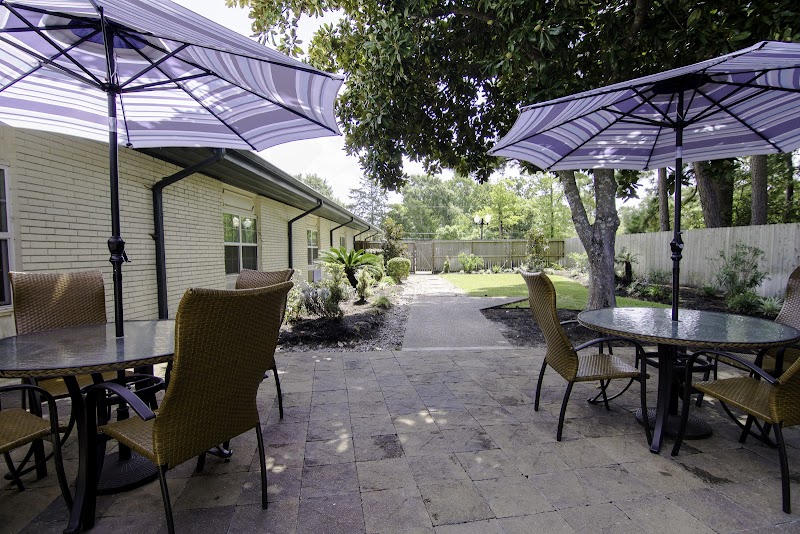
How is Huntsville Health Staffed?

CMS rates HUNTSVILLE HEALTH CARE CENTER's staffing level at 3 out of 5 stars, which is average compared to other nursing homes. Staff turnover is 62%, which is 16 percentage points above the Texas average of 46%. High turnover can affect care consistency as new staff learn residents' individual needs.

What Have Inspectors Found at Huntsville Health?

State health inspectors documented 14 deficiencies at HUNTSVILLE HEALTH CARE CENTER during 2023 to 2025. These included: 14 with potential for harm.
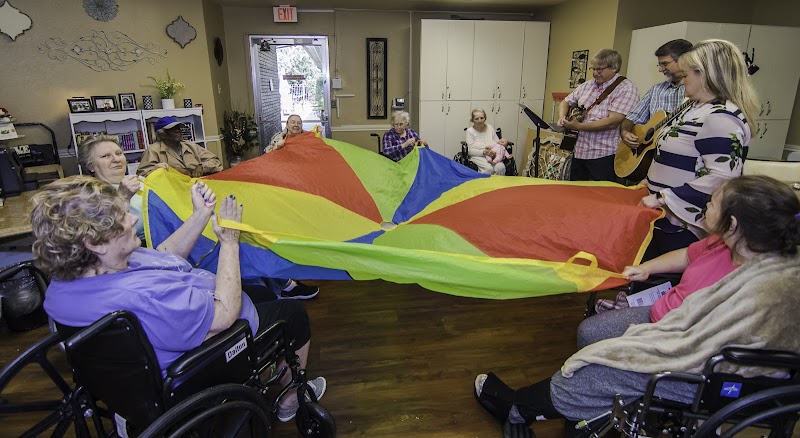
Who Owns and Operates Huntsville Health?

HUNTSVILLE HEALTH CARE CENTER is owned by a non-profit organization. Non-profit facilities reinvest revenue into operations rather than distributing to shareholders. The facility is operated by HEALTH SERVICES MANAGEMENT, a chain that manages multiple nursing homes. With 92 certified beds and approximately 52 residents (about 57% occupancy), it is a smaller facility located in HUNTSVILLE, Texas.

How Does Huntsville Health Compare to Other Texas Nursing Homes?

Compared to the 100 nursing homes in Texas, HUNTSVILLE HEALTH CARE CENTER's overall rating (4 stars) is above the state average of 2.8, staff turnover (62%) is significantly higher than the state average of 46%, and health inspection rating (4 stars) is above the national benchmark.

What Should Families Ask When Visiting Huntsville Health?

Based on this facility's data, families visiting should ask: "How do you ensure continuity of care given staff turnover, and what is your staff retention strategy?" "Can I visit during a mealtime to observe dining assistance and food quality?" "How do you handle medical emergencies, and what is your hospital transfer rate?" "Can I speak with family members of current residents about their experience?" These questions are particularly relevant given the facility's high staff turnover rate.

Is Huntsville Health Safe?

Based on CMS inspection data, HUNTSVILLE HEALTH CARE CENTER has a clean safety record: no substantiated abuse findings (meaning no confirmed cases of resident harm), no Immediate Jeopardy citations (the most serious violation level indicating risk of serious injury or death), and is not on the Special Focus Facility watch list (a federal program monitoring the lowest-performing 1% of nursing homes). The facility has a 4-star overall rating and ranks #1 of 100 nursing homes in Texas. While no facility is perfect, families should still ask about staff-to-resident ratios and recent inspection results during their visit.

Do Nurses at Huntsville Health Stick Around?

Staff turnover at HUNTSVILLE HEALTH CARE CENTER is high. At 62%, the facility is 16 percentage points above the Texas average of 46%. High turnover means new staff may not know residents' individual needs, medications, or preferences. It can also be disorienting for residents, especially those with dementia who rely on familiar faces. Families should ask: What is causing the turnover? What retention programs are in place? How do you ensure care continuity during staff transitions?

Was Huntsville Health Ever Fined?

HUNTSVILLE HEALTH CARE CENTER has no federal fines on record. CMS issues fines when nursing homes fail to meet care standards or don't correct problems found during inspections. The absence of fines suggests the facility has either maintained compliance or corrected any issues before penalties were assessed. This is a positive indicator, though families should still review recent inspection reports for the full picture.

Is Huntsville Health on Any Federal Watch List?

HUNTSVILLE HEALTH CARE CENTER is not on any federal watch list. The most significant is the Special Focus Facility (SFF) program, which identifies the bottom 1% of nursing homes nationally based on persistent, serious quality problems. Not being on this list means the facility has avoided the pattern of deficiencies that triggers enhanced federal oversight. This is a positive indicator, though families should still review the facility's inspection history directly.