FALCON RIDGE REHABILITATION
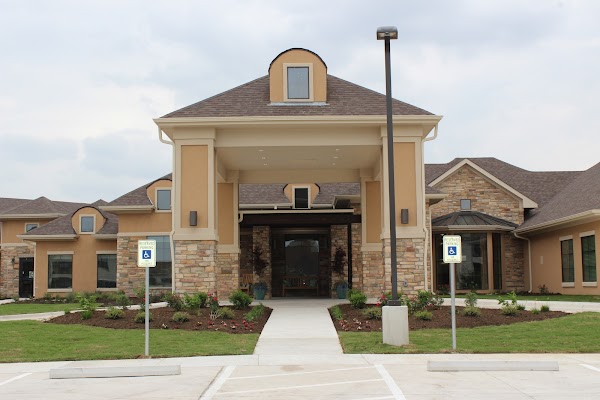
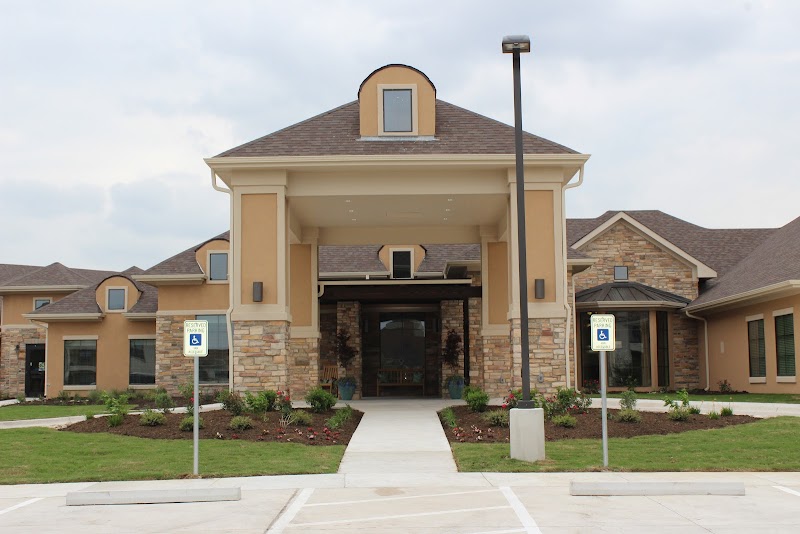
149 KLATTENHOFF LANE, HUTTO, TX 78634 (512) 840-7000
For profit - Corporation 140 Beds FUNDAMENTAL HEALTHCARE Data: November 2025 1 Immediate Jeopardy citation
Trust Grade
23/100
#703 of 1168 in TX
Last Inspection: March 2025

Within standard 12-15 month inspection cycle. Federal law requires annual inspections.

Overview

Falcon Ridge Rehabilitation in Hutto, Texas, received a Trust Grade of F, indicating significant concerns and placing it in the bottom tier of facilities. It ranks #703 out of 1168 in Texas, meaning it falls into the bottom half, and #8 out of 15 in Williamson County, suggesting very limited local options that are better. Although the facility is improving, with issues decreasing from 11 in 2024 to 4 in 2025, it still has serious problems, including a critical finding where a resident was harmed during a physical altercation due to inadequate supervision. Staffing is a weakness with a poor rating of 1/5 stars and a turnover rate of 49%, which is slightly better than the state average. Additionally, the home received fines totaling $60,135, indicating repeated compliance issues. There are also concerns with RN coverage, as it is lower than that of 80% of facilities in Texas, which may impact the level of care residents receive.

Trust Score
F
23/100
In Texas
#703/1168
Bottom 40%
Safety Record
High Risk
Review needed
Inspections
Getting Better
11 → 4 violations
Staff Stability
⚠ Watch
49% turnover. Above average. Higher turnover means staff may not know residents' routines.
Penalties
⚠ Watch
$60,135 in fines. Higher than 89% of Texas facilities, suggesting repeated compliance issues.
Skilled Nurses
⚠ Watch
Each resident gets only 13 minutes of Registered Nurse (RN) attention daily — below average for Texas. Fewer RN minutes means fewer trained eyes watching for problems.
Violations
⚠ Watch
33 deficiencies on record. Higher than average. Multiple issues found across inspections.
★★☆☆☆
2.0
Overall Rating
★☆☆☆☆
1.0
Staff Levels
★★★★☆
4.0
Care Quality
★★★☆☆
3.0
Inspection Score
Stable
2024: 11 issues
2025: 4 issues

The Good

  • 4-Star Quality Measures · Strong clinical quality outcomes
  • Full Sprinkler Coverage · Fire safety systems throughout facility
  • No fines on record

Facility shows strength in quality measures, fire safety.

The Bad

2-Star Overall Rating

Below Texas average (2.8)

Below average - review inspection findings carefully

Staff Turnover: 49%

Near Texas avg (46%)

Higher turnover may affect care consistency

Federal Fines: $60,135

Above median ($33,413)

Moderate penalties - review what triggered them

Chain: FUNDAMENTAL HEALTHCARE

Part of a multi-facility chain

Ask about local staffing decisions and management

The Ugly 33 deficiencies on record

1 life-threatening 1 actual harm
Jun 2025 1 deficiency
CONCERN (E) 📢 Someone Reported This

A family member, employee, or ombudsman was alarmed enough to file a formal complaint

Potential for Harm - no one hurt, but risky conditions existed

Pharmacy Services (Tag F0755)

Could have caused harm · This affected multiple residents

**NOTE- TERMS IN BRACKETS HAVE BEEN EDITED TO PROTECT CONFIDENTIALITY** Based on interview, observation, and record review, the facility failed to ensure that residents received treatment and care in ...

Read full inspector narrative →
**NOTE- TERMS IN BRACKETS HAVE BEEN EDITED TO PROTECT CONFIDENTIALITY** Based on interview, observation, and record review, the facility failed to ensure that residents received treatment and care in accordance with professional standards of practice, the comprehensive person-centered care plan, and the residents' choices for 1 of 6 residents (Resident #1) reviewed for quality of care. The facility failed to give Resident #1 his Biofreeze Gel 4% scheduled medication during the standard time frame for 13 days and did not get his Biofreeze Gel at all on 06/19/2025. These failures placed residents at risk of pain, and a decreased quality of life. Findings included: Record review of Resident #1's face sheet, dated 06/23/2025, reflected a [AGE] year-old male who was admitted to the facility on [DATE]. Resident #1 had diagnoses which included: pain in joint, muscle wasting, and type 2 diabetes mellitus with diabetic neuropathy (nerve damage due to diabetes). Record review of Resident #1's Quarterly MDS assessment, dated 04/29/2025, reflected the resident had a BIMS score of 15, which indicated intact cognitive response. Resident #1 required partial/moderate assistance in the areas of toileting hygiene, shower/bathe self, lower body dressing, and putting on/taking off footwear. The MDS revealed that the resident had frequent pain, the resident had scheduled and PRN pain medication. Record review of Resident #1's care plan, dated 05/08/2025, reflected Resident #1 was care planned for pain: resident has complaints of chronic pain related to bilateral lower extremity amputee. The approach was monitor and record any complaints of pain: location, frequency, effect on function, intensity, alleviating factors, aggravating factors. Record review of Resident #1's Biofreeze order dated 4/28/2025 revealed the Biofreeze was ordered twice a day at 8:00am and 8:00pm. Apply to bilateral hands with reminder not to touch face, sensitive skin areas, until completely dry. Record review of Resident #1's Medication Administration Record (MAR) for Biofreeze Gel 4% revealed the topical gel was scheduled twice a day at 8:00am and 8:00pm. The MAR revealed that staff gave the resident the cream at the following dates and times. Scheduled Date Scheduled Time Charted Date - Time (GIVEN) 06/10/2025 8:00 AM 06/10/2025 - 10:50 AM 8:00 PM NOT GIVEN 06/11/2025 8:00 AM 06/11/2025 - 10:34 AM 8:00 PM 06/11/2025 - 09:28 PM 06/12/2025 8:00 AM 06/12/2025 - 12:44 PM 8:00 PM 06/12/2025 - 10:36 PM 06/13/2025 8:00 AM 06/13/2025 - 10:35 AM 8:00 PM 06/14/2025 - 12:13 AM 06/14/2025 8:00 AM NOT GIVEN 8:00 PM 06/14/2025 - 10:15 PM 06/15/2025 8:00 AM 06/15/2025 - 10:04 AM 8:00 PM 06/16/2025 - 12:06 AM 06/16/2025 8:00 AM 06/16/2025 - 11:56 AM 8:00 PM NOT GIVEN 06/17/2025 8:00 AM 06/17/2025 - 12:21 PM 8:00 PM NOT GIVEN 06/18/2025 8:00 AM 06/18/2025 - 11:12 AM 8:00 PM 06/18/2025 - 11:24 PM 06/19/2025 8:00 AM NOT GIVEN 8:00 PM NOT GIVEN 06/20/2025 8:00 AM 06/20/2025 - 11:48 AM 8:00 PM 06/20/2025 - 09:08 PM 06/21/2025 8:00 AM 06/21/2025 - 02:20 PM 8:00 PM 06/21/2025 - 09:03 PM 06/22/2025 8:00 AM 06/22/2025 - 09:45 AM 8:00 PM NOT GIVEN 06/23/2025 8:00 AM 0 6/23/2025 - 9:49 AM During an interview with Resident #1 on 06/23/2025 at 10:10 a.m., revealed that Resident #1 would tell the CNAs that he needed his pain medication. He said the aides would never tell the nurse that he needed the pain medication. He stated that he had not gotten his Biofreeze medication for his hands. He said he was going to the nurses' station to ask for the medication. He said he was supposed to get the Biofreeze medication twice a day. He said the staff do not always give him the Biofreeze medication. During an observation of Resident #1 on 06/23/2025 at 10:16 a.m., revealed he was asking the nurse for his Biofreeze medication. During an interview with the NP on 06/23/2025 at 10:52 a.m., revealed that staff was to give scheduled medication within an hour of the scheduled time. She stated that Resident #1's Biofreeze is a scheduled medication and not PRN. She said the negative of him not getting it depends on his pain level. She said she was not sure why staff are giving it to him late. During an interview with the DON on 06/23/2025 at 1:00 p.m., revealed that the times on the EMar for medication was the time that staff charted/gave to the resident. She also said that the time that the medicaiton was entered was the time that it was given. She said that medication was supposed to be given an hour before or an hour after. She said that she had been working with the pharmacy to change the times for giving the medication on Resident #1's hall. She said that medication pass started at 8:00 am on Resident #1's hall. She said that Resident #1 would tell the nurse that he would come to the desk to get the Biofreeze. She said that staff should have been documenting about him not taking when offered. She siad that he was not refusing the medication. She said there would be no negative outcome of not giving Resident #1 his Biofreeze. She said that she was not sure why Resident #1 had been given his medication late everyday for the past 14 days she said she was going to check into it. During an interview with LVN A on 06/23/2025 at 1:15 p.m., revealed she went to Resident #1's room at 8:05 a.m. to give him the Biofreeze gel. She said he told her to let him get up and that he was going up to the nurses' station to get his pain medications and Biofreeze. She said she took the medication back down to Resident #1's room again at 9:49 a.m. She said Resident #1 told her again he was coming. She said Resident #1 did not refuse, he said not right now. She said she did not want to put refused because Resident #1 would take the medication later. She said that if she puts refuse then Resident #1 cannot get the medication. She said by Resident #1 not taking the medication at the time she would take it to him it did put him out of the range for medication administration. She said the policy stated one hour before or one hour after. She said Resident #1 was ordered the Biofreeze twice a day at 8:00 am and 8:00 pm not when Resident #1 wanted to take the medication. She said the times in the administration record is the times that he was getting the medication. She said staff do not follow the doctor order on the Biofreeze. She said she was not sure if she had talked to the doctor or NP regarding the Biofreeze. She said that when the doctor was notified the doctor told her to just give him the Biofreeze. She said that she did not have the doctor write an order stating Resident #1 could have the Biofreeze when he wanted. She said staff was to let the doctor know if when a resident did not want their medication. When asked what could happen if he did not get his cream on time or at all and she responded that he did not go without the Biofreeze. During an interview with the ADM on 06/23/2025 at 2:29 p.m., revealed he had been trained on medication administration. He said the policy was for scheduled medications, ordered at a specific time should be given within the parameters. He said the parameters for medications was one hour before and one hour after. He said the parameters did apply to scheduled creams. He said that the negative outcome depended on the type of medication. He said some medications was not as severe as other. He did say that pain did affect the resident's quality of life. He said Resident #1 would tell the nurse he did not want the medication at the time ordered. He said he would try to get the Biofreeze order changed to as needed. Record review of the Nursing Policies and Procedures Medication Management Program revised May 05, 2023, revealed medications are administered no more than one hour before to one hour after the medication pass time.
Mar 2025 3 deficiencies
CONCERN (D)

Potential for Harm - no one hurt, but risky conditions existed

Comprehensive Care Plan (Tag F0656)

Could have caused harm · This affected 1 resident

**NOTE- TERMS IN BRACKETS HAVE BEEN EDITED TO PROTECT CONFIDENTIALITY** Based on interview and record review the facility failed to develop and implement a comprehensive person-centered care plan for ...

Read full inspector narrative →
**NOTE- TERMS IN BRACKETS HAVE BEEN EDITED TO PROTECT CONFIDENTIALITY** Based on interview and record review the facility failed to develop and implement a comprehensive person-centered care plan for each resident, consistent with the resident rights, which include measurable objectives and timeframes to meet a resident's medical, nursing, and mental and psychosocial needs that were identified in the comprehensive assessment for one of six residents (Resident #36) reviewed for comprehensive care plans. The facility failed to ensure Resident #36's care plan addressed that the resident received hospice service. This deficient practice could result in a loss of quality of life due to residents receiving improper care. Findings include: Record review of Resident #36's face sheet, dated 3/19/2025, revealed an [AGE] year-old female who was admitted to the facility on [DATE]. Resident #36 had diagnoses which included COPD (a lung disease which makes breathing difficult), chronic congestive heart failure (the heart is not able to pump enough blood to meet the body's needs), anxiety, pneumonia and type 2 diabetes. Record review of Resident #36's Hospice Informed Consent/Election of Hospice Benefit form, dated 12/31/2024, signed by the POA revealed Resident #36 would be receiving hospice service from [hospice agency] starting on 1/1/2025. Record review of Resident #36's physician orders, dated 1/1/2025, revealed a physician order of Admit to [hospice agency] with admitting diagnosis as COPD. Record review of Resident #36's care plan, dated 1/29/2025, revealed no care plan for hospice service. In an interview on 3/20/2025 at 1:36 PM, the ADON stated hospice service should be care planned because the care plan let staff know how to care for a resident. She stated the risk of a care plan not being up to date could result in residents not getting proper care . In an interview on 3/20/2025 at 1:42 PM, the DON stated if a resident was on hospice, it was considered a change in status. The DON stated she had to update the face sheet, make sure there was an order in place for hospice service, and update the care plan. She stated she and the ADON met every Friday to go over residents, to update their care plans as needed, Record review of the facility's Care plan policy & procedures, dated 5/5/2023, revealed the facility will develop and implement a baseline and comprehensive care plan for each resident that includes the instructions needed to provide effective and person-centered care of the resident .the facility will initiate person-centered care plans when the resident's clinical status or change of condition occurs.
CONCERN (D)

Potential for Harm - no one hurt, but risky conditions existed

Food Safety (Tag F0812)

Could have caused harm · This affected 1 resident

Based on observation, interview, and record review, the facility failed to store, prepare, distribute, and serve food in accordance with professional standards for food safety in the facility's only k...

Read full inspector narrative →
Based on observation, interview, and record review, the facility failed to store, prepare, distribute, and serve food in accordance with professional standards for food safety in the facility's only kitchen. The facility failed to ensure food in the dry storage area was kept off the floor. This failure could affect residents by placing them at risk for accumulation of insects and/or rodents causing food-borne illness. Findings included: In an observation on 3-18-2025, at 8:45 AM, in the facility's dry food storage area, one loaf of bagged bread was observed to be on the floor. In an interview with the Dietary Manager on 3-20-2025 at 11:00 AM, it was revealed the Dietary Manager had worked at the facility for one month. The Dietary Manager said that it is all the kitchen staff's responsibility to ensure food in the dry storage area is kept off the floor to prevent cross contamination to the residents. The Dietary Manger stated his expectation was for food to be kept 6 inches off the floor and if food falls on the floor for it to be thrown away in the trash. In an interview with the Dietician on 3-20-2025 at 11:34 AM, it was revealed that the Dietary Manager was responsible to ensure food, in the dry storage area, is kept off the floor. The Dietician stated her expectation for food in the dry storage area was for food to be kept off the floor. The Dietician stated if food falls on the floor, she expected the food to be thrown away. The Dietician stated the potential risk to residents, when food was on the floor, was for cross contamination and food borne illness. In an interview with the Administrator on 3-20-2025 at 2:00 PM, it was conveyed that the facility followed a policy and procedure regarding food kept in the dry storage area of the kitchen. The Administrator said he expected food in the dry storage area to be kept off the floor to prevent rodents from getting into the food. The Administrator stated he expected food to be thrown that fell on the floor. The Administrator said the potential risk to residents, when food is not kept off the floor was that it could create pest control issues. Record review of the facility's Nutrition Policies and Procedures Policy dated 2020 and revised 6-20-2023 stated General Food Storage Guidelines . Dry Storage Guidelines - (focus shall be to keep non-refrigerated foods, disposable dishware, and napkins in a clean dry area, which is free of contaminants.) 1. Store foods at least 6 of the floor .
MINOR (B)

Minor Issue - procedural, no safety impact

Garbage Disposal (Tag F0814)

Minor procedural issue · This affected multiple residents

Based on observation, interview, and record review, it was revealed that 1 of 2 trash dumpsters, reviewed for proper trash containment, was not maintained in a sanitary condition to prevent the harbor...

Read full inspector narrative →
Based on observation, interview, and record review, it was revealed that 1 of 2 trash dumpsters, reviewed for proper trash containment, was not maintained in a sanitary condition to prevent the harborage of feeding pest. The facility failed to ensure an outside trash dumpster was properly sealed with the lid closed. This failure could place residents at risk of contracting disease by attracting pest and disease carrying rodents. Findings included: During an observation on 3-18-2025 at 9:00 AM, a large trash receptacle, containing trash, was in the back parking lot with the lid open. This trash dumpster was observed to not be in use. In an interview with the Dietary Manager on 8-18-2025 at 9:10 AM, it was conveyed the entire kitchen staff were responsible for keeping the lid closed on the trash dumpster when not in use. The Dietary Manager started that he expected staff to keep the lid closed on the dumpster as there was a risk of debris blowing outside the facility around residents. In an interview with the Dietician on 3-20-2025 at 11:34 AM, it was stated that her expectation was for the garbage dumpster to have its lid closed when not in use. The Dietician said she was not sure who was responsible for ensuring the lid stays closed. The Dietician said the risk to residents for not keeping the trash dumpster lid closed was the accumulation of rodents and insects. In an interview with the Administrator on 8-20-2025 at 2:10 PM, it was revealed that the kitchen staff are responsible to ensure the outside garbage dumpster's lid stayed closed. The Administrator said the risk to residents, leaving a trash dumpster lid open, was the potential for rodents to accumulate. Record review of the facility's policy dated 2020 and revised on 6-20-2023 titled: Nutrition Policies and Procedures stated: Subject: Cleaning Trash Cans Policy: Trash cans are kept covered. They will be maintained in a clean, sanitary conditions .
Dec 2024 2 deficiencies
CONCERN (D) 📢 Someone Reported This

A family member, employee, or ombudsman was alarmed enough to file a formal complaint

Potential for Harm - no one hurt, but risky conditions existed

Deficiency F0558 (Tag F0558)

Could have caused harm · This affected 1 resident

**NOTE- TERMS IN BRACKETS HAVE BEEN EDITED TO PROTECT CONFIDENTIALITY** Based on observation, interview, and record review, the facility failed to protect the resident's right to reside and receive se...

Read full inspector narrative →
**NOTE- TERMS IN BRACKETS HAVE BEEN EDITED TO PROTECT CONFIDENTIALITY** Based on observation, interview, and record review, the facility failed to protect the resident's right to reside and receive services in the facility with reasonable accommodation of needs and preferences for 1 of 8 residents (Resident #1) reviewed for accommodation of needs. The facility failed to ensure Resident #1 could access his call button on 12/18/24. This failure placed residents at risk of not being able to call for help if they need it. Findings included: Review of the undated face sheet for Resident #1 reflected a [AGE] year-old male admitted to the facility on [DATE]. His diagnoses included history of traumatic brain injury, muscle wasting and atrophy (loss of muscle mass and tissue), cognitive communication deficit, and contracture of muscle in both upper arms. Review of the annual MDS assessment for Resident #1 dated 12/09/24 reflected a BIMS score of 14, indicating intact cognitions. It reflected he was completely dependent on staff for transfers from bed to chair. Review of the care plan for Resident #1 dated 10/25/24 reflected the following: Category: Falls [Resident #1] is at risk for falling R/T impaired mobility, TBI, medications. Resident will remain free from major injury until next review. Scoop mattress place due to fall. Keep bed in lowest position with brakes locked. Keep call light and reach at all times. Observation and interview on 12/18/24 at 11:03 AM revealed Resident #1 calling out from his room Hey! Hey! Upon entering his room, he stopped calling out. He was lying in bed, and both hands and arms had severe contractures (a condition of shortening and hardening of muscles, tendons, or other tissue, often leading to restricted joint mobility). His elbows were bent and hands resting on both shoulders. His call button was not visible on the bed. The call button, which was a flat pad as opposed a small button, was hanging towards the floor at the head of the bed. The cord was wrapped around the mobility bars at the head of the bed several times. Resident #1 stated he could not move his arms to reach the call pad, but it would not matter, because it did not work. A test of the call pad revealed the light outside Resident #1's room did not go on. During an interview on 12/18/24 at 11:11 AM, LVN A stated she did not know why the call button was not in reach and did not know that it was not working. LVN A stated it she was the nurse in charge of Resident #1, but it was not her who wrapped the cord around the mobility rails. LVN A stated she was trying to untangle the call pad from the mobility rails, but it was difficult and was taking some time. She stated the call pad should have always been placed in reach of Resident #1's hands. She stated Resident #1 was able to use the call pad and regularly used it. She stated there was no definite way that she ensured the call system was working and that aides placed the call buttons within reach of residents when they left resident rooms. Observation on 12/18/24 at 11:15 AM revealed an alarm emitting from a telephone/call system switchboard at the nurse's station closest to Resident #1's room. A display on the telephone/call system switchboard had the words Cord Out [Resident #1's room]. During an interview on 12/18/24 at 01:30 PM, CNA B stated the call button not being accessible to Resident #1 was her fault, because she liked to get it way out of the way when she repositioned him, which she did once an hour. She stated he used the call pad frequently, but he also hollered out her name often to get her attention. She stated she wrapped the cord around the mobility rails to get it out of the way, and then while she was helping him, someone called out to her that one of her other residents was trying to get out of bed, so she ran out, intending to come back and finish setting Resident #1 up with all his accommodations but forgot. CNA B stated she and Resident #1 had a good relationship, and she felt very bad that she did not put the call pad back within reach. During an interview on 12/18/24 at 03:28 PM, the DON stated it was her expectation that call buttons would be given to the residents when staff left the rooms. She stated a potential negative outcome was that a resident could fall trying to get up when no one came to help them. She stated another potential negative outcome might be pain not being addressed. During an interview on 12/18/24 at 03:53 PM, the ADM stated call buttons should have been within reach at all times especially for residents with reach issues and mobility issues such as Resident #1. The Adm stated a potential negative outcome was needing incontinent care and having skin breakdown. Review of facility policy dated 05/05/23 and titled Call Lights, Responding To reflected the following: Policy: the staff will respond to call lights or other requests for assistance to meet the patient's/resident's needs. Procedures: 6. When leaving the patient or resident room, ensure the call light is placed within the patient's/resident's reach.
CONCERN (D) 📢 Someone Reported This

A family member, employee, or ombudsman was alarmed enough to file a formal complaint

Potential for Harm - no one hurt, but risky conditions existed

Pressure Ulcer Prevention (Tag F0686)

Could have caused harm · This affected 1 resident

**NOTE- TERMS IN BRACKETS HAVE BEEN EDITED TO PROTECT CONFIDENTIALITY** Based on observation, interview, and record review, the facility failed to ensure a resident received care, consistent with prof...

Read full inspector narrative →
**NOTE- TERMS IN BRACKETS HAVE BEEN EDITED TO PROTECT CONFIDENTIALITY** Based on observation, interview, and record review, the facility failed to ensure a resident received care, consistent with professional standards of practice, to prevent pressure ulcers for 1 of 8 residents reviewed for prevention of pressure ulcer. The facility failed to ensure Resident #2 received weekly skin assessments in accordance with his care plan. This failure placed residents at risk of pressure ulcers going untreated. Findings: Review of the undated face sheet for Resident #2 reflected a [AGE] year-old male admitted to the facility on [DATE]. His diagnoses included spastic quadriplegic cerebral palsy (a form of cerebral palsy that affects both arms and legs and often the torso and face), unspecified contracture of muscle, and muscle wasting and atrophy (loss of muscle mass and strength). Review of the admission MDS assessment for Resident #2 dated 10/07/24 reflected a BIMS score of 12, indicating moderately impaired cognition. It reflected he was frequently incontinent of bladder. There were no skin issues identified in the MDS. Review of the care plan for Resident #2 dated 10/15/24 reflected the following: Category: Pressure Ulcer/Injury [Resident #2] is at risk for Pressure Injury related to: impaired mobility, incontinence. Resident's skin will remain free from major injury until next review. Encourage fluids to maintain hydration. Licensed Nurse to complete skin assessment weekly. Registered Dietician to assess nutritional status and make recommendations. Reposition resident as needed per tolerance. Review of weekly skin check assessments for Resident #2 from 10/07/24 to 12/18/24 reflected one conducted on 10/10/24 and no subsequent assessments. Review of the most recent shower sheet for Resident #2 dated 12/11/24 reflected he received a bed bath and had no new skin problems. Review of nursing progress notes for Resident #2 dated 12/17/24 at 02:36 PM and documented by the TXN reflected the following: Noted circular rash with crusts on the edges to chest, notified NP, received verbal order from Np to apply antifungal ointment to affected area Q shift. RP notified. Observation and interview on 12/18/24 at 11:52 AM revealed Resident #2 in a customized manual wheelchair (a highly personalized mobility device designed to meet the specific needs, preferences, and lifestyle of the user) talking with the DON. He introduced himself and stated he loved it here and everyone treated him well. He stated he was not in any pain and had no skin problems to his knowledge. During an interview on 12/18/24 at 03:01 PM, the TXN stated she was responsible for the skin breakdown prevention program at the facility. She stated individual charge nurses were responsible for weekly skin assessments. She stated she had just learned the weekly skin assessments were not conducted for Resident #2, and the assessments should have been conducted. She stated she was not sure of the system in place to monitor to ensure that skin assessments were done. She stated she assessed Resident #2's skin yesterday and did catch a rash on his chest which now had treatment in place. She stated they tracked the shower sheets very closely and had recent shower sheets for Resident #2 that showed no new skin issues. She stated the weekly skin assessments were important because they were conducted by a licensed nurse, unlike the shower sheets which were conducted by CNAs. The TXN stated she had done the skin assessment on Resident #2 the day prior as part of her program to oversee incontinent care. She stated she had been observing the CNAs perform incontinent care on Resident #2, noticed a rash, and did a complete skin assessment. She stated the rash was the only problem she noted. She stated a potential negative outcome of not doing the skin assessments over two months was they could fail to find skin problems on time, and they could develop to something more serious. During an interview on 12/18/24 3:28 pm, the DON stated the nursing team was heavily involved with Resident #2. She stated the staff were trained on the policy and procedure, and the skin assessments should have been conducted weekly after the first one 10/10/24. She stated they also relied on shower sheets, which were entered into the EMR and tracked by licensed nurses. She stated potential negative outcomes of not doing skin checks were tissue breakdown and unknown skin tears or bruising. During an interview on 12/18/24 at 03:53 PM, the ADM stated skin assessments should have happened at least weekly. He stated his team were freaking out about Resident #2's skin assessments not being done and wondering how it could have fallen through the cracks. The ADM stated a potential negative outcome of skin assessments not being done was skin breakdown. Review of facility policy dated 06/01/15 and titled licensed nurse skin checks reflected the following: all patients/residents will have a thorough weekly skin evaluation performed by a licensed nurse. Weekly, the licensed nurse performs a head-to-toe check of the patient's/resident's skin, paying particular attention to: a. The surfaces of the skin that come in contact with the bed and chair; b. Bony prominences (heel, tailbone, shoulder blades, elbows, back of the head, etc.); c. The surfaces of the skin that come in contact with our orthotic device, tube, brace or positioning device, d. Skin folds.
Nov 2024 1 deficiency
CONCERN (E) 📢 Someone Reported This

A family member, employee, or ombudsman was alarmed enough to file a formal complaint

Potential for Harm - no one hurt, but risky conditions existed

ADL Care (Tag F0677)

Could have caused harm · This affected multiple residents

**NOTE- TERMS IN BRACKETS HAVE BEEN EDITED TO PROTECT CONFIDENTIALITY** Based on observation, interview, and record review, the facility failed to ensure a resident who was unable to carry out activit...

Read full inspector narrative →
**NOTE- TERMS IN BRACKETS HAVE BEEN EDITED TO PROTECT CONFIDENTIALITY** Based on observation, interview, and record review, the facility failed to ensure a resident who was unable to carry out activities of daily living received necessary services to maintain good nutrition, grooming, personal and oral hygiene for two (Resident #7 and Resident #8) of three residents reviewed for ADLs. The facility failed to provide showers to Residents #7 and #8 in compliance with their shower schedules. This deficient practice could place residents at risk of a decline in hygiene, at risk of skin breakdown, level of satisfaction with life, and feelings of self-worth. Findings include: 1. Record review of Resident #7's, undated, face sheet reflected a [AGE] year-old male who was admitted to the facility on [DATE]. Resident #7 had diagnoses which included unspecified dementia (impairment of brain functions), pain in shoulders, fractured sixth cervical vertebra, hyperkalemia (high potassium) and lack of coordination. Record review of Resident #7's admission MDS assessment, dated 09/30/24, reflected a BIMS score of 15, which indicated he was cognitively intact. Section GG (Functional Abilities and Goals) reflected he required substantial/maximal assistance with showering. Record review of Resident #7's care plan, dated 10/08/24, reflected he had an ADL self-care performance deficit related to a need for assistance with ADLs with an intervention of one person assistance with bathing. Record review of Resident #7's showering schedule, provided by the facility, revealed he was scheduled to receive showers every Tuesday, Thursday, and Saturday. Indicating twenty-two showers were scheduled for 9/20/24-11/11/24. Record review of Resident #7's showering tasks in his EMR , from 09/20/24 -11/11/24, reflected he received six showers on the dates 10/03/24,10/05/24, 10/08/24, 10/16/24,11/02/24 and 11/05/24. An observation and interview on 11/10/24 at 9:19 AM revealed Resident #7 laying in his bed. Resident #7 was noted to appear disheveled with stains on his shirt, unbrushed hair, and dirty fingernails. Resident #7 stated he did not get his showers. He stated he could not remember when the last shower he received happened because it had been a while. Resident #7 stated it did not feel good to be dirty, but he stopped asking for showers because they always said they will come back later, and it never happened. 2. Record review of Resident #8's, undated, face sheet reflected a [AGE] year-old female who was admitted to the facility on [DATE]. Resident # 8 had diagnoses which included unspecified dementia (impairment of brain functions), chronic pain, lack of coordination and need for personal assistance with personal care. Record review of Resident #8's quarterly MDS assessment, dated 10/04/24, reflected a BIMS score of 15, which indicated she was cognitively intact. Section GG (Functional Abilities and Goals) reflected she required substantial/maximal assistance with showering. Record review of Resident #8's care plan, dated 10/06/24, reflected she had an ADL self-care performance deficit related to a need for assistance with ADLs with an intervention of one person assistance with bathing. Record review of Resident #8's showering schedule, provided by the facility, revealed she was scheduled to receive showers every Monday, Wednesday, and Friday. Indicating twenty showers were scheduled for 8/15/24-09/30/24. Record review of Resident #8's showering tasks in her EMR, from 08/15/24 -9/30/24, reflected she received ten showers on the dates 08/19/24,08/23/24, 08/26/24(documented twice on same day by two different staff), 08/30/24,09/02/24,09/04/24,09/18/24, 09/23/24, 09/25 and 09/27/24. . An observation and interview on 11/10/24 at 9:55 AM revealed Resident #8 in her room in bed . She stated it seems to her like she got a shower about twice a week. Resident #8 stated it would be nice to have had three showers a week; she felt better after having a shower. She stated she thought she was supposed to get three a week, but they were so busy it did not seem like they had time. During an interview on 11/10/24 at 1:50 pm, CNA A stated she gave showers on the days she worked. She stated she was a shower aide, and she got her assigned showers done. She stated she did not know about the CNA's assigned to the halls, whether they got all theirs done, but they also gave some of the showers. During an interview on 11/10/24 at 2:22 pm, CNA B stated there usually was time to get the showers she was assigned done. She stated if something happened and she could not get one done, she let the nurse know and told the next shift. During an interview on 11/10/24 at 2:50 PM, LVN C stated she did not check whether showers were given or not. She stated the CNAs were supposed to bring their shower sheets and she would look at those . During an interview on 11/10/24 at 3:23 PM, LVN D stated she did not know when each shower was given, but the shower aides were good about letting the nurses know if a shower was not given. During an interview on 11/14/24 at 3:12 PM, the Administrator stated they had recognized there was a problem with the shower system when they began auditing them on 11/10/24 after the request for shower records. He stated it appeared some staff were using the POC system in the EHR and others were documenting on paper shower sheets. They combined the showers on the documents provided. They will be implementing a new system to track showers and oversight will be provided. He stated residents were to be receiving showers on their scheduled shower days as intended. Record review of the facility's Nursing Policy and Procedures, undated, reflected the following: Subject: Activities of Daily Living, Optimal Function Definition: Activity of Daily Living (ADL) refer to tasks related to personal care including, grooming, dressing, oral hygiene, transfer, bed mobility, eating, bathing and communication system. Policy: The Facility provides care and services to ensure that a resident's abilities in activities of daily living do not diminish unless circumstances of the individual's clinical condition demonstrate that such diminution was unavoidable. The Facility provides necessary care to all residents that are unable to carry out activities of daily living on their own to ensure they maintain proper nutrition, grooming, and hygiene. Record review of the facility's admission Policy, section titled Agreement For Care, undated reflected the following: 6. Provide assistance in daily living and restorative nursing care in accordance with Resident's care plan, where appropriate. Resident reserves the right to refuse said treatment. If said treatment is refused, Resident and/or Representative will hold Facility harmless from any injury as a result thereof.
Sept 2024 1 deficiency
CONCERN (E) 📢 Someone Reported This

A family member, employee, or ombudsman was alarmed enough to file a formal complaint

Potential for Harm - no one hurt, but risky conditions existed

Deficiency F0679 (Tag F0679)

Could have caused harm · This affected multiple residents

**NOTE- TERMS IN BRACKETS HAVE BEEN EDITED TO PROTECT CONFIDENTIALITY** Based on observations, interviews, and record reviews, the facility failed to provide based on the comprehensive assessment and ...

Read full inspector narrative →
**NOTE- TERMS IN BRACKETS HAVE BEEN EDITED TO PROTECT CONFIDENTIALITY** Based on observations, interviews, and record reviews, the facility failed to provide based on the comprehensive assessment and care plan and the preferences of each resident, an ongoing program to support residents in their choice of activities, both facility-sponsored group and individual activities and independent activities, designed to meet the interests of and support the physical, mental, and psychosocial well-being of each resident, encouraging both independence and interaction in the community for 1 of 1 activity programs and two (Resident #1 and Resident #2) of four residents reviewed for activities. 1. The facility failed to provide an activity program designed to meet the interests and needs of Residents #1 and #2. 2. The facility failed to notify all residents of canceled and postponed activity programs. This deficient practice placed all residents at risk for a diminished quality of life, isolation, lack of stimulation, and a decline in mental status. Findings included: Review of Resident #1's face sheet revealed he was a male resident admitted on [DATE] and had diagnoses including unspecified dementia, unspecified depression, unspecified anxiety disorder, unspecified altered mental status, and cognitive communication deficit. Review of Resident #1's quarterly MDS, dated [DATE], revealed he had a BIMS score of 14, which indicated he was cognitively intact. Resident #1 had no assessment reflecting the activity program. Review of Resident #1's care plan, dated 07/31/24, revealed he needed 1:1 visits in an effort to meet his emotional, intellectual, physical, and social needs. Activities and all staff were required to notify him of any changes to the activities calendar and encourage participation in 1:1 visits that are outdoors or outdoor themed. The care plan reflected staff will provide sensory stimulation activities, and will socialize with him during 1:1 visits. Review of Resident #2's face sheet revealed she was a female resident readmitted on [DATE] and had diagnoses including unspecified vascular dementia and cognitive communication deficit. Review of Resident #2's comprehensive MDS, dated [DATE], revealed she had a BIMS score of 10, which indicated she was moderately cognitively impaired. Resident #2 indicated it was very important for her to do her favorite activities. Review of Resident #2's care plan, dated 04/10/24, revealed no notes related to activities. Review of the facility's Activity Calendar for September 2024 revealed residents were provided with the following activity program for 09/10/24: Table Talk at 9:00 a.m., Price is Right Show at 10:00 a.m., Exercise and Music at 11:00 a.m., Bingo Time at 2:00 p.m., and Room Visits at 3:00 p.m. An observation of the nursing station near 400-600 hall on 09/10/24 at 10:13 a.m. revealed there was no Price is Right Show activity taking place. The activity program calendar for September 2024 was posted in the living area across from the nursing station. During an interview on 09/10/24 at 10:24 a.m., Resident #1 stated the facility activity program was poor. Resident #1 explained that residents were lucky if Bingo time was held twice a month. He said residents mostly watched tv, and most activity programs were watching tv shows and movies, which was boring to him. Resident #1 stated he often felt bored. Resident #1 also stated the AD did not follow the activity program calendar. Resident #1 stated he told the AD and nursing staff that he was bored and they did nothing. An observation of the nursing station near 100-300 hall and 400-600 hall on 09/10/24 at 11:07 a.m. revealed there was no Exercise and Music activity taking place. An observation of the nursing station near 100-300 hall on 09/10/24 at 11:29 a.m. revealed there was no Exercise and Music activity taking place. A male resident rolled his wheelchair towards LVN A, who was standing at the medication cart next to the nursing station, and told her that he was bored. During an interview on 09/10/24 at 11:38 a.m., AD stated the Price is Right Show activity program at 10:00 a.m. was on the tv at the nursing station near 100-300 hall. AD explained the Price is Right Show activity program was not on the tv at the nursing station near 400-600 hall because residents who resided on that side of the facility building often misplaced the tv remote due to their cognitive status. AD stated she had nursing staff to monitor the location of the tv remote at the nursing station near 400-600 hall to ensure it was not misplaced. AD stated nursing staff were aware to put on Price is Right tv show during activity time. AD stated she did not know why she did not inform nursing staff to turn on the show for 400-600 hall residents and that she should have informed the nursing staff. AD stated Exercise and Music activity did not take place at 11:00 a.m. because her volunteer informed her on 09/10/24 at 11:30 a.m. that they had to cancel. AD stated she did not contact the volunteer before 11:00 a.m., did not know why she did not contact them, and that she should have contacted them to know if they were assisting with hosting the activity or not. AD stated she did not continue to host the Exercise and Music activity because the volunteer usually helped her with the activity. AD stated she postponed the Exercise and Music activity to be held at 2:00 p.m. AD explained she would have Bingo time and Exercise and Music activities occur at the same time at 2:00 p.m. AD stated she usually notified residents whenever an activity was postponed or canceled by posting a notice or verbally telling them. AD stated she verbally notified some residents who were sitting in the living area near nursing station near 100-300 hall. AD stated she had not notified or posted a notice of the Exercise and Music activity postponement for residents on 400-600 hall and residents who were in their rooms on 100-300 hall. AD stated she was responsible for arranging and organizing activities. AD stated she asked eight residents monthly about the quality of the activities and did not receive any concerns. AD stated residents could feel as though they are not getting attention if they did not have activities to participate in. AD stated residents who have an actual need for a schedule or daily routine could feel unsettled if they were not notified of canceled or postponed activities. During an interview on 09/10/24 at 12:18 p.m., CE B revealed residents expressed to them that they were not losing interest emotionally, but they felt bored. CE B stated residents needed more activities for stimulation. CE B stated the AD was doing stimulating and engaging activities all the time at the beginning of the 2024 year and no longer did for unknown reasons. CE B stated most of the activities listed on the activity calendar were tv-related. During an interview on 09/10/24 at 12:54 p.m., Resident #2 stated there was not many activities she could attend because she was bed bound due to her recent fall. Resident #2 stated she mostly watched tv. Resident #2 stated the AD did not visit her in her room and did not try to engage her in activities in her room. Resident #2 stated she told the AD and nursing staff she was bored and they did nothing. Resident #2 stated she felt bored because there were a lack of activities and she had to find ways of entertaining herself. Resident #2 stated AD did not tell her about the canceled/postponed activities on 09/10/24. During an interview on 09/10/24 at 2:11 p.m., ADM stated he never received any complaints or concerns about activities from residents and staff. ADM stated he did not know the activities calendar was not being followed, residents felt bored, and most activities were tv shows and movies. Review of the Resident Satisfaction Monthly Interviews for Activities, 07/01/24-09/10/24, revealed residents reported wanting more outside activities, wanting more crafts, did not read the activity calendar, were not interested in the activities, and not participating in activities. Review of the facility's Activity/Recreation Programming policy and procedure, dated 2022, revealed the following: 2. The patients, residents, or representative expressed needs, interests, hobbies and cultural preferences are included in the development of programs. Input from the individuals is received and discussed at Resident Council/group meetings, event planning meetings, or QAPI satisfaction interviews. 3. The care team assists the activity staff in the development of a person-centered activity care plan that considers the patient or resident needs, interests, hobbies, cultural preferences, attention span and level of function/ability in an effort to support the domains of wellness (security, autonomy, growth, connectedness, identity, joy and meaning). 4. Activity/Recreation programs are designed based on patient and resident leisure interests, hobbies, cultural preferences and implemented to address the needs (physical, cognitive, creative, social, spiritual, independent, empowerment, and sensory stimulation). The programs will be geared to maintain functional ADL s, provide social interaction while protecting from over stimulation. Individuals with dementia will have programs designed that are personal and customized based on previous lifestyle (occupation, family, and hobbies), preferences and comforts. 5. Those who cannot participate in a group setting are provided one on one/individual programming. Inability to participate or persons who refuse to participate in activities, who are in transmission-based precautions for medical reasons, who are on physician ordered bed rest or those who were not able to attend due to no more than the number of residents where 6-foot distancing among residents has been maximized. One to one programming can occur in person, via telephone or live video chat on approved facility devices. 6. Programming includes large groups, small groups, one to one visit and independent opportunities. 7. Programs take place mornings and afternoons, 7 days/week, and include holidays and evenings. 8. Programs take place in various areas, including but not limited to activity rooms, lounge areas, dining rooms, in house TV channels, virtually through live video feeds/conferencing on facility owned devices, phone conferencing, hallways, resident rooms, outdoor courtyards, patios, etc. 10. Documentation at least quarterly is conducted to note patient/resident progress, response and outcome. 11. Intervention strategies are developed as needed to address unsatisfactory outcomes. 12. The opportunity may be provided for regular off premise community outings/trips. 13. Programs are developed to include community resources, volunteers and involvement within, as well as outside the Facility. 14. Subacute patients/residents with an extended length of stay (14 days or more) are provided with a variety of specialized programs that enhance functional life activities and quality of life. If it is determined that the patient/resident will be discharged within the next three months, activity/recreation programming for subacute patients/residents will reflect discharge planning and preparation, i.e. group or individual intervention discussing leisure and activity/recreational plans once discharged , ability to adapt to new disability or limitation (when applicable), and community outings.
Aug 2024 2 deficiencies
CONCERN (D) 📢 Someone Reported This

A family member, employee, or ombudsman was alarmed enough to file a formal complaint

Potential for Harm - no one hurt, but risky conditions existed

Deficiency F0655 (Tag F0655)

Could have caused harm · This affected 1 resident

**NOTE- TERMS IN BRACKETS HAVE BEEN EDITED TO PROTECT CONFIDENTIALITY** Based on record review and interview, the facility failed to develop a base line care plan that included the instructions needed...

Read full inspector narrative →
**NOTE- TERMS IN BRACKETS HAVE BEEN EDITED TO PROTECT CONFIDENTIALITY** Based on record review and interview, the facility failed to develop a base line care plan that included the instructions needed to provide effective and person-centered care of the resident, for one Resident (Resident #2) of four residents reviewed for base line care plans. The facility failed to timely and accurately assess resident's care plan needs. 1. Resident #2's baseline care plan problem start dates and approach dates for Residents #2's were dated 22 days and 21 days, respectively, prior to her admission to the facility. 2. Resident #2's care plan failed to address her preferred language, incontinent care, delirium, cognitive loss/dementia, activity preferences, and communication needs. 3. The care plan failed to address that Resident #2's functional abilities and goals reflected the use of the mobility device walker, and not a wheelchair. These failures could affect all residents by placing them at risk for not receiving care and services to meet their needs. Findings included: Review of the undated face sheet for Resident #2 reflected an [AGE] year-old female admitted to the facility on [DATE] with diagnosis of wedge compression fracture of first lumbar vertebra, need for assistance with personal care, unsteadiness on feet, abnormalities of gait and mobility, repeated falls, chronic pain syndrome, and cognitive communication deficit. Review of the admission MDS assessment for Resident #2 dated 07/05/24 reflected a BIMS score of 0, indicating severe cognitive impairment. MDS revealed the following information: Resident #1's preferred language was Spanish. Section B hearing, speech, and vision revealed unclear speech slurred or mumbled words. Resident #1 makes herself understood, is usually understood, has difficulty communicating some words or finishing thoughts, but is able if prompted or given time. Acute onset mental status change reflected behavior usually present that does not fluctuate - disorganized thinking and altered level of consciousness. Section F - preferences for customary routine and activities reflected Resident #1 had preferences for her routine and activities. Section GG - Functional Abilities and Goals reflected mobility device - walker. Bowel incontinence reflected Resident #1 was frequently incontinent. Section V Care Area Assessment triggered the following care areas: Delirium Cognitive loss/dementia Communication Urinary Incontinence and indwelling catheter and Mood State Review of the baseline care plan, category problem, for Resident #2 dated 06/05/24 reflected the following: resident was a new admission, admitted from a local hospital status post fall. The resident's baseline care plan would be developed within 48 hours. Edited 07/27/24. Review of Resident #2's approach to problem start dated: 06/05/24 reflected dehydration risk - provide adequate fluids, determine likes/dislikes; created 06/06/24. Review of Resident #2's approach to problem start dated: 06/05/24 reflected no elopement risk; created 06/06/24. Review of Resident #2's approach to problem start dated: 06/05/24 reflected minimize falls, encourage use of call light, orient to room, and safety devices; created 06/06/24. Review of Resident #2's approach to problem start dated: 06/05/24 reflected pain management monitor pain, verbal/descriptor, location: back treatment - see physicians orders; created 06/06/24. Review of Resident #2's approach to problem start dated: 06/05/24 reflected ambulation device: wheelchair; created 06/06/24. Review of Resident #2's approach to problem start dated: 06/05/24 reflected activity preference - activity preferences were left blank; created 06/06/24. Review of Resident #2's approach to problem start dated: 06/05/24 reflected continent of bowel and bladder; created 06/06/24. Review of facility fall incident detail report dated 06/25/24 - 08/25/24 reflected: 07/05/24 location - patient's room, type of incident - fall witnessed, secondary injury - no apparent injury, physician notified - no, transfer to hospital/emergency - no, care planned - no 08/20/24 location - TV room, type of incident - found on floor, secondary injury - no apparent injury, physician notified - no, transfer to hospital/emergency - no, care planned - yes 08/22/24 location - patient's room, type of incident - found on floor, secondary injury - no apparent injury, physician notified - no, transfer to hospital/emergency - no, care planned - yes Review of Resident #2's care plan revealed no revised care plan for the resident's falls on 08/20/24 and 08/22/24. In an interview on 08/25/24 at 2:56 pm, Resident #2's family member was asked if it was alright to speak with Resident #2. The family member replied, do you speak Spanish? In an attempted interview on 08/25/24 at 4:17 pm with HHSC contractor interpreter via phone with Resident #2 revealed resident was not interviewable. Observation on 08/25/24 at 4:17 PM revealed a fall mat was not next to Resident #2's bed. An interview on 08/25/24 at 4:54 pm with the Administrator revealed Resident #2's care plan was not up to date. The care plan was in place to document and to know the resident's specific needs. It was the outline of all the facility's needs to do to care for the resident. The Administrator stated that they were short staffed and did not currently have an MDS coordinator, the MDS coordinator would be the person in charge of making sure assessments were accurate and the care plan was dated correctly. Review of the facility's care plan process, person-centered care, dated 2023, reflected the facility will develop and implement a baseline and comprehensive care plan for each resident that includes the instructions needed to provide effective and person-centered care for the resident that meet professional standards and quality of care. Person centered care means the facility focuses on the resident as the center of control and supports each resident in making his or her own choices. Person centered care includes trying to understand what each person is communicating, verbally and nonverbally, identifying what is important to each resident with regard to daily routines and activities, and understanding the resident's life before coming to reside in the nursing home. Procedures; Develop and implement the baseline person centered care plan within 48 hours of residence admission. The baseline person centered care plan will include the minimum health care information necessary to properly care for the resident including, but not limited to initial goals based on admission orders, resident goals, position orders, dietary orders, therapy services, social services and PASARR recommendation, if applicable the baseline person centered care plan summary includes immediate resident needs. The person-centered care plan includes date, problem, resident goals at admission and desired outcomes, time frames for achievement, interventions, discipline specific services and frequency.
CONCERN (D) 📢 Someone Reported This

A family member, employee, or ombudsman was alarmed enough to file a formal complaint

Potential for Harm - no one hurt, but risky conditions existed

Accident Prevention (Tag F0689)

Could have caused harm · This affected 1 resident

**NOTE- TERMS IN BRACKETS HAVE BEEN EDITED TO PROTECT CONFIDENTIALITY** Based on interview and record review, the facility failed to ensure the residents environment remained as free of accident hazar...

Read full inspector narrative →
**NOTE- TERMS IN BRACKETS HAVE BEEN EDITED TO PROTECT CONFIDENTIALITY** Based on interview and record review, the facility failed to ensure the residents environment remained as free of accident hazards as is possible and ensure each resident received adequate supervision for one (Resident #1) of three residents reviewed for accidents and hazards. 1. The facility failed to ensure Resident #1's care plan, which called for floor mats to be on the floor at her bedside, was followed. No fall mat was observed beside Resident #1's bed. 2. The facility failed to prevent Resident #1 from sustaining a fall in her room and fracturing her left wrist. This deficient practice could affect residents by contributing to falls with injury, hospitalization, and death. The findings were: Review of the undated face sheet for Resident #1 reflected a [AGE] year-old female admitted to the facility on [DATE] and readmitted on [DATE] with diagnoses of fracture of unspecified part of neck of right femur, subsequent encounter for closed fracture with routine healing, metabolic encephalopathy (a problem in the brain), anxiety disorder due to known physiological condition, dementia, mild, with agitation, anorexia, fracture of the lower end of right radius (part of two joints: the elbow and the wrist), initial encounter for closed fracture, and repeated falls. Review of the admission MDS assessment for Resident #1 dated 05/19/24 reflected: BIMS score of 3, indicating severe cognitive impairment. Section GG - Functional Abilities and Goals reflected impairment on both sides - lower extremity (hip, knee, ankle, foot). Mobility Devices - wheelchair. Any Falls Since Admission/Entry or Reentry or Prior Assessment, whichever is more recent - No Recent Surgery Requiring Active SNF (skilled nursing facility) Care - yes, repair fractures of the pelvis, hip, leg, knee, or ankle Review of Resident #1's care plan reflected the following: Problem start date: 03/07/24 category pain - Resident #1was at risk for pain related to fall with fracture, impairment mobility. Problem state date: 03/07/24 edited 08/16/24 category falls - Resident #1 is at risk for falling related to impaired mobility, vascular dementia, and history of falls. Approach - low bed with floor mat on both sides dated 03/21/24. Review of facility's fall incident detail reports for Resident #1 dated 06/25/24 - 08/25/24 reflected: 07/07/24 location - patient's room, type of incident - found on floor, secondary injury - abrasion skin tear, location of injury - back of right elbow, physician notified - no, transfer to hospital/emergency - no, care planned - no 07/12/24 location - patient's room, type of incident - witnessed fall, secondary injury - skin tear, location of injury - lower left arm, left upper leg, and right lower leg, physician notified - no, transfer to hospital/emergency - yes, care planned - no 08/16/24 location - patient's room, type of incident - found on floor, secondary injury - fracture, location of injury - left wrist, physician notified - no, transfer to hospital/emergency - yes, care planned - yes Review of Resident #1's progress note dated entered by LVN A dated 08/16/24 reflected resident's roommate notified this nurse that her roommate was on the floor. Upon entering resident room, resident observed on floor in her supine position by the roommate bed. Resident stated 'I came back from the bathroom, and I was trying to transfer from chair to bed and fell on the floor'. Wheelchair was next to the bed lock. Call light was within reach. Head to toe assessment done, noted small laceration on left hip and left wrist swollen. Assisted resident to the bed. Range of motion done to all extremities. Resident complained of pain on left wrist. Administered as needed pain medication. Notified hospice nurse and neuro check initiated. Attempted interview on 08/25/24 at 4:05 pm with Resident #1 revealed she was not interviewable. An interview on 08/25/24 at 4:15 pm with LVN A revealed she was notified by resident's roommate that Resident #1 fell. Resident #1 said she went to the restroom then tried to transfer from the wheelchair to the bed and fell. LVN A revealed Resident #1's wheelchair was not locked. LVN A revealed there was no floor mat on the floor, and they needed a floor mat. She revealed Resident #1 fell by her bed and a floor mat would have helped her during her fall. LVN revealed she did not see any floor mat; Resident #1 had never had a floor mat in her room. Observation on 08/25/25 at 4:15 pm revealed LVN A looked all around and in the closets, and in Resident #1's room, but did not locate a mat. An interview on 08/25/24 at 4:07 pm with LVN B revealed she often took care of Resident #1 and Resident #1 was next to the bed when she fell. She revealed Resident #1 had fall interventions, but she did not see the fall mat in the room when Resident #1 fell and could not recall the last time she saw the fall mat. She revealed it was a problem that that intervention was not there because Resident #1 tried to get up, and she was not in the right mind to know her limitations. LVN B thought the fall mat was a great thing when Resident #1 was in the bed because she had a history of falls and a history of injury, so it was important for interventions to be in place. An interview on 08/25/24 at 4:45 pm with the Administrator revealed Resident #1 was care planned for a mat beside her bed. The care plan was in place to document and to know the resident's specific needs. It was the outline of all the facility needed to do to care for the resident. Review of the facility's Fall Management policy dated 2023 reflected the facility will identify each patient/resident who is at risk for falls and will plan care and implement interventions to manage falls. Qualified staff will complete the fall risk evaluation to determine if patient/resident is a fall risk. The fall management program includes education for staff and creative, functional strategies while recognizing patient/rights and highest practicable level of function. The care plan reflects individualized interventions that are reassessed and revised as needed.
Jan 2024 5 deficiencies
CONCERN (D)

Potential for Harm - no one hurt, but risky conditions existed

Resident Rights (Tag F0550)

Could have caused harm · This affected 1 resident

**NOTE- TERMS IN BRACKETS HAVE BEEN EDITED TO PROTECT CONFIDENTIALITY** Based on observation, interview, and record review the facility failed to treat each resident with respect and dignity and provi...

Read full inspector narrative →
**NOTE- TERMS IN BRACKETS HAVE BEEN EDITED TO PROTECT CONFIDENTIALITY** Based on observation, interview, and record review the facility failed to treat each resident with respect and dignity and provide care in a manner that promoted maintenance or enhancement of their quality of life for two (Resident #3, Resident #18) of six residents reviewed for rights. The facility failed to provide sufficient staffing in the dining area to ensure residents were assisted with their meals in a dignified one-to-one manner. CNA I sat between Resident #3 and Resident #18, who required assistance with their meals, and assisted both at the same time. These failures placed the residents at risk of a decline of their sense of dignity, level of satisfaction with life, and feelings of self-worth. Findings included: Review of Resident #3's undated Face Sheet, reflected a 52 year of age female, who was admitted to the facility on [DATE]. Resident #3 was diagnosed with Cerebral Palsy (group of disorders that affect a person's ability to move and maintain balance and posture), Quadriplegia (form of paralysis that affects all four limbs, plus the torso), and Dysphagia (swallowing difficulties). Review of Resident #3's MDS Optional State assessment dated [DATE], revealed that she has a BIMS score of 9 indicating moderate cognitive impairment. Resident 3's functional status for eating indicated that she required a one person assist. Review of Resident #3's Consolidated Care Plan indicated the last care conference date was 10/18/2023 and revealed she requires assistance with ADL's, which was last reviewed on 01/22/2024. Review of Resident #3's undated Orders revealed an ADL order on 03/08/2023 EATING with the assist of ONE PERSON IN COMMUNITY DINING ROOM. Review of Resident #18's Face Sheet dated 01/23/2024, reflected a 63 year of age male, who was admitted to the facility on [DATE]. Resident #18 was diagnosed with Spastic Quadriplegic Cerebral Palsy (permanent neuromuscular disorder causing limitation on all four limbs following a lesion on the developing brain), Severe Intellectual Disabilities (major delays in development, and individuals often have the ability to understand speech but otherwise have limited communication skills), and Dysphagia (swallowing difficulties). Review of Resident #18's MDS Nursing Home Comprehensive, dated 01/23/2024, reflected he had a BIMS score of 0 indicating severe cognitive impairment. Resident #18's MDS did not provide a functional status in reference to his assistance with eating. Review of Resident #18's Care Plan indicated the last care conference date was 01/08/2024 and reflected Problem: Resident requires assistance with ADL's, Approach: Eating: TOTAL STAFF ASSIST X 1 ASSISTED DINING AREA with an edit date of 05/02/2021. Review of Resident #18's undated Orders reflected an open-ended ADL order on 12/05/2023 EATING with assist of one person (needs to be fed). Open ended ADL order on 12/05/2023 RISK: choking, swallowing, aspiration, weight loss, dehydration. Observation on 01/23/2024 at 1:19 PM revealed CNA I was seated between Resident #3 and Resident #18 at a table in the dining area of the facility between the 100 and 300 hallways. CNA I was seen providing feeding assistance to Resident #18 who was to her immediate left side. CNA I then turned to Resident #3 who was on her immediate right side and provided feeding assistance to her. CNA I continued to move back and forward between the residents until they completed their meals. CNA I was observed to be utilizing different utensils between the residents but did not wash or sanitize her hands as she switched back and forth between them. Observation on 01/24/2024 at 1:10 PM, CNA I was again seated between Resident #3 and Resident #18 at the same table in the dining area as observed on 01/23/2024. CNA I was seen providing feeding assistance to Resident #18, who was to her immediate left side. CNA I then turned to Resident #3 who was to her immediate right side and provided feeding assistance to her. CNA I was observed moving back and forth providing feeding assistance between Resident #3 and Resident #18. CNA I again utilized different utensils between the residents but did not wash or sanitize her hands as she switched back and forth between them. Interview on 01/24/2024 at 4:20 PM, notified the DRC of observation from dining hall the past two days of CNA I assisting two residents at the same time with their lunch. The DRC stated that limited staffing does not always allow them to provide one to one assistance with meals. Interview on 01/25/2024 at 1:12 PM, CNA I stated that they should only be providing feeding assistance for one resident at a time. CNA I stated that she was trained to assist one resident at a time but due to lack of staff she has provided assistance at the same time for Resident #3 and Resident #18 for approximately one year. CNA I stated that she made sure to only assist Resident #18 with her left hand and Resident #3 with her right hand. CNA I stated that she does not wash or sanitize her hands while moving back and forth between the two residents. CNA I stated that providing feeding assistance in this manner was a dignity issue for the residents and could pose an infection control risk . Interview on 01/25/2024 at 1:34 PM, ADON / LVN stated they do try to assist residents one to one, but due to staffing issues cannot always do so. The ADON / LVN stated that failure to provide one to one assistance could pose an issue with dignity and infection control depending on the situation. Interview on 01/25/2024 at 4:40 PM, the DON stated they would prefer that residents receive assistance with their meals on a one-to-one bases for dignity, but staffing does not always allow it. Review of facility's Nursing Policies and Procedures dated 06/20/2023 revealed, SUBJECT: MEAL SERVICE IN THE DINING ROOM, PROCEDURES: 26. Sit, do not stand, when feeding or assisting the patient / resident with eating. Converse with the patients or residents rather than other staff. 31. Dining practices may be altered to meet federal, state, or local health department infection control guidelines during a disaster or pandemic. Review of facility's Nursing Policies and Procedures dated 05/05/2023 revealed, SUBJECT: ACTIVITIES OF DAILY LIVING, OPTIMAL FUNCTION; DEFINITION: Activities of daily living (ADLs), refer to task related to personal care including, grooming, dressing, oral hygiene, transfer, bed mobility, eating, bathing, and communication system. PROCDURES: 3. Facility staff develop and implement interventions in accordance with the resident's assessed needs, goals for care, preferences and recognized standards of practice that address the identified limitations in ability to perform ADLs. Review of facility's undated Resident Rights revealed that they utilize the Texas Department of Aging and Disability Services Statement of Resident Rights (Form FFTX033). You have a right to: 1. All care necessary for you to have the highest possible level of health; 2. safe, decent and clean conditions; 4. be treated with courtesy, consideration, and respect.
CONCERN (D)

Potential for Harm - no one hurt, but risky conditions existed

Tube Feeding (Tag F0693)

Could have caused harm · This affected 1 resident

**NOTE- TERMS IN BRACKETS HAVE BEEN EDITED TO PROTECT CONFIDENTIALITY** Based on observation, interview, and record review, the facility failed to ensure a resident who was fed by enteral means receiv...

Read full inspector narrative →
**NOTE- TERMS IN BRACKETS HAVE BEEN EDITED TO PROTECT CONFIDENTIALITY** Based on observation, interview, and record review, the facility failed to ensure a resident who was fed by enteral means received the appropriate treatment and services to prevent complications from enteral feeding for 1 (Resident #58) of 4 residents reviewed for enteral feeding. The facility failed to ensure that the head of Resident #58's bed was at an angle of at least 30 degrees and not more than 45 degrees while actively receiving enteral gastric tube feeding. This failure could affect residents in the facility receiving enteral feeding by placing them at risk of complications such as aspiration pneumonia. Findings Included: Review of Resident #58's Face Sheet dated 01/24/2024, reflected a 59 year of age male, who was admitted to the facility on [DATE]. Resident #58 was diagnosed with Parkinsonism (brain conditions that cause slowed movements, rigidity (stiffness) and tremors), Dementia (loss of cognitive functioning - thinking, remembering, and reasoning that interferes with a person's ADL), Acute Respiratory Disease (life-threatening lung injury that allows fluid to leak into the lungs), and Gastro-Esophageal Reflux Disease (condition in which the stomach contents leak backward from the stomach into the food pipe). Review of Resident #58's MDS Optional State assessment dated [DATE], revealed that he had a BIMS score of 0 indicating severe cognitive impairment. MDS revealed that Resident #58 requires extensive assistance with ADL's and receiving nutrition by way of feeding tube - nasogastric or abdominal. Review of Resident #58's Consolidated Care Plan indicated last care conference date of 09/27/2023 revealed Problem, Category: Nutritional Status, at risk for malnutrition and dehydration related to enteral feedings secondary to: Parkinson's disease; Dementia in other diseases classified elsewhere, unspecified severity, with other behavior disturbance. (Edited 1/15/2024) Goal: Maintain weight with no significant changes through next review. Will tolerate tube feeding as ordered as evidence by no nausea, vomiting, diarrhea, placement checks, residual checks, and weight stability. (Edited 1/15/2024) Approach: Provide tube feeding & water flush as ordered: [ENTERAL FORMULA] 1.2 @ 70 cc /hr x 22 hours; Water flushes 200 cc's TID. (Edited 1/15/204) Review of Resident #58's undated Orders revealed an Enteral order on 11/08/2023 Continuous Enteral Feeding: Formula [ENTERAL FORMULA] 1.2 70 ML/HR x 22 hours. Special Instructions: Date, and label tubing with each change. Every Shift First, Second. Open ended Enteral order on 10/05/2023 Enteral Feeding: Tube site care: Clean around PEG stoma & change drain sponge daily. Special Instructions: Turn off between hours of 0300-0500 for 2-hour break from continuous feeding. Once A Day 07:00 AM - 07:00 PM. Open ended Enteral order on 10/02/2023 Enteral Feeding: Elevate HOB 30 - 45 degrees during feeding Once A Day 07:00 PM - 07:00 AM. Observation and interview on 01/25/2024 at 8:29 AM, Resident #58 observed in bed receiving enteral feeding via G-Tube with the head of the bed elevated between 30 and 45 degrees. Resident #58 was observed to be positioned lower in the bed on this date and appeared to have a body position of less than 30 degrees. LVN B entered the room of Resident #58 and stated that he was pulling on his G-Tube and had pulled it out some. LVN B stated that she checked the area and reinserted the G-Tube to the correct position. Resident #58 was observed to be grabbing in the area of his G-Tube and LVN B continued to redirect his hand. Interview on 01/25/2024 at 8:45 AM, RN Surveyor questioned LVN B about her observation and actions in reference to Resident #58's G-Tube this date. LVN B stated that when she came into the room of Resident #58 she observed that he was almost flat while receiving enteral feeding. LVN B stated that she immediately raised the head of the bed to at least 30 degrees. LVN B stated that failure to raise the head of Resident #58's bed at an angle of at least 30 degrees while receiving enteral feeding could result in aspiration (accidentally inhaling food or liquid through the vocal cords and into the airway). LVN B stated that Resident #58's current lower body position in the bed likely was not at 30 degrees or more and had additional staff coming to assist her to move him up in the bed. LVN B stated that Resident #58 had been resistant to care at times this date. Interview on 01/25/2024 at 8:55 AM, CNA G stated that she had been at work this date since 6:00 AM working in Resident #58's hallway. CNA G stated that she had not entered Resident 58's room on this date and stated that LVN B had been providing care for him. In an interview and observation on 01/25/2024 at 9:05 AM, the DON was notified of interviews and observations from this date in reference to Resident #58's G-Tube care and enteral feeding. The DON stated that she would look into the G-Tube feeding and position but did not feel comfortable stating what could have happened to Resident #58 due to uncertainty about the details of the situation. Resident #58 was now positioned farther up in his bed and was at an overall angle of greater than 30 degrees. Resident #58's tube feeding formula and tubing was dated 01/25/2024. On 01/25/24 at 10:54 AM, Surveyor attempted to interview LVN C, who worked over night in the hallway of Resident #58 but was unable to speak with her. Interview on 01/25/2024 at 10:56 AM, CNA H stated that she did work last night with LVN C and provided care for Resident #58. CNA H stated that she checked on Resident #58 at least four times throughout the night and changed his briefs on three separate occasions. CNA H stated that each time that Resident #58 was changed she received assistance in doing so. CNA H stated that Resident #58's tube feeding is stopped / paused while they lower the angle of his bed to allow for his brief change. CNA H stated that the head of Resident #58's bed must be elevated during eternal feeding to prevent him from choking. CNA H stated that they did a change of Resident #58's bed sheets during the night and repositioned him farther up in the bed one time because he had slid down. CNA H stated that she knows she elevated the head of Resident #58's bed every time she lowered it during the night shift. CNA H stated that she was unsure if another staff member possibly lowed Resident #58's bed but stated that last night was different because they had to get another resident prepared for a morning appointment. Interview on 01/25/2024 at 12:06 PM, the DRC stated that LVN C did a respiratory assessment of Resident #58 and found no adverse effects. The DRC stated that they were going to contact Resident #58's Hospice provider and Doctor. The DRC stated that all staff including CNA's receive training in reference to residents with enteral tube feedings as a part of ADL care. The DRC stated that all resident with enteral tube feeding should be at an angle of 30 to 45 degrees while receiving nourishment. In an interview and observation on 01/25/2024 at 12:13 PM, Resident #58 displayed no signs of distress or labored breathing. HOSPICE RN arrived in the room of Resident #58 and stated that she had not been notified by the facility yet and was there for a routine visit. HOSPICE RN stated she checked on Resident #58 at least once a week and provided him with care for approximately one year. HOSPICE RN was advised of LVN C's observation of Resident #58 on this date. HOSPICE RN stated Resident #58 should never be at an angle of less than 30 degrees while receiving eternal feeding and she would prefer he be closer to 45 degrees. HOSPICE RN stated providing enteral feeding while positioned at an angle of less than 30 degrees could result in aspiration, drop in O2, and a drop in BP. HOSPICE RN stated Resident #58 does have issues of agitation and anxiety and has been known to pull at his G-Tube. HOSPICE RN stated she does not want a belt to secure the G-Tube of Resident #58 because it would increase his anxiety. HOSPICE RN stated they have been able to maintain Resident #58's safe G-Tube placement through monitoring and medication. HOSPICE RN stated during her visits with Resident #58 at the facility she has not seen the head of his bed at less than 30 degrees. HOSPICE RN stated she would conduct a full assessment of Resident #58. In a follow-up interview on 01/25/2024 at 12:30 PM, LVN C was asked for further details in reference to her observation and actions when she entered the room of Resident #58 this morning. LVN C stated when she entered the room of Resident #58 she estimated his bed was between 7 and 10 degrees . LVN C stated that Resident #58 was actively receiving eternal feeding via his G-Tube when she first observed him. LVN C stated she observed Resident #58 pulling at his G-Tube and redirected him and ensured proper placement. LVN C stated she did a full respiratory assessment of Resident #58 and found no labored breathing, was not choking, no fluid sounds, O2 level was 96, BP was 118 / 60, and his heart rate was 78. LVN C stated she also again ensured proper placement of the G-Tube and secured it with a dated bandage. In a follow-up interview on 01/25/2024 at 1:28 PM, HOSPICE RN stated she completed a full assessment of Resident #58. HOSPICE RN stated that she did not find any adverse effects from Resident #58 receiving enteral feeding while not being elevated at 30 degrees or greater. HOSPICE RN documented from her assessment of Resident #58 that his temperature was 97.7, Pulse 65 regular, respirations 18, BP 127 / 82, oxygen of 99% on room air, regular heart rhythm, active bowel sounds, breath sounds clear in all lobes. HOSPICE RN stated that Resident #58 had no needs after her assessment. Interview on 01/25/2024 at 3:46 PM, LVN D stated all residents receiving eternal tube feeding should be positioned between 30 and 45 degrees when receiving nutrients to prevent aspiration. In a follow-up interview on 01/25/2024 at 4:40 PM, the DON stated if a resident was provided eternal tube feeding while not at an angle between 30 and 45 degrees it could lead to aspiration. In a follow-up interview on 01/25/2024 at 4:55 PM, the DRC stated if a resident was provided eternal tube feeding while not at an angle of at least 30 degrees it could lead cause aspiration and possibly lead to Pneumonia (infection that inflames the air sacs in one or both lungs). Interview on 01/25/2024 at 5:03 PM, the ADM stated residents actively receiving eternal tube feeding should have their head elevated to prevent aspiration. Review of the facility's Nursing Policies and Procedures dated 05/05/2023, SUBJECT: ENTERAL AND PARENTERAL FEEDINGS, POLICY: Nutritionally complete enteral (tube) or parenteral feedings may be indicated for patients / residents who are unable to obtain adequate nutritional intake orally and whose clinical condition demonstrates that enteral / parenteral feedings are unavoidable. Review of facility's Nursing Policies and Procedures dated 05/05/2023, SUBJECT: ENTERAL GASTROSTOMY AND JEJUNOSTOMY TUBE FEEDING AND CARE, POLICY: The qualified licensed nursing staff will monitor the patient / resident being enterally fed daily and document according to facility practice guidelines. CROSS REFERENCE: Lippincott Nursing Procedures 9th Ed. Review of Lippincott Nursing Procedures, MANAGING ENTERAL TUBE FEEDING PROBLEMS, COMPLICATIONS Aspiration of gastric secretions, NURSING INTERVENTIONS Elevate the head of the bed a minimum of 30 degrees, unless contraindicated.
CONCERN (E)

Potential for Harm - no one hurt, but risky conditions existed

ADL Care (Tag F0677)

Could have caused harm · This affected multiple residents

**NOTE- TERMS IN BRACKETS HAVE BEEN EDITED TO PROTECT CONFIDENTIALITY** Based on observation, interview, and record review, the facility failed to ensure residents who were unable to carry out activit...

Read full inspector narrative →
**NOTE- TERMS IN BRACKETS HAVE BEEN EDITED TO PROTECT CONFIDENTIALITY** Based on observation, interview, and record review, the facility failed to ensure residents who were unable to carry out activities of daily living received the necessary services to maintain good grooming and personal hygiene for 3 (Resident #19, Resident #32, Resident #76) of 19 residents reviewed for ADL care. The facility failed to provide fingernail care for Resident #19, Resident #32, and Resident #76. This failure could lead to a reduction in quality of life and could contribute to health-related issues from lack of hygiene. Findings included: Review of Resident #19's Face Sheet dated 1/25/24, reflected a 65 year of age male, who was admitted to the facility on [DATE]. Resident #19 was diagnosed with Cerebral Palsy (group of disorders that affect a person's ability to move and maintain balance and posture), Hemiplegia-right dominant side (paralysis that affects only one side of the body), Congestive Heart Failure (serious condition in which the heart doesn't pump blood as efficiently as it should), and Onychogryphosis (nail disorder resulting from slow nail plate growth). Review of Resident #19's MDS Optional State assessment dated [DATE], revealed that he had a BIMS score of 15 indicating cognition is intact. Review of Resident #19's Consolidated Care Plan indicated last care conference date of 11/29/2023 revealed that he requires assistance with ADL's r/t cerebral palsy, limited mobility, debility, which was last reviewed on 09/25/2023. Review of Resident #19's Orders dated 01/25/24 revealed a treatment order on 10/25/2023 for Nail Check to be completed once a day on Wednesday Second 07:00 PM - 07:00 AM. Review of Resident #19's Progress Notes dated 01/25/2024 from 11/02/2023 - 01/23/2024 reflected no documented attempts or refusals for nail care. Review of Resident #32's Face Sheet dated 1/25/24, reflected a 71 year of age female, who was admitted to the facility on [DATE]. Resident #32 was diagnosed with Parkinsonism (refers to brain conditions that cause slowed movements, rigidity (stiffness) and tremors), Neurocognitive Disorder with Lewy Bodies (type of progressive dementia that leads to a decline in thinking, reasoning, and independent function), and Contracture of Left and Right Hand (condition of shortening and hardening of muscles, tendons, or other tissue, often leading to deformity and rigidity of joints). Review of Resident #32's MDS Optional State assessment dated [DATE], revealed that she had a BIMS score of 0 indicating severe cognitive impairment. MDS reflected that Resident #32 required extensive assistance with ADL's. Review of Resident #32's Care Plan indicated last care conference date of 11/15/2023 revealed Problem: Resident requires assistance with ADL's secondary to cognitive and physical decline with Goal: Will maintain a sense of dignity by being clean, dry, odor free and exhibit a well-groomed appearance over next 90 days which was edited on 01/22/2024. Review of Resident #32's Orders dated 01/25/24 revealed an open-ended treatment order on 07/09/2021 for Nail Check to be completed once a day on Monday Second 07:00 PM - 07:00 AM. Review of Resident #76's Face Sheet dated 1/25/24, reflected a 58 year of age male, who was admitted to the facility on [DATE]. Resident #76 was diagnosed with Quadriplegia (form of paralysis that affects all four limbs, plus the torso), Encephalopathy (damage or disease that affects the brain) and need for assistance with personal care. Review of Resident #76's MDS Optional State assessment dated [DATE], revealed that he had a BIMS score of 14 indicating cognition is intact. MDS reflected that Resident #76 required extensive assistance with ADL's. Review of Resident #76's Care Plan indicated last care conference date of 12/20/2023 revealed Problem: requires assistance with ADL's with Goal: Will maintain a sense of dignity by being clean, dry, odor free and well-groomed over next 90 days which was edited on 01/17/2024. Review of Resident #76's undated Orders revealed an open-ended treatment order on 12/05/2023 for Contractures in both arms (shortening and hardening of muscles, tendons, or other tissue, often leading to deformity and rigidity of joints). Resident #76 did not show to have any orders in reference to nail care. Observation on 01/24/2024 at 10:49 AM of Resident #32, who was in her room in bed. Resident #32 was observed to have long fingernails on her left and right hands with black and brown material under some. Resident #32 was observed to have contractors to both her left and right hand. Resident #32 was not interviewable but did allow her palms to be checked, which did not have any abrasions. Observation on 01/24/2024 at 11:01 AM, Resident #76 was seated in his wheelchair in a common area of the facility. Resident #76 was observed to have long fingernails on both his right and left hands with black material under some. Resident #76 was also observed to have contractures to both his right and left hand. Observation and interview on 01/24/2024 at 12:00 PM, Resident #19 was observed in his motorized wheelchair. Resident #19 was observed to have long fingernails on both his left and right hand, which also displayed a brown tint and had a black substance under some. Resident #19 was observed to have limited use of his left and right hand, which were partially contracted. Resident #19 stated he did not want his fingernails as long as they were. Resident #19 stated, there is no point in telling staff he wanted his nails cut. Resident #19 stated that staff would not do anything and would say that they do not have time right now. Observation and interview on 01/25/2024 at 3:18 PM, Resident #76 was observed to still have long fingernails on both hands with debris present. Resident #76 stated that he did not want his fingernails as long as they were and last had them cut approximately one month ago. Resident #76 allowed his palms on both hands to be checked and did not have any abrasions. Interview on 01/25/2024 at 3:30 PM, CNA I stated that basic nail care could be performed by a Nurse or CNA. CNA I stated that if the resident is diabetic or required more than basic nail care she would notify a nurse. CNA I stated that all staff are supposed to pay attention to nail care but that the primary responsibility falls on staff that are providing the residents with their shower. CNA I stated that as a part of the shower process they are supposed to check for fingernail length and cleanliness. CNA I looked at the fingernails of Resident # 32 and stated that they were too long and needed to be cut. CNA I stated that long nails, especially in residents with contractures, could result in skin breakdown, which she checked Resident #32 for. CNA I looked at the fingernails of Resident #76 and stated they were too long given the contracted state of his hands. Resident #76 advised CNA I that he did not want his fingernails as long as there were. CNA I looked at the fingernails of Resident #19 and stated that his nails were too long given the contracted state of both hands. CNA I asked Resident #19 why he did not say anything, and he informed her that he told other staff, but they did nothing about it. Interview on 01/25/2024 at 3:38 PM, CNA J stated that nail care can be provided by CNAs, but they must notify a Nurse if they are a diabetic. CNA J stated that residents with long nails, especially those with contractures, could lead to skin breakdown, infection, and self-inflicted abrasions. CNA J looked at the fingernails or Resident #32 and stated they were not in line with her training and should be cut. CNA J looked at the fingernails of Resident #76 and stated they were not in line with her training and should be cut. CNA J looked at the fingernails of Resident #19 and stated they were not in line with her training and should be cut. Interview on 01/25/2024 at 3:46 PM, LVN D stated that nail care checks should be done by everyone but stated that nails are primarily checked during shower times, which are to occur three times a week. LVN D looked at the fingernails of Resident #32 and stated their length was unacceptable and needed to be cut to prevent skin breakdown. LVN D looked at the fingernails of Resident #19 and she stated they were too long unless he wanted them that length and appeared to have a fungal issue. Resident #19 informed LVN D that he wanted them cut and did not want them the length there were. LVN D looked at the fingernails of Resident #76 and stated they were too long unless he wanted them that length. Resident #76 told LVN D that he did not want them long and requested they be cut. LVN D stated that the hallway we currently were in was not her hallway and that she regularly checks her resident's fingernail lengths. Interview on 01/25/2024 at 4:40 PM, the DON stated that nail checks are to be performed by staff during shower time. The DON stated that failure to maintain nail care could result in presence of bacteria, which could become an infection issue. Interview on 01/25/2024 at 5:03 PM, the ADMINISTRATOR stated that ADL nail care should be conducted during resident showers. The ADMINISTRATOR stated that failure to trim fingernails could result in abrasions or possible infection depending on the circumstances. Review of facility's Nursing Policies and Procedures dated 05/05/2023 revealed, SUBJECT: ACTIVITIES OF DAILY LIVING, OPTIMAL FUNCTION; DEFINITION: Activities of daily living (ADLs), refer to task related to personal care including, grooming, dressing, oral hygiene, transfer, bed mobility, eating, bathing, and communication system. PROCDURES: 3. Facility staff develop and implement interventions in accordance with the resident's assessed needs, goals for care, preferences and recognized standards of practice that address the identified limitations in ability to perform ADLs.
CONCERN (E)

Potential for Harm - no one hurt, but risky conditions existed

Deficiency F0761 (Tag F0761)

Could have caused harm · This affected multiple residents

Based on observation, interview, and record review the facility failed to ensure that drugs and biologicals used in the facility were stored properly for 1 (Hall 100-300) of 2 medication storage rooms...

Read full inspector narrative →
Based on observation, interview, and record review the facility failed to ensure that drugs and biologicals used in the facility were stored properly for 1 (Hall 100-300) of 2 medication storage rooms and 1 (Rehabilitation Nurse's cart) of 3 medication carts reviewed for drug storage. The medication storage room for Halls 100-300 had one expired medication, one expired oral supplement and one expired topical paste used for ostomy (opening from inside the body to outside) care. The Rehabilitation Nurse's cart had one expired oral medication dated 2017. This failure placed residents at risk of receiving expired oral medications and supplements which could lead to reduced potency and adverse medication effects. Findings included: Observation and interview on 01/24/2024 at 7:32 AM in the medication storage room for 100-300 Halls revealed a bottle of Vitamin C 500 mg with an expiration date of 06/2021, a bottle of Clinical Nutrition Cranberry + Dietary Supplement expiration date 12/2023 and Ostomy care paste with an expiration date of 9/15/2023. Observation and interview on 01/24/2024 at 8:03 AM in the Rehabilitation Nurse's cart revealed a bottle of Vitamin D 3 1000 IU with an expiration dated of 2017. The ADON/LVN stated the expired medication would not have the same potency or desired effect if given to a resident. In an interview on 01/25/2024 at 4:43 PM the DON stated they try to have medication technicians and nurses clean out the carts for expired medications. She stated they have a new employee hired for that purpose who had not yet been trained to do that task. She further stated she and the Nurse Manager are ultimately responsible for medication storage. In an interview on 01/25/2024 at 4:55 PM the DRC stated medication aides, or a central supply person should remove expired medications. She stated the potential risk of giving expired medications to a resident was it would not have the desired effects and wouldn't work as intended. In an interview on 01/25/2024 at 5:00 PM the ADM stated she had been in that position for two weeks. She stated her expectation was for the nurses and medication aides to check the carts and medication storage rooms for expired medications on arrival to their shift and to check for expired medications at least weekly. She further stated the expired medications could have an adverse effect. Record review of a facility Policy and Procedure revised 04/01/2022 and titled Medication Storage reflected Medications and biologicals are stored safely, securely, and properly following manufacturers recommendations or those of the supplier. Outdated, contaminated, or deteriorated medications are immediately removed from stock, disposed of according to procedures for medication destruction, and reordered from the pharmacy if replacements are needed.
CONCERN (F)

Potential for Harm - no one hurt, but risky conditions existed

Food Safety (Tag F0812)

Could have caused harm · This affected most or all residents

Based on observation, interview, and record review, the facility failed to store, prepare, distribute, and serve food under sanitary conditions in the facility's only kitchen reviewed for sanitation. ...

Read full inspector narrative →
Based on observation, interview, and record review, the facility failed to store, prepare, distribute, and serve food under sanitary conditions in the facility's only kitchen reviewed for sanitation. The facility failed to discard of food products that were past the use by date or in accordance with facility policy in the double door refrigerator, walk-in refrigerator, walk-in freezer, and dry storage area. The facility failed to label and date food products in the walk-in freezer and walk-in refrigerator. The facility failed to close food product bags in the walk-in freezer to prevent exposure to air. The facility failed to prevent mold growth on bottled products in the walk-in refrigerator. The facility failed to clean the industrial can opener. The facility failed to remove dented cans from the dry storage area to prevent service to residents. These failures could place residents at risk of cross contamination, loss of nutritional value, weight loss, and foodborne illness. Findings included: Observation on 01/23/2024 at 9:05 AM of the facility's only walk in freezer revealed an open bag of chicken strips that were not labeled or dated and exposed to air, a box of chicken nuggets that were exposed to air, an open box of carrot slices that were exposed to air, a sealed bag of tater tots that were not dated, a sealed bag of popcorn shrimp that were not labeled or dated, and a sealable plastic bag of pork chops dated 11/27/23 that had visible freezer burn. Observation on 01/23/2024 at 9:10 AM of the facility's only walk in refrigerator revealed a one-gallon container of cole slaw dressing dated 12/6/23 with an expiration date of 1/12/24, a one-gallon container of mayonnaise dated 8/30 with a best by date of 12/21/23 and visible mold growth on the lid and container, a one-gallon container of sweet pickle relish dated 6/7 with no best by date and visible mold growth near the lid, a four pound four ounce container of picante sauce with no date and visible mold growth around the lid, a one gallon container of yellow salad mustard dated 6/7 with no best by date and dried mustard and visible mold growth on the container, 2 five pound containers of sour cream dated 10/18/23 with a use by date of 11/25/23, plastic sealable bag containing sliced turkey breast with a use by date of 1/10/24, a plastic sealable bag containing sliced turkey breast dated 1/9 and use by date of 1/20/24. Observation on 01/23/2024 at 9:37 AM of a container of peaches out on a table in the kitchen. The container was dated 1/9/24 and showed a use by date of 1/13/24. Observation on 01/23/2024 at 9:38 AM of the facility's double door refrigerator revealed a one gallon container of ranch dressing that had no date or use by date on it, 4 plastic containers of tea that was not labeled or dated , 1 plastic container of labeled tea dated 1/19/24 and a use by date of 1/22/24, 46 ounce container of prune juice dated 12/13 with a use by date of 12/21/23, 4 individually bagged peanut butter and jelly sandwiches dated 1/8/24 and use by date of 1/21/24, and an individually bagged sliced turkey breast sandwich dated 1/18 with a use by date of 1/21/24. Observation on 01/23/2024 at 9:45 AM of the facility's dry storage area revealed 4 forty-six ounce containers of prune juice dated 6/7/23 with a use by date of 12/21/23, 4 forty six ounce containers of cranberry cocktail juice dated 5/23/23 with a use by date of 12/21/23, box dated 9/15/23 with 23 twelve ounce cans of evaporated milk that all had a best by date of 1/19/24, two 6.61 pound cans of mandarin oranges dated 1/3/24 with dents in them near the top seal, and a metal rack with four shelves labeled 1/17/24 with a use by date of 1/20/24 that contained 2 packages of hot dog buns, 10 packages of hamburger buns, and one and half loaves of bread. Observation on 01/23/2024 at 10:02 AM of the facility's only industrial can opener revealed dried and moist substances around and behind the cutting blade. Interview on 01/23/2024 at 10:05 AM, the RDC stated the industrial can opener should be cleaned after every use and failure to do so could lead to cross contamination and food borne illness. The RDC stated that all food in the freezer should be labeled when received and opened. The RDC stated all bags containing food products in the freezer should have been sealed to prevent exposure to air and that failure to do so could result in loss of nutritional value and taste. The RDC stated failure by staff to remove food products that were past their best by dates could result in residents becoming sick due to food borne illnesses. The RDC stated products from dented cans should never been served to residents due to uncertainty if air was allowed into the product which could result in food borne illnesses. The RDC stated the containers in the walk-in refrigerator were not properly dated because they had no year listed and further advised that they should have been removed immediately if any mold growth was observed. Interview on 01/24/2024 at 3:45 PM, the DOC stated she had been in the facility since September of 2023. The DOC stated all products should have receive date, open date, and expiration / best by dates if opened. The DOC stated the dates should always include the month, day, and year because failure to list all three could lead to uncertainty. The DOC stated cooked foods that are refrigerated should be dated to expire three days after date in. The DOC stated the can opener should be cleaned after every use or daily at a minimum. The DOC stated failure to properly seal bags of food products in the freezer could lead to freezer burn and loss of nutritional value. The DOC stated that service of out-of-date food products could lead to food borne illness and weight loss due to issues of palatability. The DOC stated dates of products should be checked daily and all expired / out of date products should be discarded. The DOC stated she was made aware of the condiment containers and showed a picture that the RDC captured of them. The DOC stated it was primarily her responsibility to check them, but she could not see the condiments very well due to their height on the shelf and her being short. The DOC stated the mold growth on the containers likely resulted from the refrigerator getting above a minimum temperature of 41 degrees Fahrenheit approximately three weeks ago. The DOC stated all items except for the containers of condiments were discarded due to the elevated temperature in the refrigerator before repair. The DOC stated products from dented cans were not to be served to residents because it could result in food borne illnesses. Interview on 01/25/2024 at 5:03 PM, the ADM stated she had been advised of the kitchen observations, which she stated could result in food borne illnesses. Review of in-service summary and attendance dated 10-18-23 revealed, Subject: Labeling & FIFO (first in first out) conducted by the DOC revealed, 5 DATES NEEDED WHEN LABELING *Received date *Open date *Expiration / use by * Pull Date, ALWAYS REMEMBER FIFO METHOD, rotate the oldest item to the front and newest to the back. All Labeling and item names should be visible at all times. In-service was attended by seven culinary staff members including the DOC. Review of the facility's Nutrition Policies and Procedures dated 06/20/2023, SUBJECT: FOOD SAFETY IN RECEIVING AND STORAGE, POLICY: Food will be received and stored by methods to minimize contamination and bacterial growth. PROCEDURES: Receiving Guidelines 5. Inspect food when it is delivered to the facility and prior to storage for signs of contamination. Food packages shall be in good condition to protect the integrity of the contents so that the food is not exposed to adulteration or potential contaminants. Refrigerated Storage Guidelines 12. Refrigerated, ready to eat Time/Temperature Control for Safety FOODS (TCS) are properly covered, labeled, dated with a use-by date, and refrigerated immediately. [NAME] them clearly to indicate the date by which the food shall be consumed or discarded. The day of preparation or day original container is opened shall be considered day 1. Follow USDA guidelines for food storage. 13. In the case of commercially processed food, the date marked by the facility may not exceed a manufacturer's use-by date. 14. Refrigerated condiments and salad dressings are properly covered, labeled, and clearly marked to indicate a use by date two months from the date opened. SUBJECT: SAFE FOOD HANDLING, POLICY: Food acquisition, storage, and distribution will comply with accepted food handling practices. Proper food handling is essential in preventing foodborne illness. Review of Infection Prevention and Control Policies and Procedures dated May 15, 2023, did not reveal any documentation that directly related to food borne illness.
Dec 2023 1 deficiency
CONCERN (D) 📢 Someone Reported This

A family member, employee, or ombudsman was alarmed enough to file a formal complaint

Potential for Harm - no one hurt, but risky conditions existed

Free from Abuse/Neglect (Tag F0600)

Could have caused harm · This affected 1 resident

**NOTE- TERMS IN BRACKETS HAVE BEEN EDITED TO PROTECT CONFIDENTIALITY** Based on observation, interview, and record review, the facility failed to ensure staff did not use physical, psychological, or ...

Read full inspector narrative →
**NOTE- TERMS IN BRACKETS HAVE BEEN EDITED TO PROTECT CONFIDENTIALITY** Based on observation, interview, and record review, the facility failed to ensure staff did not use physical, psychological, or verbal abuse on a resident for 1 of 5 residents (Resident #1) reviewed for abuse. Resident #1 stated CNA A had jerked him up out of bed at 2:00 AM to clean his room and CNA A told Resident #1 she didn't know why they were looking at his right leg because it needed to be cut off anyway. This failure could place residents at risk of fear and physical/psychosocial injury. Findings included: Review of the undated face sheet for Resident #1 reflected a [AGE] year-old male admitted to the facility on [DATE] with diagnoses of Surgical aftercare following trans-metatarsal amputation left lower extremity related to Diabetes Mellitus Type 2, Osteomyelitis (infection to the bone), peripheral artery disease , pressure ulcer of right heel stage 3, nicotine dependence, hypertension, anemia, anxiety, cognitive communication deficit, need for assistance with personal care, and adjustment disorder with depressed mood. Review of the quarterly MDS assessment for Resident #1 dated 11/10/23 reflected a BIMS Score of 11/15, which reflected moderate impairment in mental status. Review of the most recent care plan for Resident #1 dated 12/06/23 reflected the following: Resident #1 required assistance with ADL 's and will maintain a sense of dignity by being clean, dry, odor free and well-groomed over next 90 days. Resident #1 had an arterial wound of the right heel, and right heel ulcer will heal without complications. Resident #1 was at risk for falling related to right foot wound and will remain free from major injury. Resident #1 had complaints of pain to left below the knee amputation and right heel, and Resident #1 will verbalize, and report pain managed with current pain regimen until next review. Review of a skin assessment for Resident #1 dated 12/07/23 reflected no new skin issues. Review conducted of facility signed in-services included:11/03/23 - Abuse and Neglect Policy, preventing, and reporting of behavior, maintaining a safe environment. 11/30/23 - Abuse Coordinator was the DON, All-staff in-serviced on being pleasant and professional, and about verbal abuse. 12/08/23 - Report abuse as soon as it happens - if you see or hear it - to the abuse coordinator. Abuse, Neglect, Exploitation, or Mistreatment. Observation conducted on 12/20/23 at 12:35 PM of Resident #1 as he repositioned himself from lying to sitting up on the side of the bed. Resident #1 appeared clean and well-groomed, left above the knee amputation healed, and right ankle and heel covered with gauze dressing. During an interview on 12/20/23 at 12:35 PM Resident #1 stated they don't give medications at the right time at night and then they yell at me. LVN A was rude and always pointed her finger in my face and told me I am not the only resident here and to shut up. Resident #1 stated he kept a timer on his phone to time PRN medications. Resident #1 stated it seemed LVN A was doing it on purpose. Resident #1 stated he screamed and yelled at nighttime for his medications. Resident #1 stated he spoke to CNA E on duty 2 weeks ago and CNA E stated he would write a grievance. Awhile back CNA A jerked me up out of bed around 2:00 AM to clean my room and she told me she did not know why they were looking at my right leg because it needed to be cut off anyway. Review of grievance reported on 12/04/23 by Resident #1 revealed an incident dated 11/20/23, Resident #1 stated CNA A woke him up late at night and was rough with him. Resident #1 stated CNA A told Resident #1 he was going to lose his leg. Resident #1 stated the incident occurred several weeks ago, but he could not remember the exact date. Summary of facility investigation reflected CNA A was interviewed by the DON and told to no longer enter Resident #1's room and other staff were to provide his care. Review of grievance reported on 12/07/23 by PSY reflected the PSY stated the resident told him CNA A was rough with him and that he was going to lose his leg. Resident #1 repeated the same concern that he had voiced Monday to the psychologist. Resident #1 reported as of 12/08/23 CNA A had not been back in his room since the DON intervened on Monday (12/04/23). There were no witnesses to the incident. A telephone interview was attempted on 12/20/23 at 1:05 PM with CNA A. She did not answer, and no return contact had been initiated as of 12/21/23 . Interview on 12/20/23 at 4:37 PM with the DON revealed she was the abuse coordinator. The DON stated her expectation was abuse of any kind was prohibited and should be reported immediately to leadership . The DON stated the facility conducted a full investigation, there were no witnesses to the incident, and CNA A was immediately suspended. Review of undated Leadership Policies and Procedures titled Abuse, Neglect, Exploitation, or Mistreatment reflected the following: The facility's Leadership prohibits neglect, mental, physical and /or verbal abuse, use of a physical and /or chemical restraint not required to treat a medical condition, involuntary seclusion, corporal punishment, and misappropriation of a patient's/resident's property and /or funds and ensures that alleged violations involving abuse, neglect, exploitation, or mistreatment, including injuries of unknown source and misappropriation of resident property, are reported immediately. The facility will implement policies and procedures to prevent and prohibit all types of abuse, neglect, misappropriation of resident property, and exploitation that achieves: B. Identifying, correcting and intervening in situations, in which abuse, neglect, exploitation, and/or misappropriation of resident property is more likely to occur with the deployment of trained and qualified, registered, licensed and certified staff on each shift, in sufficient numbers to meet the needs of the residents and assure that the staff assigned have knowledge of the individual resident's care needs, and behavioral symptoms.
Nov 2023 1 deficiency 1 IJ
CRITICAL (J) 📢 Someone Reported This

A family member, employee, or ombudsman was alarmed enough to file a formal complaint

Immediate Jeopardy (IJ) - the most serious Medicare violation

Free from Abuse/Neglect (Tag F0600)

Someone could have died · This affected 1 resident

**NOTE- TERMS IN BRACKETS HAVE BEEN EDITED TO PROTECT CONFIDENTIALITY** Based on observation, interview, and record review, the facility failed to ensure the residents had the right to be free from ab...

Read full inspector narrative →
**NOTE- TERMS IN BRACKETS HAVE BEEN EDITED TO PROTECT CONFIDENTIALITY** Based on observation, interview, and record review, the facility failed to ensure the residents had the right to be free from abuse for one (Resident #2) out of three residents reviewed for abuse, in that: The facility failed to prevent a physical altercation between Resident #1 and Resident #2 that led to Resident #2 sustaining an abrasion to his left ear, redness to the back of the left side of his head and neck, causing him to have a headache and experience dizziness. This failure resulted in an identification of an Immediate Jeopardy (IJ) on 10/31/23 at 3:00 PM. While the IJ was removed on 11/01/23 at 2:30 PM, the facility remained at a level of actual harm at a scope of isolated that is not immediate jeopardy due to the facility's need to evaluate the effectiveness of the corrective systems. This failure placed residents at risk pain, injury, hospitalization, intimidation, and a decreased quality of life. Findings included: Review of Resident #1's undated face sheet reflected a [AGE] year-old male who was admitted to the facility on [DATE] with diagnoses including vascular dementia (a condition caused by the lack of blood that carries oxygen and nutrient to a part of the brain) with behavioral disturbances, cerebral infarction (stroke), altered mental status, and violent behaviors. Review of Resident #1's quarterly MDS assessment, dated 09/25/23, reflected a BIMS score of 8, indicating a moderately impaired cognition. Review of Resident #1's quarterly care plan, revised 10/16/23, reflected he had behavioral symptoms of hitting other residents with an intervention of keeping distance between himself and other residents when he became physically abusive. Review of a progress note in Resident #1's EMR, dated 04/03/23 and documented by LVN A, reflected the following: During dinner, [Resident #1] became upset, stood up, and attempted to charge another resident. Staff immediately interfered and instructed [Resident #1] to sit back down. CN asked why he (Resident #1) attempted to do that and he replied, she is always getting to close to me. Attempted to explain to [Resident #1] this particular resident is not aware of what she is doing, therefore he is not allowed to do that to her or any other resident in this building. [Resident #1] became angry with CN and ambulated down 100 hall and sat in hallway. Review of a progress note in Resident #1's EMR, dated 08/10/23 and documented by LVN B, reflected the following: Peer to peer disagreement in the dining room. [Resident #1] had a verbal altercation with [Resident #2] over changing the channel on the TV in the dining room area. [Resident #1] rose from the chair and lunged at [Resident #2]. Nurse (LVN B) immediately ran in-between the two individuals to diffuse the situation. Review of a progress note in Resident #1's EMR, dated 08/22/23 and documented by RN C, reflected the following: With SW present, conversation with [Resident #1] regarding behaviors with [Resident #2] in the dining room where they had to be separated due to [Resident #1] threatening to hit [Resident #2]. Explained to [Resident #1] that there will be consequences if he at any point follows through with that threat and encouraged [Resident #1] to remove himself moving forward if [Resident #2] makes him feel the way he did this morning to prevent from any further threats. There was no progress note regarding an additional incident between Resident #1 and #2 on the morning of 08/22/23, as documented in the above progress note. Review of Resident #1's Psychologist's assessment, dated 08/18/23, reflected the following: A/O x2. Affect reserved and flattened in context of defected mood (despite his denial of such). Psychologist received a request from SW that [Resident #1] be seen ASAP as there had been reports of controlling and manipulative behavior. Review of Resident #1's Psychologist's assessment, dated 08/25/23, reflected the following: A/O x2. Psychologist received a request from the SW that [Resident #1] be seen ASAP as there had been reports of angry, threatening behavior. Affect became labile and defensive when asked about a recent incident where [Resident #1] threatened to break the jaw of [Resident #2]. Aggression: Physical, verbal, threatened to break the jaw of [Resident #2] Overall Treatment Progress: Slight, two separate sessions required on 08/25/23 due to inappropriate, controlling, coercive and threatening behaviors towards other residents. Review of a progress note in Resident #1's EMR, dated 10/13/23 and documented by the SW, reflected the following: [Resident #1] was in an altercation with [Resident #2] in the dining room during lunch time . Review of a progress note in Resident #1's EMR, dated 10/18/23 and documented by the SW, reflected the following: [Resident #1] left for (behavioral health hospital) . Review of Resident #2's undated face sheet reflected a [AGE] year-old male who was admitted to the facility on [DATE] with diagnoses including cerebral infarction (stroke), unspecified dementia without behavioral disturbance, depression, and age-related physical debility. Review of Resident #2's quarterly MDS assessment, dated 10/13/23, reflected a BIMS score of 14, indicating he was cognitively intact. Review of Resident #2's quarterly care plan, revised 10/11/23, reflected he received antidepressant medication related to behavioral issues such as sadness and tearfulness with an intervention of approaching him in a calm manner and remaining positive when providing care. Review of an investigation report for the incident between Resident #1 and #2, dated 10/13/23 and completed by the DON, reflected the following: [Resident #1] was seen hitting [Resident #2] in the head in the dining room with a closed fist. Upon assessment of [Resident #2]'s head there was redness to the area behind the left side of the back of his head with a small open rea to his ear that was bleeding slightly. Review of a progress note in Resident #2's EMR, dated 10/13/23 and documented by LVN D, reflected the following: [Resident #2] was involved in an altercation with [Resident #1]. [Resident #2] is noted to have an abrasion on his left ear with redness to the left side of his neck and head. He c/o light headache and being dizzy. [Resident #2] is being sent to the ER for evaluation and treatment. Review of a progress note in Resident #2's EMR, dated 10/16/23 and documented by the SW, reflected the following: Spoke with [Resident #2] regarding anxiety and if [Resident #2] would be agreeable for psych services to see him. [Resident #2] stated not at this time, that he believed the anxious feelings would go away on their own . [Resident #2] expressed gratitude that steps were being taken to keep [Resident #1] away, and that he was starting to feel better. Observation and interview on 10/31/23 at 2:51 PM revealed Resident #2 in his bed watching television. He stated he was no longer experiencing head pain or dizziness after the incident with Resident #1. He stated it had only lasted a few days. He stated Resident #1 was a psychopath and had been antagonizing him for months. He stated on 10/13/23, Resident #1 was arguing with him about what the television and out of now where he started punching him in the back of the head. He stated he was so bad that he filed a police report. He stated he was now afraid of him and was told he would not be coming back to the facility. He stated if he did come back to the facility, he was going to have a real problem. During an interview on 10/31/23 at 8:36 AM, the DON stated she did not witness the altercation on 10/13/23 but was there to assess Resident #1 and #2. She stated she was notified Resident #1 punched Resident #2 in the back of the head. She stated they immediately moved Resident #1 to a different hallway and after Resident #2 had given his statement to the police, he was sent to the ER for further evaluation. She stated he came back the same day with no findings. She stated Resident #1 was currently at a behavioral health hospital and their plan was to find alternate placement for him. The DON stated her main concern was that Resident #1 had no remorse or saw a problem with what he did to Resident #2. The DON stated she had only been at the facility since September (2023) and had never been made aware of any prior physical/verbal aggression from Resident #1. She stated there had been nothing in his care plan regarding behaviors and if she had known he had a history, there would have been interventions in place. During an interview on 10/31/23 at 11:46 AM, the SW stated he did not see the altercation between Resident #1 and #2 on 10/13/23 but had been walking down the hall when he heard yelling in the dining room area. He stated the aides had told him Resident #1 had put his hands on Resident #1. He stated Resident #2 requested he call the police and during his interview with the police told them Resident #1 had punched him with a closed fist to his head at least three times. He stated when he interviewed Resident #1, he admitted that was what he had done, but could not give an explanation as to why. The SW stated Resident #1 had a history of verbal aggression but not physical. He stated he did not remember any incident regarding him charging at a resident in April. He stated he did remember the incident from August when Resident #1 lunged at Resident #2 but stated he had not physically touched Resident #2. He stated he followed up with Resident #2 a few days after the incident. He stated Resident #2 told him he was feeling anxious from the incident but felt better knowing that Resident #1 had been moved to a different hall. During an interview on 10/31/23 at 12:03 PM, LVN A stated she worked regularly with Resident #1 and #2. She stated Resident #1 had always been very verbally aggressive, but not exactly aggressive. She stated he would do things to intimidate residents, like run up behind them in their wheelchairs and scream. There were a few vulnerable residents that are unable to speak that she watched out for when Resident #1 was around. She stated there was an incident in April when a resident he did not like, for whatever reason, got close to him in the dining room and he got up and charged at her. She stated she intervened immediately after she saw the look in his eye. She stated she had always been fearful that Resident #1 could be physically aggressive. She stated he was always loud and cursing, got frustrated easily, and he was unpredictable. LVN A stated Resident #1 had always been annoyed by Resident #2, and it normally revolved around what channel the television was on. She stated Resident #2 was scared after the incident with Resident #1. She stated Resident #2 was more withdrawn for a few days. During an interview on 10/31/23 at 12:33 PM, CNA E stated she witnessed the incident between Resident #1 and #2 on 10/13/23. She stated Resident #2 told Resident #1 to put the TV on, they bickered back and forth, yes - no - yes - no, until Resident #1 out of nowhere went behind Resident #2 and punched him three times in the back of the head while Resident #2 just covered his head with his arms attempting to protect himself. She stated it was always Resident #1 who was the aggressor and he was always yelling about something. She stated she had always been fearful that Resident #1 would be physically aggressive with the residents. On 10/31/23 at 2:55 PM and 11/01/23 at 12:02 PM, attempts were made to contact Resident #1's Psychologist via telephone. A returned phone call was not received prior to exit. Review of the facility's undated Abuse and Neglect Policy, reflected the following: . 3. The facility's Leadership will conduct a prompt investigation of any allegation received of suspected abuse, neglect or exploitation or mistreatment and will implement immediate action to safeguard residents. . 3. Abuse if the willful infliction of injury, intimidation, confinement, or punishment that results in physical harm, pain, or mental anguish. The ADM and DON were notified on 10/31/23 at 3:00 PM that an Immediate Jeopardy had been identified due to the above failures and an IJ template was provided. The following POR was accepted on 11/01/23 at 12:00 PM: On 10/31/23 an abbreviated survey was initiated at (facility). On 10/31/23 the surveyor provided an Immediate Jeopardy Template (IJ) notification that the Regulatory Services has determined that the condition at the facility constitutes an immediate threat to resident health and safety. The notification of Immediate Jeopardy states as follows: F600 - The facility failed to keep the residents free from abuse. Resident #1 no longer at facility. Upon resident return to facility, resident will be reevaluated by psychiatry services. Behaviors will be monitored on Resident #1 and documented in clinical record using behavior monitoring forms. Should aggressive behaviors continue, resident #1 will be placed on 1:1 supervision until alternate placement arrangements can be made Residents residing in the facility had the potential to be affected by the alleged deficient practice. Action: Head to toe completed on Resident #2 with no negative outcomes. Staff Responsible: Director of Nursing/Designee Date Initiated: 11/1/23 Date Completed: 11/1/23 Action: Psychosocial evaluation will be completed on Resident #2. Identified psychosocial needs will be addressed at the time of the evaluation and referrals made as indicated. Staff responsible: Social Services Director Date Initiated: 11/1/23 Date Completed: 11/1/23 Action: Interviews will be completed with residents residing in the facility with Resident #1 prior to his discharge to identify any negative psychosocial effects and referrals will be made as indicated. Staff Responsible: Social Services Director/Designee Date Initiated: 11/1/23 Date Completed: 11/1/23 Action: The Administrator and Director of Nursing will be re-educated on Abuse and Neglect policy and Behavior Management including: Need to update care plan interventions with any new interventions that are implemented in an attempt to prevent any further behaviors and maintain a safe environment. Staff Responsible: Clinical Consultant Date Initiated: 11/1/23 Date Completed: 11/1/23 Action: The Licensed Clinical Team and Social Services Director will be reeducated on need to update care plan interventions with any new interventions that are implemented in an attempt to prevent further behaviors and maintain a safe environment. Staff Responsible: Director of Nursing/Designee Date Intiated:11/1/23 Date Completed: 11/1/23 Action: Facility staff will be reeducated on the Abuse and Neglect Policy including prevention and reporting of behaviors and maintenance of a safe environment. Facility staff not receiving this reeducation prior to this date will receive prior to next scheduled shift. This education will be presented in New Hire and agency staff orientation Staff Responsible: Director of Nursing/Designee Date Intiated:11/1/23 Date Completed: 11/1/23 Action: Incident reports and grievance reports will be reviewed Monday - Friday in morning meeting to identify resident to resident behaviors and to determine interventions have been implemented, safe environment has been maintained, allegations reported per abuse policy, and care plan has been updated. Staff Responsible: Administrator/Designee Date Intiated:11/1/23 Date Completed: ongoing, Monday - Friday Action: A review of behavior documentation, such as nurse notes, incident reports, 24 hours reports will be completed Monday through Friday during clinical review to determine if any resident had any unwanted behaviors towards other residents and to ensure interventions were in place to prevent further occurrences, and safe environment. Staff Responsible: Director of Nursing/Designee Date Intiated:11/1/23 Date Completed: ongoing, Monday - Friday Action: Three Random Residents will be interviewed validating residents feel safe and have no care concerns daily for one week, then weekly for three months validating residents feel safe and have no care concerns. Interviews will be documented on an interview sheet and maintained by the Administrator. Staff Responsible: Nursing Management Date Initiated: 11/1/23 Date Completed: 2/1/24 Action: The results of this monitoring will be presented to the Quality Assurance/Performance Improvement Committee for review and recommendation. Any identified concerns will be addressed at the time of discovery. Staff Responsible: Administrator/Designee Date Initiated: 11/1/23 Date Completed: 2/1/24 Ad Hoc QAPI will be held on 11/1/23. The Medical Director was notified of the Immediate Jeopardy on 10/31/23. The Surveyor monitored the POR on 11/01/23 as followed: During interviews on 11/01/23 from 1:17 PM - 2:22 PM with the AD, MRC, SW, one CNA, and two LVNs revealed they all stated they were in-serviced prior to their shifts on abuse and neglect, types of abuse, the protocol for handling situations of verbal and physical altercations between residents. All staff members were able to relay different types of abuse such as physical, mental, verbal, and sexual. They all stated their ADM was their Abuse and Neglect Coordinator and all suspicions of abuse or neglect should be reported to her immediately. All staff members stated that if they witnessed a verbal or physical altercation between residents that they would separate them immediately, make sure they were safe, would immediately notify their charge nurse and ADM, would check on them every 15 minutes, and would not let them be in the same area alone until they were sure the hostility had been defused. The AD and SW, whom had access to care plans, stated they would update resident behaviors in their care plan immediately. The SW stated after any resident-to-resident altercation he would arrange a care plan with the resident's RP and would notify the psychologist for a psychiatric evaluation. During an interview on 11/01/23 at 1:51 PM, the DON stated all staff had been in-serviced prior to their shifts and the in-servicing would continue until all staff had been in-serviced. She stated all residents had been interviewed utilizing a safe survey questionnaire and no concerns had arisen. She stated she would be responsible for ensuring care plans were updated after any behaviors between residents. Review of an Ad Hoc QAPI Meeting Agenda Summary, dated 11/01/23, reflected the MD, NP, ADM, DON, and CSD were in attendance. Review of an in-service conducted by the CSD, dated 11/01/23, reflected the ADM and DON were in-serviced on the abuse and neglect policy, behavior management, care plans being updated with any new interventions that were implemented to prevent further behaviors to maintain a safe environment. Review of an in-serviced conducted by the DON, dated 11/01/23, reflected the licensed clinical team was in-serviced on the following: 1. Updating care plan interventions with behaviors. 2. The care plan interventions need to be updated at time of incident and/or time behavior was identified. 3. This will prevent further behaviors and maintain a safe environment. Review of an in-serviced conducted by the DON, dated 11/01/23, reflected all staff were in-serviced before their shifts on abuse and neglect and who to notify when behaviors were witnessed. While the IJ was removed on 11/01/23 at 2:30 PM, the facility remained at a level of actual harm at a scope of isolated that is not immediate jeopardy due to the facility's need to evaluate the effectiveness of the corrective systems.
Oct 2023 1 deficiency
CONCERN (E) 📢 Someone Reported This

A family member, employee, or ombudsman was alarmed enough to file a formal complaint

Potential for Harm - no one hurt, but risky conditions existed

ADL Care (Tag F0677)

Could have caused harm · This affected multiple residents

**NOTE- TERMS IN BRACKETS HAVE BEEN EDITED TO PROTECT CONFIDENTIALITY** Based on observation, interview, and record review, the facility failed to ensure residents who were unable to carry out activit...

Read full inspector narrative →
**NOTE- TERMS IN BRACKETS HAVE BEEN EDITED TO PROTECT CONFIDENTIALITY** Based on observation, interview, and record review, the facility failed to ensure residents who were unable to carry out activities of daily living received necessary services to maintain personal hygiene for three (Resident #1, Resident #2, and Resident #3) of five residents reviewed for ADL care, in that: The facility failed to provide showers to Resident #1, Resident #2, and Resident #3 in compliance with their shower schedules. This deficient practice could place residents at risk of a decline in their sense of well-being, level of satisfaction with life, and at risk for skin breakdown. Findings included: review of Resident #1's undated face sheet reflected a [AGE] year-old male who was admitted to the facility on [DATE] with diagnoses including cerebral infarction , history of TIA (heart attack), history of falling, and muscle wasting and atrophy. review of Resident #1's quarterly MDS assessment, dated 09/29/23, reflected a BIMS of 6, indicating a severe cognitive deficit. Section G (Functional Status) reflected he required extensive assistance with his ADLs. review of Resident #1's quarterly care plan, dated 10/06/23, reflected he required assistance with ADLs related to impaired mobility and weakness with an intervention of requiring 1-2 staff with assistance with bathing. review of Resident #1's physician order, dated 05/05/21 , reflected his bathing schedule was Mondays, Wednesdays, and Fridays, during the 6:00 AM - 2:00 PM shift. review of the facility's shower sheets, from 09/01/23 - 10/09/23, reflected no documentation that Resident #1 had been showered or had refused a shower. During an observation and interview on 10/09/23 at 8:35 AM revealed Resident #1 in his bed. His hair was matted to his head and his face was scruffy. He stated it had been a long time since his last shower that he could not even remember when it was. He stated, It makes me feel dirty. Of course, I would like one more often ! review of Resident #2's undated face sheet reflected a [AGE] year-old female who was admitted to the facility on [DATE] with diagnoses including cerebral infarction (stroke), spastic hemiplegia (a neuromuscular condition of spasticity that results in the muscles on one side of the body being in a constant state of contraction) affecting right dominant side, unspecified lack of coordination, and muscle wasting and atrophy (wasting away). review of Resident #2's quarterly MDS assessment, dated 08/18/23, reflected a BIMS of 4, indicating a severe cognitive impairment. Section G (Functional Status) reflected she required extensive assistance with her ADLs. review of Resident #2's quarterly care plan, dated 09/21/23, reflected she was dependent on ADLs related to being impaired physically and cognitively with an intervention of utilizing 1-2 persons for assistance for bathing. review of Resident #2's physician order, dated 03/06/22 , reflected her bathing schedule was Tuesdays, Thursdays, and Saturdays, during the 2:00 PM - 10:00 PM shift. review of the facility's shower sheets, from 09/01/23 - 10/09/23, reflected no documentation that Resident #2 had been showered or had refused a shower. During an observation and interview on 10/09/23 at 8:43 AM revealed Resident #2 in her room finishing her breakfast. She stated it had been a long time since she received a shower and had been told the shower in her room was broken. She became visibly upset, clenching her fists and widening her eyes and shouted that it made her feel terrible. Observation on 10/09/23 at 8:49 AM revealed the shower in her bathroom to be working and the water warmed quickly. review of Resident #3's undated face sheet reflected a [AGE] year-old female who was admitted to the facility on [DATE] with diagnoses including multiple sclerosis (a disease that affects central nervous system), generalized muscle weakness, pressure ulcers to her right and left heel, and unsteadiness on feet. review of Resident #3's quarterly MDS assessment, dated 09/01/23, reflected a BIMS of 11, indicating a moderately impaired cognition. Section G (Functional Status) reflected she required extensive assistance with her ADLs. review of Resident #3's quarterly care plan, dated 06/02/23, reflected she required assistance with ADLs related to impaired mobility, weakness, and multiple sclerosis with an intervention of requiring limited-extensive assistance from staff with bathing. review of Resident #3's physician order, dated 03/03/22 , reflected her bathing schedule was Tuesdays, Thursdays, and Saturdays, during the 2:00 PM - 10:00 PM shift. review of the facility's shower sheets, from 09/01/23 - 10/09/23, reflected no documentation that Resident #3 had been showered or had refused a shower. During an observation and interview on 10/09/23 at 9:08 AM revealed Resident #3 sitting in the dining room. Her hair was greasy and matted on the top of her head. She stated it had been many days since her last shower and she would like to be showered regularly. She stated going days without being bathed made her feel dirty and gross. During an interview on 10/09/23 at 9:23 AM, CNA A stated she showered her residents three times a week according to their shower schedules. She stated she filled out a shower sheet and would not if there were any new skin issues or if the resident refused. During an interview on 10/09/23 at 11:34 AM, the DON stated her expectations were that residents were showered per their shower schedule, which was three days a week and PRN. She stated the charge nurses were responsible for ensuring they were getting done. She stated she was fairly new to the facility and was not sure why the aides were using shower sheets to document instead of documenting electronically. She stated residents not receiving regular showers could lead to yeast infections and other skin issues. review of the Facility's Activities of Daily Living Policy, revised 05/05/23, reflected the following: Definition: Activities of daily living (ADLs), refer to tasks related to personal care including grooming, dressing, oral hygiene, transfer, bed mobility, eating, bathing, and communication system. Policy: . The Facility provides necessary care to all residents that are unable to carry out activities of daily living on their own to ensure they maintain proper nutrition, grooming, and hygiene.
Sept 2023 1 deficiency
CONCERN (E) 📢 Someone Reported This

A family member, employee, or ombudsman was alarmed enough to file a formal complaint

Potential for Harm - no one hurt, but risky conditions existed

Food Safety (Tag F0812)

Could have caused harm · This affected multiple residents

Based on observation, interview, and record review the facility failed to store, prepare and ensure professional food service safety in the kitchen for all residents reviewed for sanitation, in that: ...

Read full inspector narrative →
Based on observation, interview, and record review the facility failed to store, prepare and ensure professional food service safety in the kitchen for all residents reviewed for sanitation, in that: Kitchen equipment was not clean/sanitary and there was standing water on the kitchen floor. This failure placed residents at risk for foodborne illness. Findings include: In an interview on 9/07/2023 at 2:10 PM with Dietary Manager revealed the kitchen did not have a mixer for making desserts, only a whisk. DM stated the deep fryer was dirty, and kitchen had not been using it because it needs a snake to clean it. DM further stated there were not enough food containers with proper fitting lids, and not enough large pots and pans. DM stated the facility cannot keep a dietary manager in the building. An observation on 9/07/2023 from 2:30 PM to 3:00 PM revealed the clean pots and pans had a brown substance on the exterior, and the baking sheets from the dishwasher were greasy to touch and had a blackish colored substance that transferred to the DM's finger on touch. Three steam wells had a tannish colored film inside of them. Wired shelving that held clean dishes was rusty and corroded. Ice machine had hard water stains on the outside, the internal mechanism was dirty, and the ice looked cloudy. Walk-in refrigerator had 4 square metal containers with chopped and pureed food covered with saran wrap and some of the labeling was unreadable due to condensation. Two utensil drawers in the back food prep area had brown crumb substance inside them. A black substance was observed above and across the triple sink by dishwasher, and the floor drain was not working, resulting in approximately one inch of water on the floor that covered two thirds of the area with the triple sink and dish machine. Two dish racks had a heavy coat of lime on them. In an interview on 9/07/2023 at 2:35 PM with DS A revealed kitchen staff could slip and fall with standing water on the floor. In an interview on 9/07/2023 at 2:46 PM with DS B revealed the water on floor had started that morning, and the drain had been getting backed up recently. The risk to staff members was they could slip and fall, and standing water left too long could lead to contamination of food, which could result in a foodborne illness. In an interview on 9/07/2023 at 3:35 PM DM revealed her expectation was for the entire kitchen to get a deep cleaning, including all kitchen appliances, equipment, and utensils. DM also had expectation for food containers for refrigerated and pantry items to have matching lids for proper storage and labeling. Furthermore, the DM's expectation would be for the kitchen to be clean and sanitary, for the drain in to be repaired which would resolve the standing water in the dish machine room, and for dietary staff to handle food safely to prevent foodborne illnesses. In an interview on 9/07/2023 at 4:00 PM ADMIN revealed her expectations were for the kitchen to be clean and sanitized at the end of each shift, daily, and monthly. ADMIN further stated they had cleaning party for the kitchen on the evening of 9/07/23. In an interview on 9/07/2023 at 4:12 PM DON revealed from a nursing perspective her expectation was for the kitchen to be clean and sanitized on a regular schedule, per policy and procedure, including walls and floors. An observation on 9/08/23 at 9:30 AM revealed the two rusty wired shelves where clean dishes had been stored the day before had been changed out for clean wired shelving. The floor drain under the 3-compartent kitchen sink no longer had water standing, and the black substance above the triple sink was no longer visible and had a black strip that was 3 inches wide and covered the unsealed area seen the day before. An observation on 9/08/2023 at 11:00 AM in Central Supply revealed two wired shelves that were in similar condition with rust and corrosion as observed in the kitchen on 9/07/2023, with 3 boxes of medical supplies on them. The remaining shelves in Central Supply were clean and free of rust. In an interview on 9/08/2023 at 11:16 AM with DON revealed the old, wired shelving placed in the central supply closet was a temporary fix, and the shelving would be replaced. DON further stated the closed boxes on the old shelving would not contaminate the contents of the boxes. An observation on 9/25/23 at 9:55 AM in the kitchen revealed the floor in the dish machine was clean and free of water, the steam wells were clean and free of film or hard water build up. Observation of clean muffin pans on wired rack revealed they were greasy on the bottom with no residual blackish substance noted. Review of Policy and Procedure for Food Safety dated 7/21/2023 reflected, Many cases of food borne illness occur when food is not stored properly either before or after it is prepared. Cooking food does not make it safe; proper handling must continue after the food has been prepared. Review of Nutrition Policies and Procedures for Safe Food Handling dated 6/20/2023 reflected, Refrigerated Time/Temperature Control for Safety (TCS) foods are properly covered, labeled and dated and marked with a use by date. Foods are placed in shallow containers and immediately put in refrigerator or freezer for rapid cooling. The food preparation area and utensils used to prepare food are cleansed and sanitized prior to each use, using approved washing and sanitizing techniques. All working surfaces, utensils, and equipment are cleaned thoroughly and sanitized after each period of use.
Aug 2023 1 deficiency
CONCERN (E) 📢 Someone Reported This

A family member, employee, or ombudsman was alarmed enough to file a formal complaint

Potential for Harm - no one hurt, but risky conditions existed

Pharmacy Services (Tag F0755)

Could have caused harm · This affected multiple residents

**NOTE- TERMS IN BRACKETS HAVE BEEN EDITED TO PROTECT CONFIDENTIALITY** Based on interview and record review, the facility failed to provide pharmaceutical services (including procedures that assure t...

Read full inspector narrative →
**NOTE- TERMS IN BRACKETS HAVE BEEN EDITED TO PROTECT CONFIDENTIALITY** Based on interview and record review, the facility failed to provide pharmaceutical services (including procedures that assure the accurate administering of all drugs and biologicals) to meet the needs of each resident for one (Resident #1) of two residents reviewed for medication pass, in that: The facility failed to ensure Resident #1 was administered her medications within the one hour before and one hour after timeframe. These failures placed residents at risk for not receiving therapeutic effect of their medications as ordered by the physician. Findings included: Review of Resident #1's undated face sheet reflected a [AGE] year-old female who was admitted to the facility on [DATE] with diagnoses including chronic kidney disease, type II diabetes, heart failure, gout (painful arthritis), fibromyalgia (disorder that affects muscle and soft tissue characterized by chronic muscle pain, tenderness, fatigue and sleep disturbances), edema (swelling caused due to excess fluid accumulation in the body tissues), shortness of breath, depression, generalized anxiety disorder, chronic pain, nausea, and cellulitis (bacterial infection) of the abdominal wall. Review of Resident #1's quarterly MDS assessment, dated 05/28/23, reflected a BIMS of 15, indicating no cognitive impairment. Review of Resident #1's quarterly care plan, dated 06/30/23, reflected she received antidepressant medication related to depression with an intervention of monitoring her mood and response to medication. Review of Resident #1's Infectious Disease Consultants documentation, dated 08/02/23, reflected the following: [Resident #1] presents with mild recurrence of the abdominal wall cellulitis . Plan: start high-dose cephalexin 1 g 4 times daily x2 weeks. Review of Resident #1's MAR, from 08/09/23 - 08/14/23, reflected her order for cephalexin (antibiotic) capsule; 500 mg; 2 tabs oral; four times a day (7:00 AM, 12:00 PM, 5:00 PM, and 10:00 PM) was administered late six out of 30 opportunities: 08/12/23 - 8:58 AM (first dose) 08/13/23 - 2:11 PM (first dose) 08/13/23 - 2:14 PM (second dose) 08/13/23 - 8:45 PM (third dose) 08/14/23 - 9:06 AM (first dose) 08/15/23 - 8:11 AM (first dose) Review of Resident #1's MAR, from 08/09/23 - 08/14/23, reflected her order for Eliquis (for heart failure); 5 mg; one tablet; twice a day (9:00 AM and 8:00 PM) was administered late six out of 12 opportunities: 08/09/23 - 10:48 AM (first dose) 08/10/23 - 11:38 AM (first dose) 08/11/23 - 12:27 PM (first dose) 08/12/23 - 11:38 AM (first dose) 08/13/23 - 2:11 PM (first dose) 08/14/23 - 11:51 AM (first dose) Review of Resident #1's MAR, from 08/09/23 - 08/14/23, reflected her order Furosemide (for edema); 40 mg; one tablet; once a day (8:00 AM) was administered late three out of six opportunities: 08/12/23 - 11:38 AM 08/13/23 - 2:11 PM 08/14/23 - 9:06 AM During an interview on 08/15/23 at 11:34 AM, NP C, Resident #1's NP, stated that medications should be administered within an hour before or an hour after the time it scheduled for. When asked what a negative side effect could be if Resident #1 only received three of her four scheduled antibiotics in a day, she stated she was not sure, and that Resident #1 had an infectious disease doctor that followed her. She stated receiving the antibiotics too close together should not cause any GI issues. She stated it was important for residents to receive their medication within the timeframe, however, if they took the same medication every day, it mostly mattered that they were administered the medication every day and that none were missed. During an interview on 08/15/23 at 11:52 AM, NP D stated medications should be administered within the time frame of an hour before or an hour after the scheduled time. She stated it would depend on what the medication was prescribed for to cause negative side-effects. She stated, for example, if a resident was waiting on their anxiety medication and they were showing signs of agitation an anxiety, that would be a problem. She stated when a resident was on antibiotics, the efficacy (ability to produce a desired or intended result) of it was better when the doses were spread out to ensure it was killing off the bacteria. She stated cephalexin was an antibiotic meant to reach and maintain a certain concentration in the system and administering it improperly could lead to the medication being ineffective. During an interview on 08/15/23 at 12:33 PM, Resident #1 stated she received her morning medications that day (08/15/23) at 12:10 PM. She stated medications were always administered late and at inconsistent times which made her extremely anxious, never knowing when she would receive them. She stated her antibiotics needed to be taken spread out because when taken too close together, she got diarrhea. She stated on 08/13/23, she received her first dose at 2:11 PM, in which the medication aide gave her two doses, to make up for her morning dose. She stated she was very sick the rest of the day with stomach cramps and diarrhea. During an interview on 08/15/23 at 12:51 PM, LVN B stated the times on the MAR of when medications were given were the exact times they were actually given because as a nurse or MA administered a medication to the resident, they marked it in their EMR. During an interview on 08/15/23 at 2:08 PM, MA A stated they used to have four medication aides which made medication pass go smoothly. She stated they now only scheduled one medication aide for each shift and it was impossible to ensure all medications were given within the timeframe. She stated she had been working as a medication aide for over 20 years and still struggled to keep up. She stated she knew Resident #1 was upset about late medications, especially her antibiotics, but she had to administer medications to her hall last because the other two halls had residents that were on scheduled pain medications and she did not want to leave them in pain. She stated she did not believe there had been any negative side effects to any residents due to late medications. During an interview on 08/15/23 at 3:15 PM with the DON and CSD, the DON stated her expectation was that medications be administered within one hour before or one hour after the scheduled time. The DON stated she was not aware medications were being administered late, but did think they could be administered on time with only one medication aide working. The DON stated it would be more of a negative outcome if the residents were not administered the medications at all. The CSD stated there were some medications where it was more beneficial for them to be administered close to the same time as possible each day. The DON stated she believed the scheduling times of the medication was the issue and the times needed to be staggered. The DON stated it was the responsibility of the nurses and medication aides to ensure the medications were administered within the timeframe. Review of the facility's Medication Management Program policy, revised 07/13/21, reflected the following: Policy: The facility implements a Medication Management program to meet the pharmaceutical needs of patients and residents, according to established standards of practice and regulatory requirements. . 7. Medications are administered no more than one (1) hour before to one (1) hour after the designated medication pass time. . 12. Immediately after administering the medication to the resident, the authorized staff or licensed nurse will return to the medication cart and document medication administration with initials on the MAR.
Aug 2023 2 deficiencies
CONCERN (D) 📢 Someone Reported This

A family member, employee, or ombudsman was alarmed enough to file a formal complaint

Potential for Harm - no one hurt, but risky conditions existed

Deficiency F0551 (Tag F0551)

Could have caused harm · This affected 1 resident

**NOTE- TERMS IN BRACKETS HAVE BEEN EDITED TO PROTECT CONFIDENTIALITY** Based on interview and record review, the facility failed to extend to the resident representative the right to make decisions o...

Read full inspector narrative →
**NOTE- TERMS IN BRACKETS HAVE BEEN EDITED TO PROTECT CONFIDENTIALITY** Based on interview and record review, the facility failed to extend to the resident representative the right to make decisions on behalf of the resident for one (Resident #3) of four residents reviewed for resident rights, in that: The facility failed to inform Resident #3's Representative (RP) before administering him Lorazepam (a medication used to treat seizures or decrease anxiety). This failure could place residents at risk of receiving medication or treatment without consent. The findings included: Review of Resident #3's undated face sheet reflected a [AGE] year-old male who was admitted to the facility on [DATE] with diagnoses including Alzheimer's disease (a progressive and irreversible condition that affects the brain), Parkinson's disease (a chronic disorder of the nervous system that affects movement and other functions), history of generalized anxiety disorder, muscle weakness, and age-related physical debility. Resident #1's RP was listed as his emergency contact, RP, and POA for financial and health care. Review of Resident #3's annual MDS assessment, dated 07/06/23, reflected a BIMS of 13, indicating no cognitive impairment. Review of Resident #3's quarterly care plan, dated 07/25/23, reflected he received antianxiety medication related to feeling nervous/restlessness with an intervention of monitoring his mood and response to medication. Review of Resident #3's physician order, dated 06/08/23, reflected Lorazepam, .5 mg, 1 tab oral twice daily. Review of Resident #3's physician order, dated 06/15/23, reflected Lorazepam, .5 mg, 1 tab oral three times a day. During a telephone interview on 08/08/23 at 10:53 AM, Resident #3's RP stated when he visited him a few weeks ago, he was so sedated that he could not have a meaningful conversation with the resident, which was unusual. He stated he spoke to a nurse who informed him his HN had increased Resident #3's anxiety medication and he was now receiving three doses a day but could not tell him why. He stated he was not notified, nor did he give consent for this medication and felt like it was causing Resident #3 to have mental deterioration. During a telephone interview on 08/08/23 at 11:49 AM, Resident #3's HN stated in the past few months, his health had been declining, and his diagnosis of Parkinson's disease was taking over his cognition. She stated he started to become angry, he was lashing out on residents and staff, was refusing to eat, and refusing to have his brief changed. She stated Resident #3 informed her he was not feeling calm on only two doses of the Lorazepam. Since the increased dosage, his mood and anxiety had improved significantly. She stated she did not know the facility's policy on obtaining consent for psychotropic medications, but their agency obtained consent from the resident themselves if they were cognitively able to give consent. She stated Resident #3 was cognitively with it, and they spoke at length regarding his anxiety and the prescribed Lorazepam. During an interview on 08/08/23 at 12:51 PM, the DON stated the facility had to obtain consent from the resident's RP to administer a psychotropic medication, even if their hospice agency was the one to prescribe it . She stated it was the nurse's responsibility to ensure the form was completed after an order for a psychotropic mediation was made. She stated it was a resident's rights issue when it came to obtaining consent, as the RP had the right to be involved in the resident's care and in making those kinds of decisions on behalf of the resident. She stated she had just contacted LVN C , the nurse that completed Resident #3's consent form for Lorazepam and she told her (DON) that she could not remember if she called Resident #3's RP or not . Review of Resident #3's Consent for Psychoactive Medication form, dated 06/12/23 and completed by LVN C, reflected no name or signature under the following section: The Person authorized by law to consent on behalf of the resident (guardian). Review of the facility's Medication Management policy, revised 05/24/22, reflected the following: 6. A consent form will be completed for each psychotropic medication prescribed. Documentation should include if the intended or actual benefit is understood by the resident and, if appropriate, his/her family and/or representative(s) and is sufficient to justify the potential risk(s) or adverse consequences associated with the selected medication, dose, and duration. A. Resident/patient or their legal representative's given written consent . and signature will be on the facility approved consent form. Review of the facility's Resident Rights policy, revised 10/1/20, reflected the following: The facility will protect and promote Resident Rights.
CONCERN (E) 📢 Someone Reported This

A family member, employee, or ombudsman was alarmed enough to file a formal complaint

Potential for Harm - no one hurt, but risky conditions existed

Resident Rights (Tag F0550)

Could have caused harm · This affected multiple residents

**NOTE- TERMS IN BRACKETS HAVE BEEN EDITED TO PROTECT CONFIDENTIALITY** Based on observation, interview, and record review, the facility failed to ensure each resident was treated with respect and dig...

Read full inspector narrative →
**NOTE- TERMS IN BRACKETS HAVE BEEN EDITED TO PROTECT CONFIDENTIALITY** Based on observation, interview, and record review, the facility failed to ensure each resident was treated with respect and dignity and care for each resident in a manner and in an environment that promoted maintenance or enhancement of his or her quality of life, recognizing each resident's individuality and failed to protect and promote the rights of the residents for two (Resident #1 and Resident #2) of four residents reviewed for rights, in that: The facility failed ensure Resident #1 and Resident #2 did not have to succumb to hearing and/or seeing their roommates engaging in sexual/romantic behaviors. This deficient practice placed residents at risk of a decline of their sense of dignity, level of satisfaction with life, and feelings of self-worth. Findings included: Review of Resident #1's undated face sheet reflected a [AGE] year-old male who was admitted to the facility on [DATE] with diagnoses including cerebral palsy (a group of disorders that affect movement, muscle tone, balance, and posture), insomnia (trouble sleeping), chronic kidney disease, and anxiety disorder. Review of Resident #1's annual MDS assessment, dated 07/12/23, reflected a BIMS of 15, indicating no cognitive impairment. Review of Resident #1's quarterly care plan, dated 07/24/23, reflected he had a potential for social isolation related to cerebral palsy with an intervention of conferring with him to assess his comfort level. Review of Resident #1's progress notes in his EMR, dated 08/07/23 and documented by the SW, reflected the following: Came to SW upset regarding roommate and roommate's public displays of affection with other resident whom roommate is romantically involved with. SW asked if for clarification if roommate was behind privacy curtain, [Resident #1] would not answer the question. SW advised room move was possible however resident who made the complaint was the one who was moved to a different room. [Resident #1] would not engage in discussion at this time and continued to insist his roommate needed to be moved. During an observation and interview on 08/08/23 at 10:18 AM, revealed Resident #1 in the hallway visibly upset. After entering his room for privacy, he stated he recently got a new roommate who has sex with another resident next door and it was against his beliefs to have sex without being married. He stated his roommate normally went to her room most nights, but occasionally she came into their room. He stated he did not like having to see or hear them kissing. He stated the staff rarely intervened or closed the privacy curtain. He stated it just was not right that he had to be put in that situation. He stated they should be put in their own room, so no one had to be bothered with it . Review of Resident #2's undated face sheet reflected a [AGE] year-old female who was admitted to the facility on [DATE] with diagnoses including major depressive disorder, generalized anxiety, panic disorder, muscle weakness, and muscle wasting and atrophy (wasting away). Review of Resident #2's quarterly MDS assessment, dated 07/24/23, reflected a BIMS of 13, indicating no cognitive impairment. Review of Resident #2's quarterly care plan, dated 07/26/23, reflected she had mood needs evidenced by verbalizing feelings of depression related to diagnoses of anxiety and MDD with an intervention of observing for signs and symptoms of depression (tearfulness, hopelessness, loss of appetite, etc .). During an observation and interview on 08/08/23 at 11:33 AM, Resident #2 was in her wheelchair in her room watching television. She stated her roommate's boyfriend came to their room virtually every night and she had to just lay there and listen. She became visibly upset with tears in her eyes, while shaking her clenched fists. She stated it was awful listening to the kissing, moaning, and the slamming of the bed to the wall (while clapping her hands together mimicking the sound). She stated she would often hear her roommate say, I love you baby, do it again and it made her disgusted and sick to her stomach . During an interview on 08/08/23 at 11:46 AM, the SW stated the roommate of Resident #1 was moved to his room on 07/31/23 because they were trying to open rooms up. He stated it was fine for the two roommates to engage in sexual acts as long as the dignity curtain was pulled, and they recently had an in-service to remind staff of that. He stated he had only heard that the two romantically involved residents were just kissing. He stated Resident #1 often had complaints whenever he got a new roommate because he wanted the room to himself. He stated he had not thought of how Resident #2 felt, but he had not heard she was being affected. He stated the facility did have two empty and unoccupied halls. He stated he called his Regional Nurse the day prior, 08/07/23, to inquire if they were allowed to move the romantically involved residents into a room together since Resident #1 had been complaining about it so much. During an interview on 08/08/23 at 12:51 PM, the DON stated she had never been in a situation where two residents were romantically involved. She stated she would expect the staff ensured the privacy curtain was pulled and for the roommates to know they had an option to leave the room. She stated since this was a new situation for her, she was not sure if they could put the two romantically involved residents in their own room, and would be seeking guidance from Regional Director , as this was just her first week at the facility. She stated she thought the two residents were just kissing, she was not aware either of the roommates had to listen while sexual interactions were happening, or how uncomfortable it was making them feel. She stated that would not meet her expectations and could be traumatizing and against their rights to feel safe and comfortable in their home. During an interview on 08/08/23 at 2:04 PM, CNA A and MA B stated the two romantically involved residents did way more than kissing (intercourse) every night. They stated they engaged in sexual intercourse, and they sometimes got loud. CNA A stated it mostly happened in Resident #2's room, but occasionally it would be in Resident #1's room. CNA A stated Resident #1 was extremely vocal on his thoughts on their relationship. MA B stated she could not remember if Resident #2 had ever stated it bothered her, but she would assume it was uncomfortable for her as she was unable to leave the room independently. They stated they were trained to ensure the privacy curtain was pulled when these residents were romantically involved. MA B stated their relationship had been going on since the male resident was admitted , at least six months ago. Review of the facility's in-serviced, entitled Resident Rights and dated 08/03/23, reflected the DON educated staff on the following: Residents have the right to romantic relationships. Nurses and aides are to encouraged residents to pull curtain for privacy. This is in line with 'resident rights'. Review of a grievance form, dated 08/07/23 and documented by the SW, reflected Resident #1 was upset about roommate's public displays of affection in their room. Review of the facility's Social Services Policies and Procedures with a focus on Guidelines for a patient/resident right to sexual relations, dated 10/1/2020, does not address the roommate's right for dignity. Review of the facility's Social Services Policies and Procedures with a focus on Patient/Resident Rights, dated 10/1/2020, reflected the following: The facility treats each resident with respect and dignity. The facility provides care for each resident in a manner that promotes, maintains, or enhances quality of life, recognizing each resident's individuality.
Jul 2023 4 deficiencies 1 Harm
SERIOUS (H) 📢 Someone Reported This

A family member, employee, or ombudsman was alarmed enough to file a formal complaint

Actual Harm - a resident was hurt due to facility failures

Deficiency F0809 (Tag F0809)

A resident was harmed · This affected multiple residents

**NOTE- TERMS IN BRACKETS HAVE BEEN EDITED TO PROTECT CONFIDENTIALITY** Based on observation, interview, and record review, the facility failed to ensure that each resident received, and the facility ...

Read full inspector narrative →
**NOTE- TERMS IN BRACKETS HAVE BEEN EDITED TO PROTECT CONFIDENTIALITY** Based on observation, interview, and record review, the facility failed to ensure that each resident received, and the facility provided at least three meals daily, at regular times comparable to normal mealtimes in the community for five (Resident #1, Resident #2, Resident #3, Resident #4, and Resident #5) out of five residents reviewed for timely meals, in that: The facility failed to serve breakfast to Resident #1, Resident #2, Resident #3, Resident #4, and Resident #5 until over an hour after the scheduled mealtime on 07/27/23. This caused Resident #3 to feel neglected, cry uncontrollably, and caused psychosocial harm. This failure placed residents at risk of unplanned weight loss, altered nutritional status, decreased feelings of self-worth, and a diminished quality of life. Review of Resident #1's undated face sheet reflected a [AGE] year-old female who was admitted to the facility on [DATE] with diagnoses including type II diabetes, abnormal weight loss, dysphagia (difficulty in swallowing), and muscle wasting and atrophy (wasting away). Review of Resident #1's annual MDS assessment, dated 05/01/23, reflected a BIMS of 15, indicating no cognitive impairment. Review of Resident #1's quarterly care plan, dated 05/19/23, reflected she was at risk for malnutrition related to multiple sclerosis (a disease that affects the central nervous system) with an intervention of monitoring intakes of meals, fluids, supplements, and snacks. During an observation and interview on 07/27/23 at 9:18 AM, revealed Resident #1 in her room with her head down with her empty bedside table in front of her. She stated she was waiting on her breakfast and was so hungry. She stated meals were always late and it made her feel like she was forgotten about. Review of Resident #2's undated face sheet reflected a [AGE] year-old female who was admitted to the facility on [DATE] with diagnoses including adult failure to thrive, anxiety, abnormal weight loss, non-pressure chronic ulcer of buttock, and non-pressure chronic ulcer of other part of right foot. Review of Resident #2's quarterly MDS assessment, dated 05/19/23, reflected a BIMS of 15, indicating no cognitive impairment. Review of Resident #2's quarterly care plan, dated 06/02/23, reflected she was at risk for malnutrition/dehydration related to schizoaffective disorder with an intervention of honoring food preferences of foods and fluids. During an observation and interview on 07/27/23 at 9:21 AM, revealed Resident #2 immediately looking at her empty bedside table and yelled, I'm starving! She stated meals were always late - she would not receive lunch until around 2:00 PM and dinner at 7:00 PM. She stated it made her feel lousy and disgusting, and often made her not even want to eat. Review of Resident #3's undated face sheet reflected a [AGE] year-old female who was admitted to the facility on [DATE] with diagnoses including type II diabetes, dysphagia, muscle wasting and atrophy, history of TIA (stroke), and anxiety disorder. Review of Resident #3's quarterly MDS assessment, dated 04/16/23, reflected a BIMS of 14, indicating no cognitive impairment. Review of Resident #3's quarterly care plan, dated 07/24/23, reflected she was at risk of malnutrition and/or dehydration related to bipolar disorder with an intervention of honoring her food preferences of foods and fluids. During an observation and interview on 07/27/23 at 9:26 AM, reflected Resident #3 knitting and she stated she was doing anything she could to keep her mind off how hungry she was. She stated no one should have to wait until after 9:00 AM to eat breakfast. She immediately started shaking, crying, and yelled, It makes me feel like shit! Like I do not count, like I am not a human being, but a dog! She stated all meals were late and dinner was rarely served before 7:00 PM. She stated it made her so depressed she never left her room anymore. Review of Resident #4's undated face sheet reflected a [AGE] year-old female who was admitted to the facility on [DATE] with diagnoses including pressure ulcer of left and right heel, dysphagia, anxiety disorder, and age-related cognitive decline. Review of Resident #4's quarterly MDS assessment, dated 05/27/23, reflected a BIMS of 13, indicating no cognitive impairment. Review of Resident #4's quarterly care plan, dated 06/02/23, reflected she was at risk for malnutrition and/or dehydration related to multiple sclerosis with an intervention of honoring food preferences of foods and fluids. Review of Resident #5's undated face sheet reflected a [AGE] year-old female who was admitted to the facility on [DATE] with diagnoses including type II diabetes, anxiety disorder, weakness, and muscle wasting and atrophy. Review of Resident #5's quarterly MDS assessment, dated 07/12/23, reflected a BIMS of 15, indicating no cognitive impairment. Review of Resident #5's quarterly care plan, dated 07/24/23, reflected she was at risk for malnutrition and/or dehydration related to Parkinson's disease (degenerative disorder of the central nervous system) with an intervention of honoring food preferences. During an observation and interview on 07/27/23 at 9:34 AM, revealed Residents #4 and #5 sitting a table in the dining room. There were no food or drinks on the table. They stated they had not eaten breakfast yet. They stated they were starving, but it was nothing new, as meals were regularly late, and the staff did not seem to care about it or about them being hungry. They stated it made them feel unimportant. During an observation and interview on 07/27/23 at 9:42 AM, revealed CNA A delivering a meal tray to Resident #5. She stated meals were served late most of the time. She stated she was not sure why, but she assumed kitchen must be short-staffed. During an interview on 07/27/23 at 10:38 AM, the DON stated she would say 9/10 meals were served late. She stated it was more typical for lunch and dinner to be late. She stated breakfast being served after 9:00 AM was unacceptable. She stated there were a multitude of negative outcomes that could come from late meals such as dropping blood sugars, weight loss, and loss of dignity. She stated she had been made aware that Resident #3 had recently had a change in her behavior and had become more tearful than usual and had claimed to aides that she felt like a dog when her meals had been delivered late. She stated tearfulness and her outbursts were not normal for her. Observation on 07/27/23 at 12:45 PM revealed no meal trays had been delivered to the dining room or 100 and 200 halls. Observation on 07/27/23 at 1:15 PM revealed no meal trays had been delivered to the dining room. Residents #4 and #5 were observed sitting at an empty table. During an interview on 07/27/23 at 3:08 PM, the ADM stated the scheduled mealtimes were 7:30 AM, 12:30 PM, and 5:30 PM. She stated meals were not always served right on time, but rarely were considered late. She stated she would consider a meal being late if it was over an hour after the scheduled mealtime. She stated if there were residents who did not receive their breakfast until after 9:30 AM, that would be unacceptable. She stated a negative outcome could be weight loss or a decline in self-worth. Review of the facility's Meal Service in the Dining Room policy, revised 06/20/23, reflected the following: .6. Serve meals at the times specified/posted. Review of the facility's Meal Delivery policy, revised 06/20/23, reflected the following: . 2. Make effort to deliver the trays at the same time each day so patients/residents and nursing staff can anticipate the approximate time of arrival. . 4. Schedule staff mealtimes around the patient/resident mealtime so that an adequate amount of nursing staff and interdisciplinary staff are present and available to assist patients or residents. This will ensure that the food is delivered to the patient/resident at the proper temperature .
CONCERN (D) 📢 Someone Reported This

A family member, employee, or ombudsman was alarmed enough to file a formal complaint

Potential for Harm - no one hurt, but risky conditions existed

Report Alleged Abuse (Tag F0609)

Could have caused harm · This affected 1 resident

**NOTE- TERMS IN BRACKETS HAVE BEEN EDITED TO PROTECT CONFIDENTIALITY** Based on interview and record review, the facility failed to ensure that all alleged violations involving abuse and neglect were...

Read full inspector narrative →
**NOTE- TERMS IN BRACKETS HAVE BEEN EDITED TO PROTECT CONFIDENTIALITY** Based on interview and record review, the facility failed to ensure that all alleged violations involving abuse and neglect were reported immediately , but not later than 2 hours after the allegation was made for one (Resident #6) of four residents reviewed for abuse and neglect reporting, in that: The facility failed to report to the State survey agency (HHSC) within two hours of Resident #6 alleging she was touched inappropriately at night. This deficient practice placed residents at risk for a decreased quality of life, abuse, and neglect. Findings included: Review of Resident #6's undated face sheet reflected a [AGE] year-old female who was admitted to the facility on [DATE] with diagnoses including chronic kidney disease, heart failure, depression, and generalized anxiety disorder. Review of Resident #6's quarterly MDS assessment, dated 06/22/23, reflected a BIMS of 12, indicated a moderate cognitive impairment. Review of Resident #6's quarterly care plan, dated 06/27/23, reflected she required hospice related to end of life care with an intervention of allowing her time to voice any concerns and respecting personal decisions. Review of the facility's self-report reflected it was received by CII on 07/26/23 at 9:33 PM. During a telephone interview on 07/27/23 at 9:02 AM, Resident #6's HN stated during a care plan meeting the previous day, 07/26/23, with the SW, MDSC, and AD in attendance, Resident #6's FM's notified them that she had alleged several times that a large African American man was touching her inappropriately at night. She stated the FM's first did not think much of it, but then she continued to allege the same concerns to them. She stated the facility staff stated they would be notifying their ADM and making a report to HHSC . She stated hours later, the MDSC called her and asked her what she was going to do regarding the allegation. She stated she told her she was going to be reporting it, as they should be doing, as well. She stated Resident #6 does have a history of hallucinations but regardless, her allegations needed to be taken seriously. During an interview on 07/27/23 at 10:38 AM, the DON stated she worked the night shift on 07/25/23, so when the MDSC called her to notify her of the abuse allegation by Resident #6, she had been sleeping and missed the call. She stated the MDSC called their Regional Nurse because she did not trust the ADM would make the self-report . She stated their Regional Nurse contacted the ADM and told her to make the self -report, but she knew it had not been done until many hours later . She stated allegations of abuse should be reported no later than two hours after the allegation is made. She stated since she had been at the facility, at least a year, the ADM had never made a self-report, instead she had made them all. During an interview on 07/27/23 at 11:06 AM, the MDSC stated the care plan for Resident #6 was held on 07/26/23 at 11:00 AM. She stated during the meeting, a FM of Resident #6 voiced that she was alleging a black man had been inappropriately touching her at night. She stated directly after the meeting she attempted to contact the DON. She stated she contacted the ADM and notified her, but she was not in the facility. She stated she felt more comfortable contact their Regional Nurse to ensure it got reported within two hours. During an interview on 07/27/23 at 3:08 PM, the ADM stated she was responsible for self-reporting to HHSC allegations of abuse, neglect, and exploitation. She stated allegations of abuse should be reported within two hours to ensure they are following HHSC's regulations. She stated she attempted to report the allegation made by Resident #6's FM sooner but was having trouble with the contracted intake reporting system and had not thought to call or e-mail the agency. Review of the facility's in-service conducted on 06/01/23, titled Abuse and Neglect, reflected all staff were educated on reporting all allegations of abuse and neglect verbally to the ADM and DON. Review of the facility's Abuse and Neglect policy, revised 11/01/17, reflected the following: The facility shall report immediately, but not later than two hours after the allegation is made, if the vents that cause the allegation involve abuse or result in serious bodily injury .
CONCERN (E) 📢 Someone Reported This

A family member, employee, or ombudsman was alarmed enough to file a formal complaint

Potential for Harm - no one hurt, but risky conditions existed

Deficiency F0679 (Tag F0679)

Could have caused harm · This affected multiple residents

**NOTE- TERMS IN BRACKETS HAVE BEEN EDITED TO PROTECT CONFIDENTIALITY** Based on observation, interview, and record review, the facility failed to provide an ongoing program of activities designed to ...

Read full inspector narrative →
**NOTE- TERMS IN BRACKETS HAVE BEEN EDITED TO PROTECT CONFIDENTIALITY** Based on observation, interview, and record review, the facility failed to provide an ongoing program of activities designed to meet the interests and support the physical, mental and psychosocial well-being for three (Resident #1, CR #7, and CR #8) of four residents reviewed for activities, in that: The facility failed to provide an activity program designed to meet the interests or needs for Resident #1, CR #8, and CR #7 (they wished to remain anonymous). This deficient practice placed residents at risk for a diminished quality of life, isolation, lack of stimulation, and a decline in mental status. The findings included: Review of Resident #1's undated face sheet reflected a [AGE] year-old female who was admitted to the facility on [DATE] with diagnoses including type II diabetes, abnormal weight loss, dysphagia (difficulty in swallowing), and muscle wasting and atrophy (wasting away). Review of Resident #1's annual MDS assessment, dated 05/01/23, reflected a BIMS of 15, indicating no cognitive impairment. Review of Resident #1's quarterly care plan, dated 05/19/23, reflected she had potential for social isolation related to her multiple sclerosis diagnosis with an intervention of assisting her in participating in favorite activities such as bingo, socials, dance, and animal visitation. During an observation and interview on 07/27/23 at 9:18 AM, revealed Resident #1 in her room with her head down and her TV on. She stated she was bored and there was never anything to do. She stated staff never invited her to activities or assisted her to get to an activity. She stated all she did was sit in her room and watch TV. During an interview on 07/27/23 at 9:45 AM, CR #2 and CR #3 stated they were always bored every single day. CR #2 stated there were activities listed on the calendar, but they never happened, except for bingo. CR #3 stated they would love to do thigs such as go on outings, garden, and have more live music. CR #2 pointed to a par of flip-flops that were placed on a mantel in the dining room and stated, those are the extent of our 'summer' decorations. CR #3 stated it was depressing with nothing to do but sit around all day. They stated Table Talk was on the calendar that morning for 9:00 AM, but they did not even know what that was and knew it never happened. Review of the facility's July activities calendar, on 07/27/23, reflected the following for that day: 9:00 AM - Table Talk 10:00 AM - Music Memories with Exercise 2:00 PM - Bingo Time Fun with Friends 3:00 PM - Popcorn Snack Observations of the facility made on 07/27/23 from 8:45 AM - 3:00 PM revealed no activities taking place. The Activity Room remained locked with the lights off throughout this time. Residents were observed placed in front of TVs in common areas. During an interview on 07/27/23 at 10:38 AM, the DON stated activities did not happen. She stated the AD will often put on music or put on a movie. She stated the residents just sit around in front of a TV . She stated the lack of activities could cause increased isolation, depression, a decreased quality of life and will to live. A request was made to speak to the AD, and the DON stated she was out of town and not working that day (07/27/23). During an interview on 07/27/23 at 3:08 PM, the ADM was asked who covered activities for the residents when the AD was out or on the weekends when she did not work, she stated that everyone came together to help, and they also have volunteers that came in . She stated, however, the AD is rarely off work. She stated she was unaware she was not working that day , and the AD should have put a plan in place to ensure activities were still being done. She stated she thought they had a good activity program and always saw the residents having fun . She stated activities were important to keep the residents active and it gave them something to do. Review of the facility's Activity Department policy, dated 09/01/22, reflected the following: The facility provides therapeutic activity/recreation staffing to: 1. Provide a wide range of therapeutic activity/recreation programming which assists the resident/patient in achieving and maintaining their highest and practicable level of physical, intellectual, psychosocial, emotional, and spiritual well-being. Assisting the resident/patient in maintaining contact and interaction with the community, previous life patters and routines. Procedures: . 2. The Activity Program take place mornings and afternoons, seven days a week to include holidays and evenings. Review of the facility's Activity Policies and Procedures policy, revised 09/01/22, reflected the following: Purpose: To implement an ongoing resident centered activities program that incorporates the resident's needs, interests, hobbies, and cultural preferences which is integral to maintaining and/or improving physical, mental, psychosocial wellbeing and independence. To create opportunities for each resident to have a meaningful life by supporting the domains of wellness (security, autonomy, growth, connectedness, identity, joy, and meaning).
CONCERN (F) 📢 Someone Reported This

A family member, employee, or ombudsman was alarmed enough to file a formal complaint

Potential for Harm - no one hurt, but risky conditions existed

Deficiency F0801 (Tag F0801)

Could have caused harm · This affected most or all residents

Based on observation, interview and record review, the facility failed to employ sufficient staff with the appropriate competencies, and skills set to carry out the functions of the food and nutrition...

Read full inspector narrative →
Based on observation, interview and record review, the facility failed to employ sufficient staff with the appropriate competencies, and skills set to carry out the functions of the food and nutrition service for one Administrator (ADM) out of one Administrator and five (DC#1, DC#2, DC#3, DC#4, and DC#5) out of six dietary cooks reviewed for qualified dietary staff, in that: The facility failed to ensure the ADM and DC#1, DC#2, DC#3, DC#4, and DC#5 had their Texas Food Handler License. This failure could place residents at risk of not having their nutritional needs met and place them at risk for food born illnesses. Findings included: During an interview on 07/27/23 at 10:38 AM, the DON was asked where the ADM could be located. She stated that she was probably in the kitchen as she assisted with cooking and serving most meals almost every day and had been for several months due to them not having a DM. She stated she did not believe the ADM had her food handler's certificate. A request was made for a copy of the ADM's and all the employed facility cooks' food handling certifications. During an observation and interview on 07/27/23 at 11:26 AM, DC #1 was standing at the stove preparing lunch. He stated he believed HR would have his food handler's license. He stated the ADM helped cook and prepare meals all the time. During an observation and interview on 07/27/23 at 11:30 AM, the ADM was in the office that was normally utilized by the DM. She stated they had been without a DM for about four months. When asked how often she assisted with preparing, cooking, and serving meals she stated, Often enough that I've moved my office (from the front of the facility) into here! She stated she had many interviews for a new DM, and for one reason or another, they had not worked out. She stated she did not have experience in the dietary department. During an interview on 07/27/23 at 11:52 AM, the DON stated she spoke with HR and was informed that the ADM and five out of six of the cooks did not have a food handling license on file. She stated all six cooks had worked in the facility within the past month. She stated she told the ADM, and the ADM was now currently online taking the course for the cooks and herself so she could print the certificates . Review of the ADM's and DC#1 - #5's Texas Food Handler Training Program certification, reflected the effective date as 07/27/23. Review of DC #6's Texas Food Handler Training Program certification, reflected the effective date as 06/16/23. During an interview on 07/27/23 at 3:08 PM, the ADM stated it was important for anyone that prepares or cooks in the kitchen have their food handler's license to ensure everyone knew the best practices across the board. She stated they needed to know to follow the rules and regulations, ensure proper sanitation, and how to not cross-contaminate. She stated the certification was normally done upon hire and the DM was responsible for ensuring they were completed. She stated that obviously, some were missed. Review of the facility's last QAPI meeting minutes, dated 05/18/23, reflected no documentation of the search for a DM and interventions taken to hire one. Review of the facility's Nutrition Policies and Procedures policy, revised 06/20/23, reflected the requirements for the DM and RD, but not dietary cooks or other staff members that may prepare, cook or serve meals.
Jul 2023 1 deficiency
CONCERN (E) 📢 Someone Reported This

A family member, employee, or ombudsman was alarmed enough to file a formal complaint

Potential for Harm - no one hurt, but risky conditions existed

Food Safety (Tag F0812)

Could have caused harm · This affected multiple residents

Based on observation, interview, and record review, the facility failed to store, prepare, distribute, and serve food under sanitary conditions for 2 of 3 dietary staff (Dietary aide A and a Chef) obs...

Read full inspector narrative →
Based on observation, interview, and record review, the facility failed to store, prepare, distribute, and serve food under sanitary conditions for 2 of 3 dietary staff (Dietary aide A and a Chef) observed during 2 of 3 meal services in that: The facility failed to ensure Dietary aide A and the Chef changed gloves and performed hand hygiene during meal service. The facility did not provide paper towels to dry staffs' hands at the hand washing sink in the kitchen. These failures could place residents who ate food from the kitchen at risk of foodborne illness. Findings include: During an observation in the kitchen on 06/30/2023 at 08:27 a.m. Dietary aide A was observed touching her phone along her waistline with her gloved hands while plating breakfast, and did not change her gloves or perform hand hygiene. Dietary aide A continued plating resident's breakfast while touching the sausages and biscuits with her gloved hands. Dietary aide A was observed multiple times leaving the food line to use the toaster, with the same gloved hands, and going back to the food line and serving the sausages and biscuits with gloved hands without changing gloves or performing hand hygiene. Dietary aide A was again observed leaving the serving line to get spoons for a nursing staff in the back of the kitchen with the same gloved hands. On her way back to the serving line, she touched a coworker and a black food cart, did not change gloves or wash hands, and went back to plating breakfast. During an interview on 06/30/2023 at 11:00 a.m. Dietary aide A stated she forgot to change her gloves, as she was a new staff and was not used to switching or changing her gloves. Dietary aide A stated she was trained on hand hygiene and when to change gloves but there were too many people training and inconsistences in the trainings, so it had her confused. She also stated, she was not supposed to touch the food with her hands due to spreading of germs and had learned in the hard way. During an observation in the kitchen on 07/05/2023 at 08:18 a.m. the Chef was observed changing gloves 2 times while plating breakfast and he did not perform hand hygiene. The Chef was later observed picking up his towel from the floor. He changed his gloves without performing hand hygiene and went back to plating breakfast. During an interview on 07/05/2023 at 10:33 a.m. the Chef stated he performed hand hygiene prior to serving breakfast. The Chef stated he changed his gloves as much as possible because it would take a lot of time to break and perform hand hygiene. The chef stated hand hygiene is basic for food establishment to prevent the spread of germs. During an interview on 06/30/2023 at 3:10 p.m. the Dietary Manager stated he had just started the position and that was his fifth day at the facility and first day on the serving line. The dietary Manager stated Dietary aide A should have changed her gloves and performed hand hygiene for each time she left the serving line. He also stated touching the food is cross contamination. The dietary manager stated the staff in the kitchen were all new except for a few, and they needed training. During an observation on 07/04/2023 at 5:06 p.m. and 07/05/2023 at 08:08 a.m. revealed there were no paper towel at the hand washing station to dry staffs' hands. On 07/04/2023 a dietary staff went to the back of the kitchen and provided 2 pieces of paper towel for the Surveyor to dry her hands after hand hygiene. During an interview on 07/04/2023 at 05:08 p.m. the [NAME] stated they had requested paper towels from housekeeping but had not gotten them. During an interview on 07/05/2023 the DON notified the Surveyor that the Dietary Manager had resigned effective immediately on 07/01/2023. The DON stated the Administrator was home sick. The DON stated the facility's trainer was off and could not provide training records for Dietary aide A and the Chef at the time of exit. Review of facility's policy titled Sanitation, Safe food handling and Infection Control revised 02/01/2019 reflected: Your hands should be washed often. Without proper hand washing, bacteria from your hands can get into food and these bacteria can cause food borne illness. Use a hand wash sink, not the pot and pan sink or the prep sink to wash your hands. If the soap or towel dispenser is empty, refill it or report it to your supervisor or housekeeping. Dry your hands with a paper towel. Do not wipe your hands on your apron. REMEMBER TO WASH YOUR HANDS: Before you start work. After you touch your hair, nose or face. After breaks. Between tasks. Before handling clean dishes. Before unloading clean dishes from the dish machine. After smoking or eating. After going to the restroom. After removing gloves. After picking something up off the floor. After coughing, sneezing, using a handkerchief or tissue. Immediately before starting food preparation. Frequently during food preparation to remove soil and contamination and to prevent cross contamination between tasks. When switching between working with raw foods and working with ready-to-eat foods. INDICATIONS FOR GLOVE USE Wash hands thoroughly BEFORE putting on gloves, when changing into a fresh pair of gloves, and immediately after removing gloves. Change gloves whenever you touch an un-sanitized item or surface. Examples-opening a drawer, touching a dirty plate, opening a trashcan, turning off a faucet, touching a resident's shoulder and after sneezing, coughing, or touching the face or hair. Change gloves when they become soiled or torn and before beginning a different task. Examples-after handling raw meat, between touching dirty dishes and clean dishes.
Jan 2023 1 deficiency
CONCERN (D) 📢 Someone Reported This

A family member, employee, or ombudsman was alarmed enough to file a formal complaint

Potential for Harm - no one hurt, but risky conditions existed

Resident Rights (Tag F0550)

Could have caused harm · This affected 1 resident

**NOTE- TERMS IN BRACKETS HAVE BEEN EDITED TO PROTECT CONFIDENTIALITY** Based on observation, interview and record review, the facility failed to treat each resident with dignity and respect and care ...

Read full inspector narrative →
**NOTE- TERMS IN BRACKETS HAVE BEEN EDITED TO PROTECT CONFIDENTIALITY** Based on observation, interview and record review, the facility failed to treat each resident with dignity and respect and care for residents in a manner and in an environment that promotes maintenance or enhancement of his or her quality of life for one (Resident #1) of three residents reviewed for resident rights. The facility failed to assist Resident #1 from getting out of bed in the morning at resident's preferred time. This failure placed the resident at risk for a lack of dignified existence, lowered self-esteem, and a decreased quality of life. The findings included: Review of Resident #1's Face sheet, dated 01/09/23 reflected a [AGE] year-old male admitted to the facility on [DATE] with the following diagnosis: cerebral palsy (disorder of movement, muscle tone, or posture) quadriplegic (paralysis of all four GERD, low back pain, major depressive disorder, and hyperlipidemia (high cholesterol). Review of Resident #1's Care Plan, dated 08/05/22 reflected Resident #1 requires assistance with ADL's due to physical impairment with intervention requiring two person assist with Hoyer life (mechanical machine). Care Plan also reflected Resident #1 is at risk for impaired skin integrity related to impaired mobility and incontinence with interventions to assist with turning and repositioning as needed. Review of Resident #1's Quarterly MDS dated [DATE], reflected a BIMS score of 12 indicating Resident #1 had moderate cognition. Review of facility Grievance dated 12/26/22, reflected that Resident #1 has placed concern with the facility about wanting to get out of bed sooner in the morning. The grievance form reflected a resolution of CNA to ask Resident #1 at 7:00 AM, if Resident #1 wants to get up. The Grievance Form reflected that the complaint was resolved, and the complainant was satisfied documented by SW. Observation and interview on 01/09/23 beginning at 1:57 PM, Resident #1 was observed in bed. Resident #1 stated he had to ask staff to get him out of the bed. Resident #1 stated he filed a grievance with the facility in December but was never informed of the resolution nor did anyone discussed it. Resident #1 stated CNAs never askede him at 7:00 AM, if he wanted to get up. Resident #1 stated he has to request to get out of bed. Resident #1 stated he feels worthless lying-in bed. Interview on 01/09/23 beginning at 2:58 PM, SW stated he was responsible for the Grievance Form to ensure the forms are filled out completely, the complaint had resolution and complainant were informed of the resolution. SW stated Resident #1 had placed the Grievance with him and that he assigned the Grievance Form to the nursing department. SW stated he needed to follow up on the resolutions to the grievance Resident #1 had filed and was not sure of any resolutions. SW stated the impact of not having the Grievance being followed up depends on the content of the Grievance. SW stated the impact for not following up on the Grievance form would have Resident #1 spend more time in bed than what Resident #1 would prefer. SW stated that he and Resident #1 had come up with the resolution themselves and that was the reason why SW had signed off on the resolution being resolved and completed the section on the Grievance Form of complainant being satisfied of the resolution. Interview on 01/09/23 at 4:47 PM, confidential CNA, stated the day she worked with Resident #1, he had called and asked to get up after breakfast and she told Resident #1 that she would try to do the best as she could due to some staffing challenge. CNA stated Resident #1 understood and he patiently waited and when I was done passing the room trays I got him out into his wheelchair. CNA stated she was never in-serviced or informed that staff has to ask Resident #1 at 7:00 AM, what time he want to get up. CNA stated there is nothing written about getting up the resident on the Resident#1's profile. CNA stated profile of residents are checked if not familiar with the residents. Interview on 01/09/23 at 2:40 PM, DON stated SW was responsible for Grievance. DON stated SW ensures the resolutions are satisfied. DON stated she asked the staff on random days if they asked Resident #1 if he wanted to get up and they tell her yes. DON stated she checks with her staff most of the time when she comes on between 8:00 AM and 9:00 AM. DON stated she also sees Resident #1 in the wheelchair in the common area. DON stated nurses are responsible to make sure residents who wants to get up are out of their bed. CNA are responsible to communicate with the nurses. DON stated she had instructed the nursing staff to ask Resident #1 at 7am everyday if he wants to get out of bed. DON stated there was no in-service (training) but rather a verbal communication. Interview on 01/09/23 at 4:10 PM, ADM stated SW, DON and the ADM are responsible for the Grievance, but the social worker keeps the logs and make sures the forms are completed. ADM stated she ensures the process are being done by having discussed in the stand-up meeting which takes place every day on Monday through Friday at 10:00 AM. ADM stated the impact of not having the Grievance completed could result so big and cannot state the exact impact. The impact for Resident #1's Grievance could effect how the Resident #1 starts his day. ADM stated Resident #1's profile would have written with instructions for Resident #1 to be asked to get up in the morning. Review of the electronic chart for Resident #1 had no instruction for resident to be asked to get up in the morning. ADM stated she will start the in-service on staff and will update the profile. Record review of facility's policy titled Resident Rights dated 11/01/17 reflected, the facility will ensure that the patient's/resident's personal dignity, well-being, and self-determination is maintained and will educate patients/residents regarding their rights and responsibilities. The Facility will ensure residents can exercise his or her rights without interference, coercion, discrimination, or reprisal from the facility.
Nov 2022 5 deficiencies
CONCERN (D)

Potential for Harm - no one hurt, but risky conditions existed

Deficiency F0692 (Tag F0692)

Could have caused harm · This affected 1 resident

**NOTE- TERMS IN BRACKETS HAVE BEEN EDITED TO PROTECT CONFIDENTIALITY** Based on observation, interview and record review, the facility failed to maintain acceptable parameters of nutritional status, ...

Read full inspector narrative →
**NOTE- TERMS IN BRACKETS HAVE BEEN EDITED TO PROTECT CONFIDENTIALITY** Based on observation, interview and record review, the facility failed to maintain acceptable parameters of nutritional status, such as usual body weight or desirable body weight range and electrolyte balance, unless the resident clinical condition demonstrated that this was not possible or resident preferences indicated otherwise for one (Resident #28) of 23 residents reviewed for nutrition. The facility failed to ensure Resident #28 received the correct silverware that allowed Resident #28 to feed herself and subsequently lost weight as a result of inadequate oral intake. This failure could place residents at risk of not receiving appropriate calories and contribute to further weight loss. Findings included: Review of Resident #28's face sheet dated 11/10/2022 Resident #28 was revealed a [AGE] year-old female admitted to the facility on [DATE] with a diagnoses of schizoaffective disorder, bipolar type (mental health disorder that is marked by a combination of schizophrenia and mood disorder), obesity, rheumatoid arthritis and hypothyroidism. Review of Resident #28's quarterly MDS assessment dated [DATE] revealed Resident #28 had a BIMS score of 14 indicate intact cognition. Resident #28 was noted to require supervision and set-up help only with eating. Resident #28 was not noted to require a therapeutic or mechanically altered diet. Review of Resident #28's care plan dated 11/10/2022 was currently on a regular diet, was at risk for malnutrition and/or dehydrations related to health conditions Interventions included: -Encourage intakes and offer alternatives when intakes do not appear adequate. -Honor food preferences -Monitor intakes of meals, fluids, supplements and snacks -Weigh resident per policy Review of Resident #28's physician orders dated 11/19/2021 revealed Resident #28 was ordered built-up utensils and the order was discontinued on 03/06/2022. Review of Resident #28's physician orders dated 10/07/2022 revealed Resident #28 had the order To provide regular utensils at all meals. In an observation and interview on 11/08/2022 at 12:01 PM, Resident #28 had severely arthritic hands with contracted fingers. She was given adaptive/built up utensils to eat with on her lunch tray. and Resident #28 said she told the nurse that she was unable to use them. She said she eats better with regular utensils because the built-up utensils were too heavy. She told the person who served her lunch she could not work with the utensils given to her and she needed regular utensils. She was brought plastic utensils and she said she could not use them - the person who served her lunch brought in regular utensils and the CNA said to Resident #28 they would have to get with a dietitian to have different utensils ordered. In an interview on 11/08/2022 at 1:30 PM, the DON stated the resident was no longer ordered built-up utensils, but the kitchen had not made the change on her ticket. She said she would speak with the kitchen staff to ensure Resident #28's meal ticket was updated for Resident #28 to use regular utensils. In a follow-up observation and interview on 11/10/2022 at 9:38 AM, Resident #28 was observed to have built up utensils on her tray with regular utensils. Resident #28 stated she received the built-up utensils again this morning and the CNA had to go to the kitchen to get her the regular silverware. The tray [NAME] no longer had the built-up utensils on the ticket. She said yesterday she received regular utensils, but the built-up ones were brought to her this morning. She stated it is too difficult to pick up the built-up silverware because they were heavy and her contracted fingers cannot grab them. She stated she has been eating less over the past months because of not having the correct utensils and the poor quality of food. She stated she lost five pounds this past month. She stated she can feed herself as long as she has the correct utensils. Review of Resident #28's weight records revealed: 11/03/1022 - 191.6 lbs 2.29% weight loss in 30 days 10/03/2022 - 196.1 lbs 09/03/2022 - 197.8 lbs 08/03/2022 - 202.8 lbs 5.52% weight loss in 3 months 07/11/2022 - 206.7 lbs 7.3% weight loss in 4 months 05/03/2022 - 213.1 lbs 10.09% in 6 months There was no weight for 07/03/2022 or 06/03/2022. In an interview on 11/10/2022 at 11:10 AM, the RD stated she was not familiar with Resident #28 needing regular utensils. She stated the therapy department would have more information about what type of utensils best suited Resident #28. She stated she was unaware of Resident #28 having weight loss as a result of the wrong type of utensils. In a follow-up interview on 11/10/2022 at 11:24 AM, the DON stated Resident #28's tray card was updated to not include built-up utensils. She stated she did not know why the kitchen had not made the change to the tray card when the order was discontinued and then when regular utensils were ordered on 10/07/2022. In an interview on 11/10/2022 at 12:50 PM, MA D stated Resident #28 gets mad when she received the built-up utensils instead of regular utensils. She stated Resident #28 could not use the built-up utensils to feed herself and did not know why the dietary staff kept sending the built-up utensils. She said she knew if Resident #28 had the built-up utensils on her tray to immediately go get regular utensils. She did not know how someone unfamiliar with Resident #28 would know to go get regular utensils. In an interview on 11/10/2022 at 1:05 PM, RN A stated if there was change to a resident's diet order as determined by the physician he would update the EMR, then complete the diet order communication form and give it to the kitchen. He stated he would attach the physician order so the change could be made to the tray card. He stated he was unfamiliar with Resident #28 and her need for regular utensils. He stated the therapy department made the change to regular utensils on 10/07/2022. In an interview on 11/10/2022 at 1:15 PM, the DM stated he had not received a diet order change communication form from nursing staff to discontinue the use of the built-up utensils. He stated it was brought to his attention yesterday and the change was made to update the tray card to regular utensils. He stated if there was a change to a resident's diet order, the nursing staff entered the order into the EMR and then notified dietary staff of the change via the diet order change communication form and attached the physician order to it. He stated he did not receive a change form for Resident #28. In an interview on 11/10/2022 at 1:34 PM, the DON stated the therapy director was out on leave. She stated Resident #28's built-up utensils were discontinued on 10/07/2022 and the diet order communication form was not received by the kitchen to make the change for her tray card. She stated Resident #28 likely received the built-up utensils again this morning due to staff not checking the tray card and gave her the built-up utensils out of habit. Review of Resident #28's Nutritional Review dated 10/31/2022 revealed Resident #28 to have a stable weight at this time (loss of 17 lbs/8% in 6 months). Intake noted as fair-good for most meals. Resident #28's weight was noted at 196.1 lbs. There was not a notation regarding Resident #28's use of built-up utensils. Resident #28 noted to receive [PROTEIN SUPPLEMENT] daily. Review of Resident #28's Occupational Therapy Evaluation and Plan of Treatment dated 05/13/2020 - 07/11/2020 revealed Resident #28 will safely perform self-feeding tasks with setup with use of built-up utensils and 2 handled mug for safe and efficient use of adaptive equipment in order to decrease risk of malnutrition and facilitate self esteem through increased independence with task. Review of facility Restorative Nursing Policies and Procedures dated 05/01/2022 revealed Built-up handle utensils were available in varying sizes and widths to make utensils easier to hold; require less grip strength and range of motion in fingers to hold. Conditions: weak grip, arthritis, strokes, Parkinson's, sensory loss from neuropathies.
CONCERN (D)

Potential for Harm - no one hurt, but risky conditions existed

Respiratory Care (Tag F0695)

Could have caused harm · This affected 1 resident

**NOTE- TERMS IN BRACKETS HAVE BEEN EDITED TO PROTECT CONFIDENTIALITY** Based on observation, interview, and record review the facility failed to ensure that residents who needed respiratory care was ...

Read full inspector narrative →
**NOTE- TERMS IN BRACKETS HAVE BEEN EDITED TO PROTECT CONFIDENTIALITY** Based on observation, interview, and record review the facility failed to ensure that residents who needed respiratory care was provided such care, consistent with professional standards of practice, the comprehensive person-centered care plan, the residents' goals and preferences for two (Resident #11 and Resident #46) of two residents reviewed for respiratory care. The facility failed to ensure the cleanliness of two resident's air filters on their oxygen concentrator machines. This failure could place residents at risk for equipment not working properly and decreased quality of life. Findings included: Review of Resident 11's face sheet on 11/10/2022 at 10:30 AM revealed diagnosis of Chronic respiratory failure with hypoxia (low levels of oxygen in your body tissues), anxiety disorder, morbid (severe) obesity, urinary tract infections, major depression disorder, diabetes mellitus, and hypertension. Review of Resident 11's MDS revealed primary clinical category of pulmonary. Review of Resident 11's care dated 09/19/2022 revealed she is was on hospice with a DX of chronic respiratory failure. Review of Resident 11's doctor's order dated 10/28/2018 revealed an order for Oxygen @ 3L/min Via NC continuously. Review of Resident 11's doctor's order dated 2/22/2022 revealed an order to admit PT to [HOSPICE AGENCY] hospice DX: chronic respiratory failure. Review of Resident 11's doctor's order on 11/10/2022 at 1:30 PM order dated 5/14/2018 revealed an order of open-ended Respiratory prescription of ipratropium-albuterol solution (medication used to treat chronic obstructive pulmonary disease) for nebulization (used for the treatment of asthma, cystic fibrosis, COPD and other respiratory diseases or disorders). Review of Resident 46's face sheet on 11/10/2022 at 10:45 AM revealed diagnosis of chronic diastolic (congestive) heart failure, gout, acute pharyngitis, unspecified, edema, personal history of urinary (tract) infections, other mixed anxiety disorders, essential (primary) hypertension, muscle wasting and atrophy, encounter for adjustment and management of vascular access device, diabetes mellitus due to underlying condition with diabetic chronic kidney disease, shortness of breath, and chronic kidney disease, stage 4 (severe). Review of Resident 46's MDS assessment revealed she was admitted on [DATE] under the care of hospice. Review of Resident 46's care plan revealed an entry on 8/14/2022 that resident has a DX of hypertensive heart disease, chronic kidney disease with heart failure. Review of Resident 46's doctor's orders dated 7/28/2022 revealed equipment oxygen: change O2 tubing/nasal cannula/mask/humidification system weekly. Review of Resident 46's doctor's order dated 8/16/2022 revealed O2 at 1-5L per minute via nasal cannula respiratory. In an interview and observation on 11/09/2022 at 1:59 PM CN LVN stated she does not know when the filter, located on the back of Resident 11's oxygen machine, should be cleaned, but knew it needed to be cleaned on a regular basis and thinks thought the filter should be cleaned weekly. Observed with CN LVN Resident 11's oxygen machine filter and CN LVN stated that the filter was thickly encased or coated with a grayish unknown debris and had not been cleaned in an unknow period enabling the filter to become clogged. CN LVN stated that if the filter on an oxygen machine was not cleaned it could also cause respiratory infections and other harming infection issues.
CONCERN (E) 📢 Someone Reported This

A family member, employee, or ombudsman was alarmed enough to file a formal complaint

Potential for Harm - no one hurt, but risky conditions existed

Deficiency F0804 (Tag F0804)

Could have caused harm · This affected multiple residents

Based on observation, interview, and record review, the facility failed to provide food that was palatable, attractive, and at an appetizing temperature for 71 out of 75 residents reviewed for nutriti...

Read full inspector narrative →
Based on observation, interview, and record review, the facility failed to provide food that was palatable, attractive, and at an appetizing temperature for 71 out of 75 residents reviewed for nutritive value and appearance. The facility did not prepare and serve food that was palatable and attractive. The facility failed to ensure that food on the test tray did not have hair on it. These failures could place residents at risk for weight loss, altered nutritional status, cross-contamination, and diminished quality of life. Findings included: In an observation and interview on 11/08/2022 at 1:04 PM, Resident #58 had an uneaten pulled pork sandwich on his plate with pulled pork between two slices of white bread. The amount of pulled pork was not sufficient to cover the sliced bread. The area of the bread with the pulled pork was soggy and wet. Resident #58 stated he could not eat it because the bread was soggy. In an interview on 11/08/2022 at 10:22 AM Resident #64 said the food was not so great, and they used ground meat because it was cheaper. She said the food did not taste right to her and maybe its 1% watered down. She said the food was not at a good temperature for me. She said I don't mind canned fruit, but would like some other vegetables fresh, and a bigger salad would be nice with more fresh vegetables. Tea tastes funny and I wonder if the tea container was clean. In an interview on 11/08/2022 at 10:31 AM Resident #48 stated the food was not good and half the time they did not get what we thought we ordered. She stated hospital food recently was so much better than what they serve here. She was recently feeling nauseated and wanted soup and crackers but they did not have any. She said she was hungry one evening and wanted snacks, but no diabetic snacks were available. In an observation on 11/08/2022 at 12:25 PM the test tray contained a piece of garlic toast in a plastic bag with a black hair on it. There was a baked chicken thigh, slice of lunch meat ham topped with a white sauce. There was no breading on the chicken and no swiss cheese was with the chicken. Carrots were the side on the plate and were not seasoned. The was no other source of carbohydrate serving on plate. There were pineapple chunks in a small bowl and a glass of tea. In an interview on 11/08/2022 at 12:35 PM the RD said the kitchen substituted the deconstructed chicken cordon bleu for the regular chicken cordon bleu because their supplier did not have the regular ones. She said the deconstructed chicken cordon bleu was a baked chicken thigh served on top of a piece of sliced ham with the cordon bleu sauce. She said the carbohydrate with the chicken served would normally be the breading. She said no there was no breading on the deconstructed cordon bleu and the carbohydrate for the meal was the garlic toast. She said hair should not have been on the food and she would check into the kitchen to see if everyone was wearing a hairnet. She said everyone in the kitchen was required to wear a hairnet and beard cover. In an interview on 11/08/2022 at 12:45 PM, the RNC stated there was a hair on the piece of garlic toast and it should not be there. She stated she would check to see if all staff in the kitchen were wearing their hair nets. In a confidential group meeting on 11/09/2022 at 3:00 PM, residents stated the food was of poor quality and was frequently cold. They reported the kitchen did not follow the menu and when they requested an alternate they do not receive the alternate they originally requested. They reported they have been served cold hot dogs on the Saturdays. They said the food had no seasoning and lacked flavor. In an interview on 11/09/2022 at 3:15 PM Resident #12 said she was supposed to get double protein did not receive it with her meals. She stated she refused her food today the food looked bad and was bad. She said the quality of the food was very poor and she frequently had to order from outside sources because the food was not edible. She said the food had no seasoning and was frequently cold. She voiced her complaints to facility staff but with no improvement or changes made. In an interview on 11/10/2022 at 1:05 PM, CNA C stated residents complained about the food quality and about the way the food looks. She said they told her the food was not appetizing. She said the residents have told the dietary manager and the administrator but there has not been much improvement. In an interview on 11/10/2022 at 1:15 PM, the DM stated there had not been complaints brought to him from residents regarding the food quality. He stated residents will want certain foods from home and cannot accommodate everyone's tastes all the time. He said they wanted more seasoning, but they try to use as little salt as possible. In an interview on 11/10/2022 at 1:20 PM, the ADMIN stated she had not had complaints regarding the food. She said sometimes the food was late due to short staffing, but no one complained about the food quality. She said Resident #12 told her the food lacked seasoning and flavor. She stated they were without a dietary manager and the DM was just an interim DM. In an interview on 11/10/2022 at 1:34 PM, the DON stated she had not received complaints regarding the food since she started working at the facility several months ago. She stated there were no residents who complained to her about the food quality. Review of the Menu dated 11/08/2022 revealed the menu to be chicken cordon bleu, carrots, garlic toast and pineapple chunks. Review of Menus policy dated 08/01/2020 revealed menus will be planned to meet the nutritional needs and preferences of the patients or residents and in accordance with the recommended dietary allowances of the Food and Nutrition Board of the National Research Council, National Academy of Sciences.
CONCERN (E) 📢 Someone Reported This

A family member, employee, or ombudsman was alarmed enough to file a formal complaint

Potential for Harm - no one hurt, but risky conditions existed

Deficiency F0806 (Tag F0806)

Could have caused harm · This affected multiple residents

**NOTE- TERMS IN BRACKETS HAVE BEEN EDITED TO PROTECT CONFIDENTIALITY** Based on observations, interviews, and record reviews, the facility failed to ensure each resident received and the facility pro...

Read full inspector narrative →
**NOTE- TERMS IN BRACKETS HAVE BEEN EDITED TO PROTECT CONFIDENTIALITY** Based on observations, interviews, and record reviews, the facility failed to ensure each resident received and the facility provided appealing options of similar nutritive value to residents who choose not to eat food that is initially served or who request a different meal choice for one (Resident #12) of five residents reviewed for substitution choices. 1. The facility failed to provide an acceptable substitute with similar nutritive value for residents served the chicken cordon bleu at lunch when the food supplier was out of chicken cordon bleu. 2. The facility failed to provide an alternate to the meal of similar nutritive value for Resident #12. These failures could place residents at risk for decreased oral intake, weight loss and decreased quality of life. Findings included: Review of Resident #12's face sheet dated 11/10/2022 revealed Resident #12 was a [AGE] year-old female on dialysis admitted to the facility on [DATE] with a diagnoses of End Stage Renal Disease (chronic disease in which the kidneys no longer function and patient requires dialysis), Type 2 diabetes mellitus, schizoaffective disorder (mental health disorder that is marked by a combination of schizophrenia and mood disorder), morbid obesity, dementia (impaired ability to think, or make decisions that interferes with doing every day activities) and congestive heart failure (when the heart muscles do not pump blood as well). Review of Review of Resident #12's five-day PPS MDS assessment dated [DATE] revealed Resident #12 had a BIMS score of 15 to indicate intact cognition. Resident #12 required a therapeutic diet. Review of Resident #12's care plan dated 12/23/2021 revealed Resident #12 was currently on a NAS diet with 1200 cc fluid restriction. At risk for malnutrition and/or dehydrations related to ESRD, CHF. Non-compliant with dietary and fluid restrictions. Interventions included: -Encourage intakes and offer alternatives when intakes do not appear adequate. -Honor food preferences -Monitor intakes of meals, fluids, supplements and snacks -Weigh resident per policy Review of Resident #12's physician orders dated 08/06/2022 revealed Resident #12 was ordered a NAS diet with a 1000 cc fluid restriction. Review of menu dated 11/08/2022 revealed the meal for lunch was chicken cordon bleu, seasoned carrots, garlic toast and pineapple chunks. Review of facility Nutrient content record for lunch on 11/08/2022 revealed the meal provided 29 grams of protein, 25 grams of fat and 97 grams of carbohydrate. The meal provided 729 calories total. The chicken cordon bleu as provided by the facility had 50 grams of carbohydrate which provided 200 calories. In an observation on 11/08/2022 at 12:25 PM the test tray contained a baked chicken thigh, slice of ham lunch meat topped with a white sauce. There was no breading on the chicken and no swiss cheese was with the chicken. Carrots were the side on the plate and were not seasoned. The was no other source of carbohydrate serving on plate. There were pineapple chunks in a small bowl and a glass of tea. In an interview on 11/08/2022 at 12:35 PM the RD said the kitchen substituted the deconstructed chicken cordon bleu for the regular chicken cordon bleu because their supplier did not have the regular ones. She said the deconstructed chicken cordon bleu was a baked chicken thigh served on top of a piece of sliced ham with the cordon bleu sauce. She said the carbohydrate with the chicken served would normally be the breading. She said there was no breading on the deconstructed cordon bleu and the carbohydrate for the meal was the garlic toast. She said she did not know if the nutrient content of the deconstructed chicken cordon bleu was similar to the chicken cordon bleu provided by the supplier. She said the national nutrition director made the decision on how to make the substitution for the chicken cordon bleu. In an interview on 11/08/2022 at 3:15 PM, Resident #12 stated she refused the lunch provided today because it was not chicken cordon bleu. She said, it was a tough chicken thigh with a slice of sandwich ham and a white gravy. She said the facility will post the menus that sound great but then the food comes and its not the same, like the lunch today. She said they offered her an alternative to the lunch which was just a sandwich. She said she ordered food to be delivered. She said if you do not like the main entrée you could order from an alternate menu but you had to order in advance if you wanted something besides a sandwich. She said the alternate menu looked great in theory, but many times she was told the alternates were not in stock and she was offered only a sandwich instead. In an interview on 11/09/2022 at 12:50 PM, MA D stated residents could have a substitute if they did not like the main entrée. She said the facility had a list of alternates that were available and CNA's or other nursing staff would notify the kitchen of a substitute needed. She said sometimes the kitchen was out of some of the substitutes like the chef salad. In an interview on 11/09/2022 at 1:00 PM, CNA E stated she received complaints about the food and the residents would request an alternate if they did not like the food. She said most often a sandwich was the substitute because the kitchen was out of the other substitutes. She said they would request a substitute from the kitchen, but some of the items were only available if ordered in advance of the meal. In a follow-up interview on 11/09/2022 at 1:10 PM, the DM stated the chicken cordon bleu was not in stock and a substitution was made for a deconstructed chicken cordon bleu. He stated the deconstructed chicken cordon bleu did not have the breaded chicken or the swiss cheese. He stated the facility was out of swiss cheese and was left out of the lunch provided to the residents. He stated no substitution was made in the lunch meal for these items. He said he did not know the nutrient content difference between the regular chicken cordon bleu and the one provided to the residents. He stated he did not know why they did not provide an additional starch source with the meal to make up for the lack of breading on the chicken. In an interview on 11/09/2022 at 1:20 PM, the ADMIN stated she was not sure if the nutrient content between the deconstructed chicken cordon bleu and the chicken cordon bleu provided by the supplier was the same. Review of Menus Policy dated 08/01/2020 revealed menus will be planned to meet the nutritional needs and preferences of the patients or residents and in accordance with the recommended dietary allowances of the Food and Nutrition Board of the National Research Council, National Academy of Sciences. The policy noted make appropriate substitutions when items on the menu are not available. Record these substitutions and keep the records on file with the menus. Substitutions offer similar nutritive value to the food being replaced. Provide an alternate entrée, vegetable and starch at lunch to allow choice and meet the needs of patients or residents who refuse the original menu. Another option for the provision of choice is an always offered menu developed with input from the patients or residents.
CONCERN (E) 📢 Someone Reported This

A family member, employee, or ombudsman was alarmed enough to file a formal complaint

Potential for Harm - no one hurt, but risky conditions existed

Food Safety (Tag F0812)

Could have caused harm · This affected multiple residents

**NOTE- TERMS IN BRACKETS HAVE BEEN EDITED TO PROTECT CONFIDENTIALITY** Based on observation, interview, and record review, the facility failed to store, prepare, distribute, and serve food under sani...

Read full inspector narrative →
**NOTE- TERMS IN BRACKETS HAVE BEEN EDITED TO PROTECT CONFIDENTIALITY** Based on observation, interview, and record review, the facility failed to store, prepare, distribute, and serve food under sanitary conditions in the kitchen and nutrition room [ROOM NUMBER] ice machine. -The facility failed to safely thaw ground beef for the evening meal. -The facility failed to clean the ice machine in nutrition room [ROOM NUMBER] as it was observed to have black mold and slime on the ice chute. -The facility failed to ensure hygienic practices in the kitchen when a hair was observed on the test tray food. These failures could place residents who received food from the kitchen and ice from the ice machine at risk of foodborne illness and decreased quality of life. Findings included: In an observation on 11/08/2022 at 9:45 AM in the kitchen, ground meat was in a sink wrapped in plastic in a sink with water. Water was not running over the ground beef. In an interview on 11/08/2022 at 9:50 AM, the DM stated he had just put the ground beef in the water to start thawing it about 10 minutes ago and had not returned to turn the water on for it to thaw the ground beef. He stated the water should have been running continuously over the ground beef or it could cause the meat to be at an unsafe temperature which could result in residents getting sick. In an observation on 11/08/2022 at 2:45 PM the ice machine in nutrition room [ROOM NUMBER] had orange slime and mold on the ice chute. There was white mineral build-up on the interior walls of the ice machine. There was no out of order sign on the machine. In an interview on 11/09/2022 at 11:10 AM the RD stated the meat thawed in a sink water without running water on it could cause food borne illness. She stated the meat should have had running water over it to prevent bacterial growth. In an observation on 11/09/2022 at 12:25 PM the test tray observation revealed the tray contained a deconstructed chicken cordon bleu with a baked chicken thigh, slice of ham lunch meat topped with a white cream sauce. The garlic toast had a black hair on it. In a follow-up interview on 11/10/2022 at 12:35 PM, the RD stated hair should not have been in the food and she would check into the kitchen to see if everyone was wearing a hairnet. She said the MAINT DIR cleaned the ice machine. She stated exposure to the ice machine slime/mold could result in food borne illness and make residents sick. In an interview on 11/09/2022 at 12:40 PM the MAINT DIR stated he cleaned the ice machine yesterday and threw out the ice. He said over the weekend someone bumped the machine with the mechanical lift and the ice machine stopped working and got hot which resulted in the growth of the mold and slime. He fixed the ice machine on Monday but did not clean the mold/slime up. He stated he cleaned and serviced the ice machine quarterly and as needed and logged it in the facility tracking system. Review of [ICE MACHINE] Work History Report dated 11/10/2022 revealed the ice machine in nutrition room [ROOM NUMBER] was cleaned on 09/22/2022 and 02/27/2022. Review of facility Safe Food Preparation policy dated 08/01/2020 revealed during the food production process, food will be handled by methods to minimize contamination and bacterial growth to prevent food borne illness. 8. Thawing: Thawing food at room temperature is not acceptable. Ensure thawing meat and poultry juices do not drip onto other food. Recommended methods to safely thaw frozen TCS foods (Time/temperature control for Safety) include: A. Under refrigeration that maintains the food temperature at 40 degrees or less. B. Completely submerged under running water of a temperature of 70 degrees or lower, or per local policy . In addition, the policy revealed anyone working in, visiting, or inspecting the kitchen during normal food production hours is expected to wear appropriate clothing, shoes, and hair restraint. Review of facility Sanitizing the Ice Machine and Scoops policy dated 08/01/2020 revealed the ice machine will be cleaned and sanitized at least every six months. The policy further revealed sanitize inside with clean cloth that has been saturated with sanitizing solution.
Understanding Severity Codes (click to expand)
Life-Threatening (Immediate Jeopardy)
J - Isolated K - Pattern L - Widespread
Actual Harm
G - Isolated H - Pattern I - Widespread
Potential for Harm
D - Isolated E - Pattern F - Widespread
No Harm (Minor)
A - Isolated B - Pattern C - Widespread

Questions to Ask on Your Visit

  • "What changes have you made since the serious inspection findings?"
  • "Can I speak with families of current residents?"
  • "What's your RN coverage like on weekends and overnight?"

Our Honest Assessment

Strengths
  • • Licensed and certified facility. Meets minimum state requirements.
Concerns
  • • Multiple safety concerns identified: 1 life-threatening violation(s), 1 harm violation(s), $60,135 in fines. Review inspection reports carefully.
  • • 33 deficiencies on record, including 1 critical (life-threatening) violation. These warrant careful review before choosing this facility.
  • • $60,135 in fines. Extremely high, among the most fined facilities in Texas. Major compliance failures.
  • • Grade F (23/100). Below average facility with significant concerns.
Bottom line: Trust Score of 23/100 indicates significant concerns. Thoroughly evaluate alternatives.

About This Facility

What is Falcon Ridge Rehabilitation's CMS Rating?

CMS assigns FALCON RIDGE REHABILITATION an overall rating of 2 out of 5 stars, which is considered below average nationally. Within Texas, this rating places the facility higher than 0% of the state's 100 nursing homes. A rating at this level reflects concerns identified through health inspections, staffing assessments, or quality measures that families should carefully consider.

How is Falcon Ridge Rehabilitation Staffed?

CMS rates FALCON RIDGE REHABILITATION's staffing level at 1 out of 5 stars, which is much below average compared to other nursing homes. Staff turnover is 49%, compared to the Texas average of 46%. RN turnover specifically is 70%, which is notably high. RNs provide skilled clinical oversight, so turnover in this role can affect medical care quality.

What Have Inspectors Found at Falcon Ridge Rehabilitation?

State health inspectors documented 33 deficiencies at FALCON RIDGE REHABILITATION during 2022 to 2025. These included: 1 Immediate Jeopardy (the most serious level, indicating potential for serious harm or death), 1 that caused actual resident harm, 30 with potential for harm, and 1 minor or isolated issues. Immediate Jeopardy findings are rare and represent the most serious regulatory concerns. They require immediate corrective action.
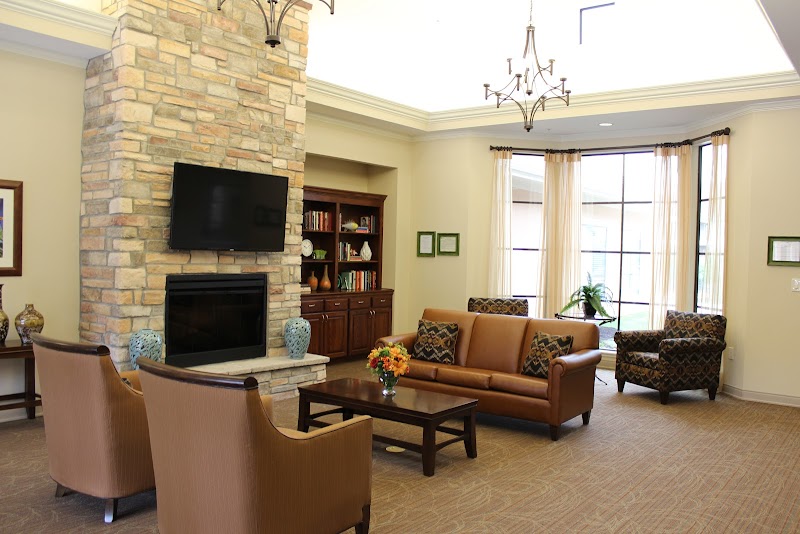
Who Owns and Operates Falcon Ridge Rehabilitation?

FALCON RIDGE REHABILITATION is owned by a for-profit company. For-profit facilities operate as businesses with obligations to shareholders or private owners. The facility is operated by FUNDAMENTAL HEALTHCARE, a chain that manages multiple nursing homes. With 140 certified beds and approximately 94 residents (about 67% occupancy), it is a mid-sized facility located in HUTTO, Texas.
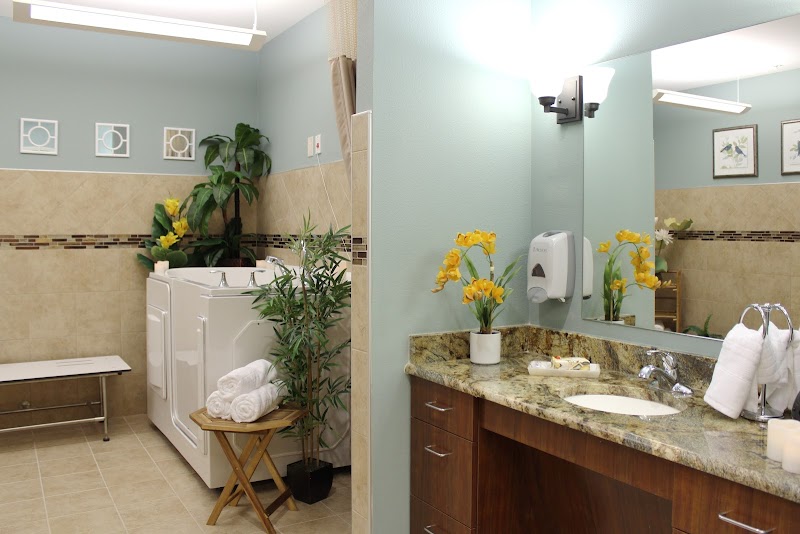
How Does Falcon Ridge Rehabilitation Compare to Other Texas Nursing Homes?

Compared to the 100 nursing homes in Texas, FALCON RIDGE REHABILITATION's overall rating (2 stars) is below the state average of 2.8, staff turnover (49%) is near the state average of 46%, and health inspection rating (3 stars) is at the national benchmark.

What Should Families Ask When Visiting Falcon Ridge Rehabilitation?

Based on this facility's data, families visiting should ask: "What changes have been made since the serious inspection findings, and how are you preventing similar issues?" "Can you walk me through typical staffing levels on day, evening, and night shifts?" "Can I visit during a mealtime to observe dining assistance and food quality?" "How do you handle medical emergencies, and what is your hospital transfer rate?" These questions are particularly relevant given the facility's Immediate Jeopardy citations and the below-average staffing rating.

Is Falcon Ridge Rehabilitation Safe?

Based on CMS inspection data, FALCON RIDGE REHABILITATION has documented safety concerns. Inspectors have issued 1 Immediate Jeopardy citation (the most serious violation level indicating risk of serious injury or death). The facility has a 2-star overall rating and ranks #100 of 100 nursing homes in Texas. Families considering this facility should ask detailed questions about what corrective actions have been taken since these incidents.

Do Nurses at Falcon Ridge Rehabilitation Stick Around?

FALCON RIDGE REHABILITATION has a staff turnover rate of 49%, which is about average for Texas nursing homes (state average: 46%). Moderate turnover is common in nursing homes, but families should still ask about staff tenure and how the facility maintains care continuity when employees leave.

Was Falcon Ridge Rehabilitation Ever Fined?

FALCON RIDGE REHABILITATION has been fined $60,135 across 2 penalty actions. This is above the Texas average of $33,680. Fines in this range indicate compliance issues significant enough for CMS to impose meaningful financial consequences. Common causes include delayed correction of deficiencies, repeat violations, or care failures affecting resident safety. Families should ask facility leadership what changes have been made since these penalties.

Is Falcon Ridge Rehabilitation on Any Federal Watch List?

FALCON RIDGE REHABILITATION is not on any federal watch list. The most significant is the Special Focus Facility (SFF) program, which identifies the bottom 1% of nursing homes nationally based on persistent, serious quality problems. Not being on this list means the facility has avoided the pattern of deficiencies that triggers enhanced federal oversight. This is a positive indicator, though families should still review the facility's inspection history directly.