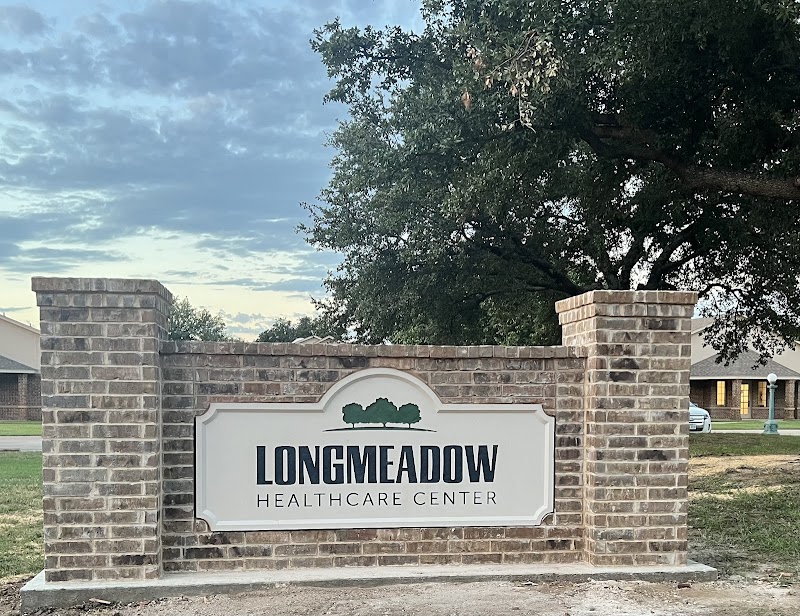
LONGMEADOW HEALTHCARE CENTER

120 MEADOWVIEW DR, JUSTIN, TX 76247 (940) 648-2731
For profit - Limited Liability company 120 Beds CREATIVE SOLUTIONS IN HEALTHCARE Data: November 2025 9 Immediate Jeopardy citations
Trust Grade
0/100
#1027 of 1168 in TX
Last Inspection: May 2025

Inspected within the last 6 months. Data reflects current conditions.

Overview

Longmeadow Healthcare Center has received a Trust Grade of F, indicating significant concerns with the level of care provided. It ranks #1027 out of 1168 facilities in Texas, placing it in the bottom half, and #14 out of 18 in Denton County, meaning there are only a few local options that are better. While the facility is showing improvement in some metrics, decreasing from 12 to 7 issues over the past year, it still faces serious challenges, including a concerning $135,649 in fines, which is higher than 85% of Texas facilities, suggesting ongoing compliance problems. Staffing is a weakness with a rating of 2/5 stars and a turnover rate of 45%, which, while below the state average, still indicates instability. Specific incidents raise red flags, such as failing to consult a physician after a resident suffered a fall and subsequent fracture, which created an immediate jeopardy situation. Additionally, the facility did not ensure that another resident received adequate pain management or timely medical assessment, leading to significant health risks. Despite some strengths, such as a moderate improvement trend, families should weigh these serious concerns carefully when considering Longmeadow Healthcare Center for their loved ones.

Trust Score
F
0/100
In Texas
#1027/1168
Bottom 13%
Safety Record
High Risk
Review needed
Inspections
Getting Better
12 → 7 violations
Staff Stability
○ Average
45% turnover. Near Texas's 48% average. Typical for the industry.
Penalties
✓ Good
$135,649 in fines. Lower than most Texas facilities. Relatively clean record.
Skilled Nurses
⚠ Watch
Each resident gets only 12 minutes of Registered Nurse (RN) attention daily — below average for Texas. Fewer RN minutes means fewer trained eyes watching for problems.
Violations
⚠ Watch
39 deficiencies on record. Higher than average. Multiple issues found across inspections.
★☆☆☆☆
1.0
Overall Rating
★★☆☆☆
2.0
Staff Levels
★★★☆☆
3.0
Care Quality
★☆☆☆☆
1.0
Inspection Score
Stable
2024: 12 issues
2025: 7 issues

The Good

  • Full Sprinkler Coverage · Fire safety systems throughout facility
  • No fines on record
  • Staff turnover below average (45%)

    3 points below Texas average of 48%

Facility shows strength in fire safety.

The Bad

1-Star Overall Rating

Below Texas average (2.8)

Significant quality concerns identified by CMS

Staff Turnover: 45%

Near Texas avg (46%)

Typical for the industry

Federal Fines: $135,649

Well above median ($33,413)

Significant penalties indicating serious issues

Chain: CREATIVE SOLUTIONS IN HEALTHCARE

Part of a multi-facility chain

Ask about local staffing decisions and management

The Ugly 39 deficiencies on record

9 life-threatening 2 actual harm
May 2025 5 deficiencies
CONCERN (D)

Potential for Harm - no one hurt, but risky conditions existed

Incontinence Care (Tag F0690)

Could have caused harm · This affected 1 resident

**NOTE- TERMS IN BRACKETS HAVE BEEN EDITED TO PROTECT CONFIDENTIALITY** Based on observation, interview, and record review, the facility failed to ensure a resident who was incontinent of bladder rece...

Read full inspector narrative →
**NOTE- TERMS IN BRACKETS HAVE BEEN EDITED TO PROTECT CONFIDENTIALITY** Based on observation, interview, and record review, the facility failed to ensure a resident who was incontinent of bladder received appropriate treatment and services to prevent urinary tract infections for one (Resident #28) of three residents reviewed for incontinence care. The facility failed to ensure LVN F provided appropriate perineal care for Resident #28 after an incontinent episode when she failed to clean the resident's scrotum and penis on 05/04/25. This failure could place residents at risk for the development and/or worsening of urinary tract infections. Findings included: Record review of Resident #28's Quarterly MDS assessment dated [DATE] reflected Resident #28 was a [AGE] year-old male admitted to the facility on [DATE] with diagnoses included anoxic brain damage (brain injury resulting from a complete lack of oxygen supply to the brain) and need for assistance with personal care. Resident #28's BIMS score not assessed; Resident #28 was unable to complete the interview. The MDS assessment reflected Resident #28's cognitive skills for daily decision making was severely impaired. The MDS assessment indicated Resident #28 was dependent with toileting and personal hygiene Record review of Resident #28's Care Plan dated 01/13/25, reflected the following: Focus [Resident #28] has bladder incontinence related to cognitive deficits and impaired mobility . Goal: [Resident #28] will remain free from complications such as urinary tract infections and skin breakdown . Interventions: . Monitor for incontinence and provide incontinent care as needed . In an observation on 05/04/25 at 09:45 AM LVN F and CNA G entered Resident #28's room to provide peri care. Both staff washed their hands and put on gloves. Resident was sitting on the edge of the bed, without a brief. Both staff positioned resident in the middle of the bed on his back. LVN F cleaned resident's front pubic area with several wipes. LVN F did not clean resident's penis and scrotum. CNA G rolled the resident on his side. LVN F wiped the anal area from front to back and then the buttocks, changing to a clean wipe with each swipe. LVN F then pushed the soiled draw sheet under the resident, and she placed a clean brief under the resident. Both staff then rolled the resident over, and CNA G pulled the brief from between the resident's thighs and closed it. Both staff assisted resident with dressing, and they transferred him from bed to Geri-chair. CNA G removed gloves and left the room. LVN F removed her gloves, sanitized her hands, and left the room. In an interview on 05/04/25 at 12:15 PM, LVN F stated she never cleaned the scrotum and the penis of the resident. She stated by not performing adequate incontinent care it could increase the resident's risk for urinary tract infections and skin breakdown. In an interview on 05/06/25 at 11:57 AM, the DON stated when providing incontinent care staff were to clean scrotum and penis of male residents. She stated by not providing accurate incontinent care it placed residents at risk for urinary tract infections, skin breakdown and overall poor hygiene. She stated she and the ADONs would be re-training and observing care to ensure staff compliance. Record review of the facility's policy titled, Perineal Care, dated 05/11/22, reflected, . Male resident . Pull back the foreskin on uncircumcised males. Hold penis by the shaft. Wash in a circular motion from the tip down to the base. Continue perineal care to the scrotum and inner thigh .
CONCERN (E)

Potential for Harm - no one hurt, but risky conditions existed

ADL Care (Tag F0677)

Could have caused harm · This affected multiple residents

**NOTE- TERMS IN BRACKETS HAVE BEEN EDITED TO PROTECT CONFIDENTIALITY** Based on observation, interview, and record review the facility failed to provide the necessary services for residents who are u...

Read full inspector narrative →
**NOTE- TERMS IN BRACKETS HAVE BEEN EDITED TO PROTECT CONFIDENTIALITY** Based on observation, interview, and record review the facility failed to provide the necessary services for residents who are unable to carry out activities of daily living to maintain good grooming and personal hygiene for 4 residents (Resident #1, Resident #54, Resident #71, Resident #91) of 8 residents reviewed for ADLs. The facility failed to ensure: 1- Resident #1 had her fingernails cleaned and trimmed on 05/04/25. 2- Resident #54 had his fingernails cleaned and trimmed on both hands on 5/04/25. 3- Resident #71 had her fingernails cleaned and trimmed on both hands on 5/04/25. 4- Resident #91 had his fingernails cleaned and trimmed on 5/04/25. These failures could place residents who were dependent on staff for ADL care at risk for loss of dignity, risk for infections and a decreased quality of life. Findings include: 1-Review of Resident #1's Quarterly MDS dated [DATE] reflected Resident #1 was a [AGE] year-old female admitted to the facility on [DATE] and readmitted on [DATE] with diagnoses of hemiplegia and hemiparesis following stroke affecting left side non-dominant side (stroke resulting in weakness or paralysis on the left side of the body), dementia (loss of memory, language, problem-solving and other thinking abilities that are severe enough to interfere with daily life),. She had a BIMS of 7 indicating she was severely cognitively impaired. Resident #1 required partial/moderate assistance with personal hygiene. Review of Resident #1's Comprehensive Care Plan dated 11/08/24 and last revised 04/25/25 reflected Resident #1 had an ADL self-care performance deficit related to cognitive deficits and impaired mobility. Intervention reflected Resident #1 required 1 staff participation with personal hygiene/oral care. Monitor appearance Observation and Interview on 05/04/25 at 10:50 AM with Resident # 1 revealed she had long dirty fingernails about ¾ inch from finger tips on her right hand. She stated she did not know the last time her fingernails were trimmed. Resident #1 stated it bothered her that they were long. She stated she did not know who should be trimming them and no one had offered to trim them for her. Resident #1's left hand was in a splint. Observation and Interview on 05/04/25 at 12:38 PM with CNA G revealed Resident #1 did have long fingernails on her right hand and did not know the last times her fingernails were trimmed. She stated Resident #1 did not refuse ADL care. Observation and Interview on 05/04/25 at 1:39 PM with ADON E revealed Resident #1's fingernails about ¾ inch from fingernail tips on right hand. She stated Resident #1's fingernails were long and should be trimmed. She stated Resident #1 was not a diabetic and CNAs were responsible to ensure fingernails trimmed. She stated nurses were responsible to ensure fingernail trimming was completed. Observation of left contracted hand revealed Resident #1 had long fingernails about ½ inch long with 1 finger about ¾ inch with no cuts or open skin areas on left hand. ADON E asked Resident #1 if she wanted her fingernails trimmed and she said yes. ADON E stated the risk to residents with long fingernails could cause cuts and open skin areas in the hand. 2-Record review of Resident #54's Quarterly MDS assessment dated [DATE] reflected Resident #54 was a [AGE] year-old male admitted to the facility on [DATE] with diagnoses included Hemiplegia (paralysis that affects only one side of the body) following cerebral infarction (a loss of blood flow to part of the brain, which damaged brain tissue), and need for assistance with personal care. Resident #54's BIMS score of 13, which indicated Resident #54's cognition was intact. The MDS assessment indicated Resident #54 required minimal assistance with personal hygiene. Record review of Resident #54's Care Plan dated 03/19/25, reflected the following: Focus: [Resident #54] has an ADL Self Care Performance Deficit related to impaired mobility/hemiplegia. Goal: Resident will maintain current level of function . Interventions: . Assist with personal hygiene as required . In an observation and attempt to interview on 05/04/25 at 9:18 AM revealed Resident #54 was sitting in his wheelchair. The nails on the right hand were approximately 0.4cm in length extending from the tip of his fingers. The nails were discolored tan and had brownish colored residue underside. The nails on the left hand were chipped. Resident #54's answers to questions did not make sense. 3-Record review of Resident #71's Quarterly MDS assessment dated [DATE] reflected Resident #71 was a [AGE] year-old male admitted to the facility on [DATE] with diagnoses included diabetes mellitus, and hemiplegia (paralysis on one side of the body) following cerebral infarction (occurs when blood flow to the brain is blocked, causing brain tissue to die) affection left side. Resident #71's BIMS score of 13, which indicated Resident #71's cognition was intact. The MDS assessment indicated Resident #71 required maximal assistance with personal hygiene. Record review of Resident #71's Care Plan dated 08/27/24, reflected the following: Focus: [Resident #71] has an ADL self-care performance deficit related to impaired mobility . Goal: . [Resident #71] will maintain current level of function in ADLs through the review date . Interventions: . Personal hygiene/oral care: the resident requires 1 staff participation with personal hygiene and oral care. Monitor appearance . In an observation and interview on 04/22/25 at 9:35 AM revealed Resident #71 was laying in his bed. The nails on both hands were approximately 0.5cm in length extending from the tip of his fingers. The nails were discolored tan and had yellow greenish colored residue underside. Resident #71 stated he did not like his fingernails long and dirty. In an interview on 04/22/25 at 11:50 AM, LVN F stated CNAs were responsible for trimming the nails of residents who were not diabetic, and nurses were responsible for trimming nails of residents who were diabetic. LVN F stated she was busy and did not notice Resident #54 and #71's nails. She stated she would do it. She stated the risk would be infection control and skin breakdown. 4-A record review of Resident #91's admission MDS assessment dated [DATE] reflected Resident #91 was an [AGE] year-old male admitted to the facility on [DATE] with diagnoses included hypertension (Elevated blood pressure), dementia (diseases that affect memory, thinking, and the ability to perform daily activities), arthritis (a broad term for conditions affecting joints, tissues around joints, and other connective tissues, causing pain, stiffness, and reduced movement), need for assistance with personal. Resident #91 had a BIMS score of 03/15 which indicated Resident #91's cognition was severely impaired. A record review of Resident #91's Comprehensive Care Plan dated 04/25/25 reflected the following: Focus: [Resident#91] has an ADL self-care performance deficit. Goal: [Resident#91] will maintain or improve current level of function in ADL Score through the review date. Interventions: Bathing: .Check nail length and trim and clean on bath day and as necessary . An observation on 05/04/25 at 09:40 AM revealed Resident #91 was sitting at the edge of the bed. The nails on both hands were approximately 0.5 centimeter in length extending from the tip of her fingers. The nails were discolored tan and the underside had dark brown colored residue. Resident #91 stated would like his fingernail trimmed. In an interview on 05/04/25 at 12:39 PM, RN B looked at Resident#91 fingernails and stated they needed to be cleaned and trimmed. RN B stated CNAs were responsible to clean and trim residents' nails as needed. RN B stated only nurses cut residents' nails if they were diabetic. RN B stated no one notified her Resident #91's nails were long and dirty, and she had not noticed the nails herself. RN B stated the risk to the resident development of infection, and skin break down if he/she scratched him/herself. In an interview on 05/6/25 at 11:57 AM, the DON stated nail care should be completed as needed and every time aides wash the residents' hands. The DON stated nails should be observed daily. The DON stated nurses were responsible for trimming the nails of residents who were diabetic, and CNAs could trim other residents' nails. The DON stated she expected CNAs to offer to cut and clean nails if they were long and dirty. The DON stated residents having long and dirty nails could be an infection control issue, and skin breakdown if residents scratch themselves. Record review of facility's policy, Nail Care, Nursing Policy & Procedure Manual 2003, revealed Nail management is the regular care of the toenails and fingernails to promote integrity of tissue, to prevent infection, and injury from scratching by fingernails or pressure of shoes on toenail. It includes cleaning, trimming, smoothing, and cuticle are and is usually done during the bath. NAIL CARE, ESPECIALLY TIMMING, IS PERFORMED BY A PODIATRIST IN THOSE WITH DIABETES AND PERFERAL VASCULAR DISEASE .Goals 1. Nail care will be performed regularly and safely. 2. The resident will free from abnormal nail conditions. 3. The resident will be free from infection.
CONCERN (E)

Potential for Harm - no one hurt, but risky conditions existed

Food Safety (Tag F0812)

Could have caused harm · This affected multiple residents

Based on observations, interviews, and record review, the facility failed to store, prepare, distribute, and serve food in accordance with professional standards for food service safety for the facili...

Read full inspector narrative →
Based on observations, interviews, and record review, the facility failed to store, prepare, distribute, and serve food in accordance with professional standards for food service safety for the facility's only kitchen. 1. The facility failed to ensure food item in the facility reach in refrigerator were dated, labeled, and covered. 2. The facility failed to ensure hot food was held above 135 Fahrenheit (F) or higher on the steam table during lunch service on 5/5/25. These failures could affect residents who received their meals from the facility's only kitchen, by placing them at risk for food-borne illness, and food contamination. Findings included: Observation on 5/4/25 at 9:06 AM in the facility reach-in refrigerator revealed: One cup of cut mixed fruit was not dated. Three plates of cut salad that included cucumber, cheese, ham slices, lettuce, tomato were not dated. Six small plastic cups of some kind of white dressing were not labeled or dated. 8-10 Cheese slices were left uncovered, loosely wrapped in plastic wrap, exposing them to air, and not dated. A brown snack bag that included 1/2 sandwich, apple was not dated or labeled. In an observation and interview on 5/5/25 at 11:40 AM in the facility kitchen revealed [NAME] C took the temperature of pureed burger (Pureed food is cooked food that has been processed into a smooth, creamy consistency, often using a blender or food processor) via food thermometer. Surveyor observed the food thermometer read 133.7 F. The surveyor asked [NAME] C the temperature reading for the pureed burger, [NAME] C stated the temperature was at 133.7 F. The surveyor asked [NAME] C if the pureed burger was at appropriate temperature to serve. [NAME] C replied, I guess so. The Assistant Dietary Manager (ADM) then came to the service line and asked [NAME] C what was the temperature of the pureed burger. She replied it was at 133.7. The ADM wrote down the temperature in the temperature logbook. The Dietary Manager then came to the service line and asked what the temperature was for the pureed burger. The ADM replied it was 133.7. The Dietary Manager nodded and asked [NAME] C to start serving the lunch meal since it was getting late. Both [NAME] C and ADM went ahead to plate lunch meals. Observation of tray line revealed pureed burger being served to the residents who needed pureed texture diet. In an interview on 5/4/25 at 9:20 AM with [NAME] C revealed she had been working in the facility for the last 10 months. She stated everyone in the kitchen including cooks, dietary aides, and the dietary manager were responsible for covering, labeling, and dating food items in the kitchen. She stated she was not aware when the sandwiches were prepared or who prepared it. She added the fruit cup may be left over from last night's meal, however, was not sure. She added the plastic cup had ranch dressing that goes with the salad. She stated cheese slices should have been wrapped appropriately and dated with use by date. She also added that the sandwiches should have been dated with use-by date. She added she will discard the sandwiches ,fruit cup and other items. She stated that the snack bag was for a resident on dialysis (medical procedure that replaces the function of the kidneys, filtering waste and excess fluid from the blood when the kidneys are not working properly) and should had use-by date and label with resident's name on it. She stated that risk of improper food storage was food spoilage and increased risk of residents being sick. In an interview on 05/05/25 01:04 PM with the Assistant Dietary manger (ADM) stated that she was working in the facility kitchen for 8-10 years. She stated that the pureed burger was prepared by [NAME] C and the temperature on the holding table was 133.7 F . She stated that holding temperature for hot entrees should be at least 160 F. She stated that the pureed burger did not have the right temperature for service and should have been reheated to 160 F before serving to residents. She stated everyone in the kitchen were responsible for dating, labeling, and covering food items. She stated that she expected cooks and dietary aides to write use by date on perishable food items and snacks. She stated failure to appropriately cover, label and date food items as well as improper holding temperatures can lead to residents being sick and food borne illness. In an interview on 05/05/25 01:11 PM with [NAME] C stated she had prepared the pureed burger that consisted of bread , meat, and grilled onions that were pureed together for residents on pureed texture diet. She added that she thinks the temperature at which hot food should be held for service should be at 165 F and then added she did not remember the actual temperature for hot food holding temperature. She stated that pureed burger was at 133.7 F and stated that it sounded low. She stated that it should have been reheated before serving to the residents. She added the risk to residents for serving foods at improper holding temperature was possibility of residents being sick. In an interview on 05/05/25 at 01:17 PM with Dietary Aide D revealed all food items in the kitchen should be covered, labeled, and dated. She stated that she did not make the salads and weas not aware who or when the salads were made. She stated that everyone in the kitchen including dietary aides, cooks and managers were responsible for appropriate food storage. She stated that she was mostly responsible for making snacks and she was trained to write use-by date, which is three days from the date of preparation on all perishable food items. She added that risk to residents of not appropriately covering, dating, or labeling food items was residents could get sick. In an Interview on 05/05/25 01:17 PM with the Dietary Manager, stated her expectation was the temperature of hot food when held for service should be at least above 160. She stated she liked to serve resident hot food. She added that the pureed burger was at 133.7 F, and stated it was lower than the facility policy which stated that the hot food should be held at 140 F and above. She stated that she expected her cooks and ADM to reheat the pureed burger to ensure the temperature reach at least 140 before serving it to the residents. She added she did not ask the [NAME] to reheat the pureed burger since they were late on Lunch service. She added everyone including cooks and herself were responsible for covering, dating, and labeling all food items in the kitchen. She stated her expectation was the staff write open date on food items on the day they were opened and use by date on perishable food items such as salads, facility prepared snacks, and fruit cup. She stated all foods should be appropriately covered and sealed. She stated the risk to residents of improper food storage that included dating, labeling, and covering food items and improper holding temperatures was possibility of food borne illness. She added that she was responsible for conducting in-services for food storage and food holding temperatures for all kitchen personnel. In an interview on 05/06/25 12:36 PM with facility Dietitian sated that her expectation was all hot foods should be held at 135 F and above. She stated that foods that were held for service longer than 24 hours should be labeled, dated, and covered appropriately. She added risk to residents for improper food storage an improper holding temperature can lead to food borne illness. Record review of facility's document titled , HACCP Production Sheet [Hazard Analysis and Critical Control point - a food safety management system that identifies, assesses, and controls hazards from raw material to consumption to ensure safe food production) dated 5/5/2025 reflected, . Starch (P) .133.7[F] Review of facility's policy titled Daily Food Temperature Control undated reflected, .We will assure that food is served at a safe temperature. Temperatures of all hot and cold food shall be taken prior to every meal service and recorded on the Temperature Log. This is done to help ensure that food is safe and is served within acceptable ranges . All hot foods shall be cooked and held for service at temperatures of 140 degrees F or above . Review of facility's policy titled Food Storage and Supplies undated reflected, .4. Open packages of food are stored in closed containers with covers or in sealed bags and dated as to when opened .7. Perishable items that are refrigerated are dated once opened and used within 7 days (if they do not have an expiration date or best by/use by date), but non-perishable items that are refrigerated once opened should be dated when opened but do not need to be discarded until their expiration date or until the quality has deteriorated. Review of the Food and Drug Administration Food Code, dated 2022, reflected, .3-302.12 Food Storage Containers, Identified with Common Name of Food. Except for containers holding food that can be readily and unmistakably recognized such as dry pasta, working containers holding food or food ingredients that are removed from their original packages for use in the food establishment, such as cooking oils, flour, herbs, potato flakes, salt, spices, and sugar shall be identified with the common name of the food 3-305.11 Food Storage.(B) .refrigerated, ready-to eat time/temperature control for safety food prepared and packaged by a food processing plant shall be clearly marked, at the time the original container is opened in a food establishment and if the food is held for more than 24 hours, to indicate the date or day by which the food shall be consumed on the premises, sold, or discarded, based on the temperature and time combinations specified in (A) of this section and: (1) The day the original container is opened in the food establishment shall be counted as Day 1; and (2) The day or date marked by the food establishment may not exceed a manufacturer's use-by date if the manufacturer determined the use-by date based on food safety
CONCERN (E)

Potential for Harm - no one hurt, but risky conditions existed

Infection Control (Tag F0880)

Could have caused harm · This affected multiple residents

**NOTE- TERMS IN BRACKETS HAVE BEEN EDITED TO PROTECT CONFIDENTIALITY** Based on observation, interview, and record review, the facility failed to establish and maintain an infection prevention and co...

Read full inspector narrative →
**NOTE- TERMS IN BRACKETS HAVE BEEN EDITED TO PROTECT CONFIDENTIALITY** Based on observation, interview, and record review, the facility failed to establish and maintain an infection prevention and control program designed to provide a safe, sanitary, and comfortable environment and to help prevent the development and transmission of communicable diseases and infections for 2 residents (Resident #28 and Resident #57) of 5 residents observed for infection control. The facility failed to ensure: 1- LVN F and CNA G changed their gloves and performed hand hygiene while providing incontinence care to Resident #28 on 04/04/25. 2- CNA A changed his gloves, performed hand hygiene, and donned appropriate PPE when providing incontinent care for Resident #57 who supposed to be on EBP on 05/05/25. These failures could place residents at risk of cross-contamination and development of infections. Findings included: 1-Record review of Resident #28's Quarterly MDS assessment dated [DATE] reflected Resident #28 was a [AGE] year-old male admitted to the facility on [DATE] with diagnoses included anoxic brain damage (brain injury resulting from a complete lack of oxygen supply to the brain) and need for assistance with personal care. Resident #28's BIMS score not assessed; Resident #28 was unable to complete the interview. The MDS assessment reflected Resident #28's cognitive skills for daily decision making was severely impaired. The MDS assessment indicated Resident #28 was dependent with toileting and personal hygiene. Record review of Resident #28's Care Plan dated 01/13/25, reflected the following: Focus [Resident #28] has bladder incontinence related to cognitive deficits and impaired mobility . Goal: [Resident #28] will remain free from complications such as urinary tract infections and skin breakdown . Interventions: . Monitor for incontinence and provide incontinent care as needed . In an observation on 05/04/25 at 09:45 AM LVN F and CNA G entered Resident #28's room to provide peri care. Both staff washed their hands and put on gloves. Resident was sitting on the edge of the bed, without a brief. Both staff positioned resident in the middle of the bed on his back. LVN F cleaned resident's front pubic area with several wipes. With the same gloves on she cleaned resident's hands with clean wipes. CNA G rolled the resident on his side. LVN F wiped the anal area from front to back and then the buttocks, changing to a clean wipe with each swipe. LVN F then pushed the soiled draw sheet under the resident and with soiled gloves placed a clean brief under the resident. Both staff then rolled the resident over, and CAN G pulled the brief from between the resident's thighs and closed it. Both staff changed gloves without hand hygiene. Both staff assisted resident with dressing, and they transferred him from bed to Geri-chair. CNA G removed gloves and left the room without hand hygiene. LVN F removed her gloves, sanitized her hands and left the room. In an interview on 05/04/25 at 12:15 PM, LVN F and CNA G stated they should change their gloves and perform hand hygiene when they went from dirty to clean. They stated they should perform hand hygiene between change of gloves. CNA G stated she should wash her hands before she left the resident's room. LVN F stated she fail to bring sanitizer with her to the room. Both staff stated failing to provide proper care exposed the resident to infections. 2-Record review of Resident #57's admission MDS, dated [DATE], reflected he was a [AGE] year-old male initially admitted to the facility on [DATE], and readmitted on [DATE] with diagnoses that included type 2 diabetes mellitus (elevated blood sugar), cerebrovascular accident (Occurs when blood flow to the brain is interrupted, leading to brain cell death and potential neurological damage), neurogenic bladder (a problem in the brain, spinal cord, or central nervous system that make a person lose control of the bladder), and hypertension (High blood pressure). Resident#57 has a BIMS score of 15/15 indicating intact cognition. His Functional status reflected he was dependent on staff for toileting hygiene including incontinent care. Record review of Resident #57's care plan, dated 03/31/25, reflected he Focus. Resident is on enhanced barrier precaution r/t (related to) foley catheter. Goal. There will not be any transmission of infection from or to the resident. Interventions. Gloves and gown should be donned if any of the following activities are to occur: linen change, resident hygiene, toileting/incontinent care, .catheter care .or other high-contact activity. Observation on 05/05/25 at 09:05 AM of Resident #57's catheter and incontinent care, provided by CNA A, revealed Resident#57 was on his bed awake. CNA A enter Resident#57 room with basin, towels, and wash clothes. CNA A draped the bed side table with towel and put the wash clothes, and the basin filled with warm water on top of it. CNA A washed hands, donned gloves, and no gown. There was a signage and supplies for EBP outside of the Resident#57's room at the left side of the entrance. CNA A uncovered Resident#57 and unfastened the tape on both sides of the brief, noticed the brief was soiled with feces, he rolled the front portion and pushed it downward on the center. CNA A changed gloves and washed hands. CNA A using warm water, soap and wash clothes cleaned resident catheter going from exit site outward. CNA A disposed of used wash clothes on the towel on the top of bed side table. CNA A changed gloves without any form of hands hygiene. CNA A using warm water and wash cloth rinsed the catheter. CNA A disposed of used wash clothes on the towel on the top of bed side table. CNA A changed gloves without any form of hands hygiene. CNA A using a towel dried the catheter. CNA A removed gloves washed hands and left the room to get supplies for the incontinent care, wipes, and clean brief. CNA A returned with the supplies; donned gloves cleaned Resident#57 groins area using one wipe per stroke. CNA A then instructed and assisted Resident #57 to roll towards the wall. CNA A continued to clean the resident's buttocks area. CNA A rolled, and pulled the soiled brief and threw it on the trash can. CNA A changed gloves without any form of hands hygiene. CNA A placed the new brief on resident's buttocks and instructed the resident to roll back. CNA A fastened the tape on both sides, then pulled Resident #57's blanket to his chest. CNA A folded the used wash clothes on the used towel and put them on the floor, tied the plastic bag and put it on the floor. CNA A removed gloves, washed hands. CNA A donned gloves, and took the plastic bag, the used towels, left the room, and dispose of them in the dirty linen room in the hallway, removed gloves and sanitized hands. Interview on 05/05/25 at 09:40 AM CNA A stated Resident #57 has a foley catheter and that way there was a signage and the supplies for EBP in front of the room. CNA A stated he forget to wear required PPE when he went to provide catheter care, and incontinent care for Resident#57. CNA A acknowledged he was changing gloves without any form of hands hygiene during catheter care and incontinent care. CNA A said it was important to wash hands any time he changed gloves because his hands could be contaminated. CNA A acknowledged that he was not supposed to put trash bag and used linen on the floor, because it can lead to the spread of germs. CNA A stated he supposed to have a plastic bag for the used linen. CNA A stated the risk to resident development of infection. In an interview on 05/06/25 at 11:57 AM, the DON stated they had trained at length on when staff were to change their gloves and sanitize their hands. She stated staff needed to change their gloves when they go from dirty to clean. DON stated any resident who had any type of indwelling medical device was placed on Enhanced Barrier precautions to help reduce the spread of infection. She stated signage was posted outside to the door, which explain what PPE (Personal protective equipment) was to be won and for what task the PPE was to be worn for. She stated the staff had received numerous trainings on the use of Enhanced Barrier Precautions. She stated the risk was increased risk of infections. She stated she and the ADONs would be re-training and observing care to ensure staff compliance. Record review of facility Infection Control Policy & Procedure Manual 2019 UPDATED 03/2024, under title Fundamentals of Infection Control Precautions revealed 1. Hand Hygiene. Hand hygiene continues to be the primary means of preventing the transmission of infection. The following is .situations that require hand hygiene: .o After removing gloves or aprons. Gloving .Wearing gloves does not replace the need for hand washing because gloves may have small inapparent defects or be torn during use, and hands can become contaminated during removal of gloves. Enhanced Barrier Precautions (EBP) refer to an infection control intervention designed to reduce transmission of multidrug-resistant organisms (MDRO) that employ targeted gown and glove use during high contact resident care activities . EBP are indicated for residents with any of the following: . Wounds and / or indwelling medical devices even if the resident is not known to be infected or colonized with a MDRO.
CONCERN (E)

Potential for Harm - no one hurt, but risky conditions existed

Deficiency F0919 (Tag F0919)

Could have caused harm · This affected multiple residents

**NOTE- TERMS IN BRACKETS HAVE BEEN EDITED TO PROTECT CONFIDENTIALITY** Based on observations, interviews and record review, the facility failed to ensure resident rooms were adequately equipped to al...

Read full inspector narrative →
**NOTE- TERMS IN BRACKETS HAVE BEEN EDITED TO PROTECT CONFIDENTIALITY** Based on observations, interviews and record review, the facility failed to ensure resident rooms were adequately equipped to allow residents to call for staff assistance through a communication system which relays the call directly to a staff member or to a centralized staff work area for two (Shower room hall 100 and 200 hall) of three shower rooms reviewed for resident call system 1. The facility failed to ensure the call light in shower room area of 100 hall shower room had cord so it can be reached. 2. The facility failed to ensure the call light in shower room area of 200 hall shower room was working. These failures placed resident at risk of a delay in receiving assistance from facility staff and being unable to obtain assistance in the event of an emergency. Findings included: Confidential Group Interview on 05/05/25 at 9:38 AM with 8 of 8 residents revealed one of the residents stated he or she had been complaining about the 100-hall shower room not having a call light cord in the shower room area long enough to reach it. He or she stated it was important to have a working call light within reach in the shower area since he or she showered independently without staff assistance. Confidential Group Interview revealed unable to state how long the call light cord had not been accessible to use in shower room. Observation on 05/05/25 at 11:25 AM with LVN H revealed shower room in hall 100 reflected call light in the shower area had no cord. Observation on 05/05/25 at 11:45 AM with LVN H revealed shower room in hall 200 reflected call light in the shower area was not working. Interview on 05/05/35 at 11:59 AM with LVN H revealed CNAs and nurses were responsible to clean the shower rooms and check if the call lights works. She stated if the call light was not working they would notify the maintenance by scanning the QR code for maintenance care. LVN H scanned the QR code hanging in the hall and she reported the non-working call light in the shower room hall 200 and the missing cord for the call light in the shower room [ROOM NUMBER] hall. She stated the facility had residents who independently showered for the Hall 100 and Hall 200 shower rooms. Interview on 05/06/25 at 12:48 PM with Maintenance Director revealed an order was put in yesterday for resident shower room [ROOM NUMBER] hall. He stated he looked at it this morning finding there was no call light cord and he had to order a long cord for the call light in the shower room area for Hall 100. He had not looked at the 200-hall shower room and did not realize the call light in the shower room area for Hall 200 was not working. He stated he would go look at the call light in the shower room area in Hall 200 shower room. He stated he expected facility staff to notify him about any maintenance orders for the shower room and it came to his phone to see what maintenance requests. He stated the risk to residents could be residents can fall or trip and unable to get the assistance they need. Interview on 05/06/25 at 01:27 PM with Administrator stated there could be a delay for assistance and a potential for a fall if call lights in shower room area are not working. He stated he was not aware of call lights in the shower rooms not working properly. He stated he expected facility staff to report any maintenance repairs and the Maintenance Director would be notified on his phone of any maintenance concerns. Interview on 05/06/25 at 01:34 PM with Maintenance Director reflected he had replaced the cord in shower room [ROOM NUMBER] now and he was able to fix the call light in shower room for 200 hall. He stated he checked two rooms on each hall weekly and shower rooms could take up to a month before he checked them. He stated he relied on facility staff to inform him of any maintenance issues including call lights not working. The facility did not have a specific call light policy per the Administrator on 05/06/25.
Apr 2025 2 deficiencies
CONCERN (D) 📢 Someone Reported This

A family member, employee, or ombudsman was alarmed enough to file a formal complaint

Potential for Harm - no one hurt, but risky conditions existed

Free from Abuse/Neglect (Tag F0600)

Could have caused harm · This affected 1 resident

**NOTE- TERMS IN BRACKETS HAVE BEEN EDITED TO PROTECT CONFIDENTIALITY** Based on observations, interviews, and record review, the facility failed to ensure residents were free from abuse for 1 (Reside...

Read full inspector narrative →
**NOTE- TERMS IN BRACKETS HAVE BEEN EDITED TO PROTECT CONFIDENTIALITY** Based on observations, interviews, and record review, the facility failed to ensure residents were free from abuse for 1 (Resident #1) of 6 residents reviewed for abuse and neglect. The facility failed to notify Resident #1's attending physician and representative after Resident #2 reported CNA B raised her voice and used inappropriate language while caring for Resident #1 who was on Hospice. CNA B was in the room getting Resident #1 ready for bed. Resident #2 stated she heard CNA B say loudly shut the fuck up to Resident #1 on 03/13/2025. This failure could affect residents of the facility by not addressing their physical, mental, and psychosocial needs for each to attain or maintain their highest practicable physical, mental, and psychosocial outcome. The findings included: Record review of Resident #1's face sheet, dated 04/17/2025, reflected the resident was a [AGE] year old female who admitted to the facility on [DATE]. Resident #1 had diagnoses which included senile degeneration of the brain (decline in memory, behavior, and cognitive ability), epilepsy (brain condition that causes recurring seizures), and unspecified psychosis (loss of touch with reality) not due to a substance or known physiological problem. Record review of Resident #1's MDS (tool used to assess health status) Assessment, dated 02/28/2025, reflected a BIMS (tool used to assess cognitive function) score of 00 indicating severe cognitive impairment. Section GG indicated Resident #1 was dependent on staff for most self-care needs. Section O reflected Resident #1 was on hospice care services. Record review of Resident #1's Comprehensive Care Plan, dated 02/20/2025, reflected the resident is dependent on staff for meeting emotional, intellectual, physical, and social needs r/t disease process Interventions included All staff to converse with resident while providing care and Ensure that the activities the resident is attending are: Compatible with physical and mental capabilities. During an observation and interview on 04/17/2025 at 10:27 AM, Resident #1 was sitting in the hall in her wheelchair across from the nurse's station. Resident #1 did not reply when the surveyor said hello. She smiled and looked ahead. A staff member took Resident #1 to her room and stated Resident #1 was hard of hearing and you had to talk loudly for her to hear you. Resident #1 was not able to answer any questions due to her cognitive status. Resident #1 moved her wheelchair toward the door and called help me. Staff assisted Resident #1 back into the hall where she was content to sit across from the nurses' station During an interview on 04/17/2025 at 10:32 AM, Resident #2 stated Resident #1 had been her roommate for quite a while. She stated Resident #1 did not like to stay in the room and preferred to sit in the hall. She stated Resident #1 did not communicate other than saying help me. She stated a few days prior, CNA B was in the room getting Resident #1 ready for bed. She stated she heard CNA B say loudly shut the fuck up. Resident #2 stated she reported it to the ADON. She stated she thought CNA B was talking to Resident #1. Resident #2 stated did not see anyone else in the room and did not think CNA B was talking on the phone. She stated after CNA B put Resident #2 to bed, she shut the door and left the room. Resident #2 stated she had never heard CNA B talk like that. She stated she had not observed any changes in Resident #1's behavior since the incident. She stated you have to talk loudly and make sure Resident #1 can see your lips when speaking to her. Resident #2 stated she had no concerns about her care. She stated the staff was respectful to her and she felt safe. Resident #2 said the incident didn't bother her because she had heard worse in her life. She stated staff members came several times to talk with her and make sure she was ok after the incident Record review on 04/17/2025 at 11:45 AM revealed no documentation of Resident #1's representative or physician being notified. During an interview on 04/17/2025 at 12:01 PM, the DON stated she was told Resident #1 was lying in bed and CNA B was changing her when Resident #2 heard CNA B yell those words. The DON stated she had been at the facility for about nine months and CNA B was working at the facility when she came. She stated there had been no complaints about CNA B from any other residents. She stated the ADON reported the incident to her after Resident #2 told the ADON what she heard. The DON stated she immediately reported it to the administrator. She stated CNA B was not working the day it was reported but was scheduled to work the weekend. She stated CNA B was immediately suspended pending an investigation. The DON stated the following Monday CNA B came to the facility and spoke with her. The DON stated CNA B said she was flustered but was not yelling at the resident and would never yell at a resident. She stated CNA B was terminated. She stated if CNA B was talking to a resident or in their presence, that type of behavior was not tolerated. She stated it could affect both residents emotionally. She stated they had observed no changes in Resident #1's behavior and there were no medication changes. The DON stated in-service training was provided on abuse and neglect and residents' rights. The DON reviewed the resident's medical record and the facility's investigative report and stated there was no record of any staff member reporting the incident to the resident's family or physician. During an interview on 4/17/2025 at 12:11 PM, Resident #1's family member stated the facility had not told her about the incident. She stated Resident #1 cannot hear and you had to yell when speaking to her. She stated she came to the facility daily to visit Resident #1 and the CNAs were all great. She stated staff called her with any changes. She stated the roommate tells her everything but had not mentioned the incident. During an interview on 04/17/2025 at 1:15 PM, the Social Worker stated she had worked at the facility for about 6 months. She stated she was not aware of a facility report involving Resident #1. She stated Resident #1's family member came to the facility daily to bring a snack and visit. During an interview on 04/17/2025 at 2:33 PM, LVN A stated a nurse should call any report any changes of status to the resident's family and physician. She stated if a resident falls, you call and report to the physician and family. She stated she would ask the DON or Administrator for guidance because she had not experienced a resident reporting something like that. During an interview on 04/17/2025 at 2:43 PM, the ADON stated Resident #2 reported the incident to her on a Wednesday and Resident #2 told her it happened the prior Thursday. The ADON stated Resident #2 told her CNA B was in the room proving care for Resident #1 and Resident #2 heard CNA B say, shut the fuck up. The ADON stated she reported it immediately to the Administrator and DON. She stated CNA B was off work when Resident #2 reported the incident. The ADON stated she wrote a statement about what she was told. The ADON stated she did not write an incident report. She stated she was uncertain about the protocol for reporting to family and physician when an employee was involved in an incident. She stated the facility made sure CNA B had no further contact with any residents. She stated that behavior could make residents afraid to ask CNA B for help after hearing her yell. During an interview on 04/23/2025 at 1:45 PM, the Hospice Administrator stated a hospice nurse went to the facility after the physician's office received a message to call the surveyor. She stated the hospice nurse's note reflected upon arriving at the facility she was told about the self-reported incident. The Hospice Administrator stated the facility provided the hospice nurse with a copy of the report. The Hospice Administrator stated if the facility had not reported it, hospice would be required to. She stated the hospice nurse's report reflected she educated the facility on notifying hospice at the time an incident occurred. Attempts were made to interview CNA B on 04/17/2025. There was a recorded message the person was unavailable with no option to leave a voicemail. Review of facility policy Notifying The Physician of Change in Status, Revised March 11, 2013, reflected 1. The nurse will notify the physician immediately with significant change in status. The nurse will document signs and symptoms of significant change, time/date of call to physician, and interventions that were implemented in the resident's clinical record .5. The resident's family member or legal guardian should be notified of significant change in resident's status unless the resident has specified otherwise.
CONCERN (D) 📢 Someone Reported This

A family member, employee, or ombudsman was alarmed enough to file a formal complaint

Potential for Harm - no one hurt, but risky conditions existed

Deficiency F0657 (Tag F0657)

Could have caused harm · This affected 1 resident

**NOTE- TERMS IN BRACKETS HAVE BEEN EDITED TO PROTECT CONFIDENTIALITY** Based on observations, interviews and record review, the facility failed to review and revise the comprehensive person-centered ...

Read full inspector narrative →
**NOTE- TERMS IN BRACKETS HAVE BEEN EDITED TO PROTECT CONFIDENTIALITY** Based on observations, interviews and record review, the facility failed to review and revise the comprehensive person-centered care plan for each resident consistent with the residents rights' that included measurable objectives and time frames to meet the medical, physical, and psychosocial needs identified in the comprehensive assessment for 1 (Resident #1) of 6 residents reviewed for care plan reassessment and revision. The facility failed to review and revise Resident #1's comprehensive care plan after her roommate (Resident #2) reported CNA B raised her voice and used inappropriate language while caring for Resident #1 who was on Hospice. CNA B was in the room getting Resident #1 ready for bed. Resident #2 stated she heard CNA B say loudly shut the fuck up to Resident #1 on 03/13/2025. This failure could affect residents of the facility by not addressing their physical, mental, and psychosocial needs for each to attain or maintain their highest practicable physical, mental, and psychosocial outcome. The findings included: Record review of Resident #1's face sheet, dated 04/17/2025, reflected the resident was a [AGE] year old female who admitted to the facility on [DATE]. Resident #1 had diagnoses which included senile degeneration of the brain (decline in memory, behavior, and cognitive ability), epilepsy (brain condition that causes recurring seizures), and unspecified psychosis (loss of touch with reality) not due to a substance or known physiological problem. Record review of Resident #1's MDS (tool used to assess health status) Assessment, dated 02/28/2025, reflected a BIMS (tool used to assess cognitive function) score of 00 indicating severe cognitive impairment. Section GG indicated Resident #1 was dependent on staff for most self-care needs. Section O reflected Resident #1 was on hospice care services. Record review of Resident #1's Comprehensive Care Plan, dated 02/20/2025, reflected the resident is dependent on staff for meeting emotional, intellectual, physical, and social needs r/t disease process Interventions included All staff to converse with resident while providing care and Ensure that the activities the resident is attending are: Compatible with physical and mental capabilities. During an observation and interview on 04/17/2025 at 10:27 AM, Resident #1 was sitting in the hall in her wheelchair across from the nurse's station. Resident #1 did not reply when surveyor said hello to the resident. She smiled and looked ahead. The staff member brought Resident #1 to her room so the surveyor could interview her and stated Resident #1 was hard of hearing and you had to talk loudly for her to hear you. Resident #1 was not able to answer questions due to her cognitive status. Resident #1 did not want to be in the room, moved her wheelchair toward the door, and called help me. Staff assisted Resident #1 back into the hall where she was content to sit across from the nurses' station. During an interview on 04/17/2025 at 10:32 AM, Resident #2 stated Resident #1 had been her roommate for quite a while. She stated Resident #1 did not like to stay in the room and preferred to sit in the hall. She stated Resident #1 did not communicate other than saying help me. She stated a few days prior, CNA B was in the room getting Resident #1 ready for bed. She stated she heard CNA B say loudly shut the fuck up. Resident #2 stated she reported it to the ADON. She stated she believed CNA B was talking to Resident #2. Resident #1 stated she did not see anyone else in the room and did not think CNA B was talking on her phone. She stated after CNA B put Resident #2 to bed, she shut the door and left the room. Resident #1 stated she had never heard CNA B talk like that. She stated she had not observed any changes in Resident #2's behavior since the incident. She stated you have to talk loudly and make sure Resident #2 can see your lips when speaking to her. Resident #2 stated she had no concerns about her care. She stated the staff was respectful to her and she felt safe. Resident #2 said the incident didn't bother her because she had heard worse in her life. She stated staff members came several times to talk with her and make sure she was ok after the incident. Record review on 04/17/2025 at 11:45 AM revealed Resident #1's Comprehensive Care Plan was not updated, after CNA B raised her voice and used inappropriate language while providing care for Resident #1, to include interventions ensuring Resident #1's needs were met. During an interview on 04/17/2025 at 12:01, the DON stated she was told Resident #1 was lying in bed and CNA B was changing her when Resident #2 heard CNA B yell those words. The DON stated she had been at the facility for about nine months and CNA B was working at the facility when she started. She stated there had been no complaints about CNA B from any other residents. She stated the ADON reported the incident to her after Resident #2 told the ADON what she heard. The DON stated she immediately reported it to the administrator. She stated CNA B was not working the day it was reported but was scheduled to work the weekend. She stated CNA B was immediately suspended pending an investigation. The DON stated the following Monday CNA B came to the facility and spoke with her. The DON stated CNA B said she was flustered but was not yelling at the resident and would never yell at a resident. She stated CNA B was terminated. She stated if CNA B was talking to a resident or in their presence, that type of behavior was not tolerated. She stated it could affect both residents emotionally. She stated they had observed no changes in Resident #1's behavior and there were no medication changes. The DON stated in-service training was provided on abuse and neglect and residents' rights. The DON looked at the resident's chart and stated the resident's care plan was not updated after the report but she would immediately update it. During an interview on 04/17/2025 at 3:34 PM, the MDS Coordinator stated when concerns are presented at morning staff meetings, they discuss at that time who will put in a care plan. She stated a care plan could be added or updated by the MDS Coordinator, the DON, social worker, or another nurse. She stated the MDS Coordinators did not add acute care plans. She stated she had seen care plans for resident-to-resident interactions but was not sure about a staff member to resident incident. Review of facility policy, Comprehensive Care Planning reflected Residents' preferences and goals may change throughout their stay, so facilities should have ongoing discussions with the resident and resident representative, if applicable, so that changes can be reflected in the comprehensive care plan. Undated.
Dec 2024 1 deficiency 1 IJ
CRITICAL (J) 📢 Someone Reported This

A family member, employee, or ombudsman was alarmed enough to file a formal complaint

Immediate Jeopardy (IJ) - the most serious Medicare violation

Accident Prevention (Tag F0689)

Someone could have died · This affected 1 resident

**NOTE- TERMS IN BRACKETS HAVE BEEN EDITED TO PROTECT CONFIDENTIALITY** Based on observations, interviews, and record reviews, the facility failed to ensure residents received adequate supervision and...

Read full inspector narrative →
**NOTE- TERMS IN BRACKETS HAVE BEEN EDITED TO PROTECT CONFIDENTIALITY** Based on observations, interviews, and record reviews, the facility failed to ensure residents received adequate supervision and assistance devices to prevent accidents for one (Resident #1) of 105 residents reviewed for supervision. The facility failed to provide a lid which screwed onto the cup per Resident #1's care plan and failed to provide one-person supervision while eating per Resident #1's MDS assessment. This resulted in Resident #1 spilling coffee on himself, which went unwitnessed and unassessed for an undetermined amount of time and Resident #1 sustaining burns to his forearm, hip, and waist on 12/14/2024. The noncompliance was identified as Past Non-Compliance Immediate Jeopardy (IJ). The Immediate Jeopardy began on 12/14/24 and ended on 12/15/2024. The facility had corrected the noncompliance before the investigation began. This failure could place residents at risk of injury and a decreased quality of life. Findings included: Record review of Resident #1's Face Sheet dated 12/14/24, revealed he was a [AGE] year-old male, admitted to the facility 09/01/17. Diagnoses included Cerebral infarction, hemiplegia and hemiparesis affecting right dominant side, aphasia, and lack of coordination. Record review of Resident #1's Minimum Data Set, dated [DATE], revealed his brief interview for mental status was 06, which means he was severely impaired. Requires extensive two-person assist for most Activities of Daily Living, total dependence with two-person assist for transfers, and supervision of one-person for eating. Record review of Resident #1's Care Plan dated 10/30/24, revealed Focus: Risk of burns due to hot liquids. Goal: Resident will not suffer any injury related to hot liquids. Intervention: Coffee and other hot liquids should not be served if over 140 degrees. If hot liquid was spilled on self, staff should pour room temperature or lower temp liquid on the affected area of the resident. Resident to use a cup with a screw on lid. Resident will utilize specialized cup for hot liquids. Should be seated in upright position with table or overbed table when hot liquids are being consumed. Record review of Resident #1's Progress Note entered by Nurse B, at 10:46 AM and dated 12/14/24, revealed Note Text: at 1030 (standard time) aide went into the resident room to change the resident and found redness on the right side of the resident body. Right hip, waist (with blisters), and right wrist with a blister. Aide came and got the (Nurse B) then asked for assistance from (Nurse C). nurse found the resident not expressing pain. skin impairment. when the resident was asked when he spilt the coffee he said about 1 hour prior. he was also asked if he told anyone, he shrugged. (Nurse C) called Director of Nursing (DON) while (Nurse B) applied Silvadene to the wounds. (Medical Staff) was also informed of the incident. with the orders stating cleanse with Normal Saline, pat dry, apply silver sulfadiazine to the affected area daily. until healed. on coming nurse will be informed via report. Record review of Resident #1's Progress Note entered by Nurse B, at 11:07 AM and dated 12/14/24, revealed Note Text: Blood Pressure-126/74. Temperature-97.7. Pulse-81. Respiratory-18. Burn to right hip, waist, forearm, and wrist caused by coffee, tea, or other hot liquid, discovered/occurred in Resident Room. Details of injury: upper forearm 2x3 blister wrist 4x4 blister 5x20 redness hip 28x11 buttock 11x2 waist 11x20 right side. Cognition / Behavior at Time of Event: Cognitive Impairment, patient found with burns on his right side by the aide that went to change him. Initial Treatment/New Orders: cleansed normal saline, pat dry, Silvadene applied. orders given cleanse with normal saline, pat dry, apply silver sulfadiazine, until healed Resident Statement: 'spilt my coffee on me' (Medical Staff) notified: 12/14/2024 10:45 AM. (Family) notified: 12/14/2024 10:45 AM. Record review of Resident #1's Progress Note entered by Nurse D, at 12:38 AM and dated 12/21/24, revealed Visit Type: SKIN AND WOUND NOTE Details: Healing Partners Skin and Wound Note PATIENT NAME: Resident #1 DATE OF SERVICE: 12/20/2024 DOB: [DATE] 12.20.24: Consult requested due to resident spilling hot coffee on him approximately 5 days ago. He reports 'some' pain to wounds, reports it is tolerable. Educated on ways to decrease risk of spilling coffee on self. Understanding voiced. REVIEW OF SYSTEMS: SKIN: no history of pressure ulcers, no history of chronic wounds MEDICATIONS: . Silvadene External Cream 1 % two times a day . WOUND ASSESSMENT: Wound: 1 Location: right arm Primary Etiology(cause): Second Degree Burn Stage/Severity: Full Thickness [full thickness, permanently destroyed tissue, and painlessness is indicative of 3rd degree burns] Wound Status: New Odor Post Cleansing: None Size: 20.5 cm x 4.1 Location: right hip/thigh Primary Etiology: Second Degree Burn Stage/Severity: Full Thickness Wound Status: New Odor Post Cleansing: None Size: 22 cm x 17 cm x 0.1 cm. Calculated area is 374 sq cm. PROCEDURES: A sharp debridement was not performed today due to patient/family refusal. Record review of Nurse C's written statement, revealed on 12/14/24 at 10:30 AM, she was asked by Nurse B to look at Resident #1. She stated the resident had redness and blistering to right posterior forearm and redness to right outer thigh and redness and blistering to right hip. Resident #1 reported to C.N.A. A that he had spilled his coffee. The aide cleaned the resident up. Nurse C stated she notified the DON and medical staff for treatment orders. She stated she met with the kitchen staff for the coffee temperature which was within range and was less than 140 degrees Fahrenheit. She stated she interviewed the resident and he told her that the coffee was in his water cup with a lid, straw, and handle. The resident told her that he dropped his cup and the lid fell off. She stated the resident said the spill happened about an hour prior to her speaking with him. She stated the resident told her that he did not feel it and he denied pain. Resident #1 told her that he asked for the coffee in the large water jug due to easier use with his poor dexterity and inability to use regular coffee cups without severe difficulty. Nurse C stated Resident #1 had received coffee in this manner since his admission in 2017 and this was his first incident. Record review of C.N.A. I's written statement, revealed on 12/14/24 at 9:15 AM, she took Resident #1's breakfast to him. He told her to put his coffee in his cup and she went to the kitchen to get the coffee. She stated she brought the coffee to him and placed it on his table, as he had asked her to do. Observation of Resident #1's wounds on 12/27/24 at 1:46 PM, revealed the resident's wounds were healing. The pink areas had reduced in size. The pink areas were reduced to only the skin which surrounded the wounds which were still draining. Those drainage sites were smaller in size, as well. The measurements of the wounds were as follows: Forearm-3.7 cm x 4 cm, Wrist-3 cm x 4 cm, Waist-4 cm x 4 cm, Hip-9.5 cm x 2.5 cm. The rest of the wounded skin had resolved. During an interview on 12/27/24 at 2:00 PM with the ADON, revealed reason the measurements from Nurse D's Progress Notes were so large, was because she measured the span of the wounds instead of each individual wound. Observation and interview with Resident #1 on 12/23/24 at 2:54 PM, revealed he had burn wounds on his right forearm, wrist, and at the joint of the thumb. He also had burn wounds on his right hip and waist. The wounds were pinkish red in color. One of the areas on the forearm was about the size of a half dollar and it was draining. The area at the joint of the thumb was about the size of a quarter and it was draining. On his hip and waist area, there was an elongated area which was about three inches long and it was draining. Resident #1 stated the burns occurred when he accidentally knocked over his coffee and it fell onto his right side. He stated when Certified Nurse Aide (C.N.A.) A came in to check if he needed anything, he told her that he had spilled his coffee on himself. He stated he did not know how much time had passed between the spill and him telling the aide about it. He stated he did not remember if the lid was on the cup; however, he stated it usually was on, so he guessed it was on that day. During an interview on 12/27/24 at 3:56 PM with C.N.A. A, revealed she entered Resident #1's room to provide incontinent care and she saw that his skin was red and blistered. She stated, after she changed his brief, she notified Nurse B about the condition of his skin. She stated the reason he did not tell staff about the spill sooner was because he could not feel anything on his right side. She stated Nurse B and Nurse C entered the room, to assess the resident. She stated she replaced the wet linen with clean linen and she changed the resident's clothes, once the nurses were done taking care of his wounds. She stated this was the first time the resident had spilled his drink. She stated he was an avid coffee drinker. She stated she had had a previous talk with the resident and told him that if his coffee was ever too hot, he should let it sit for a while so it could have time to cool off. She stated he said he understood what she told him and agreed to do so. She stated the day after the he spilled his coffee, the DON brought him a new insulated cup which had a screw-on lid. She he had also been provided with a preventative apron; however, he refused to use it. She stated he was very vocal how he wanted things to be and if things were not to his liking. She stated staff were in-serviced on how certain residents must use specific no-spill cups or mugs. She stated the residents who have to use those cups were the residents who had shaky hands. She also stated staff were to obtain coffee for the residents, from the temperature regulated coffee machine. She stated she would put a towel over the resident whenever she assisted him with eating or drinking. She stated he doesn't like the towel, but he will allow it over the apron. During an interview on 12/23/24 at 3:23 PM with Nurse B, revealed she was notified by C.N.A. A Resident #1 had spilled coffee and his skin was red and blistered. She stated she assessed the resident and called for Nurse C. She stated she and Nurse C assisted the resident out of bed, so his linen could be changed. She stated the resident's skin was red and blistered. She stated she and Nurse C cleansed the resident's wounds and dressed them. She stated once they completed the dressings, C.N.A. A dressed the resident in clean clothes. She stated she notified the medical staff, DON, Administrator, and family. She stated the medical staff ordered Silvadene and pain medication. She stated once the medications were received, they were applied to the wounds. She stated after assessment and consultation with the medical staff, they determined that Resident #1's wounds did not require for him to go to the hospital to be treated. During an interview on 12/23/24 at 3:34 PM with Nurse E, revealed the regulated temperature machine was purchased in December of 2022, after the facility's first burn incident. During an interview on 12/27/24 at 10:45 AM with the Dietary Manager, she stated she learned about Resident #1's injury from Nurse C, who told her that C.N.A. I had gotten coffee from the temperature regulated machine, and she wanted the coffee from that machine to be checked. She stated when she checked the temperature of the coffee, it was 136.2 degrees Fahrenheit. She stated it was about 10:30 AM, at that time. She stated the temperature regulated coffee machine was set not to exceed 138 degrees Fahrenheit prior to 12/14/24. She stated she began logging the temperature of the coffee from the machine on 12/14/24, after the Resident #1 was injured from spilling coffee on himself, as a precautionary measure. During an observation, interview, and record review on 12/27/24 at 11:00 AM with the DON, revealed the facility provided a standard mug which has a snap-on lid and flexible straw to all residents who when they are admitted to the facility. She showed me the supply of the mugs in the storage closet. The mugs were similar to the ones issued in hospitals; except they were smaller in size. She stated all residents use cups or mugs which have some form of lid affixed to them, to prevent spills. She stated all staff were in-serviced, after Resident #1's injury. She stated a Hot Liquid Assessment was completed on all residents. A call was made to C.N.A. I on 12/27/24 at 1:25 PM, in an attempt to interview them. A message could not be left as no opportunity to leave a message was offered. A call was made to the Medical Staff on 12/27/24 at 1:28 PM, in an attempt to interview them. A message was left on their voicemail. A call was made to Nurse D on 12/27/24 at 1:33 PM, in an attempt to interview her. A message was left on her voicemail. During an interview on 12/27/24 at 4:44 PM with the Administrator, revealed the facility had made preventative changes prior to Resident #1's injuries and due to a similar incident with another resident in 2022. He stated Resident #1's incident was his first of this kind, so they used the same interventions which were in place for the previous resident. He stated all staff were in-serviced, following the resident's accident. Record review of the facility's undated Guidelines on Serving Coffee, reflected 1. As there is no published federal regulation for minimum or maximum coffee temperature, the decision as to the temperature at which to serve the coffee rests with the administration .the safety of their individual residents and their physical and mental limitations. 3. Any residents who have risk factors for coffee burns, such as significant cognitive impairment or extreme shaking may be evaluated for additional safety precautions using a hot beverage risk assessment. Safety precautions may include but are not limited to additional supervision when consuming coffee, insulated or non-insulated coffee mugs with sippy lids, coffee services at lower temperatures, or restricted coffee availability. 5. An investigation and evaluation will be performed for any resident who receives a coffee burn, and a plan to reduce this resident's risk of receiving future burns will be developed and implemented. The Administrator and DON were notified on 12/27/24 at 5:45 PM, that a past non-compliance IJ situation had been identified due to the above failures. It was determined these failures placed Resident #1 in an IJ situation on 12/14/24. The facility implemented the following interventions: Record review of the hot liquid assessments revealed all residents were assessed. The dates on the report ranged from 12/14/24 - 12/19/24. Record review of the December 2024 Coffee Temperature Log for the Regulated Machine revealed the temperatures from 12/14/24 through 12/27/24, all temperatures were below 140 degrees Fahrenheit. Observation of the dining room on 12/23/24 at 1:24 PM, revealed a resident was getting coffee from the temperature-regulated machine. The resident was ambulating independently and was able to hold their mug steadily. The resident's mug was made of a clear plastic with blue measured lines and a snap-on blue cap. It also had a handle. During an interview on 12/23/24 at 3:17 PM with Resident #2, he stated he was told by another resident that everyone needed to have a cup or mug which had a screw-on lid. He stated he was happy with the mug, which the facility provided when he was admitted to the facility. He stated he had no problem with the mug and that he knew the screw-on lid was for residents who could not handle their cups well, on their own. He stated he did not need assistance with getting his coffee. He stated he gets his coffee from the machine in the dining room. He stated the coffee from that machine is always warm, but for him, it was never hot enough. Observations on 12/27/24 between 11:22 AM and 2:00 PM, revealed residents were carrying or drinking from cups which had lids affixed to them. Three residents in wheelchairs were observed with the cups, which had the screw-on lids. Residents in their rooms were observed to have the facility-provided mugs within their reach. Residents who were drinking coffee in the dining room, during lunch, received their coffee in the plastic coffee cups from the kitchen, and there were plastic lids in place. Record review of the in-services conducted on 12/14/24. The topics of the in-services were Hot Liquids/Food Spills, Coffee, Hot Liquids Serve Temps, and Acceptable Mugs for Serving Coffee. During an interview on 12/23/24 at 3:23 PM with Nurse B, revealed staff were in-serviced on making sure hot liquids are served in cups which have lids on them and making sure the coffee comes from the temperature regulated machine. During an interview on 12/23/24 at 3:34 PM with Nurse E, revealed all staff were in-serviced on ensuring residents are being served coffee from the temperature regulated machine, in the dining room. She stated all warm or hot liquids have During an interview on 12/27/24 at 10:45 AM with the Dietary Manager, revealed staff received an in-service about residents were to be served hot drinks in cups with lids on them. She stated residents can only get coffee from the temperature regulated machine in the dining room and if coffee is retrieved from staff, from the brewing machine in the kitchen, it has to come from kitchen staff who have ensured its cooled down to 140 degrees Fahrenheit or below. During an interview on 12/27/24 at 11:00 AM with the DON, revealed all staff were in-serviced on hot liquids, food spills, serving temperatures for hot liquids, and acceptable mugs for hot liquids. During an interview on 12/27/24 at 3:56 PM with C.N.A. A, revealed staff received an in-service on what to do if a resident spills hot coffee, coffee is to be retrieved from the temperature regulated machine in the dining room, for residents, and residents have to have a lid on their coffee cups. During an interview on 01/09/25 at 9:52 PM with C.N.A. G, revealed staff received an in-service on making sure residents are not served excessively hot drinks. She stated coffee is to be served to residents in cups that have lids on them. She stated they are to be mindful of where they placed the resident's drinks to ensure the residents can reach the drinks without knocking them over. During an interview on 01/10/25 at 12:13 AM with Nurse H, revealed staff received an in-service on hot drinks, focused on coffee. She stated the coffee it to come from the machine in the dining room. She stated coffee is to be served to residents in cups that have lids. She stated they talked about spill prevention.
Mar 2024 11 deficiencies
CONCERN (D) 📢 Someone Reported This

A family member, employee, or ombudsman was alarmed enough to file a formal complaint

Potential for Harm - no one hurt, but risky conditions existed

Deficiency F0558 (Tag F0558)

Could have caused harm · This affected 1 resident

**NOTE- TERMS IN BRACKETS HAVE BEEN EDITED TO PROTECT CONFIDENTIALITY** Based on observation, interview, and record review, the facility failed to ensure the right to reside and receive services in th...

Read full inspector narrative →
**NOTE- TERMS IN BRACKETS HAVE BEEN EDITED TO PROTECT CONFIDENTIALITY** Based on observation, interview, and record review, the facility failed to ensure the right to reside and receive services in the facility with reasonable accommodation of resident needs and preferences for one (Resident #76) of six residents reviewed for reasonable accommodation of needs. The facility failed to ensure the call light system in Residents #76's rooms was in a position that was accessible to the resident. This failure could place the residents at risk of being unable to obtain assistance when needed and help in the event of an emergency. Findings included: Review of Resident #76's Face Sheet dated 03/27/2024 reflected that resident was an [AGE] year-old female admitted on [DATE]. Relevant diagnoses included muscle wasting and atrophy (decrease in size of a body part), unsteadiness of feet, and abnormalities of gait and mobility. Review of Resident #76's Quarterly MDS assessment dated [DATE] reflected that Resident #76 had a moderate cognitive impairment with a BIMS score of 11. Resident #76 required supervision for oral hygiene, toileting, lower body dressing, and transfer. The Quarterly MDS also indicated that the primary reason for admission was medically complex conditions such as muscle wasting, unsteadiness of feet, and abnormalities of gait. Review of Resident #76's Comprehensive Care Plan dated 02/22/2024 reflected that Resident #76 was at risk for falls related to unsteady gait and one of the interventions was to be sure the resident's call light is within reach and encourage the resident to use it for assistance. The Comprehensive Care Plan also reflected that resident had an ADL (activities of daily living) self-care performance deficit related to limited mobility and one of the interventions was to encourage to use bell to call for assistance. Observation on 03/26/2024 at 9:21 AM, revealed Resident #76 was sleeping on her bed. the resident was facing the wall. It was observed that Resident #76's call light was hanging on the wall near the privacy curtain. The resident then rolled to the other side and opened her eyes. When asked where her call light was, resident only shrugged her shoulders. Observation and interview with LVN A on 03/26/2024 at 9:46 AM, LVN A went inside the resident room when advised that the resident's call light was hanging by the wall. LVN A then said that the resident's roommate was the one hanging the call light on the wall. LVN A then left the room and did not put the residents call light within the reach of the resident. Interview of Resident #76's roommate on 03/26/2024 at 9:51 AM, room mate stated she did not need the call light that was why she was putting it at the foot of her bed. She said she does not mess with anybody else's call light. Interview and observation with CNA A on 03/26/2024 at 9:58 AM, CNA A stated call light should always be within reach of the resident because the call light was the resident's means of communication. The resident used the call light to call for assistance and ask the staff if the resident needed something. CNA A went inside Resident #76's room and took the call light hanging on the wall and placed it where the resident could reach it. CNA A continued if the call light was not with the resident, the resident might try to stand up and eventually fall on the process. CNA A continued that the needs of the resident would not be known and met if she did not have her means to call the staff. Interview with ADON B on 03/27/2024 at 12:27 PM, ADON B stated that the call light was the resident's source of help. ADON B said the call light should always be within the reach of the resident because it was their lifeline. If the call light was not with the resident, the resident will not be able to call for help in cases of emergency. If the call light was not with the resident, the resident's needs will not be addressed. ADON B added that call lights were for dependent and independent residents. ADON B said the staff should monitor if the call lights were with the residents during shift reports and during rounds. ADON B added she would remind the staff to ensure the call lights was within the residents reach at all times. Observation and interview with Resident #76 on 03/28/2024 at 8:51 AM, revealed resident's call light was on the floor beside the bed. When asked where was her call light, resident just shrugged her shoulders. Interview with HA A on 03/28/2024 at 8:59 AM, HA A stated that call lights were important for the residents because it is what the residents use to call the staff when they needed assistance or even for just a glass of water. HA A said that the call lights should be in a place where the residents could reach it and press the red button. If the call light was not with the residents, they will not be able to call the staff for assistance or help. HA A added if the call light was not with the resident, the resident might to stand up and this could result in falls, skin tears and frustration. HA A went to Resident #76's room and put the call light within the reach of the resident. Interview with the DON on 03/28/2024 at 9:15 AM, the DON stated that residents' call lights must always be within reach because the call lights would the residents' way of calling the staff if they needed or wanted something. The DON said without the call lights, the residents' needs will not be addressed. The DON said that the expectation was for the staff to ensure the call lights were within reach of the residents. The DON concluded that moving forward, she will monitor and continue to remind the staff to observe if the call lights were within reach. Interview with the Administrator on 03/28/2024 at 10:07 AM, the Administrator stated the call lights should always be with the residents because the call lights were what the residents use to request for assistance or to call for help. Without the call light the needs of the residents would not be addressed. The Administrator said everybody was responsible for the call lights. The Administrator concluded that the expectation is that the staff would do their due diligence and check the residents if the call lights were within reach more often. Record review of facility's policy Resident Rights on 03/28/2024 revealed The resident has a right to a . and communication with and access to persons and services inside and outside the facility . Respect and dignity . 3. The right to reside and receive services in the facility with reasonable accommodation of resident needs and preferences except when to do so would endanger the health or safety of the resident or other residents. Policy for call light, specifically for call lights within reach requested on 03/28/2024. The DON stated they do not have a policy particular for call light within reach.
CONCERN (D) 📢 Someone Reported This

A family member, employee, or ombudsman was alarmed enough to file a formal complaint

Potential for Harm - no one hurt, but risky conditions existed

Deficiency F0567 (Tag F0567)

Could have caused harm · This affected 1 resident

**NOTE- TERMS IN BRACKETS HAVE BEEN EDITED TO PROTECT CONFIDENTIALITY** Based on interview and record review, the facility failed to ensure the resident had a right to manage his or her financial affa...

Read full inspector narrative →
**NOTE- TERMS IN BRACKETS HAVE BEEN EDITED TO PROTECT CONFIDENTIALITY** Based on interview and record review, the facility failed to ensure the resident had a right to manage his or her financial affairs for one (Resident#87) of three residents reviewed for trust funds. The facility failed to provide Resident #87 with money from her trust fund when she requested. Resident #87 was required to provide receipts for items purchased with her own money. This failure could place residents whose personal funds were managed by the facility at risk for not receiving their funds when they request. Findings included: Review of Resident #87's quarterly MDS assessment, dated 02/28/24, revealed she was a [AGE] year-old female admitted to the facility on [DATE]. The resident was cognitively intact. Her diagnoses included diabetes and cerebral ischemia (brain injury related to impaired blood flow to the brain) An interview on 03/27/24 at 10:00 AM with Resident #87 revealed there were times when she had to wait for days at a time to obtain money from her trust fund. She said if she asked for more than $100 the facility would write her a check, but she did not have any way to cash it. Resident #87 said her privacy was violated because if she did spend her money, she had to provide the facility with the receipts of items she purchased. Resident #87 said the BOM told her she could only take out $75 per month, so that all of the other residents had the opportunity to pull out money. An interview on 03/27/24 at 1:53 PM with the BOM revealed in order for a resident to take out money from their trust fund, they had to ask for it and sign it out. The BOM said the facility would write a check to the resident for amounts requested over $100. The BOM said the resident could have a family member go cash the check, or the resident could have a staff member cash the check for them. The BOM said the residents had to show receipts for funds spent over $100. She said the facility only kept $500 at a time so if a resident asked more than once to take out money, she would ask them to wait so other residents could pull out money. The BOM said the facility usually replaced the $500 every other day. She said that she did receive complaints regarding the issue. An interview on 03/27/24 at 2:21 PM with the Administrator revealed money could be given to residents if they had money in their account. The Administrator said residents had to show receipts if more than $100 was spent. The Administrator said there were instances when facility staff asked residents to wait to get their money until they went to the store. The Administrator said he heard the complaint before because multiple residents were able to pull out money. Review of the facility policy, Resident Rights, not dated, reflected: The resident has a right to manage his or her financial affairs .
CONCERN (D) 📢 Someone Reported This

A family member, employee, or ombudsman was alarmed enough to file a formal complaint

Potential for Harm - no one hurt, but risky conditions existed

Safe Environment (Tag F0584)

Could have caused harm · This affected 1 resident

**NOTE- TERMS IN BRACKETS HAVE BEEN EDITED TO PROTECT CONFIDENTIALITY** Based on observation, interview, and record review the facility failed to ensure each resident had a right to a safe, clean, com...

Read full inspector narrative →
**NOTE- TERMS IN BRACKETS HAVE BEEN EDITED TO PROTECT CONFIDENTIALITY** Based on observation, interview, and record review the facility failed to ensure each resident had a right to a safe, clean, comfortable and homelike environment for 2 (Resident #40 and Resident #14) of 8 residents reviewed for safe and homelike environment. 1. The facility failed to ensure Resident #14 who resided on the secure unit had a homelike environment in her room. 2. The facility failed to ensure Resident #40 who resided on the secure unit had a homelike environment in her room. This failure could place residents at risk of living in an unsafe, unsanitary, and uncomfortable environment. Findings included: 1. Record Review of Resident #14's quarterly MDS assessment dated [DATE], reflected she was a [AGE] year-old female admitted to the facility 02/02/18. Her cognitive status was severely impaired. Her diagnoses included non-Alzheimer's dementia. 2. Record Review of Resident #40's quarterly MDS assessment dated [DATE], reflected she was a [AGE] year-old female admitted to the facility 10/21/16. Her cognitive status was moderately impaired. Her diagnoses included non-Alzheimer's dementia. An interview on 03/27/24 at 12:06 PM with a family member of Resident #14 revealed staff told her she was not allowed to bring any personal items to the facility for the resident. The family member said she was not allowed to bring personal items because other residents would steal her stuff. She said the resident's room was very bare. An observation and interview on 03/28/24 at 1:45 PM revealed Resident #14 had a comforter and 2 baby dolls in her room. There were no personal affects or pictures on the wall. The resident was confused, but said she liked her room. An observation and interview on 03/28/24 at 11:48 AM revealed Resident #40 was lying on her bed. There were no pictures, personal affects, decorations, or a TV in her room. The resident said she wished she had decorations in her room. An interview on 03/28/24 at 2:27 PM with the DON revealed she was not aware that Resident #40 wanted decorations in her room. An interview on 03/28/24 at 10:18 AM with the DON and Corporate Nurse revealed they were not aware of any complaints about rooms in the secure unit not being home-like. The DON said families were encouraged to bring in comforters for the residents. The DON said many of the residents in the secure unit had guardians and she did not see them coming to the facility to put items up. The DON said residents could not have breakable items. The Corporate nurse said the facility deterred family from bringing in items that other residents might want to take or put on. The DON said the facility tried to make sure that residents who took items and clothes were returned to the resident. The DON said the residents wandered into each other's rooms and would take their stuff. The Corporate Nurse said some of the residents liked to go shopping into other resident's rooms and take their stuff. The Corporate nurse said the residents did not have locks on their closets. Review of the facility policy, Resident Rights, not dated, reflected: 2. The right to retain and use personal possessions, including furnishings, and clothing, as space permits, unless to do so would infringe upon the rights or health and safety of other residents .
CONCERN (D) 📢 Someone Reported This

A family member, employee, or ombudsman was alarmed enough to file a formal complaint

Potential for Harm - no one hurt, but risky conditions existed

Comprehensive Care Plan (Tag F0656)

Could have caused harm · This affected 1 resident

**NOTE- TERMS IN BRACKETS HAVE BEEN EDITED TO PROTECT CONFIDENTIALITY** Based on observation, interviews, and record reviews, the facility failed to develop and implement a comprehensive person-center...

Read full inspector narrative →
**NOTE- TERMS IN BRACKETS HAVE BEEN EDITED TO PROTECT CONFIDENTIALITY** Based on observation, interviews, and record reviews, the facility failed to develop and implement a comprehensive person-centered care plan for each resident, consistent with the resident rights set forth that includes measurable objectives and timeframes to meet a resident's medical, nursing, and mental and psychosocial needs that were identified in the comprehensive assessment for a resident for 3 of (Resident #100, Resident #30 and Resident #49) 7 residents reviewed for Care Plans. 1. The facility failed to ensure Resident #100 was care planned for oxygen administration. 2. The facility failed to ensure Resident #30 was care planned for dialysis. 3. The facility failed to ensure Resident #49 was care planned for his behavior concerns towards female residents. These failures could place residents at risk of not receiving necessary care and services. Findings included: 1. Review of Resident #100's Face Sheet dated 03/27/2024 reflected that resident was a [AGE] year-old male admitted on [DATE]. Relevant diagnoses included cerebral infarction (impaired blood flow to the brain) and anemia (deficiency of red blood cells) that carry oxygen to all parts of the body). Review of Resident #100's Quarterly MDS assessment dated [DATE] reflected that Resident #27 was cognitively intact with a BIMS score of 13. The Quarterly MDS also indicated that the primary reason for admission was anemia. Review of Resident #100's Comprehensive Care Plan dated 03/07/2024 reflected no care plan for oxygen administration. Review of Resident #100's Progress Notes dated 02/06/2024 indicated, this nurse called to resident room for SOB (shortness of breath), labored breathing VS BP 76/53 RR 24 O288% 2L NC (nasal cannula). Review of Resident #100's Progress Notes dated 02/06/2024 indicated, resident was transferred to a hospital on [DATE] 8:35 AM related to SOB wheezing labored breathing with gurgling . Review of Resident #100's Progress Notes dated 02/14/2024 indicated, resident arrived via care flight transport accompanied by 2 EMS techs that transferred resident to his bed using sheet VS BP 108/62 T 97.4 RR 16 O2 89% ra (room air) with oxygen being applied at 1L (liter) via nc . Review of Resident #100's Progress Notes dated 02/15/2024 indicated, resident readmitted to . on 02/14/2024 after being hospitalized and treated for acute respiratory failure with hypoxemia (low level of oxygen in the blood) . Review of Resident #100's Progress Notes dated 02/15/2024 indicated, . Plan: . 4. Continue O2 (oxygen) via nasal cannula to keep O2 saturation greater that 92%. Review of Resident #100's Progress Notes dated 02/25/2024 indicated, resident O2 sats were at 88% oxygen applied at 2L via nc. will continue to monitor. Review of Resident #100's Progress Notes dated 02/25/2024 indicated, resident O2 sats at 94% with 2L via nc. will continue to monitor. Review of Resident #100's Progress Notes dated 03/06/2024 indicated, resident has open wound to right posterior ear r/t oxygen tubing. O2 sats at 98%at this time and oxygen removed to relieve pressure on sore behind ear. order entered to apply mupirocin cream to right ear for 14 days then reassess. cushion applied to oxygen tubing to prevent further injury. will continue to monitor. Review of resident #100's Progress Notes on 03/27/2024, this nurse notified Dr of wound to right ear r/t oxygen tubing . Review of resident #100's Progress Notes on 03/27/2024 indicated no order for oxygen supplement discontinuation. Observation and interview on 03/26/2024 at 09:18 AM revealed Resident #30 was on his bed awake. It was also observed that Resident #30 was on oxygen supplement with 2 liters per minute via nasal cannula. According to the resident, he had been on oxygen for a long time but cannot specifically remember the date he had oxygen. Observation on 03/27/2024 at 08:52 AM revealed resident was on his bed awake and was still with oxygen supplement at 2 liters per minute via nasal cannula. Interview and observation on 03/27/2024 starting at 9:37 AM with ADON B. ADON B stated Resident #100 was on oxygen because his oxygen saturation would drop. ADON B said the resident was hospitalized last month because of his oxygen saturation dropped to a low level of 88%, shortness of breath, and wheezing. ADON B added as far as she knows, the order for the resident's oxygen supplement was as needed. ADON B clicked the care plan button and started to look for the plan of care for Resident #100's oxygen supplementation. ADON B said there was no care plan for the resident's oxygen. 2. Review of Resident #30's Face Sheet dated 03/27/2024 reflected that resident was a [AGE] year-old male admitted on [DATE]. Relevant diagnoses included end stage renal disease (kidneys permanently failed to work) and acute kidney failure (loss of function of the kidneys). Resident #30 was also dependent on dialysis (treatment that helps the body remove extra fluid and waste products). Review of Resident #30's Quarterly MDS assessment dated [DATE] reflected that Resident #39 was cognitively intact with a BIMS score of 13. The Quarterly MDS also indicated that the primary reason for admission was medically complex conditions such as renal failure (kidney failure) and end-stage renal disease. Resident #30 was undergoing dialysis while a resident of the facility. The Quarterly MDS Assessment specified that resident was undergoing dialysis while a resident of the facility. Review of Resident #30's Comprehensive Care Plan dated 02/05/2024 reflected no plan of care for dialysis. Review of Resident #30's Progress Note dated 01/26/2024 indicated, hemodialysis initiated JAN24 . Review of Resident #30's Progress Note dated 03/20/2024 indicated, hemodialysis initiated JAN24 . Observation and interview with Resident #30 on 03/26/2024 at 8:28 AM, resident was on his bed awake. Resident stated he had been undergoing dialysis for a couple of months. Resident #30 showed the old fistula on his left arm and then pulled the neckline of his shirt to show the port on the right of his chest. Interview and observation on 03/27/2024 at 10:05 AM with ADON B, ADON B stated Resident #30 was not in his room because he was having dialysis. ADON B said resident was receiving hemodialysis for a while. ADON B added resident had a port on the right chest and an old fistula on the left arm. ADON B further said since he was on dialysis, there should be a care plan for dialysis. ADON B went to Resident #30's profile and searched for Resident #30's care plan. ADON B said there was no care plan for Resident #30's dialysis. Interview with ADON B on 03/27/2024 at 10:21 AM, ADON B stated it was important that residents have a care plan to fully provide the care and services the residents needed. ADON B said that for these cases, there should be a care plan for oxygen supplement for Resident #100 since one of the reasons he was hospitalized was his oxygen saturation was dipping and because the resident was still using oxygen. ADON B added that it was the same thing with Resident #30's dialysis. ADON B stated there should be care plan for dialysis to know the goals as well as the interventions. She said the care plan would tell the staff what care were needed for the residents' medical issues. She added if without the care plan, the current health status of the resident will not be addressed. If the medical issues were not addressed, the resident will not attain the quality of care needed and appropriate for them. She said the MDS Nurse and the DON were responsible in making the care plan. She said since she was an ADON, it was her responsibility as well to help oversee if the care plan were done. For these two medical issues, ADON B said the care plans were not done. Interview and observation with MDS Nurse A on 03/28/2024 at 8:50 AM. MDS Nurse A stated care plans were important to ensure the residents were getting the care needed. MDS Nurse said care plans served as a guidebook on how to manage the medical issues of the residents. MDS Nurse A said care plans were comprised of the problem lists, the goals, and the interventions appropriate for the needs of the residents. MDS Nurse A added that without the care plans, the staff could miss out significant interventions needed by the residents. MDS Nurse A said Resident # 100 had a care plan for oxygen and Resident #30 had a care plan for dialysis. MDS Nurse A then added the care plans for Resident #100 oxygen and Resident #30's dialysis was only added the day before. MDS Nurse A said he did the care plan for the dialysis when a nurse told him to do the care plan for dialysis the day before and then said somebody else did the care plan for the oxygen. MDS Nurse A said he was not aware the Resident #100 was still using oxygen and that resident #30 was on dialysis. MDS Nurse A there was an oversight and a break in communication with regards to the Resident 100's oxygen supplement and Resident #30's dialysis. MDS Nurse A said he would check on the residents' care plans to see if they summarized the residents' health conditions and to see if they have the current treatment needed. Interview with MDS Nurse B on 03/28/2024 at 8:50 AM stated they were not the only ones doing the care plan. MDS Nurse B said the nurses could also do the care plan. MDS Nurse B said that all staff were responsible in assessing the residents and to see if the care being given were appropriate. MDS Nurse B added that if there were no care plan, the specific needs and care of the residents will not be met. MDS Nurse B said they usually were included in the interdisciplinary team but they were not advised that Resident #100 was using oxygen and that Resident #30 was in dialysis. Interview with DON on 03/28/2024 at 9:15 AM, the DON stated that care planning was absolutely important so that the staff would know the residents' health conditions as well as the treatments needed by the resident. The DON said care planning was a team approach and a collaboration of the interdisciplinary team composed of the resident, family, nurses, rehab team, and social worker. The DON said the MDS Nurses and the DON were responsible in overseeing if the residents had their appropriate care plans. The DON added that without a care plan, the current health issues would not be addressed and managed accordingly. The DON further stated that the care plan should be accurate and up to date. The DON said if the resident was using oxygen, there should be a care plan for oxygen supplement, if the resident was in dialysis, there should be care plan for dialysis. The DON said that the expectation is for the staff to ensure that every health issues are care planned. The DON concluded that moving forward, she will monitor staff's adherence to the policy care planning to ensure the best possible care. Interview with Administrator on 03/28/2024 at 10:07 AM, the Administrator stated every medical necessity of the residents should be care planned. The Administrator said that without a care plan, the resident would not have care needed. The Administrator concluded that the expectation is that the staff will ensure that every issue of the residents are care planned. 3. Review of Resident #49's admission record reflected the resident was a [AGE] year-old male with an admission date of 12/08/2022. Resident had a diagnosis of Cerebrovascular disease (a group of conditions that affect blood flow and the blood vessels in the brain), unspecified dementia (impaired ability to remember, think or make decisions), personal history of other mental and behavioral disorders (Disruptive behaviors). Review of Resident #49's MDS dated [DATE] reflected a BIMS score of 04 indicated a moderate cognitive impairment. Review of Resident #49's Care Plan from 11/01/2023 to 03/27/2024 reflected no care plan for his behavior issues towards female residents. Review of Resident #49's progress notes from 11/01/2023 to 03/27/2024 reflected no notes regarding his behavior issues towards female residents. Review of Resident #49's Psychiatric Subsequent assessment dated [DATE] reflected Resident behavioral concerns including inappropriate touching of female residents reported by staff. An interview on 03/26/2024 at 11:26 AM with Resident #87 revealed Resident #49 reached out to her and touched her buttocks several times in the past few months, while she was passing by Resident #49 who was sitting in his wheelchair in the dining area or hallway. Resident #87 stated she felt Resident #49's behavior was inappropriate, and she felt unsafe. Resident #87 stated she had reported this to the nurses and the nurses responded to her that Resident #49 did not know what he was doing. An interview with the Administrator 03/27/24 02:56 PM revealed that he was not aware of Resident #87's compliant about Resident #49 touching her butt while she pass by the dining or hall way. Resident reported this happened 1-2 times a week. Administrator stated he did not know about this and he was going to conduct an investigation about this incident. Observation and interview on 03/27/2024 at 03:10 PM revealed Resident #49 was sitting in his wheelchair in the hall way. Resident did not provide a response when asked about his behavior of touching female residents inappropriately. Interview on 03/28/2024 at 10:32 AM, CNA C stated she was able to recognize abuse, she received in service on abuse 2 weeks ago. She stated there were several types of abuse and sexual abuse was one of them. CNA C stated she would first make sure the victim was safe and report any type of abuse to the administrator, her nurse and DON immediately. CNA C stated Resident #49 reaches out and touches everybody, he tries to grab such as a wheelchair when someone passes by him in the common areas such as dining, hallways. CNA C stated a resident had called police on Resident #49 when he grabbed her wheelchair and touched her body. CNA C stated she had reported this incident to the Administrator. Interview on 03/28/2024 at 10:45 AM, ADON B stated she received in service on abuse a week ago and she was able to identify sexual abuse and other types of abuse such as physical and emotional abuse. She stated touching someone without their consent was an example for sexual abuse and she would immediately report to the abuse coordinator who is the Administrator, if she had heard about abuse. ADON B stated she had heard from other staff that a female resident had complained about Resident #49 of inappropriately touching her. ADON B stated she did not think Resident #49 was inappropriately touching or intentionally trying to hurt any female residents and that he holds him arm out when people pass by his wheelchair, this was part of his attention seeking behavior. Interview with LVN E on 03/28/2024 at 11:02 AM,. She stated there were several types of abuse such as financial, physical, emotional, and sexual. She stated any unwanted sexual behaviors or advancements made towards a resident was considered as sexual abuse and if she had the knowledge of abuse taken place, she would immediately report to the administrator who is the abuse coordinator. LVN E stated she was not aware of any male resident inappropriately touching female residents. When asked about Resident #49, she stated Resident #49 try to grab people and touch them when someone pass by him while he is at the hallway. LVN E stated she heard about a resident calling police on him and few other residents yelling at him for touching them. LVN E stated none of the residents reported to her that Resident #49 touched them inappropriately or sexually abused but she thinks Resident #49 was touching females with sexual intention, otherwise he would touch male residents too. Interview on 03/28/2024 at 11:14 AM, CNA D, stated she received in service on abuse a week ago and she was able to identify different types of abuses such as sexual, verbal, physical, mental and financial. CNA D stated she would immediately report to the abuse coordinator who is the administrator, if she came to know about abuse. CNA D stated she was not aware of any male resident inappropriately touching female residents. Interview on 03/28/2024 at 11:29 AM, LVN E, who was the MDS nurse, stated she had received in service on abuse, and she was able to identify abuse. LVN E stated Resident #49 may grab your arm to get attention if you pass by him. She stated there was an incident when a female resident called police on him for touching her, LVN E stated she did not think that incident had anything to do with sexual abuse. LVN E stated she searched but she could not find Resident #49's inappropriate behavior with female residents was care planned. LVN E stated the whole team including the DON, ADON, MDS nurse, Social Worker were responsible to do the care plan. LVN E stated care planning Resident #49's inappropriate behavior was important because by care planning, all the staff were able to monitor his behavior towards female residents and try to control his inappropriate behavior. LVN E stated she did not know the reason for not care planning Resident #49's inappropriate behavior and the female residents could feel violated because of Resident #49's repeated inappropriate behaviors. Interview on 03/28/2024 at 02:08 PM, the DON stated she received in services on abuse and the staff were given in services on abuse on a regular basis. She stated touching a female can be perceived as sexual abuse and she expect her staff to immediately report any abuse concerns to the abuse coordinator which is the administrator. The DON stated if there was a sexual abuse concern, she expects her staff to separate the residents and ensure the victim was safe, notify the doctor, responsible party. She stated the facility will investigate and find the cause of the abuse, care plan the behavior and try to prevent it from happening again. The DON stated Resident #49 was childlike and he thought it was funny to touch other residents and staff. The DON stated a female resident had called police on Resident #49 when he touched her arm. The DON stated Resident #49's behavior was care planned on 03/28/2024 and that it was not care planned prior to that date. The DON stated she did not know the reason for not care planning Resident #49's behavior and the MDS nurse, DON, nursing staff- all were responsible to do the care plan for the residents. The DON stated not care planning Resident #49's inappropriate behavior towards female residents would result in female residents feeling intimidated and not safe at the facility. Interview on 02/28/2024 at 02:19 PM, the Administrator stated he was not aware of Resident #49's behavior issues. He stated Resident #49 was a severely demented individual who was not able to make decisions. The administrator stated he expects all the staff to immediately report any type of abuse to him so that the abuse can be investigated. The Administrator stated he did not know the reason for Resident #49's behavior not care planned, the Inter Disciplinary Team was responsible to do the care plan. He stated the risk for other residents were that other residents may have felt bad about Resident #49's behavior. Administrator stated Resident #49's behavior was supposed to be documented and all the staff were trained on abuse/neglect recently. Record review of facility's policy, Comprehensive Care Planning, Nursing Policy & Procedure Manual, The facility will develop and implement a comprehensive person-centered care plan for each resident . the resident's goals for admission and desired outcome . address the resident's medical . needs . the resident's care plan will be reviewed after Admission, Quarterly, Annual, and/or Significant Change.
CONCERN (D) 📢 Someone Reported This

A family member, employee, or ombudsman was alarmed enough to file a formal complaint

Potential for Harm - no one hurt, but risky conditions existed

Tube Feeding (Tag F0693)

Could have caused harm · This affected 1 resident

**NOTE- TERMS IN BRACKETS HAVE BEEN EDITED TO PROTECT CONFIDENTIALITY** Based on observation, interview and record review, the facility failed to provide appropriate treatment and services to prevent ...

Read full inspector narrative →
**NOTE- TERMS IN BRACKETS HAVE BEEN EDITED TO PROTECT CONFIDENTIALITY** Based on observation, interview and record review, the facility failed to provide appropriate treatment and services to prevent complications of enteral feeding for one (Resident #100) of one resident reviewed for feeding tubes. The facility failed to ensure Resident #100's medications were administered one by one via G-tube (a tube inserted through the abdomen that delivers nutrition directly to the stomach) as per policy. The facility failed to ensure Resident #100's feeding formula tubing was capped when detached from the G-tube port. The facility failed to ensure Resident #100's medications were fully dissolved before administering the medications. The facility failed to ensure Resident #100's syringe used for medication administration via G-tube was cleaned after use. These failures could place residents with G-tubes at risk of infection, at risk for medication-to-medication interaction, and at risk of not receiving the full benefit of the medications administered. Findings included: Review of Resident #100's Face Sheet dated 03/27/2024 reflected that resident was a [AGE] year-old male admitted on [DATE]. Relevant diagnoses included gastrostomy (medical procedure where a tube is inserted into the stomach) status and dysphagia (difficulty in swallowing). Review of Resident #100's Quarterly MDS assessment dated [DATE] reflected that Resident #100 was cognitively intact with a BIMS score of 13. The Quarterly MDS also indicated resident was on tube feeding while a resident of the facility. Observation and interview on 03/27/2024 at 08:52 AM, revealed Resident #100 was on his bed awake. Resident #100 had an IV pole at bedside with a formula for tube feeding hanging on it. The formula was connected to Resident #100's g-tube. The resident's head was elevated to 30 degrees. Resident said he was on tube feeding because he had difficulty swallowing. Observation on 03/27/2024 at 8:52 AM, revealed ADON B was about to administer Resident #100's medications. ADON B prepared the medications by putting the medications in a small white cup. After placing all the medications needed in a small cup, ADON B then transferred the medications to a pill crusher pouche and crushed the medications. After crushing the medications, ADON B transferred the crushed medication to a plastic cup. ADON B then prepared Resident 100's Miralax in a different plastic cup. ADON B brought both plastic cups inside Resident #100's room along with two cups of water. Inside the room, ADON B put some water in the Miralax and in the crushed medications. ADON B did not mix the medications. ADON B put on gloves and then disconnected the tube of the feeding formula from the g-tube and hung it on the IV pole. The end of the tube touched the enteral feeding pump. ADON B took the syringe and extracted some air. ADON B connected the syringe to the g-tube and placed a stethoscope on the resident's diaphragm. ADON B pushed the plunger to check on placement. ADON B removed the plunger and connected it on the g-tube. ADON B then ADON B poured 30 ml of water in the syringe. ADON B then took the cup of the crushed medications and poured it in the syringe. ADON B put some water in the cup of crushed medications and poured it in the syringe. Remnants of the medications were noted to be still in the bottom of the cup. ADON B discarded the cup. ADON B took the cup of Miralax and poured it in the syringe. Remnants of the Miralax was noted at the bottom of the cup. The cup was discarded. ADON B then put the syringed used inside the plastic. The syringe was not cleaned before placing it back inside the plastic. ADON B then connected the tube for the feeding formula to the g-tube. Interview with ADON B on 03/28/2024 at 12:10 PM, ADON B stated they usually had an order for a cocktail medication for residents with g-tube. ADON B turned on the computer and searched for the order for a cocktail medication. She said there was no order for a cocktail medication. ADON B said if there was no order for the medication to given all at the same time, she should had given it one-by-one. She said medications were given one-by-one to ensure the medications administered were compatible with each other. ADON B said she should had made sure the end of the feeding tube did not touch the pump because it could cause infection. She added she should had made sure the tube was free hanging. ADON B said she should had diluted the medications thoroughly so the resident could acquire the full benefit of the medications. ADON B acknowledged that she placed the syringe back to the plastic without washing it. ADON B said the syringe should be cleaned before using it again because it could cause infection. She said she would get a new one to replace the syringe that was not washed. Interview with the DON on 03/28/2024 at 9:15 AM, the DON stated medications for tube feeding should be administered one-by-one unless there was an order that it could be cocktailed or given all together. The DON said this procedure was done to prevent problems with drug compatibility. The DON said if the tube for the feeding formula was disconnected from the g-tube, the end of the tube should be capped to prevent it from touching any surface. The DON added if the end of the tube could be contaminated and could cause infection. The DON said the medications should be dissolved fully to ensure that there would be blockage when the medications were poured on the syringed. She added a tongue depressor or a wooden spoon could be used to dilute the medications. She said the medications should be dissolved completely so the resident could have the full benefit of the medications. The DON said the syringe should had been washed and dried after each use to prevent infection. She said not cleaning the syringe could attract bacteria and other harmful organisms to dwell on the syringe. The DON said the expectation was the staff providing enteral feeding to practice the right procedure in doing tube feeding so that the residents with g-tube could receive quality care. She added she would remind the staff of the proper procedure of tube feeding. Interview with the Administrator on 03/28/2024 at 10:07 AM, he stated he was not aware of the procedure for tube feeding. He said whatever the policy and procedure for tube feeding should be followed to address the medical necessities of the residents. Record review of facility's policy Enteral Medication Administration, Pharmacy policy & Procedure Manual rev. 1/25/2013 revealed, . 5 . When separating the tube from a pump, avoid contamination of the open end . 8. Administer one medication at a time with a flush of 5-10 ml water or the amount ordered by the physician, between each medication and after the final medication is administered. Verify that medication cups are clear of any remnants of crushed pills or liquid medication . 12. Change the medication syringe as directed by the manufacturer's label. If the syringe is used for 24 hours, clean after each use.
CONCERN (D) 📢 Someone Reported This

A family member, employee, or ombudsman was alarmed enough to file a formal complaint

Potential for Harm - no one hurt, but risky conditions existed

Deficiency F0698 (Tag F0698)

Could have caused harm · This affected 1 resident

**NOTE- TERMS IN BRACKETS HAVE BEEN EDITED TO PROTECT CONFIDENTIALITY** Based on observation, interview, and record review, the facility failed to ensure residents who required dialysis received such ...

Read full inspector narrative →
**NOTE- TERMS IN BRACKETS HAVE BEEN EDITED TO PROTECT CONFIDENTIALITY** Based on observation, interview, and record review, the facility failed to ensure residents who required dialysis received such services, consistent with professional standards of practice for one (Resident #30) of one resident undergoing dialysis. The facility failed to ensure Resident #30 had orders pertaining to dialysis. This failure could place the residents undergoing dialysis not receiving proper care and treatment to meet their dialysis needs and place them at risk for complications. Findings included: Review of Resident #30's Face Sheet dated 03/27/2024 reflected that resident was a [AGE] year-old male admitted on [DATE]. Relevant diagnoses included end stage renal disease (kidneys permanently failed to work) and acute kidney failure (loss of function of the kidneys). Resident #30 was also dependent on dialysis (treatment that helps the body remove extra fluid and waste products). Review of Resident #30's Quarterly MDS assessment dated [DATE] reflected that Resident #30 was cognitively intact with a BIMS score of 13. The Quarterly MDS also indicated that the primary reason for admission was medically complex conditions such as renal failure (kidney failure) and end-stage renal disease. Resident #30 was undergoing dialysis while a resident of the facility. The Quarterly MDS Assessment specified that resident was undergoing dialysis while a resident of the facility. Review of Resident #30's Care Plan dated 02/05/2024 reflected resident was on hemodialysis and one of the interventions was to encourage resident to go to the scheduled dialysis. Review of Resident #30's Progress Note dated 03/20/2024 indicated, hemodialysis initiated JAN24 . Review of Resident #30's Progress Note on 03/27/2024 indicated no documentation that resident went out for dialysis. Review of Resident #30' Physician Order on 03/27/2024 showed no order for dialysis nor what type of dialysis. Review of Resident #30' Physician Order on 03/27/2024 showed no order for when the dialysis was scheduled. Review of Resident #30' Physician Order on 03/27/2024 showed no order for no needle stick, blood pressure, and blood draw to left arm. Review of Resident #30' Physician Order on 03/27/2024 showed no order to assess the port to right chest for infection. Review of Resident #30' Physician Order on 03/27/2024 showed no order to check for bruits and thrill. Review of Resident #30' Physician Order on 03/27/2024 showed no order to weigh before and after dialysis. Review of Resident #30' Physician Order on 03/27/2024 showed no order to assess for bleeding on the dialysis site. Observation and interview with Resident #30 on 03/26/2024 at 8:28 AM, resident was on his bed awake. Resident #30 stated he had been undergoing dialysis for a couple of months. Resident #30 showed the old fistula on his left arm and then pulled the neckline of his shirt to show the port on the right of his chest. Resident said the facility was taking care of his transportation. Interview and observation on 03/27/2024 at 10:05 AM, ADON B stated Resident #30 was not in his room because he was having dialysis. When asked, what was the order for his dialysis, ADON B said she would check Resident #30's profile. ADON B said there were no orders for Resident #30's dialysis. She said there should be an order for the days the resident was out for dialysis, an order to assess the dialysis site for bleeding, an order to check for bruits to ensure the shunt was intact, and an order to weigh the resident before and after dialysis to ensure there was no fluid retainment. ADON B said these orders were important to fully assess the effectiveness of the dialysis. She said without the orders, the staff would not know what to assess before and after dialysis. She said the resident was in and out of the hospital but said it was not an excuse that the orders for dialysis was not entered in the system. Interview with the DON on 03/28/2024 at 9:15 AM, the DON stated the staff should not only be familiar that Resident #30 was receiving dialysis. She said the staff should ensure that orders for dialysis were entered in the system and could be viewed by staff caring for the resident. She added if there were no orders on the system, a staff not familiar with his care would not know that the resident needed dialysis and what to assess before and after dialysis. She said dialysis care was important to see if dialysis was effective, if the blood pressure was managed, and if there was no fluid retention. The DON said the expectation was the staff would have a conscious effort to enter the order for dialysis to provide quality care for the resident. She said she would remind the staff to enter the needed order for dialysis. Interview with the Administrator on 03/28/2024 at 10:07 AM, he said he was not aware of the procedure for dialysis. He said whatever the policy and procedure in providing care for residents undergoing dialysis should be followed to address the medical necessities of the residents. Record review of facility's policy Dialysis Nursing Policy & procedure manual 2013, rev. November 2013 revealed, Dialysis: Dialysis is a process used to remove fluid and waste products from the body when the kidneys are unable to do so . The purposes of dialysis are to maintain the life and well-being of the patient . Procedure . 1. Review and confirm the physician's order for dialysis . 7. The site will be assessed for bleeding, bruising . The nurse will palpate the access from the distal anastomosis to the proximal anastomosis . Record the results of the examination.
CONCERN (D) 📢 Someone Reported This

A family member, employee, or ombudsman was alarmed enough to file a formal complaint

Potential for Harm - no one hurt, but risky conditions existed

Pharmacy Services (Tag F0755)

Could have caused harm · This affected 1 resident

**NOTE- TERMS IN BRACKETS HAVE BEEN EDITED TO PROTECT CONFIDENTIALITY** Based on observation, interview and record review, the facility failed to establish a system of records of receipt and dispositi...

Read full inspector narrative →
**NOTE- TERMS IN BRACKETS HAVE BEEN EDITED TO PROTECT CONFIDENTIALITY** Based on observation, interview and record review, the facility failed to establish a system of records of receipt and disposition of all controlled drugs in sufficient detail to ensure that an account of all controlled drugs were maintained and reconciled for one (Resident #16) for three residents reviewed for controlled drug records. The facility failed to account for Resident #16's Fentanyl patches (pain medication) on 11/30/23. This failure placed residents at risk for decreased quality of life, unrelieved pain, and misappropriation of property. Findings included: Record review of Resident #16's face sheet dated 01/13/2023, reflected Resident #16 was a [AGE] year-old male who admitted to the facility on [DATE]. His diagnoses included neurocognitive disorder with Lewy Bodies, hydrocephalus, Parkinson's disease with dyskinesia, hyperlipidemia, opioid dependence, unspecified dementia, lack of coordination, muscle weakness, abnormal gait and mobility, prediabetes, and chronic pain. Record review of Resident #16's quarterly MDS assessment dated [DATE] reflected he had severe cognitive impairment. Record review of Resident #16 's Narcotic Count Record, dated November 2023, reflected: The narcotic count sheet and box of 5 Fentanyl patches was missing on 11/20/23. Record review of the facility's Provider Investigation Report, dated 12/07/23, reflected: On 11/30/23, when MA Y went to change Resident #16's fentanyl patch, she found that the box of 5 patches was not in the narcotic box. MA Y did not remove the resident's current patch and notified LVN Z of the missing fentanyl patches. LVN Z confirmed that hospice delivered a box of 5 fentanyl patches the night of 11/30/23. A patch was placed on Resident #16 early on 12/01/23. LVN Z confirmed that the quantity on hand matched the count sheet and the one applied was indeed signed out. An interview with MA Y on 03/28/24 at 11:05 AM, revealed facility staff counted to make sure the medication count matched the count on the Narcotic Count Record at the beginning of each shift. MA Y said the staff used to also make note if the resident had multiple Narcotic Count Records and multiple medication cards of the same medication. MA Y said the staff no longer counted the number of medication cards. MA Y said on the day of the incident, she counted the narcotics when she got to work. MA Y said when she went to apply a new Fentanyl patch to Resident #16, she identified that a box of Fentanyl patches (5 in the box) was missing. MA Y said she notified LVN Z, MA Y said, she also counted the medication cart the day before and the Fentanyl patches and narcotic count record was on the cart. An interview with LVN E on 03/28/24 at 11:15 AM, revealed during narcotic counts, the staff no longer counted the number of medication cards during medication count. She said she would not know if a card of medications was missing. She said the narcotic count sheet would have been with the card of medication. An interview with LVN Z on 03/28/24 at 11:25 AM, revealed she was working the day shift when the incident occurred. She said MA N brought the narcotic discrepancy to her attention. LVN Z said the Fentanyl patches was in the medication cart the previous day. LVN Z said she notified the medical director, DON, Administrator, and police department. The medication carts was checked, and no other medications were found to be missing. LVN Z said all staff who worked on the day of the incident was interviewed, but the alleged perpetrator was not found. LVN Z said following the incident, the facility switched to a new form for counting narcotics. The new form did not contain an area to put the number of medication cards. It only had a space to the staff name that the cart was counted. LVN Z said that there was no way to determine if a medication card and narcotic count sheet might be missing. An interview with the DON on 11/28/24 at 1:45 PM, revealed there was not a system in place to account for the number of medication cards and narcotic count sheets per shift. A copy of the November 2023 Narcotic Count Record for Resident #16's Fentanyl was requested from the Administrator. The document was not provided prior to exit. Record review of the facility's policy Medication Administration: Documentation of Controlled Substance dated 12/04/23, reflected: 16. There shall be a narcotic audit at each change of shift to ensure against any discrepancy. Upon a correct audit, the nurses involved will sign the Narcotic Check List.at the time of the audit, the nurses are to observe for correct count and correct medication.
CONCERN (D) 📢 Someone Reported This

A family member, employee, or ombudsman was alarmed enough to file a formal complaint

Potential for Harm - no one hurt, but risky conditions existed

Medication Errors (Tag F0758)

Could have caused harm · This affected 1 resident

**NOTE- TERMS IN BRACKETS HAVE BEEN EDITED TO PROTECT CONFIDENTIALITY** Based on observation, interview, and record review, the facility failed to ensure, based on the comprehensive assessment of a re...

Read full inspector narrative →
**NOTE- TERMS IN BRACKETS HAVE BEEN EDITED TO PROTECT CONFIDENTIALITY** Based on observation, interview, and record review, the facility failed to ensure, based on the comprehensive assessment of a resident, residents who had not used psychotropic drugs were not given these drugs unless the medication was necessary to treat a specific condition as diagnosed and documented in the clinical record for 1 of 5 residents (Resident #84) reviewed for unnecessary psychotropic medications. The facility failed to provide an appropriate diagnosis for Resident #84's use of Paliperidone ER (Antipsychotic used to treat schizophrenia and schizoaffective disorder). These failures could put residents at risk of receiving unnecessary psychotropic medications. Findings included: 1. Record review of Resident #84's admission MDS assessment, dated 01/26/24, revealed the resident was a [AGE] year-old male who admitted to the facility on [DATE]. The resident's cognition was severely impaired. The resident had diagnoses including bipolar disorder and non-Alzheimer's disease. The MDS indicate the resident took an antipsychotic. The resident did not have a diagnosis of schizophrenia. Record review of Resident #84's care plan revealed he did not have a care plan for the antipsychotic medication for schizophrenia. Record review of Resident #84's Order Summary Report, dated March 2024, reflected: 1. Admit to secure unit due to history of elopement with active exit seeking behavior 2. Paliperidone ER Oral Tablet Extended Release 3 mg one time a day for Schizophrenia related to bipolar disorder. Record review of Resident #84's Pharmacy Consultant Nursing Summary Report, dated 03/15/24, reflected: Please clarify the following indication . 1. Paliperidone ER tablet 3 mg. Give one tablet by mouth once a day for Schizophrenia . An interview on 03/26/24 at 11:15 AM with Resident #84 revealed he resided on the secure unit. The resident was not interviewable, but said he was doing well. The resident was sitting in a chair reading a book. An interview on 03/27/24 at 3:26 PM with LVN J revealed Resident #84 did not have any behaviors. An interview on 03/27/24 at 3:50 PM with LVN Z revealed Resident #84 resided on the secure unit and did not have any behaviors other than wandering. An interview on 03/28/24 at 9:59 AM with the DON and Corporate Nurse revealed Resident #84 did not have a diagnosis for schizophrenia. They said he had a diagnosis of bipolar disorder. The DON said paliperidone treated mental health issues and she did not know why the order said to administer for schizophrenia. The DON said the resident did not have signs or symptoms of schizophrenia. The DON said she did not know why the March Pharmacy Consultant Nursing Summary Report was not addressed. The DON said the Report said to clarify the diagnosis. Review of the facility policy and procedure, Psychotropic Medications, revised 10/25/17, reflected: The facility must will ensure that- 1. Residents who have not used psychotropic drugs are not given these drugs unless the medication is necessary to treat a specific condition as diagnosed and documented in the clinical record .
CONCERN (D) 📢 Someone Reported This

A family member, employee, or ombudsman was alarmed enough to file a formal complaint

Potential for Harm - no one hurt, but risky conditions existed

Infection Control (Tag F0880)

Could have caused harm · This affected 1 resident

**NOTE- TERMS IN BRACKETS HAVE BEEN EDITED TO PROTECT CONFIDENTIALITY** Based observation, interview, and record review, the facility failed to maintain an Infection Prevention and Control Program des...

Read full inspector narrative →
**NOTE- TERMS IN BRACKETS HAVE BEEN EDITED TO PROTECT CONFIDENTIALITY** Based observation, interview, and record review, the facility failed to maintain an Infection Prevention and Control Program designed to provide a safe, sanitary, and comfortable environment and to help prevent the development and transmission of communicable diseases and infections for 2 (Resident #6 and Resident #32) of 6 residents observed for infection control. 1. The facility failed to ensure that CNA F changed her gloves and performed hand hygiene while providing incontinence care to Resident #6. 2. The facility failed to ensure CNA W changed his gloves and performed hand hygiene while providing incontinence care to Resident #32. These failures could place the residents at risk of cross-contamination and the development of infection. Findings included: Resident #6 Review of Resident #6's Face Sheet dated 03/28/2024 reflected resident was an [AGE] year-old female admitted on [DATE]. Relevant diagnoses included chronic lymphocytic leukemia (a type of cancer of the blood and bone marrow) and need for assistance with personal care. Review of Resident #6's Comprehensive MDS assessment dated [DATE] reflected Resident #6 had a severe impairment in cognition with a BIMS score of 1. Resident #6's primary reason for admission to the facility was debility. Resident #6 required maximal assistance in toileting hygiene and was frequently incontinent for bladder and bowel. Review of Resident #6's Care Plan dated 03/21/2024 reflected resident had occasional bladder incontinence and the interventions were clean peri-area with each incontinent care and wash hands before and after delivery of care. Observation and interview on 03/28/2024 at 1:23 PM, revealed Resident #6 was on her bed awake. CNA F then told Resident #6 that he would be doing incontinent care. CNA F donned a pair of gloves and then proceeded with incontinent care. CNA F did not wash his hands before putting on the gloves. CNA F unfastened the tape on both sides of the soiled brief, rolled the front portion and pushed it downward on the center. CNA F cleaned Resident #6's front part. CNA F then instructed and assisted Resident #6 to roll towards the wall. CNA F continued to clean the resident's buttocks. CNA F pulled the soiled brief and threw it on the trash can. CNA F then went ahead and took the clean brief without changing his gloves or performing hand hygiene. CNA F placed the new brief on resident's buttocks and instructed the resident to roll back. CNA F fastened the tape on both sides. CNA F then pulled Resident #6's blanket to her chest. CNA F removed his gloves, threw the soiled gloves to the thrash can, tied the plastic bag on the trash can and proceeded to throw the plastic bag. CNA F acknowledged he did not wash his hands before and after incontinent care. CNA F also said he did wash his hands and did not change his gloves after he pulled the soiled brief and before he touched the new brief. CNA F said it was important to wash hands and change gloves before touching the clean brief because the dirty gloves could contaminate the clean brief, and this could result to infection. Resident #32 Review of Resident #32's Face Sheet dated 03/28/2024 revealed she was a [AGE] year-old female admitted to the facility on [DATE]. Relevant diagnoses included Alzheimer's Disease (brain disorder that leads to memory loss,) Vascular Dementia (lack of blood to the brain that causes problems with reasoning, planning, judgement and memory,) Transient Ischemic Attacks (brief blockage of blood flow to the brain,) Cerebral Infarction (lack of blood flow to brain that causes cellular death,) Schizophrenia (mental disorder characterized by delusions, hallucinations, disorganized thoughts, speech and behavior,) and contractures (chronic loss of mobility due to shortening of muscles, tendons, skin, and soft tissues.) Review of Resident #32's Quarterly MDS assessment dated [DATE] revealed Resident #32 was unable to complete a BIMS assessment, but she was assessed as having short and long-term memory problems that severely impaired her cognitive skills for daily decision making. Resident #32 required total dependence on staff with toileting, hygiene, and was incontinent of bowel and bladder. Review of Resident #32's Care Plan dated 01/29/2024 revealed she had functional bowel/bladder incontinence related to Alzheimer's disease process and interventions included to clean peri-area with each incontinent episode . and hand washing before and after delivery of care. Observation and interview on 03/28/2024 at 12:43 PM, revealed Resident #32 was in her bed awake. CNA W then told Resident #32 that he would be doing incontinent care. CNA W performed hand hygiene in the resident's sink then donned clean gloves, removed residents clothing and unfastened the tape on both sides of her soiled brief and rolled down the front portion and pushed it downward between resident's legs. CNA W removed his gloves, performed hand hygiene in resident's sink then donned clean gloves. CNA W then cleaned Resident #32's front groin area then log rolled the resident towards the wall. CNA W continued to clean the resident's buttocks after removing the soiled brief and discarding it in the trash can. CNA W then obtained a clean brief with his soiled gloved hands and positioned the brief under the resident. CNA W then fastened the tape on both sides after log rolling Resident #32 to her back. CNA W touched Resident #32's right hip and shoulder with his left and right soiled gloved hands and then obtained a clean gown with his soiled gloved hands. CNA W then repositioned the resident in her bed and pulled her sheets up with his soiled gloved hands. CNA W then removed his gloves and failed to perform hand hygiene. With soiled hands, he gathered up Resident #32's soiled trash in bag and obtained Resident #32's tethered bed controller to lower her bed. CNA W then placed her call light near the resident with his soiled hands. CNA W failed to sanitize the resident's bed controller and call light after contaminating it. CNA W then exited Resident #32's room, walked down the hallway and discarded the trash in the soiled utility room after using the door handle with his soiled hands. CNA W failed to perform hand hygiene upon exiting Resident #32's room and prior to opening the soiled utility door. CNA W acknowledged he did not change gloves and perform hand hygiene after cleaning resident's buttocks and prior to the application of Resident #32's new brief, gown, before touching resident's body, touching her bedsheets, bed controller and call light. Additionally, he acknowledged he should have performed hand hygiene upon exiting resident's room and touching anything else in the hallway like a door handle. CNA W stated he was not sure why he failed to perform hand hygiene at these times; but stated it was important to perform proper hand hygiene to prevent contamination and for infection control purposes. In interview with ADON B on 03/28/2024 at 2:58 PM, she stated she expected staff to perform hand hygiene upon entering and exiting resident rooms, before and after the application of gloves, and after moving from a soiled to clean area during incontinence care. She stated it was important for infection control purposes. In interview with the DON on 03/28/2024 at 3:05 PM, she stated she expected staff to perform hand hygiene properly and adhere to facility policy as it was the best way for infection control and prevention. In interview with the Administrator on 03/28/2024 at 3:15 PM, he stated he expected staff to perform hand hygiene per facility policy for infection control reasons. Record review of facility policy Hand Hygiene, provided electronically 03/28/2024 at 3:30 PM by the Administrator it stated You may use alcohol based hand cleaner or soap/water for the following: . Before and after assisting a resident with personal care . Upon after coming in contact with a resident's intact skin . After contact with a residents . body fluids or secretions . After handling soiled or used linens, dressings, bedpans . equipment or utensils . After removing gloves or aprons . After completing duty . You must use soap/water for the following: . Before and after assisting a resident with toileting . Record review of facility policy Nursing: Personal Care . Perineal Care effective 05/11/2022 stated Purpose . This procedure aims to . prevent infections and skin irritation . Start . 10) Perform Hand Hygiene 11) [NAME] gloves . 21) Gently perform care . working front to back without contaminating the perineal area . 24) Doff gloves . 25) Perform hand hygiene . Conclude 26) Provide resident comfort and safety by re-clothing (if applicable - incontinence pad(s) and briefs), straightening bedding, adjusting bed and/or side rails, and placing call light within resident's reach . 30) Tie off the disposable plastic bag of trash and/or linen 31) Perform hand hygiene . Important Points . Always perform hand hygiene before and after glove use .
CONCERN (E) 📢 Someone Reported This

A family member, employee, or ombudsman was alarmed enough to file a formal complaint

Potential for Harm - no one hurt, but risky conditions existed

Respiratory Care (Tag F0695)

Could have caused harm · This affected multiple residents

**NOTE- TERMS IN BRACKETS HAVE BEEN EDITED TO PROTECT CONFIDENTIALITY** Based on observation, interview and record review the facility failed to ensure that a resident who needs respiratory care was p...

Read full inspector narrative →
**NOTE- TERMS IN BRACKETS HAVE BEEN EDITED TO PROTECT CONFIDENTIALITY** Based on observation, interview and record review the facility failed to ensure that a resident who needs respiratory care was provided such care, consistent with professional standards of practice for 4 of 8 (Residents #15, #68, #58 and #30) residents reviewed for respiratory care, in that: 1- The facility failed to ensure Resident #15, and Resident #68 nasal cannula tubing and humidity bottle were labeled or dated. 2- The facility failed to ensure Resident #58, and Resident #30 nasal cannula was properly stored. These failures could place the residents at risk for respiratory infection and not having their respiratory needs met. The findings were: Review of Resident # 15's Quarterly MDS assessment dated [DATE] reflected resident was a [AGE] year-old male admitted to the facility on [DATE]. Relevant diagnoses included stroke (blood supply to brain is interrupted), hypertension (high blood pressure), Peripheral vascular disease (circulation disorder caused by narrowing of blood vessels), Diabetes Mellitus (high blood sugar), hemiplegia (paralysis of one side of the body) and was on oxygen therapy in the facility. Review of Resident #15's care plan dated 2/1/2024 reflected Resident #15 has Oxygen Therapy at bedtime and one of the interventions included Oxygen at 2 lpm per nasal canula at bedtime. Review of Resident #15's Physician order dated 10/18/2023 reflected Change Oxygen tubing every Wednesday night, rinse filter. Place change Wednesday sticker on tubing with date and initials on Every night shift every Wednesday. Review of Resident #15's Physician order dated 9/20/2023 reflected oxygen 2 Liter via Nasal Cannula at bedtime. Observation on 03/26/24 at 01:01 PM, revealed that Resident #15 was in his wheelchair with oxygen concentrator on via nasal cannula and oxygen humidity bottle and nasal cannula tubing was not dated or labeled. In an interview with ADON B on 3/26/2024 at 1:04 PM, revealed she was working the floor today. She stated that nurses were responsible for dating and labeling oxygen supplies including nasal cannula and humidity bottle. She stated that night shift nurses were to change and date oxygen tubing and humidity bottle every Wednesday and oxygen supplies can be changed and dated on as needed basis. ADON B revealed that dating and labeling oxygen supplies was a part of nursing protocol and should be reflected on resident's physician orders. She stated risk to resident of not dating or labeling oxygen supplies was infection control. She stated as an ADON, she had a weekly checklist and checking oxygen tubing for dates and labels was a part of it. She stated that her last weekly check was on 3/21/2024. Resident #68 Review of Resident # 68's Quarterly MDS dated [DATE] reflected a [AGE] year-old male readmitted to the facility on [DATE]. Relevant diagnoses include heart failure (condition that develops when heart does not pump adequate blood), hypertension (high blood pressure), pneumonia (infection in lungs), Diabetes Mellitus (high blood glucose), Respiratory failure (condition that makes it difficult to breathe on your own) and was on oxygen therapy in the facility. Review of Resident #68's comprehensive care plan revised 10/24/2023 reflected Resident #68 had Oxygen therapy and one of the interventions included OXYGEN SETTINGS: PRN Oxygen 2-4 LPM via Nasal Cannula to keep saturation above 92%. Review of Resident #68's Physician order dated 10/18/2023 reflected Change Oxygen tubing every Wednesday night and rinse filter. Place a change Wednesday sticker on tubing with date and Initials, every nightshift every Wednesday. Review of Resident #68 Physician order dated 8/25/2023 reflected Check Oxygen saturation every 8 hours and apply Oxygen at 2-4 Liter to keep Oxygen saturation more than 92% every 8 hours. Observation on 03/26/24 at 11:17 AM revealed resident resting in bed, oxygen not running, and oxygen humidity bottle and nasal cannula tubing was not dated or labeled. In an observation and interview with LVN A on 03/26/24 at 11:22 AM, revealed she was not sure when the nasal cannula and humidity bottle was last changed since she could not see a label or date on it. She stated that Resident #68 was on her list to change nasal cannula tubing and humidity bottle today; was usually changed on the night shift nurses. LVN A checked Resident #68's oxygen saturation, which was 98%. LVN A added risk to resident for not dating and labeling Oxygen supplies was major risk of infection. In an interview with DON on 3/28/24 at 11:14 AM, revealed her expectation was that all oxygen tubing and supplies should be dated and labeled. It should be changed weekly and on as needed basis. the DON added it was the responsibility of night nursing staff every Wednesday to change and date all oxygen supplies. She stated that the risk to residents for not following procedures for respiratory care was infection control. She started as a DON, she ensured that she conducted floor rounds at least bi-weekly to address any concerns with quality of care was not compromised. Review of Resident #58's Face Sheet dated 03/27/2024 reflected resident was a [AGE] year-old female admitted on [DATE]. Relevant diagnoses included neoplasm (abnormal growth in the tissue) of the breast and history of COVID-19. Review of Resident #58's Comprehensive MDS assessment dated [DATE] reflected Resident #58 was cognitively intact with a BIMS score of 14. Resident #58 was on oxygen therapy while a resident of the facility. Review of Resident #58's Care Plan dated 02/01/2024 reflected resident had oxygen therapy related to long COVID and one of the interventions was O2 via nasal cannula at 2 liters per minute as needed to maintain O2 saturation at or above 92%. Review of Resident #58's Physician Order dated 12/13/2023 reflected, May use oxygen @ 2 L/M via nasal cannula every shift for O2 sats below 92%. Observation on 03/26/2024 at 10:46 AM, revealed Resident #58 was on her bed, sleeping. Resident #58 had an oxygen concentrator at bedside with a nasal cannula attached to it. There was a plastic bag behind the oxygen concentrator. The nasal cannula was not bagged and was hanging on top of the oxygen concentrator. Resident #58 also had a nasal cannula at the back of her wheelchair attached to an oxygen tank. The nasal cannula not bagged and was hanging on top of the oxygen tank. Observation and interview with LVN A on 03/26/2024 starting at 2:23 PM, LVN A stated Resident #58 had been on oxygen for a while. LVN A said she not aware the resident was back in her room, so she was not able to put back the oxygen. When she was about to get the nasal cannula, LVN A noticed the nasal cannula was hanging on top of the oxygen concentrator. LVN A said she needed to get a new nasal cannula because it was just lying on top of the oxygen concentrator. She said it should be bagged when not in use. LVN A disconnected the nasal cannula from the oxygen concentrator. When LVN A was about to leave the room, she also disconnected the nasal cannula connected on the oxygen tank behind the wheelchair. She said she would also replace it because it was lying on top of the oxygen tank. LVN A left the room and returned with two nasal cannulas. LVN A connected one of the nasal cannulas on the oxygen concentrator and put the prongs of the nasal cannula on the resident's nostril. The other nasal cannula was also connected to the oxygen tank at the back of the wheelchair. Only the part to be connected to the oxygen tank was taken out of the plastic while the rest of the tubing remained inside the plastic. LVN A stated the nasal cannula should be bagged when not in use because it could cause contamination and eventually infection. LVN A said she must make sure the nasal cannula was bagged if the residents were not using them. Review of Resident #30's Face Sheet dated 03/27/2024 reflected that resident was a [AGE] year-old male admitted on [DATE]. Relevant diagnoses included acute respiratory failure with hypercapnia (higher than normal level of carbon dioxide in the blood) and hypoxia (low blood oxygen). Review of Resident #30's Quarterly MDS assessment dated [DATE] reflected that Resident #30 was cognitively intact with a BIMS score of 13. The Quarterly MDS also indicated that the primary reason for admission was medically complex conditions such as chronic lung disease and respiratory failure. Resident #30 was on oxygen therapy while a resident of the facility. Review of Resident #30's Comprehensive Care Plan dated 02/05/2024 reflected resident had oxygen therapy and one of the interventions was oxygen at 2 LPM per nasal cannula as needed for O2 < 92%. Observation on 03/27/2024 at 8:28 AM, revealed Resident #30 was not inside the room. Resident had an oxygen concentrator at bedside and a nasal cannula was connected to the oxygen concentrator while the prongs of the nasal cannula were on the trash. A plastic bag was attached at the back of the oxygen concentrator. Interview with ADON B on 03/27/2024 at 10:05 AM, ADON B stated the nasal cannula should had not been exposed nor touching anything because it could cause infections. ADON B said the nasal cannula should had been bagged when not in use to ensure cleanliness. ADON B said she would disconnect the nasal cannula and connect a new one to make sure Resident #30 would use a clean one when he returned to his room. Interview with the DON on 03/28/2024 at 9:15 AM, the DON stated the nasal cannula should be bagged when not in use. The DON said it was the proper way to store the nasal cannula. The DON added if those nasal cannulas was not bagged and touching surfaces that were not sure clean, the oxygen administration could be compromised. The DON said the staff, including her, were responsible in monitoring that the equipment used in oxygen therapy were bagged when not in use. She said the expectation was the nasal cannula would be stored properly if the residents were not using them. The DON said she would continually remind the staff to be diligent in making sure the procedures for respiratory care were followed. Interview with the Administrator on 03/28/2024 at 10:07 AM, the Administrator stated he was not familiar with the clinical policies but said that whatever the residents were using should maintained clean. He said that for this concern, the nasal cannula should be stored properly to prevent more respiratory issues. The Administrator said the expectation is for the staff to be diligent in order to provide the highest level of care. Policy for Respiratory Care, specifically for nasal cannula being bagged and dating and labeling Oxygen supplies was requested on 03/28/2024. The DON stated they do not have a policy about nasal cannula being bagged or dating and labeling oxygen supplies.
CONCERN (E) 📢 Someone Reported This

A family member, employee, or ombudsman was alarmed enough to file a formal complaint

Potential for Harm - no one hurt, but risky conditions existed

Food Safety (Tag F0812)

Could have caused harm · This affected multiple residents

Based on observation, interviews, and record reviews the facility failed to ensure food was stored, prepared, distributed, and served in accordance with professional standards for food service safety ...

Read full inspector narrative →
Based on observation, interviews, and record reviews the facility failed to ensure food was stored, prepared, distributed, and served in accordance with professional standards for food service safety for the facility's only kitchen, reviewed for food storage, labeling, dating, and kitchen sanitation. The facility failed to properly store scoops for the ice machine. The facility failed to ensure that food stored in the dry goods pantry as dated and closed/sealed properly. The facility failed to ensure that only non-expired foods were stored in the dry goods panty. These failures could place residents at risk for cross contamination, other air-borne illnesses, and food-borne illnesses. Findings included: Observations on 03/26/24 from 09:40 AM to 10:21 AM in the facility's only kitchen reflected: o One of two scoops used for the ice machine was lying inside the ice machine and the other one was lying on top of plastic wrap on a shelf next to the ice machine. o Two bags of opened potato chips, of which one was not dated. Neither bag was dated with an opened date. They were stored on the top shelf, upon entry to the dry goods pantry. They were folded down, but not tightly, which exposed the food to air-borne contaminants and possibly compromised the freshness of the chips. o 1 package of tortillas opened and not sealed, was lying in a box with six other sealed packages of tortillas. o One opened bag of cornbread mix dated 03/20; however, there was no date to indicate when it was opened. o One open bag of grits dated 3/6; however, there was no date to indicate when it was opened. o One 7-pound 8-ounces container of chocolate syrup dated 04/08, which had dried chocolate syrup around the lid and on the side of the container. o One bottle of red food coloring with no visible date. And there was dried red liquid on the lid and around the top area of the bottle. o One half-gallon container of pan coating oil blend was opened, half-full, dated 02/21. There was no date opened, no use by date, no best by, and no expiration date were visible. o One 11-pound container of chocolate fudge icing dated 10/25, with dried icing around the rim of the, sides and on the lid of the container. o One 11-pound container of vanilla crème frosting opened on 1/31/2024, there is no date to show when this item was received. o One 1-gallon of Worcestershire sauce dated 06/21, there were no date opened, no use by, best by, or expiration dates visible. There were dried drip stains of the sauce on the container. o One 1-gallon of apple cider vinegar was opened dated 11/07; however, there were no use by, best by, or expiration dates visible. o Two 1-gallon containers of cooking wine dated 07/27, were opened and no opened dated, use by, best by, or expiration dates were visit. o One 1-gallon container of 40-grain while distilled vinegar dated 11/15 was opened. There were no use, by best by, or expiration dates visible. o One 1-gallon of pancake and waffle syrup dated 03/13 was opened. There were no use by, best by, or expiration date visible. o One 1-gallon jar of sliced pepperoncini peppers dated 06/07 was opened. The expiration date was 11/22/22. o Three unopened 1-gallon jars of sliced pepperoncini peppers dated 06/07, with an expiration date of 06/01/23. In an interview on 03/26/24 at 10:08 AM, the Dietary Manager, stated the scoops are not to be left inside of the machine because the handle touching the ice could contaminate the ice. She stated she would have to check with the food manufactures about the expiration dates of their products. She stated it was not good for the containers to have dried product on them because it would attract insects and it was important to maintain cleanliness. She stated having complete dates documented on the food containers was important because they have to provide safe, fresh foods to the residents. She stated expired foods and foods not properly closed or sealed could cause the food to lose its taste could make the residents sick. In an interview on 03/28/24 at 1:55 PM, the Administrator stated its necessary to ensure the food containers are kept clean because the food substances on the containers could attract insects. He stated it was unacceptable to have foods which have expired in the kitchen because it would affect the taste of the food and it could make the residents ill. Record Review of the Facility's policy on Food Storage and Supplies dated 2012, revealed All facility storage areas will be maintained in an orderly manner that preserves the condition of food and supplies. 4. Open packages of food are stored in closed containers with covers or in sealed bags, and dated as to when opened. 6. When items are received from the vendor, they should be first examined for expiration date, and if an expiration dated is present, it is beneficial to mark it by circling it so it is readily visible and noticeable. If an item does not have a date designated by the manufacturer as an expiration date, then the item should be dated as to when it is received, and shelf-stable items will be stored in a 'first in, first out' manner, to be used within one year. After one year, any product that is shelf-stable will be inspected by the dietary manager to ensure that it is good quality before it is used. Any product with a stamped expiration date will be discarded once the date passes. Review of the U.S. Food and Drug Administration (FDA) Code (2022) revealed, PACKAGED FOOD shall be labeled as specified in LAW, including 21 CFR 101 FOOD Labeling, 9 CFR 317 Labeling, Marking Devices, and Containers, and 9 CFR 381 Subpart N Labeling and Containers, and as specified under § 3-202.18. FOOD shall be protected from contamination that may result from a factor or source not specified under Subparts 3-301 - 3-306.
Oct 2023 1 deficiency 1 IJ
CRITICAL (J) 📢 Someone Reported This

A family member, employee, or ombudsman was alarmed enough to file a formal complaint

Immediate Jeopardy (IJ) - the most serious Medicare violation

Accident Prevention (Tag F0689)

Someone could have died · This affected 1 resident

**NOTE- TERMS IN BRACKETS HAVE BEEN EDITED TO PROTECT CONFIDENTIALITY** Based on observations, interviews, and record reviews the facility failed to provide supervision and assistive devices to each r...

Read full inspector narrative →
**NOTE- TERMS IN BRACKETS HAVE BEEN EDITED TO PROTECT CONFIDENTIALITY** Based on observations, interviews, and record reviews the facility failed to provide supervision and assistive devices to each resident to prevent avoidable accidents for 1 of 3 residents (Resident #1) reviewed for supervision. The facility failed to ensure the Memory Care unit of the facility was secure when Resident #1, who had a diagnosis of Alzheimer's disease with severely impaired cognition and a history of elopement and exit seeking behaviors, eloped from the facility on 10/09/23. The noncompliance was identified as PNC IJ. The IJ began on 10/09/23 and ended 10/09/23. The facility had corrected the noncompliance before the survey began. The Administrator was notified of the PNC IJ on 10/13/23 at 5:55 PM. The noncompliance was determined to be PNC because the facility corrected the issues with the door security and had monitoring in place to ensure Resident #1 did not elope again. This failure could place residents at risk of accidents, hazards, and improper supervision. Findings Included: Record review of Resident #1's quarterly MDS assessment, dated 09/11/23, reflected she was a [AGE] year-old female whose cognition was severely impaired. The resident admitted to the facility on [DATE]. The resident wandered daily. The resident required limited assistance of one staff for ambulation on and off the unit. The resident's diagnosis included Alzheimer's disease, lack of coordination. Record review of Resident #1's care plan, dated 08/31/23, reflected: Resident resides in the Secure Care Unit, related to diagnosis of dementia (or related diagnosis) and risk for elopement. Disoriented to place, memory loss. Interventions included: 10/09/23 Dining room door lock changed. Record review of Resident #1's Order Summary Report, dated 08/31/23, reflected: Admit to secure unit due to history of elopement with active exit seeking behavior. Record review of Resident #1's progress notes, reflected: 10/09/23 at 6:48 AM Upon arriving to facility, noted resident walking down street in front of facility. Stopped vehicle and called to resident. Exited vehicle and walked resident to side door facility and escorted her into building. Resident in no signs of distress. No shortness of breath noted, color WNL. DON took resident back to unit. - MDS Nurse 10/09/23 7:36 AM Resident was found out front of the facility. The resident does not have any injuries or falls related to this incident. Appears that the resident was able to get out of the side gate. We returned the resident to the unit, and we did a head count to make sure that all of the residents were accounted for, and they were. - LVN A Review of the facility provider investigation report, not dated, received from the Administrator on 10/13/23, reflected: Resident #1 Information Pertinent Medical Diagnosis: Alzheimer's disease and abnormalities of gait and mobility. Resident #1 resides in our secure memory care unit, but no special supervision is required within the unit. Date/Time you first learned of incident: 7:15am, 10/09/23 Date/Time the incident occurred: approximately 6:30am, 10/09/23 Brief narrative summary of the reportable incident: At about 6:30 AM this morning, 10/09/23, staff member CNA B walked Resident #1 to the dining room in the secure care unit. CNA B then went to the end of the 400 hall to put the trash in the trash bin just outside the door. The secure care unit (400 hall) was all COVID positive, so trash and dirty linens were placed outside the back door to be picked up and disposed of or taken to laundry. In order to open the door at the end of the hall, LVN A pushed the exit button to release the door locks. In doing this the doors at the two ends of the hall released as well as the gate in the courtyard. LVN A was watching down the hall and at the entrance doors to the secure care unit. LVN A assumed that the door from the dining room to the courtyard was locked and secure, as it did not release with the other doors. Apparently, the dining room/courtyard door was not fully shut and thus not locked. While LVN A and CNA B were engaged in taking out the trash, Resident #1 walked outside onto the courtyard patio and then out through the exit gate. She walked to the front of the building, following the sidewalk and then walked down the driveway to the road in front of the facility where the MDS nurse, was arriving for work and walked her back to the building. Staff walked her back to the secure care unit. The date and time of the assessment: 10/9/23, 7:00am Name and title of person who completed assessment: LVN A Results of the assessment including extent of injuries: Resident #1 had no injuries or apparent ill effects. Provide all steps taken immediately to ensure resident(s) are protected: Examined the dining room/courtyard door. Changed out the lock on the door to one that will always automatically lock after entering the code. Maintenance adjusted the door so it was a smoother and dependable full closer, thus ensuring the door would relatch each time it is closed. Ensured the closure mechanism is working correctly. Conducted an in-service with staff on the precise sequence of steps for releasing and relocking the doors. Contacted our Fire System vendor to come out and install a new mag lock at the end of the 400 hall to allow for independent ingress and egress through just that door. In-service on the procedure for releasing and relocking the secure doors and the precautions to ensure it is done safely. The resident was out of the building for approximately 15 minutes on 10/09/23. She was found on the road in front of the building which was next to the driveway of the facility. It was not a busy street. An observation of Resident #1 on 10/13/23 at 1:05 PM reflected she was in the secure care unit. She was standing in the dining room. She was not interviewable but was awake and alert. She wandered around the dining room. The dining room door was locked with a keypad and the door would automatically shut and lock by itself. The back door, front door, and courtyard gate were locked. An interview on 10/13/23 at 5:45 PM with CNA B revealed at around 6:00 AM on 10/09/23 CNA B took Resident #1 to the dining room. She said she did not realize the dining room door was unlocked. She said there was a staff coming to the back door of Hall 400 to drop off papers. She said she was watching two residents who were close to the back door to make sure they did not go outside the door after LVN A unlocked it. She said after the door was relocked CNA B went to get a resident up for breakfast and the DON walked onto the unit with Resident #1. CNA B said when the button at the nurse station was pressed, it unlocked the back door, front door, and the outside gate. CNA B said she received in-services about the doors and following the incident. The dining room door lock was changed and now closed by itself. She said staff no longer pressed the button at the nurse station because the residents were no longer COVID positive. An interview on 10/13/23 at 5:40 PM with LVN A revealed on 10/09/23 the button at the nurse station was pressed to allow someone to come into the secure unit through the back door. LVN A said she did not realize the button also opened the outside gate, and she did not know the dining room door was unlocked. She said it was no longer necessary to press the button to open the back door because the residents on the secure unit no longer had COVID. She said the button was an emergency button and she had received in-services to make sure all of the doors were locked if the button had to be pressed and to do a resident head count. She said the dining room door lock was changed to one that locked automatically after the incident. An interview on 10/13/23 at 4:50 PM with the MDS Nurse revealed on 10/09/23 at around 6:45 AM, she arrived to work and saw Resident #1 walking close to the building. The MDS Nurse said she called the resident's name and walked her back into the building. She said the resident was happy and pleasant and did not have any signs or symptoms of injury. The MDS Nurse said she took the resident to the DON. An interview on 10/13/23 at 2:25 PM with the DON revealed the facility failure related to Resident #1's elopement occurred because the facility was following their COVID protocol. She said staff were not allowed to use the front door to enter the unit from the facility. Staff had to enter the unit from the outside by going through the back door. The DON said when staff entered the back door, a button at the nurse station had to be pressed because the back door did not have its own locking mechanism. The DON said when the button was pressed, it unlocked the front door (which had its own separate lock), the back door (which did not have its own separate lock), and the outside gate in the courtyard. The dining room door had its own lock that was a manual lock. She said on 10/09/23, LVN A was watching the front and back doors after she pressed the button to unlock them. The dining room door was not securely locked, and the resident went out the door to the courtyard, and then out the gate. The DON said following the elopement the facility changed the lock on the dining room door so it would automatically lock. She said COVID protocol was no longer in place and the button did not have to be pressed. She said the staff also had a monitoring tool that they had to fill out following the incident anytime the button at the nurse station was pressed. An interview on 10/13/23 at 4:05 PM with the Administrator revealed if the button at the nurse station was pressed, the front door, back door, and outside gate all opened. He said on 10/09/23, no one knew the dining room door was unlocked and so no one was watching that door when the button was pressed. He said the facility failure was that the dining room door was unlocked, but now the dining room door had an automatic lock that did not require staff to secure it. He said the button was no longer being pressed unless there was an emergency, and a monitoring tool was in place and filled out anytime the button was pressed to ensure the doors were all relocked and all residents were accounted for. He said there had not been an elopement before. He also said a 3rd party vendor had been hired to put a separate lock on the back door so that the button would not have to be pressed at all. It was determined these failures placed Resident #1 in an IJ situation from 10/09/23-10/09/23. The facility took the following action to correct the non-compliance on 10/09/23. 1. The facility fixed the dining room door, that Resident #1 eloped through, by installing a new key pad and mechanism that allowed the door to lock automatically. 2. The facility put a monitoring tool in place to ensure the doors were locked after the exit button in the secure unit was pressed and all residents were accounted for. A record review of the facility Monitoring Tool used to check the secure unit doors was reviewed. The staff documented checking the doors on 10/09/23, 10/10/23, 10/11/23, 10/12/23, and 10/13/23. Record review of the facility policy, Elopement Prevention, revised 10/27/10, reflected: Policy Statement Every effort will be made to prevent elopement episodes while maintaining the least restrictive environment for residents who are at risk for elopement . Environmental Modification 1. Allow the resident to wander in a safe and secure setting (e.g., closed courtyard or hallway free from obstacles or stairs) . 5. Use door locks that are out of reach/sight to prevent wanderers from opening doors. 6. Use door alarms or monitoring devices to notify staff when residents try to leave the facility .
Sept 2023 3 deficiencies
CONCERN (D) 📢 Someone Reported This

A family member, employee, or ombudsman was alarmed enough to file a formal complaint

Potential for Harm - no one hurt, but risky conditions existed

Assessment Accuracy (Tag F0641)

Could have caused harm · This affected 1 resident

**NOTE- TERMS IN BRACKETS HAVE BEEN EDITED TO PROTECT CONFIDENTIALITY** Based on observation, interview, and record review, the facility failed to ensure an assessment accurately reflected a resident'...

Read full inspector narrative →
**NOTE- TERMS IN BRACKETS HAVE BEEN EDITED TO PROTECT CONFIDENTIALITY** Based on observation, interview, and record review, the facility failed to ensure an assessment accurately reflected a resident's status for 4 of 9 residents (Resident #3 #6, #17, and #21), reviewed for accuracy of MDS assessments). 1. The Quarterly MDS assessment of Resident #3 indicated that the resident did not have any behaviors. 2. The Quarterly MDS assessment of Resident #6 indicated that the resident did not have any, mood disorder, behaviors. 3. The Quarterly MDS assess for Resident # 17 did not document behaviors and oxygen use. 4. The Quarterly MDS assess for Resident # 21 did not document psychiatric conditions, medication use and oxygen use. This failure did not ensure accurate assessments that could affect the residents by placing them at risk of inaccurate and incomplete assessments which could result in residents not receiving care to meet their highest level of functioning and psychosocial wellbeing. Findings included: Resident #3 Record review of Resident #3's face sheet, dated 09/14/23, revealed [AGE] year-old male admitted on [DATE]. His diagnoses include Unspecified sequelae of other cerebrovascular disease (medical condition affecting blood vessels and brain), encephalopathy (chronic degenerative brain condition), unspecified dementia with agitation restlessness and cognitive decline), lack of coordination, heart failure, schizoaffective disorder (mental disorder with abnormal thoughts). A Record review of Resident #3's Quarterly MDS, dated , 08/12/23 revealed a BIMS score of 0 indicating severe cognitive impairment, no history of behaviors. Functions with extensive assistance from staff for ADLs A Record review of Resident #3's Care Plan dated 08/10/23 Resident #3 sometimes becomes physically aggressive w/ otherso Anticipate and meet the resident's needs. Resident sometimes puts staff/residents' hands or arms in his mouth and bites . o Resident #3 has a behavior problem r/t Dementia. Resident #3 sometimes wanders . sometimes physically aggressive with staff. Resident sometimes puts staff/residents' hands or arms in his mouth and bites down/sucks .Resident received psychotropic medications risperidone r/t Behavior management, Potential for injury to self or others. Observation of Resident #3 on 09/14/23 revealed he was non-verbal and not interviewable. Resident #3 was observed sitting in his wheelchair at the top of the hallway reaching out as others passed by. No concerns were noted. Resident #6 Record review of Resident #6's face sheet dated an [AGE] year-old female who admitted on 0 9/28/22. Her diagnoses include dementia with anxiety (cognitive decline and tension/worry), type 2 diabetes (condition of unstable insulin levels), muscle weakness, unsteadiness on feet, lack of coordination, depression (mood disorder), unspecified glaucoma (damaged optical nerve) , hypertension (high blood pressure), osteoarthritis ( degenerative joint disease), insomnia (sleep disorder). Record review of Resident #6's Quarterly MDS dated [DATE] revealed a BIMS score of 3 indicating severe cognitive impairment. Section E for behaviors did not identify resident behaviors. Resident requires limited assistance with ADL's Record review of Resident #6's admission care plan dated 12/09/21 revealed resident had behaviors of resisting care and combativeness. Record review of Resident #6's care plan 07/28/23 revealed The resident has a behavior problem r/t urinating in drinking cup. The resident will have fewer episodes of behavior weekly by review date. Administer medications as ordered. Monitor/document for side effects and effectiveness. Anticipate and meet the resident's needs. Caregivers to provided opportunity for positive interaction, attention. Stop and talk with him/her as passing by. Praise any indication of the resident's, progress/improvement in behavior. The resident has impaired cognitive function/dementia or impaired thought processes, Dementia. If the resident has physical behaviors toward another resident, immediately intervene to protect the residents involved and call for assistance. If intervening would be unsafe, call out for staff assistance immediately. The resident will be able to communicate basic needs on a daily basis through the review date. Consult Psychiatric/Psychiatric when verbally aggressive behaviors r/t dementia. Resident resistant to care. Record review of Resident #6's MD orders revealed MD Orders: may provide psychological services. Med Management Associates may provide Psychiatric Services. 12/16/22 behavior Monitoring Enter the code - 0.None 1.Panic 2.Agitated 3.Angry 4.Anxiety 5.Biting 6.Compulsive 7.Crying 8.Pacing 9.Screaming/yelling 10.Pull IV line/tubes 11.Poor eye contact 12.Depressed withdrawn 13.Extreme fear 14.False beliefs 15.Fighting 16.Finger painting feces 17.Hallucinations/paranoia/delusion 18.Head banging 19.Insomnia 20.Jittery 21.Kicking 22.Noisy 23.Pinching 24.Restless 25.Scratching 26.Slapping 27. Suspiciousness 28.Throwing objects 29.Wandering 30.Other see progress notes dated 1/20/23 Depakote Oral Tablet Delayed Release 250 MG (Divalproex Sodium) Give 1 tablet by mouth two times a day for mood disorder Pharmacy 2/2/2023 18:30 Seroquel Tablet 50 MG (quetiapine Fumarate) Give 1 tablet by mouth two times a day for agitation, aggression 3/2/2023 .trazodone tab 50mg give 1 tablet by mouth one time a day for insomnia , 090/05/23. Record review of Resident #6's progress report dated Review of behavior Note with a lock date of 08/23/23 12:32 revealed behavior of aggression and combative behaviors. 08/23/23 07:35 No behavior issues during shifts .staff monitored resident and redirected back to room to decrease stimulation Review of behavior note with a Lock Date: 8/22/2023 07:55 Spit at staff, Curse at Staff, try and throw water on resident and staff intervention Directed to the resident's room to decrease stimulation. Lock Date 8/21/2023 13:00; Lock Date 8/19/2023 18:06 Resident struck another resident 8/18/2023 behavior monitoring interventions encouraged engagement in activities and assess for pain. Behavior monitoring Lock Date: 6/16/23, 5/17/2023, and 5/18/23 after incident screaming and cussing at this nurse and other residents over a saltshaker at lunch time. Interventions of assessing pain and encouraging activities. Record review of Resident #6's admission Assessment with a locked date 12/09/21 locked time 4:42 P.M. revealed behaviors of resisting care, combative behaviors. In an interview and observation of resident #6 on 09/14/23 revealed she was polite, loved to go to church and could not recall the incident of aggression, when asked she responded, No I have not became angry and hit others. Resident #17 A record Review of Resident #17 face sheet dated 09/13/2023 revealed a [AGE] year-old male that was admitted initially on 06/03/21 and again on and 09/07/23: His primary diagnosis included: Acute Chronic Diastolic (Congestive) Heart Failure (Heart failure), Acute Respiratory Failure with Hypercapnia (a condition of abnormally elevation of carbon dioxide levels in blood), Chronic Pain, and symbolic disfunction (problems in communication related to oral motor), Bipolar Disorder (mental disorder related to depression). A record review of Resident #17's MDS dated [DATE] revealed a BIMS of 13 indicating mild cognitive impairment, Section D for mood stated none of the above. Section E for Behaviors listed non- of the above. Section O for special treatment oxygen therapy was left blank. Resident requires extensive assistance for bed mobility, toileting, and personal hygiene (resident involved in activity, staff provide weight-bearing support). 4. Total dependence for transfer, (full staff performance every time during entire 7-day period). Section E listed no behaviors. Record review of Resident #17s care plan dated 08/17/23 revealed resident receives Oxygen Therapy o will have no s/sx of poor oxygen absorption through the review date. o Oxygen at __2Lpm per nasal canulao resident requires the use of CPAP/BIPAP r/t sleep apnea. The resident has potential to demonstrate verbally abusive, impulsive, and manipulative behaviors, and unable to control his temper. Focus Goal Interventions Position Freq/Resolved Mr. [NAME] sometimes yells and screams at staff when he is upset. 6/1/23 Mr. [NAME] made allegations of abuse and misappropriation against staff member. When the resident becomes agitated: Intervene before agitation escalates; Guide away from source of distress; Engage calmly in conversation; If response is aggressive, ensure all residents involved are safe and staff to walk calmly away, and approach later. Date Initiated: 06/08/2023. A record review of resident #17's TAR reflected an order to Check and clean concentrator filter every month and PRN at bedtime starting on the 15th and ending on the 16th every month for clean filter Resident may have oxygen at 2L via nasal cannula as needed for O2 sats <92% as needed for O2 sats <92%. Record Review of Resident #17's MD orders dated 11/16/22 revealed o resident will maintain oxygen saturations 90% or greater over the next 90 days date initiated: 11/16/2022 target date: 08/17/2023o resident will use device as ordered o staff to monitor saturation as ordered. In an observation of resident #17 observation of Resident 17 on 09/13/23 at 10:38 AM revealed him asleep in bed with oxygen tubing attached to concentrator undated. Unable to interview as he was Sleep. In another attempt to interview Resident #17 on 09/14/23 at 1:50 PM revealed resident in bed on oxygen. In an attempt to interview Resident #17 resulted in him not responding to surveyors attempts and greeting. Resident #21 A record review of resident #21 face sheet dated 09/13/2023 r revealed a [AGE] year-old female admitted on [DATE] with primary Diagnosis: secondary and unspecified malignant neoplasm of axilla and upper 05/11/2021 primary admitting dx limb lymph nodes malignant neoplasm of unspecified site of unspecified breast other seizures. Acute embolism and thrombosis of superficial veins of unspecified (vein inflammation) unspecified dementia, (cognitive decline disease) unspecified severity, without behavioral 08/11/2022 other during stay disturbance, psychotic disturbance (disorder of the mind), mood disturbance, and anxiety (feelings of tension worry). A record review of Resident #21's MDS dated annual 07/16/23 revealed a BIMS of 13 indicating mild cognitive impairment, section for respiratory treatments was blank. Extensive assistance for bed mobility, toileting, transfer, dressing and personal hygiene (resident involved in activity, staff provide weight-bearing support). Section D was left blank not addressing resident moods. Section I was left blank not addressing psychotic disorder and anxiety. Record review of resident #21's care plan dated 08/24/23 reflected o Psychosocial wellbeing Date Initiated: 08/03/2022 Resident receives Paxil r/t Depression, Poor prognosis. Date Initiated: 05/13/2021. Record review of resident #21's MD orders revealed an order dated 04/24/23 may use oxygen o2 l/m via nasal canula every shift for o2 sats below 92% verbal active 04/24/2023 04/24/2023. Depakote sprinkles oral capsule delayed release sprinkle 125 mg (divalproex sodium) give 1 capsule by mouth one time a day related to major depressive disorder, single episode, unspecified (f32.9). Paxil oral tablet 40 mg (paroxetine hcl) give 40 mg for depression. behavior monitoring enter the code - 0.none 1.panic 2.agitated 3.angry 4.anxiety 5.biting 6.compulsive 7. crying 8.pacing 9.screaming/yelling 10.pull iv line/tubes 11.poor eye contact 12.depressed withdrawn 13.extreme fear 14.false beliefs 15. fighting 16.finger painting feces 17. hallucinations/paranoia/delusion 18.head banging 19. insomnia 20.jittery 21.kicking 22.noisy 23.pinching 24.restless 25.scratching 26.slapping 27. suspiciousness 28.throwing objects 29.wandering 30.other see progress notes every shift for Paxil, Depakote if any behaviors are noted, document details in a progress note. Record review of Resident #21s EMAR dated 8/16/2023 13:23 revealed eMAR - Administration Text: May use oxygen @2 L/m via nasal cannula every shift for O2 sats below 92% resident )2 at 96% with no oxygen needed at this time, Record review of Resident #21's MD notes dated 09/13/23 revealed Pulmonary consult for persistent reduced lung volume on CXR (Chest Radiography). O2 saturation remains stable. 3. Chronic leukocytosis Hemodynamically stable with no signs or symptoms of infection. Continue follow-ups with hematologist. 4. Increased confusion Urinalysis (UA) Culture and Sensitivity (C&S ) x1. 5. Stage III CKD creatinine 1.08 with baseline creatinine 0.8-1. Continue to monitor with routine lab draws 6. O2 2L- 4L via nasal canula to keep sats > 92% 7. DuoNeb's TID PRN shortness of breath Pending urology consult for urinary retention with recent AKI on CKD with treatment of renal failure in the hospital. 10. Continue medications and treatments as ordered on 8/27/23 .CXR: No acute cardiopulmonary disease is seen. Reduced right lung volume is redemonstrated with resultant right-sided mediastinal shift and elevation of the right hemidiaphragm. No change since prior study. 8/20/23 CXR: No acute findings in the chest. 2. Reduced right lung volume. No change since prior study. 8/15/2023 CBC 10.4H/8.4L/26.9L/324 CXR: Hypovolemia of the right lung. Clinical correlation and follow up is recommended if symptoms persist. 8/9/23. Signed Date: 09/13/2023 3:23:08 PM. Observation of Resident #21 on 09/13/23 at 10:45 a.m. and 3:00 p.m. resident was not in her room at the time and located in the dining room with other residents. The resident was not in her room, however, the ,her oxygen tubing nasal canula were not dated. There were no concerns with concentrator. Interview with ADON-J on 09/13/23 at 1:40 PM revealed that nursing should be documenting resident behaviors and ADON review for accuracy of orders and assessment of each resident's initial assessments to provide care to according to each resident's individual needs. Then MDS coordinators then update per nursing notes and orders for each resident. In an interview on 09/14/23 at 1:50 PM with DON revealed she has been here 3 months and have not read up on all the procedures, however she expects MDS to be accurate to give medical and care guidance to meet their needs timely, and accurately. Failing to assess and document accurately could lead to resident not receiving care and a decline in health and wellbeing. Interview with administrator on 09/14/23 at 2:05 PM revealed it was his expectation for staff to assess residents timely per, as needed, quarterly, and annual with accurate information for nursing staff to perform care duties for residents to maintain and achieve their highest level of practicability. In an interview on 09/14/23 at 1:30 PM with MDS Coordinator RN-C revealed that the initial assessment are completed within 14 days. If resident care areas were not addressed residents could miss care causing declines and not provide accurate interventions and services to residents. In an interview on 09/14/23 at 1:50 PM with MDS Coordinator LVN-D revealed Nursing should chart behaviors for MDS coordinators to review during the lookback for new assessments, so that the areas of care are accurately addressed on the MDS. Failure to address behaviors, moods, treatments could lead to resident not receiving care and declining emotionally and physically. and during the lookback they would see. She was not aware that the areas were not addressed, she may have missed checking the box during the review. A request for the facility MDS policy for review was requested from MDS Coordinator RN-C, and the policy was not provided prior to exit on 09/14/23.
CONCERN (D) 📢 Someone Reported This

A family member, employee, or ombudsman was alarmed enough to file a formal complaint

Potential for Harm - no one hurt, but risky conditions existed

Comprehensive Care Plan (Tag F0656)

Could have caused harm · This affected 1 resident

**NOTE- TERMS IN BRACKETS HAVE BEEN EDITED TO PROTECT CONFIDENTIALITY** Based on observation, interview, and record review the facility failed to ensure the comprehensive care plan described the servi...

Read full inspector narrative →
**NOTE- TERMS IN BRACKETS HAVE BEEN EDITED TO PROTECT CONFIDENTIALITY** Based on observation, interview, and record review the facility failed to ensure the comprehensive care plan described the services that were to be furnished to attain or maintain the resident's highest practicable physical, mental, and psychosocial well-being for 1 (Residents #21) of 6 residents reviewed for comprehensive care plans. The facility failed to document Resident #21's oxygen use and interventions were addressed on her comprehensive care plan. These failures could place residents at risk for possible adverse side effects, adverse consequences, and decreased quality of life and care and worsening of contractures. Findings included: A record review of resident #21 face sheet dated 09/13/2023 r revealed a [AGE] year-old female admitted on [DATE] with primary Diagnosis: secondary and unspecified malignant neoplasm of axilla and upper 05/11/2021 primary admitting dx limb lymph nodes malignant neoplasm of unspecified site of unspecified breast other seizures. Acute embolism and thrombosis of superficial veins of unspecified (vein inflammation) unspecified dementia, (cognitive decline disease) unspecified severity, without behavioral 08/11/2022 other during stay disturbance, psychotic disturbance (disorder of the mind), mood disturbance, and anxiety (feelings of tension worry). A record review of Resident #21's MDS dated annual 07/16/23 revealed a BIMS of 13 indicating mild cognitive impairment, section for respiratory treatments was blank. Extensive assistance for bed mobility, toileting, transfer, dressing and personal hygiene ( resident involved in activity, staff provide weight-bearing support). Section D was left blank not addressing resident moods. Section I was left blank not addressing psychotic disorder and anxiety. Record review of resident #21's care plan dated 08/24/23 reflected Resident #21 focus of care oxygen was not addressed with interventions . Psychosocial wellbeing Date Initiated: 08/03/2022 receives Paxil r/t Depression, Poor prognosis. Date Initiated: 05/13/2021. A record review of resident # 21's MD orders revealed an order dated 04/24/23 may use oxygen o2 l/m via nasal canula every shift for o2 sats below 92% verbal active 04/24/2023 04/24/2023. Depakote sprinkles oral capsule delayed release sprinkle 125 mg (divalproex sodium) give 1 capsule by mouth one time a day related to major depressive disorder, single episode, unspecified (f32.9). Paxil oral tablet 40 mg (paroxetine hcl) give 40 mg for depression. behavior monitoring enter the code - 0.none 1.panic 2.agitated 3.angry 4.anxiety 5.biting 6.compulsive 7. crying 8.pacing 9.screaming/yelling 10.pull iv line/tubes 11.poor eye contact 12.depressed withdrawn 13.extreme fear 14.false beliefs 15. fighting 16.finger painting feces 17. hallucinations/paranoia/delusion 18.head banging 19. insomnia 20.jittery 21.kicking 22.noisy 23.pinching 24.restless 25.scratching 26.slapping 27. suspiciousness 28.throwing objects 29.wandering 30.other see progress notes every shift for Paxil, Depakote if any behaviors are noted, document details in a progress note. Record revie of Resident #21s eMAR dated 8/16/2023 13:23 revealed eMAR - Administration Text: May use oxygen @2 L/m via nasal cannula every shift for O2 sats below 92% resident )2 at 96% with no oxygen needed at this time,. Record review of MD notes dated 09/13/23 revealed Pulmonary consult for persistent reduced lung volume on CXR. O2 saturation remains stable. 3. Chronic leukocytosis Hemodynamically stable with no signs or symptoms of infection. Continue follow-ups with hematologist. 4. Increased confusion UA C&S x1. 5. Stage III CKD creatinine 1.08 with baseline creatinine 0.8-1. Continue to monitor with routine lab draws 6. O2 2L- 4L via nasal canula to keep sats > 92% 7. DuoNeb's tid prn shortness of breath Pending urology consult for urinary retention with recent AKI on CKD with treatment of renal failure in the hospital. 10. Continue medications and treatments as ordered on 8/27/23 .CXR: No acute cardiopulmonary disease is seen. Reduced right lung volume is redemonstrated with resultant right-sided mediastinal shift and elevation of the right hemidiaphragm. No change since prior study. 8/20/23 CXR: No acute findings in the chest. 2. Reduced right lung volume. No change since prior study. 8/15/2023 CBC 10.4H/8.4L/26.9L/324 CXR: Hypovolemia of the right lung. Clinical correlation and follow up is recommended if symptoms persist. 8/9/23. Signed Date: 09/13/2023 3:23:08 PM In an observation of Resident #21 on 09/13/23 at 10:35 AM revealed Resident was out of the room for activities, and nasal cannula was lying across snacks and personal room decoration on the nightstand, the tubing was not bagged or dated. Interview with ADON-J on 09/13/23 at 1:40 PM revealed that nursing should be documenting resident behaviors and the ADON reviews for accuracy. Nursing also consults with MD and IDT team regarding changes to update the care plan. In an interview on 09/14/23 at 1:50 PM with the DON revealed it was her expectation for resident care plans to be developed accurately with interventions to assure timeliness of care and needs to prevent a decline in care. The IDT team and MD often address the resident needs and focus of care that should be reflected in the care plan. In an interview on 09/14/23 at 1:55 PM with DON and MD revealed Resident #21 was ordered oxygen after testing positive for COVID--19 coronavirus (COVID is short for Corona Virus Disease- would we not need to explain to the reader that it is, a sever acute respiratory syndrome aka SARS-COV-2.) the risk of re-infections caused a decline in her oxygen levels, so it was ordered for PRN use. Interview with the administrator on 09/14/23 at 2:05 PM revealed it was his expectation for staff to update resident care plans when changes occurred, admissions, quarterly and annually to and ADON and DON monitor for accuracy for residents to maintain and achieve their highest level of practicability. In an interview on 09/14/23 at 1:30 PM with MDS Coordinator RN-C revealed that the initial care plans are updated as needed, admissions, quarterly and annually to provide updates in care and interventions. He said an inaccurate comprehensive care plan can lead to resident's not receiving care and declining health and wellbeing. As well as not communicate to staff the care needs. A request for MDS policy was requested from MDS Coordinator RN-C , and the policy was not provided prior to exit on 09/14/23.
CONCERN (D) 📢 Someone Reported This

A family member, employee, or ombudsman was alarmed enough to file a formal complaint

Potential for Harm - no one hurt, but risky conditions existed

Respiratory Care (Tag F0695)

Could have caused harm · This affected 1 resident

**NOTE- TERMS IN BRACKETS HAVE BEEN EDITED TO PROTECT CONFIDENTIALITY** Based on observation, interview, and record review the facility failed to ensure residents who needed respiratory care were prov...

Read full inspector narrative →
**NOTE- TERMS IN BRACKETS HAVE BEEN EDITED TO PROTECT CONFIDENTIALITY** Based on observation, interview, and record review the facility failed to ensure residents who needed respiratory care were provided such care, consistent with professional standards of practice for 2 of 9 residents (Resident #17 and Resident #21) reviewed for respiratory care in that: The facility failed to ensure Resident #17, and 21's oxygen tubing was labeled and dated. These deficient practices could affect residents who received oxygen therapy and could result in residents receiving incorrect or inadequate oxygen support and could result in a decline in health. Resident #17 A record Review of Resident #17 face sheet dated 09/13/2023 revealed a [AGE] year-old male that was admitted initially on 06/03/21 and again on and 09/07/23: His primary diagnosis included: Acute Chronic Diastolic (Congestive) Heart Failure (Heart failure), Acute Respiratory Failure with Hypercapnia (a condition of abnormally elevation of carbon dioxide levels in blood), Chronic Pain, and symbolic dysfunction (problems in communication related to oral motor), Bipolar Disorder (mental disorder related to depression). A record review of Resident #17's MDS dated [DATE] revealed a BIMS of 13 indicating mild cognitive impairment, Section D for mood stated none of the above. Section E for Behaviors listed non- of the above. Section O for special treatment oxygen therapy was left blank. Resident requires extensive assistance for bed mobility, toileting, and personal hygiene (resident involved in activity, staff provide weight-bearing support). 4. Total dependence for transfer, (full staff performance every time during entire 7-day period). Section E listed no behaviors. Record review of Resident #17's care plan dated 08/17/23 revealed resident receives Oxygen Therapy O will have no s/sx of poor oxygen absorption through the review date. Oxygen at __2Lpm per nasal cannula resident requires the use of CPAP/BIPAP r/t sleep apnea. A record review of resident #17's ETAR reflected an order to Check and clean concentrator filter every month and PRN at bedtime starting on the 15th and ending on the 16th every month for clean filter Resident may have oxygen at 2L via NC as needed for O2 sats <92% as needed for O2 sats <92%. Record Review of Resident #17's MD orders dated 11/16/22 revealed resident will maintain oxygen saturations 90% or greater over the next 90 days date initiated: 11/16/2022 target date: 08/17/2023 resident will use device as ordered staff to monitor saturation as ordered. In an observation of resident #17 observation of Resident #17 on 09/13/23 at 10:38 AM revealed him asleep in bed with oxygen tubing attached to concentrator undated. Unable to interview as he was sleeping. In another attempt to interview Resident #17 on 09/14/23 at 1:50 PM revealed resident was in bed on oxygen . In an attempt to interview Resident #17 resulted in him not responding to surveyors attempts and greeting. The tubing was undated. Resident #21 A record review of Resident #21 face sheet dated 09/13/2023 revealed a [AGE] year-old female admitted on [DATE] with primary Diagnosis: secondary and unspecified malignant neoplasm of axilla and upper 05/11/2021 primary admitting dx limb lymph nodes malignant neoplasm of unspecified site of unspecified breast other seizures. Acute embolism and thrombosis of superficial veins of unspecified (vein inflammation) unspecified dementia, (cognitive decline disease) unspecified severity, without behavioral 08/11/2022 other during stay disturbance, psychotic disturbance (disorder of the mind), mood disturbance, and anxiety (feelings of tension worry). A record review of Resident #21's MDS dated annual 07/16/23 revealed a BIMS of 13 indicating mild cognitive impairment, section for respiratory treatments was blank. Extensive assistance for bed mobility, toileting, transfer, dressing and personal hygiene (resident involved in activity, staff provide weight-bearing support). MDS did not address resident oxygen and anxiety. Record review of resident #21's MD orders revealed an order dated 04/24/23 may use oxygen O2 l/m via nasal cannula every shift for O2 sats below 92% verbal active 04/24/2023 04/24/2023. Record review of Resident #21's EMAR dated 8/16/2023 13:23 revealed EMAR - Administration Text: May use oxygen @2 L/m via nasal cannula every shift for O2 sats below 92% resident )2 at 96% with no oxygen needed at this time., Record review of Resident #21's MD notes dated 09/13/23 revealed Pulmonary, Consult for persistent reduced lung volume on CXR. O2 saturation remains stable. Chronic leukocytosis Hemodynamically stable with no signs or symptoms of infection. Continue medications and treatments as ordered on 8/27/23 .CXR: No acute cardiopulmonary disease is seen. Reduced right lung volume is redemonstrated with resultant right-sided mediastinal shift and elevation of the right hemidiaphragm. No change since prior study. 8/20/23 CXR: No acute findings in the chest. 2. Reduced right lung volume. No change since prior study. 8/15/2023 CBC 10.4H/8.4L/26.9L/324 CXR: Hypovolemia of the right lung. Clinical correlation and follow up is recommended if symptoms persist. 8/9/23. Signed Date: 09/13/2023 3:23:08 PM Observation of Resident #21 on 09/13/23 at 10:45 a.m. and 3:00 p.m. resident was not in her room at the time. Her oxygen tubing and nasal cannula was observed unbagged and updated. Resident was later observed in the dining room with other residents. Interview with LVN-J on 09/13/23 at 10:49 AM revealed that she was in the process of training a new staff and did not observe the tubing being cloudy, discolored, and undated. She said it was all facility staff's responsibility when entering the room to assess and the condition of equipment and report to nursin g. She said she would change the oxygen tubing for Resident's #17 and #21. Interview with ADON-J on 09/13/23 at 1:40 PM revealed that nursing staff are expected to change tubing and date weekly during the overnight shift, however she did not know the date. She stated all nurses should be conducting checks in the ETAR, and during rounds and if tubing was not dated, change the tubing, date and label, and document in resident records. She said failing to change tubing could lead to infections and affect resident oxygen administration. In an interview on 09/14/23 at 1:50 pm with DON she expected nursing to assess tubing for proper administrator of oxygen during rounds and if undated change and date to prevent infections. Interview with the administrator on 09/14/23 at 2:05 PM revealed it was his expectation for staff to follow oxygen procedures for care of resident treatment devices. A review of facility policy for Oxygen therapy dated February 2007 reflected oxygen includes the administration of oxygen (O2) in liters/minute (l/min) by cannula or face mask to treat hypoxemic conditions caused by pulmonary or cardiac diseases. O2 therapy is also prescribed to ensure oxygenation of all body organs and systems. The amount of oxygen by percent of concentration or L/min, and the method of administration, is ordered by the physician. The administration, monitoring of responses, and safety precautions associated with it are performed by the nurse. The nasal cannula delivers 22-40 % oxygen and is the most common, inexpensive, and easiest device to use. Common oxygen sources for long-term administration include cylinder (portable or stationary) or wall system near the resident?s bed or concentrator. All sources require humidification to prevent drying of mucous membranes and thickening of respiratory secretions if used routinely. Change the tubing (including any nasal prongs or mask) that is in use on one patient when it malfunctions or becomes visibly contaminated. February 2007.
Jul 2023 7 deficiencies 6 IJ (5 affecting multiple)
CRITICAL (J) 📢 Someone Reported This

A family member, employee, or ombudsman was alarmed enough to file a formal complaint

Immediate Jeopardy (IJ) - the most serious Medicare violation

Investigate Abuse (Tag F0610)

Someone could have died · This affected 1 resident

**NOTE- TERMS IN BRACKETS HAVE BEEN EDITED TO PROTECT CONFIDENTIALITY** Based on interview and record review, the facility failed to have evidence that in response to alleged abuse/neglect a thorough ...

Read full inspector narrative →
**NOTE- TERMS IN BRACKETS HAVE BEEN EDITED TO PROTECT CONFIDENTIALITY** Based on interview and record review, the facility failed to have evidence that in response to alleged abuse/neglect a thorough investigation was conducted to prevent further potential abuse/neglect for 1 (Resident #1) of eleven residents reviewed for neglect. The facility failed to conduct a thorough investigation into an allegation of abuse/neglect after Resident #1 fell and was allegedly put back in bed by Student Aide D on 07/16/23 at midnight, and the resident complained of pain through 07/17/23 at 5:30 PM when she was transported to the hospital after x-rays revealed the resident sustained a fracture of the right femur and hip. An Immediate Jeopardy was identified on 07/25/23, The Immediate Jeopardy template was provided to the facility on [DATE] at 5:38 PM. While the Immediate Jeopardy was removed on 07/27/23, the facility remained out of compliance at a scope of pattern and a severity level of actual harm because all staff had not been trained on change in condition, physician notification, and resident neglect and following facility policy. This failure placed residents at risk of further injury or worsening of their conditions. Findings included: Record review of Resident #1's face sheet dated 07/25/23 revealed Resident #1 was an [AGE] year-old female admitted to the facility on [DATE] with diagnoses that included other abnormalities of gait and mobility, other lack of coordination, muscle wasting and atrophy, muscle weakness, reduced mobility, abnormal posture, repeated falls, foot drop, right foot (gait abnormality of the right foot). Record review of Resident #1's annual MDS assessment, dated 06/12/23 revealed her BIMS score was 99 indicating Resident #1 was unable to complete assessment. Her Functional Status for activities of daily living indicated she required extensive assistance with one person assist with bed mobility, dressing and personal hygiene. Extensive assistance with 2 person assist with eating, transfers, and toileting. Supervision and set ups with locomotion on and off the unit. Section J indicated Resident #1 had a recent fall with a major injury (bone fractures). Record review of Resident #1's BIMS assessment dated [DATE] revealed her BIMS score was 0 indicating severe impairment. Record review of Resident #1's care plan, last care conference 04/28/23, revealed: 1. Resident #1 at risk for falls related to muscle weakness, Goals: risks and injury potential will be minimized through the next review date. Interventions: Anticipate and meet the resident's needs. Be sure the resident's call light is within reach and encourage the resident to use it for assistance as needed. The resident needs prompt response to all request for assistance. Ensure that the resident is wearing appropriate footwear when ambulating or mobilizing in wheelchair. The resident needs a safe environment with even floors free from spills and or clutter; adequate, glare-free light; a working and reachable call light, the bed in low position at night; handrails on walls, personal items within reach. 2. Resident #1 has an activities of daily living self-care performance deficit related to dementia, disease process. Goal: maintain current level of function in activities of daily living through the review date. Intervention: gather and provide needed supplies, observe/document/report as needed any changes, any potential for improvement, reasons for self-care deficit, expected course, declines in function. Resident requires extensive assist by 1 staff to turn and reposition in bed. Resident requires extensive assist by 2 staff to move between surfaces. Resident requires extensive assist of 1 staff to dress. Resident requires extensive assistance by 2 staff for toileting. 3. Resident #1 has potential for pain related to right foot drop. Goal: Resident will not have an interruption in normal activities due to pain through review date. Intervention: anticipate the resident's need for pain relief and respond immediately to any complaint of pain. Evaluate the effectiveness of pain interventions ever shift. Review for compliance, alleviation of symptoms, dosing schedules and resident satisfaction with results, impact on functional ability and impact on cognition. Notify physician if interventions are unsuccessful or if current complaint is a significant change from residents past experience of pain. Observe/document for probable cause of each pain episode. Remove/limit causes where possible. Observe/document for side effects of pain medication. Observe/record/report to nurse any signs and symptoms of non-verbal pain: changes in breathing (noisy, deep/shallow, labored, fast/slow); Vocalizations (grunting, moans, yelling outs, silence); Mood/behavior (changes, more irritable, restless, aggressive, squirmy, constant motion); Eyes (wide open/narrow slits/shut, glazed, tearing, no focus); Face (sad, crying, worried, scared, clenched teeth, grimacing) Body (tense, rigid, rocking, curled up, thrashing). Observe/record/report to nurse loss of appetite, refusal to eat and weight loss. Observe/record/report to nurse resident complaints of pain or requests for pain treatment. Provide non-pharmacological interventions. Report to nurse any change in usual activity attendance patterns or refusal to attend activities related to signs and symptoms of pain or discomfort. Therapy referral as indicated. 4. Resident #1 has Osteoporosis. Goal: Resident will remain free of injuries or complications related to osteoporosis. Interventions: Give analgesics PRN for pain. Resident may complain of pain, stiffness, or weakness. Document complaints. Observe for risk of falls. Educate resident, family /caregivers on safety measures that need to be taken in order to reduce risk of falls. Observe/document/report PRN s/sx or complications related to osteoporosis: Acute fracture, Compression fractures, Loss of height, Kyphosis (dowagers hump, thoracic curve), Pain. Record review of Resident #1's progress notes dated 06/25/23 - 07/17/23 revealed no mention or assessment of Resident #1 complaint of pain. Record review of Resident #1's progress notes dated 07/17/23 at 12:00 PM copy of documentation signed by Physician reflected, Follow up Physical exam, Elderly, frail female in some distress seen via video, Right lower extremity bent at ninety degrees, grimacing with palpation. Patient seen via telemedicine with nurse. 1. Pelvis and right femur x-ray. Concern for fracture status post transfer. 2. Tramadol 100mg po q6h PRN pain for 14 days if no allergies. 3. Follow up x-ray. Record review of Resident #1's progress notes dated 07/17/23 at 09:15 written by LVN C reflected, Late Entry CNA F reported that resident was complaining of pain during a brief change. I went and looked at her leg, and then messaged the doctor. The doctor video called, and we looked at the leg together. The doctor ordered x-rays and pain meds for resident. This nurse put in the orders. The x-ray techs showed up around 3:30 PM, and so did family member. X-ray showed femur break. This nurse reported that to doctor and called for transport to hospital. It was 5:45 PM before resident was transported to hospital due to ambulance being busy. Record review of Resident #1's progress notes dated 07/17/23 at 5:54 PM written by ADON reflected, Late Entry Resident reported leg pain to aide and aide notified nurse. Nurse assessed resident and did a telehealth video call and X-ray, and pain meds were ordered. Family member was at bedside during x-ray and when it was resulted. Right femur fracture. Upon further investigation, resident states she did fall out of bed last night onto her knees and a worker helped her up. Patient has good situational awareness. Emergency Transportation was called, and resident sent to hospital at 5:45 PM. Record review of Resident #1's progress notes dated 07/17/23 at 6:46 PM written by LVN C reflected, Resident #1 was transferred to a hospital on [DATE] 5:50 PM related to right femur fracture. Record review of Resident #1's progress notes dated 07/17/23 at 7:34 PM written by LVN U documented Resident #1 in hospital. Record review of Resident #1's progress notes dated 07/18/23 at 8:35 AM, written by LVN C reflected, Spoke to family member in regards to resident. Resident is going to have surgery for repair the femur fracture, remove old hardware that has come out, and run a rod from her knee to pelvis. Resident will be non-weight bearing post-operation and will no longer be able to walk. Record review of accident and incident reports dated 05/25/23 - 07/25/23 indicated Resident #1 had fracture incident on 07/17/23 3:30 PM. Record review Resident #1's of order revealed: Order date: 07/17/23 10:52 AM Order Summary: Xray of pelvis, Right hip, and femur one time only for right leg pain for 1 day Record review of Resident #1's Final X-Ray Report revealed: 1. Moderately displaced oblique fracture of distal diaphysis of femur of indeterminate age. 2. Dislocation of right hip is present 3. Internal fixation of right femoral neck. Record review of Resident #1's medication administration record revealed: 1.Tramadol HCI oral tablet 100 MG (give 1 tablet by mouth every 6 hours as needed for pain for 14 days) for the month of July was not administered on July 17th prior to resident being sent out to the hospital. 2. Tylenol Extra Strength Oral Tablet 500 MG (give 1 tablet by mouth every 6 hours as needed for pain) for the month of July was not administered on July 15th, 16th or 17th prior to resident being sent out to the hospital. Record review of Resident #1's hospital records revealed: Chief complaint: Right leg pain from a fall Emergency department work up included a right femur x-rays revealed a displaced, evaluated distal femoral diaphyseal fracture. Resident completed surgery on 07/18/23. Record review of Resident #2's face sheet dated 07/25/23 revealed Resident #2 was a [AGE] year-old female admitted to the facility on [DATE] with diagnoses that included multiple sclerosis, major depressive disorder, muscle wasting, abnormal posture, lack of coordination. Record review of Resident #2's annual MDS assessment, dated 05/23/23 revealed her BIMS score was 15 indicating Resident #2's cognition was intact. Her Functional Status for activities of daily living indicated she required extensive assistance with two person assist with bed mobility, transfers, and toileting. Extensive assistance with 2 persons assist with eating, dressing, personal hygiene, locomotion on and off the unit. Always incontinent with bowel and bladder. Adequate hearing, vision, and ability to understand others. Interview on 07/25/23 at 2:57 PM with Resident#1's family member/responsible party revealed she visits almost daily at 3:00 PM. When she entered the facility on Monday, 07/17/23, the Receptionist stated there was something wrong with Resident #1. She stated on her way to Resident #1's room, LVN C followed expressing the same thing, (that Resident #1 had an injury). The family member stated when she entered the room, Resident #1 was moaning, groaning and grimacing from pain. Both Resident #1 and roommate, Resident #2, started to explain the cause of her pain, late Saturday night (07/15/23), early Sunday morning (07/16/23) about midnight, that she was reaching for the call button, fell and the Student Aide D came in and threw her back in bed. Resident #1 stated to family member she fell on her bottom and hit her head. The family member stated she pulled the covers back and it was obvious, the leg looked as if there was a fracture to her right femur. The family member stated she was upset the facility had not contacted her prior to her entering the facility. The family member stated in speaking with the Administrator he apologized and stated the facility should have contacted her immediately and he would complete an investigation. Interview on 07/25/23 at 3:22 PM with Resident #2, who was Resident #1's roommate, revealed on 07/15/23 during the 7:00 PM-7:00 AM shift she met Student Aide D. Resident #2 stated Student Aide D entered the room three times throughout the night. At 9:00 PM, when Student Aide D assisted the resident to bed for the evening and at 12:30 AM when the resident requested a brief change and to be repositioned. Resident #2 stated she heard Resident #1 requesting to have her bed lifted, which should not have been done. Resident #2 stated about 1:45 AM she was awakened by a loud noise, and she heard Resident #1 complaining and moaning. Resident #2 stated she saw Student Aide D leaving the room. According to Resident #2 she did not see Resident #1 fall or on the floor but heard a loud noise that woke her. Resident #2 stated Resident #1 liked to get up at 5:30 AM, at that time different staff were working, and she was told Student Aide D left the facility. Resident #2 stated Resident #1 complained of pain when CNA E got her out of bed and prepared her for breakfast. Interview on 07/25/23 at 4:29 PM, with CNA F revealed when she arrived to work on Sunday 07/16/23, she observed Resident #1 sitting out by the nursing station, complaining of pain, saying that her right leg was hurting. CNA F stated Resident #1 had complained of pain by tapping her right leg the whole time she was in the chair. According to CNA F she was told by aides on 200 Hall they had informed LVN B that Resident #1 was complaining about pain to her right leg. CNA F stated she was notified Resident #1 remained in bed throughout the night and breakfast due to her complaint of pain. CNA F stated she entered Resident #1's room to complete care around 10:00 AM, during that time she observed Resident #1's leg was bent and thought it was weird. CNA F stated she rolled Resident #1 to her right side, when she rolled her on her left side CNA F stated she noticed Resident #1's leg just fell to the side. CNA F stated at this point she went to alert LVN C for an assessment. Interview on 07/25/23 at 4:55 PM with the DON revealed she was alerted during morning clinical meeting that Resident #1 was complaining of pain and an x-ray had been ordered. According to the DON Resident #1 stated she fell out of bed and the night worker helped her back to bed. The DON stated Student Aide D was reassigned to the 200 Hall with Resident #1 which was whom Resident #1 was referring to the night worker. The DON stated after the fall Student Aide D did not notify anyone of Resident #1's fall or complaint of pain and left mid shift and had not returned to the facility. The DON stated LVN C was alerted of Resident #1's pain and injury, contacted the physician, followed orders for x-ray. DON stated following findings of the x-ray Resident #1 was transferred to the hospital on [DATE] with findings of fractured femur which resulted in surgery. The DON stated the charge nurse was responsible for assessing Resident #1 to identify where the pain was coming from and why resident was having a change of condition. According to the DON, it was facility policy for the charge nurse to contact the physician immediately when residents are complaining of pain or have a change of condition. The DON stated the charge nurse was also responsible for alerting family or responsible party and herself along with the Administrator as the abuse coordinator when residents are exhibiting a change of condition or have been involved in an injury. The DON stated it is not practice to neglect residents by not providing proper care. According to the DON it was discussed with the Administrator whether to investigate and report the incident during the morning clinical meeting on 07/17/23. The DON stated we were all on the same page to complete an investigation and report to the state agency. DON stated the Administrator was aware of the incident and began the investigation on how Resident #1 resulted in having a fracture. The DON stated she attempted to contact Student Aide D, however had not been successful. The DON stated the ball was left with the Administrator, he decided not to report the incident. Interview on 07/26/23 at 9:48 AM, with CNA E revealed she worked on the 7:00 PM-7:00 AM overnight shift on 07/15/23. CNA E stated Student Aide D abruptly left the facility about 2:17 AM. CNA E stated after Student Aide D left the facility, she did a round to Resident #1's room and observed her in bed sitting straight up sleeping, she left the room to prepare for a brief change, upon returning Resident #1 was making sounds of moaning and groaning which she thought was her normal communication to leave her alone. CNA E stated when she returned at 5:30 AM to get her up for the day she yelled out differently, her cry was deeper than her normal communication. CNA E stated her roommate commented that sound was different and that she thought Resident #1 was in pain. CNA E stated when she pushed Resident #1 to the Hall Resident #1 grabbed her shirt and patted her knee indicating she was in pain. CNA E stated she thought Resident #1 just wanted to fix her pant leg which needed to be pulled down, CNA E then lifted Resident #1's right leg and she screamed, when she stated when she lowered Resident #1's leg she screamed again patting her right knee. CNA E stated she then told LVN A that Resident #1 was in pain and may need Tylenol. CNA E stated the next night when she worked again, Resident #1 was already in the bed, sleeping. CNA E stated when she worked the next night, Resident #1 slept the whole night and did not wet the whole night. She stated when she attempted to wake Resident #1 up the next morning, the resident grabbed the covers and requested water. CNA E stated Resident #1 refused to get up for the day. CNA E stated she then alerted LVN A Resident #1 had not had care all night, refused to get up and her request for lots of water. Interview on 07/26/23 at 12:01 PM with LVN C revealed she worked the 7:00 AM-7:00 PM shift on 07/17/23, after breakfast she was notified by CNA F that something was wrong with Resident#1's leg. LVN C stated Resident #1's right leg was usually 90% straight and left leg bent, but at this time she was in a butterfly position, with both heels touching her brief. LVN C stated she immediately contacted physician via electronic communication app, video call within 2 minutes, and received an order for x-ray and Tramadol for pain. LVN C stated x-ray was completed within 4 hours indicating femur fracture of the right leg. LVN C stated at this time she prepared for Resident #1 to be sent out to the hospital. LVN C stated during her assessment Resident #1's leg was swollen, warm to touch, and she was guarding with palpations. According to LVN C when she asked Resident #1 and Resident #2 how the injury took place neither of them said anything until Resident #1's family member entered the room, it was not until then she heard Resident #1 say she fell out the bed. LVN C stated after the findings of the x-ray she was notified Resident #1 was not eating, had refused all 3 previous meals, not drinking, crying, and saying her knee was hurting. LVN C stated Resident #1 had not had any pain medications prior or while waiting to transfer to the hospital. LVN C stated Resident #1 did not exit the facility for the hospital until 5:30 PM. According to LVN C not contacting the physician immediately over the weekend placed Resident #1 at risk for further damage to her leg, infection, becoming septic and prolonged time in pain. LVN C stated she could not understand why Resident #1 was not already sent out prior to her shift. LVN C stated I followed protocol however, knowing what she knows now she should have used her nursing judgement and called 911 to send Resident #1 to the hospital immediately after observation and assessment of her leg. Interview on 07/26/23 at 12:59 PM, with CNA T revealed she worked the morning shift 7:00 AM-7:00 PM on 07/16/23, CNA T stated she walked past Resident #1 as she was out in the hallway. CNA T stated Resident #1 was stopping every and anyone trying to get their attention. CNA T stated Resident #1 was moaning, she stated she thought the resident, Help me. According to CNA T, she did not contact the nurse to notify him that Resident #1 was complaining of pain. CNA T stated not notifying the nurse Resident #1 was expressing pain may have caused her prolonged pain. Interview on 07/26/23 at 1:13 PM with CNA G revealed she worked the morning shift 7:00 AM-7:00 PM on 07/16/23, CNA G stated when she arrived Resident #1 was already sitting in her spot near the nursing station. CNA G stated Resident #1 did tell her about her knee pain. CNA G stated when LVN B arrived she notified him of her pain. CNA G stated, during breakfast I was pushing Resident #1 down to the dining room and [Student Aide H] was telling me that Resident #1's leg was swinging, which I could not see because I was behind her and trying to get residents to breakfast. CNA G stated after she left Resident #1 in the dining room, the resident wheeled herself back to the nurses' station CNA G stated Resident #1 refused breakfast, lunch, and dinner on this day. CNA G stated Resident #1 continued pointing to her knee saying it was hurting. CNA G stated she and Student Aide H discussed amongst themselves that something was wrong with Resident #1's leg and that they both had told LVN B about it more than once. Interview on 07/26/23 at 2:03 PM with Student Aide H revealed she worked the morning shift 7:00 AM-7:00 PM on 07/16/23, Student Aide H stated when she arrived to work Resident #1 was in her usual spot near the nursing station. Student Aide H stated she saw CNA G pushing Resident #1 down the Hall and noticed her leg was swinging back and forth, she was crying, complaining of pain in her leg that was swinging. Student Aide H stated she expressed to LVN B what she observed. Student Aide H stated she later put Resident #1 down for bed, completed care, and when she rolled her on her right side she screamed so loud. Student Aide H stated she then went to alert LVN B that she was screaming in pain. According to Student Aide H, when she returned to put Resident #2 down for bed, she asked Resident #1 what happened, Resident #1 would agree to having a fall after she was asked a series of questions. Student Aide H stated she then returned to LVN B and shared that Resident #1 indicated she had a fall. Interview on 07/16/23 at 2:10 PM, with LVN B revealed he worked the morning shift 7:00 AM-7:00 PM on 07/16/23. He stated Resident #1 was already up in her wheelchair and near the nursing station when he arrived. LVN B stated Resident #1 appeared normal to him and he did not recognize anything out of the normal with her. LVN B stated she did return from the dining room refusing breakfast stating her knee was hurting. LVN B stated he did not observe any bruising or redness after being told by staff Resident #1 was in pain. LVN B stated he did not administer a full assessment for pain and stated he did not administer any pain medication for Resident #1's pain. LVN B stated he could not recall doing anything to assist Resident #1's pain. LVN B also stated he did not follow up with her throughout the day to see how she was feeling or to see if he needed to alert the physician that she was indicating pain, change of condition, or her refusal to eat. When LVN B was asked about risk to Resident #1's fractured femur not being assessed in a timely manner he apologized for not being much help. Interview on 08/01/23 at 2:50 PM with the Administrator revealed he was alerted to Resident #1's right femur fracture after the results of her x-ray. The Administrator stated after interviews with staff, Resident #2, and family member it was confirmed that Resident #1 had a fall. The Administrator stated although Resident #1's cognitive status was zero, Resident #1 was able to accurately explain what happened. Resident #1 was able to recall and state that she had a fall. According to the Administrator, he did not complete an investigation and he then decided the incident was not reportable to state agency based on his interview with Resident #1 and her ability to recount the incident. The Administrator stated he was not able to interview Student Aide D because she had avoided his phone calls and had not returned to the facility. Record review of facility's current Abuse/Neglect policy, dated 03/29/18, reflected: The facility will provide and ensure the promotion and protection of resident rights. It is each individual's responsibility to recognize, report, and promptly investigate actual or alleged neglect and situations that may constitute neglect to any resident in the facility. The facility will determine the direction of the investigation based on a thorough examination of events. Opportunities to prevent abuse will be managed accordingly. Any person having reasonable cause to believe an elderly or incapacitated adult is suffering from neglect must report this to the DON, administrator, stated and/or adult protective services. Facility employees must report all allegations of abuse, neglect, mistreatment of residents, exploitation, injury of unknown source to the facility administrator. The facility administrator or designee will report to Health and Human Service Commission all incidents that meet the criteria, if the allegations involve abuse or result in serious bodily injury, the report is to be made within 2 hours of the allegation. On 07/26/23 at 5:38 PM the DON was notified an Immediate Jeopardy had been identified. The facility's Plan of Removal was accepted on 07/27/23 at 1:18 PM. The Plan of Removal reflected the following: o As of 7/26/23 [Resident #1] was assessed for pain. Orders received as of 7/26/23 for scheduled and PRN pain meds. o All residents in the facility were assessed for any increased pain by the DON, ADON and Charge Nurses as of 7/26/23. No additional issues were found. Education: All charge nurses were in-serviced on 7/26/23 by the Compliance Nurse/DON/ADON regarding the following and all nurses including agency staff, new hires, and PRN staff not in-serviced by 7/26/23 will not be allowed to work their assigned position until completion of these in-services: This will be ongoing. DON and ADON were in-serviced by Compliance Nurse. o Notification of change of condition to the physician immediately including fractures, increased pain, decreased mobility, or a change in eating habits. o Implementation of physician orders immediately upon receipt including the administration of pain medications. o A head-to-toe assessment will be performed by the charge nurse on all residents who complain of increased pain. All nursing staff were in-serviced on 7/26/23 by the Compliance Nurse/DON/ADON. All staff not in-serviced on 7/26/23 including agency staff, new hires and PRN staff will not be allowed to work their assigned schedule until the completion of these in-services. o Notify the charge nurse immediately if a resident is found on the floor. The resident will not be moved until assessed by a nurse. o Notification of change of condition to the physician immediately including falls, injuries, increased pain, decreased mobility, or a change in eating habits. o Pain: Signs and symptoms of pain verbal and non-verbal. (crying, whining, groaning, facial expressions, grimacing, frowning, protecting body movements, guarding, or clutching Medical Director was notified by the DON on 7/26/23 at 8:18 PM about the Immediate Jeopardies. An AD HOC QAPI meeting will be held on 7/27/23 by the Interdisciplinary Team to discuss the Immediate Jeopardies and review the Plan of Removal. The Director of Nursing or designee will implement this written Plan of Removal and will continue to monitor completion and compliance of this written Plan of Removal. Monitoring: o The DON and/or designee will monitor Real Time clinical software and the PCC Dashboard for clinical alerts for any resident change of condition including new or increased pain at least 5 days per week to ensure physician/NP were notified. Monitoring began 7/26/2023 and will continue x 4 weeks. o The DON and/or designee will monitor Real Time clinical software and the PCC dashboard at least 5 days per week, to ensure any new physician/NP orders were implemented immediately. Monitoring began 7/26/23 and will continue x 4 weeks. Interview on 07/27/23 at 2:14 PM with ADON revealed in-services had been started to identify change of condition, charge nurse to complete full assessments, understanding signs and symptoms of pain both verbal and nonverbal, contacting the physician and implementing physician orders immediately. The ADON stated she completed in-services with aides regarding neglect and not moving resident after a fall, contacting the charge nurse when resident had a change in condition or expressed pain. The ADON stated during morning shift with LVN A on 07/16/23 was the beginning of Resident #1 expressing pain. The ADON stated LVN B was notified by staff that Resident #1 expressed pain and he should have done a complete assessment for pain, administered pain medication and communicated the history of the day with the oncoming nurse for the next shift. The ADON stated when LVN A returned to the facility on [DATE] at 7:00 PM Resident #1 was in bed, and nobody notified LVN A that Resident #1 was in pain. The ADON stated if LVN B communicated the history of the day, LVN A could have completed proper care and follow up. The ADON stated LVN B not communicating that Resident #1 expressed pain throughout the day put her at risk of not receiving proper pain management and treatment. The ADON stated it was her expectation to address resident needs, follow up with the doctor, DON, family and depending on the situation the Administrator. Further monitoring on 07/27/23 during interviews consisting of both day and night shifts revealed the following: Interviews on 07/27/23 from 2:15 PM through 07/27/23 4:30 PM with the DON, ADON, LVN A, LVN B, LVN C, CNA E, CNA F, CNA G, Student Aide H, LVN I, LVN J, LVN K, LVN L, LVN M, Student Aide N, CNA O, CNA P, Student Aide Q, CNA R, LVN S who worked the shifts of 7:00 AM-7:00 PM, 7:00 PM-7:00 AM were able to verify education was provided to them; nursing staff were able to accurately summarize abuse and neglect policy, definitions and examples of change of condition and how, who, and when to report changes. The nursing staff revealed signs and symptoms of residents complaining of pain, what to do and who to contact. The nursing staff expressed understanding of the importance of completing assessments and identify the source of pain and how that plays in part to resident safety. During observations on 07/27/23 between 8:00 AM-5:00 PM revealed staff assessing residents who were exhibiting pain, residents who requested and were administered pain medications. Staff were observed engaging with residents, preforming full assessments, and interviewing residents to determine the source of pain, contacting the physician, documenting, and notifying resident's responsible party of change of condition. Record review of the facility plan of correction monitoring tool form undated titled Actual/Alleged Abuse Monitoring Ask 8-10 staff members per week, situational questions related to the neglectful action document any corrective actions on the back of the form .indicated log started on 07/24/23 with slots for date, time, staff name, responded correctly, [TRUNCATED]
CRITICAL (K) 📢 Someone Reported This

A family member, employee, or ombudsman was alarmed enough to file a formal complaint

Immediate Jeopardy (IJ) - the most serious Medicare violation

Notification of Changes (Tag F0580)

Someone could have died · This affected multiple residents

**NOTE- TERMS IN BRACKETS HAVE BEEN EDITED TO PROTECT CONFIDENTIALITY** Based on observation, interview, and record review, the facility failed to ensure the physician was consulted immediately when a...

Read full inspector narrative →
**NOTE- TERMS IN BRACKETS HAVE BEEN EDITED TO PROTECT CONFIDENTIALITY** Based on observation, interview, and record review, the facility failed to ensure the physician was consulted immediately when a there was a an accident involving the resident which resulted in injury and had the potential for requiring physician intervention and a significant change in the resident's physical status that is a deterioriation in health one (Resident #1) of eleven residents reviewed for change of condition. The facility failed to consult with Resident #1's physician when Resident #1 showed signs and symptoms of pain after a fall. Resident #1 was determined to have a fracture of the right femur and hip and required hospitalization and surgical intervention. An Immediate Jeopardy was identified on 07/25/23. The Immediate Jeopardy template was provided to the facility on [DATE] at 5:38 PM. While the Immediate Jeopardy was removed on 07/27/23, the facility remained out of compliance at a scope of pattern and a severity level of actual harm because (e.g.) all staff had not been trained on change in condition, physician notification, and resident neglect and following facility policy. This failure placed residents at risk of a delay in treatment, and a worsening of their condition or could result in death. Findings included: Record review of Resident #1's face sheet dated 07/25/23 revealed Resident #1 was an [AGE] year-old female admitted to the facility on [DATE] with diagnoses that included other abnormalities of gait and mobility, other lack of coordination, muscle wasting and atrophy, muscle weakness, reduced mobility, abnormal posture, repeated falls, foot drop, right foot (gait abnormality of the right foot). Record review of Resident #1's annual MDS assessment, dated 06/12/23 revealed her BIMS score was 99 indicating Resident #1 was unable to complete assessment. Her Functional Status for activities of daily living indicated she required extensive assistance with one person assist with bed mobility, dressing and personal hygiene. Extensive assistance with 2 person assist with eating, transfers, and toileting. Supervision and set ups with locomotion on and off the unit. Section J indicated Resident #1 had a recent fall with a major injury (bone fractures). Record review of Resident #1's MDS assessment dated [DATE] revealed her BIMS score was 0 indicating severe impairment. Record review of Resident #1's care plan, last care conference 04/28/23, revealed: 1. Resident #1 at high risk for falls related to muscle weakness, Goals: risks and injury potential will be minimized through the next review date. Interventions: Anticipate and meet the resident's needs. Be sure the resident's call light is within reach and encourage the resident to use it for assistance as needed. The resident needs prompt response to all request for assistance. Ensure that the resident is wearing appropriate footwear when ambulating or mobilizing in wheelchair. The resident needs a safe environment with even floors free from spills and or clutter; adequate, glare-free light; a working and reachable call light, the bed in low position at night; handrails on walls, personal items within reach. 2. Resident #1 has an activities of daily living self-care performance deficit related to dementia, disease process. Goal: maintain current level of function in activities of daily living through the review date. Intervention: gather and provide needed supplies, observe/document/report as needed any changes, any potential for improvement, reasons for self-care deficit, expected course, declines in function. Physical/Occupational therapy evaluation and treatment as per orders. Resident requires SKIN inspection at least weekly by licensed nurse. Observe for redness, open areas, scratches, cuts, bruises and report changes to the Nurse. Resident requires extensive assist by 1 staff to turn and reposition in bed. Resident requires extensive assist by 2 staff to move between surfaces. Resident requires extensive assist of 1 staff to dress. Resident requires extensive assistance by 2 staff for toileting. 3. Resident #1 has potential for pain related to right foot drop. Goal: Resident will not have an interruption in normal activities due to pain through review date. Intervention: anticipate the resident's need for pain relief and respond immediately to any complaint of pain. Evaluate the effectiveness of pain interventions ever shift. Review for compliance, alleviation of symptoms, dosing schedules and resident satisfaction with results, impact on functional ability and impact on cognition. Notify physician if interventions are unsuccessful or if current complaint is a significant change from residents past experience of pain. Observe/document for probable cause of each pain episode. Remove/limit causes where possible. Observe/document for side effects of pain medication. Observe/record/report to nurse any signs and symptoms of non-verbal pain: changes in breathing (noisy, deep/shallow, labored, fast/slow); Vocalizations (grunting, moans, yelling outs, silence); Mood/behavior (changes, more irritable, restless, aggressive, squirmy, constant motion); Eyes (wide open/narrow slits/shut, glazed, tearing, no focus); Face (sad, crying, worried, scared, clenched teeth, grimacing) Body (tense, rigid, rocking, curled up, thrashing). Observe/record/report to nurse loss of appetite, refusal to eat and weight loss. Observe/record/report to nurse resident complaints of pain or requests for pain treatment. Provide non-pharmacological interventions. Report to nurse any change in usual activity attendance patterns or refusal to attend activities related to signs and symptoms of pain or discomfort. Therapy referral as indicated. 4. Resident #1 has Osteoporosis. Goal: Resident will remain free of injuries or complications related to osteoporosis. Interventions: Give analgesics PRN for pain. Resident may complain of pain, stiffness, or weakness. Document complaints. Observe for risk of falls. Educate resident, family /caregivers on safety measures that need to be taken in order to reduce risk of falls. Observe/document/report PRN s/sx or complications related to osteoporosis: Acute fracture, Compression fractures, Loss of height, Kyphosis (dowagers hump, thoracic curve), Pain. Record review of Resident #1's progress notes dated 06/25/23 - 07/17/23 revealed no mention or assessment of Resident #1 complaint of pain. Record review of Resident #1's progress notes dated 07/17/23 at 12:00 AM copy of documentation signed by Physician reflected, Follow up Physical exam, Elderly, frail female in some distress seen via video, Right lower extremity bent at ninety degrees, grimacing with palpation. Patient seen via telemedicine with nurse. 1. Pelvis and right femur x-ray. Concern for fracture status post transfer. 2. Tramadol 100mg po q6h PRN pain for 14 days if no allergies. 3. Follow up x-ray. Record review of Resident #1's progress notes dated 07/17/23 at 9:15 AM written by LVN C reflected, Late Entry CNA F reported that resident was complaining of pain during a brief change. I went and looked at her leg, and then messaged the doctor. The doctor video called, and we looked at the leg together. The doctor ordered x-rays and pain meds for resident. This nurse put in the orders. The x-ray techs showed up around 3:30 PM, and so did family member. X-ray showed femur break. This nurse reported that to doctor and called for transport to hospital. It was 5:45 PM before resident was transported to hospital due to ambulance being busy. Record review of Resident #1's progress notes dated 07/17/23 at 5:54 PM written by ADON reflected, Late Entry Resident reported leg pain to aide and aide notified nurse. Nurse assessed resident and did a telehealth video call and X-ray, and pain meds were ordered. Family member was at bedside during x-ray and when it was resulted. Right femur fracture. Upon further investigation, resident states she did fall out of bed last night onto her knees and a worker helped her up. Patient has good situational awareness. Sacred cross called and resident sent to hospital at 5:45 PM. Record review of Resident #1's progress notes dated 07/17/23 at 6:46 PM written by LVN C reflected, Resident #1 was transferred to a hospital on [DATE] 5:50 PM related to right femur fracture. Record review of Resident #1's progress notes dated 07/17/23 at 7:34 PM written by LVN U documented Resident #1 in hospital. Record review of Resident #1's progress notes dated 07/18/23 at 08:35 written by LVN C reflected, Spoke to family member in regards to resident. Resident is going to have surgery for repair the femur fracture, remove old hardware that has come out, and run a rod from her knee to pelvis. Resident will be non-weight bearing post-operation and will no longer be able to walk. Record review of the accident and incident reports dated 05/25/23 - 07/25/23 indicated Resident #1 had fracture incident on 07/17/23 3:30 PM. Record review of Resident #1's physician order revealed: Order date: 07/17/23 10:52 AM Order Summary: Xray of pelvis, Right hip, and femur one time only for right leg pain for 1 day Record review of Resident #1's Final X-Ray Report dated 07/17/23 at 4:21 PM revealed: 1. Moderately displaced oblique fracture of distal diaphysis of femur of indeterminate age. 2. Dislocation of right hip is present 3. Internal fixation of right femoral neck. Record review of Resident #1's hospital records dated 07/17/23 reflected: Chief complaint: Right leg pain from a fall Emergency department work up included a right femur x-rays revealed a displaced, evaluated distal femoral diaphyseal fracture. Resident completed surgery on 07/18/23. Record review of Resident #2's face sheet dated 07/25/23 revealed Resident #2 was a [AGE] year-old female admitted to the facility on [DATE] with diagnoses that included multiple sclerosis, major depressive disorder, muscle wasting, abnormal posture, lack of coordination. Record review of Resident #2's annual MDS assessment, dated 05/23/23 revealed her BIMS score was 15 indicating Resident #2's cognition was intact. Her Functional Status for activities of daily living indicated she required extensive assistance with two person assist with bed mobility, transfers, and toileting. Extensive assistance with 2 persons assist with eating, dressing, personal hygiene, locomotion on and off the unit. Always incontinent with bowel and bladder. Adequate hearing, vision, and ability to understand others. Interview on 07/25/23 at 2:57 PM with Resident#1's family member/responsible party revealed she visited almost daily at 3:00 PM. When she entered the facility on Monday, 07/17/23, the receptionist stated there was something wrong with Resident #1. She stated on her way to Resident #1's room, LVN C also informed her Resident #1 had an injury. The family member stated when she entered the resident's room, Resident #1 was moaning, groaning and grimacing from pain. Both Resident #1 and her roommate, Resident #2, started to explain the cause of her pain, late Saturday night (07/15/23), early Sunday morning (07/16/23) about midnight, that she was reaching for the call button, fell and the Student Aide D came in and threw her back in bed. The family member stated Resident #1 told her she fell on her bottom and hit her head. The family member stated when she pulled the covers back, it was obvious when looking at her right leg that there was a fracture to her right femur. The family member stated she was upset the facility had not contacted her prior to her entering the facility. The family member stated in speaking with the Administrator he apologized, told her the facility should have contacted her immediately, and told her he would complete an investigation. Interview on 07/25/23 at 3:22 PM with Resident #2, who was Resident #1's roommate, revealed on 07/15/23 during the 7:00 PM -7:00 AM shift she met Student Aide D. Resident #2 stated Student Aide D entered the room three times throughout the night. At 9:00 PM, when Student Aide D assisted the resident to bed for the evening and at 12:30 AM when the resident requested a brief change and to be repositioned. Resident #2 stated she heard Resident #1 requesting to have her bed lifted, which should not have been done. Resident #2 stated about 1:45 AM she was awakened by a loud noise, and she heard Resident #1 complaining and moaning. Resident #2 stated she saw Student Aide D leaving the room. Resident #2 stated Resident #1 liked to get up at 5:30 AM, at that time different staff were working, and she was told Student Aide D left the facility. Resident #2 stated Resident #1 complained of pain when CNA E got her out of bed and prepared her for breakfast. Interview on 07/25/23 at 4:29 PM with CNA F revealed when she arrived to work on Sunday 07/16/23 for the 7:00 AM-7:00 PM shift, she observed Resident #1 sitting out by the nurses' station. The resident was complaining of pain and saying that her right leg was hurting. CNA F stated on this day she worked a different hall and was not sure what the aides or nurses on 200 Hall had done to treat Resident #1's leg pain. CNA F stated Resident #1 had complained of pain by tapping her right leg the whole time she was in the chair. CNA F stated she normally worked with her on 200 Hall and noted the resident's behavior was not normal so she advised the aides on 200 Hall (CNA G and Student Aide H) to put Resident #1 to bed around 3:00 PM- 4:00 PM. According to CNA F, she was told by aides on 200 Hall they had informed LVN B that Resident #1 was complaining about pain to her right leg. CNA F stated the next morning on 07/17/23, she returned to the 200 hall. CNA F stated she was notified Resident #1 remained in bed throughout the night and for breakfast due to her complaints of pain. CNA F stated she entered Resident #1's room to complete care, during that time she observed Resident #1's leg was bent and thought it was weird. CNA F stated she rolled Resident #1 to her right side, when she rolled her on her left side, she noticed Resident #1's right leg just fell to the side. CNA F stated at that point she went to alert LVN C for an assessment. Interview on 07/25/23 at 4:42 PM with the Nurse Practitioner revealed she was not on-call from 07/15/23-07/17/23. The Nurse Practitioner stated she was able to reveal on her phone that LVN C contacted the Physician through the communication app they used with the Medical Director on Monday 07/17/23 at 10:45 AM due to Resident #1's right leg being bent, the resident guarding that leg, complaining of right leg pain, and a notation that when the aide was completing care the aide felt movement in the right leg when transferring. The Nurse Practitioner stated the doctor saw the resident via video and was able to provide an order for x-ray and tramadol for pain. The Nurse Practitioner stated the information she received about the injury was speculation so she could not speak on the risk for the resident; however, she stated it was expected that the facility immediately notify the physician via their electronic communication app when residents had a change in condition. Interview on 07/25/23 at 4:55 PM with the DON revealed she was alerted during the morning clinical meeting that Resident #1 was complaining of pain and an x-ray had been ordered. The DON stated Resident #1 told them she fell out of bed and the night worker helped her back to bed. The DON stated Student Aide D was reassigned to the 200 Hall with Resident #1 which was whom Resident #1 was referring to the night worker. The DON stated after the fall Student Aide D did not notify anyone of Resident #1's fall or complaint of pain and left mid shift and had not returned to the facility. The DON stated LVN C was alerted of Resident #1's pain and injury on Monday 07/17/23 morning, contacted the Physician, followed orders for x-ray. The DON stated following findings of the x-ray Resident #1 was transferred to the hospital on [DATE] with findings of fractured femur which resulted in surgery. According to the DON, it was the facility policy for the charge nurse to contact the Physician immediately when residents were complaining of pain or had a change of condition. The DON stated the charge nurse was also responsible for alerting the family or the responsible party and herself along with the Administrator (the abuse coordinator) when residents were exhibiting a change of condition or had been involved in an injury. The DON stated it was the responsibility of all staff to report any neglect or failure to treat residents to charge nurse, ADON, DON or to the abuse coordinator. According to the DON, the abuse and neglect policy was often reviewed during in-services. The DON stated LVN B should have completed a full assessment on Resident #1 to identify Resident #1's pain and then reported the findings to the Physician, DON, and the Administrator immediately. Interview on 07/26/23 at 9:48 AM with CNA E revealed she worked on the 7:00 PM-7:00 AM overnight shift on 07/15/23. CNA E stated she saw Student Aide D enter Resident #1's room three times throughout the shift and abruptly left the facility about 2:17 AM. After Student Aide D left the building, CNA E stated she did a round to Resident #1's room and observed the resident in bed sitting straight up sleeping. CNA E stated she left the room to prepare for a brief change. Upon returning Resident #1's room, the resident was making sounds of moaning and groaning which she thought was her normal communication to leave her alone. CNA E stated Resident #1 was not wet so she left her alone. CNA E stated when she returned to Resident #1's room at 5:30 AM to get her up for the day, the resident yelled out differently. She stated the resident's cry was deeper than her normal communication. CNA E stated her roommate commented that sound was different and that she thought Resident #1 was in pain. CNA E stated when she pushed Resident #1 to the hall Resident #1 grabbed her shirt and patted her knee indicating she was in pain. CNA E stated she thought Resident #1 just wanted to fix her pant leg which needed to be pulled down. CNA E then lifted Resident #1's right leg and the resident screamed. When she lowered Resident #1's leg, the resident screamed again patting her right knee. CNA E stated she then told LVN A that Resident #1 was in pain and may need Tylenol. CNA E stated she walked away and thought LVN A provided medication at that time. CNA E stated she did not observe LVN A do any type of assessment. CNA E stated the next night (07/16/23) Resident #1 was already in the bed sleeping. CNA E stated Resident #1 slept the whole night and did not wet the whole night. When she attempted to wake the resident the next morning, the residents grabbed the covers and requested water. CNA E stated the resident refused to get up for the day. CNA E stated she then alerted LVN A that Resident #1 had no incontinence care all night, refused to get up, and had requests for lots of water. CNA E stated she had completed training on resident abuse and neglect, that she understood to alert the charge nurse when there was a change in condition with residents. Interview on 07/26/23 at 12:01 PM with LVN C revealed she worked the 7:00 AM-7:00 PM shift on 07/17/23, after breakfast she was notified by CNA F that something was wrong with Resident#1's leg. LVN C stated Resident #1's right leg was usually 90% straight and left leg bent, but at this time she was in a butterfly position, with both heels touching her brief. LVN C stated she immediately contacted the Physician via their electronic communication app and had a video call within two minutes, and she received an order for Resident #1 to have an x-ray and Tramadol for pain. LVN C stated the x-ray was completed within four hours, and the x-ray revealed Resident #1 had a femur fracture of the right leg. LVN C stated at this time she prepared for Resident #1 to be sent out to the hospital. During her assessment, Resident #1's leg was swollen, warm to touch, and she was guarding with palpations. When she asked Resident #1 and Resident #2 how the injury took place, neither of them said anything until Resident #1's family member entered the room. It was not until then she heard Resident #1 say she fell out the bed. LVN C stated after the findings of the x-ray she was notified Resident #1 was not eating, had refused all three previous meals, not drinking, crying, and saying her knee was hurting. LVN C stated Resident #1 had not had any pain medications prior or while waiting to transfer to the hospital. LVN C stated Resident #1 did not exit the facility for the hospital until 5:30 PM. According to LVN C not contacting the physician immediately over the weekend placed Resident #1 at risk for further damage to her leg, infection, becoming septic and prolonged time in pain. LVN C stated knowing what she knew now she should have used her nursing judgement and called 911 to send Resident #1 to the hospital immediately after observation and assessment of her leg. Interview on 07/26/23 at 12:59 PM with CNA T revealed she worked the morning shift 7:00 AM-7:00 PM on 07/16/23. CNA T stated she walked past Resident #1 as she was out in the hallway. CNA T stated Resident #1 was stopping everyone and anyone trying to get their attention. CNA T stated Resident #1 was trying to say something, but because she did not work with her on a regular basis, she grabbed CNA G. CNA T stated Resident #1 was moaning, and she thought the resident said, Help me. According to CNA T because she worked on another hall, she did not see Resident #1 again. CNA T stated because she contacted the CNA that was working on her hall, she did not contact the nurse to notify him that Resident #1 was complaining of pain. CNA T stated not notifying the nurse that Resident #1 was expressing pain may have caused her prolonged pain. Interview on 07/26/23 at 1:13 PM with CNA G revealed she worked the morning shift 7:00 AM-7:00 PM on 07/16/23, CNA G stated when she arrived Resident #1 was already sitting in her spot near the nurses' station. CNA G stated Resident #1 told her about having knee pain. CNA G stated when LVN B arrived she notified him about Resident #1's knee pain. CNA G stated, During breakfast, I was pushing Resident #1 down to the dining room and Student Aide H was telling me that Resident #1's leg was swinging, which I could not see because I was behind her and trying to get residents to breakfast. CNA G stated she brought Resident #1 to the dining room, but the resident wheeled herself back to the nurses' station. The resident refused breakfast, lunch, and dinner on that day. CNA G stated Resident #1 continued pointing to her knee saying it was hurting. CNA G stated she and Student Aide H discussed amongst themselves that something was wrong with Resident #1's leg, and they both had told LVN B about the resident's knee pain more than once. Interview on 07/26/23 at 2:03 PM with Student Aide H revealed she worked the morning shift 7:00 AM-7:00 PM on 07/16/23. Student Aide H stated when she arrived to work, Resident #1 was in her usual spot near the nurses' station. Student Aide H stated she saw CNA G pushing Resident #1 down the hall and noticed her leg was swinging back and forth, she was crying, and complaining of pain in her leg that was swinging. Student Aide H stated she expressed to LVN B what she observed. Student Aide H stated she later put Resident #1 down for bed, completed care, and when she rolled her on her right side she screamed so loud. Student Aide H stated she then went to alert LVN B that Resident #1 was screaming in pain, and this was not normal for her. According to Student Aide H when she returned to put Resident #2 down for bed, she asked Resident #1 what happened, Resident #1 would agree to having a fall after she was asked a series of questions. Student Aide H stated she then returned to LVN B and shared that Resident #1 indicated she had a fall. Interview on 07/26/23 at 2:10 PM with LVN B revealed he worked the morning shift 7:00 AM-7:00 PM on 07/16/23. He stated Resident #1 was already up in her wheelchair and near the nurses' station when he arrived. LVN B stated Resident #1 appeared normal to him, and he did not recognize anything out of the normal with her. LVN B stated she did return from the dining room refusing breakfast stating her keen was hurting. LVN B stated he did not observe any bruising or redness after being told by staff Resident #1 was in pain. LVN B stated he did not conduct a full assessment for pain, and he did not administer any pain medication for Resident #1's pain. LVN B stated he could not recall doing anything to assist Resident #1's pain. LVN B also stated he did not follow-up with her throughout the day to see how she was feeling or to see if he needed to alert the Physician that the resident was in pain, had a change of condition, or refused to eat. When LVN B was asked about risk to Resident #1's fractured femur not being assessed in a timely manner, he apologized for not being much help. Interview on 07/26/23 at 2:46 PM with LVN A revealed she worked on the overnight shift 7:00 PM-7:00 AM on 07/15/23 for 100 Hall and 200 Hall. LVN A stated she did not have any complaints of a fall. LVN A stated throughout the night Resident #1 rested fine, until she was getting out of bed between 5:30 AM-6:00 AM. LVN A stated when CNA E went to get the resident up, the resident stated her knee was hurting and it was reported she was sleeping in a weird position. Her head was up really high, her legs were sideways, and her legs stiff. LVN A stated when she went to check Resident #1, the resident was dressed, in a wheelchair in the hallway. LVN A stated at that time she did not think anything serious happened. LVN A stated she administered pain mediation prior to leaving on 07/16/23. LVN A stated when she returned the next day there were no complaints of pain, Resident #1 was in bed the entire shift. LVN A stated when she left on Monday morning 07/17/23, she got a call from the facility stating Resident #1 was injured. LVN A stated during the call she was informed Resident #1 complained of pain on Sunday 07/16/23, and the day nurse gave her pain medication. LVN A stated she did not complete an assessment to identify the source pain after CNA E and Resident #1 complained the resident was in pain. LVN A stated she did not contact the Physician, DON, or the oncoming nurse that she was informed Resident #1 was in pain. According to LVN A not completing a full assessment or identifying a change of condition could place residents at risk of not receiving immediate care. Review of facility's current Notifying the Physician of Change in Status policy, dated 03/11/13 reflected: The nurse should not hesitate to contact the physician at any time when an assessment and their professional judgment deem it necessary for immediate medical attention . 1. The nurse will notify the physician immediately with significant change in status. The nurse will document signs and symptoms of significant change, time/date of call to physician, and interventions that were implemented in the resident's clinical record. 2. .the nurse will gather medications, vital signs, signs and symptoms, and interventions that have currently been implemented. 3. . the nurse is responsible for responding to a change of condition in a timely and effective manner. 4. If the situation is an emergency and the attempts to the physician was unsuccessful, the nurse will contact the nearest ambulance service for assistance. 5. The resident's family member or legal guardian should be notified of significant change in resident's status unless the resident has specified otherwise This was determined to be an Immediate Jeopardy on 07/26/23 at 4:49 PM. The Director of Nursing was notified an Immediate Jeopardy had been identified. The Director of Nursing was provided with the Immediate Jeopardy on 07/26/23 at 5:38 PM. The facility's Plan of Removal was accepted on 07/27/23 at 1:18 PM. The Plan of Removal reflected the following: o As of 7/26/23 [Resident #1] was assessed for pain. Orders received as of 7/26/23 for scheduled and PRN pain meds. o All residents in the facility were assessed for any increased pain by the DON, ADON and Charge Nurses as of 7/26/23. No additional issues were found. Education: All charge nurses were in-serviced on 7/26/23 by the Compliance Nurse/DON/ADON regarding the following and all nurses including agency staff, new hires, and PRN staff not in-serviced by 7/26/23 will not be allowed to work their assigned position until completion of these in-services: This will be ongoing. DON and ADON were in-serviced by Compliance Nurse. o Notification of change of condition to the physician immediately including fractures, increased pain, decreased mobility, or a change in eating habits. o Implementation of physician orders immediately upon receipt including the administration of pain medications. o A head-to-toe assessment will be performed by the charge nurse on all residents who complain of increased pain. All nursing staff were in-serviced on 7/26/23 by the Compliance Nurse/DON/ADON. All staff not in-serviced on 7/26/23 including agency staff, new hires and PRN staff will not be allowed to work their assigned schedule until the completion of these in-services. o Notify the charge nurse immediately if a resident is found on the floor. The resident will not be moved until assessed by a nurse. o Notification of change of condition to the physician immediately including falls, injuries, increased pain, decreased mobility, or a change in eating habits. o Pain: Signs and symptoms of pain verbal and non-verbal. (crying, whining, groaning, facial expressions, grimacing, frowning, protecting body movements, guarding, or clutching Medical Director was notified by the DON on 7/26/23 at 8:18pm about the Immediate Jeopardies. An AD HOC QAPI meeting will be held on 7/27/23 by the Interdisciplinary Team to discuss the Immediate Jeopardies and review the Plan of Removal. The Director of Nursing or designee will implement this written Plan of Removal and will continue to monitor completion and compliance of this written Plan of Removal. Monitoring: o The DON and/or designee will monitor Real Time clinical software and the PCC Dashboard for clinical alerts for any resident change of condition including new or increased pain at least 5 days per week to ensure physician/NP were notified. Monitoring began 7/26/2023 and will continue x 4 weeks. o The DON and/or designee will monitor Real Time clinical software and the PCC dashboard at least 5 days per week, to ensure any new physician/NP orders were implemented immediately. Monitoring began 7/26/23 and will continue x 4 weeks. Interview on 07/27/23 at 2:14 PM with the ADON revealed in-services had been started to identify change of condition, charge nurse to complete full assessments, understanding signs and symptoms of pain both verbal and nonverbal, contacting the physician and implementing physician orders immediately. The ADON stated she completed in-services with aide staff regarding neglect, not moving[TRUNCATED]
CRITICAL (K) 📢 Someone Reported This

A family member, employee, or ombudsman was alarmed enough to file a formal complaint

Immediate Jeopardy (IJ) - the most serious Medicare violation

Free from Abuse/Neglect (Tag F0600)

Someone could have died · This affected multiple residents

**NOTE- TERMS IN BRACKETS HAVE BEEN EDITED TO PROTECT CONFIDENTIALITY** Based on observation, interview, and record review, the facility failed to ensure the right to be free from abuse for one (Resid...

Read full inspector narrative →
**NOTE- TERMS IN BRACKETS HAVE BEEN EDITED TO PROTECT CONFIDENTIALITY** Based on observation, interview, and record review, the facility failed to ensure the right to be free from abuse for one (Resident #1) of eleven residents reviewed for abuse. The facility failed to ensure Resident #1 was free from deprivation of goods and services by staff regarding help with pain, assessing the resident as needed, and consulting with the physician from 07/16/23 midnight until 07/17/23 at 5:30 PM when Resident #1 was transported to the hospital. An Immediate Jeopardy was identified on 07/25/23, The Immediate Jeopardy template was provided to the facility on [DATE] at 5:38 PM. While the Immediate Jeopardy was removed on 07/27/23, the facility remained out of compliance at a scope of pattern and a severity level of actual harm because all staff had not been trained on change in condition, physician notification, and resident neglect and following facility policy. This failure placed residents at risk of a delay in treatment, and a worsening of their condition or could result in death. Findings included: Record review of Resident #1's face sheet dated 07/25/23 revealed Resident #1 was an [AGE] year-old female admitted to the facility on [DATE] with diagnoses that included other abnormalities of gait and mobility, other lack of coordination, muscle wasting and atrophy, muscle weakness, reduced mobility, abnormal posture, repeated falls, foot drop, right foot (gait abnormality of the right foot). Record review of Resident #1's annual MDS assessment, dated 06/12/23 revealed her BIMS score was 99 indicating Resident #1 was unable to complete the assessment. Her Functional Status for activities of daily living indicated she required extensive assistance with one person assist with bed mobility, dressing and personal hygiene. The resident required extensive assistance from two people for ADLs to include eating, transfers and toileting. The resident also required supervision and set up assistance with locomotion on and off the unit. Record review of Resident #1's BIMS assessment dated [DATE] revealed her BIMS score was 0 indicating severe impairment. Interview on 07/25/23 at 2:57 PM with Resident #1's family member revealed she visited almost daily at 3:00 PM, when she entered the facility on Monday 07/17/23, the receptionist stated there was something wrong with Resident #1. She stated on her way to Resident #1's room LVN C followed expressing the same thing that Resident #1 had an injury. The family member stated when she entered the room Resident #1 was moaning, groaning and grimacing from pain. The family member stated both Resident #1 and her roommate started to explain the cause of Resident #1's pain. They informed her late Saturday night 07/15/23, early Sunday morning 07/16/23 about midnight, that she was reaching for the call button, fell and the aide came in and threw her back in bed. The family member stated Resident #1 told her she fell on her bottom and hit her head. The family member stated she pulled the covers back, and it was obvious there was a fracture to Resident #1's right femur. The family member stated she was upset the facility had not contacted her prior to her entering the facility. The family member stated in speaking with the Administrator he apologized and stated the facility should have contacted her immediately, and he would complete an investigation. Interview on 07/25/23 at 3:22 PM with Resident #2, roommate to Resident #1, she revealed during the 7:00 PM -7:00 AM shift she met Student Aide D. Resident #2 stated Student Aide D entered the room three times throughout the night. She stated Student Aide D entered the room at 9:00 PM when she assisted her to bed for the evening and again at 12:30 AM when she requested a brief change and to be repositioned. The third time was when she overheard Resident #1 requesting to have her bed lifted, which should not have been done. Resident #2 stated about 1:45 AM she was wakened by a loud noise, and Resident #1 complaining and moaning, and she saw Student Aide D leaving the room. Resident #2 stated Resident #1 liked to get up at 5:30 AM, at that time different staff were working, and they was told Student Aide D left the facility. Resident #2 stated Resident #1 complained of pain when CNA E got her out of bed and prepared her for breakfast. Interview on 07/25/23 at 4:29 PM with CNA F revealed when she arrived to work on Sunday 07/16/23, she observed Resident #1 sitting out by the nurses' station. The resident was complaining of pain, saying that her right leg was hurting. CNA F stated on that day she worked a different hall and was not sure what aides or nurses on 200 Hall had done to treat the resident's leg pain. CNA F stated Resident #1 had complained of pain by tapping her right leg the whole time she was in the chair. CNA F stated she normally worked with her on 200 Hall and noted the behavior was not normal so she advised the aides on 200 Hall to put Resident #1 to bed around 3:00 PM- 4:00 PM. According to CNA F, she was told by aides on 200 Hall they had informed LVN B that Resident #1 was complaining about pain to her right leg. CNA F stated the next morning 07/17/23, she returned to the 200 Hall. CNA F stated she was notified Resident #1 remained in bed throughout the night and breakfast due to her complaint of pain. CNA F stated she entered Resident #1's room to complete care, during that time she observed Resident #1's leg was bent and thought it was weird. CNA F stated she rolled Resident #1 to her right side, when she rolled her on her left side, CNA F stated she noticed Resident #1's leg just fell to the side. CNA F stated at that point she went to alert LVN C for an assessment. Interview on 07/25/23 at 4:42 PM with the Nurse Practitioner revealed she was not on-call from 07/15/23-07/17/23; however, she was able to reveal on her phone that LVN C used the facility's electronic communication app to contact the Physician on Monday 07/17/23 at 10:45 AM due to right leg pain, Resident #1's leg was bent, the resident guarding the leg, and when the aide was completing care she felt movement in the leg during a transfer. The Nurse Practitioner stated the Physician saw Resident #1 via video and was able to provide an order for x-ray and tramadol for pain. According to the Nurse Practitioner, the information she received about the injury was speculation so she could not speak on the risk for the resident; however, she stated it was expected that the facility immediately notify the physician using the electronic communication app when residents experienced a change in condition. Interview on 07/25/23 at 4:55 PM with the DON revealed she was alerted during the morning clinical meeting on 07/17/23 that Resident #1 was complaining of pain and an x-ray had been ordered. According to the DON, Resident #1 stated she fell out of bed and the night worker helped her back to bed. The DON stated Student Aide D was reassigned to the 200 Hall with Resident #1 which was whom Resident #1 was referring to the night worker. The DON stated after the fall Student Aide D did not notify anyone of Resident #1's fall or complaint of pain and left mid shift and had not returned to the facility. The DON stated LVN C was alerted to Resident #1's pain and injury on Monday 07/17/23 morning. She stated LVN C contacted the physician and followed orders for x-ray. The DON stated following findings of the x-ray Resident #1 was transferred to the hospital on [DATE] with findings of fractured femur which resulted in surgery. According to DON, it was the facility policy for the charge nurse to contact the Physician immediately when residents were complaining of pain or had a change of condition. The DON stated the charge nurse was also responsible for alerting the family or responsible party and herself along with the Administrator (Abuse Coordinator) when residents were exhibiting a change of condition or had been involved in an injury. The DON stated it was the responsibility of all staff to report any neglect or failure to treat residents to the charge nurse, ADON, DON or to the Abuse Coordinator. Interview on 07/26/23 at 9:48 AM with CNA E revealed she worked on the 7:00 PM - 7:00 AM overnight shift on 07/15/23. CNA E stated she saw Student Aide D enter Resident #1's room three times throughout the shift and abruptly left the facility about 2:17 AM. CNA E stated after Student Aide D left the facility, she did a round to Resident #1's room and observed the resident in bed sitting straight up sleeping. CNA E stated she left the room to prepare for a brief change, and when she returned to the room, Resident #1 was making moaning and groaning sounds which she thought was the resident's normal communication to leave her alone. She stated the resident was not wet so she left the resident alone. CNA E stated when she returned at 5:30 AM to get the resident up for the day the resident yelled out differently. She stated Resident #1's cry was deeper than her normal communication. CNA E stated her roommate commented that sound was different and that she thought Resident #1 was in pain. CNA E stated when she pushed Resident #1 to the hall Resident #1 grabbed her shirt and patted her knee indicating she was in pain. CNA E stated she thought Resident #1 just wanted to fix her pant leg which needed to be pulled down, CNA E then lifted Resident #1's right leg and the resident screamed. She stated she then lowered Resident #1's leg, and the resident screamed again patting her right knee. CNA E stated she then told LVN A that Resident #1 was in pain and may need Tylenol. CNA E stated she walked away and thought LVN A provided medication at that time. CNA E stated she did not observe LVN A do any type of assessment. The next night when she worked again, Resident #1 was already in the bed sleeping. She stated the resident slept the whole night and did not wet the whole night. When she attempted to wake the resident the next morning, the resident grabbed the covers and requested water. CNA E stated Resident #1 refused to get up for the day. CNA E then alerted LVN A that Resident #1 had no incontinence care all night, refused to get up, and her request for lots of water. CNA E stated she had completed training on resident abuse and neglect, that she understood to alert charge nurse when there was a change in condition with residents. Record review of Resident #1's care plan, last care conference 04/28/23, revealed: 1. Resident #1 at risk for falls related to muscle weakness, Goals: risks and injury potential will be minimized through the next review date. Interventions: Anticipate and meet the resident's needs. Be sure the resident's call light is within reach and encourage the resident to use it for assistance as needed. The resident needs prompt response to all request for assistance. Ensure that the resident is wearing appropriate footwear when ambulating or mobilizing in wheelchair. The resident needs a safe environment with: even floors free from spills and or clutter; adequate, glare-free light; a working and reachable call light, the bed in low position at night; handrails on walls, personal items within reach. 2. Resident #1 has an activities of daily living self-care performance deficit related to dementia, disease process. Goal: maintain current level of function in activities of daily living through the review date. Intervention: gather and provide needed supplies, observe/document/report as needed any changes, any potential for improvement, reasons for self-care deficit, expected course, declines in function. Physical/Occupational therapy evaluation and treatment as per orders. Resident requires extensive assist by 1 staff to turn and reposition in bed. Resident requires extensive assist by 2 staff to move between surfaces. Resident requires extensive assist of 1 staff to dress. Resident requires extensive assistance by 2 staff for toileting. 3. Resident #1 has potential for pain related to right foot drop. Goal: Resident will not have an interruption in normal activities due to pain through review date. Intervention: anticipate the resident's need for pain relief and respond immediately to any complaint of pain. Evaluate the effectiveness of pain interventions ever shift. Review for compliance, alleviation of symptoms, dosing schedules and resident satisfaction with results, impact on functional ability and impact on cognition. Notify physician if interventions are unsuccessful or if current complaint is a significant change from residents past experience of pain. Observe/document for probable cause of each pain episode. Remove/limit causes where possible. Observe/document for side effects of pain medication. Observe/record/report to nurse any signs and symptoms of non-verbal pain: changes in breathing (noisy, deep/shallow, labored, fast/slow); Vocalizations (grunting, moans, yelling outs, silence); Mood/behavior (changes, more irritable, restless, aggressive, squirmy, constant motion); Eyes (wide open/narrow slits/shut, glazed, tearing, no focus); Face (sad, crying, worried, scared, clenched teeth, grimacing) Body (tense, rigid, rocking, curled up, thrashing). Observe/record/report to nurse loss of appetite, refusal to eat and weight loss. Observe/record/report to nurse resident complaints of pain or requests for pain treatment. Provide non-pharmacological interventions. Report to nurse any change in usual activity attendance patterns or refusal to attend activities related to signs and symptoms of pain or discomfort. Therapy referral as indicated. 4. Resident #1 has Osteoporosis. Goal: Resident will remain free of injuries or complications related to osteoporosis. Interventions: Give analgesics PRN for pain. Resident may complain of pain, stiffness, or weakness. Document complaints. Observe for risk of falls. Educate resident, family /caregivers on safety measures that need to be taken in order to reduce risk of falls. Observe/document/report PRN s/sx or complications related to osteoporosis: Acute fracture, Compression fractures, Loss of height, Kyphosis (dowagers hump, thoracic curve), Pain. Interview on 07/26/23 at 12:01 PM with LVN C revealed she worked the 7:00 AM-7:00 PM shift on 07/17/23, after breakfast she was notified by CNA F that something was wrong with Resident#1's leg. LVN C stated Resident #1's right leg was usually 90% straight and left leg bent, but at this time she was in a butterfly position, with both heels touching her brief. LVN C stated she immediately contacted physician via Spruce, video call within two minutes, and received an order for x-ray and Tramadol for pain. LVN C stated x-ray was completed within four hours indicating femur fracture of the right leg. LVN C stated at this time she prepared for Resident #1 to be sent out to the hospital. LVN C stated during her assessment Resident #1's leg was swollen, warm to touch, and she was guarding with palpations. According to LVN C, when she asked Resident #1 and Resident #2 how the injury took place neither of them said anything until Resident #1's family member entered the room, it was not until then she heard Resident #1 say she fell out the bed. LVN C stated after the findings of the x-ray she was notified Resident #1 was not eating, had refused all three previous meals, not drinking, crying, and saying her knee was hurting. LVN C stated Resident #1 had not had any pain medications prior or while waiting to transfer to the hospital. LVN C stated Resident #1 did not exit the facility for the hospital until 5:30 PM. According to LVN C not contacting the physician immediately over the weekend placed Resident #1 at risk for further damage to her leg, infection, becoming septic and prolonged time in pain. LVN C stated knowing what she knew now she should have used her nursing judgement and called 911 to send Resident #1 to the hospital immediately after observation and assessment of her leg. Record review of Resident #1's progress notes dated 07/17/23 at 12:00 AM copy of documentation signed by Physician reflected: Follow up Physical exam, Elderly, frail female in some distress seen via video, Right lower extremity bent at ninety degrees, grimacing with palpation. Patient seen via telemedicine with nurse. 1. Pelvis and right femur x-ray. Concern for fracture status post transfer. 2. Tramadol 100mg po q6h PRN pain for 14 days if no allergies. 3. Follow up x-ray. Record review of Resident #1's progress notes dated 07/17/23 at 9:15 PM written by LVN C reflected the following late entry: [CNA F] reported that resident was complaining of pain during a brief change. I went and looked at her leg, and then messaged the doctor. The doctor video called, and we looked at the leg together. The doctor ordered x-rays and pain meds for resident. This nurse put in the orders. The x-ray techs showed up around 5:30 PM, and so did family member. X-ray showed femur break. This nurse reported that to doctor and called for transport to hospital. It was 5:45 PM before resident was transported to hospital due to ambulance being busy. Record review of Resident #1's progress notes dated 07/17/23 at 5:54 PM written by ADON reflected the following late entry: Resident reported leg pain to aide and aide notified nurse. Nurse assessed resident and did a telehealth video call and X-ray, and pain meds were ordered. Family member was at bedside during x-ray and when it was resulted. Right femur fracture. Upon further investigation, resident states she did fall out of bed last night onto her knees and a worker helped her up. Patient has good situational awareness. Emergency Transportation was called, and resident sent to hospital at 5:45 PM. Record review of Resident #1's progress notes dated 07/17/23 at 6:46 PM written by LVN C reflected: Resident #1 was transferred to a hospital on [DATE] 5:50 PM related to right femur fracture. Record review of Resident #1's progress notes dated 07/17/23 at 7:34 PM written by nurse documented: Resident #1 in hospital. Record review of Resident #1's progress notes dated 07/18/23 at 8:35 PM written by LVN C reflected: Spoke to family member in regards to resident. Resident is going to have surgery for repair the femur fracture, remove old hardware that has come out, and run a rod from her knee to pelvis. Resident will be non-weight bearing post-operation and will no longer be able to walk. Record review of accident and incident reports dated 05/25/23-07/25/23 indicated Resident #1 had fracture incident on 07/17/23 3:30 PM. Record review of order revealed: Order date: 07/17/23 10:52 AM Order Summary: Xray of pelvis, Right hip and femur one time only for right leg pain for 1 day Record review of Final X-Ray Report, dated 07/17/23, revealed: 1. Moderately displaced oblique fracture of distal diaphysis of femur of indeterminate age. (bone broken at an angle that affected the knee and leg) 2. Dislocation of right hip is present 3. Internal fixation of right femoral neck. Record review of Resident #1's July 2023 MAR revealed: Tramadol HCI oral tablet 100 MG (give 1 tablet by mouth every 6 hours as needed for pain for 14 days) for the month of July was not administered on July 17th prior to resident being sent out to the hospital. Tylenol Extra Strength Oral Tablet 500 MG (give 1 tablet by mouth every 6 house as needed for pain) for the month of July was not administered on July 15th, 16th or 17th prior to resident being sent out to the hospital. Record review of hospital records, dated 07/17/23, revealed: Chief complaint: Right leg pain from a fall. Emergency department work up included a right femur x-rays revealed a displaced, evaluated distal femoral diaphyseal fracture. Hospital records, dated 07/18/23 reflected the resident completed surgery on 07/18/23. Interview on 07/26/23 at 1:13 PM with CNA G revealed she worked the morning shift 7:00 AM-7:00 PM on 07/16/23, CNA G stated when she arrived Resident #1 was already sitting in her spot near the nursing station. CNA G stated Resident #1 did tell her about her knee pain. CNA G stated when LVN B arrived she notified him of her pain. CNA G stated, during breakfast I was pushing Resident #1 down to the dining room and Student Aide H was telling me that Resident #1's leg was swinging, which I could not see because I was behind her and trying to get residents to breakfast. CNA G stated once she left Resident #1 in the dining room she wheeled herself back to the nursing station, she refused breakfast, lunch, and dinner on this day. CNA G stated Resident #1 continued pointing to her knee saying it was hurting. CNA G stated she and Student Aide H discussed amongst themselves that something was wrong with Resident #1's leg and that they both had told him about it more than once. Interview on 07/26/23 at 2:03 PM with Student Aide H revealed she worked the morning shift 7:00 AM-7:00 PM on 07/16/23, Student Aide H stated when she arrived to work Resident #1 was in her usual spot near the nursing station. Student Aide H stated she saw CNA G pushing Resident #1 down the hall and noticed her leg was swinging back and forth, she was crying, complaining of pain in her leg that was swinging. Student Aide H stated she expressed to LVN B what she observed. Student Aide H stated she later put Resident #1 down for bed, completed care, and when she rolled her on her right side she screamed so loud. Student Aide H stated she then went to alert LVN B that she was screaming in pain, and this was not normal for her. According to Student Aide H when she returned to put Resident #2 down for bed, she asked Resident #1 what happened, Resident #1 would agree to having a fall after she was asked a series of questions. Student Aide H stated she then returned to LVN B and shared that Resident #1 indicated she had a fall. Interview on 07/26/23 at 2:10 PM with LVN B revealed he worked the morning shift 7:00 AM - 7:00 PM on 07/16/23. He stated Resident #1 was already up in her wheelchair and near the nursing station when he arrived. LVN B stated Resident #1 appeared normal to him and he did not recognize anything out of the normal with her. LVN B stated she did return from the dining room refusing breakfast stating her keen was hurting. LVN B stated he did not observe any bruising or redness after being told by staff Resident #1 was in pain. LVN B stated he did not administer a full assessment for pain and stated he did not administer any pain medication for Resident #1's pain. LVN B stated he could not recall doing anything to assist Resident #1's pain. LVN B also stated he did not follow up with her throughout the day to see how she was feeling or to see if he needed to alert the physician that she was indicating pain, change of condition, or her refusal to eat. When LVN B was asked about risk to Resident #1's fractured femur not being assessed in a timely manner he apologized for not being much help. Interview on 07/26/23 at 2:46 PM with LVN A revealed she worked on the overnight shift 7:00 PM-7:00 AM on 07/15/23 for 100 Hall and 200 Hall. LVN A she didn't have any complaints of a fall. LVN A stated throughout the night Resident #1 rested fine, until she was getting out of bed between 5:30 AM-6:00 AM. LVN A stated when the CNA E went to get Resident #1 up, the resident stated her knee was hurting, and it was reported she was sleeping in a weird position. Her head was up really high, legs were sideways, and legs stiff, when she went to check Resident #1 was dressed, in wheelchair, in the hallway. LVN A stated at that time she did not think anything serious happened. LVN A stated she administered pain mediation prior to leaving on 07/16/23. LVN A stated when she returned the next day there were no complaints of pain, Resident #1 was in bed the entire shift. LVN A stated when she left on Monday morning 07/17/23 she got a call from the facility stating Resident #1 was injured. LVN A stated during the call she was informed Resident #1 complained of pain on Sunday 07/16/23 and the day nurse gave her pain medication. LVN A stated she did not complete an assessment to identify the source pain after CNA E and Resident #1 complained resident was in pain. LVN A stated she did not contact physician, DON, or the oncoming nurse she was informed Resident #1 was in pain. According to LVN A not completing full assessment or identifying a change of conditions could place residents at risk of not receiving immediate care. Review of facility's current Abuse/Neglect policy, dated 03/29/18, reflected: The resident has the right to be free from abuse, neglect, misappropriation of resident property, and exploitation as defined .Neglect: is the failure of the facility, its employees or service providers to provide goods and services to a resident that are necessary to avoid physical harm, pain, mental anguish, or emotional distress. On 07/26/23 at 5:38 PM the DON was notified an Immediate Jeopardy had been identified. The facility's Plan of Removal was accepted on 07/27/23 at 1:18 PM. The Plan of Removal reflected the following: o As of 7/26/23 [Resident #1] was assessed for pain. Orders received as of 7/26/23 for scheduled and PRN pain meds. o All residents in the facility were assessed for any increased pain by the DON, ADON and Charge Nurses as of 7/26/23. No additional issues were found. Education: All charge nurses were in-serviced on 7/26/23 by the Compliance Nurse/DON/ADON regarding the following and all nurses including agency staff, new hires, and PRN staff not in-serviced by 7/26/23 will not be allowed to work their assigned position until completion of these in-services: This will be ongoing. DON and ADON were in-serviced by Compliance Nurse. o Notification of change of condition to the physician immediately including fractures, increased pain, decreased mobility, or a change in eating habits. o Implementation of physician orders immediately upon receipt including the administration of pain medications. o A head-to-toe assessment will be performed by the charge nurse on all residents who complain of increased pain. All nursing staff were in-serviced on 7/26/23 by the Compliance Nurse/DON/ADON. All staff not in-serviced on 7/26/23 including agency staff, new hires and PRN staff will not be allowed to work their assigned schedule until the completion of these in-services. o Notify the charge nurse immediately if a resident is found on the floor. The resident will not be moved until assessed by a nurse. o Notification of change of condition to the physician immediately including falls, injuries, increased pain, decreased mobility, or a change in eating habits. o Pain: Signs and symptoms of pain verbal and non-verbal. (crying, whining, groaning, facial expressions, grimacing, frowning, protecting body movements, guarding, or clutching Medical Director was notified by the DON on 7/26/23 at 8:18 PM about the Immediate Jeopardies. An AD HOC QAPI meeting will be held on 7/27/23 by the Interdisciplinary Team to discuss the Immediate Jeopardies and review the Plan of Removal. The Director of Nursing or designee will implement this written Plan of Removal and will continue to monitor completion and compliance of this written Plan of Removal. Monitoring: o The DON and/or designee will monitor Real Time clinical software and the PCC Dashboard for clinical alerts for any resident change of condition including new or increased pain at least 5 days per week to ensure physician/NP were notified. Monitoring began 7/26/2023 and will continue x 4 weeks. o The DON and/or designee will monitor Real Time clinical software and the PCC dashboard at least 5 days per week, to ensure any new physician/NP orders were implemented immediately. Monitoring began 7/26/23 and will continue x 4 weeks. Interview on 07/27/23 at 2:14 PM with ADON revealed in-services had been started to identify change of condition, charge nurse to complete full assessments, understanding signs and symptoms of pain both verbal and nonverbal, contacting the physician and implementing physician orders immediately. The ADON stated she completed in-services with aides regarding neglect and not moving resident after a fall, contacting the charge nurse when resident had a change in condition or expressed pain. The ADON stated during morning shift with LVN A on 07/16/23 was the beginning of Resident #1 expressing pain. The ADON stated LVN B was notified by staff that Resident #1 expressed pain and he should have done a complete assessment for pain, administered pain medication and communicated the history of the day with the oncoming nurse for the next shift. The ADON stated when LVN A returned to the facility on [DATE] at 7:00 PM Resident #1 was in bed, and nobody notified LVN A that Resident #1 was in pain. The ADON stated if LVN B communicated the history of the day, LVN A could have completed proper care and follow up. The ADON stated LVN B not communicating that Resident #1 expressed pain throughout the day put her at risk of not receiving proper pain management and treatment. The ADON stated it was her expectation to address resident needs, follow up with the doctor, DON, family and depending on the situation the Administrator. Further monitoring on 07/27/23 during interviews consisting of both day and night shifts revealed the following: Interviews on 07/27/23 from 2:15 PM through 07/27/23 4:30 PM with the DON, ADON, LVN A, LVN B, LVN C, CNA E, CNA F, CNA G, Student Aide H, LVN I, LVN J, LVN K, LVN L, LVN M, Student Aide N, CNA O, CNA P, Student Aide Q, CNA R, LVN S who worked the shifts of 7:00 AM-7:00 PM, 7:00 PM-7:00AM were able to verify education was provided to them; nursing staff were able to accurately summarize abuse and neglect policy, definitions and examples of change of condition and how, who, and when to report changes. The nursing staff revealed signs and symptoms of residents complaining of pain, what to do and who to contact. The nursing staff expressed understanding of the importance of completing assessments and identify the source of pain and how that plays in part to resident safety. During observations on 07/27/23 between 8:00 AM-5:00 PM revealed staff assessing residents who were exhibiting pain, residents who requested and were administered pain medications. Staff were observed engaging with residents, preforming full assessments, and interviewing residents to determine the source of pain, contacting the physician, documenting, and notifying resident's responsible party of change of condition. Record review of the facility plan of correction monitoring tool form undated titled Actual/Alleged Abuse Monitoring Ask 8-10 staff members per week, situational questions related to the neglectful action document any corrective actions on the back of the form .indicated log started on 07/24/23 with slots for date, time, staff name, responded correctly, who and how soon would they report suspected abuse? Ask 5 residents how staff is treating them. Document date/time, resident name, if there was any negative response. Document any corrective action if needed on the back of this form. During incident/event review in standup, was there any evidence of any potential neglect. While the IJ was removed on 07/27/23, the facility remained out of compliance at a scope of pattern and a severity level of actual harm because all staff had not been trained on change in condition, physician notification, completing full assess[TRUNCATED]
CRITICAL (K) 📢 Someone Reported This

A family member, employee, or ombudsman was alarmed enough to file a formal complaint

Immediate Jeopardy (IJ) - the most serious Medicare violation

Abuse Prevention Policies (Tag F0607)

Someone could have died · This affected multiple residents

**NOTE- TERMS IN BRACKETS HAVE BEEN EDITED TO PROTECT CONFIDENTIALITY** Based on observation, interview, and record review, the facility failed to implement written policies and procedures that prohib...

Read full inspector narrative →
**NOTE- TERMS IN BRACKETS HAVE BEEN EDITED TO PROTECT CONFIDENTIALITY** Based on observation, interview, and record review, the facility failed to implement written policies and procedures that prohibit and prevent abuse/neglect of a resident for one (Resident #1) of eleven residents reviewed for abuse. The facility failed to ensure Resident #1 was free from deprivation of goods and services by staff when they failed to: pain management, assess the resident as needed, and consult with the physician from 07/16/23 midnight until 07/17/23 at 5:30 PM when Resident #1 was transferred to the hospital. An Immediate Jeopardy was identified on 07/25/23, The Immediate Jeopardy template was provided to the facility on [DATE] at 5:38 PM. While the Immediate Jeopardy was removed on 07/27/23, the facility remained out of compliance at a scope of pattern and a severity level of actual harm because all staff had not been trained on change in condition, physician notification, and resident neglect and following facility policy. This failure placed residents at risk of a delay in treatment, and a worsening of their condition or could result in death. Findings included: Record review of Resident #1's face sheet dated 07/25/23 revealed Resident #1 was an [AGE] year-old female admitted to the facility on [DATE] with diagnoses that included other abnormalities of gait and mobility, other lack of coordination, muscle wasting and atrophy, muscle weakness, reduced mobility, abnormal posture, repeated falls, foot drop, right foot (gait abnormality of the right foot). Record review of Resident #1's annual MDS assessment, dated 06/12/23 revealed her BIMS score was 99 indicating Resident #1 was unable to complete assessment. Her Functional Status for activities of daily living indicated she required extensive assistance with one person assist with bed mobility, dressing and personal hygiene. Extensive assistance with 2 person assist with eating, transfers and toileting. Supervision and set ups with locomotion on and off the unit. Record review of Resident #1's BIMS assessment dated [DATE] revealed her BIMS score was 0 indicating severe impairment. Interview on 07/25/23 at 2:57 PM with family member revealed she visits almost daily at 3:00 PM, when she entered the facility on Monday the receptionist stated there was something wrong with Resident #1. She stated on her way to Resident #1's room LVN C followed expressing the same thing, (that Resident #1 had an injury), family member stated when she entered the room Resident #1 was moaning, groaning and grimacing from pain, both Resident #1 and roommate started to explain the cause of her pain, late Saturday night, early Sunday morning about midnight, that she was reaching for the call button, fell and the aide came in and threw her back in bed, Resident #1 stated to family member she fell on her bottom and hit her head. Family member stated she pulled the cover back and it was obvious there was a fracture to her right femur. Family member stated she was upset the facility had not contacted her prior to her entering the facility. Family member stated in speaking with the Administrator he apologized and stated the facility should have contacted her immediately and he would complete an investigation. Interview on 07/25/23 at 3:22 PM with Resident #2, roommate to Resident #2 revealed during the 7:00 PM-7:00 AM shift she met Student Aide D. Resident #2 stated Student Aide D entered the room [ROOM NUMBER] times throughout the night, 9:00 PM when she assisted me to bed for the evening, 12:30 AM when she requested a brief change and to be repositioned, Resident #2 stated she heard Resident #1 requesting to have her bed lifted, which should not have been done. Resident #2 stated about 1:45 AM she was wakened by a loud noise, and Resident #1 complaining and moaning, and she saw Student Aide D leaving the room. Resident #2 stated Resident #1 liked to get up at 5:30 AM, at this time different staff were working and was told Student Aide D left the facility. Resident #2 stated Resident #1 complained of pain when CNA E got her out of bed and prepared her for breakfast. Interview on 07/25/23 at 4:29 PM with CNA F revealed when she arrived to work on Sunday 07/16/23, she observed Resident #1 sitting out by the nurses' station, complaining of pain, saying that her right leg was hurting. CNA F stated on this day she worked a different hall and was not sure what aides or nurses on 200 hall had done to treat her leg pain. CNA F stated Resident #1 had complained of pain by tapping her right leg the whole time she was in the chair. CNA F stated she normally worked with her on 200 and noted the behavior was not normal so she advised the aides on 200 hall to put Resident #1 to bed around 3:00 PM-4:00 PM. According to CNA F she was told by aides on 200 hall they had informed LVN B that Resident #1 was complaining about pain to her right leg. CNA F stated the next morning 07/17/23, she returned to the 200 hall. CNA F stated she was notified Resident #1 remained in bed throughout the night and breakfast due to her complaint of pain. CNA F stated she entered Resident #1's room to complete care, during this time she observed Resident #1's leg was bent and thought it was weird. CNA F stated she rolled Resident #1 to her right side, when she rolled her on her left side CNA F stated she noticed Resident #1's leg just fell to the side. CNA F stated at this point she went to alert LVN C for an assessment. Interview on 07/25/23 at 4:42 PM with the Nurse Practitioner revealed she was not on-call from 07/15/23-07/17/23; however, she was able to reveal on her phone that LVN C contacted the physician using the electronic communication app on Monday 07/17/23 at 10:45 AM due to right leg pain, Resident #1's leg was bent, and she was guarding, aide was completing care and felt movement in the leg with transferring. The Nurse Practitioner stated the doctor saw resident via video and was able to provide order for x-ray and tramadol for pain. According to the Nurse Practitioner stated the information she received about the injury was speculation so she could not speak on the risk for the resident, however she stated it was expected that the facility immediately notify the physician using the electronic communication app when residents have a change in condition. Interview on 07/25/23 at 4:55 PM with DON revealed she was alerted during morning clinical meeting that Resident #1 was complaining of pain and an x-ray had been ordered. According to DON Resident #1 stated she fell out of bed and the night worker helped her back to bed. The DON stated Student Aide D was reassigned to the 200 hall with Resident #1 which was whom Resident #1 was referring to the night worker. The DON stated after the fall Student Aide D did not notify anyone of Resident #1's fall or complaint of pain and left mid shift and had not returned to the facility. DON stated LVN C was alerted of Resident #1's pain and injury on Monday 07/17/23 morning, contacted the physician, followed orders for x-ray. DON stated following findings of the x-ray Resident #1 was transferred to the hospital on [DATE] with findings of fractured femur which resulted in surgery. According to DON it is facility policy for the charge nurse to contact the physician immediately when residents are complaining of pain or have a change of condition. The DON stated the charge nurse is also responsible for alerting family or responsible party and herself along with the Administrator (Abuse Coordinator) when residents are exhibiting a change of condition or have been involved in an injury. The DON stated it was the responsibility of all staff to report any neglect or failure to treat residents to charge nurse, ADON, DON or to the abuse coordinator. Interview on 07/26/23 at 9:48 AM with CNA E revealed she worked on the 7:00 PM - 7:00AM overnight shift on 07/15/23. CNA E stated she saw Student Aide D enter Resident #1's room [ROOM NUMBER] times throughout the shift and abruptly left the facility about 2:17 AM. CNA E stated after Student Aide D left the facility, she did a round to Resident #1's room and observed her in bed sitting straight up sleeping, she left the room to prepare for a brief change, upon returning Resident #1 was making sounds of moaning and groaning which she thought was her normal communication to leave her alone, she was not wet so she left her alone. CNA E stated when she returned at 5:30 AM to get her up for the day she yelled out differently, her cry was deeper than her normal communication. CNA E stated her roommate commented that sound was different and that she thought Resident #1 was in pain. CNA E stated when she pushed Resident #1 to the hall Resident #1 grabbed her shirt and patted her knee indicating she was in pain. CNA E stated she thought Resident #1 just wanted to fix her pant leg which needed to be pulled down, CNA E then lifted Resident #1's right leg and she screamed, she stated when she lowered Resident #1's leg she screamed again patting her right knee. CNA E stated she then told LVN A that Resident #1 was in pain and may need Tylenol. CNA E stated she walked away and thought LVN A provided medication at that time. CNA stated she did not observe LVN A do any type of assessment. The next night I worked again, Resident #1 was already in the bed, sleeping, she slept the whole night and did not wet the whole night. When I attempted to wake her the next morning, she grabbed the covers and requested water, she refused to get up for the day. I then alerted LVN A Resident #1 had no incontinent care all night, refused to get up and her request for lots of water. CNA E stated she had completed training on resident abuse and neglect, that she understood to alert charge nurse when there is a change in condition with residents. Record review of Resident #1's care plan, last care conference 04/28/23, revealed: 1. Resident #1 at risk for falls related to muscle weakness, Goals: risks and injury potential will be minimized through the next review date. Interventions: Anticipate and meet the resident's needs. Be sure the resident's call light is within reach and encourage the resident to use it for assistance as needed. The resident needs prompt response to all request for assistance. Ensure that the resident is wearing appropriate footwear when ambulating or mobilizing in wheelchair. The resident needs a safe environment with: even floors free from spills and or clutter; adequate, glare-free light; a working and reachable call light, the bed in low position at night; handrails on walls, personal items within reach. 2. Resident #1 has an activities of daily living self-care performance deficit related to dementia, disease process. Goal: maintain current level of function in activities of daily living through the review date. Intervention: gather and provide needed supplies, observe/document/report as needed any changes, any potential for improvement, reasons for self-care deficit, expected course, declines in function. Physical/Occupational therapy evaluation and treatment as per orders. Resident requires extensive assist by 1 staff to turn and reposition in bed. Resident requires extensive assist by 2 staff to move between surfaces. Resident requires extensive assist of 1 staff to dress. Resident requires extensive assistance by 2 staff for toileting. 3. Resident #1 has potential for pain related to right foot drop. Goal: Resident will not have an interruption in normal activities due to pain through review date. Intervention: anticipate the resident's need for pain relief and respond immediately to any complaint of pain. Evaluate the effectiveness of pain interventions ever shift. Review for compliance, alleviation of symptoms, dosing schedules and resident satisfaction with results, impact on functional ability and impact on cognition. Notify physician if interventions are unsuccessful or if current complaint is a significant change from residents past experience of pain. Observe/document for probable cause of each pain episode. Remove/limit causes where possible. Observe/document for side effects of pain medication. Observe/record/report to nurse any signs and symptoms of non-verbal pain: changes in breathing (noisy, deep/shallow, labored, fast/slow); Vocalizations (grunting, moans, yelling outs, silence); Mood/behavior (changes, more irritable, restless, aggressive, squirmy, constant motion); Eyes (wide open/narrow slits/shut, glazed, tearing, no focus); Face (sad, crying, worried, scared, clenched teeth, grimacing) Body (tense, rigid, rocking, curled up, thrashing). Observe/record/report to nurse loss of appetite, refusal to eat and weight loss. Observe/record/report to nurse resident complaints of pain or requests for pain treatment. Provide non-pharmacological interventions. Report to nurse any change in usual activity attendance patterns or refusal to attend activities related to signs and symptoms of pain or discomfort. Therapy referral as indicated. 4. Resident #1 has Osteoporosis. Goal: Resident will remain free of injuries or complications related to osteoporosis. Interventions: Give analgesics PRN for pain. Resident may complain of pain, stiffness, or weakness. Document complaints. Observe for risk of falls. Educate resident, family /caregivers on safety measures that need to be taken in order to reduce risk of falls. Observe/document/report PRN s/sx or complications related to osteoporosis: Acute fracture, Compression fractures, Loss of height, Kyphosis (dowagers hump, thoracic curve), Pain. Interview on 07/26/23 at 12:01 PM with LVN C revealed she worked the 7:00 AM - 7:00 PM shift on 07/17/23, after breakfast she was notified by CNA F that something was wrong with Resident#1's leg. LVN C stated Resident #1's right leg was usually 90% straight and left leg bent, but at this time she was in a butterfly position, with both heels touching her brief. LVN C stated she immediately contacted physician via electronic communication app, video call within 2 minutes, and received an order for x-ray and Tramadol for pain. LVN C stated x-ray was completed within 4 hours indicating femur fracture of the right leg. LVN C stated at this time she prepared for Resident #1 to be sent out to the hospital. LVN C stated during her assessment Resident #1's leg was swollen, warm to touch, and she was guarding with palpations. According to LVN C when she asked Resident #1 and Resident #2 how the injury took place neither of them said anything until Resident #1's family member entered the room, it was not until then she heard Resident #1 say she fell out the bed. LVN C stated after the findings of the x-ray she was notified Resident #1 was not eating, had refused all 3 previous meals, not drinking, crying, and saying her knee was hurting. LVN C stated Resident #1 had not had any pain medications prior or while waiting to transfer to the hospital. LVN C stated Resident #1 did not exit the facility for the hospital until 5:30 PM. According to LVN C not contacting the physician immediately over the weekend placed Resident #1 at risk for further damage to her leg, infection, becoming septic and prolonged time in pain. LVN C stated knowing what she knows now she should have used her nursing judgement and called 911 to send Resident #1 to the hospital immediately after observation and assessment of her leg. Record review of Resident #1's progress notes dated 07/17/23 at 12:00 PM copy of documentation signed by Physician reflected: Follow up Physical exam, Elderly, frail female in some distress seen via video, Right lower extremity bent at ninety degrees, grimacing with palpation. Patient seen via telemedicine with nurse. 1. Pelvis and right femur x-ray. Concern for fracture status post transfer. 2. Tramadol 100mg po q6h PRN pain for 14 days if no allergies. 3. Follow up x-ray. Record review of Resident #1's progress notes dated 07/17/23 at 9:15 PM written by LVN C reflected the following late entry: CNA F reported that resident was complaining of pain during a brief change. I went and looked at her leg, and then messaged the doctor. The doctor video called, and we looked at the leg together. The doctor ordered x-rays and pain meds for resident. This nurse put in the orders. The x-ray techs showed up around 5:30 PM, and so did family member. X-ray showed femur break. This nurse reported that to doctor and called for transport to hospital. It was 5:45 PM before resident was transported to hospital due to ambulance being busy. Record review of Resident #1's progress notes dated 07/17/23 at 5:54 PM written by ADON reflected the following late entry: Resident reported leg pain to aide and aide notified nurse. Nurse assessed resident and did a telehealth video call and X-ray, and pain meds were ordered. Family member was at bedside during x-ray and when it was resulted. Right femur fracture. Upon further investigation, resident states she did fall out of bed last night onto her knees and a worker helped her up. Patient has good situational awareness. Sacred cross called and resident sent to hospital at 5:45 PM. Record review of Resident #1's progress notes dated 07/17/23 at 6:46 PM written by LVN C reflected: Resident #1 was transferred to a hospital on [DATE] 5:50 PM related to right femur fracture. Record review of Resident #1's progress notes dated 07/17/23 at 7:34 PM written by nurse reflected: Resident #1 in hospital. Record review of Resident #1's progress notes dated 07/18/23 at 8:35 PM written by LVN C reflected, Spoke to family member in regards to resident. Resident is going to have surgery for repair the femur fracture, remove old hardware that has come out, and run a rod from her knee to pelvis. Resident will be non-weight bearing post-operation and will no longer be able to walk. Record review of accident and incident reports dated 05/25/23 - 07/25/23 indicated Resident #1 had fracture incident on 07/17/23 3:30 PM. Record review of order revealed: Order date: 07/17/23 10:52 AM Order Summary: Xray of pelvis, Right hip and femur one time only for right leg pain for 1 day Record review of Final X-Ray Report revealed: 1. Moderately displaced oblique fracture of distal diaphysis of femur of indeterminate age. (bone broken at an angle that affected the knee and leg) 2. Dislocation of right hip is present 3. Internal fixation of right femoral neck. Record review of Resident #1's July 2023 MAR revealed: Tramadol HcL oral tablet 100 MG (give 1 tablet by mouth every 6 hours as needed for pain for 14 days) for the month of July was not administered on 07/17/23 prior to resident being sent out to the hospital. Tylenol Extra Strength Oral Tablet 500 MG (give 1 tablet by mouth every 6 hours as needed for pain) for the month of July was not administered on 07/15/23, 07/16/23, 07/17/23 prior to resident being sent out to the hospital. Record review of hospital records, dated 07/17/23, revealed: Chief complaint: Right leg pain from a fall Emergency department work up included a right femur x-rays revealed a displaced, evaluated distal femoral diaphyseal fracture. Hospital records dated 07/18/23 reflected the resident completed surgery on 07/18/23. Interview on 07/26/23 at 1:13 PM with CNA G revealed she worked the morning shift 7:00 AM-7:00 PM on 07/16/23, CNA G stated when she arrived Resident #1 was already sitting in her spot near the nursing station. CNA G stated Resident #1 did tell her about her knee pain. CNA G stated when LVN B arrived she notified him of her pain. CNA G stated, During breakfast I was pushing Resident #1 down to the dining room and Student Aide H was telling me that Resident #1's leg was swinging, which I could not see because I was behind her and trying to get residents to breakfast. CNA G stated once she left Resident #1 in the dining room she wheeled herself back to the nursing station, she refused breakfast, lunch, and dinner on this day. CNA G stated Resident #1 continued pointing to her knee saying it was hurting. CNA G stated she and Student Aide H discussed amongst themselves that something was wrong with Resident #1's leg and that they both had told him about it more than once. Interview on 07/26/23 at 2:03 PM with Student Aide H revealed she worked the morning shift 7:00 AM - 7:00 PM on 07/16/23, Student Aide H stated when she arrived to work Resident #1 was in her usual spot near the nursing station. Student Aide H stated she saw CNA G pushing Resident #1 down the hall and noticed her leg was swinging back and forth, she was crying, complaining of pain in her leg that was swinging. Student Aide H stated she expressed to LVN B what she observed. Student Aide H stated she later put Resident #1 down for bed, completed care, and when she rolled her on her right side she screamed so loud. Student Aide H stated she then went to alert LVN B that she was screaming in pain, and this was not normal for her. According to Student Aide H when she returned to put Resident #2 down for bed, she asked Resident #1 what happened, Resident #1 would agree to having a fall after she was asked a series of questions. Student Aide H stated she then returned to LVN B and shared that Resident #1 indicated she had a fall. Interview on 07/26/23 at 2:10 PM with LVN B revealed he worked the morning shift 7:00 AM - 7:00 PM on 07/16/23. He stated Resident #1 was already up in her wheelchair and near the nursing station when he arrived. LVN B stated Resident #1 appeared normal to him and he did not recognize anything out of the normal with her. LVN B stated she did return from the dining room refusing breakfast stating her keen was hurting. LVN B stated he did not observe any bruising or redness after being told by staff Resident #1 was in pain. LVN B stated he did not administer a full assessment for pain and stated he did not administer any pain medication for Resident #1's pain. LVN B stated he could not recall doing anything to assist Resident #1's pain. LVN B also stated he did not follow up with her throughout the day to see how she was feeling or to see if he needed to alert the physician that she was indicating pain, change of condition, or her refusal to eat. When LVN B was asked about risk to Resident #1's fractured femur not being assessed in a timely manner he apologized for not being much help. Interview on 07/26/23 at 2:46 PM with LVN A revealed she worked on the overnight shift 7:00 PM-7:00 AM on 07/15/23 for 100 Hall and 200 Hall. LVN A she did not have any complaints of a fall. LVN A stated throughout the night Resident #1 rested fine, until she was getting out of bed between 5:30 AM - 6:00 AM. LVN A stated when the CNA E went to get her up, she stated her knee was hurting and it was reported she was sleeping in a weird position. Her head was up really high, legs were sideways, and legs stiff, when she went to check Resident #1 was dressed, in wheelchair, in the hallway. LVN A stated at this time she did not think anything serious happened. LVN A stated she administered pain mediation prior to leaving on 07/16/23. LVN A stated when she returned the next day there were no complaints of pain, Resident #1 was in bed the entire shift. LVN A stated when she left on Monday morning 07/17/23 she got a call from the facility stating Resident #1 was injured. LVN A stated during the call she was informed Resident #1 complained of pain on Sunday 07/16/23 and the day nurse gave her pain medication. LVN A stated she did not complete an assessment to identify the source pain after CNA E and Resident #1 complained resident was in pain. LVN A stated she did not contact physician, DON, or the oncoming nurse she was informed Resident #1 was in pain. According to LVN A not completing full assessment or identifying a change of conditions could place residents at risk of not receiving immediate care. Review of facility's current Abuse/Neglect policy, dated 03/29/18, reflected: The resident has the right to be free from abuse, neglect, misappropriation of resident property, and exploitation as defined .Neglect: is the failure of the facility, its employees or service providers to provide goods and services to a resident that are necessary to avoid physical harm, pain, mental anguish, or emotional distress. On 07/26/23 at 5:38 PM the DON was notified an Immediate Jeopardy had been identified. The facility's Plan of Removal was accepted on 07/27/23 at 1:18 PM. The Plan of Removal reflected the following: o As of 7/26/23 [Resident #1] was assessed for pain. Orders received as of 7/26/23 for scheduled and PRN pain meds. o All residents in the facility were assessed for any increased pain by the DON, ADON and Charge Nurses as of 7/26/23. No additional issues were found. Education: All charge nurses were in-serviced on 7/26/23 by the Compliance Nurse/DON/ADON regarding the following and all nurses including agency staff, new hires, and PRN staff not in-serviced by 7/26/23 will not be allowed to work their assigned position until completion of these in-services: This will be ongoing. DON and ADON were in-serviced by Compliance Nurse. o Notification of change of condition to the physician immediately including fractures, increased pain, decreased mobility, or a change in eating habits. o Implementation of physician orders immediately upon receipt including the administration of pain medications. o A head-to-toe assessment will be performed by the charge nurse on all residents who complain of increased pain. All nursing staff were in-serviced on 7/26/23 by the Compliance Nurse/DON/ADON. All staff not in-serviced on 7/26/23 including agency staff, new hires and PRN staff will not be allowed to work their assigned schedule until the completion of these in-services. o Notify the charge nurse immediately if a resident is found on the floor. The resident will not be moved until assessed by a nurse. o Notification of change of condition to the physician immediately including falls, injuries, increased pain, decreased mobility, or a change in eating habits. o Pain: Signs and symptoms of pain verbal and non-verbal. (crying, whining, groaning, facial expressions, grimacing, frowning, protecting body movements, guarding, or clutching Medical Director was notified by the DON on 7/26/23 at 8:18 PM about the Immediate Jeopardies. An AD HOC QAPI meeting will be held on 7/27/23 by the Interdisciplinary Team to discuss the Immediate Jeopardies and review the Plan of Removal. The Director of Nursing or designee will implement this written Plan of Removal and will continue to monitor completion and compliance of this written Plan of Removal. Monitoring: o The DON and/or designee will monitor Real Time clinical software and the PCC Dashboard for clinical alerts for any resident change of condition including new or increased pain at least 5 days per week to ensure physician/NP were notified. Monitoring began 7/26/2023 and will continue x 4 weeks. o The DON and/or designee will monitor Real Time clinical software and the PCC dashboard at least 5 days per week, to ensure any new physician/NP orders were implemented immediately. Monitoring began 7/26/23 and will continue x 4 weeks. Interview on 07/27/23 at 2:14 PM with ADON revealed in-services had been started to identify change of condition, charge nurse to complete full assessments, understanding signs and symptoms of pain both verbal and nonverbal, contacting the physician and implementing physician orders immediately. The ADON stated she completed in-services with aides regarding neglect and not moving resident after a fall, contacting the charge nurse when resident had a change in condition or expressed pain. The ADON stated during morning shift with LVN A on 07/16/23 was the beginning of Resident #1 expressing pain. The ADON stated LVN B was notified by staff that Resident #1 expressed pain and he should have done a complete assessment for pain, administered pain medication and communicated the history of the day with the oncoming nurse for the next shift. The ADON stated when LVN A returned to the facility on [DATE] at 7:00 PM Resident #1 was in bed, and nobody notified LVN A that Resident #1 was in pain. The ADON stated if LVN B communicated the history of the day, LVN A could have completed proper care and follow up. The ADON stated LVN B not communicating that Resident #1 expressed pain throughout the day put her at risk of not receiving proper pain management and treatment. The ADON stated it was her expectation to address resident needs, follow up with the doctor, DON, family and depending on the situation the Administrator. Further monitoring on 07/27/23 during interviews consisting of both day and night shifts revealed the following: Interviews on 07/27/23 from 2:15 PM through 07/27/23 4:30 PM with the DON, ADON, LVN A, LVN B, LVN C, CNA E, CNA F, CNA G, Student Aide H, LVN I, LVN J, LVN K, LVN L, LVN M, Student Aide N, CNA O, CNA P, Student Aide Q, CNA R, LVN S who worked the shifts of 7:00 AM-7:00 PM, 7:00 PM-7:00AM were able to verify education was provided to them; nursing staff were able to accurately summarize abuse and neglect policy, definitions and examples of change of condition and how, who, and when to report changes. The nursing staff revealed signs and symptoms of residents complaining of pain, what to do and who to contact. The nursing staff expressed understanding of the importance of completing assessments and identify the source of pain and how that plays in part to resident safety. During observations on 07/27/23 between 8:00 AM-5:00 PM revealed staff assessing residents who were exhibiting pain, residents who requested and were administered pain medications. Staff were observed engaging with residents, preforming full assessments, and interviewing residents to determine the source of pain, contacting the physician, documenting, and notifying resident's responsible party of change of condition. Record review of the facility plan of correction monitoring tool form undated titled Actual/Alleged Abuse Monitoring Ask 8-10 staff members per week, situational questions related to the neglectful action document any corrective actions on the back of the form .indicated log started on 07/24/23 with slots for date, time, staff name, responded correctly, who and how soon would they report suspected abuse? Ask 5 residents how staff is treating them. Document date/time, resident name, if there was any negative response. Document any corrective action if needed on the back of this form. During incident/event review in standup, was there any evidence of any potential neglect. While the Immediate Jeopardy was removed on 07/27/23, the facility remained out of compliance at a scope of pattern and a severity level of actual harm because all staff had not been trained on change in condition, physician notification, completing full assessments and identifying source for pain and resident neglect and following facility policy.
CRITICAL (K) 📢 Someone Reported This

A family member, employee, or ombudsman was alarmed enough to file a formal complaint

Immediate Jeopardy (IJ) - the most serious Medicare violation

Quality of Care (Tag F0684)

Someone could have died · This affected multiple residents

**NOTE- TERMS IN BRACKETS HAVE BEEN EDITED TO PROTECT CONFIDENTIALITY** Based on observation, interview and record review, the facility failed to ensure the residents received treatment and care in ac...

Read full inspector narrative →
**NOTE- TERMS IN BRACKETS HAVE BEEN EDITED TO PROTECT CONFIDENTIALITY** Based on observation, interview and record review, the facility failed to ensure the residents received treatment and care in accordance with professional standards of practice, the comprehensive person-centered care plan, and the residents' choices for one (Resident #1) of eleven residents reviewed for quality of care. LVN A and LVN B failed to address pain, complete an assessment, contact the physician, and provide effective pain treatment, for Resident #1 when she showed signs and symptoms of significant pain from midnight on 07/16/23 until 07/17/23 at 5:30 PM when Resident #1 was transported to the hospital after x-rays revealed the resident had a fracture to the right femur and hip at 3:30 PM on 07/17/23. An Immediate Jeopardy was identified on 07/25/23. The Immediate Jeopardy template was provided to the facility on [DATE] at 5:38 PM. While the Immediate Jeopardy was removed on 07/27/23, the facility remained out of compliance at a scope of pattern and a severity level of actual harm because all staff had not been trained on change in condition, physician notification, and resident neglect and following facility policy. These failures could put residents at risk for experiencing unnecessary pain and discomfort that could affect their health and quality of life. Findings included: Record review of Resident #1's face sheet dated 07/25/23 revealed Resident #1 was an [AGE] year-old female admitted to the facility on [DATE] with diagnoses that included other abnormalities of gait and mobility, other lack of coordination, muscle wasting and atrophy, muscle weakness, reduced mobility, abnormal posture, repeated falls, foot drop, right foot (gait abnormality of the right foot). Record review of Resident #1's annual MDS assessment, dated 06/12/23 revealed her BIMS score was 99 indicating Resident #1 was unable to complete assessment. Her Functional Status for activities of daily living indicated she required extensive assistance with one person assist with bed mobility, dressing and personal hygiene. Extensive assistance with 2 person assist with eating, transfers, and toileting. Supervision and set ups with locomotion on and off the unit. MDS did not indicate any pain or shortness of breath. Section J indicated Resident #1 had a recent fall with a major injury (bone fractures). Record review of Resident #1's BIMS assessment dated [DATE] revealed her BIMS score was 0 indicating severe impairment. Interview on 07/25/23 at 2:57 PM with Resident#1's family member/responsible party revealed she visits almost daily at 3:00 PM. When she entered the facility on Monday, 07/17/23, the Receptionist stated there was something wrong with Resident #1. She stated on her way to Resident #1's room, LVN C followed expressing the same thing that Resident #1 had an injury. The family member stated when she entered the room, Resident #1 was moaning, groaning and grimacing from pain. Both Resident #1 and roommate, Resident #2, started to explain the cause of her pain, late Saturday night (07/15/23), early Sunday morning (07/16/23) about midnight, that she was reaching for the call button, fell and the Student Aide D came in and threw her back in bed. Resident #1 stated to family member she fell on her bottom and hit her head. The family member stated she pulled the cover back and it was obvious, the leg looked as if there was a fracture to her right femur. The family member stated she was upset the facility had not contacted her prior to her entering the facility. The Family member stated in speaking with the Administrator he apologized and stated the facility should have contacted her immediately and he would complete an investigation. Interview on 07/25/23 at 4:29 PM with CNA F revealed when she arrived to work on Sunday 07/16/23, 7:00 AM-7:00 PM shift, she observed Resident #1 sitting out by the nursing station, complaining of pain, saying that her right leg was hurting. CNA F stated on this day she worked a different hall and was not sure what aides or nurses on 200 hall had done to treat her leg pain. CNA F stated Resident #1 had complained of pain by tapping her right leg the whole time she was in the chair. CNA F stated she normally worked with her on 200 and noted the behavior was not normal so she advised the aides on 200 hall (CNA G and Student Aide H) to put Resident #1 to bed around 3:00 PM- 4:00 PM. According to CNA F she was told by aides on 200 hall they had informed LVN B that Resident #1 was complaining about pain to her right leg. CNA F stated the next morning 07/17/23, she returned to the 200 hall. CNA F stated she was notified Resident #1 remained in bed throughout the night and breakfast due to her complaint of pain. CNA F stated she entered Resident #1's room to complete care, during this time she observed Resident #1's leg was bent and thought it was weird. CNA F stated she rolled Resident #1 to her right side, when she rolled her on her left side, she noticed Resident #1's leg just fell to the side. CNA F stated at this point she went to alert LVN C for an assessment. During an observation and interview on 07/25/23 at 3:34 PM with Resident #1 revealed she was in bed resting, quiet, when she saw family member enter the room she started smiling and began talking. When asked about her knee she began speaking and pointing to the floor. Resident #1 stated she fell out of the bed and hurt her knee. Resident #1 patted on her right knee and stated, it hurt. According to Resident #1, she had been administered pain medication and was not in pain at this time. Interview on 07/25/23 at 4:42 PM with the Nurse Practitioner revealed she was not on-call from 07/15/23-07/17/23; however, she was able to reveal on her phone that LVN C contacted physician through electronic communication app (communication app with medical director) on Monday 07/17/23, 10:45 AM due to Resident #1 complaining of right leg pain, Resident #1's leg was bent, and she was guarding, aide was completing care and felt movement in the leg with transferring. The Nurse Practitioner stated the doctor saw resident via video and was able to provide order for x-ray and tramadol for pain. The Nurse Practitioner stated the information she received about the injury was speculation so she could not speak on the risk for the resident, however she stated it was expected that the facility immediately notify electronic communication app when residents had a change in condition. Interview on 07/25/23 at 4:55 PM with the DON revealed she was alerted during morning clinical meeting on 06/17/23 that Resident #1 was complaining of pain and an x-ray had been ordered. According to the DON, Resident #1 stated, she fell out of bed and the night worker helped her back to bed. The DON stated Student Aide D was reassigned to the 200 hall with Resident #1 which was whom Resident #1 was referring to as the night worker. The DON stated after the fall Student Aide D did not notify anyone of Resident #1's fall or complaint of pain and left mid shift and had not returned to the facility. The DON stated at about 10:30 AM LVN C was alerted of Resident #1's pain and injury, contacted the physician, and followed orders for x-ray. The DON stated Resident #1 was transferred to the hospital on July 17th with findings of fractured femur which resulted in surgery. According to the DON it was the facility policy for the charge nurse to contact the physician immediately when residents were complaining of pain or had a change of condition. The DON stated the charge nurse was also responsible for alerting family or responsible party and herself along with the Administrator as the abuse coordinator when residents were exhibiting a change of condition or had been involved in an injury. Interview on 07/26/23 at 9:48 AM with CNA E revealed she worked on the 7:00 PM 7:00AM overnight shift on 07/15/23. CNA E stated she saw Student Aide D enter Resident #1's room [ROOM NUMBER] times throughout the shift and abruptly left the facility about 2:17 AM. CNA E stated after Student Aide D left the facility, she did a round to Resident #1's room and observed her in bed sitting straight up sleeping, she left the room to prepare for a brief change, upon returning Resident #1 was making sounds of moaning and groaning which she thought was her normal communication to leave her alone, she was not wet so she left her alone. CNA E stated when she returned at 5:30 AM to get her up for the day she yelled out differently, her cry was deeper than her normal communication. CNA E stated her roommate commented that sound was different and that she thought Resident #1 was in pain. CNA E stated when she pushed Resident #1 to the hall Resident #1 grabbed her shirt and patted her knee indicating she was in pain. CNA E stated she thought Resident #1 just wanted to fix her pant leg which needed to be pulled down, CNA E then lifted Resident #1's right leg and she screamed, when she stated when she lowered Resident #1's leg she screamed again patting her right knee. CNA E stated she then told LVN A that Resident #1 was in pain and may need Tylenol. The next night she worked again, Resident #1 was already in the bed, sleeping, she slept the whole night and did not wet the whole night. When she attempted to wake her the next morning, the resident grabbed the covers and requested water. CNA E stated Resident #1 refused to get up for the day. CNA E stated she then alerted LVN A Resident #1 had not had care all night, refused to get up, and her request for lots of water Record review of Resident #1's care plan, last care conference 04/28/23, revealed: 1. Resident #1 at risk for falls related to muscle weakness, Goals: risks and injury potential will be minimized through the next review date. Interventions: Anticipate and meet the resident's needs. Be sure the resident's call light is within reach and encourage the resident to use it for assistance as needed. The resident needs prompt response to all request for assistance. Ensure that the resident is wearing appropriate footwear when ambulating or mobilizing in wheelchair. The resident needs a safe environment with: even floors free from spills and or clutter; adequate, glare-free light; a working and reachable call light, the bed in low position at night; handrails on walls, personal items within reach. 2. Resident #1 has potential for pain related to right foot drop. Goal: Resident will not have an interruption in normal activities due to pain through review date. Intervention: anticipate the resident's need for pain relief and respond immediately to any complaint of pain. Evaluate the effectiveness of pain interventions every shift. Review for compliance, alleviation of symptoms, dosing schedules and resident satisfaction with results, impact on functional ability and impact on cognition. Notify physician if interventions are unsuccessful or if current complaint is a significant change from residents past experience of pain. Observe/document for probable cause of each pain episode. Remove/limit causes where possible. Observe/document for side effects of pain medication. Observe/record/report to nurse any signs and symptoms of non-verbal pain: changes in breathing (noisy, deep/shallow, labored, fast/slow); Vocalizations (grunting, moans, yelling outs, silence); Mood/behavior (changes, more irritable, restless, aggressive, squirmy, constant motion); Eyes (wide open/narrow slits/shut, glazed, tearing, no focus); Face (sad, crying, worried, scared, clenched teeth, grimacing) Body (tense, rigid, rocking, curled up, thrashing). Observe/record/report to nurse loss of appetite, refusal to eat and weight loss. Observe/record/report to nurse resident complaints of pain or requests for pain treatment. Provide non-pharmacological interventions. Report to nurse any change in usual activity attendance patterns or refusal to attend activities related to signs and symptoms of pain or discomfort. Therapy referral as indicated. 3. Resident #1 has osteoporosis. Goal: Resident will remain free of injuries or complications related to osteoporosis through review date. Interventions: Give analgesics as needed for pain, Resident may complain of pain, stiffness, or weakness. Document complaints. Give medications as ordered. Observe/document for side effects and effectiveness. Observe for risk of falls. Observe/document/report as needed for signs and symptoms or complications related to osteoporosis: Acute fracture, compression fractures, loss of height, pain. Record review of Resident #1's progress notes dated 06/25/23 - 07/17/23 revealed no mention or assessment of Resident #1 complaint of pain. Record review of Resident #1's progress notes dated 07/17/23 at 12:00 AM copy of documentation signed by Physician reflected, Follow up Physical exam, Elderly, frail female in some distress seen via video, Right lower extremity bent at ninety degrees, grimacing with palpation. Patient seen via telemedicine with nurse. 1. Pelvis and right femur x-ray. Concern for fracture status post transfer. 2. Tramadol 100mg po q6h PRN pain for 14 days if no allergies. 3. Follow up x-ray. Record review of Resident #1's progress notes dated 07/17/23 at 9:15 PM written by LVN C reflected the following late entry: CNA F reported that resident was complaining of pain during a brief change. I went and looked at her leg, and then messaged the doctor. The doctor video called, and we looked at the leg together. The doctor ordered x-rays and pain meds for resident. This nurse put in the orders. The x-ray techs showed up around 3:30 PM, and so did family member. X-ray showed femur break. This nurse reported that to doctor and called for transport to hospital. It was 1745 before resident was transported to hospital due to ambulance being busy. Record review of Resident #1's progress notes dated 07/17/23 at 5:54 PM written by ADON reflected the following late entry: Resident reported leg pain to aide and aide notified nurse. Nurse assessed resident and did a telehealth video call and X-ray, and pain meds were ordered. Family member was at bedside during x-ray and when it was resulted. Right femur fracture. Upon further investigation, resident states she did fall out of bed last night onto her knees and a worker helped her up. Patient has good situational awareness. Emergency Transportation was called and resident sent to hospital at 5:45 PM. Record review of Resident #1's progress notes dated 07/17/23 at 6:46 PM written by LVN C reflected: Resident #1 was transferred to a hospital on [DATE] 5:50 PM related to right femur fracture. Record review of Resident #1's progress notes dated 07/17/23 at 7:34 PM written by LVN U reflected: Resident #1 in hospital. Record review of Resident #1's progress notes dated 07/18/23 at 08:35 written by LVN C reflected: Spoke to family member in regards to resident. Resident is going to have surgery for repair the femur fracture, remove old hardware that has come out, and run a rod from her knee to pelvis. Resident will be non-weight bearing post-operation and will no longer be able to walk. Record review of accident and incident reports dated 05/25/23 - 07/25/23 indicated Resident #1 had fracture incident on 07/17/23 3:30 PM. Record review of Resident #1's order revealed: Order date: 07/17/23 10:52 AM Xray of pelvis, Right hip, and femur one time only for right leg pain for 1 day Record review of Resident #1's Final X-Ray Report, dated 07/17/23, revealed: 1. Moderately displaced oblique fracture of distal diaphysis of femur of indeterminate age. (bone broken at an angle that affected the knee and leg) 2. Dislocation of right hip is present 3. Internal fixation of right femoral neck. Record review of Resident #1's July 2023 MAR revealed: Tramadol HcL oral tablet 100 MG (give 1 tablet by mouth every 6 hours as needed for pain for 14 days) for the month of July was not administered at any time from 07/15/23, 07/16/23, and 07/17/23 prior to resident being sent out to the hospital. Tylenol Extra Strength Oral Tablet 500 MG (give 1 tablet by mouth every 6 hours as needed for pain) for the month of July was not administered at any time from 07/15/23-07/17/23 prior to resident being sent out to the hospital. Record review of hospital records dated 07/17/23 revealed: Chief complaint: Right leg pain from a fall. Emergency department work up included a right femur x-rays revealed a displaced, evaluated distal femoral diaphyseal fracture. Hospital records date 07/18/23 reflected the resident completed surgery on 07/18/23. Record review of Resident #2's face sheet dated 07/25/23 revealed Resident #2 was a [AGE] year-old female admitted to the facility on [DATE] with diagnoses that included multiple sclerosis, major depressive disorder, muscle wasting, abnormal posture, lack of coordination. Record review of Resident #2's annual MDS assessment, dated 05/23/23 revealed her BIMS score was 15 indicating Resident #2's cognition was intact. Her Functional Status for activities of daily living indicated she required extensive assistance with two person assist with bed mobility, transfers, and toileting. Extensive assistance with 2 persons assist with eating, dressing, personal hygiene, locomotion on and off the unit. Always incontinent with bowel and bladder. Adequate hearing, vision, and ability to understand others. Interview on 07/26/23 at 12:01 PM with LVN C revealed she worked the 7:00 AM-7:00 PM shift on 07/17/23, after breakfast she was notified by CNA F that something was wrong with Resident#1's leg. LVN C stated Resident #1's right leg was usually 90% straight and left leg bent, but at this time she was in a butterfly position, with both heels touching her brief. LVN C stated she immediately contacted physician via electronic communication app, video call within 2 minutes, and received an order for x-ray and Tramadol for pain. LVN C stated x-ray was completed within 4 hours indicating femur fracture of the right leg. LVN C stated at this time she prepared for Resident #1 to be sent out to the hospital. LVN C stated during her assessment Resident #1's leg was swollen, warm to touch, and she was guarding with palpations. According to LVN C when she asked Resident #1 and Resident #2 how the injury took place neither of them said anything until Resident #1's family member entered the room, it was not until then she heard Resident #1 say she fell out the bed. LVN C stated after the findings of the x-ray she was notified Resident #1 was not eating, had refused all 3 previous meals, not drinking, crying, and saying her knee was hurting. LVN C stated Resident #1 had not had any pain medications prior or while waiting to transfer to the hospital. LVN C stated Resident #1 did not exit the facility for the hospital until 5:30 PM. According to LVN C not contacting the physician immediately over the weekend placed Resident #1 at risk for further damage to her leg, infection, becoming septic and prolonged time in pain. LVN C stated knowing what she knows now she should have used her nursing judgement and called 911 to send Resident #1 to the hospital immediately after observation and assessment of her leg. Interview on 07/26/23 at 12:59 PM with CNA T revealed she worked the morning shift 7:00 AM-7:00 PM on 07/16/23, CNA T stated she walked past Resident #1 as she was out in the hallway. CNA T stated Resident #1 was stopping everyone and anyone trying to get their attention. CNA T stated Resident #1 was trying to say something, but because she did not work with her on a regular basis, she (CNA T) grabbed CNA G. CNA T stated Resident #1 was moaning, CNA T stated she thought Resident #1 said, Help me. According to CNA T because she worked on another hall, she did not see Resident #1 again. CNA T stated because she contacted the CNA that was working on her hall, she did not contact the nurse to notify him that Resident #1 was complaining of pain. CNA T stated not notifying the nurse Resident #1 was expressing pain may have caused her prolonged pain. Interview on 07/26/23 at 1:13 PM with CNA G revealed she worked the morning shift 7:00 AM-7:00 PM on 07/16/23, CNA G stated when she arrived Resident #1 was already sitting in her spot near the nursing station. CNA G stated Resident #1 did tell her about her knee pain. CNA G stated when LVN B arrived she notified him of her pain. CNA G stated, during breakfast I was pushing Resident #1 down to the dining room and [Student Aide H] was telling me that Resident #1's leg was swinging, which I could not see because I was behind her and trying to get residents to breakfast. CNA G stated after left Resident #1 in the dining room the resident wheeled herself back to the nurses' station, she refused breakfast, lunch, and dinner on that day. CNA G stated Resident #1 continued pointing to her knee saying it was hurting. CNA G stated she and Student Aide H discussed amongst themselves that something was wrong with Resident #1's leg and that they both had told him about it more than once. Interview on 07/26/23 at 2:03 PM with Student Aide H revealed she worked the morning shift 7:00 AM-7:00 PM on 07/16/23, Student Aide H stated when she arrived to work Resident #1 was in her usual spot near the nursing station. Student Aide H stated she saw CNA G pushing Resident #1 down the hall and noticed her leg was swinging back and forth, she was crying, complaining of pain in her leg that was swinging. Student Aide H stated she expressed to LVN B what she observed. Student Aide H stated she later put Resident #1 down for bed, completed care, and when she rolled her on her right side she screamed so loud. Student Aide H stated she then went to alert LVN B that she was screaming in pain, and this was not normal for her. According to Student Aide H when she returned to put Resident #2 down for bed, she asked Resident #1 what happened, Resident #1 would agree to having a fall after she was asked a series of questions. Student Aide H stated she then returned to LVN B and shared that Resident #1 indicated she had a fall. Interview on 07/26/23 at 2:10 PM with LVN B revealed he worked the morning shift 7:00 AM-7:00 PM on 07/16/23. He stated Resident #1 was already up in her wheelchair and near the nursing station when he arrived. LVN B stated Resident #1 appeared normal to him and he did not recognize anything out of the normal with her. LVN B stated she did return from the dining room refusing breakfast stating her keen was hurting. LVN B stated he did not observe any bruising or redness after being told by staff Resident #1 was in pain. LVN B stated he did not administer a full assessment for pain and stated he did not administer any pain medication for Resident #1's pain. LVN B stated he could not recall doing anything to assist Resident #1's pain. LVN B also stated he did not follow up with her throughout the day to see how she was feeling or to see if he needed to alert the physician that she was indicating pain, change of condition, or her refusal to eat. When LVN B was asked about risk to Resident #1's fractured femur not being assessed in a timely manner he apologized for not being much help. Interview on 07/26/23 at 2:46 PM with LVN A revealed she worked on the overnight shift 7:00 PM-7:00 AM on 07/15/23 for 100 Hall and 200 Hall. LVN A stated she did not have any complaints of a fall. LVN A stated throughout the night Resident #1 rested fine, until she was getting out of bed between 5:30 AM- 6:00 AM. LVN A stated when CNA E went to get the resident up, the resident stated her knee was hurting and it was reported she was sleeping in a weird position. Her head was up really high, her legs were sideways, and her legs stiff. LVN A stated when she went to check Resident #1, the resident was dressed, in a wheelchair in the hallway. LVN A stated at that time she did not think anything serious happened. LVN A stated she administered pain mediation prior to leaving on 07/16/23. LVN A stated when she returned the next day there were no complaints of pain, Resident #1 was in bed the entire shift. LVN A stated when she left on Monday morning 07/17/23, she got a call from the facility stating Resident #1 was injured. LVN A stated during the call she was informed Resident #1 complained of pain on Sunday 07/16/23, and the day nurse gave her pain medication. LVN A stated she did not complete an assessment to identify the source pain after CNA E and Resident #1 complained the resident was in pain. LVN A stated she did not contact the Physician, DON, or the oncoming nurse that she was informed Resident #1 was in pain. According to LVN A not completing a full assessment or identifying a change of condition could place residents at risk of not receiving immediate care. Review of facility current Notifying the Physician of Change in Status policy, dated 03/11/13, reflected: The nurse should not hesitate to contact the physician at any time when an assessment and their professional judgment deem it necessary for immediate medical attention . 1. The nurse will notify the physician immediately with significant change in status. The nurse will document signs and symptoms of significant change, time/date of call to physician, and interventions that were implemented in the resident's clinical record. 2. . the nurse will gather medications, vital signs, signs and symptoms, and interventions that have currently been implemented. 3. . the nurse is responsible for responding to a change of condition in a timely and effective manner. 4. If the situation is an emergency and the attempts to the physician was unsuccessful, the nurse will contact the nearest ambulance service for assistance. 5. The resident's family member or legal guardian should be notified of significant change in resident's status unless the resident has specified otherwise. Record review of facility's Quality of Care revealed they did not have one however, provided Resident Rights policy revised 11/28/16 indicated The resident has a right to a dignified existence, self-determination, and communication with and access to persons and services inside and outside the facility. A facility must establish and maintain identical policies and practices regarding provision of services under the State plan for all residents regardless of payment source. This was determined to be an Immediate Jeopardy on 07/26/23 at 4:49 PM. The Director of Nursing was notified. an Immediate Jeopardy had been identified. The Director of Nursing was provided with the Immediate Jeopardy on 07/26/23 at 5:38 PM. The facility's Plan of Removal was accepted on 07/27/23 at 1:18 PM. The Plan of Removal reflected the following: o As of 7/26/23 Resident #1 was assessed for pain. Orders received as of 7/26/23 for scheduled and PRN pain meds. o All residents in the facility were assessed for any increased pain by the DON, ADON and Charge Nurses as of 7/26/23. No additional issues were found. Education: All charge nurses were in-serviced on 7/26/23 by the Compliance Nurse/DON/ADON regarding the following and all nurses including agency staff, new hires, and PRN staff not in-serviced by 7/26/23 will not be allowed to work their assigned position until completion of these in-services: This will be ongoing. DON and ADON were in-serviced by Compliance Nurse. o Notification of change of condition to the physician immediately including fractures, increased pain, decreased mobility, or a change in eating habits. o Implementation of physician orders immediately upon receipt including the administration of pain medications. o A head-to-toe assessment will be performed by the charge nurse on all residents who complain of increased pain. All nursing staff were in-serviced on 7/26/23 by the Compliance Nurse/DON/ADON. All staff not in-serviced on 7/26/23 including agency staff, new hires and PRN staff will not be allowed to work their assigned schedule until the completion of these in-services. o Notify the charge nurse immediately if a resident is found on the floor. The resident will not be moved until assessed by a nurse. o Notification of change of condition to the physician immediately including falls, injuries, increased pain, decreased mobility, or a change in eating habits. o Pain: Signs and symptoms of pain verbal and non-verbal. (crying, whining, groaning, facial expressions, grimacing, frowning, protecting body movements, guarding, or clutching Medical Director was notified by the DON on 7/26/23 at 8:18pm about the Immediate Jeopardies. An AD HOC QAPI meeting will be held on 7/27/23 by the Interdisciplinary Team to discuss the Immediate Jeopardies and review the Plan of Removal. The Director of Nursing or designee will implement this written Plan of Removal and will continue to monitor completion and compliance of this written Plan of Removal. Monitoring: o The DON and/or designee will monitor Real Time clinical software and the PCC Dashboard for clinical alerts for any resident change of condition including new or increased pain at least 5 days per week to ensure physician/NP were notified. Monitoring began 7/26/2023 and will continue x 4 weeks. o The DON and/or designee will monitor Real Time clinical software and the PCC dashboard at least 5 days per week, to ensure any new physician/NP orders were implemented immediately. Monitoring began 7/26/23 and will continue x 4 weeks. Further monitoring on 07/27/23 during interviews consisting of both day and night shifts revealed the following: Interviews on 07/27/23 from 2:15 PM through 07/27/23 4:30 PM with the DON, ADON, LVN A, LVN B, LVN C, CNA E, CNA F, CNA G, Student Aide H, LVN I, LVN J, LVN K, LVN L, LVN M, Student Aide N, CNA O, CNA P, Student Aide Q, CNA R, LVN S who worked the shifts of 7:00 AM-7:00 PM, 7:00 PM-7:00AM were able to verify education was provided to them; nursing staff were able to accurately summarize abuse and neglect policy, definitions and examples of change of condition and how, who, and when to report changes. The nursing staff revealed signs and symptoms of residents complaining of pain, what to do and who to contact. The nursing staff expressed understanding of the importance of completing assessments and identify the source of pain and how that plays in part to resident safety. During observations on 07/27/23 between 8:00 AM-5:00 PM revealed staff assessing residents who were exhibiting pain, residents who requested and were administered pain medications. Staff were observed engaging with residents, preforming full assessments, and interviewing residents to determine the source of pain, contacting the physician, documenting, and notifying resident's responsible party of change of condition. Record review of the facility plan of correction monitoring tool form beginning 07/26/23, titled Real Time Monitoring indicated log started with slots for date, new pain, MD notified, new order implemented/medication given, initials/comments. Record review of the facility plan of correction monitoring tool form titled Change of Condition Monitoring indicated log ask 10 nurses per week what would they do if a resident had a change of condition, or it was reported to them that a resident had a change of condition. Date/Nurse name, Did they respond c[TRUNCATED]
CRITICAL (K) 📢 Someone Reported This

A family member, employee, or ombudsman was alarmed enough to file a formal complaint

Immediate Jeopardy (IJ) - the most serious Medicare violation

Deficiency F0697 (Tag F0697)

Someone could have died · This affected multiple residents

**NOTE- TERMS IN BRACKETS HAVE BEEN EDITED TO PROTECT CONFIDENTIALITY** Based on interview, observation, and record review the facility failed to ensure that pain management was provided to residents ...

Read full inspector narrative →
**NOTE- TERMS IN BRACKETS HAVE BEEN EDITED TO PROTECT CONFIDENTIALITY** Based on interview, observation, and record review the facility failed to ensure that pain management was provided to residents who require such services, consistent with professional standards of practice, the comprehensive person-centered care plan, and the residents' goals and preferences for one (Resident #1) of eleven residents reviewed for pain. The facility failed to address when Resident #1 screamed out in pain when her leg was moved, complete assessment, contact physician, and provide effective pain treatment, for Resident #1 when she showed signs and symptoms of significant pain from midnight on 07/16/23 until 07/17/23 at 5:30 PM when Resident #1 was transported to the hospital after x-rays revealed the resident had a fracture to the right femur and hip at 3:30 PM on 07/17/23, which required surgical intervention. An Immediate Jeopardy was identified on 07/25/23. The Immediate Jeopardy template was provided to the facility on [DATE] at 5:38 PM. While the Immediate Jeopardy was removed on 07/27/23, the facility remained out of compliance at a scope of pattern and a severity level of actual harm because all staff had not been trained on change in condition, physician notification, and resident neglect and following facility policy. These failures could put residents at risk for experiencing unnecessary pain and discomfort that could affect their health and quality of life. Findings included: Record review of Resident #1's face sheet dated 07/25/23 revealed Resident #1 was an [AGE] year-old female admitted to the facility on [DATE] with diagnoses that included other abnormalities of gait and mobility, other lack of coordination, muscle wasting and atrophy, muscle weakness, reduced mobility, abnormal posture, repeated falls, foot drop, right foot (gait abnormality of the right foot). Record review of Resident #1's annual MDS assessment, dated 06/12/23 revealed her BIMS score was 99 indicating Resident #1 was unable to complete assessment. Her Functional Status for activities of daily living indicated she required extensive assistance with one person assist with bed mobility, dressing and personal hygiene. Extensive assistance with 2 person assist with eating, transfers, and toileting. Supervision and set ups with locomotion on and off the unit. The MDS did not indicate any pain or shortness of breath. Section J indicated Resident #1 had a recent fall with a major injury (bone fractures). Record review of Resident #1's BIMS assessment dated [DATE] revealed her BIMS score was 0 indicating severe impairment. Record review of Resident #1's care plan, last care conference 04/28/23, revealed: 1. Resident #1 at high risk for falls related to muscle weakness, Goals: risks and injury potential will be minimized through the next review date. Interventions: Anticipate and meet the resident's needs. Be sure the resident's call light is within reach and encourage the resident to use it for assistance as needed. The resident needs prompt response to all request for assistance. Ensure that the resident is wearing appropriate footwear when ambulating or mobilizing in wheelchair. The resident needs a safe environment with even floors free from spills and or clutter; adequate, glare-free light; a working and reachable call light, the bed in low position at night; handrails on walls, personal items within reach. 2. Resident #1 has potential for pain related to right foot drop. Goal: Resident will not have an interruption in normal activities due to pain through review date. Intervention: anticipate the resident's need for pain relief and respond immediately to any complaint of pain. Evaluate the effectiveness of pain interventions every shift. Review for compliance, alleviation of symptoms, dosing schedules and resident satisfaction with results, impact on functional ability and impact on cognition. Notify physician if interventions are unsuccessful or if current complaint is a significant change from residents past experience of pain. Observe/document for probable cause of each pain episode. Remove/limit causes where possible. Observe/document for side effects of pain medication. Observe/record/report to nurse any signs and symptoms of non-verbal pain: changes in breathing (noisy, deep/shallow, labored, fast/slow); Vocalizations (grunting, moans, yelling outs, silence); Mood/behavior (changes, more irritable, restless, aggressive, squirmy, constant motion); Eyes (wide open/narrow slits/shut, glazed, tearing, no focus); Face (sad, crying, worried, scared, clenched teeth, grimacing) Body (tense, rigid, rocking, curled up, thrashing). Observe/record/report to nurse loss of appetite, refusal to eat and weight loss. Observe/record/report to nurse resident complaints of pain or requests for pain treatment. Provide non-pharmacological interventions. Report to nurse any change in usual activity attendance patterns or refusal to attend activities related to signs and symptoms of pain or discomfort. Therapy referral as indicated. 3. Resident #1 has osteoporosis. Goal: Resident will remain free of injuries or complications related to osteoporosis through review date. Interventions: Give analgesics as needed for pain, Resident may complain of pain, stiffness, or weakness. Document complaints. Give medications as ordered. Observe/document for side effects and effectiveness. Observe for risk of falls. Observe/document/report as needed for signs and symptoms or complications related to osteoporosis: Acute fracture, compression fractures, loss of height, pain. Interview on 07/25/23 at 2:57 PM with Resident#1's family member/responsible party revealed she visits almost daily at 3:00 PM. When she entered the facility on Monday, 07/17/23, the Receptionist stated there was something wrong with Resident #1. She stated on her way to Resident #1's room, LVN C followed expressing the same thing, (that Resident #1 had an injury). The family member stated when she entered the room, Resident #1 was moaning, groaning and grimacing from pain. Both Resident #1 and roommate, Resident #2, started to explain the cause of her pain, late Saturday night (07/15/23), early Sunday morning (07/16/23) about midnight, that she was reaching for the call button, fell and the Student Aide D came in and threw her back in bed. Resident #1 stated to family member she fell on her bottom and hit her head. The family member stated she pulled the cover back and it was obvious, the leg looked as if there was a fracture to her right femur. The family member stated she was upset the facility had not contacted her prior to her entering the facility. The family member stated in speaking with the Administrator he apologized and stated the facility should have contacted her immediately and he would complete an investigation. Interview on 07/25/23 at 4:29 PM with CNA F revealed when she arrived to work on Sunday 07/16/23, 7:00 AM-7:00 PM shift, she observed Resident #1 sitting out by the nursing station, complaining of pain, saying that her right leg was hurting. CNA F stated on this day she worked a different hall and was not sure what aides or nurses on 200 hall had done to treat her leg pain. CNA F stated Resident #1 had complained of pain by tapping her right leg the whole time she was in the chair. CNA F stated she normally worked with her on 200 and noted the behavior was not normal so she advised the aides on 200 hall (CNA G and Student Aide H) to put Resident #1 to bed around 3:00 PM-4:00 PM. According to CNA F she was told by aides on 200 hall they had informed LVN B that Resident #1 was complaining about pain to her right leg. CNA F stated the next morning 07/17/23, she returned to the 200 hall. CNA F stated she was notified Resident #1 remained in bed throughout the night and breakfast due to her complaint of pain. CNA F stated she entered Resident #1's room to complete care, during this time she observed Resident #1's leg was bent and thought it was weird. CNA F stated she rolled Resident #1 to her right side, when she rolled her on her left side, she noticed Resident #1's leg just fell to the side. CNA F stated at this point she went to alert LVN C for an assessment. During an observation and interview on 07/25/23 at 3:34 PM, with Resident #1 revealed she was in bed resting, quiet, when she saw family member enter the room she started smiling and began talking. When asked about her knee she began speaking and pointing to the floor. Resident #1 stated she fell out of the bed and hurt her knee. Resident #1 patted on her right knee and stated, it hurt. According to Resident #1, she had been administered pain medication and was not in pain at this time. Interview on 07/25/23 at 4:42 PM with the Nurse Practitioner revealed she was not on-call from 07/15/23-07/17/23; however, she was able to reveal on her phone that LVN C contacted physician through electronic communication app (communication app with medical director) on Monday 07/17/23, 10:45 AM due to Resident #1 complaining of right leg pain, Resident #1's leg was bent, and she was guarding, aide was completing care and felt movement in the leg with transferring. The Nurse Practitioner stated the doctor saw resident via video and was able to provide order for x-ray and tramadol for pain. The Nurse Practitioner stated the information she received about the injury was speculation so she could not speak on the risk for the resident; however, she stated it was expected that the facility immediately notify the physician via the electronic communication app when residents had a change in condition. Interview on 07/25/23 at 4:55 PM with the DON revealed she was alerted during morning clinical meeting on 07/17/23 that Resident #1 was complaining of pain and an x-ray had been ordered. According to the DON, Resident #1 stated, she fell out of bed and the night worker helped her back to bed. The DON stated Student Aide D was reassigned to the 200 Hall with Resident #1 which was whom Resident #1 was referring to as the night worker. The DON stated after the fall Student Aide D did not notify anyone of Resident #1's fall or complaint of pain and left mid shift and had not returned to the facility. The DON stated at about 10:30 AM LVN C was alerted of Resident #1's pain and injury, contacted the physician, and followed orders for x-ray. The DON stated Resident #1 was transferred to the hospital on [DATE] with findings of fractured femur which resulted in surgery. According to the DON, it was the facility policy for the charge nurse to contact the physician immediately when residents were complaining of pain or had a change of condition. The DON stated the charge nurse was also responsible for alerting family or responsible party and herself along with the Administrator (Abuse Coordinator) when residents were exhibiting a change of condition or had been involved in an injury. Interview on 07/26/23 at 9:48 AM, with CNA E revealed she worked on the 7:00 PM - 7:00AM overnight shift on 07/15/23. CNA E stated she saw Student Aide D enter Resident #1's room [ROOM NUMBER] times throughout the shift and abruptly left the facility about 2:17 AM. CNA E stated after Student Aide D left the facility, she did a round to Resident #1's room and observed her in bed sitting straight up sleeping, she left the room to prepare for a brief change, upon returning Resident #1 was making sounds of moaning and groaning which she thought was her normal communication to leave her alone, she was not wet so she left her alone. CNA E stated when she returned at 5:30 AM to get her up for the day she yelled out differently, her cry was deeper than her normal communication. CNA E stated her roommate commented that sound was different and that she thought Resident #1 was in pain. CNA E stated when she pushed Resident #1 to the hall Resident #1 grabbed her shirt and patted her knee indicating she was in pain. CNA E stated she thought Resident #1 just wanted to fix her pant leg which needed to be pulled down, CNA E then lifted Resident #1's right leg and she screamed, when she stated when she lowered Resident #1's leg she screamed again patting her right knee. CNA E stated she then told LVN A that Resident #1 was in pain and may need Tylenol. CNA E stated the next night when she worked again, Resident #1 was already in the bed, sleeping. CNA E stated the resident slept the whole night and did not wet the whole night. When she attempted to wake Resident #1 up the next morning, the resident grabbed the covers and requested water. CNA E stated the resident refused to get up for the day. CNA E stated she then alerted LVN A Resident #1 had not had care all night, refused to get up, and her request for lots of water. Record review of Resident #1's progress notes dated 06/25/23 - 07/17/23 revealed no mention or assessment of Resident #1 complaint of pain. Record review of Resident #1's progress notes dated 07/17/23 at 12:00 AM copy of documentation signed by Physician reflected, Follow up Physical exam, Elderly, frail female in some distress seen via video, Right lower extremity bent at ninety degrees, grimacing with palpation. Patient seen via telemedicine with nurse. 1. Pelvis and right femur x-ray. Concern for fracture status post transfer. 2. Tramadol 100mg po q6h PRN pain for 14 days if no allergies. 3. Follow up x-ray. Record review of Resident #1's progress notes dated 07/17/23 at 09:15 written by LVN C reflected the following late entry: CNA F reported that resident was complaining of pain during a brief change. I went and looked at her leg, and then messaged the doctor. The doctor video called, and we looked at the leg together. The doctor ordered x-rays and pain meds for resident. This nurse put in the orders. The x-ray techs showed up around 1530, and so did family member. X-ray showed femur break. This nurse reported that to doctor and called for transport to hospital. It was 5:45 PM before resident was transported to hospital due to ambulance being busy. Record review of Resident #1's progress notes dated 07/17/23 at 5::54 PM written by the ADON reflected the following late entry: Resident reported leg pain to aide and aide notified nurse. Nurse assessed resident and did a telehealth video call and X-ray, and pain meds were ordered. Family member was at bedside during x-ray and when it was resulted. Right femur fracture. Upon further investigation, resident states she did fall out of bed last night onto her knees and a worker helped her up. Patient has good situational awareness. Emergency Transportation was called and resident sent to hospital at 5:45 PM. Record review of Resident #1's progress notes dated 07/17/23 at 6:46 PM written by LVN C reflected: Resident #1 was transferred to a hospital on [DATE] 5:50 PM related to right femur fracture. Record review of Resident #1's progress notes dated 07/17/23 at 7:34 PM written by LVN U reflected: Resident #1 in hospital. Record review of Resident #1's progress notes dated 07/18/23 at 8:35 AM, written by LVN C reflected: Spoke to family member in regards to resident. Resident is going to have surgery for repair the femur fracture, remove old hardware that has come out, and run a rod from her knee to pelvis. Resident will be non-weight bearing post-operation and will no longer be able to walk. Record review of accident and incident reports dated 05/25/23 - 07/25/23 indicated Resident #1 had fracture incident on 07/17/23 3:30 PM. Record review of Resident #1's order revealed: Order date: 07/17/23 at 10:52 AM, Xray of pelvis, Right hip, and femur one time only for right leg pain for 1 day Record review of Resident #1's Final X-Ray Report, dated 07/17/23, revealed: 1. Moderately displaced oblique fracture of distal diaphysis of femur of indeterminate age. (bone broken at an angle that affected the knee and leg) 2. Dislocation of right hip is present 3. Internal fixation of right femoral neck. Record review of Resident #1's July 2023 MAR revealed: Tramadol HcL oral tablet 100 MG (give 1 tablet by mouth every 6 hours as needed for pain for 14 days) for the month of July was not administered at any time from 07/15/23-07/17/23 prior to resident being sent out to the hospital. Tylenol Extra Strength Oral Tablet 500 MG (give 1 tablet by mouth every 6 hours as needed for pain) for the month of July was not administered at any time from July 15th - July 17th prior to resident being sent out to the hospital. Record review of hospital records, dated 07/17/23, revealed: Chief complaint: Right leg pain from a fall. Emergency department work up included a right femur x-rays revealed a displaced, evaluated distal femoral diaphyseal fracture. Hospital records dated 07/18/23 reflected the resident completed surgery on 07/18/23. Record review of Resident #2's face sheet dated 07/25/23 revealed Resident #2 was a [AGE] year-old female admitted to the facility on [DATE] with diagnoses that included multiple sclerosis, major depressive disorder, muscle wasting, abnormal posture, lack of coordination. Record review of Resident #2's annual MDS assessment, dated 05/23/23 revealed her BIMS score was 15 indicating Resident #2's cognition was intact. Her Functional Status for activities of daily living indicated she required extensive assistance with two person assist with bed mobility, transfers, and toileting. Extensive assistance with 2 persons assist with eating, dressing, personal hygiene, locomotion on and off the unit. Always incontinent with bowel and bladder. Adequate hearing, vision, and ability to understand others. Interview on 07/26/23 at 12:01 PM, with LVN C revealed she worked the 7:00 AM - 7:00 PM shift on 07/17/23, after breakfast she was notified by CNA F that something was wrong with Resident#1's leg. LVN C stated Resident #1's right leg was usually 90% straight and left leg bent, but at this time she was in a butterfly position, with both heels touching her brief. LVN C stated she immediately contacted physician via electronic communication app, video call within 2 minutes, and received an order for x-ray and Tramadol for pain. LVN C stated x-ray was completed within 4 hours indicating femur fracture of the right leg. LVN C stated at this time she prepared for Resident #1 to be sent out to the hospital. LVN C stated during her assessment Resident #1's leg was swollen, warm to touch, and she was guarding with palpations. According to LVN C when she asked Resident #1 and Resident #2 how the injury took place neither of them said anything until Resident #1's family member entered the room, it was not until then she heard Resident #1 say she fell out the bed. LVN C stated after the findings of the x-ray she was notified Resident #1 was not eating, had refused all 3 previous meals, not drinking, crying, and saying her knee was hurting. LVN C stated Resident #1 had not had any pain medications prior or while waiting to transfer to the hospital. LVN C stated Resident #1 did not exit the facility for the hospital until 5:30 PM. According to LVN C not contacting the physician immediately over the weekend placed Resident #1 at risk for further damage to her leg, infection, becoming septic and prolonged time in pain. LVN C stated knowing what she knows now she should have used her nursing judgement and called 911 to send Resident #1 to the hospital immediately after observation and assessment of her leg. Interview on 07/26/23 at 12:59 PM, with CNA T revealed she worked the morning shift 7:00 AM - 7:00 PM on 07/16/23, CNA T stated she walked past Resident #1 as she was out in the hallway. CNA T stated Resident #1 was stopping every and anyone trying to get their attention. CNA T stated Resident #1was trying to say something, but because she did not work with her on a regular basis, she grabbed CNA G. CNA T stated Resident #1 was moaning, she thought the resident said, Help me. According to CNA T because she worked on another hall, she did not see Resident #1 again. CNA T stated because she contacted the CNA that was working on her hall, she did not contact the nurse to notify him that Resident #1 was complaining of pain. CNA T stated not notifying the nurse Resident #1 was expressing pain may have caused her prolonged pain. Interview on 07/26/23 at 1:13 PM with CNA G revealed she worked the morning shift 7:00 AM-7:00 PM on 07/16/23, CNA G stated when she arrived Resident #1 was already sitting in her spot near the nursing station. CNA G stated Resident #1 did tell her about her knee pain. CNA G stated when LVN B arrived she notified him of her pain. CNA G stated, During breakfast I was pushing Resident #1 down to the dining room and Student Aide H was telling her that Resident #1's leg was swinging, which she could not see because she was behind her and trying to get residents to breakfast. CNA G stated once she left Resident #1 in the dining room she wheeled herself back to the nursing station, she refused breakfast, lunch, and dinner on this day. CNA G stated Resident #1 continued pointing to her knee saying it was hurting. CNA G stated she and Student Aide H discussed amongst themselves that something was wrong with Resident #1's leg and that they both had told him about it more than once. Interview on 07/26/23 at 2:03 PM, with Student Aide H revealed she worked the morning shift 7:00 AM-7:00 PM on 07/16/23, Student Aide H stated when she arrived to work Resident #1 was in her usual spot near the nursing station. Student Aide H stated she saw CNA G pushing Resident #1 down the hall and noticed her leg was swinging back and forth, she was crying, complaining of pain in her leg that was swinging. Student Aide H stated she expressed to LVN B what she observed. Student Aide H stated she later put Resident #1 down for bed, completed care, and when she rolled her on her right side she screamed so loud. Student Aide H stated she then went to alert LVN B that she was screaming in pain, and this was not normal for her. According to Student Aide H when she returned to put Resident #2 down for bed, she asked Resident #1 what happened, Resident #1 would agree to having a fall after she was asked a series of questions. Student Aide H stated she then returned to LVN B and shared that Resident #1 indicated she had a fall. Interview on 07/26/23 at 2:10 PM, with LVN B revealed he worked the morning shift 7:00 AM - 7:00 PM on 07/16/23. He stated Resident #1 was already up in her wheelchair and near the nursing station when he arrived. LVN B stated Resident #1 appeared normal to him and he did not recognize anything out of the normal with her. LVN B stated she did return from the dining room refusing breakfast stating her keen was hurting. LVN B stated he did not observe any bruising or redness after being told by staff Resident #1 was in pain. LVN B stated he did not administer a full assessment for pain and stated he did not administer any pain medication for Resident #1's pain. LVN B stated he could not recall doing anything to assist Resident #1's pain. LVN B also stated he did not follow-up with Resident #1 throughout the day to see how she was feeling or to see if he needed to alert the physician that she was indicating pain, change of condition, or her refusal to eat. When LVN B was asked about risk to Resident #1's fractured femur not being assessed in a timely manner, he apologized for not being much help. Interview on 07/26/23 at 2:46 PM with LVN A revealed she worked on the overnight shift 7:00 PM-7:00 AM on 07/15/23 for 100 Hall and 200 Hall. LVN A she did not have any complaints of a fall. LVN A stated throughout the night Resident #1 rested fine, until she was getting out of bed between 5:30 AM-6:00 AM. LVN A stated when the CNA E went to get her up, she stated her knee was hurting and it was reported she was sleeping in a weird position. Her head was up really high, legs were sideways, and legs stiff, when she went to check Resident #1 was dressed, in wheelchair, in the hallway. LVN A stated at this time she did not think anything serious happened. LVN A stated she administered pain mediation prior to leaving on 07/16/23. (review of medication administration did not support LVN A administering any type of pain medication) LVN A stated when she returned the next day there were no complaints of pain, Resident #1 was in bed the entire shift. LVN A stated when she left on Monday morning 07/17/23 she got a call from the facility stating Resident #1 was injured. LVN A stated during the call she was informed Resident #1 complained of pain on Sunday 07/16/23 and the day nurse gave her pain medication. LVN A stated she did not complete an assessment to identify the source pain after CNA E and Resident #1 complained resident was in pain. LVN A stated she did not contact physician, DON, or the oncoming nurse she was informed Resident #1 was in pain. According to LVN A not completing full assessment or identifying a change of conditions could place residents at risk of not receiving immediate care. Record review of the facility's Pain Management, Assessment Scale Policy dated revised 05/25/16 indicated, complaints of pain will be assessed accordingly by the nurse and effectively managed through prescribed medications, and comfort measures, and all available resources of the facility . Assess resident's physical symptoms of pain, physical complaints, and daily activities, perform comfort measures to promote relaxation, .have the resident rate pain on a scale of one to ten .Talk with resident about pain and assess for pain relief after interventions . This was determined to be an Immediate Jeopardy on 07/26/23 at 4:49 PM. The Director of Nursing was notified. an Immediate Jeopardy had been identified. The Director of Nursing was provided with the Immediate Jeopardy on 07/26/23 at 5:38 PM. The facility's Plan of Removal was accepted on 07/27/23 at 1:18 PM. The Plan of Removal reflected the following: o As of 7/26/23 Resident #1was assessed for pain. Orders received as of 7/26/23 for scheduled and PRN pain meds. o All residents in the facility were assessed for any increased pain by the DON, ADON and Charge Nurses as of 7/26/23. No additional issues were found. Education: All charge nurses were in-serviced on 7/26/23 by the Compliance Nurse/DON/ADON regarding the following and all nurses including agency staff, new hires, and PRN staff not in-serviced by 7/26/23 will not be allowed to work their assigned position until completion of these in-services: This will be ongoing. DON and ADON were in-serviced by Compliance Nurse. o Notification of change of condition to the physician immediately including fractures, increased pain, decreased mobility, or a change in eating habits. o Implementation of physician orders immediately upon receipt including the administration of pain medications. o A head-to-toe assessment will be performed by the charge nurse on all residents who complain of increased pain. All nursing staff were in-serviced on 7/26/23 by the Compliance Nurse/DON/ADON. All staff not in-serviced on 7/26/23 including agency staff, new hires and PRN staff will not be allowed to work their assigned schedule until the completion of these in-services. o Notify the charge nurse immediately if a resident is found on the floor. The resident will not be moved until assessed by a nurse. o Notification of change of condition to the physician immediately including falls, injuries, increased pain, decreased mobility, or a change in eating habits. o Pain: Signs and symptoms of pain verbal and non-verbal. (crying, whining, groaning, facial expressions, grimacing, frowning, protecting body movements, guarding, or clutching Medical Director was notified by the DON on 7/26/23 at 8:18 PM about the Immediate Jeopardies. An AD HOC QAPI meeting will be held on 7/27/23 by the Interdisciplinary Team to discuss the Immediate Jeopardies and review the Plan of Removal. The Director of Nursing or designee will implement this written Plan of Removal and will continue to monitor completion and compliance of this written Plan of Removal. Monitoring: o The DON and/or designee will monitor Real Time clinical software and the PCC Dashboard for clinical alerts for any resident change of condition including new or increased pain at least 5 days per week to ensure physician/NP were notified. Monitoring began 7/26/2023 and will continue x 4 weeks. o The DON and/or designee will monitor Real Time clinical software and the PCC dashboard at least 5 days per week, to ensure any new physician/NP orders were implemented immediately. Monitoring began 7/26/23 and will continue x 4 weeks. Further monitoring on 07/27/23 during interviews consisting of both day and night shifts revealed the following: Interviews on 07/27/23 from 2:15 PM through 07/27/23 4:30 PM with the DON, ADON, LVN A, LVN B, LVN C, CNA E, CNA F, CNA G, Student Aide H, LVN I, LVN J, LVN K, LVN L, LVN M, Student Aide N, CNA O, CNA P, Student Aide Q, CNA R, LVN S who worked the shifts of 7:00 AM-7:00 PM, 7:00 PM-7:00AM were able to verify education was provided to them; nursing staff were able to accurately summarize abuse and neglect policy, definitions and examples of change of condition and how, who, and when to report changes. The nursing staff revealed signs and symptoms of residents complaining of pain, what to do and who to contact. The nursing staff expressed understanding of the importance of completing assessments and identify the source of pain and how that plays in part to resident safety. During observations on 07/27/23 between 8:00 AM-5:00 PM, revealed staff assessing residents who were exhibiting pain, residents who requested and were administered pain medications. Staff were observed engaging with residents, preforming full assessments, and interviewing residents to determine the source of pain, contacting the physician, documenting, and notifying resident's responsible party of change of condition. Record review of the facility Plan of Removal monitoring tool form beginning 07/26/23, titled Real Time Monitoring indicated log started with slots for date, new pain, MD notified, new order implemented/medication given, initials/comments. Record review of the facility plan of correction monitoring tool form titled Change of Condition Monitoring indicated log ask 10 nurses per week what would they do if a resident had a change of condition, or it was reported to them that a resident had a change of condition. Date/Nurse name, Did they respond correctly? Corrective action? The Director of Nursing was informed the Immediate Jeopardy was removed on 07/27/23 at 5:00 PM. The facility remained out of compliance at a severity level of actual harm and a scope of pattern due to the facility's need to evaluate the effectiveness of the corrective systems that were put into place.
CONCERN (D) 📢 Someone Reported This

A family member, employee, or ombudsman was alarmed enough to file a formal complaint

Potential for Harm - no one hurt, but risky conditions existed

Report Alleged Abuse (Tag F0609)

Could have caused harm · This affected 1 resident

**NOTE- TERMS IN BRACKETS HAVE BEEN EDITED TO PROTECT CONFIDENTIALITY** Based on interviews and record review, the facility failed to report allegations of abuse/neglect for 1 (Resident #1) of 11 resi...

Read full inspector narrative →
**NOTE- TERMS IN BRACKETS HAVE BEEN EDITED TO PROTECT CONFIDENTIALITY** Based on interviews and record review, the facility failed to report allegations of abuse/neglect for 1 (Resident #1) of 11 residents reviewed for abuse and neglect. The facility failed to report an allegation of abuse/neglect to the State agency after Resident #1 fell and was allegedly put back in bed by Student Aide D on 07/16/23 at midnight, and the resident complained of pain through 07/17/23 at 5:30 PM when she was transported to the hospital after x-rays revealed the resident sustained a fracture of the right femur and hip. This failure placed residents at risk of further injury or worsening of their conditions. Findings included: Record review of Resident #1's face sheet dated 07/25/23 revealed Resident #1 was an [AGE] year-old female admitted to the facility on [DATE] with diagnoses that included other abnormalities of gait and mobility, other lack of coordination, muscle wasting and atrophy, muscle weakness, reduced mobility, abnormal posture, repeated falls, foot drop, right foot (gait abnormality of the right foot). Record review of Resident #1's annual MDS assessment, dated 06/12/23 revealed her BIMS score was 99 indicating Resident #1 was unable to complete assessment. Her Functional Status for activities of daily living indicated she required extensive assistance with one person assist with bed mobility, dressing and personal hygiene. Extensive assistance with 2 person assist with eating, transfers, and toileting. Supervision and set ups with locomotion on and off the unit. Section J indicated Resident #1 had a recent fall with a major injury (bone fractures). Record review of Resident #1's BIMS assessment dated [DATE] revealed her BIMS score was 0 indicating severe impairment. Record review of Resident #1's care plan, last care conference 07/25/23, revealed: 1. Resident #1 at risk for falls related to muscle weakness, Goals: risks and injury potential will be minimized through the next review date. Interventions: Anticipate and meet the resident's needs. Be sure the resident's call light is within reach and encourage the resident to use it for assistance as needed. The resident needs prompt response to all request for assistance. Ensure that the resident is wearing appropriate footwear when ambulating or mobilizing in wheelchair. The resident needs a safe environment with even floors free from spills and or clutter; adequate, glare-free light; a working and reachable call light, the bed in low position at night; handrails on walls, personal items within reach. 2. Resident #1 has an activities of daily living self-care performance deficit related to dementia, disease process. Goal: maintain current level of function in activities of daily living through the review date. Intervention: gather and provide needed supplies, observe/document/report as needed any changes, any potential for improvement, reasons for self-care deficit, expected course, declines in function. Resident requires extensive assist by 1 staff to turn and reposition in bed. Resident requires extensive assist by 2 staff to move between surfaces. Resident requires extensive assist of 1 staff to dress. Resident requires extensive assistance by 2 staff for toileting. 3. Resident #1 has potential for pain related to right foot drop. Goal: Resident will not have an interruption in normal activities due to pain through review date. Intervention: anticipate the resident's need for pain relief and respond immediately to any complaint of pain. Evaluate the effectiveness of pain interventions ever shift. Review for compliance, alleviation of symptoms, dosing schedules and resident satisfaction with results, impact on functional ability and impact on cognition. Notify physician if interventions are unsuccessful or if current complaint is a significant change from residents past experience of pain. Observe/document for probable cause of each pain episode. Remove/limit causes where possible. Observe/document for side effects of pain medication. Observe/record/report to nurse any signs and symptoms of non-verbal pain: changes in breathing (noisy, deep/shallow, labored, fast/slow); Vocalizations (grunting, moans, yelling outs, silence); Mood/behavior (changes, more irritable, restless, aggressive, squirmy, constant motion); Eyes (wide open/narrow slits/shut, glazed, tearing, no focus); Face (sad, crying, worried, scared, clenched teeth, grimacing) Body (tense, rigid, rocking, curled up, thrashing). Observe/record/report to nurse loss of appetite, refusal to eat and weight loss. Observe/record/report to nurse resident complaints of pain or requests for pain treatment. Provide non-pharmacological interventions. Report to nurse any change in usual activity attendance patterns or refusal to attend activities related to signs and symptoms of pain or discomfort. Therapy referral as indicated. 4. Resident #1 has Osteoporosis. Goal: Resident will remain free of injuries or complications related to osteoporosis. Interventions: Give analgesics PRN for pain. Resident may complain of pain, stiffness, or weakness. Document complaints. Observe for risk of falls. Educate resident, family /caregivers on safety measures that need to be taken in order to reduce risk of falls. Observe/document/report PRN s/sx or complications related to osteoporosis: Acute fracture, Compression fractures, Loss of height, Kyphosis (dowagers hump, thoracic curve), Pain. Record review of Resident #1's progress notes dated 06/25/23-07/17/23 revealed no mention or assessment of Resident #1's complaint of pain. Record review of Resident #1's progress notes dated 07/17/23 at 12:00 AM copy of documentation signed by Physician reflected, Follow up Physical exam, Elderly, frail female in some distress seen via video, Right lower extremity bent at ninety degrees, grimacing with palpation. Patient seen via telemedicine with nurse. 1. Pelvis and right femur x-ray. Concern for fracture status post transfer. 2. Tramadol 100mg po q6h PRN pain for 14 days if no allergies. 3. Follow up x-ray. Record review of Resident #1's progress notes dated 07/17/23 at 9:15 AM written by LVN C reflected the following late entry: CNA F reported that resident was complaining of pain during a brief change. I went and looked at her leg, and then messaged the doctor. The doctor video called, and we looked at the leg together. The doctor ordered x-rays and pain meds for resident. This nurse put in the orders. The x-ray techs showed up around 3:30 PM, and so did family member. X-ray showed femur break. This nurse reported that to doctor and called for transport to hospital. It was 5:45 PM before resident was transported to hospital due to ambulance being busy. Record review of Resident #1's progress notes dated 07/17/23 at 5:54 PM written by ADON reflected the following late entry: Resident reported leg pain to aide and aide notified nurse. Nurse assessed resident and did a telehealth video call and X-ray, and pain meds were ordered. Family member was at bedside during x-ray and when it was resulted. Right femur fracture. Upon further investigation, resident states she did fall out of bed last night onto her knees and a worker helped her up. Patient has good situational awareness. Emergency Transportation was called and resident sent to hospital at 5:45 PM. Record review of Resident #1's progress notes dated 07/17/23 at 6:46 PM written by LVN C reflected: Resident #1 was transferred to a hospital on [DATE] 5:50 PM related to right femur fracture. Record review of Resident #1's progress notes dated 07/17/23 at 7:34 PM written by LVN U reflected: Resident #1 in hospital. Record review of Resident #1's progress notes dated 07/18/23 at 8:35 AM written by LVN C reflected: Spoke to family member in regards to resident. Resident is going to have surgery for repair the femur fracture, remove old hardware that has come out, and run a rod from her knee to pelvis. Resident will be non-weight bearing post-operation and will no longer be able to walk. Record review of accident and incident reports dated 05/25/23-07/25/23 revealed one incident report showing rthat Resident #1 had a fracture incident on 07/17/23 3:30 PM. Record review of Resident #1's order revealed: Order date: 07/17/23 10:52 AM Order Summary: Xray of pelvis, Right hip, and femur one time only for right leg pain for 1 day Record review of Resident #1's Final X-Ray Report, dated 07/17/23, revealed: 1. Moderately displaced oblique fracture of distal diaphysis of femur of indeterminate age. (bone broken at an angle that affected the knee and leg) 2. Dislocation of right hip is present 3. Internal fixation of right femoral neck. Record review of Resident #1's July 2023 MAR revealed: 1. Tramadol HcL oral tablet 100 MG (give 1 tablet by mouth every 6 hours as needed for pain for 14 days) for the month of July was not administered on 07/17/23 prior to resident being sent out to the hospital. 2. Tylenol Extra Strength Oral Tablet 500 MG (give 1 tablet by mouth every 6 hours as needed for pain) for the month of July was not administered on 07/15/23, 07/16/23, 07/17/23 prior to resident being sent out to the hospital. Record review of Resident #1's hospital records revealed: Chief complaint: Right leg pain from a fall Emergency department work up included a right femur x-rays revealed a displaced, evaluated distal femoral diaphyseal fracture. Resident completed surgery on 07/18/23. Record review of Resident #2's face sheet dated 07/25/23 revealed Resident #2 was a [AGE] year-old female admitted to the facility on [DATE] with diagnoses that included multiple sclerosis, major depressive disorder, muscle wasting, abnormal posture, lack of coordination. Record review of Resident #2's annual MDS assessment, dated 05/23/23 revealed her BIMS score was 15 indicating Resident #2's cognition was intact. Her Functional Status for activities of daily living indicated she required extensive assistance with two person assist with bed mobility, transfers, and toileting. Extensive assistance from two persons for ADLs to include eating, dressing, personal hygiene, locomotion on and off the unit. Always incontinent with bowel and bladder. Adequate hearing, vision, and ability to understand others. Interview on 07/25/23 at 2:57 PM with Resident# 1's family member/responsible party revealed she visited almost daily at 3:00 PM. When she entered the facility on Monday, 07/17/23, the Receptionist stated there was something wrong with Resident #1. She stated on her way to Resident #1's room, LVN C followed expressing the same thing that Resident #1 had an injury. The family member stated when she entered the room, Resident #1 was moaning, groaning and grimacing from pain. Both Resident #1 and her roommate, Resident #2, started to explain the cause of her pain. They stated late Saturday night (07/15/23), early Sunday morning (07/16/23) about midnight, that Resident #1 was reaching for the call button and fell. They stated Student Aide D came in and threw Resident #1 back in bed. Resident #1 stated to family member she fell on her bottom and hit her head. The Family member stated she pulled the covers back and it was obvious the resident's leg looked as if there was a fracture to her right femur. The family member stated she was upset the facility had not contacted her prior to her entering the facility. The family member stated in speaking with the Administrator he apologized and stated the facility should have contacted her immediately and he would complete an investigation. Interview on 07/25/23 at 4:29 PM with CNA F revealed when she arrived to work on Sunday, 07/16/23, she observed Resident #1 sitting out by the nurses' station, complaining of pain, saying that her right leg was hurting. CNA F stated Resident #1 had complained of pain by tapping her right leg the whole time she was in the chair. According to CNA F she was told by aides on 200 Hall they had informed LVN B that Resident #1 was complaining about pain to her right leg. CNA F stated she was notified Resident #1 remained in bed throughout the night and breakfast due to her complaint of pain. CNA F stated she entered Resident #1's room to complete care around 10:00 AM, during this time she observed Resident #1's leg was bent and thought it was weird. CNA F stated she rolled Resident #1 to her right side, when she rolled the resident on her left side CNA F stated she noticed Resident #1's leg just fell to the side. CNA F stated at this point she went to alert LVN C for an assessment. Interview on 07/25/23 at 4:55 PM with DON revealed she was alerted during morning clinical meeting that Resident #1 was complaining of pain and an x-ray had been ordered. According to the DON, Resident #1 stated she fell out of bed and the night worker helped her back to bed. The DON stated Student Aide D was reassigned to the 200 Hall with Resident #1 which was whom Resident #1 was referring to the night worker. The DON stated after the fall Student Aide D did not notify anyone of Resident #1's fall or complaint of pain and left mid shift and had not returned to the facility. The DON stated LVN C was alerted of Resident #1's pain and injury, contacted the physician, followed orders for x-ray. The DON stated following findings of the x-ray Resident #1 was transferred to the hospital on [DATE] with findings of fractured femur which resulted in surgery. The DON stated the charge nurse was responsible for assessing Resident #1 to identify where the pain was coming from and why resident was having a change of condition. According to the DON, it was facility policy for the charge nurse to contact the physician immediately when residents are complaining of pain or have a change of condition. The DON stated the charge nurse was also responsible for alerting family or responsible party and herself along with the Administrator (Abuse Coordinator) when residents were exhibiting a change of condition or had an injury. The DON stated it was not practice to neglect residents by not providing proper care. According to the DON, it was discussed with the Administrator about investigating and reporting during the clinical meeting, and we were all on the same page. The DON stated the Administrator was aware of the incident and began the investigation on how it resulted in Resident #1 having a fracture. Interview on 07/26/23 at 9:48 AM with CNA E revealed she worked on the 7:00 PM-7:00 AM overnight shift on 07/15/23. CNA E stated Student Aide D abruptly left the facility about 2:17 AM. CNA E stated after Student Aide D left the facility, she did a round to Resident #1's room and observed her in bed sitting straight up sleeping, she left the room to prepare for a brief change, upon returning Resident #1 was making sounds of moaning and groaning which she thought was her normal communication to leave her alone. CNA E stated when she returned at 5:30 AM to get her up for the day she yelled out differently, her cry was deeper than her normal communication. CNA E stated her roommate commented that sound was different and that she thought Resident #1 was in pain. CNA E stated when she pushed Resident #1 to the hall Resident #1 grabbed her shirt and patted her knee indicating she was in pain. CNA E stated she thought Resident #1 just wanted to fix her pant leg which needed to be pulled down. CNA E stated she then lifted Resident #1's right leg and the resident screamed. When she lowered Resident #1's leg, the resident screamed again patting her right knee. CNA E stated she then told LVN A that Resident #1 was in pain and may need Tylenol. CNA E stated the next night she worked again, Resident #1 was already in the bed, sleeping. CNA E stated Resident #1 slept the whole night and did not wet the whole night. CNA E stated when she attempted to wake Resident #1 the next morning, the resident grabbed the covers and requested water. She stated the resident refused to get up for the day. CNA E stated she then alerted LVN A Resident #1 had not had care all night, refused to get up, and her request for lots of water. Interview on 07/26/23 at 12:01 PM with LVN C revealed she worked the 7AM - 7PM shift on 07/17/23, after breakfast she was notified by CNA F that something was wrong with Resident#1's leg. LVN C stated Resident #1's right leg was usually 90% straight and left leg bent, but at this time she was in a butterfly position, with both heels touching her brief. LVN C stated she immediately contacted physician via electronic communication app, video call within 2 minutes, and received an order for x-ray and Tramadol for pain. LVN C stated x-ray was completed within 4 hours indicating femur fracture of the right leg. LVN C stated at this time she prepared for Resident #1 to be sent out to the hospital. LVN C stated during her assessment Resident #1's leg was swollen, warm to touch, and she was guarding with palpations. According to LVN C when she asked Resident #1 and Resident #2 how the injury took place neither of them said anything until Resident #1's family member entered the room, it was not until then she heard Resident #1 say she fell out the bed. LVN C stated after the findings of the x-ray she was notified Resident #1 was not eating, had refused all 3 previous meals, not drinking, crying, and saying her knee was hurting. LVN C stated Resident #1 had not had any pain medications prior or while waiting to transfer to the hospital. LVN C stated Resident #1 did not exit the facility for the hospital until 5:30 PM. According to LVN C not contacting the physician immediately over the weekend placed Resident #1 at risk for further damage to her leg, infection, becoming septic and prolonged time in pain. LVN C stated she could not understand why Resident #1 was not already sent out prior to her shift. LVN C stated I followed protocol however, knowing what she knows now she should have used her nursing judgement and called 911 to send Resident #1 to the hospital immediately after observation and assessment of her leg. Interview on 07/26/23 at 12:59 PM with CNA T revealed she worked the morning shift 7:00 AM-7:00 PM on 07/16/23, CNA T stated she walked past Resident #1 as she was out in the hallway. CNA T stated Resident #1 was stopping every and anyone trying to get their attention. CNA T stated Resident #1 was moaning, and she thought the resident said, Help me. According to CNA T, she did not contact the nurse to notify him that Resident #1 was complaining of pain. CNA T stated not notifying the nurse Resident #1 was expressing pain may have caused her prolonged pain. Interview on 07/26/23 at 1:13 PM with CNA G revealed she worked the morning shift 7:00 AM-7:00 PM on 07/16/23, CNA G stated when she arrived Resident #1 was already sitting in her spot near the nurses' station. CNA G stated Resident #1 did tell her about her knee pain. CNA G stated when LVN B arrived she notified him of her pain. CNA G stated, During breakfast, I was pushing Resident #1 down to the dining room and [Student Aide H] was telling me that Resident #1's leg was swinging, which I could not see because I was behind her and trying to get residents to breakfast. CNA G stated after she brought Resident #1 to the dining room, the resident wheeled herself back to the nurses' station. CNA G stated Resident #1 refused breakfast, lunch, and dinner on that day. CNA G stated Resident #1 continued pointing to her knee saying it was hurting. CNA G stated she and Student Aide H discussed amongst themselves that something was wrong with Resident #1's leg and that they both had told LVN B about it more than once. Interview on 07/26/23 at 2:03 PM with Student Aide H revealed she worked the morning shift 7:00 AM-7:00 PM on 07/16/23, Student Aide H stated when she arrived to work Resident #1 was in her usual spot near the nursing station. Student Aide H stated she saw CNA G pushing Resident #1 down the hall and noticed her leg was swinging back and forth, she was crying, complaining of pain in her leg that was swinging. Student Aide H stated she expressed to LVN B what she observed. Student Aide H stated she later put Resident #1 down for bed, completed care, and when she rolled her on her right side she screamed so loud. Student Aide H stated she then went to alert LVN B that she was screaming in pain. According to Student Aide H when she returned to put Resident #2 down for bed, she asked Resident #1 what happened, Resident #1 would agree to having a fall after she was asked a series of questions. Student Aide H stated she then returned to LVN B and shared that Resident #1 indicated she had a fall. Interview on 07/16/23 at 2:10 PM with LVN B revealed he worked the morning shift 7:00 AM-7:00 PM on 07/16/23. He stated Resident #1 was already up in her wheelchair and near the nurses' station when he arrived. LVN B stated Resident #1 appeared normal to him and he did not recognize anything out of the normal with her. LVN B stated the resident did return from the dining room refusing breakfast stating her knee was hurting. LVN B stated he did not observe any bruising or redness after being told by staff Resident #1 was in pain. LVN B stated he did not conduct a full assessment for pain and stated he did not administer any pain medication for Resident #1's pain. LVN B stated he could not recall doing anything to assist Resident #1's pain. LVN B also stated he did not follow-up with her throughout the day to see how she was feeling or to see if he needed to alert the physician that she was indicating pain, change of condition, or her refusal to eat. When LVN B was asked about risk to Resident #1's fractured femur not being assessed in a timely manner he apologized for not being much help. Interview on 08/01/23 at 2:50 PM with the Administrator revealed he was alerted to Resident #1's right femur fracture after the results of her x-ray. The Administrator stated after interviews with staff, Resident #2, and family member it was confirmed that Resident #1 had a fall. The Administrator stated because Resident #1 was able to explain what happened, he decided the incident was not reportable. Record review of facility current Abuse/Neglect policy, dated 03/29/18, reflected: The facility will provide and ensure the promotion and protection of resident rights. It is each individual's responsibility to recognize, report, and promptly investigate actual or alleged neglect and situations that may constitute neglect to any resident in the facility. The facility will determine the direction of the investigation based on a thorough examination of events. Opportunities to prevent abuse will be managed accordingly. Any person having reasonable cause to believe an elderly or incapacitated adult is suffering from neglect must report this to the DON, administrator, stated and/or adult protective services. Facility employees must report all allegations of abuse, neglect, mistreatment of residents, exploitation, injury of unknown source to the facility administrator. The facility administrator or designee will report to Health and Human Service Commission all incidents that meet the criteria, if the allegations involve abuse or result in serious bodily injury, the report is to be made within 2 hours of the allegation.
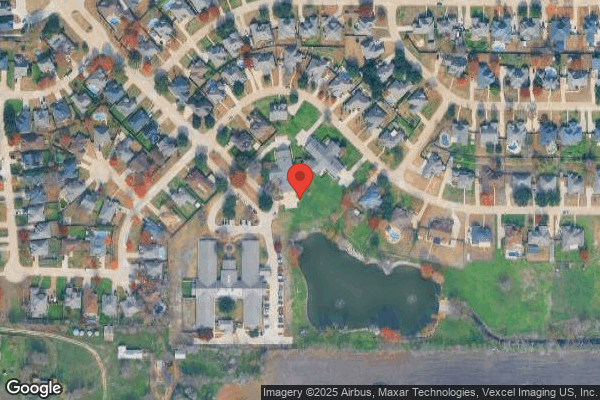
May 2023 1 deficiency 1 Harm
SERIOUS (G) 📢 Someone Reported This

A family member, employee, or ombudsman was alarmed enough to file a formal complaint

Actual Harm - a resident was hurt due to facility failures

Deficiency F0725 (Tag F0725)

A resident was harmed · This affected 1 resident

**NOTE- TERMS IN BRACKETS HAVE BEEN EDITED TO PROTECT CONFIDENTIALITY** Based on observation, record review and interview the facility failed to ensure sufficient nursing staff to provide nursing serv...

Read full inspector narrative →
**NOTE- TERMS IN BRACKETS HAVE BEEN EDITED TO PROTECT CONFIDENTIALITY** Based on observation, record review and interview the facility failed to ensure sufficient nursing staff to provide nursing services to assure resident safety and attain or maintain the highest practicable physical, mental, and psychosocial well-being for 1 (Resident #1) of 6 residents reviewed for care. The facility failed to have sufficient staff to adequately supervise residents on the facility's secured unit during an overnight shift. Resident #1 had a fall on 05/07/23 that resulted in her fracturing her right clavicle (collar bone), and a nurse was not readily available to assess her. Resident #1 had to wait approximately 15 minutes before being assessed. This failure could affect all residents in the facility by increasing the risk of injury Findings included: Review of Resident #1's admission Record dated 05/18/23 revealed the resident was a [AGE] year-old female admitted to the facility on [DATE]. Her diagnoses included: Alzheimer's disease (decline in memory and cognition), Type 2 diabetes, history of falling, abnormal gait, and muscle weakness. Review of Resident #1's quarterly MDS Assessment, dated 05/06/23, revealed Resident #1 had a BIMS of 03 indicating severe cognitive impairment. Her functional status scores indicated she needed supervision and setup help only with all ADLs, including bed mobility, transfer, walking in room and corridor, locomotion on and off unit. Resident #1 used a walker as a mobility device. Review of Resident #1's significant change in status MDS Assessment, dated 05/09/23, revealed Resident #1 had a BIMS of 03 indicating severe cognitive impairment. Her functional status scores indicated she needed supervision and one-person physical assist with walking in room and in corridor. Resident #1 needed supervision and setup assistance with locomotion on and off unit, and limited assistance and one-person assist with bed mobility and transfer. Resident #1 used a walker as a mobility device. Review of Resident #1's care plan, dated 05/10/23, revealed she had and ADL self-care deficit and needed supervision as needed for bed mobility, toileting, walking, and transfer. Record review of incident report completed by RN B, dated 05/07/23, revealed in part the following: Incident description: Nursing description-Pt was found sitting on the floor in her room, by the door this morning. Pt has a large area that is swollen, on her right clavicle/neck area that is painful to palpation, and she has a skin tear to her right elbow. Resident description-Resident states that she does not remember how she came to be sitting on the floor. Immediate Action Taken: Description- This nurse and CNA helped pt. to stand up and sit on the bed, vital signs taken, assessed pt. for any injuries or pain, provider on Spruce was notified of pt status, pt is resting quietly, alert but confused, no change in mental status or distress noted at this time. Mental Status: -Impulsive -Forgetful -Oriented to person -Lack of safety awareness Level of Pain-9 on scale of 1-10 Predisposing Environmental Factors: -Poor lighting Predisposing Physiological Factors: -Confused -Incontinent -Gait imbalance -Impaired memory -Weakness/fainted Review of the facility's Provider Investigation Report, dated 05/15/23, reflected the following: .Investigation Summary & Facility Response [Resident #1] was first observed on the floor by aide [Hospitality Aide]. During her last round on her shift she reported seeing [Resident #1] awake and sitting on the side of her bed. As [Resident #1] can use the toilet independently, [Hospitality Aide] continued down the hall to get another resident up for the day, which she said took about 30 minutes. After assisting the other resident [Hospitality Aide] said she was coming back up the hall and observed [Resident #1] sitting on the floor outside her bathroom door. [Hospitality Aide] said that she looked for the charge nurse, [LVN D], LVN, but did not find her. She said that she went to the secure doors for the unit, opened them and asked the aide at the 300-nursing station where [LVN D] was. [CNA E], the aide by the desk, responded that she did not know where [LVN D] was at that time. [Hospitality Aide] did not ask [CNA E] for assistance with [Resident #1]. [LVN D]was on the 300-hall doing her morning blood sugar checks and morning meds. The best timeline we have constructed through interviews with the staff is that [Resident #1] was sitting on the floor from sometime before 6:30am to about 7:15am when the day shift arrived and received a report that [Resident #1] was on the floor. [Hospitality Aide] was suspended pending the outcome of our investigation due to her inaction in getting assistance for [Resident #1] from the charge nurse or another aide. While [Hospitality Aide] checked on [Resident #1] repeatedly, she did not stay with her, and she did not exhaust all her resources to get assistance. Our investigation did not determine that [Hospitality Aide]'s inaction caused the physical injury to [Resident #1], but her inaction showed neglect in not doing more in a timely manner to address the situation. Upon assessment by the charge nurse, [RN B], [Resident #1] was found to be alert, but confused, at her normal baseline without increased confusion or decrease in mental status. The charge nurse and aide, [CNA A], CNA, got [Resident #1] up and returned her to her bed. [CNA A] cleaned [Resident #1] and put clean clothing on her. [RN B] tended to the skin tear on [Resident #1]'s right elbow. As a result of the assessment, the physician ordered [Resident #1] to be sent to .hospital for further evaluation and treatment. It was at the hospital that the x-ray and CT scans were conducted. The radiology results have been attached to this report. [Resident #1] returned from [hospital] the same day she was sent out, Sunday 5/7/23, with a sling on her right arm. Due to her Alzheimer's, she continues to remove the sling each time the staff place it on her. She does not understand why she should wear it and takes it off. When asked by the staff what had happened, [Resident #1]'s response was that she was going to the bathroom. When interviewed the next day, [Resident #1]'s answer was nonsensical. [Resident #1] ambulates independently, though often forgets to use her walker. [Resident #1] has not had a fall since being admitted to Longmeadow Healthcare until this incident. She walks a lot each day throughout the SecureCare unit. In-services on Abuse & Neglect and Fall Prevention were conducted with staff. Investigation Findings The investigation confirmed that [Resident #1] did sustain a fracture to her right clavicle as the result of an unwitnessed fall in her room. Observation on the secured unit and interview with Resident #1 on 05/17/23 at 11:14 AM, was unsuccessful due to her cognitive deficits. Resident #1 was unable to state how she fell and how long it took staff to help her. Resident #1's right clavicle was swollen. There were no other visible injuries, marks, or bruises. Resident #1's bed was in the lowest position and there was a fall mat on the floor next to the bed. There were no safety hazards or clutter observed in the room. Interview on 05/17/23 at 11:52 AM with CNA A revealed she had worked at the facility for about a year. She stated she worked weekdays 7:00 AM-7:00 PM on the secured unit. CNA A stated she worked on 05/07/23, the day Resident #1 had a fall. CNA A stated when she arrived at work at approximately 7:00 AM she found Hospitality Aide C, who worked the overnight shift and found Resident #1 on the floor, sitting at the nurse's station on the 300 hall, outside of the secured unit. CNA A stated she entered the secured unit and was immediately informed by RN B, who had also just made it onto the unit, that Resident #1 had fallen and was still on the floor. CNA A stated they went to Resident #1's room to assist her. CNA A stated Hospitality Aide C stated she was unable to move Resident #1 alone and was unable to find the nurse to assist her. CNA A stated she felt there was enough staff working on the secured unit during the day shift to properly supervise and care for all residents. Interview on 05/17/23 at 12:35 PM was conducted with the Administrator, ADON and Interim DON. The Interim DON stated it was reported that Resident #1 had a fall on 05/07/23 at approximately 6:45 AM, that resulted in a fractured clavicle bone. The ADON stated Resident #1 was diagnosed as having a history of falling but had never had a documented fall at the facility, although her gait was unsteady. The Interim DON stated that Hospitality Aide C was scheduled to work on the secured unit with LVN D, who was working between two halls, overnight on 05/06/23-05/07/23. The Interim DON stated it was reported that Hospitality Aide C was seen by oncoming morning shift staff sitting at a nurse's station outside of the secured unit while Resident #1 was still on the floor. The Administrator stated that during the facility's investigation, it was determined that Hospitality Aide C did not exhaust all of her resources to get immediate help for Resident #1 by not using a phone to call other staff, and she had been suspended pending the investigation. He stated the decision to terminate Hospitality Aide C due to neglect had since been made. He stated that LVN D was also pending termination for an unrelated reason. Interview on 05/17/23 at 1:38 PM with RN B revealed she had worked at the facility for about 2 months. She stated she worked 7 AM-7 PM on the secured unit. RN B stated when she arrived at work on the morning of 05/07/23, she was met by Hospitality Aide C, who was sitting at a nurse's station outside of the secured unit. She stated she was informed by her that Resident #1 had fallen and was still on the floor because she was unable to move her alone and LVN D was not around. RN B stated LVN D was working two halls, which was typical for the overnight shift, and was on a different hall checking blood sugars when she arrived at approximately 7:00 AM. RN B stated she and CNA A immediately went to Resident #1's room to assist her. RN B stated she assessed Resident #1 and found that her clavicle looked swollen. RN B stated that Resident #1 was upset and in pain. RN B stated the physician was notified and Resident #1 was sent out to the hospital. Attempted interview on 05/17/23 at 1:48 PM with LVD D was unsuccessful due to no response to phone call. Interview on 05/17/23 at 2:20 PM with Hospitality Aide C revealed she had worked at the facility for five months. She stated she worked 7:00 PM-7:00 AM on the 400 hall (secured unit), and worked on 05/06/23-05/07/23 when the incident with Resident #1 occurred. Hospitality Aide C stated she started doing her end of shift rounds at approximately 5:30 AM and found Resident #1 sitting on her bed. She stated she went back down the hall around 6:45 AM and found Resident #1 on the floor of her room. Hospitality Aide C states she did not hear Resident #1 yell for help when she fell. Hospitality Aide C stated Resident #1 informed her that she had fallen hard and did not want Hospitality Aide C to move her alone. Hospitality Aide C stated she was alone on the secured unit and had not seen LVN D since 10:00 PM. She stated that was her first time working overnight with LVN D and that she did not have this problem with other nurses. Hospitality Aide C stated she went to the end of the hall to open the door and told CNA E to find LVN D because she needed help. She stated she did not have her personal cell phone to call for help and had not been trained to use the unit phone to page for help over the intercom. Hospitality Aide C stated that by the time she went to tell Resident #1 that help was coming, there was another resident yelling for help that she had to assist. Hospitality Aide C stated there was a lot going on with the residents on the secured unit and she did not have any help. She stated after she assisted the other resident and was making her way back to Resident #1, CNA A and RN B were coming on the unit to start their shift. Hospitality Aide C stated she informed them of what had happened with Resident #1, and they went to assist her. Hospitality Aide C denied sitting at the nurses' station outside of the secured unit and stated that she remained on the secured unit the entire time. She denied that LVN D ever came to assist her. Hospitality Aide C stated the overnight shift was always staffed with one aide on the secured unit and they needed more staff due to the behaviors and needs of residents on that unit. She stated she had reported her concerns about staffing to management, but nothing changed. Hospitality Aide C stated she did not normally work with LVN D and had never experienced not having a nurse available until that day, which made it even harder on her. Interview on 05/17/23 at 4:40 PM with CNA E revealed she had worked at the facility for 3 months. She stated she worked 7 PM-7 AM on the 300 hall, which was directly across from the secured unit, and worked on 05/06/23-05/07/23 when the incident with Resident #1 occurred. CNA E stated she was unaware that Resident #1 had fallen until after she had left the facility when the Interim DON called her to get a statement. CNA E denied that Hospitality Aide C ever opened the doors to tell her she needed help on the secured unit because she would have helped her. CNA E stated that at the time it was reported that Resident #1 fell, she would have been busy getting residents on her hall dressed for the day and not sitting at the nurse's station. However, CNA E stated she would have heard someone yelling for help had Hospitality Aide C done so. CNA E stated LVN D was also assisting residents on the 300 hall at the time and would have also been available to help Hospitality Aide C. CNA E stated there was always one aide scheduled to work on the secured unit overnight, and she felt that was not sufficient to properly care for the residents. Interview on 05/18/23 at 1:40 PM with the Administrator revealed the facility's current resident to staff ratio was sufficient and was adjusted based on acuity level. He stated that one aide and one nurse floating between two halls was sufficient on the secured unit overnight with the current census of 22 residents. The Administrator stated if the secured unit was at its maximum capacity of 28 residents, they would consider adding an additional aide. He stated that during the overnight shift, although the nurse worked between two units, the expectation was for the nurse to be available to assist the aides when needed and make rounds at least every 2 hours. He stated the overnight shift was staffed lower due to the decreased ADL care requirements, such as showers and feedings. The Administrator stated the risk of not having sufficient staff available could be a delay in services which could lead to harm and injuries to the residents. Interview on 05/24/23 at 6:34 AM with LVN F revealed she had worked at the facility for 3 years. She stated she worked weekdays, overnight 7:00 PM-7:00 AM, on different halls. LVN F stated she worked on the 300 hall and 400 hall (secured unit) on this date. She stated she was the only nurse for both halls and this was common for the overnight shift. LVN F stated she felt that one nurse was sufficient for the nurse duties; however, two aides were needed for the secured unit, but it was usually staffed with one aide. LVN F stated that she remained available between both halls as they were across from each other. She stated she sat at the nurses' station on the 300 hall, which was in a central location and had a call light board that monitored lights for both halls. LVN F stated the aide assigned to the 300 hall would also do rounds and assist the aide on the secured unit when needed. Interview on 05/24/23 at 9:45 AM was conducted with the ADON revealed that Hospitality Aide C was hired under the COVID-19 waiver and had received the same trainings as all CNAs, and was prepared to test for certification; however, testing had not been scheduled. The ADON stated that Hospitality Aide C worked with a proctor for approximately 4 months and had to demonstrate acquired skills before being able to work alone. She stated Hospitality Aide C had only worked alone for about a month. The ADON stated she was confident in Hospitality Aide C's skills and abilities; however, she did sometimes show a lack in initiative and motivation. Record review of the facility's census, dated 05/07/23, revealed there were 18 residents on the secured unit on that date. Record review of the facility's staffing schedule for 7:00 AM-7:00 PM, dated 05/07/23, revealed there was one CNA scheduled to work the secured unit (Hall 400) and one LVN was scheduled to work between two halls (300 and 400 hall). Record review of an in-service titled Abuse & Neglect, dated 05/09/23, revealed staff were in-serviced on abuse/neglect. Record review of an in-service titled Fall Prevention, dated 05/09/23, revealed staff were in-serviced on fall prevention. Record review of facility's monitoring form revealed that alleged/actual abuse monitoring was conducted at the facility on 05/08/23-05/12/23. Record review of an in-service titled Nursing Dept. staff meeting, dated 05/16/23, revealed staff were informed to not attempt to move a resident who had fallen and to notify a nurse as soon as possible. The in-service also informed staff to never leave a resident who had fallen unattended and to stay by their side until a nurse arrived and could assess them. Record review of an in-service titled What to do when you have an emergency, dated 05/17/23, and as a result of the investigation, revealed staff were informed to immediately find assistance, use the unit phone to page overhead for assistance, or call 911 if no one responded. Record review of an in-service titled Rounding on your assigned hall, dated 05/17/23, revealed staff were informed to never leave the secured unit unattended. Review of Hospitality Aide C's training records, dated 12/21/22-02/23/23, revealed she had been trained on the following: - General Topics (included safety/emergency procedures) - Basic Nursing Skills (included recognizing abnormal changes in body functioning and the importance of reporting such changes to a supervisor) - Personal Care Skills - Mental Health and Social Service Needs - Care of Cognitively Impaired Residents - Basic Restorative Services - Residents' Rights On 05/18/23 at 2:00 PM, a facility staffing policy was requested from the Administrator, and he stated the facility did not have one.
Feb 2023 5 deficiencies
CONCERN (D)

Potential for Harm - no one hurt, but risky conditions existed

Deficiency F0688 (Tag F0688)

Could have caused harm · This affected 1 resident

**NOTE- TERMS IN BRACKETS HAVE BEEN EDITED TO PROTECT CONFIDENTIALITY** Based on observation, interview and record review the facility failed to ensure a resident with limited range of motion received...

Read full inspector narrative →
**NOTE- TERMS IN BRACKETS HAVE BEEN EDITED TO PROTECT CONFIDENTIALITY** Based on observation, interview and record review the facility failed to ensure a resident with limited range of motion received appropriate treatment and services to increase range of motion and/or prevent further decrease in range of motion for one (Resident #1) of five residents reviewed for contracture management. The facility failed to apply a palm guard or rolled wash cloths to Resident #1's left hand for contracture management. This failure could place residents at risk for a decline in range of motion, decreased mobility, worsening of contractures and a decline in physical capabilities. Findings included: Review of Resident #1's MDS assessment dated [DATE], revealed the resident was a [AGE] year-old female admitted to the facility on [DATE]. Her diagnoses included non-Alzheimer's dementia, hemiplegia, seizure disorder and muscle weakness. Resident #1 had moderately impaired cognition with a BIMS of 8. The MDS further reflected the resident had impairment on one side to both upper and lower extremities. Review of Resident #1's care plan revised on 07/15/18 revealed Resident #1 had left sided hemiplegia related to history of CVA. Interventions reflected PT, OT, and ST were to evaluate. Observation on 02/12/23 at 11:05 AM revealed Resident #1 was sitting in her wheelchair in her room. Her left hand appeared to be contracted and there was no device in place. When she was asked if she could open her left hand, Resident #1 replied, No. Resident #1 then said she would like to have something in her contracted hand to keep her nails from digging into her skin. Resident #1 then proceeded to open her left contracted hand with her right hand revealing the skin to be clean and intact. Observation on 02/13/23 at 1:17 PM revealed Resident #1 was in her room watching television, and there was no device in place in her left contracted hand. Observation on 02/14/23 at 9:38 AM revealed Resident #1 was coming out of the dining room in her wheelchair, and there was no device in place in her left contracted hand. Interview on 02/14/23 at 1:46 PM with LVN F revealed she was unsure of the day she last saw Resident #1 wearing a device in her left contracted hand. She stated the Restorative Aide was usually responsible for making sure residents, who needed splints or other devices, had the devices in place. LVN F said the risks of not having a device in place in a hand contracture included skin breakdown and infection due to poor hand hygiene. Interview on 02/14/23 at 2:00 PM with the Restorative Aide revealed Resident #1 did have a palm guard for her contracture on her left hand, but the palm guard had been missing for about two weeks. The Restorative Aide said she had reported the missing palm guard to the OT and OTA, so it could be replaced. She further stated rolled wash cloths were usually placed inside hand contractures if the palm guards or splints were sent to laundry. The Restorative Aide said there was an order, at one time, for Resident #1 to have a splint to her left contracted hand, but she was unsure what happened to the order. Interview on 02/14/23 at 2:55 PM with the OT revealed she was made aware today, 02/14/23, that Resident #1's palm guard was missing. The OT said she was told the palm guard could have gone missing when it was sent to the laundry. Interview on 02/14/23 at 11:08 AM with the OTA revealed there was not an order for Resident #1 to have a hand splint. The OTA stated if the resident did once have an order, it must have been before she began working at the facility. The OTA said Resident #1 should be wearing some type of device in her left hand because her contracture was pretty tight. She said tight contractures should have a device in place because there was a risk the resident's nails could dig into her skin and/or to maintain proper hand hygiene. The OTA further stated she was made aware today, 02/14/23, of Resident #1 having a palm guard. She said the Restorative Aide told her the palm guard was missing and had possibly gone missing when it was sent to laundry. Review of the facility's Immobilization Devices, Splints/Slings/Collars/Straps policy and procedure, dated 2003, reflected the following: .Splints are rigid devices that can be used to treat a bone fracture, dislocation, or to prevent further damage of bones, joints and muscles following injury or during acute phases of chronic diseases such as arthritis. Splints are also used to treat contractures
CONCERN (D)

Potential for Harm - no one hurt, but risky conditions existed

Tube Feeding (Tag F0693)

Could have caused harm · This affected 1 resident

**NOTE- TERMS IN BRACKETS HAVE BEEN EDITED TO PROTECT CONFIDENTIALITY** Based on observation, interview, and record review, the facility failed to ensure residents fed by enteral means received the ap...

Read full inspector narrative →
**NOTE- TERMS IN BRACKETS HAVE BEEN EDITED TO PROTECT CONFIDENTIALITY** Based on observation, interview, and record review, the facility failed to ensure residents fed by enteral means received the appropriate treatment and services to prevent complications of enteral feedings for 1 of 4 residents (Resident #99) reviewed for tube feeding. LVN D failed to flush g-tube prior to initiating a bolus feeding for Resident #99. This deficient practice could place residents who require enteral feedings at risk for weight loss, dehydration, metabolic abnormalities, and hospitalizations. Findings included: Record review of Resident #99's Face Sheet, dated 02/14/23, revealed Resident #99 was a [AGE] year-old female who admitted to the facility on [DATE] with diagnoses that included of diffuse traumatic brain injury with loss of consciousness greater than 24 hours without return to pre-existing conscious level with patient surviving, dysphagia oropharyngeal phase (difficulty swallowing), gastrostomy status (surgical opening into the stomach). Record review of Resident #99's MDS Assessment, dated 12/27/22, revealed Resident #99 had a BIMs score of 0, which indicated severe cognitive impairment. Resident #99's MDS Assessment Section K revealed nutritional approach was feeding tube. Record review of Resident #99's Care Plan, dated 12/21/22, revealed the following: The resident has potential fluid deficit r/t tube feeding status. Goal: The resident will be free of symptoms of dehydration and maintain moist mucous membranes , good skin turgor. Interventions: Administer fluid per g-tube as ordered. The resident requires tube feeding r/t . Goal: the resident will remain free of side effects or complications related to tube feeding though review date. The resident will maintain adequate nutritional and hydration status aeb [as evidenced by] weight stable, no s/sx of malnutrition or dehydration through review date. The resident will be free of aspiration through the review date. Intervention: clean insertion site daily as ordered, monitoring for s/s infection or breakdown such as redness, pain, drainage, swelling, and/or ulceration and report to MD if symptoms arise. The resident is dependent with tube feeding and water flushes. See MD orders for current feeding orders. The resident needs the HOB elevated 30 degrees during and thirty minutes after tube feed. Record review of Resident #99's physician order dated 12/21/22 revealed an order for: Enteral Feed Order: every shift Flush tube with 60 ml water before and after medication and feedings Observation on 02/12/23 at 10:55 AM revealed Resident #99 in bed sleeping. The resident's g-tube was noted to be intact with no drainage or signs of infection. Observation and interview on 02/13/23 at 12:52 PM revealed LVN D prepping to provide Resident #99 her bolus feeding. LVN D reviewed Resident #99's treatment screen and stated Resident #99 would be receiving one can of 1.5 Nutren formula and 150 ml of water. LVN D checked for g-tube placement. LVN D then provided Resident #99's formula via gravity and flushed with 150 ml of water via gravity. Interview on 02/13/23 at 1:48 PM with LVN D revealed she was the nurse for Resident #99. She stated she reviewed Resident #99's orders that popped up on the computer which was the formula and a 150 ml flush. LVN D was asked to review Resident #99's physician orders again. Once she reviewed the orders, she stated she did not complete the flush of 60 ml of water prior to administering Resident #99's formula. LVN D stated she was made a mistake because she was flustered and the State Surveyor made her nervous. LVN D stated she never forgot to flush, but today she did. LVN D stated there were several risks for not flushing; however, the main one would be stomach issues. Interview on 02/14/23 at 2:34 PM with the DON revealed her expectations were that nurses follow physician orders. The DON stated the process for bolus feeding would be to check for placement, flush, feed. and then flush again. She stated they had provided in-service training to all the nurses regarding tube feeding in November 2022 and January 2023. The DON stated LVN D informed her that she forgot to flush Resident #99's g-tube prior to her feeding. The DON stated the risk of not following physician orders was that it could cause dehydration. Record review of the facility's current Gastrostomy Tube Care policy, revised 02/13/07, reflected the following: .b. Aspirate gastric contents with a 60 ml syringe and if the residual is less than 50% of last feeding or within guidelines of specific physician's order reinject aspirate and continue with the gavage procedure. 3. Attach the syringe barrel to the feeding tube and irrigate with 30 ml water to check for the tube patency. 4. Pinch tubing and pour the formula from the measured container into the barrel or funnel and raise 12 inches higher than the stomach level. 5. Allow the feeding to flow by gravity adding more formula before the barrel empties until the entire measured amount is given. 6. Flush the tube with 30-60 ml water to clear the formula.
CONCERN (D)

Potential for Harm - no one hurt, but risky conditions existed

Deficiency F0694 (Tag F0694)

Could have caused harm · This affected 1 resident

**NOTE- TERMS IN BRACKETS HAVE BEEN EDITED TO PROTECT CONFIDENTIALITY** Based on observation, interview, and record review, the facility failed to ensure parenteral fluids were administered consistent...

Read full inspector narrative →
**NOTE- TERMS IN BRACKETS HAVE BEEN EDITED TO PROTECT CONFIDENTIALITY** Based on observation, interview, and record review, the facility failed to ensure parenteral fluids were administered consistent with professional standards for one (Resident #87) of three residents reviewed for intravenous fluids. 1. The facility failed to change and maintain the integrity of Resident #87's PICC line dressing per professional standards. 2. The facility failed to discontinue Resident #87's midline catheter upon completion of IV (intravenous) antibiotic therapy. This failure could affect residents by placing them at risk for infections and cross-contamination. Findings included: Record review of Resident #87's Face Sheet, dated 02/14/23, revealed Resident #87 was a [AGE] year-old male who admitted to the facility on [DATE] with a diagnoses of Type 2 diabetes mellitus with foot ulcer, essential hypertension (high blood pressure), and unspecified open wound of the right foot. Review of Resident #87's MDS Assessment, dated 12/20/22, revealed the Resident #87 had a BIMs score of 14, which indicated the resident was cognitively intact. MDS Assessment Section O Special Treatments, Procedures, and Programs revealed the resident had received IV medications. Record review of Resident #87's Care Plan, dated 12/16/22, revealed the following: The resident has Intravenous (IV) Access. Goal: The resident will not have any complications related to IV Therapy through the review date. Interventions: Administer IV fluid as ordered, administer IV medications as ordered, check dressing as site daily. Monitor for signs and symptoms of infection, drainage, inflammation, swelling, redness, warmth, if present notify the physician. If tegaderm ; change dressing every 7 days and prn . If gauze dressing change every 48 hours. The resident has PICC line IV access Review of Resident #87's physician orders, dated 12/16/22, Ampicillin-Sulbactam Sodium Solution Reconstituted 3 (2-1) GM use 3 grams intravenously every 6 hours for wound infection for 4 Weeks - Discontinue date 01/13/23. Review of Resident #87's physician orders, dated 01/10/23, revealed Resident #87 had an order for may have midline placement for IV antibiotics. Review of Resident #87's December 2022 MAR/TAR revealed no indication Resident #87's PICC line dressing had been changed. Review of Resident #87's January 2023 MAR/TAR revealed no indication Resident #87's PICC line dressing had been changed. Review of Resident #87's electronic progress notes date 01/03/23 revealed 1/3/2023 17:10 [5:20 pm] General Note Note Text: Resident PICC line dressing changed. Insertion site without signs of infection. Measured 0.1 cm. Observation and interview on 02/12/23 at 11:13 AM of Resident #87's lying in bed, resident stated he had a PICC line in his upper right arm and was receiving antibiotics. Resident #87 stated he completed his antibiotics about a month ago. A PICC line was observed in Resident #87's upper right arm. The dressing on the PICC line was not dated and not fully intact on the skin. There was no observation of signs of infection, swelling, or redness. Resident #87 denied any pain or discomfort. Resident #87 stated he only wanted his PICC line to be removed because he was scared that he might pull it out. Resident #87 stated he had asked the nurses to remove the PICC lines; however, they would not remove it. Resident #87 could not recall the names of the nurses. Resident #87 also could not recall when the last time his PICC line dressing was changed. Observation and interview on 02/12/23 at 2:42 PM with RN E revealed she was the nurse for Resident #87. RN E stated she was aware Resident #87 was on antibiotics; however, she was not sure about the last day of his antibiotic treatment. RN E proceeded to review Resident #87's TAR and stated Resident #87 was no longer on antibiotics. RN E stated she had contacted the doctor about an hour ago to get an order to remove his midline. RN E and the State Surveyor entered Resident #87's room, and RN E checked Resident #87's PICC line. RN E stated it should be removed. RN E stated it did not have a date on it so she was not sure when the dressing on the PICC line had last been changed. RN E stated the dressing should be changed every seven days or as needed. She stated it was the responsibility of all the nurses to change dressing and to contact the doctor for orders to remove a PICC line. She stated the risk of not removing the midline once antibiotics were completed was that it could cause an infection. Interview on 02/12/23 at 2:50 PM with the ADON revealed she was not aware Resident #87 still had his PICC line. She stated she was not sure when was Resident #87's PICC line dressing had been changed; however, it should be changed every seven days or PRN. She stated it was the nurse's responsibility to change the dressing and contact the doctor for an order to remove the midline once the treatment had been completed and the RNs would remove it. The ADON reviewed Resident #87's orders and stated Resident #87's antibiotic treatment was last administered on 01/13/23. She stated the nurses would notify the DON when the treatment was done, they would contact the doctor for orders, and within days they will remove the PICC line. The ADON stated the midline should had been removed three weeks ago. The ADON stated the risk of not removing midline or changing the dressing was that it could cause an infection. Review of Resident #87's electronic progress notes dated 02/12/23 revealed: 2/12/2023 13:49 [1:49 PM] Nursing Progress Note Note Text: Doctor office notify about removal of patient PICC line. awaiting doctors call. due to completion of ABT. 2/12/2023 15:02 [3:02 PM] Nursing Progress Note Note Text: Doctor return order to d/c PICC line STAT! 2/12/2023 15:05 [3:05 PM] Nursing Progress Note Note Text: PICC line d/c per doctors order via aseptic tech. Pressure apply. No bleeding noted. Will continue to monitor site. Interview on 02/13/23 at 1:48 PM with LVN D revealed she had worked with Resident #87 and was aware he was on antibiotics. LVN D stated she never changed Resident #87's PICC line dressing; however, they should be changed every seven days or as needed. She stated when a resident was done with antibiotic treatment, the nurse should contact the doctor to request an order to remove the PICC line. She stated PICC lines were removed by RNs. She stated when she would work with Resident #87, he never complained of pain or asked for it to be removed. She stated the risk of not removing PICC lines or change the dressings was that it could cause an infection. Interview on 02/14/23 at 2:30 PM with the DON revealed when a resident completed antibiotic treatment, she expected her staff to contact the doctor, receive orders to complete labs work, and if clear get and order to remove PICC line. The DON stated she was as not aware Resident #87 still had his PICC line. She stated they completed lab work on 01/30/23. The DON stated PICC line dressings should be changed every seven days or PRN if dirty. The DON stated they should have an order on the TAR for dressing changes. The DON stated her RNs were responsible for PICC lines. She stated the risk of not removing PICC lines or changing the dressings was that it could cause an infection. Record review of the facility's current Central Venous Catheters policy, dated 2003, reflected the following: CVC Maintenance Procedures - PICC lines - 24 hr after insertion, then transparent dressing every 7 days and prn .10. Removal of CVC. RNs can remove central lines as per policy with appropriate physician order and only on noncuffed CVCs.
CONCERN (E)

Potential for Harm - no one hurt, but risky conditions existed

Pharmacy Services (Tag F0755)

Could have caused harm · This affected multiple residents

Based on observation, interview, and record review, the facility failed to provide pharmaceutical services (including procedures that assure the accurate dispensing and administering of all drugs and ...

Read full inspector narrative →
Based on observation, interview, and record review, the facility failed to provide pharmaceutical services (including procedures that assure the accurate dispensing and administering of all drugs and biologicals) to meet the needs of residents on 2 of 4 MA medication carts (Hall 300 and Hall 400 MA Medication Carts) and 2 of 4 nurse medication carts (Hall 100 and Hall 300 Nurse Medication Carts) reviewed for expired medications. The facility failed to ensure there were no expired medications on the Hall 300 and Hall 400 MA medication and the Hall 100 and Hall 300 nurse medication cart. These failures placed the residents at risk of receiving medications that were expired. Findings included: Observation on 02/13/23 at 9:00 AM, the nurse medication cart for 100 Hall contained saline eye drops with an expiration date of November 2022. Interview on 02/13/23 at 9:03 AM, LVN B stated expired medications could make a resident sick, or the medication might not be effective. She stated the nurse was responsible for checking for expired medications on their cart. Observation on 02/13/23 at 9:10 AM, the MA medication cart for 300 Hall contained Docusate with an expiration date of October 2022. Interview on 02/13/23 at 9:12 AM, MA A she stated the medication aides were responsible for checking the medications on their carts for expiration dates. MA A stated giving an expired medication could cause a resident to become sick. Observation on 02/13/23 at 9:45 AM, the nurse medication cart for 300 Hall contained Mucinex with an expiration date of June 2022 and PreserVision with an expiration date of December 2022. Interview on 02/13/23 at 9:47 AM, LVN C stated the nurses were responsible for monitoring the medications on their cart for expiration dates. LVN C stated giving an expired medication to a resident could make them sick, and the medication could no longer be effective. Observation on 02/13/23 at 10:05 AM, the MA medication cart for 400 Hall contained Vitamin D-3 with an expiration date of January 2023. Interview on 02/13/23 at 10:10 AM, the DON stated giving an expired medication to a resident could make the resident sick. Review of the MARs for residents of the 100, 300, and 400 Halls revealed eight residents prescribed the medications had expired. The MAR did not provide an administration time, making it impossible to determine if the medication was administered before or after the expired medications were found. Staff interviewed stated the expired medications were replaced before administration. Record review of the facility's undated Administering Medications policy reflected: .12. The expiration/beyond date on the medication label is checked prior to administering
CONCERN (E) 📢 Someone Reported This

A family member, employee, or ombudsman was alarmed enough to file a formal complaint

Potential for Harm - no one hurt, but risky conditions existed

Infection Control (Tag F0880)

Could have caused harm · This affected multiple residents

Based on observations, record reviews, and interviews the facility failed to establish and maintain an infection prevention and control program designed to provide a safe, sanitary and comfortable env...

Read full inspector narrative →
Based on observations, record reviews, and interviews the facility failed to establish and maintain an infection prevention and control program designed to provide a safe, sanitary and comfortable environment and to help prevent the development and transmission of communicable diseases and infections for four (Residents #10, #19, #33, and #307) of eight residents and one medication cart (300 Hall) of four carts reviewed for infection control. 1. MA A failed to sanitize a reusable blood pressure cuff between Residents #10, #19, #33, and #307. 2. The nurse medication cart for 300 Hall had a sharps container over filled and had five sharps exposed. These failures placed residents at risk of exposure to infections and bloodborne pathogens. Findings included: Observation on 02/13/23 at 8:30 AM, the nurse medication cart for 300 Hall contained a sharps container that was over filled. Five lancets (needle device used for poking resident fingers to check blood sugar levels) were exposed on the deposit flap. Interview on 02/13/23 at 8:34 AM, LVN C stated the nurses and MAs were responsible for monitoring their sharps containers and changing them out when they were filled, as indicated by the Fill Line on the container. LVN C stated having exposed sharps placed anyone trying to insert another sharp at risk of being poked by the exposed used needle. Observation on 02/13/23 from 9:00 AM to 9:23 AM, MA A checked the blood pressures, using a reusable cuff, on Residents #10, #19, #33, and #307 without sanitizing the cuff between each resident. None of the residents were on enhanced isolation precautions. Interview on 02/13/23 at 9:25 AM, MA A stated she had sanitizing wipes on her cart, but she forgot to wipe the cuff down between each resident. MA A stated she had been in-serviced on infection control practices multiple times. MA A stated not wiping down the cuff between each resident placed the residents at risk of spreading infections. Interview on 02/13/23 at 11:15 AM, the Infection Preventionist stated she had heard about the sharps container being over filled, and MA A also advised her she had not wiped down the blood pressure cuff between resident uses. The Infection Preventionist stated the nurses and MAs were primarily responsible for monitoring the sharps containers, but any staff walking by could also check them. The Infection Preventionist stated the sharps containers should be changed out when they reached the fill line. The Infection Preventionist stated the risk of having an over filled container, especially if sharps were exposed, placed anyone trying to introduce another sharp at risk of being poked by a dirty needle. The Infection Preventionist stated all reusable medical equipment should be sanitized between each resident use to prevent spreading any infections from one resident to another. Record review of the facility's undated Cleaning and Disinfection of Resident-Care Items and Equipment policy reflected: .5. Reusable items are cleaned and disinfected or sterilized between residents Review of OSHA standards on sharps, as described on their website osha.gov, reflected: 1910.1030(d)(4)(iii)(A)(2) During use containers for sharps shall be: . Easily accessible to personnel . Maintained upright throughout use . Replaced routinely and not be allowed to overfill . Containers should be closed immediately to prevent spillage or protrusions of contents during handling, storage, transport, or shipping
Jan 2023 2 deficiencies 1 Harm
SERIOUS (G) 📢 Someone Reported This

A family member, employee, or ombudsman was alarmed enough to file a formal complaint

Actual Harm - a resident was hurt due to facility failures

Quality of Care (Tag F0684)

A resident was harmed · This affected 1 resident

**NOTE- TERMS IN BRACKETS HAVE BEEN EDITED TO PROTECT CONFIDENTIALITY** Based on observation, interview and record review, the facility failed to ensure that residents received treatment and care in a...

Read full inspector narrative →
**NOTE- TERMS IN BRACKETS HAVE BEEN EDITED TO PROTECT CONFIDENTIALITY** Based on observation, interview and record review, the facility failed to ensure that residents received treatment and care in accordance with professional standards of practice, the comprehensive person-centered care plan, and the residents' choices for 1 of 5 residents (Resident #1) reviewed for care provided. The facility failed to assess and document Resident #1's injuring her left leg on 12/13/22, after having an emergency transfer during a tornado warning. On 12/16/22 (3 days later) it was noticed Resident #1 had bruising and swelling to her left foot and an X-ray was order and indicated a tibia (shin bone) /fibula (calf bone) fracture. This failure could place residents at risk for a delay in treatment or diagnosis of new symptoms, a decline in the resident's condition, and the need for hospitalization. Findings included: Review of Resident #1's facesheet, dated 01/05/23, reflected the resident was a [AGE] year-old female who was initially admitted to the facility on [DATE] and readmitted on [DATE]. Resident #1's diagnoses included cerebral infarction (stroke) due to unspecified occlusion (blocking) or stenosis (narrowing) of unspecified cerebral artery, hemiplegia and hemiparesis following cerebral infarction affecting left dominant side (paralysis to the left side), contracture of muscle, unspecified joint (muscle/joints tighten), other reduced mobility, muscle wasting and atrophy, muscle weakness, and swan-neck deformity of left finger/s and right fingers. Review of Resident #1's MDS Quarterly Assessment, dated 11/17/22, reflected Resident #1 was cognitively intact with a BIMs score of 15. The MDS reflected Resident #1 needed the extensive assistance of two or more people for transfers from the bed, chair, wheelchair, and standing position, and she used a wheelchair for mobility. Review of Resident #1's Care Plan, dated 12/17/22, reflected: Focus: Resident #1 has left-sided hemiparesis r/t CVA. Goal: Resident #1 will remain free of complications or discomfort related to hemiparesis through review date. Interventions: Give medications as ordered. Obtain and observed lab/diagnostic work as ordered. Pain management as needed. - Focus: Resident #1 has limited physical mobility r/t Weakness, CVA. Goal: Resident #1 will demonstrate the appropriate use of wheelchair to increase mobility through the review date. Interventions: Resident #1 requires (extensive assistance) by (1) staff for locomotion using (wheelchair). - Focus: Resident has potential for pain r/t disease process. Goal: Resident #1 will not have an interruption in normal activities due to pain through the review date. Interventions: Administer Tylenol #3 and tramadol prior to treatments and therapy, as ordered. Anticipate the resident's need for pain relief and respond immediately to any complaint pain. Evaluate the effectiveness of pain interventions every shift and PRN. Notify physician if interventions are unsuccessful or if current complaint is a significant change from resident past-experience of pain. Observe/record/report to Nurse resident complaints of pain or request for pain treatment. - Focus: Alteration in musculoskeletal status r/t fracture of the left tibia. Goal: Resident #1 injury will heal and progress without complications through the review date. Interventions: Anticipate and meet needs. Be sure call light is within reach and respond promptly to all request for assistance. Give analgesics as ordered by the physician. Monitor skin at top and bottom of cast for breakdown and check temperature of toes and monitor for edema each shift. Review of Resident #1's Injury Nurses' Note 12 hr , effective date 12/14/22, assessment completed by the ADON on 12/16/22, reflected: .Pain A.) Does the resident appear or state to be in pain: Yes B.) Is the resident verbal or non-verbal: Verbal C.) Rate the resident's pain: 3.3, D.) Location of resident pain: Left lateral [outside part] leg E.) Resident description of pain: Dull. Review of Resident #1's Injury Nurses' Note 12 hr, effective date 12/15/22, assessment completed by the ADON, reflected: .Section 4. Injury .C.) Bruise .Section 6. Bruise A.) Location of injury: left lateral leg, B.) Size (cm) of bruise: 3.0 x 3.0, Description C.) Check all that apply - 2. Blue/Purple .Section 11. ADL: A. Has the resident had a decline in ADLs as a result of the injury: No. Section 12: Pain: A.) Does the resident appear or state to be in pain: Yes B.) Is the resident verbal or non-verbal: Verbal C.) Rate the resident's pain: 3.3 D.) Location of resident pain: Left lateral leg, E.) Resident description of pain: Dull. .Section 16: Notification: Were there any changes that required physician notification: No Review of Resident #1's Weekly Skin Assessment, dated 12/16/22, reflected: Section Weekly Skin Assessment: 1) Skin Color: Normal, 2) Temperature of skin: Warm, 3) a.) Bruise, aa.) Note location, measurement of any bruise: Left lateral leg 20 x 11 cm. Review of Resident #1's Final X-Ray Report, dated 12/16/22, reflected: Examination: Left Knee, Clinical Indication: Pain, Findings: Age-indeterminate (not known), transverse, non-displaced fracture at proximal tibial metaphysis (lower part of the shin bone) is noted. Age-indeterminate (not known), minimally displaced fracture at head of fibula (calf bone) is noted. There is no other acute fracture or dislocation. Moderate osteoarthritic (arthritis) predominantly involving the knee. Review of Resident #1's Emergency Visit, dated 12/16/22, reflected: [Resident #1] presents with leg injury, patient left leg got caught in a wheelchair on Tuesday and the staff twisted her leg to get it out. X-ray shows fracture [Resident #1's] x-ray indicated the presence of a proximal tibia/fibula fracture of unknown age Review: Musculoskeletal: Positive for arthralgias (pain in a joint) .Physical Exam: Musculoskeletal: General: Swelling and tenderness present. No edema (swelling). Normal range of motion. Left lower leg: Swelling and tenderness present Final Result: Narrative: Diffuse bone demineralization (osteoporosis) is seen. There is a proximal tibial metaphyseal fracture with mild valgus angulation. No significant displacement. Mild impaction is seen. Severe tricompartmental degenerative disease (knee arthritis) is seen with small joint effusion. Suboptimal imaging positioning but there is a suspected proximal fibular (calf bone) fracture as well. Review of Resident #1's undated Incident Statement reflected: On Tuesday Nurses got me up and tried to put me in the chair and my leg went under me. That is all I remember. My leg was not that bad and was not hurting then later when I got into bed, I had some pain. The nurse ADON told me I had a bruise later and that's it. Review of Resident #1's TAR for December 2022 revealed on 12/13/22 Resident #1's pain level was an 8 and she was given Tramadol. On 12/14/22, no pain level was recorded for the resident. On 12/15/22, the resident's pain level was recorded as 0, and she received Tylenol Tablet 325 mg. On 12/16/22, the resident's pain level was 5, and she received Tylenol Tablet 325 mg. Observation and interview on 01/05/23 at 12:22 PM of Resident #1 lying in bed with a blue cast on her left leg. Resident #1 stated she could not recall the date, but during a tornado warning she was being transferred from her bed to her wheelchair by three staff. She stated she was normally transferred using a Hoyer lift, but that day the Hoyer lift was being used by another resident and staff were rushing so she was transferred by ADON and LVN B. Resident #1 could not recall who the third nurse was that assisted. She stated the nurses used the bed sheets to transfer her. Resident #1 stated she had one nurse at her back, another nurse holding her bottom, and another nurse holding her legs. Resident #1 stated when she was placed her in the wheelchair her left leg got caught underneath the wheelchair, and she notified the nurse. Resident #1 stated the nurse repositioned her left leg, and she then was moved in her wheelchair outside the room with the other residents. Resident #1 stated when she was placed back in bed by CNA E and another staff, whose name she did not recall, she informed CNA E and the other staff that her leg was hurting. Resident #1 stated she also told other staff, but she could not recall their names. She stated she also notified her family. Resident #1 stated she could not recall the date when she notified her family, but it was before she went to the hospital. Resident #1 stated the facility ordered x-rays and sent her to the hospital three days after the tornado warning. Resident #1 stated she was in pain; however, she was always battling pain due to her contractures. Interview on 01/05/23 at 12:54 PM with the ADON revealed on 12/13/22 the city was under a tornado warning, and they were instructed to get all the residents in the hallway. The ADON stated Resident #1 was a Hoyer lift transfer; however, the Hoyer machine was being used on another resident at the time. She stated Resident #1 did not want to wait and was yelling at her asking her to get her out of the room immediately, so she made the decision to transfer Resident #1 by using bedsheets. The ADON stated she asked LVN C to assist with the transfer, the ADON stated she could not recall who the third staff was who assisted them. The ADON stated the three of them transferred Resident #1. The ADON stated once the transfer with Resident #1 from the bed to the wheelchair was completed, they heard Resident #1 say my leg at which time the ADON readjusted Resident #1's left leg right away. The ADON denied hearing any pop or the resident complain of pain. The ADON stated she was not sure how Resident #1's left leg got caught underneath the wheelchair. She stated for the rest of the day Resident #1 was by the nurses' station hanging out and Resident #1 never complained of pain. Interview on 01/05/23 at 1:07 PM with CNA A revealed she came in to work after the tornado warning was over. CNA A stated she transferred Resident #1 back to bed with the assistance of CNA B. CNA A stated they used a Hoyer lift to transfer Resident #1 from the wheelchair to her bed. She stated when they placed Resident #1 back to bed Resident #1 complained of pain to her left leg. CNA A stated Resident #1 informed her that earlier that morning, during her transfer from her bed to her wheelchair she got hurt. CNA A stated earlier the same day before transferring Resident #1 back to her bed, Resident #1 was at the nurses' station where she observed another resident bump into Resident #1 left leg. CNA A stated Resident #1 yelled out in pain, and she asked the resident to back off her leg. CNA A stated she did not observe any bruising on the resident's left leg. CNA A stated she notified LVN C about Resident #1 having pain in her left leg on 12/13/22. CNA A stated the only other time Resident #1 complained of pain was when Resident #1 was placed in her bed. Interview on 01/05/23 at 1:34 PM with CNA B revealed she assisted CNA A with transferring Resident #1 back to bed around 5:00 PM. CNA B stated they used a Hoyer lift to transfer Resident #1. When they placed Resident #1 back in bed, Resident #1 complained of pain to the left leg. CNA B stated she assumed Resident #1 had a cramp to the left leg since she is always in pain. However, Resident #1 told them that earlier that morning during the tornado warning she was transferred to the wheelchair and got hurt. CNA B stated they notified LVN C of resident being in pain on 12/13/22. Interview on 01/05/23 at 1:45 PM with LVN C revealed she worked the day of the tornado warning; however, she had arrived at the facility after the tornado warning was done. LVN C stated she was the nurse for Resident #1 that day and not once was she informed that Resident #1 was in pain. LVN C stated Resident #1 never complained of pain to her. LVN C stated Resident #1 is verbal and can notify them if she is having any pain. LVN C stated the only time she observed a concern with Resident #1 was on 12/16 when Resident #1 was sent to the hospital. Interview on 01/05/23 at 2:45 PM with CNA D revealed she worked with Resident #1 on 12/14/22. She stated when she provided Resident #1 with her ADL's Resident #1 complained of pain to her left leg. She stated she notified the nurse on 12/14/22; however, due to her being employed through an agency she could not recall the name of the nurse that she informed, she was not familiar with staff names. CNA D stated she did not observe any bruising to Resident #1 left leg on 12/14/22. Interview on 01/05/23 at 3:04 PM with LVN E by phone revealed she worked with Resident #1 the day of the tornado warning. LVN E stated she helped the ADON and another staff transfer Resident #1 from her bed to her wheelchair. LVN E stated the Hoyer lift was being used on another resident and Resident #1 was getting upset and did not want to wait for the Hoyer lift. She stated Resident #1 wanted to get out of the room. LVN E stated when they set Resident #1 down in her wheelchair, Resident #1 stated her leg was stuck. She stated the ADON got down and adjusted her left leg. LVN E stated Resident #1 did not complain of any pain after transferred or the entire day when she was at the nurses' station. LVN E stated Resident #1 is verbal and can notify them if she is having any pain. Interview on 01/05/23 at 3:14 PM with Resident #1 family member revealed Resident #1 had contacted her via phone to notify her that she was in pain and no one was helping her. Family member could not recall which day Resident #1 had called her. She stated she contacted the facility immediately about Resident #1 being in pain; however, she could not recall who she spoke to. Family member stated just two days ago (01/03/23) Resident #1 informed her that she had x-rays completed and was sent to the hospital. The Family member stated Resident #1 went a lot of days being in pain. Once again family member could not recall who the staff she had spoken with. Interview on 01/05/23 at 4:09 PM with LVN F revealed she worked with Resident #1 the following day after the tornado warning. LVN F stated she was never notified that Resident #1 was having pain to the left leg. LVN F stated Resident #1 never complained of pain to her. LVN F stated Resident #1 does ask for pain medication when she is in pain. LVN F stated if Resident #1 had pain they would have followed up with the doctor. Interview on 01/05/23 at 4:21 PM with the Treatment Nurse revealed she worked the day of the tornado warning. She stated she also completed a skin assessment on Resident #1 and Resident #1 never complained of pain. The Treatment Nurse could not recall when the skin assessment was completed. The Treatment Nurse stated Resident #1 would always be at the nurse's station during the day which is located outside her office and not once did Resident #1 complain of pain. Interview on 01/05/23 at 5:21 PM with the DON revealed she was on off the day of the tornado warning and did not return to work until 12/15. She stated on 12/16 she was notified that an x-ray had been ordered for Resident #1 and after reviewing the x-results it was determined that Resident #1 had a fracture of unknown age and was sent to the emergency room. The DON stated after conducting her investigation she was informed that during the tornado warning on 12/13/22 Resident #1 was being transferred and Resident #1's left leg got stuck underneath the wheelchair. The DON stated she obtained Resident #1's statement when Resident #1 returned to the facility from the hospital. The DON stated Resident #1 was happy with her care when she interviewed her; however, when Resident #1 spoke with a family member later on Resident #1 became upset. The DON stated after obtaining her staff statements it was determined that Resident #1 did not complain of pain until Friday 12/16/22 and her staff order x-rays. Follow-up interview on 01/05/23 at 5:41 PM with the ADON revealed she was notified by LVN G the morning of Friday (12/16/22) of Resident #1 complaint of pain to the left leg. The ADON stated she completed a head-to-toe assessment and noticed a bruise on her leg and it was swollen. The ADON stated she contacted the doctor and order an x-ray. The ADON stated she did not complete a head-to-assessment on 12/13/22 because Resident #1 did not complain of pain and no injuries were noted. The ADON stated she did not follow-up with Resident #1 on 12/13/22 after knowing her leg got stuck underneath the wheelchair to make sure she was okay. The ADON stated after noticing the bruise on 12/16/22 she went back and completed the incident report regarding Resident #1's left leg injury. The ADON stated she does not believe there was a risk in the delay in Resident #1's treatment due to Resident #1 being capable of verbalizing pain. The ADON stated the failure was her not following up with Resident #1 after the incident on 12/13/22. Interview on 01/05/23 at 5:46 PM with LVN G by phone revealed he was the nurse for 200 Hall during the night shift from 7:00 PM- 7:00AM. LVN G stated Resident #1 is always in pain due to her contractures; however, the morning of 12/16/22 Resident #1 complained of pain. LVN G stated he was aware of the incident that Resident #1 had during the transfer; however, Resident #1 did not notify him of where the pain was coming from. LVN G stated he provided Resident #1 with her pain medication and he noticed the bruise on Resident #1 left leg and notified the incoming nurse who was the ADON the morning of 12/16/22. LVN G stated other than on 12/16/22 Resident #1 did not complain of pain. Interview on 01/05/23 at 6:21 PM with CNA H revealed she works the night shift from 7:00 PM to 7:00 AM on the 200 Hall. She stated she does not recall the dates but Resident #1 had complained to her about pain and she notified the night nurse who was LVN G. CNA H stated LVN G provided Resident #1 with pain medications. CNA H stated Resident #1 informed her about hurting her leg while being transferred during the tornado warning. CNA H stated Resident #1 never mentioned if she ever told any nurses about her pain. Follow-up interview on 01/05/23 at 7:29 PM with the DON revealed during her investigation it was revealed there was no incident report done initially and no documentation of the incident. The DON stated her expectations of when an incident occurs is for her staff to follow up with the resident and complete and assessment if the resident reports any pain. The DON stated the risk of not following up with Resident #1 resulted in injury of known origin. A quality-of-care policy was requested; however, it was not provided prior to exit.
CONCERN (E) 📢 Someone Reported This

A family member, employee, or ombudsman was alarmed enough to file a formal complaint

Potential for Harm - no one hurt, but risky conditions existed

Deficiency F0760 (Tag F0760)

Could have caused harm · This affected multiple residents

**NOTE- TERMS IN BRACKETS HAVE BEEN EDITED TO PROTECT CONFIDENTIALITY** Based on interview, and record review the facility failed to ensure that residents were free of significant medication errors fo...

Read full inspector narrative →
**NOTE- TERMS IN BRACKETS HAVE BEEN EDITED TO PROTECT CONFIDENTIALITY** Based on interview, and record review the facility failed to ensure that residents were free of significant medication errors for 1 (Resident #2) of 6 residents reviewed for medication errors. The facility failed to ensure Resident #2 received her human immunodeficiency virus therapy as ordered by the physician. This failure could place the resident at risk of medical complications such as high CD4 (T-cell) levels and pneumonia. Findings included: Record review of Resident #2's face sheet, dated 01/05/23, reflected the resident was a [AGE] year-old female admitted on [DATE] with the diagnoses that included end-stage renal (kidney) disease, history of falling, hypertension (high blood pressure), severe protein-calorie malnutrition, and anemia (low number of red blood cells). Resident #2's face sheet revealed resident discharged on 11/28/22. Record review of Resident #2's MDS, dated [DATE], reflected Resident #2 understood others and was understood by others. The MDS reflected Resident #2 had moderately impaired cognition with a BIMS score of 12. The MDS did not reflect at the time of completion Resident #2 was receiving human immunodeficiency virus medications. Record review of Resident #2's care plan, dated 11/08/22, reflected Resident #2 had a terminal prognosis and/or was receiving hospice services. The care plan goal reflected: the resident's dignity and autonomy will be maintained at highest level through the review date. The care plan interventions included: Adjust provision of activity of daily living to compensate for resident's changing abilities. Assess resident coping strategies and respect resident wishes. Encourage resident to express feelings, listen with non-judgmental acceptance, compassion. Refer for Psychiatric/Psychogeriatric consult if indicated. Record review of Resident #2's lab work completed on 11/05/22, which revealed the resident's CD4 (T-cell) levels were at 251 (range [PHONE NUMBER]). There were no other CD4 tests done prior to the resident discharging. Record review of Resident #2's clinical record to include her nurses' notes and progress notes for 10/28/22 through 11/28/22 revealed the resident had not experienced any changes in condition during her stay at the facility. Record review of the MAR printed 01/05/23 indicated Resident #2 had an order for: 1. Atovaquone Suspension 750 MG/5 ML Give 10 ml by mouth one time a day for human immunodeficiency virus. Administered on November 7, 8, 15, 16, 18, 23, 24, 26, 27, 28, 29 Hold Date from: 11/01/22 0000 (12:00 AM) to 11/07/22 1023 (10:23 PM) Hold Date from: 11/08/22 0838 (8:38 AM) to 11/15/22 0837 (8:37 AM) Hold Date from: 11/19/22 0750 (7:50 AM) to 11/23/22 0000 (12:00 AM) Results indicated 18 missed doses. 2. Emtricitabine Capsule 200 MG Give 1 capsule by mouth one time a day every 4 days for human immunodeficiency virus. Administered on November 4, 16, 24, 28 Hold Date from: 11/08/22 0838 (8:38 AM) to 11/15/22 0837 (8:37 AM) Hold Date from: 11/19/22 0749 (7:49 AM) to 11/22/22 1008 (10:08 AM) Results indicated 3 missed doses. 3. Prezista Tablet 800 MG (Darunavir) Give 1 tablet by mouth one time a day for human immunodeficiency virus. Administered on November 15, 16, 18, 22, 23, 24, 25, 26, 27, 28 Hold Date from: 11/01/22 0000 (12:00 AM) to 11/07/22 1023 (10:23 AM) Hold Date from: 11/08/22 0837 (8:37 AM) to 11/15/22 0836 (8:36 AM) Hold Date from: 11/19/22 0836 (8:36 AM) to 11/22/22 1010 (10:10 AM) Results indicated 19 missed doses. 4. Etravirine Tablet 200 MG Give 1 tablet by mouth two times a day for human immunodeficiency virus. Administered on November 7th AM (morning), 7th PM (afternoon/evening), 8th AM, 15th AM, 15th PM, 16th AM, 16th PM, 18th AM, 22th AM, 22th PM, 23th AM, 23th PM, 24th AM, 24th PM, 25th PM, 26th AM, 26th PM, 27th AM, 27th PM, 28th AM, 28th PM, 29th AM Hold Date from: 11/01/22 0000 (12:00 AM) to 11/07/22 1022 (10:22 AM) Hold Date from: 11/08/22 0836 (8:36 AM) to 11/15/22 0835 (8:35 AM) Hold Date from: 11/19/22 0745 (7:45 AM) to 11/22/22 1009 (10:09 AM) Results indicated 36 missed doses. During an interview on 01/05/23 at 2:10 PM, the Charge Nurse RN on hall 300 stated she recalled Resident #2 entering the facility. The Charge Nurse RN stated Resident #2 received dialysis and was diagnosed with a human immunodeficiency virus. The Charge Nurse RN stated Resident #2 did not enter the facility with any medications or orders sent with her, so she called and informed the doctor. Resident #2 resided in the facility about a month, and never received any medication pertaining to her human immunodeficiency virus during her stay. The Charge Nurse RN stated when residents enter the facility without medications or orders it would be the nursing staff's responsibility to contact the doctor. The Charge Nurse RN stated she did not follow up with the pharmacy or doctor about Resident #2 not having her medications. The Charge Nurse RN stated she was aware that Resident #2 not having her medication could put her at risk of becoming sick. During an interview on 01/05/23 at 2:39 PM with Medication Aide {letter} on hall 300 stated she recalled Resident #2 entering the facility, she received dialysis and was diagnosed with a human immunodeficiency virus. The Medication Aide stated Resident #2 did enter the facility without any medications on hand. The Medication Aide stated she did the orders for the medication however there were no medications in the facility to give. The Medication Aide stated the medication record indicated they were on hold, but she was unsure why. The Medication Aide stated Resident #2 resided in the facility about a month and the medication for her human immunodeficiency virus did eventually come later towards the end of her stay. During an interview on 01/05/23 at 3:39 PM with the ADON/LVN B revealed she did not work with Resident #2 that much but was aware that Resident #2 was diagnosed with a human immunodeficiency virus. The ADON/LVN B stated Resident #2 entered the facility with a low supply of medications that she used until the facility ordered more. When asked how many days of medication Resident #2 have, The ADON/LVN replied she was unsure but usually the administration order will indicate whether the medication was administered or missed, and if missed the reason would be indicated. The ADON/LVN B stated the new orders were placed with a small pharmacy in another state. When asked why the Medication Administration Record indicated the new orders were placed on hold, she stated as far as she understood the medications were on backorder with the pharmacy due to having issues getting the medications in supply. When asked if the ADON/LVN B could provide documentation that the order was on backorder with the pharmacy she replied, generally, it will be noted on the pharmacy website that the medications were on backorder. The ADON/LVN B stated if medications are on backorder with the pharmacy the facility will attempt alternatives such as reaching out to family members or representatives to see if they have any medications at home they could bring to the facility. The ADON/LVN B stated if the facility does not have the medications to administer, they will get the doctor to put the orders on hold so that they are not entering daily that the medications are not in the building. The ADON/LVN B stated she could not recall ever administering Resident #2 medication however her not getting her medications would not be good for her and would place her at risk of being sick or worse. The ADON/LVN B stated it was the responsibility of the nursing staff to ensure all orders were entered and placed with the pharmacy. The ADON/LVN B stated it was the responsibility of the nursing staff to follow up with the pharmacy and the doctor to create alternatives. During an interview on 01/05/23 at 3:56 PM with the Nurse Practitioner revealed she was informed by The DON that Resident #2's pharmacy order was on backorder with the pharmacy for a day or two and needed her to place the medication on hold. The Nurse Practitioner stated the DON explained the pharmacy was having issues getting the medication and wanted to just place the medication on hold to keep them from being discontinued. The Nurse Practitioner stated she only had one conversation with The DON to place one medication on hold and did not have conversations that would place all 4 human immunodeficiency virus medications on hold more than once or even intermittently. According to The Nurse Practitioner she would expect for The DON or the nursing staff to contact her immediately if Resident #2's human immunodeficiency virus medications had not come in so that she could have looked for alternative measures. She explained that she would have contacted the local County Infectious Disease office for alternatives or prescribed alternate medication. The Nurse Practitioner stated Resident #2 not having her medication would put her at risk of her CD4 (T-cell count) levels going up, which would result to infection, weakened immune system, pneumonia, or her becoming human immunodeficiency virus detectable. On 01/05/23 at 4:10 PM An attempt to speak with the Pharmacist at the out-of-state pharmacy was unsuccessful, and the surveyor left a message for a return call. During an interview on 01/05/23 at 4:15 PM with the Treatment Nurse revealed she did work with Resident #2 treating pressure ulcers on her bottom. The Treatment Nurse stated she never gave Resident #2 any medication, I took care of her skin. The Treatment Nurse reviewed the Medication Administration Record and confirmed her initials were present for administrating medication however she stated she did not know how or why her initials were appearing as if she administered medication. During a phone interview on 01/05/23 at 4:26 PM, LVN E revealed she did work with Resident #2 once or twice. LVN E stated she was not aware that Resident #2 was diagnosed with human immunodeficiency virus. LVN E and surveyor discussed what appeared to be LVN E's initials for passing Resident #2's human immunodeficiency virus medications on the Medication Administration Record. LVN E confirmed her initials and stated the medication aide would be the one to administer these medications to Resident #2. LVN E stated she was not sure how her initials ended up on the Medication Administration Record. LVN E stated she was not aware of medication backorders for Resident #2 and would have consulted with the doctor if Resident #2 had gone more than a day without the medications. During an interview on 01/05/23 at 5:08 PM with the DON revealed she was aware that Resident #2 was diagnosed with human immunodeficiency virus. The DON stated Resident #2 entered the facility with about a weeks' worth of medications. The DON stated upon arrival Resident #2's new orders had been placed with the pharmacy. The DON stated Resident #2's insurance would not pay at the time of the order due to the amount of pills she had left, and when the amount lowered the DON stated she reordered with the pharmacy. The DON stated the pharmacy they use is small so they did not have the medication to fill the order and she was told the medication would be on backorder. The DON stated she called the pharmacy 3 times to follow up on the status for delivery of the medications, each time being told they were on backorder. The DON stated she followed up with the doctor to have the medication placed on hold. Because the medications were put on hold the doctor requested labs to check Resident #2's CD4 (T-Cell) levels and the results revealed they were good and she was showing nonexistent. According to the DON, there were no other alternatives to the medications that Resident #2 was on. The DON stated she tried to contact an outreach program that Resident #2 was on to see if they could assist but they did not offer any assistance due to Resident #2 being in a nursing facility. The DON stated she did not follow up with the doctor to redo any lab work after the medication was on hold for several weeks. The DON and surveyor reviewed the medication administration record, and the DON stated she could not explain why Resident #2's medication for human immunodeficiency virus medications were on hold intermittently for the month she resided at the facility. The DON stated she could not explain why there were staff initials on the medication administration record indicating the medications had been given by staff that would not have worked with Resident #2. When asked what day did the pharmacy deliver Resident #2's medication to the facility the DON stated she thought it was 11/18/22 however could not be sure because she could not explain why the medication was placed back on hold and not administered for a couple of days later. The DON stated Resident #2 not getting her medication as scheduled could place her at risk of high CD4 (T-cell) levels, illness, pneumonia, and a weakened immune system. According to the DON Resident #2 did not experience any adverse reaction during her stay at the facility and was discharged to another facility on 11/28/22 with no change in condition. During follow up interview on 01/11/23 at 4:30 PM with the Pharmacist, it was revealed the pharmacy received four new orders on 10/28/22 for Resident #2 to include Atovaquone Suspension 750 mg/5 mL Give 10 mL by mouth one time a day, Emtricitabine Capsule 200 MG give 1 capsule by mouth one time a day every four days, Prezista Tablet 800 MG (Darunavir) give 1 tablet by mouth one time a day, and Etravirine Tablet 200 mg give 1 tablet by mouth two times a day. According to the pharmacist, he called the facility on October 28, 2022 and spoke with the DON to inform her the 4 orders were received, and the pharmacy would require first a price approval and at least one day to have the medications ordered, received, and then delivered to the facility. The Pharmacist stated they contact the facility so that they are aware of the pricing and can give the approval to complete the order. The Pharmacist stated the DON responded the facility will contact the pharmacy when to fill. The Pharmacist stated a fax was received on 11/18/22 about 3:00 PM with price approval, and the medication was then ordered on 11/18/22, shipped to the facility on [DATE] and signed for by the facility on 11/22/22. The Pharmacist stated Atovaquone Suspension shipped with a 21-day supply, Emtricitabine Capsule shipped with a 28-day supply, Prezista Tablet shipped with a 14-day supply, and Etravirine Tablet was shipped with a 14-day supply. The Pharmacist stated within his experience there is a big risk with one's health if these types of medications are not taken on a strict schedule. Review of facility policy titled Pharmacy Policy & Procedure revised 10/25/17, Consultant Pharmacist stated the facility and the pharmacist will collaborate for effective consultation regarding pharmaceutical services. The pharmacist reviews and evaluates the pharmaceutical services by helping the facility identify, evaluate, and address medication issues that may affect resident care, medical care, and quality of life.
Dec 2022 1 deficiency 1 IJ
CRITICAL (J) 📢 Someone Reported This

A family member, employee, or ombudsman was alarmed enough to file a formal complaint

Immediate Jeopardy (IJ) - the most serious Medicare violation

Accident Prevention (Tag F0689)

Someone could have died · This affected 1 resident

**NOTE- TERMS IN BRACKETS HAVE BEEN EDITED TO PROTECT CONFIDENTIALITY** Based on observation, interview, and record review, the facility failed to ensure the resident environment remained as free of a...

Read full inspector narrative →
**NOTE- TERMS IN BRACKETS HAVE BEEN EDITED TO PROTECT CONFIDENTIALITY** Based on observation, interview, and record review, the facility failed to ensure the resident environment remained as free of accident hazards as is possible and that each resident received adequate supervision to prevent accidents for one (Resident #1) of three residents reviewed for accidents. 1. The facility failed to ensure Resident #1 was provided with adequate supervision to prevent the resident from spilling hot coffee on herself twice. On 10/08/22, Resident #1 spilled hot coffee on herself resulting in raised, reddened areas on her abdomen. On 11/27/22, Resident #1 spilled hot coffee on herself, and she sustained blistering burns on her abdomen, which required wound care. 2. The facility failed to ensure Resident #1 did not have access to hot coffee after her second time being burned (scalded). 3. The facility failed to ensure coffee was maintained at a safe temperature to prevent scalding. An Immediate Jeopardy was identified on 12/02/22. While the Immediate Jeopardy was removed on 12/03/22, the facility remained out of compliance at a scope of isolated and a severity level of actual harm that is not Immediate Jeopardy, due to the facility's continuation of in-servicing and monitoring the plan of removal. These failures put residents at risk for serious injury and pain. Findings included: Review of Resident #1's quarterly MDS assessment, dated 11/20/22, reflected the resident was a [AGE] year-old female admitted to the facility on [DATE] with the following diagnoses: cerebral palsy, Parkinson's disease, moderate intellectual disabilities, and abnormalities of gait and mobility. The assessment reflected Resident #1 had moderately impaired cognition with a BIMS score of 10, she sometimes understood others, and she responded adequately to simple direct communication only. Resident #1 required supervision and the physical assistance of one person for eating. Review of Resident #1's current undated care plan reflected the following: - Resident #1 had an ADL self-care performance deficit related to limited mobility, confusion, and lack of coordination. Interventions included supervision assistance from one staff with eating. - The resident had a burn/blister related to a coffee spill. Interventions included assessing the reason for the burn/blister, notifying staff of the cause, determining measures to prevent further skin injuries, and performing any wound care as ordered. - Risk of burns due to hot liquids due to getting coffee independently without assistance. Interventions included assisting the resident with hot liquids. Resident #1 was to drink hot liquids while sitting at a table. Resident #1 was to use cups with a lid, wear clothing/lap protector when drinking hot liquids, and staff will assist with pouring drinks into correct cup if/when resident get her own drink. - The resident had a behavior problem related to cerebral palsy. Resident #1 sometimes got coffee without asking for help, without wearing a clothing protector, and without using a specialty cup with handles. Interventions included discussing the resident's behavior, explaining and reinforcing why the behavior was unsafe, and anticipating and meeting the resident's needs. Review of Resident #1's incident report, dated 10/08/22, reflected the following: .Resident noted with redness to abdomen and right upper thigh. No blistering noted at time of redness noted resident likely spilled coffee or hot chocolate on her, but staff did not witness Interventions initiated by nurse: encourage resident to ask staff for assistance with getting coffee or hot chocolate so an appropriate cup with lid can be utilized Gait and Mobility: 1. Unsteady gait 2. Leans to the side Cognition/Behavior at Time of Event: cognitive impairment; refuses to call for assistance Notes: Conclusion: Resident believed to have spilled coffee or hot chocolate on herself. She is able to get her own coffee without staff assistance and has to be redirected/assisted with changing clothing several times a day due to spilling liquids on herself. Intervention: Educate staff to get resident coffee when she gets up, in a cup with a lid to prevent spills. Hot liquid apron to be worn in the mornings when drinking coffee Review of Resident #1's nurses' notes dated 10/08/22 entered by LVN A revealed the following: The aide notified me of burn marks on the resident. I went to go look at it. She has red burn marks that are slightly raised. There are a few areas that are peeling off. I applied anasept gel to the area. This morning we asked if they knew anything about her spilling coffee on herself. The kitchen staff said they remember that yesterday at breakfast time she did spill coffee on herself. Review of Resident #1's nurses' notes, dated 10/08/22, entered by the Wound Care Nurse revealed the following: Resident has 14.0 cm x 14.0 cm pink raised area to abdomen, 0.5 cm x 2.0 cm area at the bottom of pinkened area. Resident has 11.0 cm x 16.0 cm raised pink area to right upper thigh. Notified family and Dr. Rec[eived] new order to cleanse with wound cleanser and apply Silvadene cream daily Review of Resident #1's incident report, dated 11/27/22, reflected the following: Event: Resident brought to nursing station by CNA who noticed resident had blister to abdomen. Dr. notified and family notified with wound care orders in place Resident Statement: resident stated she was drinking coffee Interventions initiate by nurse: moisture proof apron to be worn Skin Findings: resident has fluid filled blister to abdomen with red periwound of 7.0 cm x 4.5 cm Review of Resident #1's nurses' notes, dated 12/01/22, entered by the Wound Care Nurse revealed the following: Wound Care Dr. here this shift to see resident. Abdomen 22 cm x 18 cm x 0.1 cm, moderate serous drainage (clear drainage), 40% slough and 40% viable tissue and 20% skin. Rec orders to cleanse area with normal saline or wound cleaner, pat dry, cover with ABD [abdomen] pads and secure with tape, twice a day. Left proximal anterior thigh 6 cm x 20 cm x 0.1 cm, light serous drainage, 50% viable tissue, 50% skin, rec new order to cleanse wound with normal saline, pat dry cover with dry dressing twice a day An observation on 12/01/22 at 10:21 AM revealed Resident #1 was in the dining room sitting at a dining table in her wheelchair. The resident was leaning to the left side of her wheelchair drinking coffee out of a regular cup, without a lid, and had a coffee stirrer inside. Resident #1 was wearing a large gray apron which covered the entire front of her body. At that time, a staff member (name unknown), poured her coffee into a cup with a lid and handles and upon touching the outside of the cup with the covered lid, the coffee felt warm, not hot. Resident #1's arms/hands appeared to be very shaky as she was drinking the coffee. She was seated approximately 20 feet from the coffee urns in the dining room. An observation of the dining room on 12/01/22 at 10:25 PM revealed there were two large coffee urns on the counter next to the kitchen. Styrofoam cups were placed next to the coffee urns within resident reach and available for all residents to self-serve. An observation on 12/01/22 at 1:25 PM revealed Resident #1 was in bed being changed after her shower. There was redness from one side of the resident's abdomen to the other side. There were two spots with noted slough and some of the other area still had a blister to it. The resident was asked what happened to her stomach and the resident said coffee. Resident #1 was also asked if that area hurt, and she nodded her head yes. An interview on 12/01/22 at 1:33 PM with CNA B revealed on 11/27/22 she saw Resident #1 heading towards the dining room around 7:00 AM, and she told the resident not to get coffee but to get some tea instead. CNA B stated the resident got tea at that time and around 10:30 AM, she noticed the resident's shirt was wet, so she took Resident #1 back to her room to change her. As she removed Resident #1's shirt, she noticed a blister on the resident's stomach and reported it to the nurse. CNA B further stated the staff had been in-serviced to monitor Resident #1 after the first time she burned herself with coffee (10/08/22), but CNA B said they could not be around the resident at all times to prevent her from getting coffee on her own. CNA B said after the second burn, Resident #1 was given a gray apron that covered the front of her body that better protected her. An interview on 12/01/22 at 4:19 PM with ADON C revealed she was working the day Resident #1 was found with a blister on her abdomen on 11/27/22. ADON C said a CNA took the resident to the nurses' station, and she noticed a fluid-filled blister in the middle of her abdomen. The CNA asked the resident if she had spilled coffee, and Resident #1 said yes coffee. The resident was not wearing any protection over her shirt because they usually tried to put them on the resident prior to her meals in the dining room. ADON C further stated they continued to monitor Resident #1 and redirected her from trying to get her own coffee, but they could not be with the resident 24 hours a day to prevent that. The ADON said after the last burn, 11/27/22, they decided to keep clothing protectors on Resident #1 at all times to keep her from burning herself with coffee. An interview on 12/01/22 at 2:16 PM with CNA C revealed Resident #1 would seek coffee all the time, and they tried to monitor the resident as best they could to keep her from getting coffee herself or they tried to make sure the coffee cooled before it is given to the resident in her special cup. CNA C further stated Resident #1 understood what she was being told, and acknowledged she did not need to get coffee on her own, but she continued to do so. An interview on 12/02/22 at 10:06 AM with Resident #1's family revealed Resident #1 really liked coffee. The family members stated even though they did not want her getting it herself, she continued to do it and would not listen to staff because it appeared she wanted to be more independent. Resident #1's hand had some contractures and tremors, but she would not ask the staff for assistance and would try and get coffee when no one was looking. The resident's family said, after the first burn, she purchased long bibs to give Resident #1 extra protection with spills during meals. The resident's family also stated they spoke with Resident #1 and told her she could not go into the dining room unless it was mealtime, and she appeared to get upset. But the resident liked to get up early in the morning, and she could probably go the dining room while the staff were getting other residents up. An interview on 12/02/22 at 2:36 PM with the DON revealed after Resident #1 had her first coffee burn, 10/08/22. After this incident, the DON stated they ordered some spill resistant bibs for the resident to have during meals. After the first incident, dietary began to check the temperature of the coffee and keep a log. Staff were in-serviced to monitor Resident #1 to keep her from getting her own coffee and to redirect her as needed. After the second burn (11/27/22), they in-serviced staff to make sure Resident #1 was wearing an apron at all times, while she was out of bed. The DON further stated Resident #1 was probably not safe to get her own coffee, but said it was the resident's right to continue drinking coffee, and the resident understood she was not supposed to get it herself. An interview on 12/02/22 at 9:28 PM with the Administrator revealed he was only aware of Resident #1 having two coffee burns as she was able to get coffee safely in the past. After the first burn, 10/08/22, they educated staff to make sure the resident was wearing her aprons at mealtimes and redirect Resident #1 if she was seen trying to make her own coffee. At that time, staff were to get the resident's specialty cup to pour the coffee into for safety. After the second burn, 11/27/22, staff began putting aprons on Resident #1, at all times, while she was up, to keep her from burning herself. Other than doing one-on-one care with the resident, staff were again in-serviced to monitor, intervene, and redirect Resident #1 when she was out of bed to prevent her from getting her own coffee. The Administrator also stated the dietary staff were in-serviced on taking the temperature of the coffee after it was made, and the temperatures were being kept in a log to keep track of them. An observation on 12/02/22 at 9:42 AM with the Dietary Manager revealed coffee from the urns in the dining room was poured into a cup to check the temperature. The Dietary Manager first used a digital thermometer in the first cup of coffee from one the urns, and the temperature reading was 154 degrees. The Dietary Manager then got a stem thermometer to verify the temperature of the coffee, and the temperature reading was 160 degrees. The Dietary Manager then got another cup and poured coffee from the second urn to check the temperature, and the reading was the exact same as the first cup of coffee. An interview on 12/02/22 at 10:00 AM with the Dietary Manager revealed she made the coffee that morning, 12/02/22, and she poured ice in the urns to cool the coffee. The Dietary Manager said she thought the coffee temperatures were so high because the ice had not been mixed well; therefore, the bottom part of the urn contained the hotter coffee. She further stated the appropriate temperature of the coffee should have been at 140 degrees or less per their policy. The Dietary Manager said the coffee temperatures were being checked once at breakfast, lunch, and dinner and not each time a new pot of coffee was brewed. An interview on 12/02/22 at 3:08 PM with the Dietitian revealed there was no state or federal regulation to the temperature of coffee, but ideally, it should have been served between 120 to 140 degrees for the safety of the residents. She stated the temperature of the coffee should be taken after it was brewed to make sure it was not too hot and coffee temperatures could be changed at the discretion of the residents. An Interview on 12/02/22 at 2:09 PM with the Wound Care Physician revealed this was the second time she treated Resident #1 for a coffee burn to her abdomen. She said the first time the resident's burn healed quickly because it was more superficial, but the most recent burn was much worse. She was contacted to treat Resident #1, and she assessed her the day prior, 12/01/22, and there was some dead tissue and there were still some blisters noted. The Wound Care Physician said she was not able to stage Resident #1's burn because it was her first visit seeing the current burn, and burns usually evolved as time passed. She said she would possibly be able to stage the resident's burn after her second visit. Review of the facility's signed in-service records, dated 10/10/22, reflected the following: New Skin Condition/Reporting/Administering Care . - All staff will be responsible for making sure appropriate residents are receiving the necessary help when retrieving drinks, especially if the drink is a warm beverage - Staff will be responsible for insuring the appropriate cup is available to residents who need special utensils. - If a special apron or clothing protector is needed, all staff will be responsible for making sure the resident has help putting on said special protector. 11/28/22 Hot Liquids/Food Spills and Protective Clothing/Apron/Special Drinking Cups - Any resident that needs special clothing or apron must be assisted with help putting on said apron prior to going to dining room. Nurse is responsible for insuring [sic] resident has on protective clothing and special cup provided for safety when drinking hot liquids Review of the coffee temperature for November 2022 revealed the temperature of the coffee at breakfast on 11/27/22 was 129 degrees and 130 degrees at lunch. The temperature of the coffee was being checked during each meal at breakfast, lunch, and dinner. Review of the facility's undated Guidelines on Serving Coffee in the Nursing Facility provided by the Dietary Manager on 12/01/22 reflected the following: .2. The standard for coffee service will be 140 degrees, unless the facility's residents have stated an overwhelming preference for coffee to be served at a higher temperature and additionally safety measures have been implemented, or the safety of residents warrants a lower temperature. If coffee is served at 140 degrees, it will cool to 138 degrees when dispensed into a room temperature coffee cup or mug, and per Time and Temperature Relationship to Serious Burns from the American Burn Association 5. An investigation and evaluation will be performed for any resident who receives a coffee burn, and a plan to reduce this resident's risk of receiving future burns will be developed and implemented Review of The American Burn Association Scald Injury Prevention Educator's Guide, https://ameriburn.org/wp-content/uploads/2017/04/scaldinjuryeducatorsguide.pdf reflected the following: .Time and Temperature Relationship to Severe Burns Water Temperature Time for a third degree burn to occur 155 degree F 1 second 140 degrees F 5 seconds An Immediate Jeopardy was identified on 12/02/22. The Administrator was notified of the Immediate Jeopardy on 12/02/22 at 12:37 PM . The facility was asked to provide a Plan of Removal to address the Immediate Jeopardy. The Facility's Plan of Removal for Immediate Jeopardy was accepted on 12/02/22 at 5:26 PM and reflected the following: - Resident #1's attending physician was notified on November 17, 2022 and received new order for Silvadene to abdomen twice a day. Resident #1 was seen by in-house wound care physician on December 1, 2022 with no new order received. On November 29, 2022 additional moisture proof aprons were ordered for resident #1 to always wear. On October 8, 2022, resident #1 was provided with cup with handles with coffee. - A 100% audit is being initiated and completed on December 2, 2022 on all resident burns in the last 3 months to ensure appropriate interventions are in place to minimize risk of re-occurrence. - Residents who consume coffee were assessed for the need of assistive devices on December 2, 2022, and will be repeated quarterly as needed. Facility identified 3 residents with coffee mugs with lids. - In-service all dietary staff regarding checking the liquid temperature to ensure temperatures are not above 140 degrees prior to serving to the residents. This in-service will be initiated by the administrator on December 2, 2022. Any dietary staff not present or in-serviced will not be allowed to assume their duties unit this in-service had been completed. - A coffee temperature log was initiated December 2, 2022. Coffee temperature will be checked and logged prior to serving/making coffee available residents. Coffee will not be served until the temperature is 140 degrees or less. - Starting on December 2, 2022, coffee dispensers will delivered to each nurses' station for resident to access with nursing assistance to eliminate any risk of hot spilled burn for residents that require higher level of supervision or assistance. - [Medical Director], was notified of the Immediate Jeopardy on December 2, 2022 at 1:11 PM. - Ad Hoc Quality Assurance Performance Improvement Committee meeting will be held December 2, 2022, to review and discuss Immediate Jeopardy. - Administrator or designee will monitor this corrective actions. Any identified issues will be immediately addressed by the administrator or designee. - Administrator will report progress of this plan to the Quality Assurance Performance Improvement Committee meeting monthly. The facility administrator will monitor plan and make changes until issues are resolved. Monitoring of the facility's Plan of Removal included the following: Observations on 12/03/22 from 8:42 AM to 8:55 AM revealed additional residents identified as an increased burn risk, Resident #2 and #3, both had coffee in cups with lids to prevent coffee burns at breakfast. Resident #1 was at the dining table with two cups, and each cup had a lid and handles. She was drinking milk from one cup and the other cup contained warm coffee. Resident #1 was wearing a clothing protector during and after breakfast. Observation on 12/03/22 at 9:55 AM revealed there was a coffee carafe on a rolling cart next to the nurses' station of the 100 and 200 hall, and there were no cups within resident reach. The temperature of the coffee in the carafe was 118 degrees. Observation on 12/03/22 at 9:57 AM revealed the coffee carafe was behind the nurses' station of the 300 and 400 [NAME], and was not accessible to residents. The temperature of the coffee was 138 degrees. Interviews on 12/03/22 from 9:00 AM to 11:16 AM with the Dietary Staff S, T, U, V, and W revealed they had all been in-serviced on how to make and cool coffee to 140 degrees or below before serving. They were also educated on which residents had been assessed and found to be unsafe with hot beverages. Residents #1, #2, and #3 were to have special cups with lids and were to have assistance in getting their coffee. They were also told Resident #1 should always be wearing a clothing protector to prevent spills. The Dietary Staff were knowledgeable in recording the coffee temperature on the temperature logs after each new coffee brew. Interviews were conducted on 12/03/22 starting at 9:00 AM and continued through 11:16 AM with 17 staff members from various shifts regarding in-services which included hot liquids and food spills and the new location of the coffee carafe's at the nurses' station. The staff members were able to identify the three residents that required cups with lids when drinking hot liquids and assist other residents that required help getting coffee. They were to make sure Resident #1 was always wearing a clothing protector and her hot beverages were in a cup with a lid. The staff interviewed from various shifts were as follows: CNA G, CNA H, CNA K, CNA L, CNA P, CNA R, CNA X, CNA Y; LVN A, LVN F, LVN I, LVN M, LVN O, RN J, RN Q; Medicatoin Aide N; Housekeeper E; and the Floor Tech. The Administrator was notified on 12/03/22 at 11:25 AM, the Immediate Jeopardy was removed. While the immediacy was removed on 12/03/22, the facility remained out of compliance at a scope of isolated and a severity level of actual harm that is not Immediate Jeopardy, due to the facility continuing in-servicing and monitoring the Plan of Removal.
Understanding Severity Codes (click to expand)
Life-Threatening (Immediate Jeopardy)
J - Isolated K - Pattern L - Widespread
Actual Harm
G - Isolated H - Pattern I - Widespread
Potential for Harm
D - Isolated E - Pattern F - Widespread
No Harm (Minor)
A - Isolated B - Pattern C - Widespread

Questions to Ask on Your Visit

  • "What changes have you made since the serious inspection findings?"
  • "Can I speak with families of current residents?"
  • "What's your RN coverage like on weekends and overnight?"

Our Honest Assessment

Strengths
  • • 45% turnover. Below Texas's 48% average. Good staff retention means consistent care.
Concerns
  • • Multiple safety concerns identified: 9 life-threatening violation(s), 2 harm violation(s), $135,649 in fines, Payment denial on record. Review inspection reports carefully.
  • • 39 deficiencies on record, including 9 critical (life-threatening) violations. These warrant careful review before choosing this facility.
  • • $135,649 in fines. Extremely high, among the most fined facilities in Texas. Major compliance failures.
  • • Grade F (0/100). Below average facility with significant concerns.
Bottom line: This facility has 9 Immediate Jeopardy findings. Serious concerns require careful evaluation.

About This Facility

What is Longmeadow Healthcare Center's CMS Rating?

CMS assigns LONGMEADOW HEALTHCARE CENTER an overall rating of 1 out of 5 stars, which is considered much below average nationally. Within Texas, this rating places the facility higher than 0% of the state's 100 nursing homes. A rating at this level reflects concerns identified through health inspections, staffing assessments, or quality measures that families should carefully consider.

How is Longmeadow Healthcare Center Staffed?

CMS rates LONGMEADOW HEALTHCARE CENTER's staffing level at 2 out of 5 stars, which is below average compared to other nursing homes. Staff turnover is 45%, compared to the Texas average of 46%. This relatively stable workforce can support continuity of care.

What Have Inspectors Found at Longmeadow Healthcare Center?

State health inspectors documented 39 deficiencies at LONGMEADOW HEALTHCARE CENTER during 2022 to 2025. These included: 9 Immediate Jeopardy (the most serious level, indicating potential for serious harm or death), 2 that caused actual resident harm, and 28 with potential for harm. Immediate Jeopardy findings are rare and represent the most serious regulatory concerns. They require immediate corrective action.

Who Owns and Operates Longmeadow Healthcare Center?

LONGMEADOW HEALTHCARE CENTER is owned by a for-profit company. For-profit facilities operate as businesses with obligations to shareholders or private owners. The facility is operated by CREATIVE SOLUTIONS IN HEALTHCARE, a chain that manages multiple nursing homes. With 120 certified beds and approximately 93 residents (about 78% occupancy), it is a mid-sized facility located in JUSTIN, Texas.

How Does Longmeadow Healthcare Center Compare to Other Texas Nursing Homes?

Compared to the 100 nursing homes in Texas, LONGMEADOW HEALTHCARE CENTER's overall rating (1 stars) is below the state average of 2.8, staff turnover (45%) is near the state average of 46%, and health inspection rating (1 stars) is much below the national benchmark.

What Should Families Ask When Visiting Longmeadow Healthcare Center?

Based on this facility's data, families visiting should ask: "What changes have been made since the serious inspection findings, and how are you preventing similar issues?" "Can you walk me through typical staffing levels on day, evening, and night shifts?" "Can I visit during a mealtime to observe dining assistance and food quality?" "How do you handle medical emergencies, and what is your hospital transfer rate?" These questions are particularly relevant given the facility's Immediate Jeopardy citations and the below-average staffing rating.

Is Longmeadow Healthcare Center Safe?

Based on CMS inspection data, LONGMEADOW HEALTHCARE CENTER has documented safety concerns. Inspectors have issued 9 Immediate Jeopardy citations (the most serious violation level indicating risk of serious injury or death). The facility has a 1-star overall rating and ranks #100 of 100 nursing homes in Texas. Families considering this facility should ask detailed questions about what corrective actions have been taken since these incidents.

Do Nurses at Longmeadow Healthcare Center Stick Around?

LONGMEADOW HEALTHCARE CENTER has a staff turnover rate of 45%, which is about average for Texas nursing homes (state average: 46%). Moderate turnover is common in nursing homes, but families should still ask about staff tenure and how the facility maintains care continuity when employees leave.

Was Longmeadow Healthcare Center Ever Fined?

LONGMEADOW HEALTHCARE CENTER has been fined $135,649 across 7 penalty actions. This is 3.9x the Texas average of $34,435. Fines at this level are uncommon and typically indicate a pattern of serious deficiencies, repeated violations, or failure to correct problems promptly. CMS reserves penalties of this magnitude for facilities that pose significant, documented risk to resident health or safety. Families should request specific documentation of what issues led to these fines and what systemic changes have been implemented.

Is Longmeadow Healthcare Center on Any Federal Watch List?

LONGMEADOW HEALTHCARE CENTER is not on any federal watch list. The most significant is the Special Focus Facility (SFF) program, which identifies the bottom 1% of nursing homes nationally based on persistent, serious quality problems. Not being on this list means the facility has avoided the pattern of deficiencies that triggers enhanced federal oversight. This is a positive indicator, though families should still review the facility's inspection history directly.