BLUEBONNET NURSING AND REHABILITATION
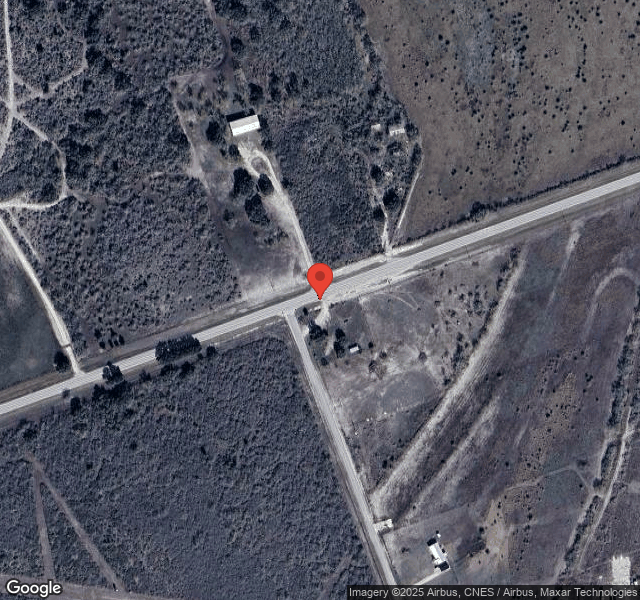
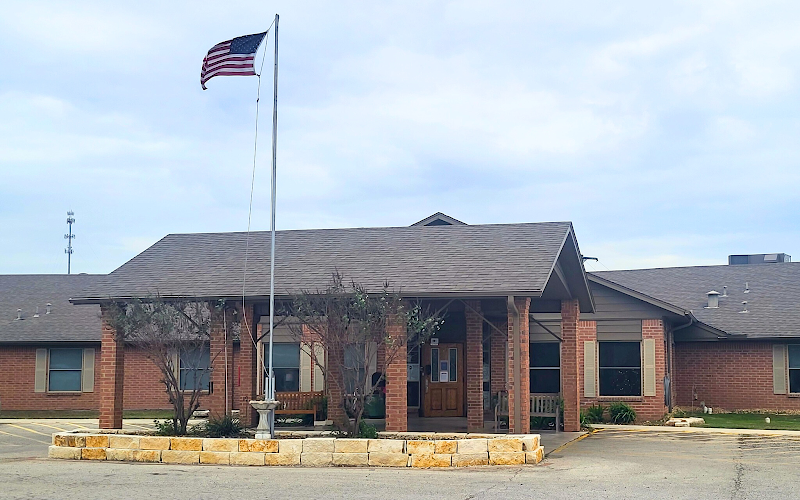
696 FM 99, KARNES CITY, TX 78118 (830) 780-3944
For profit - Corporation 120 Beds CREATIVE SOLUTIONS IN HEALTHCARE Data: November 2025 4 Immediate Jeopardy citations
Trust Grade
0/100
#935 of 1168 in TX
Last Inspection: August 2025

Inspected within the last 6 months. Data reflects current conditions.

Overview

Bluebonnet Nursing and Rehabilitation has received a Trust Grade of F, indicating poor conditions and significant concerns about care. It ranks #935 out of 1168 nursing homes in Texas, placing it in the bottom half overall, and is the third out of three facilities in Karnes County, meaning there are no better local options. The facility's condition appears stable, as it has maintained 12 issues over the past two years. Staffing is a weakness here, with a low rating of 1 out of 5 and a turnover rate of 59%, which is higher than the state average. Concerningly, the facility has incurred $89,538 in fines, which is higher than 78% of Texas facilities, indicating repeated compliance issues. Several critical incidents have been reported, including a failure to consult a physician for a resident's significant change in condition related to diabetes, ultimately leading to hospitalization and the resident's death. Additionally, another resident fell due to not having a low bed as ordered, resulting in a serious vertebral fracture. While the facility does have average RN coverage, the numerous deficiencies highlight serious risks that families should carefully consider.

Trust Score
F
0/100
In Texas
#935/1168
Bottom 20%
Safety Record
High Risk
Review needed
Inspections
Holding Steady
12 → 12 violations
Staff Stability
⚠ Watch
59% turnover. Above average. Higher turnover means staff may not know residents' routines.
Penalties
✓ Good
$89,538 in fines. Lower than most Texas facilities. Relatively clean record.
Skilled Nurses
⚠ Watch
Each resident gets only 21 minutes of Registered Nurse (RN) attention daily — below average for Texas. Fewer RN minutes means fewer trained eyes watching for problems.
Violations
⚠ Watch
32 deficiencies on record. Higher than average. Multiple issues found across inspections.
★☆☆☆☆
1.0
Overall Rating
★☆☆☆☆
1.0
Staff Levels
★★★☆☆
3.0
Care Quality
★★☆☆☆
2.0
Inspection Score
Stable
2024: 12 issues
2025: 12 issues

The Good

  • Full Sprinkler Coverage · Fire safety systems throughout facility
  • No fines on record

Facility shows strength in fire safety.

The Bad

1-Star Overall Rating

Below Texas average (2.8)

Significant quality concerns identified by CMS

Staff Turnover: 59%

13pts above Texas avg (46%)

Frequent staff changes - ask about care continuity

Federal Fines: $89,538

Well above median ($33,413)

Moderate penalties - review what triggered them

Chain: CREATIVE SOLUTIONS IN HEALTHCARE

Part of a multi-facility chain

Ask about local staffing decisions and management

Staff turnover is elevated (59%)

11 points above Texas average of 48%

The Ugly 32 deficiencies on record

4 life-threatening
Aug 2025 9 deficiencies
CONCERN (D)

Potential for Harm - no one hurt, but risky conditions existed

Deficiency F0552 (Tag F0552)

Could have caused harm · This affected 1 resident

**NOTE- TERMS IN BRACKETS HAVE BEEN EDITED TO PROTECT CONFIDENTIALITY** Based on interview and record review, the facility failed to inform the resident in advance, by the physician or other practitio...

Read full inspector narrative →
**NOTE- TERMS IN BRACKETS HAVE BEEN EDITED TO PROTECT CONFIDENTIALITY** Based on interview and record review, the facility failed to inform the resident in advance, by the physician or other practitioner or professional, of the risks and benefits of proposed care, of treatment and treatment alternatives or treatment option to choose the alternative option he or she preferred for 1 of 4 residents (Resident #7) reviewed for consent for antipsychotic medications. The facility failed to obtain consent by the responsible party for Resident #7 that her risperidone dosage was being reduced from 0.75 mg to 0.5 mg. This failure could place residents at risk for not being informed about care and treatments that may affect the resident's well-being. Findings included:Record review of Resident #7's admission Record dated 08/22/25, documented an [AGE] year-old female who was initially admitted to the facility 07/16/21 with the last admission date of 03/02/24. Her diagnosis included major depressive disorder (a mood disorder that causes a persistent feeling of sadness and loss of interest), unspecified dementia, severe, with other behavioral disturbance (severe dementia of an unknown cause that includes mood disorders, psychotic symptoms and agitation), generalized anxiety disorder (a chronic mental health condition characterized by excessive, persistent, and uncontrollable worry), and psychotic disorder with delusions due to known physiological condition (a condition where delusions, or false beliefs, are caused by the effects of a specific medical or neurological illness, rather than a primary mental health disorder like schizophrenia). Record review of Resident #7's Quarterly MDS dated [DATE] documented a BIMS score of 7, which indicated severe cognitive impairment. Record review of Resident #7's medical chart documented a Form 3713 (Nursing Facility Consent for Antipsychotic or Neuroleptic Medication Treatment) which indicated the physician and responsible party signed the form for 0.75 mg of risperidone to be administered at night on 01/21/25. Record review of Resident #7's current physician's orders as of 08/22/25 indicated she received 0.5 mg of risperidone as of a start date of 07/11/25. Record review of Resident #7's medical chart did not contain a revised Form 3713 to indicate the risperidone dosage had been changed. During an interview with the MDS Coordinator on 08/22/25 at 2:23 pm, the MDS Coordinator stated she was not aware that a new Form 3713 was needed so one had not been completed. Record review of the facility's policy titled Psychotropic Medications dated 02/12/25 documented: Residents have the right to be informed of and participate in their treatment. Prior to initiating or increasing a psychotropic medication, the resident, family, and/or resident representative will be informed of the benefits, risks, and alternatives for the medication, including any black box warnings for antipsychotic medications, in advance of such initiation or increase. The resident has the right to accept or decline the initiation or increase of a psychotropic medication. The resident's medical record will include documentation that the resident or resident representative was informed in advance of the risks and benefits of the proposed care, the treatment alternatives or other options and was able to choose the options he or she preferred. A written consent form may serve as evidence of a resident's consent to psychotropic medication, but other types of documentation are also appropriate.
CONCERN (D)

Potential for Harm - no one hurt, but risky conditions existed

Comprehensive Care Plan (Tag F0656)

Could have caused harm · This affected 1 resident

**NOTE- TERMS IN BRACKETS HAVE BEEN EDITED TO PROTECT CONFIDENTIALITY** Based on interview and record review the facility failed to develop and implement a comprehensive person-centered care plan for ...

Read full inspector narrative →
**NOTE- TERMS IN BRACKETS HAVE BEEN EDITED TO PROTECT CONFIDENTIALITY** Based on interview and record review the facility failed to develop and implement a comprehensive person-centered care plan for each resident, consistent with the resident rights that included measurable objectives and time frames to meet a resident's medical, nursing and mental and psychosocial needs that were identified in the comprehensive assessment for 1 of 2 residents (Resident #44) reviewed for comprehensive care plans. 1. The facility failed to ensure Resident #44's dialysis port was correctly identified as a dialysis port rather than a central IV line. 2. The facility failed to develop an activity care plan for Resident #44. 3. The facility failed to identify that Resident #44's visual issue was not addressed in the resident's care plan. These deficient practices could place residents at risk of not being provided with the necessary care or services and having personalized plans developed to address their specific needs. Findings included: Record review of Resident #44's admission Record dated 08/19/25 documented a [AGE] year-old female who was admitted to the facility 08/05/25. Resident #44 had diagnoses that included metabolic encephalopathy (a condition where the brain's function is impaired due to an underlying metabolic disturbance), end stage renal disease (a condition in which the kidneys lose the ability to remove waste and balance fluids), diabetes mellitus due to underlying condition with diabetic mononeuropathy (a specific type of diabetes caused by an underlying medical issue leading to damage to a single nerve), and major depressive disorder (a mood disorder that causes a persistent feeling of sadness and loss of interest). Record review of Resident #44's admission MDS dated [DATE] revealed a BIMS score of 7, which indicated severe cognitive impairment. Record review of Resident #44's comprehensive care plan with a focus dated 08/08/25 stated The resident has intravenous (IV) access and the interventions included 1. Administer IV fluids as ordered, 2. Administer IV medications as ordered, and 3 flush the ports/lines as ordered. Another focus dated 08/08/25 stated Resident is on enhanced barrier precautions r/t (related to) have a peripheral central line in place and the interventions included 1. Gloves and gown should be donned if any of the following activities are to occur: linen change, resident hygiene, transfer, dressing, toileting/incontinent care, bed mobility, wound care, enteral feeding care, catheter care, trach care, bathing, or other high contact activity. This care plan did not address Resident #44's activity preferences nor did it address her concern about her eyesight. During an interview with Resident #44 on 08/19/2025 at 2:59 pm, the resident stated she does not attend activities because she could not see well. Resident #44 stated she needed to see an eye doctor since she felt her sight had deteriorated while she was in the hospital. Resident #44 was asked if she had an IV and she said she only had her dialysis port which was located in her right chest temporarily until the procedure could be done to put a dialysis fistula in her arm. During an interview with the Activity Director (AD) on 08/22/25 at 8:51 am, she stated she talked with Resident #44. The AD stated, she seems to talk more with family present. She says she wants to live here forever now. She also told me she wants to stay in her room and won't come to activities. I do the inventories for new residents - she likes shoes; likes to dress a certain way. The AD stated she would continue to encourage the resident to do some type of activity in her room and could provide materials according to her preferences.During an interview on 08/22/25 at 2:25 pm with the MDS Coordinator, she stated she was not aware of Resident #44's problem with her sight. The MDS Coordinator stated she would add this issue as well as an activity care plan which was important for the resident's overall well-being. The references to an IV line would also be corrected to reflect she only had a port for her dialysis treatment. During an interview with the DON on 08/22/25 at 2:41 pm, the DON stated Resident #44 never had an IV Line. The DON stated the reference to an IV should not be in the care plan. The DON also stated she was not aware the resident had a problem with her sight.Record review of the facility's, undated, policy titled Comprehensive Care Planning stated, the facility will develop and implement a comprehensive person-centered care plan for each resident, consistent with the resident rights that includes measurable objectives and timeframes to meet a resident's medical, nursing, and mental and psychosocial needs that are identified in the comprehensive assessment.Through the care planning process, facility staff will work with the resident and his/her representative, if applicable, to understand and meet the resident's preferences, choices and goals during their stay at the facility.
CONCERN (D)

Potential for Harm - no one hurt, but risky conditions existed

Deficiency F0657 (Tag F0657)

Could have caused harm · This affected 1 resident

**NOTE- TERMS IN BRACKETS HAVE BEEN EDITED TO PROTECT CONFIDENTIALITY** Based on interviews and record reviews the facility failed to ensure comprehensive care plans were reviewed and revised by the i...

Read full inspector narrative →
**NOTE- TERMS IN BRACKETS HAVE BEEN EDITED TO PROTECT CONFIDENTIALITY** Based on interviews and record reviews the facility failed to ensure comprehensive care plans were reviewed and revised by the interdisciplinary team after each assessment, including both the comprehensive and quarterly review assessments, for 1 of 2 residents (Resident #35) reviewed for care plans. The facility failed to update the comprehensive care plan to reflect Resident #35 was receiving hospice services. This failure could have placed residents at risk of not having their needs identified and met. Findings included: Record review of Resident #35's admission Record documented an [AGE] year-old female who was admitted to the facility on [DATE]. Resident #35 had diagnoses which included dementia in other diseases classified elsewhere, severe, with other behavioral disturbance (a medical diagnosis indicating severe dementia occurring in a patient whose dementia is caused by an underlying physiological condition), Parkinson's Disease with dyskinesia (the loss of dopamine-producing neurons in the brain in which the patient does not experience involuntary, repetitive movements that are often a side effect of Parkinson's medications), and dysphagia, pharyngeal stage (difficulty swallowing). Record review of Resident #35's physician's orders, as of 08/21/25, indicated an order for hospice on 06/26/25.Record review of Resident #35's care plan did not indicate the care plan had been updated to reflect the implementation of hospice.During an interview with the MDS Coordinator on 08/21/25 at 7:17 pm, she stated the initiation of hospice was not in Resident #35's care plan. The MDS Coordinator stated she was the only one to do care plans and it was important for everyone to know that someone was on hospice so there would be coordination of care.Record review of the facility's undated policy titled Comprehensive Care Planning documented the resident's care plan will be reviewed after each Admission, Quarterly, Annual and/or Significant Change MDS assessment, and revised based on changing goals, preferences and needs of the resident and in response to current interventions.
CONCERN (D) 📢 Someone Reported This

A family member, employee, or ombudsman was alarmed enough to file a formal complaint

Potential for Harm - no one hurt, but risky conditions existed

Accident Prevention (Tag F0689)

Could have caused harm · This affected 1 resident

**NOTE- TERMS IN BRACKETS HAVE BEEN EDITED TO PROTECT CONFIDENTIALITY** Based on the observation, interview, and record review the facility failed to ensure that the resident's environment remained fr...

Read full inspector narrative →
**NOTE- TERMS IN BRACKETS HAVE BEEN EDITED TO PROTECT CONFIDENTIALITY** Based on the observation, interview, and record review the facility failed to ensure that the resident's environment remained free of accidents and hazards as was possible and each resident received adequate supervision to prevent accidents for 2 of 3 residents (Resident #40 and #38) reviewed for accidents. The facility failed to ensure staff used the appropriate equipment for Resident #40 and Resident #38 during a transfer. This failure could place the resident at risk of falls and place them at risk for injury. The findings included: 1. Record review of Resident #40's face sheet dated 8/20/25 revealed a [AGE] year-old female admitted to the facility on [DATE] and re-admitted on [DATE] with diagnoses that included unsteadiness on feet, abnormalities of gait and mobility, muscle wasting and atrophy (decrease in the size of a body part, tissue, or organ due to a loss of cells), and lack of coordination. Record review of Resident #40's most recent quarterly MDS assessment dated [DATE] revealed the resident was severely cognitively impaired for daily decision-making skills and required partial/moderate assistance with transfers. Record review of Resident #40's comprehensive care plan with revision date 3/2/22 revealed the resident required 1-person assist with transferring and required the use of a wheelchair. Observation on 8/19/25 at 10:44 a.m. revealed Resident #40 sitting up in a recliner and the wheelchair in front of her. CNA A was observed assisting Resident #40 from the recliner to a standing position. Resident #40 placed both hands on the wheelchair armrests while CNA A assisted the resident by grabbing the back of the resident's pants and helping the resident to a standing position. During an interview on 8/20/25 at 12:24 p.m., CNA A stated, Resident #40 required staff assistance with transfers from 1 to 2-person. CNA A stated, she recalled assisting the resident from the recliner to a standing position and had not used a gait belt. CNA A stated for a 1-person or 2-person transfer, a gait belt was supposed to be used for extra support and to safely transfer a resident without causing injury to the resident and the staff. CNA A stated at the time she assisted Resident #40 to a standing position, she only helped her a little because the resident was able to transfer herself, and stated, if she had waited for a gait belt, Resident #40 would have gotten up by herself anyway. 2. Record review of Resident #38's face sheet dated 8/20/25 revealed an [AGE] year-old female admitted to the facility on [DATE] and re-admitted on [DATE] with diagnoses that included fracture of shaft of right tibia (the long middle portion, shinbone, of the leg), joint pain, falls, legal blindness (a level of vision loss), bilateral osteoarthritis(a gradual breakdown and low of cartilage in the joints) of knee, low back pain, muscle wasting and atrophy (decrease in the size of a body part, tissue, or organ due to a loss of cells), difficulty in walking, lack of coordination, and age-related osteoporosis (bone disease in which the bones become weak, brittle, and more likely to break due to a loss of bone density and strength). Record review of Resident #38's Functional Ability Worksheet dated 8/8/25 revealed the resident required substantial/maximal assistance with transfers. Record review of Resident #38's comprehensive care plan dated 8/8/25 revealed the resident had an ADL self-care performance deficit and was at risk for falls with interventions that included 2-person staff assist with transfers. Observation on 8/20/25 at 11:27 a.m. revealed Resident #38 sitting on the bed wearing a full leg brace on the right leg, and CNA B and Student Aide C assisted the resident onto the wheelchair without using a gait belt. CNA B and Student Aide C placed their hands around the resident's armpit and lifted her onto the wheelchair. During an interview on 8/20/25 at 11:32 a.m., CNA B stated Resident #38 required 2-person assist with transfers and the CNA was trained by a former CNA. CNA B stated, it was acceptable to perform a 1-person transfer without a gait belt, and if the resident required 2-person assist, like Resident #38, I did not have to use a gait belt because I had a second person help me. You use a gait belt when you need extra help, and nobody is around to assist. During an observation and interview on 8/20/25 at 11:41 a.m., Student Aide C stated she had received training on transfers from multiple staff, including other CNA's, the DON and the ADON. Student Aide C stated she knew Resident #38 required 2-person assist with transfers but was not aware if Resident #38 had a gait belt. Student Aide C stated if Resident #38 had a gait belt it would have been hanging from a hook on the resident's bedroom door. Student Aide C returned with the State Surveyor to Resident #38's room and observed a gait belt hanging from the resident's bedroom door. Student Aide C stated the gait belt would have had the resident's name on it, but the gait belt seen on the resident's bedroom door did not have a name and was not sure if it belonged to Resident #38. Student Aide C stated the gait belt could have belonged to Resident #38's roommate but was not sure. Student Aide C stated she would get with the DON to determine if the gait belt belonged to Resident #38. Student Aide C stated, placing the hands under Resident #38's armpits to transfer her could hurt the resident but if the resident was sitting when transferring, we can do bear hugs instead. During an observation and interview on 8/20/25 at 11:48 a.m., Student Aide C took the gait belt observed in Resident #38's room and showed it to the DON. The DON stated she had not assigned a gait belt to Resident #38 and so the gait belt belonged to the resident's roommate. The DON stated Resident #38 was admitted to the facility with a fracture to the right leg related to a fall. The DON stated Resident #38 was receiving therapy and had to look in the electronic record to determine if Resident #38 required a mechanical lift, 2-person, or 1-person assist with transfers. The DON stated, it was not acceptable for the staff to perform a transfer without a gait belt, whether the resident required 1-person or 2-person assist. The DON stated she was waiting for the therapy staff to inform her if Resident #38 could be transferred safely with a gait belt and was not sure if the resident required a mechanical lift. During an interview on 8/20/25 at 12:02 p.m., the Rehab. Director stated, Resident #38 could safely transfer with a 1-person or 2-person assist. The Rehab. Director stated the facility had an abundant supply of gait belts and was not aware there was a process for the DON to assign gait belts to the residents. The Rehab. Director stated the therapy department had been involved in training some of the staff, if the staff asked for help, especially with newly admitted residents. The Rehab. Director stated staff had often looked to the therapy department for guidance if they felt uncomfortable with a new resident and would help with training on transfers with the staff. The Rehab. Director stated it was not acceptable to transfer a resident without a gait belt because it could cause injury to the resident and the staff. Record review of CNA B's Proficiency Audit dated 7/5/24 revealed she had satisfied the requirements for performing resident transfers. Record review of Student Aide C's Proficiency Audit dated 7/5/28 revealed she had satisfied the requirement for performing resident transfers. Record review of the facility document titled, Moving A Resident, Bed To Chair/Chair To Bed undated revealed in part, .The purposes of this procedure are to allow the resident to be out of his or her bed as much as possible and to provide for safe transferring of the resident.This procedure may require two (2) persons.Position a gait belt around the resident's waist and clasp it.If the resident requires, two persons (one on each side) should grasp the gait belt and gently stand and turn the resident and sit him or her in the chair.Support the resident by placing a gait belt around the resident's waist for you to hold and steady the resident.
CONCERN (D)

Potential for Harm - no one hurt, but risky conditions existed

Incontinence Care (Tag F0690)

Could have caused harm · This affected 1 resident

**NOTE- TERMS IN BRACKETS HAVE BEEN EDITED TO PROTECT CONFIDENTIALITY** Based on observation, interview, and record review, the facility failed to ensure a resident who was incontinent of bladder and ...

Read full inspector narrative →
**NOTE- TERMS IN BRACKETS HAVE BEEN EDITED TO PROTECT CONFIDENTIALITY** Based on observation, interview, and record review, the facility failed to ensure a resident who was incontinent of bladder and bowel received appropriate treatment and services to prevent urinary tract infections for 1 of 2 residents (Resident #46) reviewed for incontinent care: The facility failed to ensure CNA E provided incontinent care to Resident #46 in the order of cleanest to dirtiest, and CNA E and Student Aide C performed hand hygiene between glove changes. This deficient practice could place residents at-risk for infection and skin break down due to improper care practices. The findings included: Record review of Resident #46's face sheet dated 8/21/25 revealed an [AGE] year-old female admitted to the facility on [DATE] with diagnoses that included hemiplegia (complete paralysis on one side of the body) and hemiparesis (partial weakness or reduced strength to one side of the body) affecting the left non-dominant side, and gastrostomy status (a surgically created opening through the abdominal wall into the stomach). Record review of Resident #46's most recent comprehensive MDS assessment dated [DATE] revealed the resident was cognitively intact for daily decision-making skills and was always incontinent of bowel and bladder. Record review of Resident #46's comprehensive care plan initiated on 7/31/25 revealed the resident had bowel and bladder incontinence with interventions that included to provide incontinent care. Observation on 8/21/25 at 11:15 a.m. during incontinent care, CNA E, after cleaning Resident #46's buttock and anal area, took a clean brief using the same gloves used to clean the resident's buttock and anal area and placed the clean brief on the bed. CNA E and Student Aide C then assisted the resident onto her back and then to her right, removed their gloves, did not wash or sanitize their hands, and put on a new pair of gloves. Student Aide C then applied barrier cream to Resident #46's buttock area, removed her gloves, did not wash or sanitize her hands, and put on a new pair of gloves. During an interview on 8/21/25 at 12:36 p.m., Student Aide C stated she realized she had not washed or sanitized her hands between glove changes and had just forgotten. Student Aide C stated she usually carried a bottle of hand sanitizer with her and should have been used to sanitize her hands otherwise it was considered cross contamination and could results in the resident or the aide getting sick. Student Aide C stated, cross contamination could result in passing on an illness. During an interview on 8/21/25 at 12:48 p.m., CNA E stated she realized she had moved from a dirty area to a clean area and should not have done it and missed that step because she was probably nervous. CNA E stated moving from a dirty area to a clean area with the same gloves could cause an infection and was cross contamination. CNA E stated, taking the clean brief with soiled gloves made the clean brief dirty because it had been touched with dirty gloves. CNA E stated it was the same concept when changing gloves and we need to wash or sanitize our hands between gloves changes to prevent cross contamination. During an interview on 8/21/25 at 7:28 p.m., the DON stated it was her expectation staff were supposed to wash or sanitize their hands between glove changes because it was part of infection control practices and it not done could result in cross contamination and the staff or resident could pass an illness to each other, germs or bug. The DON stated, the aide should have changed her gloves when moving from a dirty area to a clean area because you have now actually done cross contamination. Record review CNA E's C.N.A. Proficiency Audit dated 8/16/25 revealed she had satisfied the requirement for performing hand washing skills and perineal care. Record review of Student Aide C's C.N.A. Proficiency Audit dated 7/5/25 revealed she had satisfied the requirement for performing hand washing skills and perineal care. Record review of the facility document titled, Nursing: Personal Care, Perineal Care dated 4/25/22 revealed in part, .An incontinent resident of urine and/or bowl (sic) should be identified, assessed, and provided appropriate treatment and services to restore as much normal bladder/bowel function as possible.Perform hand hygiene.Gently perform perineal care, wiping from clean, urethral area, to dirty, rectal area, to avoid contaminating the urethral area - CLEAN to DIRTY! .Doff gloves and PPE.Perform hand hygiene.Always perform hand hygiene before and after glove use.
CONCERN (D) 📢 Someone Reported This

A family member, employee, or ombudsman was alarmed enough to file a formal complaint

Potential for Harm - no one hurt, but risky conditions existed

Respiratory Care (Tag F0695)

Could have caused harm · This affected 1 resident

**NOTE- TERMS IN BRACKETS HAVE BEEN EDITED TO PROTECT CONFIDENTIALITY** Based on observation, interview, and record review, the facility failed to ensure that a resident who needs respiratory care, in...

Read full inspector narrative →
**NOTE- TERMS IN BRACKETS HAVE BEEN EDITED TO PROTECT CONFIDENTIALITY** Based on observation, interview, and record review, the facility failed to ensure that a resident who needs respiratory care, including tracheostomy care and tracheal suctioning, is provided such care, consistent with professional standards of practice for 2 of 3 Residents (Resident #40 and Resident #8) reviewed for respiratory care. The facility failed to ensure Resident #40 and Resident #8's oxygen tubing was not touching the floor. This deficient practice could place residents who received oxygen therapy at risk for an increase in respiratory complications and/or infection. The findings included: 1. Record review of Resident# 40's face sheet dated 8/20/25 revealed a [AGE] year-old female admitted to the facility on [DATE] and re-admitted on [DATE] with diagnoses that included chronic obstructive pulmonary disease (a long-term lung disease that makes it hard to breath), acute upper respiratory infection (short-term infection that affects the upper part of the respiratory system), pneumonia (infection of the lungs), and acute bronchitis (inflammation of the airways that carry air into the lungs). Record review of Resident #40's most recent quarterly MDS assessment dated [DATE] revealed the resident was severely cognitively impaired for daily decision-making skills and required oxygen therapy. Record review of Resident #40's Order Summary Report dated 8/20/25 revealed the following orders:- Change nebulizer mask and tubing every week on Sunday and clean filter every night shift every Sunday related to chronic obstructive pulmonary disease with order date 5/5/23 and no end date.- Change oxygen tubing and nasal cannula/mask as needed when visibly soiled with order date 7/21/25 and no end date.- Oxygen 2 to 4 liters per minute via nasal cannula every shift with order date 7/21/25 and no end date. Record review of Resident #40's comprehensive care plan with revision date 4/1/24 revealed the resident required oxygen therapy related to chronic obstructive pulmonary disease and interventions that included to give medications as ordered by the physician, monitor oxygen saturation every shift, and administer oxygen. Observation on 8/20/25 at 8:10 a.m. revealed Resident #40 sitting up in the wheelchair in her room and the oxygen concentrator operating via a nasal cannula and the tubing leading from the nasal cannula to the concentrator was touching the floor. During an observation and interview on 8/20/25 at 9:50 a.m., Resident #40 was observed sitting up in the wheelchair and the oxygen concentrator operating with the nasal cannula attached to the concentrator but not on the resident. Resident #40's nasal cannula was draped over the bedside table with the tubing touching the floor. Resident #40 stated she used the oxygen when she needed it and when she did not need it she would take it off. Resident #40 stated she could only take the nasal cannula off but could not put it back on. During an observation on 8/20/25 at 2:52 p.m., Resident #40 was observed sitting up in the wheelchair sleeping and the oxygen concentrator was operating via the nasal cannula and the tubing touching the floor. During an observation on 8/20/25 at 4:48 p.m., Resident #40 was observed sitting up in the recliner and the oxygen concentrator was operating and the nasal cannula was on the floor. During an observation and interview on 8/20/25 at 4:51 p.m., LVN D stated Resident #40 had a physician's order for continuous oxygen and there was an order to change the oxygen tubing and mask every Sunday because the tubing could get dirty with usage. LVN D stated, Resident #40 often removed her nasal cannula and stated she had been in the resident's room periodically often and was in the resident's room often, at least every 4 hours to administer pain medication. LVN D stated, during those times she would also check to see if the resident was using the oxygen. Observation with LVN D revealed Resident #40 with the nasal cannula on the floor while the oxygen concentrator was operating. LVN D stated, if the oxygen tubing was touching the floor, it's dirty and the tubing could pick up bacteria. LVN D stated, the oxygen concentrator tubing on the floor needed to be changed out. 2. Record review of Resident #8's face sheet dated 8/21/25 revealed a [AGE] year-old female admitted to the facility on [DATE] and re-admitted on [DATE] and 7/31/25 with diagnoses that included acute and chronic respiratory failure with hypoxia (a sudden onset of when the lungs cannot provide enough oxygen to the blood or cannot remove enough carbon dioxide), acute pulmonary edema (sudden buildup of fluid in the lungs' air sacs which makes it very difficult to breathe), heart failure, and chronic obstructive pulmonary disease (a long-term lung disease that makes it hard to breath). Record review of Resident #8's most recent comprehensive MDS assessment dated [DATE] revealed the resident was cognitively intact for daily decision- making skills and required oxygen therapy. Record review of Resident #8's Order Summary Report dated 8/21/25 revealed the following orders:- Oxygen 3 liters per minute via nasal cannula every shift with order date 8/1/25 and no end date. Record review of Resident #8's comprehensive care plan with revision date 8/13/25 revealed the resident used oxygen therapy related to heart failure and ineffective gas exchange with interventions that included to give medications as ordered by the physician and provide oxygen therapy per nasal cannula. Observation on 8/21/25 at 10:43 a.m. revealed Resident #8 sitting up in bed and the oxygen concentrator operating via nasal cannula with the oxygen tubing touching the floor. During an observation and interview on 8/21/25 at 10:54 a.m., Resident #8 stated the oxygen tubing was replaced, last evening (8/20/25). LVN F observed Resident #8's oxygen tubing touching the floor and stated the oxygen tubing was not supposed to be touching the floor because it was contaminated because the floor was dirty. During an interview on 8/21/25 at 7:28 p.m., the DON stated, the oxygen tubing on the oxygen concentrator touching the floor meant the tubing was dirty because the floor was dirty. Record review of the facility document titled, Oxygen Administration, undated, revealed in part, .Oxygen therapy includes the administration of oxygen in liters/minute by cannula or face mask to treat hypoxemic conditions caused by pulmonary or cardiac diseases.Goals.The resident will be free from infection.Procedure.Attach the tubing to the regulator and the delivery device to be used.Change the tubing (including any nasal prongs or mask) that is in use on one patient when it malfunctions or becomes visibly contaminated.
CONCERN (D)

Potential for Harm - no one hurt, but risky conditions existed

Pharmacy Services (Tag F0755)

Could have caused harm · This affected 1 resident

**NOTE- TERMS IN BRACKETS HAVE BEEN EDITED TO PROTECT CONFIDENTIALITY** Based on interview and record review the facility failed to establish a system of records of receipt and disposition of all cont...

Read full inspector narrative →
**NOTE- TERMS IN BRACKETS HAVE BEEN EDITED TO PROTECT CONFIDENTIALITY** Based on interview and record review the facility failed to establish a system of records of receipt and disposition of all controlled drugs in sufficient detail to enable an accurate reconciliation and follow a policy to provide pharmacy services in accordance with State and Federal laws or rules of the Drug Enforcement Administration for 2 of 4 residents (Resident #33 and #35) reviewed for pharmacy services. The facility failed to ensure Medication Aide G documented she dispensed Resident #33's Xanax prescribed for major depressive disorder and Resident #35's Tramadol in the narcotic log for August 2025. This deficient practice could put residents at risk of misappropriation and drug diversion. The findings included: 1. Record review of Resident #33's face sheet dated 8/22/25 revealed an [AGE] year-old female admitted to the facility on [DATE] and re-admitted on [DATE] with diagnoses that included dementia (general term for a group of symptoms that affect memory, thinking, reasoning, and the ability to perform daily activities), anxiety disorder (mental health condition characterized by excessive fear, worry, or nervousness), and major depressive disorder (mental health condition characterized by persistent and intense feelings of sadness, hopelessness, or a loss of interest or pleasure in most activities). Record review of Resident #33's Order Summary Report dated 8/22/25 revealed the following:- Xanax 5 mg tablet, give 1 tablet by mouth one time a day related to major depressive disorder with order date 5/21/25 and no end date. Record review of Resident #33's Medication Administration Record for August 2025 reflected the resident was administered Xanax 5 mg tablet on 8/22/25 by Medication Aide G. 2. Record review of Resident #35's face sheet dated 8/22/25 revealed an [AGE] year-old female admitted to the facility on [DATE] with diagnoses that included pain, fractures of the lower end of right radius (bone in the forearm located on the thumb side), lower end of right ulna (forearm bone located on the side of the little finger), and right femur (thigh bone). Record review of Resident #35's Order Summary Report dated 8/22/25 revealed the following:- Tramadol 50 mg, give 50 mg by mouth every 8 hours as needed for pain with order date 12/6/24 and no end date. Record review of Resident #35's Medication Administration Record for August 2025 reflected the resident was administered Tramadol 50 mg tablet on 8/22/25 by Medication Aide G. During an inspection of Medication Aide G's medication cart on 8/22/25 at 10:09 a.m. revealed the narcotic log for Resident #33's Xanax 5 mg did not reflect the resident's medication was signed out on 8/22/25. During the inspection of the same medication cart, Medication Aide G attempted to document in Resident #35's narcotic log to reflect she had signed out the resident's Tramadol 50 mg on 8/22/25. Medication Aide G stated she had administered Resident #33's Xanax 5 mg at approximately 7:00 a.m. and had administered Resident #35's Tramadol 50 mg at approximately 8:00 a.m. Medication Aide G stated she was supposed to document on Resident #33 and Resident #35's narcotic log immediately after the medication was administered to the resident to avoid a drug diversion. Medication Aide G stated she had forgotten to document in the narcotic logs for Resident #33 and Resident #35 and not doing so could result in an inaccurate narcotic count. During an interview on 8/22/5 at 2:39 p.m., the DON stated it was her expectation, when narcotics were being administered, nursing was supposed to document in the narcotic log immediately after the medication was administered. The DON stated an incident could occur if the staff assigned to the medication cart were called away and did not log out a narcotic, then the narcotic count could be inaccurate and result in a drug diversion. The DON stated, all narcotics should be signed out on the log when they are administered. Record review of the facility document titled Medication Administration and General Guidelines, dated 2025 revealed in part, .Medications are administered at the time they are prepared.In no case should the individual who administered the medications report off-duty without first recording the administration of any medications.Checklist for completing proper steps in the administration of medications.Adheres to the 6 Rights of Medication Administration.Right Medication.Right Documentation.Observed the resident take the medications.Documents the administration of each medication on the MAR & Controlled Medications on the Control Sheet.
CONCERN (D)

Potential for Harm - no one hurt, but risky conditions existed

Deficiency F0761 (Tag F0761)

Could have caused harm · This affected 1 resident

**NOTE- TERMS IN BRACKETS HAVE BEEN EDITED TO PROTECT CONFIDENTIALITY** Based on observation, interview and record review, the facility failed to ensure all drugs and biologicals were labeled and stor...

Read full inspector narrative →
**NOTE- TERMS IN BRACKETS HAVE BEEN EDITED TO PROTECT CONFIDENTIALITY** Based on observation, interview and record review, the facility failed to ensure all drugs and biologicals were labeled and stored in accordance with currently accepted professional principles for 2 of 4 medication carts (C/D Hall cart and A/C Hall cart) reviewed for labeling and storage of drugs. 1. The facility failed to ensure the C/D Hall medication cart was not left unlocked and unattended.2. The facility failed to provide a change of direction label for Resident #6's Seroquel medication bottle from 50 mg at bedtime to 50 mg two times a day prescribed to treat depression on the A/D medication cart. These deficient practices could place residents at risk of medication misuse and diversion. The finding included: 1. During an observation on 8/21/25 at 9:42 a.m. revealed the C/D Hall medication cart was unlocked and unattended facing the hallway in front of the nurse's station. During an observation and interview on 8/21/25 at 9:47 a.m., the DON walked up to the C/D Hall medication cart and attempted to lock it. The DON stated the C/D Hall medication cart had been assigned to LVN D. The DON saw LVN D walking down the D Hall and summoned LVN D to the nurse's station. During an interview on 8/21/25 at 9:49 a.m., LVN D stated, she had gotten sidetracked and forgot to lock the C/D Hall medication cart. LVN D stated the C/D Hall medication cart should have been locked when not in use because people like you could get into it. LVN D stated, other people could get into the cart and take things they were not supposed to. 2. Record review of Resident #6's face sheet dated 8/21/25 revealed a [AGE] year-old male admitted to the facility on [DATE] and re-admitted on [DATE] with diagnoses that included dementia (general term for a group of symptoms that affect memory, thinking, reasoning, and the ability to perform daily activities) with agitation, depression (mental health disorder characterized by a persistent feeling of sadness, emptiness, or loss of interest or pleasure in activities once enjoyed), and anxiety disorder (mental health condition characterized by excessive fear, worry, or nervousness). Record review of Resident #6's Order Summary Report dated 8/21/25 revealed the following:- Seroquel 50 mg tablet, give 50 mg by mouth two times a day related to depression, with order date 8/18/25 and no end date. During observation and interview on 8/21/25 at 8:50 a.m., during the medication pass revealed Resident #6's Seroquel medication indicated 50 mg at bedtime on the pharmacy label. Medication Aide G stated the Seroquel pharmacy label for Resident #6 was incorrect because the physician's orders indicated Seroquel 50 mg was supposed to be given twice a day. Medication Aide G stated the directions on the pharmacy label was incorrect and should have been compared to the physician's orders for accuracy. Medication Aide G stated she was in a hurry and overlooked it. During an interview on 8/21/25 at 7:28 p.m., the DON stated the medication carts were not supposed to be left unlocked when unattended because it was a safety concern. The DON stated residents could get into the medication cart and take something that did not belong to them and could potentially make them sick. The DON stated it was her expectation when administering medications, the orders were supposed to be matched up to the physician's orders and if the pharmacy label did not match the physician's orders, then a change of direction sticker was supposed to be placed on the medication package. The DON stated, the pharmacy label not matching the physician's orders could result in a medication error or the resident missing a medication dose. Record review of the facility document titled Medication Storage in the Facility, dated 2025 revealed in part, .Medication and biologicals are stored safely, securely.The medication supply is accessible only to license nursing personnel, pharmacy personnel, or staff members lawfully authorized to administer medications.Medication rooms, carts, and medication supplies are locked or attended to by persons with authorized access. Record review of the facility document titled, Medication Administration and General Guidelines, dated 2025 revealed in part, .Medications are administered as prescribed, in accordance with State Regulations using good nursing principles and practices and only by persons legally authorized to do so.Prior to administration, the medication and dosage schedule on the resident's MAR is compared with the medication label. If the label and MAR are different and the container is not flagged indicating a change in directions, or if there is any reason to question the dosage or directions, they physician's orders are checked for the correct dosage schedule.Checklist for completing proper steps in the administration of medications.Right dose.Right Medication.Right Time.Right Documentation.
CONCERN (D)

Potential for Harm - no one hurt, but risky conditions existed

Infection Control (Tag F0880)

Could have caused harm · This affected 1 resident

**NOTE- TERMS IN BRACKETS HAVE BEEN EDITED TO PROTECT CONFIDENTIALITY** Based on observation, interview, and record review, the facility failed to maintain an infection prevention and control program ...

Read full inspector narrative →
**NOTE- TERMS IN BRACKETS HAVE BEEN EDITED TO PROTECT CONFIDENTIALITY** Based on observation, interview, and record review, the facility failed to maintain an infection prevention and control program designed to provide a safe, sanitary, and comfortable environment and to help prevent the development and transmission of communicable disease and infection for 3 of 4 residents (Resident #9, #51 and #46) reviewed for infection control: 1.The facility failed to ensure the nurse sanitized the blood pressure cuff between residents #9 and #51.2. Facility staff failed to wear PPE while doing pericare for Resident #46 and did not wash or sanitize their hands between glove changes.3. The treatment nurse and a CNA did not wear PPE during wound care treatment for Resident #46 and did not wash or sanitize hands between glove changes. These failures could place residents at-risk for infection due to improper care practices. The findings included: 1. Observation on 8/21/25 at 8:19 a.m., during the medication pass revealed LVN F took the blood pressure cuff and went into Resident #9's room to obtain the resident's blood pressure. LVN F then placed the blood pressure cuff on LVN D's medication cart counter, did not sanitize the blood pressure cuff after use, and relayed the results to LVN D. LVN D then took the same blood pressure cuff, did not sanitize it prior to use, and obtained Resident #51's blood pressure. During an interview on 8/21/25 at 8:34 a.m., LVN D stated, the blood pressure cuff used on the residents was provided by the facility. LVN D stated LVN F used the blood pressure cuff and obtained Resident #9's blood pressure and LVN F then took the blood pressure cuff and obtained Resident #51's blood pressure cuff without sanitizing it first. LVN D stated she had forgotten to sanitize the blood pressure cuff, and it was important because it helped to prevent cross contamination. LVN D stated, not cleaning the electronic blood pressure cuff was definitely an infection control issue and if cross contamination had occurred it could spread illness from one person to the other. During an interview on 8/21/25 at 8:41 a.m., LVN F stated she realized she had not sanitized the blood pressure cuff after obtaining Resident #9's blood pressure and should but didn't because she could not find any sanitizing wipes and did not want to get in LVN D's way. LVN F stated the blood pressure cuffs needed to be disinfected between residents because it was cross contamination and an infection control issue and to prevent passing illness from one person to the next. 2. Record review of Resident #46's face sheet dated 8/21/25 revealed an [AGE] year-old female admitted to the facility on [DATE] with diagnoses that included muscle wasting and atrophy (wasting away, decrease in size, or weakening of a tissue, organ, or body part), and gastrostomy status (surgical procedure in which an opening is created directly into the stomach through the abdominal wall). Record review of Resident #46's most recent comprehensive MDS assessment dated [DATE] revealed the resident was cognitively intact for daily decision-making skills, required substantial/maximal assistance with mobility, was always incontinent of bowel and bladder, utilized a feeding tube, and was at risk of developing pressure ulcers/injuries. Record review of Resident #46's Order Summary Report dated 8/21/25 revealed the following:- (EBP) Enhanced Barrier Precautions every shift with order date 7/30/24 and no end date.- Clean left heel with wound cleaner, pat dry, Triad paste, apply adhesive bandage, and wrap with Kerlex (gauze) every day, one time a day for wound care with order date 8/20/25 and no end date. Record review of Resident #46's comprehensive care plan initiated on 7/31/25 revealed the resident had bowel and bladder incontinence with interventions to provide peri care after each incontinent episode, and the resident was on enhanced barrier precautions with interventions that included to wear gloves and gown if any of the following activities occurred: linen change, resident hygiene, transfer, dressing, toileting/incontinent care, bed mobility, wound care, enteral feeding care, catheter care, trach care, bathing, or other high-contact activity. Resident #46's comprehensive care plan revealed, perform hand sanitation before entering the room and prior to leaving the room. Resident #46's comprehensive care plan included the resident had a stage 2 pressure ulcer to the left heel with interventions that included to administer treatments as ordered. Observation on 8/21/25 at 11:15 a.m. revealed Student Aide C and CNA E assisted the resident during peri care without wearing a PPE gown when the resident was on enhanced barrier precautions. Student Aide C and CNA E did not wash or sanitize their hands between glove changes during peri care to Resident #46. After CNA E completed cleaning Resident #46's buttock and anal area, and Student Aide C assisted her, they removed their gloves, did not wash or sanitize their hands, and put on new gloves. Resident #46 was assisted to her left and CNA E took the resident's feeding tube and moved it over to the resident's left while Student Aide C adjusted the resident's incontinent brief. Student Aide C removed her gloves, did not wash or sanitize her hands and put on a new pair of gloves. Student Aide C then applied barrier cream to Resident #46's buttocks with her gloved hand, removed her gloves, did not wash or sanitize her hands and put on new gloves. Resident #46 was then rolled onto her back, and CNA E continued with peri care. When peri care was completed, Student Aide C took off her gloves, did not wash or sanitize her hands and put on a new pair of gloves. CNA E and Student Aide C fastened the resident's incontinent brief and CNA E took the resident's feeding tube and held it up and away so it would not get fastened inside of the resident's incontinent brief. Student Aide C then removed her gloves, did not wash or sanitize her hands, put on new gloves, and used the resident's bed remote to raise the bed. 3. Observation of wound care treatment for Resident #46 on 8/21/25 at 11:39 a.m. revealed LVN B and CNA E did not wear a PPE gown during wound care. Resident #46 was observed with EBP signage on the resident's bedroom door and a fully stocked PPE cart just outside of the resident's room. During wound care, CNA E held Resident #46's left lower leg while LVN B attempted to remove the old bandage from the resident's left heel. When LVN B realized she could not remove the bandage with her gloved hand, took off her gloves, did not wash or sanitize her hands and left the resident's bedside to retrieve a pair of scissors from her bag, down the hall, at the nurse's station. LVN B then returned to her medication cart, put on a pair of gloves, disinfected the scissors, and then removed her gloves. LVN B then returned to Resident #46's bedside, did not wash or sanitize her hands, and put on a new pair of gloves. LVN B cleaned Resident #46's wound, removed her gloves and did not wash or sanitize her hands, put on a new pair of gloves, took dry gauze and patted the wound dry, took off her gloves, did not wash or sanitize her hands, put on a new pair of gloves, and applied the adhesive bandage over the wound. LVN B then took off her gloves, did not wash or sanitize her hands and put on a new pair of gloves. CNA E continued to hold Resident #46's lower left leg and was observed holding the resident's leg against her torso. LVN B covered the resident's heel wound with the Kerlix bandage. During an interview on 8/21/25 at 12:09 p.m., LVN B stated she was probably supposed to be wearing a gown while performing wound care because Resident #46 was on EBP. LVN B stated, EBP precautions were utilized for the resident's protection and for the staff's protection because the resident was at an increased potential for infection. LVN B stated she had honestly forgotten to wear the PPE gown. LVN B stated hand hygiene should be occurring between glove changes to prevent spread of infection. LVN B stated, it was cross contamination and an infection control problem. During an interview on 8/21/25 at 12:36 p.m., Student Aide C stated, she only needed to wear a gown if the wound was uncovered and actually doing wound care or the peg tube was messed with, like cleaning it. Student Aide C stated it was not necessary to wear a gown when performing peri care. Student Aide C stated she had not been sanitizing her hands consistently between glove changes and if not done it was considered cross contamination and the resident could get sick, or staff could get sick because there was a chance an illness could be passed between each other. Student Aide C stated, that's part of infection control to help prevent spread of infection. During an interview on 8/21/28 at 12:48 p.m., CNA E stated, she should have been washing or sanitizing her hands between glove changes because it was considered cross contamination. CNA E stated she should have been wearing a PPE gown when assisting LVN B during Resident #46's wound care because it helped to prevent cross contamination. CNA E stated, body fluids could get on her clothing or shoes and that would cause cross contamination. During an interview on 8/21/25 at 7:28 p.m., the DON stated, for residents on EBP, the staff were expected to wear a gown and gloves during actual catheter care, wound care, or when providing feeding/medication to the feeding tube, but since the aides were providing peri care they did not have to wear a gown. The DON stated, during wound care it was expected for staff to wear a gown and gloves as an infection control precautions and to prevent cross contamination. The DON stated, staff should be washing or sanitizing hands between glove changes because it was part of infection control and if they did not, it was cross contamination and the resident, or the staff could pass an illness to each other. The DON stated each time the blood pressure cuff is used on a resident it had to be sanitized to prevent cross contamination and an infection could be passed between residents. Record review of Student Aide C's C.N.A. Proficiency Audit dated 7/5/25 revealed she had satisfied the requirements for hand washing, perineal care, and Infection Control awareness. Record review of CNA E's C.N.A. Proficiency Audit dated 8/16/25 revealed she had satisfied the requirements for hand washing, perineal care, and Infection Control awareness. Record review of the facility document titled Enhanced Barrier Precautions dated 4/1/24 revealed in part, .EBP refer to an infection control intervention designed to reduce transmission of multidrug-resistant organisms that employ targeted gown and glove use during high contact resident care activities.EBP are used in conjunction with standard precautions and expand the use of PPE to donning of gown and gloves during high-contact resident activities.EBP are indicated for residents with any of the following.Wounds and/or indwelling medical devices even if the resident is not known to be infected or colonized with a MDRO.Donning PPE for Residents on EBP Based on Activity Provided/Assistance While in Resident Room.Don Gloves and Gown.perform wound care: any skin opening requiring a dressing.Transfer a resident.Changing briefs or assisting with toileting.Any other high-contact activity that includes close bodily contact or coming into contact with the indwelling medical device. Record review of the facility document titled Nursing: Personal Care, Perineal Care, effective 5/11/22 revealed in part, .This procedure aims to maintain the resident dignity and self-worth.by providing cleanliness and comfort to the resident, preventing infections and skin irritation.Personal protective equipment (e.g. gowns, gloves, mask, etc., as needed per standard precautions).Perform hand hygiene.Choose your PPE by considering the type of exposure, the durability and appropriateness for the task.Doff gloves and PPE.Perform hand hygiene.Clean and store reusable items.If visibly soiled or contaminated during the procedure, disinfect.Always perform hand hygiene before and after glove use.
Aug 2025 2 deficiencies
CONCERN (D) 📢 Someone Reported This

A family member, employee, or ombudsman was alarmed enough to file a formal complaint

Potential for Harm - no one hurt, but risky conditions existed

Resident Rights (Tag F0550)

Could have caused harm · This affected 1 resident

**NOTE- TERMS IN BRACKETS HAVE BEEN EDITED TO PROTECT CONFIDENTIALITY** Based on observations, interviews and record review the facility failed to ensure that each resident is treated with respect and...

Read full inspector narrative →
**NOTE- TERMS IN BRACKETS HAVE BEEN EDITED TO PROTECT CONFIDENTIALITY** Based on observations, interviews and record review the facility failed to ensure that each resident is treated with respect and dignity and care for each resident in a manner and in an environment that promotes maintenance or enhancement of his or her quality of life, recognizing each resident's individuality for 1 of 6 (Resident #3) residents in that: Resident #3 did not get his preference of being cleaned shaven. Resident #3 had a full/thick mustache and thin haired goatee. This failure could place residents at risk of not being provided grooming as needed. The Findings include: Record review of Resident #3's admission Record, dated 8/05/2025, revealed the resident was admitted to the facility on [DATE], with diagnoses of encephalopathy, Alzheimer's disease, abnormalities of gait and mobility, lack of coordination, cognitive communication deficit, malignant neoplasm of brain, seizures and pain. Further review revealed the resident's POA was his family members. Record review of Resident #3's of Quarterly MDS dated [DATE] documented a BIMS score of 7/15 (severe cognitive impairment), he required a wheelchair to mobilize, ADL he required partial moderate assistance for toileting, showers, upper/lower body dressing putting on/taking of footwear, and personal hygiene. Resident #3 was independent with eating and oral hygiene, and his height was 73 inches and weighted 222. Record review of Resident #3's Care Plan dated 7/30/2025 documented he had seizures related to malignancy in brain, encephalopathy, ADL self-care performance included bathing , bed mobility, dressing, toilet use he required 1 person assistance, eating he required supervision, resident use a wheelchair and personal hygiene he required set up and supervision with rinse, and spit and brush tee and bathing check nail length and trim. The care plan did not include shaving and his preference. Observation on 8/5/2025 at 10:57 AM in Resident #3's room with his POA revealed he had a full/thick unkept mustache and a thin goatee, his hair was coarse. Interview on 8/5/2025 at 10:58 AM with Resident #3 and his POA stated he was used to being clean shaven and had a full unkept mustache and a thin goatee. The POA stated his mustache gets long and gets food stuck in his mustache. Interview on 8/5/2025 at 11:09 AM Resident #3 stated he wanted to be clean shaven with no mustache or goatee. Resident #3 stated he preferred his POA to shave him because she used an electric shaver and did not hurt. Resident #3 stated he did not like the staff to shave him because they used disposable single blade. Observation on 8/6/2025 at 11:439 AM he was in dining area, he had a full/thick unkept mustache and a thin goatee, his hair was coarse. Interview on 8/6/2025 at 11:40 AM with Resident #3 he stated he would like to be clean shaven. Interview on 8/6/2025 at 12:35 PM with CNA C stated she had worked at the facility for 6 years and stated Resident #3 liked to shower and he had facial hair that aides shaved while in the shower. Interview with CNA C sated she had to use 2-3 disposable razors for Resident #3's facial hair. Interview on 8/6/2025 at 2:18 PM with PTA D, stated the POA of Resident #3 had complained about his facial hair not fully shaven by the staff in the past. PTA D stated Resident #3 did not like his facial hair to be shaven by the staff because it hurts. PTA D stated Resident #3 had facial dryness and could get stuck on facial hair. Interview on 8/6/2025 at 2:53 PM the MDS Nurse stated she has worked at the facility since 2021 and used to be a certified nurse aide. The MDS Nurse stated she was not aware Resident #3 did not like to have his facial hair shaven by aides. The MDS did not have any further response. Interview on 8/6/2025 at 6:08 PM with CNA E stated she did take Resident #3 to shower yesterday, and he did not want her to shave his face. CNA E stated she tried to quickly shave the side of his face with a disposable single razor. Interview on 8/6/2025 at 3:59 PM with the Administrator and the DON revealed they had no response and stated they were not aware Resident #2 preferred to be clean shaven with no mustache or goatee, and preferred to be shaved with an electric razor instead of with a disposable razor like the staff always used because it hurt his face. Record review of policy, Resident Rights, dated 11/28/2016 was documented, The resident has a right to a dignified existence, self-determination, and communication with and access to persons and services inside and outside the facility, including those specified in this policy. Respect and Dignity-3. the right to reside and receive services in a facility with reasonable accommodation of resident needs and preferences .
CONCERN (D) 📢 Someone Reported This

A family member, employee, or ombudsman was alarmed enough to file a formal complaint

Potential for Harm - no one hurt, but risky conditions existed

Tube Feeding (Tag F0693)

Could have caused harm · This affected 1 resident

**NOTE- TERMS IN BRACKETS HAVE BEEN EDITED TO PROTECT CONFIDENTIALITY** Based on observation, record review and interview, the facility failed to ensure a resident who is fed by enteral means receives...

Read full inspector narrative →
**NOTE- TERMS IN BRACKETS HAVE BEEN EDITED TO PROTECT CONFIDENTIALITY** Based on observation, record review and interview, the facility failed to ensure a resident who is fed by enteral means receives the appropriate treatment and services to restore, if possible, oral eating skills and to prevent complications of enteral feeding including but not limited to aspiration pneumonia, diarrhea, vomiting, dehydration, metabolic abnormalities, and nasal-pharyngeal ulcers for 2 of 3 residents (Residents #1 and #2) reviewed for tube feeding management, in that: 1.The facility failed to follow physician's orders for Resident #1 to cleanse g-tube (gastrostomy tube, a small flexible tube surgically inserted through the abdomen to deliver nutrition, fluids and medication directly to the stomach) site with normal saline and apply split sponge every shift. 2.The facility failed to follow physician's orders for Resident #2 to cleanse g-tube site every day shift. These failures could place resident at risk for not receiving appropriate care and treatment and/or a decline in their health. Findings included: 1.Record review of Resident #1's admission Record dated 8/5/25 revealed an [AGE] year-old female admitted to the facility on [DATE] and re-admitted [DATE]. Diagnoses listing revealed dementia (a group of conditions categorized by impairment of brain function), atherosclerosis (hardening of the arteries), Vitamin B12 Deficiency, anxiety, cerebral infarction (a condition where brain tissues dies due to lac of blood supply) with right sided hemi-paresis, atrial fibrillation (irregular heartbeat), congestive heart failure (chronic condition in which the heart does not pump blood as well as it should), peripheral vascular disease (circulatory condition in which narrowed blood vessels reduce blood flow to the limbs), osteoarthritis (arthritis that occurs when flexible tissue at the ends of bones wears down), schizoaffective disorder (a mental health condition / mood disorder). Record review of Resident #1's BIMS assessment revealed a score of 9 indicating moderate cognitive impairment. Record review of Resident #1's MDS dated [DATE] revealed Resident #1 presented with functional limitations to upper and lower extremities, was dependent in eating, toileting, bathing, dressing, transfers and mobility. Record review of Resident #1's physicians orders revealed an order dated 5/29/24 to Cleanse g-tube site with NS (normal saline), pat dry and apply split sponge Q (every) shift. Record review of Resident #1's Medication Administration Record dated August 2025 revealed nursing staff were signing off on day shift and night shift from 8/1/25-8/4/25 that they provided stoma site care per physician's order. Observation of Resident #1 on 8/5/25 at 10:05 a.m. revealed multiple (6) brown colored dried substances around stoma (surgically created opening) site. No split drain sponge was observed. 2. Record review of Resident #2's admission record dated 8/5/25 revealed a [AGE] year-old female admitted [DATE]. Diagnoses listing revealed [NAME]-[NAME] syndrome (a disorder of the skin and mucous membranes), hypertension (high blood pressure), diabetes type II, hypothyroidism (a condition in which the thyroid gland does not produce enough thyroid hormone), hyperlipidemia (high cholesterol), and intracerebral hemorrhage (bleeding in the brain) with left sided hemiplegia (paralysis) and dysphagia (difficulty swallowing). Record review of Resident #2's MDS dated [DATE] revealed a BIMS score of 15 indicating intact cognition. Further record review of MDS dated [DATE] revealed Resident #2 had limited range of motion to upper and lower extremity, required set-up assistance with eating; maximum assistance in bathing and upper body dressing; and required total assistance in toileting, bed mobility, lower body dressing, transfers and mobility. Record review of Resident #2's physicians orders revealed an order dated 5/15/25 to cleanse g-tube site very day shift. Record review of Resident #2's care plan revealed intervention for tube feeding included clean insertion site daily as ordered. Observation of Resident #2's stoma site revealed multiple (5) brown colored dried substance around the stoma site. During an interview on 8/5/25 at 10:05 am with LVN A regarding stoma site care for Resident #1, LVN A stated that she would normally utilize a drainage sponge, but up until about a week ago, this resident's tube was sewn in and secured to her skin. LVN A stated that resident's order does indicate to clean stoma site daily and apply drain split sponge. LVN A acknowledged that dried substance surrounding stoma site. During an interview on 8/5/25 at 10:05 am with LVN A regarding stoma site care for Resident #2, LVN A stated that we clean her stoma site every shift. LVN A stated she had not provided stoma care yet for this resident today. LVN A acknowledged dried substance surrounding stoma site. During an interview on 8/5/25 at 1:00 pm with LVN C regarding stoma site care for Resident # 1 and Resident #2, LVN C stated she only works 1 day a week, but when she does work, she clean[s] both sites with normal saline and replaces split drain gauze. During an interview on 8/5/25 with Resident #2, Resident #2 stated, they clean it (stoma site) at night. During an interview on 8/6/25 with the DON, the DON stated that she expects nursing staff to follow physicians' orders for stoma site care and monitor stoma site care each shift. The DON stated that failure to provide proper stoma care could result in infection and complications with the feeding tube. Review of facility policy titled, Nursing Policy & Procedure Manual, Gastrostomy Tube Care (undated), revealed Procedure 9. Perform site or stoma care: b. cleanse the skin area around the catheter or stoma with wound cleanser or normal saline in a circular motion from the center outward and d. If ordered, place gauze dressing on the stoma and tape.
Jun 2025 1 deficiency
CONCERN (D) 📢 Someone Reported This

A family member, employee, or ombudsman was alarmed enough to file a formal complaint

Potential for Harm - no one hurt, but risky conditions existed

Medical Records (Tag F0842)

Could have caused harm · This affected 1 resident

**NOTE- TERMS IN BRACKETS HAVE BEEN EDITED TO PROTECT CONFIDENTIALITY** Based on observation, interview, and record review, the facility failed to ensure medical records were kept in accordance with p...

Read full inspector narrative →
**NOTE- TERMS IN BRACKETS HAVE BEEN EDITED TO PROTECT CONFIDENTIALITY** Based on observation, interview, and record review, the facility failed to ensure medical records were kept in accordance with professional standards and practices and were complete and accurately documented for 1 of 5 residents (Resident #1) reviewed for accuracy of records. The facility failed to ensure Resident #1's bath or shower was documented as given or as refused 9 times in May and June 2025. These failures could place residents at risk for improper care due to inaccurate records. Findings included: Record review of Resident #1's admission Record (face sheet) dated 06/07/2025 revealed she was admitted to the facility on [DATE] with diagnoses which included Schizoaffective disorder (is a mental health condition that is marked by hallucinations and delusions),anxiety disorder (disorder involving feelings of nervousness, panic and fear) and hypertension (condition in which the force of the blood against the artery walls is too high) . Record review of Resident #1's MDS, a Quarterly assessment dated [DATE], revealed a BIMS score of 15 out of 15, indication her cognitive skills for daily decision making were intact; and the resident was dependent on staff to be showered or bath Record review of Resident #1's Care Plan for Self-Care performance deficit, initiated on 01/05/2021 and revised on 03/07/2022, revealed under interventions assist with personal hygiene . Record review of Resident #1's undated Kardex revealed the resident preferred to be bathed 2-3 times a week. Record review of Resident #1's nurses' notes from 05/01/2025 to 06/01/2025 revealed no notation of Resident #1 had refused to be bathed. Record review of the undated Shower Schedule revealed Resident #1 was to be bathed on Monday, Wednesday, and Friday on the 6 am - 2 pm shift. Record review of Resident #1's electronic clinical record for the Bathing Task from 05/01/2025 to 06/03/2025 revealed Resident #1 had only been bathed 6 times on: 05/02/2025, 05/05/2025, 05/05/2025, 05/07/2025,05/09/2025, and 05/12/2025; there was no documentation the resident had refused to be bathed; and there was no documentation if Resident #1 was bathed or refused on her scheduled shower days on 05/14/2025, 05/16/2025, 05/19/2025, 05/21/2025, 05/23/2025, 05/26/2025, 05/28/2025, 05/30/2025, and 06/02/2025. Observation on 6/7/2025 from 11:00 AM - 11:05 AM revealed the Regional Compliance Nurse completing a shower for Resident #1 and making beds throughout the facility. Interview on 6/7/2025 at 11:08 AM, the Regional compliance nurse stated that she had spoken with the CNA's who were responsible for bathing Resident #1 on the following dates: 5/19/2025, 5/21/2025, 5/23/2025, 5/26/2025, 5/28/2025, 5/30/2025, and 6/2/2025. Resident #1 was bathed on 5/14/2025 and 5/16/2025 but refused to be bathed on the following dates: 5/19/2025, 5/21/2025, 5/23/2025, 5/26/2025, 5/28/2025, 5/30/2025, and 6/2/2025. The Regional Compliance Nurse indicated that if a resident refused to bathe, the CNA should document this refusal in the Point of Contact Tasks and inform the charge nurse. Interview with Resident #1 on 6/7/2025 at 1:30 PM, revealed she had refused some shower days but could not recall which days. In a subsequent interview on 6/7/2025 at 1:13 PM, the Regional Compliance Nurse reiterated that nursing staff should also document in the nurses' progress notes if a resident had refused to be bathed. She emphasized that if the resident's bathing status was not recorded in their clinical record-indicating whether the resident had been bathed or had refused to be bathed-it would lead to inaccurate documentation. However, she did not foresee any harm to the resident resulting from this issue. Record review of the undated, facility Documentation policy revealed, complete documentation as needed promptly, document or check information on flow sheets each shift or as appropriate for the care or treatment being monitored.
Nov 2024 4 deficiencies
CONCERN (D) 📢 Someone Reported This

A family member, employee, or ombudsman was alarmed enough to file a formal complaint

Potential for Harm - no one hurt, but risky conditions existed

Incontinence Care (Tag F0690)

Could have caused harm · This affected 1 resident

**NOTE- TERMS IN BRACKETS HAVE BEEN EDITED TO PROTECT CONFIDENTIALITY** Based on observation, interview, and record review, the facility failed to ensure a resident who is incontinent of bladder recei...

Read full inspector narrative →
**NOTE- TERMS IN BRACKETS HAVE BEEN EDITED TO PROTECT CONFIDENTIALITY** Based on observation, interview, and record review, the facility failed to ensure a resident who is incontinent of bladder receives appropriate treatment and services to prevent urinary tract infection for 1 of 3 residents (Residents #2) reviewed for incontinent care. While providing incontinent care for Resident #2, CNA B wiped Resident #2 from the anal area to the vaginal area on (5) occasions. This deficient practice could place residents at risk for infection due to improper care practices. Findings included: Record review of Resident #2's admission Record, dated 11/26/24, revealed the resident was admitted to the facility on [DATE] with diagnoses that included: Alzheimer's Disease (disease affecting memory and other important mental functions), Dementia (group of thinking and social symptoms that interferes with daily functioning), Hypertension (high blood pressure), Cognitive Communication Deficit (difficulty with thinking and language), Aphasia (disorder that affects a person's ability to communicate), and UTI. Record review of Resident #2's quarterly MDS assessment, dated 9/18/24, revealed the resident's cognitive skills for daily decision making was severely impaired. Further review of the document revealed Resident #2 was always incontinent of bowel and bladder. Record review of Resident #2's Care Plan, initiated 1/27/23, revealed: .The resident has bladder incontinence .INCONTINENT care at least q2h .The resident has bowel incontinence .Provide pericare after each incontinent episode . Observation of perineal care for Resident #2, on 11/26/24 beginning at 2:18 pm, revealed CNA B wiped Resident #2 from the anal area to the vaginal area twice. Further observation revealed Resident #2 was turned onto her side and CNA B wiped the resident from the anal area to the vaginal area three times and then from the vaginal area to the anal area. During an interview on 11/26/24 at 2:45 pm CNA B said when incontinent care was provided, female residents should be cleaned from front to back, she thought. CNA B said it was important to wipe front to back during incontinent care to avoid cross contamination and prevent bacteria from the back to the front, possibly causing an infection, UTI, or rash. During an interview on 11/27/24 at 12:09 pm, LVN C said, during perineal care for females, she expected the staff to wipe from front to back and change gloves when they went from dirty to clean to avoid cross contamination and an increase in UTIs. LVN C said everyone was responsible for ensuring infection control practices were followed and nurse managers and nurses on the floor oversaw infection control practices, as well as herself and the DON. During an interview on 11/27/24 at 1:19 pm, the DON said LVN C oversaw infection control practices and ensured staff followed infection control policies and procedures. The DON further stated she expected staff not to wipe from back to front when perineal care was provided to females because that can introduce bacteria into the body causing UTIs that may go undetected. The DON said the charge nurses, LVN C, DON, and Administrator were responsible for ensuring infection control practices were followed. During an interview on 11/27/24 at 1:59 pm, LVN C said nursing management were responsible for ensuring infection control practices were followed otherwise they could cause infection control issues amongst the residents and staff. Record review of the facility's policy titled, Infection Control Plan: Overview, updated 03/2024, revealed: .The facility will establish and maintain an Infection Control Program designed to provide a safe, sanitary and comfortable environment and to help prevent the development and transmission of disease and infection .
CONCERN (D) 📢 Someone Reported This

A family member, employee, or ombudsman was alarmed enough to file a formal complaint

Potential for Harm - no one hurt, but risky conditions existed

Deficiency F0761 (Tag F0761)

Could have caused harm · This affected 1 resident

Based on observation, interview, and record review the facility failed to ensure, in accordance with state and federal laws, all drugs and biologicals were stored in locked compartments under proper t...

Read full inspector narrative →
Based on observation, interview, and record review the facility failed to ensure, in accordance with state and federal laws, all drugs and biologicals were stored in locked compartments under proper temperature controls and permitted only authorized personnel to have access to the keys for 1 of 3 medication carts (Treatment Cart #1) reviewed for medication storage. The facility failed to ensure the treatment cart on D hall was locked while unattended. This failure could place residents at risk of medication misuse and drug diversion. Findings included: Observation and interview on 11/25/24 at 11:41 pm revealed Treatment Cart #1 on D hall was observed to be unlocked and unattended with the drawers facing out. LVN D observed the state investigator open the treatment cart draws and said the treatment cart was unlocked and said all carts were supposed to locked when unattended because there were medications in the cart that residents could access and drink. Further observation revealed there were wound care treatments in the cart, such as, Triad (cream that help maintain a moist healing environment), Ammonium Lactate (cream used to treat dry skin and minor skin irritation), Wound Cleanser and Barrier Ointment. LVN D said there were three residents on the hall that were mobile with their wheelchairs. LVN D further stated ingestion of any medications in Treatment Cart #1 could cause an adverse reaction or poisoning. During an interview on 11/27/24 at 12:09 pm, LVN C said her expectation was that medication and treatment carts were always locked. LVN C said the facility had mobile residents that could possibly access unlocked carts. LVN C further stated it was important for medication and treatment carts to be locked because residents could come in contact with something that could potentially harm them. During an interview on 11/27/24 at 1:19 pm, the DON said her expectation was for medication and treatment cart be locked. The DON said there were residents that were able to move about the facility unassisted. The DON said it was important that carts remained locked to prevent residents or staff from getting into the carts and possibly ingesting something that they should not. During an interview on 11/27/24 at 1:59 pm, the ADO said medication and treatment carts should be locked because there was a potential for them to be accessed by anyone who could possibly ingest the medications. Record review of the facility's policy titled, Storage of Medication dated 2003, revealed: Medications and biologicals are stored safely, securely, and properly following manufacturer=s [sic] recommendations or those of the supplier. The medication supply is accessible only to licensed nursing personnel, pharmacy personnel, or staff members lawfully authorized to administer medications . Medication rooms, carts, and medication supplies are locked and attended by persons with authorized access .
CONCERN (E) 📢 Someone Reported This

A family member, employee, or ombudsman was alarmed enough to file a formal complaint

Potential for Harm - no one hurt, but risky conditions existed

Deficiency F0583 (Tag F0583)

Could have caused harm · This affected multiple residents

**NOTE- TERMS IN BRACKETS HAVE BEEN EDITED TO PROTECT CONFIDENTIALITY** Based on observation, interview, and record review the facility failed to treat each resident with respect, dignity, and care fo...

Read full inspector narrative →
**NOTE- TERMS IN BRACKETS HAVE BEEN EDITED TO PROTECT CONFIDENTIALITY** Based on observation, interview, and record review the facility failed to treat each resident with respect, dignity, and care for each resident in a manner and in an environment that promotes or maintains their quality of life for 3 of 3 residents (Resident #2, Resident #4, and Resident #5) reviewed for dignity. 1. The facility failed to ensure Resident #2's was provided privacy during incontinent care. 2. The facility failed to ensure Resident #4's was provided privacy during incontinent care. 3. The facility failed to ensure Resident #5's was provided privacy during incontinent care. These failures could affect residents by contributing to poor self-esteem, and decreased self-worth and quality of life. Findings included: 1. Record review of Resident #2's admission Record, dated 11/26/24, revealed the resident was admitted to the facility on [DATE] with diagnoses that included: Alzheimer's Disease (disease affecting memory and other important mental functions), Dementia (group of thinking and social symptoms that interferes with daily functioning) , Hypertension (high blood pressure), Cognitive Communication Deficit (difficulty with thinking and language), Aphasia (disorder that affects a person's ability to communicate), and UTI. Record review of Resident #2's quarterly MDS assessment, dated 9/18/24, revealed the resident's cognitive skills for daily decision making was severely impaired. Further review of the document revealed Resident #2 was always incontinent of bowel and bladder. Record review of Resident #2's Care Plan, initiated 1/27/23, revealed: .The resident has bladder incontinence .INCONTINENT care at least q2h .The resident has bowel incontinence .Provide pericare after each incontinent episode . Observation of perineal care for Resident #2, on 11/26/24 beginning at 2:18 pm, revealed CNA A and CNA B closed the door but did not draw the privacy curtain completely closed when incontinent care was provided for Resident #2. Resident #2 was in a private room during the observation. 2. Record review of Resident #4's admission Record, dated 11/27/24, revealed the resident was readmitted to the facility on [DATE] with diagnoses that included: Alzheimer's Disease (disease affecting memory and other important mental functions), Dementia (group of thinking and social symptoms that interferes with daily functioning), Cognitive Communication Deficit (difficulty with thinking and language), UTI, and Hemiplegia (paralysis of one side of the body). Record review of Resident #4's quarterly MDS assessment, dated 10/12/24, revealed the resident's BIMS score was 1, suggesting severely impaired cognition. Further review of the document revealed Resident #4 was always incontinent of bladder and occasionally incontinent of bowel. Record review of Resident #4's Care Plan, initiated 4/1/22, revealed: .The resident has bladder incontinence . INCONTINENT care at least q2h .The resident has bowel incontinence .Provide pericare after each incontinent episode . Observation of incontinent care for Resident #4, on 11/26/24 beginning at 1:43 pm, revealed CNA A and CNA B closed the door but did not draw the privacy curtain completely closed when incontinent care was provided for Resident #4. Further observation revealed Resident #4's roommate pulled on the curtain and tried to gain sight of Resident #4 while care was provided. 3. Record review of Resident #5's admission Record, dated 11/27/24, revealed the resident was readmitted to the facility on [DATE] with diagnoses that included: Cognitive Communication Deficit (difficulty with thinking and language), Dementia (group of thinking and social symptoms that interferes with daily functioning), and Muscle Weakness. Record review of Resident #5's quarterly MDS assessment, dated 11/5/24, revealed the resident's BIMS score was 4, suggesting severely impaired cognition. Further review of this document revealed Resident #5 was always incontinent of bladder. Record review of Resident #5's Care Plan, initiated 11/19/24, revealed: .The resident has bladder incontinence . INCONTINENT care at least q2h . Observation of incontinent care for Resident #5, on 11/26/24 beginning at 3:21 pm, revealed CNA B closed the door but did not draw the privacy curtain completely closed when incontinent care was provided for Resident #5. Resident #5 did not have a roommate during the observation. During an interview on 11/26/24 at 2:45 pm, CNA B said she was expected to always protect the residents' privacy. CNA B further stated she was expected to draw the privacy curtains all the way to protect the residents' privacy during resident care if they had a roommate or if someone walked in, they knew care was being provided and the resident's privacy was not affected. CNA B said residents that were able to walk, and talk could be affected if their privacy was not respected. CNA B further stated Resident #5 allowed anybody in her room and Resident #2 would not know if someone came in or out of her room because she only saw what was in front of her. CNA B said Resident #2 would not know if her privacy was being invaded but she always protected the residents' privacy because that was important. During an interview on 11/26/24 at 4:20 pm, CNA A said she was expected to close the privacy curtains all the way when resident care was provided for the residents' privacy. CNA A further stated when the residents' privacy was not respected it might make the residents feel uncomfortable. During an interview on 11/27/24 at 12:09 pm, LVN C said her expectation was that privacy was provided to the residents when care was provided. LVN C further stated when care was provided the privacy curtains should be drawn all the way and the door and blinds should be closed so the residents felt comfortable, not embarrassed, and trusted staff even if they were in a private room. During an interview on 11/27/24 at 1:19 pm, the DON said her expectation was for the door to be closed and privacy curtains be pulled all the way, even in a private room, when resident care was provided because anyone could walk into the room. The DON further stated when residents' privacy was not respected it could expose the residents to other residents, family members and staff and could affect their dignity. During an interview on 11/27/24 at 1:59 pm, the Administrator said residents should be given privacy when care was provided by pulling the privacy curtain all the way around and closing the door and blinds so that they were not exposed and to provide dignity to the residents during care. Record review of the facility's policy titled Resident Rights, revised 11/28/16, revealed: .Respect and dignity - The resident has a tight to be treated with respect and dignity .The resident has a right to personal privacy .
CONCERN (E) 📢 Someone Reported This

A family member, employee, or ombudsman was alarmed enough to file a formal complaint

Potential for Harm - no one hurt, but risky conditions existed

Infection Control (Tag F0880)

Could have caused harm · This affected multiple residents

**NOTE- TERMS IN BRACKETS HAVE BEEN EDITED TO PROTECT CONFIDENTIALITY** Based on observations, interviews, and record review the facility failed to maintain an infection prevention and control program...

Read full inspector narrative →
**NOTE- TERMS IN BRACKETS HAVE BEEN EDITED TO PROTECT CONFIDENTIALITY** Based on observations, interviews, and record review the facility failed to maintain an infection prevention and control program designed to provide a safe, sanitary, and comfortable environment and to help prevent the development and transmission of communicable diseases and infections for 3 of 3 residents (Resident #4 and Resident #5) and 2 of 2 linen carts reviewed for infection control. 1. The facility failed to use proper infection control practices during perineal care for Resident #2. 2. The facility failed to use proper infection control practices during perineal care for Resident #4. 3. The facility failed to use proper infection control practices during perineal care for Resident #5. 4. The facility failed to ensure clean linen was stored properly on the A hall. 5. The facility failed to ensure clean linen was stored properly on the D hall on (2) occasions. These deficient practices could place residents at risk for infection and decline in health. Findings included: 1. Record review of Resident #2's admission Record, dated 11/26/24, revealed the resident was admitted to the facility on [DATE] with diagnoses that included: Alzheimer's Disease (disease affecting memory and other important mental functions), Dementia (group of thinking and social symptoms that interferes with daily functioning), Hypertension (high blood pressure), Cognitive Communication Deficit (difficulty with thinking and language), Aphasia (disorder that affects a person's ability to communicate), and UTI. Record review of Resident #2's quarterly MDS assessment, dated 9/18/24, revealed the resident's cognitive skills for daily decision making was severely impaired. Further review of the document revealed Resident #2 was always incontinent of bowel and bladder. Record review of Resident #2's Care Plan, initiated 1/27/23, revealed: .The resident has bladder incontinence .INCONTINENT care at least q2h .The resident has bowel incontinence .Provide pericare after each incontinent episode . Observation of perineal care for Resident #2, on 11/26/24 beginning at 2:18 pm, revealed CNA B washed her hands for 10 seconds prior to providing perineal care. Further observation revealed CNA B wiped Resident #2, removed her gloves, and put on clean gloves, without performing hand hygiene. CNA B left the room to get more gloves, without performing hand hygiene. Further observation revealed CNA B washed her hands for 5 seconds. Resident #2 was turned on her side and wiped the resident and the clean brief fell on the floor. CNA B picked up a pair of clean gloves without removing the contaminated gloves or performing hand hygiene, set the gloves back down, removed her gloves, sanitized her hands, and donned the pair of gloves she previously picked up and set back down. CNA B picked up the brief off the floor and placed it on Resident #2. CNA B removed her gloves, removed a pair of pants from Resident #2's dresser drawer, without performing hand hygiene, then sanitized her hands and donned new gloves. Further observation revealed CNA B disposed of the trash, removed her gloves, and donned clean gloves, without performing hand hygiene. 2. Record review of Resident #4's admission Record, dated 11/27/24, revealed the resident was readmitted to the facility on [DATE] with diagnoses that included: Alzheimer's Disease (disease affecting memory and other important mental functions), Dementia (group of thinking and social symptoms that interferes with daily functioning), Cognitive Communication Deficit (difficulty with thinking and language), UTI, and Hemiplegia (paralysis of one side of the body). Record review of Resident #4's quarterly MDS assessment, dated 10/12/24, revealed the resident's BIMS score was 1, suggesting severely impaired cognition. Further review of the document revealed Resident #4 was always incontinent of bladder and occasionally incontinent of bowel. Record review of Resident #4's Care Plan, initiated 4/1/22, revealed: .The resident has bladder incontinence . INCONTINENT care at least q2h .The resident has bowel incontinence .Provide pericare after each incontinent episode . Observation of incontinent care for Resident #4, on 11/26/24 beginning at 1:43 pm, revealed CNA B washed her hands for 13 seconds prior to providing perineal care. Further observation revealed after CNA B wiped Resident #4's buttocks, she removed her gloves, sanitized her hands for 4 sec without allowing the ABHR to dry and donned clean gloves. 3. Record review of Resident #5's admission Record, dated 11/27/24, revealed the resident was readmitted to the facility on [DATE] with diagnoses that included: Cognitive Communication Deficit (difficulty with thinking and language), Dementia (group of thinking and social symptoms that interferes with daily functioning), and Muscle Weakness. Record review of Resident #5's quarterly MDS assessment, dated 11/5/24, revealed the resident's BIMS score was 4, suggesting severely impaired cognition. Further review of the document revealed Resident #5 was always incontinent of bladder. Record review of Resident #5's Care Plan, initiated 11/19/24, revealed: .The resident has bladder incontinence . INCONTINENT care at least q2h . Observation of incontinent care for Resident #5, on 11/26/24 beginning at 3:21 pm, revealed CNA B washed her hands for 10 seconds prior to assisting with perineal care. 4. Observation during tour of facility and interview on 11/25/24 beginning at 11:34 pm, revealed the linen cart on A hall was uncovered. LVN D said the linen carts were supposed to be covered and in the linen closet when not in use. 5. Observation and interview on 11/25/24 beginning at 12:12 am, revealed the linen carton D hall was uncovered. CNA E said the linen carts should always be covered to prevent the residents from getting anything inside, such as, briefs, wipes, sanitizing wipes, or anti-fungal powder. CNA E said the CNAs and nurses were responsible for ensuring the linen carts were covered because linens could become cross contaminated. Further observation at 12:16 am revealed CNA E walked away from the linen cart and left it uncovered. During an interview on 11/26/24 at 2:45 pm CNA B said she thought she should sing Happy Birthday once, approximately one minute or two. CNA B further stated she was expected to perform hand hygiene before and after care was provided. CNA B said when perineal care was provided, gloves should be removed after cleaning the front area hands sanitized, new gloves donned, and then the buttock area was cleaned. CNA B said hands were to be sanitized between glove changes to avoid cross contamination from one area to another and the spread of infections. CNA B said ABHR should be rubbed for one minute and hands held up in the air until the hands dried instead of waving them. CNA B it was important to use ABHR as recommended so that the ABHR did not get on the resident or into their eyes, she said she guessed but did not know. CNA B further stated ABHR should be allowed to dry to be able to put gloves on properly. CNA B said she did not think not using ABHR as recommended could result in negative outcomes for the residents because she wore gloves so they were protected, adding she did not think anything would come out of the gloves. CNA B said when the brief fell on the floor, she should have picked it up, disposed it and washed her hands. CNA B further stated if a brief fell on the floor, she could not place it on the resident, but the brief that fell on the floor was folded and fell on the mat. CNA B said there were no fluids around that could contaminate the brief. CNA B said she had washed her hands, donned new gloves, and did not go far or touch anything before reaching into Resident #2's dresser drawer to retrieve a pair of pants. During an interview on 11/26/24 at 4:20 pm, CNA A said she did not know how long it was recommended to rub her hands when using ABHR. CNA A further stated she had not been told that ABHR should be allowed to dry. CNA A said she could not remember why it was important to use ABHR as recommended. CNA A further stated it was important to use ABHR as recommended to avoid cross contamination. During an interview on 11/27/24 at 12:09 pm, LVN C said she expected staff to perform hand hygiene appropriately, washing hands between residents, before and after care was provided, in the dining room, and when hands were visibly soiled. LVN C further stated hands should be washed for a full 20 seconds because under the fingernails was very dirty and to avoid passing anything to another resident. LVN C said the resident were more prone to getting infections and passing stuff onto one another, such as, c-diff or stool. LVN C said ABHR should be rubbed into the hands until it dried. LVN C further stated hands should be sanitized after removing gloves and donning clean ones on. LVN C said this was important because otherwise hands were exposed to germs/bacteria they may have come in contact with and spread the bacteria. LVN C said she expected staff to dispose of items that were dropped on the floor because was unknown what had been on the floor, residents roll their wheelchairs around, and it was unknown when the floor was last cleaned. LVN C said the linen carts were expected to be covered when in the halls to keep them clean and not exposed to anything in the air or contamination from residents possibly touching the linen. LVN C said everyone was responsible for ensuring infection control practices were followed and nurse managers and nurses on the floor should be oversaw infection control practices, as well as herself and the DON. During an interview on 11/27/24 at 1:19 pm, the DON said LVN C oversaw infection control practices and ensured staff followed infection control policies and procedures. The DON said she expected staff to wash their hands for a minimum of 20 seconds before entering a resident's room, before and after care was provided, and when exiting the resident' s the DON said this was to protect themselves and the residents from contracting illnesses, such as, c-diff and avoid an outbreak of infections. The DON further stated she expected staff to use ABHR after gloves were removed for 20 seconds and allowed to dry. The DON said this was important to kill bacteria or microbes that may be on the hands and to prevent infections. The DON said if a brief were dropped on the floor, it could cause the resident to acquire an infection due to contamination and should not be used. The DON said linens should be stored in the halls with the covers over them, and when the linen carts were in use they should have been stored in the linen closet. The DON said the charge nurses, LVN C, DON, and Administrator were responsible for ensuring infection control practices were followed. During an interview on 11/27/24 at 1:59 pm, LVN C said she expected staff to follow CDC guidelines/recommendations regarding hand hygiene. LVN C said clean linens should be covered to prevent splashing from getting on clean linen and avoid potential infections. LVN C said nursing management were responsible for ensuring infection control practices were followed otherwise they could cause infection control issues amongst the residents and staff. Record review of the facility's policy titled, Infection Control Plan: Overview, updated 03/2024, revealed: .The facility will establish and maintain an Infection Control Program designed to provide a safe, sanitary and comfortable environment and to help prevent the development and transmission of disease and infection .Personnel will handle, store, process and transport linens so as to prevent the spread of infection . Record review of the facility's policy titled, Fundamentals of Infection Control Precautions, updated 03/2024, revealed: .Hand hygiene continues to be the primary means of preventing the transmission of infection. The following is a list of some situations that require hand hygiene . o Before and after assisting a resident with personal care (e.g., oral care, bathing) . After removing gloves . Recommended techniques for washing hands with soap and water include . rubbing hands together vigorously for at least 20 seconds covering all surfaces . Recommended techniques for performing hand hygiene with an ABHR: Include applying product to the palm of one hand and rubbing hands together, covering all surfaces of hands and fingers, until the hands are dry .
Jul 2024 4 deficiencies
CONCERN (D)

Potential for Harm - no one hurt, but risky conditions existed

Resident Rights (Tag F0550)

Could have caused harm · This affected 1 resident

**NOTE- TERMS IN BRACKETS HAVE BEEN EDITED TO PROTECT CONFIDENTIALITY** Based on observation, interview, and record review, the facility failed to promote and protect the resident's right to a dignifi...

Read full inspector narrative →
**NOTE- TERMS IN BRACKETS HAVE BEEN EDITED TO PROTECT CONFIDENTIALITY** Based on observation, interview, and record review, the facility failed to promote and protect the resident's right to a dignified existence for 1 (Resident #13) of 40 residents reviewed for dignity, in that: Resident #13 was dependent upon staff to perform all activities of daily living and was observed with hair on her chin. This deficient practice could lead to diminished quality of life and psychosocial harm due to feelings of shame or embarrassment. The findings were: Record review of Resident #13's face sheet, dated 07/18/2024, revealed the resident was admitted to the facility on [DATE] with diagnoses including: Vascular Dementia, Hemiplegia and Hemiparesis Following Cerebral Infarction Affecting Right Dominant Side, and Muscle Weakness. Record review of Resident #13's Quarterly MDS assessment, dated 06/12/2024, revealed a BIMS score of 9 which indicated moderate cognitive impairment. Further review revealed Resident #13 had limited range of motion with impairment on both sides of her upper extremities (shoulder, elbow, wrist, and hand). Further review revealed Resident #13 was wholly dependent upon staff to perform all activities of daily living, including maintaining personal hygiene. Record review of Resident #13's Visual/Bedside [NAME] Report, as of 07/19/2024, revealed, Personal Hygiene/Oral Care. Personal Hygiene/Oral Care: the resident requires x 1 staff participation with personal hygiene and oral care. Personal Hygiene/Oral Care: the resident requires total assistance with personal hygiene care. Record review of Resident #13's care plan, revised 03/01/2022, revealed a focus: [Resident #13] has Hemiplegia/Hemiparesis [related to] affects from cerebral infarction and interventions, Assist with ADLs [activities of daily living] /Mobility as needed. Further review revealed an additional focus, [Resident #13] has an ADL [activities of daily living] Self Care Performance Deficit related to dementia, hemiplegia, limited mobility, and stroke and Personal Hygiene: the resident requires total assistance with personal hygiene care. Observation on 07/18/2024 at 2:09 p.m. revealed Resident #13 had chin hair approximately two inches in length. During an interview with Resident #13 on 07/18/2024 at 2:09 p.m., Resident #13 stated that she dislikes having chin hair and feels embarrassed by it. During an interview with CNA C on 07/18/2024 at 2:14 p.m., CNA C confirmed she cared for Resident #13, stated she had not noticed the resident's chin hair, and stated she had been directed to shave both male and female residents. During an interview with CNA D on 07/19/2024 at 9:38 a.m., CNA D stated Resident #13 will allow CNAs to shave her chin hair and sometimes asks that her hair be tweezed. During an interview with the DON on 07/19/2024 at 10:30 a.m., the DON confirmed that ADL care included shaving residents who wished to be clean-shaven. Record review of the facility policy, Resident Rights, undated, revealed, The resident has a right to a dignified existence .
CONCERN (E)

Potential for Harm - no one hurt, but risky conditions existed

Safe Environment (Tag F0584)

Could have caused harm · This affected multiple residents

Based on observation, interview, and record review, the facility failed to ensure the resident environment was safe, clean, comfortable, and homelike for 2 of 3 shower rooms reviewed for environment, ...

Read full inspector narrative →
Based on observation, interview, and record review, the facility failed to ensure the resident environment was safe, clean, comfortable, and homelike for 2 of 3 shower rooms reviewed for environment, in that: The A and D hall shower rooms contained barrels with soiled linen and trash including soiled briefs. This deficient practice could place residents at risk of living in an unsanitary environment, and psychosocial harm due to diminished quality of life. The findings were: Observation on 07/19/2024 at 9:32 a.m. revealed a barrel with soiled linen and a barrel with trash (including soiled briefs) were located in the A hall shower room. Observation on 07/19/2024 at 9:36 a.m. revealed a barrel with soiled linen and a barrel with trash (including soiled briefs) were located in the D hall shower room. During an interview with CNA D on 07/19/2024 at 9:52 a.m., CNA D stated that the normal facility procedure was to keep a barrel with soiled linen and a barrel with trash (including soiled briefs) in the shower room, including while residents were receiving showers. During an interview with Resident #4 on 07/19/2024 at 9:45 a.m., Resident #4 stated that she dislikes having a shower in a space that contains other residents' soiled clothing and soiled briefs. Record review of the facility policy, Resident Rights, undated, revealed, The resident has a right to a dignified existence .a facility must treat each resident with respect and dignity and care for each resident in a manner and in an environment that promotes maintenance or enhancement of his or her quality of life .
CONCERN (E)

Potential for Harm - no one hurt, but risky conditions existed

Infection Control (Tag F0880)

Could have caused harm · This affected multiple residents

Based on observation, interview, and record review, the facility failed to maintain an Infection prevention and control program designed to provide a safe, sanitary, and comfortable environment and to...

Read full inspector narrative →
Based on observation, interview, and record review, the facility failed to maintain an Infection prevention and control program designed to provide a safe, sanitary, and comfortable environment and to help prevent the development and transmission of communicable disease and infection for 3 of 8 residents (Residents #21, #30 and, #40) reviewed for infection control, in that: 1. Medication Aide A did not sanitize the blood pressure cuff between Residents #30 and #21. 2. While providing incontinent care for Resident #40, CNA B and CNA C did not change their gloves or wash her hands after touching the privacy curtain and bed remote. These deficient practices could place residents at-risk for infection due to improper care practices. The findings include: 1. Record review of Resident #30's face sheet, dated 07/19/2024, revealed an admission date of 03/31/2020 with diagnoses which included: Dysphagia (Difficulty swallowing), Hyperlipidemia (Elevated level of any or all lipids(fat) in the blood), Anxiety (A group of mental illnesses that cause constant fear and worry), Hypertension (High blood pressure) and, Retinopathy (Damage to the retina which may cause vision impairment). Record review of Resident #30's physician's orders for July 2024 revealed an order for. Amiodarone HCl Tablet 100 MG Give 1 tablet by mouth one time a day related to Unspecified Atrial fibrillation hold for Systolic Blood Pressure <100 OR Diastolic Blood Pressure <60. Record review of Resident #21's face sheet, dated 07/19/2024, revealed an admission date of 12/18/2020 with diagnoses which included: Major depression disorder (mental disorder characterized by at least two weeks of pervasive low mood, low self-esteem, and loss of interest or pleasure), Retinopathy (Damage to the retina which may cause vision impairment), Hypothyroidism (under active thyroid), Type 2 diabetes mellitus (high level of sugar in the blood), Hyperlipidemia (Elevated level of any or all lipids(fat) in the blood) and, Hypertension (High blood pressure). Record review of Resident #21's physicians' orders for July 2024 revealed an order for, Lisinopril Tablet 10 MG Give 1 tablet by mouth one time a day related to Essential (primary) hypertension. Hold if Systolic Blood Pressure<100, Diastolic Blood Pressure <60 or Heart Rate<60. Observation on 07/19/2024 at 9:08 a.m. revealed, while administering medications, Medication Aide A took the blood pressure and pulse of Residents #30, and #21 with the same blood pressure/pulse cuff. Medication Aide A did not sanitize the blood pressure/pulse cuff in between the residents. During an interview with Medication Aide A on 07/19/2024 at 9:12 a.m., Medication Aide A confirmed she used the blood pressure cuff on the 2 residents to measure their blood pressure. Medication Aide A confirmed she forgot to use a disinfecting wipe to disinfect the blood pressure cuff in between each resident but should have done it to avoid risk of cross contamination. Medication Aide A confirmed receiving infection control within the year. During an interview on 07/19/2024 at 10:50 a.m., the DON confirmed the medication aide should have sanitized the blood pressure/pulse cuff in between the residents to avoid cross contamination. The DON revealed infection control training was provided to the staff multiple times a year. The DON revealed the staff's skills were checked annually. The DON further stated the ADONs did spot check of the staff for skills and infection control knowledge. Review of facility policy, titled Fundamentals of infection control precaution, dated 03/2023, revealed Non invasive resident care equipment is cleaned daily or as needed between use 2. Record review of Resident #40's face sheet, dated 07/19/2024, revealed an admission date of 03/21/2024 with diagnoses which included: Parkinson's disease (progressive disorder that affects the nervous system and causes tremors and slow movements), (Hyperlipidemia Elevated level of any or all lipids(fat) in the blood), Major depressive disorder (mental disorder characterized by at least two weeks of pervasive low mood, low self-esteem, and loss of interest or pleasure), Psychotic disorder (severe mental disorders that cause abnormal thinking and perceptions.), Dementia (decline in cognitive abilities)and, Retention of urine. Record review of Resident #40's MDS Quarterly assessment, dated 06/22/2024, revealed the resident had a BIMS score of 3, indicating severe impairment. Resident #40 required extensive assistance, had an indwelling catheter and, was always incontinent of bowel. Record review of Resident #40's care plan revealed a care plan initiated 03/29/2024 with a problem of Resident is on enhanced barrier precautions. with a goal of will not have any transmission of infection from or to others through the next review date. Observation on 07/18/24 10:54 a.m., revealed while providing incontinent care for Resident #40, CNA B touched the privacy curtain with her gloved hands. She did not change her gloves or wash her hands, then, placed her hands on the hip of the resident to keep him in place. CNA B touched the privacy curtain with her gloved hands. CNA B touched the resident's bed remote to raise the bed. She did not change her gloves or sanitize her hands and touched the wet wipes, she, then, used to clean Resident #40. During an interview on 07/18/2024 at 11:05 a.m., CNA B and CNA C confirmed they touched the privacy curtain and bed remotes after washing their hands and putting their gloves on. CNAs B and C confirmed the environment around the resident was considered dirty and they should have changed their gloves and sanitized their hands. CNA B and CNA C confirmed receiving infection control training within the year. During an interview on 07/19/2024 at 10:50 a.m., the DON confirmed the environment around the residents was considered contaminated and the staff should have changed gloves and wash their hands after touching the privacy curtain and the bed remote prior to touching the resident and the wet wipes. The DON revealed infection control training was provided to the staff multiple times a year. The DON revealed the staff's skills were checked annually and sport checked by the ADONs. Review of facility policy, titled Fundamentals of infection control precaution, dated 03/2023, revealed, The following is a list of some situations that require hand hygiene [ .] after handling soiled equipment or utensils.
CONCERN (E)

Potential for Harm - no one hurt, but risky conditions existed

Safe Environment (Tag F0921)

Could have caused harm · This affected multiple residents

Based on observation, interview, and record review, the facility failed to ensure the resident environment was safe, functional, sanitary, and comfortable for residents, staff, and visitors for 1 of 3...

Read full inspector narrative →
Based on observation, interview, and record review, the facility failed to ensure the resident environment was safe, functional, sanitary, and comfortable for residents, staff, and visitors for 1 of 3 halls reviewed for environment, in that: The facility beauty shop on D Hall was unlocked and contained potentially dangerous materials. This deficient practice could result in accidents and/or injury. The findings were: Observation on 07/16/2024 at 12:55 p.m. revealed the facility beauty shop was unlocked. Further observation revealed an unlocked cabinet containing hairspray, hair mousse, and hair dye - on which all were printed warning, danger, flammable, keep out of reach of children and harmful if swallowed. During an interview with CNA F on 07/16/2024 at 12:55 p.m., CNA F confirmed the facility beauty shop was unlocked and contained hairspray, hair mousse, and hair dye - on which all were printed warning, danger, flammable, keep out of reach of children and harmful if swallowed. During an interview with the DON on 07/19/2024 at 10:30 a.m., the DON stated that a lock had been installed on the beauty shop and staff had been trained to ensure that the beauty shop was secured when not in use. Record review of the facility policy, Resident Rights, undated, revealed, .a facility must treat each resident with respect and dignity and care for each resident in a manner and in an environment that promotes maintenance or enhancement of his or her quality of life .
Jun 2024 1 deficiency 1 IJ
CRITICAL (J) 📢 Someone Reported This

A family member, employee, or ombudsman was alarmed enough to file a formal complaint

Immediate Jeopardy (IJ) - the most serious Medicare violation

Accident Prevention (Tag F0689)

Someone could have died · This affected 1 resident

**NOTE- TERMS IN BRACKETS HAVE BEEN EDITED TO PROTECT CONFIDENTIALITY** Based on observation, interview, and record review, the facility failed to ensure the environment was free of accident hazards a...

Read full inspector narrative →
**NOTE- TERMS IN BRACKETS HAVE BEEN EDITED TO PROTECT CONFIDENTIALITY** Based on observation, interview, and record review, the facility failed to ensure the environment was free of accident hazards and supervision of staff for 1 of 7 residents (Resident #1) reviewed for accidents and hazards, in that: The facility failed to ensure Resident #1 had a low bed (bed positioned near the floor) as ordered on 04/16/2024 and instead had a regular bed in the lowest position. Resident #1 fell from the bed in the higher position and onto the mat beside her bed and she sustained a C2 vertebral fracture. An IJ was identified on 05/31/2024. The IJ template was provided to the facility on [DATE] at 4:00 PM. While the IJ was removed on 06/01/2024 the facility remained out of compliance at a scope of isolated and a severity level of no actual harm with the potential for more than minimal harm because all staff had not been trained on low bed orders and compliance. This deficient practice could affect residents and place them at risk for accidents resulting in fractures, disability, or death. The findings included: Record review of Resident #1's electronic face sheet, dated 05/30/2024, reflected she was admitted to the facility on [DATE] with diagnoses which included: dementia (condition characterized by a loss of cognitive functioning, the ability to think, remember, or reason), schizoaffective disorder (a mental disorder in which a person experiences a combination of symptoms of schizophrenia (a mental disorder characterized by delusions, hallucinations, disorganized thoughts, speech and behavior), mood disorder (feeling sad or anxious affects emotions), muscle wasting (deterioration or thinning of muscle mass), difficulty in walking (unsteady or abnormal gait), not elsewhere classified, lack of coordination (disruption in communication between the areas of the brain that control balance, movement and coordination), atrophy (progressive and degenerative shrinkage of muscles and nerve tissues), and aphasia (comprehension and communication disorder). Record review of Resident #1's quarterly MDS assessment with an ARD of 05/07/2024 reflected she was understood and usually understands, and the resident had scored a 04/15 on her BIMS, which signified she was severely cognitively impaired. Further review revealed the resident had functional limitations in range of motion to her lower extremity (hip, knee, ankle, foot) and used a wheelchair for mobility, the resident required extensive assistance with her ADLs, and the resident had falls since her admission/entry or reentry or the prior assessment which noted 1 fall with no injury. Record review of Resident #1's Emergency Documentation record dated 05/29/2024 reflected Assessment/Plan, Type II fracture of dens (projection of the 2nd cervical neck bone), discharge. Resident #1 was sent to a level 3 trauma center and Transition of Care report dated 05/29/2024 reflected C2 dens (Cervical or neck bone odontoid process break at second vertebrae level) (can cause pain, tingling, numbness or weakness in arms or legs) fracture after unwitnessed fall. Record review of Resident #1's comprehensive person-centered care plan revised 01/16/2024 reflected Focus, at risk for falls r/t, impaired vision, cognitive deficit and muscle weakness, Interventions, floor mat while in bed, the bed in low position at night. Record review of Resident #1's Fall Risk Assessment dated 04/01/2024 reflected a score of 14.0 which signified high risk. Record review of Resident #1's Event Nurses Note-Fall dated 05/29/2024 reflected unwitnessed, hit head, discovered on floor, Interventions in place prior to this fall on 05/29/2024, floor mat and low bed, interventions in response to this fall, floor mat and low bed. Record review of Resident #1's physician orders Active as of: 05/30/2024 reflected May have low bed, Phone, Active, 04/16/2024. Record review of Resident #1's [NAME] dated 05/30/2024 (information given to CNAs for care of resident) did not reflect low bed with mat. Observation on 05/30/2024 at 10:45 AM of Resident #1 revealed she was lying in bed with a neck collar on. She had a low bed with a mat on the floor. Observation on 05/30/2024 at 11:30 AM of Resident #1 revealed she was sitting on the side of her low bed with no neck collar on. The neck collar was lying on the bed beside her. During an interview on 05/30/2024 at 3:05 PM CNA A, stated Resident #1 was not in a low bed at the time of the resident's unwitnessed fall on 05/29/2024 because she worked that day. CNA A stated she tried to give the resident breakfast the next day and the resident complained of her neck hurting. The resident was sent to the hospital. She stated she switched Resident #1's bed to a low bed on 05/29/2024 at the direction of the DON when Resident #1 returned from the hospital. She stated the low bed may have had influence. She stated Resident #1 may not have fallen out; she would have just crawled onto the mat. During an interview on 05/30/2024 at 03:26 PM with LVN C, stated Resident #1 had an unwitnessed fall on the night of 05/29/2024. LVN C stated she was doing neurological checks (evaluates brain and nervous system functioning), and Resident #1's neurological responses were within normal limits. LVN C stated when Resident #1 moved from lying to sitting, she had pain in her neck. LVN C notified the DON, ADON and the physician, and the resident was sent to the hospital. LVN C stated Resident #1 had a normal bed, not one that could be put in a low position. LVN C stated if Resident #1 was ordered a low bed, she should have had a low bed. During an interview on 05/30/2024 at 3:40 PM the DON, stated Resident #1's bed was a normal bed in the lowest position. The DON stated Resident #1 was never ordered a low bed and the order seen was not an active order. The DON stated she switched Resident #1's bed to a low bed when the resident returned from the hospital because the resident could no longer get out of bed by herself. During an interview on 05/31/2024 at 09:03 a.m. with MD B, he stated the order for the low bed on 04/16/2024 was an active order and he wanted Resident #1 to have a low bed, closest to the floor. MD B stated he was told by staff the resident was unsteady and had falls. MD B clarified that a normal bed in the lowest position was not what he ordered for the resident. He stated if Resident #1 had been on a low bed, she may not have fractured her neck. During an interview on 06/01/2024 at 2:05 p.m. with the RN C she stated fall preventive measures were important. RN C stated it was important to distinguish between a bed in a low position or a low bed because of the issue of falls and what the elderly required. During an interview on 06/01/2024 at 02:09 PM with the DON she stated fall preventive measures are implemented to keep residents safe, and they needed to be accurate and reflected in the [NAME]. During an interview on 06/01/2024 at 02:13 PM with the ADM he stated he was at the facility for one week, and he felt like in-services were required and getting back to the basics with communications, especially for the best interest of resident safety. Record review of the facility policy and procedure titled Preventive Strategies to Reduce Fall Risk revised date October 5, 2016, reflected The goal of fall prevention is to design interventions that minimize fall risk by eliminating or managing contributing factors while maintaining or improving the resident's mobility, 7. Environment: Keep bed in low position., Keep the bed wheels locked., Use mobility handles or ¼ rails in bed, low bed, scoop mattress, bolsters, or any combination of the previous per physician's order. This failure resulted in an identification of an Immediate Jeopardy on 05/30/2024 at 4:00 PM. The Administrator was informed and provided the IJ template at 4:00 PM, and a Plan of Removal (POR) was requested. The plan of removal was accepted on 05/31/24 at 09:40 PM and reflected: Facility: [Facility Name] Date: 5/31/24 Plan of Removal Problem:: F689 Accidents/Hazards Interventions for safe resident environment: - Low bed was initiated on 5/30/24 in response to fall on 5/29/24. - The affected resident's clinical record was reviewed to ensure all fall prevention interventions (previous and newly initiated) are care planned and are located on the [NAME] to communicate to nursing staff by DON, Regional Compliance nurse on 5/30/24. - Completed a low bed audit and all residents with orders for a low bed had a low bed in place. Audit was completed on 5/30/24 by Regional Compliance Nurse, Area Director of Operations, and facility Administrator. - The following in-services were initiated by the Regional Compliance nurse and DON on 5/30/2024. Inservices will be completed by 5/31/24. Any staff member not present or in-serviced on 5/30/2024 will not be allowed to assume their duties until in-serviced. All new hires will be in-serviced during their orientation period. - Licensed Nurses: FT, PRN, Agency 1. Ensure that any physician ordered or care planned fall prevention interventions are followed. 2. CHARGE NURSES-ENSURE PRE AND POST FALL INTERVENTIONS ARE APPROPRIATE TO FALL AND DOCUMENTED CORRECTLY IN EVENT NOTE. ONLY CHECK LOW BED IF RESI IS ON A LOW BED. DOCUMENT BED IN LOWEST POSITION UNDER OTHER. 3. Nurse - Reporting changes of condition to the physician and DON/ADON immediately - Nurse Aids: FT, PRN, Agency 1. How to use the [NAME] in PCC and to follow fall prevention interventions - all residents with multiple falls or had an injury from fall in the last 60 days were reviewed to ensure appropriate fall prevention interventions are care planned and are located on the [NAME] to communicate to nursing staff on 5/30/24 by Regional Compliance Nurse. - [NAME] audit to ensure all safety measures were included completed by ADON on 5/31/24. - The Medical Director [physician's name] was notified of the immediate jeopardy situation on 5/31/2024 at _1621_. - Ad Hoc QAPI meeting will be held on 5/31/24 to discuss the IJ and review plan of removal. Monitoring: - DON and Administrator will review all falls during the morning meeting starting 5/30/24 to ensure appropriate interventions have been implemented. Monitoring will occur 5 days per week for a minimum of 6 weeks. - DON/designee will Ask 10 nursing staff members per week how to locate fall prevention interventions for a resident x 4 weeks or until compliance is met. Document date/time, the staff member's name if they responded correctly, and any corrective action if needed. - The DON and/or ADON will review Event reports to ensure interventions are documented correctly. - The above will be reviewed during the facility monthly QA meeting for no less than 60 days, or until the Administrator determines substantial compliance has been achieved and maintained. SURVEYOR VALIDATIONS: OBSERVATIONS and RECORD REVIEWS: Reviewed all residents who required a low bed and mat or fall prevention measures: to include Resident #1. List of Residents: Orders, Care Plan review and [NAME] - Observed 17 residents ordered low beds, all complied safety measures observed to be in place such as low beds, scoop mattresses or floor mats at bedside, orders, care plans and [NAME] noted. Record reviewed residents with other safety measures for falls such as mats on floor at bedside or scoop mattresses. All complied, present in care plans and in [NAME]. MONITORING: - Record review of Ask 10 nursing staff per week how to locate fall prevention interventions. Document date/time, the staff members name, if they responded correctly and any corrective actions needed: reflected 5 staff were interviewed and satisfactorily checked off. - Record review of monitoring sheet, started on 5/30/2024, with NA D, CNA A, CNA E and LVN C, all staff were able to locate fall prevention interventions. - Record review of DON and ADON will review Event reports to ensure interventions are documented correctly, reflected review started on checklist dated 05/30/2024 and no events were noted. - Record review of the above will be reviewed during the facility QA meeting for no less than 60 days reflected a QAPI spreadsheet which addressed fall monitoring and preventions. 06/01/2024 at 11:40 a.m. LVN G, day shift worker. Able to show preventive measures in physician orders, care plan and [NAME] for Resident #1. 06/01/2024 at 11:45 a.m. CNA E, revealed she was able to demonstrate how to look up a resident [NAME] to find the safety information such as a low bed with mat for Resident #2. No issues noted. Knew to go to charge nurse if was unsure of information for resident safety. 06/01/2024 at 12:01 PM, Hospitality Aide H able to demonstrate how to look up a resident [NAME] to find the safety information such as low bed, scoop mattress and fall mat for Resident #3. Record review of monitoring check sheet reflected the monitoring that follows was initiated on 05/30/2024. The DON and Administrator will continue to review all falls during morning meeting starting 05/30/2024 (done per and ensure appropriate interventions have been implemented). Monitoring will occur for 5 days per week for a minimum of 6 weeks. Record review of calendar and checklist revealed compliance. Record review of notification of IJ revealed the Medical Director was notified by the DON on 5/29/2024 at 4:21 PM. Record review of ADHOC QAPI meeting dated in 05/29/2024 was held with 9 members. Record review of staff (nursing) in-services dated 05/30/2024 reflected a total of 30 nursing staff were in-serviced on fall prevention, orders, care plans and [NAME]'s for a total of 100% nursing staff. TRAINING RECEIVED BY STAFF: (VALIDATION) VERIFICATION 1. Ensure the physician ordered or care planned fall prevention interventions are followed. 2. Charge nurses-ensure pre and post fall interventions are appropriate to fall and documented correctly in event note. Only check low bed if resident is on a low bed, document bed in lowest position under other. 3. Nurse-Reporting changes of condition to the physician and DON/ADON immediately. Nurse Aides: FT, PRN, Agency (No agency nursing staff at present) 1. How to use the [NAME] in PCC and to follow fall prevention interventions. (Observations listed above, Interviews below). INTERVIEWS: STAFF (TOTAL of 30 Nursing Staff Members in facility). DAY SHIFT: 5 EACH plus two PRN 1. 06/01/2024 at 11:40 a.m. Interview with LVN G revealed that physician orders and care plan fall prevention are followed, pre and post fall interventions are appropriate and documented, report any change of condition immediately. To document if the bed is in the lowest position or a low bed. 2. 06/01/2024 at 11:52 AM, Interview with CNA E revealed that physician orders or care plans are followed for fall prevention. Check to make sure pre and post fall interventions are appropriate. Reporting any changes in condition immediately. How to find fall interventions in [NAME]. Ask nurse if unsure of fall interventions. 3. 06/01/2024 at 12:07 PM, Interview with Hospitality Aide H revealed she was trained on how to use the [NAME] to find information on fall prevention measures, check bed positions and fall mats, and to report to the nurse immediately any changes in condition. 4. 06/01/2024 at 12:15 PM, Interview with CNA F revealed she was trained on how to use the [NAME] in PCC to find information on fall prevention measures for residents, and how to make sure they are in place. If we have a resident with a change in condition to report it to the nurse immediately. 5. 06/01/2024 at 12:19 PM with LVN I revealed she was recently trained on how to follow physician orders for fall prevention, bed in the lowest position. Low bed versus a regular bed. To check to see if interventions are in place. Document if the resident has a low bed or bed in the lowest position. Report any changes in condition immediately. 6. PRN 06/01/2024 at 12:40 PM with Medication Aide J revealed she was recently trained on fall prevention, low beds, how to look up fall prevention interventions in the PCC [NAME], and how to check for having the fall preventions in place. If a resident has a change in condition, she stated she would report it to the nurse immediately. 7. PRN 06/01/2024 at 12:55 PM with LVN K revealed she was recently trained on fall prevention, checking orders, care plans and making sure fall prevention measures are in place. How to document correctly low bed or other and to report and changes in condition immediately. NIGHT SHIFT: 4 EACH and one PRN 1. 06/01/2024 at 1:07 PM with CNA L revealed she was recently trained on fall prevention, checking the [NAME], and if the resident has a change in condition report it to the nurse immediately. Check to make sure resident fall prevention measures are in place. 2. 06/01/2024 at 1:16 PM with LVN M revealed she was recently trained on fall prevention, checking the physician orders, care plan for interventions for residents who are at high risk for falls. To document about low bed or other if a resident has a bed to only be placed in a low position. She stated she needed to check to make sure fall interventions are in place as ordered, and to report any changes in condition immediately. 3. 06/01/2024 at 1:22 PM with PRN NA N revealed she was trained on how to find out what fall preventive measures are in place for residents using the [NAME]. To check to make sure the resident fall prevention measures are in place. If any questions go to the nurse. If resident has a change in condition notify the nurse immediately. 4. 06/01/2024 at 1:32 PM with NA O revealed that when a resident falls to notify immediately, and to check the [NAME] for what preventive measures are in place. If a resident has a change in condition to report to nurse immediately. 5. 06/01/2024 at 1:35 PM LVN P revealed she was trained on to check physician orders and to check to see what the resident has for fall prevention measures and to make sure they are in place. Document if low bed or other if bed is in the low position. Change in condition we report immediately to the doctor or DON. On 06/01/2024 at 3:00 PM., the Administrator was notified the IJ was removed. However, the facility remained out of compliance at a level of potential harm with a scope of isolated and a severity level of no actual harm with the potential for more than minimal harm because the facility's need to monitor the implementation and effectiveness of their plan of removal.
Apr 2024 1 deficiency 1 IJ
CRITICAL (J) 📢 Someone Reported This

A family member, employee, or ombudsman was alarmed enough to file a formal complaint

Immediate Jeopardy (IJ) - the most serious Medicare violation

Accident Prevention (Tag F0689)

Someone could have died · This affected 1 resident

**NOTE- TERMS IN BRACKETS HAVE BEEN EDITED TO PROTECT CONFIDENTIALITY** Based on observations, interviews, and record reviews the facility failed to ensure the environment was free of accident hazards...

Read full inspector narrative →
**NOTE- TERMS IN BRACKETS HAVE BEEN EDITED TO PROTECT CONFIDENTIALITY** Based on observations, interviews, and record reviews the facility failed to ensure the environment was free of accident hazards and supervision of staff for one resident (#1) of 3 residents who required mechanical lift transfers. NA A transferred Resident #1 alone on 01/17/2024 at 08:15 AM with a mechanical lift which required 2 people for safety. One of the straps holding the sling came loose and Resident #1 slipped toward the floor and hit her head on the mechanical lift which caused a head laceration and fractures to C4 (provides sensation for parts of the neck, shoulders and upper arms) and C5 (controls the deltoid muscles of shoulders and biceps, provides sensation to the upper arm down to the elbow). The noncompliance was identified as PNC. The IJ began on 01/17/2024 and ended on 01/18/2024. The facility had corrected the noncompliance before the survey began. This deficient practice could affect residents who require transfers with the mechanical lift at risk for injury or death. The findings included: Record review of Resident #1's electronic face sheet dated 04/05/2024 reflected she was admitted to the facility on [DATE]. Her diagnoses included: Alzheimer's disease (progressive mental deterioration that can occur in middle or old age, due to generalized degeneration of the brain), dementia (a condition characterized by progressive or persistent loss of intellectual functioning, especially with impairment of memory and abstract thinking, and often with personality change, resulting from organic disease of the brain), atherosclerotic heart disease (thickening or hardening of the arteries caused by a buildup of plaque in the inner lining of an artery (a blood vessel that carries blood from the heart to tissues and organs in the body) and neurocognitive disorder with Lewy bodies (a type of progressive dementia that leads to a decline in thinking, reasoning and independent function). Record review of Resident #1's annual MDS assessment with an ARD of 03/09/2024 reflected she was not a candidate for a BIMS assessment which signified she was severely cognitively impaired. She could rarely understand and rarely be understood. Resident #1 was dependent on staff for her ADL's. She required 2 people for her transfers. Record review of Resident #1's comprehensive person-centered care plan revised 01/05/2024 reflected Focus, resident has an ADL self-care performance deficit, Interventions, transfer the resident requires mechanical lift (devices used to assist with transfers and movement of individuals who require support for mobility beyond the manual type of transfer) for transfers x 2 staff. Date initiated: 11/05/2021. Further review reflected Focus, alteration in musculoskeletal status r/t fracture of the C2-4, C collar splint (a cervical collar, also known as a neck brace, is a medical device used to support and immobilize a person's neck) as recommended, when out of bed. Date initiated: 01/19/2024. Record review of Resident #1's progress note written by LVN B dated 01/17/2024 at 08:41 AM reflected Transfer Notification,] Resident #1] was transferred to a hospital on [DATE] 08:46 AM related to resident fell onto floor, causing a 2 cm laceration to top of head. Hematoma (a pool of mostly clotted blood that forms in tissue) to right forehead, 4x2 with abrasion. Record review of Resident #1's hospital CT (computed tomography scan is a medical imaging technique used to obtain detailed internal images of the body) dated 01/17/2024 at 09:54 AM reflected Reason for exam, laceration to head, trauma/injury, Findings, nondisplaced transversely oriented fracture ((still broken bones, but the pieces weren't moved far enough to be out of alignment during the break) involving the right C4 inferior articular facet (smooth, anterolaterally(the position of a structure as being away from the middle line, in front of the body) facing articular (referring to the joint or joints) processes of a lumbar vertebra) and right C5 superior articular facet (the superior articular processes project vertically upward from the articular pillars (the columnar arrangement of the articular portions of the cervical vertebrae) between the pedicles (connect the vertebral body to the transverse processes) and the [NAME] (connect the transverse and spinous processes) (a series of levers both muscles of posture and for muscles of active movement). Record review of NA A's written statement dated and signed 01/17/24 (untimed) reflected he was looking for someone to help, but no one was around and they were understaffed, so he attempted to place Resident #1 in the bed by himself. During the process, the sling on the mechanical lift on one side came undone and Resident #1 slipped out and he helped to guide her to the floor as safe as possible but she did hit the top of her head, and he immediately called for the nurse. Record review of the Administrator's follow-up note (undated) reflected he interviewed NA A on 01/17/2024 and was told NA A did not see anyone in his hall so he did not ask for assistance with the mechanical lift transfer for Resident #1. He stated his investigation of staffing revealed the census at the time was 58 and there were 2 nurses, one medication aide and 4 aides assigned to the units, and administrative staff was available. Record review of the Administrator's PIR dated 01/17/2024 at 10:39 AM reflected: Aide was suspended pending investigation. He was subsequently terminated. All staff were given abuse and neglect in-service and were trained on Hoyer policy requiring 2 people. Instructions given for intervening and reporting if witnessing improper Hoyer transfer. 100% of aides were required to perform return demonstration of proper Hoyer lift use. Family, physician, and Medical Director were informed of the incident. All Hoyer lift residents received a heat to toe assessment for any evidence of injury. Monitoring was implemented for incidents involving Hoyer residents. Five return demonstrations to be performed a week for 4 weeks and upon new hire. Training on recognizing sling condition was done with staff. Administrative staff examined all slings to ensure they were in good condition. Hoyer lifts were inspected. They were inspected in November 2023 by an outside company per policy. Aide verbalized to administrator that he knew a Hoyer transfer should be performed by 2 people. He verbalized that he had been trained to use the Hoyer. The NA chose not to wait for assistance as he did not see anyone in his hall. Hoyer was performed properly for getting Resident #1 out of bed. All equipment functioned properly and was in good condition during transfer. Poor decision making on part of the NA led to the incident .QA team had an Ad Hoc meeting to discuss and correct the situation. Record review of NA A's CNA Proficiency Audit dated 04/04/2023 reflected he was signed off as an S for Transfers Hoyer lift- 2 person assist. Observation on 04/04/2024 at 08:00 AM of Resident #1 revealed she was sitting in the dining room in a Geri-chair and had a C-collar around her neck. Interview on 04/05/2024 at 1:00 PM with the Administrator, he stated after Resident #1 was sent out to the hospital for evaluation he reported the incident to HHSC immediately. He stated that later in the day a nurse from the hospital informed a nurse at the facility of Resident #1's fracture. He immediately identified that 100% in-services for the nursing assistants needed to be done and a competency of their performance for mechanical lift transfers. He stated that was completed on 01/18/2024. He stated 100% of the staff, nursing and non-nursing staff were in-serviced on abuse and neglect and on having 2 people for a mechanical lift transfer and to report any variances of that immediately. He stated that was completed on 01/18/2024. He stated he checked the staffing for 1/17/2024 at 08:15 AM when the incident happened, and sufficient staff were available in the building and that NA A chose not to wait. Attempted interview on 04/09/2024 with NA A at 10:00 AM revealed the phone number listed for him at the facility was disconnected. Observation on 04/05/2024 at 09:10 AM of Resident #1 being transferred from her Geri chair to the bed by CNA D and NA E revealed no concerns. Observation on 04/08/2024 at 12:30 PM of Resident #2 being transferred from her Geri chair to the bed by CAN D and CNA F revealed no concerns. Interview on 04/09/2024 at 2:50 PM with LVN B revealed she assessed Resident #1 when the incident happened, made notifications to include the Administrator and had Resident #1 transferred to the hospital. Interview on 04/09/2024 at 09:00 a.m. with the DON at the time, RN C, she stated Resident #1 was transferred with a mechanical lift by NA A, who did not ask for help. She stated that he was trained on how to use the mechanical lift and everyone was retrained after the incident. Record reviews of the other two residents who required Hoyer lift transfers, Resident #2 and Resident #3 reflected both had 2-person transfers care planned and identified in their MDS assessments. Record review of the facility policy and procedure titled Hydraulic Lift (undated) reflected The hydraulic lift is a mechanical device used to transfer a resident from and to the bed and chair It is reserved for those who are paralyzed, obese or too weak to transfer without complete assistance. The number of staff to provide assistance with the transfer should be determined by manufacturer recommendations The resident will receive safe transfer to bed or chair via a mechanical lift device. Record review of the owners guide for the MEDLINE Hydraulic lift MODEL: MDS450EL (undated) reflected Transfer From Bed and From Chair To Bed .with the assistance of another caregiver. The facility course of action prior to surveyor entrance included: Record review of the Administrator's PIR dated 01/17/2024 revealed: All required notifications were made which included the Medical Director, Responsible Party, Physician, Nurse Practitioner, QA Ad Hoc Committee and HHSC. Record review of NA A's personnel folder reflected he was immediately suspended pending investigation on 01/17/2024 and subsequently terminated. Record review dated 01/17/2024- 54 staff, all staff, were in-serviced on using a staff roster were checked off and signed for in-services titled: Abuse/Neglect, Mechanical Lift. Record review of staff competencies dated from 01/17/2024 to 1/18/2024 reflected 100 return demonstrations were completed with the Hoyer transfers and 5 additional observations were done weekly and marked off by nurse managers for an additional 4 weeks. The staff who completed this training for the mechanical lift was all CNA's, MAs, and NAs, 12 CNAs, 6 MAs and 6 Student Nurse Aides to total 24 Record review of slings examined dated 01/17/2024 to 04/09/2024 reflected the slings were examined weekly for condition and wear. STAFF INTERVIEWS ON TRAINING: 04/05/2024 from 2:00 PM to 3:30 PM revealed staff were scheduled for 12-hour shifts, many worked both day, evening, and night shifts. On 04/05/2024 at total of 3 LVN's, 5 CNA's and 2 NAs were interviewed on the mechanical lift transfers, 2 people requirement, intervening, reporting, abuse, and neglect. They were trained on asking for assistance, reporting if they witnessed someone trying to transfer a resident with a mechanical lift with one person, and to let the charge nurse know if they could not find someone to help them with a transfer. They were trained to check the straps for wear and condition and placement on the lift to ensure they were secure. On 04/09/2024 between 02:00 PM and 5:00 PM, 2 RN's and 2 CNAs were interviewed on the mechanical lift, 2 people requirement, reporting, abuse, and neglect. They were trained on asking for assistance, reporting if they witnessed someone trying to transfer a resident with a mechanical lift with one person, and to let the charge nurse know if they could not find someone to help them with a transfer. They were trained to check the straps for wear and condition and placement on the lift to ensure they were secure. The noncompliance was identified as past noncompliance IJ. The noncompliance began on 01/17/2024 and ended on 01/18/2024 when all staff had been in-serviced on abuse/neglect, mechanical lift transfers (2 people required) and reporting it immediately if observed with only one person using the lift. The NA was suspended and then terminated before the surveyor entrance.
Feb 2024 2 deficiencies 2 IJ (2 affecting multiple)
CRITICAL (K) 📢 Someone Reported This

A family member, employee, or ombudsman was alarmed enough to file a formal complaint

Immediate Jeopardy (IJ) - the most serious Medicare violation

Notification of Changes (Tag F0580)

Someone could have died · This affected multiple residents

**NOTE- TERMS IN BRACKETS HAVE BEEN EDITED TO PROTECT CONFIDENTIALITY** Based on interviews and record reviews, the facility failed to immediately consult with the resident's physician when there was ...

Read full inspector narrative →
**NOTE- TERMS IN BRACKETS HAVE BEEN EDITED TO PROTECT CONFIDENTIALITY** Based on interviews and record reviews, the facility failed to immediately consult with the resident's physician when there was a significant change in the resident's condition or need to alter treatment significantly for one (Resident #1) of thirteen residents reviewed for notification of changes. The facility failed to notify the physician for an acute change in a resident's condition related to type 2 diabetes, resulting in the resident was hospitalized on [DATE] and expired on [DATE]. An immediate jeopardy (IJ) was identified on [DATE] at 01:27 p.m. While the IJ was removed on [DATE], the facility remained out of compliance at a severity level of no actual harm with the potential for more than minimal harm and a scope of isolated due to the facility still monitoring the effectiveness of their Plan of Removal. This deficient practice could place residents at risks for a delay in medical treatment, which could lead to worsening of their condition, hospitalization, or death. Findings included: Record review of Resident #1's Administration Record, dated [DATE], revealed an [AGE] year-old male who originally admitted to the facility on [DATE] and last re-admitted on [DATE]. Resident #1 was noted to have discharged [DATE] to an acute care hospital. Resident #1 had diagnoses which included the following: diabetes mellitus (a condition that develops with the way the body regulates and uses sugar as fuel), chronic kidney disease (a condition where the kidneys lose their ability to filter blood and remove wastes), and heart failure. Record review of Resident #1's Quarterly MDS assessment, dated [DATE], revealed a BIMS score of 04, which indicated Resident #1's cognition was severely impaired. The MDS revealed Resident #1 was diabetic and received insulin injections. Further review revealed Resident #1 was dependent with mobility in rolling left to right, sit to lying, lying to sitting on side of bed, and sit to stand. Resident #1 required substantial to maximal assistance with chair to bed transfer, toilet transfer, and tub or shower transfer. Resident #1 was noted to have had an indwelling catheter (a tube that drains urine from the bladder into a bag outside the body) and always bowel incontinent. Record review of Resident #1's Care Plan, dated as last reviewed [DATE], reflected Resident #1 had diagnosed diabetes mellitus with other neurological complications (date initiated: [DATE] and date revised: [DATE]) and the interventions included: Diabetes medication as ordered by doctor. Monitor/document for side effects and effectiveness. and Fasting Serum Blood Sugar as ordered by doctor, report any abnormal levels. The Care Plan reflected Resident #1 had an altered endocrine system (a network of glands and organs in the body that use hormones to control and regulate many of the body's functions) status related to chronic kidney disease (date initiated and revised: [DATE]) and the interventions included: Fasting Blood Glucose as ordered by MD, Monitor/document/report to MD PRN any s/sx (signs and symptoms) of behavioral changes: nervousness, increased irritability, emotional lability (change or inconsistency), insomnia, extreme fatigue, confusion, disorientation, delirium, psychosis, stupor, coma. and Monitor/document/report to MD PRN for s/sx of hyperglycemia (elevated or high blood sugar): increased thirst and appetite, weight loss, fatigue, dry skin, poor healing, muscle cramps, abdominal pain, deep labored breathing (Kussmaul), acetone (fruity) breath, stupor, coma. Record review of Resident #1's Order Summary Report, order date range: [DATE] - [DATE], revealed Resident #1 had active blood glucose check orders which included: Glucose Check BID x 7 days then report to PCP on 02/22 two times a day (repeated direction to check blood sugars twice a day) related to type 2 diabetes mellitus with hyperglycemia, ordered and start date: [DATE], Monitor for signs or symptoms of hypoglycemia or hyperglycemia Q shift. Every day and night shift related to type 2 diabetes mellitus with diabetic polyneuropathy (damage to the nerves that control arm and leg movement), ordered [DATE] and started [DATE], and Monitor resident for confusion, combativeness, and restlessness. If resident is experiencing any of these, check blood sugar, every day and night shift related to type 2 diabetes mellitus with diabetic polyneuropathy, ordered [DATE] and started [DATE]. Active blood glucose check orders found to not include blood sugar parameters, directing staff when they were to notify the physician of blood sugars below or above the expected range. Resident #1 had active diabetes medication orders which included: Glucagon Emergency Injection Kit 1 MG .Inject 1 mg subcutaneously (between the skin and muscle) as needed for signs or symptoms of hypoglycemia related to type 2 diabetes mellitus with other diabetic neurological complication, ordered and started [DATE] and Trulicity Subcutaneous Solution Pen-injector 0.75 mg/0.5 mL .Inject 0.75 mg subcutaneously one time a day every 7 days(s) related to Type 2 diabetes mellitus with hyperglycemia, ordered [DATE] and started [DATE]. Active diabetes medication orders found to not include an active order for insulin. Record review of Resident #1's TAR, dated [DATE] - [DATE], revealed Resident #1's blood sugar checks BID which included: - a blood sugar of 577 mg/dL (high) on [DATE] at 08:00 p.m. by the ADON, - a blood sugar of 432 mg/dL (high) on [DATE] at 07:00 a.m. by RN Z, - a blood sugar of 550 mg/dL (high) on [DATE] at 08:00 p.m. by the ADON, - a blood sugar of 487 mg/dL (high) on [DATE] at 07:00 a.m. by LVN R, - a blood sugar of 498 mg/dL (high) on [DATE] at 08:00 p.m. by LVN P, - a blood sugar of 502 mg/dL (high) on [DATE] at 07:00 a.m. by LVN R, - a blood sugar of 486 mg/dL (high) on [DATE] at 08:00 p.m. by LVN P, - a blood sugar of 424 mg/dL (high) on [DATE] at 07:00 a.m. by LVN R, - a blood sugar of 492 mg/dL (high) on [DATE] at 08:00 p.m. by LVN P, - a blood sugar of 498 mg/dL (high) on [DATE] at 07:00 a.m. by RN Z, and - the blood sugar check coded as not taken due to hospitalization by LVN M. Record review of Resident #1's progress notes, dated [DATE] at 07:00 p.m., revealed the following note by the ADON, [Resident #1's PCP] notified of resident with blood sugar 577. Asymptomatic (no symptoms). No new orders. Record review of Resident #1's progress notes, dated [DATE] at 10:00 a.m., revealed the following note by RN Z, [Resident #1's PCP] is aware of blood sugar this AM (morning) 432; no new orders at this time. Record review of Resident #1's progress notes, dated [DATE] at 12:55 p.m., revealed the following note by LVN 1, .[MD X] will no longer be PCP for [Resident #1]. She (Resident #1 RP) stated [MD W] will now be his primary care physician. I informed [MD X], and notified [MD W]'s nurse of change effective today. Record review of Resident #1's progress notes, dated from [DATE] at 10:01 a.m. to [DATE] at 03:53 p.m., revealed no progress notes mentioning blood sugar results or notification to physician. Record review of Resident #1's progress notes, dated [DATE] at 03:54 p.m., revealed the following note by RN Z, one week of blood sugar results sent to [Resident #1's PCP]. Pending response. Record review of Resident #1's progress notes, dated [DATE] at 04:00 p.m., revealed the following note by RN Z, called into room by CNAs. Res (resident) was lying in bed with eyes closed, respirations shallow, difficult to arouse. Unresponsive to tactile stimuli. Upon assessment .blood sugar too high to register on glucometer (machine used to test blood sugar). Immediately contacted [Resident #1's PCP]. New orders received to send to [local hospital] ER (emergency room) for further eval (evaluation) and tx (treatment) . Record review of Resident #1's progress notes, dated [DATE] at 04:09 p.m., revealed the following note by LVN N, [Resident #1] was transferred to a hospital on [DATE] 4:05 PM related to High blood sugar, unresponsive. Record review of Resident #1's progress notes, dated [DATE] at 11:40 a.m., revealed the following note by RN Z, Res (resident) is admitted to [hospital name and location]; ICU (intensive care unit) DX (diagnoses): Hyperglycemia, Altered Mental Status. Record review of Resident #1's hospital records, dated [DATE], reflected Resident #1 was admitted to the ER on [DATE] at 05:44 p.m. The records reflected Resident #1 was discharged from the ER on [DATE] to an alternate hospital. The ER notes dated [DATE] reflected Resident #1's chief complaint was hyperglycemia and an altered mental status. Resident #1 noted to had started seizing when on bed with no prior history of seizures. Resident #1 was intubated and placed on a mechanical ventilator, diagnosed with altered mental status, hyperglycemia (high blood glucose/sugar), hyperosmolar hyperglycemic state (HHS; a life-threatening complication of diabetes when the blood glucose or blood sugar levels are too high for a long period, leading to severe dehydration and confusion), seizure, respiratory failure, GI (gastrointestinal) bleed, sepsis (a condition in which the body's extreme response to an infection become life-threatening), urinary tract infection, and an electrolyte disorder. Glucose level measured at 798 mg/dL on [DATE] at 05:52 p.m. Record review of addendum to facility self-report to HHSC Complaint and Incident Intake, dated [DATE] at 03:53 p.m., revealed the following note by the ADMIN, He (Resident #1) passed away on [DATE] at 10:37 p.m. We (the facility) do not have a cause of death at this time. Interview with RN Z on [DATE] at 03:01 p.m. revealed she had reviewed Resident #1's weekend blood sugars when she came in to work on Monday, [DATE], seen that they were elevated, and sent the blood sugar results to Resident #1's physician. RN Z stated she had reported his high blood sugar that morning but Resident #1 was awake, alert, and up in the dining room for breakfast and lunch. RN Z stated Resident #1's change in condition started right before she had sent him out, after lunch. RN Z stated she did not hear back from Resident #1's physician when reporting the initial high blood sugar but called the physician again for the change of condition and transfer out to the hospital. RN Z did not state the time for the second call to Resident #1's physician. RN Z described Resident #1's change as condition as being slower to respond, not really answering staff, and just not himself. Interview with SNA AC on [DATE] at 03:17 p.m., revealed she had been taking care of Resident# 1 on Sunday, [DATE] and around 05:30 p.m. observed a concern about how Resident #1 was positioned in bed and that Resident #1 was not breathing as good as he normally did. SNA AC stated she had reported her observations to the nurse. SNA AC stated she had worked at the facility for less than a month and had not yet been trained on how to document in the facility's EMR. Interview with CNA A on [DATE] at 03:28 p.m., revealed she had been taking care of Resident #1 on Monday, [DATE] during the day. CNA A revealed she had observed Resident #1 to have been behaving normally, chatty and responsive that morning. CNA A stated after lunch, she had reported to Resident #1's nurse (RN Z) that when she and another CNA (CNA B) went into Resident #1's room to get him up from an after-lunch nap, he was not as responsive as normal. CNA A stated she had tried physical stimulus (rubbing Resident #1 wrist), which he did not respond to. CNA A stated she also observed an unknown purple substance around Resident #1's mouth, which she had cleaned off when the nurse came in to check Resident #1's vitals. CNA A did not state she documented her observations in the facility EMR or notify the nurse of the purple substance during the interview as part of her recollection of events. Interview with CNA B on [DATE] at 03:37 p.m., revealed she had observed Resident #1 during Monday, [DATE] and had noted that he was his normal responsiveness and able to have a conversation with her that morning. CNA B stated that after lunch Resident #1 started to be different, dazed. CNA B revealed she reported her observations to Resident #1's nurse (RN Z). Interview with the ADON on [DATE] at 04:08 p.m., revealed she had worked [DATE] for the 08:00 p.m. blood sugar check shift. The ADON stated that Resident #1 had looked fine, was acting his normal or not any different than he has been since his recent stroke. The ADON stated that for one of her shifts that week Resident #1 had a very high blood sugar and she had called Resident #1's physician who said he did not want to do anything if the resident was asymptomatic (without symptoms). The ADON stated she did not call Resident #1's physician again because when she had called on [DATE], the physician said that if Resident #1 was asymptomatic he was not going to do anything. Interview with MD W on [DATE] at 04:37 p.m., revealed he had been notified of changes in Resident #1's blood sugar medications, including the approval of diabetic medication Trulicity by Resident #1's insurance and that Resident #1's prior PCP had wanted to decrease Resident#1's insulin, but had not received any calls regarding Resident #1's high blood sugars until Monday morning, [DATE]. MD W revealed his expectation was for the facility to call him if a resident's blood sugar was below 60, over 400, or symptomatic (having symptoms). MD W stated he believed Resident #1's comorbidities (having more than one medical condition at the same time) were contributing to Resident #1's blood sugar problems. MD W revealed he was not sure that if the facility had contacted him sooner regarding Resident #1's elevated blood sugars, if it would have made a difference but it would have been ideal for the facility to have had contacted him sooner. Interview with LVN P on [DATE] at 05:37 p.m., revealed her observations for Resident #1 during her shifts on [DATE]- [DATE] were that he was fine when he had high blood sugars. His behaviors were fine and happy. He was back to his normal self. LVN P stated when Resident #1 had low blood sugars he would become confused and combative. LVN P stated she reported to Resident #1's physician when Resident #1 was experiencing lows but could not remember if she had called the physician for the high blood sugars. LVN P revealed Resident #1 did not have symptoms when his blood sugars were high. LVN P stated Resident #1's respirations were great, he was sleeping well, and he was his normal self. LVN P revealed she felt the physician would have known Resident #1 was having high blood sugars since the physician discontinued Resident #1's insulin. Interview with LVN R on [DATE] at 06:11 p.m., revealed her observations for Resident #1 during her shifts on [DATE] - [DATE] were that Resident #1 was good, just tired which was not abnormal for him recently. LVN R stated that she could recall that Resident #1 had an order during that time to monitor Resident #1's blood sugars and then to report it in 7 days, which she believed was either that following Monday ([DATE]) or Tuesday ([DATE]). LVN R stated she did not report Resident #1's high blood sugars during her shifts because of the monitoring order with instruction to report in 7 days and she had reviewed Resident #1's previous blood sugars and found them to be consistent with the blood sugars she had collected. LVN R stated Resident #1's blood sugars were all the same, all in the 400's and not fluctuating, such as from the 100's to the 400's. LVN R also revealed Resident #1 was not showing symptoms, which he did when experiencing a low blood sugar and that she did not have any concerns. Interview with MD X on [DATE] at 11:20 a.m., revealed Resident #1's blood sugars had been fluctuating quite a bit due to Resident #1's renal (kidney) failure, which was causing his blood sugars to become difficulty to control. MD X revealed that he did recall the facility's nursing staff contacting him regarding Resident #1's blood sugars but could not recall when without his notes. MD X stated the facility contacted him regarding Resident #1's change in physician on [DATE] and that was the last contact he received from the facility for Resident #1's care. MD X stated prior to the change in physician, he was trying to make chronic (long-term) changes and did not want to make acute (immediate) changes in regulating Resident #1's blood sugar. MD X revealed his expectation for the facility staff to notify him for blood sugars was for them to call if a resident's blood sugar was at 500. MD X revealed that if a resident was at 500 and symptomatic, he would order adjustments and send the resident out to the hospital, but if not symptomatic, he would just make adjustments to the insulin order. MD X revealed Resident #1's insulin orders had been discontinued due to Resident #1 having had bottomed out (experienced a low blood sugar episode) earlier that month (early February), Resident #1 was very brittle, and Resident #1's blood sugars had been going in the wrong direction (blood sugar dropped) with insulin. Interview with the RCN on [DATE] at 02:16 p.m., revealed the facility procedure for a blood sugar outside parameters (the expected range) was to follow the order, including to hold the medication, give an additional medication, re-check, and/or immediately contact the physician per the doctor's orders. She stated that staff are expected to contact the physician if there is a pattern in a resident's blood sugars being outside the blood sugar parameters or a pattern of refusals by the resident. She revealed that if a resident was experiencing a high blood sugar, the doctor was to tell them what they are to give to the resident and when to re-check the resident's blood sugar. The RCN stated that the nurse was responsible for entering the physician's order into the facility's EMR, documenting the order and interventions in a progress note, and reporting any changes to the resident's RP. She revealed that reporting high and low blood sugars is important for tracking the resident's blood sugar trends and that if a resident was running a high blood sugar all the time, their medications would need to be adjusted to limit the long-term effects it could have, which may be harmful if not treated. The RCN stated that facility staff should monitor blood sugars as ordered, notify the resident's physician immediately if outside parameters and follow the orders that the physician gives. Interview with the ADMIN on [DATE] at 02:34 p.m., revealed reporting any change of condition is important, to let the physician know and be aware of it. The ADMIN revealed his expectation was that staff call the resident's physician, report that they had contacted the physician, make the changes per the physician, and make notifications to the resident's family for any changes of condition. The ADMIN revealed that this was standard nursing practice and an order. Record review of facility policy, Notifying the Physician of Change in Status, dated revised [DATE], revealed The nurse should not hesitate to contact the physician at any time when an assessment and their professional judgement deem it necessary for immediate medical attention .1. The nurse will notify the physician immediately with significant change in status. The nurse will document signs and symptoms of significant change, time/date of call to physician, and interventions that were implemented in the resident's clinical record .11. Abnormal lab, x-ray and other diagnostic reports require physician notification. Record review of facility policy, Medication Administration Procedures, dated 2003, revealed 13. When ordered or indicated, include specific item(s) to monitor (e.g., blood pressure, pulse, blood sugar, weight), frequency (e.g., weekly, daily), timing (e.g., before or after administering the medication), and parameters for notifying the prescriber. This failure resulted in an identification of an immediate jeopardy on [DATE] at 01:27 p.m. The Administrator was informed and provided the IJ template on [DATE] at 06:00 p.m. and a plan of removal (POR) was requested. The plan of removal reflected: [DATE] Plan of Removal- F580 Notify of Changes Interventions: - 100% blood sugar audit completed on [DATE] by Regional Compliance Nurse - Blood sugar checks were assessed on [DATE] to ensure that blood sugar parameters were in place, if not, parameters were requested by attending physician and added. - 100% of residents with blood sugar checks were audited on [DATE] and Physician(s) were notified of all blood sugars outside of parameters or were excessively high or low. Date completed [DATE]. - The following in-services were initiated [DATE] by Regional Compliance Nurse. Inservice 100% of staff completion date: [DATE]. Inservice has been added to new-hire packets for all new hires and agency staff to ensure all staff is in-serviced prior to start of their first shift. - Perform blood sugar checks as ordered. - Ensure any resident who has blood sugar checks has a parameter to the physician or nurse practitioner (NP). This includes when to report new orders for current residents, new admissions, and readmissions. - To report to the MD or NP if a blood sugar check is outside the ordered parameters immediately and to initiate any new orders. - If resident(s) has an order for glucagon, follow the prescriber's orders. - Policy on Notifying the Physician of Change in Status - The following in-services were initiated on [DATE] for all NA/CNAs by nursing administration and/or Regional Compliance Nurse. Inservice 100% of NA/CNA completion date [DATE]. - Hyperglycemia - excessive thirst/dry mouth, excessive urine, increased fatigue/weakness, blurred vision - Hypoglycemia-sweating, dizzy, shaking, increased confusion, anxiety, drowsy, change in mental status, slurred speech, nausea, lightheaded, loss of coordination. - Notified Medical Director of IJ situation on [DATE] at 6:17 pm. Monitoring: - At least five (5) times per week, nursing administration will review the previous days orders using the order listing report in [the facility's EMR] to monitor for new orders for blood sugar checks and ensure that parameters are added. This will include new orders for current residents, new admissions, and readmissions. This was initiated on [DATE] continue x 4 weeks. - At least 5 times per week nursing administration will review the previous days TARS and the medical record to ensure that blood sugar checks were performed as ordered and the MD or NP was notified if it was outside the ordered parameters. This was initiated on [DATE] and will continue x 4 weeks. - Nursing Administration will ask at least 10 nursing staff per week a situational question regarding if a resident presented with hyper or hypoglycemia and what they would do. This was initiated on [DATE] and will continue x 4 weeks. - DON/Designee will review 5-8 residents slide scale results for proper notification to MD if outside parameters weekly. This will be initiated on [DATE] and continue x 4 weeks. - DON/Designee will monitor all blood sugars outside parameters of slide scale for notification to MD weekly x 4 weeks. This was initiated [DATE] and will continue x 4 weeks. - Regional Compliance Nurse will monitor for compliance weekly x 4 weeks starting on [DATE]. - The QA (Quality Assurance) Committee will review findings and Physician Notification Policy and will make changes as needed monthly. This will occur during the next QAPI (Quality Assurance and Performance Improvement) meeting on [DATE]. Monitoring of the plan of removal included: Interviews were conducted on [DATE] from 02:50 p.m. to 07:47 p.m. with 2 RNs (RN Z and RN AA) of 2 and 9 LVNs (LVN K, LVN L, LVN M, LVN N, LVN O, LVN P, LVN Q, LVN R, and LVN S) of 9, who worked multiple shifts, revealed they had all been trained on the facility policy, Notifying the Physician of Change in Status. The nursing staff were knowledgeable on the requirement that all blood sugar monitoring orders must include blood sugar parameters, and on the protocols to follow including what to document and who to notify if a blood sugar was outside parameters or a resident was showing signs or symptoms of being hypo or hyperglycemic. The staff were able to identify when it would be appropriate to administer glucagon and how to report and document glucagon administration. Interviews were conducted on [DATE] from 03:13 p.m. to 08:37 p.m. with 6 CNAs (CNA A, CNA B, CNA C, CNA D, CNA E, and CNA F) of 9, 3 HAs (HA H, HA I, and HA J) of 3, 2 MAs (MA T and MA U) of 3, and 6 SNAs (SNA AB, SNA AC, SNA AD, SNA AE, SNA AF, and SNA AG) of 8; and on [DATE] at 10:32 a.m. with 1 CNA (CNA G). Interviews revealed they worked multiple shifts, had all been trained and were able to identify signs and symptoms of hypo and hyperglycemia, and were knowledgeable on who they needed to report to. In an interview and record review with the RCN on [DATE] at 03:55 p.m., she revealed she had started and was conducting the staff in-services. The RCN confirmed the ADMIN, with her present, had notified the facility's medical director of the Immediate Jeopardy (IJ). The RCN revealed the plan for the facility administration to monitor every new blood sugar order, ensuring that every new order included parameters was to review the previous day's (or days' for new orders over the weekends and holidays) orders by printing out an Order Listing Report from the facility's EMR, which would show all of the previous days' orders. The RCN revealed she had completed the initial blood sugar monitoring audit on [DATE]. She revealed that she had discovered a few residents without parameters on their orders. The RCN revealed she called the residents' physicians to add the parameters, asked the physicians about glucagon orders if not currently included in the residents' active order list, and added the orders with parameters per the physician's order. The RCN indicated the facility's monitoring document, labeled with At least 5 times per week nursing administration will review the previous days orders using the order listing report in [EMR system name] to monitor for new orders for blood sugar checks and ensure that parameters were added., was the monitoring document the facility would use to track their completion of this monitor. The document revealed this monitor was to be tracked 5 times a week for 4 weeks and that the monitor had been completed on [DATE], [DATE], and [DATE] for week 1. The RCN revealed the plan for facility administration to monitor each resident's blood sugar, that had a blood sugar monitoring order, for being completed per order and to verify the resident's MD or NP was notified if the blood sugar was outside parameters was by printing out the previous day's (or days' if after a weekend and/or holiday) Weights and Vitals Summary report from the facility's EMR, which would show all the previous days' blood sugar results, identify any blood sugars outside parameters, and review the resident's progress notes for a note on notification to the physician and/or nurse practitioner for any blood sugar results outside parameters. The RCN indicated the facility's monitoring document, labeled with At least 5 times per week nursing administration will review the previous days TARs and the medical record to ensure that blood sugar checks were performed as ordered and the MD or NP was notified if it was outside the ordered parameters., was the monitoring document the facility would use to track their completion of this monitoring. The document revealed this monitoring was to be tracked 5 times per week for 4 weeks and that the monitoring had been completed on [DATE], [DATE], and [DATE] for week 1. Weights and Vitals Summary reports for dates [DATE], [DATE], and [DATE] were provided and revealed initials on each page to indicate it had been reviewed and check marks next to each blood sugar out of parameters to indicate a corresponding progress note had been confirmed to indicate the MD or NP had been notified. The RCN revealed the ADON would be responsible for completing the review of the 5-8 residents with sliding scale insulin orders for proper notification of the MD if the blood sugar was outside parameters. The RCN stated that this monitor was the same process or intervention as the intervention for reviewing the TARs for residents with orders for blood sugar monitoring. The RCN revealed the plan for the facility administration to ask at least 10 nursing staff situational questions regarding if a resident had high or low blood sugars and what they would do was to utilize the monitoring document, labeled with Nursing administration will ask at least 10 nursing staff per week a situational question ., mark Yes or No if the staff member answered the question correctly or incorrectly, and if incorrect, document how they answered the question incorrectly and what the nursing administration's plan was for correcting the incorrect answer (ex. in-service training). The document revealed this monitoring was to be completed 10 times per week for 4 weeks, had a spot to put the date, indicate if the answer was correct or incorrect, the staff name of the person questioned, and the name of the interviewer. The document revealed two staff members had been questioned, both on [DATE], and both had answered correctly. The RCN revealed the plan for her to monitor that the facility administration and DON/designee were compliant with the other interventions/monitors for 4 weeks was for her to come to the facility at least one time per week, review the other monitoring forms to ensure they are up to date, review the related Weights and Vitals Summary reports and Order Listing Report that the facility will be maintaining in a specified binder, and to mark Yes or No on the monitoring document, labeled with Regional Compliance Nurse and/or ADO (ADON) compliance monitoring:. The document revealed this monitoring was to be completed for 4 weeks and did not have any weeks marked as completed at the time of the interview. In an interview with the ADON on [DATE] at 04:08 p.m., she revealed she had received training on the facility policy, Notifying the Physician of Change in Status, blood sugar checks procedure, administering glucagon per order, reporting blood sugars to the resident's physician or NP immediately if outside parameters or when symptomatic, documenting physician notifications and new orders, and verifying that all new blood sugar monitoring orders included parameters on [DATE]. The ADON revealed she was to print out the Weights and Vitals report and document for new orders daily. The ADON revealed she was to review the reports for new orders and to review the blood sugars to identify if any residents had blood sugars less than 60 or over 400. She revealed that she was to review the progress notes and the 24-hour or 72-hour report to confirm the nurse notified and documented that they notified the physician of a blood sugar outside parameters. The ADON revealed she was to ask CNAs from different shifts to determine if they could recognize signs and symptoms of a hyper or hypoglycemia and what they were supposed to do if they observed those signs or symptoms. The ADON revealed she planned to in-service the staff member if they answered incorrectly and document on the monitoring form
CRITICAL (K) 📢 Someone Reported This

A family member, employee, or ombudsman was alarmed enough to file a formal complaint

Immediate Jeopardy (IJ) - the most serious Medicare violation

Quality of Care (Tag F0684)

Someone could have died · This affected multiple residents

**NOTE- TERMS IN BRACKETS HAVE BEEN EDITED TO PROTECT CONFIDENTIALITY** Based on interviews and record reviews, the facility failed to ensure that based on the comprehensive assessment of a resident, ...

Read full inspector narrative →
**NOTE- TERMS IN BRACKETS HAVE BEEN EDITED TO PROTECT CONFIDENTIALITY** Based on interviews and record reviews, the facility failed to ensure that based on the comprehensive assessment of a resident, the facility must ensure that residents receive treatment and care in accordance with professional standards of practice, the comprehensive person-centered care plan, and the residents' choices for 1 of 13 residents (Resident #1) reviewed for quality of care, in that: The facility failed to ensure Resident #1's received timely treatment and care for the resident's Type II Diabetes when the resident went multiple days of blood sugar readings above 400 with no interventions, resulting in the resident being hospitalized on [DATE] and expired on [DATE]. An immediate jeopardy (IJ) was identified on [DATE] at 01:27 p.m. While the IJ was removed on [DATE], the facility remained out of compliance at a severity level of no actual harm with the potential for more than minimal harm and a scope of isolated due to the facility still monitoring the effectiveness of their Plan of Removal. This deficient practice could place residents at risks for a delay in medical treatment, which could lead to worsening of their condition, hospitalization, or death. Findings included: Record review of Resident #1's Administration Record, dated [DATE], revealed an [AGE] year-old male who originally admitted to the facility on [DATE] and last re-admitted on [DATE]. Resident #1 was noted to have discharged [DATE] to an acute care hospital. Resident #1 had diagnoses which included the following: diabetes mellitus (a condition that develops with the way the body regulates and uses sugar as fuel), chronic kidney disease (a condition where the kidneys lose their ability to filter blood and remove wastes), and heart failure. Record review of Resident #1's Quarterly MDS assessment, dated [DATE], revealed a BIMS score of 04, which indicated Resident #1's cognition was severely impaired. The MDS revealed Resident #1 was diabetic and received insulin injections. Further review revealed Resident #1 was dependent with mobility in rolling left to right, sit to lying, lying to sitting on side of bed, and sit to stand. Resident #1 required substantial to maximal assistance with chair to bed transfer, toilet transfer, and tub or shower transfer. Resident #1 was noted to have had an indwelling catheter (a tube that drains urine from the bladder into a bag outside the body) and always bowel incontinent. Record review of Resident #1's Care Plan, dated as last reviewed [DATE], reflected Resident #1 had diagnosed diabetes mellitus with other neurological complications (date initiated: [DATE] and date revised: [DATE]) and the interventions included: Diabetes medication as ordered by doctor. Monitor/document for side effects and effectiveness. and Fasting Serum Blood Sugar as ordered by doctor, report any abnormal levels. The Care Plan reflected Resident #1 had an altered endocrine system (a network of glands and organs in the body that use hormones to control and regulate many of the body's functions) status related to chronic kidney disease (date initiated and revised: [DATE]) and the interventions included: Fasting Blood Glucose as ordered by MD, Monitor/document/report to MD PRN any s/sx (signs and symptoms) of behavioral changes: nervousness, increased irritability, emotional lability (change or inconsistency), insomnia, extreme fatigue, confusion, disorientation, delirium, psychosis, stupor, coma. and Monitor/document/report to MD PRN for s/sx of hyperglycemia (elevated or high blood sugar): increased thirst and appetite, weight loss, fatigue, dry skin, poor healing, muscle cramps, abdominal pain, deep labored breathing (Kussmaul), acetone (fruity) breath, stupor, coma. Record review of Resident #1's Order Summary Report, order date range: [DATE] - [DATE], revealed Resident #1 had active blood glucose check orders which included: Glucose Check BID x 7 days then report to PCP on 02/22 two times a day (repeated direction to check blood sugars twice a day) related to type 2 diabetes mellitus with hyperglycemia, ordered and start date: [DATE], Monitor for signs or symptoms of hypoglycemia or hyperglycemia Q shift. Every day and night shift related to type 2 diabetes mellitus with diabetic polyneuropathy (damage to the nerves that control arm and leg movement), ordered [DATE] and started [DATE], and Monitor resident for confusion, combativeness, and restlessness. If resident is experiencing any of these, check blood sugar, every day and night shift related to type 2 diabetes mellitus with diabetic polyneuropathy, ordered [DATE] and started [DATE]. Active blood glucose check orders found to not include blood sugar parameters, directing staff when they were to notify the physician of blood sugars below or above the expected range. Resident #1 had active diabetes medication orders which included: Glucagon Emergency Injection Kit 1 MG .Inject 1 mg subcutaneously (between the skin and muscle) as needed for signs or symptoms of hypoglycemia related to type 2 diabetes mellitus with other diabetic neurological complication, ordered and started [DATE] and Trulicity Subcutaneous Solution Pen-injector 0.75 mg/0.5 mL .Inject 0.75 mg subcutaneously one time a day every 7 days(s) related to Type 2 diabetes mellitus with hyperglycemia, ordered [DATE] and started [DATE]. Active diabetes medication orders found to not include an active order for insulin. Record review of Resident #1's TAR, dated [DATE] - [DATE], revealed Resident #1's blood sugar checks BID which included: - a blood sugar of 577 mg/dL (high) on [DATE] at 08:00 p.m. by the ADON, - a blood sugar of 432 mg/dL (high) on [DATE] at 07:00 a.m. by RN Z, - a blood sugar of 550 mg/dL (high) on [DATE] at 08:00 p.m. by the ADON, - a blood sugar of 487 mg/dL (high) on [DATE] at 07:00 a.m. by LVN R, - a blood sugar of 498 mg/dL (high) on [DATE] at 08:00 p.m. by LVN P, - a blood sugar of 502 mg/dL (high) on [DATE] at 07:00 a.m. by LVN R, - a blood sugar of 486 mg/dL (high) on [DATE] at 08:00 p.m. by LVN P, - a blood sugar of 424 mg/dL (high) on [DATE] at 07:00 a.m. by LVN R, - a blood sugar of 492 mg/dL (high) on [DATE] at 08:00 p.m. by LVN P, - a blood sugar of 498 mg/dL (high) on [DATE] at 07:00 a.m. by RN Z, and - the blood sugar check coded as not taken due to hospitalization by LVN M. Record review of Resident #1's progress notes, dated [DATE] at 07:00 p.m., revealed the following note by the ADON, [Resident #1's PCP] notified of resident with blood sugar 577. Asymptomatic (no symptoms). No new orders. Record review of Resident #1's progress notes, dated [DATE] at 10:00 a.m., revealed the following note by RN Z, [Resident #1's PCP] is aware of blood sugar this AM (morning) 432; no new orders at this time. Record review of Resident #1's progress notes, dated [DATE] at 12:55 p.m., revealed the following note by LVN 1, .[MD X] will no longer be PCP for [Resident #1]. She (Resident #1 RP) stated [MD W] will now be his primary care physician. I informed [MD X], and notified [MD W]'s nurse of change effective today. Record review of Resident #1's progress notes, dated from [DATE] at 10:01 a.m. to [DATE] at 03:53 p.m., revealed no progress notes mentioning blood sugar results or notification to physician. Record review of Resident #1's progress notes, dated [DATE] at 03:54 p.m., revealed the following note by RN Z, one week of blood sugar results sent to [Resident #1's PCP]. Pending response. Record review of Resident #1's progress notes, dated [DATE] at 04:00 p.m., revealed the following note by RN Z, called into room by CNAs. Res (resident) was lying in bed with eyes closed, respirations shallow, difficult to arouse. Unresponsive to tactile stimuli. Upon assessment .blood sugar too high to register on glucometer (machine used to test blood sugar). Immediately contacted [Resident #1's PCP]. New orders received to send to [local hospital] ER (emergency room) for further eval (evaluation) and tx (treatment) . Record review of Resident #1's progress notes, dated [DATE] at 04:09 p.m., revealed the following note by LVN N, [Resident #1] was transferred to a hospital on [DATE] 4:05 PM related to High blood sugar, unresponsive. Record review of Resident #1's progress notes, dated [DATE] at 11:40 a.m., revealed the following note by RN Z, Res (resident) is admitted to [hospital name and location]; ICU (intensive care unit) DX (diagnoses): Hyperglycemia, Altered Mental Status. Record review of Resident #1's hospital records, dated [DATE], reflected Resident #1 was admitted to the ER on [DATE] at 05:44 p.m. The records reflected Resident #1 was discharged from the ER on [DATE] to an alternate hospital. The ER notes dated [DATE] reflected Resident #1's chief complaint was hyperglycemia and an altered mental status. Resident #1 noted to had started seizing when on bed with no prior history of seizures. Resident #1 was intubated and placed on a mechanical ventilator, diagnosed with altered mental status, hyperglycemia (high blood glucose/sugar), hyperosmolar hyperglycemic state (HHS; a life-threatening complication of diabetes when the blood glucose or blood sugar levels are too high for a long period, leading to severe dehydration and confusion), seizure, respiratory failure, GI (gastrointestinal) bleed, sepsis (a condition in which the body's extreme response to an infection become life-threatening), urinary tract infection, and an electrolyte disorder. Glucose level measured at 798 mg/dL on [DATE] at 05:52 p.m. Record review of addendum to facility self-report to HHSC Complaint and Incident Intake, dated [DATE] at 03:53 p.m., revealed the following note by the ADMIN, He (Resident #1) passed away on [DATE] at 10:37 p.m. We (the facility) do not have a cause of death at this time. Interview with RN Z on [DATE] at 03:01 p.m. revealed she had reviewed Resident #1's weekend blood sugars when she came in to work on Monday, [DATE], seen that they were elevated, and sent the blood sugar results to Resident #1's physician. RN Z stated she had reported his high blood sugar that morning but Resident #1 was awake, alert, and up in the dining room for breakfast and lunch. RN Z stated Resident #1's change in condition started right before she had sent him out, after lunch. RN Z stated she did not hear back from Resident #1's physician when reporting the initial high blood sugar but called the physician again for the change of condition and transfer out to the hospital. RN Z did not state the time for the second call to Resident #1's physician. RN Z described Resident #1's change as condition as being slower to respond, not really answering staff, and just not himself. Interview with SNA AC on [DATE] at 03:17 p.m., revealed she had been taking care of Resident# 1 on Sunday, [DATE] and around 05:30 p.m. observed a concern about how Resident #1 was positioned in bed and that Resident #1 was not breathing as good as he normally did. SNA AC stated she had reported her observations to the nurse. SNA AC stated she had worked at the facility for less than a month and had not yet been trained on how to document in the facility's EMR. Interview with CNA A on [DATE] at 03:28 p.m., revealed she had been taking care of Resident #1 on Monday, [DATE] during the day. CNA A revealed she had observed Resident #1 to have been behaving normally, chatty and responsive that morning. CNA A stated after lunch, she had reported to Resident #1's nurse (RN Z) that when she and another CNA (CNA B) went into Resident #1's room to get him up from an after-lunch nap, he was not as responsive as normal. CNA A stated she had tried physical stimulus (rubbing Resident #1 wrist), which he did not respond to. CNA A stated she also observed an unknown purple substance around Resident #1's mouth, which she had cleaned off when the nurse came in to check Resident #1's vitals. CNA A did not state she documented her observations in the facility EMR or notify the nurse of the purple substance during the interview as part of her recollection of events. Interview with CNA B on [DATE] at 03:37 p.m., revealed she had observed Resident #1 during Monday, [DATE] and had noted that he was his normal responsiveness and able to have a conversation with her that morning. CNA B stated that after lunch Resident #1 started to be different, dazed. CNA B revealed she reported her observations to Resident #1's nurse (RN Z). Interview with the ADON on [DATE] at 04:08 p.m., revealed she had worked [DATE] for the 08:00 p.m. blood sugar check shift. The ADON stated that Resident #1 had looked fine, was acting his normal or not any different than he has been since his recent stroke. The ADON stated that for one of her shifts that week Resident #1 had a very high blood sugar and she had called Resident #1's physician who said he did not want to do anything if the resident was asymptomatic (without symptoms). The ADON stated she did not call Resident #1's physician again because when she had called on [DATE], the physician said that if Resident #1 was asymptomatic he was not going to do anything. Interview with MD W on [DATE] at 04:37 p.m., revealed he had been notified of changes in Resident #1's blood sugar medications, including the approval of diabetic medication Trulicity by Resident #1's insurance and that Resident #1's prior PCP had wanted to decrease Resident#1's insulin, but had not received any calls regarding Resident #1's high blood sugars until Monday morning, [DATE]. MD W revealed his expectation was for the facility to call him if a resident's blood sugar was below 60, over 400, or symptomatic (having symptoms). MD W stated he believed Resident #1's comorbidities (having more than one medical condition at the same time) were contributing to Resident #1's blood sugar problems. MD W revealed he was not sure that if the facility had contacted him sooner regarding Resident #1's elevated blood sugars, if it would have made a difference but it would have been ideal for the facility to have had contacted him sooner. Interview with LVN P on [DATE] at 05:37 p.m., revealed her observations for Resident #1 during her shifts on [DATE]- [DATE] were that he was fine when he had high blood sugars. His behaviors were fine and happy. He was back to his normal self. LVN P stated when Resident #1 had low blood sugars he would become confused and combative. LVN P stated she reported to Resident #1's physician when Resident #1 was experiencing lows but could not remember if she had called the physician for the high blood sugars. LVN P revealed Resident #1 did not have symptoms when his blood sugars were high. LVN P stated Resident #1's respirations were great, he was sleeping well, and he was his normal self. LVN P revealed she felt the physician would have known Resident #1 was having high blood sugars since the physician discontinued Resident #1's insulin. Interview with LVN R on [DATE] at 06:11 p.m., revealed her observations for Resident #1 during her shifts on [DATE] - [DATE] were that Resident #1 was good, just tired which was not abnormal for him recently. LVN R stated that she could recall that Resident #1 had an order during that time to monitor Resident #1's blood sugars and then to report it in 7 days, which she believed was either that following Monday ([DATE]) or Tuesday ([DATE]). LVN R stated she did not report Resident #1's high blood sugars during her shifts because of the monitoring order with instruction to report in 7 days and she had reviewed Resident #1's previous blood sugars and found them to be consistent with the blood sugars she had collected. LVN R stated Resident #1's blood sugars were all the same, all in the 400's and not fluctuating, such as from the 100's to the 400's. LVN R also revealed Resident #1 was not showing symptoms, which he did when experiencing a low blood sugar and that she did not have any concerns. Interview with MD X on [DATE] at 11:20 a.m., revealed Resident #1's blood sugars had been fluctuating quite a bit due to Resident #1's renal (kidney) failure, which was causing his blood sugars to become difficulty to control. MD X revealed that he did recall the facility's nursing staff contacting him regarding Resident #1's blood sugars but could not recall when without his notes. MD X stated the facility contacted him regarding Resident #1's change in physician on [DATE] and that was the last contact he received from the facility for Resident #1's care. MD X stated prior to the change in physician, he was trying to make chronic (long-term) changes and did not want to make acute (immediate) changes in regulating Resident #1's blood sugar. MD X revealed his expectation for the facility staff to notify him for blood sugars was for them to call if a resident's blood sugar was at 500. MD X revealed that if a resident was at 500 and symptomatic, he would order adjustments and send the resident out to the hospital, but if not symptomatic, he would just make adjustments to the insulin order. MD X revealed Resident #1's insulin orders had been discontinued due to Resident #1 having had bottomed out (experienced a low blood sugar episode) earlier that month (early February), Resident #1 was very brittle, and Resident #1's blood sugars had been going in the wrong direction (blood sugar dropped) with insulin. Interview with the RCN on [DATE] at 02:16 p.m., revealed the facility procedure for a blood sugar outside parameters (the expected range) was to follow the order, including to hold the medication, give an additional medication, re-check, and/or immediately contact the physician per the doctor's orders. She stated that staff are expected to contact the physician if there is a pattern in a resident's blood sugars being outside the blood sugar parameters or a pattern of refusals by the resident. She revealed that if a resident was experiencing a high blood sugar, the doctor was to tell them what they are to give to the resident and when to re-check the resident's blood sugar. The RCN stated that the nurse was responsible for entering the physician's order into the facility's EMR, documenting the order and interventions in a progress note, and reporting any changes to the resident's RP. She revealed that reporting high and low blood sugars is important for tracking the resident's blood sugar trends and that if a resident was running a high blood sugar all the time, their medications would need to be adjusted to limit the long-term effects it could have, which may be harmful if not treated. The RCN stated that facility staff should monitor blood sugars as ordered, notify the resident's physician immediately if outside parameters and follow the orders that the physician gives. Interview with the ADMIN on [DATE] at 02:34 p.m., revealed reporting any change of condition is important, to let the physician know and be aware of it. The ADMIN revealed his expectation was that staff call the resident's physician, report that they had contacted the physician, make the changes per the physician, and make notifications to the resident's family for any changes of condition. The ADMIN revealed that this was standard nursing practice and an order. Record review of facility policy, Notifying the Physician of Change in Status, dated revised [DATE], revealed The nurse should not hesitate to contact the physician at any time when an assessment and their professional judgement deem it necessary for immediate medical attention .1. The nurse will notify the physician immediately with significant change in status. The nurse will document signs and symptoms of significant change, time/date of call to physician, and interventions that were implemented in the resident's clinical record .11. Abnormal lab, x-ray and other diagnostic reports require physician notification. Record review of facility policy, Medication Administration Procedures, dated 2003, revealed 13. When ordered or indicated, include specific item(s) to monitor (e.g., blood pressure, pulse, blood sugar, weight), frequency (e.g., weekly, daily), timing (e.g., before or after administering the medication), and parameters for notifying the prescriber. This failure resulted in an identification of an immediate jeopardy on [DATE] at 01:27 p.m. The administrator was informed and provided the IJ template on [DATE] at 06:00 p.m. and a plan of removal (POR) was requested. The plan of removal reflected: [DATE] Plan of Removal- [Citation Number] Notify of Changes Interventions: - 100% blood sugar audit completed on [DATE] by Regional Compliance Nurse - Blood sugar checks were assessed on [DATE] to ensure that blood sugar parameters were in place, if not, parameters were requested by attending physician and added. - 100% of residents with blood sugar checks were audited on [DATE] and Physician(s) were notified of all blood sugars outside of parameters or were excessively high or low. Date completed [DATE]. - The following in-services were initiated [DATE] by Regional Compliance Nurse. Inservice 100% of staff completion date: [DATE]. Inservice has been added to new-hire packets for all new hires and agency staff to ensure all staff is in-serviced prior to start of their first shift. - Perform blood sugar checks as ordered. - Ensure any resident who has blood sugar checks has a parameter to the physician or nurse practitioner (NP). This includes when to report new orders for current residents, new admissions, and readmissions. - To report to the MD or NP if a blood sugar check is outside the ordered parameters immediately and to initiate any new orders. - If resident(s) has an order for glucagon, follow the prescriber's orders. - Policy on Notifying the Physician of Change in Status - The following in-services were initiated on [DATE] for all NA/CNAs by nursing administration and/or Regional Compliance Nurse. Inservice 100% of NA/CNA completion date [DATE]. - Hyperglycemia - excessive thirst/dry mouth, excessive urine, increased fatigue/weakness, blurred vision - Hypoglycemia-sweating, dizzy, shaking, increased confusion, anxiety, drowsy, change in mental status, slurred speech, nausea, lightheaded, loss of coordination. - Notified Medical Director of IJ situation on [DATE] at 6:17 pm. Monitoring: - At least five (5) times per week, nursing administration will review the previous days orders using the order listing report in [the facility's EMR] to monitor for new orders for blood sugar checks and ensure that parameters are added. This will include new orders for current residents, new admissions, and readmissions. This was initiated on [DATE] continue x 4 weeks. - At least 5 times per week nursing administration will review the previous days TARS and the medical record to ensure that blood sugar checks were performed as ordered and the MD or NP was notified if it was outside the ordered parameters. This was initiated on [DATE] and will continue x 4 weeks. - Nursing Administration will ask at least 10 nursing staff per week a situational question regarding if a resident presented with hyper or hypoglycemia and what they would do. This was initiated on [DATE] and will continue x 4 weeks. - DON/Designee will review 5-8 residents slide scale results for proper notification to MD if outside parameters weekly. This will be initiated on [DATE] and continue x 4 weeks. - DON/Designee will monitor all blood sugars outside parameters of slide scale for notification to MD weekly x 4 weeks. This was initiated [DATE] and will continue x 4 weeks. - Regional Compliance Nurse will monitor for compliance weekly x 4 weeks starting on [DATE]. - The QA (Quality Assurance) Committee will review findings and Physician Notification Policy and will make changes as needed monthly. This will occur during the next QAPI (Quality Assurance and Performance Improvement) meeting on [DATE]. Monitoring of the plan of removal included: Interviews were conducted on [DATE] from 02:50 p.m. to 07:47 p.m. with 2 RNs (RN Z and RN AA) of 2 and 9 LVNs (LVN K, LVN L, LVN M, LVN N, LVN O, LVN P, LVN Q, LVN R, and LVN S) of 9, who worked multiple shifts, revealed they had all been trained on the facility policy, Notifying the Physician of Change in Status. The nursing staff were knowledgeable on the requirement that all blood sugar monitoring orders must include blood sugar parameters, and on the protocols to follow including what to document and who to notify if a blood sugar was outside parameters or a resident was showing signs or symptoms of being hypo or hyperglycemic. The staff were able to identify when it would be appropriate to administer glucagon and how to report and document glucagon administration. Interviews were conducted on [DATE] from 03:13 p.m. to 08:37 p.m. with 6 CNAs (CNA A, CNA B, CNA C, CNA D, CNA E, and CNA F) of 9, 3 HAs (HA H, HA I, and HA J) of 3, 2 MAs (MA T and MA U) of 3, and 6 SNAs (SNA AB, SNA AC, SNA AD, SNA AE, SNA AF, and SNA AG) of 8; and on [DATE] at 10:32 a.m. with 1 CNA (CNA G). Interviews revealed they worked multiple shifts, had all been trained and were able to identify signs and symptoms of hypo and hyperglycemia, and were knowledgeable on who they needed to report to. In an interview and record review with the RCN on [DATE] at 03:55 p.m., she revealed she had started and was conducting the staff in-services. The RCN confirmed the ADMIN, with her present, had notified the facility's medical director of the Immediate Jeopardy (IJ). The RCN revealed the plan for the facility administration to monitor every new blood sugar order, ensuring that every new order included parameters was to review the previous day's (or days' for new orders over the weekends and holidays) orders by printing out an Order Listing Report from the facility's EMR, which would show all of the previous days' orders. The RCN revealed she had completed the initial blood sugar monitoring audit on [DATE]. She revealed that she had discovered a few residents without parameters on their orders. The RCN revealed she called the residents' physicians to add the parameters, asked the physicians about glucagon orders if not currently included in the residents' active order list, and added the orders with parameters per the physician's order. The RCN indicated the facility's monitoring document, labeled with At least 5 times per week nursing administration will review the previous days orders using the order listing report in [EMR system name] to monitor for new orders for blood sugar checks and ensure that parameters were added., was the monitoring document the facility would use to track their completion of this monitor. The document revealed this monitor was to be tracked 5 times a week for 4 weeks and that the monitor had been completed on [DATE], [DATE], and [DATE] for week 1. The RCN revealed the plan for facility administration to monitor each resident's blood sugar, that had a blood sugar monitoring order, for being completed per order and to verify the resident's MD or NP was notified if the blood sugar was outside parameters was by printing out the previous day's (or days' if after a weekend and/or holiday) Weights and Vitals Summary report from the facility's EMR, which would show all the previous days' blood sugar results, identify any blood sugars outside parameters, and review the resident's progress notes for a note on notification to the physician and/or nurse practitioner for any blood sugar results outside parameters. The RCN indicated the facility's monitoring document, labeled with At least 5 times per week nursing administration will review the previous days TARs and the medical record to ensure that blood sugar checks were performed as ordered and the MD or NP was notified if it was outside the ordered parameters., was the monitoring document the facility would use to track their completion of this monitoring. The document revealed this monitoring was to be tracked 5 times per week for 4 weeks and that the monitoring had been completed on [DATE], [DATE], and [DATE] for week 1. Weights and Vitals Summary reports for dates [DATE], [DATE], and [DATE] were provided and revealed initials on each page to indicate it had been reviewed and check marks next to each blood sugar out of parameters to indicate a corresponding progress note had been confirmed to indicate the MD or NP had been notified. The RCN revealed the ADON would be responsible for completing the review of the 5-8 residents with sliding scale insulin orders for proper notification of the MD if the blood sugar was outside parameters. The RCN stated that this monitor was the same process or intervention as the intervention for reviewing the TARs for residents with orders for blood sugar monitoring. The RCN revealed the plan for the facility administration to ask at least 10 nursing staff situational questions regarding if a resident had high or low blood sugars and what they would do was to utilize the monitoring document, labeled with Nursing administration will ask at least 10 nursing staff per week a situational question ., mark Yes or No if the staff member answered the question correctly or incorrectly, and if incorrect, document how they answered the question incorrectly and what the nursing administration's plan was for correcting the incorrect answer (ex. in-service training). The document revealed this monitoring was to be completed 10 times per week for 4 weeks, had a spot to put the date, indicate if the answer was correct or incorrect, the staff name of the person questioned, and the name of the interviewer. The document revealed two staff members had been questioned, both on [DATE], and both had answered correctly. The RCN revealed the plan for her to monitor that the facility administration and DON/designee were compliant with the other interventions/monitors for 4 weeks was for her to come to the facility at least one time per week, review the other monitoring forms to ensure they are up to date, review the related Weights and Vitals Summary reports and Order Listing Report that the facility will be maintaining in a specified binder, and to mark Yes or No on the monitoring document, labeled with Regional Compliance Nurse and/or ADO (ADON) compliance monitoring:. The document revealed this monitoring was to be completed for 4 weeks and did not have any weeks marked as completed at the time of the interview. In an interview with the ADON on [DATE] at 04:08 p.m., she revealed she had received training on the facility policy, Notifying the Physician of Change in Status, blood sugar checks procedure, administering glucagon per order, reporting blood sugars to the resident's physician or NP immediately if outside parameters or when symptomatic, documenting physician notifications and new orders, and verifying that all new blood sugar monitoring orders included parameters on [DATE]. The ADON revealed she was to print out the Weights and Vitals report and document for new orders daily. The ADON revealed she was to review the reports for new orders and to review the blood sugars to identify if any residents had blood sugars less than 60 or over 400. She revealed that she was to review the progress notes and the 24-hour or 72-hour report to confirm the nurse notified and documented that they notified the physician of a blood sugar outside parameters. The ADON revealed she was to ask CNAs from different shifts to determine if they could recognize signs and symptoms of a hyper or hypoglycem[TRUNCATED]
Dec 2023 4 deficiencies
CONCERN (D) 📢 Someone Reported This

A family member, employee, or ombudsman was alarmed enough to file a formal complaint

Potential for Harm - no one hurt, but risky conditions existed

Deficiency F0578 (Tag F0578)

Could have caused harm · This affected 1 resident

**NOTE- TERMS IN BRACKETS HAVE BEEN EDITED TO PROTECT CONFIDENTIALITY** Based on interviews and record reviews, the facility failed to ensure residents' right to formulate an advance directive for 1 o...

Read full inspector narrative →
**NOTE- TERMS IN BRACKETS HAVE BEEN EDITED TO PROTECT CONFIDENTIALITY** Based on interviews and record reviews, the facility failed to ensure residents' right to formulate an advance directive for 1 of 8 residents (Resident #7) reviewed for advanced directives, in that: The facility failed to ensure Resident #7's Out-of-Hospital Do Not Resuscitate (OOHDNR) was completed with the correct date. This failure could place residents at-risk of having their end of life wishes dishonored, and of having CPR performed against their wishes. The findings include: Record review of Resident #7's face sheet, dated [DATE], revealed the resident had an admission date of [DATE] with diagnoses that included: unspecified dementia, unspecified severity with agitation, depression, and Parkinson's disease with dyskinesia (movement disorders characterized by involuntary muscle movements). Further review of Resident #7's face sheet, revealed under the section ADVANCE DIRECTIVE: DNR Record review of Resident #7's face sheet further revealed a family member to be identified as Resident #7's MPOA. Record review of Resident #7's admission MDS was in progress. The BIMS assessment had not yet been completed. Record review of Resident #7's Care Plan, last revised on [DATE], revealed a focus area, Resident has an order for Do Not Resuscitate (DNR) and date initiated [DATE]. Record review of Resident #7's electronic medical record Order Summary Report, Active Orders as of [DATE], revealed an order dated [DATE] for DNR. Record review of Resident #7's electronic clinical record revealed a Request for Do Not Resuscitate (DNR) form, dated [DATE], used to communicate to the resident's physician the resident's/family's request for change to DNR status. Further review revealed A. Request for DNR, 1. How is the request for DNR being made? b. Verbally by a resident who is competent. Record review of Resident #7's electronic medical record miscellaneous section revealed clinical records faxed from Resident #7's physician's office when the MD referred Resident #7 for admission. Further review of a History and Physical completed while Resident #7 was in the hospital, dated [DATE], revealed CODE STATUS: Patient is not competent at this time, and does not have a power of attorney set up. At this point, patient will be FULL CODE. Record review of Resident #7's electronic clinical record revealed an OOH-DNR for Resident #7, signed by two witnesses and the physician, dated [DATE]. Further review revealed Resident #7 signed the OOH-DNR and dated [DATE]. During an interview and record review with the SW on [DATE] at 4:38 p.m., the SW confirmed Resident #7's family member was the MPOA however stated the facility did not have a copy of the MPOA. The SW stated, she understood what we were signing when I explained it to her. SW stated she was unsure why the date was inaccurate because the resident had said the date out loud as she filled out the form. The SW further revealed herself to be the one responsible to discuss advance directives with residents and families and ensure correct completion of the documents. SW stated the DNR would be invalid, and resident would be changed to Full Code. During an interview and record review with the Administrator on [DATE] at 5:48 p.m., the Administrator confirmed the date on Resident #7's OOH-DNR was incorrect. The Administrator revealed he contacted the MPOA and had obtained a new OOH-DNR for Resident #7. Further review of the OOH-DNR revealed the OOH-DNR did not have a physician's signature. The Administrator was asked if the incomplete DNR was valid, and he state the resident would be considered DNR because of the verbal order from the physician. The Administrator revealed the facility has a form they send to the physician when the resident or family requested to become DNR and once the physician signed the form, the order was written. In a follow up interview and record review with the Administrator on [DATE] at 6:35 p.m., the Administrator provided a printout of the Health and Safety Code, Subchapter E. Healthcare Facility Do-Not-Resuscitate Orders, Section 166.202, and stated we follow our policy and were directed to follow the Health and Safety Code. Record review of the Health and Safety Code, Subchapter E. Healthcare Facility Do-Not-Resuscitate Orders, Section 166.202 Applicability of Subchapter. (a) This subchapter applies to a DNR order issued in a health care facility or hospital. (b) this subchapter does not apply to an out-of-hospital DNR order as defined by Section 166.081. Review of Section 166.081 in Subchapter C. Out-Of-Hospital Do-Not-Resuscitate Orders revealed (6) Out-of-hospital DNR order: (A) means a legally binding out-of-hospital do-not-resuscitate order, in the form specified by department rule under Section 166.083, prepared and signed by the attending physician of a person, that documents the instructions of a person or the person's legally authorized representative and directs health care professionals acting in an out-of-hospital setting not to initiate or continue the following life -sustaining treatment . (B) (7) Out-of-hospital setting means a location in which health care professionals are called for assistance, including long-term care facilities, in-patient hospice facilities, private homes, hospital out-patient or emergency departments, physician's offices, and vehicles during transport. Record review of the facility's policy titled, Do Not Resuscitate Order, revised [DATE], revealed, The facility will honor two types of Do Not Resuscitate orders: a physician's order for Do Not Resuscitate and the Texas Out-of-Hospital DNR Order. Out of Hospital DNR Form, Procedure: Texas Out of Hospital DNR Form, 12. Social services will assist all interested family members and residents will information, education, and execution of the DNR form.
CONCERN (D) 📢 Someone Reported This

A family member, employee, or ombudsman was alarmed enough to file a formal complaint

Potential for Harm - no one hurt, but risky conditions existed

Infection Control (Tag F0880)

Could have caused harm · This affected 1 resident

**NOTE- TERMS IN BRACKETS HAVE BEEN EDITED TO PROTECT CONFIDENTIALITY** Based on observation, interview, and record review, the facility failed to maintain an infection prevention and control program ...

Read full inspector narrative →
**NOTE- TERMS IN BRACKETS HAVE BEEN EDITED TO PROTECT CONFIDENTIALITY** Based on observation, interview, and record review, the facility failed to maintain an infection prevention and control program designed to provide a safe, sanitary, and comfortable environment to help prevent the development and transmission of communicable diseases and infections for 1 of 6 residents (Resident #6) reviewed for infection control, in that: NA J was not wearing the appropriate PPE while in Resident #6's room, who was in isolation. This deficient practice could place residents at risk of infection for transmission of communicable diseases and a decline in health. The findings were: Record review of Resident #6's face sheet dated 12/28/2023 revealed an admission date of 01/20/2016 and diagnoses which included: cough, acute bronchitis (inflammation of the bronchi in the lungs), and viral infection (contagious virus enters the body and takes over a host cell). Record review of Resident #6's Annual MDS, dated [DATE], revealed a BIMS score of 07, which indicated severe cognitive impairment. Record review of Resident #6's Care Plan, last reviewed 12/21/2023, revealed a Focus: Resident has s/x of COVID-19. Date initiated 12/18/2023. Record review of Resident #6's COVID assessment dated [DATE] revealed the resident was on contact/droplet precautions, in a room by them self, and all care and services must be performed in the room. Observation on 12/28/2023 at 9:50 a.m. revealed Resident #6's hallway had two resident rooms set up with 3-drawer carts outside of door, filled with masks, face shields, gowns, and gloves. Further observation revealed there were trash bins for doffing face masks and shields, hand sanitizer and signs on the wall and doors regarding isolation precautions. Observation on 12/28/2023 at 9:56 a.m. revealed NA J present in Resident #6's room, who was in isolation, wearing only a surgical mask that was pulled down around NA J's chin. Further observation revealed NA J held a bag of snacks to pass out to residents. NA J touched residents belongings on bedside table, while he helped her choose and touched Resident #6's arm twice. In an interview with NA J and the Administrator on 12/28/2023 at 10:04 a.m., the NA stated he thought Resident #6 was off isolation as of yesterday. NA J acknowledged he had received infection control training and using PPE. The Administrator informed NA J to throw away the bag of snacks, go home and change his clothes and to return for his shift tomorrow. The Administrator further revealed all staff are trained on infection control and isolation precautions, know the procedures and risk of spreading the infection to themselves and other residents. He stated NA J should have been aware of the PPE set up in the hall and would provide NA J with further in-service training upon his return tomorrow. Record review for an in-service training on infection control provided on 06/30/2023 was signed by NA J. Record review of the Interim Infection Prevention and Control Recommendations for Healthcare Personnel During the Coronavirus Disease 2019 (COVID-19) Pandemic, updated May 8, 2023, provided by the DON as part of the facility Infection Control Procedures, revealed, a section Personal Protective Equipment; HCP who enter the room of a patient with suspected or confirmed SARS-CoV-2 infection should adhere to Standard Precautions and use a NIOSH Approved particulate respirator with N95 filters or higher, gown, gloves and eye protection (i.e., goggles or a face shield that covers the front and sides of the face). Record review of the facility's policy titled, Infection Control Plan: Overview, updated 03/2023, revealed, Preventing Spread of Infection: The facility will require staff to Donn and Doff PPE before and after contact with resident who needs isolation to prevent the spread of infection to others in the facility.
CONCERN (E) 📢 Someone Reported This

A family member, employee, or ombudsman was alarmed enough to file a formal complaint

Potential for Harm - no one hurt, but risky conditions existed

Comprehensive Care Plan (Tag F0656)

Could have caused harm · This affected multiple residents

**NOTE- TERMS IN BRACKETS HAVE BEEN EDITED TO PROTECT CONFIDENTIALITY** Based on observation, interview, and record review, the facility failed to develop and implement a comprehensive person-centered...

Read full inspector narrative →
**NOTE- TERMS IN BRACKETS HAVE BEEN EDITED TO PROTECT CONFIDENTIALITY** Based on observation, interview, and record review, the facility failed to develop and implement a comprehensive person-centered care plan for each resident, which includes measurable objectives and timeframes for 2 of 5 residents (R#1 and #3), reviewed for care plans, in that: R#1 and R#3 care plans did not document potassium services that would attain or maintain the resident's highest practical physical well-being. This deficiency could result in residents not receiving the care and treatments and could lead to a diminished quality of life, not attaining medical, nursing, and mental and psychosocial needs. The findings were: Record review of R #1's face sheet, dated 12/28/23, and EMR revealed, the resident was admitted on [DATE] and re-admitted on [DATE] and discharged [DATE] with diagnoses that included: Alzheimer's disease (primary), hyperkalemia (high potassium levels), depressive disorder, and legally blind (12/20/22). Resident was a female; age [AGE]. RP and Guardian (responsible party) was listed as: a family member. BIMS score dated 8/12/23 was 6 (severely impaired cognition). Record review of R#1's CP, undated, revealed no goal or intervention involving the resident's diagnosis of hyperkalemia (diagnosed on [DATE]). Record review of R#1's labs involving potassium levels revealed: 6/19/23: 5.9 (High) 6/22/23 7.0 critical high 6/23/23 7.2 critical high 6/24/23 6.4 critical high 6/25/23 6.2 critical high 6/26/23 5.3 high (3.6-5.0-normal) Record review of Resident #3's face sheet, dated 12/28/23, and EMR revealed, the resident was admitted on [DATE] with diagnoses that included: osteoporosis (weak and brittle bones) , below knee amputation, and low potassium. Resident was a Male; age [AGE]. RP was listed as: a family member. BIMS score was 15 (dated 11/22/23; cognition intact). Observation and interview on 12/27/23 at 5:50 pm, Resident #3 was in in bed socializing with a family member. There were no injuries, skin tears or bruises present. The resident did not reveal signs of neglect or abuse. The Resident stated, .there was no neglect or abuse .(his) needs were met .I have low potassium .do not remember about any confusion involving my labs around June 2023 in the ER . Record review of R#3's CP undated revealed no goal or interventions involving low potassium. Record review of R#3's potassium level on 6/19/23 was: 2.9 (low). During an interview on 12/29/23 at 11:00 AM, LVN D stated: I have not updated the CP for [R#3]and it was due 12/11/23 .per policy it should have been updated. During an interview on 12/28/23 at 7:04 AM, LVN D (MDS) stated no goal or intervention was present in the R#1's CP involving the diagnosis of hyperkalemia (6/23/23); or the hypokalemia (hospital diagnosis) on 6/20/23. LVN D stated that the nurse who listed the diagnosis RN E should have alerted the MDS nurse (LVN D) or put an acute care plan documenting the potassium diagnosis. LVN D stated the CP for R#3 also revealed no goal or intervention for the diagnosis of low potassium. [RN E was not available for an interview.] During an interview on 12/28/23 at 7:10 am, the DON stated: CP needs to be updated when there was an acute change to R#1's diagnosis involving hyperkalemia (6/23/23). The DON stated she had no explanation for the CP not being updated by nursing staff. Also, the DON stated that the CP for R#3 had to be updated with a goal and interventions involving low potassium. DON had no explanation for R#3's CP not having measurable objectives and timeframes for the resident's diagnosis of low potassium. Record review of facility's Comprehensive Care Planning policy undated read: .Each resident will have a person-centered comprehensive care plan developed and implemented to meet his other preferences and goals, and address the resident's medical, physical, mental and psychosocial needs
CONCERN (E) 📢 Someone Reported This

A family member, employee, or ombudsman was alarmed enough to file a formal complaint

Potential for Harm - no one hurt, but risky conditions existed

Medical Records (Tag F0842)

Could have caused harm · This affected multiple residents

**NOTE- TERMS IN BRACKETS HAVE BEEN EDITED TO PROTECT CONFIDENTIALITY** Based on interview, and record review, the facility failed to maintain medical records, in accordance with accepted professional...

Read full inspector narrative →
**NOTE- TERMS IN BRACKETS HAVE BEEN EDITED TO PROTECT CONFIDENTIALITY** Based on interview, and record review, the facility failed to maintain medical records, in accordance with accepted professional standards and practices, which are complete; and accurately documented for 1 of 5 residents (R #1) reviewed for documentation. 1. R #1's transfer ER file on [DATE] was alleged by the ER as containing the wrong lab result for the resident's potassium level. 2. R #1's electronic medical record did not contain complete and accurate documentation that the resident received bathing and oral hygiene on a consistent basis in the month of [DATE]. The non-compliance was identified as past non-compliance. The non-compliance began on [DATE] and ended on [DATE]. The facility had corrected the non-compliance before the survey began. This deficiency could result in residents' records not accurately documenting interventions, monitoring, and information provided to community providers and the nursing team. The findings were: Record review of R #1's face sheet, dated [DATE], and EMR revealed, the resident was admitted on [DATE] and re-admitted on [DATE] with diagnoses that included: Alzheimer's disease (primary), hyperkalemia (high potassium levels) , depressive disorder, and legally blind (12/2022). Resident was a female; age [AGE]. RP and Guardian (responsible party) was listed as: a family member. Record review of R #1's Care Plan, undated, revealed, no goal or interventions for the diagnosis of hyperkalemia. Record review of Resident#1's MDS dated [DATE], revealed: o BIMS Score was 6 (severe cognitive impairment). o ADLs: bowel and bladder was listed as incontinent of both. Transfer was listed as assistance with one staff. Bed Mobility was assistance with one staff. Personal hygiene was assistance with one staff. Bathing and oral hygiene were listed as assistance with one staff. Record review of R #1's MAR, dated [DATE], read: Potassium 20 meq one by mouth 4 X day (Hypo) started [DATE] (initial dose at 4:00 pm; 8 :00pm); [DATE] 4 doses; [DATE] 2 doses (8 am and noon). [DATE] discontinue date. Labs revealed hyper and new medication given was [DATE] potassium at 7.0 (high critical). MD gave orders for sorbitol solution 70 % one dose by mouth X2 for hyper until [DATE] [not started because MPOA wanted resident sent to ER]. Record review of Resident #1's Physician' Orders, dated [DATE], read: Potassium 20 meq one by mouth 4 X day (Hypo) started [DATE] (initial dose at 4:00 pm; 8 :00pm); [DATE] 4 doses; [DATE] 2 doses (8 am and noon). [DATE] discontinue date. Labs revealed hyper and new medication given was [DATE] potassium at 7.0 (high critical). MD gave orders for sorbitol solution 70 % one dose by mouth X2 for hyper until [DATE] [not started because MPOA wanted resident sent to ER]. Record review of R #1's Nurse Note, dated, [DATE] at 8:03 AM, authored by DON read: Late Entry: Note Text: [MD A] notified of periods of lethargy. Informed of elevated potassium at 5.9 as well as all other abnormal lab (CMP) of 6.19.23. Oxygen saturation at 96% at room air (normal). Blood sugar 143 (normal for diabetes) . Alert. No distress. Received orders for Furosemide 40 mg now and Q 8am daily, O2 at 2 L/M per NC for 4 hours and Blood sugar now then in 2 hours. Resident sent to ER per family [RP] request.[ MD A ] agreed. [Transfer of R#1 occurred at 8:46 AM]. Record review of R#1's Nurse Note dated [DATE] at 12:20 PM, authored by LVN C reflected: R#1 returned to facility at 12:20 PM with a hospital diagnosis of Hypokalemia. Record review of R#1's Nurse Note dated [DATE] at 5:02 PM, authored by RN E read: Note Text: Lab received from Lab. Pt has a Critical elevated potassium of 7.2, [MD A] called and gave order to give Kayexalate Sorbitol 15/60mg x 1 now and again at 9pm. Start on Lasix 40mg po daily and redraw potassium in AM and call him with results. Kayexalate Sorbitol give and Lasix initial dose, pt given water to drink and tolerated well. Denies Chest pain pt stable at this time .generalized pain. No edema noted at this time. Resident B/P 100/60, HR 88, T- 98, resp 20 Resident placed in bed. Will monitor closely. Resident's [RP] called and notified. Record review of R#1's hospital record revealed: Admitting diagnosis was lethargy [[DATE] at 9:24 AM]. The facility PCP ordered the resident received Lasix and potassium, but RP requested and ER transfer. Resident was discharged on [DATE] at 12:03 PM with condition unchanged. Hospital note read: Chief Complaint: Sent by NH for low potassium. 2.9 potassium noted on the labs sent here by NH . Resident refused potassium in the ER. [MD A] notified and stated, he would replace the potassium slowly through diet . Clinical Impression was: Hypokalemia. [author of hospital note was [ MD I] [DATE] at 1:44 PM] [No hospital labs were taken on R#1 at the ER]. Further record review of the ER documentation revealed that the lab attached to R#1's file had the name of the resident blacked out for a lab taken on [DATE] at 1:10 AM showing a potassium level of 2.9 [low]. [Record review of R#1's lab on [DATE] revealed a potassium level of 5.9. The lab potassium level taken on [DATE] of 2.9 belonged to R#3]. [Assessment: evidence in dispute was that the ER alleged the wrong lab was sent for R#1 which belonged to R#3; while the facility alleged that the ER confused the lab results and should have taken their own labs. R#3 was transfer to the ER on [DATE] for low potassium]. Record review of R#1's potassium level on [DATE] was: 5.9 (High) [facility stated the latter lab results was sent with the eTransfer form. Record review of R#1's hospital record dated [DATE] revealed: resident was sent to ER for a complaint of dizziness and weakness. Potassium level was 6.2 [critical high]. Resident discharged ([DATE]) in a stable condition. Record review of R#1's eTransfer form dated [DATE] revealed: MPOA had requested an ER evaluation because the resident was lethargic. The facility transfer file contained: the resident's face sheet, Advanced Directive, and the [DATE] lab for potassium showing a 5.9 (High) level. Record review of R#1's hospital record dated [DATE] revealed: resident was sent to ER for a complaint of dizziness and weakness. Potassium level was 6.2 [critical high]. Resident discharged ([DATE]) in a stable condition. Record review of facility's 5 day report dated [DATE] revealed: allegation that facility sent the wrong lab for R#1 was unconfirmed. Record review of R#1's labs involving potassium levels revealed: [DATE] 5.9 [DATE] 7.0 critical high [DATE] 7.2 critical high [DATE] 6.4 critical high [DATE] 6.2 critical high [DATE] 5.3 high (3.6-5.0-normal) [DATE] 4.1 normal Record review of R#1's hospital record dated [DATE] revealed: resident was sent to ER for a complaint of dizziness and weakness. Potassium level was 6.2 [critical high]. Resident discharged ([DATE]) in a stable condition. 1. During an interview on [DATE] at 1:05 PM, RP stated: R# 1 was deceased ; died [DATE]. The RP stated: the timeline was as follows: [DATE]: R#1 was limped in her W/C and not sent to ER for 30 minutes. The RP had to insist on an ER visit. R#1 was given too much potassium. June-[DATE]: facility did not follow-up on a swallowing test for R#1. [DATE]: R#1 did not want to eat and facility did not order ensure. R#1 was crying in her W/C and requesting assistance. CNA (A) had a rough tone. RP had to request an ER visit. Resident was sent to another Hospital, was diagnosed with dehydration, and need for a swallowing test. RP took R#1 home on [DATE] instead; R#1 was tired; deceased on [DATE]. Facility never followed up with MD (A) for a swallowing test. RP filed a complaint against a hospital for not checking on the information about R#1's potassium level and instead using another resident's information [R#3]. During an interview on [DATE] at 3:06 AM, the Administrator stated: R#1 based on [DATE] had a high reading for potassium. R#1 had orders from the [MD A] to lower the potassium level but the family requested an ER evaluation. The resident returned from the hospital two days later showing the potassium was low. The Administrator stated, We did a reference lab after she returned and the results showed the potassium was high and she was nauseous and was put back on her original orders The family member was upset because the hospital had a different potassium level for a different resident (R#3) .I could not corroborate that the potassium results sent to the hospital belonged either to resident (R#3) than (R#1) .I met with the hospital administration on QA involving critical labs than just accepting the facility's lab results .I explained the error to the family but the family was not accepting .transfer sheet for (R#1) only said critical labs . The Administrator added. Our labs showed high potassium, but the hospital said low .there was no error with our lab. The Administrator stated, I do not know how the hospital got a [R#1's] and not on [R#3's] potassium labs confused . During telephone interview on [DATE] at 4:20 pm, MD A stated: there was a confusion in the ER when the resident was sent on [DATE]. The ER should have drawn blood samples rather than relying on the lab report sent to the ER for R#1. I do not know how the confusion occurred between R#1 and Resident (R#3). The MD stated: the expectation when sending a resident to the ER was to send a face sheet, medication list, and any pertinent labs. The MD stated the facility should have a checklist or should have a mental checklist as to what to send the ER. The MD stated, he did not know whether the facility had a checklist on documents to send to the ER. During an interview on [DATE] at 4:38 PM, LVN C stated: at the time of the incident on [DATE] she had graduated from nursing school and was pending her nursing boards. She passed the nursing boards on [DATE]. LVN C stated, On [DATE], R#1 was lethargic and flaccid. She was coughing .we called the doctor and the MPOA and the MPOA wanted resident sent to ER .the documents printed out were the face sheet, the medication list, advanced directive .two copies are made .one for EMS and one for the hospital .I did not see the lab results on potassium .she (R#1) had critical labs that was my first hospital transfer .the DON guided me on what to send .she (R#1) came back the same day .report from hospital arrived two days later. LVN C assumed the documents sent to the ER were complete and accurate; but she did not check the documents sent. During an interview on [DATE] at 5:01 PM, DON stated: 0n [DATE] R#1 was lethargic and had abnormal labs. The MD A and MPOA were notified; the MD A felt the resident's labs could be treated in the facility but MPOA wanted an ER visit. The resident was sent to the ER and returned the same day. The ER's discharge diagnosis was low potassium and the facility's lab was high potassium. R#1 was retested two days later and the and potassium level was high. The DON stated, the hospital got a lab that did not belong to R#1; instead belonged to (R#3). The DON stated at time of transfer the EMS and hospital were given: face sheet, e-transfer sheet, SBAR, and labs. The DON stated, I was teaching (LVN C) how to send the labs; and she sent the labs .she gave the documents to me to check .she made the copies and handed the documents to the EMS and ER .she called the ER and told them that R#1 had Hyperkalemia .I did not check the documents she printed out and sent to the ER. The DON stated that training was given to the nursing staff on hospital transfer and lab results. The DON stated, there was a system in place on [DATE] . I do not know how they (ER) got the wrong lab . During an interview on [DATE] at 11:30 AM, the DON stated the in-service done after the incident on [DATE] was to check that that facility got the correct hospital labs before administering any recommended hospital interventions. The DON stated R#1 was administered more potassium for three days even though the resident had high potassium based on the hospital diagnoses of low potassium. No harm was experienced by R#1. The DON stressed, no training was done on checking transfer documents sent to the ER because, we felt the correct paperwork was sent to the ER on [DATE] involving R#1. The DON stated that LVN C put together the file for EMS and the ER. The file contained: face sheet, eTransfer form, and the [DATE] lab showing high potassium. The DON stated that LVN C called the ER relaying that R#1 had high potassium. I (DON) checked the paperwork .it was in my hands and the lab for (R#1) was the high potassium level done on [DATE] The system in place per policy was that a file was developed, two copies made one for EMS and one for ER, and a nurse checked the file developed by another nurse to determine accuracy. Also, the ER was notified and provided any further information. The DON stated that if I developed a transfer file for the ER it is checked by another nurse .there needs to a double check as to what was sent to the ER. The DON stated: no training was provided to LVN C on transfer documents. However, the DON stated, she reviewed with LVN C the event ([DATE]) and what was sent to the ER as informal training. The incident was reported to the state [intake #443994]. The DON stated, The MD [A] verified about 2-3 days later that the hospital did not perform labs on [DATE]; and therefore, discontinued any orders for more potassium on [DATE]. The DON stated, no harm resulted to R#1 as the ER and facility attempted to resolve the issue of potassium levels and accuracy of the facility's medical record. Record review of facility's transfer policy undated revealed one was present and in-effect. The policy read: All information necessary to meet the resident' needs . [to include] Most recent relevant labs Record review of facility's in-service on [DATE] conducted by DON revealed: all nursing staff received training on the topic of verification of labs and to verify orders. Record review of facility's 5 day report dated [DATE] revealed: allegation that facility sent the wrong lab for R#1 was unconfirmed. 2. Record review of R#1's ADL sheets for [DATE] revealed: Bathing ([DATE]) (T, T, S): missed 7/1, 7/4, 7/6, 7/18, 7/22, and 7/26. (50% missed rate and not documented). Oral Care ([DATE]) missed: 7/3, 7/4, 7/9, 7/11, 7/20 and 7/25, 7/29. (25 % missed and not documented). Record review of R#1's CP, undated, revealed: assistance with bathing and oral care was with one staff with the goal of maintaining the resident's current level of functioning. [R#1 was legally blind] During an interview on [DATE] at 4:50 PM, LVN D stated: a 50 % missed rate in [DATE] for bathing is totally unacceptable .it is our responsibility to keep residents cleaned rashes, sores, and other skin conditions could develop for lack of bathing . a 25 % for oral care was not good in [DATE] .it could cause dental issues for a resident that had her teeth . LVN D stated that the ADL sheet had to be documented when a resident refused services or when another person, for instance a private sitter, provided the ADL interventions. During a joint interview on [DATE] at 5:07 PM, CNA F and CNA G, both stated they provided care to R#1 in [DATE]. ADL care included for R#1 bathing and oral hygiene. CNA G stated, in July the resident never refused assistance with eating and transfer .bathing or oral hygiene. CNA F stated that a private caregiver bathed the resident most of the time refusal was not documented .I would do the oral hygiene and the private caregiver was doing the oral hygiene also .we needed to avoid infections in the mouth .we never saw her dirty or ungroomed. CNA G stated: the caregiver was doing some of the bathing .but not documented in the July POC .same for oral hygiene .we needed to bathe the resident so that there was no infections or skin rashes .the private caregiver groomed her .and was cleaned .there is code in POC for Other (staff/private sitters doing ADLs) to document bathing and oral hygiene. The CNAs stated that the documentation was not done to acknowledge that some of the bathing and oral hygiene for R#1 was done by the Other category. During an interview on [DATE] at 5:28 PM, RN H stated: she provided care to R#1 in [DATE]. She stated that part of nursing was to monitor ADL care for R#1 done by the CNAs. RN H stated that the R#1 was cleaned and had no oral or skin issues. RN H stated that she was not aware that 50% of the time R#1 was not bathed and oral hygiene was not performed 25 % of the time based on ADL documentation. RN H stated, R#1 needed to be bathed to avoid infections and skin issues; and the lack of dental hygiene could present tooth issues. RN stated no staff or resident or family member complained to her about ADL care for R#1. RN stated she checked on shower sheets; but could not remember the shower sheets in July or whether the CNAs were properly documenting in POC. RN H stated, she was responsible for the accuracy of the ADL sheets and documentation by CNAs. During an interview on [DATE] at 5:42 PM, the DON stated: the resident did not have a walker and was assisted by staff on W/C because of blindness. The DON stated the resident was very cleaned .assisted by the sitter .she did not want to get bathed at times .not sure about the documentation of refusals .the resident was assisted with feeding and groomed . The DON stated that the clinical record had to be accurate, and CNAs had to document refusals and when Others provided the ADL services. During an interview on [DATE] at 5:54 PM, the Administrator stated: the facility did not have a policy specific to ADL care and documentation. Record review of R#1's weekly skin assessments for [DATE] reflected: [DATE]-bruise: right hand, right forearm, left hand (INV access). [DATE]-skin intact [DATE]-skin intact [DATE]-dark purple discoloration to right palm below 5th digit [DATE]-bruise; same as [DATE] Record review of facility's ADL policy on bathing and oral hygiene, undated, read: Bath, Tub/Shower .The resident will maintain intact skin integrity [policy did not address documentation] .Teeth Care/Oral Hygiene .The resident will receive mouth care at least daily [policy did not address documentation].
Jun 2023 4 deficiencies
CONCERN (D)

Potential for Harm - no one hurt, but risky conditions existed

Assessment Accuracy (Tag F0641)

Could have caused harm · This affected 1 resident

**NOTE- TERMS IN BRACKETS HAVE BEEN EDITED TO PROTECT CONFIDENTIALITY** Based on interview and record review, the facility failed to complete an assessment which accurately reflected the resident's st...

Read full inspector narrative →
**NOTE- TERMS IN BRACKETS HAVE BEEN EDITED TO PROTECT CONFIDENTIALITY** Based on interview and record review, the facility failed to complete an assessment which accurately reflected the resident's status for 1 of 15 (Resident #1) residents reviewed, in that: Resident #1's diagnoses of Major Depressive Disorder and Generalized Anxiety Disorder were not included in the resident's comprehensive and quarterly MDS assessments. This failure could result in inadequate care due to an incomplete assessment of her psychological condition. The findings were: Record review of Resident #1's facesheet, dated 06/12/2023, revealed the resident was admitted to the facility on [DATE] with diagnoses including: Unspecified Dementia, Unspecified Atrial Fibrillation, and Type 2 Diabetes Mellitus with Diabetic Neuropathy. Record review of Resident #1's Quarterly MDS, dated [DATE], revealed a BIMS score of 6 which indicated severe cognitive impairment. Record review of Resident #1's care plan, initiated 11/23/2021, revealed a focus, The resident has impaired cognitive function/dementia or impaired thought processes [sic] Dementia. Record review of Resident #1's initial psychological diagnostic assessment, completed by LCSW F, dated, 02/23/2021, revealed diagnoses of Major depressive disorder, recurrent, mild and Generalized anxiety disorder. Record review of Resident #1's most recent psychological services progress note, completed by LCSW F, dated 06/05/2023, revealed diagnoses of Major depressive disorder, recurrent, mild and Generalized anxiety disorder. Record review of Resident #1's most recent quarterly MDS assessment, dated 03/03/2023, revealed Section I Active Diagnoses, Sub-section Psychiatric/Mood Disorder was left blank. Record review of Resident #1's most recent comprehensive MDS assessment, dated 06/01/2022, revealed Section I Active Diagnoses, Sub-section Psychiatric/Mood Disorder was left blank. During an interview with the MDS/Care Plan Coordinator on 06/13/2023 at 02:45 p.m., the MDS/Care Plan Coordinator verbally confirmed Resident #1's diagnoses of Major depressive disorder, recurrent, mild and Generalized anxiety disorder were not included on the resident'scomprehensive and quarterly MDS assessments. The MDS/Care Plan Coordinator stated the diagnoses should have been listed on the assessment and that the omission was an oversight. The MDS/Care Plan Coordinator verbally confirmed that Resident #1's medical providers and caregivers may not be aware of the resident's psychological diagnoses if the diagnoses are not included on the resident's comprehensive assessment. During an interview with the DON on 06/14/2023 at 5:10 p.m., the DON verbally confirmed that all resident clinical records, including the comprehensive and quarterly MDS assessments, should be complete and accurate. Record review of the facility policy, Minimum Data Set (MDS) Policy for MDS Assessment Data Accuracy, dated February 2012, revealed, The purpose of the MDS policy is to ensure each resident receives and accurate assessment by qualified staff to address the needs of the resident who are familiar with his/her physical, mental and psychological well-being.
CONCERN (D)

Potential for Harm - no one hurt, but risky conditions existed

Comprehensive Care Plan (Tag F0656)

Could have caused harm · This affected 1 resident

**NOTE- TERMS IN BRACKETS HAVE BEEN EDITED TO PROTECT CONFIDENTIALITY** Based on interview and record review, the facility failed to develop and implement a comprehensive person-centered care plan for...

Read full inspector narrative →
**NOTE- TERMS IN BRACKETS HAVE BEEN EDITED TO PROTECT CONFIDENTIALITY** Based on interview and record review, the facility failed to develop and implement a comprehensive person-centered care plan for each resident, that includes measurable objectives and timeframes to meet a resident's medical, nursing, and mental and psychosocial needs, for 1 of 15 (Resident #1) residents reviewed, in that: Resident #1's diagnoses of Major Depressive Disorder and Generalized Anxiety Disorder were not included in the resident's care plan. This deficient practice could place residents at risk of improper care due to inaccurate care plans. The findings were: Record review of Resident #1's facesheet, dated 06/12/2023, revealed the resident was admitted to the facility on [DATE] with diagnoses including: Unspecified Dementia, Unspecified Atrial Fibrillation, and Type 2 Diabetes Mellitus with Diabetic Neuropathy. Record review of Resident #1's Quarterly MDS, dated [DATE], revealed a BIMS score of 6 which indicated severe cognitive impairment. Record review of Resident #1's care plan, initiated 11/23/2021, revealed a focus, The resident has impaired cognitive function/dementia or impaired thought processes [sic] Dementia. Record review of Resident #1's initial psychological diagnostic assessment, completed by LCSW F, dated, 02/23/2021, revealed diagnoses of Major depressive disorder, recurrent, mild and Generalized anxiety disorder. Record review of Resident #1's most recent psychological services progress note, completed by LCSW F, dated 06/05/2023, revealed diagnoses of Major depressive disorder, recurrent, mild and Generalized anxiety disorder. Further review of Resident #1's care plan, initiated 05/26/2020, revealed Resident #1's diagnoses of Major Depressive Disorder and Generalized Anxiety Disorder were not addressed by the resident's care plan. During an interview with the MDS/Care Plan Coordinator on 06/13/2023 at 02:45 p.m., the MDS/Care Plan Coordinator verbally confirmed Resident #1's diagnoses of Major depressive disorder, recurrent, mild and Generalized anxiety disorder were not addressed by the resident's care plan The MDS/Care Plan Coordinator stated the diagnoses should have been listed on the care plan and that the omission was an oversight. The MDS/Care Plan Coordinator verbally confirmed that Resident #1's medical providers and caregivers may not be aware of the resident's psychological diagnoses if the diagnoses are not included on the resident's care plan. During an interview with the DON on 06/14/2023 at 5:10 p.m., the DON verbally confirmed that all resident clinical records, including the residents' care plans, should be complete and accurate. Record review of the facility policy, Comprehensive Care Planning, undated, revealed, The facility will develop and implement a comprehensive person-centered care plan for each resident .to meet a resident's medical, nursing, and mental and psychological needs .
CONCERN (D)

Potential for Harm - no one hurt, but risky conditions existed

Medical Records (Tag F0842)

Could have caused harm · This affected 1 resident

**NOTE- TERMS IN BRACKETS HAVE BEEN EDITED TO PROTECT CONFIDENTIALITY** Based on interview and record review, the facility failed to maintain medical records that were complete and accurately document...

Read full inspector narrative →
**NOTE- TERMS IN BRACKETS HAVE BEEN EDITED TO PROTECT CONFIDENTIALITY** Based on interview and record review, the facility failed to maintain medical records that were complete and accurately documented for 1 of 15 (Resident #1) residents reviewed, in that: Resident #1's diagnoses of Major Depressive Disorder and Generalized Anxiety Disorder were not listed on her face sheet. This failure could result in inadequate care due to incomplete and inaccurate medical records. The findings were: Record review of Resident #1's facesheet, dated 06/12/2023, revealed the resident was admitted to the facility on [DATE] with diagnoses including: Unspecified Dementia, Unspecified Atrial Fibrillation, and Type 2 Diabetes Mellitus with Diabetic Neuropathy. Record review of Resident #1's Quarterly MDS, dated [DATE], revealed a BIMS score of 6 which indicated severe cognitive impairment. Record review of Resident #1's care plan, initiated 11/23/2021, revealed a focus, The resident has impaired cognitive function/dementia or impaired thought processes [sic] Dementia. Record review of Resident #1's initial psychological diagnostic assessment, dated, 02/23/2021, revealed diagnoses of Major depressive disorder, recurrent, mild and Generalized anxiety disorder. Record review of Resident #1's most recent psychological services progress note, dated 06/05/2023, revealed diagnoses of Major depressive disorder, recurrent, mild and Generalized anxiety disorder. Further review Resident #1's face sheet revealed her diagnoses of Major Depressive Disorder and Generalized Anxiety Disorder were not listed. During an interview with the MDS/Care Plan Coordinator on 06/13/2023 at 02:45 p.m., the MDS/Care Plan Coordinator verbally confirmed Resident #1's diagnoses of Major depressive disorder, recurrent, mild and Generalized anxiety disorder were not included on her face sheet. The MDS/Care Plan Coordinator stated the diagnoses should have been listed on Resident #1's face sheet and that the omission was an oversight. The MDS/Care Plan Coordinator verbally confirmed that Resident #1's medical providers and caregivers may not be aware of the resident's psychological diagnoses if the diagnoses are not listed on the resident's face sheet. During an interview with the DON on 06/14/2023 at 5:10 p.m., the DON verbally confirmed that all resident clinical records, including the face sheet, should be complete and accurate. Record review of the facility policy, Purpose and Requirements Medical Records, dated 2015, revealed, The medical record is a legal document that serves the purpose of: 1. Providing an accurate assessment of each resident's condition. 11. Supporting the facility's provision of care regarding psychological needs and their adjustment to long-term care.
CONCERN (E)

Potential for Harm - no one hurt, but risky conditions existed

Infection Control (Tag F0880)

Could have caused harm · This affected multiple residents

**NOTE- TERMS IN BRACKETS HAVE BEEN EDITED TO PROTECT CONFIDENTIALITY** Based on observation, interview, and record review, the facility failed to establish and maintain an Infection prevention and co...

Read full inspector narrative →
**NOTE- TERMS IN BRACKETS HAVE BEEN EDITED TO PROTECT CONFIDENTIALITY** Based on observation, interview, and record review, the facility failed to establish and maintain an Infection prevention and control program designed to provide a safe, sanitary and comfortable environment and to help prevent the development and transmission of communicable diseases and infection for 3 of 8 residents (Residents #8, #48 and, #50) reviewed for infection control, in that: 1. CNA C and NA D failed to wash or sanitize their hands after touching the privacy curtain and before starting incontinent care. CNA C failed to wash her hands after providing care and before leaving the resident's room. 2. CNA B failed to wash her hands after providing care and before leaving the resident's room. CNA B failed to wash her hands before providing care. 3. LVN E failed to wear gloves before handling medication. These failures could place residents at-risk for infection due to improper care practices. The findings included: 1. Record review of Resident #8's face sheet, dated 06/13/2023, revealed an admission date of 03/24/2020 and, a readmission date of 06/06/2020, with diagnoses which included: Schizoaffective disorder (mental disorder characterized by abnormal thought processes and an unstable mood), Lumbar spina bifida (birth disorder that involves the incomplete development of the spine), Hypertension (high blood pressure) and, Type 2 diabetes mellitus (high level of sugar in the blood) Record review of Resident #8's Annual MDS dated [DATE] revealed the resident had a BIMS score of 15, indicating no cognitive impairment. The resident received extensive assistance for her activities of daily living, had an indwelling catheter and was always incontinent of bowel. Record review of Resident #8's care plan, dated 04/25/2023, revealed a problem of The resident has indwelling Foley catheter in place related to neurogenic dysfunction of bladder, unspecified., with a goal of will remain free from catheter-related trauma and s/sx of infection through the next review date. Observation on 06/13/23 at 11:33 a.m. revealed while providing catheter care, after washing their hands, CNA C and NA D both touched the privacy curtain to close it with their bare hands. They did not sanitize or wash their hands prior to donning their gloves and started providing catheter care to Resident #8. Further observation revealed after providing care CNA C removed her gloves, collected the trash bag and closed it. Then, without washing her hands she opened the door of the resident's room, walked to the soiled utility room, opened the door of the soiled utility room and left the bag in the soiled utility room. During an interview on 06/13/2023 at 11:33 a.m. with CNA C and NA D, they confirmed the environment around the resident was considered dirty and they should have sanitized their hands prior to providing care. Further interview with CNA C, she verbally confirmed not washing her hands prior to leaving the room and touching both the resident's door and the soiled utility room's door. She revealed she was not sure how to proceed about washing her hands and then touching the trash bag. They, both, confirmed they received infection control training within the year. During an interview with the DON on 06/14/2023 at 10:25 a.m., she confirmed the environment around the resident was considered dirty and the staff should change their gloves and wash. Staff should sanitize their hands after touching anything in the environment, before touching the resident and at the start of care. She confirmed the staff was to wash their hands after care prior to leave a room. She confirmed the staff were in-serviced, by the ADON, in infection control and incontinent care and skills were checked annually and as needed by managment. Record review of the annual skills check for CNA C revealed CNA A passed competency for Infection control on 04/21/2023. Record review of the annual skills check for NA D revealed NA D passed competency for Infection control on 03/15/2023. Record review of the facility policy, titled perineal care, dated 04/05/2022, revealed 7) provide privacy and modesty by closing the door and/or curtain [ .]10) perform hand hygiene, 11) don gloves and all other PPE per standard precaution [ .] 30 tie off the the disposable plastic bag of trash and/or linen 31) perform hand hygiene 2. Record review of Resident #48's face sheet, dated 06/13/2023, revealed an admission date of 11/03/2021 and, a readmission date of 07/28/2022, with diagnoses which included: Dementia (decline in cognitive abilities), Type 2 diabetes mellitus (high level of sugar in the blood), Hypothyroidism(under active thyroid), Hypercholesterolemia(high level of cholesterol(type of fat) in the blood), Down syndrome (genetic disorder associated with developmental and intellectual disability) . Record review of Resident #48's quarterly MDS dated [DATE] revealed the resident did not have a BIMS score and had severe cognitive impairment. The resident was completely dependent of the staff for care and was always incontinent of bowel and bladder. Record review of Resident #48's care plan, dated 02/15/2022, revealed a problem of The resident has bladder incontinence related to dementia., with a goal of will remain free from skin breakdown due to incontinence and brief use through the next review date. Observation on 06/13/23 at 10:39 a.m. revealed after providing incontinent care CNA B removed her gloves, collected the trash bag and closed it. Then, without washing her hands she opened the door of the resident's room, walked to the soiled utility room, opened the door of the soiled utility room and left the bag in the soiled utility room. CNA B came back to Resident #48's room and, without washing her hands, transferred Resident #48 from his bed to his wheelchair with the assistance of CNA A. During an interview on 06/13/2023 at 11:10 a.m. with CNA B, she verbally confirmed not washing her hands prior to leaving the room and touching both the resident's door and the soiled utility room's door. She verbally confirmed she did not wash her hands prior to transfer the resident after coming back in the room. She confirmed she received infection control training within the year. She refvealed she did not know she had to wash her hands while entering and before leaving a room. During an interview with the DON on 06/14/2023 at 10:25 a.m., she confirmed staff should wash their hands when entering a room to provide care and before leaving the room. She revealed not washing their hands was increasing the risk for cross contamination and infection, She confirmed the staff were in-serviced in infection control and incontinent care and skills were checked annually and as needed. Record review of the annual skills check for CNA C revealed CNA B passed competency for Infection control on 11/09/2022. Record review of the facility policy, titled perineal care, dated 04/05/2022, revealed 7) provide privacy and modesty by closing the door and/or curtain [ .]10) perform hand hygiene, 11) don gloves and all other PPE per standard precaution [ .] 30 tie off the the disposable plastic bag of trash and/or linen 31) perform hand hygiene 3. Record review of Resident #50's face sheet, dated 06/13/2023, revealed an admission date of 03/31/2022 and, a readmission date of 01/15/2023, with diagnoses which included: Dementia(decline in cognitive abilities), Major depressive disorder(mental disorder characterized by at least two weeks of pervasive low mood, low self-esteem, and loss of interest or pleasure), Urinary tract infection(an infection in any part of the urinary system, Hyperlipidemia(Elevated level of any or all lipids(fat) in the blood), Hypertension(high blood pressure), Hemiplegia(Paralysis of one side of the body). Record review of Resident #50's quarterly MDS dated [DATE] revealed the resident had a BIMS score of 6, indicating severe cognitive impairment. The resident needed limited assistance with her activities of daily living. Observation on 06/13/23 at 9:00 a.m. revealed while administering medications to Resident #50, LVN E touched a capsule with her bare hands to open it and mix the content with pudding to administer it to the resident. During an interview on 06/13/2023 at 09:08 a.m. with LVN E, she verbally confirmed she did not use gloves LVN E asked this surveyor if she should have used gloves before touching a capsule of medication to prevent infection to the residents. She confimed she received infection control training within the year. During an interview with the DON on 06/14/2023 at 10:25 a.m., she confirmed staff should not touch solid medications with their bare hands. She confirmed the staff were in-serviced in infection control and skills were checked annually and as needed. Record review of the annual skills check for LVN E revealed LVN E passed competency for Infection control on 02/28/2023. Record review of the facility policy, titled Oral solid medication administration, dated 2023, revealed if it is necessary to divide or split the medication prior to administration use an approved device or gloved hands.
Understanding Severity Codes (click to expand)
Life-Threatening (Immediate Jeopardy)
J - Isolated K - Pattern L - Widespread
Actual Harm
G - Isolated H - Pattern I - Widespread
Potential for Harm
D - Isolated E - Pattern F - Widespread
No Harm (Minor)
A - Isolated B - Pattern C - Widespread

Questions to Ask on Your Visit

  • "What changes have you made since the serious inspection findings?"
  • "Why is there high staff turnover? How do you retain staff?"
  • "Can I speak with families of current residents?"
  • "What's your RN coverage like on weekends and overnight?"

Our Honest Assessment

Strengths
  • • Licensed and certified facility. Meets minimum state requirements.
Concerns
  • • Multiple safety concerns identified: 4 life-threatening violation(s), $89,538 in fines. Review inspection reports carefully.
  • • 32 deficiencies on record, including 4 critical (life-threatening) violations. These warrant careful review before choosing this facility.
  • • $89,538 in fines. Extremely high, among the most fined facilities in Texas. Major compliance failures.
  • • Grade F (0/100). Below average facility with significant concerns.
Bottom line: This facility has 4 Immediate Jeopardy findings. Serious concerns require careful evaluation.

About This Facility

What is Bluebonnet Nursing And Rehabilitation's CMS Rating?

CMS assigns BLUEBONNET NURSING AND REHABILITATION an overall rating of 1 out of 5 stars, which is considered much below average nationally. Within Texas, this rating places the facility higher than 0% of the state's 100 nursing homes. A rating at this level reflects concerns identified through health inspections, staffing assessments, or quality measures that families should carefully consider.
How is Bluebonnet Nursing And Rehabilitation Staffed?

CMS rates BLUEBONNET NURSING AND REHABILITATION's staffing level at 1 out of 5 stars, which is much below average compared to other nursing homes. Staff turnover is 59%, which is 13 percentage points above the Texas average of 46%. High turnover can affect care consistency as new staff learn residents' individual needs.

What Have Inspectors Found at Bluebonnet Nursing And Rehabilitation?

State health inspectors documented 32 deficiencies at BLUEBONNET NURSING AND REHABILITATION during 2023 to 2025. These included: 4 Immediate Jeopardy (the most serious level, indicating potential for serious harm or death) and 28 with potential for harm. Immediate Jeopardy findings are rare and represent the most serious regulatory concerns. They require immediate corrective action.
Who Owns and Operates Bluebonnet Nursing And Rehabilitation?

BLUEBONNET NURSING AND REHABILITATION is owned by a for-profit company. For-profit facilities operate as businesses with obligations to shareholders or private owners. The facility is operated by CREATIVE SOLUTIONS IN HEALTHCARE, a chain that manages multiple nursing homes. With 120 certified beds and approximately 41 residents (about 34% occupancy), it is a mid-sized facility located in KARNES CITY, Texas.
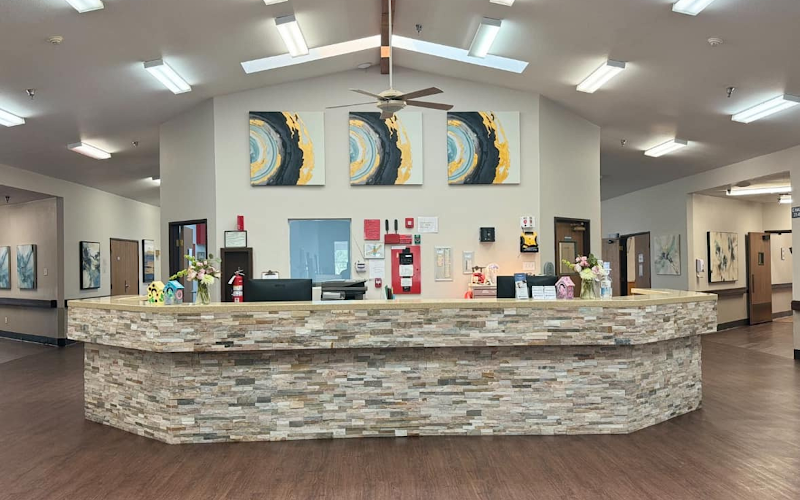
How Does Bluebonnet Nursing And Rehabilitation Compare to Other Texas Nursing Homes?

Compared to the 100 nursing homes in Texas, BLUEBONNET NURSING AND REHABILITATION's overall rating (1 stars) is below the state average of 2.8, staff turnover (59%) is significantly higher than the state average of 46%, and health inspection rating (2 stars) is below the national benchmark.

What Should Families Ask When Visiting Bluebonnet Nursing And Rehabilitation?

Based on this facility's data, families visiting should ask: "What changes have been made since the serious inspection findings, and how are you preventing similar issues?" "How do you ensure continuity of care given staff turnover, and what is your staff retention strategy?" "Can you walk me through typical staffing levels on day, evening, and night shifts?" "Can I visit during a mealtime to observe dining assistance and food quality?" These questions are particularly relevant given the facility's Immediate Jeopardy citations, the facility's high staff turnover rate, and the below-average staffing rating.

Is Bluebonnet Nursing And Rehabilitation Safe?

Based on CMS inspection data, BLUEBONNET NURSING AND REHABILITATION has documented safety concerns. Inspectors have issued 4 Immediate Jeopardy citations (the most serious violation level indicating risk of serious injury or death). The facility has a 1-star overall rating and ranks #100 of 100 nursing homes in Texas. Families considering this facility should ask detailed questions about what corrective actions have been taken since these incidents.

Do Nurses at Bluebonnet Nursing And Rehabilitation Stick Around?

Staff turnover at BLUEBONNET NURSING AND REHABILITATION is high. At 59%, the facility is 13 percentage points above the Texas average of 46%. High turnover means new staff may not know residents' individual needs, medications, or preferences. It can also be disorienting for residents, especially those with dementia who rely on familiar faces. Families should ask: What is causing the turnover? What retention programs are in place? How do you ensure care continuity during staff transitions?

Was Bluebonnet Nursing And Rehabilitation Ever Fined?

BLUEBONNET NURSING AND REHABILITATION has been fined $89,538 across 3 penalty actions. This is above the Texas average of $33,974. Fines in this range indicate compliance issues significant enough for CMS to impose meaningful financial consequences. Common causes include delayed correction of deficiencies, repeat violations, or care failures affecting resident safety. Families should ask facility leadership what changes have been made since these penalties.

Is Bluebonnet Nursing And Rehabilitation on Any Federal Watch List?

BLUEBONNET NURSING AND REHABILITATION is not on any federal watch list. The most significant is the Special Focus Facility (SFF) program, which identifies the bottom 1% of nursing homes nationally based on persistent, serious quality problems. Not being on this list means the facility has avoided the pattern of deficiencies that triggers enhanced federal oversight. This is a positive indicator, though families should still review the facility's inspection history directly.