JOHN PAUL II NURSING HOME
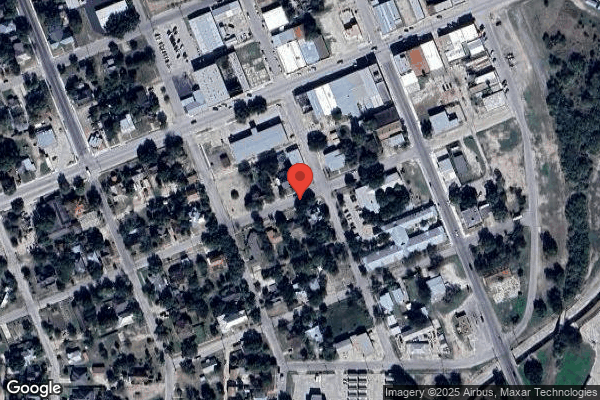
209 S 3RD ST, KENEDY, TX 78119 (830) 583-9841
Non profit - Corporation 58 Beds Independent Data: November 2025
Trust Grade
95/100
#75 of 1168 in TX
Last Inspection: September 2025

Inspected within the last 6 months. Data reflects current conditions.

Overview

John Paul II Nursing Home in Kenedy, Texas, has received a Trust Grade of A+, indicating it is an elite facility with exceptional quality. It ranks #75 out of 1,168 nursing homes in Texas, placing it in the top half, and is the best option among the three facilities in Karnes County. However, the facility is currently experiencing a worsening trend, with issues increasing from one in 2024 to three in 2025. While staffing is relatively stable with a turnover rate of 23%, which is significantly lower than the Texas average, there are some concerns; for example, the facility failed to conduct required performance reviews for its Certified Nursing Assistants, which could impact the quality of care. Additionally, there were issues related to food safety, such as improperly dated food items in the kitchen, and insufficient training for staff on quality assurance practices, which could affect resident safety and care quality.

Trust Score
A+
95/100
In Texas
#75/1168
Top 6%
Safety Record
Low Risk
No red flags
Inspections
Getting Worse
1 → 3 violations
Staff Stability
✓ Good
23% annual turnover. Excellent stability, 25 points below Texas's 48% average. Staff who stay learn residents' needs.
Penalties
✓ Good
No fines on record. Clean compliance history, better than most Texas facilities.
Skilled Nurses
⚠ Watch
Each resident gets only 24 minutes of Registered Nurse (RN) attention daily — below average for Texas. Fewer RN minutes means fewer trained eyes watching for problems.
Violations
○ Average
9 deficiencies on record. Average for a facility this size. Mostly minor or procedural issues.
★★★★★
5.0
Overall Rating
★★★☆☆
3.0
Staff Levels
★★★★☆
4.0
Care Quality
★★★★★
5.0
Inspection Score
Stable
2024: 1 issues
2025: 3 issues

The Good

  • 4-Star Quality Measures · Strong clinical quality outcomes
  • Low Staff Turnover (23%) · Staff stability means consistent care
  • Full Sprinkler Coverage · Fire safety systems throughout facility
  • No fines on record
  • Staff turnover is low (23%)

    25 points below Texas average of 48%

Facility shows strength in quality measures, staff retention, fire safety.

The Bad

No Significant Concerns Identified

This facility shows no red flags. Among Texas's 100 nursing homes, only 1% achieve this.

The Ugly 9 deficiencies on record

Sept 2025 3 deficiencies
CONCERN (D)

Potential for Harm - no one hurt, but risky conditions existed

Report Alleged Abuse (Tag F0609)

Could have caused harm · This affected 1 resident

**NOTE- TERMS IN BRACKETS HAVE BEEN EDITED TO PROTECT CONFIDENTIALITY** Based on interviews and record reviews the facility failed to ensure all alleged violations involving abuse, neglect, exploitati...

Read full inspector narrative →
**NOTE- TERMS IN BRACKETS HAVE BEEN EDITED TO PROTECT CONFIDENTIALITY** Based on interviews and record reviews the facility failed to ensure all alleged violations involving abuse, neglect, exploitation, or mistreatment, including injuries of unknown sources are reported immediately but not later than 2 hours ( for an injury of unknown origin involving serious bodily injury) to the administrator of the facility and to other officials, including to the State Survey Agency in accordance with State law through established procedures, for 1 of 4 Residents (Resident #9) reviewed for a fall injury, in that: The facility did not report an allegation of injury of unknown origin with serious injury to the State Survey Agency (HHSC) within the 2 hours time frame for Resident #9's unwitnessed fall that occurred on 6/19/25. This deficient practice could affect any resident and could contribute to the non-reporting of injuries of unknown origin. The findings were: Review of Resident #'s 9 face sheet dated 9/12/25, revealed a [AGE] year-old female originally admitted to the facility on [DATE] with diagnoses that included: Alzheimer's (a progressive disease that affects memory and other mental functions), anxiety disorder ( a mental health disease in which persistent feeling of worry and fear interfere with daily tasks), and Parkinson's disease ( a disorder of the central nervous system that affect movement). Record review of Resident #9's quarterly MDS assessment dated [DATE] revealed a blank BIMS score, indicating the resident could not complete the interview. The MDS revealed that Resident #1 was ambulatory and used a walker. Record review of Resident # 9's care plan initiated on 11/4/24 revealed Resident #9 had an identified risk for falls. The interventions for fall risk included encouraging Resident when ambulating to use her walker and to wear her shoes. Record review of the facility incident report dated 6/19/25 at 3:00am and approved by the DON revealed Resident #9 had fallen onto her bedroom floor. Resident #9 was assessed and was noted to have blood on the back of her head with complaints of neck and back pain and was transported to the hospital for further evaluation. Record review of hospital admission report dated 6/19/25 revealed Resident #9 was diagnosed with a subdural hematoma and subarachnoid hemorrhage (a pool of blood noted in the brain) related to the unwitnessed fall at the facility and was admitted to the hospital. During and interview with the Director of Nurses (DON) on 9/12/25 at 1025am she stated that the fall event for Resident #9 which occurred on 6/19/25 at 3:00am was not reported to Tx HHS as the facility was aware that the fall had occurred in the resident's room. The DON state an in-service training on fall prevention related to the fall incident on 6/19/25 was not presented to the nursing staff since the incident was not self-reported to Tx HHS. During an interview with LVN-A on 9/12/25 at 10:25am revealed Resident #9 had an unwitnessed fall in her room on 6/19/25 at 3:00am and was found on the floor with blood noted on the back of her head and complaints of neck and back pain. LVN-A stated that Resident #9 was transported to the hospital for further evaluation. LVN-A stated that Resident #9 had been self ambulatory in her room with a walker and was able to self-toilet. LVN-A stated that Resident #9 had been observed in her room on her bed by the nursing staff less than 30 minutes prior to the fall. During an interview with the Administrator on 9/12/25 at 11:30am the Administrator stated that the fall incident for Resident #9 which occurred on 6/19/25 was not reported to Tx HHS since the facility was aware that the fall had occurred in the resident's room. The Administrator stated that facility in-service on fall prevention to nursing staff related to the fall incident on 6/19/25 was not completed since the incident was not self-reported to Tx HHS. During an interview with C.N.A.-B on 9/12/25 at 4:35pm the aide stated Resident #9 had fallen in her room on 6/19/25 at 3:00am and had blood noted to the back of her head. C N.A.-B stated that Resident #9 stated she had just used the bathroom prior to the fall. C.N.A.-B stated that Resident #9 used a walker while ambulating and was able to use the bathroom independently. C.N.A.-B stated that Resident #9 had not pushed the room call light prior to the fall Record review of the facility policy on Abuse Investigation and Reporting that was undated revealed injuries of unknown origin will be reported to Tx HHS within 2 hours if the incident did involve abuse/neglect but there was serious bodily injury.
CONCERN (D)

Potential for Harm - no one hurt, but risky conditions existed

Investigate Abuse (Tag F0610)

Could have caused harm · This affected 1 resident

**NOTE- TERMS IN BRACKETS HAVE BEEN EDITED TO PROTECT CONFIDENTIALITY** Based on interviews, and record reviews the facility failed to have evidence all allegations of an injury of unknown with seriou...

Read full inspector narrative →
**NOTE- TERMS IN BRACKETS HAVE BEEN EDITED TO PROTECT CONFIDENTIALITY** Based on interviews, and record reviews the facility failed to have evidence all allegations of an injury of unknown with serious bodily injury were thoroughly investigated and documented for 1 of 4 residents (Resident #9) reviewed for a fall injury. The facility failed to have evidence that a thorough investigation was conducted following the allegation Resident #9 had an unwitnessed fall which resulted in serious bodily injury. These failures could place residents at risk for abuse and neglect by not investigating injuries of unknown origin that involve serious bodily injury. The findings were: Record review of Resident # 9's face sheet, dated 9/12/25, revealed a [AGE] year-old female originally admitted to the facility on [DATE] with diagnoses that included: Alzheimer's (a progressive disease that affects memory and other mental functions), anxiety disorder ( a mental health disease in which persistent feeling of worry and fear interfere with daily tasks), and Parkinson's disease ( a disorder of the central nervous system that affect movement). Record review of the facility incident report dated 6/19/25 at 3:00am revealed Resident #9 had an unwitnessed fall onto her bedroom floor. Resident #9 was assessed and was noted to have blood on the back of her head with complaints of neck and back pain and was transported to the hospital for further evaluation. There was not a facility self- report investigation as part of the event report provided to the surveyor that was conducted for the fall incident dated 6/19/25. Record review of hospital admission report dated 6/19/25 revealed Resident #9 was diagnosed with a subdural hematoma and subarachnoid hemorrhage ( a pool of blood noted in the brain) related to the unwitnessed fall at the facility and was admitted to the hospital. During an interview with the Director of Nurses (DON) on 9/12/25 at 1025am the DON stated that the unwitnessed fall event for Resident #9 which occurred on 6/19/25 at 3:00am was not reported to Tx HHS since the facility was aware that the fall had occurred in the resident's room. The DON stated that facility in-service on fall prevention provided to nursing staff related to the fall incident on 6/19/25 was not completed since the incident was not self-reported to Tx HHS. The DON stated there was not a facility self-report investigation completed by facility staff related to the unwitnessed fall incident which occurred on 6/19/25. During an interview with the Administrator on 9/12/25 at 11:30am the Administrator stated that the unwitnessed fall incident for Resident #9 which occurred on 6/19/25 was not reported to Tx HHS since the facility was aware that the fall occurred in the resident's room. The Administrator stated that facility in-service on fall prevention provided to nursing staff related to the fall incident on 6/19/25 was not completed since the incident was not self-reported to Tx HHS. The Administrator stated there was not a facility self-report investigation completed by facility staff related to the unwitnessed fall incident which occurred on 6/19/25. Record review of the facility policy on Abuse Investigation and Reporting that was undated revealed injuries of unknown origin will be reported to Tx HHS within 2 hours if the incident involved serious bodily injury and a facility investigation of the incident will be conducted that would include: 1-review of the completed documentation, 2-review of the medical record, staff interviews, 3-resident interview, other resident interviews, review of all events leading up to the incident.
CONCERN (D)

Potential for Harm - no one hurt, but risky conditions existed

Deficiency F0761 (Tag F0761)

Could have caused harm · This affected 1 resident

Based on observations, interviews, and record review, the facility failed to store all drugs and biologicals in locked compartments under proper temperature controls and permit only authorized personn...

Read full inspector narrative →
Based on observations, interviews, and record review, the facility failed to store all drugs and biologicals in locked compartments under proper temperature controls and permit only authorized personnel to have access to the keys for one medication cart out of two carts reviewed for medication storage, in that : LVN A left the medication cart unsecured on Hallway two while administering medications. These deficient practices could place residents at risk for misappropriation, misuse or tampering of medications. The findings included: Observation on 09/11/2025 at 09:34 a.m. on hall way two revealed that the medication cart was left unattended and not locked. During an interview on 9/11/2025, at 09:45 with LVN A, it was revealed she had left the medication cart unlocked, which was a practice she claimed to have never done before. Her focus was checking a resident that led to the oversight. She acknowledged the potential for misappropriation, misuse, and harm if someone were to gain unauthorized access to the cart and acquire medications. Interview on 09/11/2025 at 10:30 a.m. the DON, stated LVN A was one of her fairly new nurses hired. The DON emphasized that it was imperative for nurses and medication aides to rigorously adhere to the protocol of securing medication carts when not in use due to the potential risks of misappropriation and harm if unauthorized individuals access the medications. Furthermore, she was accountable for overseeing the random locking of medication carts, while her MDS nurse was tasked with daily monitoring of the crucial security measure during rounds. Record review of the facility's policy and procedure titled Medication Cart System, undated, revealed, If the cart must be left at any time during medication pass due to an emergency, it must be locked.
Aug 2024 1 deficiency
CONCERN (D)

Potential for Harm - no one hurt, but risky conditions existed

Deficiency F0813 (Tag F0813)

Could have caused harm · This affected 1 resident

Based on observations, interviews and record review, the facility failed to maintain and ensure safe and sanitary storage of residents' food items for 1 of 5 residents' (Resident #7) refrigerators rev...

Read full inspector narrative →
Based on observations, interviews and record review, the facility failed to maintain and ensure safe and sanitary storage of residents' food items for 1 of 5 residents' (Resident #7) refrigerators reviewed. The personal refrigerator in Resident #7's room contained food items which were unlabeled and undated. This deficient practice could place residents at risk of foodborne illness due to consuming foods which are spoiled. The findings were: Observations on 8/06/2024 at 10:15 a.m., revealed Resident #7's personal refrigerator contained a cinnamon roll and a cupcake in an unlabeled and undated zip lock bag. Further observation on 8/06/2024 of Resident #7's personal refrigerator at 11:50 a.m. revealed the cinnamon roll and cupcake in an unlabeled and undated zip-lock bag was still present. Interview with Resident #7 on 8/06/2024 at 1020 a.m. revealed she could not recall how long the cinnamon roll and cupcake had been in her personal refrigerator or who brought it. On 8/06/2024 at 10:30 a.m., LVN A stated during an interview that she was assigned nurse for Resident #7's room. She added that housekeeping was accountable for removing undated and unlabeled food items from the residents' refrigerators. However, the nursing staff was expected to label and date any food items brought in by families and place them in the refrigerators. LVN A stated Resident #7 risked some form of food borne illness by possibly consuming food that was unlabeled and undated. During an interview with CNA B on 8/06/2024 at 10:40 a.m., she stated that she was the assigned nursing assistant for Resident #7's room. She confirmed Resident #7's personal refrigerator contained a cinnamon roll and a cupcake in an unlabeled and undated zip-lock bag. She was unaware of how long the food items had been in the refrigerator and said she would dispose of them after informing her supervisor as Resident #7 risked possible consumption of expired food that could make her sick. Interview with housekeeping supervisor, on 8/06/2024 at 11:50 a.m., revealed housekeeping was accountable for removing undated and unlabeled food items from the residents' refrigerators daily, she was unaware why this was not done for Resident #7's refrigerator. She added Resident #7 risked food borne illness by possibly consuming expired food that was undated and unlabeled. During an interview with the Director of Nursing on 8/07/2024 at 2:30 p.m., the DON confirmed that perishable food and drinks in residents' personal refrigerators should be labeled and dated to prevent residents from consuming spoiled foods. The DON stated that housekeeping was responsible for removing undated and unlabeled food items from the residents' refrigerators daily. However, the nursing staff was expected to label and date any food items brought in by families and place them in the refrigerators. An interview with the Administrator on 8/07/2024 at 3:00 p.m. revealed food in all residents' refrigerators should be labeled and dated to prevent residents from consuming spoiled foods. The Administrator stated that housekeeping was responsible for daily removing undated and unlabeled food items from the residents' refrigerators. However, the nursing staff was expected to label and date any food items brought in by families and place them in the refrigerators. The Administrator stated that families sometimes bring food for residents and do not let the nursing staff know; she said she would send a memo to all family members indicating that nursing staff should be informed when they bring food to residents' refrigerators. She added that the housekeeping supervisor is responsible for overseeing this task, but this was not being monitored. Record review of the facility policy, In Room Refrigerator, undated, revealed: All food in refrigerators must be covered, dated and labeled, staff will inspect content of refrigerators weekly and dispose of expired, unlabeled, undated food.
Jun 2023 5 deficiencies
CONCERN (D)

Potential for Harm - no one hurt, but risky conditions existed

Deficiency F0583 (Tag F0583)

Could have caused harm · This affected 1 resident

**NOTE- TERMS IN BRACKETS HAVE BEEN EDITED TO PROTECT CONFIDENTIALITY** Based on observation, interview, and record review, the facility failed to ensure residents have a right to personal privacy for...

Read full inspector narrative →
**NOTE- TERMS IN BRACKETS HAVE BEEN EDITED TO PROTECT CONFIDENTIALITY** Based on observation, interview, and record review, the facility failed to ensure residents have a right to personal privacy for 2 of 4 residents (Residents #20 and, #29) reviewed for privacy, in that: 1. CNA A did not completely close Resident #20's privacy curtain while providing catheter care for the resident. 2. CNA B and CNA C did not completely close Resident #29's privacy curtain while providing incontinent care for the resident. This deficient practice could place residents at-risk of loss of dignity due to lack of privacy. The findings included: 1. Record review of Resident #20's face sheet, dated 06/29/2023, revealed an admission date of 01/01/2019, and a readmission date of 09/06/2022, with diagnoses which included: Dementia (decline in cognitive abilities), Cellulitis(skin infection), Depressive disorder (mood disorder that causes a persistent feeling of sadness and loss of interest), Anxiety disorder (A group of mental illnesses that cause constant fear and worry), Retention of urine (inability to voluntarily pass urine) and, Edema (swelling). Record review of Resident #'20's Annual MDS, dated [DATE], revealed the resident had a BIMS score of 8 indicating moderate impairment. Resident #20 required extensive assistance and was frequently incontinent of bowel and had an indwelling catheter. Observation on 06/29/23 at 02:10 p.m. revealed CNA A provided catheter care for Resident #20, CNA A did not pull the curtains completely around Resident 20's bed to offer privacy to the resident during care. Resident #20's genitals were exposed during care. Anybody opening the room's door and entering would have been able to seen the resident. During an interview with CNA A on 06/29/2023 at 2:20 p.m., CNA A verbally confirmed the end of bed was uncovered. She stated she did not know she had to completely close the curtain around the bed. She confirmed receiving training about privacy during care. 2. Record review of Resident #29's face sheet, dated 06/29/2023, revealed an admission date of 06/14/2022, with diagnoses which included: Vascular dementia (decline in cognitive abilities), Osteoporosis (Systemic skeletal disorder characterized by bone deterioration) , Chronic kidney disease stage 3 (gradual loss of kidney function) , Hypothyroidism (under active thyroid), Type 2 diabetes mellitus(high level of sugar in the blood) , Hyperlipidemia(Elevated level of any or all lipids(fat) in the blood) and, Hypertension (High blood pressure). Record review of Resident #'29's quarterly MDS, dated [DATE], revealed the resident did not have a BIMS. Resident #20 required extensive to total care assistance and was always incontinent of bowel and bladder Observation on 06/29/23 at 01:50 p.m. revealed CNA B and CNA C provided incontinent care for Resident #29, CNA B and CNA C did not pull the curtains completely around Resident 29's bed to offer privacy to the resident during care. Resident #29's genitals and buttocks were exposed during care. Anybody opening the room's door and entering would have been able to seen the resident. During an interview with CNA B and CNA C on 06/29/2023 at 1:58 p.m., they verbally confirmed the end of bed was uncovered. they stated they did not know she had to completely close the curtain around the bed and that they only had to pull the curtain between the beds. They confirmed receiving training about privacy during care. During an interview with the DON on 06/30/2023 at 8:20 a.m., the DON verbally confirmed the privacy curtains had to be completely closed around the bed of the resident during care to insure complete privacy. The staff was trained within this year about resident rights. The management checked on the staff and how they provided care. The DON did not know they had to do annual skills check and competency with all the staff annually Review of facility policy titled Privacy and confidentiality, dated 11/26/2017, revealed you have the right to: privacy, including privacy during visits and telephone calls and while attending to personal needs
CONCERN (E)

Potential for Harm - no one hurt, but risky conditions existed

Deficiency F0730 (Tag F0730)

Could have caused harm · This affected multiple residents

Based on interview and record review, the facility failed to conduct a performance review at least once every 12 months and provide regular in-service education based on the outcome of these reviews f...

Read full inspector narrative →
Based on interview and record review, the facility failed to conduct a performance review at least once every 12 months and provide regular in-service education based on the outcome of these reviews for 6 of 6 CNA's, NA's or RA's (RA F, NA G, NA H, NA I, NA J, NA K) reviewed for performance reviews, in that: The facility failed to conduct performance reviews at least every 12 months for RA F, NA G, NA H, NA I, NA J, NA K. This failure could result in residents not receiving the necessary care and services due to nurse aides not receiving training based on their performance review outcome. The findings included: Record review of the facility's personnel files revealed the personnel files of RN F (hired 09/15/2014), CNA G (hired 07/19/2022), CNA H (hired 05/07/1991), CNA I (hired 07/01/2010), CNA J (hired 06/20/2022) and CNA K (hired 06/18/2012) . During an interview on 06/30/2023 at 1:22 p.m., the DON stated she was aware that aides were required to have a 12-month performance review every year. The DON stated she was unable to find where the previous DON had the paperwork. She further stated that some of the current staff actually caught that previous DON tossing/shredding some of the facilities paperwork prior to her leaving. The DON stated the potential harm was staff not knowing how skills should be done correctly. During an interview on 06/30/2023 at 3:29 p.m. the MDS Coordinator stated they do not have a policy for the 12 month performance reviews on all aids.
CONCERN (E)

Potential for Harm - no one hurt, but risky conditions existed

Food Safety (Tag F0812)

Could have caused harm · This affected multiple residents

Based on observation, interview, and record review, the facility failed to store, prepare, distribute, and serve food in accordance with professional standards for food service safety for 1 of 1 kitch...

Read full inspector narrative →
Based on observation, interview, and record review, the facility failed to store, prepare, distribute, and serve food in accordance with professional standards for food service safety for 1 of 1 kitchen (Main Kitchen), in that: The facility failed to ensure an opened items in the reach in refrigerators were dated or discarded correctly This deficient practice could place residents who ate food from the kitchen at risk for foodborne illness. The findings included: During an observation, in the dry storage area, on 06/27/2023 at 11:59 a.m., revealed a box container of Idaho potatoes with a received date of 06.23.2023, but no opened date. During an observation, in the walk-in refrigerator, on 06/27/2023 at 12:04 p.m., revealed one 32 oz. container of Arrezzio chopped garlic with no opened date or received date; one 3 lb. container of Daisy cottage cheese with a received date 06/23/2023 but no opened date; one 18 oz of egg white with no received date; three 16 oz packages of cooked ham with no received date on them. During an observation, in a standing freezer, on 06/27/2023 at 12:13 p.m., revealed two packages of 30 count of corn tortillas with no received date. During an observation, in a standing refrigerator, on 06/27/2023 at 12:15 p.m., revealed one container of strawberry syrup with a received date of 03/23/2023 but no opened date, one package of black forest ham with no received date or opened date; and one container of sugar free syrup with a received date of 06/23/2023 but no opened date documented. During an observation and interview on 06/27/2023 from 3:59 p.m. through 4:15 p.m., [NAME] D confirmed, by observations, that mentioned items in the dry storage area, walk in refrigerator, standing freezer and standing refrigerator were not dated with received and or opened dates. During an interview on 06/02/2023 at 5:29 p.m., the DM stated items were separated between dry storage area, freezer or refrigerator and labeled with a received dates after collecting from the vendors. The DM stated the items were probably forgotten about or because the item gets wet the date rubbed off. The DM stated she was ultimately responsible for ensuring items were dated correctly. The potential harm to residents by not having items dated correctly was residents being exposed by bacteria. Record review of Food Storage, dated 2021, revealed 7b. Food should be dated as it is placed on the shelves if required by state regulation. [ .] Further record review under 13f. titled refrigerated food storage and under 14c titled frozen foods, which read All foods should be covered, labeled, and dated
CONCERN (E)

Potential for Harm - no one hurt, but risky conditions existed

Deficiency F0944 (Tag F0944)

Could have caused harm · This affected multiple residents

Based on interviews and record reviews, the facility failed to ensure Quality Assurance and Performance Improvement (QAPI) training that outlines and informs staff of the elements and goals of the fac...

Read full inspector narrative →
Based on interviews and record reviews, the facility failed to ensure Quality Assurance and Performance Improvement (QAPI) training that outlines and informs staff of the elements and goals of the facility's QAPI program for 10 of 16 employees (RA F, NA G, NA H, NA I, NA J, NA K, LVN L, RN M, LVN N, LVN O) reviewed for training, in that: The facility failed to ensure RA F, NA G, NA H, NA I, NA J, NA K, LVN L, RN M, LVN N, LVN O completed QAPI training within the last year. These failures could affect residents and place them at risk of poor care or victimization due to lack of staff training. Findings included: a. Record review of Staff Roster, dated 06/30/2023, revealed RA F was hired on 09/15/2014. Record review of RA F's training history revealed RA F had not completed QAPI training in the last year. b. Record review of Staff Roster, dated 06/30/2023, revealed CNA G was hired on 07/19/2022. Record review of CNA G's training history revealed CNA G had not completed QAPI training in the last year. c. Record review of Staff Roster, dated 06/30/2023, revealed CNA H was hired on 05/07/1991. Record review of CNA H's training history revealed CNA H had not completed QAPI training in the last year. d. Record review of Staff Roster, dated 06/30/2023, revealed CNA I was hired on 07/01/2010. Record review of CNA I's training history revealed CNA I had not completed QAPI training in the last year. f. Record review of Staff Roster, dated 06/30/2023, revealed CNA J was hired on 06/20/2022. Record review of CNA J's training history revealed CNA J had not completed QAPI training in the last year. g. Record review of Staff Roster, dated 06/30/2023, revealed CNA K was hired on 06/18/2012. Record review of CNA K's training history CNA K had not completed QAPI training in the last year. h. Record review of Staff Roster, dated 06/30/2023, revealed LVN L was hired on 03/21/2022. Record review of LVN L's training history revealed LVN L had not completed QAPI training in the last year. i. Record review of Staff Roster, dated 06/30/2023, revealed the RN M was hired on 08/19/2000. Record review of the RN M's training history revealed the RN M had not completed QAPI training in the last year. j. Record review of Staff Roster, dated 06/30/2023, revealed the LVN N was hired on 06/24/1997. Record review of the LVN N's training history revealed the LVN N had not completed QAPI training in the last year. k. Record review of Staff Roster, dated 06/30/2023, revealed LVN O was hired on 07/03/2003. Record review of LVN O's training history revealed LVN O had not completed QAPI training in the last year. During an interview on 06/30/2023 at 1:22 p.m., the DON stated she was not aware all staff was required to have QAPI training. She further stated there was not an HR staff member located in this building and that the HR paperwork was completed mobile from their corporate office. The DON stated there was no one assigned to ensure all staff training was completed. During an interview on 06/30/2023 at 3:29 p.m. the MDS Coordinator stated they do not have a policy for QAPI training.
CONCERN (E)

Potential for Harm - no one hurt, but risky conditions existed

Deficiency F0949 (Tag F0949)

Could have caused harm · This affected multiple residents

Based on interview and record review, the facility failed to provide mandatory effective behavioral health training for 16 of 16 employees (RA F, NA G, NA H, NA I, NA J, NA K, LVN L, RN M, LVN N, LVN ...

Read full inspector narrative →
Based on interview and record review, the facility failed to provide mandatory effective behavioral health training for 16 of 16 employees (RA F, NA G, NA H, NA I, NA J, NA K, LVN L, RN M, LVN N, LVN O, MR, DM, AD, DON, MDS Coordinator and SW)reviewed for training, in that: The facility failed to ensure RA F, NA G, NA H, NA I, NA J, NA K, LVN L, RN M, LVN N, LVN O, MR, DM, AD, DON, MDS Coordinator and SW completed behavioral health training within the previous year. This failure could place residents at risk of not attaining or maintaining their highest practicable physical, mental, and psychosocial well-being due to lack of staff training. The findings included: a. Record review of Staff Roster, dated 06/30/2023, revealed RA F was hired on 09/15/2014. Record review of RA F's training history revealed RA F had not completed Behavioral Health training in the last year. b. Record review of Staff Roster, dated 06/30/2023, revealed CNA G was hired on 07/19/2022. Record review of CNA G's training history revealed CNA G had not completed Behavioral Health training in the last year. c. Record review of Staff Roster, dated 06/30/2023, revealed CNA H was hired on 05/07/1991. Record review of CNA H's training history revealed CNA H had not completed Behavioral Health training in the last year. d. Record review of Staff Roster, dated 06/30/2023, revealed CNA I was hired on 07/01/2010. Record review of CNA I's training history revealed CNA I had not completed Behavioral Health training in the last year. f. Record review of Staff Roster, dated 06/30/2023, revealed CNA J was hired on 06/20/2022. Record review of CNA J's training history revealed CNA J had not completed Behavioral Health training in the last year. g. Record review of Staff Roster, dated 06/30/2023, revealed CNA K was hired on 06/18/2012. Record review of CNA K's training history CNA K had not completed Behavioral Health training in the last year. h. Record review of Staff Roster, dated 06/30/2023, revealed LVN L was hired on 03/21/2022. Record review of LVN L's training history revealed LVN L had not completed Behavioral Health training in the last year. i. Record review of Staff Roster, dated 06/30/2023, revealed the RN M was hired on 08/19/2000. Record review of the RN M's training history revealed the RN M had not completed Behavioral Health training in the last year. j. Record review of Staff Roster, dated 06/30/2023, revealed the LVN N was hired on 06/24/1997. Record review of the LVN N's training history revealed the LVN N had not completed Behavioral Health training in the last year. k. Record review of Staff Roster, dated 06/30/2023, revealed LVN O was hired on 07/03/2003. Record review of LVN O's training history revealed LVN O had not completed Behavioral Health training in the last year. l. Record review of Staff Roster, dated 06/30/2023, revealed the MR was hired on 05/01/1971. Record review of the MR's training history revealed the MR had not completed Behavioral Health training in the last year. m. Record review of Staff Roster, dated 06/30/2023, revealed the DM was hired on 04/13/2007. Record review of the DM's training history revealed DM had not completed Behavioral Health training in the last year. n. Record review of Staff Roster, dated 06/30/2023, revealed the AD was hired on 02/25/2015. Record review of AD's training history revealed the AD had not completed Behavioral Health training in the last year. o. Record review of Staff Roster, dated 06/30/2023, revealed the DON was hired on 05/01/1971. Record review of DON's training history revealed DON had not completed Behavioral Health training in the last year. p. Record review of Staff Roster, dated 06/30/2023, revealed the MDS Coordinator was hired on 05/01/1971. Record review of the MDS Coordinator training history revealed she had not completed Behavioral Health training in the last year. q. Record review of Staff Roster, dated 06/30/2023, revealed the SW was hired on 05/01/1971. Record review of SW's training history revealed SW had not completed Behavioral Health training in the last year. During an interview on 06/30/2023 at 00:00 p.m., the DON stated she was not aware all staff was required to have Behavior Health training. She further stated there was not an HR staff member located in this building and that the HR paperwork was completed mobile from their corporate office. The DON stated there was no one assigned to ensure all staff training was completed. During an interview on 06/30/2023 at 3:29 p.m. the MDS Coordinator stated they do not have a policy for QAPI training.
Understanding Severity Codes (click to expand)
Life-Threatening (Immediate Jeopardy)
J - Isolated K - Pattern L - Widespread
Actual Harm
G - Isolated H - Pattern I - Widespread
Potential for Harm
D - Isolated E - Pattern F - Widespread
No Harm (Minor)
A - Isolated B - Pattern C - Widespread

Questions to Ask on Your Visit

  • "Can I speak with families of current residents?"
  • "What's your RN coverage like on weekends and overnight?"

Our Honest Assessment

Strengths
  • • Grade A+ (95/100). Above average facility, better than most options in Texas.
  • • No major safety red flags. No abuse findings, life-threatening violations, or SFF status.
  • • No fines on record. Clean compliance history, better than most Texas facilities.
  • • 23% annual turnover. Excellent stability, 25 points below Texas's 48% average. Staff who stay learn residents' needs.
Concerns
  • • No significant concerns identified. This facility shows no red flags across CMS ratings, staff turnover, or federal penalties.
Bottom line: Generally positive indicators. Standard due diligence and a personal visit recommended.

About This Facility

What is John Paul Ii's CMS Rating?

CMS assigns JOHN PAUL II NURSING HOME an overall rating of 5 out of 5 stars, which is considered much above average nationally. Within Texas, this rating places the facility higher than 99% of the state's 100 nursing homes. This rating reflects solid performance across the metrics CMS uses to evaluate nursing home quality.

How is John Paul Ii Staffed?

CMS rates JOHN PAUL II NURSING HOME's staffing level at 3 out of 5 stars, which is average compared to other nursing homes. Staff turnover is 23%, compared to the Texas average of 46%. This relatively stable workforce can support continuity of care.

What Have Inspectors Found at John Paul Ii?

State health inspectors documented 9 deficiencies at JOHN PAUL II NURSING HOME during 2023 to 2025. These included: 9 with potential for harm.

Who Owns and Operates John Paul Ii?

JOHN PAUL II NURSING HOME is owned by a non-profit organization. Non-profit facilities reinvest revenue into operations rather than distributing to shareholders. The facility operates independently rather than as part of a larger chain. With 58 certified beds and approximately 38 residents (about 66% occupancy), it is a smaller facility located in KENEDY, Texas.

How Does John Paul Ii Compare to Other Texas Nursing Homes?

Compared to the 100 nursing homes in Texas, JOHN PAUL II NURSING HOME's overall rating (5 stars) is above the state average of 2.8, staff turnover (23%) is significantly lower than the state average of 46%, and health inspection rating (5 stars) is much above the national benchmark.

What Should Families Ask When Visiting John Paul Ii?

Based on this facility's data, families visiting should ask: "Can I visit during a mealtime to observe dining assistance and food quality?" "How do you handle medical emergencies, and what is your hospital transfer rate?" "Can I speak with family members of current residents about their experience?"

Is John Paul Ii Safe?

Based on CMS inspection data, JOHN PAUL II NURSING HOME has a clean safety record: no substantiated abuse findings (meaning no confirmed cases of resident harm), no Immediate Jeopardy citations (the most serious violation level indicating risk of serious injury or death), and is not on the Special Focus Facility watch list (a federal program monitoring the lowest-performing 1% of nursing homes). The facility has a 5-star overall rating and ranks #1 of 100 nursing homes in Texas. While no facility is perfect, families should still ask about staff-to-resident ratios and recent inspection results during their visit.

Do Nurses at John Paul Ii Stick Around?

Staff at JOHN PAUL II NURSING HOME tend to stick around. With a turnover rate of 23%, the facility is 23 percentage points below the Texas average of 46%. Low turnover is a positive sign. It means caregivers have time to learn each resident's needs, medications, and personal preferences. Consistent staff also notice subtle changes in a resident's condition more quickly.

Was John Paul Ii Ever Fined?

JOHN PAUL II NURSING HOME has no federal fines on record. CMS issues fines when nursing homes fail to meet care standards or don't correct problems found during inspections. The absence of fines suggests the facility has either maintained compliance or corrected any issues before penalties were assessed. This is a positive indicator, though families should still review recent inspection reports for the full picture.

Is John Paul Ii on Any Federal Watch List?

JOHN PAUL II NURSING HOME is not on any federal watch list. The most significant is the Special Focus Facility (SFF) program, which identifies the bottom 1% of nursing homes nationally based on persistent, serious quality problems. Not being on this list means the facility has avoided the pattern of deficiencies that triggers enhanced federal oversight. This is a positive indicator, though families should still review the facility's inspection history directly.