RIVER HILLS HEALTH AND REHABILITATION CENTER

2091 BANDERA HWY, KERRVILLE, TX 78028 (830) 257-9900
For profit - Individual 150 Beds Independent Data: November 2025 6 Immediate Jeopardy citations
Trust Grade
0/100
#824 of 1168 in TX
Last Inspection: June 2025

Inspected within the last 6 months. Data reflects current conditions.

Overview

River Hills Health and Rehabilitation Center has a Trust Grade of F, which indicates significant concerns about the quality of care provided. It ranks #824 out of 1168 nursing homes in Texas, placing it in the bottom half, and #2 out of 4 in Kerr County, meaning only one facility nearby is rated higher. The facility is improving slightly, with the number of issues decreasing from 22 in 2024 to 21 in 2025, but it still faces serious challenges. Staffing is a significant concern, with a low rating of 1 out of 5 stars and a high turnover rate of 66%, which is above the state average. Additionally, the center has incurred $137,656 in fines, which is higher than 81% of Texas facilities, suggesting ongoing compliance problems. Specific incidents of concern include a failure to administer insulin to a resident for six days, which could lead to serious health risks like hyperglycemia. There were also failures in medication management, as another resident did not receive their scheduled insulin, posing a potential risk for severe complications. While the facility has an excellent rating of 5 out of 5 stars for quality measures, the poor health inspection and staffing ratings highlight serious weaknesses that families should carefully consider.

Trust Score
F
0/100
In Texas
#824/1168
Bottom 30%
Safety Record
High Risk
Review needed
Inspections
Getting Better
22 → 21 violations
Staff Stability
⚠ Watch
66% turnover. Above average. Higher turnover means staff may not know residents' routines.
Penalties
○ Average
$137,656 in fines. Higher than 70% of Texas facilities. Some compliance issues.
Skilled Nurses
⚠ Watch
Each resident gets only 10 minutes of Registered Nurse (RN) attention daily — below average for Texas. Fewer RN minutes means fewer trained eyes watching for problems.
Violations
⚠ Watch
60 deficiencies on record. Higher than average. Multiple issues found across inspections.
★★☆☆☆
2.0
Overall Rating
★☆☆☆☆
1.0
Staff Levels
★★★★★
5.0
Care Quality
★☆☆☆☆
1.0
Inspection Score
Stable
2024: 22 issues
2025: 21 issues

The Good

  • 5-Star Quality Measures · Strong clinical quality outcomes
  • Full Sprinkler Coverage · Fire safety systems throughout facility
  • No fines on record

Facility shows strength in quality measures, fire safety.

The Bad

2-Star Overall Rating

Below Texas average (2.8)

Below average - review inspection findings carefully

Staff Turnover: 66%

20pts above Texas avg (46%)

Frequent staff changes - ask about care continuity

Federal Fines: $137,656

Well above median ($33,413)

Significant penalties indicating serious issues

Staff turnover is elevated (66%)

18 points above Texas average of 48%

The Ugly 60 deficiencies on record

6 life-threatening
Sept 2025 1 deficiency
CONCERN (D) 📢 Someone Reported This

A family member, employee, or ombudsman was alarmed enough to file a formal complaint

Potential for Harm - no one hurt, but risky conditions existed

Accident Prevention (Tag F0689)

Could have caused harm · This affected 1 resident

**NOTE- TERMS IN BRACKETS HAVE BEEN EDITED TO PROTECT CONFIDENTIALITY** Based on observation, interview, and record review, the facility failed to ensure each resident receives adequate supervision an...

Read full inspector narrative →
**NOTE- TERMS IN BRACKETS HAVE BEEN EDITED TO PROTECT CONFIDENTIALITY** Based on observation, interview, and record review, the facility failed to ensure each resident receives adequate supervision and assistance devices to prevent accidents for 2 of 3 residents (Residents #1 and #2) reviewed for accidents/hazards. The facility failed to ensure fall mats were in place while Residents #1 and #2 were in bed on 9/16/2025. These failures could result in injury to residents. Findings included:Resident #1:Record review of Resident #1's face sheet, dated 9/16/2025, reflected a [AGE] year-old male admitted to the facility on [DATE]. Relevant diagnoses included displaced intertrochanteric fracture of the right femur (a break in the large, upper bone of the right leg), fracture of the superior rim of right pubis (a break of a bone in the pelvis), vascular dementia (a progressive disorder causing cognitive decline), and repeated falls. Record review of Resident #1's quarterly MDS, submitted 8/26/2025, reflected a BIMS score of 05, indicating severely impaired cognition. Section J1900 of the MDS reflected Resident #1 had experienced 1 fall without injury during the assessment period.Record review of a documented Fall Risk Evaluation of Resident #1 dated 9/11/2025 reflected a score of 19.0 and categorized the resident as at risk. Record review of Resident #1's comprehensive care plan, accessed and printed on 9/16/2025, reflected care planning for fall prevention, actual falls, and behavior problems related to poor safety awareness. Interventions for actual falls included a fall mat (initiated 8/08/2025) and relocation to a room closer to the nurse's station (initiated 6/17/2025). Record review of the facility's incident and accidents report dated 9/16/2025 reflected the most recent fall by Resident #1 was on 9/11/2025.In an observation and interview on 9/16/2025 at 1:45 PM, Resident #1 was observed awake and resting in bed. The fall mat was folded up and leaning against furniture in the room. HCNA C was exiting Resident #1's room and stated she had just completed routine hygiene tasks for Resident #1 and was finished providing care. After exiting the room, HCNA C did not return to implement the fall mat. Resident #1 was unable to participate in the attempted interview due to cognitive decline. A subsequent observation of Resident #1 on 9/16/2025 at 1:55 PM revealed the fall mat had not been implemented and remained leaned against the furniture. In an interview with HCNA C on 9/16/2025 at 1:57 PM, she reported she was not aware Resident #1 required a fall mat for fall prevention as the fall mat was not in place when she entered his room to provide care. She stated she saw the fall mat leaning against the furniture but was unsure if the fall mat belonged to Resident #1 or his roommate. HCNA C stated she was provided the information about fall prevention measures for residents from the facility nursing staff or through the medical chart. She reported potential harm to residents from not having a care planned fall mat implemented was serious injury or death. Resident #2: Record review of Resident #2's face sheet, dated 9/16/2025, reflected a [AGE] year-old male admitted to the facility on [DATE]. Relevant diagnoses included Parkinsonism (a progressive, degenerative neurological disorder causing tremors and muscular weakness) and repeated falls. Record review of Resident #2's quarterly MDS, submitted 8/13/2025, reflected a BIMS score of 12, indicating moderately impaired cognition. Section J1900 of the MDS reflected Resident #2 had experienced 2 falls without injury during the assessment period. Record review of a documented Fall Risk Evaluation of Resident #2 dated 7/29/2025 reflected a score of 16.0 and categorized the resident as at risk. Record review of Resident #2's comprehensive care plan, accessed and printed on 9/16/2025, reflected care planning for physical/verbal aggression, actual falls related to poor balance/poor communication and comprehensive/ poor safety awareness/ unsteady gait, and risk for falls. Interventions for actual falls included a fall mat (initiated 3/26/2026) and a scoop mattress (a modified bed mattress with defined edges to prevent someone from rolling out of bed) (initiated 5/08/2025). Record review of the facility's incident and accidents report dated 9/16/2025 reflected the most recent fall by Resident #2 was on 7/29/2025. In an observation and interview on 9/16/2025 at 1:44 PM, Resident #2 was observed awake and resting in bed. Resident #2's fall mat was folded up and leaning against furniture in the room. Resident #2 was unable to participate in the attempted interview due to cognitive decline. A subsequent observation on 9/16/2025 at 2:10 PM revealed the fall mat had not been implemented and remained leaned against the furniture. In an interview with CNA B on 9/16/2025 at 1:46 PM, she stated Resident #1 and #2 care plan interventions included lowering the bed and implementing a fall mat whenever they were in bed. She was unaware Resident #2's fall mat was not implemented at that time, and she stated Resident #2 had recently returned from physical therapy. She theorized the physical therapy staff likely did not replace the fall mat after assisting Resident #2 into bed. She stated Resident #1 had the fall mat in place earlier in the day and had probably been moved by HCNA C while she was providing care. CNA B stated the possible harm to residents from not having care planned fall mats in place was fall with injury. In an interview with LVN A on 9/16/2025 at 1:51 PM, she reported Residents #1 and #2 both require fall mats for fall prevention. she stated Resident #2 was brought to the nurse's station after the therapy session earlier that day, not to his room. She stated Resident #2 was then assisted to his room and into bed by a CNA. She was not aware that the fall mat was not implemented at that time. LVN A stated the fall mat for Resident #1 was implemented earlier in the day, and she was unaware HCNA C had not implemented the fall mat after providing care. She stated she rounded on all residents at least hourly to ensure fall prevention measures were in place. LVN A stated the potential harm to residents from not having care planned fall mats implemented was serious injury. In an interview with the DON on 9/16/2025 at 3:00 PM, she reported Residents #1 and #2 both had fall prevention care planning that included fall mats. She stated staff had made aware of the surveyor observation of Resident #2's fall mat not in place. She stated she spoke with CNA B, LVN A, and the physical therapy department regarding the fall mat, and she attributed the implementation failure to a temporary, agency staff member that she had terminated earlier in the day due to performance issues. The DON stated her expectation was that all staff, including facility employees, hospice, and agency, would implement care planned fall prevention measures at all times. She stated she ensured that any staff providing care for residents were given access to the electronic medical record system, including the Cardex which provided a synopsis of required interventions, including fall mats.Record review of the facility policy titled Accidents (undated, printed 9/16/2025) reflected the following:Individualized, person-centered interventions will be implemented, including adequate supervision and assistive devices, to reduce risks related to hazards in the environment.
Jun 2025 14 deficiencies
CONCERN (D)

Potential for Harm - no one hurt, but risky conditions existed

Deficiency F0583 (Tag F0583)

Could have caused harm · This affected 1 resident

**NOTE- TERMS IN BRACKETS HAVE BEEN EDITED TO PROTECT CONFIDENTIALITY** Based on observation, interview, and record review, the facility failed to ensure residents had the right to personal privacy an...

Read full inspector narrative →
**NOTE- TERMS IN BRACKETS HAVE BEEN EDITED TO PROTECT CONFIDENTIALITY** Based on observation, interview, and record review, the facility failed to ensure residents had the right to personal privacy and confidentiality of his or her personal and medical records for 1 of 5 residents (Resident #13) reviewed for privacy, in that: The facility failed to ensure that MA (E) locked the computer after she walked away and left it unattended, which exposed Resident #13's morning medication list. This failure could place residents at risk of having their medical information exposed to others and cause residents to feel uncomfortable and disrespected. The findings include: Record review of Resident #13's face sheet dated, 6/12/25 reflected an [AGE] year-old female resident who was admitted to the facility on [DATE] with diagnoses which included: Anxiety disorder (a group of mental health conditions characterized by excessive, persistent, and uncontrollable feelings of worry and fear), Alzheimer's disease (a progressive disease that destroys memory and other important mental functions), and dysphagia (difficulty swallowing foods or liquids). Record review of Resident #13's Quarterly MDS assessment, dated 5/05/25, reflected a BIMS score of 04, which indicated severe cognitive impairment. Observation on 6/11/25 at 9:45 AM revealed MA (E) prepared Resident #13's morning medication and walked away from the computer, leaving the screen facing the wall. MA (A) did not lock the computer screen and was away from the computer for 10 minutes. During an interview on 6/11/25 at 9:58 AM, MA (E) stated she was not aware of the option to lock the computer screen and believed minimizing the screen was sufficient. MA (E) noted Resident #13's private medical information might have been exposed when she stepped away from the computer. During an interview on 06/12/25 at 9:39 AM, the DON stated she was unaware that Resident #13's records had been left open and unattended by MA (E). The DON stated her expectation was for the facility nursing staff to uphold HIPAA regulations and lock computer screens when they were away from them. The DON emphasized that all staff members should protect residents' information. The DON expressed concern that leaving residents' charts open and unattended could lead to unauthorized access. The DON also stated she would be responsible for overseeing compliance with this task, and she would monitor it by conducting random computer screen checks. Record review of the facility's policy dated 2001, titled policy statement, reflected: The facility is required to abide by the terms of its current effective privacy notice.
CONCERN (D)

Potential for Harm - no one hurt, but risky conditions existed

Safe Environment (Tag F0584)

Could have caused harm · This affected 1 resident

**NOTE- TERMS IN BRACKETS HAVE BEEN EDITED TO PROTECT CONFIDENTIALITY** Based on observations, interviews, and record review the facility failed to ensure. the resident has a right to a safe, clean, ...

Read full inspector narrative →
**NOTE- TERMS IN BRACKETS HAVE BEEN EDITED TO PROTECT CONFIDENTIALITY** Based on observations, interviews, and record review the facility failed to ensure. the resident has a right to a safe, clean, comfortable, and homelike environment, including but not limited to receiving treatment and supports for daily living safely for 1 of 4 community showers, 1 of 20 resident rooms, in that: 1. A community shower chair had brown substance at the bottom of seat. 2. 400 hall shower room was missing 1 tile. 3. room [ROOM NUMBER] door frame to bathroom was missing the frame on 1 side of the door frame. This failure could place residents at risk of lack of facility cleanliness and a homelike environment. The Findings were: 1. Observation on 6/11/2025 at 3:50 PM with CNA I and J in the 400-shower room revealed the shower chair had brown substance on the bottom of seat. CNA G and H stated the shower chair was to be cleaned after each use. Interview on 6/11/2025 at 3:51 PM with CNA's I and J stated the shower chair had brown substance and should be cleaned after each use. The CNA's stated the hospice CNA last used the shower room. Interview on 6/11/2025 at 4:25 PM with LVN K in the 400-hall shower room confirmed the CNA's discussed with her the shower chair had brown substance . LVN K stated the aides should be cleaning and disinfecting the shower chairs after each use. Interview on 6/11/2025 at 4:46 PM with LVN K stated she would discuss shower concerns with housekeeping and maintenance director. LVN K stated she would follow up with the CNA's about the shower chair being cleaned after each use by CNA. LVN K stated the risk for residents was potential injury, and respiratory infection. Interview on 6/12/2025 at 6:30 PM the ADON stated the shower hall concerns could risk infection control and the expectation was to keep the shower rooms tidy and in good working condition. 2. Observation on 6/11/2025 at 3:50 PM with CNA I and J in the 400-shower room revealed a missing 1 tile. Interview on 6/11/2025 at 3:51 PM with CNA's I and J stated the shower tile would be reported to Maintenance Director. CNA I and J stated they had not noticed the tile missing. Interview on 6/11/2025 at 4:25 PM with LVN K in the 400-hall shower room confirmed the tile was missing and in resident room [ROOM NUMBER], bathroom door frame was missing on 1 side. Interview on 6/11/2025 at 4:46 PM with Housekeeper Manager stated she did was not aware of the tile missing or the door frame in resident room [ROOM NUMBER]. The Housekeeping Director stated she would report the missing tile to the Maintenance Director. The Housekeeping Director stated the housekeeping aides clean in the resident showers daily. Interview on 6/11/2025 at 4:53 PM with Maintenance Director stated no staff had reported the missing tile in the shower room or the missing door frame in resident room [ROOM NUMBER]. The Maintenance Director stated the staff could input the item that needed to be fixed in the software maintenance program. No policy was provided. 3. Observation on 6/11/2025 at 5:00 PM with the Maintenance Director revealed room [ROOM NUMBER] was missing a door frame on one side. Maintenance stated no staff had reported this to him. Interview on 6/12/2025 at 6:30 PM with the ADON stated the missing tile and missing door frame could have a risk of infection and injury to resident skin. ADON stated the expectation was to keep the shower rooms tidy and in good working condition. Record review of policy, Homelike Environment dated February 2021, revealed Residents are provided with as safe, clean, comfortable, and homelike environment and encouraged to use their personal belongings to the extent possible. 2. The facility staff and management maximize, to the extent possible, the characteristics of the facility that reflect a personalized, homelike setting. These characteristics include: 1. Clean, sanitary, and orderly environment.
CONCERN (D) 📢 Someone Reported This

A family member, employee, or ombudsman was alarmed enough to file a formal complaint

Potential for Harm - no one hurt, but risky conditions existed

Deficiency F0605 (Tag F0605)

Could have caused harm · This affected 1 resident

**NOTE- TERMS IN BRACKETS HAVE BEEN EDITED TO PROTECT CONFIDENTIALITY** Based on the interview and record review, the facility failed to ensure that residents are free from chemical restraints related...

Read full inspector narrative →
**NOTE- TERMS IN BRACKETS HAVE BEEN EDITED TO PROTECT CONFIDENTIALITY** Based on the interview and record review, the facility failed to ensure that residents are free from chemical restraints related to PRN orders for psychotropic drugs are limited to 14 days. Except as provided in §483.45(e)(5), if the attending physician or prescribing practitioner believes that it is appropriate for the PRN order to be extended beyond 14 days, he or she should document their rationale in the resident's medical record and indicate the duration for the PRN order, for 1 of 3 residents (Resident #62) reviewed for chemical restraint, in that: The facility failed to ensure Resident #62 was prescribed a psychotropic drug for anxiety, no longer than 14 days PRN (as needed). This deficient practice could place residents at risk of receiving unnecessary psychotropic medications. The findings were: Record review of Resident #62's face sheet, dated 6/13/25, revealed an [AGE] year-old female admitted to the facility on [DATE] with the diagnosis that included: anxiety (intense, excessive, and persistent worry and fear about everyday situations), depression (mood disorder characterized by persistent feelings of sadness) and hypertension (medical term used when the force of your blood against arterial walls is consistently too high). Record review of Resident #62's BIM's assessment completed 5/07/25, revealed a BIM's score of 12, which indicated moderate cognitive impairment. Record review of Resident #62's care plan, dated 4/09/25, revealed the resident uses antianxiety medication Xanax with interventions to administer medicines as ordered by a physician. Record review of Resident #62 order summary, dated June 2025, revealed an order for Xanax oral tablet 0.5mg, give one tablet by mouth every 6 hours as needed for anxiety indefinite. Record review of the medication administration record for Resident # 62, dated 6/12/2025, revealed Resident # 62 had received Xanax 0.5 mg on 6/5/25, 6/6/25,6/7/25, 6/8/25, 6/8/25, and 6/11/25. During an Interview with the DON on 6/12/25 at 9:18 a.m., it was stated Resident # 62 had an order for Xanax 0.5 mg every 6 hours PRN indefinite, and the order should have only been for 14 days. She did not know why the order was written over 14 days, as overuse can place Resident # 62 at risk for respiratory depression. The nursing supervisor confirmed that she was responsible for overseeing this task daily and currently monitors it at random, which was why the deficient practice was an oversight. Record review of the facility's policy titled, Medication Therapy, dated 2001, revealed, . all decisions related to medications shall include appropriate elements of the care process, such as principles of prescribing for the elderly.
CONCERN (D)

Potential for Harm - no one hurt, but risky conditions existed

Deficiency F0685 (Tag F0685)

Could have caused harm · This affected 1 resident

**NOTE- TERMS IN BRACKETS HAVE BEEN EDITED TO PROTECT CONFIDENTIALITY** Based on observation, interview, and record review, the facility failed to ensure residents received proper treatment and assist...

Read full inspector narrative →
**NOTE- TERMS IN BRACKETS HAVE BEEN EDITED TO PROTECT CONFIDENTIALITY** Based on observation, interview, and record review, the facility failed to ensure residents received proper treatment and assistive devices to maintain hearing abilities for 1 of 8 residents (Resident #37) reviewed for hearing. The facility failed to ensure Resident #37 received appropriate services to assess for maintaining or improving hearing abilities. This failure could place residents at risk for unmet needs and diminished quality of life related to communication. The findings included: Record review of Resident #37's face sheet, dated 06/13/2025, reflected an [AGE] year-old resident initially admitted to the facility on [DATE] with diagnoses including chronic obstructive pulmonary disease (a group of lung diseases that block airflow and make it difficult to breathe) and pneumonia (infection that inflames air sacs in one or both lungs, which may fill with fluid). Record review of Resident #37's Quarterly MDS Assessment, dated 06/06/2025, reflected that Resident #37 had a BIMS of 13, indicating the resident was able to hear with Moderate difficulty, indicating that the speaker has to increase volume and speak distinctly. Record review of Resident #37's Comprehensive Person-Centered Care Plan, dated last review completed 05/14/2025, did not reflect that Resident #37 was hard of hearing. Record review of Resident #37's Provider Progress Note, dated 06/09/2025, reflected, [Resident #37] is severely hard of hearing . Observation and Interview on 06/11/2025 at 12:30 PM, Resident #37 stated he could not hear the Surveyor. Resident #37 stated he had hearing aides at one point but they became lost and he is uncertain if anyone will get him a new one. Interview on 06/13/2025 at 11:30 AM, the SW stated she knew Resident #37 had an appointment next month, but was not aware of when his last appointment was. The SW stated the VA would have that information and she could try to get it from the social worker at the VA. Record review of facility policy titled, Hearing Impaired Resident, Care of, dated revised February 2018, reflected, Staff will assist the resident (or representative) with locating available resources, scheduling appointments and arranging transportation to obtain needed services. And, Staff will help residents who have lost or damaged hearing devices in obtaining services to replace the devices.
CONCERN (D)

Potential for Harm - no one hurt, but risky conditions existed

Accident Prevention (Tag F0689)

Could have caused harm · This affected 1 resident

**NOTE- TERMS IN BRACKETS HAVE BEEN EDITED TO PROTECT CONFIDENTIALITY** Based on observation, interview and record review failed to ensure the resident environment remains as free of accident hazards ...

Read full inspector narrative →
**NOTE- TERMS IN BRACKETS HAVE BEEN EDITED TO PROTECT CONFIDENTIALITY** Based on observation, interview and record review failed to ensure the resident environment remains as free of accident hazards as is possible for 1 of 8 (#33) residents in the 400 halls, in that: Resident #33's fall matt was not in place. This failure could place residents at risk for injuries. The Findings were: Record review of Resident #33's admission Record dated 6/13/2025 revealed she was admitted on [DATE], re-admitted on [DATE] with diagnoses of hemiplegia and hemiparesis following cerebral infraction affecting right dominate side (a person is experiencing weakness or paralysis (hemiplegia) or weakness alone (hemiparesis) on the left side of their body due to a stroke affecting the right side of their brain, which typically controls the left side of the body. ), acute kidney failure, cognitive communication deficit, Alzheimer's, and seizures. admission record was documented she was on hospice services. Record review of Resident #33's Quarterly MDS was dated 5/ 28/2025, was documented BIMS score was 3/15 (severely impaired) and had history of falls. Record review of Resident #33's Care Plan dated 6/5/2025 was documented Resident #33 had an actual fall related to poor balance, poor communications/comprehension, unsteady gait. The intervention was a fall mat at bedside. Observation on 6/10/2025 at 10:30 AM in Resident #33's room revealed she as sleeping in bed, and the fall mat was in place. Observation of COTA coming into Resident #33's room and moved the fall mat to take a closer look at residen t. Observed COTA leaving the room but did not move the fall mat back in place. COTA left the room and went into another resident room. Observation on 6/10/2025 at 11 AM in Resdinet #33's room with COTA revealed she did not have the fall matt near her bed. Interview on 6/10/2025 at 11:01 AM with COTA came by and surveyor asked her, about Resident 33's fall mat, she stated she forgot to place the fall mat back close to the residents bed. Interview on 6/10/2025 at 11:03 AM CNA M stated Resident #33 should have the floor mat near her bed for falls. CNA M stated Resident #33 had a history of falls. CNA M stated it was important to have a fall mat in case resident falls and she does not get hurt. Interview on 6/12/2025 at 5:54 PM the DON stated if resident did not have fall preventions in place, fall matt. The DON stated the risk for Resident # 33 would be injury to the resident and she expected the staff to follow the interventions for falls. Interview on 6/13/25 at 11:03 AM with both MDS A and B nurses confirmed Resident #33's care plan dated 5/4/2025 had documented intervention for falls, a fall mat. Interview on 6/13/2025 at 11:25 AM with ADON B stated not having the fall mat in place for Resident #33s could be at risk for further injury and the expectation was that any staff member should replace the fall mat prior to leaving the room. Record review of Resident #33's incident report dated 5/4/2025 at 6L45 AM was documented she was found on the floor by staff with laceration to left brow. Resident #33 stated she was trying to go to bathroom and was taken to the emergency room. Record review of policy, Safety and Supervision of Residents dated 2001 was documented Our facility strives to make the environment as free from accident hazards as possible. Resident safety and supervisor and assistance to prevent accidents are facility-wide priorities. Individualized, Resident-Centered Approach to Safety, 4. Implementing interventions to reduce accident risks and hazards shall include the following: d. ensuring that interventions are implemented.
CONCERN (D)

Potential for Harm - no one hurt, but risky conditions existed

Deficiency F0760 (Tag F0760)

Could have caused harm · This affected 1 resident

**NOTE- TERMS IN BRACKETS HAVE BEEN EDITED TO PROTECT CONFIDENTIALITY** Based on observations, interviews, and record reviews the facility failed to ensure residents were free from any significant med...

Read full inspector narrative →
**NOTE- TERMS IN BRACKETS HAVE BEEN EDITED TO PROTECT CONFIDENTIALITY** Based on observations, interviews, and record reviews the facility failed to ensure residents were free from any significant medication errors, for 1 of 6 residents (Resident #9) reviewed for medication errors, in that: LVN C administered Resident #9's meropenem (an intravenous antibiotic used to treat a variety of bacterial infections) antibiotic intravenously at the wrong infusion rate and effectively administered the medication in half of the intended time, over 30 minutes instead of 1 hour. This failure could place residents at risk of not administering medications as prescribed and increasing adverse effects. The finding included: A record review of Resident #9's admission record dated 6/12/2025 revealed an admission date of 5/20/2025 with diagnoses which included osteomyelitis (a serious bone infection that can occur due to bacteria) left ankle and foot; chronic kidney disease stage 4 severe (severe, irreversible damage to the kidneys. At this stage, the kidneys are functioning at only 15-29% of their normal capacity, leading to the accumulation of waste products in the blood). A record review of Resident #9's quarterly MDS assessment dated [DATE] revealed Resident #9 was an [AGE] year-old male admitted for long term care related to a bone infection to his left ankle complicated by diabetes mellitus (common form of diabetes, characterized by insulin resistance, where the body's cells do not respond effectively to insulin). Resident #9 was assessed with a BIMS score of 11 out of a possible 15 which indicated mild cognitive impairment. further review revealed Resident #9 had a PICC line intravenous access port (peripherally inserted central catheter (PICC), also called a PICC line, is a long, thin tube that's inserted through a vein in your arm and passed through to the larger veins near your heart.) * A record review of Resident #9's physicians orders revealed a physician's order on 5/20/2025; the physician prescribed Resident #9 to be administered 1 gram of meropenem intravenously every 12 hours, at 9:00 AM and again at 9:00 PM, for a month. Further review revealed no evidence for a flow rate to infuse the medication. During an observation and interview on 6/12/2025 at 5:50 PM Resident #9 presented in his room in bed. Resident #9 stated he had an infection to his left ankle and had received medications via his PICC line on his right arm. Resident #9 demonstrated his right arm PICC line. Resident #9 stated he received medication from the nurse in the mornings and evenings. During an observation on 6/12/2025 at 8:42 PM revealed LVN C prepared Resident #9s meropenem antibiotic. LVN C reviewed the antibiotic bag and pharmacy label. The pharmacy label revealed, meropenem 1000mg / NS sic[normal saline] 100ml . infuse 100ml (1GM) intravenously over 60 minutes, every 12 hours for a month. During an observation and interview on 6/12/2025 at 8:42 PM revealed LVN C administered Resident #9's meropenem 1-gram 100ml via residents PICC line on his right arm and used a intravenous flow regulator (a small white plastic device about 1.25 x 1.33, barrel shaped, designed with marking which included off, open, 5ml, 10ml, 15ml, . up to 250ml. by twisting the barrel from different ends and setting to any flow rate up to 250ml an hour.) LVN C set the flow meter to 200ml an hour and began Resident #9's intravenous antibiotic medication administration. LVN C stated she reviewed the order and there was no specification for a flow rate, and she has administered the medication previously and has set the flow rate at 200ml an hour and sets an alarm to return in 45 minutes and the infusion will be completed. During an interview on 6/13/2025 at 10:01 AM the DON stated nursing staff should follow physicians' orders and follow the medication administration rights which included a review to ensure the right medication, the right dose, and right route of administration. The DON stated the review of the medication would include the medications pharmacy label and the administration recommendations. The DON stated the flow regulator should have been set to the pharmacy's recommendations 100ml an hour. The DON stated the flow rate of 200ml an hour would have administered the dose in half the intended time and could have potentially increased adverse reactions to the medication administration. The DON stated Resident #9 was assessed without adverse reactions and the physician was given a report with no new orders. A record review of the facility's Intravenous Medication Administration dated October 2024, revealed, Purpose: The purpose of this procedure is to provide guidelines for the safe and aseptic administration of medications intravenously. Preparation: . Assessment: . 2. Review physician's order (resident name, medication, dose, concentration, route, rate, frequency and special instructions). Compare with medication dispensed by the pharmacy. 3. If no rate is ordered, calculate rate according to dose, volume and time ordered. 7. Administer medication according to prescribed rate. If using via gravity, set dial to prescribed rate. If infusing via pump, set pump to prescribed rate. A record review of the United States of America's National Library Of Medicine website https://www.ncbi.nlm.nih.gov/books/NBK596734/ accessed 6/13/2025, titled Chapter 23 IV Therapy Management revealed, Steps; Disclaimer: Always review and follow agency policy regarding this specific skill. Verify the provider order with the medication administration record (eMAR/MAR). Perform the first check of the six rights of medication administration while withdrawing the IV fluids from the medication dispensing unit. Check expiration date and verify patient allergies. Perform the second check of the six rights of medication administration. Perform safety steps: . Perform the third medication check of the six rights of medication administration at the patient's bedside. Remove the primary IV tubing from the packaging. If administering IV fluid by gravity, note the drip factor on the package and calculate drops/min. Perform the necessary calculations for the infusion rate. Set the infusion rate based on the provider order: For infusion pump: Set volume to be infused and rate (mL/hr) to be administered. For gravity: Calculate drop per minute.
CONCERN (D)

Potential for Harm - no one hurt, but risky conditions existed

Deficiency F0813 (Tag F0813)

Could have caused harm · This affected 1 resident

**NOTE- TERMS IN BRACKETS HAVE BEEN EDITED TO PROTECT CONFIDENTIALITY** The personal refrigerators in residents' Room # 203 A contained food items which were unlabeled and undated. This deficient pra...

Read full inspector narrative →
**NOTE- TERMS IN BRACKETS HAVE BEEN EDITED TO PROTECT CONFIDENTIALITY** The personal refrigerators in residents' Room # 203 A contained food items which were unlabeled and undated. This deficient practice could place residents at risk of foodborne illness due to consuming foods which are spoiled. The findings were: Observation on 06/10/2025 at 9:20 a.m. revealed the personal refrigerator in resident room [ROOM NUMBER]A contained a container of mole and fideo, which was unlabeled and undated. Observation in room [ROOM NUMBER] A on 06/11/2025 at 10:45 a.m. revealed a container with mole and fideo was still present. During an interview with LVN L on 06/11/2024 at 12:55 a.m., LVN L confirmed the personal refrigerator in resident Room # 203 A contained a container with mole and fidelo which was unlabeled and undated. During an interview with the DON on 06/12/2025 at 10:27 a.m., the DON confirmed perishable food and drinks in residents' personal refrigerators should be labeled and dated to prevent residents from consuming spoiled foods. The DON stated the night shift nursing assistants were responsible for overseeing this task and this was not being monitored. Record review of the facility's policy titled, refrigerators and freezers, dated 2001 revealed, .All food is appropriately dated to ensure proper rotations by expiration date.
CONCERN (D)

Potential for Harm - no one hurt, but risky conditions existed

Infection Control (Tag F0880)

Could have caused harm · This affected 1 resident

**NOTE- TERMS IN BRACKETS HAVE BEEN EDITED TO PROTECT CONFIDENTIALITY** Based on observations, interviews, and record reviews the facility failed to establish and maintain an infection prevention and ...

Read full inspector narrative →
**NOTE- TERMS IN BRACKETS HAVE BEEN EDITED TO PROTECT CONFIDENTIALITY** Based on observations, interviews, and record reviews the facility failed to establish and maintain an infection prevention and control program designed to provide a safe, sanitary, and comfortable environment and to help prevent the development and transmission of communicable diseases and infections, for 1 of 6 residents reviewed for infection prevention protocols, in that: LVN KR administered Resident #9's antibiotic intravenously while placing the entire medication cart into Resident #9's room and then removing the cart, without sanitization, with intentions of continuing medication administration with peer residents. This failure could place residents at risk for harm by infections by cross contamination. The finding included: A record review of Resident #9's admission record dated 6/12/2025 revealed an admission date of 5/20/2025 with diagnoses which included osteomyelitis (a serious bone infection that can occur due to bacteria) left ankle and foot; chronic kidney disease stage 4 severe (severe, irreversible damage to the kidneys. At this stage, the kidneys are functioning at only 15-29% of their normal capacity, leading to the accumulation of waste products in the blood). A record review of Resident #9's quarterly MDS assessment dated [DATE] revealed Resident #9 was an [AGE] year-old male admitted for long term care related to a bone infection to his left ankle complicated by diabetes mellitus (common form of diabetes, characterized by insulin resistance, where the body's cells do not respond effectively to insulin). Resident #9 was assessed with a BIMS score of 11 out of a possible 15 which indicated mild cognitive impairment. further review revealed Resident #9 had a PICC line intravenous access port (peripherally inserted central catheter (PICC), also called a PICC line, is a long, thin tube that's inserted through a vein in your arm and passed through to the larger veins near your heart.) During an observation and interview on 6/12/2025 at 5:50 PM Resident #9's room entry presented with signage which read, Stop: enhanced barrier precautions everyone must: clean their hands including before entering and leaving the room. The providers and staff must also: wear gloves and a gown for the following high contact Resident care activities. Device care or use: central line . wound care: any skin opening requiring a dressing. Do not wear the same gown and gloves for the care of more than one person. Further observation revealed Resident #9 presented in his room in bed. Resident #9 stated he had an infection to his left ankle and had received medications via his PICC line on his right arm. Resident #9 stated he received medication from the nurse in the mornings and evenings. Resident #9 stated the staff wear PPE while caring for him. During an observation on 6/12/2025 at 8:42 PM revealed LVN C prepared Resident #9's meropenem antibiotic. LVN C stated Resident #9 was under Enhanced Barrier Precautions related to Resident #9's left foot wound and an indwelling PICC line. LVN C performed hand hygiene, donned a gown, and gloves and then placed the entire medication cart into Resident #9's room and administered Resident #9's intravenous medication via Resident #9's PICC line. LVN C completed the intravenous medication administration removed the medication cart from the room and parked the cart in the 100-hall way. LVN C doffed the PPE performed hand hygiene and stated she intended to continue to use the medication cart to administer medications to peer residents on 100-hall. LVN C stated she was the charge nurse for 100-hall and was assigned to work from 2:00 PM to 10:00 PM. LVN C stated she usually took the cart into residents' rooms if she needs to and with Resident #9 the need was to have the intravenous equipment nearby. During an interview on 6/13/2025 at 10:01 AM the DON stated the facility policy was to comply with the Centers for Disease prevention and Control's (CDC) Enhanced Barrier Precautions recommendations (EBP) which included Resident #9, related to Resident #9's left foot wound and his PICC line. The DON stated EBP's included not to take any equipment into EBP rooms without sanitizing the materials after exiting the rooms. The DON stated LVN KR should not have taken the entire medication cart into any EBP rooms. The DON stated the risk to residents was cross contamination infections. A record review of the CDC's website: https://www.cdc.gov/long-term-care-facilities/hcp/prevent-mdro/faqs.html Accessed 6/13/2025, revealed, Stop: enhanced barrier precautions everyone must: clean their hands including before entering and leaving the room. The providers and staff must also: wear gloves and a gown for the following high contact Resident care activities. Device care or use: central line . wound care: any skin opening requiring a dressing. Do not wear the same gown and gloves for the care of more than one person. A record review of the facility's Infection Prevention and Control Program dated 3/2022, revealed, Policy: This facility has established and maintains an infection prevention and control program designed to provide a safe, sanitary, and comfortable environment and to help prevent the development and transmission of communicable diseases and infections. Policy Explanation and Compliance Guidelines: . 9. Equipment Protocol: a. All reusable items and equipment requiring special cleaning, disinfection, or sterilization shall be cleaned in accordance with our current procedures governing the cleaning and sterilization of soiled or contaminated equipment. b. Single-use disposable equipment is an alternative to sterilizing reusable medical instruments. Single-use devices must be discarded after use and are never used for more than one resident. c. Reusable items potentially contaminated with infectious materials shall be placed in a impervious clear plastic bag. Label bag as CONTAMINATED and place in the soiled utility room for pickup and processing. d. The central supply clerk will decontaminate equipment with a germicidal detergent prior to storing for reuse
CONCERN (E)

Potential for Harm - no one hurt, but risky conditions existed

Comprehensive Care Plan (Tag F0656)

Could have caused harm · This affected multiple residents

**NOTE- TERMS IN BRACKETS HAVE BEEN EDITED TO PROTECT CONFIDENTIALITY** Based on observation, interview, and record review, the facility failed to ensure the facility failed to develop and implement a...

Read full inspector narrative →
**NOTE- TERMS IN BRACKETS HAVE BEEN EDITED TO PROTECT CONFIDENTIALITY** Based on observation, interview, and record review, the facility failed to ensure the facility failed to develop and implement a comprehensive person-centered care plan for each resident, consistent with resident rights, that included measurable objectives and time frames to meet a resident's medical, nursing, mental, and psychosocial needs that were identified in the comprehensive assessment for 4 (Residents #37, #63, #76, and #86) of 21 residents reviewed for care plans. 1. The facility failed to develop care plan interventions for Resident #37's hearing loss. 2. Resident #63's care plan had the wrong code status. 3. Resident #76's care plan had her oxygen liters wrong. 4. Resident #86's care plan had the wrong tube feeding formula. These failures could place residents at risk of not receiving care and services related to their identified needs to maintain or reach their highest practicable physical, mental, and psychosocial wellbeing. The findings included: 1. Record review of Resident #37's face sheet, dated [DATE], reflected an [AGE] year-old resident initially admitted to the facility on [DATE] with diagnoses including chronic obstructive pulmonary disease (a group of lung diseases that block airflow and make it difficult to breathe) and pneumonia (infection that inflames air sacs in one or both lungs, which may fill with fluid). Record review of Resident #37's Quarterly MDS Assessment, dated [DATE], reflected that Resident #37 had a BIMS of 13, indicating the resident was able to hear with Moderate difficulty, indicating that the speaker has to increase volume and speak distinctly. Record review of Resident #37's Comprehensive Person-Centered Care Plan, dated last review completed [DATE], did not reflect that Resident #37 was hard of hearing. Record review of Resident #37's Provider Progress Note, dated [DATE], reflected, [Resident #37] is severely hard of hearing . Observation and Interview on [DATE] at 12:30 PM, Resident #37 stated he could not hear the Surveyor. Resident #37 stated he had hearing aides at one point but they became lost and he is uncertain if anyone will get him a new one. 2. Record review of Resident #63's admission Record dated [DATE] was documented she was admitted on [DATE], re-admitted on [DATE] with diagnoses of Acute Kidney Failure, cognitive communications deficit, and schizophrenia. Record review of Resident #63's Advanced Directive was a DNR (do not resuscitate). Record review of Resident #63's OODNR was signed and dated [DATE]. Record review of Resident #63's consolidated orders for [DATE] was documented an order for DNR. Record review of Resident #63's care plan dated [DATE] was documented Resident #63 request code status of Full Code. Interview on [DATE] at 2:51 PM with SW stated Resident #63 should be a DNR, not sure why the care plan had Resident #63 as a Full Code. The SW stated she completed the residents code status and the care plans. Interview on [DATE] atb11:00 AM with MDS stated they were responsible for the resident's care plans, and the code status was the responsibility of the SW. Interview on [DATE] at 11:28 AM with ADON stated the code status being wrong on care plans could lead to staff providing CPR, if they had an OODNR. The ADON stated the expectation would be that staff follow the correct orders and have them corrected in the care plan. 3. Record Review of Resident #76's admission Record dated [DATE] and she was admitted on [DATE] with diagnoses of Heart Failure, Acute Kidney Failure, cognitive communication deficit, lack of coordination, and her code status was Full Code. Record Review of Resident #76's consolidated orders for [DATE] revealed an order to Decrease oxygen to 2L NC. Maintain oxygenof >94%. Record Review of Resident #76's MDS dated [DATE] in Section O: Special Treatments, Procedures and Programs was checked for oxygen. Record Review of Resident #76's care plan dated [DATE] revealed she had oxygen therapy, will have no signs and symptoms of poor oxygen absorption through the review date., Change residents position every 2 hours to facilitate lung secretion movement and drainage, Monitor for signs and symptoms of respiratory distress and report to MD as needed: Respirations, Pulse oximetry, Increased heart rate (Tachycardia), Restlessness, Diaphoresis, Headaches, Lethargy, Confusion, Atelectasis, Hemoptysis, Cough, Pleuritic pain, Accessory muscle usage, Skin color, and OXYGEN SETTINGS: Oxygen via nasal canula at 3 LPM (as needed). Humidified. Observation on [DATE] at 10:52 AM in Resident #76's room revealed her oxygen concentrator was on and she had the tubing in her nasal cavity. Observation of the oxygen concentrator was at 2 LPM. Interview on [DATE] at 4:31 PM with LVN K confirmed Resident # 76's oxygen level was at 2 LPM on her oxygen concentrator. Interview on [DATE] at 5:54 PM with DON stated Resident #76 Oxygen concentrator risk could be residents not getting the correct order and expectation of nursing would be to make sure the orders match the residents care plans. Interview on [DATE] at 10:48 AM with MDS stated Resident #76's oxygen concentrator stated she was on 3 liters and now she was decreased to 2 liters. MDS stated this change was on [DATE]. MDS stated the nurses should let the MDS staff know of any resident order changes. MDS stated the risk would be resident not getting the correct oxygen concentration and expectation to make sure the care plan and orders match for residents. Interview on [DATE] at 11:20 AM with ADON talk about new orders on morning meetings., but not responsible for care plans for correct Oxygen. ADON stated the MDS staff and individual departments are responsible for resident care plans. 4. Record Review of Resident #86's admission Record dated [DATE] was admitted on [DATE], re-admitted on [DATE] with diagnoses of seizures, muscle weakness, cognitive communication deficit, and memory deficit following cerebral infarctions. Record Review of Resident #86's consolidated orders for [DATE] was documented give Jevity 1.5 or equivalent 240ml bolus 4 times a day if eats less than 75% four times a day for nutrition. Record Review of Resident #86's Quarterly MDS dated [DATE] was documented in Section K Swallowing/Nutritional Status for A. tube feeding. Record Review of Resident #86's Care Plan dated [DATE] was documented Glucerna 1.2 bolus PRN. Record review of Facility Policy titled, Care Plans, Comprehensive Person-Centered dated revised [DATE], reflected, A comprehensive, person-centered care plan that includes measurable objectives and timetables to meet the resident's physical, psychosocial and functional needs is developed and implemented for each resident. Further review reflected, The comprehensive, person-centered care plan: a. includes measurable objectives and timeframes; b. describes services that are to be furnished to attain or maintain the residents highest practicable well-being . c. includes the resident's stated goals upon admission and desired outcomes
CONCERN (E)

Potential for Harm - no one hurt, but risky conditions existed

ADL Care (Tag F0677)

Could have caused harm · This affected multiple residents

**NOTE- TERMS IN BRACKETS HAVE BEEN EDITED TO PROTECT CONFIDENTIALITY** Based on observation, interview and record review, the facility failed to ensure residents who were unable to carry out activiti...

Read full inspector narrative →
**NOTE- TERMS IN BRACKETS HAVE BEEN EDITED TO PROTECT CONFIDENTIALITY** Based on observation, interview and record review, the facility failed to ensure residents who were unable to carry out activities of daily living received the necessary services to maintain good nutrition, grooming, and personal and oral hygiene for 1 of 6 residents (Resident #9) reviewed for personal hygiene. The facility failed to provide Resident #9 with 7 of 9 scheduled showers between 05/21/2025 and 06/11/2025. This failure could place residents who require assistance from staff for personal hygiene at risk of not receiving care and services contributing to overall poor hygiene, risk of experiencing a diminished quality of life, and possible skin infections. The findings included: Record review of Resident #9's Face Sheet, dated 06/12/2025, reflected an [AGE] year-old resident with an initial admission date of 12/05/2024. Resident #9 had diagnoses that included other acute osteomyelitis, left ankle and foot (inflammation of bone caused by infection); chronic kidney disease (longstanding disease of the kidneys leading to renal failure); and acute diastolic (congestive) heart failure. Record review of Resident #9's Quarterly MDS Assessment, signed and completed on 05/29/2025, reflected Resident #9 had a BIMS score of 11, indicating the resident was moderately cognitively impaired. Resident #9's MDS assessment indicated that Resident #9 was Dependent (helper does ALL of the effort) for showering/bathing. Record review of Resident #9's Comprehensive Person-Centered Care Plan, undated, reflected, [Resident #9] has an ADL self-care performance deficit with interventions, [Resident #9] requires (extensive assistance) by (1-2) staff with (bathing/showering) (3x/week) and as necessary. Record review of Resident #9's tasks in his electronic health record did not reflect the residents assigned shower days. Further review revealed Resident #9 did not receive 7 of the 9 showers scheduled. Between 05/21/2025 and 06/11/2025, Resident #9 received showers on the following dates: 05/21/2025 and 05/30/2025. There were no other showers documented on the resident's electronic health record. During an observation and attempted interview on 06/10/2025 at 11:00 AM, Resident #9's room was observed with a sign from family stating, No showers in a month??? Resident #9 was unable to answer any questions relating to his showers. Interview on 06/12/2025 at 11:30 am, CNA D stated that they were assigned to Resident #9's hallway generally, and Resident #9's shower days were Tuesday, Thursday, and Saturday . CNA D stated they use shower sheets but was unsure of where they were located. Shower sheets requested from CNA D and the DON on 06/12/2025 at 11:30 AM and were never provided to the surveyor. Interview on 06/12/2025 at 5:38 PM, the DON stated her expectation is for residents to be on a rotating shower schedule upon admission, with showers either Monday, Wednesday, and Friday or Tuesday, Thursday, and Saturday. The DON stated her expectation was for showers to occur on the scheduled days, and the risk to residents for not receiving showers could include skin breakdown. Record review of facility policy, dated reviewed 03/2018, titled, Activities of Daily Living (ADL), Supporting, reflected, Residents who are unable to carry out activities of daily living independently will receive the services necessary to maintain good nutrition, grooming, and personal and oral hygiene.
CONCERN (E)

Potential for Harm - no one hurt, but risky conditions existed

Incontinence Care (Tag F0690)

Could have caused harm · This affected multiple residents

**NOTE- TERMS IN BRACKETS HAVE BEEN EDITED TO PROTECT CONFIDENTIALITY** Based on observations, interviews, and record reviews the facility failed to ensure that a resident who was incontinent of bladd...

Read full inspector narrative →
**NOTE- TERMS IN BRACKETS HAVE BEEN EDITED TO PROTECT CONFIDENTIALITY** Based on observations, interviews, and record reviews the facility failed to ensure that a resident who was incontinent of bladder received appropriate treatment and services to prevent urinary tract infections and to restore continence to the extent possible, for 1 of 8 residents (Resident #18) reviewed for urinary catheters. The facility failed, for 10 consecutive days, to follow the physicians' order to flush Resident #18's urinary catheter twice a day. These failures could place residents at risk for a decline in their health status. The findings included: A record review of Resident #18's admission record dated 6/13/2025 revealed an admission date of 4/8/2025 with diagnoses which included neuromuscular dysfunction of bladder (no bladder control because of brain, spinal cord, or nerve problems), urinary tract infection, and Parkinson's disease (an illness that affects the part of the brain that controls movement, walk, talk, sleep, and thought). A record review of Resident #18's quarterly MDS assessment, dated 5/17/2025, revealed she was an [AGE] year-old female admitted for long term care related to a neurogenic bladder (a malfunction of the urine bladder complicated by the disruption of nerve signals to the nervous system). Further review revealed Resident #18 was assessed with a BIMS score of 5 out of a possible 15 which indicated severe cognitive impairment. Resident #18 was assessed with the need for an indwelling urinary catheter. * * A record review of Resident #18's nursing progress notes revealed ADON B documented on 5/31/2025 a Situation, Background, Assessment, Recommendation (SBAR) report where she reported to the physician, this nurse was notified by the aide that the resident had blood tinged urine in her (brand name, sic[urinary collection]) bag. There was some blood and blood clots in the tubing and on the brief. Further review revealed ADON B documented the physician prescribed nursing staff to remove and replace Resident #18's indwelling urinary collection bag. A record review of Resident #18's physicians orders revealed LVN N documented on 6/2/2025 a new order from the physician to flush Resident #18 indwelling urinary catheter twice a day. Further review of the order revealed the order type: drop down list was selected as other orders (no documentation required). * A record review of Resident #18's medical record reviewed for the period of 6/2/2025 to 6/12/2025 revealed no evidence that Resident #18 had received her prescribed flush treatment for her indwelling catheter. During an observation on 6/10/2025 at 10:40 AM revealed Resident #18 was seated in her wheelchair and had an indwelling urinary catheter evidence by the observation of her urinary catheter collection bag secured to her wheelchair below her bladder level and was concealed in an opaque privacy cover. During an interview on 6/12/2025 at 3:45 PM LVN O stated she was the nurse for Resident #18 for 6/12/2025 and was the nurse for Resident #18 on 6/11/2025 from 6:00 AM to 6:00 PM. LVN O stated Resident #18 had an indwelling urinary catheter and she had not flushed Resident #18's catheter. LVN O reviewed Resident #18's physicians orders and recognized an error in Resident #18's order. LVN O stated LVN P had documented an order for flushing Resident #18's indwelling urinary catheter twice a day beginning on 6/2/2025, however, she had not chosen for documentation to be completed on the section of the electronic order titled order type. LVN O stated the choice documented on the order was other orders (no documentation required) and thus the order did not transcribe to the treatment administration record; the order was not visible to floor nurses who utilize the treatment administration record as a guide for providing treatment and care throughout the day. LVN O reviewed the record and could not find evidence Resident #18 had received her flush for her indwelling urinary catheter. LVN O stated the record revealed Resident #18 was producing clear, yellow, sediment free urine with vital signs which were within normal limits. LVN O stated she would assess Resident #18 for harm and report to the physician and her supervisor ADON B. During an interview on 6/12/2025 at 4:45 PM ADON B stated she was the ADON for Resident #18 and LVN O. ADON B stated she had received a report from LVN O regarding Resident #18 failed indwelling urinary catheter flush treatment. ADON B stated the physician had received an SBAR from LVN O and had discontinued the flush order because Resident #18 was producing unremarkable urine and had no need for a flush of her indwelling catheter. ADON B stated she had reviewed the medical record for Resident #18 and had recognized LVN P had not documented the order to reflect the order onto Resident #18's treatment administration record and thus other nurses were unaware of the order. ADON B stated all new orders were reviewed daily in the morning Interdisciplinary Team (IDT) meeting and had reviewed the order on 6/3/2025, however the order was not reviewed for accuracy for transcription to the treatment administration record. ADON B stated she was supervised by the DON. ADON B stated the IDT included herself, the DON, and the administrator as well as other department heads. During an interview on 6/12/25 at 5:45 PM the DON stated she had received a report from ADON B regarding the failed flush for Resident #18's indwelling catheter and had ensured Resident #18 had no adverse effects from the failure. The DON stated due to Resident #18's improved urine production the physician discontinued the flush order on 6/12/2025. The DON stated a review of the order revealed LVN P had not documented the order correctly and thus the order was not transcribed to the treatment administration record and other nurses were unaware of the order. The DON stated she and the Administrator as well as other department heads were members of the IDT. The DON stated the IDT team met on 6/3/2025 and had reviewed all new orders from the previous day however the review failed to recognize the improperly documented order and thus Resident #18 had not received her prescribed indwelling urinary catheter flush. The DON stated the risk to residents was they may not receive the therapeutic effects of the physicians' prescribed treatments. A policy regarding the failure was requested and the facility provided the Charting and Documentation policy. A record review of the facility's Charting and Documentation dated July 2016, revealed, Policy Statement: All services provided to the resident, progress toward the care plan goals, or any changes in the resident's medical, physical, functional, or psychosocial condition, shall be documented in the resident's medical record. The medical record should facilitate communication between the interdisciplinary team regarding the resident's condition and response to care. Policy Interpretation and Implementation: . 7. Documentation of procedures and treatments will include care-specific details, including: a. The date and time the procedure/treatment was provided. b. The name and title of the individual(s) who provided the care. c. The assessment data and/or any unusual findings obtained during the procedure/treatment. d. How the resident tolerated the procedure/treatment. e. Whether the resident refused the procedure/treatment. f. Notification of family, physician, or other staff, if indicated; and g. The signature and title of the individual documenting.
CONCERN (E)

Potential for Harm - no one hurt, but risky conditions existed

Deficiency F0727 (Tag F0727)

Could have caused harm · This affected multiple residents

Based on record reviews and interviews the facility failed to ensure the services of a Registered Nurse (RN) for at least 8 consecutive hours a day, 7 days a week, for 1 of 1 facility's reviewed for n...

Read full inspector narrative →
Based on record reviews and interviews the facility failed to ensure the services of a Registered Nurse (RN) for at least 8 consecutive hours a day, 7 days a week, for 1 of 1 facility's reviewed for nursing staffing. The facility failed to have the services of an RN on 5/31/2025 and on 6/1/2025. These failures could have placed residents at risk of not having the critical skills of a RN. The findings included: A record review of the facility's census reports for the dates of 5/31/2025 and 6/1/2025 revealed a census of 101 residents daily. A record review of the facility's RN staff payroll hours for the period from 3/1/2025 through 6/10/2025 revealed no evidence for the services of an RN for 8 consecutive hours on 5/31/2025 through 6/1/2025. During an interview on 6/13/2025 at 10:00 AM ADON A stated she was not aware of the federal and state requirement to have at a minimum the services of an RN for 8 consecutive hours a day. ADON A stated she was aware to attempt to have the services of an RN daily but not the rationale for the attempt. ADON A stated she was responsible for the facility's nursing schedule. ADON A stated she recognized during the week prior to the weekend, Saturday 5/31/2025 through Sunday 6/1/2025, she had no available regular staff RN to work the weekend and attempted to utilize the nursing staff agency to staff the weekend. ADON A stated she posted the available RN shift on the contracted nursing staff agency's website and prior to the scheduled 6:00 AM to 6:00 PM shift beginning Saturday 5/31/2025 she recognized no one had accepted the shift. ADON A stated she then posted the shift availability for an LVN and the shift was filled by an agency LVN. ADON A stated the agency LVN worked the facility's 100-hall. ADON A stated the schedule change from an RN to and LVN for the weekend was not reported the to her supervisors, the DON and or the Administrator. ADON A stated she had reported the schedule change on 6/2/2025 to the interdisciplinary team (IDT) during the morning meeting. ADON A stated the IDT included the DON and the Administrator. During an interview on 6/13/2025 at 10:51AM the DON and the Administrator stated the facility census for 5/31/2025 and 6/1/2025 was 101 residents. The DON and the Administrator stated they were in attendance in the IDT morning meeting on Monday 6/2/2025 and discussed the previous weekend staffing of an LVN instead of an RN. The DON stated she had not known of the lack of a scheduled RN prior to the weekend. The DON stated had she been informed she could have intervened to attempt to staff the facility with an RN to include herself to staff the weekend as an RN supervisor. The DON stated the risks to residents was the lack of an RN skill set for the weekend. A record review of the facility's Staffing, Sufficient and Competent Nursing policy dated august 2022, revealed, Our facility provides sufficient numbers of nursing staff with the appropriate skills and competency necessary to provide nursing and related care and services for all residents in accordance with resident care plans and the facility assessment. Policy Interpretation and Implementation Sufficient Staff: . A registered nurse provides services at least eight (8) consecutive hours every 24 hours, seven (7) days a week. RNs may be scheduled more than eight (8) hours depending on the acuity needs of the Resident
CONCERN (E)

Potential for Harm - no one hurt, but risky conditions existed

Deficiency F0761 (Tag F0761)

Could have caused harm · This affected multiple residents

Based on observations, interviews, and record reviews the facility failed to store all drugs and biologicals in locked compartments under proper temperature controls and permit only authorized personn...

Read full inspector narrative →
Based on observations, interviews, and record reviews the facility failed to store all drugs and biologicals in locked compartments under proper temperature controls and permit only authorized personnel to have access to the keys for 1 of 2 medication storerooms and 3 of 10 medication carts reviewed for security and control, in that: 1. LVN L left the 100-hall medication cart unattended, unsupervised, and unlocked. 2. LVN Q left the 100-hall medication cart unattended, unsupervised, and unlocked. 3. LVN C left the medication room on the 100-200-hall unattended, unsupervised, and unlocked. These failures could place residents at risk of misappropriation of property, not receiving the therapeutic effects of medications, and or adverse effects of medications. The findings included: During an observation and interview on 6/10/2025 at 9:10 AM revealed the 100-hall cart located on the 100-hall unattended, unsupervised, and unlocked. Continued observations revealed residents and staff ambulating on the hall without observation of a nurse assigned to the medication cart. At 9:14 AM LVN G came out of a resident's room adjacent from the medication cart and locked the cart. LVN G stated she was in a resident's room providing care, the residents room door was closed, she could not see the medication cart, recognized the cart had been left unattended and unlocked, and she locked the medication cart. LVN G stated she was the nurse for the 100-hall and was assigned the control of the medication cart. LVN G stated the cart should be locked when not attended. During an observation and interview on 6/12/2025 at 8:04 PM revealed the 100-hall medication cart parked at the 100-200-hall nurse station unsupervised, unattended, and unlocked. Further observation revealed Resident #29 nearby stated the nurses were down the 100 and 200-halls and no nurses were at the nurse stations. During an observation on 6/12/2025 at 8:05 PM revealed the 100-200-hall medication room located at the 100-200-hall nurse's station was unsupervised, unattended, and unlocked. Continued observation revealed the door to the medication room was propped opened by a cardboard box. Observations of the interior of the medication room revealed drugs which included but not limited to, drugs stored on shelves, drugs stored in refrigerators, and narcotics stored in a single locked compartment, as well as alcoholic liquors and wines. During an interview on 6/12/2025 at 8:11 PM revealed CNA H stated the medication cart for the 100-hall was stationed at the 100-200-hall nurse station unattended and unlocked. CNA H stated the cart was assigned to LVN Q and was unaware of her whereabouts. CNA H stated the 100-200-hall medication room was unlocked with the door propped open by a cardboard box. CNA H stated the nurse could be down the halls providing care to residents. During an interview on 6/12/2025 at 8:18 PM LVN Q stated the 100-hall medication cart was assigned to her and she had the keys and had left the cart unlocked while she was down the 100-hall providing care to residents. LVN Q stated she could not see her cart from the areas where she was providing care and stated she mistakenly left the cart unlocked. LVN Q recognized the 100-200-hall medication room was unlocked with the door propped open by a cardboard box. LVN Q removed the box and thus locked the door to the medication room. LVN Q stated she had not left the medication room unlocked and LVN C also had keys to the medication room. During an interview on 6/12/2025 at 8:21 PM LVN C stated she was the charge nurse for the 200-hall and had keys to the 100-200-hall medication room. LVN C stated she could not recall but it could be possible she left the medication room unlocked. During an interview on 6/13/2025 at 10:01 AM the DON stated she received a report that LVN's C and Q had left their medication carts and the door to the 100-200-hall medication room unlocked. The DON stated all medications should be secured and locked when not in direct attendance. The DON stated the practice could place residents at risk for harm by misappropriation of property and by not receiving the therapeutic effects of medications and or adverse effects of medications. A record review of the facility's Medication Storage policy dated 7/2022, revealed, Policy: It is the policy of this facility to ensure all medications housed on our premises will be stored in the pharmacy and/or medication rooms according to the manufacturer's recommendations and sufficient to ensure proper sanitation, temperature, light, ventilation, moisture control, segregation, and security. Policy Explanation and Compliance Guidelines 1. General Guidelines: a. All drugs and biologicals will be stored in locked compartments (i.e., medication carts, cabinets, drawers, refrigerators, medication rooms) under proper temperature controls. b. Only authorized personnel will have access to the keys to locked compartments. c. During a medication pass, medications must be under the direct observation of the person administering medications or locked in the medication storage area/cart. 2. Narcotics and Controlled Substances: a. Schedule II drugs and back-up stock of Schedule III, IV and V medications are stored under double-lock and key. b. Schedule II controlled medications are to be stored within a separately locked permanently affixed compartment when other medications are stored in the same area, such as in refrigerator
CONCERN (E)

Potential for Harm - no one hurt, but risky conditions existed

Food Safety (Tag F0812)

Could have caused harm · This affected multiple residents

Based on observation, interview, and record review, the facility failed to store, prepare, distribute, and serve food in accordance with professional standards for 1 of 1 facility reviewed for food se...

Read full inspector narrative →
Based on observation, interview, and record review, the facility failed to store, prepare, distribute, and serve food in accordance with professional standards for 1 of 1 facility reviewed for food service safety, in that: 1. A fridge used to hold snacks and other food and drink items for residents was observed to contain an unlabeled and undated sandwich and a past best-by date gallon of milk. 2. A food storage bin had a scoop that was left in the bin. These failures could place residents who receive food and/or snacks from the facility at risk for food borne illness. The findings included: 1. Observation and interview on 06/12/2025 at 11:05 AM revealed a refrigerator with resident snacks revealed the following: *an unlabeled and undated item, appearing to be a sandwich. * a gallon of liquid, appearing and labeled as milk, with the best by date of Jun 10. MA E stated she regularly went through this refrigerator and threw anything away 2 days after its labeled date. MA E stated she was not sure why the sandwich was not labeled and that the milk should have been thrown away on the date or the date after it was best by. 2. Observation on 6/10/2025 at 9:20 AM in kitchen with FSM and Dietician revealed in dry storage a large bin container of breading contained a scoop in it. Interview on 6/10/2025 at 9:22 AM with the FSM and the Dietician took the scoop out of the container/bin and said this was not supposed to be left in the containers. Interview on 6/13/2025 at 9:50 AM with Dietician stated the risk for a scoop left in a food container could risk bacteria growth and should be stored separately. Record of the policy Food Receiving and Storage foods shall be received and stored in a manner that complies with safe food handling practices. Dry Storage, 3. Dry foods and goods are handled and stored in a manner that maintains the integrity of the packaging until they are ready to use. 4. Dry Food that are stored in bins are removed from the original packaging Record review of the Facility Policy titled, Refrigerators and Freezers, undated, reflected, All food is appropriately dated to ensure proper rotation by expiration dates.
May 2025 2 deficiencies
CONCERN (D) 📢 Someone Reported This

A family member, employee, or ombudsman was alarmed enough to file a formal complaint

Potential for Harm - no one hurt, but risky conditions existed

Assessment Accuracy (Tag F0641)

Could have caused harm · This affected 1 resident

**NOTE- TERMS IN BRACKETS HAVE BEEN EDITED TO PROTECT CONFIDENTIALITY** Based on interviews and record review the facility failed to ensure that the MDS assessment accurately reflected the resident's ...

Read full inspector narrative →
**NOTE- TERMS IN BRACKETS HAVE BEEN EDITED TO PROTECT CONFIDENTIALITY** Based on interviews and record review the facility failed to ensure that the MDS assessment accurately reflected the resident's status for 1 of 12 (Resident #3) whose MDS assessments were reviewed in that: Resident #3 had 1 of 2 falls inaccurately coded on the MDS assessment. This deficient practice could place residents at risk for inadequate care and services to meet their needs based on inaccurate MDS assessments. The findings were: Record review of Resident #3's undated face sheet revealed Resident #3 was a [AGE] year-old female who admitted to the facility on [DATE] with diagnoses that included Dementia (loss of cognitive functioning) and Osteoporosis (bone disease characterized by decreased bone density and mass). Resident #3 had a date of discharge listed on the face sheet of 04/23/2025. Record review of Resident #3's discharge MDS assessment, dated 02/17/2025, revealed Resident #3 had short term and long-term memory deficits and a BIMS test was not completed. Section J revealed Resident #3 had 1 fall with major injury during the MDS assessment look back period. Record review of Resident #3's undated comprehensive care plan revealed a care plan, date initiated 02/24/2025, date revised 04/24/2025 and date cancelled 04/24/2025, for an actual fall related to poor balance, poor communication and comprehension and an unsteady gait. The care plan included actual fall dates of 02/03/2025 and 02/17/2025. Record review of a facility document titled, Incident by Incident Type revealed a section labeled Fall Incidents. Resident #3 name was on the report with a fall date of 02/03/2025 at 8:34 a.m. and a fall date of 02/17/2025 at 4:00 a.m. Record review of Resident #3's incident report, dated 02/03/2025 at 8:34 a.m., revealed Resident #3 had a fall from her wheelchair and did not sustain any injuries. Record review of Resident #3's incident report, dated 02/17/2025 at 4:00 a.m., revealed Resident #3 was observed sitting on the floor in her room in front of her walker. Resident complained of right hip pain and was sent to the hospital for evaluation and treatment after an x-ray revealed a hip fracture. During an interview with MDS Coordinator L, on 05/12/2025 at 11:00 a.m., MDS Coordinator L stated the MDS Coordinators were responsible for completing a resident MDS assessment. MDS Coordinator L stated Section J of the MDS assessment was where a resident's fall history was coded and included if the resident had any falls, the number of falls and the level of injuries and this information time frame was from the time of the previous assessment or admission/entry or reentry. MDS Coordinator L stated the information gathered to complete Section J is compiled from reviewing the risk management fall system in the EMR that listed the names of residents who had fallen and types of injuries, review of progress notes, radiology imaging and hospital paperwork. MDS Coordinator L stated it was important for the MDS assessment to be accurate because it is capturing the most accurate part of the resident chart, and we are communicating through the MDS the level of care the patient is needing and what is going on with the resident. MDS Coordinator L stated the MDS Coordinators had received training on MDS accuracy and stated MDS Coordinators had to go through each section of the MDS and take a test to make sure the MDS Coordinators were coding the MDS's correctly. MDS Coordinator L stated she did not complete the MDS assessment on Resident #3 on 02/17/2025 and stated it was completed by MDS Coordinator M who no longer worked at the facility. MDS Coordinator L stated Resident #3's fall on 02/03/2025 should have been captured on Section J of the MDS and the MDS should have reflected that Resident #3 had 2 falls on the MDS assessment, 1 with no injury and 1 with major injury. During an interview with the Administrator, 05/13/2025 at 12:55 p.m., the Administrator stated the MDS Coordinators were responsible for completing the MDS assessments and the purpose of the MDS was to have accurate care listed that the resident is receiving at the facility. The Administrator stated the MDS Coordinators had received training on completing the MDS assessments and stated the information on the assessment was compiled from information gathered in morning meetings, therapy and Social Work and stated, it is a team effort to get accurate information. The Administrator stated it was important for the MDS to be accurate, to make sure we a correct and accurate plan for the residents care in the facility. Record review of a facility policy titled, Comprehensive Assessments copyright 2001 [company name] (revised March 20220, revealed comprehensive assessments are conducted to assist in developing person-centered care plans. Under section titled, Policy Interpretation and Implementation, the policy stated, 11. Completed assessments are maintained in the resident's active record for a minimum of 15 months. These assessments are used to develop, review and revise the resident's comprehensive care plan.
CONCERN (E) 📢 Someone Reported This

A family member, employee, or ombudsman was alarmed enough to file a formal complaint

Potential for Harm - no one hurt, but risky conditions existed

Deficiency F0558 (Tag F0558)

Could have caused harm · This affected multiple residents

**NOTE- TERMS IN BRACKETS HAVE BEEN EDITED TO PROTECT CONFIDENTIALITY** Based on observation, interview, and record review the facility failed to ensure residents had the right to reside and receive s...

Read full inspector narrative →
**NOTE- TERMS IN BRACKETS HAVE BEEN EDITED TO PROTECT CONFIDENTIALITY** Based on observation, interview, and record review the facility failed to ensure residents had the right to reside and receive services in the facility with reasonable accommodation of resident needs and preferences except when to do so would endanger the health or safety of the resident or other residents for 3 of 8 residents (Resident #6, #7 and #8) reviewed for reasonable accommodation of resident needs, in that:. 1. The facility failed to ensure Resident #6 had access to his call light which was wrapped up in a basket on his nightstand outside of the resident's reach. 2. The facility failed to ensure Resident #7 had access to his call light which was attached to his bed outside of the resident's reach. 3. The facility failed to ensure Resident #8 had access to his call light which was tucked inside of his closed nightstand drawer out of the resident's reach. These deficient practices could place residents at risk of not maintaining and/or achieving independent functioning, dignity, and well-being. Findings include: 1. Record review of Resident #6's undated face sheet revealed Resident #6 was a [AGE] year-old male who admitted to the facility on [DATE] with a diagnosis of Parkinsonism (brain condition that causes slow movements, stiffness and tremors). Record review of Resident #6's fall risk evaluation, dated 03/25/2025, revealed Resident #6 had a score of 21 indicating Resident #6 was a high risk for potential falls. Record review of Resident #6's admission MDS assessment, dated 02/28/2025, revealed a BIMS score of 10, indicating moderately impaired cognition. Section GG - Functional Abilities revealed Resident #6 required substantial assistance from staff with dressing, bed mobility and transfers. Section J revealed Resident #6 had a fall prior to admission/entry of the facility and Resident #6 had 2 or more falls without injury since admission to the facility. Record review of Resident #6's comprehensive care plan, revealed Resident #6 had a care plan stating Resident #6 was at risk for falls, dated initiated 02/21/2025 and revised 02/24/2025. The intervention for the fall risk care plan included be sure [Resident #6] call light is within reach and encourage [Resident #6] to use it for assistance as needed. [Resident #6] needs prompt response to all requests for assistance. During an observation, 05/08/2025 at 9:00 a.m., Resident #6 was observed sitting in the middle of his bed that was placed in the low position with a fall mat beside the bed on the floor. Resident #6's call light was observed in a basket on the nightstand approximately 4 feet away from Resident #6. During an interview with Resident #6 on 05/08/2025 at 9:00 a.m., Resident #6 stated he could not reach his call light but was able to point to where the call light was located on the nightstand. Resident #6 stated he used his call light to call for assistance when needed and stated staff usually kept his light within reach. Resident #6 stated he had not had any falls recently and stated he had never fallen due to his call light being out of reach. During an interview with MA A on 05/08/2025 at 9:10 a.m., MA A entered Resident #6's room and stated Resident #6's call light was not within Resident #6's reach. MA A placed the call light within reach of Resident #6. MA A stated anyone who walks into a resident room is responsible for ensuring resident call lights are in place. MA said call lights should be within hands reach of a resident and stated she had received training on call light placement. MA A stated it was important to keep resident call lights within reach, so a resident does not fall, and they can call when they need help. 2. Record review of Resident #7's undated face sheet revealed Resident #7 was a [AGE] year old male who admitted to the facility on [DATE] with diagnoses that included Dementia (loss of cognitive functioning), Parkinsonism (brain condition that causes slow movements, stiffness and tremors), Cerebral Infarction (also known as a stroke, blockage in a blood vessel in the brain) and Hemiplegia (partial or total paralysis on one side of the body). Record review of Resident #7's quarterly MDS assessment, dated 02/13/2025, revealed a BIMS score of 9, indicating moderately impaired cognition. Section GG - Functional Abilities revealed Resident #7 was dependent on staff for chair to bed transfers and required substantial assistance from staff with bed mobility and ADL's. Section J revealed Resident #7 had no falls in the facility since the previous MDS assessment. Record review of Resident #7's fall risk evaluation, dated 03/20/2025, revealed a score of 14, indicating Resident #7 was a high risk for potential falls. Record review of Resident #7 comprehensive care plan revealed a care plan, date initiated 11/03/2022, notifying staff of needs/wants/help and the listed interventions included, [Resident #7] education on ringing bell for assistance or needs, [Resident #7] education with call system and proper use and [Resident #7] will be provided with a call light and observe within reach. Resident #7 had a care plan, date initiated 12/20/2024, that revealed Resident #7 was at risk for falls related to confusion, gait and balance problems, paralysis and unaware of safety needs and the interventions included, be sure [Resident #7] call light is within reach and encourage [Resident #7] to us it for assistance as needed. [Resident #7] needs prompt response to all requests for assistance. During an observation on 05/08/2025 at 9:05 a.m., Resident #7 was observed sitting in his wheelchair positioned in front of his bed with the back of the wheelchair next to the bed. Resident #7's call light was observed attached to the bed behind the resident. During an interview with Resident #7, 05/08/2025 at 9:05 a.m., Resident #7 stated he did not know where his call light was located and stated he could not reach it. Resident #7 stated he used his call light to call for assistance from the staff and stated the staff answer his call light and assist him with care. Resident #7 stated he had not had any falls and stated staff usually kept his call light within reach. During an interview with MA A, 05/08/2025 at 9:12 a.m., MA A stated Resident #7 could not reach his call light and placed Resident #7's call light within reach. During an observation on 05/08/2025 at 1:52 p.m., Resident #7 was observed sitting in his wheelchair beside his bed. Resident #7's call light was observed draped over his roommate's nightstand on opposite side of room and another call light was lying on the floor approximately 3 feet away from Resident #7. During an interview with the Administrator, 05/08/2025 at 1:55 p.m., the Administrator stated Resident #7's call light was located on his roommate's nightstand and the call light on the floor belonged to his roommate who was not in the room at the time of the observation. The Administrator stated Resident #7's call light should have been within his reach. 3. Record review of Resident #8's undated face sheet revealed Resident #8 was a [AGE] year-old male who admitted to the facility on [DATE] with diagnoses that included a Traumatic Brain Injury (injury to the brain from an external mechanical force which may lead to permanent or temporary impairment of cognitive, physical and psychosocial functions). Record review of Resident #8's quarterly MDS assessment, dated 04/27/2025, revealed Resident #8 had short term and long-term memory deficits and severely impaired cognitive decision-making skills. Section B- Hearing, Speech, Vision, revealed Resident #8 was rarely understood and rarely understood others. Section GG- Functional Abilities, revealed Resident #8 was dependent on staff for ADL's transfers and bed mobility. Section J revealed Resident #8 had not had any falls since his prior MDS assessment. Record review of Resident #8's Fall Risk Evaluation, dated 03/20/2025, revealed a score of 12, indicating Resident #8 was a high risk for potential falls. Record review of Resident #8 comprehensive care plan revealed a care plan, date initiated 11/03/2022, notifying staff of needs/wants/help and the listed interventions included, [Resident #8] will have education on ringing bell for assistance or needs, [Resident #8] education with call system and proper use and [Resident #8] will be provided with a call light and observe within reach. Resident #8 had a care plan, date initiated 12/19/2024, that revealed Resident #8 had an actual fall with poor balance and unsteady gait on 11/21/2024. During an observation, 05/08/2025 at 9:15 a.m., Resident #8 was observed sitting in his wheelchair with the back of his wheelchair facing his nightstand. Resident #8's call light was observed tucked inside the closed nightstand drawer, out of reach of Resident #8. During an observation, 05/08/2025 at 1:57 p.m., Resident #8 was observed sitting in his wheelchair with the back of his wheelchair facing his nightstand. Resident #8's call light was observed tucked inside the closed nightstand drawer, out of each of Resident #8. During an interview with MA A, 05/08/2025 at 1:58 p.m., MA A stated Resident #8's call light was in his nightstand drawer and out of reach of Resident #8. MA A placed Resident #8's call light within reach. During an interview with CNA E, 05/08/2025 at 2:42 p.m., CNA E stated she was the CNA assigned to work with Resident #6, #7 and #8. CNA E stated call lights should be within a residents reach in their room and stated if they were in a wheelchair it should be clipped to their shirt or blanket. CNA E stated everyone was responsible for ensuring call lights were in reach and stated she had received training on keeping call lights within reach for residents. CNA E stated it was important for call lights to be in reach of a resident in case they fall or need to get up to go to the bathroom or things like that. CNA E stated Resident #6 had his call light in reach when she went in to get him up around 6 a.m. and CNA E stated, maybe the call light got moved out of the way when I trying to get him up, but he refused to get up. CNA E stated she had placed Resident #7's call light around his waist and stated, it did not have a clip on it, so I guess it fell to the floor. CNA E stated Residents #6 and #7 were able to use their call lights to call for assistance when needed. CNA E stated she thought she placed Resident #8's call light in reach but stated, I should not make excuses, lots of people go in and out of there but I think I put it on him. CNA E stated Resident #8 did not use his call light to call for assistance. During an interview with the ADON, 05/13/2025 at 12:16 p.m., the ADON stated everyone was responsible for ensuring resident call lights were within reach of the resident and stated facility staff had received training on call light placement and the most recent training occurred 05/08/2025. The ADON stated it was important for call lights to be within reach so that a resident can call for assistance when they need assistance and prevent them from trying to do something on their own. The ADON said a resident could be harmed by having a fall if a call light was not in reach. During an interview with the Administrator, 05/13/2025 at 12:25 p.m., the Administrator stated call light placement was a team effort and a task that was everyone's responsibility. The Administrator stated resident call lights should be in reach of the resident and said staff had received training on keeping resident calls lights in reach of the resident. The Administrator said it was important for a call light to be in reach so a resident has access to it if they need assistance and stated and resident could go without assistance when he or she needs it if the call light was not in reach. Record review of a facility policy titled Answering the Call Light, Copyright 2001 [company name] Revision Date September 2022, revealed the purpose of the policy was to ensure timely responses to the resident's requests and needs. Under a section titled, General Guidelines, the policy read, 5. Ensure that the call light is accessible to the resident when in bed, from the toilet, from the shower or bathing facility and from the floor. Record review of a facility in-service training report, dated 05/08/2025, revealed the topic was call lights and the summary of the training stated, please ensure call lights are within reach of the resident. Either clipped or placed next to them. If call light not working please notify maintenance immediately. If resident unable to use traditional call light and needs pancake/flat button let ADON/MDS. The in-service contained 51 names, including CNA E.
Feb 2025 4 deficiencies 3 IJ
CRITICAL (J) 📢 Someone Reported This

A family member, employee, or ombudsman was alarmed enough to file a formal complaint

Immediate Jeopardy (IJ) - the most serious Medicare violation

Quality of Care (Tag F0684)

Someone could have died · This affected 1 resident

**NOTE- TERMS IN BRACKETS HAVE BEEN EDITED TO PROTECT CONFIDENTIALITY** Based on interview, and record review, the facility failed to ensure that based on the comprehensive assessment of a residents, ...

Read full inspector narrative →
**NOTE- TERMS IN BRACKETS HAVE BEEN EDITED TO PROTECT CONFIDENTIALITY** Based on interview, and record review, the facility failed to ensure that based on the comprehensive assessment of a residents, the residents receive treatment and care in accordance with professional standards of practice, the comprehensive person-centered care plan, and the residents' choices, for 1 of 10 residents (Resident #1) reviewed for quality of care, in that: The facility failed to transcribe Resident #1's hospital order for insulin glargine on admission according to discharge instructions, and failed to administer the medication for 6 days from 1/31/25-2/5/25. An IJ was identified on 2/7/25. The IJ template was provided to the facility on 2/7/25 at 5:01 PM. While the IJ was removed on 2/8/25, the facility remained out of compliance at a scope of isolated and severity level of no actual harm with potential for more than minimal harm that is not IJ, due to the need for the facility to evaluate the effectiveness of the corrective action. This failure could place residents at risk for hyperglycemia related to missing medication doses. Findings include: Record review of Resident #1's face sheet printed 02/06/2025 revealed a [AGE] year-old female admitted on [DATE] after recent hospitalization with a diagnosis of UTI and new on-set CHF exacerbation with co-morbidity of DMII (a long-term condition in which the body does not make enough insulin). Record review of Resident #1's Baseline Care Plan, dated 01/30/2025, revealed resident was a Type II Diabetic and was receiving insulin. Record review of Resident #1's admission MDS, dated [DATE], reflected it was pending completion and submission. Record review of Resident #1's hospital discharge instructions, dated [DATE], revealed Resident #1 had an order for 17u Insulin Glargine 1x daily. Discharge instructions did not indicate blood glucose level checks. Record review of Resident #1 February 2025 MAR revealed the facility did not transcribe an order for 17u Insulin Glargine until 02/06/2025. Record review of Resident #1's blood glucose levels revealed the following results: 2/5/25 @ 6:21 PM 233 mg/dL, 2/6/25 @ 9:28 AM 446 mg/dL, 2/6/25 @ 4:52 PM 274 md/dL, and 2/6/25 @ 5:13 PM 274 mg/dL. Blood glucose levels were not checked prior to 2/5/25. Record review of Resident #1 blood sugar levels after receiving 17units of insulin glargine revealed 2/7/25 at 10:30 AM blood sugar level of 219 mg/dL. An interview and observation of Resident #1 on 2/6/25 at 3:24 PM revealed Resident #1 sitting up at edge of bed with bedside table in place going thru her mail. The resident was wearing personal clothing items, presented clean, well-groomed, odor free, and wearing prescription glasses in place, that were clean and serviceable. The resident was hard of hearing, but was amiable and accepting of surveyor interaction. Resident #1 stated she told her family member yesterday [02/05/205] that she had not received her insulin like she did at home but did not mention it to facility staff. Resident #1 stated she notified her family member. Resident #1 stated she administers her own insulin at home. Resident #1 verbalized she felt fine today and was pleased that correct orders were now in place. Resident #1 stated she had lived with diabetes for years, did not feel any different. In an interview on 02/05/25 at 4:30 PM with ADON LVN G, the DON, the Regional Nurse, and the Administrator, the DON stated LVN G was notified by Resident#1's family member that the resident was supposed to received daily insulin administration. LVN G confirmed an order for insulin glargine 17u daily was listed on Resident #1's discharge instructions from the hospital, dated 01/30/2025, and contacted physician for insulin orders and administered 17u insulin glargine at 4:27 PM. The Administrator stated this event would be called in to the state as a medication error. In an interview with the DON on 02/06/2025 at 4:45 PM, the DON confirmed that Resident #1 had not received insulin for 6 days from 01/31/25-02/5/25, putting the resident at risk for hyperglycemia (elevated blood sugar levels) with both short-term (hyperglycemia, diabetic ketoacidosis) and long-term (damage to kidneys, eyes and nerves) effects. The DON stated she expected all nursing staff to confirm discharge instructions and transcribe them to the EMR to ensure administration of medications. In an interview with Administrator on 02/06/25 at 5:00 PM, the Administrator stated the facility failed to provide necessary medication to Resident #1 per physicians' order. The Administrator stated she expected nursing staff to follow physicians' orders. In an interview with MD #1 on 2/6/255 at 5:45 PM, MD #1 (current physician as of 2/6/25) revealed that when he was notified of Resident #1's BS 446, he advised them to give 4u fast acting and re-check the resident's BS. MD #1 stated he did not like aggressive s/s for geriatric patients and would figure out where she was normally and adjust as needed. MD #1 stated he did not feel more adverse effects as the resident's levels were similar to the hospital levels. MD #1 stated his expectations were, of course are that they follow his orders and is is pleased with the fast action they took with termination of the nurse he spoke to personally regarding the 4u of Lantus administration. In an interview with MD #2 on 2/6/25 at 5:55 PM, MD #2 (admitting physician) stated he did not recall exactly what Resident #1's admitting orders were but recalled he did ask the facility to continue hospital orders and he evaluated the resident in person on 1/31/25. MD #2 stated he was not concerned when they told him about the missed Lantus dose of 17u because it is long acting and stays 36-40 hours, so not that damaging. MD #2 stated he had protocols in place for Glucagon and that a s/s for Lantus were not recommended anyway. Record review of the facility policy named, Reconciliation of medications on Admission, revised July 2017, revealed, admitting nurse should reconcile the discharge medications to include dose, route and frequency for all medications, notify physician to verify admitting orders and transcribe them accordingly to the EMR. Record review of the facility policy named, Administering Medications, revised April 2019, revealed, medications are administered in accordance with prescriber orders. This was determined to be an Immediate Jeopardy (IJ) on 2/7/25 at 5:01 PM. The Administrator and the DON were notified and provided the IJ Template on 2/7/25, and a Plan of Removal was requested. [Facility Name] Tag Cited: F684 Alleged Issues: The facility failed to enter and obtain the appropriate prescribed medication for resident upon admission and notify the physician when medication was 'unavailable' or not administered. Plan of Removal 1. Immediate Actions The Medical Director was notified by the Administrator on 2/07/2025 of the Immediate Jeopardy. The DON completed an admission Drug Regimen review and reconciliation on all new admissions along with the Medical Director date range of 1/30/2025 to current. An admission drug regimen review and reconciliation tracker was created and put in place by the DON on 2/07/2025, review as completed 2/07/2025. A resident medication administration audit report was conducted by DON and MDS coordinator on 2/08/2025 to ensure medication availability for each resident. Change of condition assessment audit was reviewed on 2/07/2025 for date range of 1/30/2025 to current. Change of condition assessment audit was conducted by the DON on 2/07/2025. Change of condition assessment audit will be monitored in daily clinical meeting Monday through Friday with IDT team conducted by the DON or designee. Saturday and Sunday the change of condition review audit will be performed by the DON or designee. 2. Education DON and ADON in serviced on notifying MD when medications are not transcribed accurately or not available and documenting MD recommendations on 2/07/2025 by VP of Clinical. DON and ADONs were educated on change of condition. When a resident has a change of condition or before sending the resident out, DON must be notified, MD must be notified, and a change of condition must be opened and completed. In service provided by the VP of clinical on 2/07/2025. One on one education provided to nursing staff regarding the Charge Nurse calling the Medical Director and review the hospital discharge medication list, once reconciled enter all orders at the time of admission, complete admission note, ensure that drug regimen review is completed, and all assessments completed. Education completed by DON and ADON's on 2/07/2025. One on one education provided to nursing staff in regard to notifying MD when medications are not available and to provide a progress note with MD recommendations when medications are not available. Education provided by DON and ADONs on 2/07/2025. Staff that were not physically present in the facility were contacted via phone and education reviewed with them by the DON and ADONs on 2/07/2025. 3. Monitoring The admission Drug Regimen Review and Reconciliation tracker on new admissions will be reviewed daily in morning clinical meeting by the IDT Team Monday through Friday. Saturday and Sunday, the admission Drug Regimen Review and Reconciliation will be completed by the DON or designee. An audit of every MAR will be conducted Monday through Friday in the clinical meeting by the DON or designee to ensure medication availability for all residents. Saturday and Sunday, the medication administration audit will be completed by the DON or designee. The admission Drug Regiment Review and Reconciliation tracker will be presented at the monthly Quality Assurance Performance Improvement (QAPI) meeting for a minimum of three months. 4. QAPI Committee Review: An Ad Hoc QAPI committee meeting was completed 2/07/2025. 5. Plan of Removal date: 2/07/2025 The Plan of Removal was accepted on 02/08/2025 at 5:29 p.m., and the verification of the POR included the following: 1. Interview with Medical Director on 2/07/2025 at 4:45 PM verified he was notified of IJ. Interview with DON and Administrator on 2/08/2025 verified the Admissions Drug Regimen Review and Reconciliation was completed for all residents admitted since 1/20/2025. This surveyor completed 7 of 7 admissions reviews from 1/30/2025-2/7/2025 with no errors noted. Record review on 2/08/2025 verified medication administration audit report was conducted by MDS Coordinator and DON. Verified Change of Condition assessment audit was completed by DON 2/8/2025 and verified Change of Condition assessment audit in place with Administrator. 2. Interviews on 2/08/2025 between hours of 7:30 AM - 7:00 PM with 17 of 27 FT/PRN Nurses: LVN H stated aware of how to complete a change of condition and understands importance of accurate medication reconciliation for new admissions. RN I stated understanding of how to input orders into EMR, identify and report change of condition and need to clarify admitting orders with MD. LVN J stated understanding of importance of verifying admitting orders and confirming with MD as well as date input in EMR. LVN C stated inservices received for change of condition, medication reconciliation and understands importance. LVN K stated understands process of medication reconciliation for admissions and need to take time in reviewing discharge instructions, verbalized understanding of change of condition notifications. LVN L stated understanding of change of condition and understands need to clarify all discharge instructions for admissions and verify with MD. LVN M stated received inservices for change of condition and clarification of medication reconciliation for discharge instructions on new admissions. LVN N stated understanding of importance of completing new admissions and discharge instructions / medication reconciliation on all new admissions and notifying MD for change of conditions. LVN AE stated received inservices on identify and reporting change of condition and importance of completing accurate medication reconciliation on all admissions. LVN O stated received inservices for change of condition and new admissions. Stated understands how to complete medication reconciliations and date input in EMR. LVN Q stated understands how to complete new admission assessments, change of condition assessments and medication reconciliation according to discharge instructions. LVN S stated understanding of need for clarification and accuracy for new admissions and following discharge instructions, notifying MD and completed change of condition assessments. LVN T stated received inservices for change of condition and understands importance of notifying MD and verify new admission orders. LVN U stated understanding of process for new admissions and need to ensure accurate transcription and notification of MD to verify orders. LVN V stated received inservices for change of condition, medication reconciliation for new admissions and understands how to input into EMR. LVN X stated understands need to accuracy when completing new admission medication reconciliation and notifying MD of change of condition. 4 of 4 Agency Nurses on duty 2/08/2025 (LVN Z, LVN Y, LVN AI, LVN B) verified they received in-services and training from DON or ADON (RN DON AG, LVN ADON G, LVN ADON R, Admin LVN P) regarding completing a Change of Condition assessment, completing new and re-admission medication reconciliation and admission assessments according to admission Checklist to include verifying orders (all orders, but specifically insulin orders) and transcribing orders in EMR. Inservice Training and Training log for 27 of 27 FT/PRN Staff reviewed and 8 of 8 Agency Nurses for completion. [6 FT 6a-6p, 5 FT 6p-6a, 12 PRN with varying shifts, 3 Administrative Nurses to include DON/ADON/ADON]. Interview on 2/08/2025 with 11 of 27 FT/PRN Nurses and 4 of 4 Agency Nurses on duty 2/08/2025 verified they received in-service from DON or ADON regarding medication reconciliation process for admissions. Inservice Training and Training log for 27 of 27 FT/PRN Staff review and 8 of 8 Agency Nurses for completion. [6 FT 6a-6p, 5 FT 6p-6a, 12 PRN with varying shifts, 3 Administrative Nurses to include DON/ADON/ADON]. Interviews on 2/8/2025 with 11 of 27 FT/PRN Nurses and 4 of 4 Agency Nurses on duty 2/08/2025 verified they received in-service from DON or ADON regarding medication availability, who to contact and how to access Emergency medication system. Inservice Training & Training log for 27 of 27 FT/PRN Staff reviewed and 8 of 8 Agency Nurses for completion. [6 FT 6a-6p, 5 FT 6p-6a, 12 PRN nurses with varying shifts, 3 Administrative Nurses to include DON/ADON/ADON]. Record review on 2/08/2025 of In-service log and training provided reviewed. All nurses interviewed were able to identify how to complete a Change of Condition assessment, how to verify orders for new admissions according to discharge instructions by transcribing and verbalizing to physician (or designee) to include how to input information in EMR including parameters and sliding scale needs for insulin orders. Through interview and observation, staff members were able to demonstrate they received identified inservices and demonstrated knowledge of subject matter through surveyor questions. 3. Record review on 2/08/2025 of admission Drug Regimen and Reconciliation Tracker that will be kept by the Administrator and/or DON during clinical meeting. DON verbalized she will review MAR in clinical meetings to ensure medication availability. On 2/08/2025, Administrator confirmed admission Drug Regimen Review and Reconciliation tracker will be reviewed at least quarterly in QAPI meeting. 4. On 2/08/2025, Administrator confirmed QAPI meeting was completed 2/07/2025. The Administrator was informed the Immediate Jeopardy was removed on 2/08/2025 at 7:37 PM. The facility remained out of compliance at a severity level of no actual harm with the potential for more than minimal harm that is not immediate jeopardy and a scope of isolated due to the facility's need to evaluate the effectiveness of the corrective systems that were put into place.
CRITICAL (J) 📢 Someone Reported This

A family member, employee, or ombudsman was alarmed enough to file a formal complaint

Immediate Jeopardy (IJ) - the most serious Medicare violation

Pharmacy Services (Tag F0755)

Someone could have died · This affected 1 resident

**NOTE- TERMS IN BRACKETS HAVE BEEN EDITED TO PROTECT CONFIDENTIALITY** Based on interview and record review, the facility failed to provide pharmacological services (including procedures that assure ...

Read full inspector narrative →
**NOTE- TERMS IN BRACKETS HAVE BEEN EDITED TO PROTECT CONFIDENTIALITY** Based on interview and record review, the facility failed to provide pharmacological services (including procedures that assure the accurate acquiring, receiving, dispensing, and administering of all drugs and biologicals) to meet the needs of each resident for 1 of 10 residents (Resident #1) reviewed for pharmacy services. The facility failed to acquire, receive, dispense, and administer Resident #1's scheduled insulin 17u Insulin Glargine daily as ordered for 6 days from 1/31/25-2/5/25. An IJ was identified on 2/07/2025. The IJ Template was provided to the facility on 2/07/2025 at 5:01 PM. While the IJ was removed on 2/08/2025, the facility remained out of compliance at a scope of isolated and severity level of no actual harm with potential for more than minimal harm that is not IJ, due to the need for the facility to evaluate the effectiveness of the corrective action. This deficient practice could place resident at risk for adverse side effects of hyperglycemia. Findings include: Record review of Resident #1's face sheet printed 02/06/2025 revealed a [AGE] year-old female admitted on [DATE] after recent hospitalization with a diagnosis of UTI and new on-set CHF exacerbation with co-morbidity of DMII (a long-term condition in which the body does not make enough insulin). Record review of Resident #1's Baseline Care Plan, dated 01/30/2025, revealed resident was a Type II Diabetic and was receiving insulin. Record review of Resident #1's hospital discharge instructions dated 01/30/2025 revealed Resident #1 had an order for 17units Insulin Glargine 1 x daily. Hospital discharge instructions dated 01/30/2025 did not include orders to check blood glucose levels. Record review of Resident #1's February 2025 MAR dated 02/06/2025 revealed the facility failed to transcribe orders for daily insulin until 02/05/2025. Record review of Resident #1's blood glucose levels revealed the following results: 2/5/25 @ 6:21 PM 233 mg/dL, 2/6/25 @ 9:28 AM 446 mg/dL, 2/6/25 @ 4:52 PM 274 md/dL, and 2/6/25 @ 5:13 PM 274 mg/dL. Blood glucose levels were not checked prior to 2/5/25. Record review of Resident #1 blood sugar levels after receiving 17units of insulin glargine revealed 2/7/25 at 10:30 AM blood sugar level of 219 mg/dL. In an interview with LVN G on 2/5/25 at 4:30: PM, LVN G stated she was notified by Resident #1's family member that Resident #1 received daily insulin. LVN G stated she confirmed the hospital discharge medication listing and that the admitting nurse had failed to transcribe the order for 17units Insulin Glargine daily. An interview and observation of Resident #1 on 2/6/25 at 3:24 PM revealed Resident #1 sitting up at edge of bed with bedside table in place going thru her mail. The resident was wearing personal clothing items, presented clean, well-groomed, odor free, and wearing prescription glasses in place, that were clean and serviceable. The resident was hard of hearing, but was amiable and accepting of surveyor interaction. Resident #1 stated she told her family member yesterday [02/05/205] that she had not received her insulin like she did at home but did not mention it to facility staff. Resident #1 stated she notified her family member. Resident #1 stated she administers her own insulin at home. Resident #1 verbalized she felt fine today and was pleased that correct orders were now in place. Resident #1 stated she had lived with diabetes for years, did not feel any different. In an interview with DON on 02/06/25 at 4:45 PM, the DON stated she was informed by LVN G of the missed order for daily insulin Glargine on Resident #1's admission [DATE]. The DON confirmed LVN G notified the resident's physician on 2/025/2025 at 4:30 PM and obtained orders for 17units Insulin glargine daily. The DON confirmed the resident had not received insulin for 6 days from 01/31//25-02/5/25, putting her at risk for hyperglycemia (elevated blood sugar levels) with both short-term and long-term effects. The DON stated she expected all nursing staff to confirm discharge instructions and transcribe them to the EMR to ensure administration of medications. In an interview with Administrator on 02/06/25 at 5:00 PM, the Administrator stated the facility failed to provide necessary medication to Resident #1 per physicians' order. The Administrator stated she expected nursing staff to follow physicians' orders. In an interview with MD #1 on 2/6/255 at 5:45 PM, MD #1 (current physician as of 2/6/25) revealed that when he was notified of Resident #1's BS 446, he advised them to give 4u fast acting and re-check the resident's BS. MD #1 stated he did not like aggressive s/s for geriatric patients and would figure out where she was normally and adjust as needed. MD #1 stated he did not feel more adverse effects as the resident's levels were similar to the hospital levels. MD #1 stated his expectations were, of course are that they follow his orders and is is pleased with the fast action they took with termination of the nurse he spoke to personally regarding the 4u of Lantus administration. In an interview with MD #2 on 2/6/25 at 5:55 PM, MD #2 (admitting physician) stated he did not recall exactly what Resident #1's admitting orders were but recalled he did ask the facility to continue hospital orders and he evaluated the resident in person on 1/31/25. MD #2 stated he was not concerned when they told him about the missed Lantus dose of 17u because it is long acting and stays 36-40 hours, so not that damaging. MD #2 stated he had protocols in place for Glucagon and that a s/s for Lantus were not recommended anyway. Record review of the facility policy named, Reconciliation of medications on Admission, revised July 2017, revealed, admitting nurse should reconcile the discharge medications to include dose, route and frequency for all medications, notify physician to verify admitting orders and transcribe them accordingly to the EMR. Record review of the facility policy named, Administering Medications, revised April 2019, revealed, medications are administered in accordance with prescriber orders. This was determined to be an Immediate Jeopardy (IJ) on 2/7/25 at 5:01 PM. The Administrator and the DON were notified and provided the IJ Template on 2/7/25, and a Plan of Removal was requested. [facility] Tag Cited: F755 Alleged issues: The facility failed to provide pharmacological services to meet the needs of Resident #1 when admitting nurse did not reconcile Insulin Glargine to Resident #1's medication record as per hospital discharge instructions. Plan of Removal 1. Immediate Actions The Medical Director was notified by the Administrator on 2/07/2025 of the Immediate Jeopardy. The DON completed a chart audit on all residents receiving insulin on 2/07/2025 with audit date beginning 1/30/2025. An insulin tracker reconciliation process was put in place for an audit to be completed daily by DON or designee to ensure insulin is administered correctly and in a timely manner. Insulin Tracker will be monitored by DON or ADON daily in clinical meeting with the IDT Team Monday thru Friday. On weekends, Insulin Tracker will be monitored by DON or designee. The DON completed an admission Drug Regimen review and reconciliation on all new admissions with the Medical Director with a date range of 1/20/2025-current. An admission Drug Regimen Review and Reconciliation tracker was created and put in place by the DON on 2/07/2025 and review was completed 2/07/2025. 2. Education An inservice was conducted for the DON and ADONs by the VP of Clinical on 2/07/2025 on reconciliation of medications for all admissions. One on one education provided to clinical staff that upon admission, discharge medication list will be reconciled with MD via phone (verbal), or in person with charge nurse. Once the charge nurse has completed the medication reconciliation, the DON or designee will review the reconciliation to confirm accuracy. The DON or designee will track the reconciliation on the admission drug regimen/reconciliation log. Tracking began on 1/30/2025, conducted by the DON. DON and designee will educate nursing staff before the next shift and newly hired nurses. IDT Team were educated on the importance of timely insulin administration provided by DON on 2/07/2025. Staff that were not physically present in the facility were contacted via phone and education provided to them by the DON and/or ADONs on 2/07/2025. DON and ADONs will educate nursing staff before the next shift. 3. Monitoring The reconciliation of medications with MD will be monitored by the DON or ADONs by using the admission Drug Regimen Review and Reconciliation tracker. The tracker log consists of signing off on the MD reconciliation review of discharge medications list and reviewing the order listing in daily clinical meeting Monday-Friday by the DON or designee and IDT Team. Saturday and Sunday, tracker will be monitored by the DON or designee. Reconciliation tracking log was initiated for new admissions beginning 1/30/2025 to current by the DON. The insulin monitoring tracker will be presented at the monthly Quality Assurance Performance meeting. 4. QAPI Committee Review: Ad Ad Hoc QAPI committee meeting was completed on 2/07/2025. The Plan of Removal was accepted on 02/08/2025 at 5:29 p.m., and the verification of the POR included the following: 1. Interview with Medical Director on 2/07/2025 at 4:45 PM verified he was notified of IJ. Record review on 2/8/25 for 12 of 12 residents with insulin orders (chart audit), insulin tracker and drug regimen review completed. Verified available insulin medication matched order for 3 of 3 residents [Resident #1, Resident #3, Resident 4] on 2/8/25 at 11:30 a.m Record review on 2/08/2025 verified in-service and education was completed for 28 of 28 FT / PRN staff [6 FT 6a-6p, 5 FT 6p-6a, 12 PRN with varying shifts, 3 Administrative Nurses to include DON/ADON/ADON] and 8 of 8 Agency staff on 2/07/2025. 2. Interviews on 2/08/2025 between hours of 7:30 AM - 7:00 PM with 17 of 27 FT/PRN Nurses: LVN H stated aware of how to complete a change of condition and understands importance of accurate medication reconciliation for new admissions. RN I stated understanding of how to input orders into EMR, identify and report change of condition and need to clarify admitting orders with MD. LVN J stated understanding of importance of verifying admitting orders and confirming with MD as well as date input in EMR. LVN C stated inservices received for change of condition, medication reconciliation and understands importance. LVN K stated understands process of medication reconciliation for admissions and need to take time in reviewing discharge instructions, verbalized understanding of change of condition notifications. LVN L stated understanding of change of condition and understands need to clarify all discharge instructions for admissions and verify with MD. LVN M stated received inservices for change of condition and clarification of medication reconciliation for discharge instructions on new admissions. LVN N stated understanding of importance of completing new admissions and discharge instructions / medication reconciliation on all new admissions and notifying MD for change of conditions. LVN AE stated received inservices on identify and reporting change of condition and importance of completing accurate medication reconciliation on all admissions. LVN O stated received inservices for change of condition and new admissions. Stated understands how to complete medication reconciliations and date input in EMR. LVN Q stated understands how to complete new admission assessments, change of condition assessments and medication reconciliation according to discharge instructions. LVN S stated understanding of need for clarification and accuracy for new admissions and following discharge instructions, notifying MD and completed change of condition assessments. LVN T stated received inservices for change of condition and understands importance of notifying MD and verify new admission orders. LVN U stated understanding of process for new admissions and need to ensure accurate transcription and notification of MD to verify orders. LVN V stated received inservices for change of condition, medication reconciliation for new admissions and understands how to input into EMR. LVN X stated understands need to accuracy when completing new admission medication reconciliation and notifying MD of change of condition. 4 of 4 Agency Nurses on duty 2/08/2025 (LVN Z, LVN Y, LVN AI, LVN B) verified they received in-services and training from DON or ADON (RN DON AG, LVN ADON G, LVN ADON R, Admin LVN P) regarding completing a Change of Condition assessment, completing new and re-admission medication reconciliation and admission assessments according to admission Checklist to include verifying orders (all orders, but specifically insulin orders) and transcribing orders in EMR. Inservice Training and Training log for 27 of 27 FT/PRN Staff reviewed and 8 of 8 Agency Nurses for completion. [6 FT 6a-6p, 5 FT 6p-6a, 12 PRN with varying shifts, 3 Administrative Nurses to include DON/ADON/ADON]. Interview on 2/08/2025 with 11 of 27 FT/PRN Nurses and 4 of 4 Agency Nurses on duty 2/08/2025 verified they received in-service from DON or ADON regarding medication reconciliation process for admissions. Inservice Training and Training log for 27 of 27 FT/PRN Staff review and 8 of 8 Agency Nurses for completion. [6 FT 6a-6p, 5 FT 6p-6a, 12 PRN with varying shifts, 3 Administrative Nurses to include DON/ADON/ADON]. Interviews on 2/8/2025 with 11 of 27 FT/PRN Nurses and 4 of 4 Agency Nurses on duty 2/08/2025 verified they received in-service from DON or ADON regarding medication availability, who to contact and how to access Emergency medication system. Inservice Training & Training log for 27 of 27 FT/PRN Staff reviewed and 8 of 8 Agency Nurses for completion. [6 FT 6a-6p, 5 FT 6p-6a, 12 PRN nurses with varying shifts, 3 Administrative Nurses to include DON/ADON/ADON]. Record review on 2/08/2025 of In-service log and training provided reviewed. All nurses interviewed were able to identify how to complete a Change of Condition assessment, how to verify orders for new admissions according to discharge instructions by transcribing and verbalizing to physician (or designee) to include how to input information in EMR including parameters and sliding scale needs for insulin orders. Through interview and observation, staff members were able to demonstrate they received identified inservices and demonstrated knowledge of subject matter through surveyor questions. 3. Record review on 2/08/2025 of facility initiated tracker that will be reviewed in clinical meetings. Confirmed monitoring process by Administrator and DON. Completed record review on 2/08/2025 of facility tracking form. Observation on 2/08/2025 at 11:45 AM of insulin administration for 1 of 1 residents (Resident #3) completed with no errors. Confirmed with 11 of 21 FT/PRN Nurses that they received competency training for insulin administration and order implementation. 1 PRN nurse LVN Q had not received competency training and has not worked since November 2025. LVN Q is aware that he will need to complete competency training prior to start of next scheduled shift (no shift identified at this time). [6 FT 6a-6p, 5 FT 6p-6a, 12 PRN with varying shifts, 3 Administrative Nurses to include DON/ADON/ADON]. 4. Interview with Administrator on 2/08/2025 confirmed that tracking system will be reviewed at least quarterly during QAPI meeting. The Administrator was informed the Immediate Jeopardy was removed on 2/08/2025 at 7:37 PM. The facility remained out of compliance at a severity level of no actual harm with the potential for more than minimal harm that is not immediate jeopardy and a scope of isolated due to the facility's need to evaluate the effectiveness of the corrective systems that were put into place.
CRITICAL (J) 📢 Someone Reported This

A family member, employee, or ombudsman was alarmed enough to file a formal complaint

Immediate Jeopardy (IJ) - the most serious Medicare violation

Deficiency F0760 (Tag F0760)

Someone could have died · This affected 1 resident

**NOTE- TERMS IN BRACKETS HAVE BEEN EDITED TO PROTECT CONFIDENTIALITY** Based on observation, interview and record review the facility failed to ensure residents were free from significant medication ...

Read full inspector narrative →
**NOTE- TERMS IN BRACKETS HAVE BEEN EDITED TO PROTECT CONFIDENTIALITY** Based on observation, interview and record review the facility failed to ensure residents were free from significant medication errors for 1 of 12 residents (Resident #1) reviewed for significant medication errors, in that: The facility failed to ensure Resident #1 was administered Insulin Glargine 17units daily for 6 days from 1/31/25-2/5/25. An IJ was identified on 2/07/2025. The IJ Template was provided to the facility on 2/07/2025 at 5:01 PM. The IJ was removed on 2/08/2025. The facility remained out of compliance at a scope of isolated and severity level of no actual harm with potential for more than minimal harm that is not IJ, due to the need for the facility to evaluate the effectiveness of the corrective actions. This failure placed resident at risk for adverse side effects to include increase in blood glucose levels and life-threatening complication of Diabetic ketoacidosis. Findings include: Record review of Resident #1's face sheet, dated 02/06/2025, revealed a [AGE] year-old female admitted [DATE] with diagnoses of UTI and new on-set CHF with co-morbidity of DMII (a long-term condition in which the body does not make enough insulin). Record review of Resident #1's hospital discharge instructions, dated [DATE], revealed an order for 17u Insulin Glargine 1x daily. Hospital discharge instructions did not include monitoring of blood glucose levels. Record review of Resident #1's blood glucose levels revealed the following results: 2/5/25 @ 6:21 PM 233 mg/dL, 2/6/25 @ 9:28 AM 446 mg/dL, 2/6/25 @ 4:52 PM 274 md/dL, and 2/6/25 @ 5:13 PM 274 mg/dL. Blood glucose levels were not checked prior to 2/5/25. Record review of Resident #1's Baseline Care Plan, dated 01/30/2025, revealed resident was a Type II Diabetic and was receiving insulin. Record review of Resident #1's admission MDS, dated [DATE], revealed the MDS was pending completion and submission. Record review of Resident #1's February 2025 MAR revealed the facility did not transcribe an order for 17u Insulin Glargine until 02/06/2025. In an interview with LVN G on 2/5/25 at 4:30: PM, LVN G stated she was notified by Resident #1's family member that Resident #1 received daily insulin. LVN G stated she confirmed the hospital discharge medication listing and that the admitting nurse had failed to transcribe the order for 17units Insulin Glargine daily. An interview and observation of Resident #1 on 2/6/25 at 3:24 PM revealed Resident #1 sitting up at edge of bed with bedside table in place going thru her mail. The resident was wearing personal clothing items, presented clean, well-groomed, odor free, and wearing prescription glasses in place, that were clean and serviceable. The resident was hard of hearing, but was amiable and accepting of surveyor interaction. Resident #1 stated she told her family member yesterday [02/05/205] that she had not received her insulin like she did at home but did not mention it to facility staff. Resident #1 stated she notified her family member. Resident #1 stated she administers her own insulin at home. Resident #1 verbalized she felt fine today and was pleased that correct orders were now in place. Resident #1 stated she had lived with diabetes for years, did not feel any different. In an interview with DON on 02/06/25 at 4:45 PM, the DON stated she was informed by LVN G of the missed order for daily insulin Glargine on Resident #1's admission [DATE]. The DON confirmed LVN G notified the resident's physician on 2/025/2025 at 4:30 PM and obtained orders for 17units Insulin glargine daily. The DON confirmed the resident had not received insulin for 6 days from 01/31//25-02/5/25, putting her at risk for hyperglycemia (elevated blood sugar levels) with both short-term and long-term effects. The DON stated she expected all nursing staff to confirm discharge instructions and transcribe them to the EMR to ensure administration of medications. In an interview with Administrator on 02/06/25 at 5:00 PM, the Administrator stated the facility failed to provide necessary medication to Resident #1 per physicians' order. The Administrator stated she expected nursing staff to follow physicians' orders. In an interview with MD #1 on 2/6/255 at 5:45 PM, MD #1 (current physician as of 2/6/25) revealed that when he was notified of Resident #1's BS 446, he advised them to give 4u fast acting and re-check the resident's BS. MD #1 stated he did not like aggressive s/s for geriatric patients and would figure out where she was normally and adjust as needed. MD #1 stated he did not feel more adverse effects as the resident's levels were similar to the hospital levels. MD #1 stated his expectations were, of course are that they follow his orders and is is pleased with the fast action they took with termination of the nurse he spoke to personally regarding the 4u of Lantus administration. In an interview with MD #2 on 2/6/25 at 5:55 PM, MD #2 (admitting physician) stated he did not recall exactly what Resident #1's admitting orders were but recalled he did ask the facility to continue hospital orders and he evaluated the resident in person on 1/31/25. MD #2 stated he was not concerned when they told him about the missed Lantus dose of 17u because it is long acting and stays 36-40 hours, so not that damaging. MD #2 stated he had protocols in place for Glucagon and that a s/s for Lantus were not recommended anyway. Record review of the facility policy named, Reconciliation of medications on Admission, revised July 2017, revealed, admitting nurse should reconcile the discharge medications to include dose, route and frequency for all medications, notify physician to verify admitting orders and transcribe them accordingly to the EMR. Record review of the facility policy named, Administering Medications, revised April 2019, revealed, medications are administered in accordance with prescriber orders. This was determined to be an Immediate Jeopardy (IJ) on 2/7/25 at 5:01 PM. The Administrator and the DON were notified and provided the IJ Template on 2/7/25, and a Plan of Removal was requested. The following Plan of Removal submitted by the facility was accepted on 2/8/2025 at 5:29 PM. [facility Name] Tag Cited: F760 Alleged Issues: The facility failed to ensure Resident #1 was free from significant medication errors when the facility failed to administer Insulin Glargine medication according to hospital discharge instructions and fast acting insulin as ordered by the physician. Plan of Removal 1. Immediate Actions The Medical Director was notified by the Administrator on 2/07/2025 of the Immediate Jeopardy. The DON completed a chart audit on all residents receiving insulin on 2/07/2025. An insulin tracker was implemented for an audit to be completed daily to assure insulin is administered correctly and in a timely manner. Audit completed by DON on 2/07/2025. Insulin Tracker will be monitored by DON or ADON daily in clinical meeting with IDT Team Monday thru Friday. On Saturday and Sunday Insulin tracker will be monitored by the DON or designee. The DON completed an insulin audit on 2/07/2025 to confirm insulin orders were in place and transcribed correctly. 2. Education An in-service was conducted with DON and ADONs by the VP of Clinical on 2/07/2025 in regard to the insulin order audit and educating staff on administration competency and glucometer use check off. One on one education to clinical staff regarding physician's orders for insulin administration are to be followed accurately and on time. Blood glucose monitoring orders are to be followed accurately an on time. Date will be documents in the residents' chart at time of administration. Completed by DON and ADON's on 2/07/2025. DON will educate nursing staff before their next shift and new hire nurses before they begin working. IDT Team members were educated on the importance of timely insulin administration. DON or designee will verify daily insulin tracker in clinical meeting (Monday through Friday, DON or designee Saturday and Sunday) on new admissions an insulin dependent residents by reviewing the MAR daily. Staff that were not physically present in the facility were contacted via phone and education reviewed with them by the DON and ADON's on 2/07/2025. DON and ADONs will have nursing staff educated before their next shift. 3. Monitoring The order listing will be reviewed daily in the morning clinical meeting by the IDT Team Monday through Friday. Saturday and Sunday, the order listing will be reviewed by the DON or designee and tracked on the insulin log. Interventions will be implemented with the insulin tracker log Monday through Friday in the clinical meeting with the IDT Members and monitored by the DON or designee on Saturday and Sunday. Insulin tracker will be monitored by the DON and Administrator for completion. The insulin monitoring tracker will be presented at the monthly QAPI meeting for a minimum of three months. Insulin / glucose administration competencies was observed and conducted by the DON and ADONs on 2/08/2025. Insulin / glucose competencies will be completed for new hire nurses during on boarding with DON or designee. 4. QAPI Committee An Ad Hoc QAPI committee meeting was completed 2/07/2025. The Plan of Removal was accepted on 02/08/2025, and the verification of the POR included the following: 1. Interview with Medical Director on 2/07/2025 at 4:45 PM verified he was notified of IJ. Record review of facility created tracker audit of all residents receiving insulin on 2/08/2025. Reviewed process of on-going monitoring with DON. Review for 12 of 12 residents with insulin orders to verify orders are in EMR system was completed on 2/0/2025 with no errors. Verification of administration of 3 of 3 residents insulin per MAR and observation of 1 of 1 residents (Resident #3) insulin administration was completed on 2/08/2025 with no errors. 2. Interview on 2/08/2025 with 11 of 27 FT/PRN Nursing Staff and 4 of 4 Agency staff on duty 2/08/2025 to confirm that they received in-service on administration of insulin. Observation completed on 2/08/2025 at 12:00 PM for 1 of 1 residents (Resident #3) insulin administration for accuracy of order and medication available. Verified with each nurse interview that they understood how to input orders into the EMR system, understood the process for following insulin orders and recording data accurately and timely. [6 FT 6a-6p, 5 FT 6p-6a, 12 PRN with varying shifts, 3 Administrative Nurses to include DON/ADON/ADON]. Interviews on 2/08/2025 between hours of 7:30 AM - 7:00 PM with 17 of 27 FT/PRN Nurses: LVN H stated understands how to input insulin orders in EMR and complete change of condition assessments. RN I stated understand insulin parameters, how to input into EMR and notify MD for change of condition. LVN J stated understands how to input insulin parameters in EMR and how to complete change of condition assessments. LVN C stated understands how to complete orders for insulin with accurate parameters and need to notify physician of change of condition. LVN K stated understands change of condition assessments, need to notify MD and how to data input insulin parameters in EMR. LVN L stated understands how to complete insulin orders and change of condition assessment. LVN M stated understands how to put insulin orders in EMR per physicians orders and to notify MD of change of condition. LVN N stated understands how to input insulin orders in EMR and how to complete change of condition assessments. LVN AE stated understands how to recognize and report change of condition assessments and need to notify MD and understands how to input insulin orders and parameters in EMR. LVN O stated understands how to input insulin orders in EMR and understands what assessments / notifications are needed for change of conditions. LVN Q stated receives inservices on insulin orders and change of conditions. LVN S stated understands training on insulin orders administration and data input and change of condition notifications. LVN T stated understands need to notify MD for change of condition and understands how to input insulin orders in EMR, LVN U stated received inservices on insulin orders and identifying / reporting change of condition. LVN V stated understands how to complete insulin administration orders and input parameters in EMR and understands how to complete change of condition assessments. LVN X stated received inservices on insulin orders administration and date input in EMR and inservice on completing and recognizing change of condition 4 of 4 Agency Nurses on duty 2/08/2025 (LVN Z, LVN Y, LVN AI, LVN B) verified they received in-services and training from DON or ADON (RN DON AG, LVN ADON G, LVN ADON R, Admin LVN P) on competency for insulin administration, how to enter insulin parameters in EMR, insulin documentation and change of condition notifications. Reviewed / copied facility created insulin tracker that will be reviewed in clinical meeting. [6 Ft 6a-6p, 5 FT 6p-6a, 12 PRN with varying shifts, 3 Administrative Nurses to include DON/ADON/ADON]. All nurses interviewed were able to verbalize how to transcribe and date input insulin orders including blood sugar monitoring parameters in the EMR. All nurses interviewed verbalized understanding of need to notify physician of change of condition related to blood sugar levels. Verification of administration of 3 of 3 residents insulin per MAR on 2/8/25 at 11:30 AM [Resident #1, Resident #3, Resident #4] and observation of 1 of 1 residents (Resident #3) insulin administration was completed on 2/08/2025 at 11:45 AM with no errors. 3. Record review on 2/08/2025 of facility initiated tracker that will be reviewed in clinical meetings. Confirmed monitoring process by Administrator and DON. Completed record review on 2/08/2025 of facility tracking form. Observation on 2/08/2025 at 11:45 AM of insulin administration for 1 of 1 residents (Resident #3) completed with no errors. Confirmed with 11 of 21 FT/PRN Nurses that they received competency training for insulin administration and order implementation. 1 PRN nurse LVN Q had not received competency training and has not worked since November 2025. LVN Q is aware that he will need to complete competency training prior to start of next scheduled shift (no shift identified at this time). [6 FT 6a-6p, 5 FT 6p-6a, 12 PRN with varying shifts, 3 Administrative Nurses to include DON/ADON/ADON]. 4. Administrator verified QAPI meeting was completed with PIP in place in conjunction with this Plan of Removal. The Administrator was informed the Immediate Jeopardy was removed on 2/08/2025 at 7:37 PM. The facility remained out of compliance at a severity level of no actual harm with the potential for more than minimal harm that is not immediate jeopardy and a scope of isolated due to the facility's need to evaluate the effectiveness of the corrective systems that were put into place.
CONCERN (D) 📢 Someone Reported This

A family member, employee, or ombudsman was alarmed enough to file a formal complaint

Potential for Harm - no one hurt, but risky conditions existed

Laboratory Services (Tag F0770)

Could have caused harm · This affected 1 resident

**NOTE- TERMS IN BRACKETS HAVE BEEN EDITED TO PROTECT CONFIDENTIALITY** Based on interview and record review, the facility failed to provide or obtain laboratory services to meet the needs of its resi...

Read full inspector narrative →
**NOTE- TERMS IN BRACKETS HAVE BEEN EDITED TO PROTECT CONFIDENTIALITY** Based on interview and record review, the facility failed to provide or obtain laboratory services to meet the needs of its residents for 1 of 2 residents (Resident #2) reviewed for laboratory services, in that: The facility did not obtain a UA C&S (a medical test that combines a urinalysis with a culture and sensitivity test to diagnose and treat urinary tract infections) for Resident #2 as ordered by a physician. This deficient practice could place residents at risk for a delay in identifying or diagnosing a problem, adjusting medications, and ensuring treatment needs were identified and addressed. Findings included: Record review of Resident #2's face sheet, dated 02/04/2025, revealed an admission date of 09/26/2022 and a readmission date of 07/19/2024, with diagnoses that included: Raynaud's syndrome without gangrene (a condition that causes decreased blood flow to the extremities but doesn't always lead to dead tissue), essential primary hypertension (persistently elevated high blood pressure), depression (a common mental health condition characterized by persistent feelings of sadness, hopelessness, and loss of interest in activities once enjoyed) and cognitive communication deficit (a communication difficulty caused by a cognitive impairment). Record review of Resident #2's quarterly MDS, dated [DATE], revealed a BIMS of 11, indicating moderately impaired cognition. Record review of Resident #2's comprehensive care plan, updated 11/13/2024, revealed the focus areas ADL self-care performance deficit with a goal of will maintain current level of function through the review date and intervention Toilet use: Requires (extensive assistance) by (1) staff for toileting, and Incontinence of bowel and bladder with the goal will be clean, dry and odor free and the intervention report to physician any s/s of burning on urination, febrile (having of showing the symptoms of a fever), pyuria (urine containing white blood cells or pus), hematuria (blood in the urine) or malodorous urine. Both focus areas were initiated 08/11/2024. Record review of Resident #2's EHR revealed a progress note from RN F dated 08/30/2024 at 10:23 AM indicating Resident #2 was confused, agitated and confabulating, she had not slept well the night before, and had baseline confusion exacerbated by limited sleep. The resident's physician and RP were notified and a new order for a UA with C&S was received. Record review of the resident's EHR revealed there was no order for a UA C&S (Culture & Sensitivity) ordered by the physician. During an interview on 02/05/2025 at 1:30 PM, ADON G stated she was instructed to complete a skin assessment on Resident #2 on 08/30/2024 by the facility's former DON. She was not aware the UA order had not been put in the system and monitored. RN F seemed a little scattered and overwhelmed. She did not recall him ever mentioning that he or the aide failed to get a urine sample or had difficulty getting it. It was not brought to the leadership's attention it was not obtained at that time. The resident was admitted to the hospital for a different reason on 09/08/2024, at which time a UA was done. She was diagnosed with a UTI and treated with antibiotics. During an interview on 02/05/2025 at 1:55 PM, the administrator and DON stated RN F received a telephone order from Resident #2's physician for the UA C&S but never put it in the system and as a result of this failure, the resident's urine was never assessed by the laboratory to see if she had a UTI. There was no follow-up. The facility now has a process in place to review order summaries every day to ensure nothing is dropped. ADONs are responsible for monitoring lab orders. RN F was no longer employed by the facility; he was on staff for approximately one month and terminated by mutual agreement due to his difficulty keeping up with the workload on 09/13/2024. During a telephone interview on 02/05/2025 at 3:15 PM, RN F stated when he received the verbal order from Resident #2's physician he told the floor CNA working the floor to collect the urine specimen but she had difficulty obtaining it as the resident was uncooperative. She was confused and resistant to following directions. He passed the information along to the incoming charge nurse. Record review of facility policy Lab and Diagnostic Test Results - Clinical Protocol dated November 2018 revealed, Assessment and Recognition: 1. The physician will identify and order diagnostic and lab testing based on the resident's diagnostic and monitoring needs. 2. The staff will process test requisitions and arrange for tests. 3. The laboratory. Diagnostic radiology provider, or other testing source will report test results to the facility. Record review of facility policy Telephone Orders dated February 2014 revealed, Verbal telephone orders may be accepted from each resident's attending physician. 1. Verbal telephone orders may only be received by licensed personnel (e.g., RN, LPN/LVN, pharmacist, physician, etc.). Orders must be reduced to writing, by the person receiving the order and recorded in the resident's medical record. 2. The entry must contain the instructions from the physician, date, time, and the signature and title of the person transcribing the information. 3. Telephone orders must be countersigned by the physician during his or her next visit.
Dec 2024 5 deficiencies 1 IJ
CRITICAL (J) 📢 Someone Reported This

A family member, employee, or ombudsman was alarmed enough to file a formal complaint

Immediate Jeopardy (IJ) - the most serious Medicare violation

Accident Prevention (Tag F0689)

Someone could have died · This affected 1 resident

**NOTE- TERMS IN BRACKETS HAVE BEEN EDITED TO PROTECT CONFIDENTIALITY** Based on observations, interviews, and record review the facility failed to ensure that each resident received adequate supervis...

Read full inspector narrative →
**NOTE- TERMS IN BRACKETS HAVE BEEN EDITED TO PROTECT CONFIDENTIALITY** Based on observations, interviews, and record review the facility failed to ensure that each resident received adequate supervision and assistance devices to prevent accidents for 1 of 4 residents (Resident #1) reviewed for accidents and supervision. The facility failed to ensure Resident #1 had adequate interventions and supervision in place to prevent accidents for Resident #1. Resident #1 had seven falls in 1 month (11/19/24, 11/25/24, 11/27/24 x2, 12/11/24 x2, and 12/13/24), the last of which resulted in injuries and hospitalization. An IJ was identified on 12/19/24. The IJ template was provided to the facility on [DATE] at 7:15 pm. While the IJ was removed on 12/21/24, the facility remained out of compliance at a scope of isolated and a severity level of no actual harm because the facility needed to monitor the implementation of the plan of removal. These failures placed the resident at risk for accidents and serious injuries. Findings included: Record review of Resident #1's admission Record, dated 11/14/24, revealed Resident #1 was initially admitted to the facility on [DATE] and re-admitted on [DATE], with diagnoses which included: malignant melanoma of skin (skin cancer), osteoporosis (weak/brittle bones), muscle weakness, gait/mobility abnormality, lack of coordination, cognitive communication deficit (difficulty with thinking and language), type 2 diabetes (chronic condition that affects the way the body processes blood sugar), memory deficit, frontal lobe and executive function deficit (damage to the frontal lobe of the brain causing impairment in executive function), hypertension (high blood pressure), cerebral infarction (stroke - disrupted blood flow to the brain), and syncope (fainting/passing out) and collapse. Record review of Resident #1's Comprehensive MDS assessment, dated 11/18/24, revealed Resident #1 had a BIMS score of 11, suggesting moderate cognitive impairment. Further review revealed Resident #1 had an impairment to a lower extremity, required partial/moderate assistance (Helper does less than half the effort. Helper lifts, holds. Or supports trunk or limbs) toileting hygiene, sit to stand, chair/bed-to-chair transfer, and toilet transfer; and was dependent (Helper does all the effort) to walk ten feet and picking up objects; required supervision/touch assistance to wheel 50 feet with two turns. Record review of Resident #1's Baseline Care Plan, dated 11/18/24, revealed Resident #1 had a history of falls. Record review of Resident #1's Order Summary, dated 12/15/24, revealed: Duloxetine 60 Mg once a day (used to treat Depression), Losartan Potassium 100 Mg once a day (used to treat high blood pressure), Metoprolol 100 Mg once a day (used to treat high blood pressure), and Tramadol 50 Mg as PRN (used to treat pain). Record review of Resident #1's Care Plan, dated 12/15/24, revealed: [Resident #1] has had an actual fall with no injury r/t Poor Balance and Unsteady gait 11/27/24 11/28/24, initiated on 11/28/24 and revised on 12/6/24. Interventions/Tasks for the focus included: Call don't fall signs in room initiated 12/6/24, Continue interventions on the at-risk plan, initiated 11/28/24, fall mat at bedside, initiated 12/6/24, Fall mat beside residents [sic] bed to help prevent injury due to falls out of bed, initiated 11/28/24, and PT consult for strength and mobility, initiated 11/28/24. Record review of the facility's incident log, dated 12/15/24, revealed Resident #1 had falls on 11/19/24, 11/25/24, two falls on 11/27/24, 12/11/24, and 12/13/24. Record review of Resident #1's Fall Risk Evaluation, dated 11/14/24, revealed a score of 2. Further review of the evaluation revealed it was incomplete. Further review of the evaluations revealed .If the total score is ten or greater, the resident should be considered at HIGH RISK for potential falls. Prevention protocol should be initiated immediately and documented on the care plan . Record review of Resident #1's Fall Risk Evaluation, dated 11/14/24 and completed on 12/15/24, revealed a score of 19. Fall Risk Evaluation, dated 11/19/24, revealed a score of 13; 11/25/24, revealed a score of 20; 11/28/24, revealed a score of 22; 12/11/24, revealed a score of 20; and 12/13/24, revealed a score of 17. Further review of the evaluations revealed .If the total score is ten or greater, the resident should be considered at HIGH RISK for potential falls. Prevention protocol should be initiated immediately and documented on the care plan . Record review of Resident #1's Therapy Screen, dated 11/25/24, revealed: fall screen; patient educated on calling nursing staff for assistance with obtaining clothing as pt reports she fell out of her chair trying to get clothes. She reports she slid out of her char [sic]. Per nursing pt found sitting on floor in front of her closet and in front of w/c .will continue to educate and monitor for any falls. Record review of Resident #1's Therapy Screen, dated 11/29/24, revealed: Fall screen .reported to have multiple falls recently. Pt educated on transfer training from w/c-toilet-w/c and w/c-bed-w/c with use of .grab bar. Pt given constant reminders to always call for assistance with all transfers. Record review of Resident #1's Therapy Screen, dated 12/11/24, revealed: Fall screen-Pt had 2 falls today, one in the morning when attempting to pick up a small piece of paper from the floor and Pt fell later in day when attempting to gather items from bedside with falling out of w/c. Nursing, therapy, and aides in room educating and reminding pt to use call light prior to standing or reaching for items. Pt is very unsafe and does not recall safety techniques .We will continue to educate pt on safety and precautions. Record review of Resident #1's Therapy Screen, dated 11/21/24, revealed: Patient sustained a fall from attempting to stand up from WC using the end of the bed rail for assistance and walk into the bathroom, patient ending up falling to the floor landing on her buttocks .educated on importance of asking for assistance and using call light. Record review of Resident #1's Progress Notes revealed: 11/19/24 - No progress notes regarding Resident #1's fall. 11/25/24 at 2:18 pm - This nurse called to room by CNA after resident was found on the floor. Upon entering room resident found in sitting position with legs out in front of her, non-skid socks in place. Resident in front of closet. Wheelchair with seat cushion upright, brakesunlocked [sic], positioned behind resident .Author: [LVN E] . 11/27/24 at 7:00 pm - Resident had unwitnessed fall in the bathroom. Resident stated she was trying to get up to wipe after using the bathroom. Resident stated that her surgical shoe, is what made her fall. Resident was found in the shower on her left side/back .Educated resident on using call light system for help and to not get up on her own .Author: [LVN D] . 11/27/24 at 11:35 pm - .SBAR .RESIDENT NOTED LYING ON RT SIDE ON FLOOR, NEXT TO BED, STATED I WAS TRYING TO ANSWER MY PHONE IT WAS RINGING, RESIDENT ASSESSED, VS TAKEN, NEURO CHECKS INITIATED PER FACILITY PROTOCOL, SKIN ASSESSMENT HEAD TO TOE DONE .FALL PRECAUTIONS INITIATED FLOOR MATTS [sic] IN PLACE, WILL CONTINUE TO MONITOR . 12/11/24 at 5:11 am - RESIDENT CONTINUES MONITORING UNWITNESSED FALL DAY 1/3 /C NEURO CHECKS, NO S/S ACUTE DISTRESS, NO C/O PAIN OR DISCOMFORT VOICED .WILL CONTINUE TO MONITOR. Author: [LVN F] . 12/13/24 at 1:53 pm - S/P Fall day 3/3 Resident continues to try and self-transfer. Resident needs constant monitoring and reorientation. Resident utilizes call light but does not wait for assistance. Resident educated on importance of waiting for staff assistance with transfers. Neuros assessed per protocol. Author: [LVN E] . 12/13/24 at 6:20 pm - .head to Toe assessment performed. resident unconscious, and resident breathing. Unable to arouse resident and assess pain. Awaiting EMS arrival. Author: [LVN D] . 12/13/24 at 6:25 pm - Awaiting EMS arrival. This nurse by residents [sic] side, reassuring resident that staff is with her. Resident still unconscious. Resident is still breathing. Author: [LVN D] . 12/13/24 at 6:33 pm - .at approximately [6:15 pm] [MA A] the medication aide alerted this nurse that our resident [Resident #1] was on the floor from an unwitnessed fall. resident was found on the floor face down, left arm underneath her body. Resident was unconscious. Blood evident on the [sic] floor. Residents nose was bleeding, Unsure from the way resident was laying if head laceration occured [sic]. Resident unable to respond to questions. Vitals 98.6 T, 159/95 BP, 80 Heart rate. EMS immediately called. resident finally able to respond to pain. Resident unable to tell us what hurt. EMS arrived on scene and assessed resident. Resident put in C-collar by Ems and taken out to hospital. ADON [LVN L] notified once resident was taken by EMS. MD notified as well. Residents' [sic] roommate said resident got upeven [sic] though she told her to call but resident did not listen to her. Roommate was the one who initiated and called for help. Author: [LVN D] . Record review of the facility's incident reports revealed: 11/19/24 at 10:51 pm - .Per CNA [CNA O], resident had witnessed fall. CNA [CNA O] stated that the resident was in her wheelchair and tried holding onto the edge of the bed to stand up to go to the bathroom. Upon trying to stand, [CNA O] stated she witness [sic] the resident slide down onto the ground from wheelchair. Per [CNA O] CNA, and resident, resident did not hit her head and landed strictly on bottom. No skin tears or bruising or pain present . 11/25/24 at 1:28 pm - .This nurse called to room by CNA after resident was found on the floor. Upon entering room resident found in sitting position with legs out in front of her, non-skid socks in place. Resident in front of closet. Wheelchair with seat cushion upright, brakes unlocked, positioned behind resident. Resident alert and oriented x3, respirations even and unlabored, denies pain. I was sitting on the edge of my wheelchair trying to reach in the closet when I jut plopped down straight on my but [sic] . 11/27/24 at 11:15 pm - .Resident was found lying on the bathroom floor in shower. Resident stated she tried to stand up and wipe herself. Resident stated that her surgical shoe is what caused her to fall. Resident was found lying on her left side/back. Resident denied pain at initial assessment. Neurological asssessment [sic], and pain assessment completed at this time .Resident stated she did not hit her head . 11/27/24 at 11:35 pm - .RESIDENT NOTED LYING ON RT SIDE ON FLOOR, NEXT TO BED, STATED I WAS TRYING TO ANSWER MY PHONE IT WAS RINGING, RESIDENT ASSESSED, VS TAKEN, NEURO CHECKS INITIATED PER FACILITY PROTOCOL, SKIN ASSESSMENT HEAD TO TOE DONE, HEAD NORMOCEPHALIC, NO S/S ACUTE DISTRESS, RESIDENT ABLE TO MOVE ALL EXTREMITITES, NO C/O PAIN OR DISCOMFORT, NON-SKID SOCKS ON AT TIME OF INCIDENT, RESIDENT NONCOMPLIANT CONTINUES TO ATTEMPT TRANSFERS WITHOUT ASSITANCE, POOR SAFETY AWARENESS, BED AT LOWEST POSITION. CALL LIGHT WITHIN REACH, REITERATED IMPORTANCE OF USING CALL LIGHT FOR ASSISTANCE, RESIDENT ACKNOWLEGES UNDERSTANDING STATING I KNOW ,I KNOW I SHOULD CALL, YOU ALL WILL BE HAPPY WHEN I LEAVE THIS PLACE, BLAME MY FALL TO THE PERSON CALLING MY PHONE AT THIS TIME . 12/11/24 at 4:35 am - .RESIDENT UNWITNESSED FALL , NOTED SITTING ON BUTTOCKS IN FRONT OF RECLINER, RESIDENT ASSESSED, HEAD TO TOE DONE, NO VISIBLE INJURIES NOTED, VS TAKEN, NEURO CHECKS INITITATED PER FACILITY PROTOCOL, NON-SKID SOCKS ON AT TIME OF INICIDENT, RESIDENT STATED I WAS TRYING TO PICK UP MY REMOTE TO WATCH TV, IT FELL RESIDENT REITERATED THE IMPORTANCE OF USING CALL LIGHT FOR ASSISTANCE, STATED YES , I KNOW, I DID NOT FALL I JUST SLID OFF MY CHAIR, NO NOTHING HURTS AND NO I DID NOT HIT MY HEAD, IM SORRY RESIDENT ASSISTED ONTO W/C AND IS NOW IN COMMON AREA WATCHING TV, WILL CONTINUE TO MONITOR, MD, AND ADON NOTIFIED, RESIDENT SELF RP. RESIDENT STATED I WAS TRYING TO PICK UP MY REMOTE TO WATCH TV, IT FELLSTATED YES, I KNOW, YOU DONT HAVE TO TELL ANYONE I JUST SLID OF MY CHAIR, NO NOTHING HURTS AND NO I DID NOT HIT MY HEAD, IM SORRY . 12/11/24 at 2:55 pm - .CNA came to grab this nurse to let her know resident had un-witnessed fall. Resident observed on her left hip in front of wheelchair. Resident stated no pain, and that she knows she is supposed to call for help transferring but just didn't call. Neuro assessment done and resident at neurological baseline. Resident able to move bilateral upper and lower extremities. Reeducated resident on call light use . 12/13/24 at 6:15 pm - .At approximately 18:15 [6:15 pm] the medication aide alerted this nurse that our resident [Resident #1] was observed on the floor from an unwitnessed fall by the CNA on the hall, however fall witnessed by resident's roommate. Resident was observed with her face down on the floor, and left arm underneath her body. Resident was unconscious, respiration noted, but unable to respond or answer any of my questions that were asked. Blood was evident on the floor underneath resident's face, nose noted to be bleeding at this time. Unable to move resident due to a possible neck or back Injury. Unsure from the way resident was laying if head laceration occurred. EMS immediately notified. This nurse continued to reassure resident that there was staff with her. this nurse stayed with resident until EMS arrived on scene. EMS then arrived on scene, where they also performed a head to toe assessment, at this time resident still unconscious. EMS then put resident into a C-Collar and resident began to respond and answer questions from EMS regarding her pain level and stated she hurt all over her body EMS immediately transported her out. ADON notified at 18:25 [6:25 pm] once resident was safe with EMS. [MD] notified at 18:40 [6:40 pm]. Resident Unable to give Description . Record review of Resident #1's Hospital B documentation, dated 12/17/24, revealed Dementia and diagnostic report on a CT scan of Resident #1's brain/head without contrast. The report, dated 12/13/24, revealed IMPRESSION: .subarachnoid hemorrhage .Left frontal scalp hematoma . During a telephone interview on 12/15/24 at 2:45 pm, LVN D said Resident #1 had fallen on 12/13/24 and was found on the floor in her room face down with her left arm under her body, there was blood on the floor, and blood was coming from her nose. LVN D said she was unsure if Resident #1 had a head laceration and was not moved because they were unsure if she had a neck injury. LVN D said Resident #1 was breathing but snoring and her vitals were normal. EMS was called, LVN D said Resident #1 did not wake up at all. LVN D said Resident #1 did not respond to questions from EMS but did open her eyes when EMS turned her over. LVN D further stated Resident #1 said she hurt all over. LVN D said the fall was unwitnessed by staff but Resident #1's roommate said Resident #1 was getting up out of her wheelchair and her roommate told her not to get up and to use the call light. LVN D said Resident #1 did not like to use her call light. LVN D further stated Resident #1 had been educated about using the call light. LVN D said Resident #1 would apologize for not using the call light to ask for assistance. LVN D said Resident #1 had sustained other falls with no injuries. LVN D said there were signs in each resident's room, reminding them to use the call light, especially if they have fallen, but could not recall if Resident #1 had or not. LVN D said she did not remember if the fall mat was next to Resident #1's bed. During a telephone interview on 12/15/25 at 2:53 pm, CMA A said on 12/23/24 she was preparing medications when she heard someone yelling for help. CMA A saw Resident #1 on the floor, checked to see if she was okay, and told the nurse. CMA A further stated Resident #1 was fast asleep that hit knocked her out, staff called EMS. CMA A said she had walked by earlier and Resident #1 was sitting in her wheelchair by her bed, facing the door. CMA A said Resident #1 was able to use the call light and was coherent to use it. CMA A said she had caught Resident #1 transferring from the bed to the chair and told her to use the light when she wanted to transfer. CMA A further stated she would remind Resident #1 to use the call light when she saw her. During a telephone interview on 12/15/24 at 3:05 pm, CNA B said on 12/13/24 Resident #1 fell within 20 minutes after the start of her shift. CNA B said she and the CNA from the previous shift just completed a hall walk to ensure her residents were safe. CNA B said she was assisting another resident across the hall in the restroom when she heard someone start to yell so she asked CMA A to see what was going. CNA B said she was told by CMA A that Resident #1 was on the floor. CNA B said Resident #1 had knocked herself out and she was snoring. CNA B said Resident #1 had to be in a state of unconsciousness when she landed because the position she was in was not natural. CNA B said during her round Resident #1 was sitting in her wheelchair. CNA B said this was only the second shift she worked on the skilled hall but had heard Resident #1 was a huge fall risk. CNA B said she saw Resident #1 trying to get up a few times on the shift prior and staff went in to redirect her, made sure the call light was in reach, and asked her to use it. CNA B said Resident #1 tried to get out of bed or her wheelchair without assistance. CNA B further stated she was not sure if Resident #1 had dementia, but staff had to reiterate. Interview on 12/15/24 at 2:15 pm, Resident #1's roommate said she was sitting in the room when she saw Resident #1 standing on12/13/24 but was unsure why she got up. Resident #1's roommate said she did not actually see her fall because it was dark. The state investigator did not observe a Call don't fall or fall mat in Resident #1's room. During an interview and observation on 12/16/24 at 4:45 pm, LVN D said Resident #1 was unsteady and had a surgical shoe that made her more unsteady. LVN D further stated Resident #1 could bare weight with assistance and was not able to walk on her own. LVN D said the fall mat in Resident #1's room might have contributed to the fall on 12/13/24 because of the surgical shoe. LVN D said Resident #1 was not on a toileting schedule and was able to tell staff when she needed to use the restroom. LVN D said she did not know how often Resident #1 was checked on the other shifts but on her shift the aides went up and down the hall about every thirty minutes and so did she. Resident #1's room was observed to be in the middle of the hallway with a table and two empty chairs outside the door. During an interview on 12/16/24 at 5:02 pm, CNA C said Resident #1 was asked her every 2 hours if she needed to use the restroom or she would let the staff know when she needed to use the restroom. CNA C said she tried to get to know her residents as much as possible or would find out from the therapy department the level of care residents required. CNA C said she did not know how to access the Kardex (document used to view the residents' level of need/care) and did think CNAs could have access to them. CNA C said Resident #1 was able to use the call light to call for assistance. CNA C further stated Resident #1 had started getting up more without help but was not sure when this started. CNA C said Resident #1 did not have a fall mat. CNA C said the staff told Resident #1 not to get up alone and Resident #1 would say yeah I know but she still got up without calling for help. CNA C said she had seen Resident #1 trying to stand at times and went in her room to assist her. CNA C said Resident #1 did not have special supervision and did not know how often the nurses went into her room. CNA C said she did not know what the facility's At risk plan or Fall protocol were. CNA C said if a resident fell staff were required to notify the nurse immediately and the nurses followed up with interventions. During an interview on 12/18/24 at 12:27 pm, LVN E said she did not think Resident #1 fell on [DATE] but remembered LVN F said Resident #1 had fallen on her shift. LVN E said Resident #1 did fall on 11/25/24 while looking for clothes in her closet. LVN E said she told Resident #1 not to get up and to use her call light. LVN E further stated she did not think Resident #1 had new interventions after 11/28/24. LVN E said Resident #1 never had a fall mat in her room and thought the fall mat would have put Resident #1 at a higher risk for falls. She stated she was never really in bed during the day, she was usually in the wheelchair or recliner, and she would self-transfer so she thought the mat would have tripped her. LVN E said the facility's fall protocol was to initiate neuro checks and make sure the residents' call light was within reach. LVN E said she did not think Resident #1 refused to use the call light but just forgot. LVN E further stated Resident #1 was forgetful and was confused at times, adding she thought Resident #1 had dementia. LVN E said she did not review resident care plans, did not know where to find them, and had not heard of any expectations regarding reviewing care plans. LVN E said she learned about the residents' level of care through the hospital paperwork, what the CNAs saw, shift report, and if the residents needed a higher level of care, therapy would usually let the staff know. LVN E said Resident #1's room was in the middle of the hallway where the CNAs sat to complete their documentation. LVN E further stated the CNAs sat at the table outside Resident #1's room from time to time. During an interview on 12/18/24 at 1:42 pm, the PTA said Resident #1 had had multiple falls during self-attempted transfers since her admission despite repeated education reminding her not to self-transfer. The PTA said she educated Resident #1 every day and she demonstrated no carry over between sessions, there was poor cognitive insight to her own deficits. The PTA said Resident #1's poor cognition was communicated to the nursing staff and documented in the daily notes that Resident #1 was a very high fall risk. The PTA said Resident #1 did not have a floor mat because she was not falling off the bed but fell during self-transfers, during functional tasks. The PTA said a fall mat would have probably put Resident #1 at a higher risk for falls and if staff had added a fall mat to Resident #1's care plan it was not communicated to her. The PTA said Resident #1's cognitive status was very poor since her admission, she had significant safety awareness deficits, and needed constant reminders. During an interview on 12/18/24 at 1:55 pm COTA K said Resident #1 was working on cognitive things during therapy, she was very forgetful, easily distracted, her problem solving and sequencing were bad. COTA K said she focused on the call light with Resident #1, because she had a lot of falls and just was not safe. COTA K said she thought Resident #1's cognition had gotten worse. COTA K said their main goal was to keep Resident #1 safe because her balance was poor. COTA K said Resident #1's condition had been communicated to the nursing staff. COTA K said the staff reminded Resident #1 to use the call light but it was about her remembering to use it. COTA K said Resident #1 did not have increased supervision other than her room door was kept open. COTA K said she had to repeat instructions to Resident #1 during therapy sessions because she forgot the task they were working on during the same session. During a telephone interview on 12/18/24 at 2:14 pm, Resident #1's family member said Resident #1's medical/surgical history had taken a toll on her cognitively. Resident #1's family member said Resident #1 had been feeling dizzy. Resident #1's family member further stated Resident #1's cognitive decline had been more than normal in the last couple of months and she got confused. Resident #1's family member said she did not know if Resident #1 remembered to use the call light and wait for assistance. During an interview on 12/18/24 at 2:31 pm, LVN L said she did not know if Resident #1 was falling due to lack of memory, but she kept trying to get up and would fall, and she had a surgical shoe and she would try to walk with that shoe. LVN L further stated Resident #1 was forgetful. LVN L said she did not think Resident #1 was not purposefully non-complaint. LVN L said Resident #1 had call don't fall sign, a fall mat, and verbal redirection on her care plan. LVN L said she could not say how long Resident #1 retained information regarding using the call light. LVN L said Resident #1's room was located by the CNAs table and there was a CNA at the table a lot of times. LVN L said Resident #1 was off balance because of the surgical shoe and did not start falling until after she got the surgical shoe. LVN L said she did not know why Resident #1 had not been moved closer to the nurses' station yet but thought it was because her room was close to the CNAs documentation station and there was always someone sitting there. LVN L said the MDS nurse was responsible for updating care plans and the care plans were reviewed during the morning meetings. LVN L further stated since she was assigned to the skilled hall, she also met with the therapy department on Tuesdays and Thursdays to review the residents' needs and goals. LVN L said nurses were expected to review resident care plans but did not know when or how often they were required to review them. LVN L said her expectation as a ADON was for nurses to review care plans if they notice a change in condition. Attempted interview on 12/19/24 at 9:45 am with the Physician was unsuccessful. During an interview on 12/19/24 at 10:54 am, LVN H said the facility's at-risk plan meant residents were at risk for falls and standard interventions were added to the care plans. LVN H further stated interventions included: monitoring the residents for falls and if they had an actual fall it was added to the care plan along with interventions. LVN H said according to therapy Resident #1 was impulsive and tried to be independent. LVN H further stated therapy worked on reminding Resident #1 to use the call light, adding Resident #1 did well for a while, but then returned to not using it. LVN H said a sign was put in Resident #1's room because visual reminders were more effective. LVN H said reminders to use the call light was added to Resident #1's care plan but no other interventions had been added. LVN H said moving Resident #1 closer to the nurses' station had not been discussed prior to the 12/13/24 fall. LVN H said she did not know if Resident #1's surgical boot had been discussed because she did not always work at the facility. LVN H said other interventions should have been put in place for Resident #1 if she continued to fall. LVN H further stated each fall should have been reviewed but she was not in the facility during some the days Resident #1 sustained falls. LVN H said incidents and related documentation were reviewed during the morning meetings as well as what the residents were doing prior to the incident. LVN H said interventions were then put in place depending on the action that caused the incident. LVN H said she did not know why this was not done after each of Resident #1's falls. LVN H said the facility policy regarding care plans was that they be reviewed quarterly and annually and updated if necessary. LVN H said as the MDS coordinator, she was responsible for ensuring care plans were updated. LVN H said she was not aware that the interventions on Resident #1's care plan had not been implemented and management was responsible for ensuring interventions were implemented. LVN H further stated she could not say whether additional interventions would have prevented additional falls for Resident #1. During an interview and observation on 12/19/24 at 3:20 pm, Resident #1 was sitting in the chair in her hospital room, green/purple discoloration was noted to the left temple, area around her left eye, and left hand. Resident#1 said she had gotten in an accident but did not remember how. Resident #1 said she fell at home on [DATE] on the floor, hit her head and put a hole in the paneling in the kitchen. Resident #1 said she was trying to cook. Resident #1 said she fell like four times while at the facility. Resident #1 said she understood that not calling for help was a safety issue and she needed to pay attention to that. Resident #1 said she had been feeling light-headed a lot lately and thought she had mentioned this to the doctor. Resident #1 said she mentioned feeling dizzy to the facility staff and was told to sit down if she felt like she was falling. Resident #1 said she did not remember what she was doing or where she was going when she fell on [DATE]. Resident #1 further stated she told them I would get there when I get there. Resident #1 said she was sure the surgical shoe caused her to fall because it slipped, and she told them that it was slipping and making her fall. Resident #1 said she ended up falling and was unable to get up. Resident #1 said at times when she put her feet down, she got confused about them moving or not. Resident #1 further stated she did not know how she got to the hospital. During an interview on 12/19/24 at 3:50 pm, the Hospital B LVN said Resident #1's memory was good in the morning but started getting confused around 2 pm. The Hospital B LVN said Resident #1 had a hemorrhage which was now stable and a rib fracture. The Hospital B LVN said Resident #1 had not fallen at the hospital, she was checked every hour, and asked if she needed anything during that time. Interview attempts with LVN F on 12/19/24 at 5:30 pm and 12/21/24 at 6:28 pm were unsuccessful. During an interview on 12/21/24 at 5:43 pm, CMA A said she did not remember seeing a call don't fall sign on Resident #1's wall or a fall mat. CMA A further stated she never saw anything in front of Resident #1's bed, never. CMA A said she had overheard Resident #1 had several falls. CMA A further stated Resident #1's interventions had not been communicated to her. CMA A said before Resident #1 fell on [DATE] she had not heard about a Kardex (document used to view the residents' level of need/care) or how to access it. CMA A further stated that Resident #1 did not have any additional interventions in place prior to 12/13/24. CMA A said Resident #1 always had her call light and was reminded to use it, but she did not use it. CMA A said she thought Resident #1 forgot to use the call light sometimes. During a telephone interview on 12/21/24 at 5:56 pm, LVN D said she did not remember if Resident #1 had a fall on 11/19/24 during her shift. LVN D said if Resident #1 had fallen on her shift, she [TRUNCATED]
CONCERN (D) 📢 Someone Reported This

A family member, employee, or ombudsman was alarmed enough to file a formal complaint

Potential for Harm - no one hurt, but risky conditions existed

Deficiency F0655 (Tag F0655)

Could have caused harm · This affected 1 resident

**NOTE- TERMS IN BRACKETS HAVE BEEN EDITED TO PROTECT CONFIDENTIALITY** Based on interviews and record review, the facility failed to develop and implement a baseline care plan for each resident that ...

Read full inspector narrative →
**NOTE- TERMS IN BRACKETS HAVE BEEN EDITED TO PROTECT CONFIDENTIALITY** Based on interviews and record review, the facility failed to develop and implement a baseline care plan for each resident that included the instructions needed to provide effective and person-centered care of the resident that meet professional standards of quality of care for 2 of 4 residents (Resident #1 and Resident #4) reviewed for baseline care plan. The facility failed to initiate a baseline care plan within 48 hours of the admission date for Resident #1 and Resident #4. This failure could affect newly admitted residents and place them at risk of not receiving continuity of care and communication among nursing home staff to ensure their immediate care needs were met. Findings included: Record review of Resident #1's admission Record, dated 11/14/24, revealed Resident #1 was initially admitted to the facility on [DATE] and re-admitted on [DATE], with diagnoses which included: malignant melanoma of skin (skin cancer), osteoporosis (weak/brittle bones), muscle weakness, gait/mobility abnormality, lack of coordination, cognitive communication deficit (difficulty with thinking and language), type 2 diabetes (chronic condition that affects the way the body processes blood sugar), memory deficit, frontal lobe and executive function deficit (damage to the frontal lobe of the brain causing impairment in executive function), hypertension (high blood pressure), cerebral infarction (stroke - disrupted blood flow to the brain), and syncope (fainting/passing out) and collapse. Record review of Resident #1's Baseline Care Plan, revealed it was completed on and dated 11/18/24, by LVN H. Record review of Resident #4's admission Record, dated 12/20/24, revealed Resident #4 was admitted to the facility on [DATE], with diagnoses which included: myocardial infarction (heart attack), hypertension (high blood pressure), dementia (group of thinking and social symptoms that interferes with daily functioning), and anxiety disorder (feeling of dread, fear, or uneasiness). Record review of Resident #4's Baseline Care Plan, revealed it was completed on and dated 11/24/24, by LVN H. During an interview on 12/21/24 at 6:32 pm, LVN H (MDS Nurse) said she did not know why the baseline care plans were not completed within 48 hours of admission. LVN H further stated it was technically the admitting nurse's responsibility to complete the baseline care plans. During an interview on 12/21/24 at 7:12 pm, LVN M (ADON) said the floor nurses were responsible for completing the assessment part of the baseline care plans. LVN M further stated the IDT reviewed the baseline care plans during the morning meeting and ensured they were complete. LVN M said the ADONs were responsible for ensuring the baseline care plans were completed within 48 hours of the residents' admission. The facility did not have a DON during the investigation. Record review of the facility's policy titled, Care Plans - Baseline, dated 2001 and revised 2022, revealed: .A baseline plan of care to meet the resident's immediate health and safety needs is developed for each resident within forty-eight (48) hours of admission .
CONCERN (D) 📢 Someone Reported This

A family member, employee, or ombudsman was alarmed enough to file a formal complaint

Potential for Harm - no one hurt, but risky conditions existed

Comprehensive Care Plan (Tag F0656)

Could have caused harm · This affected 1 resident

**NOTE- TERMS IN BRACKETS HAVE BEEN EDITED TO PROTECT CONFIDENTIALITY** Based on interviews and record review, the facility failed to develop and implement a comprehensive person-centered care plan fo...

Read full inspector narrative →
**NOTE- TERMS IN BRACKETS HAVE BEEN EDITED TO PROTECT CONFIDENTIALITY** Based on interviews and record review, the facility failed to develop and implement a comprehensive person-centered care plan for each resident, consistent with the resident's rights, that included measurable objectives and timeframes to meet a resident's medical, nursing, and mental and psychosocial needs that were identified in the comprehensive assessment for 2 of 4 residents (Resident #1 and Resident #4) reviewed for care plans. The facility failed to develop a person-centered care plan with interventions that addressed: 1. Resident #1's ADL needs; risk for falls; cognitive deficits, dietary needs, therapy; and discharge planning. 2. Resident #4's ADL needs, cognitive deficits, dietary needs, hospice, medication side effects, treatments, and medications. This deficient practice could affect residents and place them at risk for not having their needs and preferences met. Findings included: 1. Record review of Resident #1's admission Record, dated 11/14/24, revealed Resident #1 was initially admitted to the facility on [DATE] and re-admitted on [DATE], with diagnoses which included: malignant melanoma of skin (skin cancer), osteoporosis (weak/brittle bones), muscle weakness, gait/mobility abnormality, lack of coordination, cognitive communication deficit (difficulty with thinking and language), type 2 diabetes (chronic condition that affects the way the body processes blood sugar), memory deficit, frontal lobe and executive function deficit (damage to the frontal lobe of the brain causing impairment in executive function), hypertension (high blood pressure), cerebral infarction (stroke - disrupted blood flow to the brain), and syncope (fainting/passing out) and collapse. Record review of Resident #1's comprehensive MDS assessment, dated 11/18/24, revealed the resident had a BIMS score of 11, indicating moderately impaired cognition. Further review of the MDS revealed: Resident #1 felt down, depressed, or hopeless on several days; had an impairment to a lower extremity; required partial/moderate assistance with toileting hygiene, shower/bathe self, dressing lower body, and substantial assistance with putting on/taking off footwear; moderate assistance with mobility and transfers; occasionally incontinent of bladder; active diagnoses included: Cancer, DVT/PE, hypertension, diabetes mellitus, hyperlipidemia (high cholesterol), osteoporosis (brittle bones), depression, memory deficit, frontal lobe and executive function deficit, muscle weakness, abnormalities of gait and mobility, lack of coordination, cognitive communication deficit, and restless legs syndrome; received pain medication in the last 5 days; was at risk of developing pressure ulcers/injuries, had a surgical wound; received insulin injections; received antidepressant, anticoagulant, opioid, antiplatelet, and hypoglycemic medications; ST to start 11/15/24, OT to start 11/15/24, and PT to start 11/15/24; resident preferred to discharge to the community. The MDS assessment revealed related care area (CAA) triggers included: Cognitive loss/dementia, ADL function/rehabilitation potential, urinary incontinence/indwelling catheter, psychosocial well-being, activities, falls, dehydration/fluid maintenance, pressure ulcer, and psychotropic drug use. Record review of Resident #1's Care Plan, dated 12/15/24, revealed the following focus areas: allergies, activities, diabetes, actual falls, anticoagulant therapy, and antidepressant medication. Record review of Resident #1s' Order Summary Report, dated 12/15/24, revealed orders for the following: Regular diet (fortified meal plan), monitoring for side effects of anticoagulant and antidepressant medications, wound care, code status, pain monitoring/assessment, and weekly skin assessments. 2. Record review of Resident #4's admission Record, dated 12/20/24, revealed Resident #4 was admitted to the facility on [DATE], with diagnoses which included: Myocardial infarction (heart attack), hypertension (high blood pressure), dementia (group of thinking and social symptoms that interferes with daily functioning), and anxiety disorder (feeling of dread, fear, or uneasiness). Record review of Resident #4's comprehensive MDS assessment, dated 11/26/24, revealed the resident had a BIMS score of 6, indicating severely impaired cognition. Further review of the MDS revealed: Resident #4 required partial/moderate assistance with eating, oral hygiene, upper body dressing, and personal hygiene, required substantial assistance with toileting hygiene, dressing lower body, and putting on/taking off footwear; substantial assistance with mobility and transfers; always incontinent of bladder and occasionally incontinent of bowel; active diagnoses included: CAD, hypertension, Non-Alzheimer's Dementia, anxiety disorder, and myocardial infarction; received pain medication in the last 5 days; had a fall; was at risk of developing pressure ulcers/injuries; received antipsychotic, antianxiety, and antidepressant medications; received hospice care; resident preferred to remain in the facility. The MDS assessment revealed related care area (CAA) triggers included: Cognitive loss/dementia, communication, ADL function/rehabilitation potential, urinary incontinence/indwelling catheter, behavioral symptoms, falls, nutritional states, pressure ulcer, and psychotropic drug use. Record review of Resident #4's Care Plan, dated 12/20/24, revealed the following focus areas: Code status, activities, risk for skin shearing, actual falls, and risk for falls (added on 12/20/24). Record review of Resident #4's Order Summary Report, dated 12/20/24, revealed orders for the following: Regular diet (fortified meal plan), monitoring for side effects of antianxiety, antipsychotic, and antidepressant medications, hospice, wound care, code status, pain monitoring/assessment, and weekly skin assessments. During an interview on 12/21/24 at 6:32 pm, LVN H said the comprehensive care plans were completed using the information from the MDS assessment, because the MDS assessment addressed medications, level of care, ADL assistance, incontinent care, the BIMS score, behaviors, activities, pain, and nutrition. LVN H said all this information from the MDS assessment was then carried over to the care plan. LVN H said the facility used a resource MDS nurse, who completed certain sections of the MDS. LVN H said she did not pull Resident #1's MDS assessments sections completed by the resource MDS nurse onto Resident #1's care plan. For Resident #4's care plan, LVN H said, that was on me, I need to catch up on care plans. LVN H further stated she assumed when someone else completed an MDS section that person also completed the care plan. LVN H said as the MDS Coordinator it was her responsibility to ensure care plans were complete and accurate. LVN H said the facility policy regarding care plans was that they had to be completed within 7 days of the admission MDS assessment, reviewed quarterly and annually, and updated if necessary. The facility did not have a DON during the investigation. During an interview on 12/21/24 at 8:03 pm, the Administrator said the MDS nurse was responsible for ensuring care plans were complete and accurate. Record review of facility's policy, titled Care Plans, Comprehensive Person-Centered dated 2001, revealed: A comprehensive, person-centered care plan that includes measurable objectives and timetables to meet the resident's physical, psychosocial and functional needs is developed and implemented for each resident . 3. The care plan interventions are derived from a thorough analysis of the information gathered as part of the comprehensive assessment . 7. The comprehensive, person-centered care plan: a. includes measurable objectives and timeframes; b. describes the services that are to be furnished to attain or maintain the resident's highest practicable physical, mental, and psychosocial well-being, including: (1) services that would otherwise be provided for the above, but are not provided due to the resident exercising his or her rights, including the right to refuse treatment; (2) any specialized services to be provided as a result of PASARR recommendations; and (3) which professional services are responsible for each element of care . c. includes the resident's stated goals upon admission and desired outcomes; d. builds on the resident's strengths; and e. reflects currently recognized standards of practice for problem areas and conditions. 8. Services provided for or arranged by the facility and outlined in the comprehensive care plan are: a. provided by qualified persons; b. culturally competent; and c. trauma-informed . 10. When possible, interventions address the underlying source(s) of the problem area(s), not just symptoms or triggers. 11. Assessments of residents are ongoing and care plans are revised as information about the residents and the residents' conditions change .
CONCERN (D) 📢 Someone Reported This

A family member, employee, or ombudsman was alarmed enough to file a formal complaint

Potential for Harm - no one hurt, but risky conditions existed

Deficiency F0657 (Tag F0657)

Could have caused harm · This affected 1 resident

**NOTE- TERMS IN BRACKETS HAVE BEEN EDITED TO PROTECT CONFIDENTIALITY** Based on observations, interviews, and record review, the facility failed to review and revise resident care plans after each as...

Read full inspector narrative →
**NOTE- TERMS IN BRACKETS HAVE BEEN EDITED TO PROTECT CONFIDENTIALITY** Based on observations, interviews, and record review, the facility failed to review and revise resident care plans after each assessment for 1 of 4 residents (Resident #1) reviewed for care plan revision/timing. The facility failed to ensure Resident #1's care plan was revised to reflect falls on (4) occasions. This deficient practice could affect residents the care/services and may cause a delay in treatment and/or decline in health. Findings included: Record review of Resident #1's admission Record, dated 11/14/24, revealed Resident #1 was initially admitted to the facility on [DATE] and re-admitted on [DATE], with diagnoses which included: malignant melanoma of skin (skin cancer), osteoporosis (weak/brittle bones), muscle weakness, gait/mobility abnormality, lack of coordination, cognitive communication deficit (difficulty with thinking and language), type 2 diabetes (chronic condition that affects the way the body processes blood sugar), memory deficit, frontal lobe and executive function deficit (damage to the frontal lobe of the brain causing impairment in executive function), hypertension (high blood pressure), cerebral infarction (stroke - disrupted blood flow to the brain), and syncope (fainting/passing out) and collapse. Record review of Resident #1's comprehensive MDS assessment, dated 11/18/24, revealed the resident had a BIMS score of 11, indicating moderately impaired. Record review of the facility's incident log, dated 12/15/24, revealed Resident #1 had falls on 11/19/24, 11/25/24, two falls on 11/27/24, 12/11/24, and 12/13/24. Record review of Resident #1's Care Plan, dated 12/15/24, revealed: [Resident #1] has had an actual fall with no injury r/t Poor Balance and Unsteady gait 11/27/24 11/28/24, initiated on 11/28/24 and revised on 12/6/24. Goal: [Resident #1] will resume usual activities without further incident through the review date., initiated on 11/28/24 and target date 12/8/24. Interventions/Tasks for the focus included: Call don't fall signs in room initiated 12/6/24, Continue interventions on the at-risk plan, initiated 11/28/24, fall mat at bedside, initiated 12/6/24, Fall mat beside residents [sic] bed to help prevent injury due to falls out of bed, initiated 11/28/24, and PT consult for strength and mobility, initiated 11/28/24. During an interview on 12/18/24 at 2:31 pm, LVN L said LVN H was responsible for the resident care plans. During a telephone interview on 12/19/24 at 12:27 pm, the CVP said from her understanding Resident #1's care plan had been updated after each fall with additional interventions discussed in the IDT meetings. The CVP further stated care plans were updated during the meeting as interventions were discussed. During an interview and observation on 12/19/24 at 3:20 pm, Resident #1 was sitting in a recliner in her hospital room, green/purple discoloration was noted to the left temple, area surrounding the left eye and the left hand. Resident #1 said she thought she had fallen at the facility four times. During a telephone interview on 12/21/24 at 5:56 pm, LVN D said the floor nurses did not review or update care plans, they just informed each other of changes during shift report. During an interview on 12/21/24 at 6:32 pm, LVN H said other interventions should have been put in place for Resident #1 if she continued to fall. LVN H further stated each fall should have been reviewed but she was not in the facility during some the days Resident #1 sustained falls. LVN H said incidents and related documentation were reviewed during the morning meetings as well as what the residents were doing prior to the incident. LVN H said interventions were then put in place depending on the action that caused the incident. LVN H said she did not know why this was not done after each of Resident #1's falls. LVN H said the facility policy regarding care plans was that they be reviewed quarterly, annually, and updated if necessary. LVN H said as the MDS coordinator, she was responsible for ensuring care plans were updated. The facility did not have a DON during the investigation. During an interview on 12/21/24 at 8:03 pm, the Administrator said the MDS nurse was responsible for ensuring care plans were complete and accurate. Record review of facility's policy, titled Care Plans, Comprehensive Person-Centered dated 2001, revealed: .12. The interdisciplinary team reviews and updates the care plan: a. when there has been a significant change in the resident's condition; b. when the desired outcome is not met .
CONCERN (F) 📢 Someone Reported This

A family member, employee, or ombudsman was alarmed enough to file a formal complaint

Potential for Harm - no one hurt, but risky conditions existed

Deficiency F0727 (Tag F0727)

Could have caused harm · This affected most or all residents

Based on interviews and record review, the facility failed to utilize the services of a registered nurse for at least eight consecutive hours per day, seven days per week for 4 days out of 5 days (11/...

Read full inspector narrative →
Based on interviews and record review, the facility failed to utilize the services of a registered nurse for at least eight consecutive hours per day, seven days per week for 4 days out of 5 days (11/19/24, 11/25/24, 11/27/24, and 12/11/24) reviewed for nursing services. The facility failed to ensure a registered nurse was scheduled for eight consecutive hours per day, seven days per week on the following dates: 11/19/24, 11/25/24, 11/27/24, and 12/11/24. This deficient practice could place residents at risk of not receiving adequate care. Findings included: Record review of the facility's Staffing Disclosure Sheets revealed the following: 11/19/24: Census - 111 o 1 RN for the day shift, 6 hours; 0 RN for the night shift 11/25/24: Census - 114 o 1 RN for the day shift, 6 hours; 0 RN for the night shift 11/27/24: Census - 111 o 1 RN for the day shift, 6 hours; 0 RN for the night shift 12/11/24: Census - 114 o 1 RN for the day shift, 6 hours; 0 RN for the night shift Record review of the facility's employee timesheets revealed RN G did not punch in on 11/19/24, 11/25/24, 11/27/24, or 12/11/24. During a joint interview on 12/20/24 at 9:30 am, the Administrator said the facility did not have an RN during the weekdays, other than the DON, until the DON left approximately three weeks prior to the investigation. LVN E said the facility had one RN (RN G) who worked Fridays, Saturdays, and Sundays 10:00 pm - 6:00 am. LVN E, the Administrator, and the CVP said they were not aware the facility was required to utilize the services of a registered nurse, other than the DON, for at least eight consecutive hours per day, seven days per week. LVN E said she was responsible for completing the Staffing Disclosure Sheet with the help of the Administrator . During an interview on 12/20/24 at 2:24 pm, LVN E clarified the RN staffing according to the time punch was correct. During an interview on 12/20/24 at 2:49 pm, the Administrator said the facility did not have a waiver of the requirement to provide services of a registered nurse for more than 40 hours a week. During a telephone interview on 12/21/24 at 7:55 pm, RN G said she worked at the facility on Fridays, Saturdays, and Sundays from 10:00 pm - 6:00 am. Record review of the facility's policy, titled Staffing, Sufficient and Competent Nursing, dated 2001, revealed: .The director of nursing services (DNS) may serve as the charge nurse only when the average daily occupancy of the facility is 60 or fewer residents. 3. A registered nurse provides services at least eight (8) consecutive hours every 24 hours, seven (7) days a week .
Sept 2024 4 deficiencies
CONCERN (D) 📢 Someone Reported This

A family member, employee, or ombudsman was alarmed enough to file a formal complaint

Potential for Harm - no one hurt, but risky conditions existed

Pharmacy Services (Tag F0755)

Could have caused harm · This affected 1 resident

**NOTE- TERMS IN BRACKETS HAVE BEEN EDITED TO PROTECT CONFIDENTIALITY** Based on observation, interview, and record review the facility failed to provide pharmaceutical services (including procedures ...

Read full inspector narrative →
**NOTE- TERMS IN BRACKETS HAVE BEEN EDITED TO PROTECT CONFIDENTIALITY** Based on observation, interview, and record review the facility failed to provide pharmaceutical services (including procedures that assure the accurate acquiring, receiving, dispensing, and administering of all drugs and biologicals) to meet the needs of each resident for 1 of 3 residents (Resident #3) reviewed for pharmacy services. The facility failed to administer Resident #3's morning medications which included 7 medications within the facilities policy window for administration of medications. This failure could place residents at risk of not receiving the therapeutic effects of their prescribed medications. The findings included: Record review of Resident #3's face sheet dated [DATE] revealed an admission date of [DATE] and readmission date of [DATE] which included: systemic lupus erythematosus with organ or system involvement (systemic autoimmune disease with multisystemic involvement), pain in left hip and long term (current) use of systemic steroids. Record review of Resident #3's Care Plan last revised on [DATE] revealed she had lupus pain medication for chronic pain with interventions which included administer analgesic medications as ordered by physician. Record review of Resident #3's quarterly MDS assessment dated [DATE] revealed a BIMS score of 13 which indicated the resident was cognitively intact. Record review of Resident #3's September MAR and medication Administration Audit report revealed: 1. Amlodipine Besylate tablet 5 mg, give 1 tablet by mouth one time a day for hypertension was scheduled for 8:00 am and was not administered until 12:09 pm by MA F on [DATE]. 2. Esomeprazole Magnesium Capsule delayed release 40 mg, give 1 capsule by mouth two times a day for peptic ulcer disease scheduled for 8:00 am was not administered until 12:09 pm by MA F on [DATE]. 3. Cholecalciferol tablet 1000 unit, give 2 tablets by mouth one time a day for vitamin d deficiency was scheduled at 8:00 am was administered at 12:10 pm by MA F on [DATE]. 4. Prednisone tablet 2.5 mg, give 1 tablet by mouth one time a day was scheduled at 8:00 am was not administered until 12:09 am by MA F on [DATE]. 5. Tylenol tablet, give 650 mg by mouth, two times a day related to system lupus was scheduled at 8:00 am and was not administered until 12:09 pm by MA F on [DATE]. 6. Tramadol 50 mg, give 1 tablet by mouth three times a day for pain was scheduled for 9:00 am was not administered until 12:10 pm by MA F on [DATE]. 7. Hydrocodone-Acetaminophen oral tablet 10-325, give one tablet by mouth two times a day for pain was scheduled for 9:00 am and was not administered until 12:10 pm by MA F on [DATE]. During an interview on [DATE] at 11:19 a.m., Resident #3 stated she was aggravated because she had yet to receive her morning medications as of this interview. She stated she had lupus and needed her medication. She stated her Lupus, and her pain control was dependent of receiving her medication on time to prevent a flare up. She stated when she had a flare up, she would get pain. Resident #3 stated normally her medications arrived on time. She stated this was the first time her medications had been so late. During an observation/interview of MA F on [DATE] at 11:30 am revealed while the MA was passing medication, the computer screen highlighted as red several residents for late medication administration, including Resident #3. During an interview, MA F stated the red lights indicated the medication was late. She stated she had not yet given morning medications to 13 of 36 residents including Resident #3. MA F stated she was late getting to work today. She stated she was supposed to be at work by 6:00 am but did not arrive at work until 8:30 am. She stated she called her supervisor (unknown name) and informed them she was running late. She stated the nurse she was working with (unknown name) knew she was late. She stated she did not specifically tell anyone she was late once she already got to work and did not specifically ask for assistance to ensure medication was given timely because they already knew she was late. She stated she was supposed to administer medications 1 hour before to 1 after schedule time . During an interview on [DATE] at 12:15 p.m., LVN G stated she was the charge nurse over MA F. She stated she herself arrived for work at 5:45 a.m. but was not certain what time medication aides were supposed to arrive for work. LVN G stated at 7:44 am she contacted the ADON/on call staff and notified them MA F had not arrived for work. She stated the on-call person (unknown name) responded that MA F was approximately 20 minutes away. LVN G stated MA F had a pattern of late arrival, and it had something to do with children. She stated it was her normal pattern. LVN G stated MA F did not tell her she was late administering meds. She stated she was not sure what she would have done because she had her own assignment and her own medications to administer. LVN G stated medication should be administered within 1 hour before to 1 hour after the scheduled time. LVN G stated it was important to administer medications on time because labs could be altered if not on time. During an interview on [DATE] at 3:56 p.m., the DON stated most staff work from 6 am to 6 pm with some staff working from 6 am -2 pm. She stated her expectation was for staff to be at the facility at 6:00 am but she was not sure what the company policy indicated. She stated she was new to the facility and still in the process of making her expectations of timeliness know to staff. She stated as of this interview she had not yet communicated that expectation to staff. The DON stated she was made aware MA F was coming in late today. She stated she was notified at 8:45 am. The DON stated it was important for staff to arrive at the facility on time for patient safety. She stated staff from the previous shift should stay until someone from the current shift had arrived, however they did not utilize night shift MA's so there was no one to cover that position to her knowledge. The DON stated she was not aware medications were late. The DON stated it was important for staff to administer meds timely 1 hour before or 1 hour after the schedule time expired. She stated it was important for medication half-life, meds needed to be given timely to be effective and/or sometimes meds are given multiple times a day. The DON stated some disease processes were dependent on timely administration. She stated her expectation would be for the medication aide to notify the charge nurse before the medication administration window expired. Record review of the facility policy titled Medication Administration schedule last revised [DATE] revealed: Medications are administered according to established schedules. 3. Scheduled medications are administered within one hour of their prescribed time, unless otherwise specified. 4. Scheduled medications designated as time-critical (medications that may cause harm or sub-therapeutic effect if administered before or after the scheduled time) are administered at the scheduled time or within 30 minutes of scheduled time. 5. Time critical medications are designated by the pharmacy and include b. scheduled opioids used for chronic pain or palliative care.
CONCERN (D) 📢 Someone Reported This

A family member, employee, or ombudsman was alarmed enough to file a formal complaint

Potential for Harm - no one hurt, but risky conditions existed

Deficiency F0839 (Tag F0839)

Could have caused harm · This affected 1 resident

**NOTE- TERMS IN BRACKETS HAVE BEEN EDITED TO PROTECT CONFIDENTIALITY** Based on observation, interview, and record review the facility failed to ensure professional staff were licensed, certified, or...

Read full inspector narrative →
**NOTE- TERMS IN BRACKETS HAVE BEEN EDITED TO PROTECT CONFIDENTIALITY** Based on observation, interview, and record review the facility failed to ensure professional staff were licensed, certified, or registered in accordance with applicable State laws for 1 of 8 staff (LVN A) reviewed for staff qualifications. The facility failed to ensure LVN A transferred her nursing license to Texas from Colorado within 60 days of establishing residency in Texas. This failure could place residents at risk of not receiving care and services from staff who were properly licensed. The findings included: Record review of LVN A's personnel file revealed a Texas Driver's license issues [DATE] with a local Texas address. Record review of Texas Board of Nursing license verification revealed LVN A's Texas nursing license was listed as inactive and had expired on [DATE]. Record review of LVN A's personnel file revealed a Colorado multistate license which expired [DATE]. During an observation/interview on [DATE] at 11:38 a.m., LVN A was observed working in the facility while passing medication. LVN A stated she originally had a Texas nursing license until she moved to Colorado 6 years ago. She stated she had a current Colorado license. LVN A stated she moved back to Texas a couple of years ago and stated she had established permanent residency in Texas. She stated she had notified the Texas BON that she had established residency in Texas and was not aware she needed a Texas license. LVN A stated Texas was her permanent home state. She stated the DON and facility management were aware she did not have a Texas nursing license. She stated they told her it was okay until she renewed her license, and she did not need a Texas license. During an interview on [DATE] at 5:50 p.m. the HR Director along with the Operations Manager and Administrator from a sister facility, the HR Director stated they were aware LVN A Texas nursing license was expired. She stated on [DATE] they had a discussion on residency establishment. The HR Director stated the former DON and former Administrator were informed of LVN A's license situation. The HR Director stated their response was they were aware but since LVN A's Colorado License was still active she could continue to work. The HR Director stated she was not sure if the former DON and former Administrator were aware LVN A had established residency in Texas. The HR Director stated after the discussion on [DATE] with current management it was decided she would be allowed to continue to work. During an interview on [DATE] at 5:50 p.m. the Operations Manager stated she did participate in the meeting on [DATE] about LVN A license and it was decided LVN A would be allowed to continue to work with her Colorado license. Record review of the Occupations Code, Title 3 Health Professions, Subtitle E: Regulation of Nursing, Chapter 304: Nurse Licensure Compact, Section 304.0015 Nurse Licensure Compact: revealed: Article IV: Application for Licensure in a Party State: b. a nurse may hold a multistate license, issued by the home state, in only one party state at a time c. If a nurse changes primary state of residence by moving between two party states, the nurse must apply for licensure in the new home state, and the multistate license issued by the prior home state will be deactivated in accordance with applicable rules adopted by the commission. Record review of the Interstate Commission of Nurse Licensure Compact Administrator Final Rules effective [DATE] revealed: page 7 402. Multistate Applicate Responsibilities: 1. On all application forms for multistate licensure in a party state, an applicant shall declare a primary state of residence 2. A multistate licensee who changes primary state of residence to another party state shall apply for a multistate license in the new party state within 60 days. Record review of a facility document (untitled and undated) which the Administrator indicated was from the employee handbook revealed Licensure, Registration, and Certifications: If you are in a position that requires being professionally licensed, registered or certified, it is your responsibility at the employees' expense to maintain current, active credentials while employed by this facility. Failure to do so could result in suspension, or termination of your employment.
CONCERN (E) 📢 Someone Reported This

A family member, employee, or ombudsman was alarmed enough to file a formal complaint

Potential for Harm - no one hurt, but risky conditions existed

Abuse Prevention Policies (Tag F0607)

Could have caused harm · This affected multiple residents

**NOTE- TERMS IN BRACKETS HAVE BEEN EDITED TO PROTECT CONFIDENTIALITY** Based on interviews and record review, the facility failed to implement their written policies and procedures to report, prohibi...

Read full inspector narrative →
**NOTE- TERMS IN BRACKETS HAVE BEEN EDITED TO PROTECT CONFIDENTIALITY** Based on interviews and record review, the facility failed to implement their written policies and procedures to report, prohibit, and prevent abuse for 2 of 2 residents (Resident #1 and #2) and 1 of 3 staff(CNA E) reviewed for developing and implementing abuse and neglect policies 1. The facility failed to develop and implement abuse policies for reporting abuse to the State Reporting Agency. 2. The facility failed to develop and implement abuse policies for review of an employee EMR and criminal history at least once every 12 months. These failures could place residents at risk of abuse, neglect, and misappropriation of property. The findings included: 1. Record review of a facility policy, titled Abuse, Neglect, Exploitation and Misappropriation Prevention Program last revised [DATE] revealed the policy did not address reporting of incidents. Record review of Resident #1 face sheet dated [DATE] revealed an admission date of [DATE] with readmission date of [DATE] and discharge date of [DATE] with diagnoses which included: atherosclerotic heart disease of native coronary artery without angina pectoris , Alzheimer's disease and chronic kidney disease. Record review of Resident #1's Care Plan dated [DATE] revealed the resident used wheelchair for mobility: encourage and monitor independence, keep area free from clutter and monitor proper body alignment, staff to monitor prn and offer assistance as needed/requested. Record review of Resident #1's quarterly MDS assessment dated [DATE] revealed a BIMS could not be assessed/severe cognitive impairment. The assessment also revealed the resident was wheelchair bound, dependent on staff. Record review of Resident #1's progress notes dated [DATE] revealed the resident had an unwitnessed fall where she was observed on the floor with a laceration and hematoma to her forehead. LVN A documented Resident #2 had been moving around in her room in her wheelchair and appears to have been reaching for her doll when she fell. The resident was nauseated and spitting blood and she was unable to determine where the bleeding was coming from. LVN G documented she notified the MD, ADON and sent the resident to the hospital for evaluation. Record review of Resident #1's hospital records dated [DATE] revealed the resident had dementia with a progressive neurological decline who presented to the ER after a fall from a wheelchair. A CT of her head shows subluxation of C1 and C2 fracture and displacement (Type II dens fracture with 55 mm retropulsion into the spinal canal) (fracture of upper part of neck nearest the brain type II fractures are often the result of traumatic axial load such as diving into shallow water, falling or motor vehicle accident). She was evaluated by neurosurgery and surgical intervention was discussed with family for fusion of C2 fracture. The MPOA (RP) .was not interested in any surgical intervention at this time .opting instead for palliative care and transferring her to SNF with hospice. During an interview on [DATE] at 11:38 a.m., LVN A stated on [DATE] she was passing medication when someone told her Resident #1 was on the floor in her room. LVN A stated Resident #1 had blood coming from her forehead and she was scared and confused. She stated Resident #1 was spitting out a small amount of blood from her mouth, so she called 911 and notified the ADON. She stated 20 minutes prior to the incident she had applied a medicated cream to Resident #1's back. She stated Resident #1 had been sitting in her wheelchair with her doll in her room, which was typical for the resident. She stated Resident #1 had been properly positioned in the wheelchair at the time. LVN A stated Resident #1 was able to self-propel the wheelchair and carried her doll most of the time but was unable to say what happened, but her doll was found on the floor with her and it seemed she might have been reaching for her doll. During an interview on [DATE] at 1:15 p.m., the ADON accompanied by the Operations Manager stated she was the on-call person on [DATE]. The ADON stated she was notified by staff (unknown) they had found Resident #1 on the floor, and they were not sure what happened. The ADON stated staff found Resident #1 lying flat on the floor by the door (to her room). The ADON stated LVN A informed her she had called 911 because Resident #1 had started complaining of nausea, was gagging, and was coughing up blood. The ADON stated the facility first found out Resident #1 had a fracture to her neck was on [DATE] at approximately 12:45 p.m. She stated LVN A received an update from a local hospital that Resident #1 was transferred to a larger hospital for a spinal fracture. The ADON stated Resident #1 was not able to state how she fell and there were no staff witnesses. She stated she notified the leadership team of Resident #1's spinal injury which included the Operations Manager, DON and department heads via text chat. The ADON stated she the facility management team then participated in a conference call with the Administrator and Corporate RN. The ADON stated on the conference call the leadership acknowledged they were praying for Resident #1. She stated she did not get any further direction from management. During an interview on [DATE] at 2:17 p.m., the Operations Manager/AIT stated she was the facility abuse coordinator. The Operations Manager stated anything that gets reported to her received oversite from the Administrator who oversawit all. She stated in her role as Abuse Coordinator she did not make the decision to report or not. She stated the Administrator made the decision on reportables. The Operations Manager stated the ADON had been communicating with the hospital when she found out Resident #1 had been transferred to another hospital for a higher acuity. She stated they had a conference that included the ADON, the Corporate RN, and the Administrator. The Operations Manager stated the facility followed PL 2024-14 (abuse provider letter) on when to report. She stated the PL indicated abuse should be reported to the State Survey Agency within a 2-hour window. She stated injuries of unknown origin should also be reported within 2 hours. She stated she did not consider this circumstance to be an injury of unknown origin because LVN A had been in Resident #1's room [ROOM NUMBER] minutes prior to the incident and no one else had been in the room. She stated no one else had been in the room because LVN A had been working on the hallway and had not seen anyone else in the hallway. She stated she felt like the facility knew what had happened, that Resident #1 fell which resulted in a broken neck. She stated after reviewing PL 2024-14 for reporting requirements of injuries of unknown origin that Resident #1's incident did meet the category of injury of unknow origin. She stated she had not previously reviewed the decision tree for reporting in the provider letter, but after reviewing she agreed it should have been reported. She stated she had communicated with the Administrator about the incident, and he said since they knew it was a fall in her room, they made the decision not to report. During an interview on [DATE] at 3:19 p.m. the Administrator stated her with the company COO and interim facility Administrator had delegated the responsibility of abuse coordinator to the Operations Manager. He stated the Operations Manager was an AIT. The Administrator stated there are no decisions that are made without his knowledge. The Administrator stated he was first notified of Resident #1's injury on [DATE] via phone call. He stated he was told she had a fracture to her neck. He stated based on information in her notes, Resident #1 had been in her room; a nurse saw her 20 minutes before the incident and her doll was next to her which she reached for and fell. The Administrator stated he did not think her injury was suspicious because she had a history of reaching for things. He stated the location of her injury (neck) was vulnerable to trauma. He stated Resident #1's incident was not witnessed by staff and Resident #1 was not able to tell him what happened. He stated based on PL 2024-14 which the facility utilizes for guidance on reporting, the 3rd part of the requirement for reporting included suspicion and this injury did not meet the criteria. The Administrator stated a fractured neck was a significant injury but was not suspicious because of the way she fell. He stated he came to that conclusion because Resident #1 had a hematoma on her forehead, was nauseated and was spitting out blood although the facility was unable to determine where the blood was found (coming from). He stated after completing the investigation of the incident, the Operations Manager and himself came to the conclusion it was not reportable. The Administrator stated the facility policy did not address reportable timeframes and the facility utilized HHSC abuse PL for guidance to reporting (PL 2024-14). 1b. Record review Resident #2's face sheet dated [DATE] revealed an admission date of [DATE] with readmission date of [DATE] with diagnoses which included: unspecified dementia, depression and unsteadiness on feet. Record review of Resident #2's quarterly MDS dated [DATE] revealed a BIMS of 7 which indicated a severe cognitive impairment. Record Review of Resident #2's r annual MDS dated [DATE] revealed a BIMS of 12 which indicated a moderate cognitive impairment. Record Review of Resident #2's of Care Plan revealed on [DATE] revealed Resident #2 had behaviors which included: self-transferring from chair to bed and toilet causing bruising and risk for falls, causes self to hit head on wall during self-transfers with interventions which included anticipate and meet Resident #2's needs, intervene as needed. The care plan revealed Resident #2 had dementia and impaired cognitive function with interventions to monitor and report any changes in cognitive function. Record review of a typed statement by PTA D dated [DATE] revealed: Patient (unknown name) was approached for physical therapy and reported that her shoulder was hurting her because of a transfer she was assisted with early this morning. The patient states She slapped me on the chest and on my face with my pillow. She just throws me around and then I hit my head on the wall in the bathroom. During an attempted interview on [DATE] at 2:05 pm Resident #2 was confused and unable to provide any information. During an interview on [DATE] at 2:20 p.m. CNA B stated on Monday, [DATE] she went into Resident #2's room to get her ready for lunch and Resident #2 was very upset. CNA B stated Resident #2 stated a nighttime staff member who used to work in a jail and who treated women likes men grabbed her arms and was shaking her during the night. CNA B stated Resident #2 was able to describe the staff member as a CNA that was pretty, tall, slim with long dark hair. CNA B stated that description fit CNA C. CNA B stated she reported the incident to the Unit Manager, but the ADON came to talk to her about it. During an interview on [DATE] at 1:39 p.m. the ADON stated she received a written statement from a contract worker who worked in physical therapy indicating Resident #2 was hit against the wall during a transfer by an unknown staff member. The ADON stated Resident #2 was upset and her speak and explanation was all over the place. The ADON stated Resident #2 said she put her hands up there and the staff just put her up there. She stated she and the SW were trying to figure out what she meant. The ADON stated Resident #2 was also talking about her sister having died the day before which was not accurate information. The ADON stated the written statement was given to the Operations Manager and Administrator and abuse was implied in the statement. The ADON stated she also interviewed LVN B. She stated she gave all the information to the Operations Manager and then had a conference call about the interviews with staff and residents, residents' statements, BIMS assessment which was low. She stated they had the SW do a bedside BIMS the same day to assesses cognition and the assessment was 4 (which indicated a severe cognitive impairment). The ADON stated Resident #2 was normally alert and oriented x 2. She knew who she was and where she was but could not state date or time of day and had some confusion at baseline. The ADON stated as a team they discussed the findings and unsubstantiated the allegations. During an interview on [DATE] at 2:52 p.m., the Operations Manager stated Resident #2 reported that on night shift a really pretty CNA came into toilet her and she did not like that the CNA moved too quickly and when she stood up with her grab bar, the CNA moved too quickly and she bumped her head on the wall. The Operations Manager stated during the investigation it was noted Resident #2 had a lower-than-normal BIMS score and they completed a change of condition for the resident and followed up with her physician. She stated they got orders for a UA because Resident #2 was saying weird staff that was out of character and there was obviously something going on. The Operations manager stated she talked to the Administrator about Resident #2's change of condition and UA. She stated the Administrator did not feel like the incident needed to be reported. The Operations Manager stated after reviewing PL 2024-14 (abuse provider letter) that the abuse with or without serious bodily injury should be reported. She stated she did not make the decision whether to report. During an interview on [DATE] at 3:44 p.m. the Administrator stated the facility follows HHSC guidelines for reporting. He stated he did not agree that the incident with Resident #2 needed to be reported because the investigation revealed the resident had a change of condition that was addressed by the facility. Record review of a facility policy, titled Abuse, Neglect, Exploitation and Misappropriation Prevention Program last revised [DATE] revealed the policy did not address reporting of incidents. Record review of PL 2024-14 titled Abuse, neglect, Exploitation, Misappropriation of Resident Property and Other Incidents that a Nursing Facility Must Report to the Health and Human Services Commission (HHSC) dated [DATE] revealed: 2.1 Incidents that a NF Must Report to HHSC; abuse, neglect, suspicious injuries of unknown source .immediately, but not later than two hours after the incident occurs or is suspected. Attachment #1: Injuries of unknown source: note: an injury should be classified as an injury of unknown source when ALL of the following conditions are met: the source of the injury was not observed by any person; and the source of the injury could not be explained by the resident; and the injury is suspicious because of: the extent of the injury; or the location of the injury (e.g. the injury is located in an area not generally vulnerable to trauma); or the number of injuries observed at one point in time or the incidence of injuries over time. Attachment 2 (Decision Tree) Does it involve resident to resident sexual activity-no-Did the event that caused the allegation involve suspected abuse or serious bodily injury? Yes- report the incident within two hours. 2. Record review of a facility policy, titled Abuse, neglect, Exploitation and Misappropriation Prevention Program last revised [DATE] revealed: 4. Conduct employee background checks . The policy did not address when or what checks were included or the time frames when the checks should occur. Record review of CNA E's personnel file revealed the staff member had not had an annual criminal background check or a NAR/EMR check . A review of proof of last criminal background check revealed her last review was dated [DATE] which was more than 17 month prior. A review of CNA's last NAR/EMR check revealed it was last completed [DATE] which was more than 17 months prior. During an interview on [DATE] at 5:50 p.m. with the HR Manager with the Operations Manager in attendance and the Administrator from a sister facility in attendance revealed the company completed EMR/NAR and criminal background checks on a yearly basis which occurred in November and December. The HR Manager stated CNA last criminal check was completed 3/2023 and would not be completed again until November or December of 2024. She stated the facility policy was to run them before the staff hit the floor. She stated CNA E's checks were not run in November or December of 2023 but should have been. During an interview on [DATE] at 3:44 p.m., the Administrator stated the HR Director was responsible for ensuring staff met licensing requirements. He stated he provided oversite, but the HR department was the HR Directors department to manage. He stated the facility ran criminal background, EMR/NAR checks annually but not in a calendar year. He stated CNA E had a check completed in 2023 and the checks for 2024 had not been done because they do not do them exactly yearly (as in 12 calendar months). He stated because of the way the HR Director runs the checks CNA E would not receive a new review until end of 2024. He stated CNA E did not get checks in November/[DATE] at the annual review because she already had a review run in the year 2023. He stated he could not answer the question about whether or not that met regulatory requirements until he reviewed the TAC. During further interview on [DATE] at 5:23 p.m., the Administrator with DON in attendance stated the TAC stated the EMR should be reviewed upon hire and on an annual basis although he thought it was vague. The Administrator stated the took the regulation to mean annually as in calendar year and they did them in 2023 and thought the regulation vague in context. The Administrator stated the facility abuse policy does not address time frames for EMR and criminal background checks, nor does the abuse policy mention that the facility utilized HHSC guidelines in the abuse policy. The Administrator stated he TAC 561.2 chapter 561, number 9 for EMR and also utilized TAC for criminal background checks for guidance. The Administrator stated policies are reviewed by the QAPI commit which included the Administrator, DON, HR, department manager, MD and whole QAPI membership. He stated the abuse policy would be required and compared to the TAC to ensure nothing had changed on an annual basis. He stated if something had changed, the policy would change. Record review of an untitled document which the Administrator indicated came from the employee handbook (undated) revealed: Background Checks: .the company is required to conduct criminal history checks on it's employees. Employees will undergo a background check prior to beginning work for the Company, and then will undergo annual background checks once a year thereafter . Record review of a facility document titled Background Screening Investigations last revised [DATE] revealed: 2. The Director of Personnel, or designee, conducts background checks per HHSC guidelines for EMR, reference checks and criminal conviction checks (including fingerprinting as may be required by state law) on all potential direct access employees and contractors. Background and criminal checks are initiated within two days of an offer of employment or contract agreements and completed prior to employment. This policy does not include annual criminal or EMR checks.
CONCERN (E) 📢 Someone Reported This

A family member, employee, or ombudsman was alarmed enough to file a formal complaint

Potential for Harm - no one hurt, but risky conditions existed

Report Alleged Abuse (Tag F0609)

Could have caused harm · This affected multiple residents

**NOTE- TERMS IN BRACKETS HAVE BEEN EDITED TO PROTECT CONFIDENTIALITY** Based on interview and record review, the facility failed to ensure all alleged violations involving abuse, and neglect, exploit...

Read full inspector narrative →
**NOTE- TERMS IN BRACKETS HAVE BEEN EDITED TO PROTECT CONFIDENTIALITY** Based on interview and record review, the facility failed to ensure all alleged violations involving abuse, and neglect, exploitation or mistreatment, including injuries of unknown source and misappropriation of resident property, were reported immediately but not later than 24 hours if the events that caused the allegation did not involve abuse and did not result in serious bodily injury to the State Survey Agency in accordance with State law through established procedures for 2 of 2 residents (Resident #1 and Resident #2) reviewed for reporting. 1. The facility failed to report to the State Survey Agency when Resident #1 had an unwitnessed fall and broke her neck. 2. The facility failed to report to the State Survey Agency when Resident #2 made allegations of being shaken by a staff member These failures could affect place residents by resulting in at risk of a delay of identification of abuse or neglect and lack of timely follow-up on recommended interventions to prevent harm, or impairment. The findings included: 1. Record review of Resident #1 face sheet dated [DATE] revealed an admission date of [DATE] with readmission date of [DATE] and discharge date of [DATE] with diagnoses which included: arteriosclerotic heart disease of native coronary artery without angina pectoris, Alzheimer's disease and chronic kidney disease. Record review of Resident #1's Care Plan dated [DATE] revealed the resident used wheelchair for mobility: encourage and monitor independence, keep area free from clutter and monitor proper body alignment, staff to monitor prn and offer assistance as needed/requested Record review of Resident #1's quarterly MDS assessment dated [DATE] revealed a BIMS could not be assessed/severe cognitive impairment. The assessment also revealed the resident was wheelchair bound, dependent on staff. Record review of Resident #1's progress notes dated [DATE] revealed the resident had an unwitnessed fall where she was observed on the floor with a laceration and hematoma to her forehead. LVN A documented Resident #2 had been moving around in her room in her wheelchair and appears to have been reaching for her doll when she fell. The resident was nauseated and spitting blood and she was unable to determine where the bleeding was coming from. LVN G documented she notified the MD, ADON and sent the resident to the hospital for evaluation. Record review of Resident #1's hospital records dated [DATE] revealed the resident had dementia with a progressive neurological decline who presented to the ER after a fall from a wheelchair. A CT of her head shows subluxation of C1 and C2 fracture and displacement (Type II dens fracture with 55 mm retropulsion into the spinal canal) (fracture of upper part of neck nearest the brain type II fractures are often the result of traumatic axial load such as diving into shallow water, falling or motor vehicle accident). She was evaluated by neurosurgery and surgical intervention was discussed with family for fusion of C2 fracture. The MPOA (RP) .was not interested in any surgical intervention at this time .opting instead for palliative care and transferring her to SNF with hospice. During an interview on [DATE] at 8:02 am Resident #1's RP stated the resident had Alzheimer's dementia, was unable to talk or express her needs directly. The RP stated Resident #1 used a wheelchair to move around the facility by pushing the wheelchair with her feet in the hallways and in her room. The RP stated Resident #1 liked to hold a doll most of the time. The RP stated on [DATE] she received a call from LVN A notifying her Resident #1 fell from her wheelchair, hit her head, was nauseated, and was sent to the hospital. The RP stated at the hospital she found out Resident #1 had broken her neck but did not have a concussion or any head injuries. The RP stated because of Resident #1's dementia she was not able to state there was a fall or what had happened to her. During an interview on [DATE] at 11:38 a.m., LVN A stated on [DATE] she was passing medication when someone told her Resident #1 was on the floor in her room. LVN A stated Resident #1 had blood coming from her forehead and she was scared and confused. She stated Resident #1 was spitting out a small amount of blood from her mouth, so she called 911 and notified the ADON. She stated 20 minutes prior to the incident she had applied a medicated cream to Resident #1's back. She stated Resident #1 had been sitting in her wheelchair with her doll in her room, which was typical for the resident. She stated Resident #1 had been properly positioned in the wheelchair at the time. LVN A stated Resident #1 was able to self-propel the wheelchair and carried her doll most of the time but was unable to say what happened, but her doll was found on the floor with her and it seemed she might have been reaching for her doll. During an interview on [DATE] at 1:15 p.m., the ADON accompanied by the Operations Manager stated she was the on-call person on [DATE]. The ADON stated she was notified by staff (unknown) they had found Resident #1 on the floor, and they were not sure what happened. The ADON stated staff found Resident #1 lying flat on the floor by the door (to her room). The ADON stated LVN A informed her she had called 911 because Resident #1 had started complaining of nausea, was gagging, and was coughing up blood. The ADON stated the facility first found out Resident #1 had a fracture to her neck was on [DATE] at approximately 12:45 p.m. She stated LVN A received an update from a local hospital that Resident #1 was transferred to a larger hospital for a spinal fracture. The ADON stated Resident #1 was not able to state how she fell and there were no staff witnesses. She stated she notified the leadership team of Resident #1's spinal injury which included the Operations Manager, DON and department heads via text chat. The ADON stated she the facility management team then participated in a conference call with the Administrator and Corporate RN. The ADON stated on the conference call the leadership acknowledged they were praying for Resident #1. She stated she did not get any further direction from management. She stated she notified Resident #1's physician of the C2 fracture at approximately 6:30 p.m The ADON stated she did not have any concerns about the care of Resident #1 or the response of staff to her fall. She stated staff completed assessments, neurons and responded appropriately when Resident #1 had a change of condition. She stated Resident #1 had not had any other falls that she could remember. She stated her care plan did have fall precautions that were followed, and the facility reviewed and revised her care plan after the fall. The ADON stated Resident #1 was a busybody who roamed around in her wheelchair with her babydoll. She stated she does not think the fall could have been prevented . During an interview on [DATE] at 2:17 p.m., the Operations Manager/AIT stated she was the facility abuse coordinator. She stated if something happens at the facility staff call her. She stated she had been trained to be the Abuse Coordinator from working with previous Administrators on abuse. She stated she was also a licensed SW. She stated reportables in the leadership role was closely tied with her previous role as a SW. The Operations Manager stated anything that gets reported to her received oversite from the Administrator who oversaw it all. She stated in her role as Abuse Coordinator she did not make the decision to report or not. She stated the Administrator made the decision on reportables. The Operations Manager stated she did complete interviews with staff and residents, spoke with families and notified the physician. The Operations Manager stated she asked LVN A what happened regarding Resident #1. She stated LVN A told her she had put a cream on the resident back prior 20 minutes before a CNA notified LVN A Resident #1 was found on the floor. The Operations Manager stated the ADON had been communicating with the hospital when she found out Resident #1 had been transferred to another hospital for a higher acuity. She stated they had a conference that included the ADON, the Corporate RN, and the Administrator. She stated the DON was on leave during this time and was not available. The Operations Manager stated the facility followed PL 2024-14 (abuse provider letter) on when to report. She stated the PL indicated abuse should be reported to the State Survey Agency within a 2-hour window. She stated injuries of unknown origin should also be reported within 2 hours. She stated she did not consider this circumstance to be an injury of unknown origin because LVN A had been in Resident #1's room [ROOM NUMBER] minutes prior to the incident and no one else had been in the room. She stated no one else had been in the room because LVN A had been working on the hallway and had see anyone else in the hallway. She stated she felt like the facility knew what had happened, that Resident #1 fell which resulted in a broken neck. She stated after reviewing PL 2024-14 for reporting requirements of injuries of unknown origin that Resident #1's incident did meet the category of injury of unknown origin. She stated she had not previously reviewed the decision tree for reporting in the provider letter, but after reviewing she agreed it should have been reported. She stated she had communicated with the Administrator about the incident and he said since they knew it was a fall in her room they made the decision not to report. During an interview on [DATE] at 3:19 p.m. the Administrator stated her with the company COO and interim facility Administrator. had delegated the responsibility of abuse coordinator to the Operations Manager. He stated the Operations Manager was an AIT. The Administrator stated there are no decisions that are made without his knowledge. He stated he talks to staff multiple times a day. The Administrator stated he was first notified of Resident #1's injury on [DATE] via phone call. He stated he was told she had a fracture to her neck. He stated based on information in her notes, Resident #1 had been in her room; a nurse saw her 20 minutes before the incident and her doll was next to her which she reached for and fell. The Administrator stated he did not think her injury was suspicious because she had a history of reaching for things. He stated the location of her injury (neck) was vulnerable to trauma. He stated Resident #1's incident was not witnessed by staff and Resident #1 was not able to tell him what happened. He stated based on PL 2024-14 which the facility utilizes for guidance on reporting, the 3rd part of the requirement for reporting included suspicion and this injury did not meet the criteria. The Administrator stated a fractures neck was a significant injury but was not suspicious because of the way she fell. He stated he came to that conclusion because Resident #1 had a hematoma on her forehead, was nauseated and was spitting out blood although the facility was unable to determine where the blood was found (coming from). He stated after completing the investigation of the incident, the Operations Manager and himself came to the conclusion it was not reportable. 2. Record review of Resident #2's face sheet dated [DATE] revealed an admission date of [DATE] with readmission date of [DATE] with diagnoses which included: unspecified dementia, depression and unsteadiness on feet. Record review of Resident #2's quarterly MDS dated [DATE] revealed a BIMS of 7 which indicated a severe cognitive impairment. Record review of Resident #2's annual MDS dated [DATE] revealed a BIMS of 12 which indicated a moderate cognitive impairment. Record review of Resident #2's of Care Plan revealed on [DATE] revealed Resident #2 had behaviors which included: self-transferring from chair to bed and toilet causing bruising and risk for falls, causes self to hit head on wall during self-transfers with interventions which included anticipate and meet Resident #2's needs, intervene as needed. The care plan revealed Resident #2 had dementia and impaired cognitive function with interventions to monitor and report any changes in cognitive function. Record review of a typed statement by PTA D dated [DATE] revealed: Patient (unknown name) was approached for physical therapy and reported that her shoulder was hurting her because of a transfer she was assisted with early this morning. The patient states She slapped me on the chest and on my face with my pillow. She just throws me around and then I hit my head on the wall in the bathroom. During an attempted interview on [DATE] at 2:05 p.m. Resident #2 was confused and unable to provide any information. During an interview on [DATE] at 2:20 p.m. CNA B stated on Monday, [DATE] she went into Resident #2's room to get her ready for lunch and Resident #2 was very upset. CNA B stated Resident #2 stated a night time staff member who used to work in a jail and who treated women likes men grabbed her arms and was shaking her during the night. CNA B stated Resident #2 was able to describe the staff member as a CNA that was pretty, tall, slim with long dark hair. CNA B stated that description fit CNA C. CNA B stated she wrote a statement detailing the same information. CNA B stated she reported the incident to the Unit Manager, but the ADON came to talk to her about it. CNA B stated she did not report to the Abuse Coordinator because she could not find her in the building and thought she might not be in the facility for the day, so she reported it to her supervisor. CNA B stated no other residents had complained about CNA C. During an interview on [DATE] at 1:39 p.m. the ADON stated she received a written statement from a contract worker who worked in physical therapy indicating Resident #2 was hit against the wall during a transfer by an unknown staff member. The ADON stated she interviewed Resident #2 who described the staff member as pretty and healthy. The ADON stated CNA C was the aide who had been assigned to work with Resident #2 for the past few nights. The ADON stated Resident #2 was upset and her speech and explanation was all over the place. The ADON stated Resident #2 said she put her hands up there and the staff just put her up there. She stated she and the SW were trying to figure out what she meant. The ADON stated Resident #2 was shaking her fists and was very angry. She stated they tried to calm her down to get more information. The ADON stated Resident #2 was very independent but did need assistance. She stated Resident #2 wants to put her hands on the bar in the bathroom and then wants to pull herself up and wants staff to assist only. The ADON stated what they finally got was that a staff member did not wait for her to do it by herself which upset her. The ADON stated Resident #2 was also talking about her sister having died the day before which was not accurate information. The ADON stated Resident #2 did not use CNA C's name. She stated Resident #2 stated she had never worked with this staff before and indicated she liked working with CNA C and was excited when she was assigned to work with her . The ADON stated CNA C was interviewed and stated there were no incidents that had occurred only that Resident #2 was excited to see her. The ADON stated the written statement was given to the Operations Manager and Administrator and abuse was implied in the statement. The ADON stated she also interviewed LVN B. She stated she gave all the information to the Operations Manager and then had a conference call about the interviews with staff and residents , residents' statements, BIMS assessment which was low. She stated they had the SW do a bedside BIMS the same day to assesses cognition and the assessment was 4 (which indicated a severe cognitive impairment). The ADON stated Resident #2 was normally alert and oriented x 2. She knew who she was and where she was but could not state date or time of day and had some confusion at baseline. The ADON stated as a team they discussed the findings and unsubstantiated the allegations. During an interview on [DATE] at 2:52 p.m., the Operations Manager stated Resident #2 reported that on night shift a really pretty CNA came in to toilet her and she did not like that the CNA moved too quickly and when she stood up with her grab bar, the CNA moved too quickly and she bumped her head on the wall. The Operations Manager stated Resident #2 had a specific way she wanted to be transferred which was really just standby by assistance as she had her own specific routine. She stated as part of the routine of transfer, when she comes up she had contact with the wall with her hair. The Operations Manager stated when speaking with Resident #2 she could not identify the staff. She stated they interviewed CNA C who had been scheduled to work with her. The Operations Manager stated CNA C stated they had a good night and nothing usual had happened. She stated CNA C was familiar with the resident. The Operations Manager stated during the investigation it was noted Resident #2 had a lower-than-normal BIMS score and they completed a change of condition for the resident and followed up with her physician. She stated they got orders for a UA because Resident #2 was saying weird staff that was out of character and there was obviously something going on. The Operations manager stated she talked to the Administrator about Resident #2's change of condition and UA. She stated the Administrator did not feel like the incident needed to be reported. The Operations Manager stated after reviewing PL 2024-14 (abuse provider letter) that the abuse with or without serious bodily injury should be reported. She stated she did not make the decision whether to report. During an interview on [DATE] at 3:44 p.m. the Administrator stated the facility follows HHSC guidelines for reporting. He stated he did not agree that the incident #2 needed to be reported because the investigation revealed the resident had a change of condition that was addressed by the facility. Record review of a facility policy, titled Abuse, Neglect, Exploitation and Misappropriation Prevention Program last revised [DATE] revealed the policy did not address reporting of incidents. Record review of PL 2024-14 titled Abuse, neglect, Exploitation, Misappropriation of Resident Property and Other Incidents that a Nursing Facility Must Report to the Health and Human Services Commission (HHSC) dated [DATE] revealed: 2.1 Incidents that a NF Must Report to HHSC; abuse, neglect, suspicious injuries of unknown source .immediately, but not later than two hours after the incident occurs or is suspected. Attachment #1: Injuries of unknown source: note: an injury should be classified as an injury of unknown source when ALL of the following conditions are met: the source of the injury was not observed by any person; and the source of the injury could not be explained by the resident; and the injury is suspicious because of: the extent of the injury; or the location of the injury (e.g. the injury is located in an area not generally vulnerable to trauma); or the number of injuries observed at one point in time or the incidence of injuries over time. Attachment 2 (Decision Tree) Does it involve resident to resident sexual activity-no-Did the event that caused the allegation involve suspected abuse or serious bodily injury? Yes- report the incident within two hours.
Apr 2024 11 deficiencies
CONCERN (D)

Potential for Harm - no one hurt, but risky conditions existed

Assessment Accuracy (Tag F0641)

Could have caused harm · This affected 1 resident

**NOTE- TERMS IN BRACKETS HAVE BEEN EDITED TO PROTECT CONFIDENTIALITY** Based on interview and record review, the facility failed to ensure the assessment accurately reflected the resident's status fo...

Read full inspector narrative →
**NOTE- TERMS IN BRACKETS HAVE BEEN EDITED TO PROTECT CONFIDENTIALITY** Based on interview and record review, the facility failed to ensure the assessment accurately reflected the resident's status for 1 of 26 residents (Resident #13) whose assessments were reviewed, in that: Resident #13's Quarterly MDS assessment incorrectly documented the resident as not receiving an antidepressant. This failure could place residents at-risk for inadequate care due to inaccurate assessments. The findings were: 1. Record review of Resident #13's face sheet, dated 04/18/2024, revealed an admission date of 09/21/2018 and, a readmission date of 02/21/2024, with diagnoses that included: Multiple sclerosis (autoimmune disease affecting the nervous system), Type 2 diabetes mellitus(high level of sugar in the blood), Schizophrenia (mental disorder characterized by abnormal thought processes and an unstable mood), Depression(mood disorder that causes a persistent feeling of sadness and loss of interest), Anxiety disorder(A group of mental illnesses that cause constant fear and worry), Hyperlipidemia(Elevated level of any or all lipids(fat) in the blood) , Dementia(decline in cognitive abilities). Review of Resident #13's physician orders, dated February 2024. revealed an order for Sertraline HCl Oral Tablet 25 MG (Sertraline HCl) Give 1 tablet by mouth one time a day for depression. with a start date of 10/30/2023. Record review of Resident #13's Quarterly MDS, dated [DATE], revealed the assessment indicated Resident #13 was not receiving an antidepressant. During an interview with the MDS Coordinator A on 04/19/24 at 9:30 a.m., the MDS Coordinator confirmed he had completed the MDS. The MDS Coordinator confirmed Resident #13's Quarterly MDS was coded as the resident having not received antidepressant medications. The MDS Coordinator confirmed that Resident's 13 was receiving an antidepressant medication. The MDS Coordinator revealed the RAI was used as reference for the MDS and he had access electronically to the RAI on his computer. During an interview with the DON on 04/19/2024 at 12:30 p.m., the DON confirmed Resident #13 was receiving and antidepressant medication and should have been coded as receiving anti depressant medications in the Quarterly MDS assessment. The DON revealed the inaccuracy of the MDS assessment could negatively impact the care received Record review of, Long-Term Care Facility Resident Assessment Instrument 3.0 User's Manual, Version 1.18.11, October 2023, revealed, N0415C1. Antidepressant: Check if an antidepressant medication was taken by the resident at any time during the 7-day look-back period (or since admission/entry or reentry if less than 7 days).
CONCERN (D)

Potential for Harm - no one hurt, but risky conditions existed

Comprehensive Care Plan (Tag F0656)

Could have caused harm · This affected 1 resident

**NOTE- TERMS IN BRACKETS HAVE BEEN EDITED TO PROTECT CONFIDENTIALITY** Based on observation, interview and record review the facility failed to develop and implement a comprehensive person-centered c...

Read full inspector narrative →
**NOTE- TERMS IN BRACKETS HAVE BEEN EDITED TO PROTECT CONFIDENTIALITY** Based on observation, interview and record review the facility failed to develop and implement a comprehensive person-centered care plan for each resident, consistent with the resident rights that included measurable objectives and timeframes to meet a resident's medical, nursing, and mental and psychosocial needs that were identified in the comprehensive assessment for 1 of 5 (Resident #73) residents reviewed for comprehensive assessments. The facility failed to ensure that Resident #73's care plan documented interventions for the resident's weight loss of 13 pounds. This deficient practice could place residents at risk of not receiving proper care and services . The findings were: Record review of Resident #73's face sheet, dated 04/18/2024, reflected a [AGE] year-old female admitted to the facility on [DATE]. Resident #73 had diagnoses which included: Acute kidney failure (occurs when your kidneys suddenly become unable to filter waste products from your blood), Schizoaffective disorder (is a chronic mental health condition characterized primarily by symptoms of hallucinations or delusions), and Bi-Polar Disorder ( a mental illness that causes unusual shifts in a person's mood, energy, activity levels, and concentration). Record review of Resident # 73's Care Plan , dated 4/18/24 , reflected no specific listing to address weight loss . Record review of weights for Resident # 73 from December 2023 to March 2024 , reflected a 13 pond weight loss . Record review of Resident # 73's Quarterly MDS, dated [DATE], revealed that Resident # 73 had a BIMS score of 11, which indicated mild impairment. Interview with the MDS nurse on 4/18/24 at 2:20 p.m., revealed, she was responsible for updating the care plans .The MDS nurse stated she did not know why Resident # 73's weight loss was not care planned. She added that by her not updating the care plan, Resident # 73 risked not having all team members on same page . Interview with the DON on 4/18/24 at 3:35 p.m. revealed Resident # 73 had recent weight loss of 13 pounds that was not care planned , and it was her expectation the care provided is care planned accordingly to ensure all team members are on the same page when providing care. The DON stated the nurse managers were responsible for ensuring that care plans are completed, and she currently monitors this monthly intermittently which is why this was missed. Record review of facility policy titled Care Plans, Comprehensive Person - Centered, dated 2001, revised March 2022, revealed Assessments of residents are ongoing and care plans are revised as information about the residents and residents change in condition change .
CONCERN (D)

Potential for Harm - no one hurt, but risky conditions existed

Medication Errors (Tag F0758)

Could have caused harm · This affected 1 resident

**NOTE- TERMS IN BRACKETS HAVE BEEN EDITED TO PROTECT CONFIDENTIALITY** Based on interview and record review, the facility failed to ensure the resident was not given a psychotropic drug unless the me...

Read full inspector narrative →
**NOTE- TERMS IN BRACKETS HAVE BEEN EDITED TO PROTECT CONFIDENTIALITY** Based on interview and record review, the facility failed to ensure the resident was not given a psychotropic drug unless the medication was necessary to treat a specific condition as diagnosed and documented in the clinical record for 1 (Resident #102) of 7 residents reviewed for unnecessary medications, in that: Resident #102 was prescribed a psychotropic drug for anxiety without a documented diagnosis of anxiety in the clinical record. This deficient practice could place residents at risk of receiving unnecessary psychotropic medications. The findings were: Record review of Resident #102's facesheet, dated 04/18/2024, revealed the resident was admitted to the facility on [DATE] with diagnoses including: End Stage Renal Disease, Cerebral Infarction, and Hyperlipidemia. Further review revealed the listed diagnoses did not include Anxiety. Record review of Resident #102's Quarterly MDS, dated [DATE], revealed a BIMS score of 10 which indicated moderate cognitive decline. Record review of Resident #102's care plan, dated 4/19/2024, revealed the care plan did not indicate that the resident had a diagnosis of Anxiety. Record review of Resident #102's order summary, dated 04/18/2024, revealed an order, LORazepam Oral Tablet 0.5 MG (Lorazepam) Give 1 tablet by mouth every 8 hours as needed for anxiety for 14 Days. During an interview with the DON and ADON on 04/19/2024 at 11:47 a.m., the DON and ADON confirmed Resident #102 had been prescribed a psychotropic drug for anxiety without a documented diagnosis of anxiety in the clinical record and that a diagnosis should have been listed in the resident's record. The DON confirmed that nursing staff were responsible for ensuring the residents' records were correct and that the deficient practice was an oversight. Record review of Antipsychotic Medication Use Policy, dated 04/2017, revealed .antipsychotic medication therapy shall be used only when it is necessary to treat a specific condition for which they are indicated and effective .
CONCERN (D)

Potential for Harm - no one hurt, but risky conditions existed

Unnecessary Medications (Tag F0759)

Could have caused harm · This affected 1 resident

**NOTE- TERMS IN BRACKETS HAVE BEEN EDITED TO PROTECT CONFIDENTIALITY** Based on observation, interview, and record review, the facility failed to ensure a medication error rate was not 5% or greater....

Read full inspector narrative →
**NOTE- TERMS IN BRACKETS HAVE BEEN EDITED TO PROTECT CONFIDENTIALITY** Based on observation, interview, and record review, the facility failed to ensure a medication error rate was not 5% or greater. The facility had a medication error rate of 8%, based on 2 errors out of 25 opportunities, which involved (Resident # 15) and 1 of 2 staff (CMA D) reviewed for medication errors. The facility failed to ensure CMA D administered medications according to the physician's orders and per professional standards, which resulted in an 8% medication administration error rate. This deficient practice could place residents at risk of not receiving the therapeutic effects of their medications and possible adverse reactions. The findings were: Record review of Resident # 15's face sheet dated 4/17/24 revealed an [AGE] year-old female admitted to the facility on [DATE] with the diagnosis that included: Anxiety ( feeling of unease, such as worry or fear) , Dysphagia (medical term for difficulty swallowing) and Alzheimer's Disease (type of dementia that affects memory, thinking and behavior). Record review of Resident #15's Quarterly MDS assessment dated , 4/1/23 , revealed a BIMS score 03 , which indicated severe cognitive impairment. Record review of Resident #15 order summary report for April 2024 revealed the following orders at 9:00 a.m. - Lactase: give one tablet by mouth daily for bowel maintenance. - Probiotic: give one tablet by mouth daily for probiotics. Observation and Interview during the medication pass on 4/17/24 at 9:05 a.m. CMA D prepared Resident #15's medications. The surveyor asked CMA D if she knew the dose ordered for both medications, she was about to administer to Resident #15. CMA D responded, Whatever is on the bottle. This is what I will administer Surveyor observed CMA D administer one tablet of Lactase and one tablet of Probiotc to Resident # 15. CMA D referred surveyor to Charge Nurse LVN E for any questions as she simply only administered medications . During an Interview with LVN E , on 4/17/24 at 10:08 am, she stated she was the charge nurse for Resident #15 and that CMA D , shouldn't have administered medications to Resident #15 this morning if the order on the EMAR did not have a dose as the orders may need to be clarified with the physician to ensure the correct dose was administered. LVN E did not know why Resident #15's morning medication did not have a dosage listed on orders, but she would correct this right away to ensure Resident # 15 received the correct dose of medication moving forward. LVN E stated Resident # 15 risked possibly not receiving the correct dose of medication ordered, if no dose was listed on the EMAR During an interview with the DON on 4/17/24 at 10:20 am, The DON stated that CMA D shouldn't have administered medications to Resident #15 this morning if the order on the EMAR did not have a dose listed , as the medication orders may have to be clarified with the physician to ensure the correct dose was administered. The DON stated Resident # 15 risked possibly not receiving the correct dose of medication ordered, if no dose was listed on the EMAR. The DON stated the Nurse Managers were responsible for overseeing physician orders were entered into the EMAR contained a dose . This is monitored by Nurse Managers pulling order listing reports daily . The DON stated she was responsible for overseeing this process and was only conducting spot checks, which is why this might have occurred. Record review of facility policy undated, titled Documentation of medication administration, Documentation must include, at a minimum, the Name and strength of the drug.
CONCERN (D)

Potential for Harm - no one hurt, but risky conditions existed

Deficiency F0813 (Tag F0813)

Could have caused harm · This affected 1 resident

**NOTE- TERMS IN BRACKETS HAVE BEEN EDITED TO PROTECT CONFIDENTIALITY** Based on observation, interview, and record review, the facility failed to maintain and ensure safe and sanitary storage of resi...

Read full inspector narrative →
**NOTE- TERMS IN BRACKETS HAVE BEEN EDITED TO PROTECT CONFIDENTIALITY** Based on observation, interview, and record review, the facility failed to maintain and ensure safe and sanitary storage of residents' food items for 2 (refrigerators in resident room [ROOM NUMBER] and room [ROOM NUMBER]) of 5 residents' personal refrigerators reviewed, in that: The personal refrigerators in two residents' rooms contained food items which were unlabeled and undated. This deficient practice could place residents at risk of foodborne illness due to consuming foods which are spoiled. The findings were: Observation on 04/16/2024 at 10:02 a.m. revealed the personal refrigerator in resident room [ROOM NUMBER] contained a sandwich which was unlabeled and undated. Further observation on 04/17/2024 at 10:32 a.m. revealed the sandwich was still present. During an interview with CNA F on 04/17/2024 at 10:35 a.m., CNA F confirmed that the personal refrigerator in resident room [ROOM NUMBER] contained a sandwich which was unlabeled and undated. Observation on 04/16/2024 at 10:12 a.m. revealed the personal refrigerator in resident room [ROOM NUMBER] contained a frozen meal which had thawed and was unlabeled and undated. Further observation on 04/17/2024 at 10:34 a.m. revealed the frozen meal which had thawed was still present. During an interview with CNA F on 04/17/2024 at 10:35 a.m., CNA F confirmed that the personal refrigerator in resident room [ROOM NUMBER] contained a frozen meal which had thawed and was unlabeled and undated. During an interview with the DON and ADON on 04/19/2024 at 11:47 a.m., the DON and ADON confirmed that perishable food and drinks in residents' personal refrigerators should be labeled and dated to prevent residents from consuming spoiled foods. Record review of the facility policy, Foods Brought by Family/Visitors, revised October 2017, revealed, .Food brought to the facility by visitors and family is permitted. Facility staff will strive to balance resident choice and a homelike environment with the nutritional and safety needs of residents. 8. The nursing staff will discard perishable foods on or before the use by date .
CONCERN (E)

Potential for Harm - no one hurt, but risky conditions existed

Deficiency F0583 (Tag F0583)

Could have caused harm · This affected multiple residents

Based on observation, interview, and record review, the facility failed to ensure residents have a right to personal privacy for 1 of 5 residents (Resident #27) observed for nursing care and 8 of (Res...

Read full inspector narrative →
Based on observation, interview, and record review, the facility failed to ensure residents have a right to personal privacy for 1 of 5 residents (Resident #27) observed for nursing care and 8 of (Resident #36, Resident #41, Resident #56, Resident #58, Resident #66, Resident #80, Resident #91, and Resident #105) of 25 residents reviewed for privacy, in that: 1. The Treatment nurse did not close Resident #27's window curtain while providing wound care for the resident. 2. Shower sheets for Resident #27, Resident #36, Resident #41, Resident #56, Resident #58, Resident #66, Resident #80, Resident #91, and Resident #105 with the residents' names and details about their medical were found on a table on the 200 hallway. This deficient practice could place residents at-risk of loss of dignity due to lack of privacy. The findings include: 1. Record review of Resident #27's face sheet, dated 03/21/2024, revealed an admission date of 11/29/2023 and, a readmission date of 03/28/2024, with diagnoses which included: Depression(mood disorder that causes a persistent feeling of sadness and loss of interest), Sarcoidosis (disease involving abnormal collections of inflammatory cells that form lumps known as granulomata), Type 2 diabetes mellitus (high level of sugar in the blood), Hypertension (High blood pressure), Chronic kidney disease (gradual loss of kidney function). Record review of Resident #27's 5 days MDS assessment, dated 04/01/2024, revealed the resident had a BIMS score of 11, indicating he was mildly impaired. Resident #27 had an indwelling catheter and, was always incontinent of bowel. Resident #27 had a stage 3 pressure ulcer. Review of Resident #27's care plan dated 03/18/2024, revealed a problem of [ .] has diabetic ulcer of the left heel and, an goal of [ .] will have no complications related to ulcer through review date. Observation on 04/18/24 at 2:45 p.m. revealed the Treatment nurse did not close the window curtain while providing wound care for Resident #27. Resident #27's bed was by the window and could be seen from the window. The window had a full view of the parking lot. During an interview with the Treatment nurse on 04/18/2024 at 3:25 p.m., she confirmed the window curtain was not closed while she provided care for Resident #27 but it should have been. She confirmed privacy must be provided during nursing care. She confirmed receiving training about resident rights within the year. During an interview with the DON on 04/19/24 at 12:15 p.m., the DON confirmed privacy must be provided during nursing care and Resident #27's window curtains should have been closed completely. She confirmed she provided training to the staff for resident's right. 2. Observation on 04/18/2204 at 9:57 a.m. revealed shower sheets for Resident #36, Resident #41, Resident #56, Resident #58, Resident #66, Resident #80, Resident #91, and Resident #105 were found on a side table in the facility's 200 hallway. Further observation revealed the papers contained each resident's name and details about their medical condition including ability to bathe or shower themselves. Further observation on 04/18/2204 between 9:57 a.m. and 10:13 a.m. revealed residents, staff, and visitors on hallway near the papers. During an observation on 04/18/2204 at 10:13 a.m., CNA G noticed the shower sheets. During an interview with CNA G, at the same time as the observation, CNA G stated, These shouldn't be here in reference to the pages and confirmed they contained protected medical information. During an interview with the DON and ADON on 04/19/2024 at 11:47 a.m., the DON and ADON confirmed that protected medical information should be kept private. Review of the facility's policy titled Dignity, dated February 2021, revealed, Staff promotes, maintain and protect resident privacy, including bodily privacy during assistance with personal care and during treatment procedures.
CONCERN (E)

Potential for Harm - no one hurt, but risky conditions existed

Deficiency F0801 (Tag F0801)

Could have caused harm · This affected multiple residents

Based on interview and record review, the facility failed to employ staff with the appropriate competencies and skills sets to carry out the functions of the food and nutrition services for 1 of 1 die...

Read full inspector narrative →
Based on interview and record review, the facility failed to employ staff with the appropriate competencies and skills sets to carry out the functions of the food and nutrition services for 1 of 1 dietary manager reviewed for qualified dietary staff. The facility failed to employ a certified dietary manager as required. This failure could place residents who consumed food prepared by staff in the kitchen at increased risk of food borne illness and not receiving adequate nutrition. The findings were: Record Review of the Employee Service List, undated, revealed the Dietary Manager with a hire date of 04/17/2023. During an interview on 04/17/24 at 10:45 a.m., with the Dietary Director he revealed he had not taken a Dietary Manager Certification course and was unaware that he needed to complete this course He stated that his current position as a Dietary Manager was the only Dietary Manager position he had held. He stated that all of his previous positions working in kitchens, had been working in the capacity of a cook. During an interview with the Human Resources Director on 04/18/24 at 9:45am she stated that she was not aware the Dietary Director had to have completed a certified Dietary manager course. She stated that she along with the Administrator would have been responsible for ensuring the department heads met their certification requirements. During an interview on 04/18/24 at 10:00a.m., with the Administrator he stated that he was not aware the Dietary Director had to have completed a dietary manager certification course. He stated that completion of a certification course would help the Dietary Manager to better run the kitchen if there was a leadership component as part of the course instruction. Record review of the facility's employee handbook that was undated stated on page 6 if you are in a position that requires being professionally licensed, registered, or certified, it is your responsibility at the employee's expense to maintain current, active credentials while employed by this facility.
CONCERN (E)

Potential for Harm - no one hurt, but risky conditions existed

Deficiency F0849 (Tag F0849)

Could have caused harm · This affected multiple residents

Based on interview and record review, the facility failed to designate an interdisciplinary team member responsible for collaborating and communicating with hospice representatives. This deficient pr...

Read full inspector narrative →
Based on interview and record review, the facility failed to designate an interdisciplinary team member responsible for collaborating and communicating with hospice representatives. This deficient practice could place residents who receive hospice services at risk of receiving substandard care due to miscommunication between their hospice and facility caregivers. The findings were: During an interview with the Social Worker on 04/18/2024 at 3:20 p.m., the Social Worker stated she was not the hospice liaison and did not know which facility staff member had been designated liaison. During an interview with the Medical Records Director on 04/18/2024 at 3:25 p.m., the Medical Records Director stated he was not the hospice liaison and did not know which facility staff member had been designated liaison. During an interview with the ADON on 04/18/2024 at 3:30 p.m., the ADON stated she was not the hospice liaison and did not know which facility staff member had been designated liaison. During an interview with the MDS Coordinator on 04/18/2024 at 3:35 p.m., the MDS Coordinator stated she was not the hospice liaison and did not know which facility staff member had been designated liaison. During an interview with the DON and ADON on 04/19/2024 at 11:47 a.m., the DON and ADON confirmed that no specific facility staff member had been designated as hospice liaison and the DON stated the facility would, tighten the hospice system. Record review of the facility's policy titled, Residents with Hospice Services, revised 7/2018, revealed, The facility will work closely with Hospice personnel .Coordinate services provided to the resident with the Hospice personnel. The facility Administrator will follow state regulation with regards to retaining a resident on Hospice services.
CONCERN (E)

Potential for Harm - no one hurt, but risky conditions existed

Infection Control (Tag F0880)

Could have caused harm · This affected multiple residents

Based on observation, interview, and record review, the facility failed to establish and maintain an infection prevention and control program designed to provide a safe, sanitary and comfortable envir...

Read full inspector narrative →
Based on observation, interview, and record review, the facility failed to establish and maintain an infection prevention and control program designed to provide a safe, sanitary and comfortable environment and to help prevent the development and transmission of communicable diseases and infection for 1 of 5 residents (Resident #28) reviewed for infection control, in that: CNA B and CNA C failed to wash or sanitize their hands or change their gloves after touching the trash can and the privacy curtain before starting incontinent care. This deficient practice could place residents at-risk for infection due to improper care practices. The findings included: Record review of Resident #28's face sheet, dated 04/18/2024, revealed an admission date of 01/29/2024 with diagnoses which included: Parkinson's (Chronic degeneration of the central nervous system), Hypothyroidism (under active thyroid), Hyperlipidemia (Elevated level of any or all lipids(fat) in the blood), Hypertension (High blood pressure), Raynaud's syndrome (spasm of small arteries causes episodes of reduced blood flow to end arterioles), Chronic kidney disease (gradual loss of kidney function). Record review of Resident #18's Annual MDS assessment, dated 02/15/2024, revealed Resident #18 had a BIMS score of 9, indicating moderate cognitive impairment and, was always incontinent of bowel and bladder. Record review of Resident #28's care plan, dated 02/12/2024, revealed a problem of has episodes of incontinence of bowel and bladder., with a goal of will be clean, dry and odor free through next review date. Observation on 04/18/24 at 10:58 a.m. revealed while providing incontinent care for Resident #28, CNA B washed her hands and put on gloves. CNA B touched the resident's trash can with her gloved hands, then without changing gloves or sanitizing her hands started providing care for the resident. CNA C washed his hands and touched the trash can and the privacy curtain. Then, without washing or sanitizing his hands he put on his gloves and started to provide care to Resident #28. During an interview on 04/18/2024 at 11:09 a.m. both CNA B and CNA C confirmed the trash can and privacy curtain were considered dirty and they should have changed gloves and wash their hands prior to touch the resident and start care, they understood it was a risk for cross contamination and confirmed they received infection control training within the year. During an interview with the DON on 04/19/24 at 12:15 p.m., the DON confirmed the CNA should have change their gloves and sanitized their hands after touching the trash can and curtain and before starting care. There a risk for cross contamination. She provided training to the staff yearly and as needed if infection control concerns were noted. Record review of the annual skills check for CNA B and CNA C revealed both CNAs passed competency for infection control on 03/15/2024. Record review of the facility policy, titled Hand washing/Hand hygiene, dated 10/2023, revealed Hand hygiene is indicated [ .] d. after touching the resident's environment.
CONCERN (E)

Potential for Harm - no one hurt, but risky conditions existed

Safe Environment (Tag F0921)

Could have caused harm · This affected multiple residents

Based on observation, interview, and record review, the facility failed to provide a safe, clean, and comfortable environment for residents, staff, and visitors, in that: Two containers of cleaning f...

Read full inspector narrative →
Based on observation, interview, and record review, the facility failed to provide a safe, clean, and comfortable environment for residents, staff, and visitors, in that: Two containers of cleaning fluids with hazardous material warning labels were found within the shower room of the facility's 200 hallway. This deficient practice could place residents at risk of coming into contact with hazardous materials. The findings were: Observation on 04/17/2024 at 10:42 a.m. revealed the resident shower room on the 200 hallway was not in use and was unlocked. Further observation revealed a container of cleaning wipes labeled, Danger and Keep Out of Reach of Children and a 32-ounce container of bathroom cleaner labeled, Danger, Do Not Drink, and May Cause Eye and Skin Irritation were found withing the shower room. Further observation at various times on 04/17/2024, 04/18/2024, and 04/19/2024 revealed no residents were inside the shower room without a member of staff, but residents were observed on the 200 hallway near the shower room throughout each day. During an interview with the AIT on 04/17/2024 at 10:45 a.m., the AIT confirmed the presence of two containers of cleaning fluid within reach of residents in the 200-hall shower room. During an interview with the DON and ADON on 04/19/2024 at 11:47 a.m., the DON and ADON confirmed that hazardous materials should not be stored within resident reach. Record review of the facility's policy titled, Physical Environment, undated, revealed, Purpose: Provide a safe, functional, sanitary and comfortable environment for residents, staff and the public.
CONCERN (F)

Potential for Harm - no one hurt, but risky conditions existed

Food Safety (Tag F0812)

Could have caused harm · This affected most or all residents

Based on observations, interviews, and record review, the facility failed to store, prepare, distribute, and serve food in accordance with professional standards for food service safety for 1 of 1 kit...

Read full inspector narrative →
Based on observations, interviews, and record review, the facility failed to store, prepare, distribute, and serve food in accordance with professional standards for food service safety for 1 of 1 kitchen, in that: 1. The overhead light in the kitchen storage room was not working. 2. A bag of 2 dozen hard boiled eggs in the refrigerator was not labeled or dated. 3. A bag of shredded cheese in the refrigerator was not labeled or dated. 4. A bag of 30 ham slices in the refrigerator was not labeled or dated 5. The temperature test strips for the dish machine were wet and could not be used. 6. The ceiling vent across from the dish machine had mold around the edges of the vent. 7. The grill vent above the dish machine hood cover was covered with dirt and grease. These deficient practices could place residents who received meals and snacks from the kitchen at risk for food borne illness from improper infection control, from a lack of food label date monitoring, from a lack of equipment maintenance, and improper sanitation in the kitchen area. The findings included: Observation on 04/16/24 from 10:00 a.m. to 10:35 a.m. during the kitchen tour with the Dietary Manager revealed the following: a. One of the overhead light in the kitchen store room which measured approximately 4x1 foot was not working. b. There was a bag of 2 dozen hard boiled eggs inside of the refrigerator that were not dated or labeled. c. There was a bag of shredded cheese inside the refrigerator that was not dated or labeled. d. There was a bag of 30 Hillshire Honey ham slices inside the refrigerator that were not labeled or dated. e. The dish machine temperature test strips were wet and could not be used for a temperature check. f. The ceiling vent across from the dish machine had mold around the edges of the vent. g. The ceiling grill vent that was above the dish machine cover and measured approximately 1 foot square had visible dirt particles and grease of the vent slats. During an interview with the Dietary Manager on 04/16/24 at 10:40 a.m., he stated that he was not aware how long the light in the store room was not working. He stated that having the light working was important for employee safety. The Dietary Manager stated that having food inside the refrigerator dated and labeled was important to monitor for food expiration dates. He stated that having functional dish machine test strips was important to maintain proper cleaning of the dishes. The Dietary Manager stated having the dish machine grill vent kept clean was important for kitchen sanitation. During an interview with the Administrator on 04/18/24 at 10:00a.m., he stated that having the food labeled and dated was important to know how old the food was that was being used. He stated that having viable dish machine temperature test strips was important to determine if the dish machine was working properly. Record review of facility Nutrition and Foodservice policy for Food Storage number 03.003 dated 2018 stated that all refrigerated foods should be labeled and dated. Record review of the facility's Nutrition and Foodservice policy for General Kitchen Safety Guidelines 05.001 dated 2018 stated the facility will follow basic safety guidelines to reduce the risk or accidents and ensure the safety of employees. Record review of the Food Code, U.S. Public Health Service, U.S. FDA, 2017, U.S. Department of H&HS, revealed 4-601.11 Equipment, Food-Contact Surfaces, Non-food-Contact Surfaces, and Utensils. (A) EQUIPMENT FOOD-CONTACT SURFACES and UTENSILS shall be clean to sight and touch. (B) The FOOD-CONTACT SURFACES of cooking EQUIPMENT and pans shall be kept free of encrusted grease deposits and other soil accumulations. (C) Non-FOOD-CONTACT SURFACES of EQUIPMENT shall be kept free of an accumulation of dust, dirt, FOOD residue, and other debris.
Jan 2024 2 deficiencies 2 IJ
CRITICAL (J) 📢 Someone Reported This

A family member, employee, or ombudsman was alarmed enough to file a formal complaint

Immediate Jeopardy (IJ) - the most serious Medicare violation

Notification of Changes (Tag F0580)

Someone could have died · This affected 1 resident

**NOTE- TERMS IN BRACKETS HAVE BEEN EDITED TO PROTECT CONFIDENTIALITY** Based on interview and record review, the facility failed to consult with the physician when the resident experienced a change i...

Read full inspector narrative →
**NOTE- TERMS IN BRACKETS HAVE BEEN EDITED TO PROTECT CONFIDENTIALITY** Based on interview and record review, the facility failed to consult with the physician when the resident experienced a change in condition for 1 (Resident #1) of 5 residents reviewed for a change of condition. The facility failed to notify the physician and follow up on a change in condition for Resident #1 after he complained of nausea, abdominal pain, and decreased oral intake on 12/31/23. Resident #1 expired at the hospital on 1/1/24. An IJ was identified on 1/6/24. The IJ template was provided to the Administrator on 1/6/24 at 7:35 pm. While the IJ was removed on 1/10/24, the facility remained out of compliance at a scope of isolated and a severity level of actual harm due to the facility's need to monitor and evaluate the effectiveness of the plan of removal and corrective actions. This failure could affect residents by placing them at risk for a delay in medical treatment, decline in health, and death. Findings included: Record review of Resident #1's face sheet, dated 1/5/24, revealed Resident #1 was originally admitted to the facility on [DATE] with the most recent readmission on [DATE]. Resident #1's diagnoses included: atrial fibrillation (an irregular, often rapid heart rate that commonly causes poor blood flow), cognitive communication deficit, muscle weakness, hyperlipidemia (high cholesterol), hypertension (high blood pressure), atherosclerotic heart disease (damage in the heart's major blood vessels), and peripheral vascular disease (circulatory condition in which narrowed blood vessels reduce blood flow to the limbs). Record review of Resident #1's MDS assessment, dated 10/7/23, revealed Resident #1 had a BIMS score of 3 (suggesting severe impairment) and active diagnoses of debility, cardiorespiratory conditions. Record review of Resident #1's orders included: Aspirin EC Tablet Delayed Release 81 MG; Give 1 tablet by mouth one time a day for Heart health, Clopidogrel Bisulfate Oral Tablet 75 MG; Give 1 tablet by mouth one time a day for CHF, Lisinopril Oral Tablet 10 MG; Give 1 tablet by mouth one time a day for HTN; HOLD FOR BLOOD PRESSURE BELOW 100/60 or 60, Maalox Max Oral Suspension 400-400-40 MG/5ML; Give 30 ml by mouth every 4 hours as needed for Indigestion; Metoprolol Succinate Oral Tablet Extended Release 24 Hour 25 MG; Give 12.5 mg by mouth one time a day for HTN; HOLD FOR BLOOD PRESSURE BELOW 100/60 OR PULSE BELOW 60. Record review of Resident #1's care plan, dated 10/23/23, revealed Resident #1 was at risk for complications related to atrial fibrillation/flutter with interventions of: Assess, document and report to physician as needed for the s/s of irregular heartrate (fast, slow, pounding), feelings of syncope (loss of consciousness for a short period of time) or collapse. Resident #1 had coronary artery disease (CAD) r/t atrial fibrillation, hyperlipidemia, and hypertension with interventions of: Monitor/document/report PRN any s/s of CAD: chest pain or pressure especially with activity, heartburn, nausea and vomiting, shortness of breath, excessive sweating. Resident #1 had anemia with interventions of: Monitor/document/report PRN following s/s of anemia: pallor and syncope. Record review of Resident #1's ER record, dated 1/1/24, revealed Resident #1 was seen by provider at 9:24 am, chief complaint was AMS. According to review of electronic health records, Resident #1 had a history of hypertension (high blood pressure), hyperlipidemia (high cholesterol), atrial fibrillation (an irregular, often rapid heart rate that commonly causes poor blood flow), coronary artery disease (damage or disease in the heart's major blood vessels with history of stent x3), peripheral vascular disease (circulatory condition in which narrowed blood vessels reduce blood flow to the limbs), and congestive heart failure (condition in which the heart can't pump blood well enough to meet the body's needs). Resident #1 presented to the emergency department from nursing home by EMS due to shortness of breath and had become unresponsive. Initial vital signs at 9:38 am were T 97 F, P 48, R 4, BP 55/30. Resident #1's general appearance was lethargic (diminished energy, mental capacity, and motivation) with agonal (abnormal pattern) breathing, dazed look, and bradycardia (week pulse). Resident #1 was actively dying, and family confirmed no CPR. Time of death was 9:31 am. Record review of nurse progress note written by LVN B, dated 12/28/23 at 9:16 am, revealed: Note Text: this nurse called to shower room. resident noted to be unresponsive and noted stool on floor. resident placed back in bed legs elevated. 142/80 92%ra 70 stat cbc cmp ordered. res alert at this time. no distress noted. family aware. No further assessment was completed. Record review of a nurse progress note written by LVN A, dated 12/31/23 at 11:17 pm , revealed: Messages: Subject: Abdominal pain [2023-12-31 19:31 :22 CST] [LVN A]: Resident has had complaints of nausea and abdominal pain. No emesis observed. Maalox 30ml administered and [slightly] effective. Resident now primarily has complaint of abdominal pain, tender on palpation. Bowel sounds present. CNAs report loose stools x 2 days with a sour smell. Resident has had very small amount of po fluids and food. Grunting and moaning observed. Baseline orientation is x 1. Last reported VS at [7:00 pm]-95/58, HR 74, T 97.8, RR 18 even and unlabored. Please advise. Participants: [LVN A] Additional notes: Awaiting provider orders. Report given to oncoming nurse for monitoring and follow up. Record review of Resident #1's EMR revealed there was no follow up communication from the NP and there were no progress notes for 12/29/23 and 12/20/23. Record review of Resident #1's vital signs, dated 1/1/24 at 7:18 am, revealed BP 99/54 and P 92. Record review of a nurse progress note written by LVN B, dated 1/1/24 at 7:20 am, revealed: . Skin warm & dry, skin color WNL and turgor is normal . No further assessment was completed. Record review of a nurse progress note written by LVN B, dated 1/1/24 at 9:00 am, revealed: NOTED SOB AND INCREASED CONFUSION. 02 SATS NOT REGISTERING. RESIDENT STATED GET HOSPICE FAST. I FEEL SICK I WANT TO GO TO HOSPITAL. ORDERS TO SEND TO ER FOR EVAL. FAMILY NOTIFIED. Record review of a nurse progress note written by LVN B, dated 1/1/24 at 10:07 am, revealed: RESIDENT EXPIRED IN THE ER. Record review of a nurse progress note, dated 1/2/24 at 8:29 am, written by LVN B: late entry 1/1/2024 vital signs 99/54 92 97.5 22 lung sounds clear in all lobes. upon arrival of ems o2 placed on resident but still unable to get 02 sat reading. report called to [hospital staff] in er. During an interview on 1/5/24 at 1:18 pm, the DON said she requested report from LVN C who worked on 12/31/23 10 pm - 6 am and requested a late entry be completed in Resident #1's record. The DON said she did not ask LVN C if she followed up with the physician regarding Resident #1's complaints of abdominal pain and nausea. During an interview on 1/5/24 at 1:39 pm, LVN B said she only completed a skin assessment on Resident #1 on 1/1/24 at 7:20 am because he was fine. LVN B said she went back later to check on him and tried to obtain an SpO2 but did not get a reading. She added she took a set of vital signs and Resident #1 said he was not feeling well, and the resident was sent to the hospital. LVN B said she was not aware of Resident #1's complaints of abdominal pain and nausea during the prior shift. She added they were required to give report and she did receive report from LVN C; however, LVN C did not mention anything about Resident #1's complaints. During an interview on 1/5/24 at 1:58 pm, LVN A said she had documented the communication with the provider and had given report to LVN C regarding Resident #1's complaint on 12/31/23. She said she was sure she obtained vital signs but did not document it because she was so busy, she added his vital signs were low, but he was also not eating or drinking. LVN A said Resident #1 had not eaten since lunch and his family said he had complained of an upset stomach. She added his abdomen was a bit tender when she touched him on 12/31/23. LVN A said Resident #1 was given chicken noodle soup for lunch and dinner, and he took a couple of bites. During an interview on 1/5/24 at 3:49 pm, RN A said she worked on 12/29/23 overnight shift as a CNA and Resident #1 did not complain of abdominal pain or nausea during her shift. She added, he did have a small amount of loose BM about the size of my palm and this was reported to the nurse. RN A said Resident #1 did not complain of any cramping or other issues, she added that he was usually confused. During an interview on 1/5/24 at 5:02 pm the physician said facility knew that, if a resident was unresponsive, they needed to call 911 so that more definitive care could be provided. The physician said the vital signs documented on 12/28/23 at 9:16 am looked fine, but if the Resident #1 went unresponsive, he expected the facility to have called 911. The physician said he would have expected the facility to monitor Resident #1's status for 72 hours following the incident. During an interview on 1/5/24 at 5:08 pm, the physician said he did not see any communication to him from the facility on 12/31/23 regarding Resident #1's condition and the communication was between LVN A and the NP per the progress notes. The physician said he did not see any response from the NP regarding Resident #1's complaint of abdominal pain and nausea and did not know if the NP responded in a timely manner. The physician added the facility knew he could be contacted if needed but that he did not have any missed calls from the facility. During an interview on 1/6/24 at 4:07 pm LVN C said she worked the night shift on 12/31/23 and was updated on Resident #1's condition and added that LVN A said to keep a close eye on Resident #1 and that LVN A contacted the NP on 12/31/23 and was waiting for a response. LVN C said she did not document on 12/31/23 and was asked to complete a late entry. She said she did communicate Resident #1's complaints of abdominal pain and nausea to the morning shift. LVN C said she did not see a response from the NP regarding Resident #1's complaint and let the morning shift know that it was pending. LVN C said that they normally waited for a response from the NP, she added they waited unless it was an issue that could not wait or the resident's condition worsened. During an interview on 1/6/24 at 6:24 pm, the NP said he had to look at his notes to see if he had been notified of Resident #1's complaints of abdominal pain and nausea. He added Resident #1 was not someone to look out for because he was pretty stable. At 6:31 pm the NP read the progress note dated 12/31/23 at 11:17 pm, he said he did note Resident #1's BP and said this was not the first time the resident had these s/s. The NP said, I guess there was a decline. The NP said he did not recall if he responded to the notification but if he had, he would not be able to prove it. During an interview on 1/6/24 at 7:45 pm, the DON said Resident #1's BP fluctuated a lot. She added that the physician was not notified of Resident #1's hypotensive episodes because he asked to be notified after 3 consecutive days, this was not in writing but was a verbal understanding. Record review of an email, dated 1/4/24 at 11:53 am, from the DON to LVN C read : Phone conversation with [LVN C] charge nurse 12/31-1/1, verbal report via phone [LVN C] stated no change in resident's condition reported on shift, VS taken and stable, resident at baseline with no complaints verbalized or noted with any abdominal pain. Record review of the facility policy, dated February 2021, titled Change in a Resident's Condition or Status revealed Our facility promptly notifies the resident, his or her attending physician, and the resident representative of changes in the resident's medical/mental condition and/or status . Record review of the facility clinical protocol, dated March 2018, titled Acute Condition Changes revealed .9. The attending physician, NP, or designee (or a practitioner providing backup coverage) will respond in a timely manner to notification of problems or changes in condition and status. a. The nursing staff will contact the medical director for additional guidance and consultation if d1ey do not receive a timely or appropriate response. The Administrator and the DON were notified of the Immediate Jeopardy on 1/6/24 at 7:35 pm and were provided with the Immediate Jeopardy template. The facility was asked to provide a Plan of Removal to address the Immediate Jeopardy. The Plan of Removal was accepted on 1/8/24 at 8:28 pm and reflected the following: 1. Corrective Action: Administrator immediately ensured changes of condition are reported to DON, physician, NP or designee with documentation of attempts. The administrator immediately ensured that secured conversation via PCC and clinical phone numbers are available to all staff. Reeducated LVN, CNA, and RNs on the need for communication follow up with a change of condition with physician, NP or designee and document attempts. If unable to get contact will D/C resident to ER. Reeducation provided on procedure of reporting a change of condition immediately. Reeducation completed on 1/7/24. 2. Resident with potential to be Affected: The alleged deficient practice had the potential to affect Resident #1 who may have had a change of condition and failed to notify physician, NP or designee and all residents who have a change in condition. 3. Measures of Systemic Changes: RN, LVN, CNA and DON have been re- educated 1/7/24 on reporting change of condition immediately. Completion of training 1/7/24 by administrator and DON provided to in-house staff and agency. For those unable to attend a teams meeting link was provided to watch what was discussed. Prior to the start of shift staff member will sign a reeducation form stating they watched and understood the information. Reeducation provided during shift change prior to starting shift. Reeducated on reporting change in condition to physician, NP or designee and documenting attempts to contact. Reeducated to escalate to next contact immediately if no response and D/C to ER if no contact is made. DON or designee to monitor daily via secure conversation review or as deemed necessary. As documented in the citation, will continue to contact appropriate clinical staff with a change of condition and escalate as necessary. Physician, NP or designee will be notified by the facility staff of residents who have a change of condition immediately and escalate to next contact until communication is obtained with a physician, NP or designee or D/C to ER. Monitoring: DON or designee will follow up on change of condition and orders will be reviewed daily or as designated necessary via UDA and 24-hour report review. DON or designee will report change of conditions in daily Stand-Up Meeting, and immediately correct any abnormal findings, and report those findings to the Administrator, DON, or assigned designee, and Physician, NP or designee. The administrator or assigned designee will report findings to the QAPI Committee for 3 months or until deemed no longer necessary. DON or designee will monitor daily 24-hour report to ensure that change of condition is followed up immediately and documented during shift change. DON or designee will monitor communication daily or as deemed necessary to ensure timely communication with physician, NP or designee and to escalate as required or D/C to ER. Verification of Plan of Removal: Record review of the Resident Roster dated 1/9/24 revealed Resident #1 no longer resided in the facility. During an interview on 1/9/24 at 3:00 pm the DON stated Resident #1 was deceased on 1/1/24, cause of death unknown. During an interview on 1/10/24 at 8:52 am, the DON stated change of conditions were determined every day by reviewing the 24-hour report. She checks that the MD and RP were notified of the change of condition and documented in the clinical chart. The DON stated she follows up on physician recommendations, if applicable. From the time 1/7/24 to 1/10/24 at 9:00 am, Resident #6 had a change of condition (1/8/24 in early morning). The DON stated Resident #6 had episodes of diarrhea. Interventions included: PRN anti-diarrhea medication, hydration at 125 cc per hour, and notified the RP; vitals taken and would be taken Q shift. During an interview on 1/10/24 at 9:10 am, the Administrator stated changes of condition were monitored and captured in the 24-hour report. The Administrator stated he follows-up by checking with the DON that the RP and MD were notified of the change of condition. The Administrator stated that he inquired at morning reports that physician recommendations were implemented, and documentation was made in the clinical chart. During an interview on 1/10/24 at 11:09 am, the ADON stated she attended the morning administrative and clinical meetings and one resident [Resident#7] had a change of condition on 1/9/24; sent to ER, positive of flu. Based on the facility's clinical procedures, assessment was completed and documented as a change of condition, MD and RP notified, and clinical record was documented. During a joint interview on 1/10/24 at 12:02 pm the Administrator and the DON stated changes of condition were discussed at morning meetings - administrative meeting at 9:00 am Monday to Friday and the clinical meeting at 9:30 am. Attendees at the administrative meetings were department heads, the DON, the ADON and the Administrator. Attendees at the clinical meeting usually included the DON, the ADON, the Administrator, the Wound Care Nurse, the Director of Rehab and the MDS Nurse. The Administrator stated two residents [Resident #6 and Resident #7] had changes of condition from the timeframe of 1/8/24 to the present 1/10/24. The Administrator stated that for Resident #6 and Resident #7, the MD and RP were notified of the changes of condition; and the clinical record was documented. The Administrator stated the next QAPI meeting was for 1/17/24 at 10:00 am and the required attendees would be the Administrator, the DON, the MD, and a Pharmacy Rep by telephone. The DON concurred that Resident #6 and Resident #7 had changes of condition and the facility followed its policy: assessment, vitals, notify RP and MD, documentation and continued monitoring for up to 72 hours. Interviews on 1/10/2024 from 8:28 am to 3:00 pm, with 5 day shift (6 am to 2 pm) nursing staff (2 LVNs, 3 CNAs, 2 MAs), 5 evening shift (2 pm to 10 pm) ( 2 LVNs, 2 CNAs, 1 MA), and 2 night shift (10 pm to 6 am) nursing staff (2 LVNs) they said they had been in-serviced on how to communicate changes of condition between shifts, documentation for 72 hours, and notification to MD and RP. Record review of the facility's sign-in sheets on of 1/10/24 revealed 65 nursing signatures for a completion rate of 96% (nursing staff=65). Record review of the facility's Acute Condition Changes-Clinical Protocol, dated revised March 2018, revealed one was present and in effect. Record review of the facility's Charting and Documentation policy, dated revised July 2017, revealed one was present and in effect. Record review of the facility's Resident Examination and Assessment policy, dated revised February 2014, revealed one was present and in effect. Record review of the facility's Change in a Resident's Condition or Status policy, dated revised February 2021, revealed one was present and in effect. Record review of the facility's Transfer or Discharge, Emergency policy, dated revised August 2018, revealed one was present and in effect. Record review of facility's Abuse and Neglect policy, dated revised March 2018, revealed one was present and in effect. On 1/10/24 at 5:00 pm, the Administrator was informed the IJ was removed; however, the facility remained out of compliance at a severity of actual harm that is not immediate and a scope of isolated due to the facility's need to monitor the implementation and effectiveness of its Plan of Removal.
CRITICAL (J) 📢 Someone Reported This

A family member, employee, or ombudsman was alarmed enough to file a formal complaint

Immediate Jeopardy (IJ) - the most serious Medicare violation

Quality of Care (Tag F0684)

Someone could have died · This affected 1 resident

**NOTE- TERMS IN BRACKETS HAVE BEEN EDITED TO PROTECT CONFIDENTIALITY** Based on interview and record review, the facility failed to ensure residents received treatment and care in accordance with pro...

Read full inspector narrative →
**NOTE- TERMS IN BRACKETS HAVE BEEN EDITED TO PROTECT CONFIDENTIALITY** Based on interview and record review, the facility failed to ensure residents received treatment and care in accordance with professional standards of practice for 1 (Resident #1) of 5 residents reviewed for quality of care. The facility failed to monitor Resident #1 following an episode during which he became unresponsive with low blood pressure on [DATE] and failed to notify the physician related to Resident #1 after he complained of nausea, abdominal pain, and decreased oral intake on [DATE]. Resident #1 expired at the hospital on [DATE]. An IJ was identified on [DATE]. The IJ template was provided to the Administrator on [DATE] at 7:35 pm. While the IJ was removed on [DATE], the facility remained out of compliance at a scope of isolated and a severity level of actual harm that is not Immediate Jeopardy because due to the facility's need to monitor and evaluate the effectiveness of the plan of removal and corrective actions. This failure could affect residents by placing them at risk for a delay in medical treatment, decline in health, and death. Findings included: Record review of Resident #1's face sheet, dated [DATE], revealed Resident #1 the resident was originally admitted to the facility on [DATE] with the most recent readmission on [DATE]. Resident #1's diagnoses included: atrial fibrillation (an irregular, often rapid heart rate that commonly causes poor blood flow), cognitive communication deficit,?muscle weakness,?hyperlipidemia (high cholesterol),?hypertension (high blood pressure),?atherosclerotic heart disease (damage in the heart's major blood vessels), and?peripheral vascular disease (circulatory condition in which?narrowed blood vessels reduce blood flow to the limbs).? Record review of Resident #1's MDS assessment, dated [DATE], revealed Resident #1 had a BIMS score of 3 (suggesting severe impairment) and active diagnoses of debility, cardiorespiratory conditions. Record review of Resident #1's care plan, dated [DATE], revealed Resident #1 was at risk for complications related to atrial fibrillation/flutter with interventions of: Assess, document and report to physician as needed for the s/s of irregular heartrate (fast, slow, pounding), feelings of syncope (loss of consciousness for a short period of time) or collapse. Resident #1 had coronary artery disease (CAD) r/t atrial fibrillation, hyperlipidemia, and hypertension with interventions of: Monitor/document/report PRN any s/s of CAD: chest pain or pressure especially with activity, heartburn, nausea and vomiting, shortness of breath, excessive sweating. Resident #1 had anemia with interventions of: Monitor/document/report PRN following s/s of anemia: pallor and syncope. Record review of Resident #1's orders included: Aspirin EC Tablet Delayed Release 81 MG; Give 1 tablet by mouth one time a day for Heart health, Clopidogrel Bisulfate Oral Tablet 75 MG; Give 1 tablet by mouth one time a day for CHF, Lisinopril Oral Tablet 10 MG; Give 1 tablet by mouth one time a day for HTN; HOLD FOR BLOOD PRESSURE BELOW 100/60 or 60, Maalox Max Oral Suspension 400-400-40 MG/5ML; Give 30 ml by mouth every 4 hours as needed for Indigestion; Metoprolol Succinate Oral Tablet Extended Release 24 Hour 25 MG; Give 12.5 mg by mouth one time a day for HTN; HOLD FOR BLOOD PRESSURE BELOW 100/60 OR PULSE BELOW 60. Record review of Resident #1's ER record, dated [DATE], revealed Resident #1 was seen by provider at 9:24 am, chief complaint was AMS. According to review of electronic health records, Resident #1 had a history of hypertension (high blood pressure), hyperlipidemia (high cholesterol), atrial fibrillation (an irregular, often rapid heart rate that commonly causes poor blood flow), coronary artery disease (damage or disease in the heart's major blood vessels with history of stent x3), peripheral vascular disease (circulatory condition in which narrowed blood vessels reduce blood flow to the limbs), and congestive heart failure (condition in which the heart can't pump blood well enough to meet the body's needs). Resident #1 presented to the emergency department from nursing home by EMS due to shortness of breath and had become unresponsive. Initial vital signs at 9:38 am were T 97 F, P 48, R 4, BP 55/30. Resident #1's general appearance was lethargic (diminished energy, mental capacity, and motivation) with agonal (abnormal pattern) breathing, dazed look, and bradycardia (week pulse). Resident #1 was actively dying, and family confirmed no CPR. Time of death was 9:31 am. Record review of Resident #1's Blood Pressure Log revealed a blood pressure of 109/54 on [DATE] at 7:12 am. Record review of nurse progress note written by LVN B, dated [DATE] at 9:16 am, revealed: Note Text: this nurse called to shower room. resident noted to be unresponsive (what did they mean, how was it described) and noted stool on floor. resident placed back in bed legs elevated. 142/80 92%ra 70 stat cbc cmp ordered. res alert at this time. no distress noted. family aware. No further assessment was completed. Record review of Resident #1' EMR revealed there was no documentation of assessments/monitoring for [DATE] and [DATE]. During an interview on [DATE] at 1:18 pm the DON said that Resident #1 becoming unresponsive in the shower room on [DATE], he was taken back to his room and his feet were elevated. She said the physician ordered stat CBC and CMP. Record review of Resident #1's Clinical Laboratory Report, dated [DATE], revealed: Glucose 140, Total Protein 5.8, Albumin 2.8, RBC 3.09, and H/H 9.3/30.5, During an interview on [DATE] at 1:39 pm LVN B said she had notified the physician after Resident #1 became unresponsive on [DATE] and he ordered labs. She said she obtained a set of vital signs (BP 142/80, P 70, SpO2 (percentage of oxygen in the blood) 92% RA), put the resident back in bed and lifted his legs up, and Resident #1 returned to baseline (oriented x1). LVN B said she did not assess further because Resident #1 was not in distress and was at baseline (alert and oriented to self). She added there were no other issues during the rest of her shift. During an interview on [DATE] at 5:02 pm the physician said he did not see any communication to him from the facility on [DATE] regarding Resident #1's condition and added the facility might have reached out to the NP and the orders for the labs might have come from the NP. The physician said he did not recall being notified by the NP of Resident #1's condition. He added the facility knew that, if a resident was unresponsive, they needed to call 911 so that more definitive care could be provided. The physician said the vital signs documented on [DATE] at 9:16 am looked fine, but if the Resident #1 went unresponsive, he expected the facility to have called 911. The physician said he would have expected the facility to monitor Resident #1's status for 72 hours following the incident. During an interview on [DATE] at 5:53 pm CNA D said when they tried to get him up for a shower on [DATE] Resident #1 was not looking good but was awake, he was laid back down after the shower because he was not feeling well and was not himself. She added Resident #1 usually helped a little, but he was not doing that. CNA D said they were in the shower room when Resident #1 became unresponsive, adding he closed his eyes and was not responding to his name or rubbing of his chest. CNA D said the DON came into the shower room and said to get vital signs. She said it was decided to lay him back down and do an evaluation. CNA D said she remembered the nurse took his vitals and elevated his feet above his heart to see if that helped. CNA D said she then went on break and could not say if the interventions helped, but when she left the room approximately 5 minutes later, Resident #1 was still unresponsive. During an interview on [DATE] at 6:06 pm CNA C said she had walked into the shower room on [DATE] and her partner CNA D was trying to undress Resident #1 and she said hey, he doesn't look good. She went to get LVN B who wasn't available, so she grabbed the DON and was told by the DON to get vital signs. She said when she walked back to Resident #1's room, the nurse was already in there and was trying to get his BP but was unable to, so the DON tried and could not get it. They put Resident #1 in bed and the nurse was still doing the blood pressure. CNA C said she was in Resident #1's room approximately 10 minutes and Resident #1 was not doing anything. She added when she arrived at the shower room Resident #1's arms were limp and his eyes looked glazed over, she said he did not look good, he looked pale. CNA C said she was calling his name and there was no response. During an interview on [DATE] at 6:17 pm LVN B said Resident #1 was passed out in the shower chair and he was white. She said she called his name and shook him, but he did not respond. During an interview on [DATE] at 12:55 pm, the DON said training was not provided after Resident #1 became unresponsive on [DATE] because she felt the nurses assessed well. She added she did not see a need for further intervention because she felt that the interventions (lying him down, obtaining vital signs, notifying the NP and obtaining labs) were appropriate. The DON said Resident #1 was not sent out sooner because in her clinical opinion as soon as his feet were elevated, he went back to baseline. The DON said Resident #1 did have a BM while in the shower room that did not require struggle. During an interview on [DATE] at 6:24 pm the NP said Resident #1 fainted in the shower. He instructed staff to elevate the head of the bed, hydrate, obtain vital signs and labs. During an interview on [DATE] at 7:45 pm the DON said she was aware of Resident #1's hypotensive episode on [DATE] at 7:12 am and that he should have been ok to be showered because there was a 2-hour gap between when the BP was taken and when he was taken to the shower and the showers didn't get that hot. She added that Resident #1's BP fluctuated a lot. The DON said the physician was not notified of Resident #1's hypotensive episodes because he asked to be notified after 3 consecutive days, but this was not in writing. The DON said the facility process for monitoring included shift-to-shift communication and assessment of the situation that was reported by the previous shift. Record review of facility policy, dated February 2021, titled Change in a Resident's Condition or Status revealed Our facility promptly notifies the resident, his or her attending physician, and the resident representative of changes in the resident's medical/mental condition and/or status .1. The nurse will notify the resident's attending physician or physician on call when there has been a(an): d. significant change in the resident's physical/emotional/mental condition . Record review of the facility clinical protocol, dated [DATE], titled Acute Condition Changes revealed Monitoring and Follow-Up . The staff will monitor and document the resident/patient's progress and responses to treatment, and the physician, NP or designee will adjust treatment accordingly for 72 hours . The Administrator and the DON were notified of the Immediate Jeopardy on [DATE] at 7:35 pm and were provided with the Immediate Jeopardy template. The facility was asked to provide a Plan of Removal to address the Immediate Jeopardy. The Plan of Removal was accepted on [DATE] at 8:28 pm and reflected the following: 1. Corrective Action: Administrator and DON immediately ensured that changes in condition are monitored and assessed every shift for 72 hours. If a change in condition is noted staff is to report change in condition immediately to charge nurse, DON and physician, NP or designee and provide intervention as directed. 2. Resident with potential to be Affected: The alleged deficient practice had the potential to affect Resident #1 who may have had change of condition episode in shower on [DATE] with staff assistance in shower and all residents who have a change in condition. 3. Measures of Systemic Changes: RN, LVN, DON have been re- educated on [DATE], Completion of training [DATE] by DON and administrator included in-house staff and agency. For those unavailable to attend, a team's call was recorded discussing the topics and provided a link via text and respond stating they listened and understood the information provided. Staff will then sign a reeducation form stating they watched the meeting prior to start of shift. Reeducation provided on changes in condition and monitoring length of time for nursing staff to follow. Staff reeducation on procedure of reporting change in condition. As documented will continue to monitor change of condition and asses' residents with a change of condition. Monitoring: DON or designee will follow up on change of conditions using 24-hour report and medication parameter monitoring tool daily by DON or designee. Any change of condition will be reported to DON or designee and followed up with physician, NP or designee daily and between staff during shift change. If unable to get a response staff will reach out to the backup physician. If unable to get contact will send resident to ER. Changes in condition will be reviewed in Daily Stand-Up Meeting, and immediately correct any abnormal findings, and report those findings to the Administrator, DON, or assigned designee, and Physician, NP or designee. The administrator or assigned designee will report findings to the QAPI Committee for 3 months or until deemed no longer necessary. Verification of Plan of Removal: Record review of the Resident Roster dated [DATE] revealed Resident #1 no longer resided in the facility. During an interview on [DATE] at 3:00 pm the DON stated Resident #1 was deceased on [DATE], cause of death unknown. During an interview on [DATE] at 8:52 am the DON stated change of conditions were determined every day by reviewing the 24-hour report. She checks that the MD and RP were notified of the change of condition and documented in the clinical chart. The DON stated she follows up on physician recommendations, if applicable. From the time [DATE] to [DATE] at 9:00 am, Resident #6 had a change of condition ([DATE] in early morning). The DON stated Resident #6 had episodes of diarrhea. Interventions included: PRN anti-diarrhea medication, hydration at 125 cc per hour, and notified the RP; vitals taken and would be taken Q shift. During an interview on [DATE] at 9:10 am the Administrator stated changes of condition were monitored and captured in the 24-hour report. The Administrator stated he follows-up by checking with the DON that the RP and MD were notified of the change of condition. The Administrator stated that he inquired at morning reports that physician recommendations were implemented, and documentation was made in the clinical chart. During an interview on [DATE] at 11:09 am the ADON stated she attended the morning administrative and clinical meetings and one resident [Resident#7] had a change of condition on [DATE]; sent to ER, positive of flu. Based on the facility's clinical procedures, assessment was completed and documented as a change of condition, MD and RP notified, and clinical record was documented. During a joint interview on [DATE] at 12:02 pm the Administrator stated changes of condition were discussed at morning meetings - administrative meeting at 9:00 am Monday to Friday and the clinical meeting at 9:30 am. Attendees at the administrative meetings were department heads, the DON, the ADON and the Administrator. Attendees at the clinical meeting usually included the DON, the ADON, the Administrator, the Wound Care Nurse, the Director of Rehab and the MDS Nurse. The Administrator stated two residents [Resident #6 and Resident #7] had changes of condition from the timeframe of [DATE] to the present [DATE]. The Administrator stated that for Resident #6 and Resident #7, the MD and RP were notified of the changes of condition; and the clinical record was documented. The Administrator stated the next QAPI meeting was for [DATE] at 10:00 am and the required attendees would be the Administrator, the DON, the MD, and a Pharmacy Rep by telephone. The DON concurred that Resident #6 and Resident #7 had changes of condition and the facility followed its policy: assessment, vitals, notify RP and MD, documentation and continued monitoring for up to 72 hours. In interviews on [DATE] from 8:28 am to 3:00 pm, with 5 day shift (6 am to 2 pm) nursing staff (2 LVNs, 3 CNAs, 2 CMAs), 5 evening shift (2 pm to 10 pm) ( 2 LVNs, 2 CNAs, 1 CMAs), and 2 night shift (10 pm to 6 am) nursing staff (2 LVNs) they said they had been in-serviced on how to communicate changes of condition between shifts, documentation for 72 hours, and notification to MD and RP. Record review of facility's sign-in sheets on of [DATE] revealed 65 nursing signatures for a completion rate of 96% (nursing staff=65). Record review of facility's Acute Condition Changes-Clinical Protocol, dated revised [DATE], revealed one was present and in effect. Record review of facility's Charting and Documentation policy, dated revised [DATE], revealed one was present and in effect. Record review of facility's Resident Examination and Assessment policy, dated revised February 2014, revealed one was present and in effect. Record review of facility's Change in a Resident's Condition or Status policy, dated revised February 2021, revealed one was present and in effect. Record review of facility's Transfer or Discharge, Emergency policy, dated revised [DATE], revealed one was present and in effect. Record review of facility's Abuse and Neglect policy, dated revised [DATE], revealed one was present and in effect. On [DATE] at 5:00 pm, the Administrator was informed the IJ was removed; however, the facility remained out of compliance at a severity of actual harm that is not immediate and a scope of isolated due to the facility's need to monitor the implementation and effectiveness of its Plan of Removal.
Jul 2023 2 deficiencies
CONCERN (D) 📢 Someone Reported This

A family member, employee, or ombudsman was alarmed enough to file a formal complaint

Potential for Harm - no one hurt, but risky conditions existed

Comprehensive Care Plan (Tag F0656)

Could have caused harm · This affected 1 resident

**NOTE- TERMS IN BRACKETS HAVE BEEN EDITED TO PROTECT CONFIDENTIALITY** Based on observation, interview, and record review the facility failed to develop and implement a comprehensive person-centered ...

Read full inspector narrative →
**NOTE- TERMS IN BRACKETS HAVE BEEN EDITED TO PROTECT CONFIDENTIALITY** Based on observation, interview, and record review the facility failed to develop and implement a comprehensive person-centered care plan for each resident, consistent with resident rights, that include measurable objectives and time frames to meet residents' mental and psychosocial needs for 1 of 8 (Residents #1) Residents reviewed for care plans. The facility did not address Resident #1's care plan to reflect the residents actual personalized needs and did not contain measurable goals and objectives for her care related to her need for appetite medication Remeron. This failure could place the resident at risk for not receiving appropriate care and intervention to meet their current needs. The findings were: Record review of Resident #1's face sheet computer dated 6/23/2023 revealed an [AGE] year-old female resident who was initially admitted on [DATE] with diagnoses which included, other specified fracture of left pubis (pelvis is the sturdy ring of bones located at the base of the spine), cognitive communication deficit (problems with communication that have an underlying cause in a cognitive deficit rather than a primary language or speech deficit.), muscle wasting and atrophy (the wasting or thinning of muscle mass. It can be caused by disuse of muscles), unsteadiness on feet, hypothyroidism (a common condition where the thyroid doesn't create and release enough thyroid hormone into your bloodstream. This makes your metabolism slow down), dementia (a term used to describe a group of symptoms affecting memory, thinking and social abilities.), other specified depressive disorder, anxiety disorder(the mind and body's reaction to stressful, dangerous, or unfamiliar situations), hypertension(High pressure in the arteries (vessels that carry blood from the heart to the rest of the body)., and chronic kidney disease stage 3(kidneys have mild to moderate damage, and they are less able to filter waste and fluid out of your blood.). Record review of Resident #1's initial MDS (Minimum Data Sheet, a tool implementing standardized assessments and for facilitating care management in nursing homes), dated 6/6/2023, revealed a BIMS (Brief Interview for Mental Status questionnaire used to detect cognitive impairment at a preliminary stage) score of 3 meaning severe cognitive impairment). Functional status indicated resident required one staff for bed mobility, transfer, dressing, eating, toilet use, and personal care. Bed mobility, transfers, dressing, eating, and toilet use required one person's physical assistance with personal hygiene required one person assist. Bladder and bowel indicated always urinary and bowel incontinent. All needs to be anticipated by staff. Record review of Resident #1's Care Plan, start date 6/21/2023, revealed no specific care plan related to medication for appetite enhancement Remeron oral tablet 15 mg give 15 mg by mouth one time a day for appetite. Record review of Resident #1's physician order summary dated 6/8/2023 revealed Remeron oral tablet 15 mg one tablet by mouth one time a day for appetite. During an interview on 7/6/2023 at 3:30 p.m. LVN B, care plan coordinator stated Resident #1 did not have a careplan documented that reflected the Remeron for appetite enhancement. She further revealed all residents should have care plans for the medications and diagnosis that they have. She further revealed since Remeron is used for an appetite enhancement, documentation should occur for side effects or successful use of the medication. During an interview on 7/6/2023 at 3:45 p.m. the DON stated residents should have care plans for the medications and diagnosis that they have. She further revealed care plans are important to guide staff in the care of residents and Resident #1 did not have a care plan reflecting Remeron for an appetite enhancement. Record review of facility policy dated 2001, revised March 2022, titled Care Plans, Comprehensive Person-Centered revealed, policy interpretation and Implementation: section 7: The comprehensive, person-centered care plan: a. includes measurable objectives and timeframe's; e: reflects currently recognized standards of practice for problem areas and conditions.
CONCERN (D) 📢 Someone Reported This

A family member, employee, or ombudsman was alarmed enough to file a formal complaint

Potential for Harm - no one hurt, but risky conditions existed

Deficiency F0757 (Tag F0757)

Could have caused harm · This affected 1 resident

**NOTE- TERMS IN BRACKETS HAVE BEEN EDITED TO PROTECT CONFIDENTIALITY** Based on interview and record review, the facility failed to ensure each residents drug regimen must be free from unnecessary dr...

Read full inspector narrative →
**NOTE- TERMS IN BRACKETS HAVE BEEN EDITED TO PROTECT CONFIDENTIALITY** Based on interview and record review, the facility failed to ensure each residents drug regimen must be free from unnecessary drugs, an unnecessary drug is any drug when used in excessive dose or without adequate monitoring for 1 of 8 residents (Resident #1) reviewed for unnecessary medication in that: LVN A applied a Rivastigmine transdermal patch without removing the previous patch. This deficient practice could affect residents who receive medications from the facility staff and place them at risk for adverse drug reactions. The findings were: Record review of Resident #1's face sheet computer dated 6/23/2023 revealed an [AGE] year-old female resident who was initially admitted on [DATE] with diagnoses which included other specified fracture of left pubis, subsequent encounter for fracture with routine healing, cognitive communication deficit, muscle wasting and atrophy, unsteadiness on feet, hypothyroidism, dementia, other specified depressive disorder, anxiety disorder, hypertension and chronic kidney disease stage 3. Record review of Resident #1's initial MDS, dated [DATE], revealed a BIMS score of 3. Functional status indicated resident required one staff for bed mobility, transfer, dressing, eating, toilet use, and personal care. Bed mobility, transfers, dressing, eating, and toilet use required one person's physical assistance with personal hygiene required one person assist. Bladder and bowel indicated always urinary and bowel incontinent. All needs to be anticipated by staff. Record review of Resident #1's Care Plan, start date 6/21/2023, revealed no specific care plan related to medication for Rivastigmine Transdermal patch. Record review of Resident #1's physician orders dated 6/2/2023 revealed an order for Rivastigmine Transdermal patch 24-hour 13.3 mg/24hr Apply 1 patch transdermally at bedtime for Dementia and remove prior to applying new one. Record review of Resident #1's electronic medical record for dates of 6/14/2023-6/17/2023 revealed documentation that LVN A removed and applied Rivastigmine Transdermal Patch 24 Hour 13.3 MG/24HR at 8:00 pm each day. Record review of Resident #1's progress notes dated 6/18/2023 authored by LVN A revealed Resident #1 was sent to the local emergency room for not feeling well and per family request. Record review of Resident #1's hospital emergency room discharge note dated 6/18/2023 revealed resident #1 had 3 patches of Rivastigmine Transdermal Patch 24 Hour 13.3 MG/24HR on her body. Resident #1 was treated for dehydration related to her not wanting to eat or drink fluids and returned to facility on 6/23/2023. Unsuccessful telephone interview attempts on 7/6/2023 at 1:30 p.m., 7/6/2023 at 3:00 p.m. and 7/7/2023 at 10:00 a.m. with LVN A were unsuccessful as she did not answer or no voicemail available. During an interview on 7/6/2023 at 9:30 a.m. with DON she revealed Resident #1 had an order for Rivastigmine Transdermal Patch 24 Hour 13.3 MG/24HR. There was a patch applied on 6/14/23. When the nurse (LVN A) put on the 6/15/23 patch she did not remove the 6/14/23 patch. Another patch was applied and not dated. Resident #1 had three patches placed on her body and LVN A who applied after the initial one did not remove the patch and follow the order. We have decided to report this to HHSC. She further revealed the patches were identified when Resident #1 went to the hospital. DON further revealed nurses should remove any medication patch before placing a new one on the resident. Record review of facility policy titled Documentation of Medication Administration, dated 2001 revised April 2007 revealed, 3. Documentation must include, as a minimum: c. method of administration. f. signature and title of the person administering the medication.
Jun 2023 1 deficiency
CONCERN (D) 📢 Someone Reported This

A family member, employee, or ombudsman was alarmed enough to file a formal complaint

Potential for Harm - no one hurt, but risky conditions existed

Medical Records (Tag F0842)

Could have caused harm · This affected 1 resident

**NOTE- TERMS IN BRACKETS HAVE BEEN EDITED TO PROTECT CONFIDENTIALITY** Based on interviews and record reviews the facility failed to maintain medical records on each resident that are complete and ac...

Read full inspector narrative →
**NOTE- TERMS IN BRACKETS HAVE BEEN EDITED TO PROTECT CONFIDENTIALITY** Based on interviews and record reviews the facility failed to maintain medical records on each resident that are complete and accurately documented for 1 of 10 (Resident #2) residents reviewed for complete and accurate medication administration records, in that: The facility failed to remove and then correctly document Resident #2's medication patch when a new patch was applied. This failure could place residents at risk for not receiving care and services necessary to achieve and maintain desired health outcomes. The findings included: Review of Resident #2's face sheet computer dated 6/23/23 revealed the resident was admitted to the facility on [DATE] and had diagnoses that included dementia (problem with reasoning judgment, memory and other thought processes.), cognitive communication deficit(inability to communicate correctly), muscle weakness, hypothyroidism(inefficient thyroid which may cause underlying issues such as weakness), anxiety disorder, hypertension (elevated blood pressure), and chronic kidney disease( kidney dysfunction). Resident #2 was discharged to another facility on 6/20/2023 per family request. Review of Resident #2's initial MDS dated [DATE] revealed the resident had a BIMS score of 3, which indicated she had a severely impaired cognition. Further review of Resident 2's initial MDS revealed the resident required assistance of 1 staff member for medication administration. Review of Resident #2's physician ordered dated 6/2/2023 revealed the resident had an order for Rivastigmine Transdermal patch 24 hour extended release 13.3 mg per 24 hours. Review of Resident #2's EMAR dated 6/16/2023 revealed LVN A signed initials of Rivastigmine Transdermal patch 24 hour extended release 13.3 mg per 24 hours, patch being placed and removed. Review of Resident #2's hospital medical record dated 6/17/2023 revealed Resident #2 had three patches of Rivastigmine Transdermal patch 24 hour extended release 13.3 mg per 24 hours. when she went to the local ER on [DATE] for not feeling well. A telephone interview attempt was made on 6/23/23 two times with LVN A, but was unsuccessful due to unable to reach LVN A. During a telephone interview on 6/23/2023 at 1:30 p.m., Resident #2's family member revealed Resident #2 was discharged to another facility per family request. In an interview on 6/23/2023 at 11:00 a.m. with DON, she confirmed Resident #2 went to the ER and was found to have 3 patches of Rivastigmine Transdermal patch 24 hour extended release 13.3 mg per 24 hours still on her. She further revealed LVN A must not have removed the patch each day that she placed a new patch on Resident #2. She stated the nurses should remove the patch before placing a new one on the resident as the resident could receive an undetermined amount of medication if the patch was not removed before placing a new one on. Review of the facility policy, Documentation of Medication Administration dated April 2007 revealed, The facility shall maintain a medication administration record to document all medications administered.
Mar 2023 1 deficiency
CONCERN (D) 📢 Someone Reported This

A family member, employee, or ombudsman was alarmed enough to file a formal complaint

Potential for Harm - no one hurt, but risky conditions existed

Pharmacy Services (Tag F0755)

Could have caused harm · This affected 1 resident

**NOTE- TERMS IN BRACKETS HAVE BEEN EDITED TO PROTECT CONFIDENTIALITY** Based on observation, interview and record review the facility failed to provide pharmaceutical services (including procedures t...

Read full inspector narrative →
**NOTE- TERMS IN BRACKETS HAVE BEEN EDITED TO PROTECT CONFIDENTIALITY** Based on observation, interview and record review the facility failed to provide pharmaceutical services (including procedures that assure the accurate acquiring, receiving, dispensing and administering of all drugs and biologicals) to meet the needs of each resident for 1 of 4 residents (Resident #1) reviewed for pharmacy services in that: LVN A failed to administer Resident #1's levothyroxine medication as ordered. This deficient practice could affect residents who received medications and place them at risk for not receiving a therapeutic effect and could result in a decline in health. The findings included: Record review of Resident #1's face sheet, dated 3/30/2023 revealed a [AGE] year old male admitted on [DATE] and re-admitted on [DATE] with diagnoses that included dementia (impaired ability to remember, think, or make decisions that interferes with doing everyday activities), Alzheimer's disease (a brain disorder that slowly destroys memory and thinking skills, and, eventually, the ability to carry out the simplest tasks), cerebral infarction (a brain lesion in which a cluster of brain cells die when they don't get enough blood), hypothyroidism (when the thyroid gland doesn't make enough hormones), cognitive communication deficit (difficulty with thinking and using language) and dysphagia (a condition with difficulty in swallowing food or liquid). Record review of Resident #1's annual MDS dated [DATE] revealed a BIMS of 3, indicating the resident was severely cognitively impaired. Further review of this MDS revealed under Section I, Active Diagnoses, Metabolic: 13400. Thyroid Disorder: was checked. Record review of Resident #1's comprehensive care plan, revision date 02/01/2023 revealed the resident had hypothyroidism. The goal was that the resident will be free from signs and symptoms of hypothyroidism, and interventions included, Give thyroid replacement therapy as ordered. Monitor/document/report PRN any side effects and effectiveness. Date initiated: 08/12/2022. Monitor/document/report PRN any s/sx of hyperthyroidism due to medication: rapid pulse, weight loss, fatigue, heat intolerance, increased perspiration, anxiety, restlessness, tremor, insomnia, palpitations, fever, goiter or enlargement of thyroid gland, hair/skin/nail texture changes. Date initiated: 08/12/2022. Record review of Resident #1's Order Summary Report, dated 03/30/2023 revealed the following: -Levothyroxine Sodium Tablet 50 mcg, give 1 tablet by mouth one time a day related to Hypothyroidism, unspecified, with an order date of 01/23/2022, a start date of 01/24/2022, and no end date. Record review of Resident #1's MAR (medication administration record) for March 2023 revealed the following: - Levothyroxine Sodium Tablet 50 mcg, give 1 tablet by mouth one time a day related to Hypothyroidism, unspecified, start date of 01/24/2022. Hours: 0600. There was a check mark and initials below the check mark for every day from 03/01/2023 through 03/30/2023 except for Wednesday, 03/29/2023. The box for this medication for this date was blank - no check mark or initials. The box for the previous day, 03/28/2022, was initialed by LVN A. Interview on 03/30/2023 at 10:20 a.m. with Resident #1's family member revealed the resident's caregiver arrived at the resident's room on 03/29/2023 at 4:50 a.m. Upon her arrival, the caregiver noted on the resident's nightstand a small, clear cup used to dispense medication. The cup was empty. A nurse was present in the room when the caregiver arrived. Resident #1's caregiver asked the nurse if she had given Resident #1 the medication. The nurse responded, I don't know if I gave it to him or not. The nurse left the room and did not return. Observation on 03/30/2023 at 10:22 a.m. revealed the cup on the resident's nightstand was of 30 ml capacity, and in black marker were written Resident #1's last name, room number and bed designator, and the word, Levo. An attempt at an interview on 03/30/2023 at 10:29 a.m. of Resident #1 was unsuccessful as the resident was not interviewable and appeared pleasantly confused. Interview on 03/30/2023 at 12:24 p.m. with the DON revealed this particular medication was scheduled to be administered at 5:00 a.m., and should have been administered by LVN A, who worked the 10:00 p.m. to 6:00 a.m. shift on that hall the night of 3/28/2023 - the morning of 03/29/2023. The DON further stated that LVN A was a new nurse to the facility and was hired two weeks prior. All nurses are instructed on proper medication administration and documentation during orientation, and also shadow a staff nurse after orientation. The DON stated that nurses are instructed to administer medications to the resident, observe the resident taking the medication, and then document the administration. Medications are not to be pre-poured or sorted in medicine cups. The DON stated that it appeared Resident #1 did not receive his Levothyroxine Sodium Tablet, 50 mcg, as ordered on 03/29/2023 and should have, but could not explain why LVN A did not administer it. An attempt at an interview with LVN A on 03/30/2023 at 4:55 was unsuccessful. Interview on 03/30/2023 at 5:35 p.m. with the Administrator revealed that based on the lack of documentation in Resident #1's MAR it appeared Resident #1 did not receive his Levothyroxine Sodium Tablet 50 mcg on 03/29/2023 as ordered, and that failing to receive this medication could have a negative impact on Resident #1's medical condition. Review of the facility's policy Pharmacy Services Overview revised April 2019 revealed, The facility shall accurately and safely provide or obtain pharmaceutical services, including the provision of routine and emergency medications and biologicals, and the services of a licensed pharmacist. 1. Pharmaceutical services consists of: a. The process of receiving and interpreting prescribers' orders; acquiring, receiving, storing, controlling, reconciling, compounding, dispensing, packaging, labeling, distributing, administering, monitoring responses to, using and/or disposing of all medications, biologicals and chemicals. 7. Medications are received, labeled, stored, administered and disposed of according to all applicable state and federal laws and consistent with standards of practice.
Mar 2023 7 deficiencies
CONCERN (D)

Potential for Harm - no one hurt, but risky conditions existed

Quality of Care (Tag F0684)

Could have caused harm · This affected 1 resident

**NOTE- TERMS IN BRACKETS HAVE BEEN EDITED TO PROTECT CONFIDENTIALITY** Based on interview and record review, the facility failed to ensure, based on the comprehensive assessment of a resident, that r...

Read full inspector narrative →
**NOTE- TERMS IN BRACKETS HAVE BEEN EDITED TO PROTECT CONFIDENTIALITY** Based on interview and record review, the facility failed to ensure, based on the comprehensive assessment of a resident, that residents received treatment and care in accordance with professional standards of practice, the comprehensive person-centered care plan, and the residents' choices, for 1 of 23 residents (Resident #97) reviewed for quality of care, in that: Resident #97 hit her head during a fall and the facility failed to ensure four scheduled neurological assessments were completed following the fall. Resident #97 experienced two changes in condition within three days of her fall and her physician was not notified of the missing neurological assessments or of the changes in condition. The physician did not have the opportunity to assess the resident or to provide treatment, and no interventions were implemented on the resident's behalf. Resident #97 expired five days after she fell. This deficient practice placed residents at risk for health status decline and denied the physician opportunities to intervene on behalf of the resident. The findings were: Record review of Resident #97's face sheet, dated [DATE], revealed the resident was admitted to the facility on [DATE] with diagnoses which included: chronic obstructive pulmonary disease unspecified, aftercare following joint replacement surgery, and personal history of Covid-19. Record review of Resident #97's quarterly MDS, dated [DATE], revealed a staff assessment for memory was completed and the resident had short and long-term memory problems, required extensive assistance from one staff member for transferring and toileting, and required oxygen therapy. Record review of Resident #97's care plan, initiated [DATE], revealed, [Resident #97] is dependent on staff for meeting emotional, intellectual, physical, and social needs [related to] (if dependent) Cognitive deficits . [Resident #97] has an ADL self-performance deficit . [Resident #97] has oxygen therapy [related to chronic obstructive pulmonary disorder]. Record review of Resident #97's physician order summary as of [DATE], revealed, Monitor [oxygen saturation] every shift, [oxygen] @ 2-4 LPM PRN to main [oxygen saturation] [greater than] 90%. Record review of Resident #97's progress notes, dated [DATE], revealed, Resident found on floor in bathroom, she slid off toilet, no apparent injuries, said she 'Bumped my head a little' . and neurological assessments were initiated. Record review of Resident #97's clinical record from [DATE] to [DATE], revealed twenty neurological assessments were scheduled and four were not performed (numbers 11, 13, 18, and 19). Record review of Record review of Resident #97's clinical record from [DATE] to [DATE], revealed neurological assessments #12, dated [DATE], revealed a change in Resident #97's condition, Section G of the neurological check form 1. Observations: weakness present when trying to ambulate to the bathroom. Record review of Resident #97's progress notes from [DATE] to [DATE] revealed no notation that the physician was notified of the change. Further review revealed no notation the physician was notified that the scheduled neurological assessments preceding and following assessment #12 (numbers 11 and 13) were not performed. Record review of the facility document, Twenty-Four Hour Report, dated [DATE], revealed no notation that her physician was notified of the change. During an interview with LVN B on [DATE] at 2:30 p.m., LVN B confirmed she had not notified Resident #97's physician of the resident's weakness because she did not believe it was a change of condition. LVN B confirmed she was instructed by the facility, and in nurse training, to notify the physician when a resident experienced a change in condition. LVN B stated Resident #97 often experienced weakness due to a general decline the resident experienced after having coronavirus, and intermittent weakness was the resident's baseline. LVN B confirmed no intervention was initiated following the resident's the change in condition. Record review of Resident #97's clinical record from [DATE] to [DATE], revealed neurological assessments #20, dated [DATE], revealed an unequal pupil response (right pupil reacting slowly and left pupil reacting briskly) which indicated a possible neurological concern. No further neurological assessments were completed for Resident #97. Record review of Resident #97's progress notes from [DATE] to [DATE] revealed no notation her physician was notified of the change. Further review revealed no notation the physician was notified that the two scheduled neurological assessments preceding assessment #20 (numbers 18 and 19) were not performed. Record review of the facility document, Twenty-Four Hour Report, dated [DATE], revealed no notation her physician was notified of the change. During an interview with LVN I on [DATE] at 12:38 p.m., LVN I stated he did not distinctly recall Resident #97 having unequal pupil responses due to the passage of time (four months) and stated he believed he made an error in documentation by clicking on an incorrect box, and Resident #97's pupil responses were equal. LVN I confirmed he had not notified Resident #97's physician. LVN I confirmed he was instructed by the facility, and in nurse training, to notify the physician when a resident experienced a change in condition. LVN I confirmed no intervention was initiated following the resident's the change in condition. Record review of Resident #97's progress notes from [DATE] to [DATE] revealed an entry from LVN I who noted the resident was feeling unwell following the evening meal, was provided treatment, and was assisted to bed as per the resident's request. Further interview with LVN I on [DATE] at 12:38 p.m., revealed Resident LVN I provided care for Resident #97 during the evening proceeding her death. LVN I reported that he checked Resident #97 several times during the evening without waking her up and noted no distress or cause for concern. During multiple interviews between [DATE] and [DATE] with approximately twenty staff members, no additional staff member was found who recalled caring for Resident #97 or checking Resident #97 on the evening proceeding her death. Record review of Resident #97's progress notes from [DATE] to [DATE] revealed a notation dated [DATE], Resident found to be without respirations and without an apical pulse when auscultated for greater than 60 seconds. Resident pronounced [dead] at 0552. Record review of Resident #97's clinical record revealed a valid OOH-DNR form was included in the record. Record review of Resident #97's Death Certificate, dated [DATE], listed the resident's cause of death as Chronic Obstructive Pulmonary Disease. During an interview with the DON on [DATE] at 6:30 p.m., the DON confirmed she was not employed by the facility in 2022 and did not know Resident #97. The DON stated her expectation of nursing staff was to notify the physician for any resident change in condition. Regarding Resident #97 experiencing weakness on [DATE], the DON stated that was not necessarily a change of condition since the resident had a documented history of experiencing weakness and intermittent weakness was the resident's baseline. Regarding Resident #97 having an unequal pupil response on [DATE], the DON confirmed an unequal pupil response was a change of condition and had she been on staff at the facility at the time, she would have expected the nursing staff to notify the physician of such a change. During an interview with Facility Physician C on [DATE] at 12:08 p.m., Physician C confirmed new onset of weakness and unequal pupil reaction were changes in condition for which he expected to be notified. During an interview with Facility Physician D on [DATE] at 12:16 p.m., Physician D confirmed new onset of weakness and unequal pupil reaction were changes in condition for which he expected to be notified. Record review of the facility policy, Change in a Resident's Condition or Status, revised February 2021, revealed, Our facility promptly notifies the resident, his or her attending physician, and the resident representative of changes in the resident's medical/mental condition and/or status .
CONCERN (E)

Potential for Harm - no one hurt, but risky conditions existed

Deficiency F0657 (Tag F0657)

Could have caused harm · This affected multiple residents

**NOTE- TERMS IN BRACKETS HAVE BEEN EDITED TO PROTECT CONFIDENTIALITY** Based on interview and record review, the facility failed to ensure a comprehensive care plan was developed within 7 days after ...

Read full inspector narrative →
**NOTE- TERMS IN BRACKETS HAVE BEEN EDITED TO PROTECT CONFIDENTIALITY** Based on interview and record review, the facility failed to ensure a comprehensive care plan was developed within 7 days after the completion of the comprehensive assessment and failed to ensure the comprehensive care plan was reviewed and revised by the interdisciplinary team after each assessment there was an update for 3 of 21 residents (Residents #5, #38 and #86) whose care plan was reviewed, in that: 1. The facility failed to update Resident #5's care plan when her order for Carbidopa/Levodopa was discontinued. 2. The facility failed to update Resident #38's care plan when she discontinued hospice services. 3. The facility failed to develop a comprehensive care plan for Resident #86 within seven days after completion of the comprehensive assessment. These deficient practices could place residents at risk of receiving the incorrect care and cause health complications with subsequent illness. The findings were: 1. Record review of the Resident #5's face sheet dated 3/3/2023, revealed the resident was an 87- year-old female who was admitted to the facility on [DATE] and had diagnoses which included cognitive communication deficit, essential (primary) hypertension (blood pressure that builds up over years and have no identifiable cause), non-st elevation (NSTEMI) myocardial infarction (a limited flow of blood, which carries oxygen, to the heart causing a heart attack) , hypothyroidism unspecified (thyroid gland diminishes production of the thyroid hormones that regulate your metabolism), and chronic kidney disease (gradual loss of kidney function, which filter waste and excessive fluids from the blood). Record review of Resident #5's Quarterly MDS dated [DATE] revealed the resident had a BIMS score of 3, which indicated the resident had severely impaired cognitive status and required extensive assistance of two staff members for bed mobility, transfers, dressing, and toilet use. Record review of Resident #5's care plan, with an initiation date of 10/28/2021, revealed, The resident is on anti-Parkinson therapy (Carbidopa/Levodopa) r/t Parkinson's disease. Record review of Resident #5's physician orders, last reviewed on 2/8/2023, revealed the resident did not have an order for Carbidopa/Levodopa. Record review of Resident #5's discharge orders revealed an order for Carbidopa/Levodopa tablet 25-100 mg, Give 1 tablet by mouth three times a day for routine use related to unspecified dementia without behavioral disturbance, with a start date of 9/30/2021 and discontinued on 8/23/2022. In an interview on 3/02/2023 at 9:39 a.m., the MDS/LVN J stated the care plan for the Carbidopa/Levodopa should have been discontinued when the resident's medication was discontinued. The MDS/LVN reported the care plan for the Carbidopa/Levodopa addressed what side effects the nurses were to look for due to taking the medication. The MDS/LVN reported the negative outcome with the care plan not being discontinued was staff would be looking for those side effects. 2. Record review of Resident #38's face sheet dated 3/3/2023 revealed the resident was an [AGE] year-old female, originally admitted to the facility on [DATE], and readmitted on [DATE]. The resident had diagnoses which included unspecified displaced fracture of first cervical vertebra subsequent encounter for fracture with routine healing (the resident has received active treatment of the injury and is receiving routine care during the healing or recovery phase), pulmonary fibrosis (a lung disease when lung tissue becomes damaged and scarred), chronic atrial fibrillation (an irregular and often very rapid heart rhythm that can lead to blood clots in the heart and increasing the risk for stroke, heart failure and other heart-related complications), and hypertensive heart disease without heart failure (due to unmanaged high blood pressure for an extended time). Record review of Resident #38's care plan revealed the resident had a terminal prognosis related to pulmonary fibrosis and was on hospice services, with an initiation date of 9/7/2022 and a revision date of 9/20/2022. Record review of Resident #38's admission MDS dated [DATE] revealed the resident had short and long-term memory loss and required extensive assistance of two staff members for bed mobility and transfers, and total care of two staff members for transfers, toilet use and personal hygiene. Further review of the MDS did not reveal the resident was on hospice services. Record review of Resident #38's consolidated physician orders, Last reviewed on 1/27/2023 did not reveal an order for hospice services Record review of Resident #38's discontinued orders revealed an order for admission to hospice for primary diagnosis of pulmonary fibrosis, with a discontinue date of 1/26/2023. In an interview on 3/2/2023 at 12:00 p.m. with MDS/LVN J revealed Resident #38 was a long-term resident of the facility and on hospice services. MDS/LVN J stated the resident was sent to the hospital and returned on Medicare skilled services for rehabilitation and no longer qualified for hospice services. The MDS/LVN reported a 5-day MDS was completed after the resident returned from the hospital, but the resident would remain on the same care plan meeting schedule established prior to her hospitalization. The MDS/LVN J stated they did review and update Resident #38's care plans after the 5-day MDS was completed, and the hospice care plan should have been discontinued at that time. Record review of the facility policy, Care Planning-Interdisciplinary Team, revised March 2022, revealed, Comprehensive, person-centered care plans are based on resident assessments and developed by an interdisciplinary team (IDT). 3. Record review of Resident #86's admission MDS dated [DATE] revealed an [AGE] year-old male who was admitted to the facility on [DATE]. His diagnoses included Hypothyroidism (a condition in which the thyroid gland does not produce enough thyroid hormone, which can affect heart rate, body temperature, and metabolism), Anorexia (decreased in appetite and/or food intake), Essential Hypertension (occurs when abnormally high blood pressure that is not the result of a medical condition), Type 2 Diabetes Mellitus (when the body either does not produce enough insulin, or it resists insulin), Chronic Kidney Disease (when the kidneys are damaged and lose their ability to filter waste and fluid out of the blood), Osteomyelitis (inflammation of the bone caused by infection) lower leg, Heart Failure (a chronic condition in which the heart does not pump blood as well as it should), Atrial Fibrillation (an irregular, often rapid heart rate that commonly causes poor blood flow), acquired absence of left leg below knee, Acute Respiratory Failure with Hypoxia (when the lungs do not have enough oxygen in the blood, which prevents organs from properly functioning), Hyperlipidemia (when there are high levels of fat particles in the blood, which can restrict blood flow), Anemia (when the blood does not have enough healthy red blood cells), Methicillin Resistant Staphylococcus Aureus (a type of staph bacteria that becomes resistant to many of the antibiotics used to treat ordinary infections), Lack of coordination, Muscle Weakness. Record review of Resident #86's base line care plan revealed it was initiated on 12/23/22 and a comprehensive care plan was initiated on 2/9/23. During an interview with MDS/LVN J on 3/3/23 at 1:01 p.m., she stated the comprehensive care plans were due within 7 days of the MDS completion. She stated she completed resident #86's comprehensive care plan on 2/9/2023 and the MDS was done on 12/27/22, so the care plan was due by 1/3/2023. She stated negative outcomes were that the comprehensive care plan contained more information than the baseline care plan, so all of that information would not be available for the CNAs and Nurses on the floor.
CONCERN (E)

Potential for Harm - no one hurt, but risky conditions existed

Deficiency F0727 (Tag F0727)

Could have caused harm · This affected multiple residents

Based on interview and record review, the facility failed to ensure the services of a Registered Nurse for at least eight consecutive hours a day, 7 days a week. The facility failed to ensure a Regis...

Read full inspector narrative →
Based on interview and record review, the facility failed to ensure the services of a Registered Nurse for at least eight consecutive hours a day, 7 days a week. The facility failed to ensure a Registered Nurse was present at the facility on: 01/08/2023, 01/21/2023, 01/22/2023, 02/11/2023, and 02/12/2023. This deficient practice could place residents at risk of receiving inadequate nursing care. The findings were: Record review of the staffing rosters for the six-month period preceding the survey revealed a Registered Nurse was not present at the facility on: 01/08/2023, 01/21/2023, 01/22/2023, 02/11/2023, or 02/12/2023. During an interview with the Administrator on 03/02/2023 at 10:18 a.m., the Administrator confirmed a Registered Nurse had not been present on site for the above listed dates. The Administrator stated a Registered Nurse was always available by phone and could drive to the facility in less than thirty minutes if needed. Record review of the facility's policy, Departmental Supervision, Nursing revised August 2022, revealed, A Registered Nurse provides services at least eight (8) consecutive hours every 24 hours, seven (7) days a week .
CONCERN (E)

Potential for Harm - no one hurt, but risky conditions existed

Pharmacy Services (Tag F0755)

Could have caused harm · This affected multiple residents

**NOTE- TERMS IN BRACKETS HAVE BEEN EDITED TO PROTECT CONFIDENTIALITY** Based on observation, interview and record review the facility failed to provide pharmaceutical services (including procedures t...

Read full inspector narrative →
**NOTE- TERMS IN BRACKETS HAVE BEEN EDITED TO PROTECT CONFIDENTIALITY** Based on observation, interview and record review the facility failed to provide pharmaceutical services (including procedures that assured the accurate acquiring, receiving, dispensing and administering of all drugs and biologicals) to meet the needs of each resident for 2 of 4 residents (Residents #46, and #201) reviewed for pharmacy services. 1. The facility failed to ensure Resident #46 was administered medications according to physician parameters. 2. The facility failed to ensure Resident #201 was administered medications according to physician parameters. These deficient practices could place residents at risk of not receiving the intended therapeutic benefit of the medications, could result in a worsening or exacerbation of chronic medical conditions, hospitalization and or a diminished quality of life. The findings were: 1. Record review of Resident #46's quarterly MDS dated [DATE], revealed, a [AGE] year-old female who was admitted to the facility on [DATE] with diagnoses which included medically complex conditions related to COVID-19 as the primary medical condition category for admission. Active diagnoses included coronary artery disease [condition where the major blood vessels supplying the heart are narrowed; reduced blood flow can cause chest pain and shortness of breath; urgent medical attention is needed in severe cases, can be dangerous or life threatening untreated]; hypertension [high pressure in the arteries, symptoms include unexplained fatigue and headache, can be dangerous or life threatening if untreated]; hyperlipidemia [abnormal concentration of fats in bloods, accumulations can cause blockages, can be dangerous or life threatening if untreated]; cerebral vascular accident [stroke, disruption of the blood supply to a part of the brain]. Resident #46's BIMS summary score was listed as 14, which was [indicative of intact cognition]. Record review of Resident #46's Care Plan revealed Resident #46 had a problem area of diet/lifestyle choices, use/side effects of medication initiated 7/17/2020 and revised 10/13/2021 with associated interventions of: Give anti-hypertensive medications as ordered; monitor for side effects such as orthostatic hypotension [condition in which blood pressure falls significantly when ones stands up quickly, resulting in dizziness or fainting upon standing] and increased heart rate and effectiveness (metoprolol); monitor for any signs of malignant hypertension: headache, visual problems, confusion, disorientation, lethargy, nausea and vomiting, irritability, seizure activity, difficulty breathing; monitor/record use/side effects of medication Toprol [metoprolol]; report to MD [Medical Doctor] as necessary. Additional problem area of coronary artery disease (CAD) related to hypercholesterolemia [high concentration of fats in the blood], hypertension initiated 7/17/2020 and revised 10/13/2021 with associated interventions: give all cardiac med[ication]s as ordered by the physician, monitor and document side effects, report adverse reactions to MD PRN. Give meds for hypertension and document response to medication and any side effects; monitor blood pressure and notify physician of any abnormal readings. Record review of physician orders revealed Resident #46 had orders with a start date of 6/29/2020 for Toprol (metoprolol) Extended-Release tablet 25 milligrams, one tablet by mouth daily, hold for systolic blood pressure less than 100, diastolic blood pressure less than 60 or heart rate less than 60. Record review of Medication Administration Record for the month of February 2023 revealed, Resident #46 received metoprolol on 2/09/2023 with a documented heart rate of 59; on 2/14/2023 with a documented heart rate of 54; on 2/15/2023 with a documented heart rate of 57; on 2/24/2023 with a documented heart rate of 55; on 2/27/2023 with a documented heart rate of 58; and on 2/28/2023 with a documented heart rate of 56. 2. Record review of Resident #201's admission Record revealed a [AGE] year-old female who was admitted to the facility on [DATE] and discharged on 2/03/2023. Record review of the comprehensive MDS assessment, dated 1/22/2023, revealed Resident #201 admitted with debility, cardiorespiratory [poor functionality of heart and lungs] conditions related to heart failure as the primary medical condition category for admission. Other active diagnoses included coronary artery disease; heart failure; and hypertension. Record review of Resident #201's Care Plan, initiated 1/20/2023 with revision date 2/8/2023, did not reveal any problem areas associated with cardiac medications. Record review of Resident #201's Nurses Progress Note for BIMS Evaluation, dated 1/20/2023, revealed Resident #201 had a BIMS summary score of 7 which was [indicative of moderately impaired cognition]. Record review of physician orders revealed Resident #201 had orders with a start date of 1/18/2023 for metoprolol 25 milligrams by mouth two times a day, hold for systolic blood pressure less than 100, diastolic blood pressure less than 60, or heart rate less than 60. Record review of the medication administration record for the month of January 2023 revealed Resident #201 received metoprolol on 1/22/2023 with a documented blood pressure of 121/58; on 1/25/2023 with a documented blood pressure of 122/55; and on 1/30/2023 with a documented heart rate of 57. In an interview on 3/02/2023 at 1:45 PM, the DON stated the expectation was that parameters were followed as written by the physician. She stated MAs verbally alert nurses that any medication was held when parameters were not met. She stated she would not expect any staff to use judgement to decide that being just under parameters was acceptable to give a medication. The DON stated a negative outcome could occur if medication was given outside of the parameters. The DON stated she would check to see if there was a specific policy. Requested interview with MA M and RN N, but was not provided contact information or opportunity for interview.
CONCERN (E)

Potential for Harm - no one hurt, but risky conditions existed

Deficiency F0761 (Tag F0761)

Could have caused harm · This affected multiple residents

**NOTE- TERMS IN BRACKETS HAVE BEEN EDITED TO PROTECT CONFIDENTIALITY** Based on observation, interview and record review the facility failed to ensure, in accordance with State and Federal laws, all ...

Read full inspector narrative →
**NOTE- TERMS IN BRACKETS HAVE BEEN EDITED TO PROTECT CONFIDENTIALITY** Based on observation, interview and record review the facility failed to ensure, in accordance with State and Federal laws, all drugs and biologicals were stored in locked compartments under proper temperature controls, and permitted only authorized personnel to have access to the keys in 2 of 10 medication storage carts (Med Aide Cart and Nurses Treatment Cart) reviewed for medication storage. 1. The facility failed to ensure the Med Aide Cart was locked in the 100-hallway when it was left unattended. 2. The facility failed to ensure the Nurses Treatment Cart locked in the common, seating area near the 100-hallway Nurses station when it was left unattended. These deficient practices could place residents at risk of medication misuse and diversion. The findings were: In an observation on 3/01/2023 at 6:23 AM, the medication cart outside of room [ROOM NUMBER] was observed unlocked and unattended. The medication cart had prescription and over the counter medications in it. The medication treatment cart against the nurses' station on the 100-hallway side was observed unlocked and unattended. A third-party vendor (there at the facility to spray water on the grass) was observed in the general area, speaking with facility staff. Wound care supplies, prescription and over-the-counter medications along with nebulizer solutions were observed in the medication treatment cart. In an interview on 3/01/2023 at 6:26 AM, MA M stated the medication cart was her responsibility. She stated the medication cart count had been done with the off going shift and therefore had been unlocked for 15 minutes or less. She stated there had been no residents up and about in the immediate vicinity. She closed and locked the drawer. In an interview on 3/01/2023 at 6:26 AM, LVN K stated the treatment cart was her responsibility. She stated it had been left unlocked for just a few minutes while she assisted the third-party vendor. She closed and locked the drawer and stated there were no medications kept in the cart. In an interview on 3/01/2023 at 8:08 AM, the DON stated she was made aware that the Med Aide Cart and Nurses Treatment Cart were left unlocked and unattended. She stated the Treatment Cart included wound care paraphernalia which included medications both over the counter or prescription along with nebulizer treatments. She stated a negative outcome was possible if a person were to ingest, or splash in their eyes anything found in the treatment cart. In an interview on 3/01/2023 at 7:38 AM, the Administrator stated the DON had already started In-servicing on medication cart security and provided a facility policy. Record review of the facility's, undated, policy entitled Security of Medication Cart revealed in step #4. Medication carts must be securely locked at all times when out of the nurses' view.
CONCERN (E)

Potential for Harm - no one hurt, but risky conditions existed

Food Safety (Tag F0812)

Could have caused harm · This affected multiple residents

**NOTE- TERMS IN BRACKETS HAVE BEEN EDITED TO PROTECT CONFIDENTIALITY** Based on observation, interview, and record review, the facility failed to store, prepare, distribute, and serve food in accorda...

Read full inspector narrative →
**NOTE- TERMS IN BRACKETS HAVE BEEN EDITED TO PROTECT CONFIDENTIALITY** Based on observation, interview, and record review, the facility failed to store, prepare, distribute, and serve food in accordance with professional standards for food service safety for 1 of 1 kitchen, reviewed for kitchen sanitation. 1. The facility failed to ensure foods were properly sealed, labeled, dated and stored. 2. The facility failed to ensure equipment (the commercial toaster) was not soiled and the facility failed to ensure the walls were not soiled with any gummy substances. 3. The facility failed to ensure the commercial fryer did not contain murky oil and was clean. These deficient practices could place residents at-risk by contributing to foodborne illness, poor intake, and/or weight loss. The findings were: Observation on 03/01/2023 at 11:12 a.m. revealed an open container of beef broth on a shelf above the puree station. The container was undated. A manufacturer's date stamp read, best if used by 23 [DATE] . The last two digits of the year were smudged and illegible. The label read, refrigerate for optimum flavor. Observation on 03/01/2023 at 11:14 a.m. revealed the commercial toaster was soiled with crumbs and dust on top and the wall behind it was soiled with a gummy substance. Observation on 03/01/2023 at 11:16 a.m. revealed the commercial fryer contained oil that was murky and soiled with crumbs and debris. During an interview with the Dietary Manager on 03/01/2023 at 11:18 a.m., the Dietary Manager confirmed an open container of beef broth was undated and unrefrigerated and marked with an illegible use by date. The Dietary Manager stated, when in doubt, throw it out and placed the container in the waste bin. The Dietary Manager further confirmed the commercial toaster was soiled with crumbs and dust on top and the wall behind it was soiled with a gummy substance, and confirmed the commercial fryer contained oil that was murky and soiled with crumbs and debris. The Dietary Manager stated it's been a while since the frying oil had been replaced with fresh oil. The Dietary Manager stated it was the responsibility of all dietary staff to ensure the kitchen and kitchen equipment were clean. Record review of the Food Code, U.S. Public Health Service, U.S. FDA, 2017, U.S. Department of H&HS, revealed 4-602.13 Nonfood-Contact Surfaces, Nonfood-Contact Surfaces of equipment shall be cleaned at a frequency necessary to preclude accumulation of soil residues. Record review of the Food Code, U.S. Public Health Service, U.S. FDA, 2017, U.S. Department of H&HS, revealed 6-501.12 Cleaning, Frequency and Restrictions, (A) Physical facilities shall be cleaned as often as necessary to keep them clean. Record review of the facility policy, Sanitation, revised November 2022, revealed, All kitchens, kitchen areas, and dining areas are kept clean, free from garbage and debris, and protected from rodents and insects .all equipment, food contact surfaces and utensils are cleaned and sanitized .
MINOR (C)

Minor Issue - procedural, no safety impact

Garbage Disposal (Tag F0814)

Minor procedural issue · This affected most or all residents

Based on observation, interview, and record review, the facility failed to dispose of garbage and refuse properly for 1 of 1 garbage dumpster reviewed for disposal of garbage and refuse. The facility ...

Read full inspector narrative →
Based on observation, interview, and record review, the facility failed to dispose of garbage and refuse properly for 1 of 1 garbage dumpster reviewed for disposal of garbage and refuse. The facility failed to properly dispose of garbage. This deficient practice could place residents at risk of attraction of vermin and rodents, and possible disclosure of residents' sensitive personal information. Findings included: Observation on 03/01/2023 at 11:36 a.m. of the facility dumpster and surrounding area, revealed the presence of two disposable gloves and a document bearing the name of a facility resident with sensitive personal information on the ground surrounding the dumpster. During an interview with the Dietary Manager on 03/01/2023 at 11:36 a.m., the confirmed the presence of two disposable gloves and a document bearing the name of a facility resident with sensitive personal information was on the ground surrounding the dumpster. The Dietary Manager reported it was the responsibility of all staff who utilize the facility dumpsters to ensure the area surrounding them remained clean and free of refuse on the ground. Record review of the facility's policy,undated, Garbage Disposal, revealed, 1. Waste shall be kept in containers. 2. Outside dumpsters provided by garbage pickup services will be kept closed and free of surrounding litter.
Feb 2023 6 deficiencies
CONCERN (D) 📢 Someone Reported This

A family member, employee, or ombudsman was alarmed enough to file a formal complaint

Potential for Harm - no one hurt, but risky conditions existed

Resident Rights (Tag F0550)

Could have caused harm · This affected 1 resident

**NOTE- TERMS IN BRACKETS HAVE BEEN EDITED TO PROTECT CONFIDENTIALITY** . Based on observation, interview and record review the facility failed to promote care for residents in a manner and in an envi...

Read full inspector narrative →
**NOTE- TERMS IN BRACKETS HAVE BEEN EDITED TO PROTECT CONFIDENTIALITY** . Based on observation, interview and record review the facility failed to promote care for residents in a manner and in an environment that maintained or enhanced dignity and respect for 1 of 3 Residents (Resident #3) reviewed for resident rights in that: NA G stood while feeding Resident #3 on 02/11/2023 during the noon meal. This failure could affect residents who required assistance with eating and could contribute to feelings of poor self-esteem and decreased self-worth. The findings were: Record review of Resident #3's face sheet, dated 02/13/2023, revealed she was admitted to the facility on [DATE] with diagnoses which included dementia (cognitive impairment), and partial paralysis of her left side. Record review of Resident #3's physician's orders, dated 02/13/2023, revealed an order for a Low Concentrated Sweets diet with a start date of 11/18/2022. Record review of Resident #3's MDS, a Quarterly assessment dated [DATE], revealed her cognitive skills for daily decision making were severely impaired and required extensive assistance of one person to feed the resident. Record review of Resident #3's Care Plan for the problem area of ADL self-care performance deficit due to dementia, initiated 10/20/2020 and revised on 12/07/2022, revealed the resident required supervision and set up by 1 staff to eat. Observation in the dining room on 02/11/2023 from 12:38 p.m. to 12:45 p.m. revealed NA G stood next to Resident #3 above the resident's eye level while the resident was fed. In an interview on 02/11/2023 at 02:32 p.m. with NA G, she stated Resident #3 required feeding assistance. NA G stated she was trained to sit down and face the resident when they were fed but did not do it when she fed Resident #3 because there was not enough staff in the dining room. In interview was with Resident #3 on 02/13/2023 at 9:00 a.m., she did not respond to the surveyor's questions. In an interview on 02/13/2023 at 10:37 a.m. with the DON, she stated staff should sit down when a resident was fed because standing while resident was fed could affect the resident's value of themself. In an interview on 02/13/2023 at 11:01 a.m. with the Administrator, she stated staff should sit when a resident is fed and the harm of staff standing during feeding would be a dignity issue. Record review of the facility's Dignity policy, revised February 2021, revealed Each resident shall be cared for in a manner that promotes and enhances his or her sense of well-being, level of satisfaction with life, and feelings of self-worth and self-esteem .Residents are treated with dignity and respect at all times. Record review of the facility's Assistance with Meals policy, revised March 2022, revealed Residents shall receive assistance with meals in a manner that meets the individual needs of each resident 3. Residents who cannot feed themselves will be fed with attention to safety, comfort and dignity, for example: a. not standing over residents while assisting them with meals: . Record review of the facility's Resident Rights policy, revised December 2016), revealed Employees shall treat all residents with kindness, respect, and dignity. 1. Federal and state laws guarantee certain basic rights to all residents of this facility. These rights include the resident's right to: a. a dignified existence; b. be treated with respect, kindness, and dignity; . .
CONCERN (D) 📢 Someone Reported This

A family member, employee, or ombudsman was alarmed enough to file a formal complaint

Potential for Harm - no one hurt, but risky conditions existed

Notification of Changes (Tag F0580)

Could have caused harm · This affected 1 resident

**NOTE- TERMS IN BRACKETS HAVE BEEN EDITED TO PROTECT CONFIDENTIALITY** Based on interviews and record reviews the facility failed to immediately inform the resident; consult with the resident's physi...

Read full inspector narrative →
**NOTE- TERMS IN BRACKETS HAVE BEEN EDITED TO PROTECT CONFIDENTIALITY** Based on interviews and record reviews the facility failed to immediately inform the resident; consult with the resident's physician; and notify, the resident representative(s) when there was a significant change in the resident's physical, mental, or psychosocial status (that is, a deterioration in health, mental, or psychosocial status in either life-threatening conditions or clinical complications); for 1 of 2 Residents (Resident #1) reviewed for consults with the Resident's physician, in that; 1. The facility failed to ensure that Resident #1's physician was notified that Resident #1's stat (immediate) chest x-ray order was not completed as ordered and Resident #1 was discharged to the hospital for COVID-19 hypoxia [a serious lung condition where people don't get enough oxygen to their lungs]. This failure placed residents at risk for harm with health status decline and denied the physician opportunities to intervene on behalf of the resident(s). The findings included: A record review of Resident #1's admission Record, dated 02/11/2023, revealed an admission date of 01/25/2023, a discharge date of 02/09/2025, and diagnoses which included COVID-19. A record review of Resident #1's CMS admission MDS, dated [DATE], revealed Resident #1 was a [AGE] year-old female admitted for post-surgical hip repair. Further review revealed Resident #1 was assessed with mild mental impairment and could make her needs known and could understand others. Further review revealed Resident #1 was very concerned for her family to be involved in discussions involving her care. Further review revealed Resident #1 was assessed for extensive assistance with activities of everyday life to include range of motion(s). further review revealed Resident #1 was assessed with shortness of breath when sitting or at rest and received oxygen while a Resident at the facility. A record review of Resident #1's Brief Interview for Mental Status, dated 02/06/2023, revealed a score of 12 out of 15, which indicated Resident #1 had mild mental cognition impairment. A record review of Resident #1's care plan, dated 2/13/2023, revealed no interventions for COVID-19 or Oxygen Therapies. A record review of Resident #1's February 2023 Physician's orders revealed an order, dated 02/07/2023, for a chest x-ray to be performed immediately. Further record review revealed Resident #1 was diagnosed with COVID-19 on 01/31/2023. During an interview on 02/11/2023 at 10:22 AM Resident #1's representative stated Resident #1 was admitted to the facility for rehabilitation from a hip surgery when Resident #1 presented with an altered mental status and was diagnosed with COVID-19. Resident #1's representative stated Resident #1 was having trouble breathing and was receiving intermittent oxygen to support her low oxygen levels. Resident #1's representative stated Resident #1's doctor [Medical Director] ordered a urinalysis and later ordered a chest Xray. Resident #1's representative stated they were never informed of the reports from the urinalysis and/or the chest Xray. Resident #1's representative stated on the morning of 02/08/2023, after a week of Resident #1 declining health status, LVN B was asked about the results of the pending urinalysis and the chest Xray to which LVN B could not give a report and referred us to the ADON C. Resident #1's representative stated on the morning of 02/09/2023, again LVN B was approached and asked for a report of Resident #1's urinalysis and chest Xray and again LVN B could not give a report and referred us to the ADON C. Resident #1's representative stated ADON C addressed the Resident and representative at the bedside and could not give a satisfactory report to the results of the chest Xray and the urinalysis report. Resident #1's representative told ADON C, Resident #1 should be receiving better care and needs to go to the hospital; to which ADON C replied, do, you want to send her to the hospital? Resident #1's representative answered Yes!. Resident #1's representative stated Resident #1 was discharged to the local hospital 02/09/2023. Resident #1's representative stated the hospital admitted Resident #1 with a diagnosis of COVID-19 hypoxia and placed her on oxygen therapy. A record review of Resident #1's hospital records dated, 02/09/2023 revealed Resident #1 was discharged from the facility, admitted to the hospital with an admitting diagnosis of COVID-19 hypoxia and was treated with interventions which included oxygen therapy. During an observation on 02/12/2022 at 10:45 AM Resident #1 was at the local hospital receiving COVID-19 support care to include 2L oxygen therapy. During an interview on 02/12/2022 at 10:45 AM hospital RN H stated Resident #1 was admitted on [DATE] with diagnosis of COVID-19 hypoxia, with macerated [soften or become softened by soaking in a liquid] skin breakdown to her vagina, perineum [the area between the anus and the vulva], inguinal [groin] folds, and buttocks. Hospital RN H stated Resident #1 was receiving oxygen therapy. During an interview on 02/13/2023 at 01:23 PM, LVN B stated on the morning of 02/08/2023 Resident #1's representative asked for a report on Resident #1's chest Xray; I saw the order but no Xray results. LVN B stated she researched the Xray and discovered ADON C took the order from the Medical Director but did not place the order into the radiology contractor's website portal. LVN B stated she then, 02/08/2023, placed the order into the radiology contractor's website portal and called the local imaging technician and gave the report there was an immediate pending order for a chest Xray for Resident #1. LVN B stated the radiology contractor's imaging technician called back [02/08/22023] and reported the facility would not receive the chest Xray due to Resident #1's prescribing physician was not in their system. LVN B stated she gave a report of the situation to ADON C. LVN B stated she returned to work on 02/09/2023 and again, Resident #1's representative asked for a report on Resident #1's chest Xray results and again discovered the order was not processed and referred the family and Resident to ADON C. LVN B stated ADON C met with Resident #1 and Representative and directed me [LVN B] to discharge Resident #1 to the local hospital via non-emergency ambulance services. LVN B stated she gave nurse to nurse report to the local hospital and coordinated the transfer with the contracted ambulance service. LVN B stated the chest Xray should have been put into the radiology contractor's website portal as soon as the order was received on 02/07/2023. LVN B stated she did not report to the medical Director his order for an immediate chest Xray was not completed on 02/08/2023 nor on 02/09/2023. LVN B stated she did not report to the Medical Director Resident #1 and family were concerned for her health status and requested she be transferred to the local hospital. LVN B stated these failures could have placed Resident #1 at risk for not receiving doctors' interventions and possible further health status decline. LVN B stated she was trained to report to the physician any changes in health status, orders which could not be fulfilled, and/or discharges to the hospital. LVN B stated she did not document the above referenced incidents. LVN B stated the failure to document meant to her, If it was not documented, it was not done. LVN B stated the failure to document could have placed Resident #1 at risk for denying the Medical Director the opportunity to review his patients' medical records. During a joint interview on 02/13/2023 at 03:00 PM, with the ADON and Administrator, The Administrator stated I Just found out today [02/13/2023] regarding Resident #1 received oxygen therapy without and order and without fulfilling the facility's policy to report the administration to the Medical Director, nurses did not report to the Medical Director the failed chest Xray order, nurses did not report to the Medical Director Resident #1's discharge to the hospital, and the nurses failed to document the related findings. The ADON stated she expected ADON C, and LVN B to document and report to the Medical Director at several stages, when ADON C learned the Xray was not done ADON C should have called the Medical Director and when LVN B learned the Xray was not completed; LVN B should have called The Medical Director. The ADON stated ADON C and LVN B should have documented the findings surrounding Resident#1's unfulfilled chest Xray and discharge to the hospital. The ADON stated the failures could have placed Resident #1 at risk for health status decline and deny the physician opportunities to intervene on behalf of Resident #1. During an interview on 02/13/2023 at 03:18 PM, The Medical Director (MD) stated he was Resident #1's medical doctor. The MD stated he gave the order for the STAT (Immediate) chest Xray on 02/07/2023. The MD stated he had not received the results of the chest Xray due to his inability to access the radiology contractor's website portal. The MD stated as of today [02/13/2023] he still did not have access to the facility's radiology contractor's website portal. During an interview on 02/13/2023 at 03:43 PM, The MD stated he was not given a report to the fact his 02/07/2023 STAT chest Xray order for Resident #1 was not fulfilled. The MD stated he was not given a report prior to Resident #1 transfer to the hospital until after the transfer. The MD stated he learned Resident #1 was transferred to the hospital via a message in the electronic medical record. During an interview on 02/13/2023 the Administrator stated if nurses had given her [the administrator] a report on the failed chest Xray she could have intervened for Resident #1 to send her to the hospital for the chest Xray. A record review of the facility's Change in a Residents Condition or Status Policy, dated February 2021, revealed, Our facility promptly notifies the Resident, his or her attending physician, and the Resident's representative of changes in the residents medical-mental condition and or status (e.g., changes in level of care, billing-payments, resident rights, etc.).
CONCERN (D) 📢 Someone Reported This

A family member, employee, or ombudsman was alarmed enough to file a formal complaint

Potential for Harm - no one hurt, but risky conditions existed

Comprehensive Care Plan (Tag F0656)

Could have caused harm · This affected 1 resident

**NOTE- TERMS IN BRACKETS HAVE BEEN EDITED TO PROTECT CONFIDENTIALITY** Based on interviews and record reviews the facility failed to develop and implement a comprehensive person-centered care plan fo...

Read full inspector narrative →
**NOTE- TERMS IN BRACKETS HAVE BEEN EDITED TO PROTECT CONFIDENTIALITY** Based on interviews and record reviews the facility failed to develop and implement a comprehensive person-centered care plan for each resident, consistent with the resident rights that included measurable objectives and timeframes to meet a resident's medical, nursing, and mental and psychosocial needs that are identified in the comprehensive assessment for 2 of 5 residents (Resident #1 and Resident #2) reviewed for care needed. 1. Resident #1 had a need for oxygen and support for left sided body weakness which was not identified by the care plan. 2. Resident #2 had a need for safe transfers related to painful joints and post-surgical repair of his right shoulder and was not identified by the care plan. These failures could have placed residents at risk for harm by causing a decline in health, caused injuries, and increased pain. The findings included: 1. A record review of Resident #1's admission Record, dated 02/11/2023, revealed an admission date of 01/25/2023, a discharge date of 02/09/2025, and diagnoses which included COVID-19. A record review of Resident #1's CMS admission MDS, dated [DATE], revealed Resident #1 was a [AGE] year-old female admitted for post-surgical hip repair. Further review revealed Resident #1 was assessed with mild mental impairment and could make her needs known and could understand others. Further review revealed Resident #1 was very concerned for her family to be involved in discussions involving her care. Further review revealed Resident #1 was assessed for extensive assistance with activities of everyday life to include left sided weakness caused by a previous stoke. Further review revealed Resident #1 was assessed with shortness of breath when sitting or at rest and received oxygen while a Resident at the facility. A record review of Resident #1's Brief Interview for Mental Status, dated 02/06/2023, revealed a score of 12 out of a possible 15 which indicated a mild mental cognition impairment. A record review of Resident #1's care plan, dated 02/11/2023, did not reveal any focuses and / or interventions to support Resident #1's need for oxygen, left sided weakness after a previous stroke, and her COVID-19 status. A record review of Resident #1's January 2023 and February 2023 physicians' order summary did not reveal any orders for oxygen therapy. During an interview on 02/11/2023 at 10:22 AM Resident #1's representative stated Resident #1 was admitted to the facility for rehabilitation from a hip surgery. Resident #1's representative stated Resident #1 had trouble breathing and received intermittent oxygen to support her low oxygen levels while a Resident at the facility. Resident #1's representative stated Resident was diagnosed with COVID-19 on 01/31/2023. During an interview on 02/12/2023 at 03:15 PM, LVN L stated she was the MDS nurse for the facility and did assess Resident #1 upon admission with the need for oxygen therapy while a Resident at the facility and left sided weakness due to a history of stroke. LVN L stated she had not introduced the oxygen therapy care plan template nor the left sided weakness care plan template into the care plan meeting agenda. LVN L stated if she had the IDT might have addressed Resident #1's need for oxygen and assistance with transferers due to left sided weakness. During an interview on 02/13/2023 at 01:23 PM LVN B stated Resident #1 had a need for oxygen therapy and assistance with transfers related to her previous stroke which caused her left side weakness. LVN B stated Resident Had contracted COVID-19 on 01/31/2023 and had no care plan interventions to address the change of condition for COVID-19 support. LVN B stated she had administered oxygen therapies to Resident #1 as needed for low blood oxygen concentration during the past weeks [February 2023] but had not documented the administrations and had not reported the administrations to Resident #1's physician. LVN B stated there was no order for oxygen administration for Resident #1 LVN B stated Resident #1's care plan did not address Resident #1's need for support with oxygen therapies, COVID-19 status, and assistance with transfers for her left sided weakness. LVN B stated she had no guidance on how to instruct her CNAs in Resident #1's care other than her own nurses' experience and training since there was no care plan to address Resident #1's need for support with oxygen therapies, COVID-19 status, and assistance with transfers for her left sided weakness. LVN B stated this failure to identify care plan interventions could place Resident #1 at risk for health status decline, and / or injuries. During an interview on 02/13/2023 at 04:07 PM LVN F stated she worked the overnight shift from 10:00 PM to 06:00 AM. LVN F stated Resident #1's left side of her body was weak, related to a previous stroke. LVN F stated she cared for Resident #1 on 01/29/2023 when Resident #1 had a complaint of difficulty breathing and was assessed with low oxygen saturation. LVN F stated she reported to the on-call physician and placed Resident on oxygen therapy. LVN F stated Resident #1 responded well with the oxygen therapy. LVN F stated she did not enter the oxygen order in Resident #1's medical record. LVN F stated Resident #1 had no intervention for oxygen therapies, care for her hemiparesis related to her stroke, and or her COVID-19 status in her care plan. LVN F stated this failure to identify care plan interventions could place Resident #1 at risk for health status decline, and / or injuries. During an interview on 02/13/2023 at 04:26 PM the DON stated she was not aware of Resident #1's specific care needs. The DON stated the MDS nurse should have assessed Resident #1 thoroughly to include her history of strokes and left sided weakness and Resident #1's need for oxygen support. The DON stated the MDS nurse should have introduced the appropriate care plan templates to facilitate the IDT with care plan interventions. The DON stated the IDT should have thoroughly reviewed Resident #1's medical record and invited staff who had the capability to suggest care plan interventions designed to support Resident #1's need for Oxygen therapies and body support due to left sided weakness. The DON stated the failures could place Resident #1 at risk for not achieving her highest health status possibility. 2. A record review of Resident #2's admission Record, dated 02/12/2023, revealed an admission date of 07/29/2022 with diagnoses which included aftercare following joint replacement surgery. A record review of Resident #2's quarterly MDS assessment, dated 01/17/2023, revealed Resident #2 was an [AGE] year-old male admitted for right rotator cuff joint repair, and needed assistance with activities of everyday life. Resident #2 used a wheelchair and required extensive assistance with transfer from bed to chair, chair to toilet, and toilet to wheelchair. Resident #2 was assessed for a BIMS score of 15 / 15 indicated no mental impairment. Resident #2' vision and hearing were assessed as adequate, and Resident #2 could be understood and could make himself understood. A record review of Resident #2's physician's notes, revealed the physician assessed Resident #2 on 02/06/2023 and wrote, .the patient is undergoing rehabilitation at the skilled nursing facility in the therapy program. The patient is reporting pain .the post operative right shoulder continues to be his limitation and is planning for a rotator cuff repair left. During an interview on 02/11/2023 at 12:49 PM Resident #2 stated on 02/07/2023 CNA J and HA K assisted him with transferring from his bed to the bedside commode and from commode to a standing position with the aid of stand assist equipment. Resident #1 stated CNA J did not use a gait belt and pulled him up into a standing position from his wheelchair to the stand assist device by pulling on his left shoulder. Resident #2 stated this caused him pain and felt as if CNA J was being too rough in his care. Resident #2 stated CNA J for being too rough with is care during transfers and caused him physical pain and mental anguish to the point of refusing physical therapy. During an interview on 02/11/2023 at 05:22 PM CNA J stated she had not worked with Resident #2 and had not received any training on how to transfer Resident #2. CNA J stated the was no information on Resident #2's care plan in reference to his painful shoulders. During an interview on 02/12/2023 at 09:24 AM LVN G, stated on 02/09/2023 she assessed Resident #2 with complaint of pain related to CNA J being rough with him on 02/07/2023. LVN G stated Resident #2 refused therapy services due to pain. During an interview on 02/12/2023 at 03:15 PM LVN L stated she was the MDS nurse for the facility and assessed Resident #2, upon admission and quarterly, with the need for aftercare related to right shoulder repair. LVN L stated she had not introduced a care plan template to address Resident #2's need for transfer care related to a right shoulder surgery with rehabilitation. LVN L stated this failure denied the IDT team of a guide for care plan services. During an interview on 02/13/2023 at 03:30 PM the DOR stated he attended Resident #2's care plan meeting but did not recognize Resident #2's need for assistance with safe transfers related to his painful shoulders complicated by past surgeries and diagnosed osteoarthritis and did not assess Resident #1 for safe transfers. During an interview on 02/13/2023 at 04:26 PM the DON stated she was not aware of Resident #2's specific care needs. The DON stated the MDS nurse should have assessed Resident #2 thoroughly to include his history of right shoulder surgical repair and his need for rehabilitation support and safe transfers. The DON stated the MDS nurse should have introduced the appropriate care plan templates to facilitate the IDT with care plan interventions. The DON stated the IDT should have thoroughly reviewed Resident #2's medical record and invited staff who had the capability to suggest care plan interventions designed to support Resident #1's need for body support due to painful shoulders and arthritis. The DON stated the failures could place Resident #2 at risk for not achieving her highest health status possibility. A record review of the facility's Care Planning - Interdisciplinary Team policy, dated March 2022, revealed, the interdisciplinary team is responsible for the development of resident care plans. resident care plans are developed according to the time frames and criteria established by Texas administrative code 483.21. Comprehensive, person-centered care plans are based on resident assessments and developed by an interdisciplinary team (IDT). The IDT includes but is not limited to: the resident's attending physician; a registered nurse with responsibility for the Resident; a nursing assistant with responsibility for the Resident; to the extent practicable the resident and or the residence representative and other staff as appropriate or necessary to meet the needs of the Resident.
CONCERN (D) 📢 Someone Reported This

A family member, employee, or ombudsman was alarmed enough to file a formal complaint

Potential for Harm - no one hurt, but risky conditions existed

Deficiency F0776 (Tag F0776)

Could have caused harm · This affected 1 resident

**NOTE- TERMS IN BRACKETS HAVE BEEN EDITED TO PROTECT CONFIDENTIALITY** Based on interviews, and record reviews the facility failed to provide or obtain radiology and other diagnostic services to meet...

Read full inspector narrative →
**NOTE- TERMS IN BRACKETS HAVE BEEN EDITED TO PROTECT CONFIDENTIALITY** Based on interviews, and record reviews the facility failed to provide or obtain radiology and other diagnostic services to meet the needs of its residents. The facility is responsible for the quality and timeliness of the services, for 1 of 5 residents (Resident #1) reviewed for radiology services. 1. Resident #1 contracted COVID-19 and experienced low oxygen saturation and was ordered a chest x-ray stat (immediately) which was not completed, and the prescribing physician was not given a report that the chest x-ray was not completed. These failures placed residents at risk for health status decline and denied the physician opportunities to intervene on behalf of the resident(s). The findings included: 1. A record review of Resident #1's admission Record, dated 02/11/2023, revealed an admission date of 01/25/2023, a discharge date of 02/09/2025, and diagnoses which included COVID-19. A record review of Resident #1's CMS admission MDS, dated [DATE], revealed Resident #1 was a [AGE] year-old female admitted for post-surgical hip repair. Further review revealed Resident #1 was assessed with mild mental impairment and could make her needs known and could understand others. Further review revealed Resident #1 was very concerned for her family to be involved in discussions involving her care. Further review revealed Resident #1 was assessed for extensive assistance with activities of everyday life to include range of motion(s). further review revealed Resident #1 was assessed with shortness of breath when sitting or at rest and received oxygen while a Resident at the facility. A record review of Resident #1's Brief Interview for Mental Status, dated 02/06/2023, revealed a score of 12 out of 15 which indicated a mild mental cognition impairment. A record review of Resident #1's February 2023 Physician's orders revealed an order, dated 02/07/2023, for a chest x-ray to be performed immediately. Further record review revealed no order for Oxygen therapy and Resident #1 was diagnosed with COVID-19 on 01/31/2023. During an interview on 02/11/2023 at 10:22 AM Resident #1's representative stated Resident #1 was admitted to the facility for rehabilitation from a hip surgery when Resident #1 presented with an altered mental status and was diagnosed with COVID-19 on 01/31/2023. Resident #1's representative stated Resident #1 was having trouble breathing and was receiving intermittent oxygen to support her low oxygen levels while a Resident at the facility. Resident #1's representative stated Resident #1's doctor [Medical Director] on 02/07/2023, ordered a chest Xray. Resident #1's representative stated they were never informed of the results from the chest Xray. Resident #1's representative stated on the morning of 02/08/2023, after a week of Resident #1 declining health status, as evidenced by an Altered Mental Status [AMS], LVN B was asked about the results of the pending chest Xray to which LVN B could not give a report and referred Resident #1's representative to ADON C. Resident #1's representative stated on the morning of 02/09/2023, again LVN B was approached and asked for a report of Resident #1's chest Xray and again LVN B could not give a report and referred Resident #1's representative to ADON C. Resident #1's representative stated ADON C, on 02/09/2023, addressed Resident #1 and representative at the bedside and could not give a satisfactory report to the results of the chest Xray and the urinalysis report. Resident #1's representative reported to ADON C, Resident #1 should be receiving better care and needs to go to the hospital. ADON C replied, do, you want to send her to the hospital?. Resident #1's representative stated she replied, yes. Resident #1's representative stated Resident #1 was discharged to the local hospital on [DATE] and admitted with a diagnosis of COVID-19 hypoxia and was placed on oxygen therapy. A record review of Resident #1's hospital records dated, 02/09/2023 revealed Resident #1 was discharged from the facility, admitted to the hospital with an admitting diagnosis of COVID-19 hypoxia and was treated with interventions which included oxygen therapy. During an interview on 02/13/2023 at 01:23 PM, LVN B stated on the morning of 02/08/2023 Resident #1's representative asked for a report on Resident #1's chest Xray; I saw the order but no Xray results. LVN B stated she researched the Xray and discovered ADON C took the order from the Medical Director but did not place the order into the radiology contractor's website portal. LVN B stated she then placed the order into the radiology contractor's website portal, on 02/08/2023, and called the local imaging technician and gave the report there was an immediate pending order for a chest Xray for Resident #1. LVN B stated the radiology contractor's imaging technician called back, on 02/08/2023, and reported the facility would not receive the chest Xray due to Resident #1's prescribing physician was not in their system. LVN B stated she gave a report to the situation to ADON C. LVN B stated she returned to work on 02/09/2023 and again, Resident #1's representative asked for a report on Resident #1's chest Xray results and again discovered the order was not processed and referred the family and Resident to ADON C. LVN B stated ADON C met with Resident #1 and Representative and directed me [LVN B] to discharge Resident #1 to the local hospital via non-emergency ambulance services. LVN B stated she gave nurse to nurse report to the local hospital and coordinated the transfer with the contracted ambulance service. LVN B stated the chest Xray should have been put into the radiology contractor's website portal as soon as the order was received on 02/07/2023. LVN B stated she did not report to the medical Director the order for an immediate chest Xray was not completed on 02/08/2023 nor on 02/09/2023. LVN B stated she did not report to the Medical Director Resident #1 and family were concerned for her health status and requested she be transferred to the local hospital. LVN B stated these failures could have placed Resident #1 at risk for not receiving doctors' interventions and possible further health status decline. During an interview on 02/12/2023 at 02:18 PM, the DON investigated the revelation Resident #1 was ordered a STAT chest Xray on 02/07/2023 for which the order was not completed, and the MD was not given a report the order was not completed. The DON recognized ADON C failed to enter the chest Xray order for Resident #1 in the radiology contractor's website portal, failed to report to the oncoming nurse, and failed to report to the MD the STAT chest Xray order was not completed. The DON stated LVN B was aware ADON C failed to enter the chest Xray order for Resident #1 in the radiology contractor's website portal, failed to report to the MD the STAT chest Xray order was not completed, and failed to document the details in Resident #1's medical records. The DON stated ADON C and LVN B failed to give her a report Resident #1's immediate chest Xray was not completed. The DON stated the failures delayed and denied the physicians' ability to intervene for Resident #1's needs for an immediate chest Xray and oxygen therapies and placed Resident #1 at risk for harm for further health status decline. During a joint interview on 02/13/2023 at 03:00 PM, the ADON and Administrator, The Administrator stated I Just found out today [02/13/2023] regarding Resident #1's nurses did not report to the Medical Director the failed chest Xray order. The ADON stated she expected ADON C, and LVN B to document and report to the Medical Director at several stages, when ADON C learned the Xray was not done ADON C should have called the Medical Director and When LVN B learned the Xray was not completed; LVN B should have called The Medical Director. The ADON stated the failures could have placed Resident #1 at risk for health status decline and denied the physician opportunities to intervene on behalf of Resident #1. During an interview on 02/13/2023 at 03:18 PM, The Medical Director stated he was Resident #1's medical doctor (MD). The MD stated he gave the order for the STAT (Immediate) chest Xray on 02/07/2023. The MD stated he had not received the results of the chest Xray due to his inability to access the radiology contractor's website portal. The MD stated as of today [02/13/2023] he still did not have access to the facility's radiology contractor's website portal. During an interview on 02/13/2023 at 03:43 PM, The Medical Director stated he was not given a report the 02/07/2023 STAT chest Xray order for Resident #1 was not fulfilled. During an interview on 02/13/2023 at 03:56 PM the Administrator stated if nurses [LVN B and ADON C] had given a report on the failed chest Xray she could have intervened for Resident #1 to send her to the hospital for the chest Xray. A record review of the facility's Request for Diagnostic Services policy, dated April 2007, revealed, all requests for diagnostic services must be ordered by a physician. All requests for diagnostic services must be ordered by the residents attending physician; All orders for diagnostic services must be entered in the residents' medical record and signed by the attending physician; Orders for diagnostic services will be promptly carried out as instructed by the physician's order.
CONCERN (E) 📢 Someone Reported This

A family member, employee, or ombudsman was alarmed enough to file a formal complaint

Potential for Harm - no one hurt, but risky conditions existed

Grievances (Tag F0585)

Could have caused harm · This affected multiple residents

**NOTE- TERMS IN BRACKETS HAVE BEEN EDITED TO PROTECT CONFIDENTIALITY** Based on interviews and record reviews the facility failed to ensure Resident(s) had the right to voice grievances to the facili...

Read full inspector narrative →
**NOTE- TERMS IN BRACKETS HAVE BEEN EDITED TO PROTECT CONFIDENTIALITY** Based on interviews and record reviews the facility failed to ensure Resident(s) had the right to voice grievances to the facility or other agency or entity that hears grievances without discrimination or reprisal and without fear of discrimination or reprisal, for 2 of 5 residents (Residents #1 and #2) reviewed for their right to voice grievances, in that; 1. Resident #1's representative made several complaints to the facility Social Worker via text message in January and February 2023, which were not documented and investigated. 2. Resident #2 made allegations of abuse to the facility on [DATE], 020/8/2023, 02/09/2023, and on 02/10/2023, which were not documented and investigated. These failures could place residents at risk for a diminished quality of life by not having the grievances documented and investigated. The findings included: 1. A record review of Resident #1's admission Record, dated 02/11/2023, revealed an admission date of 01/25/2023, a discharge date of 02/09/2025, and diagnoses which included COVID-19. A record review of Resident #1's CMS admission MDS, dated [DATE], revealed Resident #1 was a [AGE] year-old female admitted for post-surgical hip repair. Further review revealed Resident #1 was assessed with mild mental impairment and could make her needs known and could understand others. Further review revealed Resident #1 was very concerned for her family to be involved in discussions involving her care. Further review revealed Resident #1 was assessed for extensive assistance with activities of everyday life to include range of motion(s). further review revealed Resident #1 was assessed with shortness of breath when sitting or at rest and received oxygen while a Resident at the facility. A record review of Resident #1's care plan, dated 2/13/2023, revealed no interventions for COVID-19 or Oxygen Therapies. A record review of Resident #1's Brief Interview for Mental Status, dated 02/06/2023, revealed a score of 12 out of 15 which indicated a mild mental cognition impairment. A record review of Resident #1's February 2023 Physician's orders revealed an order, dated 02/07/2023, for a chest x-ray to be performed immediately. Further record review revealed Resident #1 was diagnosed with COVID-19 on 01/31/2023. During an interview on 02/11/2023 at 10:22 AM Resident #1's representative stated Resident #1 was admitted to the facility for rehabilitation from a hip surgery when Resident #1 presented with an altered mental status and was diagnosed with COVID-19 on 01/31/2023. Resident #1's representative stated Resident #1 had trouble breathing and received intermittent oxygen to support her low oxygen levels while a Resident at the facility. Resident #1's representative stated Resident #1's doctor [Medical Director], on or around 01/30/2023, ordered a urinalysis. Resident #1's representative stated they were never informed of the results from the urinalysis. Resident #1's representative stated the facility's SW was in communication with Resident #1's representative via text messages, and in person visits. Resident #1's representative stated they made many grievances to include allegations of neglect to include the text message sent on 02/02/2023 to the SW alleging misappropriation of property and neglect, what are [Resident #1] UTI results? And [Resident #1] is missing clothes; when she went from room xxx to room xxx; they did not move her clothes she only has a gown. Resident #1's representative stated they reported a grievance to include allegations of neglect, injury of unknown injury, and abuse, via a text message, sent on 02/03/2023 at 07:49 AM, to the SW; the text message sent was [Resident #1] has declined, we are upset, yet to speak with the doctor, we are at the point to call 911, [Resident #1] is at risk for sepsis, injury to Left arm with a bruise arm hanging without care. Resident #1's representative stated a care plan meeting was held on 02/03/2023 and the grievances made were known to the IDT to include the SW. Resident #1's representative stated she reported a grievance to include an allegation of neglect on 02/07/2023 via a text to the SW in reference to Resident #1 I'm angry, nurse H mixed-up residents. This was confirmed by CNA I. [Resident #1] had no oxygen on all night and had dried vomit on her bed and gown, and have doctor and nurse call me back. During an interview on 02/12/2023 at 11:52 AM, the SW stated Resident #1's representative made a grievance via a text message on 01/27/2023, to include a broken bed. The SW stated Resident #1's representative made a grievance of dried vomit on Resident #1's gown and bed. The SW stated we [SW and ADON C] saw it a small amount of dried vomit. The SW stated by Thursday, [02/02/2023] Resident #1's representative made a grievance Resident #1 had no oxygen. The SW stated 02/07/2023 Resident #1's representative made a grievance via a text message. There was a concern Resident #1 did not have oxygen therapy on Tuesday 02/07/2023. The SW stated she did recall Resident #1's representative complained about Resident #1's bed was broken, clothes were missing, Resident #1 was soiled from incontinence, and had dried vomit on herself. The SW stated she did not generate a grievance report for the complaints / grievances and did not follow the facility's policy to document the grievance, assign the grievance to the appropriate department head for investigation and did not provide the Resident with a summary report of the grievance(s). A record review of the facility's January and February 2023 grievance log did not reveal any grievances made on behalf of Resident #1. 2. A record review of Resident #2's admission Record, dated 02/12/2023, revealed an admission date of 07/29/2022 with a diagnosis of aftercare following joint replacement surgery. A record review of Resident #2's quarterly MDS assessment, dated 01/17/2023, revealed Resident #2 was an [AGE] year-old male admitted for right rotator cuff joint repair, and needed assistance with activities of everyday life. Resident #2 used a wheelchair and required extensive assistance with transfer from bed to chair, chair to toilet, and toilet to wheelchair. Resident #2 was assessed for a BIMS score of 15 out of 15 which indicated no mental impairment. Resident #2' vision and hearing were assessed as adequate, and Resident #2 could be understood and could make himself understood. A record review of Resident #2's physician's notes, revealed the physician assessed Resident #2 on 02/06/2023 and wrote, .the patient is undergoing rehabilitation at the skilled nursing facility in the therapy program. The patient is reporting pain .the post operative right shoulder continues to be his limitation and is planning for a rotator cuff repair left. During an interview and text message record review on 02/11/2023 at 12:49 PM, Resident #2 stated on 02/07/2023 CNA J and HA K assisted him with transferring from his bed to the bedside commode and from commode to a standing position with the aid of a stand assist equipment. Resident #1 stated CNA J did not use a gait belt and pulled him up into a standing position from his wheelchair to the stand assist device by pulling on his left shoulder. Resident #2 stated this caused him pain and felt as if CNA J was being too rough in his care. Resident #2 stated later in the day he reported to HA K he wanted to report CNA J for being too rough with his care during transfers and caused him physical pain and mental anguish to the point of refusing physical therapy. Resident #2 stated he expected HA K to report the grievance and waited until the next day [02/08/2023]. On 02/08/2023, when no one spoke to him concerning his grievance, Resident #2 sent a text messaged to the Administrator with the grievance and specified he was Abused by CNA J. Resident #2 stated he waited for the Administrator to respond to him and by 02/09/2023 no one had spoken to Resident #2 concerning his grievance. Resident #2 stated on 02/09/2023 he reported the grievance to LVN G and ADON C. Resident #2 stated no one had spoken to him concerning the grievance until this surveyor interviewed him on 02/11/2023. Resident # 2 stated he had even gone to the extreme to have text messaged the Owner of the facility last evening on 02/10/2023. Resident #2 stated he and the Administrator had exchanged text messages prior to this grievance. A record review of the facility's January and February 2023 grievance log did not reveal any grievances made on behalf of Resident #2. During an interview on 02/11/2023 at 04:27 PM, the Administrator stated she learned of the allegation of abuse this morning [02/11/2023] around 07:15 AM, from the owner who received a text message from Resident #2. The Administrator stated Resident #2's text stated CNA J had mistreated him. The Administrator stated she had not received the text message Resident #2 sent her on 02/08/2023. The Administrator stated she immediately suspended CNA J pending an investigation into the grievance and stated staff should have given a report of the grievance immediately on the day of the incident. The Administrator stated she had not reported the grievance to the state survey agency because she did not believe this was a reportable event. The Administrator stated she was the abuse, neglect, exploitation prevention coordinator. The Administrator stated the SW was responsible for the grievance program and if the grievance was reported; the SW would have documented the grievance, investigated, and provided a summary report to Resident #2. During an interview on 02/11/2023 at 05:22 PM, CNA J stated she had been suspended pending an investigation regarding the complaint she was rough with the care she provided Resident #2. CNA J stated she usually worked the 100-200-hall and on 02/09/2023 she was moved to care for residents on the 300-400-halls and did not know why she was moved. CNA J stated she provide care for residents on 200-300 halls on 02/09/2023 and 02/10/2023 and as of this morning after she clocked in for work, she was suspended by the Human Resources Manager. CNA J stated she was told she was rough with her care towards Resident #2. During an interview on 02/12/2023 at 09:24 AM LVN G stated Resident #2 reported to her on Thursday [02/09/2023] that CNA J was rough with the care she provided. LVN G stated on 02/09/2023 she moved CNA J to the other side of the building to care for residents on 300-400-hall. LVN G stated on 02/09/2023 the ADON approached her to report Resident #2's complaint of CNA J rough care, to which LVN G stated she had removed CNA J from Resident #2's care. LVN G stated she did not generate a grievance report and believed the ADON would address the grievance. LVN G stated she did not believe CNA J was a threat to care so she did not see moving CNA J to other resident's care as a problem. LVN G stated she did not recognize Resident#2's complaint as a grievance or allegation of abuse. During an interview on 02/12/2023 at 10:17 AM, the ADON stated she was the ADON to whom Resident #2 made the complaint of CNA J being rough with his care and caused him pain. The ADON stated she consulted with LVN G and discovered CNA J was moved to 300-400-hall on 02/09/2023. The ADON stated she conferenced with ADON C on 02/09/2023 and believed she would investigate the complaint. The ADON stated she believed the complaint and CNA move was discussed at the 02/10/2023 morning staff meeting where the DON and the Administrator were present. During an interview on 02/12/2023 at 10:21 AM, HA K stated she and CNA J did provide care for Resident #2 on 02/07/2023. HA K stated, later in the day but prior to 2:00 PM, Resident #2 stated he wanted to report CNA J for hurting him during care earlier in the day. HA K stated she did not report the complaint to anyone since she believed Resident #2 was going to report CNA J. During an interview on 02/13/2023 at 09:20 AM the DON stated she was the new DON and did attend the 02/10/2023 morning staff meeting but due to her new position was not fully aware of the residents, their care, and or baselines. The DON stated she did not recall anyone mention the complaint of CNA J providing rough care for Resident #2. The DON stated the Administrator was present at the meeting. The DON stated the grievance should have been reported immediately by staff, to include HA K on 02/07/2023, the Administrator on 02/08/2023, LVN G, ADON C, and the ADON on 02/09/2023. The DON stated no one had given her a report and no one had documented the complaint / allegation. The DON stated the complaint could have been recognized as an allegation of abuse and/or neglect and should have been reported, at the least, as a grievance and possibly escalated to the Administrator to be reported as abuse and/or neglect. The DON stated the failure to recognize grievances and process the grievances could have placed residents at risk for continued dissatisfaction and possibly exposed residents to the same alleged abuse and/or neglect. A record review of the facility's Grievance / Complaints Recording and investigation policy, dated April 2017, revealed, The administrator has assigned the responsibility of investigating grievances and complaints to the grievance officer. receiving a grief people, read the top insert will begin an investigation into the allegations. directors will be notified of the nature of the complaint and that an investigation is underway investigation and report as applied the date and time of the United incident the circumstances surrounding the edge incident location of the . the grievance officer word recorded maintain all grievances and resident grievance complaint. the resident grievance complaint investigation report for will be filed with the administrator within five working days of the incident open the grievance officer will coordinate actions with the appropriate state and federal agencies the nature of the allegations. all of neglect abuse and or misappropriation of property will be reported and investigated guidelines abuse neglect and misappropriation of property as per state law.
CONCERN (E) 📢 Someone Reported This

A family member, employee, or ombudsman was alarmed enough to file a formal complaint

Potential for Harm - no one hurt, but risky conditions existed

Report Alleged Abuse (Tag F0609)

Could have caused harm · This affected multiple residents

**NOTE- TERMS IN BRACKETS HAVE BEEN EDITED TO PROTECT CONFIDENTIALITY** Based on interviews and record reviews the facility failed to ensure all alleged violations involving abuse, neglect, exploitati...

Read full inspector narrative →
**NOTE- TERMS IN BRACKETS HAVE BEEN EDITED TO PROTECT CONFIDENTIALITY** Based on interviews and record reviews the facility failed to ensure all alleged violations involving abuse, neglect, exploitation or mistreatment, including injuries of unknown source and misappropriation of resident property, are reported immediately, but not later than 2 hours after the allegation is made, if the events that cause the allegation involve abuse or result in serious bodily injury, or not later than 24 hours if the events that cause the allegation do not involve abuse and do not result in serious bodily injury, to the administrator of the facility and to other officials (including to the State Survey Agency where state law provides for jurisdiction in long-term care facilities) in accordance with State law through established procedures, for 2 of 5 residents (Residents #1 and #2) reviewed for their allegations of abuse, neglect and/or exploitation, in that: 1. Resident #1's representative made several complaints to the facility Social Worker via text message in January and February 2023, which were not documented and investigated. 2. Resident #2 made allegations of abuse to the facility on [DATE], 020/8/2023, 02/09/2023, and on 02/10/2023, which were not documented and investigated. These failures could have placed residents at risk for abuse, neglect, and exploitation by not having the allegations investigated and reported to the state survey agency. The findings included: 1. A record review of Resident #1's admission Record, dated 02/11/2023, revealed an admission date of 01/25/2023, a discharge date of 02/09/2025, and diagnoses which included COVID-19. A record review of Resident #1's CMS admission MDS, dated [DATE], revealed Resident #1 was a [AGE] year-old female admitted for post-surgical hip repair. Further review revealed Resident #1 was assessed with mild mental impairment and could make her needs known and could understand others. Further review revealed Resident #1 was very concerned for her family to be involved in discussions involving her care. Further review revealed Resident #1 was assessed for extensive assistance with activities of everyday life to include range of motion(s). Further review revealed Resident #1 was assessed with shortness of breath when sitting or at rest and received oxygen while a Resident at the facility. A record review of Resident #1's Brief Interview for Mental Status, dated 02/06/2023, revealed a score of 12 out of 15 which indicated a mild mental cognition impairment. During an interview on 02/11/2023 at 10:22 AM Resident #1's representative stated Resident #1 was admitted to the facility for rehabilitation from a hip surgery when Resident #1 presented with an altered mental status and was diagnosed with COVID-19 on 01/31/2023. Resident #1's representative stated Resident #1 had trouble breathing and received intermittent oxygen to support her low oxygen levels while a Resident at the facility. Resident #1's representative stated Resident #1's doctor [Medical Director], on or around 01/30/2023, ordered a urinalysis. Resident #1's representative stated they were never informed of the results from the urinalysis. Resident #1's representative stated the facility's SW was in communication with Resident #1's representative via text messages, and in person visits. Resident #1's representative stated they made many allegations of neglect to include, the text message sent on 02/02/2023 to the SW alleging misappropriation of property and neglect, what are [Resident #1] UTI results? And [Resident #1] is missing clothes; when she went from room xxx to room xxx; they did not move her clothes she only has a gown. Resident #1's representative stated they reported an allegations of neglect, injury of unknown origin, and abuse, via a text message, sent on 02/03/2023 at 07:49 AM, to the SW: The text message sent was, [Resident #1] has declined, we are upset, yet to speak with the doctor, we are at the point to call 911, [Resident #1] is at risk for sepsis [serious wide spread infection], injury to Left arm with a bruise arm hanging without care. Resident #1's representative stated a care plan meeting was held on 02/03/2023 and the allegations were made were known to the IDT to include the SW. Resident #1's representative stated she reported an allegation of neglect on 02/07/2023 via a text to the SW in reference to Resident #1, I'm angry, nurse H mixed-up residents. This was confirmed by CNA I. [Resident #1] had no oxygen on all night and had dried vomit on her bed and gown, and have doctor and nurse call me back. During an interview on 02/12/2023 at 11:52 AM, the SW stated Resident #1's representative made a grievance via a text message on 01/27/2023, to include a broken bed. The SW stated Resident #1's representative made a grievance of dried vomit on Resident #1's gown and bed. The SW stated, we [SW and ADON C] saw it a small amount of dried vomit. The SW stated by Thursday, [02/02/2023] Resident #1's representative made a grievance Resident #1 had no oxygen. The SW stated on 02/07/2023 Resident #1's representative made a grievance via a text message, there was a concern Resident #1 did not have oxygen therapy on Tuesday 02/07/2023. The SW stated she did recall Resident #1's representative complained about Resident #1's broken bed, clothes were missing, Resident was soiled from incontinence, and had dried vomit on herself. The SW stated she did not generate a grievance report for the complaints / grievances and did not follow the facility's policy to document the grievance, assign the grievance to the appropriate department head for investigation and did not provide the Resident with a summary report of the grievance(s). The SW stated she did not consider the grievances to rise to the level of an allegation of abuse, neglect, and/or exploitation. The SW stated she did not consider Resident #1's missing clothes and bruised arm to be allegations of misappropriation of property or an injury of unknown origin. The SW stated she now can understand the allegations of no oxygen therapy could be an allegation of neglect. The SW stated if she had documented the grievances and investigated the grievances, she may have elevated them to the Administrator for consideration of reportable events and possibly have reported the incidents to the state agency. A record review of the facility's January and February 2023 TULIP account log did not reveal any facility related incidents reported on behalf of Resident #1. 2. A record review of Resident #2's admission Record, dated 02/12/2023, revealed an admission date of 07/29/2022 with diagnoses which included aftercare following joint replacement surgery. A record review of Resident #2's quarterly MDS assessment, dated 01/17/2023, revealed Resident #2 was an [AGE] year-old male admitted for right rotator cuff joint repair, and needed assistance with activities of everyday life. Resident #2 used a wheelchair and required extensive assistance with transfer from bed to chair, chair to toilet, and toilet to wheelchair. Resident #2 was assessed for a BIMS score of 15 of 15 indicated no mental impairment. Resident #2' vision and hearing were assessed as adequate, and Resident #2 could be understood and could make himself understood. A record review of Resident #2's physician's notes, revealed the physician assessed Resident #2 on 02/06/2023 and wrote, .the patient is undergoing rehabilitation at the skilled nursing facility in the therapy program. The patient is reporting pain .the post operative right shoulder continues to be his limitation and is planning for a rotator cuff repair left. During an interview and record review on 02/11/2023 at 12:49 PM Resident #2 stated on 02/07/2023 CNA J and HA K assisted him with transferring from his bed to the bedside commode and from commode to a standing position with the aid of stand assist equipment. Resident #1 stated CNA J did not use a gait belt and pulled him up into a standing position from his wheelchair to the stand assist device by pulling on his left shoulder. Resident #2 stated this caused him pain and felt as if CNA J was being too rough in his care. Resident #2 stated later in the day he reported to HA K he wanted to report CNA J for being too rough with is care during transfers and caused him physical pain and mental anguish to the point of refusing physical therapy. Resident #2 stated he expected HA K to report the allegation of mistreatment and waited until the next day [02/08/2023], and when no one spoke to him concerning the grievance, he sent a text messaged to the Administrator on 02/08/2023. The text message specified he was Abused by CNA J. Resident #2 waited for the Administrator to respond to him and by 02/09/2023, no one had spoken to Resident #2 concerning the allegation of abuse. Resident #2 stated he reported the mistreatment to LVN G and ADON C. Resident #2 stated no one had spoken to him concerning the allegation until this surveyor interviewed him on 02/11/2023. Resident # 2 stated he had even gone to the extreme and sent a text messaged the owner of the facility last evening on 02/20/2023. Resident #2 stated he and the Administrator had exchanged text messages prior to this allegation. A record review of the facility's January and February 2023 TULIP account log did not reveal any facility related incidents reported on behalf of Resident #2. During an interview on 02/11/2023 at 04:27 PM, the Administrator stated she learned of the allegation this morning [02/11/2023] around 07:15 AM, from the owner who received a text message from Resident #2. Resident #2 sent a text message stating CNA J mistreated him. The Administrator stated she immediately suspended CNA J pending an investigation into the grievance, and stated staff should have given a report of the grievance immediately on the day of the incident [02/07/2023] to anyone but specifically to herself, the Administrator. The Administrator stated she had not reported the grievance/ allegation to the state survey agency because she did not believe the grievance / allegation made by resident #2 was a reportable event, Resident #2 never stated he was abused. The Administrator stated she never received the text message from Resident #2 which Resident #2 stated he was abused. the Administrator stated she was the abuse, neglect, exploitation prevention coordinator. The Administrator stated the SW was responsible for the grievance program. The Administrator stated Resident #1's grievances should have been documented, investigated, and reported. The Administrator stated the SW should have documented the grievances, investigated, and provided a report for her [administrators] approval. The Administrator stated she did not agree with the findings of a failure to report allegations for Resident #1 and or Resident #2 due to the grievances made did not use the words abuse, neglect, exploitation, misappropriation of property, injury of unknown source, and or mistreatment. During an interview on 02/11/2023 at 05:22 PM, CNA J stated she had been suspended pending an investigation regarding the complaint she was rough with the care she provided Resident #2. CNA J stated she usually worked the 100-200-hall and on 02/09/2023 she was moved to care for residents on the 300-400-halls and did not know why she was moved. CNA J stated she provide care for residents on 200-300 halls on 0209/2023 and 02/10/2023 and as of this morning after she clocked in for work and was suspended by the Human Resources Manager. CNA J stated she was told she was rough with her care towards Resident #2. During an interview on 02/12/2023 at 09:24 AM LVN G stated Resident #2 reported to her on Thursday [02/09/2023] CNA J was rough with the care she provided. LVN G stated she moved CNA J to the other side of the building to care for residents on 300-400-hall. LVN G stated the ADON approached her to report of Resident #2's complaint of CNA J to which LVN G stated she had removed CNA J from Resident #2's care. LVN stated she did not generate a grievance report and believed the ADON would address the grievance. LVN G stated she did not believe CNA J was a threat to care so she did not see moving CNA J to other resident's care as a problem nor did she consider the allegation made by Resident #2 to be an allegation of mistreatment and / or abuse. During an interview on 02/12/2023 at 10:17 AM the ADON stated she was the ADON to whom Resident #2 made the complaint of CNA J being rough with his care and caused him pain. The ADON stated she consulted with LVN G and discovered CNA J was moved to 300-400-hall on 02/09/2023. The ADON stated she conferenced with ADON C on 02/09/2023 and believed she would have investigated the complaint. The ADON stated she believed the complaint and CNA J's move were discussed at the 02/10/2023 morning staff meeting in which the DON and the Administrator were present. The ADON stated she did not consider the allegation made by Resident #2 to be an allegation of mistreatment and / or abuse. During an interview on 02/2023 at 10:21 AM, HA K stated she and CNA J did provide care for Resident #2 on 02/07/2023. HA K stated, later in the day but prior to 2:00 PM, Resident #2 stated he wanted to report CNA J for hurting him during care earlier in the day. HA K stated she did not report the complaint to anyone since she believed Resident #2 was going to report CNA J. HA K stated she did not consider the allegation made by Resident #2 to be an allegation of mistreatment and / or abuse. During an interview on 02/13/2023 at 09:20 AM the DON stated she was the new DON and did attend the 02/10/2023 morning staff meeting but due to her new position was not fully aware of the residents, their care, and or baselines. The DON stated she did not recall anyone mention the complaint of CNA J providing rough care for Resident #2. The DON stated the Administrator was present at the meeting. The DON stated the grievance should have been reported immediately by staff, to include HA K on 02/07/2023, the Administrator on 02/08/2023, LVN G, ADON C, and the ADON on 02/09/2023. The DON stated no one had given her a report and no one had documented the complaint / allegation. The DON stated the complaint could have been recognized as an allegation of abuse and/or neglect and should have been reported, at the least, as a grievance and possibly escalated to the Administrator to be reported as abuse and/or neglect. The DON stated the failure to recognize grievances, and to process the grievances could have placed residents at risk for continued dissatisfaction and possibly exposed residents to alleged abuse and/or neglect. A record review of the facility's Abuse, Neglect, Exploitation or Misappropriation -Reporting and Investigating policy, dated April 2021, revealed, All reports of resident abuse (including injuries of unknown origin), neglect, exploitation, or theft misappropriation of resident property are reported to local, state, and federal agencies (as required by current regulations) and thoroughly investigated by facility management. findings of all investigations are documented and reported . reporting allegations to the administrator and authorities: if resident abuse, neglect, exploitation, misappropriation of resident property, or injury of unknown source is suspected, the suspicion must be reported immediately to the administrator and to other officials according to state law. the administrator or the individual making the allegation immediately reports his or her suspicion do the following persons or agencies: the state licensing certification agency responsible for surveying licensing the facility; the local state ombudsman; the residence representative; adult Protective Services (where state law provides jurisdiction in long term care); law enforcement officials; the residents attending physician; and the facilities medical director.
Understanding Severity Codes (click to expand)
Life-Threatening (Immediate Jeopardy)
J - Isolated K - Pattern L - Widespread
Actual Harm
G - Isolated H - Pattern I - Widespread
Potential for Harm
D - Isolated E - Pattern F - Widespread
No Harm (Minor)
A - Isolated B - Pattern C - Widespread

Questions to Ask on Your Visit

  • "What changes have you made since the serious inspection findings?"
  • "Why is there high staff turnover? How do you retain staff?"
  • "Can I speak with families of current residents?"
  • "What's your RN coverage like on weekends and overnight?"

Our Honest Assessment

Strengths
  • • Licensed and certified facility. Meets minimum state requirements.
Concerns
  • • Multiple safety concerns identified: 6 life-threatening violation(s), $137,656 in fines. Review inspection reports carefully.
  • • 60 deficiencies on record, including 6 critical (life-threatening) violations. These warrant careful review before choosing this facility.
  • • $137,656 in fines. Extremely high, among the most fined facilities in Texas. Major compliance failures.
  • • Grade F (0/100). Below average facility with significant concerns.
Bottom line: This facility has 6 Immediate Jeopardy findings. Serious concerns require careful evaluation.

About This Facility

What is River Hills Center's CMS Rating?

CMS assigns RIVER HILLS HEALTH AND REHABILITATION CENTER an overall rating of 2 out of 5 stars, which is considered below average nationally. Within Texas, this rating places the facility higher than 0% of the state's 100 nursing homes. A rating at this level reflects concerns identified through health inspections, staffing assessments, or quality measures that families should carefully consider.
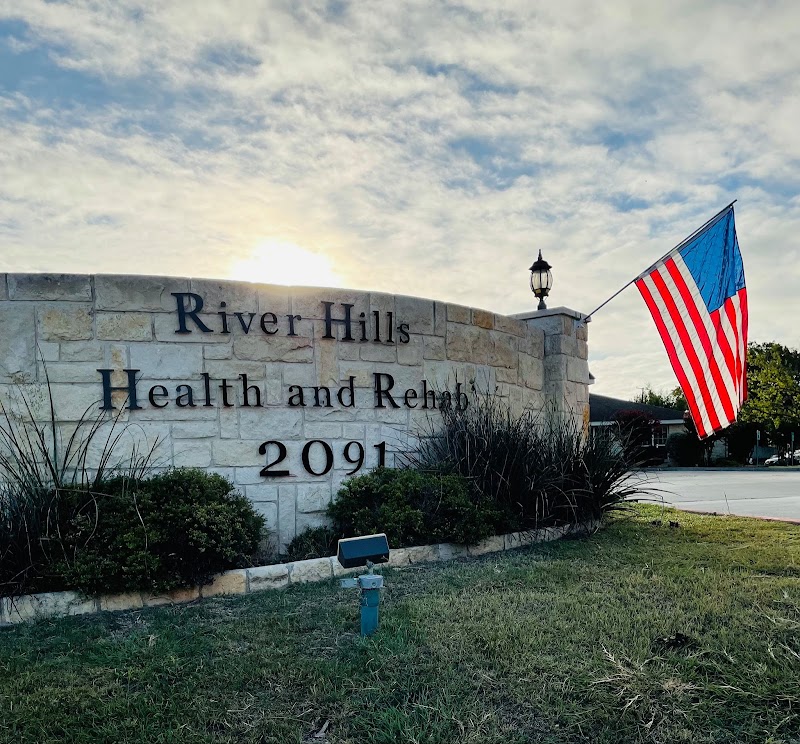
How is River Hills Center Staffed?

CMS rates RIVER HILLS HEALTH AND REHABILITATION CENTER's staffing level at 1 out of 5 stars, which is much below average compared to other nursing homes. Staff turnover is 66%, which is 20 percentage points above the Texas average of 46%. High turnover can affect care consistency as new staff learn residents' individual needs. RN turnover specifically is 100%, which is notably high. RNs provide skilled clinical oversight, so turnover in this role can affect medical care quality.

What Have Inspectors Found at River Hills Center?

State health inspectors documented 60 deficiencies at RIVER HILLS HEALTH AND REHABILITATION CENTER during 2023 to 2025. These included: 6 Immediate Jeopardy (the most serious level, indicating potential for serious harm or death), 53 with potential for harm, and 1 minor or isolated issues. Immediate Jeopardy findings are rare and represent the most serious regulatory concerns. They require immediate corrective action.
Who Owns and Operates River Hills Center?

RIVER HILLS HEALTH AND REHABILITATION CENTER is owned by a for-profit company. For-profit facilities operate as businesses with obligations to shareholders or private owners. The facility operates independently rather than as part of a larger chain. With 150 certified beds and approximately 101 residents (about 67% occupancy), it is a mid-sized facility located in KERRVILLE, Texas.
How Does River Hills Center Compare to Other Texas Nursing Homes?

Compared to the 100 nursing homes in Texas, RIVER HILLS HEALTH AND REHABILITATION CENTER's overall rating (2 stars) is below the state average of 2.8, staff turnover (66%) is significantly higher than the state average of 46%, and health inspection rating (1 stars) is much below the national benchmark.

What Should Families Ask When Visiting River Hills Center?

Based on this facility's data, families visiting should ask: "What changes have been made since the serious inspection findings, and how are you preventing similar issues?" "How do you ensure continuity of care given staff turnover, and what is your staff retention strategy?" "Can you walk me through typical staffing levels on day, evening, and night shifts?" "Can I visit during a mealtime to observe dining assistance and food quality?" These questions are particularly relevant given the facility's Immediate Jeopardy citations, the facility's high staff turnover rate, and the below-average staffing rating.

Is River Hills Center Safe?

Based on CMS inspection data, RIVER HILLS HEALTH AND REHABILITATION CENTER has documented safety concerns. Inspectors have issued 6 Immediate Jeopardy citations (the most serious violation level indicating risk of serious injury or death). The facility has a 2-star overall rating and ranks #100 of 100 nursing homes in Texas. Families considering this facility should ask detailed questions about what corrective actions have been taken since these incidents.

Do Nurses at River Hills Center Stick Around?

Staff turnover at RIVER HILLS HEALTH AND REHABILITATION CENTER is high. At 66%, the facility is 20 percentage points above the Texas average of 46%. Registered Nurse turnover is particularly concerning at 100%. RNs handle complex medical decisions and coordinate care — frequent RN changes can directly impact care quality. High turnover means new staff may not know residents' individual needs, medications, or preferences. It can also be disorienting for residents, especially those with dementia who rely on familiar faces. Families should ask: What is causing the turnover? What retention programs are in place? How do you ensure care continuity during staff transitions?

Was River Hills Center Ever Fined?

RIVER HILLS HEALTH AND REHABILITATION CENTER has been fined $137,656 across 3 penalty actions. This is 4.0x the Texas average of $34,455. Fines at this level are uncommon and typically indicate a pattern of serious deficiencies, repeated violations, or failure to correct problems promptly. CMS reserves penalties of this magnitude for facilities that pose significant, documented risk to resident health or safety. Families should request specific documentation of what issues led to these fines and what systemic changes have been implemented.

Is River Hills Center on Any Federal Watch List?

RIVER HILLS HEALTH AND REHABILITATION CENTER is not on any federal watch list. The most significant is the Special Focus Facility (SFF) program, which identifies the bottom 1% of nursing homes nationally based on persistent, serious quality problems. Not being on this list means the facility has avoided the pattern of deficiencies that triggers enhanced federal oversight. This is a positive indicator, though families should still review the facility's inspection history directly.