WATERSIDE NURSING & REHABILITATION
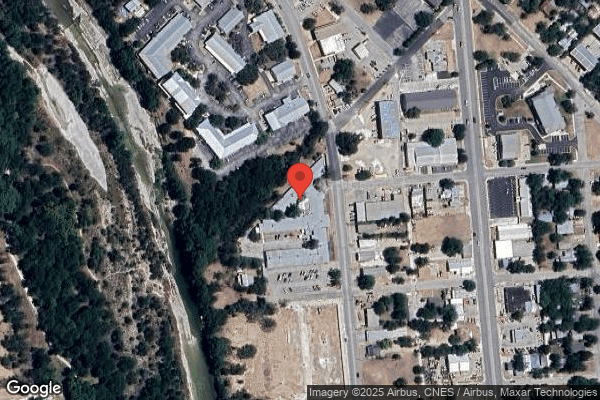
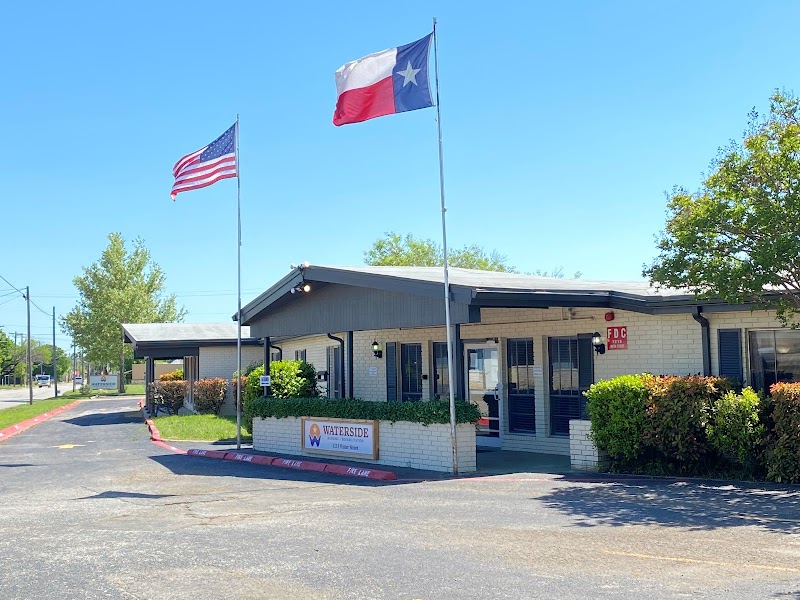
1213 WATER ST, KERRVILLE, TX 78028 (830) 896-2411
For profit - Limited Liability company 179 Beds Independent Data: November 2025 6 Immediate Jeopardy citations
Trust Grade
0/100
#1148 of 1168 in TX
Last Inspection: July 2025

Inspected within the last 6 months. Data reflects current conditions.

Overview

Families considering Waterside Nursing & Rehabilitation in Kerrville, Texas, should be aware that it has received a Trust Grade of F, indicating significant concerns about the care provided. The facility ranks #1148 out of 1168 in Texas, placing it in the bottom half and #4 out of 4 in Kerr County, meaning there are no better local options. Unfortunately, the situation is worsening, with reported issues increasing from 10 in 2024 to 30 in 2025. Staffing is a major concern, with a low rating of 1 out of 5 and an alarming turnover rate of 85%, far exceeding the state average of 50%. Additionally, the facility has incurred $235,451 in fines, which is higher than 87% of Texas facilities, suggesting ongoing compliance issues. On the positive side, there is average RN coverage, which is important for catching problems that other staff might miss. However, recent inspection findings raise serious red flags, including failure to protect residents from potential abuse and neglect. For example, there were incidents where residents were injured after entering another resident's room without adequate supervision. Moreover, the facility failed to maintain a safe temperature for residents, leading to uncomfortable living conditions. Overall, while there are some strengths, the significant weaknesses make this facility a concerning choice for families.

Trust Score
F
0/100
In Texas
#1148/1168
Bottom 2%
Safety Record
High Risk
Review needed
Inspections
Getting Worse
10 → 30 violations
Staff Stability
⚠ Watch
85% turnover. Very high, 37 points above average. Constant new faces learning your loved one's needs.
Penalties
✓ Good
$235,451 in fines. Lower than most Texas facilities. Relatively clean record.
Skilled Nurses
⚠ Watch
Each resident gets only 21 minutes of Registered Nurse (RN) attention daily — below average for Texas. Fewer RN minutes means fewer trained eyes watching for problems.
Violations
⚠ Watch
80 deficiencies on record. Higher than average. Multiple issues found across inspections.
★☆☆☆☆
1.0
Overall Rating
★☆☆☆☆
1.0
Staff Levels
★★★☆☆
3.0
Care Quality
★☆☆☆☆
1.0
Inspection Score
Stable
2024: 10 issues
2025: 30 issues

The Good

  • Full Sprinkler Coverage · Fire safety systems throughout facility
  • No fines on record

Facility shows strength in fire safety.

The Bad

1-Star Overall Rating

Below Texas average (2.8)

Significant quality concerns identified by CMS

Staff Turnover: 85%

39pts above Texas avg (46%)

Frequent staff changes - ask about care continuity

Federal Fines: $235,451

Well above median ($33,413)

Significant penalties indicating serious issues

Staff turnover is very high (85%)

37 points above Texas average of 48%

The Ugly 80 deficiencies on record

6 life-threatening 1 actual harm
Sept 2025 3 deficiencies 1 IJ
CRITICAL (J) 📢 Someone Reported This

A family member, employee, or ombudsman was alarmed enough to file a formal complaint

Immediate Jeopardy (IJ) - the most serious Medicare violation

Deficiency F0760 (Tag F0760)

Someone could have died · This affected 1 resident

**NOTE- TERMS IN BRACKETS HAVE BEEN EDITED TO PROTECT CONFIDENTIALITY** Based on observations, interviews, and record reviews, the facility failed to ensure resident were free of significant medicatio...

Read full inspector narrative →
**NOTE- TERMS IN BRACKETS HAVE BEEN EDITED TO PROTECT CONFIDENTIALITY** Based on observations, interviews, and record reviews, the facility failed to ensure resident were free of significant medication errors for 1 of 7 (Resident #1) reviewed for pharmacy services. The facility failed to ensure Resident #1 was free of significant medication errors and received medication as prescribed by a physician on 8/29/2025. LVN A administered Resident #2's medications to Resident #1. This resulted in administration of two schedule IV-controlled substances: non prescribed medications: Temazepam 22.5 mg, Phenobarbital 129.6 mg, levothyroxine 75 mcg, Tamsulosin 0.4 mg, Levetiracetam 1250 mg, Oxcarbazepine 300 mg, Mirtazapine 7.5 mg, Risperdal 1 mg and prescribed Quetiapine (Seroquel) 800 mg which was a dose 32 times greater than prescribed for Resident #1. This medication error resulted in a change of condition, hospitalization and ICU stay for hypothermia, hypotension, and metabolic encephalopathy. The resident returned to the facility on 8/31/2025. This failure resulted in the identification of an Immediate Jeopardy (IJ) on 9/04/2025 at 6:00 p.m. The IJ template was provided to the facility on 9/04/2025 at 6:07 p.m. While the IJ was removed on 9/07/2025 the facility remained out of compliance at a scope of isolated and a severity level of no actual harm with a potential for more than minimal harm that is not immediate jeopardy because the facility needed to monitor the implementation of the plan of removal. This failure could place residents at risk for medication errors and could result in side effects, a decline in health, hospitalization and/or death. The findings included: Record review of Resident #1's face sheet dated 9/03/2025 revealed a [AGE] year-old female admitted on [DATE] and readmitted on [DATE] with diagnoses which included: epilepsy, hypotension (low blood pressure), cardiomyopathy (disease of the heart muscle) and schizophrenia (serious mental health condition that affects how people think feel and behave). Record review of Resident #1's quarterly MDS dated [DATE] revealed a BIMS score of 3, which indicated a severe cognitive impairment with behaviors that included rejection of care less than daily. Resident #1's functional status was listed partial assistance showering/bathing and supervision for oral care and eating. Record review of Resident #1's BIMS evaluation dated 9/02/2025 revealed a score of 15 which indicated the resident was cognitively intact. Record review of Resident #1's progress notes dated 8/29/2025 at 7:50 p.m. as a late entry revealed the DON documented: Medication given to wrong Resident. She documented normal vital signs, alert and oriented with no change to mentation (Mental activity or the process of thinking). Hospice RN notified with new orders to hold all medications for the rest of the evening and for the next morning. Monitor for 72 hours for any complications or reactions. Record review of Resident #1's progress notes dated 8/29/2025 at 8:35 p.m. documented as a late entry revealed: Medication Error with blood pressure 70/40 (low), HR 72 (normal), oxygen saturation 98% on room air. A temperature was not documented. Level of consciousness: not arousable. Resident not responsive to voice or touch, called 911, hospice and DON. Record review of an incident report for Resident #1 dated 8/29/2025 written by the DON revealed: Resident was accidently given the wrong medication during med-pass. Nurse (LVN A) mistakenly administered the wrong medication, I thought I handed her the right pill cup then I turned around and saw her medication on the med cart. Immediate action taken immediately assessed Resident #1 for complications and none noted, called DON and she stated to call hospice and RP. RN from hospice stated to monitor resident. Vital signs BP 110/72 (normal), HR 74 (normal) respirations 16 (normal) oxygen saturation 98% on room air (normal) with no injuries noted post incident. The documentation indicated Resident #1 was oriented to person, place, time and situation (normal cognition). Record review of Resident #1's Hospice notes dated 8/30/2025 revealed on Friday 8/29/2025 at 7:59 p.m. LVN A reported a medication error. Hospice physician notified.hold meds except carbidopa/levodopa and monitor Q1hr (every hour). Send to ED if vital signs change or sedation occurs. 9:03 p.m. LVN A reported EMS activated, secondary to hypotension. (low blood pressure). Record review of Resident #1's physician order summary for August 2025 revealed the following medication orders:Carbidopa-Levodopa 25/100 mg give 3 tablets four times a day related to neuroleptic induced parkinsonism with a start date of 6/17/2025.Divalproex (Depakote) sodium oral tablet delayed relates 500 mg, give 2 tablets by mouth two times a day for seizures with a start date of 8/15/2025Entacapone oral tablet 200 mg, give one tablet by mouth four times a day for Parkinson's disease with a start date of 5/08/2025.Lacosamide oral tablet 50 mg, give tablet by mouth two times a day with a start date of 6/17/2025.Quetiapine fumarate oral tablet 25 mg, give 1 tablet by mouth at bedtime for depression.Hydrocodone-acetaminophen oral tablet 10/325 mg, give 0.5 tablet by mouth every 8 hours as needed for pain with a start date 8/29/2025. Record review of Resident #1's Medication Audit, dated 9/03/2025 revealed LVN A documented the following medications were administered on 8/29/2025 at 7:35 p.m. (medications ordered for Resident #1):Lacosamide 50 mg-2 tablets (used to treat seizures)Carbidopa-Levodopa 25/100 mg-3 tablets (Parkinson's)Entacapone 200 mg-1 tablet (Parkinson's)Divalproex (Depakote) 500 mg-2 tablets (seizures)Quetiapine (Seroquel) 25 mg-1 tablet (antipsychotic used to treat schizophrenia) Record review of Resident #1's Narcotic Administration Record for hydrocodone-acetaminophen 10/325 mg revealed LVN A signed out one dosage (0.5 mg) of the narcotic on 8/29/2025 at 8 p.m. Record review of Resident #1's August 2025 MAR revealed hydrocodone-acetaminophen 10/325 mg tablet, give 0.5 tablet every 8 hours as needed was not documented as administered. Record review of Resident #2's face sheet dated 9/05/2025 revealed a [AGE] year-old male admitted on [DATE] with diagnoses which included: hypothyroidism, schizophrenia, and epilepsy. Record review of Resident #2's quarterly MDS dated [DATE] revealed a BIMS score of 13 which indicated he was cognitively intact with no documented behaviors. He required was independent or required supervision for ADL care. Record Review of Resident #2's Medication Audit, dated 9/03/2025 revealed LVN A documented the following medications were administered on 8/29/2025 at 7:34 p.m. (medications intended for Resident #2, but administered to Resident #1 as medication error): 1. Levothyroxine 75 mcg-1 tablet (used to treat hypothyroidism)2. Phenobarbital 64.8 mg- 2 tablets (a barbiturate, Class IV controlled substance, used for seizures)3. Tamsulosin 0.4 mg-1 capsule (used for incontinence)4. Levetiracetam 1250 mg-2 tablet (used for seizures)5. Oxcarbazepine 300 mg-1 tablet (used for seizures and/or bi-polar disorder)6. Temazepam 22.5 mg-1 tablet (a benzodiazepine, Class IV controlled substance used for insomnia)7. Mirtazapine 7.5 mg (used for anxiety/depression)8. Risperdal 1 mg-1 tablet (schizophrenia)9. Quetiapine (Seroquel) 400 mg- 2 tablets (antipsychotics used to treat schizophrenia) Record review of a handwritten statement dated 8/29/2025, signed by LVN A revealed:7:25 p.m.-realized meds given to (Resident #1) were meds for (Resident #2).7:30 p.m.-called DON. Was instructed to call the resident's physician and RP.7:40 p.m.-hospice was called, talked to RN. Was instructed to monitor resident and wait for RN to call back with orders.7:50 p.m. RN from hospice called back with orders from hospice physician. Orders were to hold all medications, monitor for 72 hours, hold morning medications. If any adverse reactions occur call 911.8:00 p.m.-Checked on Resident #1. Resident woke up easily, talked to this nurse, went back to sleep. Vitals taken BP 110/72 (normal), HR 74 (normal), oxygen saturation 98% on room air (normal).8:35 p.m.- Checked on resident again. Resident was difficult to wake. Not responsive to voice or touch. Manual BP 70/40 (low), HR 72 (normal) oxygen 97% on room air (normal).8:50 p.m.- Called 911, notified DON, notified RN hospice9:00 p.m.-Paramedics arrived at 9:00 p.m., left at 9:10 p.m. Record review of Resident #1's hospital records dated 8/31/2025 revealed the resident was admitted to the hospital due to inadvertent administration of another patient's medication while at her nursing facility. The records reflected, This resulted in acute encephalopathy, hypothermia. She received several doses of Narcan (medication used to reverse opioid overdose) which did not seem to change the patient's clinical course significantly. The hospital MD called the nursing facility and confirmed medications (given) as follows: Quetiapine 800 mg (a dosage 32 times greater than ordered by Resident #1's physician), Levetiracetam 1250 mg, Mirtazapine 7.5 mg, Oxcarbazepine 300 mg, Phenobarbital 129.6 mg, Risperdal 1 mg, Temazepam 22.5 mg, Levothyroxine (no dose specified), and questions mark hydrocodone. Nursing facility staff stated this (hydrocodone) may not have been administered as it was a later dose for this patient. Urine drug screen noted positive for opioids, TCA's (tricyclic antidepressants) and benzos (benzodiazepines). The patient was later noted to be obtunded and hypothermic .transfer to ICU. She was very lethargic but followed commands in all extremities. She would attempt to open eyes but could not open them fully. After arriving in the ICU, the patient's mental status worsened .she was given an additional dose of Narcan with no significant response. She was noted to be hypotensive and required norepinephrine. [NAME] was put in place given her hypothermia. Assessment/Plan: accidental overdose, EEG on 8/30-moderate encephalopathy-supportive care, discussed with poison control, hypotension: likely additive effect of sedating medications, hypothermia, secondary to thermal dysregulation given multiple neuroleptic medications and acute encephalopathy. Record review of form 3613-A Provider Investigative Report dated 9/04/2025 [BH6] revealed the facility self-reported a medication error when charge nurse LVN A self-reported she gave the wrong medication to Resident #1. The report indicated the medication error occurred on 8/29/2025 at 7:10 p.m. and Resident later became lethargic and was hypotensive (low blood pressure) and was sent to the hospital for evaluation on 8/29/2025 at 9:12 p.m. The report indicated Resident #1 was given several doses or Narcan at the hospital and was monitored for hypotension and metabolic encephalopathy. The report indicated it was an isolated incident, LVN A received counseling, a written warning, and additional training. The findings were confirmed. During an observation and interview on 9/03/2025 at 1:57 p.m., Resident #1 was observed moving around her room. She was awake and alert. She was able to correctly identify the correct time and year, had knowledge of the current president, knew her location and was able to recall what she had for lunch. Resident #1 stated on Friday (8/29/2025), she could not remember what time, she was near the 200-hallway nurse's station. She stated she remembered someone giving her medicine and then a short time later they gave her some more. She stated she remember someone saying her name and then it was lights out and she did not remember anything else until she woke up in the hospital. She stated when she woke up in the hospital, the hospital staff told her, her blood pressure was dangerously low, and her temperature was very low. She stated they also told her she had received someone else's medication that was really strong, in addition to her own medication. Resident #1 stated staff was now pouring out her medication and identifying each pill. She stated she was taking the medication and had not refused any. She described the person who gave her medication as female but was unable to recall her name and could not remember if she had seen the staff since the incident. She stated she was not able to describe any of the medication given to her. She stated she did not pay much attention. She stated the same person had approached her twice with the medication and she trusted them and just took it. She stated taking medication was just part of the routine, even when it was given twice. She stated they might give her a water pill one time and then something else at a later time. Resident #1 stated since she had returned to the facility, she felt fine and was back to herself with no lingering effects. During an interview on 9/03/2025 at 5:41 p.m., LVN A stated on 8/29/2025 at 7:25 p.m. she gave Resident #1, Resident #2's medication in error. She stated she was standing with the med cart near Resident #1's doorway speaking with the resident. She stated she remembered preparing and passing meds to another resident and then preparing meds for both Resident #1 and Resident #2 at the same time on top of the medication cart [BH7] and she got the two medication cups confused. She stated she was trying to give medications to two residents at the same time, got distracted and made a mistake. She stated Resident #2 had approached her asking for his medication. LVN A stated immediately after Resident #1 had consumed the pills, she turned around, saw the other medication cup with contained two Depakote pills that belonged to Resident #1 and realized her error. LVN A stated she did not give Resident #1 her pills. She stated she had pulled Resident #1's normal evening pills, plus hydrocodone. She stated she threw all the pills in the sharps container but did not have any witnesses. She stated she was panicking and was focused on Resident #1. She stated no other staff were around. She stated she immediately called the DON who told her to call the hospice physician and notify them. She stated she called hospice and told them Resident #1 was okay and that her vitals were normal. She stated the hospice RN gave her orders from the hospice physician to monitor the resident as she saw fit anywhere from every 15 minutes to one hour, to hold the rest of her medication for that evening and if there were any adverse reactions to send her out (send to the emergency room). LVN A stated at first, she was okay but when she checked on her at 8:25 p.m., Resident #1 was lethargic. LVN A stated she tried to obtain a blood pressure and at first was unable to get one. She stated she was finally able to get a manual blood pressure reading of 70/40 (low). She stated at 8:25 p.m., Resident #1 was unresponsive. LVN A stated it looked like Resident #1 was sleeping in her bed but there was something about her eyes that did not look normal. She stated her eyes were cracked open a little and she knew they were not normal. She stated she took the rest of her vital signs which were all normal. She described her breathing as normal but breathing very deeply and a little slower. LVN A stated she performed a sternal rub, which made the resident open her eyes. She stated the resident was not communicating. LVN A stated she notified hospice and called 911. She stated she was honest on the 911 call and with EMS personnel. She told them what happened. She stated she recognized she made a mistake, and it was important for her to be honest so they would know how to appropriately treat Resident #1. LVN A stated the DON told her she was glad she had reported it immediately. She stated she was written up and was told they needed to go over what happened. She stated she received an in-service on the medication 5 rights (of administration). She stated ADON O shadowed her on her next shift watching her perform medication pass to ensure she was doing everything correctly. LVN A stated she administered Levothyroxine 25 mg, Seroquel 800 mg, Keppra 1250 mg, Risperdal 50 mg, mirtazapine 7.5 mg, phenobarbital 65 mg, temazepam 22.5 mg, Buspar 20 mg and tamsulosin 7.25 mg. She stated those are the medications she remembers giving. LVN A stated she couldn't remember for sure if she gave hydrocodone but thinks she probably did not. She stated she thinks it was part of the wasted medications because she does not remember giving it to Resident #1. LVN A stated the whole situation scared her and she had been very concerned about Resident #1's outcome and wellbeing. She stated she kept in contact with the hospital post incident until she knew she was recovering. LVN A stated she was trained to administer medications to the right person, right dose, right time, right medication with the right documentation. She stated she was trained to pull one patient's med, take it to the resident, watch them take it, throw away the cup before moving on to the next patient. She stated it did not happen like that because she made a mistake. She stated she had no excuses for it. LVN stated she was fairly new to the facility. She had completed nurse competencies upon hire in June 2025? which included a medication pass which she passed. She stated it was not an intentional act, and she was not trying to harm Resident #1. She stated she was not okay until she learned Resident #1 was okay. LVN A stated it was important to give the right medication to the right resident so they could live. During an interview on 9/04/2025 at 12:46 p.m., Resident #1's RP stated she was informed by an unknown person at an unknown time that Resident #1 was given too many medications. She stated she was given a list of the medications that should not have been given verbally. The RP stated Resident #1 ended up in the hospital in ICU, mostly because she could not stay warm and because of the medications. The RP stated when Resident #1 woke up in ICU she was her regular self which was about 12 hours later. The RP stated Resident #1 just had to sleep and let the medications work out of her system. She stated Resident #1 was back at the facility doing her normal activities and doing fine. The RP stated Resident #1 had not expressed any issues or concerns about staff. The RP stated she thought there should be better safeguards at the facility and believes there to be some sort of reprimand going on. She described Resident #1's as picking and choosing what she wanted to remember. She stated she could typically remember things that had occurred within the past two weeks but not necessarily things of the past with accuracy. During an interview on 9/04/2025 at 12:47 p.m., the hospice case manager stated the hospice RN was not available for interview. She stated the RN had documented notes in the hospice record. During an interview on 9/04/2025 at 1:23 p.m., the hospice physician stated he did receive notification from the hospice RN of the medication error. He stated the hospice RN sent him a list of medications that Resident #1 had received. He stated he gave orders to watch vitals and watch for sedation. He stated approximately 40 minutes later Resident #1 was sent to the ER. He stated it was important to avoid medication errors because it could cause side effects and the scheduled III and scheduled IV medications and other medications, such as non-prescribed medications could cause complications. He stated hydrocodone was not on his list of medications given, however probarbital, Risperdal, mirtazapine, oxcarbazepine, and levothyroxine were that he could remember. He stated the facility monitored her vital signs and sent her to out when she had a change. The hospice physician stated Resident #1's hospital stay was directly related to the medication error. During an interview on 9/04/2025 at 1:39 p.m., the DON stated LVN A absolutely did not follow the facilities policy for medication administration. She stated the facility policy indicated they were supposed to only pull one person's medication at a time. The DON stated if LVN A had done that, we would not be having a conversation. She further stated LVN A did not follow the five rights of medication administration which included the right patient, right time, right medication, right dosage and right documentation. The DON stated on 8/29/2025 at 7:31 p.m., she received a call from LVN A. She stated LVN A stated she gave Resident #2's medication to Resident #1 on accident. The DON stated she told LVN A to call hospice and the RP and she asked if Resident #1 was okay. The DON stated LVN A said yes. She stated LVN A called back and told me hospice gave orders to monitor Resident #1. The DON stated she told LVN A, Resident #1 needed monitoring for 72 hours, she told her she needed to write a statement and notify her of any changes. The DON said LVN A was freaking out, but med errors occur all the time. She stated she spoke with LVN A several times. The DON said at 9:16 p.m., LVN A notified her that Resident #1 was experiencing hypotension (low blood pressure) and was hard to rouse. The DON said she told LVN A she needed to send her house, even though she was on hospice she needed to go to the hospital. The DON said Resident #1 received Narcan and was treated in ICU for metabolic encephalopathy. She stated the facility self-reported the incident because of the serious injury. She stated she notified the Administrator, and he agreed. The DON stated she participated in the investigation. She found that LVN A had two medication cups on the top of the med cart, and she went and grabbed the wrong cut. The DON stated LVN A realized it right away and called her. The DON stated there were a million different reasons med errors occur. She stated there are lots of distractions, nurses try to multitask while doing med pass. The DON stated she told LVN A she had a lot of integrity for admitting it. The DON stated she had no concerns about the way the change of condition was handled. She stated Resident #1 was monitored and sent out pretty quickly when a change of condition was noted. The DON stated the facility did not have a SW that was working, they had just hired one who was still training. She stated she had spoken to Resident #1 in the hallway and asked how she was doing. She said Resident #1 indicated she was glad to be back. She stated she did not ask her any specific questions just a general how you are doing. She stated to her knowledge Resident #1 had not expressed a desire to speak to anyone about the incident. The DON stated the next day, ADON O in-serviced LVN A on the five rights of safe administration and watched her do med pass. The DON stated LVN A was current on her competencies and there had been no concerns with the med pass observation. The DON denied any other complaints about medication administration or complaints or grievances about LVN A. The DON stated LVN A was written up, she was provided more education. She was instructed to write out a timeline which she did. The DON stated she helped LVN A put the notes in the computer. She stated she reviewed LVN A's notes to make sure it was accurate. The DON stated to avoid reoccurrence they were providing in-service education to all staff who administer meds. She stated they had not completed the training at the time of the interview. She stated their goal was to watch a med pass with all staff who perform medications which had not been completed. She stated today (9/04/2025, after surveyor entrance on 9/03/2025), they completed a med cart review. The DON stated she had provided 1:1 counseling to LVN A and would have her sign the write up today. She stated the medication error was an isolated event. The DON stated she ensures residents are free from harm by ensuring the facility policies are being followed and ensuring staff was competent. She stated she was available to staff at all times, even at night and had an open-door policy. She stated it was important for Resident's to receive the right medications to treat chronic illness and because it was detrimental if medications were not dispensed properly. During an interview on 9/04/2025 at 5:30 p.m., the Administrator stated he became aware of the medication error by phone call from the DON. He stated he was not a clinical person, so a lot of the investigation of the incident fell on the DON, although he provided oversite. The Administrator stated he could not specify if there was serious harm, but he knows Resident #1 was being watched for something very serious. The Administrator stated the facility ensured the incident was isolated, that everyone else was fine. He stated LVN A was distraught and knew what she had done wrong. He stated he was surprised to learn Resident #1 had to be sent to the hospital. The Administrator stated he had not spoken to Resident #1 since she had returned to the hospital but did inquire to staff who reported she was not having any difficulties. He stated he did self-report the incident as required. He stated LVN A was new to the facility, they had not had any complaints from residents or families. He stated although medication errors are fairly common for nurses, he could not remember the last time the facility had a medication error. The Administrator stated he communicated with residents during rounding and ensured residents were free from harm by being involved in clinical stand-up meetings. He stated he reviews facility incidents in the evenings for the next business day. The Administrator stated safety was important. He stated LVN A made the mistake and the facility was responsible. When asked if she followed facility policy for medication administration, he stated he did not know the details of how the medication error occurred. He stated the DON, who was clinical could answer the question better. The Administrator stated the facility had not held an AD HOC QAPI meeting to discuss the incident. He stated he had a conversation with the Medical Director. The Administrator stated the Medical Director gave directions to the facility, but he was going to decline to answer on what the direction was because he was not qualified to speak on it. The Administrator stated he was confirming on the investigative report the medication error by LVN A and stated there was no intent to harm. Record review of a facility Medication Administration Policy In-Service dated 8/22/2025-8/25/2025 (prior to medication error) which covered the facility policy, following physician orders precisely, including parameters, notifying the physician promptly for any variance or concerns revealed: LVN A had signed the in-service record as completed. Record review of LVN A's Nursing Orientation and Competency Checklist dated 7/11/2025 revealed she had successfully completed a med-pass video, med pass with supervision by preceptor (a teacher or instructor) and medication pass skills check off. Record review of a facility policy, titled Medication Administration last revised 5/07/2025 revealed: Medications are administered by licensed nurses, or other staff who are legally authorized to do so in this state, as ordered by the physician and in accordance with professional standards of practice.3. Identify resident 10. Ensure that the six rights of medication administration are followed. a. Right resident b. Right drug c. Right dosage d. Right route e. Right time f. Right documentation. 11. Review MAR to identify medication to be administered. 12. Compare medication source (bubble pack, vial, etc.) with MAR to verify resident name, medication name, form dose, route and time. 14. Remove medication from source.15. Administer medication as ordered in accordance with manufacturer specifications 19. Observe resident consumption of medication. Record review of a facility policy, titled Medication Errors last revised 05/07/2025 revealed: It is the policy of this facility to provide protection for the health, welfare, and rights of each resident by ensuring residents receive care and services safely in an environment free of significant medication errors. Definitions: Significant medication error means one which causes the resident discomfort or jeopardized his/her health and safety. Policy Explanation and Compliance Guidelines: 1. The facility shall ensure medications will be administered as follows: a. according to physician orders c. In accordance with accepted standards and principles which apply to professionals providing services 6. To prevent medication errors and ensure safe medication administration, nurses should verify the following information: a. Right medication, dose, route, and time of administration b. Right resident and right documentation. The Administrator was notified of an IJ on 09/04/2025 at 6:00 p.m. and was given a copy of the IJ Template and a Plan of Removal (POR) was requested. The Plan of Removal was accepted on 09/05/2025 at 5:39 p.m. and included the following: Correction for the Resident Affected Immediate clinical response (COMPLETED 8/29/25): Resident assessed; EMS/transfer to ED for hypotension. Drug name/strength/route/quantity/time and vitals documented in EMR and incident record. Notifications (COMPLETED 8/29/25): Attending provider, responsible party, DON/Administrator, and Hospice were notified and documented. Protection on return: Enhanced monitoring per medical director (e.g., every shift x 72 hours, focused assessments as indicated, provider follow-up, and care plan update with specific risk reduction interventions. Resident #1 spoke with Social Services Director on 9/4 and Director of Nursing and with a licensed Social Worker, with Hospice. Resident #1 offered counseling services. She refused psych services and is going to see the Chaplain through Hospice. Identification of Other Residents Potentially Affected Cart sweep & product control completed by DON/ADON: All carts involved on unit secured; any loose/pre-popped pills destroyed per facility guidelines and documented on a medication cart sweep log. Lookback review: Full set of vitals ordered q -shift for all residents residing on the 200 hall x3days beginning 9/4/25. Facility wide spot-checks completed: Unannounced inspection of all med carts/rooms for pre-popping, unlabeled cups/bags; findings logged and corrected immediately. Safe Surveys conducted by the SS Director on 9/5 for residents on 200 hall regarding comfort with staff administering medicationsSystemic Changes to Prevent Recurrence Education & competency (to be COMPLETED by 9/4/25 or prior to next scheduled shift) by DON/Designee. Mandatory in-service for all licensed nurses/medication aides on pre-popping prohibition, two identifier verification, error reporting, and cart security; return demonstration med pass competency for every nurse. Targeted coaching & corrective action: Involved nurse was removed from independent med pass and was trained, re-educated, and monitored/supervised by the ADON until she demonstrated competency in the Six Riof Medication Pass. Pharmacy partnership: Consultant Pharmacist to conduct focused storage/handling rounds monthly x 3 months. Monitoring to Ensure Ongoing Compliance (QAPI) Med pass observations will be completed by DON/Designee 3x weekly x3 weeks, weekly x 3 weeks, then monthly x 3 months at random throughout the facility or until substantial compliance is achieved. Results/Discrepancies reported to QAPI ADHOC QAPI held on 9/5/25. The surveyor verification of the Plan of Removal on 09/07/2025 was as follows: Record review of Resident #1's progress note dated 8/29/2025 at 7:25 p.m. (documented as a late entry) by LVN A stated a medication error occurred. The DON and Hospice RN were notified of the error. Vital signs were documented all within normal limits. LVN A documented at 7:35 pm she noted Resident #1 was lethargic with low blood pressure of 70/40. Hospice notified who advised to send to the hospital. Record review of a facility incident report dated 8/29/2025 at 7:25 p.m. stated Resident #1 was accidently given the wrong medication during med-pass by handing the resident the wrong medication cup. Assessment and notifications documented. -During an interview on 9/07/2025 at 11:56 a.m., stated LVN A made the original notifications to hospice, DON and the RP and were documented in Resident #1's progress notes on 8/29/2025. -Record review of Resident #1's progress notes dated 8/31/2025 revealed the resident received an assessment, monitoring for falls and instructions not to get up unassisted to prevent falls after re-admission from the hospital. (8/32/2025) Resident #1's provider was notified of her return from hospi
CONCERN (E) 📢 Someone Reported This

A family member, employee, or ombudsman was alarmed enough to file a formal complaint

Potential for Harm - no one hurt, but risky conditions existed

Pharmacy Services (Tag F0755)

Could have caused harm · This affected multiple residents

**NOTE- TERMS IN BRACKETS HAVE BEEN EDITED TO PROTECT CONFIDENTIALITY** Based on observation, interview and record review the facility failed to provide pharmaceutical services (including procedures t...

Read full inspector narrative →
**NOTE- TERMS IN BRACKETS HAVE BEEN EDITED TO PROTECT CONFIDENTIALITY** Based on observation, interview and record review the facility failed to provide pharmaceutical services (including procedures that assure for accurate acquiring, receiving, dispensing, and administering of all drugs and biologicals) to meet the needs of each resident for 1 of 7 residents (Resident #14) reviewed for medications and pharmacy services. The facility failed to ensure Resident #14 morning meds were disposed of appropriately when the resident refused the medications on 9/06/2025 by MA P. The facility failed to ensure Resident #1's hydrocodone was appropriately wasted and documented when it was removed from original container on 8/29/2025 by LVN A. These deficient practices could put residents at risk for medication errors. The findings included: Record review of Resident #14's face sheet, dated 9/06/2025 revealed an [AGE] year-old male admitted on [DATE] with diagnoses which included severe dementia, anxiety disorder, restlessness and agitation. Record review of Resident #14's modified quarterly MDS dated [DATE] revealed a BIMs score of 4 which indicated a severe cognitive impairment with no behavior symptoms. His ADL function was listed as set up assistance. Record review of Resident #14's care plan revealed was on hospice care with interventions which included administer medications and treatments as ordered. A plan of care for behavior problems with intervention which included administer medications as ordered and behavior monitoring. A plan of care for resistance to care such as care refusals related to dementia with interventions which included: if resident resists with ADL's, reassure resident, leave and return 5-10 minutes later and try again. Record review of Resident #14's September MAR revealed the following medications were marked as refused by MA P: Fluoxetine 20 mg-give 2 capsules by mouth one time a day for depressionLisinopril 2.5 mg-give one tablet by mouth in the morning for hypertension.Provera 2.5 mg-give one tablet by mouth one time a day for lower testosterone levels related to dementia. Depakote Sprinkles delayed release 125 mg-give 3 capsules by mouth two times a day related to dementiaLorazepam 0.5 mg-give one tablet by mouth three times a day for anxiety and agitations related to anxiety disorder. During an observation on 9/06/2025 at 4:05 pm of the medication cart on 100 hallway assigned to MA P revealed a medication cup with pudding and crushed meds mixed with the pudding in the second drawer of the medication cart. The medication cup had the Resident #14's first name handwritten on the cup. During an interview on 9/06/2025 at 4:11 p.m., MA P stated the medication in the pudding belonged to Resident #14 and it was his morning medications. She stated Resident #14 had allowed her to take his vital signs this morning but when she went to administer the medication he refused, pushed it away and tried to hit her. She stated she put it in the medication cart to give it later. MA P stated the medication included Depakote, fluoxetine, lisinopril, Provera and lorazepam 0.5mg (controlled substance). She stated she had signed the medication off in the medical record. MA P stated she had received the in-service training on medication administration. She stated she thought as long as the name was on the cup it was okay to keep it. MA P stated she told LVN C what she was doing and the LVN said it was fine. MA P stated she learned in training as long as the resident name was on the cup that it was fine to keep and hold on to. During an interview on 9/06/2025 at 4:22 p.m., LVN C stated MA P had informed her Resident #14 had refused medication. She stated she did not know MA P held the meds mixed in pudding in the cart. She stated she should have had MA P and herself wasted (disposed) the medications together because of the risk for medication error with pre-dispensed medications. 2. Record review of Resident #1's face sheet dated 9/03/2025 revealed a [AGE] year-old female admitted on [DATE] and readmitted on [DATE] with diagnoses which included: epilepsy, hypotension (low blood pressure), cardiomyopathy (disease of the heart muscle) and schizophrenia (serious mental health condition that affects how people think feel and behave). Record review of Resident #1's quarterly MDS dated [DATE] revealed a BIMS score of 3, which indicated a severe cognitive impairment with behaviors that included rejection of care less than daily. Resident #1's functional status was listed partial assistance showering/bathing and supervision for oral care and eating. Record review of Resident #1's care plan dated 7/15/2025 revealed she was on hospice care with interventions to observe for pain and administer pain medications as ordered by a physician. Record review of Resident #1's BIMS evaluation dated 9/02/2025 revealed a score of 15 which indicated the resident was cognitively intact. Record review of Resident #1's physician order summary for August 2025 revealed the following medication order: Hydrocodone-acetaminophen oral tablet 10/325 mg, give 0.5 tablet by mouth every 8 hours as needed for pain with a start date 8/29/2025. Record review of Resident #1's Narcotic Administration Record for hydrocodone-acetaminophen 10/325 mg revealed LVN A signed out one dosage (0.5 mg) of the narcotic on 8/29/2025 at 8 p.m. Record review of Resident #1's August 2025 MAR revealed hydrocodone-acetaminophen 10/325 mg tablet, give 0.5 tablet every 8 hours as needed was not documented as administered. Record review of Resident #1's hospital records dated 8/31/2025 revealed the resident was admitted to the hospital due to inadvertent administration of another patient's medication while at her nursing facility. The hospital MD called the nursing facility and confirmed medications which included eight medications and a question mark for hydrocodone. Nursing facility staff stated this (hydrocodone) may not have been administered as it was a later dose for this patient. Urine drug screen noted positive for opioids, TCA's (tricyclic antidepressants) and benzos (benzodiazepines). During an interview on 9/03/2025 at 1:45 p.m., Resident #1 stated on Friday 8/29/2025 she was approached by an unknown staff member and given medications two times in a short period of time. She stated she was not sure what she was given as she trusted the staff and just took the medications. During an interview on 9/04/2025 at 1:30 p.m., LVN A stated she signed Resident #1's hydrocodone out on the narcotic record. She stated she does not believe she administered the hydrocodone to the resident. She stated pulled the hydrocodone and intended to give it when she made a medication error with Resident #1. She stated she was more worried about caring for Resident #1 than she was about documentation or the disposal of medication. She stated she threw the hydrocodone in the sharps container but did not have another staff member witness the wasting of the medication as required for a narcotic or correct any documentation. She stated she was trained to have another nurse witness the waste (disposal) with her and then document the medication waste with double signatures. During an interview on 9/04/2025 at 1:39 p.m. the DON stated she had reviewed the narcotic record for Resident #1's hydrocodone which indicated the medication was documented as removed at 8:00 pm on 8/29/2025. The DON stated she does not believe the hydrocodone was given to Resident #1 and the time did not match when it was actually pulled. She stated LVN A documented on the narcotic record when the time it was supposed to be given rather than the time it was given. The DON stated she had reviewed with LVN A. The DON stated LVN A should document the medication at the actual time the medication was given. During an interview on 9/07/2025 at 3:01 p.m., the DON stated medications should be wasted and discarded if not administered to avoid confusion. Record review of a facility policy, titled Medication Administration last revised 5/07/2025 revealed: Medications are administered by licensed nurses, or other staff who are legally authorized to do so in this state, as ordered by the physician and in accordance with professional standards of practice.3. Identify resident 10. Ensure that the six rights of medication administration are followed. a. Right resident b. Right drug c. Right dosage d. Right route e. Right time f. Right documentation. 11. Review MAR to identify medication to be administered. 12. Compare medication source (bubble pack, vial, etc.) with MAR to verify resident name, medication name, form dose, route and time. 14. Remove medication from source.15. Administer medication as ordered in accordance with manufacturer specifications 19. Observe resident consumption of medication.
CONCERN (E) 📢 Someone Reported This

A family member, employee, or ombudsman was alarmed enough to file a formal complaint

Potential for Harm - no one hurt, but risky conditions existed

Medical Records (Tag F0842)

Could have caused harm · This affected multiple residents

**NOTE- TERMS IN BRACKETS HAVE BEEN EDITED TO PROTECT CONFIDENTIALITY** Based on interview and record review, the facility failed to maintain medical records that were complete and accurately document...

Read full inspector narrative →
**NOTE- TERMS IN BRACKETS HAVE BEEN EDITED TO PROTECT CONFIDENTIALITY** Based on interview and record review, the facility failed to maintain medical records that were complete and accurately documented in accordance with accepted professional standards and practices for 1 (Resident #1) of 7 residents reviewed for medical records 1. The facility failed to ensure LVN A documented Resident #1s medication error, medications given, assessment, vitals, change of condition, contact with MD and RP, follow up orders, or transfer to the hospital by EMS on 8/29/2025. 2. The facility failed to upload Resident #1's hospital records from the 8/29/2025 hospital stay into the permanent medical record. 3. The facility failed to ensure LVN A documentation of medication administration accurately reflected any medications given on 8/29/2025. These failures placed residents at risk for delayed or inaccurate medical information which could result in a lack of continuity of care. The findings included:Record review of Resident #1's face sheet dated 9/03/2025 revealed a [AGE] year-old female admitted on [DATE] and readmitted on [DATE] with diagnoses which included: epilepsy, hypotension (low blood pressure), cardiomyopathy (disease of the heart muscle) and schizophrenia (serious mental health condition that affects how people think feel and behave). Record review of a handwritten statement (not part of the medical record) dated 8/29/2025, signed by LVN A revealed:7:25 p.m.-realized meds given to (Resident #1) were meds for (Resident #2).7:30 p.m.-called DON. Was instructed to call the resident's physician and RP.7:40 p.m.-hospice was called, talked to RN. Was instructed to monitor resident and wait for RN to call back with orders.7:50 p.m. RN from hospice called back with orders from hospice physician. Orders were to hold all medications, monitor for 72 hours, hold morning medications. If any adverse reactions occur call 911.8:00 p.m.-Checked on Resident #1. Resident woke up easily, talked to this nurse, went back to sleep. Vitals taken BP 110/72 (normal), HR 74 (normal), oxygen saturation 98% on room air (normal).8:35 p.m.- Checked on resident again. Resident was difficult to wake. Not responsive to voice or touch. Manual BP 70/40 (low), HR 72 (normal) oxygen 97% on room air (normal).8:50 p.m.- Called 911, notified DON, notified RN hospice9:00 p.m.-Paramedics arrived at 9:00 p.m., left at 9:10 p.m. Record review of Resident #1's permanent medical record revealed no entries were made by LVN A for events on 8/29/2025 about the resident's medication error, which medications she gave to Resident #1, her assessment, follow up assessments, vitals, change of condition, contact with hospice MD and RP or follow up orders, or transfer to the hospital by EMS as viewed on 9/03/2025. A late entry was made by the DON on 9/03/2025. Record review of Resident #1's progress notes revealed on 8/31/2025 Resident #1 returned to the facility from a local hospital. Record review of Resident #1's medical record revealed the hospital records for 8/29/2025 had not been uploaded into the electronic record when viewed on 9/03/2025 and again on 9/04/2025. During an interview on 9/04/2025 at 11:11 a.m., LVN B reviewed Resident #1's medical record and stated she did not see the events of 8/29/2025 documented by LVN A. She stated there was an entry of events made on 9/03/2025 by the DON (surveyor arrived at facility on 9/03/2025). She stated she was unable to locate the hospital records for Resident #1 in the medical record. LVN B stated she had reviewed paper copies of the hospital records. She stated they were most likely in the DON's office. She stated the facility did not have a medical records person. She stated their process was to give any documents for upload to a member of management. She stated she wasn't sure who was responsible. LVN B stated they didn't have a basket or folder to put the medical records in at the nurse's station. LVN B stated they were trained to document events when they happen. She stated having accurate medical records was important for continuity of care, so they know what was going on with the patient (resident) at the time. During an interview on 9/04/2025 at 11:27 a.m., ADON N stated she was not certain where Resident #1's hospital records were located and would have to look for them. During an interview on 9/04/2025 at 1:30 p.m., LVN A stated she did not document on Resident #1's medical record the medication error, assessment, vitals signs, notifications of hospice or RP, or transfer to the hospital because she was not sure what to write in the medical record. She stated she thought she was not supposed to document the error. She stated she wrote out a statement with the same information. She acknowledged by stating that her statement was not part of the medical record. She stated on 9/03/2025 (after surveyor arrival) she sat with the DON and reviewed what should be documented. She stated the DON helped write in the medical record. LVN A stated she was trained to document in the patient's (Resident's) medical record. She stated a change of condition should be document so they know what happened, so they keep good records, to document changes and so they could track improvement or decline. During an interview on 9/04/2025 at 1:39 p.m., the DON stated she had heard that medication errors should not be documented in the medical record. She stated after reviewing, she put it in Resident #1's medical record on 9/03/2025. The DON stated LVN A should have documented vitals, assessments and transfer out of the facility, as well as notification but she thought LVN A was scared. The DON stated LVN A wrote on a piece of paper verbatim what occurred. The DON stated it was important for this information to be included in the resident's medical record for a historical view of change of condition. During an interview on 9/07/2025 at 3:01 p.m., the DON stated the facility did not have a medical records person or position. She stated the ADON was responsible for uploading any records into the medical record. She stated the process for upload when coming back from a medical visitor or hospital visit was for records to be left in a box near the ADON's office. She stated the ADON would then upload withing a week to 10 days depending on what was going on at the facility. The DON stated she had not reviewed the facility policy on medical records. The DON stated notes on medical care should be documented the same shift they occurred. Record review of Resident #1's Medication Audit, dated 9/03/2025 revealed LVN A documented the following medications were administered on 8/29/2025 at 7:35 p.m. (medications ordered for Resident #1): Lacosamide 50 mg-2 tablets (used to treat seizures) Carbidopa-Levodopa 25/100 mg-3 tablets (Parkinson's) Entacapone 200 mg-1 tablet (Parkinson's) Divalproex (Depakote) 500 mg-2 tablets (seizures) Quetiapine (Seroquel) 25 mg-1 tablet (antipsychotic used to treat schizophrenia) Record review of Resident #1's August MAR revealed lacosamide, carbidopa-levodopa, entacapone, divalproex and quetiapine had been documented as administered to the resident by LVN A. During an interview on 9/03/2025 at 5:41 p.m., LVN A stated her normal activity when dispensing medications was to document administration as she pops the medication. She stated if the resident refuses medication she would come back write a note and unclick the documentation (press a button on the electronic medical record). LVN A stated on 8/29/2025 she documented administering Resident #1's evening meds. She stated she made a medication error and accidently administered Resident #2's medications to Resident #1. She stated she did not give Resident #1 the medication she had signed off as administered. LVN A stated she did not go back and correct the resident MAR to indicate the medications had not been administered because she was panicking, and documentation was the least thing on her mind. She stated the medication error occurred at 7:25 p.m., and she didn't sign off Resident #1's medications until 7:25 p.m. because she just clicked the meds. She stated they were yellow which indicated it was time to administer them, so she just clicked them off. She stated she was trained to document when the medication was pulled and not after it was given. She stated if she was honest, she had not looked at the facility policy for medication administration in a while. During an interview on 9/04/2025 at 1:39 p.m., the DON stated medications should not be documented until after the medication was given in a perfect world. The DON stated as a nurse, she knew it was easy to sign them off when they are popped (removed from blister pack). The DON stated she was not aware LVN A was documenting before administration at the time, but she was aware of it now and was retraining staff. Record review of a facility policy, titled Medication Administration last revised 5/07/2025 revealed: 10. Ensure that the six rights of medication administration are followed: f. Right documentation 20. Sign MAR after administered. 21. If medication is a controlled substance, sign narcotic book. 23. Correct any discrepancies and report to nurse manager.
Jul 2025 20 deficiencies 2 IJ (2 affecting multiple)
CRITICAL (K)

Immediate Jeopardy (IJ) - the most serious Medicare violation

Free from Abuse/Neglect (Tag F0600)

Someone could have died · This affected multiple residents

**NOTE- TERMS IN BRACKETS HAVE BEEN EDITED TO PROTECT CONFIDENTIALITY** Based on observation, interview, and record review, the facility failed to ensure a resident's right to be free from abuse, negl...

Read full inspector narrative →
**NOTE- TERMS IN BRACKETS HAVE BEEN EDITED TO PROTECT CONFIDENTIALITY** Based on observation, interview, and record review, the facility failed to ensure a resident's right to be free from abuse, neglect, misappropriation of resident property and exploitation for 7 of 7 residents (Residents #65, #19, #20, #44, #54, #23, and Unknown) reviewed for abuse. The facility failed to ensure Resident #65 was not injured after entering Resident #19's room on 6/23/2025, when Resident #19 had known aggressive behaviors related to other residents entering his room. The facility failed to ensure Resident #20 was protected from abuse after entering Resident #19's room on 7/5/2025. The facility failed to ensure Resident #44 was not injured after entering Resident #19's room on 7/5/2025. An IJ was identified on 7/24/2025 related to Resident #19 (items 1-3). The IJ template was provided to the facility on 7/24/2025 at 4:24 PM. While the IJ was removed on 7/26/2025 at 10:20 PM, the facility remained out of compliance at a scope of pattern and a severity level of potential for more than minimal harm without immediacy because the facility needed to evaluate the effectiveness of corrective actions. The facility failed to protect Resident #54 from physical abuse by Resident #23 on 6/18/2025. The facility failed to protect an unknown resident from verbal abuse by Resident #23. These failures lead to physical injury, psychosocial harm, continued abuse, and decreased quality of life. Findings included: 1. Record review of Resident #19's face sheet, dated 7/22/2025, reflected a [AGE] year-old male admitted to the facility on [DATE]. Relevant diagnoses included anxiety disorder, vascular dementia (a progressive disorder that impairs a person's reasoning, memory, and other thinking abilities), and post-traumatic stress disorder (a mental disorder resulting from experienced trauma that causes flashbacks, severe anxiety, and/or uncontrollable thoughts). Record review of Resident #19's quarterly MDS submitted 4/19/2025 reflected a BIMS score of 03, indicating severe cognitive impairment. Section E (behavior) of the MDS revealed Resident #19 exhibited no behavioral symptoms, including physical behaviors directed towards others. Record review of Resident #19's comprehensive care plan, date printed 7/22/2025, revealed the following:Focus: [Resident #19] is/has potential to be physically aggressive r/t anger, dementia, poor impulse control. 2/10/25- ambulating in hallway with peer, peer punched resident in right shoulder. immediately separated. unable to verbalize details of event. stated no no no one hit me. I'm the one who is mad. Resident involved in an altercation with another resident. [sic] date initiated 11/14/2024, revision on 3/09/2025 Interventions: Administer medications as ordered . assess and anticipate resident's needs . provide physical and verbal cues to alleviate anxiety . [Resident #19] and peer immediately separated . psych doctor to review meds . psychiatric/psychogeriatric consult as indicated . report to provider any changes in behavior related to altercation . when [Resident #19] becomes agitated or is the receiver of peer aggressions: intervene before agitation escalates . The comprehensive care plan did not contain interventions related to maintaining the personal space of Resident #19 or known triggers of aggression. Record review of Resident #65's face sheet, dated 7/25/2025 reflected resident was a male age [AGE] admitted on [DATE] and discharged (aggression with another resident-sent to Psychiatric Hospital Unit) 4/18/2025 and re-admitted on [DATE] with diagnoses that included: Alzheimer's ( a progressive neurological disease that primarily affects memory, thinking , and behavior), dementia, (loss of cognitive functioning-thinking, remembering and reasoning) HTN (hypertension), and pseudobulbar affect (changes in mood). The face sheet also indicated Resident #65 was discharged from the facility on 7/11/2025 at 15:37 to other. Record review of Resident #65's Quarterly MDS, dated [DATE] reflected the resident's BIMS score was 3, indicative of severe impairment in cognition. The resident was ambulatory with no range of motion impairment. Record review of Resident #65's Care Plan, undated, revealed, the goals and interventions included: Goal: behavior management: interventions-minimize triggers, anticipate needs, de-escalate, and medication management. Also, seek alternate placement (6/24/25). As needed [6/23/25], 1:1 monitoring during episodes of increased behaviors and aggression. Record review of Resident #65's MAR, dated June 2025 reflected, psychotropic given medications given as ordered. Record review of Resident #65's Nurse Note dated 6/24/25 at 3:32 AM, authored by LVN J read, Resident entered other resident ['] s room [R#19] when we [LVN J and CNA K] heard noise of a loud bang. Upon entering he [R#65] was still holding on to other residents' shirt [R#19] and they went to the ground landing on [there] bottom. I told them to stop and let go. They did and got up without incident. [R#65] noted to have open laceration] . to top of head. We walked him into his room. I cleaned and dressed it. Decision was made to send him to local E.D. He came back with 12 staples which will need to be removed in 5 to 7 days. Report given to me was his CT scan of head was negative. Record review of Resident #65's risk management reported dated 6/23/25 at 10:36 PM authored by LVN J reflected: vitals were normal: BP was 134/59, pulse was 90, respiration was 22, temperature was 98, and O2 was 97 %. LVN J provided first aide to Resident #65. LVN J assessed for injury; cleaned and dressed the wound. Record review of Resident #65's elopement evaluation dated 5/10/25 reflected: resident had wandering behaviors that were likely to affect the safety or well-being of self/others. Record review of Resident #65's Care Plan dated 5/09/25 for the focus of wandering behavior listed the interventions as: monitoring, provide one to one care if the resident was agitated or triggered. Also, other interventions included: redirection, and visual reminders outside the resident's room to assist with correct room location. Record review of Resident#65's ER record, dated 6/23/25 at 11:14 PM reflected: R#65 presented at ER with laceration to the left frontal scalp from an altercation with another resident (R#19). CT scan performed was negative. Treatment given to R#2 was 12 staples to the head laceration and discharged back to the facility. Discharge diagnosis was Laceration of scalp. Observation and interview on 6/25/25 at 11:17 AM, R#65 was ambulatory and walking in the secure unit halls; there were 12 stapples present on left side of scalp; old blood present color dark red to black. R#65 was alert and oriented to self. The Resident stated, I hit my head .someone push me or hit my head .someone pushed me down .do not remember when it happened .I feel safe here Yes, they watch me . The resident stated that he had pain to is head. [The resident could not describe the level of the head pain.] The resident stated he had no complaints about the secure unit or his safety. Observation revealed 1:1 monitoring by CNA AR. During interview on 6/25/25 at 12:12 PM, LVN A stated she was not a witness to the incident on 6/23/25. LVN A stated R#65 liked to pace the hallways in the secure unit; and it was the first time an altercation occurred in the past month (she had been on duty only one month). LVN A stated that residents were kept safe by monitoring and routine checks LVN A stated she attended the ANE training in the past and the message was to report immediately. LVN A stated once the situation was safe, the facility needed to call the MD and the RP. During telephone interview on 6/25/25 at 4:05 PM, LVN J stated the timeline was correct. LVN J stated that she was making assessments of both residents and providing first aide to R#65 and vitals were stable for both residents. LVN J stated that it did not come to my head to call the police. LVN J stated preventative measures were in place prior to the incident on 6/23/25 included: monitoring, checking on conflicts, and de-escalating residents. LVN J stated the additional intervention put in place on 6/24/25 was placing R#65 on 1:1 when he returned from the ER. 2. Record review of Resident #20's face sheet, dated 07/25/2025, reflected a [AGE] year-old resident with an initial admission date of 02/28/2014, and a most recent admission date of 02/02/2025, with diagnoses which included dementia (a group of conditions characterized by impairment of at least two brain functions, such as memory loss and judgement), hypertension (a condition in which the force of the blood against the artery walls is too high), and schizoaffective disorder (a mental health condition including schizophrenia and mood disorder symptoms). Record review of Resident #20's Quarterly MDS Assessment, dated 05/19/2025, reflected Resident #20 had a BIMS score of 0, indicating severe cognitive impairment. Record review of the facility's incident report revealed that on 7/5/2025 at 4:06 PM, Resident #20 entered Resident #19's room. Staff walked in and witnessed Resident #20 getting up off of the floor. Both residents stated that Resident #19 pushed Resident #20. Record review of Resident #19's progress notes revealed the following documentation written by LVN A on 7/5/2025 at 4:54 PM: [Resident #19] being protective of room found [Resident #20] in room and had him leave. As [Resident #20] was leaving [Resident #19] pushed him down and [Resident #20] was seen crawling out of room. Nurse and Aide went to hall and [Resident #20] got up and went to his room up set and cussing. Nurse noted no injuries and client voiced no pain. Nurse explained to [Resident #19] that he does not do that and if not happy about something tell us. [sic] The progress note was marked as struck from the medical record on 7/07/2025 at 10:51 AM due to incorrect documentation. Resident #19 was interviewed on 7/22/2025 at 11:24 AM. He was unable to recall any incidents with other residents. He denied any negative interactions with other residents since admission to the facility. Resident #20 was unable to be interviewed due to cognitive decline. In an interview with LVN A on 7/23/2025 at 3:35 AM. She stated she was the primary nurse for Residents #19 and #20 at the time of the incident on 7/05/2025. She stated that the incident between Residents #19 and #20 occurred as she had documented in the progress note. She stated that she was instructed by an unknown administrator to remove the documentation from the medical record because an unknown portion of it was incorrect. She was unsure what part of the note was determined to be incorrect and by whom the instruction was given. She stated that after Resident #20 was pushed by Resident #19, Resident #20 was not injured, but that he was mad. 3. Record review of Resident #44's admission Record, dated 06/24/2025, reflected the resident was a [AGE] year-old male initially admitted to the facility on [DATE] with diagnoses which included unspecified dementia (a general term for impaired ability to remember, think, or make decisions), depression, and history of falling. Record review of Resident #44's Significant Change MDS, dated [DATE], reflected the resident had a BIMS score of 0, indicating severe cognitive impairment. Further review reflected the resident had a fall in the last month, but did not reflect that the resident had a major injury such as a bone fracture. Record review of Resident #44's Care Plan, dated 07/28/2025, reflected it did not address wandering behaviors. Focus areas related to falls were initiated on 02/09/2025 and were addressed with preventative measures, or interventions, including: rounding frequently to assess for falls unreported by resident (initiated 05/12/2025), therapy as ordered (initiated 05/12/2025), PT consult for strength/mobility (initiated 05/20/2025), follow post-fall policy (initiated 05/20/2025), call bell in reach (initiated 02/09/2025), and perform transfer assistance as needed (initiated 05/19/2025). Record review of the facility incident report dated 7/5/2025 revealed an incident occurred at approximately 9:00 PM between Residents #19 and #44. Resident #44 was found in Resident #19's room with a bleeding head wound that required 10 staples at the local emergency department. Neither resident was able to verbalize at the time of the incident what occurred to cause the injury to Resident #44. In an interview with LVN A on 7/23/2025 at 3:35 PM, she stated she was not present at the time of the incident between Residents #19 and #44. She stated she saw blood on the headboard of the bed in Resident #19's room, and she speculated that Resident #19 had pulled Resident #44 out of the bed forcibly but she did not know with certainty what actually occurred. In an interview with RN B on 7/24/2025 at 5:47 PM, she stated she was the primary nurse for Residents #19 and #44 at the time of the incident. She said she was providing care for a different resident, when a CNA alerted her that Resident #44 was in Resident #19's room and bleeding. She stated she notified 911 and provided first aid to Resident #44 and that neither resident reported aggression or an act of violence. She stated Resident #19 told her repeatedly that Resident #44 had attempted to take his [Resident #19's] shoes, but he did not state that he had assaulted Resident #44. During an interview on 6/25/25 at 3:22 PM, the DON stated methods used to keep residents safe in the secure unit included: frequent monitoring, camera's, re-direction, and de-escalation. In an interview with LVN C on 7/23/2025 at 5:16 PM, she reported Resident #19 had exhibited aggressive facial expressions and aggressive posturing at another resident on the previous evening (7/22/2025) at approximately 7:00 PM. She stated a male resident walked too closely to Resident #19, and Resident #19 responded in a manner that she felt displayed an intention of wanting to engage in a fight with the other resident. She stated she had a CNA escort Resident #19 to his room and the behavior was de-escalated. LVN C also stated Resident #19 had unpredictable aggressive episodes and that the only method of controlling his behavior was through his prescribed medication. She reported a known trigger of aggression was other residents entering his room. She stated most of the residents were aware that they were not to enter Resident #19's room but that confused residents or residents new to the facility required redirection and increased supervision to prevent them from entering Resident #19's room. In an interview with the DON on 7/24/2025 at 3:12 PM, she stated staff provided monitoring to prevent physical aggression from Resident #19. She reported Resident #19 was put on one-to-one observation on the night of 7/5/2025 until he was able to be moved to a different room on the unsecured hall. She stated the room change was due to other residents wandering into Resident #19's room on the secured unit. She stated there had been no additional incidents of aggression since Resident #19 changed rooms. In an interview with CNA G on 7/24/2025 at 1:13 PM, she stated Resident #19 could become agitated if other residents asked him too many questions or followed him too closely. She stated she had not been advised from any nursing staff of any specific things that may cause aggressive behavior from Resident #19. In an interview with the psychiatric NP, NP D, on 7/25/2025 at 10:24 AM, she stated she had not been told by facility staff of the incidents between Resident #19 and Residents #20 and #44. She stated the staff could possibly prevent future incidents of abuse by Resident #19 by performing frequent rounding. In an interview with the Admin on 7/24/2025 at 5:00 PM, he stated the facility investigations of the incidents on 6/23/2025 and 7/5/2025 were inconclusive of abuse as the incidents were not witnessed by facility staff and the residents involved had cognitive impairment. He did not feel there were any deficiencies in the care provided to any of the residents involved in the incidents. In a subsequent interview on 7/31/2025 at 7:45 PM, the Admin reiterated to the survey team that he did not feel any of the incidents involving Resident #19 qualified as abuse to other residents. He stated the survey team was harming Resident #19 by classifying the behaviors as abusive towards the other residents, and he felt the only solution to protect other residents was to discharge any resident who has behaviors. Record review of the facility policy titled Abuse, Neglect, and Exploitation, revised 6/30/2025, revealed the following: Abuse means the willful infliction of injury, unreasonable confinement, intimidation, or punishment with resulting physical harm, pain or mental aguish, which can include staff to resident abuse and certain resident to resident altercations . Instances of abuse of all residents, irrespective of any mental or physical condition, cause physical harm, pain or mental anguish. This was determined to be an Immediate Jeopardy (IJ) on 7/24/2025 at 4:06 PM, and the Administrator was provided with the IJ Template on 07/24/2025 at 4:24 PM. The plan of removal was accepted on 07/25/2025 at 9:02 AM and reads as follows: 1. Immediate Removal of Resident #19 from General Population On 7/24/2025 at 5:30 PM, Resident #19 placed on 1:1 supervision until he is evaluated by physician and psychiatric entities. A physician was notified, and a psychiatric consultation was requested by DON/Designee to evaluate ongoing aggressive behavior. Resident #19 remains under ongoing supervision, with documentation every 15 minutes by person providing 1:1 supervision, reviewed by licensed staff until seen by physician and psychiatric services. Staff providing 1:1 has been in serviced by DON/Designee on how to approach a resident with dementia. 2. Resident Safety Measures Implemented A full head-to-toe assessment was conducted for Residents #65, #20, and #44 immediately after each incident. Physician and family notifications were completed for all three residents. Residents were monitored for signs of trauma, pain, or behavioral changes, and care plans updated accordingly. Wandering residents are being redirected more proactively, with visual cues and barriers, stop sign to deter residents from entering installed on Resident #19's door as of 7/24/2025 by 5:30 PM. 3. Care Plan Reviews and Revisions All residents with behaviors or at risk of wandering had their care plans reviewed and revised on 7/24/2025 - 7/25/2025. Resident #19's care plan now includes: Do-not-enter signage, behavior monitoring every shift in the residents TAR, and escalation protocols if aggression is observed. 4. Staffing Adjustments and Assignments Housekeeping, laundry, and dietary personnel were also notified and instructed to knock prior to entering resident 19's room and announcing themselves. 5. Staff Education and Re-Education All facility staff (licensed and unlicensed) completed in-service training by administrator/designee on: abuse prevention, identifying and managing resident-to-resident aggression, reporting protocols for abuse and injuries of unknown origin, and interventions/supervision for dementia-related behaviors. Behavior monitoring added to all residents to be recorded on the residents TAR each shift. Licensed nurses in-serviced on documenting behavior monitoring on the TAR. Education sessions were conducted on 7/24/2025 and will be ongoing prior to the start of their next shift, and upon hire Sign-in sheets and post-tests were collected and reviewed for comprehension. 6. Monitoring and Quality Assurance Daily monitoring audits for supervision of Resident #19 began on 7/24/2025 and continue under the direction of the DON/designee. The Administrator and DON perform daily safety rounds for 7 days to ensure there are no visible signs of injury or distress without documentation, then weekly for 4 weeks. All incidents and near-misses reviewed in daily morning stand-up meetings for 14 days. 8. Policy Review and Update The facility's Abuse Prevention and Investigation Policies were reviewed by the QA Committee on 7/24/2025, no changes were made ADHOC QAPI An ADHOC QAPI meeting was held with the medical director on 7/24/25 regarding the immediate jeopardy issued for abuse. The facility's POR verification was as follows: 1. Resident #19 was observed to have one to one level of supervision on 7/25/2025 at 9:47 AM, 7/25/2025 at 2:12 PM, 7/25/2025 at 3:06 PM, and 7/26/2026 at 4:33 PM. The documentation completed by the staff member providing one to one observation was reviewed on 7/25/2025 at 10:00 and observed to have been initiated 7/24/2025 at 6:00 PM with documentation of Resident #19's observed behavior occurring every 15 minutes. Record review of Resident #19's progress notes revealed Resident #19 was assessed by NP D on 7/25/2025 at 1:08 PM. In an interview on 7/26/2025 at 6:13 PM, the MD stated that she and NP D were already evaluating Resident #19 for aggressive behaviors. She stated Resident #19 was not aggressive during any of the incidents relayed to her. In an interview on 7/26/2026 at 8:33 PM, the Admin, DON, and corporate nurse stated Resident #19 would remain on one to one observation until Resident #19 was assessed by the MD. 2. A laminated sign was observed to be posted on Resident #19's door on 7/25/2025 at 9:44 AM. The sign contained a graphic of a stop sign and text that read please knock and announce yourself before entering. Record review of Resident #65, #20, and #44's documented assessments did not reveal head-to-toe assessments correlating with the dates of the incidents. Documentation of the assessments was requested from the Admin on 7/25/2025 at 5:16 PM. Record review of Resident #19, #20, and #44's comprehensive care plans on 7/26/2025 revealed updates to include monitoring for signs of trauma, pain, or behavioral changes. Record review of the facility incident reported, dated 7/5/2025, reflected Resident #44's family and the MD were contacted after the incident. The facility handwritten attestation from LVN A dated 7/5/2025 indicating Resident #20 received a head-to-toe assessment at the time of the incident. In an interview on 7/26/2025 at 12:50 PM, the DON stated a head-to-toe assessment was performed by staff any time there was a reported incident because the documentation was built into the risk management assessments. She stated the head-to-toe assessments were included in the incident reports, but a separate head to toe assessment was not completed by the primary nurses for the incidents. She stated Resident #20 was assessed by LVN A, Resident #44 was assessed by RN B, and Resident #65 was assessed by LVN J. She also stated Resident #20 did not have an associated incident report for the incident on 7/5/2025, as Resident #20 was observed crawling on the ground so the staff could not be certain what occurred. She explained that many residents at the facility crawl on the ground. In an interview with LVN A on 7/26/2025 at 3:29 PM, she stated she performed a head-to-toe assessment on Resident #20 when she discovered him crawling on the ground. In an interview on 7/26/2026 at 5:30 PM, Resident #65's RP stated she was not aware Resident #65 had been involved in an altercation with another resident on 6/23/2025. In an interview on 7/26/2025 at 6:23 PM, the DON stated Resident #65's RP was unable to be reached at the time of the incident, and the social worker had initiated a wellness check in order to make contact with the RP and obtain consent for transfer of Resident #65 to a different facility. In an interview with the MD on 7/26/2025 at 6:13 PM, she stated she was notified after all three incidents involving Resident #19 occurred. In an interview on 7/26/2025 at 7:46 PM, Resident #20's RP stated she was notified by the facility of the incident on 7/5/2025 when it occurred. In an interview on 7/26/2025 at 8:16 PM, Resident #44's RP stated she was notified by the facility of the incident on 7/5/2025 when it occurred. 3. Record review of care plans for residents the facility determined were at risk for wandering/elopement was performed on 7/25/2025 and 7/26/2025 for 19 residents. The care plans were updated to include interventions related to wandering and elopement. Record review of Resident #19's care plan, date printed 7/25/2025 at 7:00 PM, reflected the following updates: If the resident becomes physically aggressive: call 911 only if resident or others are in immediate danger and facility protocols are exhausted. (revised 7/25/2025) Interventions: behavior monitoring (initiated 7/24/2025), one-on-one supervision until seen by psychiatric services and MD (initiated 7/24/2025), place do not enter signage on resident's door (initiated 7/24/2025) Focus: [Resident #19] exhibits episodes of physical or verbal aggression that poses a risk to self, others, or property (initiated 7/25/2025) Interventions: Use de-escalation strategies: speak calmly and clearly (initiated 7/25/2025) In an interview on 7/26/2025 at 12:50 PM, the DON revealed all residents' TARS were updated to include behavior monitoring for symptoms to include itching, wandering, and aggression. Residents with known aggression had a second behavior monitoring tool added to their TAR specific to aggression. 4. Record review of the staff in-service related to knocking and announcement of entry revealed 80 staff signatures. In an interview with the Admin on 7/26/2025 at 3:00 PM, he stated the in-service related to knocking was completed for housekeeping, laundry, and dietary department staff. The following staff were interviewed to verify receipt of the in-service related to knocking: HSK AF, HSK AG, and LA AT on 7/26/2025 at 2:09 PM all confirmed they had received the in-service. They stated they were instructed to knock before entering any resident's room, including Resident #19. They were also instructed on managing dementia related behaviors and to notify nursing staff if any residents were observed with abnormal behaviors. The Dietary Manager on 7/25/2025 at 1:57 PM, confirmed the DON provided training for the entire dietary staff on resident privacy- knocking and announcing before entry (especially Resident #19's door), abuse and neglect and resident to resident aggression prevention. She stated she monitored resident's behaviors during meals and would report any concerns to the nursing staff. AS on 7/25/2025 at 2:39 PM stated she received the in-service for knocking, as well as abuse and neglect training and resident-to-resident aggression prevention. AO, AP, and AQ on 7/25/2025 at 4:45 PM confirmed training on resident-to-resident intervention, abuse and neglect, and knocking on residents' doors and announcing before entry (including Resident #19's door). 5. Record review of the in-service training documents on 7/25/2025 at 10:15 reflected an in-service for resident-to-resident aggression prevention, an associated quiz for staff members regarding resident-to-resident aggression, and the facility policy titled Abuse, Neglect, and Exploitation for staff review (5 total pages). Record review of the facility's order listing report dated 7/25/2025, reflected a report for all residents in the facility had an order that read: Monitor for the following behaviors: itching, picking at skin, restlessness, agitation, hitting, increase in complaints, biting, kicking, spitting, foul language, elopement, stealing, delusions, hallucinations, psychosis, aggression, refusal of care every day and night shift. Record review of staff in-service sheet for resident-to-resident aggression prevention and abuse/neglect, both dated 7/24/2025, reflected 90 staff member signatures. Record review of staff in-service sheet for documenting behavior symptoms, dated 7/25/2025, reflected 17 out of 17 nurses were in-serviced. Record review of staff in-service sheet for approaching residents with dementia reflected 90 signatures. In an observation of an in-services on 7/25/2025 at 5:30 PM and 5:52 PM, ten staff members were observed receiving in-service training on interventions and supervision for residents with dementia related behaviors. On 7/26/2025, 29 out of 99 staff members (23 day shift and 6 night shift, 29% total) were interviewed to confirm receipt of the above listed in-services. In an interview with the Admin on 7/26/2025 at 3:00 PM, he reported a total of 99 staff members with 78 working day shift hours and 21 working night shift hours. He stated the DON educated the staff on the in-services. In a subsequent interview with the Admin and corporate nurse on 7/26/2025 at 8:03 PM, they stated staff who had not yet received the in-service training had been notified that must receive the in-services prior to working their next shifts. 6. Record review of the unnamed document identified by the facility as the weekly behavior monitoring tool for Resident #19 indicated no concerns with Resident #19's behavior on 7/25/2025 or 7/26/2025. In an interview with the DON on 7/26/2025 at 6:30 PM, she stated the facility was monitoring Resident #19 daily and she was overseeing the one to one observation. In an interview with the Admin on 7/26/2025 at 7:03 PM, he stated he was performing daily safety rounds every day for 7 days and daily monitoring audits, as reflected in the weekly monitoring tool previously mentioned. He reported he was overseeing the DON and her oversight of the one-to-one observation. 8. Record review of the facility's ad hoc QAPI meeting summary and agenda dated 7/24/2025 reflected attendance by the Admin, DON, corporate nurse, and MD. The agenda included review of the facility's abuse policy. In an interview on 7/26/2025 at 1:06 PM, the DON and corporate nurse stated the QAPI review of the abuse policy did not lead to any changes of the policy. While the IJ was removed on 7/26/2025, the facility remained out of compliance at a scope of pattern and a severity level of potential for more than minimal harm without immediacy because the facility needed to evaluate the effectiveness of corrective actions. 4. Record review of Resident #23's face sheet, dated 7/22/2025, reflected a [AGE] year-old female initially admitted to the facility on [DATE]. Relevant diagnoses included disruptive mood dysregulation disorder (chronic irritability and frequent temper outbursts), bipolar disorder (mood instability), and unspecified dementia (a progress disorder that impairs thought processes, including memory and reasoning). Record review of Resident #23's quarterly MDS, submitted 4/29/2025, reflected a BIMS score of 14, indicating intact cognition. Record review of Resident #23's progress notes revealed the following documentation by LVN AU on 6/19/2025 at 9:24 AM: [LVN AU] was notified by activity director that patient was hitting another patient that was in her bed. [LVN AU] asked patient what happened she stated she was in my bed so I hit her. No injuries noted or reported at this time. Called [Resident #23's family member] with no answer and voicemail is full at this time. Record review of Resident #54's face sheet, dated 7/25/2025, reflected a [AGE] year-old female admitted to the facility on [DATE]. Relevant diagnoses included unspecified dementia, bipolar disorder (severe mood swings), and cognitive communication deficit. Record review of Resident #54's quarterly MDS submitted 4/16/2025, reflected a BIMS score of 06, indicating moderately impaired cognition. Record review of the facility investigation report reflected the facility self-reported the incident to the SSA on 6/19/2025. The investigation documentation reported no significant injuries to either resident. The result of the facility investigation was listed as inconlusive. As a result of the investigation, Resident #23 was moved to a private room on a different hall. Resident #23 declined to participate in an attempted interview on 7/22/2025 at 1:00 PM. Resident #54 was interviewed on 7/23/2025 at 8:33 AM, and she was unable to recall the incident. The Activities Director was interviewed on 7/25/2025 at 5:57 PM. She stated she was the staff member who initially discovered Resident #23 physically assaulting Resident #54. She reported she was walking down the hallway and Resident #54 was laying in Resident #23's bed. Resident #23 was on top of Resident #54 and striking her repeatedly in the face/head using her hands and shouting get out of my bed. The Activities Director st[TRUNCATED]
CRITICAL (K)

Immediate Jeopardy (IJ) - the most serious Medicare violation

Accident Prevention (Tag F0689)

Someone could have died · This affected multiple residents

**NOTE- TERMS IN BRACKETS HAVE BEEN EDITED TO PROTECT CONFIDENTIALITY** Based on observation, interview, and record review, the facility failed to ensure each resident receives adequate supervision an...

Read full inspector narrative →
**NOTE- TERMS IN BRACKETS HAVE BEEN EDITED TO PROTECT CONFIDENTIALITY** Based on observation, interview, and record review, the facility failed to ensure each resident receives adequate supervision and assistance devices to prevent accidents for 2 of 3 residents (Residents #19 and #44) investigated for accidents. The facility failed to ensure Resident #19 received adequate supervision to prevent physical aggression towards other residents. The facility failed to ensure Resident #44's received adequate supervision to prevent falls with interventions to prevent further injury when the resident had falls at the facility on 05/12/2025, 05/19/2025, 05/23/2025, and on 07/23/2025 and unwitnessed injuries on 05/01/2025 and 07/05/2025. The falls on 05/12/2025 and 07/23/2025 both resulted in hip fractures. An Immediate Jeopardy was identified on 07/29/2025. The IJ template was provided to the facility on 7/29/2025 at 4:46 PM. While the IJ was removed on 7/31/2025, the facility remained out of compliance at a scope of pattern and a severity level of potential for more than minimal harm without immediacy because the facility needed to evaluate the effectiveness of corrective actions. This failure could lead to physical injury, psychosocial harm, and decreased quality of life. Findings included:1.Record review of Resident #19's face sheet, dated 7/22/2025, reflected a [AGE] year-old male admitted to the facility on [DATE]. Relevant diagnoses included anxiety disorder, vascular dementia (a progressive disorder that impairs a person's reasoning, memory, and other thinking abilities), and post-traumatic stress disorder (a mental disorder resulting from experienced trauma that causes flashbacks, severe anxiety, and/or uncontrollable thoughts). Record review of Resident #19's quarterly MDS submitted 4/19/2025 reflected a BIMS score of 03, indicating severe cognitive impairment. Record review of Resident #19's comprehensive care plan, date printed 7/22/2025, revealed the following:Focus: [Resident #19] is/has potential to be physically aggressive r/t anger, dementia, poor impulse control. 2/10/25- ambulating in hallway with peer, peer punched resident in right shoulder. immediately separated. unable to verbalize details of event. stated no no no one hit me. I'm the one who is mad. Resident involved in an altercation with another resident. [sic] date initiated 11/14/2024, revision on 3/09/2025Interventions: Administer medications as ordered . assess and anticipate resident's needs . provide physical and verbal cues to alleviate anxiety . [Resident #19] and peer immediately separated . psych doctor to review meds . psychiatric/psychogeriatric consult as indicated . report to provider any changes in behavior related to altercation . when [Resident #19] becomes agitated or is the receiver of peer aggressions: intervene before agitation escalates .The comprehensive care plan did not contain interventions related to maintaining the personal space of Resident #19 or known triggers of aggression. Record review of the facility's incident reports from 1/22/2025 through 7/22/2025 revealed the following:On 6/23/2025 around 9:30 PM, Resident #65 wandered into Resident #19's room. Staff walked in and found both residents holding each other's shirts, and Resident #65 had a 7centimeter bleeding laceration to his head that required 12 stitches to repair. Resident #65 told staff he was assaulted by Resident #19.On 7/05/2025 at 4:06 PM, Resident #20 entered Resident #19's room. Staff walked in and witnessed Resident #20 getting up off of the floor. Both residents stated that Resident #19 pushed Resident #20. On 7/05/2025 at about 9:00 PM, Resident #44 went into Resident #19's room. Resident #44 obtained an unwitnessed head injury while in Resident #19's room that required 10 staples to repair. Neither Resident #19 nor #44 were able to explain to staff what occurred to cause the injury. Record review of the facility census revealed Resident #19 resided in the men's secured unit during the above listed incidents, and he was moved to an unsecured, mixed gender hall on 7/09/2025. In an interview with Resident #19 on 7/22/2025 at 11:24 AM, he was unable to recall any incidents with other residents and denied any negative interactions. In an interview with LVN A on 7/23/2025 at 3:35 PM, she stated that all staff are aware of Resident #19's territorial behavior. She recalled the two incidents on 7/5/2025 and attributed both to aggression from Resident #19 as a result of the other residents entering Resident #19's room. She was unsure what interventions were in Resident #19's care plan related to preventing aggression. LVN C was interviewed on 7/23/2025 at 5:16 PM and reported awareness of Resident #19's history of aggressive behavior. She stated she observed aggressive behavior including facial expression and posturing from Resident #19 toward another resident on the previous day (7/22/2025) but had not witnessed any other behaviors since Resident #19 had moved into the unsecured hall. LVN C stated Resident #19's aggressive behavior towards other residents was unpredictable and unable to be prevented. She stated all staff, and most residents were aware that they should not enter Resident #19's room. She was unsure what interventions were in Resident #19's care plan related to preventing aggression. In an interview with CNA F on 7/24/2025 at 10:42 AM, he stated Resident #19 was known to exhibit aggressive behaviors in the secured unit only when other residents would enter Resident #19's room. CNA F stated Resident #19's aggression was defensive in nature, and he was otherwise docile. In an interview with CNA G on 7/24/2025 at 1:13 PM, she reported awareness of Resident #19's history of aggressive behavior but denied witnessing any aggression since Resident #19 had moved rooms into the unsecured hall. She stated Resident #19 would become aggressive if he was asked too many questions or if other residents followed him. In an interview with CNA H on 7/24/2025 at 1:56 PM, she stated Resident #19 would become physically aggressive when other residents would enter his room or touch his belongings. She stated because she knew that Resident #19 would become aggressive when others entered his personal space, she would maintain supervision on the secured unit of Resident #19's door to try to prevent other residents from entering Resident #19's room. CNA H stated she was not explicitly instructed to perform this supervision, but she did it because she knew that the behavior could trigger aggression from Resident #19. In an interview with the DON on 7/24/2025 at 3:12 PM, she stated staff provided monitoring to prevent physical aggression from Resident #19. She reported Resident #19 was put on one-to-one observation on the night of 7/5/2025 until he was able to be moved to a different room on the unsecured hall. She stated the room change was due to other residents wandering into Resident #19's room on the secured unit. She stated there had been no additional incidents of aggression since Resident #19 changed rooms. In an interview with the Admin on 7/24/2025 at 5:00 PM, he stated the facility investigations of the incidents on 6/23/2025 and 7/5/2025 were inconclusive as the incidents were not witnessed by staff. He did not feel there were any deficiencies in care provided to any of the residents involved in the incidents. In an interview with RN B on 7/24/2025 at 5:47 PM, she stated she had not observed aggressive behavior from Resident #19 on any other incidents other than the evening of 7/5/2025. She stated she was in another resident's room providing care at the time of the incident on 7/5/2025, and she was alerted of Resident #44's injury by a CNA who heard shouting from Resident #19's room. She stated Resident #19 was given one to one observation on the night of 7/5/2025 due to the aggression with Resident #44 but did not require that level of observation any other time she cared for him. 2. Record review of Resident #44's admission Record, dated 06/24/2025, reflected the resident was a [AGE] year-old male initially admitted to the facility on [DATE] with diagnoses which included unspecified dementia (a general term for impaired ability to remember, think, or make decisions), depression, and history of falling. Record review of Resident #44's Significant Change MDS, dated [DATE], reflected the resident had a BIMS score of 0, indicating severe cognitive impairment. Further review reflected the resident had a fall in the last month, but did not reflect that the resident had a major injury such as a bone fracture. Record review of Resident #44's Care Plan, dated 07/28/2025, reflected no addressing of wandering behaviors. Focus areas related to falls were initiated on 02/09/2025 and were addressed with preventative measures, or interventions, including: rounding frequently to assess for falls unreported by resident (initiated 05/12/2025), therapy as ordered (initiated 05/12/2025), PT consult for strength/mobility (initiated 05/20/2025), follow post-fall policy (initiated 05/20/2025), call bell in reach (initiated 02/09/2025), and perform transfer assistance as needed (initiated 05/19/2025). Record review of Resident #44's Orthopedic Surgeon Visit, dated 07/25/2025, reflected there was a, small fracture within the greater trochanter with the assessment/plan stating, He may weight-bear as tolerated with a walker and needs to be supervised as he had a difficult standing with me at bedside today. [sic] Record review of Resident #44's Order Summary Report, dated 07/26/2025, reflected Per [Orthopedic Surgeon] WBAT with a walker and staff assistance as well as information related to Resident #44's follow-up appointment with the orthopedic surgeon. Observation on 07/28/2025 at 11:30 AM, Resident #44 was observed on the hallway of the locked unit standing and walking away from his wheelchair. In a subsequent observation on 7/29/2025 at 9:07 AM, Resident #44 was observed resting in bed in his room. There was no walker present in the room. Interview with the Clinical Nurse Specialist from the orthopedic surgeon's office on 7/29/2025 at 8:17 AM revealed the resident was assessed by the surgeon on 7/25/2025. The surgeon diagnosed the resident with a new fracture to an area separate from the original fracture that occurred in May 2025. The surgeon recommended Resident #44 to be weight bearing as tolerated, use a walker when ambulating with staff supervision, and limit abduction of the left leg as much as possible. Interview on 7/29/2025 at 8:51 AM with PT Director, she stated the new directives for Resident #44 from the physician included weight bearing as tolerated using a walker. She also stated that the therapy department educated the staff verbally and left a walker in Resident #44's room for use. She was unsure if the care plan had been updated, and she stated the process for communicating changes to the nursing staff from the therapy department was to have conversations with the CNAs and nurses. Interviews with CNA F and LVN A on 7/29/2024 at 9:00 AM revealed Resident #44 was not able to use the call light as he did not understand how it functioned and continuously pressed the call button. In an interview with MDS Nurse on 7/29/2025 at 9:40 AM, she stated the post fall policy included all interventions performed by nursing after a fall, including assessments, notification, and documentation per the company policy. Interview with CNA F on 7/29/2025 at 8:58 AM, stated the nurse instructed him to encourage Resident #44 to limit ambulation. CNA F stated Resident #44 used a wheelchair and not a walker. He was not aware of limitations or precautions related to positioning. Interview with LVN A on 7/29/2025 at 9:01 AM, she reported Resident #44 did not have a walker in his room and had been using a wheelchair. She stated he was weight bearing as tolerated and using the wheelchair frequently. She was not aware of recommendations for Resident #44 to limit leg positions or to use walker when ambulating. Interview with ADON R on 07/29/2025 at 10:30 AM, she stated there were no interventions after Resident #44's ortho appointment and he could ambulate and bear weight as tolerated using his walker and with supervision. Interview with ADON Q on 07/29/2025 at 10:40 AM, she stated she told staff Resident #44 was allowed to be weight bearing as tolerated with staff assistance and he had to have a walker. She stated other nursing staff were informed when communicating in report. Interview with DON on 07/29/2025 at 10:40 AM, revealed care plan meetings were held quarterly or when family requested care plan meetings and that it was important to have everyone involved in the care plan meetings. The DON did not state why the care plan was not updated or revised after each fall. Record review of facility policy titled, Comprehensive Care Plans, dated 6/30/2025, reflected, Qualified staff responsible for carrying out interventions specified in the care plan will be notified of their roles and responsibilities for carrying out the interventions initially and when changes are made. Record review of the facility policy titled Abuse, Neglect, and Exploitation, revised 6/30/2025, revealed the following: The facility will implement policies and procedures to prevent and prohibit all types of abuse, neglect, and misappropriation of resident properly, and exploitation that achieves: .B. Identifying, correcting and intervening in situations in which abuse, neglect, exploitation, and/or misappropriation of resident property is more like to occur with the deployment of trained and qualified, registered, licensed, and certified staff on each shift in sufficient numbers to meet the needs of the residents, and assure that the staff assigned have knowledge of the individual residents' care needs and behavioral symptoms . D. The identification, ongoing assessment, care planning for appropriate interventions, and monitoring of residents with needs and behaviors which might lead to conflict or neglect; . This was determined to be an Immediate Jeopardy (IJ) and the Administrator was provided with the IJ Template on 07/29/2025 at 4:46 PM. A Plan of Removal was requested at this time. The plan of removal was accepted on 07/31/2025 at 6:57 PM and reads as follows: Deficiency:The facility failed to develop and implement a comprehensive, person-centered care plan for Resident #44 that addressed his medical, nursing, and psychosocial needs, including fall risk, cognitive impairment, and post-orthopedic care. The resident had multiple unwitnessed falls, including with injuries. 1. Corrective Actions Taken for Resident #44: Resident #44's care plan was reviewed by IDT and revised by MDS to include fall prevention strategies, post-fall and orthopedic care instructions. The family was notified of new care plan interventions. 2. Identification of Other Residents at Risk: Residents with falls, wandering and behaviors in the last 14 days were audited and care plans were reviewed/updated accordingly. 3. Systemic Changes to Prevent Recurrence: IDT was in-serviced on 7/30/2025 regarding updating care plans and fall prevention protocols. Licensed Nurses were in serviced by DON/Designee beginning on 7/30/25 ongoing until 100% of working licensed nurses are in-serviced on where to look for care plan changes and new interventions. CNAs were in-serviced by DON/Designee beginning on 7/30/25 ongoing until 100% of working CNAs on where to look for care plan changes and interventions. The DON/Designee will review new orders and recommendations each business day and ensure care plans are updated for all residents with falls, wandering or behaviors. The Director of Nursing/Designee will review all new falls for care plan documentation, therapy recommendations, assistive devices, and staff communication on each new business day. The DON/Designee will validate communication through clinical rounds and review of written 24 nursing shift report during clinical standup meetings. Licensed nursing staff will be in-serviced beginning on 7/30/25 ongoing until 100% of working licensed nurses are in-serviced to communicate changes in behavior on the written 24-hour shift change report. The administrator will attend clinical stand up weekly to ensure communication is taking place. Monitoring and Quality Assurance: Findings will be reviewed by the Quality Assurance Process Improvement Committee for three months. Ad HOC QAPI Meeting Held:7/30/25 The facility's POR Verification was as follows:1. Record review of Resident #44 Care Plan on 7/31/2025 at 8:05 AM, reflected new interventions to include, May use wheelchair if Resident #44 prefers., Resident #44 is at risk for wandering and elopement. Discourage Resident #44from entering other residents' rooms. and Per Ortho WBAT with walker and staff/PT/OT assistance. Resident may use WC per preference Interview on 07/31/2025 at 10:20 AM, the DON stated that Resident #44's Care Plan was reviewed and revised with the IDT team to include fall prevention strategies, post-fall and orthopedic care instructions. The DON also stated Resident #44's Kardex was updated to reflect their POC. The DON stated the MDS Nurse updated Resident #44's Care Plan. Interview on 7/31/2025 at 4:07 PM, the Administrator stated he was present for the IDT care plan meeting. The Administrator stated the IDT team is the administrator, the medical director, the director of nursing. Observation on 7/31/2025 at 5:35 PM revealed Resident #44 self-propelling in wheelchair in the hallway. Further observation revealed a walker in Resident #44's room. Resident #44 was observed being redirected away from other resident rooms. Record review of Resident #44 Progress Note dated 07/29/2025 at 6:19 PM reflected, Care conference with IDT and Resident RP via phone to discuss plan of care and new fall and wandering related interventions. IDT informed RP of interventions in place. RP agrees with interventions and requests that staff provides a busy board for Resident to keep him busy. RP states that Resident has always paced, even prior to dementia and RP would not like staff to restrict him from doing that. However, she would like staff to redirect Resident out of other Residents rooms and unsafe environments. IDT informed RP of medication list per her request. Resident RP states that she would like staff to be sure and offer Resident fluids due to a history of dehydration prior to admission to this facility. Resident RP states that she would like staff to notify her immediately when a fall occurs. Rp will call if any other issues arise and staff will notify RP with any changes or concerns. Interview on 07/31/2025 at 9:01 AM, Resident #44's RP stated she was involved in the resident's new care plan. Interview on 07/31/2025 at 3:53 PM, the DON stated that Resident #44's RP was notified of the new interventions added to Resident #44's Care Plan. 2. Record review of facility Incident By Incident Type log reflected there were 12 falls between 07/17/2025 and 07/31/2025. Further review reflects that of these 12 falls, 6 were unwitnessed, and 6 were witnessed. Record review of 58% (7 of 12) of Residents with falls, wandering and behaviors in the last 14 days reflected that their care plans were reviewed and updated accordingly. Record review reflects all care plan updates were implemented between 7/22/2025 and 7/31/2025. Further review reflected 58% of Residents with falls, wandering and behaviors in the last 14 days had updates to their Kardex to accurately reflect their Care Plan. Record review reflected an audit form, created by the facility; to track and trend falls for the last 14 days. Interview on 7/31/2025 at 10:20 AM, the DON and ADON R stated care plan updates were completed on all residents with falls in the last 14 days. The DON stated they had updated all Kardex's. 3. Interview on 07/31/2025 at 3:51 PM, the DON stated the IDT team was in-serviced on updating care plans in a timely fashion, the expectations for each staff member to appropriately complete the Kardex, in-servicing of staff, and care plans. Interview on 7/31/2025 at 4:07 PM, the Administrator stated that the in-service was completed by the Regional Corporate Nurse and discussed updating care plans. Interview on 7/31/2025 at 4:19 PM, the Regional Corporate Nurse stated the Administrator was in the IDT team meeting regarding care plans. Record review of Fall Prevention In-Service Training reflected that 100% of the IDT team was in-serviced on 07/29/2025 on, protocols for identifying residents at risk, implementing appropriate interventions, and complying with post-fall procedures to ensure resident safety and regulatory compliance. Further review reflects the IDT team was in-serviced on 07/29/2025 on, To educate all Interdisciplinary Team (IDT) members on their role in the timely review, revision, and communication of resident care plan updates, ensuring compliance with F656 and delivery of person-centered care. Interview on 07/31/2025 at 10:37 AM, LVN N stated she typically works 6 AM - 6 PM, and was in-serviced on finding changes in the care plan in the Kardex and care profile and was able to describe situations which warranted inclusion in the 24-hour report. Interview on 07/31/2025 at 1:29 PM, LVN V stated she typically works 6 PM - 6 AM, and was in-serviced on care plan changes and interventions, LVN V stated she felt comfortable looking for changes made to care plans. Interview on 7/31/2025 at 1:33 PM, LVN W stated she typically works 6 AM - 6 PM and was trained on care plan changes and interventions. LVN W stated she felt comfortable with communicating care plan changes with other nursing staff. Interview on 7/31/2025 at 2:09 PM, RN X stated she typically works 6 PM - 6 AM and was in-serviced on care plan changes and interventions. RN X was able to demonstrate how to view any changes or updates in care plans or Kardex. Interview on 7/31/2025 at 3:00 PM, MDS Nurse stated she typically works at the facility 2 of 5 days a week between 8 AM and 5 PM, and was familiar with care plan changes, as she typically implements the care plan changes. Interview on 7/31/2025 3:50 PM, the DON stated there are less than 5 staff who still need to be in-serviced, and they will be in-serviced prior to beginning their next shift on the floor taking care of residents. The DON stated the staff who have not been in-serviced are because they are not currently working and have not responded to phone call attempts to complete in-servicing. Interviews were completed on 07/31/2025 between 10:30 AM and 5:15 PM with 1 of 4 Medication Aide's, 7 of 25 CNA's, 4 of 13 LVN's, and 1 of 2 RNs to verify completion of in-servicing for a total of 11 of 49 staff members. Staff members interviewed were staff who worked all shifts. Record review of in-service titled, Viewing the Kardex in PointClickCare (PCC), reflected, how to properly access and interpret the Kardex in PCC to ensure resident care aligns with current care plans. Record review of in-service sign-in reflected that 18 of 20 Licensed Nurses were in-serviced by the DON on the in-service titled, Viewing the Kardex in Point Click Care (PCC) Interview on 07/31/2025 at 10:43 AM, MA Y stated that she typically works 6 AM - 6 PM, and received in-servicing on care plan changes, looking in the point of care, and looking in the kardex. Interview on 07/31/2025 at 10:44 AM, CNA G stated they typically work the 6 AM - 6 PM shift and received in-servicing on care plan changes and interventions, looking at the Kardex, and looking at the care plan itself. Interview on 07/31/2025 at 12:45 PM, CNA S stated they typically work 6 PM - 6 AM and received in-servicing on care plan changes and interventions, to include the Kardex. Interview on 7/31/2025 at 1:05 PM, CNA T stated they typically work 6 AM - 6 PM and was in-serviced on care plan changes and interventions to include accessing the Kardex for resident's care plan interventions. Interview on 7/31/2025 at 1:13 PM, CNA U stated they typically work 6 AM - 6 PM and received in-servicing on care plan changes and interventions and knew how and where to review the residents POC. Interview on 7/31/2025 at 3:31 PM, CNA Z stated they typically work 6 AM - 6 PM and received training on care plan changes, interventions, and reviewing the Kardex. Interview on 7/31/2025 at 3:33 PM, CNA AA stated they typically work 6 AM - 6 PM, and received training on reviewing the Kardex and implementing care plan changes. Interview on 7/31/2025 at 3:37 PM, CNA AB stated they typically work 6 PM - 6 AM and had recently received training on the Kardex, resident behaviors, and new interventions. Interview on 7/31/2025 3:50 PM, the DON stated there are less than 5 staff who still need to be in-serviced, and they will be in-serviced prior to beginning their next shift on the floor taking care of residents. The DON stated the staff who have not been in-serviced are because they are not currently working and have not responded to phone call attempts to complete in-servicing. Record review of in-service titled, Viewing the Kardex in PointClickCare (PCC), reflected, how to properly access and interpret the Kardex in PCC to ensure resident care aligns with current care plans. Record review of in-service sign-in reflected that 24 of 29 CNA's were in-serviced by the DON on the in-service titled, Viewing the Kardex in Point Click Care (PCC) Interview on 07/31/2025 at 3:41 PM, the DON stated the ADON would be the designee if she was not available, and she will be checking 24-hour reports each day to review for behaviors or changes that need to be placed on the care plan and place. The DON stated she had reviewed all new orders and would continue to do so each business day and would check any orders occurring over the weekend that were not emergent on Monday morning. Record review reflected, Daily Sign-Off Calendar for the DON/Designee to review new orders and recommendations each business day and ensuring that all care plans are updated. Further review reflected the DON had signed off on new orders and recommendations on 7/30/2025 and 7/31/2025. Interview on 07/31/2025 at 3:43 PM, the DON stated the ADON would be the designee if she was not available. The DON stated that typically staff will call her when a resident falls, and she will review the 24-hour report and risk management on Monday and update as needed. Record review reflected, Daily Sign-Off Calendar for the DON/Designee to review all new falls for care plan documentation, therapy recommendations, assistive devices, and staff communication. Further review reflected the DON had signed off on new orders and recommendations on 7/30/2025 and 7/31/2025. Interview on 07/31/2025 at 3:45 PM, the DON stated that clinical standup meetings typically happen in the morning Monday through Friday. The nurse for the unit will discuss the 24-hour report with the DON and discuss any changes, as well as rounding throughout the day at the facility. Record review reflected, 24-Hour Report dated 07/31/2025, reflected the DON reviewed and signed off on the written 24-hour nursing shift report. Interview on 07/31/2025 at 10:37 AM, LVN N stated she typically works 6 AM - 6 PM, and was in-serviced on finding changes in the care plan in the Kardex and care profile and was able to describe situations which warranted inclusion in the 24-hour report. Interview on 07/31/2025 at 1:29 PM, LVN V stated she typically works 6 PM - 6 AM, and was in-serviced on changes in resident care plans, behaviors, and communicating those behaviors on the 24-hour report. Interview on 7/31/2025 at 1:33 PM, LVN W stated she typically works 6 AM - 6 PM and was trained on documenting changes in behaviors in the 24-hour shift change report. Interview on 7/31/2025 at 2:09 PM, RN X stated she typically works 6 PM - 6 AM and was in-serviced on communicating any changes on the nurses' 24-hour report and it was something she was comfortable doing. Interview on 7/31/2025 at 3:00 PM, MDS Nurse stated she typically works at the facility 2 of 5 days a week between 8 AM and 5 PM and received education on communicating via the 24-hour report. Record review of facility in-service titled, In-service Training: Communicating Behavior Changes on 24-Hour Shift Report reflected, All licensed nurses are responsible for reporting observed behavioral changes during their shift and documenting these changes on the facility's written 24-hour shift change report. Record review of facility in-service sign-in sheet for the in-service, Communicating Behavior Changes on 24-Hour Shift Report reflected that 18 of 20 licensed nursing staff were in-serviced on communicating changes in behavior on the 24-hour shift change report. Interview on 7/31/2025 at 4:07 PM, the Administrator stated he always attends stand up meetings. Interview on 7/31/2025 at 6:13 PM, the DON stated the Administrator had attended the stand-up meetings. Interview on 07/31/2025 3:48 PM, the DON stated she was part of the QAPI Committee and will review monthly any complications they may have to identify trends and identify a process to better take care of residents. The DON stated they go through falls, admissions, and any other concerns. Interview on 7/31/2025 at 4:07 PM, the Administrator stated he is in the QAPI Committee, and they look for trends. Interview on 7/31/2025 at 4:17 PM, the Regional Corporate Nurse stated they would monitor any incidents and accidents during the three-month period and discuss any behaviors. Interview on 7/31/2025 at 3:47 PM, the DON stated she was in the Ad HOC QAPI meeting on 7/29/2025. Additional members included the Administrator, Director of Rehabilitation, and the Corporate Nurse, as well as an ADON. Interview on 7/31/2025 at 4:07 PM, the Administrator stated he was in the Ad HOC QAPI meeting on 7/29/2025. Record review of Ad HOC QAPI meeting summary provided by the facility, dated 07/29/2025, reflected that the administrator, DOR, Corporate Nurse, ADON were in the Ad HOC QAPI meeting. On 07/31/2025 at 6:57 PM, the Administrator was informed the IJ was removed, however the facility remained out of compliance at a scope of pattern and a severity level of no actual harm with a potential for more than minimum harm due to the facility continuing to monitor the implementation and effectiveness of their Plan of Removal.
CONCERN (D)

Potential for Harm - no one hurt, but risky conditions existed

Safe Environment (Tag F0584)

Could have caused harm · This affected 1 resident

**NOTE- TERMS IN BRACKETS HAVE BEEN EDITED TO PROTECT CONFIDENTIALITY** Based on observations, interviews, and record review, the facility failed to provide a safe, functional, sanitary, and comfortab...

Read full inspector narrative →
**NOTE- TERMS IN BRACKETS HAVE BEEN EDITED TO PROTECT CONFIDENTIALITY** Based on observations, interviews, and record review, the facility failed to provide a safe, functional, sanitary, and comfortable environment for residents, staff, and the public for 1 (Resident #69) out of 8 residents reviewed for environmental concerns. Resident #69's window blind was broken, and it could not cover the window fully. This failure could place residents at risk of a diminished quality of life due to exposure to an environment that is unpleasant, unsanitary, and unsafe. The findings were: Record review of Resident #69's admission record, dated 07/31/2025, revealed the resident was a [AGE] year-old, initially admitted [DATE] and re-admitted to the facility on [DATE] with diagnoses to include insomnia (a common sleep disorder that can make it hard to fall asleep or stay asleep), major depressive disorder, and generalized anxiety disorder. Record review of Resident #69's quarterly MDS assessment, dated 07/17/2025, revealed the resident's BIMS score was 09 out of 15, indicating moderate cognitive impairment. Record review of Resident #69's comprehensive care plan, undated, reflected focus [Resident #69] has little or no activity involvement r/t disinterest, resident wishes not to participate, initiated 10/17/2024, with intervention [Resident #69] preferred activities are: spending time in room and reading bible. Interview and observation on 07/23/2025 at 08:43 AM, Resident #69 was on her bed with a window at bedside, and the window had a blind, but the blind was broken so that it could not cover the window. She revealed she had asked staff (unable to name them) for forever to fix them and it was at least more than a week. She revealed at night it bothered her that her blinds were broken because the lights from the parking lot would shine inside her room, disrupting her sleep.Interview and observation on 07/24/25 at 08:12 AM, Resident #69 revealed her blinds were still broken. Interview on 07/24/25 at 10:06 AM, LVN AD and NA G revealed some of their residents in 300-hallway (to include Resident #69) did have blinds that were broken, and they had let maintenance know. LVN AD revealed Resident #69 was always in her room and could see how broken blinds would bother her. They both revealed they had not heard any complaints from residents about their blinds being broken. Interview on 07/24/25 at 08:15 AM, HSK AF and HSK AG revealed they reported any issues that they saw in residents' rooms to include broken blinds. They revealed they reported this to the HSK supervisor. They had not heard of any residents complaining about their blinds. Interview on 07/25/25 at 10:34 AM, HSK Supervisor revealed she oversaw ordering blinds for residents, and it felt like she was ordering blinds every 2 weeks because they were broken so frequently. She revealed blinds had always been an issue at this facility. She revealed they were working on getting better blinds for about a week, because the blinds broke easily. HSK supervisor revealed having functioning window blinds would be important to residents for the privacy of residents and providing a homelike environment for the residents. Interview on 07/25/25 at 10:50 AM, the Maintenance Director (worked at this facility for about 2 months) revealed there had been problems with the blinds needing to be replaced since he had been working at this facility, sometimes frequently, so he had been searching for more sturdy blinds that won't be broken as easily. Observation on 07/31/25 at 12:51 PM reflected Resident #69's blinds were still broken. Record review of facility's policy Safe and Homelike Environment, dated 06/15/25, reflected 3. Housekeeping and maintenance services will be provided as necessary to maintain a sanitary, orderly and comfortable environment.
CONCERN (D)

Potential for Harm - no one hurt, but risky conditions existed

Deficiency F0605 (Tag F0605)

Could have caused harm · This affected 1 resident

**NOTE- TERMS IN BRACKETS HAVE BEEN EDITED TO PROTECT CONFIDENTIALITY** Based on interview and record review the facility failed to ensure each resident's drug regimen must be free from unnecessary dr...

Read full inspector narrative →
**NOTE- TERMS IN BRACKETS HAVE BEEN EDITED TO PROTECT CONFIDENTIALITY** Based on interview and record review the facility failed to ensure each resident's drug regimen must be free from unnecessary drugs without adequate indications for its use for 1 of 3 Resident (Resident #46) whose records were reviewed for unnecessary medications. Resident #46 had an order for a psychotropic medication (Buspirone HCl) without adequate indications for its use. This failure could place residents at risk for adverse drug consequences and receiving unnecessary medications. The findings included: Record review of Resident #46's admission Record, dated 07/25/2025, reflected a [AGE] year-old resident initially admitted on [DATE] with diagnoses which included alcoholic cirrhosis of liver with ascites (advanced scarring of the liver caused by excessive alcohol use) and hepatitis C (an infection caused by a virus that attacks the liver and leads to inflammation). Record review of Resident #46's Quarterly MDS, dated [DATE], reflected Resident #46 had a BIMS score of 7, indicating severe cognitive impairment. Further review of Section I - Active Diagnoses did not reflect a diagnosis of any psychiatric mood disorder. Record review of Resident #46's Comprehensive Person-Centered Care Plan, undated, reflected, [Resident #46] uses anti-anxiety medications Ativan, Buspar r/t anxiety disorder with a date initiated of 07/15/2025. Further review reflected, [Resident #46] uses antidepressant medication Citalopram r/t Depression with a date initiated of 07/15/2025. Record review of Resident #46's Order Summary Report, dated 07/25/2025, reflected the order, LORazepam Oral Tablet 1 MG (LORazepam) Give 1 tablet by mouth every 6 hours as needed for anxiety,; busPIRone HCl Oral Tablet 10 MG (Buspirone HCl Give 2 tablet by mouth three times a day for Mood; and Citalopram Hydrobromide Oral Tablet 10 MG (Citalopram Hydrobromide) Give 1 tablet by mouth one time a day for depression. Record review of Resident #46's Order Audit Report, dated 07/25/2025, reflected an order for, busPIRone HCl Oral Tablet 10 MG (Buspirone HCl) Give 2 tablet by mouth three times a day for Mood with an order date of 06/19/2025. Interview on 07/25/2025 at 3:39 PM, the DON stated that an order for buspirone is typically for anxiety. The DON stated that an order for a psychotropic medication should have a diagnosis attached to it. Record review of facility policy titled, Use of Psychotropic Medication(s) dated 05/07/2025, reflected, Psychotropic medications are to be used only when a practitioner determines that the medication(s) is appropriate to treat a resident's specific, diagnosed, and documented condition and the medication(s) is beneficial to the resident, as demonstrated by monitoring and documentation of the resident's response to the medication.
CONCERN (D)

Potential for Harm - no one hurt, but risky conditions existed

Investigate Abuse (Tag F0610)

Could have caused harm · This affected 1 resident

**NOTE- TERMS IN BRACKETS HAVE BEEN EDITED TO PROTECT CONFIDENTIALITY** Based on observation, interview, and record review, the facility failed to, in response to allegations of abuse or neglect, have...

Read full inspector narrative →
**NOTE- TERMS IN BRACKETS HAVE BEEN EDITED TO PROTECT CONFIDENTIALITY** Based on observation, interview, and record review, the facility failed to, in response to allegations of abuse or neglect, have evidence that all allegations are thoroughly investigated and to report the results of all investigations to the administrator or his or her designated representative and to other officials in accordance with State law, including to the State Survey Agency, within 5 working days of the incident, and if the alleged violation is verified appropriate corrective action must be taken, for 2 of 5 residents (Residents #23 and #44) investigated for abuse and neglect. The facility failed to investigate an incident of witnessed abuse from Resident #23 on 5/25/25.The facility failed to investigate an incident in which Resident #44 sustained an injury of unknown source on 7/23/25. These failures could lead to abuse and/or neglect of residents and decreased quality of life. The findings included: 1. Record review of Resident #23's face sheet, dated 7/22/2025, reflected a [AGE] year-old female initially admitted to the facility on [DATE]. Relevant diagnoses included disruptive mood dysregulation disorder (chronic irritability and frequent temper outbursts), bipolar disorder (mood instability), and unspecified dementia (a progress disorder that impairs thought processes, including memory and reasoning). Record review of Resident #23's quarterly MDS, submitted 4/29/2025, reflected a BIMS score of 14, indicating intact cognition. Record review of Resident #23's progress notes revealed the following documentation entered on 5/25/2025 at 3:58 PM by LVN W: Pt was in dining room and another resident was sitting at the table where pt normally sits. Pt went up to other resident and told her to get out from her table and go back to hers and called her a Bitch. She followed other pt and continued to call her names. Pt was redirected out of the dining room. [sic] Record review of the facility incident reports from 1/22/2025 to 7/22/2025 did not reveal a report related to the incident. Record review of the self-reported incidents from the facility to the State Survey Agency also did not reveal a report related to the incident. Resident #23 declined to participate in an attempted interview on 7/22/2025 at 1:00 PM. In an interview on 7/25/2025 at 2:35 PM, LVN W recalled the event she narrated in the progress note. LVN W stated Resident #23 became agitated when she discovered a resident sitting in the seat Resident #23 typically uses during dining. LVN W stated Resident #23 told the other resident to get out of her seat and began cursing and following the other resident around the dining room. Resident #23 was directed out of the dining room by LVN W due to the behavior. LVN W could not recall the identity of the other resident. She also could not recall the response from the other resident to the incident. LVN W was unsure if she reported the incident to her supervisors or the abuse coordinator. In an interview with ADON Q on 7/25/2025 at 4:48 PM, she stated she was unsure if she was told about the incident. After reading the progress note, she stated she felt like this incident qualified as abuse by Resident #23 of another resident. In an interview with the DON on 7/25/2025 at 6:05 PM, she stated she was unaware of the incident. She was unsure if the incident qualified as abuse but felt it should have investigated by the facility. 2. Record review of Resident #44’s admission Record, dated 06/24/2025, reflected the resident was a [AGE] year-old male initially admitted to the facility on [DATE] with diagnoses which included unspecified dementia (a general term for impaired ability to remember, think, or make decisions), depression, and history of falling. Record review of Resident #44’s Comprehensive Person-Centered Care Plan, undated, reflected, “Resident has experienced a fall R/T weakness, Impaired mobility, cognitive impairment and is at risk for further falls.”, and “Resident is at risk of alter psychosocial well-being related to altercation with another resident.” Record review of Resident #44’s Significant Change MDS, dated [DATE], reflected the resident had a BIMS score of 0, indicating severe cognitive impairment. Further review reflected the resident had a fall in the last month, but did not reflect that the resident had a major injury such as a bone fracture. Record review of Resident #44’s incident report, dated 07/23/2025, reflected, “Resident had an un-witnessed fall in peer’s room. Nursing staff observed resident in the seated position on the floor with his legs out in front of him.” An interview was attempted with Resident #44 on 07/24/2025 at 10:30 AM. Resident #44 was not able to answer questions related to his care at the facility due to severe cognitive impairment. Interview on 07/28/2025 at 10:35 AM, LVN A stated Resident #44 had been found on the floor by a CNA in another resident’s room. LVN A stated no one saw the resident fall. LVN A stated she assessed Resident #44 on the floor of another resident’s room and the resident said his back hurt. LVN A stated she assessed for pain on Resident #44’s backs and legs and the resident did not complain about pain during assessment. LVN A stated shortly later, Resident #44 was walking and complained of pain to his leg and was sent to the hospital where they found a fracture on his left hip. LVN A stated she informed her ADON and DON of the incident. Record review of Resident #44’s Emergency Department Report, dated 07/24/2025, reflected, in part, “There is an acute nondisplaced fracture through the posterior cortex of the left femur on the subtrochanteric region”. Record review of Resident #44’s Orthopedic Surgeon Visit, dated 07/25/2025, reflected there was a “small fracture within the greater trochanter” with the “assessment/plan” stating, “He may weight-bear as tolerated with a walker and needs to be supervised as he had a difficult standing with me at bedside today”. Interview on 07/29/2025 at 11:27 AM, the Administrator stated that the incident was handled by nursing. The Administrator stated that the resident fell, so it was an explainable injury. The Administrator stated that nursing staff inform him of incidents of abuse and neglect, because he is the abuse coordinator. When asked if the fall had been unwitnessed, the Administrator stated “I couldn’t tell you, I’m not looking at it. All I know is that it was a fall. We have provided all of that information to you.”. The Administrator stated that they follow the provider letter [Texas Health and Human Services Provider Letter PL 2024-14] to determine what to report and investigating. Record review of Texas Health and Human Services PL 2024-14, date issued 08/29/2024, reflected, “an incident that results in serious bodily injury and that involves any of the following: Neglect Exploitation Mistreatment Injuries of unknown source Misappropriation of resident property When to Report: Immediately, but not later than two hours after the incident occurs or is suspected.” Further review reflected, “an injury should be classified as an “injury of unknown source” when ALL of the following conditions are met: The source of the injury was not observed by any person; and The source of the injury could not be explained by the resident; and The injury is suspicious because of: the extent of the injury; or the location of the injury (e.g., the injury is located in an area not generally vulnerable to trauma); or the number of injuries observed at one point in time; or the incidence of injuries over time.” Record review of facility policy titled, “Abuse, Neglect and Exploitation” dated 06/30/2025, reflected, “An immediate investigation is warranted when suspicion of abuse, neglect or exploitation, or reports of abuse, neglect or exploitation occur.” And, “The facility will have written procedures that include: 1. Reporting of all alleged violations to the Administrator, state agency, adult protective services and to all other required agencies (e.g., law enforcement when applicable) within specified timelines: a. Immediately, but not later than 2 hours after the allegation is made, if the events that cause the allegation involve abuse or result in serious bodily injury. a. Verbal abuse means the use of oral, written or gestured communication or sounds that willfully includes disparaging and derogatory terms to residents or their families, or within their hearing distance regardless of their age, ability to comprehend, or disability. b. An immediate investigation is warranted when suspicion of abuse, neglect or exploitation, or reports of abuse, neglect or exploitation occur.
CONCERN (D)

Potential for Harm - no one hurt, but risky conditions existed

Assessment Accuracy (Tag F0641)

Could have caused harm · This affected 1 resident

**NOTE- TERMS IN BRACKETS HAVE BEEN EDITED TO PROTECT CONFIDENTIALITY** Based on observation, interview, and record review, the facility failed to ensure assessments accurately reflected the residents...

Read full inspector narrative →
**NOTE- TERMS IN BRACKETS HAVE BEEN EDITED TO PROTECT CONFIDENTIALITY** Based on observation, interview, and record review, the facility failed to ensure assessments accurately reflected the residents' status for 2 of 18 residents (Residents #19, #46) reviewed for assessments. The facility failed to ensure Resident #19's MDS accurately reflected the known diagnosis of PTSD.The facility failed to ensure Resident #46's MDS assessment accurately reflected the known diagnoses of depression and anxiety. These failures could place residents at risk of improper or incorrect care and services as necessary for their physical, mental, and psychosocial well-being. The findings included:1.Record review of Resident #19's face sheet, dated 7/22/2025, reflected a [AGE] year-old male admitted to the facility on [DATE]. Relevant diagnoses included anxiety disorder (excessive worry), vascular dementia (a progressive disorder that impairs thought processes, such as memory, reasoning, and decision making), and post-traumatic stress disorder (a mental health condition resulting from the experience of trauma, characterized by uncontrollable flashbacks, anxiety, and thoughts of the trauma). Record review of Resident #19's quarterly MDS, submitted 4/19/2025, revealed a BIMS score of 03, indicating severely impaired cognition. Section I of the MDS (active diagnoses) did not include a check mark next to item I6100 (post-traumatic stress disorder) to indicate Resident #19 had an active diagnosis of PTSD in the 7-day period preceding the submission of the MDS. Record review of Resident #19's comprehensive care plan, date printed 7/22/2025, reflected a focus area of [Resident #19] has a psychosocial well-being problem r/t post-traumatic stress disorder (date initiated 3/28/2025). Record review of a progress note written by NP D on 3/26/2025 reflected an active diagnosis of PTSD. In an interview with the MDS nurse on 7/24/2025 2:41 PM, she stated she was unsure why the PTSD diagnoses had not been indicated in the MDS. She stated all active diagnoses in the 7-day look-back period should be included in the MDS submission. She reported the potential harm to the resident was not receiving all of the care needed for the diagnosis. In an interview with the DON on 7/25/2025 at 6:15 PM, she indicated she was unsure if Resident #19 had been formally diagnosed with PTSD. She stated if the diagnosis had been made, then the information should have been included on the MDS. 2.Record review of Resident #46’s admission Record, dated 07/25/2025, reflected a [AGE] year-old resident initially admitted on [DATE] with diagnoses which included alcoholic cirrhosis of liver with ascites (advanced scarring of the liver caused by excessive alcohol use) and hepatitis C (an infection caused by a virus that attacks the liver and leads to inflammation). Record review of Resident #46’s Quarterly MDS, dated [DATE], reflected Resident #46 had a BIMS score of 7, indicating severe cognitive impairment. Further review of “Section I – Active Diagnoses” did not reflect a diagnosis of any psychiatric mood disorder. Record review of Resident #46’s Comprehensive Person-Centered Care Plan, undated, reflected, “[Resident #46] uses anti-anxiety medications Ativan, Buspar r/t anxiety disorder” with a date initiated of 07/15/2025. Further review reflected, “[Resident #46] uses antidepressant medication Citalopram r/t Depression” with a date initiated of 07/15/2025. Record review of Resident #46’s Order Summary Report, dated 07/25/2025, reflected the order, “LORazepam Oral Tablet 1 MG (LORazepam) Give 1 tablet by mouth every 6 hours as needed for anxiety,”; “busPIRone HCl Oral Tablet 10 MG (Buspirone HCl Give 2 tablet by mouth three times a day for Mood”; and “Citalopram Hydrobromide Oral Tablet 10 MG (Citalopram Hydrobromide) Give 1 tablet by mouth one time a day for depression”. Interview on 07/24/2025 at 11:36 PM, the MDS nurse stated she was responsible for ensuring MDS Assessments were accurate. The MDS nurse stated diagnoses were added to the MDS by her through looking at orders, misc. medical records that come from off-site visits, psych services, or hospice, and that each time a new MDS is completed she completes these record reviews to ensure the MDS is accurate. Interview on 07/24/2025 at 07/25/2025 at 3:39 PM, the DON stated diagnoses related to psychotropic medication should be on the MDS assessment. The DON stated that there have been discussions on responsibility of staff and who was and would be responsible for things such as entering diagnoses in the future. Record review of the facility policy titled Conducting an Accurate Resident Assessment (revised 6/30/2025) revealed the following: 3. The appropriate, qualified health professional will correctly document the resident's medical, functional, and psychosocial problems .
CONCERN (D)

Potential for Harm - no one hurt, but risky conditions existed

Comprehensive Care Plan (Tag F0656)

Could have caused harm · This affected 1 resident

Based on observation, interview, and record review, the facility failed to develop and implement a comprehensive person-centered care plan for each resident that includes measurable objectives and tim...

Read full inspector narrative →
Based on observation, interview, and record review, the facility failed to develop and implement a comprehensive person-centered care plan for each resident that includes measurable objectives and timeframes to meet a resident's medical, nursing, and mental and psychosocial needs that are identified in the comprehensive assessment for 1of 16 Residents (Resident #70) reviewed for comprehensive person-centered care plans. The facility failed to revise Resident #70's comprehensive care plan to reflect the resident's ADL self-care performance. This failure placed all residents at risk of not receiving the care and services to maintain their highest practicable physical, mental, and psychosocial well-being.The findings were: Record review of Resident #70's quarterly MDS assessment, dated 05/25/2025, reflected resident had a BIMS score of 04 out of 15, indicating severely impaired cognition. It reflected Resident #70 needed supervision for eating, partial/moderate assistance for oral hygiene, partial/moderate assistance for toileting hygiene, substantial/maximal assistance for shower/bathe self, partial/moderate assistance for upper body dressing, substantial/maximal assistance for lower body dressing, substantial/maximal assistance for putting on/taking off footwear, partial/moderate assistance for personal hygiene, partial/moderate assistance for sit to stand, partial/moderate assistance to toilet transfer, supervision or touching assistance for roll left and right, supervision or touching assistance for sit to lying, and partial/moderate assistance for chair/bed-to-chair transfer. It further revealed there have been no weight changes in the last 6 months and Resident #70 have had no falls since admission/entry or reentry with major injury. Record review of Resident #70's comprehensive care plan, undated, revealed the following: Focus area indicating: Risk for Falls”, initiated 01/22/2025, with an intervention “Assist [Resident #70] with ambulation and transfers, utilizing therapy recommendations”, initiated 01/22/2025. Focus area indicating: [Resident #70] is dependent on staff for meeting emotional, intellectual, physical and social needs r/t cognitive deficits, dementia”, initiated 05/20/2025, with an intervention “[Resident #70] needs assistance/escort to activity functions”, initiated 05/20/2025, and “[Resident #70] needs assistance with ADLs as required during the activity”, initiated 05/20/2025. Focus area indicating: “The resident has limited physical mobility and utilizes a rollator”, initiated 01/22/2025, with an intervention AMBULATION: The resident uses rollator for walking”, initiated 01/22/2025, and “Provide supportive care, assistance with mobility as needed.”, initiated 01/22/2025, “Provide gentle range of motion as tolerated with daily care.”, initiated 01/22/2025. There was no focus are for ADL self-care performance. Combined interview on 07/25/25 at 05:46 PM, ADON Q revealed Resident #70’s care plan should be updated to reflect how he was transferred so staff knew how to care for resident. ADON Q revealed the care plan reflected following therapy recommendations but could not identify a section in the care plan for Resident #70’s ADL self-care performance. The MDS nurse revealed transfers for tasks like bed mobility (rolling left to right) was not in the care plan. The MDS nurse revealed this needed to be in the care plan to show how to care for the resident, whether Resident #70 was independent or needed assistance. The MDS nurse revealed Resident #70’s care plan did not reflect how to help Resident #70 with eating. She revealed anytime a resident required assistance, this needed to be care planned. Interview on 07/25/25 at 06:36 PM, CNA AE revealed he used Kardex to review residents’ care plans for how to care for residents. He revealed if he had a question about care for any resident, like transfers, he would ask his nurse or the CNA from the previous shift. He revealed sometimes residents’ care changed from shift to shift so it was important to stay updated with other nursing staff. He revealed sometimes Resident #70 was weak and required extensive assistance. He revealed Resident #70 had had no recent falls or injuries. Interview on 07/25/25 at 06:38 PM, LVN V revealed when she helped care for residents, she looked at care plans in the resident’s’ medical record. She revealed she also communicated with nursing staff to include previous shift and her CNAs to ensure the resident care was most up to date. She revealed she was not aware of how Resident #70 was transferred but had asked CNA AE for more information. She revealed she had not typically worked with Resident #70. Interview on 07/25/25 at 06:52 PM, the DON revealed residents’ care plans should be updated for how to care for resident. She revealed Resident #70’s care plan should have his ADLs updated in his care plan to include how resident should be transferred to ensure he was supposed to be transferred the way that he should. Record review of facility policy titled, Comprehensive Care Plans, dated 6/30/2025, reflected, “Qualified staff responsible for carrying out interventions specified in the care plan will be notified of their roles and responsibilities for carrying out the interventions initially and when changes are made.”
CONCERN (D) 📢 Someone Reported This

A family member, employee, or ombudsman was alarmed enough to file a formal complaint

Potential for Harm - no one hurt, but risky conditions existed

ADL Care (Tag F0677)

Could have caused harm · This affected 1 resident

**NOTE- TERMS IN BRACKETS HAVE BEEN EDITED TO PROTECT CONFIDENTIALITY** Based on observation, interview, and record review, the facility failed to ensure residents who were unable to carry out activit...

Read full inspector narrative →
**NOTE- TERMS IN BRACKETS HAVE BEEN EDITED TO PROTECT CONFIDENTIALITY** Based on observation, interview, and record review, the facility failed to ensure residents who were unable to carry out activities of daily living received the necessary services to maintain good nutrition, grooming, and personal and oral hygiene for 1 of 8 residents (Resident #79) reviewed for personal hygiene. Resident #79 received 1 shower from the time of his admission on [DATE] to 07/24/2025. This failure could place residents who require assistance from staff for personal hygiene at risk of not receiving care and services contributing to overall poor hygiene, risk of experiencing a diminished quality of life, and possible skin infections. The findings included: Record review of Resident #79's admission Record, dated 07/24/2025, reflected a [AGE] year-old resident with an initial admission date of 07/12/2025. No diagnoses were listed on Resident #79's admission Record. Record review of Resident #79's Comprehensive Person-Centered Care Plan, dated 07/24/2025, reflected no interventions or focus areas relating to ADL's or showers. Record review of Resident #79's initial MDS, dated [DATE], reflected a BIMS score of 0, indicating severe cognitive impairment. Further review reflected that Resident #79 required Partial/Moderate assistance - Helper does LESS THAN HALF the effort. Helper lifts, holds, or supports trunk or limbs, but provides less than half the effort for, Tub/Shower transfer. There was no data entered to describe Resident #79's ability to Shower/bathe self. Record review of Resident #79's ADL Task in their POC titled, ADL - Bathing (Prefers: SPECIFY), dated 07/25/2025, reflected that Resident #79 was bathed on 07/20/2025 at 4:52 PM. No other bathing record was provided to the surveyor . Interview and observation on 07/25/2025 at 10:23 AM, CNA Z stated he primarily worked on the male's locked unit and when he worked, he was the CNA responsible for providing men on the locked unit with showers as scheduled. CNA Z stated he could not recall showering Resident #79 since he had been admitted on [DATE]. CNA Z stated there was a list of residents and their shower schedule on the door inside of the shower room. Observation and record review of the list did not reflect Resident #79 as being listed for showers at any time. CNA Z stated he did not see Resident #79 on the shower list inside of the shower room, and that it should be updated with any new admission. Interview and observation on 07/25/2025 at 10:35 AM, Resident #79 could not state whether he remembered if he had been showered since he had been at the facility . Resident #79's hair was observed to be greasy. Interview on 07/25/2025 at 10:42 AM, LVN AI stated she typically walks the hall to ensure each resident seems appropriately bathed. LVN AI stated the POC will flag when the showers are. LVN AI stated she was not certain if Resident #79 had been showered, but she was not confident he had not been showered . Interview on 07/25/2025 at 3:39 PM, the DON stated her expectation was for residents to receive showers as scheduled, at least 3 times a week, unless the resident refuses. The DON stated the only shower record was in the resident's electronic health record. The DON stated she could look into showers for Resident #79, but never followed up with the surveyor. Record review of facility policy titled, Resident Showers, dated 06/10/2025, reflected, Residents will be provided showers in accordance with the resident's preferences, care plan, and safety needs, as well as the facility's scheduled bathing protocol.
CONCERN (D)

Potential for Harm - no one hurt, but risky conditions existed

Respiratory Care (Tag F0695)

Could have caused harm · This affected 1 resident

**NOTE- TERMS IN BRACKETS HAVE BEEN EDITED TO PROTECT CONFIDENTIALITY** Based on observation, interview, and record review the facility failed to ensure that respiratory care was provided in accordanc...

Read full inspector narrative →
**NOTE- TERMS IN BRACKETS HAVE BEEN EDITED TO PROTECT CONFIDENTIALITY** Based on observation, interview, and record review the facility failed to ensure that respiratory care was provided in accordance with professional standards of practice, the comprehensive care plan, or the residents' goals and preferences for one of one resident reviewed (Resident #69) reviewed for respiratory care. RT P failed to listen to all lobes in Resident #69's lungs prior to the administration of a respiratory medication (albuterol inhaler). This failure placed residents at risk of improper assessment, inaccurate identification of concerns with the respiratory system, and hospitalization. Findings included: Record review of Resident #69's admission Record, dated 7/25/25 reflected a [AGE] year-old female with an original admission date of 06/20/2024 and a current admission date of 11/01/2024. Record review of Resident #69's Diagnosis Report, dated 07/25/2025 reflected diagnoses including other specified interstitial pulmonary disease and unspecified systolic (congestive) heart failure. Record review of Resident #69's MDS dated [DATE], reflected a BIMS score of 9 out of 15, which suggested a moderate cognitive impairment (some difficulty making decisions about care and other areas of daily life). Continued review of the same MDS reflected Resident #69 had debility and cardiorespiratory conditions. Record review of Resident #69's Order Summary Report, dated 07/25/2025 reflected an order dated 07/23/2025, for Albuterol Sulfate HFA Inhalation Aerosol Solution 108 (90 Base) MCG/ACT (Albuterol Sulfate) 2 puff inhale orally four times a day related to other specified interstitial pulmonary diseases. Record review of Resident #69's Respiratory Therapy Administration Record for July 2025, reflected the albuterol inhaler had been signed out as given for the 8:00 a.m. dose. During an observation on 07/25/2025 at 8:49 AM RT P prepared to administer Resident #69's respiratory inhaler, RT P proceeded to assess Resident #69's lungs, but only used the stethoscope over the front top left and right lobes on each side of the chest or on each side of the top of the chest before administration of inhaler. There was no attempt to listen from the back of the resident or the other three lobes from the front of the resident. RT P did not assess Resident #69 for pain at that time. During an interview on 07/25/2025 at 8:55 AM RT P stated he only listened to the top left and right side of Resident #69's chest because she had complained of pain at another unspecified date and time, but was supposed to check the resident lung sounds in the back, and he should listen to four lobes on the left, and five on the right. When asked if he was trained on how to assess resident lung sounds in the facility, RT P stated he was checked off on listening to all lobes and not only the top of the chest. When asked what some of the risks of an incomplete lung assessment were, RT P stated not getting an accurate assessment of lung sounds. During an interview on 07/25/2025 at 9:10 AM with RN M, when asked what the expectation was for how many lobes should be assessed over the lungs before administration of a respiratory medication RN M stated all lobes, three lobes on one side, and two on the other. When asked what some of the risks of an incomplete lung assessment were, RN M stated missed resident breathing concerns and inaccurate assessments. Record review of the facility's policy titled Airway Inhalation Treatment: Metered-Dose Inhaler and dated 11/01/2024, reflected no guidance on respiratory assessment. Record review of the facility provided form titled Clinical Skills Competency Validation Checklist, dated 07/24/2025, showed competencies for respiratory therapy patient assessment included demonstrates auscultation with a stethoscope. performs pre-assessment and post-assessment of patient vital signs, breaths sounds, and respiratory status. Record review of an email sent from the Administrator on 07/25/2025 at 1:54 PM in response to a policy request regarding respiratory assessment, reflected We don't have a policy for that specifically.
CONCERN (D)

Potential for Harm - no one hurt, but risky conditions existed

Medical Records (Tag F0842)

Could have caused harm · This affected 1 resident

**NOTE- TERMS IN BRACKETS HAVE BEEN EDITED TO PROTECT CONFIDENTIALITY** Based on interview and record review, the facility failed to maintain medical records in accordance with accepted professional s...

Read full inspector narrative →
**NOTE- TERMS IN BRACKETS HAVE BEEN EDITED TO PROTECT CONFIDENTIALITY** Based on interview and record review, the facility failed to maintain medical records in accordance with accepted professional standards and practices that are complete and accurately documented for 2 of 6 residents (Residents #44 and #79) reviewed for clinical documentation and medical records accuracy. 1.The facility failed to ensure Resident #44's skin assessment accurately reflected staples to the resident's forehead 3 days after they were placed. 2.The Electronic Health Record for Resident #79 did not reflect any medical diagnoses. This failure could place residents at risk for incomplete or inaccurate clinical records, which could lead to miscommunication, a delay in services, or a potential decline in the resident's health. The findings included: 1.Record review of Resident #79's admission Record, dated 07/24/2025, reflected a [AGE] year-old resident with an initial admission date of 07/12/2025. No diagnoses were listed on Resident #79's admission Record. Record review of Resident #79's Comprehensive Person-Centered Care Plan, dated 07/24/2025, reflected no care areas related to diagnoses or medication monitoring related to diagnoses. Record review of Resident #79's initial MDS, dated [DATE], reflected a BIMS score of 0, indicating severe cognitive impairment. Further review reflected no active diagnoses on, Section I - Active Diagnoses. Record review of Resident #79's Diagnosis Report, dated 07/23/2025, reflected, No Records Found. Record review of Resident #79's Order Summary Report, dated 07/23/2025, reflected the following orders with related diagnoses as indications for use: Advair Diskus Inhalation Aerosol Powder Breath Activated 100-50 MCG/ACT (Fluticasone-Salmeterol) 1 puff inhale orally two times a day for COPD with the start date 07/12/2025.Atenolol Oral Tablet 25 MG (Atenolol) Give 1 tablet by mouth in the morning for HTNZoloft Oral Tablet 25 MG (Sertraline HCl) Give 1 tablet by mouth one time a day for anxiety and agitation. Record review of Resident #79's Hospital Discharge Records, dated 07/11/2025, reflected that Resident #79 had the following diagnoses:Acute UTIAcute metabolic encephalopathyDementiaHyperlipidemiaCADCOPD 2.Record review of Resident #44's admission Record, dated 06/24/2025, reflected the resident was a [AGE] year-old male initially admitted to the facility on [DATE] with diagnoses which included unspecified dementia (a general term for impaired ability to remember, think, or make decisions), depression, and history of falling. Record review of Resident #44's Significant Change MDS, dated [DATE], reflected the resident had a BIMS score of 0, indicating severe cognitive impairment. Record review of Resident #44's Incident Injury Report, dated 07/05/2025, reflected that Resident #44 was, witnessed bleeding, with a vertical laceration approximately 2-2.5 inches in the middle of his forehead, and the resident was sent to the hospital via EMS. Interview on 07/26/2025, Resident #44's RP stated that Resident #44 had to receive staples on his forehead after the incident on 07/05/2025. Record review of Resident #44's Medication Administration Record for July of 2025, revealed an order stating, Monitor laceration/staples to forehead for s/s of infection every day and night shift for wound care for 10 days with a start date of 07/07/2025. Record review of Resident #44's Weekly Skin Assessment, dated 07/08/2025, reflected, No new skin issues with no skin issues noted under, Note all skin issues. Interview on 07/24/2025 at 11:36 AM, the MDS Nurse stated that at the very least, the diagnoses which correspond to a medication should be added during the admissions process. The MDS nurse stated that when she works on the initial MDS, she will add any diagnoses that aren't on the diagnosis list in the electronic health record. The MDS Nurse stated that Resident #79's MDS had not been completed, as the last day to complete it was on 07/25/2025 and she would be working on it. The MDS Nurse stated her expectation that she had discussed with the DON was the admitting nurse adding in any diagnoses and orders. Interview on 07/25/2025 at 3:39 PM, the DON stated that typically medications and diagnoses on the medical record were attached to one another, and there should be diagnoses in every medical record when the resident was admitted , and orders were input into their electronic health record. Additionally, the DON stated her expectation was for skin assessments to be completed accurately. Record review of Facility Policy titled, Documentation in Medical Record, dated 06/06/2025, reflected, Each resident's medical record shall contain an accurate representation of the actual experiences of the resident and include enough information to provide a picture of the resident's progress through complete, accurate, and timely documentation.
CONCERN (D)

Potential for Harm - no one hurt, but risky conditions existed

Infection Control (Tag F0880)

Could have caused harm · This affected 1 resident

**NOTE- TERMS IN BRACKETS HAVE BEEN EDITED TO PROTECT CONFIDENTIALITY** Based on observation, interview, and record review the facility failed to ensure they established and maintained an infection pr...

Read full inspector narrative →
**NOTE- TERMS IN BRACKETS HAVE BEEN EDITED TO PROTECT CONFIDENTIALITY** Based on observation, interview, and record review the facility failed to ensure they established and maintained an infection prevention program designed to provide a safe, sanitary and comfortable environment and to help prevent the development and transmission of communicable diseases and infections for 2 out of 6 (Residents #46 and #33), reviewed for infection control, in that: 1.LVN N put a pill back in Resident #46's pill cup after it fell into her bare hand and gave them to the resident. 2.CNA O cleaned/wiped Resident #33's penis towards the urinary opening (from dirty to clean) during peri care. These failures placed residents at risk of transmission of communicable diseases and infections, a decline in overall health, and hospitalization. Findings included: 1.Record review of Resident #46's admission Record dated 07/25/2025 reflected a [AGE] year-old female with an admission date of 04/14/2025. Record review of Resident #46's Diagnosis Report dated 07/25/2025 reflected diagnoses including alcoholic cirrhosis of the liver with ascites, hepatitis C, and chronic obstructive pulmonary disease (COPD). Record review of Resident #46's MDS dated [DATE] reflected a BIMS score of seven out of 15, which suggested a severe cognitive impairment (lots of difficulty making decisions about care and activities that affected daily life). Record review of Resident #46's Care Plan reflected the following:-A focus dated 07/21/2025, for Resident #46 being at risk for developing an infection related to the medical diagnoses of hepatitis C, COPD, and use of a drain for ascites, with interventions including administer medications as ordered and monitor for side effects. Record review of Resident #46's Order Summary Report dated 07/25/2025, reflected the following orders for the morning medication pass:- Potassium Oral Tablet (Potassium) Give 20 mEq by mouth one time a day, dated 05/28/2025- Amoxicillin-Pot Clavulanate Tablet 500-125 MG Give Verbal 1 tablet by mouth three times a day, dated 07/23/2025- busPIRone HCI Oral Tablet 10 MG (Buspirone HCI) Verbal Give 2 tablet by mouth three times a day, dated 06/19/2025- Furosemide Oral Tablet 40 MG (Furosemide) Give 1 tablet by mouth in the morning, dated 06/13/2025- HYDROcodone-Acetamlnophen Oral Tablet 10-325 MG (Hydrocodone-Acetaminophen) Give 1 tablet by mouth four times a day, dated 07/09/2025- Omeprazole Oral capsule Delayed Release 20 MG (Omeprazole) Give 1 capsule by mouth in the morning, dated 04/14/2025- Lactulose Oral Solution 10 GM/15ML (Lactulose) Give 30 ml by mouth two times a day Record review of Resident #46's Medication Administration Record for July 2025 reflected Omeprazole oral capsule delayed release 20 MG was signed out as given by LVN N on 07/25/2025. During an observation on 07/25/2025 at 8:06 AM Resident #46's Omeprazole capsule fell into LVN N's bare hand during the medication administration process. LVN N put the capsule back into the pill cup with the potassium tablet, Amoxicillin-Pot Clavulanate tablet, buspirone tablets, furosemide tablet, and the hydrocodone-acetaminophen tablet, then Resident #46 swallowed the capsule and other pills with water. During an interview on 07/25/2025 at 8:06 AM when asked what the expectation was when a pill/capsule fell or was contaminated, LVN N stated she would usually repull the medication (s) and waste (throw away) the medication that fell. When asked what the risks of giving a resident a potentially contaminated pill was, LVN N said a risk of infection from her hand or gastrointestinal (GI [stomach]) upset. LVN N stated she had recent training on medication administration within the past year. During an interview on 07/25/2025 at 8:25 AM, when asked the expectation for during medication administration if a pill fell into a nurse's hand, RN M, an Assistant Director of Nursing stated staff were not supposed to place medication back into a pill cup and administer to any residents, staff should discard the contaminated pill/capsule, wash their hands, replace the medication, and restart the process, RN M continued, if the pill/capsule was placed back into a pill cup with other medications, all pills in the cup should be replaced, because they were all potentially contaminated. When asked about the risks to the resident if they were given a contaminated pill/capsule, RN M stated the risk to residents was infection. Record review of the facility's policy titled Medication Administration, last revised/reviewed on 05/07/2025, reflected under Policy Explanation and Compliance Guidelines section: . 14. Remove medication from source, taking care not to touch medication with bare hand. Review of an email from the Administrator on 07/25/2025 at 12:43 PM in response to a request for the facility's infection control policy, with the subject Infection Control, reflected an attachment with a policy titled Infection Prevention and Control Risk Assessment Procedure, last reviewed/revised on 04/02/2025. Further review reflected no information regarding infection control during resident procedures such as medication administration or the risks associated with cross-contamination during medication administration. 2.Record review of Resident #33's admission Record dated 07/25/2025, reflected a 68-year0old male with an admission date of 06/14/2025, with an original admission date of 05/06/2025. Record review of Resident #33's Diagnosis Report dated 07/25/2025, reflected diagnoses including acute embolism (blockage in a blood vessel) and thrombosis (blood clot in an artery or vein) of unspecified deep veins of unspecified lower extremity, transient cerebral ischemic attack, unspecified (temporary interruption of blood flow to the brain), myelofibrosis (disruption of blood cell production due to bone marrow being replaced by scar tissue), depression, and unsteadiness on feet. Record review of Resident #33's Care Plan, dated 05/07/2025 reflected a focus of risk for falls with interventions including Resident #33 to call for assistance with ADLs and for staff to assist Resident #33 with ADLs as needed. During an interview on 07/25/2025 at 9:58 AM Resident #33 was alert and oriented to person, place, time, and situation. During an observation on 07/25/2025 at 10:00 AM, CNA O performed peri-care on Resident #33. During care of the genital area CNA O clean/wiped Resident #33's penis from the base up towards the urinary opening approximately three times. During an interview on 07/25/2025 at 10:13 AM, CNA O stated she wiped Resident #33's penis from the base of the penile shaft to the urinary opening. CNA O stated she should have wiped away from the urinary opening during Resident #33's peri-care and that she had been trained and checked-off on male peri-care within the past week. When asked about the risks of cleaning a resident in the direction towards the urinary opening, CNA O stated causing an infection. During an interview on 07/25/2025 at 10:30 AM, RN M stated the expectation for male peri-care was for staff to clean in the direction away from the urinary opening, because the urinary opening was a sterile opening and there was a risk for infection if residents were cleaned in the direction towards the urinary opening. Record review of CNA O's CNA/ Program Aide Orientation Checklist, dated 07/15/2025, 07/16/2025, and 07/17/2025, reflected ADL care, including incontinent care, was not individually dated or signed as completed by a licensed nurse. Record review of the facility's policy titled Perineal Care and last reviewed/revised on 05/01/2025, reflected It is the practice of this facility to provide perineal care to all incontinent residents during routine bath and as needed in order to promote cleanliness and comfort, prevent infection to the extent possible ., and for males 12. e. Cleanse tip of penis at urethral meatus using a circular motion and working outward. g. Cleanse the shaft of the penis, using downward strokes toward the scrotum.
CONCERN (E)

Potential for Harm - no one hurt, but risky conditions existed

Abuse Prevention Policies (Tag F0607)

Could have caused harm · This affected multiple residents

**NOTE- TERMS IN BRACKETS HAVE BEEN EDITED TO PROTECT CONFIDENTIALITY** Based on observation, interview, and record review, the facility failed to develop and implement written policies and procedures...

Read full inspector narrative →
**NOTE- TERMS IN BRACKETS HAVE BEEN EDITED TO PROTECT CONFIDENTIALITY** Based on observation, interview, and record review, the facility failed to develop and implement written policies and procedures that: S483.12(b)(1) Prohibit and prevent abuse, neglect, and exploitation of residents and misappropriation of resident property for 5 of 16 residents (Residents #5, #19, #23, #44, and #65) reviewed for abuse and neglect. 1.The facility did not make a report to local law enforcement or State Survey Agency (HHS) of an allegation on [DATE] when Resident #65 suffered a scalp laceration requiring 12 staples from a resident-to-resident altercation with Resident #19 on [DATE].2. The facility failed to report an unwitnessed fall resulting in a femur fracture for Resident #5 on [DATE].3. The facility failed to report an incident of witnessed abuse from Resident #23 on [DATE].4. The facility failed to report an incident in which Resident #44 sustained an injury of unknown source on [DATE]. These failures could place residents at risk for abuse/neglect and could lead to a diminished quality of life and psychosocial harm. The findings included: 1. Record review of R#19's face sheet, dated [DATE], reflected resident was a male age [AGE] admitted on [DATE] with diagnoses that included: dementia, HTN (hypertension), anxiety and DM (diabetes). The RP was listed as: family member. Record review of Resident #19's Quarterly MDS, dated [DATE] reflected: the resident's BIMS score was 3, indicative of severe impairment in cognition. The resident was ambulatory and had no range of motion impairment. Record review of Resident #19's Care Plan, undated, reflected, the goals and interventions included the following:Goal: behavior management. Interventions included: monitoring for safety of resident and others, medication review, monitoring behaviors, and for staff to report any change in behaviors. Record review of Resident #19's Physician' Orders, dated [DATE] reflected the following psychotropics: hydroxyzine (for anxiety and agitation), 50 mg tab, given twice per day. Depakote (for mood) 125 mg, 3 tablets daily. And, Zoloft (for anxiety), 25 mg, 1 tablet once per day. Record review of Resident #19's MAR, dated [DATE], reflected, the psychotropic medications were given as ordered. Record review of Resident #19's incident report dated [DATE] at 9:36 PM authored by LVN A reflected: resident was involved in an altercation with R#65 in R#19's room in the secured unit. During the altercation both residents were on the ground involved in a struggle. LVN A assessed and examined R#19 and no injuries were noted to R#19. LVN A observed that the window in R#19's room was broken. Record review of Resident #19's risk management note dated [DATE] authored by LVN A reflected vitals were normal (BP was 121/66 (normal), pulse was 89 (normal), respiration was 19 (normal), temp was 98.2 (normal), and O2 was 96% (normal). No first aide was given to R#19. Record review of Resident #65's face sheet, dated [DATE] reflected resident was a male age [AGE] admitted on [DATE] and discharged (aggression with another resident-sent to Psychiatric Hospital Unit) [DATE] and re-admitted on [DATE] with diagnoses that included: Alzheimer's ( a progressive neurological disease that primarily affects memory, thinking , and behavior) , dementia, (loss of cognitive functioning-thinking, remembering and reasoning) HTN (hypertension), and pseudobulbar affect (changes in mood). The RP (responsible party) was listed as: family member. Record review of Resident #65's Quarterly MDS, dated [DATE] reflected the resident's BIMS score was 3, indicative of severe impairment in cognition. The resident was ambulatory with no range of motion impairment. Record review of Resident #65's Care Plan, undated, revealed, the goals and interventions included:Goal: behavior management: interventions-minimize triggers, anticipate needs, de-escalate, and medication management. Also, seek alternate placement ([DATE]). As needed [[DATE]], 1:1 monitoring during episodes of increased behaviors and aggression. Record review Resident #65's Care Plan prior to incident on [DATE] reflected the following interventions for aggressive behaviors: monitor, re-direct, and provide visual reminders of the resident's room. Record review of Resident #65's Physician' Orders, dated [DATE], reflected the only psychotropic was risperidone, 1.5 mg, at morning and bedtime to control behaviors. Also, the physician's order on behaviors reflected the interventions of monitoring for restless, hitting, kicking, biting, elopement seeking, delusions, hallucinations, and psychosis. [Note: no order for close monitoring or 1:1 supervision until the incident on [DATE]] Record review of Resident #65's MAR, dated [DATE] reflected, psychotropic given medications given as ordered. Record review of Resident #65's Nurse Note dated [DATE] at 3:32 AM, authored by LVN J read, Resident entered other resident ['] s room [R#19] when we [LVN J and CNA K] heard noise of a loud bang. Upon entering he [R#65] was still holding on to other residents' shirt [R#19] and they went to the ground landing on [there] bottom. I told them to stop and let go. They did and got up without incident. [R#65] noted to have open laceration] . to top of head. We walked him into his room. I cleaned and dressed it. Decision was made to send him to local E.D. He came back with 12 staples which will need to be removed in 5 to 7 days. Report given to me was his CT scan of head was negative. Record review of Resident #65's risk management reported dated [DATE] at 10:36 PM authored by LVN J reflected: vitals were normal: BP was 134/59, pulse was 90, respiration was 22, temperature was 98, and O2 was 97 %. LVN J provided first aide to Resident #65. LVN J assessed for injury; cleaned and dressed the wound. Record review of Resident #65's elopement evaluation dated [DATE] reflected: resident had wandering behaviors that were likely to affect the safety or well-being of self/others. Record review of Resident #65's Care Plan dated [DATE] for the focus of wandering behavior listed the interventions as: monitoring, provide one to one care if the resident was agitated or triggered. Also, other interventions included: redirection, and visual reminders outside the resident's room to assist with correct room location. Record review of Resident#65's ER record, dated [DATE] at 11:14 PM reflected: R#65 presented at ER with laceration to the left frontal scalp from an altercation with another resident (R#19). CT scan performed was negative. Treatment given to R#2 was 12 staples to the head laceration and discharged back to the facility. Discharge diagnosis was Laceration of scalp. Record review of R#19's and R#65's law enforcement report dated [DATE] reflected: Given both residents had dementia, law enforcement made no arrests or charged a resident with a crime. Criminal investigation reflected R#2 fell and hit his head on the window resulting in a scalp laceration. Law Enforcement Officer stated in the report, . [had] concerns regarding .[facility] Waiting over nine hours before reporting a violent altercation at their facility to law enforcement . Based on interview on [DATE] at 2:30 PM with the ADON Q and record review of facility's incident report dated [DATE], there was the following timeline authored by LVN J (charge nurse): [DATE] at 9:36 PM was the date and time of the incident. CNA K while monitoring another resident in the common area in the secured unit heard a noise coming from room [room number]. [4 staff were on the night shift in the secured unit for a census of 23;1 LVN, 2 CNAs on men's section and 2 CNAs at women's section], When the LVN J and CNA K entered R#19's room R#19 and R#65 were holding each other's shirt while standing. LVN J completed assessments on both residents with R#65 being sent to ER for evaluation for head laceration. LVN J provided first aide to R#65 and stopped the bleeding to the scalp. LVN J discovered that R#19's room had a broken window. Interview of R#19 by LVN reflected that R#19 alleged that R#65 came into the room and He threw a cup and started beating me up. [DATE] between 9:36 PM and 10:00 PM, LVN J notified family, and left a message at the physician call center. [DATE] at 10:01 PM-facility [ADON Q] became aware of the incident from phone call from LVN J and had advised her to send the resident to ER immediately. LVN J was unsuccessful in a getting physician's orders from 9:36 PM to 10:01 PM. [DATE] between 9:36 PM and 10:00 PM, LVN J notified family, physician call center and message left. [DATE] around 10:30 PM-10:45 PM EMS arrived to take R#65 to the ER. [DATE] around 1:45 AM, R#65 returned from ER with 12 staples on scalp and placed on 1:1 monitoring. [DATE]: starting around 8:00 AM in-service training on ANE, de-escalation and calming techniques for residents with dementia. [total number of staff based on staff list dated [DATE] reflected 103 employees] [DATE] around 8:30 AM, law enforcement was notified of the incident. [LVN J stated she did not call law enforcement] [DATE] around 9:30 AM: self-report to HHS. Record review of R#65's 30-day notice dated [DATE] reflected an involuntary discharge for the reason listed as safety of other residents. Notice was issued to the RP. Observation and interview on [DATE] at 11:17 AM, R#65 was ambulatory and walking in the secure unit halls; there were 12 staples present on left side of scalp; with old blood present, dark red to black in color. R#65 was alert and oriented to self. The Resident stated, I hit my head .someone push me or hit my head .someone pushed me down .do not remember when it happened .I feel safe here Yes, they watch me . The resident stated that he had pain to is head. [The resident could not describe the level of the head pain.] The resident stated he had no complaints about the secure unit or his safety. Observation revealed 1:1 monitoring by CNA AR. Observation and interview on [DATE] at 11:30, R#19 was in his room, lying in bed, alert and oriented person and place. The resident had no injuries, skin tears or bruises present. Call light was in reach; room was cleaned; there were no fall hazards; and the room was homelike. Observation further revealed the window blind was not present; and there was a new top portion of windowpane. The Resident stated, he felt safe. The resident stated that staff checked on him to keep him safe. At first, the resident denied that he had an altercation with another resident and could not explain why law enforcement made a visit to him yesterday ([DATE]). The resident recalled that he and another resident named [R#65] had an argument and struggled on the floor; and resident [R#65] fell on the window and hit his scalp; blood was present. The resident stated he could not remember the actions taken by the staff. The resident stated the window broke and was replaced. The resident stated that the resident [R#65] just walked into my room and started fighting with me .I tried to grab him .no time to ask for help .during the fight . he hit the window. The resident stated that it was the first time he had an altercation with R#65. R#19 denied he had any past altercations with Resident #65. The resident repeated that he felt safe and denied any ANE. During interview on [DATE] at 11:39 AM, the Maintenance Supervisor stated, the window in room R#19's was shattered and an indention in the bottom of the window was present; and the window blind was broken. The Maintenance Director stated he replaced the window yesterday ([DATE]) and would replace the blind today ([DATE]). The Maintenance Director stated he needed to replace the window blind in R#1's s room because there was an altercation between two residents. During interview on [DATE] at 11:57 AM, CNA AR stated R#2 was placed on 1:1 when he returned from the hospital on [DATE] in the morning. CNA AR stated the residents were kept safe by checking every hour. CNA AR stated the resident was on 1:1 for safety for his safety and the safety of other residents [1:1 was in place prior to the surveyor's arrival of [DATE]]. CNA AR stated that he attended ANE, and highlight was to report immediately to the abuse coordinator any abuse. During interview on [DATE] at 12:12 PM, LVN A stated she was not a witness to the incident on [DATE]. LVN A stated R#65 liked to pace the hallways in the secure unit; and it was the first time an altercation occurred in the past month (she had been on duty only one month). LVN A stated that residents were kept safe by monitoring and routine checks. LVN A stated she attended the ANE training in the past and the message was to report immediately. LVN A stated once the situation was safe, the facility needed to call the MD and the RP. During interview on [DATE] at 12:24 PM, CNA U stated residents were kept safe by having call lights in reach, meet the resident's needs, and observe residents walking the hallways. CNA U stated that if a resident was injured in an altercation resulting in a head or scalp injury with blood, the facility needed to call 911 immediately because a head injury could be serious and result in trauma. During an interview on [DATE] at 3:10 PM, the ADON Q stated the resident-to-resident altercation resulting in R#65 sustaining a scalp laceration requiring 12 staples should have been reported to law enforcement as soon as possible. ADON Q stated that law enforcement was called the next morning, and she could not explain the delay call to law enforcement. Further, the ADON stated when there was an injury in an alleged abuse case HHS should have been notified within 2 hours. ADON Q could not give an explanation why HHS was not notified within 2 hours of the incident. During an interview on [DATE] at 3:22 PM, the DON stated that law enforcement should be called within a timely manner. The DON stated the facility wanted to wait on the results of the ER visit before notifying law enforcement. The DON stated she was not fully aware of the 2-hour HHS regulation for reporting abuse when a resident suffered an injury during a resident-to-resident altercation. The DON stated there was an injury but it was not an emergency because the resident did not lose a lot of blood [R#65] and was conscious .vital signs were stable .and CT scan was negative . During telephone interview on [DATE] at 4:05 PM, LVN J stated the timeline was correct. LVN J stated that she was making assessments of both residents and providing first aide to R#65 and vitals were stable for both residents. LVN J stated that it did not come to my head to call the police. Attempted call to CNA K on [DATE] at 4:25 PM, message left. Call not retuned by time of exit on [DATE] at 5:30 PM. During an interview on [DATE] at 4:35 PM, the Administrator stated reports to HHS were based on PL 2019-17. The administrator stated he would report a serious injury or immediate abuse to law enforcement and HHS. The Administrator stated there was no serious injury or immediate abuse that had to be reported to law enforcement at the time of the incident or immediately to HHS [2-hour time limit]. The Administrator stated that given the information he had he waited 9 hours before notifying law enforcement. The Administrator stated R#65 was at the hospital during the 9-hour delay before notifying law enforcement. During interview on [DATE] at 9:15 AM, Law Enforcement Officer stated law enforcement needed to be contacted immediately when there was an altercation between two residents in a nursing home resulting in an injury to one resident. The Officer stated law enforcement's immediate involvement in the incident involving R#19 and R#65 on [DATE] would have allowed law enforcement to investigate and determine whether an assault occurred that constituted a crime. The Law Enforcement Officer stated that notification to law enforcement after nine hours after the incident on [DATE] could result in evidence disappearing in a commission of a crime. The Law Enforcement Officer repeated that law enforcements required an immediate report when an assault or altercation occurred between residents resulting in an injury to one resident. During an interview on [DATE] at 10:24 AM, the DON stated that staffing on the night shift (6P-6A) on [DATE] was more than adequate and the staff quickly responded when the incident occurred at 9:36 PM. During an interview on [DATE] at 3:24 PM, the DON stated R#65 was given a 30-day notice via the RP for a different placement because the facility could not control the resident's behaviors and to ensure the safety of other residents. The DON stated it was not an appropriate setting for the resident and the resident was on 1:1 monitoring pending a placement. During telephone interview on [DATE] at 4:45 PM, Psychiatric NP stated medication adjustments had been attempted various times to control R#65's behavior with mixed results. The NP stated that the resident's aggression was likely due to impulsivity which medications could not control. The NP stated the resident likely required a smaller secured unit with little stimulation or a group home with few residents. The NP stated the resident was not neglected and interventions were in place to attempt to control the resident's behaviors. Record review of R#65's incident reports since admissions ([DATE]) to the present ([DATE]) reflected there was only one resident-to-resident altercation which occurred on [DATE]. Record review of facility's PPD staffing for the date of [DATE] of the secure unit was 3.2 [normal/average staffing based on a rating of 1 through 5 with 1 being poor and 5 excellent staffing.] 2. Record review of Resident #5's face sheet, dated [DATE], reflected a [AGE] year-old male admitted to the facility on [DATE]. Relevant diagnoses included unspecified dementia (a progressive disorder that impairs thought processes, including memory and reasoning), other lack of coordination, and anxiety. Record review of Resident #5's admission MDS, submitted [DATE], reflected a BIMS score of 03, indicating severely impaired cognition. Record review of Resident #5's completed assessments revealed the earlier documented fall risk evaluation was completed on [DATE], with a score of 15 and the category of at risk. Record review of Resident #5's progress notes revealed the following documentation dated [DATE] at 5:26 AM:Resident was found on floor at 2:45. Checked vitals wnl noted to have a small cut on left palm. He denied pain and no abrasions or redness noted anywhere else. At about 3:45 resident noted to be restless and sitting complaining of a [NAME] horse to left leg. Upon further assessment left upper thigh noted to be deformity to contour. He was notably tender to touch. I called family member and made aware of this. [Provider] notified and adon also. [sic] Record review of Resident #5's scanned documents revealed discharge documentation from a hospital visit dated [DATE]. The hospital discharge documentation included notation of a surgical repair of a femur fracture to Resident #5's left leg on [DATE]. Due to cognitive decline, Resident #5 was not able to participate in an attempted interview on [DATE] at 7:45 PM. In an interview with the DON on [DATE] at 3:54 PM, she stated she was made aware of the incident by nursing staff around the time the incident occurred on [DATE]. She stated the incident was investigated by the facility, and no deficiencies in care were found. She stated Resident #5 had poor safety-awareness due to the progression of dementia. She stated falls with injury are self-reported by the facility if the fall is unwitnessed and results in a serious injury. The DON stated this incident was not reported to the SSA because the facility determined during their investigation this incident did not meet the criteria for self-reporting as the resident had a prior, similar injury before admission. In an interview with the Admin on [DATE] at 11:27 AM, he stated that investigations of falls were investigated by the DON, and he was only made aware of incidents that involve abuse/neglect. The Admin also stated that the facility does not have a policy directly related to self-reporting incidents/accidents, and that their policy is to adhere to the provider letter and guidelines set forth by the SSA. 3. Record review of Resident #23's face sheet, dated [DATE], reflected a [AGE] year-old female initially admitted to the facility on [DATE]. Relevant diagnoses included disruptive mood dysregulation disorder (chronic irritability and frequent temper outbursts), bipolar disorder (mood instability), and unspecified dementia. Record review of Resident #23's quarterly MDS, submitted [DATE], reflected a BIMS score of 14, indicating intact cognition. Record review of Resident #23's progress notes revealed the following documentation entered on [DATE] at 3:58 PM by LVN W:Pt was in dining room and another resident was sitting at the table where pt normally sits. Pt went up to other resident and told her to get out from her table and go back to hers and called her a Bitch. She followed other pt and continued to call her names. Pt was redirected out of the dining room. [sic] Record review of the facility incident reports from [DATE] to [DATE] did not reveal a report related to the incident. Record review of the self-reported incidents from the facility to the State Survey Agency also did not reveal a report related to the incident. Resident #23 declined to participate in an attempted interview on [DATE] at 1:00 PM. In an interview on [DATE] at 2:35 PM, LVN W recalled the event she narrated in the progress note. LVN W stated Resident #23 became agitated when she discovered a resident sitting in the seat Resident #23 typically uses during dining. LVN W stated Resident #23 told the other resident to get out of her seat and began cursing and following the other resident around the dining room. Resident #23 was directed out of the dining room by LVN W due to the behavior. LVN W could not recall the identity of the other resident. She also could not recall the response from the other resident to the incident. LVN W was unsure if she reported the incident to her supervisors or the abuse coordinator. In an interview with ADON Q on [DATE] at 4:48 PM, she stated she was unsure if she was told about the incident. After reading the progress note, she stated she felt like this incident qualified as abuse by Resident #23 of another resident. In an interview with the DON on [DATE] at 6:05 PM, she stated she was unaware of the incident. She was unsure if the incident qualified as abuse but felt it should have investigated by the facility. In an interview with the Admin on [DATE] at 7:45 PM, he stated he did not feel this incident qualified as abuse as the Resident #23 had known behaviors and was not aware of her actions. He stated that SSA was not helping residents by classifying the behavior enacted by Resident #23 as abuse and leaving the facility no choice but to discharge a resident who displayed similar behavior. 4. Record review of Resident #44's admission Record, dated [DATE], reflected the resident was a [AGE] year-old male initially admitted to the facility on [DATE] with diagnoses which included unspecified dementia (a general term for impaired ability to remember, think, or make decisions), depression, and history of falling. Record review of Resident #44's Comprehensive Person-Centered Care Plan, undated, reflected, Resident has experienced a fall R/T weakness, Impaired mobility, cognitive impairment and is at risk for further falls., and Resident is at risk of alter psychosocial well-being related to altercation with another resident. Record review of Resident #44's Significant Change MDS, dated [DATE], reflected the resident had a BIMS score of 0, indicating severe cognitive impairment. Further review reflected the resident had a fall in the last month, but did not reflect that the resident had a major injury such as a bone fracture. Record review of Resident #44's incident report, dated [DATE], reflected, Resident had an un-witnessed fall in peer's room. Nursing staff observed resident in the seated position on the floor with his legs out in front of him. An interview was attempted with Resident #44 on [DATE] at 10:30 AM. Resident #44 was not able to answer questions related to his care at the facility due to severe cognitive impairment. Interview on [DATE] at 10:35 AM, LVN A stated Resident #44 had been found on the floor by a CNA in another resident's room. LVN A stated no one saw the resident fall. LVN A stated she assessed Resident #44 on the floor of another resident's room and the resident said his back hurt. LVN A stated she assessed for pain on Resident #44's backs and legs and the resident did not complain about pain during assessment. LVN A stated shortly later, Resident #44 was walking and complained of pain to his leg and was sent to the hospital where they found a fracture on his left hip. LVN A stated she informed her ADON and DON of the incident. Record review of Resident #44's Emergency Department Report, dated [DATE], reflected, in part, There is an acute nondisplaced fracture through the posterior cortex of the left femur on the subtrochanteric region. Record review of Resident #44's Orthopedic Surgeon Visit, dated [DATE], reflected there was a small fracture within the greater trochanter with the assessment/plan stating, He may weight-bear as tolerated with a walker and needs to be supervised as he had a difficult standing with me at bedside today. Interview on [DATE] at 11:27 AM, the Administrator stated that the incident was handled by nursing. The Administrator stated that the resident fell, so it was an explainable injury. The Administrator stated that nursing staff inform him of incidents of abuse and neglect. When asked if the fall had been unwitnessed, the Administrator stated I couldn't tell you, I'm not looking at it. All I know is that it was a fall. We have provided all of that information to you. The Administrator stated that they follow the provider letter [Texas Health and Human Services Provider Letter PL 2024-14] to determine what to report. Record review of Texas Health and Human Services PL 2024-14, date issued [DATE], reflected, an incident that results in serious bodily injury and that involves any of the following:NeglectExploitationMistreatmentInjuries of unknown sourceMisappropriation of resident propertyWhen to Report: Immediately, but not later than two hours after the incident occurs or is suspected.Further review reflected, an injury should be classified as an injury of unknown source when ALL of the following conditions are met:The source of the injury was not observed by any person; andThe source of the injury could not be explained by the resident; andThe injury is suspicious because of:the extent of the injury; orthe location of the injury (e.g., the injury is located in an area not generally vulnerable to trauma); orthe number of injuries observed at one point in time; orthe incidence of injuries over time. Record review of facility's Abuse Prevention Program, dated revised [DATE] read: .Investigate and report any allegations within timeframes required by federal requirements .Record review of State regulations (N3568) on reporting ANE read: A local or state law enforcement agency must be notified of reports described in subsection (a) of this section, that allege that: (1) a resident's health or safety is in imminent danger. (2) a resident has recently died because of conduct alleged in the report of abuse or neglect or other complaint. (3) a resident has been hospitalized or treated in an emergency room because of conduct alleged in the report of abuse or neglect or other complaint. (4) a resident has been a victim of any act or attempted act described in the Texas Penal Code, SS21.02,21.11, 22.011, or 22.021; or (5) a resident has suffered bodily injury, as that term is defined in the Texas Penal Code, S1.07, because of conduct alleged in the report of abuse or neglect or other complaint. Record review of website: https://www.dfps.texas.gov/contact_us/report_abuse.asp, mandates in the State of Texas, Resource Code, Chapter 48, reporting of elder abuse. Further, .in Texas, anyone with reasonable cause to believe a child, an adult with a disability, or a person 65 or older is being abused, neglected, or exploited in a nursing home must report it to the Texas Department of Family and Protective Services (DFPS). While the report should be made to DFPS, law enforcement may also be involved depending on the nature of the abuse . Record review of facility policy titled, Abuse, Neglect and Exploitation dated [DATE], reflected, An immediate investigation is warranted when suspicion of abuse, neglect or exploitation, or reports of abuse, neglect or exploitation occur. And, The facility will have written procedures that include: 1. Reporting of all alleged violations to the Administrator, state agency, adult protective services and to all other required agencies (e.g., law enforcement when applicable) within specified timelines. a. Immediately, but not later than 2 hours after the allegation is made, if the events that cause the allegation involve abuse or result in serious bodily injury. a. Verbal abuse means the use of oral, written or gestured communication or sounds that willfully includes disparaging and derogatory terms to residents or their families, or within their hearing distance regardless of their age, ability to comprehend, or disability. b. The facility will designate an abuse prevention coordinator in the facility who is responsible for reporting allegations of suspected abuse, neglect, or exploitation to the state survey agency and other officials in accordance with state law.
CONCERN (E)

Potential for Harm - no one hurt, but risky conditions existed

Report Alleged Abuse (Tag F0609)

Could have caused harm · This affected multiple residents

**NOTE- TERMS IN BRACKETS HAVE BEEN EDITED TO PROTECT CONFIDENTIALITY** Based on observation, interview, and record review, the facility failed to ensure all allegations involving abuse, neglect, and ...

Read full inspector narrative →
**NOTE- TERMS IN BRACKETS HAVE BEEN EDITED TO PROTECT CONFIDENTIALITY** Based on observation, interview, and record review, the facility failed to ensure all allegations involving abuse, neglect, and misappropriation were reported immediately, but no later than 2 hours after the allegation was made to the State Survey Agency and law enforcement entities for 5 of 16 residents (Residents #5, #19, #23, #44, and #65) reviewed for abuse and neglect. The facility did not make a report to local law enforcement or State Survey Agency (HHS) of an allegation on [DATE] when Resident #65 suffered a scalp laceration requiring 12 staples from a resident-to-resident altercation with Resident #19 on [DATE].The facility failed to report an unwitnessed fall resulting in a femur fracture for Resident #5 on [DATE].The facility failed to report an incident of witnessed abuse from Resident #23 on [DATE].The facility failed to report an incident in which Resident #44 sustained an injury of unknown source on [DATE]. These failures could place residents at risk for abuse/neglect and could lead to a diminished quality of life and psychosocial harm. The findings included: 1. Record review of R#19's face sheet, dated [DATE], reflected resident was a male age [AGE] admitted on [DATE] with diagnoses that included: dementia, HTN (hypertension), anxiety and DM (diabetes). The RP was listed as: family member. Record review of Resident #19's Quarterly MDS, dated [DATE] reflected: the resident's BIMS score was 3, indicative of severe impairment in cognition. The resident was ambulatory and had no range of motion impairment. Record review of Resident #19's Care Plan, undated, reflected, the goals and interventions included the following:Goal: behavior management. Interventions included: monitoring for safety of resident and others, medication review, monitoring behaviors, and for staff to report any change in behaviors. Record review of Resident #19's Physician' Orders, dated [DATE] reflected the following psychotropics: hydroxyzine (for anxiety and agitation), 50 mg tab, given twice per day. Depakote (for mood) 125 mg, 3 tablets daily. And, Zoloft (for anxiety), 25 mg, 1 tablet once per day. Record review of Resident #19's MAR, dated [DATE], reflected, the psychotropic medications were given as ordered. Record review of Resident #19's incident report dated [DATE] at 9:36 PM authored by LVN A reflected: resident was involved in an altercation with R#65 in R#19's room in the secured unit. During the altercation both residents were on the ground involved in a struggle. LVN A assessed and examined R#19 and no injuries were noted to R#19. LVN A observed that the window in R#19's room was broken. Record review of Resident #19's risk management note dated [DATE] authored by LVN A reflected vitals were normal (BP was 121/66 (normal), pulse was 89 (normal), respiration was 19 (normal), temp was 98.2 (normal), and O2 was 96% (normal). No first aide was given to R#19. Record review of Resident #65's face sheet, dated [DATE] reflected resident was a male age [AGE] admitted on [DATE] and discharged (aggression with another resident-sent to Psychiatric Hospital Unit) [DATE] and re-admitted on [DATE] with diagnoses that included: Alzheimer's ( a progressive neurological disease that primarily affects memory, thinking , and behavior) , dementia, (loss of cognitive functioning-thinking, remembering and reasoning) HTN (hypertension), and pseudobulbar affect (changes in mood). The RP (responsible party) was listed as: family member. Record review of Resident #65's Quarterly MDS, dated [DATE] reflected the resident's BIMS score was 3, indicative of severe impairment in cognition. The resident was ambulatory with no range of motion impairment. Record review of Resident #65's Care Plan, undated, revealed, the goals and interventions included:Goal: behavior management: interventions-minimize triggers, anticipate needs, de-escalate, and medication management. Also, seek alternate placement ([DATE]). As needed [[DATE]], 1:1 monitoring during episodes of increased behaviors and aggression. Record review Resident #65's Care Plan prior to incident on [DATE] reflected the following interventions for aggressive behaviors: monitor, re-direct, and provide visual reminders of the resident's room. Record review of Resident #65's Physician' Orders, dated [DATE], reflected the only psychotropic was risperidone, 1.5 mg, at morning and bedtime to control behaviors. Also, the physician's order on behaviors reflected the interventions of monitoring for restless, hitting, kicking, biting, elopement seeking, delusions, hallucinations, and psychosis. [Note: no order for close monitoring or 1:1 supervision until the incident on [DATE]] Record review of Resident #65's MAR, dated [DATE] reflected, psychotropic given medications given as ordered. Record review of Resident #65's Nurse Note dated [DATE] at 3:32 AM, authored by LVN J read, Resident entered other resident ['] s room [R#19] when we [LVN J and CNA K] heard noise of a loud bang. Upon entering he [R#65] was still holding on to other residents' shirt [R#19] and they went to the ground landing on [there] bottom. I told them to stop and let go. They did and got up without incident. [R#65] noted to have open laceration] . to top of head. We walked him into his room. I cleaned and dressed it. Decision was made to send him to local E.D. He came back with 12 staples which will need to be removed in 5 to 7 days. Report given to me was his CT scan of head was negative. Record review of Resident #65's risk management reported dated [DATE] at 10:36 PM authored by LVN J reflected: vitals were normal: BP was 134/59, pulse was 90, respiration was 22, temperature was 98, and O2 was 97 %. LVN J provided first aide to Resident #65. LVN J assessed for injury; cleaned and dressed the wound. Record review of Resident #65's elopement evaluation dated [DATE] reflected: resident had wandering behaviors that were likely to affect the safety or well-being of self/others. Record review of Resident #65's Care Plan dated [DATE] for the focus of wandering behavior listed the interventions as: monitoring, provide one to one care if the resident was agitated or triggered. Also, other interventions included: redirection, and visual reminders outside the resident's room to assist with correct room location. Record review of Resident#65's ER record, dated [DATE] at 11:14 PM reflected: R#65 presented at ER with laceration to the left frontal scalp from an altercation with another resident (R#19). CT scan performed was negative. Treatment given to R#2 was 12 staples to the head laceration and discharged back to the facility. Discharge diagnosis was Laceration of scalp. Record review of R#19's and R#65's law enforcement report dated [DATE] reflected: Given both residents had dementia, law enforcement made no arrests or charged a resident with a crime. Criminal investigation reflected R#2 fell and hit his head on the window resulting in a scalp laceration. Law Enforcement Officer stated in the report, . [had] concerns regarding .[facility] Waiting over nine hours before reporting a violent altercation at their facility to law enforcement . Based on interview on [DATE] at 2:30 PM with the ADON Q and record review of facility's incident report dated [DATE], there was the following timeline authored by LVN J (charge nurse): [DATE] at 9:36 PM was the date and time of the incident. CNA K while monitoring another resident in the common area in the secured unit heard a noise coming from room [room number]. [4 staff were on the night shift in the secured unit for a census of 23;1 LVN, 2 CNAs on men's section and 2 CNAs at women's section], When the LVN J and CNA K entered R#19's room R#19 and R#65 were holding each other's shirt while standing. LVN J completed assessments on both residents with R#65 being sent to ER for evaluation for head laceration. LVN J provided first aide to R#65 and stopped the bleeding to the scalp. LVN J discovered that R#19's room had a broken window. Interview of R#19 by LVN reflected that R#19 alleged that R#65 came into the room and He threw a cup and started beating me up. [DATE] between 9:36 PM and 10:00 PM, LVN J notified family, and left a message at the physician call center. [DATE] at 10:01 PM-facility [ADON Q] became aware of the incident from phone call from LVN J and had advised her to send the resident to ER immediately. LVN J was unsuccessful in a getting physician's orders from 9:36 PM to 10:01 PM. [DATE] between 9:36 PM and 10:00 PM, LVN J notified family, physician call center and message left. [DATE] around 10:30 PM-10:45 PM EMS arrived to take R#65 to the ER. [DATE] around 1:45 AM, R#65 returned from ER with 12 staples on scalp and placed on 1:1 monitoring. [DATE]: starting around 8:00 AM in-service training on ANE, de-escalation and calming techniques for residents with dementia. [total number of staff based on staff list dated [DATE] reflected 103 employees] [DATE] around 8:30 AM, law enforcement was notified of the incident. [LVN J stated she did not call law enforcement] [DATE] around 9:30 AM: self-report to HHS. Record review of R#65's 30-day notice dated [DATE] reflected an involuntary discharge for the reason listed as safety of other residents. Notice was issued to the RP. Observation and interview on [DATE] at 11:17 AM, R#65 was ambulatory and walking in the secure unit halls; there were 12 staples present on left side of scalp; with old blood present, dark red to black in color. R#65 was alert and oriented to self. The Resident stated, I hit my head .someone push me or hit my head .someone pushed me down .do not remember when it happened .I feel safe here Yes, they watch me . The resident stated that he had pain to is head. [The resident could not describe the level of the head pain.] The resident stated he had no complaints about the secure unit or his safety. Observation revealed 1:1 monitoring by CNA AR. Observation and interview on [DATE] at 11:30, R#19 was in his room, lying in bed, alert and oriented person and place. The resident had no injuries, skin tears or bruises present. Call light was in reach; room was cleaned; there were no fall hazards; and the room was homelike. Observation further revealed the window blind was not present; and there was a new top portion of windowpane. The Resident stated, he felt safe. The resident stated that staff checked on him to keep him safe. At first, the resident denied that he had an altercation with another resident and could not explain why law enforcement made a visit to him yesterday ([DATE]). The resident recalled that he and another resident named [R#65] had an argument and struggled on the floor; and resident [R#65] fell on the window and hit his scalp; blood was present. The resident stated he could not remember the actions taken by the staff. The resident stated the window broke and was replaced. The resident stated that the resident [R#65] just walked into my room and started fighting with me .I tried to grab him .no time to ask for help .during the fight . he hit the window. The resident stated that it was the first time he had an altercation with R#65. R#19 denied he had any past altercations with Resident #65. The resident repeated that he felt safe and denied any ANE. During interview on [DATE] at 11:39 AM, the Maintenance Supervisor stated, the window in room R#19's was shattered and an indention in the bottom of the window was present; and the window blind was broken. The Maintenance Director stated he replaced the window yesterday ([DATE]) and would replace the blind today ([DATE]). The Maintenance Director stated he needed to replace the window blind in R#1's s room because there was an altercation between two residents. During interview on [DATE] at 11:57 AM, CNA AR stated R#2 was placed on 1:1 when he returned from the hospital on [DATE] in the morning. CNA AR stated the residents were kept safe by checking every hour. CNA AR stated the resident was on 1:1 for safety for his safety and the safety of other residents [1:1 was in place prior to the surveyor's arrival of [DATE]]. CNA AR stated that he attended ANE, and highlight was to report immediately to the abuse coordinator any abuse. During interview on [DATE] at 12:12 PM, LVN A stated she was not a witness to the incident on [DATE]. LVN A stated R#65 liked to pace the hallways in the secure unit; and it was the first time an altercation occurred in the past month (she had been on duty only one month). LVN A stated that residents were kept safe by monitoring and routine checks. LVN A stated she attended the ANE training in the past and the message was to report immediately. LVN A stated once the situation was safe, the facility needed to call the MD and the RP. During interview on [DATE] at 12:24 PM, CNA U stated residents were kept safe by having call lights in reach, meet the resident's needs, and observe residents walking the hallways. CNA U stated that if a resident was injured in an altercation resulting in a head or scalp injury with blood, the facility needed to call 911 immediately because a head injury could be serious and result in trauma. During an interview on [DATE] at 3:10 PM, the ADON Q stated the resident-to-resident altercation resulting in R#65 sustaining a scalp laceration requiring 12 staples should have been reported to law enforcement as soon as possible. ADON Q stated that law enforcement was called the next morning, and she could not explain the delay call to law enforcement. Further, the ADON stated when there was an injury in an alleged abuse case HHS should have been notified within 2 hours. ADON Q could not give an explanation why HHS was not notified within 2 hours of the incident. During an interview on [DATE] at 3:22 PM, the DON stated that law enforcement should be called within a timely manner. The DON stated the facility wanted to wait on the results of the ER visit before notifying law enforcement. The DON stated she was not fully aware of the 2-hour HHS regulation for reporting abuse when a resident suffered an injury during a resident-to-resident altercation. The DON stated there was an injury but it was not an emergency because the resident did not lose a lot of blood [R#65] and was conscious .vital signs were stable .and CT scan was negative . During telephone interview on [DATE] at 4:05 PM, LVN J stated the timeline was correct. LVN J stated that she was making assessments of both residents and providing first aide to R#65 and vitals were stable for both residents. LVN J stated that it did not come to my head to call the police. Attempted call to CNA K on [DATE] at 4:25 PM, message left. Call not retuned by time of exit on [DATE] at 5:30 PM. During an interview on [DATE] at 4:35 PM, the Administrator stated reports to HHS were based on PL 2019-17. The administrator stated he would report a serious injury or immediate abuse to law enforcement and HHS. The Administrator stated there was no serious injury or immediate abuse that had to be reported to law enforcement at the time of the incident or immediately to HHS [2-hour time limit]. The Administrator stated that given the information he had he waited 9 hours before notifying law enforcement. The Administrator stated R#65 was at the hospital during the 9-hour delay before notifying law enforcement. During interview on [DATE] at 9:15 AM, Law Enforcement Officer stated law enforcement needed to be contacted immediately when there was an altercation between two residents in a nursing home resulting in an injury to one resident. The Officer stated law enforcement's immediate involvement in the incident involving R#19 and R#65 on [DATE] would have allowed law enforcement to investigate and determine whether an assault occurred that constituted a crime. The Law Enforcement Officer stated that notification to law enforcement after nine hours after the incident on [DATE] could result in evidence disappearing in a commission of a crime. The Law Enforcement Officer repeated that law enforcements required an immediate report when an assault or altercation occurred between residents resulting in an injury to one resident. During an interview on [DATE] at 10:24 AM, the DON stated that staffing on the night shift (6P-6A) on [DATE] was more than adequate and the staff quickly responded when the incident occurred at 9:36 PM. During an interview on [DATE] at 3:24 PM, the DON stated R#65 was given a 30-day notice via the RP for a different placement because the facility could not control the resident's behaviors and to ensure the safety of other residents. The DON stated it was not an appropriate setting for the resident and the resident was on 1:1 monitoring pending a placement. During telephone interview on [DATE] at 4:45 PM, Psychiatric NP stated medication adjustments had been attempted various times to control R#65's behavior with mixed results. The NP stated that the resident's aggression was likely due to impulsivity which medications could not control. The NP stated the resident likely required a smaller secured unit with little stimulation or a group home with few residents. The NP stated the resident was not neglected and interventions were in place to attempt to control the resident's behaviors. Record review of R#65's incident reports since admissions ([DATE]) to the present ([DATE]) reflected there was only one resident-to-resident altercation which occurred on [DATE]. Record review of facility's PPD staffing for the date of [DATE] of the secure unit was 3.2 [normal/average staffing based on a rating of 1 through 5 with 1 being poor and 5 excellent staffing.] 2. Record review of Resident #5's face sheet, dated [DATE], reflected a [AGE] year-old male admitted to the facility on [DATE]. Relevant diagnoses included unspecified dementia (a progressive disorder that impairs thought processes, including memory and reasoning), other lack of coordination, and anxiety. Record review of Resident #5's admission MDS, submitted [DATE], reflected a BIMS score of 03, indicating severely impaired cognition. Record review of Resident #5’s completed assessments revealed the earlier documented fall risk evaluation was completed on [DATE], with a score of 15 and the category of at risk. Record review of Resident #5's progress notes revealed the following documentation dated [DATE] at 5:26 AM: Resident was found on floor at 2:45. Checked vitals wnl noted to have a small cut on left palm. He denied pain and no abrasions or redness noted anywhere else. At about 3:45 resident noted to be restless and sitting complaining of a [NAME] horse to left leg. Upon further assessment left upper thigh noted to be deformity to contour. He was notably tender to touch. I called family member and made aware of this. [Provider] notified and adon also. [sic] Record review of Resident #5's scanned documents revealed discharge documentation from a hospital visit dated [DATE]. The hospital discharge documentation included notation of a surgical repair of a femur fracture to Resident #5's left leg on [DATE]. Due to cognitive decline, Resident #5 was not able to participate in an attempted interview on [DATE] at 7:45 PM. In an interview with the DON on [DATE] at 3:54 PM, she stated she was made aware of the incident by nursing staff around the time the incident occurred on [DATE]. She stated the incident was investigated by the facility, and no deficiencies in care were found. She stated Resident #5 had poor safety-awareness due to the progression of dementia. She stated falls with injury are self-reported by the facility if the fall is unwitnessed and results in a serious injury. The DON stated this incident was not reported to the SSA because the facility determined during their investigation this incident did not meet the criteria for self-reporting as the resident had a prior, similar injury before admission. In an interview with the Admin on [DATE] at 11:27 AM, he stated that investigations of falls were investigated by the DON, and he was only made aware of incidents that involve abuse/neglect. The Admin also stated that the facility does not have a policy directly related to self-reporting incidents/accidents, and that their policy is to adhere to the provider letter and guidelines set forth by the SSA. 3. Record review of Resident #23's face sheet, dated [DATE], reflected a [AGE] year-old female initially admitted to the facility on [DATE]. Relevant diagnoses included disruptive mood dysregulation disorder (chronic irritability and frequent temper outbursts), bipolar disorder (mood instability), and unspecified dementia. Record review of Resident #23's quarterly MDS, submitted [DATE], reflected a BIMS score of 14, indicating intact cognition. Record review of Resident #23's progress notes revealed the following documentation entered on [DATE] at 3:58 PM by LVN W: Pt was in dining room and another resident was sitting at the table where pt normally sits. Pt went up to other resident and told her to get out from her table and go back to hers and called her a Bitch. She followed other pt and continued to call her names. Pt was redirected out of the dining room. [sic] Record review of the facility incident reports from [DATE] to [DATE] did not reveal a report related to the incident. Record review of the self-reported incidents from the facility to the State Survey Agency also did not reveal a report related to the incident. Resident #23 declined to participate in an attempted interview on [DATE] at 1:00 PM. In an interview on [DATE] at 2:35 PM, LVN W recalled the event she narrated in the progress note. LVN W stated Resident #23 became agitated when she discovered a resident sitting in the seat Resident #23 typically uses during dining. LVN W stated Resident #23 told the other resident to get out of her seat and began cursing and following the other resident around the dining room. Resident #23 was directed out of the dining room by LVN W due to the behavior. LVN W could not recall the identity of the other resident. She also could not recall the response from the other resident to the incident. LVN W was unsure if she reported the incident to her supervisors or the abuse coordinator. In an interview with ADON Q on [DATE] at 4:48 PM, she stated she was unsure if she was told about the incident. After reading the progress note, she stated she felt like this incident qualified as abuse by Resident #23 of another resident. In an interview with the DON on [DATE] at 6:05 PM, she stated she was unaware of the incident. She was unsure if the incident qualified as abuse but felt it should have investigated by the facility. In an interview with the Admin on [DATE] at 7:45 PM, he stated he did not feel this incident qualified as abuse as the Resident #23 had known behaviors and was not aware of her actions. He stated that SSA was not helping residents by classifying the behavior enacted by Resident #23 as abuse and leaving the facility no choice but to discharge a resident who displayed similar behavior. 4. Record review of Resident #44’s admission Record, dated [DATE], reflected the resident was a [AGE] year-old male initially admitted to the facility on [DATE] with diagnoses which included unspecified dementia (a general term for impaired ability to remember, think, or make decisions), depression, and history of falling. Record review of Resident #44’s Comprehensive Person-Centered Care Plan, undated, reflected, “Resident has experienced a fall R/T weakness, Impaired mobility, cognitive impairment and is at risk for further falls.”, and “Resident is at risk of alter psychosocial well-being related to altercation with another resident.” Record review of Resident #44’s Significant Change MDS, dated [DATE], reflected the resident had a BIMS score of 0, indicating severe cognitive impairment. Further review reflected the resident had a fall in the last month, but did not reflect that the resident had a major injury such as a bone fracture. Record review of Resident #44’s incident report, dated [DATE], reflected, “Resident had an un-witnessed fall in peer’s room. Nursing staff observed resident in the seated position on the floor with his legs out in front of him.” An interview was attempted with Resident #44 on [DATE] at 10:30 AM. Resident #44 was not able to answer questions related to his care at the facility due to severe cognitive impairment. Interview on [DATE] at 10:35 AM, LVN A stated Resident #44 had been found on the floor by a CNA in another resident’s room. LVN A stated no one saw the resident fall. LVN A stated she assessed Resident #44 on the floor of another resident’s room and the resident said his back hurt. LVN A stated she assessed for pain on Resident #44’s backs and legs and the resident did not complain about pain during assessment. LVN A stated shortly later, Resident #44 was walking and complained of pain to his leg and was sent to the hospital where they found a fracture on his left hip. LVN A stated she informed her ADON and DON of the incident. Record review of Resident #44’s Emergency Department Report, dated [DATE], reflected, in part, “There is an acute nondisplaced fracture through the posterior cortex of the left femur on the subtrochanteric region”. Record review of Resident #44’s Orthopedic Surgeon Visit, dated [DATE], reflected there was a “small fracture within the greater trochanter” with the “assessment/plan” stating, “He may weight-bear as tolerated with a walker and needs to be supervised as he had a difficult standing with me at bedside today”. Interview on [DATE] at 11:27 AM, the Administrator stated that the incident was handled by nursing. The Administrator stated that the resident fell, so it was an explainable injury. The Administrator stated that nursing staff inform him of incidents of abuse and neglect. When asked if the fall had been unwitnessed, the Administrator stated “I couldn’t tell you, I’m not looking at it. All I know is that it was a fall. We have provided all of that information to you.”. The Administrator stated that they follow the provider letter [Texas Health and Human Services Provider Letter PL 2024-14] to determine what to report. Record review of Texas Health and Human Services PL 2024-14, date issued [DATE], reflected, “an incident that results in serious bodily injury and that involves any of the following: Neglect Exploitation Mistreatment Injuries of unknown source Misappropriation of resident property When to Report: Immediately, but not later than two hours after the incident occurs or is suspected.” Further review reflected, “an injury should be classified as an “injury of unknown source” when ALL of the following conditions are met: The source of the injury was not observed by any person; and The source of the injury could not be explained by the resident; and The injury is suspicious because of: the extent of the injury; or the location of the injury (e.g., the injury is located in an area not generally vulnerable to trauma); or the number of injuries observed at one point in time; or the incidence of injuries over time.” Record review of facility's Abuse Prevention Program, dated revised [DATE] read: .Investigate and report any allegations within timeframes required by federal requirements . Record review of State regulations (N3568) on reporting ANE read: A local or state law enforcement agency must be notified of reports described in subsection (a) of this section, that allege that: (1) a resident's health or safety is in imminent danger. (2) a resident has recently died because of conduct alleged in the report of abuse or neglect or other complaint. (3) a resident has been hospitalized or treated in an emergency room because of conduct alleged in the report of abuse or neglect or other complaint. (4) a resident has been a victim of any act or attempted act described in the Texas Penal Code, §§21.02,21.11, 22.011, or 22.021; or (5) a resident has suffered bodily injury, as that term is defined in the Texas Penal Code, §1.07, because of conduct alleged in the report of abuse or neglect or other complaint. Record review of website: https://www.dfps.texas.gov/contact_us/report_abuse.asp, mandates in the State of Texas, Resource Code, Chapter 48, reporting of elder abuse. Further, .in Texas, anyone with reasonable cause to believe a child, an adult with a disability, or a person 65 or older is being abused, neglected, or exploited in a nursing home must report it to the Texas Department of Family and Protective Services (DFPS). While the report should be made to DFPS, law enforcement may also be involved depending on the nature of the abuse . Record review of facility policy titled, “Abuse, Neglect and Exploitation” dated [DATE], reflected, “An immediate investigation is warranted when suspicion of abuse, neglect or exploitation, or reports of abuse, neglect or exploitation occur.” And, “The facility will have written procedures that include: 1. Reporting of all alleged violations to the Administrator, state agency, adult protective services and to all other required agencies (e.g., law enforcement when applicable) within specified timelines. a. Immediately, but not later than 2 hours after the allegation is made, if the events that cause the allegation involve abuse or result in serious bodily injury. a. Verbal abuse means the use of oral, written or gestured communication or sounds that willfully includes disparaging and derogatory terms to residents or their families, or within their hearing distance regardless of their age, ability to comprehend, or disability. b. The facility will designate an abuse prevention coordinator in the facility who is responsible for reporting allegations of suspected abuse, neglect, or exploitation to the state survey agency and other officials in accordance with state law.
CONCERN (E)

Potential for Harm - no one hurt, but risky conditions existed

Deficiency F0729 (Tag F0729)

Could have caused harm · This affected multiple residents

**NOTE- TERMS IN BRACKETS HAVE BEEN EDITED TO PROTECT CONFIDENTIALITY** Based on interview and record review, the facility failed to ensure it received registry verification for 3 (CNA AB, NA G, NA AH...

Read full inspector narrative →
**NOTE- TERMS IN BRACKETS HAVE BEEN EDITED TO PROTECT CONFIDENTIALITY** Based on interview and record review, the facility failed to ensure it received registry verification for 3 (CNA AB, NA G, NA AH) of 24 employees reviewed for registry verification prior to allowing an applicant to serve as a nurse aide in that: The facility failed to ensure CNA AB, NA G, NA AH had a current nurse aide certification while employed at the facility while actively providing care for residents. This failure could result in residents being provided care by staff who have not provided documentation of training and competency in providing care. The findings included: 1. Record review of Licensure worksheet for survey, completed by HR, reflected CNA AB reflected CNA had a hire date of [DATE] and her nurse aide certification expired on [DATE]. Record Review of Nurse Aide Registry, accessed [DATE] at 09:57 AM, for CNA AB reflected NAR status was expired on [DATE]. Record review of CNA AB's Time Clock History from [DATE] to [DATE] revealed CNA worked [DATE] and [DATE], clock in and clock out times not noted. Interview on [DATE] at 07:03 PM, the ADM revealed HR oversaw making sure licenses were up to date, but he took responsibility of this oversight as he oversaw tasks being done appropriately by his staff. Combined interview on [DATE] at 08:55PM, the DON revealed CNA AB worked [DATE] and [DATE]. The ADM revealed he found out that CNA AB attempted to re-instate the first or the second of July and thought she was re-instated. Unable to leave voicemail for CNA AB on [DATE] at 11:19AM with no answer or call back and sent CNA AB a text message with no response. Interview on [DATE] at 11:05AM, HR revealed she oversaw ensuring CNAs were certified. She revealed she was currently reviewing all CNAs to ensure they were up to date. She revealed CNAs must renew their certification every 2 years. Interview [DATE] at 03:37 PM, CNA AB revealed she was actively working on getting her CNA certification renewed. She revealed she accidentally let it expire and thought she had it renewed in time. 2. Record review of Licensure worksheet for survey, completed by HR, reflected NA G had a hire date of [DATE]. Record review of Certificate of Completion for LTCR-NATCEP reflected NA G completed this program on [DATE]. Interview on [DATE] at 08:40AM, NA G revealed she was doing CNA duties but had to be working while a CNA oversaw her work. She revealed she had been working as a NA for about a year and had not become a CNA yet. Interview on [DATE] at 05:53PM, the DON and ADM revealed NA G had been working on the floor as a nurse aide. The corporate nurse revealed NA G should not be working on the floor as a nurse aide and should be working a hospitality aide until she got certified. 3. Record Review of Nurse Aide Registry, accessed [DATE] at 06:45 PM, for NA AH reflected NAR status was expired on [DATE]. Record review of NA AH's hours worked reflected NA AH was working as a full time CNA. It further reflected she worked 152.5 hours in [DATE] with her last day she clocked in was [DATE]. Interview on [DATE] at 06:10PM, the HR revealed they were looking for another facility for NA AH when the previous administrator hired her to work at this facility. She revealed they never continued NA AH's education or progress towards becoming a CNA. HR revealed she repeatedly told NA AH that she needed to become a CNA or she would not be able to work at the facility as a CNA. HR further revealed NA AH was working full time (40 hours per week) since she was hired on [DATE]. She further revealed NA AH no longer worked at the facility. Interview on [DATE] at 06:16 PM, the DON revealed it was important for nurse aides to get certified to provide resident care. She revealed nurse aides had to become certified 4 months after the LTCR NATCEP was completed. Record review of the Certified Nursing Assistant Job Description, undated, reflected Certificates, Licenses, Registrations. Must be a Certified Nursing Assistant as required by state and federal law. Record review of the facility's policy License Verification, dated [DATE], reflected All personnel that require a license or certification shall be verified through the appropriate issuing agency. 1. The Human Resources Director, or designee, is responsible for maintaining and ensuring the validity and current status of individual certification/licensure. 2. An individual will not be employed and or will be terminated from employment (whichever case may apply) if: a. The individual has lost licensure/certification for any reason.
CONCERN (E)

Potential for Harm - no one hurt, but risky conditions existed

Deficiency F0760 (Tag F0760)

Could have caused harm · This affected multiple residents

**NOTE- TERMS IN BRACKETS HAVE BEEN EDITED TO PROTECT CONFIDENTIALITY** Based on interview and record review, the facility failed to ensure residents were free from significant medication errors for 2...

Read full inspector narrative →
**NOTE- TERMS IN BRACKETS HAVE BEEN EDITED TO PROTECT CONFIDENTIALITY** Based on interview and record review, the facility failed to ensure residents were free from significant medication errors for 2 of 2 residents (Residents #8 and #20) reviewed for unnecessary medications. The facility failed to ensure Resident #8 received a hypertension medication based on the physician's order for the specific medication. The facility failed to ensure Resident #20 received a hypertension medication based on the physician's order for parameters for the specific medication (metoprolol). These failures could result in unintended side effects or residents not receiving the intended therapeutic effects of the medication regimen. The findings included: 1.Record review of Resident #8's face sheet, dated 7/23/2025, reflected a [AGE] year-old male admitted to the facility on [DATE]. Relevant diagnoses included essential hypertension (high blood pressure) and hypertensive heart disease without heart failure. Record review of Resident #8's quarterly MDS, submitted 7/22/2025, reflected a BIMS score of 09, indicating moderately impaired cognition. Record review of Resident #8's active physician orders revealed the following order: Entresto oral tablet 24-26 MG (sacubitril-valsartan) Given 1 tablet by mouth two times a day for HTN related to essential (primary) hypertension (order date 3/4/2025) Record review of Resident #8's MAR reflected the following documentation for the administration of the Entresto: 7/2/2025 AM dose not given, code 4 documented by MA Y 7/3/2025 AM dose not given, code 4 documented by MA Y 7/7/2025 PM dose not given, code 4 documented by MA Y 7/12/2025 AM dose not given, code 4 documented by MA Y 7/13/2025 AM dose not given, code 4 documented by MA Y 7/17/2025 AM dose not given, code 4 documented by MA Y 7/17/2025 PM dose not given, code 4 documented by MA Y The included key on the MAR for the chart codes reflected 4 to indicate vitals outside of parameters for administration. Record review of Resident #8's progress notes for July 2025 did not reveal documentation related to the Entresto being withheld. Record review of Resident #8's recorded blood pressures for July 2025 did not reveal any documented systolic blood pressures greater than 180 or diastolic blood pressures greater than 110, which would constitute a hypertensive emergency, according to guidelines published by the American Heart Association in May 2024. In an interview with Resident #8 on 7/22/2025 at 12:17 PM, he denied any concerns, side effects, or other issues related to his medication regimen. In an interview with MA Y on 7/25/2025 at 10:25 AM, she stated she held Resident #8's Entresto on the dates indicated by code 4 due to the blood pressure reading obtained prior to medication administration. She stated Resident #8 has defined parameters for administering other medications related to hypertension, so she applies the parameters to the Entresto as well. She also stated she reports the blood pressure reading to the primary nurse for guidance regarding administering the Entresto when the blood pressure reading is lower than or close to the parameters for the other hypertension medications. She stated the medication order does not need parameters specific to the medication because the medications are in the same class of drugs and the parameters apply to all of the medications. In an interview with LVN AD on 7/25/2025 at 10:31 AM, he stated he has instructed MA Y to hold the Entresto on previous instances due to a low blood pressure reading. He stated the physician's order should include parameters for administration. He stated he did not always notify the provider when the Entresto was held due to the resident's blood pressure. LVN AD denied any periods of hypotension or hypertension for Resident #8 resulting from administration or withholding of the Entresto. In an interview with the DON on 7/25/2025 at 6:05 PM, she stated medications should absolutely have defined parameters if the staff are routinely holding the medication administration due to vital signs. She also stated if a medication is not administered due to nursing judgement (and not predefined parameters), a progress note should be documented indicating the reason the medication was withheld, and the prescribing provider should be notified. 2.Record review of Resident #20’s admission Record, dated 07/25/2025, reflected a [AGE] year-old resident with an initial admission date of 02/28/2014, and a most recent admission date of 02/02/2025, with diagnoses which included dementia (a group of conditions characterized by impairment of at least two brain functions, such as memory loss and judgement), hypertension (a condition in which the force of the blood against the artery walls is too high), and schizoaffective disorder (a mental health condition including schizophrenia and mood disorder symptoms). Record review of Resident #20’s Quarterly MDS Assessment, dated 05/19/2025, reflected Resident #20 had a BIMS score of 0, indicating severe cognitive impairment. Further review reflected Resident #20 had a diagnosis of Hypertension. Record review of Resident #20’s comprehensive person-centered care plan, undated, did not reflect any information related the residents diagnosis of hypertension. Record review of Resident #20’s July Medication Administration Record, dated 07/23/2025, reflected that Resident #20 had the order “Metoprolol Tartrate Oral Tablet 50 MG (Metoprolol Tartrate) Give 1 tablet by mouth two times a day related to ESSENTIAL (PRIMARY) HYPERTENSION hold for SBP less than 120 and or DBP less than 80. Pulse less than 60bpm” with a start date of 04/02/2025, provided once in the morning and once in the evening. Further review reflected that Resident #20 could have been provided Metoprolol Tartrate 61 times from 07/01/2025 through 07/31/2025 and was administered Amlodipine Besylate out of parameters as follows: On 07/01/2025, MA AJ administered Amlodipine Besylate to Resident #20 while his DBP was 75 in the morning. On 07/03/2025, LVN J administered Amlodipine Besylate to Resident #20 while his DBP was 78 in the evening. On 07/04/2025, MA AJ administered Amlodipine Besylate to Resident #20 while his DBP was 70 in the morning. On 07/04/2025, RN B administered Amlodipine Besylate to Resident #20 while his SBP was 114 and his DBP was 78 in the evening. On 07/05/2025, MA AJ administered Amlodipine Besylate to Resident #20 while his DBP was 61 in the morning. On 07/05/2025, MA AJ administered Amlodipine Besylate to Resident #20 while his DBP was 67 in the evening. On 07/06/2025, MA AJ administered Amlodipine Besylate to Resident #20 while his DBP was 70 in the morning. On 07/07/2025, LVN AK administered Amlodipine Besylate to Resident #20 while his DBP was 77 in the morning. On 07/07/2025, LVN V administered Amlodipine Besylate to Resident #20 while his DBP was 76 in the evening. On 07/08/2025, LVN AK administered Amlodipine Besylate to Resident #20 while his DBP was 76 in the morning. On 07/08/2025, LVN V administered Amlodipine Besylate to Resident #20 while his DBP was 74 in the evening. On 07/09/2025, MA AJ administered Amlodipine Besylate to Resident #20 while his DBP was 75 in the morning. On 07/09/2025, MA AJ administered Amlodipine Besylate to Resident #20 while his DBP was 75 in the morning. On 07/12/2025, RN M administered Amlodipine Besylate to Resident #20 while his DBP was 74 in the evening. On 07/13/2025, LVN AK administered Amlodipine Besylate to Resident #20 while his DBP was 74 in the morning. On 07/15/2025, MA AJ administered Amlodipine Besylate to Resident #20 while his DBP was 60 in the morning. On 07/16/2025, MA AL administered Amlodipine Besylate to Resident #20 while his DBP was 70 in the morning. On 07/16/2025, LVN J administered Amlodipine Besylate to Resident #20 while his DBP was 76 in the evening. On 07/17/2025, LVN J administered Amlodipine Besylate to Resident #20 while his DBP was 79 in the evening. On 07/18/2025, MA AJ administered Amlodipine Besylate to Resident #20 while his DBP was 70 in the morning. On 07/19/2025, MA AJ administered Amlodipine Besylate to Resident #20 while his DBP was 70 in the morning. On 07/20/2025, RN B administered Amlodipine Besylate to Resident #20 while his SBP was 115 and his DBP was 73 in the evening. On 07/21/2025, LVN AK administered Amlodipine Besylate to Resident #20 while his SBP was 115 and his DBP was 73 in the morning. On 07/21/2025, LVN J administered Amlodipine Besylate to Resident #20 while his DBP was 73 in the evening. On 07/22/2025, LVN AK administered Amlodipine Besylate to Resident #20 while his DBP was 76 in the morning. On 07/22/2025, LVN J administered Amlodipine Besylate to Resident #20 while his SBP was 116 and his DBP was 73 in the evening. On 07/23/2025, MA AJ administered Amlodipine Besylate to Resident #20 while his SBP was 119 and his DBP was 73 in the morning. On 07/24/2025, MA AJ administered Amlodipine Besylate to Resident #20 while his DBP was 70 in the morning. On 07/25/2025, LVN J administered Amlodipine Besylate to Resident #20 while his DBP was 71 in the evening. On 07/26/2025, LVN AK administered Amlodipine Besylate to Resident #20 while his DBP was 71 in the morning. On 07/26/2025, LVN J administered Amlodipine Besylate to Resident #20 while his DBP was 78 in the evening. On 07/27/2025, LVN AK administered Amlodipine Besylate to Resident #20 while his DBP was 78 in the morning. On 07/27/2025, LVN J administered Amlodipine Besylate to Resident #20 while his SBP was 117 and his DBP was 76 in the evening. On 07/28/2025, MA AJ administered Amlodipine Besylate to Resident #20 while his DBP was 70 in the morning. On 07/29/2025, MA AJ administered Amlodipine Besylate to Resident #20 while his DBP was 70 in the morning. On 07/30/2025, LVN J administered Amlodipine Besylate to Resident #20 while his DBP was 79 in the evening. On 07/31/2025, LVN AK administered Amlodipine Besylate to Resident #20 while his DBP was 79 in the morning. Interview on 07/25/2025 at 3:39 PM, the DON stated her expectation for medications with parameters is that the parameters were followed. The DON stated she was not aware of Resident #20 receiving medications out of parameters. The DON stated if staff gave medications outside of parameters, her expectation would be for staff to inform the necessary parties such as the DON, Physician, RP, and any other necessary parties as well as monitoring the resident for any adverse side effects. Record review of the facility policy titled Medication Monitoring, revised 5/9/2025, revealed the following: Licensed nurses, with periodic oversight by nurse managers, shall . b. adhere to facility policies and current standards of practice for administration and monitoring of medications. c. Report refusals of medications, frequent holding of medications, or signs of adverse consequences of medications to the physician. Record review of facility policy titled, “Medication Administration”, dated 05/07/2025, reflected, “Obtain and record vital signs, when applicable or per physician orders. When applicable, hold medication for those vital signs outside the physician’s prescribed parameters.”
CONCERN (E)

Potential for Harm - no one hurt, but risky conditions existed

Deficiency F0761 (Tag F0761)

Could have caused harm · This affected multiple residents

Based on observation, interview, and record review, the facility failed to store all drugs and biologicals in locked compartments under proper temperature controls for 2 of 4 medication carts (200 hal...

Read full inspector narrative →
Based on observation, interview, and record review, the facility failed to store all drugs and biologicals in locked compartments under proper temperature controls for 2 of 4 medication carts (200 hall medication cart and 300 hall treatment cart) reviewed for medication storage. The facility failed to ensure 2 medications requiring refrigeration (promethazine suppositories and Latanoprost eye drops) were stored in the refrigerator. The facility failed to ensure the 300 hall medication cart was locked when not in use. These failures could lead to residents not receiving the intended therapeutic effects of medication or unintended access to medications and ingestion. The findings were: 1. In an observation of the 200-hall medication cart on 7/24/2025 at 11:35 AM, the medication Latanoprost 0.0005% ophthalmic solution was observed in a drawer. The medication was labeled with a blue sticker that indicated refrigeration was required for storage. A second medication, promethazine 25mg suppositories, was also observed being stored in a drawer with a blue label indicating refrigeration was required. ADON R was interviewed on 7/24/2025 at 11:35 AM. She stated both medications should be stored in the medication refrigerator and not in the medication cart. She stated the potential harm to residents of medications not being stored at proper temperature was infection or any number of things. 2. In an observation on 7/25/2025 at 7:43 PM, the 300-hall medication cart was observed to be stored in the hallway near the nurses' station, unlocked. Four residents were present in the hall in the area immediately surrounding the unlocked medication cart, but no staff were present during the observation. No residents were observed accessing the medication cart during the period the cart was unattended by facility staff. LVN V was observed returning to the nurse's station on 7/25/2025 at 7:49 PM from the parking lot, and she was interviewed at that time. She stated that she was responsible for the unlocked medication cart. She stated the facility policy is the cart will be locked when not in use, and that she accidentally left it unlocked when she stepped outside. She reported the potential harm to residents of leaving the medication cart unlocked was the possibility of residents accessing the medications inside of the cart. Record review of the facility policy titled Medication Storage, date revised 5/9/2025, revealed the following:a. During medication pass, medications must be under the direct observation of the person administering medications or locked in the medication storage/area cart. b. All medications requiring refrigeration are stored in refrigerators located in the pharmacy and at each medication room.
CONCERN (F)

Potential for Harm - no one hurt, but risky conditions existed

Deficiency F0727 (Tag F0727)

Could have caused harm · This affected most or all residents

Based on record reviews and interviews the facility failed to ensure the services of a Registered Nurse (RN) for at least 8 consecutive hours a day, 7 days a week, for 1 of 1 facility's reviewed for n...

Read full inspector narrative →
Based on record reviews and interviews the facility failed to ensure the services of a Registered Nurse (RN) for at least 8 consecutive hours a day, 7 days a week, for 1 of 1 facility's reviewed for nursing staffing. 1.The facility failed to have the services of an RN on 02/22/2025, 02/23/2025, 03/09/2025, 06/01/2025, and 06/14/2025. 2.The facility failed to have at least 8 consecutive hours of RN coverage on 03/22/2025, 03/23/2025, 04/19/2025, 04/20/2025, 05/02/2025, 05/03/2025, 05/04/2025, 05/12/2025, 05/13/2025, 05/17/2025, 05/31/2025, and 06/15/2025. These failures could have placed residents at risk of not having the critical skills of a RN. The findings were: Record review of the facility's census report for the date of 07/22/2025 revealed a census of 76 residents daily. 1.Record review of the facility's RN staff payroll hours for the period from 1/1/2025 through 6/27/2025 revealed no RN Services on the following dates: 02/22/2025 02/23/2025 03/09/2025 06/01/2025 06/14/2025 2.Further review reflected less than 8 hours of RN Services on the following dates: On 03/22/2025, there were 7.75 hours of RN coverage. On 03/23/2025, there were 6.5 hours of RN coverage. On 04/19/2025, there were 4 hours of RN coverage. On 04/20/2025, there were 6 hours of RN coverage. On 05/02/2025, there were 2 hours of RN coverage. On 05/03/2025, there were 5 hours of RN coverage. On 05/04/2025, there were 6 hours of RN coverage. On 05/12/2025, there were 4 hours of RN coverage. On 05/13/2025, there were 4 hours of RN coverage. On 05/17/2025, there were 7 hours of RN coverage. On 05/31/2025, there were 5 hours of RN coverage. On 06/15/2025, there were 6 hours of RN coverage. Interview on 07/26/2025 at 2:43 PM, the Administrator stated there were 3 days in the last 6 months that there was no RN coverage. The Administrator stated he did not know why there was not an RN working on these days. The Administrator stated he did not have any other record to show an RN worked the dates that did not have RN coverage, and that all of the dates occurred before he was an administrator. The Administrator stated it was important to have an RN working each day for, assessments. Record review of Facility Policy titled, Nursing Services-Registered Nurse (RN), dated 05/30/2025, reflected, The facility will utilize the services of a Registered Nurse for at least 8 consecutive hours per day, 7 days per week.
CONCERN (F)

Potential for Harm - no one hurt, but risky conditions existed

Food Safety (Tag F0812)

Could have caused harm · This affected most or all residents

Based on observation, interview, and record review, the facility failed to store, prepare, distribute and serve food in accordance with professional standards for food service safety for 3 of 3 bevera...

Read full inspector narrative →
Based on observation, interview, and record review, the facility failed to store, prepare, distribute and serve food in accordance with professional standards for food service safety for 3 of 3 beverage carts and 1 of 1 ice machines. 1. The facility failed to properly label beverage pitchers with the date of preparation and contents on 3 of 3 beverage carts during the dinner meal service on 7/25/2025. 2. In one of the freezers there was raw ground beef stacked on top of raw chicken drumsticks, which was stacked on top of pasta. 3. In the freezer in the dry storage area, there were 2 products that were undated and unlabeled. 4. The facility failed to keep the ice machine clean. 5. The facility failed to ensure there was a fan that was clean that was blowing towards the 3-compartment sink for cleaning dishes. 6. The facility failed to not store sanitizing buckets near food products. 7. The facility failed to not store personal beverages in the food preparation area. 8. Dietary Aide AP failed to take the temperature for milk for the 07/24/25 breakfast. These failures could lead to illness and decreased quality of life. The findings included: In an observation on 7/25/2025 at 5:46 PM, the beverage cart in the 300 hall was observed to contain 3 pitchers of liquid that were not labeled with the contents of the pitcher or the date which the beverages were prepared. In an observation on 7/25/2025 at 5:48 PM, the beverage cart in the main dining area was observed to contain 4 pitchers of liquid that were not labeled with the contents of the pitcher or the date which the beverages were prepared. In an observation on 7/25/2025 at 5:54 PM, the beverage cart in the 100 hall was observed to contain 3 pitchers of liquid that were not labeled with the contents of the pitcher or the date which the beverages were prepared. In an interview with the Dietary Manager on 7/25/2025 at 5:49 PM, she stated all of the pitchers of the beverage cart should be labeled with the contents and the date of preparation. She reported the staff member preparing the beverages was new and had been trained on the labeling procedure. The Dietary Manager stated the potential harm to residents from not labeling the beverage pitchers was residents receiving the wrong drink or ingesting caffeine unintentionally. Record review of the facility policy titled Food Safety Requirements, revised 6/30/2025, revealed the following: Practice to maintain safe refrigerated storage include . labeling, dating, and monitoring refrigerated food . Interview and observation on 07/22/25 at 10:24 AM, in one of the freezers there was raw ground beef stacked on top of raw chicken drumsticks, which was stacked on top of pasta. The DM and [NAME] AM revealed these foods should not be set up this way. [NAME] AM revealed there was a previous dietary cook that placed the foods like this. Interview and observation on 07/22/25 at 10:24 AM, in the freezer in the dry storage area, there were 2 products that were undated and unlabeled. The DM revealed one to be ham and did not know what the other food product was. The DM and [NAME] AM revealed foods that are stored in the freezer or refrigerator needed to be labeled and dated so staff knew what food product it was and when to use it by. Interview and observation on 07/22/25 at 10:24 AM, there were black spots on the side of the inside of the ice machine and rust on the top, inside the ice machine. The DM revealed she had to order a new ice machine, but residents still got ice because the machine was still working. She revealed she cleaned the outside of the ice machine, but did not clean the inside of the ice machine. The DM was able to wipe the inside of the ice machine and a black substance was on a towel she was using to clean the machine. Interview and observation on 07/22/25 at 10:24 AM, it was observed there was a fan that was blowing towards the 3-compartment sink for cleaning dishes. It was observed that this fan had debris and some type of object that appeared to look like a string blowing from it. The CDM revealed the fan should probably not be in use in the kitchen and asked another kitchen staff member to remove it. Interview and observation on 07/22/25 at 10:24 AM, there was a sanitation bucket near a bucket of thickener. The CDM revealed it was okay to place the sanitizing bucket near the bucket of thickener because it was a closed container. She placed the sanitizing bucket near a carton of bananas and carton of potatoes, where there was another sanitizing bucket placed. The CDM revealed she placed the sanitizing buckets here because there needed to be a sanitizing bucket below each workstation. Interview and observation on 07/22/25 at 10:24 AM, there was a personal beverage on a lower shelf below a food preparation table. Dietary AN revealed it was okay to have this personal beverage here because the health department said it was okay if there was a cover over the beverage with a straw put in. It was observed that this personal food beverage was located on the same shelf as 2 sanitizing buckets, a carton of bananas, and a carton of potatoes. Interview on 07/25/25 at 02:30 PM, Dietary Aide AP revealed he did not check the temperature for the milk for 07/24/2025 breakfast. He revealed it was important to ensure the food was good for the residents to eat/drink. The DM revealed she oversaw this process and should have caught this missing temperature. Interview on 07/25/25 at 01:57 PM, the DM revealed she oversaw all the processes that were found to have deficient practices. She further revealed the kitchen staff kept personal beverages in DM’s office, and she told Dietary Aide AN about this but Dietary Aide AN was adamant it was okay due to the health department. The DM revealed keeping personal beverages near food products could cause cross contamination. The DM revealed she was trying to fix their refrigerator and freezer walk-ins to improve their cold storage. She revealed in the meantime, it was hard to stay on top of where staff stored food products. She further revealed it was important for proper dating on food products to make sure food products did not go bad, they provided the freshest food possible, and there was no food waste. The DM revealed they got rid of fan that was blowing in the area where they cleaned dishes because it was not clean, and it could be a source of cross contamination on dishes. She further revealed there was a thread coming out of this fan. The DM revealed there needs to be one sanitizing bucket underneath each station, however the bucket should not be near food because it could spill on the nearby foods. Interview on 07/25/25 at 04:45 PM, Dietary Aide AO, Dietary Aide AP, Dietary [NAME] AQ revealed they knew to label food products with their name and discard dates to make sure foods were edible. They revealed they needed to store raw proteins appropriately to prevent cross contamination. They revealed they knew to not have their personal beverages in the food preparation area so it did not spill into food products. They further revealed they did not keep sanitizing buckets by food products so it did not touch food products. Record review of the Food Code, U.S. Public Health Service, U.S. FDA, 2022, U.S. Department of H&HS, revealed, 3-305.11, Food Storage, (A) Food shall be protected from contamination by storing the food: (1) in a clean, dry location; (2) Where it is not exposited to splash, dust, or other contamination. Record review of the Food Code, U.S. Public Health Service, U.S. FDA, 2022, U.S. Department of H&HS, revealed, 3-305.11, Food Storage, (A) Food shall be protected from contamination by storing the food: (1) in a clean, dry location; (2) Where it is not exposited to splash, dust, or other contamination. Record review of the FDA Food Code 2022 reflected, 3-501.16 Time/Temperature Control for Safety Food, Hot and Cold Holding. (A) Except during preparation, cooking, or cooling, or when time is used as the public health control as specified under §3-501.19, and except as specified under (B) and in (C) of this section, TIME/TEMPERATURE CONTROL FOR SAFETY FOOD shall be maintained: (1) At 57°C (135°F) or above, except that roasts cooked to a temperature and for a time specified in 3-401.11(B) or reheated as specified in 3- 403.11(E) may be held at a temperature of 54°C (130°F) or above; or (2) At 5°C (41°F) or less. Record review of facility’s policy “Sanitization”, undated, reflected “2. All utensils, counters, shelves, and equipment shall be kept clean, maintained in good repair…12. Ice machines and ice storage containers will be drained, cleaned, and sanitized per manufacturer’s instructions and facility policy” Record review of facility’s policy “Food Preparation and Service”, undated, reflected, “Food Preparation, Cooking and Holding Temperatures and Times 1. The “danger zone” for food temperatures is between 41 F and 135 F. This temperature range promotes the rapid growth of pathogenic microorganisms that cause foodborne illness.” Record review of facility’s policy “Food Receiving and Storage”, undated, reflected “8. All foods stored in the refrigerator or freezer will be covered, labeled, and dated (“use by” date)… 13. Uncooked and raw animal products and fish will be stored separately in drip-proof containers and below fruits, vegetables and other ready-to-eat foods… 16. Soaps, detergents, cleaning compounds or similar substances will be stored in separate storage areas from food storage and labeled clearly.”
CONCERN (F)

Potential for Harm - no one hurt, but risky conditions existed

Social Worker (Tag F0850)

Could have caused harm · This affected most or all residents

Based on interviews and record review, the facility with more than 120 beds failed to employ a qualified social worker on a full-time basis, for 1 of 1 social services staff reviewed for qualification...

Read full inspector narrative →
Based on interviews and record review, the facility with more than 120 beds failed to employ a qualified social worker on a full-time basis, for 1 of 1 social services staff reviewed for qualifications of Social Worker. The facility, licensed for 179 beds, did not employ a full-time social worker. This failure could place residents at risk of social service and psychosocial needs not being met.The findings included: Record review of the facility's Daily Census Report, dated 07/22/2025, noted the facility had a total licensed bed capacity of 179. Record review of the Facility Summary Report from the Texas Unified Licensure Information Portal (TULIP) noted the facility had a total licensed capacity of 179 beds. During an interview on 07/23/2025 at 1:47 PM, the Administrator stated he believed the need for a social worker was based on census, not licensed beds. The Administrator stated there was a remote, as needed social worker, who did not work for the facility on a full-time basis. The Administrator stated he terminated the last social worker and the position had not been filled. The Administrator stated the last day of work for the previously employed social worker was 05/20/2025. Record review of facility policy titled, Social Services dated 06/10/2025, reflected, in part, A facility with more than 120 beds will employ a qualified social worker on a full-time basis.
CONCERN (F)

Potential for Harm - no one hurt, but risky conditions existed

Deficiency F0925 (Tag F0925)

Could have caused harm · This affected most or all residents

**NOTE- TERMS IN BRACKETS HAVE BEEN EDITED TO PROTECT CONFIDENTIALITY** Based on observation, interview, and record review, the facility failed to provide a resident environment that was free of pests...

Read full inspector narrative →
**NOTE- TERMS IN BRACKETS HAVE BEEN EDITED TO PROTECT CONFIDENTIALITY** Based on observation, interview, and record review, the facility failed to provide a resident environment that was free of pests for 1 of 1 facility reviewed for effective pest control. The facility failed to provide a resident environment that was free from pests, as flies, gnats, and a roach was observed in the facility. This failure could result in illness and/or psychosocial harm for residents living in areas with insects. The findings included: 1.Record review of Resident #80's admission record, dated 07/25/2025, reflected the resident was an [AGE] year-old, initially admitted [DATE] and with diagnoses to include depression. Record review of Resident #80's admission MDS assessment, dated 07/21/2025, revealed the resident's BIMS score was 10 out of 15, indicating moderate cognitive impairment. Interview and observation on 07/23/25 at 08:37 AM, Resident #80 had black flying beings around his breakfast meal tray. He revealed it did bother him that gnats were flying around him and sometimes it affected his eating like a gnat will be in his orange juice, so it prevented him from eating or drinking food items. Interview on 07/23/25 at 08:40AM, NA G revealed there were a few rooms in the 300-hallway that had gnats in their rooms. She revealed they tried to grab the residents’ meal trays right away to try to prevent gnats. She revealed she had not known if residents were affected. She revealed when she saw pest control issues in resident rooms, she would let her CNA supervisor know. Interview on 07/23/25 at 08:45 AM, CNA AC revealed the facility did have gnats and even more during the summer months. He revealed the way they were trying to prevent this issue by taking the residents’ meal trays out of the room right away. He revealed he was not aware if residents were affected by gnats. He revealed when she saw pest control issues in resident rooms, she would let her CNA supervisor know. Interview on 07/25/25 at 10:50 AM, the Maintenance Director (worked at this facility for about 2 months) revealed the facility had a problem with gnats and he oversaw contacting pest control for any pest control issues. He revealed he called pest control 2 days ago (07/23/25) to come in for their pest control problem. He further revealed pest control came in yesterday to take care of the pest control. Interview on 07/25/25 at 06:58 PM, the ADM revealed gnats had been a new problem since the flood occurred on 07/05/2025. He revealed he had been working at this facility since March. He revealed the only thing he could do to address the pests would be to allow pest control to come in and treat the facility. He revealed there were months that the facility was here every week. 2. Observation on 07/22/2025 at 10:35 AM, a live roach was observed crawling on the floor in Resident #55’s room. An interview was attempted on 07/22/2025 at 10:40 AM. Resident #55 did not understand the question due to her level of cognitive function and was unable to answer any questions about pests in her room. Record review of Resident #55’s Quarterly MDS Assessment, dated 06/16/2025, reflected that Resident #55 had a BIMS Score of 0, indicating severe cognitive impairment. Observation on 07/24/2025 at 12:04 PM, the medication room on the 200 hallway was observed to have approximately 6-8 flies in an approximately 6 foot by 10 foot room. Record review of facility document titled, “Concern/Grievance Form”, dated 02/19/2025, reflected a concern of, “Bug located in resident’s room”. Record review of facility policy titled, “Pest Control”, dated revised May 2008, reflected, “Our facility shall maintain an effective pest control program”.
Jun 2025 6 deficiencies
CONCERN (D) 📢 Someone Reported This

A family member, employee, or ombudsman was alarmed enough to file a formal complaint

Potential for Harm - no one hurt, but risky conditions existed

Resident Rights (Tag F0550)

Could have caused harm · This affected 1 resident

**NOTE- TERMS IN BRACKETS HAVE BEEN EDITED TO PROTECT CONFIDENTIALITY** Based on observation, interview and record review, the facility failed to treat each resident with respect and dignity and care ...

Read full inspector narrative →
**NOTE- TERMS IN BRACKETS HAVE BEEN EDITED TO PROTECT CONFIDENTIALITY** Based on observation, interview and record review, the facility failed to treat each resident with respect and dignity and care for each resident in a manner and in an environment that promoted maintenance or enhancement of his or her quality of life, recognizing each resident's individuality for 1 of 3 residents reviewed for dignity. The facility failed to ensure Medication Aide A did not enter Resident #1's room in the 300 unit without knocking. This failure could place residents at risk for diminished quality of life, loss of dignity and self-worth. The findings included: Record review of Resident #1's face sheet dated 6/11/25 revealed a [AGE] year-old male admitted to the facility on [DATE] with diagnoses that included depression, muscle wasting and atrophy (loss of muscle mass), and limitation of activities due to disability. Record review of Resident #1's most recent quarterly MDS assessment dated [DATE] revealed the resident was moderately cognitively impaired for daily decision-making skills. During an observation and interview on 6/11/25 at 4:11 p.m., Resident #1, while being interviewed by the State Surveyor, was interrupted by Medication Aide A. Medication Aide A was observed opening Resident #1's bedroom door without knocking. Medication Aide A stated, oh, I'll be back and exited the room and closed the door behind her. Resident #1 stated staff often entered his room without knocking and it bothered him. Resident #1 stated it bothered him when staff did not knock on the door because, I like my privacy, or my wife could be visiting me, and I don't want them bothering us. Resident #1 stated, when staff entered his room, they won't close the door behind them, and he liked the door closed because other people (Residents) wandered into his room. Resident #1 stated, having the bedroom door closed was his right. During an interview on 6/11/25 at 5:48 p.m., Medication Aide A stated she should have knocked before entering Resident #1's room but had forgotten. Medication Aide A stated, Resident #1 was considered part of the family and the resident's room was his home and it was his right to have privacy. During an interview on 6/11/25 at 6:08 p.m., the interim DON stated it was her expectation for staff to knock on the resident's door before entering because their space needed to be respected and it was a matter of resident privacy and dignity. During an interview on 6/11/25 at 6:58 p.m., the Administrator stated, not knocking (on the resident's door), I'm always preaching it and I show it by example, and it needs to be done. I'm a very private person, (and) I would hate it. It's the resident's dignity and privacy, everybody should knock. Record review of the facility document titled, Resident Rights, undated, revealed in part, .Residents in Skilled Nursing Facilities (SNFs) are entitled to certain rights, which are protected by federal and state laws to ensure dignity, autonomy, and quality care .Right to Privacy .Residents are entitled to privacy in their personal and medical affairs. This includes the right to private communication with family, friends, and healthcare providers .
CONCERN (D) 📢 Someone Reported This

A family member, employee, or ombudsman was alarmed enough to file a formal complaint

Potential for Harm - no one hurt, but risky conditions existed

Accident Prevention (Tag F0689)

Could have caused harm · This affected 1 resident

**NOTE- TERMS IN BRACKETS HAVE BEEN EDITED TO PROTECT CONFIDENTIALITY** Based on observation, interview, and record review, the facility failed to ensure the resident environment remained as free of a...

Read full inspector narrative →
**NOTE- TERMS IN BRACKETS HAVE BEEN EDITED TO PROTECT CONFIDENTIALITY** Based on observation, interview, and record review, the facility failed to ensure the resident environment remained as free of accident hazards as was possible for 1 of 10 residents (Resident #2) reviewed for accidents and hazards: The facility failed to ensure Resident #2 did not have disposable razors in his room. This failure could place residents at risk of harm or injury and contribute to avoidable accidents and a decline in health. The findings included: Record review of Resident #2's face sheet dated 6/11/25 revealed a [AGE] year old male admitted to the facility on [DATE] with diagnoses that included anxiety disorder (mental health condition characterized by excessive, persistent worry or fear that is difficult to control and interferes with daily life), lack of coordination, difficulty in walking, dementia (general term for a decline in cognitive function that interferes with a person's daily life and activities), and post-traumatic stress disorder (mental health condition that can develop after a person experiences or witnesses a traumatic event). Record review of Resident #2's most recent quarterly MDS assessment dated [DATE] revealed the resident was severely cognitively impaired for daily decision-making skills, and required partial/moderate assistance with personal hygiene, including shaving. Record review of Resident #2's comprehensive care plan with revision date 2/9/25 revealed the resident had visual impairment, had the potential to be physically aggressive, had poor impulse control, resided in the secure unit due to impaired cognitive function and impaired decision making, and had poor safety awareness. Record review of Resident #2's ADL Only Evaluation dated 4/11/25 revealed the resident required supervision with personal hygiene, including shaving. During an observation and interview on 6/10/25 at 10:09 a.m., Resident #2 was laying in the bed awake. Resident #2 was observed with two disposable razors on the resident's sink. Resident #2 stated he showered in the shower room across the hall and had shaved himself this morning. Resident #2 stated staff did not help with when he shaved. During an observation on 6/11/25 at 8:23 a.m. revealed Resident #2 observed laying in bed. Resident #2 had two disposable razors on the resident's sink. During an observation and interview on 6/11/25 at 8:25 a.m., CNA B stated there were 10 male residents in the memory unit, including Resident #2. CNA B stated, Resident #2 could do his own shower, but needed supervision and could not be left alone. CNA B stated Resident #2 was able to shave himself, but we try to do it for him because he's unsafe. CNA B stated it was not safe to have disposable razors in Resident #2's room because he could nick himself. CNA B observed the two disposable razors on Resident #2's sink and stated the resident was not supposed to have access to the disposable razors because the resident could cut himself, other residents wandered within the unit, and the disposable razors could be used as a weapon. CNA B stated the razors were supposed to be disposed of in the sharp's container that was mounted in the shower room. During an interview on 6/11/25 at 8:40 a.m., CNA C stated, Resident #2 was able to make his needs known but required assistance. CNA C stated Resident #2 could not be left alone while in the shower room and the resident had tried to shave himself, he has tried and sometimes he's doing it too fast and nick himself. CNA C stated, we are not allowed to have disposable razors in the resident rooms, they are a safety hazard, (and) this is a memory care. CNA C stated the disposable razors were supposed to be kept in hygiene bags in the shower room and disposed of after use in the sharp's container mounted in the shower room. CNA C stated, other residents wandered and could use the disposable razors incorrectly and could cut themselves with it. During an interview on 6/11/25 at 8:50 a.m., LVN D stated, all the residents in the memory unit, including Resident #2 could not use disposable razors to shave without supervision. LVN D stated, residents in the memory unit could not keep disposable razors in their room because other residents wandered and could get hold of them and cut themselves or go after somebody else and could use it against them and could go after staff. LVN D stated, disposable razors should be disposed of in the sharp's container that was mounted in the shower room. During an interview on 6/11/25 at 6:08 p.m., the interim DON stated, disposable razors left in a resident's room was not safe because residents were unpredictable and could result in self-harm or patient harm. The interim DON stated, we don't have any residents who can shave themselves, at least not without oversight. Record review of the facility document provided by the interim DON, untitled and undated revealed in part, .Contaminated sharps are to be immediately discarded into designated containers (razors, syringes, lancets, infusion sets, etc.) .Sharps are to be handled only by designated staff .
CONCERN (D) 📢 Someone Reported This

A family member, employee, or ombudsman was alarmed enough to file a formal complaint

Potential for Harm - no one hurt, but risky conditions existed

Deficiency F0801 (Tag F0801)

Could have caused harm · This affected 1 resident

Based on interview and record review, the facility failed to employ staff with the appropriate competencies and skill sets to carry out the functions of the food and nutrition service, taking into con...

Read full inspector narrative →
Based on interview and record review, the facility failed to employ staff with the appropriate competencies and skill sets to carry out the functions of the food and nutrition service, taking into consideration resident assessments, individual plans of care, and the number, acuity, and diagnoses of the facility's resident population in accordance with the facility assessment required for 1 of 1 facility reviewed for qualified dietary staff. 1. The facility failed to ensure the DM had the appropriate certification, education, or qualifications to serve as the Director of Food and Nutrition Services. These deficient practices could place the residents who consume food prepared from the kitchen at risk of food borne illness and not receiving adequate nutrition. The findings included: 1. During an interview on 6/11/25 at 1:14 p.m., the Administrator stated he had hired the DM but was not forthcoming about the DM's required qualifications. During an interview on 6/11/25 at 4:26 p.m., The DM stated she was hired as the Dietary Manager, 2 ½ maybe 3 weeks ago and had experience as a traveling chef, had worked in and out of nursing facilities, and hospitals. The DM stated she did not have DM certification but had an associate degree in culinary arts, and only needed to complete the on-line courses for the certification. The DM stated she was told by the Administrator she needed to obtain the CDM certification within 6 months of hire, I believe. The DM stated she had not yet enrolled in the certified dietary manager program. During an interview on 6/12/25 at 7:37 a.m., HR Staff stated she had not checked the DM's dietary manager certification prior to being hired because the DM was hired by the Administrator. HR Staff stated she asked the DM to provide her with the CDM certification a week after she was hired, and the DM told her she would provide the certification. HR Staff stated she never received the CDM certification from the DM and forgot about it and did not follow up. The HR Staff stated she had asked the DM again yesterday, 6/11/25 about providing her with the certification and the DM told her she would provide the certificate to the Survey Team. During a telephone interview on 6/12/25 at 10:07 a.m., the Dietician stated he visited the facility twice a month and performed nutritional assessments during his visits. Record review of the facility document provided by the HR Staff describing the DM's job description revealed DM's name at the top of the document, and revealed in part, Position Applied For: Dietary Manager .Today's Date: 05/12/2025 .Start date: 05/12/2025. Record review of the Food Code, U.S. Public Health Service, U.S. FDA, 2022, U.S. Department of H&HS, revealed 1-201.10.10(B) Accredited Program. (1) Accredited program means a food protection manager certification program that has been evaluated and listed by an accrediting agency as conforming to national standards for organizations that certify individuals. Record review of the Food Code, U.S. Public Health Service, U.S. FDA, 2022, U.S. Department of H&HS, revealed 2-102.12 Certified Food Protection Manager. (A) The PERSON IN CHARGE shall be a certified FOOD protection manager who has shown proficiency of required information through passing a test that is part of an ACCREDITED PROGRAM. 2-102.20 Food Protection Manager Certification. (B) A FOOD ESTABLISHMENT that has a PERSON IN CHARGE that is certified by a FOOD protection manager certification program that is evaluated and listed by a Conference for FOOD Protection-recognized accrediting agency as conforming to the Conference for FOOD Protection Standard for Accreditation of FOOD Protection Manager Certification Programs is deemed to comply with §2-102.12.
CONCERN (D) 📢 Someone Reported This

A family member, employee, or ombudsman was alarmed enough to file a formal complaint

Potential for Harm - no one hurt, but risky conditions existed

Deficiency F0802 (Tag F0802)

Could have caused harm · This affected 1 resident

Based on interview, and record review the facility failed to employ sufficient staff with the appropriate competencies, skills set and accreditations to carry out the functions of the food and nutriti...

Read full inspector narrative →
Based on interview, and record review the facility failed to employ sufficient staff with the appropriate competencies, skills set and accreditations to carry out the functions of the food and nutrition service department for 1 of 10 kitchen staff (Dietary Aide E) reviewed for qualified dietary staff. The facility failed to ensure the Dietary Aide E met the requirements for food handling by obtaining a current and valid Food Handler's Certificate. This failure could place residents at risk of not having their nutritional needs met and placing them at risk for food born illnesses. The findings included: During an interview on 6/11/25 at 6:33 p.m., Dietary Aide E stated he had worked in the facility for the past 6 months and initially worked as a housekeeper. Dietary Aide E stated he currently worked as the cook in the facility kitchen and did not have his Texas Food Handler's certification because he had not had time to complete the course. Dietary Aide E stated, they (the facility) were just looking for staff to work the kitchen. Dietary Aide E stated he had worked in commercial kitchens before but not like this. During an observation and interview on 6/11/25 at 6:48 p.m., the Administrator stated he had informed Dietary Aide E that he needed to complete the Texas Food Handler's course to obtain a food handler's certificate three times and was not aware Dietary Aide E did not have it. The Administrator provided a copy of Dietary Aide E's Texas Food Handler's certificate dated 6/11/25.
CONCERN (E) 📢 Someone Reported This

A family member, employee, or ombudsman was alarmed enough to file a formal complaint

Potential for Harm - no one hurt, but risky conditions existed

Deficiency F0809 (Tag F0809)

Could have caused harm · This affected multiple residents

**NOTE- TERMS IN BRACKETS HAVE BEEN EDITED TO PROTECT CONFIDENTIALITY** Based on observation, interview, and record review the facility failed to ensure that residents had suitable, nourishing meals a...

Read full inspector narrative →
**NOTE- TERMS IN BRACKETS HAVE BEEN EDITED TO PROTECT CONFIDENTIALITY** Based on observation, interview, and record review the facility failed to ensure that residents had suitable, nourishing meals and snacks outside of scheduled meal service times for 3 of 4 residents (Resident #1, Resident #3, and Resident #5) reviewed for snacks. The facility failed to ensure Resident #1, Resident #3, and Resident #5 were offered snacks at bedtime as prescribed by the physician. This failure could affect residents who received meals/snacks served from the facility's only kitchen by placing residents at risk for, unplanned weight loss, and inadequate nutrition status. The findings included: 1. Record review of Resident #1's face sheet dated 6/11/25 revealed a [AGE] year-old male admitted to the facility on [DATE] with diagnoses that included muscle wasting and atrophy (loss of muscle mass), diabetes with ketoacidosis (condition characterized by high blood glucose levels and elevated levels of ketones in the blood or urine), adult failure to thrive, and limitation of activities due to disability. Record review of Resident #1's most recent quarterly MDS assessment dated [DATE] revealed the resident was moderately cognitively impaired for daily decision-making skills, received a therapeutic diet, and received dialysis treatments (a medical treatment that performs the essential functions of the kidneys when they are no longer able to work effectively). Record review of Resident #1's Order Summary Report dated 6/11/25 revealed the following: - Renal (Dialysis) diet Regular texture, Regular/Thin consistency, Dairy Free, Large Protein Portions, no milk or anything made with milk, no cheese, no ice cream, no fortified pudding, no Yogurt, no health shakes, no cream causes, no butter, no dressing on salads with order date 10/1/24 and no end date - One High Protein Snack at HS in the evening for One High Protein Snack at HS with order date 11/24/24 and no end date Record review of Resident #1's MAR/TAR Schedule for June 2025 revealed the residents order to receive one high protein snack at HS was not included on the schedule therefore there was no documentation the resident was receiving the high protein snack. Record review of Resident #1's Dietary Profile dated 12/20/24 revealed the resident received a liberal renal diet with large protein portions, regular texture and 1 high protein snack daily. Record review of Resident #1's comprehensive care plan with revision date 1/22/25 revealed the resident was lactose intolerant, had a behavior problem related to obsessive/compulsive tendency about diet/foods, and had a nutritional problem related to dietary restrictions and preferences, with interventions that included to provide and serve diet as ordered. 2. Record review of Resident #3's face sheet dated 6/11/25 revealed a [AGE] year-old female admitted to the facility on [DATE] and re-admitted on [DATE] with diagnoses that included protein-calorie malnutrition, muscle weakness, feeding difficulties, muscle wasting and atrophy, Vitamin D deficiency, fatigue, and irritable bowel syndrome. Record review of Resident #3's most recent MDS assessment dated [DATE] revealed the resident was severely cognitively impaired for daily decision-making skills and required supervision with eating. Record review of Resident #3's Order Summary Report dated 6/11/25 revealed the following: - Chopped Meats texture, Regular/Thin consistency, Health shakes HS, Sandwiches TID for snack with order date 10/22/24 and no end date. - Med pass 60 cc PO due to weight loss three times a day for weight loss with order date 3/27/25 and no end date. Record review of Resident #3's MAR/TAR Schedule for June 2025 revealed the residents order to receive health shakes at bedtime was not included on the schedule therefore there was no documentation the resident was receiving the health shakes. Record review of Resident #3's Dietary Profile dated 11/12/24 revealed the resident received a regular diet, regular texture with cut up meats, and the resident's intake had decreased due to cognitive decline. Record review of Resident #3's comprehensive care plan with revision date 2/21/25 revealed the resident received a regular diet, regular texture with cut up meats and regular/thin liquids, and had a potential nutritional problem related to poor eating habits and had unplanned/unexpected weight loss with interventions that included to administer medications as ordered, and to give the resident supplements as ordered. 3. Record review of Resident #5's face sheet dated 6/11/25 revealed a [AGE] year-old female admitted to the facility on [DATE] and re-admitted on [DATE] with diagnoses that included dysphagia-oropharyngeal phase (problems with chewing or tongue control and delayed swallow reflex), muscle weakness, iron deficiency anemia, Vitamin D deficiency, symptoms and signs concerning food and fluid intake, muscle wasting and atrophy (muscle tissue deterioration caused by inactivity), deficiency of other vitamins, weakness, and fatigue. Record review of Resident #5's most recent quarterly MDS assessment dated [DATE] revealed the resident was cognitively intact for daily decision-making skills, required partial/moderate assistance with eating, and required a mechanically altered diet. Record review of Resident #5's Order Summary Report dated 6/11/25 revealed the following: - Regular diet Mechanical Soft texture, Regular/Thin consistency, Request 1 sandwich with meal at lunch and supper. Prefers food in bowls and metal spoon. Health Shake with snacks TID with order date 10/2/24 and no end date. - ENCOURAGE PO FLUIDS EACH SHIFT every day and night shift with order date 10/2/24 and no end date. - Offer snack every night A = Accepted, R = Refused every night shift with order date 3/28/25 and no end date. Record review of Resident #5's MAR/TAR Schedule for June 2025 revealed the residents order to offer a snack every night and to mark A for accepted or R for refused was documented with a check mark. Record review of Resident #5's comprehensive care plan with revision date 3/20/25 revealed the resident had an ADL self-care performance deficit related to fatigue, limited mobility, limited range of motion, musculoskeletal impairment and pain with interventions that included, when eating, the resident was to be provided with finger goods when the resident had difficulty using utensils. Resident #5's comprehensive care plan revealed the resident had a swallowing disorder and interventions included to follow diet as prescribed. Record review of Resident #5's Dietary Profile dated 3/6/25 revealed the resident received a regular diet, cut up meats, House Shakes TID, House Snack TID, and required partial assistance with eating. During an interview on 6/11/25 at 10:13 a.m., CNA H stated snacks were provided by the kitchen and would often leave bags of food like sandwiches, cookies and other snacks. CNA H stated whatever the residents didn't eat was offered at night. CNA H stated sometimes some snacks came with names on them and others did not. CNA H stated when the snacks were delivered from the kitchen, she walked around the unit and offered the snacks to the residents. During an interview on 6/11/25 at 10:52 a.m., CNA F stated there was not a problem with the kitchen staff providing snacks, but the problem was the kitchen staff delivering the snacks to the units dropped them off at the nurse's station counter and would leave. CNA F stated it was a problem because residents from different units would go to the nurse's station counter and take the snacks. CNA F stated there were times snacks were labeled with a resident's name but not all the time. CNA F stated she believed the CNA staff were responsible for distributing the snacks. During an interview on 6/11/25 at 11:48 a.m., CNA I stated snacks were offered three times per day and the kitchen staff dropped off the snacks at the nurse's station counter. CNA I stated when residents requested a particular food item she would fill out a menu request and hand it over to the kitchen staff. CNA I stated, sometimes they (the kitchen staff) followed through but some kitchen staff questioned the request and won't follow through. CNA I stated the DM and the [NAME] have told her, we can't give them (the residents) what they want, this is not a hotel. CNA I stated if there were left over snacks, residents could help themselves to them, they just don't have the kind of food they want. During an interview on 6/11/25 at 1:14 p.m., the Administrator stated it was assumed the DM did not have the credentials she was supposed to have to be the DM. The Administrator stated he had heard of staff getting upset about residents and special meal requests. The Administrator stated there needed to be systemic changes about the process and understanding of snacks and meal tickets. During an interview on 6/11/25 at 2:09 p.m., CNA G stated the kitchen staff provided snacks three times per day but when the snacks were brought out into the units, they placed the snacks on top of the nurse's station counter and leave and half the time other residents from the other units see it and they grab them (the snacks). CNA G stated the CNA staff were responsible for distributing the snacks and stated, the nurses have nothing to do with the snacks, they don't help. CNA G stated sometimes the snacks had names on them and sometimes they didn't. CNA G stated Resident #3 did not get a health shake and usually received an oatmeal cake with a cream filling and the item sometimes had Resident #3's name on it and sometimes it did not. CNA G stated Resident #5 received a snack with her name on it and if it's a sandwich, she refuses. We tell the nurse; Resident #5 doesn't eat sandwiches. During an observation and interview on 6/11/25 at 3:20 p.m., Resident #5 stated she received snacks, and was given a milkshake about a week ago, but I won't take it because I don't want to gain weight. Resident #5 was observed sitting up in the dining room with two cups of water, one cup with a soft drink, one pack of crackers and one wrapped cream filled cake with the resident's name and House Snack, Morning Snack on the label. Resident #5 stated when there were agency staff working, they did not know where to find her and did not get a snack at all. Observation on 6/11/25 at 3:30 p.m. revealed a large metal bin on the nurse's station counter between the 300 and 400 halls. The counter was waist high, and the metal bin contained a package of peanut butter cookies, two half sandwiches and an open container of cookies to the right of the metal container. The food items did not have any labels with names on them. During an interview on 6/11/25 at 3:32 p.m., LVN J stated she was charged with the 300 hall and one resident on the 400 hall and she distributed some of the snacks. LVN J stated a resident who was unable to get out of bed without assistance was offered a snack. LVN J stated, typically the snacks just get dropped off at the nurse's station because most of the residents can get up and get their own. They can come get whatever they want. LVN J stated she only knew of one resident on the unit who she would try to make sure got a snack because this resident did not eat a whole lot. During an interview on 6/11/25 at 3:49 p.m., RN K stated she worked at the facility through an agency and stated the kitchen staff would bring out a metal bin with assorted snacks and dropped them off on the nurse's station counter. RN K stated she delivered the snacks and the CNAs helped. RN K stated she was unsure if any of the snacks came with a label with the resident's name on it, I don't think they were. RN K stated she was handed a house shake to give to Resident #3 by the night shift nurse at shift change. RN K stated, it says on the MAR if Resident #3's appetite was low, to offer the house shake to her. RN K stated she did not recall if Resident #5 had an order for a house shake on the MAR. During an interview on 6/11/25 at 4:06 p.m., Resident #1 stated he had not been getting snacks and stated it had been a long time since he had been offered a snack. Resident #1 stated he was not offered a high protein snack at night. During an interview on 6/11/25 at 4:26 p.m., the DM stated the residents were given snacks three times per day but had been an issue since she was employed by the facility 2 ½ weeks ago. The DM stated she was told by the kitchen staff we do maybe 5 sandwiches. The DM stated where she worked previously, she was trained to have a set menu for snacks to determine how many snacks to make and prepare. The DM stated snacks with labels were for residents who had specific physician orders for a specific snack which were supplements or sometimes a sandwich. The DM stated The Dietician came last week and talks to some residents and then leaves. I've asked him about solutions to the snack problem and asked about a snack menu and he just sent me a list of what to use for puree. I didn't fix it because I am not a dietician. We're trying to get a new meal system in place to alleviate the guess work. The DM stated, the facility was well-stocked and house shakes were available but had noticed at least 6 of them (house shakes) were coming back, unopened. The DM stated she had not been told about residents not receiving snacks and did not have control of what went on after the snacks left the kitchen. The DM stated the kitchen staff dropped off the snacks at the nurse's station and the nurses delivered the snacks to the residents. During an interview on 6/11/25 at 5:48 p.m., Medication Aide A stated snacks were offered at least 3 times per day and some of the snacks were delivered with labels with the resident's name on them. Medication Aide A stated the snacks used to have all the resident's names on them but not anymore. Medication Aide A stated the labels with the resident names stopped about 9 or 10 months ago. Medication Aide A stated snacks labeled with a resident's name were for those residents who had a specific order for a specific snack or supplement. Medication Aide stated the CNA staff were responsible for delivering snacks, but she helped when the CNA staff were busy. Medication Aide A stated she did not document on the MAR/TAR for a snack given per physician orders, maybe the nurse, I really don't know. During an interview on 6/11/25 at 6:08 p.m., the Interim DON stated the residents received snacks three times a day and were delivered by the kitchen staff to the nurse's station. The Interim DON stated the problem was that there were some residents who will walk to the snacks and help themselves and have walked to other nurse's stations and help themselves. The Interim DON stated, of the three units, the snacks for the memory care unit were kept locked behind the nurse's station. The Interim DON stated the labeled snacks with resident names were for those residents with specific physician's orders. The Interim DON stated the CNA staff were responsible for distributing the snacks, but the nurses helped when CNA staff were busy. The Interim DON stated we have to document on the TAR the order like bedtime snack or health shake or offer nutrition for those snacks that have a doctor's order and was not aware there were not enough snacks. During an interview on 6/11/25 at 6:33 p.m., the [NAME] stated snacks were delivered to the nurse's station three times per day. The [NAME] stated the Dietary Aide assembled the snacks, and the DM printed out the labels for those residents who had to have a certain snack. The [NAME] stated he did not know the reason why only certain residents had their names on a snack. During an interview on 6/12/25 at 8:58 a.m., Dietary Aide L stated, kitchen staff were instructed by the DM not to give out snacks unless the resident had an order for it, and the other residents were not supposed to get snacks. Dietary Aide L stated the DM had observed the snacks being assembled and was told they were getting too much. Dietary Aide L stated the facility had an abundance of snacks, so it was not for a lack of supplies. Dietary Aide L stated there was no set menu for snacks, except for the snacks that were labeled for those residents with a specific order. During a telephone interview on 6/12/25 at 10:07 a.m., the Registered Dietician stated he visited the facility twice a month and performed nutritional assessments, reviewed weight discrepancies and reviewed dietary assessments for new admissions. The Registered Dietician stated in his experience, obviously if there are orders for snacks, those have to be given, but I feel like all of the residents should be offered a snack at some point of the day. The Registered Dietician stated he did not provide the facility with a snack menu, and it was up to the DM to offer snack options and to curate a snack preference list. The Registered Dietician stated he was not aware of snacks not being offered at the facility. During a follow-up interview on 6/12/25 at 10:22 a.m., the DM stated, snacks were delivered to the nurse's station and the nurses should be giving the snacks to the residents. The DM stated, nursing should be keeping track of where and how the snacks were being distributed. The DM stated, we just set the tray out for snacks this morning and they are still sitting at the nurse's station. They get snacks three times a day here, but the other places I have worked at only offered snacks twice a day. They (the residents) eat a lot. A snack policy was requested on 6/12/25 at 10:22 a.m. from the DM, but was not provided at the time of exit.
CONCERN (E) 📢 Someone Reported This

A family member, employee, or ombudsman was alarmed enough to file a formal complaint

Potential for Harm - no one hurt, but risky conditions existed

Medical Records (Tag F0842)

Could have caused harm · This affected multiple residents

**NOTE- TERMS IN BRACKETS HAVE BEEN EDITED TO PROTECT CONFIDENTIALITY** Based on observation, interview and record review, the facility failed to maintain clinical records in accordance with accepted ...

Read full inspector narrative →
**NOTE- TERMS IN BRACKETS HAVE BEEN EDITED TO PROTECT CONFIDENTIALITY** Based on observation, interview and record review, the facility failed to maintain clinical records in accordance with accepted professional standards and practices that are complete and accurately documented for 3 of 3 residents (Residents #1, #3 and #5) reviewed for accuracy of medical records: 1. The facility failed to ensure Resident #1's prescribed high protein snack order was documented on the TAR as ordered by the physician. 2. The facility failed to ensure Resident #3's prescribed health shake snack order was documented on the TAR as ordered by the physician. 3. The facility failed to ensure Resident #5s prescribed snack order and health shake was documented on the TAR as ordered by the physician. These failures could affect residents whose records are maintained by the facility and could place the residents at risk for errors in care and treatment. The findings included: 1. Record review of Resident #1's face sheet dated 6/11/25 revealed a [AGE] year-old male admitted to the facility on [DATE] with diagnoses that included muscle wasting and atrophy (loss of muscle mass), diabetes with ketoacidosis (condition characterized by high blood glucose levels and elevated levels of ketones in the blood or urine), adult failure to thrive, and limitation of activities due to disability. Record review of Resident #1's most recent quarterly MDS assessment dated [DATE] revealed the resident was moderately cognitively impaired for daily decision-making skills, received a therapeutic diet, and received dialysis treatments (a medical treatment that performs the essential functions of the kidneys when they are no longer able to work effectively). Record review of Resident #1's Order Summary Report dated 6/11/25 revealed the following: - One High Protein Snack at HS in the evening for One High Protein Snack at HS with order date 11/24/24 and no end date Record review of Resident #1's MAR/TAR Schedule for June 2025 revealed the residents order to receive one high protein snack at HS was not included on the schedule therefore there was no documentation the resident was receiving the high protein snack. Record review of Resident #1's Dietary Profile dated 12/20/24 revealed the resident received a liberal renal diet with large protein portions, regular texture and 1 high protein snack daily Record review of Resident #1's comprehensive care plan with revision date 1/22/25 revealed the resident was lactose intolerant, had a behavior problem related to obsessive/compulsive tendency about diet/foods, and had a nutritional problem related to dietary restrictions and preferences, with interventions that included to provide and serve diet as ordered. 2. Record review of Resident #3's face sheet dated 6/11/25 revealed a [AGE] year-old female admitted to the facility on [DATE] and re-admitted on [DATE] with diagnoses that included protein-calorie malnutrition, muscle weakness, feeding difficulties, muscle wasting and atrophy, Vitamin D deficiency, fatigue, and irritable bowel syndrome. Record review of Resident #3's most recent MDS assessment dated [DATE] revealed the resident was severely cognitively impaired for daily decision-making skills and required supervision with eating. Record review of Resident #3's Order Summary Report dated 6/11/25 revealed the following: - Chopped Meats texture, Regular/Thin consistency, Health shakes HS, Sandwiches TID for snack with order date 10/22/24 and no end date. Record review of Resident #3's MAR/TAR Schedule for June 2025 revealed the residents order to receive health shakes at bedtime was not included on the schedule therefore there was no documentation the resident was receiving the health shakes. Record review of Resident #3's Dietary Profile dated 11/12/24 revealed the resident received a regular diet, regular texture with cut up meats, and the resident's intake had decreased due to cognitive decline. Record review of Resident #3's comprehensive care plan with revision date 2/21/25 revealed the resident received a regular diet, regular texture with cut up meats and regular/thin liquids, and had a potential nutritional problem related to poor eating habits and had unplanned/unexpected weight loss with interventions that included to administer medications as ordered, and to give the resident supplements as ordered. 3. Record review of Resident #5's face sheet dated 6/11/25 revealed a [AGE] year-old female admitted to the facility on [DATE] and re-admitted on [DATE] with diagnoses that included dysphagia-oropharyngeal phase (problems with chewing or tongue control and delayed swallow reflex), muscle weakness, iron deficiency anemia, Vitamin D deficiency, symptoms and signs concerning food and fluid intake, muscle wasting and atrophy (muscle tissue deterioration caused by inactivity), deficiency of other vitamins, weakness, and fatigue. Record review of Resident #5's most recent quarterly MDS assessment dated [DATE] revealed the resident was cognitively intact for daily decision-making skills, required partial/moderate assistance with eating, and required a mechanically altered diet. Record review of Resident #5's Order Summary Report dated 6/11/25 revealed the following: - Regular diet Mechanical Soft texture, Regular/Thin consistency, Request 1 sandwich with meal at lunch and supper. Prefers food in bowls and metal spoon. Health Shake with snacks TID with order date 10/2/24 and no end date. - Offer snack every night A = Accepted, R = Refused every night shift with order date 3/28/25 and no end date. Record review of Resident #5's MAR/TAR Schedule for June 2025 revealed the residents order to offer a snack every night and to mark A for accepted or R for refused was documented with a check mark, and the Health Shake with snacks TID was not documented in the MAR/TAR schedule. Record review of Resident #5's comprehensive care plan with revision date 3/20/25 revealed the resident had an ADL self-care performance deficit related to fatigue, limited mobility, limited range of motion, musculoskeletal impairment and pain with interventions that included, when eating, the resident was to be provided with finger goods when the resident had difficulty using utensils. Resident #5's comprehensive care plan revealed the resident had a swallowing disorder and interventions included to follow diet as prescribed. Record review of Resident #5's Dietary Profile dated 3/6/25 revealed the resident received a regular diet, cut up meats, House Shakes TID, House Snack TID, and required partial assistance with eating. During an observation and interview on 6/11/25 at 3:20 p.m., Resident #5 stated she received snacks, and was given a milkshake about a week ago, but I won't take it because I don't want to gain weight. Resident #5 was observed sitting up in the dining room with two cups of water, one cup with a soft drink, one pack of crackers and one wrapped cream filled cake with the resident's name and House Snack, Morning Snack on the label. Resident #5 stated when there were agency staff working, they did not know where to find her and did not get a snack at all. During an interview on 6/11/25 at 3:32 p.m., LVN J stated when a physician's order was transcribed into a resident's electronic record, the order should pre-populate into the MAR/TAR. LVN J stated, those orders could only be transcribed by a nurse and therefore should be documented on the MAR/TAR by a nurse. LVN J stated, any orders taken from the physician was usually tasked to the nurse. During an interview on 6/11/25 at 3:49 p.m., RN K stated she worked in the facility through an agency and recalled Resident #3 had an order for a house shake that was to be offered only if the resident's appetite was low. RN K stated she had 17 residents on her caseload and only Resident #3 had an order for a milk shake. RN K stated she did not recall Resident #5's house shake order being on the MAR/TAR. During an observation and interview on 6/11/25 at 4:06 p.m., Resident #1 stated he had not been getting snacks and stated it had been a long time since he had been offered a snack. Resident #1 stated he was not offered a high protein snack at night. During an interview on 6/11/25 at 5:48 p.m., Medication Aide A stated snacks were offered at least 3 times per day and some of the snacks were delivered with labels with the resident's name on them. Medication Aide A stated she did not document on the MAR/TAR for a snack given per physician orders, maybe the nurse, I really don't know. During an interview on 6/11/25 at 6:08 p.m., the Interim DON stated the residents received snacks three times a day and were delivered by the kitchen staff to the nurse's station. The Interim DON stated the labeled snacks with resident names were for those residents with specific physician's orders. The Interim DON stated, we have to document on the TAR the order like bedtime snack or health shake or offer nutrition for those snacks that have a doctor's order and was not aware there were not enough snacks. The DON stated, in the case of Resident #5, if the nurse documented a check mark on the MAR/TAR, instead of marking A for accepted or R for refused, it would be assumed the resident accepted the snack, but admitted the computer system used to generate the MAR/TAR was new to her. The DON stated, if the resident had refused the snack, it would have prompted the nurse to document it. In theory that's the way it's supposed to work. The MAR/TAR should reflect the physician's orders. If it isn't documented we could miss a lot of things, like labs, orders for snacks. Only the nurses can document following or completing doctor's orders. If the resident starts to lose weight, that would be a red flag. A request for a facility policy regarding clinical records documentation was requested from the DON on 6/11/25 at 6:08 p.m. but was not provided at the time of exit.
Feb 2025 1 deficiency
CONCERN (D) 📢 Someone Reported This

A family member, employee, or ombudsman was alarmed enough to file a formal complaint

Potential for Harm - no one hurt, but risky conditions existed

Medical Records (Tag F0842)

Could have caused harm · This affected 1 resident

**NOTE- TERMS IN BRACKETS HAVE BEEN EDITED TO PROTECT CONFIDENTIALITY** Based on interview and record review, the facility failed to maintain medical records that were complete and accurately document...

Read full inspector narrative →
**NOTE- TERMS IN BRACKETS HAVE BEEN EDITED TO PROTECT CONFIDENTIALITY** Based on interview and record review, the facility failed to maintain medical records that were complete and accurately documented for 2 (Resident #1 and Resident #2) of 20 residents reviewed for clinical records, in that: 1. Resident #1's psychiatric provider notes included diagnoses not listed on the facility's list of diagnoses for the resident. 2. Resident #2's psychiatric provider notes included diagnoses not listed on the facility's list of diagnoses for the resident. These deficient practices could result in in errors in care and treatment. The findings were: 1. Record review of Resident #1's facesheet, dated 02/27/2025, revealed the resident was admitted to the facility on [DATE] with diagnoses including: Alzheimer's disease, Cerebral Infarction and Vascular Dementia Unspecified Severity Without Behavioral Disturbance. Record review of Resident #1's annual MDS, dated [DATE], revealed a BIMS score of 07 which indicated severe cognitive impairment. Record review of Resident #1's care plan, dated 02/27/2025, revealed, [Resident #1] has a behavioral problem where she has delusions [related to] dementia and a cerebral infarction. She says statements that after investigation have been found to be not true . The resident is/has potential to be physically aggressive to staff and others. Record review of Resident #1's psychiatric provider after visit note, dated 02/11/2025, revealed, Active Medical Problems .delusions . neuropathy .Assessment and Plan: Dementia with Behaviors. Further review of Resident #1's facesheet, dated 02/27/2025, revealed the diagnoses of delusions, neuropathy, and dementia with behaviors were not noted. 2. Record review of Resident #2's facesheet, dated 02/27/2025, revealed the resident was admitted to the facility on [DATE] with diagnoses including: Other Specified Interstitial Pulmonary Diseases, Anemia, and Insomnia. Record review of Resident #2's quarterly MDS, dated [DATE], revealed a BIMS score of 0 which indicated severe cognitive impairment. Record review of Resident #2's care plan, dated 02/27/2025, revealed, [Resident #2] has little or no activity involvement [related to] disinterest, resident wishes not to participate . Record review of Resident #2's psychiatric provider after visit note, dated 02/11/2025, revealed, Active Medical Problems .Major Depressive Disorder . Record review of Resident #2's Order Summary Report, dated 02/27/2025, revealed, Amitriptyline HCl Oral Tablet 25 [milligrams] (Amitriptyline HCl) Give 1 tablet by mouth at bedtime every 2 day(s) for Depression. Further review of Resident #2's facesheet, dated 02/27/2025, revealed the diagnosis of Major Depressive Disorder was not noted. During an interview with the DON on 02/28/2025 at 9:30 a.m., the DON confirmed Resident #1's diagnoses of delusions, neuropathy, and dementia with behaviors were not noted on the resident's face sheet and should have been. The DON additionally confirmed that Resident #2's diagnosis of Major Depressive Disorder was not noted on the resident's face sheet and should have been. The DON stated the facility had recently changed from one electronic health record provider to another and that the oversight was likely due to the change. The DON stated nursing staff were responsible to ensure accuracy of records, and nurse management were responsible for oversight of nursing staff. The DON confirmed that inaccuracy of the residents' clinical records could result in errors in care and treatment. Record review of the facility policy, Electronic Medical Records, dated 2001, revealed, Electronic medical records may be used in lieu of paper records when approved by the administrator.
Oct 2024 2 deficiencies
CONCERN (D) 📢 Someone Reported This

A family member, employee, or ombudsman was alarmed enough to file a formal complaint

Potential for Harm - no one hurt, but risky conditions existed

Resident Rights (Tag F0550)

Could have caused harm · This affected 1 resident

Based on observation, interview, and record review the facility failed to ensure each resident had a right to a dignified existence in a manner and in an environment that promotes enhancement of his o...

Read full inspector narrative →
Based on observation, interview, and record review the facility failed to ensure each resident had a right to a dignified existence in a manner and in an environment that promotes enhancement of his or her quality of life, recognizing each resident's individuality for 1 of 4 Residents (Resident #1) reviewed for dignity, in that: The facility failed to ensure a visitor, not related to Resident #1, did not record, and publish a video to social media, that could be taken out of context and in a manner than was distressing for family. This deficient practice could affect dependent residents and their families and contribute to feelings of shame and loss of dignity. The findings included: Record review of Resident #1's face sheet (undated) revealed an admission date of 3/25/2020 and readmission date of 3/14/2023 with diagnosis which included: unspecified dementia, epilepsy, and hallucinations. Record review of Resident #1's quarterly MDS dated 8/12/2024 revealed a BIMS SCORE that could not be assessed because the resident was unable to complete the interview. The assessment indicated Resident #1 had both long- and short-term memory problems and was severely cognitively impaired. Record review of Resident #1's Care Plan dated 8/04/2023 revealed the resident had cognitive loss and dementia or alteration in thought processes as evidence by impaired decision making and short- and long-term memory loss with interventions which included promote dignity. Record review of Resident #1's Care Plan dated 8/23/2022 revealed the resident had cognitive loss and dementia with impaired safety awareness with interventions which included keep environment free from possible hazards. During an observation on 10/11/2024 at approximately 10:35 a.m., Resident #1's RP had an emotional outburst in the hallway near the nurses' station with multiple staff and Administrator present. She was waving her cell phone in her hand and demanding to know who the staff member was who called her and upset her discussing personal information and had a video about her family member (Resident #1) who had just passed away a couple hours ago. During an observation of the video (undated) which was sent by the Administrator to Resident #1's RP on 10/11/2024 revealed a younger (older teen to young adult age) male seated in a chair with Resident #1 positioned to his right side. The video shows the young man just sitting and looking at the camera while a woman could be heard laughing in the background. The video shows Resident #1 touching the young mans shirt collar, brushing his chest over his shirt, touching his right leg, and then placing her head on his right leg. Resident #1 was smiling and looking at the young man and the camera. She did not appear in any distress. Resident #1 was the one touching the young man. The young man did not respond, encourage, or touch Resident #1 while she was touching him. The video was observed to have been on the social media account with a picture that looked like the same person (young man) that was observed in the video. Upon observation of the social media account (on 10/11/2024) the video was no longer visible. During an interview on 10/11/2024 at 10:55 a.m., the Administrator stated Resident #1 passed away early this morning (10/11/2024). She stated the resident had been on hospice and the death was expected. The Administrator expressed frustration that an anonymous person would stir up commotion on a day where the family should be allowed to grieve. The Administrator stated an anonymous person who used a pseudonym to identify herself, had called the family and told them there was a video that had been posted on social media of Resident #1 and alleged sexual assault had occurred in the video. The Administrator stated she had known about the video prior to this encounter, had investigated it and had determined no abuse had occurred. She stated the video showed Resident #1 being flirtatious with a visitor. The Administrator stated she had informed the family of the visitor that he (visitor) could not return to the facility because he had uploaded the video of Resident #1 to social media. She stated she had not notified Resident #1's RP because there was no abuse. She stated since she had arrived at the facility as the Administrator there had been several disgruntled former staff members who had continued to create problems for the facility. During an interview on 10/11/2024 at 11:17 p.m. Resident #1's RP stated Resident #1 lived in the secured unit because she had extreme dementia. She stated Resident #1 could not talk, she did know who family was and did not even know who she was. She stated Resident #1 no longer even responded to her own name. She stated the only thing should do was walk up until about 2-3 weeks prior to her death. The RP stated she was distressed by the anonymous call and the video of her mother on social media. She stated she was not aware of it until today. She stated she did not like the way Resident #1 was portrayed in the video. During an interview on 10/12/2024 at 2:15 p.m., the Social Services Director (SSD) stated there had been a video of Resident #1 reported to the facility. She stated she could not recall the date. She stated the Corporation worked with the Administrator to have it removed from social media. The SSD stated they were able to identify a visitor in the video with Resident #1 and had banned him from the facility. She stated he was banned from the facility because he recorded someone who had dementia. She stated she had conducted safe survey rounds on 10/11/2024 with residents and no one expressed concerns and all residents in the secured unit were at baseline with no concerns for abuse. During an interview on 10/12/2024 at 3:06 pm the ADON stated she was present on 10/11/2024 when Resident #1's RP had a meltdown, and she was upset. The ADON stated before this she was not aware of any video. She stated she still had not seen the video. The ADON stated they protect residents by having visitors check in and sign in before visiting. She stated should know where the visitor is going and what area the visitor was located. She stated any misconduct or concerns should be reported to the Administrator so it could be addressed appropriately. During an interview on 10/12/2024 at 4:02 p.m., the DON stated Resident #1 had severe dementia and had been declining and had been on hospice care. The DON stated due to Resident #1's dementia, she was flirty and lovey dovey with everyone, including females and staff. The DON stated she would pet people and then lay her head against them. She stated there was nothing sexual about this behavior. The DON stated she was not aware of the video before 10/11/2024 and was out on PTO when the video was first discussed on an unknown date. She stated when she returned to the facility the visitor was on a do not visit list. The DON stated she had observed the video yesterday. She stated it was clearly taken in the common area of the secured unit by the background. The DON stated she had no knowledge if any staff was present when the video was recorded. She stated she would expect staff to redirect any resident who was being touchy feely which was common in people with dementia. She stated a simple redirection, take them to look out a window, or have them color, just redirect. The DON stated in her opinion the video had the appearance of a young man who was making fun of someone who was unaware of what she (Resident #1) was doing. She stated visitors should engage with residents respectfully and Resident #1 was unaware of what she was doing because of the dementia. The DON stated the facility did not have a policy or agreement with visitors that would prohibit them taking pictures or videos of other residents (not related). The DON stated it just seemed like basic common sense that people should already know. She stated staff should know who the visitors are and why they were at the facility and who they were there to see. She stated they had spoken to the family member of the visitor and informed them a line was crossed and that he could not return to the facility, and they had been understanding. The DON stated it was important to prevent visitors from recording residents who were not related because it was a violation of resident privacy. She stated if the resident had dementia, then they could not give consent. During a interview on 10/12/2024 at 4:49 p.m., the Administrator stated she first became aware of the video of Resident #1 on social media on 8/14/2024. She stated a staff member had brought her the video and showed her on social media. The Administrator stated she was absolutely disgusted. She stated she consulted with her team and regulations. She stated she determined there were no signs of abuse. She stated it was more that Resident #1 was a demented resident. The Administrator stated Resident #1 was acting her baseline in the video. She stated she had investigated and asked staff if they had seen the visitor, who he was there visiting and who had seen this person (visitor). She stated she talked to the family of the young man and told them there was no video or cameras allowed of other residents and the family had been understanding. She stated every staff member knows not to video or record and should instruct family not to allow video. The Administrator now that it has become an allegation from the anonymous caller, he has been put on a no visit list. The Administrator stated the video was a short (a video that was posted for a short time and then automatically disappears after a predetermined length of time, usually 24 hours or less) and was only available to view for a short time. The Administrator stated the staff member who brought it to her attention was friends on social media with the visitor as they were both young and in the same age group. The Administrator stated because of the new allegation of abuse from the anonymous caller, she had staff complete safe surveys on all residents in the secured unit and no changes were noted. The Administrator stated she truly believed the anonymous caller was a malicious attempt to malign and retaliate from an ex-agency nurse who no longer worked at the facility and had become disgruntled. The Administrator stated she had made a police report of the events on 10/11/2024 and self-reported the allegation. The Administrator stated it was important for residents with dementia to not be shown on social media because it had to do with their mentation and mental status and the residents were pleasantly confused. During an interview on 10/12/2024 the Administrator stated the facility did not have a policy for visitors or recording residents. Record review of a facility policy titled Resident Rights last revised December 2016 revealed: Federal and state laws guarantee certain basic rights to all residents of this facility. These rights include the resident's right to a. a dignified existence t. privacy and confidentiality 3. The unauthorized release, access or disclosure of resident information is prohibited. All release, access, or disclosure of resident information must be in accordance with current laws governing privacy of information issues.
CONCERN (E) 📢 Someone Reported This

A family member, employee, or ombudsman was alarmed enough to file a formal complaint

Potential for Harm - no one hurt, but risky conditions existed

Deficiency F0583 (Tag F0583)

Could have caused harm · This affected multiple residents

**NOTE- TERMS IN BRACKETS HAVE BEEN EDITED TO PROTECT CONFIDENTIALITY** Based on observation, interview and record review, the facility failed to ensure the residents' right to personal privacy and co...

Read full inspector narrative →
**NOTE- TERMS IN BRACKETS HAVE BEEN EDITED TO PROTECT CONFIDENTIALITY** Based on observation, interview and record review, the facility failed to ensure the residents' right to personal privacy and confidentiality of his or her personal and medical records for 3 of 3 (Resident #1, #2 and #3) residents reviewed for privacy and confidentiality, in that: The facility failed to prevent LVN A from having access and reviewing electronic medical records for Resident #1, #2, and #3's on [DATE] after she was removed from working from the facility on [DATE]. These failures placed residents at risk for having personal medical information disclosed and placed them at risk for misuse of the information. The findings included: Record review of Resident #1's face sheet (undated) revealed an admission date of [DATE] and readmission date of [DATE] with diagnosis which included: unspecified dementia, epilepsy, and hallucinations. Record review of Resident #2's face sheet (undated) revealed an admission date of [DATE] and a readmission date of [DATE] and a discharge date of [DATE] (expired) with diagnoses which included: cardiomegaly, unspecified dementia, and anxiety disorder. Record review of Resident #2's quarterly MDS assessment dated [DATE] revealed a BIMS of 4 which indicated a severe cognitive impairment. Record review of Resident #3's face sheet dated [DATE] revealed an admission date of [DATE] with readmission date of [DATE] with diagnoses which included: Alzheimer's disease, anxiety disorder due to known physiological condition, and depression. Record review of Resident #3's MDS BIMS assessment dated [DATE] revealed a BIMS score of 99 which indicated the resident could not complete the assessment and had a severe cognitive impairment. Record review of a screen shot of LVN A's electronic agency employee file dated [DATE] revealed the last date worked at the facility was Tuesday, [DATE]. Record review of a text message from LVN A to the Administrator on [DATE] revealed LVN A wrote Hi [Administrator] .Did I get DNR'd (do not return)? .Did I do something wrong? I am very confused about what is going on and I would really appreciate it if someone told me what I did that caused me to get DNR'd? During an observation on [DATE] at approximately 10:35 a.m., Resident #1's RP had an emotional outburst in the hallway near the nurses station with multiple staff and Administrator present. She was waving her cell phone in her hand and demanding to know who the anonymous staff member was who called her and upset her discussing personal information about her family member (Resident #1) who had just passed away a couple hours ago. During an interview on [DATE] at 10:55 a.m., the Administrator stated Resident #1 passed away early this morning. She stated the resident had been on hospice and the death was expected. The Administrator expressed frustration that an anonymous person would stir up commotion on a day where the family should be allowed to grieve. She stated she notified the police of the incident and alleged allegations by the anonymous person and self-reported to HHSC. She stated she had also spoke at length to the family of Resident #1. The Administrator stated she would conduct a full investigation of the event. She stated since she had arrived at the facility as the Administrator there had been several disgruntled former staff members. During an interview on [DATE] at 10:58 a.m. with Resident #1's RP and two additional family members revealed they were upset because an anonymous female had texted and called her on the phone moments after her mother (Resident #1) had passed away telling per personal information and events that allegedly occurred at the facility. The RP stated the anonymous female then sent her several text messages that included a picture of a bruise to a leg that was presumably Resident #1. The RP stated she immediately informed the Administrator about the call and text on [DATE] at approximately 8:30 a.m. and had spoken to the police. Resident #1's RP expressed that she had communicated well with the nursing staff at the facility all through her family members disease process and death and she had no concerns for the care Resident #1 had received. During an interview on [DATE] at 12:31 p.m., anonymous stated she called Resident #1's RP this morning and informed her of several concerns she had about Resident #1, the Administrator and the facility. She stated she had received information from a former employee of the facility identified as LVN A and had no firsthand knowledge of events. She stated LVN A gave her personal information about several residents at the facility. Anonymous stated the information concerned her so she called and told Resident #1's RP about the concerns today ([DATE]). Anonymous stated although she was also a former employee of the facility, she did not notify the Administrator about the information. During an interview on [DATE] at 1:01 p.m., LVN A answered the phone, when this surveyor identified the nature of the call, LVN A hung up the phone. She declined to answer on a second attempt to reach her. During an interview on [DATE] at 2:42 p.m., the Administrator stated CNA's do not have access to resident information or family phone numbers. She stated the only way a staff could access this information was from a licensed nurse who had access. The Administrator stated she expected staff to have professional boundaries and protect HIPAA related information. She stated she was still working on identifying how someone (presumabably a former staff member), had access to this information. During an interview on [DATE] at 3:16 p.m., the Administrator stated LVN A was not a current employee. She stated LVN A had worked at the facility several months ago as an agency nurse. The Administrator stated she made LVN A Do Not Return (DNR) and did not want her to return to the facility. The Administrator stated Resident #1 had been a resident on the secured unit where LVN A had worked. She stated she had been going through her mind, all the staff that had worked on the secured unit. The Administrator stated LVN A had become disgruntled and began a smear campaign against the facility since she was DNR'd. She stated she had blocked LVN A from her phone because LVN A had been calling her multiple times a day. She stated she had informed LVN A's agency not to send her back to the facility. During an interview on [DATE] at 4:18 p.m., the Administrator stated she had run a PHI report on who had accessed electronic medical records of Resident #1 and determined there had been a HIPAA violation by LVN A. The Administrator stated she was still gathering information, but the PHI report indicated LVN A accessed the medical records of Resident #1 in [DATE] after she was DNR'd from the facility. The Administrator stated the PHI report also indicated LVN A had access Resident #2 and Resident #3's medical record at about the same time. She stated the report did not indicate when LVN A's computer access had been deactivated but she could tell LVN A did not currently have access. During an interview on [DATE] at 3:06 p.m., ADON B stated her job duties included giving access to staff including agency to the electronic medical records. ADON B stated the ADON's are responsible for discontinuing access when staff no longer work in the facility although the duty is not assigned to any specific ADON. She stated they just knew who no longer worked there and took off their access by unassigning their username and password. ADON B stated LVN A had not worked in the facility for a while (date unknown) and was on the DNR list which meant she was not to return to the facility. She stated the facility did not have a specific profess of removal of staff from medical records, just when they are DNR'd they were to unassign. ADON B stated she did not know who had access to medical records. She stated the Administrator would have the ability to look to see who had access. During an interview on [DATE] at 4:02 p.m., the DON stated on [DATE] she found out that a nurse, identified as LVN A, who the facility was no longer utilizing, had accessed medical records outside of when she should have been accessing them. The DON stated LVN A accessed multiple electronic charts that were outside of her work duties and after she had been DNR'd from the facility. The DON stated it was the ADONs or the person putting that person on the schedule who was responsible for removing access to medical records. The DON stated in this case she was unsure why the process of removing LVN A access had been delayed and she does not know when her access was finally cut. The DON stated all she knew was that LVN A did not have current access. The DON stated LVN A's last shift was [DATE] and she accessed into the system for the last time on [DATE]. The DON stated last night ([DATE]) they had completed a full audit of their electronic medical records including pharmacy records, narcotic records, and physician orders and to ensure LVN A had not made any changes, which she had not. The DON stated it was important for staff who no longer worked at the facility to have no access to medical records because they were no longer providing care to the residents, it was a huge liability, it was unethical, and it was a violation of HIPAA. During an interview on [DATE] at 4:49 p.m., the Administrator stated she held staff to a high standard. She stated the staff may not always agree with her, but it was her job/duty to keep the residents safe. The Administrator stated after Resident #1's RP received the anonymous call, her wheels started turning on who had access to the information. She stated it was something she wanted to investigate. The Administrator stated LVN A was DNR'd on [DATE]. She stated on [DATE], LVN A sent her (administrator) a text asking why she was DNR'd. The Administrator stated after a review, she determined LVN A accessed medical records one time on [DATE] which impacted 11 residents, all on the secured unit. The Administrator stated the facility used a SSO management (single sign on user) module/portal to provide usernames and security profiles. She stated sometimes agency staff go to multiple facilities and their usernames are tied to multiple facilities. The Administrator stated the administrative team would terminate access by telling the SSO module to cut contact. The Administrator stated LVN A access had already been terminated when she ran the audit on [DATE]. She stated there had been a small lapse of time before it was shut off from LVN A's last date working until [DATE]. The Administrator stated the ADON's provided and terminated that access. She stated the ADON's would know someone had been DNR'd by a conversation with the management team or a document. The Administrator stated she believes this happened because the facility was in transition with ADON's and there was a lapse of time between. The Administrator stated HIPAA compliance was important so that the correct person employed by the facility had the correct information. Record review of a PHI Audit log dated [DATE] revealed LVN A accessed the following medical records. Resident #1: face sheet, contact page, progress notes. Resident #4, face sheet, POC (point of care), MDS responses page, message history page, medication administration page. Resident #2, #3, #4, #5, #6, #7. #8, #9, #10, and #11: face sheet and progress notes. And a global search of medication administration history. Record review of a facility policy, titled Electronic Medical Records last revised [DATE] revealed; 3. Only authorized persons who have been issued a password and user ID code will be permitted access to the electronic medical records system. 4. The facility will make reasonable efforts to limit the use or disclosure of protected health information to only the minimum necessary to accomplish the intended purpose of the use or disclosure. 6. When personnel changes occur, or there is reason to believe that unauthorized access to protect information has occurred, the HIPAA Compliance Office, Administrator and Director of Nursing Services shall review the security of the information and change user ID codes if necessary.
May 2024 1 deficiency 1 Harm
SERIOUS (G) 📢 Someone Reported This

A family member, employee, or ombudsman was alarmed enough to file a formal complaint

Actual Harm - a resident was hurt due to facility failures

Accident Prevention (Tag F0689)

A resident was harmed · This affected 1 resident

**NOTE- TERMS IN BRACKETS HAVE BEEN EDITED TO PROTECT CONFIDENTIALITY** Based on observation, interview, and record review the facility failed to ensure that each resident received adequate supervisio...

Read full inspector narrative →
**NOTE- TERMS IN BRACKETS HAVE BEEN EDITED TO PROTECT CONFIDENTIALITY** Based on observation, interview, and record review the facility failed to ensure that each resident received adequate supervision and assistance devices to prevent accidents for 1 (Resident #1) of 4 residents reviewed for accidents. NA I failed to ask for assistance on 04/28/2024 when leaving Resident #1 unattended, that resulted in a fall with injury. This failure could place residents at risk of accidents and potential harm. Findings include: Record review of Resident #1's Resident Face Sheet, dated 05/07/2024, revealed a [AGE] year-old female who was initially admitted to the facility on [DATE] and readmitted on [DATE] with diagnoses of Parkinson's disease with dyskinesia (a disorder of the nervous system that affects movement, including tremors), Dementia (a general term for impaired ability to remember, think, or make decisions), Ataxic gait (impaired balance or coordination when walking), and age-related physical debility (weakness). Resident #1 was noted as on Hospice. Record review of Resident #1's quarterly MDS, assessment dated [DATE], revealed her cognitive status was mildly impaired and she required supervision or touching assistance while eating, when going from sitting to standing, and while transferring from chair to chair. Record review of Resident #1's care plan revealed, on start date of 08/08/2024, Resident #1 was noted as requiring assist of 1 staff to transfer and was unable to obtain and maintain a sitting balance with an approach for frequent turning and repositioning. A problem with start date of 08/09/2023, Resident #1 was noted to be at risk for falls due to a diagnosis of Parkinson's disease and an approach was noted on the same date for increased staff supervision with intensity based on resident need. Another problem with start date 08/09/2023, edited 04/20/2024 was noted as Resident #1 with potential for complications related to diagnosis of Parkinson's disease, including poor balance, .poor coordination, tremors, .and gait disturbances. Approaches dated 08/09/2023 included assess/ record/ report to MD prn s/sx of Parkinson's complications: poor balance, .poor coordination, .tremors . and a second to encourage daily exercise, mobility as tolerated. A problem and approach with start date of 09/15/2023 indicated Resident #1 had a prior fall on 09/15/2023. The approach included staff were to provide assistance as needed for Resident #1 when transferring and staff were to document Resident #1's ADL performance and the assistance provided by staff per facility policy. On problem start date of 02/22/2024 and edited 04/20/2024, Resident #1 was noted to be at risk for pressure ulcer due to activity and being chairfast and an approach was noted on 02/22/2024 to consider posture alignment, weight distribution, balance stability, and pressure relief when positioning in chair or wheelchair. Record review of Resident #1's Fall Risk note, dated 01/02/2024 revealed her mental status was with intermittent confusion, poor recall, judgement, and safety awareness; had adequate vision, required assistive devices, had impaired mobility, received antihypertensive medication (medication to treat high blood pressure), had no falls in the past three months, and had a psychiatric or cognitive condition such as dementia. Her fall risk score was calculated at 11.0, indicating she was at risk. Record review of Resident #1's hospice visit note, dated 03/20/2024 and written by Hospice RN E, revealed She is found in dining room with her head on dining room table and is asleep Pt is unaware of her surroundings and dependent of all her care .she tires easily and prefers to sleep over anything else. Record review of Resident #1's hospice visit note, dated 03/27/2024 and written by Hospice RN E, revealed she is being assisted up and into her wc for her lunch meal upon arrival. She is unaware of her surroundings and usually only says she wants to lay down .She is max assist during transfers as she can no longer assist. She is dependent of all ADLs, incontinent of B/B without awareness and requires hands on assist during meals .She is assisted into the dining room in her wc, she cannot self propel. Record review of Resident #1's hospice comprehensive assessment and plan of care update report, dated 03/27/2024 and written by Hospice SW F, revealed Pt needs assistance with most ADLs. She is no longer able to make needs known or follow simple commands. Pt is bed bound. When staff do get her out of bed, she is max assist due to weakness a not being able to bear weight. Record review of Resident #1's nursing note, dated 04/18/2024 and written by LVN G, revealed Pt tends to lean to R side of w/c . Record review of Resident #1's nursing note, dated 04/19/2024 and written by LVN H, revealed Resident noted to lean heavily to right side while up in wheelchair. Has arm 'dangling' over the arm of the wheelchair. Has to be repositioned by staff often. Record review of Resident #1's nursing note, dated 04/28/2024 at 12:52 p.m. and written by LVN G, revealed Pt was at dining room table in her w/c when she leaned over forward and fell to the floor. Pt has large hematoma to L side of forehead and open wound on top of her head. Pt in and out of conscious. Applied pressure to stop bleeding, called 911 and sent pt to ER for eval. Attempted to notify family, [RP's] voicemail was full. Notified [Hospice D] Hospice, [ADON A]. Record review of Resident #1's nursing note, dated 04/28/2024 at 05:35 p.m. and written by LVN G, revealed Pt has laceration to top of L side scalp that has been glued. New order to monitor s/s of infection. Pt also has bruising to R knee and hand. Pt is alert and answers questions appropriately .Notified Hospice that pt has arrived and they will come and eval today. Record review of Resident #1's local hospital documentation, dated 04/28/2024, revealed CT scans of the brain and spine were performed and revealed a large left frontal scalp contusion/hematoma (bruise including from larger blood vessels) without a fracture on the scalp and no acute spine abnormality. Discharge instructions were noted for a closed head injury and for a laceration (cut in the skin) repair of the scalp. Record review of Resident #1's Neurological Record, dated 04/28/2024 to 04/30/2024, revealed neuros were started on 04/28/2024 at 05:00 p.m. and completed on 04/30/2024. During an observation and interview on 05/02/2024 at 02:23 p.m. revealed Resident #1 lying in bed with her eyes closed. Resident #1 with visible bruising to face from distance of doorway. Upon closer inspection, Resident #1 noted to have had bruising to face, eyes, and a large bump on her forehead. She was observed to have hair matted with appearance of dried blood in the front and dark purple spots visible through the hair. Attempted interview revealed she was capable of nodding head for yes and no but was unable to answer questions regarding what happened to her. Resident #1 indicated she had pain and then placed her hand on the large bump with bruise on her forehead. No bruising, scratches, or injuries were noted to the back of her head. A laceration with dried blood was observed from mid-scalp to front of where her forehead met her hair line. An additional laceration or possibly only dried blood noted to extend from the right side of the scalp to approximately one inch above her ear. No active bleeding noted. Bruising was noted on both of Resident #1's hands and forearms. No other skin injuries noted. During an observation on 05/07/2024 at 02:24 p.m. revealed Resident #1 lying in bed and provided care by nursing staff. Resident appeared dressed, groomed, and clean. Resident #1 observed to be repositioned in her bed following the provision of care. Resident #1 was not observed out of bed, including in Geri chair during observation period. During an interview on 05/02/2024 at 02:43 p.m. CNA B revealed Resident #1 could make her needs known and could answer questions. CNA B revealed Resident #1 had a fall and had been kept in bed to rest since the injury. CNA B revealed Resident #1 was normally up in her wheelchair but had lately been falling asleep really easily in her wheelchair. CNA B stated that she did not witness Resident #1's fall. During an interview on 05/02/2024 at 02:45 p.m. LVN G revealed Resident #1 tended to lean forward in her wheelchair and liked to lean her head on the table. LVN G stated that Resident #1 was not falling asleep, it was just something she liked to do. LVN G stated Resident #1 had dementia and responded when spoken to and was capable of making her needs known. She revealed Resident #1 was wheelchair bound and unable to self-propel, reliant on staff to push her. LVN G stated Resident #1 had a habit of pushing herself away from the table when she was finished. LVN G revealed Resident #1 had a fall the other day (date unknown) while she was on duty. LVN G stated that she was seated in the nurses' station when she heard a sudden commotion and staff yelling for assistance. LVN G revealed she immediately ran to the dining room (located in close proximity to the nurses' station) to see what happened. LVN G stated that a CNA was present in the room with multiple other staff. LVN G revealed that she did not see the fall but did hear the commotion and when she arrived in the dining room, Resident #1 was lying on the ground. LVN G stated that Resident #1 was rolled over and immediately started to bleed from her head. LVN G stated that she grabbed supplies, applied pressure to the wound to stop the bleeding, and completed an assessment while checking for additional injuries. LVN G revealed another staff member called 911 while she was assessing the resident. LVN G revealed Resident #1 was sent out to the hospital without delay but that she had noted Resident #1 to have a laceration to her scalp and a large bump on her forehead. LVN G stated the wheelchair should have been locked while the resident was eating but did not know if it was or not. LVN G revealed that Resident #1's laceration was closed with glue at the hospital and that she started neuro checks on Resident #1 the same night as her return from the hospital. LVN G revealed Resident #1 was unable to say what had happened and did not answer when asked. During an interview on 05/02/2024 at 03:12 p.m. the Resident #1's RP stated that there was no neglect in this situation. He stated that the family was upset because the facility would not provide them with information. He stated that Resident #1 was declining, and she falls asleep a lot. He stated that she fell asleep and rolled out of her chair. He did not respond when asked if he witnessed the fall but stated that this was what she did, she falls. During an interview on 05/07/2024 at 11:16 a.m. NA I revealed she had placed Resident #1, who was in her wheelchair, a small distance away from the dining room table on 04/28/2024 but had noted that Resident #1 was leaning forward. NA I stated that she had locked Resident #1's wheelchair but then stepped away with the plan to quickly see if Resident #1 had anything in her room to prop her up. She revealed that by the time she had returned, Resident #1 had fallen. NA I did not mention having requested another staff member to monitor Resident #1 upon leaving her in the wheelchair, but stated that a CNA was present in the dining room. NA I stated that from where she was when Resident #1 fell, she was able to hear a loud bang and the CNA call out to the nurse. NA I revealed Resident #1 fell around 2 minutes after she left her. NA I revealed that upon her return to the dining room, the nurses were checking Resident #1's vitals and putting pressure to the injury on her head. NA I revealed that it appeared that Resident #1 only hit her head on the floor and did not hit the table because there was only blood found on the floor. During an interview on 05/07/2024 at 12:07 p.m. LVN G revealed Resident #1 tended to lean herself over and did not have trunk control (the ability to control her upper body). LVN G stated that staff were always having to bring her back up. LVN G revealed that fall interventions for Resident #1 included Resident #1 to have some padding on the side of her when sitting in the wheelchair and was to be pushed up to the table. LVN G revealed her observations of Resident #1 when responding to her fall on 04/28/2024 was that Resident #1 was alert, opening her eyes, and had not passed out. LVN G stated she knew that the wheelchair had been locked but was unsure on Resident #1's position to the table, but that Resident #1 had to have been far enough away from the table to fall forward and hit her head on the floor under the table and not hit the table. LVN G revealed she was aware that one of the aides had gone to get Resident #1 something to stop her from falling but that Resident #1 fell immediately after. During an interview on 05/07/2024 at 01:31 p.m. the Hospice RN E revealed she was contacted on 04/28/2024 of Resident #1's fall and transfer to the emergency department for further evaluation on a laceration that was bleeding on the top of her head. Hospice RN E revealed that she requested the weekend hospice nurse be contacted for further updates, specifically if Resident #1 was to return to the facility because she would need to be assessed by the weekend hospice nurse upon return. The Hospice RN E revealed the weekend hospice nurse reassessed Resident #1 on 04/28/2024 upon her return from the hospital and a scheduled over the counter pain medication was ordered. She revealed that she was able to see Resident #1 on the next day and the hospice doctor ordered a controlled pain medication at that time for one week. During an interview on 05/07/2024 at 01:31 p.m. the Hospice SW F revealed she had gone to see Resident #1 monthly since her admission on to Hospice D but that when she would see her Resident #1 was either in bed or in the dining room with her head on the table. During an interview on 05/07/2024 at 05:53 p.m. the DON revealed she was not present in the facility at the time of Resident #1's fall but that her fall was due to Resident #1's lack of trunk control, which was progressive (developing gradually) and causing her to become weaker and weaker. The DON revealed that Resident #1's posturing (ability to hold a posture) continued to decline (worsening) and that she thought that Resident #1 did not like to be alone. The DON revealed that even when Resident #1 appeared exhausted or weak, she would be adamant about being up. She stated that prior to the fall, she felt Resident #1 was at risk for a fall but not to the point that the wheelchair was identified as having been inappropriate. The DON stated that prior to Resident #1's fall on 04/28/2024, Resident #1's focus had been on her having had a poor appetite and not on her posturing or concerns for fall risk. The DON stated that immediately after being notified of Resident #1's fall, she called the rehabilitation director and the Hospice RN E regarding Resident #1's positioning and they decided that a Geri chair was the safest option for Resident #1. The DON stated that she interviewed staff after the fall and CNA C had stated that she was in the dining room at the time of the fall, had just looked at Resident #1, turned around to pick up meal tickets at the table, and when she turned around again, she could see Resident #1 falling but was not able to get to her fast enough. The DON stated that it was not uncommon for residents to be seated at the tables by themselves as staff are getting trays and tickets prepped for meal service. Record review of Resident #1's Fall Risk note, dated 05/02/2024 at 03:22 p.m. was noted to be related to her fall on 04/28/2024. The note revealed her mental status was with alert and oriented or comatose or persistent vegetative state, had poor vision, had decreased muscular coordination, required assistive devices, had impaired mobility, received antidepressants, cardiovascular medication, and narcotics; had one or two falls in the past three months, and had a neuromuscular/functional condition such as decline in functional status, Parkinson's, and unsteady gait. Her fall risk score was calculated at 16.0, indicating she was at risk. Referral was noted as other- fall interventions in place, hospice updated and plan of care was noted as updated with note the resident was provided with a Geri-chair related to the progression of weakness and poor trunk control. Record review of Resident #1's nursing note, dated 05/02/2024 at 03:13 p.m. and written by LVN G, revealed Fall discussed with IDT team in morning meeting. Discussed benefits versus risks of resident being up in wheelchair due to her forward/ hunched posture and poor trunk control. Both therapy and nursing determined resident's current wheelchair, or even a high back wheelchair is not safe at this time. Resident's trunk and core control strength has continued to slowly decline which ultimately is the cause of the fall on 4/28/24. Team will continue to reach out to [family member] to discuss his input on her current plan of care and concerns regarding positioning and safety in her wheelchair. Neuro checks in place related to fall with head laceration. Will continue to refrain from getting resident up to wheelchair until continued discussion is had with resident's husband and hospice. Record review of Resident #1's hospice visit note report, visit date noted as 05/03/2024 and written by Hospice RN E, revealed All care is being provided to the pt in bed, she does have a Geri chair in the room when she is able and willing to try and get out of bed though currently recommended to rest so she is able to heal .Teaching done with [family member] regarding fall prevention and EOL care. Advised the pt is no longer able to hold her torso in upright position and has poor judgement. Record review of facility policy, Falls and Fall Risk, Managing, dated revised March 2018, revealed Based on previous evaluations and current data, the staff will identify interventions related to the resident's specific risks and causes to try to prevent the resident from falling and to try to minimize complications from falling .2. Resident conditions that may contribute to the risk of falls include: .c. delirium and other cognitive impairment; .i. functional impairments; .3. Medical factors that contribute to the risk of falls include: .e. balance and gait disorders; etc. Record review of in-service document on facility policy Falls and Fall Risk, Managing, provided to the investigator on 04/06/2024 and reported to have been completed on 04/28/2024 revealed signatures for 7 of 9 Nurse Aides, 10 of 10 Certified Nurse Aides, 2 of 3 Certified Medication Aides, 9 of 11 Licensed Vocational Nurses, 3 of 3 Registered Nurses, both the DON and the Director of Rehabilitation, and 22 of 31 non-clinical staff with those missing either in housekeeping or the dietary departments. NA I was noted as having completed the training. Resident #1's care plan revealed, on problem start date of 09/15/2023, revealed inclusion of notation 04/28/2024- Fall from wheelchair with a laceration to head with two approaches with start date of 05/02/2024, I will be evaluated for the most appropriate type of wheelchair related to poor trunk control and unsafe self-positioning while sitting up in a wheelchair. and I will utilize a Geri chair (rolling chair designed for someone with difficulty sitting upright) instead of a regular wheelchair for increased safety. I lack core strength, which puts me at a higher risk for falls in a wheelchair versus a Geri chair. Time of care plan entry unable to be determined due to lack of time stamp and care plan not accessed by investigators until 05/07/2024. During an interview on 05/07/2024 at 11:16 a.m. NA I revealed Resident #1's current fall preventions included a Geri chair and because it had been observed that she leans forward, staff were trying to not get her out of bed except upon her or her family member's request.
Mar 2024 3 deficiencies
CONCERN (E) 📢 Someone Reported This

A family member, employee, or ombudsman was alarmed enough to file a formal complaint

Potential for Harm - no one hurt, but risky conditions existed

Garbage Disposal (Tag F0814)

Could have caused harm · This affected multiple residents

Based on observation, interviews, and record review, the facility failed to dispose of garbage and refuse properly for 2 of 3 dumpsters, in that: The drain plug was missing from Dumpsters #1 and #2. ...

Read full inspector narrative →
Based on observation, interviews, and record review, the facility failed to dispose of garbage and refuse properly for 2 of 3 dumpsters, in that: The drain plug was missing from Dumpsters #1 and #2. This failure could place residents at risk for exposure to germs and diseases carried by vermin and rodents. The finding were: Observation on 3/13/24 at 11:30 AM with the Maintenance Director of the dumpster site revealed 2 out of 3 dumpsters were missing plugs. The dumpster lids were closed. The bottom of the dumpsters had no holes or metal rot. Only one dumpster had one garbage bag. All three dumpsters dumpster had been empty that morning. There were no pests, vermin and/or animals around the dumpster site. During an interview on 3/13/24 at 11:31 AM, the Maintenance Director stated he was hired three weeks ago and had not checked on the dumpster plugs. The Maintenance Director stated that the plugs were necessary so that liquids formed inside the dumpsters did not drip into the environment attracting pests, vermin and/or animals. The Maintenance Director stated that checking on dumpster plugs had not been included in his checklist of checking the outside environment. The Maintenance Director stated he was unaware that the plugs were missing, and that it was his responsibility to ensure the plugs were present. ; Record review of facility's Food-Related Garbage and Refuse Disposal policy dated revised October 2017 reflected, Outside dumpsters provided by garbage pickup services will be kept closed and free of surrounding litter. [The policy did not address plugs.]
CONCERN (E) 📢 Someone Reported This

A family member, employee, or ombudsman was alarmed enough to file a formal complaint

Potential for Harm - no one hurt, but risky conditions existed

Deficiency F0925 (Tag F0925)

Could have caused harm · This affected multiple residents

Based on observation, interview and record review, the facility failed to maintain an effective pest control program to keep the facility free of pests for 1 of 1 kitchen in that: Mice and rats were s...

Read full inspector narrative →
Based on observation, interview and record review, the facility failed to maintain an effective pest control program to keep the facility free of pests for 1 of 1 kitchen in that: Mice and rats were seen in the facility's kitchen in the past. This deficiency practice could affect residents who receive meals from the kitchen and could place them at risk of contracting food borne illnesses. The noncompliance was identified as PNC(past noncompliance). The noncompliance began on 12/29/23 and ended on 2/12/24. The facility had corrected the noncompliance before the survey began. The findings included: Observation on 3/12/24 from 2:30 PM to 3:00 PM of the kitchen revealed there were 13 dried mouse droppings near the pantry area underneath a metal cabinet. Two sticky mouse traps were present on the floor near the pantry. There was a live mouse trap in the ceiling of the kitchen near the ceiling leading to the pantry. As the Maintenance Director removed the ceiling tile near the pantry, five dried vermin droppings fell on a kitchen counter top. There were no fresh droppings in the food pantry or refrigerators. Observation on 3/13/24 at 8:30 AM of kitchen revealed: staff were present and cleaning the kitchen to include the floors and underneath the cabinets and refrigerators and ice chest. There were no signs of vermin droppings. One rat trap was present outside the pantry area. Ceiling openings that could allow vermin entrance were sealed; the surveyor counted 6 areas in the ceiling that were sealed with epoxy. Epoxy sealant was also present in two areas on the kitchen floor near the pantry area There was not food on the floor and all foods were in containers. Food was not being prepared. The FSS stated that meals would be catered on 3/13/24 to allow tome to clean the kitchen. Observation on 3/13/24 of meals for lunch, noon to 1 :00 PM, and dinner, 5:00 PM-6:00 PM revealed the meals were catered and the kitchen was closed for cleaning and removal of any vermin/rodent droppings. Likewise, observation on 3/14/24 at noon revealed the kitchen was closed and meals were catered for breakfast; and scheduled for catering during the lunch and dinner. Observation on 3/13/24 at 8:30 PM of facility revealed: the facility was well lit. There were no signs of rodents in the hall or resident rooms. The kitchen was cleaned and lights were on. In the kitchen there were no signs of rodents or rodent noises in the ceiling. There were 5 traps on the floor with no rodents trapped. Observation on 3/14/24 from 9:45 AM to 10:00 AM of the facility to include the kitchen revealed no signs of rodents; the kitchen was cleaned and staff were present providing further cleaning of the kitchen. During a joint interview on 3/13/24 at 8:35 AM the FSS and the Maintenance Director stated the facility was thoroughly cleaning the kitchen and sealing any holes that could allow vermin/rodents to re-enter. During an interview on 3/13/24 at 11:13 AM, the Maintenance Director stated that the outgoing Maintenance Director informed him of the vermin/rodent issue in the kitchen. The Maintenance Director stated, I addressed the issue by sticky pad traps .sealed holes .we contacted pest control .surveyed the outside for holes and filled in cracks .we have been at it since I arrived .I trapped about 7 mice .last trapping was the time I was employed, 2/26/24 .the live traps caught no mice a saw them [rodents] in the morning time in the kitchen a couple of weeks ago .never saw them in the residents rooms or hallways .not sure whether the local health department was informed .after [surveyor entrance on 3/13/24] deep cleaning of the kitchen .power washing .cleaning walls .sealing and corking .drywall the area that was opened in the ceiling and dry wall one of the entrance doors .AC units were corked .corked all the base boards in the pantry and still working on the kitchen to prevent any mice/rat re-entry .transferred all box foods in an non-working freezer .all walls checked and shelves powered washed .opened boxes have been sealed .and stored in the non-working freezer .only cans remain in the open pantry. During an interview on 3/12/24 at 3:01 PM, the FSS stated that she was hired three weeks ago and had been addressing kitchen sanitation and pest control. The FSS stated that about three weeks ago 20 mice had been trapped; and the pest control company trapped 6 more mice. The FSS stated that there had been no other mice trapped in the past three weeks; and the facility had made a concerted effort to control pests in the kitchen. The FSS stated that food in the pantry had been taken off the floor; and pantry food put in sealed plastic containers. During a joint interview on 3/13/24 at 8:35 AM the FSS and the Maintenance Director stated the facility was thoroughly cleaning the kitchen and sealing any holes that could allow vermin to re-enter. During a telephone interview on 3/13/24 at 11:15 AM, Dietary Aide A, stated: she had been employed for the past year. She saw a live rat about a month ago in the kitchen and informed the previous FSS. The previous FSS informed her that the facility would buy traps. She had not seen any vermin in the past three weeks alive or dead in the kitchen. She stated that the vermin never got into the food or got into the pantry to chew on boxes in the past [last three weeks] or in the present. During a telephone interview on 3/13/24 at 2:03 PM, the Dietician stated, I made a visit last month to orient the new [FSS] .I saw no droppings or food products ripped by vermin .I saw a sticky trap .they [the facility] had [hired] a pest control company .they were doing cleaning .there were traps . During a telephone interview on 3/13/24 at 2:30 PM, the Medical Director stated that he participated in an Ad hoc QAPI meeting to discuss the vermin issue in the kitchen. The Medical Director stated he interviewed nursing staff on 02/06/24 and no nurse reported that residents were affected by the food coming from the kitchen due to the sighting or rodents. During a telephone interview on 3/13/24 at 2:43 PM, Dietary Aide B, stated she notified the Maintenance Director on 1/12/24 that she saw a rat in the kitchen; her shift was from 1PM-8 PM. She also saw some droppings on the floor and the bread revealed signs that vermin had eaten some of the bread that was not in closed containers. Dietary Aide B stated the facility responded by putting out sticky traps, replacing the bread, and buying plastic bins. Dietary Aide B stated that after the incident on 1/12/24 she saw no other vermin or signs of vermin in the kitchen. During a joint interview on 3/13/24 at 3:10 PM with the present Administrator, DON, and Cooperate Director of Quality revealed: the Administrator was aware on 1/12/24 of the vermin issue in the kitchen and started to address the issue and interventions included: sealing and exclusion of the building, traps, and notify staff to report any sightings, in-service on pest control, and contract with pest control. The Administrator stated that the health department report reflected that there were vermin droppings in the kitchen and needed to be resolved ASAP. The Administrator stated that no recommendation was made by the health department to close the kitchen. The Administrator stated as of 3/12/24 additional interventions included: total power washing and sanitization, more sealant and exclusion; and further re-education on cleaning items and the kitchen The DON and Administrator stated that no resident, visitor, or staff had alleged to seeing vermin in the halls or resident rooms. During interviews on 03/13/24 from 8:56 AM to 9:57 AM with Residents #1, #2, #3, #4, #5 and #6 revealed no information that residents had seen signs of mice/rats or rodents in the halls or resident rooms. During a telephone interview on 3/13/24 at 5:30 PM with the contracted pest control company the surveyor requested an assessment from the customer service representative as to whether the rodent/vermin issue in the facility's kitchen had been resolved. The customer service representative stated that she would check on the assessment and be in contact with the surveyor in the future. Record review of Resident Council minutes for the months of January, February and March 2024 revealed no complaints about pest control or vermin/rodents seen in the kitchen on halls or resident rooms. Record review of Facility's Ad-hoc QAPI: Pest Control meeting was held on 2/6/24 to discuss the Pest Control issue in the kitchen. Attendees were the Administrator, maintenance director and Medical Director. Record review of facility's in-service sheets on Pest Control training from 3/5/24 to 3/13/24 revealed 63 signatures (100%); total paid staff was 63. Record review of facility's Pest Control contact revealed one was present and was signed on 11/16/2018. Record review of facility's pest control company invoices revealed: company made visits on 9/18/23, 10/16/23, 11/17/23, 12/18/23, 1/23/24, and 2/12/24 to address pest control issues in the facility and put in effect preventative measures. Record review of facility's pest control report dated 2/12/24 revealed the pest control company assessed all possible entry points for vermin and rodent/vermin activity was not noticed.
CONCERN (F) 📢 Someone Reported This

A family member, employee, or ombudsman was alarmed enough to file a formal complaint

Potential for Harm - no one hurt, but risky conditions existed

Food Safety (Tag F0812)

Could have caused harm · This affected most or all residents

Based on observation, interview, and record review, the facility failed to store, prepare, and distribute and serve food in accordance with professional standards for food service safety for 1 of 1 ki...

Read full inspector narrative →
Based on observation, interview, and record review, the facility failed to store, prepare, and distribute and serve food in accordance with professional standards for food service safety for 1 of 1 kitchen observed for food service sanitation, in that: The kitchen was dirty and un-sanitary. This failure could place residents who eat meals from the kitchen at risk for spread of infections, food contamination, and food borne illness. The findings were: Observation on 3/12/24 from 2:30 PM to 3:00 PM of the kitchen revealed there was grease, dirt and debris under the two refrigerators. There was grease, dirt and debris under the ice chest. In the pantry foods were stored of the floor and in sealed containers. There was mice droppings on the floor near a wall adjacent to the pantry. Observations on 3/13/24 at 10:00 AM and 3/14/24 at 9:00 AM revealed the kitchen was closed for cleaning and sanitation. The facility ordered catered meals for the residents both days, 3/13/24 and 3/14/24. During an interview on 3/12/24 at 3:01 PM, the FSS stated that she was hired three weeks ago and had been addressing kitchen sanitation and cleanliness. The FSS stated that food in the pantry had been taken off the floor and pantry food put in sealed plastic containers about three weeks ago. The FSS stated that the kitchen needed a lot of elbow grease to clean up and sanitized many areas in the kitchen with debris, grease and dirt underneath kitchen cabinets The FSS stated that it was her responsibility to maintain sanitation in the kitchen. The FSS stated that the cleaning scheduled called for cleaning the kitchen after every meal. The FSS stated she was informed by the Administrator at hiring that there was a mice issue in the kitchen which the facility had been addressing for over a month. During a joint interview on 3/13/24 at 8:35 AM the FSS and the Maintenance Director stated the kitchen was cleaned by kitchen staff; and he had sealed holes in the kitchen where pest and vermin could enter. The Maintenance Director stated he sealed any holes that could allow vermin to enter. The Maintenance Director stated the walls in the kitchen were going to be power washed to remain grease and dirt. During an interview on 3/13/24 at 11:50 AM, the FSS stated: she was hired on 2/17/24. The FSS stated the facility had a cleaning schedule that captured the morning and evening shifts. The FSS stated that a new cleaning sheet was given to her on 3/12/24 that was more detailed in the areas to check and the sheet would be implemented on 3/13/24. The FSS stated the old cleaning sheet did not provide enough specifics of areas that needed to be sanitized. During a telephone interview on 3/13/24 at 2:03 PM, the Dietician stated,: I made a visit last month for orienting the new [FSS] .the plastic containers were gotten because they had a problem with vermin .I saw no droppings or food products ripped by vermin .I saw a sticky trap .I did a sanitation checked and there were things that needed some improvement .stove needed cleaning I mentioned the need for a cleaning schedule . During a joint interview on 3/13/24 at 3:10 PM, the present Administrator, DON, and Cooperate Director of Quality revealed the Administrator was aware of sanitation concerns in the kitchen; interventions included changes in personnel; Dietician involvement; and addressed issues immediately concerning sanitation. The Administrator stated the local health department report concerning the kitchen reflected the report stated that the there were opportunities to make it [kitchen] cleaner The Administrator stated that as of 3/12/24, additional interventions included: total power washing and sanitization, more sealant and exclusion; and re-education of kitchen staff on items and areas that needed cleaning. Record review of the Retail Food Establishment Inspection Report (local health department) dated 12/29/23 reflected, Kitchen was cleaner, but still opportunity. Visible dust on pot hangers in kitchen. Some ceiling tiles need cleaning. Some walls, ceilings and floors still need further cleaning. Back wall of hood system needs cleaning. Mouse droppings need cleaned off the floor .Vent fan in bathroom need cleaning. ASAP .Evidence of mice droppings in dry goods storage. Clean and resolve ASAP . Record review of facility's Sanitation policy dated October 2008 reflected, The food service area shall be maintained in a calean and sanitary manner . Record review of facility's Sanitation policy dated October 2008 reflected, The food service area shall be maintained in a calean and sanitary manner .
Mar 2024 1 deficiency
CONCERN (D) 📢 Someone Reported This

A family member, employee, or ombudsman was alarmed enough to file a formal complaint

Potential for Harm - no one hurt, but risky conditions existed

PASARR Coordination (Tag F0644)

Could have caused harm · This affected 1 resident

**NOTE- TERMS IN BRACKETS HAVE BEEN EDITED TO PROTECT CONFIDENTIALITY** Based on observations, interviews, and record reviews a facility must coordinate assessments with the pre-admission screening an...

Read full inspector narrative →
**NOTE- TERMS IN BRACKETS HAVE BEEN EDITED TO PROTECT CONFIDENTIALITY** Based on observations, interviews, and record reviews a facility must coordinate assessments with the pre-admission screening and resident review (PASARR) program under Medicaid in subpart C of this part to the maximum extent practicable to avoid duplicative testing and effort. Coordination includes, Incorporating the recommendations from the PASARR level II determination and the PASARR evaluation report into a resident's assessment, care planning, and transitions of care for 1 of 1 (Resident #1) resident with PASARR recommendations in that: Resident #1 NFSS for therapy services was not submitted timely. The Failures could affect residents with PASSR services and could result in residents not receiving the PASSR recommended services. The findings included: Record review of Resident #1's admission record dated 3/7/2024 was admitted on [DATE], re-admitted on [DATE] with diagnoses of Quadriplegic Cerebral Palsy, Schizophrenia, Severe intellectual disabilities, and Muscle Weakness. Record review of Resident #1's Quarterly MDS dated [DATE] revealed Resident #1's BIMS was severely cognitively impaired. Record review of Resident #1's Care plan dated 2/20/2024 revealed Resident had a positive PASRR evaluation related too: ID (intellectual development)/DD (developmental disability) severe intellectual disabilities. Resident requires specialized services: rehabilitative therapy (OT/PT), pending MCD(medicaid) eligibility, currently on services with MCR(Medicare) part B; behavioral support; specialized assessment; DME(Durable Medical Equipment); & habilitation coordination. Record review of Resident #1's P1(PASARR 1) dated 6/5/2023 revealed Resident #1 had an intellectual disability, indicated as yes. Record review of Evaluation revealed a response of Yes for Intellectual Disability, Developmental Disability Record review of Resident #1's PASSR Comprehensive Service Plan (PCSP) dated 2/2024 revealed Resident #1 was recommended Physical Therapy. Record review of complaint intake #482711 dated 2/7/2024 revealed Resident #1 has not received a Medicaid service as a result of the following: 1. The NF was notified and instructed to submit a NFSS(Nursing Facility Specialized Services) Request by the deadline, 10/15/2023, but failed to do so. 2. The NFSS Request submittal by the NF was denied and there was not a follow up submittal to ensure the request was approved to provide specialized services for PASRR for Resident #1. Record review of Resident #1's NFSS dated 9/20/2023 for Physical Therapy (PT) revealed Therapist A typed his name, instead of a unique and original signature. Record review of Resident #1's cite for NFSS communication on 10/9/2023 at 3:13 PM from TMHP(Texas Medicaid Healthcare Partnership) reflected, Each request must have its own, unique and original signature. [NAME] may not use typed signatures, stamps or copied signatures. Please complete the following steps 1. Upload a valid and completed signature page this is original and not a copy or typed, ensure signature and legible and the signature dated match the portal, and resubmit. 2. Set all appropriate tabs that are in pending denial status to pending state review before 10/15/2023 to avoid a system-generated denial. Record review of Resident #1's cite for NFSS communication on 10/16/2023 at 9:15 AM revealed Denied. THMP: 7 days have elapsed since the request was Pending Denial and the requested Service or Assessment is Denied. Interview on 3/7/2024 at 6 PM with the corporate nurse confirmed Resident #1's NFSS for physical therapy was typed, instead of a unique original signature. Interview with the Administrator and corporate nurse stated the MDS staff was responsible for the PASARR residents care and treatment was let go this last week. Interview on 3/7/2024 at 7pm with Therapist A left a voicemail. Interview on 3/8/2024 with therapist A stated, when he first filled out the NFSS for Resident #1 he typed in his name. Then at some point, unknown date stated he resigned his name and signature with an original signature. Record review of policy admission Criteria dated 2001 revealed 8. Nursing and medical needs of individual with mental disorder or intellectual disabilities will be determined by coordination with the Medicaid Pre-admission Screening and Resident Review program (PASARR) to the extent practical.
Jan 2024 3 deficiencies 1 IJ (1 affecting multiple)
CRITICAL (K) 📢 Someone Reported This

A family member, employee, or ombudsman was alarmed enough to file a formal complaint

Immediate Jeopardy (IJ) - the most serious Medicare violation

Safe Environment (Tag F0584)

Someone could have died · This affected multiple residents

**NOTE- TERMS IN BRACKETS HAVE BEEN EDITED TO PROTECT CONFIDENTIALITY** Based on observation, interview and record review the facility failed to provide comfortable and safe temperature levels maintai...

Read full inspector narrative →
**NOTE- TERMS IN BRACKETS HAVE BEEN EDITED TO PROTECT CONFIDENTIALITY** Based on observation, interview and record review the facility failed to provide comfortable and safe temperature levels maintained within a range of 71 to 81 degrees Fahrenheit for 7 of 7 residents (Resident #s 1, 2, 3, 5 on Hall 100 Male Secured Unit) and (Resident #s 4, 6, 7 - Hall 200) reviewed for environment. The facility presented with 2 non-functioning Heating Ventilation and Air Conditioning [HVAC] systems, which resulted in cold resident room interior temperatures (low 50s - 60s Fahrenheit) for residents living in 100 Hall (Male Secured Unit) and 200 Hall. Facility leadership was aware the HVAC systems were not adequately functioning since October 2023. An Immediate Jeopardy (IJ) situation was identified on 01/17/24. While the IJ was removed on 01/22/24, the facility remained out of compliance at a scope of pattern with the potential for more than minimal harm that was not immediate due to the facility's need to evaluate the effectiveness of the corrective systems. This failure placed residents at risk for harm by a diminished quality of life, specifically, sleep deprivation and cold-related injuries (hypothermia). The findings were: Observation on 01/17/24 at 2:15 PM, when entering the facility, revealed it was noticeably cold and residents/staff were still wearing winter clothing (jackets/gloves/scarfs/ski caps) while in the building. Record review of website: Past Weather in [city] Texas, USA - Yesterday or Further Back (timeanddate.com) of the air temperatures for [city], Texas revealed the following air temperatures and corresponding dates for the city this facility was located: Date: Low High 1/12/2024 29 F 59 F 1/13/2024 24 F 61 F 1/14/2024 16 F 28 F 1/15/2024 14 F 30 F 1/16/2024 15 F 34 F 1/17/2024 13 F 52 F Interview on 01/16/2024 at 2:34 PM, the administrator stated the facility's heating units for 100 Hall (Male Secured Unit) and 200 Hall were not functioning and pending replacement. The administrator stated 2 portable heating units had been placed at both ends of the 100 Hall (Male Secured Unit) and one large space heater was placed at the end of 200 Hall until the facility's permanent heating units could be replaced. The administrator also said portable heaters were purchased and offered to residents who wanted one in their room in response to staff and residents complaining of cold temperatures within the building on the night of 1/13/2024. Observation on 01/16/2024 at 3:06 PM of 100 Hall (Secured Men's) revealed 2 temporary heating units (THU) located at both ends of the hall. Further observation revealed the THU at the beginning of 100 Hall was running at a setting of 80 F and indicated room temperature (Hallway) of 69 F. Observation of the THU at the end of 100 Hall revealed the THU was not running. Observation and interview on 01/16/2024 at 3:09 PM, Resident #1 was observed walking 100 Hall (Male Secured Unit) and lead this investigator his room. Resident #1 indicated his room was cold and would get colder at night. Resident #1 proceeded to show this investigator 4 blankets on his bed he was utilizing in an attempt to stay warm. The room temperature in this location felt uncomfortably cold while wearing a jacket. Observation and interview on 01/16/2024 at 3:14 PM, Resident #2 (100 Hall - Male Secured Unit) was observed lying in his bed. Resident #2 was observed wearing gloves and when asked why, Resident #2 responded, because I like them! When asked if the resident was cold at night, he responded, Yes! When asked how the resident was doing in an attempt to stay warm, he responded, The blankets. The room temperature in this location felt uncomfortably cold while wearing a jacket. Observation and interview on 01/16/2024 at 3:16 PM, Resident #3 (100 Hall - Male Secured Unit) was observed sitting in the secured dining area in his wheelchair. During the interview, Resident #3 said that this week had been, really cold. The room temperature in this location felt uncomfortably cold while wearing a jacket. Observation on 01/16/2024 at 3:38 PM revealed a space heater at the end of Hall 200.The space heater was on and glowing. The room temperature in this hall felt uncomfortably cold while wearing a jacket. Observation and interview on 01/16/2024 at 3:40 PM, Resident #4 (200 Hall) was asked about the temperature of her room and indicated she had been, Very cold, and said she had been using multiple blankets in an attempt to stay warm. The room temperature in this location felt uncomfortably cold while wearing a jacket. Observation and interview on 01/17/2024 at 7:38 AM, facility staff were observed wearing winter-clothing in the building which consisted of extra layers and ski hats. At this time, an unknown staff shouted, It's cold in there, 50 degrees. Observation and interview on 01/17/2024 at 7:44 AM, Resident #1 was observed lying in his bed with a blanket over his head. A reading of the room's temperature revealed a temperature of 56 F. During an interview at this time, Resident #1 was asked if he was cold and responded, Yes The resident stated he did not sleep well because his room was cold. Observation and interview on 01/17/2024 at 7:57 AM with LVN B, this investigator pointed a thermal thermometer laser at the wall closest to Resident #1's bed which revealed a temperature reading of 56 F. LVN B confirmed the temperature in Resident #1's room was 56 F and responded, Oh wow, that's cold. Observation and interview on 01/17/2024 at 7:44 AM, Resident #5 was observed lying in bed with a navy blue blanket over his head (photo taken). A reading of the room's temperature revealed a temperature of 51 F. During an interview at this time, Resident #5 was asked how he was doing and responded, Cold. When asked if the Resident #5 felt tired, he responded, Yeah, I can't sleep. Observation and interview on 01/17/2024 at 7:58 AM with LVN B, this investigator pointed a thermal thermometer laser at the wall closest to Resident #5's bed which revealed a temperature reading of 51 F. During an interview at this time, LVN B was asked what the temperature should be to be considered comfortable to which she responded, Around 70 F. Observation and interview on 01/17/2024 at 8:07 AM with Staff C, this investigator pointed a thermal thermometer laser at the wall closest to Resident #4's bed which revealed a temperature reading of 51 F. Staff C confirmed the temperature for Resident #4's room was 51 F. During an interview at this time, Staff C said Resident #4 had requested to be moved to a new location due to feeling cold in her room. Staff C mentioned another resident, Resident #7 - Hall 200, had also requested to be moved because she was cold in her room. Interview and observation on 01/17/2024 at 9:50 PM, the Maintenance Supervisor and this investigator compared thermal temperature guns and confirmed their readings matched within +/-.3 degrees F. The Maintenance Supervisor's thermal temperature gun was orange and black (IR1 Infrared Thermometer), The Maintenance Director was asked what the room temperatures should be and responded, Around 75 F in the winter and around 70 F in the summer. Interview and observation on 01/17/2024 at 10:00 AM, the Maintenance Supervisor measured Resident #1's room (100 Hall - Male Secured Unit) with his infrared temperature gun by pointing the laser at the wall closest to the Resident #1's which revealed a temperature of 61 F. During an interview at this time, the Maintenance Supervisor said, It feels chili in here, I would need more blankets and double socks. Interview and observation on 01/17/2024 at 10:04 AM, the Maintenance Supervisor measured Resident #5's room (100 Hall - Male Secured Unit) with his infrared temperature gun by pointing the laser at the wall closest to the Resident #5's which revealed a temperature of 61 F. Resident #5 was observed still lying in bed with blankets over his head. A space heater was observed in this resident's room and was emitting heat but the room still felt cold. During an interview at this time, Resident #5 was asked if he was still cold to which he responded, Ya. At this time, the Maintenance Director said, Even with a space heater the room still feels cold. I don't see why the main heating unit (for 100 Hall) wasn't fixed before the cold weather. Interview on 01/17/2024 at 10:15 AM, the administrator stated she had moved all but 1 resident on 200 Hall from the second half of 200 Hall to other locations including the first half of 200 Hall. The Administrator also stated she had closed the smoke barrier doors located in the middle of 200 Hall in an effort to prevent cold air coming down the first half of the 200 hall. Additionally, the Administrator said all residents on the 100 Hall (Male Secured Unit) were moved to the 100 Hall (Female Secured Unit) and indicated that section of 100 Hall had a HVAC. Interview and observation on 01/17/2024 at 10:29 AM, the Maintenance Supervisor measured Resident #7's room (200 Hall) with his infrared temperature gun by pointing the laser at the wall closest to the Resident #1's which revealed a temperature of 57.7 F. Resident #6 was observed lying in her bed under layers of blankets. During an interview at this time, Resident #6 was asked how she was doing to which she responded, I'm cold. The Maintenance Director then said, Ya, it's cold, I wouldn't want to be in there. The Maintenance Director then confirmed Resident #7's room was on the first half of 200 Hall that was supposed to be the side residents were moved to because it was warmer than the second half of 200 Hall. The Maintenance Supervisor agreed it felt much colder in the resident's room than in the hall. Interview on 01/17/2024 at 4:45 pm with the Chief Operations Officer (COO) and the administrator revealed the facility discovered in October 2023 the HVAC for 100 Hall Male Secured Unit and 200 Hall were not adequately functioning. The administrator indicated the facility had been in the process of replacing the units since then but there had been delays. The administrator further stated she anticipated the heating units for 200 Hall and 100 Hall (Male Secured Unit) would be replaced by 01/19/2024. Record review of facility policy, Quality of Life - Homelike Environment, (Revised May 2017), stated, Residents are provided with a safe, clean, comfortable and homelike environment and encouraged to use their personal belongings to the extent possible . 2. The facility and staff and management shall maximize, to the extent possible, the characteristics of the facility that reflect a personalized, homelike setting. These characteristics include: .h. Comfortable and safe temperatures (71 F - 81 F) . Record review of website, https://www.nia.nih.gov/health/safety/cold-weather-safety-older-adults , dated, 01/03/2024 , stated: Older adults have a higher chance of being affected by cold weather. Changes that come with aging can make it harder for older adults to be aware of their body becoming too cold, which can turn into a dangerous health issue quickly. Hazards of cold weather include falls on wintry surfaces; injury caused by freezing (frostbite); and hypothermia, a medical emergency that occurs when your body temperature gets too low. Being informed and taking certain actions can help lessen risks during the colder months . Staying warm indoors. About 20% of injuries related to exposure to cold occur in the home. Here are some tips to help keep warm: Even mildly cool homes with temperatures from 60 to 65°F can lead to hypothermia in older adults. This was determined to be an Immediate Jeopardy on 01/17/24 at 5:50 PM. The administrator and COO were notified. The administrator was provided the Immediate Jeopardy template on 01/17/24 at 6:00 PM . The following Plan of Removal submitted by the facility was accepted on 01/19/24 at 2:00 PM: Plan for REMOVAL The facility failed to provide a safe, clean, comfortable, and homelike environment, to include maintenance services necessary to maintain comfortable and safe temperature levels, for 1 of 1 facility reviewed for a safe, clean, comfortable, and homelike environment. F584 1- On 1/17/2024 Residents on 100 unit (men's secure unit) were moved to warm secure unit. Residents on 200 hallway cold areas were moved to warm side of the unit by IDT. Units that are not holding temperature of 71 degrees Fahrenheit were temporarily closed by Maintenance Director. 2- On 1/17/2024 Maintenance Director ordered and paid for heating units repairs which are scheduled for 1/22/204 to be installed due to a delay in the crane delivery. Per the contractor all work on the HVAC units will be repaired on the same day as arrival. 3- On 1/17/2024 Social Worker/Designee notified RPs of the room changes. 4- On 1/17/2024 Director of Nursing/Designee assessed residents for s/s of hypothermia or sleep deprivation due to feeling cold - no negative findings noted. The Medical Director updated on findings by Administrator on 1/17/2024. 5- On 1/17/2024 COO (Chief Operating Officer) completed 1:1 in-service with Administrator and Maintenance Director on emergency readiness, inclement weather preparedness, and s/s of hypothermia. 6- On 1/17/2024 Director of Nursing/Designee initiated in-services with staff of identifying s/s of hypothermia, timely notification of Administrator/Supervisor when noting patients room/residents' areas feel cold or residents/staff/visitors complaints of feeling cold, residents' sleep deprivation, and cold-related injuries (hypothermia) due to cold temperatures in the facility. Staff will not be allowed to work until they receive training, including agency staff and PRN. Anyone who is not able to receive training will not be allowed to work until the in servicing is completed. 7- Ad-Hoc QAPI meeting was held on 1/17/2024, with the Medical Director, NHA (Nursing Home Administrator), DON, and Maintenance Director to review the alleged deficiencies, policy and procedure, and the plan for removal of immediacy. The policies pertaining to Emergency readiness were reviewed on 1/17/2024 by the NHA (Nursing Home Administrator), DON, and Medical Director. 8- Starting on 1/17/2024, IDT (Interdisciplinary team), including Administrator, Activity Director, DON, Social Worker, admission manager, MDS, and Maintenance Director will meet with residents daily to identify if any residents have sleep deprivation and s/s of hypothermia due to cold temperatures Monday through Friday, and Manager on Duty on Saturday, Sunday, until heating units are repaired. Any issues or concerns will be brought up to the Administrator immediately and IDT team members for any follow-up needed. Residents' room temps will be taken daily to ensure compliance by Maintenance Director or designee until HVAC units are installed. If any room temperatures are below 71 degrees; the Administrator will be contacted and the resident will be offered another room that is above 71 degrees. Temperatures of the rooms will be taken 2xs a day and temps recorded in the temperature spreadsheet in maintenance book until HVAC units are installed. Residents' temperature will be taken daily to ensure no signs or symptoms of hypothermia. 9-The Administrator/designee will monitor compliance by completing an audit of five (5) residents per week for four (4) weeks until heating units are repaired. This was initiated on 1/17/2024. Any identified concern will be addressed immediately and if trends and patterns are identified, the facility will conduct an Ad-Hoc QAPI meeting to discuss if additional interventions are needed to ensure compliance. 10- The COO will provide oversight of Administrator to ensure that the items on the plan of removal are reviewed and completed.[sic] The facility implemented their plan of removal sufficiently to remove the Immediate Jeopardy by: -Observations on 01/19/2024 of 200 Hall, between 3:15 PM and 3:17 PM revealed room temperatures between 71.4 F to 74.4 F. Further observation reviewed smoke barrier doors were closed in the middle of 200 Hall to prevent the escape of warm air. Observations on 01/19/2024 of 100 Hall, between 3:18 PM and 3:19 PM revealed room temperatures between 71.4 F to 74.4 F. Observations on 01/19/2024 at 3:20 PM revealed 100 Hall (Male Secured Unit) had been completely vacated by all residents. Interview on 01/19/2024 at 4:08 PM, the Maintenance Director stated 3 HVAC three units had been ordered and paid for and had heard they would be installed on Monday 01/22/2024. Record review at this time supported the information provided specific to this interview. Observation on 01/22/2024 at 2:00 PM, HVAC staff were observed over 200 Hall working on the HVAC Unit on the roof. Interview on 01/22/2024 at 2:05 PM, the administrator stated the new HVAC unit was being in-stalled over 200 Hall and said HVAC installers were in the process of custom fitting the plenum and anticipated both units would be completely installed by cob. Record review of the facility's Electronic Resident Database under section, Progress Notes. Revealed documentation inputted by the facility's social worker indicating RP and/or attempted RP notifications for residents that had been moved to a different room. Interview and record review on 01/19/2024 at 3:42 PM, the DON stated she assessed all residents impacted by the cold weather to ensure they did not have s/s of hypothermia. Record review of facility documentation supported this statement. Interview on 01/19/2024 at 3:53 PM, the administrator stated the emergency preparedness in-service covered inclement weather and other items specific to disasters. This included checking the generator, making sure an evacuation plan was in place, extra blankets were available, and a phone roster for staff in-case of an emergency. Regarding hypothermia, the administrator said this can be determined by body temperature, vital signs, and alert/oriented status. Interview on 01/19/2024 at 4:00 PM, the Maintenance Director stated he would look for drowsiness, confusion, shivering, memory loss et specific to hypothermia. Regarding emergency preparedness, the Maintenance Director said he was instructed to make sure there were adequate blankets, an addendum to have heaters, check room temps periodically throughout the day. He said he was also in-serviced regarding inclement weather, specifically ensuring thermostats were set properly, windows were to be shut, the generator was adequately working, et. He further stated the generator was tested on [DATE] and added a solution to prevent gelling of the gasoline. Interview with the administrator on 01/22/2024 at 5:44 PM, the administrator said that if conditions were extreme, heaters would be used as needed. The Administrator stated they would be placed in the hallways within the line of sight of nurses/aides). The administrator said this was indicated in her emergency preparedness manual. Record review of sign in sheets on 01/22/2024 provided by the administrator revealed information that supported this interview. Interview on 01/19/2024, the Corporate Nurse stated staff that have been in-serviced by person or via telephone were documented on a list and said that staff who have not yet received the in servicing will not be able to work. Record review of a 3 page document titled, Employee Roster, generated on 01/17/2024, revealed a list of all facility staff. Further review of this document revealed signatures next to staff who had completed the trainings. This list also showed attempts to contact 6 staff but had been unsuccessful. Observations and interviews on 01/18/2024 thru 01/22/2024 of resident rooms where residents were temporarily transferred 100 Hall (Women's Secured Unit) and the first half of 200 Hall (before smoke barrier doors) measured above 71 degrees F and it was noticeably a comfortable temperature in those resident rooms. Interviews with a sample of staff (CNAs, LVNs, RNs, DON - from all 3 facility shifts), the Maintenance Director, and administrative staff 01/19/2024 thru 01/22/2024 revealed staff had been in-serviced specific to the Plan of Removal and knew to immediately notify the administrator if they noticed an unusual occurrence, which included if the heat went out in the building. Staff were also able to explain their familiarity with signs and symptoms of hypothermia and indicated they would provide blankets, warm liquids, and ensure all doors and windows were closed to keep the heat inside. Record review of sign in sheets on 01/22/2024 provided by the administrator revealed information that supported this interview. Interview on 01/19/2024 at 4:06 PM, the Maintenance Director stated he had been checking room temps 4 times daily to ensure compliance and said the nurses were also checking room temps in the evening utilizing his thermal temperature gun (the same thermal temperature gun utilized during previous temperature observations with this investigator). Record review facility documentation revealed monitoring was occurring in accordance to this plan. Interview on 01/18/2024 at 4:42 PM, the administrator said she would be monitoring 5 residents a week for 4 weeks and would be monitoring residents daily to ensure there were not signs or symptoms of hypothermia or other potential adverse reactions related to cold weather or new interventions. She said they would be utilizing a resident roster daily to document this information. Record review of documentation on 01/22/2024 provided by the administrator revealed information that supported this interview. Interview on 01/18/2024 at 4:29 PM, the COO stated she would be frequenting the facility once per month to provide oversite to the Administrator to ensure items on the plan of removal are reviewed and completed. The administrator was informed the Immediate Jeopardy was removed on 01/22/2024. The facility remained out of compliance at a severity of potential for more than minimal harm that was not immediate jeopardy and a scope of pattern due to the facility's need to evaluate the effectiveness of the corrective systems that were put into place .
CONCERN (E) 📢 Someone Reported This

A family member, employee, or ombudsman was alarmed enough to file a formal complaint

Potential for Harm - no one hurt, but risky conditions existed

Report Alleged Abuse (Tag F0609)

Could have caused harm · This affected multiple residents

**NOTE- TERMS IN BRACKETS HAVE BEEN EDITED TO PROTECT CONFIDENTIALITY** Based on record reviews and interviews the facility failed to ensure that all alleged violations involving abuse, neglect, explo...

Read full inspector narrative →
**NOTE- TERMS IN BRACKETS HAVE BEEN EDITED TO PROTECT CONFIDENTIALITY** Based on record reviews and interviews the facility failed to ensure that all alleged violations involving abuse, neglect, exploitation or mistreatment, including injuries of unknown source and misappropriation of resident property, are reported immediately, but not later than 2 hours after the allegation is made, if the events that cause the allegation involve abuse or result in serious bodily injury, or not later than 24 hours to the administrator of the facility and to other officials (including to the State Survey Agency) in accordance with State law through established procedures for 7 of 7 residents (Resident #'s 1-7) reviewed for neglect, in that: Resident #'s 1-7 were occupying rooms in 100 Hall (Male Secured Unit) and 200 Hall without functioning HVAC/Heating Systems which resulted in these residents being subjected to enduring cold temperatures during cold winter weather. The facility did not report this to the state agency. This deficiency placed residents at risk for harm by a diminished quality of life, specifically, sleep deprivation and cold-related injuries (hypothermia) for residents. The findings included: Observation on 01/17/24 at 2:15 PM, when entering the facility, revealed it was noticeably cold and residents/staff were still wearing winter clothing (jackets/gloves/scarfs/ski caps) while in the building. Record review of website: Past Weather in [city] Texas, USA - Yesterday or Further Back (timeanddate.com) of the air temperatures for [city], Texas revealed the following air temperatures and corresponding dates for the city this facility was located: Date: Low High 1/12/2024 29 F 59 F 1/13/2024 24 F 61 F 1/14/2024 16 F 28 F 1/15/2024 14 F 30 F 1/16/2024 15 F 34 F 1/17/2024 13 F 52 F Interview on 1/16/2024 at 2:34 PM, the administrator stated the facility's heating units for 100 Hall (Male Secured Unit) and 200 Hall were not functioning and pending replacement. The administrator stated 2 portable heating units had been placed at both ends of the 100 Hall (Male Secured Unit) and one large space heater was placed at the end of 200 Hall until the facility's permanent heating units could be replaced. The Administrator also said portable heaters were purchased and offered to residents who wanted one in their room in response to staff and residents complaining of cold temperatures within the building on the night of 1/13/2024. Observation on 1/16/2024 at 3:06 PM of 100 Hall (Secured Men's) revealed 2 temporary heating units (THU) located at both ends of the hall. Further observation revealed the THU at the beginning of 100 Hall was running at a setting of 80 F and indicated room temperature (Hallway) of 69 F. Observation of the THU at the end of 100 Hall revealed the THU was not running. Observation and interview on 1/16/2024 at 3:09 PM, Resident #1 was observed walking 100 Hall (Secured Men's) and lead this investigator his room. Resident #1 indicated his room was cold and would get colder at night. Resident #1 proceeded to show this investigator 4 blankets on his bed he was utilizing in an attempt to stay warm. The room temperature in this location felt uncomfortably cold while wearing a jacket. Observation and interview on 1/16/2024 at 3:14 PM, Resident #2 (100 Hall Secured Men's) was observed lying in his bed. Resident #2 was observed wearing gloves and when asked why, Resident #2 responded, because I like them! When asked if the resident was cold at night, he responded, Yes! When asked how the resident was doing in an attempt to stay warm, he responded, The blankets. The room temperature in this location felt uncomfortably cold while wearing a jacket. Observation and interview on 1/16/2024 at 3:16 PM, Resident #3 (100 Hall Secured Men's) was observed sitting in the secured dining area in his wheelchair. During the interview, Resident #3 said that this week had been, really cold. The room temperature in this location felt uncomfortably cold while wearing a jacket. Observation on 1/16/2024 at 3:38 PM revealed a space heater at the end of Hall 200.The space heater was on and glowing. The room temperature in this hall felt uncomfortably cold while wearing a jacket. Observation and interview on 1/16/2024 at 3:40 PM, Resident #4 (200 Hall). Resident #4 was asked about the temperature of her room and indicated she had been, Very cold, and said she had been using multiple blankets in an attempt to stay warm. The room temperature in this location felt uncomfortably cold while wearing a jacket. Observation and interview on 1/17/2024 at 7:38 AM, facility staff were observed wearing winter-clothing in the building which consisted of extra layers and ski hats. At this time, an unknown staff shouted, It's cold in there, 50 degrees. Observation and interview on 1/17/2024 at 7:44 AM, Resident, Resident #1 was observed lying in his bed with a blanket over his head. A reading of the room's temperature revealed a temperature of 56 F. During an interview that this time, Resident #1 was asked if he was cold and responded, Yes The resident stated he did not sleep well because his room was cold. Observation and interview on 1/17/2024 at 7:57 AM with LVN B, this investigator pointed a thermal thermometer laser at the wall closest to Resident #1's bed which revealed a temperature reading of 56 F. LVN B confirmed the temperature in Resident #1's room was 56 F and responded, Oh wow, that's cold. Observation and interview on 1/17/2024 at 7:44 AM, Resident #5 was observed lying in bed with a navy blue blanket over his head (photo taken). A reading of the room's temperature revealed a temperature of 51 F. During an interview at this time, Resident #5 was asked how he was doing and responded, Cold. When asked if the Resident #5 felt tired, he responded, Yeah, I can't sleep. Observation and interview on 1/17/2024 at 7:58 AM with LVN B, this investigator pointed a thermal thermometer laser at the wall closest to Resident #5's bed which revealed a temperature reading of 51 F. During an interview at this time, LVN B was asked what the temperature should be to be considered comfortable to which she responded, Around 70 F. Observation and interview on 1/17/2024 at 8:07 AM with Staff C, this investigator pointed a thermal thermometer laser at the wall closest to Resident #4's bed which revealed a temperature reading of 51 F. Staff C confirmed the temperature for Resident #4's room was 51 F. During an interview at this time, Staff C said Resident #4 had requested to be moved to a new location due to feeling cold in her room. Staff C mentioned another Resident, Resident #7 (Hall 200) had also requested to be moved because she was cold in her room. Interview and observation on 1/17/2024 at 9:50 PM, the Maintenance Supervisor and this investigator compared thermal temperature guns and confirmed their readings matched within +/-.3 degrees F. The Maintenance Supervisor's thermal temperature gun was orange and black ([NAME] Tools IR1 Infrared Thermometer), The Maintenance Director was asked what the room temperatures should be and responded, Around 75 F in the winter and around 70 F in the summer. Interview and observation on 1/17/2024 at 10:00 AM, the Maintenance Supervisor measured Resident #1's room (100 Hall - Secured Men's Unit) with his infrared temperature gun by pointing the laser at the wall closest to the Resident #1's which revealed a temperature of 61 F. During an interview at this time, the Maintenance Supervisor said, It feels chili in here, I would need more blankets and double socks. Interview and observation on 1/17/2024 at 10:04 AM, the Maintenance Supervisor measured Resident #5's room (100 Hall - Secured Men's Unit) with his infrared temperature gun by pointing the laser at the wall closest to the Resident #5's which revealed a temperature of 61 F. Resident #5 was observed still lying in bed with blankets over his head. A space heater was observed in this resident's room and was emitting heat but the room still felt cold. During an interview at this time, Resident #5 was asked if he was still cold to which he responded, Ya. At this time, the Maintenance Director said, Even with a space heater the room still feels cold. I don't see why the main heating unit (for 100 Hall) wasn't fixed before the cold weather. Interview on 1/17/2024 at 10:15 AM, the administrator stated she had moved all but 1 resident on 200 Hall from the second half of 200 Hall to other locations including the first half of 200 Hall. The Administrator also stated she had closed the smoke barrier doors located in the middle of 200 Hall in an effort to prevent cold air coming down the first half of the 200 hall. Additionally, the Administrator said all residents on the 100 Hall (Male Secured unit) were moved to the 100 Hall (Female Secured unit) and indicated that section of 100 Hall had a HVAC. Interview and observation on 1/17/2024 at 10:29 AM, the Maintenance Supervisor measured Resident #7's room (200 Hall) with his infrared temperature gun by pointing the laser at the wall closest to the Resident #1's which revealed a temperature of 57.7 F. Resident #6 was observed lying in her bed under layers of blankets. During an interview at this time, Resident #6 was asked how she was doing to which she responded, I'm cold. The Maintenance Director then said, Ya, it's cold, I wouldn't want to be in there. The Maintenance Director then confirmed Resident #7's room was on the first half of 200 Hall that was supposed to be the side residents were moved to because it was warmer than the second half of 200 Hall. The Maintenance Supervisor agreed it felt much colder in the resident's room than in the hall. A record review of the facility's Abuse/Neglect - Clinical Protocol revised 12/2016, stated, Assessment and Recognition - 2. Neglect is defined as the failure of the facility, it's employees or service providers to provide goods and services to a resident that are necessary to avoid physical harm, pain, mental anguish, or emotional destress . 4. If there is concern related to possible abuse and/or neglect of a resident, a nurse will assess the individual and document findings. Further review stated, The facility management and staff will comply with applicable laws and regulations pertaining to the documentation and management of abuse and neglect.
CONCERN (E) 📢 Someone Reported This

A family member, employee, or ombudsman was alarmed enough to file a formal complaint

Potential for Harm - no one hurt, but risky conditions existed

Room Equipment (Tag F0908)

Could have caused harm · This affected multiple residents

**NOTE- TERMS IN BRACKETS HAVE BEEN EDITED TO PROTECT CONFIDENTIALITY** Based on observation, record reviews, and interviews, the facility failed to maintain essential equipment in safe operating cond...

Read full inspector narrative →
**NOTE- TERMS IN BRACKETS HAVE BEEN EDITED TO PROTECT CONFIDENTIALITY** Based on observation, record reviews, and interviews, the facility failed to maintain essential equipment in safe operating condition for 2 of 2 HVAC Heating Units reviewed for safe operating equipment: 1. The HVAC Heating Unit for Hall 100 (Male Secured Unit) was not functioning during cold winter weather 2. The HVAC Heating Unit for Hall 200 was not functioning during cold winter weather This failure placed residents at risk for harm by a diminished quality of life, specifically, sleep deprivation and cold-related injuries (hypothermia). The findings included: Observation on 01/17/24 at 2:15 PM, when entering the facility, revealed it was noticeably cold and residents/staff were still wearing winter clothing (jackets/gloves/scarfs/ski caps) while in the building. Record review of website: Past Weather in [city] Texas, USA - Yesterday or Further Back (timeanddate.com) of the air temperatures for [city], Texas revealed the following air temperatures and corresponding dates for the city this facility was located: Date: Low High 1/12/2024 29 F 59 F 1/13/2024 24 F 61 F 1/14/2024 16 F 28 F 1/15/2024 14 F 30 F 1/16/2024 15 F 34 F 1/17/2024 13 F 52 F Interview on 1/16/2024 at 2:34 PM, the administrator stated the facility's heating units for 100 Hall (Male Secured Unit) and 200 Hall were not functioning and pending replacement. The administrator stated 2 portable heating units had been placed at both ends of the 100 Hall (Male Secured Unit) and one large space heater was placed at the end of 200 Hall until the facility's permanent heating units could be replaced. The Administrator also said portable heaters were purchased and offered to residents who wanted one in their room in response to staff and residents complaining of cold temperatures within the building on the night of 1/13/2024. Observation on 1/16/2024 at 3:06 PM of 100 Hall (Secured Men's) revealed 2 temporary heating units (THU) located at both ends of the hall. Further observation revealed the THU at the beginning of 100 Hall was running at a setting of 80 F and indicated room temperature (Hallway) of 69 F. Observation of the THU at the end of 100 Hall revealed the THU was not running. Observation and interview on 1/16/2024 at 3:09 PM, Resident #1 was observed walking 100 Hall (Secured Men's) and lead this investigator his room. Resident #1 indicated his room was cold and would get colder at night. Resident #1 proceeded to show this investigator 4 blankets on his bed he was utilizing in an attempt to stay warm. The room temperature in this location felt uncomfortably cold while wearing a jacket. Observation and interview on 1/16/2024 at 3:14 PM, Resident #2 (100 Hall Secured Men's) was observed lying in his bed. Resident #2 was observed wearing gloves and when asked why, Resident #2 responded, because I like them! When asked if the resident was cold at night, he responded, Yes! When asked how the resident was doing in an attempt to stay warm, he responded, The blankets. The room temperature in this location felt uncomfortably cold while wearing a jacket. Observation and interview on 1/16/2024 at 3:16 PM, Resident #3 (100 Hall Secured Men's) was observed sitting in the secured dining area in his wheelchair. During the interview, Resident #3 said that this week had been, really cold. The room temperature in this location felt uncomfortably cold while wearing a jacket. Observation on 1/16/2024 at 3:38 PM revealed a space heater at the end of Hall 200.The space heater was on and glowing. The room temperature in this hall felt uncomfortably cold while wearing a jacket. Observation and interview on 1/16/2024 at 3:40 PM, Resident #4 (200 Hall). Resident #4 was asked about the temperature of her room and indicated she had been, Very cold, and said she had been using multiple blankets in an attempt to stay warm. The room temperature in this location felt uncomfortably cold while wearing a jacket. Observation and interview on 1/17/2024 at 7:38 AM, facility staff were observed wearing winter-clothing in the building which consisted of extra layers and ski hats. At this time, an unknown staff shouted, It's cold in there, 50 degrees. Observation and interview on 1/17/2024 at 7:44 AM, Resident, Resident #1 was observed lying in his bed with a blanket over his head. A reading of the room's temperature revealed a temperature of 56 F. During an interview that this time, Resident #1 was asked if he was cold and responded, Yes The resident stated he did not sleep well because his room was cold. Observation and interview on 1/17/2024 at 7:57 AM with LVN B, this investigator pointed a thermal thermometer laser at the wall closest to Resident #1's bed which revealed a temperature reading of 56 F. LVN B confirmed the temperature in Resident #1's room was 56 F and responded, Oh wow, that's cold. Observation and interview on 1/17/2024 at 7:44 AM, Resident #5 was observed lying in bed with a navy blue blanket over his head (photo taken). A reading of the room's temperature revealed a temperature of 51 F. During an interview at this time, Resident #5 was asked how he was doing and responded, Cold. When asked if the Resident #5 felt tired, he responded, Yeah, I can't sleep. Observation and interview on 1/17/2024 at 7:58 AM with LVN B, this investigator pointed a thermal thermometer laser at the wall closest to Resident #5's bed which revealed a temperature reading of 51 F. During an interview at this time, LVN B was asked what the temperature should be to be considered comfortable to which she responded, Around 70 F. Observation and interview on 1/17/2024 at 8:07 AM with Staff C, this investigator pointed a thermal thermometer laser at the wall closest to Resident #4's bed which revealed a temperature reading of 51 F. Staff C confirmed the temperature for Resident #4's room was 51 F. During an interview at this time, Staff C said Resident #4 had requested to be moved to a new location due to feeling cold in her room. Staff C mentioned another Resident, Resident #7 (Hall 200) had also requested to be moved because she was cold in her room. Interview and observation on 1/17/2024 at 9:50 PM, the Maintenance Supervisor and this investigator compared thermal temperature guns and confirmed their readings matched within +/-.3 degrees F. The Maintenance Supervisor's thermal temperature gun was orange and black ([NAME] Tools IR1 Infrared Thermometer), The Maintenance Director was asked what the room temperatures should be and responded, Around 75 F in the winter and around 70 F in the summer. Interview and observation on 1/17/2024 at 10:00 AM, the Maintenance Supervisor measured Resident #1's room (100 Hall - Secured Men's Unit) with his infrared temperature gun by pointing the laser at the wall closest to the Resident #1's which revealed a temperature of 61 F. During an interview at this time, the Maintenance Supervisor said, It feels chili in here, I would need more blankets and double socks. Interview and observation on 1/17/2024 at 10:04 AM, the Maintenance Supervisor measured Resident #5's room (100 Hall - Secured Men's Unit) with his infrared temperature gun by pointing the laser at the wall closest to the Resident #5's which revealed a temperature of 61 F. Resident #5 was observed still lying in bed with blankets over his head. A space heater was observed in this resident's room and was emitting heat but the room still felt cold. During an interview at this time, Resident #5 was asked if he was still cold to which he responded, Ya. At this time, the Maintenance Director said, Even with a space heater the room still feels cold. I don't see why the main heating unit (for 100 Hall) wasn't fixed before the cold weather. Interview on 1/17/2024 at 10:15 AM, the administrator stated she had moved all but 1 resident on 200 Hall from the second half of 200 Hall to other locations including the first half of 200 Hall. The Administrator also stated she had closed the smoke barrier doors located in the middle of 200 Hall in an effort to prevent cold air coming down the first half of the 200 hall. Additionally, the Administrator said all residents on the 100 Hall (Male Secured unit) were moved to the 100 Hall (Female Secured unit) and indicated that section of 100 Hall had a HVAC. Interview and observation on 1/17/2024 at 10:29 AM, the Maintenance Supervisor measured Resident #7's room (200 Hall) with his infrared temperature gun by pointing the laser at the wall closest to the Resident #1's which revealed a temperature of 57.7 F. Resident #6 was observed lying in her bed under layers of blankets. During an interview at this time, Resident #6 was asked how she was doing to which she responded, I'm cold. The Maintenance Director then said, Ya, it's cold, I wouldn't want to be in there. The Maintenance Director then confirmed Resident #7's room was on the first half of 200 Hall that was supposed to be the side residents were moved to because it was warmer than the second half of 200 Hall. The Maintenance Supervisor agreed it felt much colder in the resident's room than in the hall. Record review of website, https://www.nia.nih.gov/health/safety/cold-weather-safety-older-adults , dated, 1/3/2024 , stated: Older adults have a higher chance of being affected by cold weather. Changes that come with aging can make it harder for older adults to be aware of their body becoming too cold, which can turn into a dangerous health issue quickly. Hazards of cold weather include falls on wintry surfaces; injury caused by freezing (frostbite); and hypothermia, a medical emergency that occurs when your body temperature gets too low. Being informed and taking certain actions can help lessen risks during the colder months . Staying warm indoors. About 20% of injuries related to exposure to cold occur in the home. Here are some tips to help keep warm: Even mildly cool homes with temperatures from 60 to 65°F can lead to hypothermia in older adults.
Dec 2023 7 deficiencies 1 IJ (1 affecting multiple)
CRITICAL (K) 📢 Someone Reported This

A family member, employee, or ombudsman was alarmed enough to file a formal complaint

Immediate Jeopardy (IJ) - the most serious Medicare violation

Accident Prevention (Tag F0689)

Someone could have died · This affected multiple residents

**NOTE- TERMS IN BRACKETS HAVE BEEN EDITED TO PROTECT CONFIDENTIALITY** Based on observation, interviews, and record reviews the facility failed to ensure that the resident environment remained as fre...

Read full inspector narrative →
**NOTE- TERMS IN BRACKETS HAVE BEEN EDITED TO PROTECT CONFIDENTIALITY** Based on observation, interviews, and record reviews the facility failed to ensure that the resident environment remained as free of accident hazards as was possible and that each resident received adequate supervision and assistance devices to prevent accidents for 3 of 3 (Residents #6, 7, and 8) residents reviewed for accidents. 1. Resident #6 had one unauthorized, unchaperoned elopement event on 07/21/2023. 2. Resident #7 had one unauthorized, unchaperoned elopement event on 07/30/2023. 3. Resident #8 had one unauthorized, unchaperoned elopement event on 10/26/2023. The non-compliance was identified as past non-compliance IJ. The non-compliance began on 10/26/2023 and ended on 10/30/2023. The facility had corrected the noncompliance before survey began. This failure could place residents at risk for harm, injury, or death due to elopement. The findings included: 1. Record review of Resident #6's Face Sheet, dated 12/06/2023 revealed Resident #6 was a [AGE] year-old female, initially admitted to the facility on [DATE] with diagnoses of Alzheimer's disease (a progressive disease that affects memory and other important mental functions), paranoid schizophrenia (a chronic mental illness characterized by delusions, hallucinations, and disordered thinking), insomnia (trouble falling and/or staying asleep), wandering (traveling aimlessly from place to place), and age-related osteoporosis (brittle and fragile bones). Record review of Resident #6's BIMS Observation Detail List Report, date completed 07/21/223 at 07:35 a.m. revealed Resident #6 had a BIMS score of 11.0 indicating moderate cognitive impairment. Record review of Resident #6's MDS assessment date 09/03/2023 revealed a BIMS score of 9 indicating moderate cognitive impairment and Wandering Presence & Frequency noted under Behavior documented as 0. Behavior not exhibited. Record review of Resident #6's comprehensive person-centered care plan, reflected Resident #6 had a problem, initiated 07/18/2023 and edited 07/25/2023, of Potential/ high risk for injury R/T identified elopement risk factors and or exit seeking behavior AEB: Resident pushed emergency exit button and then attempts to exit the facility. She was successful in her attempt one time. Approaches included Resident educated on signing out prior to leaving the facility for any reason., Assess/ record/ report to MD risk factors for potential elopement such as: wandering, repeated requests to leave facility, attempts to leave facility., and Consider placement on secure unit if wandering, elopement attempts continue. Record review of Resident #6 elopement Risk Assessment date completed 06/30/2023 at 08:38 p.m. revealed total score of 20 a score of 5 or greater suggests the resident is at risk for elopement. Care Plan Interventions noted as: Consider placement in secured unit. Assessment revealed Resident #6's physician, Resident #6, and Resident #6's RP were notified of the results of the assessment on 06/30/2023. Record review of Resident #6's Safety Events-Elopement report date completed 07/21/2023 at 07:42 a.m. revealed Resident #6 found by [a nearby church]. Resident #6 was noted as no sustained injuries. Resident #6 was noted as having had elopement attempts in the past that were unsuccessful, repeatedly opened doors/setting off alarms on secured doors and having had verbalized statements about leaving. Resident #6 noted for change in mental status or new onset with anxiety and hallucinations. Resident noted for having Alzheimer's disease, psychiatric diagnosis of schizophrenia, and paranoid schizophrenia. Measures noted as taken was one on one with interventions noted as effective. Record review of Resident #6's progress note, dated 07/21/2023 at 07:51 a.m. revealed nursing note describing elopement with resident noted to have been returned to the facility, having denied injury and pain, and now on one to one per administrator's instruction. Record review of nursing note dated 07/21/2023 at 09:40 a.m. revealed full skin assessment provided to Resident #6 at 06:00 a.m. with no skin issues identified and reported complaint of muscle pains due to walking so far. Record review of nursing note dated 07/21/2023 at 02:08 p.m. revealed Resident evaluated by the IDT team regarding 100 secure unit and resident not appropriate at this time. Resident alert and able to voice needs and reports she was going to the Medicaid office down the street. Record review of nursing note 07/22/2023 at 06:01 a.m. revealed Resident has been cooperative with staff. No exit seeking behaviors noted. Has been monitored every 15 minutes and remained in line of site with staff. Record review of nursing note 07/24/2023 at 01:38 p.m. revealed Resident #6 diagnosed with dysuria (painful urination) and a urinalysis and culture with sensitivities was ordered. Record review of nursing note 07/26/2023 at 04:03 p.m. revealed DON spoke with Resident #6's physician regarding recent elopement attempt, with physician stating no action to be taken and no new orders given. Record review of Resident #6's Elopement Risk Assessment date completed 07/25/2023 at 06:46 a.m. revealed total score of 20 with note if score is 5 or greater, the resident is at risk for elopement. Care Plan Interventions noted as: involve psychosocial and/or activity program, redirect resident, and Consider placement in a secured unit. Assessment revealed Resident #6's physician, Resident #6, and Resident #6's RP were notified of the results of the assessment on 07/21/2023. Record review of facility Provider Investigation Report signed 07/26/2023 revealed the facility ADMIN reported an incident involving Resident #6 to HHSC on 07/21/2023. The report revealed an unsecured door was identified on 07/21/2023 at approximately 05:30 a.m. when a CNA was returning into the facility following taking trash out from the shift. The investigation summary stated the facility investigation revealed per Resident #6 and staff interviews, Resident #6 discovered the emergency release button on the exit door next to the administrator's office and exited the building using the emergency button while staff were busy doing other tasks. The facility received a phone call from a good Samaritan who reported observing the resident walking in the near area. The staff were noted as having responded immediately and returned Resident #6 to the facility at approximately 06:00 a.m. The event was noted as spanning 15 to 20 minutes from the door having been found unsecured to Resident #6 having been returned to the facility. A head-to-toe assessment was noted as having been completed with no treatment or transfer required. Provider actions taken included: alarm covers noted to have been placed over the emergency button, Resident #6 and her RP educated on appropriate sign-out procedures, an IDT meeting was held with Resident #6's RP to determine plan of care and if any changes needed to be made, and staff in-services on abuse, emergency exit button, and elopement initiated. Record review of a Frequent Monitoring Flowsheet for Resident #6 dated 07/21/2023 - 07/22/2023 with 06:00 a.m. on 07/21/2023 to 06:00 a.m. on 07/22/2023 noted as completed. Record review of facility in-service training report signed 07/23/2023, topic noted as Care of Behavioral/ dementia/ Alzheimer's/ cognitively impaired and Elopement revealed 42 signatures. Record review of facility in-service training report signed 07/23/2023, topic noted as Emergency exit button- if this is activated- immediately do a head count and secure doors at once. Locations of said buttons- what to do to re-engage- pull & turn button revealed 48 signatures. Observation of Resident #6 on 07/21/2023 at 02:08 p.m. revealed resident sitting in wheelchair in room next to bed. Resident observed with two nursing staff attending to her with her providing limited responses to staff during interaction. Record review of MapQuest accessed 12/27/2023 revealed facility distance to location noted of where Resident #6 was found on 07/21/2023 was 0.3 miles away. Record review of www.timeanddate.com/weater for Kerrville, Texas on 07/21/2023 from 04:51 a.m. to 06:51 a.m. was 78-80-degree Fahrenheit, clear to sunny with 0 to 7 mph wind and visibility noted as 10 miles. 2. Record review of Resident #7's Face Sheet, dated 12/06/2023 revealed Resident #7 was a [AGE] year-old male, admitted to the facility on [DATE] and discharged on 08/07/2023. Resident #7 diagnoses included atrial fibrillation (a quivering, irregular heartbeat), age-related physical debility (weakness), restlessness and agitation, and Parkinson's disease (a disorder of the nervous system that affects movement, often including tremors). Record review of Resident #7's BIMS Observation Detail List Report, date completed 08/02/2023 at 01:06 p.m. revealed a BIMS score of 13.0 indicating cognitively intact. Record review of Resident #7's MDS, assessment date 06/16/2023 revealed Wandering Presence & Frequency noted under Behavior documented as 0. Behavior not exhibited. Record review of Resident #7's comprehensive person-centered care plan reflected Resident #7 had a problem, initiated 07/17/2023 and edited 07/31/2023, of Potential/ high risk for injury R/T identified elopement risk factors and or exit seeking behavior AEB: Impaired cognition/ and or daily decision making, length of say < (less than) one year, elopement history, and exit seeking/ elopement history/ episodes. Approaches included Continuous one on one care by staff due to elopement risk and Sent to [medical center] 07/29/2023 for Altered mental status .discussed placement wishes with resident. Record review of Resident #7's Elopement Risk Assessment, date completed 08/02/2023 at 01:24 p.m. revealed a total score of 17, with document note if the score is 5 or greater, the resident is at risk of elopement. Care Plan Interventions included: Routine monitoring of resident, Involve Psychosocial and/or Activity Program, Redirect resident, and Consider placement in a secured unit. Resident #7's physician noted as receiving notification of the assessment on 07/30/2023 at 12:45 p.m. Record review of Resident #7's progress note dated 07/29/2023 at 11:02 a.m. revealed nursing note of CNA report that Resident #7 became physically aggressive and attempted to leave out the front door resulting in call to transfer Resident #7 to local medical center for physical aggression and wanting to leave in confused mental status. Record review of nursing note dated .07/29/2023 at 02:39 p.m. revealed local medical center completed labs, revealing no abnormality, was ready to discharge Resident #7 back to the facility, and DON recommended to schedule a telephone psychosocial visit for Resident #7. Record review of nursing note dated 07/29/2023 at 06:45 p.m. revealed Resident #7 had returned to the facility. Record review of nursing note dated 07/29/2023 at 08:15 p.m. revealed Resident #7 was observed in the parking lot outside the facility but was noted as heading back inside on his own at the time of observation. Record review of nursing note dated 07/30/2023 at 09:31 a.m. revealed staff had kept resident insight since he first got up that morning and had no signs of distress. Record review of nursing note dated 07/30/2023 at 10:52 a.m. by DON revealed Resident #7's physician did not make any changes to Resident #7's plan of care at that time. Record review of nursing note dated 07/30/2023 at 12:10 p.m. revealed staff had maintained a direct line of sight on Resident #7 that morning, he had progressively become more verbally aggressive to staff and others, he would not listen to reasoning, and could be overheard talking at the nursing station when the nurse (writing of the note) and the CNA left the nursing station. Record review of nursing note dated 07/30/2023 at 12:18 p.m. revealed facility received call from local fire department reporting that Resident #7 was at the fire department in his wheelchair and asking for them to help him get away from the people who were trying to murder him at that place. Record review of nursing note dated 07/30/2023 at 12:45 p.m. revealed Resident #7 was at the fire station, observed to be in a delusional state, refusing to return to the facility, and taken by emergency services to the local hospital at 12:40 p.m. Record review of administrator note dated 07/30/2023 at 12:56 p.m. revealed the ADMIN had a telephone conversation with Resident #7 on 07/29/2023 regarding being found in the parking lot on 07/29/2023 evening. Resident #7 stated he got outside through the front door after a visitor exited because he wanted some fresh air and reported that he knew he would be coming back when he went out. The note revealed the ADMIN discussed the sign-out policy and procedure with Resident #7 who stated he would follow the procedure. Record review of nursing note dated 07/30/2023 at 04:57 p.m. revealed the facility received a call from the local hospital that Resident #7 refused to return to the facility. Record review of nursing note dated 07/30/2023 at 05:53 p.m. revealed Resident #7 was returning to the facility due to medical order. Record review of nursing note dated 07/30/2023 at 09:34 p.m. revealed Resident #7 returned to the facility. Record review of nursing note dated 07/31/2023 at 05:20 p.m. revealed Resident #7 on constant one on one with staff member since return from hospital the prior night. Note revealed an alternate placement option had been found for Resident #7 to transfer to and the option had been communicated to Resident #7. No distress was noted. Record review of nursing note dated 08/01/2023 at 09:06 a.m. revealed Resident #7 remained on one to one and had attempted to go to the exit door twice during the night but was redirectable. Record review of psych note encounter dated 08/01/2023 at 10:05 a.m. revealed Resident #7 reported depression from being in the facility and occasional increased anxiety. Ordered Sertraline 25 mg daily for depression. Record review of Elopement Risk assessment dated as completed on 08/02/2023 at 01:08 p.m. revealed score of 17, with document note indicating if score is 5 or greater, the resident is at right of elopement. Care Plan Interventions noted as: routine monitoring of resident, involve psychosocial and/or activity program, redirect resident, and consider placement in a secured unit. Notification noted as physician on 07/29/2023 at 06:45 p.m. and phone disconnected for family/responsible party. Record review of nursing note dated 08/03/2023 at 03:11 p.m. revealed Resident #7 remained on one-to-one care, was wandering through the facility, and denied pain or distress. Discharge planning noted for medication continuation and setting up home care. Record review of facility Provider Investigation Report signed 08/07/2023 revealed the facility ADMIN reported an incident involving Resident #7 to HHSC on 07/31/2023. The report revealed the incident occurred on 07/30/2023 at 12:18 p.m. The report revealed Resident #7 left the facility without notifying staff and was discovered approximately two blocks from the facility. Upon discovery at 12:30 p.m., a LVN attempted to perform a nursing assessment on Resident #7. He refused and was then sent to the hospital ER for evaluation. Facility investigation revealed Resident #7 stated that he applied intense pressure to the exit door next to the administrator's office, while ensuring he was unobserved, and went out the door to the fire department. The report revealed Resident #7 was observed by staff in the facility 8 minutes prior to having been discovered at the fire department. Upon discovery, Resident #7 stated he left without notifying staff by stating I just wanted to and refused to return to the facility. Upon return from the hospital for evaluation, Resident #7 was placed on one on one observation and an alternate placement was secured for his transfer on 08/07/2023. Provider actions noted included security of all doors were evaluated and a wireless door sensor alarm was placed on the door Resident #7 eloped from with in-servicing of staff initiated. Record review of facility in-service training report dated 07/31/2023, topic noted as Elopement revealed 45 signatures. Record review of facility in-service training report dated 07/31/2023, topic noted as Behavioral Aggression in the Cognitively Impaired revealed 48 signatures. Record review of facility in-service training report dated 08/04/2023, topic noted as Exit Door by Administrator office is now alarmed. If alarm is heard, report to exit at once., revealed 39 signatures. Record review of MapQuest accessed 12/27/2023 revealed facility distance to location noted of where Resident #6 was found on 07/30/2023 was 0.1 miles away. Record review of www.timeanddate.com/weater for Kerrville, Texas on 07/30/2023 from 11:51 a.m. to 12:51 p.m. was 94-95-degrees Fahrenheit, sunny with 0 to 6 mph wind and visibility noted as 10 miles. 3. Record review of Resident #8's Face Sheet, dated 12/06/2023 revealed a [AGE] year-old male admitted to the facility initially on 05/09/2023 with diagnoses of personal history of transient ischemic attack (a brief, stroke-like attack that resolves itself), cerebral infarction (a disruption in the brain's blood flow) without residual deficits (conditions left behind), muscle wasting and atrophy (shrinking of muscle or nerve tissue), and dementia (a general term for impaired ability to remember, think, or make decisions). Record review of Resident #8's MDS assessment date 09/05/2023 revealed a BIMS score of 8 indicating moderate cognitive impairment and Wandering Prescence & Frequency noted under Behavior documented as 0. Behavior not exhibited. Record review of Resident #8's comprehensive person-centered care plan reflected Resident #8 had a problem, initiated 10/26/2023 and edited 10/27/2023, of Potential/ high risk for injury R/T identified elopement risk factors and or exit seeking behavior AEB: impaired cognition/ and or daily decision making; length of stay < (less than) one year; elopement history; independent locomotion; decreased safety awareness; exit-seeking/elopement history/ episodes. Approaches included Resident moved to 111B in the locked unit for safety, Assess/ record/ report to MD risk factors for potential elopement such as: wandering, repeated requests to leave facility, attempts to leave facility., Supervise closely and make regular compliance rounds whenever resident is in room. Resident is a 1:1, and The facility works .to assist with guardianship for residents d/t financial and medical decision-making needs .D/T no safe discharge location. Unable to get consent for memory care unit as resident refuses. Record review of Resident #8's Elopement Risk Assessment, completed date 05/10/2023 at 11:02 a.m. revealed a total score of 15, with document note if the score is 5 or greater, the resident is at risk of elopement. Care Plan Interventions included: routine monitoring of resident, redirect resident, and consider placement in a secured unit. Resident #8's physician, Resident #8, and family/ RP noted as having received notification of the assessment on 10/25/2023. Record review of Resident #8's Elopement Risk Assessment, completed date 10/27/2023 at 11:53 a.m. revealed a total score of 15, with document note if the score is 5 or greater, the resident is at risk of elopement. Care Plan Interventions included: routine monitoring of resident. Resident #8's physician, Resident #8, and family member noted as having received notification of the assessment on 05/10/2023 at 11:00 a.m. Record review of Resident #8's nursing note, dated 10/26/2023 revealed at 11:25 p.m. Resident #8 was identified as missing. The staff had found Resident #8's wheelchair next to an exit door with a book propping the door open. The police, administrator, and DON were notified. The police arrived at the facility at 12:01 a.m. and following a discussion with the nurse and administrator, left to search for Resident #8. A CNA located Resident #8's cell phone number, called him, and Resident #8 answered the phone and stated he was in the creek behind the facility and with a friend. Resident #8 was observed coming out of the creek with a police office. He stated, I was trying to make the great escape and got stuck in the creek. Resident #8 was noted as being covered in mud and soaked with water. Resident #8 noted to having an abrasion to his right elbow, left hand/knuckles, the left hand was purple, and both knees were red. Resident #8 noted to be put on a one on one and stated, I'm going to continue to escape, next time it'll be during the day. Record review of Resident #8 nursing note dated 10/26/2023 at 12:50 a.m. revealed resident assessed for injury, multiple abrasions and redness noted. Record review of Resident #8 nursing note dated 10/26/2023 at 02:58 p.m. revealed x ray revealed torn scapholunate ligament tear (partial tear or stretch) in left wrist. Record review of Resident #8 nursing note dated 10/26/2023 at 04:40 p.m. revealed Resident #8's physician present to examine resident. Resident #8's left wrist still has range of motion and was to wear a soft support wrap or ACE wrap. Resident #8 reported area is tender during range of motion but that in general he has no pain. Record review of Resident #8 nursing note dated 10/26/2023 at 04:54 p.m. revealed Resident #8 remained on one-on-one care due to elopement. Resident #8 denied distress but stated I will do it again when I get the chance. Record review of Resident #8 nursing note dated 10/27/2023 at 12:53 p.m. revealed Resident #8 was moved to the locked unit for his safety. He was noted as no longer on one to one due to being in the secure unit. Resident stated Do you think this room will keep me here? Good luck, I'll get out of here too. Record review of facility Provider Investigation Report signed 11/01/2023 revealed the facility ADMIN reported an incident involving Resident #8 to HHSC on 10/26/2023. The report revealed the incident occurred on 10/25/2023 at 11:43 p.m. Report revealed on 10/25/2023 around 10:00 p.m. an exit door was noted as propped open, nursing staff initiated a roster check for all residents, and discovered Resident #8 was not found in the facility. Report revealed the police department was notified and was able to locate the resident and return him to the facility. Resident #8 was assessed by the LVN on duty and EMS with noted abrasions to his right elbow, left hand/knuckles, and both knees. Bruising was noted on Resident #8's left hand, which resulted in the physician ordering an x-ray and a torn ligament in the left hand was identified. Resident was noted as being placed on a one to one due to his elopement risk and ordered to the secure unit for safety. Record review revealed facility document Elopement Drill Record dated 10/26/2023 which revealed Resident #8 was noted as missing at 11:25 p.m. on 10/25/2023, he was last seen at 09:45 p.m. on 10/25/2023, and located in 2 hours. Report revealed the weather conditions as raining and muddy. Actions taken included: searched rooms, searched outside, called contacts, Administrator, DON, ADON. Called police. Corrective Action taken revealed resident on one on one initiated. Report signed by 9 staff: the two facility ADONs (both LVNs), a LVN, three CNAs, the Maintenance Director, the Activity Assistant, and a nurse aide. Record review of facility in-service training report dated 10/26/2023, topic noted as Elopement revealed 40 signatures. Record review of facility in-service training report dated 10/26/2023, topic noted as Door Propping revealed 43 signatures. Record review of MapQuest accessed 12/27/2023 revealed facility distance to location noted of where Resident #8 was found on 10/25/2023 was approximately 150 feet away. Record review of www.timeanddate.com/weater for Kerrville, Texas on 10/25/2023 from 08:51 p.m. to 12:20 a.m. was 69-78-degrees Fahrenheit, overcast to light rain with fog, with 6 to 15 mph wind and visibility noted as 1 to 10 miles. Observation on 12/06/2023 from 03:35 p.m. to 03:45 p.m. revealed the facility to be parallel to a main city street with two driving entrances from the main street to the facility parking lot. The facility's main entry/exit door of facility was located off the right of the facility with the primary parking lot and a private street. Across the private street was a walled off construction site for new homes/complex. The primary parking lot at the facility entrance was noted to be full of approx. 20 cars. Toward the right and back of the facility was a private property with home and a river. The private property was located between the facility and the river. Along the outside of the facility on all sides is a small facility road with 3 secured doors to the back (toward the river/private property) and with enclosed patio toward the back. To the left of the facility is a creak. At the main road, the creak had around a 1.5-foot decline in elevation over around 3 feet. The creek quickly drops in depth, around 20 feet distance from the main road, the creek had a steep drop-off from level ground to around 16 feet drop and around 5 feet across. The main street was observed to be moderately busy with 2-way, 1 road each direction. An estimated 20 cars passed at the time of observation in under 5 minutes. No sidewalks or easy to walk grass within a minimum 1 block for each way and for each side of the road from the facility. The fire station was observed to be 0.3 miles from facility, took around 10 minutes to walk with a brief stop to observe the creek. The main street curved slightly during walk to the fire station resulting in the fire station and traffic on the road not being visible for greater than 1 block. The fire station was located on the main street, across the street without any sidewalks for travel if in wheelchair until arrival. No stop signs, lights, or traffic signs upon the main street when walking this direction. During an observation and interview with Resident #8 on 12/08/2023 at 02:35 p.m., Resident #8 was observed to be standing and walking around his room without assistance but with a wheelchair observed parked next to his bed. Resident #8 stated he did not fall into a creek. Resident #8 stated that he used to be a carpenter and while he was touring his prior hall, he noticed that one of the exit door handles was installed backwards, with the lock on the wrong side of the door/building. He stated that he tried the door and found it to be unlocked. He stated he exited the building because he was just wanting to explore his surroundings and didn't know he was breaking the law. Resident #8 stated he couldn't really see because it was dark and had started to rain, causing his glasses to fog up. Resident #8 stated his walking cane became stuck in the mud after he walked across the parking lot and he tried to call 911 but he didn't know how to operate his new cell phone. Resident #8 stated he finally contacted a family member, who called 911 for him and by the time the police arrived he was back in the parking lot. Resident #8 stated that they moved him to his current hall (secure unit) for my safety. Resident #8 stated that he wasn't trying to go anywhere, just explore his environment. Interview with the Mnt A on 12/08/2023 at 03:08 p.m. revealed the facility entry/exit doors were secured and require a code for entry and exit. The Mnt A stated the entry/exit doors have an emergency exit button located near ceiling and would automatically release if the facility was on generator power or the fire alarm was activated. The Mnt A stated the only door that does not have a code for entry/exit is the door in the lobby, next to the administrator's office. The Mnt A stated the lobby door is not considered an entry/exit door and due to a past recommendation had an alarm installed on it in case a resident forces it open. The Mnt A stated the alarm was installed on the lobby door following a resident elopement. The Mnt A stated the facility entry/exit doors daily by either himself or the maintenance director. Interview with the Mnt Dir on 12/14/2023 at 04:14 p.m. revealed the facility entry/exit doors are checked every morning and afternoon by himself or the maintenance assistant, who will act as his back-up. The Mnt Dir revealed an alarm was placed on the door next to the administrator's office (lobby door) after an elopement in July but then upgraded after the last elopement due to the administrator's request that the alarm be louder. The Mnt Dir stated that after the last upgrade, the alarm on the lobby door can be heard throughout the facility. Interview with the Admin on 12/18/2023 at 04:37 p.m. revealed she was unaware of changes had been made or interventions put in place following Resident #6 and resident #7's elopements, stating this was prior to her hire at the facility. Regarding Resident #8, she said the resident was placed in the secure unit per physician orders due to elopement tendencies. Record review of facility policy Wandering, Unsafe Resident, noted as revised August 2014 revealed The facility will strive to prevent unsafe wandering while maintaining the least restrictive environment for residents who are at risk for elopement. Policy Interpretation and Implementation included: 1. The staff will identify residents who are at risk for harm because of unsafe wandering (including elopement). 2. The staff will assess at-risk individuals for potentially correctable risk facture related to unsafe wandering. 3. The resident's care plan will indicate the resident is at risk for elopement or other safety issues. Interventions to try to maintain safety, such as a detailed monitoring plan will be included. Record review of facility policy Elopements, noted as revised December 2007 revealed Staff shall investigate and report all cases of missing residents. The non-compliance was identified as past non-compliance IJ. The non-compliance began on 10/26/2023 and ended on 10/30/2023. The facility had corrected the non-compliance before the survey began. The facility implemented interventions to prevent further elopement risks such as discharging residents, upgrading the volume on one of the doors, and educating staff.
CONCERN (D) 📢 Someone Reported This

A family member, employee, or ombudsman was alarmed enough to file a formal complaint

Potential for Harm - no one hurt, but risky conditions existed

Free from Abuse/Neglect (Tag F0600)

Could have caused harm · This affected 1 resident

**NOTE- TERMS IN BRACKETS HAVE BEEN EDITED TO PROTECT CONFIDENTIALITY** Based on observation, interview, and record review, the facility failed to ensure that each resident had the right to be free fr...

Read full inspector narrative →
**NOTE- TERMS IN BRACKETS HAVE BEEN EDITED TO PROTECT CONFIDENTIALITY** Based on observation, interview, and record review, the facility failed to ensure that each resident had the right to be free from abuse for 3 of 3 (Resident #3, Resident #4, Resident #5) residents reviewed for abuse. 1. The facility failed to address allegations of abuse for Resident #4 and Resident #5 by in servicing all staff on abuse definition and reporting. 2. Resident #3 was verbally and mentally abused by LVN J. This failure could place residents at risk of abuse, humiliation, intimidation, fear, shame, agitation, and decreased quality of life. Findings included: 1a. Record review of Resident #5's Face Sheet, dated 12/08/2023 revealed Resident #5 was an [AGE] year-old male, initially admitted to the facility on [DATE] with diagnoses of dementia (a general term for impaired ability to remember, think, or make decisions), Alzheimer's disease (a progressive disease that affects memory and other important mental functions), and muscle wasting and atrophy (shrinking of muscle or nerve tissue). Record review of Resident #5's MDs, assessment date 09/21/2022 revealed Resident #5 had a BIMS score of 05 and was severely cognitively impaired. Record review of facility Provider Investigation Report signed 12/11/2023 revealed the facility ADMIN reported an incident involving Resident #5 to HHSC on 12/04/2023. The report revealed Resident #5 was found to have a bruise of unknown origin to his right inner thigh. The report revealed Resident #5 was unable to recall how the bruise occurred. The report revealed staff were interviewed and unable to identify the cause of the bruise. The report revealed the investigation findings were inconclusive and staff training on abuse and neglect, and bed positioning and transferring were conducted. 1b. Record review of Resident #4's Face Sheet, dated 12/11/2023 revealed Resident #4 was a [AGE] year-old female, initially admitted to the facility on [DATE] with diagnoses of schizoaffective disorder, bipolar type (a chronic mental illness involving symptoms of schizophrenia and bipolar disorder and characterized by symptoms such as delusions, hallucinations, depression, and high-energy mood), diabetes mellitus (a condition that develops with the way the body regulates and uses sugar as fuel), and nightmare disorder (a sleep disorder that involves frequent and disturbing dreams that cause anxiety, fear, or sleep disturbance). Record review of Resident #4's MDS, assessment date 09/21/2023 revealed Resident #4 had a BIMS score of 10 and was moderately cognitively impaired. Record review of facility Provider Investigation Report signed 12/14/2023 revealed the facility ADMIN reported an incident involving Resident #4 to HHSC on 12/07/2023. The report revealed Resident #4 reported an allegation of abuse to the ADMIN on 12/07/2023, reporting CNA C had pushed her into the wall of her room around 10:00 p.m. on 12/06/2023. The report revealed the ADMIN interviewed CNA C, who denied the alleged interaction with Resident #4 and suspended CNA C pending the investigation into the incident. The report revealed Resident #4 had no noted bruising from alleged incident. The investigation findings were noted as unconfirmed. The report revealed the ADMIN continued ongoing abuse and neglect staff training and that CNA C decided to not return to the facility following the suspension. During an interview with Resident #4's RP on 12/14/2023 at 03:25 p.m., he revealed that Resident #4 had told him that she had reported the incident that occurred 12/06/2023 p.m. to the night charge nurse but that nothing was done following her report. Resident #4's RP stated that he came to the facility on [DATE] to raise hell. He stated that he was excited that they contacted the state and reported the incident but was upset that the police department did not interview Resident #4 even though she cannot make a cognizant report. Resident #4's RP stated that Resident #4 does not feel safe living in the facility due to another resident that stalks her and comes into her room at night but that the incident on 12/06/2023 was the first time something of that nature had occurred. Resident #4's RP stated he was delighted with how the facility had addressed the incident. 2. Record review of Resident #3's Face Sheet, dated 12/11/2023 revealed Resident #3 was a [AGE] year-old male, admitted to the facility on [DATE]. Resident #3's preferred language was English. Resident #3's diagnoses included dementia (a general term for impaired ability to remember, think, or make decisions), chronic kidney disease (a condition where the kidneys lose their ability to filter blood and remove wastes), anxiety disorder (a condition in which a person has excessive worry and feelings of fear, dread, and uneasiness), and cognitive communication deficit (difficulty communicating due to injury to the brain). Record review of Resident #3's MDS, assessment date 11/04/2023 revealed Resident #3 had a BIMS score of 06 severe cognitive impairment. During an interview with Resident #3 on 12/07/2023, Resident #3 stated that one staff member talks to me bad, she said that I have to stay in my room, that she can get me locked up in jail or get me committed. He revealed that staff told him he was stupid because he had COVID-19. He stated that the staff are not gods, to talk to him like that. He continued to state that we are just like them and should be spoken to as such. Resident #3 was unable to identify the staff but said he thought she was a nurse and he had not reported this to the facility. Record review of facility Provider Investigation Report signed 12/15/2023 revealed the facility ADMIN reported an incident involving Resident #3 to HHSC on 12/08/2023. The report revealed the ADMIN on 12/07/2023 witnessed LVN J tell Resident #3 that she was going to hit him and observed LVN J pointing directly at Resident #3, which caused him to back away from her. The report revealed the ADMIN terminated LVN J's employment, contacted the police regarding the incident, notified the Texas Board of Nursing, and continued ongoing abuse and neglect staff training. The investigation findings were noted as confirmed. During an interview with Resident #3 on 12/19/2023, he revealed at the time of the incident on 12/07/2023, he had felt threatened and fearful. Record review of facility policy Abuse Prevention Program, dated as revised 02/2023, revealed the policy statement, Our residents have the right to be free from abuse, neglect, exploitation, or mistreatment including injuries of unknown sources, and misappropriation of resident property, corporal punishment and involuntary seclusion. Record review of facility policy Abuse and Neglect- Clinical Protocol, dated as revised March 2018, revealed the following definition, 1. 'Abuse' is defined at 483.5 as 'the willful infliction of injury, unreasonable confinement, intimidation, or punishment with resulting physical harm, pain or mental anguish .Instances of abuse of all residents, irrespective of any mental or physical condition, cause physical harm, pain or mental anguish. It includes verbal abuse, sexual abuse, physical abuse, and mental abuse including abuse facilitated or enabled through the use of technology.
CONCERN (E) 📢 Someone Reported This

A family member, employee, or ombudsman was alarmed enough to file a formal complaint

Potential for Harm - no one hurt, but risky conditions existed

Deficiency F0726 (Tag F0726)

Could have caused harm · This affected multiple residents

**NOTE- TERMS IN BRACKETS HAVE BEEN EDITED TO PROTECT CONFIDENTIALITY** Based on observation, interview, and record review, the facility failed to ensure nurses had the appropriate competencies and sk...

Read full inspector narrative →
**NOTE- TERMS IN BRACKETS HAVE BEEN EDITED TO PROTECT CONFIDENTIALITY** Based on observation, interview, and record review, the facility failed to ensure nurses had the appropriate competencies and skill sets to provide nursing and related services to assure resident safety and attain or maintain the highest practicable physical, mental, and psychosocial well-being of each resident, for 2 out of 9 LVNS (LVN G and LVN H) reviewed for the administration of medications via and caring for a central line. As of 12/08/2023, 2 LVNs (LVN G and LVN H) operated outside their scope of practice by administering medications via Resident #1's PICC. These failures could place residents at risk for adverse outcomes to resident care and/or services and may also include the potential for physical and psychosocial harm. Findings included: Record review of Resident #1's Face Sheet, dated 12/08/23, revealed the resident was admitted on [DATE] with the following diagnosis: Acute hematogenous osteomyelitis (infection in the bone caused by bacteria), left tibia (anterior bone of the lower leg) and fibula (bone located next to the tibia) Record review of Resident #1's MDS assessment, dated 12/04/2023, revealed the resident had a BIMS score of 15 (suggesting intact cognition). Record review of Resident #1's Care Plan, dated 11/30/2023, revealed the following: Problem: resident has amputation to: L AKA. Receiving antibiotics Cefazolin 2gm/100 mL Q8 IV via PICC line to R arm. Record review of Resident #1's Prescription Order, dated 11/27/2023, revealed Normal Saline Flush (sodium chloride 0.9 % (flush) syringe; a.m.t: 10 mL; injection. Special Instructions: Flush with 10 mL before each dose, 20 mL after each dose and Q shift to maintain patency. Record review of Resident #1's Prescription Order, dated 11/28/2023, revealed cefazolin (antibiotic) in dextrose piggyback (An IV piggyback is a small bag of solution attached to a primary infusion line or intermittent venous access device to deliver medication over a specified period of time); 2 gram./100 mL; a.m.t: 1 unit; intravenous. Every 8hrs times 35 days. Record review of Resident #1's MAR, dated 12/01/2023 - 12/10/2023 revealed saline flush was administered on: 12/07/2023 night shift by LVN H and 12/08/2023 day shift by LVN G Record review of Resident #2's Face Sheet, dated 12/11/23, revealed the resident was re-admitted on [DATE] with the following diagnosis: Osteomyelitis (infection in the bone caused by bacteria), and methicillin resistant staphylococcus aureus infection (infection difficult to treat due to resistance to antibiotics). Record review of Resident #2's MDS, dated [DATE], revealed the resident had a BIMS score of 11 (suggesting moderate impairment). Record review of Resident #2's Prescription Order, dated 12/08/2023, revealed levofloxacin solution; 25 mg/mL; a.m.t: 750mg; intravenous; once a day. Record review of Resident #2's MAR, dated 12/01/2023 - 12/11/2023 revealed levofloxacin was administered on: 12/08/2023 at 12:00 a.m. by LVN H and 12/08/2023 at 08:00 a.m. by LVN G During an interview on 12/08/23 at 11:00 a.m., the Administrator was asked for personnel records, including competencies and certifications, for LVN H and LVN G. During an interview 12/08/23 at 02:00 p.m. the RNC said the facility did not have a policy for medication administration via IV. During an interview on 12/08/2023 at 02:43 p.m., LVN G confirmed she had administered cefazolin to Resident #1 at 02:00 p.m. During observation and interview on 12/08/2023 at 01:45 p.m., Resident #1 was sitting on his bed, clean and groomed, he had no visible injuries, PICC was noted to the right upper arm with dressing initialed by the DON, dated 12/05/2023 which was clean dry and intact and surgical wound was noted to the left leg s/p AKA. Resident #1 said the PICC was doing fine, no infections, the dressing was changed on 12/5/23, and he received his medication 3 times a day. During an interview on 12/08/2023 at 3:24 p.m., the DON said any licensed nurse was able to administer medications via a central line. She said the LVNs did have competency evaluations completed prior to her hire and was looking for them but was unable to find any. She added the ADONs might have some. The DON said she did not know if the facility had a policy regarding central lines. During an interview on 12/08/2023 at 03:28 p.m., LVN H said she was not aware of any policy regarding medication administration via central lines and did not know if the LVNs had had competency evaluations because the facility did not have residents with PICCs in the past. During observation and interview on 12/08/2023 at 05:27 p.m., Resident #2 was sitting up in bed, clean and groomed, he had no visible injuries, PICC was noted to right upper arm with dressing that was clean, dry and intact. Resident #2 said he was doing well. He said he received his medications on time and had no issues with the PICC. Record review of the facility policy dated May 2019 and titled Competency of Nursing Staff revealed: .1. All nursing staff must meet the specific requirements of their respective licensure and certification requirements defined by State law. 2. I addition, licensed nurses .employed (or contracted) by the facility will .b. demonstrate specific competencies and skill sets deemed necessary to care for the needs of resident, as identified through resident assessments and described in the plans of care. Record review of Texas Board of Nursing Position Statement 15.27, The Licensed Vocational Nurse Scope of Practice revealed Position Statement 15.27, The Licensed Vocational Nurse Scope of Practice, provides additional clarification of the Standards of Nursing Practice Rule as it applies to LVN scope of practice. Instruction and skill evaluation relating to LVNs performing insertion of peripheral IV catheters and/or administering IV fluids and medications as prescribed by an authorized practitioner may allow an LVN to expand his/her scope of practice to include IV therapy. It is the opinion of the Board that the LVN shall not engage in IV therapy related to either peripheral or central venous catheters, including venipuncture, administration of IV fluids, and/or administration of IV push medications, until successful completion of a validation course that instructs the LVN in the knowledge and skills applicable to the LVN's IV therapy practice. The BON does not define or set qualifications for an IV Validation Course or for LVN IV certification. The LVN who chooses to engage in IV therapy must first have been instructed in the principles of IV therapy congruent with prevailing nursing practice standards.
CONCERN (E) 📢 Someone Reported This

A family member, employee, or ombudsman was alarmed enough to file a formal complaint

Potential for Harm - no one hurt, but risky conditions existed

Pharmacy Services (Tag F0755)

Could have caused harm · This affected multiple residents

**NOTE- TERMS IN BRACKETS HAVE BEEN EDITED TO PROTECT CONFIDENTIALITY** Based on observation, interview, and record review the facility failed to determine that drug records were in order and that an ...

Read full inspector narrative →
**NOTE- TERMS IN BRACKETS HAVE BEEN EDITED TO PROTECT CONFIDENTIALITY** Based on observation, interview, and record review the facility failed to determine that drug records were in order and that an account of all controlled substances was maintained and periodically reconciled for 4 out of 4 (Resident #13, Resident #14, Resident #15, and Resident #16) resident records reviewed in that: The facility failed to ensure the administration and count of controlled substances were reconciled. This deficient practice could affect residents whose records were maintained by the facility and place them at risk for drug diversion. The findings included: Resident #13 Record review of Resident #13's face sheet dated 12/06/2023 revealed the resident was re-admitted on [DATE] with diagnoses that included: Pain and Fibromyalgia (condition defined by widespread pain). Record review of Resident #13's MDS assessment, dated 10/25/2023, revealed the resident had a BIMS score of 9 (suggesting moderate impairment). Record review of Resident #13's care plan dated 7/18/22, revealed Resident is at risk for alteration in comfort and or pain. Record review of Resident #13's Prescription Order, dated 08/13/2023, revealed morphine sulfate 20mg/ml - Schedule II suspension; 20mg/ml; a.m.t: 0.5ml; oral; Every 4 Hours - PRN, Special instructions: every 1 hrs prn pain/SOB. Record review of Resident #13's MAR, dated 11/01/2023 - 11/30/2023, revealed morphine was administered by CMA D on 11/04/2023 at 08:00 a.m. and at 12:00 p.m. Record review of Resident #13's morphine Controlled Drug Record, dated 11/02/2023, revealed morphine was signed out by LVN B on 11/04/2023 at 08:00 a.m. and at 12:00 p.m. Calls were attempted to interview LVN B on 12/07/2023 and 12/13/2023 with no success. Record review of Resident #13's morphine Controlled Drug Record, dated 11/02/2023, revealed morphine was signed out by LVN G on 11/07/2023 at 12:00 p.m. with amount remaining 12.5 mLs, there were two entries that followed that did not contain a signature on 11/07/2023 at 04:00 p.m. with amount remaining 12 mLs and 8:00 p.m. with amount remaining 11.5 mLs, these two entries were crossed out. There was a subsequent entry by LVN G/correct count on 11/07/2023 with remaining amount 18 mLs. During an interview on 12/13/2023 at 01:58 p.m., CMA D said she did not remember what happened on 11/04/2023. She added, controlled substances were signed out on the resident's Controlled Drug Record when they were pulled from the draw, the count verified, the medication prepared for the resident, administered, and then documented as given on the resident's MAR, per facility policy. CMA D said she never administered controlled medications signed out by another employee and added that was not allowed. CMA D said all doses administered were supposed to be on the Controlled Drug Record. CMA D said the DON and ADONs were responsible for ensuring the controlled drug counts were correct. She said when counts were off, staff are to notify the nurse on duty, the ADON, the DON, or the Administrator. Resident #14 Record review of Resident #14's face sheet dated 12/13/2023 revealed the resident was re-admitted on [DATE] with diagnoses that included: Pain in tight ankle and joints of right foot, pain left ankle and joints of left foot, low back pain, and anxiety disorder. Record review of Resident #14's MDS assessment, dated 10/25/2023, revealed the resident had a BIMS score of 11 (suggesting moderate impairment). Record review of Resident #14's care plan, dated 04/18/2022, revealed Resident is at risk for alteration in comfort and or pain R/T: Pain in right/left ankle and joints of right/left foot, General Pain, Low back pain. Trochanteric bursitis, left hip . Record review of Resident #14's Prescription Order, dated 08/13/2023, revealed acetaminophen-codeine - Schedule III tablet; 300-30 mg; a.m.t: 1 tab; oral; every 6 hours - PRN; Q6H PRN for pain. Record review of Resident #14's Prescription Order, dated 06/19/2023, revealed lorazepam. - Schedule IV tablet; 1 mg; a.m.t: 1 tab; oral; three times a day; Diagnosis: Anxiety disorder, unspecified. Record review of Resident #14's MAR, dated 12/01/2023 - 12/13/2023, revealed acetaminophen-codeine was administered by LVN K on 12/13/2023 at 08:14 a.m. Record review of Resident#14's acetaminophen-codeine Controlled Drug Record revealed the dose administered by LVN K on 12/13/2023 at 8:14 a.m. was not signed out. During an interview on 12/13/2023 at 10:08 a.m., LVN K said she administered the acetaminophen-codeine to Resident #14 but did not sign the Controlled Drug Record because if the resident refused, the dose had to be wasted. LVN K was observed signing the Controlled Drug Record at 10:11 a.m. LVN K said this was the way she did but did not know if it was wrong. She added she waited to sign controlled substances out so that it matched the time it was given. LVN K said facility policy was to sign controlled substances out when they are being prepared. She added the only risk was if she signed it out and did not document the administration on the MAR because the resident could be double dosed and that was more of a risk. LVN K said as long as medications were documented on the MAR it was fine because the MAR showed when medications were administered. Record review of Resident #14's MAR, dated 12/01/2023 - 12/14/2023, revealed lorazepam was administered by LVN L on 12/10/23 at 08:00 p.m. and CMA E on 12/13/2023 at 12:00 p.m. Record review of Resident #14's lorazepam Controlled Drug Record revealed the dose administered by LVN L on 12/10/23 at 08:00 p.m. was not signed out. The dose administered on 12/13/2023 was signed out by LVN K on 12/13/2023 at 1:00 p.m. During observation and record review on 12/13/2023 at 06:03 p.m. LVN B and CMA E were in the process of a controlled substance count of Resident #14's lorazepam. Resident #14's lorazepam blister pack contained 20 tablets. The Controlled Drug Record revealed amount remaining was 21. LVN K told CMA E she had not administered lorazepam to Resident #14 and had signed the wrong Controlled Drug Record. During observation and record review on 12/13/2023 at 06:05 p.m. LVN B and CMA E were in the process of a controlled substance count. Resident #14's acetaminophen-codeine blister pack contained 19 tablets. Resident #14's acetaminophen-codeine #3Controlled Drug Record revealed amount remaining was 20. Record review of Resident #14's acetaminophen-codeine # 3 Controlled Drug Record revealed an entry signed by RN A on 12/12/2023 at 02:00 a.m. with amount remaining 24, the following entry had an illegible signature on 12/12/2023 at 12 with amount remaining 25, the following entry was signed by LVN K on 12/12/2023 at 10 with amount remaining 23. Resident #15 Record review of Resident #15's face sheet dated 12/06/2023 revealed he was re-admitted on [DATE] with diagnoses that included: Pain, Shortness of breath, Chronic pain syndrome, and Generalized anxiety disorder. Record review of Resident #15's MDS assessment, dated 09/21/2023, revealed, the resident had a BIMS score of 11 (suggesting moderate impairment). Record review of Resident #15's care plan, dated 11/17/2021, revealed Resident is at risk for alteration in comfort and or pain R/T: Huntington's Disease .pain. Record review of Resident #15's Prescription Order, dated 08/13/2023, revealed morphine concentrate - Schedule II solution; 100 mg/5 mL (20 mg/mL); a.m.t: 0.5; oral; Every 4 Hours - PRN; Diagnosis: Pain, unspecified. Record review of Resident #15's MAR, dated 10/01/2023 - 10/31/2023, revealed morphine was administered by LVN J on 10/07/2023 at 09:31 p.m. and LVN J on 10/28/2023 at 03:51 a.m. Record review of Resident #15's morphine Controlled Drug Record, dated 03/06/2023, revealed the doses administered by LVN J were not signed out. Record review of Resident #15's morphine Controlled Drug Record, dated 03/06/2023, revealed morphine dose was signed out on: 10/10/2023 at 09:31 p.m. by LVN J, 10/13/2023 at 03:00 a.m. by RN A, 10/17/2023 at 02:30 a.m. by LVN V, 10/23/2023 at 01:30 a.m. by LVN V, 10/25/2023 at 11:00 p.m. by LVN S, 10/27/2023 at 03:52 a.m. by LVN J, 10/28/2023 at 11:00 p.m. by LVN V, and 10/30/2023 at 02:00 a.m. by LVN V These doses were not documented on Resident 15's MAR dated 10/01/2023 - 10/31/2023. Record review of Resident #15's MAR, dated 11/01/2023 - 11/30/2023, revealed morphine was administered by RN A on 11/15/23 at 04:20 a.m. Record review of Resident #15's morphine Controlled Drug Record, dated 03/06/2023, revealed this dose was not signed out. Record review of Resident #15's MAR, dated 11/01/2023 - 11/30/2023, revealed morphine was administered by LVN J on 11/19/2023 at 09:42 p.m. Record review of Resident #15's morphine Controlled Drug Record, dated 03/06/2023, revealed this dose was not signed out. Record review of Resident #15's morphine Controlled Drug Record revealed morphine dose was signed out on: 11/09/2023 at 10:00 p.m. by LVN V, 11/14/2023 at 10:00 p.m. by RN A, 11/16/2023 at 09:30 p.m. by LVN V, 11/18/2023 at 09:42 p.m. by LVN J, and 11/22/2023 at 09:45 p.m. by LVN V, These doses were not documented on Resident #15's MAR dated 11/01/2023 - 11/30/2023. Record review of Resident #15's morphine Controlled Drug Record revealed morphine dose was signed out on: 12/05/2023 at 01:00 a.m. by LVN V, This dose was not documented on Resident #15's MAR dated 12/01/2023 - 12/08/2023. During observation and record review on 12/13/2023 at 06:00 p.m. LVN B and CMA E were in the process of a controlled substance count. Resident 15's lorazepam blister pack contained 20 tablets. Resident #15's lorazepam Controlled Drug Record revealed amount remaining was 20. During a joint interview on 12/08/2023 at 07:15 a.m., LVN W and LVN P said they did not count the controlled medications because they had worked a double shift. LVN W said the facility policy was to count controlled medications every shift, but the staff had not changed since the night before. During an interview on 12/13/2023 at 09:51 a.m., LVN K said controlled medications count were completed at the beginning and end of the shift with either a medication aide or another nurse. LVN K said she did receive the policy regarding counting controlled medications but did not know what the policy said off the top of her head. She added, if there was a discrepancy, the ADONs were to be notified. During a telephone interview on 12/13/2023 at 09:54 a.m., LVN V said controlled substances were to be signed out immediately prior to administration. She said she might have forgotten to document PRN medications on the MARs, adding she became distracted at times and forgot. LVN V said she tried to remember to go back and document medication administration at a later time. She added Resident #15 often came up to the medication cart to request the PRN lorazepam. LVN V said she administered the lorazepam and has forgotten to document the administrations in the MAR. LVN V said facility policy was to sign out controlled substances, administer and document the administration in the MAR. During an interview on 12/13/2023 at 11:27 a.m., CMA B said she counted the controlled medications when she arrived and when she left for the day. During an interview on 12/13/2023 at 12:06 p.m., RN A said controlled medications count was completed at the beginning and end of each shift. She added this was done with either another nurse or medication aide. she did not recall if she was given the medication administration and documentation policy. RN A said the charge nurses were responsible for ensuring the counts were correct. She said not ensuring controlled medications were accounted for might affect the residents if they did not get pain medications by interfering with ADLs, their healing process. RN A confirmed the discrepancies on Resident #15's MAR and Controlled Drug Record but could not explain them. RN A said she signed Resident #14's Controlled Drug Record on 12/12/2023 when preparing to administer acetaminophen-codeine. She added she noted a discrepancy, the record said Resident #14 had 24 pills, she said she documented what was there but did not remember if there were 23 or 24 pills. RN A said they were counted at the beginning of the shift but noted a discrepancy at about 02:00-03:00 a.m. She said it seemed like LVN L gave a dose and did not sign it out. RN A said the charge nurse was responsible for the auditing the controlled medication counts. Resident #16 Record review of Resident #16's face sheet dated 12/14/2023 revealed the resident was re-admitted on [DATE] with diagnoses that included: Pain in left hip. Record review of Resident #16's MDS assessment, dated 09/21/2023, revealed the resident had a BIMS score of 12 (suggesting moderate impairment). Record review of Resident #16's Prescription Order, dated 08/26/2023, revealed hydrocodone-acetaminophen - Schedule II tablet; 10-325 mg; a.m.t: 1; oral; Four times a day - PRN; q 6 hours for pain as needed; Diagnosis: Pain in left hip. Record review of Resident #16's MAR, dated 12/01/2023 - 12/14/2023, revealed hydrocodone-acetaminophen was administered by LVN K on 12/12/2023 at 07:27 a.m. Record review of Resident #16's hydrocodone-acetaminophen Controlled Drug Record revealed a dose was signed out by LVN K on 12/12/2023 at 07:30 (did not specify a.m. or p.m.) but this entry was crossed out. During an interview on 12/07/2023 at 09:50 a.m., the DON said she audited all the medication carts, including the controlled substances, weekly. The DON stated when she completed her audits, she compared the Controlled Drug Records on each medication cart to the residents' physician orders and then counted the number of pills on the blister packs to ensure they all matched. The DON said she was not aware of the discrepancies in the residents' records. During an interview on 12/07/2023 at 01:43 p.m., the PharmD said he did reconciliations of the controlled substances. He added he compared the Controlled Drug Records to the blister packs and had them witnessed by a licensed nurse or the Administrator, by 2 people. The PharmD said he last visited the facility last month but did not remember the date. During an interview on 12/07/2023 at 02:05 p.m., the DON said staff received written/verbal in-service on how to measure count/measure-controlled substances. During an interview on 12/13/2023 at 03:30 p.m., LVN E said medications were to be documented once they were given. she added the person that administers medications was responsible for accurate documentation. She said she was sure the facility had a policy regarding documentation of medication administration. She added it was important medication administration was documented accurately to ensure residents were not over or under medicated. LVN E also said staff were to notify the DON, ADONs, or the administrator immediately if there was a discrepancy in the residents' records. Adding the controlled substances are then counted several times to verify the discrepancy, if the substances cannot be reconciled staff were drug tested. LVN E said it was important the controlled substances were accounted for to ensure they were being used properly and to ensure residents received their medications and had not been diverted. She said she was not sure what the policy regarding counting controlled drug said. During a telephone interview on 12/13/2023 at 03:56 p.m., LVN V said controlled drug counts were completed every shift, sometimes with a medication aide. She said the person in charge of the medication cart was responsible for ensuring the controlled drug counts were correct. LVN V said facility policy for controlled substances said both nurses and medication aides could complete the counts. During an interview on 12/13/2023 at 04:24 p.m., LVN H said the facility process for medication administration was to complete the 5 checks, pop pill in the cup, give it to the patient, and then the MAR was initialed. She added the process was the same when administering controlled substances, but the time was verified, medication administered, MAR was signed and then the Controlled Drug Record. LVN H said she reviewed the medication compliance reports and the Controlled Drug Records daily. She said that were educated regarding drug diversion by being given a competency paper that was reviewed with them. LVN H said the procedure for controlled drug discrepancies was to first make sure the substances were counted correctly and then they investigated what happened with the medication. If the medications were not reconciled everyone was drug tested. LVN H said it was important controlled substances were accounted for because they were controlled substances. She said resident care may be impacted if residents were in pain and not getting their medications, they may have suffered anxiety attacks or changes in behavior in they had not received their anxiety medication. LVN H said facility policy regarding counting controlled substances said they were to be counted by 2 people, a nurse or medication aide. LVN H said she was not aware of the discrepancies in the residents' records. Record review of facility policy titled Controlled Substances, dated April 2019, read: Policy Statement The facility complies with all laws, regulations, and other requirements related to handling, storage, disposal, and documentation of controlled medications .8. Controlled substances are reconciled upon receipt, administration, disposition, and at the end of each shift .10. Upon Administration: a. The nurse administering the medication is responsible for recording: (1) Name of the resident receiving the medication; (2) Name, strength and dose of the medication; (3) Time of administration; (4) Method of administration; (5) Quantity of the medication remaining; and (6) Signature of nurse administering medication . 12. At the End of Each Shift: a. Controlled medications are counted at the end of each shift. The nurse coming on duty and the nurse going off duty determine the count together. b. Any discrepancies in the controlled substance count are documented and reported to the Director of Nursing Services immediately. c. The Director of Nursing Services investigates all discrepancies in controlled medication reconciliation to determine the cause and identify any responsible parties, and reports the findings to the Administrator . Record review of facility policy titled Administering Medications, dated July 2017, read: Policy Statement Medications are administered in a safe and timely manner, and as prescribed .22. The individual administering the medication initials the resident's MAR on the appropriate line after giving each medication and before administering the next ones . 23. As required or indicated for a medication, the individual administering the medication records in the resident's medical record: a. The date and time the medication was administered; b. The dosage; c. The route of administration .g. The signature and title of the person administering the drug. Record review of facility policy titled Charting and Documentation, dated April 2019, read: Policy Statement All services provided to the resident . shall be documented in the resident's medical record . 2. The following information is to be documented in the resident medical record: b. Medications administered .
CONCERN (E) 📢 Someone Reported This

A family member, employee, or ombudsman was alarmed enough to file a formal complaint

Potential for Harm - no one hurt, but risky conditions existed

Deficiency F0761 (Tag F0761)

Could have caused harm · This affected multiple residents

Based on observation, interview, and record review the facility failed to ensure all drugs and biologicals were stored in locked compartments in 3 medication carts of 6 medication carts (Nurse's Cart ...

Read full inspector narrative →
Based on observation, interview, and record review the facility failed to ensure all drugs and biologicals were stored in locked compartments in 3 medication carts of 6 medication carts (Nurse's Cart 300-hallway, Treatment Cart 300-hallway, and Treatment Cart 200-hallway) reviewed for medication storage, in that: The facility failed to ensure the Nurse's Cart 300-hallway, Treatment Cart 300-hallway, and Treatment Cart 200-hallway were locked when left unattended in the hallway. This deficient practice could place residents at risk of medication misuse or drug diversion. The findings included: During an observation on 12/06/2023 at 2:02 p.m., the nurse's medication cart on the 300-hallway was unlocked and unattended. There were ambulatory residents in the immediate vicinity and there were no nurses at the nurses' station. CMA B arrived at 2:03 p.m., she locked the cart. During an observation on 12/08/23 at 7:16 a.m., the nurse's medication cart on the 300-hallway was unlocked and unattended. 2 CNAs were at the nurses' station, there were no nurses and there were ambulatory residents in the immediate vicinity. During an observation on 12/08/23 at 7:21 a.m., LVN G was observed re-entering the facility and lock the cart. During an observation and interview on 12/13/2023 at 7:58 a.m., the treatment cart on the 200-hallway was unlocked. The treatment cart contained prescription and over the counter medications related to skin and wound care, as well as syringes with needles. there were no nurses and there were ambulatory residents in the immediate vicinity. At 10:08 a.m., the treatment cart remained unlocked, LVN M was notified, the cart was locked, and she said the cart should not have been unlocked. During an observation on 12/19/23 at 8:15 a.m., the treatment cart on the 300-hallway was unlocked. LVN M was notified, and the treatment cart was locked. During an interview on 12/13/2023 at 9:51 a.m., LVN K said it was the responsibility of the person working on the cart to ensure medication carts were locked when unattended. She added it was facility policy that medication carts be locked when unattended. LVN K said it was important the medication carts were locked when unattended because the facility had residents that wandered and could get into them and access the medications. During an interview on 12/13/2023 at 12:06 p.m., RN A said it was facility policy that medication carts were always locked. She stated the charge nurse was ultimately responsible for ensuring carts were locked but it was also the responsibility of the medication aide or nurse administering from that cart. RN A said it important that medication carts were locked when not attended because residents could have accessed the medication cart and drank something. During an interview on 12/13/2023 at 1:57 p.m., LVN V said all employees were responsible for ensuring medication cart are locked when unattended. She added it was important that medication carts were locked when not attended by a nurse or medication aide because someone could get into and take something they were not supposed to. She also stated that the facility had residents with dementia that can get into things. During an interview on 12/13/2023 at 3:30 p.m., LVN E said the person who oversaw the medication cart was responsible for ensuring medication cart was locked when unattended. She said she checked the medication carts to ensure they were locked every time she walked by them. LVN E said it was important that carts were locked when not attended by a nurse or medication aide so that the residents did not have access to them and overdose on medications. During a telephone interview on 12/14/2023 at 4:23 p.m., LVN G said the nurses or medication aides were responsible for ensuring the medication carts were locked when unattended. She added keeping the medication carts locked was important to keep the resident from going into them and accessing medications, treatments, or needles. LVN G said facility policy said medication carts should be always locked when unattended and controlled medications should be double locked. LVN G said that she thought the medication aide left the cart unlocked on 12/8/23 and so she locked it. Record review of facility policy titled Administering Medications, dated April 2019, read: Policy Interpretation and Implementation .19. During administration of medications, the medication cart is kept closed and locked when out of sight of the medication nurse or aide .
CONCERN (E) 📢 Someone Reported This

A family member, employee, or ombudsman was alarmed enough to file a formal complaint

Potential for Harm - no one hurt, but risky conditions existed

Deficiency F0943 (Tag F0943)

Could have caused harm · This affected multiple residents

**NOTE- TERMS IN BRACKETS HAVE BEEN EDITED TO PROTECT CONFIDENTIALITY** Based on interview and record review, the facility failed to provide the required abuse training for all employees for 3 of 3 ab...

Read full inspector narrative →
**NOTE- TERMS IN BRACKETS HAVE BEEN EDITED TO PROTECT CONFIDENTIALITY** Based on interview and record review, the facility failed to provide the required abuse training for all employees for 3 of 3 abuse incidents reviewed for abuse training, in that: The facility failed to address allegations of abuse for Resident #s 4, 5, and 3 by in servicing all staff on abuse definition and reporting. This failure could place residents at risk of abuse, humiliation, intimidation, fear, shame, agitation, and decreased quality of life. Findings included: 1. Record review of Resident #5's Face Sheet, dated 12/08/2023 revealed Resident #5 was an [AGE] year-old male, initially admitted to the facility on [DATE] with diagnoses of dementia (a general term for impaired ability to remember, think, or make decisions), Alzheimer's disease (a progressive disease that affects memory and other important mental functions), and muscle wasting and atrophy (shrinking of muscle or nerve tissue). Record review of Resident #5's MDs, assessment date 09/21/2022 revealed Resident #5 had a BIMS score of 05 and was severely cognitively impaired. Record review of facility Provider Investigation Report signed 12/11/2023 revealed the facility ADMIN reported an incident involving Resident #5 to HHSC on 12/04/2023. The report revealed Resident #5 was found to have a bruise of unknown origin to his right inner thigh. The report revealed Resident #5 was unable to recall how the bruise occurred. The report revealed staff were interviewed and unable to identify the cause of the bruise. The report revealed the investigation findings were inconclusive and staff training on abuse and neglect, and bed positioning and transferring were conducted. Record reviews of facility Employee Roster dated as generated 12/05/2023 revealed the facility had 70 employees. Record review of in-service training report dated 12/04/2023, topic noted as Abuse & Neglect/ Bed Positioning/ Transferring revealed 23 signatures. Comparison of legible typed and signed names on the in-service training report to the facility Employee Roster indicated 22 of 70 facility staff were trained, including 14 of the 43 clinical staff. One name typed and signed on the in-service document was illegible. 2. Record review of Resident #4's Face Sheet, dated 12/11/2023 revealed Resident #4 was a [AGE] year-old female, initially admitted to the facility on [DATE] with diagnoses of schizoaffective disorder, bipolar type (a chronic mental illness involving symptoms of schizophrenia and bipolar disorder and characterized by symptoms such as delusions, hallucinations, depression, and high-energy mood), diabetes mellitus (a condition that develops with the way the body regulates and uses sugar as fuel), and nightmare disorder (a sleep disorder that involves frequent and disturbing dreams that cause anxiety, fear, or sleep disturbance). Record review of Resident #4's MDS, assessment date 09/21/2023 revealed Resident #4 had a BIMS score of 10 and was moderately cognitively impaired. Record review of facility Provider Investigation Report signed 12/14/2023 revealed the facility ADMIN reported an incident involving Resident #4 to HHSC on 12/07/2023. The report revealed Resident #4 reported an allegation of abuse to the ADMIN on 12/07/2023, reporting CNA C had pushed her into the wall of her room around 10:00 p.m. on 12/06/2023. The report revealed the ADMIN interviewed CNA C, who denied the alleged interaction with Resident #4 and suspended CNA C pending the investigation into the incident. The report revealed Resident #4 had no noted bruising from alleged incident. The investigation findings were noted as unconfirmed. The report revealed the ADMIN continued ongoing abuse and neglect staff training and that CNA C decided to not return to the facility following the suspension. Record review of facility in-service training report dated 12/09/2023, topic noted as Red Events & Notifications and Abuse & Neglect & Reporting revealed 28 signatures. Comparison of legible typed and signed names on the in-service training report to the facility Employee Roster, dated as generated 12/05/2023 indicated 22 of 70 staff were trained, including 18 of 43 clinical staff. Additional names were noted as agency staff with one illegible typed and signed name. During an interview with Resident #4's RP on 12/14/2023 at 03:25 p.m., he revealed that Resident #4 had told him that she had reported the incident that occurred 12/06/2023 p.m. to the night charge nurse but that nothing was done following her report. Resident #4's RP stated that he came to the facility on [DATE] to raise hell. He stated that he was excited that they contacted the state and reported the incident but was upset that the police department did not interview Resident #4 even though she cannot make a cognizant report. Resident #4's RP stated that Resident #4 does not feel safe living in the facility due to another resident that stalks her and comes into her room at night but that the incident on 12/06/2023 was the first time something of that nature had occurred. Resident #4's RP stated he was delighted with how the facility had addressed the incident. 3. Record review of Resident #3's Face Sheet, dated 12/11/2023 revealed Resident #3 was a [AGE] year-old male, admitted to the facility on [DATE]. Resident #3's preferred language was English. Resident #3's diagnoses included dementia (a general term for impaired ability to remember, think, or make decisions), chronic kidney disease (a condition where the kidneys lose their ability to filter blood and remove wastes), anxiety disorder (a condition in which a person has excessive worry and feelings of fear, dread, and uneasiness), and cognitive communication deficit (difficulty communicating due to injury to the brain). Record review of Resident #3's MDS, assessment date 11/04/2023 revealed Resident #3 had a BIMS score of 06 severe cognitive impairment. During an interview with Resident #3 on 12/07/2023, Resident #3 stated that one staff member talks to me bad, she said that I have to stay in my room, that she can get me locked up in jail or get me committed. He revealed that staff told him he was stupid because he had COVID-19. He stated that the staff are not gods, to talk to him like that. He continued to state that we are just like them and should be spoken to as such. Resident #3 was unable to identify the staff but said he thought she was a nurse and he had not reported this to the facility. Record review of facility Provider Investigation Report signed 12/15/2023 revealed the facility ADMIN reported an incident involving Resident #3 to HHSC on 12/08/2023. The report revealed the ADMIN on 12/07/2023 witnessed LVN J tell Resident #3 that she was going to hit him and observed LVN J pointing directly at Resident #3, which caused him to back away from her. The report revealed the ADMIN terminated LVN J's employment, contacted the police regarding the incident, notified the Texas Board of Nursing, and continued ongoing abuse and neglect staff training. The investigation findings were noted as confirmed. Record review of facility in-service training report dated 12/18/2023, topic noted as Abuse & Neglect & Abuse Prevention revealed 12 signatures. Comparison of legible typed and signed names on the in-service training report to the facility Employee Roster, dated as generated 12/05/2023, to the in-service training report dated 12/04/2023, and to the in-service training report dated 12/09/2023 revealed two (2) staff were trained on 12/18/2023 that were not trained on 12/04/2023 or 12/09/2023, one (1) additional new legible name was not identified on the facility employee roster, and one (1) name was illegible typed and signed. During an interview with Resident #3 on 12/19/2023, he revealed at the time of the incident on 12/07/2023, he had felt threatened and fearful. Record review of facility policy Abuse Prevention Program, dated as revised 12/2026, revealed the policy statement, Our residents have the right to be free from abuse, neglect, misappropriation of resident property and exploitation. This includes but is not limited to freedom from corporal punishment, involuntary seclusion, verbal, mental, sexual or physical abuse, and physical or chemical restraint not required to treat the resident's symptoms . As part of the resident abuse prevention, the administration will: 4. Require staff training/orientation programs that include such topics as abuse prevention, identification and reporting of abuse . Record review of facility policy Abuse and Neglect- Clinical Protocol, dated as revised March 2018, revealed the following, .Treatment/Management 1. The facility management and staff will institute measures to address the needs of residents and minimize the possibility of abuse and neglect.
CONCERN (F) 📢 Someone Reported This

A family member, employee, or ombudsman was alarmed enough to file a formal complaint

Potential for Harm - no one hurt, but risky conditions existed

Deficiency F0727 (Tag F0727)

Could have caused harm · This affected most or all residents

Based on interview and record review, the facility failed to utilize the services of a registered nurse for at least eight consecutive hours per day, seven days per week for 73 days out of 110 (9/1/23...

Read full inspector narrative →
Based on interview and record review, the facility failed to utilize the services of a registered nurse for at least eight consecutive hours per day, seven days per week for 73 days out of 110 (9/1/23 - 9/13/23, 9/19/23 - 9/23/23, 9/27/23 - 10/6/23, 10/10/2023 - 10/12/23, 10/21/23 - 10/30/2023, 11/2/23 - 11/5/23, 11/9/2023 - 11/12/23, 11/17/23 - 11/19/2023, and 11/23/23 - 12/10/23) reviewed for nursing services, in that: The facility did have a registered nurse for at least eight consecutive hours per day, seven days per week on the following dates: 9/1/23 - 9/13/23, 9/19/23 - 9/23/23, 9/27/23 - 10/6/23, 10/10/2023 - 10/12/23, 10/21/23 - 10/30/2023, 11/2/23 - 11/5/23, 11/9/2023 - 11/12/23, 11/17/23 - 11/19/2023, and 11/23/23 - 12/10/23. This deficient practice could place residents at risk of not receiving adequate care. The findings included: Record review of the facility's Daily Nursing Staffing Sheets revealed the following: 9/1/23: 1 RN for the A.M. shift, 0 RNs for the P.M. shift, and 0 RNs for the overnight shift. 9/2/23 - 9/3/23: 0 RN for the A.M. shift, 0 RNs for the P.M. shift, and 0 RNs for the overnight shift. 9/4/23 - 9/8/23: 1 RN for the A.M. shift, 0 RNs for the P.M. shift, and 0 RNs for the overnight shift. 9/9/23 - 9/11/23: 0 RN for the A.M. shift, 0 RNs for the P.M. shift, and 0 RNs for the overnight shift. 9/12/23 - 9/15/23: 1 RN for the A.M. shift, 0 RNs for the P.M. shift, and 0 RNs for the overnight shift. 9/16/23 - 9/17/23: 0 RN for the A.M. shift, 0 RNs for the P.M. shift, and 0 RNs for the overnight shift. 9/18/23 - 9/22/23: 1 RN for the A.M. shift, 0 RNs for the P.M. shift, and 0 RNs for the overnight shift. 9/23/23: 0 RN for the A.M. shift, 0 RNs for the P.M. shift, and 0 RNs for the overnight shift. 9/24/23 - 9/29/23: 1 RN for the A.M. shift, 0 RNs for the P.M. shift, and 0 RNs for the overnight shift. 9/30/23: 0 RN for the A.M. shift, 0 RNs for the P.M. shift, and 0 RNs for the overnight shift. 10/01/2023 - 10/11/23: 1 RN for the A.M. shift, 0 RNs for the P.M. shift, and 0 RNs for the overnight shift. 10/14/23: 1 RN for the A.M. shift, 0 RNs for the P.M. shift, and 0 RNs for the overnight shift. 10/16/23 - 10/17/2023: 1 RN for the A.M. shift, 0 RNs for the P.M. shift, and 0 RNs for the overnight shift. 10/21/23 - 10/30/2023: 1 RN for the A.M. shift, 0 RNs for the P.M. shift, and 0 RNs for the overnight shift. 11/01/2023 - 10/10/2023: 1 RN for the A.M. shift, 0 RNs for the P.M. shift, and 0 RNs for the overnight shift. 11/11/23: 0 RN for the A.M. shift, 0 RNs for the P.M. shift, and 0 RNs for the overnight shift. 11/12/23 - 11/24/23: 1 RN for the A.M. shift, 0 RNs for the P.M. shift, and 0 RNs for the overnight shift. 11/25/23 - 11/26/23: 0 RN for the A.M. shift, 0 RNs for the P.M. shift, and 0 RNs for the overnight shift. 11/28/23 - 12/2/23: 1 RN for the A.M. shift, 0 RNs for the P.M. shift, and 0 RNs for the overnight shift. 11/12/23 - 12/01/2023: 1 RN for the A.M. shift, 0 RNs for the P.M. shift, and 0 RNs for the overnight shift. 12/2/23 - 12/3/23: 0 RN for the A.M. shift, 0 RNs for the P.M. shift, and 0 RNs for the overnight shift. 12/4/23: 1 RN for the A.M. shift, 0 RNs for the P.M. shift, and 0 RNs for the overnight shift, and 12/06/2023 - 12/13/2023: 1 RN for the A.M. shift, 0 RNs for the P.M. shift, and 0 RNs for the overnight shift. Record review of the facility's Employee Timesheets revealed the following: 9/1/23 - 9/14/23: No RN punches for the day 9/19/23 - 9/23/23: No RN punches for the day 9/27/23 - 10/5/23: No RN punches for the day 10/10/2023 - 10/12/23: No RN punches for the day 10/22/23 - 10/30/2023: No RN punches for the day 11/2/23 - 11/5/23: No RN punches for the day 11/9/2023 - 11/12/23: No RN punches for the day 11/17/23 - 11/19/2023: No RN punches for the day 11/23/23 - 12/10/23: No RN punches for the day 10/10/2023 - 10/12/23: No RN punches for the day Record review of the facility's the Daily Nursing Staffing Sheets revealed the facility had an average of 84 residents for the month of September, 78 residents for the month of October, 83 residents for the month of November, and 79 residents for 12/01/2023 - 12/13/2023. During an interview on 12/13/2023 at 3:30 p.m., LVN E said she was not aware the facility was required to utilize the services of a registered nurse, other than the DON, for at least eight consecutive hours per day, seven days per week. She added that she was now responsible for completing the Daily Nursing Staffing Sheet as of 12/11/23 and thought the RN requirement referred to the RN supervisor. LVN E said that RN A was included in the LVN counts. During an interview on 12/13/2023 at 04:24 p.m., LVN H said LVN E was responsible for completing the Daily Nursing Staffing Sheet but said she completed them in the past. LVN H clarified the RN staffing according to the time punch was correct. During an interview on 12/14/2023 at 5:28 p.m., the DON clarified the RN staffing according to the time punch was correct. The DON said she was not sure if the facility had a Waiver of the requirement to provide services of a registered nurse for more than 40 hours a week. She added she did not feel comfortable answering whether she was aware the facility was required to utilize the services of a registered nurse, other than the DON, for at least eight consecutive hours per day, seven days per week. During an interview on 12/14/2023 at 6:25 p.m., the Administrator said she was not sure if the facility had a Waiver of the requirement to provide services of a registered nurse for more than 40 hours a week. Review of email received from the Administrator on 12/18/23 at 11:00 a.m. reflected No RN waiver in place at this time.
May 2023 1 deficiency
CONCERN (D) 📢 Someone Reported This

A family member, employee, or ombudsman was alarmed enough to file a formal complaint

Potential for Harm - no one hurt, but risky conditions existed

Safe Environment (Tag F0921)

Could have caused harm · This affected 1 resident

Based on observation, interview, and record review, the facility failed to provide a comfortable and safe temperature levels for 1 of 1 kitchen reviewed for environmental temperatures. The Facility's ...

Read full inspector narrative →
Based on observation, interview, and record review, the facility failed to provide a comfortable and safe temperature levels for 1 of 1 kitchen reviewed for environmental temperatures. The Facility's kitchen air temperature readings exceeded the maximum of 81 degrees Fahrenheit; temperature reading was 84 degrees Fahrenheit. This failure could lead kitchen staff preparing meals in a hot environment, the air conditioner was not working and the cooking area measurd 87 F, impacting the time and quality of meals served to residents; and residents experiencing a diminished quality of life. The findings included: Initial observation on 05/17/23 from 1:05 PM-1:20 PM of facility's kitchen air temperatures, measured by [NAME] B's temperature gauge, revealed: the pots and pan area measured 83F; the AC was not working; the cooking area measured 87 F; the dishwashing area measured 83 F; and the thermostat was not working. During an interview on 05/17/23 at 2:43 PM, the Administrator stated: he was not aware the kitchen thermostat was not working; and that some areas in the kitchen air temperatures were above 81 degrees F. He stated he was not aware of any workorders associated with the kitchen air temperature readings. The administrator stated the FSS was responsible for putting in work orders and notifying the Maintenance Supervisor. During an interview on 05/17/23 at 2:57 PM, the FSS stated the kitchen had been hot since August 2022; and no work orders were filed by kitchen staff. The AC had not been working since August 2022. The kitchen staff had complained to the previous management team (Administrator and Maintenance Supervisor ). The FSS stated, I did not say anything .I did not want to create waves .this is my last day here (05/17/23) . During an interview on 05/17/21 at 3:03 PM, Dishwasher A , stated, it has been hot for the last three weeks .especially when the stove and oven are on .the AC is not working .I did not complain because I did not want to cause problems . During an interview on 05/17/23 at 3:05 PM, [NAME] B, stated: .the kitchen has been hot since the past 6 months .I complained to the old maintenance guy .and the old administrator .the parts never came, and the AC never got fixed .the AC is not working today . [NAME] B added that every day he enters the freezer to cool down because of the heat in the kitchen. Observation on 05/17/23 at 4:20 PM of kitchen revealed: the air temperature was 84 F. During an interview on 05/18/23 at 8:30 AM, the Administrator stated the temperature readings were not taken by Maintenance staff of the kitchen from 04/10/23 (Administrator's date to hiring) to the present (05/17/23) During an interview on 05/18/23 at 8:36 AM, the assistant Maintenance Supervisor , stated he had not taken air temperature readings of the kitchen from 04/10/23 to the present (05/17/23); The assistant Maintenance Director stated: he knew the AC in the kitchen was not working and was waiting on corporate approval for an AC contractor assessment and approval of work. The assistant Maintenance Supervisor stated, No formal work-order was documented in the Maintenance Work Log. Record review of facility's temperature logs from April to May 2023 revealed no documentation of readings of air temperatures of the kitchen. Record review of Administrator's personal temperature log notes revealed he took air temperatures on: 05/15/23-05/18/23 of Hall 100 (secured unit-Men's section) only. No temperature readings were listed for the kitchen for the latter period. Record review of facility's Quality of Life-Homelike Environment dated revised February 2014 read: .Characteristics of a Personalized, Homelike Setting .g. Comfortable temperatures .
Apr 2023 17 deficiencies
CONCERN (D)

Potential for Harm - no one hurt, but risky conditions existed

Resident Rights (Tag F0550)

Could have caused harm · This affected 1 resident

**NOTE- TERMS IN BRACKETS HAVE BEEN EDITED TO PROTECT CONFIDENTIALITY** Based on observation, interview, and record review the facility failed to treat each resident with respect, dignity, and care fo...

Read full inspector narrative →
**NOTE- TERMS IN BRACKETS HAVE BEEN EDITED TO PROTECT CONFIDENTIALITY** Based on observation, interview, and record review the facility failed to treat each resident with respect, dignity, and care for each resident in a manner and in an environment that promotes or maintains their quality of life for 1 of 7 residents (Resident #289) reviewed for dignity in that: Resident #289 was observed in their resident room wearing nothing but a disposable brief. The door to the resident's room was open, and the privacy curtain in front of the resident's bed was open. These failures could affect residents by contributing to poor self-esteem and decreased self-worth. The findings included: Record Review of Resident #289's Face Sheet reflected the resident was a [AGE] year-old male on hospice admitted to the facility on [DATE] with diagnosis that include alcoholic cirrhosis of the liver (chronic liver damage that causes liver failure), Hepatic encephalopathy (loss of brain function due to the liver not removing toxins from the blood), and osteoporosis (condition in which bones become weak and brittle). Observation on 4/23/2023 at 10:05 AM, Resident #289 was observed in bed with the door to the resident's room open, the privacy curtain pulled back to expose the resident who was laying on the bed in the resident room wearing only a disposable brief. Observation and attempted interview on 4/23/2023 at 11:20 AM, Resident #289 was observed wearing only a brief with their blanket covering their lower legs. The curtain in the resident's room was pulled 2/3 of the way closed, and the resident was visible from the hallway. Attempt to interview resident was unsuccessful. Interview on 4/24/2023 at 9:13 AM, CMA F stated that Resident #289 was on hospice and had only been at the facility for a few days. CMA F stated she does not leave residents in briefs only, and if she ever sees residents in only briefs, she helps them get dressed. CMA F stated that leaving a resident in briefs, especially if others can see them in only briefs, is not respectful to a resident's dignity. CMA F stated residents' privacy was not respected by allowing him to be seen by others in his brief with the curtain and door open. Interview on 4/25/2023 at 1:54 PM, ADON stated that residents are provided privacy and that Resident #289 has been provided a private room for his family to visit. The ADON stated that her goal for staff is to encourage residents to dress in their clothing, but to provide privacy when necessary. Record review of facility's policy on dignity, revised August 2009, reflected Staff shall promote, maintain and protect resident privacy .staff shall treat cognitively impaired residents with dignity and sensitivity.
CONCERN (D)

Potential for Harm - no one hurt, but risky conditions existed

Deficiency F0558 (Tag F0558)

Could have caused harm · This affected 1 resident

**NOTE- TERMS IN BRACKETS HAVE BEEN EDITED TO PROTECT CONFIDENTIALITY** Based on observation, interview, and record review, the facility failed to provide reasonable accommodation of resident needs an...

Read full inspector narrative →
**NOTE- TERMS IN BRACKETS HAVE BEEN EDITED TO PROTECT CONFIDENTIALITY** Based on observation, interview, and record review, the facility failed to provide reasonable accommodation of resident needs and preferences involving the call light; in 1 of 81 residents reviewed for call light , Resident # 288 . Resident #288 had no access to his call light, as he was lying in bed, and the call light was on the floor. This deficient practice could affect 15 residents who used call lights for assistance in maintaining and/or achieving independent functioning, dignity, and well-being. Findings included: Review of Resident # 288's electronic face sheet dated 4/23/23 revealed a [AGE] year-old male admitted on [DATE] with a diagnosis of [Acute Respiratory Distress] when fluid builds up in the tiny, elastic air sacs in the lungs. [Muscle Weakness] Lack of muscle strength. [ Essential Hypertension] abnormally high blood pressure that's not the result of a medical condition. Review of Resident 288's admission MDS dated [DATE] revealed BIMS left blank, indicating resident # 288 could not complete the interview and suggesting severe impairment. Review of the Residents admission MDS dated [DATE] revealed that under section G, functional status, B Option 3 was selected, indicating X 2-person physical assist. Record review of Resident # 288 care plan dated 04/23/2023, updated 4/7/2023, revealed keep call bell within reach of resident. Observation on 04/23/2023 at 10:51 AM of resident #288's room revealed that the call light was not visible. Further observation revealed that resident #288's call light was on the floor. During an interview on 04/23/2023 at 10:51 AM with resident # 288, noted yelling and an inability to communicate. During an interview on 04/23/2023 at 10:55 AM with LVN D, she confirmed that Resident #288's call light was on the floor; she stated it must have fallen to the floor when CNA made this bed this morning. She noted that the lack of accessibility of a call light could negatively affect any resident if they needed assistance. During an interview on 04/23/2023 at 11:05 am with CNA E , confirmed that Resident #288's call light was out of reach of Resident #288 and that she was the assigned nursing assistant to the hall. CNA E stated that the absence of the call light could constitute potential harm if the resident needed assistance in an emergency. During an interview on 03/19/22 at 11:49 AM with the Clinical nurse consultant, confirmed that the facility had a call light policy and staff has been in-service many times to keep call light within residents reach. The clinical nurse consultant also confirmed that Resident # 288 's care plan addressed the need for a call light within reach. She does not know why it was not at resident # 288 's reach but would ensure all staff was in-service on this process again. Record review of facility policy. Answering Call Light, dated 2001, revised October 2010, revealed, When a resident is in bed or a wheelchair, ensure call light is within easy reach.
CONCERN (D)

Potential for Harm - no one hurt, but risky conditions existed

Assessment Accuracy (Tag F0641)

Could have caused harm · This affected 1 resident

**NOTE- TERMS IN BRACKETS HAVE BEEN EDITED TO PROTECT CONFIDENTIALITY** Based on interview and record review, the facility failed to ensure the assessment accurately reflected the resident's status fo...

Read full inspector narrative →
**NOTE- TERMS IN BRACKETS HAVE BEEN EDITED TO PROTECT CONFIDENTIALITY** Based on interview and record review, the facility failed to ensure the assessment accurately reflected the resident's status for 2 of 38 residents (Residents #8, #57) whose assessments were reviewed, in that: 1. Resident #8's Annual MDS dated [DATE] incorrectly documented the resident was on an anticoagulant. 2. Resident #57 Quarterly MDS did not have depression listed under active diagnoses. This failure could place residents at-risk for inadequate care due to inaccurate assessments. 1. Review of Resident #8's face sheet dated 4/24/2023 revealed the resident was admitted to the facility on [DATE] and had diagnoses that included vascular dementia (problems with reasoning, judgement, memory and other thought processes caused by brain damage from impaired blood flow to the brain) with behavioral disturbance, mild protein-calorie malnutrition (inadequate of food as a source of protein, calories, and other essential nutrients occurring in the absence of significant inflammation, injury or another condition), hyperkalemia (high potassium) and chronic pain. Review of Resident #8's April 2023 physician orders revealed an order for aspirin (an antiplatelet that prevent blood cells called platelets from clumping together to form a blood clot) tablet, 81 mg, 1 tablet daily at 8:00 a.m. with a start date of 10/13/2022. Further review of the resident's physician orders revealed she was not receiving an anticoagulant. Review of Resident #8's care plan with a start date of 3/14/2022 revealed the resident had a Potential for complications, injury related to anticoagulant or antiplatelet medication. Review of Resident #8's Annual MDS dated [DATE] revealed the resident had a Brief Interview for Mental Status score of 3, which indicated she had a severely impaired cognition. Further review of Resident #8's Annual revealed, under section N, Medications, option E., Anticoagulant, the resident was receiving an anticoagulant (used to prevent the formation of blood clots that inhibit circulation) 7 days a week. Review of the CMS Minimum Data Set (MDS) 3.0 Instructor Guide dated May 2010, N-18 revealed, 2. Do not code antiplatelet medications such as aspirin/extended release, dipyridamole (used to treat the symptoms of prophylaxis against blood clots after heart valve replacement surgery), or clopidogrel (an antiplatelet medication that prevents platelets from sticking together) under option E. Anticoagulant. In an interview on 4/25/2023 at 9:12 a.m. with MDS Coordinator and ADON LVN reported aspirin should not be coded as an anti-coagulant n the MDS. In an interview on 4/25/2023 at 9:30 a.m. with the MDS Coordinator revealed she had reviewed Resident #8's medical record and could not find that the resident had been prescribed an anticoagulant. The MDS Coordinator reported the former MDS Coordinator coded aspirin as an anticoagulant on the MDS. The MDS Coordinator reported the MDS described the resident and what needs, or services would be required and determined the amount received from Medicaid for a resident's care. The MDS Coordinator revealed if the coding was wrong then the billing would be wrong. 2. Review of Resident #57's electronic face sheet dated 04/23/2023 revealed the resident was admitted to the facility on [DATE] and again on 04/14/2023 with diagnoses of pneumonia (an infection that inflames the air sacs in one or both lungs), dysphagia (a condition with difficulty in swallowing food or liquid), major depressive disorder (mental health disorder having episodes of psychological depression; symptoms include feelings of sadness, low esteem, hopelessness), anxiety disorder (Feeling nervous, restless or tense; having a sense of impending danger, panic or doom). Review of Resident #57's quarterly MDS assessment dated [DATE] revealed the resident did not have depression listed under active diagnoses. Resident #57's BIMS was 10/15, indicating moderate cognitive impairment. Review of Resident #57's Active Orders revealed an order for: Buspirone tablet; 10 mg; amt: 2 tablets; oral. Twice a day - 07:00 AM, 04:00 PM for Depression. Start date: 07/15/2022, End date: Open Ended. Review of Resident #57's MAR for April 2023 revealed Resident #57 received Buspirone as prescribed. Interview on 04/27/23 at 12:27 p.m. with the MDS coordinator revealed the diagnosis of depression was not properly checked off on Resident #57's quarterly MDS dated [DATE]. The MDS coordinator stated she had been in the job for one week at the facility but had been a MDS Coordinator for two years, and it was critical that all a residents' diagnoses be indicated on the MDS because if a diagnosis was not listed in a resident's MDS, it would likely not be noted in the resident's comprehensive care plan and the staff would not know to look for disease symptoms, progression and assist the resident with disease management. Review of the facility policy, Resident Assessment Instrument, revised September 2010 revealed, 3. The purpose of the assessment is to describe the resident's capability to perform daily life functions and to identify significant impairments in functional capacity.
CONCERN (D)

Potential for Harm - no one hurt, but risky conditions existed

Comprehensive Care Plan (Tag F0656)

Could have caused harm · This affected 1 resident

**NOTE- TERMS IN BRACKETS HAVE BEEN EDITED TO PROTECT CONFIDENTIALITY** Based on interview and record review, the facility failed develop and implement a comprehensive person-centered care plan for ea...

Read full inspector narrative →
**NOTE- TERMS IN BRACKETS HAVE BEEN EDITED TO PROTECT CONFIDENTIALITY** Based on interview and record review, the facility failed develop and implement a comprehensive person-centered care plan for each resident, consistent with resident rights, that included measurable objectives and time frames to meet a resident's mental, nursing, and psychosocial needs that were identified in the comprehensive assessment, for 2 of 38 Residents (Resident #55 and #57) reviewed for care plans, in that: 1. The facility failed to fully develop a comprehensive person-centered care plan that was specific for Resident #55 to address hospice information, details of hospice care provided and coordination of services. 2. The facility failed to fully develop a comprehensive person-centered care plan that was specific for Resident #57 to address the resident's diagnosis of depression and use of psychotropic medications. These failures could place residents at risk for not getting their medical, physical, and psychosocial needs met and not being provided with the necessary care or services and having personalized plans developed to address their specific needs. The findings were: 1. Review of Resident #55's face sheet dated 4/24/2023 revealed the resident was admitted to the facility on [DATE] and had diagnoses that included Alzheimer's disease (a type of dementia that effects memory, thinking and behavior which eventually grows severe enough to interfere with daily tasks), moderate protein-calorie malnutrition (deficiency of energy, protein and nutrients that result in a person's weight to be 70-80% of ideal body weight and/or Body Mass Index is -2 to -2.9 below ideal body weight based on the weight and height of the person), dysphagia (difficulty swallowing food or liquids) and anxiety disorder. Review of a physician order for Resident #55, with a start date of 1/25/2023, revealed the resident was on hospice services for her diagnosis of protein-calorie malnutrition. Review of Resident #55s Significant Change in Status MDS dated [DATE] revealed the resident was on hospice services. Review of Resident #55's care plan, with the last review date of 4/20/23 revealed there was not a care plan for hospice services. In an interview on 4/25/2023 at 9:08 a.m. with the MDS Coordinator started that Resident #55 was on hospice services but did not have a hospice care plan in her medical record. The MDS Coordinator reported the care plan described the care the resident was receiving and without the care plan the being provided by hospice may be missed. 2. Review of Resident 57's face sheet dated 04/23/2023 revealed the resident was admitted to the facility on [DATE] and again on 04/14/2023 with diagnoses of pneumonia (an infection that inflames the air sacs in one or both lungs), dysphagia (a condition with difficulty in swallowing food or liquid), major depressive disorder (mental health disorder having episodes of psychological depression; symptoms include feelings of sadness, low esteem, hopelessness), anxiety disorder (Feeling nervous, restless or tense; having a sense of impending danger, panic or doom). Review of Resident #57's quarterly MDS assessment dated [DATE] the resident's BIMS was 10/15, indicating moderate cognitive impairment. Review of Resident #57's Active Orders for April 2023 revealed the following orders : Ativan (lorazepam) - Schedule IV tablet; 0.5 mg; amt: 1 tab; oral, three times a day, 07:00 AM, 01:00 PM, 07:00 PM for Anxiety. Start date: 06/07/2022, End date: Open Ended. Buspirone tablet; 10 mg; amt: 2 tablets; oral. Twice a day - 07:00 AM, 04:00 PM for Depression. Start date: 07/15/2022, End date: Open Ended. Review of Resident #57's MAR for April 2023 revealed Resident #57 received the medications Ativan and Buspirone as ordered. Review of Resident #57's comprehensive care plan, last revised 12/07/2022 and accessed on 04/23/2023 revealed there was no care plan for Resident #57'ss diagnosis of depression or for Resident #57's orders for psychotropic medications. Interview on 04/27/23 at 12:27 with the MDS coordinator revealed Resident #57's diagnosis of depression and psychotropic medications were not documented in Resident #57's care plan and should have been. The MDS coordinator stated she had been in the job for one week but had been a MDS Coordinator for two years, and if a diagnosis or use of psychotropic medications were not listed in a resident's care plan, staff would not know to look for disease symptoms and/or progression or side effects of the medication. Review of the facility's policy, Care Plans, Comprehensive Person-Centered, revised December 2016, revealed, 8. The comprehensive, person-centered care plan will: b. describes the services that are to be furnished to attain or maintain the resident's highest practicable physical, mental, and psychosocial well-being and j. Reflect the resident's expressed wishes regarding care and treatment goals.
CONCERN (D)

Potential for Harm - no one hurt, but risky conditions existed

Quality of Care (Tag F0684)

Could have caused harm · This affected 1 resident

**NOTE- TERMS IN BRACKETS HAVE BEEN EDITED TO PROTECT CONFIDENTIALITY** Based on observation, interview, and record review the facility failed to ensure that residents received treatment and care in a...

Read full inspector narrative →
**NOTE- TERMS IN BRACKETS HAVE BEEN EDITED TO PROTECT CONFIDENTIALITY** Based on observation, interview, and record review the facility failed to ensure that residents received treatment and care in accordance with professional standards of practice, the comprehensive care plan, the physicians' orders, and the residents' choices for 1 of 7 residents (Resident #7) reviewed for quality of care in that: The facility failed to provide Resident #7 with adequate and timely wound care to treat a wound to the resident's stomach. This failure could place residents at risk for not receiving appropriate care and treatment resulting in infection, delayed healing, and diminished quality of life. The findings included: Record Review of Resident #7's face sheet, dated 4/25/2023, reflected Resident #7 was a [AGE] year-old female admitted on [DATE] with diagnosis including Chronic obstructive pulmonary disease (a group of lung diseases that block airflow and make it difficult to breathe), Morbid obesity (excessive body fat that increases the risk of health problems), rash, and cellulitis of abdominal wall (skin infection). Record review of Resident #7's MDS assessment, dated 4/7/2023, reflected a BIMS of 11, indicating moderately impaired cognitive status. The MDS stated the resident had moisture related skin damage and skin tears, but did not specify location. Record Review of Resident #7's Orders, dated 4/22/2023, reflected three separate orders, for three areas under the stomach that needed wound care, to be completed daily and PRN wound care dressing change once a day during the hours between 6:00 AM - 6:00 PM. Interview on 4/25/2023 at 11:45 AM, Resident #7 stated she had not received wound care to the area below her stomach after her shower on 4/24/2023 at approximately 4:00 or 5:00 PM. Resident #7 stated she still had not received wound care, and that her wound dressing had been removed right before her shower. Resident #7 stated she preferred her wound care to be performed after her showers, and that she currently has a towel sitting below her stomach to keep the wound away from her clothing and dry. Interview and Observation on 4/25/2023 at 1:20 PM, Resident #7 stated that her wound to below her stomach was uncomfortable and that it hurt. She stated it made her feel unwanted at the facility because she was not being provided wound care. Resident #7 stated she informed CNA G on 4/24/2023 that her wound care had not been performed since it had been removed before her shower. Observation of the wound revealed red skin on her stomach, with wounds that were red and had yellow fluid leaking from them. Interview on 4/25/2023 at 2:26 PM with the facilities Wound Care Doctor, he stated he came to the facility weekly on Tuesday and was always available by phone if necessary. The doctor stated he had not received notification of any residents not receiving wound care in the last 72 hours. The wound care doctor stated the expectation for the facility to notify him if there was a change in condition, or if wound care was not provided as ordered, and if wound care had not been done properly, he would ask the nurses at the facility to conduct a telemedicine appointment with him so that he would be able to assess the wound. Interview on 4/25/2023 at 2:58 PM, LVN D stated she provided wound care to residents as needed depending on orders. LVN D stated she was aware of wound care not being performed on Resident #7 as she had not completed it before leaving for the day. LVN D stated she was not able to provide wound care on Monday, 4/24/2023, because the resident showered around 5:00 PM, and the LVN must pass out dinner trays to residents and get ready for reporting to the next shift before she leaves at 6:00 PM. LVN D stated she had completed wound care on 4/25/2023 during the visit with the wound care doctor at approximately 2:40 PM, and the wound had not looked different. LVN D stated the risk of not completing wound care could include infection and increased treatment. Observation on 4/25/2023 at 3:15 PM revealed wound care had been completed to include debridement of wound. Interview on 4/25/2023 at 3:44 PM, CNA G stated she took off Resident #7's wound dressing prior to her shower on 4/24/2023. CNA G stated she helped Resident #7 shower on 4/24/2023 at approximately 4:30 PM or 5:00 PM and stated the wound did not look different during the shower than it normally did, but was not able to state what the wound looked like. CNA G stated the last time she saw the wound was approximately a week prior. CNA G stated she did not inform LVN D the resident needed to be provided with wound care, as CNA G saw Resident #7 tell LVN D she was ready for wound care after her shower. CNA G stated she informed nurses immediately when a resident needed wound care and would ask them about it frequently if she noticed the wound care was not provided. CNA G stated she did not know Resident #7 did not receive wound care on the day of 4/24/2023, as she knew LVN D was aware of Resident #7's need for wound care after her shower. Interview on 4/25/2023 at 4:27 PM, the ADON stated the charge nurse or LVN is to provide wound care. The ADON stated her expectation is that if someone is unable to complete treatment, staff is informed so that either the next shift or the ADON can complete the treatment. ADON stated she was not aware of any wound care treatments that had not been completed in the previous days. The ADON stated that the residents wish for wound care to be provided after showers should be honored. The ADON stated that if a wound is not dressed as ordered, their next step would be to notify the physician to ensure they are aware. Interview on 4/25/2023 at 4:44 PM, the regional nurse stated that her expectation is that if the daytime shift charge nurse is not able to complete wound care and reports it to night shift nurse, the regional nurse would want to know why and what happened that caused the nurse to not complete it. The regional nurse stated that nurses should be able to always contact the doctor. The regional nurse stated that if wound care was not completed on a resident, it would depend on the wound, but that if there is an order to change it every day and it is not, they should inform the doctor. The regional nurse stated that she, the ADON, as well as the marketing director are all able to provide wound care if necessary and if the charge nurse is not available or able to. Record review of Resident #7's Treatment Administration Record from 4/1/2023 through 4/27/2023 indicate 3 orders for wound care once daily. The Treatment Administration Record for the three wound care orders is blank for the day of 4/24/2023. Record review of the 24-hour nursing report dated 4/24/2023 does not indicate information about wound care for Resident #7. Record review of the facility's policy on Wound Care, dated October 2010, stated that before wound care is completed, physician orders must be verified, and care plan must be reviewed to ensure wound care is being performed properly.
CONCERN (D)

Potential for Harm - no one hurt, but risky conditions existed

Deficiency F0685 (Tag F0685)

Could have caused harm · This affected 1 resident

**NOTE- TERMS IN BRACKETS HAVE BEEN EDITED TO PROTECT CONFIDENTIALITY** Based on observation, record review, and interview, the facility failed to ensure residents received proper treatment and assist...

Read full inspector narrative →
**NOTE- TERMS IN BRACKETS HAVE BEEN EDITED TO PROTECT CONFIDENTIALITY** Based on observation, record review, and interview, the facility failed to ensure residents received proper treatment and assistive devices to maintain hearing abilities for that 1 of 7 residents (Resident #14) reviewed for hearing in that: The facility failed to ensure Resident #14 received appropriate services to assess for maintaining or improving hearing abilities. This failure could affect residents by placing them at risk for unmet needs and diminished quality of life. The findings included: Record review of Resident #14's face sheet dated 4/26/2023 reflected a [AGE] year-old female admitted to the facility on [DATE] with diagnosis that included Type 2 diabetes (chronic condition that affects the way the body processes sugar), post-traumatic stress disorder, and dementia (thinking and social symptoms that interfere with daily functioning). Record review of Resident #14 MDS dated [DATE] states Resident #14 can hear with minimal difficulty. Record review of Resident #14's Care Plan with a problem start date of 8/12/2022 indicated the resident was hard of hearing, and that nurses were instructed to observe, document, and report any changes to hearing status to Resident #14's doctor. Interview on 4/23/2023 at 10:52 AM, Resident #14 stated she was very hard of hearing, and asked interviewer to speak loudly or yell so that she can hear. Resident #14 stated she does not have a hearing aid and has not had her hearing checked. The resident stated she is frustrated that she has not been able to hear anyone. The resident indicated that she would like her hearing check and to talk to someone about possibly getting hearing aids. She stated she had told staff previously that she wanted hearing aids but could not remember who. Interview on 4/23/2023 at 11:00 AM, CMA F stated Resident #14's hearing has been bad for a long time, and she can hardly hear. CMA F stated Resident #14 had requested to be seen for her hearing and had told the charge nurse. Interview on 4/23/2023 at 11:05 AM, LVN D stated Resident #14 does not have hearing aids. LVN D stated he doctor may have written an order for Resident #14's hearing, but was not sure when or any further information on the order. Interview on 4/27/2023 at 10:18 AM, the administrator stated he does not believe Resident #14 had any information in her medical record of seeing an audiologist or being assessed for hearing services. Record review of the facility's policy on social assessments dated April 2012 indicated physical factors that impact function and quality of life including hearing should be obtained to help staff develop a care plan that will meet the individual's needs.
CONCERN (D)

Potential for Harm - no one hurt, but risky conditions existed

Incontinence Care (Tag F0690)

Could have caused harm · This affected 1 resident

**NOTE- TERMS IN BRACKETS HAVE BEEN EDITED TO PROTECT CONFIDENTIALITY** Based on observations, interviews, and record reviews, the facility failed to ensure incontinent bladder residents received appr...

Read full inspector narrative →
**NOTE- TERMS IN BRACKETS HAVE BEEN EDITED TO PROTECT CONFIDENTIALITY** Based on observations, interviews, and record reviews, the facility failed to ensure incontinent bladder residents received appropriate treatment and services to prevent urinary tract infections and restore continence to the extent possible for 2 out of 36 residents reviewed reviewed for indwelling catheters , (Resident # 12 and 41) The facility failed to ensure Resident # 12 and Resident # 41 indwelling catheter was attached to prevent pulling or tugging to the urethra. These failures could place residents at risk for discomfort, urethral trauma (injury to the duct in which urine is transported out of the body from the bladder), and urinary tract infections. Findings included: 1.Record review of Resident's # 12 face sheet dated 4/23/23 revealed an [AGE] year-old male admitted to the facility on [DATE] and readmitted on [DATE] with the diagnosis of [Dysphagia] Difficulty swallowing. [Dementia] impaired ability to remember, think, or make decisions that interfere with everyday activities. [Hypothyroidism] when the thyroid gland doesn't make enough thyroid hormones to meet your body's needs. Record review of Resident #12's quarterly MDS, dated [DATE], revealed a BIMS score of 4 suggesting severe impairment. Record review of Resident # 12's quarterly MDS, dated [DATE], revealed under section H Bowel and Bladder, indwelling catheter not marked. Record review of Residents #12's quarterly MDS , dated 4/11/23 , revealed under section H (bowel and bladder) , section 2 selected indicating resident had no indewing cathater . Record review of Resident#12's's care plan, updated on 04/05/2023, revealed no interventions for catheter care. Record review of residents' orders dated 4/23/23 revealed no orders for Foley catheter care. Observation on 4/23/2023 at 11:20 a.m. revealed that Resident #12's indwelling catheter anchor was not in place. 2.Record review of Resident 41's face sheet dated 4/23/2023 revealed that a [AGE] year-old male was admitted on [DATE] and readmitted on [DATE] with a diagnosis of [paraplegia], impairment in motor or sensory function of the lower extremities. [Dysphagia] taking more time and effort to move food or liquid from your mouth to your stomach. [ Muscle wasting] lack of muscle strength. Record review of Resident # 41 quarterly MDS, dated [DATE], revealed a BIMS score of 15, suggesting the patient is cognitively intact. Record review of Resident # 41 quarterly MDS, dated [DATE], revealed under section H Bowel and Bladder, indwelling catheter marked. Record review of Resident # 41 care plan updated, 4/4/23 revealed interventions; catheter care each shift but no interventions for anchor catheter to prevent impairment. Record review of residents' orders dated 4/23/23 revealed orders start date 4/4/23 check and secure catheter with a tube holder each shift. In an interview on 4/23/23 at 11:30 a.m., LVN D stated she was the charge nurse for both Resident # 12 and 41 and Licensed nurses were responsible for putting a Foley stat lock anchor on the resident as sometimes the resident can lay on it, get coiled, or get pulled without one. The stat lock for the Foley catheter should be on to stabilize the Foley and prevent tugging; if the balloon comes out, it would be painful for the resident. LVN D stated that the CNAs were expected to tell nurses when a new stat lock was needed. He stated she had not gotten a chance to see Resident# 41 and Resident 12 this morning. She said he was in the middle of meds pass and had not yet reached the patient's rooms. In an interview on 04/24/23 at 2:00 p.m., the Clinical nurse consultant stated that all residents with indwelling urinary catheters needed a leg strap or securing device so the catheter tubing was not pulled, which could irritate the urethra. The Clinical nurse consultant said the charge nurse should have secured the urinary catheter tubing to the resident's leg. She does not know why it was not done but would investigate it. Record review of Catheter care, urinary policy dated 2001, revised September 2014 revealed Ensure that catheter remains secured with leg strap '.
CONCERN (D)

Potential for Harm - no one hurt, but risky conditions existed

Medication Errors (Tag F0758)

Could have caused harm · This affected 1 resident

**NOTE- TERMS IN BRACKETS HAVE BEEN EDITED TO PROTECT CONFIDENTIALITY** Based on record review, observations, and interviews, the facility failed to ensure residents who use psychotropic drugs, PRN or...

Read full inspector narrative →
**NOTE- TERMS IN BRACKETS HAVE BEEN EDITED TO PROTECT CONFIDENTIALITY** Based on record review, observations, and interviews, the facility failed to ensure residents who use psychotropic drugs, PRN orders for psychotropic drugs are limited to 14 days for 1 of 20 Residents , Resident (# 41) reviewed for unnecessary psychotropic medications. The Facility failed to address as needed order for Alprazolam that exceeded the 14-day limit for as-needed psychotropic medications. This deficient practice could affect 1 resident who receives Alprazolam in the facility and put them at risk for adverse consequences such as impairment or decline in an individual's mental or physical condition or functional or psychosocial status. The findings were: Record review of Resident 41's face sheet dated 4/23/2023 revealed that a [AGE] year-old male was admitted on [DATE] and readmitted on [DATE] with a diagnosis of [paraplegia], impairment in motor or sensory function of the lower extremities. [Dysphagia] taking more time and effort to move food or liquid from your mouth to your stomach. [ Muscle wasting] lack of muscle strength. Record review of Resident # 41 quarterly MDS, dated [DATE], revealed a BIMS score of 15, suggesting the patient is cognitively intact. Record review of Resident # 41's consolidated physician orders for April 2023 revealed orders for Lorazepam (an antianxiety medication) 1 mg, take one tablet orally twice daily every 12 hours as needed for anxiety, order date 4/18/2023 end date 7/18/2023. Further review of consolidated physician orders revealed an order for Clonazepam (an antianxiety medication) 0.5 mg, one tablet orally twice daily at 08:00 AM and 4:00 PM (order date 7/2/2022). Record review of Resident # 41's Medication Administration history dated 4/1/23-4/23/23 revealed Resident # 41 received 10 as-needed doses of lorazepam 1 mg (an antianxiety medication) on 4/2/23 , 4/5/2023 , 4/6/2023 , 4/8/2023 , 4/10/2023 , 4/11/2023 , 4/13/2023 , 4/18/2023 , 4/19/2023 and 4/21/2023 Record review of Resident #41's Scheduled, and as-needed medication history revealed Resident # 41 was administered an as-needed dose of lorazepam on 4/15/ 2023 at 6:22 AM and a scheduled dose clonazepam at 9:31 a.m. and on 4/21/23 at 2:27 PM, then received a scheduled dose at 4:14 PM. During an interview on 4/23/23 at 10:29 AM with LVN D, she revealed she was not aware that antianxiety medications were one of the psychotropic as-needed medications that needed to be limited to 14 days. During an interview with a Clinical nurse consultant on 4/24/2023 at 10:35 a.m. confirmed that Resident # 41 was receiving two antianxiety agents and that she would have the charge nurse investigate this. She stated that the resident risked respiratory distress by being on both antianxiety agents. The facility could not provide a copy of the policy for unnecessary medications related to antianxiety agents.
CONCERN (D)

Potential for Harm - no one hurt, but risky conditions existed

Deficiency F0760 (Tag F0760)

Could have caused harm · This affected 1 resident

**NOTE- TERMS IN BRACKETS HAVE BEEN EDITED TO PROTECT CONFIDENTIALITY** Based on observation, interview, and record review, the facility failed to ensure that residents are free of any significant med...

Read full inspector narrative →
**NOTE- TERMS IN BRACKETS HAVE BEEN EDITED TO PROTECT CONFIDENTIALITY** Based on observation, interview, and record review, the facility failed to ensure that residents are free of any significant medication errors and that accepted professional standards and principles which apply to administration were followed for 2 (Resident #288 and Resident # 4) of 15 Residents observed and reviewed for medication administration in that: 1. Resident # 288's medications were in a medicine cup in the top drawer of the medication cart. 2. Resident #4's medications were in the medicine cup in the top drawer of the medication cart. This deficient practice could affect residents who receive medications, resulting in needed medications not being taken and documented as taken. The findings were: 1.Review of Resident # 288's electronic face sheet dated 4/23/23 revealed he was admitted on [DATE] with a diagnosis of [Acute Respiratory Distress] when fluid builds up in the tiny, elastic air sacs in the lungs. [Muscle Weakness] Lack of muscle strength. [ Essential Hypertension] abnormally high blood pressure that's not the result of a medical condition. Review of Resident 288's electronic medication administration record dated 4/23/23 revealed that resident # 288 had seven medications scheduled for 0:800 a.m. Amlodipine 10 mg, one tablet by mouth daily for hypertension, B-12 Complex, for vitamin supplementation; Divalproex 250 mg, one capsule by mouth daily for dementia; Omeprazole 40 mg, one capsule by mouth daily, for reflux, Potassium Chloride 10 MEQ, one tablet daily for hypertension, Pyridostigmine bromide60 mg, one tablet by mouth daily for myasthenia gravis, Seroquel 25 mg, one tablet by mouth daily for dementia. Review of Resident 288's admission MDS dated [DATE], revealed BIMS left blank, indicating resident # 288 could not complete the interview and suggesting severe impairment. Review of Resident #288's comprehensive plan of care dated 4/17/23 revealed intervention administer medications and treatments as ordered. Observation on 4/23/23 at 10:15 am revealed Resident # 288's morning medication of seven pills was in a medication cup on the top drawer of the medication cart. Interview on 4/23/23 at 10:45 a.m., LVN A stated, I attempted to give him his medication earlier, but he refused and was going to try again later; I signed the electronic administration record as administered since medications had been pulled. LVN A stated, She knows that storing medications in cups in a medication drawer is not the best practice, as they should be disposed of if a resident refuses. LVN A stated resident risked the possibility of a medication error. 2.Review of Resident # 4's electronic face sheet dated 4/23/23 revealed resident was admitted on [DATE] with a diagnosis of [schizophrenia], a serious mental disorder in which people interpret reality abnormally. [Dementia] condition characterized by progressive or persistent loss of intellectual functioning. Cognitive Communication Deficit] difficulty with thinking and how someone uses language. Review of resident # 4's electronic medication administration record dated 4/23/23 revealed that resident # 4 had four medications scheduled for 0:800. Lexapro 10 mg, one tablet daily by mouth for schizophrenia, Lipitor 20 mg, one tablet daily by mouth for hyperlipidemia, Metformin 1000 mg take one tablet daily by mouth for diabetes mellitus, Risperdal 2mg one tablet daily by mouth for schizophrenia. Review of Resident # 4 Quarterly MDS dated [DATE] revealed a BIMS of 8, suggesting moderate impairment. Review of Resident #4's comprehensive plan of care dated 7/18/22 revealed intervention administer medications and treatments as ordered. Observation on 4/23/23 at 10:20 a.m. revealed Resident # 4's morning medication of four pills in a medicine cup on the top drawer of the medication cart. Interview on 4/23/2023 at 10:55 a.m. with CMA B stated she had to pull medications early as she was tending to patient care and passing out medications. Therefore, she had pre-pulled her medications. She had signed the medication administration record as administered as she had pulled the medicine for resident # 4. She confirmed that she should not have pre-pulled medications as she risked a possible medication error by not following the medication rights. Interview on 4/23/23 at 11:50 a.m. with the clinical nurse consultant revealed that LVN A should have stayed with Resident #288 until he swallowed all his medications. If Resident # 288 refused medications, LVN A should have marked medications on the electronic medical record as refused, not as administered. The clinical nurse consultant revealed that CMA B should not have pre-poured her morning medications for Resident # 4 and should not have marked medications on electronic medical record as administered; if she had not given them, she stated that both practices were not safe, and she would be in-servicing nursing staff, as this practice could lead to possible medication errors. Review of the facility policy and procedure titled Administering medications dated 2001, revised December 2012, revealed, Medications shall be administered safely, timely, and as prescribed.
CONCERN (D)

Potential for Harm - no one hurt, but risky conditions existed

Dental Services (Tag F0791)

Could have caused harm · This affected 1 resident

**NOTE- TERMS IN BRACKETS HAVE BEEN EDITED TO PROTECT CONFIDENTIALITY** Based on observation, record review, and interview, the facility failed to assist residents in obtaining routine dental care for...

Read full inspector narrative →
**NOTE- TERMS IN BRACKETS HAVE BEEN EDITED TO PROTECT CONFIDENTIALITY** Based on observation, record review, and interview, the facility failed to assist residents in obtaining routine dental care for 1 of 7 residents (Resident #14) reviewed for dental services in that: The facility failed to assist Resident #14 in obtaining dental services after assessments indicated the resident had mouth or facial pain, discomfort, or difficulty with chewing. These failures could lead to pain, and dental/gum problems. The findings included: Record review of Resident #14's face sheet dated 4/26/2023 reflected a [AGE] year-old female admitted to the facility on [DATE] with diagnosis that included Type 2 diabetes (chronic condition that affects the way the body processes sugar), post-traumatic stress disorder, and dementia (thinking and social symptoms that interfere with daily functioning). Record review of Resident #14's MDS assessment dated [DATE] indicated Resident #14 had mouth or facial pain, discomfort, or difficulty with chewing. Record review of Resident #14's MDS assessment dated [DATE] indicated Resident #14 had mouth or facial pain, discomfort, or difficulty with chewing. Record review of Resident #14's Care Plan dated 2/20/2023 does not indicate the resident has any problems with their oral status. Interview on 4/23/2023 on 10:52 AM, Resident #14 stated she does not have teeth and that her mouth hurts at times and she was interested in dentures. She stated she had asked about dentures previously but was not sure who she had asked. Interview on 4/27/2023 at 11:00 AM, the Marketing Director stated Resident #14 was on the list of future dental services and will see the dentist on 5/3/2023. He stated when reaching out to the dental provider, they were not able to provide any records of Resident #14's historical dental examinations or visits. Interview on 4/27/2023 at 1:07 PM, the Marketing Director stated that residents are assessed for dental needs through any pain they report, including any pain reported in the MDS. Record review of facility's policy on social assessments dated April 2012 indicates that physical factors that impact function and quality of life should be obtained to help staff develop a care plan that will meet the individual's needs.
CONCERN (D)

Potential for Harm - no one hurt, but risky conditions existed

Medical Records (Tag F0842)

Could have caused harm · This affected 1 resident

**NOTE- TERMS IN BRACKETS HAVE BEEN EDITED TO PROTECT CONFIDENTIALITY** Based on interviews and record reviews the facility failed to maintain medical records on each resident that are complete and ac...

Read full inspector narrative →
**NOTE- TERMS IN BRACKETS HAVE BEEN EDITED TO PROTECT CONFIDENTIALITY** Based on interviews and record reviews the facility failed to maintain medical records on each resident that are complete and accurately documented for 3 of 38 (Residents #55, #57, and #289) residents reviewed for complete and accurate medication administration records, in that: 1. Resident #55 had an order to be in isolation however she came off isolation over 2 months ago. 2. The facility documented Resident #289s admission note in Resident #57's electronic health record. These failures could place residents at risk for not receiving care and services necessary to achieve and maintain desired health outcomes and honor their advance directive preferences. The findings included: 1. Review of Resident #55's face sheet dated 4/24/2023 revealed the resident was admitted to the facility on [DATE] and had diagnoses that included vascular dementia (problems with reasoning, judgement, memory and other thought processes caused by brain damage from impaired blood flow to the brain) with behavioral disturbance, mild protein-calorie malnutrition (inadequate of food as a source of protein, calories, and other essential nutrients occurring in the absence of significant inflammation, injury or another condition), hyperkalemia (high potassium) and chronic pain. Review of Resident #55's Annual MDS dated [DATE] revealed the resident had a Brief Interview for Mental Status score of 3, which indicated she had a severely impaired cognition. Further review of Resident #8's Annual MDS revealed the resident required extensive assistance of 1 staff member for transfers, dressing, and personal hygiene. Review of Resident #55's physician orders revealed the resident had an order for Strict isolation Covid-19 positive with a start date of 1/23/2023. Review of a nurses noted dated 2/3/2023 revealed Resident #55 was discontinued from isolation and returned to her former room. In an interview on 4/25/2023 at 9:10 a.m. with the ADON she confirmed Resident #55 had not been on isolation for the past 2 months. After reviewing the residents record, the ADON reported the order should have been discontinued when the resident came off isolation. The DON reported there was a potential that someone would place the resident in isolation unnecessarily after reading the order. 2. Review of Resident #57's face sheet dated 4/24/2023 revealed the resident was a [AGE] year old female admitted to the facility on [DATE] and had diagnoses that included Alzheimer's disease (a type of dementia that effects memory, thinking and behavior which eventually grows severe enough to interfere with daily tasks), moderate protein-calorie malnutrition (deficiency of energy, protein and nutrients that result in a person's weight to be 70-80% of ideal body weight and/or Body Mass Index is -2 to -2.9 below ideal body weight based on the weight and height of the person), dysphagia (difficulty swallowing food or liquids) and anxiety disorder. Review of Resident #289's face sheet dated 04/24/2023 revealed the resident was a [AGE] year old male admitted to the facility on [DATE] with diagnoses that included hepatic encephalopathy (loss of brain function as a result of failure in the removal of toxins from the blood due to liver damage) and alcoholic cirrhosis of the liver with ascites (degenerative disease of the liver resulting in scarring and liver failure with buildup of fluid in the belly from alcohol abuse). Review of Resident #57's EHR on 04/24/2023 at 12:50 p.m. revealed a note written by LVN J dated 04/22/2023. The note read: [AGE] year old male arrived to facility via MS from regional hospital, up to stretcher, AAO x 3. Hospice for respite care, family at bedside. Adm Dx: AMS, Hx: Cirhossis Liver, Vertigo, Hyperthyroidism, Hep C . Review of Resident #289s EHR on 04/24/2023 at 12:55 p.m. revealed there was no admission note for Resident #289. Interview on 04/26/2023 at 1:05 p.m. with the Regional Nurse revealed Resident #289's admission note was mistakenly annotated in Resident #57's EHR, and should not have been. Review of the facility policy, Guidelines for Charting and Documentation, revised April 2012 revealed, The purpose of charting and documentation is to provide: 1. A complete account of the resident's care, treatment, response to care, signs, symptoms, etc., and the progress of care, 2. Be concise, accurate, and complete and use objective terms and 12. Miscellaneous Documentation, Document should also include d. Whenever the level of care changes.
CONCERN (D) 📢 Someone Reported This

A family member, employee, or ombudsman was alarmed enough to file a formal complaint

Potential for Harm - no one hurt, but risky conditions existed

Infection Control (Tag F0880)

Could have caused harm · This affected 1 resident

Based on observation, interview, and record review, the facility failed to maintain an infection prevention and control program designed to provide a safe, sanitary, and comfortable environment to hel...

Read full inspector narrative →
Based on observation, interview, and record review, the facility failed to maintain an infection prevention and control program designed to provide a safe, sanitary, and comfortable environment to help prevent the development and transmission of infections for 1 of 7 staff (LVN D) reviewed for infection control, in that: LVN D did not sanitizer the scissors prior to cutting medical tape during wound care for Resident #7. LVN D did not change gloves, or sanitize her hands after touching her face mask, and continued wound care for Resident #7. These deficient practices could place residents who receive wound care at-risk for infections. The findings included: During an observation on 04/26/23 at 3:47 p.m. LVN D prepared wound care supplies to treat Resident #7's abdominal skin fold wound. LVN D put on clean gloves, cleaned the bedside table, removed the gloves, placed several bottles of sterile water on the table, placed calcium alginate pads on the table, removed scissors from the cart, did not sanitize the scissors, and placed them on table. LVN D then removed her gloves sanitized her hands, placed a tape roll, a pack of gauze, several abdominal gauze pads, a wash basin, and a box of gloves on the table. LVN D washed her hands the sink in the residents room. LVN D put soap in the wash basin and added sterile water to basin. LVN D then washed her hands and put on clean gloves. LVN D grabbed gauze, placed them in the wash basin, wiped under abdominal skin fold, discarded the gauze, grabbed new gauze, and repeated the process several times. LVN D used clean dry gauze to dry the area. LVN D returned to the sink to empty the basin. LVN D removed her gloves, sanitized her hands, put on new gloves, removed 5 calcium alginate pads from packaging and places them under the abdominal folds. LVN D placed 4 abdominal gauze pads under the skin fold on top of the calcium alginate gauze. LVN D removed her gloves, sanitized hands, put on clean gloves, used the scissors to cut medical tape, touched her mask, did not change her gloves or sanitize her hands, continued to remove the paper off the back of the medical tape, placed it over the abdominal gauze pads, unrolled more medical tape, used the non-sanitized scissors to cut the medical tape, removed one side of paper from the back of the medical tape, placed it over the abdominal gauze pads and secured the tape. During an interview on 04/26/23 at 4:15 p.m. LVN D stated she should have sanitized the scissors after removing them from the treatment cart and placing them on the table. LVN D stated she should sanitize the scissors prior to wound care because they could be contaminated and get on the residents wound care supplies. LVN D stated she did not notice she touched her mask during wound care. LVN D stated not cleaning the scissors and touching her mask breaks the sterile field and can contaminate the residents' wounds. During an interview on 04/27/23 at 11:00 a.m. the ADON stated staff are expected to clean equipment before and after use. The ADON stated it was important to clean equipment to prevent cross contamination because you do nott know what was on the equipment and you could introduce something else into the wound and cause further problems for the residents. The ADON stated if staff touches their mask during patient care they are expected to take off their gloves, remove the mask, clean their hands, replace the mask, clean their hands again prior to resuming patient care. The ADON stated if staff touch their mask and do not take these steps they can cross contaminate and introduce new bacteria to residents causing an infection. Record review of document titled Staff Education/Orientation, dated 04/12/23, stated Competency: Handwashing and listed instructions on the steps for handwashing. LVN D signature was on the page. Record review of the facility's policy titled Cleaning and Disinfection of Resident-Care Items and Equipment, dated 01/15/22, stated Policy Statement: resident care equipment, including reusable items and durable medical equipment will be cleaned and disinfected according to the CDC recommendation for disinfection and the OSHA bloodborne pathogen standard. Policy interpretation and implementation: 1. the following categories are used to distinguish the levels of sterilization/disinfection necessary for items used in resident care areas .d. reusable items are cleaned and disinfected or sterilized between resident .4. breathable resident care equipment will be decontaminated and or sterilized between residents according to manufacturer's instructions .
CONCERN (D)

Potential for Harm - no one hurt, but risky conditions existed

Antibiotic Stewardship (Tag F0881)

Could have caused harm · This affected 1 resident

Based on interviews and record reviews the facility failed to establish an infection prevention and control program (IPCP) that must include, at a minimum, the following elements: An antibiotic stewar...

Read full inspector narrative →
Based on interviews and record reviews the facility failed to establish an infection prevention and control program (IPCP) that must include, at a minimum, the following elements: An antibiotic stewardship program that includes antibiotic use protocols and a system to monitor antibiotic use for 1 of 1 facility reviewed for antibiotic stewardship program, in that: The facility did not perform antibiotic stewardship for 4 consecutive months (October, November, December 2022, and January 2023. This deficient practice placed residents at risk for infections and ineffective antibiotic therapies. The findings: During an interview on 4/24/2023 at 1:33 p.m., ADON stated she was the facility's Infection preventionist starting February 2023. During an interview on 4/24/2023 at 1:45 p.m. with ADON stated she could not produce any documentation for the infection control or antibiotic stewardship surveillance and tracking for October, November, December 2022, and January 2023. ADON only provided antibiotic stewartship survelance for Febuary , March and April 2023 . During an interview on 4/24/2021 at 4:20 p.m., the Clinical nurse consultant confirmed the previous DON was the infection preventionist up until early January 2023 and did not perform any infection surveillance or antibiotic stewardship monitoring and tracking for the last 4 months [October , November, December 2022 and January 2023]. Record review of the facility's antibiotic stewardship records was not possible because the records could not be produced. Record review of the facility's policy could not be reviewed as ADON could not provide a policy , because they did not have one .
CONCERN (D)

Potential for Harm - no one hurt, but risky conditions existed

Deficiency F0925 (Tag F0925)

Could have caused harm · This affected 1 resident

**NOTE- TERMS IN BRACKETS HAVE BEEN EDITED TO PROTECT CONFIDENTIALITY** Based on observation, interview and record review the facility failed to maintain an effective pest control program so the facil...

Read full inspector narrative →
**NOTE- TERMS IN BRACKETS HAVE BEEN EDITED TO PROTECT CONFIDENTIALITY** Based on observation, interview and record review the facility failed to maintain an effective pest control program so the facility was free of pests for 1 of 124 residents (Resident #25), in that: There were gnats too numerous to count flying around Resident #25's head and body, and also gnats too numerous to count on the resident's mattress, pillows, water pitcher, bed frame, light fixture, and cord attached to the light fixture. This deficient practice could lead to the spread of diseases and have an adverse effect on the resident's mental health. The findings included: Record review of Resident #25's face sheet revealed the resident was admitted to the facility on [DATE] with diagnoses that included cerebral infarction (disrupted blood flow to the brain which can cause parts of the brain to die off); aphasia (loss of ability to understand or express speech, caused by brain damage); gastroesophageal reflux disease (when stomach acid repeatedly flows back into the tube connecting the mouth and stomach), vascular dementia (problems with reasoning, planning, judgment, memory and other thought processes caused by brain damage from impaired blood flow to the brain) psychotic disturbance (severe mental disorders that cause abnormal thinking and perceptions - main symptoms are delusions and hallucinations), and anxiety (a feeling of worry, nervousness, or unease, typically about an imminent event or something with an uncertain outcome). Record review of Resident #25's quarterly MDS dated [DATE] revealed a BIMS of 11, indicating moderate cognitive impairment. Further review of this MDS revealed the resident had moderate difficulty with hearing, did not wear a hearing aid, and clear speech. Record review of Resident #25's comprehensive care plan, updated updated 04/07/2023, revealed: Problem: Start date: 04/07/2023. Category - Other I vomit several times a day in my room. I do not get out of bed much and will vomit over the side of my onto the floor if I do not see my trash can. Goal: My trash can will be in reach at bedside when I need to use it. Approach: Staff will ensure that he has a trash can with trash bag inside it at bedside within reach; ensure that trash can is cleaned out and a bag is replaced after each use. Discipline: Nursing. - Problem Start Date: 08/04/2022. Category: Behavioral Symptoms. Behavior problem: Frequently gags self until he vomits. Goal: Will have behavior identified so that staff may intervene quickly with listed interventions, daily, through next review date. Approaches: Notify MD of s/sx of dehydration (poor skin turgor, concentrated urine, etc.); provide a program of activities that is of interest and accommodates resident status; provide education on the risk of behavior; provide snacks and fluids throughout the day; refer to psychiatrist and psychologist as needed. Discipline: Nursing. - Problem Start date: 04/08/2022. Category: Behavioral Symptoms Behavior problem related to: Vascular Dementia, as evidenced by: Placing feces in night stand and bags, places several urinals on night stand, urinates in cups, pours urinals on floor. Resident #25 also chooses to vomit on the floor and pour his urinal out on the floor next to his bed. Goal: Will have behavior identified so that staff may intervene quickly with listed interventions, daily, through next review date. Approaches: Encourage Resident to use his basin or trash can for vomiting. Encourage him to call for assistance emptying his urinal. Administer medications as ordered and monitor for side effects, effectiveness. Refer to psychiatrist/psychologist as needed. Observation on 04/23/2023 at 2:15 p.m. in room [ROOM NUMBER] revealed Resident #25 was lying in bed on his right side, with his back facing the door, facing the window. His bed was close to the window and there was no other bed in the room. Resident #25's lunch tray was on his side table, and he was feeding himself lunch while in a reclined position. Further observation revealed there were gnats that were too numerous to count flying around the resident and also perched on the resident's mattress, pillow, the pillow next to the resident, the resident's water pitcher, the bed frame, light fixture, and cord attached to the light fixture. The quantity of gnats on this cord, which was fluorescent pink, was so great that over 50% of the cord was black. The resident did not appear to be disturbed by the presence of the gnats and made no motion to swat them away. An attempt on 04/23/2023 at 2:20 p.m. to interview Resident #25 was not successful. The resident gave no indication he heard the surveyor speaking to him and did not respond to the surveyor; he fed himself his lunch meal during the attempt. Interview on 04/23/2023 at 2:20 p.m. with LVN A revealed she observed the presence of the gnats and stated Resident #25 needed to be moved to another room immediately, the resident's bed needed to be stripped, and the room cleaned. Interview on 04/23/2023 at 2:25 p.m. with the Director of Housekeeping revealed that Resident #25's bed and surrounding areas were infested with gnats and the resident needed to be moved immediately. The Housekeeping Director added that Resident #25 had behaviors that included emptying his portable male urinal on the floor next to his bed and also inducing vomiting on the floor, which may have contributed to the problem with the gnats. Interview on 04/23/2023 at 2:30 p.m. with the Regional Director confirmed that Resident #25's bed and surrounding areas were infested with gnats, and he intended to contact the facility's pest control company immediately. Further observations conducted from 04/23/2023 - 04/27/2023 revealed the gnat infestation was isolated to Resident #25's room and not present in other resident's rooms or throughout the facility. Interview on 04/25/2023 at 2:05 p.m. with the Administrator revealed the facility had a contract with their pest control company since 12/2018, and they had just visited the facility two days prior. Record review of the detailed report provided by the facility's pest control company, dated 04/21/2023, revealed the facility completed pest control maintenance, inspected rodent bait stations, applied snap traps, and tarted rodents and roof rats. There was no activity noted in the exterior perimeter, breakroom, kitchen, laundry and resident room(2)s. Record review of facility policy's Pest Control, revised May 2008, revealed, Our facility shall maintain an effective pest control program. 1. This facility maintains an on-going pest control program to ensure that the building is kept free of insects and rodents. 5. Garbage and trash are not permitted to accumulate and are removed from the facility daily. 6. Maintenance services assist, when appropriate and necessary, in providing pest control services. Review of the Food Code, U.S. Public Health Service, U.S. FDA, 2017, U.S. Department of H&HS, 2-402.11, revealed, 6-501.111 Controlling Pests. The PREMISES shall be maintained free of insects, rodents, and other pests. The presence of insects, rodents, and other pests shall be controlled to eliminate their presence on the PREMISES by: (A) Routinely inspecting incoming shipments of FOOD and supplies; (B) Routinely inspecting the PREMISES for evidence of pests; (C) Using methods, if pests are found, such as trapping devices or other means of pest control as specified under §§ 7-202.12,7-206.12, and 7-206.13; Pf and (D) Eliminating harborage conditions.
CONCERN (E)

Potential for Harm - no one hurt, but risky conditions existed

Deficiency F0582 (Tag F0582)

Could have caused harm · This affected multiple residents

**NOTE- TERMS IN BRACKETS HAVE BEEN EDITED TO PROTECT CONFIDENTIALITY** Based on interview and record review the facility failed to ensure residents were informed before, or at the time of admission, ...

Read full inspector narrative →
**NOTE- TERMS IN BRACKETS HAVE BEEN EDITED TO PROTECT CONFIDENTIALITY** Based on interview and record review the facility failed to ensure residents were informed before, or at the time of admission, and periodically during the resident's stay, of services available in the facility and of charges for those services, including any charges for services not covered under Medicare/Medicaid or by the facility's per diem rate for 3 of 3 (Resident #57, #66, and #138) residents reviewed for Medicare/Medicaid services. 1. Resident #57 was not given a Skilled Nursing Facility Advanced Beneficiary Notice of Non-Coverage (SNF ABN) and Notice of Medicare Non-Coverage (NOMNC) when discharged from skilled services prior to her covered days being exhausted. 2. Resident #66 was not given a Skilled Nursing Facility Advanced Beneficiary Notice of Non-Coverage (SNF ABN) and Notice of Medicare Non-Coverage (NOMNC) when discharged from skilled services prior to her covered days being exhausted. 3. Resident #138 was not given a Skilled Nursing Facility Notice of Medicare Non-Coverage (NOMNC) when discharged from skilled services prior to his covered days being exhausted. These failures could place residents at risk of not being fully informed about services not covered by Medicare and their financial responsibilities. The findings include: 1. Record review of Resident #57's Face Sheet dated 4/27/2023 revealed the resident was admitted on [DATE] and had diagnoses that included chronic obstructive pulmonary disease (a group of lung diseases that block airflow and make it difficult to breath), essential hypertension (abnormally high blood pressure that was not the result of a medical condition), and cerebral infarction (a disrupted blood flow to the brain due to problems with the blood vessels that supply it, which can cause parts of the brain to die). Review of information provided by the facility revealed Resident #57's was discharged from Medicare Part A services on 2/19/2023, prior to using up her 100 days of skilled services. The resident remained in the facility on Medicaid services. 2. Record review of Resident #66's Face Sheet dated 4/27/2023 revealed the resident was admitted on [DATE] and had diagnoses that included diabetes mellitus due to underlying condition with ketoacidosis (when the pancreas does not produce enough insulin into the body, complicated by the body producing excessive blood acids), chronic obstructive pulmonary disease (a group of lung diseases that block airflow and make it difficult to breath), essential hypertension (abnormally high blood pressure that was not the result of a medical condition) , and cerebrovascular disease (a condition which affects blood flow and the blood vessels in the brain). Review of information provided by the facility revealed Resident #66's was discharged from Medicare Part A services on 3/24/2023, prior to using up her 100 days of skilled services. The resident remained in the facility on Medicaid services. 3. Record review of Resident #138's Face Sheet dated 4/27/2023 revealed the resident was admitted on [DATE] and had diagnoses that included diabetes mellitus due to underlying condition with diabetic neuropathy (when the body does not produce enough insulin in the body, causing nerve damage), pulmonary hypertension (a type of high blood pressure that affects arteries in the lungs and the heart), dysphagia (difficulty swallowing food and fluids) , and cognitive communication deficit (deficits result in difficulty thinking and how someone uses language). Review of information provided by the facility revealed Resident #138's was discharged from Medicare Part A services on 1/6/2023, prior to using up his 100 days of skilled services. The resident was discharged to the community. During an interview 4/27/2023 at 10:15 a.m. with the Administrator revealed he was not able to locate an SNF ABN (issued if the beneficiary intends to continue services and the skilled nursing facility believes the services may not be covered under Medicare, informing the option to continue services with the beneficiary accepting financial liability for those services) or NOMNC (given by the facility to all Medicare beneficiaries at least two days before the end of a Medicare covered Part A stay or when all of Part B therapies are ending) on any of the 3 residents that had discharged from Medicare Part A services. The Administrator reported he recently took over as the Administrator for the facility and was not aware who was responsible for completing the forms prior to his employment. The Administrator reported if the forms were not provided to the residents discharging from Medicare services, they would not be aware when their payee sources have changed. During an interview on 4/27/2023 at 10:15 a.m., the Administrator said the facility did not have a policy and procedure for providing NOMNC or ABN to residents and/or resident's responsible party.
CONCERN (E)

Potential for Harm - no one hurt, but risky conditions existed

Food Safety (Tag F0812)

Could have caused harm · This affected multiple residents

Based on observation, interview, and record review, the facility failed to store, prepare, distribute, and serve food in accordance with professional standards for food service safety for 1 of 1 kitch...

Read full inspector narrative →
Based on observation, interview, and record review, the facility failed to store, prepare, distribute, and serve food in accordance with professional standards for food service safety for 1 of 1 kitchen, in that: 1. There were two reach-in freezers in the conference room that did not have temperature tracking logs and one freezer did not have a thermometer. 2. There was an opened 5 lb. container of cottage cheese that was past its use by date in the walk-in cooler. 3. There were two boxes of pasta and one box of thickened water on the floor in the dry storage room. 4. [NAME] B had facial hair and was not wearing a facial hair restraint while engaged in food preparation. These failures could place residents who received meals and/or snacks from the kitchen at risk for food borne illness. The findings included: 1. Observation on 04/23/2023 at 10:10 a.m. revealed there were two reach-in chest freezers in the facility's conference room. Neither freezer had a temperature log attached to it or on the wall indicating that the temperatures of the freezers had been recorded daily. Freezer #1, the freezer closest to the door of the conference room, did not have any type of thermometer inside it indicating what the internal temperature of the freezer was. There was a buildup of frost inside both freezers along the walls and around several food items, indicating the temperatures may have been compromised, potentially causing food quality and safety degredation. 2. Observation on 04/23/2023 at 10:35 a.m. in the walk-in cooler revealed an opened 5-lb. container of cottage cheese that was approximately half full. The best by date on the container was 04/15/2023. Handwritten in black marker on the container was: Discard 04/21/2023. 3. Observation on 04/23/2023 at 10:40 a.m. in the dry storage room revealed a box of thickened water on the floor to the right of the door inside the storage room, a 20-lb. box of elbow macaroni was the floor approximately 2' from the door inside the storage room, and a 20-lb. box of medium shells pasta on top of the box of macaroni. During an interview on 04/23/2023 at 12:20 p.m., the DM stated that the cottage cheese in the walk-in cooler should have been discarded by 04/21/2023. When asked why the box of thickened water and the two boxes of pasta were on the floor in the dry storage room, the DM stated that they came in on Friday, 04/21/2023, and there was no excuse. Boxes of food are stored in the dry storage room by anyone who gets a chance. Training for employees is usually done monthly by her on an informal basis. The DM further stated that there were no temperature logs for the reach-in chest freezers in the conference room and needed temperature logs, and that freezer #1 was missing a thermometer. The DM said that without the temperature logs and thermometer, it was impossible to know whether or not the freezers were maintaining the proper temperature to keep frozen food safe for consumption. 4. Observation on 4/25/2023 at 10:25 a.m. revealed [NAME] C had hair along his jawline and on his chin that was approximately 1/4 long. Further observation revealed [NAME] C was not wearing a facial hair restraint. At the time of the observation, [NAME] C was standing over a pan on the stove, cooking ground beef and tomato sauce for the lunch meal. Interview on 4/25/2023 at 10:26 a.m. with [NAME] C revealed he was not wearing a facial hair restraint, stating that he knew he should have worn one but forgot, and that he had been trained to wear one upon hire less than a year ago. [NAME] C further stated that hair restraints prevented food contamination by preventing hair from falling into the food. Interview on 4/25/2023 at 10:28 a.m. with the DM revealed she observed that [NAME] C was not wearing a facial hair restraint and should have worn one. The DM stated that wearing a facial hair restraint was important to prevent hair from falling into the food. Record review of facility policy, Food Receiving and Storage Revised December 2008 revealed, Foods shall be received and stored in a manner that complies with safe food handling practices. 5. Food in designated dry storage areas shall be kept off the floor (at least 18 inches) and clear of sprinkler heads, sewage/waste disposal and pipes. 7. All foods stored in the refrigerator or freezer will be covered, labeled and dated (use by) date. 10. The freezer must keep frozen foods frozen solid. Wrappers of frozen foods must stay intact until thawing. 11. Functioning of the refrigeration and food temperatures will be monitored at designated intervals throughout the day by the Food Service Manager or designee and documented according to state-specific requirements. Record review of facility policy, Preventing Foodborne Illness - Employee Hygiene and Sanitary Practices, updated October 2008, revealed: Food service employees shall follow appropriate hygiene and sanitary procedures to prevent the spread of foodborne illness. 7. Hair nets or caps and/or beard restraints must be worn to keep hair from contacting exposed food, clean equipment, utensils and linens. Record review of the Food Code, U.S. Public Health Service, U.S. FDA, 2017, U.S. Department of H&HS, revealed 3-501.17 Ready-to-Eat/Time Temperature Control for Safety Food, Date Marking. (B) Except as specified in (E) -(G) of this section, refrigerated, , ready-to-eat, time/temperature control for safety food prepared and packaged by a food processing plant shall be clearly marked, at the time the original container is opened in a food establishment and if the food is held for more than 24 hours, to indicate the date or day by which the food shall be consumed on the premises, sold, or discarded, based on the temperature and time combinations specified in (A) of this section and: (1) The day the original container is opened in the food establishment shall be counted as Day 1; and (2) The day or date marked by the food establishment may not exceed a manufacturer's use-by date if the manufacturer determined the use-by date based on food safety. Review of the Food Code, U.S. Public Health Service, U.S. FDA, 2017, U.S. Department of H&HS, revealed, 3-305.1, Food Storage, (A) Food shall be protected from contamination by storing the food: (1) in a clean, dry location; (2) Where it is not exposited to splash, dust, or other contamination. Review of the Food Code, U.S. Public Health Service, U.S. FDA, 2017, U.S. Department of H&HS, 2-402.11, revealed, (A) Except as provided in (B) of this section, Food employees shall wear hair restraints such as hats, hair coverings or nets, beard restraints, and clothing that covers body hair, that are designed and worn to effectively keep their hair from contacting exposed food; clean equipment, utensils, and linens; and unwrapped single service and single-use articles.
CONCERN (E)

Potential for Harm - no one hurt, but risky conditions existed

Garbage Disposal (Tag F0814)

Could have caused harm · This affected multiple residents

Based on observation, interviews, and record review, the facility failed to dispose of garbage and refuse properly for 2 of 3 dumpsters (Dumpster #1 and Dumpster #2), in that: Dumpsters #1 and #2 did...

Read full inspector narrative →
Based on observation, interviews, and record review, the facility failed to dispose of garbage and refuse properly for 2 of 3 dumpsters (Dumpster #1 and Dumpster #2), in that: Dumpsters #1 and #2 did not have drain plugs for 4 of 4 days, and Dumpster #2 had trash pulled through the drain hole. This could place residents at risk for exposure to germs and diseases carried by vermin and rodents. The findings were: Observation on 4/25/2023 at 1:48 p.m. with [NAME] K revealed there were three Dumpsters, all blue in color, behind the facility. Dumpsters #1 and #2 did not have drain plugs. Observation on 04/25/2023 at 1:50 p.m. revealed Dumpster #2 had a torn trash bag and rag that were pulled from inside the dumpster through the drain hole to the ground outside the Dumpster. The rag was rusted in color and the trash bag was extended approximately 2' outside the dumpster. There was trash inside the trash bag and there were numerous pill bugs (aka roly poly) crawling underneath the trash bag. Interview on 4/25/2023 at 1:51 p.m. with [NAME] K revealed she observed that Dumpster #1 was missing a drain plug and Dumpster #2 was also missing a drain plug and had a trash bag and rag that was pulled from inside the dumpster through the drain hole. Observation and interview on 04/25/2023 at 10:52 a.m. with the Maintenance Director revealed Dumpster #1 did not have a drain plug. The Maintenance Director stated he did not notice Dumpster #1 was missing the drain plug until just now. The Maintenance Director stated the dumpsters belonged to the city and thought Dumpster #1 was removed by the city for service a few weeks ago and brought back without the drain plug. Interview on 04/25/2023 at 1:55 p.m. with the DM revealed she knew Dumpsters #1 and #2 were missing drain plugs and she had been told by city inspectors that the two Dumpsters missing drain plugs needed them. The DM stated she had contacted the company who provided the dumpsters and requested them. The contract company did not respond to the request. The DM further stated that the drain plugs were important to keep rodents out of the Dumpsters. Interview on 04/25/2023 at 2:05 p.m. with the Maintenance Supervisor revealed he was aware that Dumpsters #1 and #2 were missing drain plugs, and the trash bag and rag pulled through the drainage hole of Dumpster #2 were the result of a raccoon or other animal reaching in and pulling a bag of trash through it. The Maintenance Supervisor further stated the holes on the Dumpsters where the drain plugs would go were rusted, and therefore standard plugs would no longer fit. He had reached out to the company that provided the dumpsters the year prior, and these were the dumpsters they got. His plan was to contact them again, and if he could not get new ones, he would fabricate plugs to seal the holes because they were critical in preventing the Dumpsters inaccessible to rodents. Interview on 04/25/2023 at 2:37 p.m. with the ADON revealed that the facility does not have a policy on trash disposal. Record review of the Food Code, U.S. Public Health Services, U.S. FDA, 2017, U.S. Department of H&HS, 5-501.110 Storing Refuse, Recyclables, and Returnables, revealed Refuse, recyclables, and returnables shall be stored in receptacles or waste handling units so that they are inaccessible to insects and rodents.
Mar 2023 2 deficiencies 1 IJ (1 affecting multiple)
CRITICAL (K) 📢 Someone Reported This

A family member, employee, or ombudsman was alarmed enough to file a formal complaint

Immediate Jeopardy (IJ) - the most serious Medicare violation

Free from Abuse/Neglect (Tag F0600)

Someone could have died · This affected multiple residents

**NOTE- TERMS IN BRACKETS HAVE BEEN EDITED TO PROTECT CONFIDENTIALITY** Based on observation, interview, and record review the facility failed to ensure all residents were free from abuse for 2 of 6 r...

Read full inspector narrative →
**NOTE- TERMS IN BRACKETS HAVE BEEN EDITED TO PROTECT CONFIDENTIALITY** Based on observation, interview, and record review the facility failed to ensure all residents were free from abuse for 2 of 6 residents (Residents #1 and #5) reviewed for abuse in that: The facility staff failed to implement adequate interventions to ensure Resident #1 did not enter other resident rooms, which caused him to be abused by Resident #2 and Resident #3. Eventually, Resident #1 was pushed by Resident #3 and Resident #1 broke his right hip and his left index finger. Resident #1 was no longer independent after breaking his hip. The facility failed to implement adequate interventions to ensure Resident #5 felt safe at the facility after he was pushed by resident #3. This failure resulted in identification of an Immediate Jeopardy (IJ) on 3/17/23. While the IJ was removed on 3/19/23, the facility remained out of compliance level of actual harm with a scope identified as isolated until interventions were put in place to ensure residents were free from abuse. This failure could place residents at risk for abuse from other residents. The findings were: Record review of Resident #1's face sheet, dated 3/15/23, revealed Resident #1 was originally admitted to the facility on [DATE] with diagnoses of unspecified dementia [a general term for impaired ability to remember, think, or make decisions], unspecified severity, without behavioral disturbance, psychotic disturbance, mood disturbance, and anxiety, pain, unspecified, and hypocalcemia (History of) [low levels of calcium in the blood.] Record review of Resident #1's Quarterly MDS, dated [DATE], revealed Resident #1 did not have a BIMS score because Resident #1 was rarely/never understood. Record review of Resident #1's care plan, obtained 3/15/23, revealed the following: - Problem last updated 11/2/22: Behavior problem related to: Dementia AEB [As Evidenced By:] Roams into others rooms. This problem area had the following goal: Will have behavior identified so that staff may intervene quickly with listed interventions, daily, through next review date. One of the interventions was last updated on 11/2/22 read: Intervene as needed to protect the rights and safety of others. Approach and speak in a calm manner. Divert attention. Remove from situation and take to another location as needed. - Problem last updated 1/18/23: Resident resides in secure unit and is at risk for injury from wandering in an unsafe environment R/T [related to] impaired safety awareness. Resident is at risk for injury from others while residing in secure unit D/T [due to] altered cognition. This problem area had the following goal: Dignity will be maintained and resident will wander about unit without occurrence of any injury over the next quarter. One of the interventions last updated on 1/18/23 was: Keep environment free from possible hazards. This problem area also had the following goal dated 1/18/23: Activities director to monitor/discuss activity preference. This problem area also had the following goal dated 1/18/23: Allow resident to choose activities inside and outside that don't pose a safety risk. Record review of activities documentation from 2/1/23 to 3/14/23 revealed Resident #1 had outside activity, which was outside (walk), as early as 2/2/23. Other activities that took place outside of the locked unit, like bingo were seen documented as early as 2/6/23 and a coffee social on 2/15/23. Record review of Resident #2's face sheet, dated 3/15/23, revealed Resident #2 was originally admitted to the facility on [DATE] with diagnosis of dementia in other diseases classified elsewhere, unspecified severity, with other behavioral disturbance, depression, unspecified, Type 2 diabetes mellitus without complications, and unspecified dementia with behavioral disturbance. Further record review of this document revealed Resident #2 was discharged on 3/10/23. Record review of Resident #2's Discharge MDS, dated [DATE], revealed Resident #2 had a BIMS score of 3, signifying severe cognitive impairment. Record review of Resident #2's care plan, obtained 3/15/23, revealed the following: - Problem last updated 11/17/22: [Resident #2] is territorial of room/personal belongings r/t: Dementia with Behaviors. This problem area had the following goal: Will have behavior identified so that staff may intervene quickly with listed interventions, daily, through next review date. This problem area had the following intervention dated 11/3/22: Intervene as needed to protect the rights and safety of others. Approach and speak in a calm manner. Divert attention. Remove from situation and take to another location as needed. - Problem area last updated 1/4/23: Behavior problem related to: Dementia with behaviors AEB: Physical and Verbal aggression towards others. This problem area had the following goal: Will have behavior identified so that staff may intervene quickly with listed interventions, daily, through next review date. This problem area had the following interventions dated 1/4/23: Intervene as needed to protect the rights and safety of others. Approach and speak in a calm manner. Divert attention. Remove from situation and take to another location as needed. Record review Resident #3's face sheet, dated 3/15/23, revealed Resident #3 was admitted to the facility on [DATE] with diagnosis of other lack of coordination, unspecified dementia, unspecified severity, with other behavioral disturbance, anxiety disorder, unspecified, unspecified psychosis not due to a substance of known physiological condition, and persistent mood [affective] disorder [a persistent and usually fluctuating disorders of mood which can last for many years that involve considerable distress and disability], unspecified. Record review of Resident #3's 5-day MDS, dated [DATE], revealed Resident #3 had a BIMS score of 9, signifying moderate cognitive impairment. Record review of Resident #3's care plan, obtained 3/15/23, revealed the following: - Problem dated 3/10/23: Behavior problem related to: Dementia AEB: Physical Aggression/Verbal aggression. This problem area had the following goal: Will have behavior identified so that staff may intervene quickly with listed interventions, daily through next review date. This problem area had the following interventions dated 3/10/23: intervene as needed to protect the rights and safety of others. Approach and speak in a calm manner. Divert attention. Remove from situation and take to another location as needed. Record review of Resident #5's face sheet, dated 3/15/23, revealed Resident #5 was admitted to the facility on [DATE] with diagnoses of Alzheimer's Disease [a progressive disease that affects memory and other important mental functions], unspecified, other abnormalities of gait and mobility, other lack of coordination, weakness, other malaise, and muscle wasting and atrophy not elsewhere classified, unspecified site. Record review of Resident #1's incident report, dated 2/15/23 and written by LVN E, revealed the following: Brief Description of Incident: hit by another resident [Resident #2] in the head Description of injury: laceration [cut] over left eye . At 2:25 pm this nurse heard loud voices coming from . another resident's room, this resident [Resident #1] came out of the room, this nurse asked the other resident [Resident #2] what was the problem, the other resident [Resident #2] stated that he [Resident #2] hit this [sic] because he repeatedly told him [Resident #1] to get out of his [Resident #2's] room but he [Resident #1] refused. [sic] Record review of Resident #2's nursing progress note, dated 2/15/23 and written by LVN E, revealed the following: this nurse heard loud voices coming from this resident's [Resident #2's] room, another resident [Resident #1] . came out of the room, this nurse asked the resident [Resident #2] what was the problem, resident [Resident #2] stated he hit the other [Resident #1] because he [Resident #2] repeatedly told him [Resident #1] to get out of his [Resident #2's] room but he refused. Record review of Resident #1's incident report, dated 3/9/23 and written by LVN F, revealed the following: Patient went into another patient room when the Aggressor Punched other patient in the nose . Nurse was notified by CNA Patient was seen walking up and down hall with Excessive bleeding coming down from nose and another patient verbalized to her he came into his room and 'he got what he deserved.' Record review of Resident #2's nursing progress note, dated 3/9/23 and written by LVN F, revealed the following: Nurse was notified by CNA Patient admitted to hitting another patient in the nose verbalized He got what he deserved because he walked into his room. Record review of Resident #2's electronic health record revealed no 30-day discharge notice dated prior to his discharge on [DATE]. Record review of Resident #5's nursing progress note, dated 3/11/23 at 10:31 a.m. and written by LVN F, revealed the following: Patient requested to [NAME] [sic] to nurse out in 'secret' He feels unsafe around another resident and would like for him to leave him alone. Nurse spoken [sic] to other resident and separated the two nurse will continue to monitor patients. Record review of Resident #5's nursing progress note, dated 3/11/23 and written at 10:31 a.m. by LVN F, revealed Rm changed to 116B. Record review of Resident #3's nursing progress note, dated 3/11/23 at 10:42 a.m. and written by LVN F, revealed the following: Patient seen trying to shove roommate into his room. When asked patient to please leave other patient alone he does not want to be in the room he shouted, 'I didn't touch him, I don't have blood on my hands.' Nurse talked to patient about keeping his hands to himself and patient understood. Record review of Resident #3's nursing progress note, dated 3/11/23 at 4:06 p.m. and written by LVN F, revealed the following: Patient arguing and yelling at other patients in the hall, Nurse instructed patient to sit at nurse station for 1:1 Observation. For behavior problems. Record review of Resident #1's incident report, dated 3/12/23 and written by LVN C, revealed the following: Brief description of incident: wandered to another resident room, pushed to the floor by another resident [Resident #3] . 3/12/23 at 9:29 a.m This hour resident [Resident #1] sent out to ER to evaluate/tx [treat.] Pushed to floor by another resident [Resident #3.] Record review of Resident #3's nursing progress note, dated 3/12/23 and written by LVN C, revealed the following: This am [a.m., meaning morning,] Resident voiced 'I didn't do it. I have no blood on my hands' A commotion could be heard during resident smoke hour. This resident shouted, 'get outta my room'! Then a slapping noise. This writer check the hall another resident [Resident #1] on the floor. That resident [Resident #1] is unable to communicate the incident related to DX. Record review of Resident #1's hospital physician progress note, dated 3/13/23, revealed the following: Presents after was wondering about other patients room, was pushed, fall, subsequent inability to stand up, brought to the ED [Emergency Department] which showed nondisplaced fracture of right femoral neck [right broken hip] as well as fracture of [left] proximal second digit [broken index finger.] He is scheduled to have surgical correction his afternoon. Record review of Resident #1's hospital X-ray results, dated 3/13/23, revealed total right hip arthroplasty [hip replacement] without hardware complication. Record review of Resident #1's Physical Therapy Evaluation & Plan of Treatment, dated 3/15/23, revealed Resident #1 had the following short-term goals: -Patient able to perform sit <>[to] stand 3x [3 times] mod A [Moderate Assistance] to improve safety with transfers . PLOF [Prior Level of Function] (prior to onset) Independent. Baseline (3/15/23) dependent. -Patient able to stand with BUE [Bilateral Upper Extremities, meaning both arms] 1 minute min A [minimal assistance] to improve safety with transfers . PLOF (prior to onset) independent for most of the day. Baseline (3/15/23) unable limited by pain. Further record review of this same Physical Therapy Evaluation & Plan of Treatment, dated 3/15/23, revealed Resident #1 had the following long-term goals: -Patient able to perform supine [lying on bed face-up] <> [to] sit supervision to decrease caregiver assistance . PLOF (prior to onset) independent. Baseline (3/15/23) dependent. -Patient able to transfer bed <> [to] W/C [wheelchair] supervision to decrease caregiver assistance and risk for falls . PLOF (prior to onset) independent. Baseline (3/15/23) unable. Admit on stretcher to facility. Limited by pain. -Patient able to ambulate [walk] with FWW [four wheel walker] 150' [150 feet] with supervision to decrease risk for falls . PLOF (prior to onset) independent no device. Baseline (3/15/23) unable. Record review of Resident #1's Occupational Therapy Evaluation & Plan of Treatment, dated 3/15/23, revealed Resident #1 had the following short-term goals: -Patient will increase activity tolerance for functional activities of choice to 20 min in order to w/o [without] signs/symptoms of physical exertion increased participation with ADL tasks . PLOF Prior to onset) 20 min. Baseline (3/15/23) 30-60 seconds. -Patient will safely perform self feeding tasks with Set-up (A) with use of for initiation/termination of tasks in order to facilitate self esteem through increased independence with tasks . PLOF (prior to onset) S/U [set up.] Baseline (3/15/23) Min (A) [Minimal Assistance] -Patient will complete toilet/commode transfers with Modified Independence for clothing management with recognition of safety hazards . PLOF (prior to onset) MI [Modified Independence.] Baseline: Max (A) [Max Assistance]. Further record review of this same Occupational Therapy Evaluation & Plan of Treatment, dated 3/15/23, revealed Resident #1 had the following long-term goals: -Patient will complete hygiene and grooming tasks while standing at sink with Modified Independence for initiate/termination of tasks with recognition of safety hazards in order to facilitate ability to live in environment with least amount of supervision and assistance . PLOF (prior to onset) Modified Independence. Baseline (3/15/23) Max (A). -Patient will safely perform toileting tasks using grab bars with Modified Independence for clothing management with recognition of safety hazards . PLOF (prior to onset) MI. Baseline (3/15/23) Max (A). -Patient will safely and efficiently perform LB [Lower Body] Dressing with Modified Independence with use of for initiation/termination of tasks in order to be able to return to prior level of living . PLOF (prior to onset) MI. Baseline (3/15/23) Max (A) Record review of Daily Schedule, dated 3/12/23, revealed the facility had 1 LVN, 1 CMA, and 1 CNA on 3/12/23. A second CNA was seen noted for the locked unit, but the second CNA's name scratched out and moved to another unit. Record review of the facility's current staff roster, provided on 3/15/23, revealed the facility had 17 CNAs, 11 Nurse Aides, 4 CMAs, 9 LVNs, and 1 RN. Including the non-clinical staff, the facility had 65 total employees. Record review of the facility's uploaded files from TULIP for Intake #411419 (which was the incident involving Resident #1 and Resident #2 on 3/9/23), revealed the following in-services conducted on the following dates: -On 3/9/23, the facility educated 14 staff members on Falls and Unmanageable Residents. -On 3/9/23, the facility also educated 22 staff members on Prevention of Abuse and Neglect. However, of the 22 staff members, 2 staff members signed their names twice for a total of 20 staff members. Of these now 20 staff members, 14 were the same staff members educated on Falls and Unmanageable residents. Only 6 new staff members received this education. -On 3/13/23, the facility also educated 13 staff members on Abuse Reporting. -On 3/13/23, the facility also educated 13 staff members on Managing Fall Risk. The 13 staff members on this in-service were the same 13 staff members who were educated on Abuse Reporting. During an observation and interview on 3/15/23 at 1:11 p.m., Resident #1 was seen in bed, awake, alert, and fully-dressed. CO H was at Resident #1's bedside and CO H stated Resident #1 may not be able to answer questions due to his diagnosis of dementia. An interview was attempted with Resident #1. When asked if he had any issues with other residents, Resident #1 answered, yes, but he did not elaborate on his answer when this surveyor prompted Resident #1 to elaborate. CO H stated Resident #1 was attacked 3 times last week and stated Resident #1's last attack was on Sunday, 3/12/23. CO H stated she received a call from CO J and they both went to a local emergency department. CO H stated, the story they told [CO J] is that the nurse was out on the patio and she heard someone yell 'get out of here.' She [the nurse] went to investigate and [Resident #1] was on the floor. And that's when the hip was broken . They [the facility] promised me they were going to keep [Resident #1 and Resident #2] separate and keep [Resident #1] safe. During an interview on 3/15/23 at 3:11 p.m., NA G stated if [Resident #3] sees anyone walking by, he'll try to pick a fight. Usually Resident #5 is afraid of Resident #3. In a follow-up interview on 3/15/23 at 3:20 p.m., NA G stated she had heard [Resident #2] had struck [Resident #1.] NA G stated Resident #2 was no longer in the facility. During an interview on 3/17/23 at 9:21 a.m., Resident #5 stated he did not feel safe in the facility. Resident #5 stated the other residents make him feel unsafe and have hurt him before. Resident #5 did not provide the names of the other residents who had hurt him. During an interview on 3/17/23 at 9:22 a.m., LVN C stated she ensured the safety of residents in the facility's locked unit by frequently monitoring the residents. LVN C stated she currently had 2 CNAs, but she was supposed to have a 3rd CNA that was supposed to come in later. When asked how they ensured Resident #1's safety, LVN C stated frequent re-direction all the time . to the best of our ability educate the residents that it's not intentional on his part to invade their space. LVN C stated [Resident #2] could go for a good amount of time [without being aggressive] and then slowly start to show the signs and then explode. When asked how they managed Resident #2's aggressive behavior, LVN C stated they spoke with [Resident #2] firmly. LVN C stated after Resident #2 struck Resident #1 they had temporarily moved Resident #1 to the women's side until lunch the next day, 3/10/23, after Resident #2 was discharged . LVN C stated only new interventions she was aware of for [Resident #1] was to consider alternative placement but it was difficult to find alternative placement for Resident #1 due to his wandering. Continuing the interview on 3/17/23 at 9:22 a.m., LVN C stated Resident #3's aggressive behavior was new for Resident #3. LVN C stated she believed Resident #3 may be mimicking Resident #2's aggressive behavior. LVN C stated, [Resident #3] somehow got attached to him and he was always calling out for [Resident #2.] And I found that extremely odd because [Resident #3] was becoming dependent on [Resident #2.] [Resident #3] felt safe around him. LVN C stated prior to 3/12/23, Resident #3 was approaching other residents with the intent to push them over, but when [Resident #3] was aware he was being watched by the facility staff, he would leave the other residents alone. LVN C confirmed she was working on 3/12/23, the day Resident #3 pushed Resident #1. LVN C stated, We were short [a staff member] that day. I remember because I had to take them out to smoke because usually a CNA would do it. So to keep the [other residents] calm I went and initiated the smoke [smoke break.] So I let them [the residents] out and then it happened. LVN C stated after Resident #3 pushed over Resident #1 and caused Resident #1 to break his hip they made sure [Resident #3] stayed away from the others. During an interview on 3/17/23 at 10:48 a.m., LVN I stated he was currently the primary nurse for Resident #1. LVN I stated Resident #1 was currently on physical therapy and occupational therapy, which was new for Resident #1. LVN I stated Resident #1 could previously walk independently and currently cannot bear weight on his broken hip. During an interview on 3/17/23 at 12:28 p.m., the DOR stated Resident #1 was currently on physical therapy and occupational therapy for his broken right hip. The DOR stated Resident #1 never required therapy before because he was ambulatory [able to walk] without any device and was independent with ADLs prior to his broken hip. The DOR stated Resident #1 was currently bed-bound at this point. He was independent, but now he's dependent. During an interview on 3/17/23 at 1:34 p.m., the Director of Marketing LVN stated his current role at the facility was a Nurse Manager due to the fact the facility did not have a DON and ADON. The Director of Marketing LVN stated the facility ensured the safety of residents in the locked unit by frequent monitoring. The Director of Marketing LVN stated if 2 residents had a physical altercation the staff would ensure the altercation doesn't happen again by monitoring continuously. When asked about the incident involving Resident #1 and Resident #2 on 2/15/23, the Director of Marketing stated he could not recall much about the incident as that was around the time he began to become more involved in nurse management. The Director of Marketing LVN stated after the incident we did our frequent monitoring and then our redirection and then provided activities on the unit. Continuing the interview on 3/17/23 at 1:34 p.m., the Director of Marketing LVN stated a resident was considered unmanageable when medication management failed to manage a resident's behavior and once that was identified the facility would find alternative placement. The Director of Marketing LVN stated Resident #2 was very nice . but he would have his spurts where if an individual invaded his space too closely, he might get a little aggressive . He was more of a verbal yelling and screaming. Just whenever his personal space was invaded. The Director of Marketing LVN stated to manage Resident #2's aggression they provided activities for him. We have an activity assistant back there [in the unit] to encourage to do activities throughout the day. The Director of Marketing LVN stated the facility had attempted to discharge Resident #2 to other nursing homes but was denied. The Director of Marketing LVN stated he was unsure if the facility ever issued a 30 day discharge notice to Resident #2. When asked about what happened between Resident #1 and Resident #2 on 3/9/23, the Director of Marketing LVN stated the facility sent out Resident #2 to the hospital for medical clearance but Resident #2 was sent back. The facility then scheduled Resident #2 to be sent out to another local hospital and when transportation arrived Resident #2 became combative, law enforcement was involved, Resident #2 was arrested and was currently not in the facility. The Director of Marketing LVN stated afterwards the facility initiated in-services on abuse, neglect, and resident-to-resident altercation. The Director of Marketing LVN stated the facility continued their current interventions from 2/15/23 for Resident #1 which included redirection, music therapy, providing more staff in the locked unit, and posting an identification marker on his Resident #1's room to help Resident #1 find where his room is. Continuing the interview on 3/17/23 at 1:34 p.m., the Director of Marketing LVN stated Resident #3 had a diagnosis of dementia, anxiety, unspecified psychosis, and persistent mood disorder. The Director of Marketing LVN stated from admission until these recent events he's been very pleasant and after Resident #3 pushed Resident #1 the facility provided redirection, a calming environment, and scheduled a psychiatric evaluation for Resident #3 after he returned to the facility on 3/12/23. The Director of Marketing LVN stated the ideal staffing in the locked unit was 1 nurse and 2 CNAs, but on 3/12/23, the locked unit was short 1 CNA. The Director of Marketing LVN stated he did not feel the short-staffing contributed to Resident #1's incident on 3/12/23. When asked about the incident on 3/12/23, the Director of Marketing LVN stated the initial report was not made to him but to the facility's former MDS Nurse who was no longer employed at the facility. The Director of Marketing LVN stated, the only thing I remember is that the resident stated he didn't do it. I know [the former MDS Nurse] set up for [Resident #3] to be sent to [a local hospital] to be evaluated for psychiatric treatment and he came back. When asked if the facility implemented new interventions for Resident #3, the Director of Marketing LVN stated, just our general intervention. Just to provide a calm environment, redirection, and continuous monitoring. When asked if they implemented anything new for the staff, the Director of Marketing LVN stated, I know they did some in-services on abuse and neglect. The Director of Marketing LVN stated Resident #1 was independent before his incident on 3/12/23. When asked if they implemented anything new for Resident #1, the Director of Marketing LVN stated, we did incorporate a lot of activities that were off the unit to change his environment for him. The Director of Marketing LVN stated, I think they did everything they could have done to ensure the safety of all residents in this facility. They followed the procedures meant to be implemented in these situations. During an interview on 3/17/23 at 3:05 p.m., the Administrator stated he had been the Administrator at the facility since early February 2023 and was currently the abuse coordinator. The Administrator stated they ensured the safety of residents in their locked unit by supervision and increased activities. The Administrator stated he did not recall if the facility had implemented any interventions for the locked unit after the incident involving Resident #1 and Resident #2 on 2/15/23. The Administrator stated he was not too familiar with Resident #2 beyond the incident between Resident #1 and Resident #2 on 3/9/23. The Administrator stated he was not aware of any new interventions for Resident #2 prior to 3/9/23. The Administrator stated he was aware the facility had attempted to discharge Resident #2 before 3/9/23 but with no success. The Administrator stated aside from in-servicing, the facility did not make any major changes after the incident between Resident #1 and Resident #2 on 3/9/23. Continuing the interview on 3/17/23 at 3:05 p.m., the Administrator stated he heard Resident #3 became aggressive towards Resident #5 prior to Resident #3 pushing over Resident #1 on 3/12/23. The Administrator stated on 3/12/23 he was notified of the incident between Resident #3 and Resident #1 and he came on-site the same day to conduct safe surveys with other residents. When asked if there were any interventions in place to ensure Resident #1's safety, the Administrator stated, just the 15-minute check thing that we've done. I'll tell you what the problem is, it's the size of the hall . Most everyone has dementia and some of those guys get into people's personal space and some people don't like it. And [Resident #1] does that. He'll enter people's personal space and these guys-they have dementia too and I assume they don't like it. The Administrator stated he was unsure if there were any considerations to place Resident #1 in another facility. When asked if he felt the facility had done everything they could to ensure Resident #1's safety, the Administrator stated, I don't think I could have done anything to make that not happen. An updated education for the facility's incident report on 3/12/23 was requested at this time. In a follow-up interview on 3/17/23 at 5:47 p.m., the Marketing Director LVN stated the facility's education on 3/9/23 carried over to the incident on 3/12/23. During an interview on 3/18/23 at 10:45 a.m. with the Administrator, this surveyor requested for a copy of a 30-day discharge for Resident #2, if one was available. In a follow-up interview on 3/18/23 at 11:03 a.m., LVN C stated she was aware Resident #3 attempted to push Resident #5 before and heard Resident #3 raised a fist at Resident #5. LVN C stated Resident #5 felt unsafe around Resident #3 and wanted to change rooms. In a follow-up interview on 3/18/23 at 11:15 a.m. with CO H, CO H stated, [Resident #1] walks and always has. That honestly is my biggest concern . He used to sit up by himself and stand and now he can't do that . Something that he's never done before that's really concerned me is that I went to move his hair out of his eyes and he flinched. And that broke my heart. He knows I'd never lay a hand on him . He sleeps a lot more. He never used to sleep during the day. He was always up and walking. During an interview on 3/18/23 at 11:59 a.m., the Assistant Activities Director stated she conducted activities for the locked unit. The Assistant Activities Director stated she was told to do more activities with the men's locked unit, but added, I'm still making it work because she was trying to balance doing activities for the men and women's locked unit. When asked about any new changes to their activities schedule, the Assistant Activities Director stated the facility started having weekly outings on Thursdays since 3/2/23. The Assistant Activities Director stated off-unit activities had been implemented since October 2022. The Assistant Activities Director state the facility's off-unit activities included coffee socials on Tuesday, and bingo on Tuesdays and Thursdays. When asked about Resident #1, the Assistant Activities Director stated the resident liked to go for walks and she would take him to walk through the dining hall and outside at least 2 or 3 times per week for 30 minutes. During an interview and record review on 3/18/23 at 12:28 p.m., the Assistant Activities Director stated she was asked to pass to this surveyor a print-out of Resident #2'nursing and physician progress notes with highlighted portions indicating the facility's unsuccessful attempts to discharge Resident #2. No 30-day discharge notice was provided with this print-out and there was no documentation in the progress notes that indicated a 30-day discharge notice was provided. Record review of a facility policy titled, Preventing Resident Abuse, dated February 2014, revealed the following, Our facility will not condone any form of resident abuse and will continually monitor our facility's policies, procedures, training programs, systems, etc., to assist in preventing resident abuse . The facility's goal is to achieve and maintain an abuse-free environment. Record review of Resident #1's signed admission agreement, dated 10/19/23, revealed the following: Each Resident has the right to be free from verbal, sexual, mental and physical abuse, corporal punishment, and involuntary seclusion. The Administrator was notified of an IJ on 3/17/23 at 5:48 p.m. and was given a copy of the IJ Tem[TRUNCATED]
CONCERN (D) 📢 Someone Reported This

A family member, employee, or ombudsman was alarmed enough to file a formal complaint

Potential for Harm - no one hurt, but risky conditions existed

Infection Control (Tag F0880)

Could have caused harm · This affected 1 resident

**NOTE- TERMS IN BRACKETS HAVE BEEN EDITED TO PROTECT CONFIDENTIALITY** Based on observation, interview, and record review, the facility failed to maintain an infection prevention and control program ...

Read full inspector narrative →
**NOTE- TERMS IN BRACKETS HAVE BEEN EDITED TO PROTECT CONFIDENTIALITY** Based on observation, interview, and record review, the facility failed to maintain an infection prevention and control program designed to provide a safe, sanitary and comfortable environment and to help prevent the development and transmission of communicable diseases and infections for 1 of 6 residents (Resident #6) reviewed for infection control in that: While performing incontinent care on Resident #6, Transportation CNA A did not perform hand hygiene between a glove change. This deficient practice could affect all residents and place them at risk for infection. The findings were: Record review of Resident #6's face sheet, dated 3/17/23, revealed Resident #6 was admitted to the facility on [DATE] with diagnoses of Type 2 Diabetes Mellitus without complications, Alzheimer's Disease [a progressive disease that affects memory and other important mental functions], unspecified, restlessness and agitation (history of), edema [swelling caused by excess fluid trapped in the body's tissues], unspecified, and hypokalemia [low potassium levels in the blood.] Record review of Resident #6's Quarterly MDS, dated [DATE], revealed Resident #6 had a BIMS score of 99, signifying Resident #6 was unable to complete the BIMS interview. Observation on 3/15/23 at 2:07 p.m. revealed, Transportation CNA A performed Resident #6's incontinent care. Transportation CNA A cleansed Resident #6's front and perineal area. Transportation CNA A removed her soiled gloves and put on one new, clean glove on one hand. Transportation CNA A paused and then stated, I should wash my hands between them [the glove change]. I'm going to pretend I have hand sanitizer on. It's in my pocket. Transportation CNA A put on another glove on her other hand and then proceeded to complete Resident #6's incontinent care. During an interview on 3/15/23 at 2:22 p.m., Transportation CNA A stated hand hygiene should be done before entering a patient's room, when removing gloves, and before putting on new gloves. Transportation CNA A stated I just forgot and I caught myself. If I didn't already have one glove on, I would have used it [hand sanitizer.] Transportation CNA A stated she had hand sanitizer in her pocket and showed the hand sanitizer to this surveyor. Transportation CNA A stated it was important to perform hand hygiene appropriately for cleanliness, don't want to spread germs, don't want to make anyone sick. Transportation CNA A stated she was last educated on hand hygiene in September 2022. Record review of Transportation CNA A's Handwashing Skills Checklist, dated 1/23/23, revealed Transportation CNA A was deemed competent in hand washing. This skills checklist did not cover when to perform hand hygiene, such as after removing gloves. Record review of a facility policy titled, Handwashing/Hand Hygiene, dated April 2012, revealed the following, use alcohol-based hand rub . for all the following situations: .after removing gloves.
Nov 2022 1 deficiency
MINOR (C) 📢 Someone Reported This

A family member, employee, or ombudsman was alarmed enough to file a formal complaint

Minor Issue - procedural, no safety impact

Staffing Information (Tag F0732)

Minor procedural issue · This affected most or all residents

Based on observation and interview, the facility failed to post nurse staffing data on a daily basis over one 24 hour time period in that, 1-The nurse staffing data that was posted in the facility fo...

Read full inspector narrative →
Based on observation and interview, the facility failed to post nurse staffing data on a daily basis over one 24 hour time period in that, 1-The nurse staffing data that was posted in the facility for the date of 11/19/22 was data that was posted for the date 11/17/22. This deficient practice could place residents at risk by not providing adequate staffing information for the staff and the general public to ensure that resident care needs are met. The findings include: Observation on 11/19/22 at 12:45 p.m. in front of the nurses station revealed nursing staffing information that was posted for the date on 11/17/22. The posted staffing data revealed a census of 92 with 3 LVN, 6 C.N.A.'s, and 2 MA scheduled for the day shift, an LVN, 5.5 certified NA, and 2 MA staff scheduled for the evening shift, and 5 C.N.A.'s scheduled for the night shift. Interview with the DON on 11/19/22 at 1:00 p.m.she stated she was the staff person who was responsible for posting the daily nursing staffing information. She stated she had been attending an out- of- town conference and had not had a chance to update the posted staffing information Interview with the Administrator on 11/19/22 at 4:05 p.m. regarding the nursing staffing posting. he stated that the nursing staffing posting should reflect the current date and census and he would change the posting to reflect the correct data.
Feb 2022 12 deficiencies
CONCERN (D)

Potential for Harm - no one hurt, but risky conditions existed

Report Alleged Abuse (Tag F0609)

Could have caused harm · This affected 1 resident

**NOTE- TERMS IN BRACKETS HAVE BEEN EDITED TO PROTECT CONFIDENTIALITY** Based on interview and record review, the facility failed to ensure allegations of abuse were reported immediately, but not late...

Read full inspector narrative →
**NOTE- TERMS IN BRACKETS HAVE BEEN EDITED TO PROTECT CONFIDENTIALITY** Based on interview and record review, the facility failed to ensure allegations of abuse were reported immediately, but not later than 2 hours after the allegation was made, or if the events that caused the allegation did not involve abuse or result in bodily injury not later than 24 hours, to the State Agency for 2 of 7 residents (#26 and #84) reviewed for abuse in that: The facility did not report to the State Survey Agency that Resident #26 reported she was going to give Resident #84 a blow job (oral stimulation of his penis) when the residents were found alone in the TV area. This deficient practice could place residents at risk for not having all allegations of abuse and neglect reported to the State Survey Agency in a timely manner. The findings were: Record review of Resident #26's face sheet dated 1/26/2022 revealed she was [AGE] years old, admitted to the facility on [DATE] and had diagnoses that included anoxic brain injury (complete lack of oxygen to the brain, resulting in death of brain cells), type 2 diabetes mellitus (an impairment in the way the body regulates and uses sugar as fuel), schizophrenia (a chronic brain disorder which can include delusions, hallucinations, trouble thinking and lack of motivation), dementia without behavioral disturbance and cognitive communication deficit. Record review of Resident #26's Quarterly Minimum Data Set (MDS) dated [DATE] revealed the resident had a Brief Interview of Mental Status (BIMS) score of 10, moderately impaired cognitive status. Review of Resident #26's care plan dated 11/17/2021 (date of incident) revealed the resident exhibited hypersexual behavior and sexual contact with male residents. Record review of Resident #84's face sheet dated 1/25/2022 revealed the resident was [AGE] years old, admitted on [DATE] and had diagnoses that included acute osteomyelitis (an infection in a bone), dementia with behavioral disturbance, and Autism (a developmental disorder that affects social and communication abilities, usually manifested before a child is 3 years old). Review of Resident #84's MDS dated [DATE] revealed the resident had a BIMS score of 7, severely impaired cognitive status. Review of Resident #84's care plan dated 12/20/2021 revealed the resident had behavioral problem related to willingly sexual contact with female resident. Review Resident #84's nursing progress note located in the resident's electronic record, dated 12/19/2021 at 5:09 p.m. revealed CNA N reported she had found Resident's #26 and #84 sitting in back TV room on 300 Hall alone. The nurses' notes revealed Resident #84 was sitting, facing Resident #26 and Resident #26 was facing Resident #84. When the CNA returned a few minutes later to check on the residents she found Resident #84 was still facing Resident #26 and Resident #26 was bent over. The notes revealed when the CNA asked what they were doing, Resident #84 stood up and had an erection. Both residents were fully clothed. Review of Resident #84's nurse's progress note dated 12/20/2021 at 1:12 p.m. revealed when the resident was asked if any sexual contact occurred the resident grinned and stated, yeah. When Resident #84 was asked If he was a willing participant he stated yes, and when he was asked if he felt safe and not afraid of any residents, he reported he felt safe and had no fear of any residents in the facility. Review of Resident #26's nursing progress note dated 12/20/2021 at 1:07 p.m., the day after the incident. The progress note revealed when the resident was asked about the incident, she reported she had feelings for the young man and wanted to make him feel good and that she was going to give Resident #84 a blow job. The notes revealed Resident #26 was able to give explicit details of what a blow job was. The progress note revealed Resident #26 reported she was not afraid of Resident #84 and that he was nice to her. Interview on 1/26/2022 at 9:15 a.m. with the Regional Nurse she reported she recalled the incident between Resident # 26 and #84 but did not recall the statements both residents made the following day about the incident. When the Regional Nurse was asked if the incident was reported to state office she stated, I would think they would have reported it. The Regional Nurse reported she would investigate the incident. Interview on 1/26/2022 at 11:10 a.m. with the Regional Nurse she reported she was able to locate the incident reports from the incident between Resident #26 and #84. The Regional Nurse reported they decided not to report the incident to state office because they did not think it was a reportable since both residents were fully dressed and there was no evidence anything happened4. The Regional Nurse reported she had reviewed Resident #84 of any other incidents but was not able to find any. Interview with the Administrator on 1/26/2022 at 2:08 p.m. revealed they did not report the incident between Residents #26 and Resident #84 because both residents were fully dressed, there was no coercion by either resident, or the facility was unable to prove anything sexual happened. The Administrator reported any time the facility had a possible reportable incident she spoke to the facility corporate regional office staff and together they make the decision whether to report the incident to state office. The Administrator stated any time she had anything that was considered as abuse they send a report to state office. The Administrator reported because neither resident was coerced and the facility investigation revealed nothing happened, they decided not to call the incident in to state office. Review of the incident report dated 12/19/2021 revealed LVN T was the charge nurse and wrote the report on the incident between Resident's #26 and #84. Further review of the incident report revealed CNA N witnessed the incident. An attempted telephone call made on 1/26/2022 at 2:32 p.m. to LVN T regarding the incident between Resident's #26 and #84 revealed the LVN was not available to answer the call so a message was left to return the call. The LVN never returned the call. Three attempted telephone calls made on 1/26/2022 at 3:03 p.m. and 3:09 to CNA N regarding the incident between Resident's #26 and #84 revealed the call would not go through and this surveyor was unable to leave a message Interview on 1/23/2022 at 11:45 a.m. with Resident #26 revealed she exhibited memory loss and unable to provide additional information. Interview on 1/23/2022 at 12:28 p.m. with Resident #84 revealed the resident exhibited memory loss and provided limited responses to questions. Review of the facility policy, Abuse and Neglect, revised April 2013, under the heading, Treatment/Management revealed, 2. The management and staff, with support of the physicians, will address situations of suspected or identified abuse and report them in a timely manner to appropriate agencies, consistent with applicable laws and regulations.
CONCERN (D)

Potential for Harm - no one hurt, but risky conditions existed

PASARR Coordination (Tag F0644)

Could have caused harm · This affected 1 resident

**NOTE- TERMS IN BRACKETS HAVE BEEN EDITED TO PROTECT CONFIDENTIALITY** Based on observations, interviews, and record reviews the facility failed to coordinate assessments with the pre-admission scree...

Read full inspector narrative →
**NOTE- TERMS IN BRACKETS HAVE BEEN EDITED TO PROTECT CONFIDENTIALITY** Based on observations, interviews, and record reviews the facility failed to coordinate assessments with the pre-admission screening and resident review (PASARR) program under Medicaid in subpart C of this part to the maximum extent practicable to avoid duplicative testing and effort for 1 of 1 Resident (Resident #38) reviewed for coordination with the State Agency, in that; The facility did not submit the Nursing Facility Specialized Services (NFSS) form to the State Agency. This deficient practice placed the resident at risk for not receiving specialized services provided by the State Agency. The findings include: A record review of Resident #38's face sheet, dated 1/24/2022, revealed an admission date of 4/14/2021, with diagnoses which included moderate intellectual disabilities, cognitive communication deficit, and major depressive disorder. A record review of Resident #38's Brief interview for Mental Status (BIMS) score, dated 1/24/2022, revealed 03, severe intellectual disability. A record review of Resident #38's Pre-admission Screening and Resident Review (PASRR) dated June 8th, 2021, revealed a positive finding her intellectual disabilities. A record review of Resident #38's Care Plan , dated 3/3/2022, revealed goals, Will have behavior identified so that staff may intervene quickly with listed interventions daily through next review date; will have decreased behavioral episodes and feel safe within the facility environment with dignity intact; will have knowledge of potential for harm related to refusal to participate in recommended treatments / specialized services through the next quarter; resident self-inflicted scratches will heal without complication. A record review of Resident #38's care plan conference meeting note, dated 6/8/2021, documented by ADON O, revealed IDT meeting for PASRR resident meeting held in conference room resident is doing well at the facility he states I'm happy here and I want to stay here discuss services related to PASRR that he is eligible for at the facility. [Resident #38's family] provided with information on community living at group homes if he chooses in the future, discussed that he would like to have job training and would like to attend day hab services once the facilities reopen .will be evaluated by all three services physical therapy, occupational therapy, speech therapy. During an interview on 1/25/2021 at 9:22 am the Minimum Data Set (MDS) Nurse stated she was responsible for uploading the Nursing Facility Specialized Services form in the Texas Mental Health Partnership website portal, however, she was not employed in this position until November 2021. MDS Nurse stated she had access to the facilities PASRR records and Resident #38 had an Interdisciplinary Team (IDT) Meeting, on June 8th, 2021, which included the occupational therapist, regarding a positive finding for level II PASRR. MDS Nurse stated the facility's MDS nurse would be the person responsible for taking the therapist's information and completing the NFSS form in the TMHP website to alert the state the need for services for a PASRR positive Resident. MDS Nurse stated the facility has 20 days after the PASRR IDT meeting to complete the NFSS form in the TMHP website portal. MDS Nurse stated she could not find any evidence the form was completed and submitted. During an interview on 1/26/2022 at 9:50 am ADON O stated she attended the PASRR care plan meeting for Resident #38 on 6/8/2021 where the IDT in collaboration with Resident #38 and family agreed Resident #38 did not want / need specialized services from the state agency. ADON O stated the MDS nurse would have submitted the NFSS form to the state agency, however the portal did not allow submission for an entry of no services and / or refusal of services. ADON O stated she had no knowledge if the state agency for PASRR services was contacted for assistance with the NFSS form submission. During an interview on 1/26/2022 at 11:10 am the Regional DON stated the facility did not submit the NFSS form in the TMHP portal due to the Resident refused / did not need specialized services from the state agency. The Regional DON stated the facility could not submit the NFSS form in the TMHP website portal due to the form did not provide for the option of no services needed. The Regional DON stated she had no knowledge if the state agency for PASRR services was contacted for assistance with the NFSS form submission. The Regional DON stated the MDS Nurse would be responsible to enter the information into the NFSS form in the TMHP portal website in coordination with the therapist's evaluation. The MDS nurse would also be the person responsible for reviewing alerts regarding the lack of NFSS submissions. During an interview on 1/26/2022 at 11:47 am with the state agency's PASRR Unit- Program Specialist stated, regarding the facility's statements, the Resident did not need any services or the resident's family refused services, There is no documentation [in the TMHP] that the services were refused. They are continuing to be out of compliance today. They still haven't had an update meeting to document changes (including changes for refusals or services not needed) and/or submitted NFSS requests. I am able to verify this in the portal. Nothing is in there. During an interview on 1/26/2022 at 11:10 am a facility policy for submission of PASRR positive residents, regarding the NFSS form was requested from the Regional DON. A policy wasnot provided. The Regional DON stated the facility follows all HHSC guidelines. A record review of the Texas Health and Human Services document titled Detailed Item by Item Guide for Completing the Authorization Request for PASRR Nursing Facility Specialized Services (NFSS) form April 2021, revealed, Initiating PASRR nursing facility specialized services the nursing facility has 20 business days from the date of the initial ID T or a specialized services review meeting to initiate all PASRR nursing facility specialized services for those with a positive PE for ID / DD recommended and agreed to at the meeting. And NFSS form assistance call TMHP at [PHONE NUMBER] option 1 for general inquiries.
CONCERN (D)

Potential for Harm - no one hurt, but risky conditions existed

Accident Prevention (Tag F0689)

Could have caused harm · This affected 1 resident

**NOTE- TERMS IN BRACKETS HAVE BEEN EDITED TO PROTECT CONFIDENTIALITY** Based on observations, interviews, and record reviews the facility to provide a safe and comfortable environment for residents, ...

Read full inspector narrative →
**NOTE- TERMS IN BRACKETS HAVE BEEN EDITED TO PROTECT CONFIDENTIALITY** Based on observations, interviews, and record reviews the facility to provide a safe and comfortable environment for residents, staff in 1 of 2 (women's unit) shower rooms in the 100 hall in that: In the Women's unit shower room, in the 100 hall, there was a tall plastic 3 shelf storage bin which contained 7.5 fluid ounces of peri-fresh spray, tray of razors 15 count, 3 24 fluid ounce body wash bottles, and a 16 ounce zinc oxide ointment container. Resident #58 was observed walking back and forth on the hall, but not in the shower room. The Findings were: Record review of Resident #58's face sheet dated 1/26/2022 revealed she was admitted on [DATE] with diagnoses of anxiety disorder, vascular dementia with behavioral disturbance, cognitive communication deficit, major depressive disorder and weakness. Record review of Resident #58's Quarterly MDS dated [DATE] in Section C-Cognitive Patterns revealed she had a BIMs of 5/15, severely cognitively impaired. Observation on 1/23/22 at 9:46 a.m. with CAN J, in the women's unit, the shower room door was unlocked. Observed a razor on the bathroom plastic cart near shower, a tall plastic 3 shelf storage bin, included 7.5 fl. oz peri-fresh spray, tray of razors 15 count, 3 24 fl. oz body wash bottles and 16 oz zinc oxide ointment container. Interview on 1/24/20211 at 9:46 a.m. with CNA J confirmed the women's shower room was unlocked. CNA J confirmed the women's shower room had a razor on a plastic cart near shower and the tall plastic 3 shelf storage bin, included peri-fresh spray 7.5 fl. oz, tray of razors 15 count, 3 body wash bottles 24 fl. oz and zinc oxide ointment container 16 oz. Interview and observation on 1/24/22 at 9:47 a.m. LVN I entered the women's shower room with CNA J and confirmed the bathroom lock was not working. LVN I stated she was not aware that the lock did not work. LVN I stated all the containers in the shower room had warning to keep out of reach of children and the razors should not be accessible to residents. Observation on 1/24/22 at 9:51 a.m. revealed Resident #58 was walking/wandering up and down the hall, not opening doors or going into rooms. Observation on 1/24/22 at 12:35 p.m. in the secure unit-women's unit, Resident #58 was walking up and down the hallway and trying to open doors. Observation on 1/24/22 at 1 p.m. revealed Resident #58 walked to the end of the women's hall and tore hot zone posting off the door. Resident #58 was observed walking down the hall trying to open doors but were all locked. Interview on 1/25/22 at 10:30 a.m. CNA D stated Resident #58 will go into other resident rooms and gets close to another residents' space. Interview on 1/26/22 at 11:13 AM with Administrator stated she was not aware the shower room lock was not working. This surveyor requested environment policy. An environment/maintenance policy was not provided before exit.
CONCERN (D)

Potential for Harm - no one hurt, but risky conditions existed

Laboratory Services (Tag F0770)

Could have caused harm · This affected 1 resident

Based on observations, interviews, and record reviews the facility failed to provide quality laboratory services to meet the needs of its residents, for 1 of 1 glucometer reviewed for calibration, in ...

Read full inspector narrative →
Based on observations, interviews, and record reviews the facility failed to provide quality laboratory services to meet the needs of its residents, for 1 of 1 glucometer reviewed for calibration, in that: The facility did not record the serial number of the glucometer being calibrated, the calibration solutions were not labeled with the opened date, and the glucometer was not calibrated daily. These deficient practices placed residents at risk for their blood sugar levels not being accurately assessed. The findings included An observation on 1/26/2022 at 4:22 pm of the facility's 100-hall glucometer [a device for measuring the concentration of glucose in the blood, typically using a small drop of blood placed on a disposable test strip, where a chemical reaction with glucose alters the electrical conductivity of the strip] revealed the facility utilized the [brand name] glucometer with the serial number (21)K008119H2721. A record review of the facility's Glucose Monitoring Quality Control Record for January 2022, revealed no serial number recorded for the glucometer being calibrated. Further review revealed the glucometer was not being tested daily, the document presented with blank data spaces for the dates January 8, 9, 13, 14, 15, 18, 19, 21, 22, 23, 24, 25 and 26. An observation on 1/26/2022 at 4:32 pm of the facility's glucometer calibration testing solutions [2 bottles low/ high] utilized for the 100-hall glucometer were in use without an open date labeled on the bottles. During an interview, observation, and record review on 1/26/2022 at 4 :35 pm with LVN I stated she used the glucometer today [1/26/2022] and is 1 of 2 glucometers on the unit. LVN I stated the other was new and not in current use on 100-hall. LVN I stated she believed there were other glucometers in use at the facility for other residents not on 100-hall. LVN I confirmed the serial number for the glucometer was not documented on the Glucose Monitoring Quality Control Record for January 2022. When asked how LVN I could identify if the glucometer in use was the same as the glucometer calibrated, LVN I stated, I can't [since] the number is not recorded. LVN I confirmed the glucometer should be calibrated daily and stated the task fell to the 10pm to 6 am nursing shift. LVN I confirmed the observation of blank data spaces for 13 dates in January 2022. LVN I confirmed the 2 bottles of calibrating solution which were in use, were not labeled with an open date. LVN I stated the date would alert the nurse if the solutions were within expiration dates. LVN gave, to this surveyor, the manufactures user's manual for the [brand name] glucometer in use. During an interview on 1/26/2022 at 4:50 PM the Regional DON stated the glucometers are calibrated daily by the 10:00 PM to 6:00 AM nursing shift and the glucometer serial number should be recorded on the document the regional [NAME] stated the calibration solutions should be labeled with an open date and discarded after three months or the bottles expiration date whichever comes first. The Regional DON stated the calibration is to ensure accurate measurements of residents blood sugars and resulting nursing interventions. During an interview on 1/26/2022 at 4:50 PM a policy for a glucose meter calibration was requested from the Regional DON and not provided. Record review of the manufactures user's manual, undated, for the[brand name] glucometer revealed, Check the expiration dates printed on the bottle when you first open a control solution bottle. Record the discard date (date opened plus three months) in the space provided on the label. You should do a controlled solution test when you want to practice the test procedure using the control solution instead of blood, Checking the system you should check your meter and test strips using [brand name] control solutions (level one and two) [brand name] control solutions contain known amounts of glucose and are used to check that the meter and the test strips are working properly.
CONCERN (D)

Potential for Harm - no one hurt, but risky conditions existed

Deficiency F0801 (Tag F0801)

Could have caused harm · This affected 1 resident

. Based on interview and record review, the facility failed to employ staff with the appropriate competencies and skills sets to carry out the functions of the food and nutrition services for 1 of 1 d...

Read full inspector narrative →
. Based on interview and record review, the facility failed to employ staff with the appropriate competencies and skills sets to carry out the functions of the food and nutrition services for 1 of 1 dietary manager reviewed for qualified dietary staff. The facility failed to employ a certified dietary manager as required. This failure could place residents who consumed food prepared by staff in the kitchen at increased risk of food borne illness and not receiving adequate nutrition. Findings included: Record review of the policy titled Food Services Manager, revised 12/2008, revealed The Food Services Manager is a qualified supervisor licensed by this state and is knowledgeable and trained in food procurement, storage, handling, preparation, and delivery. Record Review of an undated list of employees revealed Employee F was the Dietary Manager. Record review of the Dietary Manager's employee file revealed he was hired on 1/10/2022 as the Dietary Manager. Record review of the Dietary Manager's undated Employment Application revealed he did not have any certification or degrees. In an interview on 1/25/22 at 10:42 a.m. the Dietary Manager revealed he was hired on 1/10/22, stated he did not have any certification or degrees, and stated he was previously an assistant manager position at a local fast-food restaurant and a specialized cook at a local hospital. In an interview on 1/25/22 at 2:47 p.m., the Administrator stated Employee F was not a Certified Dietary Manager and the Administrator had not yet enrolled him in a dietary manager training course. The Administrator stated the facility had a consultant dietitian who was not in the facility full time and was in the facility one or two days a month. Record review of the CMS 672 Resident Census and Conditions of Residents, completed by the facility on 1/26/22, revealed all residents in the facility received meals and snacks served from the kitchen. .
CONCERN (D)

Potential for Harm - no one hurt, but risky conditions existed

Deficiency F0947 (Tag F0947)

Could have caused harm · This affected 1 resident

. Based on interview and record review, the facility failed to maintain the required minimum of 12 hours annual in-service records for 2 of 2 CNAs (CNA C and CNA D) records reviewed for staff training...

Read full inspector narrative →
. Based on interview and record review, the facility failed to maintain the required minimum of 12 hours annual in-service records for 2 of 2 CNAs (CNA C and CNA D) records reviewed for staff training. The facility failed to provide CNAs C and D with 12 hours in-service training per year. This failure could affect the residents by allowing them to be care for by untrained staff. Findings included: Record review of the following CNA's Individual Education Record (annual log of in-service hours) revealed the following: CNA C had a hire date of 7/18/2018 and had only completed 2 hours of annual training. CNA D had a hire date of 7/10/2020 and had only completed 2 hours of annual training. In an interview on 1/26/22 at 3:35 p.m., the Administrator revealed in-service training was conducted monthly. The Administrator stated the previous Human Resource employee would log employees in-service training on the Individual Education Record, but her employment ended in June 2021 and the Administrator has not had a chance to train the new Human Resource employee to record the in-services. The Administrator was asked at this time to provide surveyors any further documentation of in-service training that could be found for CNAs C and D, but as printing of this document none was provided. In an interview on 1/26/22 at 3:35 p.m., the Regional Nurse revealed the facility did not have a policy on 12-hours annual in-services for CNAs and stated the facility would follow the state and federal regulations. .
CONCERN (E)

Potential for Harm - no one hurt, but risky conditions existed

Deficiency F0761 (Tag F0761)

Could have caused harm · This affected multiple residents

Based on observations, interviews, and record reviews the facility failed to store all drugs and biologicals in locked compartments under proper temperature controls, and permit only authorized person...

Read full inspector narrative →
Based on observations, interviews, and record reviews the facility failed to store all drugs and biologicals in locked compartments under proper temperature controls, and permit only authorized personnel to have access, for 1 of 1 Resident (#72) reviewed for medication storage, in that: RN H left Resident #72's medication unattended and unsecured at Resident #72's bedside. This deficient practice placed residents at risk for not receiving therapeutic effects of the medications as prescribed. The findings are: A record review of Resident #72's face sheet revealed an admission date of 9/15/2021 with diagnoses which included seizures, anxiety disorder, and paranoid schizophrenia [severe type, and a form of psychosis, paranoid schizophrenia is characterized by delusions and sometimes hallucinations]. A record review of Resident #72's Brief Interview for Mental Status score revealed 06 severe cognitive impairment. A record review of Resident #72's care plan, dated 1/26/2022, revealed, revealed, Death and dying issues related to terminal condition, as evidenced by: Hospice services .administer medications and treatments as ordered monitor side effects and effectiveness. A record review of Resident #72's physician's orders, dated 1/26/2022, revealed : Aspirin, low dose tablet, delayed release, 81 milligrams, one tab oral, once a day at 8:00 AM. Lorazepam, schedule IV [controlled narcotic] tablet, 0.5mg, one tab oral at 8:00 AM. Oxcarbazepine, tablet 300 milligrams, one tab, oral, at 8:00 AM. Phenobarbital, schedule IV [controlled narcotic] tablet, 16.2 milligrams, two tabs, oral at 8:00 AM. Valproic acid capsule, 250 milligrams, two capsules, oral at 8:00 am. Hyoscyamine tablet, 0.125mg, 1 tab, as needed for secretions. During an observation on 1/23/22 at 9:09 am revealed Resident #72 was lying in bed, awake, with a bedside table next to the bed. Seven multicolored medication pills in a small plastic cup. There was not a nurse or Medication aid in the room. The medications were unattended and unsecured. During an interview on 1/23/2022 at 9:11 am with Resident #72 stated, those are my pills, the nurse left them there .get the [expletive] out! During an observation on 1/23/2022 at 9:14 AM ADON RN H was at the nurse's station, at the end of the hallway, away from Resident #72's room. During an interview on 1/23/2022 at 9:15 am ADON RN H stated she prepared resident #72's medications at 9:00 am and left them at the bedside. ADON RN H stated Resident #72 is a difficult person to get medication compliance, so she left them there so he could take them at his leisure. ADON RN H stated her training and professional practice prohibit leaving medications at the bedside. During an interview on 1/23/2022 at 4:11 pm the Regional DON stated the facility policy and training is for medication aides, and licensed nurses to administer medications to residents, on time as the physician ordered and to observe and verify the resident swallowed the oral medications without difficulty, and then document the administration. The facility policy titled storage of Medications dated April 2007, stated, compartments (including, but not limited to, drawers, cabinets, rooms, refrigerators, carts, boxes.) containing drugs and biologicals shall be locked when not in use; and trays or carts used to transport such items shall not be left unattended if open or otherwise potentially available to others.
CONCERN (E)

Potential for Harm - no one hurt, but risky conditions existed

Menu Adequacy (Tag F0803)

Could have caused harm · This affected multiple residents

. Based on observations, interviews, and record reviews the facility failed to ensure the menu was followed for 1 of 1 kitchen reviewed for menus in that: The facility failed to ensure protion sizes w...

Read full inspector narrative →
. Based on observations, interviews, and record reviews the facility failed to ensure the menu was followed for 1 of 1 kitchen reviewed for menus in that: The facility failed to ensure protion sizes were served according to the menu and recipe: 1. Residents who received a pureed diet were served ½ cup portion of Pureed Spaghetti with Pureed Meat Sauce instead of a 1 cup portion at the noon meal; and 2. Residents who received a regular diet were served one ½ cup portion of Caesar Salad instead of two ½ cup portions at the noon meal. These deficient practices could place residents at risk of dissatisfaction, poor meal intake, and/or unwanted weight loss. The findings were: Record review of the Diet Spreadsheet for Fall Winter 2021-2022 Extensions for Day 10 Tuesday revealed at the noon meal: 1. Residents who received a pureed diet were to receive two #8 scoops (two ½ cup portions to equal 1 cup) of Pureed Spaghetti with Pureed Italian Meat Sauce, and 2. Residents who received a regular diet were to receive two 4-ounce measuring utensil to equal 1 cup serving of Caesar Salad. The findings were: Record review of the Diet Spreadsheet (extended menu) Fall Winter 2021 for Day 10 Tuesday revealed residents who received a pureed diet were to be served two #8 scoops (1 cup portion), and residents who received a regular diet were to receive two 4-ounce portions (1 cup portion) of Caesar salad. Record review of the recipe titled Pureed Spaghetti with Pureed Italian Meat Sauce for Day 10 Lunch revealed the portion sized to be served after the product was pureed was two #8 scoops (1 cup portion). Record review of the recipe titled Caesar Salad for Day 10 Lunch revealed the portion size to be served was two 4-ounce serving utensils. Observation on 1/25/22 from 12:16 p.m. to 12:55 p.m. revealed Employee A served 1 #8 scoop (a ½ cup portion) of Pureed Spaghetti with Pureed Italian Meat Sauce to residents who received a pureed diet; and Dietary Aide G served 1 tong full of Caesar Salad to residents who received a regular diet instead of a measuring the amount of salad served. Observation on 1/25/22 at 12:56 p.m. revealed when Employee A placed a tong full of Caesar Salad into a 4-ounce measuring utensil revealed 1 tong full of Cesar Salad filled up a ½ cup measuring utensil which was only half the portion residents were to receive. In an interview on 1/25/22 at 12:58 p.m., Employee A revealed he would look at the recipes to determine what scoop sized to use to serve the food to residents. Employee A looked at the recipe for Pureed Spaghetti with Pureed Italian Meat Sauce and stated the recipe indicated two #8 scoops (1/2 cup portions) were to be served to equal 1 cup. He then looked at the recipe for Caesar Salad and confirmed the recipe indicated two 4-ounce measuring utensils should had been used to serve the salad. In an interview on 1/25/22 at 2:29 p.m., the Dietary Manager revealed employees should look at the menu [extended menu] and recipe before serving to determine what portion is to be served. After the Dietary Manager reviewed the recipes for Pureed Spaghetti with Pureed Italian Meat Sauce and the recipe for Caesar Salad, he confirmed 1 cup portion should had been served of both items. Record review of the policy titled Menus, revised December 2008, revealed Menus shall . c) be followed. .
CONCERN (E)

Potential for Harm - no one hurt, but risky conditions existed

Food Safety (Tag F0812)

Could have caused harm · This affected multiple residents

. Based on observation, interview, and record review, the facility failed to store, prepare, distribute, and serve food in accordance with professional standards for food service safety for 1 of 1 kit...

Read full inspector narrative →
. Based on observation, interview, and record review, the facility failed to store, prepare, distribute, and serve food in accordance with professional standards for food service safety for 1 of 1 kitchen, in that: 1. Employee A did not have a beard guard on to cover his facial hair during food preparation. 2. The handles of measuring utensils stored in the sugar, flour and rice bins touched the products stored in the bins instead of in an upright position. 3. Two and ½ cases of canned food (peaches, mashed potatoes, and sliced carrots) were stored on the floor in the dry storage room instead of 6 off the floor. These deficient practices could place all residents who received meals/snacks from the kitchen at risk for food borne illness. The findings were: 1. Observation on 1/23/22 at 9:08 a.m. revealed Employee A was standing by the 3-compartment sink washing pots and pans. Employee A had a beard about ¼-3/8 long and did not have a beard guard/restraint on. Employee A stated he was assisting in the kitchen because the dietary manager and several other dietary employees were out sick. Observation on 1/23/22 at 9:27 a.m. revealed Employee A poured cake mix into a bowl and added milk to it while not wearing a beard guard/restraint to cover his facial hair. The surveyor asked Employee A if the kitchen had any beard guards/restraints, he responded hairnets were available and then asked the surveyor Why should I wear one?. Employee A then went to the dietary manager's office and placed a hair net over his beard. Record review of the policy titled Preventing Foodborne Illness - Employee Hygiene and Sanitary Practices, revised December 2008, revealed 12. Hair nets or caps and/or beard restraints ust be worn to keep hair from contacting exposed food, clean equipment, utensils and linens. Record review of the Food Code, U.S. Public Health Service, U.S. FDA, 2017, U.S. Department of H&HS, 2-402.11, revealed, (A) Except as provided in (B) of this section, Food employees shall wear hair restraints such as hats, hair coverings or nets, beard restraints, and clothing that covers body hair, that are designed and worn to effectively keep their hair from contacting exposed food; clean equipment, utensils, and linens; and unwrapped single service and single-use articles. 2. Observation on 1/23/22 at 9:26 a.m. of 3 large white storage bins revealed one was labeled flour, the second was labeled sugar and the third was labeled rice. Inside each storage bin was a plastic 2-cup measuring pitcher that was laying on the flour, rice, and sugar with the handle of each pitcher touching the flour, sugar, and rice. Observation on 1/25/22 at 10:52 a.m. with the Dietary Manager of the 3 large white storage bins labeled flour, sugar, and rice revealed inside each storage bin was a plastic 2-cup measuring pitcher that was laying on the flour, rice, and sugar with the handle of each pitcher touching the flour, sugar, and rice. Interview with the Dietary Manager at this time confirmed the handles of the measuring pitchers should not touch the sugar, flour, and rice. Record review of the Food Code, U.S. Public Health Service, U.S. FDA, 2017, U.S. Department of H&HS, 3-304.12 In-Use Utensils, Between-Use Storage revealed During pauses in food preparation or dispensing, food preparation and dispensing utensils shall be stored: .(B) In food that is not time/temperature control for safety food with their handles above the top of the food withing containers or equipment that can be closed, such as bins of sugar, flour, or cinnamon; 3. Observation on 1/23/22 at 9:12 a.m. of the dry good storeroom revealed on the floor was a full case (6 #10-cans) of mashed potatoes, a full case of sliced carrots and an open case with 3 #10-cans of peaches. In an interview on 1/25/22 at 10:55 a.m. the Dietary Manager reported cases of food should be put on the shelves as soon as possible and not left on the floor. Record review of the Food Code, U.S. Public Health Service, U.S. FDA, 2017, U.S. Department of H&HS, 3-305.11 Food Storage revealed (A) .Food shall be protected from contamination by storing the food: (1) In a clean, dry location; (2) Where it is not exposed to splash, dust, or other contamination; and (3) At least 15 cm (6 inches) above the floor. Record review of the policy titled Food Receiving and Storage, revised December 2008, revealed Food shall be received and stored in a manner that complies with safe food handling practices. Under Policy Interpretation and Implementation was 5. Food in designated dry storage areas shall be kept off the floor (at least 18 inches) and clear of sprinkler heads, sewage/waste disposal pipes and vents. Record review of the CMS 672 Resident Census and Conditions of Residents, completed by the facility on 1/26/22, revealed all residents in the facility received meals and snacks prepared and served from the kitchen. .
CONCERN (E)

Potential for Harm - no one hurt, but risky conditions existed

Infection Control (Tag F0880)

Could have caused harm · This affected multiple residents

Based on observations, interviews, and record reviews the facility failed to maintain an infection prevention and control program designed to provide a safe and comfortable environment and to help pre...

Read full inspector narrative →
Based on observations, interviews, and record reviews the facility failed to maintain an infection prevention and control program designed to provide a safe and comfortable environment and to help prevent the development and transmission of communicable diseases and infections for 1 of 4 halls (100 hall) in that: 1. Men's unit (hot zone)- CNA K and LVN L not wearing eye protection in the hot zone hall. a. CNA K walked from the hot zone to the cold zone to use the bathroom, without taking off her N95 mask. b. LVN L pushed the lunch cart from the hot zone to the cold zone, a door was separating the zones. Observation of lunch cart had 10 trays and 10 plate tops that were not sanitized. c. LVN L pushed the hydration cart with 3 tall plastic coffee pitchers, 3 1-gallon clear containers on 1st shelf, the 2nd shelf had a container with sugar, and the 3rd shelf had a metal wide container with ice and 3 resident plastic pitchers were not sanitized. This hydration cart was pushed from the hot zone to the cold zone. 2. Women's unit-LVN I was not wearing a N96 mask or eye protection when administering Resident #48's medications (hot zone room). 3. The 100-hall was not treated as a presumed COVID-19 hall after a COVID-19 exposure. Resident #81 resided on the 100-hall and was discovered COVID-19 positive and transferred to the COVID-10 unit. 4. The laundry department did not treat COVID-19 laundry per the CDC's guidelines for COVID-19. These deficient practices could affect residents, visitors and staff and result in cross contamination and infections. The findings were: Interview on 1/23/22 at 10:52 a.m. with the Administrator stated the secure unit, 100 hall had a women's unit, (cold zone) on the left side of 100 hall and the right side of the 100 hall was the men's unit (hot zone) of the 100 hall-memory care unit. 1. Observation on 1/24/2022 at 11 a.m. revealed CNA K was in the hot zone, she took off her gown and gloves, opened the door to the cold zone to use the bathroom without taking off her N95 mask. Observation on 1/24/2022 at 11:10 a.m. in the hot zone (right side of 100 hall) revealed CNA K and LVN L were not wearing eye protection and walked up and down the hall. (-no residents were observed near the door) Interview on 1/24/2022 at 11:11 a.m. with CNA K, she stated she was told her prescription glasses were enough for the COVID-19 unit. CNA K stated she was told by the ADON she could use the bathroom in the women's cold zone. CNA K stated she was positive for COVID-19 and had no symptoms. Interview on 1/24/2022 at 11:12 a.m. with LVN L, she stated the ADON (administrative staff) told her no eye protection was required in the hot zone, when aske by surveyor why she did not have her eye protection on in the hot zone. Interview on 1/24/2022 at 12:37 p.m. with LVN I, she stated the lunch cart and hydration cart came to the women's unit (cold zone), staff opened the doors separating the two zones, to the hot zone (100 hall-men's unit), then came back to cold zone (women's unit) after being sanitized by staff. Observation on 1/24/2022 at 1:21 p.m. in front of cold zone door that separated the hot zone and cold zone revealed the lunch cart (10 trays and plate tops) and hydration cart in the hot zone, then LVN L open the door and pushed the lunch cart and hydration tray cart ( 3 tall plastic coffee pitchers, 3 1-gallon clear containers on 1st shelf, the 2nd shelf had a container with sugar, and the 3rd shelf had a metal wide container with ice and 3 resident plastic pitchers) to the cold zone to CNA M. Staff LVN L sanitized the food tray and hydration cart frame but did not sanitize the items on the carts. Observed in the hot zone LVN L and CNA K in the hot zone and were not wearing eye protection. Interview on 1/24/2022 at 1:30 p.m. LVN L stated she sanitized the frame of the carts. State Surveyor asked if she sanitized the items in lunch/hydration carts, she stated she did not know she had too. Interview on 1/24/22 at 3:31 p.m. to 3:37 p.m. CNA M stated the staff in the hot zone sanitized the carts, then the lunch/hydration carts were rolled from the hot zone to the cold zone, by opening the doors, then CNA M got the lunch trays/plate guards and placed them in the lunch cart,from the women's side, then she rolled the carts down the opposite end of the hall, to the outside patio where the kitchen staff picked up the lunch/hydration cart. Interview on 1/26/2022 at 10 a.m. with the ADON, she stated she never told staff in the hot zone that their prescription glasses counted as eye protection. ADON stated the staff in hot zone should wear full PPE, including eye protection (googles/face shield). (ADON left before I could ask more questions). Record review of CNA K's positive COVID-19 test was on 1/20/202 and LVN L's positve COVID -19 test was on 2. Observation on 1/24/22 at 12:45 p.m. LVN I went into Resident #48's room (hot zone room), who tested positive for COVID-19 today and administered her medications without wearing a N95 mask or eye protection. LVN I was wearing a surgical mask, gown, and gloves. Interview on 1/24/22 at 12:46 p.m. LVN I confirmed she entered Resident #48's room, who was positive for COVID-19, without a wearing N95 mask or face sheld/goggles. LVN I stated she had her prescription glasses on for her eye protection. Interview with LVN I stated she tested Resident #48 for COVID -19 that morning and LVN I stated she was positive. LVN I stated Resident #48 was quarantined to her room until the staff could move her to the hot zone. Observation on 1/24/22 at 12:47 p.m. at the nurse's station, cold zone, women's hall, left side of 100 hall, a PPE posting on doffing/donning, staff wear gown, gloves, N95 mask and eye protection (goggles/face shield). Interview on 1/24/22 at 1:16 p.m. LVN I stated she tested all residents in the women's secure unit, today. LVN I stated Resident #48 was the only resident who tested positive for COVID-19 this day. LVN I stated Resident #48 was in a quarantined room until they could move her to hot zone. Interview on 1/25/22 at 2:56 p.m. the Regional Nurse, she stated she worked at the facility 1-2 days a week and from home on electronic records. She stated once staff worked in the hot zone, staff should not go to cold zone. The Regional Nurse stated staff in the hot zone should be wearing full PPE, to include N95 masks and eye protection (goggles/face shield) when working/caring for residents in the hot zone. The Regional Nurse stated the lunch and hydration cart should not go from hot zone to cold zone, staff should take it outside of the hot zone and take it to the kitchen for them to sanitize the carts. Record review of Resident #48 and LVN I were vaccinated or not? 3. Observation on 1/23/2022 at 10:00 am of the facility's memory care, 100 hall, revealed the hall separated from the facility by closed double doors, the doors presented with no signage to designate any quarantine or isolation precautions. The 100-hall memory care unit was further separated by a set of closed double smoke barrier doors, at the end of the hall. The women residents ambulated in the hallway, some residents wore masks and others did not, Resident #11 ambulated throughout the unit in her wheelchair and wore a surgical mask on her chin. LVN I attended to residents, LVN I wore a KN95 FFR as her only PPE. During an interview on 1/23/2022 at 10:05 am LVN I stated the 100-hall memory care unit is separated by women and men. The women were in the part of the hall where she was, and the men resided behind the closed double barrier door. LVN I stated the men were COVID-19 positive and had dedicated staff, specifically, ADON O and COVID-19 positive CNA P. LVN I stated the women's area was not considered a COVID-19 area. LVN I stated the facility routinely tested residents for COVID-19 and on 1/17/2022 Resident #81 was COVID-19 positive and was transferred to the 200 hall COVID-19 unit. LVN I stated Resident #81 had a roommate Resident #11, and Resident #11 was attempted to be quarantined but due to her diagnosed dementia with wandering behavior she continued to ambulate throughout the unit. LVN I stated routine testing on 1/19/2022 revealed Resident #19 was COVID-19 positive. When asked if the 100-hall women's area was considered under any isolation / quarantine precautions, LVN I stated the women residents don't have COVID-19, therefore, there were no special isolation / quarantine precautions other than the facility had imposed all staff to wear KN95 FFR's. During an interview on 1/24/2022 at 3:00 pm the Administrator stated the root cause analysis of the current COVID-19 outbreak revealed the outbreak started the week before Christmas 2021 and has spread throughout the facility into January 2022. The Administrator stated the outbreak triggered the facility's COVID-19 emergency testing protocols and the facility tested all staff and residents twice weekly on Mondays and Thursdays, the Administrator stated the testing initially revealed only staff were discovered COVID-19 positive and on January 17th, 2022, 7 residents who resided on the 100-hall were discovered COVID-19 positive; Of the 7, 6 were men and the men's area was developed into a COVID-19 unit. The female Resident (Resident #81) was transferred to the facility's newly developed COVID-19 unit at the end of 200 hall. The Administrator stated Resident #81 had a roommate Resident #11 and she was not successfully quarantined due to her diagnosed dementia and wandering behaviors and continued to ambulate throughout the unit. The Administrator stated the facility developed a COVID-19 unit at the end of 200 hall, specifically rooms 201 through 208. The Administrator stated continued daily testing revealed 100-hall memory care female Resident #19 tested COVID-19 positive on 1/19/2021 and she was transferred to the 200 hall COVID-19 unit. 4. Observation on 1/25/2022 at 12:10 pm of Resident #77 room revealed a red sign which read, STOP Special Droplet / contact Precautions-in addition to standardized precautions only essential personnel should enter this room. When doing aerosolizing procedures fit tested N-95 with eye protection or higher required. Further observation revealed CNA Q wore full COVID-19 PPE N95, eye protection, gown gloves and exited Resident #77's room with 2 bags of soiled COVID-19 laundry and placed the soiled laundry bags into a 55-gallon trash can with a lid. CNA Q wheeled the can down the hall to the laundry department, CNA Q alerted Laundry Aide R to the 2 bags of COVID-19 soiled laundry stored in the soiled laundry room. CNA Q doffed her gown and gloves and provided hand hygiene, CNA Q exited to the cold zone and doffed the contaminated N95 FFR and donned a new fresh N95 FFR, CNA Q disinfected her face shield, and resumed CNA duties on 300 halls. Observation on 1/25/2022 at 12:20 pm of Laundry Aide R revealed she wore a N95 FFR, eye goggles, gloves, and a gown, and wore a black neoprene apron over her gown, and black neoprene gloves over her gloves, Laundry Aide R picked up the 2 COVID-19 soiled laundry bags and placed the soiled COVID-19 laundry into the washing machine. Laundry Aide R doffed the black neoprene apron and disinfected the apron, doffed the black neoprene gloves, and disinfected the gloves, doffed the gown and gloves and provided hand hygiene, Laundry Aide R doffed the face shield and disinfected the face shield and then proceeded to handle clean laundry in the clean laundry area, while continuing to wear the same COVID-19 contaminated N95 FFR . During an interview on 1/25/2022 at 12:33 pm with Laundry Aide R stated she was trained today by the Regional DON to don full COVID-19 PPE and to doff the gown and gloves after care with COVID-19 residents and their soiled laundry, and to then proceed to the facility's designated cold zone to doff the COVID-19 contaminated N95 FFR. Laundry Aide R stated she did not doff her COVID-19 contaminated N95 FFR because she was confused as to where the cold zone was. During an interview on 1/25/2022 at 5:01 pm ADON H stated she was involved in the COVID-19 emergency outbreak planning on 1/17/2022 when 2 staff, and 11 residents were discovered COVID-19 positive. ADON O stated the Administrator, the regional Administrator, the Regional DON, and the ADON H were all participants in the meeting. The conclusion of the meeting resulted in the recognition of the difficulty to quarantine residents in the women's memory care 100 hall. The plan was developed and implemented to have the 100-hall women to be designated a presumed COVID-19 unit. ADON H stated the 100-hall presumed COVID-19 and COVID-19 units and the COVID 200-hall unit were in place prior to 1/23/2022 when surveyors entered the facility. During an interview on 1/26/2022 at 9:00 am the Administrator and the Regional DON stated the the facility followed the Centers For Disease Prevention and Control concerning COVI-19. The Regional DON stated the facility's policy, training, and expectations were for staff to work soley in the covid-19 unit and not enter the facility, to wear PPE as per CDC guidelines in the COVID-19 unit (specifically a N95 FFR, eye protection, gown, and gloves) and to doff all the PPE when exiting the covid-19 unit. The Regional DON stated the facility's policy, training, and expectations were for staff who enter presumed (warm) COVID-19 rooms, was to wear PPE as per CDC guidelines in the COVID-19 unit (specifically a N95 FFR, eye protection, gown, and gloves) and to doff all the PPE when exiting the presumed (warm) COVID-19 room. The Regional DON stated the infection control breakdowns were the responsibility of each individual staff member to be held accountable for their individual adherance to the facility training and infection control policy. The Regional DON and the administrator stated the 1/2 of the 100-hall (the womens side) was deemed a presumed (warm) Covid-19 unit after the resident #81 was discovered COVID-19 positive and the other half of the 100-hall (the mens side was seperated by closed double doors and designated the Covid-19 (hot) unit with deicated staff (staff who solely work the covid unit). The Administrator and the Regional DON stated staff who are assigned to the Presumed (warm) unit are to utilize PPE and infection control measures as set by the CDC, (specifically a N95 FFR, eye protection, gown, and gloves) and to doff all the PPE when exiting the presumed covid-19 unit. The Regional DON and the administrator stated no PPE, equipment, or materials from the covid-19 units are to cross into the non- COVID-19 facility; if such durable equipment needs to cross the material is to be disinfected, such as meal delivery carts, and soiled laundry barrels. The training is provided by multi-leveled staff begining with the Regional DON, the ADON's, and the charge nurses; after which the responsibility is individualized. The Regional DON and the Administrator stated as of 1/25/2022 the whole facility is deemed presumed (warm) COVID-19 with individual COVID-19 rooms, and 2 seperate COVID units (100-hall and 200-hall) due to the continued COVID-19 outbreaks and staff infection control breakdowns. Record review of the facility's, undated, PPE for facility 3 policy revealed Contact isolation rooms are identified with a red contact isolation sheet on the door. These rooms are considered hot zone. Upon exiting the room, you will doff (take Off) your gown, gloves, step through the door and put a new gown on, sanitize your hands and walk to the cold zone and replace your mask and disinfect your face shield. Examples of non-direct contact: b. Passing medications that are not crushed or administered through a g-tube. A record review of the Centers for Disease Prevention and Control website titled Interim Infection Prevention and Control Recommendations for Healthcare Personnel During the Coronavirus Disease 2019 (COVID-19) Pandemic, Updated Sept. 10, 2021 revealed, Recommended infection prevention and control (IPC) practices when caring for a patient with suspected or confirmed SARS-CoV-2 infection, Personal Protective Equipment, HCP who enter the room of a patient with suspected or confirmed SARS-CoV-2 infection should adhere to Standard Precautions and use a NIOSH-approved N95 or equivalent or higher-level respirator, gown, gloves, and eye protection (i.e., goggles or a face shield that covers the front and sides of the face). A record review of the Centers for Disease Prevention and Control website titled Interim Infection Prevention and Control Recommendations for Healthcare Personnel During the Coronavirus Disease 2019 (COVID-19) Pandemic, Updated Sept. 10, 2021 revealed, Source control options for HCP include: A NIOSH-approved N95 or equivalent or higher-level respirator . When used solely for source control, any of the options listed above could be used for an entire shift unless they become soiled, damaged, or hard to breathe through. If they are used during the care of patient for which a NIOSH-approved respirator or facemask is indicated for personal protective equipment (PPE) (e.g., NIOSH-approved N95 or equivalent or higher-level respirator during the care of a patient with SARS-CoV-2 infection, facemask during a surgical procedure or during care of a patient on Droplet Precautions), they should be removed and discarded after the patient care encounter and a new one should be donned. Record review of the CDC website, accessed 1/26/2022, regarding face shields revealed the following: https://www.cdc.gov/coronavirus/2019-ncov/hcp/ppe-strategy/eye-protection.html#anchor_1605043382236: Conventional Capacity Strategies Use eye protection according to product labeling and local, state, and federal requirements. In healthcare settings, eye protection is used by HCP to protect their eyes from exposure to splashes, sprays, splatter, and respiratory secretions (e.g., for patients on Droplet Precautions and for all patient encounters when there is moderate to substantial community transmission of SARS-CoV-2). Disposable eye protection should be removed and discarded. Reusable eye protection should cleaned and disinfected after each patient encounter. Record review of CDC website, accessed 1/26/2022, revealed the following instructions for cleaning and disinfection of face shields: https://www.cdc.gov/coronavirus/2019-ncov/hcp/ppe-strategy/eye-protection.html#anchor_1605043382236: Selected Options for Reprocessing Eye Protection Adhere to recommended manufacturer instructions for cleaning and disinfection. When manufacturer instructions for cleaning and disinfection are unavailable, such as for single use disposable face shields or goggles, consider: 1. While wearing a clean pair of gloves, carefully wipe the inside, followed by the outside of the face shield or goggles using a clean cloth saturated with neutral detergent solution or cleaner wipe. 2. Carefully wipe the outside of the face shield or goggles using a wipe or clean cloth saturated with EPA-registered hospital disinfectant solution. 3. Wipe the outside of face shield or goggles with clean water or alcohol to remove residue. 4. Fully dry (air dry or use clean absorbent towels). 5. Remove gloves and perform hand hygiene. 6. Cleaned and disinfected eye protection can be stored onsite, in a designated clean area within the facility. A facility policy was requested on 1/26/2022 at 9:00 am, and the Administrator stated the facility followed CDC's COVID-19 guidelines.
MINOR (C)

Minor Issue - procedural, no safety impact

Staffing Information (Tag F0732)

Minor procedural issue · This affected most or all residents

. Based on observation, interview, and record review, the facility failed to ensure the daily nurse staffing data was posted in a prominent place readily accessible to residents and visitors for 1 of ...

Read full inspector narrative →
. Based on observation, interview, and record review, the facility failed to ensure the daily nurse staffing data was posted in a prominent place readily accessible to residents and visitors for 1 of 1 facility reviewed for staff posting for 2 of 4 days, in that: The facility failed to post the nursing staffing information daily at the start of the shift. This failure could place residents at risk of not having access to information regarding staffing data and facility census. The findings were: Observation on 1/23/22 at 8:51 a.m. of the Daily Nurse Staffing posting in a clear acrylic holder across from the 300/400 Hall nurse's station revealed it was dated 1/21/22. In an interview on 1/23/22 at 11:46 a.m. with LVN B, after she looked at the Daily Nurse Staffing posting, confirmed the posting was dated 1/21/22 and was for all the shifts. Observation on 1/25/22 at 8:25 a.m. of the Daily Nurse Staffing posting in a clear acrylic holder across from the 300/400 Hall nurse's station revealed it was dated 1/24/22. In an interview on 1/25/22 at 9:57 a.m. with the Administrator revealed she was responsible for updating the daily staff posting. The Administrator stated she would update the posting as her first task of the day which was not at the start of the shift, confirmed she did not update the posting on 1/25/22 at the start of the shift and stated she was not able to update it immediately because she was dealing with things requested from the surveyors and facility staff. The Administrator stated when she is not in the facility and on the weekends, the ADONs would be responsible for updating the Daily Nurse Staff Posting. In an interview on 1/25/22 at 4:49 p.m. with the Regional Nurse revealed the facility did not have a policy on the Daily Nurse Staff Posting and the facility would follow the state and federal regulations. .
MINOR (C)

Minor Issue - procedural, no safety impact

Garbage Disposal (Tag F0814)

Minor procedural issue · This affected most or all residents

. Based on observation, interviews, and record review, the facility failed to dispose of garbage and refuse properly for 3 of 3 dumpsters for 3 of 4 days, in that: All 3 dumpsters (Dumpster #1, #2 an...

Read full inspector narrative →
. Based on observation, interviews, and record review, the facility failed to dispose of garbage and refuse properly for 3 of 3 dumpsters for 3 of 4 days, in that: All 3 dumpsters (Dumpster #1, #2 and #3) did not have drain plugs for 3 of 3 days; and Dumpster #3 had lids ajar with trash bags bulging out for 2 of 3 days. This deficient practice could place residents at risk for exposure to germs and diseases carried by vermin and rodents. The finding included: Interview on 1/23/22 at 9:28 a.m. with the Maintenance Director revealed the facility had a problem with racoons getting into the dumpsters, leaving the lids open, removing the drain plugs with their paws and pulling the plastic bags out through the drain plug. The Maintenance Director reported he replaced the dumpster drain plugs numerous times because of the racoons removing them. Observation on 1/23/22 at 9:31 a.m. of the three dumpsters used for the disposal of trash revealed Dumpster #1 (the dumpster closest to the wooden shed) had the drain plug missing with plastic pulled through the drain hole sticking out about six inches; Dumpster #2 (the middle dumpster) was missing a drain plug; and Dumpster #3 (the dumpster closest to the metal shed) did not have a drain plug and both lids on top were open with bags of trash sticking above the top of the dumpster. Observation on 1/24/22 at 6:23 p.m. revealed all three dumpsters had the lids closed but did not have drain plugs. Observation of the 3 dumpsters and interview with the Dietary Manager on 1/25/22 at 11:00 a.m. revealed Dumpster #1 had the drain plug missing with plastic pulled through the drain hole sticking out about six inches; Dumpster #2 was missing a drain plug; and Dumpster #3 did not have a drain plug and both lids on top were open with bags of trash sticking above the top of the dumpster. The Dietary Manager lifted the lid to Dumpster #3 and pushed the bag of trash down so the lid would close. Interview with the Dietary Manager at this time confirmed the lid was open on Dumpster #3 and all three dumpsters did not have drain plugs. In an interview on 1/24/22 at 2:57 p.m. the Administrator revealed the facility had very large racoons that would come from the wooded area behind the dumpsters, open the lids and remove the drain plugs. Record review of the undated policy titled Waste Disposal Outside Dumpster Container revealed 3. The Outside Dumpster Container doors or lids will remain closed, there will be no outside trash on the ground, and the Outside Dumpster Container will have a plug in the drain hole. .
Understanding Severity Codes (click to expand)
Life-Threatening (Immediate Jeopardy)
J - Isolated K - Pattern L - Widespread
Actual Harm
G - Isolated H - Pattern I - Widespread
Potential for Harm
D - Isolated E - Pattern F - Widespread
No Harm (Minor)
A - Isolated B - Pattern C - Widespread

Questions to Ask on Your Visit

  • "What changes have you made since the serious inspection findings?"
  • "What safeguards are in place to prevent abuse and neglect?"
  • "Why is there high staff turnover? How do you retain staff?"
  • "Can I speak with families of current residents?"
  • "What's your RN coverage like on weekends and overnight?"

Our Honest Assessment

Strengths
  • • Licensed and certified facility. Meets minimum state requirements.
Concerns
  • • Multiple safety concerns identified: Federal abuse finding, 6 life-threatening violation(s), Special Focus Facility, 1 harm violation(s), $235,451 in fines. Review inspection reports carefully.
  • • 80 deficiencies on record, including 6 critical (life-threatening) violations. These warrant careful review before choosing this facility.
  • • $235,451 in fines. Extremely high, among the most fined facilities in Texas. Major compliance failures.
  • • Grade F (0/100). Below average facility with significant concerns.
Bottom line: This facility has a substantiated abuse finding. Extreme caution advised. Explore alternatives.

About This Facility

What is Waterside Nursing & Rehabilitation's CMS Rating?

CMS assigns WATERSIDE NURSING & REHABILITATION an overall rating of 1 out of 5 stars, which is considered much below average nationally. Within Texas, this rating places the facility higher than 0% of the state's 100 nursing homes. A rating at this level reflects concerns identified through health inspections, staffing assessments, or quality measures that families should carefully consider.
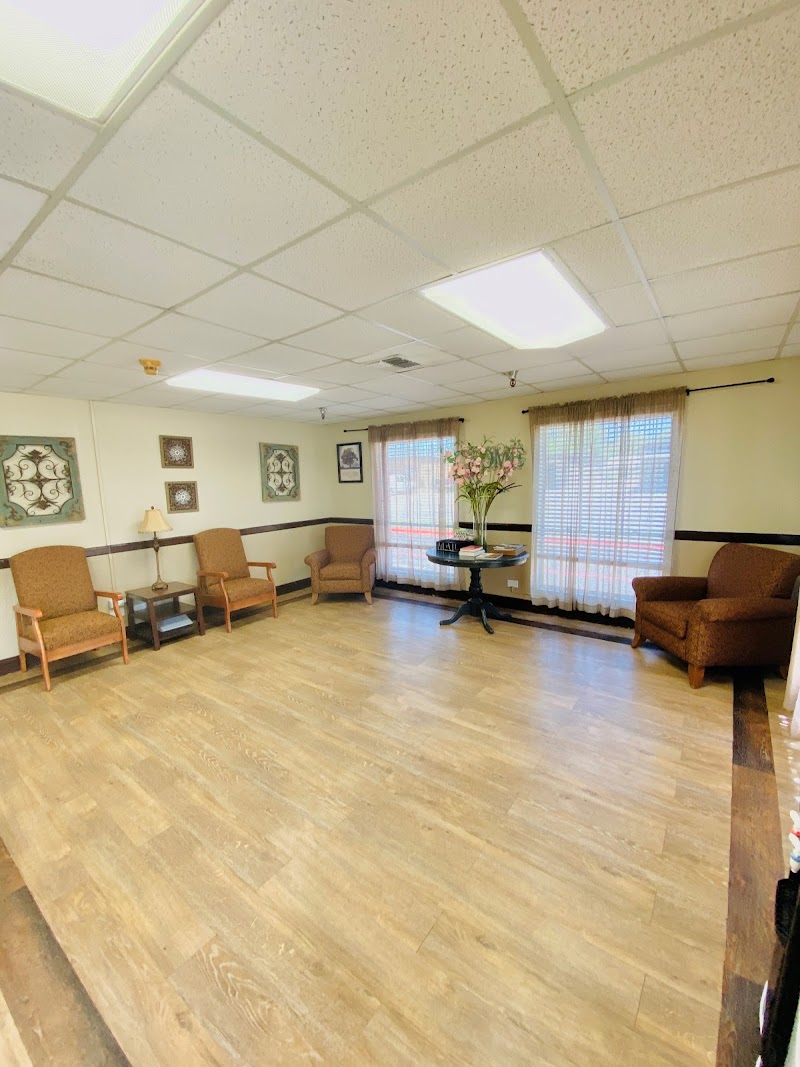
How is Waterside Nursing & Rehabilitation Staffed?

CMS rates WATERSIDE NURSING & REHABILITATION's staffing level at 1 out of 5 stars, which is much below average compared to other nursing homes. Staff turnover is 85%, which is 39 percentage points above the Texas average of 46%. High turnover can affect care consistency as new staff learn residents' individual needs.

What Have Inspectors Found at Waterside Nursing & Rehabilitation?

State health inspectors documented 80 deficiencies at WATERSIDE NURSING & REHABILITATION during 2022 to 2025. These included: 6 Immediate Jeopardy (the most serious level, indicating potential for serious harm or death), 1 that caused actual resident harm, 70 with potential for harm, and 3 minor or isolated issues. Immediate Jeopardy findings are rare and represent the most serious regulatory concerns. They require immediate corrective action.
Who Owns and Operates Waterside Nursing & Rehabilitation?

WATERSIDE NURSING & REHABILITATION is owned by a for-profit company. For-profit facilities operate as businesses with obligations to shareholders or private owners. The facility operates independently rather than as part of a larger chain. With 179 certified beds and approximately 72 residents (about 40% occupancy), it is a mid-sized facility located in KERRVILLE, Texas.
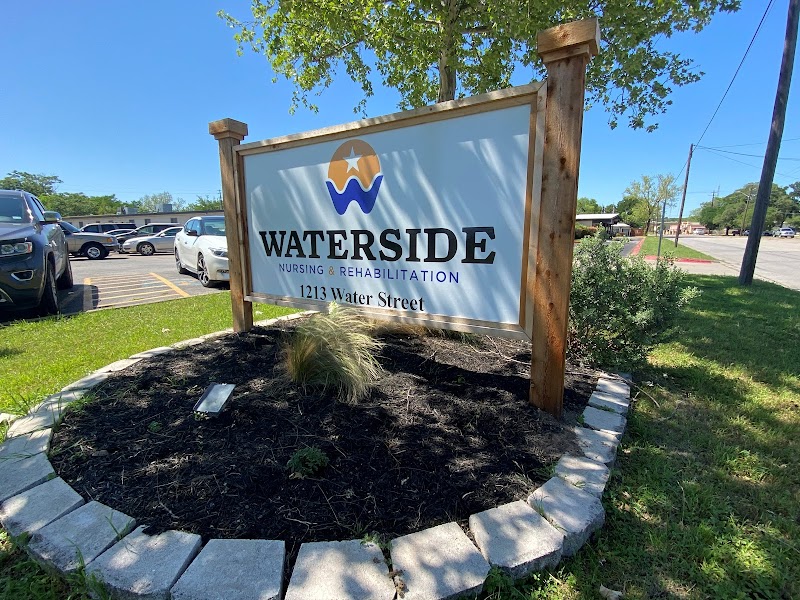
How Does Waterside Nursing & Rehabilitation Compare to Other Texas Nursing Homes?

Compared to the 100 nursing homes in Texas, WATERSIDE NURSING & REHABILITATION's overall rating (1 stars) is below the state average of 2.8, staff turnover (85%) is significantly higher than the state average of 46%, and health inspection rating (1 stars) is much below the national benchmark.

What Should Families Ask When Visiting Waterside Nursing & Rehabilitation?

Based on this facility's data, families visiting should ask: "What changes have been made since the serious inspection findings, and how are you preventing similar issues?" "What safeguards and monitoring systems are in place to protect residents from abuse or neglect?" "How do you ensure continuity of care given staff turnover, and what is your staff retention strategy?" "Can you walk me through typical staffing levels on day, evening, and night shifts?" These questions are particularly relevant given the facility's Immediate Jeopardy citations, the substantiated abuse finding on record, the facility's high staff turnover rate, and the below-average staffing rating.

Is Waterside Nursing & Rehabilitation Safe?

Based on CMS inspection data, WATERSIDE NURSING & REHABILITATION has documented safety concerns. The facility has 1 substantiated abuse finding (meaning confirmed case of resident harm by staff or other residents). Inspectors have issued 6 Immediate Jeopardy citations (the most serious violation level indicating risk of serious injury or death). The facility is currently on the Special Focus Facility watch list (a federal program monitoring the lowest-performing 1% of nursing homes nationwide). The facility has a 1-star overall rating and ranks #100 of 100 nursing homes in Texas. Families considering this facility should ask detailed questions about what corrective actions have been taken since these incidents.

Do Nurses at Waterside Nursing & Rehabilitation Stick Around?

Staff turnover at WATERSIDE NURSING & REHABILITATION is high. At 85%, the facility is 39 percentage points above the Texas average of 46%. High turnover means new staff may not know residents' individual needs, medications, or preferences. It can also be disorienting for residents, especially those with dementia who rely on familiar faces. Families should ask: What is causing the turnover? What retention programs are in place? How do you ensure care continuity during staff transitions?

Was Waterside Nursing & Rehabilitation Ever Fined?

WATERSIDE NURSING & REHABILITATION has been fined $235,451 across 6 penalty actions. This is 6.6x the Texas average of $35,433. Fines at this level are uncommon and typically indicate a pattern of serious deficiencies, repeated violations, or failure to correct problems promptly. CMS reserves penalties of this magnitude for facilities that pose significant, documented risk to resident health or safety. Families should request specific documentation of what issues led to these fines and what systemic changes have been implemented.

Is Waterside Nursing & Rehabilitation on Any Federal Watch List?

WATERSIDE NURSING & REHABILITATION is currently an SFF Candidate, meaning CMS has identified it as potentially qualifying for the Special Focus Facility watch list. SFF Candidates have a history of serious deficiencies but haven't yet reached the threshold for full SFF designation. The facility is being monitored more closely — if problems continue, it may be added to the official watch list. Families should ask what the facility is doing to address the issues that led to this status.