WILLOW REHAB & NURSING

1901 WHIPPOORWILL, KILGORE, TX 75662 (903) 983-7775
For profit - Corporation 118 Beds ADVANCED HEALTHCARE SOLUTIONS Data: November 2025 3 Immediate Jeopardy citations
Trust Grade
0/100
#894 of 1168 in TX
Last Inspection: January 2025

Within standard 12-15 month inspection cycle. Federal law requires annual inspections.

Overview

Willow Rehab & Nursing in Kilgore, Texas, has received a Trust Grade of F, indicating poor performance with significant concerns regarding resident care. It ranks #894 out of 1168 facilities in Texas, placing it in the bottom half, and #7 out of 13 in Gregg County, suggesting limited better options nearby. The facility's trend is worsening, with issues rising from 2 in 2024 to 13 in 2025. Staffing is rated poorly with a 1 out of 5 stars and a turnover rate of 54%, while RN coverage is only average, which may affect the quality of care. The facility has faced concerning fines totaling $228,569, higher than 93% of Texas facilities. Specific incidents include a resident being discharged without a safe place to go, resulting in a medical emergency, and another resident experiencing respiratory distress due to a lack of timely communication among staff, both of which highlight serious deficiencies in care and supervision.

Trust Score
F
0/100
In Texas
#894/1168
Bottom 24%
Safety Record
High Risk
Review needed
Inspections
Getting Worse
2 → 13 violations
Staff Stability
⚠ Watch
54% turnover. Above average. Higher turnover means staff may not know residents' routines.
Penalties
○ Average
$228,569 in fines. Higher than 63% of Texas facilities. Some compliance issues.
Skilled Nurses
⚠ Watch
Each resident gets only 19 minutes of Registered Nurse (RN) attention daily — below average for Texas. Fewer RN minutes means fewer trained eyes watching for problems.
Violations
⚠ Watch
50 deficiencies on record. Higher than average. Multiple issues found across inspections.
★★☆☆☆
2.0
Overall Rating
★☆☆☆☆
1.0
Staff Levels
★★★★★
5.0
Care Quality
★☆☆☆☆
1.0
Inspection Score
Stable
2024: 2 issues
2025: 13 issues

The Good

  • 5-Star Quality Measures · Strong clinical quality outcomes
  • Full Sprinkler Coverage · Fire safety systems throughout facility
  • No fines on record

Facility shows strength in quality measures, fire safety.

The Bad

2-Star Overall Rating

Below Texas average (2.8)

Below average - review inspection findings carefully

Staff Turnover: 54%

Near Texas avg (46%)

Higher turnover may affect care consistency

Federal Fines: $228,569

Well above median ($33,413)

Significant penalties indicating serious issues

Chain: ADVANCED HEALTHCARE SOLUTIONS

Part of a multi-facility chain

Ask about local staffing decisions and management

The Ugly 50 deficiencies on record

3 life-threatening 2 actual harm
Jun 2025 1 deficiency 1 IJ
CRITICAL (J) 📢 Someone Reported This

A family member, employee, or ombudsman was alarmed enough to file a formal complaint

Immediate Jeopardy (IJ) - the most serious Medicare violation

Respiratory Care (Tag F0695)

Someone could have died · This affected 1 resident

**NOTE- TERMS IN BRACKETS HAVE BEEN EDITED TO PROTECT CONFIDENTIALITY** Based on observation, interview, and record review the facility failed to ensure a resident who needs respiratory care, is provi...

Read full inspector narrative →
**NOTE- TERMS IN BRACKETS HAVE BEEN EDITED TO PROTECT CONFIDENTIALITY** Based on observation, interview, and record review the facility failed to ensure a resident who needs respiratory care, is provided such care consistent with professional standards of practice for 1 of 2 residents (Resident #1) reviewed for respiratory care. The facility failed to ensure that CNA B effectively communicated to RN A that Resident #1 requested a nurse. The facility failed to ensure that CNA B recognized a change of condition in Resident #1 that needed to be emergently communicated to RN A. The facility failed to ensure CNA C reported Resident #1's change of condition to RN A. These failures resulted in Resident #1 presenting with signs and symptoms of acute respiratory distress, a medical emergency and delayed her transfer of care to the acute care facility on 5/18/25 where she was diagnosed with acute hypercapnic respiratory failure ( a serious medical condition where the lungs cannot adequately remove carbon dioxide (CO2) from the blood, leading to a buildup of CO2 and a dangerously low blood pH) An Immediate Jeopardy (IJ) was identified on 6/5/25. The IJ template was provided to the facility on 6/5/25 at 5:30 pm. While the IJ was removed on 6/6/25 at 2:37 p.m., the facility remained out of compliance at a scope of isolated and a severity level of no actual harm with potential for more than minimal harm that is not immediate jeopardy due to the facility's need to monitor and evaluate the effectiveness of their corrective systems. This failure could place residents requiring respiratory care at risk for exacerbation of condition, as well as placing any residents needing emergency attention at risk for deterioration, irreversible health complications and death. The findings included: Record review of the face sheet dated 6/5/25 for Resident #1 indicated she was re-admitted to the facility on [DATE] with diagnoses including, acute on chronic respiratory failure with hypoxia (occurs when a person with a pre-existing chronic lung condition experiences a sudden worsening of their respiratory status, leading to dangerously low oxygen levels in the blood [hypoxia]), acute on chronic respiratory failure with hypercapnia (sudden worsening of a patient's breathing, where their lungs can't adequately remove carbon dioxide [hypercapnia] and this occurs on top of an existing, long-term respiratory condition), pneumonia, atrial fibrillation (an irregular heart beat that causes the heat to beat rapidly and irregularly, causing the heart to not pump blood efficiently, symptoms can include palpitations, shortness of breath, dizziness if left untreated this heart rhythm can lead to blood clots, stroke and heart failure), acute pulmonary edema (sudden and severe condition where fluid accumulates in the lungs, making it difficult to breathe. It's a medical emergency requiring immediate treatment). Record review of the MDS dated [DATE] indicated Resident #1 made herself understood and understood others. The MDS indicated Resident #1 was unable to complete the interview for BIMS. The sections of the MDS inquiring of short-term memory; Long-term memory; memory /recall ability; and cognitive skills for decision making were not answered. The MDS indicated there was no evidence of acute change in metal status from the resident's baseline. The MDS indicated Resident #1 no behaviors of inattention, disorganized thinking, or altered level of consciousness. The MDS indicated Resident #1 had no behavior of rejecting care. The MDS indicated Resident #1 was dependent on staff for toileting, showers/baths, lower body dressing, putting on/taking off of footwear. The MDS indicated Resident #1 required substantial/ maximal assistance with upper body dressing and personal hygiene. The MDS indicated Resident #1 required supervision, or touching assistance with oral hygiene and required only setup or clean -up assistance with eating. The MDS indicated Resident #1 required substantial maximal assistance with the following position changes; sit to lying (The ability to move from sitting on side of bed to lying flat on bed); lying to sitting on the side of bed (the ability to move from lying on back to sitting on the side of the bed with no back support); sit to stand (the ability to come to a standing position from sitting in a chair , wheelchair or on the side of the bed). The MDS indicated Resident #1 required partial/moderate assistance with roll left to right (the ability to roll from lying on back to the left and right side and return to lying on back on the bed). The MDS indicated toilet transfers, tub/shower transfers, car transfers and walking 10 feet were not attempted due to medical condition or safety concerns. The MDS indicated Resident #1 was frequently incontinent of bowel and bladder. The MDS indicated Resident #1's primary medical condition was debility, cardiorespiratory conditions. The MDS indicated active diagnoses included Atrial Fibrillation or other dysrhythmias, heart failure, pneumonia, seizure disorder, and respiratory failure. Record review of the discharge MDS dated [DATE] indicated Resident #1 had no cognitive impairment (BIMS of 15). Record review of the care plan revised on 3/24/25 indicated Resident #1 had a diagnosis of altered cardiovascular status due to arrythmia, CHF (congestive heart failure). The care plan interventions included, monitor resident for shortness of breath and cyanosis ( a bluish discoloration of the skin resulting from poor circulation or inadequate oxygenation of the blood). The care plan indicated Resident #1 had impaired respiratory status and was at risk for shortness of breath, respiratory distress, increased anxiety and hypoxia. The care plan interventions included monitor for shortness of breath, respiratory distress and provide oxygen as ordered. Record review of Resident #1's order summary report as of 5/18/2025, detailed and active order to change o2 tubing and humidifier bottle every night shift every Sunday. As well as an active order to administer oxygen via nasal cannula to maintain SP02 >92 %every shift related to acute and chronic respiratory failure. Record review of the nursing note for Resident #1 dated 5/18/25 at 10 40 p.m., stated RN to room to change o2 (oxygen) tubing and humidifier bottle as order(ed). Roommate states she had been trying to get the nurse for a while and reports she hit the call light and told the CNA that came into the room that (Resident #1) needed the nurse. The nurse was not informed of the resident's request for a nurse. Visual assessment showed the resident to be lying on her left side and she had inadvertently disconnected herself from the oxygen concentrator. The resident was noted to have dusky color, blue fingertips, and shallow respiration. The resident (Resident #1) was immediately placed back on the oxygen concentrator and pulse oximeter reading of 50% oxygen increased to 5 LPM with continuous SP02 monitoring. SpO2 only rose to 70%. 911 was called for emergent transport and immediately placed on non-rebreather at 15 LPM bringing Sp02 up to 94%. This note was written by RN A. Record review of the hospital Discharge summary dated [DATE] indicated Resident #1 was admitted to the hospital on [DATE] with diagnosis of acute hypercapnic respiratory failure. The discharge summary detailed Resident #1 developed severe hypoxia ( critical state where the body's tissues and organs are deprived of adequate oxygen) and hypercapnia ( condition where there is an excessive buildup of carbon dioxide (CO2) in the bloodstream) with lab work and chest x-ray indicating concurrent heart failure exacerbation (sudden worsening of heart failure symptoms, where the heart can no longer effectively pump enough blood to meet the body's needs) and was in chronic atrial fibrillation (also known as long-standing persistent atrial fibrillation, is a heart condition where the upper chambers of the heart [atria] beat irregularly and rapidly for extended periods) on admission . She was treated and discharged back to the nursing facility on 5/20/25. During an interview on 6/4/25 at 12:00 p.m., RN A said CNA B never told her that Resident #1 needed a nurse. RN A said she just happened to go into Resident #1's room when she did because she was changing the oxygen tubing and humidifier as it was ordered to be done on her shift. RN A said when she went into the room it was obvious Resident #1 was respiratory distress. RN A said Resident #1 fingers were blue she was breathing rapid shallow breaths. RN A said her oxygen tubing was disconnected from concentrator, although the nasal cannula remained in her nose. RN A said she put a pulse on oximeter on Resident #1 and Sp02 reading was in the 50's. RN A said she retrieved a mask and turned Resident #1's oxygen up to 5 liters per minute and Sp02 reading came up to the 70's. RN A said she called 911. RN A said when EMS arrived , they had gotten her Spo2 up to 94% on 15 liters per minute before she was transferred to the hospital. RN A said she was very upset that CNA B had not notified her that Resident #1 had requested a nurse. RN A said she would have went to the room right away had she known Resident #1 needed the nurse. RN A said she notified the DON that night of the situation and that CNA B had not notified her (RN A) Resident #1 needed her. During an interview and observation on 6/5/25 at 12:20 p.m., Resident #1 sat in her wheelchair in her room. Resident #1 said she had been to the hospital recently. Resident #1 said she could not recall the exact date and stated she thought it had been a few weeks ago. Resident #1 said the day she went to the hospital she was very light headed and felt the room was spinning. Resident #1 said she had COPD (chronic obstructive pulmonary disease is a progressive lung disease that causes airflow obstruction and breathing difficulties), Afib (atrial fibrillation) and seizure disorder. Resident #1 said she felt like something was wrong and could not catch her breath. Resident #1 said her memory of the event was a little fuzzy and stated her roommate (Resident #2) was in the room with her. Resident #1 said she called for help and CNA B came to the room and helped her set the bed up. Resident #1 said she was feeling really dizzy and short of breath when her roommate had called to get her a nurse. Resident #1 said it seemed like maybe 30 minutes before the nurse came but she really was not sure exactly how long it was before the nurse came in the room. Record review of the face sheet for Resident #2, dated 6/5/25 indicated she was readmitted to the facility on [DATE] with diagnoses including, spinal stenosis, PVD (peripheral vascular disease), morbid obesity and muscle weakness. Record review of the MDS dated [DATE] for Resident #2 indicated she understood others and made herself understood. The MDS indicated Resident #2 had no cognitive impairment (BIMS of 15). The MDS indicated Resident #2 had limited range of motion to both lower extremities and to one upper extremity. The MDS indicated Resident #2 used a wheelchair for mobility. The MDS indicated Resident #2 required substantial/ maximal assistance with sit to lying position changes (the ability to move from sitting on side of bed to lying flat on bed) and required partial/moderate assistance with lying to sitting on the side of the bed (the ability to move from lying on back to sitting on the side of the bed with no back support). The MDS indicated Resident #2 was always incontinent of bladder and frequently incontinent of bowel. During an interview on 6/5/25 at 12:28 p.m., Resident #2 said she couldn't recall the exact date of the event but stated it was approximately a few weeks ago. Resident #2 said she noticed her roommate (Resident #1) struggling with her bed remote. Resident #2 said Resident #1 was trying to raise her bed up. Resident #2 said Resident #1 had pushed her call light for help but said she went ahead and put her call light on also to try and get help for roommate. Resident #2 said she couldn't say exactly how long it was before CNA B came to the room but guessed it was about 15 minutes. Resident #2 said CNA B came into the room and she (Resident #2) told her (CNA B) that Resident #1 needed help with her bed remote. Resident #2 said CNA B helped Resident #1 to raise up the head of the bed and left the room. Resident #2 said a few minutes later her roommate (Resident #1) was having trouble talking to her and she (Resident #2) asked her if she needed the nurse. Resident #2 said she could not remember if she said yes or nodded yes but again put on her call light to get her roommate help. Resident #2 said she just knew Resident #1 needed the nurse. Resident #2 said CNA B answered the call light and came to the door. Resident #2 said she told CNA B Resident #1 needed the nurse. Resident #2 said CNA B said she would let the nurse now and left the room. Resident #2 said it was a really long time, she guessed approximately 45 minutes before the nurse came into the room. Record review of the associate disciplinary memorandum for CNA B i ndicated she was suspended on 5/19/25 pending investigation. The description of violation was Employee failed to notify charge nurse on resident change of condition. Employee failed to follow the company's code of conduct, policies and procedures. The memorandum detailed CNA B's comments were taken via phone and stated .She (CNA B) answered resident (Resident #1's) call light and she (Resident #1) needed help with her bed remote. She (CNA B) assisted her, resident (Resident #1) was not in distress. She (CNA B) stated she answered it the second time and the resident (Resident #1) stated she wanted the nurse. (Resident #1) did not appear to be in any distress. She (CNA B) stated the nurse was at the end of another hall. She (CNA B) told her (RN A) down the hall that (room number) wished to speak with her. She (CNA B) said she assumed the nurse went down there. The memorandum detailed Employee has been educated on notifying charge nurse on change of condition. Continued behavior will result in further disciplinary action up to and including termination .(and) Employee should report changes of condition promptly to charge nurse. The disciplinary memorandum was signed by the DON, ADON D, and human resources personnel E. During an interview on 6/5/25 at 2:00 p.m., the DON said RN A had notified her of the incident. The DON said RN A insisted she had not been notified of Resident #1's request for a nurse and CNA B insisted she had notified RN A. The DON said she herself did not take CNA B's statement because she was out of the facility the following day (5/19/25) but stated ADON B and human resources personnel E took her (CNA B's) statement over the phone. The DON said CNA B was in-serviced over notification of change of condition. The DON said that in-service (notification of change of condition) was started on 5/19/25 for all clinical staff and was ongoing. During an interview on 6/5/25 at 2:20 p.m., ADON B said she called CNA B to ask her about RN A's allegation of not being notified. ADON B said the statement was as documented on the associate disciplinary memorandum dated 5/19/25 for CNA B. During an interview on 6/5/25 at 2:22 p.m., human resources personnel E said she was also on the call made to CNA B to record her statement. Human resources personnel E said the statement was as documented on the associate disciplinary memorandum dated 5/19/25 for CNA B. During an interview on 6/5/25 at 2:37 p.m., CNA B said, on 5/18/25 she responded to Resident #1's call light. CNA B said when she went into the room she asked Resident #1 what she needed and she indicated she needed help with her bed. CNA B said she assisted Resident #1 with raising the head of her bed up and left the room. CNA B said Resident #1 did not appear to be in any distress and made no further requests at that time. CNA B then said later (she could not quantify time between the first and second call light response) she saw the call light was on again for Resident #1 and responded. CNA B said Resident #2 said Resident #1 needed the nurse. CNA B said do you need the nurse and Resident #1 replied that she did need the nurse. CNA B said Resident #1 was fine and did not appear to be in any distress. CNA B said she left the room and RN A was at the end of another hall and yelled to her that Resident #1 needed her. CNA B said the call light for Resident #1 was on again and at this time she retrieved CNA C to assist her as she anticipated she may need assistance as Resident #1 was a large lady. CNA B said CNA C went into the room with her and they provided peri care for Resident #1. CNA B said Resident #1 was fine and was in no distress when herself and CNA C were in the room. CNA B then said she had told RN A multiple times Resident #1 needed her. CNA B said Resident #1's call light came on again. CNA B said from the time herself and CNA C provided peri-care to the call light coming on again was approximately 30 minutes. CNA B said herself and CNA C walked down to the room and saw RN A squatting down at the bedside. CNA B said every time she was in the room Resident #1 was not in distress and her oxygen was on and connected to the concentrator. During an interview on 6/5/25 at 3:00 p.m., CNA C said when she went to help CNA B with Resident #1 on 5/18/25 she (Resident #1) looked like she was going through something. CNA C said Resident #1 wouldn't open her eyes was breathing hard and kinda shallow. CNA C said they provided peri-care and they continued to ask her (Resident #1) questions but she (Resident #1)would not alk to them. CNA C said Resident #1 did have her oxygen tubing in her nose. CNA C said Resident #2 said Resident #1 needed the nurse. CNA C said she looked at CNA B as they were leaving the room and CNA B said to her, she had already notified the nurse. CNA C said she did not go to RN A herself because CNA B told her (CNA C) she had already notified the nurse. CNA C said the call light came on again and she walked with CNA B down to the room. CNA C said RN A was at the bedside and asked the them (CNA B and CNA C) why the oxygen tubing was disconnected from the concentrator and how long had Resident #1 had trouble breathing. Record review of the facility policy and procedure titled Notification of Changes, dated 7/13/25 stated Policy: To provide guidance on when to communicate acute changes in status to MD, MP and/responsible party. The facility will immediately inform the resident; consult with the resident's physician; and if known notify the resident's legal representative or appropriate family member of the following: .(2) An emergency response situation that require EMS involvement. (3) A significant change in the physical, mental or psychosocial status of the resident . The Administrator was notified on 6/5/25 at 5:25 p.m. at that an Immediate Jeopardy situation was identified due to the above failures. The Administrator was provided with the Immediate Jeopardy template via email on 6/5/25 at 5:30 p.m. The Plan of Removal was accepted on 6/6/25 at 12:40 p.m.,05/15/25 and detailed the following: .Resident #1 was sent to the ER for evaluation and treatment on 05/18/2025. Resident #1 returned to the facility on 5/20/25; head to toe physical assessment was completed by floor nurse upon return to the facility and documented. The resident was assessed by the Director of Nursing, and she was not in distress and at normal baseline. No adverse effects were noted. (Completion Date: 06/05/2025) The Administrator/Director of Nursing reported this allegation of respiratory care failure to the facility Medical Director. (Completion Date: 06/05/2025) Identification of Residents Affected or Likely to be Affected: Director of Nursing/ or Designee conducted assessments for the 13 residents currently on oxygen therapy or with PRN orders, with no negative findings or changes noted. (Completion Date: 06/05/2025) Actions to Prevent Occurrence/Recurrence: The facility took the following actions to prevent an adverse outcome from reoccurring. (Completion Date: 06/06/2025) On 6/5/25 @ 6:30pm the Director of Nursing, Assistant Director of Nursing, Designee in-serviced direct care staff to include CNAs on recognizing notification of change, effective communication and stop and watch. If a resident presents with a change in condition, the nurse will be notified immediately by each CNA verbally and will describe what change they see with the resident. The CNAs will document on the stop and watch tool simultaneously to communicate the change with the nurse and both CNA and nurse will sign the form. This will be completed by 6/6/25 @ 12pm. Any new staff or staff not present will be in-serviced prior to their next shift. On 6/5/25 @ 6:30pm the Director of Nursing, Assistant Director of Nursing, Designee in-serviced direct care staff to include CNAs on job duties and effective communication which includes updating charge nurses throughout shift of patient status or change of condition immediately by using the stop and watch tool. This will be completed by 6/6/25 @ 12pm. Any new staff or staff not present will be in-serviced prior to their shift. On 6/5/25 @ 6:30pm the Director of Nursing, Assistant Director of Nursing, Designee in-serviced floor nurses on the immediate need of nursing assessment when a change of condition is indicated or notified by CNA. This will be completed by 6/6/25 @ 12pm. Any new staff or staff not present will be in-serviced prior to their shift. How the corrective action(s) will be monitored to ensure the practice will not recur: The Administrator, Director of Nursing, Assistant Director of Nursing or designee, will review 24-hour report during clinical meeting during morning stand-up daily for any respiratory changes of condition to verify understanding of current policy for recognizing changes of condition, notification, and assessment of residents. Re-education will be provided at the time, if needed. Summary of investigations and incidence of re-education, if required, will be discussed with the facility QAPI committee, and plan may be revised as needed. This plan of correction will be monitored at the monthly Quality Assurance meeting until such time consistent substantial compliance has been met. An off-cycle Ad Hoc QAPI meeting was held by the Administrator/ or designee on 06/05/2025 at approximately 6:30 pm via phone conversation with Medical Director to discuss the IJ on respiratory services. We discussed the facility's follow-up plan to sustain compliance. On 6/6/25 the surveyor confirmed the facility implemented their plan of removal sufficiently to remove the Immediate Jeopardy (IJ) by: During an interview on 6/6/25 at 12:50 p.m., the DON said the facility had 13 residents who had orders for Oxygen, (either continuous or as needed). The DON said all these Residents were assessed on 06/05/25 and there were no concerns with their Oxygen level. The DON said nursing staff including CNAs, Med Aides and Nurses were in-serviced on recognizing change In condition of a resident. The DON said CNAs cannot assess a resident but can report if they see a resident not being normal. The DON said they (CNAs) were to report the change in condition immediately to the charge nurse. The DON said when a change in condition is identified the staff (CNA) and the nurse will document the reported Change on the Stop and Watch paper form. The DON said and both the staff (CNA) and the nurse must sign. The DON said there had not been a change in condition reported since the training. The DON said staff work 12 hours shift from 6AM to 6PM and 6PM to 6AM. The DON said all nursing staff have received the training and any nursing staff not on the schedule, will be trained by the DON, ADON, or designee prior to starting their shift. The DON said most likely the training of new staff or staff who had not yet been on the schedule will be conducted by the DON or ADON B, but it could be another nurse who had already been trained. The DON said the 24-hour Report will be reviewed during morning meeting and any respiratory changes in condition will be reviewed to verify that new procedure was followed and Stop and Watch form was completed and signed as required. The DON said any new concerns with training or the Stop and watch procedure will be reviewed by the QAPI committee any concerns with re-education will be addressed immediately. The DON said an AD Hoc QAPI meeting was conducted with the Medical Director on 06/05/25 to address any issues that were mentioned in the IJ template. The DON provided copies of current employees and completion of training. No issues were identified. The DON provided a list of the 13 residents with oxygen orders. The surveyor reviewed and no concerns were identified. Of these 13 residents the surveyor interviewed Resident #3, #4, #5, #6, and #7 and found no concerns. During interviews on 6/6/25 from 1:00 p.m., to 2:30 p.m., Nurses and Nurse Aides that represent the 6:00 a.m.- 6:00 p.m. and 6:00 p.m. to 6:00 a.m. shifts (LVN F, LVN G, LVN H, LVN I, CNA J, CNA K, CNA L, CNA M, CNA N, CNA O and MA P) as well as confirmed they had received training on reporting change in Condition and documenting on the Stop and Watch form. They said any time there was a change in Condition, the nurse was to respond immediately to assess the resident. CNAs will document the date and time when the change was reported to the nurse, and which nurse the change was reported. All staff were able to describe the procedure on reporting change in condition and Stop and Watch form. On 6/6/25 at 2:37 p.m., the Administrator and DON were informed the IJ was removed; however, the facility remained out of compliance at a scope of isolated and a severity level of no actual harm with potential for more than minimal harm that is not Immediate Jeopardy due to the facility's need to complete in-service training and evaluate the effectiveness of the corrective systems.
Jan 2025 12 deficiencies
CONCERN (D)

Potential for Harm - no one hurt, but risky conditions existed

Deficiency F0558 (Tag F0558)

Could have caused harm · This affected 1 resident

**NOTE- TERMS IN BRACKETS HAVE BEEN EDITED TO PROTECT CONFIDENTIALITY** Based on observation, interview, and record review, the facility failed to ensure each resident had the right to reside and rece...

Read full inspector narrative →
**NOTE- TERMS IN BRACKETS HAVE BEEN EDITED TO PROTECT CONFIDENTIALITY** Based on observation, interview, and record review, the facility failed to ensure each resident had the right to reside and receive services in the facility with reasonable accommodation of resident needs and preferences for 1 of 6 (Resident #72) residents reviewed for call lights. The facility failed to ensure Resident #72's call button was within reach while Resident #72 was in her bed. This failure could place residents at risk for a delay in assistance and decreased quality of life, self-worth, and dignity. Findings included: Record review of Resident #72's face sheet, dated 01/25/24 indicated Resident #72 was a [AGE] year-old female admitted to the facility on [DATE] with diagnoses which included Dementia (memory loss), high blood pressure, and Gastroesophageal Reflux Disease also known as GERD (is a chronic digestive condition where stomach contents flow back up into the esophagus, causing irritation and various symptoms). Record review of Resident #72's annual MDS assessment, dated 01/10/25, indicated that she understood and was understood by others. Resident #72 had a BIMs score of 03 which indicated she was cognitively impaired. Resident #72 required assistance with bathing. The MDS indicated she was occasionally incontinent of bowel and bladder. Record review of Resident #72's Comprehensive Care Plan dated 02/20/24 reflected Resident #72 had the potential for falls related to unsteady gait at times. The intervention was for staff to place the resident's call light within reach and encourage the resident to use it for assistance as needed. During an observation and interview on 01/27/25 at 9:09 a.m., revealed Resident #72 was sitting on the side of her bed. No call light was noted within reach. A call light was hanging on the wall behind the room divider curtain. Resident #72 said she did not know where her call light was. SHe, she said if she needed anything she would walk to the door to alert staff. During an observation on 01/27/25 at 2:38 p.m., revealed Resident #72 was walking back from the bathroom with her walker and sat on the side of her bed. The call light was hanging on the wall behind the room divider curtain. During an observation and interview on 01/27/25 at 2:44 p.m., revealed the Treatment Nurse entered Resident #72's room and said she did not see her call light. She then looked behind the curtain and saw the call light hanging against the wall. She said the call light should be within Resident #72's reach in case she needed it. She said all staff was responsible for ensuring the call light was within reach. She said the risk could be the resident would not get help if needed. During an interview on 01/29/25 at 03:50 p.m., ADON #2 said all residents should have a call light and should always be within reach. She said if a resident did not have their call light it could lead to falls or the resident not getting the help they need. During an interview on 01/29/25 at 03:50 p.m., the DON said she expected call lights to be accessible to the residents. She said all staff should check on the residents and ensure they have a call light and that the call light was within reach. The DON said failure to have or keep the call lights within reach could cause a resident to fall. During an interview on 01/29/25 at 04:21 p.m., the Administrator said she expected all call lights to be working and within reach of each resident. She said all staff should ensure the call lights were within reach. She said call lights were a way for the residents to communicate if they needed anything. Record review of the facility policy title, Call Light Response, dated 02/10/21 indicated, The purpose of this policy is to assure the facility is adequately equipped with a call light at each resident's bedside, toilet, and bathing facility to allow residents to call for assistance. Call lights will directly relay to a staff member or a centralized location to ensure appropriate response. #5 With each interaction in the resident's room or bathroom, staff will ensure the call light is within reach of the resident and secure as needed.
CONCERN (D)

Potential for Harm - no one hurt, but risky conditions existed

Deficiency F0645 (Tag F0645)

Could have caused harm · This affected 1 resident

**NOTE- TERMS IN BRACKETS HAVE BEEN EDITED TO PROTECT CONFIDENTIALITY** Based on interview and record review, the facility failed to ensure the Pre-admission Screening and Resident Review (PASRR) Leve...

Read full inspector narrative →
**NOTE- TERMS IN BRACKETS HAVE BEEN EDITED TO PROTECT CONFIDENTIALITY** Based on interview and record review, the facility failed to ensure the Pre-admission Screening and Resident Review (PASRR) Level I assessment accurately reflected the resident's status for 1 of 6 residents (Resident #32) reviewed for PASRR Level I screenings. The facility failed to ensure the accuracy of the PASRR Level 1 screening for Resident #32. The PASRR Level 1 screening did not indicate a diagnosis of mental illness, although the diagnoses (major depressive disorder and post-traumatic stress disorder) were present upon Resident #32's admission date on 04/21/22. This failure could place residents who had a mental illness at risk of not receiving a needed assessment (PASRR Evaluation), individualized care, or specialized services to meet their needs. Findings included: Record review of Resident #32's face sheet, dated 01/27/25, indicated she was a [AGE] year-old female, admitted to the facility on [DATE]. Her diagnoses included major depressive disorder (a mental illness that causes a persistent low mood and loss of interest in activities) with an onset date of 04/25/19, and post-traumatic stress disorder (a psychiatric disorder that may occur in people who have experienced or witnessed a traumatic event, series of events or set of circumstances) with an onset date of 02/23/21. Record review of Resident #32's annual MDS assessment, dated 12/27/24, indicated she had a BIMS score of 15, which indicated intact cognition. The assessment further indicated she received an antianxiety and an antidepressant medication during the assessment window. Record review of Resident #32's PASRR Level 1 Screening, dated 12/18/24, indicated that in Section C, Mental Illness was marked as no, which indicated Resident #32 did not have a mental illness. During an interview on 01/29/25 at 09:40 AM, MDS coordinator D said she did not think Resident #32 would be PASRR positive if a PL1 was submitted with mental illness marked yes. She said Resident #32 did not have a recent hospitalization related to her mental illness so she would likely not qualify for PASRR services. During an interview on 01/29/25 at 10:09 AM, MDS coordinator D said she did not think the PL1 form dated 12/18/24 should have been marked yes for mental illness because the form was completed due to a change of ownership. She said since she thought that Resident #32 was unlikely to become PASRR positive she did not think the form needed to be fixed and resubmitted. She said if the local authority had come out to the facility, she did not think Resident #32 would have been deemed PASRR positive for mental illness. During an interview on 01/29/25 at 01:48 PM, the Administrator said she had worked at the facility for 3 days. She said she was not clinical and was not sure how to answer this surveyor's questions related to PASRR. Record review of the facility's policy, Preadmission and Screening Resident Review (PASRR) Rules, last revised July 2023, stated: .It is the intent of [corporate name] to meet and abide by all state and federal regulations that pertain to resident preadmission and screening resident review (PASRR) rules . .Referring Entity completes a PL1 . .if negative: .If the resident has a qualifying MI (mental illness) diagnosis and the NF feels the resident should be positive they should talk to the referring entity and ask them to correct the PL1 .
CONCERN (D)

Potential for Harm - no one hurt, but risky conditions existed

ADL Care (Tag F0677)

Could have caused harm · This affected 1 resident

**NOTE- TERMS IN BRACKETS HAVE BEEN EDITED TO PROTECT CONFIDENTIALITY** Based on interview and record review the facility failed to ensure a resident who was unable to carry out activities of daily li...

Read full inspector narrative →
**NOTE- TERMS IN BRACKETS HAVE BEEN EDITED TO PROTECT CONFIDENTIALITY** Based on interview and record review the facility failed to ensure a resident who was unable to carry out activities of daily living received the necessary services to maintain grooming, and personal and oral hygiene were provided for 1 of 6 residents (Residents #74) reviewed for ADL care. The facility failed to ensure Resident #74 was showered on 01/01/25, 01/06/25, 01/13/25, 01/15/25 and 01/20/25. This failure could place residents at risk of not receiving care/services, decreased quality of life, and loss of dignity. Findings included: Record review of Resident #74's face sheet, dated 01/29/25, indicated a [AGE] year-old male who was admitted to the facility on [DATE] with diagnoses which included stroke, depression (sadness), diabetes, and high blood pressure. Record review of Resident #74's quarterly MDS assessment, dated 11/06/24, indicated Resident #74 understood and was understood by others. His BIMs score was a 14, which indicated he was cognitively intact. The MDS indicated he required touch assistance for showering, limited assistance for dressing, and maximum assistance for transferring. Record review of the care plan dated 08/12/24 indicated Resident #74 had an ADL self-care performance deficit and was at risk for not having his needs met in a timely manner related to Hemiplegia (a medical condition characterized by paralysis or weakness on one side of the body) affecting the right dominant side and weakness. The interventions were for staff to assist with bathing. During an interview on 01/28/25 at 12:17 p.m., Resident #74 said he was not getting his showers 3 times a week. He said he was lucky to get a shower 1 time a week. He said he had told the Administrator about missing his showers. He said staff would start giving him showers 3 times a week for a while and then would slack off again. He said he would like to get his showers 3 times a week. Record review of Resident #74's point of care history dated 01/01/25-01/31/25, did not indicate Resident #74 was bathed on the following dates: 01/01/25, 01/06/25, 01/13/25, 01/15/25 and 01/20/25. During an interview on 01/29/25 at 11:08 a.m., CNA O said she had given Resident #74 a shower on her day shifts several times. She said he was a Monday, Wednesday, and Friday night shift shower. She said he would ask her to shower him because he had not received his shower on the night shift. During an interview and record review on 01/29/25 at 10:36 a.m., LVN P said showers should be given according to the shower schedule. LVN P said A beds (beds closer to the door) were day shift showers and B beds (closest to the window) were night shift showers. He said periodically they would have residents who would say they did not receive their baths, but staff would make sure they got them. LVN P said the nurses were responsible for ensuring the baths were provided. He said when the aides gave a shower, they would bring the shower sheets so that the nurses could sign the shower sheets indicating the shower had been given and place the signed sheet in the shower book. LVN P and the state surveyor looked through the shower book and could not locate any shower sheets for Resident #74 for January 2025. He said he was not aware Resident #74 was not receiving his showers. During an interview on 01/29/25 at 3:20 p.m., ADON F said Resident #74 should be getting his showers 3 times a week. She said she was not aware of Resident #74 refusing his showers. She said if he did refuse his showers then the charge nurse should document the refusal in his chart. She said failure to receive a shower, or a missed shower could lead to skin issues. During an interview on 01/29/25 at 3:50 p.m., the DON said she expected showers to be given according to the shower schedule. She said the staff was aware of the shower days because it was on point of care and the task assignment. She said she was unaware of Resident #74 missed showers. She said if a resident refused his/her shower(s) then the charge nurse was supposed to document it in his/her chart and depending on how many refusals notify the responsible party. She said showers should be given for cleanliness and prevention of skin breakdown. During an interview on .01/29/25 at 4:21 p.m., the Administrator said she started at the facility 01/27/25. She said she expected the residents to receive their baths and expected the staff to document if they did not receive them. The Administrator said the charge nurse was responsible for ensuring the showers were completed. She said showers were given for sanitary and infection reasons. Record review of the facility policy titled, Resident Showers, dated 02/11/22 indicated, It is the practice of this facility to assist residents with bathing to maintain proper hygiene, stimulate circulation, and help prevent skin issues as per current standards of practice.
CONCERN (D)

Potential for Harm - no one hurt, but risky conditions existed

Respiratory Care (Tag F0695)

Could have caused harm · This affected 1 resident

**NOTE- TERMS IN BRACKETS HAVE BEEN EDITED TO PROTECT CONFIDENTIALITY** Based on observation, interview, and record review the facility failed to ensure that a resident who needed respiratory care was...

Read full inspector narrative →
**NOTE- TERMS IN BRACKETS HAVE BEEN EDITED TO PROTECT CONFIDENTIALITY** Based on observation, interview, and record review the facility failed to ensure that a resident who needed respiratory care was provided such care, consistent with professional standards of practice, the comprehensive person-centered care plan, and the resident's goals and preferences for 2 of 5 residents (Resident's #27 and Resident #290) reviewed for respiratory care. 1. The facility failed to ensure staff followed the policy for dating the oxygen tubing and bagging the CPAP (a machine that uses mild air pressure to keep breathing airways open while you sleep) on 01/27/25 and 01/28/25 for Resident #27. 2. The facility failed to ensure staff followed the policy for bagging and dating Resident #290's Handheld nebulizer on 01/27/25 and 01/29/25. These failures could place residents who receive respiratory care at risk of developing respiratory complications and a decreased quality of care. Finding included: 1.Record review of Resident #27's face sheet, dated 01/29/25 indicated she was an [AGE] year-old female admitted to the facility on [DATE] and readmitted [DATE] with diagnoses which included Respiratory failure (a condition where there's not enough oxygen or too much carbon dioxide in your body), Dementia (memory loss), and diabetes. Record review of Resident #27's significant change in condition MDS assessment, dated 12/12/24, indicated Resident #27 was understood and usually understood by others. The MDS assessment indicated she had a BIMS score of 07 indicating she was severely cognitively impaired. Resident #27 required assistance with bathing, toileting, dressing, bed mobility, personal hygiene, and eating. The MDS indicated she required oxygen. Record review of Resident #27's physician's order dated 09/09/24 indicated Change oxygen tubing and humidifier bottle every Sunday night and ensuring the tubing was dated when changed. Record review of Resident #27's physician's order dated 10/08/24 indicated Apply oxygen at 2-3 Liter per minute via nasal cannula. Record review of Resident #27's physician's order dated 10/08/24 indicated CPAP at night with settings 5 expiratory pressure, and 15 inspiratory pressures at bedtime for sleep apnea (cessation of breathing) related to acute respiratory failure with hypoxia (inadequate supply of oxygen to the body's tissues). Record review of Resident #27's comprehensive care plan, dated 08/08/24, indicated Resident #27 required oxygen therapy routinely or as needed related to ineffective gas exchange secondary to respiratory illness. The intervention of the care plan was for staff to administer oxygen as ordered. Record review of Resident #27's comprehensive care plan, dated 11/20/24, indicated Resident #27 Refuses CPAP at night at times and takes off the mask at night. The intervention was for staff to continue to encourage the resident to wear her CPAP mask. During an observation on 01/27/25 at 10:01 a.m., revealed Resident #27 was in her bed with her eyes closed. Resident #27 had oxygen tubing on the back of her wheelchair bagged but not dated and her CPAP mask sitting on the bedside table not bagged. During an observation on 01/28/25 at 9:05 a.m., revealed Resident #27 was in her bed with her eyes closed. Resident #27's CPAP mask was sitting on the bedside table not bagged. 2. Record review of Resident #290's face sheet, dated 01/29/25 indicated a [AGE] year-old female who was admitted to the facility on [DATE] with a diagnosis of Dementia (loss of memory), anxiety (a persistent worry, fear, and nervousness that can interfere with daily life), and sleep disorder (a medical condition that affects how well a person sleeps). Record review of Resident #290's admission MDS assessment, dated 01/26/25, indicated Resident #290 understood others and was understood by others. Resident #290's BIMS score was 09, which indicated she was moderately cognitively impaired. The MDS indicated Resident #290 required assistance with dressing, personal hygiene, toileting, bathing, bed mobility, transfers, and set-up for eating. The MDS during the 7-day look-back period did not indicate Resident #290 was receiving handheld nebulizers. Record review of Resident #290 physician's orders dated 01/27/25 indicated, Albuterol Sulfate Inhalation Nebulization Solution (2.5MG/3ML) 0.083% (Albuterol Sulfate) 1 dose via mask every 6 hours as needed for shortness of breath. Record review of Resident #290 physician's orders dated 01/28/25 indicated, Ipratropium-Albuterol Inhalation Solution 0.5-2.5 (3) MG/3ML (Ipratropium-Albuterol) 1 vial inhale orally three times a day for cough/shortness of breath for 3 Days. Record review of Resident#290's care plan dated 01/20/24 did not indicate any plan of care for handheld nebulizers. During an observation on 01/27/25 at 10:18 a.m., revealed Resident #290 had her handheld nebulizer sitting on the nightstand not bagged or dated. During an observation and interview on 01/29/25 at 2:38 p.m., LVN P verified Resident #290's HHN was sitting on the bedside table undated or bagged. He said he had given Resident #290 a breathing treatment earlier but did not ensure the HHN was placed back in a bag. He said the HHN should be dated and bagged when not in use. During an interview on 1/29/25 at 3:50 p.m., the DON said she expected oxygen and HHN tubing to be dated and bagged when not in use. She said the CPAP mask should be bagged when not in use. She said the nursing staff should ensure the items were dated and the tubing bagged, and the administrative nurses should make rounds to ensure the items were dated and bagged. She said they should be bagged to prevent infection control issues. During an interview on 01/29/25 at 4:21 p.m., the Administrator said oxygen and HHN tubing should be bagged and dated. She said the nurses needed to ensure they were changed, dated, and bagged when not in use. She said those things were done to prevent infection. Record review of the facility policy titled, Oxygen Administration dated 09/12/14 indicated, Policy: to describe methods for delivering oxygen to improve tissue oxygenation. Completion of procedure: #2 When oxygen is not in use, store oxygen tubing and nasal cannula or mask in a small plastic bag. #3 Change disposable parts once a week and label with a date (tubing plastic bag mask or Cannula).
CONCERN (D)

Potential for Harm - no one hurt, but risky conditions existed

Unnecessary Medications (Tag F0759)

Could have caused harm · This affected 1 resident

**NOTE- TERMS IN BRACKETS HAVE BEEN EDITED TO PROTECT CONFIDENTIALITY** Based on observation, interview, and record review, the facility failed to ensure that it was free of medication error rate of 5...

Read full inspector narrative →
**NOTE- TERMS IN BRACKETS HAVE BEEN EDITED TO PROTECT CONFIDENTIALITY** Based on observation, interview, and record review, the facility failed to ensure that it was free of medication error rate of 5 percent or greater. The facility had a medication error rate of 5.56%, based on 2 errors out of 36 opportunities, which involved 2 of 6 residents (Resident #37 and Resident #80) reviewed for medication administration. 1. The facility failed to administer Resident #37's eye drops ophthalmic solution 0.05% Tetrahydrozoline HCL medication (used for temporary treatment of eye redness and irritation.) as ordered. 2. The facility failed to administer Resident #80's Aspirin chewable 81mg medication (used to help prevent a heart attack or clot-related stroke) as ordered. These failures could place residents at risk for not receiving the intended therapeutic benefit of their medications or receiving them as prescribed, per physician orders. Findings included: 1. Record review of Resident #37's face sheet, dated 01/28/25, indicated he was a [AGE] year-old male, admitted to the facility on [DATE]. His diagnoses included intracranial injury (damage to the brain caused by an external force), and hemiplegia (a medical condition characterized by paralysis or weakness on one side of the body). Record review of Resident #37's quarterly MDS assessment, dated 01/15/25, indicated he had a BIMS score of 03, which indicated severe cognitive impairment. He did not exhibit behaviors of rejection of care or wandering. Record review of Resident #37's physician's orders, dated 01/28/25 indicated this order: *Eye Drops Ophthalmic Solution 0.05% Tetrahydrozoline HCL. Instill 1 drop in both eyes in the morning for dry eyes. The start date was 10/23/24. Record review of Resident #37's MAR for January 2024, dated 01/28/25, indicated the eye drops tetrahydrozoline HCL were not administered on 01/28/25. The MAR gave a reason code of 9 which indicated other / see nurse notes. Record review of Resident #37's progress notes, dated 01/28/25, indicated a note written by Medication Aide G that stated: Eye Drops Ophthalmic Solution 0.05% Instill 1 drop in both eyes in the morning for dry eyes[.] Med is not in the [building] but has been ordered During an observation and interview on 01/28/25 at 7:33 AM, Medication Aide G did not administer Resident #37's eye drops medication. Medication Aide G said she did not have the eye drops on her cart. She said the drops have been ordered from the pharmacy, but they have not yet been delivered to the facility. She said she notified the nurse that she was unable to give the eye drops. She said the medication would likely be delivered that evening. 2. Record review of Resident #80's face sheet, dated 01/28/25, indicated he was a [AGE] year-old male, admitted to the facility on [DATE]. His diagnoses included cerebral infarction (a condition where blood flow to the brain is interrupted, causing brain tissue to die) and intracardiac thrombosis (a condition where a blood clot forms within the heart chambers). Record review of Resident #80's quarterly MDS assessment, dated 11/27/24, indicated he had a BIMS score of 15, which indicated intact cognition. He did not exhibit behaviors of rejection of care or wandering. Record review of Resident #80's physician's orders, dated 01/28/25, indicated this order: *Aspirin low dose oral tablet chewable 81mg. Give 1 tablet by mouth in the morning for heart health. The start date was 08/22/24. Record review of Resident #80's MAR for the month of January 2025, dated 01/28/25, indicated he was administered the Aspirin 81mg medication on 01/28/25. During an observation on 01/28/25 at 7:45 AM, Medication Aide G administered aspirin 81mg Enteric Coated 1 tablet to Resident #80. During an interview on 01/28/25 at 3:41 PM, Medication Aide G said she did not realize she had given the enteric coated form instead of the chewable form of the aspirin. She said she did not think there was a risk to the resident because of him receiving the wrong form. She said she should have given the chewable tablet that was ordered. During a group interview with both ADONS on 01/29/25 at 1:27 PM, ADON E said she expected the eye drops medication to have been ordered and available for the resident to have. ADON E said she expected the medication aides to administer the correct form of the aspirin medication. ADON F said the risk to the resident was that the resident was not receiving the benefit of the medication if they are not administered it. During an interview on 01/29/25 at 1:40 PM, the DON said she expected the staff to have the medication needed on the cart and to let someone know so they can get it in the building if they do not have stock of the medication. she said she expected the med aide to give the proper form of the medications. During an interview on 01/29/25 at 1:48 PM, the Administrator said her expectation was that the residents get their medications as ordered and in the form they were ordered. She said the risk would be that the resident did not get the intended benefit of the eye drops when it was not administered. During an interview on 01/29/25 at 3:43 PM, the DON said they do not have a policy for ordering medications. Record review of the facility's policy, Medication - Treatment Administration and Documentation, last revised on 02/02/14, stated: .Medication are administered according to manufacturers guidelines unless otherwise indicated by physician order . .Process 1. Verify labels accurately reflect the physician orders on the Medication Administration Record (MAR) and Treatment Administration Record (TAR) prior to administering patient medications and treatments 2. Verify administration accuracy by checking the medication with the MAR three (3) times 3. Verify and provide medication or treatment focused assessment .as indicated by manufacturers guidelines or physician orders 4. Administer the medication according to the physician order .
CONCERN (D)

Potential for Harm - no one hurt, but risky conditions existed

Deficiency F0761 (Tag F0761)

Could have caused harm · This affected 1 resident

**NOTE- TERMS IN BRACKETS HAVE BEEN EDITED TO PROTECT CONFIDENTIALITY** Based on observations, interviews, and record review, the facility failed to ensure in accordance with state and federal laws, a...

Read full inspector narrative →
**NOTE- TERMS IN BRACKETS HAVE BEEN EDITED TO PROTECT CONFIDENTIALITY** Based on observations, interviews, and record review, the facility failed to ensure in accordance with state and federal laws, all drugs and biologicals were stored in locked compartments for 1 of 21 residents (Resident #56) reviewed for storage of medication. The facility failed to securely store medications, Resident #56 had a white cream and green powder substances found at her bedside inside medicine cups. These failures could place residents at risk for adverse reactions to medications or overdose. Findings included: Record review of Resident #56's face sheet, dated 01/29/25, indicated she was an [AGE] year-old female, admitted to the facility on [DATE]. Her diagnoses included chronic diastolic heart failure (a condition where the heart muscle is weakened and cannot pump blood effectively), osteoarthritis (common type of joint disease that causes pain, stiffness, and swelling in the joints), and dementia (a syndrome characterized by a progressive decline in cognitive functions, such as memory, thinking, reasoning, and problem-solving, severe enough to interfere with daily life and activities). Record review of Resident #56's quarterly MDS assessment, dated 12/19/24, indicated she had a BIMS score of 15 which indicated intact cognition. Resident #56 did not exhibit behaviors of rejection of care or wandering. Record review of Resident #56's physician's orders, dated 01/29/25, indicated an order for apple zinc oxide barrier cream under breast and abdominal folds for yeast prevention every 12 hours as needed. The start date was 02/28/24. The orders also indicated an order for nystatin external cream, apply to affected areas topically every 12 hours as needed for yeast. The orders did not contain a medication that matched the green powder. There were no wound care orders in the physician's orders. During an observation and interview on 01/27/25 at 9:31 AM, Resident #56 was lying in bed in her room. There was 1 medicine cup that had a white cream substance and 1 medicine cup that had a green powder substance at the bedside. Resident #56 said the cream and green powder were for a wound on her bottom. She said the staff sometimes leave it on her bedside or in the bathroom so she can use it. During an observation on 01/27/25 at 11:35 AM, the medicine cup of a white cream substance and the medicine cup of a green powder substance were still at Resident #56's bedside. During an observation on 01/27/25 at 2:16 PM, the medicine cup of a white cream substance and the medicine cup of a green powder substance were still at Resident #56's bedside. During an interview on 01/29/25 at 1:27 PM, ADON E said she did not expect the staff to leave the medication at her bedside. ADON E said the risk was that someone could ingest the medication or have a potential adverse reaction to the medication. ADON E said she was not sure what the medications were. During an interview on 01/29/25 at 1:40 PM, the DON said she never expects medications to be left at the bedside. She said the risk was that another resident could ingest the medication. She said the medications also should have been labelled. During an interview on 01/29/25 at 1:48 PM, the Administrator said she expected the medications to not be left at the bedside. She said she did not feel there was a risk to the residents because of the medication at the bedside. Record review of the facility's policy, Medication Storage, dated 01/20/21, stated: Policy: It is the policy of this facility to ensure all medications housed on our premises will be stored, dated and labeled according to the manufacturer's recommendations and sufficient to ensure proper sanitation, temperature, light, ventilation, moisture control, segregation, and security . .1. General Guidelines: a. All drugs and biologicals will be stored in locked compartments (i.e., medication carts, cabinets, drawers, refrigerators, medication rooms) under proper temperature controls. b. Only authorized personnel will have access to the keys to locked compartments c. During a medication pass, medications must be under the direct observation of the person administering medications or locked in the medication storage area/cart .
CONCERN (D)

Potential for Harm - no one hurt, but risky conditions existed

Deficiency F0849 (Tag F0849)

Could have caused harm · This affected 1 resident

**NOTE- TERMS IN BRACKETS HAVE BEEN EDITED TO PROTECT CONFIDENTIALITY** Based on interview and record review, the facility failed to collaborate with hospice representatives and coordinate the hospice...

Read full inspector narrative →
**NOTE- TERMS IN BRACKETS HAVE BEEN EDITED TO PROTECT CONFIDENTIALITY** Based on interview and record review, the facility failed to collaborate with hospice representatives and coordinate the hospice care planning process for each resident receiving hospice services, to ensure quality of care for the resident, ensuring communication with the hospice medical director, the resident's attending physician, and others participating in the provision of care for 1 of 5 residents (Resident #54) reviewed for hospice services. The facility failed to obtain Resident #54's most recent updated hospice medication profile to indicate Resident #54 was taking Lorazepam (an antianxiety medication) 1mg tab scheduled every 12 hours scheduled instead of every 4 hours as needed. This deficient practice could place residents who receive hospice services at-risk of receiving inadequate end-of-life care due to a lack of documentation, coordination of care and communication of resident needs. Findings included: Record review of Resident #54's face sheet dated 01/29/25 indicated he was an [AGE] year-old male who originally admitted to the facility on [DATE] with the diagnoses dementia (a general decline in cognitive abilities that affect's a person ability to perform ADLs), cerebral infarction (disrupted blood flow to the brain), high blood pressure, attention to gastrostomy tube, and malnutrition (lack of nutrients in the body). Record review of Resident #54's annual MDS dated [DATE] indicated resident was rarely understood and rarely could understand others. The MDS also indicated he had a BIMS score of 0 and had short-term and long-term memory problems. The MDS indicated he required total assistance from staff for all ADLs and required 51% or more of his calories through a feeding tube. Record review of Resident #54's care plan revised on 10/16/24 indicated he had a terminal illness and was receiving hospice services with interventions to coordinate with hospice to ensure the resident's spiritual, emotional, intellectual, physical and social needs are met. Record review of Resident #54's hospice binder on 01/29/25 at 09:37 AM indicated the last medication profile was printed on 08/05/24. Record review of Resident #54's EMR on 01/29/25 at 11:04 AM, indicated the hospice medication record and the facility's physician order did not match. The following order was noted on the facility's order summary report and not in Resident #54's hospice medication record: 1.Lorazepam Oral Tablet 1 MG (Lorazepam) Give 1mg via G-Tube every 12 hours for Anxiety / Yelling Out related to ANXIETY DISORDER, UNSPECIFIED Record review of Resident #54's hospice medication record dated 08/05/24 indicated he had an order for: 1. Lorazepam (ATIVAN) 1MG tab; Give 1 tablet by gastrostomy tube every 4 hours as needed for anxiety for 367 days dated 12/19/23-12/19/24. During an interview on 01/29/25 at 03:47 PM, ADON F said the hospice nurse should bring the paperwork when they visit and keep the paperwork updated for the facility staff. ADON F said the failure placed a risk for the lack of communication and changes in care. During an interview on 01/29/25 at 04:25 PM, the DON said her expectation was for the most updated information to be kept in Resident #54's hospice binder. She said the hospice staff were responsible and the charge nurses and nursing administration (DON and 2 ADONs) should be looking at the binders to ensure they are being updated. The DON said the failure placed a risk for medications given that were not ordered or the hospice chart having incorrect information. During an interview on 01/29/25 at 04:44 PM, the Administrator said her expectation was for the hospice nurse to come in and ensure they bring the updated paperwork and the nursing staff at the facility were responsible for ensuring the paperwork is updated as well. She said the failure placed a risk to the resident was a potential for harm due to the medications not matching. Record review of the facility Coordination of Hospice Services Policy revised 03/12/2022 indicated: Policy: When a resident chooses to receive hospice care and services, the facility will coordinate and provide care in cooperation with hospice staff in order to promote the resident's highest practicable physical, mental, and psychosocial well-being. Policy Explanation and Compliance Guidelines: 1. The facility maintains written agreements with hospice providers that specify the care and services to be provided and the process for hospice and nursing home communication of necessary information regarding the resident's care. 2. The facility and hospice provider will coordinate a plan of care and will implement interventions in accordance with the resident's needs, goals, and recognized standards of practice in consultation with the resident's attending physician/practitioner and resident's representative, to the extent possible.
CONCERN (E) 📢 Someone Reported This

A family member, employee, or ombudsman was alarmed enough to file a formal complaint

Potential for Harm - no one hurt, but risky conditions existed

Deficiency F0602 (Tag F0602)

Could have caused harm · This affected multiple residents

**NOTE- TERMS IN BRACKETS HAVE BEEN EDITED TO PROTECT CONFIDENTIALITY** Based on interviews, and record review, the facility failed to ensure the right to be free from misappropriation of resident pro...

Read full inspector narrative →
**NOTE- TERMS IN BRACKETS HAVE BEEN EDITED TO PROTECT CONFIDENTIALITY** Based on interviews, and record review, the facility failed to ensure the right to be free from misappropriation of resident property for 1 of 6 residents reviewed for misappropriation of resident property. (Resident # 85) CNA T used Resident #85's debit/credit card for her personal use on various dates. This failure could place residents at risk for decreased quality of life, misappropriation of property, and dignity. Findings included: Record review of Resident #85's face sheet, dated 01/29/25, indicated a [AGE] year-old female who was admitted to the facility on [DATE] with diagnoses which included Dystonia (a neurological movement disorder characterized by involuntary, sustained, or repetitive muscle contractions that cause abnormal postures or movements), anxiety disorder (feelings of nervousness, panic, or fear), diabetes and high blood pressure. Record review of Resident #85's admission MDS assessment, dated 12/09/24, indicated Resident #85 understood and was understood by others. Her BIMs score was 12, which indicated she was moderately cognitively impaired. Record review of the care plan dated 12/26/24 indicated Resident #85 had impaired cognition and was at risk for a further decline in cognitive and functional abilities related to the diagnosis of mild cognitive impairment. The intervention was for staff to engage in simple, structured activities that avoid overly demanding tasks and provide instructions to the resident using clear voice and simple sentences. Repeat as needed and allow resident time to respond. Record review of the Provider Investigation Report dated 01/08/25 indicated Resident #85 was asked on 01/08/25 if she knew why money was being transferred to CNA T's Cash App (a digital wallet application that allows users to send, receive, and save money) account. Resident #85 said she was not aware of any money being transferred to CNA T or ever using Cash App for any activity in the past or currently. Resident #85 showed the previous Administrator, and the Business Office Manager her phone and permitted them to review her phone for a Cash App. Neither the previous interim Administrator nor the Business Office Manager could find any evidence of the Cash App being on Resident #85's phone. Bank statements were received from Resident #85's account. The bank statements indicated money was being transferred via Cash App from the account of Resident #85 to CNA T on multiple dates and times. Resident #85 denied having authorized any ATM withdrawals or Cash App money transfers for CNA T. Record review of the Provider Investigation Report dated 01/08/25 further indicated CNA T said Resident #85 had asked her a couple of times around Christmas 2024 to go shopping at Walmart and the dollar store. CNA T said she bought Resident #85 some outfits, snacks, a refrigerator, and some cash back. CNA T said Resident #85 gave her the PIN to her card so that she could bring some cash back; around $300 to 400 dollars. CNA T said she asked Resident #85 if she was supposed to have that much money and Resident #85 said they could not tell her how to spend her money. CNA T said she gave the cash and the items to Resident #85 but did not keep any receipts. She said that occurred around Christmas time and then again, a couple of weeks ago when she used the ATM at Walmart. CNA T said Resident #85 kept telling her she had to pay a $100 copay at the doctor's office and other stuff. CNA T said no other resident had asked her to go shopping for them. CNA T said Resident #85 gave her the PIN to her card and permission to use her card. She said she would not have had her card or PIN without her consent. Record review of the Provider Investigation Report further indicated on the bank statements, dated 01/09/25, the following transactions were: 12/24/24? ?$2.00-----fee for checking the account 12/24/24? ?$3.00----fee for withdrawal 12/24/24? ?$3.00----fee for withdrawal 12/24/24? ?$30.00--- NSF (non-sufficient funds (NSF) fee is a charge a bank imposes when a transaction is declined due to insufficient funds in an account) 12/24/24? ?$30.00---NSF 12/24/24? ?$400.00----withdrawal 12/24/24? ?$100.00----withdrawal 12/30/24? ?$10.00----Cash App 12/30/24? ?$10.00-----Cash App 12/30/24? ?$25.00---withdrawal in [city name] 12/30/24? ?$30.00---NSF 12/30/24? ?$30.00----NSF 12/30/24? ?$30.00----NSF 12/30/24? ?$30.00----NSF 12/30/24? ?$200.00----Cash App 01/06/25? ?$10.00----Cash App 01/06/25? ?$10.00----Cash App 01/06/25? ?$3.00---service card 01/06/25? ?$10.00----Cash App 01/06/25? ?$10.00----Cash App 01/06/25? ?$10.00----Cash App 01/06/25? ?$200.00----Cash App Total amount withdrawn was: $1,186.00 During an interview on 01/27/25 at 3:14 p.m., the Business Officer Manager said she, the interim Administrator, the DON, the Social Worker, and the Ombudsman met with Resident #85 on 01/08/25 to discuss applied income and payment due to the facility. She said during the conversation Resident #85 said she did not have any money because she had given a staff member her credit card to go shopping for herself and her family member, who was also a resident in the facility, and all their money was gone. The Business Officer Manager asked Resident #85 if she could have permission to call the bank and receive her statements. Resident #85 gave her permission and was also present when she called the bank. After receiving the bank statements, the facility saw the transactions where CNA T was sending money via Cash App to herself from Resident #85's account. The Administrator then did a self-report to the state agency. She said she recalled the bank and set up a trust fund for Resident #85 to prevent further exploitation. She said Resident #85 admitted to giving CNA T her PIN and credit card. She said she totaled the amount stolen from resident #85's account to be $455.00. The Business Officer Manager said as of today (01/27/25) she had not been told to replace Resident #85's money. During a phone interview on 01/27/25 at 3:52 p.m., the assigned Detective said he went to the facility and spoke with the staff and Resident #85. He said they had to get a subpoena for the Cash App record, and it would take a few weeks. He said once they received the records and could prove CNA T had sent the money to her personal account she would be charged with financial abuse of an elderly. He said he had tried to contact CNA T but she did not answer. During an interview on 01/28/25 at 3:01 p.m., Resident #85 said when she and her family member (who was also a resident) arrived at the facility they were homeless because they were kicked out of their house by the landlord. She said CNA T was a staff member who was helping them go get some things they needed but it turned out she took from Resident #85 and she was unsure of how much the aide took. Resident #85 said the Business Officer Manager knew how much money was stolen from her. She said CNA T stole her information and put it on her cash app. Resident #85 said the police were also aware of what CNA T had done and the amount of money she had stolen from her. She said she was upset about the whole situation. Resident #85 admitted she gave CNA T her PIN and credit card to buy things for her such as Dr Pepper, clothes, and a refrigerator and she said CNA T did buy what she had asked for. She said that unknown to her CNA T took out some more money without her consent and sent it to her own Cash App. She said she was going to file charges against CNA T because what she did was wrong. She said she was not sure if the facility was going to return her money but knew they were working on getting everything straight. During an attempted phone interview on 01/28/25 at 3:51 p.m., CNA T did not answer, and a message was left. During an interview on 01/29/25 at 3:20 p.m., ADON F said she expected staff to notify the activity director if any resident wanted something. She said she was aware that Resident #85's credit card had been used by CNA T but was unaware of the whole process because the Administrator and the DON handled it. She said she knew they did an in-service on exploitation with the staff. During an interview on 01/29/25 at 3:50 p.m., the DON said they were having a meeting with Resident #85 and her family member who was also a resident, along with the Business Office Manager, the Ombudsman, the interim Administrator, and herself. She said during the meeting Resident #85 said she did not have any money, and when questioned further she said she had given her credit card to CNA T. Resident #85 did admit she gave CNA T her credit card and PIN. She said the Business Office manager got the bank statements, reviewed them, and saw some cash app activity in CNA T's name. They then called the police and reported this incident to the state agency. She said she did go to Resident #85's room and saw they had some new clothes and bedding. She said they called CNA T who admitted she had gone shopping for Resident #85. She said they immediately suspended CNA T pending investigation. She said after reviewing the bank statements and CNA T admitted she had used the credit card the investigation was completed and Resident #85's misappropriation allegation was substantiated because it did happen. She said they terminated CNA T. She said CNA T should not have taken any resident's credit card. She said the staff were not allowed to take money, credit cards, or anything else from the resident. She said they did an in-service on abuse, neglect, and exploitation. During an interview on 01/29/25 at 421 p.m., the Administrator said she was not employed at the facility when Resident #85's credit card was used. She said they should have been educated on exploitation. She said she did not expect staff to take money or credit cards from any residents. She said they had a process in place for the activity director to shop for all residents. During a phone interview on 01/30/25 at 02:30 p.m., the previous Administrator said they went to have a meeting with Resident #85 and her family member who was a resident about paying their bill to the facility. He said the Ombudsman, the Business Office Manager, and the DON were present during the meeting. He said while talking to Resident #85 she said the CNA kept taking her money, so he started asking when that happened. Resident #85 said it occurred around Christmas 2024. Resident #85 said they needed a few things, so she gave CNA T her credit card and PIN. Resident #85 said CNA T did get the things they needed and returned her credit card. Resident #85 said she noticed money was missing from her bank account but did not tell anyone. Resident #85 said she was paid last week (unknown date) but yet she had no money. The Administrator said he and the Business Office Manager asked if they could get her bank statements and she agreed. We reviewed the bank statements and saw where CNA T was receiving money on her cash app from Resident #85's account. He said he asked Resident #85 again if she approved the transactions done by CNA T and she said, No. He said they asked if they could look at Resident #85's phone and she agreed, and they did not see an application for Cash App on her phone. He said he then collected all the information and sent it to his cooperate office to report it to the Health and Human Services and called the police. The previous Administrator said they did an off-cycle Quality Assurance (QA) and Performance Improvement (PI) meeting where they discussed the credit card issues and came up with a plan for the activity director to only get money for the resident. He said that the resident must be present, tell both the Business Office Manager and the Activity Director what they need, and sign out for the money. He said an in-service was done on abuse, neglect, and exploitation. He said no staff should take money or credit cards from a resident. Record review of the in-service done on 01/08/25 about abuse, exploitation, misappropriation, and taking money and/or credit cards from residents. Record review of the Abuse Neglect and Exploitation, dated 10/24/22, indicated, Policy statement: it is the policy of this facility to provide protection for the health, welfare, and rights of each resident by developing and implementing written policies and procedures that prohibit and prevent abuse, neglect, exploitation, and misappropriation of resident property. Definition of exploitation means taking advantage of a resident for personal gain through the use of manipulation, intimidation, threats, or coercion. Misappropriation of Resident Property: means the deliberate misplacement, exploitation, or wrongful, temporary or permanent, threats, or coercion. III. Prevention of Abuse, Neglect, and Exploitation: The facility will make every effort to prevent and prohibit all types of abuse, neglect, misappropriation of residents' property, and exploitation that achieves: B. Identifying, correcting, and intervention is in situations in which abuse, neglect, exploitation, and/or misappropriation of residents property is suspected or identified by: taking immediate action to correct any issues that can reduce the risk of further harm continuing or occurring to residents or other residents'. A. The facility assists staff in understanding the different types of abuse: mental, verbal abuse, sexual abuse, physical abuse, and the deprivation by an individual of goods and services. This includes staff-to-resident abuse and certain residents-to-resident altercations. VI. Protection of Resident: the facility makes efforts to ensure all residents are protected from psychosocial harm as well as additional abuse during and after the investigation. A. Respond immediately to protect the alleged victim and the integrity of the investigation.
CONCERN (E)

Potential for Harm - no one hurt, but risky conditions existed

Accident Prevention (Tag F0689)

Could have caused harm · This affected multiple residents

**NOTE- TERMS IN BRACKETS HAVE BEEN EDITED TO PROTECT CONFIDENTIALITY** Based on observation, interview, and record review the facility failed to ensure the resident environment remained as free of ac...

Read full inspector narrative →
**NOTE- TERMS IN BRACKETS HAVE BEEN EDITED TO PROTECT CONFIDENTIALITY** Based on observation, interview, and record review the facility failed to ensure the resident environment remained as free of accident hazards as is possible for 3 of 5 residents (Resident #20, Resident #76, Resident #5) reviewed for quality of care. The facility failed to prevent Resident #20 from having rubbing alcohol in his room. The facility failed to ensure Resident #76 did not have 5 razors in his room. The facility failed to ensure Resident #5's fall mat was beside his bed on 01/28/25 and 01/29/25. This failure could place residents at risk for injury, harm, and impairment. Findings included: 1. Record review of Resident #20's admission Record indicated he was a [AGE] year-old male admitted to the facility on [DATE]. His diagnoses included Hypothyroidism (A condition in which the thyroid gland doesn't produce enough thyroid hormone), Insomnia (a sleep disorder that makes it difficult to fall asleep, stay asleep, or get quality sleep), and Mild Cognitive Impairment (a condition where a person has more memory or thinking difficulties than others their age). Record review of Resident #20's quarterly MDS dated [DATE] revealed that the resident had a BIMS score of 07 which indicated severe cognitive impairment. The MDS also revealed Resident #20 was understood and understood others. The MDS reflected Resident #20 required assistance with activities of daily living. Record review of Resident #20's Care Plan , revealed a problem initiation on 9/18/2021 reflected Resident #20 had impaired cognition and was at risk for a further decline in cognitive and functional abilities related to age process. During an interview and observation on 1/27/25 at 10:55 a.m. revealed Resident #20 had a bottle of 91% Isopropyl Alcohol on his bedside dresser. He said he used it to clean between his toes. He said he had it for months. During an interview and observation on 1/27/25 at 3:30 p.m., LVN C said that residents were not allowed to have rubbing alcohol on their room. She said that there was a risk that a resident could get ahold of the alcohol and drink it. She said that residents could be placed at risk of poisoning if they drank rubbing alcohol. LVN C was observed removing the rubbing alcohol from the Resident #20's room. During an interview on 1/29/25 at 1:29 p.m., CNA A said that if she found a bottle of rubbing alcohol in a resident's room it should go to the nurse's station as those types of items were not allowed in a resident's room unsupervised. She said there was a risk of poisoning if a resident drank rubbing alcohol. During an interview on 1/29/25 at 2:09 p.m., the Director of Nurses said residents were not allowed to keep rubbing alcohol in their rooms. She said that all staff were responsible to ensure that those types of items were not in the resident's rooms. She said residents could be placed at risk of ingesting the alcohol and subsequent poisoning could occur. During an interview on 1/29/25 at 2:12 p.m., the Administrator said residents were not allowed to keep rubbing alcohol in their rooms. She said that all staff that entered a resident's room and saw an item they were not allowed to have should confiscate that item. She said that residents could be placed at risk of swallowing the alcohol. 2. Record review of Resident #76's face sheet dated 01/29/25 indicated he was a [AGE] year-old male who admitted to the facility on [DATE] with the diagnoses of mild cognitive impairment, high blood pressure, heart disease, and generalized muscle weakness. Record review of Resident #76's quarterly MDS dated [DATE] indicated he was understood and could understand others. The MDS also indicated he had a BIMS score of 14 which meant he was cognitively intact. The MDS also indicated Resident #76 required supervision assistance with personal hygiene. Record review of Resident #76's care plan dated 06/27/24 indicated he had impaired visual function with interventions for staff to anticipate his needs and keep the call light in reach when in room or in the bathroom. The care plan dated revised on 06/27/24 indicated he had ADL self-care deficit and required limited assistance with personal hygiene. During an observation and interview on 01/27/25 at 09:36 AM revealed Resident #76 was in his room sitting in his wheelchair looking at his phone. He had 5 blue razors on the back of his bathroom sink. Resident #76 said he completed his shaving when he needed to, and the staff would normally give him the razors and he kept them in his bathroom. During an observation on 01/28/25 at 09:07 AM revealed Resident #76 continued to have 5 blue razors on the back of his bathroom sink. During an interview on 01/29/25 at 3:24 PM CNA H said she was unsure why Resident #76 had the 5 blue razors in his bathroom. She said she had just returned to work on 01/29/25 from her off days. CNA H said that if she had given Resident #76 the razors to shave, she would have removed the razors when he was finished with the shave. CNA H said the failure placed a risk for other residents that wander to get the razors and possibly cut themselves. During an interview on 01/29/25 at 03:44 PM ADON F said her expectation was for the razors to be given to the resident when they were needed and when Resident #76 completed the shave the CNAs should have gotten them back from him and placed the razors in the sharp's container. ADON F said all staff were responsible for ensuring no residents had razors or hazardous items a left in the rooms or bathrooms. ADON F said the failure placed all residents at risk for cuts or injury. During an interview on 01/29/25 at 04:23 PM the DON said her expectation was for the CNAs to follow the care plan and tasks needed for Resident #76 and for the CNA to follow up with independent residents and discard the razors in the sharps container as they were supposed to be discarded. The DON said every staff was responsible for ensuring things like razors were not left out in the resident's room. The DON said the failure placed risk for injury for Resident #76 and other residents who wander may get the razors. During an interview on 01/29/25 at 04:47 PM The Administrator said her expectation was for the staff to monitor the razors when the residents had them and when the residents were finished using the razors they should have been removed and placed them the sharps container. The Administrator said the failure of leaving the razors out in Resident #76's bathroom placed a risk is for resident cuts or injuries. She said the facility had residents who may have wandered in #76's room and may not have known how to use the razors that were left out. She said she expected the staff who gave residents the showers and shaves were responsible for ensuring the razors were not left in the residents' rooms. 3. Record review of Resident #5's face sheet, dated 01/29/25 indicated she was an [AGE] year-old female admitted to the facility on [DATE] and re-admitted on [DATE] with diagnoses which included dementia (loss of memory), stroke, anxiety (feelings of worry, fear, unease, and apprehension), and diabetes (when your blood sugar is too high). Record review of Resident 5's annual MDS assessment, dated 11/04/24, indicated Resident #5 sometimes understood and was sometimes understood by others. Resident #5's BIMS score was 00 indicating her cognition was severely impaired. The MDS indicated Resident #5 required extensive assistance with her ADL's including transfers and bed mobility. The MDS indicated she had a fall in the prior assessment. Record review of Resident #5's comprehensive care plan dated 11/17/23 indicated, Resident #5 had the potential for falls related to Hemiplegia/Hemiparesis (a medical condition characterized by paralysis or weakness on one side of the body) affecting the left non-dominant side. The intervention was for staff to apply a fall mat at the bedside. Record review of Resident 5's incident report revealed she had a fall from her bed on 09/11/24 and 09/21/24. During an observation and interview on 01/28/25 at 9:11 a.m., revealed Resident #5 was in her bed with the fall mat beside the wall. No fall mat was noted beside her bed. CNA Q verified the fall mat was not beside Resident #5's bed and said the fall mat should be down because she was at risk of falling. She said she was her aide for the day but did not realize the fall mat was not down. During an observation and interview on 01/29/25 at 10:14 a.m., revealed Resident #5 was in her bed with the fall mat beside the wall. No fall mat was noted beside her bed. CNA R verified the fall mat was beside the wall and not her bed. She said she was her aide but did not realize the mat was beside the wall and not beside her bed. She said she was aware Resident #5 was at risk of falling because her family had informed her. During an interview on 01/29/25 at 3:20 p.m., ADON F said Resident #5 was supposed to have a fall mat beside her bed. She said the staff was responsible for ensuring the fall mat was beside her bed. She said the fall mat was supposed to be beside Resident #5's bed for safety. During an interview on 01/29/25 at 3:50 p.m., the DON said Resident #5 was supposed to have a fall mat beside his bed because she had a fall and was at risk for further falls. She said the nursing staff was responsible for ensuring the fall mat was beside her bed. She said the fall mat was for fall prevention and to prevent an injury. During an interview on 01/29/25 at 4:21 p.m., the Administrator said if Resident #5 had a care plan for a fall mat to be at her bedside, then nursing staff was responsible for ensuring it was beside her bed. She said this resident might have had a fall prior and this was put in place to reduce any injury from further falls. Record review of the facility policy titled, Fall Management System, dated 02/19/21 indicated, It is the policy of this facility that each resident will be assessed to determine his or her risk for falls, and a plan of care implemented based on the resident's assessed needs. A fall occurs when there is an unintentional coming to rest on the floor, ground, or other lower level. A fall without injury is still a fall. Procedure: A, Identifying: #3. A care plan is implemented for residents at risk profile B., Analysis: #5 Preventative interventions are reviewed, evaluated, and implemented to reduce the reoccurrence of falls. E, Investigation: #2 Interventions will be implemented in an attempt to prevent the resident from sustaining further falls. Based on the investigation results, the licensed nurse will initiate intervention measures as soon as practicable such as chair alarm, low bed, etc
CONCERN (E)

Potential for Harm - no one hurt, but risky conditions existed

Food Safety (Tag F0812)

Could have caused harm · This affected multiple residents

Based on observation, interview, and record review, the facility failed to store, prepare, distribute, and serve food in accordance with professional standards for food safety in 1 of 1 kitchen review...

Read full inspector narrative →
Based on observation, interview, and record review, the facility failed to store, prepare, distribute, and serve food in accordance with professional standards for food safety in 1 of 1 kitchen reviewed for food safety requirements. The facility failed to prepare fried eggs with pasteurized eggs. The facility failed to ensure the kitchen staff had an operable paper towel dispenser to wash their hands instead of placing the paper towel roll on the clean dish rack. The facility failed to ensure the Dietary Manager in training and the [NAME] Helper properly performed hand hygiene while assisting with preparing resident meals in the kitchen. These failures could place residents at risk for foodborne illness. Findings included: 1.During an observation on 01/27/24 at 8:45 AM, the refrigerator had 2 (30 count) flats and 1/3 of a (30 count) flat of large white eggs. The white eggs did not have the P stamped on the eggs indicating pasteurized eggs. During an interview on 01/27/25 at 8:50 AM, the Dietary Manager said she prepared the orders in the kitchen and had the pasteurized eggs on a do not substitute list and she did not realize they received the unpasteurized eggs. During a record review and interview on 01/28/25 at 9:35 AM, the Dietary Manager provided the dietary cards for the residents who ate fried eggs. The listing indicated there were 8 residents who received fried eggs. The Dietary Manager said the unpasteurized eggs should not be used in the kitchen. The Dietary Manager said using the unpasteurized eggs could make the residents sick. Record review of a grocery delivery listing dated 01/21/25 provided by the DM on 01/29/25 indicated the facility received one box with 15 dozen eggs (large grade AA white) that were substituted because the vendor was out of the pasteurized eggs. During an interview on 01/29/25 at 3:53 PM, ADON E said her expectation was for the kitchen to only serve pasteurized eggs. She said the kitchen was responsible for ensuring they only had pasteurized eggs and it placed the residents at risk for infection. During an interview on 01/29/25 at 4:33 PM, the DON said her expectation was for the kitchen to not use any unpasteurized eggs and the failure placed the residents at a risk for infection. The DON said the Dietary Manager was responsible for ensuring the eggs were correctly ordered as unpasteurized. During an interview on 01/29/25 at 4:51 PM, the Administrator said the Dietary Manager was responsible for ensuring the residents received unpasteurized eggs. She said the Dietary Manager should have ensured the correct unpasteurized eggs were received. The Administrator said she would be checking for the correctly ordered eggs. The Administrator said the failure placed the residents at risk for infection from the bacteria in eggs or allergies. 2. During an observation on 01/27/25 at 11:43 AM, the Dietary Manager in training washed her hands and turned the faucet off prior to grabbing her paper towels that were hanging on top of a clean dish rack to dry her hands. When she grabbed the paper towels water splashed on the clean dishes. During an observation on 01/27/25 at 11:58 AM, [NAME] Helper L washed his hands for less than 20 seconds and turned the faucet off prior to grabbing paper towels that were hanging on top of a clean dish rack to dry his hands prior to preparing resident trays for lunch. When he grabbed the paper towels water splashed on the clean dishes. During an observation on 01/28/25 at 9:35 AM, the Dietary Manager said she had asked the previous administrator, but the paper towel holder was never replaced. She said she understood the paper towel being placed on the clean rack was a risk for infection for the residents. During an interview on 01/28/25 at 9:44 AM, [NAME] L said the paper towel holder had been broken for months. She said the Dietary Manager had always enforced proper handwashing but the previous Administrator told her the broken paper towel holder was not in their budget. During an interview on 01/29/25 at 3:58 PM, ADON E said the paper towel holder being broken was unacceptable and should have been in working order and used correctly. She said that places a risk for infection control. ADON E said the dietary staff were responsible and should have notified the need for correct paper towel or purchase a new paper towel dispenser. During an interview on 01/29/25 at 4:30 PM, the DON said her expectation was for the kitchen to have a properly working paper towel holder to use for hand washing and to perform handwashing properly. The DON said she was not aware that the paper towel holder was broken but the staff and nursing administration were responsible for ensuring the staff were washing hands correctly. The DON said the failure placed a risk for infection for all residents. During an interview on 01/29/25 at 4:54 PM, the Administrator said she expected the equipment to be working properly. She said the Maintenance Director and the Dietary Manager were responsible for ensuring the paper towel holder were operable. The Administrator said the failure placed a risk for infection control. 3. During an observation on 01/27/25 at 11:43 AM, the Dietary Manager in training washed her hands and turned the faucet off prior to grabbing her paper towel to dry her hands. During an observation on 01/27/25 at 11:58 AM, [NAME] Helper L washed his hands for less than 20 seconds and turned the faucet off prior to grabbing paper towel to dry his hands prior to preparing resident trays for lunch. During an observation and interview on 01/28/25 at 9:42 AM, [NAME] Helper L washed his hands for less than 20 seconds and turned the faucet off prior to grabbing paper towel to dry his hands. [NAME] Helper L said he realized he washed his hands improperly and he thought he was supposed to wash his hands for 2 minutes. He then began to wash his hands again and turned the faucet off prior to grabbing his paper towel to dry his hands. He said the last time he had handwashing proficiency was during a COVID outbreak, but he guessed he was washing his hands correctly. He said the failure could place resident at risk for germs being passed and infections. During an observation and interview 01/28/25 at 9:50 AM, the Dietary Manager in training washed her hands and turned the faucet off prior to grabbing paper towels to dry her hands. She said she had just realized what she was doing and just got in a hurry and forgot. She said she did recall improperly washing her hands on 01/27/25. The Dietary Manager in training said the failure could cause infections to residents. During an interview on 01/29/25 at 3:55 PM, ADON F said she expected proper handwashing to be performed in the kitchen by all staff. She said the Dietary Manager and Nursing Management were responsible for ensuring staff wash their hands properly. The ADON F said the failure placed a risk is for infection and germs to be shared to all residents. During an interview on 01/29/25 at 4:30 PM, the DON said her expectation was for the kitchen to perform handwashing properly. She said the kitchen staff and nursing staff were responsible for ensuring they were washing hands correctly. The DON said the failure placed a risk is for infection for all residents. During an interview on 01/29/25 at 4:55 PM, the Administrator said handwashing performed properly was expected by all staff. She said the Nursing management (DON and ADONs) were responsible for ensuring all staff performed proper handwashing. The Administrator said the failure placed a risk for all resident to get infections and germs. Record review of the facility policy Food Safety and Sanitation Plan revised on 11/2017 indicated: Policy: It is the policy of this facility to follow an effective, proactive food safety program that is based on preventing food safety hazards before they occur .Basis of Control .2. Receiving-When food, food products or beverages are delivered to the facility, the staff will inspect items for safe transport and quality upon receipt and ensure their proper storage, keeping track of when to discard perishable foods and covering, labeling, and dating all PHF/TCS foods stored in the refrigerator or freezer as indicated. Delivery will be checked against the purchase order .Eggs may be received at 45 degrees or below and shall be pasteurized .13. Personal Hygiene Practices-through hand washing is required . Record review of FDA Food Code 2022 Chapter 2. Accessed on 02/11/2025 at 11:20 AM indicated: Management and Personnel 2-103.11 Person in Charge. The PERSON IN CHARGE shall ensure that: (D) EMPLOYEES are effectively cleaning their hands, by routinely monitoring the EMPLOYEES' handwashing . Hands and Arms 2-301.12 Cleaning Procedure .food emloyees shall clean their hands and exposed portions of their arms, including surrogate prosthetic devices for hands or amrs for at least 20 seconds .
CONCERN (E)

Potential for Harm - no one hurt, but risky conditions existed

Deficiency F0813 (Tag F0813)

Could have caused harm · This affected multiple residents

**NOTE- TERMS IN BRACKETS HAVE BEEN EDITED TO PROTECT CONFIDENTIALITY** Based on observation, interview, and record review, the facility failed to maintain and ensure safe and sanitary storage of resi...

Read full inspector narrative →
**NOTE- TERMS IN BRACKETS HAVE BEEN EDITED TO PROTECT CONFIDENTIALITY** Based on observation, interview, and record review, the facility failed to maintain and ensure safe and sanitary storage of residents' food items for 3 of 8 resident personal refrigerators reviewed for food safety (Resident #62, Resident #61, and Resident #56). 1. The facility failed to ensure the refrigerator for Resident #62 did not contain expired milk. 2. The facility failed to ensure the refrigerator in Resident #61's room did not contain expired strawberry yogurt. 3. The facility failed to ensure the refrigerator for Resident #56 did not contain expired baked beans and expired macaroni and cheese. This failure could place resident at risk for food borne illnesses. Findings included: 1. Record review of Resident #62's face sheet, dated 01/29/25, indicated she was an [AGE] year-old female, admitted to the facility originally on 05/01/24, and readmitted on [DATE]. Her diagnoses included dementia (a syndrome characterized by a progressive decline in cognitive functions, such as memory, thinking, reasoning, and problem-solving, severe enough to interfere with daily life and activities), and biliary acute pancreatitis (a condition where the pancreas becomes inflamed due to gallstones). Record review of Resident #62's significant change MDS assessment, dated 11/06/24, indicated she had a BIMS score of 0, which indicated severe cognitive impairment. She did not exhibit behaviors of rejection of care or wandering. She required moderate assistance with some activities of daily living. During an observation on 01/27/25 at 09:11 AM, Resident #62 was in her room lying in bed resting. There was 1 container of expired whole milk (dated January 23) in her refrigerator. During an observation on 01/27/25 at 02:18 PM, the container of expired whole milk was still in Resident #62's refrigerator. 2. Record review of Resident #61's face sheet, dated 01/29/25, indicated he was a [AGE] year-old male, admitted to the facility on [DATE]. His diagnoses included dementia (a syndrome characterized by a progressive decline in cognitive functions, such as memory, thinking, reasoning, and problem-solving, severe enough to interfere with daily life and activities), major depressive disorder (common mental health condition characterized by persistent feelings of sadness, loss of interest, and other symptoms that significantly interfere with daily life), and Alzheimer's disease (a progressive neurodegenerative disorder that primarily affects memory, thinking, and behavior). Record review of Resident #61's quarterly MDS assessment, dated 01/22/25, indicated his BIMS score was 13, which indicated intact cognition. He did not exhibit behaviors of rejection of care or wandering. He was independent with all of his activities of daily living, except for bathing, which he required set-up assistance. During an observation and interview on 01/27/25 at 09:21 AM, Resident #61 was lying in bed in his room watching TV. He said the refrigerator in the room is his roommate's, who was out of the facility in the hospital. He said no one has looked at the refrigerator in a while. There was 1 expired strawberry yogurt (dated December 19 2024) in the refrigerator. During an observation on 01/27/25 at 02:15 PM, the refrigerator in Resident #61's room still had the expired strawberry yogurt in the refrigerator. During an observation on 01/28/25 at 09:00 AM, the refrigerator in Resident #61's room still had the expired strawberry yogurt in the refrigerator. 3. Record review of Resident #56's face sheet, dated 01/29/25, indicated she was an [AGE] year-old female, admitted to the facility on [DATE]. Her diagnoses included chronic diastolic heart failure (a condition where the heart muscle is weakened and cannot pump blood effectively), osteoarthritis (common type of joint disease that causes pain, stiffness, and swelling in the joints), and dementia (a syndrome characterized by a progressive decline in cognitive functions, such as memory, thinking, reasoning, and problem-solving, severe enough to interfere with daily life and activities). Record review of Resident #56's quarterly MDS assessment, dated 12/19/24, indicated she had a BIMS score of 15 which indicated intact cognition. Resident #56 did not exhibit behaviors of rejection of care or wandering. During an observation on 01/27/25 at 09:31 AM, Resident #56 was lying in bed in her room watching TV. Inside the refrigerator next to her bed there was 2 containers of expired baked beans (1 dated December 23 2024 and 1 dated December 16 2024), and 1 container of expired macaroni and cheese (dated January 5 2025). During an observation on 01/27/25 at 11:35 AM, all three expired containers of food were inside Resident #56's refrigerator. During an observation on 01/27/25 at 02:16 PM, all three expired containers of food were inside Resident #56's refrigerator. During an observation on 01/28/25 at 09:02 AM, all three expired containers of food were inside Resident #56's refrigerator. During a group interview with both ADONs on 01/29/25 at 01:27 PM, ADON F said she expected the staff to go through the resident fridges and throw away the expired food. ADON E said the risk was that the residents could potentially get sick from the expired food. ADON E said the receptionist was responsible for throwing away the expired foods. ADON E said she expected the CNAs to also check the refrigerators. ADON F the usual receptionist was not working this day. During an interview on 01/29/25 at 01:40 PM, the DON said she expected the staff to check the fridges for expired food. She said the risk was that ingestion of expired food could cause sickness. During an interview on 01/29/25 at 01:48 PM, the Administrator said she expected the staff to clean the fridges and throwaway the expired food. She said the risk to the residents was that they may get sick if the expired foods were consumed. Record review of the facility's policy, Resident Refrigerators, last revised 08/28/23, stated: .Dormitory-sized refrigerators are allowed in a resident's room under the following conditions: a. The refrigerator is inspected by maintenance personnel and deemed safe prior to use b. The refrigerator maintains proper temperatures. c. Sufficient space exists in the resident's room to accommodate the refrigerator without requiring the use of extension cord or multi-plug adapter. d. The resident complies with the facility's policy for use of the refrigerator . .Staff shall inspect the refrigerator weekly, clean as needed, and discard any foods that are out of compliance . .Foods with use-by dates shall be discarded accordingly . .Noncompliance with safety and sanitation requirements of this policy will result in the removal of the refrigerator from the resident's room .
CONCERN (E)

Potential for Harm - no one hurt, but risky conditions existed

Infection Control (Tag F0880)

Could have caused harm · This affected multiple residents

**NOTE- TERMS IN BRACKETS HAVE BEEN EDITED TO PROTECT CONFIDENTIALITY** Based on observation, interview, and record review the facility failed to maintain an infection prevention and control program d...

Read full inspector narrative →
**NOTE- TERMS IN BRACKETS HAVE BEEN EDITED TO PROTECT CONFIDENTIALITY** Based on observation, interview, and record review the facility failed to maintain an infection prevention and control program designed to provide a safe, sanitary, and comfortable environment and to help prevent the development and transmission of communicable diseases and infections for 3 of 20 residents (Resident #47, Resident #5, and Resident #54) reviewed for infection control practices. The facility failed to ensure latex gloves, resident's clothes, briefs, and wet clothes were not left on the floor of the resident #47's room . The facility failed to ensure Resident #54's gastrostomy tube piston syringe was properly changed out and covered in the provided plastic bag on 01/27/25 and 01/28/25. The facility failed to ensure RN S wore a gown when she flushed and disconnected Resident #5 gastrostomy tube (also known as a G-tube, is a thin, flexible tube inserted through the abdominal wall directly into the stomach used to provide nutrition and medications directly to the stomach when a person is unable to eat or drink adequately by mouth). These failures placed residents at risk for cross contamination and infection. Findings include: 1. Record review of a face sheet dated 07/24/24 revealed Resident #47 was an [AGE] year-old female admitted on [DATE] with diagnoses including Dementia (a general term for a group of brain conditions that cause a decline in mental abilities), Muscle Weakness (a loss of muscle strength that makes it difficult to move or contract muscles), Hypothyroidism (A condition in which the thyroid gland doesn't produce enough thyroid hormone). Record review of an admission MDS dated [DATE] revealed Resident #47 was understood and understood others. The MDS revealed Resident #47 had a BIMS (cognitive/mental status) of 02 which indicated severe cognitive impact. The MDS indicated Resident #47 needed assistance with most activities of daily living. Record review of a care plan initiated on 10/26/2023 and revised on 11/17/2023 revealed Resident #47 had an ADL Self Care Performance Deficit and is at risk for not having their needs met in a timely manner. During an observation on 1/27/25 at 10:28 a.m., Resident #47's room had latex gloves that had been doffed appropriately, as if they had been used in a procedure, laying on the floor, folded clothes stacked on top of each other laying on the floor with a clean disposable adult brief laying open next to them, and a pile of wet clothes in the bathroom floor. Resident #47 was unable to be interviewed by surveyor. During an interview on 1/29/25 at 1:29 p.m., CNA A said that used personal protective equipment, including gloves, should not be left on the floor of a resident's room. She said there were trashcans and biohazard trashcans to throw away used personal protective equipment depending on how it was used. She said clothes and adult briefs are not to be left on the floor they should be stored in cabinets or dressers. She said that clothes should not be left on the floor of the resident's restroom as they too have an appropriate place to store them before they are sent to laundry. She said the clothes would be bagged and stored in a plastic bin. She said residents could be placed at risk for infection if they came into contact with soiled personal protective equipment, briefs, or clothes. During an interview on 1/29/25 at 1:37 p.m., LVN B said that all personal protective equipment should go into a trashcan once it has been used. She said clean clothes should be stored in cabinets or drawers. She said that clean briefs should not be stored on the floor. She said that there is a risk for infection when used personal protective equipment, clothes, and briefs were left on the floor. During an interview on 1/29/25 at 2:04 p.m., the Director of Nursing said used personal protective equipment goes into a biohazard bag or a trashcan. She said facility policy says to keep trash picked up including personal protective equipment. She said clean clothes and briefs goes into the resident's cabinets. She said dirty clothes are to be bagged by CNAs and sent to laundry. She said residents could be placed at risk of infection if they come into contact with used personal protective equipment or dirty clothes. She said there is a risk of contaminating clothes and clean briefs if they are just left on the floor. She said it was all staff's responsibility to ensure that resident's rooms were clean, and they were not exposed to infection risks. During an interview on 1/29/25 at 2:12 p.m., the Administrator said based on her experience personal protective equipment that had been used in a procedure goes into a biohazard bag or trashcan depending on how it was used. She said that personal protective equipment is not disposed of by staff on the floor. She said clean clothes are stored in the dresser drawer as well as the briefs. She said residents could be placed at risk for infection if they came into contact with used personal protective equipment. 2. Record review of Resident #54's face sheet dated 01/29/25 indicated he was an [AGE] year-old male who originally admitted to the facility on [DATE] with the diagnoses dementia (a general decline in cognitive abilities that affect's a person ability to perform ADLs), cerebral infarction ( disrupted blood flow to the brain), high blood pressure, attention to gastrostomy tube, and malnutrition (lack of nutrients in the body). Record review of Resident #54's annual MDS dated [DATE] indicated resident was rarely understood and rarely could understand others. The MDS also indicated he had a BIMS score of 0 and had short-term and long-term memory problems. The MDS indicated he required total assistance from staff for all ADLs and required 51% or more of his calories through a feeding tube. Record review of Resident #54's care plan revised on 10/06/23 indicated he required the use of a feeding tube with interventions to administer tube feeding and water flushes as ordered. Record review of Resident #54's order summary report as of 01/29/25 indicated he had an order for: Change and date piston syringe every night shift for feeding tube with a start date of 11/28/2023 and no end date. Record review of Resident #54's administration record dated January 2025 indicated LVN U signed the record for changing and dating the gastrostomy syringe on 01/26/25. During an observation on 01/27/25 at 09:29 AM, Resident #54 was lying in bed and had his gastrostomy tube piston syringe lying on his bedside table unbagged and dated 1/26/25 at 0600 with white sediment in the tip. During an observation on 01/27/25 at 02:39 PM, Resident #54's gastrostomy tube piston syringe was lying on the bedside table uncovered and no bag in site and continued to have white sediment in the tip. During an observation on 01/28/25 at 09:06 AM, Resident #54's gastrostomy tube syringe was lying on bed side table dated 1/28/25 but laying outside the plastic bag. During an interview on 01/29/25 at 03:50 PM, ADON F said her expectation was for the night nurse to have changed and dated the piston syringe and all nurses should have rinsed the gastrostomy piston syringe after use, placed in the plastic bag and hang it properly. ADON F said the failure placed Resident #54 at risk for infection. During an interview on 01/29/25 at 04:28 PM, the DON said her expectation were for the gastrostomy piston syringes to be changed out every night by the night nurses and bagged and dated. The charge nurse should always keep the syringes in the plastic bag and the charge nurses were responsible for ensuring the gastrostomy piston syringe was kept in the bag. The DON said the failure placed a risk for Resident #54 to get an infection because the gastrostomy piston syringe was not rinsed or properly contained. During an interview on 01/29/25 at 04:49 PM, the Administrator said the night nurses should have been following doctor's orders and the gastrostomy piston syringe should have been changed out, dated, and bagged daily. She said the failure placed the risk for infection. During a telephone interview on 01/29/25 at 05:23 PM, LVN U said she thought she changed out the piston syringe for Resident #54. She said it must have been misplaced. She said the failure placed a risk for Resident #54 to have bacterial build up in the syringe and cause infections. 3.Record review of Resident #5's face sheet, dated 01/29/25 indicated she was an [AGE] year-old female admitted to the facility on [DATE] and re-admitted on [DATE] with diagnoses which included Dysphagia (swallowing difficulties), dementia (loss of memory), stroke, anxiety (feelings of worry, fear, unease, and apprehension), and diabetes (when your blood sugar is too high). Record review of Resident #5's annual MDS assessment, dated 11/04/24, indicated Resident #5 sometimes understood and was sometimes understood by others. Resident #5's BIMS score was 00 indicating her cognition was severely impaired. The MDS indicated Resident #5 required extensive assistance with her ADLs. The MDS indicated she had a feeding tube. Record review of Resident #5's Physician order dated 04/09/24 indicated: Enhanced barrier precautions in place every shift. Record review of Resident #5's Physician order dated 05/25/24 indicated: Glucerna 1.2 via tube feeding (gastrostomy tube) at 60 milliliters per hour x 22 hours. Record review of Resident #5's comprehensive care plan dated 04/02/24 indicated, Resident #5 required Enhanced Barrier Precautions related to her feeding tube. The intervention was for staff to wear gowns and gloves during high-contact resident care activities. During an observation on 01/28/25 at 9:37 a.m., Resident #5 had a sign for Enhanced Barrier Precautions also known as EBP which indicated they recommended staff to wear gowns and gloves while providing care for any resident who had any of the following: 1) infection or 2) a wound or indwelling medical device, even if the resident was not known to be infected, above her bed. During an observation on 01/28/25 at 9:46 a.m., RN S came into Resident #5's room flushed and disconnected her gastrostomy tube without wearing a gown. During an interview on 01/28/25 at 4:06 p.m., RN S said she flushed and disconnected Resident #5's gastrostomy tube but did not put on the proper PPE. She said she was supposed to wear a gown and gloves, but she only wore gloves. She said Resident #5 was on EBP because of the risk of getting infected. During an interview on 1/29/25 at 3:50 p.m., the DON said she expected staff to follow the precautions for EBP. She said she had given several in-services on infection control. She said staff should wear gloves and gowns when giving meds or flushing a gastrostomy tube. She said she expected RN S to wear her gown and gloves when flushing Resident #5's gastrostomy tube. She said she was responsible for ensuring all staff wore the required PPE. She said Resident #5 was at risk of infection because she had an opening to her skin (gastrostomy). During an interview on 01/29/25 at 4:21 p.m., the Administrator said all staff were responsible for following the infection control practices. She said she expected the nurse to wear the proper PPE such as a gown and glove when in a resident's room who required EBP. She said they would have to do another in-service and monitor for proper PPE usage. The administrator said if they were not wearing the appropriate PPE then they could spread germs or infection to someone else. Record review of the facility policy titled, Infection Control Plan: Overview, from the Infection Prevention and Control Program revised 11/6/24, indicated, This facility has established and maintains an infection prevention and control program designed to provide a safe, sanitary, and comfortable environment and to help prevent the development and transmission of communicable diseases and infections as per accepted national standards and guidelines. Policy Explanation and Compliance Guidelines: 2. All staff are responsible for following all policies and procedures related to the program. 4. Standard Precautions: a. All staff shall assume that all residents are potentially infected or colonized with an organism that could be transmitted while providing resident care services. b. Hand hygiene shall be performed in accordance with our facility's established hand hygiene procedures. c. All staff shall use personal protective equipment (PPE) according to established facility policy d. Licensed staff shall adhere to safe injection and medication administration practices, as described in relevant facility policies. 6.Enhanced Barrier Precautions (EBP) are used in conjunction with standard precautions and expands the use of PPE to donning of gown and gloves during high-contact resident care activities that provide opportunities for transfer of MDROs to staff hands and clothing. EBP are indicated for residents with any of the following: a. Infection or colonization with an MDRO when Contact Precautions do not otherwise apply b. Wounds and/or indwelling medical devices (e.g., central lines, urinary catheter, feeding tube, tracheostomy/ventilator) regardless of MDRO colonization status. During high-contact resident care activities: 12. Linens: a. Laundry and direct care staff shall handle, store, process, and transport linens to prevent the spread of infection. b. Clean linen shall be always separated from soiled linen. e. Soiled linen shall be collected at the bedside and placed in a linen bag. When the task is complete, the linen shall be closed securely and placed in the soiled utility room. Soiled linen shall not be kept in the resident's room or bathroom.
Dec 2024 2 deficiencies 2 IJ (1 affecting multiple)
CRITICAL (J) 📢 Someone Reported This

A family member, employee, or ombudsman was alarmed enough to file a formal complaint

Immediate Jeopardy (IJ) - the most serious Medicare violation

Accident Prevention (Tag F0689)

Someone could have died · This affected 1 resident

**NOTE- TERMS IN BRACKETS HAVE BEEN EDITED TO PROTECT CONFIDENTIALITY** Based on observation, interview, and record review the facility failed to ensure the resident environment remains as free of acc...

Read full inspector narrative →
**NOTE- TERMS IN BRACKETS HAVE BEEN EDITED TO PROTECT CONFIDENTIALITY** Based on observation, interview, and record review the facility failed to ensure the resident environment remains as free of accident hazards as is possible; and Each resident receives adequate supervision and assistance devices to prevent accidents for 1 of 5 (Resident #3) residents reviewed for supervision. The facility failed to respond to door alarm that resulted in Resident #3 elopement on 9/20/2024. Resident #3, who had dementia, left the facility through an alarmed door on 9/20/2024 at 5:05 PM. The resident wandered approximately 200 yards down the road from the facility driveway and was intercepted by Medical Records and returned to the facility. An IJ was identified on 12/11/2024. The IJ template was provided to the facility on [DATE] at 1:55 PM. While the IJ was removed on 12/12/2024, the facility remained out of compliance at a scope of isolated and a severity level of no actual harm with the potential for more than minimal harm because (e.g.) all staff had not been trained on the facilities missing residents' policy and elopement assessments. This failure could place residents at risk of not being properly supervised resulting in injury or death. Findings included : Record review of Resident #3's facility's electronic face sheet dated 12/11/2024 revealed an [AGE] year-old female admitted to the facility on [DATE] for 3 days respite care with diagnosis of dementia with other behavioral disturbance (problem with thinking and behaviors), senile degeneration of brain (decline in mental abilities), and temporal sclerosis (scarring in the brain). Record review of Resident #3's discharge MDS assessment dated [DATE] revealed a BIMS (brief interview for mental status) score was not obtained. She required supervision or touching assistance with dressing, toilet use and personal hygiene, and required supervision or touching assistance with walking more than 150 feet. Record review of Resident #3's care plan dated 09/20/2024 revealed Resident #3 wandered related to cognitive impairment and was at risk for injury with interventions that included: 1. Attempt to determine any pattern or cause of wandering. 2. Reassure resident when distressed over placement. 3. Redirect is resident enters a restricted area. 4. Notify the immediate supervisor if unable to locate the resident. 5. Distract resident from wandering by offering pleasant diversions, structured activities, food, conversation, television, book . Record review of Resident #3's admission elopement risk assessment dated [DATE] at 7:08 PM revealed she was at risk for elopement or unsafe wandering. Record review of hospice admission orders for Resident #3 dated 9/20/2024 indicated: Pt does wander at times. Record review of nursing progress note for Resident #3 dated 9/20/2024 at 5:46 PM written by LVN O revealed the nurse on 300 hall stated she heard her door alarm go off but saw no one. Room and patient check was done and could not locate Resident #3. A person that worked at the facility called and said on her way home she saw Resident #3 walking toward the school. She called and said she picked the resident up and was bringing her back. Resident #3 was taken to her room and a full body assessment was done with no injuries were noted. The Administrator, ADON B, and DON were notified. Hospice and family were notified. A [NAME] guard was applied to Resident #3. Record review of nursing progress note for Resident #3 dated 9/20/2024 at 8:30 PM written by RN Q indicated a CNA arrived at the facility to sit with Resident #3 to deter wandering behaviors. Resident #3 was in bed sleeping at that time. Record review of nursing progress note for Resident #3 dated 9/20/2024 at 9:00 PM written by LVN Q indicated Resident #3 had 1 to 1 sitter in her room at that time. Record review of nursing progress note Resident #3 dated 9/21/2024 at 2:08 PM written by LVN O indicated Resident #3 attempted to get out of door at the end of the 200 hall and had removed her wander guard. The wander guard was replaced on Resident #3 and LVN O was stationed in the hall to monitor the hall while CNAs could continue to have lunch, make rounds and answer call lights. Record review of nursing progress note for Resident #3 dated 9/21/2024 at 6:19 PM written by LVN O indicated Resident #3 walked up and down the halls several times and was re-directed back to her room. Resident #3 was given a magazine and snacks. Resident #3 walked with her shoes in her hands. She was re-directed for short periods of time. Record review of nursing progress note for Resident #3 dated 9/21/2024 at 7:57 PM written by RN Q indicated the CNA was sitting with Resident #3 in her room while RN Q passed medications. The wander guard was in place. Record review of nursing progress note for Resident #3 dated 9/22/2024 at 1:15 PM written by ADON B indicated Resident #3's family member was at the facility to take her home. Resident #3 was discharged home at that time. During an interview on 12/11/2024 at 10:21 AM Medical Records said she left work about 5:05pm on 9/20/2024. She said she left from the back of the building because her car was parked in the back and there was a driveway behind the facility. She said Resident #3 had just crossed the road behind the facility and was walking towards the school up the road. She said she wasn't for sure if the lady she saw was a resident, so she called another employee at the facility to confirm she was a resident. She said she kept an eye on the lady until she found out if she was a resident at the facility. She said once she confirmed the lady was a resident, she got Resident #3 in her car, and she willingly went back to the facility with her. During an observation and interviews on 12/11/2024 at 10:45 AM, of the 300-hall door with Medical Records revealed the 300-hall door when pushed opened and alarmed. The exterior gate was unlocked and open. Medical Records and the surveyor walked the path the resident took during elopement. Upon walking around the exterior of the building the exterior gate on both sides of the dining room were unlocked and open. The 500-hall exterior gate was unlocked and open. The 600-hall exterior gate was unlocked and open. The wander guard did not set off the alarm on the 200, 500, 600 halls and did alarm in the dining room after a delay. The alarm on the 300-hall door did alarm with the wander guard (the only hall) but the alarm on the door had a small magnet that slid down the door frame and did not alarm when opened the second time. The Maintenance Director said there was a signal problem with the wander guard as to why the wander guards were not working on all the doors except the 300-hall door. During an interview on 12/11/2024 at 11:00 AM the Maintenance Director said the 300-hall door had a magnet that was attached with double sided tape to the door frame and had slipped down and had to be pushed back up into place for the door alarm to sound when the door opened. He said he would put some new tape on the magnet to hold it in place. He said the magnet would have to be pushed back into place each time the door was opened for the alarm to sound. He said if the magnet was not pushed back into place each time, the door alarm would not sound if the door was opened. He said a resident could get out of the door without the alarm sounding and no one would know. He said there must be a problem with the signal from the wander guards at the doors as to why some of the doors did not alarm when the wander guard was close to the doors. He said after the elopement he checked all doors, and all doors were functioning properly. During an interview on 12/11/2024 at 11:32 AM LVN O said she was not notified that she would be getting an admission on [DATE]. She said Resident #3 admitted at a little after 8:00 am on 9/20/2024. She said the Administrator brought Resident #3 and showed her the room and then left and did not give her any paperwork or admission orders for Resident #3. She said she called the DON and asked for admission orders and paperwork. She said the DON told her the Administrator had the orders and must have locked them up in his office, so she had to wait till hospice came about 3:00 pm before receiving admission orders and paperwork. LVN O said she was at the end of the 200 hall doing blood sugar checks and could not hear the alarm going off. She said LVN P asked her if she was missing a resident around 5:00 PM. She said she never heard an alarm going off. She said once she got back to the nurse's station, she heard the alarm going off on the 300 hall. She said they started doing a head count. LVN O said she drove around the building and then went down the main road. She said she made it back to the facility and by that time Medical Records had picked Resident #3 up by the school and brought her back to the facility. She said she notified the Administrator and the DON of the elopement. She said once Resident #3 was back at the facility she did an assessment and then Resident #3 ate dinner and went to bed. She said the next day Resident #3 took the wander guard off and was walking down the hallway. LVN O said she got a table and chair and sat in the hall by her room for the rest of the day and did not have any further incidents. LVN O said she got a call from the DON and told her not to come in the next day on Sunday 9/22/2024 that she was suspended pending investigation of the elopement. She said ADON B then called and told her all was clear and go ahead and come back to work on Wednesday 9/25/2024. LVN O said then she received another call from the DON and told her to go the Administrator's office and don't clock in on Wednesday. She said on Wednesday the Administrator and DON told her the CEO told them to terminate her due to the elopement. LVN O said prior to the elopement she had no paperwork that said Resident #3 was an elopement risk. LVN O said after she received the hospice orders on the back sheet of the hospice paperwork it said Resident #3 wandered. She said hospice told her Resident #3 wandered around the house but never made an attempt to get out of the house. LVN O said Resident #3 was outside of the facility for maybe 10-15 minutes. She said typically when a resident admitted the nurse did an elopement assessment upon admission. An IJ was identified on 12/11/2024. The facility Administrator, and ADON A, ADON B, RDO, and Regional Nurse Consultant were notified, and a plan of removal was requested. Attempted interview on 12/12/2024 at 2:00 PM with the DON. The DON was no available for interview. Attempted interview on 12/12/2024 at 2:05 PM with the Administrator. The Administrator was not available for interview. Record review of the facility's Missing Residents policy dated 10/24/2022 revealed This facility ensures that residents who exhibit wandering behavior and/or are at risk for elopement receive adequate supervision to prevent accidents and receive care in accordance with their person-centered plan of care addressing the unique factors contributing to wandering or elopement risk. 4: monitoring and managing residents at risk for elopement or unsafe wandering: A- residents will be assessed for risk of elopement and unsafe wandering upon admission and throughout their stay by the interdisciplinary care plan team. The facility's plan of removal was accepted on 12/12/2024 at 1:37 p.m. and included: 4. Immediate Action Taken G. Resident #3 is no longer in the facility as of September 23, 2024. H. On 12/11/2024 The Maintenance Director/Designee completed environmental assessments to include checks on all doors. I. On 12/11/2024 The ADON and/or designee completed elopement assessments on all facility residents with no changes noted. J. On 12/11/2024 The ADON and/or designee completed in-service education with facility direct care nursing staff on the missing resident policy which ensures that residents who exhibit wandering behavior and/or are at risk for elopement receive adequate supervision to prevent accidents. The facility RNC completed in-service education with the facility Admin and ADONs. Facility direct care nursing staff were trained prior to their next shift. The Missing Resident Policy Inservice Education included Residents will be assessed within 4 hours for risk of elopement and unsafe wandering upon admission, quarterly, and as needed throughout their stay at the facility. K. On 12/11/2024 The ADON and/or designee completed a Missing Resident Drill with facility direct care staff to ensure staff know the proper procedure for locating missing residents to include when a staff member hears the alarm sound they will initiate the code silver alert to notify all other staff members of the missing resident. Facility direct care staff completed a missing resident drill prior to their next shift. This was completed on 12/11/2024 by 10:00 pm. L. On 12/12/24 The facility RNC completed in-service education with the facility Administrator regarding do not take a resident to their room without notifying the admitting nurse and providing the admission paperwork to them. 5. Identification of Residents Affected or Likely to be Affected: C. No other residents identified , on 12/11/24 the facility ADON and/or Designee completed elopement assessments on all facility residents with no new changes noted. This will be completed on 12/11/24 by 10:00 pm. 3.Actions to Prevent Occurrence/Recurrence: D. As of 12/11/2024, any staff member hired for direct nursing staff the following will be completed during orientation by the facility DON and/or designee: In-service education with facility direct care nursing staff on the missing resident policy which ensures that residents who exhibit wandering behavior and/or are at risk for elopement receive adequate supervision to prevent accidents. The DON and/or designee will complete a Missing Resident Drill with facility direct care staff during orientation to ensure staff know the proper procedure for locating missing residents to include when a staff member hears the alarm sound they will initiate the code silver alert to notify all other staff members of the missing resident. E. The ADON/Designee will conduct weekly random missing resident drills two (2) times a week for six (6) weeks to ensure facility staff know the proper procedure for locating missing residents to include when a staff member hears the alarm sound they will initiate the code silver alert to notify all other staff members of the missing resident. F. Results of weekly observations will be reviewed in the morning meeting by the Administrator or designee. On 12/11/2024 the facility's Administrator notified the Medical Director to conduct an AdHOC QAPI meeting regarding the Immediate Jeopardy the facility received related to Free of Accidents/ Hazards/ Supervision and reviewed plan to sustain compliance On 12/12/2024 the Surveyor confirmed the facility implemented their plan of removal sufficiently to remove the IJ by: Record review of the electronic medical record indicated Resident #3 discharged from the facility on 9/22/2024. Record review of completed environmental assessments dated 12/11/2024 to include checks on all doors. Observation on 12/12/2024 at 3:00 PM of all facility doors will all door alarms currently working. Record review of elopement assessments dated 12/12/2024 on all 9 residents identified as elopement risks. Record review of an in-service dated 12/11/24 at 2:30pm titled Missing Person Policy revealed it was signed by the Administrator, ADON A, and ADON B. Record review of an in-service titled Elopement/Missing Person Drill dated 12/11/24 revealed it was signed by 52 employees of various disciplines and shifts. Record review of an in-service titled Do not take a resident to their room without notifying the admitting nurse . dated 12/12/24 revealed it was signed by the Administrator. Record review of an off cycle AdHoc QAPI meeting held on 12/11/24 at 3:35pm to discuss accidents, Hazards and Supervision. The following interviews were conducted to ensure staff understood education received: During an interview on 12/12/2024 at 3:40 PM ADON A said the following were steps in searching for a missing resident: page a silver alert, print the census and check for missing residents, perform a head count. She said she would start searching the facility grounds for the missing resident. She said she would notify the physician, family, DON, Administrator, and police. Once the resident was found a complete head to toe assessment should be done. She said the elopement assessment should be completed within four hours of admission. During an interview on 12/12/2024 at 3:44 PM LVN K said the following were steps in searching for a missing resident: Page code silver, head count, search, notify the MD, family and police. She said the elopement assessment was to be completed within 4 hours of admission. During an interview on 12/12/2024 at 3:48 PM LVN L said the following were steps in searching for a missing resident: Call silver alert, start a head count, search, notify the Administrator, DON, family and police. She said the elopement assessment was to be completed within 4 hours of admission. During an interview on 12/12/2024 at 3:50 PM LVN D said the following were steps in searching for a missing resident: Call silver alert, start head count, searching, notify physician, family and Police. He said the elopement assessment is to be completed within 4 hours of admission. During an interview on 12/12/2024 at 3:52 PM RN M said the following were steps in searching for a missing resident: Call silver alert, start head count, identification, search, notify the physician, family, and police. He said the elopement assessment was to be completed within 4 hours of admission. During an interview on 12/12/2024 at 3:54 PM ADON B said the following were steps in searching for a missing resident: Call code silver, start a head count, identification, search, notify the physician, Administrator, police, and family. She said the elopement assessment was to be completed within 4 hours of admission. During an interview on 12/12/2024 at 3:59 PM MDS N said the following were steps in searching for a missing resident: Call silver alert, start a head count, search, notify the Administrator, DON, family and police. She said the elopement assessment was to be completed within 4 hours of admission. During an interview on 12/12/2024 at 4:01 PM MDS E said the following were steps in searching for a missing resident: Call code silver, start a head count, identification, search, notify the physician, Administrator, police, and family. She said the elopement assessment was to be completed within 4 hours of admission. During an interview on 12/12/2024 at 4:03 PM CNA R said the following were steps in searching for a missing resident: Call code silver, search, head count, call 911. During an interview on 12/12/2024 at 4:04 PM CNA S said the following were steps in searching for a missing resident: Call silver alert, head count, search, and call 911. During an interview on 12/12/2024 at 4:06 PM MA U said the following were steps in searching for a missing resident: Call code silver, search, head count, and call 911. During an interview on 12/12/2024 at 4:08 PM CNA T said the following were steps in searching for a missing resident: Call code silver, head count, search, and call 911. On 12/12/2024 at 4:15 p.m., ADON A, ADON B, and Regional Nurse Consultant were notified the IJ was removed. However, the facility remained out of compliance at a level of no actual harm with the potential for more than minimal harm with a scope identified as isolated due to the facility's need to monitor the implementation and effectiveness of its POR.
CRITICAL (K) 📢 Someone Reported This

A family member, employee, or ombudsman was alarmed enough to file a formal complaint

Immediate Jeopardy (IJ) - the most serious Medicare violation

Deficiency F0624 (Tag F0624)

Someone could have died · This affected multiple residents

**NOTE- TERMS IN BRACKETS HAVE BEEN EDITED TO PROTECT CONFIDENTIALITY** Based on record review, and interview, the facility failed to provide and document sufficient preparation and orientation to res...

Read full inspector narrative →
**NOTE- TERMS IN BRACKETS HAVE BEEN EDITED TO PROTECT CONFIDENTIALITY** Based on record review, and interview, the facility failed to provide and document sufficient preparation and orientation to residents to ensure safe and orderly discharge from the facility for 2 of 5 residents (Resident #1 and Resident #2) reviewed for discharge rights, in that: The facility failed to ensure Resident #1 had a safe and orderly discharge to a home environment on 9/12/2024. Resident #1 was discharged from the facility with no place to go and made to sit outside and found approximately 7 hours later on the ground behind the facility and transported to the hospital with A-fib and high blood pressure. The facility failed to ensure Resident #2 had a safe and orderly discharge to a home environment on 11/14/2024. Resident #2 who needed supervision and assistance with some ADL's and was a moderate fall risk was discharged to a motel and had multiple falls. The failures resulted in the identification of an Immediate Jeopardy (IJ) on 12/10/2024 at 4:28 p.m . The IJ template was provided to the facility on [DATE] at 4:28 p.m. While the IJ was removed on 12/12/2024 at 4:15 p.m., the facility remained out of compliance at a level of no actual harm with the potential for more than minimal harm that is not immediate jeopardy with a scope identified as pattern until interventions were put in place to ensure residents were discharged safely. The failures could place residents at risk of being discharged without preparation, causing a disruption in their care and services and denying them a voice regarding their treatment plan. The findings were : 1.Record review of Resident #1's face sheet, dated 12/9/2024, indicated Resident #1 was a [AGE] year old male that admitted to the facility on [DATE] with his most recent admission on [DATE] with diagnoses of hemiplegia and hemiparesis following cerebrovascular (blood flow to the brain) disease affecting left non-dominant side (weakness on the left side of the body), type 2 diabetes mellitus with diabetic neuropathy (high blood sugar with nerve damage), and unspecified symptoms and signs involving the nervous system. Record review of Resident #1's quarterly MDS, dated [DATE], revealed the following: -C0500. BIMS Summary Score= 14 signifying no cognitive impairment. - G0170. A. Roll left and right - The ability to roll from lying on back to left and right side and return to lying on back on the bed. The answer was, Independent. - G0170. B. Sit to lying - The ability to move from sitting on side of bed to lying flat on the bed. The answer was, Supervision or touching assistance. - G0170. C. Lying to sitting on side of bed - The ability to move from lying on the back to sitting on the side of the bed and with no back support. The answer was, Supervision or touching assistance. - G0170. D. Sit to Stand - The ability to come to a standing position from sitting in a chair, wheelchair, or on the side of the bed. The was Independent. - G0170. E. Chair/bed-to-to-chair transfer - The ability to transfer to and from a bed to chair (or wheelchair). The answer was, Supervision or touching assistance. - G0170. F. Toilet transfer - The ability to get on and off a toilet or commode. The answer was, Supervision or touching assistance. - G0170. FF. Tub/shower transfer - The ability to get in and out of a tub/shower. The answer was, Supervision or touching assistance. - Q0400: Discharge Plan A. Is active discharge planning already occurring for the resident to return to the community? The answer for this item was No. Record review of Resident #1's care plan dated 10/26/2022 and revised on 9/17/2024 indicated: Resident had an ADL self-care performance deficit and was at risk for not having their needs met in a timely manner with interventions that included: Bed Mobility: Limited assistance., Transfers: Usually independent but may need limited assistance at times., Toileting: Limited assistance, Ambulation: Ambulates only with therapy and needs extensive assistance, Wheelchair: Independent with an electric scooter, Dressing: Extensive assistance, Bathing: Extensive assistance. Record review of Resident #1's psychological services note dated 8/20/2024 indicated Resident #1 was seen by psychiatric services due to displayed symptoms such as adjustment difficulty, agitation, aggressive behaviors, anger and depression. Patient risk of aggression is at risk for verbal aggression Pt has a history of verbal aggression but none was noted in this session. Record review of Resident #1's psychological services note dated 9/4/2024 indicated Resident #1 was seen by psychiatric services due to displayed symptoms such as adjustment difficulty, agitation, aggressive behaviors, anger and depression. Patient risk of aggression is at risk for verbal aggression Pt has a history of verbal aggression but none was noted in this session. Record review of Physician/NP/PA Progress Note-V3 dated 9/11/2024 indicated: 8. Musculoskeletal: c. Unstable gait. 3. Concern for a condition or chronic disease that may result in a life expectancy less than 6 months a. Yes. Record review of progress notes for Resident #1 dated 9/12/2024 at 4:26 PM written by ADON B indicated: Resident in the front lobby screaming and cursing at staff. Attempted to calm resident but he continued to curse at staff and was speeding around the nurse's station in his motorized wheelchair. She asked the resident to slow down, and he stated he wanted to get out of the facility. She attempted to get the resident to move to a manual chair due to safety concerns for himself and other residents. She said he became even more irate and was cursing out the staff. The resident stated he was leaving, and to let him out of the door. She informed him that if he left it would be against medical advice, and the resident stated that he didn't care he was not staying at the facility any longer. She said she spoke with the Ombudsman and informed her of the situation and let her know that he was demanding to leave and refused to sign any paperwork. She said the Ombudsman said the resident was allowed to go if that is what he wanted. She said she went back and spoke with the resident again and he was sitting at the front screaming for someone to open the door and let him out. She offered the resident his belongings, he screamed where do you want me to put it and said let him out of the door. She said she asked the resident one more time to sign paperwork and stated he was not signing. She said she informed him that if he left the building he would no longer be a resident at the facility. Resident #1 said he was leaving. Resident #1 was then allowed to leave the building. She said she called his hospice provider and spoke with Hospice RN C to inform her of the situation. The physician was notified. She said she attempted to notify Resident #1's family member but her contact information had been removed from the chart. Record review of progress note for Resident #1 dated 9/12/2024 at 5:19 PM written by ADON B indicated: Hospice RN C arrived at the facility. She said Hospice RN C was there to speak with the Administrator and nursing staff about the resident choosing to leave. She said Hospice RN C was informed of Resident #1's behavior and that the facility could not hold Resident #1 against his will. She said Hospice RN C said she would attempt to find placement for Resident #1 that night. She said while Hospice RN C was at the facility Resident #1 was given all of his personal belongings. She said Hospice RN C was able to contact Resident #1's other family member. Record review of Against Medical Advice (AMA Form) dated 9/12/2024 indicated Resident #1 was not educated on the risks of leaving the facility against medical advice. ADON A and ADON B both signed and dated the form 9/12/2024. Resident #1 did not sign the form. Record review of progress note dated 9/12/2024 at 5:25 PM written by ADON A indicated: ADON A spoke with Hospice RN C outside the front door of the facility with Resident #1. She stated she asked Hospice RN C if she had a working phone number for Resident #1's family member and she stated she did not have a working phone number. She stated Hospice RN C stated Resident #1's other family member did not want him in her home. She stated Hospice RN C stated she was working on emergency respite or placement as he was still in hospice care and she was awaiting return phone calls. Record review of progress note dated 9/12/2024 at 7:54 PM written by the Administrator indicated: The Administrator stated he had spoken with the Hospice CEO and notified him of the situation which Resident #1 insisted on leaving against medical advice. He stated the Hospice CEO stated he understood and would find emergency respite for Resident #1 that night. Record review of progress note dated 9/13/2024 at 11:12 AM written by the DON indicated: Resident #1 was being discharged to another type of facility on 9/12/2024. A referral had been made to a hospice provider. Record review of Resident #1's hospital records dated 9/13/2024 at 12:30 AM indicated Resident #1 [AGE] year old male resident of the nursing home for over a year patient said that he is here because the nurse said that he had atrial (two upper chambers of the heart) for he has known atrial Fib (irregular beating of the heart in the two upper chambers) he is a cardiac defibrillator apparently the patient got into some type of conflict with people at the nursing home over some pain medication he somehow used a scooter when outside and then was told he was not allowed to return inside so he laid down outside rest or sleep and then was unable to get up because of chronic left-sided paralysis from a stroke and generalized weakness nurse came out and examined him and said he had A-fib and called EMS and he was transported patient reported that he has been nauseated with vomiting yesterday had some diarrhea yesterday not having any specific pain especially not chest pain and vomited today patient reports that he is into hospice care past history includes COPD stroke diabetes CHF CABG hypertension MI peripheral vascular disease . Pt arrived via EMS with c/o fatigue, headache, and nausea. Pt reported that he was kicked out of the nursing home today after a verbal altercation with staff. Pt reported that he was laying on a bench outside when he began feeling weak. Pt reported hx of stroke and now has left sided arm and leg weakness for that.]sic] Resident #1 had lab work performed at the hospital which indicated Resident #1's glucose was high at 154 (normal 74-118), his BUN (blood urea nitrogen) level was high at 22 (normal 6-20), his potassium level was low at 2.8 (normal 3.6-5.1), his chloride level was low at 99 (normal 101-111). Resident #1's chest x-ray indicated Mild pulmonary edema (swelling) and small left pleural effusion (accumulation of fluid between the lungs and chest wall). During an interview on 12/10/2024 at 9:59 AM Hospice RN C said she had seen Resident #1 the day before he was discharged and the facility wanted a recommendation to go to a behavioral hospital. She said she did not agree with a behavioral hospital, and they would make medication changes. She said on 9/12/2024 she received a call from ADON B that they were kicking Resident #1 out and she went to the facility and the resident was sitting outside and the facility would not let him back in. She said she went into the facility and talked to the Administrator, ADON A, and ADON B and they said he had threatened to run over a nurse. She said they told her they had asked for a behavioral hospital referral, and they would not agree. She said Resident #1 had gotten out of bed and asked for pain medication and the nurse was arguing with Resident #1 about his pain medication. She said she spoke with Resident #1, and he told her yes, he had threatened to run over the nurse, but it was out of anger, and he didn't mean it. She said Resident #1 had some vulgar language but felt like the staff was provoking him. She said Resident #1 told her he just wanted to smoke, and the facility told him if he went out the door, they would not let him back in. She said the facility Administrator said they had called the Ombudsman and she said yes kick him out. She said the facility put all his belongings in 3 trash bags and put them outside with him. She said the facility told her Resident #1 was not allowed to go back in the facility. She said she sat outside with Resident #1 and tried calling to find Resident #1 emergency placement. She said she then talked to the Administrator again to ask for Resident #1 to stay at the facility for that night until she could find placement for him the next day and said the Administrator told her no Resident #1 was not going back in the facility. She said she told the Administrator she was trying but did not think she would be able to find placement for Resident #1 that day because it was after 5:00 PM and the Administrator told her it was not his problem. She said she was not able to find respite care for the resident at that time. She said she was not comfortable leaving Resident #1 at the facility because he was in his scooter and his battery was going to die but she had been outside the facility with Resident #1 for 2-3 hours and she had to leave. She said she notified the facility that she had to leave, and they told her that it was not their problem he could not stay and by that time night shift was there. She said she left Resident #1 sitting outside under the front cover of the patio with his belongings on the ground at about 7:30pm. She said after she left, she did not get contacted by the facility. She said she found out the next morning that Resident #1 had went to the hospital. She said she was able to find placement the next morning at another facility. During a phone interview on 12/10/2024 at 7:53 PM, LVN F said when she got to the facility at 6:00 pm on 9/12/2024 and she saw Resident #1 in the front of the building calling his family member. She said there were several people with him, but she didn't know who they were. She said she did not see him anymore after that. LVN F said on 9/12/2024 at around 11:00 PM the CNAs took the barrels out to the trash and saw Resident #1 lying on the ground outside at the back of the facility. She said she didn't know if he fell or if he got down on the ground himself. She said Resident #1 was not coherent and was not himself and could not carry on a conversation. She said she did not know if he had taken any medications. She said she did not see any visible injuries, but she could not see in the dark. She said they called 911 for him to be transported to the hospital to be evaluated. During a phone interview on 12/10/2024 at 8:24 PM LVN G said she gets to work at 6pm. She said she saw Resident #1 outside when she got to work on 9/12/2024. She said Resident #1 was outside with a lady but didn't know who she was. She said when she got report and was told Resident #1 had left the building against medical advice and being erratic. She said no one told her he was not allowed to come back in the building. She said she did try to look for Resident #1 by driving around the front and the back of building to see if she could see him. She said she never saw him again that night. She said she didn't know the CNAs had found Resident #1 outside in the back. Said she didn't find that out until days later. She said she had no knowledge of LVN F calling 911 that night. 2. Record review of Resident #2's face sheet, dated 12/9/2024, indicated Resident #2 was a [AGE] year old male that admitted to the facility on [DATE] with his most recent admission on [DATE] with diagnoses of fracture of neck, type 2 diabetes mellitus with diabetic polyneuropathy (high blood sugar with nerve damage), and central cord syndrome at unspecified level of cervical spinal cord. Record review of Resident #2's quarterly MDS, dated [DATE], revealed the following: -C0500. BIMS Summary Score= 15 signifying no cognitive impairment. - G0170. A. Roll left and right - The ability to roll from lying on back to left and right side and return to lying on back on the bed. The answer was, Independent. - G0170. B. Sit to lying - The ability to move from sitting on side of bed to lying flat on the bed. The answer was, Independent. - G0170. C. Lying to sitting on side of bed - The ability to move from lying on the back to sitting on the side of the bed and with no back support. The answer was, Independent. - G0170. D. Sit to Stand - The ability to come to a standing position from sitting in a chair, wheelchair, or on the side of the bed. The was Independent. - G0170. E. Chair/bed-to-to-chair transfer - The ability to transfer to and from a bed to chair (or wheelchair). The answer was, Independent. - G0170. F. Toilet transfer - The ability to get on and off a toilet or commode. The answer was, Independent. - G0170. FF. Tub/shower transfer - The ability to get in and out of a tub/shower. The answer was, Independent. - Q0400: Discharge Plan A. Is active discharge planning already occurring for the resident to return to the community? The answer for this item was Yes. Record review of Resident #2's care plan dated 11/14/2023 and revised on 11/20/2024 indicated: Resident had an ADL self-care performance deficit and was at risk for not having their needs met in a timely manner with interventions that included: Bed Mobility: independent., Transfers: uses sliding board supervision., Toileting: independent may need assist at times., Ambulation: supervision, Wheelchair: Independent, Dressing: independent, Bathing: independent. Record review of a document titled, Notice of Discharge of Non-Payment, dated 10/15/2024, revealed Resident #2 was given a 30-day discharge notice on 10/15/2024 with a discharge date of 11/14/2024. The reasons for discharge were list as: discharge of non-payment . Resident #2 had the right to appeal this action as outlined in DHS' Fair Hearings, Fraud and Civil Rights Handbook by requesting a hearing through the Medicaid eligibility worker at the local DADS office within ten (10) days. The notice was signed by Resident #2 on 10/15/2024. Record review of progress note for Resident #2 dated 11/5/2024 at 11:54 AM written by the Social Worker indicated: the Social Worker met with Resident #2 to discuss discharge plans. The Social Worker discussed the barriers of finding shelter without an income and encouraged Resident #2 to reach out to family and friends for assistance until an income was established. The Social Worker discussed the option of a shelter for discharge. Resident #2 discussed needing a wheelchair prior to discharge. The Social Worker would continue to monitor changes in discharge plans. Record review of progress note for Resident #2 dated 11/14/2024 at 11:50 AM written by LVN D indicated: Resident #2 discharged from the facility on 11/14/2024 at 11:50 AM. A friend assisted in loading Resident #2's belongings and helped with transportation from the facility. Resident #2 was discharged with all medications and instructions. Record review of progress note for Resident #2 dated 11/14/2024 at 12:00 PM written by ADON B indicated: Resident #2 had been discharged home on [DATE]. A referral had been made to a durable medical equipment supplier. During an interview on 12/09/2024 at 1:01 PM, ADON A said Resident #2 did not want to discharge from the facility. She said she was not sure where Resident #2 had discharged to, but she thought maybe a homeless shelter. She said the Social Worker had handled Resident #2's discharge. During an interview on 12/092024 at 1:15 PM the Social Worker said Resident #2 lost his medical necessity for Medicaid to continue to pay for the resident to be at the facility. She said Resident #2 did not have any income therefore he did not have a way to pay to continue to stay at the facility or to discharge to an assisted living facility. She said she did not know Resident #2 was discharging to a motel until the day Resident #2 discharged . She said discharging to a motel was never a safe discharge. She said the facility was notified from his insurance the day after Resident #2 discharged that Resident #2 met medical necessity for a program called money follows the person. She said to her knowledge Resident #2 did not have an income that he needed to be admitted to an assisted living facility. She said she thought a friend of Resident #2 had picked him up from the facility and drove him to the motel. She said she was not at the facility when Resident #1 had discharged against medical advice from the facility. During an interview on 12/09/2024 at 1:30 PM, MDS E said Resident #2 was denied for medical necessity for Medicaid since August 12, 2024 because he had improved physically. She said Resident #2 was unable to pay or meet medical necessity for Medicaid and needed to discharge from the facility. She said upon discharge she thought he was supposed to be going to stay with his friend. She said the resident was physically able to care for himself and felt like discharging to a motel was a safe discharge. During an interview on 12/09/2024 at 1:40 PM, the BOM said Resident #2 lost his medical necessity back in August of 2024. She said since Resident #2 did not have a payor source they issued a 30-day discharge notice. She said she was not aware Resident #2 did not have a place to discharge to and said Resident #2 told her he had a cousin he could live with. Said she did not know who picked him up the day Resident #2 discharged and said Resident #2 never told her that he didn't have a place to go. She said she never told Resident #2 that he had to be out the next day of corporate would come and put him out of the facility. During an interview on 12/09/2024 at 1:49 PM, Resident #2 said the BOM told him at 3:00 pm on Wednesday 11/13/24 that he had to be out of the facility the next day. He said the BOM told him he had to be out of the facility or corporate would come and physically put him out. He said he believed her because he had just seen the facility put out his friend Resident #1. He said the facility gave him a 30-day discharge letter, but he was told by the Social Worker not to worry about it and that she didn't think the facility would actually discharge him. He said the Social Worker did not do anything to help him with discharge planning. He said the Ombudsman had asked to have a discharge care plan meeting, but it was never scheduled. He said the Social Worker did not file the paperwork to help get assistance to be discharged to an assisted living facility. He said he spoke with the social security office, and they told him the facility had not submitted any forms for him. He said he was discharged to the motel with his medications, but he could not take care of himself. He said he had become friends with a husband of a nurse that worked at the facility and that was who transported him to the motel. He said since the facility had discharged him to the motel, he had fallen 5 times and had to be taken to the hospital. He said he could not pop the pills out of the blister packs because of the weakness due to being paralyzed on his left side so his cousin came to the motel and put his medication in cups for him to take . During an interview on 12/10/2024 at 10:14 AM, ADON B said Resident #1 was asked to slow down in his motorized wheelchair on 9/12/2024. She said Resident #1 got irate and started cussing and flying around in his motorized wheelchair at the nurse's station. She said when they told Resident #1 he needed to get in a manual wheelchair he got mad and said he didn't want to be there anymore. She said she told Resident #1 if he was going to leave, she needed him to sign against medical advice paperwork. She said he told her he wasn't signing anything. She said she called the Ombudsman, and the Ombudsman told her that Resident #1 had the right to leave if that was what he wanted. She said she asked Resident #1 to sign the against medical advice paperwork and he still refused to sign the paperwork and was still cussing. She said she let him out the front door and they contacted Hospice RN C at around 4:00 PM. She said Hospice RN C was going to try to find Resident #1 emergency placement. She said when she left a couple hours later Resident #1, and Hospice RN C were outside in front of the facility. She said the Administrator also called hospice and they said Resident #1 was in their care and they were trying to find emergency placement. She said about 11:00pm the nurse at the facility called and told her Resident #1 was sitting outside in his chair. She said the facility nurse called 911 to have him checked out at the hospital. She said Resident #1 was fine, and he was discharged from the hospital . She said while Resident #1 was sitting in front of the hospital in a wheelchair he rolled down the hill and fell out of the chair in the parking lot. She said Resident #1 was then admitted to the hospital after that fall. She said they were never contacted by Hospice RN C for Resident #1 to stay at the facility until placement could be found. She said they did not discharge him onto the street, he was in hospice care outside of the facility. She said at 7:30pm she asked the on-duty nurses to look and see if Resident #1 was still on the property and Resident #1 was not on the property. She Said Resident #2 was supposed to be discharged to assisted living, but he was denied due to not having a payor source. She said Resident #2 had a home to go back to which was living with his cousin, but he didn't want to go back there. She said Resident #2 agreed to go to a motel and Resident #2 and his cousin would figure out living arrangements. She said Resident #2 did not qualify for the money follows the person. She said the day Resident #2 was discharged the cousin picked him up. She said she felt like Resident #2's discharge to a motel was a safe discharge . During an interview on 12/10/2024 at 10:14 AM, the Administrator said Hospice RN C never asked him if Resident #1 could stay at the facility until she could find placement for him. He said when he left the faciity on 9/12/2024 Resident #1 and Hospice RN C were in front of the facility and Hospice RN C was on the phone, and he did not speak to her at that time. He said he felt like by Resident #2 discharging to a motel that it was a safe discharge for Resident #2. During an interview on 12/10/2024 at 11:17 AM, the Ombudsman said that she had some concerns with the way the facility had discharged some of the residents. She said she felt like the staff should have tried to reason with Resident #1 after his outburst and allowed him to stay until the Hospice RN C could have found him safe placement. She said she had spoken with the facility Social Worker multiple times regarding Resident #2's discharge. She said Resident #2 had begged the Social Worker and the Administrator to stay at the facility because he had nowhere to go. She said the Social Worker had told her multiple times that Resident #2 could discharge to a homeless shelter and that she had told the Social Worker multiple times that was not a safe discharge. She said she had tried multiple times with the Social Worker to schedule a discharge care plan meeting and it never got scheduled. She said she spoke with the Administrator to try to get a discharge care plan meeting scheduled and then found out that Resident #2 had been discharged . During an interview on 12/10/2024 at 10:28 AM, the Social Worker said she had been in constant contact with the Ombudsman. She said Resident #1 had been issued a 30-day discharge notice several times because he had been verbally aggressive in the facility and also had not been paying for his stay. She said he then started paying so the 30-day discharge had been rescinded. She said she contacted hospice for a behavioral hospital referral the day before he discharged , and hospice said no please wait they would do medication changes and they would send out a nurse. She said Resident #1 was known to have behavioral outbursts and was in agreeance to go to the behavioral hospital. She said the next thing she knew he was gone. She said all she could remember was Resident #1 tried to run someone over with his scooter but could not remember anything else specific. She said she was in constant conversation with the Ombudsman about Resident #2's discharge planning. She said without income it was hard to come up with a safe discharge plan. She said she pushed for Resident #2's friends to take him in until he had an income. She said she couldn't send him to the shelter because he would not agree to go. She said the Ombudsman told her it was not a safe discharge for Resident #2 to go to a shelter. She said the Ombudsman did request a discharge care plan meeting, but it never happened. She said she had discussed with Resident #2 what his discharge plans were several times and did think it was necessary to have a discharge care plan meeting. An IJ was identified on 12/10/2024. The IJ template was provided to the facility on [DATE] at 4:28 PM . The facility Administrator, and ADON A, ADON B, RDO, and Regional Nurse Consultant were notified, and a plan of removal was requested. During a phone interview on 12/11/2024 at 2:52 PM LVN H said when she got to work the night of 9/12/2024 Resident #1 was outside with a lady that was on the phone. She said Resident #1 told her that he had been kicked out of the facility. She said at 11:00 pm that night Resident #1 was outside on the ground; there was a wooden ramp and Resident #1 was lying on the ground adjacent to the ramp. She said Resident #1 told her that he was going to lay down on the ramp to sleep. She said the CNAs and LVN F were out there with her. She said the resident was oriented. Said she did not see any injuries, but the resident was diaphoretic (excessive sweating due to an underlying health condition or a medication) and had urinated on himself. She said LVN F took his blood pressure, and it was 240/130 (normal 120/80) which was what prompted the 911 call. She said she was told Resident #1 had left the facility against medical advice and was not allowed back in the facility. She said it was typical behavior for Resident #1 to become verbally aggressive. She said the night before there was an issue about a pain pill, she said he was on scheduled pain medications then medication as needed for breakthrough pain. She said she was told Resident #1 and LVN G began arguing and he threatened to run over the nurse with the scooter. During an interview on 12/11/2024 at 3:25 PM Receptionist J said she worked the evening that Resident #1 discharged from the facility. She said Resident #1 was out back of the facility talking to adult protective services. She said she didn't see Resident #1 when she got back from break about 8:45 PM. She said that Resident #1's behavior in general was aggressive and she witnessed the incident. She said Resident #1 and LVN G were arguing. She said the resident was being discharged due to non-payment, vapes, cigarettes, and wasn't following the rules and telling people that he was going to run them over. She said Resident #1 asked her to let him out the door. She said Resident #1 was going to call someone to pick him up. She said Resident #1 called her back outside for her to get him his phone and chair chargers. She said she stood outside and talked to Resident #1 until hospice got to the facility. She said when she was out back, Resident #1 was out back of the facility, and she gave him a cigarette and lighter about 6:25pm. Attempted interview on[TRUNCATED]
Dec 2023 10 deficiencies
CONCERN (D)

Potential for Harm - no one hurt, but risky conditions existed

Resident Rights (Tag F0550)

Could have caused harm · This affected 1 resident

**NOTE- TERMS IN BRACKETS HAVE BEEN EDITED TO PROTECT CONFIDENTIALITY** Based on observation, interview, and record review the facility failed to treat each resident with respect and dignity and provi...

Read full inspector narrative →
**NOTE- TERMS IN BRACKETS HAVE BEEN EDITED TO PROTECT CONFIDENTIALITY** Based on observation, interview, and record review the facility failed to treat each resident with respect and dignity and provide care in a manner that promotes maintenance or enhancement of his or her quality of life for 1 of 1 resident (Resident #70) reviewed for resident rights. The facility failed to ensure CNA D treated Resident #70 with respect and dignity when CNA D told her What ya'll need?, What, Are you going to stay up until we get off of work?, and I don't know if we going to do all that. The facility failed to ensure CNA E treated Resident #70 with respect and dignity when CNA E told her From here on out, if you want to get up, you are going to have to get up earlier than this. This ain't going to cut it. It is too close to supper. These failures could place residents at risk for diminished quality of life, loss of dignity, and self-worth. Findings included: Record review of Resident #70's face sheet dated 12/12/23 indicated she was a [AGE] year-old female who originally admitted to the facility on [DATE] and re-admitted on [DATE] with the diagnoses of Parkinson's disease (a chronic degenerative disorder of the central nervous system), diabetes ( a disease that causes elevated blood sugars), depression, anxiety (an intense, excessive, and persistent worry and fear about everyday situations), and high blood pressure. Record review of Resident #70's significant change MDS assessment, dated 11/03/23, indicated she had a BIMS score of 12, which indicated moderate cognitive impairment. She was able to make herself understood and understood others. She required extensive assistance with bed mobility, transfers, dressing, toileting, and required setup for eating. The MDS indicated she had a condition or chronic disease that may result in a life expectancy of less than 6 months. Record review of Resident #70's care plan last revised on 10/06/23 indicated that she had an ADL self-care deficit with a goal for resident to maintain a sense of dignity, and interventions that included maximum assist from staff with bed mobility, transfers, toileting, dressing, and personal hygiene. During an interview on 12/10/23 at 01:52 PM Resident #70 said CNA D and CNA E yell at her and they told her and her roommate that they needed to get Jesus in their life. She said she was tired of the staff treating ugly. Resident #70 said CNA E worked well without CNA D. She said she was not afraid of them harming her, but they just talk rough and hateful to her. During an interview on 11/11/23 at 11:09 AM Resident #70's responsible party said she had talked to ADON H, and she was upset about how CNA D and CNA E talked to her. Resident #70's responsible party said her was not afraid of the staff. She said she just did not feel Resident #70 had to put up with the staff's attitudes when she asked for assistance with care. During an interview and record review on 12/11/23 at 11:46 AM, 2 separate videos were provided to this surveyor by Resident #70's responsible party. The first video was timestamped 12/06/23 at 4:34 PM, and contained 2 staff members, identified as CNA D and CNA E. The video was taken from a camera that resides in Resident #70's room. In the video CNA D and CNA E were providing care to Resident #70. CNA E told Resident #70 From here on out, if you want to get up, you are going to have to get up earlier than this. This ain't going to cut it. It is too close to supper. The second video was timestamped as 12/12/06/23 at 3:14 PM, and contained a staff member identified as CNA D. The video was also taken from the camera that resides in Resident #70's room. In the video CNA D walked into Resident #70's room and asked What ya'll need? Resident #70 asked CNA D to be transferred out of bed to her chair. CNA yelled What and asked Resident #70 are you going to stay up until we get off of work? Resident #70 answered yeah, and CNA D said I don't know if we going to do all that. During an interview on 12/11/23 at 08:43 , Resident #70 started to cry and complained that the CNA D and CNA E combination were working the 6:00 AM to 2:00 PM shift on 12/11/23 on her floor, and they had already been overheard saying they had to provide care to Resident #70 in a tone as though they did not want to provide her care. During an interview on 12/12/23 at 12:23 PM CNA E said that she was not aware of any complaints from residents about staff being rude or not respecting their dignity. She said she got along with all the residents. She said with dignity she knew she had to respect residents, knock on the door, tell them what you are doing with them, and keep them covered. CNA E said not doing those things could make residents feel bad. During an interview on 12/12/23 at 12:55 PM CNA D said she treated all residents with respect and dignity. She said she provided the care they needed and provided privacy when completing care. CNA D said she did not have any concerns with any of the residents related to dignity, resident rights, or privacy. She said if the staff did not provide respect or dignity resident could become upset. During an interview on 12/12/23 at 1:05 PM the ADON said she expected the CNAs to be respectful to all residents and treat them with dignity and respect. She said it was everyone's responsibility to ensure the residents were being treated with dignity and respect. The ADON said the failure could have caused Resident #70 emotional issues or loss of dignity. During an interview on 12/12/23 at 1:10 PM the DON said she expected the staff to respect all residents and provide dignity while caring for them. She said the failure could have caused Resident # 70 a decreased quality of life or loss of dignity. During an interview on 12/12/23 at 01:18 PM the Administrator said his expectation was that the facility was the resident home, and all residents should be talked to with dignity and respect. He said the Administrator, himself, was overall responsible for ensuring the staff were providing care for the residents with dignity and respect, but the ADONS and DON were responsible for overseeing the staff as well. The Administrator identified the staff in the videos presented as CNA D and CNA E and said he would be completing a self-report and doing more investigation because the way the staffed talked was unacceptable. He said he had already written the CNAs up. The Administrator said the failure could have caused psychological effects and decreased quality of life. Record review of the facility Promoting /Maintaining Dignity policy dated 2/17/2017 last reviewed on 2/16/2020 indicated: Policy It is the practice of the facility to promote care for residents in a manner and in an environment that maintains or enhances each resident's dignity and respect. Fundamental Information What ifs dignity? . an innate quality of being human; a person's self-esteem. Long term care residents have dignity . they need and deserve our respect . Process 1. All staff members are involved in providing care to residents to promote and maintain resident dignity .10. Speak respectfully to residents; avoid discussions about residents that may be overheard .
CONCERN (D)

Potential for Harm - no one hurt, but risky conditions existed

PASARR Coordination (Tag F0644)

Could have caused harm · This affected 1 resident

**NOTE- TERMS IN BRACKETS HAVE BEEN EDITED TO PROTECT CONFIDENTIALITY** Based on interview and record review the facility failed to refer all residents with newly evident or possible serious mental di...

Read full inspector narrative →
**NOTE- TERMS IN BRACKETS HAVE BEEN EDITED TO PROTECT CONFIDENTIALITY** Based on interview and record review the facility failed to refer all residents with newly evident or possible serious mental disorder, intellectual disability, or a related condition for level II resident review upon a significant change of condition for 1 of 4 Residents (Resident #35) reviewed for PASSAR (Preadmission Screening and Resident Review Services) in that: Resident #35 did not have a PASSR level II evaluation with diagnosis of PTSD (post-traumatic stress disorder). The Social Worker failed to refer Resident #35 for a resident review after being diagnosed with PTSD on 2/23/2021 until after surveyor entrance on 12/10/23. These failures could place residents at risk of not receiving the needed PASRR services to meet their individual needs and could result in a decrease quality of life. The findings were: Record review of an admission Record dated 12/11/2023 for Resident #35 indicated she admitted to the facility on [DATE] with the most recent admission on [DATE] and was [AGE] years old with diagnoses of anxiety disorder on 9/23/2019, PTSD (post-traumatic stress disorder) on 2/23/2021, and major depressive disorder (persistent feeling of sadness or loss of interest) on 4/25/2019. Record review of a PL1 (PASRR Level 1 Screening) dated 4/5/2019 for Resident #35 indicated she was negative for mental illness, intellectual disability, and developmental disability. Record review of a PL1 (PASRR Level 1 Screening) dated 12/10/2023 for Resident #35 indicated she was positive for mental illness. Record review of the facility's completed form 1012 dated 12/10/23 for Resident #35 indicated had a new diagnosis of PTSD (post-traumatic stress disorder). Record review of a Quarterly MDS assessment dated [DATE] for Resident #35 indicated she was cognitively intact with a BIMS score of 15. She had psychiatric/mood disorders of depression, anxiety, and post-traumatic stress disorder (PTSD). A referral to the local contact agency was not needed. Record review of a care plan for Resident #35 dated 9/10/2019 indicated she had depression/anxiety and used antidepressant and antianxiety medications. During an interview on 12/12/23 at 11:42 AM the Social Worker said that Resident #35 had a diagnosis of PTSD and was made aware of it about a week ago. She said Resident #35 was on psychiatric counseling services already since 2019. She said that she had just sent the new PL1 for the LIDDA. She said she has been here for about a year but was not used to doing PASRR, and the form 1012 was new to her. She said since Resident #35 was already receiving psych services it didn't occur to her to check anything else. The Social Worker said that she was notified in the morning meeting of any new diagnosis on residents and was typically made aware of psychiatric diagnosis on admission. During an interview on 12/12/23 at 12:22 PM the Administrator said the Social Worker was responsible for submitting PASRR's and her oversees her. He said they look at all new resident admissions from the previous day and it shows on the computer screen if the PASRR has been entered or not. He said that he was having issues with the Social Worker getting PASRR's submitted timely and accurately. He said his expectation was that when a resident admits the PASRR is entered into the system. The Administrator said all new diagnosis that could cause a resident to become positive are discussed in the morning meeting daily. Record review of the facility policy titled Preadmission and Screening Resident Review (PASRR) Rules The social worker/designee enters the positive PL1 into the SimpleLTC Portal for expedited admission and Exempted Hospital Discharges.
CONCERN (D)

Potential for Harm - no one hurt, but risky conditions existed

Deficiency F0645 (Tag F0645)

Could have caused harm · This affected 1 resident

**NOTE- TERMS IN BRACKETS HAVE BEEN EDITED TO PROTECT CONFIDENTIALITY** Based on interview and record review, the facility failed to ensure the Pre-admission Screening and Resident Review (PASRR) Leve...

Read full inspector narrative →
**NOTE- TERMS IN BRACKETS HAVE BEEN EDITED TO PROTECT CONFIDENTIALITY** Based on interview and record review, the facility failed to ensure the Pre-admission Screening and Resident Review (PASRR) Level I assessment accurately reflected the resident's status for 1 of 4 residents (Resident #18) reviewed for PASRR Level I screenings. The facility failed to ensure the accuracy of the PASRR Level 1 screening for Resident #18. The PASRR 1 Level screening did not indicate a diagnosis of mental illness, although the diagnosis was present upon admission. This failure could place residents who had a mental illness at risk of not receiving a needed assessment (PASRR Evaluation), individualized care, or specialized services to meet their needs. Findings included: Record review of Resident #18's face sheet, dated 12/12/23, indicated he was a [AGE] year-old male, admitted to the facility 02/28/23. His diagnoses included major depressive disorder (a mood disorder that causes a persistent feeling of sadness and loss of interest), with an onset date of 04/04/22. Record review of Resident #18's quarterly MDS assessment, dated 09/22/23, indicated he had a BIMS score of 12, which indicated moderate cognitive impairment. The MDS further indicated he received an antidepressant medication 7 of 7 days of the assessment window. Record review of Resident #18 PASRR Level 1 Screening, printed on 12/12/23, indicated that in Section C Mental Illness was marked as no, which indicated Resident #18 did not have a mental illness. During an interview on 12/12/23 at 10:53 AM, the Social Worker said she reviewed Resident #18's diagnosis list and said he should have a positive PL1. She said it was possible that he could have had PASRR services since his admission if he was approved for PASRR services. She said she would resubmit the PL1 and let the LIDDA determine if he was PASRR positive. During an interview on 12/12/23 at 11:15 AM, the interim DON said the PL1 form should have mental illness marked yes. She said if the PL1 was filled out correctly then he may have been PASRR positive if decided by the LIDDA and could have received services since his admission. She said the SW and MDS nurse look over the PASRR forms. She said they discuss the forms in the morning meetings as well. During an interview on 12/12/23 at 11:21 AM, the Administrator said he expected the PL1 to be marked yes for mental illness so that Resident #18 could be considered for PASRR services. He said it was possible if considered positive by the LIDDA that Resident #18 could have received services since his admission. Record review of the facility's policy, Preadmission and Screening Resident Review (PASRR) Rules, last revised August 2023, stated: .It is the intent of Advanced Health Care Solutions to meet and abide by all state and federal regulations that pertain to resident preadmission and screening resident review (PASRR) rules . .Referring Entity completes a PL1 . .if negative: .If the resident has a qualifying MI (mental illness) diagnosis and the NF feels the resident should be positive they should talk to the referring entity and ask them to correct the PL1 .
CONCERN (D)

Potential for Harm - no one hurt, but risky conditions existed

ADL Care (Tag F0677)

Could have caused harm · This affected 1 resident

**NOTE- TERMS IN BRACKETS HAVE BEEN EDITED TO PROTECT CONFIDENTIALITY** Based on observation, interview, and record review, the facility failed to provide the necessary services to maintain personal h...

Read full inspector narrative →
**NOTE- TERMS IN BRACKETS HAVE BEEN EDITED TO PROTECT CONFIDENTIALITY** Based on observation, interview, and record review, the facility failed to provide the necessary services to maintain personal hygiene for 1 of 21 residents reviewed for ADLs (Residents # 8) The facility did not trim Resident # 8's fingernails. This failure could place residents who required assistance from staff for ADLs at risk of not receiving care and services to meet their needs which could result in poor care, risk for skin breakdown, feelings of poor self-esteem, lack of dignity and health. The findings include: Record review of Resident #8's admission Record indicated he was an [AGE] year-old male admitted to the facility on [DATE]. His diagnoses included: Lack of coordination (Ataxia describes poor muscle control that causes clumsy voluntary movements), Need for assistance with personal care, Atrial Fibrillation (an irregular and often very rapid heart rhythm.) Record review of Resident #8's Quarterly MDS dated [DATE] revealed a BIMS with a score of 9, which indicated resident #8 has moderately impaired cognition. The MDS also revealed, Resident #8, required limited assistance with personal hygiene. Resident # 8 required one-person physical assistance with personal hygiene, including nail care. MDS revealed that resident # 8 did not refuse care. Record review of Resident #8's Care Plan dated 11/16/23, revealed a problem initiation on 3/27/23 resident requires assistance with ADL care. Resident #8's care plan showed targeted care to Provide shower, shave, oral care, hair care, and nail care per schedule and when needed. During an interview and observation on 12/10/23 at 11:15 a.m., Resident # 8 was observed with long fingernails, approximately half an inch. He said he prefers that his fingernails were cut short. He said sometimes staff cuts his fingernails for him. He said he did not remember the last time they were cut. During an observation on 12/11/23 at 08:30 a.m., it was observed that Resident # 8 had long fingernails and his nails had yet to be cut. During an interview on 12/12/23 at 11:29 a.m., CNA A said Resident # 8 never refuses care. He said she gave him a shower this morning with no problems. She said that CNAs like herself were responsible to trim the nails of residents. During an observation on 12/12/23 at 11:34 a.m., it was observed that Resident # 8 had long fingernails and his nails had yet to be cut. During an interview on 12/12/23 at 11:37 a.m., with the Director of Nursing she said it was the responsibility of CNAs to complete all ADL care for residents that wereare dependent for care. She said nurses can also do ADL care such as trimming fingernails if a CNA failed to do so. She said she expects staff to provide ADL care for residents that were dependent for care. During an interview on 12/12/23 at 11:37 a.m., with the Administrator he said he expects all staff to ensure that residents that were dependent for ADL care receive the care they deserve. He said it wasis important to ensure that residents nails were cut to prevent infection. He said that the facility does not have a nail care policy.
CONCERN (D)

Potential for Harm - no one hurt, but risky conditions existed

Accident Prevention (Tag F0689)

Could have caused harm · This affected 1 resident

**NOTE- TERMS IN BRACKETS HAVE BEEN EDITED TO PROTECT CONFIDENTIALITY** Based on observation, interview, and record review, the facility failed to ensure the residents environment remained free of acc...

Read full inspector narrative →
**NOTE- TERMS IN BRACKETS HAVE BEEN EDITED TO PROTECT CONFIDENTIALITY** Based on observation, interview, and record review, the facility failed to ensure the residents environment remained free of accident hazards for 1 of 5 residents (Resident #30) reviewed for accident hazards. The facility failed to ensure an oxygen cylinder found in Resident #30's room was properly stored. This failure could place residents at risk of injury. Findings included: Record review of Resident #30's face sheet, dated 12/12/23, indicated she was a [AGE] year-old female, admitted to the facility on [DATE]. Her diagnoses included heart failure (a condition that develops when your heart doesn't pump enough blood for your body's needs). Record review of Resident #30 significant change MDS assessment, dated 10/18/23, indicated she had a BIMS of 15, which indicated intact cognition. The MDS further indicated she did not receive oxygen therapy. Record review of Resident #30's physician's orders, dated 12/12/23, indicated Resident #30 did not have an order for oxygen therapy. During an observation and interview on 12/10/23 at 11:56 AM., Resident #30 was sitting in her wheelchair at her bedside in her room. There was a portable oxygen tank in the corner of her room leaning against the wall next to her air conditioner. There was no caddy or oxygen rack present. Resident #30 said the oxygen tank was not her's and she did not use oxygen at all. During an observation on 12/11/23 at 08:35 AM, the portable oxygen tank was still in Resident #30's room and was leaning against the wall next to the air conditioner. There was no caddy or oxygen rack present. During an observation on 12/11/23 at 10:56 AM, the portable oxygen tank was still in Resident #30's room, leaning against the wall next to the air conditioner. There was no caddy or oxygen rack present. During an observation on 12/11/23 at 03:16 PM, the portable oxygen tank was in Resident #30's room, leaning against the wall next to the air conditioner. There was no caddy or oxygen rack present. During an interview on 12/12/23 at 11:07 AM, LVN F said she thought Resident #30 was initially on oxygen when she admitted but she does not use it anymore. She said she thought hospice left a tank in there and no one thought to remove it. She said it was off in the corner of the room and no one noticed it. She said the charge nurses were responsible for ensuring the oxygen tanks were not left freestanding in the resident rooms. She said it could fall over and it could become a torpedo due to the pressure of the gas. During an interview on 12/12/23 at 11:11 AM, ADON G and ADON H said the oxygen tank should not be in the resident's room. They said the oxygen tank could explode, or it could fall over and hurt someone. They said they were unsure why the tank was in there because Resident #30 did not have an order for oxygen. During an interview on 12/12/23 at 11:15 AM, the interim DON said she was unsure why the oxygen tank was left in Resident #30's room. She said she expected the oxygen tank to be stored in a caddy. She said it could fall over and hurt a resident. She said the nurses and the ADONs were responsible for ensuring the proper storage of the oxygen tanks. During an interview on 12/12/23 at 11:21 AM, the Administrator said they did an inservice on 12/11/23 regarding oxygen storage and everybody knew the oxygen tank should have been taken out of the resident's room. He did not expect the tank to be stored without a caddy. He said the tanks could become a torpedo and cause injury. He said all staff were responsible for ensuring that the tanks were stored properly. He said it was ultimately the administrator's responsibility to ensure the oxygen tanks were stored properly. Record review of the facility's undated policy, Oxygen Storage, stated: 1. Oxygen cylinders must be stored in racks with chains, sturdy portable carts, or approved stands . .8. Oxygen cylinders shall not be stored in any resident room or living area . .10. Oxygen cylinders should never be left free-standing .
CONCERN (D)

Potential for Harm - no one hurt, but risky conditions existed

Pharmacy Services (Tag F0755)

Could have caused harm · This affected 1 resident

**NOTE- TERMS IN BRACKETS HAVE BEEN EDITED TO PROTECT CONFIDENTIALITY** Based on observation, interview, and record review, the facility failed to provide pharmaceutical services, including procedures...

Read full inspector narrative →
**NOTE- TERMS IN BRACKETS HAVE BEEN EDITED TO PROTECT CONFIDENTIALITY** Based on observation, interview, and record review, the facility failed to provide pharmaceutical services, including procedures that assures the accurate acquiring, receiving, dispensing, and administering of medications for 1 of 4 residents (Resident #35) and reviewed for pharmacy services. The facility failed to ensure Resident #35's Diphenhydramine Cream 2% was available to be administered. The facility did not ensure medications were properly administered to Resident #35 on 12/11/23. LVN F signed the medication administration record that she had administered Resident #35's Diphenhydramine Cream 2% when the medication was not in the facility. These failures could place residents at risk for the unsafe administration of medications, not receiving prescribed doses of ordered medications and not receiving the intended therapeutic benefit of the medications. Findings included: Record review of facility face sheet dated 12/11/23 indicated Resident # 35 was a[AGE] year-old female admitted to facility on 04/09/2019 with the most recent admission on [DATE]. Resident #35's diagnoses included type 2 diabetes mellitus (problems with blood sugar), Morbid obesity (overweight), and dermatophytosis (infection of the hair, skin or nails). Record Review of the comprehensive care plan dated 04/26/2023 indicated Resident # 35 had derm/rash and to provide treatment as ordered. Record review of Quarterly MDS dated [DATE] indicated Resident #35 had a BIMS of 15 indicating no cognitive impairment. Record review of physician orders dated 12/09/2023 indicated Resident #35 had an order for Diphenhydramine Cream 2% apply to affected areas topically three times daily at 8am 2pm and 8pm for 1 week. Apply to elbows and back of arms, hands, abdomen, and legs for allergic reaction. During an observation and interview with Resident #35 on 12/10/23 at 11:30 AM, Resident #35 said she had an allergic reaction to a steroid she was taking. Resident showed a rash covering both of her arms and face. Resident #35 said the Nurse Practitioner ordered Diphenhydramine Cream 2% to be applied topically to the rash. Resident #35 said the staff told her they did not have the medication available yet. Record review of Resident #35's medication administration record dated 12/01/23-12/31/23 revealed on 12/11/23 LVN F signed that Diphenhydramine Cream 2% had been administer to Resident #35 at 8:00 AM and 2:00 PM. During an observation and interview on 12/11/23 at 3:40 PM LVN F said she had signed the medication administration record that she had administered Diphenhydramine Cream 2% to Resident #35 at 8:00 AM and 2:00 PM but she had not administered the medication yet. Surveyor had asked to see the medication, and LVN F went to her medication cart and did not find the medication. LVN F had then been observed going to the medication room and did not find the medication. LVN F had then been observed going to the supply room and did not find the medication. LVN F then said she did not think they had the medication in the facility. During an observation and interview on 12/11/23 at 4:00 PM LVN F said she now had the Diphenhydramine Cream 2% in the facility and would administer the medication to Resident #35. During an interview on 12/11/23 at 4:01 PM the Interim DON said she had sent someone to the store to get Diphenhydramine Cream 2% and the medication was now available for Resident #35. The Interim DON said she had started in-services and provided 1 to 1 education with the nurses that had signed the medication administration record without having the medication. During an interview on 12/12/23 11:33 AM LVN F said she has been employed here for about a year. She said she was supposed to look at the medication administration record and then follows the rights of medication administration. LVN F said that she was supposed to sign the medication administration record after she administers the medication. LVN F said she went to administer the medication between 6:00am-6:30am on 12/11/23 but Resident #35 was already up so she was not able to administer the medication. LVN F said she made a bad judgement and signed the medication administration record before administering the medication and had just assumed the medication was on the med cart. LVN F said a staff member went and picked up the medication from the store on 12/11/23 after she could not locate the medication. LVN F said there were no other medications that she signed for that had not been administered. LVN F said she had been trained and received in-services regarding medication administration but had just made a bad judgement call. During an interview on 12/12/23 at 12:01 PM the Interim DON said the nurses should have placed Resident #35's medication order on hold, and notified the facility that medication was not available so that the medication could be obtained. The Interim DON said she had not been notified that Resident #35's medication was not available. She said all new orders are gone over daily in the morning meeting and nurses are supposed to notify her if they did not have the medication ordered. The interim DON Said her expectation was medication is available and that all physician orders were followed. During an interview on 12/12/23 at 12:22 PM the Administrator said in general the nurse was responsible for making sure medications were available. He said the nurse was to notify the DON or ADON to make sure they can get the medication in the facility. The Administrator said his expectation for nurses was to make sure the medication was in the building and nurses were not to sign for a medication unless it had been administered. Record review titled Medication Administration Skills Review dated 10/25/23 revealed LVN F had met expectations for the medication administration performance criteria. Record review of facility Medication Error Report dated 12/11/23 at 4:00 PM revealed Diphenhydramine Cream 2% ordered for Resident #35 was not available. The corrective action taken: new order obtained to restart Diphenhydramine hcl Cream 2% three times a day for 7 days. Record review of the facility policy titled Medication-Treatment Administration and Documentation Guidelines dated 4/6/23. 4. Administer the medication according to the physician order. 5. Document e-signature for medications and treatments administered on the EMAR or ETAR immediately following administration.7. Medications or treatments that were not administered should be documented as not administered on the EMAR/ETAR with the reason for the not administration. 9. Check the E Box list for medication not available. If medication is not available verify availability with pharmacy. 10. Notify the physician when medication or treatment will be available, provide information regarding medications in E Box and document physician response and/or physician. 12. Review the EMAR and ETAR after each medication and treatment administration is completed and prior to the end of the shift to validate documentation is completed and supports services provided according to physician orders. 14. Complete a Medication Error Report for medication administration discrepancies.
CONCERN (D)

Potential for Harm - no one hurt, but risky conditions existed

Infection Control (Tag F0880)

Could have caused harm · This affected 1 resident

**NOTE- TERMS IN BRACKETS HAVE BEEN EDITED TO PROTECT CONFIDENTIALITY** Based on observation, interview, and record review, the facility failed to maintain an infection prevention and control program ...

Read full inspector narrative →
**NOTE- TERMS IN BRACKETS HAVE BEEN EDITED TO PROTECT CONFIDENTIALITY** Based on observation, interview, and record review, the facility failed to maintain an infection prevention and control program designed to provide a safe, sanitary, and comfortable environment and to help prevent the development and transmission of communicable diseases and infections for 1 of 3 residents (Resident #39) reviewed for infection control practices. The facility failed to ensure CNA B changed her gloves and performed hand hygiene while providing incontinent care to Resident #39. These failures could place residents and staff at risk for cross contamination and the spread of infection. Findings included: Record review of Resident #39's face sheet dated 12/12/23 indicate he was a [AGE] year-old male who originally admitted to the facility on [DATE] and re-admitted on [DATE] with the diagnoses of intracranial injury (a physical induced brain injury causing damage), high blood pressure, cellulitis (a bacterial infection involving the skin), and convulsions (involuntary movement of the body associated with brain disorders). Record review of Resident #39's quarterly MDS dated [DATE] indicated he had a BIMS score of 7 which indicated he had severe cognitive impairment. The MDS also indicated Resident #39 required total assistance with transfers, bed mobility, bathing, and toileting, and could eat independently. The MDS also indicated Resident #39 was always incontinent of bowel and bladder. Record review of Resident #39's care plan last revised on 08/25/23 indicated he had an activities of daily living self-care deficit with a goal to remain a sense of dignity by being clen, dry, odor free, and well groomed, and interventions for staff to provide total assist with toileting. The care plan also indicated Resident #39 was incontinent of bowel/bladder. Record review of the validation checklist for hand hygiene dated 6/12/23 indicate CNA B was proficient in completing hand hygiene. Record review of the nursing peri-care skills check-off dated 6/12/23 indicate CNA B was proficient in completing peri-care. During an observation on 12/11/23 at 10:35 AM CNA B and CNA C were in the hallway outside of Resident #39's room. Both CNAs knocked on the door and entered Resident #39's room to provide incontinent care. The CNAs washed their hands and had supplies setup on bedside table. During incontinent care CNA B cleaned Resident #39's peri area and changed gloves but failed to sanitize hands. CNA B cleaned bowel movement from Resident #39's buttocks and failed to change gloves or sanitize prior to grabbing clean brief to place on resident. During an interview on 12/11/23 at 10:48 AM CNA B said she should have sanitized her hands before donning new gloves and she forgot to change gloves after washing Resident #39's buttocks. She said this failure could have caused crossed contamination. CNA B said she had been checked off for proficient incontinent care by ADON G and ADON H but unsure of the exact date. During an interview on 12/12/23 at 1:01 PM ADON G said she expected the CNAs to wash or sanitize hands and change gloves between clean and dirty while providing incontinent care. ADON G said her and ADON H were responsible for ensuring the CNAs provide proper incontinent care. She said CNA B was proficient in completing incontinent care, but she was nervous and made the mistake. ADON G said the failure placed Resident #39 at risk for infection. During an interview on 12/12/23 at 1:08 PM the Interim DON said she expected the CNAs to wash hands, sanitize, and change gloves as instructed during incontinent care. She said the ADONs were responsible for ensuring the CNAs were checked off for providing incontinent care properly. The DON said this failure placed Resident #39 at risk for infection. During an interview on 12/12/23 at 01:17 PM the Administrator said he expected the CNAs to use hand sanitizer and practice hand washing per protocol. The Administrator said he was responsible for ensuring the staff were educated on hand washing and infection control. The Administrator said the failure placed a risk of the spreading of infection. Record review of The Policy for Incontinence Care dated 4-17-14 and last reviewed 2/4/2020 indicated: Purpose: To outline the procedure for cleansing the perineum and buttocks after an incontinence episode . Procedure .4. Wash hands .8. If feces present, remove with toilet paper or disposable wipe by wiping from front of perineum toward rectum. Discard soiled materials and gloves. Wash hands. 9. Put on non-sterile, latex-free gloves . Record review of The Hand Hygiene policy dated 11/12/2017 indicated: Policy: The staff involved in direct resident contact will perform proper hand hygiene procedures to prevent the spread of infection to other personnel, residents, and visitors .3. Hand hygiene is indicated and will be performed under the conditions listed in, but not limited to, the attached hand hygiene table .When, during resident care, moving from a contaminated body site to a clean body site .
CONCERN (E)

Potential for Harm - no one hurt, but risky conditions existed

Deficiency F0727 (Tag F0727)

Could have caused harm · This affected multiple residents

Based on interviews and record reviews, the facility failed to utilize the services of an RN for 8 consecutive hours 7 days a week for 9 days out of 90 days reviewed for RN coverage. The facility fail...

Read full inspector narrative →
Based on interviews and record reviews, the facility failed to utilize the services of an RN for 8 consecutive hours 7 days a week for 9 days out of 90 days reviewed for RN coverage. The facility failed to have an RN coverage for 8 consecutive hours 7 days a week on September 4,2023, September 5,2023, September 9,2023, October 2, 2023, October 3, 2023, October 4, 2023, October 12, 2023, October 13, 2023, and October 18, 2023. These failures could place all residents at risk for their clinical needs not being met. Findings included: Review of the facility punch detail report dated 9/1/23-12/11/23 revealed the facility did not have the services of an RN for eight consecutive hours on the following dates: September 4,2023, September 5,2023, September 9,2023, October 2, 2023, October 3, 2023, October 4, 2023, October 12, 2023, October 13, 2023, and October 18, 2023. During an interview on 12/12/23 at 12:01 PM the Interim DON said her first day here was on 10/23/23. The Interim DON said she was not aware of the RN's needing to be 8 hours of consecutive time per day. She said she needed to go over the schedule and change the RN's hours around to meet the 8 hours of consecutive coverage per day. During an interview on 10/19/23 at 12:45 p.m., the Administrator stated it was the Administrator's and DON's responsibility for ensuring the facility complied with RN coverage regulations. He said their main issue was that they have not had a permanent DON for the last 2 to 3 months until the interim DON. Said they were in the process of hiring a permanent DON. He said he did not know there had not been 8 consecutive RN coverage on those days. The Administrator said they would have to look at the current RN's schedule and readjust the scheduling to meet the 8 consecutive hours of coverage needed daily. The Administrator said the effect on the residents of not having an RN on duty for 8 consecutive hours a day, 7 days a week may be the residents could suffer negative outcomes from care provided. Record review of facility policy titled Nursing Services and Sufficient Staff dated 4/10/22 revealed: It is the facility policy of the facility to provide sufficient staff with appropriate competencies and skill sets to assure resident safety and attain or maintain the highest practicable physical, mental and psychosocial well-being of each resident. The facility's census, acuity and diagnoses of the resident population will be considered based on the facility assessment. 8. Except when waived, the facility must use the services of a registered nurse for at least 8 consecutive hours a day, 7 days a week.
CONCERN (F)

Potential for Harm - no one hurt, but risky conditions existed

Food Safety (Tag F0812)

Could have caused harm · This affected most or all residents

Based on observation, interviews and record review, the facility failed to store, prepare, distribute, and serve food in accordance with professional standards for food service safety for 1 of 1 kitch...

Read full inspector narrative →
Based on observation, interviews and record review, the facility failed to store, prepare, distribute, and serve food in accordance with professional standards for food service safety for 1 of 1 kitchen reviewed for kitchen sanitation in that: 1. Potatoes were stored on the floor. 2. Food items were not labeled and dated. These failures could place residents who received meals from the kitchen at risk for food borne illness. The findings were: During an observation on 12/10/23 at 10:00 a.m., during the initial tour of the kitchen it was observed that multiple items were not labeled or dated inside the kitchen refrigerator. It was observed that food was stored less than 6 inches off the floor. Inside the refrigerator a large pan of pancakes were covered with foil with no label or date. Three salads were stored in bowls with plastic wrap and no label or date. A bag of green onions was stored in a plastic bag with no date or label. A bag of vacuum sealed lettuce was stored in the refrigerator not labeled or dated. Potatoes were stored in a carboard box sitting on the floor. Two boxes were stacked on top of each other. During an interview on 12/12/23 at 11:37 a.m. with the Director of Nursing, she said she expects that kitchen staff follow food storage policies. She said she expects staff to label and date food items stored in the kitchen. She said residents could be placed at risk fir foodborne illness if they consumed expired foods. She said it was not acceptable to store foods on the floor and staff were to follow state and federal regulations. During an interview on 12/12/23 at 11:43 a.m., with the Administrator he said he expects his staff to follow facility policies which include food storage in the kitchen. He said kitchen staff were responsible to label and date foods stored in the kitchen that were for the resident's consumption. He said that no food can be stored on the floor of the kitchen, and it must be at least 6 inches off the floor. He said residents could be placed at risk for illness if food is not handled properly. During an interview on 12/12/23 at 1:00 p.m. with the Dietary Supervisor she said that she expects her staff to follow all facility policies. She said the potatoes that were observed sitting in cardboard boxes on the floor should not have been left sitting there. She said they needed to be stored on a shelf off the floor. She said staff know to label and date food items in the kitchen. She said that they will do better next time. She said that residents could be placed at risk for illness if food handling precautions are not taken. Review of the facility document revised November 15th of 2017, Dry food and supply storage provided by the Administrator revealed that, Slatted shelving that allows for air-circulation is recommended. Items must be stored at least 6 off the floor. Foods should be off the floor and clear of ceiling sprinklers, sewer pipes and vents. This allows for easy cleaning and discourages pest harborage. Record review of the Texas Food Establishment Rules, October 2015, §228.75(g) Ready-to eat, time/temperature controlled for safety food, date marking. (2) Refrigerated, ready-to-eat, time/temperature controlled for safety food prepared and packaged by a food processing plant shall be clearly be marked at the time the original container is opened in a food establishment and held at a temperature of 41 degrees Fahrenheit or less if the food is held for more than twenty four hours. Record review of the Texas Food Establishment Rules (TFER), October 2015, §228.66 Preventing Food and Ingredient Contamination. (b) Food storage containers, identified with common name of food.
CONCERN (F)

Potential for Harm - no one hurt, but risky conditions existed

Staffing Data (Tag F0851)

Could have caused harm · This affected most or all residents

Based on interview and record review, the facility failed to follow guidelines for mandatory submission of staffing information based on payroll data in a uniform format. The facility failed to submit...

Read full inspector narrative →
Based on interview and record review, the facility failed to follow guidelines for mandatory submission of staffing information based on payroll data in a uniform format. The facility failed to submit direct care staffing information on the schedule specified by CMS (Centers for Medicare and Medicaid Services), but no less frequently than quarterly for 1 of 4 quarters reviewed for payroll data information. (Quarter 3 2023) The facility failed to submit staffing information to CMS for the 3rd quarter of the fiscal year 2023. This failure could place residents at risk for personal needs not being identified and met, decreased quality of care, decline in health status, and decreased feeling of well-being within their living environment. Findings included: Record review of the facility's Civil Rights form (3761) dated 12/11/23 indicated the facility had the following current staff (full and part time): 6 RNs 19 LVNs 31 Direct Care Staff 9 Dietary 8 Housekeeping and Laundry 36 All Others During an interview on 12/11/23 at 09:22 AM, The Regional Director of Operations said that someone at the corporate office was responsible for ensuring the PBJ information was submitted. During an interview on 12/11/23 at 12:32 PM, the Regional Director of Operations said he made a phone call and was waiting to hear back, he said he had nothing to provide this surveyor with at that time. He said he knew the PBJ information was submitted because he reviewed it before it was sent, but he was unsure of the specific date it was turned in. During an interview on 12/11/23 at 03:25 PM, the Regional Director of Operations said that he received an email from the corporate office that the staffing was submitted but had an error and was not caught. He said that it was likely that the PBJ information was not submitted because the corporate office did not catch the error. During an interview on 12/12/23 at 11:21 AM, the Administrator said the PBJ reporting was handled by the corporate office. He said he made sure the staffing hours were sent up to the corporate office and they take care of the PBJ from there. During an interview on 12/12/23 at 11:30 AM, the Regional Director of Operations said he had not heard anything else from the corporate office. He said it was likely that the error was not caught and the office did not resubmit and fix the error. Record review of the CMS PBJ Staffing Date Report (payroll-based staffing), CASPER Report (Certification and Survey Provider Enhanced Report) 1705 D FY Quarter 3 2023 (April 1 - June 30), dated 12/06/23, indicated the following entry: .Failed to submit data for the quarter . Triggered . Triggered=no data submitted for the quarter . Record review of the facility's policy, Nursing Services and Sufficient Staff, dated 04/10/2022, stated: .The facility is responsible for submitting timely and accurate staffing data through the CMS Payroll-Based Journal (PBJ) system .
Oct 2023 3 deficiencies
CONCERN (D) 📢 Someone Reported This

A family member, employee, or ombudsman was alarmed enough to file a formal complaint

Potential for Harm - no one hurt, but risky conditions existed

Comprehensive Care Plan (Tag F0656)

Could have caused harm · This affected 1 resident

**NOTE- TERMS IN BRACKETS HAVE BEEN EDITED TO PROTECT CONFIDENTIALITY** Based on interview and record review, the facility failed to develop and implement a comprehensive person-centered care plan for...

Read full inspector narrative →
**NOTE- TERMS IN BRACKETS HAVE BEEN EDITED TO PROTECT CONFIDENTIALITY** Based on interview and record review, the facility failed to develop and implement a comprehensive person-centered care plan for each resident for 1 of 3 residents (Resident #1) reviewed for comprehensive care plans. The facility failed to implement the care plan intervention to monitor and document Resident #1's output. This failure could place residents at risk of unmet care needs. Findings included: Record review of the physician order summary report dated 10/5/23 indicated she re-admitted to the facility on [DATE] with diagnoses including history of bladder cancer, breast cancer, high blood pressure, heart failure, presence of vascular implants and grafts, chronic embolism(blockage in an artery, caused by a foreign body, such as a blood clot) and thrombosis (formation of a blood clot (partial or complete blockage) within blood vessels, whether venous or arterial) of deep veins to both lower extremities, history of gastrointestinal hemorrhage, presence of ileostomy (a stoma surgically constructed by bringing the end or loop of small intestine out onto the surface of the skin) morbid (severe) obesity, Stage 2 chronic kidney disease (stages if kidney disorder range from Stage 1 [mild] to Stage 5 [most severe]), history of acute kidney failure, history of acute cystitis(inflammation of the bladder, usually caused by a bladder infection), and neuromuscular dysfunction of the bladder. Record review of the MDS dated [DATE] indicated Resident #1 made herself understood and usually understood others. The MDS indicated she had intact cognition, (BIMS of 13). The MDS indicated she was totally dependent on staff for bed mobility, dressing, personal hygiene, and bathing. The MDS indicated she required extensive assistance with toilet use. The MDS indicated transfers and locomotion in her wheelchair had only occurred once or twice during the 7 day look back period. The MDS indicated Resident #1 had an indwelling catheter. The MDS indicated Resident #1 had an active diagnosis of renal insufficiency, renal failure or end stage renal disease. The MDS indicated Resident #1 had an active diagnosis of calculus of kidney (kidney stone). Record review of the care plan revised on 9/18/23 indicated Resident #1 had a urinary catheter. The care plan interventions included monitor and report to the physician any signs or symptoms of a urinary tract infection. The care plan interventions also included monitor and document (urine) output. Record review of the ADL documentation for 9/15/23 to 10/15/23 did not record urine output for Resident #1. The ADL documentation indicated Resident #1 was totally dependent on staff for the management of her indwelling catheter but did not document the number of occurrences the catheter was emptied nor did it document urine volume emptied form the catheter. Record review of Resident #1's nursing progress notes dated 9/1/23 to 10/15/23 did not record urine output for Resident #1. Neither the number of occurrences the catheter was emptied nor urine volume emptied from the catheter were documented in the nursing progress notes from 9/1/23 to 10/15/23. During an interview on 10/16/23 at 11:00 a.m., CNA B said she had worked at the facility since November 2022. CNA B indicated she regularly took care of Resident #1 on the 6:00 a.m. to 2:00 p.m. shift. CNA B said CNAs did not document the volume of urine when they emptied catheters. CNA B said she would empty Resident #1's catheter and dump the urine in the toilet. CNA B said there was no place in the EMR documentation system to record that the catheter had been emptied or to enter a number (volume of urine). CNA B said she would notify the nurse if there had been no urine or decreased urine during her shift but otherwise would not notify the nurse regarding urine output. During an interview on 10/16/23 at 11:21 a.m., CNA C said she had worked at the facility since August 2023. CNA C said she had taken care of Resident #1 several times. CNA C said there was no place in the EMR documentation system to record that the catheter had been emptied or to enter a number (volume of urine). CNA C said when she emptied a resident's catheter, she would report the cc's (cubic centimeter is a commonly used unit of volume) to the nurse at the end of the shift. During an interview on 10/16/23 at 11:30 a.m., LVN A said she regularly took care of Resident #1 on the 6:00 a.m. to 6:00 p.m. shift. LVN A said the facility did not record urine volume. LVN A said the CNAs do not report anything to the nurses regarding urine output (number of times catheter was emptied or volume of urine) unless the urine volume was very low. LVN A said very low meant less than 100 ml (milliliters). LVN A said she would look at urine volume during her rounds but said just looking at the bags at any given time was not necessarily an accurate reflection because the last time the catheter bag had been emptied would be unknown. LVN A said she was not aware of any place on the EMR where CNAs could record the date and time the catheter bag had been emptied. LVN A said it was important to monitor urine output as decreased urine output could signal several issues such as obstruction, dehydration, or decreased kidney function. During an interview on 10/16/23 at 11:49 a.m., LVN E said she regularly took care of Resident #1 on the 6pm-6am shift. LVN E said she expected CNAs to notify her if Resident #1's urine volume was low. LVN E said she would look at urine volume in catheter bags during her initial rounds but could not say when the catheter bag was previously emptied. LVN E said she was not aware of any place on the EMR where CNAs could record the date and time the catheter bag had been emptied. During an interview on 10/16/23 at 12:12 p.m., LVN F said she regularly cared for Resident #1 on 6:00 a.m. to 6:00 p.m., shift. LVN F said he expected CNAs to notify him if a resident's urine appeared cloudy, bloody or had a foul odor when they (CNAs) emptied catheters bags. LVN F said the CNAs did not report volume of urine or when they emptied the catheter bag. LVN F said as far as he knew CNAs were not required to notify him of volume of urine or when they emptied the catheter bag. LVN F said he was not aware of any place on the EMR where CNAs could record the date and time the catheter bag had been emptied. During an interview on 10/16/23 at 3:30 p.m., ADON G said it was not the facilities policy to record urine volume. ADON G said she did expect CNAs to monitor urine output and report to the nurse. ADON G said she did not think there was a place in the EMR for nurse aides to document urine output. During an interview on 10/16/23 at 3:34 p.m., ADON H said currently the facility did not have a DON and the corporate RN was filling in. ADON H said it was not the facilities policy to record urine volume. ADON H said she did expect CNAs and nurses to monitor urine output. ADON H said there was not a place in the EMR for nurse aides to document emptying catheters. ADON H said there was no system in place to ensure CNAs and nurses were monitoring urine output in residents with catheters. During an interview on 10/16/23 at 4:00 p.m., the Administrator said he expected staff to implement care plan interventions. The facility policy and procedure titled Indwelling Foley Catheter Guidelines dated 5/23/2014 stated The facility shall identify and assess patients with an indwelling catheter or at risk for catheterization, provide appropriate treatment and services to prevent urinary tract infections . The facility policy and procedure did not specifically address monitoring urine output in catheterized residents but did state .(if) occlusion (occurs) replace the catheter .maintain unobstructed flow .empty the collecting bag regularly .
CONCERN (E) 📢 Someone Reported This

A family member, employee, or ombudsman was alarmed enough to file a formal complaint

Potential for Harm - no one hurt, but risky conditions existed

Deficiency F0697 (Tag F0697)

Could have caused harm · This affected multiple residents

**NOTE- TERMS IN BRACKETS HAVE BEEN EDITED TO PROTECT CONFIDENTIALITY** Based on observation, record review, and interview, the facility failed to ensure pain management was provided to residents who ...

Read full inspector narrative →
**NOTE- TERMS IN BRACKETS HAVE BEEN EDITED TO PROTECT CONFIDENTIALITY** Based on observation, record review, and interview, the facility failed to ensure pain management was provided to residents who required such services, consistent with professional standards of practice, the comprehensive person-centered care plan, and the residents' goals and preferences, for 1 of 3 residents (Resident #1) reviewed for pain management. The facility failed to perform and document a pain assessment with the administration of Resident #1's prn (as needed) pain medication. The facility failed to perform a follow up pain assessment after administering Resident #1's prn pain medication. This failure could place residents at risk for incomplete pain relief, discomfort and decreased quality of life. Findings Included: Record review of the physician order summary report dated 10/5/23 indicated she re-admitted to the facility on [DATE] with diagnoses including history of bladder cancer, breast cancer, high blood pressure, heart failure, presence of vascular implants and grafts, chronic embolism(blockage in an artery, caused by a foreign body, such as a blood clot) and thrombosis (formation of a blood clot (partial or complete blockage) within blood vessels, whether venous or arterial) of deep veins to both lower extremities, history of gastrointestinal hemorrhage, presence of ileostomy (a stoma surgically constructed by bringing the end or loop of small intestine out onto the surface of the skin) morbid (severe) obesity, Stage 2 chronic kidney disease (stages if kidney disorder range from Stage 1 [mild] to Stage 5 [most severe]), history of acute kidney failure, history of acute cystitis(inflammation of the bladder, usually caused by a bladder infection), and neuromuscular dysfunction of the bladder. Record review of the MDS dated [DATE] indicated Resident #1 made herself understood and usually understood others. The MDS indicated she had intact cognition, (BIMS of 13). The MDS indicated she was totally dependent on staff for bed mobility, dressing, personal hygiene, and bathing. The MDS indicated she required extensive assistance with toilet use. The MDS indicated transfers and locomotion in her wheelchair had only occurred once or twice during the 7 day look back period. The MDS indicated Resident #1 frequently had pain during the 5 day look back period. The MDS indicated Resident #1's pain did not make it hard for her to sleep at night during the 5 day look back period. The MDS indicated Resident #1's pain did limit her day to day activities during the 5 day look back period. The MDS indicated Resident #1 rated her worst pain at a 5 on the 0-10 pain scale (zero being no pain and ten as the worst pain you can imagine) during the 5 day look back period. The MDS indicated Resident #1 had not received prn pain medication during the 5 day look back period. Record review of the care plan revised on 9/18/23 indicated Resident #1 was to be monitored for pain/ discomfort and was to be administered medications as needed for discomfort and pain. Record review of the physician order dated 8/18/23 indicated Resident #1 was to be administered Hydrocodone -Acetaminophen 7.5mg/325mg 1 tablet every 8 hours as needed for pain. Record review of the facility-controlled drug record for Resident #1's Hydrocodone -Acetaminophen 7.5mg/325mg dated 8/19/23 to 10/5/23 indicated she had been administered Hydrocodone -Acetaminophen 7.5mg/325mg 1 tablet on the following dates and times; *9/1/2023 at 10:00 a.m.; *9/2/23 at 5:30 a.m.; *9/2/23 at 9:00 p.m.; *9/3/23 at 1:00 p.m.; *9/4/23 at 9:00 a.m.; *9/5/23 at 9:00 a.m.; *9/6/23 at 9:20 a.m.; *9/6/23 at 11:00 p.m.; *9/7/23 at 3:45 p.m.; *9/8/23 at 8:00 a.m.; *9/9/23 at 8:00 a.m.; *9/10/23 at 9:00 a.m.; *9/10/23 at 5:00 p.m.; *9/11/23 at 8:00 a.m.; *9/11/23 at 4:00 p.m.; *9/12/23 at 8:00 a.m.; *9/12/23 at 7:00 p.m.; *9/13/23 at 7:00 a.m.; *9/13/23 at 3:00 p.m.; *9/14/23 at 8:00 a.m.; *9/15/23 at 3:35 p.m.; *9/16/23 at 9:45 a.m.; *9/17/23 at 9:15 a.m.; *9/18/23 at 8:00 a.m.; *9/18/23 at 6:00 p.m.; *9/19/23 at 2:00 a.m.; *9/19/23 at 9:00 a.m.; *9/20/23 at 9:45 a.m.; *9/21/23 at 12:30 p.m.; *9/21/23 at 9:50 p.m.; *9/22/23 at 8:00 a.m.; *9/22/23 at 3:30 p.m.; *9/23/23 at 8:00 a.m.; *9/24/23 at 8:00 a.m.; *9/24/23 at 3:30 p.m.; *9/24/23 at 8:00 a.m.; *9/25/23 at 8:45 a.m.; *9/25/23 at 8:00 p.m.; *9/26/23 at 8:30 a.m.; *9/26/23 at 4:30 p.m.; *9/27/23 at 8:00 a.m.; *9/27/23 (time not legible); *9/28/23 at 7:00 a.m.; *9/28/23 at 3:00 p.m.; *9/29/23 at 9:30 a.m.; *9/30/23 at 8:00 a.m.; *9/30/23 at 2:00 p.m.; *10/01/23 at 9:15 a.m.; *10/01/23 at 8:00 p.m.; *10/02/23 at 8:00 a.m.; *10/03/23 at 8:00 a.m.; and *10/05/23 at 10:30 a.m. The facility-controlled drug record did not document Resident #1's pain level with any of the medication administrations. Record review of Resident #1's MAR for September 2023 did not record any administration of Hydrocodone -Acetaminophen 7.5mg/325mg 1 tablet every 8 hours as needed for pain. There were no follow up pain assessments documented on the MAR. Record review of Resident #1's MAR for October 2023 did not record any administration of Hydrocodone -Acetaminophen 7.5mg/325mg 1 tablet every 8 hours as needed for pain. There were no follow up pain assessments documented on the MAR. Record review of the nursing notes from 9/1/23 to 10/5/23 indicated a follow up pain assessment had not been completed after the administration of Resident #1's pain medication (Hydrocodone -Acetaminophen 7.5mg/325mg 1 tablet every 8 hours as needed for pain) on the following dates and times; *9/1/2023 at 10:00 a.m.; *9/2/23 at 5:30 a.m.; *9/2/23 at 9:00 p.m.; *9/3/23 at 1:00 p.m.; *9/4/23 at 9:00 a.m.; *9/5/23 at 9:00 a.m.; *9/6/23 at 9:20 a.m.; *9/6/23 at 11:00 p.m.; *9/7/23 at 3:45 p.m.; *9/8/23 at 8:00 a.m.; *9/9/23 at 8:00 a.m.; *9/10/23 at 9:00 a.m.; *9/10/23 at 5:00 p.m.; *9/11/23 at 8:00 a.m.; *9/11/23 at 4:00 p.m.; *9/12/23 at 8:00 a.m.; *9/12/23 at 7:00 p.m.; *9/13/23 at 7:00 a.m.; *9/13/23 at 3:00 p.m.; *9/14/23 at 8:00 a.m.; *9/15/23 at 3:35 p.m.; *9/16/23 at 9:45 a.m.; *9/17/23 at 9:15 a.m.; *9/18/23 at 8:00 a.m.; *9/18/23 at 6:00 p.m.; *9/19/23 at 2:00 a.m.; *9/19/23 at 9:00 a.m.; *9/20/23 at 9:45 a.m.; *9/21/23 at 12:30 p.m.; *9/21/23 at 9:50 p.m.; *9/22/23 at 8:00 a.m.; *9/22/23 at 3:30 p.m.; *9/23/23 at 8:00 a.m.; *9/24/23 at 8:00 a.m.; *9/24/23 at 3:30 p.m.; *9/24/23 at 8:00 a.m.; *9/25/23 at 8:45 a.m.; *9/25/23 at 8:00 p.m.; *9/26/23 at 8:30 a.m.; *9/26/23 at 4:30 p.m.; *9/27/23 at 8:00 a.m.; *9/27/23 (time not legible); *9/28/23 at 7:00 a.m.; *9/28/23 at 3:00 p.m.; *9/29/23 at 9:30 a.m.; *9/30/23 at 8:00 a.m.; *9/30/23 at 2:00 p.m.; *10/01/23 at 9:15 a.m.; *10/01/23 at 8:00 p.m.; *10/02/23 at 8:00 a.m.; *10/03/23 at 8:00 a.m.; and *10/05/23 at 10:30 a.m. During an interview on 10/12/23 at 2:00 p.m., ADON G identified the signatures of LVN E, LVN A, LVN F, and RN I on the facility-controlled drug record for Resident #1's Hydrocodone -Acetaminophen 7.5mg/325mg dated 8/19/23 to 10/5/23. During an interview on 10/12/23 at 3:00 p.m., Resident #1 was laying in her bed. Resident #1 said the facility did give her pain medication. Resident #1 said she usually asked for her pain medication almost daily and sometimes more than once a day. Resident #1 said the pain medication usually helped her pain but there had been sometimes she would ask for the pain medication and the staff would tell her it was not time yet. Resident #1 could not specify any dates when she asked and was told it was not time yet. Resident #1 said she was not hurting at the moment. Record review of the facility-controlled drug record for Resident #1's Hydrocodone -Acetaminophen 7.5mg/325mg dated 8/19/23 to 10/5/23 after ADON G identified signatures revealed: LVN A had signed administration of the Hydrocodone -Acetaminophen 7.5mg/325mg to Resident #1 twenty-two times. LVN F had signed administration of the Hydrocodone -Acetaminophen 7.5mg/325mg to Resident #1 twenty times. RN I had signed administration of the Hydrocodone -Acetaminophen 7.5mg/325mg to Resident #1 six times. LVN E had signed administration of the Hydrocodone -Acetaminophen 7.5mg/325mg to Resident #1 three times. During an interview on 10/16/23 at 11:30 a.m., LVN A identified 22 of the signatures on the facility-controlled drug record for Resident #1's Hydrocodone -Acetaminophen 7.5mg/325mg dated 8/19/23 to 10/5/23 as being her signatures. LVN A said she did administer the medication. When asked why she had not recorded the administrations on the MAR, LVN A said she had came back to the facility a few months ago and the EMR system that was being used was new to her. LVN A said they (the nurses) were just signing in out on the narcotic sheet (facility-controlled drug record) and administering it (the Hydrocodone-Acetaminophen 7.5mg/325mg). LVN A said she should have documented the administrations on the MAR. LVN A said no follow up assessment was completed unless it was in the nursing notes. LVN A said that was another reason she should have documented the administration of pain medication on the MAR because the EMR system would have prompted her to document a follow up pain assessment. LVN A said a follow up pain assessment after the administration of pain medication should be performed and documented for all residents to ensure effectiveness of the medication. LVN A said a pain assessment should have been documented with the administration as well. During an interview on 10/16/23 at 11:49 a.m., LVN E said she knew the Hydrocodone -Acetaminophen 7.5mg/325mg should have been documented on MAR with an assessment of her (Resident #1's) pain at the time of the administration and after the medication had been administered to ensure effectiveness. LVN E said the EMR system will prompt a reassessment when the medication is documented on MAR. When asked why she had not signed the MAR for her administrations of Resident #1's Hydrocodone -Acetaminophen 7.5mg/325mg, she said she thought she had done so. During an interview on 10/16/23 at 12:12 a.m., LVN F said the administration of Resident #1's Hydrocodone -Acetaminophen 7.5mg/325mg was really only being documented in the narcotic book (facility-controlled drug record). LVN F said he knew the Hydrocodone -Acetaminophen 7.5mg/325mg should have been documented on MAR with an assessment of her (Resident #1's) pain at the time of the administration and after the medication had been administered to ensure effectiveness. LVN F said it was just failure on his part to ensure he documented in the MAR. A phone interview with RN I was attempted on 10/16/23 but was not completed. During an interview on 10/16/23 at 3:30 p.m., ADON G said she expected nurses to assess a resident's pain level when administering a prn pain medication and expected them to reassess for effectiveness within an hour. ADON G said it was not acceptable the nurses were not documenting on the MAR and were only signing the narcotic book (facility-controlled drug record). During an interview on 10/16/23 at 3:34 p.m., ADON H currently the facility did not have a DON and the corporate RN was filling in. ADON H said she expected nurses to assess a resident's pain level when administering a prn pain medication and expected them to reassess for effectiveness within an hour. ADON H said it was not acceptable the nurses were not documenting on the MAR and were only signing the narcotic book (facility-controlled drug record). ADON G said had they signed the MAR the would have been prompted to complete assessment at administration of the pain medication and prompted to perform a follow- up pain assessment. ADON G said there had not been any system in place to ensure nurses were documenting prn pain medications on the MAR nor had there been a system in place to ensure pain assessments were being documented with prn pain medication administration/follow-up pain assessments were being completed/documented. ADON H said she began an in-service over these items on 10/12/23 when it was brought to her attention by the surveyor that there was no documentation on Resident #1's MAR for the Hydrocodone -Acetaminophen 7.5mg/325mg signed out of the facility-controlled drug record. During an interview on 10/16/23 at 4:00 p.m., the Administrator said he expected nurses to document pain medication administration and assess the resident to make sure their pain was relieved. Record review of the facility policy and procedure titled, Pain Management dated 10/24/2 found the policy and procedure stated, The facility must ensure that pain management is provided to residents who require such services , consistent with professional standards of practice, the comprehensive person-centered care plan, and the residents' goals and preferences .Pain Evaluation: the facility will use a pain evaluation tool, which is appropriate for the resident's cognitive status to assist staff in consistent evaluation of a resident's pain .(8) Monitoring , Reevaluation and Care Plan Revision (a) Facility staff will reassess resident's pain management at established intervals for effectiveness . The website https://www.ncbi.nlm.nih.gov/books/NBK2658/ , with the National Library of Medicine accessed on 10/19/23 stated .Improving the Quality of Care Through Pain Assessment and Management . Assessment of pain is a critical step to providing good pain management. In a sample of physicians and nurses, [NAME] and colleagues21 found lack of pain assessment was one of the most problematic barriers to achieving good pain control. The most critical aspect of pain assessment is that it is done on a regular basis (e.g., once a shift, every 2 hours) using a standard format . To meet the patients' needs, pain should be reassessed after each intervention to evaluate the effect and determine whether modification is needed . Documentation of pain assessment and the effect of interventions are essential to allow communication among clinicians about the current status of the patient's pain and responses to the plan of care . American Pain Society Current Guidelines-One of the first quality improvement programs was developed by the American Pain Society .Recognize and treat pain promptly .Reassess and adjust pain management plan as needed .Monitor processes and outcomes of pain management . Assessment of effect should be based upon the onset of action of the drug administered; for example, IV opioids are reassessed in 15-30 minutes, whereas oral opioids and nonopioids are reassessed 45-60 minutes after administration .
CONCERN (E) 📢 Someone Reported This

A family member, employee, or ombudsman was alarmed enough to file a formal complaint

Potential for Harm - no one hurt, but risky conditions existed

Medical Records (Tag F0842)

Could have caused harm · This affected multiple residents

**NOTE- TERMS IN BRACKETS HAVE BEEN EDITED TO PROTECT CONFIDENTIALITY** Based on observation, interview, and record review the facility failed to ensure the medical record of each resident was accurat...

Read full inspector narrative →
**NOTE- TERMS IN BRACKETS HAVE BEEN EDITED TO PROTECT CONFIDENTIALITY** Based on observation, interview, and record review the facility failed to ensure the medical record of each resident was accurately documented in accordance with accepted professional standards and practices for 1 of 3 residents (Resident #1) reviewed for medical records. The facility failed to ensure the documentation of Resident #1's prn (as needed) pain medication was documented in the MAR. This failure could place residents at risk of delayed pain medication administration, or over medication. Findings included: Record review of the physician order summary report dated 10/5/23 indicated she re-admitted to the facility on [DATE] with diagnoses including history of bladder cancer, breast cancer, high blood pressure, heart failure, presence of vascular implants and grafts, chronic embolism(blockage in an artery, caused by a foreign body, such as a blood clot) and thrombosis (formation of a blood clot (partial or complete blockage) within blood vessels, whether venous or arterial) of deep veins to both lower extremities, history of gastrointestinal hemorrhage, presence of ileostomy (a stoma surgically constructed by bringing the end or loop of small intestine out onto the surface of the skin) morbid (severe) obesity, Stage 2 chronic kidney disease (stages if kidney disorder range from Stage 1 [mild] to Stage 5 [most severe]), history of acute kidney failure, history of acute cystitis(inflammation of the bladder, usually caused by a bladder infection), and neuromuscular dysfunction of the bladder. Record review of the MDS dated [DATE] indicated Resident #1 made herself understood and usually understood others. The MDS indicated she had intact cognition, (BIMS of 13). The MDS indicated she was totally dependent on staff for bed mobility, dressing, personal hygiene, and bathing. The MDS indicated she required extensive assistance with toilet use. The MDS indicated transfers and locomotion in her wheelchair had only occurred once or twice during the 7 day look back period. The MDS indicated Resident #1 frequently had pain during the 5 day look back period. The MDS indicated Resident #1's pain did not make it hard for her to sleep at night during the 5 day look back period. The MDS indicated Resident #1's pain did limit her day to day activities during the 5 day look back period. The MDS indicated Resident #1 rated her worst pain at a 5 on the 0-10 pain scale (zero being no pain and ten as the worst pain you can imagine) during the 5 day look back period. The MDS indicated Resident #1 had not received prn pain medication during the 5 day look back period. Record review of the care plan revised on 9/18/23 indicates Resident #1 was to be monitored for pain/ discomfort and was to be administered medications as needed for discomfort and pain. Record review of the physician order dated 8/18/23 indicated Resident #1 was to be administered Hydrocodone -Acetaminophen 7.5mg/325mg 1 tablet every 8 hours as needed for pain. Record review of the facility-controlled drug record for Resident #1's Hydrocodone -Acetaminophen 7.5mg/325mg dated 8/19/23 to 10/5/23 indicated she had been administered Hydrocodone -Acetaminophen 7.5mg/325mg 1 tablet on the following dates and times; *9/1/2023 at 10:00 a.m.; *9/2/23 at 5:30 a.m.; *9/2/23 at 9:00 p.m.; *9/3/23 at 1:00 p.m.; *9/4/23 at 9:00 a.m.; *9/5/23 at 9:00 a.m.; *9/6/23 at 9:20 a.m.; *9/6/23 at 11:00 p.m.; *9/7/23 at 3:45 p.m.; *9/8/23 at 8:00 a.m.; *9/9/23 at 8:00 a.m.; *9/10/23 at 9:00 a.m.; *9/10/23 at 5:00 p.m.; *9/11/23 at 8:00 a.m.; *9/11/23 at 4:00 p.m.; *9/12/23 at 8:00 a.m.; *9/12/23 at 7:00 p.m.; *9/13/23 at 7:00 a.m.; *9/13/23 at 3:00 p.m.; *9/14/23 at 8:00 a.m.; *9/15/23 at 3:35 p.m.; *9/16/23 at 9:45 a.m.; *9/17/23 at 9:15 a.m.; *9/18/23 at 8:00 a.m.; *9/18/23 at 6:00 p.m.; *9/19/23 at 2:00 a.m.; *9/19/23 at 9:00 a.m.; *9/20/23 at 9:45 a.m.; *9/21/23 at 12:30 p.m.; *9/21/23 at 9:50 p.m.; *9/22/23 at 8:00 a.m.; *9/22/23 at 3:30 p.m.; *9/23/23 at 8:00 a.m.; *9/24/23 at 8:00 a.m.; *9/24/23 at 3:30 p.m.; *9/24/23 at 8:00 a.m.; *9/25/23 at 8:45 a.m.; *9/25/23 at 8:00 p.m.; *9/26/23 at 8:30 a.m.; *9/26/23 at 4:30 p.m.; *9/27/23 at 8:00 a.m.; *9/27/23 (time not legible); *9/28/23 at 7:00 a.m.; *9/28/23 at 3:00 p.m.; *9/29/23 at 9:30 a.m.; *9/30/23 at 8:00 a.m.; *9/30/23 at 2:00 p.m.; *10/01/23 at 9:15 a.m.; *10/01/23 at 8:00 p.m.; *10/02/23 at 8:00 a.m.; *10/03/23 at 8:00 a.m.; and *10/05/23 at 10:30 a.m. Record review of Resident #1's MAR for September 2023 did not record any administration of Hydrocodone -Acetaminophen 7.5mg/325mg 1 tablet every 8 hours as needed for pain. Record review of Resident #1's MAR for October 2023 did not record any administration of Hydrocodone -Acetaminophen 7.5mg/325mg 1 tablet every 8 hours as needed for pain. There were no follow up pain assessments documented on the MAR. During and interview on 10/12/23 at 2:00 p.m., ADON G identified the signatures of LVN E, LVN A, LVN F, and RN I on the facility-controlled drug record for Resident #1's Hydrocodone -Acetaminophen 7.5mg/325mg dated 8/19/23 to 10/5/23. During an interview on 10/12/23 at 3:00 p.m., Resident #1 was laying in her bed. Resident #1 said the facility did give her pain medication. Resident #1 said she usually asked for her pain medication almost daily and sometimes more than once a day. Resident #1 said the pain medication usually helped her pain but there had been sometimes she would ask for the pain medication and the staff would tell her it was not time yet. Resident #1 could not specify any dates when she asked and was told it was not time yet. Resident #1 said she was not hurting at the moment. Record review of the facility-controlled drug record for Resident #1's Hydrocodone -Acetaminophen 7.5mg/325mg dated 8/19/23 to 10/5/23 after ADON G identified signatures revealed: LVN A had signed administration of the Hydrocodone -Acetaminophen 7.5mg/325mg to Resident #1 twenty-two times. LVN F had signed administration of the Hydrocodone -Acetaminophen 7.5mg/325mg to Resident #1 twenty times. RN I had signed administration of the Hydrocodone -Acetaminophen 7.5mg/325mg to Resident #1 six times. LVN E had signed administration of the Hydrocodone -Acetaminophen 7.5mg/325mg to Resident #1 three times. During an interview on 10/16/23 at 11:30 a.m., LVN A identified 22 of the signatures on the facility-controlled drug record for Resident #1's Hydrocodone -Acetaminophen 7.5mg/325mg dated 8/19/23 to 10/5/23 as being her signatures. LVN A said she did administer the medication. When asked why she had not recorded the administrations on the MAR, LVN A said she came back to the facility a few months ago and the EMR system that was being used was new to her. LVN A said we (the nurses) were just signing in out on the sheet and administering it (the Hydrocodone -Acetaminophen 7.5mg/325mg). LVN A said she had been shown how to document in the MAR when she came back to the facility a few months ago and LVN A said she had been shown how to document in the MAR and should have documented the administrations on the MAR . During an interview on 10/16/23 at 11:49 a.m., LVN E said she knew the Hydrocodone -Acetaminophen 7.5mg/325mg should have been documented on MAR and thought she had done so. During an interview on 10/16/23 at 12:12 a.m., LVN F said the administration of Resident #1's Hydrocodone -Acetaminophen 7.5mg/325mg was really only being documented in the narcotic book (facility-controlled drug record). LVN F said he knew the Hydrocodone -Acetaminophen 7.5mg/325mg should have been documented on MAR. During an interview on 10/16/23 at 3:34 p.m., ADON H currently the facility did not have a DON and the corporate RN was filling in. ADON H said it was not acceptable the nurses were not documenting on the MAR and were only signing the narcotic book (facility-controlled drug record). ADON G said the signing out of the drug by the nurse in the narcotic book indicates time and date the medication was pulled and the count (the amount of remaining) of the narcotic. ADON G said it was not intended to be the administration record. ADON G said had they signed the MAR they would have been prompted to complete assessment at administration of the pain medication and prompted to perform a follow- up pain assessment. ADON G said there had not been any system in place to ensure nurses were documenting prn pain medications on the MAR nor had there been a system in place to ensure pain assessments were being documented with prn pain medication administration/follow-up pain assessments were being completed/documented. ADON H said she began an in-service over these items on 10/12/23 when it was brought to her attention by the surveyor that there was no documentation on Resident #1's MAR for the Hydrocodone -Acetaminophen 7.5mg/325mg signed out of the facility-controlled drug record. During an interview on 10/16/23 at 4:00 p.m., the Administrator said he expected nurses to document pain medication administration on the MAR and ensure completeness and accuracy of the medical record. Record review of the facility policy and procedure titled Documentation Guideline, revised on 3/25/14 found the policy and procedure stated, The patient's clinical record provides a record of health status .and serves as the primary document describing the healthcare services provided to the patient .
Jan 2023 4 deficiencies
CONCERN (D) 📢 Someone Reported This

A family member, employee, or ombudsman was alarmed enough to file a formal complaint

Potential for Harm - no one hurt, but risky conditions existed

Safe Environment (Tag F0584)

Could have caused harm · This affected 1 resident

**NOTE- TERMS IN BRACKETS HAVE BEEN EDITED TO PROTECT CONFIDENTIALITY** Based on observation, interview, and record review the facility failed to provide housekeeping services to maintain a sanitary, ...

Read full inspector narrative →
**NOTE- TERMS IN BRACKETS HAVE BEEN EDITED TO PROTECT CONFIDENTIALITY** Based on observation, interview, and record review the facility failed to provide housekeeping services to maintain a sanitary, orderly, and comfortable environment for 1 of 10 residents reviewed for homelike environment (Resident #1) in that: Resident #1 was identified in her care plan as refusing to allow her room to be cleaned. However, there appeared to be no recent attempts made to clean her room. Resident #1s' room and bathroom were not adequately cleaned or maintained. This failure could place residents at risk for diminished quality of life due to the lack of well-kept environment. Findings included: Review of admission records indicated Resident #1 was a [AGE] year-old female admitted to the facility on [DATE]. She had diagnoses of dementia and major depressive disorder, recurrent, severe with psychotic symptoms. Record review of Resident #1's quarterly MDS dated [DATE] indicated she had moderate cognitive impairment. The MDS indicated Resident #1 was independent with bed mobility, transfer, and walking inside her room. Record review of Resident #1's care plan dated 07/28/22 indicated a problem of resistant to care. The Focus area was the resident was resistant to care and at risk for injury, a decline in functional abilities, and not having needs met in a timely manner. The resident behaviors were she refused to keep bed in low position, personal hygiene care, cleaning room, throws dirty briefs on the floor and had a collection of open food throughout the room. Some of the interventions were monitor episodes and attempt to determine underlying cause. Consider the location, time of day, persons involved, and situations. Assess the resident's needs, food, thirst, toileting needs, comfort level, and body positioning. Approach the resident in a calm manner, call by her name, speak slowly, and maintain eye contact. Talk while providing care, allow for episodes and do not rush. During an interview and observation 01/24/23 at 11:34 a.m. Resident #1 was observed in her bed. Her bed was the B bed, farthest from the door. From the A bed to the B bed was spills on the floor, spilled liquid that was sticky over about a 3 feet area, it did not look to be all one liquid, there were different stain patterns. There were three places on the floor around the side of the bed facing the door where large spots of dried something located. There was one trash can close to the bed that was overflowing and had clear plastic bag with trash sitting beside it. That bag was tied on one end and had brown liquid covering the bottom of the bag at least a fourth of the way to the top. There was dust buildup, debris, and papers strown under the bed. There was a potty chair in the room with a trash can sitting beside it. That trash can was overflowing with briefs. The room's bedside table had the morning food tray that was half eaten. A plate with dark substance was sitting on the other bed the room had a musty smell. The bathroom had what looked like a blanket spread on the floor by the shower and the commode seat had stains on it. The resident said they do not clean her room. Resident #1 said sometimes she just did not want to be bothered. However, now they do not try to clean her room. She said sometimes she will get mad because they will not empty her trash. Resident #1 said she would throw her dirty briefs on the floor, and that way at least they had to pick them up. The resident said she went to the bedside commode unassisted and cleans herself up. During an interview and observation on 1/24/23 at 11: 47 p.m. Housekeeper A said he had just finished cleaning the hall where Resident #1 resided. Observation at that time revealed Housekeeper A with his cleaning cart leaving the hall. During an interview on 01/24/23 at 1:21 p.m. LVN E said Resident #1's room was always dirty. She said Resident #1 ran a male housekeeper out of her room a couple of weeks ago. LVN E said they had two female housekeepers Resident #1 would let clean her room. During an interview and observation on 01/24/23 at 2:05 p.m. Housekeeping Supervisor said Resident #1 had a problem with men in her room. She said they had two male housekeepers on staff. When they worked, she would clean Resident #1's room. The Supervisor could not say when she last cleaned Resident #1's room. The Supervisor said she was in Resident #1's room on Friday, 01/20/23, but could not explain why there was dust buildup under the bed along with paper and debris that looked to have been dust covered in dust as well. Observation of Resident #1's room at that time showed part of the room was cleaned, the floor was moped and some of the stains were off the floor, and the trash had been removed. Resident #1 said someone had come in and cleaned at her room. The housekeeping supervisor said it was not her staff and she would finish cleaning the room. Resident #1 said it was a shame they had to be made to clean her room. During an interview on 01/24/23 at 2:41 p.m. Housekeeper A said he had worked at the facility about 3 months. He said when he first started, he had tried to clean Resident #1's room and she did not react in a positive way. He fumbled for an answer of what that negative way was but never clarified. He said she told him to leave her room and never come back. He said he never attempted to clean her room, and his supervisor was aware. He said if the room was cleaned someone else did the cleaning. During an interview on 01/26/23 at 9:17 a.m. Housekeeper K said Resident #1 had never refused to allow her to clean her room. She said Resident #1 made it very clear she did not let a man in her room. Housekeeper K could not say the last time she cleaned Resident #1's room. During an interview on 01/26/23 at 10:15 a.m. Housekeeper L said she worked at the facility since August. Resident #1 had never refused to allow her to clean her room. She could not remember the last time she had been in the room before today. Housekeeper L said she cleaned Resident #1's room this morning. During an interview on 01/26/23 at 10:30 a.m. LVN M said Resident #1's room was gross. However, when they would go in to try and clean it, she would yell and curse them, so they just leave. She said Resident #1's temperament varied from day to day, and they never knew what they may get. During an interview on 1/26/22 at 2:00 p.m. the administrator said Resident #1 refused to allow them to clean her room. The housekeeping was a cleaning company under contract and did not work for the facility. He said he was aware Resident #1 did not want the male housekeepers in her room but did not know about the female housekeepers. He said it was care planned that she refused. Resident #1 was very selective about who she allowed in her room. However, they did clean her room today. He said he did not know the last time the room was cleaned.
CONCERN (D) 📢 Someone Reported This

A family member, employee, or ombudsman was alarmed enough to file a formal complaint

Potential for Harm - no one hurt, but risky conditions existed

Pharmacy Services (Tag F0755)

Could have caused harm · This affected 1 resident

**NOTE- TERMS IN BRACKETS HAVE BEEN EDITED TO PROTECT CONFIDENTIALITY** Based on observation, interview and record review the facility failed to ensure the accurate acquiring, dispensing, receiving, a...

Read full inspector narrative →
**NOTE- TERMS IN BRACKETS HAVE BEEN EDITED TO PROTECT CONFIDENTIALITY** Based on observation, interview and record review the facility failed to ensure the accurate acquiring, dispensing, receiving, and administering medications for 2 of 5 residents reviewed for pharmacy services (Resident #11 and Resident #12). The facility failed to order medications timely which resulted in Resident #11 and Resident #12 missing prescribed medications. This failure could place residents i at risk for worsening health concerns. Findings included: Record review of the computerized physician orders indicated Resident #11 was a [AGE] year-old male admitted to the facility on [DATE]. The orders indicated an order for Phenytoin Sodium extended Capsule 100 mg give two by mouth two times a day for Cerebral Palsy dated 7/1/22. Review of Resident # 11's January 2023 MAR indicated the Phenytoin morning dose for 01/26/23 was not given with a code of 9 ( review progress notes.) During observation of medication pass on 01/26/23 at 8:45 a.m. MA I was administering medications to Resident #11. She said he was out of Phenytoin100 mg. She checked the medication cart several times for the mediations and could not find it. MA I then said she would let the nurse know. During an interview on 01/26/23 at 8:50 a.m. LVN J said Resident #11 was out of the Phenytoin. LVN J said he did not know why, anyone could order from the computer. LVN J said they look at the MAR in the computer there was a place that showed the medication was getting low and they could click the button and order from the pharmacy. The LVN said he had spoken to the pharmacy and medication would be delivered today with the first medication run. Resident #12 Record review of Resident # 12's admission Record indicated this [AGE] year-old female was admitted to the facility on [DATE]. Her diagnoses were diabetes, morbid obesity, anxiety disorder, and Gastro- Esophageal reflux disease. Record review of the computerized physician orders indicated Resident #12 had an order dated 1/26/22 for Sucralfate 1 GM tablet to be given by mouth before meals and at bedtime related to gastroesophageal reflux disease. Record review of Resident #12's January 2023 MAR indicated Sucralfate one tab by mouth at bedtime was not given for the following dates and coded as a 9 (see nursing notes) on 01/07/23, 01/8/23, 01/10/23, 01/11/23, 01/12/23, 01/16/23, and 01/25/23. The MAR indicated to give the Sucralfate one tablet by mouth before meals. indicated it was not given at the midmorning dose for 01/26/23. Record Review of Resident #12's nursing noted dated 01/07/23, 01/08/23, 1/10/23,01/11/23, 01/13/23, 01/17/23, and 01/23/23 indicated Sucralfate tablet 1 GM awaiting delivery or unavailable. During observation of medication pass on 01/26/23 at 11.26 a.m. MA I was administering medications to Resident #12. MA I said the medication Sucralfate 1mg was out. MA I searched the cart several times, and then said she would let the nurse know. Resident #12 said they run out of that medication at least once a week. She said she did not know what was going on. She said that medication was for her stomach, and she needed it before eating. During an interview on 01/26/23 at 12:02 p.m. LVN J said the pharmacy sent out the last prescription of Resident # 12's Sucralfate on 1/18/23. They sent out 30 pills and with the resident taking 4 a day they were gone in 7.5 days. He said for some reason there were two separate orders in the cart. One for before bedtime administration and one for the administration before meals. LVN J said he talked to the pharmacy and straighten the orders out. They would now be sending over more medications in the future. During an interview on 01/26/23 at 2:12 p.m. the ADON said LVN J had fixed Resident #12's medication order. She said they had two separate orders, one for bedtime and one for before each meal. The ADON said she was not sure why medications were not ordered in a timely manner for Resident #11 and Resident #12, but the medications were ordered and should be at the facility by now. Record review of the facility's ordering and receiving non controlled medications policy with a revision date of August 2020 revealed, medications are related products are received from the pharmacy on a timely basis. The facility maintains accurate records of medications order and receipt. Refills are written on a medication order form or by peeling the reorder tab from the prescription label and placing it in the appropriate area on the medication reorder form provided by the pharmacy for that purpose. Medications may also be requested via the facilities system in order as follows: Reordering of medication is done in accordance with the order and the delivery schedule established by the pharmacy providers. Reordered medications are based on the estimated refill date on the pharmacy prescription label or at least three days in advance to ensure an adequate supply is on hand. When ordering medication that requires special processing, or at least seven days in advance of need.
CONCERN (E) 📢 Someone Reported This

A family member, employee, or ombudsman was alarmed enough to file a formal complaint

Potential for Harm - no one hurt, but risky conditions existed

Menu Adequacy (Tag F0803)

Could have caused harm · This affected multiple residents

Based on observation, interview, and record review the facility failed to ensure menus met the nutritional needs of residents in accordance with established guidelines for 5 of 12 residents reviewed f...

Read full inspector narrative →
Based on observation, interview, and record review the facility failed to ensure menus met the nutritional needs of residents in accordance with established guidelines for 5 of 12 residents reviewed for meals (Residents #2, #4, #5, #10, and #12). The facility failed to follow their menus and substituted items, or left food items off the menu, and limited resident choices to food. This failure could place the residents at risk of diminished feeling of self-worth and a diminished quality of life. Findings included: During an interview on 01/24/23 at 12:00 p.m. Resident #4 said the food was bad and she did not get a choice. Resident #4 said you had to eat what you got. It was usually the same thing every other day. In the past they would offer a choice now most days there is not a choice. When you ask the aides, they did not know what was on the menu so we eat what they bring us if we can. During an interview on 01/24/23 at 12:05 p.m. Resident #5 said Food was barley edible Resident #5 said, she did not remember if anyone asked her what she liked or not. They got a slip on their tray, the last few days it was blank. When it had the menu on the lunch slip. What was on the paper not match what was on the plate. Resident #5 said it was almost like a bad surprise. She said if she did not like it yesterday, then tomorrow she cannot like it again. The kitchen staff did not know what it would be half the time. During an interview on 01/24/23 at 12:07 p.m. CNA B said the residents were always complaining about the food. She said she did not know what was on the menu for today. Observation on 01/24/23 at 12:15 p.m. revealed the menu board in the hallway close to the dining room did not show any food listed, just the time of the meals. During an observation and interview on 01/24/23 at 12:30 p.m. [NAME] C presented a menu that was in the kitchen on the counter. She said that was what they used. The [NAME] said dietary manger was not here and if someone posted the menu it would be her. The menu said the food for today was chicken fajitas, chopped cilantro, shredded lettuce diced tomatoes, and oatmeal cookies. [NAME] C said she had an alternate today of baked fish, and baked potatoes. The [NAME] said the Dietary Manager was responsible for ordering the food, and posting the menus. [NAME] C said she did not print the lunch slips but they had been blank lunch slips with just the resident names. She said she did not know why they were blank. [NAME] C said the menu today called for raisin cookies, but they did not have any because they used them all the other day for dessert. During an interview on 01/24/23 at 4:30 p.m. with [NAME] G and CNA H. [NAME] G said the menu for today was meat loaf, green beans, biscuits, and peaches. [NAME] G said there was no parsley or sautéed mushrooms and onions because they did not have any. [NAME] G said she did not have and alternate because she did not have any help in the kitchen. [NAME] G said had sent an aide from the hall to assist her. CNA H said she was an aide but asked work in the kitchen today. During an interview on 01/24/23 at 5:36 p.m. Resident #2 said the food was bad. Resident #2 said they asked her what she wanted, but they bring whatever they want anyway. Resident #2 said she did not eat noodles, and corn. She said she had diverticulosis and corn would get stuck in the pockets of her stomach. Resident #2 said when she asked for a sub one time. They brought her a cold bologna sandwich and nothing to put on it. Resident #2 had not asked again. She said they have the same food often and it was usually pasta. Resident #2 did not like to eat a lot of pasta because she was diabetic, and the carbohydrates were not good for her. She said an aide had to leave the hall to work in the kitchen. Record review of the menu for the dinner meal on 1/24/23 indicated Meatloaf, chopped parsley, sauteed mushrooms and onions, mashed potatoes, fried yellow squash, biscuit, and mandarin oranges. Tasting of a test tray on 01/24/23 at 5:55 p.m. with LVN O revealed: Meat loaf Green beans Mashed potatoes Biscuits The food tased fine, it was seasoned and not bland. The appearance of the food was appetizing on the plate. During an interview and observation on 01/26/23 at 6:09 p.m. Resident #10 said the meat inside her meat loaf was raw. Observation of the meat loaf showed it to be red and uncooked. It looked like only the outer edges were brown. [NAME] G looked at the meat loaf and agreed it was raw, apologized to the resident and offered her another plate. She said she had two pans of meat loaf. [NAME] G said the end on one of the ovens did not work right sometimes. During a record review and interview on 01/26/23 at 9:34 a.m. [NAME] C said the menu was Beef stroganoff over noodles, carrots, and alternated baked fish, Brussels sprouts, and squash. She said they did not have green peas as the menu called for, so they were using carrots instead. [NAME] C said they did not have parsley; they have never had parsley since she worked at the facility. Review of the menu indicated parley was mentioned 6 times as part of the menu for the week. [NAME] C said there was nothing wrong with the oven, and the meat loaf was not cooked because [NAME] G tried to cook it to fast. During an interview on 01/26/23 at 9:40 a.m. the kitchen helper said they were not having cake for lunch, because they did not have any frosting. During an interview on 01/26/23 at 10 17 a.m. Resident# 12 said, the food was downright inedible. Resident #12 said they do not get choices and sometimes they may have an alternate. During an interview on 01/26/23 at 10 17 a.m. Resident #10 said the food was just bad, often not cooked and no other options. Record review of the lunch menu for 1/26/23 indicated beef stroganoff, chopped parsley, buttered noodles, buttered peas, and frosted yellow cake. During an interview and test tray testing in 01/26/23 at 12:12 p.m. surveyor tasted test tray with the [NAME] C. The Beef stroganoff was not bland but had no real taste, ( if unseen could not identify by the taste), it was edible but not really tasty, and carrots were fine. The food was edible, but it did not look appetizing. The stroganoff was on one side of the plate with a big scoop of carrots connecting to the other. [NAME] C said there were no peas because they were used on another meal. There was no cake because there was no icing. The cook said they did not have any parsley. During an interview and record review on 01/26/23 at 2:00 p.m. the Administrator said the kitchen staff were under contract, and the Dietary Manger was out. He said the Dietary Manager was the one that ordered the food. The Administrator said since they had been utilizing that company through corporate, they have had problems with the kitchen. The Administrator said they had problems with having sufficient supplies being available, sufficient staff, and management of the kitchen. He said they just do what was needed to make sure the residents received meals. The Administrator said if he was aware the kitchen was out of something they would do a food run to the store. Review of the menus for the First Week Cycle (the one being used by the facility this week) indicated Parsley 6 times on 14 lunch and dinner menus. The administrator was informed [NAME] C said she never had parsley. Review of the menu indicated [NAME] beans were served two times in 6 days, butter noddle's were served 2 times in 6 days, mashed potatoes 2 times in 6 days, and French Fries two days back to back. During an interview on 01/26/23 at 3:12 p.m. the facility Dietician said she was not familiar with the issues in the kitchen initially. She then said they have had issues with the contracted company in the past. The Dietician said she was not familiar the menus. The facility Dietician said the Dietician from the contracted company signed off on the menus. She said she would talk to corporate about the same foods on the menu over and over. She said she was not aware of the issues in the kitchen with sufficient staffing and the cooks changing the menu. She said she would visit the facility this week and make some recommendations. Record review of the facility's Dietary policy revised 02/20/18 indicated menus will be written and planned at least one week in advance. All menu changes will be made at least one week in advance.
CONCERN (E) 📢 Someone Reported This

A family member, employee, or ombudsman was alarmed enough to file a formal complaint

Potential for Harm - no one hurt, but risky conditions existed

Deficiency F0806 (Tag F0806)

Could have caused harm · This affected multiple residents

**NOTE- TERMS IN BRACKETS HAVE BEEN EDITED TO PROTECT CONFIDENTIALITY** Based on observation, interview, and record review the facility failed to ensure food was provided that accommodated food prefer...

Read full inspector narrative →
**NOTE- TERMS IN BRACKETS HAVE BEEN EDITED TO PROTECT CONFIDENTIALITY** Based on observation, interview, and record review the facility failed to ensure food was provided that accommodated food preference for 1 of 10 residents sampled for food choices (Resident #1) in that: Resident #1 did not eat the food from the kitchen and requested two ham sandwiches on whole wheat bread most days. The facility did not have any ham and could not say how long they were out. This failure could place residents at risk for poor oral intake, weight loss, and poor quality of life. Findings included: Record review of the admission records indicated Resident #1 was a [AGE] year-old female admitted to the facility on [DATE]. She had diagnoses of dementia and major depressive disorder, recurrent, severe with psychotic symptoms and diabetes. Record review of Resident #1's quarterly MDS dated [DATE] indicated she had moderate cognitive impairment. Record review of Resident #1's Dietary assessment dated [DATE] indicated for food allergies and intolerances it was blank. The assessment indicated the resident could feed herself in her room. She said she did not care much for the food. There were pizza and food stored at bedside. Requested the dietary manager continue to visit the resident regarding food preferences. She denied any problems with chewing or swallowing. During an interview and observation 01/24/23 at 11:34 a.m. Resident #1 said the food was not edible. She said she would get a tray that looked like something a dog had played with. The meat was either to tough or not cooked. She said she would request something from the kitchen and they never had what she wanted. She said did not eat white bread and half the time they did not have wheat bread. She said most days she would request a sandwich and they did not have the fixings for that. Resident #1 said the they run out of everything. During an interview on 01/24/23 at 12:30 p.m. [NAME] C said the menu said the food for today was chicken fajitas, chopped cilantro, shredded lettuce diced tomatoes, and oatmeal cookies. [NAME] C said she had an alternate today of baked fish, and baked potatoes. She said there were options for residents that wanted something else such as sandwiched, soup, and salad. During an observation on 01/24/23 at 12:35 p.m. CNA D said told [NAME] C Resident #1 did not want her tray. She wanted two ham sandwiches on whole wheat bread with mayonnaise. During an observation and interview on 01/24/23 at 12:46 p.m. the [NAME] C told CNA D they did not have ham. They had bologna and gave her two bologna sandwiches. [NAME] C said Resident #1 requested the same thing on most days. She said the Resident will get her tray, never eat, and request the two ham sandwiches on whole wheat bread or a salad. She said they did not have any ham she had used it the all the other day. She said they had been out of ham for a few days. She said she did not order groceries, but some may be on the food truck tomorrow. [NAME] C said the Dietary Manger placed the food orders, and she was currently out. During an observation on 01/24/23 at 12:50 p.m. CNA D came back to the kitchen and said Resident #1 did not want the sandwiches. The resident said she does not eat bologna and that she wanted a salad. During an observation on 01/24/23 at 1:21 p.m. LVN E said Resident #1 always wanted ham and cheese on wheat bread with mayonnaise. LVN E said she requested it most days. During an interview on 01/24/23 at 3:49 p.m. CNA F said Resident #1 was a picky eater. She refused food often but most times she wanted ham sandwich on whole wheat bread. During an interview on 01/24/23 at 4:30 p.m. [NAME] G said the menu for today was meat loaf, green beans, biscuits, and peaches. She said Resident #1 often requested ham sandwiches or she ate food brought in, she hardly ever ate food from the kitchen. During an observation and interview on 1/24/23 at 5:55 p.m. Resident #1 looked at her tray and said she did not want it. She said she wanted two ham sandwiches on whole wheat bread with mayonnaise. She said if they did not have that she would have her family order her pizza. During an observation and interview on 1/24/23 at 6:15 p.m. CNA F was at the kitchen door requesting 2 ham sandwiches on whole wheat bread with mayonnaise for Resident #1. [NAME] G said they only had bologna and salami. They did not have ham. [NAME] G said she did not know how long they had been out of ham or when they would get some in. During an interview on 01/26/23 at 9:34 a.m. [NAME] C said they had ham today. She said the menu was Beef stroganoff over noodles, carrots, and alternated baked fish, Brussels sprots and squash. She said she had a few residents that eat bologna and salami, peanut butter and jelly, grilled cheese. However Resident #1 only asked for ham sandwiches or a salad. During an interview and observation on 1/26/23 at 12:25 p.m. CNA N said Resident #1 wanted two ham sandwiches on whole wheat bread only. [NAME] C said she already had them made and gave them to CNA N. During an interview on 01/26/23 at 2:00 p.m. the Administrator said the kitchen staff are under contract, and the Dietary Manger was out He said the Dietary Manager is the one that ordered the food. The administrator said since they have been utilizing that company though corporate they have had problems with the kitchen. The Administrator said they had problems with having sufficient supplies being available, sufficient staff, and management of the kitchen. He said they just do what was needed to make sure the residents received meals. The Administrator said if he was aware the kitchen was out of something they would do a food run to the store. Everyone knew Resident #1 refused the food from the kitchen and either requested sandwiches or a salad. During an interview on 01/26/23 the facility Dietician said she was not familiar with the issues in the kitchen initially. She then said they have had issues with the contracted company in the past. She said it had been a while since she had completed an assessment on Resident #1 which is hard to do because the resident refused to be weighed. She had no current weights since September. Record Review of Resident #1's weights indicated on 07/26/22 she weighed 184.2 pounds. Her last weight was 09/19/22 at 183.2 pounds. The facility weight logs reveled she refused weights since.
Oct 2022 18 deficiencies 2 Harm
SERIOUS (G)

Actual Harm - a resident was hurt due to facility failures

Deficiency F0697 (Tag F0697)

A resident was harmed · This affected 1 resident

**NOTE- TERMS IN BRACKETS HAVE BEEN EDITED TO PROTECT CONFIDENTIALITY** Based on observation, interview, and record review the facility failed to ensure that pain management was provided to residents ...

Read full inspector narrative →
**NOTE- TERMS IN BRACKETS HAVE BEEN EDITED TO PROTECT CONFIDENTIALITY** Based on observation, interview, and record review the facility failed to ensure that pain management was provided to residents who required such services, consistent with professional standards of practice, the comprehensive person-centered care plan and the resident's goals and preferences for 1 of 21 residents reviewed for pain management. (Resident #24) The facility failed to reorder Resident #24's Norco timely therefore leaving her without the pain medication for 7 days. The facility failed to adequately assess Resident #24's pain. This failure could place residents at risk for unnecessary pain, discomfort, and decreased quality of life. Findings included: Record review of a face sheet dated 10/20/22 indicated Resident #24 was an [AGE] year-old female who admitted on [DATE] and readmitted on [DATE] with the diagnoses of dorsalgia (severe back pain), pain in left shoulder, rheumatoid arthritis, and anxiety. Record review of the consolidated physician's orders dated 10/20/22 indicated Resident #24 had an order to assess for pain and rate level of pain using a numeric scale every shift dated 04/29/22. Resident #24 had an order dated 6/17/22 to refer to physical therapy for neck pain. Resident #24 had an order dated 09/20/21 for Norco tablet 10/325 mg twice daily for pain. Record review of the most recent Quarterly MDS dated [DATE] indicated Resident #24 was understood and understands. Resident #24's BIMs score was 13 indicating cognitively intact. The MDS indicated Resident #24 required extensive assistance with bed mobility, transfers, dressing, eating, and toilet use. She required total assistance with bathing. The MDS section I8000 indicated dorsalgia and an active diagnosis. The section J0100 of the MDS indicated Resident #24 had scheduled pain mediation regimen and received non-medication interventions for pain. J0200 indicated a pain assessment was completed. The Section J0300 of the MDS indicated she had pain in the last 5 days of the assessment period. J0400 indicated she had pain frequently and J0600 indicated her pain level was an 8 out of 10 during the last 5 days (describing the worst pain over the 5-day period). Record review of the comprehensive care plan dated 09/28/21 and revised on 10/28/21 indicated Resident #24 was at risk for pain related to immobility, arthritis, and wound. The goal of the care plan was Resident #24 would not have moderate to severe pain, her pain would be below her pain level, pain or discomfort relieved in a timely manner, and maintain highest level of practical ADL function and not experience a decline. The interventions included using a numerical or verbal pain scale to rate her pain, administer pain medications and treatments per physician's orders and when requested, attempt non-pharmacological pain interventions, and evaluate the effectiveness of the pain medications. During an interview on 10/18/22 at 9:05 a.m., Resident #24 indicated the first week of October she had no pain medication available . Resident #24 indicated she could not remember her pain scale during the time period, but she indicated she was never completely without pain in her back. Resident #24 indicated very seldom do the nurse's assess for pain. Record review of a Narcotic Administration Record dated 08/31/22 indicated the pharmacy filled 55 Hydrocodone (Norco) 10/325 mg for Resident #24. The first dose of medication was administered on 09/01/22 at 8:00 a.m., and the last dose was given on 09/28/22. The total of the 55 Norco was administered to Resident #24 over the days of 09/01/22 through 09/28/22 at 8:00 a.m. There were no doses for the evening of 09/28/22. Resident #24 had no routine twice daily doses of the Norco on 9/29/22 and 9/30/22. Record review of the pharmacy delivery manifest ID PAK 153192213 indicated on 10/05/22 at 9:50 p.m., Resident #24's Norco was delivered on 2 cards with a total of 55 tablets. Record review of a Narcotic Administration Record dated 10/05/22 indicated the pharmacy filled 55 Hydrocodone 10/325 mg (Norco). The facility staff administered the first dose on 10/06/22 at 8:30 a.m. Resident #24 had no routine twice daily doses of the Norco for pain provided on 10/01/22, 10/02/22, 10/03/22, 10/04/22, 10/05/22. Record review of Resident #24's medication administration record dated September 2022 indicated Norco 10/325mg one tablet twice daily for pain denoted not administered on the dates of 09/28/22 evening dose, and twice daily doses on 09/29/22 and 09/30/22 . The medication administration record did not indicate why Resident #24 did not receive her pain medication. Record review of an EMR (electronic medical record) dated October 2022 indicated Norco 10/325 mg give one tablet two times a day for pain denoted not administered on the dates of 10/01/22 -10/05/22. The EMR failed to indicate why Resident #24's pain medication was administered. During an interview on 10/20/22 at 10:05 a.m., the responsible party of Resident #24 indicated recently Resident #24 had ran out of her pain medications at the first of October. The responsible party indicated Resident #24 had made her aware of not having her pain medication available. The responsible party said Resident #24 has severe back pain and called her because during this time she was hurting. During an observation and interview on 10/20/22 at 3:44 p.m., LVN E indicated Resident #24 had received her last dose of Norco on her shift at the end of September. LVN E indicated she had sent over a request to Resident #24's physician indicating a triplicate was needed . LVN E indicated she was off and when she returned the medication was available. The narcotic lock box in the medication room indicated the box contained hydrocodone/Norco and Tylenol with codeine available for use. LVN E indicated the nurses were responsible for ensuring Resident #24's pain medication was reordered timely. During an interview on 10/20/22 at 3:55 p.m., RN W indicated she was not aware Resident #24's Norco was not available for use during 9/28/22 -10/05/22 . RN W indicated a special prescription was required for this medication and the nurses must notify the physician. RN W indicated the prescription should be obtained at least a week before the last dose. During an interview on 10/20/22 at 3:58 p.m., the pharmacist indicated the triplicate prescription for the Norco was received on 10/05/22 and the medication was delivered on 10/05/22. The pharmacist indicated no phone calls were received to access any of the Norco from the locked safe in the facility. The pharmacist also indicated the physician would have had to release a triplicate prescription to access the Hydrocodone/Norco from the safe before an access code would be provided to the nurse. During an interview on 10/21/22 at 12:43 p.m., the Administrator indicated he expected all medications to be available.
SERIOUS (G)

Actual Harm - a resident was hurt due to facility failures

Pharmacy Services (Tag F0755)

A resident was harmed · This affected 1 resident

**NOTE- TERMS IN BRACKETS HAVE BEEN EDITED TO PROTECT CONFIDENTIALITY** Based on observation, interview, and record review, the facility failed to provide pharmaceutical services including procedures ...

Read full inspector narrative →
**NOTE- TERMS IN BRACKETS HAVE BEEN EDITED TO PROTECT CONFIDENTIALITY** Based on observation, interview, and record review, the facility failed to provide pharmaceutical services including procedures that assure the accurate administering of all drugs and biologicals, to meet the needs of 1 of 21 residents reviewed for pharmacy services. (Resident # 24) The facility failed to reorder Resident #24's Norco timely therefore leaving her without the pain medication for 7 days. This failure could place residents at risk for unnecessary pain, discomfort, and decreased quality of life. Findings included: Record review of a face sheet dated 10/20/22 indicated Resident #24 was an [AGE] year-old female who admitted on [DATE] and readmitted on [DATE] with the diagnoses of dorsalgia (severe back pain), pain in left shoulder, rheumatoid arthritis, and anxiety. Record review of the consolidated physician's orders dated 10/20/22 indicated Resident #24 had an order to assess for pain and rate level of pain using a numeric scale every shift dated 04/29/22. Resident #24 had an order dated 6/17/22 to refer to physical therapy for neck pain. Resident #24 had an order dated 09/20/21 for Norco tablet 10/325 mg twice daily for pain. Record review of the most recent Quarterly MDS dated [DATE] indicated Resident #24 was understood and understands. Resident #24's BIMs score was 13 indicating cognitively intact. The MDS indicated Resident #24 required extensive assistance with bed mobility, transfers, dressing, eating, and toilet use. She required total assistance with bathing. The MDS section I8000 indicated dorsalgia and an active diagnosis. The section J0100 of the MDS indicated Resident #24 had scheduled pain mediation regimen and received non-medication interventions for pain. J0200 indicated a pain assessment was completed. The Section J0300 of the MDS indicated she had pain in the last 5 days of the assessment period. J0400 indicated she had pain frequently and J0600 indicated her pain level was an 8 out of 10 during the last 5 days (describing the worst pain over the 5-day period). Record review of the comprehensive care plan dated 09/28/21 and revised on 10/28/21 indicated Resident #24 was at risk for pain related to immobility, arthritis, and wound. The goal of the care plan was Resident #24 would not have moderate to severe pain, her pain would be below her pain level, pain or discomfort relieved in a timely manner, and maintain highest level of practical ADL function and not experience a decline. The interventions included using a numerical or verbal pain scale to rate her pain, administer pain medications and treatments per physician's orders and when requested, attempt non-pharmacological pain interventions, and evaluate the effectiveness of the pain medications. During an interview on 10/18/22 at 9:05 a.m., Resident #24 indicated the first week of October she had no pain medication available . Resident #24 indicated she could not remember her pain scale during the time period, but she indicated she was never completely without pain in her back. Resident #24 indicated very seldom do the nurse's assess for pain. Record review of a Narcotic Administration Record dated 08/31/22 indicated the pharmacy filled 55 Hydrocodone (Norco) 10/325 mg for Resident #24. The first dose of medication was administered on 09/01/22 at 8:00 a.m., and the last dose was given on 09/28/22. The total of the 55 Norco was administered to Resident #24 over the days of 09/01/22 through 09/28/22 at 8:00 a.m. There were no doses for the evening of 09/28/22. Resident #24 had no routine twice daily doses of the Norco on 9/29/22 and 9/30/22. Record review of the pharmacy delivery manifest ID PAK 153192213 indicated on 10/05/22 at 9:50 p.m., Resident #24's Norco was delivered on 2 cards with a total of 55 tablets. Record review of a Narcotic Administration Record dated 10/05/22 indicated the pharmacy filled 55 Hydrocodone 10/325 mg (Norco). The facility staff administered the first dose on 10/06/22 at 8:30 a.m. Resident #24 had no routine twice daily doses of the Norco for pain provided on 10/01/22, 10/02/22, 10/03/22, 10/04/22, 10/05/22. Record review of Resident #24's medication administration record dated September 2022 indicated Norco 10/325mg one tablet twice daily for pain denoted not administered on the dates of 09/28/22 evening dose, and twice daily doses on 09/29/22 and 09/30/22 . The medication administration record did not indicate why Resident #24 did not receive her pain medication. Record review of an EMR (electronic medical record) dated October 2022 indicated Norco 10/325 mg give one tablet two times a day for pain denoted not administered on the dates of 10/01/22 -10/05/22. The EMR failed to indicate why Resident #24's pain medication was administered. During an interview on 10/20/22 at 10:05 a.m., the responsible party of Resident #24 indicated recently Resident #24 had ran out of her pain medications at the first of October. The responsible party indicated Resident #24 had made her aware of not having her pain medication available. The responsible party said Resident #24 has severe back pain and called her because during this time she was hurting. During an observation and interview on 10/20/22 at 3:44 p.m., LVN E indicated Resident #24 had received her last dose of Norco on her shift at the end of September. LVN E indicated she had sent over a request to Resident #24's physician indicating a triplicate was needed . LVN E indicated she was off and when she returned the medication was available. The narcotic lock box in the medication room indicated the box contained hydrocodone/Norco and Tylenol with codeine available for use. LVN E indicated the nurses were responsible for ensuring Resident #24's pain medication was reordered timely. During an interview on 10/20/22 at 3:55 p.m., RN W indicated she was not aware Resident #24's Norco was not available for use during 9/28/22 -10/05/22 . RN W indicated a special prescription was required for this medication and the nurses must notify the physician. RN W indicated the prescription should be obtained at least a week before the last dose. During an interview on 10/20/22 at 3:58 p.m., the pharmacist indicated the triplicate prescription for the Norco was received on 10/05/22 and the medication was delivered on 10/05/22. The pharmacist indicated no phone calls were received to access any of the Norco from the locked safe in the facility. The pharmacist also indicated the physician would have had to release a triplicate prescription to access the Hydrocodone/Norco from the safe before an access code would be provided to the nurse. During an interview on 10/21/22 at 12:43 p.m., the Administrator indicated he expected all medications to be available.
CONCERN (D)

Potential for Harm - no one hurt, but risky conditions existed

Deficiency F0620 (Tag F0620)

Could have caused harm · This affected 1 resident

**NOTE- TERMS IN BRACKETS HAVE BEEN EDITED TO PROTECT CONFIDENTIALITY** Based on interview and record review, the facility failed to establish and implement an admissions policy after admission as req...

Read full inspector narrative →
**NOTE- TERMS IN BRACKETS HAVE BEEN EDITED TO PROTECT CONFIDENTIALITY** Based on interview and record review, the facility failed to establish and implement an admissions policy after admission as required for 1 (Resident #37) of 21 residents reviewed for comprehensive assessments. The facility failed to complete an admission assessments for Resident #37 following their admission to the facility. This failure could result in newly admitted residents not receiving the proper care required to attain or maintain the highest practicable physical, mental and psychosocial well-being. Findings included: 1.Record review of Resident #37's admission record indicated that resident was an 81year old female who admitted to the facility on [DATE] with the diagnosis of Dementia, Diabetes, and Malignant neoplasm of the right kidney (cancer of kidney), and Heart failure. Record review of Resident #37's significant change MDS assessment, dated 09/02/22 indicated that she had a BIMS score of 0 with long-term and short-term memory problems, and she had moderately impaired cognitive deficit. Resident #37's MDS also indicated that resident required Extensive assistance of 2 people for bed mobility and toilet use, extensive assistance of 1 person for dressing and eating, and total assistance of 1 person for bathing. Record review of Resident #37's Care Plan dated 03/06/22 indicated that Resident #37 had cognitive impairment with risk of decline related to dementia diagnosis, communication problems with interventions of staff to meet resident needs, and ADL self-care deficit with interventions of extensive assistance from staff. Record review of Resident #37's progress notes dated 2/17/22-2/24/22 indicated that on 2/17/22 at 5:37 PM LVN E charted resident arrived to the facility via EMS (Emergency Medical Services) on a stretcher, resident awake knows her name and husband only .skin assessment completed see assessment for details .Progress notes also indicated that on 02/17/22 at 8:38 PM LVN O charted a daily skilled note with text that included Vital signs are: , Temp: , Pulse: , Respirations: , Blood Pressure: , O2 sat: , which were all blank. Record review of Resident #37's undated assessment due list indicated that the AHS-Admit/Re-admit evaluation that is supposed to be completed on admission for all residents was due on 2/17/22 and was 246 days over-due. During an interview on 10/21/2022 at 12:08 PM LVN E said Resident #37 was her patient upon admission on [DATE]. She said she was unsure of how much of Resident #37's admission she completed because she had left the facility at 6PM which was 30 minutes after the resident admitted . LVN E said she did complete admission orders on that day but could not find the admission assessment in the computer or paper chart. LVN E said the admission assessment may had been thinned from the chart. LVN E said that it was important for an admission assessment, which includes the full assessment, assistance needed, and vital signs for a resident upon admission to be completed by the admitting nurse to prevent problems . She said that acute issues could have been missed. LVN E said that she had completed report with the on-coming nurse, LVN O on that day to report what was and was not completed. During an interview on 10/21/22 at 12:15 PM the Medical Records Coordinator said typically the admission orders nor assessments did not get thinned from the charts. The admission assessment for 2/17/22 could not be located in Resident #37's records. During an interview on 10/21/22 at 12:20 PM LVN O said that she remembered taking care of Resident #37 on 2/17/22 but she did not recall getting any report. LVN O said she did not recall if an admission assessment was completed, nor if LVN E told her what was completed and not completed. LVN O said that it was important for the admission nurse to complete an admission assessment because if not, problems could be noted on later date. LVN O said for example, skin problems could exist and worsened when noted later. During an interview with the Administrator on 10/21/22 at 12:55 PM he said he expected the admission assessments to be completed by the charge nurses immediately upon admission. He said the department heads have morning meetings daily and he expected the ADONs to follow up on new admissions. The Administrator said the ADONs are responsible for ensuring the assessments are completed. He said they have not had a stable DON. The Administrator said the risk to the resident would be the staff not knowing what care the resident needed. During an interview on 10/21/22 at 1:09 PM with RN C she said that the charge nurse is expected to complete the admission assessment upon admission. She said the ADONs are responsible for following up and ensuring they are complete. RN C said if the assessments are not completed there is a risk for the staff not knowing what is going on with a resident. During an interview on 10/21/22 at 1:31 PM ADON B said that she expected the charge nurses to complete the admission assessment upon admission. She said the ADONs (herself and ADON A) are responsible for ensuring the assessments are completed by checking the assessments each morning prior to morning meeting, but they missed it due to all the changes with staffing and DONs. ADON B said it should have been completed but there was no risk to the resident. ADON B said the form was just not completed. Record review of the facility admission Policy dated 08/11/13 indicated Purpose: The purpose of the admission Policy is to provide continuity of care and services between the discharging provider and the admitting facility. Pre-admission . ADMISSION Greet the patient and family upon arrival to the center . Complete clinical evaluations: -review hospital history and physical, discharge summary, allergies, laboratory test results, appointments or unscheduled diagnostic tests, implanted devices, pre-existing medical conditions and physician orders -conduct a complete physical examination, including a head to toe body audit, immediately upon admission and document findings on Nursing admission Data Collection Tool,, Weight Record and Skin Reports etc . Complete admission progress note, vital signs, and any other evaluations or forms that may be clinically indicated . Communicate admission and patient status at shift-to-shift report and next Start Up meeting
CONCERN (D)

Potential for Harm - no one hurt, but risky conditions existed

Deficiency F0655 (Tag F0655)

Could have caused harm · This affected 1 resident

**NOTE- TERMS IN BRACKETS HAVE BEEN EDITED TO PROTECT CONFIDENTIALITY** Based on interview, and record review, the facility failed to develop and implement a baseline care plan withing 48 hours of adm...

Read full inspector narrative →
**NOTE- TERMS IN BRACKETS HAVE BEEN EDITED TO PROTECT CONFIDENTIALITY** Based on interview, and record review, the facility failed to develop and implement a baseline care plan withing 48 hours of admission that included the instructions need to provide effective and person-centered care of the resident that meets professional standards of quality of care for 1 of 2 (new admits) reviewed for baseline care plans. The facility failed to ensure Resident #10's baseline care plan included she required hemodialysis three times weekly, had a right sided breast mastectomy and diabetes with blood sugar monitoring. This failure could place newly admitted residents at risk of receiving inadequate care and services. Findings included: Record review of a face sheet dated 10/20/22 indicated Resident #10 was an [AGE] year-old female who admitted on [DATE] with the diagnoses of end stage renal disease (kidneys no longer function) diabetes, and high blood pressure. Record review of the consolidated active physician orders dated 10/20/22 indicated Resident #10 would have dialysis on Tuesday, Thursday, and Saturday at 10:00 a.m. starting date of 05/01/22 The orders indicated Resident #10 required blood sugar monitoring starting 04/20/22 Record review of the baseline care plan dated 02/17/22 indicated Resident #10 had an ADL deficit but there were no nursing interventions marked to be provided. A potential for falls and a risk of skin alteration were the only other problems listed. The baseline care plan failed to mention she received hemodialysis three times weekly, she had a mastectomy on the right side, and she had diabetes with blood sugar monitoring. During an interview on 10/21/22 at 11:00 a.m., LVN E indicated she oversaw the care of Resident #10. LVN E indicated the admitting nurse was responsible for completing the baseline care plan form. LVN E indicated Resident #10 did go to hemodialysis three times weekly and had blood sugar monitoring. During an interview on 10/21/22 at 12:00 p.m., RN C indicated she would expect the baseline care plan to reflect hemodialysis and obtaining blood sugars. RN C indicated the care plan directs the care of the resident. RN C indicated the admitting nurse was responsible for completing the baseline care plan. During an interview on 10/21/22 at 12:43 p.m., the Administrator indicated he expected the baseline care plan to include dialysis and blood sugar monitoring. The Administrator indicated the ADONs, and the DON were responsible for ensuring the baseline care plans were completed appropriately. During an interview on 10/21/22 at 1:30 p.m., ADON B indicated the hemodialysis, mastectomy, and blood sugar monitoring were not a part of the preformatted baseline care plan form used by the facility. ADON B indicated new staff would know the needs of the resident concerning dialysis and blood sugars through shift report. ADON B indicated the DON was responsible for baseline care plan monitoring. Record review of a policy and procedure Baseline Care Plans dated 11/08/16 indicated the resident person-centered baseline care plans were developed and implemented for new admission and readmission residents. Resident person-centered baseline care plans communicate fundamental care approaches and goals for resident related clinical diagnosis, identified concerns and as a result of the admission evaluation/assessment of each healthcare discipline. Baseline care plans are developed by the registered nurses .The LVNs and other healthcare team members execute baseline care plans. Process:1. The baseline care plans would be developed and implemented from minimum healthcare information necessary to properly care for resident including, but not limited to initial goals based on admission orders, admission evaluation/assessments, physician orders, dietary orders, therapy services social services and resident choice.
CONCERN (D)

Potential for Harm - no one hurt, but risky conditions existed

Pressure Ulcer Prevention (Tag F0686)

Could have caused harm · This affected 1 resident

**NOTE- TERMS IN BRACKETS HAVE BEEN EDITED TO PROTECT CONFIDENTIALITY** Based on observation, interview, and record review, the facility failed to ensure the necessary treatment and services, in accor...

Read full inspector narrative →
**NOTE- TERMS IN BRACKETS HAVE BEEN EDITED TO PROTECT CONFIDENTIALITY** Based on observation, interview, and record review, the facility failed to ensure the necessary treatment and services, in accordance with the comprehensive assessment and professional standards, to prevent development of pressure injuries was provided for 1 of 3 residents reviewed for pressure injuries. (Resident #67) The facility failed to identify Resident #67's DTI (deep tissue injury) to her left great toe. The facility failed to ensure Resident #67's low air loss mattress was set accurrately. This failure could place residents with pressure injuries at risk for improper wound management, the development of new pressure injuries, and deterioration in existing pressure injuries. Findings included: Record review of a face sheet dated 10/20/22 indicated Resident #67 admitted [DATE] and readmitted on [DATE] with the diagnosis of dementia, diabetes, and chronic pain. Record review of the comprehensive care plan dated 6/29/19 and updated on 9/29/19 indicated Resident #67 had the potential for the development of a pressure ulcer. The goal was to be free of preventable breakdown with the interventions of check frequency of wetness and soiling, provide incontinent care, apply moisture barrier, use of incontinence products, bathe per schedule, diet as ordered, weight at least monthly, and weekly skin checks. Record review of the most recent Annual MDS dated [DATE] indicated Resident #67 was rarely understood and sometimes understands. The MDS indicated Resident #67 was total care for all her ADLs. The MDS indicated Resident #67 was incontinent of bowel and bladder. Section M0210 of the MDS indicated Resident #67 was at risk for a pressure injury. The MDS indicated Resident #67 had no current pressure injuries. Record review of the consolidated physician orders dated 10/20/22 indicated Resident #67 had a weekly skin evaluation ordered each Wednesday night. The physician orders did not indicate any wound care orders for Resident #67's left great toe. The physician's orders indicated the low air loss mattress should be set at 200. Record Review of an EMR dated 10/20/22 indicated Resident #67's skin assessments were completed on October 5, 2022 and October 12, 2022. The entry on the EMAR only indicated initials. There were no indications noted of any skin issues for Resident #67. Record review of a Braden Scale for Predicting Pressure Sore Risk dated 09/13/22 indicted Resident #67's score was a 14 was a moderate risk for a pressure injury. During an observation on 10/18/22 at 9:30 a.m., Resident #67 was resting in bed. She had a quilt doubled covering her feet. Resident #67's low air loss mattress was set at 400 max. During an observation on 10/19/22 at 10:15 a.m., Resident #67's hospice nurse was assessing Resident #67's skin with the surveyor. The hospice nurse assessed the Left great toe and indicated the deep purple colored area to the end of the toe was a deep tissue injury. The resident was lying on a LAL mattress set at 400 max. During an observation and interview on 10/19/22 at 2:07 p.m., the treatment nurse and LVN A indicated the area to the Resident #67's left great toe measured 1 cm x 5 cm x 2.5 cm. The treatment nurse and LVN A indicated this area to Resident #67's left great toe was nothing. The area to the left great toe was dark purple in color and was the tip end of the toe. Resident #67's skin tissue did not blanche (redness or discoloration disappears) in this area. During an interview on 10/19/22 at 2:22 p.m., RN W indicated she was unaware Resident #67 had a wound to her left great toe. RN W indicated the wound care nurse was responsible for skin assessments of resident's with wounds. During an observation and interview on 10/19/22 at 2:33 p.m., RN W assessed Resident #67's left great toe and indicated the area looked like a bruise. RN W indicated the size of the wound determines if the wound would be a stage 3 or stage 4 wound. Record review of a progress note by the treatment nurse on 10/19/22 at 3:06 p.m ., the treatment nurse's note indicated she had spoken to a wound care physician, and he indicated Resident #67's left great toe was an old scar tissue. The progress note indicated the physician and family were notified. During a telephone interview on 10/20/22 at 8:30 a.m., Resident #67's responsible party indicated she had been to the Administrator numerous times concerning Resident #67's care and services. The responsible party indicated one of the issues was she finds Resident #67 with her feet pressed against the foot board and she was unsure if Resident #67 had wounds to her feet. The responsible party indicated she was in the facility on 10/19/22 and no one told her of any wound issues to her left great toe. During a confidential interview on 10/20/22 at 8:38 a.m., they said they knew the characteristics of pressure injuries even though they indicated on 10/19/22 differently. They indicated the wound to Resident #67's left great toe was a deep tissue injury. They indicated she had tried to cover for the new treatment nurse concerning the pressure injuries. They indicated they had worked too hard to cover for anyone and apologized for their mistake. Record review of a Skin Management Policy dated 12/2004, revised on 02/01/2014, and reviewed on 03/11/14 indicated the purpose of the policy was to describe the process steps for identification of patients at risk for the development of pressure ulcers, identify prevention techniques and interventions to assist with the management of pressure ulcers and skin alterations. Feb2021_-_NPIAP_DTPI_and_Imp.pdf (ymaws.com) accessed on 10/26/22 Intact or non-intact skin with localized area of persistent non-blanchable deep red, maroon, purple discoloration or epidermal separation revealing a dark wound bed or blood-filled blister. Pain and temperature change often precede skin color changes. Discoloration may appear differently in darkly pigmented skin. This injury results from intense and/or prolonged pressure and shear forces at the bone-muscle interface. The wound may evolve rapidly to reveal the actual extent of tissue injury or may resolve without tissue loss. If necrotic tissue, subcutaneous tissue, granulation tissue, fascia, muscle or other underlying structures are visible, this indicates a full thickness pressure injury (Unstageable, Stage 3 or Stage 4)
CONCERN (D)

Potential for Harm - no one hurt, but risky conditions existed

Deficiency F0688 (Tag F0688)

Could have caused harm · This affected 1 resident

**NOTE- TERMS IN BRACKETS HAVE BEEN EDITED TO PROTECT CONFIDENTIALITY** 2. Record review of Resident #69's undated face sheet indicated that resident was a [AGE] year-old female who admitted to the fa...

Read full inspector narrative →
**NOTE- TERMS IN BRACKETS HAVE BEEN EDITED TO PROTECT CONFIDENTIALITY** 2. Record review of Resident #69's undated face sheet indicated that resident was a [AGE] year-old female who admitted to the facility on [DATE] with the diagnoses cerebral infraction (stroke), contracture, right elbow, wrist, and hand (permanent tightening of the muscles, tendons, skin, and nearby tissues that causes the joints to shorten and become very stiff). Record review of Resident #69's MDS dated [DATE] indicated that resident was adequately able to make herself understood and adequately able to understand others related to moderately impaired cognition. Resident #69 had a BIMS assessment score of 12 which indicated moderately impaired. ROM was identified. MDS also indicated that Resident #69 required extensive assist for bed mobility and transfers, dressing, toileting, and bathing. Record review of Resident 69's care plan created 10/19/2022 did not indicate that Resident #69 was at risk contracture, or any care related to contracture. Record review of Resident #69's orders summary dated 10/19/2022 indicated that resident had an order for: 1.Velcro splint on left wrist. Wear at all times. May remove as pain allows for bathing purposes. During an observation and interview on 10/18/2022 at 10:15 AM with revealed Resident #69 was lying in bed. She said that she had a stroke and loss ability on her right side. She said she cannot remember the last time she had anything in her right hand. She said that she does not have anything on her wrist and that there was nothing to support her elbow or shoulder. She said she used to attend therapy, but it had been months since she received any assistance from therapy. During an observation on 10/18/2022 at 3:21 PM with Resident #69. There was nothing in the right hand, nothing to support the elbow and no splint on her wrist. During an observation and interview on 10/19/2022 at 9:18 AM with Resident #69, she attempted to demonstrate that she could not open her right hand or move her right wrist. She used her left hand in the demonstration. There was an observation of no object in the right hand, no splint on the right wrist, and nothing to support the right elbow. During an observation on 10/19/2022 at 1:10 PM with Resident #69, . Tthere was nothing in the right hand, no splint on right wrist, and nothing to support right elbow. During an interview on 10/19/2022 at 2:00 PM with LVN V, she said CNAs were are responsible for the day-to-day assistance with activities of daily living but that nurses are responsible for oversight. She said if a resident had a diagnosis of contracture, they would normally go through physical or occupational therapy and nursing staff would take their guidance from them. She said if a resident with a contracture should be observed for some type of device in his or her hand to prevent further contracture. She said that this would be the responsibility of both CNAs and nurses alike. She said that a care plan should reflect a plan to address the contracture . She said they would then be required to document in nursing notes about what they completed regularly related to contracture care. She said she is aware that Resident #69 is the only resident on her floor coverage area with a contracture. She said she was not sure if Resident #69 has a care plan that reflected contracture care. She said she does remember Resident #69 being discharged from therapy a few months ago but does not know if any ordered indicated any special care. She said that risks to a resident who does not have a care plan to reflect contracture care could result in further contracture, fingernails could be embedded, and poor quality of life. During an interview on 10/21/2022 at 10:11 AM with the occupational therapist, he said that he made a mistake on the orders and listed left wrist splint when the splint was ordered for Resident #69's right wrist. He said that he discussed with Resident #69 and informed the DON about the need to have a rolled towel in her hand and the splint on her wrist at all times. He said that Resident #69 does become defiant about wearing it due to her low pain tolerance but that he expected nursing staff to continue to try and inform him if the Resident #69 continued to complain of pain related to the splint. He said he had no complaints from staff about it. He said that he discharged Resident #69 back in July from occupational therapy and that their department does reevaluations of discharged residents once a quarter. He said that Resident #69 would be due for reevaluation. He said the risks to resident who is not receiving proper contracture care is potential fingernail embedding and the contracture could worsen . Record review of an undated Contracture Hand Care policy indicated care of a contracted hand keeps the resident's hand clean and comfortable and prevents pressure sores on the hand and assists in preventing further contractures. No other policy was provided concerning contractures of other extremities. Based on observation, interview, and record review, the facility failed to ensure residents received appropriate treatment and services to prevent a decrease of range of motion for 2 of 21 residents reviewed for limited range of motion. (Resident #'s 38 and 69) The facility failed to prevent Resident #38 from obtaining a contracture of her right arm. The facility failed to ensure that Resident #69, with reduced range of motion, received proper treatment and services to increase range of motion. These failures could place residents at risk of decrease mobility, decrease in range of motion, and contribute to worsening of contractures. Findings included: 1.Record review of a face sheet dated 10/20/22 indicated Resident #38 was a [AGE] year-old female who admitted on [DATE] and readmitted on [DATE] with the diagnoses of stroke, inability to communicate, and depression. The face sheet did not indicate a contracture of the right arm on the diagnosis information list. Record review of Quarterly MDS dated [DATE] indicated Resident #38 was rarely understood and rarely understands. The MDS indicated a BIMS was not performed due to rarely understood. The MDS section C1000 indicated Resident #38 was severely impaired in her cognitive skills. The MDS section G0400 indicated both upper extremities (shoulder, elbow, wrist, and hand) had limited range of motion. Record review of the comprehensive care plan dated 05/25/22 failed to address Resident #38's right arm contracture or the prevention of contractures. Record review of an Occupational Therapy Evaluation and Plan of Treatment record dated 07/05/22 - 08/03/22 indicated Resident #38 had paralysis to the right dominant side from a stroke. A goal in her therapy was to increase passive range of motion of the right elbow flexion to preserve joint integrity and to prevent skin breakdown. Another goal for Resident #38 was to increase grooming to setup to increase independence with grooming. A third goal was to provide return demonstration for carry over of supported right upper extremity positioning of Right scapula, right elbow right forearm, and right hand to preserve joint integrity and prevent humeral subluxation, contractures/skin breakdown. In the assessment under musculoskeletal system assessment contractures: no functional limitations present due to contractures. Record review of an Occupational Therapy Treatment Encounter note indicated on 7/27/22 Resident #38 underwent ESTIM treatment (mild electrical impulses through the skin to help stimulate and accelerate recovery) with settings set to neuromuscular re-education. Pads were placed on the right shoulder, bicep, and triceps to promote functional gains of active range of motion of the right upper extremity as well as strengthening. The note indicated Resident 338 was provided a massage to targeted areas and the elbow extension increased from 45 degrees to 165 degrees of right elbow extension. During an observation and interview on 10/18/22 at 12:37 p.m., the treatment nurse allowed the surveyor to visualize Resident #38's skin. During the observation the wound care nurse indicated Resident #38's right arm does not move. During an interview on 10/19/22 at 11:00 a.m., RN W (RN in charge) indicated she was unaware of Resident #38's right arm contracture . During an interview on 10/20/22 at 10/20/22 at 9:56 a.m., LVN E indicated Resident #38 screams out when you try to move the right arm. LVN E indicated she was responsible for Resident #38's care. During an observation on 10/19/22 at 10:00 a.m., Resident #38 could move her left and hold the television remote in the left hand. When asked to move the right hand she tried to pick up her fingers with her left hand but no other parts of her arm will move. The left-hand stayed resting on her upper chest. During an interview on 10/19/22 at 10:30 a.m., the restorative aide indicated she had never had Resident #38 on a restorative plan (nursing exercise plan). During an interview on 10/20/22 at 1:44 p.m., the occupational therapist indicated he was not aware Resident #38 had a right arm contracture. The therapist indicated when Resident #38 admitted she was flaccid (loosely) on her right upper extremity from a stroke. He indicated he worked hard to have Resident #38 build strength by Resident #38 holding assisted pressure to the right arm by leaning into the arm. The Occupational therapist indicated it was almost time for Resident #38 to have a screen for services and he indicated he was unaware of the contracture. During an interview on 10/21/22 at 12:45 p.m., the Administrator indicated he expected therapy to address any contractures.
CONCERN (D)

Potential for Harm - no one hurt, but risky conditions existed

Respiratory Care (Tag F0695)

Could have caused harm · This affected 1 resident

**NOTE- TERMS IN BRACKETS HAVE BEEN EDITED TO PROTECT CONFIDENTIALITY** Based on observation, interview and record review, the facility failed to ensure that respiratory care was provided consistent w...

Read full inspector narrative →
**NOTE- TERMS IN BRACKETS HAVE BEEN EDITED TO PROTECT CONFIDENTIALITY** Based on observation, interview and record review, the facility failed to ensure that respiratory care was provided consistent with professional standards of practice for 2 of 21 residents reviewed in the sample. (Resident #31 and Resident #41). The facility failed to ensure a filter was in the oxygen concentrator for Resident #31 and Resident #41 while in use. These failures could place residents who required respiratory care at risk for respiratory infections. Findings included: 1.Record review of Resident #31's Face Sheet indicated that resident was an 87year old male who admitted to the facility on [DATE] with the diagnosis of Chronic Obstructive Pulmonary Disease (lung disease), Hypertension (high blood pressure), Dementia, and Sleep apnea (breathing stops and starts while asleep. Record review of Resident #31's MDS dated [DATE] indicated that resident had a BIMS score of 7 which meant Resident #31 has severe cognitive impairment. MDS also indicated that Resident #31 required supervision with setup only for transfers, walking in the room, independent with eating and toileting and extensive assist from 1 staff with bathing. Record review of Resident #31's Care Plan initiated on 7/25/22 indicated that resident used oxygen for Chronic Obstructive Pulmonary disease. The interventions included administering oxygen as physician ordered, monitor for signs and symptoms of respiratory distress, and monitor and document any side effects. Record review of Resident #31's Order Summary report dated 10/20/22 indicated that resident had an order for: Oxygen at 2Liters per minute dated 07/25/22 During an observation on 10/18/22 at 09:18 AM Resident #31 was lying in his bed with Oxygen on at 2Liters per minute with the nasal canula and bottle dated 10/16/22. There was no filter in the oxygen concentrator. During an interview on 10/18/22 at 09:18 AM Resident #31 said he uses his oxygen all the time. During an observation on 10/19/22 at 08:58 AM Resident #31 was in bed sleeping and had oxygen on at 2Liters per minute and the oxygen concentrator continued to be without a filter in the back. During an observation on 10/20/22 at 10:22 AM Resident #31 continued to wear oxygen with no filter in the back of the oxygen concentrator. 2.Record review of Resident #41's Face Sheet indicated that resident was a [AGE] year old female who originally admitted to the facility on [DATE] and re-admitted on [DATE] with the diagnosis of Chronic Obstructive Pulmonary Disease (lung disease), Anxiety, Diabetes, and Depression. Record review of Resident #41's MDS dated [DATE] indicated that resident had BIMS score of 15 which means she was cognitively intact. The MDS also indicated that Resident #41 required extensive assistance from 2 staff for bed mobility, transfers, dressing, toilet use, and extensive assistance of 1 staff for bathing and hygiene. MDS also indicated that Resident #41 used oxygen while a resident. Record review of Resident #41's Order Summary Report dated 10/19/22 indicated that resident had an order for: Oxygen via nasal canula at 2liters per minute at night every shift related to acute and chronic respiratory failure with hypoxia dated 8/24/22. During an observation on 10/18/22 at 09:43 AM Resident #41 had oxygen running on concentrator in her room. The water bottle and tubing to the oxygen was dated 10/16/22, but the oxygen concentrator had no filter on side of it. During an observation on 10/19/22 at 09:43 AM Resident #41 had just awakened for the morning. Resident #41 had Oxygen on at 2Liters per minute, but the oxygen concentrator had no filter. During an interview on 10/21/22 at 12:58 PM with the Administrator, he said that the oxygen concentrators are supposed to be checked monthly and the water bottles, nasal cannulas, filters, and tubing should be checked and changed weekly on the night shift charge nurses. The Administrator said the oxygen filters should be in place because it placed the residents at risk of not getting the purified oxygen they need. During an interview on 10/21/22 at 1:12 PM RN C said that she just started on 10/14/22 and she was unsure who was responsible for the oxygen concentrators. RN C said it was important for the oxygen tubing, water, and filters to be changed and clean because it could possibly cause respiratory issues. During an interview on 10/21/22 at 1:38 PM ADON B said that she expected the charge nurses to change the oxygen tubing, supplies, and clean filters and replace on Sunday nights. She said that the risk to the residents is that without the filter in place the oxygen concentrator could not filter out dirt and debris and could cause respiratory problems. Record review of the Nursing Policy and Procedure for Oxygen Administration dated 1/5/20 indicated Policy To describe the methods for delivering oxygen to improve tissue oxygenation . Procedure .Concentrator 1. Clean filter weekly 2. Remove filter from back of concentrator 3. Rinse filter with water 4. Shake off excess water. Replace filter
CONCERN (D)

Potential for Harm - no one hurt, but risky conditions existed

Deficiency F0698 (Tag F0698)

Could have caused harm · This affected 1 resident

**NOTE- TERMS IN BRACKETS HAVE BEEN EDITED TO PROTECT CONFIDENTIALITY** Based on interview, and record review, the facility failed to ensure dialysis services were provided consistently with professio...

Read full inspector narrative →
**NOTE- TERMS IN BRACKETS HAVE BEEN EDITED TO PROTECT CONFIDENTIALITY** Based on interview, and record review, the facility failed to ensure dialysis services were provided consistently with professional standards of practice for 1 resident reviewed for dialysis services. (Resident #10) The facility failed to keep ongoing communication with the dialysis facility for Resident #10. The facility failed to complete an assessment post-dialysis for Resident #10. This failure could place the resident who received dialysis at risk for complications and not receiving proper care and treatment to meet their needs. Findings included: Record review of a face sheet dated 10/20/22 indicated Resident #10 was an [AGE] year-old female who admitted on [DATE] with the diagnoses of end stage renal disease (kidneys no longer function properly), diabetes, and high blood pressure. Record review of the most recent Quarterly MDS dated [DATE] indicated Resident #10 was understood and understands. The MDS indicated Resident #10's BIMS was a 15 indicating she was cognitively intact or recall. The MDS in section I1500 was marked for end stage renal disease. Record review of the comprehensive care plan dated 04/11/22 and revised on 06/22/22 indicated Resident #10 received dialysis related to renal failure and was at risk for potential complications of dialysis. The goal was Resident #10 would have no complications from routine dialysis care. The interventions included: *Obtain vital signs and weight per protocol and report to the physician any changes in pulse, respirations, and blood pressure. *Monitor the dialysis dressing and change as ordered and report any abnormal bleeding to the physician. *Monitor and document report to physician any signs or symptoms of infection at the access site such as redness, swelling, warmth, pain, or purulent drainage. *Monitor for possible complications such as shortness of breath, peripheral edema, chest pain, elevated blood pressure, dry itchy skin, nausea and vomiting, or bleeding at the access site. Record review of the consolidated physician's orders dated 05/01/22 indicated Resident #10 had dialysis every Tuesday, Thursday, and Saturday at 10:00 a.m. Record review of the Dialysis Communications Record form dated 12/2003 revealed for the month of September 2022 and October 2022 there were no communication forms exchanged between the facility and the dialysis for Resident #10 for the following dates: *09/03/22 *09/08/22 *09/13/22 *09/17/22 *09/22/22 *09/29/22 *10/18/22 Record review of the Dialysis Communications Record dated 12/2003 revealed for the month of September 2022 and October 2022 there were no post dialysis assessments by the facility documented on the forms for the following dates: *09/01/22 *09/03/22 *09/06/22 *09/08/22 *09/10/22 *09/13/22 *09/15/22 *09/17/22 *09/20/22 *09/22/22 *09/24/22 *09/29/22 *10/01/22 *10/04/22 *10/06/22 *10/08/22 *10/11/22 *10/13/22 *10/15/22 *10/18/22 During an interview on 10/20/22 at 9:00 a.m., RN W indicated nurses were responsible for completing the assessment forms for Resident #10 before and after dialysis. RN W indicated the risk of not assessing Resident #10 after dialysis was not picking up on any changes with the resident. RN W was unaware of any in-services on completing the dialysis forms. During an interview on 10/21/22 at 12:00 p.m., RN C indicated the completing of the dialysis forms was done by the charge nurses. RN C indicated Resident #10 should be assessed before and after dialysis to note changes. RN C was unaware of any in-services on completing any dialysis forms. During an interview on 10/21/22 at 12:45 p.m., the Administrator indicated he expected Resident #10 to be assessed before and after dialysis. He indicated the assessment would pick up any health concerns. Record review of a Hemodialysis Communication Form dated 04/26/17 and reviewed 02/14/2020 indicated the anticipated outcome: Care coordination of pertinent patient information between center staff and dialysis provider in a consistent manner. Fundamental Information: The care facility documents the patient's condition/status prior to a dialysis treatment on the upper half of the form and sends the form to the dialysis center with the patient. The dialysis center documents the patient's condition/status after the dialysis treatment on the lower half of the form or sends post dialysis notes and returns it to the care facility with the patient. Process Consideration: 3. Utilize the hemodialysis communication form to exchange patient information between center staff and hemodialysis provider when the patient receives out-patient dialysis. 6. Complete the bottom of the Hemodialysis Communication form and send back to the facility with the patient. 7. The license nurse completes post dialysis evaluation and documents on the Hemodialysis form. 8. The license nurse reviews the dialysis report and/or Hemodialysis Communication form and informs the attending physician of recommendations or new orders received from the dialysis center. 9. Document the physician's response in the patient's clinical record, note and transcribe orders as indicated. 10. File and maintain the completed dialysis treatment reports and/or dialysis communication forms in a center specified areas/clinical record.
CONCERN (D)

Potential for Harm - no one hurt, but risky conditions existed

Medication Errors (Tag F0758)

Could have caused harm · This affected 1 resident

**NOTE- TERMS IN BRACKETS HAVE BEEN EDITED TO PROTECT CONFIDENTIALITY** Based on interview and record review the facility failed to ensure residents with PRN orders for psychotropic drugs were limited...

Read full inspector narrative →
**NOTE- TERMS IN BRACKETS HAVE BEEN EDITED TO PROTECT CONFIDENTIALITY** Based on interview and record review the facility failed to ensure residents with PRN orders for psychotropic drugs were limited to 14 days for 1 (Resident #63) of 5 residents reviewed for unnecessary medications. The facility failed to ensure Resident #63's PRN alprazolam (anti-anxiety medication) was discontinued after 14 days or a documented rationale for the continued provision of the medication was provided. This failure could put residents at risk of possible psychotropic medication side effects, adverse consequences, decreased quality of life, and dependence on unnecessary medications. Findings include: Record review of Resident #63's undated facesheet indicated Resident #63 was a [AGE] year-old Female, admitted to the facility on [DATE]. She had diagnoses that included anxiety disorder (anxiety that interferes with daily activities), chronic obstructive pulmonary disease (a group of lung diseases that block airflow and make it difficult to breathe), pulmonary fibrosis (A disease that causes the lungs to become scarred over time), tachycardia (a rapid heartrate), systemic lupus erythematosus (an inflammatory disease where the immune system attacks it's own tissues), and muscle wasting and atrophy (thinning of muscle mass). Record review of Resident #63's quarterly MDS dated [DATE] indicated Resident #63 was adequately able to make herself understood and adequately able to understand others. Resident #63 had a BIMS assessment score of 10 which indicated moderate cognitive impairment. Resident #63 was assessed to have anti-anxiety medication 7 of the last 7 days before the assessment. Resident #63 required extensive assistance for bed mobility, transfers, dressing, toileting and personal hygiene. She was independent in eating. Record review of Resident #63's care plan dated 07/28/22 and revised on 07/29/22 indicated resident uses psychotropic medications (antidepressants, anxiolytics) Res taking Cymbalta, Xanax. Interventions included .Monitor/document for side effects and effectiveness . Side effects anti-anxiety medications: Drowsiness, lack of energy, slow reflexes, slurred speech, confusion, depression, dizziness, Impaired thinking and judgement, forgetfulness, gastric distress, changes in vision. Record Review of Resident #63's physician's orders dated 10/20/22 reflected an order for alprazolam tablet 0.5mg Give 1 tablet by mouth every 24 hours as needed for anxiety/SOB(shortness of breath) related to anxiety disorder. The order start date was 09/21/22. No end date was found. Record Review of Resident #63's MAR dated October 22 reflected an order for alprazolam tablet 0.5 mg, give 1 tablet by mouth every 24 hours as needed for anxiety / SOB (shortness of breath) related to anxiety disorder. Further review of the October 2022 MAR indicated Resident #63 was administered the medication on 10/10/22, 10/11/22, 10/19/22, and 10/20/22. During an interview on 10/20/22 at 01:30PM LVN L stated the order for alprazolam PRN did not have an end date. LVN L stated: As far as I know it does not need an end date. LVN L stated she has not given the PRN alprazolam to her since she had taken care of her. During an interview on 10/21/22 at 08:01am ADON B stated they did not have an unnecessary medications policy. During an interview on 10/21/22 at 09:06am ADON B stated she did not know if the order for PRN alprazolam should have an end date. ADON A was present and said she did not know if the order for PRN alprazolam should have had an end date either. During an interview on 10/21/22 at 09:10am the interim DON stated the order for PRN alprazolam did not have an end date. The interim DON stated it should have had an end date of 14 days. She said the risk of the order not having an end date could be the resident receiving too much medication, which could cause lethargy. She said she would want to monitor for falls. She said she would call the doctor and have the order fixed. During an interview on 10/21/22 at 09:15am the administrator stated the PRN order of alprazolam should have had an end date. He said the risk of not having an end date could be addiction. He stated he would have staff call the doctor and get the order fixed.
CONCERN (D)

Potential for Harm - no one hurt, but risky conditions existed

Deficiency F0809 (Tag F0809)

Could have caused harm · This affected 1 resident

**NOTE- TERMS IN BRACKETS HAVE BEEN EDITED TO PROTECT CONFIDENTIALITY** Based on interview, observations, and record review the facility failed to consistently serve a serve a suitable, nourishing alt...

Read full inspector narrative →
**NOTE- TERMS IN BRACKETS HAVE BEEN EDITED TO PROTECT CONFIDENTIALITY** Based on interview, observations, and record review the facility failed to consistently serve a serve a suitable, nourishing alternative meals and snacks to residents who want to eat at non-traditional times or outside of scheduled meal service times for 5 of 5 (#35, #39, #43, #45, and #63) residents reviewed for snacks. The facility failed to provide an evening nourishing snack routinely to all residents. The facility failed to ensure Resident #61 was consistently served meals at posted mealtimes. The facility failed to prevent CNA M from eating Resident #20's breakfast meal. This failure could put residents at risk of experiencing complications of diabetes such as low blood sugar or weight loss, or hunger during the night. Findings include: 1. Record review of Resident #35's undated facesheet indicated Resident #35 was a [AGE] year-old female, admitted to the facility on [DATE]. Her diagnoses included depression (a mood disorder that causes a persistent feeling of sadness and loss of interest), Dysphasia (a disorder marked by deficiency in the generation of speech and/or in comprehension), muscle wasting and atrophy(muscle tone loss), peripheral vascular disease (a blood circulation disorder that causes blood vessels outside of the heart to narrow, block, or spasm), and prediabetes (a disorder where blood sugar levels are higher than normal but not quite high enough yet to be diagnosed as diabetes). Record review of Resident #35's quarterly MDS dated [DATE] indicated she had a BIMS assessment score of 13 which indicated an intact cognitive response. The MDS indicated she was able to adequately understand others and was able to make herself understood. The MDS indicated she required extensive assistance with all tasks except eating, which she was independent. Record review of Resident #35's care plan dated 10/20/22 reflected resident is on a regular diet and at nutritional & hydration risk related to cognitive function and awareness and depression. The interventions included provide and serve diet as ordered. The care plan did not address snacks. Record review of Resident #35's physician's orders dated 10/20/22 reflected an order for no restrictions diet, regular texture, thin liquids consistency. 2. Record review of Resident #39's undated face sheet indicated that resident was a [AGE] year-old female who admitted to the facility on [DATE] with diagnoses including cerebral infraction (stroke), chronic kidney disease (stage 4), dehydration, Type 2 diabetes mellitus with diabetic neuropathy (impairment with the way the body regulates sugar as fuel), and morbid obesity(a disorder involving excessive body fat that increases the risk of health problems). Record review of Resident #39's MDS dated [DATE] indicated that resident was adequately able to make herself understood and adequately able to understand others. Resident #39 had a BIMS assessment score of 15 which indicated cognitively intact. MDS also indicated that Resident #39 was independent of all tasks but required supervision with eating. Record review of Resident #39's order summary dated 10/20/22, under dietary she was on a consistent carbohydrate diet, regular texture, thin liquids consistency and reduced concentrated sweets. It also revealed under dietary supplements, Juven mixed with water or juice two times a day for skin concerns related to non-pressure chronic ulcer of unspecified part of the unspecified lower leg with unspecified severity. Record review of Resident #39's care plan created 10/20/22 revealed Resident #39 has an ADL Self Care, Performance Deficit related to: COPD, asthma, pain, gout, PVD, morbid obesity. The goal for this focus was for resident to participate to the best of their ability and maintain current level of functioning with activities of daily living (ADLs) through the next review date. Another focus was at risk for unstable blood sugars related to type II diabetes. Interventions for this focus was to provide diet as ordered, offer substitutes for foods not eaten, and monitor compliance with therapeutic diet and meal intake. Another focus for review was nutritional status, Resident is on a (Regular RCS Diet), at nutritional & hydration risk related to: morbid obesity, DM11, Stage Ill chronic, kidney disease, hyperlipidemia, Vitamin D deficiency, anemia, hyperparathyroidism , hyperkalemia, hyperuricemia with gout, diuretic use, and dentures present. The goal for this focus was the resident would maintain adequate nutritional and hydration status as evidenced by weight being stable with no signs or symptoms of malnutrition or dehydration being present through the next review date. The interventions this focus was to provide, serve diet as ordered, monitor intake and record q meal, serve diet and supplements per order. 3. Record review of Resident #43's undated facesheet indicated Resident #43 was a [AGE] year-old female, admitted to the facility on [DATE]. Her diagnoses included Diabetes Mellitus (a group of diseases that affect how the body uses blood sugar), Heart disease, Muscle wasting and atrophy, and paroxysmal atrial fibrillation (a rapid irregular heart rhythm). Record review of Resident #43's quarterly MDS dated [DATE] indicated resident had a BIMS assessment score of 12 which indicated moderate cognitive impairment. Resident #43 was independent in all tasks except for transfers and locomotion on and off unit, which she required staff supervision. The MDS indicated Resident #43 was adequately able to understand others and adequately able to make herself understood. Record review of Resident #43's physician orders dated 10/20/22 reflected an order for consistent carbohydrate diet, regular texture, thin liquids consistency. Record review of Resident #43's care plan dated 10/20/22 indicated Resident was on a regular texture carb consistent diet and at nutritional & hydration risk. The care plan included interventions: provide, serve diet as ordered, monitor intake and record q meal. The care plan addressed diabetes: resident has a diagnosis of diabetes and is at risk for unstable blood sugars and abnormal lab results. Interventions for diabetes on the care plan included: provide therapeutic diet as ordered, monitor compliance with therapeutic diet and meal intake, monitor blood sugar as ordered by physician, and monitor for signs and symptoms of hypoglycemia. The care plan did not address snacks. 4. Record review of Resident #45's undated face sheet indicated that resident was a [AGE] year-old male who admitted to the facility on [DATE] with the diagnoses cerebral infraction (stroke), polyneuropathy (malfunction of nerves throughout the body), and cognitive communication deficit (an impairment in organization/ thought organization, sequencing, attention, memory, planning, problem-solving, and safety awareness). Record review of Resident #45's MDS dated [DATE] indicated that resident was adequately able to make herself understood and adequately able to understand others. Resident #45 had a BIMS assessment score of 15 which indicated cognitively intact. MDS also indicated that Resident #45 was independent of all tasks but required supervision with eating. Record review of Resident #45's order summary dated 10/20/22, under dietary he was on a regular diet with thick liquids consistency. Record review of Resident #45's care plan created 10/20/22 revealed Resident #45 was independent with ADLs but required limited assist related to generalized weakness and encephalopathy which places him at risk or not having his needs met in a timely manner. It also revealed that Resident #45 was on a regular diet, thin liquids, and at nutritional and hydration risk related to his disease and hyperlipemia. The goal was for Resident #45 will maintain adequate nutritional and hydration status as evidences by weight being stable with no sings or symptoms of malnutrition or dehydration being present through the next review date. The interventions for this focus were to provide and serve diet as ordered, provide and serve supplements as ordered. It further revealed that dietary manager to discuss food preferences with resident or family upon admission and then as needed to meet the resident's dietary needs. 5. Record review of Resident #63's undated facesheet indicated Resident #63 was a [AGE] year-old Female, admitted to the facility on [DATE]. Her diagnoses included anxiety disorder (anxiety that interferes with daily activities), chronic obstructive pulmonary disease (a group of lung diseases that block airflow and make it difficult to breathe), pulmonary fibrosis (A disease that causes the lungs to become scarred over time), tachycardia ( a rapid heartrate), systemic lupus erythematosus (an inflammatory disease where the immune system attacks it's own tissues), and muscle wasting and atrophy (thinning of muscle mass). Record review of Resident #63's quarterly MDS dated [DATE] indicated Resident #63 was adequately able to make herself understood and adequately able to understand others. Resident #63 had a BIMS assessment score of 10 which indicated moderate cognitive impairment. Resident #63 required extensive assistance for bed mobility, transfers, dressing, toileting and personal hygiene. She was independent in eating. Record review of Resident #63's care plan dated 07/28/22 and revised on 07/29/2022 indicated Resident was on regular texture diet and at nutritional & hydration risk related to diagnosis of deficiency of other vitamins. This care plan included these interventions: provide and serve diet as ordered, monitor intake and record q meal. The care plan did not address snacks. Record Review of Resident #63's physician's orders dated 10/20/22 reflected an order for no added salt diet, regular texture, thin liquids consistency. 6. Record review of Resident # 61's admission record, dated 10/20/22, indicated that the resident was a [AGE] year-old male who admitted to the facility initially on 08/13/22 and re-admitted to the facility on [DATE] with the diagnoses of cerebral infarction (stroke), heart disease, diabetes, and hemiplegia and hemiparesis (paralysis of one side of the body). Record review of Resident #61's MDS assessment dated [DATE] indicated resident had a BIMS score of 7 which meant he had severe cognitive impairment. MDS also indicated that Resident #61 required extensive assistance of 2 staff for bed mobility, transfers, toilet use, and total assistance of 1 staff with bathing. MDS also indicated that Resident #61 required supervision of 1 staff for eating. Record review of Resident #61's care plan last revised on 10/12/22 indicated that the resident had a focus area of cognitive impairment and was at risk for further decline, as well as nutritional and hydration risk related to hemiplegia. The interventions included provide and serve diet as ordered. 7. Record review of a face sheet dated 10/20/22 indicated Resident #20 was a [AGE] year-old female who admitted on [DATE] and readmitted on [DATE] with the diagnoses of stroke, diabetes, and muscle wasting. Record review of the most recent Quarterly MDS dated [DATE] indicated Resident #20 was understood and understands. The MDS indicated Resident #20's BIMs score was a 7 indicating a severe cognitive deficit. The MDS in section E0200 did not reflect any behaviors physical or verbal. The MDS in section E0800 did not reflect any rejection of care. The MDS in Section G0110 indicated Resident #20 required extensive assistance of one staff for brushing of her teeth and total assistance of one staff with bathing. Record review of a comprehensive care plan dated 02/09/17 and revised on 06/16/22 indicated Resident #20 had an ADL self-care deficit and was at risk for not having her needs met. The goal was Resident #20 would participate to the best of their ability and maintain current level of function with her ADLs. The intervention included to provide personal hygiene with extensive assistance. Provide shower shave, oral care, hair care, and [NAME] care per schedule and as needed. Record review of the facility's policy Diets, Nutrition, and Hydration, revised 06/2018 indicated .Snacks: The Food and Nutrition Services department will provide snacks. Snacks will be routinely offered by nursing associates to all resident according to facility practice. The snack rotation guide provides some examples of snacks and also notes which are acceptable for the various diets. One item should be served per snack. It indicated .1. HS (bedtime) snacks will be offered to all residents per the snack rotation guide, The food and nutrition services department will provide adequate snacks on the Evening Hydration Snack Cart to be able to offer a snack to all residents at bedtime. During an interview on 10/18/22 at 09:34 AM Resident #35 stated she had been denied snacks and the staff told her they did not have snacks available. She said there was not a specific staff member, but they all told her no, there were no snacks available. During an interview on 10/18/22 at 11:35 AM Resident #43 stated she was supposed to get snacks at night since she was a diabetic. She said snacks had not been put out in the evening the last 4 days. Resident #43 stated she spoke to kitchen staff and she was told the reason there were no snacks was because the refrigerator was broken and has been broken for awhile. During an interview on 10/19/22 at 08:16AM Resident #43 stated she did not receive any snacks the previous night. She said staff last night told her there were not any snacks. During an observation and interview on 10/19/22 at 08:40 AM, Resident #61 was sitting on the floor (his preference) and said he had not had any breakfast. There was no tray observed on his side of the room. Resident #61's roommate already completed breakfast and CNA N was picking the tray up to return to the kitchen. During an interview on 10/19/22 08:40 AM, CNA N was on the hall picking up completed breakfast trays and she said Resident #61 did not get a tray. CNA N said she did not pass the trays out that morning; CNA M passed out the trays. CNA N said she just noticed that the resident did not have a tray, but she could not remember what time the trays were delivered. During an observation and interview on 10/19/22 08:45 a.m., CNA M came around the corner walking carrying a covered dining plate. CNA M approached the hall cart for the dining trays and placed the covered plate on the tray and laid a crumpled paper on the top of the tray. CNA M continued walking to the sitting area past the hall dining cart. The crumpled ticket read Resident #20's name and breakfast information. Resident #20 was without a breakfast tray. CNA M indicated the resident had not wanted her breakfast meal tray, so CNA M had taken the tray to another man. This surveyor asked CNA M for the other man's name. CNA M began walking down the hallway and then stopped and turned around suddenly and CNA M said I lied. CNA M said she had eaten Resident #20's breakfast meal. Resident #20 seemed confused talking to the bedside table asking it if they had left for work. Resident #20 did not communicate she was not hungry. During an interview on 10/19/22 at 08:46 AM, CNA M said that the kitchen was late on trays the morning of 10/19/2022 and she did not pass Resident #61 his tray. She said she gave Resident #61's roommate his tray and she did not realize he did not get a tray until then because they both passed trays. She did not know if CNA N had grabbed Resident #61's tray after she delivered roommate tray or not. During an observation on 10/19/2022 at 08:49 AM, CNA M delivered Resident #61 a bowl of dry cereal and milk and said the kitchen sent the cereal because there was no breakfast left. During an interview with LVN E on 10/19/22 at 08:51 AM, she said normally the CNAs passed trays and the charge nurse would come down the hall after them to ensure residents had been provided trays. LVN E said she had not made down the hall to see if the residents had a breakfast tray at that time. LVN E said the acting DON would be addressing the problem that the resident did not get a tray. LVN E said she was Resident #61's charge nurse on 10/18/2022 as well, and there was a problem with Resident #61 not being provided a tray. During an interview on 10/19/22 at 9:00 AM, the Administrator said that there was no reason why a resident would not have a tray and that he would ensure that the kitchen prepared a new breakfast tray for Resident #61. During an interview on 10/19/22 at 9:00 a.m., the Administrator indicated he would obtain Resident #20 another breakfast meal. The Administrator indicated this should have never happened. During an observation and interview on 10/19/22 at 9:13 a.m., the administrator came to Resident #20's room with a bowel of dry cereal with no milk. Only after surveyor intervention did Resident #20 have the same breakfast meal provided as she had taken. During an observation on 10/19/22 09:18 AM, CNA M gave Resident #61 a plate with eggs and sausage and hot cereal. On 10/19/22 at 01:02PM the resident council meeting was conducted with 5 residents. At 01:15PM Resident #45 stated they (the residents) got snacks maybe once a month. Resident #45 said the staff have told them (the residents) that they don't have any snacks. At this time Resident #39 stated she had been denied snacks and has been told by staff that the snacks have already been put up for the day. During an interview on 10/19/22 at 1:07 PM with Chef Q, she said she worked day shift as kitchen staff and that second shift kitchen staff prepared snacks. She said she has witnessed Chef P come into work early to ensure she had time to prepare snacks on the day that she does them. She said there was usually three trays full of sandwiches, chips, snack cakes, and water prepared to be taken to the front pantry. She said that she helped transport the snacks sometime but not often. She said she noticed that there were not snacks available for residents but that she had just come onto the shift for the week. She said that if a resident or nurse asked her for a snack, she would prepare what was desired. She said that she was not aware, nor had she witnessed any staff eat the snacks prepared for residents, but that Chef P told her that she saw that happen. She said she knew the refrigerator did not work in the front pantry and that she told the administrator. She said she was unsure what happened after that as that was during her last shift before her rotation ended for the week. She said that risk to resident's not having snacks could be residents would be hungry or for diabetic residents' sugar level to drop. During an interview on 10/19/22 at 2:42 PM with the Regional Director of Food Service, she said that the dietary manager for the facility was recently terminated, and she was present to see what was needed. She said her expectation as it related to snacks was that there always be snacks available to all residents upon her requests. She said that there was a checklist made that evening shift kitchen staff should have followed. She said this checklist included preparing and ensuring that snacks are available before they leave at the end of their shift. She said that she was not aware that residents had not received snacks but that she would ensure staff was aware of the requirement. She said that risk of residents not having snacks available to them during the evening could result in low blood sugar for diabetic residents or the residents could be hungry. During an interview on 10/19/22 at 3:07 PM with Chef S, she said she has had to work alone for over a month. She said she does not have time on her shift to prepare large amounts of snacks for residents. She said she that if a resident or nurse asks for a snack, she would prepare before she left. She said that there have not been any evening snacks to her knowledge in at least two weeks. During an interview on 10/19/22 at 06:50PM RN G said no residents on the 600 hall had asked for snacks that evening and that none were given any. During an interview on 10/19/2022 at 07:04pm LVN H stated there were normally no snacks in the evening. She said resident #43 would usually ask for a snack and she would tell the resident there were none available. During an interview on 10/19/22 at 07:06PM RN G escorted surveyors into the Pantry Room (where snacks were kept if they had them) and looked into the refrigerator and said there were no snacks. She took surveyors into the staff break room and looked in the refrigerator and said there were no snacks. Surveyors did not observe snacks in either refrigerator. RN G stated when the refrigerator in the Pantry Room worked (and it did not at this time) they kept snacks in the Pantry Room. During a confidential interview on 10/19/22 at 07:08PM a de-identified individual stated there were no snacks most of the time. They said the residents complain all the time and they had left notes for the administrator and the administrator had done nothing. They said the administrator was fully aware there were no snacks for the residents most nights and he had done nothing about it. During a confidential interview on 10/20/22 at 08:38 AM a de-identified individual stated the residents had not been getting evening snacks for about a month and the did not know why. They said the risk to the residents not getting snacks could be their blood sugar going low, they could get hypoglycemic (low blood sugar), confused, weak, and possibly have to go to the ER. During an interview on 10/20/22 at 10:03AM Resident #43 stated she had received 2 packages of graham crackers for a snack. She was told by a staff member that was all they had left. During an interview on 10/20/22 at 11:47 AM, the administrator said that he expected that the dietary staff would have provided snacks for residents upon their request. He said that he also expected nursing staff to have ensured that residents received snacks whenever asked but especially at night due to mealtimes being almost 14 hours apart from dinner to breakfast. He said that nursing staff had not made him aware of the missing snacks. He said that he was told that residents get snacks whenever they requested them. He said that his expectation was that dietary staff keep the pantry stocked with snacks for residents so that nursing staff had easy access if kitchen staff are off duty. He said he did not not have a policy in place that stated there was an exact time residents should receive evening snacks. He said that only complaints he received related to snacks from residents or nursing staff was that one resident was hoarding snacks in her room. He said that at least one nursing staff on the night shift had the code to the kitchen to obtain a snack for resident if they requested it. He said that risks to residents if they do not have access to snacks was they could have had low blood sugar and poor quality of life. He said that that was not a homelike environment. During an observation on 10/20/22 at 12:43 PM, Resident #61 was in his room and did not receive a lunch tray. CNA N was removing Resident #61's roommate's tray as he had finished eaten. During an observation on 10/20/22 at 12:50 PM, Resident #61 was served a tray with a pimento cheese sandwich, a cup of pudding, and a cup of juice. During an interview on 10/20/2022 at 12:58 PM, Chef R said that she prepared the resident tickets for meals on the night of 10/19/2022 and could have possibly removed the ticket for Resident #61 due to his hospital visit. During an interview on 10/20/2022 at 1:00 PM, Chef P said they were usually notified of when the residents are in and out of the facility, but she was not aware that Resident #61 had returned. During an interview on 10/20/22 at 01:15PM Resident #63 stated the staff have turned her down for snacks many times. She said she has gotten snacks here a few times since she has been here. She said most of the time the nurses and CNA's will tell her that they have no snacks. During an interview on 10/20/22 at 02:30PM the interim DON said she expected residents to have a snack given no later than 8:30PM, especially diabetic residents. She said the snacks used to be stored in the pantry room refrigerator and it has been broken. The snacks are sometimes kept in a cart on the nursing station. She said there are no snacks on the cart currently. She said she expects the staff to pass out snacks when residents ask. She said the risk to the residents that do not receive a snack could be hypoglycemia, headaches, or confusion. She said the residents know they can ask for snacks between meals. During an interview on 10/20/22 at 02:40PM LVN L stated the snacks were normally stored in the pantry room fridge, but it has been broken. She said the snacks are normally given on night shift. LVN L stated she expects residents to be able to get snacks. During an interview on 10/20/22 at 03:48PM ADON B stated they do not have the snack rotation guide that is referenced in the facility's Diet, Nutrition, and Hydration Policy. During an interview on 10/21/22 at 10:01 AM with Chef P, she said she prepared food for the entire facility when she was on shift. She said she prepared approximately 12 peanut butter and jelly, 12 meat and cheese, and 6 pimento and cheese sandwiches along with three boxes of snack cakes and either box of chips or other salty snacks. She said she also provided a case of soda and a case of water. She said that she took this up to the front pantry area of the facility as that was where these items were stored. She said she witnessed a nursing staff eat some of these snacks upon her delivery to the area. She said the door to the pantry is not locked. She said the refrigerator in the pantry was not working properly so items were then placed in the employee breakroom refrigerator. She said she prepared the snack items on these quantities because it should last for at least three days. She said that there was at least one nurse on each night shift who had access to the kitchen if a resident needed something while kitchen staff was off duty. She said that she did not inform anyone about the nursing staff who ate the snacks prepared for the residents. She said that risk to resident's not having snacks could be for diabetic residents' sugar level to drop or residents could be hungry. During an interview on 10/21/22 at 10:12 AM with Chef R, she said the snacks were typically prepared by the second shift kitchen staff. She said this was done by this shift because they were only responsible for one meal, so it was easier for them to prepare the snacks. She said she assisted Chef P with snack preparation when they are on duty. She said that she does not transport to the front pantry and that Chef P does that. She said that snacks are prepared when they are on shift to last about three days as the person who works the rotating days from them had no help and she was in the kitchen alone. She said she had not witnessed any nursing staff eat the snacks that were designated for residents. She said that risk to resident's not having snacks could be for diabetic residents' sugar level to drop or residents could be hungry. During an interview on 10/21/22 at 12:00 p.m., RN C indicated she did not have an answer for a staff member eating a residents breakfast tray. During an interview on 10/21/22 at 12:43 p.m., the Administrator indicated his expectation was no staff member should eat the resident's meals. During an interview on 10/21/22 at 01:40PM the administrator said he received a report of snacks not being passed to residents after surveyors visited the facility in the evening of 10/19/22. He said it was not reported to him how long this was going on and he was not aware of snacks not being passed to residents. 6. Record review of Resident # 61's admission Record, dated 10/20/22, indicated that the resident was a [AGE] year-old male who admitted to the facility initially on 08/13/22 and re-admitted to the facility on [DATE] with the diagnoses of cerebral infarction (stroke), heart disease, diabetes, and hemiplegia and hemiparesis (paralysis of one side of the body). Record review of Resident #61's MDS assessment dated [DATE] indicated resident had a BIMS score of 7 which meant he had severe cognitive impairment. MDS also indicated that Resident #61 required extensive assistance of 2 staff for bed mobility, transfers, toilet use, and total assistance of 1 staff with bathing. MDS also indicated that Resident #61 required supervision of 1 staff for eating. Record review of Resident #61's care plan last revised on 10/12/22 indicated that the resident had a focus area of cognitive impairment and was at risk for further decline, as well as nutritional and hydration risk related to hemiplegia. The interventions included provide and serve diet as ordered. During an observation and interview on 10/19/22 at 08:40 AM, Resident #61 was sitting on the floor (his preference) and said he had not had any breakfast. There was no tray observed on his side of the room. Resident #61's roommate already completed breakfast and CNA N was picking the tray up to return to the kitchen. During an interview on 10/19/22 at 08:46 AM, CNA M said that the kitchen was late on trays the morning of 10/19/2022 and she did not pass Resident #61 his tray. She said she gave Resident #61's roommate his tray and she did not realize he did not get a tray until then because they both passed trays. CNA M said she did not know if CNA N had grabbed Resident #61's tray after she delivered roommate tray or not. During an observation on 10/19/2022 at 08:49 AM, CNA M delivered Resident #61 a bowl of dry cereal and milk and said the kitchen sent the cereal because there was no breakfast left. During an interview with LVN E on 10/19/22 at 08:51 AM, she said normally the CNAs passed trays and the charge nurse would come down the hall after them to ensure residents had been provided trays. LVN E said she had not made down the hall to see if the residents had a breakfast tray at that time. LVN E said the acting DON would be addressing the problem that the resident did not get a tray. LVN E said she was Resident #61's charge nurse on 10/18/2022 as well, and there was a problem with Resident #61 not being provided a tray. During an interview on 10/19/22 at 9:00 AM, the Administrator said that there was no reason why a resident would not have a tray and that he would ensure that the kitchen prepared a new breakfast tray for Resident #61. During an observation on 10/19/22 09:18 AM, CNA M gave Resident #61 a plate with eggs and sausage and hot cereal. During an observation on 10/20/22 at 12:43 PM, Resident #61 was in his room and did not receive a lunch tray. CNA N was removing Resident #61's roommate's tray as he had finished eaten. During an observation on 10/20/22 at 12:50 PM, Resident #61 was served a tray by CNA M with a pimento cheese sandwich, a cup of pudding, and a cup of juice. During an interview on 10/19/22 08:40 AM, CNA N was on the hall picking up completed breakfast trays and she said Resident #61 did not get a tray for breakfast. CNA N said she did not pass the trays out that morning; CNA M passed out the trays. CNA N said she just noticed that the resident did not have a tray, but she could not remember what time the trays were delivered. During an interview on 10/20/2022 at 12:58 PM, Chef R said that she prepared the resident tickets for meals on the night of 10/19/2022 and could have possibly removed the ticket for Resident #61 due to his hospital visit. During an interview on 10/20/2022 at 1:00 PM, Chef P said they were usually notified by nursing staff of[TRUNCATED]
CONCERN (E)

Potential for Harm - no one hurt, but risky conditions existed

Safe Environment (Tag F0584)

Could have caused harm · This affected multiple residents

**NOTE- TERMS IN BRACKETS HAVE BEEN EDITED TO PROTECT CONFIDENTIALITY** Based on observation, record review and interview, the facility failed to provide a safe, clean, comfortable, and homelike envir...

Read full inspector narrative →
**NOTE- TERMS IN BRACKETS HAVE BEEN EDITED TO PROTECT CONFIDENTIALITY** Based on observation, record review and interview, the facility failed to provide a safe, clean, comfortable, and homelike environment, which allowed residents to use his or her personal belongings to the extent possible for 3 of 21 resident (#371, 20 and 38) rooms. The facility failed to repair Resident #'s 371 and 20's torn carpet entering their room and molding missing around the room. The facility failed to repair Resident #38's thermostat cover, torn wallpaper border, and missing molding around the wall. These failures could place the residents at risk of living in an unsafe environment and for embarrassment due to room not appearing homelike. Findings included: During initial tour on 10/18/22 at between 8:49 a.m. to 12:44 p.m., the following was observed: *Resident's #20 and #371 had torn carpet entering their room, and the molding was missing around the wall. *Resident #38's thermostat cover was missing, wires were exposed the wall paper border was torn and there was missing molding around the room. 1.Record review of a face sheet dated 10/20/22 indicated Resident #371 was a [AGE] year-old female who admitted on [DATE] with the diagnoses of COPD (a chronic lung disease with breathlessness), severe protein-calorie malnutrition, and chronic kidney disease. Record review of the most recent admission MDS dated [DATE] indicated Resident #371 was understood and understands. The MDS indicated Resident #371's BIMS (Brief Interview for Mental Status ) score was a 13 indicating her cognition was intact. The MDS indicated Resident #371 required extensive assistance with bed mobility, dressing, toileting, and personal hygiene. The MDS indicated Resident #371 required total assistance of one staff for bathing. During an observation and interview on 10/19/22 at 9:30 a.m., Resident #371 stated she was upset with the care on the hall 600 and even the smell and looks. Resident #371 indicated right away upon entering this hall it smelled of urine and not as nice as the other hall. Resident #371 indicated she noticed the torn carpet and missing molding along her walls . Resident #371 indicated she was embarrassed of the appearance of this new room. 2.Record review of a face sheet dated 10/20/22 indicated Resident #20 was a [AGE] year-old female who admitted on [DATE] and readmitted on [DATE] with the diagnoses of a stroke, diabetes, and muscle wasting. Record review of a Quarterly MDS dated [DATE] indicated Resident #20 was understood and understands. The MDS indicated Resident #20's BIMSs score was a 7 indicating severe cognitive impairment. The MDS indicated Resident #20 required extensive assistance with bed mobility, dressing, toileting, and personal hygiene. The MDS indicated Resident #20 required total assistance with bathing. During an observation on 10/18/22 at 9:09 a.m., Resident #20 was unable to communicate how the lack of repair of her room made her feel. 3.Record review of a face sheet dated 10/20/22 indicated Resident #38 was a [AGE] year-old female admitted on [DATE] and readmitted on [DATE] with the diagnoses of stroke, difficulty swallowing, inability to communicate, and diabetes. Record review of the most recent Quarterly MDS dated [DATE] indicated Resident #38 rarely understands and was rarely understood. The MDS indicated Resident #38 required total assistance with bed mobility, transfers, locomotion, personal hygiene, and bathing. The MDS indicated she required extensive assistance with eating, toileting, and dressing. During an observation on 10/19/22 10:00 a.m., Resident #38's thermostat cover was missing, wires were exposed, the wall paper border was torn and there was missing molding around the room. During an interview on 10/21/22 at 10:00 a.m., the Maintenance Supervisor indicated he was recently hired in August of 2022. He indicated the carpet should be repaired. The Maintenance Supervisor indicated he makes rounds twice daily and he was responsible for all the repairs in the facility. The Maintenace Supervisor indicated he was aware of Hall 600 needing repair. The Maintenance Supervisor indicated residents could be embarrassed of their living environment. During an interview on 10/21/22 at 12:43 p.m., the Administrator indicated he was responsible for the oversight of the maintenance supervisor. The Administrator indicated he made rounds twice daily. The Administrator indicated he could not say there was a risk from the needed repairs in the facility. During an interview on 10/21/2022 at 2:00 p.m.ADON B indicated there was not a policy and procedure regarding the facility environment.
CONCERN (E)

Potential for Harm - no one hurt, but risky conditions existed

Comprehensive Care Plan (Tag F0656)

Could have caused harm · This affected multiple residents

**NOTE- TERMS IN BRACKETS HAVE BEEN EDITED TO PROTECT CONFIDENTIALITY** Findings included: 2. Record review of Resident #69's undated face sheet indicated that resident was a [AGE] year-old female wh...

Read full inspector narrative →
**NOTE- TERMS IN BRACKETS HAVE BEEN EDITED TO PROTECT CONFIDENTIALITY** Findings included: 2. Record review of Resident #69's undated face sheet indicated that resident was a [AGE] year-old female who admitted to the facility on [DATE] with the diagnoses cerebral infraction (stroke), contracture, right elbow, wrist, and hand (permanent tightening of the muscles, tendons, skin, and nearby tissues that causes the joints to shorten and become very stiff). Record review of Resident #69's MDS dated [DATE] indicated that resident was adequately able to make herself understood and adequately able to understand others related to moderately impaired cognition. Resident #69 had a BIMS assessment score of 12 which indicated moderately impaired. Limited range of motion was identified. MDS also indicated that Resident #69 required extensive assist for bed mobility and transfers, dressing, toileting, and bathing. Record review of Resident 69's care plan created 10/19/2022 did not reveal that Resident #69 was at risk contracture, or any care related to contracture. Record review of Resident #69's orders summary dated 10/19/2022 indicated that resident had an order for: 1.Order for Velcro splint on left wrist dated 7/12/22. Wear at all times. May remove as pain allows for bathing purposes. During an observation and interview on 10/18/2022 at 10:15 AM with revealed Resident #69 was lying in bed. She said that she was in pain on her right side. She said that she had just received her morning medication so she would wait to see if they pain subsides. She said that she had a stroke and loss ability on her right side. She said she could not remember the last time she had anything in her right hand. She said that she did not have anything on her wrist and that there was nothing to support her elbow or shoulder. She said she attended therapy, but it had been months since she received any assistance from therapy. During an observation on 10/18/2022 at 3:21 PM with Resident #69. There was nothing in the right hand, nothing to support the elbow and no splint on her wrist. During an observation and interview on 10/19/2022 at 9:18 AM with Resident #69, she said that she had pain through the night. She said she told the nurse and the nurse informed her that morning medication pass would come to her soon . She attempted to demonstrate that she could not open her right hand or move her right wrist. She used her left hand in the demonstration. There was an observation of no object in the right hand, no splint on the right wrist, and nothing to support the right elbow. During an observation on 10/19/2022 at 1:10 PM with Resident #69. There was nothing in the right hand, no splint on right wrist, and nothing to support right elbow. During an interview on 10/19/2022 at 2:00 PM with LVN V, she said CNAs were responsible for the day-to-day assistance with activities of daily living but that nurses were responsible for oversight. She said if a resident had a diagnosis of contracture, they would normally go through physical or occupational therapy and nursing staff would take their guidance from them. She said if a resident with a contracture should be observed for some type of device in his or her hand to prevent further contracture. She said that would be the responsibility of both CNAs and nurses alike. She said that a care plan should reflect a plan to address the contracture. She said they would then be required to document in nursing notes about what they completed regularly related to contracture care. She said she was aware that Resident #69 was the only resident on her floor coverage area with a contracture. She said she was not sure if Resident #69 has had a care plan that reflected contracture care. She said she does remember Resident #69 being discharged from therapy a few months ago but does not know if any orders indicated any special care. She said that risks to a resident who does not have a care plan to reflect contracture care could result in further contracture, fingernails could be embedded, and poor quality of life. During an interview on 10/21/2022 at 10:11 AM with the occupational therapist , he said that he made a mistake on the orders and listed left wrist splint when the splint was ordered for Resident #69's right wrist. He said that he discussed with Resident #69 and informed the DON about the need to have a rolled towel in her hand and the splint on her wrist at all times . He said that was done when Resident #69 was discharged from therapy in July 2022. He said Resident #69 does become defiant about wearing it due to her low pain tolerance but he expected nursing staff to continue to try and inform him if Resident #69 continued to complain of pain related to the splint. He said he had no complaints from staff about it. He said that he discharged Resident #69 back in July 2022 from occupational therapy and that their department does reevaluations of discharged residents once a quarter. He said that Resident #69 would be due for reevaluation. He said the risks to resident who were not receiving proper contracture care was potential finger nail embedding, and the contracture could worsen. 3.Record review of Resident #41's Face Sheet indicated that resident was a 46year old female who originally admitted to the facility on [DATE] and re-admitted on [DATE] with the diagnosis of COPD (lung disease), Anxiety, Diabetes, and Depression. Record review of Resident #41's MDS dated [DATE] indicated that resident had BIMS score of 15 which means she was cognitively intact. The MDS also indicated that Resident #41 required extensive assistance from 2 staff for bed mobility, transfers, dressing, toilet use, and extensive assistance of 1 staff for bathing and hygiene. Record review of Resident #41's Care Plan revised on 03/06/22 indicated that resident had a diagnosis of diabetes and was at risk for unstable blood sugars and abnormal lab results with an intervention to obtain, monitor, and report labs to the physician as ordered. Record review of Resident #41's Order Summary Report dated 10/19/22 indicated that Resident #41 had an active order for: CMP, CBC, and A1C labs now and Q3 months dated 06/16/21. During an interview on 10/21/22 at 11:53 AM with ADON B she said that the facility did not have the labs for Resident #41 that were due 9/22, and the last labs that were drawn were from 6/17/22. She said the nurse who obtained the order for the lab was responsible for ensuring that the labs were drawn by following up and waiting for results. During an interview on 10/21/22 at 1:03 PM the Administrator said that all labs should have been drawn as they were ordered by the physician. He said the DON would have been responsible for ensuring all labs were completed but the facility had been without an actual DON, so the ADONs should have been following up to ensure labs are completed. The Administrator said that the labs that were not drawn could be a major risk to Resident #41. Based on observation, interview and record review, the facility failed to develop and/or implement a person-centered plan of care and provide services that were furnished to attain or maintain the resident's highest practicable physical, mental, and psychosocial well-being for 5 of 18 residents reviewed for plans of care (Resident #'s 13, 38, 41, 67, and 69). The facility failed to obtain physician ordered TSH (Thyroid Stimulating Hormone), lipids and Vitamin D labs for Resident #13. The facility failed to develop a comprehensive person-centered care plan for the right shoulder, elbow and hand contracture for Resident #69. The facility failed to obtain physician ordered CMP (Comprehensive Metabolic Panel), CBC (Complete Blood Count), and A1C (Hemoglobin to determine average blood sugar levels) labs for Resident #41. The facility failed to care plan Resident #38's upper extremity contractures with interventions to prevent further decline. The facility failed to care plan Resident #67's right hand contracture with interventions to prevent further decline. These failures could place residents at risk of not having their individualized needs met, a decline in their quality of care and life, and further loss of range of motion. Findings included: 1.A record review of the undated face sheet indicated Resident #13 had an initial admission date of 4/4/22 and a readmission date of 8/1/22. The face sheet indicated he was [AGE] years old. A record review of the physician's orders dated October 2022 (as of 10/21/22) indicated Resident #13 had diagnoses that included: Hypertension (high blood pressure), hyperlipidemia (abnormally elevated levels of fats, cholesterol, or triglycerides), tachycardia (elevated heart rate), seizures (excessive activity in the brain that can include loss of consciousness), metabolic encephalopathy (delirium and confusion), infection of vertebral disc, gastrostomy (feeding tube surgically inserted into the tummy), and non-traumatic subdural hemorrhage (bleeding in the brain). The physician's orders indicated: 8/18/22: CBC (Complete Blood Count), CMP (Comprehensive Metabolic Panel), lipid profile (test to determine abnormalities in the blood, from cholesterol and triglycerides), TSH (Thyroid Stimulating Hormone), Vitamin D level, A1C (shows average blood sugar over the last 3 months), and Keppra (shows the therapeutic range for levetiracetam) level every 3 months starting 9/1/22. A record review of the care plan dated 8/3/22 indicated Resident #13 had impaired cognition, diabetes, an ADL (Activities of Daily Living) self-care performance deficit, diabetes, required a feeding tube. A record review of the MDS dated [DATE] indicated Resident #13 had severe cognitive impairment and required the total assistance of 2 or more staff for bed mobility and transfer. During an interview on 10/20/22 at 4:12 PM, the DON said she was looking for the labs for Resident #13 but had not found them yet. She said she would continue to look. During an interview on 10/20/22 at 3:49 PM, ADON B said they did not have a lab policy. A record review of the physician's orders for Resident #13 on 10/21/22 indicated the laboratory orders dated 8/18/22 for a CBC, CMP, lipid profile, TSH, Vitamin D level, A1C, and Keppra, level every 3 months starting 9/1/22 had been discontinued yesterday (10/20/22). During an interview on 10/21/22 at 7:53 AM, the DON said she could not find the TSH, lipid, and Vitamin D labs ordered for Resident #13. The DON said she did not know why those lab orders had been discontinued yesterday. During an interview on 10/21/22 at 08:08 AM, ADON B said the labs for Resident #13 was discontinued yesterday because the NP discontinued them when she realized he had labs drawn on 7/25/22. She said it was possible not all the labs were drawn on 7/25/22 but said most of them were. During an interview on 10/21/22 at 8:17 AM, the DON said the labs were not drawn on 9/1/22 because the NP did not realize they were already on a 3-month schedule and the labs had already been drawn. She said she was still looking for the labs. During an interview on 10/21/22 at 9:16 AM, ADON A said she was not able to find the TSH, Vit D, and lipid labs for Resident #13. She said she did not know if they were done or not but the order for those labs was discontinued yesterday. A record review indicated Resident #13 had a CBC, CMP, A1C, and Keppra labs drawn on 7/25/22. During a phone interview on 10/21/22 at 9:21 AM, the NP said she discontinued the labs ordered 8/18/22 for Resident #13 because he had many of them drawn in July of 2022. She said the labs were scattered out and she was trying to get them done all at one time. She said there was no risk to him not having his TSH, Vit D, or lipid labs drawn. During an interview on 10/21/22 at 10:34 AM, the Regional RN did not want to be interviewed. She said the DON left earlier because she was sick and she did not know if she would be back today. She said this surveyor could interview RN C who was the RN in the building now. During an interview on 10/21/22 at 10:37 AM, RN C said this was her 3rd day working at the facility. She said if a resident had physician ordered labs then she expected them to have them. She said she was not familiar with Resident #13 and did not know the risk of him not having his TSH, lipid, or Vit D level. She said if it was just for a baseline there was no risk of him not getting the labs. During an interview on 10/21/22 at 11:03 AM, the Administrator said if a resident was ordered labs he expected them to get the labs per physician's orders. He said he did not know what the risks were if a resident did not get their labs. During an interview on 10/21/22 at 11:18 AM, LVN B said the lab order for Resident #13 was discontinued the day the order was given but some nurse forgot to take it out of the system. She said she did not know what date the order was given. She said she did not know or have documentation of when the order when given or discontinued. During an interview on 10/21/22 at 11:22 AM, LVN E said the labs for Resident #13 were ordered when the NP first came to the facility and she was getting all labs in order so she could monitor residents. She said Resident #13 had a lab draw in July of 2022. She said since he had labs in July of 2022 it was discontinued out of the lab requisition book but was not discontinued out of PCC (Point Click Care/computer system). She said she did not know the TSH, lipid, and Vit D had not been done in July of 2022 for Resident #13. LVN E refused to answer about the risk to the residents when labs were not done per the physician's orders. She said she remembered the labs being discontinued (that were ordered on 8/18/22). She said she did not find labs TSH, lipid, or Vit D for Resident #13 for July, August, September, or October 2022. She said she did not document that the lab orders were discontinued, did not remember when they were discontinued, and did not take the lab order out of PCC. During an interview on 10/21/22 at 11:54 AM, ADON B said the nurse that took the order was responsible for making sure the labs were done. She said after the nurse that took the order it could possibly be the responsibility of the ADON's then the DON. She said the only process she knew of was that the nurse took the order, wrote the order, put the order in PCC (computer) then did a lab requisition. She said the DON would double check that the labs were done. She said the DON had been looking at the labs recently. She said some of the labs were probably missed but she did not know how many. During an interview on 10/21/22 at 1:00 PM, the administrator said the DON was responsible for labs ordered for residents. He said after the ADON's then the DON was responsible. He said residents could have major health risks if physician's ordered labs were not done. He said he was not sure what the process was for documenting or obtaining labs. 4.Record review of a face sheet dated 10/20/22 indicated Resident #38 was a [AGE] year-old female who admitted on [DATE] and readmitted on [DATE] with the diagnoses of stroke, inability to communicate, and depression. The face sheet did not indicate a contracture of the right arm on the diagnosis information list. Record review of Quarterly MDS dated [DATE] indicated Resident #38 was rarely understood and rarely understands. The MDS indicated a BIMS was not performed due to rarely understood. The MDS section C1000 indicated Resident #38 was severely impaired in her cognitive skills. The MDS section G0400 indicated both upper extremities (shoulder, elbow, wrist, and hand) had limited range of motion. Record review of the comprehensive care plan dated 05/25/22 failed to address Resident #38's right arm contracture or the prevention of contractures. Record review of an Occupational Therapy Evaluation and Plan of Treatment record dated 07/05/22 - 08/03/22 indicated Resident #38 had paralysis to the right dominant side from a stroke. A goal in her therapy was to increase passive range of motion of the right elbow flexion to preserve joint integrity and to prevent skin breakdown. Another goal for Resident #38 was to increase grooming to setup to increase independence with grooming. A third goal was to provide return demonstration for carry over of supported right upper extremity positioning of Right scapula, right elbow right forearm, and right hand to preserve joint integrity and prevent humeral subluxation, contractures/skin breakdown. In the assessment under musculoskeletal system assessment contractures: no functional limitations present due to contractures. Record review of an Occupational Therapy Treatment Encounter note indicated on 7/27/22 Resident #38 underwent ESTIM treatment (mild electrical impulses through the skin to help stimulate and accelerate recovery) with settings set to neuromuscular re-education. Pads were placed on the right shoulder, bicep, and triceps to promote functional gains of active range of motion of the right upper extremity as well as strengthening. The note indicated Resident 3#38 was provided a massage to targeted areas and the elbow extension increased from 45 degrees to 165 degrees of right elbow extension. During an observation and interview on 10/18/22 at 12:37 p.m., the treatment nurse allowed the surveyor to visualize Resident #38's skin. During the observation the wound care nurse indicated Resident #38's right arm does not move and gently moved it off the bed. During an interview on 10/19/22 at 11:00 a.m., RN W indicated she was unaware of Resident #38's right arm contracture . During an interview on 10/20/22 at 10/20/22 at 9:56 a.m., LVN E indicated Resident #38 screams out when you try to move the right arm. LVN E was unsure how long Resident #38's arm contracture existed. During an observation on 10/19/22 at 10:00 a.m., Resident #38 could move her left and hold the television remote in the left hand. When asked to move the right hand she tried to pick up her fingers with her left hand, but no other parts of her arm would move. The left-hand stayed resting on her upper chest. During an interview on 10/19/22 at 10:30 a.m., the restorative aide indicated she had never had Resident #38 on a nursing restorative plan to provide exercise to the right arm. During an interview on 10/20/22 at 1:44 p.m., the occupational therapist indicated he was not aware Resident #38 had a right arm contracture. The therapist indicated when Resident #38 admitted she was flaccid (hanging loosely) on her right upper extremity from a stroke. He indicated he worked hard to have Resident #38 build strength by Resident #38 holding assisted pressure to the right arm by leaning into the arm when she first admitted . The occupational therapist indicated it was almost time for Resident #38 to have a screen for services. 5.Record review of a face sheet dated 10/20/22 indicated Resident #67 was a [AGE] year-old female who admitted on [DATE] and readmitted on [DATE] with the diagnosis of dementia and a joint contracture. Record review of the most recent Annual MDS dated [DATE] indicated Resident #67 rarely was understood and sometimes understands. The MDS section E0800 indicated Resident #67 did not reject care. The MDS in section G0400 indicated Resident #67 had functional limitation in range of motion on one upper extremity and both lower extremities. The MDS in the Section I8000 indicated contracture of unspecified joint as an active diagnosis. The MDS in section O0500 indicated Resident #67 was not provided any passive or active range of motion exercises. Record review of the comprehensive care plan failed to address the right-hand contracture and the lower extremity contractures with interventions to prevent decline. Record review of the physician's orders dated 10/20/22 did not reveal any orders addressing Resident #67's hand contracture. During an observation on 10/18/22 at 9:30 a.m., Resident #67 did not have a palm guard to her right hand contracture. Resident #67 hand contracture revealed a tightly closed hand with her middle finger pressing downward into her palm. During an observation on 10/21/22 at 9:30 a.m., Resident #67 did not have a palm guard device to prevent further contracture to her right hand. Resident #67 was not able to be interviewed due to her cognition. During an interview on 10/21/22 at 12:45 p.m., the Administrator indicated for a contracture he would expect the nurse's to call the doctor and obtain orders to address the contracture to prevent decline. During an interview on 10/21/22 at 1:05 p.m., LVN B indicated the contractures would go to IDT and the contracture would be discussed then care planned for interventions to prevent decline. LVN B indicated nursing was responsible for notification of the IDT team. Record review of the facility's Care Plans and Care Area Assessments policy dated 01/21/15 indicated it was the intent of the company to meet and abide by the state and federal regulations that pertain to resident care plans and subsequent Care Area Assessments completion. The purpose of this guide was to ensure that an interdisciplinary approach was utilized in addressing the Care Area Triggers that were generated by the completion of the MDS in order to effectively address the Care Area Assessments and ultimately achieve the completion of an effective comprehensive plan of care for each resident. The Case Mix Manager or designee will be responsible for: delirium, ADL function, urinary incontinence or Foley Catheter, Falls, feeding tube, dehydration/fluid maintenance, dental care, pressure ulcer, psychotropic drug use, physical restraints, and Pain. The social services or designee will be responsible for cognitive loss, visual function, communication, psychosocial well-being, mood state, behavioral symptoms, and return to the community. The activity director will be responsible for activities. The dietary manager was responsible for nutritional status. The case mix managers were only responsible for care planes that relate to the MDS Triggers at the time of the assessment completion.
CONCERN (E)

Potential for Harm - no one hurt, but risky conditions existed

ADL Care (Tag F0677)

Could have caused harm · This affected multiple residents

**NOTE- TERMS IN BRACKETS HAVE BEEN EDITED TO PROTECT CONFIDENTIALITY** Findings included: 2. Record review of Resident #69's undated face sheet indicated that resident was a [AGE] year-old female wh...

Read full inspector narrative →
**NOTE- TERMS IN BRACKETS HAVE BEEN EDITED TO PROTECT CONFIDENTIALITY** Findings included: 2. Record review of Resident #69's undated face sheet indicated that resident was a [AGE] year-old female who admitted to the facility on [DATE] with the diagnoses cerebral infraction (stroke), contracture, right elbow, wrist, and hand (permanent tightening of the muscles, tendons, skin, and nearby tissues that causes the joints to shorten and become very stiff), muscle wasting and atrophy multiple sites (thinning/loss of muscle tissue). Record review of Resident #69's MDS dated [DATE] indicated that resident was adequately able to make herself understood and adequately able to understand others related to moderately impaired cognition. Resident #69 had a BIMS assessment score of 12. MDS also indicated that Resident #69 required extensive assist for bed mobility and transfers, dressing, toileting, and bathing. Record review of Resident 69's care plan created 10/19/2022 revealed Resident 69# has an ADL self-performance deficit and is at risk for not having their needs met in a timely manner; performance deficit is related to impaired mobility. Goal for the focus is Resident #69 will participate to the best of their ability and maintain current level of functioning with activities of daily living through the next review period. Interventions for this focus Resident #69 requires extensive assistance with bed mobility, transfers, toileting, dressing, and personal hygiene. During an observation and interview on 10/18/2022 at 10:15 AM with Resident #69 was lying in bed. She said she was in pain on her right side. She said she had just received her morning medication so she would wait to see if they pain subsides. She said she had a stroke and loss ability on her right side. There were chin hairs present and her fingernails were long with brown and black substance underneath the left hand. Resident #69 said she could shave her own face but she needed nursing staff to assist her due to limited mobility. She said nursing staff normally trimmed her nails and painted them too. She said that it has been about a month since she had her chin hairs removed or nails trimmed. She said she did ask nursing staff when they would get done but no one completed either on her bed bath schedule. During an observation on 10/18/2022 at 3:21 PM with Resident #69, chin hairs were still present, and fingernails had not been cleaned or trimmed. During an observation and interview on 10/19/2022 at 9:18 AM with Resident #69, she said she had pain through the night. She said she told the nurse and morning medication pass wwould come to her soon. [NAME] hairs were still presents and fingernails had not been cleaned or trimmed. During an observation on 10/19/2022 at 1:10 PM with Resident #69, chin hairs were still present, and fingernails had not been cleaned or trimmed. During an interview on 10/19/2022 at 2:00 PM with LVN V, she said CNAs are responsible for the day-to-day assistance with activities of daily living but that nurses were responsible for oversight. She said that CNA were required to document on a skin observation worksheet. She said the worksheet does not reflect nails or facial hair. She said it only documents skin changes related to potential pressure wounds or discolorations. She said residents were given showers by CNAs on A beds were scheduled Mondays, Wednesdays, and Fridays and B beds were scheduled Tuesdays, Thursdays, and Saturdays. She said risks to a resident who does not receive ADL care regularly could be unrecognized skin issues, decrease in dignity, and poor quality of life. During an interview on 10/21/2022 at 10:27 AM with CNA J, she said residents received ADL care from the CNAs on a rotating basis. She said residents are given showers/bed baths by CNAs on A beds are schedules Mondays, Wednesdays, and Fridays and B beds are scheduled Tuesdays, Thursdays, and Saturdays. She said there was no tracking or documentation that was used to document how they would verify shaving, nail trimming, or anything other than skin decolorization or more severe skin issues. She said she was not aware of any female residents who had any facial hair or whom need their nails trimmed. She said that was done at least once a week during shower/bed bath time. She said the risks to a resident who did not have ADL care performed regularly would be their dignity would not be intact and there could be skin issues not treated timely. Based on observation, interview, and record review, the facility failed to provide the necessary services to maintain grooming and personal hygiene for 4 of 21 residents reviewed for ADLs. (Resident #'s 20, 38, and 69). The facility failed to ensure Resident #20's teeth were brushed. The facility failed to ensure assistance with facial hair removal for Resident #38. The facility failed to provide routine washing and brushing of Resident #38's hair. The facility failed to ensure Resident #38's tongue was free from a caked on white material. The facility failed to provide personal hygiene with nail trimming and facial hair removal for Resident #69. These failures could place residents who were dependent of staff to perform personal hygiene at risk or embarrassment, decreased self-esteem, or decreased quality of life. Findings included: 1. Record review of a face sheet dated 10/20/22 indicated Resident #20 was a [AGE] year-old female who admitted on [DATE] and readmitted on [DATE] with the diagnoses of stroke, diabetes, and muscle wasting. Record review of the most recent Quarterly MDS dated [DATE] indicated Resident #20 was understood and understands. The MDS indicated Resident #20's BIMS score was a 7 indicating a severe cognitive deficit. The MDS in section E0200 did not reflect any behaviors physical or verbal. The MDS in section E0800 did not reflect any rejection of care. The MDS in Section G0110 indicated Resident #20 required extensive assistance of one staff for brushing of her teeth and total assistance of one staff with bathing. Record review of a comprehensive care plan dated 02/09/17 and revised on 06/16/22 indicated Resident #20 had an ADL self-care deficit and was at risk for not having her needs met. The goal was Resident #20 would participate to the best of their ability and maintain current level of function with her ADLs. The intervention included to provide personal hygiene with extensive assistance. Provide shower shave, oral care, hair care, and nail care per schedule and as needed. Record review of a Follow Up Question Report dated 10/20/22 indicated Resident #20 did not receive a bath on 10/06/22 or 10/18/22. The report indicated on 10/06/22 at 1:59 p.m. not applicable was charted and on 10/18/22 at 11:03 a.m. not applicable was documented. During an observation and interview on 10/18/2022 at 9:09 a.m., Resident #20 had a copious amount white gray material to her teeth. Resident #20's gum line was red. Resident #20 indicated she was not aware she could ask for help getting the supplies to brush her teeth. Resident #20 was unable to recall if anyone had asked to brush her teeth. During an observation and interview on 10/19/22 at 9:35 a.m., Resident #20 indicated she had not had her teeth brushed. Resident #20 allowed the surveyor to visualize a copious amount of white gray material to her teeth and her gum line remains red. During an interview on 10/19/22 at 10:10 a.m., CNA M indicated she was responsible for the personal hygiene of Resident #20. CNA M indicated she brushed Resident #20's teeth every other day with her baths. CNA M indicated she was unsure when Resident #20's bathing and brushing of teeth was provided. During an observation and interview on 10/19/22 at 10:16 a.m., LVN E indicated Resident #20's gums were red, and her teeth needed brushing. LVN E indicated nurses were responsible for the oversight of ADL care. The CNAs were responsible for the care. LVN E indicated teeth should be brushed at least three times a day after meals to prevent infection and tooth loss. 2. Record review of a face sheet dated 10/20/22 indicated Resident #38 was a [AGE] year-old female who admitted on [DATE] and readmitted on [DATE] with the diagnoses of stroke, inability to communicate, and depression. Record review of Quarterly MDS dated [DATE] indicated Resident #38 was rarely understood and rarely understands. The MDS indicated a BIMS was not performed due to rarely understood. The MDS section C1000 indicated Resident #38 was severely impaired in her cognitive skills. The MDS section E0800 indicated Resident #38 had not rejected care. The MDS section G0110 indicated Resident #38 requires total assistance with personal hygiene and bathing. The MDS indicated Resident #38 was always incontinent of bowel. Record review of the Comprehensive care plan dated 05/25/22 indicated Resident #38 had an ADL self-care deficit and was at risk of not having their needs met in a timely manner. The goal of the care plan was Resident #38 would maintain a sense of dignity by being clean, dry, odor free, and well-groomed. The interventions included to provide a shower, shave, oral care, hair care, and nail care per schedule and when needed. Record review of the undated shower list Resident #38 was to be bathed on Monday, Wednesday, Friday on the 2:00 p.m. to 10:00 p.m. shift. Record review of the Follow up Questions Report dated 10/20/22 indicated Resident #38 missed a bath on 10/14/22. During an observation on 10/18/22 at 9:36 AM, Resident #38 opened her mouth upon request, and she had a large amount of chunky white material caked on her tongue. Resident #38 had greasy hair with a copious number of white flakes and the back of her hair was a large, matted ball of hair. Resident #38 had facial hair ½ inch long around her mouth and she had one 1 hair coming from her left side of her nose. The hair coming out of her nose was 1 inch in length. During an observation on 10/19/22 at 10:00 a.m., Resident #38 continued to have facial hair measuring 1 inch around her mouth, and a hair 1 inch long coming from her nose. Resident #38's hair remains greasy looking with a copious number of white flaking material resembling dandruff. Resident #38's tongue continued to have a large amount of chunky white matter caked on it. During an interview on 10/20/22 at 9:40 a.m., CNA N indicated she was responsible for the care of Resident #38. She refused to answer why the ADLs were not provided but validated Resident #38 had long facial hair, a long hair coming from her nose, matted hair with a copious amount of dandruff like material. During an observation and interview on 10/20/22 at 9:49 a.m., Resident #38 continued to have a copious number of white flaked like material to her hair, her hair appeared greasy, her tongue was covered with a copious amount of caked on material, her hair had a large, matted ball to the back of her head, she had facial hair around her mouth measuring 1 inch long, and she had a one-inch hair extending from her nose. LVN E indicated she was responsible for the care of Resident #38. LVN E indicated Resident #38 needed her hair washed, oral care, and shaved. LVN E indicated she was responsible for the resident's receiving the ADLs. 3. Record review of Resident #69's undated face sheet indicated that resident was a [AGE] year-old female who admitted to the facility on [DATE] with the diagnoses cerebral infraction (stroke), contracture, right elbow, wrist, and hand (permanent tightening of the muscles, tendons, skin, and nearby tissues that causes the joints to shorten and become very stiff), muscle wasting and atrophy multiple sites (thinning/loss of muscle tissue). Record review of Resident #69's MDS dated [DATE] indicated that resident was adequately able to make herself understood and adequately able to understand others related to moderately impaired cognition. Resident #69 had a BIMS assessment score of 12. MDS also indicated that Resident #69 required extensive assist for bed mobility and transfers, dressing, toileting, and bathing. Record review of Resident 69's care plan created 10/19/2022 revealed Resident 69# has an ADL self-performance deficit and is at risk for not having their needs met in a timely manner; performance deficit is related to impaired mobility. Goal for the focus is Resident #69 will participate to the best of their ability and maintain current level of functioning with activities of daily living through the next review period. Interventions for this focus Resident #69 requires extensive assistance with bed mobility, transfers, toileting, dressing, and personal hygiene. During an observation and interview on 10/18/2022 at 10:15 AM with Resident #69 was lying in bed. She said that she was in pain on her right side. She said that she had just received her morning medication so she would wait to see if they pain subsides. She said that she had a stroke and loss ability on her right side. There were chin hairs present and her fingernails were long with brown and black substance underneath the left hand. Resident #69 said that she could shave her own face but that she needs nursing staff to assist her due to limited mobility. She said that nursing staff normally trim her nails and paint them too. She said that it has been about a month since she had her chin hairs removed or nails trimmed. She said that she did ask nursing staff when they would get done but no one completed either on her bed bath schedule. During an observation on 10/18/2022 at 3:21 PM with Resident #69, chin hairs were still present, and fingernails had not been cleaned or trimmed. During an observation and interview on 10/19/2022 at 9:18 AM with Resident #69, she said that she had pain through the night. She said she already told the nurse and morning medication pass will come to her soon. [NAME] hairs were still presents and fingernails had not been cleaned or trimmed. During an observation on 10/19/2022 at 1:10 PM with Resident #69, chin hairs were still present, and fingernails had not been cleaned or trimmed. During an interview on 10/18/2022 at 2:00 PM with LVN V, she said CNAs are responsible for the day-to-day assistance with activities of daily living but that nurses are responsible for oversight. She said that CAN's are required to document on a skin observation worksheet. She said that the worksheet does not reflect nails or facial hair. She said it only documents skin changes related to potential pressure wounds or discolorations. She said residents are given showers by CNAs on A beds are schedules Mondays, Wednesdays, and Fridays and B beds are scheduled Tuesdays, Thursdays, and Saturdays. She said that risks to a resident who does not receive ADL care regularly could be unrecognized skin issues, decrease in dignity, and poor quality of life. During an interview on 10/21/2022 at 10:27 AM with CNA J, she said that residents received ADL care from the CNAs on a rotating basis. She said residents are given showers/bed baths by CNAs on A beds are schedules Mondays, Wednesdays, and Fridays and B beds are scheduled Tuesdays, Thursdays, and Saturdays. She said there was no tracking or documentation used to document how they would verify shaving, nail trimming, or anything other than skin decolorization or more severe skin issues. She said that she was not aware of any female residents who had any facial hair or whom need their nails trimmed. She said this was done at least once a week during shower/bed bath time. She said the risks to a resident who did not have ADL care performed regularly would be their dignity would not be intact and there could be skin issues not treated timely. During an interview on 10/20/22 at 9:56 a.m., RN W indicated the nurses were responsible for the oversight of ADL care, but the nurse aides provided the actual care. RN W indicated monitoring was done with rounds. During an interview on 10/21/22 at 12:43 p.m., the Administrator indicated he expected showers to be provided as scheduled and as needed. The Administrator indicated women should not have facial hair. The Administrator indicated he expected oral care and combing of hair to be provided as needed. The Administrator indicated the lack of ADL care could be a dignity issue for the residents . The Administrator indicated monitoring of ADL care was done through rounds. During an interview on 10/21/22 at 1:05 p.m., ADON A stated, What woman wouldn't want facial hair removed? ADON A indicated some residents cannot brush their teeth correctly and refuse our assistance. ADON A indicated she expected ADLs to be provided . Record review of an Activities of Daily Living Care Guidelines dated 01/23/2016 and reviewed on 02/10/2020 indicated residents would receive essential services for activities of daily living to maintain good nutrition, grooming, personal and oral hygiene. Process: Residents participate in and receive the following person-centered care. Bathing including grooming activities such as shaving and brushing teeth and hair. Oral hygiene: providing oral care for oneself or participating and receiving oral hygiene.
CONCERN (E)

Potential for Harm - no one hurt, but risky conditions existed

Unnecessary Medications (Tag F0759)

Could have caused harm · This affected multiple residents

**NOTE- TERMS IN BRACKETS HAVE BEEN EDITED TO PROTECT CONFIDENTIALITY** Based on observation, interview, and record review, the facility failed to ensure that its medication error rates were not 5 per...

Read full inspector narrative →
**NOTE- TERMS IN BRACKETS HAVE BEEN EDITED TO PROTECT CONFIDENTIALITY** Based on observation, interview, and record review, the facility failed to ensure that its medication error rates were not 5 percent or greater. There were 4 errors out of the 30 opportunities, resulting in a 13.33 percent medication error rate involving 3 out of 7 residents reviewed for medication errors. (Residents #65, #70, and #41) 1. CMA K failed to appropriately dose Resident #65's Miralax. 2. CMA K failed to administer Resident #41's Reglan 10mg and Sucralfate 1 gram, before meals. 3. LVN L failed to notify the physician prior to administering a second dose of Reglan 20mg, after a spill from the gastrostomy tube. These failures could place residents at risk of not receiving the therapeutic outcomes and possible negative outcomes. Findings include: Record review of an undated face sheet indicated Resident #65 was an [AGE] year-old female admitted on [DATE] with diagnosis of Alzheimer's (progressive disease that destroys memory and other important mental functions), dementia (loss of memory, language, problem solving and other thinking abilities that were severe enough to interfere with daily life), schizophrenia (disorder that affect a person's ability to think, feel and behave clearly), and high blood pressure. Record review of the most recent quarterly MDS assessment, dated 09/24/22, indicated Resident #65 was understood and usually understood others. Resident #65's BIMS score was 07, indicating severe cognitive impairment. The MDS indicated Resident #65 was independent with bed mobility, locomotion, personal hygiene, and dressing. She required supervision with toileting and bathing. Record review of Resident #65's comprehensive care plan did not address constipation. Record review of Resident #65's consolidated physician's order, dated 10/20/22, indicated Resident #65 had order for Miralax 17 gram per scoop give one scoop by mouth in the morning for constipation give with 8 oz fluids with a start date of 06/27/22. During an observation on 10/19/22 at 08:33 a.m., CMA K opened the Miralax bottle and placed the measurement cap to the side. CMA K then prepared Miralax by pouring Miralax in medicine cup between the 15ml and 20ml lines. CMA K failed to use the Miralax cap as instructed on directions on label of the Miralax bottle to obtain the 17 grams as prescribed. During an interview on 10/20/22 at 09:46 a.m., CMA K indicated medication administration was given following the medication rights: right patient, right document, right route, and right dosage. CMA K read instructions on Miralax bottle where the label indicated to use bottle cap to equal the 17 grams. CMA K indicated she should have used the bottle cap to administer the correct dosage. CMA K indicated by not administering the correct dose of Miralax, Resident #65 did not receive enough medication. CMA K indicated she had been checked off on medication administration. 2. Record review of an undated face sheet indicated Resident #41 was a [AGE] year-old female, admitted on [DATE] and readmitted on [DATE], with diagnosis of diabetes (chronic condition that affects the way the body processes blood sugar), anxiety, post-traumatic stress disorder (mental health condition triggered by terrifying event). Record review of the most recent quarterly MDS assessment, dated 08/23/22, indicated Resident #41 was understood and understood others. The MDS indicated Resident #41 had a BIMs score of 15, indicating intact cognition. The MDS indicated Resident #41 required extensive assistance with two-person physical assistance for bed mobility, transfer, dressing, and toileting. Resident #41 required extensive assistance with one-person physical assist for personal hygiene and bathing. Record review of Resident #41 comprehensive care plan did not address gastric distress or indigestion. Record review of Resident #41's consolidated physician's orders, dated 10/20/22, indicated Resident #41 had an order for Reglan 10 mg one tablet by mouth three times a day for gastric distress with instructions to give before meals and start date of 02/24/2021. Resident #41 also had an order for Sucralfate 1 gram one tablet by meals for indigestion with instructions for medication to be given before meals order start date of 02/25/2021. During an observation on 10/19/22 at 8:48 a.m., CMA K administered Reglan 10 mg and Sucralfate 1 gram after breakfast meal to Resident #41. During an interview on 10/19/22, CMA K indicated residents receiving medications out of compliance could affect the resident by causing them to become ill. CMA K indicated some medications were supposed to be given on an empty stomach or before breakfast. CMA K indicated that she arrived to work at 8:00 a.m. and believed that medication times should have been adjusted. She also indicated they started using the EMAR last week and that she has informed management that medication times needed to be adjusted to reflect order. Record Review of a medication administration skill review check off dated 08/08/22 indicated CMA K's skill being met. 3. Record review of an undated face sheet indicated Resident #70 was a [AGE] year-old male admitted on [DATE] and readmitted on [DATE] with the diagnoses of stroke, gastrostomy (tube inserted in stomach for nutrition), depression, high blood pressure, and gastro-esophageal reflux disease (indigestion). Record review of a quarterly MDS assessment, dated 10/03/22, indicated Resident #70 was rarely or never understood and usually understood others. The MDS did not reflect a BIMs score on Resident #70 due to resident rarely or never understood. The MDS indicated Resident #70 was totally dependent on bed mobility, eating, personal hygiene and bathing. In the MDS under section K0510, nutritional approaches, feeding tube was checked. Record review of the consolidated physician's orders dated 10/20/22 indicated Resident #70 had an order for Reglan 10 mg 20mg via G-tube three times a day related to gastrointestinal hemorrhage with an order start date of 05/21/2019. During an observation on 10/19/22 at 01:36 p.m., LVN L prepared to administer medication to Resident #70 by obtaining 2 tabs of Reglan 10 mg and crushing medication. LVN L checked gastrostomy tube placement and residual prior to administration of medication to Resident #70. LVN L administered Reglan 20 mg via gastrostomy tube. During administration medication spilled out of gastrostomy tube. LVN L indicated resident did not receive medication and readministered another dose of Reglan 20 mg. During an interview on 10/20/22 at 9:40 a.m., LVN L indicated she was unsure of how much medication Resident's #70 received via gastrostomy tube before medication spilled out. LVN L indicated she should have called the MD to see if she should have readministered the medication. LVN L indicated Resident #70 could have received more than the prescribed dose. LVN L indicated she had been checked off on medication administration via return demonstration. Record review of an undated medication administration skills review indicated LVN L's skill being met. During an interview on 10/21/22 at 10:51 a.m., the Administrator indicated he expected medications to be given when due, as ordered by the physician. The Administrator indicated that medications not given as ordered could affect the resident physically. During an interview on 10/21/22 at 12:00 p.m. RN C indicated she expected medications to be administered as ordered by the physician. RN C indicated she expected 17 grams of Miralax to be administered in water as ordered. RN C indicated that not receiving the correct dose of Miralax could cause a risk to the resident by not being effective. RN C indicated she expected LVN L to call the doctor prior to readministering medication for further instructions. During an interview on 10/21/22 at 1:05 p.m., ADON B indicated she expected medications to be given according to physician orders. ADON A indicated that the risks of not receiving the correct dose of medication depended on the resident's condition. ADON B indicated CMA K should have used the lid to administer the correct dose of Miralax 17 grams. ADON B indicated LVN L should have not administered the second dose of Reglan to Resident #70. ADON B indicated LVN L should have called the doctor to obtain orders. Record review of a Medication-Treatment Administration and Documentation policy, dated 01/19/2014 with review date of 02/10/2020, indicated medications are administered according to manufacturer's guidelines unless otherwise indicated by physician order. The individual must verify administration accuracy by checking the medication with the MAR three times and to administer the medication according to physician order.
CONCERN (E)

Potential for Harm - no one hurt, but risky conditions existed

Deficiency F0761 (Tag F0761)

Could have caused harm · This affected multiple residents

**NOTE- TERMS IN BRACKETS HAVE BEEN EDITED TO PROTECT CONFIDENTIALITY** Based on observations, interviews, and record review, the facility failed to ensure drugs and biologicals used in the facility w...

Read full inspector narrative →
**NOTE- TERMS IN BRACKETS HAVE BEEN EDITED TO PROTECT CONFIDENTIALITY** Based on observations, interviews, and record review, the facility failed to ensure drugs and biologicals used in the facility were labeled in accordance with currently accepted professional principles, included the appropriate accessory and cautionary instructions, and the expiration date when applicable for 3 of the 5 medication carts for medication storage. (200 hall, 300 hall and 600 hall Medication Carts) 1. The facility did not ensure expired eye lubricant drops were removed from 200-hall medication cart. 2. The facility did not ensure an expired prostat bottle was removed from 600-hall medication cart. 3. The facility did not ensure expired colace and prostat bottles were removed from 300 hall medication cart. 4. The facility did not ensure Resident #5's fluticasone nasal spray was dated when opened on 200-hall medication cart. 5. The facility did not ensure Resident #50's fluticasone nasal spray and Timolol eye drops were dated when opened on 600-hall medication cart. 6. The facility did not ensure Resident #41's azelastine, fluticasone, and ipratropium nasal sprays were dated when opened on 600-hall medication cart. 7. The facility did not ensure Resident #17's fluticasone nasal spray was dated when opened on 600-hall medication cart. 8. The facility did not ensure Resident #10's Rocklatan and tobramycin eye drops were dated when opened on 600-hall medication cart. These failures could place residents at risk for not receiving the therapeutic benefit of medications, adverse reactions to medications, or harm by indigestion. Findings include: Record review of an undated face sheet indicated Resident #5 was a [AGE] year-old female admitted on [DATE] and readmitted on [DATE] with diagnoses of breast cancer, moderate protein-calorie malnutrition (lack of protein and calories in diet), high blood pressure and seasonal allergies. Record review of Resident's #5 consolidated physician's orders dated 10/20/22 indicated Resident #5 had an order for fluticasone propionate suspension 50 mcg/act administer 2 sprays in both nostrils one time a day for allergies with a start date of 10/22/2021. Record review of the most recent MDS assessment, dated 07/14/22, indicated Resident #5 was understood and understood others. The MDS indicated Resident #5 had a BIMs score of 12, indicating moderate cognitive impairment. The MDS revealed Resident #5 required extensive assistance with bed mobility, transfers, locomotion on and off unit, dressing, toileting, personal hygiene, and bathing During an observation on 10/29/22 at 10:53 a.m., 200-hall's medication cart revealed Resident's #5 fluticasone nasal spray was open and did not have an opened date on bottle and a box expired OTC lubricant eye drops with expiration date of 6/22. 2. Record review of an undated face sheet indicated Resident #50 was an [AGE] year-old female admitted on [DATE] with diagnoses of high blood pressure, Alzheimer's (progressive disease that destroys memory and other important mental functions), and gastro-esophageal reflux disease (indigestion). Record review of Resident #50's consolidated physician's orders, dated 10/20/22, indicated Resident #50 had an order for fluticasone propionate suspension 50 mcg/act 2 sprays in both nostrils one time a day for congestion and Timolol maleate solution 5 percent one drop in both eyes in the morning for glaucoma with start dates of 03/08/22 for both. Record review of Resident's #50 most recent quarterly MDS assessment, dated 09/14/22, indicated Resident #50 was understood and understood others. The MDS indicated the resident had a BIMs score of 05, indicating severe cognitive impairment. The MDS also indicated Resident #50 required extensive assistance with two-persons for bed mobility, dressing and toileting. Resident #50 was totally dependent with transfers, personal hygiene, and bathing. During an observation on 10/19/22 at 11:15 a.m., 600-hall's medication cart revealed Resident #50's fluticasone and Timolol eye drops, did not have an opened date on bottles and an expired prostat bottle with an expiration date of 06/23/22. 3. Record review of an undated face sheet indicated that Resident #41 was a [AGE] year-old female, admitted on [DATE] and readmitted on [DATE], with diagnosis of diabetes, anxiety, post-traumatic stress disorder and moderate protein calorie malnutrition. Record review of Resident #41 consolidated physician's orders, dated 10/20/22, indicated Resident #41 had orders for the following: Azelastine HCL solution one percent give two sprays in both nostrils with start date of 09/20/22, fluticasone propionate suspension 50 mcg/act give one spray in both nostrils every 12 hours as needed for allergies with a start date of 10/29/22, and ipratropium bromide solution 0.03 percent give 2 sprays each nostril two times a day for allergies with start date of 09/20/22. Record review of the most recent quarterly MDS assessment, dated 08/23/22, indicated Resident #41 was understood and understood others. The MDS indicated Resident #41 had a BIMs score of 15, indicating intact cognition. The MDS indicated Resident #41 required extensive assistance with two-person physical assistance for bed mobility, transfers, dressing, and toileting. Resident #41 required extensive assistance with one-person physical assist for personal hygiene and bathing. During an observation on 10/19/22 at 11:15 a.m., 600-hall medication cart revealed Resident's #41 azelastine, fluticasone, ipratropium nasal sprays were open and did not have an opened date on bottles. 4. Record review of an undated face sheet indicated Resident #10 was an [AGE] year-old female, admitted on [DATE], with diagnoses of end stage renal disease (kidneys cease functioning on a permanent basis), diabetes (chronic condition that affects the way the body processes blood sugar), high blood pressure and anemia. Record review of Resident #10 consolidated physician's order, dated 10/20/22, indicated Resident #10 had an order for Rocklatan solution 0.02-0.005 percent instill one drop in both eyes at bedtime for vision with start date of 03/14/22. Record review of the most recent quarterly MDS assessment, dated 10/05/22, indicated Resident #10 was understood and understood others. The MDS indicated Resident #10 had a BIMs score of 15, indicating intact cognition. The MDS also indicated Resident #10 required extensive assistance with bed mobility, transfers, locomotion on and off unit, dressing, toileting, and personal hygiene. Resident #10 was totally dependent on bathing. During an observation on 10/19/22 at 11:15 a.m, 600-hall medication cart revealed Resident #10's Rocklatan was opened and did not have an opened date on bottle. 5. Record review of an undated face sheet indicated Resident #17 was a [AGE] year-old male, admitted on [DATE], with diagnoses of diabetes (chronic condition that affects the way the body processes blood sugar), gastrostomy tube (tube inserted in stomach for nutrition, person injured in motor vehicle accident (car wreck), and multiple rib fractures. Record review of Resident #17 consolidated physician orders, dated 10/20/22, indicated Resident #17 had an order for fluticasone propionate suspension 50 mcg/act one spray in both nostrils two times a day for congestion with a start date of 07/18/22. Record review of the most recent quarterly MDS assessment, dated 07/31/22, indicated Resident #17 was understood and usually understood others. The MDS indicated Resident #17 had a BIMs score of 11, indicating moderate cognitive impairment. The MDS also indicated Resident #17 required extensive assistance with bed mobility, transfers, locomotion on and off unit, dressing, toileting, and personal hygiene. Resident #17 was totally dependent on bathing. During an observation on 10/19/22 at 11:15 a.m, the 600-hall medication cart revealed Resident #17's fluticasone nasal spray was opened and did not have an opened date on bottle. During an observation and interview on 10/19/22 at 11:35 a.m., the 300-hall medication cart revealed a bottle of colace with expiration date of 9/22, two bottles of prostat with expiration dates of 7/15/22 and 6/23/22. CMA K indicated that residents could get sick if expired meds were to be received. During an interview on 10/20/22 at 09:38 a.m., CMA K indicated that the pharmacy completed an audit every two months on medication carts to check for expired medications. CMA K indicated medication aides and nurses were responsible for checking the medication carts for expired medications daily. CMA K also indicated nasal sprays and eye drops should have been dated when opened. During an interview on 10/21/22 at 10:51 a.m. the Administrator indicated that he expected the medication carts to be checked daily for expired medications. The Administrator indicated that expired medications should be removed as staff are aware that they were expired. The Administrator indicated medication aides and nurses were responsible for checking the carts for expired medications. The Administrator indicated that if a resident received expired medications, it could affect the resident physically by not treating the condition fully. During an interview on 10/21/22 at 12:00 p.m., RN C indicated she expected for expired medications to be removed from the medication carts. RN C indicated the nurses and medication aides were responsible for checking the medication carts at least weekly for expired medications. RN C indicated she was unaware of the policy regarding dating opened medications. RN C indicated that effectiveness of medications would not be as effective. During an interview on 10/21/22 at 1:05 p.m., ADON A indicated medication carts should be checked daily for expired medications. ADON A was unsure of the policy regarding dating opened medications. Record Review of a Storage of Medications Policy, dated 09/2018 with a revision date of 08/2020, indicated all expired medications will be removed from the active supply and destroyed in accordance with facility policy, regardless of amount remaining. Record Review of Administration Procedures for All Medications Policy, dated 09/2012 with a revision date of 08/2020, indicated when opening a multi-dose container, place the date on the container.
CONCERN (E)

Potential for Harm - no one hurt, but risky conditions existed

Deficiency F0802 (Tag F0802)

Could have caused harm · This affected multiple residents

Based on interviews and record reviews, the facility failed provide sufficient support personnel to safely and effectively carry out the functions of the food and nutrition service for 1 of 1 kitchen ...

Read full inspector narrative →
Based on interviews and record reviews, the facility failed provide sufficient support personnel to safely and effectively carry out the functions of the food and nutrition service for 1 of 1 kitchen reviewed for dietary services. The facility failed to ensure that sufficient dietary staff was present for 2 of 4 meals observed. This failure could place residents at risks for not receiving meals at designated mealtimes. Findings included: Record review of the posted scheduled indicated that on 12 out of the 24 days posted, Chef S was the only staff scheduled to work the PM shift. During an interview on 10/19/22 at 1:07 PM with Chef Q, she said she worked the day shift in the kitchen. She said that she would work a double sometimes to help, but not often. She said the posted schedule only had Chef S alone on the days that she worked. She said that the Dietary Manager said he interviewed for the vacant position of culinary specialist but that no one ever came. During an interview on 10/19/22 at 1:20 PM with Culinary Specialist T, she said she had been employed for just over a month. She said that since she worked at the facility, she had only ever seen Chef S work alone. She said the posted schedule only showed Chef S as the person to work her shift. She said the shift Chef S worked was from 2:00 PM - 8:00 PM. She said during that shift, Chef S had to prepare, cook, and serve the dinner meal alone. She said that she was not aware of anyone else being hired or on schedule to help during that shift. During an interview on 10/19/22 at 1:40 PM with Culinary Specialist U, he said he had only been employed at the facility for about two weeks. He said that he worked the morning shift but that he saw Chef S come into her shift at around 1:00 PM, but no one else came in. He said that the posted schedule only showed Chef S to work during her shift. He said that the morning shift would try to assist Chef S with preparation before they left for the day but that was not often. During an interview on 10/19/22 at 2:42 PM with the Regional Director of Food Service, she said that the Dietary Manager for the facility was recently terminated, and she was present to see what was needed. She said her expectation was that each shift should have at least three staff to work. She said that food service company did not have a policy on staffing. She said that was essential to have because it would cause meals to be delayed if only one person had to prepare, cook, and serve residents at the current census of the facility. She said that she reviewed the schedule and only Chef S had been scheduled to work during her shift. She said that she was made aware that some other staff would l work a double to help, but that was not scheduled or guaranteed. She said the risks to residents for not having enough staff scheduled, was the residents would not receive their meal at the designated time, the meals may not be cooked or prepared safely due to the sole worker being rushed, or residents may have longer wait times between meal service. She said that she made the Administrator aware that she would be actively hiring in the next week or so to make up for the mishap of the dietary manager. During an interview on 10/19/22 at 3:07 PM with Chef S, she said she had to work alone for over a month. She said she did not have enough time on her shift to prepare, cook, and serve dinner on time. She said that she was scheduled to work from 2:00 PM - 8:00 PM but that she would come in at 12:30 or 1:00 PM in an attempt to get a head start. She said that she rarely had dinner out by 5:00 PM which was the posted and designated time. She said that she asked the Dietary Manager who was supposed to help her when she was the only person on the schedule, and he told her that he tried to get some more staff, but had not been successful at it. She said that sometimes Chef Q or Chef P would stay over and help, but that was never scheduled and did not happen often. She said the residents did not complain to her, but nursing staff did come in a few times to help with tray preparation and passing from kitchen to hall. She said she knew the risks for residents would be that they would not be happy with mealtimes and would probably be hungry because of the delay. During an interview on 10/20/22 at 11:47 AM with the Administrator, he said he expected the dietary staff to inform him if they were short staffed and they would remedy the issue, since they were a contracted agency. He said that he had problems with the Dietary Manager coming to work regularly. So he was not made aware of any of the challenges with staffing that was occurring with dietary. He said that he helped with tray passing and preparation sometimes, as well, when Chef S was alone. He said that if he would see that no residents had meals by the designated time, he would go the kitchen to see why. He said he would then see that Chef S worked alone. He said that he informed the Regional Director of Food Service for the agency of the concern, and nothing seemed to change. He said the risks to residents, if they did not have access to meals at the designated time, they could have low blood sugar, be hungry, and have poor quality of life. He said that that was not a homelike environment. During an interview on 10/21/22 at 10:01 AM with Chef P, she said she had worked double shifts to help Chef S, because she was scheduled to work her shift alone. She said she had been aware of this for at least a month because that is what the posted schedule showed. She said she spoke with the Dietary Manager, and he asked if she could stay over her shift. She said she could not do this often due to her health. She said that Chef S completed an entire meal service alone because there was no other staff there to help her. She said she was not aware of anyone else that had been hired or that actually worked, besides the morning staff, who would volunteer to work a double. She said nursing staff told her that the residents complained about dinner service being delayed but she could only report it to the Dietary Manager when he worked.
CONCERN (E)

Potential for Harm - no one hurt, but risky conditions existed

Deficiency F0804 (Tag F0804)

Could have caused harm · This affected multiple residents

**NOTE- TERMS IN BRACKETS HAVE BEEN EDITED TO PROTECT CONFIDENTIALITY** Based on observation, interview, and record review, the facility failed to provide food that was palatable, attractive, and at a...

Read full inspector narrative →
**NOTE- TERMS IN BRACKETS HAVE BEEN EDITED TO PROTECT CONFIDENTIALITY** Based on observation, interview, and record review, the facility failed to provide food that was palatable, attractive, and at an appetizing temperature for 2 of 23 residents sampled for dietary services (Residents #45 and #39). 1. The facility did not prepare and serve food that was palatable. 2. The facility failed to ensure that the kitchen observed was free from expired food. 3. The facility failed to maintain food at a palatable temperature. This failure could place residents at risk for weight loss, altered nutritional status, cross-contamination, and diminished quality of life. Findings included: 1. Record review of Resident #45's undated face sheet indicated the resident was a [AGE] year-old male who admitted to the facility on [DATE] with the diagnoses cerebral infraction (stroke), polyneuropathy (malfunction of nerves throughout the body), and cognitive communication deficit (an impairment in organization/ thought organization, sequencing, attention, memory, planning, problem-solving, and safety awareness). Record review of Resident #45's MDS assessment, dated 10/05/2022, indicated that resident was adequately able to make herself understood and adequately able to understand others. Resident #45 had a BIMS assessment score of 15 which indicated cognitively intact. MDS also indicated that Resident #45 was independent of all tasks but required supervision with eating. Record review of Resident #45's order summary dated 10/20/2022, under dietary he was on a regular diet with think liquids consistency. Record review of Resident #45's care plan created 10/20/2022 revealed Resident #45 was independent with ADLs but required limited assist related to generalized weakness and encephalopathy which places him at risk or not having his needs met in a timely manner. It also revealed that Resident #45 is on a regular diet, thin liquids, and at nutritional and hydration risk related to his disease and hyperlipemia. The goal was for Resident #45 will maintain adequate nutritional and hydration status as evidence by weight being stable with no signs or symptoms of malnutrition or dehydration being present through the next review date. The intervention for this focus is to provide and serve diet as ordered, provide and serve supplements as ordered. It further revealed that dietary manager to discuss food preferences with resident or family upon admission and then as needed to meet the resident's dietary needs. During an interview on 10/18/2022 at 10:46 AM, Resident #45 said the food is not good and it had a bland taste. She said that she often ate in the dining room and the temperature of the food was still not hot enough. During an observation and interview on 10/18/2022 at 1:10 PM, Resident #45 was sitting in her wheelchair with her meal tray in the dining room with about fifty percent of food still on her tray. Resident #45 said her lunch was very bland but she had eaten enough. During the Resident Council meeting on 10/19/22 at 1:00 PM, Resident #45 said the food tasted horrible, and it was cold sometimes when they received it. Resident #45 said she and other residents complained in the Resident Council meetings about the food and it was still not good. 2. Record review of Resident #39's undated face sheet indicated that resident was an [AGE] year-old female who admitted to the facility on [DATE] with the diagnoses cerebral infraction (stroke), chronic kidney disease (stage 4), dehydration, and Type 2 diabetes mellitus with diabetic neuropathy (impairment with the way the body regulates sugar as fuel). Record review of Resident #39's MDS assessment, dated 09/02/2022, indicated that resident was adequately able to make herself understood and adequately able to understand others. Resident #39 had a BIMS assessment score of 15 which indicated cognitively intact. MDS also indicated that Resident #39 was independent of all tasks but required supervision with eating. Record review of Resident #39's order summary dated 10/20/2022, under dietary she was on a consistent carbohydrate diet, regular texture, thin liquids consistency and reduced concentrated sweets. It also revealed under dietary supplements, Juven mixed with water or juice two times a day for skin concerns related to non-pressure chronic ulcer of unspecified part of the unspecified lower leg with unspecified severity. Record review of Resident #39's care plan created 10/20/2022 revealed Resident #39 has the resident has an ADL Self Care, Performance Deficit related to: COPD, asthma, pain, gout, PVD, morbid obesity. The goal for this focus was for resident to participate to the best of their ability and maintain current level of functioning with activities of daily living (ADLs) through the next review date. Another focus was at risk for unstable blood sugars related to type II diabetes. Interventions for this focus was to provide diet as ordered, offer substitutes for foods not eaten, and monitor compliance with therapeutic diet and meal intake. Another focus for review was nutritional status, Resident is on a (Regular RCS Diet), at nutritional & hydration risk related to morbid obesity, DM11, Stage Ill chronic, kidney disease, hyperlipidemia, Vitamin D deficiency, anemia, hyperparathyroidism, hyperkalemia, hyperuricemia with gout, diuretic use, and dentures present. The goal for this focus was the resident would maintain adequate nutritional and hydration status as evidenced by weight being stable with no signs or symptoms of malnutrition or dehydration being present through the next review date. The interventions this focus was to provide, serve diet as ordered, monitor intake and record q meal, serve diet and supplements per order During an interview on 10/18/2022 at 9:57 AM, Resident #39 said the food was not good and it has a bland taste. He said that she often ate in the dining room and the temperature of the food was still not hot enough. He showed pictures on his phone of how little food was received on some occasions and how the meals do not often look appetizing. He said that all the vegetables taste like water. During an observation and interview on 10/18/2022 at 12:40 PM, Resident #39 was sitting in her w/c with her meal tray in the dining room and most food had been eaten. Resident #39 said she ate her food because she was hungry, but the ham was dry and there was no sweet taste to it, even though the menu indicated a pineapple sauce . She said that potatoes had no flavor and were mushy in texture. She said the posted menu had not changed because what was served, was not what was posted . During the Resident Council meeting on 10/19/2022 at 1:00 PM, Resident #39 said the food taste d horrible most days, and it was cold sometimes when they get it. Resident #39 said he and other residents have complained in the resident council meetings about the food and it was still not good. During an observation on 10/19/2022 at 11:30 AM, the menu indicated the following would be served at lunch: roast beef, beef gravy, baked potatoes, buttered broccoli florets, dinner roll, and apple pie for dessert. During an observation on 10/19/2022 at 1:45 PM, a lunch tray was sampled with Chef Q. The tray had spaghetti and meatballs (meat balls were mushy, bland, and lukewarm the sauce tasted only of tomato; no other flavor), buttered mixed vegetables (were too hot in temperature and lacked any seasoning), garlic toast made with loaf bread (cold) and angel food cake. The tray did not have green beans or French bread . During an interview on 10/19/2022 at 1:07 PM with Chef Q, she said she informed the Dietary Manager that the residents d id not like certain items on the rotating menu. She said today's meal was one the residents do not like. She said that the sauce has no flavor and there was not much she can flavor it with, because of the dietary specifications on the recipe. She said that residents do not get a copy of the menu since the dietary manager has been hired. She said that she used to attend resident council meetings and had knowledge of residents' food complaints, but she had not been allowed to in months. During an interview on 10/19/2022 at 2:42 PM with the Regional Director of Food Service, she said that the dietary manager for the facility was recently terminated, and she was present to see what was needed. She said her expectation was that each shift completed the task of stocking when the delivery truck arrived. She said there is a checklist for AM and PM shift that indicated what needed to be done. She said that she was not sure that staff were aware of the checklist since there were none completed. She said she expected the dietary manager to train staff of all kitchen tasks associated with the checklist for each shift. She said that she would have to discuss menus with the dietitian and her manager to determine what could be done in regard to palatability. She said would have a meeting with all the chefs to discuss how to take temperatures to ensure that food was always served at the appropriate temperature. She said that the risk to residents for not receiving food that was palatable or served at a good temperature was that they would not want to eat it or have weight loss issues. During an interview on 10/20/2022 at 11:47 AM with the Administrator, he said that he would speak with the regional director for food service since the dietary manager had been terminated yesterday. He said that he complained to the Regional Director of Food Service about these problems, and they worked with the dietary manager to make improvements. He said he had not received any complaints from residents about food temperature or taste. He said he has sampled trays periodically and does not have any complaints. He said this is a preference and some residents will be happy and some will not. He said he had not been told that the Resident Council had the same complaints. He said he would speak with the Regional Director of Food Service about these concerns. He said that the risks to residents for the temperature or palatability of the food would be they could have weight loss issues which could lead to other health concerns if they do not like the taste of food. Review of Food & Nutrition Services Policy and Procedure Manual: Frozen and refrigerated food storage, dated 08/2005 revision date of 12/05/2017 indicated .foods must be kept in refrigerator united at or below 40 degrees Fahrenheit. 1. All refrigerator and freezer units in the facility used to store facility-purchased food for residents must be equipped with an internal thermometer even if an external thermometer is present. 2. Refrigerator and freezer temperatures should be checked and logged a minimum of twice daily, once in the morning and once in the evening. The purpose of this is to be able to react quickly if a unit is having a problem. Temperatures must be recorded on the appropriate temperature log. 3. Temperatures outside of the required parameter should be reported to the Dietary Service Manager, Maintenance Director, or Administrator at the time of discovery. 13a. On a daily basis the cooks will: Spot check internal temperature of one refrigerated item to make sure it was cooled properly. b. check labeling and dating, use any items that are close to their use by date and discard any items that are past their use by date.
CONCERN (F)

Potential for Harm - no one hurt, but risky conditions existed

Food Safety (Tag F0812)

Could have caused harm · This affected most or all residents

Based on observation, interviews, and record review, the facility failed to store, prepare, distribute, and serve food in accordance with professional standards in 1 of 1 kitchen reviewed for food ser...

Read full inspector narrative →
Based on observation, interviews, and record review, the facility failed to store, prepare, distribute, and serve food in accordance with professional standards in 1 of 1 kitchen reviewed for food service safety. 1. The facility failed to ensure all food items were labeled and dated in the freezer, the refrigerator, and the pantry. 2. The facility failed to ensure that all food service equipment was clean from dirt, debris, and grease; for 2 ice machines, 1 stove, and 1 steam table. 3. The facility failed to ensure the temperature of the kitchen's walk-in refrigerator was at the appropriate temperature of at or below 41 degrees Fahrenheit. These failures could place residents at risk of foodborne illness. Findings include: During observation of the full kitchen on 10/18/22 at 8:37 AM, the steam table had dried-on food, grease, and some dry white substance on both sides. The floor under the stove had two quarter size grease spots. The stove had grease down the side near the deep fryer. The vents on the ceiling had a thick layer of dust on them. An observation on 10/18/22 at 8:41 AM, revealed in the refrigerator 1 (reach-in): Pineapple juice with use by date of 8/11/22 with no received date Prune juice with use by date of 10/13/22 with no received date Lactose free milk with a use by date of 2/23 with no received date An observation on 10/18/22 at 8:44 AM, revealed in the refrigerator 2 (walk-in): Clear container with foil cover with orange fruit substance with no identifying or date opened/received Clear container with foil cover with red pasty substance with no identifying label or date opened/received Three zip storage bags with three different meat substances (round patty, long pink and white, and pink round) with no identifying labels or dates opened/received Two boxes labeled bacon with no received date, but label indicated keep frozen One small square size silver container with a yellow substance with no identifying label or date opened/received Seven packages of small round dough like substance with no received date or identifying label Two boxed of diced potatoes with used by date of 9/14/22 with no received date Twelve cups with orange liquid with no identifying label or opened date. Eleven packages of large white thin dough substance with no identifying label or received date Three packages of purple leafy substance with no identifying label or received date 3 packages of green leafy substance with no identifying label or received date 2 packages of carrots with no received date During an observation on 10/18/22 at 9:01 AM, in a freezer 1 (walk-in): Two boxes of pork rib patties with no received date Three boxed of bacon with no received date Five packages of round flat white dough with no identifying label and received date Three boxes of breaded chicken with no received date During an observation on 10/18/22 at 9:10 AM, in a freezer 2 (chest deep freezer): Two clear bags of frozen long white vegetable like substance with no identifying label or received date Three bags of frozen breaded small green vegetable like substance with no identifying label or received date Four bags frozen of yellow round vegetable like substance with no identifying label or received date. Five bags of mixed in color vegetable like substance with no identifying label or received date. During an observation on 10/18/22 at 9:14 AM, in the pantry: Twelve loaves of brown round dough split in half with used by date of 9/29/22 with no received date or identifying label Nine loaves of hotdog buns with no received date with best used by date of 10/5/22 During observation of the two ice machines on 10/18/22 at 9:20 AM, there was rust and dirt under the lid and inside near the top where the ice dispenses. During initial walkthrough of kitchen on 10/18/2022 at 8:41 AM, the temperature of the walk-in refrigerator read 48 degrees Fahrenheit. During observation of the kitchen on 10/18/2022 at 11:47 AM, the temperature of the walk-in refrigerator read 49 degrees Fahrenheit. During observation of the kitchen on 10/18/2022 at 3:57 PM, the temperature of the walk-in refrigerator read 47 degrees Fahrenheit. During observation of the kitchen on 10/19/2022 at 8:50 AM, the temperature of the walk-in refrigerator read 42 degrees Fahrenheit. Informed the Administrator of the concern. During observation of the kitchen on 10/19/2022 at 11:37 AM, the temperature of the walk-in refrigerator read 49 degrees Fahrenheit. During observation of the kitchen on 10/19/2022 at 2:48 PM, the temperature of the walk-in refrigerator read 51 degrees Fahrenheit During observation of the kitchen on 10/20/2022 at 8:22 AM, the temperature of the walk-in refrigerator read 41 degrees Fahrenheit. Bags of ice were present. Chef Q said the Administrator informed her that the repair person was in route to facility. Review of Next Level Refrigeration checklist (temperature must be maintained at or below 41 degrees Fahrenheit) indicated .reach in refrigerator dated month of October 22 with dates 1 through 14 checked with no concerning temperatures (highest temperature noted at 38) dates from 15 through 31 were blank. Walk-in refrigerator dated month of October 22 with dates 1 through 14 checked with no concerning temperatures (highest temperature noted at 38) dates from 15 through 31 were blank. During an interview on 10/19/22 at 1:07 PM with Chef Q, she said the dietary manager was the main person who completed the food storage. She said that cooks and culinary specialist also aided. She said that when food was received off the truck was it supposed to be placed in an appropriate location. She said that they were required to check for dented cans, expired food, and then label all items prior to putting away. She said that the label must have the received date and be clearly identified with either manufactured label or they should write on the product what it was. She said that would prevent food from being used that has expired. She said they used the first in first out method when stocking. She said they were required to clean the kitchen and it depended on the item if it was daily, weekly, or monthly. She said the food service preparation areas are to be cleaned daily. She said the floors should be swept and mopped daily too. She said deep cleaning is done monthly. She said there is a checklist for refrigerator temperature checks but that they do not always check it. She said it was the primary duty of the dietary manager. She said that the risk to residents for not having palatable food was that they would not want to eat it and could be hungry. She said that risks to residents for the refrigerator not having the appropriate temperature was that the residents could receive food that is contaminated and could make them sick from food borne illness. During an interview on 10/19/22 at 1:20 PM with Culinary Specialist T, she said that she had not been trained on how to label kitchen items. She said that she did help food in the freezers and refrigerator but not the panty as that was done by the PM staff. She said that he did not know that there must be an identifying label present because they are able to see what the items are on in the package. She said that if she assisted the cook with something from the freezer, refrigerator, or pantry and she could not determine what it was, he would let the dietary manager or chef know. She said the food service preparation areas are to be cleaned daily along with the floors swept and mopped daily. She said deep cleaning was done monthly. She said she had been employed for just over a month and had not been trained on how to check the temperature of the refrigerator. She said she was not aware of what temperature it had to be. She said that the risk to residents for the refrigerator was that they could become sick from the food inside. During an interview on 10/19/22 at 1:40 PM with Culinary Specialist U, he said that his primary duties was dishwasher and that he delivered food carts to halls. He said that if he got an item from the freezer, pantry, or refrigerator, he would let the dietary manager know if it was not dated or if he could not determine what the item was. He said he did assist with the food truck, and he would put items away in the freezer and refrigerator. He said that the PM shift puts away the pantry items. He said that he had not been trained on how food had to be labeled or dated. He said that when he stocked, he would be sure the used by date could be seen. He said that he knew all food stored in the kitchen should have an open date if opened. He said deep cleaning was done monthly. He said the food service preparation areas were to be cleaned daily. He said the floors should be swept and mopped daily as well. He said he had only been employed at the facility for about two weeks. He said he was not trained on how to check the temperature of the refrigerator but that he saw a repair person come out to check on it when he first started. He said he thought it may have been routine maintenance. During an interview on 10/19/22 at 2:42 PM with the Regional Director of Food Service, she said that the Dietary Manager for the facility was recently terminated, and she was present to see what was needed. She said her expectation was that each shift would assist with food delivery and storage if they were on shift at the time the delivery truck arrived. She said that it was not the sole responsibility of one particular person but that the Dietary Manager should oversee this being done. She said the cleanliness of the kitchen was something that all dietary staff are required to perform. She said there are daily checklists but that the staff at the facility had not been completing those checklists. She said she would be training all staff on this requirement. She said that she would have to ask the Administrator who is responsible for the ice machine as she was not aware if that was a dietary or maintenance staff task. She said the risks to residents for food not being having an identifying label and received date was that food could be used out of expected sequence of first in first out. She said that could cause residents to consume food that it is not the freshest. She said the risks to residents for the dirty kitchen and equipment was they could get a food borne illness from potential bacteria. She said the refrigerator is supposed to be checked as it was one of the tasks on the checklist. She said that she noticed, upon her arrival, that the temperature was not at or below 41 degrees Fahrenheit. She noted that there were bags of ice on the refrigerator and Chef S informed her that a repair person was on their way. She said the risk to residents for the refrigerator temperature was that residents could get a food borne illness. During an interview on 10/20/22 at 11:47 AM with the Administrator, he said that expected all dietary staff and the Dietary Manager to ensure that all items received off delivery truck to be labeled with the date and that an identifiable label was present. He said that he expected it would all be placed in appropriate locations. He said that the Dietary Manager was responsible for double checking if he was not the person who received from the delivery truck. He said the risks of that not being done could be that residents could receive food items that were outdated and could cause foodborne illness. He said that he expected the dietary staff to also maintain the cleanliness of the kitchen as a whole including food equipment. He said the cleanliness of the ice machines are done my maintenance staff. He said that risks to residents for the kitchen not being clean and the ice machines not being clean would be that residents could become sick from food borne illnesses by bacteria entering food. he said he expected that the dietary staff to inform him or the maintenance staff about the refrigerator not displaying the appropriate temperature during their daily checks. He said it was also his expectation that kitchen staff conducted the temperature checks of all equipment daily. He said he was not made aware of the temperature of the refrigerator until the surveyor made him aware. He said he contacted the Maintenance Supervisor to have him contact the repair company. He said that was done on 10/19/2022 when the surveyor made him aware of it. He said that no food was thrown out. He said the repair person was in route that day. He said that he was not sure why the refrigeration repairman had not come on Wednesday. He said he and the maintenance supervisor purchased bags of ice to put in the refrigerator for overnight to help with the temperature. He said that the risks to residents for the temperature of the refrigerator not being at or below 41 degrees Fahrenheit is that residents could have become ill from food borne illness During an interview on 10/20/22 at 3:47 PM with the Maintenance Supervisor, he said that he was responsible for cleaning the ice machines and any repairs needed in the kitchen. He said that any other cleaning tasks was the responsibility of the dietary staff. He said that he cleaned the ice machine once every six months. He said he just cleaned the ice machine in the kitchen about two weeks ago and provided a maintenance/custodial request as verification. He said the risk to residents of the machine not being cleaned is they could get sick from bacteria that sits in the machine. He said he expected the dietary staff to inform him about the refrigerator not displaying the appropriate temperature or if it was not cold enough during their daily checks. He said that the requirement to check refrigerator is a dietary task. He said they were then supposed to put in a maintenance/custodial work order. He said that he is the only maintenance staff for the facility. He said that he was informed by the Administrator on yesterday about the refrigerator temperature. He said the risk of the refrigerator not being at an appropriate temperature is that residents could become sick from foodborne illness. Review of Food & Nutrition Services Policy and Procedure Manual: Dry Food and Supplies Storage, dated 11/06 revision date of 11/15/17 indicated . 6.the practice of first in, first out (FIFO) will be utilized. Expiration and used by dates will be checked and product will be put in order of use by or expiration date. Any product that is found to be out of date will be discarded. Review of Food & Nutrition Services Policy and Procedure Manual: Frozen and refrigerated food storage, dated 08/2005 revision date of 12/05/17 indicated .9. Items stored in the refrigerator must be dated upon receipt. They must also be dated with an expiration date unless they have one from the manufacturer. 10. Packaged frozen and refrigerated items that are opened and not used in their entirety must be properly sealed, labeled, and dated for continued storage. This includes bags of frozen vegetables removed from original storage box unless there is a common name and expiration date on the bag. 11. All refrigerated and frozen items in storage will contact a minimum label of common name of product and date noted above. Review of Food & Nutrition Services Policy and Procedure Manual: Equipment Cleaning Procedures, dated 10/05 revision date of 12/13/17 indicated cleaning frequency, Daily: Equipment and items that are used in food preparation should be cleaned and sanitized after each use. Kitchen and storeroom floors should be sweet and mopped. Weekly: .clean oven and ranges weekly .Monthly: wash walls, ceilings, doors, and vents monthly or as needed Review of Maintenance/Custodial Work Request only showed two request and neither were for the concerns with temperature of refrigerator. Review of Dietary Morning Start-up checklists dated from 10/1/2022 through 10/17/2022 indicated only repair needed was lights in kitchen. All other items marked yes to include .refrigerator temperatures checked and recorded below 40 am & pm Review of Dietary Morning Start-up checklists dated from 10/1/22 through 10/17/22 indicated only repair needed was lights in kitchen. All other items marked yes to include main kitchen .clean, neat, and orderly .storage .all items sealed, labeled, and dated .freezer(s) .all food sealed labeled and dated .refrigerator(s) all food sealed, labeled, and dated Review of maintenance/custodial work request first request indicated ice machine cleaned on 10/5/22 (work request not filled out completely). Second request indicated lights in lights in kitchen on 10/12/22 with requesting party as dietary (work request not filled out completely).
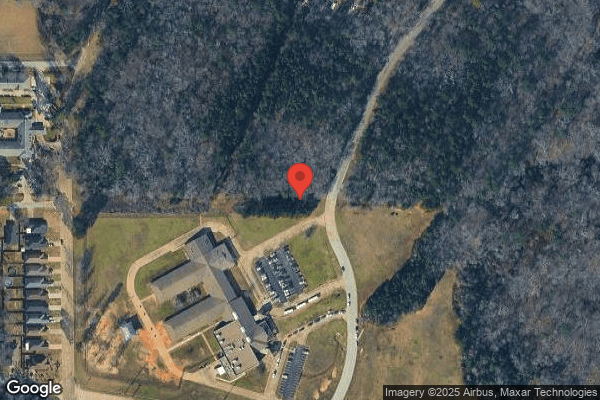
Understanding Severity Codes (click to expand)
Life-Threatening (Immediate Jeopardy)
J - Isolated K - Pattern L - Widespread
Actual Harm
G - Isolated H - Pattern I - Widespread
Potential for Harm
D - Isolated E - Pattern F - Widespread
No Harm (Minor)
A - Isolated B - Pattern C - Widespread

Questions to Ask on Your Visit

  • "What changes have you made since the serious inspection findings?"
  • "Can I speak with families of current residents?"
  • "What's your RN coverage like on weekends and overnight?"

Our Honest Assessment

Strengths
  • • Licensed and certified facility. Meets minimum state requirements.
Concerns
  • • Multiple safety concerns identified: 3 life-threatening violation(s), 2 harm violation(s), $228,569 in fines. Review inspection reports carefully.
  • • 50 deficiencies on record, including 3 critical (life-threatening) violations. These warrant careful review before choosing this facility.
  • • $228,569 in fines. Extremely high, among the most fined facilities in Texas. Major compliance failures.
  • • Grade F (0/100). Below average facility with significant concerns.
Bottom line: This facility has 3 Immediate Jeopardy findings. Serious concerns require careful evaluation.

About This Facility

What is Willow Rehab & Nursing's CMS Rating?

CMS assigns WILLOW REHAB & NURSING an overall rating of 2 out of 5 stars, which is considered below average nationally. Within Texas, this rating places the facility higher than 0% of the state's 100 nursing homes. A rating at this level reflects concerns identified through health inspections, staffing assessments, or quality measures that families should carefully consider.

How is Willow Rehab & Nursing Staffed?

CMS rates WILLOW REHAB & NURSING's staffing level at 1 out of 5 stars, which is much below average compared to other nursing homes. Staff turnover is 54%, compared to the Texas average of 46%. RN turnover specifically is 62%, which is notably high. RNs provide skilled clinical oversight, so turnover in this role can affect medical care quality.

What Have Inspectors Found at Willow Rehab & Nursing?

State health inspectors documented 50 deficiencies at WILLOW REHAB & NURSING during 2022 to 2025. These included: 3 Immediate Jeopardy (the most serious level, indicating potential for serious harm or death), 2 that caused actual resident harm, and 45 with potential for harm. Immediate Jeopardy findings are rare and represent the most serious regulatory concerns. They require immediate corrective action.

Who Owns and Operates Willow Rehab & Nursing?

WILLOW REHAB & NURSING is owned by a for-profit company. For-profit facilities operate as businesses with obligations to shareholders or private owners. The facility is operated by ADVANCED HEALTHCARE SOLUTIONS, a chain that manages multiple nursing homes. With 118 certified beds and approximately 87 residents (about 74% occupancy), it is a mid-sized facility located in KILGORE, Texas.

How Does Willow Rehab & Nursing Compare to Other Texas Nursing Homes?

Compared to the 100 nursing homes in Texas, WILLOW REHAB & NURSING's overall rating (2 stars) is below the state average of 2.8, staff turnover (54%) is near the state average of 46%, and health inspection rating (1 stars) is much below the national benchmark.

What Should Families Ask When Visiting Willow Rehab & Nursing?

Based on this facility's data, families visiting should ask: "What changes have been made since the serious inspection findings, and how are you preventing similar issues?" "Can you walk me through typical staffing levels on day, evening, and night shifts?" "Can I visit during a mealtime to observe dining assistance and food quality?" "How do you handle medical emergencies, and what is your hospital transfer rate?" These questions are particularly relevant given the facility's Immediate Jeopardy citations and the below-average staffing rating.

Is Willow Rehab & Nursing Safe?

Based on CMS inspection data, WILLOW REHAB & NURSING has documented safety concerns. Inspectors have issued 3 Immediate Jeopardy citations (the most serious violation level indicating risk of serious injury or death). The facility has a 2-star overall rating and ranks #100 of 100 nursing homes in Texas. Families considering this facility should ask detailed questions about what corrective actions have been taken since these incidents.

Do Nurses at Willow Rehab & Nursing Stick Around?

WILLOW REHAB & NURSING has a staff turnover rate of 54%, which is 8 percentage points above the Texas average of 46%. Moderate turnover is common in nursing homes, but families should still ask about staff tenure and how the facility maintains care continuity when employees leave.

Was Willow Rehab & Nursing Ever Fined?

WILLOW REHAB & NURSING has been fined $228,569 across 2 penalty actions. This is 6.5x the Texas average of $35,365. Fines at this level are uncommon and typically indicate a pattern of serious deficiencies, repeated violations, or failure to correct problems promptly. CMS reserves penalties of this magnitude for facilities that pose significant, documented risk to resident health or safety. Families should request specific documentation of what issues led to these fines and what systemic changes have been implemented.

Is Willow Rehab & Nursing on Any Federal Watch List?

WILLOW REHAB & NURSING is not on any federal watch list. The most significant is the Special Focus Facility (SFF) program, which identifies the bottom 1% of nursing homes nationally based on persistent, serious quality problems. Not being on this list means the facility has avoided the pattern of deficiencies that triggers enhanced federal oversight. This is a positive indicator, though families should still review the facility's inspection history directly.