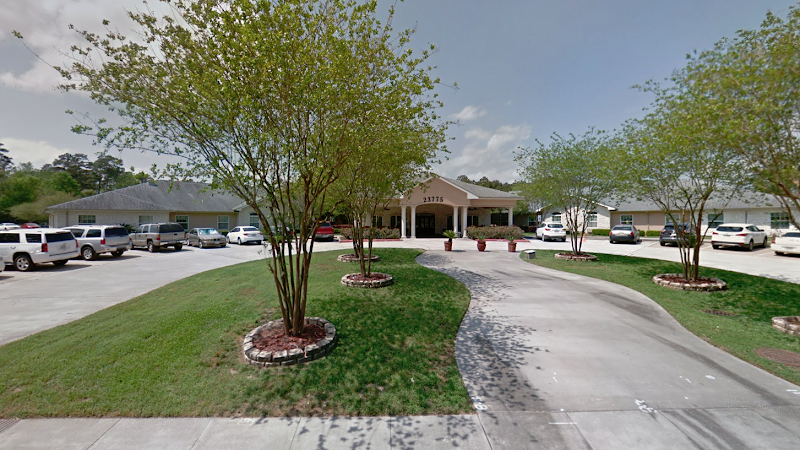
Kingwood Rehabilitation and Healthcare Center

23775 Kingwood Place, Kingwood, TX 77339 (281) 318-2600
Government - Hospital district 194 Beds MOMENTUM SKILLED SERVICES Data: November 2025 9 Immediate Jeopardy citations
Trust Grade
0/100
#1018 of 1168 in TX
Last Inspection: June 2025

Inspected within the last 6 months. Data reflects current conditions.

Overview

Kingwood Rehabilitation and Healthcare Center has a Trust Grade of F, indicating significant concerns about the quality of care provided. With a state rank of #1018 out of 1168 in Texas, they fall in the bottom half of facilities, and their county rank of #9 out of 11 suggests that only one local option is better. The trend is worsening, with issues increasing from 7 in 2024 to 13 in 2025, highlighting a decline in care quality. Staffing is a concern, as the facility has low RN coverage, ranking worse than 92% of Texas facilities, but they have a 0% staff turnover, which may indicate stability in staff presence despite overall poor conditions. Additionally, the facility has incurred $123,612 in fines, which is higher than 76% of Texas facilities, raising red flags about compliance issues. Specific incidents include the failure to provide necessary care for a resident, resulting in hospitalization for severe sepsis, and another resident reported being stabbed with an insulin needle, which the facility did not promptly investigate or address. While there are some strengths in staff retention, the multitude of critical violations suggests families should carefully consider these serious concerns before choosing this facility.

Trust Score
F
0/100
In Texas
#1018/1168
Bottom 13%
Safety Record
High Risk
Review needed
Inspections
Getting Worse
7 → 13 violations
Staff Stability
○ Average
Turnover data not reported for this facility.
Penalties
○ Average
$123,612 in fines. Higher than 73% of Texas facilities. Some compliance issues.
Skilled Nurses
⚠ Watch
Each resident gets only 11 minutes of Registered Nurse (RN) attention daily — below average for Texas. Fewer RN minutes means fewer trained eyes watching for problems.
Violations
⚠ Watch
32 deficiencies on record. Higher than average. Multiple issues found across inspections.
★☆☆☆☆
1.0
Overall Rating
★☆☆☆☆
1.0
Staff Levels
★★★☆☆
3.0
Care Quality
★☆☆☆☆
1.0
Inspection Score
Stable
2024: 7 issues
2025: 13 issues

The Good

  • Full Sprinkler Coverage · Fire safety systems throughout facility
  • No fines on record

Facility shows strength in fire safety.

The Bad

1-Star Overall Rating

Below Texas average (2.8)

Significant quality concerns identified by CMS

Federal Fines: $123,612

Well above median ($33,413)

Significant penalties indicating serious issues

Chain: MOMENTUM SKILLED SERVICES

Part of a multi-facility chain

Ask about local staffing decisions and management

The Ugly 32 deficiencies on record

9 life-threatening
Jun 2025 8 deficiencies 4 IJ
CRITICAL (J)

Immediate Jeopardy (IJ) - the most serious Medicare violation

Notification of Changes (Tag F0580)

Someone could have died · This affected 1 resident

**NOTE- TERMS IN BRACKETS HAVE BEEN EDITED TO PROTECT CONFIDENTIALITY** Based on observation, interview, and record review, the facility failed to immediately consult with the resident's physician of ...

Read full inspector narrative →
**NOTE- TERMS IN BRACKETS HAVE BEEN EDITED TO PROTECT CONFIDENTIALITY** Based on observation, interview, and record review, the facility failed to immediately consult with the resident's physician of a significant change in the resident's physical, mental, or psychosocial status (that is, a deterioration in health, mental, or psychosocial status in either life-threatening conditions or clinical complications) for 1 of 5 residents (Resident #34) reviewed for resident rights. -The facility failed in notifying Resident #34's physician on 06/24/25 right away when resident had a significant change in condition. Resident experienced a choking episode while eating his breakfast at 8:48AM on 06/24/25. This failure placed all residents in the facility who may experience a significant change in condition at risk for harm or injury if not reported to the physician in a timely manner. Record review of Resident #34's face sheet dated 06/26/25 revealed an [AGE] year-old man admitted to the facility on o2/24/22 and again on 04/03/23. Resident diagnoses included the following: Parkinson's Disease (disorder that effects movement, often included tremors {shaking}, aphasia (language disorder effecting a person's ability to communicate), cerebral infarction (a condition where blood flow to the brain is blocked causing brain tissue damage), and gastro-esophageal reflux disease (digestive disease in which stomach content irritates the food pipe lining). Record review of Resident #34's quarterly MDS dated [DATE] reflected a BIMS score of 14 indicating that resident cognition was intact. Section K (Swallowing/Nutrition Status) did not reflect coughing or choking during meals or when swallowing medications. Further review reflected mechanically altered diet. Section O (Special Treatments, Procedures, and Programs) did not reflect resident receiving-Speech-Language Pathology. Record review of Resident Physician Order Summary Report for the month of June 2025 reflected the following orders:-Dated 01/17/25 Speech to evaluate and treat as indicated-Dated 06/10/25 Xanax 0.5mg 1 tablet by mouth every 8 hours for anxiety-Dated 06/25/25 Stat order for chest X-ray Record review of Resident #34's MAR for the month of June 2025 reflected that the facility was administering medication Xanax 0.5mg 1 tablet my mouth every 8 hours. Record review of Resident #34's stat chest x-ray report dated 06/25/25 reflected no pleural effusion (buildup of fluid between the tissues that line the lungs and the chest).Record review of a swallow screen done by the Speech Language Pathologist done 06/28/25 for Resident #34. The Speech Language Pathologist recommended evaluation for possible downgrade in texture with RP sharing that resident had ongoing difficulties with swallowing and did not want to downgrade resident diet.Record review of Resident #34's Comprehensive Care Plan with last review date of 06/16/25 did not reflect resident being care planned for history of difficulty in swallowing or coughing when eating.Record review of Resident #34's Nursing Progress Notes reflected that the facility had not done an SBAR on 06/24/25 regarding resident choking episode but reflected the following documentation:-Dated 06/24/25 at 14:40 (2:40PM) facility spoke with the RP of Resident #34 regarding cough episode and the need to use oxygen. Per RP, resident getting to the end of the month and usually gets more anxious.-Dated 06/24/25 at 18:03 (6:03PM) Hospice was called to reorder lorazepam 1mg PRN, expected to be delivered 06/25/25. Observation on 06/24/25 at 8:48AM of Resident #34 sitting in wheelchair with bedside table in front of him. Resident breakfast tray was sitting on the bedside table Resident started choking excessively with face turning red and then blue. Resident call light was not in reach but sitting on resident bed by pillow that was at the head of resident bed. The surveyor called for help. Resident had eaten approximately 90 % of breakfast. On Resident plate was a 1/2 of toast and a small amount of what appeared to be oatmeal in bowl. LPN B arrived too room with 2 other staff members. When LPN B observed Resident #34's choking she said, Oh My GOD. LPN B attempted to apply the Heimlich maneuver while resident was sitting in wheelchair but was not successful. Resident continued to choke, and the surveyor called for more staff to come. LPN B was trying to lean Resident #34 forward in his wheelchair while patting on resident back. LPN B started preparing to place resident on oxygen via nasal cannula while LVN A agency nurse left the room and returned to room with oxygen saturation device to check resident oxygen saturation. At this time, resident was already receiving oxygen. By this time resident appeared to be in less stress with no further signs of cyanosis (blue skin). When LVN A agency nurse placed the oxygen saturation device on resident's finger, he said resident oxygenation was at 95%. Shortly after, LVN A agency nurse said resident oxygen saturation was ranging between 97-98 %. Resident remained on oxygen at the time of the readings. Before the surveyor exited Resident #34's room, she asked LPN B and LVN A agency nurse if they were going to notify the physician of resident choking incident. Both LPN B and LVN A agency nurse said yes repeatedly that they would notify the physician of the incident. Interview on 06/24/25 at 9:01 AM with CNA BB said she was Resident #34's CNA. CNA BB said resident was able to transfer himself to and from bed to his wheelchair freely. Interview on 06/25/25 at 1:28PM with Resident #34 said he recalled the choking incident on 06/24/25 during breakfast. Resident said the incident scared him. Resident said recently he was beginning to have issues with swallowing but did not say if he told anyone about this.Interview on 06/25/ 25 at 1:58PM the DON said Resident #34 did not experience choking instead, was just coughing. The DON said LPN B told her resident had anxiety episodes and was not choking. The DON said LPN B told her this on 06/24/25 after the incident had happen. The DON said therefore, LPN B administered oxygen to Resident #34. Further interview with the DON after being informed by the surveyor that Resident #34 was eating his breakfast at the time of the incident. The DON said she was not aware that resident was eating during the time of the incident and that she would immediately start in-service with the staff on choking precautions, assessment, and inquiring what type of diet resident was on, if resident diet needed to be changed, and reporting change in condition to resident physician, or hospice doctor if resident was on hospice. The DON said by not assessing the resident properly and reporting to the physician in a timely manner could place the resident at risk for aspiration. The DON was asked for the facility policy on reporting to the physician when there was a change in condition, resident assessment, and choking precautions. Interview on 06/25/25 at 2:04PM with LPN B said she worked at the facility from 6AM-6PM full time. LPN B said when the surveyor called for the nursing staff to come to Resident #34's room, she observed the resident sitting in front of his breakfast tray coughing excessively and had his hands on his wheelchair with his eyes closed and mouth open. LPN B said she attempted the Heimlich maneuver, but it was hard to wrap her arms around resident waist. LPN JB said the other nurse that came in the room was an LVN A agency nurse and CNA RR. LPN B said she pulled out her phone to shine light in resident mouth and did not see any food in resident mouth. LPN B said because she did not see any food in resident's mouth and resident had calmed down, she had determined that resident was not choking. LPN B said some signs and symptoms of silent aspiration were blue lips, drop in oxygen saturation, not being able to move. LPN B said the reason she placed resident on oxygen via nasal cannula was because resident was coughing for so long. LPN B said the reason she did not document the incident or contact the NP, or physician was because resident had calm down and was able to respond. LPN B said when a resident experienced a change in condition example choking and it was not reported to the physician or NP in a timely manner, it placed the resident at risk for aspiration pneumonia and respiratory distress. LPN B said she had been working at the facility since April of 2025 and that she was a brand-new nurse. LPN B said his was her first job as a nurse. LPN B said she had not received any in-service on choking or silent aspiration. In a later interview on 06/29/25 at 12:10PM with LPN B said she had been-in serviced on the signs and symptoms of choking (cyanosis, grabbing at the throat, not being able to cough), notify the resident doctor immediately along with the family, DON, and the Administrator. LPN B said she had to complete an SBAR because it would be considered a change in a resident's condition. LPN B said when an SBAR was done, it automatically uploaded in the Nursing Progress Notes. LPN B said some signs that a resident could be experiencing silent aspiration was wheezing and abnormal lung sounds. LPN B said she was aware that Resident #34 had dysphagia (difficulty swallowing).Interview on 06/25/25 at 2:23PM with CNA MM said when she went to Resident #34's room, he was coughing non-stop and resident breakfast tray was sitting in front of him. CNA MM said she also passed out snacks to the residents and had never witnessed Resident #34 coughing while eating. CNA MM said she could not remember if the facility had in-serviced her on choking due to the facility giving so many in-services. CNA MM said if she witnessed a resident coughing excessively non-stop or choking, she would check to see if resident had something in their mouth, attempt to perform the Heimlich maneuver, and let the nurse know what happened so they could assess the resident. CNA MM said she had been working at the facility for 3 years. Interview on 06/25/25 at 4:30PM with NP R at the facility said she was not the NP for Resident #34. NP R said she heard the DON in-servicing the staff and asked what was going on. NP R said the DON told her that Resident #34 had experienced a coughing episode on 06/24/25 and asked her to assess resident. NP R said she assess Resident #34 and resident lung sounds were clear. NP R said she gave a stat order for a chest x-ray to rule out aspiration. NP R said some signs of silent aspiration could be difficulty breathing and respiratory distress, and excessive coughing while eating meals. NP R said this would be considered a change in a resident's condition. NP R said she would want to be notified right away so that she could intervene by giving orders one being a chest x-ray. NP R said if notification to the physician/NP was delayed it placed the resident at risk for respiratory illness. Interview on 06/26/25 at 11:15AM with LPN B said on 06/24/25 she was not Resident #34's primary care nurse. LPN B said the primary care nurse for Resident #34 was LVN J. LPN B said she told LVN J resident had experienced some excessive coughing while eating breakfast. LPN B aid she did not notify the Physician, just told LVN J about the incident and did not know what LVN J after she told her. Interview on 06/26/25 at 11:25AM via phone with LVN J said she worked at the facility on the 6AM-6PM shift. LVN J she was Resident#34's primary are nurse on 06/24/25 for the 6AM-6PM shift. LVN J said she was told by LPN B that a surveyor had said that resident was choking while eating breakfast. LVN J said LPN B told her that Resident #34 was not choking when she arrived too resident room and that resident coughing had resolved. LVN J said she called the hospice company, and they did not provide any new orders. LPN J said she did not document her actions taken regarding the incident. LVN J said when a resident experience a change in condition the physician needed to be notified. LVN J said she had been working at the facility for over 3 years and could not remember if she had received in-service on choking/silent aspiration, maybe when she was first hired. LVN J said some signs of silent aspiration was excessive coughing while eating and shortness of breath.Interview on 06/27/25 at 1:12PM with the Medical Doctor at the facility said he was Resident #34's physician. The Medical Doctor said Resident #34 was on hospice service. The Medical Doctor said resident had Parkinson's disease and had a history of stroke with some dysphagia which resident sometimes had the tendency to choke but had never aspirated. The Medical Doctor said resident was on a mechanical soft diet chopped meats. The Medical Doctor said the facility had called him but could not remember on what day or the time telling him Resident #34 had choked but coughed it up. The Medical Doctor said his NP was NP RR. The Medical Doctor said his NP RR gave the facility an order to do a stat chest x-ray and speech evaluation. The Medical Doctor said his NP RR spoke with Resident #34 as well. The Medical Doctor said he would want to be notified right away if a resident experienced continuous coughing or choked while eating for the safety of the resident and due to the risk of aspiration. The Medical Doctor said some signs and symptoms of silent aspiration was coughing when trying to eat especially when consuming liquids, wheezing, change in the color of resident skin turning red and going blue. Interview on 06/27/25 at 2:11PM with the DON said she called the NP RR on 06/24/25 she thinks around 11:00AM of Resident #34's coughing incident. The DON said she told NP RR Resident #34 was stable and therefore the NP RR did not give any further orders. The DON said she had also contacted the hospice company and informed them of resident coughing. The DON said hospice said they were going to come and see resident, but did not give a day when they would be coming to the facility. The DON said another reason she did not document was because she was busy doing other task at the facility and that the nurses had already assess Resident #34 and said that resident was okay. The DON said she did not learn until the next day 06/25/25 that the nurses did not document the incident or their assessment. The DON said she told the nurses that they needed to document as a late entry. The DON said she told LPN B that she needed to do an SBAR and document in the Nursing progress notes as well. The DON said it was important to do an SBAR because it was a form of communication regarding the resident's care. The DON said when resident care was documented, it placed the resident at risk for not receiving necessary treatment. Interview on 06/27/25 at 3:20PM via phone NP RR said she did not come to the facility often and could not remember the last time she had been at the facility. NP RR said she was the medical doctor who was seeing Resident #34's NP. NP RR said she only came to the facility with the medical doctor needed her to cover for him. NP RR said she could not remember what day the facility had called her regarding Resident #34. NP RR said the facility told her that Resident #34 had experienced a coughing episode. NP RR said she asked the facility if resident was okay. NP RR said the facility told her that Resident #34 was stable. NP RR said she did not give any new orders for Resident #34. NP RR said she thought that the facility had called the medical doctor about the incident. NP RR said that it was NP R that gave an order for stat chest X-ray. Interview on 6/29/25 at 9:39am Administrator said she did not know a lot of things that were happening in the facility. The Administrator said the staff needed to make sure resident care plans were addressing the resident needs. Interview on 06/29/25 at 10:27AM with the DON, the DON said when the nursing staff assessed resident, they did not document in a timely manner all interventions taken and had to document late entries. The DON said the facility had done in-services with the staff on choking vs. coughing, residents at high risk of aspiration who diagnoses included Parkinson's disease, CVA's, and dysphagia. The DON said the facility were now assigning staff to make rounds during mealtimes to monitor the residents at mealtimes. The DON said the Speech Pathologist came to the facility to elaborate on the importance of observing residents while eating, making sure resident's position was properly aligned when eating to prevent choking, and to facilitate better swallowing for the resident. The DON said she would continue to quiz and monitor the staff until the facility was confident that all staff understood the circumstances that could place resident at risk for harm. The DON said she would continue to review the resident's care plans, quarterly meetings, and know the revision timeline. The DON said she had updated a list for the nurses to contact the physician within in a shift involving incidents and accidents. The DON said the NF would be utilizing their resources; Speech Pathologist, Nurse Practitioners, and Physician to further educate the staff on residents with swallowing problems. Record review of the facility policy on Notification of Changes in condition revised May 2025 revealed in part: The purpose of this policy is to ensure the facility promptly informs the resident, consult the resident's physician; and notified, consistent with his or her authority, the resident's representative when there is a change requiring notification.Compliance Guidelines:The facility must inform the resident, consult with the resident's physician and /or notify the resident's family member or legal representative when there is a change requiring such notification.Circumstances requiring notification include:1. Accidentsa. Resulting in injury.b. Potential to require physician intervention.2. Significant change in the resident's physical, mental or psychosocial condition such as deterioration in health, mental or psychosocial status.This may include:a. Life-threatening conditions, orClinical complications
CRITICAL (J)

Immediate Jeopardy (IJ) - the most serious Medicare violation

Comprehensive Care Plan (Tag F0656)

Someone could have died · This affected 1 resident

**NOTE- TERMS IN BRACKETS HAVE BEEN EDITED TO PROTECT CONFIDENTIALITY** Based on observation, interview and record review, the facility failed to develop and implement a comprehensive person-centered ...

Read full inspector narrative →
**NOTE- TERMS IN BRACKETS HAVE BEEN EDITED TO PROTECT CONFIDENTIALITY** Based on observation, interview and record review, the facility failed to develop and implement a comprehensive person-centered care plan that includes measurable objectives and timeframes to meet a resident's medical, nursing, and mental and psychosocial needs that are identified in the comprehensive assessment and furnish services to attain or maintain the resident's highest practicable physical, mental, and psychosocial well-being for 2 of 11 residents (CR #1and Resident #34) reviewed for comprehensive care plans.The facility failed to care plan CR #1 for risk of elopement and document interventions prior to CR #1 eloping from the facility on 06/20/2025 around 4:45pm and did not know her whereabouts until 06/20/2025 around 8:40pm.The facility failed to assess and follow-up on Resident #34 in a timely manner when resident experienced excessive coughing/choking episode while eating breakfast on 06/24/25 at 8:48AM.This was determined to be an IJ on 6/26/25. The Administrator and DON were notified on 6/26/25 at 4:23pm. The DON and Administrator were provided with the IJ template on 6/26/25 at 4:27pm and a Plan of Removal was requested. The IJ was lowered on 06/29/2025 at 11:40am with the Administrator and DON. While the IJ was lowered, the facility remained out of compliance at a scope of isolation and a severity of no harm with potential for more than the minimal harm that is not an immediate jeopardy because of the facility's need for continued monitoring of implemented procedures.This failure could lead to residents not having their individual, medical, functional, and psychosocial needs identified and cause a physical or psychosocial decline in health.Findings Included: CR #1 Record review of CR #1's face sheet dated 06/25/2025 reflected an [AGE] year-old female originally admitted to the facility on [DATE] and last re-admitted on [DATE]. Her medical diagnoses included Alzheimer's Disease (a neurodegenerative disorder which causes decline in memory, thinking and behavior), Type 2 diabetes mellitus (high blood sugar), chronic kidney disease, Major Depressive Disorder (a serious mental health condition characterized by persistent feelings of sadness, loss of interest in activities which disrupts the ability to function in everyday life), Hypertension (high blood pressure), overactive bladder, Dementia (a general term to describe decline in cognitive function, memory loss, difficulty communicating, impaired reasoning and changes in personality), and insomnia (difficulty or inability to sleep). Record review of CR #1's Quarterly MDS dated [DATE], CR #1 had a BIMS score of 6, indicating severe cognitive impairment. CR #1 required partial to moderate assistance with her ADLs including oral and personal hygiene, dressing, showering or bathing, and toileting. She required setup assistance for walking from 10 to 50 feet and supervision for walking 150 feet. CR #1 was frequently incontinent with urine and occasionally incontinent with bowel. Record review of CR #1's care plan, she was care-planned for elopement on 6/20/25, with interventions including 1 to 1 assistance, anticipating and meeting resident needs and explaining/reinforcing why behaviors were inappropriate and/or unacceptable to the resident. CR #1 was not previously care-planned for being at risk of elopement. Record review of CR #1's Kardex care sheet, undated, under toileting focus area CR #1 had interventions for staff to report any attempts to exit the facility to the IDT, family & MD as indicated and record in the clinical record. She was also planned for IDT care plan over the phone with resident's RP to review current placement versus close/lock unit due to resident recent elopement. Record review of CR #1's progress notes, on 6/20/2025 at 1:34am she was resting in bed with no distress noted. On 6/20/2025 at 8:41pm, Interim DON was notified via phone that CR #1 was sitting on the floor by her walker near a college and taken to the ER. RP was notified 6/20/2025 at 9:01pm. On 06/21/2025 at 2:57am, a nurse documented that CR #1 was ordered to be on 1-to-1 supervision when she returned to the facility. CR #1 had returned from the hospital around 4:45am that day. A later note at 1:27pm, CR #1 was documented as being one-on-one care with aide due to an elopement on 6/20/2025 and CR #1 door was open, and resident was able to come in and out with supervision. Further review showed from September 2024 to June 2025, CR #1 was not mentioned having any exit-seeking or elopement incident. Record review of CR #1's elopement risk assessments completed 1/15/2025 and 3/19/2025, the assessments reflected CR#1 had a history of elopement or attempted to leave the facility without informing staff. No interventions were selected for either assessment. An additional elopement risk assessment was completed 06/12/2025 which reflected that CR #1 was marked yes for verbally expressing desire to go home, packing belongings or stayed near the exit, and there was a note reading usually resident sits at the lobby. CR #1 was also selected yes for having Alzheimer's, being cognitively impaired with poor decision-making skills related to intermittent confusion, cognitive deficits or disorientation, ambulating independently and had a walker. Record review of CR #1's psychology assessment on 06/3/2025, CR #1 was seen in her room and reiterated she continued to miss her family and would like to be home with them. Record review of CR #1's skilled nurse charting on 06/21/2025, CR #1 was on 1-on-1 care with an aide due to elopement on 06/20/2025. Record review of CR #1's pain assessment done on 06/21/2025, CR #1 stated not being in pain. Record review of CR #1's skin evaluation done on 06/21/2025, CR #1 refused full body skin assessment, staff evaluated CR #1's upper and lower extremities only with no injuries. Record review of CR #1's 15-minute check sheet for 6/21/2025, she was monitored and staff signed off on her for reasons of fall between 6/21/25 at 4:45am to 9:00pm before being transferred to the hospital. Record review of CR #1's hospital records dated 06/21/2025, CR #1 was found by a bystander who called emergency services when she was found walking unsteadily on the road. Bystander assisted CR #1 to the side of the road until law enforcement came. CR #1 was witnessed falling twice and denied hitting her head or loss of consciousness. CR #1 was brought to the hospital after bystanders saw her acting confused. CR #1 complained of back and neck pain. CR #1 was seen for a fall, AMS and found walking on the road. CR #1 reported chronic lower extremity swelling and the hospital documented CR #1 with pain level of 6. CR #1's CT scan had no acute findings. CR #1 had right leg pain and UTI (asymptomatic). Record review of CR #1's Order Summary, there were no orders for monitoring due to wandering or exit-seeking. CR #1 had orders for Aricept Oral Tablet 10 MG with an order date of 5/21/2025 for dementia, Divalproex Sodium Tab Delayed Release 125 MG with a start date of 11/6/24 for mood disorder, and Escitalopram Oxalate Tab 10 MG with a start date of 11/6/24 for Major depressive disorder. In an interview on 06/25/2025 at 11:40am with CR #1's RP, she said she received a call on 06/202/25 on 9:49pm stating that CR #1 walked out of the building, was fine and going to the hospital. She said when she spoke to staff at the hospital stated her mom was there for 2 hours already and CR #1 was covered in feces. The RP said CR #1 reported to her that she fell in the street. She said the doctor said she had an X-Ray and CT scan completed and the hospital discharged CR #1 back to the facility on [DATE] at 5:00am. Interview on 06/25/2025 at 1:20pm with CNA GG, CNA GG worked at the facility since March 2025 and worked 6am-2pm and 2pm-10pm as needed. CNA GG was not working at the facility when CR #1 eloped and had never seen CR #1 leave before but said CR #1 was always wandering and walking down one particular hall. CNA GG said staff are to round on residents at least every two hours and had in-services on elopement and residents with dementia. Interview on 06/25/2025 at 1:29pm with CNA O, CNA O was assisting in the dining room on 06/20/2025 when CR #1 eloped. CNA O received notification CR #1 was missing between 7pm-8pm that same day. CNA O never heard CR #1 saying she wanted to leave the facility. Staff should round every two hours and CNA O rounds every 30 minutes to 1 hour. If a resident was missing, CNA O would try to look for them and if unsuccessful would report the missing resident to the nurse, charge nurse and Administrator immediately. Interview on 06/25/2025 at 1:39pm with CNA P, CNA P worked the morning shift on 06/20/2025 and did not see CR #1 leave the facility. The last time CNA P saw CR #1 was around 2:00pm at the end of CNA P's shift. CNA P never saw CR #1 try to leave or vocalize the desire to leave the facility. CNA P did 1-to-1 monitoring for CR #1 when CR #1 was re-admitted to the facility on [DATE].CNA P received 1-to-1 and facility-wide in-service about the elopement policies and procedures. CNA P said she had received in-services on resident elopement and resident with dementia since working at the facility. In an interview on 06/25/2025 at 2:00 PM CNA GP, she stated she had been working at the facility for 3 years. CNA GP said she was not present at work when CR #1 eloped. CNA GP said CR #1 would like to stay in her room a lot but, would come out her room for coffee and activities, and that she was mobile with her walker. CNA GP said CR #1 would say she wanted to go home often and be with her family. She said the hallway exit doors are all locked and would set off the alarms, but the front door to the facility was not locked but now are locked since CR #1 eloped. CNA GP said the front door is important with lots of traffic after dinner because families leave out and sometimes will hold the door open for residents thinking they are okay to be outside alone. She said she doesn't know all the details but believed CR #1 went through the front door. CNA GP stated she has no concerns of any abuse, neglect, or elopement at the facility. In an interview on 06/25/2025 at 3:00 PM with NP B stated she was shocked that CR #1 left the community as CR #1 was not an elopement risk and she was not care-planned for elopement because NP B had not witnessed or heard CR #1 wanting to leave the community. NP B said she was not concerned about change of condition for CR #1 and was aware the results from the hospital returned negative. NP B said CR #1 was mobile with her walker and was active with therapy services and that CR #1 was normally calm and to herself and liked to eat lunch in her room. NP B stated the community was not a restraint/ locked community and did not utilize a wander guard system. NP B said staff were not aware that CR #1 was exit seeking. Staff had been in-serviced since the incident. Interview on 06/25/2025 at 3:05pm with LVN I, LVN I said CR #1 walked around a lot depending on her mood and would sit at nurse's station. In the past, CR #1 would sometimes walk up to and rattle the double doors and staff had to redirect her, but this was not recent. LVN I said CR #1's family was aware of this. LVN I was not there when CR #1 eloped. LVN M had received in-services on resident elopement and resident with dementia. CR #1 had never gotten out of the facility so LVN I did not know if risk of elopement would be care-planned but that CR #1 was assessed for risk. Interview on 06/25/2025 at 2:54pm with CNA C, CNA C heard that CR #1's exit-seeking behavior had been going on for some time and staff would redirect her back. CNA C had seen CR #1 in the dining room eating on 6/20/2025 at 5:30pm to 5:40pm and CNA C was taking another resident to their room. CNA C had been notified CR #1 had left around 7:30pm-8:30pm during last rounds. CNA C said when CR #1 came back to the facility she was observed trying to leave the building again. CNA C received in-services on resident elopement and resident with dementia. CNA C would report elopements or missing residents and report it to the charge nurse and document it. CNA C would redirect residents back to the facility if she saw them leave. Interview on 06/25/2025 at 3:44pm with the Administrator and DON, the Administrator said she was the Interim Administrator and began work on 06/02/2025 and the DON was Interim and had started working in the building at the end of May 2025. The Administrator said that her investigations found that CR#1 left unassisted. CR #1 told the Administrator she wanted to walk by the college to the hospital. The Administrator said an aide last saw CR #1 on 6/20/2025 around 5:45pm in the front lobby and a CMA last gave CR #1 medication at 6:00pm but the Administrator could not remember who the CMA was. The DON received a phone call from the facility's Marketing Director on 6/20/2025 at 8:45pm that a bystander found CR #1 walking down the road, and that bystander called the Marketing Director to see if CR #1 was a resident at the facility. The DON then told the Administrator and Quality Assurance Nurse who were both still in the building. The facility did a head count, and the DON called CR #1's doctor and RP after speaking to the bystander to locate CR #1. The bystander told the DON that CR #1 was on the floor near the college and was with the bystander and another unidentified male. CR #1 had an incontinent episode. The bystander reported that she called EMS who came and took CR #1 to the hospital. The DON said the hospital did not report any injuries, and CR #1's blood and UA tests came back negative, and CR #1 was discharged back to the facility. When CR #1 came back to the facility she reported wanting to leave again and became agitated, so she was placed on 1-to-1 monitoring every 15 minutes before she was moved to a hospital psych unit for treatment. The Administrator and DON were not aware CR # 1 was an elopement risk. The DON said CR #1 was later assessed and found to be an elopement risk, and she was placed in the elopement binder. The DON had about 5 residents who have wandering behaviors, but none expressed wanting to go out and leave the building. CR #1's RP told the Administrator and DON after the elopement incident that CR #1 was found having left the building in the past, but no date was clarified. The Administrator said the front doors locked at 7pm daily. The Administrator put red boxes on all facility doors including the front door so if anyone tried to open the door the alarm would activate. The DON said the facility notified the family members regarding the new alarm system and if families wanted to visit after hours to call the phone number located on a sign at the front door. The Administrator and DON in-serviced staff to not share the code to the doors. The DON said the facility had no elopements since this incident. The DON said risk of elopements should be in the care plan but at the facility was previously under a different company so all of the old care plans might not have transferred over. The DON assessed all current residents for elopement and put residents at risk in the binder. The DON said there were no wander guards, and the facility would not be able to accept CR #1 again because she was a fast walker, could walk on her own and was adamant about leaving. The bystander's information was requested from the DON, but it was not provided by survey exit. Interview on 06/26/2025 at 10:31am with LVN FZ, he said on 06/20/2025 he got to work early at 5:20pm and remembered seeing CR #1 in the lobby. LVN Z did not report to work until 6:15pm after a meeting. He did not hear about CR #1 being an elopement risk, and that he would get that information through reports. If a resident tried to leave he would redirect them to their rooms, ensure their safety, assess, document and tell someone from Administrator. LVN FZ would check all the rooms and bathrooms and if the resident could not be found LVN FZ would call the DON and Administrator. Interview on 06/26/2025 at 4:27pm with the MDS Consultant, she said she was not the facility's main MDS Nurse but now she came to assist with the facility as needed. The facility's Clinical team was in charge of care plans now and that the facility did not have an in-house MDS Nurse. The MDS Nurse said she did not assist with care planning. The MDS Nurse said that nurses reviewed charts, 24-hour reports and meetings to care plan for residents and that residents at risk of elopement should have been care-planned. If residents' needs were not in the care plan, staff would not know how to care for them Record review of the facility policy on Quality of Care revised February 2023 reflected in part: .Each resident will be provided care and services to attain or maintain his/or her highest practicable physical, mental, and psychosocial well-being.A comprehensive care plan will be developed for each resident in accordance with procedures for development of the care plan. Record review of the facility policy on Resident Rights revised January 2025 reflected in part: .The facility will ensure that all directed care and indirect staff members, including contractors and volunteers, are educated on the rights of residents and the responsibility of the facility to properly care for its residents. Record review of the facility's policy on comprehensive care plans last reviewed or revised 01/2025 read in part, It is the policy of this facility to develop and implement a comprehensive person-centered care plan for each resident, consistent with resident rights, that includes measurable objectives and timeframes to meet a resident's medical, nursing, and mental and psychosocial needs that are identified in the resident's comprehensive assessment . 3. The comprehensive care plan will describe, at a minimum, the following: a. The services that are to be furnished to attain or maintain the resident's highest practicable physical, mental, and psychosocial well-being 6. The comprehensive care plan will include measurable objectives and timeframes to meet the resident's needs as identified in the resident's comprehensive assessment. The objectives will be utilized to monitor the resident's progress . Record review of the facility's policy on documenting in the medical record last reviewed or revised 04/2025 read in part, Each resident's medical record shall contain an accurate representation of the actual experience of the resident and include enough information to provide a picture of the resident's progress through complete, accurate, and timely documentation .Licensed staff and interdisciplinary team members shall document all assessments, observations, and services provided in the resident's medical record . Record review of the facility policy and procedure entitled, Accidents and Supervision date revised 1/25 read in part. The resident environment will remain as free of accident hazards as is possible. Each resident will receive adequate supervision and assistive devices to prevent accidents. This includes Identifying hazard(s) and risk(s).Evaluating and analyzing hazard(s) and risk(s).Implementing interventions to reduce hazard(s) and risk(s).Monitoring for effectiveness and modifying interventions when necessary. All staff (e.g., professional, administrative, maintenance, etc.) are to be involved in observing and identifying potential hazards in the environment, while taking into consideration the unique characteristics and abilities of each resident. This was determined to be an IJ on 5/26/25. The Administrator and DON were notified on 5/26/25 at 4:23pm. The DON and Administrator were provided with the IJ template on 5/26/25 at 4:27pm and a Plan of Removal was requested. The IJ was lowered on 05/29/2025 at 11:40am with the Administrator and DON, While the IJ was lowered, the facility remained out of compliance at a scope of isolation and a severity of harm with potential for more than the minimal harm that is not an immediate jeopardy because the facility's need for continued monitoring of implemented procedures. The following plan of removal was accepted on 5/27/25 at 2:24pm. PLAN OF REMOVAL [Name of Facility] Date: 6/26/25 F 656 Comprehensive Care Plans Problem: - The facility failed to develop and implement a comprehensive person-centered care plan for each resident when CR #1 was not care planned for being an elopement risk when CR #1 eloped from the facility on 06/20/2025 and was last accounted for at 5:50pm. CR #1 was located by a bystander who saw CR #1 walking down the street from the facility and called emergency services and CR#1 went to the hospital. CR#1 No longer reside in the facility. Immediate action: 1. 6/20/25 The facility administrator completed a self-report incident to HHSC due to resident elopement. 2. 6/26/25 The facility DON/Designee conducted an audit of residents with high risk for elopement based on updated assessment and history of exit seeking behaviors to ensure their comprehensive person-centered care plans are updated, are appropriate and meet their individual needs. 7 residents identified to be at risk, all included to the elopement binder. Completed 6/27/25 3. On 6/26/25 The VP of Clinical Services conducted a 1:1 in-service with the Admin and DON on the facility Elopement Policy focusing on timely implementation of interventions aimed to prevent and manage residents with wondering and exit seeking behaviors, to include adding chosen interventions to the person center care plans upon admission/readmission and with changes in condition. Interventions: 4. On 6/27/25 the DON/Designee conducted a 1:1 in-service with the facility interim MDS Nurse and nurse managers on timely care planning of residents identified to have wondering behaviors and or who are at Elopement risk upon admission/readmission and with changes in condition. Completed 6/27/25 5. On 6/26/25 the DON/Designee initiated an in-service with the facility staff how to identify residents who are at risk for elopement/ exit seeking as indicate in the plan of care/Kardex, resident care profile and the elopement binder. Projected completion on 6/27/25 6. On 6/26/25 the DON/Designee initiated an in-service with the facility nursing staff on immediately reporting residents with escalating exit seeking behavior to the nurse, DON, and or Administrator to seek guidance and ensure appropriate interventions are put in place. Projected completion 6/27/25 7. On 6/26/25 the DON/Designee initiated and in-service with the nurse managers and licensed nurses on the Facility Policy Elopement and Wandering Residents focusing on promptly updating resident Elopement Risk Assessment and placing adequate interventions in place following a new admission/readmission and exit seeking/elopement episode to include interventions to meet the residents' individualized needs, DON/MDS nurse and Designee will monitor care plans for appropriateness and completion. Completion date 6/27/25 Ongoing Projected completion 6/27/25 Any staff member not present or in service, will not be allowed to assume their duties until in-serviced. Ongoing In-service will be completed by DON/ADON/WC NURSE/or weekend nurse supervisor, until all staff, weekend, prn, and agency staff in completed. Monitoring: 8. On 6/26/25 The DON/designee began a questionnaire to validate the effectiveness of the training. The questionnaire is conducted with facility staff. Immediate re-education will be completed by the DNS/designee if any staff is unable to answer appropriately to the questions on the questionnaire. Staff will not be allowed to work until after completion of the questionnaire. Projected completion 6/27/25 9. Starting on 6/26/25 the facility Adm/Don and designee will review prior day Elopement assessments risk/exit seeking behaviors documentation to ensure the comprehensive care plan is up to date and include individualized, appropriate and effective interventions. Any identified concerns will be addressed at that time. Completed 6/27/25 10. 6/26/25 An impromptu QAPI meeting was conducted with the facility's Medical Director to notify of the potential for non-compliance and the action plan implemented for approval. Plan approved on 6/26/25 Record review of the IJ plan binder: -The Facility Administrator completed a self-report on 06/20/2025 after CR #1 left the facility with her walker unassisted. At 5:45pm 81 y/o female left Facility grounds with her walker unassisted. Hospital notified of resident update, no fractures. Family, Physician, Interim DON and Interim Administrator informed, head count for all residents. Implementation of critical behavior log. -On 06/26/2025 the facility audited all residents at high risk for elopement and had listed out their risk scores and categories of risk (no, low and high risk). There were 8 residents' facesheets including CR #1 which had their photos. The 8 residents had updated elopement risk assessments, physician orders for monitoring of behavior every shift and updated care plans as of 06/29/2025. -The Administrator and DON received a 1-to-1 in-service from the VP of Clinical Services on the facility's Elopement Policy which was last revised 07/2023 whose topics included timely implementation of interventions, adding chosen interventions to care plans upon admission/readmission and with changes in condition. The Administrator DON signed separate sheets confirming they received the in-service on 06/26/2025. -VP of Clinical Services conducted a 1-1 in-service with the Administrator and DON on the facility Elopement Policy. [NAME] RN was VP of Clinical Services. Date: 6/26/25, subject was Elopement policy and procedure. [NAME] signed the policy in-service titled Elopements and Wandering Residents with a date implemented 07/2023. [NAME] LNFA signed 06/26/25 Elopement policy and procedures. -DON/Designee conducted in-services with interim MDS nurse and nurse managers on timely care planning of residents identified to have wandering behaviors and those at risk upon admission/readmission with changes in condition. Completed 6/27/25. The MDS Consultant signed 6/26/25, instructed by the VP of Clinical Operations and ensure timely and accurate completion of care plans upon admission/readmission and changes in condition. It should be in the care plan development should include appropriate interventions such as adding residents to the binder. Quality Assurance Nurse was in-serviced. - 6/26/25 the Don/Designee initiated in-service to be completed 6/27/25 with facility staff how to identify residents who are at risk of elopement/exit seeking as indicated in the Plan of care/Kardex, resident care profile and elopement binder. - On 6/26/25 DON initiated an in-service on immediately reporting residents with escalating exit seeking behavior to the nurse, DON and or Administrator to seek guidance and ensure appropriate interventions. Completed on 6/27/25. - On 6/26/25 DON/Designee initiated in-service with the nurse manager and licensed nurses on the Facility Policy Elopement and Wandering Residents focusing on promptly updating resident Elopement Risk Assessment and adequate interventions. DON/MDS Nurse and Designee to monitor care plans for appropriateness and completion. -6/26/25 DON/designee - will begin a questionnaire to validate the effectiveness of the training. Immediate re-education will be completed if staff unable to answer. Projected completion 6/27/25. Quizzes placed in the binder. -6/26/25 review prior day Elopement assessment risk/exit seeking behaviors documentation to ensure the comprehensive care plan is up to date and include individualized, appropriate and effective interventions. Completed 6/27/25. -6/26/25 an impromptu QAPI meeting was conducted with facility's MD to notify potential for non-compliance. Plan approved 6/26/25. Interview on 06/28/2025 at 1:43pm with LVN AA, she received in-services on protocols on elopement, elopement prevention and exit-seeking behaviors and how to reset the alarm. LVN AA said nurses had a key to reset alarms if it went off, if residents were missing staff should spread out and attempt to locate the resident and after 30 minutes if resident is still missing staff should notify the Administrator and DON. If a resident was wandering toward the door, they should be placed under 1-to-1 monitoring and the family should be notified. Staff should keep an eye on residents and lay eyes on residents every two hours. LVN AA said residents' exit-seeking behaviors should be in their care plan and in their orders for monitoring of exit-seeking behaviors. Interview on 06/28/2025 at 2:07pm with the Quality Assurance Nurse, she said she received and conducted in-services for staff on elopement. The Quality Assurance Nurse covered topics such as exit-seeking behaviors like forcing doors open and verbalizing things like having to go home to their kids and staff should redirect if they can. The Quality Assurance Nurse said the eight residents in the Elopement Binder were identified as high risk because they had verbalized wanting to go home. The Quality Assurance Nurse said floor nurses did not do care plans, but MDS Nurses and nurse managers could. Interview with the MDS Consultant on 06/28/2025 at 2:13pm, she said she received elopement, care plan and changes in condition in-services. The MDS Nurse learned about the process of elopement such as the code and alarms, head counts, and notifying the Administrator, DON, physician and family when there are changes in condition such as an elopement. Interview on 06/28/2025 at 11:44pm with CNA MM, she worked from 10pm to 6am. She received in-services on elopement and care plans. Signs of elopement included verbalizing the desire to leave and going towards the exit door. If CNA MM saw a resident do these things, she would bring them back and keep an eye on them and tell the nurses. Interview on 06/28/2025 at 6:40pm with RN TT, she worked night shift and received in-services on elopement and wandering residents and care plans and that she should report any signs of elopement such as residents asking to go home to the doctor, family and management. She said incidents should be documented and nurses should make a report. A resident's plan of care would be found in their medical chart and the Kardex (a list of focus areas and interventions that could be accessed by any staff). RN TT had in-services on how the alarm system worked. Interview on 06/28/2025 at 7:33pm with LVN PP, she worked night shift and said information on a resident's elopement risk would be in the Elopement Binder at the nurse's station. LVN PP was in-serviced on monitoring residents if they showed signs of exit-seeking and to assign someone to monitor 1-on-1 and inform the Administrator, DON, the physician and the resident's RP about attempts or actual elopements. LVN PP received an elopement drill. Residents at risk of elopement would be care-planned which could be found in their medical chart and Kardex. Interview on 06/28/2025 at 10:16pm with CNA IM, she said she received a list of residents with elopement risks, elopement drills, and exit-seeking prevention strategies like monitoring, checking doors, and providing activities to keep residents occupied. Signs and symptoms of exit-seeking were talking about eloping, bringing up old memories and wandering. If CNA IM saw a resident elope, she would report it to the charge nurse, and she could find the information in the resident's medical chart and Kardex. CNA IM said staff should round every 1-2 hours on residents. Interview on 06/28/2025 at 11:48pm with LVN OO, she said she was an agency staff and worked night shift. LVN OO had in-services and huddles on elopement and care-plans. During an elopement, nurses should print out the census and check on rooms. LVN OO received an elopement drill training. If a resident stated leaving or packing up room, staff were to redirect residents and let their supervisor know, do a change in condition assessment and let the Administrator, DON, the physician and family know. LVN OO said staff could look at white binder for elopement risk residents with facesheet, and also look in the resident's medical chart for demographics, special [TRUNCAT
CRITICAL (J)

Immediate Jeopardy (IJ) - the most serious Medicare violation

Quality of Care (Tag F0684)

Someone could have died · This affected 1 resident

Deficiency Text Not Available

Read full inspector narrative →
Deficiency Text Not Available
CRITICAL (J) 📢 Someone Reported This

A family member, employee, or ombudsman was alarmed enough to file a formal complaint

Immediate Jeopardy (IJ) - the most serious Medicare violation

Accident Prevention (Tag F0689)

Someone could have died · This affected 1 resident

**NOTE- TERMS IN BRACKETS HAVE BEEN EDITED TO PROTECT CONFIDENTIALITY** Based on observations , interview and record review the facility failed to ensure the resident environment remained as free of a...

Read full inspector narrative →
**NOTE- TERMS IN BRACKETS HAVE BEEN EDITED TO PROTECT CONFIDENTIALITY** Based on observations , interview and record review the facility failed to ensure the resident environment remained as free of accident hazards as possible and that each resident received adequate supervision and assistance devices to prevent accidents for 2 out of 11 residents (CR#1 and Resident # 58) reviewed for adequate supervision and accident hazards. -CR #1 left the faciity on [DATE] around 5:45pm and the facility was not aware of CR #1's whereabouts until 06/20/2025 at 8:42pm when they received notice CR #1 was found walking on the road near the facility . This was determined to be an IJ on 6/26/25 for CR #1's elopement. The Administrator and DON were notified on 6/26/25 at 4:23pm. The DON and Administrator were provided with the IJ template on 6/26/25 at 4:27pm and a Plan of Removal was requested. The IJ was lowered on 06/29/2025 at 11:40am with the Administrator and DON, While the IJ was lowered, the facility remained out of compliance at a scope of isolation and a severity of harm with potential for more than the minimal harm that is not an immediate jeopardy because the facility's need for continued monitoring of implemented procedures. -There was an empty O2 tank sitting on the floor unsecured in Resident # 58's room. This deficiency exposed residents living in the facility to potential harm, injury or death due to not being adequately monitored. Findings: CR #1 Record review of CR #1's face sheet dated 06/25/2025 reflected an [AGE] year-old female originally admitted to the facility on [DATE] and last re-admitted on [DATE]. Her medical diagnoses included Alzheimer's Disease (a neurodegenerative disorder which causes decline in memory, thinking and behavior), Type 2 diabetes mellitus (high blood sugar), chronic kidney disease, Major Depressive Disorder (a serious mental health condition characterized by persistent feelings of sadness, loss of interest in activities which disrupts the ability to function in everyday life), Hypertension (high blood pressure), overactive bladder, Dementia (a general term to describe decline in cognitive function, memory loss, difficulty communicating, impaired reasoning and changes in personality), and insomnia (difficulty or inability to sleep). Record review of CR #1's Quarterly MDS dated [DATE], CR #1 had a BIMS score of 6, indicating severe cognitive impairment. CR #1 required partial to moderate assistance with her ADLs including oral and personal hygiene, dressing, showering or bathing, and toileting. She required setup assistance for walking from 10 to 50 feet and supervision for walking 150 feet. CR #1 was frequently incontinent with urine and occasionally incontinent with bowel. Record review of CR #1's care plan captured 06/25/2025, she was care-planned for elopement on 6/20/25, with interventions including 1 to 1 assistance, anticipating and meeting resident needs and explaining/reinforcing why behaviors were inappropriate and/or unacceptable to the resident. CR #1 was not previously care-planned for being at risk of elopement. Record review of CR #1's Kardex care sheet, undated, CR #1 had interventions for staff to report any attempts to exit the facility to the IDT, family and MD as indicated and record in the clinical record. She was also planned for IDT care plan over the phone with resident's RP to review current placement versus close/lock unit due to resident recent elopement. Record review of CR #1's progress notes, on 6/20/2025 at 1:34am she was resting in bed with no distress noted. On 6/20/2025 at 8:41pm, the DON was notified via phone that CR #1 was sitting on the floor by her walker near a college and taken to the ER. RP was notified 6/20/2025 at 9:01pm. On 06/21/2025 at 2:57am, a nurse documented that CR #1 was ordered to be on 1-to-1 supervision when she returned to the facility. CR #1 had returned from the hospital around 4:45am that day. A later note at 1:27pm, CR #1 was documented as being one-on-one care with aide due to an elopement on 6/20/2025 and CR #1 door was open, and resident was able to come in and out with supervision. Further review showed from September 2024 to June 2025, CR #1 was not mentioned having any exit-seeking or elopement incident. Record review of CR #1's elopement risk assessments completed 1/15/2025 and 3/19/2025, the assessments reflected CR#1 had a history of elopement or attempted to leave the facility without informing staff. No interventions were selected for either assessment. An additional elopement risk assessment was completed 06/12/2025 which reflected that CR #1 was marked yes for verbally expressing desire to go home, packing belongings or stayed near the exit, and there was a note reading usually resident sits at the lobby. CR #1 was also selected yes for having Alzheimer's, being cognitively impaired with poor decision-making skills related to intermittent confusion, cognitive deficits or disorientation, ambulating independently and had a walker. Record review of CR #1's psychology assessment on 06/3/2025, CR #1 was seen in her room and reiterated she continued to miss her family and would like to be home with them. Record review of CR #1's skilled nurse charting on 06/21/2025, CR #1 was on 1-on-1 care with an aide due to elopement on 06/20/2025. Record review of CR #1's pain assessment done on 06/21/2025, CR #1 stated not being in pain. Record review of CR #1's skin evaluation done on 06/21/2025, CR #1 refused full body skin assessment, staff evaluated CR #1's upper and lower extremities only with no injuries. Record review of CR #1's 15-minute check sheet for 6/21/2025, she was monitored and staff signed off on her for reasons of fall between 6/21/25 at 4:45am to 9:00pm before being transferred to the hospital. Record review of CR #1's hospital records dated 06/21/2025, CR #1 was found by a bystander who called emergency services when she was found walking unsteadily on the road. Bystander assisted CR #1 to the side of the road until law enforcement came. CR #1 was witnessed falling twice and denied hitting her head or loss of consciousness. CR #1 was brought to the hospital after bystanders saw her acting confused. CR #1 complained of back and neck pain. CR #1 was seen for a fall, AMS and found walking on the road. CR #1 reported chronic lower extremity swelling and the hospital documented CR #1 with pain level of 6. CR #1's CT scan had no acute findings. CR #1 had right leg pain and UTI (asymptomatic). Record review of CR #1's Order Summary dated 06/25/2025, there were no orders for monitoring due to wandering or exit-seeking. CR #1 had orders for Aricept Oral Tablet 10 MG with an order date of 5/21/2025 for dementia, Divalproex Sodium Tab Delayed Release 125 MG with a start date of 11/6/24 for mood disorder, and Escitalopram Oxalate Tab 10 MG with a start date of 11/6/24 for Major depressive disorder. In an interview on 06/25/2025 at 11:40am with CR #1's RP, she said she received a call on 06/202/25 on 9:49pm stating that CR #1 walked out of the building, was fine and going to the hospital. She said when she spoke to staff at the hospital stated her mom was there for 2 hours already and CR #1 was covered in feces. The RP said CR #1 reported to her that she fell in the street. She said the doctor said she had an X-Ray and CT scan completed and the hospital discharged CR #1 back to the facility on [DATE] at 5:00am. Interview on 05/26/2025 at 1:20pm with CNA GG, CNA GG worked at the facility since March 2025 and worked 6am-2pm and 2pm-10pm as needed. CNA GG was not working at the facility when CR #1 eloped and had never seen CR #1 leave before but said CR #1 was always wandering and walking down one particular hall. CNA GG said staff are to round on residents at least every two hours and had in-services on elopement and residents with dementia after the elopement. Interview on 05/26/2025 at 1:29pm with CNA O, CNA O was assisting in the dining room on 06/20/2025 when CR #1 eloped. CNA O received notification CR #1 was missing between 7pm-8pm that same day. CNA O never heard CR #1 saying she wanted to leave the facility. Staff should round every two hours and CNA O rounds every 30 minutes to 1 hour. If a resident was missing, CNA O would try to look for them and if unsuccessful would report the missing resident to the nurse, charge nurse and Administrator immediately. CNA O had an in-service on elopement after CR #1's elopement. Interview on 05/25/2025 at 1:39pm with CNA P, CNA P worked the morning shift on 06/20/2025 and did not see CR #1 leave the facility. The last time CNA P saw CR #1 was around 2:00pm at the end of CNA P's shift. CNA P never saw CR #1 try to leave or vocalize the desire to leave the facility. CNA P did 1-to-1 monitoring for CR #1 when CR #1 was re-admitted to the facility on [DATE].CNA P received 1-to-1 and facility-wide in-service about the elopement policies and procedures after CR#1's elopement. CNA P said she had received in-services on resident elopement and resident with dementia since working at the facility. In an interview on 06/25/2025 at 2:00 PM CNA GP, she stated she had been working at the facility for 3 years. CNA GP said she was not present at work when CR #1 eloped. CNA GP said CR #1 would like to stay in her room a lot but, would come out her room for coffee and activities, and that she was mobile with her walker. CNA GP said CR #1 would say she wanted to go home often and be with her family. She said the hallway exit doors are all locked and would set off the alarms, but the front door to the facility was not locked but now are locked since CR #1 eloped. CNA GP said the front door is important with lots of traffic after dinner because families leave out and sometimes will hold the door open for residents thinking they are okay to be outside alone. She said she doesn't know all the details but believed CR #1 went through the front door. CNA GP stated she has no concerns of any abuse, neglect, or elopement at the facility. In an interview on 06/25/2025 at 3:00 PM with NP B stated she was shocked that CR #1 left the community as CR #1 was not an elopement risk and she was not care-planned for elopement because NP B had not witnessed or heard CR #1 wanting to leave the community. NP B said she was not concerned about change of condition for CR #1 and was aware the results from the hospital returned negative. NP B said CR #1 was mobile with her walker and was active with therapy services and that CR #1 was normally calm and to herself and liked to eat lunch in her room. NP B stated the community was not a restraint/ locked community and did not utilize a wander guard system. NP B said staff were not aware that CR #1 was exit seeking. Staff had been in-serviced since the incident and an alarmed keypad has been implemented to the front door. Interview on 05/25/2025 at 3:05pm with LVN I, LVN I said CR #1 walked around a lot depending on her mood and would sit at nurse's station. In the past, CR #1 would sometimes walk up to and rattle the double doors and staff had to redirect her, but this was not recent. LVN I said CR #1's family was aware of this. LVN I was not there when CR #1 eloped. LVN I had received in-services on resident elopement and resident with dementia before and after CR #1's elopement but she did not remember the dates. CR #1 had never gotten out of the facility so LVN I did not know if risk of elopement would be care-planned but knew that CR #1 was assessed for elopement risk. LVN I did not know CR #1's risk score. Interview on 06/25/2025 at 2:54pm with CNA C, CNA C heard that CR #1's exit-seeking behavior had been going on for some time and staff would redirect her back. CNA C had seen CR #1 in the dining room eating on 6/20/2025 at 5:30pm to 5:40pm and CNA C was taking another resident to their room. CNA C had been notified CR #1 had left around 7:30pm-8:30pm during last rounds. CNA C said when CR #1 came back to the facility she was observed trying to leave the building again. CNA C received in-services on resident elopement and resident with dementia. CNA C would report elopements or missing residents and report it to the charge nurse and document it. CNA C would redirect residents back to the facility if she saw them leave. Interview on 06/25/2025 at 3:44pm with the Administrator and DON, the Administrator said she was the Interim Administrator and began work on 06/02/2025 and the DON was Interim and had started working in the building at the end of May 2025. The Administrator said that her investigations found that CR#1 left unassisted. CR #1 told the Administrator she wanted to walk by the college to the hospital. The Administrator said an aide last saw CR #1 on 6/20/2025 around 5:45pm in the front lobby and a CMA last gave CR #1 medication at 6:00pm but the Administrator could not remember who the CMA was. The DON received a phone call from the facility's Marketing Director on 6/20/2025 at 8:45pm that a bystander found CR #1 walking down the road, and that bystander called the Marketing Director to see if CR #1 was a resident at the facility. The DON then told the Administrator and the Quality Assurance Nurse who were both still in the building. The facility did a head count, and the DON called CR #1's doctor and RP after speaking to the bystander to locate CR #1. The bystander told the DON that CR #1 was on the floor near the college and was with the bystander and another unidentified male. CR #1 had an incontinent episode. The bystander reported that she called EMS who came and took CR #1 to the hospital. The DON said the hospital did not report any injuries, and CR #1's blood and UA tests came back negative, and CR #1 was discharged back to the facility. When CR #1 came back to the facility she reported wanting to leave again and became agitated, so she was placed on 1-to-1 monitoring every 15 minutes before she was moved to a hospital psych unit for treatment. The Administrator and DON were not aware CR # 1 was an elopement risk. The DON said CR #1 was later assessed and found to be an elopement risk, and she was placed in the elopement binder. The DON had about 5 residents who have wandering behaviors, but none expressed wanting to go out and leave the building. CR #1's RP told the Administrator and DON after the elopement incident that CR #1 was found having left the building in the past, but no date was clarified. The Administrator said the front doors locked at 7pm daily. After CR #1's elopement, the Administrator put red boxes on all facility doors including the front door so if anyone tried to open the door the alarm would activate. The DON said the facility notified the family members regarding the new alarm system and if families wanted to visit after hours to call the phone number located on a sign at the front door. The Administrator and DON in-serviced staff to not share the code to the doors. The DON said the facility had no elopements since this incident. The DON said risk of elopements should have been in the care plan but the facility was previously under a different company so all of the old care plans might not have transferred over like for CR #1. The DON said there was an elopement binder already, but after CR #1's elopement assessed all current residents for elopement again and updated the binder. The DON said there were no wander guards, and the facility would not be able to accept CR #1 again because she was a fast walker, could walk on her own and was adamant about leaving. The bystander's information was requested from the DON, but it was not provided by survey exit. Interview on 06/26/2025 at 10:31am with LVN FZ, he said on 06/20/2025 he got to work early at 5:20pm and remembered seeing CR #1 in the lobby. LVN Z did not report to work until 6:15pm after a meeting. He did not hear about CR #1 being an elopement risk, and that he would get that information through reports. If a resident tried to leave he would redirect them to their rooms and ensure their safety, then assess, document and report the incident to someone in Administration. LVN FZ would check all the rooms and bathrooms and if the resident could not be found LVN FZ would call the DON and Administrator. Record review of the facility's policy on elopement and wandering residents last reviewed or revised 06/2025 read in part, The facility ensures that residents who exhibit wandering behavior and/or are at risk for elopement receive adequate supervision to prevent accidents, and receive care in accordance with their person-centered plan of care addressing the unique factors contributing to wandering or elopement risk .the facility shall establish and utilize a systematic approach to monitoring and managing residents at risk for elopement or unsafe wandering, including identification and assessment of risk, evaluation and analysis of hazards and risks, implementing interventions to reduce hazards and risks, and monitoring for effectiveness .Interventions to increase staff awareness of the resident's risk, modify the resident's behavior, or to minimize risks associated with hazards will be added to the resident's care plan and communicate with appropriate staff . Record review of the facility's policy on documenting in the medical record last reviewed or revised 04/2025 read in part, Each resident's medical record shall contain an accurate representation of the actual experience of the resident and include enough information to provide a picture of the resident's progress through complete, accurate, and timely documentation .Licensed staff and interdisciplinary team members shall document all assessments, observations, and services provided in the resident's medical record . Record review of the facility policy and procedure entitled, Accidents and Supervision date revised 1/25 read in part . The resident environment will remain as free of accident hazards as is possible. Each resident will receive adequate supervision and assistive devices to prevent accidents. This includes Identifying hazard(s) and risk(s) .Evaluating and analyzing hazard(s) and risk(s) .Implementing interventions to reduce hazard(s) and risk(s) .Monitoring for effectiveness and modifying interventions when necessary . All staff (e.g., professional, administrative, maintenance, etc.) are to be involved in observing and identifying potential hazards in the environment, while taking into consideration the unique characteristics and abilities of each resident. Record review of the facility's policy on routine resident checks last reviewed or revised 04/2023 read in part, Staff shall make routine resident checks to help maintain safety and well-being. This was determined to be an IJ on 6/26/25 for CR #1's elopement. The Administrator and DON were notified on 6/26/25 at 4:23pm. The DON and Administrator were provided with the IJ template on 6/26/25 at 4:27pm and a Plan of Removal was requested. The IJ was lowered on 06/29/2025 at 11:40am with the Administrator and DON, While the IJ was lowered, the facility remained out of compliance at a scope of isolation and a severity of harm with potential for more than the minimal harm that is not an immediate jeopardy because the facility's need for continued monitoring of implemented procedures. The following plan of removal was accepted on 6/27/25 at 11:11am. PLAN OF REMOVAL [Name of facility] Date: 06/26/2025 F689- Accidents/supervision Problem: The facility failed to ensure CR #1 received adequate supervision to prevent elopements after she eloped from the facility on 06/20/2025 and was last accounted for at 5:50pm. CR #1 was located by a bystander who saw CR #1 walking down the street from the facility and called emergency services and CR#1 went to the hospital. Immediate action: 1. 6/20/25 The facility administrator completed a self-report incident to HHSC due to resident elopement. 2. 6/26/25 The facility DON/Designee conducted an audit of residents with high risk for Elopement risk based on updated assessment and history of exit seeking behaviors. 7 residents identified to be at risk. All included in the Elopement Binder. Completed 6/27/25 3. On 6/26/25 The VP of Clinical Services conducted a 1:1 in-service with the Admin and DON on the facility Elopement Policy focusing on timely implementation of interventions aimed to prevent and mange residents with wondering and exit seeking behaviors, to include adding chosen interventions to the person center care plans. Interventions: 4. On 6/26/25 the Administrator/designee repeated an elopement drill with all facility departments staff, evening, night and day shifts to ensure understanding of the process. This included a review of the Elopement Binder, identification of exit seeking behaviors and interventions to immediately implement such as 1:1 supervision. Staff was instructed to utilize the Elopement binder/The resident care profile and the Kardex to identify residents at risk for Elopement/exit seeking episodes. Complete 6/27/25 5. On 6/26/25 the Administrator/Designee initiated an in-service with all facility staff on elopement policy and procedure and residents rights to ensure staff understands all residents have the rights to have adequate supervision. Completed 6/27/25 6. On 06/26/25 the DON/Designee initiated an in-service with nursing staff on immediately reporting all resident exhibit exit seeking behaviors to the Administrator and interim DON to seek guidance and ensure appropriate interventions are put in place following a resident's exit seeking behaviors. Projected completion 6/27/25. 7. On 6/26/25 The facility front door is scheduled to be automatically locked from 5pm to 8am. Staff was promptly in-service by the DON/Designee on the door locking scheduled and code 6/26/25. Projected completion 6/27/25. 8. On 6/26/5 the facility maintenance director re-in-service all staff on how to activate and deactivate the alarm upon sounding with a key, a key will be kept with each floor nurses and the DON. Upon sounding of the alarms staff was instructed to assess the area for residents and conduct a head count upon the sounding of the alarm. The nurse will immediately initiate code white with any missing residents. 9. On The Administration/designee conducted a resident council meeting to make them aware of the changes to the doors as well as the front door automatic locking times. Ongoing Projected Completion 06/27/25 Any staff member not present or in service will not be allowed to assume their duties until in-serviced. Ongoing In-service will be completed by DON/ADON/WC NURSE/or weekend nurse supervisor, until all staff, weekend, prn, and agency staff in completed. Monitoring 10. On 06/25/25 The interim DON/designee began a questionnaire to validate the effectiveness of the training. The questionnaire is conducted with facility staff. Immediate re-education will be completed by the interim DON/designee if any staff are unable to answer appropriately the questions on the questionnaire. Staff will not be allowed to work until after completion of the questionnaire. Projected completion 06/27/25 11. An impromptu QAPI meeting was conducted with the facility's Medical Director on 06/26/25 to notify of the potential for non-compliance and the action plan implemented for approval. Plan approved on 06/26/25. Monitoring/Observations/Interviews/Record reviews: Record review of the IJ binder: - On 6/20/25 the facility administrator completed a self-report incident to HHSC due to CR #1's elopement. -On 6/26/25 The facility DON/Designee conducted an audit of residents with high risk for Elopement risk based on updated assessment and history of exit seeking behaviors. 8 current residents identified to be at risk and their face sheets were included. -In-service records on elopement, elopement and wandering, possible exit-seeking behaviors and reporting to the Administrator and DON, and resident rights policy were reviewed and signed by staff from all departments. The Administrator and DON received and signed for in-services on 06/26/2025 from the VP of Clinical Services on Elopements and Wandering Residents. -A copy of the drill for locating missing residents titled Alert Code WHITE which listed staff disciplines and their corresponding responsibilities. -A copy of the Elopement Incident Search Assignment blank form which listed sectors on the premises with staff assigned and post-search report and time columns. -A copy of the Missing Resident Audit which was a check-off list for staff if a resident was missing. -A copy of the Critical Behavior Monitoring Log listing 15-minute intervals and space for staff to initial resident observations. -Proof of purpose and installation date of the 365-day 24-hour timer/controllers for the front door were installed on 06/22/2025. -Resident Council Meeting sheet addressing door alarm and signed by residents in attendance. -Elopement Training Validation Questionnaires completed and signed by staff on 06/28/2025 with questions including elopement prevention measures, codes to call, and who to notify after an elopement completed by 06/28/2025. -IJ Template signed by the DON. The Template had a note reflecting that a QAPI Meeting was held with the Medical Director on 06/26/2025 at 4:45pm. -The QA Meeting summary sheet dated 06/26/2025 listing out steps the facility took after the elopement and signed off by the Medical Director, Administrator, Director of Nursing, and IDT staff member. Observations of resident hallways, primary and secondary alarms showed active and locked. Interviews on 06/29/2025, residents said they felt safe and comfortable at the facility, had their call lights answered in a timely manner and all services provided. Interview on 06/28/2025 at 1:18pm with CNA D, she received in-services on elopement, which included reporting elopements to the Administrator/Abuse Coordinator and the DON, how the new alarm system worked and what to do during a Code [NAME] elopement incident. CNA D said ways to prevent elopement included getting residents involved in activities and redirecting them to other things. If a resident is missing, one person from each hall will coordinate the search and if the resident is still missing to contact the Administrator and family. Interview on 06/28/2025 at 1:26pm with CNA V, she received in-services on elopement and the alarm system. If a resident was walking to the door, CNA V should let a nurse know and to keep an eye on the resident. If a resident eloped, she would do a head count and let everyone know, including nurses and the Administrator. CNA V was also in-serviced all doors in resident hallways were locked 24/7. Interview on 06/28/2025 at 1:43pm with LVN AA, she received in-services on protocols on elopement, elopement prevention and exit-seeking behaviors and how to reset the alarm. LVN AA said nurses had a key to reset alarms if it went off, if residents were missing staff should spread out and attempt to locate the resident and after 30 minutes if resident is still missing staff should notify the Administrator and DON. If a resident was wandering toward the door, they should be placed under 1-to-1 monitoring and the family should be notified. Staff should keep an eye on residents and lay eyes on residents every two hours. LVN AA said residents' exit-seeking behaviors should be in their care plan and in their orders for monitoring of exit-seeking behaviors. Interview on 06/28/2025 at 2:07pm with the Quality Assurance Nurse, she said she received and conducted in-services for staff on elopement. The Quality Assurance Nurse covered topics such as exit-seeking behaviors like forcing doors open and verbalizing things like having to go home to their kids and staff should redirect if they can and service on the second alarm system which was an additional layer to the 15-second delay on hallway doors. Staff were also trained on the code white drill for elopement and the facility conducted an elopement drill. The Quality Assurance Nurse said the eight residents in the Elopement Binder were identified as high risk because they had verbalized wanting to go home. The Quality Assurance Nurse said floor nurses did not do care plans, but MDS Nurses and nurse managers could. Interview with the MDS Consultant on 06/28/2025 at 2:13pm, she said she received elopement and changes in condition in-services. The MDS Consultant learned about the process of elopement such as the code and alarms, head counts, and notifying the Administrator, DON, physician and family when there are changes in condition such as an elopement. Interview on 06/28/2025 at 11:44pm with CNA MM, she worked from 10pm to 6am. She received in-services on elopement and care plans. Signs of elopement included verbalizing the desire to leave and going towards the exit door. If CNA MM saw a resident do these things, she would bring them back and keep an eye on them and tell the nurses. CNA MM also received in-services on the elopement drill and codes. Interview on 06/28/2025 at 6:40pm with RN TT, she worked night shift and received in-services on elopement and wandering residents and care plans and that she should report any signs of elopement such as residents asking to go home to the doctor, family and management. She said incidents should be documented and nurses should make a report. RN TT had in-services on how the alarm system worked. Interview on 06/28/2025 at 7:33pm with LVN PP, she worked night shift and said information on a resident's elopement risk would be in the Elopement Binder at the nurse's station. LVN PP was in-serviced on monitoring residents if they showed signs of exit-seeking and to assign someone to monitor 1-on-1 and inform the Administrator, DON, the physician and the resident's RP about attempts or actual elopements. All nurses had a key to the door alarm systems. LVN PP received an elopement drill. Interview on 06/28/2025 at 10:16pm with CNA IM, she said she received a list of residents with elopement risks, elopement drills, and exit-seeking prevention strategies like monitoring, checking doors, and providing activities to keep residents occupied. Signs and symptoms of exit-seeking were talking about eloping, bringing up old memories and wandering. If CNA IM saw a resident elope, she would report it to the charge nurse, and she could find the information in the resident's medical chart and Kardex. CNA IM said staff should round every 1-2 hours on residents. Interview on 06/28/2025 at 11:48pm with LVN OO, she said she was an agency staff and worked night shift. LVN OO had in-services and huddles on elopement and care-plans. During an elopement, nurses should print out the census and check on rooms. LVN OO received an elopement drill training. If a resident stated leaving or packing up room, staff were to redirect residents and let their supervisor know, do a change in condition assessment and let the Administrator, DON, the physician and family know. LVN OO said staff could look at white binder for elopement risk residents with facesheet, and also look in the resident's medical chart for demographics, special interventions, care plans, and rounding every 2 hours unless residents had a special care plan requiring more frequent rounding. Interview on 06/29/2025 at 9:31am with CNA J, he worked from 10pm to 6am and received in-services on elopement and the alarm systems. CNA J would report to the nurse if residents mentioned wanting to go home and taking transportation. CNA J would redirect residents back to their room if he saw them wandering or [TRUNCATED]
CONCERN (D)

Potential for Harm - no one hurt, but risky conditions existed

Unnecessary Medications (Tag F0759)

Could have caused harm · This affected 1 resident

**NOTE- TERMS IN BRACKETS HAVE BEEN EDITED TO PROTECT CONFIDENTIALITY** Based on observation, interview, and record review, the facility failed to ensure a medication error rate of less than 5 percent...

Read full inspector narrative →
**NOTE- TERMS IN BRACKETS HAVE BEEN EDITED TO PROTECT CONFIDENTIALITY** Based on observation, interview, and record review, the facility failed to ensure a medication error rate of less than 5 percent. There were 3 errors out of 37 opportunities, resulting in a 8 percent medication error involving for 1 of 14 residents (Resident #67) reviewed for medication errors. LVN J did not administer the full dose of carvedilol oral tablet 3.125 mg (carvedilol=medication used to help lower blood pressure and reduce the workload of the heart).Misoprostol oral tablet 100 mcg (misoprostol= medication used to protect the stomach against acid damage, and decreases the amount of acid produced by the stomach) and Famotidine oral tablet 40 mg (famotidine) (medication used to reduce the amount of acid produced in your stomach) as ordered by the Physician to Resident #67 on 6/24/25. These failures could place residents at risk for not receiving therapeutic effects of their medications and possible adverse reactions.The findings included: Record review of Resident #67's face sheet, dated 6/24/25, revealed Resident #67 was admitted to the facility on [DATE] and re-admitted on [DATE] with the following diagnoses: chronic atrial fibrillation( irregular heart beat) atherosclerosis of coronary artery (fatty materials like build up inside your arteries) bypass graft(s), with angina pectoris, anorexia, diarrhea, unspecified, muscle wasting and atrophy, not elsewhere classified, other lack of coordination, muscle weakness (generalized other abnormalities of gait and mobility, cognitive communication deficit, dysphagia ( difficulty swallowing), depression ( mood swing), acute kidney failure, personal history of malignant neoplasm of breast (cancer) hemiplegia and hemiparesis ( paralysis of one side of the body) following cerebral infarction ( Stroke) affecting right dominant side, cerebral infarction, atrial fibrillation and flutter, gastro-esophageal reflux disease with esophagitis, without bleeding, acute cystitis ( sudden bladder infection) without hematuria (bleeding) , urinary tract infection, diabetes mellitus due to underlying condition with diabetic nephropathy and gastrostomy tube. Record review of Resident #67's quarterly MDS, dated [DATE], revealed Resident #67 had a BIMS score of 02 which indicated severe cognitive impairment. Resident #67 was dependent of staff for all ADLs. Record review of Resident#67's physician orders revealed the following: - Order date was 2/4/25 (carvedilol) give 1 tablet via g-tube every 12 hours related to chronic venous hypertension (idiopathic) with other complications. Famotidine oral tablet 40 mg (famotidine) give 1 tablet via peg-tube every 12 hours related to gastro-esophageal reflux disease with esophagitis. Misoprostol oral tablet 100 mcg give 1 tablet via g-tube before meals and at bedtime related to gastro-esophageal reflux disease with esophagitis, without bleeding. Sucralfate suspension 1gm/10ml take 10ml g tube before meal at bedtime. Observation on 6/24/25 at 8:45 AM, during medication pass with LVN J, Resident #67 was lying in bed. LVN J punched up blister packet of Carvedilol oral tablet 3.125 mg, Famotidine oral tablet 40 mg, Misoprostol oral tablet 100 mcg, and a bottle of Sucralfate suspension 1gm/10ml tablet from the medication and placed the medication on top of the medication cart. LVN J stated I have to check Resident #67's blood pressure before administering the medication and then picked up 60 cc syringe checked Resident residual via GT, it was 5cc return to stomach. At 9:13 AM LVN J went to prepare the medication left on the medication cart, stated I am sorry it took me a longer period to check the blood pressure. LVN J prepared the medication crushed each meds in a medication cup. At 9:21 am LVN J went in the Resident #67's room to administer medication after diluting it in water, LVN J did not stir or rinse the medications in the cup, LVN J had a lot of residue of Carvedilol, Famotidine and Misoprostol in the medication cup and after medication administration, LVN J was about to discarded the medication cup. The nurse surveyor picked up the medication cups and showed LVN J the residual and she acknowledged the residuals in the medication cups and then added water to the medication cups and administered it via Resident #67's GT. Interview with LVN J on 6/24/25 at 5:45 PM, she said if medication was not given in totality the resident would not get required effects of the medication. LVN J said she had GT training, she was neruous. During an interview on 6/26/25 at 5:35 PM, the Administrator and DON they said the risk of not getting the medication as ordered by the doctor could affect therapeutic effectiveness. The DON said not giving medication as ordered by the doctor could cause more health issues and potency of the medication in the blood. She said she would be in-servicing the staff. Review of the facility policy revised 2012 and titled administering medications reflected, Medications shall be administered in a safe and timely manner, and as prescribed 3. Medications must be administered in accordance with the orders.
CONCERN (D)

Potential for Harm - no one hurt, but risky conditions existed

Infection Control (Tag F0880)

Could have caused harm · This affected 1 resident

**NOTE- TERMS IN BRACKETS HAVE BEEN EDITED TO PROTECT CONFIDENTIALITY** Based on observation, interview and record review, the facility failed to maintain an infection prevention and control program d...

Read full inspector narrative →
**NOTE- TERMS IN BRACKETS HAVE BEEN EDITED TO PROTECT CONFIDENTIALITY** Based on observation, interview and record review, the facility failed to maintain an infection prevention and control program designed to provide a safe, sanitary, and comfortable environment and to help prevent the development and transmission of communicable diseases and infections for 2 (Residents #8 and #41) of 4 residents reviewed for infection control practices. -LVN A did not wipe his accu-check machine between after using it on Resident #8 and Resident #41 to check their blood glucose and did not store the accu-check machine properly to prevent infection on 06/24/2025. This failure could put residents at risk of a spread of infection and diseases due to not following infection control policies and procedures.Findings included: Record review of Resident #8's face sheet dated 06/25/2025, reflected she was a [AGE] year-old female originally admitted on [DATE] and last re-admitted on [DATE]. Her medical diagnoses included obesity, type 2 diabetes mellitus (high blood sugar), personal history of urinary tract infections, hypertension (high blood pressure), blindness in one eye, and chronic kidney disease. Record review of Resident #41's face sheet dated 06/25/2025, reflected she was an [AGE] year-old female originally admitted on [DATE] and last re-admitted on [DATE]. Her medical diagnoses included type 2 diabetes mellitus (high blood sugar), hypotension (low blood pressure), iron deficiency, dementia (decline in cognitive function in areas like thinking, memory, and reasoning), and anxiety disorder (disorder characterized by prolonged periods of extreme worry). Observation on 6/24/25 at 9:47 AM of Resident #8's medication pass, revealed LVN A did not wipe the accu-check machine (machine used to measure blood sugar) after checking the blood glucose and placed it inside the medication cart. LVN A immediately went to Resident #41's room and checked Resident #41's blood glucose with the same machine. LVN A then placed it in his uniform pocket and then placed it in the top drawer of his medication cart without wiping or sanitizing the accu-check machine. In an interview on 6/24/25 at 10:23AM with LVN A, he said Residents #8 and #41 were not on isolation and in his previous state of employment, common practice was not to clean the accu-check machine between residents except if the residents were on contact isolation (a set of precautions to prevent spread of infectious diseases). LVN A said he did not have any orientation in the facility. LVN A said he knew wiping the accu-check machine was to prevent infection. He just started with the facility. In an interview on 6/26/2025 at 4:00pm with the DON, the DON said that she expected nurses to make sure they were preventing infections, agency staff were required to do competencies and quizzes before taking a shift, and that the DON would upload training to the agency staff communication portal so that transmission infection and disinfectant equipment could be addressed. The DON also said she expected staff to use the facility-provided antimicrobial wipes. Record review of the facility's policy on their infection prevention and control program last reviewed or revised 01/2025 read in part, all staff are responsible for following all policies and procedures related to the program, .environmental cleaning and disinfection shall be performed according to facility policy .all reusable items and equipment requiring special cleaning, disinfection, or sterilization shall be cleaned in accordance with our current procedures governing the cleaning and sterilization of soiled or contaminated equipment.
CONCERN (E)

Potential for Harm - no one hurt, but risky conditions existed

Deficiency F0685 (Tag F0685)

Could have caused harm · This affected multiple residents

**NOTE- TERMS IN BRACKETS HAVE BEEN EDITED TO PROTECT CONFIDENTIALITY** Based on observation, interview, and record review the facility failed to ensure that 1 (Resident #61) of 5 residents reviewed f...

Read full inspector narrative →
**NOTE- TERMS IN BRACKETS HAVE BEEN EDITED TO PROTECT CONFIDENTIALITY** Based on observation, interview, and record review the facility failed to ensure that 1 (Resident #61) of 5 residents reviewed for hearing services, received proper treatment to maintain hearing capabilities. -The facility did not complete an Audiology (hearing) referral for Resident #61 who was hard of hearing until 06/27/25. -The facility failed to identify that Resident #61's hearing aids were not functioning properly when resident placed new batteries in hearing aids. This failure could place residents at risk for further decrease in communication, social engagement, and decrease in quality of life.Findings included: Record review of Resident #61's face sheet dated 06/26/25 revealed an [AGE] year-old male admitted to the facility on [DATE] and again on 04/02/24. Resident's diagnoses included dementia (brain disorder that causes problems with thinking, memory, and behavior), type 2 diabetes mellitus (body has trouble controlling blood sugar and using for energy), heart failure, heart disease, depression, adult failure to thrive, and hypertension (high blood pressure). Record review of Resident #61's quarterly MDS dated [DATE] section B (Hearing, Speech, and Vision) reflected resident had a hearing aide with moderate difficulty in hearing. Further review reflected a BIMS score of 4 indicating severe cognitive impairment. Record review of #61's Physician Order Summary Report for the month of June 2025 reflected the following order: -Dated 11/07/24 Audiology (hearing) as needed. Record Review of the facility Audiology binder for residents receiving services for Audiology did not reflect Resident #61 being on the list for services. Record review of Resident #61's Comprehensive Care Plan not dated reflected that Resident #61 was being care planned for impaired communication AEB hearing loss right/left both AEB wearing hearing aids. The interventions included: refer to audiology for hearing consult as ordered, report to the nurse changes in ability to communicate, possible factors which cause/make worse/better communication problems. Observation on 06/24/25 at 9:47AM was Resident #61 awake in bed with TV on in his room. While trying to communicate with resident, it was observed that resident was significantly having difficulty hearing the surveyor. Interview on 06/24/25 at 9:47AM with Resident #61 said he could not hear good and had been waiting on getting some help with his hearing aids. Interview on 06/26/25 at 12:43PM with MDS Consultant she said she had been working for the company for 8 years. The MDS Consultant said she was working in the place of the facility MDS nurse due to this staff member being on leave. The MDS Consultant said it was a team effort that consisted of herself, MDS nurse in the facility, charge nurse, nurse manager, and the DON that ensured residents were receiving the necessary social services. The MDS Consultant said she did not participate in the meetings held at the facility. The MDS Consultant said the surveyor would have to refer to the DON. The MDS Consultant said the facility did not have a full time Social Worker in the facility, but the Corporate Social Worker came to the facility when needed. Interview on 06/26/25 at 3:02PM with the DON said it was herself, and a Social Worker from a sister facility that was ensuring that residents that required social services including audiology were being seen by the physician. Interview on 06/26/25 at 4:46PM with LVN ZZ said he was an agency nurse and was Resident #61's primary care nurse . LVN ZZ said it was his first day working at the facility. LVN ZZ said he was not aware that Resident #61 was hard of hearing. LVN ZZ said he received report from the night nurse who he believed was an agency nurse as well that reported no changes. Interview on 06/27/25 at 2:11PM with the DON said she would have to see if a referral had been done for Resident #61 to receive audiology services. Interview on 06/27/25 at 3:15PM said she sent a referral to Audiology on 06/27/25 because Resident #61was not on the list for audiology services. Interview on 06/28/25 at 10:29AM with the DON she said she assessed Resident #61 on 06/27/25 and that Resident #61 had hearing aids, but apparently something happened to his hearing aids. The DON said Resident #61 said his hearing aid was not working. The DON said Resident #61 had been seen by audiology services but could not locate a documentation of resident being seen by audiology. The DON said she did not speak with the staff to see if they were aware of Resident #61's hearing aids were not working. When the DON was asked what did it place Resident #61 at risk for when resident was hard of hearing, hearing aids not working properly, and resident not receiving audiology services, the DON said she did not know, and that the surveyor would have to speak with the Social Worker to answer that question. Interview on 06/28/25 at 12:27PM with the Social Worker via phone she said she only came to the facility once a month. The Social Worker said she was at the facility on June 6th and reviewed all residents' charts regarding their CODE status. The Social Worker said she spoke with the residents to see if they had any concerns about anything. The Social Worker said the previous DON was working at the time when she was last at the facility. The Social Worker said she had been working with the present DON remotely on a weekly basis sometimes more than once a week about any questions or referrals that needed to be done, or anything related to social services. The Social Worker said her job description included getting the following services for residents that needed them: Podiatry (a branch of medicine that focus on the study and diagnoses of the foot, ankle, and lower limb), Psychology (study of the mind and behavior), vision, hearing, and dental. The Social Worker said she spoke with the present DON on 06/27/25 regarding audiology referrals for a few residents at the facility but she did not remember who the residents were. The Social Worker said the DON was needing guidance on how to fill out a referral. The Social Worker said she did not assess the residents for the above services mentioned. The Social Worker said it was the role of a Social Worker to attend the clinical meetings held by the DON and gather information on what resident would benefit from certain social services. The Social Worker said it was the nurses, MDS Coordinator, and DON that divided up this task in assessing the residents for social services. The Social Worker said the facility had a big change in management and that she was not aware that Resident #61 was hard of hearing. The Social Worker said after reviewing Resident #61's chart, Resident #61 had been residing at the facility since 2021. The Social Worker said until resident could be seen by the audiologist, the facility could utilize a white board to communicate with Resident #61. The Social Worker said by not having Resident #61 on audiology services, it placed him at risk for decrease in communication and understanding. Interview on 06/28/25 at 2:30PM with the DON she said she had placed a communication book in Resident #61's room on 06/27/25. The DON said when she went to Resident #61's room on 06/27/25 she did not see any delay in communicating with Resident #61. The DON said it was the surveyor only that mentioned that Resident #61was hard of hearing. Interview on 06/29/25 at 10:15AM with LVN J said she was Resident #61's primary nurse. LVN J said Resident #61 had hearing aids but did not recall when the last time Resident #61's hearing aids or batteries for the hearing aid had been checked. LVN J said Resident #61 put his own hearing aids in his ear. Observation on 06/29/25 at 10:18AM of Resident #61 revealed he was awake in bed with personal belongings at the bedside along with a communication binder. LVN A was attempting to communicate with Resident #61. It was observed that Resident #61 was not hearing LVN J as she was trying to communicate with him. Resident #61 had batteries he said for his hearing aids and that the batteries were not working properly. Resident #61 took a pack of batteries that were at the bedside. Resident #61 took 2 batteries of the pack demonstrating that when he placed the batteries in his hearing aid, his hearing aids still did not work. LVN J attempted to use the communication binder, but Resident #61was not understanding what LVN J was trying to communicate to him. The expiration year on the battery package could not be read clearly. Interview on 06/29/25 at 10:20AM with LVN J she said Resident #61's hearing was not good. LVN J said this placed Resident #61 at risk for not being able to communicate with staff therefore placing Resident #61at risk for withdrawal due to him not being able to communicate with people. Interview on 06/29/25 at 10:30AM with Resident #61 by way of writing questions on paper that he could read and answer the questions asked. Resident #61 said it was his family that bought him the batteries to place in his hearing aid. Resident #61said the batteries would not work and had been waiting to get help regarding his hearing. Resident #61said he could not remember the last time he had his hearing aids checked, or his hearing tested. Resident #61said he did not like not being able to hear or communicate with people. Interview on 06/29/25 at 10:57AM with CNA H she said she worked at the facility full time from 6:00AM-2:00PM. CNA H said Resident #61 was hard of hearing but could put his own hearing aids in his ears. CNA H said she was not aware of resident hearing aids not functioning properly. Record review of the facility policy on Social Services revised October 2024 reflected in part: .The facility, regardless of size, will provide medically-related social services to each resident, to assist in attaining or maintaining the resident's highest, practicable physical, mental, and psychosocial well-being.The Social Worker, or social service designee, will pursue the provision of any identified need for medically-related social services for the resident.The Social Worker, or social service designee, will monitor the resident's progress in improving physical, mental and psychosocial functioning.
CONCERN (E)

Potential for Harm - no one hurt, but risky conditions existed

Deficiency F0761 (Tag F0761)

Could have caused harm · This affected multiple residents

**NOTE- TERMS IN BRACKETS HAVE BEEN EDITED TO PROTECT CONFIDENTIALITY** Based on observation, interview and record review the facility failed to properly store, label, and/or secure medications and bi...

Read full inspector narrative →
**NOTE- TERMS IN BRACKETS HAVE BEEN EDITED TO PROTECT CONFIDENTIALITY** Based on observation, interview and record review the facility failed to properly store, label, and/or secure medications and biologicals for 1 of 4 medication carts (400 hall medication cart), in accordance with State and Federal laws, all drugs and were stored in locked compartments under proper temperature controls and permitted only authorized personnel to have access to for 1 of 14 residents reviewed for medication administration (Resident #67).The facility failed to ensure Resident #67 medication was not left unattended on [DATE], 600-hall medication cart had medication open not dated.This failure could place residents at risk to having access to unauthorized medication and/or lead to possible harm or drug diversion and receiving the appropriate medications and not reaching the intended therapeutic dose and possible exacerbation of health conditions.Findings included: Record review of Resident #67's face sheet, dated [DATE], revealed Resident #67 was admitted to the facility on [DATE] and re-admitted on [DATE] with diagnoses of: chronic atrial fibrillation( irregular heart beat) atherosclerosis of coronary artery (fatty materials like build up inside your arteries) bypass graft(s), with angina pectoris, anorexia, diarrhea, unspecified, muscle wasting and atrophy, not elsewhere classified, other lack of coordination, muscle weakness, generalized other abnormalities of gait and mobility, cognitive communication deficit, dysphagia (difficulty swallowing), depression (mood swing), acute kidney failure, personal history of malignant neoplasm of breast (cancer) hemiplegia and hemiparesis (paralysis of one side of the body) following cerebral infarction (Stroke) affecting right dominant side, cerebral infarction, atrial fibrillation and flutter, gastro-esophageal reflux disease with esophagitis, without bleeding, acute cystitis ( sudden bladder infection) without hematuria (bleeding) , urinary tract infection, diabetes mellitus due to underlying condition with diabetic nephropathy and gastrostomy tube. Record review of Resident #67's quarterly MDS, dated [DATE], revealed Resident #67 had a BIMS score of 02 which indicated severe cognitive impairment. Resident #67 was dependent of staff for all ADLs. Observation on [DATE] at 8:45 AM, during medication pass with LVN J, Resident #67 was lying in bed. LVN J pulled up a blister packet of Carvedilol oral tablet 3.125 mg, Famotidine oral tablet 40 mg, Misoprostol oral tablet 100 mcg, and a bottle of Sucralfate suspension 1gm/10ml tablet from the medication and placed the medication on top of the medication cart. LVN J stated I have to check Resident #67's blood pressure before administering the medication Resident#67's bp was 84/39 p87, LVN J recheck bp 88/51 p86, and she left the room to the parked medication cart to get the manual bp cuffs at 9:00 am and left the medication cart unlocked and then checked bp it was bp 163/62 p69, and then picked up 60 cc syringe checked Resident residual via GT, it was 5cc return to stomach, the door was wide open. At 9:13 AM LVN J went to prepared the medication left on the medication cart, stated am sorry it took me a longer period to check the bp. LVN J prepared the medication crushed the meds and in a medication cup. at 9:21 am LVN J went in the Resident #67's room to administer medication and left the door open, did not pulled the curtain in-between the roommate and she left her medication cart unlocked while administering the medication. Interview with LVN J on [DATE] at 5:45 PM, LVN J said she was nervous and forget to close the door. Observation on [DATE] at 12:43 PM with LVN GG, she said she checks the medication cart for expired whenever she works.1. Voltaren (Arthritis pain) 150 gram (5.29 oz) open not dated and no name. Interview with LVN GG she did not know when it was opened, and it supposed to be dated2. Hydrocortisone cream 2 oz open not dated and no name3. Mupirocin cream USP 2% (30g net wet) opened not dated 4. Clobetasol Propionate USP 0.05% opened not dated 45grams 5. Triamcinolone Acetone 0.5% (15gm) opened not dated. In an interview with LVN GG on [DATE] at 1:04 PM she said she if the medications were opened and not dated, she would not know its effectiveness. In an interview on [DATE] at 3:00PM the DON and Consultant Pharmacist said the facility did not have any policy on dating the creams the pharmacist were not supposed to be dated it and the pharmacist dispensing those ointments always placed the opened date on them.
Jun 2025 5 deficiencies 5 IJ (5 affecting multiple)
CRITICAL (K) 📢 Someone Reported This

A family member, employee, or ombudsman was alarmed enough to file a formal complaint

Immediate Jeopardy (IJ) - the most serious Medicare violation

Free from Abuse/Neglect (Tag F0600)

Someone could have died · This affected multiple residents

**NOTE- TERMS IN BRACKETS HAVE BEEN EDITED TO PROTECT CONFIDENTIALITY** Based on observations, interviews and record reviews the facility failed to ensure 4 (CR#2, CR#3 R#1 and R#2) of 9 resident revi...

Read full inspector narrative →
**NOTE- TERMS IN BRACKETS HAVE BEEN EDITED TO PROTECT CONFIDENTIALITY** Based on observations, interviews and record reviews the facility failed to ensure 4 (CR#2, CR#3 R#1 and R#2) of 9 resident reviewed was free from abuse and neglect The facility failed to prevent neglect and failed to provide the required structures and processes in order to meet the needs of CR#2 when interventions were not implemented: WCD orders for changing bandages, turning, and repositioning, and getting CR#2 in the chair twice daily. As a result, CR#2 did not receive proper treatment to prevent wound deterioration and infection, which resulted in hospitalization with severe sepsis and required surgical wound debridement. An Immediate Jeopardy (IJ) was identified on 5.28.2025. The IJ template was provided to the facility on 5.28.2025 at 1:15p.m. While the IJ was removed on 6.1.25 at 6:25p.m., the facility remained out of compliance at a severity of no actual harm with potential for more than minimal harm that is not an immediate jeopardy and a scope of pattern, due to the facility's need to evaluate the effectiveness of the corrective systems. The facility failed to protect CR#3 from abuse from staff after his allegation of verbal and physical abuse and allowed the abuser to provide care before transferring CR#3 to another hall. CR #3 verbalized fear of the alleged abuse perpetrator (LVN B), and LVN B continued to work with CR#3 after the allegation. An Immediate Jeopardy (IJ) was identified on 5.30.2025. The IJ template was provided to the facility on 5.30.2025 at 1:27p.m. While the IJ was removed on 6.1.25 at 6:25p.m., the facility remained out of compliance at a severity of no actual harm with potential for more than minimal harm that is not an immediate jeopardy and a scope of pattern, due to the facility's need to evaluate the effectiveness of the corrective systems. These failures placed residents at risk for physical harm and mental anguish and neglect. Findings included: Record review of CR#2's face sheet revealed a [AGE] year-old female, initially admitted to the facility on [DATE], readmitted [DATE] and discharged [DATE] with a diagnosis of COPD, Osteomyelitis of vertebra (rare bone infection that inflames and infects spinal disc), sacral and sacrococcygeal region (butt area). Record review of CR#2's Annual MDS assessment dated 3.13.25 revealed a BIMS score of 15 (cognitively intact). Section GG (Functional Abilities) revealed, CR#2 is impaired on both sides (lower extremity-hip, knee, ankle, foot), uses a wheelchair. CR#2 need substantial/maximal assistance with oral, toilet, and personal hygiene, shower/bathe, upper and lower body dressing and putting on/taking off footwear; requires partial/moderate assistance to roll left and right; has an Indwelling catheter (carries the urine out of the body) and Ostomy (collects waste); paraplegic (inability to move the lower parts of the body). Section M (Skin Conditions) revealed CR#2 is at risk and has stage 3 and 4 pressure ulcers. Record review of CR#2's orders dated 1.2.2025 revealed the following: Ascorbic Acid Tablet 500 MG one time a day for wound healing related to unspecified skin changes, Order date 1/3/2025-05/22/2025; Colostomy to LLQ (bottom left area of abdomen) every day shift, every 3-days Change colostomy bag and wafer (piece of pouch that sticks to the body) every 3 days-Order date 1/2/2025-05/22/2025; Type of wound: Pressure (injury to skin and underlying tissue) and MASD (Moisture-Associated Skin Damage) caused by prolonged exposure to moisture. Location of wound: right and left buttocks, and left post upper thigh, irrigate or cleanse wound bed with normal saline, nexodyn solution or wound cleanser, pat dry and apply or pack (if applicable): Collagen and Cal Alginate cover (Wound dressing) with dry dressing secure dressing with tape as needed Order date 3/26/2025-5/22/2025; Type of wound: Pressure stage 3. Location of wound: Right Gluteus (buttock) irrigate or cleanse with normal saline, Nexodyn solution (wound care solution containing hypochlorous acid) or wound cleanser, pat dry and apply or pack collagen & Cal alginate cover-Order date 3/28/25-5/22/2025; Type of wound: Pressure stage 4. Location of wound: left buttock irrigates or cleanse wound bed with Normal saline, Nexodyn solution (wound care solution containing hypochlorous acid) or wound cleanser, pat dry and apply or pack collagen & Cal alginate cover-Order date 5/5/25-5/22/2025; Type of wound: PRESSURE Location of wound: LEFT Phone GLUTEUS Irrigate or cleanse wound bed with Normal sallne, Nexodyn solution or wound cleanser, pat dry and apply or pack (if applicable): COLLAGEN AND CAL ALGINATE Cover with: ABD (abdomen) PAD AND DRY DRESSING Secure dressing with: TAPE; Type of wound: PRESSURE Location of wound: LEFT GLUTEUS Irrigate or cleanse wound bed with Normal saline, Nexodyn solution or wound cleanser, pat dry and apply or pack (if applicable): COLLAGEN AND CAL ALGINATE Cover with: ABO PAD AND DRY DRESSING Secure dressing with: TAPE-Order date 2/27/2025- 5/22/2025; Type of wound: PRESSURE Location of wound: LEFT UPPER POSTERIOR THIGH irrigate or cleanse wound bed with Normal saline, Nexodyn solution or wound cleanser, pat dry and apply or pack (if applicable): COLLAGEN AND CAL ALGINATE Cover with: ABD PAD AND DRY DRESSING Secure dressing with: TAPE PAIN CODE Order date 2/27/2025-05/22/2025; WEEKLY SKIN ASSESSMENT. COMPLETE HEAD TO TOE SKIN ASSESSMENT AND DOCUMENT FINDINGS ON WEEKLY SKIN OBSERVATION TOOL UDA every day shift every Tue -Order Date- 01/02/2025- 05/22/2025; COLOSTOMY TO LLQ every shift COLOSTOMY CARE QSHIFT AND PRN USE STOMA PASTE AND/OR POWEDER AROUND THE OSTOMY -Order Date 01/02/2025-05/22/2025; Enhanced Barrier Precautions (EBP) every shift with high contact care activities. -Order Date- 04/22/2025-05/22/2025; OBSERVE AND MONITOR MIDLINE ABD SURGICAL INCISION FOR PROPER HEALING, NO INFECTION AND APPROXIMATION EVERYDAY, EVERY SHIFT every day and night shift -Order Date 01/14/2025-05/22/2025; Santyl External Ointment 250 UNIT/GM (Collagenase)Apply to RIGHT HEEL topically related to PRESSURE ULCER OF RIGHT HEEL, STAGE 4 -Order Date 03/27/2025-05/22/2025, Type of wound: [NAME] Location of wound: LEFT GLUTEUS Irrigate or cleanse wound bed with Normal saline, Nexodyn solution o wound cleanser, pat dry and apply or pack (if applicable): COLLAGEN ANDCALALG Cover with:(6X6) SUPRAABSORBENT SILICONE BORDERED DRSG. Secure dressing with: MEDIFIX TAPE-Order Date 01/16/2025- 5/22/2025; Type of wound: PRESSURE DTI Location of wound: RIGHT HEEL (CORRECTION TO LOCATION) Irrigate or cleanse wound bed with Nonnal saline, Nexodyn solution or wound cleanser, pat dry and apply or pack (if applicable): SANTYL AND CAL ALGINATE Cover with: DRY DRESSING Secure dressing with: TAPE Order Date 03/21/2025-5/22/2025; Type of wound: PRESSURE STAGE 4 - Location of wound: LEFT POSTERIOR THIGH_ Irrigate or cleanse wound bed with Normak saline, Nexodyn solution o wound cleanser, pat dry and apply or pack (if applicable): COLLAGEN ANDCALALG Cover with: DRY DRESSING Secure dressing with: TAPE AS NEEDED -Order Date 04/17/2025-05/22/2025. Record review of CR#2's care plan dated 3.27.2025 revealed the following: Focus: [CR#2] Requires Wound Care Management Goal: [CR#2] Wound will be free of signs or symptoms of infection. Target Date: 6.19.2025 Interventions: Evaluate ulcer characteristics, measure ulcer on at regular intervals, monitor ulcer for signs of infection, monitor ulcer for signs of progression or declination, notify provider if no signs of improvement on current wound regimen, Provide Wound Care per Treatment Order Focus: [CR#2] requires assistance to perform functional abilities in Self Care and mobility (AEB), unsafe or poor quality in functional range of motion (Specify- to upper or lower, right or left, etc. r/t Medically complex conditions transfer with mechanical lift) Goal: [CR#2] will have improvement in functional abilities in the following areas by end of their skilled stay. Target date 6.19.2025. Interventions: Provide the following self-care assistance: (Specify in A-H below-Partial, Substantial/Maximal A. Eating: Independent B. Oral hygiene: Independent C. Toilet Hygiene: Substantial/Maximal E. Shower/Bathe self: Partial/Moderate F. Upper body Dressing: Independent G. Lower body Dressing: Substantial/Maximal H. Putting on/taking off footwear: Substantial/Maximal I. Personal Hygiene: Independent Focus:[CR#2] has Specify: Suprapubic Catheter present and is at risk for UTI and complications due to catheter use R/T Neurogenic bladder. Goal:[CR#2] will be/remain free from catheter-related complications through review date. Target Date: 6.19.2025. Interventions: Check tubing for kinks throughout each shift, encourage fluid intake, monitor for leg strap placement and change as needed, monitor for s/sx of discomfort on urination and frequency, monitor urinary output amount, color, odor and sediments, etc. report abnormal to MD. Focus: [CR#2] has potential fluid deficit r/t Dx of Septicemia (blood infection) Goal: [CR#2] will be free of symptoms of dehydration and maintain moist mucous, membranes, good skin turgor. Target Date: 6.19.25 Interventions: Monitor and document intake and output as per facility policy; Monitor/document/report PRN any s/sx monitor/document/report PRN any s/sx of dehydration: decreased or no urine output, concentrated urine, strong odor, tenting skin, cracked lips, furrowed tongue, new onset confusion, dizziness on sitting/standing, increase pulse, headache, fatigue/weakness, dizziness, fever, thirst, recent/sudden weight loss, dry/sunken eyes, obtain and monitor lab/diagnostic work as ordered. Report results to MD and follow up as indicated. Focus: [CR#2] has stage 4 pressure injury to left buttock, left posterior upper thigh and stage 3 PI to right buttock. Goal: [CR#2] Pressure injury will be free from signs and symptoms of infections. Target Date: 6.19.25; will remain free of pressure injury through the next review date. Target date: 6.19.25; will show granulation and reduction in size through review date. 6/19/25 Interventions: Add additional supplements as needed, administer treatment to decubitus ulcers(s) as ordered. If no wound improvement notify MD/NP to obtain new orders (1.16.2025: Collagen and cal alginate daily; 3.17.2025: Collagen and cal alginate with dry drsg daily); assist resident with Turning & repositioning during rounds and as needed; monitor and report MD and RP and s/s of infection. Weekly skin assessment, notify M.D. for Ulcers that are deteriorating, as needed. 1.16.25 Left gluteus 12x10x0.4cm and left upper posterior thigh 9x9.8x0 cm; 3.17.2025 Left buttock - 10x10x0.4cm and left upper posterior thigh 9x10x0.3cm and right buttock 8.8x8x0.2; Focus: [CR#2] has a pressure DTI pressure injury to bilateral heels d/t Goal: [CR#2] will have no complication from wound. Target date: 6.19.2025. Interventions: Assist with turn/repositioning during rounds and as needed Focus: [CR#2] is on antibiotics for osteomyelitis and is at risk for adverse reactions. Goal: [CR#2] Infection will be resolved or resolving at the end of antibiotic therapy and resident will not have any adverse reactions to antibiotic therapy. Target date.6.19.2025 Interventions: Assess effectiveness of interventions and adjust plan as indicated. Focus: [CR#2] has a colostomy Goal: [CR#2] will have adequate emptying of bowels daily and evidence any signs of symptoms of obstruction or constipation until next review. Target date: 6.19.2025. Interventions: Monitor bowel put daily, nursing statf will change colostomy bag as needed, provide stoma care daily as instructed and prn. Report any abnormalities to MD and RP. Focus: [CR#2] has the history of osteomyelitis a vertebrae sacrococcygeal region and is at risk for recurrent infection to bones. Goal: [CR#2] will not experience signs and symptoms of osteomyelitis unaddressed during review. Target date 6.19.2025 Interventions: encourage resident to report abnormal pain to bones, labs as ordered, medications as ordered, monitor for s/s of infection as needed and report abnormalities, therapy to screen and eval as needed. Focus: [CR#2] as paraplegia. At risk for complications related to conditions. Goal: [CR#2] will have no complications related to condition through the next review date. Target date 6.19.2025. Interventions: Encourage to maintain physical activity within limits, monitor 4 autonomic dysreflexia (overreaction of the nervous system) symptoms such as hypertension (high blood pressure), diaphoresis (excessive sweating), dizziness, anxiety, increase spasticity (stiff muscles), flushing of the skin, bradycardia (low heart rate), cool pale skin, visual disturbances, Focus: [CR#2] has diagnosis of Paraplegia and is at risk for contracture and skin breakdown. Goal: [CR#2] will not develop contractures until the next review. Target date: 6.19.2025, Resident will not develop skin breakdown until the next review. Target Date: 6.19.2025. Interventions: Report any skin breakdown to MD, Staff to provide all ADL care, weekly skin assessment. Focus: [CR#2] has frequent UTI's and is at risk for increased temperature, dehydration, and pain/discomfort. Goal: [CR#2] frequency of UTI's will that decrease, and resident will not have c/o (complaint of) pain discomfort, temp. will remain with in baseline limits until the next review. Target date: 6/19/2025. Interventions: give meds per order -monitor labs-report abnormals to M.D, monitor for increased temp, dehydration, pain discomfort, etc-report to M.D., Monitor to assure proper peri care (washing anal and genital area) is done, monitor urine for sediment, color, odor, amount, etc-report abnormals to MD. In a telephone interview on 5.22.2025 at 3:40pm with FM B, he stated CR#2 is currently in the hospital. He stated CR#2 was not turned properly and her wounds became worst, which resulted in a colostomy bag. He stated nursing staff, including DON and Administrator, refused to communicate with him although he sent several emails to the DON regarding this issue. FM B stated the staff not answering phones half of the time and he would see them (employees) on their personal phones, then when they notice him looking at them then they would jump up and begin working. FM B stated CR#2 was somewhere on the 200 Hall. FM B stated because of CR#2 not being changed he would call the DON who would address this issue with staff, but nothing ever was corrected. FM B stated CR#2 can talk and let you know what's going on. He stated she is paraplegic. FM B stated CR#2 has been at the facility since 2015. He stated CR#2 was not seen daily by a wound care nurse because they either quit or get fired, then other nurses who are not good at doing wounds would try. FM B stated CR#2 treatment at this facility was horrible. FM B stated one issue is the staff would not change CR#2's urine bag and it backed up causing multiple UTI's. In an interview on 5/23/25 at 3:42 with ADON A - stated CR#2 was here for 10 years. She stated CR#2 has a chronic suprapubic catheter and she goes monthly to have her suprapubic catheter changed. She stated CR#2's wound stays moist, and she was being treated. ADON A stated when CR#2 went to the hospital; the sacrum womb got worse and became a stage 4. She stated CR#2 had to have a colostomy bag. ADON A stated CR#2 was being turned every 2 hours. ADON A stated CR#2 can reposition herself by grabbing hold of the bar. ADON A stated a previous wound care nurse took care CR#2. She stated the WCD makes rounds in the facility and sees residents, including CR#2, every week on Thursday. In an interview on 5/23/25 at 3:57pm with WCN - She stated she was in training and only completed CR#2's wound care a couple of times. She stated CR#2's sacrum wounds were stage 4. She stated she doesn't know what the instructions to staff from WCD as she was rounding with another wound care nurse and was to only observe and not take notes . She stated the wound care nurse who was rounding with her was more senior and responsible for taking notes. WCN stated the last time wound care on CR#2 was around 5/15/2025 with WCD and a previous weekend wound care nurse. She stated CR#2 had some serious wounds that were always draining. She stated there were 3 wounds, the sacrum (buttocks), one on the left thigh and one on the right heel. WCN stated a few days after CR#2 was seen by WCD she transferred to the hospital. In an interview on 5.24.25 at 7:30PM with HNM - She stated CR#2 arrived at the hospital emergency room on 5/18/2025 at 8:37pm. The admitting diagnosis was: Severe Sepsis; however, she stated according to doctors' notes, CR#2's chief complaint was her sacral (buttock) wound. HNM stated CR#2 is currently in surgery for wound debridement. The HNM stated upon CR#2's arrival to emergency room, CR#2 vitals were: B/P: 108/88 Temp: 97.9 Pulse: 88 Respirations: 18 WBC: 11.37 In an interview on 5/24/2025 at 12:35pm with CR#2 - she stated that her wound was very bad which is the reason why she had to have the surgery for debridement at the hospital this morning. She stated that she was supposed to have been changed twice a day however she was always changed only one time per day on the 1st shift and never on the 2nd shift . CR#2 stated she complained multiple times about her care, and her family has called and spoke with the DON. CR#2 stated the DON stated she has spoken with the nurses on her shift, and nothing has never really been done to address her butt wounds. CR#2 stated she came to the hospital on 5/18/2025 due to low blood pressure; However, afterwards the hospital informed her she had severe sepsis. CR#2 stated that the WCD at the facility noted she was to be changed twice daily, but her bandages were never changed but one time and that was after lunch. CR#2 stated WCD noted that she was supposed to be changed and put in her chair twice daily . CR#2 stated she has not been put in the chair for the last two weeks. She stated her bandages was always soaking wet and her wounds were always draining. CR#2 stated on one occasion last week, she could not remember the exact date day or shift that an agency nurse came in and washed and changed took the bandages off and cleaned her wounds. She stated that an agency CNA came in to give her wash up, and when she rolled her over, she noticed that there were no bandages on her wounds that her wounds were open because the agency nurse never redressed her bandages after cleaning her wounds. CR#2 stated that she was never turned every two hours on the shift. She stated a lot of times she would have to call her FM's who would call the facility. CR#2 stated that she has never refused wound care. She stated that she's trying to get better and hopefully one day she can go home. CR#2 stated she has been left to lie in her poop for hours without being changed. She stated she's had to call her who have had to call the facility to have a nurse go to her room and change her. CR#2 stated that first shift is a little short of staff, but second shift has been short of staff for quite some time and in order to have the call light answered it would be at least an hour or two. CR#2 stated in January 2025, she had a colonoscopy bag. She stated she had a colonoscopy, and it found a mass on her: but it was not cancer. CR#2 stated her choosing to have a colostomy bag was due to her sacrum wounds being so bad as a result of the bad care she was receiving at the facility, that the doctors and her family decided not to take a chance and continue letting her sit in her poop with open wounds. She stated staff barely changed her urine bags and they would stay full which resulted in urine back-up and her getting multiple UTI's. On 05/26/25 at 10:06AM Observation of Wound Care for R#1 in room [ROOM NUMBER] A-bed by WCN and LVN B. R#1 was resting in bed to her left side on an air mattress and was not inter-viewable. R#1's right hip dressing date on old dressing read 05/24/25 with moderate amount of dark brown, black color drainage on old dressing. WCN said the last time she worked at the facility doing dressing changes was on 05/24/25. R#1's wound bed was approximately the size of a silver dollar coin with inside tissue appearing pink reddish in color. In an Interview with CNA D on 5/26/2025 at 10:30am -She stated she has worked at the facility for 3 years. She stated she has worked with CR#2. CNA D stated she turned CR#2 every two hours. CNA D stated CR#2 was cognizant enough to inform nursing staff what she needs and wants and is direct in her words. CNA D stated she has not witnessed CR#2 refusing care. CNA D stated CR#2 complained often about the 2-10 shift CNA's not bathing or turning her. CNA D stated her bath/shower was scheduled on the 2-10 shift. CNA D stated she would give CR#2 her baths if she had time on her shift. CNA D stated she has observed CR#2 requesting a nurse to flush her catheter. CNA D stated CR#2 does not like poop to get on her or her bandages and she demands to get changed immediately. CNA D stated CR#2 would only refuse to get out of bed when she is in a lot of pain. CNA D stated she would inform the wound care nurse or charge nurse when resident has issues or refused care. CNA D stated R#2 did not get her bandaged changed on 5/25/2025 and she noticed the 5/24/2025 date when she went into his room with the WCN. In an interview with WCN on 5/26/25 at 10:47am who stated she has recently been task to provide wound care. She stated she is a nurse that does wounds. WCN stated she completed CR#2's wound care a couple of times. She stated CR#2's sacrum wound was stage 4. She stated she doesn't know what previous instruction was given to former wound care nursing staff from wound care doctor because she only was observing. WCN stated the last time wound care was provided on CR#2 was around 5/15/2025 with WCD and weekend wound care nurse, LVN F. WCN stated CR#2 had some serious wounds that were always draining. She stated there were 3 wounds that she observed, one on the sacrum (buttocks), one on the left thigh and one on the right heel. She stated when it was time for her (WCN) to do wound care on CR#2 she transferred to the local hospital. In reference to R#1 and R#2, the WCN stated the date on R#1's bandage 5/24/2025, and R#2's bandage was dated 5/24/2025. WCN stated the bandages should be changed daily. She stated her last working day was 5/24/25. WCN stated in her absence, the charge nurses should have replaced the bandages. WCN stated either the weekend wound care nurse or charge nurses should have provided wound care to residents and replaced the bandages and dated them as well. WCN stated not changing wound care bandages, not replacing bandages that have fallen off and not following doctors' orders for wound care could place resident at risk for infection . In a Telephone Interview with WCD on 5/26/2025 at 12:42pm - he stated CR#2 appeared to be OK the last time he saw her on 5.15.25. He stated that the residents' wounds are chronic but not progressing. The WCD stated this was an issue, which is why he ordered Dakins Solutions. The WCD stated he observed CR#2's wound bandages to be saturated when he comes to visit and had some concerns with the wounds and not progressing well. He stated that CR#2's bandages on her wounds would be soiled. He stated one reason for the wound bandages would be if the catheter was not in properly or if the bandages were not being changed as ordered. The WCD stated he has not smelled any urine when he came to see CR#2. He stated CR#2 had a colostomy bag and a Foley catheter. The WCD stated that a saturated dressing could increase infection and could lead to systemic also known as sepsis if not changed properly. He stated he noticed that CR#2 does not get out of bed as she should. The WCD stated if wound dressings are not on the wound, it also increases the likelihood of bioburden infection (presence of microorganisms in wound that impedes healing and lead to infection) that could also lead to sepsis. WCD stated CR#2 should get up out of the bed several times during the day for at least 60 minutes to two hours and then placed back in bed . He stated when CR#2 refuses to get out of bed, facility staff should be a little more diligent with residents to encourage her to do so. The WCD stated that he has known resident for many years and the one thing that she does not do is lie! In a telephone interview with CNA G 5/26/2025 at 2:45pm, she stated she was very familiar with CR#2 because she worked 6am-2pm shift was responsible for her care. She stated CR#2 moods would change when she was in pain. She stated CR#2's wounds were always open and draining, which made her bandages soiled. CNA G stated CR#2 would get up in the chair sometimes after receiving a bed bath; however, she would refuse when she was tired and hurting. CNA G stated she put resident up in chair when she would ask. She stated CR#2 was a two person assist and needed to be lifted with the help of a Mechanical lift. CNA G stated whenever she would see CR#2's colostomy bag leaking it was changed as needed. CNA G stated if CR#2's bandage had a little poop on it she wanted it changed immediately. CNA G stated in her opinion, a little poop on the bandage did not mean the bandage should be changed. CNA G stated because CR#2's bandage had a small amount of poop on it, it didn't need changing and this would upset CR#2. In a telephone interview with LVN F on 5/26/2025 at 3:40pm -She stated she worked the 6a-6p and worked the 200 hall and first half of 600 hall. She stated the treatment nurse is responsible for wound care; however, if treatment nurse isn't available then the floor/charge nurse is responsible. She stated she did not turn R#2 and didn't see the sacrum wound because the treatment nurse was making rounds. LVN F stated she did not look at R#2's neck area. She stated the treatment nurse was in the building looking at all residents with wounds. LVN F stated when a resident's wound care dressing comes off, the treatment nurse is responsible; however, if the treatment nurse isn't available, then the charge/floor nurse would be responsible if they become aware. LVN F stated it is important for dressing to be changed as ordered to eliminate infections and to ensure the wound to heals. If the dressing is not redressed it can get contaminated and could get infected. In a telephone interview with LVN G on 5/26/2025 at 3:58pm She stated she worked yesterday as the wound care nurse. She stated she cannot remember the resident wounds that were changed. She stated does not remember changing R#2's bandages and she stated she did not change R#1's bandages. LVN G stated each time she went to R#1's room, she was not in the room. She stated she went by the room [ROOM NUMBER]-5 times, and she noted that she had provided wound care because she was going to return to R#1's room, but she forgot. LVN G stated it is important to change wound bandages, so they don't create infections. If the dressing on the wound comes off the resident's wound, it should be cleansed and replaced immediately. If the wound is not cleansed and bandage did not get replace, the wound could get infected. LVN G stated she checked off in the MAR which appears she provided care because she intended to go back to R#1's room. She stated as a nurse, I absolutely should NOT have done that. She stated R#1 could have gotten an infection and been sick from it. In an interview with DON on 5/26/2025 at 6:00pm she stated she would oversee wound Care by ensuring unit managers who, were initially doing wound care, have access to the VOHRA notes for nurses to upload weekly notes. This is what will occur until the facility has a wound care nurse. The DON stated she is ultimately responsible for wound care; however, she delegates this responsibility to her nurse managers. She stated in the event the managers are unable to do it then they are responsible to find a floor nurse to do the wounds in their own particular areas. The DON stated if wound care bandages are not changed, the wound can deteriorate and get worse by possible infection. The DON stated it important for wound dressing to be changed as ordered for proper healing of wound and prevent infection. The DON stated if a resident's dressing comes off the CNA has to notify the charge nurse so a dressing can be reapplied. If the dressing comes off and the nurse observes it then they would go to the Emar (Electronic Medication Administration Record), read the treatment notes and re-do dressing themselves. If the wound is not redressed there is a risk for infection and further declined of the wound. In an interview with Administrator on 5/26/202 at 6:15pm -She stated that in the past the facility had a regular wound care nurse and if the wound care nurse had become ill or unable to continue the job as the wound care nurse there were back up people trained to do wound care. She stated the facility was allowed to call a staffing agency for wound care nurses. Administrator stated there is a unit manager assigned to do wounds or delegate a licensed nurse to that position . She stated it use to be the DON. She stated they have assigned a nurse to be the wound care nurse, LVN G. She stated she is in training but does wounds currently. LVN G is making that transition from the position as the unit nurse to the wound care nurse. She stated the wound care nurse's position is still open and posted in case LVN G changes her mind. However, the DON is ultimately responsible for wound care. Administrator stated if there isn't a nurse in the building who is able to do wounds the DON is qualified to do wound care. She stated the ADON B is the unit manager, and she is also qualified to do wound care. Administrator stated that if wound care bandages are not changed per doctors' orders it could be a possibility for the wound not to heal as expedient as it needs to be. She stated if a resident's dressing comes off the charge nurse should be informed so that it can be replaced. She stated if a CNA observes the dressing has come off of a resident's wound, they should inform charge nurse immediately because if the wound is not redressed, it could place resident at risk for it getting bigger or worse. Administrator stated her expectation out of nursing staff is to do their jobs, report any issues, treat residents kindly, ensure their changed and turned as ordered and fed. She states she expect the DON to be the leader in carrying out clinical expectation of caring for residents in this facility. Record review of the Abuse, Neglect and Exploitation policy dated 1/2023 written by Corporate RN revealed, the definition of abuse means the willful infliction of injury, unreasonable confinement, intimidation, or punishment resulting physical harm, pain or mental anguish, which can include staff to resident abuse and certain resident to resident altercations. III. Prevention of abuse, Neglect and Exploitation: The facility will implement policies and procedures to prevent and prohibit all types of abuse, neglect, misappropriation of resident property, and exploitation that achieves: B. Identifying, correcting and intervening in situations in which abuse, neglect, exploitation, and/or misappropriation of resident property is more likely to occur with the deployment of trained and qualified, registered, licensed, and certified staff on each shift in sufficient numbers to meet the needs of the residents, and assure that the staff assigned have knowledge of individual needs and behavioral symptoms H. Assigning responsibility for the supervision of staff on all shifts for identifying inappropriate staff behaviors. IV Identification of Abuse, Neglect and Exploitation B. Possible indicators of abuse include, but are not limited to: 1. Resident, staff or family report of abuse 8. Failure to provide care needs such as comfort, safety, feeding, bathi[TRUNCATED]
CRITICAL (K) 📢 Someone Reported This

A family member, employee, or ombudsman was alarmed enough to file a formal complaint

Immediate Jeopardy (IJ) - the most serious Medicare violation

Abuse Prevention Policies (Tag F0607)

Someone could have died · This affected multiple residents

**NOTE- TERMS IN BRACKETS HAVE BEEN EDITED TO PROTECT CONFIDENTIALITY** Based on Interviews and record review the facility failed to implement the facility's abuse policy ensuring 1 (CR#3) of 9 reside...

Read full inspector narrative →
**NOTE- TERMS IN BRACKETS HAVE BEEN EDITED TO PROTECT CONFIDENTIALITY** Based on Interviews and record review the facility failed to implement the facility's abuse policy ensuring 1 (CR#3) of 9 residents was free from abuse reviewed for developing/implementing abuse policies. The facility failed to implement their abuse policy when CR #3 made an allegation of physical and verbal abuse. The allegation was not reported to the abuse coordinator or investigated and the alleged abuser had access to CR#3 after an allegation of abuse was made. An Immediate Jeopardy (IJ) was identified on 5.30.2025. The IJ template was provided to the Administrator and DON on 5.30.2025 at 1:27p.m. While the IJ was removed on 6.1.25 at 6:25 p.m., the facility remained out of compliance at a severity of no actual harm with potential for more than minimal harm that is not an immediate jeopardy and a scope of pattern, due to the facility's need to evaluate the effectiveness of the corrective systems. These failures placed residents at risk for physical harm and mental anguish. Findings included: Record Review of Abuse, Neglect and Exploitation policy dated/implemented 01/2023 and Reviewed/Revised 01/2025 by Corporate RN stated, All reports of resident abuse (including injuries or unknown origin), neglect, exploitation, or theft/misappropriation of resident property are reported to local, state, and federal agencies (as required by current regulations) and thoroughly investigated by facility management. Findings of all investigations are documented and reported. 1. The facility will develop and implement written policies and procedures that: a. Prohibit and prevent abuse, neglect, and exploitation of residents and misappropriation of resident property; b. Establish policies and procedures to investigate any such allegations; and c. Include training for new and existing staff on activities that constitute abuse, neglect, exploitation, and misappropriate of resident property, reporting procedures, and dementia management and resident abuse prevention and my colon and d. Establish coordination with the QAPI program III. Prevention of abuse, Neglect, and Exploitation The facility will implement policies and procedures to prevent and prohibit all types of abuse, neglect, misappropriation of resident property, and exploitation that achieves: B. Identifying, correcting and intervening in situations in which abuse, neglect, exploitation, and/ or misappropriation of resident property is more likely to occur with the deployment of trained and qualified, registered, licensed, and certified staff on each shift in sufficient numbers to meet the needs of the residents, and assure that the staff assigned have knowledge of the individual regional care needs and behavioral symptoms. Record Review of CR#3's undated face sheet revealed a 51-year male initially admitted to the facility on [DATE], re-entry 5/16/2025 and discharged [DATE] with diagnosis of Parkinson Disease. Record review of CR#3's Orders dated 5/16/2025 revealed Gabapentin Oral Capsule 300mg 1 capsule by mouth in the evening related to Neuralgia and Neuritis. Order dated 5/16/2025-D/C 5/22/2025; Insulin Glargine (long-acting insulin used to treat diabetes) subcutaneous solution 100. Inject 20 unit subcutaneously (injection in the fatty tissue) in the morning related to Type 2 Diabetes Mellitus with other Diabetic Kidney Complication. Order date 5/16/2025 5:31pm - 5/22/2025 8:18am; Lantus SoloStar (Disposable prefilled) Subcutaneous solution Pen Injector 100 UNIT/ML inject 20 unit subcutaneously in the morning for DM related to type 2 diabetes mellitus with other diabetic kidney complication. Order date 5/2/2025-D/C (discontinued) 5/15/2025. Record review of CR#3's MDS dated [DATE] revealed CR#3 has a BIMS of 13 (indicates cognition is intact). CR#3 requires staff assistance with self-care, indoor mobility, upper extremity; he requires substantial/maximal assistance with eating, shower/bath and CR#3 requires partial/moderate assistance with toileting hygiene, upper and lower body dressing, putting on/taking off footwear, toilet transfer, roll left and right, sit to lying, lying to sitting on side of bed, sit to stand and chair/bed-to-chair transfer; CR#3 is occasionally incontinent Record review of the I-Phone recordings on CR#3's phone revealed the following information: CR#3 stated he had a recording on his I-Phone, which had a date and time stamp, of him informing the DON on 10.4.2025 and Administrator 10.11.2025 of his abusive encounter with LVN B. The telephone recording on 10/4/2024 revealed a conversation between the DON and CR#3. It was regarding the treatment CR#3 received from LVN B. The DON is heard asking CR#3 what happened, and CR#3 stated that he was uncomfortable with LVN B providing his care because she jabbed a needle in his arm. CR#3 told DON that his arm hurt like hell. The CR#3 could be heard telling the DON that LVN B did not take his blood sugar before administering his insulin as ordered, even though it appeared that she did in the system. According to the recording, CR#3 expressed his fearfulness of LVN B and did not want DON to personally address the issue with LVN B for fear of retaliation. The DON could be heard stating that she will be in-serviced with other staff so it doesn't appear that LVN B would know where the complaint came from. She stated her in-service would let all staff know that the facility is the resident's home. CR#3 again informed the DON he feared for his life and didn't want anyone to know. The DON assured him she would not mention his name. The DON did tell him she would change his room and that she does not intend to move LVN B from the floor. You could hear CR#3 crying while telling DON. The telephone recording on 10/11/2024 revealed a conversation between administrator and CR#3. During the recording, CR#3 could be heard telling the administrator he spoke with the administrator concerning issues with LVN B at this time the administrator corrected him and identified the DON by her first name and told him she was the administrator. During the recording you could hear CR#3 tell administrator he was scared and didn't know who to trust. CR#3 told the administrator he asked the DON not to say anything, but later LVN B came in his room explaining her position with the aide at which time he told her to get out of his room. CR#3 stated he was scared that LVN B may have brothers who would come to the facility and informed administrator he knew that LVN B had daughters who also worked in the facility. During the recording, CR#3 could be heard telling the administrator LVN B hit him at which time administrator appeared to gasp and she could be heard saying, Oh No. During the conversation, CR#3 was heard telling administrator that LVN B came to his room and cursed him out and the administrator told him that she has had a previous conversation with LVN B about her Potty mouth. Administrator could be heard telling LVN B when he discussed his views and the jab with the insulin needle to his arm BON should have notified her immediately. In an interview 5.20.25 at 11:25am with CR#3 who was in seated on his bed, appropriately dressed and just finished speaking with occupational therapist. CR#3 stated he has Parkinson disease and shakes really bad. He stated he has been treated horrible by the facility. CR#3 stated he was in 400 hall and was assaulted by LVN B in October 2024. He stated LVN B doesn't like him and was mean to him. He stated one day he was in his room crying when an aide came to him and asked if she could pray with him. LVN B stated while the two were praying the LVN B came in his room and began using foul (Cursing) language toward the aide and told her to get out of his room. He stated the employee was later terminated. Afterwards LVN B had to administer him his insulin shot. CR#3 stated LVN B jabbed him in the arm with the needle causing a lot of pain. CR#3 stated when LVN B gave him his pills she hit him in the face purposely. He stated he spoke with the DON initially then the Administrator who is the abuse coordinator. CR#3 stated next thing he knew; he was transferred to 200 hall believes this is retaliatory. In an interview on 5.20.25 at 12:23 pm with DON regarding CR#3. The DON stated CR#3 is upset because he received a discharge notice (4/25/2025) due to non-payment. She stated the resident was moved from hallway 400 to 200 because he was transitioning from skilled nursing to LTC. She stated she remembers the resident complaining that his arm hurt after the LVN B gave him a shot. She stated she assessed his arm he did not have any marks or bruises from the jab. The DON stated she did not complete a head-to-toe assessment, nor did she notify the abuse coordinator, nor did she call in the report. She stated the administrator is the abuse coordinator. She stated he told her LVN B was aggressive, and he did not want any dealings with her. She stated she couldn't remember the exact date this conversation occurred. The DON stated it was decided that CR#3 would have a room change; however, until there was a room on another hallway, LVN B was told to take a witness (another employee) in CR#3's room with her when she provided care CR#3. The DON told investigator that she stated she and administrator went to speak with resident today who became upset and had to be transported to local hospital. In an interview on 5.20.25 at 2:45pm with PTA -She stated CR#3 was receiving therapy and on the 400 Hall where most skilled residents are located. She stated during one visit, she noticed CR#3 was on the 200 hall and she asked him why he was transferred. She stated CR#3 told her he was mistreated by his nurse and transferred on another hallway. She stated CR#3 did not get into specifics; however told her he reported this information to DON and Administrator. Interview on 5/29/2025 at 1:25pm with the Administrator -she stated she has been at the facility for 12 years and the abuse coordinator for as long as she has been here. She stated the resident never told her LVN B had jabbed or stabbed him in the arm. She stated if CR#3 had said he received a Jab or Stab from LVN B or any staff member, she would have expected CR#3 to come to her immediately. Administrator stated when CR#3 didn't feel safe with LVN B, the DON should have informed her immediately. The administrator stated if a resident stated they have been mistreated, abuse, or feel unsafe they should come and tell her since she is the abuse coordinator. She stated LVN B is scheduled to work on the skill hall (400 Hallway) 99% of the time. She stated LVN B should not have been providing care after CR#3 left her hall. She stated LVN B should not have been providing care after CR#3 left her floor because CR#3 didn't feel comfortable with her . Administrator stated CR#3 would not have felt comfortable being administered medication from LVN B. Administrator stated she and the DON went to CR#3's room on 5/20/25 to speak with him regarding his issues with LVN B. Administrator said she told resident that she heard there were some issues. She stated the DON told CR#3 he didn't tell her LVN B stabbed or jabbed him with the insulin needle. She stated CR#3 called DON a liar and appeared to lunge toward her aggressively and raising his voice. She stated CR#3 told her and the DON that they were giving him heart problems. She stated with CR#3's behavior she feared for the DON and the two left and called the ambulance because he complained of heart issues. Administrator stated she did not file a report with the state and should have. An Immediate Jeopardy (IJ) was identified on 5.30.2025. The IJ template was provided to the Administrator and DON on 5.30.2025 at 1:27p.m. While the IJ was removed on 6.1.25 at 6:25 p.m., the facility remained out of compliance at a severity of no actual harm with potential for more than minimal harm that is not an immediate jeopardy and a scope of pattern, due to the facility's need to evaluate the effectiveness of the corrective systems. The following Plan of Removal submitted by the facility was accepted on 5.31.2025 at 8:55am. PLAN OF REMOVAL (F-607) Name of facility: Date: 05/30/2025 F 607 - The facility will implement a written policy that prohibits abuse of residents. Problem: The facility failed to follow the facility's abuse policy by not reporting the allegation of physical abuse to HHSC and investigating allegations reported to the Administrator and DON Immediate action: 7. CR#3 resident no longer resides in the facility. 8. LVN B was removed from the schedule and placed on administrative suspension pending investigation. Completed 05/30/25 9. PTA is no longer working for the facility. Rehab staff received an inservice on abuse, neglect and exploitation and incident and accidents facility policy and procedures. The QA corporate nurse inservice the rehab staff. Completion date 05/30/25 10. The facility administrator immediately completed a self-report incident to HHSC d/t allegation of physical abuse on 05/30/2025. 11. On 05/30/25 The facility nursing management staff immediately initiated skin assessment focusing on any new skin concerns or discoloration, no issues noted. Completed 05/30/25 12. 5/30/25 The QA corporate nurse provided the inservice on resident rights following facility policy and procedures to all staff present, the DON sent the inservice to all other staff no present. Completed 5/30/25 13. Resident interviews were conducted with residents who were able to participate and answer questions, no issues were identified. All alert residents were interviewed. A skin assessment audit was completed in all 89 residents residing in the facility and no issues were identified. Completion date 05/30/2025 14. 5/30/25 The QA Corporate nurse initiated and in-serviced on the corporate Compliance hotline to report any unresolved issues by the facility administration. The QA corporate nurse provided the inservice. Completion date 05/30/25 Interventions: 15. The Administrator received 1:1 inservice on abuse, neglect and exploitation policy and procedures along with the company expectation to adhere to it by the Vice-President of Operations. The DON received 1:1 education on abuse, neglect and exploitation policy and procedures along with the company expectation to adhere to it by the corporate nurse. Completion date 05/30/25 16. The [NAME] President of Operation conducted and in-service with the facility Administrator: Review of Abuse and Neglect and Exploitation Policy. The in-service included the company expectation to immediately initiate an investigation with any allegation of abuse and neglect including any signs and symptoms of sexual abuse. Completed 05/30/25 17. On 5/30/25 the corporate nurse/Designee initiated an in-service to all facility staff on Abuse and Neglect Facility Expectations based on policy. This included an explanation of the definition of Abuse, Neglect and exploitation. Completion 05/30/25 18. On 5/30/25 the corporate nurse/Designee initiated an in-service with the facility staff on all six types of elder abuse. Completion 05/30/25 19. On 05/30/25 the corporate nurse/Designee initiated and in-service with the facility staff on Resident Rights to include Correspondence to possible/suspected abuse occurrences, interventions, what to do, reporting. Completion 05/30/25 20. On 5/30/25 the corporate nurse/Designee initiated an in-service with facility staff on: Who is the facility abuse prevention coordinator, notifications of suspected abuse and neglect to be reported to the administrator immediately. Completion 5/30/25 Any staff member who is not present or in service on 05/30/25 will not be allowed to assume their duties until in-serviced. Ongoing In-service will be completed by corporate nurse/Designee, until all staff complete the in-services. 1. On 05/30/25 the corporate nurse/designee began a questionnaire to validate the effectiveness of the training. The questionnaire is conducted with facility staff. Immediate re-education will be completed by the corporate nurse/designee if any staff is unable to answer appropriately the questions on the questionnaire. Staff will not be allowed to work until after completion of the questionnaire. Completion 05/30/25. 2. An impromptu QAPI meeting was conducted with the facility's Medical Director on 05/30/25 to notify of the potential for non-compliance and the action plan implemented for approval. Completed 05/30/25. Monitoring of the facility's Plan of Removal included the following: Record Review of documentation CR#3 resident no longer resides in the facility. Record Review LVN B was removed from the schedule and placed on administrative suspension pending investigation. Completed 05/30/25. Record Review PTA is no longer working for the facility. Rehab staff received an inservice on abuse, neglect and exploitation and incident and accidents facility policy and procedures. The QA corporate nurse inservice the rehab staff. Completion date 05/30/25 Record Review of The facility administrator immediately completed a self-report incident to HHSC d/t allegation of physical abuse on 05/30/2025. Record Review of 05/30/25 The facility nursing management staff immediately initiated skin assessment focusing on any new skin concerns or discoloration, no issues noted. Completed 05/30/25. Record Review of 5/30/25 The QA corporate nurse provided the inservice on resident rights following facility policy and procedures to all staff present, the DON sent the inservice to all other staff not present. Completed 5/30/25. Record Review of Resident interviews were conducted with residents who were able to participate and answer questions, no issues were identified. All alert residents were interviewed. A skin assessment audit was completed in all 89 residents residing in the facility and no issues were identified. Completion date 05/30/2025 Record Review of 5/30/25 The QA Corporate nurse initiated and in-serviced on the corporate Compliance hotline to report any unresolved issues by the facility administration. The QA corporate nurse provided the inservice. Completion date 05/30/25 Interventions: Record Review of The Administrator received 1:1 inservice on abuse, neglect and exploitation policy and procedures along with the company expectation to adhere to it by the Vice-President of Operations. The DON received 1:1 education on abuse, neglect and exploitation policy and procedures along with the company expectation to adhere to it by the corporate nurse. Completion date 05/30/25 Record Review of The [NAME] President of Operation conducted and in-service with the facility Administrator: Review of Abuse and Neglect and Exploitation Policy. The in-service included the company expectation to immediately initiate an investigation with any allegation of abuse and neglect including any signs and symptoms of sexual abuse. Completed 05/30/25 Record Review of the 5/30/25 the corporate nurse/Designee initiated an in-service to all facility staff on Abuse and Neglect Facility Expectations based on policy. This included an explanation of the definition of Abuse, Neglect and exploitation. Completion 05/30/25 Record Review of the 5/30/25 the corporate nurse/Designee initiated an in-service with the facility staff on all six types of elder abuse. Completion 05/30/25 Record Review of the 05/30/25 the corporate nurse/Designee initiated and in-service with the facility staff on Resident Rights to include Correspondence to possible/suspected abuse occurrences, interventions, what to do, reporting. Completion 05/30/25 Record Review of the 5/30/25 the corporate nurse/Designee initiated an in-service with facility staff on: Who is the facility abuse prevention coordinator, notifications of suspected abuse and neglect to be reported to the administrator immediately. Completion 5/30/25 Any staff member who is not present or in service on 05/30/25 will not be allowed to assume their duties until in-serviced. Ongoing In-service will be completed by corporate nurse/Designee, until all staff complete the in-services. Record Review of 05/30/25 the corporate nurse/designee began a questionnaire to validate the effectiveness of the training. The questionnaire is conducted with facility staff. Immediate re-education will be completed by the corporate nurse/designee if any staff is unable to answer appropriately the questions on the questionnaire. Staff will not be allowed to work until after completion of the questionnaire. Completion 05/30/25. Record Review of the impromptu QAPI meeting was conducted with the facility's Medical Director on 05/30/25 to notify of the potential for non-compliance and the action plan implemented for approval. Completed 05/30/25 Interviews with the following staff from 5.31.2025 at 12:36 AM to 6.1.2025 6:25pm who worked all shifts and all days of the week revealed they had been in-serviced on Reporting Abuse and Neglect, Kardex, Stop and Watch, reporting and documenting when residents refuse care, turning and repositioning, change of condition and reporting, and documentation: RN, LVN B, LVN D, LVN E, LVN H, LVN I, LVN J, MA C, MDS, CNA E, CNA D, CNA J, CNA H, CNA I, CNA M, CNA U, CNA V, WCN, DON, and the Administrator. Each staff was asked if they understood all aspects of their training and they responded in the affirmative. Each staff understood their particular roles in the Abuse Neglect and reporting, documentation, stop and watch, change of condition and where to document this information. The Administrator was informed that the Immediate Jeopardy was removed on 6/1/2025 at 6:25 p.m. The facility remained out of compliance at the severity level of no actual harm with potential for more than minimal harm that is not immediate jeopardy with a scope identified as pattern due to the facility's need to evaluate the effectiveness of the corrective systems that were put into place.
CRITICAL (K) 📢 Someone Reported This

A family member, employee, or ombudsman was alarmed enough to file a formal complaint

Immediate Jeopardy (IJ) - the most serious Medicare violation

Investigate Abuse (Tag F0610)

Someone could have died · This affected multiple residents

**NOTE- TERMS IN BRACKETS HAVE BEEN EDITED TO PROTECT CONFIDENTIALITY** Based on interviews and record review the facility failed to immediately investigation, report and protect 1 (CR#3) of 9 residen...

Read full inspector narrative →
**NOTE- TERMS IN BRACKETS HAVE BEEN EDITED TO PROTECT CONFIDENTIALITY** Based on interviews and record review the facility failed to immediately investigation, report and protect 1 (CR#3) of 9 residents reviewed for abuse and neglect. The facility failed to immediately investigate, report, and protect CR#3 when he reported being stabbed in the arm with an insulin needle and scratched on the nose by LVN B. They facility failed to prevent further potential abuse when the facility failed to remove CR#3 from LVN B care after the report of abuse. An Immediate Jeopardy (IJ) was identified on 5.30.2025. The IJ template was provided to the Administrator and DON on 5.30.2025 at 1:27p.m. While the IJ was removed on 6.1.25 p.m., the facility remained out of compliance at a severity of no actual harm with potential for more than minimal harm that is not an immediate jeopardy and a scope of pattern, due to the facility's need to evaluate the effectiveness of the corrective systems. These failures placed residents at risk for physical harm and mental anguish. Findings included: Record Review of CR#3's undated face sheet revealed a 51-year male initially admitted to the facility on [DATE], re-entry 5/16/2025 and discharged [DATE] with diagnosis of Parkinson Disease. Record review of CR#3's Orders dated 5/16/2025 revealed Gabapentin Oral Capsule 300mg 1 capsule by mouth in the evening related to Neuralgia and Neuritis. Order dated 5/16/2025-D/C 5/22/2025; Insulin Glargine (long-acting insulin used to treat diabetes) subcutaneous solution 100. Inject 20 unit subcutaneously (injection in the fatty tissue) in the morning related to Type 2 Diabetes Mellitus with other Diabetic Kidney Complication. Order date 5/16/2025 5:31pm - 5/22/2025 8:18am; Lantus SoloStar (Disposable prefilled) Subcutaneous solution Pen Injector 100 UNIT/ML inject 20 unit subcutaneously in the morning for DM related to type 2 diabetes mellitus with other diabetic kidney complication. Order date 5/2/2025-D/C (discontinued) 5/15/2025. Record review of CR#3's MDS dated [DATE] revealed CR#3 has a BIMS of 13 (indicates cognition is intact). CR#3 requires staff assistance with self-care, indoor mobility, upper extremity; he requires substantial/maximal assistance with eating, shower/bath and CR#3 requires partial/moderate assistance with toileting hygiene, upper and lower body dressing, putting on/taking off footwear, toilet transfer, roll left and right, sit to lying, lying to sitting on side of bed, sit to stand and chair/bed-to-chair transfer; CR#3 is occasionally incontinent. Record review of the I-Phone recordings on CR#3's phone revealed the following information: CR#3 stated he had a recording on his I-Phone, which had a date and time stamp, of him informing the DON on 10.4.2025 and Administrator 10.11.2025 of his abusive encounter with LVN B. The telephone recording on 10/4/2024 revealed a conversation between the DON and CR#3. It was regarding the treatment CR#3 received from LVN B. The DON is heard asking CR#3 what happened, and CR#3 stated that he was uncomfortable with LVN B providing his care because she jabbed a needle in his arm. CR#3 told DON that his arm hurt like hell. The CR#3 could be heard telling the DON that LVN B did not take his blood sugar before administering his insulin as ordered, even though it appeared that she did in the system. According to the recording, CR#3 expressed his fearfulness of LVN B and did not want DON to personally address the issue with LVN B for fear of retaliation. The DON could be heard stating that she will be in-serviced with other staff so it doesn't appear that LVN B would know where the complaint came from. She stated her in-service would let all staff know that the facility is the resident's home. CR#3 again informed the DON he feared for his life and didn't want anyone to know. The DON assured him she would not mention his name. The DON did tell him she would change his room and that she does not intend to move LVN B from the floor. You could hear CR#3 crying while telling DON. The telephone recording on 10/11/2024 revealed a conversation between administrator and CR#3. During the recording, CR#3 could be heard telling the administrator he spoke with the administrator concerning issues with LVN B at this time the administrator corrected him and identified the DON by her first name and told him she was the administrator. During the recording you could hear CR#3 tell administrator he was scared and didn't know who to trust. CR#3 told the administrator he asked the DON not to say anything, but later LVN B came in his room explaining her position with the aide at which time he told her to get out of his room. CR#3 stated he was scared that LVN B may have brothers who would come to the facility and informed administrator he knew that LVN B had daughters who also worked in the facility. During the recording, CR#3 could be heard telling the administrator LVN B hit him at which time administrator appeared to gasp and she could be heard saying, Oh No. During the conversation, CR#3 was heard telling administrator that LVN B came to his room and cursed him out and the administrator told him that she has had a previous conversation with LVN B about her Potty mouth. Administrator could be heard telling LVN B when he discussed his views and the jab with the insulin needle to his arm BON should have notified her immediately. In an interview 5.20.25 at 11:25am with CR#3 who was seated on his bed, appropriately dressed and just finished speaking with occupation therapist. CR#3 stated he has Parkinson disease and shakes really bad. He stated he has been treated horrible by the facility. CR#3 stated he was in 400 hall and was assaulted by LVN B in October 2024. He stated LVN B doesn't like him and was mean to him. He stated one day he was in his room crying when an aide came to him and asked if she could pray with him. LVN B stated while the two were praying the LVN B came in his room and began using foul (Cursing) language toward the aide and told her to get out of his room. He stated the employee was later terminated. Afterwards LVN B had to administer him his insulin shot. CR#3 stated LVN B jabbed him in the arm with the needle causing a lot of pain. CR#3 stated when LVN B gave him his pills she hit him in the face purposely. He stated he spoke with the DON initially then the Administrator who is the abuse coordinator. CR#3 stated next thing he knew; he was transferred to 200 hall believes this is retaliatory. In an interview on 5.20.25 at 12:23 pm with the DON regarding CR#3. The DON stated CR#3 is upset because he received a discharge notice due to non-payment. She stated the resident was moved from hallway 400 to 200 because he was transitioning from skilled nursing to LTC. She stated she remembers the resident complaining that his arm hurt after the LVN B gave him a shot. She stated she assessed his arm he did not have any marks or bruises from the jab. DON stated she did not complete a head-to-toe assessment, nor did she notify the abuse coordinator, nor did she call in the report. She stated the administrator is the abuse coordinator. She stated he told her LVN B was aggressive, and he did not want any dealings with her. She stated she couldn't remember the exact date this conversation occurred. The DON stated it was decided that CR#3 would have a room change; however, until there was a room on another hallway, LVN B was told to take a witness (another employee) in CR#3's room with her when she provided care CR#3. The DON told investigator that she stated she and administrator went to speak with resident today who became upset and had to be transported to local hospital. Interview on 5/29/2025 at 1:25pm with the Administrator -she stated she has been at the facility for 12 years and the abuse coordinator for as long as she has been here. She stated the resident never told her LVN B had jabbed or stabbed him in the arm. She stated if CR#3 had said he received a Jab or Stab from LVN B or any staff member, she would have expected CR#3 to come to her immediately. Administrator stated when CR#3 didn't feel safe with LVN B, the DON should have informed her immediately. The administrator stated if a resident stated they have been mistreated, abuse, or feel unsafe they should come and tell her since she is the abuse coordinator. She stated LVN B is scheduled to work on the skill hall (400 Hallway) 99% of the time. She stated LVN B should not have been providing care after CR#3 left her hall. She stated LVN B should not have been providing care after CR#3 left her floor because CR#3 didn't feel comfortable with her . Administrator stated CR#3 would not have felt comfortable being administered medication from LVN B. Administrator stated she and the DON went to CR#3's room on 5/20/25 to speak with him regarding his issues with LVN B. Administrator said she told resident that she heard there were some issues. She stated the DON told CR#3 he didn't tell her LVN B stabbed or jabbed him with the insulin needle. She stated CR#3 called DON a liar and appeared to lunge toward her aggressively and raising his voice. She stated CR#3 told her and the DON that they were giving him heart problems. She stated with CR#3's behavior she feared for the DON and the two left and called the ambulance because he complained of heart issues. Administrator stated she did not file a report with the state and should have. Record Review of Abuse, Neglect and Exploitation policy dated/implemented 01/2023 and Reviewed/Revised 01/2025 by Corporate RN stated, All reports of resident abuse (including injuries or unknown origin), neglect, exploitation, or theft/misappropriation of resident property are reported to local, state, and federal agencies (as required by current regulations) and thoroughly investigated by facility management. Findings of all investigations are documented and reported. An Immediate Jeopardy (IJ) was identified on 5.30.2025. The IJ template was provided to the Administrator and DON on 5.30.2025 at 1:27p.m. While the IJ was removed on 6.1.25 p.m., the facility remained out of compliance at a severity of no actual harm with potential for more than minimal harm that is not an immediate jeopardy and a scope of pattern, due to the facility's need to evaluate the effectiveness of the corrective systems. The following Plan of Removal submitted by the facility was accepted on 5.31.2025 at 1:16pm. PLAN OF REMOVAL Name of facility: Date: 05/30/25 F 610 -. Investigate/Prevent/Correct Alleged Violations Problem: The facility failed to immediately investigate, report, and protect the resident when CR#3 reported being stabbed in the arm with an insulin needle and scratched on the nose by LVN B. Immediate action: 1. On 05/29/25 The facility administrator completed a self-report incident to HHSC d/t allegation of physical abuse on resident CR#3. Staff and residents' interviews will be completed, and incident investigation will be sent to HHSC by end of day 05/31/25 2 LVN B was in serviced on abuse, neglect and exploitation and placed on administrative suspension pending investigation on 5/30/25 and employment was terminated on 05/31/25 Completion date 05/31/25 3. CR#3 resident is no longer a resident in the facility. The Administrator received 1:1 inservice on abuse, neglect and exploitation policy and procedures along with the company expectation to adhere to it by the Vice-President of Operations. The DON received 1:1 education on abuse, neglect and exploitation policy and procedures along with the company expectation to adhere to it by the corporate nurse. Completion date 05/30/25 4. Resident interviews were conducted with residents who were able to participate and answer questions, no issues were identified. All alert residents were interviewed. A skin assessment audit was completed in all 89 residents residing in the facility and no issues were identified. Completion date 05/30/2025 5. The Facility Corporate nurse reviewed Abuse, neglect and Exploitation policy and procedure no changes were made. Completion 05/30/2025 6. PTA is no longer working for the facility. Rehab staff received an inservice on abuse, neglect and exploitation and incident and accidents facility policy and procedures. The QA corporate nurse inservice the rehab staff. Completion date 05/30/25 7. 5/30/25 The QA corporate nurse provided the inservice on resident rights following facility policy and procedures to all staff present, the DON sent the inservice to all other staff no present. Completed 5/30/25 8. 5/30/25 The QA Corporate nurse initiated and in-serviced on the corporate Compliance hotline to report any unresolved issues by the facility administration. The QA corporate nurse provided the inservice. Completion date 05/30/25 Interventions 9. The Administrator received 1:1 inservice on abuse, neglect and exploitation policy and procedures along with the company expectation to adhere to it by the Vice-President of Operations. The DON received 1:1 education on abuse, neglect and exploitation policy and procedures along with the company expectation to adhere to it by the corporate nurse. Completion date 05/30/25 10. The [NAME] President of Operation conducted and in-service with the facility Administrator: Review of Abuse and Neglect and Exploitation Policy. The in-service included the company expectation to immediately initiate an investigation with any allegation of abuse and neglect including a review of policy section III. Prevention of Abuse, Neglect and Exploitation. And section VI. Investigation of Allege Abuse, Neglect and Exploitation and Section VII. Protection of Resident. Completed 05/30/25 11. On 5/30/25 The Corporate nurse/designee immediately initiated and in-service with all facility staff regarding Abuse and Neglect focusing on reporting any suspicious of abuse allegations immediately to the Administrator who is the abuse coordinator, including a review of policy section III. Prevention of Abuse, Neglect and Exploitation. And section VI. Investigation of Allege Abuse, Neglect and Exploitation and Section VII. Protection of Resident. Staff will not provide direct resident care until the training has been completed. Completed 5/30/25 12. The [NAME] President of Operation conducted and in-service with the facility Administrator: The in-service included a review of policy section III. Prevention of Abuse, Neglect and Exploitation. And section VI. Investigation of Allege Abuse, Neglect and Exploitation and Section VII. Protection of Resident. Completed 5/30/25 13. The corporate nurse conducted an in-service with the DON: The in-service included a review of policy section III. Prevention of Abuse, Neglect and Exploitation. And section VI. Investigation of Allege Abuse, Neglect and Exploitation and Section VII. Protection of Resident. Completed 5/30/25 14. On 5/30/25 Resident council meeting was held with no abuse allegations concerns. 15. On 5/30/25 the Administrator reviewed the grievances from the last month, all grievances were addressed and up to date with no abuse concerns were identified. Completion 5/30/25. 16. On 5/30/25 the corporate nurse/Designee initiated an in-service with the facility staff on all six types of elder abuse. Completion 05/30/25 17. On 05/30/25 the corporate nurse/Designee initiated and in-service with the facility staff on Resident Rights to include Correspondence to possible/suspected abuse occurrences, interventions, what to do, reporting. Completion 05/30/25 18. On 5/30/25 the corporate nurse/Designee initiated an in-service with facility staff on: Who is the facility abuse prevention coordinator, notifications of suspected abuse and neglect to be reported to the administrator immediately. Completion 5/30/25 Any staff member who is not present or in service on 05/30/25 will not be allowed to assume their duties until in-serviced. Ongoing In-service will be completed by corporate nurse/Designee, until all staff complete the in-services. Monitoring 1. On 05/30/25 the corporate nurse/designee began a questionnaire to validate the effectiveness of the training. The questionnaire is conducted with facility staff. Immediate re-education will be completed by the corporate nurse/designee if any staff is unable to answer appropriately the questions on the questionnaire. Staff will not be allowed to work until after completion of the questionnaire. Completion 05/30/25. 2. An impromptu QAPI meeting was conducted with the facility's Medical Director on 05/30/25 to notify of the potential for non-compliance and the action plan implemented for approval. Completed 05/30/25. Monitoring of the facility's Plan of Removal included the following: Record Review of the 05/29/25 The facility administrator completed a self-report incident to HHSC d/t allegation of physical abuse on resident CR#3. Staff and residents' interviews will be completed, and incident investigation will be sent to HHSC by end of day 05/31/25 Record Review of the LVN B was in-serviced on abuse, neglect and exploitation and placed on administrative suspension pending investigation on 5/30/25 and employment was terminated on 05/31/25 Completion date 05/31/25 Record Review of the documentation CR#3 resident is no longer a resident in the facility. The Administrator received 1:1 inservice on abuse, neglect and exploitation policy and procedures along with the company expectation to adhere to it by the Vice-President of Operations. The DON received 1:1 education on abuse, neglect and exploitation policy and procedures along with the company expectation to adhere to it by the corporate nurse. Completion date 05/30/25 Record Review of the Resident interviews were conducted with residents who were able to participate and answer questions, no issues were identified. All alert residents were interviewed. A skin assessment audit was completed in all 89 residents residing in the facility and no issues were identified. Completion date 05/30/2025 Record Review of the The Facility Corporate nurse reviewed Abuse, neglect and Exploitation policy and procedure no changes were made. Completion 05/30/2025 Record Review of the PTA is no longer working for the facility. Rehab staff received an inservice on abuse, neglect and exploitation and incident and accidents facility policy and procedures. The QA corporate nurse inservice the rehab staff. Completion date 05/30/25 Record Review of the 5/30/25 The QA corporate nurse provided the inservice on resident rights following facility policy and procedures to all staff present, the DON sent the inservice to all other staff no present. Completed 5/30/25 Record Review of the 5/30/25 The QA Corporate nurse initiated and in-serviced on the corporate Compliance hotline to report any unresolved issues by the facility administration. The QA corporate nurse provided the inservice. Completion date 05/30/25 Interventions Record Review of the The Administrator received 1:1 inservice on abuse, neglect and exploitation policy and procedures along with the company expectation to adhere to it by the Vice-President of Operations. The DON received 1:1 education on abuse, neglect and exploitation policy and procedures along with the company expectation to adhere to it by the corporate nurse. Completion date 05/30/25 Record Review of the [NAME] President of Operation conducted and in-service with the facility Administrator: Review of Abuse and Neglect and Exploitation Policy. The in-service included the company expectation to immediately initiate an investigation with any allegation of abuse and neglect including a review of policy section III. Prevention of Abuse, Neglect and Exploitation. And section VI. Investigation of Allege Abuse, Neglect and Exploitation and Section VII. Protection of Resident. Completed 05/30/25 Record Review of the 5/30/25 The Corporate nurse/designee immediately initiated and in-service with all facility staff regarding Abuse and Neglect focusing on reporting any suspicious of abuse allegations immediately to the Administrator who is the abuse coordinator, including a review of policy section III. Prevention of Abuse, Neglect and Exploitation. And section VI. Investigation of Allege Abuse, Neglect and Exploitation and Section VII. Protection of Resident. Staff will not provide direct resident care until the training has been completed. Completed 5/30/25 Record Review of the [NAME] President of Operation conducted and in-service with the facility Administrator: The in-service included a review of policy section III. Prevention of Abuse, Neglect and Exploitation. And section VI. Investigation of Allege Abuse, Neglect and Exploitation and Section VII. Protection of Resident. Completed 5/30/25 Record Review of the corporate nurse conducted an in-service with the DON: The in-service included a review of policy section III. Prevention of Abuse, Neglect and Exploitation. And section VI. Investigation of Allege Abuse, Neglect and Exploitation and Section VII. Protection of Resident. Completed 5/30/25 Record Review of the 5/30/25 Resident council meeting was held with no abuse allegations concerns. Record Review of the 5/30/25 the Administrator reviewed the grievances from the last month, all grievances were addressed and up to date with no abuse concerns were identified. Completion 5/30/25. Record Review of the 5/30/25 the corporate nurse/Designee initiated an in-service with the facility staff on all six types of elder abuse. Completion 05/30/25 Record Review of the 05/30/25 the corporate nurse/Designee initiated and in-service with the facility staff on Resident Rights to include Correspondence to possible/suspected abuse occurrences, interventions, what to do, reporting. Completion 05/30/25 Record Review of the 5/30/25 the corporate nurse/Designee initiated an in-service with facility staff on: Who is the facility abuse prevention coordinator, notifications of suspected abuse and neglect to be reported to the administrator immediately. Completion 5/30/25 Record Review of the documentation that says Any staff member who is not present or in service on 05/30/25 will not be allowed to assume their duties until in-serviced. Ongoing In-service will be completed by corporate nurse/Designee, until all staff complete the in-services. Monitoring Record Review of the 05/30/25 the corporate nurse/designee began a questionnaire to validate the effectiveness of the training. The questionnaire is conducted with facility staff. Immediate re-education will be completed by the corporate nurse/designee if any staff is unable to answer appropriately the questions on the questionnaire. Staff will not be allowed to work until after completion of the questionnaire. Completion 05/30/25. Record Review of the impromptu QAPI meeting was conducted with the facility's Medical Director on 05/30/25 to notify of the potential for non-compliance and the action plan implemented for approval. Completed 05/30/25. Interviews with the following staff from 5.31.2025 at 12:36 AM to 6.1.2025 6:25pm who worked all shifts and all days of the week revealed they had been in-serviced on Reporting Abuse and Neglect, Kardex, Stop and Watch, reporting and documenting when residents refuse care, turning and repositioning, change of condition and reporting, and documentation: RN, LVN B, LVN D, LVN E, LVN H, LVN I, LVN J, MA C, MDS, CNA E, CNA D, CNA J, CNA H, CNA I, CNA M, CNA U, CNA V, WCN, DON, and the Administrator. Each staff was asked if they understood all aspects of their training and they responded in the affirmative. Each staff understood their particular roles in the Abuse Neglect and reporting, documentation, stop and watch, change of condition and where to document this information. The Administrator was informed that the Immediate Jeopardy was removed on 6/1/2025 at 6:25 p.m. The facility remained out of compliance at the severity level of no actual harm with potential for more than minimal harm that is not immediate jeopardy with a scope identified as pattern due to the facility's need to evaluate the effectiveness of the corrective systems that were put into place.
CRITICAL (K) 📢 Someone Reported This

A family member, employee, or ombudsman was alarmed enough to file a formal complaint

Immediate Jeopardy (IJ) - the most serious Medicare violation

Pressure Ulcer Prevention (Tag F0686)

Someone could have died · This affected multiple residents

**NOTE- TERMS IN BRACKETS HAVE BEEN EDITED TO PROTECT CONFIDENTIALITY** Based on interviews and record review the facility failed to ensure that a resident receives care, consistent with professional ...

Read full inspector narrative →
**NOTE- TERMS IN BRACKETS HAVE BEEN EDITED TO PROTECT CONFIDENTIALITY** Based on interviews and record review the facility failed to ensure that a resident receives care, consistent with professional standards of practice, to prevent pressure ulcers and does not develop pressure ulcers unless the individual ' s clinical condition demonstrates that they were unavoidable; and a resident with pressure ulcers receives necessary treatment and services, consistent with professional standards of practice, to promote healing, prevent infection and prevent new ulcers from developing for 3 (CR2, R#1, R#2) of 9 residents reviewed for Treatment/Services to Prevent/Heal Pressure Ulcers in that: The facility failed to ensure CR #2's wound interventions were implemented: WCD orders for changing bandages, turning, and repositioning, and getting CR#2 in the chair twice daily. As a result, CR#2 did not receive proper treatment to prevent deterioration and infection, which resulted in hospitalization with severe sepsis and surgical wound debridement. Facility failed to provide wound care daily as ordered for ordered for R#1 and R#2 when the residents did not receive wound care for 5/25/2025. An Immediate Jeopardy (IJ) was identified on 5.28.2025. The IJ template was provided to the Administrator and DON on 5.28.2025 at 1:15p.m. While the IJ was removed on 6.1.25 at 6:25pm, the facility remained out of compliance at a severity of no actual harm with potential for more than minimal harm that is not an immediate jeopardy and a scope of pattern, due to the facility's need to evaluate the effectiveness of the corrective systems. These failures placed residents at risk of physical harm. Findings included: Record review of CR#2's face sheet revealed a [AGE] year-old female, initially admitted to the facility on [DATE], readmitted [DATE] and discharged [DATE] with a diagnosis of Osteomyelitis of vertebra, sacral and sacrococcygeal region. Record review of CR#2's Annual MDS assessment dated 3.13.25 revealed a BIMS score of 15 (cognitively intact). Section GG (Functional Abilities) revealed, CR#2 is impaired on both sides (lower extremity-hip, knee, ankle, foot), uses a wheelchair. CR#2 need substantial/maximal assistance with oral, toilet, and personal hygiene, shower/bathe, upper and lower body dressing and putting on/taking off footwear; requires partial/moderate assistance to roll left and right; has an Indwelling catheter (carries the urine out of the body) and Ostomy (collects waste); paraplegic (inability to move the lower parts of the body). Section M (Skin Conditions) revealed CR#2 is at risk and has stage 3 and 4 pressure ulcers. Record review of CR#2's orders dated 1.2.2025 revealed the following: Ascorbic Acid Tablet 500 MG one time a day for wound healing related to unspecified skin changes, Order date 1/3/2025-05/22/2025; Colostomy to LLQ (bottom left area of abdomen) every day shift, every 3-days Change colostomy bag and wafer (piece of pouch that sticks to the body) every 3 days-Order date 1/2/2025-05/22/2025; Type of wound: Pressure (injury to skin and underlying tissue) and MASD (Moisture-Associated Skin Damage) caused by prolonged exposure to moisture. Location of wound: right and left buttocks, and left post upper thigh, irrigate or cleanse wound bed with normal saline, nexodyn solution or wound cleanser, pat dry and apply or pack (if applicable): Collagen and Cal Alginate cover (Wound dressing) with dry dressing secure dressing with tape as needed Order date 3/26/2025-5/22/2025; Type of wound: Pressure stage 3. Location of wound: Right Gluteus (buttock) irrigate or cleanse with normal saline, Nexodyn solution (wound care solution containing hypochlorous acid) or wound cleanser, pat dry and apply or pack collagen & Cal alginate cover-Order date 3/28/25-5/22/2025; Type of wound: Pressure stage 4. Location of wound: left buttock irrigates or cleanse wound bed with Normal saline, Nexodyn solution (wound care solution containing hypochlorous acid) or wound cleanser, pat dry and apply or pack collagen & Cal alginate cover-Order date 5/5/25-5/22/2025; Type of wound: PRESSURE Location of wound: LEFT Phone GLUTEUS Irrigate or cleanse wound bed with Normal sallne, Nexodyn solution or wound cleanser, pat dry and apply or pack (if applicable): COLLAGEN AND CAL ALGINATE Cover with: ABD (abdomen) PAD AND DRY DRESSING Secure dressing with: TAPE; Type of wound: PRESSURE Location of wound: LEFT GLUTEUS Irrigate or cleanse wound bed with Normal saline, Nexodyn solution or wound cleanser, pat dry and apply or pack (if applicable): COLLAGEN AND CAL ALGINATE Cover with: ABO PAD AND DRY DRESSING Secure dressing with: TAPE-Order date 2/27/2025- 5/22/2025; Type of wound: PRESSURE Location of wound: LEFT UPPER POSTERIOR THIGH irrigate or cleanse wound bed with Normal saline, Nexodyn solution or wound cleanser, pat dry and apply or pack (if applicable): COLLAGEN AND CAL ALGINATE Cover with: ABD PAD AND DRY DRESSING Secure dressing with: TAPE PAIN CODE Order date 2/27/2025-05/22/2025; WEEKLY SKIN ASSESSMENT. COMPLETE HEAD TO TOE SKIN ASSESSMENT AND DOCUMENT FINDINGS ON WEEKLY SKIN OBSERVATION TOOL UDA every day shift every Tue -Order Date- 01/02/2025- 05/22/2025; COLOSTOMY TO LLQ every shift COLOSTOMY CARE QSHIFT AND PRN USE STOMA PASTE AND/OR POWEDER AROUND THE OSTOMY -Order Date 01/02/2025-05/22/2025; Enhanced Barrier Precautions (EBP) every shift with high contact care activities. -Order Date- 04/22/2025-05/22/2025; OBSERVE AND MONITOR MIDLINE ABD SURGICAL INCISION FOR PROPER HEALING, NO INFECTION AND APPROXIMATION EVERYDAY, EVERY SHIFT every day and night shift -Order Date 01/14/2025-05/22/2025; Santyl External Ointment 250 UNIT/GM (Collagenase)Apply to RIGHT HEEL topically related to PRESSURE ULCER OF RIGHT HEEL, STAGE 4 -Order Date 03/27/2025-05/22/2025, Type of wound: [NAME] Location of wound: LEFT GLUTEUS Irrigate or cleanse wound bed with Normal saline, Nexodyn solution o wound cleanser, pat dry and apply or pack (if applicable): COLLAGEN ANDCALALG Cover with:(6X6) SUPRAABSORBENT SILICONE BORDERED DRSG. Secure dressing with: MEDIFIX TAPE-Order Date 01/16/2025- 5/22/2025; Type of wound: PRESSURE DTI Location of wound: RIGHT HEEL (CORRECTION TO LOCATION) Irrigate or cleanse wound bed with Nonnal saline, Nexodyn solution or wound cleanser, pat dry and apply or pack (if applicable): SANTYL AND CAL ALGINATE Cover with: DRY DRESSING Secure dressing with: TAPE Order Date 03/21/2025-5/22/2025; Type of wound: PRESSURE STAGE 4 - Location of wound: LEFT POSTERIOR THIGH_ Irrigate or cleanse wound bed with Normak saline, Nexodyn solution o wound cleanser, pat dry and apply or pack (if applicable): COLLAGEN ANDCALALG Cover with: DRY DRESSING Secure dressing with: TAPE AS NEEDED -Order Date 04/17/2025-05/22/2025. Record review of CR#2's care plan dated 3.27.2025 revealed the following: Focus: [CR#2] Requires Wound Care Management Goal: [CR#2] Wound will be free of signs or symptoms of infection. Target Date: 6.19.2025 Interventions: Evaluate ulcer characteristics, measure ulcer on at regular intervals, monitor ulcer for signs of infection, monitor ulcer for signs of progression or declination, notify provider if no signs of improvement on current wound regimen, Provide Wound Care per Treatment Order Focus: [CR#2] requires assistance to perform functional abilities in Self Care and mobility (AEB), unsafe or poor quality in functional range of motion (Specify- to upper or lower, right or left, etc. r/t Medically complex conditions transfer with Hoyer lift) Goal: [CR#2] will have improvement in functional abilities in the following areas by end of their skilled stay. Target date 6.19.2025. Interventions: Provide the following self-care assistance: (Specify in A-H below-Partial, Substantial/Maximal A. Eating: Independent B. Oral hygiene: Independent C. Toilet Hygiene: Substantial/Maximal E. Shower/Bathe self: Partial/Moderate F. Upper body Dressing: Independent G. Lower body Dressing: Substantial/Maximal H. Putting on/taking off footwear: Substantial/Maximal I. Personal Hygiene: Independent Focus: [CR#2] has Specify: Suprapubic Catheter present and is at risk for UTI and complications due to catheter use R/T Neurogenic bladder. Goal: [CR#2] will be/remain free from catheter-related complications through review date. Target Date: 6.19.2025. Interventions: Check tubing for kinks throughout each shift, encourage fluid intake, monitor for leg strap placement and change as needed, monitor for s/sx of discomfort on urination and frequency, monitor urinary output amount, color, odor and sediments, etc. report abnormal to MD. Focus: [CR#2] has potential fluid deficit r/t Dx of Septicemia Goal: [CR#2] will be free of symptoms of dehydration and maintain moist mucous, membranes, good skin turgor. Target Date: 6.19.25 Interventions: Monitor and document intake and output as per facility policy; Monitor/document/report PRN any s/sx monitor/document/report PRN any s/sx of dehydration: decreased or no urine output, concentrated urine, strong odor, tenting skin, cracked lips, furrowed tongue, new onset confusion, dizziness on sitting/standing, increase pulse, headache, fatigue/weakness, dizziness, fever, thirst, recent/sudden weight loss, dry/sunken eyes, obtain and monitor lab/diagnostic work as ordered. Report results to MD and follow up as indicated Focus: [CR#2] has stage 4 pressure injury to left buttock, left posterior upper thigh and stage 3 PI to right buttock. Goal: [CR#2] Pressure injury will be free from signs and symptoms of infections. Target Date: 6.19.25; will remain free of pressure injury through the next review date. Target date: 6.19.25; will show granulation and reduction in size through review date. 6/19/25 Interventions: Add additional supplements as needed, administer treatment to decubitus ulcers(s) as ordered. If no wound improvement notify MD/NP to obtain new orders (1.16.2025: Collagen and cal alginate daily; 3.17.2025: Collagen and cal alginate with dry drsg (dressing) daily); assist resident with Turning & repositioning during rounds and as needed; monitor and report MD and RP and s/s of infection. Weekly skin assessment, notify M.D. for Ulcers that are deteriorating, as needed. 1.16.25 Left gluteus 12x10x0.4cm and left upper posterior thigh 9x9.8x0 cm; 3.17.2025 Left buttock - 10x10x0.4cm and left upper posterior thigh 9x10x0.3cm and right buttock 8.8x8x0.2; Focus: [CR#2] has a pressure DTI pressure injury to bilateral heels d/t Goal: [CR#2] will have no complication from wound. Target date: 6.19.2025. Interventions: Assist with turn/repositioning during rounds and as needed Focus: [CR#2] is on antibiotics for osteomyelitis and is at risk for adverse reactions. Goal: [CR#2] Infection will be resolved or resolving at the end of antibiotic therapy and resident will not have any adverse reactions to antibiotic therapy. Target date.6.19.2025 Interventions: Assess effectiveness of interventions and adjust plan as indicated. Focus: [CR#2] has a colostomy Goal: [CR#2] will have adequate emptying of bowels daily and evidence any signs of symptoms of obstruction or constipation until next review. Target date: 6.19.2025. Interventions: Monitor bowel put daily, nursing statff will change colostomy bag as needed, provide stoma care daily as instructed and prn. Report any abnormalities to MD and RP. Focus: [CR#2] has the history of osteomyelitis a vertebrae sacrococcygeal region and is at risk for recurrent infection to bones. Goal: [CR#2] will not experience signs and symptoms of osteomyelitis unaddressed during review. Target date 6.19.2025 Interventions: encourage resident to report abnormal pain to bones, labs as ordered, medications as ordered, monitor for s/s of infection as needed and report abnormalities, therapy to screen and eval as needed. Focus: [CR#2] as paraplegia. At risk for complications related to conditions. Goal: [CR#2] will have no complications related to condition through the next review date. Target date 6.19.2025. Interventions: Encourage to maintain physical activity within limits, monitor 4 autonomic dysreflexia (overreaction of the nervous system) symptoms such as hypertension (high blood pressure), diaphoresis (excessive sweating), dizziness, anxiety, increase spasticity (stiff muscles), flushing of the skin, bradycardia (low heart rate), cool pale skin, visual disturbances, Focus: [CR#2] has diagnosis of Paraplegia and is at risk for contracture and skin breakdown. Goal: [CR#2] will not develop contractures until the next review. Target date: 6.19.2025, Resident will not develop skin breakdown until the next review. Target Date: 6.19.2025. Interventions: Report any skin breakdown to MD, Staff to provide all ADL care, weekly skin assessment. Focus: [CR#2] has frequent UTI's and is at risk for increased temperature, dehydration, and pain/discomfort. Goal: [CR#2] frequency of UTI's will that decrease, and resident will not have c/o (care of) pain discomfort, temp. will remain with in baseline limits until the next review. Target date: 6/19/2025. Interventions: give meds per order -monitor labs-report abnormals to M.D, monitor for increased temp, dehydration, pain discomfort, etc-report to M.D., Monitor to assure proper peri care (washing anal and genital area) is done, monitor urine for sediment, color, odor, amount, etc-report abnormal to MD. VOHRA_5/8/2025_ Stage 4 Pressure Wound of the Left Buttock wound size: 9.8x10.4x0.0.4_Dressing Treatment Plan: Primary Dressing(s): Alginate calcium apply twice daily for 30 days; Santyl apply once daily for 16 days Secondary Dressing(s) Gauze island w/ bdr apply twice daily for 30 days Peri Wound Treatment House barrier cream apply twice daily for 30 days VOHRA_5/8/2025_Stage 4 Pressure Wound of the Left Posterior Thigh wound size: 9x7.5.0.3_Dressing Treatment Plan: Primary Dressing(s): Collagen sheet apply twice daily for 30 days; Alginate calcium apply twice daily for 30 days Secondary Dressing(s) Gauze island w/ bdr apply twice daily for 30 days Peri Wound Treatment House barrier cream apply twice daily for 30 days VOHRA_5/8/2025_Stage 4 Pressure Wound of the right heel wound size: 4.4x7x0.3 VOHRA_5/8/2025_Stage 3 Pressure Wound of the right buttock_Resolved. VOHRA_5/15/2025_ Stage 4 Pressure Wound of the Left Buttock wound size: 12.3x10.4x0.0.4_Dressing Treatment Plan: Primary Dressing(s): Alginate calcium apply twice daily for 23 days; Sodium hypochlorite solution (dakins) apply once daily and as needed: if saturated, soiled, or dislodged. For 30 days: 0.25% soaked gauze in wound bed. Secondary Dressing(s) Gauze island w/ bdr apply twice daily for 23 days Peri Wound Treatment House barrier cream apply twice daily for 23 days VOHRA_5/15/2025_Stage 4 Pressure Wound of the Left Posterior Thigh wound size: 9x8.5.0.3_Dressing Treatment Plan: Primary Dressing(s): Alginate calcium apply once daily for 23 days; Leptospermum honey apply once daily and as needed: if saturated, soiled, or dislodged. For 30 days Secondary Dressing(s) Gauze island w/ bdr apply twice daily for 23 days Peri Wound Treatment House barrier cream apply twice daily for 23 days VOHRA_5/15/2025_Stage 4 Pressure Wound of the right heel wound size: 4.4x5.2x0.3 DRESSING TREATMENT PLAN Primary Dressing(s) Alginate calcium apply once daily for 30 days; Collagen sheet apply once daily and as needed: if saturated, soiled, or dislodged. For 23 days Secondary Dressing(s) Gauze island w/ bdr apply once daily for 23 days Record Review of skin observation tool dated 5/13/25 at 5;19pm revealed CR#2's sacrum wound with no other comments. In a Telephone interview with FM B on 5.22.2025 at 3:40pm, FM B stated CR#2 is currently in the local hospital. FM B stated CR#2 was not turned properly and her wounds became worst, which resulted in a colostomy bag. He stated staff refused to communicate with him although he sent several emails to the DON regarding this issue. FM B stated the staff do not answer phones half of the time and when he would visit the facility, he would see employee on their personal phones not caring for residents. FM B stated when employees noticed him looking at them then they would begin working. FM B stated CR#2's room was so on the 200 Hall most times. FM B stated as a results of the lack of care CR#2 received, he continued calling and emailing the DON who would always tell him the issue would be addressed. FM B stated he received the same response, which is frustrating. He stated he called in to the state about this issue and it was not addressed. FM B stated CR#2 can speak and understand. She is paraplegic. FM B stated CR#2 has been at the facility since 2015. FM B stated CR#2 was not being seen daily by the wound care nurse either because the wound care nurses quit or got fired; and then other floor nurses who are not good at doing wounds would try. FM B stated CR#2 was not being turned as required by aides. He stated he has addressed this multiple times. FM B stated CR#1's treatment at this facility was just horrible. Another issue FM B stated he spoke with DON and Administrator about was staff would not change CR#2's urine bag and it backed up causing multiple UTI's. In an interview with ADON A on 5/23/25 at 3:42pm -she stated CR#2 has resided in the facility for 10 years and has a chronic suprapubic catheter. She stated CR#2 goes monthly to have her suprapubic catheter changed. She stated the wounds are not being resolved because CR#2 stays moist in those areas, however, CR#2 was being treated. ADON A stated when CR#2 went to hospital the sacrum womb got worse (stage 4) while she was there, not at the facility. ADON A stated CR#2 had to have a colostomy bag. ADON A stated CR#2 was being turned every 2 hours. ADON A stated CR#2 can reposition herself by grabbing hold of the bar. She stated the previous wound care nurse took care resident before her employment was terminated. ADON A stated the WCD makes rounds every week on Thursday. In an interview with WCN on 5/23/25 at 3:57pm who stated she has recently been task to provide wound care. She stated she is a nurse that does wounds. WCN stated she completed CR#2's wound care a couple of times. She stated CR#2's sacrum wound was stage 4. She stated she doesn't know what previous instruction was given to former wound care nursing staff from wound care doctor because she only was observing. WCN stated the last time wound care was provided on CR#2 was around 5/15/2025 with WCD and weekend wound care nurse, LVN F. WCN stated CR#2 had some serious wounds that were always draining. She stated there were 3 wounds that she observed, one on the sacrum (buttocks), one on the left thigh and one on the right heel. She stated when it was time for her (WCN) to do wound care on CR#2 she transferred to the local hospital. In an Interview on 5.24.25 at 7:30am with HNM- She stated CR#2 arrived at the hospital emergency room on 5/18/2025 at 8:37pm. The admitting diagnosis was: Severe Sepsis; however, she stated according to doctors' notes, CR#2's chief complaint was her sacral (buttock) wound. HNM stated CR#2 is currently in surgery for wound debridement. The HNM stated upon CR#2's arrival to emergency room, CR#2 vitals were: B/P: 108/88 Temp: 97.9 Pulse: 88 Respirations: 18 WBC: 11.37 In an Interview with CR#2 on 5/24/2025 at 12:35pm - she stated that her wound was very bad, which is the reason why she had to have the surgery for debridement at the hospital this morning. CR#2 stated that she was supposed to be changed twice a day and turned every 2 hours. However, she was only changed one time per day on the 1st shift and never on the 2nd shift. CR#2 stated she complained multiple times to all the staff, including DON and administrator and nothing was resolved. She stated FM B called and spoke with the DON, and he has spoken with the nurses on her shift, and nothing has never really been done to address or resolve her sacrum wounds. CR#2 stated in fact, the wounds worsened over time. She stated sometimes her butt hurts so bad she didn't know what to do other than cry and endure the pain. CR#2 stated she came to the hospital on 5.18.25 due to low blood pressure; However, she was informed she had severe sepsis. CR#2 stated that the WCD put in his note that she was to be turned several times each shift and her bandages should be changed twice, one time on 1st shift and once on 2nd shift. CR#2 stated she was only changed one time and that was after lunch prior to 2nd shift. CR#2 stated she was supposed to have been changed then put in her chair. CR#2 stated she has not been put in the chair for the last two weeks. CR#2 stated her bandages were always soaking wet and her wounds were always draining. CR#2 stated last week, she could not remember the exact date day or shift, an agency nurse came in and removed her bandages, washed, and cleaned her wounds. CR#2 stated a little later that same day and shift, an agency CNA came in to give her wash up, and when she rolled her over, she noticed that there were no bandages on her wounds and that her wounds were open because the agency nurse never redressed her bandages after cleaning her wounds. CR#2 stated that she has never been turned every two hours on the shift. She stated a lot of times she would have to call her children who would call the facility and demand a nurse, or someone come to her room and turn her. CR#2 stated that she has never refused wound care and never will because she knows just how important that is to her. She stated that she's trying to get better and hopefully one day she can go home. CR#2 stated she has been left to lie in her own poop for hours without being changed. She stated she's had to call her children who have had to call the facility to have a nurse go to her room and change her. CR#2 stated that first shift is a little short of staff, but second shift has been short of staff for quite some time and in order to have the call light answered it would be at least an hour or two. CR#2 stated in January 2025, she had a colonoscopy bag. She stated she had a colonoscopy, and it found a mass on her, but it was not cancer. She stated the colonoscopy bag was a result of wounds and that her wounds are so bad, and the care is so bad at the facility, the doctors at the hospital did not want to take a chance and continue letting her sit in her poop with open wounds. CR#2 stated staff barely changed her urine bags and they would stay full which resulted in her getting multiple UTI's. On 05/26/25 at 10:06AM Observation of Wound Care for R#1 in room [ROOM NUMBER] A-bed by WCN and LVN B. R#1 was resting in bed to her left side on an air mattress and was not inter-viewable. R#1's right hip dressing date on old dressing read 05/24/25 with moderate amount of dark brown, black color drainage on old dressing. WCN said the last time she worked at the facility doing dressing changes was on 05/24/25. R#1's wound bed was approximately the size of a silver dollar coin with inside tissue appearing pink reddish in color. In an Interview with CNA D 5/26/2025 at 10:30am she stated she has worked at the facility for 3 years and has worked with CR#2. She was nice and stated that she turned CR#2 every two hours. CNA D stated CR#2 is extremely verbal and will tell staff what she needs because she is direct in her words. CNA D stated she has not witnessed CR#2 refusing care. She stated CR#2 complained often about 2-10 shift not bathing her. She stated CR#2 was currently 2-10 bath. CNA D stated she would give CR#2 her baths if she had time on her shift. CNA D Stated resident has asked nurses to flush he catheter. CNA D stated CR#2 does not like poop to get on her and demands to get changed immediately. CNA D stated CR#2 would only refuse to get out of bed during the times she is in a lot of pain. CNA D stated she will inform the WCN or charge nurse when CR#2 has issues or refuse care. She stated R#2 did not get his bandaged changed on 5/25/2025 and she noticed the 5/24/2025 when she went into the room with the WCN. In an interview with WCN on 5/26/25 at 10:47am who stated she has recently been task to provide wound care. She stated she is a nurse that does wounds. WCN stated she completed CR#2's wound care a couple of times. She stated CR#2's sacrum wound was stage 4. She stated she doesn't know what previous instruction was given to former wound care nursing staff from wound care doctor because she only was observing. WCN stated the last time wound care was provided on CR#2 was around 5/15/2025 with WCD and weekend wound care nurse, LVN F. WCN stated CR#2 had some serious wounds that were always draining. She stated there were 3 wounds that she observed, one on the sacrum (buttocks), one on the left thigh and one on the right heel. She stated when it was time for her (WCN) to do wound care on CR#2 she transferred to the local hospital. In reference to R#1 and R#2, the WCN stated the date on R#1's bandage 5/24/2025, and R#2's bandage was dated 5/24/2025. WCN stated the bandages should be changed daily. She stated her last working day was 5/24/25. WCN stated in her absence, the charge nurses should have replaced the bandages. WCN stated either the weekend wound care nurse or charge nurses should have provided wound care to residents and replaced the bandages and dated them as well. WCN stated not changing wound care bandages, not replacing bandages that have fallen off and not following doctors' orders for wound care could place resident at risk for infection. In a Telephone Interview with WCD on 5/26/2025 at 12:42pm - he stated CR#2 appeared to be OK the last time he seen her on 5.15.25. He stated that the residents' wounds are chronic but not progressing. WCD stated this was an issue, which is why he ordered Dakins Solutions. WCD stated he observes CR#2's wound bandages to be saturated when he comes to visit and had some concerns with the wounds and not progressing well. He stated that CR#2's bandages on her wounds would be soil. He stated one reason for the wound bandages would be if the catheter was not in properly or if the bandages were not being changed as ordered. The WCD stated he has not smelled any urine when he came to see CR#2. He stated CR#2 had a colostomy bag and a Foley catheter. WCD stated that a saturated dressing could increase infection and could lead to systemic also known as sepsis if not changed properly. He stated he noticed that CR#2 does not get out of bed as she should. WCD stated if wound dressings are not on the wound, it also increases the likelihood of bioburden infection that could also lead to sepsis. WCD stated CR#2 should get up out of the bed several times during the day for at least 60 minutes to two hours and then place back in bed. He stated when CR#2 refuses to get out of bed, facility staff should be a little more diligent with residents to encourage her to do so. WCD stated that he has known resident for many years and the one thing that she does not do is lie! In a telephone interview with CNA G 5/26/2025 at 2:45pm, she stated she was very familiar with CR#2 because she worked 6am-2pm shift was responsible for her care. She stated CR#2 moods would change when she was in pain. She stated CR#2's wounds were always open and draining, which made her bandages soiled. CNA G stated CR#2 would get up in the chair sometimes after receiving a bed bath; however, she would refuse when she was tired and hurting. CNA G stated she put resident up in chair when she would ask. She stated CR#2 was a two person assist and needed to be lifted with the help of a Mechanical lift. CNA G stated whenever she would see CR#2's colostomy bag leaking it was changed as needed. CNA G stated if CR#2's bandage had a little poop on it she wanted it changed immediately. CNA G stated in her opinion, a little poop on the bandage did not mean the bandage should be changed. CNA G stated because CR#2's bandage had a small amount of poop on it, it didn't need changing and this would upset CR#2. In a telephone interview with LVN F on 5/26/2025 at 3:40pm -She stated she worked the 6a-6p and worked the 200 hall and first half of 600 hall. She stated the treatment nurse is responsible for wound care; however, if treatment nurse isn't available then the floor/charge nurse is responsible. She stated she did not turn R#2 and didn't see the sacrum wound. LVN F stated she did not look at R#2's neck area. She stated the treatment nurse was in the building looking at all residents with wounds. LVN F stated when resident dressing comes off the treatment nurse is responsible, but the charge/floor nurse would be responsible if they become aware. LVN F stated it is important for dressing to be changed as ordered to eliminate infections and to ensure the wound to heals. If the dressing is not redressed it can get contaminated and could get infected. Record Review of R#1's undated face sheet was the [AGE] year-old female admitted to the facility on [DATE] with the diagnosis of Alzheimer's disease. Record Review of R#1's MDS dated [DATE] revealed no BIMS score, severely impaired, unable to respond, impaired on the lower extremities (both sides), uses a wheelchair. R#1 required substantial/maximal assistance in the areas of eating, oral & toileting hygiene, shower/bath, upper & lower body dressing, putting on and taking off footwear, personal hygiene, roll left and right, sit to lying, lying to sit on side of bed, sit to stand, and chair/bed to chair transfer. R#1 is totally dependent on staff for Tub/Shower transfer. Section H (Urinary Toileting Program) R#1 is always in continent in the areas of urinary and bowel continence. Section M (Skin Conditions) revealed R#1 is at risk of developing pressure ulcers/injuries and has one or more unhealed pressures ulcers/injuries. R#1 has a stage 4 pressure ulcer and requires pressure ulcer/injury care and application of nonsurgical dressings. Record Review of R#1's May 2025 orders revealed Type of wound: abrasion located right lower media irrigate or cleanse wound bed with normal saline, nexodyn solution or wound cleanser, pat dry and apply or pack (if applicable): collagen cover with dry dressing. Order date 5/6/2025 5:32pm; Type of wound: open area Location of wound: Coccyx irrigate or cleanse wound bed with normal saline, nexodyn solution or wound cleanser, pat dry and apply or pack (if applicable): collagen Cover with dressing daily. Order Date-5/6/2025 at 5:35pm D/C-5/26/2025 at 1:11pm; Type of Wound: Pressure Sore Location of wound: Left Buttock. Irrigate or cleanse wound bed with Normal saline, Nexodyn solution or wound cleanse, pat dry and apply or pack (if applicable): Collagen. Cover with: Dry Dressing secure dressing with Tape. Order date-4/20/2025 at 5:23pm; Type of wound: Pressure Stage 4. Location of wound: Right hip irrigate or cleanse wound Fobed with Normal saline, Nexodyn solution or wound cleaner, pat dry and apply or pack (if applicable): 1/4 Iodoform packing strip and cal alginate. Cover with: Dry dressing. Secure dressing with: Tape. Order Date: 4/10/2025 at 11:11am. Record Review of R#1's Comprehensive Care Plan dat[TRUNCATED]
CRITICAL (K) 📢 Someone Reported This

A family member, employee, or ombudsman was alarmed enough to file a formal complaint

Immediate Jeopardy (IJ) - the most serious Medicare violation

Accident Prevention (Tag F0689)

Someone could have died · This affected multiple residents

**NOTE- TERMS IN BRACKETS HAVE BEEN EDITED TO PROTECT CONFIDENTIALITY** Based on, interviews and record review the facility failed to ensure resident environment remains as free of accident hazards as...

Read full inspector narrative →
**NOTE- TERMS IN BRACKETS HAVE BEEN EDITED TO PROTECT CONFIDENTIALITY** Based on, interviews and record review the facility failed to ensure resident environment remains as free of accident hazards as is possible; and each resident receives adequate supervision and assistance devices to prevent accidents for 1 of 9 residents (CR #1) reviewed for accidents and supervision, in that: The facility failed to ensure CR#1 was transferred properly per therapy assessments and instruction, by CNA B. CR#1, a bedbound resident, who was totally dependent on staff for care sustained an unexplained head injury and hip fracture in her room alone. The facility failed to ensure precautionary interventions in place for CR#1, who was a known fall risk. An Immediate Jeopardy (IJ) was identified on 5.22.2025. The IJ template was provided to the Administrator on 5.22.2025 at 1:07 p.m. While the IJ was removed on 5.25.25 at 3:38 p.m., the facility remained out of compliance at a severity of no actual harm with potential for more than minimal harm that is not an immediate jeopardy and a scope of pattern, due to the facility's need to evaluate the effectiveness of the corrective systems. These failures could place residents at an increased risk of decline, and diminished quality of life. Findings included: Record review of CR#1's face sheet revealed a [AGE] year-old female, admitted to the facility on [DATE]; on 3/16/2020 and discharged 5.14.2025 with a diagnosis of COPD, rheumatoid arthritis, contracture, right hand, congestive heart failure and dementia. Record review of CR#1's MDS dated [DATE] revealed, CR #1 has impaired communication AEB (as evidenced by) difficulty understanding others, CR #1 has substantial/maximal dependency on staff to meet all of her ADL needs. CR #1 is an extensive total assist times 1-2 staff for transfer, toileting and bathing, and limited assist times one with eating. Is at risk for falls and injury related to contusions, disorientation, incontinence, and poor safety awareness. CR#1 has a BIMS score of 5 (severe cognitive impairment) Co. Section GG (Functional Abilities) indicated CR#1 has an impairment on both sides, upper (shoulder, elbow, wrist, and hand) and lower extremities (hip, knee, ankle, and foot). CR#1is totally dependent on staff of all her personal hygiene needs. CR#1's needs substantial/maximal (Helper does more than half the effort) assistance with toileting hygiene, shower/bathe self, lower body dressing, putting on/taking off footwear, the ability to roll left and right, sit to lying, lying to sitting on side of bed, chair/bed-to-chair transfer, toilet transfer, tub/shower transfer and CR#1's required partial/moderate assistance in the areas of eating, oral hygiene, and upper body dressing. Section O (special treatments, procedures, and programs) indicated CR#1 required oxygen therapy. Record review of CR#1's Orders revealed: Monitor pain level every shift; tramadol (Pain medication) HCI (Hydrochloride)-Give 1 tablet by mouth every 8 hours related to chronic pain syndrome (order date: 12/12/2024 at 1148-D/C date 5/19/2025); Acetaminophen (used for moderate pain) tab 325 MG give 1 tablet orally every 6 hours as needed for pain related to Chronic pain syndrome do not exceed more than 3 gm in 24 hours (Order date:11/8/2024 at 11:07am-D/C 5/19/2025 at 8:44am) Record Review of CR#1's care plan dated 5.21.2025, revealed the following: Focus: [CR#1] has impaired cognition function and impaired thought processes AEB (Short Term memory deficit, Impaired ability to make daily decisions, BIMS=5 related to dementia). Goal:[CR#1] needs will be met, and dignity will be maintained through the next review, Target Date: 8/5/025 Interventions: Administer medications as ordered. Monitor/document for side effects and effectiveness; ask yes/no questions to determine resident needs; Cue, reorient and supervise as needed; Don't argue or correct me if I get confused to reality; Monitor/document/report PRN any changes in cognitive function, specifically changes in: decision making ability, memory, recall and general awareness, difficulty expressing self, difficulty understanding others, level of consciousness, mental status; redirect gently when needed for meals, room, daily activities; Use task segmentation to support short term memory deficits. Break tasks into one step at a time. Focus: [CR#1] has impaired communication AEB difficulty understanding others, difficulty finding words related to Dementia and Dysphagia Goal: [CR#1] will maintain current level of communication function through the review date. Target date: 8/5/2025. Interventions: Allow adequate time to respond, repeat as necessary, do not rush, request clarification from the resident to ensure understanding, face when speaking, make eye contact, turn off TV/radio to reduce environmental noise, ask yes/no questions if appropriate, use simple, brief, consistent words/ cues, use alternative communication tools as needed; Anticipate and meet needs; Ensure/provide a safe environment: call light in reach, adequate local air light, bed in lowest position and wheels locked, avoid isolation; monitor/document/report PRN any changes in: Ability to communicate, potential contributing factors for communication problems, potential for improvement; OT/PT/Nurse to evaluate resident dexterity/ability to use communication board, writing, use computer or use or sign language as alternate communication to speech; refer to speech therapy for evaluation and treatment as ordered; Validate resident's message by repeating aloud. Focus: [CR#1] requires assistance to perform functional abilities in self-care and mobility AEB, unsafe or poor quality and functional range of motion to upper or lower, right or left, etc. r/t medically complex conditions Goal: [CR#1] will have improvement in functional abilities in the following areas by end of the skilled stay. Target Date: 8/5/2025 Interventions: Provide the following Self Care assistance: (SPECIFY in A-H below- Independent, Setup/Cleanup, Supervision/Touching, Partial/Moderate, Substantial/Maximal, Dependent) A. Eating: Partial/Mod; B. Oral Hygiene: Partial/Mod; C. Toilet Hygiene: Substantial/Max; E. Shower/Bathe self: Substantial/Max; F. Upper Body Dressing: Partial/Mod; G. Lower Body Dressing: Substantial/Max; H. Putting on/taking off footwear: Substantial/Max; I. Personal Hygiene: Dependent; Provide the following Mobility assistance: (Specify in A-H below-Independent, Setup/Cleanup, Supervision/Touching, Partial/Moderate, Substantial/Maximal, Dependent) A. Roll left to right: Substantial/Max; B. Sit to lying: Substantial/Max; C. Lying to sitting on the side of the bed and with no back support: Substantial/Max. B.Sit to Lying: Substantial/Max C. Lying to sitting on the side of the bed and with no back support: Substantial/Max D. Sit to Stand: Not Applicable E. Chair/Bed-to-chair transfer: Substantial/Max F. Toilet Transfer: Substantial/Max FF. Tub/Shower Transfer: Substantial/Max I. Walk 10 feet: Not Attempted Focus: [CR#1] has an ADL self-care performance deficit r/t Dementia, COPD (damaged lungs) Disease processes Goal: [CR#1] will improve current level of function through the review date. Target Date: 8/5/2025 Interventions: Provide the following assistance with ADL's in Self Performance and Staff Support: A. Bed Mobility: B. Transfer: Extensive - Total assist x1-2 staff H. Eating: Limited assist x1 staff I. Toileting; Extensive-Total assist x1 staff K. Bathing: Extensive assist x1 staff Focus: [CR#1] is at risk for falls and is at risk for increased falls and injury r/t confusion, disorientation, incontinence, poor safety awareness. Goal: [CR#1] dignity will be maintained. Incident of falls will be reduced, and no occurrence of injury will occur through next review. Target date: 8/5/2025. Interventions: Administer pain medications per MD order for any pain discomfort; anticipate needs, provide prompt assistance with ADL's and other special needs, assess for psych services; Be sure the resident's call light is within reach and encourage the resident to use it for assistance as needed. The resident needs prompt response to all requests for assistance; coordinate with appropriate staff to ensure a safe environment with floors free of clutter, adequate glare free light, call light accessible, bed in lowest position, handrails on walls, and personal items within reach; ensure that resident is wearing appropriate footwear or nonskid socks when ambulating or when up in wheelchair for mobility; evaluate for and supply adaptive equipment or devices as needed. Reevaluate as needed for continued appropriateness and to ensure the least restrictive device is used; Fall risk assessments per facility protocol; head to toe assessment post fall; monitor and report to MD and family for any injury from a fall, increased confusion and disorientation; participate in falling star program per facility protocol; proper position and body alignment when up in wheelchair; rehab screen/evaluate and treat as indicated for therapeutic exercises and safety measures; vital signs as needed, Neuro checks as needed. Focus: [CR#1] has had an actual fall with (Specify: No Injury-Injury, pain, hematoma, bruise, skin tear---major injury such as fracture, subdural hematoma, etc.) Confusion, poor balance, unsteady gait. Actual Falls: 5.14.2025 Hematoma, Pain Forehead abrasion Goal: [CR#1] Will have no further fall during the next 14 days. Target Date: 8/5/2025 Interventions: 2 persons assist for transfers post fall; administer pain medications prn per MD order for any pain or discomfort, anticipate needs, provide prompt assistance with ADL's and other special need, call MD and RP for any changes in condition, Continue interventions on the at-risk plan, encourage resident to ask and wait for assistance from staff, for no apparent acute injury, determine and address causative factors of the fall, head to toe assessment, ice pack applied, monitor and report to MD and RP for any injury from fall, monitor/document-report PRN x 72h to MD for s/sx: Pain, bruises, change in mental status, New onset: confusion, sleepiness, inability to maintain posture, agitation; Rehab consult for strength and mobility. Record review of facility video recorder, revealed the DON, LVN A and other unknown nursing staff standing outside CR#1's door. It appears to have time lapse. Record review of nursing notes dated 5.14.2025 revealed the following occurrences: At 3:45pm authored by LVN A notes CR#1's signs and symptoms of hematoma to left side of forehead that started on 5/15/2025. The note further stated that since the start of the injury, CR#1 condition has stayed the same. LVN stated the condition is worse upon touch. LVN A noted that CR#1's condition, symptom, or sign has not occurred before. Vitals were monitored. Both NP and FM notified 5/15/2025 at 3:45pm. At 5:13pm authored by DON indicated CR#1 was picked up by non-emergency transportation to transfer to hospital. FM called and made aware. At 6:11pm authored by LVN A stated she was in the hallway and was alerted by CR#1 crying out loud in distress. LVN A stated she walked into CR#1's room to assess. LVN A stated CR#1 expressed she was in pain on the left side of her body. LVN A stated she observed a hematoma the size of a walnut on the left side of CR#1 forehead with an abrasion. LVN A stated she immediately reported to the DON and NP, applied an icepack to the hemotoma and retrieved vitals. Bp (blood pressure) 135/74, Hr (heart rate) 94, O2 (oxygen) sat 95% on continuous O2, RR (respiratory rate) 20. CR#1 was already administered a scheduled Tramadol for pain. The LVN stated she called NEMS (non-emergency medical service), FM was called by DON. Record review of CR#1's pain level revealed the following: 5.14.2025 at 7:55am Level 0 5.14.2025 at 4:46pm Level 0 5.14.2025 at 5:39pm Level 10 5.14.2025 at 5:43pm Level 10 Review of CR#1's therapy records dated 5.14.2025 revealed the following: CR#1's Speech Therapy Treatment encounter notes indicated CR#1 is not to feed herself due to increased risk of choking and/or aspirations. CR#1 is on a puree diet with thin liquids. CR#1's Physical Therapy Treatment Encounter Notes indicated CR#1 bed mobility was not applicable because CR#1 was unable to sit up, roll from side to side nor was she able to sit on the bed. Transfers were not applicable as CR#1 required an Assistive Device During Transfers (Hoyer Lift). CR#1's Occupational Therapy Treatment Encounter notes indicated CR#1 was not tested on sitting balance or standing balance because she was unable to do either according to the DOR. Record Review of the Provider Investigative Report dated 5.14.2025 at 5:56pm revealed the following: Revealed on 5/14/25 at 3:45pm Neuro Checks started. LVN A statement stated she responded to CR#1 room after hearing yelling and crying out. She completed an assessment and noted a hematoma with abrasion. MA A statement said she seen CR#1 during lunch and CR#1 did not have knot on the side of her head; however, after lunch she did. MA B statement stated she did care for CR#1 before lunch. She administered CR#1 morning meds. After lunch she had knot on the head. LVN B statement stated she did not provide care; however, noted a hematoma on forehead with dried blood on it and CR#1 crying. Houston Police Report# 630297-25 (HPO) dated 5/15/2025. According to police officer notes, the report was called in 5/15/2025 at 7:50am. Police Officer entered the facility at 8:09am and exited the facility at 8:32am. Record Review of Facility Incident Reports from date range of 3.20.25 to 5.20.25 revealed no alert or awareness regarding CR#1. In an interview with PTA on 5.20.25 at 2:45pm who stated that she worked with CR#1 on 5/14/25 after lunch before 3:00pm because she completed therapy (range and motion with her legs and arms). PTA stated she would have noticed a knot on CR#1's head because prior to doing the therapy, she had to wash CR#1's face because it was dirty. She stated it appeared, based on the crust in CR#1's eyes, her face had not been washed that day. PTA stated during the therapy she did not notice any marks or bruises on resident head, face, arms, or hands. She stated CR#1 is a non-verbal communicator. PTA stated both of CR#1's hands are contracted, and she is dead weight. In an Interview with DOR On 5.20.25 at 4:00pm who stated CR#1 received range and motion physical therapy in her room between 2:45pm - 3:00pm (Give or take a few minutes). She stated she was asked by her PTA to check CR#1's personal Neuro wheelchair because the facility staff is using a wheelchair and not the Neuro wheelchair that was authorized after her assessment by the therapy department. The DOR stated she went to CR#1's room around 4:00pm to look at CR#1's Neuro wheelchair because CR#1 had been escorted around the facility in a wheelchair. DOR stated that she went into CR#1's room where she observed CR#1 lying in bed on her left side. She stated CR#1 had already been transferred from the wheelchair to her bed. During this time, DOR stated LVN A told her CR#1 had had a fall. She stated she did not observe CR#1's head because she was lying on her left side facing the nightstand with a sheet over her. However, while repairing the Neuro wheelchair. DOR stated CR#1 is unable to roll or move without staff assistance. She stated CR#1 is bedridden and considered dead weight. DOR stated there was no therapy goal for CR#1transfer out of bed because she was not appropriate because she could not sit independently. She stated the CR#1 hands are contracted and there were contracted orthotics (splints) in the office, but CR#1 transferred to the local hospital before it could be done. The DOR stated that an Assistive Device Used During Transfers would ONLY BE A HOYER LIFT or a Standing Life; however, since she is dead weight, the standing lift is not appropriate. She stated when she seen the resident, her bed was in a down position. In an interview with LVN A on 5.20.25 at 4:20pm she stated she was administering meds on the floor. She stated almost at 3:00pm CNA A was giving resident a bed bath. She stated CR#1 had 3:00pm scheduled meds. She stated when she went into the room, CR#1was laying on her left side. She stated during CR#1's bed bath she checked on CR#1 because she had a sacrum wound. LVN A stated she assisted CNA A pull resident up on the bed after the bed bath. LVN A stated before she left the room, she administered the scheduled medication, tramadol then assisted CNA A pulled CR#1 up to the head of the bed with the bed pad, then she left out of the room. She stated she went to the cart to make a notation of administering the medication on the MAR's system. At approximately 5-10 minutes later, LVN A said she heard CR#1 scream and say, God something wrong. She stated CR#1 continued praying and saying, something is wrong. LVN A stated CR#1was alone in her room. She stated CR#1 had on her nasal cannula, a green bonnet, and her gown. LVN A stated CNA A had moved on to the next resident, so she was in the room alone with CR#1. She stated she moved the bonnet and observed the hematoma. LVN A stated she went to notify DON and returned to CR#1's room and completed a head-to-toe assessment. She stated she has never seen CR#1turn or roll on her own. She stated CR#1 did not have the hematoma when she administered the tramadol medication for her 3:00pm scheduled meds. Arrived at local hospital 5.20.25 at 6:30pm - Interviewed with ICUN who stated CR#1 arrived on 5.14.2025 and the admitting diagnosis was terminal illness and left femur fracture. She stated hospital records noted swelling on the left side of the CR#1's head. She stated CR#1 was discharged today to rehab facility. In a telephone interview with CNA A 5.20.25 at 7:03pm. She stated on 5.14.2025, she worked at 2:00PM because she works the second shift 2:00 PM to 10:00 PM. She stated she had given CR#1 a bath, which was a little bit after 3:00PM because there was another resident she had to bath prior to CR#1. She stated when she was almost done giving CR#1 her bed bath LVN A walked into the room and administered medication to CR#1. CNA A stated that she asked LVN A to help her pull CR#1 up to the head of the bed as CR#1 is a two person assist. CNA A stated during the bed bath, she cleaned CR#1's eyes and did not see any bumps and bruises in her facial area. CNA A stated CR#1 was not moaning while she was giving her a bed bath. CNA A stated she finished the bed bath and dressed the resident and left. CNA A stated she returned to CR#1's room and LVN A told her that CR#1 had a knot on her head. CNA A stated she was not in the room when LVN A observed the knot on the residence head. CNA A stated she observed the knot was on the left side of CR#1 head. CNA A stated that resident did not hit her head or anything while she was giving her a bed bath, CR#1 did not fall while giving her a bed bath, and she did not accidentally hit the resident while giving her a bed bath. CNA A stated there's no possibility that CR#1 bumped her head while she was caring for her. CNA A stated that if she had seen an unusual mark or a bruise on CR#1 she would have reported it to her supervisor or the nurse manager as soon as possible. CNA A stated CR#1 uses a specialized wheelchair and is a 2 person assist. CNA A stated CR#1 is bottom heavy. CNA A stated she did CR#1's bed bath alone. She stated she used a hospital gown on 5.14.2025 because she wasn't going dining room for dinner. CNA A stated her last day of training for abuse and neglect was last year. In a telephone interview on 5.21.2025 at 7:30am with FM she stated she received a call on 5.14.2025 between 3:00pm - 3:45pm by a CNA C whom she knows from working with CR#1 for the last 8 years. She stated CNA C informed her that while caring for another resident who reside in the room next to CR#1 when she heard CR#1 screaming. FM stated CAN C told she immediately went into CR#1's room to check on her and found CR#1 lying on her back in the middle of the bed with a knot on her head that was bleeding. FM stated CNA C informed her that she observed CNA A and CNA B standing in the hallway across from CR#1's room and could not understand why they did not go into the room to check on CR#1. FM stated CNA C stated the DON was standing at the nurses' station speaking with LVN A when CAN C approached DON and told her what she had observed. FM stated this was around 3:55pm when she received a call from the DON. During this call, FM stated she could hear CR#1 screaming in the background and DON told her that she and LVN was in CR#1's room. FM stated DON stated she was calling the ambulance. FM stated after 20 minutes had gone by without a call back from the DON she called the DON back and was told CR#1 wasn't being transported through emergency transportation, but the facility called a non-emergency transportation to pick her up. FM stated after CR#1 was admitted into the hospital she received a call from the asking how CR#1 was doing. FM stated she told the DON CR#1 has a broken hip too. FM stated the DON asked if the hip was a new injury and she responded in the affirmative. FM stated the DON sounded surprised that CR#1 had a new injury. FM stated she was told by the hospital medical staff that CR#1 needed surgery; however, due to CR#1's age ([AGE] years old), the hospital stated they would not be able to do surgery because CR#1 is not strong enough to survive it. FM stated she saw CR#1 Mother's Day (5.11.2025) and the Monday (5.12.2025) afterward and there was no issues, bumps or bruises. FM stated CR#1's bed has never been in a low position. FM stated on a prior occasion the facility had taken resident to the hospital for a knee injury. FM stated it was a small fracture. She stated DON told her CR#1 was fragile and any little bump could happen because her age, bones being brittle, bump in wheelchair could also be an issue. FM says CR#1 has been transferred to a local hospice care facility. In a Telephone Interview with CNA C on 5.21.2025 at 9:10am. CNA C stated she found CR#1 just after 3:00pm. CNA C stated on 5.14.2025 she was called in to the facility by the administrator to work the front desk. CNA C stated she previously worked for the facility full-time, but now she only works PRN. CNA C stated she is familiar with CR#1 as she has worked with her for nearly 8 years. CNA C stated on 5.14.2025 a little after 3:00pm she transported a resident to his room. She stated she then went to check on another resident who is in the room next to CR#1. CNA C stated she heard screaming in the room next to the resident's room she was in and immediately went into CR#1's room. CNA C stated CNA A & CNA B were standing in hallway and could hear her also; however, both just stood there and did not move. CNA C stated CR#1 was laying on her back and she could visually see CR#1 with the knot on the left side of her head and it was bleeding. CNA C stated she immediately went to the end of the hall by nurses' station and told the DON CR#1 was screaming and bleeding. CNA C stated the DON told LVN A to go to CR#1's room and told LVN A to call CR#1's FM. CNA C stated resident laid there for about an hour and a half. CNA C stated she came to check on CR#1 and observed a bag of ice (look like in a Ziploc bag), without being covered in a cloth, on resident's forehead. CNA C stated CR#1 was visually cold, shaking and screaming, please help me I'm cold and hurt. CNA C stated this is when she returned to the front desk and called her daughter back and told the daughter her mom was cold, shaking and had not been picked up by the ambulance yet. In an interview with AD on 5.21.2025 at 1:14pm - she stated she was doing her Angel rounds around 3:45 PM on 5.14.2025 and she passed by CR#1's room and heard her talking out loud. AD said she assumed CR#1 and her roommate, both who has been diagnosed with dementia, was talking, which is not uncommon, however; this time the voice was a little bit louder than usual. AD stated that she looked into the residents' room, and observed the lights off, the blinds on the window were open so there was a little bit of light coming through. AD stated she did not walk into CR#1's room so she did not observe any bruise on CR#1. She stated that she continued to her resident's room and soon afterwards she seen the DON at the resident room. In a Telephone Interview with CNA B on 5.21.2025 at 3:27pm -she stated she works the morning shift (6am - 2pm) shift on the 500 Hallway. She stated she is familiar with the CR#1. She stated on 5.14.2025 after lunch she did a one person assist with CR#1 using the gait belt by herself. CNA B stated CR#1 did not complain of pain at the time she put her in bed. CNA B stated the resident did not have any marks or bruises on her. CNA B stated CR#1 does not give bed baths on the morning shift because she gets it on the 2nd shift (2pm-10pm). CNA B stated resident is dead weight which means she doesn't and can't move which is why when she transfer CR#1 she must ensure the bed is at the same height as the chair CR#1 is being transferred from. CNA B stated she has no idea how CR#1 received a mark on her forehead. CNA B stated she put CR#1 in bed on the left side. She stated the bed is always at a low position. In a Follow Up interview with DOR on 5.21.2025 at 4:15pm she stated if a resident is dead weight there should not be a one person assist with a gait belt. She stated this could cause injury to the resident and staff. She stated any resident that is unable to move should be transferred or lifted with a Hoyer lift. She stated she is familiar with CR#1 from assessments working with her in therapy. She stated CR#1 is dead weight and should be transferred with a Hoyer lift and not a gait belt. DOR stated CR#1's hands are contracted and if there was an accident during a transfer by one person and she was accidently dropped, CR#1 would not be able to break the fall or assist herself. DOR stated this is a high risk of resident injury. In an Interview with NP on 5.21.25 at 9:30am the NP stated there was a concerned regarding CR#1's injury when she was informed. NP stated she was notified of CR#1's injury and instructed the facility to send CR#1 out to hospital. NP stated non-emergency transport was okay. NP stated she completed her own investigation when she was in facility. NP stated she spoke with the CNA A who was providing care to CR#1. She stated the CNA A told her she didn't know how CR#1 got the bump on her head. NP stated CNA A told her, while giving resident her bath, she used a roll sheet (pad) to roll her on her side, then held onto her left hip and washed her backside with the right hand. She stated CNA A told her she did not see any bump or bruises. NP stated CR#1 has osteoporosis and is very frail. NP stated she doesn't believe CR#1 was abused or neglected. She stated that she does believe that when the CNA A rolled CR#1on her side, the CR#1 may have hit her head on either the wheelchair that was on the side of the bed or the bedside table or tray table. NP stated if CR#1 had fallen, she would have sustained, based on her frail and brittle condition, multiple injuries, and multiple fractures. NP stated CR#1 sustained a fractured hip located between ball joint and hip. NP stated she believes CNA A didn't see CR#1 hit her head while giving care. NP stated CR#1's pain was delayed, which is why she screamed afterwards. NP stated she checked hospital records and there were no signs of brain bleed. NP stated the bump on CR#1's head didn't come out of nowhere. NP stated her synopsis is CR#1 could have hit her head on wheelchair or tray that was at her bedside. NP stated the CNA A told her she held CR#1's hip with her left hand. NP stated this could have caused the hip was fractured between bold joint and hip. NP continued stating CR#1 could fracture easily because she was brittle. NP stated she does not suspect abuse. NP stated CR#1's comorbidities due to brittle bones could very well been cause during the care she was receiving from CNA A. Can't say she fell. She was told one can gave bed bath. In an Interview with DON on 5.21.2025 at 11:14am she stated the hematoma could have occurred when CR#1 was turned over during her bed bath. DON stated CNA A said the bedside table and wheelchair was by CR#1's bed. DON stated CNA A told her CR#1's injuries were unintentional, and she believes CNA A. According to the camera, the screaming began after bed bath. DON stated she believes it happened during an earlier timeframe it took time for the swelling. Stated she will look to see if there. As far as fracture goes, the nurse completed a head-to-toe assessment. She Stated CNA A used padding to turn resident (resident is dead weight). Stated can have her hand on left hip to bathing her backside. Stated resident never complained. She stated she will send me the ADL policy. When asked why resident went .out 911 she stated she felt that resident was stabled, assessments were completed along with neuro-checks. In an interview with Administrator on 5.21.2025 at 11:50am. She stated 5/14/2025 she was informed about CR#1. She stated a head-to-toe assessment was complete and Neuros started. The administrator stated she was informed CR#1 had a knot on her forehead area. An investigation was initiated and called in to the state. She stated she was informed later about CR#1's hip fracture. She stated the facility did everything they were supposed to do in this situation including filing a police report. She stated at this time she believes her staff followed protocol. Record Review of Facility's Provision of Quality-of-Care Policy dated 2/2023 revealed the following: 1. Each resident will be provided care and services to attain or maintain his/her highest practicable physical, mental, and psychosocial well-being. 2. A comprehensive care plan will be developed for each resident in accordance with procedures for development of the care plan. 3. Responsibilities for interventions on the care plan will be clearly identified. An Immediate Jeopardy (IJ) was identified on 5.22.2025. The IJ template was provided to the Administrator on 5.22.2025 at 1:07 p.m. While the IJ was removed on 5.25.25 at 3:38 p.m., the facility remained out of compliance at a severity of no actual harm with potential for more than minimal harm that is not an immediate jeopardy and a scope of pattern, due to the facility's need to evaluate the effectiveness of the corrective systems. The following Plan of Removal submitted by the facility was accepted on 5/23/2025 at 6:46 p.m. PLAN OF REMOVAL Name of facility: Date:5/23/25 F689- Accidents/supervision Problem: -The facility failed to ensure the resident environment remained free of accident hazards as is possible in that residents receive adequate supervision and assistance when being transferred. -The facility failed to ensure adequate supervision for CR#1, a bedbound resident, who is totally dependent on staff for care resulting in CR#1's sustained hematoma to head and fractured hip. -The facility failed to ensure CR#1 was transferred properly by using a gait belt. CR#1 was transferred to the hospital for further evaluation and treatment 5/14/25. C.N.A #1 is no longer employed by our facility d/t failure to immediately report
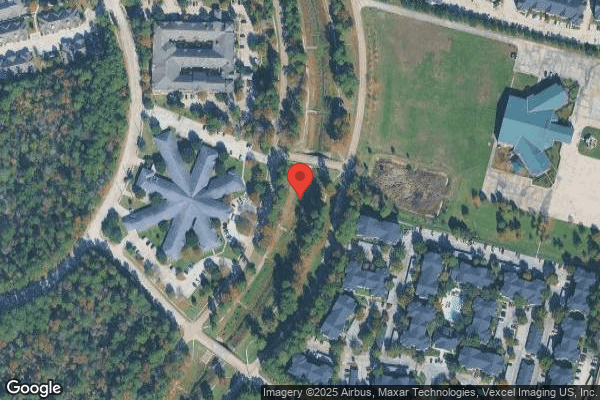
May 2024 7 deficiencies
CONCERN (D) 📢 Someone Reported This

A family member, employee, or ombudsman was alarmed enough to file a formal complaint

Potential for Harm - no one hurt, but risky conditions existed

Deficiency F0558 (Tag F0558)

Could have caused harm · This affected 1 resident

**NOTE- TERMS IN BRACKETS HAVE BEEN EDITED TO PROTECT CONFIDENTIALITY** Based on interviews, observations, and record review, the facility failed to ensure residents were provided with a reasonable ac...

Read full inspector narrative →
**NOTE- TERMS IN BRACKETS HAVE BEEN EDITED TO PROTECT CONFIDENTIALITY** Based on interviews, observations, and record review, the facility failed to ensure residents were provided with a reasonable accommodation to access the ability to call for staff assistance through a communication system for one of twenty-four (Resident #79) reviewed for call system placement. -Resident #79's call light cord was wrapped around the call light base on the wall in an area inaccessible to the resident. This failure could place this resident or other residents at risk for not having their call light answered timely in an emergency and staff not being aware of an emergency situation for an extended period of time, injury, or death. Findings include: Record review of Resident #79's face sheet revealed a [AGE] year-old man admitted on [DATE]. Record review of Resident #79's diagnoses detail report dated 5/15/2024 revealed his diagnoses included metabolic encephalopathy (brain disease, damage, or malfunction usually related to inflammation within the body), pulmonary embolism (condition in which one of the pulmonary arteries in the lungs was blocked by a blood clot), type 2 diabetes mellitus (condition resulting from insufficient production of insulin, causing high blood sugar), chronic kidney disease (condition that impairs kidney function), dementia (group of symptoms that affects memory, thinking and interferes with daily life), syncope and collapse (fainting), conversion disorder (mental condition in which a person experiences blindness, paralysis, or other nervous symptoms that cannot be explained by illness or injury) with seizures (sudden, uncontrolled electrical disturbance in the brain which can cause changes in behavior, movements, feelings, and consciousness) or convulsions (rapid, involuntary muscle contractions that cause uncontrollable shaking and limb movement), affective disorder (a set of psychiatric disorders, also called mood disorders), need for assistance with personal care, and anxiety disorder (group of mental illnesses that cause constant fear and worry). Record review of Resident #79's quarterly MDS dated [DATE] with an ARD of 3/25/2024 revealed a BIMS score was not completed because he was rarely or never understood. The MDS documented he had long and short-term memory problems, and his cognitive skills for daily decision making were severely impaired. Per the MDS, Resident #79 was unable to recall the current season, location of his room, staff names and faces, or that he was in a bed in a nursing facility. The MDS revealed he had no impairment of either his upper or lower extremities, and he used a wheelchair for mobility. The MDS documented he required assistance, or was totally dependent on staff, for all ADL's. Record review of Resident #79's care plan undated care plan revealed a focus on his ADL care need with interventions including placing the call light within reach. Record review of Resident #79's EHR revealed he was receiving wound care daily. Observation on 5/14/2024 at 8:58 AM of Resident #79 revealed he was sleeping in his bed. Resident #79's bed was in a lowered position. Resident #79's call light was not in a position he could reach. The call light was wrapped around the call light station on the wall. There was no means for Resident #79 to get to or press the call button. Interview on 5/14/2024 at 9:00 AM with CNA A, she said a resident's call light should be in a position he/she could reach. CNA A said Resident #79's call light was not in a position he could reach as it was curled around the call light station on the wall. CNA A uncurled the call light cord and placed it on the bed by Resident #79's hand. CNA A said the purpose of a call light was to allow residents to call staff to assist them. CNA A said if a resident did not have access to the call light, he/she may have an emergency such as a fall and not be able to get needed assistance. Interview on 5/14/2024 at 9:22 AM with LVN B, she said the purpose of a call light was to allow residents to call for help. LVN B said if a resident's call light was not within reach, he/she could not call for assistance when needed. LVN B said the staff were to look at the call light placement every two hours. LVN B said a call light should not be wound up and hanging on the wall, in an area inaccessible to a resident. LVN B said if a call light was wound up on the wall, the resident could not call for help in an emergency. Interview on 5/14/2024 at 9:35 AM with the Admin, she said she expected the call lights should be answered timely and placed where the residents can use them. The Admin said a call light wrapped up on the wall, not near a resident, would not meet her expectations. The Admin said the resident could not call for help in an emergency. The Admin said the facility had provided staff with training related to call lights and their placements. Record review of the facility's undated Answering the Call Light policy revealed a policy statement which read The purpose of this procedure is to respond to the resident's requests and needs. The policy documented the call light should be within easy reach of the residents. .
CONCERN (D) 📢 Someone Reported This

A family member, employee, or ombudsman was alarmed enough to file a formal complaint

Potential for Harm - no one hurt, but risky conditions existed

Deficiency F0645 (Tag F0645)

Could have caused harm · This affected 1 resident

**NOTE- TERMS IN BRACKETS HAVE BEEN EDITED TO PROTECT CONFIDENTIALITY** Based on interviews and record review, the facility failed to refer all residents with newly evident or possible serious mental ...

Read full inspector narrative →
**NOTE- TERMS IN BRACKETS HAVE BEEN EDITED TO PROTECT CONFIDENTIALITY** Based on interviews and record review, the facility failed to refer all residents with newly evident or possible serious mental disorders, intellectual disabilities, or a related conditions for level II resident review upon a significant change in status assessment for 1 of 18 residents (Resident #48) reviewed for PASARR evaluations. The facility failed to refer Resident #48 to the appropriate, State-designated authority when she was diagnosed with delusional disorder (firmly held false beliefs), mood disorder (psychiatric disorders that impact emotions), generalized anxiety disorder (over worry), psychosis (difficulty determining what is real or not), and bipolar disorder (mood disorder with ups and downs). This failure could place residents at risk for not receiving necessary PASARR mental health services, causing a possible decline in mental health. Findings included: Record review of Resident #48's undated face sheet revealed she was a [AGE] year-old female admitted on [DATE], with diagnoses of high blood pressure, high cholesterol, anxiety, depression, psychosis (difficulty determining what is real or not), diabetes (body does not produce enough insulin or resists it), chronic obstructive pulmonary disease (lungs do not get enough oxygen), mood disorder (psychiatric disorders that impact emotions), and chronic back pain. Record review of Resident #48's admission MDS assessment dated [DATE], revealed a BIMS score of 8 out of 15, which indicated moderately impaired cognition. The assessment revealed the resident was not evaluated by PASRR and did not have a Serious Mental Illness. Under the diagnoses, anxiety and depression were checked. The MDS revealed the resident had been taking antipsychotics and antidepressants. Record review of Resident #48's Quarterly MDS assessment dated [DATE], revealed a BIMS score of 4 out of 15, which indicated severely impaired cognition. The assessment revealed the resident was not evaluated by PASRR and had no Serious Mental Illness. The resident had impairment on one side of her upper and lower extremities and used a wheelchair. She was dependent with toileting hygiene, showers/baths, upper/lower body dressing, putting on/taking off footwear, and personal hygiene. She was always incontinent of bowel and bladder. She had diagnoses of anxiety, depression, and a psychotic disorder. She was taking antipsychotics and antidepressants. Record review of Resident #48's undated care plan, revealed a Focus: Resident was at risk or potential for anxious/agitation d/t dx: anxiety (Onset: 6/8/23). Goal: Resident would minimize episodes of anxiety daily and ongoing over the next 90 days; AEB: anxiety would not interfere with functional abilities through the next 90 days (Start: 1/12/24, Review: 7/3/24). Interventions: Administered anti-anxiety medications as ordered and reported effects and effectiveness to physician as indicated. Observed resident for episodes of anxiety, such as: excessive worrying, fear, feeling of impending doom, insomnia (trouble sleeping), nausea, palpitation (heart skips a beat) or trembling and implemented interventions as ordered by physician. Focus: Resident was at risk or potential for feeling down, depressed or hopeless d/t dx: depression (Onset: 6/8/23). Goal: Resident would exhibit no signs and symptoms of depression daily and ongoing over the next 90 days (Start: 6/12/23, Review: 7/3/24). Interventions: Administered anti-depression (Zoloft/Trazodone) medication as ordered and reported effects and effectiveness to physician as indicated. Focus: Resident was at risk or potential for behavior's r/t psychosis (difficulty determining what is real or not) with delusions (firmly held false beliefs) and mood disorder, aeb: combative/aggressive behaviors with hx of bipolar (mood disorder with ups and downs) with delusions (firmly held false beliefs) (Onset: 6/16/23). Goal: Resident would minimize episodes of psychosis (difficulty determining what is real or not) with delusions (firmly held false beliefs) daily and ongoing over the next 90 days (Start: 6/12/23, Review: 7/3/24). Interventions: Administered anti-psychotic (Seroquel) medication as ordered and reported effects and effectiveness to physician as indicated. Focus: Resident was at risk for adverse reaction to psychotropic drug use d/t anti-depressant (Zoloft/Trazodone) drug use r/t dx: depression (Onset: 6/8/23). Goal: Resident would have no injury related to antidepressant medication usage/side effects daily and ongoing over the next 90 days (Start: 6/12/23, Review: 7/3/24). Interventions: Administered anti-depression (Zoloft/Trazodone) medication as ordered and reported effects and effectiveness to physician as indicated. Resident was at risk for adverse reaction to psychotropic drug use d/t antipsychotic (Seroquel) drug use r/t dx: psychosis (difficulty determining what is real or not) with delusions (firmly held false beliefs) and mood disorder and dx: bipolar (mood disorder with ups and downs) (Onset: 6/16/23). Goal: Resident would have no injury related to anti-psychotropic medication usage/side effects daily and ongoing over the next 90 days (Start: 6/12/23, Review: 7/3/24). Interventions: Administered anti-psychotic (Seroquel) medication as ordered and reported effects and effectiveness to physician as indicated. Record review of Resident #48's previous hospital records from 6/9/23, revealed she had a history of depression/mood disorder (psychiatric disorders that impact emotions). She was discharged to the facility on antipsychotics and antidepressants. Record review of Resident #48's PASRR Level 1 Screening from 6/12/23 performed by the MDS Coordinator, revealed the resident had no evidence or indication of Mental Illness. Record review of Resident #48's Physician Orders from MD A revealed the following orders: -Trazodone 50mg, 1 PO QHS for insomnia (trouble sleeping). Ordered on 8/9/23 at 2:51pm. -Levetiracetam 250mg, 1 PO BID for psychosis (difficulty determining what is real or not). Ordered on 11/1/23 at 4:45pm. -Sertraline HCL 50mg, 1 PO QD for depression. Ordered on 11/16/23 at 4:59pm. -Behavioral-Monitor and document any behaviors, every day 6:30am and 6:30pm. Ordered on 1/17/24 at 3:55pm. -Behavioral-Monitor and document and side effects related to use of antipsychotic medication, every day 6:30am and 6:30pm. Ordered on 1/17/24 at 3:56pm. -Behavioral-Monitor and document any side effects related to use of antidepressant medication, every day 6:30am and 6:30pm. Ordered on 1/17/24 at 3:57pm. -Quetiapine Fumarate 300mg, 1 PO QHS for delusional disorders (firmly held false beliefs). Ordered on 2/13/24 at 10:30am. Record review of Resident #48's Psychiatric Initial Assessment from 10/16/23 by NP A, revealed the resident was being treated for Bipolar disorder. Record review of Resident #48's May 2024 MAR revealed she was receiving Sertraline 50mg for depression, Levetiracetam 250mg for psychosis, and Quetiapine Fumarate 300mg for delusional disorders. In an interview with the MDS Coordinator on 5/16/24 at 12:50pm, she said when Resident #48 came to the facility she was on Seroquel for a mood disorder and that was all. She did not think that qualified for a mental disorder. She said she did not receive any of the resident's medical records until a couple months later. She said the hospital's PASRR was negative, so she did not know she needed to do anything else. She did not realize until 5/15/24 when the State Surveyor asked about the PASRR being negative, that she realized the resident had several mental health diagnoses. She said she submitted a new PASRR on 5/15/24 and someone was supposed to come and screen the resident within a few days. She said if the resident was not screened properly, they would fall through the cracks and not get services they might need. Record review of the facility's policy and procedure on Preadmission Screening (PASRR) (version 11/2017) read in part: Our facility will ensure that all new admission are appropriately screened prior to admission to determine that the individual requires nursing facility level of care and to identify any specialized services that may be necessary. The facility does not admit any new resident with serious mental illness or mental retardation unless a preadmission screening has been completed and the state has determined that the facility can supply the care and services appropriate to the resident's condition (and the state will provide any specialized services that are required to treat the special condition). This policy is applicable to all residents [regardless of payor source] being admitted to a nursing facility bed that is certified for Medicare and/or Medicaid. Upon or before application for admission, the admissions coordinator will obtain the following information for each candidate: recent medical history and physical and/or; record of recent or current hospital stay; listing of medications; listing of diagnoses; recent nursing notes .personal information; information regarding payment source. Ensure positive Preadmission PL1s are submitted via state software to the Local Intellectual and Developmental Disability Authority (LIDDA) or Local Mental Health Authority (LMHA) .Review the recommended Specialized Services on the PASRR Evaluation (PE) when an alert is received. Certify the ability to meet the individuals needs on the PL1. Invite LIDDA/LMHA to the PASRR Interdisciplinary Team (IDT) meeting and to all care plan meetings. Finalize Specialized Services to be delivered by the NF and LIDDA/LMHA. Document Specialized Services to be delivered by the NF and LIDDA/LMHA in the resident's comprehensive care plan. Initiate delivery of Specialized Services within 20 business days of the IDT meeting date. .
CONCERN (D) 📢 Someone Reported This

A family member, employee, or ombudsman was alarmed enough to file a formal complaint

Potential for Harm - no one hurt, but risky conditions existed

Quality of Care (Tag F0684)

Could have caused harm · This affected 1 resident

**NOTE- TERMS IN BRACKETS HAVE BEEN EDITED TO PROTECT CONFIDENTIALITY** Based on observations, interviews, and record reviews, the facility failed to ensure that residents receive treatment and care i...

Read full inspector narrative →
**NOTE- TERMS IN BRACKETS HAVE BEEN EDITED TO PROTECT CONFIDENTIALITY** Based on observations, interviews, and record reviews, the facility failed to ensure that residents receive treatment and care in accordance with professional standards of practice, the comprehensive person-centered care plan, and the residents' choices for 1 (Resident #35) of 18 residents reviewed for quality of care. -LVN M failed to document notification to NP B of Resident #35's blood sugar of 422 on 5/13/24, and failed to document and/or give 10u of Insulin that was ordered by NP B for Resident #35's blood sugar. This failure could place the resident at risk for high blood sugar, and possible hospitalization. Findings include: Record review of Resident #35's undated face sheet revealed he was a [AGE] year-old male admitted on [DATE] with an original admission date of 7/20/17. He had diagnoses of Type 2 Diabetes (body does not produce insulin or resists it), benign prostatic hypertrophy (enlarged prostate), cerebrovascular accident (stroke), anxiety, depression, hypertension (high blood pressure), insomnia (trouble sleeping), high cholesterol, constipation, gout (build up of acid in joints), over active bladder, and dysphagia (trouble swallowing). Record review of Resident #35's Quarterly MDS assessment dated [DATE] revealed a BIMS score of 14 out of 15, which indicated normal cognition. The MDS revealed a diagnosis of Diabetes Mellitus (body does not produce insulin or resists it) and confirmed the resident was receiving Insulin injections. Record review of Resident #35's undated care plan revealed a Focus: Resident was at risk or potential for hyper/hypoglycemia (high/low blood sugar) episodes secondary to dx: diabetes mellitus with neuropathy (nerve pain) (Onset: 11/13/20). Goal: Resident would minimize risk for hyper/hypoglycemia (high/low blood sugar) episodes daily and ongoing over the next 90 days (Start: 7/14/23, Review: 7/20/24). Interventions: Assisted with maintaining stable blood sugars; obtained blood sugars as ordered and reported any abnormalities. Assessed response to the Insulin (Lantus/Trulicity) adjustments and reported to Physician; Observed for symptom of hyper/hypoglycemia (high/low blood sugars). Record review of Resident #35's May 2024's blood sugars revealed a blood sugar of 422 (normal is 70-120) on 5/13/24 at 10:55pm, by LVN M. Record review of Resident #35's May 2024 Nurse MAR Notes, revealed on 5/13/24 at 10:57pm LVN M documented she checked off the task of Diabetic: Fingerstick blood sugars every AC/HS, Notify NP if BLOOD SUGARS ARE < 70 or > 120 and that the resident's blood sugar was 422. There was no documentation that she notified the NP or that Insulin was given. Record review of Resident #35's Physician Orders revealed an order from NP B from 11/7/23 at 1:48pm that read: -Diabetic: Fingerstick blood sugars every AC/HS, Notify NP if BLOOD SUGARS ARE < 70 or > 120. Every day at 7:00am, 12:00pm, 5:00pm, and 8:00pm. Record review of Resident #35's Progress Notes on 5/16/24, revealed there were no notifications to the NP of the blood sugar of 420 on 5/13/24. Record review of Resident #35's Physician Orders and Discontinued Physician Orders on 5/16/24, revealed there were no orders for Insulin on 5/13/24. Interview with NP B on 5/16/24 at 10:00am, she said she entered orders to notify her of blood sugars less than 70 or more than 120 for all of her diabetic residents. She said she expected staff to call her every time that parameter was met. She said she had that order to keep the lines of communication open between the staff and her regarding the resident's blood sugar, so she knew what was going on. She said she received a lot of phone calls, but it did not bother her. She said she also received notifications in person when she was at the facility. NP B said she was pretty sure LVN B called her about Resident #35's blood sugar of 422 but she could not find it in her phone. She said she would have given LVN B orders to give the resident Insulin since his blood sugar was so high. Interview with RN P on 5/16/24 at 10:44am, she said if there was an order with parameters to call the NP if the blood sugar was less than 70 or greater than 120, then they called the NP each time and documented it in the progress notes. She said the NP would usually give orders for Insulin and they would put the order in as a one-time dose. The order and the conversation would be entered in the progress note. She said if the NP was not notified, the resident's blood sugar would remain high and it could cause problems for the resident. Interview with the ADON on 5/16/24 at 1:16pm, she said her expectation was that the staff would call the NP each time the blood sugar was out of range from the order. She said the notification would be entered in the progress notes of the resident and then an order for Insulin would be entered as a one-time order or a PRN order. Per the ADON, she said NP B texted her and informed her that she ordered 10u of Insulin for Resident #35. The ADON said maybe LVN M forgot to put the orders in since there were no orders for the Insulin found in the resident's records. The ADON said if the nurse did not notify the NP, the blood sugar could get too high, and the resident would have to be hospitalized . Interview with Resident #35 on 5/16/24 at 1:35pm, he said he remembered his blood sugar being high a few days back, but he felt okay and did not feel dizzy, shaky, or weak. He did not remember if the nurse gave him insulin or not. A message was left for LVN M on 5/16/24 at 1:40pm, but she did not return the call. Record review of the facility's Policy and Procedure on Charting and Documentation (no date) read in part: All services provided to the resident, or any changes in the resident's medical or mental condition, shall be documented in the resident's medical record. All observations, medications administered, services performed, etc., must be documented in the resident's clinical record .All incidents, accidents, or changes in the resident's condition must be recorded .Documentation of procedures and treatments shall include care-specific details and shall include at a minimum: The date and time the procedure/treatment was provided; The name and title of the individual(s) who provided the care; The assessment data and/or any unusual findings obtained during the procedure/treatment .Notification of family, physician or other staff, if indicated . Record review of the facility's Policy and Procedure on Change in a Resident's Condition or Status (Revised May 2017) read in part: Our facility shall promptly notify the resident, his or her Attending Physician, and representative (sponsor) of changes in the resident's medical/mental condition and/or status (e.g., changes in level of care, billing/payments, resident rights, etc.). The nurse will notify the resident's Attending Physician or physician on call when there has been a(n): .Specific instruction to notify the Physician of changes in the resident's condition .The nurse will record in the resident's medical record information relative to changes in the resident's medical/mental condition or status. .
CONCERN (D) 📢 Someone Reported This

A family member, employee, or ombudsman was alarmed enough to file a formal complaint

Potential for Harm - no one hurt, but risky conditions existed

Medication Errors (Tag F0758)

Could have caused harm · This affected 1 resident

**NOTE- TERMS IN BRACKETS HAVE BEEN EDITED TO PROTECT CONFIDENTIALITY** Based on interviews and record review the facility failed to ensure a psychotropic drug that affects brain activities associated...

Read full inspector narrative →
**NOTE- TERMS IN BRACKETS HAVE BEEN EDITED TO PROTECT CONFIDENTIALITY** Based on interviews and record review the facility failed to ensure a psychotropic drug that affects brain activities associated with mental processes and behavior is free from unnecessary drugs for one of five residents (Resident #79) reviewed for unnecessary drugs. -The facility failed to document a correct diagnosis, monitor its effectiveness, and side effects of Seroquel (antipsychotic medication) prescribed for Resident #79. This failure affected one resident and placed him at risk of receiving unnecessary medications. Findings include: Record review of Resident #79's face sheet revealed a [AGE] year-old man admitted on [DATE]. Record review of Resident #79's diagnoses detail report dated 5/15/2024 revealed his diagnoses included: dementia (group of symptoms that affects memory, thinking, and interferes with daily life), affective disorder (a set of psychiatric disorders, also called mood disorders), and anxiety disorder (group of mental illnesses that cause constant fear and worry). Record review of Resident #79's quarterly MDS dated [DATE] with an ARD of 3/25/2024 revealed a BIMS score was not completed because he was rarely or never understood. The MDS documented he had long and short-term memory problems, and his cognitive skills for daily decision making was severely impaired. Per the MDS, Resident #79 was unable to recall the current season, location of his room, staff names and faces, or that he was in a bed in a nursing facility. The MDS revealed he had no impairment of either his upper or lower extremities, and he used a wheelchair for mobility. The MDS documented he required assistance, or was totally dependent on staff, for all ADL's. Per the MDS, Resident #79 had been administered injectable insulin and antipsychotic medications. The MDS revealed a GDR was attempted on 12/28/2023. Record review of Resident #79's undated care plan revealed a focus on his depression with interventions including monitoring for adverse medication reactions, medication administration, and monitoring for signs and symptoms of depression. The care plan included a focus on Resident #79's psychotropic medication use with interventions including medication administration and monitoring for signs and/or symptoms of adverse drug reactions. Record review of Resident #79's orders report dated 5/15/2024 revealed prescriptions included: -Seroquel 100mg tablet one tablet twice daily for dementia, Record review of Resident #79's May 2024 CMA MAR documented he was administered a 100mg tablet of Seroquel at 8:00 AM and 8:00 PM daily from 5/1/2024 through 5/14/2024 and at 8:00 AM on 5/15/2024. Record review of Resident #79's MRR dated 1/29/2024 revealed he was admitted on /or had a new order for Seroquel. The MRR documented the medication should be prescribed for an appropriate psychiatric diagnosis. Record review of Resident #79's Consultant Pharmacist's MRR dated between 3/1/2024 and 3/21/2024 revealed he had a prescription for the antipsychotic medication Seroquel 100mg twice daily for dementia. The MRR documented the medication required an appropriate psychiatric diagnosis for long-term therapy. Record review of Resident #79's note to the attending physician/prescriber dated 3/22/2024 revealed he had a prescription for the antipsychotic medication Seroquel 100mg twice daily for dementia. The note documented the medication required an appropriate psychiatric diagnosis for long-term therapy. The note was signed by his NP. Observation on 5/14/2024 at 8:58 AM of Resident #79 revealed he was sleeping in his bed. Resident #79's bed was in a lowered position. Telephone call on 5/16/2024 at 9:55 AM from NP A, she said she was the consultant pharmacist and she recommended that Resident #79's Seroquel prescription have an appropriate psychiatric diagnosis, not the current dementia diagnosis as Seroquel was not appropriate for dementia. NP A said Resident #79's Seroquel was prescribed for his delusion disorder and not for his dementia. NP A said resident #79's prescription should be altered to identify the delusion disorder not the dementia. NP A said the prescription was not correct in identifying the underlying diagnosis of dementia. Interview on 5/16/2024 at 10:13 AM with the ADON revealed when the facility received recommendations from the pharmacist consultant, they would contact the physician to determine if he/she agreed with the recommendation. The ADON said if the physician agreed, the facility had seventy-two hours to complete the recommendations. The ADON said if a resident's recommendation was to have the underlying diagnosis changed the facility would change the diagnosis in the EHR. The ADON said Resident #79's underlying diagnosis of dementia for his Seroquel prescription should have been altered in March of 2024 when the recommendation was agreed to by the physician. The ADON said Resident #72 had an underlying diagnosis of bipolar disorder with delusions and he required the Seroquel. The ADON said she had just changed the underlying diagnosis as recommended by the pharmacist and agreed to by the physician. The ADON said she did not know why the underlying diagnosis was not changed previously when the recommendation was made. The ADON said the facility completed audits continuously on psychotropic medications to ensure appropriate administration and diagnoses. The ADON said there would have been no negative outcomes with the diagnosis not being changed. The ADON said the prescription needed to be changed as Seroquel was inappropriate for dementia, but it was appropriate for bipolar disorder. Record review of the facility's Medication Regimen Reviews policy dated April 2007 revealed a policy statement which read The Consultant Pharmacist shall review the medication regimen of each resident at least monthly. The policy documented the pharmacist would identify medication errors, including those related to documentation. .
CONCERN (D) 📢 Someone Reported This

A family member, employee, or ombudsman was alarmed enough to file a formal complaint

Potential for Harm - no one hurt, but risky conditions existed

Unnecessary Medications (Tag F0759)

Could have caused harm · This affected 1 resident

**NOTE- TERMS IN BRACKETS HAVE BEEN EDITED TO PROTECT CONFIDENTIALITY** Based on observations, interviews, and record review, the facility failed to ensure that the medication error rate was not five ...

Read full inspector narrative →
**NOTE- TERMS IN BRACKETS HAVE BEEN EDITED TO PROTECT CONFIDENTIALITY** Based on observations, interviews, and record review, the facility failed to ensure that the medication error rate was not five percent (%) or greater. The facility had a medication error rate of 11% based on 3 errors out of 27 opportunities, which involved 2 of 7 residents (Residents #2 and #59) reviewed for medication errors. -LVN N did not administer the full dose of Lacosamide (a medication used to prevent and control seizures) to Resident #59 until State Surveyor intervention. -MA V administered Sucralfate (a medication used to treat and prevent ulcers in the intestines) to Resident #2 at 9:06 a.m. instead of 6:30 a.m. as scheduled and did not administer Lexapro (a medication used to treat depression and anxiety) to Resident #2 as ordered by the Physician. These failures could place residents at risk of inadequate therapeutic outcomes. Findings include: Resident #59 Record review of Resident #59's face sheet dated 5/16/24 revealed a [AGE] year-old female readmitted on [DATE]. Her diagnoses included urinary tract infection, Parkinson's disease (a progressive disorder that affects the nervous system and the parts of the body controlled by the nerves), end stage renal disease, and hypertension (high blood pressure). Record review of Resident #59's quarterly MDS assessment dated [DATE] revealed her cognitive skills for daily decision making were severely impaired-never/rarely made decisions. She was dependent on staff for ADL care. Record review of Resident #59's care plan dated 4/28/24 revealed she was at risk for injury related to seizure disorder. The intervention was to administer anticonvulsant medication as ordered. Record review of Resident #59's Physician Orders for May 2024 revealed an order for Lacosamide 10 mg/mL administer 10 mL via feeding tube (a way to deliver liquid nutrition through a flexible tube to your digestive system) 8 a.m., 8 p.m. every day. In an observation and interview on 5/16/24 at 8:55 a.m. with LVN N revealed she prepared Resident #59's Lacosamide 10 mL liquid, Cinacalcet 30 mg tablet, and Nephro 1 tablet. She crushed the tablets individually and prepared to administer the medication via feeding tube. She flushed Resident #59's tube with 30 cc of water. Next, she administered via feeding tube a water flush, medication, water flush, approximately 5 ml of Lacosamide liquid, water flush, medication, and the final water flush. There was approximately 5 mL of Lacosamide liquid remaining in the medication cup. LVN N connected Resident #59's feeding tube back to the formula and turned the pump on. LVN N said she was done (administering the medication) and began to clean up the bedside tray. This State Surveyor asked LVN N about the liquid that remained in the medication cup. LVN N said it was Lacosamide liquid and was able to identify it because of the thick consistency. She said there was approximately 2.5 mL to 5 mL remaining in the cup and said she would administer the rest to Resident #59. LVN N administered the remaining Lacosamide to Resident #59. Interview on 5/16/24 at 9:14 a.m. LVN N said she did not administer all the Lacosamide to Resident #59 because she did not have her glasses on. She said she did not realize some medication was remaining in the cup until this State Surveyor alerted her. She said she had to look to ensure all medication was given especially since Lacosamide was a narcotic seizure medication. She said if Resident #59 did not receive all her medication she could have a seizure. Interview on 5/16/24 at 10:34 a.m. the ADON said nursing staff should ensure all medication was given. She said Resident #59 not receiving all her medication was not good. She said the facility did a feeding tube medication administration competency check initially, yearly, and as needed. Resident #2 Record review of Resident #2's face sheet dated 5/16/24 revealed a [AGE] year-old female readmitted on [DATE]. Her diagnoses included polyneuropathy (damage to multiple peripheral nerves), major depressive disorder, and generalized anxiety disorder. Record review of Resident #2's quarterly MDS assessment dated [DATE] revealed a BIMS score of 14 out of 15 which indicated intact cognition. She required supervision to maximal assistance from staff with ADLs. Record review of Resident #2's care plan dated 1/5/24 revealed she was at risk for GI (gastrointestinal) complications related to the diagnosis of GERD (a common condition in which the stomach contents move up into the esophagus) such as: belching, indigestion, esophageal/tooth erosion, and/or bad chest discomfort. She received antidepressant medication and was at risk for side effects. Interventions were to administer medications as ordered. Record review of Resident #2's Physician Orders for May 2024 revealed an order Carafate (Sucralfate) 1 gram: give 1 tablet by mouth at 6:30 a.m., 11:30 a.m., and 4:30 p.m. every day for gastro-esophageal reflux disorder with esophagitis (inflammation of the esophagus) without bleed, order date 1/8/24. Lexapro (Escitalopram) 5 mg 8:00 a.m. in the morning every day, order date 4/9/24. Record review of Resident #2's MAR for May 2024 revealed Carafate (Sucralfate) 1 gm was scheduled for three times per day at 6:30 a.m., 11:30 a.m., and 4:30 p.m. Lexapro (Escitalopram) 5 mg was scheduled for 8:00 a.m. every day. There was a N documented for Lexapro (Escitalopram) on 5/15/24 at the 8:00 a.m. scheduled time by MA V. The N indicated Not Administered. In an observation and interview on 5/15/24 at 9:06 a.m. with MA V revealed she prepared Resident #2's morning medications for administration. She prepared and administered Carafate (Sucralfate) 1 gm - 1 tablet. The eMAR indicated the Carafate (Sucralfate) was scheduled for 6:30 a.m. and the caution label on the Carafate (Sucralfate) blister pack read to give before meals. She also prepared and administered Gabapentin 600 mg, Furosemide 20 mg, Pantoprazole 40 mg, Potassium ER 10 mEq, Loratadine 10 mg, Senna, Dicyclomine 20 mg, and Fluticasone nasal spray. She did not administer Lexapro (Escitalopram) 5 mg to Resident #2. She said she did not have Resident #2's Lexapro (Escitalopram) on the cart and would notify her nurse. Interview on 5/15/24 at 9:15 a.m. LVN F said the Pyxis machine (an automated medication dispenser) did not have Resident #2's Lexapro (Escitalopram) and he would notify the pharmacy to send it to the facility stat (immediately). Interview on 5/15/24 at 9:30 a.m. MA V said Resident #2's Carafate (Sucralfate) was supposed to be given before breakfast but was unsure why. She said her shift started at 8:00 a.m. and she had two halls of residents to administer medications to. She said nursing staff should know the medication was not being administered before breakfast. Interview on 5/16/24 at 10:29 a.m. the ADON said medication should be available because the resident needed it and staff should reorder the medication 7 days ahead of time. She said Lexapro (Escitalopram) was used for depression and was unsure if Resident #2 would experience any negative effects from missing one dose. She said Carafate (Sucralfate) was used to coat the stomach and should be given before meals. She said she was unsure of any negative effects that Resident #2 could experience. She said the first morning dose (6:30 a.m.) of Sucralfate should be moved to the nurses' cart. Interview on 5/16/24 at 11:31 a.m. MA V said Resident #2's Lexapro (Escitalopram) arrived from the pharmacy late yesterday (5/15/24) and she did not administer it to her. In an interview on 5/16/24 at 1:44 p.m. the Administrator said she expected medication to be administered correctly and according to the MD order. Record review of the facility's Administering Medications policy dated December 2012 read in part, .Medications shall be administered in a safe and timely manner, and as prescribed . 4. Medications must be administered within one (1) hour of their prescribed time, unless otherwise specified (for example, before and after meal orders) . .
CONCERN (D) 📢 Someone Reported This

A family member, employee, or ombudsman was alarmed enough to file a formal complaint

Potential for Harm - no one hurt, but risky conditions existed

Medical Records (Tag F0842)

Could have caused harm · This affected 1 resident

**NOTE- TERMS IN BRACKETS HAVE BEEN EDITED TO PROTECT CONFIDENTIALITY** Based on interviews, observations, and record reviews, in accordance with accepted professional standards and practices, the fac...

Read full inspector narrative →
**NOTE- TERMS IN BRACKETS HAVE BEEN EDITED TO PROTECT CONFIDENTIALITY** Based on interviews, observations, and record reviews, in accordance with accepted professional standards and practices, the facility failed to maintain medical records on each resident that were complete, accurately documented, readily accessible, and systematically organized for 2 (Resident #48 and Resident #63) of 18 residents reviewed for accurate medical records. -The facility failed to update Resident #48's oxygen order to PRN instead of continuous, when she no longer wore it. -The facility failed to order Resident #63's oxygen, when he was on it continuously. This failure could place residents at risk of receiving unnecessary oxygen or the wrong amount of oxygen. Findings include: Resident #48 Record review of Resident #48's undated face sheet revealed she was a [AGE] year-old female admitted on [DATE], with diagnoses of high blood pressure, high cholesterol, aphasia (trouble speaking), cerebrovascular accident (stroke), seizures, diabetes (body does not produce enough insulin or resists it), anxiety, depression, chronic obstructive pulmonary disease (lungs do not get enough oxygen), respiratory failure (lungs stop working), mood disorder, and chronic back pain. Record review of Resident #48's Annual MDS assessment dated [DATE], revealed a BIMS score of 4 out of 15, which indicated severely impaired cognition. She had impairment on one side of her upper and lower extremities and used a wheelchair. She was dependent on toileting hygiene, showers/baths, upper/lower dressing, putting on/taking off footwear, and personal hygiene. The MDS revealed she had diagnoses of respiratory failure and COPD (lungs do not get enough oxygen) and was on oxygen. Record review of Resident #48's undated care plan revealed a Focus: Resident was at risk or potential for SOB d/t dx: COPD (lungs do not get enough oxygen) with acute respiratory failure with hypercapnia (not enough oxygen in the blood) with SOB and hx of pneumonia (lung infection) and was receiving oxygen therapy (Onset: 6/9/23). Goal: Resident would minimize episodes of SOB daily and ongoing over the next 90 days (Start: 6/12/23, Review: 7/3/24). Interventions: Administered oxygen therapy as ordered by physician; reported any abnormalities as indicated. Ensured that supply was available at all times and changed tubing per protocol; provided with humidification. Record review of Resident #48's Physician Orders revealed an order from MD A that read: -Administer O2 at 2L/min via nasal cannula continuously, every day. Ordered on 1/17/24 at 3:48pm. Record review of Resident #48's May 2024 Nurse MAR revealed from 5/1/24-5/15/24 from 6am-6pm and from 6pm-6am, it was signed off by nursing staff that the resident was receiving O2 at 2L/min via nasal cannula continuously. In an observation of Resident #48 on 5/14/24 at 9:29am, she was sitting in a wheelchair in her room and did not have any oxygen on. She had no complaints and was breathing fine. Interview and observation of Resident #48 on 5/15/24 at 9:45am, the resident was lying in bed and did not have any oxygen on. The resident said she did not use oxygen and did not need it. Interview with LVN G on 5/16/24 at 10:47am, he said there was discussion a couple days ago about putting an order in to discontinue her oxygen, and there was supposed to be an order to discontinue it. He did not see an order to discontinue the oxygen. He said the Nurse Manager should have discontinued the oxygen order. He said there could be confusion because there were not correct orders in the system. Interview with the ADON on 5/16/24 at 10:55am, she said the nursing staff should have seen there was an order for oxygen, that the resident was not on it, and should have said something. She said the staff should have also seen it when they signed off on the MAR/TAR and said something. However, she was the overarching person who oversaw everything and was ultimately responsible. Resident #63 Record review of Resident #63's undated face sheet revealed he was an [AGE] year-old male admitted on [DATE], with diagnoses of Type 2 diabetes (body does not produce insulin or resists it), heart failure (heart does not pump well), depression, high cholesterol, dysphagia (trouble swallowing), and dementia. Record review of Resident #63's admission MDS assessment dated [DATE] revealed a BIMS score of 12 out of 15, which indicated moderately impaired cognition. The MDS revealed the resident was not using oxygen. Record review of Resident #63's undated care plan revealed a Focus: Resident was at risk or potential for SOB d/t dx: CHF (heart cannot pump fluid out of lungs) with SOB and hx of AKI (acute failure of kidneys), CKD (kidneys stop filtering) and BLE edema (swelling) (Onset: 4/2/24). Goal: Resident would minimize episodes of SOB daily and ongoing over the next 90 days (Start: 4/2/24, Review: 7/16/24). Interventions: Administered oxygen therapy as ordered by physician; reported any abnormalities as indicated; observed/monitored oxygen saturation levels. Monitored vital signs daily and PRN; reported any abnormalities as indicated. Record review of Resident #63's Physician Orders on 5/16/24, revealed no orders for oxygen. Record review of Resident #63's May 2024 MAR-TAR revealed no documentation of oxygen being administered. Interview and observation of Resident #63 on 5/14/24 at 8:57am, he was on 2L O2 via nasal cannula while laying on his back in bed. He said he did not know why he was on oxygen and did not like it being in his nose. In an observation of Resident #63 on 5/15/24 at 9:47am, he was awake sitting up in bed with O2 via nasal cannula on. In an observation of Resident #63 on 5/16/24 at 10:46am, resident had his oxygen via nasal cannula on. Interview and observation with LVN G on 5/16/24 at 10:47am, he confirmed Resident #63 was on oxygen and looked through the resident's chart to see what the settings were. LVN G said he could not find an order for the resident's oxygen. He said there should have been an order for the resident's oxygen, and he did not know why there was not one. He said the resident could have hyperventilated (breathing too fast and getting too much oxygen) if he was getting oxygen and did not need it. He said the Nurse Manager confirmed orders that were entered. Interview with the ADON on 5/16/24 at 10:55am, she said the nursing staff entered orders and they should have seen the resident was on oxygen and there was not an order for it. She said she was the ADON though, so everything fell back on her for ultimately overseeing any mistakes. She said there could be resident's receiving oxygen that did not need it. Record review of the facility's Policy and Procedure on Charting and Documentation (no date) read in part: All services provided to the resident, or any changes in the resident's medical or mental condition, shall be documented in the resident's medical record. All observations, medications administered, services performed, etc. must be documented in the resident's clinical records .Documentation of procedures and treatments shall include care-specific details and shall include at a minimum: The date and time the procedure/treatment was provided; The name and title of the individual(s) who provided the care; The assessment data and/or any unusual findings obtained during the procedure/treatment; How the resident tolerated the procedure/treatment; Whether the resident refused the procedure/treatment; Notification of family, physician or other staff, if indicated; The signature and title of the individual documenting. Record review of the facility's Policy and Procedure on Medication and Treatment Orders (no date) read in part: Orders for medications and treatments will be consistent with principles of safe and effective order writing. Medications shall be administered only upon the orders of a person daily licensed and authorized to prescribe such medications in this state. Only authorized, licensed practitioners, or individuals authorized to take verbal orders from practitioners, shall be allowed to transcribe orders into the electronic medical record. Drug and biological orders must be recorded on the Physician's Order Sheet in the resident's chart. Such orders are reviewed by the Pharmacist on a monthly basis. All drug and biological orders shall be dated, and signed by the person lawfully authorized to give such an order .Verbal orders must be recorded immediately in the resident's chart by the person receiving the order and must include prescriber's last name, credentials, the date and the time of the order. Record review of the facility's Policy and Procedure on Charting Errors and/or Omissions (Revised December 2006) read in part: Accurate medical records shall be maintained by this facility.
CONCERN (E) 📢 Someone Reported This

A family member, employee, or ombudsman was alarmed enough to file a formal complaint

Potential for Harm - no one hurt, but risky conditions existed

Pharmacy Services (Tag F0755)

Could have caused harm · This affected multiple residents

**NOTE- TERMS IN BRACKETS HAVE BEEN EDITED TO PROTECT CONFIDENTIALITY** Based on observations, interviews, and record review, the facility failed to provide pharmaceutical services (including procedur...

Read full inspector narrative →
**NOTE- TERMS IN BRACKETS HAVE BEEN EDITED TO PROTECT CONFIDENTIALITY** Based on observations, interviews, and record review, the facility failed to provide pharmaceutical services (including procedures that assure the accurate acquiring, receiving, dispensing, and administering of all drugs and biologicals) to meet the needs of each resident for 4 of 8 residents (Resident #68, Resident #18, Resident #25, and Resident #3) reviewed for pharmacy services. -LVN J and LVN C failed to ensure the narcotic count was correct during shift change for Resident #68, Resident #18, Resident #25, and Resident #3. - LVN J failed to document the administration of narcotic medications in a correct manner for Resident #68, Resident #18, Resident #25, and Resident #3. -Staff administered Tramadol 50 mg instead of Tramadol 37.5 mg - Acetaminophen 325 mg as ordered by the Physician to Resident #68 for an unknown period. These failures could place residents at risk for drug diversion and delay in medication administration. Findings include: Resident #68 Record review of Resident #68's face sheet dated 5/16/24 revealed an [AGE] year-old male who readmitted on [DATE]. His diagnoses included pain, chronic obstructive pulmonary disease (a chronic inflammatory lung disease that causes obstructed airflow from the lungs), acute respiratory failure, and type 2 diabetes. Record review of Resident #68's significant change MDS assessment dated [DATE] revealed a BIMS score of 12 out of 15 which indicated moderate cognitive impairment. He required supervision from staff with ADL care. Record review of Resident #68's care plan dated 3/26/24 revealed he was a risk for pain. Interventions were to administer pain medication as ordered. Record review of Resident #68's Physician Orders for May 2024 revealed an order for Tramadol 37.5 mg - Acetaminophen 325 mg tablet give 1 tablet twice a day, order date 3/26/24. There were no orders for Tramadol 50 mg. Record review of Resident #68's Nurse MAR for May 2024 revealed Tramadol 37.5 mg - Acetaminophen 325 mg tablet was scheduled for 8:00 a.m. and 8:00 p.m. There was a check mark documented by LVN J on 5/15/24 at 8:00 p.m. that indicated it was administered. Tramadol 50 mg was not listed on Resident #68's MAR. Record review of Resident #68's Controlled Substance Log for Tramadol 50 mg twice a day revealed the last administration documented was on 5/16/24 at 8 a.m. with a quantity of 20 tablets remaining. The previous documentation was on 5/15/24 at 8 a.m. There was no documentation for 5/15/24 at the 8:00 p.m. dose by LVN J. In an observation and interview on 5/16/24 at 12:03 p.m. of Resident #68's Tramadol 50 mg oral tablet (not Tramadol 37.5 mg - Acetaminophen 325 mg as ordered by the Physician) on the 200-hall nurse cart with LVN C revealed there were 19 tablets remaining. LVN C said the night nurse might not have documented the administration of the night dose from 5/15/24 on the narcotic log. Interview on 5/16/24 at 3:26 p.m. LVN C said he was administering the Tramadol 50 mg to Resident #68 instead of the combination medication (Tramadol 37.5 mg - Acetaminophen 325 mg) that was ordered by the MD for a while. He said he did not notice it was a different medication and believed the hospice company made a mistake when assisting with filling the medication. He said the Tramadol 50 mg was the only medication on the nurse cart. He said he should check the MD order and make sure it was the right medication and same milligram. Resident #18 Record review of Resident #18's face sheet dated 5/16/24 revealed a [AGE] year-old male who admitted on [DATE]. His diagnoses included nondisplaced fracture shaft of left tibia, osteoarthritis (inflammation of one or more joints), need for assistance with personal care, and pain. Record review of Resident #18's quarterly MDS assessment dated [DATE] revealed a BIMS score of 15 out of 15 which indicated no cognitive impairment. Record review of Resident #18's care plan dated 5/16/24 revealed he was a risk for pain. Interventions were to administer pain (Tylenol #3) medication as ordered. Record review of Resident #18's Physician Orders for May 2024 revealed an order for Acetaminophen (Tylenol)-Codeine #3 every 6 hours as needed for pain, order date 11/8/22. Record review of Resident #18's Nurse MAR for May 2024 revealed Acetaminophen-Codeine #3 was documented as administered by LVN J on 5/15/24 at 10:29 p.m. Record review of Resident #18's Controlled Drug Administration Record for Acetaminophen-Codeine 300-30 mg every 6 hours as needed revealed the last administration documented was on 5/15/24 at 10 a.m. with a quantity of 15 tablets remaining. There was no documentation for 5/15/24 at 10:29 p.m. by LVN J. In an observation and interview on 5/16/24 at 12:12 p.m. of Resident #18's Acetaminophen-Codeine 300-30 mg on the 200-hall nurse cart with LVN C revealed there were 14 tablets remaining on the blister pack. LVN C said the night nurse gave Resident #18 the medication last night (5/15/24) but did not sign the narcotic log. He said he did not notice the discrepancy when he and LVN J counted the narcotics during shift change. Resident #25 Record review of Resident #25's face sheet dated 5/16/24 revealed a [AGE] year-old female who readmitted on [DATE]. Her diagnoses included paraplegia (paralysis of the legs and lower body caused by a problem with the spinal cord or nerves), vascular dementia, and chronic pain syndrome. Record review of Resident #25's quarterly MDS assessment dated [DATE] revealed a BIMS score of 15 out of 15 which indicated no cognitive impairment. Record review of Resident #25's care plan dated 5/16/24 revealed she was at risk for pain. Interventions were to administer pain medication as ordered. Record review of Resident #25's Physician Orders for May 2024 revealed an order for Norco 10-325 mg give 1 tablet every 4 hours as needed for pain, order date 11/8/22. Record review of Resident #25's Nurse MAR for May 2024 revealed Norco 10-325 mg was documented as administered by LVN J on 5/15/24 at 11:08 p.m. Record review of Resident #25's Controlled Drug Administration Record for Hydrocodone-APAP (Norco) 10-325 mg as needed revealed the last administration documented was on 5/14/24 at 8 p.m. with a quantity of 57 tablets remaining. There was no documentation for 5/15/24 at 11:08 p.m. by LVN J. In an observation and interview on 5/16/24 at 12:16 p.m. of Resident #25's Norco 10-325 mg on the 200-hall nurse cart with LVN C revealed there were 56 tablets remaining on the blister pack. LVN C said the night gave Resident #25 the medication last night (5/15/24) but did not sign the narcotic log. Resident #3 Record review of Resident #3's face sheet dated 5/16/24 revealed a [AGE] year-oldfemale who readmitted on [DATE]. Her diagnoses included cerebral infarction (stroke), pain disorder exclusively related to psychological factors (mental and emotional aspects that affect our behavior, health, and personality), hypertension (high blood pressure), and pain. Record review of Resident #3's annual MDS assessment dated [DATE] revealed a BIMS score of 12 out of 15 which indicated moderate cognitive impairment. Record review of Resident #3's care plan dated 2/12/24 revealed she was at risk for pain. Interventions were to administer pain medication as ordered. Record review of Resident #3's Physician Orders for May 2024 revealed an order for Tramadol 50 mg give 1 tablet as needed every 6 hours, order date 5/16/24. There were no additional Tramadol orders listed prior to 5/16/24. Record review of Resident #3's Nurse MAR for May 2024 revealed Tramadol 50 mg had an order and start date of 5/16/24. There was no documentation of administration from 5/1/24 - 5/15/24. Record review of Resident #3's Controlled Drug Administration Record for Tramadol 50 mg 1 tablet by mouth every 6 hours as needed revealed Tramadol was documented as administered on 5/3/24 at 8 p.m. and 5/13/24 at 8 p.m. The last administration documented was on 5/14/24 at 8 p.m. with a quantity of 13 tablets remaining. In an observation on 5/16/24 at 12:23 p.m. of Resident #3's Tramadol 50 mg on the 200-hall nurse cart with LVN C revealed there were 12 tablets remaining on the blister pack. In a telephone interview on 5/16/24 at 12:17 p.m. LVN J said she worked on 5/15/24 from 6 p.m. - 6 a.m. She said she recalled administering the narcotic medications to Resident #68, Resident #18, Resident #25, and Resident #3 but may have forgotten to sign it on the narcotic sheet. She said she normally signed on the narcotic sheet when she administered the medication. She said she and LVN C conducted the narcotic count during shift change this morning, 5/16/24 and did not recall any discrepancies. She said it was important to ensure accuracy of the narcotics to verify if a pill was missing or administered. She said any discrepancies would be reported to the DON. Interview on 5/16/24 at 12:35 p.m. LVN C said LVN J was in a hurry this morning, 5/16/24 while doing narcotic counts during shift change. He said that may be the reason Resident #68, Resident #18, Resident #25, and Resident #3's narcotic count was not accurate. He said he was responsible for ensuring the narcotics were accurate. He said when administering narcotic medication, he should document on the computer and on the narcotic log after administering the medication to ensure nothing is missed. Interview on 5/16/24 at 12:58 p.m. the ADON said the off going and on coming nurse should conduct a narcotic count during shift change to ensure the number of pills match the number listed on the narcotic log. She said it was best practice for nursing staff to document on the narcotic sheet as soon as the narcotic was administered. She said if there were any discrepancies, nursing staff should call management. Interview on 5/16/24 at 1:44 p.m. the Administrator said she expected all narcotics to be accounted for. Record review of the facility's undated Controlled Substances policy read in part: .Policy Statement: The facility shall comply with all laws, regulations, and other requirements related to handling, storage, disposal, and documentation of Schedule II and other controlled medications. Policy Interpretation and Implementation: .4 . a control sheet must be made for each substance . The record must contain: . c. quantity received; d. number on hand; h. date and time received; i. time of administration . l. signature of nurse administering medication . 9. Nursing staff must count controlled medications at the end of each shift. The nurse coming on duty and the nurse going off duty must make the count together. They must document and report any discrepancies to the Director of Nursing Services . .
Sept 2023 1 deficiency
CONCERN (E) 📢 Someone Reported This

A family member, employee, or ombudsman was alarmed enough to file a formal complaint

Potential for Harm - no one hurt, but risky conditions existed

Infection Control (Tag F0880)

Could have caused harm · This affected multiple residents

**NOTE- TERMS IN BRACKETS HAVE BEEN EDITED TO PROTECT CONFIDENTIALITY** Based on interview and record review the facility failed establish and maintain an infection prevention and control program desi...

Read full inspector narrative →
**NOTE- TERMS IN BRACKETS HAVE BEEN EDITED TO PROTECT CONFIDENTIALITY** Based on interview and record review the facility failed establish and maintain an infection prevention and control program designed to provide a safe, sanitary and comfortable environment and to help prevent the development and transmission of communicable diseases and infections for 1 of 3 residents (Resident #1) reviewed for infection control. -The facility failed to submit a completed PIR(#419917) to the SSA within 5 working days after CNA B tested positive for COVID-19 on 04/19/2023. -The facility failed to submit a completed PIR(#422526) to the SSA within 5 working days after Resident#1 tested positive for COVID-19 on 05/04/2023. -The facility failed to submit a completed PIR(#438333) to the SSA within 5 working days after CNA C tested positive for COVID-19 on 07/20/2023. This failure could place the residents at risk of not receiving timely reporting of incidents involving allegations of infection control for a census of 84 residents. Findings included: Record review of Resident#1's face sheet dated 09/07/2023 revealed she was a [AGE] year old female admitted on [DATE] with a primary diagnoses of Encephalopathy (decrease in blood flow or oxygen to the brain). Record review of Resdient#1's Quarterly MDS dated [DATE] revealed a BIMS score of 14 that indicated the resident was cognitively intact. Record review of Resident#1's undated care plan indicated resident was a risk for S/SX of Covid-19 Including SOB, Fever, Cough and Flu Like Symptoms R/T Potential Exposure and HX of having COVID-19. Record review of TULIP revealed a submission date of 04/28/2023 for PIR# 419917 had not been uploaded. Record review of TULIP revealed a submission date of 05/12/2023 for PIR# 422526 had not been uploaded. Record review of TULIP revealed a submission date of 07/28/2023 for PIR# 438333 had not been uploaded. In an interview on 09/07/2023 at 9:25am with the DON, she said that she has been designated to complete self-reported investigations and report to the SSA by the Administrator. She said that she completed the PIR's for intakes 419917, 422526, and 438333. She said that the completed investigation was submitted by email to the SSA within 5 days, she was not sure why the completed PIR's were not uploaded in the SSA database, and she did not have email confirmation that the complete PIR's were submitted. She said that completed investigation are submitted to the SSA within 5 days according to their policy on abuse and neglect to include reporting. She said that the information is shared with the Administrator and the Executive Director of Clinical Services. She said that the importance of completed investigations being sent to the SSA was the facilities regulations policy to ensure that the facility had addressed issues in a timely manner. She said that the risk to resident was a negative outcome that could cause infection spread. In an interview on 09/07/2023 at 10:30am with the Administrator, she said that she is the Abuse Coordinator but had designated the DON to complete investigations and submit to the SSA. She said that completed investigation should be submitted within 5 days. She said that the facilities Abuse and Neglect policy is used for timelines on reporting for all self-reported incidents. She said that she was not aware of there to be PIR's that had not been submitted to the SSA prior to entrance. She said that the DON said that the PIR's were submitted by email to the SSA, but the DON did not have assess to the emails after her computer stopped working. She said that she was not included on the emails. She said that the importance of completed investigations being submitted to the SSA is the regulations and the facilities policy to ensure that the facility had addressed the issue timely. She said that the risk to residents is that infection could spread. In an interview on 09/07/2023 at 9:52am with the IP, she said that she started at the facility in 2022, and she is an LVN. She said that the abuse coordinator is the Administrator, the DON was designated to complete investigations and report to the SSA, but the Administrator was the oversight. She said that completed investigations are submitted to the SSA within 5 days. She said that completed investigations should be reported to the SSA to ensure the facility had not missed something and done everything to prevent the spread of infection to other residents in the facility. In an interview on 09/07/2023 at 10:19am with ADON, she said that she started at the facility in 2012. She said that the abuse coordinator is the Administrator, the DON was designated to complete investigations and report to the SSA, but the Administrator was the oversight. She said that the facilities Abuse Investigation and Reporting policy stated that completed investigations are submitted to the SSA within 5 days. She said that completed investigations should be reported to the SSA to ensure the facility had done what is needed to prevent the spread of infection, and if the facility had not done what was needed there was a risk of infection spreading to other residents. In a phone interview on 09/07/2023 at 12:00pm with the Executive Director of Clinical Services, she said that she has worked for the corporate office for 9 years. She said that she is informed when there is a self-reported incident at the facility, and the facility should utilize the policy for Abuse Investigation and Reporting for time frames for submission of completed investigations. She said that completed investigations should be completed and submitted to the SSA within 5 days She said that the Administrator or designee should ensure that the task is completed. She said that completed investigations for infection control should be submitted to ensure that infection control policies and procedures were completed to prevent the spread of infection. Record Review of the facilities policy titled Infection Prevention and Control Program dated January 2018, read in part .6. a. Outbreak management is a process that consist of: (9) c. The medical staff will hep the facility comply with pertinent state and local regulations concerning the reporting and management of those with reportable communicable diseases. Record Review of Number: PL 18-20 titled Incident Reporting Requirements with revised date of January 19, 2023, read in part .This letter describes the information that a provider must include in an initial reportable incident report made to HHSC Complaint and Incident Intake(CII) and in the provider investigation report (PIR) submitted to CII .A provider must submit a PIR to CII using HHSC Form 3613-A .The PIR must include all information from the initial incident report and any additional information the provider has obtained since making the initial report, including witness statements. The provider must submit the PIR within the applicable required time frame, as follows: o Five working days for .NF or skilled NF;
Apr 2023 1 deficiency
CONCERN (E) 📢 Someone Reported This

A family member, employee, or ombudsman was alarmed enough to file a formal complaint

Potential for Harm - no one hurt, but risky conditions existed

Medical Records (Tag F0842)

Could have caused harm · This affected multiple residents

**NOTE- TERMS IN BRACKETS HAVE BEEN EDITED TO PROTECT CONFIDENTIALITY** Based on interview and record review, the facility failed to maintain clinical records on each resident that were complete and a...

Read full inspector narrative →
**NOTE- TERMS IN BRACKETS HAVE BEEN EDITED TO PROTECT CONFIDENTIALITY** Based on interview and record review, the facility failed to maintain clinical records on each resident that were complete and accurately documented, in accordance with accepted professional standards and practices, for 1 of 4 residents (Resident #1) whose records were reviewed for accuracy and completeness in that: -MA A and MA B documented that Resident#1's Donepezil HCL 10 MG was not available at the facility when it was delivered. This failure could place residents at risk of having inaccurate records and errors in care by staff. Findings included: Resident #1 Record review of the face sheet for Resident#1 dated 04/06/2023 revealed a [AGE] year-old female admitted to the facility on [DATE]. Her primary diagnoses included Alzheimer's disease with late onset. Record Review of Resident#1's admission MDS assessment dated [DATE] revealed a BIMS score 2 out of 15; indicating residents' cognition had severe impairment. Record Review of Resdient#1's Comprehensive Care Plan dated 03/09/2023indicated: Focus: Resident#1 is on Omnix Hospice Services for SX: For Alzheimer's. Goal: Resident #1 will remain comfortable as disease progresses daily and ongoing over the next 90 days. Intervention: Coordinate Care with hospice services; assist with setting up. Hospice to provide medications and supplies r/t hospice diagnosis: Give Medication and Treatment as ordered. Notify hospice if pain medication not effective. Hospice Nurse to evaluate weekly and PRN. Coordinate with the hospice team to assure resident experiences active as little pain as possible. Notify hospice if any changes in resident's condition. Record review of Resident#1's nursing progress notes revealed that of the 59 days resident was admitted to the facility nursing notes were only entered on the following eight dates of 02/27/2023, 03/01/2023, 03/04/2023, 03/06/2023, 03/22/2023, 04/03/2023, 04/04/2023, and 04/05/2023. Record review of Resident#1s MAR for the Month of March 2023 indicated that MA A documented that Donepezil HCL 10 MG was not available on March 1, 7, 8, 9, and 10, 2023. MA B documented that Donepezil HCL 10mg was not available on March 4, 16, 17, 18, 20, 22, 24, and 25, 2023. In an interview on 04/25/2023 at 2:00pm with the Hospice Nurse. She said that she was concerned that staff documented that Resident#1's Donepezil used to treat Alzheimer's was not available when she reviewed the MAR, but she confirmed the medication had been delivered and was in the facility. She said that the DON was aware of the error. In an interview on 04/25/2023 at 2:35pm with the NP. She said that she had concerns with documentation at the facility. She said that in a review of Resident #1's MAR she could see that staff entered residents' medication was not available when the medication was in the facility. She said that Resident#1's medication comes in a blister pack, and staff would chart that medication was available one day but not available the following day. She said that she expressed concerns with charting to the DON. She said the documentation error was with Resident #1's hospice medication to treat her Alzheimer's. In an interview and observation on 04/25/2023 at 3:30pm with the DON. She said that staff should only chart that medication is not available when the medication is not physically in the building follow by a note indicating why. She said that nursing staff should enter a nursing note to detail what steps were taking to resolve the issue if medication is not available. Observation of DON to review progress notes, and MAR for Resident#1 from admission date. She said that the facility recently had system updated and she wanted to ensure that there was no missing documentation due to the update. She said that MA A and MA B charted that Resident #1's Donepezil was not available when the medication had been administered. She said that Donepezil is used to treat Alzheimer. She said that both MA A and MA B denied that medication was not administered. She said that Resident#1 medications comes in a blister back making hard for missing doses if medication is in the building. She said that she did not complete an audit on documentation, and there was not an in-service started after the error was found. She said that both MA A and MA B involved were not at work, MA A would return on 04/28/23 and MA B would return on 05/02/2023. In an interview on 04/25/2023 at 3:35pm with the Administrator. She said that the DON is the clinical oversite for nursing staff. She said that she was not aware of there to be a concern for documentation. In an observation on 04/25/2023 at 3:45pm with DON. She was observed to unlock medication cart located on 200 hall and retrieve blister pack for Resident#1's Donepezil HCL 10 MG. In an attempt on 04/25/23 at 4:00pm to interview MA A by phone, efforts were unsuccessful. In an attempt on 04/25/23 at 4:05pm to interview MA B by phone, efforts were unsuccessful. In an interview on 04/26/2023 at 1:55pm with the Pharmacist. She said that the pharmacy filled and delivered Aricept 10mg on 02/27/23 and 04/04/2023 30 tablets in a blister packs. She said that both were delivered to the facility the same day medications were filled. She said that the generic name for Aricept was Donepezil. In an attempt on 04/26/23 at 2:20pm to interview MA B by phone, efforts were unsuccessful. In an interview on 04/26/2023 at 2:25pm with MA A. She said that she was familiar with Resident #1, and she did not remember there to be an issue with residents' medications not to be available. She said that if she charted that the medications were not available it would have been an error. She said that she could not remember the last time there was an in-service on charting and documentation. She said that if a medication is not available the Unit Manager, ADON, or DON can be notified to ensure that medications are made available to administered to residents. Record review of in-service titled Charting dated 01/10/2023 read in part, Subjects covered: Time & Accuracy. Summary Conclusion: All charting must be done by the end of each shift. Charting must be done correctly accordance to resident need and change of care. Record review of the undated facility policy titled, Charting and Documentation, read in part, .All services provided to the resident, or any changes in the residents medical or mental condition, shall be documented in the resident's medical record. 1. All observations, medications administered, services performed, etc., must be documented in the resident's clinical records .
Mar 2023 9 deficiencies
CONCERN (D)

Potential for Harm - no one hurt, but risky conditions existed

MDS Data Transmission (Tag F0640)

Could have caused harm · This affected 1 resident

**NOTE- TERMS IN BRACKETS HAVE BEEN EDITED TO PROTECT CONFIDENTIALITY** Based on interview and record review the facility failed to electronically transmit encoded, accurate, and complete MDS data to ...

Read full inspector narrative →
**NOTE- TERMS IN BRACKETS HAVE BEEN EDITED TO PROTECT CONFIDENTIALITY** Based on interview and record review the facility failed to electronically transmit encoded, accurate, and complete MDS data to the CMS System, including a quarterly review and subset of items upon a resident's discharge for 4 (Residents #46, #84, #58, and #6) of 18 residents reviewed for MDS assessments. The facility failed to complete and transmit the discharge MDS assessment as required for Residents #46, #84, #58, and #6. This failure could place residents at risk of not having timely assessments to identify care needs. Findings included: 1. Review of Resident #46's face sheet dated 03/16/23 revealed the resident was a [AGE] year-old female admitted on [DATE] with diagnoses including Type 2 diabetes mellitus without complications, unspecified diastolic (congestive) heart failure, and acute kidney failure unspecified. Review of Resident #46's most recent MDS assessment revealed it was completed on 10/31/22, and it was an admission assessment. Review of Resident #46's clinical record revealed Resident #46 was discharged on 11/10/22, and the resident's return was not anticipated. The clinical record did not contain a discharge MDS assessment. 2. Review of Resident #84's face sheet dated 03/16/23, revealed the resident was an [AGE] year-old male admitted on [DATE] with diagnosis including chronic obstructive pulmonary disease (lung diseases that blocks airflow), Type 2 diabetes mellitus without complications, and essential hypertension. Review of Resident #84's most recent MDS assessment revealed it was completed on 10/08/22, and it was an admission assessment. Review of Resident #84's clinical record revealed Resident #84 was discharged on 10/14/22, and the resident's return was not anticipate. The record did not contain a discharge MDS assessment. 3. Review of Resident #58's face sheet dated 3/16/23, revealed the resident was a [AGE] year-old female admitted on [DATE] with diagnosis including heart failure, unspecified, and essential hypertension. Review of Resident #58's most recent MDS assessment revealed it was completed on 10/03/22, for a significant change in status. Review of Resident #58's clinical record revealed a discharge MDS assessment was completed on 10/14/22; however, it was not transmitted. 4. Review of Resident #6's face sheet dated 03/16/23 revealed the resident was a [AGE] year-old male admitted on [DATE] with diagnosis including cerebral infarction, chronic obstructive pulmonary disease, and essential hypertension. Review of Resident #6's most recent MDS assessment revealed it was completed on 09/28/22, and it was an admission assessment. Review of Resident #6's clinical record revealed Resident #6 was discharged on 11/03/22, and the resident's return was not anticipated. The record did not contain a discharge MDS assessment. Interview on 03/16/22 at 4:00 PM with MDS Coordinator C and MDS Coordinator D revealed they were responsible for completing the residents' MDS assessments. MDS Coordinator D stated they completed MDS assessments upon admission, quarterly, annually, upon change in condition, and upon discharge. MDS Coordinator C stated she was responsible for completing Resident #6 and Resident #84's discharge MDS assessments. She stated she missed them and did not complete the assessments. MDS Coordinator C stated Resident #58's discharge MDS assessment was completed but not transmitted. She stated she forgot to transmit. MDS Coordinator B stated she was responsible for completing Resident #46's discharge MDS assessment. She stated she also missed it. MDS Coordinator C stated discharge MDS assessments needed to be completed per regulation. She stated as of right now it was currently reflecting all four residents were still at the facility even though they were not. MDS Coordinator D stated they received a report during morning meetings of upcoming resident discharges, and they were responsible for completing the discharge MDS assessments once the resident was discharged . Interview on 03/16/22 at 4:12 PM with the DON revealed she was not aware that MDSs were not completed. She stated it was the MDS Coordinators' responsibility to complete the MDS annually and quarterly and to transmit them. She stated they had an MDS Regional Coordinator who oversaw the facility MDSs to ensure they were completed. She stated she had not received any emails regarding missing MDS assessments. Record review of facility's current MDS Completion and Submission Timeframes policy and procedure, revised July 2017, reflected the following: Our facility will conduct and submit resident assessments in accordance with current federal and state submission timeframes.
CONCERN (D) 📢 Someone Reported This

A family member, employee, or ombudsman was alarmed enough to file a formal complaint

Potential for Harm - no one hurt, but risky conditions existed

Quality of Care (Tag F0684)

Could have caused harm · This affected 1 resident

**NOTE- TERMS IN BRACKETS HAVE BEEN EDITED TO PROTECT CONFIDENTIALITY** Based on observation, interview, and record review the facility failed to ensure necessary treatment and services to promote hea...

Read full inspector narrative →
**NOTE- TERMS IN BRACKETS HAVE BEEN EDITED TO PROTECT CONFIDENTIALITY** Based on observation, interview, and record review the facility failed to ensure necessary treatment and services to promote healing for 1 of 3 residents (Residents #31) reviewed for wounds. LVN G failed to follow-up with Resident #31's surgical wound dressing after being informed Resident #31's wound dressing came off. This failure could place residents at risk of severe pain, and lead to systemic infections causing harm for residents. Findings included: Record review of Resident #31's face sheet, dated 03/16/23, revealed an initial admission date of 01/07/22 and readmission on [DATE] with diagnoses that included bacteremia (viable bacteria in the blood), Type 2 diabetes mellitus with diabetic nerve damage, elevated lipids, high blood pressure, and infection from an unspecified organism. Record review of Resident #31's MDS assessment, dated 01/10/23, revealed Resident #31 had a BIMS score of 15 which indicated his cognition was intact. The assessment reflected Resident #31's MDS revealed Section M - Skin Condition: Foot Problem - E. Surgical Wound. Review of Resident #31's care plan, dated 08/17/22, reflected: Resident has amputation: right toes, Left AKA [above the knee amputation]. Goal: Stump will heal without complication/infection daily and ongoing over the next 90 days. Interventions: Teach about phantom pain, monitor pain, protect stump with transfers, monitor incision for signs of infection, maintain the wrap on the stump to enhance healing. Review of Resident #31's physician orders, dated 03/14/23, reflected: Cleanse right foot with ns [normal saline], Pat dry and apply collagen and dressing daily Observation and interview on 03/16/23 at 10:00 AM revealed Resident #31 lying in bed, and the resident's right foot did not have a dressing. Resident #31 had a surgical wound on his right foot. Resident #31 stated he had a dressing on last night before going to sleep and when he woke up this morning around 7:00 AM he no longer had the dressing on. He stated CNA I was the one who told him that his dressing had come off. Resident #31 denied any pain. Interview on 03/16/23 at 10:08 AM with LVN F revealed she provided Resident #31's wound care yesterday (03/15/23). LVN F stated she was not made aware of Resident #31 needing wound care. LVN F entered Resident #31's room and observed Resident #31's right foot and stated Resident #31's surgical wound needed wrapping. LVN F stated any nurse could put a new dressing on. LVN F stated the risk of not having a dressing was that it could cause an infection. Interview on 03/16/23 at 10:15 AM with LVN G revealed she was the nurse for Resident #31. LVN G stated she conducted her rounds this morning and did not observe Resident #31's right foot. LVN G stated she was notified about five minutes ago by CNA I that Resident #31's dressing had come off. LVN G stated she was assisting another resident. LVN G stated she would be putting a new dressing on . LVN G stated the risk of not having a dressing on was that it could cause an infection. Interview on 03/16/23 at 10:18 AM with CNA I revealed she assisted Resident #31 this morning around 6:45 AM and noticed that Resident #31's dressing had come off. CNA I stated she notified LVN G right away. She stated at around 8:30 AM when she went back to Resident #31's room to pick up the resident's breakfast tray and observed Resident #31's dressing was still not on. CNA I stated she notified LVN G again. She stated LVN G informed her that Resident #31 had an appointment today and to get him ready. CNA I stated she reminded LVN G once again about the dressing before she went back to the 600 Hall. CNA I stated Resident #31 did not complain of pain. Interview on 03/16/23 at 2:19 PM with the DON revealed when a wound dressing came off her expectation was for staff to review the orders and apply a new dressing. The DON stated it should have not taken hours to apply a new dressing. The DON stated the risk of not having a dressing on was that it could cause an infection. Record review of the facility's current, undated Wound Care policy and procedure, reflected the following: The purpose of this procedure is to provide guidelines for the care for wounds to promote healing.
CONCERN (D) 📢 Someone Reported This

A family member, employee, or ombudsman was alarmed enough to file a formal complaint

Potential for Harm - no one hurt, but risky conditions existed

Tube Feeding (Tag F0693)

Could have caused harm · This affected 1 resident

**NOTE- TERMS IN BRACKETS HAVE BEEN EDITED TO PROTECT CONFIDENTIALITY** Based on observation, interview, and record review, the facility failed to ensure residents fed by enteral means received the ap...

Read full inspector narrative →
**NOTE- TERMS IN BRACKETS HAVE BEEN EDITED TO PROTECT CONFIDENTIALITY** Based on observation, interview, and record review, the facility failed to ensure residents fed by enteral means received the appropriate treatment and services to prevent complications of enteral feedings for three (Resident #83, Resident #81, and Resident #90) of seven residents reviewed for enteral nutrition, in that: 1. The facility failed to follow the physician orders for enteral feedings for Residents #83 and #81. 2. The facility failed to notify the physician of Resident #90's refusal for continuous feedings during the day and to obtain new orders to address the need for tube feeding at night if Resident #90 was not able to eat my mouth. This failure could affect residents receiving enteral nutrition and hydration by placing them at risk of health complications. Findings included: Record review of Resident #83's face sheet, dated 03/16/23, revealed the resident was a [AGE] year-old female who admitted to the facility on [DATE] with a readmission on [DATE]. The resident had diagnoses that included the inability to swallow following a stroke requiring the use of a feeding tube and reflux. Record review of Resident #83's MDS assessment, dated 02/15/23, revealed a BIMS assessment was not conducted due to the resident rarely/never being understood. The assessment reflected Resident #83 required extensive assistance with ADLs. Resident #83's weight was 89 pounds, and the resident's nutritional approach was feeding tube. Record review of Resident #83's Order Summary Report for 02/21/23 revealed a physician order to administer Jevity 1.5 through enteral feeding at 40 cc/hour for 24 hrs/day continuous and to check every shift. The physician order had a start date of 02/21/23 with no end date. The Order Summary reflected: Enteral hydration: Flush 150 ml Q4 hours with a start date of 02/21/23. Record review of Resident #83's care plan, dated 02/9/23, reflected: Resident receives all nutrition and medication via g-tube d/t dx: dysphasia with difficulty chewing and swallowing and is on puree diet, thin liquids via spoon only, no straws or no cups d/t swallowing precautions- speech is to feed only. Resident will maintain adequate nutritional status and food oral hygiene daily and ongoing over the next 90 days. Observation on 03/14/23 at 10:42 AM revealed Resident #83 was lying in bed. A feeding pump next to Resident #83's bed was infusing. A bag of enteral feeding, which was dated 03/14/23, untimed and without initials of who administered the feeding, was hanging from the pole of the feeding pump. No start time was written on the bag. The formula infusion rate was set at 45 ml/hr, and there was approximately 400 ml of Jevity formula remaining, water flush rate was set at 40 ml/hr every 4 hours and there was approximately 600 ml of water left. Observation on 03/14/23 at 12:25 PM revealed Resident #83's feeding pump remained infusing. Observation on 03/14/23 at 1:22 PM revealed Resident #83's feeding pump remained infusing. Interview and observation on 03/14/23 at 1:24 PM with LVN H revealed she was the nurse for Resident #83. LVN H stated Resident #83 had a g-tube and could not recall the exact formula rate. LVN H reviewed Resident #83 physicians orders and stated Resident #83 had an order for 40 cc/hr and 150 ml/every 4 hours. LVN H entered Resident #83's room and observed the feeding pump. LVN H stated the rate was not correct. LVN H was not able to adjust the feeding pump rate and requested assistance from ADON A. ADON A adjusted the feeding pump at a rate of 40 cc/hr and 150 ml/every 4 hours. LVN H stated she completed her rounds at the beginning of her shift with the night nurse; however, she did not check Resident #83's rate this morning to confirm if it was correct. LVN H stated the risk of not following physician orders was that it could lead to dehydration or overfeeding. Interview on 03/14/23 at 2:01 PM with ADON A revealed her expectation was for nurses to know how to use the pump, follow physician orders, and complete rounds to ensure feeding pump rates were correct. ADON A stated she was not sure when the nurses had last been provided an in-service on how to use the feeding pumps. ADON A stated the risk of not following physician orders was that it could lead to dehydration, skin breakdown, or weight loss. Interview on 03/15/23 at 3:34 PM with the Dietitian revealed she had not been made aware Resident #83's feeding pump rate was incorrect. She stated her expectation was for the nurses to review her recommendations, provide the recommendations to the nurse practitioner, and if approved the nurses should follow the physician orders. The Dietitian stated for this case there was no risk if Resident #83 received more formula. She stated Resident #83 benefited from it due to her weight; however, if Resident #83 did not receive the correct flushes it could cause dehydration. Interview on 03/15/23 at 3:52 PM with the DON revealed her expectation was for her staff to follow physician orders and check feeding pump rates during rounds and during medication pass. She stated she was made aware of Resident #83's feeding pump rate being incorrect. The DON stated the potential risk of not following physician orders was that it could lead to dehydration. Record review of Resident #81's face sheet, dated 03/16/23, revealed the resident was an [AGE] year-old male with an initial admission date of 10/12/22 and with diagnoses that included obstructive and reflux uropathy (blockage along the urinary tract) , dysphagia (difficulty swallowing food or liquid), pharyngeal and oropharyngeal phase (difficulty pushing food into the esophagus), gastro-esophageal reflux disease without esophagitis, pneumonia. Record review of Resident #81's MDS assessment, dated 01/19/23, revealed a BIMS score of 4 which indicated the resident had severe cognitive impairment. The assessment reflected Resident #81 required the extensive assistance of one person for eating. Resident #81's weight was 138 pounds, and the resident's nutritional approach was feeding tube. Record review of Resident #81's Order Summary Report for 03/14/23 revealed the following orders: - a physician order, dated 03/14/23 - no end date to administer Isosource through enteral feeding, feeding pump at 60 cc/hour for 22 hours/day continuous. - a physician order, dated 03/03/23 - no end date: may substitute Isosource HN for Jevity 1.5 as needed. - a physician order. dated 01/25/23 - no end date: flush peg with 65 ml/hour x 22 hours bowel rest from 8:00 AM-10:00 AM Record review of Resident #81's undated Care Plan revealed the following care areas: - Resident #81 was at risk for weight loss related to poor meal intake and has a new g-tube in place and NPO and received all nutrition and medication by g-tube due to diagnosis: Dysphasia with Difficulty chewing and swallowing. Intervention included: Diet as ordered: Enteral: Administer water through enteral g-tube via feeding pump at 35 ml/hr for 22 hours a day for total of 770 ml of free water. Resident #81 is NPO and will receive all nutrition and medication via g-tube due to diagnosis of Dysphasia with difficulty chewing and swallowing. - Resident #81 at risk or potential for GI distress, nausea, vomiting, or ascites due to diagnosis of liver disorders. Interventions include to observe/monitor/report for signs and symptoms of distress, nausea, vomiting, and report to physician. - Resident #81 at risk or has potential for complications related to diagnosis of GERD such as belching, indigestion, esophageal/tooth erosion, and or bad/chest discomfort. Interventions include assess daily for signs and symptoms of burning pain in the chest after eating and worsen when lying down, belching, heartburn, regurgitation, discomfort in upper abdomen or dry cough and report, avoid irritants, such as spicy or acidic foods, alcohol, caffeine. - Resident #81 at risk for episodes of constipation and irregular bowel pattern. Interventions included administer medication (Lactulose) as ordered and report effects to physician. Notify physician if bowel regimen is not working. - Resident #81 has history of difficulty swallowing related to diagnosis of dysphagia. Interventions included providing a diet as ordered: enteral feeding g-tube feeding pump Jevity 1.5 for 22 hours a day, bowel rest from 8:00 AM-10:00 AM, and assessing daily for signs of aspiration, observing, monitoring, and reporting any signs and symptoms of side effects of dysphagia. Observation on 03/15/23 at 8:43 AM revealed Resident #81 was lying in bed. A feeding pump next to Resident #81's bed was infusing and had not been shut off according to physician orders. Interview on 03/15/23 at 8:50 AM, LVN K revealed Resident #81's feeding pump remained infusing. LVN K stated she was not aware of Resident #81's feeding orders and reviewed them in the computer. LVN K stated Resident #81 was on 22 hours of continuous feeds with bowel rest from 8:00 AM-10:00 AM. LVN K stated she had not shut him down for bowel rest and would do it now. LVN K stated she was working Halls 200 and 600 with a heavy schedule, and she had missed the order. She stated she had not gotten around to him. LVN K stated the risk of not shutting down his feeding pump included him having a lot of residual, nausea, diarrhea, and abdominal extension. LVN K stated nurses were responsible for shutting the machine down and returning him back to feeding. Interview on 03/15/23 at 3:32 PM with the DON revealed her expectation was for staff to follow physician orders by shutting Resident #81's feeding machine down at 8:00 AM. The DON stated since his machine was still going, LVN K should contact the doctor to let them know that he was an hour late getting off and would need to extend the time to complete the 2 hour down time. According to the DON, the risk for residents not being shut down according to physician orders would include resident feedings being more than ordered, nausea, vomiting, becoming too full, and having an extended abdomen. Record review of Resident #90's face sheet, dated 03/16/23, revealed the resident was a [AGE] year-old male with an initial admission date of 01/08/23 and a readmission on [DATE] with diagnoses that included pneumonitis due to inhalation of food and vomit, dysphagia, oropharyngeal phase (difficulty swallowing), gastro-esophageal reflux disease without esophagitis (stomach acid flows backwards), Parkinson's disease (disorder that affects the nervous system), dehydration, abnormal weight loss, disturbance of salivary secretion. Record review of Resident #90's MDS assessment, dated 01/24/23, revealed the resident had a BIMS score of 13 which indicated the resident's cognition was intact. The assessment reflected Resident #90 was totally dependent upon one person for assistance with eating. The MDS reflected the resident had the ability to use suitable utensils to bring food/liquid to the mouth and swallow once the meal was placed before the resident with substantial/maximal assistance. Resident #90's weight was 102 pounds, and the resident's nutritional approach was parentera feeding and feeding tube. The proportion of total calories the resident received through parenteral, or tube feeding was 51% or more with the average fluid intake per day by tube feeding to be 501 cc/day or more. Record review of Resident #90's Order Summary Report for March 2023 revealed the resident received Jevity 1.5 through enteral feeding (g-tube) feeding pump at 55 cc/hr for 22 hr/day, off from 8:00 AM-10:00 AM. The report reflected enteral hydration with 50 cc water every hour via pump for 22 hours. The physician order, dated 01/24/23, with no end date revealed Resident #90 was on a puree texture and thin liquid diet. Record review of Resident #90's March 2023 MAR revealed of Jevity 1.5 through enteral feeding (g-tube) feeding pump at 55 cc/hr for 22 hr/day, off 8:00 AM-10:00 AM and enteral hydration with 50 cc water every hour via pump for 22 hours, administered as ordered. There were no days shown of missed feedings or resident refusal. Order date: 03/15/23. Start date:03/16/23. Record review of Resident #90's January 2023 MAR for 01/24/23 revealed 50 cc water every hour via pump for 22 hours, order date: 01/24/23 and discontinue date: 03/16/23. Record review of Resident #90's Care Plan revealed Resident #90 required a feeding tube for nutrition due to dysphagia. The Care Plan reflected Resident #90 has a new order for puree diet, thin liquids. The interventions included monitoring for signs and symptoms of worsening condition, notifying the provider of changes, tube feeding as ordered, flush feeding tube with waster as ordered. The Care Plan also reflected Resident #90 had Parkinson's Disease with interventions to monitor the resident's weight and diet, and assure the resident was monitored during mealtime if needed. Observation and interview on 03/14/23 at 11:58 AM revealed Resident #90 was sitting in his wheelchair in his room next to his formula bag of enteral feeding. The bag was hanging from the pole of the feeding pump. The feeding pump was not infusing, and there was a full bag of formula remaining. The formula bag did not have a start time written on it. According to Resident #90, he had been on a puree diet since 03/10/23 and was only receiving enteral feedings overnight if he got hungry. Resident #90 stated he had Parkinson's disease and depending on the time of the medication administration and the reaction of the medication sometimes he was not able to eat the puree diet, and this was when he had the enteral feedings overnight. Observation and interview on 03/14/23 at 12:44 PM with LVN H revealed Resident #90 had requested to be on a puree diet. LVN H stated the Dietitian had been visiting with Resident #90. LVN H stated new orders were submitted for the puree diet, and the resident had been taking in the puree diet without complications so far. LVN H was attempting to get Resident #90 a puree diet tray, when the tray came, LVN H stated she would usually stay in the room with Resident #90 to monitor for any signs of distress. LVN H stated she did not reconnect Resident #90 at 10:00 AM because he refused to be connected to his external feeding. LVN H stated it was her responsibility to follow doctor's orders and notify the physician of any changes which she had not done. LVN H stated the risk involved could be poor nutrition and hunger. Observation and interview on 03/15/23 at 11:00 AM with Resident #90 revealed he was not connected to the enteral feeding machine. According to Resident #90, he was currently waiting to take his Parkinson's medication so that he may be able to eat his puree diet lunch tray. Resident stated he did have a puree diet breakfast this morning and took it in without any issues or concerns. Resident stated his Parkinson's medication did not work last night; therefore, he was not able to eat his puree diet dinner and had the enteral feeding machine hooked up about 6:30 PM. Interview on 03/15/23 at 11:07 AM with LVN L revealed Resident #90 had been on a puree diet and had been refusing to be connected to the enteral feeding machine. LVN L stated she was honoring Resident #90's wishes not to be connected. LVN L stated she had not documented and had not notified the DON or the physician about Resident #90's refusals. LVN L stated she would contact the physician to inform the physician Resident #90 was requesting to be off the enteral feeding machine. LVN L stated it was the responsibility of the nurses to communicate any changes with the physician. LVN L stated not following physician's orders could put Resident #90 at risk of not getting the proper nutrition, feeling of weakness or hunger, or weight loss. Interview on 03/15/23 at 3:47 PM with the DON revealed LVN L informed her Resident #90 did not want to be on the feeding machine and would refuse it because he wanted to eat by mouth. The DON stated she told her to call the doctor about the refusal and to monitor for weight loss. The DON stated the proper protocol would have been to contact the Dietitian and Speech Therapist, and care plan with Resident #90 and his representative if he had one. The DON stated she did not recall being told the resident had been refusing enteral feedings or not receiving continuous feedings. The DON stated it was the nurses' responsibility to notify her of any changes and refusals through morning meetings or simply by the nurses coming to her and letting her know what was happening with residents on their halls. The DON stated it was her expectation that nurses followed orders from the doctor. The DON stated residents had the right to refuse and nurses were expected to document any refusals. The DON stated the risk to the resident would be weight loss and not having enough nutrition for therapy services, getting sick, and upset stomach if taking medications. Record review of facility's current Enteral Nutrition policy and procedure, revised November 2018, reflected the following: .Adequate nutritional support through enteral nutrition is provided to resident as ordered 11. The nurse confirms that orders for enteral nutrition are completed. Completed orders include: e. volume and rate of administration; f. the volume/rate goals and recommendations for advancement toward there; and instructions for flushing (solution, volume, frequency, timing and 24-hour volume)
CONCERN (D) 📢 Someone Reported This

A family member, employee, or ombudsman was alarmed enough to file a formal complaint

Potential for Harm - no one hurt, but risky conditions existed

Food Safety (Tag F0812)

Could have caused harm · This affected 1 resident

Based on observation, interview and record review, the facility failed to store, prepare, distribute, and serve food in accordance with professional standards in the facility's only kitchen for food s...

Read full inspector narrative →
Based on observation, interview and record review, the facility failed to store, prepare, distribute, and serve food in accordance with professional standards in the facility's only kitchen for food service safety. Cook J failed to ensure foods were handled in a manner to prevent contamination (bare hand contact). This failure could place residents who eat from facility's only kitchen at increased risk of exposure to food-borne illnesses. Findings included: Observation on 03/14/23 at 12:46 PM revealed [NAME] J plating the lunch meal. [NAME] J did not to have gloves on and was using utensils to plate the food. [NAME] J touched the food with her bare hands to plate two plates, placed them on the service line, and then went back to using utensils without washing her hands. The State Surveyor intervened and asked the Dietary Manager to remove the two plates from the service line before they were served to the residents. The Dietary Manager asked [NAME] J to wash hands and to wear gloves. Interview on 03/14/23 at 12:52 PM with [NAME] J revealed she made a mistake by using her hand to touch the food. [NAME] J stated she was in a rush and was nervous that State Surveyor was observing her. She stated the risk for not using utensils was that it could cause cross contamination. Interview on 03/14/23 at 12:55 PM with the Dietary Manager revealed his expectation was for staff to use gloves and to use utensils when serving food. He stated staff should never use their hands to touch the food when plating. The Dietary Manager stated the risk of not using utensils was that it could cause cross contamination. Record review of facility's current Employee Sanitation policy and procedure, dated October 1, 2018, reflected the following: .5. Hand Washing: a. Employee must wash their hands and exposed portions of their arms at designated hand washing facilities at the following items: V. During food preparation, as often as necessary to remove soil and contamination and prevent cross contamination when changing tasks
CONCERN (D) 📢 Someone Reported This

A family member, employee, or ombudsman was alarmed enough to file a formal complaint

Potential for Harm - no one hurt, but risky conditions existed

Safe Environment (Tag F0921)

Could have caused harm · This affected 1 resident

**NOTE- TERMS IN BRACKETS HAVE BEEN EDITED TO PROTECT CONFIDENTIALITY** Based on observation, interview, and record review, the facility failed to maintain a safe, functional, sanitary, and comfortabl...

Read full inspector narrative →
**NOTE- TERMS IN BRACKETS HAVE BEEN EDITED TO PROTECT CONFIDENTIALITY** Based on observation, interview, and record review, the facility failed to maintain a safe, functional, sanitary, and comfortable environment for 1 (room [ROOM NUMBER] ) of 15 rooms observed. The facility failed to maintain room [ROOM NUMBER] in a safe and sanitary condition. This failure could place residents at risk for decreased quality of life. Findings included: Observation and interview on 03/14/23 at 10:44 AM of room [ROOM NUMBER] revealed two areas on the wall behind the head of the resident's bed that had deep gouges from the bed pressing against the wall. The resident's bed was in a low position, and the bed was level with the two gouged areas visible. The resident, who occupied the room, stated she was not aware of the gouges in the wall. Interview and observation on 03/15/22 at 11:07 AM with the Administrator revealed she had not been notified of any needed repairs for room [ROOM NUMBER], and she stated it looked bad. She stated her expectation was for staff to notify her right away regarding any needed repairs in the residents' rooms. She stated they had a maintenance repair logbook for any concerns and repairs. She stated they were in the process of remodeling rooms, and it was not the only room that needed repair, but the maintenance staff was on vacation. Record review of the facility's Maintenance Repair Logbook with the Administrator revealed no request for repair of room [ROOM NUMBER]. Interview on 03/15/23 at 11:16 AM with Housekeeper N revealed she was not aware of the damages and the hole in the wall for room [ROOM NUMBER]. Housekeeper N stated when a room needed repair, they documented it in the logbook, or they were supposed to notify maintenance. She stated the risk of having the holes in the wall was that it could cause the resident to get cold from the dust. Record review of facility's current Homelike Environment policy, revised May 2017, reflected the following: .Residents are provided with a safe, clean, comfortable and homelike environment and encouraged to use their personal belongings to the extent possible. 2). The facility staff and management shall maximize, to be extent possible, the characteristics of the facility that reflect a personalized, homelike setting
CONCERN (E) 📢 Someone Reported This

A family member, employee, or ombudsman was alarmed enough to file a formal complaint

Potential for Harm - no one hurt, but risky conditions existed

Accident Prevention (Tag F0689)

Could have caused harm · This affected multiple residents

Based on observation and interview, the facility failed to maintain an infection prevention and control program designed to provide a safe, sanitary and comfortable environment and to help prevent the...

Read full inspector narrative →
Based on observation and interview, the facility failed to maintain an infection prevention and control program designed to provide a safe, sanitary and comfortable environment and to help prevent the development and transmission of communicable diseases and infections for four sharps containers (Shower rooms on Hall 200, 400,500, and 600) of 12 sharps containers observed for safe storage of sharps. The facility failed to monitor the sharps containers in the shower rooms on Halls 200, 400, 500 and 600 for fill levels and safe storage of contaminated sharps. These failures placed residents at risk of being exposed to contaminated sharps and possible bloodborne pathogens. Findings included: Observation on 03/14/23 at 12:14 PM of the Hall 500 Shower Room revealed a sharps box, without a sharps container (used to store sharp medical instruments). Inside the box were two used razors that had been deposited in the box. Observed residents ambulating on the hall, and the shower room door was not locked. Observation on 03/14/23 at 12:22 PM of the Hall 200 Shower Room revealed the sharps container was over filled and had three used razors on top of the sharps box. Observed residents ambulating on the hall, and the shower room door was not locked. Observation on 03/14/23 at 12:28 PM of the Hall 600 Shower Room revealed a sharps box, without a sharps container. Inside the box were five razors that had been deposited in the box. Observed residents ambulating on the hall, and the shower room door was not locked. Observation on 03/14/23 at 12:32 PM of the Hall 400 Shower Room revealed the sharps container was over filled. Observed residents ambulating on the hall, and the shower room door was not locked. Observation on 03/15/23 at 9:20 AM revealed the sharps boxes and sharps containers in the shower rooms on Halls 200. 400, 500, and 600 were unchanged. Observation and interview on 03/15/23 at 9:30 AM with the ADON revealed the sharps boxes and sharps containers being left in that condition was unacceptable. The sharps containers should be emptied when they reached the full level mark. The nurses were responsible for emptying the containers, and the CNAs should notify the nurse when the sharps containers needed to be changed. Interview on 03/16/23 at 12:00 PM, the DON stated the CNAs should notify a nurse or a manager when a sharps container in the shower room was nearly full so it could be changed out. The DON stated depositing used razors into a sharps box without a sharps container was dangerous because someone would have to remove the razors and place them in a container, exposing them to possible bloodborne pathogens if they were cut by the razors. Review of the facility's current, undated Sharps Disposal policy reflected: 2 Contaminated sharps will be discarded into containers that are: a. Closeable b. Puncture resistant 4. When moving containers from the area employees must: a. Close the container immediately prior to removal to prevent contents from spilling or protruding during handling and storage.
CONCERN (E) 📢 Someone Reported This

A family member, employee, or ombudsman was alarmed enough to file a formal complaint

Potential for Harm - no one hurt, but risky conditions existed

Deficiency F0727 (Tag F0727)

Could have caused harm · This affected multiple residents

Based on interview and record review, the facility failed to use the service of an RN for at least eight consecutive hours a day, seven days a week in the facility for 20 of 30 days (12/04/22, 12/17/2...

Read full inspector narrative →
Based on interview and record review, the facility failed to use the service of an RN for at least eight consecutive hours a day, seven days a week in the facility for 20 of 30 days (12/04/22, 12/17/22, 12/18/22, 12/25/22, 01/21/23, 01/22/23, 01/28/23, 01/29/23, 02/04/23, 02/05/23, 02/11/23, 02/12/23, 02/18/23, 02/19/23, 02/25/23, 02/26/23, 03/04/23, 03/05/23, 03/11/23, and 03/12/23) reviewed during a look back period from 12/03/22 to 03/12/23. The facility failed to have RN coverage in the facility for eight consecutive hours on 12/04/22, 12/17/22, 12/18/22, 12/25/22, 01/21/23, 01/22/23, 01/28/23, 01/29/23, 02/04/23, 02/05/23, 02/11/23, 02/12/23, 02/18/23, 02/19/23, 02/25/23, 02/26/23, 03/04/23, 03/05/23, 03/11/23, and 03/12/23. This failure could place residents at risk for missed resident nursing assessments, interventions, care, and treatment. Findings included: Review of the facility's undated Labor Hours Report sheets reflected there was not eight consecutive hours of coverage by an RN on weekends. The dates were as follows: Sunday 12/04/22 - 0 hours Saturday 12/17/22 - 0 hours Sunday 12/18/22 - 5.75 hours Sunday 12/25/22 - 0 hours Saturday 01/21/23 - 0 hours Sunday 01/22/23 - 0 hours Saturday 01/28/23 - 0 hours Sunday 01/29/23 - 0 hours Saturday 02/04/23 - 0 hours Sunday 02/05/23 - 0 hours Saturday 02/11/23 - 0 hours Sunday 02/12/23 - 6 hours Saturday 02/18/23 - 0 hours Sunday 02/19/23 - 0 hours Saturday 02/25/23 - 0 hours Sunday 02/26/23 - 0 hours Saturday 03/04/23 - 4.25 hrs then a 11 hr. break 4 hours Sunday 03/05/23 - 0 hours Saturday 03/11/23 - 0 hours and Sunday 03/12/23 - 0 hours Interview with the DON on 03/16/23 at 10:46 AM revealed her shifts were 8 hour shifts. The DON stated the facility was struggling with having a full-time RN on the weekends. She stated she was the only RN in the facility and not having RN coverage on the weekends would lead her to work 7 days a week, so she counted on the previous RN to be present. The DON stated the previous weekend nurse would call in at the last minute leaving the facility without coverage. The DON stated an RN was recently hired, and she was hoping to have coverage with the new staff. The DON stated it was her responsibility to ensure there was full-time RN coverage in the facility, and not doing so would put residents at risk of not receiving proper care. Review of facility's current Staffing policy, revised October 2017, revealed a Registered Nurse was to work at least 8 hours per 24 hours, which may include the DON.
CONCERN (E) 📢 Someone Reported This

A family member, employee, or ombudsman was alarmed enough to file a formal complaint

Potential for Harm - no one hurt, but risky conditions existed

Pharmacy Services (Tag F0755)

Could have caused harm · This affected multiple residents

**NOTE- TERMS IN BRACKETS HAVE BEEN EDITED TO PROTECT CONFIDENTIALITY** Based on observations, interviews, and record reviews the facility failed to provide pharmaceutical services (including procedur...

Read full inspector narrative →
**NOTE- TERMS IN BRACKETS HAVE BEEN EDITED TO PROTECT CONFIDENTIALITY** Based on observations, interviews, and record reviews the facility failed to provide pharmaceutical services (including procedures that assure the accurate acquiring, receiving, dispensing, and administering of all drugs and biologicals) to meet the needs of each resident for four (Resident #63, Resident #9 and Resident #29, Resident #30) of 8 residents reviewed for medication administration and labeling and storage. 1. MA E left a cup of pills at the bedside of Resident #63 and MA M left a cup of pills at the bedside of Resident #30, failing to observe the resident take the pills. 2. The facility failed to monitor the MARs and narcotic logs for Hall 200 and Hall 500 hall for Residents #9 and #29 to ensure the narcotics were being administered. These failures placed residents at risk of not receiving medications as prescribed, decreased therapeutic effects of the medications,risk for drug diversion,delay in medication administration and worsening of their medical conditions. Findings included: Review of Resident # 63's EHR revealed the resident was a [AGE] year-old female admitted to the facility on [DATE] with diagnoses that included diabetes, depression, pressure ulcers, liver disease, kidney disease, seizures, and high blood pressure. Review of Resident #63's quarterly MDS, dated [DATE] revealed a BIMS score of 15, indicating intact cognition. Resident #63's Functional Status indicated she required supervision only of her ADLs. Her Swallowing Status indicated no issues with swallowing. Review of Resident #63's care plan, dated 12-29/22, revealed she was at risk for seizures, high and low blood pressure, depression, and irregular heart beats. Observation on 03/14/23 at 11:04 AM revealed a cup with 10 pills sitting on Resident #63's bedside table, and resident was asleep in bed. Interview on 03/14/23 at 11:06 AM, ADON B stated it was not acceptable for medications to be left at the bedside of a resident unless there was a physician order for the resident to self-administer medications. ADON B stated otherwise the MA must watch the resident take their medications before leaving the bedside. Interview on 03/14/23 at 11:10 AM, MA E stated she had left the cup of pills on Resident #63's table while she administered medications to her roommate around 7:00 AM. She stated Resident #63 had been awake at the time, but must have gone back to bed before taking her pills. MA E stated Resident #63 did not self-administer her medications, and she should have watched the resident take her medications. Observation on 03/14/23 at 11:15 AM revealed the pill cup for Resident #63 contained: - Potassium 20 mEq, replaces potassium depleted by Lasix - Keppra 500 mg, seizure medication - Iron 325 mg, for anemia - Zinc Sulfate 220 mg, low zinc levels - Xifaxan 550 mg, anti-diarrhea - Cymbalta 20 mg, anti-depressant - Lasix 40 mg, removes excess fluid from the body - Gabapentin 100 mg, seizures and nerve pain - Metoprolol 50 mg, high blood pressure - Tramadol 50 mg, pain medication Interview on 03/14/23 at 11:18 AM, ADON B stated she had given MA E the resident's Tramadol 50 mg to administer with the rest of the resident's medications. ADON B stated she had rounded on the resident around 9:30 AM and had not observed the pill cup at the bedside. Review of Resident #63's NAR revealed ADON B had signed out Resident #63's Tramadol at 10:00 AM. ADON B stated MA E must have been mistaken about the time she had medicated Resident #63. Review of Resident #9's face sheet dated 03/16/23 revealed the resident was an [AGE] year-old female admitted to the facility on [DATE] with diagnoses that included muscles weakness, pain, chronic obstructive pulmonary disease, and high blood pressure. Review of Resident #9's quarterly MDS, dated [DATE], revealed Resident #9 had a BIMS score of 3, indicating severe cognition impairment. Review of Resident #9's care plan, dated 02/02/23, revealed the resident was at risk for pain due to history of hip fracture and generalized pain due to late effects of Parkinson's disease. The care planned interventions were to administer Norco medication as ordered and report effects and effectiveness to physician as indicated. Review with the DON of Resident #9's August 2022 MAR reflected Hydrocodone-Acetaminophen 5/325 mg give 1 tablet twice a day. The MAR reflected the facility staff signed the MAR showing the Hydrodocone-Acetaminophen was given for the entire month of August 2022. Review of the NAR with the DON revealed no Hydrocodone-Acetaminophen 5/325 mg was signed off on the NAR on 08/02/22 AM and PM, 08/03/23 AM, 08/09/23 AM, 08/15/23 AM, 08/17/23 AM, 08/18/23 AM, 08/21/23 AM, and 08/27/23 AM and PM. Review of the NAR log and count for Hall 200 revealed the count was balancing. Review of Resident #29's face sheet dated 03/16/23 revealed the resident was an [AGE] year-old female admitted to the facility on [DATE] with diagnoses that included congestive heart failure, diabetes, chronic kidney failure, and anxiety disorder. Review of Resident #29's quarterly MDS, dated [DATE] revealed Resident #29 had a BIMS score of 3, indicating severe cognition impairment. Review of Resident #29's care plan, dated 01/26/23, revealed she was at risk for adverse reaction to psychotropic drug use due to anti-anxiety (lorazepam) of anxiety. The care planned intervention was to administer lorazepam as ordered and to report adverse effect. Review with the DON of Resident #29's February 2023 MAR for Lorazepam 0.5 mg give 1 tablet by mouth twice daily revealed the facility staff were signing the MAR as administered all dates apart from 02/13/23 PM, 02/19/23 AM, 02/23/23 PM, and 02/28/23 AM and PM that Resident #29 did not get administered the Lorazepam. Review of the NAR with the DON revealed no Lorazepam 0.5 mg was signed off on the NAR on the following dates: 02/03/23 AM, 02/04/23 AM, 02/13/23 AM, 02/15/23 PM, 02/16/23 PM, 02/18/23 AM, 02/25/23 PM, 02/27/23 PM, 02/06/23 AM and PM, 02/7/23 AM and PM, 02/8/23 AM and PM, 02/09/23 AM and PM, 02/10/23 PM, 02/11/23 AM and PM, 02/12/23 AM and PM, 02/12/23 AM, 02/14/23 AM and PM, 02/15/23 PM, 02/16/23 PM, 02/18/23 AM, 02/25/23 PM, and 02/27/23 PM. Review of the NAR log and observation of the narcotic count on the medication cart for Hall 500 revealed these balanced with no discrepancy. Interview with LVN P on 03/16/23 at 1:22 PM revealed she had signed the MAR for Resident #29 even though she did not administer the medication. LVN P stated if the resident had refused it would show on the MAR. LVN P stated she was aware she was supposed to document on the MAR after administering medication to a resident and log out on the NAR. LVN P stated if the resident did not take a medication, they should destroy the medication with two nurses. She stated she knew she was supposed to sign-out on the narcotic count sheet after administration and on the MAR, but she did not. She stated failure to do that could lead to a narcotics diversion and the resident being agitated. For Resident #29, she stated she knew she was supposed to sign-out on the narcotic count sheet after administration and on the MAR, but she did not. She stated she thought that day she was moving very fast, and she forgot to administer the medication she was just clicking on given and not administering. She stated failure to administer a pain pill to Resident #9 would lead to the resident's pain not being controlled. Interview with the DON on 03/16/23 at 12:51 PM revealed her expectation was for staff administering narcotic medications to document the medications when they were given to the resident on the MAR and to sign on the narcotic log. She stated nurses were responsible for ensuring the narcotic sign-in sheet was correct, and the managers were responsible for monitoring the charts and narcotic logs. She revealed the result of nurses not logging on the narcotic logs was that it could lead to diversion. She stated it could also cause the resident to miss a dose since the incoming nurse might think the resident's medication was administered, and this may cause the residents pain not to be well controlled. The DON stated she had not trained her staff regarding the NAR and MAR signing before administration since she had not noticed there was a problem. She had trained them on signing narcotics once delivered from pharmacy. Interview with LVN Q on 03/16/23 at 4:18 PM revealed she was one of the managers. She stated she was responsible for ensuring the nurses were administering medication as scheduled. She stated she had not been following on the log to see the dates on medication administration were matching with the dates on the NAR. She stated she was only checking for the holes on the MAR that would reflect in red. She stated if there were dates missing on the NAR it meant Resident #29 and Resident #9 were missing their doses. She stated she was supposed to have caught the mistakes on the NAR and MAR and report to the DON for staff to be trained. She stated if residents were not getting medication as scheduled it could lead to the residents being agitated and their pain being not controlled. She gave an example of 02/28/23, LVN Q worked night shift, and Resident #29 was agitated so she had to administer lorazepam at 11:30 PM. When she checked the MAR, she noted Resident #29 had not received that day medications. LVN Q stated she did not follow-up because she forgot. Review of Resident #30's EHR revealed the resident was a [AGE] year-old female admitted to the facility on [DATE] and readmitted on [DATE] with diagnoses that included paraplegia, muscle weakness, high blood pressure, dysphagia (difficulty swallowing), urinary tract infections, major depression disorder, anxiety disorder. Review of Resident #30's quarterly MDS, dated [DATE] revealed a BIMS score of 15, indicating intact cognition. Resident #30's Functional Status indicated she required supervision only of her eating ADLs. Her Swallowing Status indicated no issues with swallowing. Review of Resident #30's care plan, dated 03/16/23, revealed she was at risk for adverse reaction to psychotropic drug use related to anti-hypnotic medication. Interventions included administering the anti-hypnotic, Melatonin, as ordered and to report effects to the physician as indicated. The are plan reflected Resident #30 was on a regular diet, thin liquids due to difficulty swallowing, high blood pressure, risk for falls, diabetes, history of urinary tract infections, suprapubic catheter. Interventions included allowing sufficient time to feed and for the resident to eat, providing hand over hand assist with eating and reminding the resident to tuck her chin when swallowing. The care plan also reflect to provide a diet as ordered, regular diet, thin liquids, and to assist the resident by opening containers and cutting up food. Observation and interview on 03/16/23 at 8:30 AM revealed a cup with 15 pills on Resident #30's bedside table, and the resident was attempting to take the pills. Resident #30 stated the MA delivered the cup of pills this morning and left them on the bedside table so she could take them after breakfast, which she had done before. Interview on 03/16/23 at 8:37 AM, LVN H stated medications should not be left at bedside for residents to administer. LVN H stated it put residents at risk of choking, not taking the medications, or spilling the medications on the floor. Interview on 03/16/23 at 8:40 AM, MA M stated she had left the cup of pills on Resident #30's table so that she may take them after she finished her breakfast. MA M stated, I should not have left the pills for her to administer without me being present. MA M stated anything could happen, pills lost, choking, someone else could get hold of them. MA M stated she was responsible for making sure residents were taking the medications she administered them, and to monitor for issues or concerns. Observation on 03/16/23 at 8:45 AM revealed a pill cup located in Resident #30's hand, in her room, that contained: Allegra 180 mg, antihistamine Calcium 600, supplement Vitamin D3 200, supplement Colace 100 mg cap, stool softener Duloxetine HCL DR 20 mg, anti-depressant Iron sulfate 325 mg, for anemia Lactobacillus tab, probiotic Hyoscyamine ER .375 mg, anti-cramping for the intestines Losartan Potassium 50 mg, high blood pressure Metformin HCL 1000 mg, anti-diabetic Multivitamin tab, supplement Oxybutynin CL ER 10 mg, bladder spasms Simethicone 80 mg, anti-gas Vitamin D3 1000, supplement Xarelto 20 mg, blood thinner Interview with the DON on 03/16/23 at 10:40 AM revealed it was not the protocol to leave any type of medication at the bedside for Resident #30 to administer on her own. The DON stated leaving the mediation for her to take later put Resident #30 at risk of choking, missing a dose of medication or another resident having access to Resident #30's medication. The DON stated MA M was responsible for ensuring all medications that she administered were taken before walking away from the resident. Review of the facility current Administering Medications policy, revised March 2022, reflected the following: .Medications should be administered in accordance with the orders ,including any required time frame. .12. Individual administering the medication must document medication administered on the MAR after giving each medication and before administering the next one Review of the facility's undated policy Administering Oral Medications revealed: . 21. Remain with the resident until all medications have been taken
CONCERN (E) 📢 Someone Reported This

A family member, employee, or ombudsman was alarmed enough to file a formal complaint

Potential for Harm - no one hurt, but risky conditions existed

Deficiency F0919 (Tag F0919)

Could have caused harm · This affected multiple residents

**NOTE- TERMS IN BRACKETS HAVE BEEN EDITED TO PROTECT CONFIDENTIALITY** Based on observation and interviews the facility failed to adequately equip resident rooms to allow residents to call for staff ...

Read full inspector narrative →
**NOTE- TERMS IN BRACKETS HAVE BEEN EDITED TO PROTECT CONFIDENTIALITY** Based on observation and interviews the facility failed to adequately equip resident rooms to allow residents to call for staff assistance through a communication system which relays the call directly to a staff member or to a centralized staff work area from each resident's bedside, toilet and bathing facilities for three (Residents # 43, #65, and #197) of 12 residents reviewed for call lights. The facility failed to provide a call light button, or an alternative, for Residents # 43, #65, and #197. These failures placed residents at risk of not receiving immediate care in the event of an emergency. Findings included: Review of Resident #43's EHR revealed the resident was an [AGE] year-old female admitted to the facility on [DATE] with diagnoses that included dementia, communication deficit, and blindness related to syphilis. Review of Resident #43's quarterly MDS, dated [DATE], revealed a BIMS score of 2, indicating severe cognitive impairment. Her Functional Status indicated she required extensive assistance with toileting and hygiene, and moderate assistance with the rest of her ADLs. Review of Resident #43's care plan, dated 01/06/23, revealed she was at risk of impaired vision, breathing difficulties related to asthma and heart disease, and heart issue related to heart disease irregular heart beats, and high blood pressure. Review of Resident #65's EHR revealed the resident was a [AGE] year-old female admitted to the facility on [DATE] with diagnoses that included inability to speak and swallow related to stroke, enlarged heart, Parkinson's disease, and kidney failure requiring dialysis. Review of Resident #65's admission MDS, dated [DATE], revealed a BIMS score of 6 indicating severe cognitive impairment. Her Functional Status indicated she required extensive assistance with all of her ADLs except eating. Review of Resident #65's care plan, dated 03/07/23, revealed she was at risk of complications of dialysis, weakness related to anemia, and falls related to stroke. Review of Resident #197's EHR revealed the resident was re-admitted to the facility on [DATE] on hospice care for infection in the brain, kidney failure, and breathing failure. Review of Resident #197's admission MDS, dated [DATE] revealed a BIMS score of 7, indicating severe cognitive impairment. Her Functional Status indicated she was completely reliant on staff for all of her care. Review of Resident #197's care plan, dated 03/13/23, revealed she was at risk for increasing confusion related to her brain infection and an old traumatic brain injury, she received all nutrition via a feeding tube, and she was incontinent of bowel and bladder. Observation on 03/14//23 at 11:32 AM revealed Resident #65 had no call light cable connected to the call system. Observation on 03/14/23 at 11:53 AM revealed Resident #43 had no call light for her side of the room. Observation on 03/14/23 at 1:58 PM revealed Resident #197 lying in his bed and his call light was not within reach. The call light was observed in the bedside drawer. Observation on 03/15//23 at 9:45 AM revealed the call light status for the Residents #43, #65, and #197 was unchanged. Observation on 03/16/23 at 12:00 PM revealed Resident #65 lying in bed. The call light was plugged into the system, but it was on the floor out of reach of the resident. Interview on 03/16/23 at 12:10 PM, LVN F stated residents were rounded on a minimum of every two hours, and call lights were answered as quickly as possible. LVN F stated all residents needed to have a call light available to call for help when needed. Interview on 03/16/23 at 12:20 PM, ADON A stated call lights must be left where residents could reach them in the event they needed help. Residents with visual or movement problems were provided a different type of activation button, but it was tied into the call system. Interview on 03/16/23 at 12:51 PM, the DON stated all residents were required to have a call light available, regardless of their ability to activate it. she stated the family or staff needed the call light to activate in the event the need help. Review of the facility's current, undated Answering the Call Light policy reflected: .4. Be sure the call light is plugged in at all times 5. When the resident is in bed or confined to a chair, be sure the call light is within easy reach. 6. Some residents may not be able to use their call light. Be sure to check on these residents frequently
Dec 2022 1 deficiency
CONCERN (E) 📢 Someone Reported This

A family member, employee, or ombudsman was alarmed enough to file a formal complaint

Potential for Harm - no one hurt, but risky conditions existed

Infection Control (Tag F0880)

Could have caused harm · This affected multiple residents

**NOTE- TERMS IN BRACKETS HAVE BEEN EDITED TO PROTECT CONFIDENTIALITY** Based on observation, interview, and record review, the facility failed to establish and maintain an infection prevention and co...

Read full inspector narrative →
**NOTE- TERMS IN BRACKETS HAVE BEEN EDITED TO PROTECT CONFIDENTIALITY** Based on observation, interview, and record review, the facility failed to establish and maintain an infection prevention and control program designed to provide a safe, sanitary, and comfortable environment and to help prevent the development and transmission of communicable diseases and infections and follow accepted national standards for 6 of 6 staff reviewed for infection control. 1. The facility failed to ensure Case MR followed proper procedures of donning of N 95 mask during COVID outbreak in the facility. 2. The facility failed to ensure LVN B provided proper infection control procedure for Resident #21 who tested positive for COVID. 3. The facility failed to ensure LVN A demonstrated proper handwashing and hygiene with alcohol-based sanitizer. 4. The facility failed to ensure Laundry Aide F followed proper hand washing techniques and infection control procedure doing laundry. 5. The facility failed to ensure CNA D was able to demonstrate hand hygiene with sanitizer and proper infection control Procedure for used linen in a COVID room. 6. The facility failed to ensure MA E followed proper disinfecting of shared blood pressure equipment during blood pressure check for Resident #2. These deficient practices placed residents at risk for infection and cross contamination. Findings include: During observation and interview on 12/09/22 at 10:30 a.m., Case MR had her mask on her neck and was walking by the nursing station close to 200 hall. She said she was aware the facility was in a COVID-19 outbreak, and all staff should have their N95 on at all times. However, she said she forgot to don her mask when she left her office. In an interview on 12/09/22 at 2:17 p.m., DON said Case MR could take off the mask in the office, and Case MR should have donned the mask before left the office during the COVID outbreak. Record review of Resident #1's face sheet revealed an [AGE] year-old female was admitted to the facility on [DATE]. Her diagnoses were, cognitive communication deficit (difficulty communicating because of injury to the brain), major depressive disorder (feeling of sadness and loss of interest), dementia (impair ability to think or make decisions that interferes with doing everyday activities), COVID (a highly contagious respiratory disease through droplets) and hypertension (high blood pressure). Record review of Resident #1's quarterly MDS assessment, dated 09/23/22, revealed a BIMS score of 07 indicating severely impaired cognition. Further review revealed Resident #1 needed extensive assistance with ADL care with one staff and the resident was incontinent of bowel and bladder. Record review of Resident #1's care plan dated 12/08/22 revealed the resident was at risk for S/S of COVID including SOB (shortness of breath), fever, cough, and flu like symptoms related to potential exposure and recent diagnose of COVID. Interventions: wash hands before entering room and before leaving resident's room. if resident shows signs of coughing, fever, or illness report to nursing staff. Record review of the facility COVID log revealed Resident #1 tested positive for COVID on 12/08/22. During an observation on 12/09/22 at 10:32 a.m., Resident #1 had COVID, and her room door was opened. Observation on 12/08/22 at 10:40 a.m. revealed Resident # 1, who had COVID, and the room door was still open. During an observation and interview on 12/08/22 at 10:43 a.m., Resident 1's room door was still open, and LVN B said she left the door open because she monitored the Resident. She stated the Resident was coughing and the droplet may spread quickly with the door open, but she should have closed the room door, which was the protocol. She said she had in service how to work with a resident who had COVID, and the door should be closed because she was in the general community, and with the door open, it could spread faster than if the door was closed. In an interview on 12/09/22 at 2:37 p.m., the DON said the door to the Resident with COVID should be closed because if the Resident coughed, that would keep the spread to a minimum, but when the door was opened, it would spread faster to other residents. In an interview on 12/09/22 at 4:43 p.m., the Administrator said she would not know the answer to the question about whether the Resident who was positive for COVID should the room be closed or opened. In an interview on 12/09/22 at 12:58 p.m., CNA D said she had not changed Resident 1's linen today, and Resident #1 room was not set for dirty linen. She said she would put the linen in a plastic bag and leave it on the floor in the resident's room. She then said she would have taken the linen and put it with the other linen in the solid utility room in the hallway. She said she had in service on how to work with a resident who had COVID infection control which included hand washing. She also said this was her first time working with a resident who had COVID, and she was not sure how the linens were handled. She also stated LVN B must had left Resident#1 room door opened, the COVID room door should have been closed to prevent or slow the transmission. During an observation on 12/09/22 at 1:07 p.m. revealed CNA D performed hand hygiene with alcohol based sanitizer. After she applied sanitizer on her hands, she rubbed the palm of her hands three times and waved her hands up and down. In an interview on 12/09/2022 at 1:08 p.m., CNA D said she should have continued to rub her hands between the fingers and wrist until the sanitizer dried on her hands because the friction would kill the germs instead of waving her hands to dry the sanitizer. In an interview on 12/08/22 at 2:20 p.m., DON said the COVID resident linen should go in a yellow bag in the resident's room. She stated Resident # 1's room should have a barrel with a yellow bag, and CNA D would put the dirty linen in a bag and tie it, then put it in the barrel with the yellow bag. She said CNA D must rubbed her hands together in-between fingers and nails and wrist until dry. During an Observation on 12/09/22 at 10:36 a.m., LVN A washed her hands, dried her hand with a paper towel, used the same paper towel, and turned off the water tap. She also performed hand hygiene with an alcohol-based sanitizer, which she applied to her hands and rubbed her hands together two times, and she fanned her hands backward and forward. Interview on 12/09/22 at 10:38 a.m., LVN A said she turned off the water faucet with the same paper towel she dried her hands but should have turned it off with a dry paper towel to prevent contaminating her clean hand. She stated applied hand sanitizer but did not [NAME] it dry; instead, she waved her hand. She said germs are killed when you rub your hands until the sanitizer was dried. In an interview on 12/09/22 at 22 p.m., DON said LVN A should have used a paper towel, dried her hands, thrown it in the trash can, and used a clean paper towel to turn off the faucet, which could have prevented cross-contamination. During an interview on 12/09/22 at 2:24 p.m., DON said LVN A should have rubbed her hands together until sanitizer was dried because the rubbing kills the germ. During observation and interview on 12/09/22 at 12:11 p.m., revealed laundry aide F was eating on the clean folding table in the clean area of the laundry room. Laundry aide F's food container was touching the white folded linen, while the cover of the container and her bottled water were touching the folded towels. The laundry supervisor interpreted for the laundry aide. She said laundry aide F knew she was not supposed to eat on the clean table because it was used for clean linen only to prevent contaminating the linens. She said her items infected the linens; if the linens were placed in the halls and residents used them, the residents could get her germs. An observation and interview on 12/09/22 at 12:14 p.m. revealed three trash-bagged clothes on the floor on the dirty side of the laundry. Six clothes were hanged on the last rack, touching the floor. Laundry aide F removed her mask. She picked up the three bags from the floor and placed them on the shelf with other clean clothes. She said the bags of clean clothes are not supposed to be on the floor and in the dirty section of the laundry. She said because the trash bags were on the floor they were contaminated. Laundry aide F stated she cross-contaminated the clothes on the [NAME] when she placed the trash bags on top of the clothes. She said she took her mask off because she could not talk right. She said she knew she should wear her mask while there was a positive COVID-19 resident in the building. Laundry aide F stated mask was worn to prevent the spread of COVID. During an observation and interview on 12/09/22 at 12:28 p.m., Laundry aide F turned off the water faucet with her wet hands before she took a paper towel and dried her hands. Then wiped the sink with the damp paper towel; she dried her hands and dropped them on the floor. Laundry aide F said she had in service on hand washing, and she knew she should have dried her, used another dry paper towel, turned off the water tap, and then trashed the paper in the trash can. She said she contaminated her hands when she turned off the water tap with her wet hand, wiped down the sink with the paper, and dropped it on the floor. When asked why she turned off the water tap with her wet hand, wiped down the sink with the wet paper towel, and then dropped it on the floor. She laughed and did not respond. Observation and interview on 12:31 p.m. laundry aide F demonstrated how she would wash linens from the COVID room; she donned her PPE, loaded the washing machine, and picked the setting. She said she washed the dirty linen they brought to the laundry room, whether from the COVID room or not. She said she could not wait and washed the COVID linen last when Laundry aide F was asked how she sanitized the washing machine after the COVID linens had been washed. She said she would wipe the inside of the washing machine with bleach when she was asked if that was the facility protocol for disinfecting the washer after washing COVID linen. Laundry aide F said no, but she should have sprayed the inside of the machine with disinfecting 101 and waited for 10 minutes and then washed the inside of the washing machine on the setting with bleach. She also stated the COVID linen should be washed last to reduce the spread of COVID. In an interview on 12/09/22 at 3:23 p.m., the laundry supervisor said the clean table in the clean section of the laundry room was used for clean linen folding. She said the staff was not supposed to eat in the clean area or on the table. She said it was cross-contamination; she said if the linen was contaminated with staff germs that were left on the table and the linens were placed in the hallway, and the residents used the linen, it would k spread the germs, and the residents might get sick. In an interview on 12/09/22 at 3:28 p.m., the laundry supervisor said the discharged residents' clothes that were in the hospital were kept in the dirty section of the laundry. The laundry supervisor said the cleaned clothes should not be there because they could get contaminated and when the resident came back, the clothes would be taken to the residents' rooms, which could spread the germs to the residents. She said the three bags on the floor should not have been placed on the rack, and the clothes (6) hung on the last rack that touched the floor should not have been stored that way. She said when the laundry aide picked up the three dirty bags and placed them on the middle rack, and she contaminated the clean clothes. In an interview on 12/09/22 at 3:34 p.m., the laundry supervisor said she washed her hand and turned off the water tap with her wet hand and used the paper towel to dry her, and then she used the same paper towel and cleaned the sink and dropped it on the floor, and she laughed. However, she could not explain why she dropped the paper towel on the floor while she stood next to the trash can. In an interview on 12/09/22 at 4:49 p.m., the Administrator said the laundry from the COVID room should be washed last and the machine cleaned with the facility protocol. Resident #2 Record review of Resident #2's face sheet revealed aa [AGE] year-old female was admitted to the facility on [DATE] and readmitted on [DATE]. Her diagnoses were, dementia (impair ability to think or make decisions that interferes with doing everyday activities), myocardial infraction (heart attack when blood flow to the heart muscle is blocked), atrial fibrillation(electrical signals fire rapidly at the same time and caused the heart to beat faster) and hypertension (high blood pressure). Record review of Resident #2's quarterly MDS assessment, dated 11/25/22, revealed a BIMS score of 14 indicating intact cognition. Further review revealed Resident #2 needed extensive assistance with ADL care with one staff and the resident was incontinent of bowel and occasionally incontinent of bladder. Record review of Resident #2's care plan dated 10/18/21 revealed the resident was at risk for hypo/hypertension episodes related to diagnosis of hypertension. Intervention: obtain and evaluate blood pressure daily. During an observation on 12/09/22 at 1:11 p.m., Resident #2's blood check MA E took the wrist blood pressure from her jeans jacket and placed it on the resident hand. Then, she took off the blood pressure cuff from the resident's wrist, put it back in her jeans jacket, and exited the resident's room. When she got to her medication cart, she took it out of her jacket and placed it on top of the medication cart. In an interview on 12/09/22 at 1:16 p.m., MA E said she took the wrist blood pressure machine from her uniform pocket, and after she used it on Resident #2's wrist, she placed it back in her uniform pocket. She said she put it on top of her cart because she was done with the blood pressure machine. She said he should have wiped the device with a purple top and let it dry before she used it on the resident and wiped it after used it on Resident #2. She said she should not have carried the machine in her uniform pocket to prevent the spread of her germs to the resident. She said the machine should be cleaned before and after she used it on the resident to avoid cross-contamination. She said she had in-service on infection control, including disinfecting blood pressure machines or any equipment used on residents. In an interview on 12/09/22 at 2:30 p.m., DON said the med aide should have disinfected the blood pressure machine before and after it had been used on Resident # 2 with a purple top, and it should not be used before the contact time, which was 2 minutes. She said they could pass whatever germs were on it to the next resident. She said the infection control nurse monitored the aides and nurse and made sure they followed the correct practice. In an interview on 12/09/22 at 4:44 p.m., the administrator said the blood pressure machine should be cleaned before and after use to prevent the spread of germs. Record review of the facility policy on handwashing /hand hygiene dated 2/2022 read in part . this facility considers hand hygiene the primary means to prevent the spread of infection .using alcohol-based hand rubs . continue rubbing until hands feel dry .washing hands .# 3 . dry hand thoroughly with a disposable towel # 4 . use towel to turn off the faucet . Record review of the facility in service dated 12/09/22 read in part . positive COVID status in the facility. Everyone is to wear N95 masks when in the facility . Record review of the facility in service dated 12/09/22 read in part . isolation linen should be last to wash. After washing spray with disinfectant and then per wash machine by itself . Record review of the facility policy on laundry and bedding, soiled 2001 MED - PASS, Inc. (Revised 2009) read in part . soiled laundry/bedding shall ne handled in a manner that prevents gross microbial contamination of the air . Record review of the facility undated policy on Coronavirus disease prevention and control read in part . facility leadership and clinical staff are implementing all reasonable measure to protect the healrh and safety of residents .policy implementation . #10 . residents with confirmed COVID infection are placed in a separate room . #11 . contact and droplet precautions are implemented for any resident with symptoms . .
Understanding Severity Codes (click to expand)
Life-Threatening (Immediate Jeopardy)
J - Isolated K - Pattern L - Widespread
Actual Harm
G - Isolated H - Pattern I - Widespread
Potential for Harm
D - Isolated E - Pattern F - Widespread
No Harm (Minor)
A - Isolated B - Pattern C - Widespread

Questions to Ask on Your Visit

  • "What changes have you made since the serious inspection findings?"
  • "What safeguards are in place to prevent abuse and neglect?"
  • "Can I speak with families of current residents?"
  • "What's your RN coverage like on weekends and overnight?"

Our Honest Assessment

Strengths
  • • Licensed and certified facility. Meets minimum state requirements.
Concerns
  • • Multiple safety concerns identified: Federal abuse finding, 9 life-threatening violation(s), Special Focus Facility, $123,612 in fines. Review inspection reports carefully.
  • • 32 deficiencies on record, including 9 critical (life-threatening) violations. These warrant careful review before choosing this facility.
  • • $123,612 in fines. Extremely high, among the most fined facilities in Texas. Major compliance failures.
  • • Grade F (0/100). Below average facility with significant concerns.
Bottom line: This facility has a substantiated abuse finding. Extreme caution advised. Explore alternatives.

About This Facility

What is Kingwood Rehabilitation And Healthcare Center's CMS Rating?

CMS assigns Kingwood Rehabilitation and Healthcare Center an overall rating of 1 out of 5 stars, which is considered much below average nationally. Within Texas, this rating places the facility higher than 0% of the state's 100 nursing homes. A rating at this level reflects concerns identified through health inspections, staffing assessments, or quality measures that families should carefully consider.

How is Kingwood Rehabilitation And Healthcare Center Staffed?

CMS rates Kingwood Rehabilitation and Healthcare Center's staffing level at 1 out of 5 stars, which is much below average compared to other nursing homes.

What Have Inspectors Found at Kingwood Rehabilitation And Healthcare Center?

State health inspectors documented 32 deficiencies at Kingwood Rehabilitation and Healthcare Center during 2022 to 2025. These included: 9 Immediate Jeopardy (the most serious level, indicating potential for serious harm or death) and 23 with potential for harm. Immediate Jeopardy findings are rare and represent the most serious regulatory concerns. They require immediate corrective action.

Who Owns and Operates Kingwood Rehabilitation And Healthcare Center?

Kingwood Rehabilitation and Healthcare Center is owned by a government entity. Government-operated facilities are typically run by state, county, or municipal agencies. The facility is operated by MOMENTUM SKILLED SERVICES, a chain that manages multiple nursing homes. With 194 certified beds and approximately 90 residents (about 46% occupancy), it is a mid-sized facility located in Kingwood, Texas.

How Does Kingwood Rehabilitation And Healthcare Center Compare to Other Texas Nursing Homes?

Compared to the 100 nursing homes in Texas, Kingwood Rehabilitation and Healthcare Center's overall rating (1 stars) is below the state average of 2.8 and health inspection rating (1 stars) is much below the national benchmark.

What Should Families Ask When Visiting Kingwood Rehabilitation And Healthcare Center?

Based on this facility's data, families visiting should ask: "What changes have been made since the serious inspection findings, and how are you preventing similar issues?" "What safeguards and monitoring systems are in place to protect residents from abuse or neglect?" "Can you walk me through typical staffing levels on day, evening, and night shifts?" "Can I visit during a mealtime to observe dining assistance and food quality?" These questions are particularly relevant given the facility's Immediate Jeopardy citations, the substantiated abuse finding on record, and the below-average staffing rating.

Is Kingwood Rehabilitation And Healthcare Center Safe?

Based on CMS inspection data, Kingwood Rehabilitation and Healthcare Center has documented safety concerns. The facility has 1 substantiated abuse finding (meaning confirmed case of resident harm by staff or other residents). Inspectors have issued 9 Immediate Jeopardy citations (the most serious violation level indicating risk of serious injury or death). The facility is currently on the Special Focus Facility watch list (a federal program monitoring the lowest-performing 1% of nursing homes nationwide). The facility has a 1-star overall rating and ranks #100 of 100 nursing homes in Texas. Families considering this facility should ask detailed questions about what corrective actions have been taken since these incidents.

Do Nurses at Kingwood Rehabilitation And Healthcare Center Stick Around?

Kingwood Rehabilitation and Healthcare Center has not reported staff turnover data to CMS. Staff turnover matters because consistent caregivers learn residents' individual needs, medications, and preferences. When staff frequently change, this institutional knowledge is lost. Families should ask the facility directly about their staff retention rates and average employee tenure.

Was Kingwood Rehabilitation And Healthcare Center Ever Fined?

Kingwood Rehabilitation and Healthcare Center has been fined $123,612 across 2 penalty actions. This is 3.6x the Texas average of $34,315. Fines at this level are uncommon and typically indicate a pattern of serious deficiencies, repeated violations, or failure to correct problems promptly. CMS reserves penalties of this magnitude for facilities that pose significant, documented risk to resident health or safety. Families should request specific documentation of what issues led to these fines and what systemic changes have been implemented.

Is Kingwood Rehabilitation And Healthcare Center on Any Federal Watch List?

Kingwood Rehabilitation and Healthcare Center is currently an SFF Candidate, meaning CMS has identified it as potentially qualifying for the Special Focus Facility watch list. SFF Candidates have a history of serious deficiencies but haven't yet reached the threshold for full SFF designation. The facility is being monitored more closely — if problems continue, it may be added to the official watch list. Families should ask what the facility is doing to address the issues that led to this status.