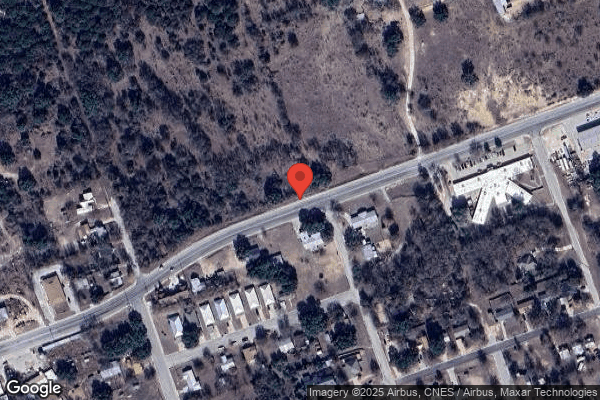
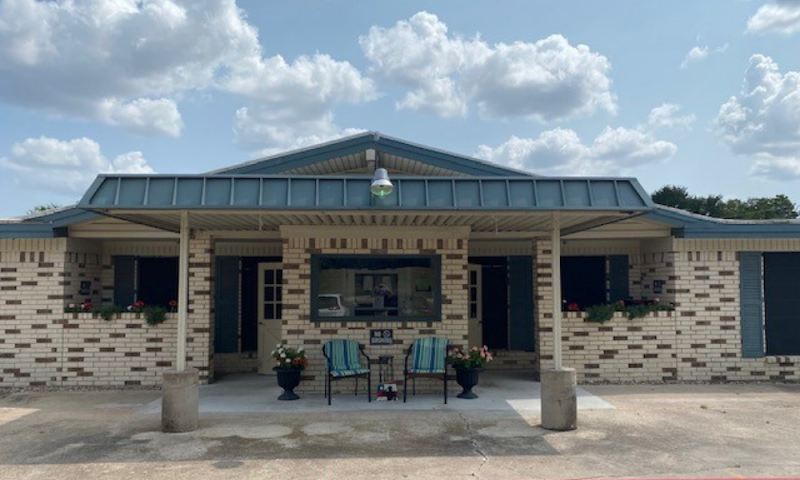
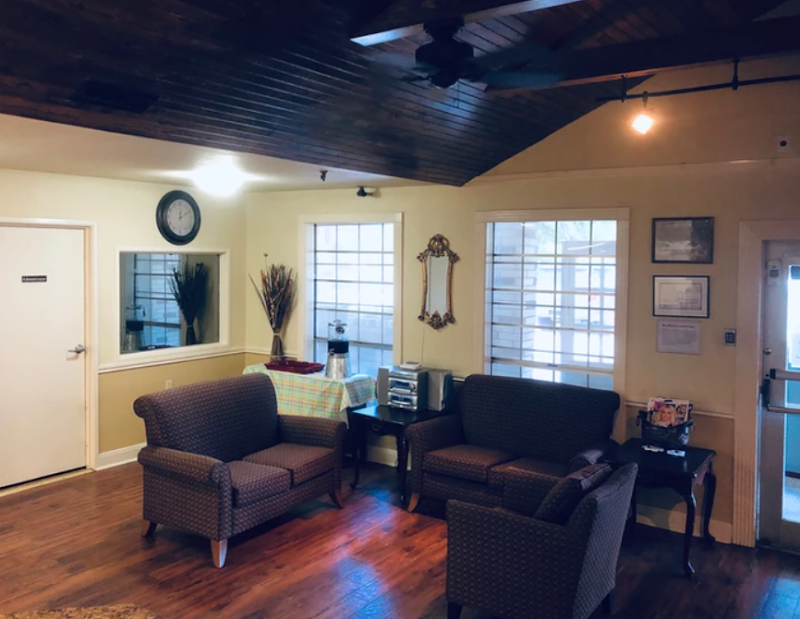
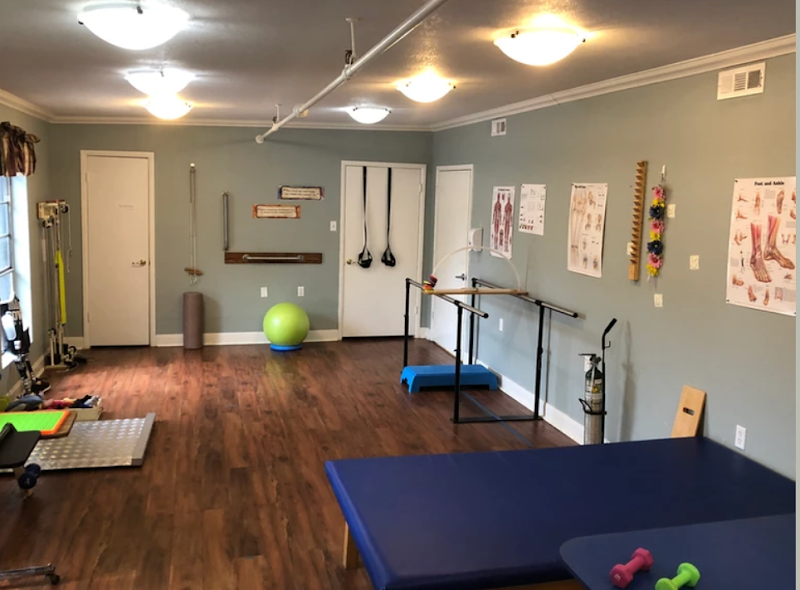
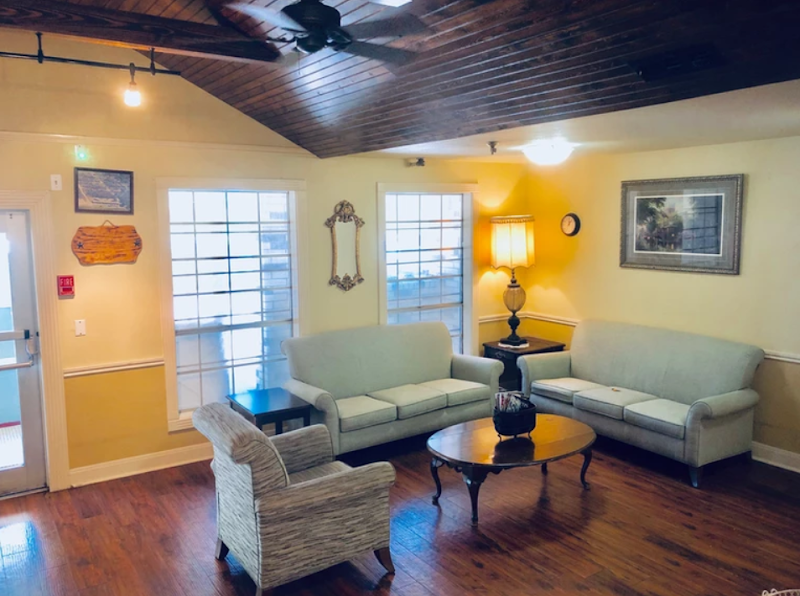
CARADAY OF LAMPASAS

1000 E AVE J, LAMPASAS, TX 76550 (512) 556-6267
Government - Hospital district 76 Beds CARADAY HEALTHCARE Data: November 2025
Trust Grade
63/100
#202 of 1168 in TX
Last Inspection: November 2024

Within standard 12-15 month inspection cycle. Federal law requires annual inspections.

Overview

Caraday of Lampasas has a Trust Grade of C+, which means it is slightly above average but not outstanding. It ranks #202 out of 1,168 facilities in Texas, placing it in the top half, and is the best option among the three nursing homes in Lampasas County. The facility's performance has been stable, with 5 issues reported in both 2023 and 2024. Staffing is rated average with a turnover rate of 49%, which is just below the state average, and the facility provides more RN coverage than 84% of Texas facilities, ensuring better oversight of resident care. However, the home has received fines totaling $16,426, indicating some compliance issues, and there have been serious incidents involving residents not being protected from verbal abuse and inadequate hydration and nutrition, which could lead to significant health risks. Overall, while Caraday of Lampasas has strengths in staffing and ranking, families should be aware of the serious care concerns highlighted in recent inspections.

Trust Score
C+
63/100
In Texas
#202/1168
Top 17%
Safety Record
High Risk
Review needed
Inspections
Holding Steady
5 → 5 violations
Staff Stability
⚠ Watch
49% turnover. Above average. Higher turnover means staff may not know residents' routines.
Penalties
⚠ Watch
$16,426 in fines. Higher than 96% of Texas facilities. Major compliance failures.
Skilled Nurses
○ Average
Each resident gets 33 minutes of Registered Nurse (RN) attention daily — about average for Texas. RNs are the most trained staff who monitor for health changes.
Violations
⚠ Watch
11 deficiencies on record. Higher than average. Multiple issues found across inspections.
★★★★☆
4.0
Overall Rating
★★★☆☆
3.0
Staff Levels
★★★★☆
4.0
Care Quality
★★★★☆
4.0
Inspection Score
Stable
2023: 5 issues
2024: 5 issues

The Good

  • 4-Star Quality Measures · Strong clinical quality outcomes
  • Full Sprinkler Coverage · Fire safety systems throughout facility
  • No fines on record

Facility shows strength in quality measures, fire safety.

The Bad

Staff Turnover: 49%

Near Texas avg (46%)

Higher turnover may affect care consistency

Federal Fines: $16,426

Below median ($33,413)

Minor penalties assessed

Chain: CARADAY HEALTHCARE

Part of a multi-facility chain

Ask about local staffing decisions and management

The Ugly 11 deficiencies on record

3 actual harm
Nov 2024 4 deficiencies 1 Harm
SERIOUS (G)

Actual Harm - a resident was hurt due to facility failures

Deficiency F0692 (Tag F0692)

A resident was harmed · This affected 1 resident

**NOTE- TERMS IN BRACKETS HAVE BEEN EDITED TO PROTECT CONFIDENTIALITY** Based on observations, interviews, and record reviews, the facility failed to provide nutrition and hydration care and services ...

Read full inspector narrative →
**NOTE- TERMS IN BRACKETS HAVE BEEN EDITED TO PROTECT CONFIDENTIALITY** Based on observations, interviews, and record reviews, the facility failed to provide nutrition and hydration care and services for two of three residents (Resident # 24 and Resident #18), consistent with the resident's comprehensive care plan. The facility failed to provide sufficient fluids for two of three residents to prevent dehydration and infections. This deficient practice placed the residents at risk for increased confusion, lethargy, increased urinary tract infections, kidney issues, excessive thirst, dry skin, decline in status, pain, illness, hospitalization and affects their psychosocial wellbeing. Findings included: Review of the undated face sheet and undated care plan for Resident #24 reflected a [AGE] year-old male admitted on [DATE]. His diagnoses include Huntington's Disease (a brain disorder that causes the nerve cells in the brain to breakdown and die), adjustment disorder with Mixed Anxiety and Depressed Mood (a person experiences mixed symptoms of adjustment disorder with Anxiety and Adjustment Disorder with Depressed Mood), Other Lack of Coordination (the brains inability to coordinate muscle movements), Dysphagia (difficulty swallowing), Unspecified Protein-Calorie Malnutrition (inadequate intake of food). Observation on 11/06/2024 at 11:25 AM, Resident #24 was sitting in wheelchair in dining area prior to lunch. No fluids were offered to resident before he was assisted with feeding. The resident was unable to speak. The resident was observed with dry lips and dry skin on his face. Observation on 11/07/2024 at 8:50 AM, Resident #24 was sitting in wheelchair in lobby. The resident was observed with dry, cracked lips, a dried, crusty fluid around both eyes, dry skin on his face. There were no fluids observed near the resident. Observations on 11/07/2024 at 10:15 AM, 10:53 AM, 11:10 AM, 2:24 PM and 3:40 PM revealed that Resident #24 was sitting in wheelchair in the lobby. Resident #24's face remained dry and appeared that his face was not washed since he woke up or after breakfast. There were no fluids observed near the resident, no cups with the resident's name, nor was staff observed offering fluids to the resident. Review of Resident #24's undated care plan reflected the following: Problem: The resident has a potential for fluid deficit related to poor intake. Goal: The resident will be free of symptoms of dehydration and maintain moist mucous membranes, good skin turgor. The resident will be offered and encouraged to drink adequate fluids through the next review date. Interventions: 1) Educate the resident/family/caregivers on importance of fluid intake. 2) Encourage the resident to drink fluids of choice. 3)Ensure The resident has access to fluids whenever possible. 4) Invite the resident to activities that promote additional fluid intake. Offer drinks during one-to-one visits. Ensure that all beverages offered comply with diet/fluid restrictions and consistency requirements. 5) Monitor/document/report PRN any signs and symptoms of dehydration: decreased or no urine output, concentrated urine, strong odor, tenting skin, cracked lips, furrowed tongue, new onset confusion, dizziness on sitting/standing, increased pulse, headache, fatigue/weakness, dizziness, fever, thirst, recent/sudden weight loss, dry/sunken eyes. 6)The resident needs assistance/encouragement/supervision to meet the daily requirements for fluid intake. Review of the face sheet for Resident #18 reflected a [AGE] year-old-male re-admitted on [DATE]. His diagnoses include Down Syndrome (a genetic disorder when there is an extra copy of chromosome 21), anxiety disorder (excessive fear and anxiety that interferes with daily life), Restlessness and Agitation (feeling of intense distress or irritability), Major Depressive Disorder (affects how a person feels, thinks and acts), Shortness of Breath (not being able to breathe normally or deeply enough). Observation on 11/06/2024 at 8:43 AM, revealed the resident in his room, sitting in wheelchair watching television. There were no cups or water bottles in the resident's room. Resident is unable to communicate. Observations on 11/07/2024 at 10:15 AM, 10:53 AM, 11:10 AM, 2:24 PM and 3:40 PM revealed that Resident #18 was sitting in wheelchair in the lobby. There were no fluids observed near the resident, no cups with the resident's name, nor was staff observed offering fluids to the resident. Review of Resident #18's progress note 11/4/2024 at 10:00 PM revealed, When administering evening mediations writer noticed resident was lethargic and very pale. Resident was only alert to painful stimuli at this time. Vitals were 99/65, 110, 22 resp. 94% on RA, 97.4. Call placed to on call. Order given to start IV and administer bolus of NS. 22G to Right hand was established and IV fluids started. On-call also stated to order stat CBC, CMP, BNP. Family was notified and decided they would like resident sent to ER for evaluation. Resident returned to facility at 1:00 AM with DX of hypotension, bladder infection, dehydration with new order for Benzonatate 100 MG capsule by mouth three times a day as needed for cough. Vitals at return were 110/75, 90, 19, 99%RA, 98.0. Review of Resident #18's undated care plan reflected the following: Problem: The resident has a potential for fluid deficit. Goal: The resident will be free of symptoms of dehydration and maintain moist mucous membranes, good skin turgor. Interventions: 1) Administer medications as ordered. Monitor/document for side effects and effectiveness. 2) Educate the resident/family/caregivers on importance of fluid intake. 3) Invite the resident to activities that promote additional fluid intake. Offer drinks during one-to-one visits. Ensure that all beverages offered comply with diet/fluid restrictions and consistency requirements. 4) Monitor and document intake and output as per facility policy. 5) Monitor/document/report PRN any signs or symptoms of dehydration: decreased or no urine output, concentrated urine, strong odor, tenting skin, cracked lips, furrowed tongue, new onset confusion, dizziness on sitting/standing, increased pulse, headache, fatigue/weakness, dizziness, fever, thirst, recent/sudden weight loss, dry/sunken eyes. 6) Obtain and monitor lab/diagnostic work as ordered. Report results to MD and follow-up as indicated. Record Review of Resident #18's physicians orders, progress notes, assessments, and miscellaneous documents in Point Click Care (electronic health record) revealed that fluid intake was not tracked prior to and after Resident #18's trip to the emergency room on [DATE]. Observations on 11/5/2024, 11/6/2024 and 11/7/2024 between 8:30 AM and 3:00 PM revealed that Resident #24 and Resident #18 did not have fluids readily available, nor were staff observed offering them fluids. Interview on 11/7/2024 at 10:18 AM with CNA-A, who stated hydration was being passed at that time and pointed down the hallway towards the cart. She could not identify signs and symptoms of dehydration. She was not able to provide example of how Resident #24 and Resident #18, who are both non-communicative, would demonstrate thirst or ask for fluids. Interview on 11/7/2024 at 3:49 PM with AD, who stated Hydration was on the activities calendar. She said she was informed by her predecessor that Hydration should have been on the calendar, although she disagreed. She stated she and her assistant take the hydration cart around to residents. She stated hydration was supposed to be offered to residents once on each shift 6:00 AM to 2:00 PM, 2:00 PM to 10:00 PM and 10:00 PM to 6:00 AM. Interview on 11/7/2024 at 3:49 PM with CNA-B, who stated she had witnessed hydration being passed out on the night shift. Interview on 11/7/2024 at 3:57 PM with CNA-C, who stated, We have a hydration cart. The residents had their own water bottles/cups in their rooms, and we tried to fill them up. She identified signs and symptoms of dehydration as mouth looks dry, skin looks flushed, they might have trouble communicating or they might have a facial expression. Interview on 11/7/2024 at 4:12 PM with the DON, who stated that the AD and CNA-B passed water and ice to the residents at 10:00 AM and 2:00 PM. She stated they, generally in-service monthly on Hydration. She checked the in-service book, and the last Hydration in-service was conducted on 9/23/2024. She stated her expectation was that non-communicative residents receive the same level of hydration as other residents. She identified signs, symptoms and consequences of dehydration include dry mouth, making mouth gestures or smacking their lips, lack of tear production, incontinence, and skin issues. She stated Resident #24 was also on a medication that has a noted side effect of dehydration. Review of the facility policy titled, Hydration - Clinical Protocol, MED-PASS, revision date September 2017, reflected the following: Assessment and Recognition: 1. The physician and staff will help define the individual's current hydration status (fluid and electrolyte balance or imbalances) a. The physician will distinguish various types of fluid and electrolyte imbalance (for example, hyponatremia, hypernatremia, pre-renal azotemia, etc.) from true dehydration (clinically significant loss of total body water). 2. The staff, with the physician's input, will identify and report to the physician individuals with signs and symptoms (for example, delirium, lethargy, increased thirst, etc.) or lab test results (for example, hypernatremia, azotemia, etc.) that might reflect existing fluid and electrolyte imbalance. 3. The physician and staff will identify significant risk for subsequent fluid and electrolyte imbalance; for example, individuals with prolonged vomiting, diarrhea, or fever, or who are taking diuretics and/or ACE inhibitors and who are not eating or drinking well. Cause Identification: 1. The physician will help identify the cause(s) of any existing fluid and electrolyte imbalance or help the staff document why the individual should not be tested or evaluated. a. A limited review for causes (for example, based on the clinical situation and a basic metabolic profile [BMP]) may be appropriate even if an extensive work-up is not. Treatment/Management: 1. The physician will manage significant fluid and electrolyte imbalance, and associated risks, appropriately and in a timely manner. a. Timeliness depends on the severity, nature, and causes of the fluid and electrolyte imbalance. b. For minor, uncomplicated fluid and electrolyte imbalance, oral rehydration may suffice. For more severe or complicated fluid and electrolyte imbalance, subcutaneous (hypodermoclysis) or intravenous hydration may be needed. c. Any medications that are contributing to fluid and electrolyte imbalance should be tapered or stopped (at least temporarily), or the physician should provide clinically valid documentation as to why they cannot or should not be changed, even temporarily. 2. The staff will provide supportive measures such as supplemental fluids and adjusting environmental temperature, where indicated. Monitoring and Follow-Up: 1. The physician and staff will monitor for the subsequent development, progression, or resolution of fluid and electrolyte imbalance in at-risk individuals. a. For example, replacement may be adequate if the resident is clinically stable, not having delirium, aiding at least every 3-4 hours, and the urine specific gravity (where attainable) is less than 1.015. 2. The physician will adjust treatments based on specific information (lab results, level of consciousness, etc.) relevant to that individual. a. Oral replacement may be adequate if the patient is clinically stable, not having delirium, voiding at least every 3-4 hours, and the urine specific gravity (where attainable) is less than 1.015. b. Repeating the basic metabolic profile and/or serum osmolality can help track progress in correcting abnormalities.
CONCERN (D) 📢 Someone Reported This

A family member, employee, or ombudsman was alarmed enough to file a formal complaint

Potential for Harm - no one hurt, but risky conditions existed

Comprehensive Care Plan (Tag F0656)

Could have caused harm · This affected 1 resident

**NOTE- TERMS IN BRACKETS HAVE BEEN EDITED TO PROTECT CONFIDENTIALITY** Based on observations, interviews, and record review the facility failed to develop and implement a comprehensive person-centere...

Read full inspector narrative →
**NOTE- TERMS IN BRACKETS HAVE BEEN EDITED TO PROTECT CONFIDENTIALITY** Based on observations, interviews, and record review the facility failed to develop and implement a comprehensive person-centered care plan for each resident, consistent with the resident rights, which included measurable objectives and timeframes to meet a resident's medical, nursing, and mental and psychosocial needs for 1 (Resident #20) of 5 residents reviewed for comprehensive care plans. Record Review of Resident #20's comprehensive care plan did not reflect that Resident #20 had a blister-like lesion to the mid portion of her bottom lip that was purplish-blue in color of unknown origin date per medical record review . The wound was approximately two centimeters in size. This deficient practice could place residents at risk for receiving improper care and services due to inaccurate care plans. Findings included: Observation of Resident #20 first occurred 11/05/2024 at 9:00 am upon entrance to the facility. She was sitting in the lobby. Resident #20 had a blister-like lesion to the mid portion of her bottom lip that was purplish-blue in color. The wound was approximately two centimeters in size. The second observation took place in the Dining Room at 12:30 PM on 11/06/2024 Resident #20 was observed being assisted to eat by the facility staff. The lesion did not appear to affect her nutritional or fluid intake. A record review of Resident #20's face sheet for admission date 08/17/2022 reflected an [AGE] year-old female. Resident #20's diagnosis Unspecified Dementia (a general term for a decline in mental abilities that affects a person's daily life), Unspecified Severity, without Behavioral Disturbance, Mood Disturbance, and Anxiety. A record review of Resident #20's Initial MDS assessment, dated 08/31/2024, reflected the resident had a BIMS score of 0, which indicated severe cognitive impairment. Resident #20's Initial MDS reflected Resident #20's current diagnosis of Diabetes Mellitus (a chronic disease that occurs when the body cannot properly regulate blood sugar levels). Documentation of the lesion to the bottom lip was not recorded on the MDS. A record review of Resident #20's care plan, dated 10/04/2024, did not reflect or address Resident #20's lesion to the middle portion of the lower lip. A record review of Resident #20's Nursing Notes dated 10/24/2024 and 10/25/2024 reflected that Resident #20 was on an antibiotic for a bacterial infection of the lip lesion. Also, the medical record contain ed an Infection Control Surveillance Form dated 10/18/2024. There was documentation on the form of a skin/soft tissue infection that contained pus at wound, skin, or tissue site, redness at affected site, swelling at affected site, and tenderness or pain at affected site with no location documented. Review of skin assessments of last 3 months reveal no documentation of the lesion. There were no wound care records to review. During an interview with the Social Worker on 11/05/2024 at 3:20pm, who stated that the resident had had this lesion since admission, and it was caused by a protruding front tooth. According to the Social Worker, early in the Resident's stay, the resident's responsible party was not supportive of having the tooth removed. Later, he did give consent and the Social Worker planned with the dentist to have one of the front teeth removed; however, the dentist declined to remove the other front tooth because it was a healthy tooth. In another interview on 11/06/2024 at 9:20 am, the Social Worker stated the wound had gotten better and had gotten worse over time. She reported that it was a result of an assault the resident suffered at another facility prior to her admission to the facility She reported noting that the resident had been observed to nibble at the site from time to time. the Social Worker confirm ed that she had not entered any documentation in the medical record regarding her conversations with the dentist. During an interview with the DON on 11/06/2024 at 9:05 am, she reported the wound care team stated there was nothing to treat. She confirmed the lesion had been present since admission. Additionally, she stated the lesion had not hindered the resident's ability to take in nourishments and fluids and there were no non-verbal signs of pain at the sight unless direct pressure was exerted upon the lesion. An interview was conducted with the DON on 11/07/2024 at approximately 2:00pm. The DON reported she was shocked that the lesion did not appear on the Care Plan and that the IDT was responsible for making sure all Care Plans are accurate. She stated not having the lesion on the care plan would put the resident at risk for not receiving appropriate care and treatment. Interview at 2:00pm on 11/07/2024, the ADM stated he was not aware that the lesion was not addressed on the Care Plan. It was his expectation that it should be to ensure the resident received appropriate care. A record review of the facility's Care Plans, Comprehensive Person-Centered policy, dated revised March 2022, reflected A comprehensive, person-centered care plan that includes measurable objectives and timetables to meet the resident's physical, psychosocial and functional needs is developed and implemented for each resident.
CONCERN (D)

Potential for Harm - no one hurt, but risky conditions existed

Pharmacy Services (Tag F0755)

Could have caused harm · This affected 1 resident

Based on Interview and Record Review, the facility failed to determine that drug records are in order and that an account of all controlled drugs is maintained and periodically reconciled (a system of...

Read full inspector narrative →
Based on Interview and Record Review, the facility failed to determine that drug records are in order and that an account of all controlled drugs is maintained and periodically reconciled (a system of recordkeeping that ensures an accurate inventory of medication by accounting for controlled medications that have been received, dispensed, administered, and/or, including the process of disposition ). The documentation was incomplete on the controlled medications (narcotics) count logs for one of four medication carts reviewed. The facility failed to ensure all controlled medications (narcotics) were accurately reconciled at the start and end of each shift on 11/01/2024. This failure could place residents at risk of misappropriation by drug diversion and could result in diminished health and well-being. The findings included: A Record Review On 11/06/2024 at 2:20pm, of the facility change of shift narcotic counts revealed missing documentation for 11/1/2024 for the 6am-2pm shift, the 2pm-10pm shift, and the 10pm-6am shifts. The missing documentation was observed on the Med Cart labeled Hall B/C Medication cart. During an Interview with LVN D on 11/05/2024 at approximately 8:30am, she affirmed that controlled medications (narcotics) were to be counted at every shift change. During an Interview with MDS Nurse on 11/07/2024 at 2:36pm who stated she did assist with giving medications at times. MDS Nurse confirm ed there was to be a narcotic count at the change of each shift. When asked how she knew she was to count narcotics with the off-going and on-coming nurse at shift change, she replied, it's a given. During an interview with the DON and the Corporate Nurse on 11/07/2024, they affirmed that there was no policy that specifically require d and define d the parameters for change of shift narcotic count. There was also no printed material regarding the change of shift count in new employee orientation; however, they did share the Drug Discrepancies, Loss, or Diversion document from the contracted Pharmacy provider. The document stated: The facility will comply with all federal, state, and local laws as it pertains to dangerous drugs and controlled substances. The facility must have a system that records receipt, usage, and disposition of all controlled substances in sufficient detail that permits an accurate reconciliation.
CONCERN (E)

Potential for Harm - no one hurt, but risky conditions existed

Food Safety (Tag F0812)

Could have caused harm · This affected multiple residents

Based on observation, interviews and record review, the facility failed to store, prepare, distribute food in accordance with professional standards for food service safety for one of one kitchen revi...

Read full inspector narrative →
Based on observation, interviews and record review, the facility failed to store, prepare, distribute food in accordance with professional standards for food service safety for one of one kitchen reviewed for food and nutrition services. The facility failed to ensure the green beans in the refrigerator were discarded after the handwritten discard date and that food temperatures were tested in a manner that prevented food contamination. This failure places the residents at risk for being served food past the expiration date and foodborne illness from eating contaminated food. Findings included: Observation on 11/5/2024 at 9:01AM revealed an opened, white, plastic container with a label that read, Green Beans 10/29 - 11/1. Interview on 11/5/2024 at 9:03AM with the DM, who stated the green beans should have been discarded 4 days ago. She said her expectation was that all items should have been clearly labeled with an opened on and discard by date. She stated she had routinely trained and reminded staff regarding the importance of having foods properly labeled and discarded by the discard date. Interview on 11/7/2024 at 4:30PM with the ADM, who stated his expectation was that the kitchen staff should have followed the policy regarding proper labeling and storage. Observation on 11/5/2024 at 11:58AM revealed while testing the food temperatures, DC allowed the thermometer to lay on top of the chicken strips. Observation on 11/5/2024 at 12:02PM revealed while testing the food temperatures, DC allowed the thermometer to lay on top of the broccoli pieces. Observation on 11/5/2024 at 12:06PM revealed while testing the food temperatures, DC allowed the bottom of the thermometer to touch the gravy. Interview on 11/5/2024 at 12:06PM with DC, who stated the food thermometer should not have touched the food when testing food temperature. Interview on 11/6/2024 at 11:09PM with the DM, who stated her expectation was that the food thermometers should not have touched the food when the food temperatures were tested, as it could have contaminated the food. Interview on 11/6/2024 at 11:25PM with the RD, who stated his expectation was that the thermometers should not have touched the food as it could have contaminated the food. Interview on 11/7/2024 at 4:30pm with the ADM, who stated his expectation was that the kitchen staff should have tested the food temperature in a safe manner and avoided potential contamination of the food. Review of the facility policy titled Food Storage, revision date June 1, 2019, stated the following: Policy: To ensure that all food served by the facility is of good quality and safe for consumption, all food stored according to the state, federal and US Food Codes and HACCP guidelines: 2. Refrigerators e. Use all leftovers within 72 hours. Discard items that are over 72 hours old. Review of the facility policy titled Taking Temperatures, revision date June 1, 2019, does not address how food temperatures should have been tested without contaminating the food. The policy only what temperatures were acceptable, when reheating was required and when food should have been discarded. .
Mar 2024 1 deficiency 1 Harm
SERIOUS (H) 📢 Someone Reported This

A family member, employee, or ombudsman was alarmed enough to file a formal complaint

Actual Harm - a resident was hurt due to facility failures

Free from Abuse/Neglect (Tag F0600)

A resident was harmed · This affected multiple residents

**NOTE- TERMS IN BRACKETS HAVE BEEN EDITED TO PROTECT CONFIDENTIALITY** Based on observation, interviews and record review the facility failed to ensure residents had the right to be free from abuse f...

Read full inspector narrative →
**NOTE- TERMS IN BRACKETS HAVE BEEN EDITED TO PROTECT CONFIDENTIALITY** Based on observation, interviews and record review the facility failed to ensure residents had the right to be free from abuse for 10 (Resident's # 1-10) of 16 residents on the memory care unit. The facility failed to ensure a safe environment free from verbal abuse for residents on the memory care unit when LVN C was yelling at Residents # 1-10 in the common room on 2/28/2024. This failure could affect all residents in the memory care unit by placing them at risk for physical, mental, and emotional decline, psychosocial harm, and can lead to isolation and withdrawal from activities of enjoyment. This was determined to be a Past Noncompliance (2/28/2024-2/29/2024) due to the facility having to implemented actions that corrected the noncompliance prior to the investigation. Findings included: Review of Resident #1's electronic admission record, undated, revealed they were a [AGE] year-old female admitted [DATE]. Resident #2' electronic admission record, undated, revealed they were a [AGE] year-old female admitted [DATE]. Resident # 3's electronic admission record, undated, revealed they were a [AGE] year-old male admitted [DATE]. Resident #4's electronic admission record, undated, revealed they were a [AGE] year-old female admitted [DATE]. Resident #5's electronic admission record, undated, revealed they were a [AGE] year-old female admitted [DATE]. Resident # 6's electronic admission record, undated, revealed they were a [AGE] year-old female admitted [DATE]. Resident # 7's electronic admission record, undated, revealed they were a [AGE] year-old male admitted [DATE]. Resident # 8's electronic admission record, undated, revealed they were a [AGE] year-old female admitted [DATE]. Resident # 9's electronic admission record, undated, revealed they were a [AGE] year-old female admitted [DATE]. Resident # 10's electronic admission record, undated, revealed they were a [AGE] year-old female admitted [DATE]. Observation on 3/6/2024 at 11:55 am of lunch on the memory care unit, residents clean, dry, and appropriately dressed, no odor or clutter noted. Staff interacting with residents and assisting with meal set-up. Two residents being assisted to eat. All residents appear calm and staff member is calm and appropriately redirects behaviors. Interview with DON on 3/6/2024 at 1:00 pm she stated that LVN B reported to her and the administrator the events of 2/28/2024 during her shift on 2/29/24, an investigation was started, and the ADM contacted LVN C and placed her on administrative leave. The residents on the memory care unit had a safe assessment and none reported memory of the event. Facility wide Abuse and neglect in service was completed by all staff on duty and Inservice was available at change of shift for staff review and acknowledgement prior to reporting for duty. She stated that usually on days the staff on the Memory care unit was an LVN and a CNA. She stated that her expectations are that residents are treated with respect and verbal abuse was not acceptable. She stated that verbal abuse could be harmful to the resident for decline and withdrawal and fear. Interview with LVN C on 3/6/2024 3:15 pm attempted by phone, no answer, message left with request for return call, as of exit on 3/6/2024 at 5:00 pm no call back received. Interview with LVN B on 3/6/24 3:30 pm by phone, stated that LVN C was yelling in the common room on the secured unit, she was not yelling at one resident but in general stating for them to leave her alone and go away. She stated that this agitated the residents. Interview with CNA A on 3/6/24 3:45 pm by phone, she stated that LVN C was agitated and yelling at the residents all day on 2/28/2024. She stated this was not the first time she raised her voice at the residents in the memory care unit. When asked why she did not report this, she stated that she was usually back there with only LVN C and she was afraid of retaliation. Interview with ADM on 3/6/24 at 4:00 pm He stated when he called LVN C to inquire about the events of 2/28/24 she replied okay and made no other comment, when he stated she would be placed on administrative lead pending an investigation her reply was okay, thank you and she ended the phone call. He stated that after interviewing both LVN B and CNA A, and the observations he had made of LVN C since she has been working here, that the incident actually happened. He stated his plan was to terminate LVN C. Abuse of any kind was not tolerated. He stated his expectation was that all employees follow policy and procedure and ask in a professional manner. Record review 3/6/24 at 1: 30 pm Policy Abuse, neglect, exploitation and misappropriation prevention program revised April 2021 revealed Residents have the right to be free from abuse, neglect, misappropriation of resident property and exploitation. This includes but is not limited to freedom from corporal punishment, involuntary seclusion, verbal, mental, sexual, and physical abuse ., further is revealed protect residents from abuse, neglect exploitation or misappropriation of resources by anyone including a. Facility, staff. Record Review 3/6/2024 at 1:45 pm of LVN C employee record revealed documentation of phone call on 2/29/2024 placing on administrative leave pending outcome of investigation. Record review 3/6/2024 at 1:50 pm of Written witness statement of LVN B, revealed that LVN C was yelling at the residents in the common room on 2/28/2024, no a particular resident just in general and that the resident were agitated the rest of the day. Record Review 3/6/2024 at 1:50pm of written witness statement of CNA A revealed that LVN C was yelling at the residents in the common room This noncompliance was identified as Past Noncompliance (PNC). The noncompliance began on 2/28/2024 and ended on 2/29/24. The facility had corrected the noncompliance before the survey began. The facility took the following actions to correct the non-compliance: 1. 2/29/24 Administrator immediately notified LVN C, that she was on administrative leave. 2. 2/29/24 DON has been in-serviced on abuse and neglect by the ADM. 3. 2/29/24 The Facility self-reported the incident to Health and Human Services 4. 2/29/24 The facility notified the families of the residents. 5. 02/29/24 The facility notified the facility's medical director. 6. 2/29/24 The facility in-serviced staff on Preventing Abuse, reporting and Abuse Coordinator. Verification of facility steps by Surveyor 1. Interviews were conducted with staff across multiple shifts on 3/6/24 from 10:54 AM through 4:00PM, including Maintenance Director, Culinary Director, Lead Housekeeper revealed they had all been in-serviced by the Facility of staff. Staff stated they were educated on abuse, neglect, and exploitation, who to report abuse to, types of abuse, residents' rights and where to find the resident rights posted in the facility. 2. Interviews were conducted with staff across all shifts on 03/0624 from 10:22 PM including 2 CNAs, 2 LVN revealed they had all been in-serviced by the facility staff. Staff stated they were educated on abuse, neglect, and exploitation, who to report abuse to, types of abuse, residents' rights and where to find the resident rights posted in the facility. 10. Per interview on 3/6/24 at 4:00 pm with ADM, plans to terminate LVN C.
Sept 2023 5 deficiencies 1 Harm
SERIOUS (G)

Actual Harm - a resident was hurt due to facility failures

Deficiency F0697 (Tag F0697)

A resident was harmed · This affected 1 resident

**NOTE- TERMS IN BRACKETS HAVE BEEN EDITED TO PROTECT CONFIDENTIALITY** Based on observation, record review, and interview, the facility failed to ensure that pain management was provided to residents...

Read full inspector narrative →
**NOTE- TERMS IN BRACKETS HAVE BEEN EDITED TO PROTECT CONFIDENTIALITY** Based on observation, record review, and interview, the facility failed to ensure that pain management was provided to residents who required such services, consistent with professional standards of practice, the comprehensive person-centered care plan, and the residents' goals and preferences, for one of four residents (Resident #39) reviewed for pain management. The facility failed to ensure Resident #39 was assessed, monitored, and received pain medication prior to wound care provided for a stage III pressure ulcer (Full thickness tissue loss. Subcutaneous fat may be visible, but bone, tendon or muscle is not exposed. Slough may be present but does not obscure the depth of tissue loss. May include undermining and tunneling.) his right lateral heel. This failure could place residents at risk for unnecessary pain and discomfort. Findings included: Review of Resident #39's Face Sheet dated 09/13/2023 reflected a [AGE] year-old male admitted to the facility on [DATE] with diagnoses of Alzheimer's Disease (A type of brain disorder that causes problems with memory, thinking and behavior. This was a gradually progressive condition.), Hypertension (High pressure in the arteries (vessels that carry blood from the heart to the rest of the body). Symptoms varies from person to person and generally include unexplained fatigue and headache) and Hemiplegia and Hemiparesis following a Cerebral infarction (Hemiparesis is weakness or the inability to move on one side of the body, making it hard to perform everyday activities like eating or dressing. Cerebral infarction is the pathologic process that results in an area of necrotic tissue in the brain (cerebral infarct). It is caused by disrupted blood supply (ischemia) and restricted oxygen supply (hypoxia), most commonly due to thromboembolism, and manifests clinically as ischemic stroke. In response to ischemia, the brain degenerates by the process of liquefactive necrosis.) Review of Resident #39's annual MDS dated [DATE] reflected Resident #39 was assessed to have a BIMS score of one indicating severe cognitive impairment. Resident #39 was assessed to require extensive to dependent assist with ADLs. Resident #39 was assessed to have a Stage III pressure ulcer. Resident #39 was further assessed to have pressure ulcer/ injury/ care, applications of nonsurgical dressings and applications of dressings to feet. Resident #39 was assessed to not have pain and assessed to not have opioid therapy. Review of Resident #39's Comprehensive Care Plan reflected a problem dated 12/20/2023 and revised on 08/28/2023 The resident has potential for pressure ulcers development related to impaired mobility and incontinence. Interventions included administer treatments as ordered and monitor effectiveness .follow facility policies/ protocols for the preventions/ treatment of skin breakdown; Heel protectors at all times; Treat pain as per orders prior to treatment; turning etc. to ensure the resident's comfort . Further review of Resident #39's care plan reflected a problem dated 07/18/2023 The resident has pressure ulcer Stage III to right outer heel from callous. Resident #39 care plan also reflected a problem dated 02/27/2023 Resident is on services of hospice due to terminal illness. Review of Resident #39's Weekly Wound Progress note dated 09/12/2023 reflected Resident #39 had one pressure ulcer wound and was not on a pain management program. Resident #39's pressure ulcer was assessed to be a stage 3. Review of Resident #39's Consolidated Physician's orders reflected an order with the start date of 09/13/2023 for Acetaminophen tablet 325 mg give two by mouth every 6 hours as needed for fever/ pain. Review of Resident #39's MAR reflected an entry for Acetaminophen 325 mg two tabs with a start date of 09/13/2023. Further review of Resident #39's MAR reflected the medication was only documented administered once at 9:30 AM on 09/13/2023. Observation and interview on 09/12/2023 at 10:00 AM revealed Resident #39 in his room in bed. Resident #39 was observed to have his right heel in a heel protector with his left heel out of his heel protector. His heels were not floated (using a pillow to suspend the heels to alleviate pressure). Resident #39 did not respond to questions. Observation and interview on 09/13/2023 at 9:42 AM, revealed LVN A prepared wound care supplies for Resident #39's pressure ulcer treatment. LVN A stated the hospice aide just gave Resident #39 his bath and the dressing came off and Resident #39 was bleeding. LVN A gathered supplies and entered room. LVN started by spraying wound cleanser on Resident #39's open stage III pressure ulcer on his right heel. LVN A then using 4x4 gauze started cleaning the pressure ulcer and Resident #39 was moaning and pulling his leg away from LVN A. LVN A then applied the calcium alginate dressing and applied it to Resident #39's right heel. Resident #39 moaned and yelled out that hurts. LVN A then asked Resident #39 if he was hurting and he stated yes. LVN A told Resident #39 she was almost done and then she would get him some more Tylenol. LVN A continued with the application of the kerlix wrap around Resident #39's foot. Resident #39 continued to moan as she applied the kerlix wrap. In an interview on 09/13/2023 at 10:40 AM Resident #39 was asked how to describe his pain during his wound care. Resident #39 stated it was pretty bad. When asked on a scale from 1 to 10 (very little to the worse he has ever felt) how bad was it and he stated 7. In an interview on 09/13/2023 at 11:10 AM, LVN A stated Resident #39 had winced during wound care and yes he was in pain. LVN A stated she did not think the Tylenol she gave him at 9:30 AM was effective at all for this pain because it needed more time to take effect. LVN A stated she felt like Resident #39 was in pain during his treatment, but his pain is a constant thing. When asked if Resident #39 had a stronger pain medication to be used during his treatments, LVN A stated she was not sure if he had a stronger pain medication. In an interview on 09/13/2023 at 1:51 PM CNA D stated Resident #39 did complain of pain when he had any pressure applied to his heel or when he got his treatment. She stated she would report his complaints to the nurses. When asked if the nurses would medicate him, she stated she recalled hearing them say Tylenol, but she was not sure if he was medicated. In an interview on 09/13/2023 at 02:00 PM, the DON stated prior to wound care Resident #39 should have been pre-medicated, or the nurse should have stopped the procedure and called the Doctor to get him something stronger for pain. She stated the nurse should be observant for signs of pain. She stated not pre-medicating for pain could cause the resident an increased pain level, emotional distress, and an increased stress level. In an interview on 09/13/2023 at 2:31 PM LVN A stated today was the first time Resident #39 had pain medication ordered PRN for pain. She stated he had not reported pain but did complain of pain when his wound was touched. LVN A stated she should have stopped the treatment when he stated he was in pain. She stated it was facility policy to stop and that was how she was trained. When asked what the consequences of her not following the policy was, she stated that the resident would have endure pain during treatment. LVN A stated she called the physician at 11:15 AM and received an order for Tramadol HCL 50mg to be administered one hour prior to wound care. In an interview on 09/13/2023 at 2:00 PM the DON stated she expected nurses to follow doctor orders when doing treatments and if a resident was showing signs of pain during treatment for the staff to stop the treatment and get them something for pain. The DON further stated she expected nurses to assess if what was administered for pain was effective. Review of the facility's policy Pressure Ulcers/Skin Breakdown- Clinical Protocol dated 04/2018 reflected The nursing team member and practitioner will assess and document an individual's significant risk fac-tors for developing pressure ulcers; for example, immobility, recent weight loss, and a history of pressure ulcer(s). In addition, the nurse shall describe and document/report the following: a) Full assessment of pressure sore including location, stage, length, width and depth, presence of exudates or necrotic tissue. b.) Pain assessment .The physician will order pertinent wound treatments, including pressure reduction surfaces, wound cleansing and debridement approaches, dressings (occlusive, absorptive, etc.), and application of topical agents.
CONCERN (D)

Potential for Harm - no one hurt, but risky conditions existed

Deficiency F0645 (Tag F0645)

Could have caused harm · This affected 1 resident

**NOTE- TERMS IN BRACKETS HAVE BEEN EDITED TO PROTECT CONFIDENTIALITY** Based on observation, record review, and interview the facility failed to ensure a PASRR screening was completed for residents w...

Read full inspector narrative →
**NOTE- TERMS IN BRACKETS HAVE BEEN EDITED TO PROTECT CONFIDENTIALITY** Based on observation, record review, and interview the facility failed to ensure a PASRR screening was completed for residents with a mental disorder or an intellectual disability for one of three residents (Resident #26) reviewed for PASRR [NAME] I (PASRR 1) screenings The facility failed to ensure an accurate PASRR Level I screening (a preliminary assessment completed for all individuals prior to admission to a Medicaid-certified nursing facility to determine whether they might have a mental illness or intellectual disability) was completed for Resident #26. This failure could place residents at risk for a diminished quality of life and not receiving necessary care and services accordance with individually assessed needs. Findings included: Record review of Resident #26's face sheet, dated 09/13/2023, reflected a [AGE] year-old female admitted to the facility on [DATE] with diagnoses which included bipolar disorder, unspecified ( mental health condition that causes shifts in mood), and anxiety disorder ( a type of mental health condition, a person may respond to certain things and situations with fear or dread. Heart can beat fast and experience sweating). Record review of Resident #26's Quarterly MDS assessment, dated 07/04/2023, reflected Resident# 26 had a BIMS score of 15 which indicated residents' cognition was intact. Resident #26 had mood symptom presence during the assessment period such as: 1. Little interest or pleasure of doing things 2. Feeling down, depressed, or hopeless 3. Trouble falling or staying asleep, or sleeping too much 4. Feeling tired or having little energy 5. Poor appetite or overeating 6. Feeling bad about herself 7. Trouble concentrating on things such as reading or watching television Resident #26 was assessed of not rejecting care. She had a diagnosis of anxiety disorder (a type of mental health condition, a person may respond to certain things and situations with fear or dread. Heart can beat fast and experience sweating), and bipolar disorder (mental health condition that causes shifts in mood). Record review of Resident #26's Comprehensive Care plan, dated 07/25/2023, reflected Resident had been assessed for actual trauma symptoms as manifested by: upsetting thoughts or memories against their will; upsetting dreams, bodily reactions such as : fast heartbeat/stomach churning; difficulty falling asleep or staying asleep; irritability anger or depression or staying asleep; difficulty concentrating. Being jumpy or started at something unexpected; inability to cope with normal stresses of daily living; inability to trust; cognitive difficulties. Interventions: Psych Eval as ordered/ PRN. Psychotherapy referral to encourage verbalization of feelings and coping strategies. Encourage resident to verbalize feelings and specific triggers that may manifest symptoms. Resident had anxiety disorder and depression. Record review of Resident #26's PASRR Level 1 Screening, dated 01/05/2023, reflected, Is there evidence of an indicator this is an individual had a Mental Illness? Response was no. Is there evidence or an indicator this was an individual that had an intellectual disability? Response was No. the form was filled out the date of admission [DATE]) by hospice medical social worker. Record review of Resident #26's Mental Illness/ Dementia Resident Review, dated 04/26/2023, reflected Completed this form only for nursing home facility residents with a current Negative PASRR Level 1 Screening for Mental Illness to determine whether to submit a new positive PASRR Level 1 screening from on the Long-Term Care Portal because further evaluation was needed. Resident #26 did not have diagnosis of dementia. PASRR Level 1 Date of Assessment was 01/05/2023. Resident #26 did not have a new positive PASRR Level 1 completed on 04/26/2023 to indicate she had a mental illness. The form was completed by MDS Coordinator. In an interview and observation on 09/12/2023 at 4:08 PM Resident #26 was in her room lying in bed watching television. She stated she had seen psychiatrist few times, but it was not the same services she was receiving at home. She stated she had more extensive therapy from services which the state had set up. She stated she did not recall the name of all the services, but she understood the facility would process papers for her to continue the services at the facility. Resident #26 stated these services did benefit her at home and she stated she did not benefit from the psychologist visits at the facility. She stated she did refuse the psychologist visits. Resident #26 also stated she was receiving better psychiatric services at home. Resident #26 stated she did speak with nurse and the social worker about the more intense psychiatric visits she received at home. She stated she did not recall the nurses name but there was only one social worker. In an interview on 09/14/2023 at 07:39 AM, the Director of Nurses stated every resident admitted to the facility required a PASRR Level 1. She stated if the PASRR was completed by another agency day of admission, the social worker and the MDS Coordinator was expected to review the PASRR the day a resident was admitted to ensure it was correct. She stated if a resident was admitted with a mental illness such as Bipolar and Anxiety disorder, the PASRR should indicate the resident had a mental illness. If the PASRR was incorrect the MDS Coordinator or the Social Worker was expected to complete a new PASRR on the day the resident was admitted . She stated if the MDS Coordinator and the MDS Corporate Consultant reviewed the PASRR in April 2023. The Director of Nurses also stated the MDS Coordinator and The MDS Corporate Consultant did not take the necessary measures to make the corrections on the PASRR 1 (a preliminary assessment completed for all individuals prior to admission to a Medicaid-certified nursing facility to determine whether they might have a mental illness or intellectual disability). She stated Resident #26 had a possibility of receiving various types of programs to enhance her mood and decrease her anxiety that the facility psychologist may not provide to the residents. The Director of Nurses stated Psychologist was seeing Resident #26 sometimes. She stated any resident assessed after the facility submits PASRR positive, may receive specialized services according to the resident's needs. She stated there was a possibility Resident #26 could have benefited in receiving specialized services since her admission on [DATE]. She stated it was the Social Worker and the MDS Coordinator's responsibility to monitor to ensure the PASRR were correct. In an interview on 09/14/2023 at 7:50 AM, the Administrator stated if Resident #26 was admitted with a diagnosis of bipolar and anxiety disorders, the PASRR 1 should have been marked yes reflecting the mental illness diagnosis. He stated the Social Worker and the MDS Coordinator Nurse was expected to review the new admissions PASRRs. He stated if the PASRR 1 was incorrect he expected a new PASRR 1 be completed with the correct information and submitted to the appropriate agency. The Administrator also stated Resident #26 would not receive the necessary services she may need to enhance her quality of life. If the MDS Coordinator and the MDS Corporate Consultant reviewed Resident #26 PASRR on 04/2023, residents' diagnosis was required to be assessed correctly and a new PASRR 1 be completed in 04/2023 and submitted a new PASRR with correct information. He also stated there needed to be a new monitoring system to ensure the PASRR's were completed correctly. The Administrator also stated the PASRR 1 was the Social Workers and MDS Coordinator responsibility to ensure all PASRRs for new admits are correct when the resident was admitted to the facility. In an interview on 09/14/2023 at 8:30 AM, MDS Coordinator stated when a resident was admitted to the facility it was the Social Workers and her responsibility to ensure the PASRRs were correct. She stated Resident #26's PASSR was not coded correctly by the hospice staff on 01/05/2023. She also stated 01/05/2023 was the date Resident #26 was admitted to the facility . MDS Coordinator also stated Resident #26 had a diagnosis of Bipolar and Anxiety Disorders on her admission records. She stated the incorrect PASRR was missed by the Social Worker and by herself on Resident #26 admission. She also stated there was a review of residents with a negative PASRR on 04/26/2023 by her and the MDS Corporate Consultant. She stated according to the Mental Illness/ Dementia resident Review Assessment it was determined Resident #26 did not have dementia (the loss of thinking, remembering, and reasoning to such an extent that it interferes with a person's daily life and activities). She also stated we complete reviews of PASRRs to ensure they are correct. Resident #26's PASRR was missed during the review upon admission and on 04/26/2023. She stated a new PASRR 1 (a preliminary assessment completed for all individuals prior to admission to a Medicaid-certified nursing facility to determine whether they might have a mental illness or intellectual disability) was required to reflect Resident #26 had a mental illness. MDS Coordinator stated Resident #26 had a potential of not receiving the services she needed to enhance her Quality of Life. She stated Resident #26 did receive psych services, but she refused at times. She stated Resident #26 had a potential of receiving services if her PASRR 1 was completed correctly and submitted for services. She stated if Resident #26 were receiving services at home there was a possibility Resident #26 would have benefited to continue these services at the facility. The MDS Coordinator stated Resident #26 may prefer certain type of psychiatric services. She stated there needed to be a better monitoring system between her and the Social Worker to ensure the PASRR were correct upon residents' admission to the facility. In an interview on 09/14/23, 09:32 AM, the Social Worker stated when the residents were admitted to the facility if the PASRR was completed by another agency she reviewed the PASRR to ensure the PASRR was coded correctly. She stated she assumed Resident #26's was correct and did not review Resident #26's PASRR. The Social Worker stated when a resident was admitted to the facility the protocol was the MDS Coordinator and herself was expected to review the PASRR 1 and the diagnosis record to ensure the PASRR 1 was correct. She also stated she did not know Resident #26 had a mental diagnosis until few weeks after Resident #26 was admitted to the facility. The Social Worker stated she forgot to focus on Resident #26's mental illness and did not contact the PASRR Representative. What is potential negative outcome whatever potential any benefits that could help her mental services she would not get them. She also stated Resident #26 was receiving specialized services when she was living at home prior to being admitted to the facility. She stated she preferred the psychiatric services she received at home that the one at the facility. She also stated she did not ask Resident #26 if she wanted to continue the services she was receiving at home when she was admitted to the facility. The Social Worker stated Resident #26 had a potential to have a decline in her quality of life, increase her anxiety and may affect her mood if she was not receiving the specialized services she needed at the facility. She stated in her opinion she believed Resident #26 would have benefited from specialized services if the PASRR 1 had been completed correctly. She also stated she felt the system the facility had in place to ensure PASRRs was completed accurately needed to be changed to a different system. She stated this was something a committee needed to discuss and change the current monitoring system. She also stated she had spoken with Resident #26 about her specialized treatment she received at home, however, did not recall the entire conversation or the exact specialized treatment Resident #26 received at home. In an interview on 09/14/2023 at 11:53 AM, attempted to call the MDS Corporate Consultant and left voice message with the agency, surveyors name, and the surveyors phone number. The MDS Corporate Consultant did not return call prior to this surveyors exit. Record review of the facilities Pre-admission Screening and Resident Review (PASRR) dated, 05/10/2021, reflected It is the intent of this company to meet and abide by all State and Federal regulations that pertain to resident Preadmission and Screening Resident Review (PASRR) Rules. The intent of this guideline is to identify residents with Mental Illness (MI), Intellectual Disability (ID) or Developmental Disability (DD)/Related Conditions, and to ensure they are properly placed, whether in community or in a Nursing Facility and to ensure they receive the services they require for their MI, or ID/DD.
CONCERN (D)

Potential for Harm - no one hurt, but risky conditions existed

ADL Care (Tag F0677)

Could have caused harm · This affected 1 resident

**NOTE- TERMS IN BRACKETS HAVE BEEN EDITED TO PROTECT CONFIDENTIALITY** Based on observation, interview, and record review the facility failed to ensure residents unable to conduct activities of daily...

Read full inspector narrative →
**NOTE- TERMS IN BRACKETS HAVE BEEN EDITED TO PROTECT CONFIDENTIALITY** Based on observation, interview, and record review the facility failed to ensure residents unable to conduct activities of daily living (ADLs) received the necessary services to maintain good grooming and personal hygiene for one of eight residents (Resident # 27) reviewed for quality of life. The facility failed to ensure Resident #27 fingernails were trimmed and cleaned. These failures could place residents at risk for poor hygiene, dignity issues and decreased quality of life. Findings included: Record review of Resident #27's face sheet, dated 08/17/2023, reflected an [AGE] year-old female admitted to the facility on [DATE] and readmitted on [DATE] with diagnoses which included needs assistance with personal care ( the support and supervision of daily personal living tasks and private hygiene), unspecified lack of coordination (uncoordinated movement due to a muscle control problem that causes and inability to coordinate movement), and type 2 diabetes mellitus with hyperglycemia (occurs when a person's blood sugar elevates to potentially dangerous levels that require medical treatment). Record review of Resident #27's Quarterly MDS assessment, dated 07/28/2023, reflected Resident # 27 had a BIMS score of 9 which indicated residents' cognition was moderately impaired. Resident #27 was assessed to require assistance with ADLs. She required extensive assistance with one person assist with personal hygiene. Resident #27 did not reject care. Record review of Resident #27's Comprehensive Care Plan, 08/23/2023 was the completion date, reflected Resident #27 had a behavior of picking at her face. Intervention: notify physician of any signs or symptoms of infection. She had an ADL self-care performance deficit. Intervention: Resident #27 required staff assistance with personal hygiene. Check nail length and trim and clean on bath day and as necessary. Report any changes to the nurse. Observation on 09/12/2023 at 10:21 AM, revealed Resident #27 was sitting in her wheelchair near her bed. Resident #27 was scratching the right side of her face near her eyebrow during the visit. The scratched area on her face began to bleed. Her right middle fingernail on her right hand was jagged and had a blackish/ brownish substance underneath the nail. She also had blood on the tip of the middle finger and the ring finger on her right hand. Resident #27's ring finger on her right hand also had blackish/ brownish substance underneath the nail. She was using both fingers to scratch her face when the area began to bleed. In an interview on 09/12/2023 at 10:25 AM, Resident #27 stated her face was itching and she began to scratch her face and did not know it would bleed. She stated my fingernail was a little sharp. She also stated there was bowel stuff underneath her nails. She stated she did scratch her bottom and a little black stuff from her bowels was on her fingers. Resident #27 stated she did not remember when this happened. She stated she thought it was two days ago. Resident #27 stated she did ask someone to look at her nails, however, she did not recall the person's name or the date. Resident #27 stated sometimes she prefers her nails long, but she did not prefer when they would break off and become rough around the edges. In an interview on 09/14/2023 at 7:39 AM, The Director of Nurses stated if a resident had dirty nails there was a possibility bacteria could be on their fingers and/or underneath the resident's nails. She stated there was a potential a resident could ingest bacteria from their fingernails into their mouth. She stated it depended on the type of bacteria of what type an illness a resident could receive from the bacteria. The Director of Nurses stated Resident #27 did pick at her skin. She stated Resident #27 was a diabetic and her nails were long. She stated Resident #27 preferred long nails and the care plan team documented Resident #27's preference in her care plan record located in the electronic medical records. The Director of Nurses stated if Resident #27 did scratch her face and the area on her face began to bleed there was a possibility it may become infected. She stated it was the nurse's responsibility to monitor staff to ensure residents were receiving proper nail care. Record Review on 09/14/2023 at 7:43 AM, Reviewed Resident #27's current care plan completed on 08/23/2023 reflected Resident #27 preferred long fingernails was not documented in her care plan located in the electronic medical records. In an interview on 09/14/2023 at 7:50 AM the Administrator stated the residents' nail care was the CNAs responsibility. He stated if a resident was a diabetic it was the nurse's responsibility. The Administrator stated nail care was expected to be taken care of when nails were visibly dirty or needed to be trimmed. He stated if the blackish substance was a certain type of bacterial a resident may become physically ill. He stated there was a possibility a resident may require medical care from the hospital and that depended on what type of bacteria a resident may ingest. The Administrator stated if a resident's nails was rough around the edges or was broken and had a sharp edge, he expected the nail to be filed. He stated if the nail was not filed a resident may scratch themselves and cause open area on their skin. The Administrator also stated the open area on the skin had a potential of becoming infected. He stated if Resident #27 preferred her nails to be long he would expect it to be care planned. He stated it was the nurse's responsibility to monitor residents nail care. In an interview on 9/14/2023 at 8:25 AM, LVN A stated it was the nurses and CNAs responsibility to trim, cut and clean residents' fingernails. She stated only the nurses can trim and clean residents with diagnosis of diabetes. LVN A stated if there was a blackish substance underneath a resident's nails there was a possibility the substance was feces. She stated if a resident placed their finger in their mouth the feces could transfer from their fingers to their mouth. LVN A also stated if the resident swallowed the feces or other bacteria a resident may develop a stomach infection such and the resident would require to be hospitalized . She stated the symptoms of a stomach infection may include the following: diarrhea, vomiting and/or loss of appetite. LVN A stated if a resident's nail was not smooth and the resident scratched themselves and the area was bleeding, there was a possibility a resident may develop an infection. She stated if a resident preferred long nails and did not want them to be trimmed or cut the residents preferences was expected to be care planned. She stated it would not be on CNAs [NAME] (electronic medical records where all the residents care was documented for the CNAs to review to know what type of care each resident required) or any other type of documentation if it was not care planned. She stated Resident #27's nails were thin at times and would break off and the nails would be uneven. She stated it was the nurse's responsibility to monitor nail care. LVN A also stated anyone can report to the nurse if a resident with a diagnosis of diabetes needed nail care. In an interview on 9/14/2023 at 8:35 AM, CNA C stated the CNAs were responsible for nail care unless a resident was a diabetic. She stated the CNAs usually trimmed, and cleaned nails during showers, however, the nails can be cleaned or trimmed by nurses or CNAs as needed. CNA C stated the nursing staff was expected to clean and trim residents' nails immediately if there were blackish substance underneath the residents' nails and/ or if their nails needed to be trimmed. She stated if a resident scratched their face from a broken nail or a rough nail, there was a possibility the resident may develop an infection from the skin tear. CNA C said the blackish substance possibly may be fecal matter underneath the residents' nails. She stated a resident may become physically ill with an intestinal problem and may need to be admitted to the hospital if the resident swallowed the fecal matter. She stated she had given care to Resident #27, and she did not refuse nail care or any type of care. She stated the nurse was responsible for Resident #27's nail care due to resident being a diabetic. CNA C also stated Resident #27 would pick at her fingernails when the polish was coming off and her fingernails would break very easily. She stated she was in serviced on nail care, however, did not recall the last time she received in-service. In an interview on 9/14/2023 at 8:54 AM, CNA B stated the nurses were responsible for diabetic nail care. She stated the CNAs were responsible for all other resident's nail care such as cleaning, trimming and possibly filing the nails. She stated nail care was usually completed during showers or as needed. She stated nail care was to be completed daily if a resident's nails were dirty or needed to be trimmed. She also stated if a resident had a blackish/brownish substance underneath their nails it could be any type of bacteria. CNA B stated there was a possibility a resident may eat with their hands and the blackish substance may transfer from residents' hands to the food. She also stated the resident may become physically ill with stomach problems such a vomiting or diarrhea. She stated it was a possibility a resident may need to be assessed at a hospital if it was severe. CNA B stated if a residents' nails were rough and scratched their face the open area may become infected. She also stated a resident had potential of receive a tear on their eyeball if they scratched their eyes. She stated there was a potential a resident may develop and infection in their eyes. She stated she had been in serviced to clean and trim residents' nails in the shower and/or as needed except for diabetic nails. She stated she did not recall when the last in-service on nail care was given by nurse supervisors. CNA B stated no one had informed her and she had not witnessed Resident # 27 refused nail care. She also stated she had given care to Resident #27, and she would pick at her fingernails when the fingernail polish was coming off her nails. She stated sometimes her nails would break off and they would be rough around the edges. Record Review of the Facilities Policy on Activities of Daily Living dated 03/2018 reflected, Residents will be provided with care, treatment, and services as appropriate to maintain or improve their ability to carry out activities of daily living. Residents who are unable to carry out activities of daily living independently will receive the services necessary to maintain good nutrition, grooming and personal and oral hygiene.
CONCERN (D)

Potential for Harm - no one hurt, but risky conditions existed

Pressure Ulcer Prevention (Tag F0686)

Could have caused harm · This affected 1 resident

**NOTE- TERMS IN BRACKETS HAVE BEEN EDITED TO PROTECT CONFIDENTIALITY** Based on observation, interview and record review, the facility failed to ensure that residents received care, consistent with p...

Read full inspector narrative →
**NOTE- TERMS IN BRACKETS HAVE BEEN EDITED TO PROTECT CONFIDENTIALITY** Based on observation, interview and record review, the facility failed to ensure that residents received care, consistent with professional standards of care to prevent development or worsening of pressure ulcers for one of four (Resident #39) residents reviewed for pressure ulcers. -The facility failed to ensure Resident #39 received his physician ordered treatment to his right heel pressure ulcer. -The facility failed to ensure Resident #39 received his physician ordered pressure ulcer preventative measures routinely. This failure could place residents at risk for worsening pressure ulcers leading to discomfort, pain, and potential infections. Findings included: Review of Resident #39's Face Sheet dated 09/13/2023 reflected a [AGE] year-old male admitted to the facility on [DATE] with diagnoses of Alzheimer's Disease (A type of brain disorder that causes problems with memory, thinking and behavior. This is a gradually progressive condition.), Hypertension (High pressure in the arteries (vessels that carry blood from the heart to the rest of the body). Symptoms varies from person to person and generally include unexplained fatigue and headache) and Hemiplegia and Hemiparesis following a Cerebral infarction (Hemiparesis is weakness or the inability to move on one side of the body, making it hard to perform everyday activities like eating or dressing. Cerebral infarction is the pathologic process that results in an area of necrotic tissue in the brain (cerebral infarct). It is caused by disrupted blood supply (ischemia) and restricted oxygen supply (hypoxia), most commonly due to thromboembolism, and manifests clinically as ischemic stroke. In response to ischemia, the brain degenerates by the process of liquefactive necrosis.) Review of Resident #39's annual MDS dated [DATE] reflected Resident #39 was assessed to have a BIMS score of one indicating severe cognitive impairment. Resident #39 was assessed to require extensive to dependent assist with ADLs. Resident #39 was assessed to have a Stage III pressure ulcer. Resident #39 was further assessed to have pressure ulcer/ injury/ care, applications of nonsurgical dressings and applications of dressings to feet. Review of Resident #39's Comprehensive Care Plan reflected a problem dated 12/20/2023 and revised on 08/28/2023 The resident has potential for pressure ulcers development related to impaired mobility and incontinence. Interventions included administer treatments as ordered and monitor effectiveness .follow facility policies/ protocols for the preventions/ treatment of skin breakdown; Heel protectors at all times . Further review of Resident #39's care plan reflected a problem dated 07/18/2023 The resident has pressure ulcer Stage III to right outer heel from callous. Resident #39 care plan also reflected a problem dated 02/27/2023 Resident is on services of hospice due to terminal illness. Review of Resident #39's Consolidated Physician's orders dated 09/13/2023 reflected an order dated 09/12/2023 for wound care-pressure ulcer Stage 3 Clean wound with wound cleanser spray, apply Anasept gel (a Dakin's solution is used to prevent and treat skin and tissue infections that could result from cuts, scrapes, and pressure sores. It is also used before and after surgery to prevent surgical wound infections.) followed by calcium alginate and wrap with kerlix. An order dated 08/13/2023 heel protectors to bilateral heels at all times and an order dated 07/25/2023 to off load heels while in bed. Review of Resident #39's Weekly Wound Progress note dated 09/12/2023 reflected Resident #39 had one pressure ulcer wound and was not on a pain management program. Resident #39's pressure ulcer was assessed to be a stage 3. Observation on 09/12/2023 at 10:00 AM revealed Resident #39 in his room in bed. Resident #39 was observed to have his right heel in a heel protector with his left heel out of his heel protector. His heels were not floated (using a pillow to suspend the heels to alleviate pressure). Observation on 09/13/2023 at 9:00 AM revealed Resident #39 in room in bed. Resident #39 did not have his heel floated in bed. Observation and interview on 09/13/2023 beginning 9:42 AM, revealed LVN A prepared wound care supplies for Resident #39's pressure ulcer treatment. LVN A stated the hospice aide just gave Resident #39 his bath and the dressing came off and Resident #39 was bleeding. LVN A gathered supplies; wound cleanser, 4x4, and a calcium alginate dressing and entered room. LVN A started by spraying wound cleanser on Resident #39's open stage III pressure ulcer on his right heel. LVN A then using 4x4 gauze started cleaning the pressure ulcer. LVN A then applied the calcium alginate dressing (dry) and applied it to Resident #39's right heel. LVN A then applied the kerlix wrap around Resident #39's foot. In an interview on 09/13/2023 at 12:02 PM LVN A was asked if she applied Anasept gel to Resident #39's right heel pressure ulcer when she performed his treatment. She stated it was on the Calcium alginate, right? Surveyor stated no you opened the dressing in the room and cut it with scissors and applied the dry dressing to the wound. LVN A stated she was not sure if she applied it or not. In an interview on 09/13/2023 at 2:17 PM LVN A stated she went down to Resident #39's room to check his dressing. She stated the dressing was dry, so she applied the Anasept gel. In an interview on 09/13/2023 at 2:31 PM LVN A stated by not applying the Anasept gel during wound care it could cause worsening of the pressure ulcer and make the pressure ulcer dry causing discomfort. LVN A further stated Resident #39 should have his heels floated at all times and by not having his heels floated it could cause worsening of his pressure ulcer and discomfort. In an interview on 09/13/2023 at 2:00 PM the DON stated she expected nurses to follow doctor orders when doing treatments. The DON stated Resident #39's heels should be floated at all times to ensure no other pressure ulcers develop. The DON stated by staff not floating his heels it could cause pressure ulcers or worsening of current pressure ulcers. The DON stated if nurses did not follow doctors' orders for treatment it could lead to worsening or non-healing of pressure ulcers. Review of the facility's policy Pressure Ulcers/Skin Breakdown- Clinical Protocol dated 04/2018 reflected The nursing team member and practitioner will assess and document an individual's significant risk fac-tors for developing pressure ulcers; for example, immobility, recent weight loss, and a history of pressure ulcer(s). In addition, the nurse shall describe and document/report the following: a) Full assessment of pressure sore including location, stage, length, width and depth, presence of exudates or necrotic tissue. b.) Pain assessment .The physician will order pertinent wound treatments, including pressure reduction surfaces, wound cleansing and debridement approaches, dressings (occlusive, absorptive, etc.), and application of topical agents.
CONCERN (F)

Potential for Harm - no one hurt, but risky conditions existed

Food Safety (Tag F0812)

Could have caused harm · This affected most or all residents

Based on observation, interview, and record review, the facility failed to store, prepare, distribute food in accordance with professional standards for food service safety for one of one kitchen revi...

Read full inspector narrative →
Based on observation, interview, and record review, the facility failed to store, prepare, distribute food in accordance with professional standards for food service safety for one of one kitchen reviewed for kitchen sanitation. 1. The facility failed to ensure the [NAME] (one cook) wore a beard net during food service. 2. The facility failed to properly label food in two of four open front refrigerators located in the kitchen and one of one vegetable freezers located in the dry storage room. Findings included: 1. Observation on 09/12/2023 at 8:45 AM revealed the cook was standing in the kitchen between the dietary manager office and the steam table. He did not have on a beard guard. Observed from the kitchen door approximately 10 - 15 feet from the [NAME] there was not a beard guard over approximately two-four inches of hair growth on the cook's face of the hair growth on the cook's face. The cook had hair growth from his left ear , on chin, slightly under the chin to the right ear. Observation on 09/12/2023 at 12:06 PM revealed the [NAME] was standing at the steam table placing food on plates for resident's lunch meal. The cook did not have a beard guard on his face and was wearing a N95 mask. His hair growth was not completed covered. There was approximately four inches from both of his ears to part of his mouth of hair exposed. The cook was serving food without wearing a bear guard. 2. Observation of the kitchen on 09/12/2023 between 8:45 AM-9:30 AM revealed two leftover boiled eggs not in the original package not labeled or dated. The leftover eggs were in a clear plastic bag. Observation of the kitchen on 09/12/2023 between 8:45 AM - 9:30 AM revealed deli slice ham was stored in the open front refrigerator in the dietary manager office. The deli slice ham was not in the original package the clear package was opened and was not labeled or dated. Observation of the kitchen on 09/12/2023 between 8:45 AM- 9:30 AM revealed a package of Italian green bean was stored in the open front vegetable freezer in the dry storage room. The Italian green beans were not in the original package and was not labeled or dated. The Italian green beans had approximately one inch of ice on the beans. In an interview on 09/14/2023 at 7:50 AM the Administrator stated he expected all food to be labeled and dated including leftover food. He stated if any food was not in the original package the food was expected to be sealed. He also stated a resident had potential to become physically ill with bacterial infection if a resident ate spoiled boiled eggs. He stated he would never have a leftover boiled egg in the refrigerator. The Administrator stated he would expect the boiled eggs not used to be discarded and not kept in refrigerator to be used later. He also stated all males enter the kitchen with hair growth on their face was expected to wear a beard guard. He stated it did not matter how long the hair was on the face it was expected to be properly covered with beard guard. He stated there was a possibility any hair not covered may fall onto food especially if the cook was preparing food and serving food without wearing a beard guard. He stated a resident had a possibility of becoming physically ill with some type of stomach issues from bacteria from the hair. He stated it was the dietary managers responsibility to monitor the kitchen. In an interview on 09/14/23 at 09:58 AM the [NAME] stated he did have hair Growth on his face on 09/12/2023. He stated he did not wear a beard guard all day on 09/12/2023. He stated if he had any hair on his face it was expected to wear a beard guard. He stated he had been in serviced on wearing beard guard when he does not shave prior to coming to work. He stated he did have on a N95 mask when he was serving lunch, however, the N95 mask did not replace the beard guard. He stated the N95 did not cover both sides of his face where hair was exposed. He also stated if a resident swallowed hair and the hair had germs on it there was a possibility a resident could become sick. He stated a resident may have stomach issues such as vomiting and diarrhea and may need to see a doctor. He stated all left-over food was expected to be labeled and dated. If the boiled eggs or ham was over 3 months old and was served to the residents there was a possibility a resident may develop food poisoning and other illnesses from expired food. In an interview on 09/14/2023 at 11:00 AM the Dietary Manager stated all foods were expected to be labeled and dated. She stated if any food was left over and did not have a date when the food was placed in the refrigerator especially boiled eggs there was a potential if served to a resident as a snack or for meal the resident had potential of becoming very ill with food poisoning or any type of digestive issues. She stated there was a possibility a resident may need to be hospitalized according to the extent of the illness if the food was spoiled. She also stated any food in the freezer was expected to be labeled and dated. The Dietary Manager stated if any food had ice covering the food it was to be discarded in the garbage. She stated if the frozen food were cooked there was a potential the food would not have any flavor due to being covered with ice. She also stated if a male staff has any facial hair on his face, he was to wear a beard guard. She also stated if hair fell on the food and a resident ingested the hair there was a possibility a resident would become ill such as vomiting , diarrhea, and any type of stomach issues. She stated hair is considered cross contamination. She also stated there was a possibility a resident may need to be hospitalized . She stated she had in serviced staff on label, dating food, and wearing a beard guard. The Dietary Manager also stated it was her responsibility to monitor the dietary staff. Record Review of Kitchen Orientation- Personal Hygiene and Health Reporting signed by the [NAME] and dated on 09/01/2021 reflected beards and mustaches should be closely cropped and neatly trimmed. When around exposed foods must be restrained using beard guards. Record Review of the Facilities Policy of Food Storage dated 2018 reflected , To ensure that all food served by the facility is of excellent quality and safe for consumption, all food will be stored according to the state, federal and US Food Codes. Date , label and tightly seal all refrigerated foods using clean, nonabsorbent, covered containers that are approved for food storage.
Jun 2022 1 deficiency
CONCERN (D)

Potential for Harm - no one hurt, but risky conditions existed

Infection Control (Tag F0880)

Could have caused harm · This affected 1 resident

**NOTE- TERMS IN BRACKETS HAVE BEEN EDITED TO PROTECT CONFIDENTIALITY** Based on observation, interview and record review, the facility failed to establish and maintain an infection prevention and con...

Read full inspector narrative →
**NOTE- TERMS IN BRACKETS HAVE BEEN EDITED TO PROTECT CONFIDENTIALITY** Based on observation, interview and record review, the facility failed to establish and maintain an infection prevention and control program designed to provide a safe, sanitary, and comfortable environment and to help prevent the development and transmission of communicable diseases and infections for 2 (Resident #27 and Resident #35) infection control, in that: LVN B observed did not follow the facility's infection control policy and procedure of sanitizing blood pressure monitor after using on Resident #27 and before using it on Resident #35. This failure could place at risk of transmission of disease and infection. Findings included: Review of Resident #27's medical record reflected a [AGE] year-old woman admitted on [DATE]. Diagnoses included Schizoaffective disorder- bipolar type, Insomnia due to medical condition, personal history of other venous thrombosis (blood clots in the deep veins) and embolism ( blockage in an artery in the lung), muscle weakness (generalized), urinary tract infection site not specified, stress incontinence (female) (male), cough, nausea, dysphagia ( difficulty in swallowing), abnormalities of gait and mobility, unspecified lack of coordination, edema (swelling), unspecified, long term (current) use of anticoagulants. Review of Resident # 27's Medication Administration Record (MAR) for June 2022, reflected an order for CloNIDine HCl Tablet 0.1 MG as follows: Give 0.05 mg by mouth two times a day for hypertension hold for SBP<110 or DBP <60, and Notify MD. An observation of taking blood pressure using a wrist blood pressure monitor on 06/13/2022 beginning at 09:00 am, on residents with blood pressure related issues revealed LVN B failed to sanitize the wrist blood pressure cuff after using it on Resident #27 and before using it on Resident #35 until the surveyor asked her about it. Without sanitizing she kept the equipment on the medication cart and opened the medication cart drawers and operated the computer without sanitizing her hands. When asked her about the facility sanitation policies and procedure for hand and equipment sanitization, LVN B stated that all the healthcare providers should sanitize their hands as well as reusable medical equipment after the use. Then she searched for sanitizing wipes in the medication cart. Since there were no wipes available on the cart, she went to the storeroom and returned with a new packet of sanitizing wipe to sanitize the blood pressure monitor. During an interview conducted on 06/13/2022 at 09:30 am with LVN B, stated that she sanitized the blood pressure wrist cuff after she used it on the resident prior to the Resident #27. However, surveyor observed that there was no sanitation supply available on the cart at that time. When asked about touching the surfaces of the medication cart and computer keypad without sanitizing her hands after touching Resident #27, LVN B kept quiet . An interview on 06/14/2022 at 2:00 pm with the DON revealed that her expectation was that the nursing staff follow facility policy/procedure for handwashing/sanitization and when using reusable medical equipment. The DON added that they have infection control training annually and in services on regular intervals related to infection control ( Eg. Hand washing). The facility identifies deficiencies in infection control practices through direct observations. In services provided to the relevant staff members when any deficiencies identified. Facility's policy Cleaning and disinfection of resident-care items and equipment dated October 2018 it was stated that Reusable items are cleaned between residents (e.g., stethoscopes, durable medical equipment) Durable medical equipment (DME)must be cleaned and disinfected before reuse by another resident Reusable resident care equipment will be decontaminated and /or sterilized between residents according to manufacturer's instructions
Understanding Severity Codes (click to expand)
Life-Threatening (Immediate Jeopardy)
J - Isolated K - Pattern L - Widespread
Actual Harm
G - Isolated H - Pattern I - Widespread
Potential for Harm
D - Isolated E - Pattern F - Widespread
No Harm (Minor)
A - Isolated B - Pattern C - Widespread

Questions to Ask on Your Visit

  • "Can I speak with families of current residents?"
  • "What's your RN coverage like on weekends and overnight?"

Our Honest Assessment

Strengths
  • • Licensed and certified facility. Meets minimum state requirements.
Concerns
  • • Multiple safety concerns identified: 3 harm violation(s). Review inspection reports carefully.
  • • 11 deficiencies on record, including 3 serious (caused harm) violations. Ask about corrective actions taken.
  • • $16,426 in fines. Above average for Texas. Some compliance problems on record.
Bottom line: Mixed indicators with Trust Score of 63/100. Visit in person and ask pointed questions.

About This Facility

What is Caraday Of Lampasas's CMS Rating?

CMS assigns CARADAY OF LAMPASAS an overall rating of 4 out of 5 stars, which is considered above average nationally. Within Texas, this rating places the facility higher than 99% of the state's 100 nursing homes. This rating reflects solid performance across the metrics CMS uses to evaluate nursing home quality.

How is Caraday Of Lampasas Staffed?

CMS rates CARADAY OF LAMPASAS's staffing level at 3 out of 5 stars, which is average compared to other nursing homes. Staff turnover is 49%, compared to the Texas average of 46%.

What Have Inspectors Found at Caraday Of Lampasas?

State health inspectors documented 11 deficiencies at CARADAY OF LAMPASAS during 2022 to 2024. These included: 3 that caused actual resident harm and 8 with potential for harm. Deficiencies causing actual harm indicate documented cases where residents experienced negative health consequences.

Who Owns and Operates Caraday Of Lampasas?

CARADAY OF LAMPASAS is owned by a government entity. Government-operated facilities are typically run by state, county, or municipal agencies. The facility is operated by CARADAY HEALTHCARE, a chain that manages multiple nursing homes. With 76 certified beds and approximately 52 residents (about 68% occupancy), it is a smaller facility located in LAMPASAS, Texas.

How Does Caraday Of Lampasas Compare to Other Texas Nursing Homes?

Compared to the 100 nursing homes in Texas, CARADAY OF LAMPASAS's overall rating (4 stars) is above the state average of 2.8, staff turnover (49%) is near the state average of 46%, and health inspection rating (4 stars) is above the national benchmark.

What Should Families Ask When Visiting Caraday Of Lampasas?

Based on this facility's data, families visiting should ask: "Can I visit during a mealtime to observe dining assistance and food quality?" "How do you handle medical emergencies, and what is your hospital transfer rate?" "Can I speak with family members of current residents about their experience?"

Is Caraday Of Lampasas Safe?

Based on CMS inspection data, CARADAY OF LAMPASAS has a clean safety record: no substantiated abuse findings (meaning no confirmed cases of resident harm), no Immediate Jeopardy citations (the most serious violation level indicating risk of serious injury or death), and is not on the Special Focus Facility watch list (a federal program monitoring the lowest-performing 1% of nursing homes). The facility has a 4-star overall rating and ranks #1 of 100 nursing homes in Texas. While no facility is perfect, families should still ask about staff-to-resident ratios and recent inspection results during their visit.

Do Nurses at Caraday Of Lampasas Stick Around?

CARADAY OF LAMPASAS has a staff turnover rate of 49%, which is about average for Texas nursing homes (state average: 46%). Moderate turnover is common in nursing homes, but families should still ask about staff tenure and how the facility maintains care continuity when employees leave.

Was Caraday Of Lampasas Ever Fined?

CARADAY OF LAMPASAS has been fined $16,426 across 3 penalty actions. This is below the Texas average of $33,243. While any fine indicates a compliance issue, fines under $50,000 are relatively common and typically reflect isolated problems that were subsequently corrected. Families should ask what specific issues led to these fines and confirm they've been resolved.

Is Caraday Of Lampasas on Any Federal Watch List?

CARADAY OF LAMPASAS is not on any federal watch list. The most significant is the Special Focus Facility (SFF) program, which identifies the bottom 1% of nursing homes nationally based on persistent, serious quality problems. Not being on this list means the facility has avoided the pattern of deficiencies that triggers enhanced federal oversight. This is a positive indicator, though families should still review the facility's inspection history directly.