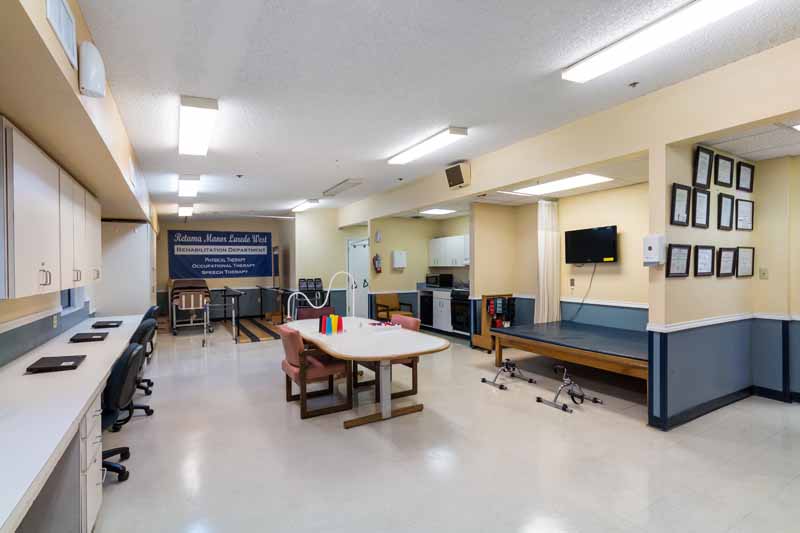
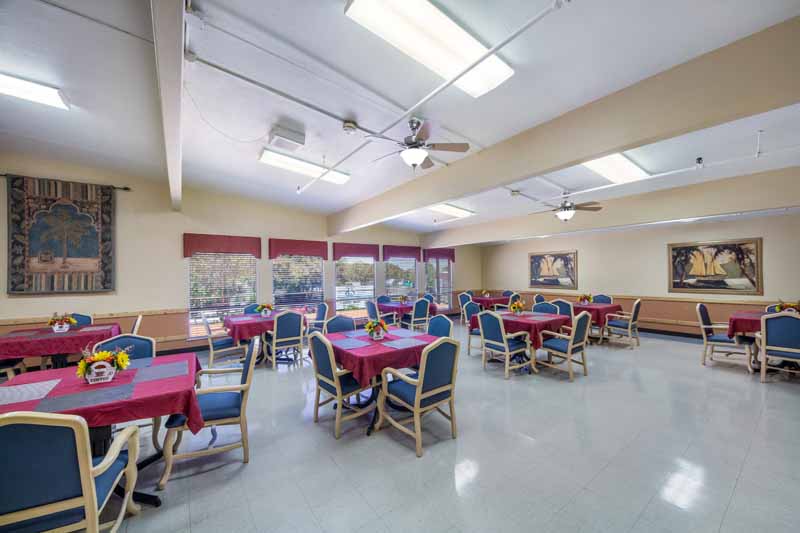
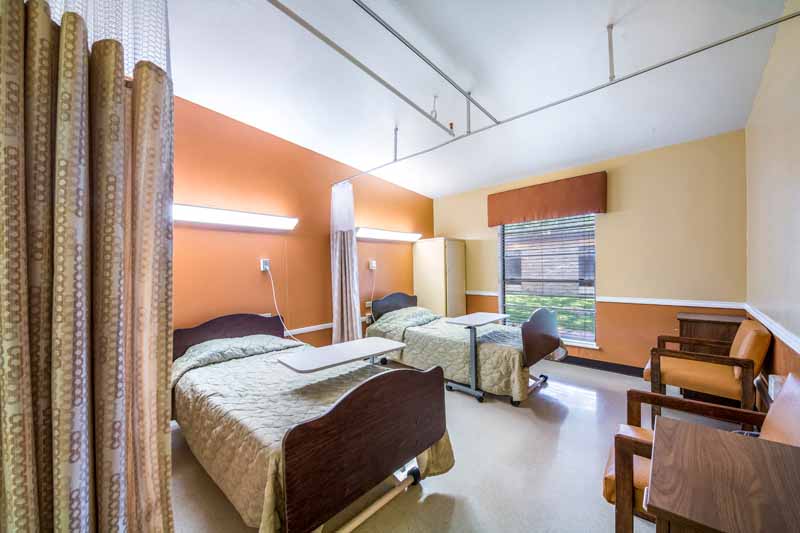
Laredo West Nursing and Rehabilitation Center

1200 Lane, Laredo, TX 78043 (956) 722-0031
Government - Hospital district 188 Beds WELLSENTIAL HEALTH Data: November 2025 3 Immediate Jeopardy citations
Trust Grade
9/100
#764 of 1168 in TX
Last Inspection: April 2025

Within standard 12-15 month inspection cycle. Federal law requires annual inspections.

Overview

Laredo West Nursing and Rehabilitation Center has received a Trust Grade of F, indicating poor performance with significant concerns about care quality. It ranks #764 out of 1168 facilities in Texas, placing it in the bottom half, and #5 out of 6 in Webb County, meaning only one local option is better. The facility's trend is stable regarding reported issues, with 10 problems noted in both 2024 and 2025. Staffing is rated at 2 out of 5 stars, with a turnover rate of 46%, slightly better than the state average; however, the overall quality ratings are below average across the board. Notably, there have been critical incidents, including failures to consult physicians during significant health changes for residents and a serious medication error that involved administering an incorrect dosage of medication, which could have serious consequences for the affected individual. While the facility has good RN coverage, the high number of deficiencies and critical issues raises substantial concerns for families considering this care option.

Trust Score
F
9/100
In Texas
#764/1168
Bottom 35%
Safety Record
High Risk
Review needed
Inspections
Holding Steady
10 → 10 violations
Staff Stability
⚠ Watch
46% turnover. Above average. Higher turnover means staff may not know residents' routines.
Penalties
✓ Good
$41,438 in fines. Lower than most Texas facilities. Relatively clean record.
Skilled Nurses
○ Average
Each resident gets 39 minutes of Registered Nurse (RN) attention daily — about average for Texas. RNs are the most trained staff who monitor for health changes.
Violations
⚠ Watch
30 deficiencies on record. Higher than average. Multiple issues found across inspections.
★★☆☆☆
2.0
Overall Rating
★★☆☆☆
2.0
Staff Levels
★★☆☆☆
2.0
Care Quality
★★☆☆☆
2.0
Inspection Score
Stable
2024: 10 issues
2025: 10 issues

The Good

  • Full Sprinkler Coverage · Fire safety systems throughout facility
  • No fines on record

Facility shows strength in fire safety.

The Bad

2-Star Overall Rating

Below Texas average (2.8)

Below average - review inspection findings carefully

Staff Turnover: 46%

Near Texas avg (46%)

Higher turnover may affect care consistency

Federal Fines: $41,438

Above median ($33,413)

Moderate penalties - review what triggered them

Chain: WELLSENTIAL HEALTH

Part of a multi-facility chain

Ask about local staffing decisions and management

The Ugly 30 deficiencies on record

3 life-threatening
Aug 2025 3 deficiencies 1 IJ
CRITICAL (J) 📢 Someone Reported This

A family member, employee, or ombudsman was alarmed enough to file a formal complaint

Immediate Jeopardy (IJ) - the most serious Medicare violation

Deficiency F0760 (Tag F0760)

Someone could have died · This affected 1 resident

**NOTE- TERMS IN BRACKETS HAVE BEEN EDITED TO PROTECT CONFIDENTIALITY** Based on record reviews and interviews, the facility failed to ensure residents were free of any significant medication errors f...

Read full inspector narrative →
**NOTE- TERMS IN BRACKETS HAVE BEEN EDITED TO PROTECT CONFIDENTIALITY** Based on record reviews and interviews, the facility failed to ensure residents were free of any significant medication errors for one (Resident #1) of five residents reviewed for medication errors. The facility failed to ensure that (RN A) did not administer 5ml (10mg) of Lorazepam (a benzodiazepine medication used to treat anxiety disorders that slows down the nervous system) instead of the physician ordered 0.5ml (1mg) of Lorazepam to Resident #1 on 04/27/25.This failure could result in residents not receiving the physician ordered dose of medications which could lead to an adverse reaction, overdose, hospitalization, or death.The findings included:Record review of Resident #1's admission record reflected a [AGE] year-old male initially admitted to the facility on [DATE] and most recently admitted on [DATE]. The only contacts listed for him were his guardian (Bill to, Responsible Party, and Emergency Contact #1) with two phone numbers, a fax number, and an email address, and himself. His diagnoses included epilepsy (a long-term (chronic) disease that causes repeated seizures due to abnormal electrical signals produced by damaged brain cells), bipolar disorder (mental health condition that causes clear shifts in moods from extremely elated, irritable, or energized to sad, indifferent, or hopeless), unspecified psychosis not due to a substance or know physiological condition (psychotic symptoms not aligned with a specific psychotic disorder or mental illness), mood disorder due to known physiological condition (a mental health condition characterized by a disturbance in mood (like depression or mania) that is directly caused by a medical or physiological condition), mild cognitive impairment (a condition in which people have more memory or thinking problems than other people their age), cognitive communication deficit (difficulty with communication), cerebellar stroke syndrome (impairments in motor control and posture), and dementia (loss of memory, language, problem solving and other thinking abilities which significantly impairs a person's ability to perform daily activities). Record review of Resident #1's quarterly MDSs dated 04/22/25 and 06/25/25 reflected BIMS scores of 2 and 7 which indicated Resident #1 had severe cognitive impairment. Record review of Resident #1's care plan dated 07/19/17 reflected he had a seizure disorder, potential for mood problem, was resistive to care, displayed verbal behaviors, had a communication problem and unclear speech related to diagnoses of bipolar disorder, psychosis, and history of stroke. Interventions included administer medications as ordered and observe/document for side effects and effectiveness, behavioral health consults as needed, observe for signs and symptoms of mania or hypomania racing thoughts or euphoria; increased irritability; frequent mood changes; pressured speech; flight of ideas; marked change in need for sleep; agitation or hyperactivity, and praise the resident when behavior was appropriate. Record review of Resident #1's Order Summary Report on 08/13/25 reflected the following orders:1. LORazepam Oral Concentrate 2 MG/ML (Lorazepam) Phone Give 0.5 milliliter by mouth three times a day related to mood disorder due to known physiological condition ordered on 08/04/24. 2. Narcan Nasal Liquid 4 MG/0.1 ML 1 spray Alternating nostrils STAT for Adverse Reaction/Overdose ordered on 04/27/25. 3. Neurological Checks every one hour for 24 hours, report any significant changes to hospice provider ordered on 04/27/25 to start on 04/28/25 at 12:00 am. 4. Vital Signs every hour for 24 hours, report any significant changes to hospice provider, for monitoring due to medication error ordered on 04/27/25 to start on 04/28/25 at 12:00 am.Record review of Resident #1's April 2025 eMAR reflected the following:1. RN A documented an administration of 0.5ml of Lorazepam oral concentrate 2mg/ml (1mg) by mouth on 04/27/25 at 5:30 pm. 2. RN A documented an administration of 0.2ml/8mg of Narcan 0.1ml/4mg spray to each nostril at 11:33 pm.Record review of Resident #1's handwritten Lorazepam narcotic administration log sheet reflected RN A initially documented he gave 0.5 ml (1mg) of Lorazepam oral concentrate 2mg/ml to Resident #1 by mouth at 5:30 pm, however RN A wrote over the amount given to show he gave Resident #1 5ml (10mg) of Lorazepam oral concentrate 2mg/ml by mouth at 5:30pm.Record review of Resident #1's progress notes reflected the following entries:1. 04/27/25 at 11:33 pm RN A documented, Narcan Nasal Liquid 4 MG/0.1 ML 1 spray Alternating nostrils STAT for Adverse Reaction/Overdose Narcan 4 mg to each Nostril given.2. 04/27/25 at 11:49 pm RN A documented, 1800 Medication Lorazepam 0.5 ml scheduled. Medication error--Lorazepam 5 ml was given. During Narcotic count--Error was discovered -2225. Pt. was checked and Patient was very Lethargic. V/S--B/P=130/62, P=85, R=21 and 02 at 100% via Nasal cannula D.O.N was called and informed of situation. Hospice provider was called, RN on call called back, she gave Telephone orders as follows: give Naloxone 4mg Nasal spray. Resident was assessed, Naloxone 4mg of which was administered to each nostril--3 minutes apart. Resident becoming responsive to verbal commands, will continue to monitor closely.3. 04/28/25 at 12:31 am RN A documented, RN with hospice arrived to facility and gave additional written orders 1) Neurologic checks to be completed every 1 hour and vital signs to be assessed every 1 hour as well. 2) Also, may administer another dose of Narcan if necessary.In an interview on 08/14/25 at 3:04 pm the DON stated RN A contacted her on 04/27/25 around 10:30 pm to 11:00 pm and told her about the medication error. The DON stated the next morning (04/28/25) an in-service was done with all nursing staff by the DON that was over medication administration policy and procedure and verification of the 6 rights of medication administration and a one on one in-service was done with RN A, also.In an interview on 08/14/25 at 4:14 pm LVN J stated the last in-service on medication administration was last week and narcotics were verified at the beginning and end of each shift. LVN J stated if a medication error was made, she called the provider for orders, the DON, then the family/RP. In an interview on 08/14/25 at 4:37 pm RN K stated she knew about Resident #1 and his Lorazepam overdose. RN K stated she worked the day after, and they were doing vital sign and neurological checks every hour. RN K stated she was not the nurse on Resident #1's hall on 04/28/25, but she knew Resident #1's vital signs were stable throughout her shift because she was talking with the primary nurse about it. RN K stated if she had a medication error, she immediately assessed the resident, notified the DON and/or the ADON, and notified the nurse practitioner. RN K stated if the resident was not stable or was critical, she called the physician first and if they did not answer she called the medical director. Narcotics were verified at beginning and end of shift as well as when narcotics were given. RN K stated the last in-service on medication administration was about a week ago.A telephone interview was attempted with RN A on 08/14/25, however there was no answer, and the voicemail message stated he was out of the country. A message was left with a phone number for him to return the call, but he did not return the call. In an interview on 08/14/25 at 5:20 pm Resident #1 was lying in bed with the television on. Resident #1 stated he was okay, and the staff was nice to him. Resident #1 did not recall the incident with the Lorazepam on 04/27/25.Record review of the facility's in-service documentation reflected an in-service was done by the DON with all on 04/28/25 that covered medication administration. Record review of RN A's employee record on 08/13/25 reflected he was hired on 04/10/25 and his RN license was originally issued 11/13/01; current expiration date was 02/28/27. RN A had an Employee Counseling Report dated 04/28/25 with an incident description that stated, On 04/27/25, failed to follow medication administration guidelines resulting in a medication administration error placing a resident at risk for adverse effects of an overdose. On this same day, employee carelessly documented incorrect information on same resident's chart. Employee has also not been completing all required documentation pertaining to patient care, in spite of being instructed to do so directly by his supervisors. The performance improvement plan stated this was the final warning. It was signed by RN A, the DON, the ADON, and the Human Resources Coordinator. The performance review documented on 05/28/25 stated no medication errors occurred this period and was signed by the DON. There was also documentation of a one on one in-service was done by the ADON on 04/28/25 at 2:30pm. The subject was Medication Administration Policy and Procedure, and the Return Demonstration Outcomes were: I have read Policy and Procedure for Medication Administration. I will be getting a second license nurse to verify dosage administered with every Narcotic given for 4 weeks. When in doubt, I will ask a co-worker, ADON, or DON for assistance in completing task. I will verify all information before documenting on PCC. I received a copy of the medication administration policy and procedure. It was signed by RN A and the ADON. Record review of the facility's Medication Administration Incident Report dated 04/27/25 reflected the following:The incident was discovered by RN A (the off going nurse) and RN R (the oncoming nurse) on 04/27/25 at 10:24 pm. The nurse was notified and gave a telephone order for Narcan to be administered immediately and neurologic checks and vital signs to be done every one hour for 24 hours on 04/27/25 at 10:55 pm. The Employee's statement was handwritten and signed by RN A on 04/28/25 and stated, RN A gave scheduled medication- Lorazepam 0.5ml, but I accidentally gave 5ml. Discovery of medication error was made during change of shift medication count. The Management section was handwritten and signed by the DON on 04/28/25 and stated, RN A will have another nurse witness his medication administration (narcotics) for the next 30 days. This form was also signed by the Admin on 04/28/25.Record review of the facility's medication administration policy in-service dated 04/28/25 reflected that 25 of 26 RNs and LVNs attended the training.Record review of the facility's Medication Administration Policy dated 10/24/22 reflected in part: Policy: Medications are administered by licensed nurses, or other staff who are legally authorized to do so in this state, as ordered by the physician and in accordance with professional standards of practice, in a manner to prevent contamination or infection.Policy Explanation and Compliance Guidelines:3. Identify resident by photo in the MAR (medication administration record).10. Review MAR to identify medication to be administered.11. Compare medication source (bubble pack, vial, etc.) with MAR to verify resident name, medication name, form, dose, route, and time.14. Administer medication as ordered in accordance with manufacturer specifications.17. Sign MAR after administered. For those medications requiring vital signs, record the vital signs onto the MAR.18. If medication is a controlled substance, sign narcotic book.19. Report and document any adverse side effects or refusals.20. Correct any discrepancies and report to nurse manager.
CONCERN (D) 📢 Someone Reported This

A family member, employee, or ombudsman was alarmed enough to file a formal complaint

Potential for Harm - no one hurt, but risky conditions existed

Notification of Changes (Tag F0580)

Could have caused harm · This affected 1 resident

**NOTE- TERMS IN BRACKETS HAVE BEEN EDITED TO PROTECT CONFIDENTIALITY** Based on record reviews and interviews, the facility failed to notify, consistent with his or her authority, the resident repres...

Read full inspector narrative →
**NOTE- TERMS IN BRACKETS HAVE BEEN EDITED TO PROTECT CONFIDENTIALITY** Based on record reviews and interviews, the facility failed to notify, consistent with his or her authority, the resident representative(s) when there was a need to alter treatment significantly (that is, a need to discontinue an existing form of treatment due to adverse consequences, or to commence a new form of treatment) for one (Resident #1) of five residents reviewed for notification of changes.The facility failed to notify Resident #1's guardian when (RN A) administered 5ml (10mg) of Lorazepam instead of the physician ordered 0.5ml (1mg) of Lorazepam to Resident #1 on 04/27/25.This failure could result in resident's family/RP not being aware of the resident's condition.The findings included:Record review of Resident #1's admission record reflected a [AGE] year-old male initially admitted to the facility on [DATE] and most recently admitted on [DATE]. The only contacts listed for him were his guardian (Bill to, Responsible Party, and Emergency Contact #1) with two phone numbers, a fax number, and an email address, and himself. His diagnoses included epilepsy (a long-term (chronic) disease that causes repeated seizures due to abnormal electrical signals produced by damaged brain cells), bipolar disorder (mental health condition that causes clear shifts in moods from extremely elated, irritable, or energized to sad, indifferent, or hopeless), unspecified psychosis not due to a substance or know physiological condition (psychotic symptoms not aligned with a specific psychotic disorder or mental illness), mood disorder due to known physiological condition (a mental health condition characterized by a disturbance in mood (like depression or mania) that is directly caused by a medical or physiological condition), mild cognitive impairment (a condition in which people have more memory or thinking problems than other people their age), cognitive communication deficit (difficulty with communication), cerebellar stroke syndrome (impairments in motor control and posture), and dementia (loss of memory, language, problem solving and other thinking abilities which significantly impairs a person's ability to perform daily activities). Record review of Resident #1's quarterly MDS assessments dated 04/22/25 and 06/25/25 reflected BIMS scores of 2 and 7 which indicated Resident #1 had severe cognitive impairment. Record review of Resident #1's care plan dated 07/19/17 reflected he had a seizure disorder, potential for mood problem, was resistive to care, displayed verbal behaviors, had a communication problem and unclear speech related to diagnoses of bipolar disorder, psychosis, and history of stroke. Interventions included administer medications as ordered and observe/document for side effects and effectiveness, behavioral health consults as needed, observe for signs and symptoms of mania or hypomania racing thoughts or euphoria; increased irritability; frequent mood changes; pressured speech; flight of ideas; marked change in need for sleep; agitation or hyperactivity, and praise the resident when behavior was appropriate. Record review of Resident #1's Order Summary Report on 08/13/25 reflected the following orders:1. Lorazepam Oral Concentrate 2 MG/ML (Lorazepam) Phone Give 0.5 milliliter by mouth three times a day related to mood disorder due to known physiological condition ordered on 08/04/24. 2. Narcan Nasal Liquid 4 MG/0.1 ML 1 spray Alternating nostrils STAT for Adverse Reaction/Overdose ordered on 04/27/25. 3. Neurological Checks every one hour for 24 hours, report any significant changes to hospice provider ordered on 04/27/25 to start on 04/28/25 at 12:00 am. 4. Vital Signs every hour for 24 hours, report any significant changes to hospice provider, for monitoring due to medication error ordered on 04/27/25 to start on 04/28/25 at 12:00 am. Record review of Resident #1's April 2025 eMAR reflected the following:1. RN A documented an administration of 0.5ml of Lorazepam oral concentrate 2mg/ml (1mg) by mouth on 04/27/25 at 5:30 pm. 2. RN A documented an administration of 0.2ml/8mg of Narcan 0.1ml/4mg spray to each nostril at 11:33 pm. Record review of Resident #1's handwritten Lorazepam narcotic administration log sheet reflected RN A initially documented he gave 0.5 ml (1mg) of Lorazepam oral concentrate 2mg/ml to Resident #1 by mouth at 5:30 pm, however RN A wrote over the amount given to show he gave Resident #1 5ml (10mg) of Lorazepam oral concentrate 2mg/ml by mouth at 5:30pm. Record review of Resident #1's progress notes reflected the following entries:1. 04/27/25 at 11:33 pm RN A documented, Narcan Nasal Liquid 4 MG/0.1 ML 1 spray Alternating nostrils STAT for Adverse Reaction/Overdose Narcan 4 mg to each Nostril given.2. 04/27/25 at 11:49 pm RN A documented, 1800 Medication Lorazepam 0.5 ml scheduled. Medication error--Lorazepam 5 ml was given. During Narcotic count--Error was discovered -2225. Pt. was checked and Patient was very Lethargic. V/S--B/P=130/62, P=85, R=21 and 02 at 100% via Nasal cannula D.O.N was called and informed of situation. Hospice provider was called, RN on call called back, she gave Telephone orders as follows: give Naloxone 4mg Nasal spray. Resident was assessed, Naloxone 4mg of which was administered to each nostril--3 minutes apart. Resident becoming responsive to verbal commands, will continue to monitor closely. 3. 04/28/25 at 12:31 am RN A documented, RN with hospice arrived at facility and gave additional written orders 1) Neurologic checks to be completed every 1 hour and vital signs to be assessed every 1 hour as well. 2) Also, may administer another dose of Narcan if necessary. 4. 04/28/25 at 12:36 am RN A documented, Resident's RP was called to notify of incident however no answer. 5. 04/30/25 at 1:10 pm the ADON documented, Spoke with RP regarding incident that occurred 4/27/25. RP was made aware that Hospice provider was on site shortly after incident was reported. RP had no further questions.In an interview on 08/13/25 at 11:01 am, Resident #1's guardian stated he got a call out of the blue from the ADON at the facility to let him know that 2 or 3 days earlier they accidentally overdosed Resident #1. The guardian stated the ADON told him she saw that no one had called him when it happened, so she called; Otherwise, he would not have known about it. The guardian stated, Thankfully nothing happened because they gave him a counter-acting medication, but my issue is that they did not contact me. They are instructed to contact me for anything regarding the resident- medication changes, hospitalization, etc. Resident #1's guardian stated this was not the first time they had not called him about a change, but this was an important issue. The guardian stated, We have 3 different numbers/ people to call, and no one called any of them. It does not matter that it was a weekend, they still should have contacted me. He stated he went in once a month and as needed to see the resident. He stated he had been to the facility every month since 2019, and he felt like the facility needed to train the staff that they have to call the guardian for any changes or events with the resident.In an interview on 08/14/25 at 3:04 pm, the DON stated RN A contacted her on 04/27/25 between 10:30 pm and 11:00 pm and told her about the medication error. The DON stated the nurse tried to contact the RP/guardian for Resident #1 but there was no answer. Frequently, the nurse attempted to contact the RP several times but only documented it once if it was unsuccessful. The DON stated the nurses were trained to document every attempt to contact the RP or the physician. The DON stated it was important for the RP to know of any changes that were made to the resident's condition or treatment.In an interview on 08/14/25 at 4:14 pm, LVN J stated if a resident was sick or something happened, she checked vital signs, called the doctor or nurse practitioner and contacted the family. LVN J stated the information on who was contacted was documented in a progress note. LVN J stated she tried 2 or 3 times, left a voicemail, if possible, but only documented once that she tried however many times. She stated if it was the end of her shift, and she was not able to contact family, she passed it on to the oncoming nurse to keep trying to contact them because the family needed to know how the resident was doing.In an interview on 08/14/25 at 4:37 pm, RN K stated if she could not get a hold of the family or RP when there was a change in resident condition, she made several attempts and documented in a progress note or risk management note how many times she tried. RN K stated it was important for the RP to be contacted so they knew what was going on with the resident and so they could okay any changes that needed to be made.A telephone interview was attempted with RN A on 08/14/25, however there was no answer, and the voicemail message stated he was out of the country. A message was left with a phone number for him to return the call, but he did not return the call.In an interview on 08/14/25 at 5:20 pm, Resident #1 was lying in bed with the television on. Resident #1 stated he was okay, and the staff was nice to him. Resident #1 did not recall the incident with the Lorazepam on 04/27/25. Resident #1 stated his guardian came to see him, sometimes. Record review of the facility's Notification of Changes policy dated 10/24/22 reflected in part: Policy:The purpose of this policy is to ensure the facility promptly informs the resident, consults the resident's physician; and notifies, consistent with his or her authority, the resident's representative when there is a change requiring notification.Definitions:Need to alter treatment significantly means a need to stop a form of treatment because of adverse consequences (such as adverse drug reaction) or commence a new form of treatment to deal with a problem (for example. the use of any medical procedure, or therapy that has not been used on that resident before). Compliance Guidelines: The facility must inform the resident, consult with the resident's physician and /or notify the resident's family member or legal representative when there is a change requiring such notification. Circumstances requiring notification include:1. Accidentsa. Resulting in injury.b. Potential to require physician intervention.2. Significant change in the resident's physical, mental or psychosocial condition such as deterioration in health, mental or psychosocial status.This may include:a. Life-threatening conditions, orb. Clinical complications.3. Circumstances that require a need to alter treatment.This may include:a. New treatment.b. Discontinuation of current treatment due to:i. Adverse consequences. Additional considerations:2. Residents incapable of making decisions:a. The representative would make any decisions that have to be made.b. The resident should still be told what is happening to him or her.
CONCERN (E) 📢 Someone Reported This

A family member, employee, or ombudsman was alarmed enough to file a formal complaint

Potential for Harm - no one hurt, but risky conditions existed

Free from Abuse/Neglect (Tag F0600)

Could have caused harm · This affected multiple residents

**NOTE- TERMS IN BRACKETS HAVE BEEN EDITED TO PROTECT CONFIDENTIALITY** Based on record reviews, observations, and interviews the facility failed to ensure residents were free from abuse for three (Re...

Read full inspector narrative →
**NOTE- TERMS IN BRACKETS HAVE BEEN EDITED TO PROTECT CONFIDENTIALITY** Based on record reviews, observations, and interviews the facility failed to ensure residents were free from abuse for three (Resident #2, Resident #4, and Resident #6) of 10 residents reviewed for abuse.1. The facility failed to ensure Resident #2 was not hit on the arm and chest by Resident #3 on 04/04/25.2. The facility failed to ensure Resident #4 was not slapped on the arm by Resident #5 on 07/05/25.3. The facility failed to ensure Resident #6 was not hit on the arm and kicked on the leg by Resident #7 on 07/08/25.4. The facility failed to ensure Resident #2 was not slapped on the arm by Resident #3 on 08/06/25.These failures could place residents at risk for physical, mental, and psychosocial harm.The findings included:1. and 4. Record review of Resident #2's admission record reflected a [AGE] year-old female originally admitted to the facility on [DATE] and most recently admitted on [DATE]. Her diagnoses included Alzheimer's disease (progressive brain disorder that slowly destroys memory and thinking skills), dementia (loss of memory, language, problem solving and other thinking abilities that significantly impairs a person's ability to perform daily activities), cognitive communication deficit (difficulty with communication), anxiety disorder (mental disorder characterized by excessive and persistent worry, fear, or anxiousness which significantly interferes with daily life), and pseudobulbar affect (neurological condition that causes brief, intense uncontrollable episodes of laughing or crying).Record review of Resident #2's annual MDS assessment dated [DATE] reflected a BIMS was not conducted because she was rarely/ never understood and her cognitive skills for daily decision making were severely impaired. Record review of Resident #2's care plan dated 04/27/20 reflected she needed a structured environment in a secure unit, was a wanderer, had poor safety awareness, and had a communication problem related to her diagnoses of Alzheimer's and dementia. Record review of Resident #3's admission record reflected an [AGE] year-old female admitted to the facility on [DATE]. Her diagnoses included cognitive communication deficit (difficulty with communication), dementia, moderate, with other behavioral disturbance (loss of memory, language, problem solving and other thinking abilities with behaviors beyond the typical cognitive decline associated with dementia, which significantly impairs a person's ability to perform daily activities), and anxiety disorder (mental disorder characterized by excessive and persistent worry, fear, or anxiousness which significantly interferes with daily life). Record review of Resident #3's quarterly MDS dated [DATE] and 07/18/25 reflected a BIMS score of 13 which indicated Resident #3's cognition was intact.Record review of Resident #3's care plan dated 12/29/16 reflected she needed a structured environment in a secure unit, was a wanderer, had poor safety awareness, had the potential to be verbally and/or physically aggressive, had a behavior problem of hitting other residents at times with interventions that included analyze of key times, places, circumstances, triggers, and what de-escalate behavior and document, assess resident's coping skills and support system, caregivers to provide opportunity for positive interaction, attention, stop and talk with her as passing by, and if reasonable, discuss the resident's behavior; explain/reinforce why behavior is inappropriate and/or unacceptable to the resident. Resident #2 also had a communication problem related to her diagnoses of Alzheimer's and dementia.Record review of the provider investigation report dated 04/11/25 reflected both Resident #2 and Resident #3 resided in the secured unit. Resident #2 had attempted to enter Resident #3's room and Resident #3 struck Resident #2's left arm several times with a closed fist. The residents were immediately separated by CNA D. LVN C completed a skin assessment and pain assessment, with no adverse injury or concern noted to either resident. Resident #3 was placed on one to one monitoring. The residents' families and physicians as well as the local police department were notified of the incident. On 04/04/25, the Admin attempted to interview Resident #2 about the incident, however she was unable to be interviewed as she could not respond to questions appropriately. When Resident #3 was interviewed by the Admin and later by a police officer, she denied hitting anyone. On 04/04/25, Resident #3 was seen by a licensed psychologist regarding the incident and she again denied hitting anyone. It was noted by the psychologist that Resident #3's cognition and judgment were impaired. Resident safety surveys were completed with a sample of residents residing throughout the facility and no negative findings or concerns were noted. The facility initiated abuse/neglect, fall prevention, and resident to resident altercation in-service education on 04/04/25. The licensed psychologist provided in-service education to staff on 04/07/25 regarding caring for residents with dementia, behaviors, and difficult situations and how to address them. Resident #3 was seen by psychiatric services on 04/09/25 with new orders that included discontinue 1:1 monitoring, add Depakote ER 250mg at bedtime (medication used to treat bipolar disorder- a mental health condition that causes clear shifts in moods from extremely elated, irritable, or energized to sad, indifferent, or hopeless), add Vistaril 50mg every four hours as needed (medication used to treat anxiety), labs in 1 week, discontinue melatonin (medication used to help regulate the sleep cycle), and a cognitive impairment assessment.Record review of the facility's provider investigation report dated 08/13/25 reflected both Resident #2 and Resident #3 resided in the secured unit. LVN E heard Resident #3 yell at Resident #2 when Resident #2 reached for a cup on the hydration cart and before LVN E got to them, Resident #3 swatted Resident #2 on her left arm. Residents were immediately separated by facility staff when the incident occurred. Skin and pain assessments were performed on both residents by LVN E following the incident with no injuries noted for either resident. LVN E notified the ADON, Resident #2's and Resident #3's primary care physicians and responsible parties, and a police report was made. One-to-one monitoring was started with Resident #3. Resident #3 was evaluated by the psychiatric services nurse practitioner who was on site when the incident occurred. The psychiatric services nurse practitioner recommended continue current medications, continue one to one monitoring and refer to inpatient psychiatric hospital for Resident #3. The facility social worker sent the inpatient referral for Resident #3 to three psychiatric hospitals, but the referrals were all denied placement. A medication reconciliation was completed on 08/07/2025 for Resident #3. The following recommendations were made: Increase Oxcarbazepine to 300mg BID; Discontinue one to one observation; Place Resident #3 on 15 minute checks for four hours; if no issues with Resident #3's behaviors in that time, discontinue 15 minute checks. Resident #2 was seen by her primary care physician on 08/07/25 with no new recommendations. In-service education initiated on 08/06/25 covered Types of Abuse and Neglect: physical, verbal, emotional, sexual, resident to resident; Remember the 3 R's: Recognize, Remove, Report; De-escalating Behavior; Abuse and Neglect Coordinator name, phone number, and time frame for notification (immediately).An observation and interview on 08/14/25 at 3:39 pm, of Resident #2 reflected she was in her wheelchair in the secured unit self-propelling around the day room. Resident #2 self-propelled directly in front of Resident #3 and went past her without incident. Resident #2 stated she was doing good. Resident #2 stated she did not have any issues with any other residents. An observation and interview on 08/14/25 at 3:42 pm, of Resident #3 reflected she was sitting in her wheelchair in the day room watching tv and eating a banana. Resident #2 passed directly in front of Resident #3 with no reaction from Resident #3. Resident #3 stated she liked it here and did not have any issues with anyone.In an interview on 08/14/25 at 3:45 pm, AA F stated he had not observed any issues between Resident #2 and Resident #3 or either one of them with anyone else. AA F stated all the residents were friendly and social with each other and with staff. The AA named abuse the abuse coordinator, types of abuse, and what to do if abuse was witnessed whether between staff and residents or resident to resident. Last in-service on ANE was this week. In-services were usually at least once a month and as needed. In an interview on 08/14/25 at 3:47 pm in the memory care unit, Resident #8 stated she was doing well, got along with everyone and had not witnessed abuse of any kind. 2. Record review of Resident #4's admission record reflected an [AGE] year-old male originally admitted to the facility on [DATE] and most recently admitted on [DATE]. His diagnoses included cerebral infarction (stroke), vascular dementia (problems with thought processes and memory caused by brain damage from impaired blood flow) without behavioral, mood, or psychotic disturbances, and cognitive communication deficit (difficulty with communication).Record review of Resident #4's annual MDS assessment dated [DATE] reflected a BIMS score of 14 which indicated Resident #4 was cognitively intact.Record review of Resident #4's care plan dated 11/14/22 reflected Resident #4 preferred to participate in group activities, and he was at risk for emotional and/or physical harm due to aggression or inappropriate behavior from another resident which was initiated on 07/05/2025 with a goal of feeling safe and secure in his environment. Interventions included document any signs of distress or behavioral changes, educate resident about steps being taken to protect them, ensure adequate staff presence during high-risk time (meals, activities), offer counseling or mental health services (social worker, psychologist), provide reassurance and emotional support following the incident, and relocate seating or room assignments as appropriate to prevent contact.Record review of Resident #4's progress notes reflected an entry dated 07/05/25 at 6:44 pm by RN L that stated, upon returning to his room from an activity in the main dining room, he was being wheeled to his room by the assistant activity coordinator, with another resident directly in front of him and [Resident #5] behind the assistant activity coordinator. [Resident #5] began yelling profanities to both residents. I was about to enter a resident room when I heard a loud slap and someone saying no [Resident #5's name] stop that. My view was obstructed by a large meal cart. I immediately went over and the assistant activity coordinator was asking [Resident #5] to step back. I told [Resident #5], that's enough. And I then said let me take [Resident #4] to his room. I wheeled him into his room and assessed his right hand and arm. He stated multiple times, I'm ok. It doesn't hurt. There were no visible injuries noted. He explained to me that [Resident #5] got upset because he (Resident #4) was looking at a staff member's patriotic nail color. He then left the dining room, and she (Resident #5) followed him and the other resident who were being accompanied by AA M. [Resident #5] began yelling and approached [Resident #4], she (Resident #5) raised her hand, and he (Resident #4) raised his to prevent her from slapping him and she slapped the back of his right hand. He (Resident #4) then stated, That's when you arrived. Record review of Resident #4's progress note dated 07/07/25 at 5:52 pm by the SW stated, Spoke with resident who expressed that he feels safe here in the facility after this weekend. He also shared that he was happy with vision services recently provided and is happy with his new roommate.Record review of Resident #5's admission record reflected a [AGE] year-old female admitted to the facility on [DATE]. Her diagnoses included cerebral infarction (stroke), schizophrenia (a serious mental health condition that affects how people think, feel and behave), major depressive disorder, recurrent (persistent feeling of sadness and loss of interest that occurs in episodes lasting weeks to months), schizoaffective disorder, bipolar type (mental health problem characterized by thinking and behavior problems and includes bouts of hypomania or mania and sometimes major depression), and anxiety disorder (mental disorder characterized by excessive and persistent worry, fear, or anxiousness which significantly interferes with daily life). Record review of Resident #5's quarterly MDS assessment dated [DATE] reflected a BIMS score of 12 which indicated Resident #5 had moderate cognitive impairment. Record review of Resident #5's care plan dated 06/20/19 reflected she preferred group activities, had schizophreniform disorder with documented aggressive behavior toward other residents on 05/25/24, 10/22/24, and 07/07/25, and she became upset and physically aggressive, striking a male resident on the hand for declining to sit with her during a scheduled game, stating he was her good luck charm. Goals for that behavior were resident will demonstrate effective coping skills, verbalize understanding of need to control physically aggressive behavior, and will not harm self or others through the review date. Interventions included administer medications as ordered, psychiatric services, and monitor/notify family/RP and provider of inappropriate behavior, re-direct resident and explain inappropriate behavior, and when the resident becomes agitated/aggressive/upset: Intervene before agitation escalates; Guide away from source of distress; Engage calmly in conversation; If response is aggressive, staff to walk calmly away, and approach later.Record review of Resident #5's progress notes reflected an entry dated 07/05/25 at 6:33 pm by RN N that stated, On 07/05/2025 at approximately 3:30pm, [Resident #5] became physically aggressive toward [Resident #4] and struck him on the right hand with her own hand. Immediate assessments were conducted on both residents. No visible bruising, redness, or other signs of injury were observed. Both residents denied pain at the time of assessment. The Assistant Director of Nursing (ADON) and Director of Nursing (DON) were promptly notified. Nursing staff will continue to monitor both residents closely per facility protocol and document any changes in condition or behavior. Another entry dated 07/05/25 at 6:56 pm by RN N stated, [Resident] #5 placed on one-to-one observation for behavioral monitoring. No concerning behaviors observed [Resident #5] remains calm and cooperative at this time. RN N documented another entry dated 07/05/25 at 7:09 pm which stated, Behavioral concerns were reported to Psychiatric Services, and a phone evaluation of the incident was conducted. The nurse (RN N) informed the provider that the resident (Resident #5) remained calm throughout the shift and acknowledged that the behavior was in violation of facility policies. Based on the evaluation, the one-to-one observation order was discontinued by the nurse practitioner on call with the Psychiatric Services provider. No changes to [Resident #5]'s medications were made at this time. Nursing staff will continue to closely monitor [Resident #5]'s behavior and maintain ongoing observation for any further concerns or need for follow-up. An Activity Quarterly Progress Note dated 07/14/25 at 9:17 am by the AD stated, Demeanor/Behavior: [Resident #5] will have her good and bad days at times will have verbal disagreements with others during activities. Interests: [Resident #5] enjoys board games and activities that involve snacks or food. Participation Level: [Resident #5] continues to participate in group activities of choice. Resident will enjoy going to the patio on her own time. Resident will participate in religious services at her own time. Resident prefers to participate in board games such as Loteria or Bingo, at times will be prefer not to participate if she is having a bad day. Resident will participate in special event and celebration recently in 4th of July and birthday celebrations enjoyed the food. Resident continues to have errands done for her at least once a month. Resident is interested in outings but as per family request is not to participate in activities outings due to behaviors. Resident also enjoys doing her own leisure activities such as using her phone for in room entertainment or will visit other residents' room to socialize. Resident at times will need to be redirected due to arguments or differences she has with other residents. Resident will continue to be encouraged to participate in activities of choice. Functional Ability: Resident continues to need moderate support for activities participation. Resident continues to be able to voice her preferences. Resident continues to be able to get to activities with assisting device wheelchair.Record review of the facility's provider investigation report reflected the following: [Resident #4] and [Resident #5] normally participate in activities together sitting at the same table with no concerns noted. On the date of the incident [Resident #4] had decided to sit with a different resident during the activity. The facility took the following actions: 1) [Resident #4] and [Resident #5] were immediately separated by facility staff when the incident occurred. 2) Skin assessments were performed by facility charge nurses (RN L and RN N) following the incident on both residents. No injuries were noted for either resident. 3) Pain assessments were completed for both residents - no pain voiced or observed for either resident. 4) Residents' primary care physicians were notified of the incident. [Resident #4] is his own responsible party. [Resident #5]'s responsible party was notified of the incident. Police notification was made regarding the incident. 5) [Resident #5] was initiated on one-to-one monitoring. 6) Both residents were interviewed by the facility administrator regarding the incident. 7) [Resident #5] was evaluated by Psychiatric Services. 8) Residents' care plans were reviewed and updated. Conclusion: During interviews with the facility administrator, both residents were able to explain what happened in the incident. [Resident #4] stated [Resident #5] was upset with him because he sat with another resident during the activity 'loteria'. [Resident #4] further explained that when [Resident #5] started yelling at him, he told her to calm down. [Resident #5] confirmed that she had struck [Resident #4] on his right arm because she was upset with him for not sitting with her during the activity. [Resident #5] explains that [Resident #4] brings her good luck during the activity they had participated in, and she did not win a single game that day. When interviewing [Resident #5], she was apologetic for her actions and explains that she could have reacted differently. [Resident #5] recalled [Resident #4] telling her to calm down. When asked if the same situation occurred again, [Resident #5] explained that she would not act the same way. She explained she would go to her room instead. Following the incident, [Resident #5] was immediately placed on one-to-one monitoring to avoid any further altercations. [Resident #5] was evaluated the same day by the facility's psychiatric services provider. The psychiatric services nurse practitioner did not make any medication changes for [Resident #5]. The nurse practitioner also discontinued the one-to-one monitoring. [Resident #5] was also subsequently seen by the psychiatric services provider on 07/09/25, with no changes or new orders recommended. The police officer responding to the incident interviewed only [Resident #4]. [Resident #4] did not want to press charges on [Resident #5] as they are friends. Furthermore, [Resident #4] requested to the police officer that [Resident #5] not get into any trouble regarding this incident. In subsequent interviews, [Resident #4] does not state any concerns or emotional distress from the incident. Prior to the incident, [Resident #4] was already receiving routine psychological services. Those services will continue. The Investigation does not support the allegation of Abuse and finds the allegation to be UNCONFIRMED. The facility does acknowledge that while the incident did occur, the facility does not suspect Abuse or Neglect. The incident was isolated, and the residents remained with no negative or emotional effects noted related to the allegation. Further review of the facility's provider investigation report reflected in-service education was initiated with staff on 07/05/25 about Types of Abuse and Neglect: physical, verbal, emotional, sexual, resident to resident; Remember the 3 R's: Recognize, Remove, Report; De-escalating Behavior; Abuse and Neglect Coordinator name, phone number, and time frame for notification (immediately).In an interview on 08/14/25 at 4:30 pm, Resident #5 stated she was doing ok. She stated, I hit somebody that I was not supposed to. Resident #5 stated she hit Resident #4 because they had played Bingo, and she did not win. Resident #5 stated, I hit him because he was helping someone else, and she was winning, and I was not. Resident #5 stated she felt safe there.In an interview on 08/14/25 at 4:58 pm, Resident #4 stated, It's great here. He stated he remembered when Resident #5 smacked his hand. Resident #4 stated Resident #5 was friends with his friend and when they split up she went to Resident #4 and asked if he liked her. He told her he did, but she misunderstood it to mean that he was her boyfriend. That day, he was in the dining room, and he was looking at one of the staff member's nail polish and Resident #5 got mad at him for it and smacked his hand. The facility reported it, and the police came, but he did not want to press charges or anything. He stated he did not get hurt, there was no bruising or anything, and he and Resident #5 were still friends. 3. Record review of Resident #6's admission record reflected a [AGE] year-old male admitted to the facility on [DATE]. His diagnoses included encephalopathy (a group of conditions that cause brain dysfunctions such as confusion, memory loss, and/or personality changes), recurrent major depressive disorder (persistent feeling of sadness and loss of interest that occurs in episodes lasting weeks to months), dementia (loss of memory, language, problem solving and other thinking abilities which significantly impairs a person's ability to perform daily activities), cognitive communication deficit (difficulty with communication), cerebral palsy (a group of conditions that affect movement and posture that is caused by damage that occurs to the developing brain, most often before birth), anxiety disorder (mental disorder characterized by excessive and persistent worry, fear, or anxiousness which significantly interferes with daily life), and schizophrenia (a serious mental health condition that affects how people think, feel and behave).Record review of Resident #6's quarterly MDS assessment dated [DATE] reflected a BIMS score of 13 which indicated Resident #6 was cognitively intact.Record review of Resident #6's care plan dated 05/23/17 reflected Resident #6 was at risk for emotional distress and/or physical harm due to aggression or inappropriate behavior from another resident dated 07/08/25. The goal was Resident #6 would feel safe and secure in his environment. Interventions included document any signs of distress or behavioral changes, educate resident about steps being taken to protect him, ensure adequate staff presence during high-risk time (meals, activities), offer counseling or mental health services (social worker, psychologist), provide reassurance and emotional support following the incident, and relocate seating or room assignments as appropriate to prevent contact. Resident #6 also was/had potential to be verbally aggressive related to history of behaviors, mental/emotional illness initiated: 12/20/23. The goal was Resident #6 would demonstrate effective coping skills through the review date. Interventions included administer medications as ordered, monitor/ document for side effects and effectiveness, analyze of key times, places, circumstances, triggers, and what de-escalates behavior and document, assess and anticipate resident's needs: food, thirst. toileting needs, comfort level, body positioning, pain etc.Record review of Resident #6's progress notes reflected an entry dated 07/08/25 at 2:00 pm by RN O that stated, 1340 Nurse near nurses' station when screaming could be heard down the hall. Nurse noted [Resident #6] sitting down on his wheelchair facing towards the dining Room appeared getting a drink from the hydration cart while [Resident #7] was on his wheelchair on [Resident #6]'s left side both were noted to be verbally aggressive towards each other while the tone kept on increasing, nurse attempted to catch their attention while running towards them, however both disregarded nurse and continued their verbal aggression towards each other, as nurse was about to reach residents, [Resident #7] stood up from his wheelchair and starting swinging his closed fists towards [Resident #6] nurse called resident to stop, [Resident #7] disregarded and continued to attempt to hit however nurse did not see any physical contact between each other, on the second time that [Resident #7] attempted to swing his closed fist at [Resident #6], resident fell back onto his wheelchair nurse arrived, separated both residents while both continued to be verbally aggressive using profanity and loud tone. A CNA was placed to closely monitor any further aggression. As CNA was removing [Resident #6] from the scene to help deescalate, [Resident #7] swiftly turned his wheelchair around, towards [Resident #6] and kicked him and physically connected on [Resident #6]'s left leg/knee. Nurse intervened, residents were separated, and both were assessed, head to toe preformed. No skin issues noted at this time. Both residents verbally deny any pain. RP, MD/FNP notified aware of situation. new orders as follows: 1. Collect UA for Urine analysis with culture and sensitivity. 2. Hydroxyzine Pamoate 50mg (an antihistamine that is used for certain types of anxiety), one time dose only for agitation (resident accepted medication at 3:35 pm) Obtain verbal consent over the phone with RP (RP aware and in agreement), psychiatric services were notified at 2:05 pm, as per psychiatric services, if resident continues with behaviors report to psychiatric services. RP and resident aware and in agreement with new orders. [sic] Another progress note dated 07/11/25 at 5:06 pm by the SW stated, Spoke with resident who was observed socializing with other resident in the dining area. Resident states everything is good, he feels safe and calm here. [sic]Record review of Resident #7's admission record reflected a [AGE] year-old male originally admitted to the facility on [DATE] with most recent admission on [DATE]. Diagnoses included non-traumatic subarachnoid hemorrhage (bleeding in the brain), cerebral infarction (stroke), dysarthria following cerebral infarction (when the muscles used for speech are weak or are hard to control which often causes slurred or slow speech that can be difficult to understand), aphasia (an impairment in the ability to read, write, and speak), and dysphagia (difficulty swallowing). Record review of Resident #7's care plan dated 03/01/23 reflected he was/had the potential to be physically aggressive with the goal to demonstrate effective coping skills through the review date which was initiated on 07/29/25 and he had a communication problem related to expressive aphasia with the goal for the resident would be able to make needs known on a daily basis. Interventions included be conscious of resident position when in groups, activities, dining room to promote proper communication with others. Record review of Resident #7's progress notes reflected an entry dated 07/08/25 at 2:42 pm by RN O that was the same as for Resident #6 except for new orders which were, 1. One to one monitor for aggressive behavior. 2. Refer to Psychiatric services due to aggressive behavior. 3. Behavioral health to evaluate and treat due to aggressive behavior. Other new orders and further progress note included, 1. Hydroxyzine HCL tablet 25mg 1 tablet by mouth every 12 hours as needed for agitation. Resident was moved to a private room for time being to assist with de-escalation. Nurse notified of all new orders and room change to resident and RP, both aware and in agreement. RP stated that perhaps later today she might go to see resident. At this time, resident was transitioned to another hall, surroundings were explained to resident, bed controls. Nurse gave report and medications to that hall nurse. Resident accepted, no further questions at this time. Another progress noted dated 07/08/25 at 3:30 pm by RN P stated, Resident was in hallway sitting on the wheelchair and started to become verbally aggressive with any resident that in the hallway. The resident was escorted to his room and will have one to one assistance in the room until seen by Behavioral Health or Psychiatric services. PCP and RP are aware. A progress noted dated 07/09/25 at 6:58 pm by RN O reflected the following, NP rounds on resident and orders: 1. Increase sertraline (antidepressant medication) to 50mg every morning. 2. Oxcarbazepine (used to treat bipolar) 150mg twice daily. 3. Stop hydroxyzine HCL. 4. Vistaril (medication used to treat anxiety) 50mg every 4 hours PRN x 14 days. 5. Discontinue one to one monitoring.Record review of the facility's provider investigation report dated 07/16/25 reflected Resident #7 had a BIMS of 5. The report further reflected Resident #6 stated Resident #7 had physically struck him on the left arm and left leg prior to staff intervention. The facility staff immediately separated the residents, skin and pain assessments were performed on both residents with no injuries noted, and no pain voiced or observed for either resident. A police report was made. Resident #7 was moved to another hall, placed on one to one monitoring, and was referred to behavioral health and psychiatric services due to his sudden change in behavior. The provider investigation report stated, Negative outcomes/ Injury of Patient: No negative outcomes were noted for either resident. There were no injuries identified related to this incident. Residents did not voice nor indicate emotional distress as a result of the incident. Both residents continue their normal daily routines. Conclusion: During an interview with the facility administrator, Resident #6 was able to verbalize what occurred during the incident. Resident #6 explains that he was planning to attend an activity in Wing A which started at 2 p.m. Resident #6 stated that Resident #7 was attempting to tell him something in the hallway, but he could not understand what Resident #7 was saying and asked him to repeat himself. Resident #6 states that he did raise his voice when he was unable to understand what Resident #7 was saying. Resident #6 explains that when he raises his voice, it does not mean he is upset. It was then that Resident #6 alleges that Resident #7 started to attempt to hit him. Resident #6 states he told Resident #7 to be careful because he was going to fall and to stop or otherwise, he was going to react. In an interview with the facility administrator, Resident #7 denied the incident occurred. Resident #7 denied hitting anyone. The resident seemed upset about being asked questions related to the incident. When asked what he would do if a situation arose and he became upset with another resident, he said he would leave. The police officer responding to the incident interviewed only Resident #6. Resident #6 did not want to press charges. Resident #6 further explained to the officer that he was concerned that Resident #7 would fall because he was standing up from his wheelchair without assistance. In a subsequent interview, Resident #6 does not state any concerns or emotional distress from the incident. Prior to the incident, Resident #6 was already receiving routine psychological services from Behavioral Healt
Apr 2025 5 deficiencies
CONCERN (D) 📢 Someone Reported This

A family member, employee, or ombudsman was alarmed enough to file a formal complaint

Potential for Harm - no one hurt, but risky conditions existed

Free from Abuse/Neglect (Tag F0600)

Could have caused harm · This affected 1 resident

**NOTE- TERMS IN BRACKETS HAVE BEEN EDITED TO PROTECT CONFIDENTIALITY** Based on observation, interview, and record review the facility failed to ensure each resident had the right to be free from abu...

Read full inspector narrative →
**NOTE- TERMS IN BRACKETS HAVE BEEN EDITED TO PROTECT CONFIDENTIALITY** Based on observation, interview, and record review the facility failed to ensure each resident had the right to be free from abuse for two residents (Resident #3, Resident #43) of 10 residents reviewed for abuse. The facility failed to ensure: Resident #3 and Resident #43 were free of abuse. Residents #3 and #43 were involved in a Resident-to-Resident altercation. Both residents sustained minor injuries from the altercation. These failures have the potential to result in serious injury because of abuse. The findings included: Resident #3 Record review of Resident #3's facesheet revealed a [AGE] year-old male initially admitted on [DATE] with diagnosis of anxiety disorder, cognitive communication deficit, and vascular dementia. Record review of Resident #3's Minimum Data Set Quarterly assessment dated [DATE] revealed Resident #3 had a Brief Interview for Mental Status Score of 07- severe cognitive impairment and needed extensive assistance with all activities of daily living. The assessment did not indicate any prior resident to resident altercations. Record review of Resident #3's Care Plan initiated on 10/30/24 revealed Resident #3 had an activities of daily living self-care performance deficit related to unsteady gait requiring supervision, impaired balance, and weakness. Resident #3 was dependent on staff for meeting emotional, intellectual, physical, and social needs r/t Cognitive deficits. Resident #3 required extensive assistance by x 1 staff to help him get dressed, bathing/ showering, oral care, personal hygiene care, and toileting frequently and as necessary. The care plan did not indicate any prior resident to resident altercations. Record review of Resident #3's Weekly Skin Evaluation conducted by the RN C dated 03/04/25 at 21:43 PM (9:43 PM) indicated Resident #3 revealed no injuries detected. Record review of Resident #3's Weekly Skin Evaluation dated 03/05/25 revealed resident had two new wounds. The evaluation did not include a detail description or location of Resident #3's two new wounds. Record review of Resident #3's Progress Note dated 03/05/25 at 19:00 (7:00 PM) revealed the resident was in his room when Resident#43 entered the room asked him about a taxi service he did not respond so Resident #43 hit the resident in the face. Resident #3 hit resident #43 back and tripped and fell during the altercation both sustained an injury. The incident indicated Resident #3 had a reddened area to left upper cheek and reddened area to his upper forehead. Doctor was notified along with Facility administrator and director of nursing. Patient family member was also notified. Patient showing no signs of distress noted at this time. Record review of Resident#3's Pain Evaluation dated 03/05/2025 indicated the resident denied pain. Resident denied any lost in of level of consciousness when he was hit in the face. Denied any other injuries. During assessment no obvious deformities/injuries noted. Represent of resident made aware. Charge nurses were made aware. Record review of Resident #3's incident report dated 03/10/25 indicated Injuries Report Post incident (conducted by interim administrator): Injury Type: reddened area to left upper cheek and reddened area left upper forehead. Other info: patient was hit by another resident. Record review of the facility's Incident and Accident log dated 02/01/25 - 03/19/25 indicated Resident #3 did not have any prior altercations/incidents. Resident #43 Record review of Resident #43's facesheet revealed resident was a [AGE] year-old male initially admitted on [DATE] with diagnoses of other speech and language deficits following cerebral infarction; vascular dementia unspecified; psychotic disturbance; mood disturbance and anxiety; cognitive communication deficit; needed for assistance with person care; and muscle wasting and atrophy. Record review of Resident #43's Progress Note dated 2/7/2025 at 20:07 (8:07 PM) revealed Resident #43 was involved in a resident to resident altercation with another male resident with no physical contact confirmed. Record review of the facility's incident report regarding resident-to-resident altercation dated 02/07/2025 at 20:00 (8:00 PM) revealed Resident #43 was involved in a verbal resident to resident altercation with another male resident however no physical altercation was confirmed. Record review of Resident #43's Care Plan date initiated on 02/19/25 Resident #43 is dependent on staff for meeting emotional, intellectual, physical, and social needs r/t Cognitive deficits. Resident #43 requires extensive assistance by x 1 staff to help him get dressed, bathing/ showering, oral care, personal hygiene care, and toileting frequently and as necessary. The plan indicated on 02/07/25 resident struck another male resident who entered his room. Interventions included: - Behavioral health consults as needed. - Do not argue with resident but redirect by asking benign questions. - Placed under 1:1 supervision. - Plan activities that draw on resident's experience and knowledge. - Resident in room by himself due to not wanting roommate. - Resident was re-directed to surroundings he was separated from the other resident. Resident # 43's care plan revised 03/10/2025 revealed, the resident had a mood problem r/t Disease Process Dementia, episodes of anxiety Behavior: 2/7/25 Resident struck another male resident who entered room. Goal: the resident will have improved mood state calmer appearance, no s/sx of anxiety through the review date. Interventions: administer medications as ordered. Monitor/document for side effects and effectiveness. Behavioral health consults as needed (psycho-geriatric team, psychiatrist etc.). Do not argue with resident, but redirect by asking benign questions. Placed under 1:1 supervision. Plan activities that draw on resident's experience and knowledge. Resident in room by himself due to not wanting roommate. Resident was re-directed to surroundings he was separated from the other resident and made safe. Record review of Resident #43's Weekly Skin Evaluation dated 03/05/25 revealed one wound documented to his chin. The evaluation did not include a detail description or location of Resident #43's one new wound. Record review of Resident #43's Progress Note dated 03/05/2025 18.50 (6:50 PM) indicated Resident lying in bed. No distress noted. Respiration non labored. Resident stated his account of events. Resident's vital signs taken. no documentation of wound to chin and head to toe assessment noted. Record review of Resident #43's Incident Report dated 03/05/25 and Injuries Reported Post Incident revealed resident #43 nurse's notes from 03/06/2025 revealed none of the notes included a documentation, description, or location of any injury. Record review of Resident 43's Weekly Skin Evaluation conducted by the nurses dated 03/05/2025 at 18:50 (6:50) PM revealed Resident # 43 sustained a 0.5cm injury to right side of chin. Record review of Resident #43's Provider Investigative Report dated 03/10/25 conducted by the Interim Administrator indicated A head-to-toe assessment on Resident #3 and Resident #43 completed. Psychiatric service was called, and primary care physician was notified, and he gave no new orders. The incident report revealed Resident #3 was in his room when Resident #43 entered his room and hit him in the face. Resident #3 hit resident #43 back and tripped and fell during the altercation. Both residents sustained injuries according to the head-to-toe assessment when completed. Resident #3 injuries consisted of a redden area to left upper cheek and reddened area left to upper forehead. Resident #43 had a 0.5cm abrasion on right side of chin. Doctor was notified along with Facility administrator and director of nursing. Patient family member was also notified. Patient showing no signs of distress noted at this time administrator and director of nursing. Patient family member was also notified. Patient showing no signs of distress noted at this time. In an observation on 04/01/2025 at 9:05 AM of Resident #43 revealed he was appropriately dressed. He kept looking around his room pacing in circles. Resident #43 was alert and oriented to self but was unaware of the date, time, and his location. He could not recall any altercation and asked where his room was. The one to one assigned staff member to Resident # 43 told him he was in his room. Resident #43's was on one to one supervision at all times and did not have a roommate. In an observation and interview on 04/01/25 at 09:55 AM revealed Resident #3 was well dressed, groomed, shaved and his hair was combed. The resident was well spoken and alert to his name and surroundings. Resident #3 stated he was lying in bed and Resident #43 entered his room asking about taxi service and he did not respond. Resident #3 said Resident #43 hit him (could not recall location of contact) and he got up and hit Resident #43 on the face with his fist then lost his balance and tripped over his bed and fell to the floor. In an interview on 04/02/25 at 03:16 PM with RN C stated she was called by CNA A and asked to help as Resident #43 had entered the room of Resident #3. The two residents were being pulled apart as she entered the room to help. She stayed with Resident #3 and CNA A took Resident #43 back to his room. She assessed Resident #3 and asked him if there was any pain he said no. She asked if he was dizzy, he said no. She asked resident #3 what happened he stated Resident #43 just walked into his room was talking and then started hitting him for no reason. RN C said she assessed his eyes, hands, and knees for any injuries and said Resident #3 had a scratch to his cheek. She stated Resident #3 was very quiet and kept to himself. She stated Resident #3 was not confrontational with any resident and just stayed in his room. She stated Resident #43 wondered around the locked unit at times. In an interview on 04/02/2025 at 3:56 PM with CNA A revealed he was picking up trays and heard someone calling for help. As he entered Resident #3's room, he saw Resident #3 on the floor and Resident #43 was walking out. He instructed Resident #3 to remain on the floor, but he refused and got up by himself. Then as he was standing, he asked Resident #3 to sit on the chair until the nurse came in. He then called for help and RN C walked in and attended to Resident #3. CNA A stated he stayed with resident until RN C came in and assisted Resident#3. CNA A then went to attend to Resident #43 in his room. In an interview on 04/03/25 at 03:46 PM the DON stated she was not employed at time of the incident; therefore; she could not provide specific details of the incident. The DON stated Resident #43 was placed on a one to one supervision at all times for the protection of all residents until his transfer to another facility. Record review of the facility policy titled Abuse, Neglect and Exploitation dated 08/15/22 reflected the following: VII. Reporting/Response A. The facility will have written procedures that include: 1. Reporting of all alleged violations to the Administrator, state agency, adult protective services and to all other required agencies (e.g., law enforcement when applicable) within specified timeframe's: a. Immediately, but not later than 2 hours after the allegation is made, if the events that cause the allegation involve abuse or result in serious bodily injury, or b. Not later than 24 hours if the events that cause the allegation do not involve abuse and do not result in serious bodily injury.
CONCERN (D) 📢 Someone Reported This

A family member, employee, or ombudsman was alarmed enough to file a formal complaint

Potential for Harm - no one hurt, but risky conditions existed

PASARR Coordination (Tag F0644)

Could have caused harm · This affected 1 resident

**NOTE- TERMS IN BRACKETS HAVE BEEN EDITED TO PROTECT CONFIDENTIALITY** Based on interview and record review the facility failed to incorporate the recommendations from the PASRR Level II determinatio...

Read full inspector narrative →
**NOTE- TERMS IN BRACKETS HAVE BEEN EDITED TO PROTECT CONFIDENTIALITY** Based on interview and record review the facility failed to incorporate the recommendations from the PASRR Level II determination and the PASRR evaluation report for 1 of 5 residents (Resident #47) reviewed for PASRR. The facility failed to initiate an NFSS within 20 business days following the date the services were agreed upon in the IDT meeting. This failure could cause residents with mental health disorders and psychiatric conditions to have a delay in services or not receive specialized services or equipment that may be needed. Findings included: Record review of Resident #47's face sheet, dated 04/02/25, revealed a [AGE] year-old female originally admitted [DATE], a recent admission date of 12/13/24, and a discharge date of 03/30/25. Her diagnoses included Schizophrenia (a serious mental health condition that affects how people think, feel, and behave), Mild Intellectual Disabilities, and Bipolar with Psychotic Features (mental health condition characterized by significant mood swings). Record review of Resident #47's Quarterly MDS assessment, dated 01/27/25, revealed a BIMS score of 12, indicating moderately impaired cognition. The MDS assessment also revealed Resident #47 had impairment to an upper extremity on one side and utilized a wheelchair, as well as Resident #47 was dependent in toileting and needed maximal assistance with dressing. Record review of Resident #47's care plan, initiated 09/21/2017 and revised 05/18/2024, revealed resident as PASRR positive related to IDD and Schizophrenia. It also revealed a PCSP meeting completed 05/17/2024. Record review of Resident #47's PASRR evaluation, dated 05/10/25, revealed resident had an intellectual disability which manifested before the age of 18, and she had a developmental disability other than the intellectual disability that manifested before the age of 22. Specialized service recommendations included: self-monitoring and coordinating treatments; self-help with ADLs such as toileting, grooming, dressing, and eating; and sensorimotor development with ambulation, positions, transferring, or hand eye coordination; and independent living skills such as cleaning, shopping, and money management. Record review of Resident #47's progress notes revealed no progress notes concerning IDT meetings or PASRR updates for dates 05/10/24 through 02/25/25 in which they notified the HHS PASRR Program Specialist that specialized services had been completed and needs met, or that needs and services were no longer warranted or needed. Record review of Resident #47's PASRR PCSP, dated 02/25/25, revealed a recommendation for DME, ongoing habilitation coordination, and independent living skills. During this meeting it was noted that the Habilitation Coordinators met with Resident #47 to discuss services. Resident #47 reported not needing or wanting a customized wheelchair due to having a wheelchair that she liked, and if there was a need for a new one in the future, the habilitation coordinators would be notified. In an interview on 04/02/25 at 1:24 PM with the HHSC PASSR Program Specialist, she stated the complaints were timeframe related, and if the PASRR specialized services that were recommended at the IDT meeting were not initiated, the complaint would include that as well as the services not being completed. She stated the facility must initiate specialized services within 20 business days following the date that the services were agreed to in the IDT meeting, and Resident #47 did not receive a PASSR specialized service (a customized manual wheelchair). She stated the facility was given an additional specific timeframe to submit the NFSS request or update the service by having a meeting and removing and documenting the service as not needed to avoid a regulator complaint. The facility did not meet this additional timeframe in addition to the previous 20 business days they had been given. In an interview on 04/02/25 at 10:09 AM with MDS Nurse - A, she stated she was not aware that there had been a request for extra information regarding Resident #47's PASRR specialized service for a wheelchair, and she was also unaware that a form or any extra information had to be submitted showing that this resident no longer wanted or needed the customized wheelchair. She stated she understood that someone should have been informed that the resident refused this service so that it was not left pending or looked like the resident was not receiving services. In an interview on 04/02/25 at 10:13 AM with MDS Nurse - B, she stated she was also not aware that there had been a request for extra information regarding Resident #47's PASRR specialized service for a wheelchair, and she was also unaware that a form or any extra information had to be submitted showing that this resident no longer wanted or needed the customized wheelchair. She stated someone should have been informed that the resident refused this service so that it was not left pending. In an interview on 04/02/25 at 1:10 PM with the COTA, she stated she was unsure of who made the recommendation for the wheelchair, but PT did an evaluation on Resident #47, then called PASRR to have a meeting. During this meeting Resident #47 refused the wheelchair and stated she wanted to keep her old chair. The COTA also stated she was not sure who was supposed to follow-up with the HHSC PASSR person to let them know that this service was no longer needed, but it was not something she followed up on. In an interview on 04/02/25 at 1:30 PM with the Administrator, he stated he was not here when all the PASRR stuff occurred with Resident #47, but looking through the notes, he saw there was a recommendation for a specialized wheelchair, and the resident refused this service. He also stated he could see that the ball was dropped as no one ever notified the HHSC PASRR Program Specialist that there was no longer a need for the wheelchair. He stated he could see how this would like the resident never received the needed services. The PASRR policy was requested from the DON on 04/02/25 at 1:15 PM, and she stated there was no PASRR policy.
CONCERN (D) 📢 Someone Reported This

A family member, employee, or ombudsman was alarmed enough to file a formal complaint

Potential for Harm - no one hurt, but risky conditions existed

Tube Feeding (Tag F0693)

Could have caused harm · This affected 1 resident

**NOTE- TERMS IN BRACKETS HAVE BEEN EDITED TO PROTECT CONFIDENTIALITY** Based on observation, interview, and record review, the facility failed to ensure residents fed by enteral means received the ap...

Read full inspector narrative →
**NOTE- TERMS IN BRACKETS HAVE BEEN EDITED TO PROTECT CONFIDENTIALITY** Based on observation, interview, and record review, the facility failed to ensure residents fed by enteral means received the appropriate treatment and services for 2 of 4 residents (Residents #11 and #23) reviewed for tube feeding management. The facility failed to ensure there were labels or instructions on Resident #11 and Resident #23 ' s enteral nutrition supplemental feeding bags on 04/01/25. These failures could place residents at risk for non-therapeutic responses to enteral feeding, as well as receiving the wrong feeding or receiving a feeding at the wrong rate. Findings included: Record review of Resident #11's face sheet, dated 04/03/25, revealed a [AGE] year-old male with an original admission date of 09/14/24 and a current admission date of 01/02/25. Diagnoses included Gastrostomy Status (a surgical procedure that creates an opening into the stomach, allowing for access to the stomach for feeding), and Severe Protein-Calorie Malnutrition. Record review of Resident #11's Significant Change MDS Assessment, dated 01/08/25, revealed no BIMS score as resident was rarely or never understood. The MDS assessment also revealed Resident #11 had a feeding tube. Record review of Resident #11's care plan, initiated 09/20/24 and revised 10/16/24, revealed a care plan for tube feeding with a goal the resident would remain free of side effects or complications related to tube feeding, and an intervention stating the resident was dependent with tube feeding and water flushes and to see physician orders for current feeding orders. Record review of Resident #11's physician orders, dated 03/31/25, revealed an order for Jevity (therapeutic nutrition) 1.5 at 60 milliliters per hour for 18 hours via G-tube stationary pump. During an observation on 04/01/25 at 9:30 AM it was revealed Resident #11's enteral feeding bag was not labeled, and there was no label on the ground. Record review of Resident #23's face sheet, dated 04/03/25, revealed an [AGE] year-old female with an original admission date of 02/08/22 and a current admission date of 01/29/25. Diagnoses included Dysphagia (difficulty swallowing), Gastrostomy Status, and Muscle Wasting and Atrophy (wasting away of a body part or tissue). Record review of Resident #23's Significant Change MDS Assessment, dated 01/31/25, revealed no BIMS score as the resident was rarely or never understood. The MDS assessment also revealed Resident #23 had a feeding tube and received 51% or more of total calories through tube feeding. Record review of Resident #23's care plan, initiated 02/17/25, revealed Resident #23 required tube feeding related to Dysphagia with a goal the resident would maintain adequate nutritional and hydration status with no signs or symptoms of malnutrition or dehydration. Record review of Resident #23's physician orders, dated 03/31/25, revealed an order for Jevity 1.5 at 58 milliliters per hour for 18 hours. During an observation on 04/01/25 at 9:37 AM it was revealed Resident #23 ' s enteral feeding bag was not labeled, and there was no label on the ground. In an interview on 04/01/25 at 9:00 AM with MA B, he stated the feeding bags were supposed to be labeled with the resident's name, the feeding type, the feeding rate, and the time and date the feeding was initiated. He stated sometimes the labels fell off because they did not stick very well. He stated if this information was not listed, then the nurse or medication aide would not be able to verify if the feeding was correct, and this could cause the resident harm. In an interview on 04/01/25 at 10:00AM with ADON B, she stated the labels fell off the feeding bags frequently because they did not stick very well. She stated the feeding bags should always be labeled so the nurses were aware the resident was receiving the correct feeding at the correct rate. She stated the bag could not be checked with another nurse or verified against the order without a proper label on it, and this could cause the resident harm. In an interview on 04/02/25 at 10:26 AM with the DON, she stated the labels needed to be on the enteral feeding bags so that nurses were aware the resident received the correct feeding because if it was not labeled appropriately, a resident could receive the wrong feeding, which could cause the resident harm. Record review revealed the facility policy titled Medication Administration implemented on 10/24/22 stated the following: Compare medication source (bubble pack, vial, etc.) with MAR to verify resident name, medication name, form, dose, route, and time. Record review of the Enteral Tube Medication Administration Policy, revised 10/01/19, stated the following: the facility assures the safe and effective administration of enteral formulas and medication via enteral tubes. Check the medication administration record to confirm the order: note the medication, dose, route, and volume of water for flushing.
CONCERN (D)

Potential for Harm - no one hurt, but risky conditions existed

Pharmacy Services (Tag F0755)

Could have caused harm · This affected 1 resident

**NOTE- TERMS IN BRACKETS HAVE BEEN EDITED TO PROTECT CONFIDENTIALITY** Based on observations, interviews, and record review, the facility failed to ensure the accurate acquiring, receiving, dispensin...

Read full inspector narrative →
**NOTE- TERMS IN BRACKETS HAVE BEEN EDITED TO PROTECT CONFIDENTIALITY** Based on observations, interviews, and record review, the facility failed to ensure the accurate acquiring, receiving, dispensing, and administering of all drugs and biologicals to meet the needs of each resident for 1 of 16 residents (Residents #105) reviewed for pharmacy services. MA A failed to reconcile the instructions written on Resident #105's blister pack with the physician's order for cefpodoxime (antibiotic) before it was administered despite them having different directions for administration on 04/02/25. This failure could place residents at risk for non-therapeutic responses to medications, receiving the wrong feeding or receiving a feeding at the wrong rate. Findings included: Record review of Resident # 105's face sheet dated 04/03/25 revealed a [AGE] year-old male with an initial admission date of 11/27/24 and a current admission date of 03/15/25. Pertinent diagnoses included follicular lymphoma (slow-growing, chronic blood cancer that affects B-lymphocytes which play a crucial role in the immune system). Record review of Resident #105's Quarterly MDS Assessment section C, cognitive patterns, dated 03/20/25 revealed a BIMS score of 15 (cognition intact). Section M, medications, revealed Resident #105 was using an antibiotic. Record review of Resident #105's care plan dated 03/20/25 revealed the problem Resident has the need for reverse isolation due to Follicular Lymphoma dx, Cirrhosis (severe irreversible scarring) of the liver history of chronic leukocytosis (elevated number of white blood cells in the system) initiated on 01/06/25 and revised on 03/19/25. Interventions for the problem included: - Administer medications as ordered, cefpodoxime prophylaxis initiated on 01/06/25 and revised on 03/20/25. - Assess for signs and symptoms of infection of infection [sic] such as: Increased white blood cell count, Fever, redness, swelling, purulent drainage of areas on non-intact skin, changes in urine or sputum and report to the [nurse practitioner]/[medical director] as indicated initiated on 01/06/25. - Assist with ADL care as indicated initiated on 01/06/25. - Use non-shared resident medical equipment if possible. Disinfect shared resident use equipment with the appropriate disinfectant initiated on 01/06/25. Record review of Resident #105's order summary revealed an active order dated 03/18/25 for Cefpodoxime Proxetil Oral Tablet 200 MG. Give 1 tablet by mouth one time a day for prophylaxis. During an observation of medication administration at 8:13 AM on 04/03/25, this state surveyor observed MA A administer one 200 MG tablet of cefpodoxime to Resident #105. The pharmacy label on the blister pack of cefpodoxime stated Give 1 tablet by mouth at bedtime for prophylaxis. In an interview with MA A at 10:08 AM on 04/02/25, MA A stated she was supposed to compare the label on the blister pack to what was written in the MAR before administering any medication. MA A stated she typically compared the resident ' s name, medication name, dose, and directions to ensure they were the same. MA A stated if she saw a discrepancy between the label on the blister pack and the MAR, she would notify the nurse and put a sticker on the label that stated Directions changed refer to chart on the blister pack. MA A stated it was important to compare the MAR to the blister pack label to ensure the resident received the right medications and right dose at the right time. MA A stated she did notice the directions on the blister pack were different from the MAR for the cefpodoxime, but she forgot to let the nurse know at the time. MA A stated not checking to ensure the label on the blister pack matched the MAR could result in giving a resident the wrong medication or dose at the wrong time. In an interview with RN A at 10:17 AM on 04/02/25, RN A stated MA A had informed her that the label on the blister pack of cefpodoxime for Resident #105 was different from what was stated in the MAR. RN A stated she went into Resident #105 ' s MAR to look at the directions and confirmed with the doctor the label on the blister pack was incorrect, and the correct directions were in the MAR. RN A stated she called the pharmacy and they instructed her to put a sticker over the blister pack that stated Directions changed refer to chart. In an interview with the DON at 10:26 AM on 04/02/25, the DON stated medication aides compared what the MAR stated to what the label on the blister pack stated before administering medications. The DON stated medication aides compared the dose, medication, route, and resident name to ensure they both stated the same information. The DON stated if the medication aide saw a discrepancy they should immediately stop and find the nurse to determine whether the blister pack label or MAR is correct. The DON stated the nurse should then put a sticker that stated Directions changed, refer to chart on the blister pack as needed. The DON stated they compared the MAR to the blister pack to ensure the right resident received the right medication. The DON stated if a medication was administered incorrectly, it could cause a resident unnecessary side effects or harm. The DON stated the labels needed to be on the enteral feeding bags so that nurses were aware the resident received the correct feeding because if it was not labeled appropriately, a resident could receive the wrong feeding, which could cause the resident harm. Record review revealed the facility policy titled Medication Administration implemented on 10/24/22 stated the following: Compare medication source (bubble pack, vial, etc.) with MAR to verify resident name, medication name, form, dose, route, and time. Record review of the Enteral Tube Medication Administration Policy, revised 10/01/19, stated the following: the facility assures the safe and effective administration of enteral formulas and medication via enteral tubes. Check the medication administration record to confirm the order: note the medication, dose, route, and volume of water for flushing.
CONCERN (E)

Potential for Harm - no one hurt, but risky conditions existed

Deficiency F0761 (Tag F0761)

Could have caused harm · This affected multiple residents

Based on observations, interviews, and record review, the facility failed to ensure all drugs and biologicals were stored in locked compartments and labeled in accordance with currently accepted profe...

Read full inspector narrative →
Based on observations, interviews, and record review, the facility failed to ensure all drugs and biologicals were stored in locked compartments and labeled in accordance with currently accepted professional principles reviewed for medications stored in 1 of 7 medication carts and 1 of 3 medication rooms reviewed for medication storage. 1) Medication room on B-hall was left unlocked at 7:37 AM on 04/01/25. 2) Medication room on B-hall was left unlocked at 5:01 PM on 04/02/25. 3) Medication cart on A-hall was observed unlocked at 4:33 PM on 04/02/25. These failures could place residents in the facility at risk of drug diversion or misuse of medications leading to harm. Findings included: During an observation at 7:37 AM on 04/01/25, the medication room on B-hall was left unlocked. This state surveyor opened the door without any key and gained entrance. A basket of various medications was found inside the medication room. During an observation at 4:33 PM on 04/02/25, the medication cart on A-Hall was observed unlocked, and at 4:35 PM ADON-B was observed walking by and locked this cart. During an observation at 5:01 PM on 04/02/25, the medication room on B-hall was left unlocked. This state surveyor opened the door without any key and gained entrance. A basket of various medications was found inside the medication room. During an interview with ADON B at 4:36 PM on 04/02/25, she stated she noticed the cart unlocked, so she walked over to lock it. She stated the cart belonged to RN B. She stated some of the nurses were bad about leaving their carts unlocked, but this nurse was usually pretty good about locking her medication cart. She stated the nurses and medication aides had recently been in-serviced about locking the medication carts and medication rooms, so they knew better. ADON B stated if medication carts or rooms were left unlocked, a resident could access medications that did not belong to them, and this could cause them harm if ingested. During an interview with RN B at 4:50 PM on 04/02/25, she stated she never left her medication cart unlocked because she knew a resident could get into medication that could harm them. She stated she must have been distracted and did not pay attention when she walked away from her medication cart. During an interview with ADON A at 5:03 PM on 04/02/25, ADON A stated medication rooms should have always been locked. ADON A stated she did not know there were any medications in the medication room on B-hall. ADON A stated she thought the facility was only using the medication rooms on A-hall and D-hall. ADON A stated the basket of medications looked like medications set for destruction. ADON A stated anybody could have gotten into the medication room and stolen or ingested some medications, causing them harm. During an interview with the DON at 5:17 PM on 04/02/25, the DON stated she did not know any medications were stored in the medication room on B-hall. The DON stated they had only been using the medication rooms on A-hall and D-hall. The DON stated any room with medications in it should be locked at all times. The DON stated employees should lock medication carts any time they step away from them. The DON stated medication rooms and carts were locked to keep any unauthorized people out of the rooms, so residents did not ingest any medications and to prevent any possible theft. During an interview with LVN A at 5:59 PM on 04/02/25, LVN A stated she was the current charge nurse for B-hall. LVN A stated she had not been in the B-hall medication room today. LVN A stated she found the medication room unlocked around 2:45 PM and proceeded to lock it at that time. LVN A stated a medication aide asked for the key to the room around 3:30 PM that day, so she gave it to him briefly. LVN A stated she did not observe the medication aide to see if he locked the door back after exiting the room. LVN A stated she did not think there were any medications in the medication room on B-hall. LVN A stated she did not use that room for anything. LVN A stated she thought the facility was only using the medication rooms on A-hall and D-hall. LVN A stated she had never seen anyone put medications in the medication room on B-hall. LVN A stated it was important to keep medications locked up to prevent any unauthorized person from gaining access to them and ingesting or stealing them. During an interview with the ADM at 1:01 PM on 04/03/25, this state surveyor asked for a facility policy regarding the proper storage and security of medications in medication rooms. The ADM stated he would look for an appropriate policy. During an interview with the ADM at 1:40 PM on 04/03/25, the ADM stated they did not have a policy on the proper storage of medications in medication rooms, but they would make one soon. Record review of the facility ' s Medication Administration: Medication Carts and Supplies for Administering Meds policy, revised 10/01/19, revealed The medication cart is locked at all times when not in use. Do not leave medication cart unlocked or unattended in the resident care areas.
Mar 2025 2 deficiencies
CONCERN (D) 📢 Someone Reported This

A family member, employee, or ombudsman was alarmed enough to file a formal complaint

Potential for Harm - no one hurt, but risky conditions existed

Report Alleged Abuse (Tag F0609)

Could have caused harm · This affected 1 resident

**NOTE- TERMS IN BRACKETS HAVE BEEN EDITED TO PROTECT CONFIDENTIALITY** Based on interviews and record review, the facility failed to ensure that all alleged violations involving the reasonable suspic...

Read full inspector narrative →
**NOTE- TERMS IN BRACKETS HAVE BEEN EDITED TO PROTECT CONFIDENTIALITY** Based on interviews and record review, the facility failed to ensure that all alleged violations involving the reasonable suspicion of a crime were reported immediately to a law enforcement entity for its political subdivision, within two hours if the events that cause the allegation involve abuse or result in serious bodily injury, or not later than 24 hours if the events that cause the allegation do not involve abuse and do not result in serious bodily injury, for 1 (Resident #2 ) of 5 residents reviewed for abuse/neglect. The facility failed to report to the local law enforcement agency within the allotted time frame of 24 hours on 02/07/2025 around 8 PM when CNA A observed Resident #2 being punched by Resident #4 and when Resident #2 verbalized that Resident #4 physically punched Resident #2. This failure could place all residents at increased risk for potential abuse due to unreported allegations of abuse. The findings included: Record review of Resident #2's admission Record dated 03/16/2025 revealed, Resident #2 was a [AGE] year-old male, who was originally admitted on [DATE] and most recent readmission was 09/28/2024. Resident #2 was diagnosed with cerebral infarction (stroke), nontraumatic subarachnoid hemorrhage (brain bleed), aphasia (difficulty with speaking), and dysphagia (difficulty with swallowing) Record review of Resident #2's Quarterly MDS dated [DATE] revealed Resident #1 had a BIM score of 8 which indicated moderate cognitive impairment The MDS reflected the resident needed partial to moderate assistance for ADL's. Record review of Resident #2's progress notes dated 2/7/2025 at 20:05 (8:05 PM) revealed LVN A documented, the resident was punched in the face by another resident 'as per resident then fell on the ground in sitting position. vital signs are WNL, and no c/o voiced yet slight discomfort to his left hip area. was sent 911 and RP was called and stated she would meet him there and doctor made aware that resident was being taken to ER at this time to be evaluated due to the more he attempted movement the more his left hip would hurt. On-call (physician who is working at the time of the incident) made aware. was sent out via ambulance to emergency room at [hospital]. Record review of Resident #2's progress notes dated 2/7/2025 at 20:40 (8:40 PM) revealed, LVN A documented, as per staff (CNA A) She saw another resident, Resident #4 outside of Resident #2's room when all of a sudden, she sees Resident #4 throw a jab towards Resident#2 and then she heard Resident#2 let out loud cry. Upon entering the room, she noticed Resident#2 on floor; when said nurse was notified, once in room: upon visualization patient appeared sitting no overt distress noted and denied any discomfort. no apparent injury. Vital signs WNL as well. As Resident#2 was asked to be pick him up floor and said nurse and CNA started the process he would state his left hip area hurt too much/ ambulance was called. Record review of Resident #2's Total Body Skin assessment dated [DATE], revealed no skin irregularities noted. Record review of Resident #2's care plan date revision on 2/13/2025 revealed, Resident to Resident incident 2/7/25: resident struck by another resident sustained fall. Goal: Resident will be moved to another room. Interventions: Do not argue with resident, but redirect by asking benign questions, encourage contact with support system (spouse), plan activities that draw on resident's experience and knowledge, and resident will be monitored by staff for care and safety. Record review of Resident #4's admission record dated 03/16/2025 revealed Resident #4 was a [AGE] year-old-male, who was admitted on [DATE]. Resident #4 was diagnosed with cerebral infarction (stroke), mood disorder, and dementia (cognitive impairment). Record review of Resident #4's progress note dated 2/7/2025 at 20:07 (8:07 PM) revealed LVN A documented, resident for reasons unknown punched another resident in the face; he was assessed at this time no injury noted to resident; skin assessment done at this time, no injuries noted. v/s WNL. Doctor was notified and RP called and no answer. As per PCP no orders given. Record review of Resident #4's MDS Quarterly 1/20/2025 BIMS 3 indicating severe cognitive impairment and needed supervision or touching assistance with ADL's. Record review of Resident #4's progress note dated 2/7/2025 at 20:07 (8:07 PM) revealed LVN A documented, resident for reasons unknown punched another resident in the face; he was assessed at this time no injury noted to resident; skin assessment done at this time, no injuries noted. v/s WNL. Doctor was notified and RP called and no answer. As per PCP no orders given. Record review of Resident #4's care plan date revised 03/10/2025 revealed, the resident has a mood problem r/t Disease Process Dementia, episodes of anxiety Behavior: 2/7/25 Resident struck another male resident who entered room. Goal: the resident will have improved mood state calmer appearance, no s/sx of anxiety through the review date. Interventions: administer medications as ordered. Monitor/document for side effects and effectiveness. Behavioral health consults as needed (psycho-geriatric team, psychiatrist etc.). Do not argue with resident, but redirect by asking benign questions. Placed under 1:1 supervision. Plan activities that draw on resident's experience and knowledge. Resident in room by himself due to not wanting roommate. Resident was re-directed to surroundings he was separated from the other resident and made safe. Record review of the facility's incident report regarding resident-to-resident altercation dated 02/07/2025 at 20:00 (8:00 PM) revealed As per staff [CNA A] she witnessed resident punch' another resident but could not see the resident who was punched because the resident was inside his room by the doorway. [CNA A] heard [Resident #2] let out loud cry and upon entering the room, [CNA A] noticed [Resident #2] on the floor. [Resident #2] was sitting by the doorway leaning against the bathroom door. Record review of the facility's investigation report investigation statement dated 02/07/2025 for CNA A revealed, I was standing on the hallway in Wing C when I saw [Resident #4] punch throw a punch at someone I could not see who was standing in the doorway but I saw [Resident #4] punching someone When I went to go see who it was, I noticed that it was [Resident #2]. Signed by CNA A. During an interview on 03/16/2025 at 1:48 PM the Int DON stated the normal protocol for any allegation of abuse was to notify the administrator immediately. The Int DON stated the protocol that nurses are expected to follow was to first ensure the victim is safe. The Int DON stated with any allegation of abuse, the nurse would separate the residents (alleged perpetrator and victim) and ensure they are safe. The Int DON stated the nurse would then assess for injuries followed by notifying additionally the ADONs, DON, MD, and RP. The Int DON stated slapping and punching would fall under the facility's definition of physical abuse. The Int DON stated ultimately, the administrator would determine when to notify the local law enforcement and did not definitively state what could potentially occur if the local law enforcement are not notified of the allegation of physical abuse. The Int DON stated while reviewing the electronic health record of the two residents (Resident#2 and Resident #4), both had low BIMS score (cognitively impaired) and stated she could not definitively speak to their willful intent, and for that reason, she believed the local law enforcement would not be notified of the allegation of abuse. The Int DON stated she was not present during the 02/07/2025 event and could not speak to the actions of the previous administration. The Int DON stated currently, due to Resident #4's aggressive behavior on 02/7/2025 and later 03/05/2025 resident to resident altercation, Resident #4 was on a 1 to 1 after each occurrence . The Int DON stated after the 02/07/2025 altercation Resident #4 was placed on a 1:1 for 72-hours once aggressive behaviors subsided and per the recommendation of psych services. The Int DON stated after the 03/05/2025 resident to resident altercation, Resident #4 was placed again on a 1:1, but this time the 24-hour observation would continue indefinitely while pending placement to a facility more equipped to handle Resident #4's behavior. During an interview on 3/16/2025 at 2:16 PM the Administrator stated when there is an event regarding physical altercations (physical abuse), the main priority would be to first ensure the safety of the residents which would include separation of the residents. The administrator stated punching, hitting, or slapping would fall under the definition of physical abuse. The administrator stated he has been with the facility for roughly less than 2 weeks, and was not present during the 02/07/2025, but has familiarized himself with the provider investigation report, and part of the abuse and neglect policy and procedure would trigger to report to the proper entities including the local law enforcement. The Administrator stated he could not speak to the actions of the previous administrator but would have followed the policy and procedure regarding abuse and would have notified the local law enforcement regarding of the resident's cognitive status. The administrator stated a BIM score is not the determining factor when following the facility's policy and procedure. The administrator did not definitively state what could have potentially occurred since the local law enforcement was not notified. The Administrator stated regardless if the local law enforcement shows up to the facility, the expectation of the facility is to follow the policy and procedures regarding abuse which would be to notify the local law enforcement of the allegation. The administrator stated while reviewing the provider investigation report, it appeared that the previous interim administrator did not notify the local law enforcement of the allegation of abuse. During an interview on 03/16/2025 at 3:12 PM the Int administrator stated the protocol for all allegations of abuse would be for the nurses to ensure the safety of the victim by separating the alleged perpetrator from victim followed by completing a skin and pain assessment. The Int administrator stated the investigation was concluded to be unsubstantiated. The Int administrator stated due to the cognition of Resident #2 and Resident#4, and the facility not wanting to press charges, in conjunction with the families of both residents requesting not to press charges, he did not notify local law enforcement of the allegation of physical abuse. The Int administrator stated he could not conclude the derivative of intent for Resident #4 due to his cognitive impairment, and so did not believe he should notify local law enforcement of the observed allegation of physical abuse. The Int administrator in any other circumstances, when the residents are cognitively aware he would notify the local law enforcement when there was any allegation of abuse. The Int administrator if a resident had a gun or had a knife, he would have definitively notified the local law enforcement of the allegation of abuse. The Int administrator reiterated multiple times that the policy and procedure regarding abuse stated, if applicable. The Int administrator stated he interpreted if applicable to mean if the facility (the Int administrator) believed it was required, he then would have apply his belief to the situation (physical abuse). The Int administrator stated he followed the policy and procedure regarding abuse and did not definitively verbalize what could potentially happen given that the local law enforcement was not notified. The Int administrator stated his reasoning for his actions was that when the event occurred on 02/07/2025, he had been at the facility for three days. The Int Administrator stated Resident #2 nor Resident #4 sustained any physical injuries. The Int Administrator stated he did not believe he needed to notify the local law enforcement about the 02/07/2025 allegation of physical abuse. Record review of the facility policy titled Abuse, Neglect and Exploitation dated 08/15/22 reflected the following: VII. Reporting/Response A. The facility will have written procedures that include: 1. Reporting of all alleged violations to the Administrator, state agency, adult protective services and to all other required agencies (e.g., law enforcement when applicable) within specified timeframe's: a. Immediately, but not later than 2 hours after the allegation is made, if the events that cause the allegation involve abuse or result in serious bodily injury, or b. Not later than 24 hours if the events that cause the allegation do not involve abuse and do not result in serious bodily injury.
CONCERN (E) 📢 Someone Reported This

A family member, employee, or ombudsman was alarmed enough to file a formal complaint

Potential for Harm - no one hurt, but risky conditions existed

Medical Records (Tag F0842)

Could have caused harm · This affected multiple residents

**NOTE- TERMS IN BRACKETS HAVE BEEN EDITED TO PROTECT CONFIDENTIALITY** Based on observation, interview and record review, the facility failed to maintain clinical records in accordance with accepted ...

Read full inspector narrative →
**NOTE- TERMS IN BRACKETS HAVE BEEN EDITED TO PROTECT CONFIDENTIALITY** Based on observation, interview and record review, the facility failed to maintain clinical records in accordance with accepted professional standards and practices that are complete and accurately documented for 3 of 7 residents (Resident #1, Resident #3 and Resident #5) reviewed for medical records accuracy, in that: The facility failed to maintain accurate shower records for Residents #1, #3, and #5. This failure could place residents at risk for not receiving showers and lead to skin infections. Findings included: Record review of Resident #1's face sheet dated 3/11/2025 revealed the resident was admitted on [DATE] with the following diagnosis: Alzheimer Disease (a progressive disease that destroys memory and other important mental functions), Dysphagia (difficulty swallowing), Type 2 Diabetes Mellitus (abnormal amount or high amount of blood sugar), Depressive disorder, Overweight, and Heart Failure. Record review of Resident #1's Minimum Data Set, dated [DATE] revealed resident has a BIMS (brief interview of mental status-a ranking of the mental capacity of a resident-the higher the score the more cognitive the resident) score of 03. The MDS also indicated the resident had limited lower extremity limited range of motion and completed showering functions independently and did refuse showers occasionally. Review of Resident #1's Care Plan, undated, indicated staff will monitor/document/report PRN any changes, any potential for improvement, reasons for self-care deficit. Record review of the Documentation Survey Report (Activities of Daily Living documentation) dated August 9th, 19th, 28th, and 30th of 2024 indicated Resident #1's showers documented as S, 8, 8. The key provided on the form defined S as shower and 8 as shower didn't occur, or family member/non-facility staff provided 100% of the activity. The key also indicated RR as Resident Refused, RU as Resident not available and NA as Not applicable. Record review of Resident #3's face sheet dated 3/11/25 revealed the resident was admitted [DATE] with the following diagnoses: Osteomyelitis (inflammation of bone or bone marrow), End Stage Renal Disease (kidneys lose the ability to remove waste and balance fluids), and Type 2 Diabetes Mellitus (abnormal amount or high amount of blood sugar). Record review of Resident #3's Minimum Data Set, dated [DATE] revealed resident has a BIMS score of 00 (resident unable to complete the mental cognition interview part of the assessment-refer to care plan). The MDS also indicated the resident had limited range of motion in the lower extremity/extremities and completed showering functions with assistance and helper completed all the activity. Review of Resident #3's Care Plan, undated, revealed the resident required 2-person assistance with showers three times per week. Record review of Resident #3's progress notes dated 7/25/2024 revealed Resident #3 discharged to a local medical clinic due to respiratory distress, fatigue, and chest pain. Record review of Documentation Survey Report (Activities of Daily Living documentation) dated July 1-5, 2024, July 7, 8, and 10th and July 14th-17th 2024 indicated Resident #3's showers documented as S, 8, 8. The key provided on the form defined S as shower and 8 as shower didn't occur or family member/non-facility staff provided 100% of the activity. The key also indicated RR as Resident Refused, RU as Resident not available and NA as Not applicable. Record review of Resident #5's face sheet dated 3/11/25 revealed resident was admitted [DATE] with the following diagnoses: Hypothyroidism, Alzheimer's Disease (a progressive disease that destroys memory and other important mental functions), and abnormal gait. Record review of Resident #5's Minimum Data Set, dated [DATE] revealed resident has a BIMS score of 03. The MDS also indicated assistance was needed with showers and the helper did less than half the effort with showers, which means the resident performs most actions while in the shower. Record review of Resident #5's Care plan, undated, revealed resident requires extensive assistance by 1 staff member with showering 3 times per week. Record review of Documentation Survey Report (Activities of Daily Living documentation) dated November 1, 4, 6, 13, 15, 20, 22, 25, 27, and 29 2024, indicated Resident #5's showers documented as S, 8, 8. The key provided on the form defined S as shower and 8 as shower didn't occur, or family member/non-facility staff provided 100% of the activity. The key also indicated RR as Resident Refused, RU as Resident not available and NA as Not applicable. During an interview on 3/11/2025 Resident #1 stated the facility staff took care of him like he was their father, and they brought him food in bed like he preferred. The resident stated he could not remember what days he took a shower and when, but the facility showered him, and he didn't remember anyone else showering him since he had been in the facility. During an interview on 3/12/25 at 9:30 am, Resident #5's family member stated the facility provided all the care for the resident, including showers. Resident #5's family stated he understands how difficult it is to take care of Resident #5 and the resident is oriented to himself but doesn't remember day to day activities. Interview attempted with Resident #3's family on 3/12/25 at 9:10 am, but there was no answer and no voicemail available. Interview attempt with Resident #1's family on 3/12/24 at 9:15 am, but there was no answer and no return phone call. A voice message was left to return the phone call. During an interview on 3/14/2025 at 2:00pm, CNA C stated S, 8, 8 on the Document Survey Sheet may have indicated she was busy with another resident and not able to shower the resident at the time if she was busy with other residents, or she was not able to shower the resident because there was not enough staff at the current time to allow a shower at the preferred time for the resident. CAN C stated it may have been because the resident was aggressive with her at the time, but she doesn't remember the exact occurrence(s). CNA C documented S, 8, 8 on 8/9 for Resident #1, S, 8, 8 on 11/4, 11/6, 11/13, and 11/29 for Resident #5. During an interview on 3/13/25 at 3:30pm, ADON A stated she thought the CNAs were documenting the S, 8, 8 when the resident refused a shower. The CNAs should have been documenting RR if the resident refused. The leadership team have been working with the staff to document appropriately. Also, the leadership team have been working with the nursing staff to let us know when residents were refusing. ADON A stated CNA's can't make them (the resident) shower and staff can encourage but at the end of the day it is their right to refuse. The corrective actions are to document refusals appropriately. The documentation should reflect appropriate on the ADL sheet. The ADON A stated she feels documentation and education for the staff needs to improve. During an interview on 3/13/2023 at 4:00pm, ADON B stated the S, 8, 8 did not necessarily mean the resident refused a shower. ADON B stated when there is nothing documented in the progress notes in relation to the day the S, 8,8 was documented then she was unsure what has occurred with any resident. The failure is that they (the CNA) failed to document the shower specifics in the progress notes due to the CNAs not notifying the nurse, or the nurse not documenting what the CNA did tell the nurse. ADON B stated to fix the process the shower sheets have been implemented and the CNAs will have to complete one sheet for every resident. The process will ensure each hard copy of paperwork will match the documentation on the computer system. ADON B stated the failure is in the fact that the documentation doesn't accurately reflect how or if the resident was showered. During an interview on 3/14/2025 at 9:51am, Administrator A stated showers should be documented appropriately reflecting what and who received a shower and on what days. During an interview on 3/14/2025 at 10:10am with the interim DON, revealed the difference between the designations of RU, N/A, and S, 8, 8 on the Documentation Survey Report appears the S, 8, 8 indicated the shower has not been done for that day. The DON said, I do think charting has been an issue. The CNAs are not understanding the proper charting process. The charting is not a reflection of what is actually being done with the resident. The expectation is for the charting to be correct and the Documentation Survey Sheets to be accurate. The DON stated the expectation moving forward is S, 8, 8 to be followed with a progress note stating the specifics of why it did not occur and/or who provided care to the resident. The DON also stated the facility implemented documentation using paper shower sheets earlier this week. Each shower sheet will be submitted to the ADON for each hall and the shower sheets will be compared to the electronic showers schedule to ensure showers were completed for each resident. The DON said training and re-education will be completed for the electronic charting system.
May 2024 1 deficiency
CONCERN (D) 📢 Someone Reported This

A family member, employee, or ombudsman was alarmed enough to file a formal complaint

Potential for Harm - no one hurt, but risky conditions existed

Accident Prevention (Tag F0689)

Could have caused harm · This affected 1 resident

**NOTE- TERMS IN BRACKETS HAVE BEEN EDITED TO PROTECT CONFIDENTIALITY** Based on interview and record review, the facility failed to ensure each resident was free of accidental hazards for 1 (Resident...

Read full inspector narrative →
**NOTE- TERMS IN BRACKETS HAVE BEEN EDITED TO PROTECT CONFIDENTIALITY** Based on interview and record review, the facility failed to ensure each resident was free of accidental hazards for 1 (Resident #1) of 10 residents reviewed for accidental hazards. The facility failed to securely store chemicals on 05/15/2024 which resulted in Resident #1 gaining access to a bottle of bleach. This failure could place residents at risk for ingesting poisonous chemicals which could cause vomiting, diarrhea, or illness requiring hospitalization. The finding include: Record review of Resident #1's Face Sheet dated 05/19/2024 documented a [AGE] year-old female originally admitted on [DATE] and readmitted on [DATE] with the diagnoses of: Alzheimer's Disease (cognitive memory impairment), unspecified injury of head, dementia (cognitive memory impairment) and cognitive communication deficit. Record review of Resident #1's Minimum Data Set (MDS) dated [DATE] revealed, Resident #1 had a BIMS score not filled as though unable to complete interview. Further review of the MDS indicated Resident #1 was solely dependent on staff for all activities of daily living. Record review of Resident #1's comprehensive care plan revision date 11/08/2023 documented the resident has impaired cognitive function/dementia or impaired thought processes related to Alzheimer's. Goal: The resident will remain oriented through the review date. Administer medications as ordered. Monitor for side effects. Communicate with the resident/family/caregivers regarding resident's capabilities and needs. Interventions: Use the resident preferred name. Identify yourself at each interaction. Face the resident when speaking and make eye contact. Reduce any distractions- turn off TV, radio, close door etc. The resident understands consistent, simple, directive sentences. Provide the resident with necessary cues- stop and return if agitated. Cue, reorient and supervise as needed. Engage the resident in simple, structured activities that avoid overly demanding tasks. Keep the resident's routine consistent and try to provide consistent care givers as much as possible in order to decrease confusion. Record review of Resident #1's comprehensive care plan revision date 02/05/2024 documented [Resident #1] has history of behaviors related to pseudobulbar affect disorder, places objects in mouth (ex. paper). Goal: I will have no evidence of behavior problems by review date. Interventions: Administer medications as ordered. Observe/document for side effects and effectiveness, allow choices within individual's decision-making abilities, anticipate and meet the resident's needs, caregivers to provided opportunity for positive interaction, attention, stop and talk with him/her as passing by, keep small items away from resident reach. Record review of Resident #1's change in condition communication form dated 5/15/2024 documented Resident #1 suspected of taking Clorox bleach liquid gel. Resident was noted with Clorox bleach liquid gel in her hands while sitting on her wheelchair. Resident was promptly assessed, respiratory rate is 17 breaths/minute unlabored, regular. No retractions noted accessory muscle or nasal flaring. Chest rises and fall are equal bilaterally. Skin is pink, warm, and dry. Upon auscultation lung sounds clear in all lobes anteriorly and posteriorly. No adventitious sounds. Spo2 saturation 98% room air. No liquid was noted on resident's clothing, resident was clean and dry. Resident's mouth was evaluated no foul odor noted. Residents was sent to [hospital] for further evaluation. Record review of Resident #1's [hospital] record printed date 5/17/2024 documented no immediate concern of actual ingestion of chemical agent. During an interview on 05/17/2024 at 3:20PM, Housekeeper A, stated she normally secures cleaning chemicals within her works carts, and are secured with a lock and key. Housekeeper A stated chemicals are only allowed to be stored within her locked cart or within the locked storage closet. Housekeeper A stated carts are checked daily by supervisor and are locked away daily. Housekeeper A stated she worked for the facility for 24 years and this was the first situation that she had been a part of regarding a resident getting ahold of a cleaning agent. Housekeeper A stated she wrote a report that she was always careful with her supplies but stated she was in an emotional distraught situation regarding her family member, and stated she believed due to her emotional situation, could have left her cart unlocked before leaving early and Resident #1 may have gotten a hold of her cleaning chemicals. Housekeeper A stated she would bring in additional cleaning agents to make the unit smell better. Housekeeper A stated she had been given training and education prior to the event date about not bringing in outside chemicals in general, and stated she was knowledgeable that she was not supposed to bring in unapproved cleaning chemical agents but brought them in to diminish the lingering odors within the memory locked down unit. During an interview on 05/19/2024 at 11:25AM, LVN A stated on 05/15/2024 around 5PM an loteria BINGO event was happening and Resident #1 was observed to be in the same room throughout the entire activity. The Activity Director was conducting activity and had seen Resident #1 and was in a wheelchair and does not get up to ambulate. LVN A stated Resident #1, like many of the residents in the memory unit, would grab random items at times. LVN A stated she saw the housekeeper in the hallway cleaning prior to the commencement of loteria that began a little bit before 4PM. LVN A stated the housekeeper was observed to be pacing back and forth, and was on the phone, and stated she started to feel that something was going on with her. LVN A stated 5-8minutes after 5PM, after the loteria activity finished, she heard a CNA who was next to her state, look what Resident #1 has. LVN A stated she was immediately able to see that Resident #1 had a small bottle of off brand Clorox bleach in her hands in between the middle of her legs, with bottle cap still on bottle. LVN A stated she asked, [Resident #1] what is this, what are you doing with this? and that Resident #1 just laughed. LVN A stated she quickly removed the bottle from Resident #1's possession, and began thoroughly assessing her, including auscultating lung sounds, checked clothing they were dry, and smelled her breathe multiple times and did not smell of any chemical smells. LVN A stated clothes were dry and no indication that bottle was opened at all. LVN A stated Resident #1's baseline vital signs were within Resident #1's normal range. LVN A stated after her thorough assessment, LVN A notified poison control, notified the Director of Nurses, doctor, and responsible person, and prior to all called ambulance as a precautionary to ensure her safety. LVN A stated she saw the resident with bottle, never saw her ingesting just holding item. LVN A stated ingesting chemicals can affect a resident's vital organs, airway (close airway, throat), skin, or worse a person can die from ingesting bleach. LVN A stated she could not figure out how the resident got ahold of the bottle. LVN A stated when the event occurred the housekeeper cart was not within the hallway and could not figure out how Resident #1 got ahold of bottle. During an interview on 05/19/2024 at 2:56PM, the Director of Nurses (DON) stated he got called from wing that Resident #1 had a bottle of bleach in hand. The DON stated Resident #1 was in her wheelchair, and Resident #1's baseline vital signs were within normal limits. The DON stated Resident #1 did not appear to be exhibiting any signs or symptoms of immediate distress. The DON stated the clinical staff immediately called poison control and were told because the chemical agent was diluted Resident #1 did not need to go to the Emergency Department. The DON stated he, with the help of his administration staff, reported to the proper chain of command which included notification to, corporate, risk management, regional administrator, physician, and responsible person, followed by Resident #1 being sent out to [hospital]. The DON stated he, as well as his administration clinical staff immediately started an investigation sweep, which consisted of looking at all housekeeping cleaning carts, and found that all carts were secured in Wing C, positioned away from the residents, and found that all carts were secured under lock and key. The DON stated he, in conjunction of the administration staff requested that all housekeepers return to the facility and began to conduct an interrogation as to who brought the unapproved cleaning agent. The DON stated Housekeeper A confessed to bringing in the unapproved item, however, could not figure out how Resident #1 attained the chemical cleaning agent. The DON stated Housekeeper A theorized that maybe during her emotional familial episode, she may have forgotten to secure her cleaning cart. The DON stated however the timeline does not help solve the question, how Resident #1 attained the item. The DON stated on 05/15/2024 Housekeeper A clocked out at 2:48PM, Resident #1 was seen in the dining room/activity room around 4PM with nothing in her hands, leaves the activities room, and after 5-7minutes after 5PM (on the same day), Resident #1 is seen with the chemical cleaning agent. The DON stated nobody could state with certainty how Resident #1 attained the chemical cleaning agent, only that Resident #1 did have the chemical cleaning agent in her possession. The DON stated during his investigation of the event, no clinical staff verbalized any observation of any chemical cleaning agents in residents' rooms within the memory locked down unit. The DON stated that it was unacceptable for any resident to have chemical cleaning agents in their possession. The DON stated ingesting any inorganic chemical can affect a person differently, and that reactions vary. The DON stated during Resident #1's assessment on 05/15/2024, the evidence attained did not provide with certainty, that Resident #1 ingested the chemical, however stated the chemical should never have been in Resident #1's possession. The DON stated any chemical is not meant to be consumed and could lead to detrimental effects on a resident's well-being and would be a major safety concern. The DON stated new implementations to mitigate the issue of any cart left unlock as well as ensuring that staff do not bring unauthorized cleaning items, the administration clinical staff will be rounding daily. The DON stated all housekeeping carts will be evaluated sporadically and unannounced daily. The DON stated the administration clinical staff provided an in-service/education on not bringing in unauthorized chemical agents as well as what to do if a resident ingests chemicals, or resident has change in condition. Record review of the written statement dated 5/16/2024 indicated To whom it may concern, I [Housekeeper A], want to say that at about 2:45PM, got a call from my [family member] that he had an emergency at home which made me rush before leaving at 3:00PM which might of made me not think clearly and put my chemicals under lock and key. And sorry to say that this made me be negligent when I always try to be careful and not leave anything to reach of patient. Signed [Housekeeper A] Record review of the facility's in-service dated 5/15/24 indicated Do not use outside chemicals for cleaning/deodorizing, fragrance sprays are not allowed, all cleaning supplies must be clearly labeled and appropriate. Report to administrator/Environmental supervisor/DON/ADONs if any outside chemicals are found in facility. All chemicals must be properly secured and out of resident reach. Record review of the facility's in-service dated 5/15/24 indicated All external chemicals are not allowed, use only approved cleaning chemicals. Record review of the facility's Environmental Services and General Housekeeping policies and procedures undated, indicated All bleaches, detergents, disinfectants, insecticides, and other potentially hazardous substances are labeled and kept in a safe place accessible on to employees. These items are not kept in containers that previously contained food or medicine.
Feb 2024 9 deficiencies 2 IJ (2 affecting multiple)
CRITICAL (K) 📢 Someone Reported This

A family member, employee, or ombudsman was alarmed enough to file a formal complaint

Immediate Jeopardy (IJ) - the most serious Medicare violation

Notification of Changes (Tag F0580)

Someone could have died · This affected multiple residents

**NOTE- TERMS IN BRACKETS HAVE BEEN EDITED TO PROTECT CONFIDENTIALITY** Based on observation, interview and record review the facility failed to consult with the resident's physician when there was a ...

Read full inspector narrative →
**NOTE- TERMS IN BRACKETS HAVE BEEN EDITED TO PROTECT CONFIDENTIALITY** Based on observation, interview and record review the facility failed to consult with the resident's physician when there was a significant change in the resident's physical and mental status that is, a deterioration in health, mental, or psychosocial status in either life-threatening conditions or clinical complications for 2 of 6 (Resident #23 and Resident #38) residents reviewed for notification of change. The facility failed to communicate with the Registered Dietitian's recommendations to the Physician and to follow up with the physician when the physician did not return the call. These failures placed the residents at risk of worsening health conditions, continued unplanned weight loss, malnutrition, impaired skin integrity, and hospitalization. An IJ was identified on 02/08/24. The IJ template was provided to the facility on [DATE] at 6:15 pm. While the IJ was removed on 02/10/24 at 6:15 pm, the facility remained out of compliance at a scope of pattern and a scope of no actual harm with potential for more than minimal harm that is not is not immediate jeopardy because of the facility's need to monitor and evaluate the effectiveness of the corrective systems. Record review of Resident #23's admission record dated 02/07/24 reflected Resident #23 was an [AGE] year-old male who was admitted to the facility on [DATE]. Resident #23' diagnoses included parkinsonism (clinical syndrome that is characterized by tremor, slowed movements, rigidity), dysphagia (difficulty in swallowing), disorder of kidney and ureter (blockage in one of the tubes), psychotic disturbance, mood disturbance (characterized by delusions, hallucinations, disorganized thoughts) and anxiety (normal response to stress). Record review of the quarterly MDS dated [DATE] reflected Resident #23. -had severe cognitive impairment, - had weight loss of 5% or more in the last month or loss of 10% or more in the last 6 months. -required supervision/maximal assistance with eating (the ability to use suitable utensils to bring food and/or liquid to the mouth and swallow food and/or liquid once the meal is placed before the resident. Record review of Resident #23's care plans dated 10/24/23 reflected Resident #23 had a nutritional problem or potential nutritional problem due to risk for malnutrition. Currently on regular fortified food with breakfast and lunch, revised on 10/24/23. Interventions initiated on 02/24/23 included: -administer medications as ordered. Monitor/document for side effects and effectiveness. -administer vitamins as ordered. -monitor, record/report to MD, PRN, s/sx of malnutrition: Emaciation (Cachexia), muscle wasting, significant weight loss; 3 lbs. in 1 week, more than 5% in 1 month, more than 7.5% in 3 months, more than 19% in 6 months. -provide, serve diets as ordered. Monitor intake and record q meal. -RD to evaluate and make diet change recommendations PRN. Record review of Resident #23's weight logs reflected the following. 10/09/23 149.5 lbs. 11/09/23 140.0 lbs. 12/07/23 133.5 lbs. 01/18/24 126.0 lbs. 02/06/24 120.9 lbs. Record review of physician orders dated 11/16/23 revealed R#23's Physician DR A gave orders as per the Dietitian's recommendations. The orders were administered. R#23 continued to lose weight from December 2023 to January 2024. The orders included a complete metabolic panel lab work. Record review of the nutrition progress notes dated 12/20/23 for Resident #23 reflected resident with significant weight loss for 90 days and 180 days. Current body weight was 133.5 pounds. Ordered diet provides adequate kcal/protein. 15.2% weight loss for 90 days and 17.3% loss for 180 days notes. Weight loss has continued for 30 days but rate of loss has slowed and is non-significant at this time signifying intake may currently by adequate. Record review of the nutrition progress notes dated 01/19/24 for Resident #23 by the Dietitian Consultant reflected the follow up for weight loss. Weight loss continues for 30 days, current weight is 126 lbs. Per administration record resident is accepting 2.0 supplement as ordered. Intake likely inadequate aeb 5.6% weight loss for 30 days. Ordered diet, regular, regular texture, regular liquids consistency (fortified foods w/breakfast and lunch meals. Ordered supplement: House 2.0 (90ml tid). Recommends increase 2.0 supplement to 120ml tid for added nutritional provision, weekly weights for 30 days to monitor trend, continue diet as ordered. Record review of the progress notes dated 01/23/24 by nursing staff revealed patient with 10% weight loss in 5 months, current weight was 126 pounds, patient eats meals in room or at times attends dining room. Ordered supplement: House 2.0 (90ml tid). Response; RD review 01/19/24 pending response from pcp. Record review of progress notes dated 02/06/24 for Resident #23 by Dietary Manager reflected RD f/u for weight loss. Weight loss continues for 30 days. (4%, not significant but undesirable.) Significant weight loss x 90 days (13.6%). Record review of Resident #23's physician's orders dated 02/07/24 reflected orders: -house shakes three times a day for supplement between meals for 30 days, start date 02/07/24. -House supplement 2.0 three times a day for supplement give 120ml between meals, start date 02/06/24. -weight weekly for four weeks every Tuesday, start date 02/13/24. Interview on 02/05/24 at 2:56 pm with ADON M revealed on 01/22/24 Resident #23's physician had been called to get orders for the recommendations that were made on 01/19/24. R#23's physician did not return call, and no one followed up on calling the physician for orders. The charge nurses and ADONs were responsible to follow up on the recommendations for the residents. Interview on 02/06/24 at 11:52 am with the ADON M revealed staff had not followed up on the response from Resident #23's physician regarding the Dietitian recommendations. ADON M said no one had followed on a response from Resident #23 on 01/19/24. ADON/LVN M said it was her responsibility to ensure the orders from the physician were obtained. ADON M said they had not obtained orders from R#23's physician. Interview on 02/06/24 at 3:02 pm with the DON revealed the facility failed to follow up on Dietitian recommendations and implement interventions. These failures had a negative effect on R#23 with malnutrition, continued weight loss and deterioration in overall health. Interview on 02/08/24 at 5:00 pm with R#23's physician DR A revealed he was not informed of Resident #23's continued weight loss from November 2023 to 02/06/24. R#23's physician said he would attend the QA monthly meetings as Medical Director but had not been informed of Resident #23's significant weight loss of 13.0 % during the months of November 2023 to February 2024 until 02/05/24. This significant weight loss had the adverse effect of malnutrition, debility, susceptibility to infections. Interview on 02/08/24 at 5:35 pm with ADON A revealed she only had evidence she had notified R#23's physician about R#23's weight loss and Dietitian recommendations on 11/16/23. ADON A said she did not have any other information regarding the notification of R#23's weight loss to his physician. Record review of the facility Notification of Changes Policy dated 10/24/22 documented The purpose of this policy is to ensure the facility promptly informs the residents, consults the resident's physician, and notifies consistent with his or her or her authority, the resident's representative when there is a change requiring notification. 2.) Resident #38 Record Review of Resident #38's undated face indicated a [AGE] year-old male admitted on [DATE], readmitted [DATE] with diagnoses of multiple sclerosis (disease that causes nerve damage in the brain, spinal cord, and optic nerves that can result in numerous symptoms including numbness, mood changes, fatigue, pain, blindness, and/or paralysis), muscle wasting, dysarthria and anarthria (cannot control the muscles used for speaking), aphonia (loss of voice), gastrostomy (surgical hole in the stomach from the abdomen in which a tube is inserted to feed someone), and tracheostomy (surgical hole in the windpipe from the outside of the throat that provides an alternative airway). Record review of Resident #38's quarterly MDS dated [DATE] revealed a blank BIMS score indicating the resident is rarely/never understood and a SAMS score of 3 indicating that Resident #38 had severe cognitive impairment and required total assistance, or the physical assistance of 2 or more people for oral/ toileting/ personal hygiene, shower/bathe self, upper and lower body dressing, and bed mobility. Resident #38 was coded for weight loss of 5% or more in the last month or 10% or more in the last 6 months, weight loss not on physician prescribed weight loss regimen. Record review of Resident #38's weight record revealed he had an 11.2 pound (5.59%) severe weight loss in one month (12/16/23 to 01/18/24) and an overall 22.4 pound (10.59%) severe weight loss over a six-month period (07/18/23 to 01/18/24). 1/18/2024 16:52 189.1 Lbs 12/16/2023 22:08 200.3 Lbs 11/9/2023 17:58 200.6 Lbs 10/9/2023 16:21 203.5 Lbs 9/12/2023 08:03 207.5 Lbs 8/9/2023 15:11 207.1 Lbs 7/18/2023 16:17 211.5 Lbs Record review of RD note dated 01/19/24 read, RD follow up for tube feed and weight loss. Weight loss continues x30 days. NPO. Current body weight 189.1 lbs. Current BMI 26.4. Ordered tube feed and flushes do not satisfy estimated kcal/protein/fluid needs but needs may be overestimated aeb BMI class overweight. Tube feed likely adequate in protein but inadequate in energy aeb 5.6% weight loss x30 days. Note, weight has been consistently trending down over the last 6 months. Estimated needs: 2442-2543 kcal, 86-103 grams protein, 2579 mL fluid. Ordered tube feed TwoCal HN at 45mL/hr x18 hours; 200mL water flush every 8 hours provides: 1623 kcal, 68 grams protein, 1167 mL of fluid. Recommendation: Increase TwoCal HN to 60mL/hr x18 hours with 200mL water flushes every 4 hours, which will provide 2165 kcal, 91 grams protein, 1956 mL fluid; weekly weights for 30 days to monitor trend. Goals: adequate nutrition/ hydration via tube feed, tube feed tolerance, CBW +/- 5% for 30 days. RD to continue to monitor. Record review of Resident #38's February 2024 physician orders revealed an order dated 01/18/24 for enteral feeding, TwoCal HN at 45mL/hr via G tube stationary pump. Down time 07:00 AM to 01:00 PM and an order dated 12/14/23 Every shift flush tube with 200mL of water every 8 hours. Resident #38's February 2024 Physician's orders revealed no acknowledgement of the RD's recommendations, nor any new physician orders for increased tube feed amount. Record review on 02/07/24 at 01:27 PM revealed Nurse's notes documented 01/22/24 by LVN M/ADON that read, Resident has had a 5% weight loss in 1 month with current weight at 189.1 lbs. Previous weight 200.3 lbs. Date of last weight: 1/19/24. Resident has had a 10% weight loss in 5 months with a current weight 189.1 lbs. Previous weight 200.3 lbs. Date of last weight: 1/19/24. Current formula/supplement: HN2Cal at 45mL/hr. via g tube. Any new orders Yes/ No (neither checked) Orders: Dietary Recommendation: increase HN2Cal to 60cc/hr x 18 hrs with 200mL flushes Q4hrs (every 4 hours). There is no MD signature. The notation in the bottom right corner of the page indicated it was faxed on 01/22/24 and initialed by the nurse. Observation on 02/04/24 at 05:06 PM revealed Resident #38 was receiving TwoCalHN tube feed through his PEG tube at 45mL/hr via feeding tube pump. Observation on 02/06/24 at 03:00 PM revealed Resident #38 was receiving TwoCalHN tube feed through his PEG tube at 45mL/hr via feeding tube pump. In an interview on 2/07/24 at 02:21 PM with LVN M/ ADON B and DON, LVN M/ADON B stated in reference to the dietician recommendations dated 1/22/24 regarding Resident #38's weight loss, I am the one that put the note in. If it's not documented, I did not follow up on it. I will follow up today. Normally, I call the doctor or the nurse, usually the nurse, and inform that the resident was reviewed by the dietician, this is the situation, etc . then I send the communication with the current information and the recommendations. When asked about his responsibility as the DON and how he ensures that significant issues were followed up on, the DON responded, Lag time is an issue. Let me work with my medical director. There's a lot going on, but we need to be more diligent on documenting and making sure that things are followed up. We are revamping our morning meetings where we can document what things are still needing to be done. We're putting things in place to get better about following up. Prior to this, weight loss was one of the things reviewed in morning meetings, (intermittently) but we're looking at it once a week or every other week. Our greatest challenge is working to get the physician to respond. In an interview on 02/07/24 at 03:30 PM with RD-S she stated that she has only been working with this facility for about a month and that she comes into this facility 2 times a month. When asked to look at Resident #38's dietary recommendations dated 01/19/24, she stated that the only change she would make was to add weekly weights for a month to monitor the resident's status. To verify that the recommendations were put into place, she stated that she would look at the weekly weights. If they weren't documented, she would get with the ADON or DON and have the resident weighed while she was in the facility. Regarding the tube feedings, she would investigate the physician's orders to see if there were revisions. If there were no revisions, she would go to the RN to find out why the recommendations weren't being followed. RD-S stated she would find out if the resident did not tolerate the increase- was the resident having nausea, vomiting, or diarrhea, or some other sign or symptom indicating intolerance? RD S stated, if there was no sign of intolerance, or the recommendations just weren't followed, it could lead to malnutrition, significant weight loss, or skin break down. In a phone interview on 02/08/24 at 05:21 PM with MD X, when asked if he was aware of Resident #38's RD recommendations that were faxed to him, he stated that he did not have anything to sign right now and that he usually signs things on the weekends. He also stated he did not have anything pending. He stated that he usually physically rounds on his residents every 3 months, however his nurse practitioner went to the facility the last time which was 01/09/24. When asked specifically about Resident #38's weight loss, he stated, yes, he loses weight, then gains weight. When advised of Resident #38's amount of weight loss in 1 month and in 6 months he replied, that's too much. That's a concern. He stated that the facility had not called or sent him anything. He stated, I would expect them to text, call, or bring me the paperwork and I sign the paperwork. He stated he did not know the name of the person who takes him the paperwork, but it was usually left on his desk. An IJ was identified on 02/08/24. The IJ template was provided to the facility on [DATE] at 6:15 pm. The facility's Plan of Removal included: On February 8, 2024, the facility was notified by the surveyor, that an immediate jeopardy had been called and the facility needed to submit a letter of credible allegation. The Facility respectfully submits this Letter for Plan of Removal pursuant to Federal and State regulatory requirements. Submission of the Letter of Credible Allegation does not constitute an admission or agreement of the facts alleged or the conclusions set forth in the verbal and written notice of immediate jeopardy and/or any subsequent Statement of Deficiencies. The alleged immediate jeopardy allegations are as follows: Issue: F580- Notification of Changes Resident #23, the RD assessed, and new orders were obtained from the physician on 2/6/24. Resident #38, New orders were obtained from the physician based on dietary recommendations on 2/7/24. Resident # 76, RD assessed, and new orders were obtained on 2/6/24 by the Licensed Nurse. The care plan was reviewed and updated based on the new orders. On 2/7/24, the Director of Nursing/ designee reviewed the last 30 days of RD recommendations to ensure they were communicated to the physician and acted upon. On 2/7/24, the Attending MD and resident representative were notified of residents who were identified with significant weight loss or changes and the interventions put in place. On 2/7/24, the Attending MD was notified by licensed nurse of current nutritional recommendations and implemented orders as written. On 2/8/24, All direct care staff will be re-educated by the Administrator /designee on the following topics: oAbuse and Neglect oWeight Monitoring On 2/8/24, Licensed Nurses will be re-educated by the DON/Designee on the following topics: oNotification of Changes oTimely follow up and notification to MD of nutritional recommendations and implement orders as written and plan of care updated. Completion date of re-education of all staff will be 2/8/24, in person or via telephone. Those that are PRN, Agency and/ or out on FMLA/ LOA will have the education completed prior to accepting assignment for their next scheduled shift. Any staff member not re-educated in person or via phone today (2/8/24), will be removed from the schedule until re-education is provided. Verification of 100% of staff re-education will be verified by the Administrator/ Designee. Director of Nursing/designee will review during the morning clinical meeting that the nutritional assessment is completed. The Attending MD and resident representative will be notified of nutritional/hydration risk identified. MD orders will be implemented as written to include but not limited to dietary recommendations based on referral and evaluations. Plan of care will be reviewed and updated as needed based on assessment and orders. The Administrator will attend the morning meeting to ensure that the DON / Clinical Interdisciplinary Team review significant weight changes and RD recommendations timely. An Ad Hoc QAPI meeting was conducted on 2/8/24 attended by the Administrator, DON, Medical Director and Regional Clinical Specialist to discuss the immediate jeopardy concerning nutrition hydration maintenance and develop the above Action Plan. We respectfully submit this action plan for removal of immediate Jeopardy. Verification of the facility's Plan of Removal: Reviewed the facility conducted 100% review of all residents 11 identified with weight loss. Record review of Resident #2's care plan, care plan revised on 02/09/2024, and updated accordingly - no concerns noted. Record review of Resident #6 was audited for weight loss. Upon record review, facility implemented order of adding house shakes three times a day, as well as weekly weights for 4 weeks. Care Plan updated and no observable concerns. Record review of Resident #23's care plan, and orders were updated and revised on 02/08/2024 to include weekly weight for 4 weeks, and house shakes three times a day. No concerns noted. Record review of Resident #38's care plan, and orders, which were both updated and implemented on 2/08/2024. No concerns noted. Record review of Resident #76's care plan, and orders, which were both updated and implemented on 02/07/2024 - no concerns noted. During an observation on 02/10/2024 at 12:15PM Observed Resident #3 being assisted to eat by CNA J no noted concerns. During an observation on 02/10/2024 at 5:39PM Observed ADON assisting Resident #23 eat his food. On the tray is soft mechanical food of chicken with gray, mash potatoes, and bread pudding. No observable concerns During an observation and interview on 02/10/2024 at 3:55PM Resident#38, observed Resident#38 in bed in lowest position, had HN 2cal tube feeding running at 60mL/HR with 200 Q4 free water flush. Observed no signs and symptoms of distress, when asked if he had any concerns, he motioned his head in a left/right motion, indicated no. During an interview on 02/10/2024@12:37PM, RN A was asked to assist with working on the floor. RN A stated prior to entering the facility, she attended an in-service on 02/09/2024 regarding steps to take if she witnessed a resident looking frail, which would be to fill out a stop and watch form noting the concern with weight and stature, followed by notifying the ADONs, DON, and Physician. RN A stated for she was also in-serviced during the same meeting about change in condition and was told to also fill out a stop and watch form, notating the change in condition followed by notifying the ADONs, DON, and physician. RN A stated if she were not able to initially get ahold of the Physician, she was instructed to then, secondly, contact the Medical Director. RN A stated she was also in-serviced to monitor the residents' weights weekly, for those that pose a weight loss concern, and that the CNAs will document the weights, and if the CNAs notice a concern, the CNAs will notify the nurse, and the nurses will follow up. During an interview on 02/10/2024 at 1:12PM, LVN A stated he was a travel nurse. LVN A stated he was in-serviced about weight loss, and the actions to take would be to notify ADON/DON, and Doctor's. LVN A stated he monitors meal intakes and if resident was not eating enough he would notify ADON/DON and physician, as well as advocate for nutritional supplementation. LVN A stated he monitors weekly weights, and that monitoring weekly weights give him a better idea on how residents were responding to the nutrition. During an interview on 02/10/2024 at 1:27PM RN B stated she was in-serviced a about 2 days ago about monitoring diet intake, weights, abuse (how to report it), how to de-escalate patient issue by removal and when needed, to separate and notify Administrator of the suspicion of abuse. RN B stated for diet, CNAs will document food intake and weights weekly, and that CNAs will give meal percentage slips to the nurses, who will then look at them to see how much the residents are eating. During an interview on 02/10/2024 at 1:30PM CNA A stated she was in-serviced 2 days ago about weight loss and change in conditions. CNA A stated she was educated to notify nurse of the concern of either weight loss or change in condition, while also filling out the stop and watch form and giving it to the nurses. CNA A stated then the nurses were to give a copy of the form to the ADONs/DON. CNA A stated the form is for change in condition concern. CNA A stated Will do monthly unless ordered weekly weights. CNA A stated she was instructed to fill out the meal percentage form for each resident and give the form to the nurses. During an interview on 02/10/2024 at1:47PM CNA B: stated she was in-serviced a couple of days ago about food meal percentage forms, negligence, and meals. CNA B: stated if a resident doesn't want to eat, give options, and if they still don't want the options, she will let the nurses and ADON/DON know. CNA B: stated she will fill out meal percentage paper and turn in the ticket to the nurses. CNA B: stated if they see anything out of the ordinary regarding a resident, she will fill out an IMPACT paper and give kit to the nurse, and nurse will follow up. During an interview on 02/10/2024 at 1:54PM CNA C stated she will document the meal percentages on the meal forms, and give to the nurses, as well as and document in the resident's charts. CNA C stated she will report to nurses if she sees something out of the ordinary, and will document in Stop and Watch paper, then give it to the nurse. During an interview on 02/10/2024 at 2:41PM ADON B, and DON stated for weight management, those that do not have weight loss issues will have monthly weights and those that do have weight loss issues will have weekly weights taken. The restorative aides will document weights in the resident's electronic health record. ADON B and DON stated they have now implemented weight management during every morning daily meeting and will follow up on imposed weight management interventions that same day during their afternoon clinical meeting. Both stated monitoring weights and change in conditions was a collaborative effort for all staff members. Both stated nurses were a part of care and will monitor weights and change in conditions diligently every shift. Both stated nurse will monitor weights, nutrition, as well as nurses are to identify weight loss or if the resident is not eating properly, and will notify RP, ADON/DON. Both stated upon reviewing weights during their daily clinical meetings, for the resident's that trigger 5-10% weight loss, their diet, care plan, and orders will be reviewed, but will immediately implement weekly weights for 4 weeks. Both stated during the clinical reviews they will also update Care Plans on the spot and provide more oversight. Both stated for the travel nurses, the plan is to add weight management, and change of condition in-services and education during the on-boarding/orientation schedule. During an observation on 02/10/2024 at 3:07PM Resident #2(audited for weight loss), was sitting in a wheelchair at the entry of her room. Resident #2 was eating graham crackers, and states she likes the food, and ate all her lunch. Resident #2 stated she has been drinking her supplemental shakes. During an interview on 02/10/2024 at 3:43PM CNA F stated she was in-serviced on 02/09/2024 about abuse/neglect and weight management. CNA F stated when residents don't want to eat, they will offer alternatives once they get approval from the nurse. CNA F stated she will notify the nurse of any resident's refusal of eating. CNA F stated she will notify the nurse of any noticed changes whether it be food or body. CNA F will use Stop & Watch forms to notify nurses and verbal as well. During an interview on 02/10/2024 at 3:51pm the HA A stated she will answer call lights but does not perform hands on patient care. The HA A stated she was in-serviced recently about abuse/neglect, dietary, and weight loss. The HA A stated if a patient is not eating, she will report the issue to the nurse. The HA A stated she will report to nurse about Change of condition utilizing Stop and watch form. The HA A stated she does not measure weights. During an interview on 02/10/2024 at 4:06PM LVN N stated she was in-serviced just recently about weight, diet, abuse/neglect, and stop and watch. LVN N stated Stop and Watch paper forms will be filled out by any clinical staff and given to the nurse taking care of the resident, as well as a copy be given to the administration staff ADON/DON/Administrator. LVN N stated nurses will address issue and notify the chain of command. LVN N stated if a resident looks [NAME], they will notify physician and make a progress note documentation, and if unable to get ahold of physician they have been instructed to contact the medical director. LVN N stated when she notices a change in condition, she will again notify the primary physician or secondly, the medical director if she cannot get ahold of the initial physician. LVN N stated she will monitor and checks orders. During an interview on 02/10/2024 at 4:22PM, CNA J stated she was in-serviced about weight loss and change of conditions. CNA J stated if she notices any change in condition she will report to nurses and DON. CNA J stated if she notices a resident getting skinny, she will report to nurse and will utilize the Stop and Watch form to give to nurses. CNA J stated she will follow the nurse's direction. During an interview on 02/10/2024 at 4:51PM RN C stated she was given a recent in-service about weight loss, and if a resident was not eating, she will notify the doctor. RN C stated she would attempt to administer a nutritional supplement shake. RN C stated she works night, and does not work with breakfast, lunch, dinner, but if she is notified in bedside shift report a nutritional concern, she will notify the incoming day nurse about monitoring for weight loss. RN C stated for change of conditions, she will notify managerial staff, and will follow up and give report to morning nurse, as well as notify the doctor to get new orders. If she cannot get a hold of doctor, will document, and will give in report in the morning to follow up to call Medical Director. During an interview on 02/10/2024 at 5:13PM LVN N stated she was given a recent in-service on abuse, change in condition, and nutrition. LVN N stated for nutrition, if you were notified of a resident not eating, notify primary care physician, offer supplemental drinks, and advocate for orders. LVN N stated she works nights, so she does not weigh residents at night, but if she notices any change of condition or weight decline, she will report to ADON/DON and document using the stop and watch form. LVN N stated if she noticed change of condition, she would perform assessment, notify physician, and ask for recommendation. If physician doesn't call back by end of shift, will notify incoming nurse and notify ADON/DON about following up. During an interview on 02/10/2024 at 5:54PM the Administrator stated two concerns were identified which was the lack in notification of change in condition, and the follow up to the change in condition. The Administrator stated, the facility began education and in-servicing on the change in condition and weight management on 02/07/24 to all direct care staff to effectively communicate notification in change as well as regarding weight management. The Administrator stated the form called Stop and Watch can be used by anyone, and its' purpose was to ensure the nurses or CNAs document the concern and give the copy of the form to the ADONs/DON who would follow up daily. The Administrator stated the nurses have been educated on if they were not able to get ahold of the initial physician, the nurses have the capability to speak to the medical director to get guidance, orders, and needs to be documented and notified to management. The Administrator stated CNAs will communicate notification of change to nurses, to give better care. The Administrator stated the Stop and Watch white form copy will go to the nurse and yellow to nurse management or ADONs. The Administrator stated he will follow up on DON, and will attend morning clinical meetings, and that the ADONs/DON were monitoring weights on a spread sheet. Record review of the facility's in-services regarding Abuse/Neglect, Change in Condition, notification of changes, and Weight Management system were conducted on 02/07/24, 02/08/24, and 02/10/24. Record review of the facility's Abuse and Neglect Policy and Procedures dated 08/15/22. Record review of the facility's Weight Management System Policy and Procedures undated. Record review of the facility's Notification of Changes Policy and Procedures dated 10/24/22. Record review of the facility's Ad Hoc meeting dated 02/08/24 topics of change of condition, notification of changes and weight loss management were reviewed, and a plan[TRUNCATED]
CRITICAL (K)

Immediate Jeopardy (IJ) - the most serious Medicare violation

Deficiency F0692 (Tag F0692)

Someone could have died · This affected multiple residents

**NOTE- TERMS IN BRACKETS HAVE BEEN EDITED TO PROTECT CONFIDENTIALITY** Based on observation, interview, and record review, the facility failed to ensure acceptable parameters of nutritional status, s...

Read full inspector narrative →
**NOTE- TERMS IN BRACKETS HAVE BEEN EDITED TO PROTECT CONFIDENTIALITY** Based on observation, interview, and record review, the facility failed to ensure acceptable parameters of nutritional status, such as usual body weight or desirable body weight range and electrolyte balance, unless the resident's clinical condition demonstrated that this was not possible, or resident preferences indicate otherwise for three of eight residents (Resident #23, Resident #38 and Resident #76) reviewed for nutrition. 1.) The facility failed to ensure Resident #23 did not sustain a significant weight loss of 13.64% in less than three months. 2.) The facility failed to ensure Resident #38 did not sustain a significant weight loss of 11.2 pound/5.59% weight loss in one month and an overall 22.4 pound/10.59% weight loss over six months. Staff did not follow up on an RD (Registered Dietician) recommendation to increase Resident #38's tube feeding solution order from 45 mL/hr to 60 mL/hr x 18 hours on 01/19/24 until 02/07/24, for a total of 14 days. 3.) The facility failed to ensure Resident #76 did not sustain a significant weight loss of 5.40 % in less than one month. An IJ was identified on 02/08/24. The IJ template was provided to the facility on [DATE] at 6:15 pm. While the IJ was removed on 02/10/24 at 6:15 pm, the facility remained out of compliance at a scope of a pattern and severity of no actual harm with potential for more than minimal harm that is not is not immediate jeopardy because of the facility's need to monitor and evaluate the effectiveness of the corrective systems. This failure placed residents at risk of unplanned weight loss and malnutrition. Findings include: 1.) Resident #23 Record review of Resident #23's admission record dated 02/07/24 reflected Resident #23 was an [AGE] year-old male who was admitted to the facility on [DATE]. Resident #23' diagnoses included parkinsonism (clinical syndrome that is characterized by tremor, slowed movements, rigidity), dysphagia (difficulty in swallowing), disorder of kidney and ureter (blockage in one of the tubes), psychotic disturbance, mood disturbance (characterized by delusions, hallucinations, disorganized thoughts) and anxiety (normal response to stress). Record review of the quarterly MDS dated [DATE] reflected Resident #23. -had severe cognitive impairment, - had weight loss of 5% or more in the last month or loss of 10% or more in the last 6 months. -required supervision/maximal assistance with eating (the ability to use suitable utensils to bring food and/or liquid to the mouth and swallow food and/or liquid once the meal is placed before the resident. Record review of Resident #23's care plans dated 10/24/23 reflected Resident #23 had a nutritional problem or potential nutritional problem due to risk for malnutrition. Currently on regular fortified food with breakfast and lunch, revised on 10/24/23. Interventions initiated on 02/24/23 included: -administer medications as ordered. Monitor/document for side effects and effectiveness. -administer vitamins as ordered. -monitor, record/report to MD, PRN, s/sx of malnutrition: Emaciation (Cachexia), muscle wasting, significant weight loss; 3 lbs. in 1 week, more than 5% in 1 month, more than 7.5% in 3 months, more than 19% in 6 months. -provide, serve diets as ordered. Monitor intake and record q meal. -RD to evaluate and make diet change recommendations PRN. Record review of Resident #23's weight logs reflected the following. 10/09/23 149.5 lbs. 11/09/23 140.0 lbs. 12/07/23 133.5 lbs. 01/18/24 126.0 lbs. 02/06/24 120.9 lbs. Record review of meal intakes for Resident #23 reflected Resident #23 ate four of 0 -25% of meals provided, nine of 26- 50% of meals provided, twelve of 51-75% of meals provided and seven of 76-100% of meals provided between 01/25/24 and 02/06/24. Record review of the Dietitian Consultant's recommendation dated 01/22/24 for Resident #23 reflected Resident #23 had a weight loss of 10% in three months with current weight of 126 lbs from date of last weight on 01/19/24. Current diet included regular diet, multivitamin daily, vitamin C, house supplement 2.0 90 ml TID. The recommendation was faxed to facility on 01/22/24. The recommendation document indicated a space for MD signature and was left blank. The recommendation was not signed by a Dietitian Consultant. Record review of the nutrition progress notes by Dietitian Consultant dated 12/20/23 for Resident #23 reflected resident with significant weight loss for 90 days and 180 days. Current body weight was 133.5 pounds. Ordered diet provides adequate kcal/protein. 15.2% weight loss for 90 days and 17.3% loss for 180 days notes. Weight loss has continued for 30 days but rate of loss has slowed and is non-significant at this time signifying intake may currently by adequate. Record review of the nutrition progress notes dated 01/19/24 for Resident #23 by the Dietitian Consultant reflected the follow up for weight loss. Weight loss continues for 30 days, current weight is 126 lbs. Per administration record resident is accepting 2.0 supplement as ordered. Intake likely inadequate aeb 5.6% weight loss for 30 days. Ordered diet, regular, regular texture, regular liquids consistency (fortified foods w/breakfast and lunch meals. Ordered supplement: House 2.0 (90ml tid). Recommends increase 2.0 supplement to 120ml tid for added nutritional provision, weekly weights for 30 days to monitor trend, continue diet as ordered. Record review of the progress notes dated 01/23/24 by nursing staff revealed patient with 10% weight loss in 5 months, current weight was 126 pounds, patient eats meals in room or at times attends dining room. Ordered supplement: House 2.0 (90ml tid). Response; RD review 01/19/24 pending response from pcp. Record review of progress notes dated 02/06/24 for Resident #23 by Dietary Manager reflected RD f/u for weight loss. Weight loss continues for 30 days. (4%, not significant but undesirable.) Significant weight loss x 90 days (13.6%). Record review of Resident #23's physician's orders dated 02/07/24 reflected orders: -house shakes three times a day for supplement between meals for 30 days, start date 02/07/24. -House supplement 2.0 three times a day for supplement give 120ml between meals, start date 02/06/24. -weight weekly for four weeks every Tuesday, start date 02/13/24. Observation on 02/04/24 at 6:01 pm revealed Resident #23 sitting up in his bed in his room. CNA K prepared Resident #23 meal so he could eat on his own. CNA K asked Resident #23 if he wanted to eat on his own and he voiced he did. CNA K told Resident #23 someone else would come in and him eat. Observation on 02/05/24 at 12:48 pm revealed Resident #23 in his room lying down. CNA K asked Resident #23 if he wanted to eat and resident replied he did. CNA K said he did want assistance to sit up in his chair. Resident #23 sat up in his bed and said he wanted to eat on his own. Resident #23 grabbed his coffee cup and a fork and started picking at his food. AT 12:55 pm Resident #23 was observed lying in his bed, with coffee cup in hand and his meal tray on his bed. The meal contained approximately 50% of his food. Resident #23 said he did not want to eat anymore. Interview on 02/06/24 at 11:35 am with CNA L revealed Resident #23 sometimes appeared to be too weak to grab his utensils or cup and she would assist Resident #23 to eat his meals. CNA L said she had reported to the charge nurses Resident #23 sometimes needed assistance to eat his meals. Observation of Resident #23 on 02/06/24 at revealed resident was lying in bed and a snack of cookies and a glass of water was his bedside table. Resident #23 appeared confused and did not answer surveyor. Interview on 02/06/24 at 11:52 am with ADON M revealed the Dietitian made a recommendation on or about 01/19/24 for a nutritional supplement of 120 ml, add nutritional provision and weekly weights for 30 days. ADON M said she knew staff had called Resident #23's physician to get the orders for the Dietitian's recommendation. ADON M said Resident #23's physician would not return the calls made to his office and staff had to follow up and get the orders. ADON M said she did not know who had made the follow up calls to Resident #23's physician about the orders. Interview on 02/06/24 at 2:56 pm the DON and ADON M revealed ADON M said staff called Resident #23's physician to approve the recommended orders as it was noted in the progress notes on 01/23/24. ADON M said no one followed up with Resident #23's physician and the recommendations were never received as orders and were not carried out. ADON M said she had called Resident #23's physician earlier and had received the orders for the recommendations made by the Dietitian. Resident #23's physician had also ordered lab work. The DON said the nurses and the ADONs were responsible to follow up with physicians for orders. ADON M said Resident #23's ideal body weight was 157 pounds. The DON said staff failed to get the orders from physician for added nutrition, supplements and to weigh Resident #23 weekly for 30 days. Resident #23 also lost a total of 28.6 pounds in the last three months. This failure resulted in not providing Resident #23 the added nutrition beginning 01/19/24 and to miss weighing him on 01/23/24 and 01/30/24 as recommended by the Dietitian. The DON said staff did not notify his physician to address Resident #23's significant weight loss with his physician as needed. Interview on 02/07/24 at 1:27 pm with Dietitian Consultant revealed she had only been the Dietitian for the facility less than a month. The previous Dietitian Consultant had made the recommendations for Resident #23 on 01/19/24. The Dietitian Consultant said her coworker who made the recommendations on 01/19/24 had not been acted on. Resident #23 had lost 6 pounds since the recommendation had been made to 02/06/24 and had lost 28.6 pounds over the last three months. The Dietitian said she had not reviewed Resident #23's clinical chart on this visit to the facility. The Dietitian said this failure to obtain orders for the recommendations caused the resident to lose unnecessary weight due to the recommendations were not acted on. This was a negative effect on the resident when the current weight loss of 6.8 pounds could have been identified and addressed as they occurred. The Dietitian said Resident #23's weight loss had not been addressed by the facility as needed. Interview on 02/07/24 at 1:33 pm with COTA P revealed she did assessments for Resident #23, and she had currently noticed a change in Resident #23's eating, he was jumpy and sometimes agitated. COTA P said she had reported her assessments to RN O, to the Administrator and ADON M when the DON had been absent from the facility on 02/01/24. Record review of the COTA P's Occupation Therapy Treatment Encounter Notes dated 02/01/24 for Resident#23 reflected patients significant decline was reported to RN O and to Administrator, patient demonstrates significant confusion inability to follow instructions, required max assist from therapist to transfer/feed and complete hygiene/grooming. Patient also appears to be combative at times. Interview on 02/07/24 at 2:15 pm with LVN N revealed she told her staff to assist Resident #23 to eat if he was unable or did not want to eat. LVN N said she was not aware of the Dietitian's recommendations. Interview on 02/07/24 at 4:50 pm with RN O revealed she was not aware of the Dietitian's recommendations. RN O said she told staff to assist Resident #23 to eat if he was not able. 2.) Resident #38 Record Review of Resident #38's undated face indicated a [AGE] year-old male admitted on [DATE], readmitted [DATE] with diagnoses of multiple sclerosis (disease that causes nerve damage in the brain, spinal cord, and optic nerves that can result in numerous symptoms including numbness, mood changes, fatigue, pain, blindness, and/or paralysis), muscle wasting, dysarthria and anarthria (cannot control the muscles used for speaking), aphonia (loss of voice), gastrostomy (surgical hole in the stomach from the abdomen in which a tube is inserted to feed someone), and tracheostomy (surgical hole in the windpipe from the outside of the throat that provides an alternative airway). Record review of Resident #38's quarterly MDS dated [DATE] revealed a blank BIMS score indicating the resident is rarely/never understood and a SAMS score of 3 indicating that Resident #38 had severe cognitive impairment and required total assistance, or the physical assistance of 2 or more people for oral/ toileting/ personal hygiene, shower/bathe self, upper and lower body dressing, and bed mobility. Resident #38 was coded for weight loss of 5% or more in the last month or 10% or more in the last 6 months, weight loss not on physician prescribed weight loss regimen. Record review of Resident #38's weight record revealed he had an 11.2 pound (5.59%) severe weight loss in one month (12/16/23 to 01/18/24) and an overall 22.4 pound (10.59%) severe weight loss over a six-month period (07/18/23 to 01/18/24). 1/18/2024 16:52 189.1 Lbs 12/16/2023 22:08 200.3 Lbs 11/9/2023 17:58 200.6 Lbs 10/9/2023 16:21 203.5 Lbs 9/12/2023 08:03 207.5 Lbs 8/9/2023 15:11 207.1 Lbs 7/18/2023 16:17 211.5 Lbs Record review of RD note dated 01/19/24 read, RD follow up for tube feed and weight loss. Weight loss continues x30 days. NPO. Current body weight 189.1 lbs. Current BMI 26.4. Ordered tube feed and flushes do not satisfy estimated kcal/protein/fluid needs but needs may be overestimated aeb BMI class overweight. Tube feed likely adequate in protein but inadequate in energy aeb 5.6% weight loss x30 days. Note, weight has been consistently trending down over the last 6 months. Estimated needs: 2442-2543 kcal, 86-103 grams protein, 2579 mL fluid. Ordered tube feed TwoCal HN at 45mL/hr x18 hours; 200mL water flush every 8 hours provides: 1623 kcal, 68 grams protein, 1167 mL of fluid. Recommendation: Increase TwoCal HN to 60mL/hr x18 hours with 200mL water flushes every 4 hours, which will provide 2165 kcal, 91 grams protein, 1956 mL fluid; weekly weights for 30 days to monitor trend. Goals: adequate nutrition/ hydration via tube feed, tube feed tolerance, CBW +/- 5% for 30 days. RD to continue to monitor. Record review of Resident #38's February 2024 physician orders revealed an order dated 01/18/24 for enteral feeding, TwoCal HN at 45mL/hr via G tube stationary pump. Down time 07:00 AM to 01:00 PM and an order dated 12/14/23 Every shift flush tube with 200mL of water every 8 hours. Resident #38's February 2024 Physician's orders revealed no acknowledgement of the RD's recommendations, nor any new physician orders for increased tube feed amount. Record review on 02/07/24 at 01:27 PM revealed Nurse's notes documented 01/22/24 by LVN M/ADON that read, Resident has had a 5% weight loss in 1 month with current weight at 189.1 lbs. Previous weight 200.3 lbs. Date of last weight: 1/19/24. Resident has had a 10% weight loss in 5 months with a current weight 189.1 lbs. Previous weight 200.3 lbs. Date of last weight: 1/19/24. Current formula/supplement: HN2Cal at 45mL/hr. via g tube. Any new orders Yes/ No (neither checked) Orders: Dietary Recommendation: increase HN2Cal to 60cc/hr x 18 hrs with 200mL flushes Q4hrs (every 4 hours). There is no MD signature. The notation in the bottom right corner of the page indicated it was faxed on 01/22/24 and initialed by the nurse. Observation on 02/04/24 at 05:06 PM revealed Resident #38 was receiving TwoCalHN tube feed through his PEG tube at 45mL/hr via feeding tube pump. Observation on 02/06/24 at 03:00 PM revealed Resident #38 was receiving TwoCalHN tube feed through his PEG tube at 45mL/hr via feeding tube pump. In an interview on 2/07/24 at 02:21 PM with LVN M/ ADON B and DON, LVN M/ADON B stated in reference to the dietician recommendations dated 1/22/24 regarding Resident #38's weight loss, I am the one that put the note in. If it's not documented, I did not follow up on it. I will follow up today. Normally, I call the doctor or the nurse, usually the nurse, and inform that the resident was reviewed by the dietician, this is the situation, etc . then I send the communication with the current information and the recommendations. When asked about his responsibility as the DON and how he ensures that significant issues were followed up on, the DON responded, Lag time is an issue. Let me work with my medical director. There's a lot going on, but we need to be more diligent on documenting and making sure that things are followed up. We are revamping our morning meetings where we can document what things are still needing to be done. We're putting things in place to get better about following up. Prior to this, weight loss was one of the things reviewed in morning meetings, (intermittently) but we're looking at it once a week or every other week. Our greatest challenge is working to get the physician to respond. In an interview on 02/07/24 at 03:30 PM with RD-S she stated that she has only been working with this facility for about a month and that she comes into this facility 2 times a month. When asked to look at Resident #38's dietary recommendations dated 01/19/24, she stated that the only change she would make was to add weekly weights for a month to monitor the resident's status. To verify that the recommendations were put into place, she stated that she would look at the weekly weights. If they weren't documented, she would get with the ADON or DON and have the resident weighed while she was in the facility. Regarding the tube feedings, she would investigate the physician's orders to see if there were revisions. If there were no revisions, she would go to the RN to find out why the recommendations weren't being followed. RD-S stated she would find out if the resident did not tolerate the increase- was the resident having nausea, vomiting, or diarrhea, or some other sign or symptom indicating intolerance? RD S stated, if there was no sign of intolerance, or the recommendations just weren't followed, it could lead to malnutrition, significant weight loss, or skin break down. In a phone interview on 02/08/24 at 05:21 PM with MD X, when asked if he was aware of Resident #38's RD recommendations that were faxed to him, he stated that he did not have anything to sign right now and that he usually signs things on the weekends. He also stated he did not have anything pending. He stated that he usually physically rounds on his residents every 3 months, however his nurse practitioner went to the facility the last time which was 01/09/24. When asked specifically about Resident #38's weight loss, he stated, yes, he loses weight, then gains weight. When advised of Resident #38's amount of weight loss in 1 month and in 6 months he replied, that's too much. That's a concern. He stated that the facility had not called or sent him anything. He stated, I would expect them to text, call, or bring me the paperwork and I sign the paperwork. He stated he did not know the name of the person who takes him the paperwork, but it was usually left on his desk. 3.) Resident #76 Record review of the admission Record for Resident #76 dated 02/06/24 reflected Resident #76 was re-admitted to the facility on [DATE]. Resident #76 was a [AGE] year-old male with diagnoses that included Alzheimer's disease (brain disorder that causes memory loss), diabetes (high blood sugar levels), anorexia (life threatening eating disorder), and dysphagia (difficulty in swallowing). Record review of Resident #76's quarterly MDS dated [DATE] reflected. -cognitive status was severely impaired. -required substantial/maximal assistance with eating. -had weight loss of 5% or more in the last month or loss of 10% or more in last 6 months. Record review of the care plan for Resident #76 reflected Resident #76 had a nutritional problem or potential nutritional problem related anorexia diagnosis. Interventions included. -administer medications as ordered. Monitor/Document for side effects and effectiveness. -monitor/record/report to MD PRN s/sx of malnutrition, emaciation (cachexia), muscle wasting, significant weight loss; 3 lbs. in one week, more than 5% in one month, more than 7.5% in three months, and more than 10% in six months. -RD to evaluate and make diet change recommendations PRN. Record review of Resident #76's physician orders dated 02/06/24 reflected an order for weekly weights for four weeks one time a day every Tuesday for weight loss, start date, 01/23/24. Record review of Resident #76's weight charts reflected Resident # 76 weight on 01/18/24 was 153.7 pounds and on 02/06/24 his weight was 145.4 pounds. The total weight loss was 8 pounds from 01/18/24 to 02/06/24. Observation on 02/05/24 at 1:05 pm revealed Resident #76 in his bed. Resident #76 was assisted by CNA Q. Interview on 02/05/24 at 1:30 pm with ADON M revealed Resident #76's weights had not been taken on 01/23/24 and 01/30/24 on Tuesdays as ordered by his physician. ADON M said they had overlook weighting the resident on 01/23/24 and 01/30/24. The negative outcome of not following physician orders resulted in an unwanted weight loss. Interview on 02/06/24 at 9:44 am with RN O revealed she had overlooked the physician's order to weight Resident #76 every Tuesday beginning on 01/23/24. On 02/06/24 at 11:35 am CNA L said she assisted Resident #76 to eat his meals and documented his meal intake and reported to nurse if Resident #76 ate less than 25% of his meal. Interview on 02/06/24 at 3:02 pm with ADON M and the DON revealed the orders to weight Resident #76 had not been carried as per physician orders to weigh Resident #76 weekly beginning on 01/23/24. Resident #76 had been weighed as of this date and was found to have lost eight pounds from 01/18/24 to present. The DON said staff failed to follow physician orders for Resident #76. The adverse effects for both Resident #23 and Resident #76 placed residents at risk for malnutrition, continued weight loss and deterioration in overall health for both residents. Interview on 02/07/24 at 11:26 am with Dietitian Consultant revealed Resident #76's ideal body weight was 142 pounds. Observation on 02/08/24 at 8:06 am revealed Resident #76 was assisted with his meal by ADON A. Record review of the facility policy titled Weight Management System undated reflected. Residents are weighed at admission, readmission, and per physician orders. Weekly weights may be completed for an additional three weeks (or longer if not stable) on the following. admit, readmit. Weekly weights may also be performed for weight change of 5% or more in one month or less, 7.5% in 3 months or 10% in 6 months or per physician's orders. This was determined to be an Immediate Jeopardy (IJ) on 02/08/24. The Administrator was notified. The Administrator was provided with IJ template on 02/08/24 at 6:00 pm. The following Plan of Removal submitted by the facility was accepted on 02/10/24 at 6:37 pm. The facility's Plan of Removal included: On February 8, 2024, the facility was notified by the surveyor, that an immediate jeopardy had been called and the facility needed to submit a letter of credible allegation. The Facility respectfully submits this Letter for Plan of Removal pursuant to Federal and State regulatory requirements. Submission of the Letter of Credible Allegation does not constitute an admission or agreement of the facts alleged or the conclusions set forth in the verbal and written notice of immediate jeopardy and/or any subsequent Statement of Deficiencies. The alleged immediate jeopardy allegations are as follows: Issue: F692 - Nutrition/Hydration Status Maintenance Resident #23, the RD assessed, and new orders were obtained from the physician on 2/6/24. Resident #38, New orders were obtained from the physician based on dietary recommendations on 2/7/24. Resident # 76, RD assessed, and new orders were obtained on 2/6/24 by the Licensed Nurse. The care plan was reviewed and updated based on the new orders. On 2/7/24, the Director of Nursing/ designee reviewed the last 30 days of RD recommendations to ensure they were communicated to the physician and acted upon. On 2/7/24, the Attending MD and resident representative were notified of residents who were identified with significant weight loss or changes and the interventions put in place. On 2/7/24, the Attending MD was notified by licensed nurse of current nutritional recommendations and implemented orders as written. On 2/8/24, All direct care staff will be re-educated by the Administrator /designee on the following topics: oAbuse and Neglect oWeight Monitoring On 2/8/24, Licensed Nurses will be re-educated by the DON/Designee on the following topics: oNotification of Changes oTimely follow up and notification to MD of nutritional recommendations and implement orders as written and plan of care updated. Completion date of re-education of all staff will be 2/8/24, in person or via telephone. Those that are PRN, Agency and/ or out on FMLA/ LOA will have the education completed prior to accepting assignment for their next scheduled shift. Any staff member not re-educated in person or via phone today (2/8/24), will be removed from the schedule until re-education is provided. Verification of 100% of staff re-education will be verified by the Administrator/ Designee. Director of Nursing/designee will review during the morning clinical meeting that the nutritional assessment is completed. The Attending MD and resident representative will be notified of nutritional/hydration risk identified. MD orders will be implemented as written to include but not limited to dietary recommendations based on referral and evaluations. Plan of care will be reviewed and updated as needed based on assessment and orders. The Administrator will attend the morning meeting to ensure that the DON / Clinical Interdisciplinary Team review significant weight changes and RD recommendations timely. An Ad Hoc QAPI meeting was conducted on 2/8/24 attended by the Administrator, DON, Medical Director and Regional Clinical Specialist to discuss the immediate jeopardy concerning nutrition hydration maintenance and develop the above Action Plan. We respectfully submit this action plan for removal of immediate Jeopardy. Verification of the facility's Plan of Removal: Reviewed the facility conducted 100% review of all residents 11 identified with weight loss. Record review of Resident #2's care plan, care plan revised on 02/09/2024, and updated accordingly - no concerns noted. Record review of Resident #6 was audited for weight loss. Upon record review, facility implemented order of adding house shakes three times a day, as well as weekly weights for 4 weeks. Care Plan updated and no observable concerns. Record review of Resident #23's care plan, and orders were updated and revised on 02/08/2024 to include weekly weight for 4 weeks, and house shakes three times a day. No concerns noted. Record review of Resident #38's care plan, and orders, which were both updated and implemented on 2/08/2024. No concerns noted. Record review of Resident #76's care plan, and orders, which were both updated and implemented on 02/07/2024 - no concerns noted. During an observation on 02/10/2024 at 12:15PM Observed Resident #3 being assisted to eat by CNA J no noted concerns. During an observation on 02/10/2024 at 5:39PM Observed ADON assisting Resident #23 eat his food. On the tray is soft mechanical food of chicken with gray, mash potatoes, and bread pudding. No observable concerns During an observation and interview on 02/10/2024 at 3:55PM Resident#38, observed Resident#38 in bed in lowest position, had HN 2cal tube feeding running at 60mL/HR with 200 Q4 free water flush. Observed no signs and symptoms of distress, when asked if he had any concerns, he motioned his head in a left/right motion, indicated no. During an interview on 02/10/2024@12:37PM, RN A was asked to assist with working on the floor. RN A stated prior to entering the facility, she attended an in-service on 02/09/2024 regarding steps to take if she witnessed a resident looking frail, which would be to fill out a stop and watch form noting the concern with weight and stature, followed by notifying the ADONs, DON, and Physician. RN A stated for she was also in-serviced during the same meeting about change in condition and was told to also fill out a stop and watch form, notating the change in condition followed by notifying the ADONs, DON, and physician. RN A stated if she were not able to initially get ahold of the Physician, she was instructed to then, secondly, contact the Medical Director. RN A stated she was also in-serviced to monitor the residents' weights weekly, for those that pose a weight loss concern, and that the CNAs will document the weights, and if the CNAs notice a concern, the CNAs will notify the nurse, and the nurses will follow up. During an interview on 02/10/2024 at 1:12PM, LVN A stated he was a travel nurse. LVN A stated he was in-serviced about weight loss, and the actions to take would be to notify ADON/DON, and Doctor's. LVN A stated he monitors meal intakes and if resident was not eating enough he would notify ADON/DON and physician, as well as advocate for nutritional supplementation. LVN A stated he monitors weekly weights, and that monitoring weekly weights give him a better idea on how residents were responding to the nutrition. During an interview on 02/10/2024 at 1:27PM RN B stated she was in-serviced a about 2 days ago about monitoring diet intake, weights, abuse (how to report it), how to de-escalate patient issue by removal and when needed, to separate and notify Administrator of the suspicion of abuse. RN B stated for diet, CNAs will document food intake and weights weekly, and that CNAs will give meal percentage slips to the nurses, who will then look at them to see how much the residents are eating. During an interview on 02/10/2024 at 1:30PM CNA A stated she was in-serviced 2 days ago about weight loss and change in conditions. CNA A stated she was educated to notify nurse of the concern of either weight loss or change in condition, while also filling out the stop and watch form and giving it to the nurses. CNA A stated then the nurses were to give a copy of the form to the ADONs/DON. CNA A stated the form is for change in condition concern. CNA A stated Will do monthly unless ordered weekly weights. CNA A stated she was instructed to fill out the meal percentage form for each resident and give the form to the nurses. During an interview on 02/10/2024 at1:47PM CNA B: stated she was in-serviced a couple of days ago about food meal percentage forms, negligence, and meals. CNA B: stated if a resident doesn't want to eat, give options, and if they still don't want the options, she will let the nurses and ADON/DON know. CNA B: stated she will fill out meal percentage paper and turn in the ticket to the nurses. CNA B: stated if they see anything out of [TRUNCATED]
CONCERN (D) 📢 Someone Reported This

A family member, employee, or ombudsman was alarmed enough to file a formal complaint

Potential for Harm - no one hurt, but risky conditions existed

Resident Rights (Tag F0550)

Could have caused harm · This affected 1 resident

**NOTE- TERMS IN BRACKETS HAVE BEEN EDITED TO PROTECT CONFIDENTIALITY** Based on observation, interviews and record review, the facility failed to ensure each resident was treated with respect and dig...

Read full inspector narrative →
**NOTE- TERMS IN BRACKETS HAVE BEEN EDITED TO PROTECT CONFIDENTIALITY** Based on observation, interviews and record review, the facility failed to ensure each resident was treated with respect and dignity and care for each resident in a manner and in an environment that promotes maintenance or enhancement of his or her quality of life for one (Resident # 57) of three residents reviewed for dignity. The facility failed promote Resident #57's dignity by covering his catheter's urinary collection bag with a privacy bag. This failure could place residents with catheters at risk for a loss of dignity, decreased self-worth and decreased self-esteem. Findings included: Record review of Resident #57's admission record dated 02/08/24, reflected Resident #57 was an [AGE] year old-male re-admitted to the facility on [DATE], with diagnoses which included, diabetes (a condition that happens because of a problem in the way the body regulates and uses sugar as a fuel), major depressive disorder (mental state of low mood ), parkinsonism (clinical syndrome characterized by tremor, rigidity, and postural instability), bed confinement status, infection and inflammatory reaction due to indwelling urethral catheter and presence of urogenital implants (risk from using indwelling catheters). Record review of Resident #57's annual MDS assement dated, 12/21/23 reflected Resident # 57 had severe cognitive impairment and was incontinent of bowel and bladder. Record review of Resident #57's physician orders dated 02/06/24 reflected an order for a Foley catheter, change 16Fr with 10ml bulb as needed for patency, dislodgement, and leaking, start date 01/23/24. Record review of Resident #57's care plans last revised on 01/22/24 reflected no care plans to address resident used an indwelling catheter. An observation on 02/04/2024 at 3:40 pm revealed Resident #57 was in his bed. The observation revealed Resident #57's catheter drainage bag hanging on his bed rail, uncovered. The drainage bag was one fourth full of yellow urine and was facing the doorway. Resident #57 was unable to respond to greeting due to cognitive impairment. Resident #57's drainage bag was uncovered was visible to the roommate's family member who was sitting in a chair visiting his roommate. Observation on 02/06/24 at 1:52 pm revealed Resident #57 was in his bed, drainage bag clipped to his bed rail, uncovered, and touching the floor. The drainage bag tubing was lying on the floor, without any plastic sleeve on the tubing. Interview on 02/06/24 at 1:54 pm with CNA L revealed Resident #57's drainage bag should be clipped to his bed rail , covered in a privacy bag, and not touching the floor. CNA L said the drainage bag and tubing should not be touching the floor because the bag could get contaminated. She said the drainage bag should be placed in privacy bag to respect the resident's dignity. CNA L said Resident #57's roommate's family members came to see the resident very often and could see the uncovered drainage bag. CNA L said it was the CNAs and charge nurse's responsibility to ensure the drainage bag was not on the floor and it should be covered for dignity. Interview on 02/06/24 at 2:21 pm with the DON revealed it was a team effort to ensure the drainage bag and tubing were off the floor to prevent contamination and to have the bag covered to respect Resident #57's dignity. A review of the facility's policy titled, Promoting/Maintaining Resident Dignity implemented 01/13/23 reflected, It is the practice of this facility to protect resident rights and to treat each resident with respect and dignity as well as care for each resident in a manner and in an environment, that maintains or enhances resident's quality of life by recognizing each resident's individuality.
CONCERN (D) 📢 Someone Reported This

A family member, employee, or ombudsman was alarmed enough to file a formal complaint

Potential for Harm - no one hurt, but risky conditions existed

Comprehensive Care Plan (Tag F0656)

Could have caused harm · This affected 1 resident

**NOTE- TERMS IN BRACKETS HAVE BEEN EDITED TO PROTECT CONFIDENTIALITY** Based on observation, interview, and record review, the facility failed to develop and implement a comprehensive person-centered...

Read full inspector narrative →
**NOTE- TERMS IN BRACKETS HAVE BEEN EDITED TO PROTECT CONFIDENTIALITY** Based on observation, interview, and record review, the facility failed to develop and implement a comprehensive person-centered care plan for each resident that includes measurable objectives and time frames to meet resident's mental and psychosocial needs, for two (Resident #57 and Resident #102) of eight residents reviewed for care plans. 1) The facility did not develop and implement a comprehensive person-centered care plan that addressed Resident #57's indwelling catheter. 2) The facility failed to address Resident #102's respiratory treatments in her comprehensive person-centered care plan. This failure could place residents in the facility at risk of not receiving the necessary care and services to maintain their health and safety. The findings included: 1.) Resident #57 Record review of Resident #57's admission record dated 02/08/24, reflected Resident #57 was an [AGE] year old-male re-admitted to the facility on [DATE], with diagnoses which included, diabetes (a condition that happens because of a problem in the way the body regulates and uses sugar as a fuel), major depressive disorder (mental state of low mood ), parkinsonism (clinical syndrome characterized by tremor, rigidity, and postural instability), bed confinement status, infection and inflammatory reaction due to indwelling urethral catheter and presence of urogenital implants (risk from using indwelling catheters). Record review of Resident #57's annual MDS dated , 12/21/23 reflected Resident #57 had severe cognitive impairment. and was incontinent of bowel and bladder. Record review of Resident #57's physician orders dated 02/06/24 reflected an order for a Foley catheter, change 16Fr with 10ml bulb as needed for patency, dislodgement, and leaking, start date 01/23/24. Record review of Resident #57's care plans last revised on 01/22/24 reflected no care plans to address resident used an indwelling catheter. An observation on 02/04/2024 at 3:40 pm revealed Resident #57 in his bed. Resident #57 was using a catheter bag. Interview on 02/06/24 at 3:17 pm with MDS R revealed Resident #57 went out to the hospital and was re-admitted on [DATE] with an order for catheter. Resident #57's care plans had been reviewed on 01/22/24 for his MDS assessment. MDS R said the nurse who re-admitted Resident #57 on 01/05/24 should have updated his care plan. MDS R said ADON A should have updated Resident #57's care plan that addressed his catheter. Interview on 02/06/24 at 3:53 pm with ADON A revealed she had reviewed Resident #57's orders when he was re-admitted on [DATE] and obtained a new order to change from a 20 Fr catheter to a 16Fr catheter. ADON A said Resident #57's care plan should have been updated by the admitting charge nurse, LVN N. ADON A said she was responsible to ensure the care plans were updated. ADON A said she had overlooked Resident #57 did not include a care plan to address the catheter. Interview on 02/06/24 at 4:01 pm with LVN N revealed she was not aware she was supposed to update and revise a resident's care plans, including Resident #57. LVN N said the care plan should be updated as needed to be kept informed of the resident's individualized care. Interview on 02/06/24 at 3:02 pm with the DON revealed the ADONs, charge nurses and MDS Coordinators were responsible to ensure resident's care plans were updated and revised as needed. The DON said failure to update or revise a care plan to address a resident's individualized care placed the resident at risk of not receiving the necessary care to meet his care. 2.) Resident #102 Record review of Resident #102's face sheet dated 02/06/24 reflected an [AGE] year-old female admitted on [DATE] with a diagnoses of acute respiratory failure, functional dyspnea (shortness of breath), pneumonia, influenza with specified pneumonia, and atrial fibrillation (irregular heart beat). Record review of Resident #102's quarterly MDS dated [DATE] revealed she had a BIMS score of 08 indicating moderate cognitive impairment. Resident #102 required extensive 1 to 2 person physical assist with bed mobility, transfer, dressing, toilet use, and personal hygiene. Record review of Resident #102's February 2024 physician's orders revealed Oxygen 3L via nasal cannula every shift for SOB Order date 01/06/24. Observation on 02/04/24 at 05:44 PM revealed Resident #102 received oxygen via NC at 3lpm utilizing a [NAME] 2 concentrator. The tape on the nasal cannula tubing was unreadable. Record review on 02/08/24 at 09:21 AM of Resident #102's comprehensive care plan dated 11/21/23 revealed that oxygen therapy was not included. Record review on 02/08/24 at 09:21 AM of Resident #102's Quarterly MDS dated [DATE] indicated that Resident #102 was receiving oxygen therapy. Record review of the facility policy titled Care Plan Revisions Upon Status Change implemented on 10/24/23 reflected The purpose of this procedure is to provide a consistent process for reviewing and revising the care plan for those residents experiencing a status change. The comprehensive care plan will be reviewed, and revised as necessary, when a resident experiences a status change. Care plans will be modified as needed by the MDS Coordinator or other designated staff member.
CONCERN (E) 📢 Someone Reported This

A family member, employee, or ombudsman was alarmed enough to file a formal complaint

Potential for Harm - no one hurt, but risky conditions existed

ADL Care (Tag F0677)

Could have caused harm · This affected multiple residents

**NOTE- TERMS IN BRACKETS HAVE BEEN EDITED TO PROTECT CONFIDENTIALITY** Based on observation, interviews, and record review the facility failed to provide residents who were unable to carry out activi...

Read full inspector narrative →
**NOTE- TERMS IN BRACKETS HAVE BEEN EDITED TO PROTECT CONFIDENTIALITY** Based on observation, interviews, and record review the facility failed to provide residents who were unable to carry out activities of daily living received the necessary services to maintain good personal hygiene to dependent residents for 3 of 5 residents (Resident #88, Resident #55, and Resident #70) reviewed for ADL care. Nursing staff did not shower Resident #88, Resident #55, and Resident #70 on 2 scheduled shower days. This deficient practice could affect 111 residents who required assistance with showers in the facility and it could contribute to poor hygiene and skin breakdown. The findings were: 1) Record review of Resident #88's face sheet, dated 02/04/24, revealed the resident was admitted to the facility on [DATE] with diagnoses that included age-related cognitive decline, dysphagia (difficulty swallowing foods or liquids, arising from the throat or esophagus, ranging from mild difficulty to complete and painful blockage), oropharyngeal phase, type 2 diabetes mellitus with hyperglycemia, and benign prostatic hyperplasia (age-associated prostate gland enlargement that can cause urination difficulty) without lower urinary tract Based on the MDS review for cognitive function, R #88 has a cognitive communication deficit and a BIMS of a 9. Record review of Resident #88's Nursing admission Assessment with Functional Abilities, dated 02/04/24, revealed the resident was incontinent of bowel and bladder and he required substantial/maximal assistance with bed mobility, transfers, sit to stand, and toileting transfer. The record also included an Interim Care Plan that revealed the resident had ADL self-care performance deficit related to missing limb and with interventions for bathing that the resident required 2 staff participation with bathing. 2) Record review of Resident #55's face sheet, dated 02/04/24, revealed the resident was admitted to the facility on [DATE] with diagnoses that included morbid (severe) obesity due to excess calories, hypothyroidism ( a condition in which the thyroid gland doesn't produce enough thyroid hormone), type 2 diabetes mellitus ( a long-term condition in which the body had trouble controlling blood sugar and using it for energy), hypertension, and tinea pedis ( a fungal infection that usually begins between the toes. This commonly occurs in people whose feet have become too sweaty and confined in tight-fitting shoes). Record review of Resident #55's Nursing admission Assessment with Functional Abilities, dated 02/04/24, revealed the resident had a history of pressure ulcers due to unable to reposition or transfer independently. The record also revealed the resident was incontinent of bowel and bladder and she required substantial/maximal assistance with bed mobility, transfers, sit to stand, and toileting transfer. The record also included an Interim Care Plan that revealed the resident had ADL self-care performance deficit related to the resident being a fall risk and with an intervention for bathing that the resident required 1 staff participation with bathing. 3) Record review of Resident #70's face sheet, dated 02/04/24, revealed the resident was admitted to the facility on [DATE] with diagnoses that included Gangrene (dead tissue caused by an infection or lack of blood flow), Hypothyroidism ( a condition in which the thyroid gland doesn't produce enough thyroid hormone), Type 2 Diabetes Mellitus, Hypertension, PVD, R-BKA (Peripheral Vascular Disease/Right Leg, Below-Knee Amputation), and Pressure ulcer of sacral region stage 2 . Record review of Resident #70's Nursing admission Assessment with Functional Abilities, dated 12/7/17, revealed the resident had a wedge compression fracture of first lumbar vertebrae. The record also revealed the resident was incontinent of bowel and bladder and she required substantial/maximal assistance with bed mobility, transfers, sit to stand, and toileting transfer. The record also included an Interim Care Plan that revealed the resident had ADL self-care performance deficit related to the resident's morbid obesity and with interventions for bathing that the resident required 1 staff participation with bathing. During a Confidential Interview on 02/06/2024 at 10:00am it was revealed that Resident #88, Resident #55, and Resident #70 do not receive their showers on their scheduled days. The residents stated that their schedules were to receive a shower three times a week, and on a good week they may receive one shower a week. The residents stated that they have had this issue for over two months . On 02/06/24 on 11:12am, the Social Worker recalled the resident council meeting in December, and she recalled the meeting with the staff and the Ombudsman in regards to the shower schedules. The Social worker confirmed the schedule for the showers, but she agreed that there was an issue with the showers being completed when they were supposed to. The Social worker stated that when the residents go to her to discuss the shower schedule issue, she brought it to the nurses' attention during the daily morning meetings . During an interview on 02/06/24 at 1:18 p.m., Resident #55 revealed that she has not gotten a bath since the week before. Resident #55 stated that her shower schedule was Mondays, Wednesdays, and Fridays. Resident #55 stated she would like one, but the staff have not offered her a shower or bed bath. Observation and interview with Resident #70 on 02/07/24 at 10:41 A.M., revealed Resident #70 was sitting in the hallway waiting to have a Certified Nurse Assistant return. Resident #70 told he CNA she wanted a bath today because she wanted to smell good for her doctor appointment. Resident #70 revealed that she had been waiting for almost 30 minutes. Resident #70 repeated from the resident council meeting that she did not receive her showers on the days that were scheduled. Resident #70 stated that she was supposed to receive her showers on Mondays, Wednesdays, and Fridays, but will only receive a shower once a week . During an interview on 02/07/24 at 2:32 p.m. LVN E revealed Resident #55 gets showers per the shower book from 6a-2p on Mondays, Wednesdays, and Fridays. LVN E also revealed that Resident #55 could receive a shower or bed bath even on her non-scheduled days. She stated some days are slower than others, so the staff can make it work on any day that Resident #55 wanted . During an interview on 02/07/24 at 3:35 p.m., CNA H revealed that she had not given Resident #70 a bath or shower on her shift. CNA H also revealed she was not sure when the resident had a bath. CNA H looked through the shower sheet for the A hall with the state surveyor and confirmed that Resident #70's room did not have a record of the resident having had or refusing a bath/shower. CNA H then asked LVN N if Resident #70 was a hospice resident because CNA H said that the hospice staff usually bathed their residents. LVN N responded that Resident #70 was not a hospice resident. CNA H then said that the resident may have had a shower in the morning . During an interview on 02/08/24 at 9:40 a.m., LVN N revealed the showering schedule for resident on the C hall was male showers on T-TH-SAT and female showers on M-W-F. LVN N and CNA H confirmed that there were no shower document sheets for the 2-10 shift in the shower binder for the C Hall. LVN N confirmed that there was no shower sheet for the 2-10 shift because the nurse probably had not made the new copies . These copies are the logs that the staff should be documenting when residents are showers. The staff that are responsible for these logs are the certified nursing assistants and if they run out of these forms they are responsible for making copies or notifying their assistant directors of nursing. If the nursing staff does not keep up with these forms or does not use the forms it could result in missing a resident's shower or a resident not receiving their shower when they are supposed to. The resident could develop and infection or become affected mentally if showers are not consistent. 02/08/2024 at 4:18 p.m. During an interview with the Local Ombudsman, she stated that she was present during the December resident council meeting and that all the residents during that council meeting expressed not being showered during their assigned scheduled days. The Ombudsman also stated that when she had the meeting with the nursing team, they stated they would immediately work on the issue . Per the Local Ombudsman, after the resident council meeting occurred there was a meeting held with the Administrator, Director of Nursing, Social Worker, Activity Director and the Local Ombudsman to discuss the shower concerns that were expressed at the resident council meeting. Per the Ombudsman, the Resident Council meeting and the meeting occurred on 12/07/23. The failure affects the resident because it can cause infections and illness if the residents are not kept clean and kept maintaining their health in the facility. During an interview on 02/08/24 at 5:02 P.M., the DON revealed that the facility staff usually charted resident's showers on the shower sheets for the hall and on the electronic medical record Task for ADL-Bath. The DON confirmed on the date 12/07/23, there was a meeting with the Local Ombudsman, the Activity Director, the Administrator, the Director of Nursing, and the Social Worker to discuss the concern that the residents verbalized during the December resident council meeting of not being showered on their scheduled days. Per the Director of Nursing the Ombudsman brought it to their attention and the facility stated they would do an in-service and immediately work on the issue . Information provided by the facility on 02/04/2024, revealed 62 residents who required assistance with showers in the facility, receiving a bath from admission up until 12/14/17. The DON also confirmed there were no shower sheets for the 2-10 shift printed up to use to indicate a resident was showered on that shift for the CNAs to fill out. Review of a facility policy titled, Shower/Tub Bath revised October 2010, revealed under the Documentation section the following information should be recorded on the resident's ADL record and/or the resident's medical record: 1. The date and time the shower/tub bath was performed. 2. the name and title of the individual(s) who assisted the resident with the shower/tub bath. 3. All assessment data (e.g., any reddened areas, sores, etc., on the resident's skin) obtained during the shower/tub bath. 4. How the resident tolerated the shower/tub bath. 5. If the resident refused the shower/tub bath, the reason(s) why and the intervention taken. 6. The signature of the person recording the data.
CONCERN (E) 📢 Someone Reported This

A family member, employee, or ombudsman was alarmed enough to file a formal complaint

Potential for Harm - no one hurt, but risky conditions existed

Pressure Ulcer Prevention (Tag F0686)

Could have caused harm · This affected multiple residents

**NOTE- TERMS IN BRACKETS HAVE BEEN EDITED TO PROTECT CONFIDENTIALITY** Based on observation, record review, and interview, the facility failed to ensure that residents receive care, consistent with p...

Read full inspector narrative →
**NOTE- TERMS IN BRACKETS HAVE BEEN EDITED TO PROTECT CONFIDENTIALITY** Based on observation, record review, and interview, the facility failed to ensure that residents receive care, consistent with professional standards of practice, to promote healing, prevent infection, and prevent new ulcers from developing for 1 (Resident #87) of 5 residents reviewed for pressure ulcers. The facility failed to implement Resident #87's physician recommendation/order to float/off-load heels to remove pressure on pressure injuries of heels/feet. These failures could result in increased pain, infections, development of new pressure ulcers, and decline in quality of life for residents. Findings include: Record review of Resident #87's face sheet dated 02/06/24 indicated a [AGE] year-old female admitted on [DATE] with diagnoses of Alzheimer's disease, GERD (gastroesophageal reflux disease- acid reflux), dementia and bed confinement status. Record review of Resident #87's admission MDS dated [DATE] revealed she has a blank BIMS score indicating that she is rarely/never understood and a SAMS score of 3, indicating severe cognitive impairment. Resident #87 required substantial/maximal to complete assist with all ADLs including bed mobility and repositioning. Resident #87 was at risk of developing pressure ulcers/injuries, but that she did not have any unhealed pressure ulcers/injuries. It also indicated that Resident #87 did not have any venous or arterial ulcers or any other ulcers, wounds, or skin problems. Record review of Resident #87's comprehensive care plan dated 12/07/23 documented, The resident has pressure ulcers related to Immobility: 12/27/23- Unstageable Right heel, 12/27/23- Stage 2 Left heel. Date Initiated: 01/09/2024 Revision on: 01/11/2024. Interventions: Administer treatments as ordered and monitor for effectiveness. Date Initiated: 01/09/2024 - Monitor nutritional status. Weekly treatment documentation to include measurement of each area of skin breakdown's width, length, depth, type of tissue and exudate Date Initiated: 01/09/2024.In regard to Resident #87's care planned wounds; the care plan read: Problem: The resident has an alteration in skin integrity related to the presence of DTIs to both feet with a date of origin of 12/27/23. See skin integrity care plan for risk factors contributing to pressure ulcer/ injury development. 12/27/23 Unstageable DTI right 1st toe. 12/27/23 Unstageable DTI left 1st toe. Date initiated: 01/09/24. Revision on: 01/11/24. Goal: The resident's pressure ulcer /injury will show signs of healing AEB decrease in size /measurements, and I will remain free from signs and symptoms of complications (including infection) by/through next review date. Date Initiated: 01/09/2024. Target Date: 03/19/2024. Interventions: Apply treatment per Medical Practitioner's order (see e-TAR for specific treatment order) and monitor for effectiveness of current treatment. Date Initiated: 01/09/2024. Assess and document on status of pressure ulcer / injury weekly and as needed. Date Initiated: 01/09/2024. Consult(s) per Medical Practitioner's order if clinically indicated. Date Initiated: 01/09/2024. Weekly assessment and evaluation of pressure ulcer / injury - refer to Skin UDA's/Forms for weekly wound assessment, measurements, and description of ulcer. Date Initiated: 01/09/2024. Record review of Resident #87's initial wound evaluation and management summary done on 01/11/24 by Wound Care Physician indicated: Site 1: Stage 2 Pressure wound of the left heel partial thickness. Etiology (quality): Pressure MDS 3.0 Stage: 2 Duration: >2 days Objective: Healing/ Maintain healing Wound size (L x W x D): 2.5 x 2.3 x 0.1 cm Surface area: 5.75 cm squared Exudate: Light serous Dermis: Open areas with exposed dermis Treatment plan for site 1: Primary Dressing(s): Hydorgel gel, Apply once daily for 30 days Secondary Dressing(s): Gauze island with border. Apply once daily for 30 days. Plan of care reviewed and addressed. Recommendations: Float heels in bed; Off load wound. Site 2: Unstageable (due to necrosis) of the right heel full thickness. Etiology (quality): Pressure MDS 3.0 Stage: Unstageable Necrosis Duration: >7 days Objective: Healing/Maintain healing Wound size (L x W x D): 3.3 x 3.1 x Not measurable cm Depth is not measurable due to presence of nonviable tissue and necrosis Surface area: 10.23 cm squared Exudate: Light serous Thick adherent devitalized necrotic tissue: 90% Granulation tissue: 10% Treatment plan for site 2: Primary Dressing(s): Hydrogel gel apply once daily for 30 days Secondary Dressing(s): Gauze Island with border. Apply once daily for 30 days. Plan of care reviewed and addressed. Recommendations: Float heels in bed; Off load wound. Reason for no sharp debridement: Telemedicine Site 3: Unstageable DTI of the left, first toe, undetermined thickness. Etiology (quality): Pressure MDS 3.0 Stage: Unstageable DTI with intact skin Duration: >7 days Objective: Healing/ Maintain healing Wound size (L x W x D): 0.5 x 0.3 x not measurable cm Surface area: 0.15 cm squared Exudate: none Skin: Intact with purple/maroon discoloration Treatment plan for site 3: Primary Dressing(s): skin prep apply once daily for 30 days Plan of care reviewed and addressed Recommendations: Off-load wound. Site 4: Unstageable DTI of the right, first toe, undetermined thickness Etiology (quality): Pressure MDS 3.0 stage: Unstageable DTI with intact skin Duration: >7 days Objective: Healing/ Maintain healing Wound size (L x W x D): 0.7 x 0.5 x not measurable cm Surface area: 0.35 cm squared Exudate: None Skin: Intact with purple/ maroon discoloration Treatment plan for site 4: Primary dressing(s): Skin prep apply once daily for 30 days Plan of care reviewed and addressed Recommendations: Off load wound Record review of Resident #87's February 2024 physician's orders revealed, Wound Care: Stage 2: Left Heel: Reclassified from Stage 1 1/5/24: Cleanse with NS, pat dry, apply collagen with calcium alginate, cover with dry super absorbent dressing daily. Wound Care: Unstageable: Right Heel: Reclassified from stage 2 1/5/24: Cleanse with NS, pat dry, apply Santyl, with calcium alginate and cover with dry super absorbent dressing daily . Wound Care: DTI: Left 1st Toe: Cleanse with NS, pat dry, apply skin prep daily and leave open to air one time a day. Wound Care: DTI: Right 1st toe: Cleanse with NS, pat dry, apply sure prep daily and leave open to air one time a day. Provide total care for ADLs and provide skin breakdown precautions every shift for maintain hygiene and well being. Record review of Resident #87's Wound Care Telemedicine Follow Up Evaluation dated 02/02/24 by Wound Care Physician revealed: Site 1: Stage 2 Pressure wound of the left heel partial thickness. Etiology (quality): Pressure MDS 3.0 Stage: 2 Duration: >24 days Objective: Healing/Maintain healing Wound size (L x W x D): 1.1 x 0.4 x 0.1 cm Surface area: 0.44 cm squared Exudate: Moderate Serous Dermis: Open areas with exposed dermis Wound Progress: Improved as evidenced by decreased surface area Treatment plan for site 1: Primary Dressing(s): Alginate calcium. Apply once daily for 22 days Secondary Dressing(s): Gauze island with border. Apply once daily for 8 days. Plan of care reviewed and addressed. Recommendations: Float heels in bed; Off load wound. Site 2: Unstageable (due to necrosis) of the right heel full thickness. Etiology (quality): Pressure MDS 3.0 Stage: Unstageable Necrosis Duration: >29 days Objective: Healing/Maintain healing Wound size (L x W x D): 2.5 x 2.3 x 0.3 cm Surface area: 5.75 cm squared Exudate: Moderate serous Slough: 40% Granulation tissue: 60% Wound progress: Improved evidenced by decreased necrotic tissue. Treatment plan for site 2: Primary Dressing(s): Alginate calcium. Apply once daily for 22 days; Santyl. Apply once daily for 22 days. Secondary Dressing(s): Gauze Island with border. Apply once daily for 8 days. Plan of care reviewed and addressed. Recommendations: Float heels in bed; Off load wound. Reason for no sharp debridement: Telemedicine Site 3: Unstageable DTI of the left, first toe, undetermined thickness. Etiology (quality): Pressure MDS 3.0 Stage: Unstageable DIT with intact skin Duration: >29 days Objective: Healing/ Maintain healing Wound size (L x W x D): 0.3 x 0.3 x Not measurable cm This visit's measurements are noted by the clinician to be exactly the same as the previous visit. Surface area: 0.09 cm squared Exudate: None Skin: Intact with purple/maroon discoloration Wound progress: At goal Treatment plan for site 3: Primary Dressing(s): skin prep apply once daily for 8 days Plan of care reviewed and addressed Recommendations: Off-load wound Site 4: Unstageable DTI of the right, first toe, undetermined thickness Etiology (quality): Pressure MDS 3.0 stage: Unstageable DTI with intact skin Duration: >29 days Objective: Healing/ Maintain healing Wound size (L x W x D): 0.7 x 0.4 x not measurable cm Surface area: 0.28 cm squared Exudate: None Skin: Intact with purple/ maroon discoloration Wound progress: At goal Treatment plan for site 4: Primary dressing(s): Skin prep apply once daily for 8 days Plan of care reviewed and addressed Recommendations: Off load wound Observation on 02/04/24 at 05:30 PM revealed Resident #87 was in bed with a stuffed animal under her feet that her heels were resting on. Heels were not off-loaded or floated. Observation on 02/06/24 at 11:09 AM of Resident #87 revealed she was lying in bed on her left side. Resident #87's feet rested on the bed, not off-loaded or floated. Interview with RN O on 02/06/24 at 03:04 PM. RN stated interventions for pressure ulcer management include repositioning with 2 people, air mattresses, wedge pillows, hydration/nutrition, and checking weight loss. RN O stated offloading is done with pillows, specialty pillows such as egg crate and regular pillows. RN O stated, We use heel protectors. RN O stated off loading to heels means to raise them so that the weight of their leg was not on their heel; elevation. RN O stated, we are all responsible for repositioning/ offloading. It's important to keep skin hydrated with moisture creams. Keep the skin as dry as possible. Monitor fluid intake. RN O states positioning/offloading is supposed to be checked/done every 2 hours, at least. In response to how the RN ensures that the CNAs were repositioning/offloading RN O stated, we have to rely on the honor system. The CNAs team up and go room to room to room and then they come back and do it all again. In between we have physical therapy coming in which is also beneficial for the patients. If they're in bed- physical therapy will work on range of motion or getting them up in the wheelchair and taking them to the therapy room. RN O stated it's important to offload because it increases circulation of the pressure points and decreases the possibility of skin breakdown/ulcers. RN O stated if they were not repositioned or off loaded, it can result in decreased circulation, skin breakdown, even possibility of clots due to loss of movement, possibly even contractures. They can have 3rd spacing also. Observation of Resident #87's wound care done on 02/07/24 at 10:44 AM by WCN and LVN M/ADON B revealed right great toe: WCN stated, I see Intact skin, with red and a little purple around the edge. Measures 0.5cm length x 0.5cm width Left great toe: WCN stated, I see intact skin and a little dot of discolored skin. Measures 0.3cm length x 0.3cm width Left heel: WCN stated, I see intact skin. measures 0.2cm width x 1.0cm length Right heel: WCN stated, I see an open wound with granulation, slough and the edges are a little macerated. Around that the skin looks normal and healthy. Measures 2.1cm length x 1.9cm width x (resident refused depth measurement) . In an interview with LVN M/ADON B on 02/07/24 at 11:00 AM, when asked about floating heels/ offloading wounds, LVN M/ADON B stated, When the resident is on an air mattress were not supposed to put anything other than a sheet on the mattress. When asked about floating the heels, LVN M/ADON B responded, the heels do not touch the mattress when they are off loaded. I do read the wound care evaluation and treatment. I would put a pillow between her knees so that they are not touching, but nothing under her heels. I think that the purpose of the air mattress is for offloading. If it was allowed with this bed, I don't think it would hurt her to put a pillow under her legs. She came from the hospital from those foam booties for heel protection. I will reach out to Restorix (company that provides programs, services, education, and supplies regarding wounds and wound care) again to make sure it's ok to use a pillow for off loading. LVN M/ADON B states, It was in August or October that the CNAs were trained on positioning and off loading. When asked about repositioning residents on an air mattress, LVN M/ADON B stated that it is still necessary to reposition residents, even when using an air mattress so that they don't develop pressure injuries to their sacrum or buttocks. Interview with MD Z on 02/08/24 at 09:35 AM , MD Z stated when there are pressure injuries to specifically a resident's heels, they should be floated and off loaded. MD Z stated that an air mattress could be useful, however repositioning and offloading are still necessary because we cannot solely rely on the air mattress. MD Z verified resident #87 would benefit to assist in healing of offloading/ floating her heels to eliminate pressure. MD Z stated the best way to float/off load heels was to use specialty devices or pillows to keep the heels off of the bed or any other surface and any pressure off of the heels. In an interview with DON and Administrator on 02/08/24 at 10:05 AM in reference to Resident #87's pressure ulcer recommendations for treatment written by the wound care doctor in her wound care evaluations, the DON stated, recommendations are recommendations, not orders. The doctor says it's a reminder. We need to clarify with the doctor about what devices she wants us to use. We have air mattresses. The DON stated that they need to be more specific on orders when the care plan intervention reads, Follow physician orders. The DON also confirmed that the wound care nurse was a contract employee and stated they are working on getting their own wound care nurse. In an interview with RN T, Care Management Specialist on 02/08/24 at 10:18 AM, RN T stated, If there is an open wound, it would be added to interventions on the care plan. It would say off load or whatever. When asked about needing a specific order from the doctor, RN T stated, the wound care evaluation should suffice as the order. We can't include an intervention on the MDS that isn't able to be signed off as being done by the nurse. If something didn't get into the care plan', the failure is on the nurse's side because they failed to transcribe that order so that it can be coded in the MDS. In an interview on 02/08/24 at 11:53 AM, MD Z stated, I wanted to clarify some stuff- my opinion. Where I put recommendations, it's meant to be intentionally vague- it depends on the resident's condition. I don't think these things should be care planned specifically. I do think the air loss mattress should be an order because it needs to have a paper trail- it has to be specialty ordered. In terms of floating heels- it shouldn't be ordered specifically (pillow, vs wedge vs boots). We should be ordering floating heels, but not necessarily HOW. Things should be care planned specific to each wound. Record Review of the facility's policy procedure indicated: Pressure Injury Prevention and Management Date Implemented: 08/15/22 Policy: This facility is committed to the prevention of avoidable pressure injuries and the promotion of healing of existing pressure injuries. Definitions: Pressure Ulcer/lnjury refers to localized damage to the skin and/or underlying soft tissue usually over a bony prominence or related to a medical or other device. Policy Explanation and Compliance Guidelines: .2.The facility shall establish and utilize a systematic approach for pressure injury prevention and management, including prompt assessment and treatment; intervening to stabilize, reduce or remove underlying risk factors; monitoring the impact of the interventions; and modifying the interventions as appropriate. 3.Assessment of Pressure Injury Risk a.Licensed nurses will conduct a pressure injury risk assessment, on all residents upon admission/readmission, or whenever the resident's condition changes significantly. b.The tool will be used in conjunction with other risk factors not captured by the risk assessment tool. Examples of risk factors include, but are not limited to: 4.Interventions for Prevention and to Promote Healing a.After completing a thorough assessment/evaluation, the interdisciplinary team shall develop a relevant care plan that includes measurable goals for prevention and management ofpressure injuries with appropriate interventions. b.Interventions will be based on specific factors identified in the risk assessment, skin assessment, and any pressure injury assessment (e.g., moisture management, impaired mobility, nutritional deficit, staging, wound characteristics). c.Evidence-based interventions for prevention will be implemented for all residents who are assessed at risk or who have a pressure injury present. Basic or routine care interventions could include, but are not limited to: i. Redistribute pressure (such as repositioning, protecting and/or offloading heels, etc.); ii. Minimize exposure to moisture and keep skin clean, especially of fecal contamination; iii. Provide appropriate, pressure-redistributing, support surfaces; iv. Maintain or improve nutrition and hydration status, where feasible. ii.Treatment decisions will be based on the characteristics of the wound, including the stage, size, amount of exudate, and presence of pain, infection, or non-viable tissue. f.Interventions will be documented in the care plan and communicated to all relevant staff. g.Compliance with interventions will be documented in the weekly summary charting.
CONCERN (E) 📢 Someone Reported This

A family member, employee, or ombudsman was alarmed enough to file a formal complaint

Potential for Harm - no one hurt, but risky conditions existed

Accident Prevention (Tag F0689)

Could have caused harm · This affected multiple residents

Based on observation interview and record review, the facility failed nesure the residents environment as free of accidents and hazards as is as possible in that: 1.) Water in the resident bathroom's...

Read full inspector narrative →
Based on observation interview and record review, the facility failed nesure the residents environment as free of accidents and hazards as is as possible in that: 1.) Water in the resident bathroom's were not functioning and maintained in 2 of 19 resident (Resident #5, Resident #31 and Resident #96) rooms sampled on Hall A of the facility. 2.) The facility failed to ensure bathroom sinks in occupied resident rooms for Resident's #37, 56, 27, 87, and 38 hot water temperatures were below 110 degrees Fahrenheit. This failure could affect residents by placing them at risk for diminished quality of life due to the lack of a well-kept environment and no water in Resident #5, Resident #31, and Resident #96's bathroom. Water temperatures over 110 degrees Fahrenheit put residents at risk of being in an unsafe environment and at risk for burn injuries. Findings included: Observation on 02/06/24 at 9:50 AM revealed 2 out of 19 rooms on Hall A had no working water in the sink of their bathrooms for Resident #5, Resident #31, and Resident 96). In an interview on 02/06/24 at 09:58 AM Resident # 96 stated, he was unaware the water in his bathroom was not working as he did not use the bathroom in his room and did not know how long the water had been out. In an interview on 02/06/24 at 10:49 AM the Maintenance Director stated the reason the two rooms on Hall A for Resident #5, Resident #31, and Resident #96 had no water was because a part for the sink was on back order and the water had to be shut off to the sink. The Maintenance Director stated the water had been shut off to the two rooms for a few days and the part had been ordered and was going to be fixed as soon as possible. In an interview on 02/07/24 at 09:48 AM the Administrator stated he was not aware there was no running water in two of Resident #5, Resident #31, and Resident #96 bathrooms on Hall A but the plumbing company had been notified after speaking with the Maintenance Director and it was getting fixed immediately. Record review on 02/08/24 at 09:56 AM of waterlog book dated 2/2/24 reflected rooms A8 and A10 for Resident #5, Resident #31, and Resident #96 were not working. In an interview on 02/08/24 at 10:27 AM the Administrator stated there was no policy for physical environment and the facility was currently working on getting a policy on physical environment. Observation on 02/08/2024 at 1:44 PM revealed running water had been restored to rooms A8 and A10 for Resident #5, Resident #31, and Resident #96 and was in working order. Resident roster reflected 17 residents lived on Hall A. 2.) Observation during environmental rounds on 02/05/24 beginning at approximately 2:45 PM revealed rooms for Resident #37, 56, 27, 87, and 38's bathroom sink hot water felt hot to the touch, non-bearable, turning this state surveyor's hand red, and visualized steam rising from the hot water pouring out of the faucets. The residents in each identified room were observed to be bedridden and immobile. Continued observation revealed no resident was seen wandering or entering any of the five rooms identified with excessive hot water temperatures. Observation and interview during environmental rounds with the MD on 02/06/24 beginning at 3:18 PM revealed the MD checked the following resident bathroom sink water temperatures with his digital thermometer: Resident #37 - 118 degrees Fahrenheit Resident #37 - 113 degrees Fahrenheit Resident #37 - 117.3 degrees Fahrenheit Resident #37 - 117 degrees Fahrenheit Resident #37 - 118.2 degrees Fahrenheit The MD stated the water temperatures should not exceed 110 degrees Fahrenheit, The water should be between 100-110 degrees Fahrenheit to prevent any burn injuries. The MD stated he and the ES shared the duty of daily random hot water temperature checks throughout the building. The MD said he last checked hot water temperatures a couple of days ago and none were over 110 degrees Fahrenheit. The MD said the routine for checking water temperatures was to check random rooms daily in each hall then document that in the temperature log. Interview with the ES on 02/07/24 at 8:48 AM revealed she stated she was solely responsible for checking the water temperatures during the time the facility did not have a maintenance director which was over a month ago. The ES clarified that as of a month ago, she was no longer responsible for checking the temperatures. The ES said she was checking random rooms daily, checking a couple of rooms in each hall. The ES said none of her checked temperatures exceeded 110 degrees Fahrenheit. The ES said the water temperatures should be between 100-110 degrees Fahrenheit. The ES said any temperature over 110 degrees Fahrenheit place residents at risk of a burn injury. Subsequent interview with the MD on 02/07/24 at 3:32 PM revealed he explained that the mixing valve was currently being repaired by a plumbing company. The MD said the mixing valve was not functioning properly therefore, it was not sustaining at the temperature it was set at which was 102 degrees Fahrenheit. The MD said he did not know when the mixing valve stopped working correctly. Interview with the Administrator on 02/08/24 at 11:00 AM revealed he said the MD was responsible for checking the water temperatures throughout the facility. The Administrator stated the MD was to check random rooms daily on each hall to check for maintenance of water temperatures and ensure they were below 110 degrees Fahrenheit. The Administrator said any temperature over 110 degrees Fahrenheit place anyone at risk for burn injuries. The Administrator said he reviewed the temperature logs randomly and weekly to ensure compliance. Record review of the facility's Water Temperature Log from dates 01/01/24-02/05/24 indicated there were 13-15 random room checks in each hall conducted daily which ranged from 101-108 degrees Fahrenheit. No temperatures were greater than 110 degrees Fahrenheit. Record review of the facility's undated Water Temperature Daily Monitoring Procedure indicated Ensure patient room water temperatures are between 100-110 degrees Fahrenheit (or as specified by state requirements) .California and Texas - 100-110 degrees Fahrenheit.
CONCERN (E) 📢 Someone Reported This

A family member, employee, or ombudsman was alarmed enough to file a formal complaint

Potential for Harm - no one hurt, but risky conditions existed

Respiratory Care (Tag F0695)

Could have caused harm · This affected multiple residents

**NOTE- TERMS IN BRACKETS HAVE BEEN EDITED TO PROTECT CONFIDENTIALITY** Based on observation, interview, and record review, the facility failed to ensure that the residents requiring respiratory care ...

Read full inspector narrative →
**NOTE- TERMS IN BRACKETS HAVE BEEN EDITED TO PROTECT CONFIDENTIALITY** Based on observation, interview, and record review, the facility failed to ensure that the residents requiring respiratory care were provided such care consistent with professional standards of practice for 2 of 2 (Resident #56 and Resident #102) residents who were reviewed for respiratory care. 1)The facility failed to ensure that Resident #56 and Resident #102's nasal cannula tubing were dated. 2)The facility failed to ensure that the tubing connecting the humidifier bottle to the oxygen concentrator machine for Resident #56 was dated. 3)The facility failed to ensure that Resident #102's nebulizer tubing was dated. 4)The facility failed to ensure that Resident #56 was receiving oxygen as per the physician's order. These failures could place the residents who receive oxygen care at risk for developing respiratory complications or infections and a decreased quality of care. Findings included: Record review of Resident #56's face sheet dated 02/06/24 indicated a [AGE] year-old male admitted on [DATE], readmitted on [DATE] with a diagnoses of unspecified dementia, mild cognitive impairment, chronic obstructive pulmonary disease (chronic lung disease that makes it hard to breathe) with acute (emergent) exacerbation (worsening). Record review of Resident #56's quarterly MDS dated [DATE] revealed he had a BIMS score of 07, indicating severe cognitive impairment. Resident #56 required maximal (the physical assistance of 2 people) to total assistance (the physical assistance of 2 or more people) with oral, toileting, and personal hygiene, bed mobility, dressing, and showering/bathing. Resident #56 was coded as received oxygen therpy as a resident. Record review of Resident #56's care plan dated 11/07/23 revealed the resident had (Problem) Emphysema/COPD (Chronic obstructive pulmonary disease- lung disease that makes it difficult to breathe), at risk for complications. Date Initiated: 11/07/2023 Revision on: 11/07/2023. (Goal) The resident will display optimal breathing patterns daily through review date. Date Initiated: 11/07/2023 Revision on: 11/07/2023 Target Date: 05/02/2024. Give PRN medications for anxiety as ordered. Date Initiated: 11/07/2023. Monitor/document/report PRN any s/sx of respiratory infection: Fever, Chills, increase in sputum (document the amount, color and consistency), chest pain, increased difficulty breathing, increased coughing and wheezing. Date Initiated: 11/07/2023. Oxygen as ordered. Date Initiated: 11/07/2023. Record review of Resident #56's physician orders for February 2024 revealed an order that stated Oxygen 4L via nasal cannula continuous every shift for SOB related to CHRONIC OBSTRUCTIVE PULMONARY DISEASE WITH (ACUTE-(emergent))EXACERBATION (worsening)(J44.1) AND as needed related to UNSPECIFIED DEMENTIA, UNSPECIFIED SEVERITY, WITHOUT BEHAVIORAL DISTURBANCE, PSYCHOTIC DISTURBANCE, MOOD DISTURBANCE, AND ANXIETY (F03.90) 1-5LPM PRN to Maintain oxygen saturation >88%. Observation on 02/05/24 at 01:19 PM revealed Resident #56 was on humidified oxygen via nasal cannula at 6 liters per minute using the Invacare Platinum 10 oxygen concentrator. Humidification water bottle was dated 02/04/24, however the tubing connecting the humidifier to the oxygen concentrator and the nasal cannula tubing were not dated. Observation of Resident #56 on 02/06/24 at 02:31 PM revealed that neither the nasal cannula tubing nor the tubing connecting the humidifier to the oxygen concentrator were dated. The oxygen flow rate was 6 liters per minute. In an interview with RN O, on 02/06/24 at 02:37 PM she stated she was the nurse caring for Resident #56. RN O stated Resident #56's physician order was for oxygen at 4 liters per nasal cannula. RN O stated Resident #56 had a habit of adjusting his oxygen concentrator settings himself. RN O said she did not recall the last time she checked Resident #56's concentrator for the correct setting. RN O said Resident #56 was not allowed to adjust his concentrator but still did it. RN O said she changed Resident #56's oxygen tubing yesterday but did not recall if she dated it because she may not always have a marker or tape with her. RN O stated it was important to check Resident #56's oxygen flow rate to make sure he did not get ARDS from too much oxygen. Resident #102: Record review of Resident #102's face sheet dated 02/06/24 indicated an [AGE] year-old female admitted on [DATE] with a diagnoses of acute respiratory failure, functional dyspnea (shortness of breath), pneumonia, influenza with specified pneumonia, and atrial fibrillation (irregular, sometimes fast heart beat). Record review of Resident #102's comprehensive care plan dated 11/21/23 reflected the care plan did not address oxygen therapy. Record review of Resident #102's quarterly MDS dated [DATE] revealed she had a BIMS score of 08 indicating moderate cognitive impairment. Resident #102 required extensive 1-to-2-person physical assist with bed mobility, transfer, dressing, toilet use, and personal hygiene. Oxygen therapy was not included in her quarterly MDS. Record review of Resident #102's February 2024 physician's orders revealed Oxygen 3LPM via nasal cannula every shift for SOB. Order date 01/06/24. Observation on 02/04/24 at 05:44 PM revealed Resident #102 received oxygen via NC at 3lpm utilizing a [NAME] 2 concentrator. The tape on the nasal cannula tubing was unreadable. Observation on 02/05/24 at10:26 AM revealed the tape on Resident #102's nasal cannula tubing had not been changed and was still unreadable. Observation of Resident #102's nasal cannula tubing on 02/06/24 at 10:01 AM revealed that the same unreadable tape was on the NC tubing. The nebulizer tubing was also not dated. Observation and interview with RN O on 02/06/24 at 10:09AM revealed she assessed Resident #102's oxygen and nebulizer tubing verifying that she could not read the date on the Nasal Cannula tubing and that the nebulizer tubing did not have a date on it. She stated that the night nurse was responsible for changing the oxygen tubing on Monday nights every week, however all nurses were responsible for checking and correcting it if there were an issue. She stated that she had not noticed it. She stated that it should be changed and dated weekly to prevent any bacterial build up and/or infection to the resident. She stated she did not know the policy by memory. RN O said other than all nursing staff caring for Resident #102 being responsible for implementing her oxygen therapy as ordered, she did not know who else would be responsible for monitoring. Record review of the policy indicated: Oxygen Safety Date: 1/26/24 Policy: It is the policy of this facility to provide a safe environment for residents, staff, and the public. This policy addresses the use and storage of oxygen and oxygen equipment. Policy Explanation and Compliance Guidelines: .g.Any flammable gas, liquid, or vapor shall not be stored with oxygen cylinders. j.Precautionary signs readable from 5 feet shall be maintained on the door or gate where oxygen is used or stored. (Example: OXYGEN STORED WITHIN - NO SMOKING). The policy did not address following the physician's orders nor dating/changing nasal cannula, nebulizer tubing, or any tubing.
CONCERN (E) 📢 Someone Reported This

A family member, employee, or ombudsman was alarmed enough to file a formal complaint

Potential for Harm - no one hurt, but risky conditions existed

Infection Control (Tag F0880)

Could have caused harm · This affected multiple residents

**NOTE- TERMS IN BRACKETS HAVE BEEN EDITED TO PROTECT CONFIDENTIALITY** Based on observation, record review, and interview, the facility failed to establish and maintain an infection prevention and co...

Read full inspector narrative →
**NOTE- TERMS IN BRACKETS HAVE BEEN EDITED TO PROTECT CONFIDENTIALITY** Based on observation, record review, and interview, the facility failed to establish and maintain an infection prevention and control program, designed to provide a safe, sanitary, and comfortable environment and to help prevent the development and transmission of communicable diseases and infections, for four of six Residents (Resident #38, Resident #100, Resident #102 and Resident #57) that were reviewed for infection control and transmission-based precautions policies and practices. 1)RN O did not maintain one clean hand and one dirty hand while providing tracheostomy care for Resident #38. 2)Wound Care nurse did not pat dry wound while performing wound care for Resident #100 3)Wound Care nurse did not provide a barrier pad while performing wound care on Resident #102 4)The facility failed to maintain an infection and prevention control program that included, at a minimum, a system for preventing and controlling Legionella through a program that identifies areas in the water system where Legionella bacteria can grow and spread. 5)Resident #57's catheter and tubing were touching the floor. These failures could place residents at risk for infection through cross contamination of pathogens and infectious diseases. The findings included: 1)Record review of Resident #38's Face Sheet dated 02/08/2024, reflected a [AGE] year-old male with an admission date of 04/16/2013 and a re-admission date of 12/14/2023. Diagnoses included multiple sclerosis (chronic, typically progressive disease involving damage to the sheaths of nerve cells in the brain and spinal cord), acute respiratory syndrome (respiratory illness), bipolar disorder (disorder associated with episodes of moods swings ranging from depressive lows to manic highs), schizophrenia (disorder that affects a person's ability to think, feel, and behave clearly), chronic obstructive pulmonary disease (respiratory airflow limitation), hypertension (high blood pressure), and atrial fibrillation (irregular, often rapid heart rate that causes poor blood flow). Record review of Resident #38's physician orders stated: Order Summary: Dated 12/14/2023. Tracheotomy care - Cleanse with normal saline with 4X4 (medical guaze) around tracheostomy stoma, pat dry, apply T-drain sponge (medical drainage sponges/drain pads, that are absorbent pads for excess fluids) and secure with tracheostomy collar every shift. On 02/07/2024 at 2:54 PM during an observation of Resident #38's tracheostomy care, RN O, (ADON A observing) after cleansing Resident #38's tracheostomy stoma with normal saline, grabbed 4x4 gauze with both gloved hands (clean and dirty) and pat dry Resident #38's tracheostomy stoma with a 4x4 gauze. RN O then grabbed the T-drain sponge and applied to Resident #38's tracheostomy stoma with both gloved hands (clean and dirty). In an interview on 02/07/24 at 03:59 PM RN O stated she was very nervous and did not realize she used both gloved hands (clean and dirty) to grab Resident #38's supplies. RN O stated Resident #38 could get skin or respiratory infections induced by cross contamination of supplies. RN O stated she had hands on respiratory care training about a week ago. In an interview on /07/24 at 4:00 PM ADON A stated she saw RN O use both hands to grab Resident #38's supplies causing cross contamination. ADON A stated possible negative outcomes for Resident #38 could be to cause skin infections to the stoma site and could cause a respiratory infection. ADON A stated there was a respiratory consultant that provided hands on training about a week ago and RN O was a part of that training. In an interview on 02/07/24 at 4:58 PM the DON stated cross contamination of Resident #38's supplies could lead to respiratory and skin infections. The DON stated hands on education was conducted last week and would be conducted starting this week again for re-education. 2)Record review of Resident #100's face sheet dated 02/05/2024, reflected a [AGE] year-old male with an admission date of 02/09/2023. Diagnoses included Alzheimer's disease (progressive disease that destroys memory and other important mental functions), chronic obstructive pulmonary disease, unstageable (full thickness pressure injury in with the base is obscured by slough and/or eschar), pressure ulcer to left heel, and stage 2 (partial thickness loss of dermis) pressure ulcer to right buttock. Record review of Resident 100's physician orders stated: Order Summary: Dated 12/7/23. Wound Care: Stage 3: Left Heel: (Reclassified from Unstageable 10/6/2023): Cleanse with normal saline, pat dry, apply Silver Alginate Dressing, wrap in bandage roll, and secure with tape three times a week and PRN if soiled/loose dressing until resolved, one time a day every Monday, Wednesday, Friday, and as needed. On 02/05/2024 at 3:03 PM during an observation of Resident #100's wound care, the Wound Care nurse did not pat dry as stated in physician orders after cleansing Resident #100's stage 3 left heel pressure ulcer with normal saline. In an interview on 02/05/24 03:23 PM with the Wound Care nurse, she stated she was nervous and did not realize she did not pat dry Resident 100's wound after cleansing with normal saline. The Wound Care nurse stated the negative outcome for Resident #100 could be the wound could stay moist and cause potential growth of bacteria and Resident 100's wound could not heal and could become macerated (become softened by soaking in liquid). The Wound Care nurse stated she had been working at the facility for about 3 months and was an agency nurse. The Wound Care nurse stated while working at the facility, she had not had any training as she already had her wound care certificate with the agency she worked for. In an interview on 02/06/24 at 9:27 AM the DON stated Resident 100's wound could worsen as bacteria could grow and the wound could become macerated by not patting dry the affected area. The DON stated the Wound Care nurse had no training while working at the facility since she already had her wound care certification. The DON stated the Wound Care nurse was observed performing wound care and no concerns were identified at that time. The DON stated an in-service on Infection Control and Following Physician orders were already being conducted with staff. 3)Record review of Resident #102's face sheet dated 02/08/2024 reflected an [AGE] year-old female with an admission date of 04/02/2023 and a re-admission date of 11/21/2023. Diagnoses included dementia (progressive or persistent loss of intellectual functioning, especially with memory impairment), acute respiratory failure, chronic pain due to trauma, hypertension (high blood pressure), and atrial fibrillation (irregular, often rapid heart rate that causes poor blood flow). Record review of Resident #102's physician orders stated: Order Summary: Dated 1/11/2024. Wound Care: Stage 4: Sacrum: (Reclassified from stage 2 12/13/23): Cleanse with normal saline, pat dry, apply therahoney gel, calcium alginate, cover with dry super absorbent dressing daily and PRN until resolved, one time a day AND as needed daily. On 02/06/2024 at 1:48 PM during an observation of Resident 102's sacrum wound care, the Wound Care nurse rolled Resident #102 on to her left side. She partially removed Resident 102's brief, exposing the sacrum wound without applying a barrier pad between Resident 102's sacrum wound and brief to prevent Resident 102's wound from potentially coming in to contact with the brief. In an interview on 02/06/2024 at 2:03 PM the Wound Care nurse stated she forgot to place a barrier pad between Resident #102's wound and brief. The Wound Care nurse stated by not placing that barrier pad, Resident #102's open wound could have come in contact with Resident #102's brief or bed causing cross contamination and possibly led to Resident #102 getting an infection. In an interview on 02/06/2024 at 3:13 PM the DON stated Resident #102's sacrum wound could worsen by not having a barrier pad to prevent possible cross contamination to Resident #102's open wound. The DON stated infection control in-services had begun with staff and the Wound Care nurse for re-education. 4)During an interview with the Administrator on 02/06/2024 at 10:40 AM, he stated the facility did not currently have a Legionella policy and there was no current testing for Legionella in the facility. The Administrator stated they were working on coming up with a plan to start testing and getting a waterflow chart for the facility. Interview on 02/06/24 at 11:09 AM the DON stated the facility was not currently checking for Legionella. The DON stated the residents could possibly get sick if the water was contaminated and the facility could have an outbreak especially since the resident's immune system were weakened. The DON stated since the last survey, no residents had contracted Legionella to his knowledge and there had been a high turnover in maintenance staff and was unsure if the previous maintenance personnel was checking for Legionella. Interview on 02/08/24 at 09:40 AM the Maintenance Director stated he had been working at the facility for approximately three to four weeks and had not checked for Legionella since he started. The Maintenance Director stated there was no water flow chart that he knows of and there had been no Legionella testing or logbook of testing that he could find. 5) Record review of Resident #57's admission record dated 02/08/24, reflected Resident #57 was an [AGE] year old-male re-admitted to the facility on [DATE], with diagnoses which included, diabetes (a condition that happens because of a problem in the way the body regulates and uses sugar as a fuel), major depressive disorder (mental state of low mood ), parkinsonism (clinical syndrome characterized by tremor, rigidity, and postural instability), bed confinement status, infection and inflammatory reaction due to indwelling urethral catheter and presence of urogenital implants (risk from using indwelling catheters). Record review of Resident #57's annual assessment MDS dated , 12/21/23 reflected Resident #57 had severe cognitive impairment and was incontinent of bowel and bladder. Record review of Resident #57's physician orders dated 02/06/24 reflected an order for a Foley catheter, change 16Fr with 10ml bulb as needed for patency, dislodgement, and leaking, start date 01/23/24. An observation on 02/04/2024 at 3:40 pm revealed Resident #57 was in his bed. The observation revealed Resident #57's catheter drainage bag hanging on his bed rail, uncovered. The drainage bag was one fourth full of yellow urine and was facing the doorway. Observation on 02/06/24 at 1:52 pm revealed Resident #57 was in his bed, drainage bag clipped to his bed rail, uncovered, and touching the floor. The drainage bag tubing was lying on the floor, without any plastic sleeve on the tubing. Interview on 02/06/24 at 1:54 pm with CNA L revealed Resident #57's drainage bag should be clipped to his bed rail and not touching the floor. CNA L said the drainage bag and tubing should not be touching the floor because the bag could get contaminated. CNA L said it was the CNAs and charge nurse's responsibility to ensure the drainage bag and tubing was not on the floor. Interview on 02/06/24 at 2:21 pm with the DON revealed it was a team effort to ensure the drainage bag and tubing were off the floor to prevent contamination. Record review of Infection Prevention and Control Program policy dated 05/13/2023 stated: This facility has established and maintains an infection prevention and control program designed to provide a safe, sanitary, and comfortable environment and to help prevent the development and transmission of communicable diseases and infections as per accepted national standards and guidelines.
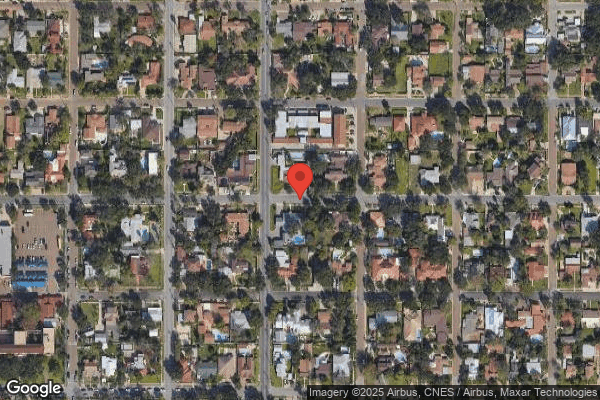
Dec 2023 2 deficiencies
CONCERN (D) 📢 Someone Reported This

A family member, employee, or ombudsman was alarmed enough to file a formal complaint

Potential for Harm - no one hurt, but risky conditions existed

Deficiency F0657 (Tag F0657)

Could have caused harm · This affected 1 resident

**NOTE- TERMS IN BRACKETS HAVE BEEN EDITED TO PROTECT CONFIDENTIALITY** Based on interview and record review, the facility failed to develop and implement a comprehensive person-centered care plan for...

Read full inspector narrative →
**NOTE- TERMS IN BRACKETS HAVE BEEN EDITED TO PROTECT CONFIDENTIALITY** Based on interview and record review, the facility failed to develop and implement a comprehensive person-centered care plan for each resident that included measurable objectives and time frames to meet a resident's medical, nursing, and mental and psychosocial needs, for one (R #2) of six residents reviewed for care plans: The facility failed to update R #2's care plan to include history of R#2's falls on 6/17/23, and 08/21/2023, as well as failed to update R#2's care plan to reflect actual events that transpired on 6/17/23 and 08/21/2023. This failure could place residents at risk for not having their needs met and psychosocial complications. The findings included: Record review of R #2's Face Sheet dated 12/09/2023 documented an [AGE] year-old female initially admitted [DATE] and re-admitted [DATE] with the diagnoses of: Alzheimer's disease (progressive disease that destroys memory and other important mental functions) , history of falling, reduced mobility, cerebellar stroke (blood supply to the cerebellum (part of the brain at the back of the skull) is stopped) , dementia (loss of cognitive functioning-thinking, remembering, and reasoning), and lack of coordination. Record review of R #2's Comprehensive Minimum Data Set, dated [DATE] documented R #2: -unfilled BIMS score -had memory problem with short-term and long-term -had severely impaired cognitive skills for daily decision making -had fall since admission/entry or reentry or prior assessment -required extensive assistance for bed mobility, toilet usage, dressing, eating, and personal hygiene. -always incontinent of bladder and frequently incontinent of bowel. Record review of R #2's Comprehensive Care Plan date initiated 10/27/2023, had no plan of care for R#2's history of falls nor updated of R#2's actual fall on 6/17/2023 and 08/21/2023. During an interview on 12/09/2023 at 10:27AM; LVN A, and RN A stated that care plans were updated when an acute episode happens. Both stated falls were acute episodes that were updated and reflected in care plans. Both stated they actively check risk management where falls would be documented. LVN A, while being interviewed, reviewed R#2's chart and stated R#2 had two documented falls this year, 2023, on 06/17/2023 and 08/21/2023. LVN A stated R#2 was scheduled on 09/15/2023 to have her MDS and Care Plan reviewed but does know why R#2's care plan was not updated to reflect R#2's events of failing or history of falling. LVN A stated while she was reviewing R#2's care plan, she did not see any interventions, or problem regarding R#2's risk for falls. RN A and LVN A stated care plans were important because they notify the clinical staff what the current plan of care was warranted. Both stated care plans allow the clinical staff to know what was going on with the residents and monitor accordingly, especially when residents have a history of falling. LVN A and RN A stated they were unsure what could happen if falls were not care planned accordingly. Regarding R#2's falls, LVN A stated, I guess we missed that one. During an interview on 12/09/2023 at 3:29PM, the DON and ADON both stated updating care plans were essential to every resident's care. Both stated care plans were important and are detrimental to the care of each resident. Both stated care plans allow the clinical staff to maintain the well-being of every resident, which will then ensure that all residents were being taken care of appropriately. Both stated when clinical staff were aware of a resident's history of falling, clinical staff may plan to round more frequently and maintain vigilance throughout their shift. The DON stated he was actively attempting to educate new and experienced staff on the expectations of the facility, and stated it was a work in progress. Both the ADON and DON were made aware, after the interview with LVN A and RN A, that R#2's care plan were not updated to reflect R#2's actual facility history of falls on 06/17/2023 and 08/21/2023. The DON stated, going forward, care plans will be addressed and updated immediately during the facility IDTs meetings. The DON stated R#2's history of falls should have been care planned and updated accordingly to reflect R#2's actual falls. Record review of facility policy titled, Care Plan Revisions Upon Status Change with date implemented 10/24/2022 revealed Policy Explanation and Compliance Guidelines: 1. The comprehensive care plan will be reviewed and revised as necessary when a resident experiences a status change. 2. Procedure for reviewing and revising the care plan when a resident experiences a status change: d. The care plan will be updated with the new or modified interventions. f. Care plans will be modified as needed by the MDS Coordinator or other designated staff member.
CONCERN (D) 📢 Someone Reported This

A family member, employee, or ombudsman was alarmed enough to file a formal complaint

Potential for Harm - no one hurt, but risky conditions existed

Infection Control (Tag F0880)

Could have caused harm · This affected 1 resident

**NOTE- TERMS IN BRACKETS HAVE BEEN EDITED TO PROTECT CONFIDENTIALITY** Based on observation, record review, and interview, the facility failed to establish and maintain an infection prevention and co...

Read full inspector narrative →
**NOTE- TERMS IN BRACKETS HAVE BEEN EDITED TO PROTECT CONFIDENTIALITY** Based on observation, record review, and interview, the facility failed to establish and maintain an infection prevention and control program, designed to provide a safe, sanitary, and comfortable environment and to help prevent the development and transmission of communicable diseases and infections, for one (R# 1) of five that were reviewed for infection control and transmission-based precautions policies and practices, in that: CNA A did not perform hand hygiene or glove changes after touching R#1's bedside table, bed remote, and R#1's feet, prior to commencing incontinent care, nor during incontinent care. These failures could place residents at risk for infection through cross contamination of pathogens. The findings included: Record review of R#1's Face Sheet dated 12/09/2023, originally admitted on [DATE], with readmission on [DATE] documented a [AGE] year-old male with the following diagnoses of: Benign Prostatic Hyperplasia (noncancerous enlargement of the prostate gland, urinary stream may be weak, or stop and start), spinal stenosis (pressure on the spinal cord and the nerves within the spine), and need for assistance with personal care, Record review of R #1's MDS dated [DATE], documented a 14/15 BIMS score documenting cognitive intactness. R#1 was coded to have an indwelling catheter. R#1 also required substantial/maximal assistance to total dependence of staff to assist in activities of daily living. Record review of R #1's Comprehensive Care Plan date revised 04/11/2023 stated, Problem: R#1 has bowel and bladder incontinence related to mobility limitations, BPH. Goal: The resident will remain free from skin breakdown due to incontinence and brief use through the review date. Interventions: Administer medication as ordered. Monitor/document for side effects and effectiveness. BRIEF USE: The resident uses disposable briefs. Clean peri-area with each incontinence episode. Encourage fluids during the day to promote prompted voiding responses. INCONTINENT: Check for incontinence. Wash, rinse, and dry perineum. Change clothing PRN after incontinence episodes. During an observation on 12/08/2023 at 4:18PM R#1 gave consent to allow observation of incontinent care. CNA A applied clean gloves, while R#1 was in bed, CNA A removed R#1's bedside table from in front of him, utilized remote buttons to lower R#1's head of bed, followed by readjusting R#1's foot. CNA A continued by grabbing clean wipes, and cleaned R#1's penile area, followed by turning R#1 to his side, and retrieved clean wiped with the same initial pair of contaminated gloves, and proceeded to clean R#1's bowel movement. CNA A, while using the same initial pair of contaminated gloves, retrieved R#1 a clean brief and clean linens, and applied clean brief to R#1 as well as applied R#1's clean linen underneath him, no hand hygiene observed during incontinent care. During an interview on 12/08/2023 at 4:40PM, CNA A stated she usually does perform hand hygiene during incontinent care, but forgot to perform during R#1's incontinent care. CNA A stated she was unaware of needing to perform glove change and hand hygiene after touching R#1's bedside table, bed remote, and foot. CNA A stated she believed gloves were adequate form of infection control. CNA A stated hand hygiene was a form of infection control, and if a resident got an infection, it could be bad for their health. CNA A gave no definitive answer of what could happen if R#1 got an infection. CNA A stated she did not recall the last time she received an in-service regarding hand hygiene nor could recall when she had an incontinent care competency. During an interview on 12/08/2023 at 4:50PM, the DON stated hand hygiene was important. The DON stated CNA A should have hand sanitizer within their person to perform hand hygiene during incontinent care. The DON stated the facility follows the CDC guidelines for hand hygiene, and once CNA A touched the various objects, and especially during care, CNA A should have performed hand hygiene. The DON stated if a patient/resident had a form of infection, and staff do not perform hand hygiene before, during, and after any hands-on care, there was a potential for an infectious outbreak within the facility. The DON stated infectious outbreaks were bad and could have a negative effect on the well-being of any resident. The DON stated the clinical staff, including CNA A, were expected to follow the basic standard of care. The DON stated, he as well as the ADONs, and Administrator conduct hand hygiene in-services monthly and as needed. The DON stated that he as well as his ADONs conduct incontinent care competencies annually and as needed. Record Review of the facility's Hand Hygiene Policy, dated 10/24/2022, stated: 2. Hand hygiene is indicated and will be performed under the conditions listed in, but not limited to, the attached hand hygiene table. (Table not attached on policy) 6. Additional considerations: a. The use of gloves does not replace hand hygiene. If your task requires gloves, perform hand hygiene prior to donning gloves, and immediately after removing gloves. On 12/08/2023 at 5:09PM requested DON to provide CNA A's latest competency checkoff and did not receive by facility exit. Record review of the facility hand hygiene in-service dated 10/17/2023 and 11/09/2023 had CNA A in attendance. Record Review of the CDC Guidelines regarding Hand Hygiene in Healthcare Settings, dated January 8, 2021, stated Healthcare personnel should use an alcohol-based hand rub or wash with soap and water for the following clinical indications: Immediately before touching a patient, before performing an aseptic task (e.g., placing an indwelling device) or handling invasive medical devices, before moving from work on a soiled body site to a clean body site on the same patient, after touching a patient or the patient's immediate environment, after contact with blood, body fluids or contaminated surfaces, and immediately after glove removal.
Jun 2023 2 deficiencies
CONCERN (D) 📢 Someone Reported This

A family member, employee, or ombudsman was alarmed enough to file a formal complaint

Potential for Harm - no one hurt, but risky conditions existed

Pressure Ulcer Prevention (Tag F0686)

Could have caused harm · This affected 1 resident

**NOTE- TERMS IN BRACKETS HAVE BEEN EDITED TO PROTECT CONFIDENTIALITY** Based on observation, interview, and record review the facility failed to ensure residents who entered the facility without pres...

Read full inspector narrative →
**NOTE- TERMS IN BRACKETS HAVE BEEN EDITED TO PROTECT CONFIDENTIALITY** Based on observation, interview, and record review the facility failed to ensure residents who entered the facility without pressure ulcers did not develop pressure ulcers and a resident having pressure ulcers received care and treatment consistent with professional standards of practice to promote healing and prevent further development of skin breakdown or pressure ulcers for one (R #2) of eight residents reviewed for pressure ulcers. -The facility failed to assess and document a detailed description of R #2's pressure ulcers upon admission other than he was admitted with a friction tear to right buttock and deep tissue pressure injury to bilateral heels. -The Admitting RN failed to consult with R #2's physician upon admission when he saw R #2's friction tear to right buttock and deep tissue pressure injury to bilateral heels leaving the resident to go without preventative wound care for 7 days after admission date 03/09/2023. These failures could place residents with pressure ulcers as well as other residents receiving preventive skin care at risk for developing new pressure ulcers or a deterioration in existing pressure ulcers. The findings included: Review of the Face Sheet dated 06/23/2023 revealed R #2 was a [AGE] year-old male, who was initially admitted to the facility on [DATE] and readmitted on [DATE] and 06/09/2023. His diagnoses included Type Two Diabetes; Acute kidney failure; Pneumonia; Severe sepsis with septic shock; Hypertension; Atrial Fibrillation; and pressure ulcer of sacral region (the portion of your spine between your lower back and tailbone). Review of R #2's Minimum Data Set (MDS) assessment dated [DATE], reflected it did not code R#2 with pressure ulcers. Review of R #2's Start Up Orders dated 03/09/2023 revealed no wound care orders. Review of admission Data Summary/Progress Note dated 03/09/2023 revealed R #2's ADLs function prior to admission was that he required partial/moderate assistance for mobility and transfer; required some supervision or touching assistance with eating; was incontinent of bowel and bladder. R #2 had an unstable gait. He could usually understand others and make himself understood. R #2 was not in pain. R #2 was not at risk for wandering. R #2 had excoriations to buttock, friction tear to right buttock, and deep tissue pressure injury to bilateral heels documented.There was no other documentation of the detailed description of the ulcers. There were no pressure ulcers documented on the Initial Nursing Evaluation/Admissions Assessment . Review of R #2's Physician Orders dated 03/16/2023 documented Wound Care: Unstageable (full thickness tissue loss in which the base of the ulcer is covered by slough (yellow, tan, gray, green or brown) and/or eschar (tan, brown or black) in the wound bed) in the wound bed) Pressure Ulcer: Left Heel/Right Heel: Cleanse with NS [normal saline], pat dry, apply Santyl ointment to wound bed, cover with absorbent dressing, wrap with gauze bandage roll, and secure with Medfix QOD [every other day] and PRN [as needed] if soiled/loose every dayshift. Heel floater (suspends the heel over an air cavity. This creates a barrier between skin and any surfaces that may cause pressure or friction, reducing the risk of damage to the skin) at all times while in bed every shift. Monitor Stage II [Partial-thickness loss of skin with exposed dermis. The wound bed is viable, pink or red, moist, and may also present as an intact or ruptured serum-filled blister] pressure injury to left buttock and document (+) if there are no observed abnormalities or changes to the dressing, skin, or pain associated with the wound. Document (-) if abnormalities or drainage to the dressing, skin, or pain associated with the wound are present or observed every shift. Review of R #2's Care Plan dated 03/16/2023 revealed R#2 had pressure ulcers or potential for pressure ulcer development r/t mobility limitations, incontinence, Stage IV Left Heel, Stage IV Right Heel, and Stage IV Sacrum. R#2's goal was the resident's pressure ulcers will show signs of healing and remain free from infection by/through review date. Interventions documented for R#2 were: The resident requires the bed as flat as possible to reduce shear (break off or cause to break off). Administer medications as ordered. Monitor/document for side effects and effectiveness. Administer treatments as ordered and monitor for effectiveness. Assess/record/monitor wound healing. Measure length, width, and depth where possible. Assess and document status of wound perimeter, wound bed, and healing progress. Report improvements and declines to the MD. Follow facility policies/protocols for the prevention/treatment of skin breakdown. Monitor dressings to ensure it is intact and adhering. Report loose dressing to treatment nurse. Monitor nutritional status. Serve diet as ordered, monitor intake and record. Monitor/document/report PRN any changes in skin status: appearance, color, wound healing, s/sx of infection, wound size (length X width X depth), stage. Obtain and monitor lab/diagnostic work as ordered. Report results to MD and follow up as indicated. The resident needs to turn/reposition at least every 2 hours, more often as needed or requested. Wound Vac (negative-pressure wound therapy, also known as a vacuum assisted closure, is a therapeutic technique using a suction pump, tubing, and a dressing to remove excess exudate and promote healing in acute or chronic wounds) as ordered. Review of R #2's Weekly Pressure Ulcer Skin Evaluation reflected: - 03/09/2023: There was no detailed description of the ulcers documented, making it difficult to know the wounds appearance, amount, and type of drainage - 03/16/2023: documented by wound care LVN revealed: 1. Left Heel: Unstageable: 6.9cm (length) X 5.6cm (width), exudate serosanguineous (thin, watery, pale red/pink) drainage. 2. Right Heel: Unstageable: 5.6cm (length) X 5.3cm (width) exudate serosanguineous drainage. 3. Sacrum unstageable: 3.5cm (length) X 1.4cm (width) no exudate documented. -03/30/2023 1. 1.Left Heel: Unstageable : 6.2cm (length) X 4.8cm (width), no exudate documented. 2. 2.Right Heel: Unstageable: 5.8cm (length) X 5.0cm (width) no exudate documented. 3. 3.Sacrum Stage II : 6.3cm (length) X 6.2cm (width) no exudate serous documented. Review of R #2's March 2023 Treatment Administration Record (TAR) revealed Wound Care: Unstageable Pressure Ulcer: Left Heel/Right Heel: Cleanse with NS [normal saline], pat dry, apply Santyl ointment to wound bed, cover with absorbent dressing, wrap with gauze bandage roll, and secure with Medfix QOD [every other day] and PRN [as needed] if soiled/loose every dayshift. Heel floater at all times while in bed every shift. Monitor Stage II [Partial-thickness loss of skin with exposed dermis. The wound bed is viable, pink, or red, moist, and may also present as an intact or ruptured serum-filled blister] pressure injury to left buttock and document (+) if there are no observed abnormalities or changes to the dressing, skin, or pain associated with the wound. Document (-) if abnormalities or drainage to the dressing, skin, or pain associated with the wound are present or observed every shift - Start 03/16/2023. The TAR documented that this treatment was done daily beginning on 03/16/2023 and ending on 03/20/2023. Review of R #2's Progress/Nurse's Notes dated 03/09/2023 - 03/16/2023 revealed no detailed description of R #2's pressure ulcers. On R#2's Admission's Progress Note, the RN documented, Skin: Skin changes since last evaluation: No; Does resident have treatable wounds: No. Review of Progress/Nurse's Note dated 03/16/2023, completed by R #2's Wound Care Nurse, revealed R#2 was seen at bedside for skin assessment status post reports of seeping gauzes by therapy team to resident's feet; wound care nurse was not made aware of findings upon admission and no orders were placed in Point Click Care (electronic health record) for wounds. during assessment, it was noted that resident had large, oversized hospital grip socks with drenched gauzes underneath. resident's dressings were dated 3/7/2023. resident presents with unstageable pressure injuries bilateral heels. resident was also noted with unstageable pressure injury to sacrum and stage II to left buttock. FNP in facility and assessed areas and gave orders. Resident is to be set-up with wound care clinic per FNP Unable to observe R#2 due to the expirational discharge of R#2 on 06/13/2023. Interview with the RN A on 06/23/2023 at 10:05AM, she stated she was recently hired within the past two months, and was not employed between 03/09/2023-03/16/2023. RN A stated upon a resident's admission, the admitting nurse will notify the Physician of any skin abnormalities shortly after the admission process is completed. RN A stated the expectation is to make sure proactive and precautionary measures are initiated as quickly as possible to ensure the safety of all residents. The admitting nurse will then notify the Wound Care Nurse via verbal notification as well as through initial assessments, progress notes, or computer orders. RN A stated it was unacceptable for R#2 to go without any preventative wound care for seven days (03/09/2023-03/16/2023). RN A stated if wounds and pressure ulcers are not proactively acted upon, wounds/pressure ulcers can enlarge, open, or become infected (which upon record review for R#2 bilateral heels skin opened). RN A stated infections could potentially compromise a resident's health and safety. The RN A theorized R#2's admitting nurse did not follow the facility's policy and procedure regarding a head-to-toe body evaluation upon admission. The RN A stated she does not recollect when she was last in-serviced about policy and procedures regarding admission skin integrity management assessments. During an interview with the Administrator on 06/23/2023 at 11:15 a.m. revealed he was on leave during the month of March 2023, and an interim Administrator was in charge. The Administrator stated the expectation of the facility was for the discovering nurse to follow through and call the physician to notify of any skin abnormalities. The Administrator stated the previous wound care nurse was not efficient nor effective and should have been proactive to check skin assessments on all admissions. The Administrator stated he terminated the previous Wound Care Nurse shortly after the incident with R#2. The Administrator stated it was unacceptable for the admitting nurse of R#2 to not notify R#2's Physician, thus jeopardizing the resident's skin integrity for seven days which could have led to the injuries to open or become infected (which upon record review for R#2 bilateral heels skin opened). The Administrator stated the admitting nurse of R#2 in question, is no longer employed at the facility. The Administrator stated it was the facility's expectation that all nurses follow the policy and procedures regarding admissions. The Administrator stated he has just employed a new DON within the past 2 months who has begun reeducating all nursing staff on admission requirements in conjunction with policy and procedures and was confident of the changes the DON has made. Record review of the facility's Skin Integrity Management System, undated, stated: A head-to-toe body evaluation will be completed on every resident upon admission or readmission on the Initial Nursing Evaluation. Weekly thereafter the evaluations will be documented on the weekly Skin Evaluation UDA . If skin is compromised, proceed to the Weekly Wound Progress UDA. A. Identified skin areas will be documented on the Weekly Pressure or Non-Pressure UDA. Wound progress is to be documented each week with measurements and wound description. 1. Treatment for an identified area is documented on the Treatment Administration Record (TAR) a. Dressings are to be dated and initialed upon completion 2. Progress of the identified area will be documented on the Weekly Pressure or Non-Pressure UDA at least every 7 days, or less if the wound shows a decline or is healed. The Physician is to be contacted after 14 days if the area has not shown improvement or immediately if it shows a decline. Documentation of the Physician notification is to be in the Progress Notes. According to the National Pressure Ulcer Advisory Panel website (http://www.npuap.org/resources/educational-and-clinical-resources/pressure-injury-staging-illustrations/) searched on 07/03/2023 revealed: Pressure Injury Prevention Points: Risk Assessment: 1. Consider bedfast and chairfast individuals to be at risk for development of pressure injury . 1.Inspect all of the skin upon admission as soon as possible (but within 8 hours). 2.Inspect the skin at least daily for signs of pressure injury, especially nonblanchable erythema (discoloration of the skin that does not turn white when pressed). 3.Assess pressure points, such as the sacrum, coccyx (tailbone) , buttocks, heels, ischium (bottom of the pelvis) , trochanters (upper part of the thigh bone), elbows, and beneath medical devices .
CONCERN (D) 📢 Someone Reported This

A family member, employee, or ombudsman was alarmed enough to file a formal complaint

Potential for Harm - no one hurt, but risky conditions existed

Infection Control (Tag F0880)

Could have caused harm · This affected 1 resident

**NOTE- TERMS IN BRACKETS HAVE BEEN EDITED TO PROTECT CONFIDENTIALITY** Based on observation, interview, and record review the facility failed to establish and maintain an Infection Prevention and Con...

Read full inspector narrative →
**NOTE- TERMS IN BRACKETS HAVE BEEN EDITED TO PROTECT CONFIDENTIALITY** Based on observation, interview, and record review the facility failed to establish and maintain an Infection Prevention and Control Program designed to help prevent the standard and transmission-based precautions to be followed to prevent the spread of infections or diseases for 1 resident, Resident #1 (#R1) of one resident observed for infection control. The facility failed to perform hand hygiene between glove change while assisting R #1 with personal care -perform sanitary cleaning during care for R #1. These failures could have affected 1 resident at risk for improper care, infections, and illnesses. Findings include: Record review of R#1's clinical file revealed an [AGE] year-old male, with an original admission date of 12/12/2022. Diagnosis included, Atrial Fibrillation (abnormal heart rhythm characterized by rapid and irregular beating of the atrial chambers of the heart), Hemiplegia (paralysis of one side of the body), Diabetes Insipidus (disorder that causes the body to make too much urine), Diabetes Mellitus (inability of the body to produce or respond to insulin and maintain proper levels of blood sugar in the blood), Peripheral Vascular Disease ( narrowing of arteries), Hypothyroidism (thyroid gland does not produce enough thyroid hormone), Altered Mental Status, Contractures of Muscles, Heart Failure, Pressure Ulcer to Right Heel (unstageable), and Cystitis with Hematuria (infection if the urinary bladder). Resident #1's most recent MDS data dated 6/13/2023 identified a BIMS (Brief Interview of Mental Status,) score of 06 (Severly Impaired Cognition). R#1 requires extensive assistance on bed mobility, transfers, dressing, toilet use, and personal hygiene. Observation of peri care (Perineal Care, breif change) on 6/23/23 at 9:39am. revealed CNA A and CNA B sanitized hands prior to putting on gloves. CNA B grabbed a trash bag and put it on Resident #1's bed to discard soiled items. CNA A gathered the rest of the supplies needed for peri care for R#1. CNA B held R#1 in a turned position (facing CNA B). CNA A removed R#1's brief, grabbed a wipe and wiped the resident from front to back repeatedly without using a new wipe or folding the wipe for a clean surface to be used. CNA A cleaned R#1 with a visibly soiled wipe multiple time. CNA A then took off soiled gloves and put on new gloves without sanitizing hands or washing hands, then proceeded to put on new pair of gloves. CNA A placed a new brief on R#1. Interview with CNA A and CNA B at 10:15am on 6/23/2023. CNA B has been at the facility for 18 years and worked as a CNA at the facility for 9 years. CNA B stated, between glove changes, hands should be washed, or sanitized. Both CNA A and CNA B stated, they did not perform hand hygiene between glove changes and stated they were nervous and forgot. CNA A stated when they take the off the resident's brief , they clean the resident and use multiple wipes to clean the resident if needed but do not fold the wipe to use a clean surface and puts on a new breif on the resident once cleaned. CNA A stated last in-service on hand hygiene was maybe a month a two ago but could not remember when. Interview with DON and Administrator on 6/23/23 at 11:20am. DON stated, the expectations for hand hygiene by staff are to follow CDC guidelines. DON stated, staff should be washing hands before putting on gloves, during glove changes, and after removing gloves. Both Administrator and DON stated, hands should be washed for At least 20 seconds to prevent cross contamination and the spread of germs/infections. During an observation on 06/23/2023 at 9:49AM, the RN A commenced the wound care by washing her hands for 8 seconds, then proceeded to set up clean supplies on R#1's bedside table. The RN A applied clean gloves, removed soiled dressing that had serosanguineous (thin, watery, pale red/pink) drainage from the sacrum area and disposed dressing. While using the same initial gloves, the RN A retrieved the clean gauze dressing that was soaked in Vashe cleaning solution and proceeded to clean utilizing several clean soaked gauzes each time. The RN A proceeded to remove dirty gloves, then applied clean gloves and packed the sacrum pressure injury with silver alginate. She then removed the contaminated gloves and applied new gloves and applied dressing. No hand hygiene was performed throughout the procedure. The RN A finished the wound care procedure by washing her hands for 12 seconds. During an interview on 06/23/2023 at 10:05AM, the RN A stated she did not realize she only washed her hands for 8 seconds then 12 seconds. The RN A stated washing hands for less than 20 seconds could possibly lead to infecting R#1 with bacterial contaminants she may have contracted, and potentially jeopardize the resident's safety. The RN A stated she got nervous and stated she forgot to wash her hands during the wound care procedure. The RN A stated she has not had any infection control nor hand hygiene in-services, as well as not been given any competency check offs. Record review of in-service on Hand Hygiene and Infection Control dated June 2023 beginning on 6/13/2023for all staff on the proper steps of performing hand hygiene before and after glove changes, and befer/after resident care. Review of Policy on Infection Prevention and Control Program dated 5/13/23 states: This facility has established and maintains an infection prevention and control program designed to provide a safe, sanitary, and comfortable environment and to help prevent the development and transmission of communicable diseases and infections as per accepted national standards. and guidelines. 4. Standard Precautions: b. Hand hygiene should be performed in accordance with our facility's established hand hygiene procedures. Review of Hand Hygiene Guidance dated 1/30/2020 states: Immediately before touching a patient Before performing an aseptic task Before moving from work on a soiled body site to a clean body site on the same patient After touching a patient or the patient's immediate environment After contact with blood, body fluids, or contaminated surfaces Immediately after glove removal Review of Handwashing-Hand Hygiene Policy dated 1/2018 states All personnel shall follow the handwashing/hand hygiene procedures to help prevent the spread of infections to other personnel, residents, and visitors. Washing hand procedure states: 1. Vigorously lather hands with soap and rub them together, creating friction to all surfaces, for a minimum of 20 seconds (or longer) under a moderate stream of running water, at a comfortable temperature.
Mar 2023 1 deficiency
CONCERN (D) 📢 Someone Reported This

A family member, employee, or ombudsman was alarmed enough to file a formal complaint

Potential for Harm - no one hurt, but risky conditions existed

Infection Control (Tag F0880)

Could have caused harm · This affected 1 resident

**NOTE- TERMS IN BRACKETS HAVE BEEN EDITED TO PROTECT CONFIDENTIALITY** Based on observation, record review, and interview, the facility failed to establish and maintain an infection prevention and co...

Read full inspector narrative →
**NOTE- TERMS IN BRACKETS HAVE BEEN EDITED TO PROTECT CONFIDENTIALITY** Based on observation, record review, and interview, the facility failed to establish and maintain an infection prevention and control program, designed to provide a safe, sanitary, and comfortable environment and to help prevent the development and transmission of communicable diseases and infections, for one of the Residents (R# 1) of thirteen that were reviewed for infection control and transmission-based precautions policies and practices, in that: LVN A did not remove their contaminated gloves after discarding the serous color fluid gauze that was removed from R#1's percutaneous endoscopic gastrostomy (PEG) tube. LVN A continued to use dirty gloves to clean PEG tube site with normal saline and clean gauze. These failures could place residents at risk for infection through cross contamination of pathogens. The findings included: 1. Record review of R 1's Face Sheet dated 03/23/2023, revealed the resident was admitted originally on 10/06/2022, with readmission date, 03/11/2023. The resident was an [AGE] year-old female with the following diagnoses: Pneumonia (infection that affects one or both lungs), Encephalopathy (disease of the brain that alters brain function or structure), Acute respiratory failure (acute or chronic impairment of gas exchange between the lungs and the blood causing hypoxia (low oxygen in blood) with or without hypercapnia (high amount of carbon dioxide)), Dysphagia (swallowing difficulties), Hemiplegia and Hemiparesis following nontraumatic intracranial hemorrhage (hemiplegia refers to complete paralysis, while hemiparesis refers to partial weakness), and Muscle wasting and atrophy(waste away). Record review of R #1's MDS dated [DATE] documented BIMS blank without numerical value. Total dependency of staff to assist in activities of daily living was also left blank. Record review of R #1's Comprehensive Care Plan initiated on 02/28/2023 documented, Problem: The resident requires tube feeding. Goal: The resident will be free of aspiration through the review date (03/16/2023), the resident's insertion site will be free of s/s of infection through review date (03/16/2023). Interventions: The resident needs the head of bed elevated 45 degrees during and thirty minutes after tube feed. Check for tube placement and gastric contents/residuals volume per facility protocol and record, hold feed if greater than (specify) cc aspirate. Provide local care to G-Tube site as ordered and monitor for s/s of infection. Observation on 03/23/2023 at 1:14PM revealed LVN A, checked resident's Resident 1's physician orders which stated 100ml flush prior to initiating tube feeding. LVN A, measured out 100ml of water in cup, knocked on door, entered room, and closed the door. LVN A then proceeded to set up supplies by using resident's bedside table. Once the set up was complete, and all supplies were laid out on table, LVN A exited bedroom, applied their personal antibacterial hand sanitizer until dried. Once the hand sanitizer dried LVN A re-entered resident's bedroom and closed the door. LVN A then proceeded with applying gloves, lifted resident clothing to expose abdominal area where PEG tube was surgically inserted, withdrew, and discarded dirty contaminated gauze that appeared to have small amount of serous colored fluid. Using the same gloves, LVN A retrieved additional clean gauzes from the bedside table, using a clean cup, inserted the same clean gauzes into the cup, and saturated the gauze with normal saline. LVN A retrieved one gauze from the cup, removed excess liquid into same cup, returned to the PEG tube, and began to clean skin around the tube. LVN A performed the cleaning twice, using the same fluid filled cup with additional gauze that was left in cup. LVN A then discarded the cleansing gauze with dirty gloves into a trash bin. LVN A then applied new gloves , no hand hygiene performed prior to application of new gloves. LVN A proceeded to retrieve another clean gauze from bedside table and applied to skin part of insertion point/ around the tube. During an interview with LVN A on 03/23/2023 at 01:37PM, LVN A was asked on the facility's infection control procedure when providing cleaning care, to which their response was I should've taken the off and applied new gloves before cleaning. When LVN A was asked the reasoning to why the gloves needed to be removed prior to cleaning, LVN A responded, to prevent infection, I just got in my head. When LVN A was asked about performance of hand hygiene, LVN A replied throughout care. Per LVN A, the only in-service provided to agency workers is a questionnaire questioning their knowledge and ability to work with enteral feedings. During an interview with DON on 03/23/2023 at 1:42PM, DON was asked about the Hand Hygiene policy which stated, infection control precautions, which needed an explanation to meaning, to which the DON stated antibacterial hand sanitizer as well as soap and water were acceptable forms of hand hygiene. DON was then asked when should hand hygiene be performed, to which the DON replied, prior, during, and after performed care. DON was given the detailed observation of R #1's PEG tube care, and was asked what was wrong with the observation, to which DON stated that after the removal of the contaminated gauze, LVN A should have removed the contaminated gloves as a standard of practice to minimize chance of infection. When DON was asked about the training and competencies staff receive, their response was upon hire but was unable to provide any documentation or elaboration of what training entailed. Record Review of facility's policy on Care and Treatment of Feeding Tubes undated, stated, Direction for staff on how to provide the following care will be provided: d. Use of infection control precautions and related techniques to minimize the risk of contamination. There was no instructional procedure listed on how to properly clean feeding tubes. Record Review of facility's Hand hygiene Policy dated 10/24/22 revealed no definitive procedure on when to use hand hygiene soap and water to alcohol-based hand rub. On 03/23/2023 at 1:42PM This surveyor requested policies and procedures from the DON regarding medication administration via gastric tubes, as well as competencies administered to personnel . No policies and procedures were provided for medication administration via gastric tubes, as well as competencies by the facility by time of exit.
Mar 2023 1 deficiency
CONCERN (E) 📢 Someone Reported This

A family member, employee, or ombudsman was alarmed enough to file a formal complaint

Potential for Harm - no one hurt, but risky conditions existed

ADL Care (Tag F0677)

Could have caused harm · This affected multiple residents

**NOTE- TERMS IN BRACKETS HAVE BEEN EDITED TO PROTECT CONFIDENTIALITY** Based on interview and record review the facility failed to ensure residents who were unable to carry out activities of daily li...

Read full inspector narrative →
**NOTE- TERMS IN BRACKETS HAVE BEEN EDITED TO PROTECT CONFIDENTIALITY** Based on interview and record review the facility failed to ensure residents who were unable to carry out activities of daily living received the necessary services to maintain good personal hygiene for 4 of 4 (Resident #'s 1, 2, 3, and 4) residents whose records were reviewed for activities of daily life. Nursing staff did not ensure care plans were followed for residents after Resident #1 was noted to have transferred to another nursing facility because she had not been bathed for four consecutive days . Resident # 2 was noted to have been bathed 4 times from February 10th to March 16th. Resident #3 was noted to have been bathed 7 times from February 10th to March 16th. Resident #4 was noted to have been bathed 7 times from February 10th to March 16th. These deficient practices could affect residents residing at the facility that had self-care performance deficits and could result in infections, skin breakdown and low self-esteem. The findings were: Review of Resident #1's medical face sheet dated 3/16/2022 revealed she was an [AGE] year-old (y/o) female admitted on [DATE] with diagnoses (dx) of dementia, anxiety, need for assistance with personal care. Review of Resident #1's comprehensive care plan revealed instructions that included: BATHING/SHOWERING: The resident requires extensive assistance by (2) staff with showering every other day (QOD) and as necessary. Review of Resident #1's bathing history gleaned from CNA notes for February 2023 revealed (no refusals, no behaviors) no bathing for month of February. During an interview on 3/16/2023 at 10:30 AM the DON stated the residents are supposed to be bathed three times a week. During an interview on 3/16/2023 at 3:45 PM, the ADON indicated, after her review of CNA notes and documentation for February 2023, Resident #1 did not receive a bath in February: no refusals were charted, and no behaviors were charted. During an interview on 3/16/2023 at 4:00 PM, the DON stated she did a bathing in-service with CNAs informally on or around 2/9/2023 after Resident #1's RP complained. There was no paperwork to show training was completed. Review of Resident #2's medical face sheet dated 3/17/2022 revealed she was an 84 y/o female admitted on [DATE] with dx of Parkinson's disease, dementia, schizophrenia, and a need for assistance with personal care. Review of her quarterly Minimum Data Sheet (MDS) revealed Resident #2's Brief Interview for Mental Status (BIMS) was 0, indicating severe cognitive impairment. Review of Resident #2's comprehensive care plan revealed she had an Activity of Daily Life (ADL) self-care performance deficit related to dementia. Care plan instructions included: BATHING/SHOWERING: The resident requires extensive assistance by (1) staff with bathing/showering as scheduled and as necessary. BATHING/SHOWERING: I PREFER A MORNING BATH EVERY OTHER DAY Review of Resident #2's bathing history from 2/10/2023 - 3/16/2023 revealed (no refusals, no behaviors) bathing on 2/16/2023, 3/4/2023, 3/14/2023, 3/16/2023. Observation on 3/17/2023 at 11:20 a.m., revealed Resident #2 was lying in bed. Attempted interview revealed she was not interview able and unresponsive to voice . Review of Resident #3's medical face sheet dated 3/17/2022 revealed he was a 79 y/o male admitted on [DATE] with dx of cerebral infarction (stroke), diabetes mellitus type 2 (DMII), and Ataxia (impaired coordination). Review of a quarterly MDS revealed Resident #3's BIMS was 9 indicating moderate cognitive impairment . Review of Resident #3's comprehensive care plan reviewed dated revealed he had an Activity of Daily Life (ADL) self-care performance deficit related to weakness. Instructions included: BATHING/SHOWERING: The resident requires assistance by (1) staff with (bathing/showering) every other day and as necessary. Review of Resident #3's bathing hist [NAME] gleaned from CNA notes from 2/10/2023 - 3/17/2023 revealed (no refusals or behaviors) resident was bathed on 2/19/2023, 2/27/2023, 2/29/2023, 3/5/2023, 3/9/2-23, 3/13/2023, 3/17/2023 Observation on 3/17/2023 at 11:30 a.m., revealed Resident #3 was lying in bed. Interview at this same time with Resident #3 indicated he was bathed today. He voiced no complaints. Review of Resident #4's medical face sheet dated 3/17/2022 revealed she was an 89 y/o female admitted on [DATE] with dx of dementia, Alzheimer's, contracture of muscle, right thigh, pressure ulcer sacral region. Review of a quarterly MDS revealed Resident #4's BIMS was 0 indicating severe cognitive impairment . Review of Resident #4's comprehensive care plan revealed she had an Activity of Daily Life (ADL) self-care performance deficit related to cognitive deficits, dx of dementia. Care Plan Instructions included: BATHING/SHOWERING: requires physical help in bathing activity by (1) staff with bathing/showering as scheduled and as necessary. Review of Resident #4's bathing history gleaned from CNA notes from 2/10/2023 - 3/17/2023 (no refusals, no behaviors indicated) revealed bathing was done on 2/10/16, 2/16/2023, 2/22/2023, 3/4/2023, 3/6/2023, 3/14/2023, 3/16/2023. Observation on 3/17/2023 at 11:35 a.m., revealed Resident #4 was lying in bed. Attempted interview at this same time with Resident #4 revealed she was not interview able and unresponsive to voice. During an interview on 3/17/2023 at 10:20 AM, with the ADON stated: my opinion is we have a deficit in bathing residents. There should be more times that they get bathed. We could miss skin issues. Their hygiene suffers. During an interview on 3/17/2023 at 10:30 AM, the DON she stated: The schedule is bathing three times a week. I do not think they are bathed enough. I do not know what's going on. The CNAs, when I spoke with them, they are giving a bed bath. I agree that they are not being bathed enough. They could have skin breakdowns. Infections. Quality of life issues. I am in charge of the CNAs, the ADON, and the charge nurses During an interview on 3/17/2023 at 10:50 AM, the Administrator stated: I can tell you this right now: we are having a nurse getting with the CNAs and we are reviewing proper documentation. I do not think the residents at this facility are bathed enough. I think the nurse aids are, well . they will say we will bathe them tomorrow, or we will save it for the next shift, and then the next shift does not do it. I think it could lead to skin care issues/problems. Are they wearing the same clothes? During an interview on 3/17/2023 at 1:50 PM, CNA #1 stated: I have worked here two years. The residents do not always get bathed because sometimes there is only one or two CNAs and they do not have time to bathe everyone. We need more staff. During an interview on 3/17/2023 at 2:00 PM, CNA #2 stated: I have been here 1 year. The residents do not always get bathed because sometimes we do not have staff. We have 3 or 4 CNAs, sometimes we have 1, sometimes we have 2 for the showers. That is the only reason. During an interview on 3/17/2023 at 2:04 PM, CNA #3 stated: I have been here 6 years. If there is one CNA on the hall they do not bathe everyone. When they have two they can. I think they need more staff. Review of a facility policy titled Regency Integrated Health Services Policy/Procedures for Abuse/Neglect and Exploitation (8/15/2022) Definition of Neglect failure of the facility, its employees, or service providers to provide goods and services to a resident that are necessary to avoid physical harm, pain, mental anguish, or emotional distress. Prevention of Abuse, Neglect and Exploitation The facility will implement policies and procedures to prevent and prohibit neglect that achieves: Identifying, correcting, and intervening in situations in which neglect is more likely to occur with the deployment of trained and qualified registered, licensed, and certified staff on each shift in sufficient numbers to meet the needs of the residents and assure that the staff assigned have the knowledge of the individual resident's care needs and behavioral symptoms. Review of a facility policy titled, Regency Health Services Policy/Procedures for Activities of Daily Life (10/24/2022) Care and services will be provided for the following activities of daily living: 1. Bathing, dressing, grooming and oral care.
Feb 2023 1 deficiency
CONCERN (E) 📢 Someone Reported This

A family member, employee, or ombudsman was alarmed enough to file a formal complaint

Potential for Harm - no one hurt, but risky conditions existed

Medical Records (Tag F0842)

Could have caused harm · This affected multiple residents

**NOTE- TERMS IN BRACKETS HAVE BEEN EDITED TO PROTECT CONFIDENTIALITY** Based on interview and record review, the facility failed to maintain clinical records in accordance with accepted professional ...

Read full inspector narrative →
**NOTE- TERMS IN BRACKETS HAVE BEEN EDITED TO PROTECT CONFIDENTIALITY** Based on interview and record review, the facility failed to maintain clinical records in accordance with accepted professional standards and practices that are complete and accurately documented for 3 of 6 Residents (Resident #3, Resident #4 and Resident #5) reviewed for medical records accuracy, in that: Resident #3's, Resident #4's and Resident #5's January 2023 Treatment Administration Record had blanks for physician's ordered WanderGuard (a device designed to help protect an individual from wandering into an unsafe area) device placement. This deficient practice could affect residents whose records are maintained by the facility and could place them at risk for errors in care, and treatment. The findings were: Record review of Resident #3's face sheet, dated 02/04/23, revealed the resident was a [AGE] year-old male who was admitted to the facility on [DATE] with diagnoses that included: Schizophrenia (Mental disorder in which people interpret reality abnormally), hypertension ( Blood pressure that is higher than normal), type 2 diabetes mellitus (A chronic condition that affects the way the body process blood sugar), hyperlipidemia ( Too many fats such as cholesterol and triglycerides in blood), and covid-19 (A respiratory disease caused by the SARS-CoV-2 virus). Record review of Resident #3's quarterly MDS, dated [DATE], revealed Resident #3 had a BIMS score of 5, indicating he had severe cognitive impairment. Record review of Resident #3's physician's orders, retrieved on 02/03/23, revealed an order to Visually check electronic monitoring device every shift with a start date 09/27/22 and no discontinue date as of 02/03/23. Record review of Resident #3's Treatment Administration Record for January 2023 revealed 15 out of 93 shifts were left blank for Resident #3's physician order to Visually check electronic monitoring device every shift with a start date 09/27/22 and no discontinue date as of 02/03/23. Record review of Resident #4's face sheet, dated 02/04/23, revealed the resident was a [AGE] year-old female who was admitted to the facility on [DATE] with diagnoses that included: Peripheral vascular disease (a circulatory condition in which narrowed blood vessels reduce blood flow to the limbs), type 2 diabetes mellitus (A chronic condition that affects the way the body processes blood sugar) with diabetic peripheral angiopathy (a blood vessel disease caused by high levels of glucose) without gangrene (death of body tissue), schizophrenia (mental disorder in which people interpret reality abnormally), hypertension (blood pressure higher than normal). Record review of Resident #4's quarterly MDS, dated [DATE], revealed Resident #4 had a BIMS score of 12, indicating she had moderate cognitive impairment. Record review of Resident #4's physician's orders, retrieved on 02/03/23, revealed an order to Visually check electronic monitoring device every shift with a start date 05/06/22 and no discontinue date as of 02/03/23. Record review of Resident #4's Treatment Administration Record for January 2023 revealed 11 out of 93 shifts were left blank for Resident #4's physician order to Visually check electronic monitoring device every shift with a start date 05/06/22 and no discontinue date as of 02/03/23. Record review of Resident #5's face sheet, dated 02/04/23, revealed the resident was a [AGE] year-old female who was admitted to the facility on [DATE] with diagnoses that included: Schizophreniform (disorder that affects how you act, think, relate to others, express emotions and perceive reality), type 2 diabetes mellitus (A chronic condition that affects the way the body process blood sugar), hyperlipidemia (too many fats such as cholesterol and triglycerides in blood), and cerebral infarction (the result of disrupted blood flow to the brain due to problems with the blood vessels that supply it). Record review of Resident #5's quarterly MDS, dated [DATE], revealed Resident #5 had a BIMS score of 13, indicating she was cognitively intact. Record review of Resident #5's physician's orders, retrieved on 02/03/23, revealed an order to Visually check electronic monitoring device every shift with a start date 10/16/19 and no discontinue date as of 02/03/23. Record review of Resident #5's Treatment Administration Record for January 2023 revealed 12 out of 93 shifts were left blank for Resident #5's physician order to Visually check electronic monitoring device every shift with a start date 10/16/19 and no discontinue date as of 02/03/23 Record Review of facility provide staff list who were identified by facility to have worked with Resident #3, #4 and #5 on days that were not documented on the Treatment Administration Record was provided on 02/06/23. Record review of this document revealed RN A and RN B worked majority of undocumented shifts. Multiple attempts were made to contact RN A via telephone on 02/22/23 at 12:39PM, 02/22/23 at 1:26PM, 02/22/23 at 2:01PM and 02/22/23 at 3:43PM, no answers were made on any attempt, voicemail left with each unanswered call and no returned calls. Multiple attempts were made to contact RN B via telephone on 02/22/23 at 12:56PM, 02/22/23 at 1:35PM, 02/22/23 at 1:58PM and 02/22/23 at 3:42PM, no answers were made on any attempt, voicemail left with each unanswered call and no returned calls. During an interview with The Administrator on 02/04/2023 at 9:30 AM, The Administrator reviewed the Treatment Administration Records for Resident #3, #4 and #5 for January 2023 and confirmed blanks were present for multiple shifts and days for visual inspection of residents' signaling devices. The Administrator stated, blank means it wasn't done and stated, if the order is there for every shift, it needs to be done every shift. The Administrator stated nursing was responsible for that documentation. The Administrator stated he could not answer for the nurses when asked if residents' WanderGuard devices were checked on shifts that weren't documented for. The Administrator stated the residents' Treatment Administration Record was not documented for because staff probably got busy doing something else. The Administrator stated incorrect documentation can negatively affect a resident because if staff are not checking maybe they have the potential to eloping (leaving a safe area or safe premises). The Administrator stated staff had recently been trained on documentation of services, treatment and medication provided and stated they had an upcoming Inservice over the topic on 02/16/23. The Administrator stated to monitor the records to ensure accurate documentation the DON has a check list on certain areas that she checks. During an interview with the DON on 02/22/23 at 2:23 PM, the DON stated Resident #3, Resident #4 and Resident #5 had orders to Visually check electronic monitoring device every shift. The DON stated the nurses were responsible for documentation on Resident #3's, #4's and Resident #5's Treatment Administration Record. The DON stated a blank on the Treatment Administration Record meant was not done. The DON reviewed Resident #3's, #4's and #5's January 2023 Treatment Administration Record and confirmed there were multiple blanks. The DON stated she couldn't say if the staff during those shifts visually checked if Resident #3's, #4's and #5's WanderGuard device were in place because she was not present. The DON did not know why the Treatment Administration Record had not been documented. The DON stated incorrect documentation could negatively affect residents by If it's not monitored, the device may not be working. The DON stated staff was trained over documentation on the services, treatment and medication provided and stated they had most recently had a training within the last month. The DON stated usually the DON and Administrator are responsible for providing that training to staff. The DON stated the facility's procedure for monitoring the records to ensure accurate documentation include her running a daily list of anything missed and reviewing that in the morning. The DON was not working at the time the blanks were identified on Resident #3, #4 and #5 Treatment Administration Record. Record review of the facility's policy titled Medication Policies with subsection Medication Orders with subject titled Prescriber Medication Orders did not contain any verbiage related to accurate documentation on the treatment administration record.
Jan 2023 1 deficiency
CONCERN (D) 📢 Someone Reported This

A family member, employee, or ombudsman was alarmed enough to file a formal complaint

Potential for Harm - no one hurt, but risky conditions existed

Respiratory Care (Tag F0695)

Could have caused harm · This affected 1 resident

**NOTE- TERMS IN BRACKETS HAVE BEEN EDITED TO PROTECT CONFIDENTIALITY** Based on observation, interview, and record review, the facility failed to ensure that Resident # 1 who needs respiratory care, ...

Read full inspector narrative →
**NOTE- TERMS IN BRACKETS HAVE BEEN EDITED TO PROTECT CONFIDENTIALITY** Based on observation, interview, and record review, the facility failed to ensure that Resident # 1 who needs respiratory care, including tracheostomy care and tracheal suctioning, was provided such care, consistent with professional standards of practice, the comprehensive person-centered care plan, the resident's goals, and preferences for 1 of 1 residents (Resident #1) reviewed for tracheostomy -Resident #1's trach was open to air -Resident #1's trach had no gauze pad around it -Resident #1 did not have extra trach inner cannula available immediately at bedside -Resident #1's oxygen tubing was not dated, timed, or initialed -Resident #1's oxygen tubing was on the floor This failure could affect residents in the facility by placing them at risk of not being provided necessary care and services and not having plans developed to address their needs. Findings included: Review of Resident #1's Electronic Record revealed a [AGE] year-old male was re-admitted on [DATE] with diagnoses of pneumonia, respiratory distress, bipolar disorder, high blood pressure, a feeding tube, indigestion, a tracheostomy (a surgical hole in the windpipe by which to breathe), tremors, depression, anxiety, schizophrenia, atrial fibrillation (heart disease), physical debility, and multiple sclerosis (a muscle wasting disease) Review of Resident #1's Care Plan dated 02/02/22 revealed he received oxygen therapy if his oxygen level was below 90% Review of Resident #1's MDS dated [DATE] indicated Resident #1 required dependent to substantial/maximum assistance with ADLs such as brushing his teeth, toileting, showering, and dressing, and received oxygen via a tracheostomy (breathing tube) and nutrition via gastrostomy (feeding tube). Interview with the ADM on 01/10/23 at 10:00 AM revealed that he personally checks on Resident #1 every day. The ADM stated he checks the equipment including the oxygen and nebulizer tubing, the suctioning machine, and the humidifier, and the compressor, as well as if trach care had been done. The ADM stated certification training for the nursing staff was scheduled in 2 days by the respiratory therapist. The ADM stated he had never been trained on tracheostomies, the care of, or troubleshooting them. The ADM stated he did not know if there was an extra inner cannula for Resident #1's tracheotomy (in case of dislodgement) available in Resident #1's room. Interview with the charge nurse, LVN A on 01/10/23 at 10:36 AM revealed she had been employed at the facility for 15 months and had never received training for trach care, other than during clinicals while in nursing school. LVN A correctly verbalized the procedure to clean and suction a tracheostomy tube as outlined in the facility policy, Pulmonary Program; Trach and suctioning Guide. LVN A stated Resident #1 had copious secretions from his trach, and was unable to suction around his trach due to his medical problems of spastic muscle movements from multiple sclerosis. LVN A stated the staff did their best to keep Resident #1 clean from his secretions that would soak his gown. Observations of Resident #1 on 01/10/23 at 10:56 AM revealed a trach collar in an unopened package on the bedside table, the tracheostomy was uncovered and open to the environment, the oxygen tubing was not dated, timed, or initialed and was on the floor. The nebulizer tubing was not dated, timed, or initialed. Resident #1's call light was on the floor. There was no obturator or extra inner cannula(s) at the bedside in case of emergency/dislodgement. His lips were observed to have been crusty. Review of Critical Care Nurse vol 33, No. 5, October 2013 best practices in case a tracheostomy tube is dislodged: .it is important to keep a tube of the same size and one a size smaller at the bedside at all times. Replacement of the tube is done by first removing the inner cannula and inserting the obturator into the outer cannula. The purpose of the obturator is to cushion the tip of the tube upon insertion. In some instances, the tube itself may be quite flexible, and the obturator can also act as a stylet to provide structure and control as the tube is reinserted. Interview with LVN A on 01/10/23 at 11:05 AM, in Resident #1's room, stated the nebulizer and oxygen tubing were not dated-they were usually changed by the night shift. LVN A also stated the tubing was not supposed to be on the floor. LVN A stated she thought the tracheostomy stoma was supposed to be open to the air and noted there was no 4X4 gauze in the room (to cover the stoma). LVN A stated the call light was supposed to be clipped to the bedcovers. LVN A stated there was no obturator or extra inner cannula in the room, in case of an emergency. To this, she stated staff were all supposed to check but nobody was checking, nobody's keeping track, there's no communication. Phone interview with Resident #1's representative on 01/10/23 at 12:24 PM revealed her main concern was hygiene. Resident #1's representative stated she often saw him with mucus all over his chest and his mouth and lips were crusty. Review of the facility's In-Services (training) revealed one training dated 12/28/22 and titled Tracheostomy Care. The subject matter was when/how to perform tracheostomy care; when to suction, maintain oxygen levels, and when to change oxygen tubing. According to the sign-in sheet, 6 of 17 licensed nurses attended the in-service. Attached, were Resident #1's physician orders dated 12/27/22; Trach-tubing; change trach collar and tubing with oxygen concentration trap at the bedside every 7 days and as needed. 12/27/22; Trach-change; Change disposable trach (Type/size) inner cannula [there was no type or size indicated] every day shift and as needed for copious secretions. 12/27/22; Trach-care; cleanse with normal saline with 4X4 around trach stoma, pat dry, apply T-drain sponge, and secure with trach collar every shift and as needed for copious secretions. Trach-Humidification; trach humidification with air compressor at (specify) [there were no settings included] with continuous O2 (oxygen) at (specify) [there were no settings included] via concentrator every shift. Record review of Resident #1's Physician's Orders dated 10/19/22 documented: Tracheostomy care every shift and PRN. Clean or change inner canula when needed (specify: trach cannula type and size) Suction tracheostomy tube as needed to clear airway. Document results in progress notes. Tracheostomy site dressing change every shift and PRN if soiled Clean or change inner cannula Q day Shiley uncuffed size 8 Trach care-cleanse with normal saline with 4X4 around trach stoma, pat dry, apply T-drain sponge and secure with trach collar Record review of Resident #1's physician's orders dated 01/02/23 documented: Change oxygen tubing when visibly soiled on Monday nights Change trach collar and tubing with oxygen condensation trap every Monday night Record review of Resident #1's physician orders dated 01/03/23 documented: Trach humidification with air compressor at 35 PSI with continuous O2 at 3LPM via concentrator as needed or when O2 saturation is below 90% O2% sats every shift Record review of Resident #1's physician orders dated 01/03/23 documented: Oxygen at 3L via trach collar, if resident is saturating below 90% Review of Resident #1's all Progress Notes from 12/14/22-01/09/23 revealed no entries of trach suctioning. Interview on 01/10/23 at 1:30 PM the ADM revealed all tubing required the date, time, and initials of who changed it and when it was changed. The ADM stated it was important because dirty oxygen and/or nebulizer tubing could harbor bacteria and cause infection. The ADM stated he did not know what an obturator was or what one was used for. The ADM stated he did not know what a trach collar was or how one was used. The ADM stated he did not know why all staff was not in-serviced on 12/28/22. Further, the ADM could not identify what supplies were indicated for trach care, nor could he find in the physician's orders what type and size the inner cannula was supposed to be. The ADM stated he was unsure if new employees were getting respiratory/trach care training in orientation. A record review of the facility's 1-page, undated Pulmonary Program Policy; Trach and suctioning guide, documented: 3. Gather trach care and suction supplies and set up on bedside table 14. Change trach tie and replace trach dressing/gauze.
Dec 2022 2 deficiencies
CONCERN (D)

Potential for Harm - no one hurt, but risky conditions existed

Deficiency F0761 (Tag F0761)

Could have caused harm · This affected 1 resident

Based on observation, interview, and record review, the facility failed to ensure all drugs and biological were stored in locked compartments for 1 of 3 medication carts (wound care cart) reviewed for...

Read full inspector narrative →
Based on observation, interview, and record review, the facility failed to ensure all drugs and biological were stored in locked compartments for 1 of 3 medication carts (wound care cart) reviewed for storage, in that: The facility failed to ensure the wound care cart was not left unlocked on 12/07/22. This failure could place residents at risk of misappropriation of medications or harm due to accidental ingestion of unprescribed mediations. The findings included: During an observation on 12/07/22 at 08:49 AM revealed the wound care cart was noted parked on D wing unlocked and unattended. The cart was noted with wound care supplies and ointments which included Santyl, Thera-honey gel, and Hydrogel. In an interview with LVN A on 12/07/22 at 08:50 AM revealed she usually did not leave her cart open. She stated someone caught her off guard and asked for assistance which was why she left the med cart unattended and forgot to lock it. LVN A revealed she had been educated by the facility staff about keeping medication carts locked. She revealed it's important to keep the carts locked so that confused patients do not get into it and get the stuff inside. In an interview with DON on 12/08/22 at 09:22 AM revealed medication carts should not be left unlocked and unattended because a resident or family member could easily go into the cart and take a medication. DON revealed the staff were last educated in November of 2022 about making sure their medication carts are locked. She revealed she made rounds frequently about every other hour around the halls to check on the nurses and during that round she will make sure all medication carts are locked. If a cart was not locked, she will bring it to that nurse's attention. DON was unable to provide proof of in service or education on keeping medication carts locked provided by the facility for staff. Record review of the facility's Medication Carts and Supplies for Administering Meds policy and procedure manual dated 10/01/2019 documented the following: 2. The medication cart is locked at all times when not in use. 3. Do not leave the medication cart unlocked or unattended in the resident care areas.
CONCERN (E)

Potential for Harm - no one hurt, but risky conditions existed

Respiratory Care (Tag F0695)

Could have caused harm · This affected multiple residents

**NOTE- TERMS IN BRACKETS HAVE BEEN EDITED TO PROTECT CONFIDENTIALITY** Based on observation, interview and record review the facility failed to ensure residents receiving respiratory care, including ...

Read full inspector narrative →
**NOTE- TERMS IN BRACKETS HAVE BEEN EDITED TO PROTECT CONFIDENTIALITY** Based on observation, interview and record review the facility failed to ensure residents receiving respiratory care, including tracheostomy care and tracheal suctioning, was provided such care, consistent with professional standards of practice for 2 of 4 (Resident #35 and Resident #43) reviewed during annual survey 1. Resident #35's oxygen tubing was not dated, and her breathing treatment mask was laying on her nightstand, unbagged. 2. Resident # 43's tracheostomy settings were air compressor at 40 PSI with no continuous O2 at 0 LPM (liters per minute) via concentrator. Concentrator reservoir was inadequately filled with water to be concentrated properly. These deficient practices could affect residents who received oxygen treatments and result in a respiratory infection or at risk for hypoxia (low oxygen level), causing dizziness, confusion, respiratory distress/failure, and possible respiratory arrest. The findings included: 1. Review of Resident #35's orders dated 12/4/2022 revealed a re-admission date of 12/4/2022 post hospital stay with diagnoses of Chronic Obstructive Pulmonary Disease (COPD) with (acute) exacerbation and pneumonia. Review of Resident 35's Physician Orders dated 12/4/2022 indicate: Change Oxygen Tubing when visibly soiled, one time a day every Sun Order Summary: Oxygen at 3L/min nasal cannula continuous, every shift Review of care plan dated 12/4/2022 and downloaded 12/8/2022 failed to discover updated care plan post hospitalization for COPD and pneumonia. Observation on 12/7/2022 at 10:54 AM revealed nasal cannula being worn by Resident #35 while lying in bed. Resident #35's Oxygen tubing was undated, and her breathing treatment mask was laying on her bedstand, uncovered. During an interview on 12/7/2022 at 11:08 AM with the DON she stated the tubing should be dated and the treatment masks are usually put in a bag in the nightstand drawer. The DON then immediately changed out the oxygen tubing with new tubing and dated it. The breathing treatment mask was properly stored. The DON stated there is risk for infection. The tubing should be dated, and the treatment mask should be bagged and put away. During an interview on 12/08/22 10:30 AM administration 3 separate times for policy and procedure for Respiratory/Physician Orders/Respiratory Procedures and was not provided any documents pertaining to those specific orders. Medication and Treatment Orders Policy dated 12/2017: Orders for medications and treatments will be kept in the electronic and/or paper chart. Medication shall be administered upon the written order of a person duly licensed and authorized to prescribe such medications in the state. Drug and biological orders shall be written, dated, and signed by the person authorized to give such an order. The signing of the orders shall be by signature or a personal computer key. Telephone orders from the resident's physician maybe accepted by the licensed personnel Facility Training for Oxygen delivery devices indicates: All mask, Tubing, Oxygen devices need to be dated and changed weekly and PRN. High Flow Aerosol/humidification systems do pose an important risk of infection especially when used with artificial airways. (Respiratory Care-AARC Guidelines, 2002) 2. Review of resident # 45's Physicians Order: Trach humidification with air compressor at 35 PSI with continuous O2 at 3 LPM via concentrator Findings included: Record review of Resident # 43's clinical file/facesheet revealed a [AGE] year old male with and original admission date of 10/19/2022. Diagnosis included, sepsis due to streptococcus pneumoniae, acute respiratory distress syndrome, pneumonia, bipolar disorder, gastrostomy, hypertension, essential tremor, schizophrenia, dementia, anxiety, tracheostomy, hypothyroidism, hypotension, major depressive disorder, atrial fibrillation, gastrointestinal hemorrhage, aphonia, muscle weakness, cognitive communication deficit, dysarthria and anarthria, multiple sclerosis, muscle wasting and atrophy. MDS clinical record indicated resident is total dependant on staff for all ADL's including, bathing, toileting, feeding, dressing, bathing, personal hygiene. Observation on 12/07/22 at 02:08 PM revealed Resident # 43's tracheostomy settings were not set to physicians orders. This surveyor asked LVN B what the orders were and she stated, 35 PSI with continuous O2 at 3 LPM via concentrator. LVN B realized and observed settings were incorrect and immediately corrected settings. This surveyor asked LVN B and LVN C, when was the last time in-service on tracheostomy/respiratory was done and taken. LVN B stated on her initial hire which was approximately a year and 2 months ago. LVN B stated she does Relias online training, but has not had any in person, or hands on training since she was first hired. LVN C stated she has not had training other than when she was hired, which was about three months ago. LVN C stated she was shown the skill by her DON and then checked off by DON that she understood the skill. This surveyor asked why it is important to follow physicians orders and have the correct tracheostomy settings. LVN B stated, to ensure the resident is getting the right amount of oxygen prescribed to him. LVN C stated, so the resident is getting what he is prescribed. This surveyor asked LVN B and LVN C what could happen to the resident since the wrong settings were set on Resident # 43's tracheostomy equipment. LVN B and LVN C both stated that Resident # 43 could have suffered respiratory distress and not get adequate oxygenation. 12/08/22 09:40 AM Interview with DON, This surveyor asked, who is in charge of making sure resident orders are being followed. DON stated, nurses are in charge of making sure orders are being followed. This surveyor asked the DON why It is important to follow orders. DON stated it is important because those orders are specific to that resident and is needed for resident's care. DON stated, the facility has a respiratory therapist that comes to the facility and provides hands on in-service. Observed In-Service on Respiratory Certification records dated 11/16/22, LVN B and LVN C are not on the sign in sheet. DON stated that a second training is going to be conducted soon and LVN B and LVN C did not attend the training on 11/16/22. 12/08/22 10:30 AM Asked administration 3 separate times for policy and procedure for Respiratory/Physician Orders/Respiratory Procedures and was not provided any documents pertaining to those specific orders. Medication and Treatment Orders Policy dated 12/2017 Orders for medications and treatments will be kept in the electronic and/or paper chart. Medication shall be administered upon the written order of a person duly licensed and authorized to prescribed such medications in the state. Drug and illogical orders shall be written, dated, and signed by the person authorized to give such an order. The signing of the orders shall be by signature or a personal computer key. Telephone orders from the resident's physician maybe accepted by the licensed personnel
Understanding Severity Codes (click to expand)
Life-Threatening (Immediate Jeopardy)
J - Isolated K - Pattern L - Widespread
Actual Harm
G - Isolated H - Pattern I - Widespread
Potential for Harm
D - Isolated E - Pattern F - Widespread
No Harm (Minor)
A - Isolated B - Pattern C - Widespread

Questions to Ask on Your Visit

  • "What changes have you made since the serious inspection findings?"
  • "Can I speak with families of current residents?"
  • "What's your RN coverage like on weekends and overnight?"

Our Honest Assessment

Strengths
  • • Licensed and certified facility. Meets minimum state requirements.
Concerns
  • • Multiple safety concerns identified: 3 life-threatening violation(s), $41,438 in fines. Review inspection reports carefully.
  • • 30 deficiencies on record, including 3 critical (life-threatening) violations. These warrant careful review before choosing this facility.
  • • $41,438 in fines. Higher than 94% of Texas facilities, suggesting repeated compliance issues.
  • • Grade F (9/100). Below average facility with significant concerns.
Bottom line: This facility has 3 Immediate Jeopardy findings. Serious concerns require careful evaluation.

About This Facility

What is Laredo West Nursing And Rehabilitation Center's CMS Rating?

CMS assigns Laredo West Nursing and Rehabilitation Center an overall rating of 2 out of 5 stars, which is considered below average nationally. Within Texas, this rating places the facility higher than 0% of the state's 100 nursing homes. A rating at this level reflects concerns identified through health inspections, staffing assessments, or quality measures that families should carefully consider.

How is Laredo West Nursing And Rehabilitation Center Staffed?

CMS rates Laredo West Nursing and Rehabilitation Center's staffing level at 2 out of 5 stars, which is below average compared to other nursing homes. Staff turnover is 46%, compared to the Texas average of 46%. RN turnover specifically is 55%, which is notably high. RNs provide skilled clinical oversight, so turnover in this role can affect medical care quality.

What Have Inspectors Found at Laredo West Nursing And Rehabilitation Center?

State health inspectors documented 30 deficiencies at Laredo West Nursing and Rehabilitation Center during 2022 to 2025. These included: 3 Immediate Jeopardy (the most serious level, indicating potential for serious harm or death) and 27 with potential for harm. Immediate Jeopardy findings are rare and represent the most serious regulatory concerns. They require immediate corrective action.

Who Owns and Operates Laredo West Nursing And Rehabilitation Center?

Laredo West Nursing and Rehabilitation Center is owned by a government entity. Government-operated facilities are typically run by state, county, or municipal agencies. The facility is operated by WELLSENTIAL HEALTH, a chain that manages multiple nursing homes. With 188 certified beds and approximately 113 residents (about 60% occupancy), it is a mid-sized facility located in Laredo, Texas.

How Does Laredo West Nursing And Rehabilitation Center Compare to Other Texas Nursing Homes?

Compared to the 100 nursing homes in Texas, Laredo West Nursing and Rehabilitation Center's overall rating (2 stars) is below the state average of 2.8, staff turnover (46%) is near the state average of 46%, and health inspection rating (2 stars) is below the national benchmark.

What Should Families Ask When Visiting Laredo West Nursing And Rehabilitation Center?

Based on this facility's data, families visiting should ask: "What changes have been made since the serious inspection findings, and how are you preventing similar issues?" "Can you walk me through typical staffing levels on day, evening, and night shifts?" "Can I visit during a mealtime to observe dining assistance and food quality?" "How do you handle medical emergencies, and what is your hospital transfer rate?" These questions are particularly relevant given the facility's Immediate Jeopardy citations and the below-average staffing rating.

Is Laredo West Nursing And Rehabilitation Center Safe?

Based on CMS inspection data, Laredo West Nursing and Rehabilitation Center has documented safety concerns. Inspectors have issued 3 Immediate Jeopardy citations (the most serious violation level indicating risk of serious injury or death). The facility has a 2-star overall rating and ranks #100 of 100 nursing homes in Texas. Families considering this facility should ask detailed questions about what corrective actions have been taken since these incidents.

Do Nurses at Laredo West Nursing And Rehabilitation Center Stick Around?

Laredo West Nursing and Rehabilitation Center has a staff turnover rate of 46%, which is about average for Texas nursing homes (state average: 46%). Moderate turnover is common in nursing homes, but families should still ask about staff tenure and how the facility maintains care continuity when employees leave.

Was Laredo West Nursing And Rehabilitation Center Ever Fined?

Laredo West Nursing and Rehabilitation Center has been fined $41,438 across 1 penalty action. The Texas average is $33,493. While any fine indicates a compliance issue, fines under $50,000 are relatively common and typically reflect isolated problems that were subsequently corrected. Families should ask what specific issues led to these fines and confirm they've been resolved.

Is Laredo West Nursing And Rehabilitation Center on Any Federal Watch List?

Laredo West Nursing and Rehabilitation Center is not on any federal watch list. The most significant is the Special Focus Facility (SFF) program, which identifies the bottom 1% of nursing homes nationally based on persistent, serious quality problems. Not being on this list means the facility has avoided the pattern of deficiencies that triggers enhanced federal oversight. This is a positive indicator, though families should still review the facility's inspection history directly.