VISTA RIDGE NURSING & REHABILITATION CENTER

700 E VISTA RIDGE MALL DR, LEWISVILLE, TX 75067 (972) 906-9789
For profit - Limited Liability company 132 Beds PRIORITY MANAGEMENT Data: November 2025 1 Immediate Jeopardy citation
Trust Grade
26/100
#1145 of 1168 in TX
Last Inspection: December 2024

Within standard 12-15 month inspection cycle. Federal law requires annual inspections.

Overview

Vista Ridge Nursing & Rehabilitation Center has received a Trust Grade of F, indicating significant concerns about the quality of care provided. It ranks #1145 out of 1168 facilities in Texas, placing it in the bottom half statewide, and #17 out of 18 in Denton County, meaning only one local option is better. Although the facility is improving, with issues decreasing from 7 in 2024 to just 1 in 2025, the overall performance remains weak, highlighted by a concerning 64% staff turnover, which is above the state average. While staffing is a strength with good RN coverage, the facility has faced serious issues such as failing to supervise a resident on a modified diet, which led to a choking risk, and not providing proper respiratory care for multiple residents. The $15,920 in fines is average but indicates ongoing compliance problems that families should consider carefully.

Trust Score
F
26/100
In Texas
#1145/1168
Bottom 2%
Safety Record
High Risk
Review needed
Inspections
Getting Better
7 → 1 violations
Staff Stability
⚠ Watch
64% turnover. Above average. Higher turnover means staff may not know residents' routines.
Penalties
○ Average
$15,920 in fines. Higher than 65% of Texas facilities. Some compliance issues.
Skilled Nurses
○ Average
Each resident gets 30 minutes of Registered Nurse (RN) attention daily — about average for Texas. RNs are the most trained staff who monitor for health changes.
Violations
⚠ Watch
18 deficiencies on record. Higher than average. Multiple issues found across inspections.
★☆☆☆☆
1.0
Overall Rating
★☆☆☆☆
1.0
Staff Levels
★★★★☆
4.0
Care Quality
★★☆☆☆
2.0
Inspection Score
Stable
2024: 7 issues
2025: 1 issues

The Good

  • 4-Star Quality Measures · Strong clinical quality outcomes
  • Full Sprinkler Coverage · Fire safety systems throughout facility
  • No fines on record

Facility shows strength in quality measures, fire safety.

The Bad

1-Star Overall Rating

Below Texas average (2.8)

Significant quality concerns identified by CMS

Staff Turnover: 64%

18pts above Texas avg (46%)

Frequent staff changes - ask about care continuity

Federal Fines: $15,920

Below median ($33,413)

Minor penalties assessed

Chain: PRIORITY MANAGEMENT

Part of a multi-facility chain

Ask about local staffing decisions and management

Staff turnover is elevated (64%)

16 points above Texas average of 48%

The Ugly 18 deficiencies on record

1 life-threatening
Apr 2025 1 deficiency 1 IJ (1 affecting multiple)
CRITICAL (K) 📢 Someone Reported This

A family member, employee, or ombudsman was alarmed enough to file a formal complaint

Immediate Jeopardy (IJ) - the most serious Medicare violation

Accident Prevention (Tag F0689)

Someone could have died · This affected multiple residents

**NOTE- TERMS IN BRACKETS HAVE BEEN EDITED TO PROTECT CONFIDENTIALITY** Based on observation, interview, and record review, the facility failed to ensure each resident received adequate supervision an...

Read full inspector narrative →
**NOTE- TERMS IN BRACKETS HAVE BEEN EDITED TO PROTECT CONFIDENTIALITY** Based on observation, interview, and record review, the facility failed to ensure each resident received adequate supervision and assistive devices to prevent accidents for one (Resident #1) of five residents reviewed supervision. The facility failed to ensure Resident #1 (who was ordered a pureed diet and was a known aspiration risk) was provided with adequate supervision during the lunch meal on 04/01/25. Resident #1 was sat at a table with another resident who offered her a cookie, which Resident #1 accepted and ate, which led to her coughing several times before finishing the cookie. Five staff were in the dining room but no one was supervising the resident at the time to ensure safety or noticed she was eating outside her modified diet texture. An IJ was identified on 04/01/25 at 4:55 PM. The IJ template was provided to the facility on [DATE] at 4:57 PM. While the IJ was removed on 04/02/25, the facility remained out of compliance at a severity level of no actual harm with potential for more than minimal harm and at a scope of pattern due to the facility's need to evaluate the effectiveness of the corrective systems that were put into place. The failures placed residents at risk of harm, including aspiration, choking and possible death. Findings included: Record review of Resident #1's Face Sheet dated 04/01/25 revealed she was a [AGE] year-old female who admitted to the facility on [DATE]. Her active diagnoses included pneumonia (an infection in the lungs caused by bacteria, viruses or fungi), functional dyspepsia (a chronic condition characterized by persistent discomfort or pain in the upper abdomen, without an underlying organic cause), aphasia (a language disorder that affects a person's ability to communicate), cerebral palsy (a neurological condition that affects movement, posture, and muscle control), severe intellectual disabilities. Record review of Resident #1's quarterly MDS assessment dated [DATE] revealed a BIMS score of 01, which indicated severe cognitive impairment. Resident #1 had no symptoms of psychosis, verbal/physical behaviors or rejection of care. She required partial/moderate assistance of staff with eating (the ability to use suitable utensils to bring food and/or liquid to the mouth and swallow food and/or liquid once the meal is placed). Resident #1 was on a mechanically altered diet and received speech therapy. Record review of Resident #1's care plan initiated 08/30/24 reflected she had the potential for a nutritional problem related to a pureed texture. The care plan also reflected under the focus area that on 03/30/24 she was noncompliant with her pureed diet and would grab sandwiches from the snack cart. On 05/29/24, the care plan reflected she continued to grab sandwiches off the snack cart and would not let staff take it. Interventions included to provide and serve diet as ordered, monitor intake and record every meal. Resident #1 also had a care planned focus area which indicated she had an ADL self-care deficit related to dementia. Interventions reflected, Resident requires assistance with eating. Record review of Resident #1's CNA [NAME] (the facility's CNA care plan-not dated) in the e-chart reflected Resident #1 required assistance with eating. Record review of a physician's order for Resident #1 dated 09/20/24 reflected a regular/enhanced diet with pureed texture. An interview with Resident #1 was attempted on 04/01/25 at 12:10 PM and revealed she was not interviewable. When asked questions, she just smiled and laughed. Record review of Resident #2's Face Sheet (dated 04/11/25) reflected she was an [AGE] year old female who admitted to the facility on [DATE] with active diagnoses of dementia (a syndrome that can be caused by a number of diseases which over time destroy nerve cells and damage the brain), Parkinsonism (a clinical syndrome characterized by movement disorders similar to those seen in Parkinson's disease) and schizoaffective disorder-bipolar type (a mental health condition characterized by symptoms of both schizophrenia and bipolar disorder, specifically involving periods of mania or hypomania alongside depressive episodes, along with psychotic symptoms like hallucinations and delusions). Record review of Resident #2's April 2025 MAR reflected she was ordered regular enhanced diet with regular texture (start date 09/13/24). Record review of Resident #2's care plan dated 08/26/24 reflected, Focus: The resident has impaired cognitive function impaired thought processes related to dementia .Intervention: Cue, re-orient and supervise as needed. An observation on 04/01/25 at 12:28 PM revealed the LVN A was at the lunch service and was checking and verifying the meal tickets on the trays coming out of the kitchen. Resident #1's meal ticket was observed to be correct with a pureed textured, however, the kitchen staff failed to place a pureed bowl of cookie on her tray, which was listed as the dessert of the day. Resident #1's tray was checked by LVN A and taken to the resident. Resident #1 was sitting at a table with Resident #2. No staff were observed to sit with Resident #1 or assist her to eat. She was able to feed herself using utensils and was able to drink from a cup independently. She was not observed to cough or struggle with eating and appeared to have a strong appetite. At the same time, the resident sitting at the table with her (Resident #2) did not like her meal and wanted a baked potato. The facility staff removed Resident #2's tray but left the sugar cookie and brought her a baked potato which she did not like either and picked at it, eating only a few bites. During this time, Resident #2 was observed to offer bites of food on her spoon to various staff that walked by her table. Some staff were observed to encourage Resident #2 to eat it herself, but she continued to try and give it away. At one point, Resident #2 was eating her cookie and then stopped and held it out towards Resident #1. Resident #1 immediately took the cookie and at a bite and started coughing. When that occurred, there were three staff who had been at a table next to her (assisted feeding table) who did not notice she had taken Resident #2's cookie and was eating it and coughing. Resident #1 then took several drinks of her juice and cleared the impediment. Then she continued eating the cookie. At that moment, SDC D walked over to the table to check on the other resident because she was not eating (Resident #2) and was talking to her. While SDC D was at the table, she was observed to glance at Resident #1, who still had her hand up to her mouth with the cookie but did not intervene to remove it. LVN A was not present due to going back and forth into the kitchen to assist resident food requests. Resident #1 finished eating the cookie and her meal. She did not have any other coughing episodes during the meal. An interview with SDC D on 04/01/25 at 12:30 PM revealed her job in the dining room was to collect tickets, monitor the residents' intake and write it on the tickets. She said she did not notice Resident #1 was eating Resident #2's cookie and had she realized it, she would have politely removed it and gotten her a pureed cookie. An interview with LVN A on 04/01/25 at 12:31 PM revealed his job was to check meal tickets at the time of the meal being serves and all the staff in the dining room were supposed to watch and monitor/supervise the residents. He stated Resident #1 was not supposed to have anything other than pureed because she could choke and aspirate if she did. LVN A did not know why her pureed cookie was not provided to her on her tray and brought it to her which she was observed to eat 100%. LVN A stated Resident #1 had never aspirated before. Review of the following progress notes related to Resident #1's previous aspiration episode reflected: -A nursing progress note dated 01/9/25 the nurse practitioner was made aware of Resident #1 continuously coughing after lunch, her chest sounds were wet and congested. A stat chest x-ray was ordered and showed Resident #1 had left lung opacities (a white spot on the lung with uncertain significance) which could be due to atelectasis (the collapse of a lung) or pneumonia. Resident #1 was placed on antibiotic, nebulizer treatments, probiotics and cough/congestion medication for the next two weeks. -An infectious disease physician consultation note dated 01/12/25 reflected Resident #1 had a history of oropharyngeal dysphagia (a medical condition characterized by difficulty in swallowing due to issues in the oropharynx, which is the part of the throat located behind the mouth) and recent pneumonia as her recent chest x-ray showed opacities to the left lower base. The physician noted Resident #1 had a history of oropharyngeal dysphagia, history of cerebral palsy, a severe intellectual disability and cognitive and communication deficit. An interview with the DON on 04/01/25 at 12:40 PM she was notified about the incident with Resident #1 not being supervised during lunch. The DON stated there was no set number of staff that needed to be physically present in the facility's dining room, it just depended on how many residents were eating in dining room and needed assistance versus in their rooms. For the lunch meal service on 04/01/25, she stated LVN A and the new ADON were assigned to the dining room to supervise and check meal tickets, but it was the responsibility of all staff present to observe residents to ensure they were eating the correct diet texture/consistency. The DON stated she had a plan to implement a seating chart where residents who needed to be assisted would be placed at certain tables so it would be easier for PRN staff and newer staff to know those residents needed additional assistance and supervision. However, the DON stated she had not implemented that seating system yet. An interview with the SLP on 04/01/25 at 1:25 PM revealed both Resident #1 and Resident #2 were not supposed to be seated together as they were both cognitively impaired. The SLP stated Resident #1's diet texture was pureed and she had tried mechanical soft in past evals, but the resident would cough, so the SLP did not want to upgrade her diet as a result. She stated Resident #1 was in a wheelchair and could self-propel and wanted to eat anything that was out for residents, but due to her cognition, the staff had to take food away from her when she grabbed it from the snack cart or nurse station. The SLP stated, I educated staff about her pureed diet and how they are supposed to divert her or take her away, but that is her behavior unless she is a one on one. The SLP stated Resident #1's swallowing ability was not consistent, but because she had aspiration pneumonia before, a dry sugar cookie could cause her to have that happen again. She stated if Resident #1 ate a non-pureed food, such as the cookie, it could go down into her lungs if she could not clear if by coughing. Once it went down into her lungs, it could cause an infection such as pneumonia. The SLP stated one cookie would be enough to cause Resident #1 to aspirate. If it occurred, the SLP stated the resident may start turning blue and be struggling to breathe. She stated, But she should be fine now if she coughed and cleared it (the cookie). If someone gets into that situation, we usually call for the nurse or we can do the Heimlich manually. The SLP stated Resident #1 was currently on speech services to maintain her current functioning level. She stated, There is nothing to be improved because we tried everything, so when we see her, we try trials and cueing. The SLP stated Resident #1 did not have a waiver for pleasure feeds outside a pureed texture. She stated when that type of waiver was used, the responsible party would have to sign and acknowledge they understood the risks it posed to the resident. Once that was signed, the SLP stated the resident could then have whatever they wanted and in whatever consistency they liked. She stated Resident #1 did not have such a waiver. Record review of Resident #1's Speech Therapy Progress Report dated 02/20/25 through 03/18/25 reflected diagnoses of dementia and dysphagia. The goals Resident #1 was working on included, 1) Pt will demonstrate safe and functional swallow on LRD [least restrictive diet] utilizing safe swallow strategies and compensatory strategies maintaining safety without any overt s/s of aspirations. An interview with the ADM on 04/01/25 at 2:50 PM revealed Resident #1 was known to take food that she should not be eating and that the family had been notified of what happened earlier (04/01/25 at lunch) and they were going to be asked if they want to have a diet waiver signed since this is something she will continue doing. The ADM said she asked the SLP why a waiver was not tried prior, but the SLP had no answer for her. The ADM stated they were going to try to have residents sitting at tables based on their diet texture/supervision needs, so they could be supervised easier. An interview with CNA B on 04/01/25 at 3:05 PM revealed Resident #1 should not have been seated at a table with any resident that had a regular tray. CNA B stated, She [Resident #1] has a condition, maybe autism, that makes her always reach out to grab things. CNA B stated she asked the three staff who were at the assisted feeding table why Resident #1 was not sat with them. Their response was that Resident #1 was not a resident who needed to be fed and it was the therapy team who brought Resident #1 into the dining room late for lunch and placed her at the table with Resident #2. CNA B stated, Even though they don't have to feed her, she is supposed to be assisted and that is the table it happens at. If her care plan is saying she needs to be watched, then she needs to be at a table with a CNA. CNA B stated if Resident #1 did not get a bowl of pureed cookie on her lunch tray for herself, that was probably why she was eager to eat the one that Resident #2 gave her, because she likes the taste of sweets. CNA B stated she used to work as the staff development coordinator before she went PRN so she knew that SDC D's job was to ensure staff were trained and during the meal timesmealtimes. The SDC was responsible for looking at meal tickets, ensuring the residents were eating the correct meals, provide supervision and observation. CNA B stated on 04/01/25 she was assigned to work the halls for lunch even though she was assigned as Resident #1's CNA that morning shift, so she was not in the dining room. CNA B stated Resident #1 should have been taken to the table of residents who needed to be fed/assisted. CNA B stated she was told by various staff that there were too many staff working in the dining room on 04/01/25 during lunch due to HHSC investigator's observation of lunch and it was chaotic and stressful because of the amount of staff in there, which was not the norm. CNA B stated maybe if the facility would not have tried to put that many staff in the dining room who were not normally there, maybe the incident with Resident #1 would not have happened. She stated the facility should have let routine staff who were normally assigned in the dining room for lunch do their job they way they normally did, and possibly the incident would not have happened. A confidential interview on 04/01/25 at 7:30 PM revealed there had been numerous concerns voiced to the facility staff about Resident #1 being on a pureed diet, but still taking snacks of the snack cart or sandwiches that were kept at the nurse station that she could not eat safely. The individual stated they had observed Resident #1 take food that was not pureed, such as an apple, bite into it and then spit it out. Resident #1 would also open cracker packages from the snack cart as well and staff had to be vigilant to intervene before she could eat it. The individual stated the nurses were aware and tried to redirect, but they were not being provided any pureed snacks to give Resident #1 as an alternative. The individual stated they had tried to communicate the concern to staff because Resident #1 was known to be noncompliant with the diet due to her cognition and limited understanding of the safety risks. The individual stated a waiver had previously been discussed with the facility but they did not have one, even though Resident #1 was clearly eating things she could not have and she was aspirating and could not be watched her all the time. The individual felt Resident #1's life had been put in danger as a result of the facility staff not supervising her more closely with her food intake. An interview with the C-RN on 04/01/25 at 6:09 PM revealed Resident #1's family had been contacted about the incident and they stated going forward, they did not want to limit what she ate because she was in her 90s. As a result they agreed to sign a diet waiver. Review of the facility's policy titled, Therapeutic Diets, revised October 2017 reflected, Therapeutic diets are prescribed by the Attending Physician to support the resident's treatment and plan of care and in accordance with his or her goals and preferences . 4. A 'therapeutic diet is considered a diet ordered by a physician, practitioner or dietitian as part of treatment for a disease or clinical condition, to modify specific nutrients in the diet, or to alter the texture of a diet, for example .Altered consistency diet. The facility ADM was asked for a policy on Accidents/Hazard on 04/02/25 at 3:05 PM but did not have one specific to that topic. An Immediate Jeopardy (IJ) situation was identified on 04/01/25 at 4:55 PM. The IJ template was provided to the facility's ADM on 04/01/25 at 4:57 PM. The following plan of removal submitted by the facility was accepted on 04/02/25 at 2:36 PM and reflected: [Facility name] Tuesday April 1, 2025 Res identified was immediately assessed by nursing and doctor and family were notified. New orders were given for a Stat chest x-ray, family requested them to pls let their [Resident #1] have what she wants as she is [AGE] years old. Family aware of risks April 1, 2025 and waiver requested and signed 4/1/25. All res have the potential to be affected by this deficient practice Diets reviewed to ensure accuracy; no other res were identified as taking food off tray. Snacks were removed from accessibility, for all res. Snacks will be available to nutrition area for availability. April 1, 2025. Staff in service on o Monitoring res while in dining room during meal service to ensure ALL res are not sharing food April 1 initiated o Observe res for any coughing, runny nose, any signs of distress while they are eating notify Nurse immediately o Res who offers their food attempting to give it away could be at risk for giving to another res staff are to take the snack who should not have it. o Snacks will be located in the nutrition room and offered to res Q shift o Supervision of res while in dining room to provide adequate supervision if a nurse must notify other personnel prior to exiting DON/ Designee in serviced 4/2/25. o Tables allocated for res who are identified that need/identified at risk assistance and supervision, April 1, 2025. And allocated by IDT team. o Supervision assignments for Dining room, reviewed and re-educated in-service April 2, 2025. o All mechanical diets were reviewed for compliance, completed by DON and Dietary manager 4/1/25. o Diet waivers will be continue to be on 24 hour report, for nursing identification, it was added to special instructions as well added to the tray card staff in served completed 4/2/25. Administrator and DON/ Designee will monitor, compliance and do random checks no less than weekly of dining room and process. Areas noted of concern will be added to QAPI to monthly X6 months. Monitoring: An interview with LVN A on 04/02/25 at 10:25 AM revealed he was the nurse assigned to the dining room for lunch on 04/01/25. He stated having a nurse present for meals was helpful to prevent any incidents with choking or any diet miscommunications. LVN A stated the residents with a pureed diet would have that indicated on their meal ticket coming from the kitchen. LVN A stated on 04/01/25, he remembered that Resident #1 had been in therapy and then they brought her into the dining room and placed her next to Resident #2, but going forward they were going to have assigned seating where staff could watch over her. LVN A stated out of the residents that were on pureed diets, Resident #1 was the only one that had the behavior of taking food off other residents' trays. An interview with SDC D on 04/02/25 at 11:38 AM revealed a resident was ordered a pureed diet but ate a non-pureed food could aspirate. SDC D stated it was important to supervise residents during mealtimes in the dining room to ensure there were no episode of choking. If a resident on a pureed diet was trying to eat another resident's food, she stated they cannot share so she would explain and separate them, especially if they had dementia and could not understand. Record review of a chest x-ray completed for Resident #1 on 04/01/25 at 6:48 PM revealed her lungs were clear and well inflated bilaterally and there was no evidence of acute pulmonary issues. Record review of Resident #1 and Resident #2's care plans reflected they were updated to reflect their increased need for supervision. A monitoring observation of the lunch meal service on 04/02/25 at 12:00 PM revealed the facility had re-arranged the dining room where three tables were lined up in a row for the residents who needed to be fed or assisted. At the table were four residents who were being fed by four staff. At the table also sat Resident #1, with a pureed meal tray. The SLP was nearby observing the Resident #1 as well as the other staff at the table. The resident ate her pureed meal without incident, although she continued to cough a few times while eating, she was able to clear the food from her throat and swallow it. Observation of Resident #1's revised meal ticket on 04/02/25 at 12:05 PM revealed under special notes, ***Assistant Dining***Waiver***Pleasure Feeding*** and it was highlighted in yellow. Her meal ticket continued to reflect a pureed diet at the top. Record review of the facility's diet waiver titled, Acknowledgement for Recommended Treatment Plan for Dietary dated 04/01/25 after the IJ was identified, reflected the resident's RP was declining the recommended treatment for a dysphagia diet of pureed. The DON, ADM, rehab therapist, and doctor all signed the form as well as the RP. Record review of the facility in-services were reviewed on 04/02/25 and reflected the staff were in-serviced on new supervision requirements for residents who need assistance, to be fed, or to be monitored for safety issue. The facility also provided three videos that reflected training on the Heimlich maneuver, signs and symptoms of choking and how to enter resident diet orders into the online e-chart. The facility also in-services staff on the new location of snack carts, protocol for dining room supervision, protocol for notifying the nurse in the dining room during meals, diet waiver protocol and implementation, Resident #1's supervision needs and diet texture and general supervision requirements for residents during meals in the dining room. Monitoring interviews for the Immediate Jeopardy were completed on 04/02/25 with 16 staff from 10:00 AM through 2:00 PM on all shifts to include: ADM, DON, LVN A, CNA B, SDC D, DM E, C-RN, AD, MA F, PT G, RN H, CNA I, LVN J, AIT, CNA K and CNA L. All staff interviewed were able to provide competency of supervision requirements in the dining room, new protocol for assisted feeding/supervision table, signs/symptoms of aspiration and choking and interventions and how to implement waiver request for special diets and know when a resident had one. The staff also demonstrated understanding of the facility's policy of the Heimlich maneuver, restrictions on resident food sharing, and new location of snacks and protocols for snacks for residents with a pureed diet. An interview with the DON on 04/02/25 at 2:50 PM revealed the facility received an IJ due to the staff not seeing Resident #1 eat a non-pureed item in the dining room as well as not supervising her when she was care planned to be observed. The DON stated a resident who was ordered a pureed diet and ate non-pureed food could aspirate, choke and die. The DON stated it was important to supervise residents during mealtimes in the dining room because they depended on the staff, were sometimes forgetful and do not always know what is right for them, So we are their eyes and care for them. The DON stated going forward, she would be monitoring how the dining room was running and ensure the schedule was followed with a nurse present during all meals, and any issues noted would be addressed in the daily management stand up meetings. An interview with the ADM on 04/02/25 at 3:04 PM revealed the facility received an IJ due to staff not observing Resident #1 eat a cookie in the dining room when she was supposed to have a pureed diet. She stated going forward with the new waiver in place, Resident #1 would be allowed to have pleasure feedings of regular texture if she or her family requested it. The ADM stated if a resident had a waiver in the future, it would be notated on the [NAME], which was what the CNAs referred to when referring to resident care needs. The ADM also stated the facility implemented a new process where residents who need to be fed, assisted or supervised while eating would be sat at a long table in the dining room and their meal tickets would be modified and highlighted so the nurse checking trays would know they needed to sit there. The ADM stated it was important to supervise residents during mealtimes in the dining room in order to look for any changes of condition and any signs/symptoms of choking or aspiration, as well as to check textures and liquid consistencies. She stated management was going to QAPI all their findings and do random audit checks in the dining room between herself and the DON/designees through the week. Those checks would include ensuring no residents were sharing food, correct diets/textures were being served and resident with feeding assistance/supervision needs were being placed at the designated table, as well as ensure staff members also know which resident need supervision and assistance when in the dining room. The ADM was informed the Immediate Jeopardy was removed on 04/02/25 at 1:03 PM. The Facility remained out of compliance at a severity level of no actual harm with potential for more than minimal harm and at a scope of pattern due to the facility's need to evaluate the effectiveness of the corrective systems that were put into place.
May 2024 1 deficiency
CONCERN (E) 📢 Someone Reported This

A family member, employee, or ombudsman was alarmed enough to file a formal complaint

Potential for Harm - no one hurt, but risky conditions existed

Respiratory Care (Tag F0695)

Could have caused harm · This affected multiple residents

**NOTE- TERMS IN BRACKETS HAVE BEEN EDITED TO PROTECT CONFIDENTIALITY** Based on observations, interviews, and record review, the facility failed to ensure that residents, who needed respiratory care,...

Read full inspector narrative →
**NOTE- TERMS IN BRACKETS HAVE BEEN EDITED TO PROTECT CONFIDENTIALITY** Based on observations, interviews, and record review, the facility failed to ensure that residents, who needed respiratory care, was provided such care consistent with professional standards of practice, the comprehensive person-centered care plan, and the residents' goals and preferences for three (Resident #1, Resident #2, and Resident #3) of eight residents reviewed for quality of care. 1. The facility failed to ensure Resident #1's nasal cannula nasal cannula (flexible tube used to deliver oxygen to the nose through two prongs) was stored properly. 2. The facility failed to ensure Resident #1's nasal cannula and humidifier were changed weekly. 3. The facility failed to ensure there was an Oxygen in Use sign outside Resident #1's door. 4. The facility failed to ensure Resident #2's nasal cannula was stored properly. 5. The facility failed to ensure Resident #3's mask for BiPAP (bilevel positive airway pressure - normalizes breathing by delivering pressurized air into the upper airway leading into the lungs) was cleaned and stored properly. These failures could place the residents at risk for respiratory infection and not having their respiratory needs met. Findings included: Resident #1 Review of Resident #1's Face Sheet, dated 05/22/2024, reflected that the resident was an [AGE] year-old male admitted on [DATE]. One of the relevant diagnoses included chronic pulmonary embolism (blockage in the artery of the lungs that stops blood flow). Review of Resident #1's Quarterly MDS Assessment, dated 04/22/2024, reflected resident had a severe impairment in cognition with a BIMS score of 04. Review of Resident 1's Comprehensive Care Plan, dated 05/19/2024, reflected resident had oxygen therapy related to shortness of breath and one of the interventions was interventions was oxygen via nasal prongs at 2 liters per minute as needed. Review of Resident 1's Physician Order, dated 05/07/2024, reflected O2 @ 2L as needed only if O2% is lower than 92% every 24 hours as needed. Review of Resident 1's Physician Order, dated 05/22/2024, reflected Oxygen: O2 tubing and water bottle q Sunday night every night shift every Sun weekly. Observation and interview with Resident #1 on 05/22/2024 at 7:38 AM, revealed Resident #1 was on his bed awake. Resident #1 had an oxygen concentrator at bedside. One end of the nasal cannula was attached to the oxygen concentrator while the other end was coiled on the grab bars of the resident's bed. It was also observed that the date of the nasal cannula and the humidifier were dated 05/12/2024. Resident #1 stated he was on oxygen because he had respiratory issues but said he used oxygen at night most of the time. He said he was not aware if the nurses were changing his nasal cannula and the bottle with water. The resident also said he never saw a plastic bag for the nasal cannula. It was also noted that there was no Oxygen in Use outside the resident's door. Observation and interview with the ADON on 05/22/2024 at 10:25 AM, the ADON stated there should be an Oxygen in Use sign outside the door of the residents who were on oxygen therapy to make sure appropriate precautions were followed. She said which ever staff that received the order for oxygen use should had put the sign outside the door. She also acknowledged that the nasal cannula was not bagged. She said it should be bagged when not in use to prevent contamination. The ADON looked for the bag behind the concentrator and inside the drawer of the bedside table and said there was no bag available. The ADON then checked the dates on the tubing of the nasal cannula and on the humidifier. She said both were dated 05/12/2024 and said the date should be 05/19/2024. She said the nasal cannula and the humidifier should be changed weekly to prevent infection and not to compromise the resident's breathing pattern. She said the expectation was for the staff to make sure the nasal cannula was bagged when not in use and to change the nasal cannula and the humidifier weekly and to put a date on it. The ADON disconnected the nasal cannula and the humidifier and said she would change them. She said she would also get an Oxygen in Use sign and place it outside the door. Resident #2 Review of Resident #2's Face Sheet, dated 05/23/2024, reflected that the resident was a [AGE] year-old female admitted on [DATE]. One of the relevant diagnoses was chronic obstructive pulmonary disease (a chronic inflammatory lung disease that causes obstructed airflow from the lungs) . Review of Resident #2's Quarterly MDS Assessment, dated 05/04/2024, reflected that Resident #2 was cognitively intact with a BIMS score of 14. The Quarterly MDS also indicated that the resident was on oxygen therapy. Review of Resident #2's Comprehensive Care Plan dated 05/21/2024 reflected resident had oxygen therapy at 2 liter per minute (prn) via nasal cannula for SOB one of the interventions was OXYGEN SETTINGS: O2 via nasal cannula @ 2 LPM (prn). Review of Resident #2's Physician Order dated 10/25/2023 reflected, O2 @ 2L/Min via NC PRN to maintain O2 sats > 90% every shift. Observation and interview with Resident #2 on 05/22/2024 at 9:02 AM, revealed Resident #2 was in her wheelchair. It was noted that she had a nasal cannula attached to an oxygen concentrator. The prongs of the nasal cannula were on the bed. The nasal cannula was not bagged. She stated she only used her oxygen at night. She said the staff never gave her a bag for the nasal cannula. She said she was not aware the nasal cannula should not be left anywhere. She said it makes sense that the nasal cannula be bagged so it will not be dirty. Resident #3 Review of Resident #3's Face Sheet, dated 05/21/2024, reflected that the resident was a [AGE] year-old female admitted on [DATE]. One of the relevant diagnoses was sleep apnea (a sleep disorder where breathing is interrupted repeatedly during sleep). Review of Resident #3's Quarterly MDS Assessment, dated 05/04/2024, reflected that Resident #3 had moderate impairment in cognition with a BIMS score of 09. The Quarterly MDS also indicated that the resident was on BiPAP (bilevel positive airway pressure - normalizes breathing by delivering pressurized air into the upper airway leading into the lungs). Review of Resident #3's Comprehensive Care Plan, dated 03/14/2024, reflected resident had altered respiratory status/difficulty breathing r/t Sleep Apnea and was on BIPAP as ordered ON Q HS AND OFF IN AM. Review of Resident #3's Physician Order dated 10/16/2023 reflected, BIPAP ON Q HS OFF AT AM at bedtime related to SLEEP APNEA. Observation and interview with Resident #3 on 05/22/2024 at 9:10 AM, revealed Resident #3 was awake. It was noted that there was a BiPAP machine on top of the resident's side table with its connecting tube inside the drawer of the side table. A BiPAP mask was connected to the tube, the mask was not bagged. The mask also had three small and hard white substance She stated she used her BiPAP at night but sometimes she would refuse to wear it because it was so noisy. She said the staff would put it on and take it off. She said she was not aware if the staff would put it on a bag after taking it off. Observation and interview with RN A on 05/22/2024 at 10:17 AM, RN A stated the resident used a BiPAP at night. RN A opened the drawer and acknowledged the BiPAP mask was not bagged. She also saw the plague on the BiPAP mask of the resident. She stated it should be bagged to prevent contamination and potential infection. She said she would clean the mask and then put it in a plastic bag. She said she would check if there was a new mask and would replace the BiPAP mask. In an interview with the Administrator on 05/022/24 at 10:55 AM, the Administrator stated the humidifier and the nasal cannula should be changed every week as per order. She added the mask for the BiPAP should be bagged as well. The Administrator said not bagging the nasal cannula and the BiPAP mask could lead to contamination and infection. She said the nasal cannula and the humidifier were changed weekly to prevent the growth of microorganism that could compromise the lungs of the residents. She said there should be an Oxygen in Use sign outside the room of the residents using oxygen to prevent any incident of fire. She said the expectation was for the staff to change the humidifier and the nasal cannula weekly and to bag the nasal cannula and the BiPAP mask. She concluded that they would do an in-service about respiratory care to remind them to change the humidifier and the nasal cannula weekly and to put the nasal cannula and the BiPAP mask in a bag when not in use. In an interview with the DON on 05/22/24 at 11:40 AM, the DON stated the humidifier and the nasal cannula should be changed weekly because the moisture in the humidifier and the nasal cannula were susceptible for mold growth. She said the nasal cannula and the mask should be bagged when not in use to prevent contact with dirty surfaces. She added the mask should be cleaned before putting it inside the plastic bag. She also said there should be sign outside the door for oxygen use as a precautionary measure. She said the sign was to remind the staff and the visitors that oxygen was being used in the building and any minimal spark could cause fire and explosion. The DON said all the staff were equally responsible in checking if the humidifier and the nasal cannula were changed weekly and if the nasal cannula and the mask were bagged when not in use. She said the expectation was for the staff to bag the BiPAP mask and the nasal cannula and to change the nasal cannula and the humidifier weekly. She also said another expectation would be a sign would be placed outside the door for oxygen use. She said they would do an in-service about respiratory care with the nurses and the CNAs. In an interview with LVN B on 05/22/2024 at 2:20 PM, LVN B said she put on Resident #3's BiPAP mask at night if the resident allowed her. She said she would usually get the BiPAP mask from the drawer of the side table. She said the mask was not bagged in the drawer. She said it should be cleaned and bagged after every use to prevent any respiratory infection. Record review of facility's policy, Oxygen Administration 2001 MED-PASS, Inc. rev. October 2010 revealed Purpose: The purpose of this procedure is to provide guidelines for safe oxygen administration . Steps in the Procedure . 2. Place an Oxygen in Use sign in a designated place outside resident room. Record review of facility's policy, Departmental (Respiratory Therapy) - Prevention of Infection 2001 MED-PASS, Inc. rev. November 2011 revealed Purpose: The purpose of this procedure is to guide prevention of infection . Steps in the Procedure . 3. [NAME] bottle with date . 7. Change the oxygen cannulae and tubing every seven (7) days, or as needed . 8. Keep the oxygen cannulae and tubing used PRN in a plastic bag when not in use. Record review of facility's policy, CPAP (continuous positive airway pressure: machine used to deliver pressurized air through a mask to keep airways open)/BiPAP Support 2001 MED-PASS, Inc. rev. March 2015 revealed Purpose: 1. To provide the spontaneously breathing . General Guidelines for Cleaning . 7. Masks . Rinse with warm water . between uses.
Apr 2024 5 deficiencies
CONCERN (D) 📢 Someone Reported This

A family member, employee, or ombudsman was alarmed enough to file a formal complaint

Potential for Harm - no one hurt, but risky conditions existed

Deficiency F0553 (Tag F0553)

Could have caused harm · This affected 1 resident

**NOTE- TERMS IN BRACKETS HAVE BEEN EDITED TO PROTECT CONFIDENTIALITY** Based on interviews and record review the facility failed to ensure the resident had the right to participate in the development...

Read full inspector narrative →
**NOTE- TERMS IN BRACKETS HAVE BEEN EDITED TO PROTECT CONFIDENTIALITY** Based on interviews and record review the facility failed to ensure the resident had the right to participate in the development and implementation of his person-centered plan of care for one (Resident #1) of five resident reviewed for person-centered plans of care. The facility failed to include Resident #1 in his Care Plan Conference. This failure could affect residents and place them at-risk by contributing to inadequate care. The findings included: Record review of Resident #1's electronic face sheet printed 4/16/2024 revealed an 86 -year-old male admitted on [DATE] and discharged on 10/30/2022 with diagnoses that included to dementia (impaired ability to remember, think, or make decisions that interferes with doing everyday activities), chronic kidney disease stage 3 (mild to moderate loss of kidney functions), and benign prostatic hyperplasia with lower urinary tract symptoms(frequent or urgent need to urinate). Record review of Resident #1's quarterly MDS date 2/21/2024 revealed a BIMS score of 13 which indicated the resident was cognitively intact. Review of Resident #1's most recent care plan did not discuss Resident #1 being involved in the care plan. Record review of Resident #1's Care Conference meeting notes completed 02/15/2023 revealed the resident was not checked at being in attendance under the meeting attendance section. Interview on 04/16/2024 at 1:00PM with Resident #1 revealed he wanted to obtain a copy of his medication list because he felt he was taking too many medications. Resident #1 stated he also wanted to discuss his discharge plan with the facility. He stated that he informed the facility last year that he wanted to go to an assisted living and that he needed hearing aids. Resident #1 stated he had not been involved in a care plan meeting since last year to follow up on his concerns. Interview on 04/16/2024 at 3:17PM with the Social Worker revealed that she thought the last care plan meeting was held sometime last year however she was not sure of the exact date. She stated Resident #1 was always involved in his care plan meetings and very involved in his care. She stated due to the facility changing systems in which resident records were uploaded, she was not able to access the last care plan conference. The Social worker stated Resident #1 had not had a care plan conference this year and she would be scheduling a care plan conference for him soon. Interview on 04/16/2024 at 3:50 PM with the DON revealed she was sure the resident had a care plan meeting this year however the were not able to access the records. The DON stated she remembered talking to the resident about his care this year however whether it was formally documented she was not sure. Interview on 04/16/2024 at 3:50 PM with the Administrator revealed due to the system change over that occurred around April 8th, 2024, they were not able to access previous resident records. She stated if a care plan conference was completed this year, they would not have access to it. The Administrator stated they were moving forward with trying to complete care plan this quarter due to not being able to access the ones completed prior to April 8th, 2024. The Administrator did not acknowledge any risk to residents due to not being able to access care plans. Review of the facility policy Care planning- interdisciplinary team revised January 21,2024 revealed in part The resident, the resident's family, and/or the resident's legal representative/guardian or surrogate are encouraged to participate in the development of and revisions to the resident's care plan . Care Plan Review will be completed and signed by all attending persons using the Multi-Disciplinary Care Plan Conference Form or equivalent.
CONCERN (D) 📢 Someone Reported This

A family member, employee, or ombudsman was alarmed enough to file a formal complaint

Potential for Harm - no one hurt, but risky conditions existed

Deficiency F0583 (Tag F0583)

Could have caused harm · This affected 1 resident

Based on observations, interviews, and record review the facility failed to protect the confidentiality of personal health care information for one (CMA B) of three staff observed for confidentiality ...

Read full inspector narrative →
Based on observations, interviews, and record review the facility failed to protect the confidentiality of personal health care information for one (CMA B) of three staff observed for confidentiality of records. The facility failed to ensure CMA B locked and closed the laptop during the medication pass exposing all resident on the hall's personal information. This failure could affect residents by placing them at risk for loss of privacy and dignity. The findings included: Observation on 04/16/24 at 12:40PM revealed the computer on Medication Cart 1 was unlocked and unattended on Hall 300. The computer was unattended while CMA B was in a resident room for approximately two minutes. There were residents and a house keeper walking past the unlocked computer which displayed the residents on hall 300's name and medication due. Interview on 04/16/24 at 12:43PM with CMA B revealed she had worked the facility for 4 months. She stated she was aware the computer should have been locked however she went to help a resident that needed assistance in the restroom. She stated normally she would have locked the computer, but she forgot. She stated the risk of not locking the computer would be resident information would be accessible to others. Interview on 04/16/2024 at 3:50PM with the Administrator revealed computer screen on the medication cart were to be locked whenever not in sight. She stated the CMA that left the computer unlocked was pulled from the floor and in-serviced already. The Administrator stated the risk of leaving the computer unlocked would be that resident information could be accessed. Review of the facility policy Resident rights revised October 4,2022 revealed Federal and state laws guarantee certain basic rights to all residents of this facility. These rights include privacy and confidentiality.
CONCERN (D) 📢 Someone Reported This

A family member, employee, or ombudsman was alarmed enough to file a formal complaint

Potential for Harm - no one hurt, but risky conditions existed

Safe Environment (Tag F0584)

Could have caused harm · This affected 1 resident

**NOTE- TERMS IN BRACKETS HAVE BEEN EDITED TO PROTECT CONFIDENTIALITY** Based on observations, interviews, and record review, the facility failed to provide a sanitary environment for 1 (Residents #1)...

Read full inspector narrative →
**NOTE- TERMS IN BRACKETS HAVE BEEN EDITED TO PROTECT CONFIDENTIALITY** Based on observations, interviews, and record review, the facility failed to provide a sanitary environment for 1 (Residents #1) of 4 residents reviewed for environmental conditions. The facility failed to ensure Resident #1's bed was made with clean linens and was not wet and did not contain urine stains. The failure placed residents at risk for unsanitary living. Findings included: Record review of Resident #1's electronic face sheet printed 4/16/2024 revealed an 86 -year-old male admitted on [DATE] and discharged on 10/30/2022 with diagnoses that included dementia (impaired ability to remember, think, or make decisions that interferes with doing everyday activities), chronic kidney disease stage 3 (mild to moderate loss of kidney functions), and benign prostatic hyperplasia with lower urinary tract symptoms (frequent or urgent need to urinate). Record review of Resident #1's quarterly MDS date 2/21/2024 revealed a BIMS score of 13 which indicated the resident was cognitively intact. Review of Section GG functional abilities and goal revealed moderate assistance with toileting. Review of Section H Bladder and bowel indicate frequent incontinence of urinary and bowel. Review of Resident #1's care plan revised 1/12/2024 revealed bowel and bladder incontinence with 1 person assist. Interview and observation on 04/16/2024 at 1:00PM with Resident #1 revealed a strong smell of urine in the room. Resident #1's bed sheet had a yellow circular stain. Resident #1 stated he wet his bed last night and the sheets had not been changed. Resident #1 stated the mattress was wet and the sheets were almost dry. Resident #1 stated the staff do not change his sheets and typically he had to wait for the bed and the sheets to dry before he was able to get in the bed. He stated housekeeping cleaned his room however they do not make his bed. Interview on 04/16/2024 at 2:34PM with CNA A revealed she was working the hall for Resident #1. She stated the linens should have been changed on the prior shift. She stated linens were changed on shower days or as needed. She stated she had just begun her shift and was not aware of Resident#1's linens needing to be changed. Interview on 04/16/2024 at 3:40PM with the Administrator revealed CNA's were responsible for changing the linens for residents on their shower days. She stated linens should also be changed if they were soiled. She stated the risk of linens not being changed when they were soiled would be risk of infection control or skin breakdown. Review of the facility policy Resident rights revised October 4, 2022 revealed, Federal and state laws guarantee certain basic rights to all residents of this facility. These rights include the resident's right to a dignified existence.
CONCERN (D) 📢 Someone Reported This

A family member, employee, or ombudsman was alarmed enough to file a formal complaint

Potential for Harm - no one hurt, but risky conditions existed

Deficiency F0761 (Tag F0761)

Could have caused harm · This affected 1 resident

Based on observations, interviews, and record review, the facility failed to store all drugs and biologicals in locked compartments for one of four halls (Hall 300) reviewed for medication storage. On...

Read full inspector narrative →
Based on observations, interviews, and record review, the facility failed to store all drugs and biologicals in locked compartments for one of four halls (Hall 300) reviewed for medication storage. On 4/16/2024, the facility failed to keep Medication Cart 1 locked on Hall 300. These failures placed 27 residents on Hall 300 at risk of drug diversions or misuse of medications. Findings included: Observation on 04/16/24 at 12:40PM revealed Medication Cart 1 was unlocked and unattended on Hall 300. All the drawers of Medication Cart 1 could be opened, and the medication was easily accessible due to the lock not being pushed in on the cart. The cart was unattended while CMA B was in a resident room for approximately two minutes. There were residents walking past the unlocked medication cart and a housekeeper on the hall working near the cart. Interview on 04/16/24 at 12:43PM with CMA B revealed she had worked the facility for 4 months. She stated she was aware the medication cart should have been locked; however, she went to help a resident that needed assistance in the restroom. She stated normally she would have locked the cart, but she forgot. She stated the risk of not locking the cart would be someone could access the medication. Interview on 04/16/2024 at 3:50PM with the Administrator revealed medication carts were to be locked whenever not in sight. She stated the CMA that left the medication cart unlocked was pulled from the floor and in-serviced already. The administrator stated the risk of leaving the medication cart unlocked was that someone could access the medication. Review of the facility policy Storage of Medication, revised April 2019 revealed Unlocked medication carts are not left unattended.
CONCERN (E) 📢 Someone Reported This

A family member, employee, or ombudsman was alarmed enough to file a formal complaint

Potential for Harm - no one hurt, but risky conditions existed

Deficiency F0657 (Tag F0657)

Could have caused harm · This affected multiple residents

**NOTE- TERMS IN BRACKETS HAVE BEEN EDITED TO PROTECT CONFIDENTIALITY** Based on interviews and record reviews, the facility failed to ensure comprehensive care plans were reviewed and revised by the ...

Read full inspector narrative →
**NOTE- TERMS IN BRACKETS HAVE BEEN EDITED TO PROTECT CONFIDENTIALITY** Based on interviews and record reviews, the facility failed to ensure comprehensive care plans were reviewed and revised by the interdisciplinary team after each assessment, which included both the comprehensive and quarterly review assessments for 1 of 6 residents (Resident #1 reviewed for Care Plans. The facility failed to ensure Resident #1 Care Plan was reviewed and updated quarterly. This failure could place residents at risk of their needs not being met. Findings included: Record review of Resident #1's electronic face sheet printed 4/16/2024 revealed 86 -year-old male admitted on [DATE] and discharged on 10/30/2022 with diagnosis that included but not limited to dementia(impaired ability to remember, think, or make decisions that interferes with doing everyday activities), chronic kidney disease stage 3(mild to moderate loss of kidney functions), benign prostatic hyperplasia with lower urinary tract symptoms(frequent or urgent need to urinate) Record review of Resident #1's quarterly MDS date 2/21/2024 revealed a BIMS score of 13 which indicated the resident was cognitively intact and Resident #1 required 1 person assist for activities of daily living assistance. Record review of Resident #1's Care Conference meeting notes completed 02/15/2023. There was not a care plan conference completed in 2024. Interview on 04/16/2024 at 1:00PM with Resident #1 revealed he wanted to obtain a copy of his medication list because he felt he was taking too many medications. Resident #1 stated he also wanted to discuss his discharge plan with the facility. He stated he informed the facility last year that he wanted to go to a assisted living and that he needed hearing aids. Resident #1 stated he had not been involved in a care plan meeting since last year to follow up on his concerns. Interview on 04/16/2024 at 3:17PM with the Social Worker revealed she thought the last care plan meeting was held sometime last year however she was not sure of the exact date. She stated Resident #1 was always involved in his care plan meetings and very involved in his care. She stated due to the facility changing systems in which resident records are uploaded she was not able to access the last care plan conference. The Social worker stated Resident #1 had not had a care plan conference this year and she would be scheduling a care plan conference for him soon. Interview on 04/16/2024 at 3:50 PM with the DON revealed she was sure the resident had a care plan meeting this year however the were not able to access the records. The DON stated she remembered talking to the resident about his care this year however whether it was formally documented she was not sure. Interview on 04/16/2024 at 3:50 PM with the Administrator revealed due to the system change over that occurred around April 8th, 2024, they were not able to access previous resident records. She stated if a care plan conference was completed this year they would not have access to it. The Administrator stated they were moving forward with trying to complete care plan this quarter due to not being able to access the ones completed prior to April 8th, 2024. The Administrator did not acknowledge any risk to residents due o not being able to access care plans. Review of the facility policy Care planning- interdisciplinary team revised January 21,2024 revealed in part The resident, the resident's family and/or the resident's legal representative/guardian or surrogate are encouraged to participate in the development of and revisions to the resident's care plan . Care Plan Review will be completed and signed by all attending persons using the Multi-Disciplinary Care Plan Conference Form or equivalent.
Mar 2024 1 deficiency
CONCERN (E) 📢 Someone Reported This

A family member, employee, or ombudsman was alarmed enough to file a formal complaint

Potential for Harm - no one hurt, but risky conditions existed

Infection Control (Tag F0880)

Could have caused harm · This affected multiple residents

**NOTE- TERMS IN BRACKETS HAVE BEEN EDITED TO PROTECT CONFIDENTIALITY** Based on observation, interview and record review, the facility failed to establish and maintain an infection prevention and con...

Read full inspector narrative →
**NOTE- TERMS IN BRACKETS HAVE BEEN EDITED TO PROTECT CONFIDENTIALITY** Based on observation, interview and record review, the facility failed to establish and maintain an infection prevention and control program to provide a safe, sanitary, and comfortable environment and to help prevent the development and transmission of disease and infection for two (CNA A and CNA B) of 8 CNAs reviewed for infection control. CNA A and CNA B failed to wear adequate PPE while repositioning COVID-19 positive Resident #1. CNA A failed to wear adequate PPE while delivering and setting up COVID-19 positive Resident #2's breakfast tray. CNA A and CNA B failed to perform hand hygiene while delivering and picking up breakfast trays from residents on the 300 hall. This failure placed residents at risk for infection and result in decline in health. The findings included: Review of Resident #1's quarterly MDS, dated [DATE], revealed she was an [AGE] year-old female who admitted to the facility on [DATE]. Her hearing, speech, and vision section revealed she usually made herself understood and usually understood others. Her BIMS score was 8 out of 15 which indicated moderate cognitive impairment. Her functional limitation in range of motion revealed she had lower extremity impairment on both sides and used a wheelchair. Her mobility revealed she required partial/moderate assistance to roll left and right. She required substantial/maximal assistance to sit to lay and laying to sitting on the side of her bed. Her diagnoses included anemia heart failure, hypertension, diabetes, hyponatremia, cerebrovascular accident, Non-Alzheimer's Dementia, hemiplegia , depression, asthma, and respiratory failure. Review of Resident #1's Care Plan, undated, revealed she had an ADL self-care performance deficit due to Dementia. Her goal was to continue receiving assistance from staff with all ADLs due to generalized weakness. Her interventions for bed mobility was to receive limited assistance by one staff. Review of Resident #2's quarterly MDS, dated [DATE], revealed she was a [AGE] year-old female who admitted to the facility on [DATE]. Her BIMS score was 14 out of 15 which indicated she was cognitively intact. Her functional limitation in range of motion revealed she had an impairment on one side of her upper and lower extremities. Her functional abilities and goals self-care revealed she required supervision or touching assistance with eating. Her diagnoses included anemia, diabetes, hyperlipidemia, cerebrovascular accident, hemiplegia , and seizure disorder. Review of Resident #2's Care Plan, undated, revealed she had an ADL self-care performance deficit due to late effects of CVA with hemiplegia and left-hand splints were applied PRN. Her goal was to continue to require extensive staff assistance with ADLs. Her interventions with eating were assistance with meal tray set-up and cutting of meat. Review of Resident #3's quarterly MDS, dated [DATE], revealed she was a [AGE] year-old female who admitted to the facility on [DATE]. Her BIMS score was 10 out of 15 which indicated moderate cognitive impairment. Her functional abilities and goals self-care revealed she required partial/moderate assistance with eating. Her diagnoses included anemia, hypertension, Alzheimer's disease, seizure disorder, and glaucoma. Review of Resident #3's Care Plan, undated, revealed she had an ADL self-care performance deficit due to poor vision and memory deficit. Her goal was to improve her current level of ADLs. Her intervention with eating was set up help . Observation on 03/03/24 beginning at 8:15 AM revealed Resident #2 was on isolation precautions for COVID-19. There was signage on her door that informed visitors/staff she was on special droplet precautions, perform hand hygiene before and after leaving room, necessary PPE to wear in room, and donning/doffing (put on/remove) information. CNA A was observed entering Resident #2's room only wearing a N95 mask. While in the room CNA A delivered and set up Resident #2's breakfast tray. CNA A left Resident #2's room without performing hand hygiene. CNA A then went into the Kitchen to retrieve a glass of milk for Resident #2. CNA A re-entered Resident #2's room and only wearing a N95 mask. CNA A did not perform hand hygiene after delivering a glass of milk to Resident #2. Observation on 03/03/24 at 8:18 am revealed Resident #1 was on isolation precautions for COVID-19. There was signage on her door that informed visitors/staff she was on special droplet precautions, perform hand hygiene before and after leaving room, necessary PPE to wear in room, and donning/doffing information. CNA A entered Resident #1's room wearing a N95 mask and gloves. CNA B entered Resident #1's room wearing only a N95 mask. CNA A and CNA B physically repositioned Resident #1 in her bed. CNA A and CNA B did not perform hand hygiene after repositioning Resident #1. CNA B immediately entered non-covid positive Resident #3's room and set up her breakfast tray without performing hand hygiene. Observation on 03/03/24 beginning at 8:40 am revealed there were seven COVID-19 positive residents at the facility. There were PPE carts located outside COVID-19 positive resident's room. There was only two face shield and one gown located in the PPE cart on the 300 hall. The other halls throughout the facility had several face shields, gowns, and boxes of gloves in the PPE cart. Observation on 03/03/24 beginning at 8:50 AM revealed CNA A went into COVID positive Resident #'s room only wearing a N95 mask to pick up breakfast trays. CNA A proceeded to pick up breakfast trays from COVID-19 positive and negative residents' rooms on the 300 hall without performing hand hygiene. Interview with the DON on 03/03/24 at 9:29 AM revealed the facility had eight COVID-19 positive residents and seven were in house. She stated all staff were aware of which residents at the facility were COVID-19 positive. She stated there was signage on the COVID-19 positive residents' doors regarding droplet/special precautions and the PPE needed to enter the room. She stated there were PPE carts with supplies located outside of the COVID-19 positive residents' rooms. She stated staff were required to wear N95 masks, gowns, face shields, and gloves when entering a COVID-19 positive resident's room. She stated staff were required to perform hand hygiene before and after providing care to residents. She stated the nurses were responsible for stocking the PPE carts on the hall because CNAs did not have access to where PPE was stored (central supply). The DON stated CNA A and CNA B should have worn a gown, gloves, and face shield while in COVID-19 positive rooms. She stated CNA A and CNA B should have performed hand hygiene before/after leaving residents' rooms, delivering breakfast trays, and picking up breakfast trays. She stated she and the ADON were responsible for training staff on infection control and hand hygiene. She stated the residents on the 300 hall were at risk of contracting COVID-19 due to the possible spread of COVID-19 from CNA A and CNA B. Interview with CNA A on 03/03/24 at 10:44 AM revealed she knew Resident #1 and Resident #2 were COVID-19 positive. She stated she only wore a N95 mask and gloves while repositioning Resident #1 in bed. She stated she only wore a N95 mask while delivering Resident #2's breakfast tray and milk. She stated she did not wear the necessary PPE for COVID-19 positive residents because there was no PPE located in the carts on the 300 hall. She stated she did not know who was responsible for stocking the PPE carts with supplies. She stated she did not inform the nurse there was no supplies in the PPE carts located outside of the COVID-19 positive residents' rooms. She stated she should have notified the nurse regarding the PPE shortage. She stated she was supposed to perform hand hygiene before and after entering a Resident #1's and Resident #2's room. She stated she was supposed to perform hand hygiene in between delivering and picking up 300 hall breakfast trays. She stated she was in-serviced regarding hand hygiene and infection control the week of 02/26/24. She stated the risk of not wearing PPE in COVID-19 positive residents' rooms was exposing herself and others to COVID-19. She stated the risk of not performing hand hygiene was spreading germs from one resident to another resident. Interview with CNA B on 03/03/24 at 11:03 am revealed she knew Resident #1 was COVID-19 positive. She stated she only wore a N95 mask to reposition Resident #1 in bed. She stated she was supposed to wear a face shield, gown, and gloves. She stated she did not wear a face shield, gown, or gloves because there were none located in the PPE carts outside of the COVID-19 positive residents' rooms. She stated she did not know who was responsible for stocking the PPE carts with supplies. She stated she did not inform the nurse there was no PPE located on the 300 hall. She stated there were no risks to the residents because face shields, gloves, and gowns were only worn as extra precautionary measures. She stated hand hygiene was supposed to be performed in between each resident. She stated hand hygiene was supposed to be performed in between each resident when delivering and picking up their breakfast trays. She stated she forgot to perform hand hygiene because she was focused on her tasks. She stated she was in-serviced regarding infection control and hand hygiene sometime during the month of February 2024. She stated the risk of not performing hand hygiene was possibly spreading an infection to every resident. Interview with LVN C on 03/03/24 at 11:33 am revealed she was not informed by CNA A and CNA B that there were no gowns or face shields in the PPE carts located on the 300 hall. She stated the nurses were responsible for stocking the PPE carts. She stated she was unaware CNA A and CNA B were not wearing gowns, gloves, or face shields in COVID-19 positive resident rooms. She stated she was unaware CNA A and CNA B were not performing hand hygiene while delivering breakfast trays, picking up breakfast trays, and in between each resident. She stated she did not know who was responsible for ensuring CNAs were wearing PPE in COVID-19 positive residents' room and performing hand hygiene. She stated the risk of CNA A and CNA B not wearing proper PPE and performing hand hygiene could spread an infection. The facility's Infection Control policy was requested on 03/03/24 at 12:37 PM and not provided by the Administrator prior to exit. Review of the facility's list of COVID positives (undated) revealed there were seven COVID-19 positive residents at the facility including Resident #1 (02/22/24) and #2 (02/22/24). Interview with Resident #1 on 03/03/24 at 2:07 PM revealed she refused to speak with this surveyor. Interview with Resident #3 on 03/03/24 at 2:28 PM revealed CNA B came into her room to deliver and set up her breakfast tray. She stated she was unaware if CNA B performed hand hygiene. Interview with Resident #2 on 03/03/24 at 2:35 PM revealed she was COVID-19 positive. She stated CNA A came into her room to deliver and set up her breakfast tray. She stated sometimes staff did not wear gowns, gloves, or face shields while in her room. She stated she was unaware if staff performed hand hygiene. Review of the facility policy titled, Handwashing/Hand Hygiene, dated 10/2023 revealed, This facility considers hand hygiene the primary means to prevent the spread of healthcare-associated infections. Hand hygiene is indicated immediately before touching a resident, after touching a resident, after touching the resident's environment, and immediately after glove removal.
Oct 2023 7 deficiencies
CONCERN (D)

Potential for Harm - no one hurt, but risky conditions existed

Deficiency F0558 (Tag F0558)

Could have caused harm · This affected 1 resident

**NOTE- TERMS IN BRACKETS HAVE BEEN EDITED TO PROTECT CONFIDENTIALITY** Based on observation, interview, and record review, the facility failed to ensure the right to reside and receive services in th...

Read full inspector narrative →
**NOTE- TERMS IN BRACKETS HAVE BEEN EDITED TO PROTECT CONFIDENTIALITY** Based on observation, interview, and record review, the facility failed to ensure the right to reside and receive services in the facility with reasonable accommodation of resident needs and preferences for one (Resident #11) of six residents reviewed for reasonable accommodation of needs. The facility failed to ensure the call light system in Residents #11's rooms was in a position that was accessible to the resident. This failure could place the resident at risk of being unable to have their needs met or obtain assistance in the event of an emergency. Findings included: Review of Resident #11's Face Sheet dated 10/24/2023 reflected that resident was a [AGE] year-old female admitted on [DATE]. Relevant diagnoses included unspecified chronic obstructive pulmonary disease (a chronic inflammatory lung disease that causes obstructed airflow from the lungs), intermittent claudication (muscle pain due to lack of oxygen) of bilateral legs, right shoulder primary osteoarthritis (a type of arthritis that happens when the cartilage that lines your joints is worn down and your bones rub against each other), other intervertebral disc degeneration (age-related wear and tear on discs of the spine, causing pain and instability) of the lumbar region (relating to the lower part of the back), unspecified anxiety disorder, and atherosclerotic (the buildup of fats, cholesterol and other substances in and on the artery walls) heart disease of native coronary artery without angina pectoris (chest pain). Review of Resident #11's Quarterly MDS assessment dated [DATE] reflected that Resident #11 had a moderately intact cognition with a BIMS score of 12. Resident #11 required supervision in bed mobility, transfer, and eating. Resident #11 needed limited assistance in walk in room, walk in corridor, locomotion on unit, locomotion off unit, dressing, toilet use, and personal hygiene. The Quarterly MDS also indicated that the primary reason for admission was medically complex conditions such as unspecified chronic obstructive pulmonary disease, coronary artery disease, and anxiety disorder. Review of Resident #11's Comprehensive Care Plan dated 09/29/2023 reflected that Resident #11 was at risk for falls r/t (related to) daily intake of psychotropic medications. The Comprehensive Care Plan also indicated Resident #11's statement on 06/07/2023 that she fell 3 days ago and did not tell anyone. Resident #11 added that she was picking something from the floor and laid on the right her side on the floor. One of the interventions was to be sure the resident's call light was within reach and encourage the resident to use it for assistance as needed. Observation and interview with Resident #11 on 10/24/2023 beginning at 10:11 AM revealed that Resident #11 was on her wheelchair folding some papers on the side overbed table. It was also observed that Resident #11's call light button and call light cord were on the floor and under the bed. Resident #11 heard her roommate requesting for water. Resident #11 then tried to look for her call light and stated that she would call for assistance for her roommate. Resident #11 then stated that she could not reach her call light because the call light was on the floor and under that bed. Resident #11 added that she did not know what how the call light landed under the bed. Resident #11 said that it was hard for her to stoop down and get the call light because her back and shoulders were not that young anymore. Observation and interview with LVN O on 10/24/2023 beginning at 10:28 AM, LVN O stated that the call light should not be on the floor. LVN O added that the call light must always be by the resident at all times because the call light was a method of communication between the resident and the staff. LVN O said that this was how the residents could ask for assistance if needed. LVN O further added that without the call light, the resident won't be able to get assistance and the resident might try to get what she needed by herself and could result to fall, injury, and frustration. LVN O then picked up the call light and put the call light on top of the Resident #11's bed where the resident could reach it. Interview with CNA H on 10/25/2023 at 10:25 AM, CNA H stated that the call light should definitely be with the resident, it should always be within a place where the residents could reach it CNA H said call lights could be placed on top of the bed, coiled to the bed railing, or clipped on the bed sheet. CNA H stated, ideally, they did their rounds every two hours. CNA H added that for some residents, this was their sense of security and a form of assurance that if something happened to them, they could call for help. CNA H further added that a residents might fall while trying to get the call light that was far from them. Interview with CNA G on 10/25/2023 at 10:36 AM, CNA G stated that call lights were important for the residents because it is what they use to call when they needed assistance. CNA G said that the call lights should be in a place where the residents could reach it and press the red button. If the call light was not with the residents, they will not be able to call the staff for assistance or help and might result to fall, bumps, and skin tears. Interview with LVN B on 10/25/2023 at 11:06 AM, LVN B stated that the call light was the resident's source of help. LVN B said that the call light should always be within the reach of the resident because it was their lifeline. If the call light is not with the resident, the resident won't be able to call the staff if they needed something. If the call light was not with the resident, the resident's needs won't be addressed. LVN B added that a call light far from the reach of a resident could be viewed as a significant hazard to resident safety. Interview with ADON N on 10/26/2023 at 7:49 AM, the ADON stated that the purpose of call lights was to summon the staff for help when they needed assistance or if they were in trouble. The needed assistance could be a routine need or an emergency. The ADON added that the residents might call for a glass of water, because they wanted their door closed, because they were having pain, or because they were on the floor. The ADON further said that the call lights should always be positioned in a place where the residents could reach it. The ADON added that unreachable call lights could result to unwarranted events that could affect the residents' quality of life. The ADON concluded that the staff were expected to do their rounds and ensure that all residents have their call lights within reach. Interview with the DON on 10/26/2023 at 8:09 AM, the DON stated that residents needed their call lights to communicate to the staff know that they needed or wanted something. The DON said that the call lights should always be within reach because they are the residents' lifeline and security. The DON added that without the call lights, the residents' needs will not be addressed. The DON further added that when the call lights were not within the reach of the residents, unfavorable incidents like falls, minor hurts, or major harms could happen. Also, the residents could experience frustration, distrust, and untoward impression about the staff and the facility. The DON said that the expectation was for the staff to ensure that the call lights were within reach of the residents. The DON concluded that moving forward, she will monitor staff's by doing increased rounds to warrant adherence to the policy and to ensure the best possible care. Interview with the Administrator on 10/26/2023 at 8:23 AM, the Administrator stated that, in general, a system failure was identified and realized. The Administrator said that this oversight would be addressed to ensure quality of care and quality of life for the residents. The Administrator added that it should be in a place where the resident could reach it so that their needs could be addressed. The Administrator concluded that the expectation was that the staff would do their due diligence and check the residents more often. Record review of facility's policy Accommodation of Needs, Our facility's environment and staff behaviors are directed toward assisting the resident in maintain and/or achieving safe independent functioning, dignity, and well-being . 2. The resident's individual needs and preferences . reviewed on an ongoing basis . a. providing access to assistive devices.
CONCERN (D)

Potential for Harm - no one hurt, but risky conditions existed

Deficiency F0635 (Tag F0635)

Could have caused harm · This affected 1 resident

**NOTE- TERMS IN BRACKETS HAVE BEEN EDITED TO PROTECT CONFIDENTIALITY** Based on observation, interview, and record review, the facility failed to ensure that residents had physician's orders for the ...

Read full inspector narrative →
**NOTE- TERMS IN BRACKETS HAVE BEEN EDITED TO PROTECT CONFIDENTIALITY** Based on observation, interview, and record review, the facility failed to ensure that residents had physician's orders for the resident's immediate care for one (Resident #11) of six residents reviewed for admission orders. The facility failed to obtain physician orders for oxygen supplement for Resident #11 at the time of admission. This failure could place the resident at risk of not receiving necessary care and services upon admission that could result to worsen condition. Findings included: Review of Resident #11's Face Sheet dated 10/24/2023 reflected that resident was a [AGE] year-old female admitted on [DATE]. Relevant diagnoses included unspecified chronic obstructive pulmonary disease (a chronic inflammatory lung disease that causes obstructed airflow from the lungs), intermittent claudication (muscle pain due to lack of oxygen) of bilateral legs, right shoulder primary osteoarthritis (a type of arthritis that happens when the cartilage that lines your joints is worn down and your bones rub against each other), other intervertebral disc degeneration (age-related wear and tear on discs of the spine, causing pain and instability) of the lumbar region (relating to the lower part of the back), unspecified anxiety disorder, and atherosclerotic (the buildup of fats, cholesterol and other substances in and on the artery walls) heart disease of native coronary artery without angina pectoris (chest pain). Review of Resident #11's Quarterly MDS assessment dated [DATE] reflected that Resident #11 had a moderately intact cognition with a BIMS score of 12. Resident #11 required supervision in bed mobility, transfer, and eating. Resident #11 needed limited assistance in walk in room, walk in corridor, locomotion on unit, locomotion off unit, dressing, toilet use, and personal hygiene. The Quarterly MDS also indicated that the primary reason for admission was medically complex conditions such as unspecified chronic obstructive pulmonary disease, coronary artery disease, and anxiety disorder. Review of Resident #11's Comprehensive Care Plan dated 09/29/2023 reflected that Resident #11 had emphysema/COPD (chronic obstructive pulmonary disease). The interventions did not include use of oxygen supplement administration. Review of Resident #11's Physician's Order on 10/24/2023 reflected no physician's order for continuous oxygen supplement. Review of Resident #11's Physician's Order on 10/24/2023 reflected no physician's order for oxygen supplement as needed. Review of Resident #11's Physician's Order on 10/24/2023 reflected no physician's order for when to change the cannula and oxygen tubing. Review of Resident #11's Physician's Order on 10/24/2023 reflected no physician's order for who will change the cannula and oxygen tubing. Review of Resident #11's Physician's Order on 10/24/2023 reflected no physician's order to keep the oxygen cannula and tubing in a bag when not in use. Review of Resident #11's Physician's Order on 10/24/2023 reflected no physician's order for when to change the humidifier. Review of Resident #11's Physician's Order on 10/24/2023 reflected no physician's order to wash filters from oxygen concentrator. Review of Resident #11's Physician's Order on 10/24/2023 reflected no physician's order for what to assess like redness to nares (openings of the nose where the prongs of the cannula are inserted). Review of Resident #11's admission Orders on 10/24/2023 reflected no order for oxygen supplement. Observation and interview with Resident #11 on 10/24/2023 beginning at 10:11 AM revealed that Resident #11 was on her wheelchair folding some papers on the side overbed table. It was also observed that Resident #11's had an oxygen concentrator at the side of the bed. The oxygen concentrator was off. Resident #11 confirmed that she used oxygen at night. Interview with LVN O on 10/24/2023 at 10:28 AM, LVN O stated that the Resident #11 had been using oxygen supplement since she was transferred to hall 200. LVN O confirmed that Resident # 11 only used her oxygen supplement at night and breathing treatments during the day. Observation and interview with LVN O on 10/25/2023 beginning at 10:40 AM, LVN O reiterated that the Resident #11 had been using oxygen supplement since she was transferred to hall 200. LVN O confirmed again that Resident # 11 only used her oxygen supplement at night and breathing treatments during the day. LVN O added that Resident #11 used oxygen because of her COPD (chronic obstructive pulmonary disease). When asked to see the order for oxygen supplement, LVN O started to search her computer and then stated that she could not find the order for oxygen. LVN O acknowledged that the order for oxygen supplement for Resident #11 was not on the eMAR (electronic medication administration record). LVN O said that it was important to have a physician's order to know what to do, what to assess, and what was the treatment plan. LVN O added that this would put the resident at risk of not having the medications, treatments, and services they needed. LVN O also verbalized that she was responsible in transcribing and checking the orders when the Resident #11 was transferred to hall 200. Interview with LVN B on 10/25/2023 at 11:06 AM, LVN B stated that it was important to have a physician's orders because those orders serve as the guide on what care or treatment the resident needed. LVN B said that without the orders, the resident's medical issues will not be addressed, and this could cause regression and decline in health. Review of Resident #11's new Physician's Order on 10/25/2023 after advising LVN O that Resident #11 did not have Physician Order for oxygen supplement reflected O2 @ 2 L/Min via NC PRN to maintain O2 sats > 90%, dated 10/25/2023 at 11:28 AM. Review of Resident #11's new Physician's Order on 10/25/2023 after advising LVN O That Resident #11 did not have Physician Order for oxygen supplement reflected Change o2 tubing/water every week on Sunday and PRN (as needed), dated 10/25/2023 at 11:28 AM. Review of Resident #11's new Physician's Order on 10/25/2023 after advising LVN O That Resident #11 did not have Physician Order for oxygen supplement reflected Check o2 filter for placement and cleanliness every week on Sunday and PRN, dated 10/25/2023 at 11:28 AM. Interview with ADON N on 10/26/2023 at 7:49 AM, ADON N stated that every resident must have physician orders because the staff needed guidance from the doctor of what to do with regards to the care needed. One of the purposes of physician orders was to boost patient safety by lowering or eliminating medication errors. ADON N continued that physician orders were to communicate the medical care that the resident was to receive while in the facility. ADON N said that there should be orders for medications, treatments, wound care, diet, therapy, and preventive measures. ADON N concluded that the staff would not forget to thoroughly check that the orders were transcribed on the residents eMAR. Interview with the DON on 10/26/2023 at 8:09 AM, the DON stated that there should be physician orders on everything being done to the resident. The DON said that physician orders serve as proof of the services rendered by the facility to the resident. She added that these orders communicate the medical care the resident is to have. The DON further added that without those orders, the staff will not know the needed care and the needed treatment. The DON explained that without a physician order, it would be detrimental for the residents because this situation could lead to unfavorable medical issues or exacerbation of the present illness. The DON said that the charge nurse was the one responsible in transcribing the physician orders upon admission. The DON said that the expectation was for the staff to ensure that physician orders are entered in the system during admission. The DON concluded that moving forward, she would monitor staff's adherence to the policy to ensure the best possible care. Interview with the Administrator on 10/26/2023 at 8:23 AM, the Administrator stated that, in general, a system failure was identified and realized. The Administrator said that this oversight would be addressed to ensure quality of care and quality of life for the residents. The Administrator concluded that the expectation is that the staff would do their due diligence and check the residents more often. Record review of facility' policy admission Notes, revealed preliminary resident information shall be documented upon a resident's admission to the facility . When a resident is admitted to the nursing unit, the admitting nurse must document . the admitting diagnosis . physician's order received and verified.
CONCERN (D)

Potential for Harm - no one hurt, but risky conditions existed

Comprehensive Care Plan (Tag F0656)

Could have caused harm · This affected 1 resident

**NOTE- TERMS IN BRACKETS HAVE BEEN EDITED TO PROTECT CONFIDENTIALITY** Based on observation, interviews, and record reviews, the facility failed to develop and implement a comprehensive person-center...

Read full inspector narrative →
**NOTE- TERMS IN BRACKETS HAVE BEEN EDITED TO PROTECT CONFIDENTIALITY** Based on observation, interviews, and record reviews, the facility failed to develop and implement a comprehensive person-centered care plan for each resident, consistent with the resident rights set forth at §483.10(c)(2) and §483.10(c)(3), that includes measurable objectives and timeframes to meet a resident's medical, nursing, and mental and psychosocial needs that were identified in the comprehensive assessment for a resident for 4 (Resident,#7, #11, #22, and #82) of 12 residents reviewed for Care Plans. The facility failed to ensure Resident #11, and Resident #22 were care planned for oxygen administration. The facility failed to accurately assess Resident #7's diagnosis of malnutrition by not including the resident's physician orders for weekly weigh-ins as an intervention on the care plan. The facility failed to accurately assess Resident #82's communication concerns and did not include the resident's physician orders for speech therapy as an intervention on the care plan. These failures could place residents at risk for not receiving care and services to meet their needs, diminished function of health, and regressions in their overall health. Findings include: Review of Resident #11's Face Sheet dated 10/24/2023 reflected that resident was a [AGE] year-old female admitted on [DATE]. Relevant diagnoses included unspecified chronic obstructive pulmonary disease (a chronic inflammatory lung disease that causes obstructed airflow from the lungs), intermittent claudication (muscle pain due to lack of oxygen) of bilateral legs, right shoulder primary osteoarthritis (a type of arthritis that happens when the cartilage that lines your joints is worn down and your bones rub against each other), other intervertebral disc degeneration (age-related wear and tear on discs of the spine, causing pain and instability) of the lumbar region (relating to the lower part of the back), unspecified anxiety disorder, and atherosclerotic (the buildup of fats, cholesterol and other substances in and on the artery walls) heart disease of native coronary artery without angina pectoris (chest pain). Review of Resident #11's Quarterly MDS assessment dated [DATE] reflected that Resident #11 had a moderately intact cognition with a BIMS score of 12. Resident #11 required supervision in bed mobility, transfer, and eating. Resident #11 needed limited assistance in walk in room, walk in corridor, locomotion on unit, locomotion off unit, dressing, toilet use, and personal hygiene. The Quarterly MDS also indicated that the primary reason for admission was medically complex conditions such as unspecified chronic obstructive pulmonary disease, coronary artery disease, and anxiety disorder. Review of Resident #11's Comprehensive Care Plan dated 09/29/2023 reflected that Resident #11 had emphysema (a lung disease that damages the air sacs in the lungs causing shortness of breath)/COPD (chronic obstructive pulmonary disease). The interventions did not include, specifically, the use of oxygen supplement administration. Review of Resident #22's Face Sheet dated 10/24/2023 reflected that resident was an [AGE] year-old male admitted on [DATE]. Relevant diagnoses included unspecified cerebral infarction (disrupted blood flow to the brain), unspecified neuromuscular (combination of the nervous system and muscles) dysfunction of bladder, unspecified cough, unspecified dysphagia (swallowing difficulties), and benign prostatic hyperplasia (a condition in men in which the prostate gland is enlarged and not cancerous) with lower urinary tract symptoms. Review of Resident #22's Quarterly MDS assessment dated [DATE] reflected that Resident #22 had an intact cognition with a BIMS score of 13. Resident #22 required supervision in eating. Resident #11 needed limited assistance for bed mobility, transfer, walk in room, walk in corridor, locomotion on unit, locomotion off unit, dressing, toilet use, and personal hygiene. The Quarterly MDS Assessment also indicated that the primary reason for admission was medically complex conditions such as unspecified cerebral infarction, anemia, coronary artery disease, hypertension, and neurogenic bladder. The Quarterly MDS Assessment also implied that Resident #22 used an oxygen supplement while a resident of the facility and within the last 14 days. Review of Resident 22's Physician order dated 04/23/2023 reflected, O2 @ 2L via NC (oxygen at 2 liters via nasal cannula) continuous. Review of Resident #22's Comprehensive Care Plan dated 10/17/2023 reflected that Resident #22 had pulmonary disease/URI (upper respiratory infection - an infection of the nose, sinuses, or throat)/Bronchitis. One of the interventions was provide O2 as ordered: 2LPM via NC PRN (2 liters per minute via nasal cannula as needed). The interventions did not include a care plan for continuous oxygen. Interview with LVN O on 10/24/2023 at 10:28 AM, LVN O stated that the Resident #11 had been using oxygen supplement since she was transferred to hall 200. LVN O confirmed that Resident # 11 only used her oxygen supplement at night and breathing treatments during the day. Observation on 10/24/2023 at 10:45 AM revealed that Resident #22 was on his bed, sleeping. It was also observed that Resident #22 had an oxygen supplement at 2 liters per minute via nasal cannula. Observation and interview with LVN O on 10/25/2023 beginning at 10:40 AM, LVN O reiterated that the Resident #11 had been using oxygen supplement since she was transferred to hall 200. LVN O confirmed again that Resident # 11 only used her oxygen supplement at night and breathing treatments during the day. LVN O added that Resident #11 used oxygen because of her COPD (chronic obstructive pulmonary disease). When asked to see the care plan for oxygen supplement, LVN O started to search her computer and then stated that she could find the care plan for oxygen. LVN O acknowledged that the care plan for oxygen supplement for Resident #11 was not on the electronic health record eMAR. LVN O said that care plans were done and implemented to make sure that each resident will have an individualized care that would define the meaning of patient-centered care. LVN O said that without the care plan, the current health status of the resident would not be addressed. If the medical issues were not addressed, the resident will not attain the quality of care appropriate for them. Record review of Resident #7's Face Sheet dated 10/25/23 indicated she was an 82 -year-old female admitted on [DATE]. Relevant diagnoses included Protein - Calorie Malnutrition, and Muscle Weakness. Record review of Resident #7's Minimum Data Set (MDS) on dated 09/27/23 indicated she had a Brief Interview for Mental Status (BIMS) score of 14 (cognitively intact). Active Diagnosis indicated Malnutrition. Record review of Resident #7's Active Physician Orders dated 10/25/23 indicated the resident had an active order effective 09/22/23 indicating the following: Weight Upon Admission/readmission and Q WK x 4 WK (every week times four weeks) Record review of Resident #7's Care Plan on 10/06/2023 indicated the following: Focus: #7 is on a consistent carbohydrate diet, regular texture. Goal: The resident will maintain adequate nutritional status as evidenced by no signs or symptoms of malnutrition. Interventions: o Administer medications as ordered. Monitor/Document for side effects and effectiveness. Develop an activity program that includes exercise, mobility. Offer activities of choice to help divert attention from food. Monitor/record/report to MD PRN an s/sx of malnutrition. Emaciation (Cachexia), muscle wasting, significant weight loss: 3Lbs in 1 week, > 5% in one month, > 7.5% in 3 months, 10% in 6 months. Provide, serve diet as ordered. RD to evaluate and make diet change recommendations PRN. Record review of Resident #82's Face Sheet dated 10/25/23 indicated she was a 73 -year-old female admitted on [DATE]. Relevant diagnoses included adult failure to thrive, and Dysphasia (difficulty swallowing) Record review of Resident #82's Minimum Data Set (MDS) on dated 08/24/23 indicated she had a Brief Interview for Mental Status (BIMS) score of 07 (severe cognitive impairment) Record Review of Resident #82's Physician orders dated 08/22/23 indicated the resident was to receive Speech therapy four times a week for 30 minutes. Record review of Resident #82's Care Plan, revised on 08/30/2023 indicated the following: Focus: #82 had a communication problem Goal: The resident will be able to make basic needs known Interventions: Anticipate and meet needs. Be conscious of resident position when involved in activities, dining room to promote proper communication with others. Speak on adult level, speaking clearly and slower than normal. Interview with the Director of Rehabilitation (DOR) on 10/24/23 at 02:00 PM revealed Resident # 82 was scheduled for Physical, Occupational, and Speech Therapy, and she had completed Physical and Occupational Therapy; however, the Resident was still receiving Speech Therapy four times a week . She stated that the Speech Therapy should be care planned and she stated that they have meetings every morning to discuss residents receiving therapy and the Social Worker should have placed it on the Care Plan to ensure that the resident did not miss out on required care. She stated she and the Speech Therapist should check Care plans to ensure therapy is care planned. She stated she was new to the Director role and still learning her role, but she will ensure that this is corrected moving forward. Interview with LVN B on 10/25/2023 at 11:06 AM, LVN B stated that every relevant medical issue of a resident must be care planned. LVN B said that a care plan served as a guidance on how to measure the effectiveness of the care being done. LVN B added that a care plan was a place where all the goals and interventions should be located so that the staff would know what to do. LVN further added that without the care plan, the residents would not acquire the appropriate level of care needed for their current medical issues. Interview with ADON N on 10/26/2023 at 7:49 AM, ADON N stated that every resident must have a care plan because a care plan served as a guidance for the staff to know the goals and interventions for each medical issue. ADON N said that without a care plan, the resident would not have the care needed and their current health status would not be addressed. ADON N continued that care plan was to communicate the needed interventions for medications, treatments, wound care, diet, therapy, and preventive measures. ADON N concluded that the staff should not miss to care plan the relevant medical issues of the residents so that all the staff involved in the care of the resident would be in sync. Interview with DON on 10/26/2023 at 8:09 AM, the DON stated that care planning was a team approach. The DON added that without a care plan, the current health issues would not be addressed and managed accordingly. The DON further stated that the care plan should be accurate and up to date. It should be done upon admission, quarterly and when there is a change of condition on the part of the residents. The DON said that it is not acceptable that a resident does not have a care plan because the resident will not be taken care of accordingly. The DON said that the expectation is for the staff to ensure that every assessed medical problem were care planned. The DON concluded that moving forward, she will monitor staff's adherence to the policy to ensure the best possible care. Interview with the Administrator on 10/26/2023 at 8:23 AM, the Administrator stated that, in general, a system failure was identified and realized. The Administrator said that this oversight would be addressed to ensure quality of care and quality of life for the residents. The Administrator concluded that the expectation is that the staff would do their due diligence and check the residents more often. Observation and interview with MDS Nurse W at 9:00 AM on 10/26/2026, MDS Nurse W stated that care plan were made during admission, quarterly, and when there was a change of condition. MDS Nurse W said that she would know what to care plan by checking the admission notes and attending the care plan meeting. MDS Nurse W added that she also checked the progress note to see if the resident had a significant change, needed antibiotics, and if the resident just came back from the hospital. MDS Nurse W further added that care plan was very important because this served as a roadmap for the staff to know the interventions needed by the resident presently. MDS Nurse W was advised that Resident #11 did not have a care plan for oxygen supplement. MDS Nurse W checked the computer and acknowledged that there was no care plan for Resident #11's oxygen supplement. MDS Nurse W was advised that Resident #22 did not have a care plan for continuous oxygen. MDS Nurse W checked her computer and acknowledged that Resident #22 did not have a care plan for continuous oxygen. MDS Nurse W said that without the care plan, the needs of the residents would not be met. Interview with MDS Nurse M on 10/26/2023 at 9:20 AM, MDS Nurse M stated that MDS nurses met with department heads to make sure that every aspect of the residents' issues or medical problems were care planned. MDS Nurse M said that the oversights were already corrected. MDS Nurse M concluded that this would be an opportunity to also check the care plans of the other residents. Interview with the Speech Pathologist (SP) on 10/26/23 at 09:54 AM, she had been here for a year. She stated she provided Speech therapy for Resident# 82 four times a week for 30 minutes, which she had been receiving since her admittance. She stated she provided feedback to the Director of Rehabilitation (DOR) and the DOR would address it during the weekly department head meetings. She stated the Social Worker was assigned to input all updates in the Care plans. She stated she did not review care plans but would start doing so to ensure that the information was being updated in Care Plan. She stated the resident's speech therapy should had been care planned. She stated the risk of the resident not having the speech therapy care planned could result in the resident missing out on receiving care. Interview with the Social Worker (SW) on 10/26/23 at 10:30 AM, she stated she had been the social worker for the past year. The SW stated she participated in the Care plan meetings, and she scheduled care plans with the families, but she did not update the physical care plans in Point Click Care (PCC). She stated that the MDS nurse inputs all the updates in the care plans viewed and it is usually done the same day. She stated the risk of the resident not having the items care planned could result in the residents experiencing lack of care and other health concerns. Interview with the Regional Clinical Reimbursement (RCR) on 10/26/23 at 10:50 AM, she stated she had only been with the organization for a few weeks. She stated that in her past facilities, if the resident had physician orders, there was no need to care plan the intervention. She was advised that the facility care plan for assessments stated Review the resident's admission assessment and/or preliminary care plan to assess for any special situations regarding the resident's care. The RCR stated she had not had the chance to review the facility's policy, but based on the facility's policy on Resident Examination and Assessment for Resident #7 and #82 did not include all appropriate interventions. She stated the risk of not having the care plan not being accurate could result in missed care. Record Review of facility policy on Care Planning-Interdisciplinary Team, Revised undated, revealed The interdisciplinary team is responsible for the development of resident care plans. Comprehensive, person-centered care plans are based on resident assessments and developed by an interdisciplinary team. Review of the facility policy, Resident Assessments, undated, reflected: .3. A comprehensive assessment includes: a. completion of the Minimum Data Set (MDS) .
CONCERN (D)

Potential for Harm - no one hurt, but risky conditions existed

Deficiency F0692 (Tag F0692)

Could have caused harm · This affected 1 resident

**NOTE- TERMS IN BRACKETS HAVE BEEN EDITED TO PROTECT CONFIDENTIALITY** Based on interview and record review, the facility failed to ensure that resident maintained acceptable parameters of nutritiona...

Read full inspector narrative →
**NOTE- TERMS IN BRACKETS HAVE BEEN EDITED TO PROTECT CONFIDENTIALITY** Based on interview and record review, the facility failed to ensure that resident maintained acceptable parameters of nutritional status, such as usual body weight or desirable body weight range for 1 of 6 residents (Resident #7) reviewed for assisted nutrition and hydration. The facility failed to assess Residents #7's weight on a weekly basis per physician orders, and the resident experienced more than a 5% weight loss in a month. This failure could place resident at risk of experiencing a decline in health due to malnutrition. Findings included: Record review of Resident #7's Face Sheet dated 10/25/23 indicated she was an 82 -year-old female admitted on [DATE]. Relevant diagnoses included Protein - Calorie Malnutrition, and Muscle Weakness. Record review of Resident #7's Minimum Data Set (MDS) on dated 09/27/23 indicated she had a Brief Interview for Mental Status (BIMS) score of 14 (cognitively intact). Record review of Resident #7's Active Physician Orders dated 10/25/23 indicated the resident had an active order effective 09/22/23 indicating the following: Weight Upon Admission/readmission and Q WK x 4 WK Record review of Resident #7's Weight Summary from 09/22/23 to 10/25/23 on the facility's system of record indicated the resident experienced a 5.5% weight loss within a month from 152.12 lbs on 09/22/23 to 144.5 lbs on 10/08/23 (loss of 7.62 lbs). Weight assessements were missed on 09/29/23 and 10/06/23. Interview on 10/26/23 at 08:55 AM with CNA C, she said she had been at the facility over 2 years. She stated that the facility used to have an extra CNA designated to gather resident weights, but they have not had anyone assigned for over four weeks. She stated the risk of not tracking the resident's weight could result in them getting sicker. Interview with Administrator, Director of Nursing, Assistant Director of Nursing, Regional Director of Operation, Regional Clinical Reimbursement (RCR) on 10/25/23 at 2:00 PM and they were advised of Resident #7's active orders for weekly weigh-ins and the 5.5% weight loss within a month, with records only showing two weigh-ins. The DON stated that facility had a designated CNA responsible for obtaining the resident's weights, but they later determined that she was failing to do it consistently and had terminated her sometime in July 2023. She stated currently, the hall nurses are responsible for ensuring weekly weigh-ins are completed and recorded. The Administrator stated that they were aware that this is a concern and would create a Quality Assurance and Performance Improvement (QAPI) plan to address it. The DON stated that currently all hall nurses were required to complete all weigh-ins. The DON stated the risk of not tracking residents with excessive weight loss weigh, could result in a decline in health. Interview on 10/26/23 at 09:12 AM with LVN A, she stated she had been at the facility for over 13 years on an as needed basis. She stated she was unsure who was assigned to weigh the residents, but she was sure that it is being done. She could not explain how she knew residents were being weighed weekly. She stated that resident weights were taken on specific days by an assigned person. She stated that she thought that hall nurses should be completing weekly weigh-ins on weekends. She stated the risk of not tracking the resident's weight could result in the resident getting sicker. Interview with ADON N on 10/26/23 at 09:48 AM, he stated he had been the ADON at the facility for the past 12 years. ADON N stated the facility had a dedicated CNA weighing all residents, but she was terminated, and they trying to find some to take on this responsibility. He stated that if a resident had an excessive weight loss concern and required weekly weigh-ins, the nurse on duty is responsible for completing the weekly weigh in and documenting it. He stated they are in-servicing staff of their daily responsibilities when checking areas such as recording vitals and ensuring resident needs are being met. He advised the risk of the resident's weight not being captured weekly could result in a resident having a sudden decrease in weight and diminished health. Record review of the facility's policy on Weighing and Measuring the Resident, undated, stated The purpose of this procedure are to determine the resident's weight and height, to provide a baseline and an ongoing record of the resident's body weight as an indicator of the nutritional status and medical condition of the resident Review of the facility's Resident Rights - Quality of Life policy, revised August 2020, revealed, Each resident shall be cared for in a manner that promotes and enhances the quality of life, dignity, respect and individuality .
CONCERN (D)

Potential for Harm - no one hurt, but risky conditions existed

Respiratory Care (Tag F0695)

Could have caused harm · This affected 1 resident

**NOTE- TERMS IN BRACKETS HAVE BEEN EDITED TO PROTECT CONFIDENTIALITY** Based on observation, interviews, and record reviews, the facility failed to ensure that a resident who needed respiratory care ...

Read full inspector narrative →
**NOTE- TERMS IN BRACKETS HAVE BEEN EDITED TO PROTECT CONFIDENTIALITY** Based on observation, interviews, and record reviews, the facility failed to ensure that a resident who needed respiratory care was provided such care consistent with professional standards of practice, the comprehensive person-centered care plan, and the residents' goals and preferences for 3 (Resident #11, #32, #64) of 3 residents reviewed for respiratory care. The facility failed to ensure Resident #11's and 64's nasal cannulas were bagged and failed to change Resident #32's humidifier on the oxygen concentrator, which exceeded the facility policy of 7 days. These failures could place the residents at risk of not having their respiratory needs met. Findings included: Review of Resident #11's Face Sheet dated 10/24/2023 reflected that resident was a [AGE] year-old female admitted on [DATE]. Relevant diagnoses included unspecified chronic obstructive pulmonary disease, intermittent claudication (muscle pain due to lack of oxygen) of bilateral legs, right shoulder primary osteoarthritis (a type of arthritis that happens when the cartilage that lines your joints is worn down and your bones rub against each other), other intervertebral disc degeneration (age-related wear and tear on discs of the spine, causing pain and instability) of the lumbar region (relating to the lower part of the back), unspecified anxiety disorder, and atherosclerotic (the buildup of fats, cholesterol and other substances in and on the artery walls) heart disease of native coronary artery without angina pectoris (chest pain). Review of Resident #11's Quarterly MDS assessment dated [DATE] reflected that Resident #11 had a moderately intact cognition with a BIMS score of 12. Resident #11 required supervision in bed mobility, transfer, and eating. Resident #11 needed limited assistance in walk in room, walk in corridor, locomotion on unit, locomotion off unit, dressing, toilet use, and personal hygiene. The Quarterly MDS also indicated that the primary reason for admission was medically complex conditions such as unspecified chronic obstructive pulmonary disease, coronary artery disease, and anxiety disorder. Review of Resident #11's Comprehensive Care Plan dated 09/29/2023 reflected that Resident #11 had emphysema (a lung disease that damages the air sacs in the lungs causing shortness of breath)/COPD (chronic obstructive pulmonary disease - a chronic inflammatory lung disease that causes obstructed airflow from the lungs). Observation and interview with Resident #11 on 10/24/2023 beginning at 10:11 AM revealed that Resident #11 was on her wheelchair folding some papers on the overbed table. It was also observed that Resident #11 had an oxygen concentrator at the side of the bed. The oxygen concentrator was off. One end of the nasal cannula was attached to the oxygen concentrator and the other end was noted to be on the floor. Resident #11 stated that her nasal cannula fell on the floor when she took it off. Resident #11 said that she did not know that the nasal cannula should be bagged and that the nurse never gave her a bag to put the nasal cannula when she was not using it. Observation and interview with LVN O on 10/24/2023 beginning at 10:28 AM, LVN O stated that the Resident #11 had been using oxygen supplement since she was transferred to hall 200. LVN O confirmed that Resident # 11 only used her oxygen supplement at night and breathing treatments during the day. LVN O said that the nasal cannula should not be on the floor. LVN O added that it should be in a bagged to maintain its cleanliness. LVN O concluded that the best practice is to place the nasal cannula in a bag or somewhere clean . Record review of Resident #64's Face Sheet dated 10/25/23 indicated he was a 89 -year-old male initially admitted on [DATE] and readmitted on [DATE]. Relevant diagnoses included Chronic Obstructive Pulmonary Disease (lung disease), and Syncope and Collapse (fainting). Record review of Resident #64's Active Physician Orders dated 10/25/23 indicated the resident had an active order effective 09/10/23 indicating the following: Change O2 tubing/water every week on Sunday and PRN every night shift every Sun O2 @ 3-4L/Min via NC PRN to maintain O2 sats > 92% every shift for 02 Interview and observation on 10/24/23 at 10:57 AM with ADON N and LVN C, they were shown the resident's nasal canula exposed, laying on top of Resident #64's bed. They advised the resident's cannula should have been placed in a plastic container to avoid it getting contaminated. LVN C stated she would get the resident a new nasal cannula. They stated the risk of the nasal cannula being exposed could result in the resident getting a respiratory infection. Record review of Resident #32's Face Sheet dated 10/25/23 indicated he was a 64 -year-old male initially admitted on [DATE] and readmitted on [DATE]. Relevant diagnoses included Shortness of Breath, and Vascular Dementia (brain damage caused by strokes). Record review of Resident #32's Minimum Data Set (MDS ) dated 10/05/23 revealed she had a Brief Interview for Mental Status (BIMS) score of 07 (severe cognitive impairment). Active diagnosis incudes shortness of breath Record review of Resident #32's Active Physician Orders dated 10/25/23 indicated the resident had an active order effective 12/28/20 indicating the following: O2@2-4L/Min via NC PRN to maintain O2 Sats >92% every 8 hours as needed for O2 sats >92% Observation on 10/24/23 at 11:29 AM of an oxygen concentrator alongside Resident #32's bed and the humidifier attached to the oxygen concentrator dated 10/16. Interview on 10/26/23 at 09:12 AM with LVN A, she stated she had been at the facility for over 13 years on an as needed basis. She stated she was unsure if Resident #32 had orders for an oxygen concentrator. The LVN was asked to review the resident's active orders in the facility's system of record, and she stated that she did observe the resident's active orders for the oxygen concentrator on an as needed bases. She stated staff were required to check the oxygen concentrator for cleanliness, ensure humidifier had been changed out every seven days and refill of the liquid is low, change the tubing, and check the filter for cleanliness. She stated the risk of not servicing the oxygen concentrator weekly could result in the resident respiratory problems and resident could die. Interview with ADON N on 10/26/23 at 09:48 AM, he stated he had been the ADON at the facility for the past 12 years. He stated Resident #32 did not reside on the halls that he covered, and he was unsure if the resident required an oxygen concentrator. He stated that if a resident had orders for an oxygen concentrator on an as needed basis, they would have the machine in the resident's room to be readily available if the resident required oxygen. He stated they will in-serviced staff on changing out the humidifier canisters when empty and on a weekly basis, which is done by the nurse on duty on Sundays . He stated the risk of not servicing the resident's tubing and canisters when scheduled could result in infection control. Interview with Administrator, Director of Nursing, Assistant Director of Nursing, Regional Director of Operation and Regional Clinical Reimbursement (RCR), on 10/25/23 at 2:00 PM revealed they were advised that the oxygen concentrator that was in Resident #32's room had a humidifier canister dated for 10/16, and the humidifier canister should had been changed in seven days (10/23/23). Initially the DON and ADON N stated the resident never needing an oxygen concentrator and they stated the resident never having an oxygen concentrator in his room. Surveyor showed a picture of the oxygen concentrator in the resident's room, and the humidifier canister dated for 10/16 and the DON still denied that this once belonged to the resident. The accessed the resident's active physician orders on PCC and acknowledged that the resident did have active physician orders for an oxygen concentrator on an as needed basis. The DON stated that her staff were trained to service all oxygen concentrators every Sunday, which included changing the fluid in the humidifier, checking the filter, and change the tubing and date it. She also stated that when residents were not using their oxygen concentrator, the nasal cannula should be stored in a container to avoid contamination. The DON stated the risk of not servicing the resident's tubing and canisters when scheduled could result in respiratory problems. Record review of facility policy, Oxygen Administration, undated, revealed The facility shall provide safe oxygen administration. Discard the administration set-up every seven (7) days.
CONCERN (E)

Potential for Harm - no one hurt, but risky conditions existed

Safe Environment (Tag F0584)

Could have caused harm · This affected multiple residents

**NOTE- TERMS IN BRACKETS HAVE BEEN EDITED TO PROTECT CONFIDENTIALITY** Based on observations, interviews, and record reviews the facility failed to provide a safe, clean, comfortable, and homelike en...

Read full inspector narrative →
**NOTE- TERMS IN BRACKETS HAVE BEEN EDITED TO PROTECT CONFIDENTIALITY** Based on observations, interviews, and record reviews the facility failed to provide a safe, clean, comfortable, and homelike environment including but not limited to receiving treatment and supports for daily living safely for areas in the facility for 9 of 20 rooms (Room # 106, 110, 112, 114, 118, 401, 408, 405, and 418), observed for a safe, clean, comfortable, and homelike environment. The facility failed to ensure that resident rooms and handrails were cleaned and sanitized. These deficient practices could place residents at risk of infections and living in an uncomfortable environment leading to a decreased quality of life. Findings include: Observation of Room # 106 on 10/24/23 at 9:57 AM revealed a long brownish spill stain on one of the walls. The air-condition unit had dirt particles between the vents and there was an adult brief on the top of the unit. Under the bathroom sink there were grayish and brownish stains on the floor. Observation of Room # 110 on 10/24/23 at 10:03 AM revealed the room entry door floor area had dark stains in the corner and along the entrance. The bathroom entry door floor area had dark stains in the corner and along the entrance. One of the walls in the room had specks of reddish stains along the lower portion of the wall and there were black skid marks along the lower half of the wall as well. Observation of Room # 112 on 10/24/23 at 10:16 AM revealed the air-condition unit had light brownish spill stains on the top of the unit. A piece of trash was sitting in the corner of the room. The bathroom entry door floor area had thick dark dirt particles stains in the corner of the floor. Observation of Room # 114 on 10/17/23 at 10:21 AM revealed the bathroom entry door floor area had dark stains in the corner and along the entrance. An air duct/vent on the lower part of the wall had dirt particles spattered all over it and there were rust like stains on the duct/vent. Observation of room [ROOM NUMBER] on 10/24/23 at 10:26 AM revealed a rust-like stain and dirt [NAME] on the floor behind the toilet. The closet doors had splash stains near the lower portion of the doors. Observation of Room # 401 on 10/24/23 at 11:01 AM revealed the air-condition unit had dirt particles between the vents and the top of the unit had some dirt particles. The corners of the room floor had dirt build-up. The wall along the entry of the room and two small but thick brownish stains near a wall socket. The bathroom entry door floor area had dark stains in the corner and along the entrance. The bathroom floor had dark reddish stains and light black stains near a trash can. The door facing the inside of the room had splash stains, which was near a bag hanging from the door handle. There was a long reddish stain on the floor near a plastic three Drawer chest. The toilet had a brownish stain around the bottom of the toilet floor. There was a dark rust in color stains near the rear wall near a pair of flip flops. Observation of Room # 408 on 10/24/23 at 11:04 AM revealed the floor near the resident bed had dark red stains. The air-condition unit had light brownish spill stains on the top of the unit and between the vents had dirt particles. Observation of Room # 405 on 10/24/23 at 11:10 AM revealed the room entry door floor area had dark stains in the corner and along the entrance. There was a thick rectangular in shape red stain near the resident bed. The floor under the Air-conditioned unit had thick dirt build-up. The mini fridge in the room has brownish spills stains along the inside bottom of the unit. There was an individual size container of apple sauce in the fridge, dated 09/17/23, with no visible expiration date. Observation of Room # 418 on 10/24/23 at 11:25 AM revealed the mini fridge in the room has thick dried-up dark brownish spills stains along a crease inside bottom of the unit. Observations of the handrails on 10/24/23, 10/25/23, and 10/26/23, during various times throughout the day showed the handrails had dirt particles along the inside of the rails and splash stains along the outer rail. Interview with the Housekeeping Supervisor on 10/26/23 at 12:12 PM, he stated he had been at the facility for 4 years. He stated he trained the cleaning staff himself and he shows them how to clean the room thoroughly by demonstrating to them. He stated he cleans at least two rooms for the new hire to see how he cleaned the room. He stated they clean the room once a day to make sure the room is thoroughly cleaned . He stated they are supposed to clean the outside of the air condition unit and the maintenance person is responsible for servicing the fridge. He stated they do not go into the resident's fridge because they get upset. He stated they do check for expired foods. He stated the risk to the residents' room not being thoroughly clean could result in spread of bacteria. He advised that he only had one housekeeping aide available for interview and he was out for lunch. Interview with Housekeeper F on 10/26/23 at 01:23 PM, he stated he had been at the facility for two weeks. He advised that he had been trained to clean the entire room, from top to bottom. He stated he makes sure that he cleans and wipes down everything in the room. He stated he cleaned resident rooms every day and his supervisor check the rooms. He was repeatedly asked the risk to the residents if rooms are not thoroughly cleaned, and he kept explaining how he cleaned the rooms. Interview on 10/26/23 at 01:45 AM with the Administrator, she had reviewed the emails of photos of concerns observed in residents' rooms sent to her by the surveyor. She stated she will be meeting with her Housekeeping Supervisor to address the concerns observed. She stated the facility and rooms are cleaned at least once a day. She stated she and her leadership team checks for cleanliness of room and had not observed any concerns. She stated she did not know how frequently they checked rooms but they checked for the welfare of the resident, including the cleanliness of the room. She stated the risk of the rooms and facility not being thoroughly cleaned and sanitized is an infection control concern. Review of the facility's policy on Homelike Environment (February 2021) revealed Residents are provided with a safe, clean, comfortable and homelike environment and encouraged to use their personal belongings to the extent possible. 2. The facility staff and management maximizes, to the extent possible, the characteristics of the facility that reflect a personalized, homelike setting. These characteristics include: a. clean, sanitary and orderly environment;
CONCERN (E)

Potential for Harm - no one hurt, but risky conditions existed

Infection Control (Tag F0880)

Could have caused harm · This affected multiple residents

**NOTE- TERMS IN BRACKETS HAVE BEEN EDITED TO PROTECT CONFIDENTIALITY** Based observation, interview, and record review, the facility failed to maintain an Infection Prevention and Control Program des...

Read full inspector narrative →
**NOTE- TERMS IN BRACKETS HAVE BEEN EDITED TO PROTECT CONFIDENTIALITY** Based observation, interview, and record review, the facility failed to maintain an Infection Prevention and Control Program designed to provide a safe, sanitary, and comfortable environment and to help prevent the development and transmission of communicable diseases and infections for four (Residents #11, Resident #31, Resident #3, and Resident #16 of six residents observed for infection control. The facility failed to ensure that Resident #11's nasal cannula was off the floor. The facility failed to ensure CMA (certified medication aide) C sanitized the blood pressure cuff between Resident #3, Resident #16, and Resident #31. These failures could place the residents at risk of cross-contamination and development of infections. Findings included: Review of Resident #3's Face Sheet dated 10/25/2023 reflected that resident was a [AGE] year-old male admitted on [DATE]. Relevant diagnoses included essential primary hypertension, unspecified dementia, unspecified peripheral vascular disease (a slow and progressive circulation disorder), bilateral hypermetropia (farsightedness of both eyes), and hemiplegia (paralysis of one side of the body) and hemiparesis (weakness on one side of the body) following cerebral infarction (insufficient oxygen in the brain causing stroke) affecting right dominant side. Review of Resident #3's Quarterly MDS assessment dated [DATE] reflected that resident had a moderately intact cognition with a BIMS score of 09. Resident required extensive assistance for bed mobility, transfer, dressing, toilet use, and personal hygiene. Resident also needed limited assistance for walk in room, walk in corridor, locomotion on unit, locomotion off unit, and eating. The Quarterly MDS Assessment also indicated that the primary reason for admission was medically complex conditions such as hypertension, unspecified dementia, peripheral vascular disease, benign prostatic hyperplasia (a condition in men in which the prostate gland is enlarged and not cancerous), and hyponatremia (lower than normal level of sodium in the bloodstream). Review of Resident #3's Comprehensive Care Plan dated 09/03/2023 reflected that resident had hypertension r/t (related to) stroke and is on lisinopril and metoprolol. Two of the interventions were to give anti-hypertensive medications as ordered and obtain blood pressure readings before medication administration and prn (as needed). Review of Resident #3's Physician's order for lisinopril 10 mg dated 06/26/2022 reflected, Give 1 tablet by mouth one time a day for essential (primary) hypertension. Hold for bp of 110/60. Review of Resident #3's Physician's order for metoprolol succinate ER (extended release) tablet 50 mg dated 10/31/2018 reflected, Give 1 tablet by mouth one time a day for essential (primary) hypertension. Hold for bp of 110/60. Review of Resident #3's Physician's order for amlodipine besylate 5 mg dated 06/13/2023 reflected, Give 1 tablet by mouth one time a day for HTN (hypertension). Hold for sbp (systolic blood pressure) < 110 or dbp (diastolic blood pressure) < 60. Review of Resident #11's Face Sheet dated 10/24/2023 reflected that resident was a [AGE] year-old female admitted on [DATE]. Relevant diagnoses included unspecified chronic obstructive pulmonary disease, intermittent claudication (muscle pain due to lack of oxygen) of bilateral legs, right shoulder primary osteoarthritis (a type of arthritis that happens when the cartilage that lines your joints is worn down and your bones rub against each other), other intervertebral disc degeneration (age-related wear and tear on discs of the spine, causing pain and instability) of the lumbar region (relating to the lower part of the back), unspecified anxiety disorder, and atherosclerotic (the buildup of fats, cholesterol and other substances in and on the artery walls) heart disease of native coronary artery without angina pectoris (chest pain). Review of Resident #11's Quarterly MDS assessment dated [DATE] reflected that Resident #11 had a moderately intact cognition with a BIMS score of 12. Resident #11 required supervision in bed mobility, transfer, and eating. Resident #11 needed limited assistance in walk in room, walk in corridor, locomotion on unit, locomotion off unit, dressing, toilet use, and personal hygiene. The Quarterly MDS also indicated that the primary reason for admission was medically complex conditions such as unspecified chronic obstructive pulmonary disease, coronary artery disease, and anxiety disorder. Review of Resident #11's Comprehensive Care Plan dated 09/29/2023 reflected that Resident #11 had emphysema/COPD (chronic obstructive pulmonary disease). The interventions did not include use of oxygen supplement administration. Review of Resident #11's Physician's Order on 10/24/2023 reflected no physician's order for oxygen supplement. Review of Resident #16's Face Sheet dated 10/25/2023 reflected that resident was a [AGE] year-old female admitted on [DATE]. Relevant diagnoses included essential (primary) hypertension, unspecified dementia, unspecified and recurrent major depressive disorder, type 2 diabetes with hyperglycemia (high blood sugar in the blood stream), and morbid (severe) obesity with alveolar hypoventilation (breathing that is too shallow or too slow to meet the needs of the body). Review of Resident #16's Quarterly MDS assessment dated [DATE] reflected that Resident #16 was cognitively intact with a BIMS score of 15. Resident required extensive assistance for bed mobility, transfer, dressing, toilet use, and personal hygiene. The Quarterly MDS Assessment also indicated that the primary reason for admission was medically complex conditions such as hypertension, unspecified dementia, and diabetes mellitus. Review of Resident #16's Comprehensive Care Plan dated 10/17/2023 reflected that resident had hypertension and is on lisinopril 20 mg PO QD. Two of the interventions were to give anti-hypertensive medications as ordered and obtain blood pressure readings before medication administration and prn. Review of Resident #16's Physician's order for lisinopril 20 mg dated 10/30/2018 reflected, Give 1 tablet by mouth one time a day for essential (primary) hypertension. Hold for bp of 110/60. Review of Resident #31's Face Sheet dated 10/25/2023 reflected that resident was a [AGE] year-old female admitted on [DATE]. Relevant diagnoses included essential (primary) hypertension, unspecified chronic obstructive pulmonary disease, unspecified atrial fibrillation (an irregular, rapid heartbeat), unspecified schizophrenia, and type 2 diabetes mellitus. Review of Resident #31's Quarterly MDS assessment dated [DATE] reflected that Resident #31 had a moderately intact cognition with a BIMS score of 10. Resident #31 required extensive assistance for bed mobility, dressing, toilet use, and personal hygiene. Supervision required for eating. The Quarterly MDS Assessment also indicated that the primary reason for admission was medically complex conditions such as hypertension, chronic obstructive pulmonary disease, and diabetes mellitus. Review of Resident #31's Comprehensive Care Plan dated 10/06/2023 reflected that resident had hypertension (HTN) and is on Toprol as ordered. One of the interventions was give anti-hypertensive medications as ordered. Review of Resident #31's Physician's order for metoprolol succinate ER (extended release) 25 mg, Give 1 tablet by mouth one time a day for HTN. Hold all BP meds if BP < 100/60. Observation and interview with Resident #11 on 10/24/2023 beginning at 10:11 AM revealed that Resident #11 was on her wheelchair folding some papers on the overbed table. It was also observed that Resident #11 had an oxygen concentrator at the side of the bed. The oxygen concentrator was off. One end of the nasal cannula was attached to the oxygen concentrator and the other end was noted to be on the floor. Resident #11 stated that she placed her nasal cannula on the side table when she woke. Resident #11 added she did not notice that it fell on the floor. Resident #11 said that she did not know that the nasal cannula should be bagged and that the nurse never gave her a bag to put the nasal cannula in when she was not using it. Observation and interview with LVN O on 10/24/2023 beginning at 10:28 AM, LVN O stated that the Resident #11 had been using oxygen supplement since she was transferred to hall 200. LVN O confirmed that Resident #11 only used her oxygen supplement at night and breathing treatments during the day. LVN O said that the nasal cannula should not be on the floor. LVN O added that it should be in a bagged when not in use because a dirty nasal cannula could cause infection or cross contamination. LVN O then said that she would replace it immediately. LVN O went out of the room to get a new nasal cannula. Observation on 10/25/2023 at 7:52 AM revealed that CMA C picked up the blood pressure cuff from the medication cart. CMA C placed the blood pressure cuff on Resident #31's arm. After the blood pressure reading was completed, CMA C placed the blood pressure cuff on top of the medication cart and prepared the medications for Resident #31. The blood pressure cuff was not sanitized. CMA C then went ahead and administered the medication. Observation on 10/25/2023 at 8:03 AM revealed that after giving the medication to Resident #31, CMA C went straight to Resident #3 and placed the blood pressure cuff on Resident #3's arm. After the blood pressure reading was completed, CMA C placed the blood pressure cuff on top of the medication cart and then prepared and gave the medications to Residents #3. The blood pressure cuff was not sanitized. Observation on 10/25/2023 at 8:16 AM revealed that CMA C picked up the blood pressure cuff from the medication cart. CMA C placed the blood pressure cuff on Resident #16's arm. After the blood pressure reading was completed, CMA C placed the blood pressure cuff on the medication cart. CMA C prepared and gave the medications to Resident #16. The blood pressure cuff was not sanitized. Interview with CMA C on 10/25/2023 at 8:29 AM, CMA C stated that he obtained the blood pressure of the residents before giving the medication for hypertension. CMA C stated that he washed or sanitized his hands before and after giving medications. When asked what should be done after using the blood pressure cuff and before using it to another resident, CMA C replied that it should be cleaned with a sanitizing wipe. CMA C then unlocked the medication cart and opened the last drawer and pulled a piece of sanitizing wipes and started sanitizing the blood pressure cuff. CMA C then acknowledged that he forgot to sanitize the blood pressure cuff in between residents when he took the blood pressure of the residents. CMA C stated that this action could cause infection to transfer from one resident to another. Interview with LVN O on 10/25/2023 at 8:40 AM, LVN O stated that the blood pressure cuff should be sanitized in between residents. If the blood pressure cuff was not sanitized, it could cause cross contaminations and infection control issues. Interview with CNA H on 10/25/2023 at 10:25 AM, CNA H stated that the nasal cannula should be placed in a bag if not in use. CNA H said that whoever was getting the resident up should put the nasal cannula inside the bag. CNA H further said that the resident, visitors, and staff could trip from the tubing of the nasal cannula and fall. CNA H added that if the nasal cannula was touching something that was not clean, it could cause infection because the cannula will be contaminated. Interview with CNA G on 10/25/2023 at 10:36 AM, CNA G stated that the nasal cannula should not be on the floor because the floor is not clean. CNA G pointed out that the nasal cannula should be placed in a bag if not in use. CNA G added that the resident might catch a disease if the nasal cannula is dirty. Interview with LVN B on 10/25/2023 at 11:06 AM, LVN B stated that the residents with respiratory failures usually had an oxygen supplement. LVN B said that nasal cannula should be bagged when not in use. LVN B said that this could be an infection control issue because the residents might catch an infection and then transfer it to other residents and staff. LVN B added that blood pressure must be sanitized after every use and in between residents to prevent cross contaminations, Interview with ADON N on 10/26/2023 at 7:49 AM, ADON N stated that the blood pressure cuff should be sanitized after every use or after every resident. ADON N said that if the blood pressure cuff is not sanitized, it could cause cross contamination and spread of infection. ADON N said that not sanitizing the blood pressure cuff could also cause the development of new infections. ADON N further added that nasal cannula should be bagged and should be off the floor. A dirty nasal cannula could exacerbate respiratory issues. ADON concluded that staff should do their rounds were expected to ensure that all the nasal cannula were off the floor. ADON N said that the expectation also was for the blood pressure cuff would be sanitized in between residents. Interview with DON on 10/26/2023 at 8:09 AM, the DON stated the nasal cannula should be placed in a bag or anywhere where it will not be contaminated. This should be done to prevent infection especially of those residents that are immunocompromised (The immune system's defenses are low resulting to inability to fight off infections and diseases). The DON added that the blood pressure cuff should be sanitized in between use to prevent cross contaminations. The DON said that the expectation was for the staff to ensure that then nasal cannula were off the floor and bagged when not in use and that the blood pressure cuff be sanitized after every use. The DON concluded that moving forward, she will monitor staff's adherence to the policy to ensure the best possible care. Interview with the Administrator on 10/26/2023 at 8:23 AM, the Administrator stated that, in general, a system failure was identified and realized. The Administrator said that this oversight would be addressed to ensure quality of care and quality of life for the residents. The Administrator added that it should in a place where the resident could reach it so that their needs could be addressed. The Administrator concluded that the expectation is that the staff would do their due diligence and check the residents more often. Record review of facility's policy Infection Prevention and Control Program, revealed An infection and control program is established and maintained to provide a safe, sanitary, and comfortable environment and to help prevent the development and transmission of communicable disease and infections. Record review of facility's policy Blood Pressure Cuff Disinfecting Policy and Procedure, revealed . Cleaning blood pressure cuffs between resident use will help prevent cross contamination, including the spread of bacteria.
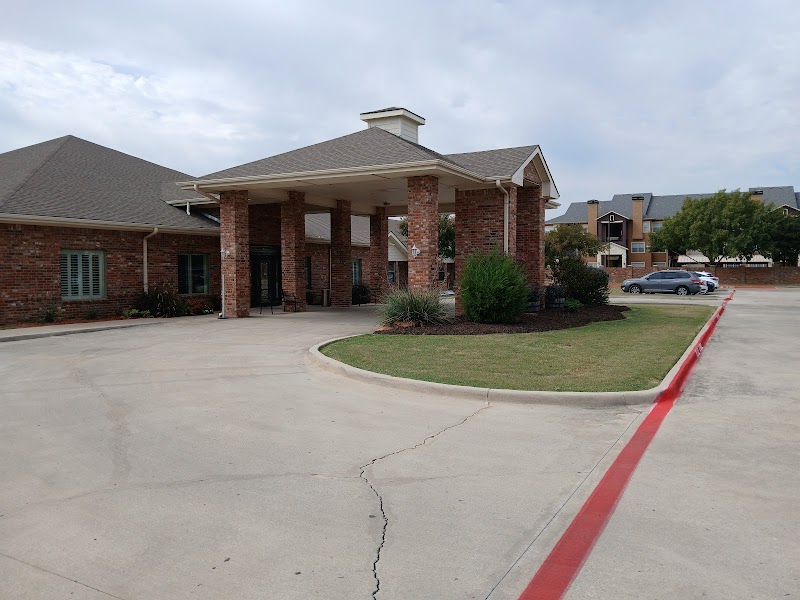
May 2023 2 deficiencies
CONCERN (D) 📢 Someone Reported This

A family member, employee, or ombudsman was alarmed enough to file a formal complaint

Potential for Harm - no one hurt, but risky conditions existed

Resident Rights (Tag F0550)

Could have caused harm · This affected 1 resident

**NOTE- TERMS IN BRACKETS HAVE BEEN EDITED TO PROTECT CONFIDENTIALITY** Based on interview, observation, and record review, the facility failed to ensure that resident's have the right to exercise his...

Read full inspector narrative →
**NOTE- TERMS IN BRACKETS HAVE BEEN EDITED TO PROTECT CONFIDENTIALITY** Based on interview, observation, and record review, the facility failed to ensure that resident's have the right to exercise his or her rights as a resident of the facility and as a citizen or resident of the United States. The facility staff failed to accept Resident #32's choice to refuse glucose testing (stick in the finger). This failure could affect residents placed at the facility at risk for decreased awareness of their rights, diminished quality of life, loss of dignity, and decline in self-esteem. Findings included: Review of Resident #32's face sheet revealed dated 05/15/23 revealed an [AGE] year-old male with admission date of 05/02/17. The resident's diagnoses include ddysphasia (difficulty swallowing - taking more time and effort to move food or liquid from your mouth to your stomach), convulsions (an episode of uncontrolled muscle spasm with altered consciousness), major depression (mood) cognitive communication deficit (difficulty talking and processing thoughts), thrombocytopenia (a condition that occurs when the platelet count in your blood is too low. Platelets are tiny blood cells that are made in the bone marrow from larger cells. When you are injured, platelets stick together to form a plug to seal your wound. This plug is called a blood clot). Review of Resident #32's Quarterly MDS dated [DATE] revealed a BIMS score of 14 no cognitive impairment. Resident was able to make his needs know to staff and make choices with care. He requires to people to transfer and conduct ADLs, as he has a deficit. Review of Resident #32's Care Plan dated 04/28/23 revealed Resident #32 was at risk for low blood levels that could affect his care, He was PASRR positive for diagnosis of Major Depressive disorder. indicating he meets the criteria for mental illness and additional services to assist with care, understanding and function while receiving services in the facility. Interventions include Resident #32 maintaining involvement in cognitive stimulation, social activities, encourage ongoing involvement with care and choices. He has a history of behaviors that include inappropriate talk in the presence of female aides and refusing care. Interventions include notifying the resident of scheduled care, educate, praise, and encourage participation with medical task, document behaviors. Review of Resident #32's MD orders Resident has limited movement in his hands due to a history of CVA and a diagnosis of pain in unspecified joints which could make range of motion. During an observation on 05/15/23 at 11:39 a.m., LVN A assisted Resident #32 to his room when he requested to be returned to bed as he was sitting up front in his wheelchair listening to music. During an interview with Resident #32 on 05/15/23 at 11:40 a.m. revealed on an unknown date, (Resident #32 was not sure of the date) LVN B entered his room and grabbed his right hand and twisted his fingers while forcefully performing a blood glucose test. Resident #32 stated he repeatedly told LVN B that he did not want the blood glucose tested and his requests were ignored by LVN B. He said he was trying to pull his finger away from LVN B's hand saying no stop, but the nurse continued the finger stick. Resident #32 alleged the nurse did this with the intention of hurting him. He said this made him angry. He said medical attention was provided immediately including x-rays in house. He said his finger was sore but not fractured. Resident #32 said the nurse that was involved no longer worked at the facility. An interview with LVN B was attempted on 05/15/23 at 1:00 p.m., however he did not return the surveyor's call. During an interview on 05/02/23 at 10:46 a.m., LVN A stated she assisted Resident #32 with meal set up, and care. She said Resident #32 likes to make his own choices, and there are times when he will refuse care. She said she was working the day of the incident; however, all staff were notified and in services on resident rights. She said all residents have a right to refuse care and that right should have been respected. She has not observed any incidents of other residents right to choose being violated. In an interview on 05/15/23 at 9:00 a.m. with CNA-C revealed she was not working the day of the alleged incident. She said Resident #32 told her the nurse pulled his finger and he pulled back, as he did not want his blood level test. She said Resident #32 does better when the staff are aware of his preferences and communicating in advance. She participated in an in service about resident choice and abuse last week. During an interview on 05/16//23 at 2:11 p.m., the DON stated when a staff conducts medical task for residents the resident should be asked to conduct the procedure, and if the resident refuses staff should notify leadership and respect the resident wishes. The DON said on the day of the incident se immediately assessed the resident finger for injuries. Resident #32 complained of pain and that the staff twisted his finger when he told him no. MD was notified, X rays were ordered for Resident #32 immediately. X-ray results determined he did not have a fracture. The staff was suspended after the incident pending investigation and later terminated for the incident with Resident #23. She expects her nursing staff to respect residents' choices. She also stated it has to do with dignity for the residents. The DON stated she initiated an in-service with all staff on choices, reporting, abuse and neglect, and respect/dignity. In an interview with the Administrator on 05/16/23 at 3:30 p.m. revealed she expected all staff to acknowledge and respect a resident's right to choose and seek guidance from leadership if a resident refused medical attention or routine assessments and blood level checks. The staff was removed pending an investigation and later terminated. A review of the facility policy titled Resident Rights Guidelines for All Nursing Procedures, reflected: .Purpose to provide general guidelines for resident rights while caring for resident. 1. Prior to having direct care responsibilities for residents, staff must have appropriate in-service on resident rights, including: Resident right of refusal (medication and treatment) .
CONCERN (D) 📢 Someone Reported This

A family member, employee, or ombudsman was alarmed enough to file a formal complaint

Potential for Harm - no one hurt, but risky conditions existed

Free from Abuse/Neglect (Tag F0600)

Could have caused harm · This affected 1 resident

**NOTE- TERMS IN BRACKETS HAVE BEEN EDITED TO PROTECT CONFIDENTIALITY** Based on observation, interview and record review, the facility failed to ensure that the resident has the right to be free from...

Read full inspector narrative →
**NOTE- TERMS IN BRACKETS HAVE BEEN EDITED TO PROTECT CONFIDENTIALITY** Based on observation, interview and record review, the facility failed to ensure that the resident has the right to be free from abuse, neglect, misappropriation of resident property, and exploitation as defined in this subpart. This includes but is not limited to freedom from corporal punishment, involuntary seclusion and any physical or chemical restraint not required to treat the resident's medical symptoms, for 1 of 9 residents (Resident #1) that were reviewed investigated in that: The facility staff failed to respect the Resident #32's rights to refuse care. This failure could lead to residents' embarrassment, poor self-worth and self-esteem, diminished quality of life, as well as emotional and psychological degression. The facility staff failed to ensure Resident #32's rights related to choose was respected and acted upon when he refused glucose testing from the nurse. This failure could affect residents placed at the facility at risk for decreased awareness of their rights, diminished quality of life, loss of dignity, and decline in self-esteem. Findings included: Review of Resident #32's face sheet revealed dated 05/15/23 revealed an [AGE] year-old male with admission date of 05/02/2017. The resident's diagnoses include ddysphasia (difficulty swallowing - taking more time and effort to move food or liquid from your mouth to your stomach), convulsions (an episode of uncontrolled muscle spasm with altered consciousness), major depression (mood) cognitive communication deficit (difficulty talking and processing thoughts), thrombocytopenia (a condition that occurs when the platelet count in your blood is too low. Platelets are tiny blood cells that are made in the bone marrow from larger cells. When you are injured, platelets stick together to form a plug to seal your wound. This plug is called a blood clot). Review of Resident #32's Quarterly MDS dated [DATE] revealed a BIMS score of 14 no cognitive impairment. Resident was able to make his needs know to staff and make choices with care. He requires to people to transfer and conduct ADLs, as he has a deficit. Review of Resident #32's Care Plan dated 04/28/23 revealed Resident #32 was at risk for low blood levels that could affect his care, He was PASSR positive for diagnosis of Major Depressive disorder. indicating he meets the criteria for mental illness and additional services to assist with care, understanding and function while receiving services in the facility. Interventions include Resident #32 maintaining involvement in cognitive stimulation, social activities, encourage ongoing involvement with care and choices. He has a history of behaviors that include inappropriate talk in the presence of female aides and refusing care. Interventions include notifying the resident of scheduled care, educate, praise, and encourage participation with medical task, document behaviors. Review of Resident #32's MD orders revealed regular monitoring of resident #32s blood, requiring glucose monitoring daily, and as needed due to a diagnosis of Thrombocytopenia (a condition that occurs when the platelet count in your blood is too low. Platelets are tiny blood cells that are made in the bone marrow from larger cells. When you are injured, platelets stick together to form a plug to seal your wound. An order for pain assessment, and behavior During an interview with Resident #32 on 05/15/23 at 11:40 a.m. revealed the day of the incident LVN B entered his room (could not recall exact day) and grabbed his right hand and twisted his fingers. Resident #32 said the nurse initially pulled his finger when told him no to the procedures. Resident #32 also asked him to stop while proceeding with the procedure. He said this made him angry. He said medical attention was provided immediately including x-rays in house. He said his finger was sore but not fractured. Resident #32 said the nurse that was involved no longer work at the facility. In an interview on 05/15/23 at 9:00 a.m. with CNA C revealed she was not working the day of the alleged incident. She said Resident #32 told her the nurse pulled his finger and he pulled back, as he did not want his blood level test. She said Resident #32 did better when the staff were aware of his preferences and communicating in advance. She participated in an in-service about resident choice and abuse. During an interview on 05/16//23 at 2:11 p.m., the DON stated after the incident she conducted an assessment of the resident's finger for injury. She did not see any abnormalities but ordered x-rays as the resident said his finger was sore and pain medication given. She said Resident #32 said the staff grabbed his finger and proceeded to stick when he told him no. The DON said in an interview with LVN B on 05/09/23 he reported he heard the resident say no and continued with the test. The DON suspended him pending an investigation and later determined LVN B employment due to abuse. She proceeded to conduct in-services on abuse and communicating resident rights and choices. She also conducted safe surveys, and there were no further complaints. All staff were expected to notify of the resident of the procedure being conducted, seek approval, then proceed, at any time during the procedure if a resident says tope, she expects her staff to do so. In an interview with the Administrator on 05/16/23 at 3:30 p.m. revealed she expected all staff to adhere by resident rights guidelines and failing to do so could lead to residents not being heard and rights respected. She expected that the resident rights be respected, and they were not abused or neglected. She expected immediate reporting to protect the resident from harm and danger, to allow leadership to meet and assess resident appropriately before concluding care, so that the family would be notified, and the MD, as well as educating the resident on the importance of care task. staff was suspended pending an investigation and later terminated for abuse of resident. The facility did not report the nursing license; however, the information was provided. A review of the facility policy titled Abuse, Neglect, Exploitation and Misappropriation Prevention Program dated April 2021 reflected: .Residents have the right to be free from abuse and neglect this includes but not limited freedom of verbal and mental abuse by providing staff trainings and orientations that include the topic such as abuse prevention, identification, and reporting abuse A review of facility policy dated March 2018 and titled Abuse and Neglect-Clinical approach reflected: Abuse, abuse was defined as the willful infliction of injury .mental anguish .including verbal abuse .The nurse will assess the individual and document related findings. Assessment data include injury, pain, and behavior assessment .notify physician and administrator for guidance
Dec 2022 1 deficiency
CONCERN (D) 📢 Someone Reported This

A family member, employee, or ombudsman was alarmed enough to file a formal complaint

Potential for Harm - no one hurt, but risky conditions existed

Incontinence Care (Tag F0690)

Could have caused harm · This affected 1 resident

**NOTE- TERMS IN BRACKETS HAVE BEEN EDITED TO PROTECT CONFIDENTIALITY** Based on, interview, and record review the facility failed ensure that a resident who was incontinent of bladder received approp...

Read full inspector narrative →
**NOTE- TERMS IN BRACKETS HAVE BEEN EDITED TO PROTECT CONFIDENTIALITY** Based on, interview, and record review the facility failed ensure that a resident who was incontinent of bladder received appropriate treatment and services to prevent urinary tract infections for one (Resident #1) of two residents reviewed for catheter care. The facility failed to ensure Resident #1 had a physician's order for a foley catheter and care. This failure could place residents who had incontinence at risk for urinary tract infections. Findings included: Review of Resident #1's electronic face sheet dated 12/22/22 revealed she was a [AGE] year-old female, admitted on [DATE] and discharged on 11/22/22. Diagnoses included displaced intertrochanteric fracture of right femur, acute postprocedural pain, anemia, muscle weakness, type 2 diabetes mellitus, hyperlipidemia and glaucoma. Review of MDS assessment, dated 11/19/22, revealed Resident #1 had a BIMS score of 5 which indicated she was cognitively severely impaired. The MDS reflected Resident #1 required extensive assistance with dressing, personal hygiene, and total dependence with bathing and toileting. The MDS reflected that Resident #1 had an indwelling catheter. Review of Resident #1's care plan, dated 11/17/22, revealed Resident #1 had foley catheter with the following interventions: assess frequently for any signs and symptoms of infection .change catheter per facility policy .monitor resident for any complications of catheter use and perform catheter care per facility policy as indicated. Review of Resident #'1's electronic physician's orders for November 2022 revealed that Resident #1 did not have orders for a foley catheter or catheter care. Review of Resident #1's nursing progress notes, dated 11/17/22 revealed new admit .foley catheter patient, 12F with 10ml bulb. Progress note dated 11/22/22 .resident observed having tachypnea .received order from doctor to transfer to the emergency room .called 911 and resident was transferred to the ER. Interview on 12/22/22 at 1:58 PM with the DON she stated that the information about a foley catheter would not be part of the hospital discharge paperwork but when the nurse admitting Resident #1 saw the foley and bulb size the DON's expectation is that the doctor is notified so orders for both can be written. The DON stated the admitting nurse would have been responsible for this to ensure proper care of foley catheter. The DON stated she was not aware that Resident #1 did not have an order for foley catheter or care. Interview on 12/22/22 at 2:02 PM with LVN A revealed she was the admitting nurse for Resident #1. LVN A stated that if a resident has a foley catheter then an order for it and care is to be obtained from the doctor at the time of admission. LVN A stated she was not aware that Resident #1 did not have orders for the foley catheter, LVN A stated she must have just missed. LVN A stated the risk of not having orders for the foley or foley care could result in a resident missing foley care that is needed. Interview with the Administrator was not available during investigation due to her being on vacation. Interview with the ADON was not available during the investigation due to her being out sick. Review of the facility's policy Catheter Care, Urinary dated 2014, reflected: The purpose of this procedure is to prevent catheter-associated urinary tract infections. Documentation: The following information should be recorded in the resident's medical record: 1. The date and time that catheter care was given. 2. The name and title of the individual(s) giving the catheter care. 3. All assessment data obtained when giving catheter care .9. The signature and title of the person recording the data.
Understanding Severity Codes (click to expand)
Life-Threatening (Immediate Jeopardy)
J - Isolated K - Pattern L - Widespread
Actual Harm
G - Isolated H - Pattern I - Widespread
Potential for Harm
D - Isolated E - Pattern F - Widespread
No Harm (Minor)
A - Isolated B - Pattern C - Widespread

Questions to Ask on Your Visit

  • "What changes have you made since the serious inspection findings?"
  • "Why is there high staff turnover? How do you retain staff?"
  • "Can I speak with families of current residents?"
  • "What's your RN coverage like on weekends and overnight?"

Our Honest Assessment

Strengths
  • • Licensed and certified facility. Meets minimum state requirements.
Concerns
  • • Multiple safety concerns identified: 1 life-threatening violation(s). Review inspection reports carefully.
  • • 18 deficiencies on record, including 1 critical (life-threatening) violation. These warrant careful review before choosing this facility.
  • • $15,920 in fines. Above average for Texas. Some compliance problems on record.
  • • Grade F (26/100). Below average facility with significant concerns.
Bottom line: Trust Score of 26/100 indicates significant concerns. Thoroughly evaluate alternatives.

About This Facility

What is Vista Ridge Nursing & Rehabilitation Center's CMS Rating?

CMS assigns VISTA RIDGE NURSING & REHABILITATION CENTER an overall rating of 1 out of 5 stars, which is considered much below average nationally. Within Texas, this rating places the facility higher than 0% of the state's 100 nursing homes. A rating at this level reflects concerns identified through health inspections, staffing assessments, or quality measures that families should carefully consider.

How is Vista Ridge Nursing & Rehabilitation Center Staffed?

CMS rates VISTA RIDGE NURSING & REHABILITATION CENTER's staffing level at 1 out of 5 stars, which is much below average compared to other nursing homes. Staff turnover is 64%, which is 18 percentage points above the Texas average of 46%. High turnover can affect care consistency as new staff learn residents' individual needs. RN turnover specifically is 64%, which is notably high. RNs provide skilled clinical oversight, so turnover in this role can affect medical care quality.

What Have Inspectors Found at Vista Ridge Nursing & Rehabilitation Center?

State health inspectors documented 18 deficiencies at VISTA RIDGE NURSING & REHABILITATION CENTER during 2022 to 2025. These included: 1 Immediate Jeopardy (the most serious level, indicating potential for serious harm or death) and 17 with potential for harm. Immediate Jeopardy findings are rare and represent the most serious regulatory concerns. They require immediate corrective action.

Who Owns and Operates Vista Ridge Nursing & Rehabilitation Center?

VISTA RIDGE NURSING & REHABILITATION CENTER is owned by a for-profit company. For-profit facilities operate as businesses with obligations to shareholders or private owners. The facility is operated by PRIORITY MANAGEMENT, a chain that manages multiple nursing homes. With 132 certified beds and approximately 88 residents (about 67% occupancy), it is a mid-sized facility located in LEWISVILLE, Texas.

How Does Vista Ridge Nursing & Rehabilitation Center Compare to Other Texas Nursing Homes?

Compared to the 100 nursing homes in Texas, VISTA RIDGE NURSING & REHABILITATION CENTER's overall rating (1 stars) is below the state average of 2.8, staff turnover (64%) is significantly higher than the state average of 46%, and health inspection rating (2 stars) is below the national benchmark.

What Should Families Ask When Visiting Vista Ridge Nursing & Rehabilitation Center?

Based on this facility's data, families visiting should ask: "What changes have been made since the serious inspection findings, and how are you preventing similar issues?" "How do you ensure continuity of care given staff turnover, and what is your staff retention strategy?" "Can you walk me through typical staffing levels on day, evening, and night shifts?" "Can I visit during a mealtime to observe dining assistance and food quality?" These questions are particularly relevant given the facility's Immediate Jeopardy citations, the facility's high staff turnover rate, and the below-average staffing rating.

Is Vista Ridge Nursing & Rehabilitation Center Safe?

Based on CMS inspection data, VISTA RIDGE NURSING & REHABILITATION CENTER has documented safety concerns. Inspectors have issued 1 Immediate Jeopardy citation (the most serious violation level indicating risk of serious injury or death). The facility has a 1-star overall rating and ranks #100 of 100 nursing homes in Texas. Families considering this facility should ask detailed questions about what corrective actions have been taken since these incidents.

Do Nurses at Vista Ridge Nursing & Rehabilitation Center Stick Around?

Staff turnover at VISTA RIDGE NURSING & REHABILITATION CENTER is high. At 64%, the facility is 18 percentage points above the Texas average of 46%. Registered Nurse turnover is particularly concerning at 64%. RNs handle complex medical decisions and coordinate care — frequent RN changes can directly impact care quality. High turnover means new staff may not know residents' individual needs, medications, or preferences. It can also be disorienting for residents, especially those with dementia who rely on familiar faces. Families should ask: What is causing the turnover? What retention programs are in place? How do you ensure care continuity during staff transitions?

Was Vista Ridge Nursing & Rehabilitation Center Ever Fined?

VISTA RIDGE NURSING & REHABILITATION CENTER has been fined $15,920 across 1 penalty action. This is below the Texas average of $33,238. While any fine indicates a compliance issue, fines under $50,000 are relatively common and typically reflect isolated problems that were subsequently corrected. Families should ask what specific issues led to these fines and confirm they've been resolved.

Is Vista Ridge Nursing & Rehabilitation Center on Any Federal Watch List?

VISTA RIDGE NURSING & REHABILITATION CENTER is not on any federal watch list. The most significant is the Special Focus Facility (SFF) program, which identifies the bottom 1% of nursing homes nationally based on persistent, serious quality problems. Not being on this list means the facility has avoided the pattern of deficiencies that triggers enhanced federal oversight. This is a positive indicator, though families should still review the facility's inspection history directly.