ARBOR GRACE WELLNESS CENTER
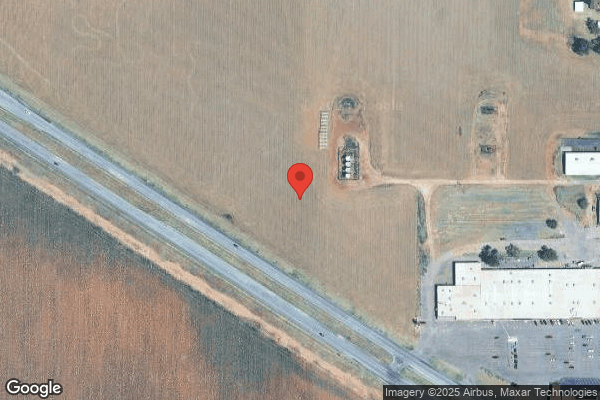
1241 W MARSHALL HOWARD BLVD, LITTLEFIELD, TX 79339 (806) 385-6600
For profit - Corporation 80 Beds PARAMOUNT HEALTHCARE CONSULTANTS Data: November 2025 3 Immediate Jeopardy citations
Trust Grade
0/100
#628 of 1168 in TX
Last Inspection: November 2024

Within standard 12-15 month inspection cycle. Federal law requires annual inspections.

Overview

Families researching Arbor Grace Wellness Center should be aware that the facility has received a Trust Grade of F, indicating significant concerns and a poor reputation. It ranks #628 out of 1168 nursing homes in Texas, placing it in the bottom half, and #3 out of 3 in Lamb County, meaning there are no better local options available. While the facility's trend is improving, having reduced issues from 13 in 2024 to 1 in 2025, it still has a troubling history with 42 total violations, including critical incidents such as failure to protect residents from abuse, resulting in serious harm to multiple individuals. Staffing is rated 2 out of 5 stars, with a turnover rate of 60%, which is average for the state, and the facility has incurred $44,434 in fines. On a positive note, it has average RN coverage, indicating some level of professional oversight, but families should weigh these strengths against the serious past deficiencies when considering this home for their loved ones.

Trust Score
F
0/100
In Texas
#628/1168
Bottom 47%
Safety Record
High Risk
Review needed
Inspections
Getting Better
13 → 1 violations
Staff Stability
⚠ Watch
60% turnover. Above average. Higher turnover means staff may not know residents' routines.
Penalties
○ Average
$44,434 in fines. Higher than 61% of Texas facilities. Some compliance issues.
Skilled Nurses
⚠ Watch
Each resident gets only 23 minutes of Registered Nurse (RN) attention daily — below average for Texas. Fewer RN minutes means fewer trained eyes watching for problems.
Violations
⚠ Watch
42 deficiencies on record. Higher than average. Multiple issues found across inspections.
★★☆☆☆
2.0
Overall Rating
★★☆☆☆
2.0
Staff Levels
★★☆☆☆
2.0
Care Quality
★★☆☆☆
2.0
Inspection Score
Stable
2024: 13 issues
2025: 1 issues

The Good

  • Full Sprinkler Coverage · Fire safety systems throughout facility
  • No fines on record

Facility shows strength in fire safety.

The Bad

2-Star Overall Rating

Below Texas average (2.8)

Below average - review inspection findings carefully

Staff Turnover: 60%

14pts above Texas avg (46%)

Frequent staff changes - ask about care continuity

Federal Fines: $44,434

Above median ($33,413)

Moderate penalties - review what triggered them

Chain: PARAMOUNT HEALTHCARE CONSULTANTS

Part of a multi-facility chain

Ask about local staffing decisions and management

Staff turnover is elevated (60%)

12 points above Texas average of 48%

The Ugly 42 deficiencies on record

3 life-threatening 2 actual harm
Jan 2025 1 deficiency
CONCERN (E) 📢 Someone Reported This

A family member, employee, or ombudsman was alarmed enough to file a formal complaint

Potential for Harm - no one hurt, but risky conditions existed

Infection Control (Tag F0880)

Could have caused harm · This affected multiple residents

Based on observations, interviews, and record review the facility failed to establish and maintain an infection prevention and control program designed to provide a safe, sanitary, and comfortable env...

Read full inspector narrative →
Based on observations, interviews, and record review the facility failed to establish and maintain an infection prevention and control program designed to provide a safe, sanitary, and comfortable environment and to help prevent the development and transmission of communicable diseases and infections for 3 of 37 residents (Resident #1, Resident #2, and Resident #3) reviewed for infection control. The facility failed to ensure proper hand hygiene techniques were practiced while feeding dependent residents (Residents #1, #2 and #3) during the luncheon service. This failure could place residents at risk of the spread of communicable diseases and infections and a diminished quality of life. Findings included: An observation of the luncheon service on 01/15/2025 at 11:55AM revealed CNA A, CNA B and LVN C feeding residents who required full assistance while eating. CNA A got up from the table where she was feeding Resident #1 to move her wheelchair closer to the table. She sat back down and before continuing to feed Resident #1, ran her hands through her hair to move her hair off her shoulders. CNA A resumed feeding Resident #1 without sanitizing her hands. LVN C sanitized his hands upon entering the dining room, walked to an empty chair at one of the dining room tables, lifted the chair and moved it to the table where dependent residents were being fed and began feeding Resident #2, without re-sanitizing his hands. CNA B was feeding Resident #3 when Resident #4 approached CNA B and asked her to refill his drink. CNA B took the glass from the hand of Resident #4, filled it with the drink the resident had requested, returned the glass to the hand of Resident #4 and then pushed his wheelchair to a dining room table so he could eat. CNA B resumed feeding Resident #3 without sanitizing her hands. An interview with LVN C on 01/15/2025 at 3:23PM revealed he had realized as he began to feed Resident #2, he had not re-sanitized his hands after handling the dining room chair. He stated a negative outcome of not practicing proper hand hygiene between the two tasks was the spread of infections. An interview with CNA A on 01/15/2025 at 3:26PM revealed she realized as she began to feed Resident #1, she had not sanitized her hands after touching the wheelchair of Resident #1 and then touching her own hair, before feeding resident #1. She stated the negative outcome of not practicing proper hand hygiene after moving Resident #1's wheelchair and touching her own hair was contamination. An interview with CNA B on 01/15/2025 at 3:29PM revealed she had realized she had broken hand hygiene by handling the glass of Resident #4, pushing his wheelchair and returning to feed Resident #3 without sanitizing her hands. She stated the negative outcome of not practicing proper hand hygiene between the two tasks was the spread of infections or diseases. An interview with the DON and the ADMN on 01/15/2025 at 4:45PM revealed they had completed in-service education on Hand Hygiene on 11/11/2024 and Universal Precautions on 12/10/2024. The DON stated there was no reason CNA A, CNA B, and LVN C would not know the steps to proper hand hygiene with regard to transmission of infections/disease, as all three had attended both in-services and demonstrated competency. Record Review of facility policy and procedures for Hand Washing/Hand Hygiene dated August 2015 revealed the following: 7. Use an alcohol-based hand rub containing at least 62% alcohol; or, alternatively, soap (anti-microbial or non-antimicrobial) and water for the following situations. b. Before and after direct contact with residents; l. After contact with objects (e.g., medical equipment) in the immediate vicinity of the resident; o. Before and after handling food; q. Before and after assisting a resident with meals.
Nov 2024 5 deficiencies
CONCERN (D)

Potential for Harm - no one hurt, but risky conditions existed

Resident Rights (Tag F0550)

Could have caused harm · This affected 1 resident

**NOTE- TERMS IN BRACKETS HAVE BEEN EDITED TO PROTECT CONFIDENTIALITY** Based on observation, interview, and record review, the facility failed to ensure residents were treated with respect and dignit...

Read full inspector narrative →
**NOTE- TERMS IN BRACKETS HAVE BEEN EDITED TO PROTECT CONFIDENTIALITY** Based on observation, interview, and record review, the facility failed to ensure residents were treated with respect and dignity and care for each resident in a manner and in an environment, that promoted maintenance or enhancement of his or her quality of life, recognizing each resident's individuality for 1 of 13 residents (Resident #24) reviewed for resident rights. The facility failed to ensure Resident #24's catheter drainage bag was covered and urine in the bag was not visually exposed. This failure could place residents at risk of feeling uncomfortable and disrespected, and could decrease residents' self-esteem and/or quality of life. Findings included: Record review of Resident #24's face sheet, dated 11-21-2024, reflected a [AGE] year-old male who was admitted to the facility on [DATE]. Resident #24 had diagnoses which included, but not limited to, quadriplegia (a type of paralysis that affects all four limbs and the body from the neck down), central cord syndrome at unspecified level of cervical spinal cord(spinal cord injury in the neck) and muscle wasting and atrophy(gradual loss of muscle mass) Record review of Resident #24's Quarterly MDS dated [DATE] reflected the following: Section C: Resident #24 had a BIMS of 05 out of 15, which indicated he was severely cognitively impaired. Section H; Resident #24 had an indwelling catheter. Record review of Resident #24's physician orders, dated 05-09-2024, reflected provide catheter care every shift. Record review of Resident #24's care plan reflected bladder incontinence with the presence of catheter with intervention to provide catheter care. During an observation on 11-20-2024 at 10:00 AM, revealed Resident #24's catheter bag had no protective cover and hanging from the left side of his bed. There was a small amount of amber liquid noted in the bag. During an observation on 11-21-2024 at 8:07 AM revealed Resident #24 lying in bed asleep. Resident #24's catheter bag was observed hanging from the left side of his bed with no protective cover, there was a small amount of amber liquid noted in the bag. During an interview on 11-20-2024 at 5:08 PM, Resident #24's family member stated during visits with Resident #24, she had observed the bag to be uncovered. The family member stated her grandchildren had wondered what was in the bag because it was uncovered and didn't think Resident #24 would want the bag covered. During an interview on 11-21-2024 at 8:10 AM, CNA D stated catheter bags should be covered at all times. CNA D stated a possible negative outcome for not having a bag covered could be an embarrassment for the resident. During an interview on 11-21-2024 at 10:07AM, CNA C stated all staff were responsible for ensuring privacy bags were put on catheter bags and not having a privacy bag was disrespectful to the resident. During an interview on 11-21-2024 at 1:33 PM, the ADON stated that all staff were responsible for making sure catheter bags were covered because it could be embarrassing to the resident. During an interview on 11-21-2024 at 1:39 PM, LVN A stated that all staff were responsible for making sure catheter bags were covered because it was a dignity issues. During an interview on 11-22-2024 at 8:48 AM, Resident #24 stated he would like his catheter bag covered. Record review of the facility provided policy titled, Quality of life-Dignity dated August 2009, reflected the following: Each resident shall be cared for in a manner that promotes and enhances quality of life, dignity, respect and individuality. Demeaning practices and standards of care that compromise dignity are prohibited. Staff shall promote dignity and assist residents as needed by: a. Helping the resident to keep urinary catheter bags covered.
CONCERN (D)

Potential for Harm - no one hurt, but risky conditions existed

Quality of Care (Tag F0684)

Could have caused harm · This affected 1 resident

**NOTE- TERMS IN BRACKETS HAVE BEEN EDITED TO PROTECT CONFIDENTIALITY** Based on observation, interview, and record review, the facility failed to ensure that residents received treatment and care in ...

Read full inspector narrative →
**NOTE- TERMS IN BRACKETS HAVE BEEN EDITED TO PROTECT CONFIDENTIALITY** Based on observation, interview, and record review, the facility failed to ensure that residents received treatment and care in accordance with professional standards of practice, the comprehensive person-centered care plan, and the residents' choices, for 1 of 13 residents (Resident #24) reviewed for quality of care, in that: The facility failed to reposition Resident #24 every two hours according to his person-centered care plan. This failure could place residents at risk for not being provided with adequate care and treatment. The findings included: Record review of Resident #24's face sheet, dated 11-21-2024, reflected a [AGE] year-old male who was admitted to the facility on [DATE]. Resident #24 had diagnoses which included, but not limited to, quadriplegia (a type of paralysis that affects all four limbs and the body from the neck down), central cord syndrome at unspecified level of cervical spinal cord(spinal cord injury in the neck) and muscle wasting and atrophy(gradual loss of muscle mass) Record review of Resident #24's Quarterly MDS dated [DATE] reflected the following: Section C : Resident #24 had a BIMS of 05 out of 15, which indicated he was severely cognitively impaired. Section GG: Resident #24 was dependent(helper does all of the effort, Resident does none of the effort to complete the activity) on roll left to right, sitting to lying, eating, oral hygiene, shower/bathe, upper and lower body dressing. Record review of resident #24's care plan reflected that Resident #24's was at risk for alteration in comfort at risk for pain presence with intervention with turning and repositioning every 2 hours or as needed for comfort. Observation of Resident #24 on 11/21/2024 at 8:07 AM, revealed the Resident was lying on his back, his head raised slightly 30-35 degrees, head drooping to the left side Observation of Resident #24 on 11/21/2024 at 10:00AM, revealed the Resident was lying on his back, his head raised slightly 30-35 degrees, head drooping to the left side Observation of Resident #24 on 11/21/2024 at 12:27 PM, revealed the Resident was lying on his back, his head raised slightly 30-35 degrees, head drooping to the left side During an interview with Resident #24 on 11/22/24 at 8:34 AM, Resident #24 stated that he did not know how many times each day they reposition him but stated it would feel better if they would reposition him more. An interview with Resident #24's family member on 11/21/24 at 1:28 PM revealed she was able to see Resident #24 on the camera they installed in his room. The family member said she did not see the Resident repositioned every two hours. During an interview on 11/22/24 at 1:33 PM, the ADON stated that they did not reposition Resident #24 as much as they used to because he was becoming stiffer. When asked why it was still documented in the care plan, she stated she did not know why and said if it was in the care plan it should have been done. The ADON stated a possible negative outcome for not repositioning Resident #24 as noted in the care plan would be that it could cause pressure ulcers. During an interview on 11/21/24 at 1:39 PM, LVN A stated that Resident #24 should be repositioned every two hours. She said that CNAs were responsible for positioning residents, and the charge nurses were responsible for ensuring it was done. LVN A stated that a possible negative outcome for not repositioning residents every two hours could cause the resident pain. Record Review of the facility's Reposition Policy dated May 2013 reflected the following: Purpose: The purpose of this procedure is to provide guidelines for the evaluation of resident repositioning needs, to aid in the development of an individualized care plan for reposition to promote comfort for all bed-or chair bound residents and to prevent skin breakdowns, promote circulation and proved pressure relief for resident. Preparation: 1. Review the resident's care plan to evaluate for any special needs of the resident. General Guidelines: 1. Repositioning is a common, effective intervention for preventing skin breakdown, promoting circulation, and providing pressure relief . 2. Reposition is critical for a resident who is immobile or depend upon staff for repositioning . Interventions: Residents who are in bed should be on at least every two-hour repositioning schedule.
CONCERN (D)

Potential for Harm - no one hurt, but risky conditions existed

Deficiency F0727 (Tag F0727)

Could have caused harm · This affected 1 resident

Based on interviews, and record review, the facility failed to use the services of a registered nurse for at least 8 consecutive hours a day, 7 days a week for 1 (09/06/2024) of the 90 days reviewed. ...

Read full inspector narrative →
Based on interviews, and record review, the facility failed to use the services of a registered nurse for at least 8 consecutive hours a day, 7 days a week for 1 (09/06/2024) of the 90 days reviewed. The facility did not have an RN working in the facility on 09/06/2024. This failure has the potential to affect the residents in the facility and place them at risk of not having staff with advance care skills available to assist in their care needs. Findings included: Record review of the facility's last 6 months (06/1/2024-11/18/2024) of RN coverage provided by the BOM revealed the facility had no RN working in the facility for the following date: 9/6/24. During an interview on 11/22/24 at 9:15 AM, the ADON stated that a possible negative outcome for not having an RN working for 8 hours/day would be that if something bad happened, the staff would not know what to do and would not have anyone to go to. During an interview on 11/22/24 at 10:25 AM, the BOM verified that the facility did not have an RN working in the facility on 9/6/24. She stated the consequences of not having an RN in the facility would be not having another set of eyes for the residents. She stated she did not know why there was no RN working the day of 9/6/24 and it was just missed. During an interview on 11/22/24 at 10:55 AM, the ADM stated that she was not aware that a day of RN coverage had not occured on 9/6/24. She stated the negative outcome for not having an RN on staff each day would be that anything could happen. A policy for RN coverage was requested on 11/21/24 at 8:14 AM but was not provided.
CONCERN (D)

Potential for Harm - no one hurt, but risky conditions existed

Deficiency F0761 (Tag F0761)

Could have caused harm · This affected 1 resident

**NOTE- TERMS IN BRACKETS HAVE BEEN EDITED TO PROTECT CONFIDENTIALITY** Based on observation, interview, and record review it was determined the facility failed to ensure drugs and biologicals were st...

Read full inspector narrative →
**NOTE- TERMS IN BRACKETS HAVE BEEN EDITED TO PROTECT CONFIDENTIALITY** Based on observation, interview, and record review it was determined the facility failed to ensure drugs and biologicals were stored and labeled in accordance with currently accepted professional principles and include the appropriate accessory and cautionary instructions, and the expiration date when applicable on one of two carts the Treatment Cart. Treatment cart contained 1 vial Lantus insulin found open with no expiration date in the top drawer. This failure could place residents receiving medications at risk for drug diversion, drug overdose, and accidental or intentional administration to the wrong resident which could lead to exacerbation of their disease process and deterioration in general health. Findings include: During observation/interview on [DATE] at 10:08 AM of Treatment Cart with LVN A, observation of top-drawer holding insulin, found 1 vial of Lantus insulin with opened date penned [DATE], but without an expiration date. LVN A was asked how many days after opening the insulin before it expires. LVN A replied, This insulin expires 28 days after opening it. That means it is expired. When asked what possible negative outcomes of giving a resident expired insulin could be, he responded, Negative outcome could be deceased effectiveness resulting in elevated blood glucose. LVN A was asked who is responsible for putting expiration dates on medications he stated the nurses are responsible. LVN A took the medication and placed it with the medications to be destroyed. During interview on [DATE] at 10:10AM LVN B was asked about the expiration date of Lantus insulin after opening and stated, That insulin has 28 days after first use before it expires. Asked what possible negative outcomes could be, she stated, If given after it expires it may not be effective in managing blood glucose like it is supposed to. When asked who is responsible for putting expiration dates on medications, she replied the nurses are. During interview on [DATE] with ADON regarding the expired vial of Lantus insulin she stated, That should have been caught. Pharmacy was here on Tuesday and went through the Medication Carts and the Treatment Cart. They didn't say anything about any expiration dates. We haven't been putting on the expiration dates, just the opening dates on the insulins. We need to start putting expiration dates on, so we know when to discard the insulin. When asked about adverse possibilities of using expired insulin on resident's she stated, The insulin won't work well or maybe not at all. During record review of the facility's policy, 'Labeling of Medication Containers' dated revised [DATE] revealed in part: 3. Labels for individual drug containers shall include all necessary information such as: f. The date that the medication was dispensed h. The expiration date when applicable 5. Labels for each single unit dose package shall include all necessary information, such as: c. The date dispensed e. The expiration date when applicable During record review of facility's policy, 'Storage of Medications' date revised [DATE] revealed in part, Drugs and biologicals shall be stored in the packaging, containers or other dispensing systems in which they are received . The facility shall not use discontinued, outdated, or deteriorated drugs or biologicals.
CONCERN (E)

Potential for Harm - no one hurt, but risky conditions existed

Food Safety (Tag F0812)

Could have caused harm · This affected multiple residents

Based on observation, interview, and record review, the facility failed to store, prepare, distribute, and serve food in accordance with the professional standards for food service safety for 1 of 1 k...

Read full inspector narrative →
Based on observation, interview, and record review, the facility failed to store, prepare, distribute, and serve food in accordance with the professional standards for food service safety for 1 of 1 kitchen reviewed for kitchen sanitation. 1. The facility failed to ensure freezer items were labeled and dated. 2. The facility failed to ensure refrigerator items were properly stored, labeled, and dated. These failures could place residents who ate food served by the kitchen at risk of food-borne illness. Findings included: Observation of the walk-in refrigerator on 04/24/24 at 8:25 AM revealed the following: 1. (1) partially used package of ham lunch meat, in original package, with no date or label, open to air 2. (1) package of what looks to be lunch meat in saran wrap with no date or label 3. (1) bucket full of ½ sandwiches approximately 20 ½ sandwiches with no date or label 4. (1) ½ sandwich with no date or label, open to air 5. (2) plastic container of what appeared to be fruit cocktail no label or date 6. (1) container with approximately 20 cupcakes in the container with no date or label Observation of the freezer on 11/20/24 at 9:40 AM revealed the following: 1. (2) large packages of lemon bread with no date. In an interview on 11/20/24 at 9:50AM, the DM stated that a possible negative outcome for not having labeled and dated food in refrigerator and freezers would be that the food could be outdated, and residents could get sick. The DM stated all staff were responsible for ensuring items were dated and labeled. The DM stated that she recently in-serviced her staff on this issue. In an interview on 11/21/24 at 1:56 PM, DA E stated that a possible negative outcome for not having labeled and dated food in refrigerator and freezers would be that they wouldn't be aware if the food was good, and we could serve bad food to the residents, and they could get sick. The DA E stated that all kitchen staff were responsible for labeling and dating foods. Record review of the facility-provided policy dated July 2014 titled Food Safety and Storage stated in part: .All foods stored in the refrigerator or freezer will be covered, labeled, and dated
Aug 2024 2 deficiencies 2 IJ
CRITICAL (J) 📢 Someone Reported This

A family member, employee, or ombudsman was alarmed enough to file a formal complaint

Immediate Jeopardy (IJ) - the most serious Medicare violation

Notification of Changes (Tag F0580)

Someone could have died · This affected 1 resident

**NOTE- TERMS IN BRACKETS HAVE BEEN EDITED TO PROTECT CONFIDENTIALITY** Based on interview, and record review the facility failed to immediately inform the resident's physician and resident representa...

Read full inspector narrative →
**NOTE- TERMS IN BRACKETS HAVE BEEN EDITED TO PROTECT CONFIDENTIALITY** Based on interview, and record review the facility failed to immediately inform the resident's physician and resident representative of a significant change in the residents' physical status and the need to significantly alter the resident's treatment for 1 of 4 residents (Resident #1) reviewed for Change in Condition. The facility failed to correctly notify the physician and resident representative of the extent of one facility-acquired Stage IV pressure injury for Resident #1, thus delaying proper treatment for 2 days. An Immediate Jeopardy (IJ) was identified on 08/22/2024. The IJ Template was provided to the facility on [DATE] at 4:53PM. While the IJ was removed on 08/26/2024, the facility remained out of compliance at a severity of no actual harm with potential for more than minimal harm that is not Immediate Jeopardy and a scope of Isolated due to the need for implementation of corrective measures and the effectiveness of its corrective plan. This failure could place residents at risk of not having their physician or resident representative informed of changes in their conditions. Findings included: Record review of Resident #1's admission record revealed a [AGE] year-old male who was admitted to the facility on [DATE] with the following diagnoses: PRIMARY LATERAL SCLEROSIS (A motor-neuron disease which causes nerves within the brain to slowly break down) DYSPHAGIA, OROPHARYNGEAL PHASE (difficulty swallowing) CHRONIC PAIN SYNDROME PAIN IN UNSPECIFIED SHOULDER OTHER SPEECH DISTURBANCES APHASIA (disorder causing difficulty in verbal communication) MUSCLE WEAKNESS (GENERALIZED) MUSCLE WASTING AND ATROPHY, NOT ELSEWHERE CLASSIFIED, UNSPECIFIED SITE OTHER REDUCED MOBILITY HYPERTENSIVE HEART DISEASE WITHOUT HEART FAILURE PARKINSON'S DISEASE WITH DYSKINESIA, WITHOUT MENTION OF FLUCTUATIONS OTHER MUSCLE SPASM ENCOUNTER FOR SCREENING FOR COVID-19 PERSONAL HISTORY OF COVID-19 OTHER SEASONAL ALLERGIC RHINITIS OTHER CONSTIPATION Record review of skin assessments on 07/28/2024 revealed Resident #1 had a skin assessment performed by LVN C, which indicated no alterations in skin integrity to any part of Resident #1's body. Progress notes written by LVN I on 7/29/2024 stated Resident #1 had open sores with visible tissue deterioration to the bilateral antecubital. areas (inner elbows), but there was no accompanying skin assessment. A phone order dated 07/29/2024 from the RP indicated the wounds were to be treated with Diflucan 150 milligrams (an anti-fungal), once per day, for 3 days and Nystatin Powder with Inter-Dry until the wounds healed. This order was received and recorded by LVN I for the treatment of topical fungus to the bilateral antecubital areas. There was no mention of open sores to the bilateral antecubital areas in the communication notes, while the progress notes from the same date, indicated open areas with visible skin deterioration. Review of skin assessments for Resident #1 revealed LVN C performed an additional skin assessment on 7/31/2024, which indicated during treatment to Resident #1's bilateral antecubital areas, open sores were noted with tendon exposed. There were no wound measurements or staging of the wound performed. A phone order from the RP indicated Resident #1 was to be sent to the hospital for further evaluation of the wounds. Resident #1 was transported to the hospital via ambulance at approximately 10:45AM. On 08/02/2024 at 6:30PM an interview with the DON revealed CNAs are supposed to look at the resident's legs, arms, feet, back, buttocks, face, etc. during showers, to detect any skin tears or bruises that had not been detected prior. The DON stated she had not provided any hands-on training to CNAs regarding identification of wounds. The DON stated that the CNAs are often at bedside when wounds are dressed, so they have seen wounds and how to care for them but have not been specifically trained on looking for wounds during showers or resident rounds. The Administrator came into the office while we were speaking and stated there was a notebook that showed the teach-back assessments the CNAs do yearly, but she could not locate the notebook. The Administrator stated when the CNAs came to work, they were trained on showers, but not on assessing skin. She stated they have an in-service scheduled to train the CNAs on hydration and skin in November, but there had been no in-service done when Resident #1's wounds were discovered. The Administrator stated the facility had a shower schedule for each resident and Resident #1's showers were scheduled for MWF. The DON then stated that Resident #1 was very clean and would take a shower every day if they would let him. She was asked by this investigator if Resident #1 was so clean, why were the wounds to the inside of his elbows not detected during his shower on Monday, 07/29/2024. The DON could not provide a response to this question. The DON stated Resident #1 wore protective sleeves on his arms to keep from getting pressure sores due to his contractures. She stated the sleeves were removed prior to the shower in case they were soiled and need to be replaced. When asked by this investigator why the wounds would not have been detected if the CNA took Resident #1's sleeves off prior to his shower on 07/29/2024, the DON could not provide a response. She stated the CNAs were not in-serviced on skin assessments and reporting after Resident #1's wounds were found. The DON stated the negative outcome of not in-servicing the CNAs might have been that they thought it was not their job to deal with the wounds and possibly a nurse already knew about them. The DON stated when the wounds were first found to Resident #1, LVN I described them to the RP as a fungal infection. Nystatin powder and Diflucan were provided to Resident #1, per the physician's order. On 08/02/2024 at 7:29PM and interview with CNA P revealed she had not been trained specifically on looking for wounds but had been a CNA for a long time and knew what to look for during resident showers and rounds. CNA P stated the facility conducted in-services on Abuse and Neglect and reporting of incidents, but she had not been told to report wounds, specifically. She stated the negative outcome of not reporting a wound was the resident could become very sick with an infection. CNA P stated Resident #1 had indicated to her on 07/29/2024, through his communication device, that he had not received a shower on Friday 07/26/2024 and was still wearing the same sleeves from Wednesday. Review of Progress Notes revealed CNA P showered Resident #1 on 07/29/2024 and found the open areas to his inner elbows which had a purulent smell and green drainage. CNA P stated she told LVN I on 07/29/2024 that Resident #1 had open areas to his inner elbows which required his attention. LVN I applied Nystatin Powder to the wounds and left Resident #1's protective sleeves off so air could get to the wounds. Record review of Resident #1's Braden Scale completed on 7/31/24 revealed a score of 14, indicating that the resident was a moderate risk for skin integrity issues. On 08/02/2024 at 7:44PM an interview with LVN C revealed she could not explain why a Braden Scale which she had completed on 7/31/24 indicated Resident #1 was a Potential Problem for friction and shear, while his Mobility indicated he was Completely Immobile and Bedfast. LVN C stated residents who are bedfast and immobile are usually coded as Problem for friction and shear, due to not making even slight changes in body or extremity position without assistance. LVN C did not note any skin integrity issues for Resident #1 during this evaluation. LVN C stated she performs Braden Scale assessments for all residents in the facility, quarterly. An interview with POA regarding Resident #1 on 8/03/2024 at 1:10PM revealed she had been called by LVN I on 7/29/2024 and was informed Resident #1 had open areas to his inner elbows which were described to her as cuts that were infected. The POA was told by LVN I that Resident #1's wounds were treated with Diflucan and Nystatin Powder. On 7/31/24 the POA was called again by LVN I who stated the cuts had worsened and the facility had contacted the RP to see about transferring Resident #1 to the hospital for further evaluation. The POA stated upon his arrival at the hospital ED, x-rays were performed to ensure there was no bone infection which needed to be addressed. The x-rays were negative for bone infection, but when the POA arrived at the hospital and looked at Resident #1's wounds, they were much worse than what had been described to her on the telephone. She stated she immediately thought that the wounds had been there for more than a day or two. Resident #1 was admitted to the hospital in the early hours of 08/01/2024, where he received IV antibiotics of Vancomycin and Rocephin, until his release in the early hours of 08/03/2024. An interview with the DON on 08/03/2026 at 4:39PM revealed Resident #1 had returned to the facility early this morning with dressings applied to both antecubital areas. When asked if she could show this investigator the wounds, she stated she had been informed not to touch the dressings until Monday due to Resident #1 being scheduled for dressing changes on MWF. The DON stated there was Aquacel packed into the wound and the RP does not want it pulled off until it had a couple of days to heal over the weekend. The DON was asked about the hospital's report of exposed tendon, and she stated that it probably happened when the hospital removed the dressing that the facility put on due to the fact that Resident #1's skin was so thin that it would tear easily. Review of a hospital discharge summary revealed Resident #1 returned from the on hospital 08/03/2024 with new orders to protect wounds and wound dressing with water repellent cover. The dressing was to be removed and replaced if the dressing became wet, every MWF for shower days. Aquacel Ag Foam External Pad (Silver) was to be applied to the bilateral antecubital areas every MWF for wound care. Directions: Cleanse wound with wound cleanser, pat dry with 4x4 gauze, apply Aquacel AG and wrap with kerlix. The hospital discharge summary Quality Measures Documentation on page 8 revealed: Wound 07/32/24: Pressure Injury Right antecubital (active); Would 07/31/24: Pressure Injury Left anterior; upper arm (active). On page 9 of the hospital discharge summary, the following was noted: Musculoskeletal: chronic contracures of bilateral upper extremities. Skin: Chronic wounds to bilateral antecubital fossae, left antecubital fossa wound weeping purulent discharge. An interview with the RP on 08/04/2024 at 12:40PM revealed when she was first called by the facility on 07/29/2024 regarding Resident #1, she was told by LVN I Resident #1 had a rash in his armpits. She prescribed Nystatin Powder and Diflucan thinking Resident #1 had a heat rash due to the extreme heat outside, the fact that Resident #1 sweats a lot and had probably developed a heat rash, due to the inability to move his arms. The RP stated she received a photo on 07/31/2024, of a wound to Resident #1's left antecubital area which was taken by an unnamed member of facility staff that clearly showed exposed tendon to the antecubital area. She immediately gave orders for Resident #1 to be transported to the hospital, via EMS, for treatment. The RP stated in her professional opinion there was no way the wound presented in the photo could have developed in 2 days' time, unless Resident #1 had been sitting in a tub of water, with elbows submerged for the entire 2 days. The photo of the wound was sent by the RP to this investigator and clearly revealed the infected wound and exposed tendon of Resident #1's inner elbow. On 08/04/2026 at 2:16PM an interview with the Administrator revealed CNAs and LVNs usually report any wounds that they see during showers and rounding to the Charge Nurse, which records indicated on 07/29/2024, was LVN I. The Administrator stated she was aware of the skin integrity issue to Resident #1's antecubital areas on 07/29/2024 but had been told by LVN I that Resident #1 had a rash to his inner elbows, not open wounds. When the Administrator reviewed LVN I's documentation, she discovered LVN I had reported to the RP that Resident #1 had a rash to the armpit, not the inner elbow. The Administrator asked LVN I if he knew the difference between and armpit and an elbow and why the documentation did not match the description of the wounds. LVN I stated he had made a mistake in documentation, and it was an easy fix in charting. The Administrator stated Resident #1's wound had been treated with Diflucan and Nystatin Powder starting on 07/29/2024, after a phone order was received from the RP. Resident #1 was treated with Diflucan and Nystatin Powder from 07/29/2024 through 07/31/2024 when the true extent of the wounds to Resident #1 were revealed and he was transported to the hospital. LVN I was relieved of his duties at the facility on 07/31/2024. An interview with the Administrator and DON on 08/26/2024 at 11:04AM revealed staff were now acutely aware of the importance of correct, concise documentation after an in-service was held on 08/22/2024. In this in-service, the DON emphasized the importance of documenting exactly what has been seen, with regard to wounds, taking concerns, even if thought to already be reported, to the Charge Nurse on duty. If those concerns were not addressed by the Charge Nurse, staff was instructed to move up the chain of command to ensure residents are receiving the proper care and attention they deserve. Record review of a policy provided by the facility titled Pressure Ulcer/Injury Risk Management dated July 2017 revealed: Reporting - Notify attending MD if new skin alteration noted. An Immediate Jeopardy (IJ) was identified on 08/22/2024 at 4:53PM. The Administrator and DON were notified. The Administrator was provided with the IJ template, and a Plan of Removal was requested at that time. The facility's Plan of Removal was accepted on 08/23/2024 at 8:50AM and read as follows: Name of Facility Facility Address August 22, 2024 The plan of removal represents the center's allegation of compliance. This plan of removal serves as the facility's response to the immediate jeopardy notification the center received during the exit conference on August 22, 2024, at 5:09PM from the Texas Health and Human Services Commission related to identification of changes in skin integrity. The allegation is that staff did not identify changes in skin integrity for Resident #1 and that CNAs (certified nurse's assistants) were not trained to identify changes in skin integrity. The allegation also indicated the physician and resident representative were not informed of skin integrity issues in a timely manner. Immediate Actions 1. A routine skin assessment was completed and documented on in Resident #1's chart, indicating no new concerns on July 28, 2024, at 11:09 AM. On 07/29/2024, during routine shower, the CNA reported the change in skin integrity noted for Resident #1 to the charge nurse. The CNA noted open areas to bilateral antecubital areas. The charge nurse assessed the area, notified the physician, and initiated new orders, including the administration of Diflucan and wound care to both areas. The family was notified at that time as well. The nurse documented in the progress notes that the areas of concern were bilateral antecubital areas. 2. On 7/31/24, the charge nurse noted the areas to the bilateral antecubital areas were not improving and notified the physician. Orders were received at that time to transfer residents to the hospital of the family's choice. Resident #1 was transferred to the emergency room for treatment. 3. On 08/02/2024, Resident#1 returned to the facility with wound care orders. There were no changes in the resident's medications and no antibiotics were ordered. In-Service Education Facility implemented the following action plan that had the potential to affect 39 residents. 1. Facility conducted in person education to all CNAs who were in the facility on August 22, 2024, at 1800 PM. The education included prevention of developing or worsening contractures, proper use of shower/skin monitoring sheets, reporting changes in skin integrity to charge nurses and documentation. All staff will receive this education by Friday. August 23,2024. 2. The facility conducted in person training to all nursing staff who were on the schedule on August 22, 2024, at 1800. The education included identification and documentation of skin integrity as well as completing all associated assessments such as Braden Scale and Skin assessments. The education also included notification of physician and resident representative immediately and the documentation of this. All staff will receive this education by Friday, August 23, 2024. Monitoring The following systems of monitoring have been implemented: 1. DON (director of nursing) or designee, will collect all shower/skin monitor sheets daily and address any changes or concerns. This will be completed for the next 3 months or until substantial compliance is achieved. They will ensure all issues or concerns are addressed, assessed, and all notifications made. 2. Assessments, such as Braden Scale and Skin Assessments will be monitored by the DON or designee for completeness, timeliness, and accuracy for 3 months or until substantial compliance has been achieved. 3. Skin integrity and prevention of new skin concerns or contractures will be discussed in monthly QAPI meetings for the next 3 months. 4. The DON or designee will monitor all changes in condition and will monitor for notification of physician and resident representative for the next three months or until substantial compliance is achieved. Quality Assurance and Performance Improvement The facility's QAPI Committee meeting has been scheduled for 08/26/2024. The Medical director will review interventions and monitoring put in place to identify root causes and to provide directions of identified areas of concern. Date initiated 08/22/2024. On 08/26/2024 at 10:24AM, a return visit was made to the facility to verify the facility's implementation of the Plan of Removal. Record review revealed the facility conducted in person training to all licensed nursing staff who were scheduled and in the facility on August 22, 2024, at 6:00PM. The education included identification and documentation of skin integrity as well as completing all associated assessments such as Braden Scale and Skin assessments. The education also included notification of physician and resident representative immediately and the documentation of this. All staff will receive this education by Friday, August 23, 2024. 08/26/2024 at 12:46PM Interview with CNA Q regarding what she learned from the in-service that was held on 8/22/24 with regard to Resident Change of Condition; she stated that they went over the importance of shower sheets and filling them out correctly; making sure that they turn the shower sheets in every day; asked how this training will or has changed what she was doing prior to this in service and she stated that she had always been using the shower sheet that everyone is using now and is being diligent to make sure that they are filled out correctly and turned in to the DON. 08/26/2024 at 12:57PM Interview with CNA P regarding what she learned from the in-service that was held on 8/22/24 with regard to Resident Change of Condition; she stated that they talked about the shower sheets, which one everyone should be using and making sure that all are using that sheet; reporting even the smallest skin tear or bruise and to keep reporting it on the shower sheet until it is healed; if a bruise has been on a resident's arm for two weeks then you should have 2 weeks of shower sheets that show that bruise. 08/26/2024 at 1:02PM Interview with CNA W regarding what she learned from the in-service that was held on 8/22/24 service that was held on 8/22/24 with regard to Resident Change of Condition; she stated that the main thing that she learned was to report anything that you see on a resident's body, even if you think it's already been reported; asked how this changed what she you see on a resident's body, even if you think it's already been reported; asked how this changed what she was doing and she stated that she is documenting on the shower sheet now and not just in the computer on the shower sheet now and not just in the computer; she was only using the computer and was not using the shower sheets to report; will do a better job now. 08/26/2024 at 1:18PM Phone interview CNA R regarding what she learned at the in-service on 8/22/24 with regard to Resident Change of Condition; she stated that they were told to keep a close eye on all resident's skin and report anything that you see, even if you think it has been reported already; using better documentation; asked how the how the in-service changed what she has been doing and she stated that it didn't change much for her due to being a CNA for so long, but reminded her to report anything that you see and document on paper as well as the computer. 08/26/2024 at 1:22PM Phone interview with CNA M regarding what she learned at the in-service on 8/22/24 and she stated that they talked about skin integrity and watching and reporting anything new or old that you see on a resident's skin; checking your resident's skin, especially after your days off to ensure that there is no new conditions; reporting and documenting are essential and if you don't get the first person to listen to you, go up the chain of command; don't just let it go. 08/26/2024 at 1:28PM Phone interview with CNA T regarding what she learned at the in-service on 8/22/24 with regard to skin integrity and Change in Condition ; she stated that they need to be documenting better; use the paper shower sheet and document in the computer; not just one of the two; report anything that you see to the Charge Nurse and if they don't listen, go up the chain; asked how this changes what she had been doing in the past and she stated that she feels like communication will be better, because a licensed staff member licensed staff member has as to sign off on whatever they find and record on the shower sheet. 08/26/2024 at 1:48PM Phone interview with CNA Y regarding what she learned in the in-service on 8/22/24; she stated that they talked about skin and shower sheets and the importance of filling them out correctly and then having a Charge Nurse sign off on them; document on paper and not just in the computer; this will remind her more attentive to any changes in resident's skin. 08/26/2024 at 1:52PM Interview with CNA N regarding what she learned in the in-service on 8/22/24; she stated that she needs to do a better job of filling out the shower sheets and turning them in so that a Charge can sign off on them; look between toes and fingers, elbows and knees to see if there are any skin changes and then record on the shower sheet and report to a Charge so that they can sign off on your shower sheet. 08/26/2024 at 1:55PM Phone interview with CNA L regarding what she learned in the in-service on 8/22/24; she stated that they need to do a better job of filling out the shower sheet and reporting anything, even if it's small to the Charge Nurse so that they can look at it; fill out the skin assessment sheet as well and make sure that all documentation is on paper and in the computer. 08/26/2024 at 1:58PM Interview with DON regarding the in-service on the on 8/22/24; she stated that they really pushed to both the CNAs and the licensed staff, the importance of documenting everything; don't let little things go, because they turn into big things; report to herself or [NAME] and if you think we're not listening, bug us until we do. 08/26/2024 at 2:03PM Interview with LVN G regarding what they learned in the in-service on 8/22/24; she stated that they talked about both the shower sheet and the skin assessment sheet and ensuring that they are filled out correctly and turned in; check with your CNAs to see what they have documented on the sheets and if she needs to look at any skin issues; reporting up the chain of command, as well as the family and the MD if you see a problem developing with a resident's skin. 08/26/2024 at 2:06PM Phone interview the ADON who is out sick today regarding what was talked about in the in-service on 8/22/24; she stated that they really emphasized the fact that everyone, not just the CNAs need to be checking their residents for any skin integrity issues; the importance of reporting even if you think someone else has already reported it; she and the DON met to make a system of checking to ensure that shower sheets/skin assessments are done and recorded accurately; informing the family and the MD as soon as you see something. 08/26/2024 at 2:26PM Interview with MDS Nurse regarding the in-service on 8/22/24; she stated that they talked about Change in Condition and reporting anything that you see to a Charge Nurse; documentation of everything, both on paper and in computer; if you're not sure if something that you see has been reported already, report it anyway; all of the licensed staff need to do a better job of following up with their CNAs of following up with their CNAs and fellow workers 08/26/2024 at 2:58PM Phone interview with LVN E regarding what she learned at the in-service that was held on service that was held on 8/22/24 regarding Change of Condition and reporting; she stated the in-service reminded her to look for anything that might warrant a Change of Condition for a resident and the notification of the MD, family DON, et; making sure that risk management paperwork is completed and documented correctly; any new orders that show up on the dash board-check on that resident and chart according to that order; she stated that the CNAs that are hers are very diligent about the shower sheets and reporting anything that they see as far as a change in skin integrity to her; she stated she checks in with her CNAs every shift to make sure that they have completed documentation correctly. 08/26/2024 at 3:07PM Phone interview with LVN C regarding what was covered in the in-service on 8/22/24; she stated that they talked in depth about Change in Condition and the detailed expectations for both hand- written documentation and electronic documentation; reporting of any changes in a resident to the DON, MD, Family and Administrator; she is going to inform both the DON and the Administrator if she observes anything new with her residents and ensure that there is follow-through on what needs to be done the resident; stated that they received a pocket version of the expectations and reporting that she will carry in her pocket to remind herself of what needs to be done and check it off of the list. 08/26/2024 at 3:29PM Interview with LVN H regarding what was covered in the in-service on 8/22/24 and how it will change her work within the facility; she stated that they covered the expectations that are on the LVNs and RNs to ensure that documentation is correct and done in a timely manner; if you wait even a few minutes to chart something, you may leave out very important details about the resident; if there is a change in condition they have to update the SBAR, notify the MD, family, DON and administrator immediately, as well; make sure that you are checking your residents daily and checking in with your CNAs to ensure that all the bases have been covered with documentation and notifications. The Administrator was informed the IJ was removed on 08/26/2024 at 4:16PM. The facility remained out of compliance at a severity of no actual harm with potential for more than minimal harm that is not Immediate Jeopardy and a scope of Isolated due to the need for implementation of corrective measures and the effectiveness of its corrective plan.
CRITICAL (J) 📢 Someone Reported This

A family member, employee, or ombudsman was alarmed enough to file a formal complaint

Immediate Jeopardy (IJ) - the most serious Medicare violation

Pressure Ulcer Prevention (Tag F0686)

Someone could have died · This affected 1 resident

**NOTE- TERMS IN BRACKETS HAVE BEEN EDITED TO PROTECT CONFIDENTIALITY** Based on observation, interview, and record review the facility failed to ensure that a resident with a pressure ulcer received ...

Read full inspector narrative →
**NOTE- TERMS IN BRACKETS HAVE BEEN EDITED TO PROTECT CONFIDENTIALITY** Based on observation, interview, and record review the facility failed to ensure that a resident with a pressure ulcer received necessary treatment and services, consistent with professional standards of practice, to promote healing, prevent infection, and prevent new ulcers from developing for 1 of 4 residents (Resident # 1) reviewed for contractures. The facility did not prevent the development of one facility-acquired Stage IV, exposed tendon, pressure injury for Resident #1. This failure could place residents at risk for worsening of an ulcer, infection, and a decreased quality of life. An Immediate Jeopardy (IJ) was identified on 08/04/2024. The IJ Template was provided to the facility on [DATE] at 4:00PM. While the IJ was removed on 08/06/2024, the facility remained out of compliance at a level of more than minimal harm and a severity of no actual harm with potential for more than minimal harm that is not Immediate Jeopardy and a scope of Isolated due to the need for implementation of corrective measures and the effectiveness of its corrective plan. Findings included: Record review of Resident #1's admission record revealed a [AGE] year-old male who was admitted to the facility on [DATE] with the following diagnoses: PRIMARY LATERAL SCLEROSIS (A motor-neuron disease which causes nerves within the brain to slowly break down) DYSPHAGIA, OROPHARYNGEAL PHASE CHRONIC PAIN SYNDROME PAIN IN UNSPECIFIED SHOULDER OTHER SPEECH DISTURBANCES APHASIA MUSCLE WEAKNESS (GENERALIZED) MUSCLE WASTING AND ATROPHY, NOT ELSEWHERE CLASSIFIED, UNSPECIFIED SITE OTHER REDUCED MOBILITY HYPERTENSIVE HEART DISEASE WITHOUT HEART FAILURE PARKINSON'S DISEASE WITH DYSKINESIA, WITHOUT MENTION OF FLUCTUATIONS OTHER MUSCLE SPASM ENCOUNTER FOR SCREENING FOR COVID-19 PERSONAL HISTORY OF COVID-19 OTHER SEASONAL ALLERGIC RHINITIS OTHER CONSTIPATION Record review of Resident #1's MDS dated [DATE] indicated no pressure injury over a scar or bony prominence, no current unhealed pressure injury, and no detection of a Stage IV pressure injury. There were also no noted skin conditions. Record review of Resident #1's care plan dated 7/3/24 indicated no pressure injury over a scar or bony prominence, no current unhealed pressure injury and no detection of pressure injuries. There was no documentation of any noted skin conditions. An interview with the DON and Admn. on 08/02/2024 at 6:30PM revealed CNAs had not been formally trained on performing resident skin checks while giving showers. She stated CNAs looked for skin conditions such as scratches, bruises, skin tears and any injury of unknown source, but did not specifically check a resident's contractures for any skin deterioration. The DON stated CNAs were often at bedside when wounds were treated by licensed staff but had not been specifically trained on looking for open wounds during showers or rounding. The Admn. stated there were teach-back assessments done yearly for CNAs regarding showering residents and assessing them for bruises, cuts, skin tears and any skin condition which would require further assessment by a licensed staff member. The Admn. was asked to produce the teach-back documentation for CNAs, but the binder could not be located. The DON stated Resident #1 was extremely clean and would take 2 showers per day, if allowed. She stated his scheduled shower days were MWF. The DON stated she was unsure why CNAs would not have found the open area to Resident #1's left antecubital (inner elbow) area when he was showered on Monday, 7/29/2024. When asked what a negative outcome of not instructing CNAs on proper showering techniques and skin assessment, the DON stated CNAs might think that any wound they found had already been seen by a licensed staff member and therefore were not their responsibility. Review of Resident #1's Progress Notes dated 07/29/2024 indicated an open area to the left antecubital area, which was treated with Nystatin Powder and Diflucan, both of which were ordered by the RP. An observation of Resident #1 on 8/3/2024 at 2:22pm revealed Resident #1 was laying in bed. Resident #1's elbows were loosely wrapped with gauze and there was folded gauze in the crease of both elbows. Resident #1 had a washcloth rolled in the palms of both hands due to contractures. On 08/02/2024 at 7:29PM an interview with CNA P revealed she had not been trained specifically to look for wounds or open areas to resident's skin, while performing showers. She stated the Admn. and DON trained the CNAs at least monthly on Abuse and Neglect of Residents and Reporting of Resident Incidents and Accidents, but she had not been specifically trained on reporting wounds. When asked the negative outcome of not reporting a new or worsening wound to licensed staff, she stated the wound could become infected and the resident could become very sick. Review of Resident #1's Physician Orders revealed Resident #1 was to have had skin assessments performed every Sunday by licensed staff and CNAs. Review of skin assessments dated 07/04/2024, 07/15/2024, 07/22/2024 and 07/28/2024 indicated no skin breakdown to any part of Resident #1's body. Review of Progress Notes revealed CNA P showered Resident #1 on 07/29/2024 and found the open areas to his inner elbows which had a purulent smell and green drainage. CNA P stated she told LVN I on 07/29/2024 that Resident #1 had open areas to his inner elbows which required his attention. LVN I applied Nystatin Powder to the wounds and left Resident #1's protective sleeves off so air could get to the wounds Record review of a skin assessment completed 7/31/24 on Resident #1 revealed suspected deep tissue injuries to right antecubital and left antecubital. The skin assessment further documented: During treatment to resident's bilateral antecubital, both sites noted open. Contacted physician. New order received to send resident out for further assessment and treatment . An interview with the LVN C on 08/02/2024 at 7:44PM revealed weekly skin assessments were placed in the Treatment Administration Record or Miscellaneous sections of the resident's charts. She stated Resident #1's skin assessments may not have been completed on Sundays specifically, but they were done within the next day. She stated CNAs were supposed to perform skin checks when they gave showers but had not been trained on looking for wounds. An interview with Resident #1's POA on 08/03/2024 at 1:10PM revealed she felt as if the facility had been negligent in finding the open area with exposed tendon, to Resident #1's elbow. She stated she received a call from the facility on 07/29/2024 informing her that a small, open wound had developed on the inside of Resident #1's left elbow. Resident #1's arms are contracted at the elbow, so the skin between his upper arm and forearm were always touching. He did not have any protection from skin deterioration in this area unless the staff put his arm sleeves on him. She stated the facility told her they were treating the area with Diflucan and Nystatin Powder and would continue to keep her informed of any changes in Resident #1's overall health (ie. fever, chills, bleeding in the area). On Wednesday, July 31st the POA received another call from the facility which stated the area to Resident #1's inner elbow had gotten worse, and they were going to transport the resident to the hospital of her choice for further evaluation. He was transferred to a hospital at approximately 11:15AM on 7/31/24. Record review of the hospital Discharge summary dated [DATE] revealed Resident #1 was admitted to the hospital on [DATE] with a primary diagnosis of Cellulitis (skin infection) of the Left Antecubital (left inner elbow). Resident #1 had received IV antibiotics of Vancomycin and Rocephin for the skin infection. Resident #1's POA stated when she saw the open area to Resident #1's inner elbow it was much worse than what the facility had described on the telephone. The tendon was exposed through a hole in Resident #1's inner elbow and the surrounding skin was red and warm to the touch. Resident #1 remained in the hospital on IV antibiotics until 08/02/2024, when he returned to the facility. The discharge summary indicated the following: Quality Measures Documentation on page 8 - Wound 7/31/24 pressure injury right antecubital and wound 7/31/24 pressure injury left anterior upper arm. Page 9 of the discharge summary indicated muscoskeletal - chronic contractures of bilateral upper extremities and skin - chronic wounds to bilateral antecubital fossae; left antecubital fossa wound weeping purulent discharge. On 08/03/2024 at 4:39PM during an interview, the DON was asked to show this investigator the wound to the inside of Resident #1's left elbow. She declined taking the dressing off, as the wound had been packed with Aquacel (antibiotic gel dressing) and she was worried the wound site would open again if the dressing were removed. An interview with the RP on 08/04/2024 at 12:40PM revealed when she was first called by the facility on 07/29/2024 regarding Resident #1, she was told that Resident #1 had a rash in his armpit. She prescribed Nystatin Powder and Diflucan thinking Resident #1 had a heat rash due to the extreme heat outside, the fact that Resident #1 sweats a lot and had probably developed a heat rash, due to the inability to move his arms. She received a photo of a wound to Resident #1's left antecubital area which was taken by an unnamed member of facility staff. She immediately gave orders for Resident #1 to be transported to the hospital, via EMS, for treatment. She stated in her professional opinion there was no way the wound presented in the photo could have developed in 2 days' time, unless Resident #1 had been sitting in a tub of water with elbows submerged for the entire 2 days. Record review of the photo of the wound was sent by the RP to this investigator and clearly revealed the infected wound and exposed tendon of Resident #1's inner elbow. An interview with the Admn. on 08/04/2024 at 2:16PM revealed she was aware of the skin integrity issue of Resident #1 on 07/29/2024. She stated LVN I, who has since been relieved of his duties at the facility, told her about the wound and the orders for Nystatin and Diflucan from the RP. When the Admn. reviewed the progress notes entered by LVN I they stated Resident #1 had a rash to his left armpit. She stated she asked the LVN I if he knew the difference between an elbow and an armpit and was given no reason why the call to the RP was made stating Resident #1 had a rash and the charting of the call indicated an open wound to the inner elbow. The LVN I told the Admn. it was a mistake and an easy fix in charting. She stated Resident #1 remained in the facility with the open wound until 07/31/2024 when he was transported to the hospital for further evaluation. Review of facility policy and procedure for Pressure Ulcer/Injury Risk assessment dated [DATE] stated: Purpose: The purpose of this procedure is to provide guidelines for the structured assessment and identification of residents at risk of developing pressure ulcers/injuries. General Guidelines: 1. The purpose of a structured risk assessment is to identify all risk factors and then to determine which can be modified and which cannot, or which can be immediately addressed, and which will take time to modify. 2. Risk factors that increase a resident's susceptibility to develop or to not heal PU/PIs include, but are not limited to: a. Under nutrition, malnutrition, and hydration deficits; b. Impaired/decreased mobility and decreased functional ability; c. The presence of previously healed pressure ulcers/injuries (Areas of healed Stage 3 or 4 PU/PIs are more likely to have recurrent breakdown.); d. Exposure of skin to urinary and fecal incontinence; e. Impaired diffuse or localized blood flow, for example, generalized atherosclerosis or lower extremity arterial insufficiency; f. Co-morbid conditions, such as end stage renal disease, thyroid disease or diabetes mellitus; g. Drugs such as steroids that may affect healing; h. Cognitive impairment; and i. Resident refusal of some aspects of care and treatment. 3. Once the assessment is conducted and risk factors are identified and characterized, a resident-centered care plan can be created to address the modifiable risks for pressure ulcers/injuries. 4. Use only a facility-approved risk assessment tool to obtain risk assessment data. 5. The risk assessment should be conducted as soon as possible after admission, but no later than eight hours after admission is completed. 6. Repeat the risk assessment weekly for the first four weeks, if there is a significant change in condition, or as often as is required based on the resident's condition. Steps in the Procedure: 1. Gather assessment tools and documentation and conduct the assessment in the manner most appropriate to the resident's condition and willingness to participate. 2. If necessary, allow the resident to take rest periods during the assessment. 3. Conduct a structured pressure ulcer/injury risk assessment using a facility-approved tool. 4. Conduct a comprehensive skin assessment with every risk assessment. a. When conducting a skin assessment, provide for the resident's privacy. b. Once inspection of skin is completed document the findings on a facility-approved skin assessment tool. c. If a new skin alteration is noted, initiate a (pressure or non-pressure) form related to the type of alteration in skin. Skin and Wound Management: 5. Develop the resident-centered care plan and interventions based on the risk factors identified in the assessments, the condition of the skin, the resident's overall clinical condition, and the resident's stated wishes and goals. a. The interventions must be based on current, recognized standards of care. b. The effects of the interventions must be evaluated. c. The care plan must be modified as the resident's condition changes, or if current interventions are deemed inadequate. Documentation: The following information should be recorded in the resident's medical record utilizing facility forms: 1. The type of assessment(s) conducted. 2. The date and time and type of skin care provided, if appropriate. 3. The name and title (or initials) of the individual who conducted the assessment. 4. Any change in the resident's condition, if identified. 5. The condition of the resident's skin (i.e., the size and location of any red or tender areas), if identified. 6. How the resident tolerated the procedure or his/her ability to participate in the procedure. 7. Any problems or complaints made by the resident related to the procedure. 8. If the resident refused the treatment, the reason for refusal and the resident's response to the explanation of the risks of refusing the procedure, the benefits of accepting and available alternatives. Document family and physician notification of refusal. 9. Observations of anything unusual exhibited by the resident. 10. The signature and title (or initials) of the person recording the data. 11. Initiation of a (pressure or non-pressure) form related to the type of alteration in skin if new skin alteration noted. 12. Documentation in medical record addressing MD notification if new skin alteration noted with change of plan of care, if indicated. 13. Documentation in medical record addressing family, guardian, or resident notification if new skin alteration noted with change of plan of care, if indicated. Reporting: 1. Notify the supervisor if the resident refuses the procedure. 2. Report other information in accordance with facility policy and professional standards of practice. 3. Notify attending MD if new skin alteration noted. 4. Notify family, guardian or resident update if new skin alteration noted. Review of facility policy Prevention of Pressure Ulcers/Injuries dated July 2017 stated: Purpose: The purpose of this procedure is to provide information regarding identification of pressure ulcer/injury risk factors and interventions for specific risk factors. Preparation: Review the resident's care plan and identify the risk factors as well as the interventions designed to reduce or eliminate those considered modifiable. Risk Assessment: 1. Assess the resident on admission (within eight hours) for existing pressure ulcer/injury risk factors. Repeat the risk assessment weekly and upon any changes in condition. 2. Conduct a comprehensive skin assessment upon admission, including: a. Skin integrity - any evidence of existing or developing pressure ulcers or injuries; b. Tissue tolerance - the ability of the skin (and supporting structures) to endure the effects of pressure; and c. Areas of impaired circulation due to pressure from positioning or medical devices. 3. Use a screening tool to determine if resident is at risk for under-nutrition or malnutrition. 4. Inspect the skin on a daily basis when performing or assisting with personal care or ADLs. a. Identify any signs of developing pressure injuries (i.e., non-blanchable erythema). For darkly pigmented skin, inspect for changes in skin tone, temperature, and consistency; b. Inspect pressure points (sacrum, heels, buttocks, coccyx, elbows, ischium, trochanter, etc.); c. Wash the skin after any episodes of incontinence, using pH balanced skin cleanser; d. Moisturize dry skin daily; and e. Reposition resident as indicated on the care plan. Prevention: Moisture I. Keep the skin clean and free of exposure to urine and fecal matter. Nutrition: 1. Monitor the resident for weight loss and intake of food and fluids. 2. Include nutritional supplements in the resident's diet to increase calories and protein, as indicated in the care plan. Mobility/Repositioning: 1. Choose a frequency for repositioning based on the resident's mobility, the support surface in use, skin condition and tolerance, and the resident's stated preferences. 2. At least every hour, reposition residents who are chair-bound or bed-bound with the head of the bed elevated 30 degrees or more. 3. At least every two hours, reposition residents who are reclining and dependent on staff for repositioning. 4. Reposition more frequently as needed, based on the condition of the skin and the resident's comfort. Skin and Wound Management: 5. Teach residents who can change positions independently the importance of repositioning. Provide support devices and assistance as needed. Remind and encourage residents to change positions. Support Surfaces and Pressure Redistribution: Select appropriate support surfaces based the resident's mobility, continence, skin moisture and perfusion, body size, weight, and overall risk factors. Monitoring: 1. Evaluate, report and document potential changes in the skin. 2. Review the interventions and strategies for effectiveness on an ongoing basis. Review of facility policy for Pressure Ulcers/Skin Breakdown-Clinical Protocol dated March 2014 stated: Assessment and Recognition: 1. The nursing staff and Attending Physician will assess and document an individual's significant risk factors for developing pressure sores; for example, immobility, recent weight loss, and a history of pressure ulcer(s). 2. In addition, the nurse shall describe and document/report the following: a. Full assessment of pressure sore including location, stage, length, width and depth, presence of exudates or necrotic tissue; b. Pain assessment; c. Resident's mobility status; d. Current treatments, including support surfaces; and e. All active diagnoses. 3. The staff will examine the skin of a new admission for ulcerations or alterations in skin. 4. The physician will assist the staff to determine etiology (for example, arterial or stasis ulcer) and characteristics (necrotic tissue, status of wound bed, etc.) of the skin alteration. Cause Identification: 1. The physician will help identify factors contributing or predisposing residents to skin breakdown; for example, medical comorbidities such as diabetes or congestive heart failure, overall medical instability, cancer or sepsis causing a catabolic state and macerated or friable skin. 2. The physician will help clarify relevant medical issues; for example, whether there is a soft tissue infection or just wound colonization, whether the wound has necrotic tissue, the impact of comorbid conditions on wound healing, etc. Treatment/Management: 1. The physician will authorize pertinent orders related to wound treatments, including wound cleansing and debridement approaches, dressings (occlusive, absorptive, etc.), and application of topical agents if indicated for type of skin alteration. a. Although poor nutritional status is associated with increased risk of pressure ulcer development, no specific nutritional interventions have been proven conclusively to prevent or heal pressure ulcers. There are no pressure ulcer-specific nutritional measures that should be provided routinely to those with or at risk for developing a pressure ulcer. Nutritional supplementation should be based on realistic appraisal of need and identification of medical conditions and factors that affect appetite, weight, and overall nutritional balance. 2. The physician will help identify medical interventions related to wound management; for example, treating a soft tissue infection surrounding an ulcer, removing necrotic tissue, addressing comorbid medical conditions, managing pain related to the wound or to wound treatment, etc. 3. The physician will help staff characterize the likelihood of wound healing, based on a review of pertinent factors; for example: a. Healing or Prevention Likely: The resident's underlying physical condition, prognosis, personal goals and wishes, care instructions, and ability to cooperate with the treatment plan make wound healing and subsequent wound prevention realistic. b. Healing or Prevention Possible: Healing may be delayed or may occur only partially; wounds may occur despite appropriate preventive efforts. c. Healing or Prevention Unlikely: The resident is likely to decline or die because of his/her overall medical instability: wounds reflect the individual's overall medical instability; an existing wound is unlikely to improve significantly; additional wounds are likely to occur despite preventive efforts. 4. As needed, the physician will help identify medical and ethical issues influencing wound healing; for example, because of end-stage heart disease or because cause-specific treatment is not advisable, not feasible, or not desired by the resident or family. a. Advance directives may limit the scope, intensity, duration, and selection of various wound-related or adjunctive treatments such as a choice to forego artificial nutrition and hydration. Monitoring 1. During resident visits, the physician will evaluate and document the progress of wound healing-especially for those with complicated, extensive, or non-healing wounds. 2. The physician will help the staff review and modify the care plan as appropriate, especially when wounds are not healing as anticipated or new wounds develop despite existing interventions. a. Healing may be delayed or may not occur, or additional ulcers may occur because of other factors which cannot be modified. b. It may be appropriate to maintain some or all of the existing approaches, if they are pertinent to the resident's medical conditions, other relevant factors influencing wound development or healing, and specific treatment choices made by the resident or a substitute decision-maker. Review of facility policy for Pressure Ulcer/Skin Breakdown-Clinical Protocol dated March 2014 stated: Assessment and Recognition: 1. The nursing staff and Attending Physician will assess and document an individual's significant risk factors for developing pressure sores; for example, immobility, recent weight loss, and a history of pressure ulcer(s). 2. In addition, the nurse shall describe and document/report the following: a. Full assessment of pressure sore including location, stage, length, width and depth, presence of exudates or necrotic tissue; b. Pain assessment; c. Resident's mobility status; d. Current treatments, including support surfaces; and e. All active diagnoses. 3. The staff will examine the skin of a new admission for ulcerations or alterations in skin. 4. The physician will assist the staff to determine etiology (for example, arterial or stasis ulcer) and characteristics (necrotic tissue, status of wound bed, etc.) of the skin alteration. Cause Identification: 1. The physician will help identify factors contributing or predisposing residents to skin breakdown; for example, medical comorbidities such as diabetes or congestive heart failure, overall medical instability, cancer or sepsis causing a catabolic state and macerated or friable skin. 2. The physician will help clarify' relevant medical issues; for example, whether there is a soft tissue infection or just wound colonization, whether the wound has necrotic tissue, the impact of comorbid conditions on wound healing, etc. Treatment/Management: 1. The physician will authorize pertinent orders related to wound treatments, including wound cleansing and debridement approaches, dressings (occlusive, absorptive, etc.), and application of topical agents if indicated for type of skin alteration. a. Although poor nutritional status is associated with increased risk of pressure ulcer development, no specific nutritional interventions have been proven conclusively to prevent or heal pressure ulcers. There are no pressure ulcer-specific nutritional measures that should be provided routinely to those with or at risk for developing a pressure ulcer. Nutritional supplementation should be based on realistic appraisal of need and identification of medical conditions and factors that affect appetite, weight, and overall nutritional balance. 2. The physician will help identify medical interventions related to wound management; for example, treating a soft tissue infection surrounding an ulcer, removing necrotic tissue, addressing comorbid medical conditions, managing pain related to the wound or to wound treatment, etc. 3. The physician will help staff characterize the likelihood of wound healing, based on a review of pertinent factors; for example: a. Healing or Prevention Likely: The resident's underlying physical condition, prognosis, personal goals and wishes, care instructions, and ability to cooperate with the treatment plan make wound healing and subsequent wound prevention realistic. b. Healing or Prevention Possible: Healing may be delayed or may occur only partially; wounds may occur despite appropriate preventive efforts. c. Healing or Prevention Unlikely: The resident is likely to decline or die because of his/her overall medical instability; wounds reflect the individual's overall medical instability; an existing wound is unlikely to improve significantly; additional wounds are likely to occur despite preventive efforts. 4. As needed, the physician will help identify medical and ethical issues influencing wound healing; for example, because of end-stage heart disease or because cause-specific treatment is not advisable, not feasible, or not desired by the resident or family. a. Advance directives may limit the scope, intensity, duration, and selection of various wound-related or adjunctive treatments such as a choice to forego artificial nutrition and hydration. Documentation The following information should be recorded in the resident's medical record: 1. The type of wound care given. 2. The date and time the wound care was given. 3. The position in which the resident was placed. 4. The name and title of the individual performing the wound care. 5. Any change in the resident's condition. 6. All assessment data (i.e., wound bed color, size, drainage, etc.) obtained when inspecting the wound. 7. How the resident tolerated the procedure. 8. Any problems or complaints made by the resident related to the procedure. 9. If the resident refused the treatment and the reason(s) why. 10. The signature and title of the person recording the data. Reporting: 1. Notify the supervisor if the resident refuses the wound care. 2. Report other information in accordance with facility policy and professional standards of practice. An Immediate Jeopardy (IJ) was identified on 08/04/2024 at 4:00PM. The Administrator and DON were notified. The Administrator was provided with the IJ template, and a Plan of Removal was requested at that time. The facility's Plan of Removal was accepted on 08/05/2024 at 10:18AM and read as follows: Facility Name Facility Address August 4, 2024 The plan of removal represents the center's allegation of compliance. This plan of removal serves as {facility} response to the immediate jeopardy notification the center received during the exit conference on August 4, 2024, at 1550 from the Texas Health and Human Services Commission related to identification of changes in skin integrity. The allegation is that staff did not identify changes in skin integrity for resident #1 and that CNAs (certified nurse's assistants) were not trained to identify changes in skin integrity. Immediate Actions 1. A routine skin assessment was completed and documented in Resident #1's chart, indicating no new concerns on July 28, 2024, at 11:09 AM. On 07/29/2024, during routine shower, the CNA reported the change in skin integrity noted for Resident #1 to the charge nurse. The CNA noted open areas to bilateral antecubital areas. The charge nurse assessed the area, notified the physician, and initiated new orders, including the administration of Diflucan and wound care to both areas. 2. On 7/31/24, the charge nurse noted the areas to the bilateral antecubital areas were not improving and notified the physician. Orders were received at that time to transfer residents to the hospital of the family's choice. Resident #1 was transferred to the emergency room for treatment. 3. On 08/02/2024, Resident #1 returned to the facility with wound care orders. There were no changes in the resident s medications and no antibiotics were ordered. In-Service Education Facility implemented the following action plan that had the potential to affect 43 residents. 1. Facility conducted in person education to 9 of 11 CNA staff (82%) on August 4, 2024, at 1745 PM. The education included prevention of developing or worsening contractures, proper use of shower/skin monitoring sheets, reporting changes in skin integrity to charge nurses and documentation. 2. The facility conducted in person training to 100% of nursing staff on August 4, 2024, at 1745 PM. The education included identification and documentation of skin integrity as well as completing all associated assessments such as Braden Scale and Skin assessments. 3. 100 % of residents will receive a skin assessment today, August 4, 2024. These will be documented in the individual charts. The following systems of monitoring have been implemented: DON (director of nursing) or designee, will collect all shower/skin monitor sheets daily and address any changes or concerns. This will be completed for the next 3 months or until substantial compliance is achieved. Assessments, such as Braden Scale and Skin Assessments will be monitored by the DON or designee for completeness, timeliness, and accuracy for 3 months or until substantial compliance has been achieved. Skin integrity and prevention of new skin concerns or contractures will be discussed in monthly QAPI meetings for the next 3 months. Quality Assurance and Performance Improvement {Facility} QAPI Committee meeting has been sch
Jun 2024 4 deficiencies
CONCERN (D) 📢 Someone Reported This

A family member, employee, or ombudsman was alarmed enough to file a formal complaint

Potential for Harm - no one hurt, but risky conditions existed

Deficiency F0655 (Tag F0655)

Could have caused harm · This affected 1 resident

**NOTE- TERMS IN BRACKETS HAVE BEEN EDITED TO PROTECT CONFIDENTIALITY** Based on observation, interview, and record review the facility failed to develop and implement a baseline care plan for each re...

Read full inspector narrative →
**NOTE- TERMS IN BRACKETS HAVE BEEN EDITED TO PROTECT CONFIDENTIALITY** Based on observation, interview, and record review the facility failed to develop and implement a baseline care plan for each resident that includes the instructions needed to provide effective and person-centered care of the resident that meet professional standards of quality care for 1 (Resident #1) of 5 residents reviewed for baseline care plans. The facility failed to ensure CNA D used the necessary mechanical lift to transfer Resident #1 as documented in the baseline care plan. This failure could place residents at risk of accidents and/or injury. Findings Included: Record review of Resident #1's admission record dated 06/04/24 revealed a [AGE] year-old male admitted to the facility on [DATE] with diagnoses that included, but were not limited to, quadriplegia (paralysis that affects all limbs and body from the neck down), muscle wasting and atrophy, reduced mobility, generalized anxiety disorder (inability to control constant worrying), and panic disorder (anxiety disorder that causes sudden and intense fear). Record review of Resident #1's admission MDS completed on 05/26/24 revealed a BIMS of 15 which indicated intact cognition. Section GG of the MDS indicated Resident #1 had impairment to both sides of his upper and lower extremities and utilized a wheelchair. Section GG indicated Resident #1 was dependent across all ADLs with Sit to stand, Toilet transfer, Car transfer, and Walk 10 feet coded as Not applicable - Not attempted and the resident did not perform this activity prior to the current illness, exacerbation, or injury. Section K revealed Resident #1 was 72 inches tall and weighed 235 pounds. Record review of Resident #1's Care Plan face sheet in his EHR, dated 06/04/24 revealed no completed care plan. There was a care plan in progress with a start date of 05/21/24 and a completion target date of 06/04/24. The care plan only had three focus areas listed. They were diet, advance directive, and activities. Of the three, only activities had accompanying goals and interventions. Record review of Resident #1's baseline care plan, dated 05/14/24, revealed he was TOTAL ASSIST-HOYER for transfers and Total assist for all ADLs. The baseline care plan was completed and signed by MDS LVN. During an observation and interview on 06/04/24 at 08:25 AM Resident #1 was lying in his bed on his back under a blanket with HOB raised watching television. He stated he was unable to get out of bed by himself. He stated staff used the Hoyer lift to transfer him except for CNA D. Resident #1 stated CNA D was in the Army or Marines and thought he was strong enough to just lift Resident #1. Resident #1 stated he did not feel safe when CNA D lifted him. He stated he did not tell CNA D or any other staff member that he did not feel safe when CNA D lifted him for transfers. During an interview on 06/04/24 at 12:50 PM CNA D stated he did transfer Resident #1 without a Hoyer lift. He stated he picked Resident #1 up out of his bed by placing his arms beneath Resident #1's arms and around Resident #1's back so they two of them were chest-to-chest. He stated he was an agency CNA and had worked in the facility 5-6 times prior to this incident. During an interview on 06/04/24 at 01:16 PM CNA F stated she had been a CNA at the facility for 25 years. She stated she knew if a resident needed a two-person transfer or Hoyer lift transfer by looking at their POC on the tablet the CNAs used. She stated Resident #1 was a Hoyer transfer. During an interview on 06/04/24 at 01:22 PM CNA E stated the nurses typically told the CNA's which resident's needed Hoyer lifts and which one's needed 2-person transfers. She stated Resident #1 was a 2-person transfer. During an interview on 06/04/24 at 01:24 PM when asked how direct care staff knew how to transfer a resident, DON stated she would ask employees who had been in the facility a long time how a certain resident should be transferred. During an interview on 06/04/24 at 01:25 PM ADM stated a resident's baseline care plan would indicate how they were to be transferred. During an interview on 06/04/24 at 02:14 PM MDS LVN stated Resident #1 was to be transferred with a Hoyer lift as his baseline care plan indicated. She stated a CNA transferring Resident #1 alone could result in injury to Resident #1 or to the CNA. During an interview on 06/04/24 at 07:19 PM CNA I stated she had worked for the facility for 23 years. She stated she knew a resident needed a Hoyer lift if the resident was unable to stand. CNA I stated Resident #1 needed a Hoyer lift. During an interview on 06/05/24 at 09:11 AM CNA D stated he knew Resident #1 was to be transferred with a Hoyer lift. He stated he knew because he asked Resident #1 how staff transferred him. CNA D stated Resident #1 told him if he could transfer him without the Hoyer lift it was fine. CNA D stated he could not think of any negative outcome of transferring Resident #1 on his own without using the Hoyer lift. During an interview on 06/05/24 at 09:27 AM CNA G stated she was an agency CNA. She stated she knew if a resident needed a Hoyer lift or two-person transfer by finding out in report from the off-going CNA. She stated it was important to ask the CNA's who were used to working with the residents especially if it is your first time in the facility. During an interview on 06/05/24 at 09:37 AM Resident #1's family member stated she was told by Resident #1 that CNA D transferred him alone without using the Hoyer lift. She stated she was worried that Resident #1 might get hurt. During an interview on 06/05/24 at 09:40 AM LVN C stated there was always the possibility of injury if a resident was not transferred as indicated in the care plan. During an interview on 06/05/24 at 09:43 AM ADM stated, A lot can happen; accidents can happen if a resident was not transferred as indicated in the care plan. During an interview on 06/05/24 at 09:49 AM DON stated if residents were not transferred as indicated in their care plans staff or the resident is gonna get hurt. Record review of facility policy dated December 2016 and titled Care Plans-Baseline revealed the following: . A baseline plan of care to meet the resident's immediate needs shall be developed for each resident . 1. To assure that the resident's immediate care needs are met and maintained, a baseline care plan will be developed within forty-eight (48) hours of the resident's admission. Record review of facility policy dated April 2006 and titled Departmental Supervision revealed the following: . 4. The Director of Nursing Services and/or the Nurse Supervisor/Charge Nurse, as a minimum, is responsible for: c. Reviewing individual resident care plans for appropriate goals, problems, approaches, and revisions based on nursing needs; d. Assuring that the resident's plan of care is being followed; .
CONCERN (D) 📢 Someone Reported This

A family member, employee, or ombudsman was alarmed enough to file a formal complaint

Potential for Harm - no one hurt, but risky conditions existed

Comprehensive Care Plan (Tag F0656)

Could have caused harm · This affected 1 resident

**NOTE- TERMS IN BRACKETS HAVE BEEN EDITED TO PROTECT CONFIDENTIALITY** Based on observation, interview, and record review the facility failed to develop and implement a comprehensive person-centered ...

Read full inspector narrative →
**NOTE- TERMS IN BRACKETS HAVE BEEN EDITED TO PROTECT CONFIDENTIALITY** Based on observation, interview, and record review the facility failed to develop and implement a comprehensive person-centered care plan for each resident consistent with the resident rights that included measurable objectives and timeframes to meet a resident's medical, nursing, and mental and psychosocial needs that were identified in the comprehensive assessment for 1 (Resident #2) of 5 residents reviewed for care plans. The facility failed to ensure CNA D followed Resident #2's care plan by transferring the resident as a 2-person assist. This failure could place residents at risk of accidents and/or injuries. Findings Included: Record review of Resident #2's admission record dated 06/05/24 revealed a [AGE] year-old male admitted to the facility on [DATE] with diagnoses that included, but were not limited to, primary lateral sclerosis (a neuron disease that affects the nerve cells in the brain that control movement resulting in weakness in the muscles that control the legs, arms and tongue), muscle weakness, muscle wasting and atrophy, reduced mobility, Parkinson's disease (chronic and progressive movement disorder that initially causes tremors in one hand and stiffness or slowing of movement) with dyskinesia (abnormality or impairment of voluntary movement), and muscle spasm. Record review of Resident #2's Quarterly MDS completed on 03/17/24 revealed a BIMS of 00 which indicated severely impaired cognition. Section GG indicated Resident #2 had impairment in his upper and lower extremities on both sides and was dependent across all ADLs. Section I indicated Resident #2's primary medical condition was Progressive Neurological Conditions. Section K indicated Resident #2 was 67 inches tall and weighed 159 pounds. Record review of Resident #2's baseline care plan, dated 12/03/20 indicated he was TOTAL ASSIST for transfers. Record review of Resident #2's main care plan revealed he had limited mobility due to his diagnoses. It was further noted, Requires assistance for all transfers and ADLs. This focus area was initiated on 07/05/2022. Record review of Resident #2's care plan completed on 03/18/24 revealed an intervention that noted Resident #2 was (X )dependent for transfers. This intervention was initiated on 07/05/2022. Record review of Resident #2's progress notes revealed a note written by LVN H on 06/02/24 at 07:56 PM. LVN H noted that LVN C told her about an incident from earlier that day where Resident #2 was lowered to the ground by CNA D and CNA D called for assistance. According to LVN H's note, LVN C assessed Resident #2 at the time and no injuries were noted. Then LVN C, a housekeeping staff member, and CNA D transferred Resident #3 from the floor into the shower chair. During an observation and interview on 06/04/24 at 08:57 AM Resident #2 was seated in his w/c in the common area near the nurses' station watching TV. When he was asked if anyone had dropped him in the shower, he shook his head side to side, which indicated 'no'. During an interview on 06/04/24 at 12:50 PM CNA D stated he was attempting to transfer Resident #2 on 06/02/24 into the shower chair and when he got Resident #2 to the shower chair, he began to slip so CNA D lowered Resident #2 to the ground gently. He stated he thought Resident #2 got mad and jerked in his arms and that is why Resident #2 began to slip. CNA D stated he was holding Resident #2 under his arms and they were chest-to-chest. CNA D stated LVN C looked at Resident #2 after he was lowered to the ground and Resident #2 had no injuries, no nothing. He stated he and LVN C and another staff member picked Resident #2 up off the floor and placed him in the shower chair. During an interview on 06/04/24 at 01:16 PM CNA F stated she had been a CNA at the facility for 25 years. She stated she knew if a resident needed a two-person transfer or Hoyer lift transfer by looking at their POC on the tablet the CNAs used. She stated Resident #2 was a two-person transfer. During an interview on 06/04/24 at 01:22 PM CNA E stated the nurses typically told the CNA's which resident's needed Hoyer lifts and which one's needed 2-person transfers. She stated Resident #2 was a 2-person transfer. During an interview on 06/04/24 at 01:24 PM when asked how direct care staff knew how to transfer a resident, DON stated she would ask employees who had been in the facility a long time how a certain resident should be transferred. During an interview on 06/04/24 at 01:25 PM ADM stated a resident's baseline care plan would indicate how they were to be transferred During an interview on 06/04/24 at 01:44 PM LVN C stated she assessed Resident #2 after CNA D lowered him to the ground in the shower room. She stated they had to have a third staff member help them lift Resident #2 off the ground because he got real stiff .and he wouldn't bend his knees. She stated Resident #2 did not fall and was not in any distress. During an interview on 06/04/24 at 07:19 PM CNA I stated she had worked for the facility for 23 years. She stated she knew a resident needed a Hoyer lift if the resident was unable to stand. CNA I stated Resident #2 needed a two-person transfer. During an interview on 06/05/24 at 09:11 AM CNA D stated he did transfer Resident #2 on his own. He stated he knew Resident #2 was a two-person transfer but unfortunately the rest of the staff was beyond busy so that was not able to happen. CNA D stated after the incident where he had to lower Resident #2 to the floor and get help from two staff members to transfer Resident #2 from the floor to the shower chair the nurse told him Resident #2 was a two-person transfer. During an interview on 06/05/24 at 09:27 AM CNA G stated she was an agency CNA. She stated she knew if a resident needed a Hoyer lift or two-person transfer by finding out in report from the off-going CNA. She stated it was important to ask the CNA's who were used to working with the residents especially if it is your first time in the facility. During an interview on 06/05/24 at 09:30 AM MDS LVN stated total assist in a baseline or regular care plan meant two-person assist. She stated Resident #2 required a two-person assist with transfer. She stated the (X )dependent in Resident #2's care plan meant he needed a two-person transfer. During an interview on 06/05/24 at 09:40 AM LVN C stated there was always the possibility of injury if a resident was not transferred as indicated in the care plan. During an interview on 06/05/24 at 09:43 AM ADM stated, A lot can happen; accidents can happen if a resident was not transferred as indicated in the care plan. During an interview on 06/05/24 at 09:49 AM DON stated if residents were not transferred as indicated in their care plans staff or the resident is gonna get hurt. Record review of facility policy dated December 2016 and titled Care Plans, Comprehensive Person-Centered revealed the following: . A comprehensive, person-centered care plan that includes measurable objectives and timetables to meet the resident's physical, psychosocial and functional needs in developed and implemented for each resident. The comprehensive, person-centered care plan will . b. Describe the services that are to be furnished to attain or maintain the resident's highest practicable physical, mental, and psychosocial well-being; . Record review of facility policy dated April 2006 and titled Departmental Supervision revealed the following: . 4. The Director of Nursing Services and/or the Nurse Supervisor/Charge Nurse, as a minimum, is responsible for: c. Reviewing individual resident care plans for appropriate goals, problems, approaches, and revisions based on nursing needs; d. Assuring that the resident's plan of care is being followed; .
CONCERN (D) 📢 Someone Reported This

A family member, employee, or ombudsman was alarmed enough to file a formal complaint

Potential for Harm - no one hurt, but risky conditions existed

Accident Prevention (Tag F0689)

Could have caused harm · This affected 1 resident

**NOTE- TERMS IN BRACKETS HAVE BEEN EDITED TO PROTECT CONFIDENTIALITY** Based on observation, interview, and record review the facility failed to ensure the resident environment remains as free of acc...

Read full inspector narrative →
**NOTE- TERMS IN BRACKETS HAVE BEEN EDITED TO PROTECT CONFIDENTIALITY** Based on observation, interview, and record review the facility failed to ensure the resident environment remains as free of accident hazards as is possible; and each resident receives adequate supervision and assistance devices to prevent accidents for 2 (Resident #1 and Resident #2) of 5 residents reviewed for accidents. 1. The facility failed to ensure CNA D used the necessary mechanical lift to transfer Resident #1 as documented in the baseline care plan. 2. The facility failed to ensure CNA D followed Resident #2's care plan by transferring the resident as a 2-person assist. These failures could place residents at risk of accidents and/or injury. Findings Included: 1. Record review of Resident #1's admission record dated 06/04/24 revealed a [AGE] year-old male admitted to the facility on [DATE] with diagnoses that included, but were not limited to, quadriplegia (paralysis that affects all limbs and body from the neck down), muscle wasting and atrophy, reduced mobility, generalized anxiety disorder (inability to control constant worrying), and panic disorder (anxiety disorder that causes sudden and intense fear). Record review of Resident #1's admission MDS completed on 05/26/24 revealed a BIMS of 15 which indicated intact cognition. Section GG of the MDS indicated Resident #1 had impairment to both sides of his upper and lower extremities and utilized a wheelchair. Section GG indicated Resident #1 was dependent across all ADLs with Sit to stand, Toilet transfer, Car transfer, and Walk 10 feet coded as Not applicable - Not attempted and the resident did not perform this activity prior to the current illness, exacerbation, or injury. Section K revealed Resident #1 was 72 inches tall and weighed 235 pounds. Record review of Resident #1's Care Plan face sheet in his EHR, dated 06/04/24 revealed no completed care plan. There was a care plan in progress with a start date of 05/21/24 and a completion target date of 06/04/24. The care plan only had three focus areas listed. They were diet, advance directive, and activities. Of the three, only activities had accompanying goals and interventions. Record review of Resident #1's baseline care plan, dated 05/14/24, revealed he was TOTAL ASSIST-HOYER for transfers and Total assist for all ADLs. The baseline care plan was completed and signed by MDS LVN. During an observation and interview on 06/04/24 at 08:25 AM Resident #1 was lying in his bed on his back under a blanket with HOB raised watching television. He stated he was unable to get out of bed by himself. He stated staff used the Hoyer lift to transfer him except for CNA D. Resident #1 stated CNA D was in the Army or Marines and thought he was strong enough to just lift Resident #1. Resident #1 stated he did not feel safe when CNA D lifted him. He stated he did not tell CNA D or any other staff member that he did not feel safe when CNA D lifted him for transfers. During an interview on 06/04/24 at 12:50 PM CNA D stated he did transfer Resident #1 without a Hoyer lift. He stated he picked Resident #1 up out of his bed by placing his arms beneath Resident #1's arms and around Resident #1's back so they two of them were chest-to-chest. He stated he was an agency CNA and had worked in the facility 5-6 times prior to this incident. During an interview on 06/04/24 at 02:14 PM MDS LVN stated Resident #1 was to be transferred with a Hoyer lift as his baseline care plan indicated. She stated a CNA transferring Resident #1 alone could result in injury to Resident #1 or to the CNA. During an interview on 06/05/24 at 09:37 AM Resident #1's family member stated she was told by Resident #1 that CNA D transferred him alone without using the Hoyer lift. She stated she was worried that Resident #1 might get hurt. 2. Record review of Resident #2's admission record dated 06/05/24 revealed a [AGE] year-old male admitted to the facility on [DATE] with diagnoses that included, but were not limited to, primary lateral sclerosis (a neuron disease that affects the nerve cells in the brain that control movement resulting in weakness in the muscles that control the legs, arms and tongue), muscle weakness, muscle wasting and atrophy, reduced mobility, Parkinson's disease (chronic and progressive movement disorder that initially causes tremors in one hand and stiffness or slowing of movement) with dyskinesia (abnormality or impairment of voluntary movement), and muscle spasm. Record review of Resident #2's Quarterly MDS completed on 03/17/24 revealed a BIMS of 00 which indicated severely impaired cognition. Section GG indicated Resident #2 had impairment in his upper and lower extremities on both sides and was dependent across all ADLs. Section I indicated Resident #2's primary medical condition was Progressive Neurological Conditions. Section K indicated Resident #2 was 67 inches tall and weighed 159 pounds. Record review of Resident #2's baseline care plan, dated 12/03/20 indicated he was TOTAL ASSIST for transfers. Record review of Resident #2's main care plan revealed he had limited mobility due to his diagnoses. It was further noted, Requires assistance for all transfers and ADLs. This focus area was initiated on 07/05/2022. Record review of Resident #2's care plan completed on 03/18/24 revealed an intervention that noted Resident #2 was (X )dependent for transfers. This intervention was initiated on 07/05/2022. Record review of Resident #2's progress notes revealed a note written by LVN H on 06/02/24 at 07:56 PM. LVN H noted that LVN C told her about an incident from earlier that day where Resident #2 was lowered to the ground by CNA D and CNA D called for assistance. According to LVN H's note, LVN C assessed Resident #2 at the time and no injuries were noted. Then LVN C, a housekeeping staff member, and CNA D transferred Resident #3 from the floor into the shower chair. During an observation and interview on 06/04/24 at 08:57 AM Resident #2 was seated in his w/c in the common area near the nurses' station watching TV. When he was asked if anyone had dropped him in the shower, he shook his head side to side, which indicated 'no'. During an interview on 06/04/24 at 12:50 PM CNA D stated he was attempting to transfer Resident #2 on 06/02/24 into the shower chair and when he got Resident #2 to the shower chair, he began to slip so CNA D lowered Resident #2 to the ground gently. He stated he thought Resident #2 got mad and jerked in his arms and that is why Resident #2 began to slip. CNA D stated he was holding Resident #2 under his arms and they were chest-to-chest. CNA D stated LVN C looked at Resident #2 after he was lowered to the ground and Resident #2 had no injuries, no nothing. He stated he and LVN C and another staff member picked Resident #2 up off the floor and placed him in the shower chair. During an interview on 06/04/24 at 01:44 PM LVN C stated she assessed Resident #2 after CNA D lowered him to the ground in the shower room. She stated they had to have a third staff member help them lift Resident #2 off the ground because he got real stiff .and he wouldn't bend his knees. She stated Resident #2 did not fall and was not in any distress. During an interview on 06/05/24 at 09:11 AM CNA D stated he did transfer Resident #2 on his own. He stated he knew Resident #2 was a two-person transfer but unfortunately the rest of the staff was beyond busy so that was not able to happen. CNA D stated after the incident where he had to lower Resident #2 to the floor and get help from two staff members to transfer Resident #2 from the floor to the shower chair the nurse told him Resident #2 was a two-person transfer. During an interview on 06/04/24 at 01:16 PM CNA F stated she had been a CNA at the facility for 25 years. She stated she knew if a resident needed a two-person transfer or Hoyer lift transfer by looking at their POC on the tablet the CNAs used. She stated Resident #1 was a Hoyer transfer and Resident #2 was a 2-person transfer. During an interview on 06/04/24 at 01:22 PM CNA E stated the nurses typically told the CNA's which resident's needed Hoyer lifts and which one's needed 2-person transfers. She stated Resident #1 and Resident #2 were 2-person transfers. During an interview on 06/04/24 at 01:24 PM when asked how direct care staff knew how to transfer a resident, DON stated she would ask employees who had been in the facility a long time how a certain resident should be transferred. During an interview on 06/04/24 at 01:25 PM ADM stated a resident's baseline care plan would indicate how they were to be transferred. During an interview on 06/04/24 at 07:19 PM CNA I stated she had worked for the facility for 23 years. She stated she knew a resident needed a Hoyer lift if the resident was unable to stand. CNA I stated Resident #1 needed a Hoyer lift and Resident #2 needed a 2-person transfer. During an interview on 06/05/24 at 09:11 AM CNA D stated he knew Resident #1 was to be transferred with a Hoyer lift. He stated he knew because he asked Resident #1 how staff transferred him. CNA D stated Resident #1 told him if he could transfer him without the Hoyer lift it was fine. CNA D stated he could not think of any negative outcome of transferring Resident #1 on his own without using the Hoyer lift. CNA D stated he did transfer Resident #2 on his own. He stated he knew Resident #2 was a two-person transfer but unfortunately the rest of the staff was beyond busy so that was not able to happen. CNA D stated after the incident where he had to lower Resident #2 to the floor and get help from two staff members to transfer Resident #2 from the floor to the shower chair the nurse told him Resident #2 was a two-person transfer. CNA D stated he was an agency staff and had worked in the facility 5-6 times before he transferred Resident #1 without the Hoyer lift. During an interview on 06/05/24 at 09:27 AM CNA G stated she was an agency CNA. She stated she knew if a resident needed a Hoyer lift or two-person transfer by finding out in report from the off-going CNA. She stated it was important to ask the CNA's who were used to working with the residents especially if it is your first time in the facility. During an interview on 06/05/24 at 09:30 AM MDS LVN stated total assist in a baseline or regular care plan meant two-person assist. She stated Resident #2 required a two-person assist with transfer. She stated the (X )dependent in Resident #2's care plan meant he needed a two-person transfer. During an interview on 06/05/24 at 09:40 AM LVN C stated there was always the possibility of injury if a resident was not transferred as indicated in the care plan. During an interview on 06/05/24 at 09:43 AM ADM stated, A lot can happen; accidents can happen if a resident was not transferred as indicated in the care plan. During an interview on 06/05/24 at 09:49 AM DON stated if residents were not transferred as indicated in their care plans staff or the resident is gonna get hurt. Record review of facility policy dated December 2016 and titled Care Plans-Baseline revealed the following: . A baseline plan of care to meet the resident's immediate needs shall be developed for each resident . 1. To assure that the resident's immediate care needs are met and maintained, a baseline care plan will be developed within forty-eight (48) hours of the resident's admission. Record review of facility policy dated December 2016 and titled Care Plans, Comprehensive Person-Centered revealed the following: . A comprehensive, person-centered care plan that includes measurable objectives and timetables to meet the resident's physical, psychosocial and functional needs in developed and implemented for each resident. The comprehensive, person-centered care plan will . b. Describe the services that are to be furnished to attain or maintain the resident's highest practicable physical, mental, and psychosocial well-being; . Record review of facility policy dated April 2006 and titled Departmental Supervision revealed the following: . 4. The Director of Nursing Services and/or the Nurse Supervisor/Charge Nurse, as a minimum, is responsible for: c. Reviewing individual resident care plans for appropriate goals, problems, approaches, and revisions based on nursing needs; d. Assuring that the resident's plan of care is being followed; .
CONCERN (D) 📢 Someone Reported This

A family member, employee, or ombudsman was alarmed enough to file a formal complaint

Potential for Harm - no one hurt, but risky conditions existed

Deficiency F0727 (Tag F0727)

Could have caused harm · This affected 1 resident

Based on observation, interview, and record review the facility failed to use the services of a registered nurse for at least 8 consecutive hours a day, 7 days a week for 1 (06/01/24-06/02/24) of 5 we...

Read full inspector narrative →
Based on observation, interview, and record review the facility failed to use the services of a registered nurse for at least 8 consecutive hours a day, 7 days a week for 1 (06/01/24-06/02/24) of 5 weekends reviewed for RN services. The facility failed to have an RN working on 06/01/24 and 06/02/24. This failure could place residents at risk of not having supervisory coverage for coordination of events such as emergency care and disasters. Findings Included: Record review of complaint intake #508323 alleged facility did not have RN coverage on 06/01/24 and 06/02/24. During an observation and interview on 06/04/24 at 01:36 PM BOM was asked who the RN on duty was for 06/01/24 and 06/02/24. She searched her computer for time sheets from an RN on those days and stated the facility did not have an RN working either of those days. She printed off a report titled, Time and Attendance Detail Report by Employee Period From 06/01/24 to 06/02/24. The paper was blank except for the title. She stated it did not show the filters she used in her search criteria but she searched for DON and RN hours, and nothing showed up which meant the facility did not have RN coverage on those dates. During an interview on 06/04/24 at 01:52 PM LVN A stated he could not think of a negative outcome for residents of not having RN coverage in the facility. He stated if something came up that the LVN on duty could not handle the resident would usually go to the hospital anyway even if an RN was here. During an interview on 06/04/24 at 01:54 PM DON stated not having an RN in the building could negatively impact residents because, They [RNs] supervise the staff and if any issues the LVNs can't take care of. During an interview on 06/04/24 at 01:55 PM ADON was asked if she could think of a negative outcome of not having an RN in the building over the weekend. She replied, I personally don't think so because usually they just stay locked up for 8 hours. Occasionally they will come out and ask us if we need anything. During an interview on 06/05/24 at 09:45 AM ADM stated she was responsible for staff scheduling and ensuring an RN was in the building 8 hours a day 7 days a week. She stated on 06/01/24 and 06/02/24 she was unable to find an RN who could work. She said the only negative outcome she could think of regarding not having an RN in the building was that RNs could delegate to LVNs in the case of an emergency. Record review of facility report titled, Time and Attendance Detail Report by Employee Period From 06/01/2024 To 06/02/2024 revealed no RN hours.
Feb 2024 2 deficiencies
CONCERN (D) 📢 Someone Reported This

A family member, employee, or ombudsman was alarmed enough to file a formal complaint

Potential for Harm - no one hurt, but risky conditions existed

Report Alleged Abuse (Tag F0609)

Could have caused harm · This affected 1 resident

**NOTE- TERMS IN BRACKETS HAVE BEEN EDITED TO PROTECT CONFIDENTIALITY** Based on record review and interviews, the facility failed to ensure all alleged violations involving abuse, neglect, exploitati...

Read full inspector narrative →
**NOTE- TERMS IN BRACKETS HAVE BEEN EDITED TO PROTECT CONFIDENTIALITY** Based on record review and interviews, the facility failed to ensure all alleged violations involving abuse, neglect, exploitation, or mistreatment are reported immediately, but no later than 2 hours after the allegation is made for 1 of 5 residents (Resident #1) reviewed for abuse. ADM failed to report an allegation of abuse with Resident #1 to the appropriate State Agency. This failure can result in continued or escalation of abuse, mental anguish, and/or physical harm. Findings Include: Record review of Resident #1's face sheet, dated 2/28/24, revealed a [AGE] year-old female admitted to the facility on [DATE]. Resident #1's diagnoses include but were not limited to chronic obstructive pulmonary disease (COPD- chronic inflammatory lung disease that obstructs airflow from the lungs), major depressive disorder (persistent feeling of sadness and loss of interest), polyneuropathy (damage or disease affecting peripheral nerves in roughly the same areas on both sides of the body), and morbid (severe) obesity (BMI of 40 or more). Record review of Resident #1's quarterly MDS, dated [DATE], revealed a BIMS of 15 indicating intact cognitive response. Resident is maximum assist or dependent on activities of daily living including bathing, toileting, personal hygiene, oral care, and all mobiliity measures including rolling, sitting, and transfers. MDS stated resident does require the use of a mechanical lift. Record review of grievance resolution form, dated 12/29/23, revealed ADON received a grievance from Resident #1 regarding CNA A and CNA B being rough with her during a transfer. Resident #1 reported she verbalized CNA A and CNA B was hurting her when CNA A stated, you're just trippin. Record stated the actions upset the resident to the point of crying. Record review of TULIP on 2/27/24 reflected no report made of the incident that occurred on 12/29/24 involving Resident #1. In an interview on 2/27/24 at 4:50 PM, ADM stated there was not a provider investigation report and she did not report the allegation. ADM stated it was reported as being rough and it could be considered abuse. ADM stated the facility could get cited and there could have been some negative outcomes. In an interview on 2/27/24 at 4:50 PM, Resident #1 stated she told a nurse about the incident, and she did not want CNA A and CNA B back in her room to help her. In an interview on 2/28/24 at 9:58 AM, ADM stated a negative outcome for not reporting allegations of abuse was if there was intent it could be putting the resident at risk. In an interview on 2/28/24 at 10:18 AM, ADON stated her understanding was any allegation of abuse or neglect was a reportable incident. ADON stated the ADM knew of the situation, she does the reporting, she was the abuse coordinator, so she figured she was on top of the matter. ADON stated a negative outcome was the abuse can continue and abuse could escalate. Record review of policy titled Abuse Investigation, undated, stated in Line 5. The Administrator of Director of Nurses will complete the 24-Hour Notification of abuse/Neglect form within 24 hours of the occurrence or discovery of the incident and fax this form to DHH. Line 14. All reports of abuse are investigated by the State Licensing Agency.
CONCERN (E) 📢 Someone Reported This

A family member, employee, or ombudsman was alarmed enough to file a formal complaint

Potential for Harm - no one hurt, but risky conditions existed

Deficiency F0727 (Tag F0727)

Could have caused harm · This affected multiple residents

Based on interview and record reviews, the facility failed to use the services of a registered nurse for at least 8 consecutive hours a day, 7 days a week, and designate a registered nurse to serve as...

Read full inspector narrative →
Based on interview and record reviews, the facility failed to use the services of a registered nurse for at least 8 consecutive hours a day, 7 days a week, and designate a registered nurse to serve as the director of nursing on a full-time basis by: A registered nurse was not available for 8 consecutive hours a day, 7 days a week for 8 days (1/22/24, 1/31/24, 2/5/24, 2/6/24, 2/7/24, 2/8/24, 2/9/24, and 2/24/24) out of 90 days reviewed for staffing. A registered nurse has not served as the director of nursing on a full-time basis since December 7th, 2023. This failure can result in delay of care, competent and qualified staffing for supervisory coverage for coordination of events such as hospice care and emergency care. Findings Include: Record review of the facility's last 90 days (12/1/23-2/27/24) of RN coverage provided by the Administrator revealed the facility did not have a RN working for 8 consecutive hours for the following dates: 1/22/24, 1/31/24, 2/5/24, 2/6/24, 2/7/24, 2/8/24, 2/9/24, and 2/24/24. In an interview on 2/27/24 at 1:51 PM, ADON stated the facility has not had a DON for a couple of months. At 2:03 PM, ADON provided last day of DON employment dated 12/7/23. ADON was provided with days RN coverage was not identified on RN scheduling sheet. In an interview on 2/28/24 at 9:05 AM, ADON verified there was no RN coverage on 1/22/24, 1/31/24, 2/5/24, 2/6/24, 2/7/24, 2/8/24, 2/9/24, and 2/24/24. ADON stated a negative outcome of not having proper RN coverage could be supervision, higher education availability, and no leadership. In an interview on 2/28/24 at 9:58 AM, ADM stated the facility lost the DON on 12/5/23 and was looking for a replacement. ADM stated RN's oversaw initial wound care assessments, IV's, and risk management. ADM stated there was a lot of things that could be negative outcomes.
Nov 2023 1 deficiency
CONCERN (E) 📢 Someone Reported This

A family member, employee, or ombudsman was alarmed enough to file a formal complaint

Potential for Harm - no one hurt, but risky conditions existed

Infection Control (Tag F0880)

Could have caused harm · This affected multiple residents

**NOTE- TERMS IN BRACKETS HAVE BEEN EDITED TO PROTECT CONFIDENTIALITY** Based on observation, interview, and record review, the facility failed to establish and maintain an infection prevention and co...

Read full inspector narrative →
**NOTE- TERMS IN BRACKETS HAVE BEEN EDITED TO PROTECT CONFIDENTIALITY** Based on observation, interview, and record review, the facility failed to establish and maintain an infection prevention and control program designed to provide a safe, sanitary, and comfortable environment and to help prevent the development and transmission of communicable diseases and infection for 2 of 7 employees (HK and LVN A) reviewed for infection control. The facility failed to ensure HK and LVN A properly removed surgical masks and performed hand hygiene after exiting a C-Diff positive resident room (Resident #1). These failures could place residents at risk of transmission of a communicable disease or infection. Findings included: Record review of Resident #1's face sheet dated 11/01/2023 indicated Resident #1 was an [AGE] year-old female admitted on [DATE] with the following diagnoses: Alzheimer's disease, Unspecified Dementia, Hyperlipidemia(body has too much choloesteral) and Hypertension. Record review of Resident #1's progress notes revealed that on 10/23/2023 a stool sample was ordered due to multiple episodes of diarrhea, C-diff positive results received on 10/30/2023 and resident placed in isolation. Record review of Resident #1's orders revealed on 10/30/2023 resident was placed in isolation for C-diff (bacterium) that causes diarrhea and colitis (an inflammation of the colon) until further notice. During an entrance interview on 11/01/2023 at 10:15a.m. the ADON, stated that the facility had no COVID positive residents and the only resident in Isolation was Resident #1 who had C-diff who was in the isolation/quarantine hallway in a private room. The ADON stated that Resident #1's room had postings on the door notifying staff and visitors to wear PPE including a surgical mask, gown, and gloves and hand washing requirements. During an observation on 11/01/2023 at 10:20 a.m. of the outside of Resident #1's room in the isolation hall, a stocked Personal Protection Equipment (PPE) cart was located outside the room, postings on the door of the requirement of PPE to enter, proper DON/DOF techniques and handwashing requirements. During an interview on 11/01/2023 at 10:25 a.m. the ADM stated that the facility has implemented a surgical mask mandate because the facility is still in the window of COVID from the two previous staff who tested positive. The ADM stated that the only resident in isolation/quarantine was a female resident who tested positive for C-Diff. During an interview on 11/01/2023 at 10:35 a.m. the HK Supervisor stated that when Housekeeping performs cleaning services in Resident #1's room, they are required to wear gowns, masks and gloves, and when they exit, they discard the gown, mask and gloves in the resident room. The HK Supervisor stated that when they exit the room, they use hand sanitizer first and then go to the hopper room in the hallway to use soap and water to disinfect their hands. The HK Supervisor stated they cannot touch anything until they have washed their hands with soap and water. The HK Supervisor stated staff had been in-serviced on C-Diff protocols including DON/DOFF (put on and remove)PPE and proper handwashing requirements. During an observation and interview on 11/01/2023 at 12:55 p.m., HK was observed exiting Resident #1's room wearing a surgical mask and then proceeded to touch items on her supply cart and pull an unknown item from her shirt pocket. The HK did not use hand sanitizer, nor did she wash her hands with soap and water after exiting the room. The HK stated that she had entered Resident #1's room to put paper towels in the restroom and did not put on a gown before entering the room. The HK stated she wore gloves in the room and discarded them in the room before exiting. The HK stated that the resident has C-diff and is transferred by feces and particles in the air or on surfaces in the resident room. The HK stated, I was just putting paper towels in there. The HK stated she went into the restroom, used the HK cart key to open the paper towel dispenser and then loaded the paper towels and did not wash her hands after touching the paper towel dispenser. The HK stated she had been trained a few days ago on hand washing, wearing the appropriate PPE in Resident #1's room and that there was no excuse for not following the infection control procedures. The HK stated she also knew the resident was on isolation because of the postings on the resident door and the PPE cart outside the door. The HK stated she had not disinfected or washed her hands after exiting the room and she did not remove the surgical mask that she wore in the room. During an interview on 11/01/2023 at 1:07 p.m. the ADM stated that on 10/25/2023, the HK and staff were in-serviced on What are Universal Precautions, Bloodborne Pathogens, Hand Hygiene at Work, Infection Control Reminders and provided copies of the signed in-services to the Investigator. The Adm stated that regardless of if the HK was just putting paper towels in Resident #1's room, she was required to wear a gown, gloves and mask and then doff the PPE in the room, and wash hands with soap and water upon exiting. The ADM stated that by the HK not washing her hands with soap and water, wiping her hands on her work shirt and touching items on the housekeeping cart she contaminated those items with C-Diff. The ADM stated that the HK will immediately be sent home. The ADM stated that the HK was just in-serviced and knew the proper infection control procedures and policies. The ADM stated that by not following the infection control procedures the HK placed other residents and staff at risk of potentially contracting C-Diff. During an interview on 11/01/2023 at 1:13 p.m. the ADON stated that she was the infection control preventionist for the facility and staff were in-serviced over the weekend on C-Diff, Handwashing and PPE. The ADON stated that the HK was trained and there was a risk of the HK spreading C-Diff around the facility by not following PPE requirements or washing her hands with soap and water and by touching items outside the room. The ADON stated that C-Diff can spread from feces entering the air and getting in the air and on items. The ADON stated that I am going to send her (HK) home. She is spreading it. During an observation on 11/01/2023 at 2:32 p.m., Resident #1's room door was fully opened, the resident room appeared empty, and Resident #1 was not visible from the hallway observation. LVN A was approached at the nurse's station and observed wearing a surgical mask. LVN A was informed of the observation of Resident #1 not observed in her room. LVN A walked down to Resident #1's room and DONNED PPE to include a gown and gloves and entered the resident room. LVN A left Resident #1's room door open, walked to the room restroom and located Resident #1. LVN A doffed the gown and gloves in the room and exited wearing a surgical mask. LVN A stated that Resident #1 was using the restroom and must have opened her door. LVN A walked down towards the nurses station and washed her hands with soap and water and exited wearing a surgical mask. During an interview and observation on 11/01/2023 at 2:36 p.m. with LVN A at the nurses station, LVN A stated that she washed her hands with soap and water after exiting the room but did not remove the mask she had worn in the room. The LVN A was observed touching items at the nurses station and touching her mask several times. LVN A stated she forgot to remove her mask after exiting the room. LVN A removed the surgical mask, threw it away at the nurses station, used hand sanitizer and then reached inside of the surgical mask box and put a new mask on. LVN A was asked what she should have done after removing her surgical mask and LVN A stated, I should have washed my hands. LVN A stated that she should have removed her mask after exiting the room because it gets particles on your mask, then I touch my mask and I spread it. LVN A then went to wash her hands with soap and water and put a new surgical mask on. LVN A stated that she had been trained on infection control and C-Diff, had observed the postings requiring PPE requirements and hand washing procedures. The LVN A stated that she did not follow the proper procedures after exiting the resident room. During an exit conference at 11/01/2023 at 2:40 p.m. with the ADM, ADON and Corporate Liaison, the ADM stated that LVN A should have removed her mask and then washed her hands with soap and water. The ADON stated that LVN A did not follow proper infection control procedures and the Corporate Liaison stated that staff know better. During a phone interview on 11/03/2023 at 1:38 p.m the ADON stated that staff are in-serviced on C-DIFF and infection control procedures and those in-services are left at the nurses station for staff to read and sign. The ADON stated that LVN A is from an agency, and if LVN A did not sign the in-service on the C-Diff precautions, then we dropped the ball because she should have been in-serviced and signed the in-service. The ADON stated that agency staff are trained on infection control and universal precautions at their agency and LVN A had worked in the facility before. Record Review of the in-service entitled What are Universal Precautions, dated and signed by HK on 10/25/2023, revealed, Universal Precautions are based on the principle that all blood and bodily fluids should be treated as if they are infectious, regardless of whether the source is know to be infected. Record Review of the in-service entitled Bloodborne Pathogens, dated and signed by HK on 10/25/2023, revealed: Staff must wear protective clothing when exposed to blood and bodily fluids at work. Record Review of the CDC in-service entitled Hand Hygiene at Work, dated and signed by HK on 10/25/2023, revealed: Handwashing benefits the entire community and reduces the number of people who get sick with diarrhea by 31% and reduces diarrheal illness in people with weakened immune systems by 58%. Good hand hygiene means regularly washing hands with soap and water for at least 20 seconds and then drying them. Record Review of the in-service entitled Infection Control Reminders, dated and signed by HK on 10/25/2023, revealed: Staff are instructed that hand washing is the first and last thing you do; wash hands on entering and leaving a resident room, wash hands between handling residents or resident's items. Always follow standard precautions before and after every patient contact, use personal protective equipment when risk of body fluid exposure. Wearing gloves does not equal clean hands. Record Review of the facility provided Med Pass 2001 policy entitled, Clostridium Difficile revealed, Preventative measures will be taken to prevent the occurrence of Clostridium difficile among residents and precautions will be taken while caring for residents with C. difficile (to prevent transmission to others). Residents with C. difficile will be placed on isolation, staff will wear gowns and gloves upon entering the room and will remove gowns and gloves prior to exiting the room. Staff will maintain vigilant hand hygiene, hand washing with soap and water upon exiting the room.
Oct 2023 11 deficiencies
CONCERN (D)

Potential for Harm - no one hurt, but risky conditions existed

Notification of Changes (Tag F0580)

Could have caused harm · This affected 1 resident

**NOTE- TERMS IN BRACKETS HAVE BEEN EDITED TO PROTECT CONFIDENTIALITY** Based on interview and record review, the facility failed to implement policies and procedures that prohibit and prevent abuse, ...

Read full inspector narrative →
**NOTE- TERMS IN BRACKETS HAVE BEEN EDITED TO PROTECT CONFIDENTIALITY** Based on interview and record review, the facility failed to implement policies and procedures that prohibit and prevent abuse, neglect, and exploitation of residents for 1 of 12 residents (Resident #25) reviewed for abuse and neglect policies. The facility failed to notify the physician, family members, and/or hospice for Resident #1 who sustained injuries of unknown cause in the facility. This failure could place residents at risk of continuum of care due to lack of communication with families and providing physicians as well as implementation of policies following allegations of Abuse, Neglect, and Exploitation. Findings included: Record review of Resident #25's face sheet, dated 10/8/23, revealed an [AGE] year-old female who was admitted to the facility originally 12/4/2018 and readmitted [DATE]. Diagnoses included but are not limited to Alzheimer's Disease, unspecified dementia (group of symptoms affecting memory, thinking, and social abilities), anxiety, dysphagia (swallowing disorder), and acquired absence of left leg above the knee (amputation above the knee). Record review of Resident #25's orders, no date, revealed a hospice admit date d 8/30/23. Resident #25 is ordered for observation of anti-coagulant side effects including bruising on 8/1/23. Record review of Resident #25's care plan, dated 9/12/23, revealed a goal that resident has a potential for injury related to cognitive impairment and impaired safety awareness. Record review of facility's incident reports revealed three separate unwitnessed injuries. On 8/7/23, Resident #25 had an injury of a wound that was noted on the inside of Resident #25's right hand. Page 3 of the report revealed that there were no notifications made. Resident #25 was assessed on 9/27/23 with bruises to bilateral elbows during care. Page 3 of the incident report revealed the physician was notified. Notification does not include family member or Hospice provider. Record review of Resident #25's progress note, dated 9/27/23 at 5:38 PM, unknown author, revealed that Resident #25's family member was notified. Progress note does not identify that Hospice provider was notified of injury. Reviewed progress note, dated 9/11/23 at 3:04 AM, RN revealed bruise noticed on Resident #25's left eye and charge nurse was notified immediately of bruising. Progress note dated 9/11/23 at 6:00 AM, revealed staff was educated on reporting bruises immediately. In an interview with Resident #25's FM on 10/9/23 at 12:49 PM, revealed FM was not notified of left eye injury until after it started changing colors and indicated this was the first one they notified FM after the injury occurred . Resident #25's FM stated that they do feel the communication is lacking. An interview with ADM on 10/10/23 at 2:51 PM, revealed that there was not a conclusive reason for the injury. ADM stated the doctor indicated that bruising can be caused by rubbing. ADM indicated that the bruise did not show up until the next night and ADM was not notified until the next day. ADM stated that family, physician were notified and charge nurse notified hospice. ADM stated that all are to be notified with any injury. ADM confirmed on incident reports, dated 9/27/23 and 8/7/23, all parties were not notified of injuries Resident #25 had sustained. ADM indicated a negative outcome is that their loved ones need to know. Record review of facility policy titled Abuse Reporting, no date, Line 6 stated that the person observing an incident of resident abuse, or suspecting resident abuse, must immediately report such incident(s) to their supervisor. Line 7 stated that upon receiving reports of physical or sexual abuse, the charge nurse shall immediately examine the resident for evidence of injury/abuse. Record review of policy titled Abuse Investigation, no date, line 9 stated that the Administrator will keep the resident and his/her representative informed of the progress of the investigation.
CONCERN (D)

Potential for Harm - no one hurt, but risky conditions existed

Assessment Accuracy (Tag F0641)

Could have caused harm · This affected 1 resident

**NOTE- TERMS IN BRACKETS HAVE BEEN EDITED TO PROTECT CONFIDENTIALITY** Based on observation, interview, and record review the facility failed to ensure that assessments accurately reflect the residen...

Read full inspector narrative →
**NOTE- TERMS IN BRACKETS HAVE BEEN EDITED TO PROTECT CONFIDENTIALITY** Based on observation, interview, and record review the facility failed to ensure that assessments accurately reflect the resident's status for 1 of 19 residents (Resident #24) whose records were reviewed for MDS and Care Plan assessments. Resident #24's ability to communicate was not accurately assessed during the MDS. He was listed as rarely to never understood in some places and able to be assessed in other places on the same MDS. This failure could place residents at risk of not having their pain, BIMS, commuication ability or mood assesssed correclty. Findings included: Record review of Resident #24's face sheet, dated 10/09/23, revealed a [AGE] year-old male admitted to the facility on [DATE] with diagnoses that included, but were not limited to, Parkinson's disease (chronic and progressive movement disorder that initially causes tremors in one hand and stiffness or slowing of movement), primary lateral sclerosis (a disease characterized by breakdown of nerve cells which causes weakness in the muscles that control the legs, arms, and tongue resulting in problems with moving and speaking), other speech disturbances (a diagnosis used when a person has difficulty speaking but does not fit into any other specific category of speech disorder), aphasia (a disorder that affects the ability to communicate, read, write, and understand language caused by damage or injury to the specific area of the brain responsible for language) and dysphagia (difficulty in swallowing). Record review of Resident #24's Quarterly MDS completed 09/15/23 revealed a BIMS of 00 indicating severely impaired cognition. Section B of the MDS revealed Resident #24 had No speech - absence of spoken words. Section B further revealed that when considering verbal and nonverbal communication, Resident #24 was sometimes understood - ability is limited to making concrete requests. In addition, Section B noted regarding Resident #24's ability to understand verbal content that he sometimes understands - responds adequately to simple, direct communication only. On Section C question C0100 regarding whether a BIMS should be conducted the two options are No (resident is rarely/never understood) . and Yes. In this case the answer Yes was selected. On Section D question D0100 regarding whether a mood interview should be conducted the two options are the same. In this case the answer No (resident is rarely/never understood) . was selected. On Section J question J0200 regarding whether a pain assessment should be conducted the two are the same and in this case the answer Yes was chosen. Record review of Resident #24's care plan, dated 09/26/23 revealed a focus area of Impaired communication: nonverbal. Resident with tablet and keyboard in room, Able to point to letters and spell out what is wanted; Also has electronic communication device with phrases in room. Date initiated 01/13/2021 Revision on: 06/24/2023 The correlating goal for this focus area stated, I will have more [sic] independence due to my communication devices through next review date. Finally, the interventions for this goal included the following, Allow me time to communicate using my devices, make sure communication devices are close to me and charged so I may use them daily. Both interventions had the initiation date of 07/05/2022. Resident #24's care plan revealed a focus area of I have cognitive impairment and communication problem . The goal for this focus area was, I will be able to make basic needs known by verbalizing needs, using gestures and/or using my communication device/tablet on a daily basis through the review date. Some of the interventions for this goal were, Charge tablet/communication device each night while I am sleeping .Ensure availability and functioning of adaptive communication equipment: communication tablet .Monitor effectiveness of communication strategies and assistive devices .Position table/communication service so I may have access to it. Record review of Resident #24's progress note, dated 9/7/23, authored by SW of facility, indicated that Resident #24 requested to change his status from DNR to Full Code. Resident #24 was also able to indicate understanding of the difference between DNR and Full Code. Record review of SW care plan sheet, dated 9/7/23, revealed under CODE STATUS box indicating if resident is a full code or DNR, DNR is circled with a note below by an asterisk asked to become full code with additional asterisk behind statement. Record review of Resident #24's progress note, dated 9/8/23, authored by DON, stated Resident requesting to be taken off of DNR and made a full code understands what the differences in the status and what it means. Record review of Resident #24's progress note, dated 9/14/23, authored by SW, revealed that Resident's resuscitation status was changed from DNR to FULL CODE, per resident's request at his Care Plan Conference on 9/7/23. During an interview on 10/08/23 at 10:58 AM LVN K stated Resident #24 could nod and shake his head to answer yes and no questions. During an interview on 10/08/23 at 03:01 PM Resident #24's family member stated Resident #24 could communicate by nodding his head to indicate yes and shaking it to indicate no. During an observation and interview on 10/09/23 at 07:14 AM Resident #24 answered two questions by nodding his head to indicate yes. During an interview on 10/09/23 at 01:25 PM LVN C stated Resident #24 was able to answer yes and no questions by nodding or shaking his head. During an observation and interview on 10/10/23 at 10:05 AM Resident #24 answered a question by shaking his head to indicate no. Record Review of policy Comprehensive Assessment and the Care Plan Delivery Process, revised December 2016, Section 3-Information analysis, point a, line 1 stated determine CAA's that have been triggered during completion of the MDS and line 2- expanding on the triggered CAA's and the data gathered in Step 1, begin to define problem and symptoms within the context of the overall clinical picture. Record review of policy Care Planning-Interdisciplinary Team, revised September 2013, under heading Policy Interpretation and Implementation, line 1 stated a comprehensive care plan for each resident is developed within seven (7) days of completion of the resident assessment (MDS).
CONCERN (D)

Potential for Harm - no one hurt, but risky conditions existed

Deficiency F0655 (Tag F0655)

Could have caused harm · This affected 1 resident

**NOTE- TERMS IN BRACKETS HAVE BEEN EDITED TO PROTECT CONFIDENTIALITY** Based on observation, interview and record review, the facility failed to develop a comprehensive person-centered admission care...

Read full inspector narrative →
**NOTE- TERMS IN BRACKETS HAVE BEEN EDITED TO PROTECT CONFIDENTIALITY** Based on observation, interview and record review, the facility failed to develop a comprehensive person-centered admission care plan within 48 hours for 1 of 12 Residents (Resident #44) reviewed by failing to ensure: Resident #44 did not have a baseline care plan completed within 48 hours of admission. This failure could place all newly admitted patients at risk for lack of care, needs not being met, and goals not targeted towards the individual needs of the resident. Findings Include: Resident #44 is an [AGE] year-old male admitted to the facility on [DATE]. Diagnoses include but are not limited to Neoplasm of Unspecified Behavior of Bone, soft tissue and skin (medical diagnosis of a tumor that may or may not become malignant), other specified diseases of spinal cord (conditions that cause damage and deterioration to the spinal cord), other symptoms and signs involving the musculoskeletal system (disease of the connective tissues) and enlarged prostate with lower urinary tract symptoms (enlarged prostate with frequent/urgent urination). Record review of assessments completed for Resident #44, not dated, indicated a baseline care plan was not conducted at time of admission. An interview with MDS O on 10/10/23 at 09:45 AM stated everybody has their own part. RN initiates on admission and it is completed after the first MDS is completed. SW, ACT, Dietary, and MDS all have a part. MDS O stated the baseline care plan is done within 72 hours of admission. Stated the due date for care plans vary; admission is 21 days. Stated there are 14 days to do MDS and 7 days from the MDS completion to complete the care plan. MDS O confirmed baseline care plan was late. Negative outcome stated to be care could not be done as it should be for the resident. Nurses may not have the answers they need when they look up the care plan. I am not sure why the baseline wasn't done I wasn't there at that time. Record review of policy Care Plans-Baseline, revised December 2016, stated that a baseline plan of care to meet the resident's immediate needs shall be developed for each resident within forty-eight (48) hours of admission.
CONCERN (D)

Potential for Harm - no one hurt, but risky conditions existed

Deficiency F0657 (Tag F0657)

Could have caused harm · This affected 1 resident

**NOTE- TERMS IN BRACKETS HAVE BEEN EDITED TO PROTECT CONFIDENTIALITY** Based on interview and record review, the facility failed to review and revise the comprehensive care plan after each assessment...

Read full inspector narrative →
**NOTE- TERMS IN BRACKETS HAVE BEEN EDITED TO PROTECT CONFIDENTIALITY** Based on interview and record review, the facility failed to review and revise the comprehensive care plan after each assessment, including both the comprehensive and quarterly review assessments for 1(Resident #44) of 12 residents reviewed for comprehensive care plans. - The facility failed to update the comprehensive person-centered care plans to address resident's needs after MDS assessments. The deficient practice could affect residents by delaying treatment, care, and services that could result in residents not attaining or maintaining their highest practicable physical, mental, and psychosocial well-being. Findings include: Resident #44 is an [AGE] year-old male admitted to the facility on [DATE]. Diagnoses include but are not limited to Neoplasm of Unspecified Behavior of Bone , soft tissue and skin (medical diagnosis of a tumor that may or may not become malignant), other specified diseases of spinal cord (conditions that cause damage and deterioration to the spinal cord), other symptoms and signs involving the musculoskeletal system (disease of the connective tissues) and enlarged prostate with lower urinary tract symptoms (enlarged prostate with frequent/urgent urination). Record review of care plans completed for Resident #44, not dated, indicated initial care plan was initiated on 5/10/23 and was not completed until 7/2/23. The next care plan to be completed was 8/9/23. Record review of Resident #44's MDS assessments, not dated, indicated that MDS assessments were completed on 5/3/23 (entry), 5/10/23 (Admission), 5/10/23 (Medicare 5 day), and 8/10/23 (Quarterly). In an interview on 10/10/23 at 9:09 AM with ADON and DON revealed that a corporate nurse completes the care plans. ADON stated they were unaware of who completes the baseline care plans. ADON stated they meet every Tuesday to update care plans and that they are updated quarterly or when something happens. DON stated they meet every Thursday and complete care plans that are due and that care plans are updated quarterly or if something changes. DON stated that care plans are completed after the MDS is completed. ADON stated a negative outcome is a delay of care and it's not in the care plan of what they need. DON stated a negative outcome is not a continuum of care . An interview with MDS O on 10/10/23 at 09:45 AM stated the due date for care plans vary; admission is 21 days. Stated there are 14 days to do MDS and 7 days from the MDS completion to complete the care plan. MDS O indicated they oversaw the completion of care plans. A Negative outcome stated to be care could not be done as it should be for the resident. Nurses may not have the answers they need when they look up the care plan. I am not sure why the baseline wasn't done I wasn't there at that time. Record review of policy Care Plans, Comprehensive Person-Centered, revised December 2016, line 12 stated the comprehensive, person-centered care plan is developed within seven (7) days of the completion of the required comprehensive assessment (MDS). Line 14 stated the interdisciplinary team must review and update the care plan: d- at least quarterly, in conjunction with the required quarterly MDS assessment.
CONCERN (D)

Potential for Harm - no one hurt, but risky conditions existed

Deficiency F0676 (Tag F0676)

Could have caused harm · This affected 1 resident

**NOTE- TERMS IN BRACKETS HAVE BEEN EDITED TO PROTECT CONFIDENTIALITY** Based on observation, interview, and record review, the facility failed to provide the necessary care and services to ensure tha...

Read full inspector narrative →
**NOTE- TERMS IN BRACKETS HAVE BEEN EDITED TO PROTECT CONFIDENTIALITY** Based on observation, interview, and record review, the facility failed to provide the necessary care and services to ensure that a resident's abilities in activities of daily living do not diminish unless circumstances of the individual's clinical condition demonstrate that such diminution was unavoidable for 1 (Resident #24) of 12 residents reviewed for activities of daily living. The facility failed to work with Resident #24 on using his communication device to communicate effectively. This failure could place residents with communication deficits in danger of being unable to communicate and thereby experiencing a decrease in quality of life. Findings included: Record review of Resident #24's face sheet, dated 10/09/23, revealed a [AGE] year-old male admitted to the facility on [DATE] with diagnoses that included, but were not limited to, Parkinson's disease (chronic and progressive movement disorder that initially causes tremors in one hand and stiffness or slowing of movement), primary lateral sclerosis (a disease characterized by breakdown of nerve cells which causes weakness in the muscles that control the legs, arms, and tongue resulting in problems with moving and speaking), other speech disturbances (a diagnosis used when a person has difficulty speaking but does not fit into any other specific category of speech disorder), aphasia (a disorder that affects the ability to communicate, read, write, and understand language caused by damage or injury to the specific area of the brain responsible for language) and dysphagia (difficulty in swallowing). Record review of Resident #24's Quarterly MDS completed 09/15/23 revealed a BIMS of 00 indicating severely impaired cognition. Section B of the MDS revealed Resident #24 had No speech - absence of spoken words. Section B further revealed that when considering verbal and nonverbal communication, Resident #24 was sometimes understood - ability is limited to making concrete requests. In addition, Section B noted regarding Resident #24's ability to understand verbal content that he sometimes understands - responds adequately to simple, direct communication only. On Section C question C0100 regarding whether a BIMS should be conducted the two options are No (resident is rarely/never understood) . and Yes. In this case the answer Yes was selected. On Section D question D0100 regarding whether a mood interview should be conducted the two options are the same. In this case the answer No (resident is rarely/never understood) . was selected. The staff assessment of Resident #24's mood revealed he appeared to feel down, depressed, or hopeless and was short-tempered, easily annoyed for 2-6 days of the preceding 14 days. Section G revealed Resident #24 was totally dependent on one to two staff members for all ADL's. Section K of the MDS revealed Resident #24 had Loss of liquids/solids from mouth when eating or drinking. Section O of the MDS indicated Resident #24 did not receive any speech therapy for the preceding 14 days. Record review of Resident #24's care plan, dated 09/26/23 revealed a focus area of Impaired communication: non verbal [sic]. Resident with tablet and keyboard in room, Able to point to letters and spell out what is wanted; Also has electronic communication device with phrases in room. The correlating goal for this focus area stated, I will have [NAME] [sic] independence due to my communication devices through next review date. Finally, the interventions for this goal included the following, Allow me time to communicate using my devices, Make sure communication devices are close to me and charged so I may use them daily. Both interventions had the initiation date of 07/05/2022. Resident #24's care plan revealed a focus area of I have cognitive impairment and communication problem . The goal for this focus area was, I will be able to make basic needs known by verbalizing needs, using gestures and/or using my communication device/tablet on a daily basis through the review date. Some of the interventions for this goal were, Charge tablet/communication device each night while I am sleeping .Ensure availability and functioning of adaptive communication equipment: communication tablet .Monitor effectiveness of communication strategies and assistive devices .Position tablet/communication device so I may have access to it. Record review of Resident #24's active orders revealed no active order for speech therapy. Record review of Resident #24's discontinued/completed orders revealed an order for speech therapy three times a week for 30 days beginning on 04/28/22. There was another order to discharge Resident #24 from speech therapy services on 07/07/22. An order for Resident #24 to be evaluated by speech therapy for increased difficulty swallowing was dated 07/14/22. Record review of Resident #24's progress notes revealed the following: On 06/14/22 the previous MDS Coordinator noted, Care plan meeting with resident. He is non-verbal but can shake his head yes/no. He has a touch board but it was not near him. Plugged in to make sure charged and touched base with therapy to make sure it is working well and in his reach as needed. Will check with nursing department to see if on MAR to charge daily. No other issues noted. On 06/14/22 SW noted, . Resident is non-verbal but can respond by nodding yes and no. Resident also has a touch-board that he uses to communicate. Touch-board was in the room, but not near resident and not charged. SW plugged in the Touch-board so that it will charge. On 09/07/23 SW noted, . Resident has communication device that needs to be kept charged, turned on, and near him so that he is able to communicate. DON will schedule an in-service to educate staff on how to work the device and keep it charged. On 09/07/23 DON noted, .resident has communication device that needs to be charged, turned on and near him so that he is able to communicate in-service to be held to educate nursing staff on how to work the device. Record review of Resident #24's speech therapy notes indicated he received 31 sessions of speech therapy between 04/28/22 and 07/07/22. The speech therapy notes further revealed that staff were trained by the speech therapist on how to use Resident #24's communication device on 05/09/22, 05/12/22, and 05/19/22 and his family was trained on 05/23/22. During an observation on 10/08/23 at 10:57 AM Resident #24 was lying flat in his bed on his back under a sheet. He was unable to answer questions and began to writhe on his back and move his arms restlessly when spoken to. During an interview on 10/08/23 at 10:58 AM LVN K stated Resident #24 could nod and shake his head and use his eyes to point when he communicated with staff members. As she was talking, Resident #24 began to make low moaning, unintelligible noise in his room. During an interview on 10/08/23 at 02:56 PM Resident #24's FM stated he had a device to assist him with communication but when she visited him, he hardly ever has it or it is not even plugged in. She stated that at Resident #24's most recent care plan in September she talked to staff about getting staff trained to use the device with Resident #24, but she did not know if that training had happened yet. Resident #24's FM expressed frustration because in her opinion, Resident #24 would be better at using it [communication device] himself if the facility gave it to him more often. But half the time I go it is never plugged in, he never has it. The more he uses it the better he will be with it and quicker to communicate. During an observation and interview on 10/09/23 at 07:10 AM Resident #24 was sitting at a table in his w/c in the dining room wearing a terry cloth clothing protector. He had his arms propped up in the w/c with pillows and saliva was dripping off his chin onto the clothing protector. When asked if he would like to use his communication device more often, Resident #24 nodded, indicating yes. When asked if staff treat him with dignity and respect, he shook his head, indicating no. When asked permission to look in his room and see if his communication device was charging Resident #24 nodded his head, indicating yes. During an observation on 10/09/23 at 07:16 AM Resident #24's communication device was on a stand at the foot of his bed. It was plugged into the outlet and there was a green light in the upper left-hand corner of the tablet. The screen of the tablet was black. During an observation on 10/09/23 at 01:04 PM Resident #24 was lying flat on his back on top of his made bed staring to his left at the wall. His shirt was wet from under his chin down his belly and saliva was dripping off his chin. His communication device was at the end of the bed, out of reach and his line of sight and the screen was still black. During an interview on 10/09/23 at 01:06 PM TX Tech stated she had seen the therapists work with Resident #24 on speech and physical therapy. She stated the therapists helped Resident #24 use his communication device. TX Tech stated STX got the device for Resident #24 and in-serviced staff on how to use it with him. She stated they need to do another in-service and STX has a schedule for that because of all the new staff. During an interview on 10/09/23 LVN C 01:25 PM stated of using the communication device with Resident #24, I haven't in a long time, we used to all the time because that is how he called his [FM]. When asked if Resident #24 could communicate with staff using the tablet, LVN C said, He could point to things on the tablet. She said Resident #24 could nod and shake his head, as well. During an interview on 10/09/23 at 01:31 PM STX stated she worked with Resident #24 on how to use his communication device when he first got it, about a year ago. She stated, He never did get proficient with it, I think I worked with him for almost 6 months. We stopped therapy because there was no progress. I trained the staff, and they would try to use it with him, and same thing, there was no consistency. During an interview on 10/10/23 at 11:42 AM STX stated she worked with Resident #24 two to three times a week for two months. She stated she did not recall working with Resident #24 since July of 2022. During an interview on 10/10/23 at 02:10 PM DON stated Resident #24's care plan was about a month ago and STX was supposed to in-service staff on using the tablet [communication device]. She said STX has in-serviced one shift and will do the other shift soon. DON stated before the care plan she did not even know Resident #24 had the communication device. During an interview on 10/10/23 at 03:50 PM DON stated a possible negative outcome of staff not working with Resident #24 on using his communication device was, Him not getting his needs met, not being able to contact who he wants to talk to. During an interview on 10/10/23 at 03:53 PM LVN B stated a possible negative effect of not know how to use Resident #24's communication device and work with him was, Not know what the heck he's saying. During an interview on 10/10/23 at 04:10 PM CNA H said of Resident #24's communication device, I didn't even know that existed til yesterday. She stated, We are pretty much able to communicate with him. There are a few times we can't, and he get [sic] frustrated with us. She stated she had worked for the facility since January of 2023. Record review of facility policy titled, Departmental Supervision and dated April of 2006 revealed the following: The Nursing Services department shall be under the direct supervision of a Registered or Licensed Practical/Vocational Nurse at all times.4. The Director of Nursing Services and/or the Nurse Supervisor/Charge Nurse, as a minimum, is responsible for: . d. Assuring that the resident's plan of care is being followed. Record review of facility policy titled, Specialized Rehabilitative Services and dated December 2009 revealed the following: . 2. Specialized Rehabilitative Services include the following: .b. Speech Pathology . 5. Once a resident has met his/her care plan goals, a licensed professional can either discontinue treatment or initiate a maintenance program which either Nursing or Restorative Aides will implement to assure that the resident maintains his/her functional and physical status. Record review of undated facility policy titled, Statement of Resident Rights revealed the following: . You have a right to: 1. All care necessary for you to have the highest possible level of health; . Record review of facility policy titled, Care Plans, Comprehensive Person-Centered and dated December 2016 revealed the following: . 4. Each resident's comprehensive person-centered care plan will be consistent with the resident's rights to participate in the development and implementation of his or her plan of care, including the right to: . g. Receive the services and/or items included in the plan of care; .
CONCERN (D)

Potential for Harm - no one hurt, but risky conditions existed

ADL Care (Tag F0677)

Could have caused harm · This affected 1 resident

**NOTE- TERMS IN BRACKETS HAVE BEEN EDITED TO PROTECT CONFIDENTIALITY** Based on observation, interview, and record review the facility failed to ensure a resident who is unable to carry out activitie...

Read full inspector narrative →
**NOTE- TERMS IN BRACKETS HAVE BEEN EDITED TO PROTECT CONFIDENTIALITY** Based on observation, interview, and record review the facility failed to ensure a resident who is unable to carry out activities of daily living receives the necessary services to maintain good nutrition, grooming, and personal and oral hygiene for two (Resident #24 and Resident #42) of 12 residents reviewed for ADLs. 1. The facility failed to ensure Resident #24's clothing was clean and dry. 2. The facility failed to ensure Resident #42 received needed dental care. These failures could place residents who are dependent on staff for ADL care at risk of poor hygiene and grooming and thereby decrease their quality of life. Findings Included: 1. Record review of Resident #24's face sheet, dated 10/09/23, revealed a [AGE] year-old male admitted to the facility on [DATE] with diagnoses that included, but were not limited to, Parkinson's disease (chronic and progressive movement disorder that initially causes tremors in one hand and stiffness or slowing of movement), primary lateral sclerosis (a disease characterized by breakdown of nerve cells which causes weakness in the muscles that control the legs, arms, and tongue resulting in problems with moving and speaking), and muscle weakness. Record review of Resident #24's Quarterly MDS completed 09/15/23 revealed a BIMS of 00 which indicated severely impaired cognition. Section G revealed Resident #24 was totally dependent on one to two staff members for all ADL's. Section K of the MDS revealed Resident #24 had Loss of liquids/solids from mouth when eating or drinking. Record review of Resident #24's care plan, dated 09/26/23 revealed a focus area of Resident with increased secretions; risk of aspiration (inhaling liquid into respiratory tract). The focus area further noted Resident #24 had an order for a patch to help reduce secretions. The corresponding goal for this focus area stated, Resident will have no complications related to excessive secreations [sic] through review date. The corresponding interventions were: Administer medications as scheduled. Keep clothes clean and dry; change PRN. Provide mouth care daily and PRN due to sectretions [sic]. Record review of Resident #24's active orders an order for Scopolamine Patch 72 Hour. This order had been active since 03/22/2021. The order summary stated the order was for increased secretions. Record review of Resident #24's progress notes revealed the following: On 09/07/23 SW noted in part, Resident #24's FM wants to ensure that nursing/CNA's [sic] are changing resident's shirt when soiled or dirty, after meals. On 09/08/23 DON noted in part, Resident [FM] wants to ensure that nursing is changing resident's shirt if soiled or dirty after meals. Record review of Resident #24's CNA dressing task documentation from 09/27/23 to 10/09/23 revealed the following: Resident #24's clothes were changed once on 09/27/23, 09/30/23, 10/03/23, 10/04/23, and 10/07/23. Resident #24's clothes were changed twice on 09/28/23, 09/29/23, 10/01/23, 10/02/23, 10/05/23, and 10/06/23. Resident #24's clothes were changed three times on 10/09/23. During an observation on 10/08/23 at 10:57 AM Resident #24 was lying flat in his bed on his back under a sheet. He was unable to answer questions and began to writhe on his back and move his arms restlessly when spoken to. During an interview on 10/08/23 at 02:56 PM Resident #24's FM stated staff have told her they will not change Resident #24's shirt unless it looks like it needs to be changed. She stated Resident #24's shirt was often soiled and soaked with saliva when she visited, and she had to change his shirt and wash his face. During an observation on 10/09/23 at 07:10 AM Resident #24 was sitting at a table in his w/c in the dining room wearing a terry cloth clothing protector. He had his arms propped up in the w/c with pillows and saliva was dripping off his chin onto the clothing protector. During an observation on 10/09/23 at 01:04 PM Resident #24 was lying flat on his back on top of his made bed staring to his left at the wall. His shirt was wet from under his chin down his belly and saliva was dripping off his chin. During an observation on 10/10/23 at 10:05 AM Resident #24 was lying fully dressed on top of his made bed with the head of the bed raised almost to sitting and several pillows behind him propping him up. He had what appeared to be a pillowcase folded in half lengthwise draped across his chest. During an interview on 10/10/23 at 11:48 AM DON stated CNAs were responsible for changing dependent resident's clothing daily and as needed. She stated, as needed would encompass soiled or messed up clothes or clothes with food or stains on them. DON stated Resident #24 was supposed to get a clean shirt after meals. During an interview on 10/10/23 at 12:00 PM ADON stated CNAs were responsible for assisting residents who were ADL dependent in changing their clothes. She stated clothes changes should happen daily or if soiled. She said of Resident #24 I am not sure how often they are having to change him. The same rule should apply; at least daily but obviously he needs more so he would fall under that PRN. During an observation and interview on 10/10/23 at 02:13 PM Resident #24 was lying on his made bed flat on his back. His shirt was wet in a half circle from mid collar bone on both sides to his sternum. When asked if it bothered him for his shirt to be wet, he nodded his head, indicating yes. 2. Record review of Resident #42's face sheet dated, 10/09/23, revealed a [AGE] year-old male admitted to the facility on [DATE] with diagnoses that included, but were not limited to, Wernicke's encephalopathy (degenerative brain disorder caused by the lack of vitamin B1), reduced mobility, muscle weakness, cachexia (wasting disease resulting in weight loss, muscle loss, lack of appetite, fatigue, and decreased strength), alcohol dependance, and adult failure to thrive (a syndrome of weight loss, decreased appetite, poor nutrition, inactivity, often accompanied by depressive symptoms). Record review of Resident #42's Quarterly MDS completed 09/05/23 revealed a BIMS of 11, which indicated moderate cognitive impairment. Section G of the MDS indicated Resident #42 required extensive assistance by one staff person for bed mobility, transfer, dressing, and toilet use and limited assistance by one staff person for personal hygiene. Record review of Resident #42's care plan, dated 08/28/23, revealed the following focus areas and corresponding goals/interventions: I have impaired cognitive function due to Warnicke's [sic] encephalopathy and impaired thought processes. One of the interventions related to this focus area was, I need supervision and assistance with all decision making. I have oral/dental health problems r/t broken teeth and likely cavities. One of the corresponding goals for this focus area was, I will comply with mouth care at least daily through the next review date. The corresponding interventions for this goal included the following: Coordinate arrangements for dental care, transportation as needed/as ordered. Provide mouth care as per ADL personal hygiene. I require assist with ADLs . One of the corresponding interventions for this focus area was, Oral Hygiene: Has teeth, needs F/U for dental Care, Level of assistance required: Extensive assistance. I have potential for oral/dental problems (mouth pain, infections etc.) R/T HX of cavities and poor condition of teeth. The corresponding interventions for this focus area included, Assist me to brush teeth after each meal and PRN . Mouth care q shift at minimum. Record review of Resident #42's progress notes revealed the following notes: On 08/03/23 a care conference meeting noted, Resident needs vision and dental referrals. Waiting for Medicaid to be approved to send all referrals through. Record review of Resident #42's Medicaid card revealed the card was sent on 08/08/23. During an observation on 10/08/23 Resident #42's teeth on top and bottom appeared to be brown and tan in color and broken. Resident #42 had stinky breath. During an observation and interview on 10/08/23 at 12:14 PM Resident #42 was sitting in his w/c. He stated staff do not help him brush his teeth. When asked if he brushed his own teeth, he shook his head and said, I am waiting on dentures. They said it would be a while. During an interview on 10/10/23 at 11:48 AM DON stated CNAs were responsible for doing oral care with residents. She stated SW was working on getting Resident #42 a dental appointment. During an interview on 10/10/23 at 12:00 PM ADON stated CNAs were responsible for encouraging residents to perform oral hygiene or helping ADL dependent residents to perform oral hygiene. She stated SW was working on getting with a dental company to come out and assess Resident #42. During an interview on 10/10/23 at 12:22 PM SW stated the facility had cancelled their contract with a dental service due to price changes. She said she sent some other options for dental care to ADM to consider on 10/03/23 but ADM had to go through their corporate office to get approval. She stated she sent the referral for Resident #42 to have a dental appointment several months ago, but his Medicaid took a long time to get approved and it just got approved I think 2 months ago. During an interview on 10/10/23 at 02:19 PM HSK L stated she had worked for the facility for 9 years. She stated she was a CNA and occasionally she filled in as such. She stated she had never assisted Resident #42 with oral care. During an interview on 10/10/23 at 02:21 PM CNA H stated she had worked for the facility for four months and had never assisted Resident #42 with oral care. During an interview on 10/10/23 at 02:24 PM CNA J stated she had worked for the facility for 15 years. She said she had never assisted Resident #42 with oral care. During an interview on 10/10/23 at 02:25 PM CNA D stated she had worked for the facility for more than 1.5 years. She stated she had never assisted Resident #42 with oral care. During an interview on 10/10/23 at 03:44 PM SW stated a possible negative outcome of not having Resident #42 seen by a dentist was, I don't know, because I have asked before and I think he has had bad teeth for a while. He told me it wasn't an emergency; it wasn't killing him. I don't think it will be detrimental for him to wait, oh a month, but any longer than that probably. During an interview on 10/10/23 at 03:46 PM DON said a possible negative outcome of Resident #42 not receiving dental care or seeing a dentist was infection or pain. During an interview on 10/10/23 at 03:47 PM BOM stated Resident #42's Medicaid was approved in August of this year and was approved all the way back to April of this year. She clarified that often, if it takes time for approval, they will back date until the application date. During an interview on 10/10/23 at 03:53 PM LVN B stated lose your teeth was a possible negative outcome of Resident #42 not getting dental care timely. Record review of facility policy titled, Departmental Supervision and dated April of 2006 revealed the following: The Nursing Services department shall be under the direct supervision of a Registered or Licensed Practical/Vocational Nurse at all times.4. The Director of Nursing Services and/or the Nurse Supervisor/Charge Nurse, as a minimum, is responsible for: . d. Assuring that the resident's plan of care is being followed. Record review of undated facility policy titled, Statement of Resident Rights revealed the following: . You have a right to: 1. All care necessary for you to have the highest possible level of health; . Record review of facility policy titled, Care Plans, Comprehensive Person-Centered and dated December 2016 revealed the following: . 4. Each resident's comprehensive person-centered care plan will be consistent with the resident's rights to participate in the development and implementation of his or her plan of care, including the right to: . g. Receive the services and/or items included in the plan of care; . Record review of facility policy titled, Recognizing Signs and Symptoms of Abuse/Neglect revealed the following: . b. Signs of Actual Physical Neglect . (2) Poor hygiene; . (4) Decayed teeth; . (6) Inadequate provision of care; .
CONCERN (D)

Potential for Harm - no one hurt, but risky conditions existed

Accident Prevention (Tag F0689)

Could have caused harm · This affected 1 resident

**NOTE- TERMS IN BRACKETS HAVE BEEN EDITED TO PROTECT CONFIDENTIALITY** Based on observation, interview, and record review the facility failed to ensure each resident received adequate supervision to ...

Read full inspector narrative →
**NOTE- TERMS IN BRACKETS HAVE BEEN EDITED TO PROTECT CONFIDENTIALITY** Based on observation, interview, and record review the facility failed to ensure each resident received adequate supervision to prevent accidents for 1 (Resident #42) of 12 residents reviewed for accident hazards. The facility placed a wet floor sign in front of Resident #42's room. This failure could place residents at an increased risk of falls or injuries while residing in the facility. Findings Include: Record review of Resident #42's face sheet, dated 10/9/23, revealed a [AGE] year-old male admitted to the facility on [DATE]. Diagnoses include but are not limited to Wernicke's Encephalopathy (acute neuropsychiatric disorder which arises as the result of an inadequate supply of thiamine to the brain), enlarge prostate with lower urinary tract symptoms (enlarged prostate with frequent/urgent urination), other reduced mobility, muscle weakness, and age-related physical debility. Record review of Resident #42's MDS, dated [DATE], revealed a BIMS score of 11, indicating that Resident #42's cognitive function is mildly impaired. Resident #42 requires extensive assistance in bed mobility, transfer, dressing, and toilet use. Record review of Resident #42's care plan, dated 8/28/23, revealed a focus of I require assist with ADLs and am at risk of deterioration in ADLs due to Wernicke's Encephalopathy with an intervention of assess my risk factors for deterioration and eliminate risk factors, if possible. An observation on 10/10/23 at 11:51 AM, at Resident #42's room, a wet floor sign was identified in front of resident's room and Resident #42 was bent over in wheelchair attempting to move the sign and almost falling out of wheelchair. Another resident assisted with moving the wet floor sign from in front of the door . In an interview on 10/10/23 at 11:52 AM, HK Q stated she placed the wet floor signs in front of the door. HK Q stated she sometimes places the wet floor signs in front of the door and sometimes she does not. HK Q stated she saw the incident of the floor hindering the resident from entering the room. She stated, I put the sign there to stop the resident from moving on the wet floor. HK Q stated that supervisor is HSK L and she does trainings . HK Q stated the last training was about a year and is completed every 6 months . HK Q did not provide a negative outcome when asked and stated, I have never done that, I don't know why I did that. In an interview on 10/10/23 at 12:04 PM, Resident #42 indicated they usually put the sign in front of the door, and it sometimes bothers them. Resident #42 stated that they usually turn the fan on for the floor to dry quicker. Resident #42 indicated that they can sometimes move it, or another resident helps him. In an interview on 10/10/23 at 2:25 PM with HSK L, indicated there was not a protocol on where to place wet floor tents. HSK L indicated they are sometimes placed in front of the door. When asked a possible negative outcome if a resident who has limited mobility attempts to move the sign, HSK L responded, they can fall. A policy on housekeeping protocols was not provided prior to exiting the facility .
CONCERN (D)

Potential for Harm - no one hurt, but risky conditions existed

Dental Services (Tag F0791)

Could have caused harm · This affected 1 resident

**NOTE- TERMS IN BRACKETS HAVE BEEN EDITED TO PROTECT CONFIDENTIALITY** Based on observation, interview, and record review the facility failed to assist residents in obtaining routine and 24-hour emer...

Read full inspector narrative →
**NOTE- TERMS IN BRACKETS HAVE BEEN EDITED TO PROTECT CONFIDENTIALITY** Based on observation, interview, and record review the facility failed to assist residents in obtaining routine and 24-hour emergency dental care for 1 (Resident #42) of 12 residents reviewed for dental care. The facility failed to have Resident #42 see a dentist for his broken teeth. This failure could place residents in need of dental care at risk of lack of dentalcare, infection and/or pain. Findings included: Record review of Resident #42's face sheet dated, 10/09/23, revealed a [AGE] year-old male admitted to the facility on [DATE] with diagnoses that included, but were not limited to, Wernicke's encephalopathy (degenerative brain disorder caused by the lack of vitamin B1), reduced mobility, muscle weakness, cachexia (wasting disease resulting in weight loss, muscle loss, lack of appetite, fatigue, and decreased strength), alcohol dependance, and adult failure to thrive (a syndrome of weight loss, decreased appetite, poor nutrition, inactivity, often accompanied by depressive symptoms). Record review of Resident #42's Quarterly MDS completed 09/05/23 revealed a BIMS of 11, which indicated moderate cognitive impairment. Section G of the MDS indicated Resident #42 required extensive assistance by one staff person for bed mobility, transfer, dressing, and toilet use and limited assistance by one staff person for personal hygiene. Record review of Resident #42's care plan, dated 08/28/23, revealed the following focus areas and corresponding goals/interventions: I have impaired cognitive function due to Warnicke's [sic] encephalopathy and impaired thought processes. One of the interventions related to this focus area was, I need supervision and assistance with all decision making. I have oral/dental health problems r/t broken teeth and likely cavities. One of the corresponding goals for this focus area was, I will comply with mouth care at least daily through the next review date. The corresponding interventions for this goal included the following: Coordinate arrangements for dental care, transportation as needed/as ordered. Provide mouth care as per ADL personal hygiene. This focus area and corresponding goals/interventions were initiated on 03/08/23. I require assist with ADLs . One of the corresponding interventions for this focus area was, Oral Hygiene: Has teeth, needs F/U for dental Care, Level of assistance required: Extensive assistance. I have potential for oral/dental problems (mouth pain, infections etc.) R/T HX of cavities and poor condition of teeth. The corresponding interventions for this focus area included, Assist me to brush teeth after each meal and PRN . Mouth care q shift at minimum. Record review of Resident #42's progress notes revealed the following note: On 08/03/23 a care conference meeting noted, Resident needs vision and dental referrals. Waiting for Medicaid to be approved to send all referrals through. Record review of Resident #42's Medicaid card revealed the card was sent on 08/08/23. During an observation on 10/08/23 at 11:53 Resident #42's teeth on top and bottom appeared to be brown and tan in color and broken. Resident #42's mouth had a foul odor. During an observation and interview on 10/08/23 at 12:14 PM Resident #42 was sitting in his w/c. He stated staff do not help him brush his teeth. When asked if he brushed his own teeth, he shook his head and said, I am waiting on dentures. They said it would be a while. During an interview on 10/10/23 at 11:48 AM DON stated SW was working on getting Resident #42 a dental appointment. During an interview on 10/10/23 at 12:00 PM ADON stated SW was working on getting with a dental company to come out and assess Resident #42. During an interview on 10/10/23 at 12:22 PM SW stated the facility had cancelled their contract with a dental service due to price changes. She explained that the dental company was going to bill all residents monthly and it would be taken out of their rent leaving the facility to recoup the money from Medicaid. She stated many dental companies were going to this format. She stated she has been looking for a new dental company for a few months. She said she sent some options for dental care to ADM to consider on 10/03/23 but ADM would have to go through their corporate office to get approval. She stated she sent the referral for Resident #42 to have a dental appointment several months ago, but his Medicaid took a long time to get approved and it just got approved I think 2 months ago. She said they did not want to send Resident #42 to a dentist before his Medicaid was approved because he did not have the resources to pay for it himself. During an interview on 10/10/23 at 03:44 PM SW stated a possible negative outcome of not having Resident #42 seen by a dentist was, I don't know, because I have asked before and I think he has had bad teeth for a while. He told me it wasn't an emergency; it wasn't killing him. I don't think it will be detrimental for him to wait-oh a month-but any longer than that probably [would be detrimental]. During an interview on 10/10/23 at 03:46 PM DON said a possible negative outcome of Resident #42 not seeing a dentist was infection or pain. During an interview on 10/10/23 at 03:47 PM BOM stated Resident #42's Medicaid was approved in August of this year and was approved all the way back to April of this year. She clarified that often, if it takes time for approval, they will back date until the application date and pay for all services received during that time. During an interview on 10/10/23 at 03:53 PM LVN B stated lose your teeth was a possible negative outcome of Resident #42 not getting dental care timely. Record review of facility policy titled, Departmental Supervision and dated April of 2006 revealed the following: The Nursing Services department shall be under the direct supervision of a Registered or Licensed Practical/Vocational Nurse at all times.4. The Director of Nursing Services and/or the Nurse Supervisor/Charge Nurse, as a minimum, is responsible for: . d. Assuring that the resident's plan of care is being followed. Record review of undated facility policy titled, Statement of Resident Rights revealed the following: . You have a right to: 1. All care necessary for you to have the highest possible level of health; . Record review of facility policy titled, Recognizing Signs and Symptoms of Abuse/Neglect revealed the following: . b. Signs of Actual Physical Neglect . (4) Decayed teeth . (6) Inadequate provision of care . Record review of facility policy titled, Care Plans, Comprehensive Person-Centered and dated December 2016 revealed the following: . 4. Each resident's comprehensive person-centered care plan will be consistent with the resident's rights to participate in the development and implementation of his or her plan of care, including the right to: . g. Receive the services and/or items included in the plan of care; .
CONCERN (E)

Potential for Harm - no one hurt, but risky conditions existed

Deficiency F0725 (Tag F0725)

Could have caused harm · This affected multiple residents

Based on observation, interview, and record review the facility failed to have sufficient nursing staff with the appropriate competencies and skills sets to provide nursing and related services to ass...

Read full inspector narrative →
Based on observation, interview, and record review the facility failed to have sufficient nursing staff with the appropriate competencies and skills sets to provide nursing and related services to assure resident safety and attain or maintain the highest practicable physical, mental, and psychosocial well-being of each resident, as determined by resident assessments and individual plans of care and considering the number, acuity and diagnoses of the facility's resident population in accordance with the facility assessment for 1 of 1 facility reviewed for sufficient staff. The facility failed to have sufficient staff available to provide resident care. These failures could put residents at risk of not having their needs met. Findings included: During an observation and interview on 10/08/23 at 11:38 AM Resident #42 was lying in his bed with the head of the bed slightly raised. He said of staff, Sometimes they forget about me. Like today they got him up [here he gestured to his roommate] but they didn't get me up. Resident #42 stated he prefers to be out of bed earlier in the morning. During an interview on 10/08/23 at 11:53 AM Resident #42 stated he had waited up to two hours for his call light to be answered. During an observation and interview on 10/08/23 at 01:57 PM Resident #10 was sitting in his w/c watching TV. Resident stated there are long call waits at night. During an interview on 10/08/23 at 02:56 PM Resident #24's family member stated she usually has had to change the resident's shirt due to it being soiled and clean the resident's face due to food residue each time she visits. During an interview on 10/08/23 at 03:02 PM Resident #24's family member stated she had asked the resident on her visits to him if staff had applied his deodorant and brushed his teeth and sometimes the answer is yes but lots of times it is no. During an interview on 10/09/23 at 05:05 AM CNA F was asked how many people were working and she stated, It's just me, they didn't find me nobody. She said there were 44 residents in the facility, and she apologized to them for not being able to meet their needs as quickly as usual. CNA F stated an LVN was working with her, but she was the only CNA for the night shift. When asked what she would do if a resident required a two-person transfer incontinent care she stated, The nurse helps if she can. During an interview on 10/09/23 at 05:19 AM LVN A stated she worked for the facility PRN. She stated she did not think the facility had a night nurse and that was why she could fill in PRN so often. When asked how often she is scheduled with just one CNA for the night shift, LVN A said, Lately a lot. The last two weeks for sure. She said a possible negative outcome of only having one CNA was residents' call lights going unanswered. She said, Just a minute ago I had to do a cath [catheter] change and I could hear lights going off and I couldn't get there, and one was an emergency light-you can hear the difference. She stated the emergency light turned out to be a resident in the bathroom who needed help getting up. During an interview on 10/09/23 at 05:24 AM CNA F stated it had just been her working at night for a while. When asked if she had mentioned the issue to administration she stated, Oh yeah, it is all over my messages. 'We can't find nobody.' And last night ADON didn't even answer, she never answers when I call her. She [ADON] said, 'I have bad reception.' CNA F stated she just recently returned to work at the facility. She said she left the last time due to being the only CNA on the night shift. She said it was normal for the facility to be working with fewer CNAs than needed. She stated, Yesterday they only had two CNAs on the day shift. During an interview on 10/09/23 at 06:13 AM CNA E stated she had worked for the facility for 10 months. She said having only one CNA scheduled for the night shift happened quite often. She also stated that there were sometimes only 2 CNAs rather than 3 scheduled for the day shift. She stated a possible negative outcome of not having enough CNAs scheduled per shift was, The residents don't receive the care they are used to receiving. During an interview on 10/09/23 at 06:40 AM CNA D was asked how often she felt the facility was short staffed. She replied, I feel like all the time honestly. They tell us they are trying but it is 2-3 days a week. During an interview on 10/09/23 at 06:47 AM ADON stated they typically scheduled 6 CNAs for day shift including the transportation and shower aides and two CNAs at night. When asked for a possible negative outcome of only having one CNA on the night shift she stated, If it is a new aide and she doesn't know the residents it could be an issue. Last night the aide I had in here knows the residents and the day shift helped her lay everybody down. During an interview no 10/09/23 at 07:09 AM CNA J stated she had worked for the facility on and off for 33 years and there were never enough CNAs. She stated there were usually three scheduled for the day shift. During an interview on 10/09/23 at 07:38 AM Resident #16's family member stated, There is a kind of breakdown in communcations sometimes [with the facilty and from department to department]. I know they have a hard time keeping people and having enough people [staff ]. During an interview on 10/09/23 at 12:49 PM Resident #25's family member stated she had been there when she [the resident] has needed a shower a time or two. Times where I would ask about her hair being washed and [it would] be caked up. I don't think there's enough people in there. During an interview on 10/10/23 at 11:48 AM DON stated for night shift the facility scheduled two CNAs and one nurse. She said CNA F had not been back working for the facility for long and she had already had to work two night shifts as the only CNA. DON stated CNA F quit the last time due to working short. She said when a CNA calls in on the night shift, they attempt to get one of their other CNAs fill in the position or get agency staff to fill in. She stated that the night of 10/08/23 they could not find anyone to fill the position, so CNA F worked alone. During an interview on 10/10/23 at 12:00 PM ADON stated she and DON alternated being on call on the weekend and if they could not find anyone to replace staff who called in, they would come in themselves. When asked if staff or families have brought workload concerns to her said, No, they have not. During an interview on 10/10/23 at 04:12 PM ADM stated a possible negative outcome of not having sufficient staff on night and weekend shifts was patient care could suffer. During an interview on 10/10/23 at 04:13 PM DON stated a possible negative outcome of not having sufficient staff on night and weekend shifts was proper care not being met. Record review of the Payroll Based Journalling report for the facility for the third quarter of fiscal year 2023 revealed the facility triggered for excessively low weekend staffing and 1 star staffing rating. Record review of the last four months of facility weekend staffing revealed the following: On 07/29/23 the facility had one CNA and one nurse scheduled for the night shift. On 08/13/23 the facility had one CNA and one nurse scheduled from 01:00 AM to 06:00 AM. On 09/23/23 the facility had one CNA and one nurse scheduled for the night shift. On 09/30/23 the facility had one CNA and one nurse scheduled from 06:00 PM to 01:00 AM. Record review of staff posting sheet from 10/08/23 revealed one nurse and one CNA scheduled for the night shift. Record review of facility policy titled, Departmental Supervision and dated April 2006 revealed the following: . The Director of Nursing and/or the Nurse Supervisor/Charge Nurse, as a minimum, is responsible for: . i. Assigning work schedules and staffing to meet the needs of residents; .
CONCERN (F)

Potential for Harm - no one hurt, but risky conditions existed

Food Safety (Tag F0812)

Could have caused harm · This affected most or all residents

Based on observation, interview and record review the facility failed to store, prepare, distribute, and serve food in accordance with professional standards for food service safety in 1 of 1 kitchen ...

Read full inspector narrative →
Based on observation, interview and record review the facility failed to store, prepare, distribute, and serve food in accordance with professional standards for food service safety in 1 of 1 kitchen reviewed for kitchen sanitation. The facility failed to ensure stored food was properly labeled and dated and follow sanitation practices when delivering food. This failure could put place Residents at risk for foodborne illness or cross contamination. Findings Included: Observation of shelved/refrigerated foods on 10/08/2023 beginning at 10:47 am revealed the following: 1. Hamburger patties in freezer 1 with no label or date. 2. Pie crust in freezer 1 With no label or date. 3. Steak fingers in freezer 1 with no label or date. 4. Bag of bread sticks in freezer 2 with no date. 5. Box of muffins in freezer 2 with no date. 6. 3 frozen cups of sidekick's popsicle cups in freezer 2 with no label or date. 7. 2 plastic bags of eggs in refrigerator 2 with no label or date. 8. 4 bags of rice in fridge 3 with no date. 9. 4 blocks of sliced cheese in refrigerator 3 in fridge with smudged label /date. 10. 2 bags of muffins in refrigerator 3 with no label or date. An observation on 10/8/23 at 12:25 PM revealed LVN P standing at kitchen door to receive trays on a metal serving cart. No hair net was worn. LVN P touched checked tray, picked it up and handed it to staff delivering meals. No hand hygiene was completed. Another tray was delivered to metal cart, LVN P checked tray, picked it up, and handed it to a delivering staff. LVN P touched the metal of the cart and front of clothing, no hand hygiene practiced, tray was delivered to metal cart, LVN P checked tray and handed it to delivering staff. LVN P checked tray that was delivered to cart and handed to delivering staff. LVN P was observed practicing hand hygiene one time during serving trays. An observation on 10/9/23 at 7:22 AM, CNA J delivered breakfast to residents in A Hall. CNA J delivered a tray, pushed the cart, and then opened the tray cart to deliver another tray . No hand hygiene was practiced. An interview on 10/10/2023 at 9:20 am with Dietary Supervisor/ [NAME] A, stated that all kitchen staff are responsible for safe food storage per their policy. [NAME] A stated that she would go to the policy to see what the policy stated concerning food storage. [NAME] A stated that the negative outcome for not practicing food storage would be contamination . Dietary supervisor stated she in-services her staff on food storage and hand hygiene. In an interview on 10/10/23 at 09:59 AM, the DS indicated policy states that staff must sanitize between each tray and must sanitize again; if you walk away or touch clothes, staff is to wash their hands. The DS stated they do the in services. The admin does the in services for the staff outside the kitchen. They usually add it in with infection control. We do in-services anytime. The DS stated if you touch a tray, you must sanitize. The DS stated a negative outcome is cross contamination, infection control. Record review of in-service dated 8/10/23, titled Dry Food Storage revealed staff participated in training for proper labeling and storage procedure. Record review of Kitchen/Dining room in-service, dated 9/21/23, revealed: Bullet point 3 stated hand sanitizer is to be used between each tray served. Bullet point 7 stated hairnets must be worn by staff while serving trays. Record review of Dietary Services Policy & Procedure Manual dated 10/2007 and revised 2/20/16, stating that open packages of food are stored in closed air-tight containers or sealed plastic bags. Each container must be labeled with name of food item dated.
MINOR (C)

Minor Issue - procedural, no safety impact

Staffing Information (Tag F0732)

Minor procedural issue · This affected most or all residents

Based on observation, interview, and record review the facility failed to post the following information on a daily basis: facility name, the current date, the total number and the actual hours worked...

Read full inspector narrative →
Based on observation, interview, and record review the facility failed to post the following information on a daily basis: facility name, the current date, the total number and the actual hours worked by the following categories of licensed and unlicensed nursing staff directly responsible for resident care per shift--registered nurses, licensed practical nurses, or licensed vocational nurses (as defined under state law), certified nurse aides-and resident census for one of one facility reviewed for posted nurse staffing information. The facility failed to post nurse staffing data as required in that it did not include the name of the facility and in several instances did not include the total hours worked by each type of nursing staff. This failure could place residents and visitors at risk of not being informed regarding the day's nurse staffing levels. Findings included: During an observation on 10/10/23 at 08:29 AM the nurse staffing posting hanging on the bulletin board outside the ADON/DON office door was not dated 10/10/23 and did not include the name of the facility or the total hours for the 24-hour period. During an interview on 10/10/23 at 08:31 AM ADON stated the nurse staffing was posted on the board right outside her office door. She said, I haven't changed it to today's yet, but it is posted there. During an interview on 10/10/23 at 05:33 PM ADM, DON, and Corp RN stated they thought nurse staffing posting was only a state requirement. They did not realize it was a federal requirement or the specifics that were required. Record review of nurse staff posting sheets for the first 9 days of October 2023 revealed the following: The sheet for 10/01/23 did not contain the name of the facility. The spaces for total hours worked by each staff type-RN, LVN, CMA, CNA/RA/NA, HA-were left blank. The space provided for TOTAL # HRS IN 24 HOURS was left blank. The spaces for hours were left blank for the night shift CMA and the night shift CNAs. The sheets for 10/02/23-10/06/23 did not contain the name of the facility. The spaces for total hours worked by each staff type-RN, LVN, CMA, CNA/RA/NA, HA-were left blank. The space provided for TOTAL # HRS IN 24 HOURS was left blank. The spaces for hours were left blank for all individual staff scheduled for the day and night shifts. The sheet for 10/07/23 did not contain the name of the facility. The spaces for total hours worked by the following staff types-LVN, CMA, CNA/RA/NA, HA-were left blank. The space provided for TOTAL # HRS IN 24 HOURS was left blank. The spaces for hours were left blank for all individual staff scheduled for the day and night shifts. The sheet for 10/09/23 did not contain the name of the facility. The space provided for TOTAL # HRS IN 24 HOURS was left blank. Record review of facility policy titled, Posting Direct Care Daily Staffing Numbers and dated July 2016 revealed the following: . Our facility will post, on a daily basis for each shift, the number of nursing personnel responsible for providing direct care to residents. 1. Within two (2) hours of the beginning of each shift, the number of Licensed Nurses (RNs, LPNs, and LVNs) and the number of unlicensed nursing personnel (CNAs) directly responsible for resident care will be posted in a prominent location (accessible to residents and visitors) and in a clear and readable format. 3. Shift staffing information shall be recorded on the Nursing Staff Directly Responsible for Resident Care form for each shift. The information recorded on the form shall include: a. The name of the facility. g. The actual time worked during that shift for each category and type of nursing staff. Record review of facility policy titled, Department Duty Hours, Nursing Services and dated August 2006 revealed the following: Our facility has developed and assigned duty hours for the Nursing Services department. Our department's duty hours are: First shift 6 a.m. to 6 p.m. Second Shift 6 p.m. to 6 a.m.
Aug 2023 2 deficiencies 2 Harm
SERIOUS (G) 📢 Someone Reported This

A family member, employee, or ombudsman was alarmed enough to file a formal complaint

Actual Harm - a resident was hurt due to facility failures

Pressure Ulcer Prevention (Tag F0686)

A resident was harmed · This affected 1 resident

**NOTE- TERMS IN BRACKETS HAVE BEEN EDITED TO PROTECT CONFIDENTIALITY** Based on interview, and record review, the facility failed to ensure that the resident with pressure ulcers receives appropriate...

Read full inspector narrative →
**NOTE- TERMS IN BRACKETS HAVE BEEN EDITED TO PROTECT CONFIDENTIALITY** Based on interview, and record review, the facility failed to ensure that the resident with pressure ulcers receives appropriate treatment/services received care and treatment consistent with professional standards of practice to promote healing and prevent further development of skin breakdown or pressure ulcers, for 1 closed record (CR #1) of 2 residents reviewed for pressure ulcers. CR #1 acquired a pressure ulcer to her coccyx that deteriorated to a stage IV wound while residing at the facility. The facility failed to have NP wound care consultant assess CR #1 while on isolation for COVID. The facility delayed wound care interventions for CR #1 for 5 days after identifying coccyx wound had a foul odor and dead tissue inside the wound bed. The facility failed to obtain a wound care culture for CR #1 after wound had a foul odor and wound bed worsening. The facility failed to provide CR #1 with proper nutrition and supplements to aid in wound healing. These failures could place residents with pressure ulcers at risk for improper wound management, the development of new pressure ulcers, deterioration in existing pressure ulcers, infection, sepsis, and pain. Findings included Record Review of CR's #1's Face Sheet who was a [AGE] year-old female originally admitted to facility on 5/31/2012. CR #1 was transferred to the hospital on 5/7/23. Her primary diagnoses included primary generalized (osteo) arthritis (degenerative disease of the joints that worsens over time); major depressive disorder, moderate intellectual disabilities; muscle weakness; personal history of COVID 19, sickle cell trait (red blood cell disorder); iron deficiency (anemia); other chronic pain. Record review of CR #1's Quarterly MDS dated [DATE] revealed a BIMS score of 12 out of 15 indicating mild cognitive impairment. CR #1's Functional Status revealed she was total dependence in ADL care with 2 staff assist. Her range of motion was impaired on both sides of her lower body. CR #1 was identified as total dependent on staff to eat with maximum assistance from staff. CR #1 was not at risk of pressure injuries/ ulcers, and she had no pressure ulcers. Record review of CR #1's Comprehensive MDS dated [DATE] revealed a BIMS score of 12. CR #1's Functional Status revealed she was total dependent of 2 staff with ADL care. Her range of motion was impaired on both sides of her upper and lower body. CR #1 was total dependent on staff to eat with maximum assistance. CR #1 was identified at risk of pressure injuries and had one Stage 2 pressure injury and 1 Stage 3 facility acquired. Record review of CR #1's care plan prior to discharge: Pressure ulcer to coccyx and have potential for additional pressure ulcer development related to immobility, initiated 4/24/23. Interventions: Administer treatments as ordered and monitor for effectiveness. Asses, record and monitor wound healing with each wound change and PRN. Report improvements and declines to the MD. I require supplemental protein, amino acids, vitamins, minerals as ordered to promote wound healing. Required pressure relieving/ reducing mattress on bed. Add air mattress and heel protectors PRN as ordered. Use professional services for wound care consultants for recommendations of wound care. Record review of CR #1's hospital record admission date of 5/7/23 for higher level of care with diagnoses of sepsis (infection in blood), stage IV wound, anemia, renal failure, and dehydration. The hospital record review read in part . Transferred with complaint of stage 4 decubitus ulcers to her coccyx . While recovering from COVID, her wound worsened . It was discovered she had developed oral ulcers from poor oral hygiene . Patient refused to eat or drink and stopped taking her medications. Patient had been on PO Clindamycin from wound care at nursing facility . The patient is noted to have a complicated history including rheumatoid arthritis, Methotrexate therapy and sepsis . CT scan on 5/31/23 shows sacrococcygeal decubitus ulcer with osteomyelitis of the coccyx. It also shows multifocal lower lobe bronchopneumonia which appears to be more prominent . On 6/1/23 review of hospital records indicate she had passed away from her complications. Interview on 8/10/23 at 10:40 a.m., with DON who said she started working at the nursing facility on 4/26/23 as the DON. She explained she had worked at the nursing facility as an agency nurse prior to her being hired as the DON. She said she had cared for CR #1 as an agency nurse and explained that the resident got COVID and then had a decline in her health. She said CR #1 had stopped eating and drinking. She explained in April and May 2023 the facility had to rely on agency staff quite a bit. She said that most of the nursing staff that worked at the facility then do not work at the facility anymore. Interview on 8/10/23 at 2:18 p.m. with DON provided a document indicating it was a wound care assessment completed by NP Wound Care. Record review of an untitled word Wound Care Assessment for date 5/2/23. DON reported that was the only wound care assessment she could find in CR #1's closed record. The report read in part . CR#1's active problems: Pressure ulcer of contiguous site of back, buttocks, and hip, Stage 3 . Recent isolation due to COVID is causing a delay in healing. Also changing soiled linens and dressings immediately after soiled . Moved patient back to normal room and is no longer on isolation. Continues to have loose stools and excessive moisture . Wound #2 is open . Treatment for 5 weeks . The wound is currently classified as a Category/ Stage IV wound with etiology of pressure ulcer and is located on the midline coccyx. Foul odor after cleansing wound bed . There is a large amount of necrotic tissue (dead tissue) . Wound progress unchanged . Wound #2 pre-procedure debridement includes eschar (dead tissue) and slough. Post procedure diagnosis wound #2: Stage IV pressure ulcer-fascia (muscle tissue) exposed. Wound #3 status is open. The date acquired was 4/27/23 with etiology of skin tear located on the superior thoracic spine . Small amount of drainage . Initial assessment . Wound #4 status is open. The date acquired was 4/27/23 with etiology of skin tear located on the inferior thoracic spine . Small amount of drainage . Record review of CR #1's progress notes dated 4/17/23 at 7:13 a.m., identified resident was started on isolation for 10 days due to COVID 19 positive. Record review of CR #1's progress notes dated 4/22/23 at 1:55 p.m., revealed wound with very foul, large amount of serosanguinous drainage (blood and liquid drainage). Approximately 40% slough (dead tissue that needs to be removed from the wound in order for it to heal) across width of wound. Record review of CR #1's progress note dated 4/22/23 at 10:01 p.m., revealed a PRN dressing change completed. Wound with 90% slough, mild drainage, with strong foul odor present. Record review of CR #1's progress note dated 4/23/23 at 1:50 p.m., revealed a dressing change to the pressure ulcer on coccyx. DON, Administrator and PCP notified of stage, condition and odor of wound. PCP was notified via text, waiting for reply. Wound care nurse to be notified of need to come see resident. Staff informed to keep CR #1 clean and dry. Licensed staff to change dressing as soon as it became soiled. Record review of CR #1's progress note dated 4/23/23 at 2:31 p.m., identified wound dressing changed second time that day. Wound bed tunneling. Continues with brownish- grey slough across the outer wound. Continues with large amount of drainage with very foul odor. Record review of CR #1's progress note on 4/24/23 at 5:24 a.m., revealed staff continues to await call back. Wound specialist anticipated in building 4/24/23. Wound with heavy exudate (drainage), 90% slough. Staff continue to push by mouth fluids and ensure resident has adequate diet to support wound healing. Resident COVID positive, remains on isolation precautions. Record review of CR #1's progress note on 4/24/23 at 9:04 a.m., revealed a call was placed to wound care NP consultant regarding the coccyx wound. NP stated she would come see CR #1 tomorrow afternoon and would call in oral antibiotics. Informed NP that the PCP had been notified regarding the wound. Record review of CR #1's progress note on 4/24/23 at 9:21 p.m., informed NP of the wound odor. She said she would attempt to call in oral medications and assess tomorrow. PCP notified yesterday of resident's worsening wound with odor. Another call will be placed to the PCP this morning. Record review of CR #1's progress note on 4/24/23 at 11:46 a.m., revealed air mattress applied to bed. Record review of CR #1's progress note on 4/24/23 at 6:09 p.m., by the DON revealed dressing removed and wound was evaluated by DON. Wound cleaned and wound cleanse spray and wiped clear of removable buildup and slough tissue. Record review of CR #1's progress notes identified as a late entry for 4/30/23 at 12:11 p.m., read in part . Coccyx wound with 10% scattered slough . Two new open areas to spine: 1) 2.8 x 1 x 0.1 cm, 100% epithelial (healing) tissue. 2) 3cm x 1 cm x 0.1 cm with only 10% epithelial tissue present . Record review of CR #1's progress notes revealed on 5/1/23 at 6:03 p.m., the wound to the coccyx had an increase in amount of drainage. Record review of CR #1's progress notes revealed on 5/3/34 at 3:01 p.m., identified CR #1's wound had slough and moderate drainage to the wound bed. Record review of progress notes dated 5/4/23 at 2:59 p.m., revealed CR #1 wound care completed. She had 2 previous developed wounds. Wound #1, superior spine presents with 50% slough, 50% slough, serous drainage. Wound #2 coccyx continues with slough to 75% of wound bed, foul odor, and previous dressing drainage present. New open area (wound #3) near posterior iliac crest, area presents with 100% epithelial tissue present. NP Wound Care Specialist notified of new areas new dressing change orders. Record review of CR #1's progress notes revealed on 5/5/23 at 9:40 a.m. read in part .Wound care completed, area continues to decline. NP wound care specialist notified . Record review of progress note dated 5/7/23 at 8:11 a.m. revealed CR #1 had not ate or drank x 3 days. Blood pressure was low. PCP notified and resident sent to hospital ER. Record review of CR #1's physician order start date of 3/25/23 identified order for: Stage 2 to coccyx: Cleanse with wound cleanser, pat dry apply dry dressing change daily and PRN for accidental removal of soiling every day[W(1] shift for wound care. Record review of a Dietary note dated 4/12/23 at 1:56 p.m. revealed CR #1 had a weight change: April 198#, BMI 33.0, Obese. Skin stage II/ III- coccyx. Plan: Continue diet recommend Prostat 30ml once a day. Weight had been 186-216 over past 6 months. Aim for weight maintenance over next quarter. Record review of Dietary note dated 4/26/23 at 3:15 p.m. revealed Skin change: wound was stageII. Per nursing notes read in part .On antibiotic for wound . Weight loss from monthly weight, but stable from last month . Meal intake varies, has been eating <50% most meals. Not on a scheduled supplements . Plan: Recommend begin liquid protein 30ml twice daily for additional 30 grams of protein/ day. Begin med pass 90ml twice daily for additional calories and protein, and address if appetite stimulant needed . Aim for weight maintenance with intact skin . Record review of an email dated 4/26/23 at 3:27 p.m. by Dietitian to the dietary manager and the DON. Per our conversation for the resident (CR #1), I recommend beginning liquid protein 30 ml bid (Prostat or Prosource). Also begin med pass 2.0- 90ml bid and address if appetite stimulant needed. Record review of CR #1's Treatment Administration Record (TAR) and Nurses Medication Administration Record reviewed for April 2023: Clindamycin HCL oral capsule 300mg, give by mouth 3 times a day for wound care for 6 days. Start date of 4/25/23. Stage 2 to coccyx: cleanse with wound cleanser, pat dry apply dry dressing change daily and PRN for accidental removal or soiling. Discontinued 4/24/23. Stage 3 Coccyx inferior open area: cleanse with wound cleanser, pat dry, apply calcium alginate and cover with alleyvn dressing. Change daily and PRN for soiling. Start date 4/1/23, discontinued 4/25/23. Dakins External Solution 0.25%. Apply to coccyx wound topically every day shift for wound care clean with normal saline, soak Dakins Solution in gauze, apply as wet to dry dressing, cover with foam dressing. Start date 4/25/23. No order for air mattress or pressure reducing mattress. No orders for Prostat 30ml once a day. No orders identified for liquid protein (Prostat or Prosource), med pass 2.0 or an appetite stimulant. On 8/10/23 at 1:25 p.m., 2:53 p.m. and 4:16 p.m. attempted to call previous DON, left a voicemail. On 8/28/23 at 1:42 p.m. attempted to call previous DON. Unable to leave a voicemail. An interview on 8/10/23 at 2:18 p.m., LVN A said she had cared for CR #1 occasionally. She explained that CR #1 was dependent on all ADL care because of her diagnosis of osteoarthritis and was in pain during any kind of transfer/ movement. She said she did not have to change the residents dressing when she worked with her, and she never saw CR #1's wounds. She explained that there was a NP Wound Care who came weekly to assess and prescribe orders for the residents who are followed for wound care. A telephone interview on 8/10/23 at 2:29 p.m., CR #1's PCP explained that the resident was on a medication (Methotrexate) for her rheumatoid arthritis that could have caused her to be in an immunocompromised state and could stop wound healing. The PCP explained CR #1 was also morbidly obese and had rheumatoid arthritis and was dependent on staff to reposition. She said she was not on call the weekend CR #1 had a change in condition, but a partner physician. She said she remembered she saw the resident while on isolation for COVID and she had no concerns at that time, the resident was stable. PCP said she had written a note regarding CR #1's wounds and health status and recommended surveyor to review the notation PCP wrote. A record review of PCP Physician Note dated 5/19/23 read in part .On 3/23/23 wound care documented 2 stage one wounds of the coccyx and orders for daily wound care were obtained on 3/24/23. On 4/22/23 foul odor from the wound was noted and on 4/24/23 antibiotics and air mattress were ordered. She started refusing meals and then medications. I saw the patient on 5/3/23 and noted brown substance in her teeth and swollen dry lips. Oral care and wet swabs and pushing fluids were ordered. On 5/7/23 she was sent to ER and hospitalized for dehydration and severe anemia. Decubitus ulcer to the coccyx was complicated by her bed immobility and then further decompensated by COVID infection. Methotrexate medication for severe rheumatoid arthritis limits healing. Decreased oral intake due to oral inflammation further complicated her condition due to protein malnutrition and dehydration . Signed by PCP on 5/19/23. A telephone interview on 8/10/23 at 2:47 p.m., with the On-Call Physician for the weekend of 4/22/23 said he was not familiar with CR #1's name. He explained he did not care for that resident. An interview on 8/10/23 at 1:38 p.m., with NP wound care said she was the wound care consultant that saw CR #1's wounds weekly. She said she first saw CR #1's wounds on 3/23/23. She explained that CR #1's wounds developed from moisture from her incontinence. She said she saw CR #1 on 3/23/23, 3/30/23, 4/13/23, 4/25/23 and 5/2/23. She explained she did not assess CR #1 on 4/6/23 because the resident was up in wheelchair in the dining room involved in activities. She said on 4/20/23 she was in the building, but the ADON at that time recommended not to assess CR #1 because she was on isolation for COVID. NP wound care said on 4/22/23 she was notified that CR #1's wound had a foul smell and she explained an antibiotic was started on 4/24/23. She said CR #1's wound was assessed on 4/25/23 and she had to debride 30 cm of the wound bed because of slough and necrotic tissue. She said she assessed the resident's wound on 5/2/23 and identified that it had dead tissue that needed to be debrided and she removed a total of 60 cm of necrotic tissue. She said the wound was quite large after she debride the coccyx wound. She explained CR #1 was sent to hospital for worsening wounds and poor nutritional intake. A follow-up interview on 8/15/23 at 4:28 p.m. with NP wound consultant explained that the DON notified her on 4/24/23 (Monday morning) that CR #1's wound had worsened and had a foul odor. She explained that she thought the staff had talked with the PCP over the weekend about CR #1's wound because the PCP gave orders for Clindamycin (antibiotic) and an air mattress. NP wound care said she did not remember ordering a culture of the wound and she was unsure why a culture was not done. She explained that any air mattress or any pressure reducing mattress would be beneficial if used correctly. She explained in the past she has done training with the staff on the correct settings of an air mattress because she has noted in the past that air mattresses were on firm setting and that would not be beneficial for wound healing. She said she typically ordered an air mattress after the first or second visit if they were at high risk of skin breakdown. NP wound care reviewed her 3/30/23 notes and said she ordered a pressure reducing mattress. She explained in April there was a transition of nursing staff and the communication was lacking. She explained that the DON at that time was upset because NP wound care did not see CR #1 on 4/20/23, but the ADON notified her and recommended not to assess the resident while on isolation for COVID-19. An interview by telephone on 8/15/23 at 3:12 p.m. with the Dietitian said she went to the nursing facility every month and reviewed all resident weights. She explained if a resident had dietary concerns then she would also review meal intakes. She said she communicated with the dietary manager and DON when she entered for a report about any concerns that they had or if there was any new skin breakdown on a resident. She said staff had reported CR #1 had developed wounds and that she was refusing to eat or drink. Record review with Dietitian of her progress notes for CR #1 was reviewed over the phone. She confirmed that she completed an annual Dietitian report dated 3/8/23 which she made no recommendations because at the time CR #1 had a weight loss between October - December 2023, but weight stabilized and within her weight range. She said because the resident was within her weight range and had no skin breakdown, she had no dietary recommendations during that visit. She did confirm that she did a couple assessments in April 2023 for CR #1 because of a newly developed wound and a recent change in weight. She said she made dietitian recommendations in April but could not remember what was completed or recommended for CR #1. She said she expected the nursing staff to notify her for any dietary concerns or weight loss or weight gain. A follow-up interview with DON on 8/29/23 at 10:38 a.m. explained facility staff should follow all policy and protocols for wound care or nutritional care to prevent resident decline. She explained that the charge nurse monitored and audited to make sure staff were repositioning residents. DON explained the ADON and DON provide in servicing to staff about repositioning and the importance of it. She explained interventions put in place for new or worsening wounds was notify the physician, NP wound care would assess weekly, turn and reposition frequently, use of air mattress and other equipment as needed. Also possible use of supplements like Prostat for as a protein supplement. She explained that the NP wound care should have saw CR #1 while on isolation. She explained it was not the best practice however in the past staff have done video calls with the NP wound care to assess the wound. She explained if a resident had a weight loss intervention of notifying the physician and the dietitian, obtain a weekly weight, possible use of stimulant to help increase appetite and possibly try to figure out the cause such as mouth pain or inability to chew or swallow. The DON said the facility process for dietitian recommendations was review the dietitian recommendations and discuss with the physician to get an order to make the changes. Review orders with pharmacy. She said she was aware that the Dietitian emailed recommendations to her and the dietary manager. She said she did not know why the dietary recommendations were missed for 4/26/23, but possibly because of a change in staff at that time. Record review of the facility Prevention of Pressure Ulcer dated 2001 MED-PASS, Inc, Revised July 2017 read in part . Purpose: The purpose of this procedure is to provide information regarding identification of pressure ulcer/ injury risk factors and interventions for specific risk factors. Risk Assessment # 3. Use a screening tool to determine if resident is at risk for under-nutrition or malnutrition. Prevention: Nutrition: 1. Monitor the resident for weight loss and intake of food and fluids. 2. Include nutritional supplements in the resident's diet to increase calories and protein, as indicated in the care plan. Support Surfaces and Pressure Redistribution: Select appropriate support surfaces based the resident's mobility, continence, skin moisture and perfusion, body size, weight, and overall risk factors. Monitoring: Evaluate, report and document potential changes in the skin. Review the interventions and strategies for effectiveness on an ongoing basis. Record review of the facility Pressure Ulcers/ Skin Breakdown- Clinical Protocol dated 2001 MED-PASS, Inc, Revised March 2014 read in part . Cause Identification: 2. The physician will help clarify relevant medical issues; for example, whether there is a soft tissue infection or just wound colonization, whether the wound has necrotic tissue, the impact or comorbid conditions on wound healing, ect . Monitoring: 1. During resident visits, the physician will evaluate and document the progress of wound healing-especially for those with complicated, extensive, or nonhealing wounds. 2. The physician will help the staff review and modify the care plan as appropriate, especially when wounds are not healing as anticipated or new wounds develop despite existing interventions .
SERIOUS (G) 📢 Someone Reported This

A family member, employee, or ombudsman was alarmed enough to file a formal complaint

Actual Harm - a resident was hurt due to facility failures

Deficiency F0692 (Tag F0692)

A resident was harmed · This affected 1 resident

**NOTE- TERMS IN BRACKETS HAVE BEEN EDITED TO PROTECT CONFIDENTIALITY** Based on interview, and record review, the facility failed to ensure a resident maintained acceptable parameters of nutritional ...

Read full inspector narrative →
**NOTE- TERMS IN BRACKETS HAVE BEEN EDITED TO PROTECT CONFIDENTIALITY** Based on interview, and record review, the facility failed to ensure a resident maintained acceptable parameters of nutritional status, unless the resident's clinical condition demonstrated that this was not possible, for one closed record (CR# 1) of 1 resident reviewed for weight loss. CR #1 had a significant weight loss of 57.7 pounds, a 14.7% body mass loss in less than 6 months, January 2023 to June 2023. The facility failed to develop and implement interventions to prevent weight loss and improve wound healing. This failure affected 1 discharged resident and placed other residents at risk for weight loss, wound healing and a decline in health. Findings included: Record review of CR's #1's Face Sheet indicated a [AGE] year-old female originally admitted to facility on 5/31/2012. CR #1 was transferred to the hospital on 5/7/23. Her primary diagnoses included primary generalized (osteo) arthritis (degenerative disease of the joints that worsens over time); major depressive disorder, moderate intellectual disabilities; muscle weakness; personal history of COVID 19, sickle cell trait (red blood cell disorder); iron deficiency (anemia); other chronic pain. Record review of CR #1's hospital record admission date of 5/7/23 with diagnoses of sepsis (infection in blood), stage IV wound, anemia, renal failure and dehydration. The hospital record review read in part . Transferred with complaint of stage 4 decubitus ulcers to her coccyx . While recovering from COVID, her wound worsened . It was discovered she had developed oral ulcers from poor oral hygiene . Patient refused to eat or drink and stopped taking her medications. Patient had been on PO Clindamycin from wound care at nursing facility . The patient is noted to have a complicated history including rheumatoid arthritis, Methotrexate therapy and sepsis . CT scan on 5/31/23 shows sacrococcygeal decubitus ulcer with osteomyelitis of the coccyx. It also shows multifocal lower lobe bronchopneumonia which appears to be more prominent . On 6/1/23 review of hospital records indicate she had passed away from her complications. Record review of CR #1's Quarterly MDS dated [DATE] revealed a BIMS score of 12 out of 15 indicating mild cognitive impairment. CR #1's Functional Status revealed she was total dependence in ADL care with 2 staff assist. Her range of motion was impaired on both sides of her lower body. CR #1 was identified as total dependent on staff to eat with maximum assistance from staff. Weight: 185. No identified weight loss. No identified skin conditions. Record review of CR #1's Comprehensive MDS dated [DATE] revealed a BIMS score of 12. Mood identified no poor appetite. CR #1's Functional Status revealed she was total dependent of 2 staff with ADL care. Her range of motion was impaired on both sides of her upper and lower body. CR #1 was total dependent on staff to eat with maximum assistance. Nutritional Status revealed her weight was 192 pounds and identified as having a weight loss of 5% or more in the last month or 10% or more in the last 6 months without physician-prescribed weight loss regimen. CR #1 was identified at risk of pressure injuries and had one Stage 2 pressure injury and 1 Stage 3 facility acquired. Record review of CR #1's care plan dated 5/7/23: At risk for nutritional impairment. Regular diet. Feeding self-difficult. Interventions: Administer snacks/ supplements as ordered. Assist with eating, staff to feed if resident unable to feed self. Monitor food/ fluid intake and record. RD review of nutritional and hydration status upon admission, quarterly, and PRN. Weigh as ordered and PRN- report 5% loss/ gain to MD. Potential for oral/ dental problems such as mouth pain and infections related to history of cavities and poor condition of teeth. Interventions: Inspect mouth for lesions, redness, swelling or increased complaints of pain and report abnormal findings to MD. At risk for complications related to anemia. Interventions: Encourage to eat 75-100% of meals. Pressure ulcer to coccyx and have potential for additional pressure ulcer development. Interventions: I require supplemental protein, amino acids, vitamins, minerals as ordered to promote wound healing. Record review of CR #1's weights in the electronic health record on 8/10/23 revealed the following weights: 10/18/22- Weight 216.5 pounds, No weight documented for November 2022, 12/4/22- Weight 188.6 pounds (-7.5% and -10% change), 1/10/23- Weight 184.6 pounds (-7.5% change), 2/20/23- Weight 186.4 pounds (-10% change), 3/5/23- Weight 192.5 pounds (-10% change), 4/2/23- Weight 198.6 pounds (+7.5% change), and 5/2/23- Weight 158.8 pounds. Record review of Documentation Survey Report V2 dated March 2023 revealed: CR #1 refused 8 meals, 30 meals only consumed 25% or less, 27 meals consumed 50% or less, and 15 meals consumed 75% or less. There was a total of 11 meals. CR #1 did not consume 100% of a meal. 10 meals with no documentation of intake. Record review of Documentation Survey Report V2 dated April 2023 revealed: CR #1 refused 30 meals, 22 meals only consumed 25% or less, 6 meals consumed 50% or less and 7 meals consumed 75% or less. CR #1 did not have a meal of 100% consumption. CR #1 had 23 meals of no documentation. Record review of Documentation Survey Report V2 dated May 2023 from 5/1/23 to 5/7/23 revealed CR #1 refused all meals except one meal documented 25% or less. Record review of a Dietary note, progress note dated 3/8/23 revealed CR #1 had a weight change (March 192.5. Weight loss x 6 months. Weight has been in range of 184-192# over past quarter. BMI= 33.0= obese. Regular diet. Meal intake varies 25%- 100%. Needs total assistance with meals. Does accept snacks. Skin: No breakdown. Continue diet. Weight maintenance in usual range desired over next quarter. Record review of a Dietary note dated 4/12/23 at 1:56 p.m., revealed CR #1 had a weight change: April 198#, BMI 33.0, Obese. Skin stage II/ III- coccyx. Plan: Continue diet recommend Prostat 30ml once a day. Weight had been 186-216 over past 6 months. Aim for weight maintenance over next quarter. Record review of Dietary note dated 4/26/23 at 3:15 p.m., revealed Skin change: wound was Stage II. Per nursing notes read in part .On antibiotic for wound . Weight loss from monthly weight, but stable from last month . Meal intake varies, has been eating <50% most meals. Not on a scheduled supplements . Plan: Recommend begin liquid protein 30ml twice daily for additional 30 grams of protein/ day. Begin med pass 90ml twice daily for additional calories and protein, and address if appetite stimulant needed . Aim for weight maintenance with intact skin . An interview by phone on 8/15/23 at 3:12 p.m., the Dietitian said she went to the nursing facility every month and reviewed all resident weights. She explained if a resident had dietary concerns, she would also review meal intakes. She said she communicated with the dietary manager and DON when she entered for a report about any concerns that they had or if there was any new skin breakdown on a resident. She explained if a resident was having weight concerns such as weight gain or loss in a month then she would make a recommendation such as provide supplements or vitamin/minerals but depended on each resident's situation. She said she would look back in the resident's physician orders to make sure that the recommendations she previously made were ordered and initiated. She said she would recommend weekly weights or a possible tube feeding if the weight loss if the cause could not be explained. She said she could not give any details about CR #1's dietitian recommendations because she did not have her notes but explained that each of her dietitian recommendations for CR #1's was in her progress notes. She said staff had reported CR #1 had developed wounds and that she was refusing to eat or drink. She explained she did not remember if the NF staff notified her by phone or writing of CR #1's change in weight. Dietitian explained that when she made new recommendations, she would place them on her spread sheet and send an email to the dietary manager and DON. Dietitian recommendations for CR #1 were reviewed with dietitian over the phone by surveyor. She confirmed that she completed an annual Dietitian report dated 3/8/23 which she made no recommendations because at the time CR #1 had a weight loss between October - December 2023, but weight stabilized in her weight range. She said because the resident was within her weight range and had no skin breakdown, she had no dietary recommendations during that visit. She did confirm that she did a couple assessments in April 2023 for CR #1 because newly developed wound and a recent change in weight. She said she made dietitian recommendations in April for CR #1 but could not remember what the recommendations were. Record review of an email dated 4/26/23 at 3:27 p.m., by Dietitian to the dietary manager and the DON. Per our conversation for the resident (CR #1), I recommend beginning liquid protein 30 ml bid (Prostat or Prosource). Also begin med pass 2.0- 90ml bid and address if appetite stimulant needed. Record review of CR #1's Treatment Administration Record (TAR) and Nurses Medication Administration Record (MAR) reviewed for April 2023 and May 2023. No orders identified for liquid protein (Prostat or Prosource), med pass 2.0 or an appetite stimulant. Record review of CR #1's Physician Order dated 3/24/23 at 9:14 a.m. revealed a Stage 2 to coccyx: dressing treatment ordered daily and as needed. Record review of CR #1's Progress Note, late entry for 4/30/23 at 12:11 p.m. identified wound worsening. Record review of progress note for CR #1 on 5/2/23 at 12:26 p.m. revealed Patient refused to eat supper, stated her mouth hurt. CNA cleansed with mouth swab and stated patient was crying that her mouth was burning after oral care. This nurse assessed, patient with lips swollen and dry cracked skin inside bottom lip. Stated it hurts to eat or drink. Applied lip balm to patient's lips and educated to request to keep lips moisturized. Also reported to physician, who gave order for mouth to be rinsed with peroxide, swish and spit, and oral care to be done every shift. Record review of progress note for CR #1 dated 5/4/23 at 7:16 p.m. read in part .New order for peroxide swish and swallow not tolerated well, this nurse was able to get left over tobacco residue out with gums and lips bleeding mildly as a result . Refused lubricant x 3 attempts. MD notified. Record review of CR #1's progress note dated 5/7/23 at 8:11 a.m. revealed CR #1's had not ate or drank x 3 days. Blood pressure was low. PCP notified and resident sent to hospital ER. Interview on 8/10/23 at 10:40 a.m., the DON said she started working at the nursing facility on 4/26/23 as the DON. She explained she had worked at the nursing facility as an agency nurse occasionally prior to her being hired as the DON. She said she had cared for CR #1 as an agency nurse and explained that the resident got COVID and then had a decline in her health. She said CR #1 had stopped eating and drinking. She explained in April and May 2023 the facility had to rely on agency staff quite a bit and unsure if agency staff assisted her. She said that most of the nursing staff that worked at the facility then do not work at the facility anymore. An interview on 8/10/23 at 2:18 p.m., LVN A said she had cared for CR #1 occasionally. She explained that CR #1 was dependent on all ADL care including full assist with meal and fluid intake because of her diagnosis of arthritis. She explained that the resident did have a weight loss prior to her going to the hospital. She explained that CR #1 would chew tobacco and she had a history of sores in her mouth. A phone interview on 8/10/23 at 2:29 p.m., CR #1's PCP who explained that the resident was on a medication (Methotrexate) for her rheumatoid arthritis that could have caused her to be in an immunocompromised state and could stop wound healing. The PCP explained CR #1 was also morbidly obese and had rheumatoid arthritis and was dependent on staff to reposition. She said she was not on call the weekend CR #1 had a change in condition, but a partner physician. She said she remembered she saw the resident while on isolation for COVID and she had no concerns at that time, the resident was stable. PCP said she had written a note regarding the CR #1's wounds and health status and recommended surveyor to read it. A record review of PCP Physician Note dated 5/19/23 read in part . I saw the patient on 5/3/23 and noted brown substance in her teeth and swollen dry lips. Oral care and wet swabs and pushing fluids were ordered. On 5/7/23 she was sent to ER and hospitalized for dehydration and severe anemia . Decreased oral intake due to oral inflammation further complicated her condition due to protein malnutrition and dehydration . Signed by PCP on 5/19/23. An interview on 8/10/23 at 1:38 p.m., the NP wound care said she was the wound care consultant that saw CR #1's wounds weekly. She said that CR #1 had poor nutrition and had an order for supplements, but was refusing. Record review of the facility Weight Assessment and Intervention policy and procedure revised September 2008 read in part .The multidisciplinary team will strive to prevent, monitor, and intervene for undesirable weight loss for out residents . Weight Assessment: 3. Any weight change of 5% or more nursing will immediately notify the Dietitian in writing. Verbal notification must be confirmed in writing . 4. The Dietitian will respond within 24 hours of receipt of written notification. 5 . Negative trends will be evaluated by the treatment team whether or not the criteria for significant weight change has been met. 6. The threshold for significant unplanned and undesired weight loss will be based on the following criteria: a. 1 month - 5% weight loss is significant; greater than 5% is severe. b. 3 months- 7.5% weight loss is significant, greater than 7.5% is severe. c. 6 months-10% weight loss is significant, greater than 10% is severe . Analysis: 2. The physician and the multidisciplinary team will identify conditions and medications that may be causing anorexia, weight loss or increasing the risk of weight loss. For example: a. cognitive or functional decline; b. chewing or swallowing abnormalities; c. pain .
May 2023 2 deficiencies
CONCERN (D) 📢 Someone Reported This

A family member, employee, or ombudsman was alarmed enough to file a formal complaint

Potential for Harm - no one hurt, but risky conditions existed

Notification of Changes (Tag F0580)

Could have caused harm · This affected 1 resident

**NOTE- TERMS IN BRACKETS HAVE BEEN EDITED TO PROTECT CONFIDENTIALITY** Based on interview and record review, the facility failed to immediately notify the resident representative for 1 of 1 resident ...

Read full inspector narrative →
**NOTE- TERMS IN BRACKETS HAVE BEEN EDITED TO PROTECT CONFIDENTIALITY** Based on interview and record review, the facility failed to immediately notify the resident representative for 1 of 1 resident (Resident #1) reviewed for changes in condition. The facility failed to notify Resident's family member of resident's hospitalization on 5/7/2023 immediately after resident was transported to hospital. This deficient practice could result in denial of resident rights of family to be notified with any change of status criteria. Failure to notify family members of significant change of status including transport/hospitalization could affect any resident at risk for hospitalization. Findings Included: Record Review of Resident's #1's Face Sheet indicated resident is a [AGE] year-old female with a brief interview mental status score of 12 out of 15, who was originally admitted to facility on 5/31/2012. Resident #1 was transferred to unknown hospital on 5/7/23 and has been discharged from the facility. Recent diagnoses of resident include: PRIMARY GENERALIZED(OSTEO)ARTHRITIS (degenerative disease of the joints that worsens over time); MAJOR DEPRESSIVEDISORDER, SINGLE EPISODE, UNSPECIFIED; HYPERLIPIDEMIA, UNSPECIFIED (high cholesterol); MODERATE INTELLECTUAL DISABILITIES; MUSCLE WEAKNESS(GENERALIZED); OTHER REDUCED MOBILITY; AGE-RELATED PHYSICAL DEBILITY (frailty); ESSENTIAL (PRIMARY) HYPERTENSION (high blood pressure); PERSONAL HISTORYOF COVID-19; ENCOUNTER FORSCREENING FORCOVID-19; SICKLE-CELL TRAIT (red blood cell disorder); LOCALIZED ENLARGED LYMPHNODES; EDEMA, UNSPECIFIED (swelling caused by too much fluid in the body); HYPOKALEMIA (low potassium); IRON DEFICIENCY ANEMIA, UNSPECIFIED; CONSTIPATION, UNSPECIFIED;NASAL CONGESTION; OTHER CHRONIC PAIN; GASTRO-ESOPHAGEAL REFLUX DISEASE WITHOUT ESOPHAGITIS (inflammation or irritation of the esophagus); OTHER SEASONAL ALLERGIC RHINITIS (seasonal allergies). Face sheet also recorded Resident emergency contact and contact information. Record review of resident progress notes show that on 5/7/23 that Resident #1 was transported to an unknown hospital. Record indicates that the physician and emergency room were notified with no follow up documentation after 5/7/23 by LVN A. Progress note states verbatim: Pt assessed reported to not ate/drank x 3 days bp low pulse 126 afebrile notified Dr ER notified pt admitted to hospital in specific county. Interview with the ADON on 5/23/23 at 1:25 PM revealed: When asked who do you notify if there is a change of condition? The ADON stated, Physician, family, and then we notify the administrators. When would the family would be notified and what types of changes? ADON stated, Immediately and anything abnormal, injuries, falls, skin tear, change in nutrition, no urinary or bowel output, refusing meds or insulin, increase or decrease in blood sugar, weight change increase or decrease. ADON was asked, who do you notify if the resident goes to the hospital? The ADON responded, The same as before, the physician, the family, the admins and then the hospital with an update. ADON was asked who calls when everyone needs to be notified? The charge nurses. Who are all the charge nurses? CN B who was agency, but she will be on board full time next week, CN A, CN C, and night was CN E and CN D. The ADON was asked when should the information be documented? How long after? Right after but I know some get busy and do at the end of the day. Interview with the ADON on 5/23/23 at 1:33 PM revealed: When should responsible staff call when the change of condition occurs? Right away. What was documented when contacted? Should be the family member/POA/emergency contact- name of who was notified, the physician's name including on call, and then the admin. Interview on 5/24/23 with CNA A at 8:29 AM revealed if a family was not notified of a change of condition, what would the negative outcome be? CNA A stated, patient not getting proper care. We just had that happen not too long ago. Surveyor asked with the incident that happened not too long ago, the family was not notified. CN A stated no they weren't. That's why I will call every number available. I just had one happen today and I had to call four numbers. A progress note documented on 5/4/23, 4/30/23, 4/24/23, and 4/19/23 show multiple contacts with resident's next of kin or representative with notation on 4/19/23 being a change in condition. Interview with 5/24/23 with the ADON at 4:22 PM indicated a negative outcome if family was not notified of a change of condition or transport. The ADON responded with the negative outcome, It could go bad. Family could be upset if we don't notify them, and it could be a grievance or a complaint. Interview on 5/24/23 with CNA A at 8:29 AM revealed if a family is not notified of a change of condition, what would the negative outcome be? CNA A stated, patient not getting proper care. We just had that happen not too long ago. Surveyor asked with the incident that happened not too long ago, the family was not notified. CN A stated no they weren't. That's why I will call every number available. I just had one happen today and I had to call four numbers. Interview with 5/24/23 with the ADON at 4:22 PM indicated a negative outcome if family is not notified of a change of condition or transport. The ADON responded with the negative outcome, It could go bad. Family could be upset if we don't notify them, and it could be a grievance or a complaint. Record review of policies on 5/23/23 for Change in a Resident's Condition or Status, Item 4, line e states: (4) Unless otherwise instructed by resident, a nurse will notify the resident's representative (e) It is necessary to transfer the resident to a hospital/treatment center. Change of condition policy is dated 2001. Notification of change of policy is dated 2011.
CONCERN (D) 📢 Someone Reported This

A family member, employee, or ombudsman was alarmed enough to file a formal complaint

Potential for Harm - no one hurt, but risky conditions existed

Infection Control (Tag F0880)

Could have caused harm · This affected 1 resident

**NOTE- TERMS IN BRACKETS HAVE BEEN EDITED TO PROTECT CONFIDENTIALITY** Based on observation, record review and interview, it was determined the facility failed to establish and maintain an Infection ...

Read full inspector narrative →
**NOTE- TERMS IN BRACKETS HAVE BEEN EDITED TO PROTECT CONFIDENTIALITY** Based on observation, record review and interview, it was determined the facility failed to establish and maintain an Infection Control Program designed to provide a safe, sanitary, and comfortable environment and to help prevent the development and transmission of disease and infection control for 1 of 1residents (Resident #1) reviewed for infection control. RN A and CNA A failed to put on (donn) Personal Protective Equipment (PPE) in an appropriate manner to prevent the spread of infectious disease, while caring for an incontinent resident with Clostridium Difficile. (C-Diff). This deficient practice had the potential to affect residents identified by the facility as incontinent of bowel. The findings included: Record review of Resident #4's clinical record documented the following: -The face sheet documented an admission date of 4/5/23, Resident #4 was [AGE] years old with the following diagnoses: MALIGNANT CANCER OF BLADDER, UNSPECIFIED ENCOUNTER FOR SURGICAL AFTERCARE FOLLOWING SURGERY ON THE URINARY ORGANS SYSTEM COVID-19 UNSPECIFIED DEMENTIA, UNSPECIFIED SEVERITY, WITHOUT BEHAVIORAL DISTURBANCE, PSYCHOTIC DISTURBANCE, MOOD DISTURBANCE, AND ANXIETY TYPE 2 DIABETES WITH DIABETIC NERVE DAMAGE PRIMARY GENERALIZED ARTHRITIS OF THE JOINTS ESSENTIAL (PRIMARY) HIGH BLOOD PRESSURE ON-GOING KIDNEY DISEASE, STAGE 3 UNSPECIFIED TYPE 2 DIABETES WITH UNSPECIFIED DIABETIC DAMAGE TO THE EYES WITHOUT BACK OF THE EYE SWELLING INABILITY TO SLEEP, UNSPECIFIED OTHER BACTERIAL INFECTIONS OF THE INTESTINES MUSCLE WEAKNESS (GENERALIZED) TYPE 2 DIABETES WITH OTHER SPECIFIED COMPLICATION OTHER ABNORMALITIES OF WALKING CONSCIOUS MENTAL COMMUNICATION DEFICIT AGE-RELATED PHYSICAL DISABILITY FAT IN THE BLOOD, UNSPECIFIED LOW BLOOD POTASSIUM NICOTINE DEPENDENCE, OTHER TOBACCO PRODUCT, UNCOMPLICATED STOMACH ACID BACKFLOW WITHOUT INFLAMMATION OF THE ESOPHAGUS WEAKNESS Record Review of Resident #4's most recent MDS resident assessment dated [DATE] documented the resident scored 9 of 15 on the Brief Interview for Mental Status (BIMS) for cognitive awareness. She required extensive assistance by two staff for transfers and toilet use and was frequently incontinent of bowel. She also had a confirmed case of C-Diff. During an observation of Personal Protective Equipment application on 5/20/23 at 2:32PM, RN A and CNA A were preparing to provide incontinent care to Resident #4. Neither staff member washed their hands with soap and water or used Alcohol-Based Hand Rub (ABHR) prior to applying gloves. Both staff members then applied surgical masks and gowns. Finally, with gloved hands, they both applied foot covers and entered the resident's room for incontinent care. There was a sign on the resident's door indicating that she was on transmission-based precautions and 2 posted signs at the PPE donning station which indicated, in picture format, the proper hand hygiene and Personal Protective Equipment application procedures. During an interview on 5/20/23 at 2:38PM RN A and CNA A were asked by this surveyor about the proper application techniques for Personal Protective Equipment when providing care to a resident with C-Diff. Neither staff member indicated that they had donned shoe covers with their gloved hands and then provided care to the incontinent resident. When asked what negative outcome could come from this practice, RN A stated that she forgot that she should have washed her hands before donning gloves and did not realize that she had put shoe covers on with her gloved hands. She stated that the negative outcome was she had taken all the germs from her shoes into the resident's room and provided incontinent care in an unsanitary manner. This practice could harm the resident and cause further infection. RN A, who is the Weekend Nurse Supervisor, immediately stated that she would in-service staff on proper Personal Protective Equipment application and infection control techniques when working with residents on transmission-based precautions. Review of facility policy and procedures for Personal Protective Equipment Application for Infection Control, indicated the same picture format, step-by-step application procedures that were posted outside of the resident's room. Record Review of in-service trainings for the past 3 months indicated that a mandatory Personal Protective Equipment Application and Removal Techniques training was taught by RN A to all staff, including CNA A on 4/20/23.
May 2023 3 deficiencies
CONCERN (E) 📢 Someone Reported This

A family member, employee, or ombudsman was alarmed enough to file a formal complaint

Potential for Harm - no one hurt, but risky conditions existed

Deficiency F0602 (Tag F0602)

Could have caused harm · This affected multiple residents

**NOTE- TERMS IN BRACKETS HAVE BEEN EDITED TO PROTECT CONFIDENTIALITY** Based on interview and record review, the facility failed to ensure a resident had the right to be free from misappropriation of...

Read full inspector narrative →
**NOTE- TERMS IN BRACKETS HAVE BEEN EDITED TO PROTECT CONFIDENTIALITY** Based on interview and record review, the facility failed to ensure a resident had the right to be free from misappropriation of property was provided for 1 of 5 resident (Resident #1) reviewed for misappropriation of property. The facility failed to prevent the misappropriation of Resident #1's Gabapentin medication on 3 separate occasions. This failure could place residents at risk for not receiving prescribed medications. Findings included: Record review of Resident #1's undated face sheet indicated Resident #1 was a [AGE] year-old female who was admitted to the facility on [DATE] with the following diagnoses: Hypothyroidism, Bipolar Disorder, Glaucoma, Major Depressive disorder, Heart failure, Edema(swelling caused by too much fluid in body's tissues), Hyperlipidemia, Osteoarthritis, Polyneuropathy(simultaneous malfunction of many peripheral nerves throughout the body) and Anxiety disorder(mental health condition). A record review of Resident #1's orders dated 12/14/2021 revealed: Gabapentin 600 mg, 3 times a day for Polyneuropathy A record review of Resident #1's MDS dated [DATE] revealed; BIMS of 11 (moderate cognitive impairment). A record review of Resident #1's Care plan initial date 12/31/21 and revision date of 2/23/23 revealed; Limited physical mobility related to dementia, polyneuropathy, and osteoarthritis. A record review of the Provider Investigation Report dated 4/27/23 revealed the following: Incident dates 4/15/23 and 4/25/23, allegation of missing medication-Gabapentin for Resident #1. The facility reported that MA and LVN B reported on 4/25/23 missing Gabapentin for Resident #1 and stated that they reported same incident on 4/15/23 to the ADON. Investigation Summary: DON and ADM contacted ADON who stated that the missing Gabapentin was reported to her on 4/15/23 and she did not report because it could be ordered at the facility expense. The facility conducted in-services on abuse, neglect and misappropriation of resident property and Gabapentin will now be treated like a narcotic and added to narcotic sheet. The facility investigation findings revealed: Inconclusive. During an interview on 5/1/23 9:57 a.m. the DON stated on 4/25/23 MA A and LVN B reported to the DON and ADM there was missing Gabapentin for Resident #1. The DON stated when they reported the missing 60 Gabapentin on 4/25/23, MA A and LVN B stated that it also happened back on 4/15/23 when Resident #1 was missing 60 Gabapentin and they had reported it to the ADON. The DON stated the ADON never reported to the ADM or DON that there was missing Gabapentin on 4/15/23 and the ADON ordered replacement Gabapentin for Resident #1 on 4/15/23. The DON stated the pharmacy replaced the missing 60 count Gabapentin on 4/15/23 and 4/25/23 and Resident #1 never went without the medication. The DON contacted the pharmacy and provided orders confirming Resident #1's medications were re-ordered. The DON stated the ADON should have reported the missing medications to the DON and ADM when it was suspected that the medication was missing and failed to do so. The DON stated the facility policy required staff to immediately report a suspicion or identified missing medications, regardless of if it is controlled or not, to the facility DON and ADM. The DON stated the ADON stated she did not think it was a big deal and something that could have been immediately fixed by the facility by the facility paying for and ordering more. The DON stated the ADON was suspended on 4/25/23 and is currently suspended until the HHSC investigation is complete. The DON stated MA A, LVN B and the ADON were drug tested specifically for Gabapentin and the results are not back yet. The DON stated that all medication carts were counted, and all controlled medications and Gabapentin was accounted for with no discrepancies. The DON stated that Gabapentin is not a controlled substance but is used for the treatment of pain. The DON stated Gabapentin offers similar benefits as a controlled substance pain medication without the classification as being controlled. The DON stated that when LVN B and MA A reported the missing Gabapentin on 4/25/23 it was the first time the DON and the ADM were aware of missing Gabapentin. The DON stated that LVN B and MA A reported that Resident #1 was missing Gabapentin on 4/15/23 and that they reported it to the ADON. The DON stated that the ADON never reported missing Gabapentin on 4/15/23 to the ADM or himself. The DON stated that MA A is out of state on vacation and LVN B had recently resigned due to personal reasons. The DON stated the ADON is not in building and suspended. The DON stated that the ADM is the abuse coordinator and is not in building and on vacation. Attempted an interview on 5/1/23 at 11:27 a.m. with MA A; the call was not answered and the HHSC Investigator left voicemail requesting a return call. During a phone interview on 5/1/23 at 11:31 a.m. the ADON stated that on 4/15/23, LVN B notified her via phone that MA A could not find Resident #1's Gabapentin. The ADON stated she advised LVN B to call the physician and then call the pharmacy for new prescription to be sent to the facility. The ADON stated that because the cost was less than $50 no approval was needed by the DON or ADM. The ADON stated that Resident #1 did not miss a dose and the prescription was delivered. The ADON stated she did not notify the ADM or the DON that the Gabapentin was missing and stated per policy she was supposed to notify them. The ADON stated that she did not report because she knew that the medication could be reordered. The ADON stated that on 4/25/23 she was not working but was called in for a drug test when Gabapentin went missing again but stated she did not know it was Resident #1's Gabapentin that was missing. The ADON stated she did not know why the Gabapentin was missing or where it was going to. The ADON stated I did not report it on 4/15/23, I feel bad about it for not reporting. I was more worried about the resident going without the medication. When there is a missing medication, we are supposed to notify the ADM and/or the DON. I knew that I was supposed to report it and I failed to report it. I have been trained to report It and that is the protocol to prevent neglect, drug diversion and misappropriation of resident property. The ADON stated No I did not take the medication. I take Gabapentin 4x a day, I have my own prescription and my drug test will show Gabapentin in my system. The ADON stated that she has not worked since Resident #1's Gabapentin went missing on 4/25/23 and is currently on suspension and does not know what the facility is doing about missing Gabapentin. During a phone interview on 5/1/23 at 12:52 p.m. LVN B stated that on 4/15/23, MA A told her there was a missing Gabapentin blister card of 60 tablets for Resident #1. LVN B stated she contacted the ADON who told her to call the pharmacy for a new prescription to be sent to the facility. LVN B stated on 4/15/23, Resident #1 did not miss any doses because it arrived to the facility before the next scheduled dose. LVN B stated on 4/25/23 she was working with MA A again and MA A stated that the 2nd blister pack of 60 tablets of Gabapentin for Resident #1 was not in the medication room cubicle. LVN B stated she notified the DON because he was in the building. LVN B stated that on 4/15/23 she notified the ADON because that was who she was able to get ahold of and assumed that because the ADON was in charge, the ADON would notify the DON and ADM. LVN B stated that missing medications are to be immediately report it to the DON. During an interview on 5/1/23 at 2:02 p.m. MA C stated when a medication like Gabapentin arrived to the facility and there is more than one medication punch card, one is put in the medication cart and the other one is put in the resident's cubby shelf in the locked medication room.MA C stated that on the medication card that goes into the medication cart they document 1 of 2 that would let the next nurse or medication aide know that there is another card in overstock labeled 2 of 2. MA C stated that on 3/14/23 she finished a Gabapentin card for Resident #1 and went to the cubby to put card 2 of 2 into the medication cart but it was not in the cubby. MA C stated she contacted the ADON who told her to look for it and if it was not found the facility would pay to replace the missing Gabapentin card. MA C stated the next time she worked Resident #1 had Gabapentin in the medication cart so she assumed either the facility found the missing card or that it was replaced. MA C stated the reason she reported it to the ADO, is because the ADON is the one who calls for her to work and is her direct contact person. MA C stated she has worked at the facility since December 2022 and is from an agency staffing company. MA C stated that she was in-serviced by the facility to report missing medications immediately to the DON and ADM. MA C stated she was also in-serviced on abuse, neglect and misappropriation of property after Resident #1's Gabapentin went missing on 4/25/23 and now knows to directly report to the ADM when a medication is missing. During an interview on 5/1/23 at 2:30 p.m. the DON stated he was not aware that Resident #1 had missing Gabapentin on 3/14/23 or that MA C reported missing Gabapentin to the ADON. The DON stated that no one reported to the ADM or him that there was missing Gabapentin for Resident #1 on 3/14/23. The DON stated the ADON should have immediately reported the missing Gabapentin to the ADM and to himself as policy stated. The DON stated that he was still learning company policies and regulations and is unsure where to find all policies requested by the Investigator, including any policy that covers missing medications. The DON provided a policy on Abuse, Neglect, Exploitation or Misappropriation-Reporting and Investigating, Pharmacy Services Overview and Abuse Investigation and Reporting. Record Review of the facility provided policy, Pharmacy Services Overview, revised April 2007; reflected: the facility develops procedures and evaluates pharmacy services related to delivery and storage systems within the facility; to minimize the loss of, or tampering with the medication supplies; and to identify corrective actions for problems related to pharmacy services and medications including medication errors. Record Review of the facility provided policy, Drug Diversion: Prevention, Identification, Reporting and Response, updated 1/2/2023 reflected: -Purpose: The program provides a systematic, coordinated, and continuous approach to the prevention, recognition, and reporting of drug diversion to ensure safe medication practices, safe employee behavior and to prevent patient harm. Definition of Drug Diversions: Intentionally, and without proper authorization, using or taking possession of a prescription medication through the use of prescription, ordering or dispensing system. -Examples not limited to: Medication theft, using or taking possession of a medication without valid order/prescription. -Policy Statement: Committed to establishing and maintaining a safe and healthy environment for employees, residents, and visitors. Drug diversion by healthcare personnel creates a significant patient and staff safety risk. The prevention, detection and reporting of drug diversion are the responsibility of all staff. All staff are required to comply with state and federal laws and regulations regarding medication handling and security as well as facility policies. All suspected incidents of drug diversion will be thoroughly investigated. -Any employee who suspects that drug diversion has occurred should notify his supervisor, or the Administrator or Director of Nursing.
CONCERN (E) 📢 Someone Reported This

A family member, employee, or ombudsman was alarmed enough to file a formal complaint

Potential for Harm - no one hurt, but risky conditions existed

Report Alleged Abuse (Tag F0609)

Could have caused harm · This affected multiple residents

**NOTE- TERMS IN BRACKETS HAVE BEEN EDITED TO PROTECT CONFIDENTIALITY** Based on interview and record review, the facility failed to ensure an allegation of misappropriation of property was reported i...

Read full inspector narrative →
**NOTE- TERMS IN BRACKETS HAVE BEEN EDITED TO PROTECT CONFIDENTIALITY** Based on interview and record review, the facility failed to ensure an allegation of misappropriation of property was reported immediately but not later than 24 hours after the allegation was made to the administrator of the facility and to other officials (including to the State Survey Agency and adult protective services where state law provides for jurisdiction in long-term care facilities) in accordance with State law through established procedures for 1 of 5 residents (Resident #1) reviewed for reporting. The ADON did not immediately notify the facility Administrator or Director of Nurses when it was discovered that Gabapentin was missing for Resident #1 on 3/14/23 and 4/15/23. Facility staff did not immediately notify law enforcement of a suspicion of a crime when it was discovered that Gabapentin was missing for Resident #1 on 4/25/23. These failures could affect residents by placing them at risk of misappropriation of property if the reportable allegations are not reported timely after they are discovered. Findings included: Record review of Resident #1's undated face sheet indicated that Resident #1 is a [AGE] year-old female who was admitted to the facility on [DATE] with the following diagnoses: Hypothyroidism, Bipolar Disorder, Glaucoma, Major Depressive disorder, Heart failure, Edema, Hyperlipidemia, Osteoarthritis, Polyneuropathy and Anxiety disorder. Record review of Resident #1's undated face sheet indicated Resident #1 was a [AGE] year-old female who was admitted to the facility on [DATE] with the following diagnoses: Hypothyroidism, Bipolar Disorder, Glaucoma, Major Depressive disorder, Heart failure, Edema(swelling caused by too much fluid in body's tissues), Hyperlipidemia, Osteoarthritis, Polyneuropathy(simultaneous malfunction of many peripheral nerves throughout the body) and Anxiety disorder(mental health condition). A record review of Resident #1's orders dated 12/14/2021 revealed: Gabapentin 600 mg, 3 times a day for Polyneuropathy A record review of Resident #1's MDS dated [DATE] revealed; BIMS of 11 (moderate cognitive impairment). A record review of Resident #1's Care plan initial date 12/31/21 and revision date of 2/23/23 revealed; Limited physical mobility related to dementia, polyneuropathy, and osteoarthritis. A record review of the Provider Investigation Report dated 4/27/23 revealed the following: Incident dates 4/15/23 and 4/25/23, allegation of missing medication-Gabapentin for Resident #1. The facility reported that MA and LVN B reported on 4/25/23 missing Gabapentin for Resident #1 and stated that they reported same incident on 4/15/23 to the ADON. Investigation Summary: DON and ADM contacted ADON who stated that the missing Gabapentin was reported to her on 4/15/23 and she did not report because it could be ordered at the facility expense. The facility conducted in-services on abuse, neglect and misappropriation of resident property and Gabapentin will now be treated like a narcotic and added to narcotic sheet. The facility investigation findings revealed: Inconclusive. During an interview on 5/1/23 9:57 a.m. the DON stated on 4/25/23 MA A and LVN B reported to the DON and ADM there was missing Gabapentin for Resident #1. The DON stated when they reported the missing 60 Gabapentin on 4/25/23, MA A and LVN B stated that it also happened back on 4/15/23 when Resident #1 was missing 60 Gabapentin and they had reported it to the ADON. The DON stated the ADON never reported to the ADM or DON that there was missing Gabapentin on 4/15/23 and the ADON ordered replacement Gabapentin for Resident #1 on 4/15/23. The DON stated the pharmacy replaced the missing 60 count Gabapentin on 4/15/23 and 4/25/23 and Resident #1 never went without the medication. The DON contacted the pharmacy and provided orders confirming Resident #1's medications were re-ordered. The DON stated the ADON should have reported the missing medications to the DON and ADM when it was suspected that the medication was missing and failed to do so. The DON stated the facility policy required staff to immediately report a suspicion or identified missing medications, regardless of if it is controlled or not, to the facility DON and ADM. The DON stated the ADON stated she did not think it was a big deal and something that could have been immediately fixed by the facility by the facility paying for and ordering more. The DON stated the ADON was suspended on 4/25/23 and is currently suspended until the HHSC investigation is complete. The DON stated MA A, LVN B and the ADON were drug tested specifically for Gabapentin and the results are not back yet. The DON stated that all medication carts were counted, and all controlled medications and Gabapentin was accounted for with no discrepancies. The DON stated that Gabapentin is not a controlled substance but is used for the treatment of pain. The DON stated Gabapentin offers similar benefits as a controlled substance pain medication without the classification as being controlled. The DON stated that when LVN B and MA A reported the missing Gabapentin on 4/25/23 it was the first time the DON and the ADM were aware of missing Gabapentin. The DON stated that LVN B and MA A reported that Resident #1 was missing Gabapentin on 4/15/23 and that they reported it to the ADON. The DON stated that the ADON never reported missing Gabapentin on 4/15/23 to the ADM or himself. The DON stated that MA A is out of state on vacation and LVN B had recently resigned due to personal reasons. The DON stated the ADON is not in building and suspended. The DON stated that the ADM is the abuse coordinator. During a phone interview on 5/1/23 at 12:52 p.m. LVN B stated that on 4/15/23, MA A told her there was a missing Gabapentin blister card of 60 tablets for Resident #1. LVN B stated she contacted the ADON who told her to call the pharmacy for a new prescription to be sent to the facility. LVN B stated on 4/15/23, Resident #1 did not miss any doses because it arrived to the facility before the next scheduled dose. LVN B stated on 4/25/23 she was working with MA A again and MA A stated that the 2nd blister pack of 60 tablets of Gabapentin for Resident #1 was not in the medication room cubicle. LVN B stated she notified the DON because he was in the building. LVN B stated that on 4/15/23 she notified the ADON because that was who she was able to get ahold of and assumed that because the ADON was in charge, the ADON would notify the DON and ADM. LVN B stated that missing medications are to be immediately report it to the DON. During an interview on 5/1/23 at 2:02 p.m. MA C stated when a medication like Gabapentin arrived to the facility and there is more than one medication punch card, one is put in the medication cart and the other one is put in the resident's cubby shelf in the locked medication room.MA C stated that on the medication card that goes into the medication cart they document 1 of 2 that would let the next nurse or medication aide know that there is another card in overstock labeled 2 of 2. MA C stated that on 3/14/23 she finished a Gabapentin card for Resident #1 and went to the cubby to put card 2 of 2 into the medication cart but it was not in the cubby. MA C stated she contacted the ADON who told her to look for it and if it was not found the facility would pay to replace the missing Gabapentin card. MA C stated the next time she worked Resident #1 had Gabapentin in the medication cart so she assumed either the facility found the missing card or that it was replaced. MA C stated the reason she reported it to the ADO, is because the ADON is the one who calls for her to work and is her direct contact person. MA C stated she has worked at the facility since December 2022 and is from an agency staffing company. MA C stated that she was in-serviced by the facility to report missing medications immediately to the DON and ADM. MA C stated she was also in-serviced on abuse, neglect and misappropriation of property after Resident #1's Gabapentin went missing on 4/25/23 and now knows to directly report to the ADM when a medication is missing. During an interview on 5/1/23 at 3:32 p.m. the DON stated the facility did not report the missing Gabapentin to the police after LVN B reported it to the DON and ADM on 4/25/23. The DON stated, We didn't report to the police because even though it was suspicious and we thought someone could have taken them, we were waiting on you HHSC to come and investigate to give us further information and see what you found out about it. The DON stated he did not know if there was a policy that required the facility to report to the police because the Administrator kept policies in her office and he was still learning. During a phone interview on 5/9/23 at 3:21 p.m. MA A stated on 4/15/23 she reported missing Gabapentin for Resident #1 to LVN B and LVN B reported it to the ADON and more Gabapentin was ordered. MA A stated on 4/25/23 she could not find the 2nd card of Gabapentin for Resident #1 and she told LVN B that it was missing. MA A stated that she and LVN B went and told the DON and ADM that Gabapentin was missing for Resident #1 and that it was not the first time. MA A stated she and LVN B told the ADM and DON that on 4/15/23 there was missing Gabapentin for Resident #1 and the ADON was notified and had it replaced by the pharmacy. MA A stated the abuse coordinator is the Administrator. MA A stated that on 4/15/23 she reported to LVN B and it was reported to the ADON because they wanted to make sure the resident received her medication. MA A stated she assumed that the ADON would report to the ADM and the DON. Record Review of the facility provided policy, Abuse, Neglect, Exploitation or Misappropriation-Reporting and Investigating, Revised April 2021 documents that: All reports of resident abuse, neglect, exploitation, or theft/misappropriation of resident property are reported to local, state, and federal agencies (as required by current regulations) and thoroughly investigated by facility management. Findings of all investigations are documented and reported.
CONCERN (E) 📢 Someone Reported This

A family member, employee, or ombudsman was alarmed enough to file a formal complaint

Potential for Harm - no one hurt, but risky conditions existed

Pharmacy Services (Tag F0755)

Could have caused harm · This affected multiple residents

**NOTE- TERMS IN BRACKETS HAVE BEEN EDITED TO PROTECT CONFIDENTIALITY** Based on interview and record review the facility failed to provide pharmaceutical services that assured the accurate acquiring,...

Read full inspector narrative →
**NOTE- TERMS IN BRACKETS HAVE BEEN EDITED TO PROTECT CONFIDENTIALITY** Based on interview and record review the facility failed to provide pharmaceutical services that assured the accurate acquiring, receiving, dispensing, and administering of all medications to meet the needs of the residents and establishes a system of records of receipt and disposition of all drugs in sufficient detail to enable an accurate reconciliation for 1 of 1 resident reviewed for pharmaceutical services in that: ADON A failed to immediately notify the DON of missing medication, Gabapentin for Resident #1 on 3/14/23 and 4/15/23. The facility failed to have a system in place to ensure proper storage of medications that would prevent missing medications for Resident #1. These failures could place residents at risk of having their medications diverted and/or receiving the incorrect dosage because of improper storage or receiving medications that may not be safe and effective. Findings include: Record review of Resident #1's face sheet indicated that Resident #1 is a [AGE] year-old female who was admitted to the facility on [DATE] with the following diagnoses: Hypothyroidism, Bipolar Disorder, Glaucoma, Major Depressive disorder, Heart failure, Edema, Hyperlipidemia, Osteoarthritis, Polyneuropathy and Anxiety disorder. A record review of Resident #1's orders revealed: Prescription for Gabapentin 600 mg, 3 times a day for Polyneuropathy During an interview on 5/1/23 9:57 a.m. the DON stated on 4/25/23 MA A and LVN B reported to the DON and ADM there was missing Gabapentin for Resident #1. The DON stated when they reported the missing 60 Gabapentin on 4/25/23, MA A and LVN B stated that it also happened back on 4/15/23 when Resident #1 was missing 60 Gabapentin and they had reported it to the ADON. The DON stated the ADON never reported to the ADM or DON that there was missing Gabapentin on 4/15/23 and the ADON ordered replacement Gabapentin for Resident #1 on 4/15/23. The DON stated the pharmacy replaced the missing 60 count Gabapentin on 4/15/23 and 4/25/23 and Resident #1 never went without the medication. The DON contacted the pharmacy and provided orders confirming Resident #1's medications were re-ordered. The DON stated the ADON should have reported the missing medications to the DON and ADM when it was suspected that the medication was missing and failed to do so. The DON stated the facility policy required staff to immediately report a suspicion or identified missing medications, regardless of if it is controlled or not, to the facility DON and ADM. The DON stated the ADON stated she did not think it was a big deal and something that could have been immediately fixed by the facility by the facility paying for and ordering more. The DON stated the ADON was suspended on 4/25/23 and is currently suspended until the HHSC investigation is complete. The DON stated MA A, LVN B and the ADON were drug tested specifically for Gabapentin and the results are not back yet. The DON stated that all medication carts were counted, and all controlled medications and Gabapentin was accounted for with no discrepancies. The DON stated that Gabapentin is not a controlled substance but is used for the treatment of pain. The DON stated Gabapentin offers similar benefits as a controlled substance pain medication without the classification as being controlled. The DON stated that when LVN B and MA A reported the missing Gabapentin on 4/25/23 it was the first time the DON and the ADM were aware of missing Gabapentin. The DON stated that LVN B and MA A reported that Resident #1 was missing Gabapentin on 4/15/23 and that they reported it to the ADON. The DON stated that the ADON never reported missing Gabapentin on 4/15/23 to the ADM or himself. The DON stated that MA A is out of state on vacation and LVN B had recently resigned due to personal reasons. The DON stated the ADON is not in building and suspended. The DON stated that the ADM is the abuse coordinator. During a phone call on 5/1/23 at 11:27 a.m. with MA A; call was not answered, HHSC Investigator left voicemail requesting return call. During a phone interview on 5/1/23 at 11:31 a.m. with the ADON; stated that on 4/15/23, LVN B notified me via phone that MA A could not find Resident #1's Gabapentin. The ADON stated she advised LVN B to call the physician and then call the pharmacy for new prescription to be sent to the facility. The ADON stated that because it the cost was less than $50 no approval was needed by the DON or ADM. The ADON stated that Resident #1 did not miss a dose and the prescription was delivered. The ADON stated she did not notify the ADM or the DON that the Gabapentin was missing and stated per policy she was supposed to notify them. The ADON stated that on 4/25/23 she was not working but was called in for a drug test when Gabapentin went missing again but stated she did not know it was Resident #1's Gabapentin that was missing. The ADON stated she does not know why the Gabapentin is missing or where it is going to. The ADON stated I did not report it on 4/15/23, I feel bad about it for not reporting. I was more worried about the resident going without the medication. When there is a missing medication, we are supposed to notify the ADM and/or the DON. I knew that I was supposed to report it and I failed to report it. I have been trained to report It and that is the protocol to prevent neglect, drug diversion and misappropriation of resident property. The ADON stated No I did not take the medication. I take Gabapentin 4x a day, I have my own prescription and my drug test will show Gabapentin in my system. During a phone interview on 5/1/23 at 12:52 p.m. with LVN B; stated that on 4/15/23, MA A told her that there was a missing Gabapentin blister card of 60 for Resident #1. LVN B stated that she contacted the ADON who told her to call the pharmacy for a new prescription to be sent to the facility. LVN B stated that on 4/15/23, Resident #1 did not miss any doses because it arrived to the facility before the next scheduled dose. LVN B stated on 4/25/23 she was working with MA A again and MA A stated that the 2nd blister pack of 60 for Resident #1 was not in the medication room cubicle. LVN B stated that she notified the DON because he was in the building. LVN B stated that on 4/15/23 she notified the ADON because that was who she was able to get ahold of and assumed that because the ADON was in charge, the ADON would notify the DON and ADM. LVN B stated that when there is a missing medication, staff are to immediately report it to the DON. During an interview on 5/1/23 at 2:02 p.m. with MA C; stated that when a medication like Gabapentin arrives to the facility and there is more than one medication punch card, one is put in the medication cart and the other one is put in the resident cubby shelf in the locked medication room. The MA C stated that on the medication card that goes into the medication cart they document 1 of 2 that would let the next nurse or Medication Aide know that there is another card In overstock labeled 2 of 2. MA C stated that on 3/14/23 she finished a Gabapentin card for Resident #1 and went to the cubby to put card 2 of 2 into the medication cart but it was not in the cubby. MA C stated that she contacted the ADON who told her to look for it and if it was not found the facility would pay to replace the missing Gabapentin card. MA C stated the next time she worked, Resident #1 had Gabapentin in the medication cart, so she assumed either the facility found the missing card or that it was replaced. MA C stated the reason she reported it to the ADON, is because the ADON is the one who calls for her to work and is her direct contact person. MA C stated she has worked at the facility since December 2022 and is from an agency staffing company. MA C stated that she was in-serviced by the facility after Resident #1's Gabapentin went missing on 4/25/23 and now knows to directly report to the ADM when a medication is missing. During an interview on 5/1/23 at 2:30 p.m. with the DON; stated he was not aware that Resident #1 had missing Gabapentin on 3/14/23 or that MA C reported missing Gabapentin to the ADON. The DON stated that the ADON should have immediately reported the missing Gabapentin to the ADM and to himself as policy stated. The DON stated that he is still learning company policies and regulations and is unsure where to find all policies requested by the Investigator, including any policy that covers missing medications. The DON provided a policy on Abuse, Neglect, Exploitation or Misappropriation-Reporting and Investigating, Pharmacy Services Overview and Abuse Investigation and Reporting. Record Review of the facility provided policy, Pharmacy Services Overview, revised April 2007; documents that: Facility develop procedures and evaluate pharmacy services related to delivery and storage systems within the facility; to minimize the loss of, or tampering with the medication supplies; and to identify corrective actions for problems related to pharmacy services and medications including medication errors. Record Review of the facility provided policy, Drug Diversion: Prevention, Identification, Reporting and Response, updated 1/2/2023 documents that: -Purpose: The program provides a systematic, coordinated, and continuous approach to the prevention, recognition, and reporting of drug diversion to ensure safe medication practices, safe employee behavior and to prevent patient harm. Definition of Drug Diversions: Intentionally, and without proper authorization, using or taking possession of a prescription medication through the use of prescription, ordering or dispensing system. -Examples not limited to: Medication theft, using or taking possession of a medication without valid order/prescription. -Policy Statement: Committed to establishing and maintaining a safe and healthy environment for employees, residents, and visitors. Drug diversion by healthcare personnel creates a significant patient and staff safety risk. The prevention, detection and reporting of drug diversion are the responsibility of all staff. All staff are required to comply with state and federal laws and regulations regarding medication handling and security as well as facility policies. All suspected incidents of drug diversion will be thoroughly investigated. -Any employee who suspects that drug diversion has occurred should notify his supervisor, or the Administrator or Director of Nursing.
Nov 2022 5 deficiencies
CONCERN (D) 📢 Someone Reported This

A family member, employee, or ombudsman was alarmed enough to file a formal complaint

Potential for Harm - no one hurt, but risky conditions existed

Deficiency F0635 (Tag F0635)

Could have caused harm · This affected 1 resident

**NOTE- TERMS IN BRACKETS HAVE BEEN EDITED TO PROTECT CONFIDENTIALITY** Based on observation, interview and record review, at the time each resident is admitted , the facility failed to have physician...

Read full inspector narrative →
**NOTE- TERMS IN BRACKETS HAVE BEEN EDITED TO PROTECT CONFIDENTIALITY** Based on observation, interview and record review, at the time each resident is admitted , the facility failed to have physician orders for the resident's immediate care for 2 of 19 residents (Resident #1 and Resident #2) reviewed for physician's orders. The facility failed to ensure Resident #1 had a physcian's order for a foley catheter change. The facility failed to ensure Resident #2 had physcian's orders for a foley catheter change or foley catheter care. These failures could place residents with foley catheters at risk for not having their foley catheters changed or treatment provided to reduce the risk of complications such as infection. The findings include: Record review of Resident #1's face sheet, dated [DATE], revealed a [AGE] year-old male admitted to the facility on [DATE] with diagnoses that included, but were not limited to, sepsis due to methicillin susceptible staphylococcus aureus (an infection of the blood stream), reduced mobility, [NAME] cruris (jock itch, a form of ringworm, that is a fungal infection of the outer layers of skin, hair, or nails), hypothyroidism (thyroid gland doesn't produce enough of certain crucial hormones), type 2 diabetes mellitus with diabetic polyneuropathy (type of nerve damage that can occur with diabetes), mild protein-calorie malnutrition (range of conditions arising from coincident lack of dietary protein and/or energy (calories) in varying proportions), paraplegia (paralysis of all or part of the trunk, legs, and pelvic organs), hypertension, hypovolemia (volume of blood plasma is too low) and neuromuscular dysfunction of bladder (the relationship between the nervous system and bladder function is incurably disrupted by injury or disease). Resident #1 was discharged to the hospital on [DATE] where he subsequently expired. Record review of Resident #1's admission MDS, dated [DATE], revealed a BIMS score of 8 out of 15 which indicated his cognition was moderately impaired. He required extensive, two-person assistance with bed mobility and dressing, total, two-person assistance with transferring and toilet use, and extensive, one-person assistance with eating and personal hygiene. Section H titled, Bladder and Bowel revealed Resident #1 had an indwelling catheter (catheter placed in the bladder to drain the bladder). Record review of Resident #1's care plan, initiated [DATE], revealed, in part, [Resident #1's] Incontinence (issue controlling bladder) will be managed using foley catheter (indwelling, suprapubic, condom) to avoid complications of incontinence through next review date . Change catheter/ drainage bag/ tubing per MD orders . Record review of Resident #1's physician's orders, dated Active Orders As Of: [DATE] revealed no physician's order for a foley catheter change. Record review of Resident #1's TAR and MAR for September and [DATE] revealed no documentation of orders for a foley catheter change. During an interview on [DATE] at 4:33 PM, RN A stated if there was not an order for a foley catheter change, staff could call Physician E to obtain one. She stated, it is always best to have an order and foley catheters were usually changed once per month. During an interview on [DATE] at 10:43 AM, LVN C stated the facility usually had a standing order to be entered a foley catheter to be changed monthly. She stated this would show up on the MAR for staff to be aware. During an interview on [DATE] at 10:45 AM, LVN C stated she did not see a foley catheter change order for Resident #1. She stated she would continue to try to see if this was documented anywhere. During an interview on [DATE] at 7:24 PM, RN A stated the doctors usually gave an order to change foley catheters every month. She stated, the doctor either told the staff the order (she did not finish the sentence) and also stated the nurses were good about changing them and they kept up with it as they need in their own way. During an interview on [DATE] at 10:00 PM, RN A stated she did not know why Resident #1 did not have a foley catheter change or. She stated she could only say she did not know, and she was trying to get a whole of the ADON to see who all worked between August and [DATE] to see if anyone might have changed it. She stated she could not say if it is a documentation or care issue and will continue to look for documentation. Record review of Resident #2's face sheet, dated [DATE], revealed a [AGE] year-old-male admitted to the facility on [DATE], readmitted on [DATE], with diagnoses that included, but were not limited to, enlarged prostate without urinary tract symptoms (flow of urine is blocked due to the enlargement of prostate gland), retention of urine (inability to voluntarily empty the bladder (pass urine) completely or partially) seizures, personal history of traumatic brain injury, atherosclerotic heart disease of native coronary artery without angina pectoris (narrowing of the arteries of the heart), personal history of transient ischemic attack (TIA), and cerebral infarction without residual side effects (stroke), altered mental status, aphasia (comprehension and communication disorder resulting from damage or injury to the specific area in the brain), type 2 diabetes mellitus with unspecified complications, and Parkinson's disease (chronic and progressive movement disorder that initially causes tremor in one hand, stiffness or slowing of movement). Record review of Resident #2's annual MDS assessment, dated [DATE], revealed a BIMS score of 7 out of 15 which indicated his cognition was severely impaired. He required total, two-person assistance with bed mobility, transferring, dressing and toilet use, and extensive, one-person assistance with eating and personal hygiene. Section H titled, Bladder and Bowel revealed Resident #2 did not have an indwelling catheter and was always incontinent of urine. Record review of Resident #2's care plan, completed [DATE], revealed, in part, I have DX of enlarged prostate and retention of urine. Record review of Resident #2's physician's orders, dated Active Orders As Of: [DATE] revealed no physician's order for foley catheter care or a foley catheter change. During an observation and interview on [DATE] at 12:23 PM, Resident #2 was in his room, laying on a pressure reducing mattress, turned on his right side. He appeared well-groomed. His room was clean with no odors observed. A foley catheter with a date of [DATE] written on the bag was observed with clear, yellow urine. Resident was able to state his name, but otherwise was unable to be understood when talking. Resident's eyes closed frequently during conversation, and he raised his left arm up randomly, without prompt, while his eyes were closed. He was able to squeeze my hands upon command but did not smile, answer what year it was, or where he was. During an interview on [DATE] at 8:40 PM, LVN H, the charge nurse working Resident #2's hall that shift, stated she knew the two aides working with her completed foley catheter care every shift for Resident #2. She stated the aides know to do it. She stated she did not see an order on the EMR or TAR for foley catheter care, where this would have been documented as completed. She stated she did not see documentation of this care being done and when something was not documented, it meant it was not getting done but she knew it was getting done. She stated the aides normally let her know when this was being done. During an interview on [DATE] at 9:21 PM, RN A stated she spoke with Physician E about getting a foley catheter change order for Resident #2 and she stated Physician E told her she told a nurse, unknown who, that her expectation was for it to be changed every month. RN A was not sure why the order was not entered, she could not speak for another nurse. A policy regarding following physician's orders was requested but not provided before exiting the facility.
CONCERN (D) 📢 Someone Reported This

A family member, employee, or ombudsman was alarmed enough to file a formal complaint

Potential for Harm - no one hurt, but risky conditions existed

Quality of Care (Tag F0684)

Could have caused harm · This affected 1 resident

**NOTE- TERMS IN BRACKETS HAVE BEEN EDITED TO PROTECT CONFIDENTIALITY** Based on observation, interview and record review, based on the comprehensive assessment of a resident, the facility failed to e...

Read full inspector narrative →
**NOTE- TERMS IN BRACKETS HAVE BEEN EDITED TO PROTECT CONFIDENTIALITY** Based on observation, interview and record review, based on the comprehensive assessment of a resident, the facility failed to ensure that residents received treatment and care in accordance with professional standards of practice, the comprehensive person-centered care plan, and the residents' choices for 1 of 19 residents (Resident #2) reviewed for quality of care. Resident #2 was administered lisinopril (medication used to treat high blood pressure) on 09/17/22, 10/10/22, 10/14/22, 10/20/22, 10/24/22, 10/25/22, 10/29/22 and 11/07/22 when his blood pressure was outside of the ordered parameter for administering this medication. This failure could place the residents taking blood pressure lowering medications at an increased risk of markedly low blood pressure such as dizziness, fatigue, or syncope (passing out). The findings include: Record review of Resident #2's face sheet, dated 11/09/22, revealed a [AGE] year-old-male admitted to the facility on [DATE], readmitted on [DATE], with diagnoses that included, but were not limited to, seizures, personal history of traumatic brain injury, atherosclerotic heart disease of native coronary artery without angina pectoris (narrowing of the arteries of the heart), personal history of transient ischemic attack (TIA), and cerebral infarction without residual side effects (stroke), altered mental status, aphasia (comprehension and communication disorder resulting from damage or injury to the specific area in the brain), type 2 diabetes mellitus with unspecified complications, mixed hyperlipidemia (various genetic and acquired disorders that describe elevated lipid levels within the body) and Parkinson's disease (chronic and progressive movement disorder that initially causes tremor in one hand, stiffness or slowing of movement). Record review of Resident #2's annual MDS assessment, dated 09/26/22, revealed a BIMS score of 7 out of 15 which indicated his cognition was severely impaired. Section I titled, Active Diagnoses revealed he had a diagnosis of Coronary Artery Disease (CAD) (e.g., angina (chest pain), myocardial infarction (heart attack), and atherosclerotic heart disease (ASHD) (narrowing of the arteries of the heart)). Record review of Resident #2's care plan, dated 11/05/22, revealed, in part, I am at risk for circulatory impairment, chest pain, irregular pulse, impaired skin integrity, skin desensitized to pain or pressure R/T: [x] HX of heart disease [x]CAD [x]ASCVD .Administer meds per order, monitor labs, report abnormalities to MD. Record review of Resident #2's physician's orders, dated Active Orders As Of: 11/09/22 revealed, in part, Lisinopril Tablet 10 MG Give 1 tablet by mouth one time a day for HTN Hold for SDP[sic](top number of blood pressure)<110 .Start Date 08/14/2022. Record review of Resident #2's MAR for September 2022 revealed, Lisinopril Tablet 10 MG Give 1 tablet by mouth one time a day for HTN Hold for SDP [sic] <110 -Start Date-08/14/2022 0800 (8 AM) and had a check mark on 09/17/22 that indicated the medication was given. The blood pressure logged that day on the MAR was 103/64. Record review of Resident #2's MAR for October 2022 revealed, Lisinopril Tablet 10 MG Give 1 tablet by mouth one time a day for HTN Hold for SDP [sic] <110 -Start Date-08/14/2022 0800 (8 AM) and had a check mark on 10/10/22, 10/14/22, 10/20/22, 10/24/22, 10/25/22, 10/29/22 that indicated the medication was given. The blood pressures logged for those dates on the MAR were as follows: 10/10/22 - 108/63 10/14/22 - 99/60 10/20/22 - 94/61 10/24/22 - 107/60 10/25/22 - 107/60 10/29/22 - 98/56 Record review of Resident #2's MAR for November 2022 revealed, Lisinopril Tablet 10 MG Give 1 tablet by mouth one time a day for HTN Hold for SDP [sic] <110 -Start Date-08/14/2022 0800 (8 AM) and had a check mark on 11/07/22 that indicated the medication was given. The blood pressure logged that day on the MAR was 108/65. Record reivew of progress notes for September, October and November 2022 revealed no documentation the lisinopril was held. During an observation and interview on 11/08/22 at 12:23 PM, Resident #2 was in his room, laying on a pressure reducing mattress, turned on his right side. He appeared well-groomed and his room was clean with no odors observed. Resident #2 was able to tell me his name but otherwise was unable to be understood when talking. Resident #2's eyes closed frequently during the conversation, and he raised his left arm up randomly, without prompt, while his eyes were closed and held it high for several seconds. He was able to squeeze surveyor's hands upon request but did not smile on request, answer what year it was, or state where he was. During a telephone interview on 11/09/22 at 6:54 PM, LVN D, who had administered some of Resident #2's lisinopril outside of the ordered parameters, stated Resident #2 had a history of low blood pressure. She stated his blood pressure medication was frequently held and that was what Physician E had instructed them to do if his blood pressure was low. LVN D stated on the days the lisinopril was administered under her name, it should have been held if his blood pressure was outside of the ordered parameters. She stated a check mark on the MAR indicated a medication was given. She stated she did not think she would have administered Resident #2's lisinopril if his blood pressure was low, she was probably in a hurry or pushed the wrong button when documenting it. She stated she likely charted it incorrectly. She stated if his blood pressure was outside of the ordered parameters for administering lisinopril, she should have charted the medication was held and if it was not charted correctly, it would be assumed the staff administered the medication. During an interview on 11/09/22 at 7:24 PM, RN A, who had been assuming some of the DON duties since the facility recently lost the DON, stated she was unsure what a check mark meant on the MAR and the staff nurse on duty would know, LVN C. During an interview and record review on 11/09/22 at 7:52 PM, LVN C stated a check mark on the MAR meant a medication was administered. She stated if Resident #2's lisinopril was administered when his blood pressure was outside of the ordered parameters, Resident #2 could have experienced low pressure or a low pulse or lethargy. She stated when she was first hired at the facility in April 2022, she did not receive any medication administration or documentation training. During an interview on 11/09/22 at 9:21 PM, RN A stated she could not speak for the agency nurses (some of the dates of medication administration previously discussed were charted by agency staff) or what they were trained on or the agency's training system for their nurses. She stated she knew medication documentation was a topic she needed to talk to the agency director about; documentation and administering medications outside of vital sign parameters. RN A had to leave the interview to attend to another matter before interview was completed. During an interview on 11/09/22 at 10:37 PM, when asked if a medication should have been held if a resident's blood pressure was outside of the ordered parameters, RN A stated, I cannot say, it just depends on the resident's diagnosis, and we would need to notify the physician. She stated the staff would have needed to contact the physician for further orders. Record review of a facility provided policy titled, Documentation of Medication Administration, dated April 2007, revealed, in part, Policy Statement .The facility shall maintain a medication administration record to document all medications administered .Policy Interpretation and Implementation .1. A Nurse or Certified Medication Aide (where applicable) shall document all medications administered to each resident on the resident medication administration record (MAR) .3. Documentation must include, at a minimum: .e. Reason(s) why a medication was withheld, not administered, or refused (as applicable). A policy regarding following physician's orders was requested but not provided before exiting the facility.
CONCERN (D) 📢 Someone Reported This

A family member, employee, or ombudsman was alarmed enough to file a formal complaint

Potential for Harm - no one hurt, but risky conditions existed

Medical Records (Tag F0842)

Could have caused harm · This affected 1 resident

**NOTE- TERMS IN BRACKETS HAVE BEEN EDITED TO PROTECT CONFIDENTIALITY** Based on observation, interview and record review, in accordance with accepted professional standards and practices, the facilit...

Read full inspector narrative →
**NOTE- TERMS IN BRACKETS HAVE BEEN EDITED TO PROTECT CONFIDENTIALITY** Based on observation, interview and record review, in accordance with accepted professional standards and practices, the facility failed to maintain medical records on each resident that were complete, accurately documented, readily accessible; and systematically organized for 2 of 19 residents (Resident #1 and Resident #2) reviewed for accurate medical records. The facility failed to ensure Resident #1's foley catheter change was documented in [DATE]. The facility failed to ensure Resident #2's foley catheter care was documented. These failures could place residents at risk of not receiving needed care or treatments or duplication of care or treatment by misleading care providers regarding what care or treatments residents have or have not received. The findings include: Record review of Resident #1's face sheet, dated [DATE], revealed a [AGE] year-old male admitted to the facility on [DATE] with diagnoses that included, but were not limited to, sepsis due to methicillin susceptible staphylococcus aureus (an infection of the blood stream), reduced mobility, [NAME] cruris (jock itch, a form of ringworm, that is a fungal infection of the outer layers of skin, hair, or nails), hypothyroidism (thyroid gland doesn't produce enough of certain crucial hormones), type 2 diabetes mellitus with diabetic polyneuropathy (type of nerve damage that can occur with diabetes), mild protein-calorie malnutrition (range of conditions arising from coincident lack of dietary protein and/or energy (calories) in varying proportions), paraplegia (paralysis of all or part of the trunk, legs, and pelvic organs), hypertension, hypovolemia (volume of blood plasma is too low) and neuromuscular dysfunction of bladder (the relationship between the nervous system and bladder function is incurably disrupted by injury or disease). Resident #1 was discharged to the hospital on [DATE] where he subsequently expired. Record review of Resident #1's admission MDS, dated [DATE], revealed a BIMS score of 8 out of 15 which indicated his cognition was moderately impaired. He required extensive, two-person assistance with bed mobility and dressing, total, two-person assistance with transferring and toilet use, and extensive, one-person assistance with eating and personal hygiene. Section H titled, Bladder and Bowel revealed Resident #1 had an indwelling catheter (catheter placed in the bladder to drain the bladder). Record review of Resident #1's care plan, initiated [DATE], revealed, in part, [Resident #1's] Incontinence (issue controlling bladder) will be managed using foley catheter (indwelling, suprapubic, condom) to avoid complications of incontinence through next review date . Change catheter/ drainage bag/ tubing per MD orders . Record review of Resident #1's physician's orders, dated Active Orders As Of: [DATE] revealed no physician's order for a foley catheter change. Record review of Resident #1's progress notes dated [DATE], documented by LVN B, revealed, [DATE] 10:57 .Nursing Note Text: Foley catheter changed due to leakage. 20F (size of catheter) 30cc (measurement of volume) foley placed using sterile technique (patient safety principle that reduces the risk of microbial transmission to patients during surgery or procedures). , res tolerated well, foley patent draining clear/dark yellow urine. Fluids encouraged . There were no additional progress notes to show his foley catheter was changed in [DATE]. Record review of Resident #1's TAR for [DATE] revealed no documentation of a foley catheter change. Record review of Resident #1's progress notes for [DATE] revealed no documentation of a foley catheter change. During an interview on [DATE] at 11:52 AM, LVN C stated she knew she changed Resident #1's foley catheter on [DATE]. She stated she specifically recalled the DON (who was no longer employed at the facility) asked her to change it. She stated the DON wanted it changed since it was the DON's last day at the facility before going on vacation. LVN C stated she was unable to find documentation of the catheter change and stated she did not document it. She stated she must have gotten busy. LVN C stated if foley catheter changes were not documented, it could have been done twice or staff would assume no one did it. LVN C stated she specifically remembered it being on [DATE] because that was a significant date for her, and she remembered the DON was leaving the facility on the same date and specifically asked for Resident #1's foley catheter to be changed since she was going to be gone. During an interview on [DATE] at 7:24 PM, RN A, who had been assuming some of the DON duties since the facility recently became lost the DON, stated she could not say if Resident #1's foley was changed or not since she was not working on the floor and she stated the charge nurses would usually complete that task. She stated the nurses were good about changing the foley catheters and they would keep up with it in their own way (other documentation than in the electronic medical record). During an interview on [DATE] at 9:21 PM, when asked what could potentially happen if a foley catheter change was not documented, RN A stated there were, So many things that could happen, it depends on the resident condition, their diagnosis, there is not just an answer. Record review of Resident #2's face sheet, dated [DATE], revealed a [AGE] year-old-male admitted to the facility on [DATE], readmitted on [DATE], with diagnoses that included, but were not limited to, enlarged prostate without urinary tract symptoms (flow of urine is blocked due to the enlargement of prostate gland), retention of urine (inability to voluntarily empty the bladder (pass urine) completely or partially) seizures, personal history of traumatic brain injury, atherosclerotic heart disease of native coronary artery without angina pectoris (narrowing of the arteries of the heart), personal history of transient ischemic attack (TIA), and cerebral infarction without residual side effects (stroke), altered mental status, aphasia (comprehension and communication disorder resulting from damage or injury to the specific area in the brain), type 2 diabetes mellitus with unspecified complications, and Parkinson's disease (chronic and progressive movement disorder that initially causes tremor in one hand, stiffness or slowing of movement). Record review of Resident #2's annual MDS assessment, dated [DATE], revealed a BIMS score of 7 out of 15 which indicated his cognition was severely impaired. He required total, two-person assistance with bed mobility, transferring, dressing and toilet use, and extensive, one-person assistance with eating and personal hygiene. Section H titled, Bladder and Bowel revealed Resident #2 did not have an indwelling catheter and was always incontinent of urine. Record review of Resident #2's care plan, completed [DATE], revealed, in part, I have DX of enlarged prostate and retention of urine. Record review of Resident #2's physician's orders, dated Active Orders As Of: [DATE] revealed no physician's order for foley catheter care. Record review of Resident #2's TAR for [DATE] revealed no documentation of foley catheter care. Record review of Resident #2's progress notes for [DATE] revealed no documentation of foley catheter care. During an observation and interview on [DATE] at 12:23 PM, Resident #2 was in his room, laying on a pressure reducing mattress, turned on his right side. He appeared well-groomed. His room was clean with no odors observed. A foley catheter with a date of [DATE] written on the bag was observed with clear, yellow urine. Resident was able to state his name, but otherwise was unable to be understood when talking. Resident's eyes closed frequently during conversation, and he raised his left arm up randomly, without prompt, while his eyes were closed. He was able to squeeze my hands upon command but did not smile, answer what year it was, or where he was. During an observation and interview on [DATE] at 2:55 PM, foley catheter care was provided by CNA F and CNA G. No concerns were observed regarding infection control practices and the foley catheter did not appear soiled prior to the initiation of foley catheter care. There were no skin care concerns with Resident #2's penile meatus (passage or opening leading to the interior of the body) upon initiation of foley catheter care. CNA F stated foley catheter care was completed every shift. During an interview on [DATE] at 7:52 PM, LVN C stated the nurses could assist with foley catheter care as well. She stated she was not sure where the aides would document this care being done or if they had a place to document this. She stated not documenting foley catheter care could have led to staff thinking no one was doing the foley catheter care or this could potentially have led to infection. She stated not documenting foley catheter care could have led to someone thinking a resident did not have a foley catheter or that it was not being taken care of. During an interview on [DATE] at 8:39 PM, when asked if his foley catheter was cleaned every shift, Resident #2 stated he did not even know he had a foley catheter. During an interview on [DATE] at 8:40 PM, LVN H, the charge nurse working Resident #2's hall that shift, stated she knew the two aides working with her completed foley catheter care every shift for Resident #2. She stated the aides know to do it. She stated she did not see an order on the EMR or TAR for foley catheter care, where this would have been documented as completed. She stated she did not see documentation of this care being done and when something was not documented, it meant it was not getting done but she knew it was getting done. She stated the aides normally let her know when this was being done. During an interview on [DATE] at 9:21 PM, RN A stated cleaning a foley was standard nursing practice and her expectation was for staff to perform it daily. She stated she thought it was a documentation issue, the documentation not being completed, especially since there had been agency staff in the facility. Record review of a facility provided policy titled, Catheter Care, Urinary, dated [DATE], revealed, in part, .Documentation .the following should be recorded in the resident's medical record: 1. The date and time that catheter care was given. 2. The name and title of the individual(s) giving the catheter care. 3. All assessment data obtained when giving catheter care. 4. Character of urine such as color (straw-colored, dark, or red), clarity (cloudy, solid particles, or blood), and odors. 5. Any problems noted at the catheter-urethral junction during perineal care such a drainage, redness, bleeding, irritations, crusting or pain. 6. Any problems or complaints made by the resident related to the procedure. 7. How the resident tolerated the procedure. 8. If the resident refused the procedure, the reason(s) why and the intervention taken. 9. The signature and title of the person recording the data.
CONCERN (D) 📢 Someone Reported This

A family member, employee, or ombudsman was alarmed enough to file a formal complaint

Potential for Harm - no one hurt, but risky conditions existed

Infection Control (Tag F0880)

Could have caused harm · This affected 1 resident

**NOTE- TERMS IN BRACKETS HAVE BEEN EDITED TO PROTECT CONFIDENTIALITY** Based on observation, interview, and record review, the facility failed to establish and maintain an infection prevention and co...

Read full inspector narrative →
**NOTE- TERMS IN BRACKETS HAVE BEEN EDITED TO PROTECT CONFIDENTIALITY** Based on observation, interview, and record review, the facility failed to establish and maintain an infection prevention and control program designed to provide a safe, sanitary, and comfortable environment and to help prevent the development and transmission of communicable diseases and infections for 1 of 4 residents (Resident #3) reviewed for infection control. The facility failed to ensure LVN B doffed gloves and performed HH appropriately during wound care. This failure could place the residents with wounds at an increased risk for transmissible diseases, worsening or delaying of wound healing. The findings include: Record review of Resident #3's face sheet, dated 11/10/22, revealed a [AGE] year-old female admitted to the facility on [DATE], readmitted on [DATE], with diagnoses that included, but were not limited to, hypertensive heart disease without heart failure (complications of high blood pressure that affect the heart), generalized edema (swelling), type 2 diabetes mellitus, morbid obesity, age-related physical debility and muscle weakness. Record review of Resident #3's quarterly MDS assessment, dated 10/01/22, revealed a BIMS score of 15 out f 15 which indicated her cognition was intact. Section M titled, Skin Conditions revealed Other Ulcers, Wounds and Skin Problems and was checked to document she had Moisture Associated Skin Damage (damage that can result when the skin has prolonged or continuous exposure to excessive moisture). Record review of Resident #3's care plan, dated 09/22/22, revealed, I am at risk for .skin breakdown R/T .functional status . Record review of Resident #3's physician's orders, dated Active Orders As Of: 11/10/22, revealed, in part, Clean under abdominal fold with wound cleanser and gauze, pat dry with gauze and apply collagen and cover open area with silicone foam daily and PRN if soiled. [sic] every day and night shift for Wound Care x abdominal fold .Start Date 11/07/2022. During an observation on 11/08/22 at 2:15 PM, LVN B performed wound care for Resident #3's moisture associated skin damage wound in Resident #3's abdominal fold. LVN B removed the soiled bandage from Resident #3's wound. LVN B did not change her gloves. LVN B cleaned the wound with gauze soaked with wound cleanser and dried the wound with dry gauze. LVN B measured the wound and while measuring, she touched the wound and around the wound with her hands while wearing the same gloves she had worn to take off the soiled bandage. After she measured the length, width and depth of the wound, she removed her gloves. She did not perform HH. She donned clean gloves and completed the wound care. During an interview on 11/08/22 at 2:24 PM, LVN B stated she generally changed her gloves when she moved from a soiled area to clean area during wound care. She stated she did not that day and she was not sure why she skipped it, she stated she was nervous. She stated not changing gloves when moving from a soiled area to a clean area, during wound care, could have caused a resident to obtain an infection. She also stated she should have used hand sanitizer between glove changes, and she stated, I forgot my sanitizer and already had left (the room prior to initiating wound care) to go get something. LVN B stated not performing HH could have caused the resident to obtain an infection. She stated she did not have training on wound care when she came back to the facility. She said she had left for a few months and returned, and it had been a while since she had wound care training. During an interview on 11/09/22 at 7:24 PM, RN A stated she had been trying to see which staff needed training and retraining. She stated she had recently started taking over infection control oversight since the facility recently lost the DON. RN A stated, during wound care, she expected staff to take off a soiled dressing and then remove their gloves and perform HH. She stated not changing gloves when moving from a soiled to a clean area and not performing HH between glove changes could have caused a worsening infection and worsening of the resident's condition. RN A stated she assumed the DON was training staff before, but RN A would be taking over the staff education. Record review of a facility provided policy titled, Wound Care, dated October 2010, revealed, in part, .Steps in the Procedure .4. Put on exam glove. Loosen tape and remove dressing. 5. Pull gloves over dressing and discard into appropriate receptacle. Wash and dry your hands thoroughly. Record review of a facility provided policy titled, Infection Control Guidelines for All Nursing Procedures, dated August 2012, revealed, in part, .General Guidelines .4. In most situations, the preferred method of hand hygiene is with an alcohol-based hand rub. If hands are not visibly soiled, use an alcohol-based hand rub containing 60-95% ethanol or isopropanol for all the following situations: .f. Before moving from a contaminated body site to a clean body site during resident care; .h. After handling used dressings, contaminated equipment, etc.; .j. After removing gloves .
CONCERN (E) 📢 Someone Reported This

A family member, employee, or ombudsman was alarmed enough to file a formal complaint

Potential for Harm - no one hurt, but risky conditions existed

Accident Prevention (Tag F0689)

Could have caused harm · This affected multiple residents

**NOTE- TERMS IN BRACKETS HAVE BEEN EDITED TO PROTECT CONFIDENTIALITY** Based on observation, interview, and record review the facility failed to ensure each resident received adequate supervision to ...

Read full inspector narrative →
**NOTE- TERMS IN BRACKETS HAVE BEEN EDITED TO PROTECT CONFIDENTIALITY** Based on observation, interview, and record review the facility failed to ensure each resident received adequate supervision to prevent accidents for 3 of 8 (Residents #4, #5, and #6) residents reviewed for quality of care. The facility failed to ensure the cigarettes and lighters of Residents #4, #5, and #6 were kept by the facility in accordance with smoking assessments indicating a need for supervision. This failure could place residents at an increased risk of being burned or causing a fire. The findings include: 1.Record review of Resident #4's face sheet, dated 11/09/22, revealed a [AGE] year-old female admitted to the facility on [DATE]. Resident #4's diagnoses included, but were not limited to, major depressive disorder, inflammation of both legs, heart disease, morbid obesity, and nicotine dependence. Record review of Resident #4's admission MDS assessment, dated 07/22/22, revealed a BIMS of 15 out of 15 which indicated intact cognition. Record review of Resident #4's care plan, dated 08/24/22, noted Resident #4 was to be supervised when she smoked, and her cigarettes were to be locked up with nurses. Record review of Resident #4's Smoking Assessment, dated 11/04/22, revealed Resident #4 was to wear a smoking apron when smoking, was unable to light her own cigarette or hold it while smoking, and had indications including burn holes in her clothing that she was an unsafe smoker. Record review of Resident #4's Progress Notes revealed a note dated 10/06/22 at 05:15 AM written by LVN I. The note stated, CNAs informed this nurse that resident was smoking cigarette in bed. This nurse attempted to inform resident of the nosmoking [sic] in building policy but resident very angry and defensive. Cussing and yelling loudly. This nurse attempted to inform resident that her roommate has oxygen, and it is dangerous but she became very angry and told me to 'get the hell out of here and stoppreaching [sic] to me.' ADON called and informed. This nurse not able to get cigarettes or lighter. On coming nurse's [sic] informed. 2.Record Review of Resident #5's face sheet, dated 11/09/22, revealed a [AGE] year-old male admitted to the facility on [DATE]. Resident #5's diagnoses included, but were not limited to, heart disease, cancer, anxiety disorder, schizoaffective disorder, muscle weakness, lack of coordination, and a cognitive communication deficit. Record review of Resident #5's quarterly MDS assessment, dated 09/19/22, revealed a BIMS of 15 out of 15 which indicated intact cognition. Record review of Resident #5's care plan, dated 07/01/22, noted Resident #5 was to be supervised when he smoked, and his cigarettes were to be locked up with nurses. Record review of Resident #5's Smoking Assessment, dated 09/30/22, revealed Resident #5 required direct visual supervision while smoking and was unable to understand the facility's Smoking Policy. The Smoking Assessment further noted that Resident #5 will keep his lighter and cigarettes. 3.Record review of Resident #6's face sheet, dated 11/09/22, revealed a [AGE] year-old male admitted to the facility on [DATE]. Resident #6's diagnoses included, but were not limited to, paranoid schizophrenia, bipolar disorder, major depressive disorder, intermittent explosive disorder, and generalized muscle weakness. Record review of Resident #6's admission MDS assessment, dated 10/11/22, revealed a BIMS of 15 out of 15 which indicated intact cognition. Record review of Resident #6's care plan, dated 11/06/22, noted Resident #6 was assessed to be an independent smoker and his cigarettes were to be locked up with nurses. Record review of Resident #6's Smoking Assessment, dated 10/26/22, revealed Resident #6 required supervision while smoking. This supervision was noted to be, resident keeps cigarettes and lighter provided by facility on times scheduled. Resident #6's Smoking Assessment additionally noted he needed the facility to store his lighter and cigarettes. During an interview on 11/05/22 at 10:56 AM ADM was asked if it was normal practice for residents who smoke to keep their cigarettes and lighters in their rooms. She replied, Not the lighters! When asked if residents who smoke were allowed to keep their cigarettes in their rooms she said, And we're working on that. I am working on a policy, and I discussed it with Physician E. She said the facility had set smoking times and added, but I don't agree with them, I'm working on them right now. ADM said lighters are not allowed in rooms so that independent smoking residents have to ask for their lighters and then the nurses will know they are out there (outside smoking). During an interview on 11/08/22 at 10:46 AM ADM said ADON does the facility's smoking assessments. She said smoking times for residents are normally supervised by laundry or housekeeping staff but are not assigned to anyone. During a confidential interview with a facility employee on 11/08/22 at 12:24 PM, the employee said, of smoking residents, They go out (to smoke) on their own and they're not supposed to and they're not supposed to be carrying cigarettes in (their) room(s) and lighters. They go (smoke) when they want. The employee said the facility admitted a new resident who went to smoke alone, and the other smoking residents began to get the idea and go on their own as well. The employee expressed concern for the safety implications of residents smoking unsupervised. The employee stated the employee had been working in this facility for years and never seen residents smoke unsupervised. During an interview on 11/08/22 at 04:38 PM, CNA J said, of smoking residents, Two of them (Resident #5 and Resident #6) mostly go out during the night to smoke whenever they want. She said, [Resident #5], he throws a tantrum if we don't give him a cigarette. So, ADM or someone said he can go whenever he wants because they don't wanna hear it. When I'm there I smoke them (take the smoking residents to smoke) at 07:30 PM and Resident #5 used to go again at 09:30 PM and now ADM told him he could have another one before midnight so he can sleep. She said Resident #5 keeps his lighter in his room, but they kept his cigarettes at the nurses' station. During an interview on 11/08/22 at 05:11 PM when asked if he keeps his own cigarettes and lighter in his room, Resident #5 said, Yes, they (staff) gave them to us about 5 days ago. Before that we had to ask. I keep them in my walker. (Here he pointed at a shelf under the seat of his walker.) During an observation and interview on 11/08/22 at 05:59 PM, Resident #5 lifted the seat to his walker and revealed his lighter and pack of cigarettes. He said, We had a (smoking) schedule we followed for 5 or 6 years, it is only recently we are able to go (smoke) when we want. During an observation on 11/09/22 at 10:48 AM Resident #6 was observed smoking alone in the smoking area in the back of the facility adjacent to the dining room. During an interview on 11/09/22 at 10:50 AM, Resident #6 said he kept his own cigarettes in his room, but the nurses kept his lighter at the nurses' station. He said when he first arrived at the facility, he had to follow the smoking schedule but now he can smoke when he wants to. During an observation on 11/09/22 at 12:05, PM Resident #5 was sitting and smoking alone and unsupervised in front of the facility. During an observation on 11/09/22 at 01:11 PM, Resident #5 was sitting on his walker in front of the facility smoking a cigarette. He was alone and unsupervised. During an interview on 11/09/22 at 02:06 PM, Resident #4 was asked if she remembered a time recently when she lit up a cigarette in her room. She said, Yeah, I do. I was just a little bitty piece (here she held her left hand up with about half an inch between her thumb and pointer finger). She said she kept her cigarettes and lighter in her room. During an observation on 11/09/22 at 02:13 PM, Resident #4 was lying in her bed on her back. She reached over to her left and an open dresser drawer where a small black purse was sitting. She unzipped the purse and revealed a packet of Marlboro Red cigarettes and a turquoise lighter. During an interview on 11/09/22 at 03:19 PM, LVN I was asked about her note regarding Resident #4 smoking in her room on 10/06/22. She said, She (Resident #4) was acting crazy and being belligerent and lit a cigarette in her bed. And I told her' you can't do that.' And she was arguing with me. And I told her she was putting her roommate in danger because her roommate was using oxygen at the time. During an interview on 11/09/22 at 05:30 PM ADM was asked why some residents who were coded as supervised smokers were being allowed to smoke independently, she said, The ones in the front, (of the building) we are supervising them. When asked who 'we' refers to she said, Well I have gone out several times. And whoever is available here when they (resident smokers) go to the front. I just took Resident #5 and (another resident) awhile ago. When asked what her definition of supervision is she replied, Being in the same location with them and some of them are requiring to have their cigarettes lit and some of them can light their own cigarettes but supervising that they don't drop their cigarettes or whatever. Record review of the facility's Smoking Policy, dated 7/2017, revealed the following: 11. Any resident with restricted smoking privileges requiring monitoring shall have the direct supervision of a staff member, family member, visitor or volunteer worker at all times while smoking. 12. Residents who have independent smoking privileges are permitted to keep cigarettes, e-cigarettes, pipes, tobacco, and other smoking articles in their possession. Only disposable safety lighters are permitted. All other forms of lighters, including matches, are prohibited. 14. Residents without independent smoking privileges may not have or keep any smoking articles, including cigarettes, tobacco, etc., except when they are under direct supervision.
Aug 2022 4 deficiencies 1 IJ (1 affecting multiple)
CRITICAL (K)

Immediate Jeopardy (IJ) - the most serious Medicare violation

Free from Abuse/Neglect (Tag F0600)

Someone could have died · This affected multiple residents

**NOTE- TERMS IN BRACKETS HAVE BEEN EDITED TO PROTECT CONFIDENTIALITY** Based on observation, interview, and record review, the facility failed to ensure each resident was free from abuse for 8 of 40 ...

Read full inspector narrative →
**NOTE- TERMS IN BRACKETS HAVE BEEN EDITED TO PROTECT CONFIDENTIALITY** Based on observation, interview, and record review, the facility failed to ensure each resident was free from abuse for 8 of 40 residents (Residents #7, #11, #17, #20, #28, #29, #33 and #39) reviewed for abuse Resident #33 was the victim of sexual assault (as defined by Texas Penal Code Chapter 22) perpetrated by Resident #29 on 05/28/22. On 05/28/22 LVN B, LVN C, and CNA A heard Resident #33 in her room screaming, No Stop! LVN B, LVN C, and CNA A ran down the hall and into Resident #33's room. CNA A entered Resident #33's room first and witnessed Resident #29 holding both of Resident #33's legs in the air with one hand while using his other hand to penetrate Resident #33's vagina. Resident #7 was a victim of verbal/mental abuse Residents #7, #11, #17, and #28 were victims of mental abuse. Resident #39 was a victim of physical abuse. The facility failed to report allegations of abuse and neglect of Residents ##7, #11, #17, #20, #28, #29, #33 and #39 Due to the facility's lack of action after these occurrences, an Immediate Jeopardy (IJ) was identified on 07/25/22 at 04:40 PM. While the IJ was removed on 07/27/22 at 03:00 PM, the facility remained out of compliance at a severity level of actual harm that is not immediate and a scope of isolated due to the facility need to evaluate the effectiveness of their corrective systems. A second Immediate Jeopardy was identified on 8/11/2022 at 5:15pm. While the IJ was removed on 8/12/22 at 4:15pm, the facility remained out of compliance at a severity level of actual harm that is not immediate and scope of pattern due to the facility's need to evaluate the effectiveness of their corrective systems. The facility failed to take necessary action to ensure the safety of their 19 female residents. This failure could place any of the female residents in the facility in danger of sexual abuse. Findings include: Record review of Resident #29's admission Record indicated the resident was an [AGE] year-old male with an original admit date of 08/17/20, and a most recent admit date of 02/20/21. The diagnosis for Resident #29 was dementia without behavioral disturbance. Record review of Resident #29's MDS, dated [DATE] noted a BIMS of 8 indicating moderate cognitive impairment. The MDS recorded Resident #29 as independent in all activities of daily living. Record review of Resident #29's Care Plan dated 05/24/22 revealed an addition to the Care Plan dated 06/02/22 that indicted Resident #29's potential to demonstrate verbal/physical abusive behaviors related to dementia and poor impulse control. The intervention indicated, Any time resident enters other female resident's room redirect do not leave alone use call light if not easily redirected stay with resident and monitor. The Care Plan also noted Resident #29 was at risk of injury related to wandering, impaired cognition .independent locomotion and decrease [sic] safety awareness. Record review of Resident #29's progress notes revealed the following: On 05/28/22 at 12:26 PM Resident noted walking up and down A hall, stopping and looking into rooms. Female resident also complained of resident stopping at her door and staring at her. Fellow CN translated in Spanish to resident, asked res not to walk down hall or look into other rooms. Res understood. (Author: LVN B) On 05/28/22 at 04:52 PM Female resident heard yelling, 'No, stop' from A hall room [ROOM NUMBER]. This nurse, fellow CN and CNA went to room when CNA entered room first and yelled out, 'No.' CNA and fellow CN witnessed Resident #29 holding fellow female penetrating her vagina with his fingers. Fellow CN immediately directed Resident #29 out of room, stated that he said in Spanish, 'I just wanted to see her.' ADM, DON, RN, and Doctor notified. Q 15-minute checks on resident initiated. Med aide assisted and notified wife in Spanish. (Author: LVN B) On 05/29/22 at 09:12 AM the DON interviewed Resident #29 regarding the incident on 05/28/22. Her notes stated, On arrival to room resident sitting in chair stated he was walking hall and heard lady yelling and saw her kicking off blankets and when he went in to help they all said he was doing something different he stated he was trying to secure her brief on and comfort her he denied doing anything and agreed not to go down that hall. (Author: DON) On 05/29/22 at 05:39 PM Resident cont's Q 15-minute checks, has stayed in room per choice. Resident would look out of room at nurses' station at times but would go back into room. (Author: LVN B) On 05/30/22 at 04:24 PM Resident remained in his room and other appropriate areas throughout the shift with no aggressive or inappropriate behaviors observed by nurse or reported by staff. (Author: Former Employee) On 06/01/22 at 01:27 PM LVN C wrote, Spoke with DON and ADM on Q 15-mins, on resident, states NO, only if we see him going into Female Residents room we are to call for help and redirect back to his hall and room will continue to monitor thru shift continue with POC. During an interview on 07/26/22 at 10:23 AM LVN C she said she was the person who signed the Q 15-minute checks on Resident #29 on 05/28/22 and 05/29/22. She said the DON told her to discontinue the Q 15-minute checks. She said she asked the ADM and the DON for permission to restart the Q 15-min checks on Resident #29 but they told her not to restart the checks and instead to redirect Resident #29 if he entered a female resident's room. Record review of Resident #29's progress notes revealed the following: 06/02/22 at 05:38 PM Resident stayed in room this shift per choice. This nurse and fellow CN informed resident that he could come out of room, not to go into females rooms. (Author: LVN B) On 06/15/22 at 03:39 PM Resident noted walking down C hall stopped and looked into female room, saw CN's (Charge Nurses) were watching and left to dining room. (Author: LVN B) On 06/26/22 at 03:44 PM Resident redirected from standing in front of female door room [sic], and looking in to rooms this weekend several times, continue with POC (Plan of Care). (Author: LVN C) On 07/13/22 at 03:38 PM Resident observed touching female med aide on her side while she is passing medications then cont'd walking toward dining room. (Author: LVN B) During an interview on 07/27/22 at 10:24 AM with LVN B and LVN C they said Resident #29 was seen staring into Resident #32's room. Record review of resident #29's Progress Notes dated on 07/25/22 at 06:01 PM indicated resident was placed on one-to-one supervision. (Author: ADON) Record review of resident #29's Progress Notes dated on 07/25/22 at 09:56 PM indicated Resident #29 was picked up for transport to a behavioral hospital for evaluation and therapy. (Author: LVN V) Record review of the handwritten Q 15-minute checks on Resident #29 completed by LVN C following the incident on 05/28/22 cover a period of 12.25 hours total; spanning 05/28/22 and 05/29/22. Record review of Resident #33's admission Record revealed she was an [AGE] year-old female admitted to the facility on [DATE] with diagnoses including, dementia without behavioral disturbance, anxiety disorder, psychotic disorder with delusions, major depressive disorder without psychotic features, muscle weakness, and unsteady gait. Record review of Resident #33's MDS, dated [DATE] revealed a BIMS of 3 indicating severe cognitive impairment. Section G of the MDS indicated dependence upon staff for extensive assistance in all activities of daily living. Section D of the MDS indicated Resident #33 experienced little interest or pleasure in doing things, feeling or appearing to be down, depressed, or hopeless, trouble concentrating, and being short tempered or easily annoyed nearly every day. Record review of Resident #33's Care Plan, dated 06/20/22, noted dependence on staff for socialization and activities of daily living, a risk of fluctuation in mood related to depression, and a risk for falls. Record Review of document titled [Facility name] Incidents by Incident Type and dated 04/24/2022 to 07/24/2022 revealed the following entries related to Resident #33: Physical Aggression Received Incidents dated 05/28/22 at 03:31 PM. Alleged Abuse Incidents dated 05/28/22 at 03:30 PM but this entry had been electronically struck through with a thin black line. In an interview on 07/25/22 at 09:51 AM the DON was asked about the incident between Resident #33 and a male resident. She asked for the date of the incident. This surveyor stated the date was unknown. She searched through the electronic record and came up with the progress notes for Resident #33 on 05/28/22. Record review of Resident #33's Progress Notes dated May 2022 through July 2022 revealed the following in descending order: On 07/25/22 at 10:15 AM Resident #33 .was yelling, screaming, and crying . with .vivid hallucinations again about her spouse. (Author: SW G) On 07/14/22 at 10:23 AM Resident #33 had .increased agitation . and was .yelling at someone who was not in the room. (Author: LVN B) On 07/10/22 at 02:22 PM Resident #33 was .yelling and cursing at someone in the room that is not there. (Author: LVN B) On 06/12/22 at 02:24 PM Resident was reported to have .increased delusions regarding her husband, screaming and staff unable to calm resident multiple times this shift. (Author: LVN B) On 05/28/22 at 03:51 PM LVN B wrote that a male resident, Resident #29, was in Resident #33's room penetrating her vagina with his fingers and she was screaming No Stop. Two staff members ran in and saw him and redirected him out of the room. Resident #33 was crying and holding her brief. She was assessed by 3 staff witnesses and no apparent trauma was noted to her outer vaginal area. No other injuries were noted according to the progress notes and Resident #33 denied pain but was upset. Progress notes said ADM, DON, RN, Doctor, and Resident #33's family were all notified. (Author: LVN B) On 05/27/22 at 09:23 PM two CNA H and CNA I reported to the LVN J that when they were providing incontinent care and cleaning in the rectal area Resident #33 said, that hurts, that hurts, he got it three times. CNAs H and I reported the area was .redden [sic] more than usual. LVN J wrote, Resident (#33) is always yelling and screaming 'you hurt me, get out' all during shifts so I left it at she's just talking about her husband in the past. (Author: LVN J) In an observation and interview on 07/24/22 at 11:32 AM Resident #33 was observed lying in her bed on her right side with her left leg hanging halfway off the bed. Resident #33's room was at the end of A Hall. Her room was the furthest from the nurses' station. Her privacy curtain was drawn around her bed, therefore Resident #33 was not visible from the doorway. Resident #33 was wearing a hospital gown. Her blanket was pushed to the bottom of the bed. Her brief was between her legs but not fastened on and her gown was pushed up to her waist. Resident #33's left hip and the curve of her left buttock were visible. When asked if she had any concerns or complaints, Resident #33 shook her head indicating no concerns or complaints. This surveyor left the room and alerted staff that Resident #33 needed help with her brief. In an interview with Resident #33's family member on 07/24/22 at 07:05 PM the family member said, There was one incident with another resident. Staff put a stop to it immediately and called us right away. Another resident came in and was touching her inappropriately. She was screaming and staff came in and removed him from the room. When asked what the facility is doing to ensure this does not recur, Resident #33's granddaughter said, Keeping a closer eye on her. And I think they moved him further away from her. In an observation and interview on 07/25/22 at 08:40 AM Resident #33 was lying in bed under a fuzzy brown blanket with her knees bent at more than 90 degrees and up in the air, feet flat on the mattress, and head leaning off to the right. Small scab and bruising noted on her right forearm. Resident #33 could not recall how she got the scab and bruising. Privacy curtain drawn around the bed of Resident #33. During an interview on 07/25/22 at 11:06 AM the ADM was asked why this incident was not reported to law enforcement and as a Facility Reported Incident. The ADM asked this surveyor to step into the SW's office. The ADM said, the (DON) did a complete investigation and the outcome--let me get her in here. At this point the ADM walked out and retrieved the DON. They then entered SW's office together and this surveyor asked the question again. The DON stated, I checked right away and his (Resident #29's) BIMS was an 8. He was easily redirected, and we monitored him every 15 minutes. There were so many different stories (of what happened) I didn't know which way to go. I mean there were nurses saying he (Resident #29) had his whole hand in her (Resident #33) but there was no bruising, no redness or any irritation down there at all. This surveyor stated the notes made this point, but also stated Resident #33 was upset. The DON stated, And she does that anyway (Resident #33 gets upset). We never know what upsets her. Sometimes I tell them to turn off the TV because she gets way into the TV and she is always talking about her husband and I have yet to find out if he is alive or not. SW G interjected, He is dead. He was abusive. During a telephone interview on 07/25/22 at 01:23 PM LVN B stated the incident on 05/28/22 involving Resident #33 and Resident #29 was reported to her superiors and was never reported or acted upon further. She stated, I was frustrated and didn't know if I should call 911. LVN B said, They (administration) said he (Resident #29) has a BIMS 8 and dementia diagnosis so they couldn't do anything about that. LVN B was asked who specifically said this to her, and she replied, Oh, I don't want to get anybody in trouble . (LVN B hesitated a few seconds and said the first name of DON). This surveyor clarified, The DON? She replied, Yes. LVN B further said, He (Resident #29) tries to go look in rooms. I think he knows when me and LVN C are there. She said when she and LVN C are on shift Resident #29 will peek out of his doorway and when she sees them watching from the nurses' station he will go back into his room. LVN B stated, He (Resident #29) touched my med aide last week; I wrote a note on that. LVN B was asked what is being done to ensure a similar incident does not happen, she replied, Just monitoring him (Resident #29), knowing where he is at all times. LVN B said the other charge nurse she refers to in her notes on the incident was LVN C. She said the CNA referred to in her notes about the incident was CNA A. She said when the three of them heard Resident #33 screaming No Stop from her room the three of them began to rush down the hall toward Resident #33's room. She said CNA A reached the room first and she (LVN B) heard CNA A shout, Stop it! LVN C reached the room second and LVN B thought LVN C saw the incident happening. LVN B said by the time she reached the room Resident #29 had stepped back from Resident #33 with both of his hands up. She said they redirected him from the room. During a telephone interview on 07/25/22 at 01:35 PM. CNA A said, We heard her (Resident #33) screaming. I ran in first. He (Resident #29) had her legs all the way up in the air in one hand and the other hand he had in and out of her really rough. This surveyor asked CNA A if it was Resident #29's whole hand going in and out of Resident #33's vagina or just his fingers. She replied, It looked like his whole hand was in and out. I yelled, 'What are you doing?! Stop it!' and he threw up both of his hands and backed away. During an observation and interview on 07/25/22 at 01:58 PM Resident #33 was lying her bed with her legs turned to the left and uncovered slightly. The privacy curtain was drawn around her bed. Resident #33 was wearing a hospital gown and her hair looked neatly combed. Resident #33 was asked if she remembered a man coming into her room and touching her. She stopped making eye contact, looked up and to the left, and did not answer. I then picked up a picture frame with an old black and white photo in it and asked her who the people in the photo were. She resumed eye contact, smiled and said, Me and my sisters. I asked if she had any brothers and she said, No just girls. During an interview on 07/25/22 at 02:36 PM The DON was asked why Resident #29's Care Plan, dated 05/24/22 mentioned him going into female resident's rooms and needing redirection when his progress notes showed no history of this type behavior until the incident with Resident #33 on 05/28/22. She replied, There was no history so on the day it happened I added it. I am encouraging all staff to read the care plans. During a telephone interview on 07/25/22 at 06:05 PM CNA A was asked what the facility has done to ensure Resident #29 does not sexually abuse female residents. She replied, Honestly, nothing. I mean the nurses on my shift and me, I mean, we watch him to make sure he doesn't go into anyone's room. Like, right now I believe he is targeting another patient (Resident #32). I've caught him looking into her room and I note it and other people have caught him looking in her room too. She said Resident #32 was unable to scream or make any sounds and he (Resident #29) knows that. CNA A was the CNA referred to in LVN B's notes who stayed in the room with Resident #33 after the incident to comfort her. CNA A said, Yeah it was hard to see and witness and to see her (Resident #33). CNA A said Resident #33 was holding onto her brief and was very upset for some time after the incident. CNA A stayed in the room with Resident #33 until she was calm. CNA A said, No one even asked me about it afterward. I wondered if it was reported and if state was going to look into it. During an interview on 07/26/22 at 10:25 AM the ADM was asked who is responsible for filing a Facility Reported Incident or launching an investigation into allegations of abuse? The ADM said, If it is anything that has to do with broken bones or everything like that it is discussed between the nurse and ADM, and I call it in. The ADM was asked if she meant the DON when she said nurse and she said she did. The ADM was asked why she did not call in the incident with Resident #33? She stated, When I got called on the weekend the DON immediately came to start investigating. At that point when she did all of her searching everything didn't appear that it had transpired like they--whoever saw it said. She said the DON came back to me, she was calling me, and said it didn't really happen. I saw documentation of what she investigated. The ADM was asked if she saw actual documents showing who the DON talked to, what they said, and what questions she asked them? She said she did. The ADM was asked to provide copies of these documents. She said, At that moment I felt like it (the incident between Resident #29 and Resident #33) did not happen. The ADM asked for copies of all investigations performed by the facility in the last 6 months. The ADM said there have not been any investigations performed in the facility in the last 6 months. Record review of the investigation paperwork provided by ADM on 07/26/22 at 11:14 AM revealed the investigation consisted of undated, handwritten nurses' accounts of what happened by LVN C and CNA A as well as documentation of Q every 15-minute checks on Resident #29 for less than 24 hours spanning the 28th and 29th of May, and an undated, handwritten statement by DON. Record review of LVN C's undated handwritten witness statement revealed LVN B, LVN C, and CNA A heard Resident #33 screaming no stop! and the three of them rushed down the hall to Resident #33's room. CNA A arrived first. When LVN C entered Resident #33's room she saw Resident #29 using his left hand to hold the leg of Resident #33 above her head. LVN C noted Resident #29 had .right hand fingers in her (Resident #33's) vagina. LVN C further documented that she asked Resident #29 in Spanish to leave the room and Resident #29 replied that .he just wanted to see her. LVN C wrote that she began Q 15-minute checks on Resident #29 and added, .with visual male resident seen at all time [sic]. Record review of CNA A's undated, handwritten witness statement regarding the incident on 05/28/22 indicated CNA A, LVN B, and LVN C heard Resident #33 screaming 'No, Stop!' and the three of them ran down the hall to Resident #33's room. CNA A said she got into the room first and saw Resident #29 holding Resident #33's legs up in the air with one hand and using his other hand to move in and out of Resident #33's vagina. She said when she saw what was happening she yelled, What are you doing? Stop it! She said at that point Resident #29 put both of his hands in the air and stepped back from Resident #33. CNA A stated they redirected Resident #29 out of the room. Record review of DON's handwritten, undated, witness statement revealed that upon being alerted to the incident involving Resident #29 penetrating the vagina of Resident #33 with his fingers the DON instructed LVN B to assess Resident #33 to be sure she is OK then call Dr. and family and Abuse Coordinator and follow what they say. The report went on to say, On 5/29 I came on in and f/u (followed up) on abuse and neglect reporting in-service and spoke with nurses and ask for their statement and when I ask Resident #33, she was asleep but later went back and she did not remember anything, so I left her alone. And was in no distress. When visiting with Resident #29 he said that he heard her screaming and kicking off the blankets and he was securing her brief and trying to comfort her. But he would never do what was being said by me and the nurses to an old lady sticking my finger-ooh he said. I then asked him not to ever please enter female rooms or go down A hall and he said OK. During an interview on 07/26/22 at 01:16 PM the DON was asked if the written statements by the nurses and her written statement were what she was referring to on 07/25/22 at 11:06 when she said there were .so many different stories . she did not know .which way to go? The DON said they were the stories she was talking about. She said, I mean the resident (Resident #29) was a BIMS 8 and the other resident (Resident #33) was a (BIMS of) 3 and when I was talking to the nurses . (the DON trailed off and stopped speaking) The DON was asked if the Abuse Coordinator in her report was the ADM, she said, Yes. During an interview on 07/26/22 at 02:11 PM The ADM was asked if the documents outlining the nurses' accounts of the incident with Resident #33 on 05/28/22 were the documents she reviewed when she decided the incident did not happen. The ADM said they were the documents she based her decision on. Record review of Resident #11's admission Record revealed she was a [AGE] year-old female with an initial admission date of 03/27/22 and a recent admission date of 05/06/22. Diagnoses included Alzheimer's, age-related cognitive decline, and muscle weakness. A Care Plan, dated 06/20/22, noted Resident #11 was at risk for falls due to an unsteady gait and needed assistance with activities of daily living. The MDS, dated [DATE] noted a BIMS of 13 indicating intact cognition. Section G of the MDS revealed a need for supervision and one person to assist with activities of daily living. Record review of Resident #20's MDS, dated [DATE], reported a BIMS of 15 indicating intact cognition. Section G of the MDS indicated a need for extensive assistance by one or two staff members for all activities of daily living except eating which required only supervision. Section E of the MDS indicated verbal behavioral symptoms directed toward others (threatening others, screaming at others, cursing at others), and other behavioral symptoms not directed toward others (physical symptoms such as hitting or scratching self, pacing, rummaging, public sexual acts, disrobing in public, throwing or smearing food or bodily wastes, or verbal/vocal symptoms like screaming, disruptive sounds) occurred on 1 to 3 days of the 7-day period assessed. Record review of Resident #20's Progress Notes from October 2017 to July 2022 revealed the following: -On 10/11/17 at 05:54 PM written by LVN B, indicated Resident going into other female resident's room. Female resident states that he is watching her sleep. Resident stated that he does go in her room. ADON notified and Administrator notified. Resident was informed that he should not go into other residents' rooms without permission. -On 11/05/17 at 06:42 PM written by a former employee, indicated Resident was being hateful and rude to CNAs, told one CNA he was going to choke her. This nurse redirected resident, resident cursed at this nurse and told him to leave him along [sic]. Resident was then again redirected, and he replied ok im sorry. -On 10/21/21 at 04:05 PM written by the former DON, indicated This nurse and Administrator talked with resident in his room about a complaint that another female resident had reported to a staff member. (former ADM) gave resident the opportunity to voice his statement about what he said but resident became upset and defensive and started saying that we could kick him out of the facility because he didn't care. Resident then stated that he wanted to go back to [NAME]. (former ADM) stated to resident that he needed to not say inappropriate thigs to any females in the facility and that this was his last chance that she would give him before trying to find him an appropriate place to move him. Resident stated that we were trying to kick him out, but this nurse informed him that no one was trying to kick him out and that he needed to respect the other residents wished. I then informed resident that some of the female residents had voiced that they did not want him in their rooms, resident just looked. Resident stated, 'I don't give a damn, just move me.' (Former ADM) stated to resident that she wasn't just trying to move him, but she wanted him to treat other people with respect. Resident then replied, 'I already said what I had to say.' (former ADM) and I again stressed the importance of respecting others, but resident just looked at and started propelling himself out of his room. -On 10/25/21 at 05:07 PM written by a former LVN, indicated Resident visualized exiting another female residents room on A hall. Reiterated to resident that he is not to be in other female residents room. With resident voicing 'it's none of your business.' Went to female resident room and noted she was not in there at this time. -On 12/13/21 at 10:42 AM written by former SW, indicated Last Friday, 12-10, spoke to resident because received a grievance that he was going into a female room again. Told resident that if he wants to visit with a female resident (Resident #11) he must do so in the dining room, not in her room. He stated okay. -On 12/13/21 written by former SW, indicated Spoke to resident again today regarding him going into female rooms. It was reported last night that resident went into (Resident #17) room [ROOM NUMBER] times. She offered him crackers and hoped he would not return but he came back 2 more times. Told hm again how important it is to stay out of female rooms. He stated he only went in one time, not 3 times. Also spoke to female resident and she stated that he just wheels in and starts talking, he does not touch her. She doesn't want him in her room. Told him to stop going into female rooms and he said, 'yeah, yeah, I hear you.' -On 03/08/22 at 04:43 PM written by SW G, indicated Resident #20 became upset with SW G and began cursing at SW G, using racial slurs, telling SW G, 'You better get your white ass out of here! You don't tell me what to do! Resident #20 continued to curse at SW G and said, I'll knock the hell out of you if you don't get out of my face! At this point SW G informed Resident #20 that if he hit her, he would be arrested. He replied, I don't care, I've been to jail before! SW G filed a grievance against Resident #20 and gave it to ADM for resolution. -On 03/21/22 at 01:24 PM written by SW G noted, Grievance against resident is still being processed, ADM not on property today. -On 04/04/22 at 03:59 written by SW G noted, Continues to follow up on Grievance against resident, dated 03/08/22. Administrator (ADM first name) is compiling all documentation. DON (DON first name) made aware. -On 04/11/22 at 05:09 written by SW G noted, Per Administrator, (first name of ADM), the grievance against resident has been resolved, via medication review, and through therapy with (names of counselling centers). -On 05/27/22 at 05:17 PM written by LVN B, indicated Resident heard cursing from room. CNA reported that she was providing peri care for resident's room mate when (Resident #20's) opened the door asking another fellow resident to come in room to look at his TV. CNA had informed res that she was providing care and to please wait. (Resident #20's) became angry, yelling for resident and this nurse to go to hell. Res asked to calm down, continued to yell and curse for about 5 minutes then calmed down and apologized. -On 06/06/22 at 02:22 PM written by LVN B, indicated Maintenance reported resident cursing at CNA. CNA states that resident asked her to braid his hair and she old him after his hair is washed she would. Res then became upset calling CNA names and yelling at her. This nurse asked res what happed, res refused. -On 06/19/22 at 01:23 PM LVN F wrote Resident continually going into females rooms on 'C' hall and 'A' hall. This nurse asked resident to not go into females rooms. The female residents on 'A' hall and 'C' hall very upset and asking that (Resident #20) stay out of their rooms. When this nurse asked resident to stay out of the female's rooms, he started yelling, cursing, and said if he had a knife, he would kill this nurse. This nurse allowed resident to calm down and wheel himself to the end of the hall. -On 06/20/22 at 12:26 PM written by DON, indicated spoke to (Resident #20) who stated he was wanting to move back to [NAME] and that he would stay out of other resident's room and not be verbally aggressive back to anyone and discussed of unacceptable behaviors, staff informed of plan and to redirect if going into other female's room and to notify me after redirection does not work and everyone safe. -On 07/09/22 at 10:17 AM written by LVN C, indicated Resident went to breakroom and began to say foul language to CNA's, tried to redirect and continued to use foul language to nurse also, will continue to monitor his behavior through shift. -On 07/11/22 at 04:25 PM written by DON, indicated Redirected (Resident #20) from going down a hall he did get upset but was easily redirected. During an interview on 07/26/22 at 09:17 AM, LVN F was asked where Resident #20's room was located. He pointed toward the room but said Resident #20 was out of the facility today for an appointment and would be back around 04:00 PM. During an interview on 07/26/22 at 09:22 AM, LVN F was asked if Resident #20 was the man who would wheel hi[TRUNCATED]
CONCERN (D)

Potential for Harm - no one hurt, but risky conditions existed

Deficiency F0761 (Tag F0761)

Could have caused harm · This affected 1 resident

Based on observation, interview, and record review, the facility failed to ensure drugs and biologicals were labeled in accordance with currently accepted professional standards and included the appro...

Read full inspector narrative →
Based on observation, interview, and record review, the facility failed to ensure drugs and biologicals were labeled in accordance with currently accepted professional standards and included the appropriate cautionary instructions with the expiration date when applicable for three of four carts (Treatment Cart #1, Treatment Cart #2, Medication Cart #1) and the only Medication Room reviewed for medication storage. Treatment Cart #1 contained three expired medications Medication Cart #1 contained seven, loose, unidentified pills. The Medication Room contained three expired nutritional shakes. Treatment Cart #2 contained one loose, unidentified pill. These failures could place residents at risk for drug diversion, exposure to expired drugs, and accidental or intentional administration to the wrong resident. During an observation on 07/24/22 at 10:12 AM the Treatment Cart #1 contained the following: One Levemir injection with an open date of 5/30/2022. One Novolin 70/30 injection with an open date of 6/16/22. One Levemir flex touch injection pen with an open date of 5/21/22. During an interview with LVN C at 10:15 AM, she stated insulin expires 28 days after the first use. LVN C said the three expired insulin needed to be discarded as they were past the 28 days since opening. LVN C stated she has not given any of the expired insulin. LVN C stated nurses oversee making sure their carts do not have expired medications. LVN C stated she did not know why the other two expired insulins had not been discarded. LVN C stated if a resident receives expired insulin, it might not be as therapeutic. During an observation on 7/24/22 at 10:20 AM Medication Cart #1 contained the following loose pills: 2 round white pills with the imprint 128 1 small round white pill with the imprint 2 ½ red round pill 1 small round white pill with the imprint CP 331 1 round yellow pill 1 oval yellow pill During an interview with LVN C at 10:20 AM she stated loose pills needed to be discarded. LVN C stated the consequences of loose pills could be that resident's do not receive their medications. LVN C stated she did not know what the medications were or which resident they belonged to. LVN C stated the medication aides are the ones who oversee the medications in their carts. During an observation on 7/24/22 at 10:20 AM the Medication Room contained the following: 2 unopened nutritional shakes 1.5 calories complete, balanced nutrition with fiber- with the manufacturer's expiration date of 5/22 1 unopened nutritional shake, 15 g Protein 6g fiber- with the manufacturer's expiration date of 6/22 During an observation on 07/24/22 at 12:10 PM Treatment Cart #2 contained one yellow oval loose pill. During an interview with LVN B on 7/24/22 at 12:10 PM, she stated the one loose pill could possibly be because the pill missed the cup. LVN B stated the consequences of the loose pill could be that the resident did not receive their appropriate medication. LVN B stated the medication aides, and the nurses oversee that their medication and treatment carts are free of loose pills. During an interview with the DON on 7/26/22 at 08:29 AM, she stated the nurses and medication aides oversee making sure medications are not expired or out of date in their carts. The DON stated that medications that are expired should go to the discard box or discarded. The DON stated she did not know how there was expired medication or loose pills in the medication and treatment carts since the nurses recently went through the carts to discard expired medications but could not tell me the exact date. The DON stated she was trying to implement new procedures for the nurses to have a better method of organizing their medication carts. The DON stated if residents received expired medications, it could not be as effective. The DON stated there should not be loose pills in the carts. The DON stated loose pills could cause the residents to run out of their medications faster. The DON stated she and the ADON oversee educating nurses and medication aides. The DON stated she has been here for a few months and was trying to implement more changes and more education for nurses and medication aides. During record review of facility's policy, Storage of Medications date revised April 2007 revealed in part, Drugs and biologicals shall be stored in the packaging, containers or other dispensing systems in which they are received . The facility shall not use discontinued, outdated, or deteriorated drugs or biologicals . Drugs shall be stored in an orderly manner in cabinets, drawers, carts, or automatic dispensing systems. Each resident's medications shall be assigned to an individual cubicle, drawer, or other holding area to prevent the possibility of mixing medication of several residents.
CONCERN (E)

Potential for Harm - no one hurt, but risky conditions existed

Report Alleged Abuse (Tag F0609)

Could have caused harm · This affected multiple residents

**NOTE- TERMS IN BRACKETS HAVE BEEN EDITED TO PROTECT CONFIDENTIALITY** Based on observation, interview, and record review, the facility failed to ensure that all allegations involving abuse are repor...

Read full inspector narrative →
**NOTE- TERMS IN BRACKETS HAVE BEEN EDITED TO PROTECT CONFIDENTIALITY** Based on observation, interview, and record review, the facility failed to ensure that all allegations involving abuse are reported immediately, but no later than 2 hours after the allegation is made, if the events that cause the allegation involve abuse or result in serious bodily injury, or not later than 24 hours if the events that cause the allegation do not involve abuse and do not result in serious bodily injury, to the administrator of the facility and to other officials for 8 (Residents #7, #11, #17, #20, #28, #29, #33, and #39) of 40 residents reviewed for abuse. The facility failed to report an allegation of sexual abuse for Resident #33 within two hours of the allegation. The facility failed to report an allegation of verbal/mental abuse for Resident #7 within two hours of the allegation. The facility failed to report allegations of mental abuse for Residents #7, #11, #17, and #28 within two hours of the allegations. The facility failed to report an allegation of physical abuse for Resident #39 within 2 hours of the allegation. The facility failed to report an allegation of neglect for Resident #39 within 24 hours of the allegation. These failures could place residents at risk of not having incidents of abuse and neglect reviewed and investigated in a timely manner by the facility and state survey agency and could place residents at risk of continued and/or unrecognized abuse and neglect. The findings include: 1. Record review of Resident #33's admission Record revealed she was an [AGE] year-old female admitted to the facility on [DATE] with diagnoses including, dementia without behavioral disturbance, anxiety disorder, psychotic disorder with delusions, major depressive disorder without psychotic features, muscle weakness, and unsteady gait. Record review of Resident #33's MDS, dated [DATE] revealed a BIMS of 3 indicating severe cognitive impairment. Section G of the MDS indicated dependence upon staff for extensive assistance in all activities of daily living. Section D of the MDS indicated Resident #33 experienced little interest or pleasure in doing things, feeling or appearing to be down, depressed, or hopeless, trouble concentrating, and being short tempered or easily annoyed nearly every day. Record review of Resident #33's Care Plan, dated 06/20/22, noted dependence on staff for socialization and activities of daily living, a risk of fluctuation in mood related to depression, and a risk for falls. Record Review of document titled (Facility name) Incidents by Incident Type and dated 04/24/2022 to 07/24/2022 revealed the following entries related to Resident #33: Physical Aggression Received Incidents dated 05/28/22 at 03:31 PM. Alleged Abuse Incidents dated 05/28/22 at 03:30 PM but this entry had been electronically struck through with a thin black line. 2. Record review of Resident #29's admission Record indicated the resident was an [AGE] year-old male with an original admit date of 08/17/20, and a most recent admit date of 02/20/21. The diagnosis for Resident #29 was dementia without behavioral disturbance. Record review of Resident #29's MDS, dated [DATE] noted a BIMS of 8 indicating moderate cognitive impairment. The MDS recorded Resident #29 as independent in all activities of daily living. Record review of Resident #29's Care Plan dated 05/24/22 revealed an addition to the Care Plan dated 06/02/22 that indicted Resident #29's potential to demonstrate verbal/physical abusive behaviors related to dementia and poor impulse control. The intervention indicated, Any time resident enters other female resident's room redirect do not leave alone use call light if not easily redirected stay with resident and monitor. The Care Plan also noted Resident #29 was at risk of injury related to wandering, impaired cognition .independent locomotion and decrease [sic] safety awareness. Record review of Resident #29's progress notes revealed the following: On 05/28/22 at 12:26 PM Resident noted walking up and down A hall, stopping and looking into rooms. Female resident also complained of resident stopping at her door and staring at her. Fellow CN translated in Spanish to resident, asked res not to walk down hall or look into other rooms. Res understood. (Author: LVN B) On 05/28/22 at 04:52 PM Female resident heard yelling, 'No, stop' from A hall room [ROOM NUMBER]. This nurse, fellow CN and CNA went to room when CNA entered room first and yelled out, 'No.' CNA and fellow CN witnessed Resident #29 holding fellow female penetrating her vagina with his fingers. Fellow CN immediately directed Resident #29 out of room, stated that he said in Spanish, 'I just wanted to see her.' ADM, DON, RN, and Doctor notified. Q 15-minute checks on resident initiated. Med aide assisted and notified wife in Spanish. (Author: LVN B) On 05/29/22 at 09:12 AM the DON interviewed Resident #29 regarding the incident on 05/28/22. Her notes stated, On arrival to room resident sitting in chair stated he was walking hall and heard lady yelling and saw her kicking off blankets and when he went in to help they all said he was doing something different he stated he was trying to secure her brief on and comfort her he denied doing anything and agreed not to go down that hall. (Author: DON) On 05/29/22 at 05:39 PM Resident cont's Q 15-minute checks, has stayed in room per choice. Resident would look out of room at nurses' station at times but would go back into room. (Author: LVN B) During an interview on 08/11/22 at 3:35 PM with DON regarding the allegation of sexual abuse from Resident #29 to Resident #33, she stated this was not reported to the State Survey Agency. When asked why it was not reported, she stated, I came in and did my investigation and ANE training. I realized that I probably need to do some reporting myself. At the time I didn't look at it that way. I have learned that if your BIMS is a 10 or under, they (residents) are like children, they tell you everything. They can't tell you a story. I didn't think it happened. I couldn't stand putting her (Resident #33) through anymore issues and problems. When asked what the witnesses told her about the sexual abuse, DON stated the CNA said the whole fist (of Resident #29 was in Resident #33's vagina), the nurse said a finger. DON stated she asked the staff, what did it look like, her vagina or the area, and they told me there was no bleeding. They said she (Resident #33) is fine and quiet and not in pain. The nurse said there was no redness, or bleeding. There were two charge nurses and a CNA. He (Resident #29) had been here since July 2020. He had never had any history of sexual behaviors, and so I said, 'where is he?' They said he was easily redirected and went to his room. DON stated CNA A and LVN C stated they saw the sexual abuse happen. DON stated she asked the witnessing staff to document what they saw and, I said this is really dangerous. DON stated Resident #29 went to Resident #33 because she was yelling. She stated Resident #29 told her Resident #33 kicked off her blankets, so he went to pick up the blankets from the floor and he was fixing her brief because her brief was off or on the floor. DON stated, I don't know if that's what he was doing but if you saw the man's hands . DON stated she asked Resident #29 to not go down that hall anymore. DON stated, I didn't want to put her through anymore. She (Resident #33) is not with it enough to understand what was happening to her. There was no signs of it (sexual abuse). At the time (the sexual abuse was witnessed), they (staff) said they heard her yelling. Afterwards, she was quiet and in no pain. When asked if the incident of sexual abuse should have been reported, DON stated, yes, now I know that it should have. DON stated it should have been reported within two hours. She stated, it was really confusing (the provider letter regarding reporting abuse and neglect), it says a 'willful intent.' I am confused about that but haven't clarified it with anyone. She stated their facility policy stated to report, I think it says two hours per state and the 24 hours. When asked what a negative resident consequence could be for not reporting sexual abuse, DON stated the abuse could continue. When asked what intervention was taken upon learning about the sexual abuse, she stated she updated Resident #29's care plan. She stated on 07/28/22, I came in, and made sure the staff knew .if you go in a room and he (Resident #29) is in there, and you cannot redirect him out of that room, do not leave him alone, pull the call light. He could do a lot of damage if he was truly that way. I've called up here many times and once they told me he was going down A Hall and I asked them to document that. DON stated Resident #29 had been at the facility since July 2020 and had no prior sexual abuse incidents and it was one isolated situation. She stated, I'm not sure (if Resident #29 sexually abused Resident #33), I will never know the truth. I just have to go by like y'all do. DON was asked who discontinued the Q 15-minute checks on Resident #29 and she replied, I did. When asked why she discontinued the Q 15-minute checks on Resident #29, the DON stated, Because how long do you keep it going? It had already gone on 3 days. During an interview on 08/11/22 at 3:59 PM with ADM, she stated that the allegation of sexual abuse on Resident #33 from Resident #29 was not reported to the State Survey Agency. When asked why it was not reported, she stated, she (the DON) got on it right away. And trusting that .I've been here since January (2022). I had not seen him (Resident #29) do any of it, had not had any complaints about him, even after the fact. It's not happened. When asked what their facility policy stated about reporting sexual abuse, ADM stated, the policy says. She stopped speaking then stated, I'd have to pull it out word for word. She then stated, as far as reporting it to the state .the severity of it. I wanted it to be checked out thoroughly right way. Does it have a time frame when it has to be reported? I'll have to get it, I'm sure it does. I don't want to say anything that is not true. ADM stated she was the facility's Abuse Coordinator. When asked if an allegation of sexual abuse should have been reported, ADM stated, From now on, anything is going to be reported. But like I said, maybe I'm understanding it wrong. If it would have checked out right away and it was bad (if the sexual abuse allegation was confirmed and if it was bad) . ADM did not finish the statement. When asked what the facility's intervention for the allegation was, ADM stated, she (the DON) had him a 1:1 (one staff member watching the resident at all times) and he stayed in his room for two weeks or more. He did not go to the dining room. ADM stated Resident #29 was no longer at the facility, he had been transferred to a behavioral health facility. During an interview on 08/11/22 at 06:15 PM, DON was asked how she protected other residents from Resident #29 after the allegation of sexual abuse and she stated, just the redirection and monitoring where he was at, and when I talked to his wife, she said he is a people watcher. DON stated she had received training on reporting abuse and neglect when she worked at another facility. She stated their Regional Administrator called recently and talked to her, ADM and an ADM in Training about abuse and neglect protocols. 3. Record review of Resident #7's admission Record revealed she was an [AGE] year-old female with an initial admission date of 12/11/04 and a recent admission date of 01/04/21. Diagnoses included dementia without behavioral disturbance, major depressive disorder, muscle weakness, and age-related physical debility. Record review of Resident #7's MDS dated [DATE] noted a BIMS of 15 indicating intact cognition. Section G of the MDS revealed Resident #7 was independent in activities of daily living and needed limited assistance with transfers. Record review of Resident #7's Progress Notes revealed a note written by LVN D on 06/19/22 at 01:26 PM. This note said Resident #7 was upset because Resident #20 was in her room calling her names. During an interview on 08/12/22 at 01:20 PM, LVN D was asked about the incident she noted in Resident #7's progress notes on 06/19/22 at 01:26 PM when Resident #20 was in Resident #7's room calling her names. She said Resident #7 was visibly upset. LVN D was asked what names Resident #20 called Resident #7 and she stated, She wouldn't say the words, she just said it was 'horrible names that no woman should be called.' LVN D continued, She (Resident #7) is usually a happy, very happy lady and when I went in there you could tell she was upset she wanted to cry. When asked if she reported this information to the DON or ADM, LVN D said, She's (Resident #7) gone herself, I believe, at least that is what she says and she went and talked, and they (DON and ADM) said he's (Resident #20) not allowed in there (Resident #7's room). LVN D was asked if anything had been done to keep Resident #20 out of female residents' rooms? She replied, Not that I know of, they tried to do a stop sign for (Resident #28). During a telephone interview on 08/12/22 at 12:07 PM, LVN F was asked which female resident rooms he wrote about Resident #20 entering (in the Progress Notes of Resident #20, dated 06:19/22 at 01:23 PM), he said, There were actually two different rooms, (Resident #11 and Resident #28) and going into (Resident #7)'s room. During a telephone interview on 08/12/22 at 12:31 PM, LVN F said Resident #7 told him she does not want Resident #20 in her room because she doesn't like the language that he uses. When asked if he reported this to the DON or ADM, he said he did not. He stated, I believe that (Resident #7) herself has told the DON. LVN F was asked what has been done to keep Resident #20 out of the rooms of female residents? He stated, Redirecting him and whether it is right or wrong I just try to steer him from those halls. It is hard to keep him off of C hall because that is the hallway, he goes down for his smoke break, but I just try to watch and be sure he does not stop by (Resident #7)'s room. During an observation and interview on 07/26/22 at 01:26 PM, Resident #7 was sitting in her recliner doing a crossword puzzle. Resident #7 was asked if she has had any issues with Resident #20 and she said, He (Resident #20) come in the room, and he says he's not bothering me he's visiting my roommate and my roommate don't want him in here either. He's bad about cussing. I called him stupid the other day when he was cussing in the dining room and I am a Christian and I do not cuss but the other day I called him the D-word. She said Resident #20 was not sexually inappropriate with her. She said, He comes in here and he cusses, and he won't leave when I tell him to leave. He worries my roommate to death. She's told him she didn't want him around. My prayer about it is get him outta here. Resident #7 was asked if it made her uncomfortable to have Resident #20 in her room and she said it does and she has reported as much to staff. She said that his language is awful to hear. During an interview on 08/12/22 at 04:01 PM, Resident #7 said she has spoken to the DON on a lot of times about her concerns with Resident #20 coming unwanted into her room and cursing at her. She continued, He called me mama, and I don't like that. Yesterday he started cussing me out. This morning we all went outside to get some sunshine and he followed us out there. During an interview on 08/11/22 at 03:06 PM, DON was asked if Resident #7 ever talked to her about Resident #20 coming into her room and DON said Resident #7 did not like Resident #20 visiting her roommate. DON said Resident #7 was coming to her like a kind of confession because she cursed back at him (Resident #20). The DON was asked to clarify whether Resident #20 cursed at Resident #7 first and DON said Resident #20 did not curse at Resident #7. DON stated the intervention she put in place for Resident #7 was to use her call light. 4. Record review of Resident #11's admission Record revealed she was a [AGE] year-old female with an initial admission date of 03/27/22 and a recent admission date of 05/06/22. Diagnoses included Alzheimer's, age-related cognitive decline, and muscle weakness. Record review of Resident #11's MDS, dated [DATE] noted a BIMS of 13 indicating intact cognition. Section G of the MDS revealed a need for supervision and one person to assist with activities of daily living. Record review of Resident #11's Care Plan, dated 06/20/22, noted Resident #11 was at risk for falls due to an unsteady gait and needed assistance with activities of daily living. 5. Record review of Resident #28's admission record revealed she was an [AGE] year-old female with an original admission date of 05/20/21 and a recent admission date of 07/26/21. Diagnoses included muscle weakness, anxiety disorder, and age-related debility. Record review of Resident #28's MDS, dated [DATE] showed a BIMS of 11 indicating moderate cognitive impairment. Section G of the MDS indicated independence with activities of daily living. Record review of Resident #28's Care Plan dated 07/25/22 noted Resident #28 had requested other residents do not come into her room. This section of the Care Plan was initiated on 10/06/21. The intervention was for Resident #28 to use her call light if residents enter her room and to educate other residents to respect boundaries as requested. Record review of Resident #28's Order Summary Report dated 07/26/22 revealed an active order from 10/05/21 that said, resident may have Velcro stop sign hanging in doorway to stop others from coming into room. During an observation and interview on 07/26/22 at 08:55 AM with Residents #11 and #28, Resident #28 was lying her bed and Resident #11 was sitting in her recliner. Resident #28 said, We've got a worse problem .here but they're (here she inserted air quotes with both hands) handling it. She said Resident # 20 would wheel himself into their room all the time and he would corner Resident #11 in her chair or on her bed and masturbate in front of her. Resident #11 was asked if this was true, and she said yes. Resident #28 said when she talked with the DON about the situation we were told to shut the door. That's like living in a box, we don't want the door shut and we have rights too. She said staff put a stop sign on their door but Resident #20 took it as a show of pride to come in anyway. She said staff got onto him enough that he now sits outside the door where he can see her on her bed and laughs and says, Hi, how are you. and makes masturbating motions with his hand. She said the last time he did this was about a month ago and she waited for him to be very close to the doorway and sprayed him all over with a bottle of scented oil water. She said he got very upset and cursed and yelled and she chased him all the way down the hall. She said this happened at night and the nurse on duty was a man and thought it was funny. She said, But it is not funny. She said when she spoke to the DON about the situation with Resident #20 the DON said, You know he has mental problems. Resident #28 said, I stood up then and said, 'I don't care!' She said after she sprayed Resident #20 with the oil water he doesn't come down this hall hardly ever anymore. He's a predator. He's a [NAME]. I told them if he was not in this place he'd be in prison. He's been doing that to some degree since I got here. He's done this behavior on 5 of us, 4 patients and 1 staff person. Another woman would come in here upset and crying to talk to us about it. I asked Resident #28 for the names of the other two residents and the staff member. She said she would not tell me that information. LVN D was in the room to apply some ointment for Resident #28. LVN D said, I'll tell you, it was Resident #7, there was a big incident with her. Resident #28 said Resident #20's inappropriate behavior was continuous for a year. She said when she would go to get hot water at 9:00 PM he would come out of his room and get really close to me. Resident #11 interjected that when she would leave her room for activities Resident #20 comes flying out the door of his room to get close to me. He don't say much to me and I just get up and walk off. During an interview on 08/11/22, LVN J was asked about Resident #20 going uninvited into the rooms of female residents. He stated, Those ladies can handle him. They gang up on him and tag team him and chase him out. During an interview on 08/12/22 at 01:20 PM, LVN D was asked if anything has been done to keep Resident #20 out of female residents' rooms. She replied, Not that I know of, they tried to do a stop sign for (Resident #28). She said Resident #28 spoke to her about her concerns with Resident #20 every time I'm in there. LVN D said Resident #28 told her that when Resident #20 goes by the door she (Resident #28) is intimidated, and she doesn't feel like she can come out (of her room) because he is in the hall. LVN D said, She (Resident #28) has talked to DON and ADM about that. During an interview on 08/12/22 at 03:15 PM, Residents #11 and #28 said they felt unsafe when Resident #20 was inside or sitting outside the doorway of their room. Resident #28 said yesterday (08/11/22) evening he came out of his door and followed within (here Resident #28 held her two hands 4-6 inches apart) of me all the way across the dining room. She continued, I know the DON thinks she has him under control or whatever but he's smarter than she is. Resident #28 was asked if she had reported her concerns about Resident #20 to the DON and she stated, I have spoken to her more than once. When I did and she (DON) said, 'oh he (Resident #20) has mental problems' I guess my feeling is why bother. I felt like she took his side and that was it. Resident #28 was asked what Resident #20 would do that made her feel uncomfortable and she stated, He has threatened me physically. She said Resident #20 said to her, I'll kill your ass. She said he said this frequently, that's his favorite line. He scares me. Resident #28 reiterated her earlier statement that Resident #20 sat right outside her doorway where he can see her in her bed and makes masturbating motions while asking her how she is doing. Resident #11 was asked how she handled Resident #20 bothering her in her room or in the hallway and she stated, I told him to stay something that rhymes with duck away from me. During an interview on 08/11/22 at 03:13 PM, DON said, I tried to keep him (Resident #20) out of the hallways, and I tell him why, because Resident #28 didn't want him down the hall. He parks in front of her door and looks at her. When asked if she had been told about Resident #20 sitting outside the door of Resident #28's room and miming masturbation, DON stated, She just told me that he parked outside the door. She never told me he masturbated or anything. (Resident #28) said (Resident #11) didn't want to have anything to do with (Resident #20) and didn't want him by her door. The social worker (SW G) said there was a complaint in the past about Resident #20 masturbating. I guess she told me the first week I was here. I told her (SW G) if there were any grievances, I would get it fixed. When asked if she knew anything about Resident #20 masturbating in front of Resident #11, DON stated, Must have been before my time. During an interview on 08/12/22 at 03:44, DON was asked if Resident #28 ever spoke to her about Resident #20 being inappropriate and entering her room without permission. DON stated, Yes .but it was on a situation that happened a long, long, long time ago and that's when she was telling me that. (Resident #28), when I went in there (room of Resident #28) she was saying it had happened a long time ago and I told her, 'you know you can close your door.' She had told me something about him coming to the door and staring at 'em . So, I am telling him (Resident #20) that he can't go down that hall. DON was asked if she had been told Resident #20 would sit right outside the door of Resident #28's room and speak to her while making masturbating gestures and she stated, I'll watch for it, but I haven't seen anything like that, but I'll watch for it with crazy eyes. She (Resident #28) tells all kind of stories. I'll write it down because I will forget. 6. Record review of Resident #17's admission Record revealed she was a [AGE] year-old female with an original admission date of 11/05/21 and a recent admission date of 05/21/22. Diagnoses included dementia without behavioral disturbance, major depressive disorder, and muscle weakness. Resident #17's MDS, dated [DATE], showed a BIMS of 15 indicating intact cognition. Section G of the MDS revealed a need for extensive assistance with activities of daily living. Resident #17's Care Plan, dated 05/12/22, noted resident was at risk for falls, and had limited physical mobility due to generalized weakness. During an interview on 07/27/22 at 03:39 PM, Resident #17 was asked if she had had any issues with Resident #20. She said Resident #20 bothered her the first time she came here which she thought was about 4 months ago. She said, He (Resident #20) would just come in the room and stay. She said Resident #20 would not leave when she asked him to leave her room. Resident #20 said she had expressed her concerns to staff about Resident #20 coming unwanted into her room. During an interview on 08/11/22 at 03:17 PM, DON said Resident #17's concerns with Resident #20 had never been reported to her. During an interview on 08/12/22 at 03:30 PM, DON was asked if she had ever spoken to Resident #17 regarding concerns with Resident #20 coming uninvited into her room and she stated she did not know about Resident #17's concerns. During an interview on 08/12/22 at 04:03 PM, Resident #17 asked, Is there any way we can keep him (Resident #20) out of our rooms? He just comes in the room; he doesn't knock or anything and I don't like him calling me darling. She said Resident #20 will not leave her room right away when she asks him to. She said, I have to tell him two or three times. He rolls down our hall and just sets outside the door. It just makes me uncomfortable. The way he looks at you makes you wonder what he's got on his mind. 7. Record review of Resident #20's admission record revealed he was a [AGE] year-old male with an initial admission date of 01/20/17 and a recent admission date of 09/27/19. Diagnoses included delusional disorders, acquired absence of left leg above knee, and psychotic disorder with delusions. Record review of Resident #20's MDS, dated [DATE], reported a BIMS of 15 indicating intact cognition. Section G of the MDS indicated a need for extensive assistance by one or two staff members for all activities of daily living except eating which required only supervision. Section E of the MDS indicated verbal behavioral symptoms directed toward others (threatening others, screaming at others, cursing at others), and other behavioral symptoms not directed toward others (physical symptoms such as hitting or scratching self, pacing, rummaging, public sexual acts, disrobing in public, throwing or smearing food or bodily wastes, or verbal/vocal symptoms like screaming, disruptive sounds) occurred on 1 to 3 days of the 7-day period assessed. Record review of Resident #20's Care Plan dated 07/25/22 indicated .episodes of adverse behavior, verbally aggressive cursing racial slurs, yelling/screaming, physically aggressive hitting pinching, kicking, throwing objects .behavioral symptoms noted directed towards others: throwing self on floor, refusing to call for assist, throwing or smearing food or bodily wastes, goes into other resident's room frequently, redirection needed at times. Identified interventions included, Anticipate behaviors and redirect when in close proximity to others that might cause aggression. Record review of Resident #20's Progress Notes from October 2017 to July 2022 revealed the following: -On 10/11/17 at 05:54 PM written by LVN B, indicated Resident going into other female resident's room. Female resident states that he is watching her sleep. Resident stated that he does go in her room. ADON notified and Administrator notified. Resident was informed that he should not go into other residents' rooms without permission. -On 11/05/17 at 06:42 PM written by a former employee, indicated Resident was being hateful and rude to CNAs, told one CNA he was going to choke her. This nurse redirected resident, resident cursed at this nurse and told him to leave him along [sic]. Resident was then again redirected, and he replied ok im sorry. -On 10/21/21 at 04:05 PM written by the former DON, indicated This nurse and Administrator talked with resident in his room about a complaint that another female resident had reported to a staff member. (former ADM) gave resident the opportunity to voice his statement about what he said but resident became upset and defensive and started saying that we could kick him out of the facility because he didn't care. Resident then stated that he wanted to go back to [NAME]. (former ADM) stated to resident that he needed to not say inappropriate thigs to any females in the facility and that this was his last chance that she would give him before trying to find him an appropriate place to move him. Resident stated that we were trying to kick him out, but this nurse informed him that no one was trying to kick him out and that he needed to respect the other residents wished. I then informed resident that some of the female residents had voiced that they did not want him in their rooms, resident just looked. Resident stated, 'I don't give a damn, just move me.' (Former ADM) stated to resident that she wasn't just trying to move him, but she wanted him to treat other people with respect. Resident then replied, 'I already said what I had to say.' (former ADM) and I again stressed the importance of respecting others, but resident just looked at and started propelling himself out of his room. -On 10/25/21 at 05:07 PM written by a former LVN, indicated Resident visualized exiting another female residents room on A hall. Reiterated to resident that he is not to be in other female residents room. With resident voicing 'it's none of your business.' Went to female resident room and noted she was not in there at this time. -On 12/13/21 at 10:42 AM written by former SW, indicated Last Friday, 12-10, spoke to resident because received a grievance that he was going into a female room again. Told resident that if he wants to visit with a female resident (Resident #11) he must do so in the dining room, not in her room. He stated okay. -On 12/13/21 written by former SW, indicated Spoke to resident again today regarding him going into female rooms. It was reported last night that resident went into (Resident #17) room [ROOM NUMBER] times. She offered him crackers and hoped he would not return but he came back 2 more times. Told hm again how important it is to stay out of female rooms. He stated he only[TRUNCATED]
CONCERN (F)

Potential for Harm - no one hurt, but risky conditions existed

Food Safety (Tag F0812)

Could have caused harm · This affected most or all residents

**NOTE- TERMS IN BRACKETS HAVE BEEN EDITED TO PROTECT CONFIDENTIALITY** Based on observation, interview, and record review, the facility failed to store, prepare, and serve food under sanitary condit...

Read full inspector narrative →
**NOTE- TERMS IN BRACKETS HAVE BEEN EDITED TO PROTECT CONFIDENTIALITY** Based on observation, interview, and record review, the facility failed to store, prepare, and serve food under sanitary conditions in 1of 1 kitchen when they failed to: A. Ensure staff did not use hands when serving food B. Ensure stored food was properly labeled, dated and stored C. Ensure general cleanliness was maintained These failures placed all residents who ate food served by the kitchen at risk of cross contamination and food-borne illness. Findings included: In an observation and interview of the facility kitchen on 7/24/22 at 10:15 AM revealed: A bag of scrambled eggs was in the handwashing sink. The bag was warm to the touch. [NAME] E was asked why the bag of eggs was in the hand washing sink. [NAME] E stated she had cooked them and was letting them cool off. [NAME] E stated she should not have left the eggs in the sink. She stated she would not use the eggs and would throw them out. In an observation and interview on 7/24/22 at 10:16 AM, an employee sweater was laying on top of the trash can by the handwashing sink. [NAME] E was asked if that was her sweater and she confirmed it was. She stated she knew the sweater was not supposed to be in the kitchen because of cross contamination and she just forgot to hang it up. In an observation on 7/24/22 at 10:18 AM an observation of the kitchen revealed the stove had grease and food debris on the front and sides of the stove. The fryer had crumbs on the sides of the fryer, the ledge of the fryer and inside the grease. The grease was black. An observation of the facility freezer on 7/24/22 at 10:20 AM, revealed the following items: 4 bags of frozen spinach, no label or date, not in original box, 1 bag of frozen fish, opened and unlabeled, not in original box, 2 bags of frozen hushpuppies, unlabeled and opened and not in original box, 2 bags of frozen squash, unlabeled, not in original box, 2 bags of frozen breaded chicken strips, no label or date, not in original box, 1 frozen pizza, no label or date, not in original box, 2 bags okra no label, not in original box, 2 bags of cinnamon rolls, no label or date, not in original box, 3 pkg tortillas, no label or date, not in original box, and 3 bags of frozen potatoes, no label or date, not in original box An observation of the facility pantry on 7/24/22 at 10:30 AM revealed the following items: Food debris and crumbs on the shelf next to boxes of oats, 2 bags pasta, no label or date, not in original box, A plastic cup was buried in the flour in the flour bucket, A plastic bucket holding sugar was open to air, Tops of lids to sugar, flour and cornmeal buckets were grimy to the touch and had food debris on the top and sides of the bucket, The lid to the bucket holding thickener was open to air. A plastic cup was buried inside the bucket. The bucket holding thickener was grimy to the touch. Two bugs and a packet of sweet and low were observed on the floor of the pantry. An observation of the facility refrigerator on 7/24/22 at 10:45 AM revealed: 3 meat and cheese sandwiches, no label or date. The handle of the refrigerator was sticky and grimy to the touch. In an observation and interview on 7/24/22 at 12:00 PM, [NAME] E was observed touching kitchen surfaces with gloved hands in the kitchen. [NAME] E touched the steam table and picked up serving utensils and plates during the noon meal service. [NAME] E did not wash her hands or change her gloves. During that time, [NAME] E began plating the food then picked up a dinner roll with her gloved hand and placed the roll on the plate. This was done 3 times before surveyor intervention. The DM was also present and observed [NAME] E pick up a roll with her gloved hand. [NAME] E did not wash hands or change gloves between tsks. [NAME] E stated she just forgot and was supposed to use tongs when touching bread. [NAME] E stated not changing gloves and using tongs could cause cross contamination and illness for the residents. The DM stated she was in charge of training and she talks to the staff all the time about hand washing and the use of tongs. The DM stated [NAME] E knows better than to use her hands. The DM stated this could cause cross contamination for the residents. An observation of the facility freezer on 7/26/22 at 10:00 AM, revealed: 4 bags of frozen spinach, no label or date, not in original box, 1 bag of frozen fish, opened and unlabeled, not in original box, 2 bags of frozen hushpuppies, unlabeled and opened and not in original box, 2 bags of frozen squash, unlabeled, not in original box, 2 bags of frozen breaded chicken strips, no label or date, not in original box, 1 frozen pizza, no label or date, not in original box, 2 bags okra no label, not in original box, 2 bags of cinnamon rolls, no label or date, not in original box, 3 pkg tortillas, no label or date, not in original box, 3 bags of frozen potatoes, no label or date, not in original box, A ziplock bag of potatoes, no label or date , not in original box, and 2 bags of curly fries, no label or date, not in original box In an interview on 7/26/22 at 10:20 AM, the DM stated she expects the staff to clean every day and said she makes rounds every day in the kitchen to check the work of the kitchen staff. The DM was shown the cleanliness issues in the kitchen storage. The DM stated the kitchen storage was dirty after observing the issues found. The DM stated there should not be Styrofoam cups in the food items and stated she had just gone through the buckets and thrown away the Styrofoam cups this date. The DM stated all food items should be labeled and dated when taken out of the original box. She stated all food has to have a date and a label. The DM stated foods should be labeled and dated as soon as it comes in or is taken out of the original box. The DM stated all kitchen staff know they should not have personal items in the kitchen. The DM stated she has done an in-service on all the kitchen issues with the staff and they are aware of the kitchen policies. Record review of the facility's policy Food Storage with a revised date of February 2016, documented: Food service staff will maintain clean food storage areas at all times. Food must be stored in a properly covered container with a label and date. Foods may remain in the [NAME] box as long as content and date are easily visible on the box. Any foods removed from the box must be labeled and dated. Record review for the facility's policy Food Safety with a revised date of April 2016, documented: Opened package food, or leftover food is to be tightly wrapped or covered in clean air tight containers, labeled , dated, and stored in the refrigerator Never store scoops or other food contact equipment directly in the food container, including bulk containers. Gloves must be worn or utensils must be used for preparation and service foods that do not require further cooking (ready to eat). Food must never be touched with bare hands. Record review of the facility's policy Handwashing with a revised date of March 2016 documented: Employees are to wash hands between handling of dirty and clean dishes, equipment, utensils and food; between handling cooked and uncooked food; and after touching objects that may be a source of contamination if the next contact with the hands is food or food contact surfaces. The use of gloves is not a substitute for handwashing. Record review for the facility's policy Food Purchasing and Cost Accounting with a revised date of February 2016, documented: All items removed from original box will be labeled and dated with the actual delivery date. Record review of the facility's policy Cleaning of Food Preparation Area with a revision date of April 2016, documented: All food preparation areas will be appropriately cleaned and sanitized to prevent cross- contamination and food borne illness. All kitchenware and food contact surfaces will be cleaned and sanitized after each use. Record review of the USDA Food Code dated 2017, revealed, in part: Preventing Contamination by Employees 3-301.11 Preventing Contamination from Hands. (A) FOOD EMPLOYEES shall wash their hands as specified under § 2-301.12. (B) Except when washing fruits and vegetables as specified under §3-302.15 or as specified in (D) and (E) of this section, FOOD EMPLOYEES may not contact exposed, READY-TO-EAT FOOD with their bare hands and shall use suitable UTENSILS such as deli tissue, spatulas, tongs, single-use gloves, or dispensing EQUIPMENT. P (C) FOOD EMPLOYEES shall minimize bare hand and arm contact with exposed FOOD that is not in a READY-TO-EAT form. 3-302.12 Food Storage Containers, Identified with Common Name of Food. Except for containers holding FOOD that can be readily and unmistakably recognized such as dry pasta, working containers holding FOOD or FOOD ingredients that are removed from their original packages for use in the FOOD ESTABLISHMENT, such as cooking oils, flour, herbs, potato flakes, salt, spices, and sugar shall be identified with the common name of the FOOD. 3-304.15 Gloves, Use Limitation. (A) If used, SINGLE-USE gloves shall be used for only one task such as working with READY-TO-EAT FOOD or with raw animal FOOD, used for no other purpose, and discarded when damaged or soiled, or when interruptions occur in the operation. 2-301.14 When to Wash. FOOD EMPLOYEES shall clean their hands and exposed portions of their arms as specified under § 2-301.12 immediately before engaging in FOOD preparation including working with exposed FOOD, clean EQUIPMENT and UTENSILS, and unwrapped SINGLE-SERVICE and SINGLE-USE ARTICLESP and: (A) After touching bare human body parts other than clean hands and clean, exposed portions of arms;
Understanding Severity Codes (click to expand)
Life-Threatening (Immediate Jeopardy)
J - Isolated K - Pattern L - Widespread
Actual Harm
G - Isolated H - Pattern I - Widespread
Potential for Harm
D - Isolated E - Pattern F - Widespread
No Harm (Minor)
A - Isolated B - Pattern C - Widespread

Questions to Ask on Your Visit

  • "What changes have you made since the serious inspection findings?"
  • "Why is there high staff turnover? How do you retain staff?"
  • "Can I speak with families of current residents?"
  • "What's your RN coverage like on weekends and overnight?"

Our Honest Assessment

Strengths
  • • Licensed and certified facility. Meets minimum state requirements.
Concerns
  • • Multiple safety concerns identified: 3 life-threatening violation(s), 2 harm violation(s), $44,434 in fines, Payment denial on record. Review inspection reports carefully.
  • • 42 deficiencies on record, including 3 critical (life-threatening) violations. These warrant careful review before choosing this facility.
  • • $44,434 in fines. Higher than 94% of Texas facilities, suggesting repeated compliance issues.
  • • Grade F (0/100). Below average facility with significant concerns.
Bottom line: This facility has 3 Immediate Jeopardy findings. Serious concerns require careful evaluation.

About This Facility

What is Arbor Grace Wellness Center's CMS Rating?

CMS assigns ARBOR GRACE WELLNESS CENTER an overall rating of 2 out of 5 stars, which is considered below average nationally. Within Texas, this rating places the facility higher than 0% of the state's 100 nursing homes. A rating at this level reflects concerns identified through health inspections, staffing assessments, or quality measures that families should carefully consider.

How is Arbor Grace Wellness Center Staffed?

CMS rates ARBOR GRACE WELLNESS CENTER's staffing level at 2 out of 5 stars, which is below average compared to other nursing homes. Staff turnover is 60%, which is 14 percentage points above the Texas average of 46%. High turnover can affect care consistency as new staff learn residents' individual needs.

What Have Inspectors Found at Arbor Grace Wellness Center?

State health inspectors documented 42 deficiencies at ARBOR GRACE WELLNESS CENTER during 2022 to 2025. These included: 3 Immediate Jeopardy (the most serious level, indicating potential for serious harm or death), 2 that caused actual resident harm, 36 with potential for harm, and 1 minor or isolated issues. Immediate Jeopardy findings are rare and represent the most serious regulatory concerns. They require immediate corrective action.

Who Owns and Operates Arbor Grace Wellness Center?

ARBOR GRACE WELLNESS CENTER is owned by a for-profit company. For-profit facilities operate as businesses with obligations to shareholders or private owners. The facility is operated by PARAMOUNT HEALTHCARE CONSULTANTS, a chain that manages multiple nursing homes. With 80 certified beds and approximately 33 residents (about 41% occupancy), it is a smaller facility located in LITTLEFIELD, Texas.

How Does Arbor Grace Wellness Center Compare to Other Texas Nursing Homes?

Compared to the 100 nursing homes in Texas, ARBOR GRACE WELLNESS CENTER's overall rating (2 stars) is below the state average of 2.8, staff turnover (60%) is significantly higher than the state average of 46%, and health inspection rating (2 stars) is below the national benchmark.

What Should Families Ask When Visiting Arbor Grace Wellness Center?

Based on this facility's data, families visiting should ask: "What changes have been made since the serious inspection findings, and how are you preventing similar issues?" "How do you ensure continuity of care given staff turnover, and what is your staff retention strategy?" "Can you walk me through typical staffing levels on day, evening, and night shifts?" "Can I visit during a mealtime to observe dining assistance and food quality?" These questions are particularly relevant given the facility's Immediate Jeopardy citations, the facility's high staff turnover rate, and the below-average staffing rating.

Is Arbor Grace Wellness Center Safe?

Based on CMS inspection data, ARBOR GRACE WELLNESS CENTER has documented safety concerns. Inspectors have issued 3 Immediate Jeopardy citations (the most serious violation level indicating risk of serious injury or death). The facility has a 2-star overall rating and ranks #100 of 100 nursing homes in Texas. Families considering this facility should ask detailed questions about what corrective actions have been taken since these incidents.

Do Nurses at Arbor Grace Wellness Center Stick Around?

Staff turnover at ARBOR GRACE WELLNESS CENTER is high. At 60%, the facility is 14 percentage points above the Texas average of 46%. High turnover means new staff may not know residents' individual needs, medications, or preferences. It can also be disorienting for residents, especially those with dementia who rely on familiar faces. Families should ask: What is causing the turnover? What retention programs are in place? How do you ensure care continuity during staff transitions?

Was Arbor Grace Wellness Center Ever Fined?

ARBOR GRACE WELLNESS CENTER has been fined $44,434 across 2 penalty actions. The Texas average is $33,523. While any fine indicates a compliance issue, fines under $50,000 are relatively common and typically reflect isolated problems that were subsequently corrected. Families should ask what specific issues led to these fines and confirm they've been resolved.

Is Arbor Grace Wellness Center on Any Federal Watch List?

ARBOR GRACE WELLNESS CENTER is not on any federal watch list. The most significant is the Special Focus Facility (SFF) program, which identifies the bottom 1% of nursing homes nationally based on persistent, serious quality problems. Not being on this list means the facility has avoided the pattern of deficiencies that triggers enhanced federal oversight. This is a positive indicator, though families should still review the facility's inspection history directly.