TIMBERWOOD NURSING AND REHABILITATION CENTER

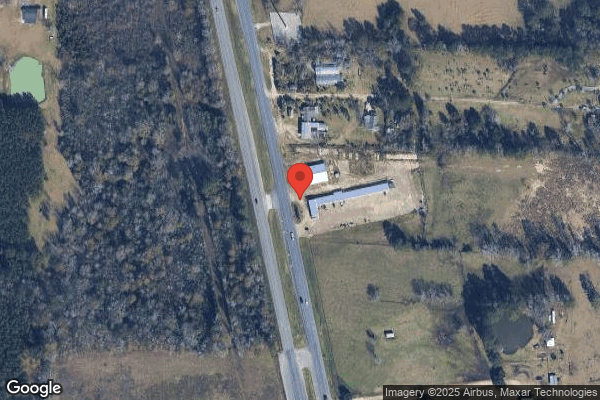
4001 HWY 59 NORTH, LIVINGSTON, TX 77351 (936) 327-4446
Government - Hospital district 120 Beds THE ENSIGN GROUP Data: November 2025 1 Immediate Jeopardy citation
Trust Grade
66/100
#365 of 1168 in TX
Last Inspection: October 2024

Within standard 12-15 month inspection cycle. Federal law requires annual inspections.

Overview

Timberwood Nursing and Rehabilitation Center has a Trust Grade of C+, indicating it is slightly above average but not exceptional. In Texas, it ranks #365 out of 1168 facilities, placing it in the top half, and #3 out of 4 in Polk County, meaning only one local option is rated higher. Unfortunately, the facility is currently worsening, with reported issues increasing from 2 in 2023 to 7 in 2024. Staffing is relatively stable, with a turnover rate of 31%, which is good compared to the Texas average of 50%, but the staffing rating is only average at 3 out of 5 stars. However, there are some concerns to note: the facility faced $8,021 in fines, which is average, and the nursing coverage is also rated average. Specific incidents include a resident being left unsupervised outside, which could have led to serious harm, and issues with improperly managing medical supplies for residents, putting them at risk of infection. Additionally, there were concerns about food safety practices during meal preparation, which could expose residents to foodborne illnesses. Overall, while there are strengths in staffing stability and a good overall star rating, families should consider these weaknesses when making their decision.

Trust Score
C+
66/100
In Texas
#365/1168
Top 31%
Safety Record
High Risk
Review needed
Inspections
Getting Worse
2 → 7 violations
Staff Stability
○ Average
31% turnover. Near Texas's 48% average. Typical for the industry.
Penalties
✓ Good
$8,021 in fines. Lower than most Texas facilities. Relatively clean record.
Skilled Nurses
⚠ Watch
Each resident gets only 21 minutes of Registered Nurse (RN) attention daily — below average for Texas. Fewer RN minutes means fewer trained eyes watching for problems.
Violations
○ Average
10 deficiencies on record. Average for a facility this size. Mostly minor or procedural issues.
★★★★☆
4.0
Overall Rating
★★★☆☆
3.0
Staff Levels
★★★★☆
4.0
Care Quality
★★★★☆
4.0
Inspection Score
Stable
2023: 2 issues
2024: 7 issues

The Good

  • 4-Star Quality Measures · Strong clinical quality outcomes
  • Full Sprinkler Coverage · Fire safety systems throughout facility
  • No fines on record
  • Staff turnover below average (31%)

    17 points below Texas average of 48%

Facility shows strength in quality measures, fire safety.

The Bad

Staff Turnover: 31%

15pts below Texas avg (46%)

Typical for the industry

Federal Fines: $8,021

Below median ($33,413)

Minor penalties assessed

Chain: THE ENSIGN GROUP

Part of a multi-facility chain

Ask about local staffing decisions and management

The Ugly 10 deficiencies on record

1 life-threatening
Oct 2024 6 deficiencies
CONCERN (D)

Potential for Harm - no one hurt, but risky conditions existed

Resident Rights (Tag F0550)

Could have caused harm · This affected 1 resident

**NOTE- TERMS IN BRACKETS HAVE BEEN EDITED TO PROTECT CONFIDENTIALITY** Based on observations, interviews, and record review the facility failed to ensure each resident was treated with respect, digni...

Read full inspector narrative →
**NOTE- TERMS IN BRACKETS HAVE BEEN EDITED TO PROTECT CONFIDENTIALITY** Based on observations, interviews, and record review the facility failed to ensure each resident was treated with respect, dignity, and care for 1 of 12 residents (Resident # 78) observed for care. CNA B failed to sit while feeding Resident #78 by the nurse station on 10/14/2024. This failure could place residents at risk of not being treated with dignity and respect. Findings included: Record review of an admission Record dated 10/15/2024 for Resident #78 indicated he admitted to the facility on [DATE] and was [AGE] years old with diagnoses of dementia, BPH (enlarged prostate gland), and generalized anxiety disorder (excessive worry about everyday issues and situation). Record review of an admission MDS Assessment for Resident #78 dated 9/30/2024 indicated he had severe impairment in thinking with a BIMS score of 5. He required substantial/maximal assistance with eating. Record review of a care plan dated 9/25/2024 for Resident #78 indicated he had potential nutritional problem related to altered diet and interventions included to provide assistance or cueing with meals as needed. During an observation on 10/14/2024 from 11:56 AM - 12:04 PM, Resident #78 was seated in a wheelchair by the nurse station. CNA B placed his lunch tray in front of him on an overbed table and stood the entire time while feeding him. During an interview on 10/14/2024 at 12:05 PM, CNA B said she had been employed at the facility for 2 years and worked 12 hours shifts from 6 am-6 pm. She said she was assigned to work on the hall with Resident #78. She said Resident # 78 had to be assisted with all meals. She said she should have been sitting while feeding him, but they recently moved the chairs. She said she was taught to always sit when feeding residents. She said she had a skills check off with the Staff Coordinator in June 2024 and feeding was a skill on the checklist. She said she would not feel any different if she was a resident and staff stood by her to feed her. Record review of a CNA Comprehensive Clinical Competency Review dated 6/8/2024 indicated CNA B skills checklist requirements were met that included eating support. During an interview on 10/15/2024 at 2:35 PM, the Staffing Coordinator said she had been employed at the facility since 2011. She said she was responsible for trainings with nurse aides and tried to do it every 6 months. She said yearly she would conduct trainings which included feeding. She said all staff were aware that they were not supposed to stand while feeding residents. She said it could be a dignity issue when staff were feeding residents standing up. During an interview on 10/16/2024 at 11:11 AM, the ADON said she had been employed at the facility for 7 years and 10 months in her current position. She said she was responsible for infection control and assisted with training staff. She said when staff were assisting a resident with feeding, they should be seated and not standing. She said it was part of their check offs and was aware of CNA B standing while feeding a resident. She said they would make sure that staff knew to sit and not stand going forward and would try to get residents to eat in the dining room for all meals. She said it would bother her or make her feel degraded if staff stood to feed her. During an interview on 10/16/2024 at 11:27 AM, the DON said staff should be sitting when feeding a resident. She said staff had been educated on how they should be positioned while feeding a resident. She said it would make her feel like they were towering over them if staff stood while feeding. She said they would plan to train staff they should be seated while feeding or take the residents to the dining room. During an interview on 10/16/2024 at 11:38 AM, the Administrator said staff should be seated while feeding a resident. He said they would in-service staff on feeding residents. He said it would make him feel like staff were too busy or did not have enough time if they stood while feeding him. Record review of a facility policy titled Resident Rights: Dignity and Respect revised 10/2015 indicated, .It is the policy of this facility that all residents be treated with kindness, dignity, and respect .
CONCERN (D)

Potential for Harm - no one hurt, but risky conditions existed

Incontinence Care (Tag F0690)

Could have caused harm · This affected 1 resident

**NOTE- TERMS IN BRACKETS HAVE BEEN EDITED TO PROTECT CONFIDENTIALITY** Based on observations, interviews, and record review the facility failed to ensure a resident who was incontinent of bladder rec...

Read full inspector narrative →
**NOTE- TERMS IN BRACKETS HAVE BEEN EDITED TO PROTECT CONFIDENTIALITY** Based on observations, interviews, and record review the facility failed to ensure a resident who was incontinent of bladder received appropriate treatment and services to prevent urinary tract infections for 1 of 3 residents (Resident #74) reviewed for quality of care. The facility failed to ensure Residents #74 had a physician's order for an indwelling urinary catheter (drains urine from your bladder into a bag outside your body). This failure could place residents at risk for urinary tract infections and catheter related injuries. Findings included: Record review of a facility face sheet dated 10/16/24 for Resident #74 indicated that she was a [AGE] year-old female admitted to the facility on [DATE] and subsequently readmitted on [DATE] with diagnoses that included: acute pulmonary edema (a condition caused by too much fluid in the lungs, making it difficult to breathe), peripheral vascular disease (a condition in which narrowed arteries reduce blood flow to the arms or legs), and primary pulmonary hypertension (a type of high blood pressure that affects the arteries in the lungs and the right side of the heart). Record review of a Nursing Home PPS assessment dated [DATE] for Resident #74 indicated that she had a BIMS score of 15 which indicated she was cognitively intact. She was dependent with most ADLs. She had an indwelling catheter and was always incontinent of bowel. Record review of a comprehensive care plan dated 4/14/24 for Resident #74 indicated that she had an indwelling catheter due to obstructive uropathy and had the following intervention: .change catheter bag and tubing as ordered . Record review of a physician's order summary report dated 10/16/24 for Resident #74 indicated that she had no order for an indwelling catheter or changing the bag and tubing . During an observation on 10/14/24 at 2:41 pm Resident #74 was observed lying in bed sleeping. Foley bag was observed hanging on bedside with privacy cover in place. During an interview on 10/16/24 at 10:31 am the DON said her ADON was responsible for ensuring indwelling catheter orders were put in and she was not sure how it got missed. She said not having an order in place could cause the catheter to not be changed timely. She said going forward she would ensure orders were in place. During an interview on 10/16/24 at 10:44 am the Administrator said nursing was responsible for putting orders in and residents could be at risk for infections. Facility did not have a policy for indwelling catheter management.
CONCERN (D)

Potential for Harm - no one hurt, but risky conditions existed

Deficiency F0726 (Tag F0726)

Could have caused harm · This affected 1 resident

**NOTE- TERMS IN BRACKETS HAVE BEEN EDITED TO PROTECT CONFIDENTIALITY** Based on observations, interviews, and record review, the facility failed to have sufficient nursing staff with the appropriate ...

Read full inspector narrative →
**NOTE- TERMS IN BRACKETS HAVE BEEN EDITED TO PROTECT CONFIDENTIALITY** Based on observations, interviews, and record review, the facility failed to have sufficient nursing staff with the appropriate competencies and skill sets to provide nursing and related services to assure resident safety and attain or maintain the highest practicable, physical, mental, and psychosocial well-being for 2 of 8 staff (CNA B and CNA D) reviewed for competent nursing care. 1. CNA D failed to clean Resident #64's penis during incontinent care provided on 10/15/2024. 2. CNA B failed to clean Resident #78's penis properly during catheter and incontinent care provided on 10/15/2024. These deficient practices affect residents who depend on nursing care and could place residents at risk for infection and harm. The findings included: 1. Record review of an admission Record for Resident #64 dated 10/15/2024 indicated he admitted to the facility on [DATE] and was [AGE] years old with diagnoses of cognitive social or emotion deficit following CVA (stroke that affected thinking and emotion), dysphagia (difficulty swallowing), and hemiplegia (paralyzed on one side). Record review of a Quarterly MDS assessment dated [DATE] for Resident #64 indicated he did not have any impairment in thinking with a BIMS score of 14. He required partial/moderate assistance with toileting hygiene. He was always incontinent of urine/bowel. Record review of a care plan revised on 12/7/2023 for Resident #64 indicated he had bowel/bladder incontinence related to activity intolerance with interventions to check as required for incontinence. Wash, rinse, and dry perineum (area between the genitals and anus). During an observation on 10/15/2024 at 10:24 AM in the room of Resident # 64, CNA D and HA F were present to provide incontinent care. CNA D provided incontinent care to Resident #64 and only cleaned both of his inner thighs and his rectum but did not clean his penis. During an interview on 10/15/2024 at 10:38 AM, CNA D said she had been employed at the facility for 7 months worked 6 am-6 pm but had been a CNA for over 26 years. She said during the care provided to Resident #64, she should have cleaned his penis, lifted it up to clean and wipe the tip of it. She said she had a skills check off shortly after being hired. She said residents could get an infection if they were not cleaned properly. Record review of a CNA Comprehensive Clinical Competency Review Skills Checklist dated 2/28/2024 for CNA D indicated she was successfully checked off with perineal care for a male resident. 2. Record review of an admission Record dated 10/15/2024 for Resident #78 indicated he admitted to the facility on [DATE] and was [AGE] years old with diagnoses of dementia, BPH (enlarged prostate gland), and generalized anxiety disorder (excessive worry about everyday issues and situation). Record review of active physician orders for Resident #78 dated 10/15/2024 indicated an order for catheter (device inserted into the body to drain the bladder) care every shift started on 9/24/2024. Record review of an admission MDS Assessment for Resident #78 dated 9/30/2024 indicated he had severe impairment in thinking with a BIMS score of 5. He required substantial/maximal assistance with toileting. He was occasionally incontinent of urine and frequently incontinent of bowel. He had an indwelling catheter. Record review of a care plan for Resident #78 dated 9/26/2024 indicated he had an indwelling catheter for urinary retention with interventions that included to use enhanced barrier precautions. He was at risk for urinary retention related to BPH with interventions to provide catheter care if foley was present. During an observation on 10/15/2024 at 11:00 AM in the room of Resident #78, CNA B and CNA E were present to perform catheter care. Both sanitized their hands and applied gloves. CNA E placed a towel in the basin of water she had and went into the bathroom to put soap on the towel. CNA E pulled the foreskin back on his penis and wiped down the catheter tubing and placed the towel in a plastic bag. She placed another towel in the water and wiped down the tubing a second time and placed the towel in a bag. CNA E removed wipes from a bag and wiped his scrotum and he was rolled onto his left side. His rectum was cleaned, and a clean brief was applied. During an interview on 10/15/2024 at 11:20 AM, CNA E said she had been employed at the facility for 9 months and worked days from 6 am-6 pm. She said she had just started on the floor about a month ago and was also a medication aide. She said when she provided care to Resident #78, she should have pulled the foreskin back farther, did not wipe in a circular motion to clean the penis, and did not go back and dry after. She said she has not had a check off since being a nurse aide on the floor and residents could be at risk for contamination and infections. Record review of a Perineal Care check off dated 1/2/2024 for CNA E indicated she was a new hire moved to CNA 10/15/2024 and met the perineal care requirements dated 10/15/2024. During an interview on 10/15/2024 at 2:35 PM, the Staffing Coordinator said she had been employed at the facility since 2011. She said she was responsible for training the nurse aides on perineal care and tried to do it every 6 months. She said one day last week she gave all nurse aides handouts on perineal care and conducted random checks on staff. She said with male residents if they were uncircumcised, they were supposed to pull the foreskin back and clean. She said they would be doing more training with staff and there was risk for infections. She said they started a new checklist for staff for incontinent care and provided a copy. Record review of an Incontinent Care Skills Checklist revised July 27, 2011, indicated the steps and procedures for male perineal care, . 6. Wash tip of penis at urethral meatus first, using circular motion, cleanse from meatus outward and down shaft. If catheter is present, gently wipe the catheter tubing with new wipe from the meatus outward for at least 4 inches of tubing. 7. Gently cleanse scrotum. Lift carefully and wash underlying skin folds and groin. Using a new wipe, cleanse the inside of the first groin area downward from top to bottom, then get a new wipe, and cleanse the other groin area . During an interview on 10/16/2024 at 11:11, the ADON said she had been employed at the facility for 7 years and 10 months in her current position. She was responsible for infection control and sometimes assisted with training of staff. She said staff should clean male residents by cleaning around the tip of penis, down shaft, and groin area and that was with or without a catheter. She said if the resident had a catheter, then to clean the catheter and put water in a basin in the room and make sure to dry after care and before putting a brief on. She said the Staffing Coordinator was responsible for conducting the checkoffs with staff. She said residents could be at risk of infections and increased risk for UTI's. She said that staff were trained on skills on hire, annually, and PRN after that. During an interview on 10/16/2024 at 11:27 AM, the DON said the Staffing Coordinator conducted check offs with staff on hire, annually, and as needed if they required more education. She said when providing care to a male resident, they should wipe the penis and surrounding area. She said there could be a risk of infections if they were not cleaned properly. Record review of a facility policy titled Nursing Staff Competency revised 12/2023 indicated, .It is the policy of this facility to have sufficient nursing staff with the appropriate competencies and skills sets to provide nursing and related services to assure resident safety and attain or maintain the highest practicable physical, mental, and psychosocial well-being of each resident. b. Competency in skills and techniques necessary to care for residents' needs include but not limited to: basic nursing skills . Record review of a facility policy titled Indwelling Urinary Catheter Care revised 12/2023 indicated, .It is the policy of this facility that each resident with an indwelling catheter will receive catheter care daily and as needed (PRN) to promote hygiene, comfort, and decrease the risk of infection. 9. Moisten the washcloth and apply soap to the washcloth, clean the catheter in a downward motion (front to back) beginning at the urinary meatus (insertion point) and at least 4 inches down (from resident toward the collection bag). Use a clean portion of the washcloth for one cleansing motion. 11. Dry the resident perineal area with a clean .
CONCERN (E)

Potential for Harm - no one hurt, but risky conditions existed

Deficiency F0694 (Tag F0694)

Could have caused harm · This affected multiple residents

**NOTE- TERMS IN BRACKETS HAVE BEEN EDITED TO PROTECT CONFIDENTIALITY** Based on observations, interviews, and record review, the facility failed to ensure residents received parenteral fluids adminis...

Read full inspector narrative →
**NOTE- TERMS IN BRACKETS HAVE BEEN EDITED TO PROTECT CONFIDENTIALITY** Based on observations, interviews, and record review, the facility failed to ensure residents received parenteral fluids administered consistent with professional standards of practice and in accordance with physician orders for 2 of 3 residents (Resident #49 and Resident #75) reviewed for parenteral fluids. The facility failed to manage Resident #49's and Resident #75's PICC line dressing per professional standards and per the physician's order. This failure placed residents at risk of developing an infection. Findings included: Record review of a facility face sheet dated 10/14/24 for Resident #49 indicated that he was a [AGE] year-old male admitted to the facility on [DATE] with diagnoses that included cellulitis of left lower limb (a bacterial infection of your skin and the tissue beneath your skin), type 2 diabetes mellitus (uncontrolled blood sugars), and hyperlipidemia (high cholesterol). Record review of a comprehensive MDS assessment dated [DATE] for Resident #49 indicated that he had a BIMS score of 15, indicating that he was cognitively intact. Section N (Medications) indicated that he was receiving antibiotics and section O (Special Treatments, Procedures, and Programs) indicated that he was receiving IV medications and had IV access. Record review of a comprehensive care plan dated 9/24/24 for Resident #49 indicated that he was receiving IV medications due to cellulitis and had the following intervention: .Check dressing at site daily . Record review of a physician's order summary report dated 10/14/24 for Resident #49 indicated that he had the following order dated 9/18/24: .Midline care: change central line/midline dressing Q (every) 7 days . Record review of a facility face sheet dated 10/14/24 for Resident #75 indicated that she was an [AGE] year-old female admitted to the facility on [DATE] and subsequently readmitted on [DATE] with diagnoses that included extradural and subdural abscess (an infection of the central nervous system that classically presents with midline back pain, fever, and neurologic deficits), subdural hemorrhage (a collection of blood outside the brain), and aphasia (a language disorder that affects communication due to brain injury or stroke). Record review of a Nursing Home PPS MDS assessment dated [DATE] for Resident #75 indicated that she had a BIMS score of 3, which indicated that she had severely impaired cognition. Section N (Medications) indicated that she was receiving antibiotics and section O (Special Treatments, Procedures, and Programs) indicated that she was receiving IV medications and had IV access. Record review of a comprehensive care plan dated 9/25/24 for Resident #75 indicated that she required IV antibiotics and had the following intervention: .administer antibiotic as per MD orders . Record review of a physician's order summary report dated 10/14/24 for Resident #75 indicated that she had the following order dated 9/19/24: .PICC line care: change PICC line dressing Q 7 days . During an observation and interview on 10/14/24 at 2:15 pm Resident #49 was observed lying in bed. He had a PICC line in his upper left arm with a dressing that was dated 9/29/24. He said he had been in the facility approximately 10 days to 2 weeks and could not remember anyone in the facility changing the dressing on his IV site. During an observation on 10/14/24 at 2:44 pm Resident #75 was observed lying in bed. PICC line dressing was observed dated 10/3/24. Resident did not speak. During an interview on 10/16/24 at 10:31 am the DON said nurses were responsible for changing the PICC line dressings and she was unsure what happened with Resident #49 and Resident #75 or how they got missed. She said she had already held in-services and would be following up on those in-services to ensure this did not happen again. She said residents could be at risk of infections if dressings were not changed properly. During an interview on 10/16/24 at 10:44 am the Administrator said nurses were responsible for changing the PICC line dressings and residents could be at risk for infections. He said he expected his staff to follow physician's orders. The facility did not have a policy on IV management.
CONCERN (E)

Potential for Harm - no one hurt, but risky conditions existed

Food Safety (Tag F0812)

Could have caused harm · This affected multiple residents

Based on observations, interviews, and record review the facility failed to store and distribute food in accordance with professional standards for food service safety in 1 of 1 kitchen reviewed for k...

Read full inspector narrative →
Based on observations, interviews, and record review the facility failed to store and distribute food in accordance with professional standards for food service safety in 1 of 1 kitchen reviewed for kitchen sanitation. Dietary Assistant A failed to follow policy when she discarded her gloves and bare-handed foods during lunch meal preparation for 5 residents receiving a pureed diet. This failure could place residents who ate a pureed diet from the kitchen at risk for food-borne illness and/or transmission-based infections. Findings included: During an observation and interview on 10/14/24 at 11:00 a.m. Dietary Assistant, hire date 7/21/22, puréed chicken breasts for 5 residents. DA A, then dropped the used grinder in the 3-compartment sink and took off her gloves. Without washing her hands and donning gloves, DA A opened a loaf of bread, positioned it beside the grinder, measured cooked beans and put them in the grinder. DA A turned on the grinder, touched the table, and turned the grinder off. DA A then tore 3 slices of bread up with her bare hands and added them to the beans and proceeded to puree. She removed the lid to the grinder and added 3 slices of bread, tearing them with her bare hands. The Dietary Manager was observing with this state surveyor and did not intervene. The Dietary Manager said DA A should have washed her hands and applied gloves before tearing the bread and adding it to the beans for puree. The Dietary Manager said that not doing so could cause food borne illness . During an interview on 10/24/24 at 11:15 am the Dietary Manager stated she was responsible for training all dietary staff and dietary staff were trained on kitchen sanitation to include not bare handing food items and glove changing. She stated she would begin retraining all staff because of the cross-contamination risk and expected all staff to follow all kitchen sanitation rules. During an interview on 10/24/24 at 2:43 PM the Administrator provided a facility policy regarding kitchen sanitation. He stated the Dietary Manager was responsible for oversight of kitchen sanitation as well as the training for the dietary staff. He stated that if sanitation measures were not followed in the kitchen, it could cause resident illness and contamination. He stated he expected all dietary staff to follow the regulations for kitchen sanitation. During an interview on 10/15/24 at 9:00 am the Dietary Clinical Support Manager said all staff in the kitchen were expected to follow policy and regulations regarding food handling and sanitation. She said that in-servicing had already been provided to the kitchen staff . The Dietary Clinical Support Manager said that not washing hands and applying gloves when handling foods could cause risk for contamination of food. Record review of a facility policy dated July 2014 titled Food Preparation and Service indicated, . service employees shall prepare and serve food in a manner that complies with food handling practices. 6. Bare hand contact with food is prohibited. Gloves must be worn when handling food directly. However, gloves can also become contaminated and /or soiled and must be changed between tasks. Disposable gloves are single-use items and shall be discarded after each use.
CONCERN (E)

Potential for Harm - no one hurt, but risky conditions existed

Infection Control (Tag F0880)

Could have caused harm · This affected multiple residents

**NOTE- TERMS IN BRACKETS HAVE BEEN EDITED TO PROTECT CONFIDENTIALITY** Based on observations, interviews, and record review the facility failed to establish and maintain an infection prevention and c...

Read full inspector narrative →
**NOTE- TERMS IN BRACKETS HAVE BEEN EDITED TO PROTECT CONFIDENTIALITY** Based on observations, interviews, and record review the facility failed to establish and maintain an infection prevention and control program designed to provide a safe, sanitary, and comfortable environment and to help prevent the development and transmission of communicable diseases and infections for 3 of 6 residents (Resident #55, #20, and #78) and 2 of 8 staff (CNA B, and CNA E) reviewed for infection control. The facility failed to ensure staff did not reuse gowns for Resident's #55 and #20 who were on enhanced barrier precautions on 10/14/2024. CNA B and CNA E failed to wear a gown while providing catheter care for Resident #78, did not sanitize or wash their hands between glove changes, and touched clean items with dirty gloves on 10/15/2024. These failures could place residents at risk of exposure to infectious diseases due to improper infection control practices. Findings included: 1. Record review of an admission Record dated 10/15/2024 for Resident # 55 indicated she admitted to the facility on [DATE] and was [AGE] years old with diagnoses of hemiplegia and hemiparesis (paralyzed on one side of the body), dysphagia (difficulty swallowing), and disruption of wound. Record review of active physician orders for Resident #55 dated 10/15/2024 indicated an order for enhanced barrier precautions started on 9/25/2024 that indicated ppe required for high contact care activities. Indication: MRSA/ESBL (infections that are resistant to many antibiotics) in wound to foot. Record review of a care plan revised on 10/15/2024 for Resident #55 indicated she had an actual impairment to skin integrity related to stage 4 pressure wound to left hallux joint area with interventions to use enhanced barrier precautions. Record review of a Quarterly MDS assessment dated [DATE] for Resident #55 indicated she did not have any impairment in thinking with a BIMS score of 13. She had 1 stage 4 pressure ulcer (wound deep into the muscle). During an observation on 10/14/2024 at 10:25 AM in the room of Resident#55 had a sign on her door that read EBP precautions that indicated to wear a gown and gloves while providing care. PPE was noted hanging on the door that included gloves and gowns. Resident #55 was in bed resting with her eyes closed. 2 blue gowns were hanging on the wall in the room. 2. Record review of an admission Record for Resident #20 dated 10/15/2024 indicated he admitted to the facility on [DATE] and was [AGE] years old with diagnoses of heart failure, pressure ulcer of sacral region stage 4 (wound to tailbone deep into the muscle), and hypertension. Record review of a Significant Change MDS Assessment for Resident #20 dated 9/6/2024 indicated he had moderate impairment in thinking with a BIMS score of 8. He was dependent with all ADL's. Record review of active physician orders for Resident #20 dated 10/15/2024 indicated he had an order for enhanced barrier precautions: ppe required for high resident contact care activities. Indication arterial wound (skin injuries caused by poor circulation), MRSA in wound to sacrum (tailbone), and ESBL in urine that started on 9/11/2024. Record review of a care plan for Resident #20 revised on 9/11/2024 indicated he was at risk for infection related to multidrug resistant ESBL in urine with interventions to use enhanced barrier precautions. During an observation and interview on 10/14/2024 at 10:59 AM in the room of Resident #20 had a sign on the door for EBP and indicated to wear a gown and gloves while providing care. There were 2 blue gowns hanging on the wall in the room. Resident #20 was in bed awake, alert to person only with confusion noted. During an observation on 10/14/2024 at 3:05 PM in the room of Resident #20 the 2 blue gowns were still hanging on the wall in the room. During an observation and interview on 10/14/2024 at 3:31 PM, HA F was present on the hall where Resident #55 and #20 resided. She said she had been employed at the facility for 6 months. She said she did not provide direct care on her own and assisted another CNA. She said that hall had about 3-4 residents who were on EBP that required the staff to wear a gown and gloves when care was provided. She said they were not supposed to reuse the gowns. Resident #20's room door was open, and she said they had been reusing the gowns in the room and were not supposed to. She said they removed the gowns hanging in the room of Resident #55 earlier that day. She said the ADON, and the DON talked with staff and discussed on who and what was to be worn when residents were to be placed on EBP. She said there was a risk for cross contamination if staff reused gowns. 3. Record review of an admission Record dated 10/15/2024 for Resident #78 indicated he admitted to the facility on [DATE] and was [AGE] years old with diagnoses of dementia, BPH (enlarged prostate gland), and generalized anxiety disorder (excessive worry about everyday issues and situation). Record review of active physician orders for Resident #78 dated 10/15/2024 indicated an order for catheter care every shift started on 9/24/2024. An order for enhanced barrier precautions: ppe required for high resident contact care activities: indication-foley every shift started on 9/24/2024. Record review of an admission MDS Assessment for Resident #78 dated 9/30/2024 indicated he had a severe impairment in thinking with a BIMS score of 5. He required substantial/maximal assistance with toileting. He was occasionally incontinent of urine and frequently incontinent of bowel. He had an indwelling catheter. Record review of a care plan for Resident #78 dated 9/26/2024 indicated he had an indwelling catheter for urinary retention with interventions that included to use enhanced barrier precautions. He was at risk for urinary retention related to BPH with interventions to provide catheter care if foley was present. During an observation on 10/15/2024 at 11:00 AM in the room of Resident #78, CNA B and CNA E were present to provide catheter care. There was a sign on the door that indicated EBP. Both sanitized their hands and applied gloves. CNA B pulled off Resident #78's shorts and opened his brief. CNA E put water in a pan and wet a towel and went into the bathroom and to put soap on the towel. CNA E pulled the foreskin back on his penis and wiped down the catheter tubing and placed the towel in a plastic bag. CNA E placed another towel in the water and wiped down the tubing and placed the towel in a bag. CNA E removed her gloves and placed them in the trash, without sanitizing or washing her hands put on clean gloves. CNA E removed wipes from a bag and wiped his scrotum x2 wipes and feces was present. CNA E removed her gloves and placed them in the trash and placed gloves on her hands without sanitizing them. CNA E removed wipes from plastic bag and CNA B rolled the resident onto his left side and wiped his rectal area using 3 wipes and removed his brief and placed it in the trash. CNA B wiped 3 times again and placed a clean brief underneath his buttocks and secured it without changing her gloves. CNA E removed her gloves and placed gloves on hands without sanitizing them. CNA B removed her gloves and sanitized her hands and put on clean gloves. CNA B placed Resident #78's shorts back on him. CNA E removed the pan of water and emptied it in the bathroom, trash and towels were removed and placed in the hallway cart outside of resident room door, and gloves removed and placed in the trash. CNA E sanitized her hands. CNA B removed her gloves and sanitized her hands. During a joint interview on 10/15/2024 at 11:20 AM, CNA E said she had been employed at the facility for 9 months, worked days from 6 am-6 pm, and had started on the floor as a nurse aide about a month ago and worked as a medication aide. She said during the care provided to Resident #78, when she changed gloves, she did not sanitize her hands. She said during catheter care she did not pull the foreskin back enough, did not wipe in a circular motion to clean, and did not go back and dry. CNA E said she had sanitizer in her pocket but did not use it and did not wear a gown when care was provided. CNA E said she thought the EBP was for his roommate. She said she had not had a skills check off since being a nurse aide on the floor. CNA B said she should have changed her gloves when she went from dirty to clean and she touched the clean brief with dirty gloves. She said Resident #78 was on EBP and they did not wear a gown during the care provided. Both said residents could be at risk for contamination and infections. Record review of a CNA Comprehensive Clinical Competency Review dated 6/8/2024 indicated CNA B skills checklist requirements were met that included perineal care. Record review of a CNA Comprehensive Clinical Competency Review-Skills Checklist for CNA E dated 1/2/2024 indicated she was successfully checked off on catheter care. Record review of a Perineal Care check off dated 1/2/2024 for CNA E indicated she was a new hire moved to CNA 10/15/2024 and met the perineal care requirements dated 10/15/2024. During an interview on 10/15/2024 at 2:35 PM, the Staffing Coordinator said she had been employed at the facility since 2011. She said she was responsible for trainings with nurse aides on perineal care and tried to do it every 6 months. She said every year she would train staff on ppe and handwashing. She said one day last week she gave all nurse aides handouts on perineal care and handwashing and did random checks on staff. She said with male residents if they were uncircumcised, they were supposed to pull the foreskin back and clean. She said they were supposed to wash or sanitize their hands after glove changes. She said they were not supposed to touch anything clean with dirty gloves. She said they would be doing more training with staff going forward. She said there was a risk for infection control. During an interview on 10/16/2024 at 11:11 AM, the ADON said she had been employed at the facility for 7 years and 10 months in her current position. She was responsible for infection control and sometimes assisted with training of staff. She said staff should clean male residents by cleaning around the tip of penis, down shaft, and groin area and that was with or without a catheter, if they had a catheter, clean it. She said if they had a catheter, staff were to take a basin of water in the room to clean and make sure to dry the resident after care and before putting a brief on. She said staff should sanitize their hands after the brief was removed, before and after care provided, and between glove changes. She said the Staffing Coordinator was responsible for conducting the checkoffs with staff. She said residents could be at risk of infections and increased risk for UTI's. She said Resident #78 was on EBP for his catheter and staff should wear a gown and gloves when care was provided, and the staff had been aware of the change since April 2024. She said staff can reuse the gowns each shift, but only wear them for that shift and for one resident. She said they had a hard time before getting supplies and were running out of supplies. She said that staff were trained on skills on hire, annually, and prn after that. She said they conducted an in-service with staff on yesterday 10/15/2024 on EBP. During an interview on 10/16/2024 at 11:27 AM, the DON said Resident #78 was on EBP for his catheter and staff should be wearing a gown and gloves when providing care. She said they informed the staff that they could reuse the gowns for the same residents for the day. She said they did have a shortage of ppe but not anymore. She said residents could be at risk of infection. She said the Staffing Coordinator conducted check offs with staff on hire, annually, and as needed if they required more education. She said when providing care to a male resident, they should wipe the penis and surrounding area, perform hand hygiene before, during and after care, when changing from dirty to clean, and when gloves were removed. Record review of a facility in-service dated 10/15/2024 on EBP was conducted at the facility by the ADON to staff and CNA B, CNA D, HA F, and CNA E were in attendance as indicated by their signatures. During an interview on 10/16/2024 at 11:38 AM, the Administrator said the IP and all staff were responsible for all things infection control. He said they had been reviewing infection control measures frequently. He said they would plan to do more education along with observations of staff. He said there was a risk of infection and cross contamination. Record review of an indwelling urinary catheter care policy revised on 12/2023 indicated, .It is the policy of this facility that each resident with an indwelling catheter will receive catheter care daily and as needed to promote hygiene, comfort, and decrease the risk of infection. 9. Moisten the washcloth and apply soap to the washcloth or using moistened disposable wipes, clean the catheter in a downward motion (front to back) beginning at the urinary meatus (insertion point) and at least 4 inches down (from resident toward the collection bag). Use a clean portion of the washcloth or fresh disposable wipe for one cleansing motion. 10. Repeat the procedure without soap to rinse as needed. 11. Dry the resident perineal area with a clean cloth . Record review of a facility policy titled IPCP Standard and Transmission-Based Precautions: Infection Control revised 10/2022 indicated, .It if the policy of this facility to implement infection control measures to prevent the spread of communicable diseases and conditions. 3. Enhanced Barrier Precautions (EBP): expand the use of PPE and refer to the use of gown and gloves during high contact resident care activities that provide opportunities for indirect transfer of MDROs to staff hands and clothing then indirectly transferred to residents or from resident to resident. (e.g)., residents with wounds and indwelling medical devices are at especially high risk of both acquisition of and colonization with MDROs). c. Examples of high-contact resident care activities requiring gown and gloves use for Enhanced Barrier Precautions include: vii. device care or use, indwelling urinary catheter . Record review of a facility policy titled Hand Hygiene undated indicated, .This facility considers hand hygiene the primary means to prevent the spread of infections. 1. All personnel shall be trained and or regularly in-serviced on the importance of hand hygiene in preventing the transmission of healthcare-associated infections. 4. Use an alcohol-based hand rub containing at least 62% alcohol; or, alternatively, soap and water for the following situations: h. Before moving from a contaminated body site to a clean body site during resident care; m. After removing gloves. 6. The use of gloves does not replace hand washing/hand hygiene .
Sept 2024 1 deficiency 1 IJ
CRITICAL (J) 📢 Someone Reported This

A family member, employee, or ombudsman was alarmed enough to file a formal complaint

Immediate Jeopardy (IJ) - the most serious Medicare violation

Accident Prevention (Tag F0689)

Someone could have died · This affected 1 resident

**NOTE- TERMS IN BRACKETS HAVE BEEN EDITED TO PROTECT CONFIDENTIALITY** Based on interview and record review, the facility failed to ensure each resident received adequate supervision and assistance d...

Read full inspector narrative →
**NOTE- TERMS IN BRACKETS HAVE BEEN EDITED TO PROTECT CONFIDENTIALITY** Based on interview and record review, the facility failed to ensure each resident received adequate supervision and assistance devices to prevent accidents for 1 of 3 residents reviewed for accidents and supervision. (Resident #1) The facility failed to provide adequate supervision for Resident #1 who was assessed as a high risk for elopement. On 01/22/24 he was allowed to sit on the front porch without supervision, and facility was contacted by equipment company next door that resident was there. The non-compliance was identified as past non-compliance. The Immediate Jeopardy began on 01/22/2024 and ended on 01/22/2024. The facility had corrected the non-compliance before the survey began. This failure could prevent residents from receiving appropriate supervision which could lead to resident sustaining serious injury or harm. Findings included: Record review of an undated face sheet indicated Resident #1 was a [AGE] year-old male admitted on [DATE]. His diagnoses included congestive heart failure systolic and diastolic (a condition in which the heart's main pumping chamber (left ventricle) is weak, becomes stiff, and unable to fill properly), respiratory failure (a serious condition that makes it difficult to breathe on your own), hypertension (a condition in which the force of the blood against the artery walls is too high), atrial fibrillation (a type of irregular heartbeat), and cerebral infarction (lack of adequate blood supply to brain cells deprives them of oxygen and vital nutrients which can cause parts of the brain to die off). Record review of hospital records with a History and Physical dated 01/12/2024 indicated Resident #1 had a history of methamphetamine abuse. Record review of an Elopement/Wandering Evaluation dated 01/19/2024 indicated Resident #1 was a high risk with a score of 25 out of 55. The form was signed by LVN B. During an interview on 09/11/2024 at 11:43 a.m., LVN B said she had filled out the Elopement/Wandering Evaluation on Resident #1. She said she answered some of the questions based on the personal history of knowing Resident #1 and his drug abuse history and that was why it triggered him at high risk for elopement. Record review of a Brief Interview for Mental Status dated 01/22/2024 indicated Resident #1 had severely impaired cognition with a score of 04 out of 15. Record review of Progress Notes with a Nursing Note entry dated 01/22/2024 indicated Resident #1 had been at the nurses' station multiple times today asking to call his de-identified family member. RN A was able to get her on the phone for him and he was able to speak with her. After speaking with her, Resident #1 asked if he could leave the facility to go to the bank. RN A told him yes, he could but he needed to sign out and have a ride to take him and he stated that someone was going take him to the bank and he would be back in two hours. He then walked towards the front. RN A told him once again to let the nursing staff know that he was leaving and to come sign out. Resident #1 verbalized understanding. During an interview on 09/11/2024 at 11:17 a.m., RN A said Resident #1 came to the nurse station wanting to go the bank to get some money. RN A said she contacted the de-identified family member and Resident #1 spoke with de-identified family member on the phone. RN A said then Resident #1 went to the resident phone and had called someone. RN A said Resident #1 then came back to the desk and asked could he leave the facility to go to the bank and RN A told him yes but needed to sign out and have a ride to take him. RN A said he had a ride to take him and walked towards the front at which point she reminded him to let them know he was leaving and to come sign out. A Provider Investigation Report dated 01/30/2024 indicated the incident occurred on 01/22/24 at 01:00 p.m Resident #1 went on the front porch to sit and wait for a ride. He then unknowingly left the facility walked next door to a local business to ask for a ride to the bank. The facility initiated the elopement protocol when they realized he was not in the facility. The grounds were searched. Resident #1's de-identified family member was contacted who said she had not picked him up. During the search the local business contacted the facility to let them know Resident #1 had walked next door and asked for a ride to the bank. The Administrator and DON picked up the resident and returned him to the facility. A head-to-toe assessment was conducted with no negative findings. His de-identified family member was notified he was back at the facility and one on one monitoring was initiated. His physician arrived at the facility and assessed him with no negative findings. In-services were conducted with staff on elopement protocol, on accuracy of elopement assessments, and on residents sitting out front. All residents had updated elopement assessments conducted. The Elopement Binder was updated. Resident #1 continued on one-on-one monitoring until he was transferred to a secured unit facility. During an interview on 09/11/2024 at 02:18 p.m., the DON said they reviewed the camera on the front porch and it was approximately 10 minutes from the time Resident #1 started walking down the driveway to when the local business next door notified them the resident was at their business. Record review of a Physician/NP/PA Progress Note/Discharge summary dated [DATE] indicated Resident #1's physician examined the resident and indicated .clinically stable. continue lasix and atenolol. cardiac diet reviewed. ok for [discharge] home. [follow up] with [primary care physician] and cardiology within a week after [discharge]. [emergency room] warnings reviewed for chest pain/[shortness of breath] Record review of 15-Minute Checks form indicated Resident #1 was observed every 15 minutes from after he returned to the facility on [DATE] until he discharged to another facility on 01/25/24 at 05:45 p.m During an interview on 09/11/24 at 03:22 p.m., the DON said when Resident #1's physician examined him, he said Resident #1 could go home. She said she explained to the physician that Resident #1's de-identified family member did not want him to go home because of the drug abuse and his de-identified family friend was not a good influence. She said she told the physician the de-identified family member had the keys to Resident #1's home and would not give them to the facility or to the resident. She said at that time the QAA committee including Resident #1's physician who was the Medical Director reviewed everything. They decided to reeducate everyone on elopement, on accuracy of elopement assessments, and on residents sitting out front; assess all residents for elopement; update the elopement binder; Resident #1 was to be transferred to a facility with a secured unit; and he was to remain on one-on-one monitoring until his transfer. She said the information was all put into the QAPI report. She said Resident #1's de-identified family member was notified, and the de-identified family member agreed to the transfer. Record review of a policy with revision date of 12/2023 titled Elopement/Unsafe Wandering indicated Policy: It is the policy of this facility to provide a safe environment, as free of accidents as possible, for all residents through appropriate assessment, interventions, and adequate supervision to prevent accidents related to unsafe wandering or elopement while maintaining the least restrictive manner for those at risk for elopement. Definitions: Elopement occurs when a resident leaves the premises or a safe area without the facility's knowledge, authorization (i.e. an order for discharge, appointment, or leave of absence), and/or any necessary supervision to do so. Procedure: 1. Residents with capabilities of ambulation and/or mobility in wheelchair will have an Elopement/Wandering Evaluation completed to determine risks for elopement and unsafe wandering on admission and with observed behaviors of wandering or attempts to elope. 2. Residents with high risk factors will be identified as At Risk and will have an individualized care plan developed that includes measurable objectives and timeframes Record review of an In-Service Attendance Record with subject of Elopement Drill and Procedure, dated 01/22/2024, indicated that 57 staff members signed the in-service record including RN A, LVN B, and Receptionist C. Record review of Assessment History LN-Elopement/Wandering Evaluation list dated 01/22/24 at 04:44 p.m. indicated all residents in the facility were reassessed on 01/22/24. Record review of Incident logs from 01/22/24 through 09/12/24 indicated there were no other resident elopements from the facility. During an interview on 09/11/24 at 10:45 a.m., the DON said the resident was low risk for elopement at the time of the incident. She said he followed someone out and was looking for his car in the parking lot to get him some beer. She said he was reassessed as high risk for elopement and placed in the binder. Record review of the Elopement Binder on 09/11/24 indicated it was updated to include current residents assessed as high risk for elopement. During observations on 09/11/24 from 09:00 a.m. - 09/12/24 10:30 a.m., of current residents at risk for elopement indicated staff maintained residents within eye contact and staff did not allow them to go outside of the facility without a staff member with them. During interviews on 09/11/2024 from 12:30 p.m. - 09/12/2024 10:30 a.m., 1 RN was able to identify residents at risk for elopement, was knowledgeable of the elopement policy and procedure, was aware of the new expectations to not allow any resident outside alone, and to notify the DON/ADON and the Administrator immediately of any resident trying to go outside alone. During interviews on 09/11/2024 from 12:30 p.m. - 09/12/2024 10:30 a.m., 4 LVNs (2 from each shift) were able to identify residents at risk for elopement, all were knowledgeable of the elopement policy and procedure, all were aware of the new expectations to not allow any resident outside alone, and to notify the DON/ADON and the Administrator immediately of any resident trying to go outside alone. During interviews on 9/11/2024 from 12:30 p.m. - 9/12/2024 10:30 a.m., 4 CNAs (2 from each shift) were able to identify residents at risk for elopement, all were knowledgeable of the elopement policy and procedure, all were aware of the new expectations to not allow any resident outside alone, and to notify the DON/ADON and the Administrator immediately of any resident trying to go outside alone. During interviews on 09/11/2024 from 12:30 p.m. - 09/12/2024 10:30 a.m., 2 Receptionists were able were able to identify residents at risk for elopement, all were knowledgeable of the elopement policy and procedure, they were aware of the new expectations to not allow any resident outside alone, and to notify the DON/ADON and the Administrator immediately of any resident trying to go outside alone. On 09/10/2024 at 04:59 p.m., the Administrator and DON were informed of the Immediate Jeopardy. The non-compliance was identified as past non-compliance. The Immediate Jeopardy began on 01/22/2024 and ended on 01/22/2024. The facility had corrected the noncompliance before survey began.
Aug 2023 2 deficiencies
CONCERN (D) 📢 Someone Reported This

A family member, employee, or ombudsman was alarmed enough to file a formal complaint

Potential for Harm - no one hurt, but risky conditions existed

Pharmacy Services (Tag F0755)

Could have caused harm · This affected 1 resident

**NOTE- TERMS IN BRACKETS HAVE BEEN EDITED TO PROTECT CONFIDENTIALITY** Based on interview and record review the facility failed to provide pharmaceutical services that assured the accurate acquiring,...

Read full inspector narrative →
**NOTE- TERMS IN BRACKETS HAVE BEEN EDITED TO PROTECT CONFIDENTIALITY** Based on interview and record review the facility failed to provide pharmaceutical services that assured the accurate acquiring, receiving, dispensing, and administering of all medications to meet the needs of the residents and establish a system to accurately reconcile controlled medications using acceptable standards of practice for 2 of 6 residents (Resident # 67 and Resident #140) reviewed for pharmaceutical services in that: LVN F failed to accurately reconcile discharge medication list and discharged Resident #140 home with Resident #67's medication. This failure could affect residents at risk of not receiving the intended therapeutic benefit of their medications, and the potential to facilitate drug diversions. Findings: Resident #67 Record review of facility face sheet dated 8/21/2023 indicated Resident #67 was a [AGE] year-old female admitted to the facility on [DATE] with a diagnosis of heart disease. Record review of significant change MDS (minimum data set) dated 5/22/2023 indicated Resident #67 had a BIMS (brief interview of mental status) of 09 indicating moderately impaired cognition. Section J of MDS indicated no reports of pain and Section O indicated hospice care while a resident. Record review of comprehensive care plan dated 5/25/2023 indicated Resident # 67 had terminal COPD (chronic obstructive lung disease) and was receiving hospice services and had acute/chronic pain. An intervention was to administer analgesic as ordered. Record review of physician order dated 5/24/2023 indicated Resident #67 had an order for Morphine Sulfate 10 mg/5 ml give 0.5 ml by mouth every 2 hours as needed for pain. Record review of MAR (medication administration record) dated 8/21/2023 indicated Resident # 67 did not receive any doses of Morphine in the month of August 2023. Resident #140 Record Review of facility face sheet dated 8/23/2023 indicated Resident #140 was a [AGE] year-old female admitted to the facility on [DATE] for diagnosis of COPD. Record review of discharge MDS dated [DATE] indicated Resident # 140 could not complete exam for BIMS scoring. Section J of MDS indicated no pain reported and Section O for special services indicated Resident # 140 received hospice while a resident at the facility. Record review of comprehensive care plan dated 8/03/2023 indicated Resident #140 had a terminal diagnosis of COPD and was receiving hospice services and had acute/chronic pain. An intervention was to administer pain medication as ordered. Record review of physician order dated 8/03/2023 indicated Resident # 140 had an order for Morphine Sulfate 20mg/ml give 0.25 ml by mouth every 1 hour as needed for pain. Record review of MAR dated 8/2/2023 to 8/07/2023 indicated Resident # 140 did not receive any doses of morphine. Record review of discharge summary for Resident # 140 dated 8/07/2023 signed by LVN F indicated a list of reconciled medications was sent home with resident. During a telephone interview on 08/21/2023 at 9:00 am family member of Resident #140 stated when Resident #140 was discharged home from the facility she had a bottle of morphine in her belongings. She stated the morphine had a label and belonged to Resident # 67. She stated she called the facility with her concern and the DON picked up the morphine but could not remember the date. She stated she was the full-time caregiver for Resident # 140, and she was responsible for storing and administering all her medicine. She stated Resident # 140 received hospice services and had an order for morphine but never took it. She stated when Resident # 140 admitted to the facility she did not provide the facility with her morphine. She stated the facility should have been more careful when discharging residents' home with medications. During an interview on 8/21/2023 at 3:10 pm RN E stated when the nurses changed shifts the narcotics were checked and accounted for between the ongoing and oncoming nurses. She stated when a resident's narcotics were discontinued the count log was verified between two nurses and the medicine was placed in the destruction cabinet. She stated when a resident discharged home the nurse checks each medicine against the discharge medication list and gave the medication list and medicine to the resident or responsible party. She stated the nurse then put the narcotic count sheet in a folder for medical records to file. During a telephone interview on 8/21/2023 at 4:46 pm LVN F stated she had worked at the facility for 3 years. She stated when she discharged Resident # 140 home from the facility, she accidently sent Resident # 67's morphine home with Resident # 140. She stated Resident # 140 had an order for morphine, she pulled what she thought was Resident # 140's morphine from the lock box but did not thoroughly look at the label. She stated she placed the morphine in the bag and pulled the count sheet for medical records. She stated she was trained on properly identifying the correct resident for medication administration and reconciliation of medications. She stated she did not know she had mistakenly sent the wrong residents medicine until the DON told her and held an in-service for the nurses on reconciling and checking discharge medications before a resident left the facility. She stated by not correctly identifying the resident, with the label, and order could cause an adverse effect to the residents. During an interview on 8/21/2023 at 4:49 pm RN E stated she worked at the facility on 8/07/2023 and 8/08/2023 and Resident # 140 was discharged home during her shift, but she was not her nurse. She stated LVN F was the discharging nurse. She stated that when she left work on 08/07/2023 she did the narcotic count with the oncoming shift, and she had not had any missing narcotics when she counted. She stated if narcotics were found missing, she would alert the DON right away and there was a process that had to be followed. She stated regarding Resident # 67's morphine, there was no count sheet to alert her the medicine was not there. She stated when Resident # 140 discharged the narcotic count sheet was pulled from them the binder and put in the folder for medical records. She stated she was not aware Resident # 67's morphine was missing until the DON told her. During an interview on 8/21/2023 at 5:00 pm the DON stated LVN F accidentally sent home Resident #67's morphine with Resident # 140. She stated Resident #140 had an order for morphine, but her family never brought the morphine to the facility during her respite stay. She stated she was notified by a night nurse that Resident #140's family had called and reported Resident #67's morphine was sent home with them. She stated she went on 8/08/2023 and picked up the morphine from Resident #67's home. She stated she verified the morphine and placed it back on the cart with the count sheet. She stated she notified the administrator, medical director, and hospice. She stated she did not do an incident report or drug diversion as it was determined to be an accident and not intentional. She stated she in-serviced the nurses on the proper process for reconciling medications at time of discharge. During an interview on 8/23/2023 at 11:00 am medical records stated she had been employed at the facility since 2007. She stated that once a day she retrieved any documents needing to go to medical records from the nurse's stations. She stated she took the narcotic count sheets and once a week she would look through the count sheets and give to the DON for review if needed. She stated she then filed the count sheets in each resident's medical record. She stated she did not have a specific process for reviewing narcotic count sheets when a resident discharged home. She stated she was not sure of the risk of medications being reconciled on discharge, but a resident could have an adverse reaction. During an interview on 8/23/2023 at 11:05 am the ADON stated she received the call from Resident #140's family member the evening after she was discharged home on [DATE]. She stated the family member notified her that Resident #140 had in her personal belongings Resident # 67's morphine. She stated she contacted the DON and notified her about the morphine. She stated the DON told her she would handle it. She stated the DON picked up the morphine the following day on 8/08/2023 and inserviced the nurses on medication review during discharge. She stated the risk could have been an adverse reaction or improper pain management. During an interview on 8/23/2023 at 11:15 am the DON stated she was responsible for all the nurses and nurses had been trained on reconciling medications at time of discharge. She stated the nurse was to review the order summary against the medication label and verify they matched before sending medications with the resident or family. She stated the narcotic count sheet went to medical records and she would review the count sheet at discharge to ensure accuracy. She stated the nurses had been inserviced and expected all medications were reconciled and correct medications were sent home with the resident when they discharged . She stated the risk could have been resident not having pain control or received incorrect medication dose. During an interview on 8/23/2023 at 11:34 am the administrator stated all nursing staff are responsible for narcotic medication reconciliation. He stated that nurses have been inserviced on verifying all medications are accurate before resident discharged from the facility. He stated they have completed a quality team investigation and will discuss at the next QAPI meeting. He stated he expected the nurses to follow the medication reconciliation to avoid an adverse reaction to the resident. Record review of narcotic count sheet for Resident # 67's morphine indicated morphine was removed from the cart for destruction and Resident #67 did not require any morphine after it was returned to the facility. Record review of Quality Team Tracking form dated 8/08/2023 indicated identified problem area of discharge medications with medication sent home with the wrong patient. Record review of in-service record titled Discharge Medications dated 8/08/2023 revealed, .nurses had received training regarding all medications upon discharge of a resident must be verified per orders and verified with the patients name before medications are sent with the resident . Record review of facility policy titled Administering Medications dated April 2010 indicated, .must verify the resident's identity before giving resident medications . Record review of facility policy titled Controlled Medications - Storage and Reconciliation dated 1.2022 indicated .reconciliation refers to a system of recordkeeping that ensures an accurate inventory of medications by accounting for controlled medications that have been received, dispensed, administered, and/or including the process of disposition .
CONCERN (E)

Potential for Harm - no one hurt, but risky conditions existed

Infection Control (Tag F0880)

Could have caused harm · This affected multiple residents

**NOTE- TERMS IN BRACKETS HAVE BEEN EDITED TO PROTECT CONFIDENTIALITY** Based on observation, interview, and record review, the facility failed to maintain an infection prevention and control program ...

Read full inspector narrative →
**NOTE- TERMS IN BRACKETS HAVE BEEN EDITED TO PROTECT CONFIDENTIALITY** Based on observation, interview, and record review, the facility failed to maintain an infection prevention and control program designed to provide a safe, sanitary, and comfortable environment and to help prevent the development and transmission of communicable diseases and infections for 5 of 6 (CNA A, CNA C, CNA D, CNA I and the Treatment nurse) staff and 4 of 4 residents (Residents #54, #12, #64 and #34) reviewed for infection control in that: CNA I did not wash or sanitize her hands in between glove changes when going from dirty to clean while performing incontinent care to Resident #54. CNA C and CNA D did not change gloves while providing incontinent care to Resident #12 when going from dirty to clean. CNA A did not wash or sanitize her hands in between glove changes while performing incontinent care to Resident #64. Treatment nurse failed to place wound care supplies on a clean surface while performing wound care to Resident #34. These failures could place residents at risk of exposure to communicable diseases and infections. Findings: 1. Record review of the facility face sheet dated 03/05/23 indicated Resident #54 was a [AGE] year-old female admitted to the facility on [DATE] for diagnoses of unspecified dementia, unspecified severity, without behavioral disturbances, psychotic disturbance mood disturbance, anxiety, low back pain, muscle weakness, pain in right hip, pain in unspecified knee, dysphagia, obstructive and reflux uropathy, insomnia, hypothyroid, type II diabetes, schizophrenia, major depressive disorder, Parkinson's disease, essential hypertension, unspecified atrial fib, congested heart failure. Record review of a quarterly MDS dated [DATE] indicated Resident #54 had a BIMS score of 7 indicating severe impairment. Record review of a care plan for Resident #54 dated 08/04/23 indicated she had an ADL self-care performance related to generalized weakness with interventions for toilet use and she required two staff participation. During an observation on 8/21/2023 at 8:49 AM CNA H and CNA I was present to provide incontinent care for Resident # 54. CNA I removed clean gloves from the pocket of her scrub top and placed gloves on both hands without washing or sanitizing her hands. CNA I opened the soiled brief on Resident # 54 and placed it between her legs. She was handed a wipe by CNA H, and she wiped down right side of perineal area front to back and placed wipe in the trash. She was handed a clean wipe by CNA H and wiped down left side of peri area from front to back and threw wipe in trash. She was handed a clean wipe by CNA H she wiped middle of peri area front to back and discarded the wipe in the trash. She rolled Resident #54 onto her right side and CNA H handed her a clean wipe. CNA I cleaned Resident # 54's buttock area from front to back using multiple wipes and placed them in the trash. CNA I removed the soiled brief and placed it in the trash. CNA I did not remove her soiled gloves, she then picked up the clean brief and started to place it under resident # 54, CNA H said, your gloves, and CNA I took off the soiled gloves and placed them in the trash. CNA I reached into her pocket and got a clean pair of gloves, put them on and continued incontinent care without washing her hands or sanitizing between glove change. CNA I and CNA H completed incontinent care on Resident #54 by securing the brief and repositioning her then they removed their gloves and placed them in the trash. They then went into the restroom and washed their hands. During an interview on 8/21/2023 at 9:00 AM, CNA I said she has worked at facility for two years but had been a CNA for thirty years. CNA H said she had worked at the facility for five years and had been a CNA since 2016. CNA I said she was trained a long time ago how to do incontinent care. CNA H said she was provided training before she started working on the floor. Both CNA I and CNA H said the facility did provide them training on infection control and incontinent care on hire. Both CNAs said the staffing coordinator was the one that perform check offs for skills. CNA I and CNA H said they did not sanitize their hands during glove changes during incontinent care. CNA I said the only time she performed hand hygiene was after she provided incontinent care to the resident. They said not sanitizing their hands could cause the residents to have infections. 2. Record review of an admission Record dated 8/23/2023 for Resident #12 indicated she admitted to the facility on [DATE] and was [AGE] years old with diagnoses of type 2 diabetes, acquired absence of right and left leg above the knee (missing both right and left legs), hypertension, and peripheral vascular disease (decreased blood flow to the lower legs). Record review of an Annual MDS assessment dated [DATE] for Resident #12 indicated she had moderate impairment in thinking with a BIMS score of 8. She was totally dependent with transfers and extensive assistance with toilet use using two-person physical assist. She was always incontinent of bowel and bladder. Record review of a care plan dated 3/13/2017 for Resident #12 indicated she had an ADL self-care performance deficit related to above the knee amputation with an intervention of toilet use: requires assistance to wash hands, adjust clothing, clean self. During an observation on 8/23/2023 at 9:10 AM CNA C and CNA D were present to provide incontinent care to Resident #12 and both nurse aides washed their hands and put on gloves. CNA C opened Resident #12's brief and placed it between her thighs. CNA C removed wipes from a plastic bag and wiped Resident #12's perineal area from front to back. Resident #12 had a large bowel movement that had leaked out of the brief onto the under pad. CNA C removed her gloves and placed them in the trash. CNA C went to the restroom in Resident #12' room and washed her hands and put on gloves on both hands. CNA C removed wipes from the plastic bag and gloves were visible soiled with feces and wiped Resident #12's perineal area multiple times until she was clean. CNA C removed her gloves and placed them in the trash and went to the restroom and washed her hands. CNA C placed gloves on both hands. Resident #12 was rolled onto her right side assisted by CNA D. The Staffing coordinator knocked at the door and entered the room to assist. Staffing coordinator instructed both CNA C and CNA D to be careful and not contaminate anything because Resident #12 had a large bowel movement. CNA D removed wipes from a plastic bag and wiped Resident #12's rectum multiple times until clean. CNA D removed the soiled brief and under pad and placed them in a plastic bag. CNA C did not remove her gloves and placed a clean brief and a draw sheet underneath Resident #12's buttocks. CNA D secured the brief and then reached into Resident #12's closet and picked out clothes for Resident #12 to wear. Staffing coordinator instructed CNA D to take out the soiled linens and place them in the hamper that was sitting outside in the hallway. CNA D opened the door with the dirty gloves and placed the soiled linens and removed her gloves and placed them in the hamper. CNA D reentered Resident #12's room and washed her hands. CNA C removed her gloves and placed them in the trash and washed her hands in the restroom. During an interview on 8/23/2023 at 9:48 AM, CNA C said she had been employed at the facility for 2 years. She said during the incontinent care provided to Resident #12, she should have changed her gloves the second they were soiled. She said CNA D should have washed her hands more and changed her gloves as soon as she finished wiping Resident #12. She said CNA D should not have kept gloves on to touch clothing items and the clean brief. She said residents could be at risk of infection. She said she had a competency skills check off last month on incontinent care. Record review of a perineal care for CNA C dated 7/5/2023 by Staffing Coordinator indicated she was competent with skills checkoff. During an interview on 8/23/2023 at 9:50 AM, with CNA D said she had been employed at the facility for 2 weeks and was currently in training. She said she was being training by CNA C. She said she had only been a nurse aide for a year, and this was her first job as a nurse aide. She said during the incontinent care provided to Resident #12, she should have removed her gloves before placing soiled linens in the hamper. She said she was nervous and forgot to change her gloves. She said residents could get sick or get an infection if she did not change her gloves that were dirty. 3. Record review of an admission Record for Resident #64 dated 8/22/2023 indicated she admitted to the facility on [DATE] and was [AGE] years old with diagnoses of cerebral infarction (stroke), dysphagia following cerebral infarction (difficulty swallowing following a stroke), dementia, and GERD (acid reflux disease). Record review of a Significant Change MDS Assessment for Resident #64 dated 6/14/2023 indicated she had severe impairment in thinking with a BIMS score of 3. She required extensive assistance with ADL's. She was always incontinent of bowel/bladder. Record review of a care plan for Resident #64 dated 8/27/2019 indicated she had an ADL self-care performance deficit related to left sided weakness secondary to CVA (stroke), non-ambulatory status with interventions of incontinent care: requires staff assistance x1 to promote max assist and prompting to cleanse, change brief, and to adjust clothing. She had bowel/bladder incontinence related to confusion, impaired mobility and physical limitations dated 5/1/2019 with interventions to use disposable briefs and change every 2 hours and prn (as needed). Check as required for incontinence. During an observation on 8/22/2023 at 9:10 AM, CNA A and CNA B were present to provide incontinent care to Resident #64. Both nurse aides washed their hands in the resident's bathroom and applied gloves. CNA A opened the brief of Resident #64 and pulled it down between her legs. CNA A wiped Resident #64's perineal area from front to back. Resident #64 had a bowel movement and CNA A used multiple wipes to clean the perineal area. CNA A removed her gloves and placed them in the trash along with the wipes. CNA A placed clean gloves on both hands without washing or sanitizing her hands. CNA A and CNA B rolled Resident #64 to her left side and CNA A cleaned Resident #64's rectal area using multiple wipes wiping from front to back. CNA A removed her gloves and placed them in the trash and placed clean gloves on without washing or sanitizing her hands. CNA A positioned a clean brief underneath Resident #64's buttocks and Resident #64 was rolled onto her back and brief secured. CNA A and CNA B removed their gloves and placed them in the trash and washed their hands. During an interview on 8/22/2023 at 9:25 AM, CNA A said she had been employed at the facility for 5 years and was assigned to hall six. She said she had skills checkoffs for competency in incontinent care a few months ago. She said she was taught by the ADON's to change gloves when going from dirty to clean and before placing a clean brief on a resident. She said she was supposed to sanitize her hands after glove changes during the incontinent care episode, but she did not. She said residents could be at risk of getting a UTI (urinary tract infection) if staff did not wash or sanitize their hands with glove changes. Record review of an Annual CNA Comprehensive Clinical Competency Review Skills Checklist for CNA A dated 1/8/2023 by the Staffing Coordinator indicated CNA A met the skills checklist requirements for perineal care. 4. Record review of an admission Record dated 8/22/2023 for Resident #34 indicated she admitted to the facility on [DATE] with diagnoses of acute osteomyelitis of right ankle and foot (bone infection), COPD (a group of disease that cause airflow blockage and breathing problems), and aphasia (loss of the ability to understand or express speech). Record review of a physician order dated 5/26/2023 for Resident #34 indicated to cleanse open area to right hallux (big toe) with normal saline or wound cleanser, pat dry periwound (around wound), apply silver alginate (used for infected wounds and moderate draining) and cover with dry, protective dressing daily, every day shift. Record review of a Quarterly MDS assessment dated [DATE] for Resident #34 indicated she was rarely/never understood. She required extensive assist with ADL's. She was at risk of developing pressure ulcers/injuries but did not have any unhealed pressure ulcers/injuries. Record review of a Quarterly MDS assessment dated [DATE] for Resident #34 was not complete and in progress. Record review of a care plan dated 5/26/2023 for Resident #34 indicated he had the potential/actual impairment to skin integrity related to open area right hallux with an intervention to cleanse open area to right hallux with normal saline/wound cleanser. Pat dry periwound, apply silver alginate and cover with dry, protective dressing daily. Has osteomyelitis of right hallux with interventions to maintain standard precautions when providing resident care. During an observation on 08/22/2023 at 8:50 AM, the Treatment nurse was in the room of Resident #34 to provide wound care along with ADON J. Both the Treatment nurse and ADON J washed their hands and applied gloves. Wound supplies were observed on the bed of Resident #34 sitting on the fitted sheet at the foot of the bed which included: a package of gauze, normal saline bullets, silver alginate dressing, kerlix, gloves, scissors, and an abdominal pad. A dressing was noted to Resident # 34's right foot and the Treatment nurse cut the dressing off of Resident #34's foot and removed the dressing that was on the bottom of her right great toe and placed it in the trash along with her gloves. The Treatment nurse sanitized her hands and placed clean gloves on. ADON J left the room and brought back in a tray with wax paper on top and placed the wound supplies that were on the bed on the tray. The Treatment nurse cleaned the wound and followed physician orders. The Treatment nurse placed her gloves in the trash and washed her hands. ADON J removed her gloves and placed them in the trash and washed her hand. During an interview on 8/22/2023 at 9:28 AM, the Treatment nurse said she had been employed at the facility for 4 years. She said she provided wound care to the residents in the facility Monday-Friday. She said she had been wound care certified since 2020. She said she should have placed the wound care supplies on a bedside tray or on wax paper to keep the supplies clean. She said she normally used the tray but did not during the observation. She said residents could be at risk of infection if supplies were placed on things that were not clean. Record review of a skills checklist for treatments for Treatment nurse dated 8/3/2023 by the DON indicated she demonstrated competency. During an interview on 8/23/2023 at 9:45 AM, the Staffing Coordinator said she had been employed at the facility since 2011. She said she was responsible for competency skills check offs for the nurse aides in the facility along with the DON and ADON's and they were conducted on hire and annually. She said CNA D had only been employed at the facility for 2 weeks and was not checked off on her skills. She said CNA D was due for a skills check off next Monday 8/28/2023 on pericare (cleaning the private areas of a resident). She said during the incontinent care that was provided to Resident #12, both CNA C and CNA D should have placed an under-pad over the area to prevent contamination since Resident #12 had a large bowel movement. She said that both aides should have had wipes in one plastic bag instead of different bags. She said CNA D should have discarded her gloves when soiled and washed her hands. She said CNA C and CNA D should have changed their gloves more often and should not have touched any items because gloves were contaminated. She said she had checked off CNA I on hire on 9/17/2021 and annually on 9/10/2022. She said she had checked CNA H on date of hire 1/12/2018 and her annual was completed on 1/8/2023. She said on hire the CNAs were trained for two weeks and if she did not feel they were ready she would ask the DON for more time with them. She said residents could be at risk of infection if staff did not follow infection control protocols. During an interview on 8/23/2023 at 9:55 AM the DON said she was aware of the infection control issues with staff. She said the ADON's, Staffing Coordinator and herself were responsible for conducting competency skills check offs with the staff in the facility. She said the facility would start check offs with a mannequin that had male and female parts for demonstration. She said the nurses and aides were checked off annually and as needed. She said residents could be at risk for infections and UTI's (urinary tract infections). She said she started education with staff yesterday 8/22/2023 on pericare, and sanitizing hands between glove changes. She said the treatment nurse knew better and should not have had her supplies on the bed. She said the treatment nurse never went into a room without a red tray that had wax paper and her supplies on it. During an interview on 8/23/20203 at 11:35 AM the Administrator said he was aware of the issues with infection control. He said he expected the staff to follow their policy as it stated and to use clean supplies while providing wound care. He said going forward the facility was going to initiate another training for staff on pericare and was going to utilize an outside source for training on wound care. He said all staff would be trained on hand hygiene. He said residents could be at risk for infection if staff did not follow their policies. Record review of a facility policy titled Hand/Hygiene with a revised October of 2022. indicated, .Hand hygiene is one of the most effective measures to prevent the spread of infection. Studies show that effective hand decontamination can significantly reduce the rate of healthcare associated infections. All personnel shall follow the handwashing/hand hygiene procedure to help prevent the spread of infections to other personnel, residents, and visitors. This facility considers hand hygiene the primary means to prevent the spread of infections. 1. All personnel shall be trained and regularly in-serviced on the importance of hand hygiene in preventing the transmission of healthcare-associated infections. 7. Use an alcohol-based hand rub containing at least 62% alcohol; or, alternatively, soap and water for the following situations: b. Before and after direct contact with residents; h. Before moving from a contaminated body site to a clean body site during resident care; l. After contact with objects (e.g., medical equipment) in the immediate vicinity of the resident; m. After removing gloves . Record review of a facility policy titled Infection Control Policy/Procedure Subject: Wound Care and Treatment Guidelines with a revised date of 5/2007 indicated, .It is the policy of this facility to provide excellent wound care to promote healing. 4. Supplies should be placed on a clean surface or use a barrier as a clean barrier .
Jul 2022 1 deficiency
CONCERN (D)

Potential for Harm - no one hurt, but risky conditions existed

Deficiency F0645 (Tag F0645)

Could have caused harm · This affected 1 resident

**NOTE- TERMS IN BRACKETS HAVE BEEN EDITED TO PROTECT CONFIDENTIALITY** Based on interview, and record review, the facility failed to ensure individuals with mental health disorders were provided an a...

Read full inspector narrative →
**NOTE- TERMS IN BRACKETS HAVE BEEN EDITED TO PROTECT CONFIDENTIALITY** Based on interview, and record review, the facility failed to ensure individuals with mental health disorders were provided an accurate Pre-admission Screening and Resident Review (PASRR) Level I Screenings for 2 of 10 residents reviewed for PASRR Assessments. (Residents #28 and #80) Resident's #28 and #80's PASRR Level l screening did not indicate a diagnosis of mental illness, although diagnosis was present upon admission. These failures could place all residents who had a mental illness at risk for not receiving needed assessment, care, and specialized services to meet their needs. Findings included: 1. Record review of a face sheet dated 7/12/22 indicated Resident #28 readmitted on [DATE], was [AGE] years old with diagnoses including bipolar (a mental health condition that causes extreme mood swings) and dementia (loss of cognitive function). Record review of a PL 1 (PASRR Level 1) screening dated 2/21/22 indicated Resident #28 was negative for mental illness. Record review of physician orders dated July 2022 indicated Resident #28 was receiving Seroquel (anti-psychotic) 100mg given at bedtime for hallucinations, delusions related to bi-polar with start date of 2/21/22. Record review of a MAR dated July 2022 indicated Resident #28 received Seroquel 100 mg every bedtime for bi-polar from 7/1/22 to 7/11/22. Record review of the most recent comprehensive MDS admission assessment dated [DATE] Indicated Resident #28 had a negative PL 1 screening and was negative for serious mental illness, intellectual disabilities, and developmental disabilities. The MDS indicated Resident #28 had no impairment with cognition, diagnoses including bi-polar and dementia and received antipsychotic medication for 7 of 7 days. Record review of a care plan revised 2/24/22 indicated Resident #28 received psychotropic medication Seroquel related to diagnoses of bipolar. During an interview on 7/12/22 at 3:50 p.m., MDS nurse A said she was responsible for completing PASRR forms for the Medicaid residents. She said she had not had formal training for PASRR but received minimal training with MDS training. She said Resident #28 had a diagnosis of bi-polar on admit and needed to be marked as positive for MI (Mental Illness). During an interview on 7/12/22 at 4:19 p.m., DON , the Administrator and MDS nurse A said the PASRR was incorrect for Resident #28, and she might not get the care and services as needed. Both the DON and Administrator nodded their heads (to indicate yes) as the MDS nurse A was speaking. The DON said Resident #28 was readmitted and should have been screened as before as positive for MI. During an interview on 7/12/22 at 4:30 p.m., the Administrator said his expectation was for all PL1 to be completed correctly and put in the portal correctly. 2. Record review of a face sheet dated July 12, 2022, indicated Resident #80 admitted on [DATE], was [AGE] years old with diagnoses including schizoaffective disorder (a chronic mental health condition characterized primarily by symptoms of schizophrenia, such as hallucinations or delusions) and psychosis (a severe mental disorder in which thought, and emotions are so impaired that contact is lost with external reality) and dementia (loss of cognitive function). Record review of a PL1 screening dated 5/17/21 indicated Resident #80 was negative for mental illness, intellectual disability, and developmental disorder. Record review of physician orders dated July 2022 indicated Resident #80 was prescribed Seroquel 50 mg every 12 hours for schizoaffective disorder with a start date of 6/26/22 and had diagnoses including psychosis and dementia. Record review of a MAR dated July 2022 indicated Resident #80 received Seroquel 50 mg every 12 hours for schizoaffective disorder from 7/1/22 to 7/12/22. Record review of the most recent comprehensive MDS Annual assessment dated [DATE] Indicated Resident #80 had a negative PL 1 screening and was negative for serious mental illness, intellectual disabilities, and developmental disabilities. The MDS indicated Resident #80 had severely impaired cognition, diagnoses including schizoaffective disorder, psychotic disorder and dementia and received antipsychotic medication for 7 of 7 days. Record review of a care plan revised 5/1/22 indicated Resident #80 received psychotropic medication Seroquel related to psychosis. During an interview on 7/12/22 at 5:04 p.m., MDS Nurse A said she was responsible for PASSR/ PL1's being completed accurately and timely. She said Resident #80's PL1 was not correct, and he should have had a 1012 form completed. She said it was missed because she was unaware, she needed to complete a 1012 form before today. MDS nurse A said she was trained in PASSR and PL1 completion. She said their next training wasis 7/28/22. She said she can ask questions of the corporate MDS nurse. MDS nurse A said her back up to double check the PL1's was the DON. MDS nurse A said the risk of an inaccurate PL1 was the resident may not receive needed services he qualifies for. During an interview on 7/12/22 at 5:18 p.m., the DON said resident #80's PL1 screening was inaccurate. She said it was missed because she and the MDS nurses were not aware of the 1012 form before today. She said MDS nurse A was responsible for completing Accurate PL1 and she was the back up. The DON said she would now be reviewing all PL1's and comparing them with the resident's information before admitting the residents to make sure they were accurate. The DON said she was trained on PL1 completion and PASSR services and had an update training scheduled for 7/28/22. The DON said the risk of a resident's PL1 being inaccurate was the resident may not receive specialized services they qualify for through PASRR. She said her expectation was for all PL1 to be completed accurately and timely. Record Review of the policy titled, Policy/ Procedures dated 10/2007 indicated, . Subject: PASRR . It is the policy of this facility to ensure that each resident is properly screened using the PASRR specified by the State.This facility shall not admit on or after January 1, 1989 any new residents with 1. Mental illness . unless the State mental health authority has determined, based on an independent physical and mental evaluation performed by a person or entity other than the State mental health authority prior to admission: A. That because of the physical and mental condition of the individual, the individual requires the level of services provided by a nursing facility and . whether the individual requires specialized services for mental retardation.
Understanding Severity Codes (click to expand)
Life-Threatening (Immediate Jeopardy)
J - Isolated K - Pattern L - Widespread
Actual Harm
G - Isolated H - Pattern I - Widespread
Potential for Harm
D - Isolated E - Pattern F - Widespread
No Harm (Minor)
A - Isolated B - Pattern C - Widespread

Questions to Ask on Your Visit

  • "What changes have you made since the serious inspection findings?"
  • "Can I speak with families of current residents?"
  • "What's your RN coverage like on weekends and overnight?"

Our Honest Assessment

Strengths
  • • 31% turnover. Below Texas's 48% average. Good staff retention means consistent care.
Concerns
  • • Multiple safety concerns identified: 1 life-threatening violation(s). Review inspection reports carefully.
  • • 10 deficiencies on record, including 1 critical (life-threatening) violation. These warrant careful review before choosing this facility.
Bottom line: Mixed indicators with Trust Score of 66/100. Visit in person and ask pointed questions.

About This Facility

What is Timberwood's CMS Rating?

CMS assigns TIMBERWOOD NURSING AND REHABILITATION CENTER an overall rating of 4 out of 5 stars, which is considered above average nationally. Within Texas, this rating places the facility higher than 99% of the state's 100 nursing homes. This rating reflects solid performance across the metrics CMS uses to evaluate nursing home quality.

How is Timberwood Staffed?

CMS rates TIMBERWOOD NURSING AND REHABILITATION CENTER's staffing level at 3 out of 5 stars, which is average compared to other nursing homes. Staff turnover is 31%, compared to the Texas average of 46%. This relatively stable workforce can support continuity of care.

What Have Inspectors Found at Timberwood?

State health inspectors documented 10 deficiencies at TIMBERWOOD NURSING AND REHABILITATION CENTER during 2022 to 2024. These included: 1 Immediate Jeopardy (the most serious level, indicating potential for serious harm or death) and 9 with potential for harm. Immediate Jeopardy findings are rare and represent the most serious regulatory concerns. They require immediate corrective action.

Who Owns and Operates Timberwood?

TIMBERWOOD NURSING AND REHABILITATION CENTER is owned by a government entity. Government-operated facilities are typically run by state, county, or municipal agencies. The facility is operated by THE ENSIGN GROUP, a chain that manages multiple nursing homes. With 120 certified beds and approximately 93 residents (about 78% occupancy), it is a mid-sized facility located in LIVINGSTON, Texas.

How Does Timberwood Compare to Other Texas Nursing Homes?

Compared to the 100 nursing homes in Texas, TIMBERWOOD NURSING AND REHABILITATION CENTER's overall rating (4 stars) is above the state average of 2.8, staff turnover (31%) is significantly lower than the state average of 46%, and health inspection rating (4 stars) is above the national benchmark.

What Should Families Ask When Visiting Timberwood?

Based on this facility's data, families visiting should ask: "What changes have been made since the serious inspection findings, and how are you preventing similar issues?" "Can I visit during a mealtime to observe dining assistance and food quality?" "How do you handle medical emergencies, and what is your hospital transfer rate?" "Can I speak with family members of current residents about their experience?" These questions are particularly relevant given the facility's Immediate Jeopardy citations.

Is Timberwood Safe?

Based on CMS inspection data, TIMBERWOOD NURSING AND REHABILITATION CENTER has documented safety concerns. Inspectors have issued 1 Immediate Jeopardy citation (the most serious violation level indicating risk of serious injury or death). The facility has a 4-star overall rating and ranks #1 of 100 nursing homes in Texas. Families considering this facility should ask detailed questions about what corrective actions have been taken since these incidents.

Do Nurses at Timberwood Stick Around?

TIMBERWOOD NURSING AND REHABILITATION CENTER has a staff turnover rate of 31%, which is about average for Texas nursing homes (state average: 46%). Moderate turnover is common in nursing homes, but families should still ask about staff tenure and how the facility maintains care continuity when employees leave.

Was Timberwood Ever Fined?

TIMBERWOOD NURSING AND REHABILITATION CENTER has been fined $8,021 across 1 penalty action. This is below the Texas average of $33,159. While any fine indicates a compliance issue, fines under $50,000 are relatively common and typically reflect isolated problems that were subsequently corrected. Families should ask what specific issues led to these fines and confirm they've been resolved.

Is Timberwood on Any Federal Watch List?

TIMBERWOOD NURSING AND REHABILITATION CENTER is not on any federal watch list. The most significant is the Special Focus Facility (SFF) program, which identifies the bottom 1% of nursing homes nationally based on persistent, serious quality problems. Not being on this list means the facility has avoided the pattern of deficiencies that triggers enhanced federal oversight. This is a positive indicator, though families should still review the facility's inspection history directly.