PARKVIEW NURSING AND REHABILITATION CENTER
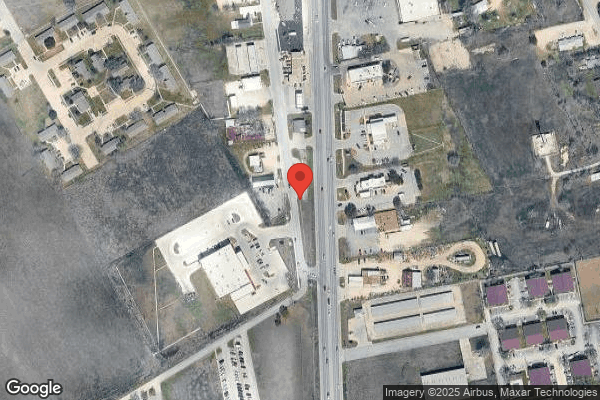
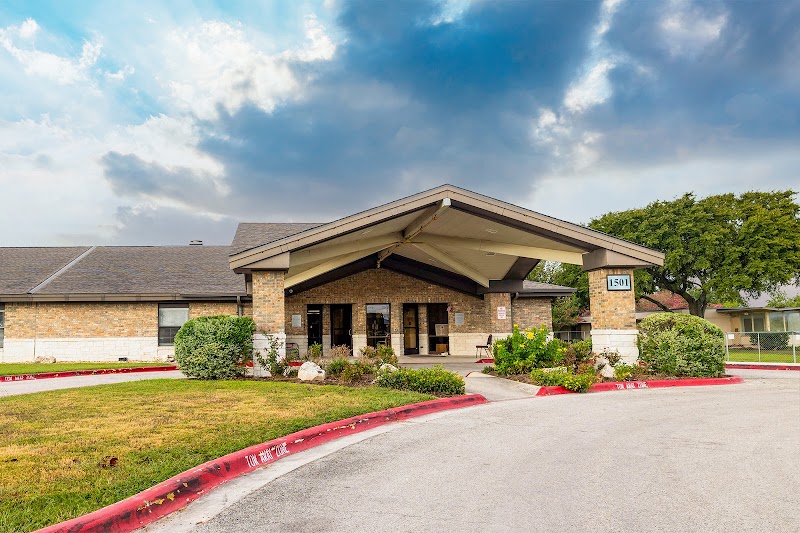
1501 S MAIN ST, LOCKHART, TX 78644 (512) 398-2362
For profit - Corporation 108 Beds EDURO HEALTHCARE Data: November 2025 3 Immediate Jeopardy citations
Trust Grade
4/100
#800 of 1168 in TX
Last Inspection: July 2024

Within standard 12-15 month inspection cycle. Federal law requires annual inspections.

Overview

Parkview Nursing and Rehabilitation Center in Lockhart, Texas, has received a Trust Grade of F, indicating significant concerns about the quality of care provided. Ranking #800 out of 1168 in Texas places it in the bottom half of facilities, and #4 out of 5 in Caldwell County suggests only one local option is better. The facility is showing improvement, with the number of reported issues decreasing from 5 in 2024 to 2 in 2025. However, staffing is a notable weakness with a low rating of 1 out of 5 and a turnover rate of 55%, which is higher than the state average. On the positive side, the center enjoys good RN coverage, exceeding 80% of Texas facilities, which is beneficial in catching potential issues. Several critical incidents have raised alarms, including a failure to train agency staff properly, which could have put residents on special diets at risk. Additionally, there was a serious lapse in supervision that allowed a resident to leave the facility unnoticed, leading to a hospitalization. A choking incident also occurred due to not following the prescribed dietary menu for a resident requiring a puree diet, highlighting substantial gaps in care. While there are strengths in RN coverage and some improvements in trends, families should weigh these serious deficiencies when considering this facility for their loved ones.

Trust Score
F
4/100
In Texas
#800/1168
Bottom 32%
Safety Record
High Risk
Review needed
Inspections
Getting Better
5 → 2 violations
Staff Stability
⚠ Watch
55% turnover. Above average. Higher turnover means staff may not know residents' routines.
Penalties
✓ Good
$45,515 in fines. Lower than most Texas facilities. Relatively clean record.
Skilled Nurses
⚠ Watch
Each resident gets only 27 minutes of Registered Nurse (RN) attention daily — below average for Texas. Fewer RN minutes means fewer trained eyes watching for problems.
Violations
⚠ Watch
20 deficiencies on record. Higher than average. Multiple issues found across inspections.
★★☆☆☆
2.0
Overall Rating
★☆☆☆☆
1.0
Staff Levels
★★★★☆
4.0
Care Quality
★★★☆☆
3.0
Inspection Score
Stable
2024: 5 issues
2025: 2 issues

The Good

  • 4-Star Quality Measures · Strong clinical quality outcomes
  • Full Sprinkler Coverage · Fire safety systems throughout facility
  • No fines on record

Facility shows strength in quality measures, fire safety.

The Bad

2-Star Overall Rating

Below Texas average (2.8)

Below average - review inspection findings carefully

Staff Turnover: 55%

Near Texas avg (46%)

Frequent staff changes - ask about care continuity

Federal Fines: $45,515

Above median ($33,413)

Moderate penalties - review what triggered them

Chain: EDURO HEALTHCARE

Part of a multi-facility chain

Ask about local staffing decisions and management

Staff turnover is elevated (55%)

7 points above Texas average of 48%

The Ugly 20 deficiencies on record

3 life-threatening 1 actual harm
May 2025 1 deficiency 1 IJ
CRITICAL (J) 📢 Someone Reported This

A family member, employee, or ombudsman was alarmed enough to file a formal complaint

Immediate Jeopardy (IJ) - the most serious Medicare violation

Accident Prevention (Tag F0689)

Someone could have died · This affected 1 resident

**NOTE- TERMS IN BRACKETS HAVE BEEN EDITED TO PROTECT CONFIDENTIALITY** Based on observation, interviews, and record reviews, the facility failed to ensure the residents environment remained as free o...

Read full inspector narrative →
**NOTE- TERMS IN BRACKETS HAVE BEEN EDITED TO PROTECT CONFIDENTIALITY** Based on observation, interviews, and record reviews, the facility failed to ensure the residents environment remained as free of accident hazards as is possible and ensure each resident received adequate supervision for one (Resident #1) of three residents reviewed for accidents and hazards. The facility failed to ensure Resident #1 did not elope from the facility after a visitor utilized the exit code then held the door open for the resident to walk out on 04/18/25 around 9:52 PM. The temperature outside was a high of 91 degrees and a low of 68. The resident was found over three hours later. She was taken to the hospital for evaluation after 1:30 AM. The noncompliance was identified as PNC. The IJ began on 04/18/24 and ended on 04/21/24. The facility had corrected the noncompliance before the survey began. This deficient practice placed residents at risk for elopements resulting in falls, injuries, dehydration, and hospitalization. Findings included: Review of Resident #1's face sheet, printed 05/07/25, reflected a [AGE] year-old female admitted to the facility on [DATE] and discharged on 04/19/25. Her diagnoses included cerebral infarction due to occlusion or stenosis of small artery (stroke), hypertension (high blood pressure), aphasia following unspecified cerebrovascular disease (difficulty speaking), expressive language disorder (difficulty speaking), and difficulty in walking. Review of Resident #1's admission MDS assessment, dated 04/19/25, Section C (Cognitive Patterns) reflected a BIMS assessment was not completed, nor did staff assess her short-term memory. Section GG (Functional Abilities) reflected she was independent with ADLs including transfers and walking 150 feet. Review of Resident #1's admission assessment and baseline care plan, initiated 04/11/25, reflected the resident was not an elopement risk but was at risk for falls. Review of Resident #1's Elopement Risk Assessment, dated 04/11/25, reflected a 1 which indicated no risk for elopement. Review of Resident #1's psychosocial assessment completed 04/15/25, reflected resident was not very verbal at this time and did not answer many of the questions. Review of Resident #1's progress note, dated 04/19/25 at 2:15 AM, documented by the DON, reflected the following: During a routine round by floor nurse, a resident was reported missing from their room. All staff on duty conducted a thorough search of the entire building but were unable to locate the resident. The DON and Administrator were then called to the building to review the footage and discovered that the resident had been let out of the front door by a family member of another resident. The resident has a local address and several local family friends as emergency contacts. The Administrator contacted the resident's (family member), who resides out of state, to inform her of our findings. The (family member) stated that the resident had informed her that she was visiting a family friend in town. Multiple attempts were made to contact the family friend at their local physical address and via cellular phone. The (city) Police Department was notified for assistance. The DON, Dietary Manager, Administrator, and the (city) Police Department searched various areas, including the facility and the resident's housing address. The resident was located a block away from her home. Due to the resident's disease process, she is occasionally unable to verbally express her needs but can respond to yes or no questions and is aware of her surroundings. The resident was adamant about returning to her home rather than the facility. Once the resident was in the presence of her front door, the DON and Dietary Manager assessed her for any injuries or complications. The resident reported experiencing shortness of breath and consented to allow EMS to conduct a further evaluation. The (city) Police Department requested backup from EMS, and the resident was transported to a hospital for medical attention . Review of Resident #1' progress noted, dated 04/19/25 at 11:39 AM, documented by the DON, reflected the following: During a routine round, a resident was reported missing from their room around 2115. Floor nurse reports that she last time she saw her resting in bed with eyes open around 2015, All staff on duty conducted a thorough search of the entire building but were unable to locate the resident. Around 2251 The DON and Administrator were notified and arrived to building shortly after. They were able to review the camera footage and discovered that the resident had been let out of the front door by a family member of another resident around 2153. Family was notified by the Administrator. Report from floor nurse (name), LVN F. [sic] Review of the facility's investigation reflected the as followed: During routine rounds staff noticed the resident was missing. Staff initiated a search and verified all other residents were accounted for. When staff were unable to locate the resident, facility management were notified at 12:30 AM. Management went to the facility and assisted in the search. The administrator viewed the surveillance video and saw a visitor use a code to open the door, hold the door, and the resident walked out of the building. Family was notified and provided phone numbers and local addresses. The MD was notified. The local police were notified and assisted in the search. The codes to the doors were changed. Staff were interviewed. Staff were in-serviced on elopement, assessing risk of elopement, and codes for the exit alarms. An observation on 05/07/25 at 9:16 AM, revealed a neon pink sign on the inside of the entrance/exit door. The sign reflected, DO NOT ASSIST ANYONE OUT OF FACILITY. The sign was printed in large black font and was posted at eye level. The door had a keypad and required a code to exit the door. Observations on 05/07/25 between 9:16 AM and 3:50 PM, revealed staff entering the code to allow visitors in or out of the facility at the main entrance. The buzzer sounded each time the door was opened. No observations of visitors entering the door code was made. Observations of other entrance doors revealed keypads in place and DO NOT ASSIST ANYONE OUT OF FACILITY signs displayed. An observation on 05/07/25 at 10:00 AM, of the video surveillance from 04/18/25, revealed footage labeled Hall 400. Resident #1 opened her room door and looked into the hallway. She looked to the right, the left, back to the right, then back to the left. She stepped out into the hall and walked out of view of the camera. The resident was wearing long pants and a long-sleeved top. The next camera view was labeled Front Lobby. A person, identified as a family member, not related to Resident #1, was seen walking through the lobby to the front door. Resident #1 was observed as she entered the lobby. She adjusted the strap of her purse over her shoulder. She walked toward the front door. The family member was observed as she entered the code to open the front door. The family member exited the door, turned, and saw Resident #1 walking toward the door. The family member held the door open, and Resident #1 walked out. The next camera view was labeled, Parking Lot. Resident #1 was observed as she walked across the parking lot away from the facility. The time stamp reflected 04/18/25 at 9:52 PM. The video ended when the resident reached the end of the parking lot. A voice message was left 05/07/25 at 10:45 AM, which requested a return call from Resident #1's family member. A return call was not received prior to exit from the facility. During a telephone interview on 05/07/25 at 11:10 AM, an officer from the (city) Police Department provided the location where Resident #1 was picked up by EMS on the morning of 04/19 /25 at 1:45 AM. A mapping website reflected the location was 1.6 miles from the facility. The officer stated he did not participate in the search for the resident because it happened on the night shift. He stated he was able to review the report from the officer who participated in the search. During an interview on 05/07/25 at 1:16 PM, LVN A stated she had received training on elopement recently. The training included identifying risk and preventing elopement. She did not remember the exact date but knew it was after the recent elopement. She stated she did not work the day the resident eloped, and she did not recall any residents with exit-seeking behaviors. She stated if a resident was missing, staff would immediately initiate a search, complete a head count, and notify management immediately. LVN A reported recent training on ANE and named the ADM as the Abuse Coordinator. During an interview on 05/07/25 at 1:19 PM, MA B stated she did not recall ever seeing Resident #1 standing near exit doors or trying to get out of the facility. She stated she had training on ANE and Elopement a few weeks ago. She stated since that training, the door codes had changed, and they were not allowed to give the new code to family members. She stated the family members were understanding once the reason for the change had been explained to them. MA B stated if a resident was missing, they conducted a search, completed a head count, and notified the charge nurse immediately. MA B was able to describe types of abuse and the need to report any abuse immediately. During an interview on 05/07/25 at 1:26 PM, a visiting FM stated staff open the door for her when she entered and exited the facility. She stated she had not been given the code for the doors. She stated it had not been a problem as staff had been available to assist her at each visit. During an interview on 05/07/25 at 1:28 PM, LVN C stated she had recent training on elopement and not giving the door code to visitors. She stated they in-service included training on completing the elopement assessment on admission, frequent rounding, watching for residents exit-seeking, and not giving out the code for the doors. She stated staff assisted family and other visitors in and out of the building. She stated she had received frequent in-services on ANE, spoke to the policy, and named the ADM as the abuse coordinator. During an interview on 05/07/25 at 1:31 PM, the DON stated Resident #1 had been assessed on admission and she was not an elopement risk. She stated the resident was admitted for short term therapy to gain strength after her hospitalization. The DON stated she drove to the facility as soon as she was notified, around 12:30 AM, that the resident was missing . She stated the facility was thoroughly searched and a nurse had searched the perimeter. The administrative staff went out in teams and searched for the resident. She stated she and the dietary manager found Resident #1 near her home. She stated the Resident #1 allowed a partial assessment and the resident made it known that she did not want to return to the facility. The DON stated the resident agreed to go to the hospital to be evaluated after she reported some shortness of breath. She stated the police officer at the scene call for EMS who transported the resident to the hospital. During an interview on 05/07/25 at 2:26 PM, the ADM stated he expected residents were treated with dignity and respect. He stated they tried everything in their power to prevent elopements. He stated he was called just after midnight after the resident was missing. Staff told him they had searched the facility and ensured all other residents were present. He stated, once at the facility, he watched the video and saw the resident had been let out of the building by a visiting family member. He stated a family member of Resident #1 provided addresses for local friends and the resident. The police were notified and assisted in the search. The ADM stated the DON and DM had found the resident about a block from her house. He stated EMS took the resident to the hospital for evaluation. Upon return to the facility, he changed the codes to the doors and staff were instructed not to give the new code to family or visitors. He stated signs were created and placed at each exit. He stated they initiated in-service training on elopement, resident rights, and visitations. The ADM stated they did not have a locked unit and they did not use a Wander guard system. During an interview on 05/07/25 at 3:00 PM, CNA D stated she did not remember Resident #1. She stated she had been trained on Elopement and Resident Rights recently but did not remember the date of the training, about 3 weeks ago. She named the ADM as the abuse coordinator and stated any abuse must be reported immediately. She stated frequent rounding and knowing where the residents were was important to prevent elopement. She stated the door code was not to be given to visitors . Review of an in-service dated 04/19/25 and initiated by RN E then continued by the DON, ADON, and ADM, reflected staff were in-serviced on identifying high risk for elopement, understanding elopement, prevention of elopement, and adding to QAPI. Review of an in-service dated 04/19/25 and initiated by RN E then continued by the DON, ADON, and ADM, reflected staff were in-serviced on Resident Rights. Review of the Ad Hoc QAPI meeting agenda, dated 04/21/25, reflected the ADM, DON, SW, and MD participated. Review of eight resident medical records reflected Elopement Assessments were all current. Residents who had been in the facility more than 90 days had Elopement Assessments completed quarterly. Review of the facility's Elopement Policy, dated Qtr 3, 2018, reflected the following: Staff shall investigate and report all cases of missing residents. 4. If an employee discovers that a resident is missing from the facility, he/she shall: a. Determine if the resident is out on an authorized leave or pass; b. If the resident was not authorized to leave, initiate a search of the building(s) and premises; c. If the resident is not located, notify the Administrator and the Director of Nursing Services, the resident's legal representative (sponsor), the Attending Physician, law enforcement officials, and (as necessary) volunteer agencies (i.e., Emergency Management, Rescue Squads, etc.); d. Provide search teams with resident identification information; and e. Initiate an extensive search of the surrounding area. 5. When the resident returns to the facility, the Director of Nursing Services or Charge Nurse shall: a. Examine the resident for injuries; b. Contact the Attending Physician and report findings and conditions of the resident; c. Notify the resident's legal representative (sponsor); d. Notify search teams that the resident has been located; e. Complete and file an incident report; and f. Document relevant information in the resident's medical record. Review of the facility's Resident Rights Policy, revised February 2021, reflected the following: Employees shall treat all residents with kindness, respect, and dignity. l. Federal and state laws guarantee certain basic rights to all residents of this facility. These rights include the resident's right to: a. a dignified existence; b. be treated with respect, kindness, and dignity; e. self-determination; p. be informed of, and participate in, his or her care planning and treatment. The noncompliance was identified as PNC. The IJ began on 04/18/24 and ended on 04/21/24. The facility had corrected the noncompliance before the survey began.
Mar 2025 1 deficiency
CONCERN (D) 📢 Someone Reported This

A family member, employee, or ombudsman was alarmed enough to file a formal complaint

Potential for Harm - no one hurt, but risky conditions existed

Transfer Notice (Tag F0623)

Could have caused harm · This affected 1 resident

**NOTE- TERMS IN BRACKETS HAVE BEEN EDITED TO PROTECT CONFIDENTIALITY** Based on interviews and record review, the facility failed to permit each resident to remain in the facility, and not transfer o...

Read full inspector narrative →
**NOTE- TERMS IN BRACKETS HAVE BEEN EDITED TO PROTECT CONFIDENTIALITY** Based on interviews and record review, the facility failed to permit each resident to remain in the facility, and not transfer or discharge the resident from the facility unless the discharge was necessary for the resident's welfare and the resident's needs could not be met in the facility for 1 of 3 residents (Resident #1) reviewed for discharge requirements. 1. The facility failed to provide Resident #1's guardian a written discharge notice with appeal information. 2. The facility failed to document interventions attempted to meet Resident #1's needs prior to discharging the resident on 02/23/2025. This failure could place discharged residents and residents residing in the facility at risk of being discharged and not allowed to return to the facility causing a disruption in their care and/or services. Findings included: Review of Resident #1's face sheet reflected a [AGE] year-old-man admitted on [DATE] with diagnoses of spastic quadriplegic cerebral palsy (severe disorder that affects movement balance and posture, where all four limbs are abnormally stiff and tight), anxiety disorder (group of mental health conditions characterized excessive and persistent worry, fear and nervousness that significantly interfere with daily life), profound intellectual disabilities (condition that involves limitations on intelligence (limitations on intelligence, learning and everyday abilities), unspecified behavioral and emotional disorders, and deaf-nonspeaking. Review of Resident #1's admission MDS dated [DATE] reflected the BIMS assessment was not completed because Resident #1 was not understood. Review reflected Resident #1's cognitive skills for daily decision making was severely impaired. Further review reflected physical behavioral symptoms directed towards others, verbal behavioral symptoms directed at other were not exhibited. Resident #1 had a functional limitation in range of motion on one side for both upper and lower extremities. Resident #1 was total dependence for transfers and required substantial or maximum assistance for most ADLs. Review of Resident #1's care plan date 02/13/2025 reflected Resident #1 was PASRR positive with interventions to encourage and support advocacy efforts to ensure the resident had necessary services provided to promote wellness and functional abilities. Interventions also included to hold scheduled care plan meetings that included resident, family, licensed RN, and LIDDA to discuss changes in condition and resident needs. Care plan dated 02/14/2025 reflected Resident #1 was at risk for impaired psychosocial well-being related to dependent behavior and ineffective coping skills., with interventions that included assess social support systems and community resources and to assist, encourage, and support realistic goals. Review of Resident #1's progress note dated 02/16/2025 reflected Resident #1 was sitting at the dining room table and motioned with his hand for another resident to go by when another resident got next to Resident #1 and was hit in the face as she was passing by. Review of Resident #1's event follow up progress note dated 2/17/2025 by LVN B reflected Resident #1 had compliance with redirection to reduce risk of recurrence of event. Review of Resident #1's event follow up note dated 02/18/2025 reflected the resident to staff event with Resident #1. Resident #1 was compliant with interventions and was removed from situation and environment. Resident #1 was in room after event. Resident #1 became upset and was offered PRN anxiety medication with snack and tolerated medication and snack and was transferred back into bed and slept for remainder of shift. Review of Resident #1's progress note dated 02/18/2025 by the DON reflected Resident was 1:1 for breakfast and swung arms in air at staff. The DON was able to de-escalate the situation and sat with Resident #1 while he ate breakfast. Review of Resident #1's progress notes from 01/31/2025 through 02/23/2025 reflected no additional incidents with staff or residents. The progress notes reflected no documented interventions trialed with Resident #1. Review of Resident #1's physician orders reflected order dated 02/03/2025 for psych consult. Review of Resident #1's medical chart reflected no written discharge notice to guardian/representative. Review also reflected there were no psychiatric/psychological notes or services started for Resident #1. Review of medical chart reflected no documentation from physician regarding facility's inability to meet Resident #1's needs. Review of Resident #1's care conference note dated 01/31/2025 reflected Resident #1 was cooperative and smiled a lot. Resident was able to use left hand to feed himself but did not understand what was being said due to cognition and was deaf in both ears. Review reflected the SW looked for communication pictures to help with communication. Review reflected Resident #1 could be hostile when frustrated and to use patience. Review of hospital referral for Resident #1 dated 01/29/2025 reflected Resident #1 was deaf and did not need ASL, only knew basic signs, and communicated by pointing. The referral reflected facial expressions were important to Resident #1 and if he was not smiled at it may have been perceived as threatening and act out by trying to swing left arm or kick legs. Review reflected Resident did not have strength to cause harm. Review of discharge planning dated 02/05/2025 completed by the SW reflected Resident #1's current admission was anticipated to be long term and the discharge goal was long-term care. The resident/family/guardian concerns regarding discharge plans reflected there was no discharge planned. Review of the discharge planning and summary dated 02/23/2025 reflected resident/representative initiated discharge with reason as necessary for the Resident's welfare and the resident's needs cannot be met in the facility- explain below. Explanation was not included. Discharge summary reflected that Resident #1 was orientated to person and unable to communicate needs. discharged summary reflected yes was selected under resident/representative find current discharge plan acceptable. Discharge summary reflected resident was discharged to another facility. During an interview on 03/03/2025 at 9:36 AM, Resident #1's RP stated that she received a voicemail on 02/21/2025 that Resident #1 was going to be discharged from the facility. The RP stated that she also received a voicemail on 02/23/2025 that Resident #1 had discharged to a sister facility. The RP stated that the facility notified her earlier in the week of an incident but did not mention that Resident #1 was going to be discharged . The RP stated that the facility did not provide any concerns that Resident #1 needed to be discharged . The RP stated that she did not receive a written discharge notice or information about an appeal process. The RP stated that the SW stated that she was not sure why Resident #1 was discharged but stated that he was aggressive. The RP stated she felt blind-sided by the way the discharge was done. She stated that Resident #1 had been at the facility for almost a month, and he was eating and drinking again, and felt that he was starting to adjust. The RP stated Resident #1 has IDD and was deaf and difficult to communicate with. The RP stated that she did not feel the facility tried to work with her or Resident #1 prior to the discharge and if any interventions were put in place due to his behaviors, she was unaware. During an interview on 03/03/2025 at 11:15 AM, CNA C stated when Resident #1 was upset he would throw tantrums and would start to swing his arms. She stated he would sign after and apologize. She stated that he had an impairment on one of his sides and could swing with one arm. She stated that his trigger was his diet, and he did not like a pureed diet. She stated that he would become upset if his food was not sweet. CNA C stated that she felt Resident #1 became overstimulated when there were too many people around. CNA C stated that when he was in the dining room and was upset 3-4 staff would try to intervene and then he would start to swing. CNA C stated she did not recall if there was a specific in-service completed about working with Resident #1 and his needs. During an interview on 03/03/2025 at 11:24 AM, COTA D, she stated Resident #1 was very sweet and that his chart said to smile at him. COTA D stated that he would point, and wave and he was able to point at what he wanted. COTA D stated that he got upset when people were not able to understand what he wanted. COTA D stated that she did not ever see him swinging at people. She said once in the therapy gym he started mumbling because he did not want to participate but was redirected easily. COTA D stated that he was wheelchair bound, deaf, and IDD. She stated that Resident #1 was able to bring his hand to his mouth and feed himself. COTA D stated that Resident #1 knew a bit of sign language and was able to point and grunt to indicate what he wanted. COTA D stated he had an impairment on one side. During an interview on 03/03/2025 at 12:13 PM SW stated that Resident #1's discharge was not initiated by him because he was not able to communicate. She stated that his communication ability was limited, and his sign language was limited. She stated that staff were unable to talk to him other than shaking their head no when he hit staff. The SW stated it was a facility-initiated discharge for Resident #1. The SW stated that the facility reached out to the RP on several occasions and did not hear back from her. The SW stated that messages were left that he was hitting other residents and staff members. The SW stated that Resident #1 was discharged to a sister facility. The SW stated the sister facility was better equipped and more experienced in dealing with residents with these types of behavior. The SW stated the facility thought it would be a better fit for Resident #1. The SW stated she did not document when she spoke with Resident #1's RP or attempted phone calls because nothing was being challenged or disputed and she had nothing to document except that the SW had called the RP. The SW stated that the RP was notified of the discharge the Thursday (02/20/2025) or Friday (02/21/2025) prior to the Sunday (02/23/2025) discharge and was provided the location via voicemail. The SW stated Resident #1's RP was not involved in selecting the location of the discharge because the RP did not call back. The SW stated the most appropriate setting to meet Resident #1's care needs was a facility that was able to find some type of way of communication. The SW stated Resident #1 did not have any way to communicate and would get frustrated. The SW stated that she was whacked by Resident #1 and that there was no warning. The SW stated that a facility that had experience in dealing with residents that had physical violence was the best option for Resident #1. The SW stated that as a team (therapy and SW) Resident #1 was evaluated, and it was determined that he would have benefited from picture cards for the bathroom, food, and medicine. The SW stated that this was communicated with the RP, but the picture cards were not purchased or provided by the RP. The SW stated that this was approximately two weeks prior to Resident #1's discharge. The SW stated that she did not document when she was hit by Resident #1 because she did not log it because she was not injured, and that Resident #1 had challenges. The SW stated she was told he hit other residents and stated it was logged by nursing. The SW stated she felt Resident #1 was more than the facility could handle because he lacked communication abilities. The SW stated that the new facility had experience in dealing with residents with physical aggression issues. She stated that she had not been to the sister facility and the DON would know better. The SW stated that the RP was not provided a written discharge notice but was called. The SW stated she was not aware the RP was provided appeal information. The SW stated nursing also called the RP about Resident #1's discharge. The SW stated interventions for Resident #1 included attempts to communicate with him with hands, such as putting hands up and saying stop, shaking head and saying no. She stated the facility got him in his chair and he was taken outside, and he was involved in activities and a basketball hoop was put on his wall. The SW stated that the facility tried everything they could do. The SW stated that she tried redirecting him and spending time with him and hoped he would adjust better. The SW stated that he was used to being around people and who used sign language. The SW stated she would smile at Resident #1 a lot. The SW stated Resident #1 knew a few signs. The SW stated that number one barrier was communication. The SW stated she did not think Resident #1 was able to comprehend pictures. The SW stated she was not sure if the facility Resident #1 discharged to had the capability to teach him ASL. During an interview on 03/03/2025 at 12:41 PM, SLP E stated that Resident #1 knew very few signs. SLP E stated that Resident #1 would put his open hand to his mouth and decided he wanted to eat this way. SLP E stated Resident #1 became agitated because he had a puree diet and would fight anyone who tried to feed him as he wanted to feed himself. SLP E stated Resident #1 never became aggressive with her and if he became agitated, she would sit across from him and back away and he was okay. SLP E stated he understood expression language but receptive he did not understand. SLP E stated she showed Resident #1 a picture of sandwich and he expressed an overexaggerated yes. SLP E stated Resident #1 understood what was being asked, but he was unable to get his point across. SLP E stated Resident #1 was not able to read. SLP E stated she used basic picture cards, and he was able to respond by shaking he head, no. SLP E stated the best way to communicate with Resident #1 was by utilizing basic one work or two-word prompts such as go eat or let's go. SLP E stated she told the therapy team to speak with three words max, and very slowly. SLP E believed Resident #1 could read lips. SLP E stated she did not provide any in-servicing to care staff on how to communicate with Resident #1. During an interview on 03/03/2025 at 1:00 PM, an anonymous staff member stated that there was too much commotion going on for Resident #1 and stated CNAs would not slow down to work with him. Anonymous staff member stated that CNAs would take him too quickly out of the dining room and did not explain what they were going to do and were too fast paced. During an interview on 03/03/2025 at 1:05 PM, the AD, stated that clinicals were received prior to resident's admission. He stated the DON reviewed all clinicals and told him yes or no to a resident admitting to the facility. The AD stated that clinicals were received prior to Resident #1's admission. The AD stated that he has not been told physical aggression was a barrier to admission and there was nothing that stood out that the facility was unable to accept. The AD stated he remembered he saw the referral for Resident #1 and that he had behaviors at a previous SNF but Resident #1 did not have behaviors in the hospital. The AD stated that the facility was aware of behaviors Resident #1 had at his previous SNF. During an interview on 03/03/2025 at 1:12 PM, CNA F stated that she did not provide care for Resident #1 but saw him in the dining room. She stated that he would wave his arms but did not think he was trying to hit anyone just get someone's attention. During an interview on 03/03/2025 at 1:27 PM, the DOR stated that she tried to use pictures online to communicate with Resident #1. The DOR stated that staff talked with Resident #1's RP and suggested specific picture cards but they were not provided. The DOR stated when Resident #1 first admitted she was told to approach him by smiling and then attempt to provide care or work with him. The DOR stated the most important thing was to go in with a smile. The DOR stated that she, the SW, and the MDS met in general and discussed other ideas on how to communicate with Resident #1. The DOR stated that she verbally told CNAs who provided care to smile and try to simulate the activity they were going to do prior to providing the care to Resident #1, but it was not a formal in-service. During an interview on 03/03/2025 at 1:50 PM, LVN G stated that she saw Resident #1 in the dining room and that he would get frustrated because no one understood him, and he could not verbalize. During an interview on 03/03/2025 at 3:28 PM, LVN B stated that he was familiar with Resident #1. LVN B stated that he tried to find ways to help Resident #1. LVN B stated there was not specific intervention put in place when care was provided for Resident #1. LVN B stated he tried to communicate with Resident #1 with sign and expressions. LVN B stated he felt Resident #1 understood the signs and expressions. LVN B stated Resident #1 could expression when he wanted more food, was thirsty, wanted to watch basketball, and wanted to go to bed. LVN B stated he did not see Resident #1 become aggressive with residents but saw Resident #1 throw his hands at staff. LVN B stated aggressive behaviors should have been documented in the resident's chart. LVN B stated it was important to document behaviors so any interventions that were put in place so other staff would be aware and there would be trail of what was done to help the resident. LVN B stated that it was also important to document conversations or attempted conversations with guardian's or residents' responsible parties so there is a trail and to ensure that staff spoke with the correct individual and other staff were aware of what happened with the resident. During an interview on 03/03/2025 at 4:13 PM, RN H stated she was familiar with Resident #1. She stated that some days he was calm and some days too much noise would upset him. She stated he would squeal, and he knew basic or simple signs like hungry or tired. RN H stated Resident #1 got frustrated if he was not understood right away. RN H stated that when Resident #1 was mad he would swing his arm in a getaway motion. RN H stated when that happened, they would trade off staff and get someone else to care for him. RN H stated as she continued to work with him, she figured out what worked for him and what did not. During an interview on 03/03/2025 at 4:50 PM, the DON stated that she felt the facility could have offered more services for Resident #1's hearing impairment and he could have gotten behavioral support involved. The DON stated that Resident #1 needed extended services that the facility could not do because staff were not trained on PASRR positive aggressive residents. The DON stated prior to Resident #1's admission she did not know if his behaviors were truly aggressive and knew he flailed his arms around. The DON stated he may have had behaviors from being hungry. The DON stated that Resident #1's RP instructed the facility to send him to the ER if his behaviors escalated. The DON stated interventions for Resident #1 were 1:1 care, frequent rounding, removed from dining room as much as possible, and have him eat at a table alone or at nurses' station. The DON stated when Resident #1 finished eating, his behaviors became aggressive as staff tried to remove him from the dining room. The DON stated that she did not believe Resident #1 tried to hit another resident. The DON stated prior to admission they received a report from his RP that his behaviors were good, and he was being discharged from the hospital. The DON stated she reviewed his referral and clinical information and felt it was necessary to give people second changes and she was unsure what caused his behavior in the past. The DON stated there was verbal training provided to keep a positive expression. The DON stated that Resident #1 always moved his arms but did not hit anyone initially. The DON stated she felt that the facility Resident #1 discharged to had a smaller staff to resident ratio and could sit down and meet his needs. The DON stated she believed the facility had a locked unit but was not sure. The DON stated that Resident #1 was referred to psychiatric services, but they come out once or twice a month and he had not been seen. She stated that the NP provided mediation management and PASRR services had not started. The DON stated that staff reached out and left message about the discharge to Resident #1's RP and that the SW also reached out, but the DON did not know if a written discharge notice was provided. She stated that a care plan meeting was not provided with Resident #1's RP prior to discharge because she did not believe it was in the facility's policy to have an emergency care plan meeting prior to discharge. The DON stated she was not sure if interventions were documented anywhere, and it was more verbally communicated. The DON stated that Resident #1 had an immediate discharge when a facility was found that was willing to take him. The DON stated she was unsure if the RP was provided options. The DON stated that she would expect any attempts or conversations with RP to be documented. During an interview on 03/03/2025 at 5:15 PM, the ADM stated that Resident #1's discharge was facility initiated. The ADM stated that Resident #1 hitting staff was what caused his need to discharge. The ADM stated the RP was not involved in picking the facility and stated that staff could not get ahold of the RP. The ADM stated he reached out to the other facility. The ADM stated that the facility was unable to control Resident #1's violent outbursts or anticipate when the next one would be. The ADM could not recall interventions put in place to assist Resident #1 prior to discharge. The ADM stated that DON reviewed clinical information prior to residents' admission to determine capability to care for residents. The ADM stated that he felt like most admissions looked worse on paper and they usually had good outcomes. The ADM stated he did not ask the receiving administrator what the accepting facility could do to meet the needs of Resident #1 and took the administrator's word that the facility was better equipped for handling behavioral needs. The ADM stated he was unsure if PASRR services or behavioral health services had started. The ADM stated the RP was not provided a 30-day discharge notice and he was unsure if the RP was provided a written notice. The ADM stated he expected any interventions that were done to be documented and expected any attempts made to reach out to guardian to be documented. The ADM stated it was important to document so that everyone was on the same page as to what was happening. Review of facility policy titled Transfer or Discharge, Facility-Initiated with revision date of October 2022 reflected once admitted to the facility, residents have the right to remain in the facility. Facility-initiated transfers and discharges, when necessary, must meet specific criteria and requires resident/representative notification and orientation, and documentation as to specified in this policy. Further review reflected documentation of facility-initiated transfer or discharge must include basis for transfer or discharge, specific needs that cannot be met, facility's attempt to meet those needs and the receiving facility's services that are available to meet those needs. Review reflected upon notice of transfer or discharge, the resident will be provided with a statement of his or her right to appeal the transfer, or discharge, including: a. the name, address, email and telephone number of the entity which receives such requests; b. information about how to obtain, complete and submit an appeal form; c. how to get assistance completing the appeal process; and d. the facility bed-hold policy. Review of policy reflected than an appropriate notice was provided to the resident and/or legal representative. Should the resident be transferred or discharged for any of the following reasons, the basis for the transfer or discharge will be documented in the resident's clinical record by a physician: a. The safety of the individuals in the facility is endangered due to the clinical or behavioral status of the resident; or b. The health of the individuals in the facility would otherwise be endangered.
Jul 2024 1 deficiency
CONCERN (E)

Potential for Harm - no one hurt, but risky conditions existed

Food Safety (Tag F0812)

Could have caused harm · This affected multiple residents

**NOTE- TERMS IN BRACKETS HAVE BEEN EDITED TO PROTECT CONFIDENTIALITY** The following acronyms were used: DC A: Dietary [NAME] A DC B: Dietary [NAME] B DM: Dietary Manager DON: Director of Nursing OM:...

Read full inspector narrative →
**NOTE- TERMS IN BRACKETS HAVE BEEN EDITED TO PROTECT CONFIDENTIALITY** The following acronyms were used: DC A: Dietary [NAME] A DC B: Dietary [NAME] B DM: Dietary Manager DON: Director of Nursing OM: Operations Manager MDS: Minimum Data Set CMS: Centers for Medicare and Medicaid Services PCC: Point Click Care Tag: 812 S/S= F Surveyor Name(s): Steffanie Brand Immediate Supervisor: [NAME] Sill Based on observation, interview, and record review, the facility failed to store, prepare, distribute, and serve food in accordance with professional standards for food safety service for 2 of 2 meals observed. The facility failed to ensure that Dietary [NAME] A and Dietary [NAME] B performed proper hand hygiene while preparing food in the kitchen. This failure could place residents at risk of infection or cross contamination. Findings included: On 07/29/2024 at 11:10AM an observation was conducted in the kitchen of the puree process by DC A. DC A completed the chicken puree. DC A had placed the blender in the dishwashing and sanitizing compartment with gloves on. DC A took off her gloves, lifted the trash can lid up, and tossed the gloves in the trash can. DC A did not perform hand hygiene after she tossed her gloves in the trash and when she had grabbed the blender. On 07/29/2024 at 11:15AM an observation was conducted in the kitchen where DC A had performed hand hygiene. DC A washed her hands properly with soap and warm water then turned off the faucet with her clean hand. She then grabbed a paper towel and continued with her kitchen duties. On 07/30/2024 at 11:00AM an observation was conducted in the kitchen of the puree process by DC B. DC B completed the beef tips puree. DC B had placed the blender in the dishwashing and sanitizing compartment with gloves on. DC B took off his gloves, discarded them in the trash can and performed proper hand hygiene with soap and warm water then turned off the faucet with his clean hand . He then grabbed a paper towel and continued with his kitchen duties. On 07/30/2024 at 11:10AM an interview was conducted with DC B regarding the hand hygiene process. DC B described proper hand hygiene as always washing your hands between touching different menu items. DC B stated that a potential negative outcome of not using proper hand hygiene is cross contamination. On 07/30/2024 at 11:20AM an interview was conducted with DC A regarding the hand hygiene process. DC A described proper hand hygiene as 20 seconds of washing the hands under warm to hot water with soap, grab a paper towel to dry your hands, throw the towel away, grab a new paper towel and turn off the faucet . DC A stated that a potential negative outcome of not using proper hand hygiene is salmonella and potentially death. On 07/31/2024 at 10:47AM an interview with Dietary Manager regarding the hand hygiene process in the kitchen. DM described proper hand hygiene as they need to wash their hands with soap, rinse their hands off, and grab a paper towel to turn off the water. DM stated that staff in the kitchen should have gloves on when handling spills and raw foods. DM stated that once they remove the gloves, they should wash their hands before continuing their task. DM stated a potential negative outcome of not performing proper hand hygiene in the kitchen could result in cross contamination. On 07/31/2024 at 01:40 PM an interview was conducted with the DON regarding hand hygiene. DON stated that the policy on handwashing/hand hygiene is it should be performed any time your hands are soiled. DON stated that the steps of performing handwashing/hand hygiene are to turn the faucet on, lather hands with soap, rub vigorously for 20 seconds, rinse with water, grab a paper towel and use the paper towel, after drying your hands, to turn off the faucet. DON stated a potential negative outcome that could come from not performing accurate hand hygiene is infection. On 07/31/2024 at 01:58PM an interview was conducted with the ADM regarding hand hygiene. ADM stated that the policy on handwashing/hand hygiene is to wash your hands as much as possible, between other tasks to reduce cross contamination. ADM stated that the steps that should be taken when performing handwashing/hand hygiene are to rinse, apply soap, scrub for 30 seconds, and dry your hands. ADM stated a potential negative outcome that could occur from not performing accurate handwashing/hand hygiene is infection issues, cross contamination and someone could get sick. Record review of facility provided document titled Handwashing/Hand Hygiene Policy dated August 2019 stated the following: Washing Hands: 1. Wet hands first with water, then apply an amount of product recommended by the manufacturer to hands. 2. Rub hands together vigorously for at least 15 seconds, covering all surfaces of the hands and fingers. 3. Rinse hands with water and dry thoroughly with a disposable towel. 4. Use towel to turn off the faucet. 5. Avoid using hot water because repeated exposure to hot water may increase the risk of dermatitis.
Jun 2024 1 deficiency
CONCERN (E) 📢 Someone Reported This

A family member, employee, or ombudsman was alarmed enough to file a formal complaint

Potential for Harm - no one hurt, but risky conditions existed

Laboratory Services (Tag F0770)

Could have caused harm · This affected multiple residents

**NOTE- TERMS IN BRACKETS HAVE BEEN EDITED TO PROTECT CONFIDENTIALITY** Based on observation, interview and record review, the facility failed to obtain laboratory services to meet the needs of its re...

Read full inspector narrative →
**NOTE- TERMS IN BRACKETS HAVE BEEN EDITED TO PROTECT CONFIDENTIALITY** Based on observation, interview and record review, the facility failed to obtain laboratory services to meet the needs of its residents for 1 (Resident #1) of three residents reviewed for laboratory services. The facility failed to collect a urine specimen for a UA (urine analysis) for Resident #1 as ordered by the physician on 06/18/24 until 06/26/24. The UA results reflected blood in his urine. This failure could place residents with indwelling urinary catheters at risk of infection, renal failure, urinary tract infections, and pain. Findings Included: Review of Resident #1's undated face sheet reflected a [AGE] year-old male who was admitted to the facility on [DATE] with diagnoses including quadriplegia (the dysfunction or loss of motor and/or sensory function in the cervical area of the spinal cord), urinary tract infection, and neuromuscular dysfunction of the bladder (muscles in the bladder wall not contracting or relaxing properly). Review of Resident #1's admission MDS assessment, dated 06/24/24, reflected a BIMS of 15, indicating no cognitive impairment. Section H (Bladder and Bowel) reflected he had an indwelling catheter. Review of Resident #1's admission care plan, dated 06/20/24, reflected he had urinary elimination altered due to Neuromuscular Dysfunction of the bladder requiring a foley catheter with an intervention of monitoring for signs and symptoms of a UTI. Review of Resident #1's hospital records, dated 06/05/24, reflected he had been admitted for a UTI with sepsis due to improper insertion with pain. Review of Resident #1's physician order, dated 06/18/24, reflected the type of lab ordered: UA c/s. During an observation and interview on 06/26/24 at 10:20 AM, Resident #1 stated he was concerned because he had a history of UTIs with sepsis and he discussed getting a UA done with the NP a few days ago and it still had not been done. He stated the output in his foley back was dark and it was usually that color when he had a UTI or sepsis. He stated he was extremely worried and hoped something got done soon. This Surveyor observed his foley bag which contained approximately 500 CCs of urine that was a dark amber color. There was sediment around the tubing. During a telephone interview on 06/26/24 at 10:45 AM, Resident #1's NP stated the facility had not gotten back to her with results from the UA that was supposed to have been done on 06/18/24. She stated the resident had a history of repeated UTI's based on poor foley care and he was very paranoid about repeating those incidents. She stated she ordered a UA just to make sure there was no lingering bacteria since he was admitted from the hospital after being treated for a UTI and sepsis. She stated she would have expected for a urine collection to have been done the same day she ordered it. She stated when she saw Resident #1 on 06/18/24 his urine was clear. This Surveyor informed the NP that his urine was now a dark amber color and the NP stated, Oh dear. That is not good. During an observation and interview on 06/26/24 at 11:00 AM, RN A stated she worked on the 100 hall (Resident #1's hall). She opened his EMR and stated she did not see that he had a UA completed during the past week. She stated she reviewed an order for a UA on 06/18/24 but could not recall why a specimen was not collected or sent to the lab. She stated when a UA was ordered, a specimen was normally collected that day and sent to the lab the next morning. She stated when she observed Resident #1's foley bag that morning it looked like it had sediment in it. During an interview on 06/26/24 at 12:22 PM, the DON stated she was not aware before today (06/26/24) that the NP had ordered a UA for Resident #1. She stated she was not aware he was having any signs or symptoms of a UTI. She stated she asked RN A if she remembered getting told to have a UA conducted and she could not recall. She stated she worked with Resident #1 the day prior (06/25/24) and there was not any sediment in the bag nor was his urine odorous. She stated their normal protocol was to collect urine on the day the lab came out to pick up specimen, which was on Tuesdays or Thursdays. She stated they could also order a STAT pick-up. She stated they would be collecting a specimen from Resident #1 that day and it would be a STAT order. She stated the importance of following the NP's orders regarding UA's was to be proactive, to catch any infectious diseases before they could happen, and to stay on top things. Review of the facility's Physician Visits Policy, revised August of 2022, reflected it had nothing regarding following physician orders. Review of the facility's Catheter Care Policy, Revised August of 2022, reflected it had nothing regarding following physician orders for a UA.
Apr 2024 2 deficiencies
CONCERN (D) 📢 Someone Reported This

A family member, employee, or ombudsman was alarmed enough to file a formal complaint

Potential for Harm - no one hurt, but risky conditions existed

Free from Abuse/Neglect (Tag F0600)

Could have caused harm · This affected 1 resident

**NOTE- TERMS IN BRACKETS HAVE BEEN EDITED TO PROTECT CONFIDENTIALITY** Based on interview and record review, the facility failed to ensure all residents were free from abuse for 1 (Resident #1) of 8 ...

Read full inspector narrative →
**NOTE- TERMS IN BRACKETS HAVE BEEN EDITED TO PROTECT CONFIDENTIALITY** Based on interview and record review, the facility failed to ensure all residents were free from abuse for 1 (Resident #1) of 8 residents reviewed for verbal abuse. The facility failed to ensure Resident #1 was safe from mistreatment and abuse as evidence by the DON alleging serious life threatening remarks towards Resident #1. This placed residents at risk for abuse that could cause diminished quality of life, psychosocial harm, and/or psychosocial harm. Findings included: A record review of Resident #1's face sheet dated 4/16/2024 reflected an [AGE] year-old female admitted on [DATE] with diagnoses of unspecified dementia, depression, hypertension (high blood pressure), delusional disorder, Alzheimer's disease (type of dementia), lymphedema (localized swelling), anxiety disorder and gastro-esophageal reflux disease (acid reflux). Resident #1's face sheet reflected she was discharged on 4/11/2024. A record review of Resident #1's admission MDS assessment dated [DATE] reflected a BIMS score of 00, which indicated severely impaired cognition. Resident #1's MDS assessment reflected she had fallen in the last month, and required substantial assistance to partial assistance with toileting, hygiene and dressing. Resident #1's MDS assessment reflected no behavioral symptoms were present. A record review of Resident #1's care plan last revised on 4/15/2024 reflected Staff will treat me with dignity and respect. Resident #1's care plan reflected she had been discharged from the facility and had falls on 3/22/2024, 3/23/2024, 3/24/2024, 3/25/2024, 3/26/2024, 4/01/2024, 4/02/2024 and 4/06/2024 . A record review of a hospice communication note dated 4/03/2024 reflected the Hospice RN wrote a note for Resident #1 which reflected that when she went to get Resident #1 from the DON, the DON stated, if you don't do something with this fucking patient, I am going to stab her in [the] neck. During an interview on 4/16/2024 at 9:33 a.m., the Hospice RN stated she did not want any retaliation from the DON. During an interview on 4/16/2024 at 9:58 a.m., the Hospice RN stated she was at the facility on 4/03/2024 for another resident's birthday party. The Hospice RN stated the Dietary Manager told her that Resident #1 had fallen so she began to walk from the dining room to the hallway to make a PRN visit since Resident #1 had fallen. The Hospice RN stated the DON had Resident #1 in her wheelchair and said, if you don't do something about this fucking patient, I'm going to stab her in the neck. The Hospice RN stated the DON made a motion with her hand as if she were holding a knife and put her hand up to her own (the DON's) neck. The Hospice RN stated the reason Resident #1 left the facility was because she needed a memory care unit and at the time of the incident on 4/03/2024, they were already looking at alternate placement because Resident #1 had fallen 12-15 times since she was admitted . The Hospice RN stated Resident #1 could not recall what the DON had said because she had advanced Alzheimer's disease. The Hospice RN said when she assessed Resident #1, Resident #1 stated, that's all I wanted, sweetheart. The Hospice RN stated she thought the DON was very frustrated with Resident #1 and that Resident #1 could be a difficult patient, but it was her disease. The Hospice RN stated Resident #1 had the mind of an 18-month-old child, she was regressing and you could tell the DON was irritated or annoyed. The Hospice RN stated she left the facility that day (4/03/2024) in tears because she trusts these people to take care of her residents. The Hospice RN stated if something were to happen to Resident #1, she would never forgive herself for not reporting the incident. The Hospice RN stated the Administrator pulled her in his office and she knew the DON was suspended for 2 days after the incident. The Hospice RN stated she was told there was nothing the facility could do because it was a he said, she said thing. During an interview on 4/16/2024 at 11:09 a.m., the DON stated she started working at the facility in November of 2023. The DON stated Resident #1 was admitted due to having increased falls at home, her dementia was pretty severe upon arrival, she was admitted on hospice and she required extensive to total care when she arrived. The DON stated Resident #1 required lots of care and none of it was affective. The DON stated, this place probably wasn't the best for her and she wasn't a bad patient, she wasn't screaming out all night, but she definitely needed one-on-one care. The DON stated it was a frustrating situation for staff because they did not know how to handle one-on-one care when they had a whole hall. The DON stated, there was nothing wrong with her except for her falling and needing one-on-one care with extra assistance. The DON stated the hospice birthday party was on a Wednesday or Thursday and they had a huge gathering in the dining room. The DON stated Resident #1 was roaming all over the place so we asked hospice for help. The DON stated Resident #1 had fallen on the 200 hall so she picked her up, told the Hospice RN she had a fall and handed off Resident #1 to the Hospice RN so she could do a PRN visit. The DON stated she had a pretty frustrating workload that week because she was on the floor working as a med aide and CNA, and she did not have any help. The DON stated, I do get a little frustrated, don't get me wrong but said it was not anything she could not handle. The DON stated, we're always understaffed and said she was the only nurse manager. The DON stated, when people call in, it's frustrating because no one can help me do my job. The DON stated, I honestly couldn't tell you if she said something out of frustration or by accident that she did not mean to say and stated, I tried to go back and figure it out. The DON stated, I'm not gonna say nothing came out of my mouth. The DON stated sometimes she should say she would stab herself in the neck and maybe staff heard it and it may have been misinterpreted. The DON stated she would never hurt a resident or take any aggression out on a resident. The DON stated, I'm not going to say I didn't because I don't know what I said at the time in question. The DON stated yeah that threatening to stab a resident in the neck would be considered verbal abuse. The DON stated right that she did not recall what she said. The DON stated she never got that rapport with the Hospice RN, it was nothing against her, and the hospice agency had not been very communicative. The DON stated she was not a firm believer in hospice companies, and she did not feel like hospice companies needed to be in nursing facilities but there were already here. The DON stated if she said she stabbed herself, she was usually joking, and it was not taken seriously. The DON stated she was suspended until Tuesday 4/09/2024 and they did an all staff abuse education. The DON stated she was taking some courses with the Administrator but I haven't started it yet. The DON stated the Administrator told her they would get with corporate on which courses to take. The DON stated she had been trained on abuse, neglect, and exploitation during orientation. The DON stated if residents were verbally threatened, it could be harsh on them, they could fear their lives, and I could see where it could be hurtful for them. During an interview on 4/26/2024 at 1:23 p.m., Resident #1's family member stated the facility never contacted family in regard to the incident, but she did hear about it. Resident #1's family member stated she had not questioned Resident #1's safety and her reason for discharging from the facility was unrelated to the incident on 4/03/2024. During an interview on 4/16/2024 at 2:14 p.m., the SW stated she was unaware of the incident on 4/03/2024 and had not spoken to Resident #1 regarding it. During an interview on 4/16/2024 at 3:11 p.m., the Administrator stated he did safe surveys with residents on Resident #1's hall and there was nothing in that area. The Administrator stated the SW met with Resident #1 and corporate wanted a level of discretion to not prove the DON guilty before completing the investigation. The Administrator stated upon learning of the allegation, he joined a group call with hospice while hospice notified Resident #1's family and physician. The Administrator stated the facility left messages for the medical director but did not hear back. The Administrator stated corporate made the decision to not discuss it since there was not proof of abuse. The Administrator stated he discussed the incident with Resident #1's RP the next day. The Administrator stated the policy on preventing abuse was education on what it was and how to recognize it. The Administrator stated staff, including the DON, were in-serviced on abuse through in-services and computer-based trainings. The Administrator stated he did not know corporate wanted to do specific in-services with the DON. The Administrator stated the incident on 4/03/2024 was he said she said and ultimately, [the DON] said she didn't do it. The Administrator stated he went over professionalism and what was verbal abuse with the DON. The Administrator stated he felt like the Hospice RN feared retaliation. The administrator stated residents were protected from abuse while allegations were being investigated by removing the staff member and said the DON was suspended for 3 or 4 days. When asked why the DON returned a day prior to his PIR being submitted, the Administrator stated, I completed it on that Monday (4/08/2024) we did the education . The Administrator stated a potential negative outcome for residents if they were to be verbally abused included depression, fear and anxiety. When asked about the incident, the Administrator stated the DON told him she had not said anything out of the ordinary. A record review of the facility's in-service training dated 4/05/2024 reflected staff were trained on abuse, language in the hallways, verbal abuse and reporting abuse. The sign-in sheet did not reflect the DON's name. A record review of the DON's training record reflected she was trained on resident rights, dementia and abuse, neglect and exploitation on 11/01/2023. A record review of the facility's training document dated 4/08/2024 reflected the DON was given counseling from the Administrator and provided education on language around staff and residents and professional behavior. A record review of the facility's PIR dated 4/10/2024 reflected yes a statement from the DON was attached, however, no statement was attached. A record review of safe surveys reflected the Administrator interviewed 4 residents on 4/05/2024 with no safety concerns reported A record review of the facility's policy titled Resident Rights dated February 2021 reflected the following: Policy Statement Employees shall treat all residents with kindness, respect, and dignity. Policy Interpretation and Implementation 1. Federal and state laws guarantee certain basic rights to all residents of this facility. These rights include the resident's right to: a. a dignified existence; b. be treated with respect, kindness, and dignity; c. be free from abuse, neglect, misappropriation of property. and exploitation; A record review of the facility's policy titled Abuse, Neglect, Exploitation and Misappropriation Prevention Program dated April 2021 reflected the following: Policy Statement Residents have the right to be free from abuse, neglect, misappropriation of resident property and exploitation. This includes but is not limited to freedom from corporal punishment, involuntary seclusion, verbal, mental. sexual or physical abuse, and physical or chemical restraint not required to treat the resident's symptoms. Policy Interpretation and Implementation The resident abuse, neglect and exploitation prevention program consists of a facility-wide commitment and resource allocation to support the following objectives: 1. Protect residents from abuse, neglect, exploitation or misappropriation of property by anyone including, but not necessarily limited to: a. facility staff; 3. Ensure adequate staffing and oversight/support to prevent burnout, stressful working situations and high turnover rates. 5. Establish and maintain a culture of compassion and caring for all residents and particularly those with behavioral, cognitive or emotional problems. 7. Implement measures to address factors that may lead to abusive situations, for example: a. adequately prepare staff for caregiving responsibilities; b. provide staff with opportunities to express challenges related to their job and work environment without reprimand or retaliation; c. instruct staff regarding appropriate ways to address interpersonal conflicts; A record review of the facility's policy titled Identifying Types of Abuse dated September 2022 reflected the following: Policy Statement As part of the abuse prevention strategy, volunteers, employees and contractors hired by this facility are expected to be able to identify the different types of abuse that may occur against residents. Policy Interpretation and Implementation 1. Abuse of any kind against residents is strictly prohibited. . 4. Abuse'' is defined as the willful infliction of injury, unreasonable confinement, intimidation, or punishment with resulting physical harm, pain or mental anguish. a. Abuse also includes the deprivation by an individual, including a caretaker, of goods or services that are necessary to attain or maintain physical, mental, and psychosocial well-being. b. Instances of abuse of all residents, irrespective of any mental or physical condition, cause physical harm, pain or mental anguish. c. Abuse includes verbal abuse, sexual abuse, physical abuse, and mental abuse including abuse facilitated or enabled through the use of technology. 5. Abuse toward a resident can occur as: . b. staff-to-resident abuse; or Mental and Verbal Abuse . 2. Verbal abuse may be considered to be a type of mental abuse. Verbal abuse includes the use of verbal, written or gestured communication, or sounds, to residents within hearing distance, regardless of age, ability to comprehend, or disability. 3. Examples of mental and verbal abuse include. but are not limited to: . d. threatening residents, including but not limited to, depriving a resident of care or withholding a resident from contact with family and friends Psychosocial Outcomes I. Some situations of abuse do not result in an observable physical injury or the psychosocial effects of abuse may not be immediately apparent. In addition, the alleged victim may not report abuse due to shame, fear. or retaliation. Other residents may not be able to speak due to a medical condition and/or cognitive impairment (e.g., stroke, coma, Alzheimer's disease), cannot recall what has occurred, or may not express outward signs of physical harm, pain, or mental anguish. Neither physical marks on the body nor the ability to respond and/or verbalize is needed to conclude that abuse [NAME] occurred.
CONCERN (D) 📢 Someone Reported This

A family member, employee, or ombudsman was alarmed enough to file a formal complaint

Potential for Harm - no one hurt, but risky conditions existed

Investigate Abuse (Tag F0610)

Could have caused harm · This affected 1 resident

**NOTE- TERMS IN BRACKETS HAVE BEEN EDITED TO PROTECT CONFIDENTIALITY** Based on interview and record review, the facility failed to have evidence that all alleged violations of abuse were thoroughly ...

Read full inspector narrative →
**NOTE- TERMS IN BRACKETS HAVE BEEN EDITED TO PROTECT CONFIDENTIALITY** Based on interview and record review, the facility failed to have evidence that all alleged violations of abuse were thoroughly investigated for 1 (Resident #1) of 8 residents reviewed for abuse allegations. The facility failed to obtain written statements from staff and the alleged perpetrator of verbal abuse of Resident #1. The facility failed to contact the ombudsman in regard to an allegation of abuse for Resident #1. The facility failed to have the SW assess Resident #1 for emotional trauma after an allegation of abuse. The facility failed to keep Resident #1's family informed of the progress of the investigation. The facility failed to document the investigation completely and thoroughly for Resident #1. The facility failed to assess Resident #1 after an allegation of verbal abuse. These failures placed resident at risk for uninvestigated and continued abuse. Findings included: A record review of Resident #1's face sheet dated 4/16/2024 reflected an [AGE] year-old female admitted on [DATE] with diagnoses of unspecified dementia, depression, hypertension (high blood pressure), delusional disorder, Alzheimer's disease (type of dementia), lymphedema (localized swelling), anxiety disorder and gastro-esophageal reflux disease (acid reflux). A record review of Resident #1's admission MDS assessment dated [DATE] reflected a BIMS score of 00, which indicated severely impaired cognition. Resident #1's MDS assessment reflected she had fallen in the last month, and required substantial assistance to partial assistance with toileting, hygiene and dressing. Resident #1's MDS assessment reflected no behavioral symptoms were present. A record review of Resident #1's care plan last revised on 4/15/2024 reflected Staff will treat me with dignity and respect. Resident #1's care plan reflected she had been discharged from the facility and had falls on 3/22/2024, 3/23/2024, 3/24/2024, 3/25/2024, 3/26/2024, 4/01/2024, 4/02/2024 and 4/06/2024. A record review of Resident #1's assessments reflected no skin assessments were completed for Resident #1 on 4/03/2024. A record review of Resident #1's document titled Visit Note Report dated 4/03/2024 reflected the Hospice RN assessed Resident #1's skin, and found no injuries. During an interview on 4/16/2024 at 9:33 a.m., the Hospice RN stated she did not want any retaliation from the DON. During an interview on 4/16/2024 at 9:58 a.m., the Hospice RN stated she was at the facility on 4/03/2024 for another resident's birthday party. The Hospice RN stated the Dietary Manager told her that Resident #1 had fallen so she began to walk from the dining room to the hallway to make a PRN visit since Resident #1 had fallen. The Hospice RN stated the DON had Resident #1 in her wheelchair and said, if you don't do something about this fucking patient, I'm going to stab her in the neck. The Hospice RN stated the DON made a motion with her hand as if she were holding a knife and put her hand up to her own (the DON's) neck. The Hospice RN stated the reason Resident #1 left the facility was because she needed a memory care unit and at the time of the incident on 4/03/2024, they were already looking at alternate placement because Resident #1 had fallen 12-15 times since she was admitted . The Hospice RN stated Resident #1 could not recall what the DON had said because she had advanced Alzheimer's disease. The Hospice RN said when she assessed Resident #1, Resident #1 stated, that's all I wanted, sweetheart. The Hospice RN stated she thought the DON was very frustrated with Resident #1 and that Resident #1 could be a difficult patient, but it was her disease. The Hospice RN stated Resident #1 had the mind of an 18-month-old child, she was regressing and you could tell the [NAME] was irritated or annoyed. The Hospice RN stated she left the facility that day (4/03/2024) in tears because she trusts these people to take care of her residents. The Hospice RN stated if something were to happen to Resident #1, she would never forgive herself for not reporting the incident. The Hospice RN stated the Administrator pulled her in his office and she knew the DON was suspended for 2 days after the incident. The Hospice RN stated she was told there was nothing the facility could do because it was a he said, she said thing. During an interview on 4/16/2024 at 11:09 a.m., the DON stated she started working at the facility in November of 2023. The DON stated Resident #1 was admitted due to having increased falls at home, her dementia was pretty severe upon arrival, she was admitted on hospice and she required extensive to total care when she arrived. The DON stated Resident #1 required lots of care and none of it was affective. The DON stated, this place probably wasn't the best for her and she wasn't a bad patient, she wasn't screaming out all night, but she definitely needed one-on-one care. The DON stated it was a frustrating situation for staff because they did not know how to handle one-on-one care when they had a whole hall. The DON stated, there was nothing wrong with her except for her falling and needing one-on-one care with extra assistance. The DON stated the hospice birthday party was on a Wednesday or Thursday and they had a huge gathering in the dining room. The DON stated Resident #1 was roaming all over the place so we asked hospice for help. The DON stated Resident #1 had fallen on the 200 hall so she picked her up, told the Hospice RN she had a fall and handed off Resident #1 to the Hospice RN so she could do a PRN visit. When asked about her workload that week, the DON stated it was pretty frustrating because she was on the floor working as a med aide and CNA, and she did not have any help. The DON stated, I do get a little frustrated, don't get me wrong but said it was not anything she could not handle. The DON stated, we're always understaffed and said she was the only nurse manager. The DON stated, when people call in, it's frustrating because no one can help me do my job. When asked if in her frustration that day, if she said something by accident that she did not mean, the DON stated, I honestly couldn't tell you and I tried to go back and figure it out. The DON stated, I'm not gonna say nothing came out of my mouth. The DON stated sometimes she should say she would stab herself in the neck and maybe staff heard it and it may have been misinterpreted. The DON stated she would never hurt a resident or take any aggression out on a resident. The DON stated, I'm not going to say I didn't because I don't know what I said at the time in question. The DON stated yeah that threatening to stab a resident in the neck would be considered verbal abuse. The DON stated right that she did not recall what she said. The DON stated she never got that rapport with the Hospice RN, it was nothing against her, and the hospice agency had not been very communicative. The DON stated she was not a firm believer in hospice companies, and she did not feel like hospice companies needed to be in nursing facilities but there were already here. The DON stated if she said she stabbed herself, she was usually joking, and it was not taken seriously. The DON stated she was suspended until Tuesday 4/09/2024 and they did an all staff abuse education. The DON stated she was taking some courses with the Administrator but I haven't started it yet. The DON stated the Administrator told her they would get with corporate on which courses to take. The DON stated she had been trained on abuse, neglect, and exploitation during orientation. The DON stated if residents were verbally threatened, it could be harsh on them, they could fear their lives, and I could see where it could be hurtful for them. An attempt was made on 4/16/2024 at 1:09 p.m. to interview Resident #1's RP, however he was non-interviewable . During an interview on 4/26/2024 at 1:23 p.m., Resident #1's family member stated the facility never contacted family regarding the incident, but she did hear about it. Resident #1's family member stated she had not questioned Resident #1's safety and her reason for discharging from the facility was unrelated to the incident on 4/03/2024. During an interview on 4/16/2024 at 2:14 p.m., the SW stated she was unaware of the incident on 4/03/2024 and had not spoken to Resident #1 regarding it. The SW stated the last time she did safe surveys was at the end of March 2024. During an interview on 4/16/2024 at 3:11 p.m., the Administrator stated he did safe surveys with residents on Resident #1's hall and there was nothing in that area . The Administrator stated the SW met with Resident #1 and corporate wanted a level of discretion to not prove the DON guilty before completing the investigation. The Administrator stated upon learning of the allegation, he joined a group call with hospice while hospice notified Resident #1's family and physician. The Administrator stated corporate made the decision to not discuss it since there was not proof of abuse. The Administrator stated there was no one to interview as a potential witness to the incident on 4/03/2024. The Administrator stated the SW met with Resident #1. The Administrator stated staff, including the DON, were in-serviced on abuse through in-services and computer-based trainings. The Administrator stated he did not know corporate wanted to do specific in-services with the DON. The Administrator stated the incident on 4/03/2024 was he said she said and ultimately, [the DON] said she didn't do it. The Administrator stated he went over professionalism and what was verbal abuse with the DON. The Administrator stated he felt like the Hospice RN feared retaliation. The administrator stated residents were protected from abuse while allegations were being investigated by removing the staff member and said the DON was suspended for 3 or 4 days. The Administrator stated 4/10/2024 was when he finished his investigation of the incident. When asked why the DON returned a day prior to his PIR being submitted, the Administrator stated, I completed it on that Monday (4/08/2024) we did the education. The Administrator stated he did not contact the ombudsman regarding the incident and he did not provide updates to Resident #1's family because she had already moved out of the facility at that point. The Administrator stated himself and his regional VP were responsible for ensuring investigations were through. The Administrator stated a nursing incident report was not completed for the incident on 4/03/2024 because we didn't know who made the allegation for 2-3 days. The Administrator stated, we had them put in the skin assessment. The Administrator stated a potential negative outcome for residents if they were to be verbally abused included depression, fear and anxiety. When asked about the incident, the Administrator stated the DON told him she had not said anything out of the ordinary. A record review of the facility's in-service training dated 4/05/2024 reflected staff were trained on abuse, language in the hallways, verbal abuse and reporting abuse. The sign-in sheet did not reflect the DON's name. A record review of a hospice communication note dated 4/03/2024 reflected the Hospice RN wrote a note for Resident #1 which reflected that when she went to get Resident #1 from the DON, the DON stated, if you don't do something with this fucking patient, I am going to stab her in [the] neck. A record review of the DON's training record reflected she was trained on resident rights, dementia and abuse, neglect and exploitation on 11/01/2023. A record review of the facility's document dated 4/08/2024 reflected the DON was given counseling from the Administrator and provided education on language around staff and residents and professional behavior. A record review of the facility's PIR dated 4/10/2024 reflected yes a statement from the DON was attached, however, no statement was attached. The PIR reflected the following: Agency Immediate Response Staff member [suspended] Nurse assessed resident social worker, admin check in with ms [Resident #1] Family, physician, and admin notified education on abuse, resident to resident encounters working with family and resident to ensure resident feels safe and welcome in facility . Investigation Summary (attach additional sheets as necessary) Form 3613 Page 4 I 03-2023 Following investigation unable to verify accusation. Facility nurse denied making statement and no witnesses present. Education done with staff member on [language] and professionalism in facility. . Investigation Findings Inconclusive Agency Action Post-Investigation continue screening and education for abuse and education with staff on abuse. Staff member able to return to work with education. A record review of safe surveys reflected the Administrator interviewed 4 residents on 4/05/2024 with no reported safety concerns. A record review of the facility's policy titled Resident Rights dated February 2021 reflected the following: Policy Statement Employees shall treat all residents with kindness. respect. and dignity. Policy Interpretation and Implementation 1. Federal and state laws guarantee certain basic rights to all residents of this facility. These rights include the resident's right to: a. a dignified existence; b. be treated with respect, kindness, and dignity; c. be free from abuse, neglect, misappropriation of property. and exploitation; A record review of the facility's policy titled Abuse, Neglect, Exploitation or Misappropriation - Reporting and Investigating dated September 2022 reflected the following: All reports of resident abuse (including injuries of unknown origin), neglect. exploitation, or theft/misappropriation of resident property are reported to local, state and federal agencies (as required by current regulations) and thoroughly investigated by facility management. Findings of all investigations are documented and reported. Policy Interpretation and Implementation Reporting Allegations to the Administrator and Authorities 2. The administrator or the individual making the allegation immediately reports his or her suspicion to the following persons or agencies: a. The state licensing/certification agency responsible for surveying/licensing the facility; b. The local/state ombudsman; c. The resident's representative; d. Adult protective services (where state law provides jurisdiction in long-term care); e. Law enforcement officials; f. The resident's attending physician; and g. The facility medical director. 3. Immediately is defined as: a. within two hours of an allegation involving abuse or result in serious bodily injury; or b. within 24 hours of an allegation that does not involve abuse or result in serious bodily injury. 6. Upon receiving any allegations of abuse, neglect, exploitation, misappropriation of resident property or injury of unknown source the administrator is responsible for determining what actions (if any) arc needed for the protection of residents. investigating Allegations 1. All allegations are thoroughly investigated. The administrator initiates investigations. 3. The administrator provides supporting documents and evidence related to the alleged incident to the individual in charge of the investigation. 4. The administrator is responsible for keeping the resident and his/her representative (sponsor) informed of the progress of the investigation. 5. The administrator ensures that the resident and the person(s) reporting the suspected violation are protected from retaliation or reprisal by the alleged perpetrator, or by anyone associated with the facility. 6. Any employee who has been accused of resident abuse is placed on leave with no resident contact until the investigation is complete. 7. The individual conducting the investigation as a minimum: a. reviews the documentation and evidence; b. reviews the resident's medical record to determine the resident's physical and cognitive status at the time of the incident and since the incident; c. observes the alleged victim, including his or her interactions with staff and other residents; d. interviews the person(s) reporting the incident; e. interviews any witnesses to the incident; f. interviews the resident (as medically appropriate) or the resident's representative; g. interviews the resident's attending physician as needed to determine the resident's condition; h. interviews staff members (on all shifts) who have had contact with the resident during the period of the alleged incident; i. interviews the resident's roommate, family members, and visitors; j. interviews other residents to whom the accused employee provides care or services; k. reviews all events leading up to the alleged incident; and l. documents the investigation completely and thoroughly. 8. The following guidelines arc used when conducting interviews: d. Witness statements are obtained in writing, signed and dated. The witness may write his/her statement, or the investigator may obtain a statement. 9. The investigator notifies the ombudsman that an abuse investigation is being conducted. The ombudsman is invited to participate in the review process. a. lf the ombudsman declines the invitation to participate in the investigation, that information is noted in the investigation record. b. The ombudsman is notified of the results of the investigation as well as any corrective measures taken. Follow-Up Report 3. The follow-up investigation report will provide as much information as possible at the time of submission of the report. 4. The resident and/or representative are notified of the outcome immediately upon conclusion of the investigation. Corrective Actions 3. Any allegations of abuse are filed in the accused employee's personnel record along with any statement by the employee disputing the allegation, if the employee chooses to make one. A record review of the facility's policy titled Protection of Residents During Abuse Investigations dated April 2021 reflected the following: Policy Statement Residents are protected from harm, retaliation, reprisal, discrimination or coercion during investigations of abuse, neglect, exploitation and misappropriation of resident property. Policy Interpretation and Implementation 5. The victim is evaluated for his or her feelings of safety. If he or she communicates fear, insecurity, etc., measures are taken to alleviate this (e.g., changing the room assignment or providing more supervision).
Feb 2024 1 deficiency 1 Harm
SERIOUS (H) 📢 Someone Reported This

A family member, employee, or ombudsman was alarmed enough to file a formal complaint

Actual Harm - a resident was hurt due to facility failures

Pharmacy Services (Tag F0755)

A resident was harmed · This affected multiple residents

**NOTE- TERMS IN BRACKETS HAVE BEEN EDITED TO PROTECT CONFIDENTIALITY** Based on observation, interview, and record review, the facility did not provide pharmaceutical services to meet the needs of ea...

Read full inspector narrative →
**NOTE- TERMS IN BRACKETS HAVE BEEN EDITED TO PROTECT CONFIDENTIALITY** Based on observation, interview, and record review, the facility did not provide pharmaceutical services to meet the needs of each resident for one (Resident #1) of four residents reviewed for pharmaceutical services, in that: The facility failed to ensure Resident #1's Naproxen (pain medication) was re-ordered and he subsequently went five days, from 02/01/24 - 02/05/24, without it, causing him to be uncomfortable, in more pain than usual, and having increased Multiple Sclerosis (MS) flare-ups . This deficient practice could place residents at risk of not receiving the intended therapeutic benefit of the medications and supplements, could result in worsening or exacerbation of chronic medical conditions, and unnecessary pain. Findings included: Review of Resident #1's undated face sheet reflected a [AGE] year-old male who was admitted to the facility on [DATE] with diagnoses including MS (a disease that affects the central nervous system), dementia, radiculopathy (compression of the nerve due to increased pressure that causes numbness, weakness, pain, or tingling) of the lumbar region, polyneuropathy (damage to multiple peripheral nerves), and chronic pain syndrome. Review of Resident #1's quarterly MDS assessment, dated 12/07/23, reflected a BIMS of 15, indicating he was cognitively intact . Section J (Health Conditions) reflected he was on a scheduled pain medication regimen. Review of Resident #1's quarterly care plan, revised 12/21/23, reflected he needed pain management and monitoring with an intervention of administering pain medication as ordered. Review of Resident #1's physician order, dated 09/13/23, reflected Naproxen Oral Tablet 250 MG; give 2 tablets by mouth two times a day for pain. Review of Resident #1's MAR in his EMR, February 2024, reflected he was not administered his scheduled Naproxen from 02/01/24 - 02/05/24. During an observation and interview on 02/05/24 at 9:23 AM, Resident #1 was in bed watching television. When the Surveyor asked him how everything was going, he giggled and his legs started to shake uncontrollably for approximately 15 seconds. He stated he had MS and since he had been without his Naproxen for four days (at that point), it made him have an increase in flare-ups, like his uncontrollable shaking. He stated his Naproxen was also for pain. He stated he was prescribed other pain medication so it was not like he was dying but he had been extremely uncomfortable and in more pain than normal. He stated he was always in pain, but manageable, about a 3/10, but without the Naproxen it was more like a 6-7/10. He stated it made him feel like shit because he was helpless to the situation. He stated the facility knew they had to re-order his medication each month, and why was it so hard to remember? At 9:37 AM, MA A entered the room to administer Resident #1 his morning medication. Resident #1 asked him where his Naproxen was and MA A stated that was his first day back in many days and he had just noticed the medication was not in the cart and had already notified the charge nurse (RN B). He stated he was unsure as to why it had not been reordered. During an interview on 02/05/24 at 11:22 AM, RN B stated she was not aware Resident #1 was out of his Naproxen until MA A had informed her earlier that morning. She stated she had not been notified before then. She stated she had already called the pharmacy and it was supposed to be delivered that day. She stated a negative outcome of not receiving scheduled Naproxen could be an increase in pain. During an interview on 02/05/24 at 12:02 PM, the DON stated she was not aware Resident #1 had been without his Naproxen for multiple days. She stated it was the responsibly of the charge nurse to re-order medications when there was ten days' worth left in the medication cart. She stated a resident going without any medication did not meet her expectations. She stated Resident #1 going without Naproxen for four days could have caused increased pain and muscle spasms due to his diagnosis of MS. She stated Naproxen was the main medication Resident #1 cared about receiving the most. Review of the facility's Pharmacy Services Overview Policy, dated 2001, reflected the following: The facility shall accurately and safely provide or obtain pharmaceutical services, including the provision of routine and emergency medications and biologicals, and the services of a licensed consultant pharmacist. . 4. Residents have sufficient supply of their prescribed medications and received medications (routine, emergency, or as needed) in a timely manner. 5. Nursing staff communicate prescriber orders to the pharmacy and are responsible for contacting the pharmacy if a resident's medication is not available for administration.
Jun 2023 4 deficiencies
CONCERN (D)

Potential for Harm - no one hurt, but risky conditions existed

ADL Care (Tag F0677)

Could have caused harm · This affected 1 resident

**NOTE- TERMS IN BRACKETS HAVE BEEN EDITED TO PROTECT CONFIDENTIALITY** Based on observation, interview and record review, the facility failed to ensure a resident who was unable to carry out activiti...

Read full inspector narrative →
**NOTE- TERMS IN BRACKETS HAVE BEEN EDITED TO PROTECT CONFIDENTIALITY** Based on observation, interview and record review, the facility failed to ensure a resident who was unable to carry out activities of daily living received the necessary services to maintain good nutrition for one (Resident #23) of eight residents reviewed for ADLs. The facility failed to ensure Resident #23 was assisted with breakfast and lunch on 6/01/2023. This failure placed residents at risk of not being provided assistance with services when necessary. Findings included: A record review of Resident #23's face sheet dated 6/02/2023 reflected a [AGE] year-old female admitted on [DATE] with diagnoses of Alzheimer's disease (brain disorder causing memory and behavioral problems), depression (mood disorder), anemia (blood disorder), cognitive communication deficit (problems communicating), muscle weakness and dysphagia (difficulty swallowing). A record review of Resident #23's MDS assessment dated [DATE] reflected she required supervision and set up help only with eating and drinking. The coding for Supervision in the ADL Self-Performance section reflected residents needed oversight, encouragement or cueing. The ADL Support Provided section reflected One-person physical assist required more support than Setup help only but less support than Two+ persons physical assist. A record review of Resident #23's MDS assessment dated [DATE] reflected she required supervision and a one-person physical assist with eating and drinking. This assessment reflected Resident #23 had a BIMS score of 4, which indicated severely impaired cognition. A record review of Resident #23's care plan last revised on 5/11/2023 reflected she had a physical functioning deficit and required set up assistance with eating. Resident #23's care plan also reflected she had cognitive impairment as evidenced by impaired orientation and Alzheimer's diagnosis. A record review of Resident #23's physician order dated 5/30/2023 reflected she was placed on IV fluids. A record review of Resident #23's weights reflected she lost 3% of her body weight from 2/17/2023 to 5/30/2023, which is not significant weight loss. During an observation and interview on 6/01/2023 at 9:30 a.m., Resident #23 was observed lying in bed with her breakfast tray sitting on her bedside table. The plate was covered, food inside was untouched, and there was spilled milk on the tray. Resident #23 appeared confused, was biting down on her bed sheet, and mumbled no when asked if she was hungry. During an observation and interview on 6/01/2023 at 11:06 a.m., Resident #23 was observed in bed. The ADON was in Resident #23's room along with another nurse and the ADON stated they were going to get Resident #23 up for lunch. During an observation and interview on 6/01/2023 at 2:38 p.m., Resident #23 was observed lying in bed with her lunch tray sitting on her bedside table. The tray of food was covered, food inside was untouched, drinks and dessert covered, and silverware wrapped. When asked if Resident #23 was hungry, she mumbled no but when asked if she wanted her dessert (peaches), she nodded her head up and down. During an interview on 6/01/2023 at 2:59 p.m. Resident #23's family member stated he had observed Resident #23 feeding herself about a month prior and she had some difficulty. During an interview on 6/01/2023 at 3:02 p.m., the Director of Rehab stated Resident #23 had been discharged from therapy in July of 2022 and was last screened for therapy on 4/13/2023. The Director of Rehab confirmed Resident #23 did not currently receive rehab services. During an interview on 6/01/2023 at 3:08 p.m., CNA D stated she worked with an agency and her shift started at 2:00 p.m. that day (6/01/2023). When asked how she knew which residents needed help eating, CNA D stated the CNA leaving would give a report or the nurse would let her know. CNA D stated she was told Resident #23 did not eat lunch that day (6/01/2023). CNA D stated the other agency CNA on duty told her that she had tried to feed Resident #23 lunch but Resident #23 did not eat. When asked if wrapped silverware, covered food, drinks and dessert indicated someone had tried to feed a resident, CNA D stated, no. CNA D stated she had not tried to feed Resident #23, she only heard that Resident did not eat when she arrived on shift at 2:00 p.m. that day (6/01/2023). During an interview on 6/01/2023 at 3:26 p.m., the ADON stated the CNAs who worked that day (6/01/2023) on the 6:00 a.m. - 2:00 p.m. shift included CNA E, CNA F, CNA G, and CNA H. The ADON stated CNA E, CNA G, and CNA H worked with an agency, but CNA F worked full time for the facility. During an interview on 6/01/2023 at 3:28 p.m., LVN A stated that when the nurse practitioner came into the facility, the nurse practitioner had noticed Resident #23 had not been eating and could no longer feed herself. LVN A stated she did not know how long ago that had been, but it was around the time when the nurse practitioner ordered IV fluids for Resident #23. LVN A stated she documented on the 24 hour report that Resident #23 refused her meals that day (6/01/2023) at breakfast and lunch. An observation on 6/01/2023 at 3:30 p.m. revealed LVN A removed Resident #23's untouched lunch tray from her room and delivered it to the kitchen. During an interview on 6/02/2023 at 8:41 a.m., the MDS Nurse stated if a resident's MDS was coded as supervision and one-person physical assist with eating, that meant they may need help with maneuvering the cup to their mouth or moving their arm. The MDS Nurse stated with one-person physical assist, the resident may need supervision to ensure they ate their food. The MDS Nurse stated physical assist might mean staff would need to help residents guide their limbs and with setup assistance, she stated she would expect the lid to be removed from the plate. During an observation and interview on 6/02/2023 at 8:50 a.m., COTA K was observed sitting in the dining room next to Resident #23 and COTA K was physically and verbally cueing Resident #23 to eat breakfast. COTA K stated the Director of Rehab had asked her that morning to conduct a therapy screening on Resident #23 to see if she needed to be picked up for therapy services since Resident #23 had a decline in function. During an interview on 6/02/2023 at 9:43 a.m., CNA H stated she worked with an agency but had worked in that facility for a few months and was familiar with Resident #23. CNA H stated right now, she's total assist in regard to Resident #23. CNA H stated Resident #23 had been like that for a week or two. CNA H stated in the last few weeks, Resident #23 had just stared at her food, so staff had been assisting her. CNA H stated she considered assisting to include placing a cup to a resident's mouth, putting food into their mouth, or putting ga spoon in their hand and assisting their hand. During an interview on 6/02/2023 at 11:03 a.m., the Speech Therapist stated she usually supervised the dining room during meals and was familiar with Resident #23. The Speech Therapist stated she had noticed Resident #23 had declined in the last four to seven days and needed to be fed. When asked how staff knew Resident #23 needed to be fed, the Speech Therapist stated because she would sit in a certain section of the dining room with other residents who needed to be fed. The Speech Therapist stated, a lot of times CNAs will overlook her and stated they did not want to move her to the assisted feeding section of the dining room yet until they knew what was going on. The Speech Therapist stated she told the Director of Rehab the day prior that Resident #23 may require OT services. The Speech Therapist stated one-person physical assist meant someone needed to help her with eating. The Speech Therapist stated she communicated to CNAs two days prior that Resident #23 seemed like she needed more help, but she did not know how information was communicated across nursing staff. The Speech Therapist stated CNAs would not implement it until they moved Resident #23 to the middle table where the other residents who needed assistance with eating sat during meals. The Speech Therapist stated she had seen staff cueing Resident #23, but she had not seen staff physically assisting her and in her opinion, she believed if the MDS were coded as physical assist, that would mean someone sitting down feeding Resident #23. During an interview on 6/02/2023 at 1:30 p.m., CNA E stated she worked the 6:00 a.m. - 2:00 p.m. shift the day prior (6/01/2023) and that was her first day shift at the facility because she usually worked the overnight shift. CNA E stated, I was going to get her up for lunch but she seemed so ., I didn't want her to fall, and they told me to keep checking on her. CNA E stated she was not the one who delivered Resident #23's breakfast and lunch tray. CNA E stated she did walk into Resident #23's room and noticed her lunch was not touched. CNA E stated she asked Resident #23 if she was hungry, but Resident #23 said no. CNA E stated that since Resident #23 pushed away her water cup when offered water, she did not attempt to feed Resident #23 her lunch. CNA E stated, I don't even know if she ate breakfast. CNA E stated she worked for a staffing agency and that morning she received orientation training from the DON. CNA E stated the DON told her that agency staff could not pass trays and that they needed to be in the dining room during meals instead of in the halls. CNA E stated when she saw Resident #23 a month ago, she was not spacing out and did not take two minutes to respond but now she seemed weak and you can tell she was dehydrated so I tried to give her water. CNA E did not explain why Resident #23 appeared dehydrated. CNA E stated CNA H worked the same shift as her on 6/01/2023. During an interview on 6/02/2023 at 1:50 p.m., CNA F stated the facility had rules for CNAs which required them to be in the dining room [ROOM NUMBER] minutes before meals. CNA F stated they would get everyone up that needed assistance and the residents that ate in their rooms did not need assistance with eating. When asked why Resident #23 was not taken out of her room for breakfast and lunch the day prior (6/01/2023), CNA F stated, I think because she had an IV in her arm but he did not know what the conversation was between the nurse and CNA. CNA F stated staff usually would sit down and help Resident #23 eat in the dining room, but he was not sure why no one did that the day prior (6/01/2023). CNA F stated he believed the agency staff did not know residents like the facility staff did and they probably just set down her tray and left without realizing she needed help. CNA F stated if someone had tried to feed Resident #23, he would expect the food to be messed up. When asked if covered cups and wrapped silverware indicated someone had tried to feed Resident #23, CNA F stated, no. During an interview on 6/02/2023 at 2:03 p.m., CNA G stated she did not pass trays in the hall where Resident #23 resided the day prior (6/01/2023) and stated she had not worked the hall where Resident #23 resided. During an interview on 6/02/2023 at 2:08 p.m., CNA H stated she had passed breakfast trays the day prior (6/01/2023) and she did not feed Resident #23 breakfast. CNA H stated she passed half of the trays for lunch the day prior (6/01/2023) and the Speech Therapist had passed Resident #23 her lunch tray. CNA H stated she had not fed Resident #23 lunch the day prior (6/01/2023) and did not know whether or not anyone had fed her. CNA H stated she thought Resident #23 needed help eating and she knew which residents needed help eating based on where they sat in the dining room. CNA H stated Resident #23 was usually in the dining room for meals and when asked why she was not gotten out of bed for breakfast and lunch the day prior (6/01/2023), CNA H stated she did not know and to talk to the aide that worked that hall. During an interview on 6/02/2023 at 3:24 p.m., the DON stated she did not know the facility's policy on ADL care because she was still new. The DON did not say how long she had been there but stated she had DON training on 6/30/2023. The DON stated, you might need to ask the Corporate Consultant. The DON stated when a resident's MDS section G for eating and drinking was coded as supervision and one-person physical assist, she would expect someone to put a fork in their mouth if needed. The DON stated with residents who required physical assistance, they always made sure they sat in the dining room for meals. The DON stated the facility was working on a way for staff to know which tables had residents who required more assistance. The DON stated agency staff remained in the dining room during meals to avoid a mishap with trays. The DON stated this was to prevent trays from getting mixed up, to prevent choking, and ensure resident safety. The DON stated CNA H worked for an agency, but she was allowed to pass trays since she had worked in the building for four to five weeks. When asked how staff knew residents needed help eating if they were in their room during meals, the DON stated they had a group meeting in the morning where they went through the clinicals and stated nurses did little huddles. The DON stated nurses should tell CNAs if residents needed help eating. The DON stated the level of care required was posted inside residents' closets. The DON stated the facility had a choking incident in the past and that was what implemented the no agency on halls rule. When asked what level of care Resident #23 required with eating, the DON stated, from what they told me she can feed herself but this week she's had a rapid decline. The DON stated she had been watching her every day to see how she was doing. The DON stated for physical assist, she would expect the lid cover to be taken off the plate, plate set up, food mixed up, and salt and pepper in food. The DON stated that was her expectation and she was trying to get them up to her expectation. The DON stated she was not sure why Resident #23 was not assisted with getting up for breakfast and lunch the day prior (6/01/2023) but stated she knew Resident #23 was not feeling well. When asked how staff were trained on feeding dependent residents, the DON stated she would have to look and see if it were a competency check or if it was through the Speech Therapist. When asked how staff were trained on feeding residents with Alzheimer's Disease, the DON stated, if they have a low BIMS you're gonna attempt to feed them because you know it's a behavior issue and you should still encourage. The ODN DON stated some residents with dementia liked a lot of salt or sugar. When asked if untouched food, wrapped silverware and covered drinks was considered an attempt to feed a resident, the DON stated, it's an obvious not attempt to feed. The DON stated she monitored staff by going into the dining room at the beginning of meal service to watch them kick off and stated she would go down the halls and do the whip lash to see if residents in their rooms were getting help with eating. When asked if she had done this the day prior (6/01/2023) to check if Resident #23 was being assisted, the DON stated she had not. The DON stated herself and the Administrator were responsible for monitoring staff to ensure compliance of the facility's ADL policy. The ODN DON stated a potential negative resident outcome of not assisting a resident who required help with eating included weight loss, behaviors, UTIs, kidney issues and malnutrition. During an interview on 6/02/2023 at 4:00 p.m., the Corporate Consultant stated the facility's policy on providing ADL assistance with eating depended on what level and he would expect someone to be in the room assisting the resident. The Corporate Consultant stated residents had care cards in their rooms with the level of assistance needed. The Corporate Consultant stated the DON was in charge of ensuring compliance of charge nurses and charge nurses were in charge of CNAs. The Corporate Consultant stated if dependent residents were not helped with eating, it could cause weight loss. An observation on 6/02/2023 at 4:19 p.m. revealed Resident #23's dresser contained sheets of paper posted inside the dresser drawers with information on her code status, ADL care needed, shower days, ambulatory status, and other ADL-specific information-there was no information on her ability to eat with or without assistance. During an interview on 6/02/2023 at 4:25 p.m., the Administrator stated her expectation was to feed residents their entire meal without interruption and she expected them to be setting them up and feeding them. The Administrator stated that a resident with an MDS assessment coded as supervision and one-person physical assist, she expected a CNA to be by the resident to cue them if they needed to be assisted or someone present to feed them if they needed to be fed-she said there needed to be a CNA there. The Administrator stated she talked to staff during meetings all the time about not taking no for an answer when residents with dementia verbally refused meals. The Administrator stated they can't just take no and walk away and stated 99% of the time they could get them to eat something. The Administrator stated she unfortunately could not feed residents since she was not a CNA. The Administrator stated staff had not been trained specifically on feeding resident with dementia but that they had been trained on different techniques to assist with caring for residents with dementia. The Administrator stated staff had been trained on not taking no as a solid as a solid answer. When asked if untouched food, wrapped silverware and covered drinks indicated staff had attempted to feed Resident #23, the Administrator stated, no and stated, until the spoon hits the tray, that's not an attempt. The Administrator stated she would expect staff to offer an alternate or health shake if residents said they were not hungry. When asked how staff were monitored to ensure they were providing sufficient assistance to residents during meals, the Administrator stated through rounds, assessing meal intake, looking at trays, and getting those residents in the dining room. The Administrator stated all staff were responsible for ensuring compliance of the facility's ADL policy. The Administrator stated a potential negative outcome of residents not receive receiving proper assistance with meals included weight loss, increased wound potential and dehydration. A record review of the facility's in-service dated 1/16/2023 reflected nursing staff were trained on the facility's policy on supporting ADLs. A record review of the facility's in-service dated 1/16/2023 reflected nursing staff were trained on assisting residents with meals. A record review of the facility's in-service dated March 2023 reflected all nursing staff were trained by the Administrator on working with patients in a long-term care setting with dementia. A record review of the facility's policy titled Activities of Daily Living (ADLs), Supporting dated 2018 reflected the following: Policy Statement Residents will [be] provided with care, treatment and services as appropriate to maintain or improve their ability to carry out activities of daily living (ADLs). Residents who are unable to carry out activities of daily living independently will receive the services necessary to maintain good nutrition, grooming and personal and oral hygiene. Policy Interpretation and Implementation 2. Appropriate care and services will be provided for residents who are unable to carry out ADLs independently, with the consent of the resident and in accordance with the plan of care, including appropriate support and assistance with: d. Dining (meals and snacks) 4. If residents with cognitive impairment or dementia resist care, staff will attempt to identify the underlying cause of the problem and not just assume the resident is refusing or declining care. Approaching the resident in a different way or at a different time, or having another staff member speak with the resident may be appropriate. 5. A resident's ability to perform ADLs will be measured using clinical tools, including the MDS. Functional decline or improvement will be evaluated in reference to the Assessment Reference Date (ARD) and the following MDS definitions: b. Supervision - Oversight, encouragement or cueing provided 3 or more times during the last 7 days. c. Limited Assistance - Resident highly involved in activity and received physical help in guided maneuvering of limb(s) or other non-weight bearing assistance 3 or more times during the last 7 days. 6. Interventions to improve or minimize a resident's functional abilities will be in accordance with the resident's assessed needs, preferences, stated goals and recognized standards of practice. A record review of the facility's policy titled Dementia - Clinical Protocol dated 2018 reflected the following: Treatment/Management 4. Direct care staff will support the resident in initiating and completing activities and tasks of daily living. a. Bathing, dressing, mealtimes, and therapeutic and recreational activities will be supervised and supported throughout the day as needed. A record review of the facility's policy titled Assistance with Meals dated July 2017 reflected the following: Policy Statement Residents shall receive assistance with meals in a manner that meets the individual needs of each resident. Policy Interpretation and Implementation Dining Room Residents: 1. All residents will be encouraged to eat in the dining room. 2. Facility Staff will serve resident trays and will help residents who require assistance with eating. 3. Residents who cannot feed themselves will be fed with attention to safety, comfort and dignity. 4. Residents Confined to Bed: 2. The nursing staff will prepare residents for eating. Resident Requiring Full Assistance: 2. Residents who cannot feed themselves will be fed with attention to safety, comfort and dignity.
CONCERN (E) 📢 Someone Reported This

A family member, employee, or ombudsman was alarmed enough to file a formal complaint

Potential for Harm - no one hurt, but risky conditions existed

Deficiency F0583 (Tag F0583)

Could have caused harm · This affected multiple residents

**NOTE- TERMS IN BRACKETS HAVE BEEN EDITED TO PROTECT CONFIDENTIALITY** Based on observation, interview, and record review the facility failed to protect the confidentiality of personal health care in...

Read full inspector narrative →
**NOTE- TERMS IN BRACKETS HAVE BEEN EDITED TO PROTECT CONFIDENTIALITY** Based on observation, interview, and record review the facility failed to protect the confidentiality of personal health care information for 4 of 12 [Resident #41, Resident #12, Resident #31, and Resident #37) residents reviewed for confidentiality of records. The facility failed to protect the private healthcare information of Residents #41, #12, #31 and #37. These failures could affect residents by placing them at risk for loss of privacy and dignity. Findings included: Review of the undated Face Sheet for Resident #41 reflected a [AGE] year-old female admitted to the facility on [DATE] with diagnoses of personal history of urinary tract infections and long-term use of antibiotics. Review of the undated Face Sheet for Resident #12 reflected a [AGE] year-old female admitted to the facility on [DATE] with a diagnosis of Major Depressive Disorder (persistently depressed mood or loss of interest in activities, causing significant impairment in daily life). Review of the undated Face Sheet for Resident #31 reflected a [AGE] year-old male admitted to the facility on [DATE] with diagnoses of Mood disorder due to known physiological (physical symptoms) condition with depressive features, and Major Depressive Disorder (persistently depressed mood or loss of interest in activities, causing significant impairment in daily life). Review of the undated Face Sheet for Resident #37 reflected an [AGE] year-old female admitted to the facility on [DATE] with diagnoses of Hypothyroidism (condition in which the thyroid gland doesn't produce enough thyroid hormone). Observation on 06/01/2023 at 6:35 AM of MA I's medication cart which was left unattended for approximately two minutes while he went to the nurse's station to check on a medication not in the cart. The unattended cart top revealed an empty Myrbetriq ER 25 mg (bladder control) medication card for Resident #41, an empty Mirtazapine 7.5 mg (anti-depressant) medication card for Resident #12, an empty Sertraline HCL 50 mg (antidepressant) medication card for Resident #31, and an empty Levothyroxine 112 mcg (thyroid hormone replacement) medication card for Resident #37. Interview on 06/01/23 at 07:10 AM with MA I who stated leaving the residents medication cards on top of the cart exposed residents' confidential information and someone might come along and be able to see them. He stated it was a HIPPA violation of resident rights and the night agency LVN had left them on top of the cart. Interview on 06/01/2023 at 7:12 AM with LVN B who stated she had worked a few shifts at the facility and was an agency staff who had just worked the 6 PM to 6 AM shift. She stated by her leaving the medication cards on the top of the cart it exposed confidential patient information. She stated she had received HIPPA training in the past six months but not at the current facility. She further stated it was someone on the shift before her who had left the cards on the cart. When asked why she left the cards out she had no response. Interview on 06/02/2023 at 4:10 PM the DON stated the staff leaving the medication cards on top of the cart was a HIPPA violation and the potential risk was people could see what medication residents were taking. Interview on 06/02/2023 at 4:20 PM the Corporate Consultant stated leaving medication cards on top of the cart is a HIPPA violation. He stated staff needed to tear off the top of the card and place it in the shredder or if the medication needed to be reordered it should have been placed in a locked drawer. He further stated the risk of leaving them exposed on the cart was people could see what medications the residents were taking, for example an antidepressant, or narcotic. Interview on 06/02/2023 at 4:45 PM the Administrator stated her expectation was for staff to destroy used medication cards in the int eh shredder as they were used. She stated it was a HIPPA violation as there was personal information on the medication cards. Record review of a facility policy and procedure titled Resident Rights dated 2001 and revised in December 2016 reflected Federal and state laws guarantee certain basic rights to all residents of this facility. These rights include the residents right to: Privacy and confidentiality.
CONCERN (E)

Potential for Harm - no one hurt, but risky conditions existed

Food Safety (Tag F0812)

Could have caused harm · This affected multiple residents

Based on observation, interview and record review, the facility failed to distribute and serve food in accordance with professional standards for food service safety for one of one kitchens revied for...

Read full inspector narrative →
Based on observation, interview and record review, the facility failed to distribute and serve food in accordance with professional standards for food service safety for one of one kitchens revied for food service safety. Cook J failed to measure the temperature of all food items before serving them to residents. This failure placed residents at risk of foodborne illness. Findings included: An observation on 5/31/2023 at 12:01 p.m. revealed [NAME] J took the service line temperatures of all foods on the service line before lunch except for the pork and pureed pork items. Observed pureed pork in a steam pan on the steam table and cooked, browned, pork chops in a steam pan which was placed on top of another steam pan-the pork was not on direct heat. During an observation and interview on 5/31/2023 at 12:07 p.m., when asked if there were any alternate food items, [NAME] J pointed to the pork on the service line. [NAME] J stated he also had pureed pork for residents on a pureed diet. During an interview on 5/31/2023 at 12:09 p.m., when asked if he was finished taking the temperature of food items, [NAME] J stated, yes. [NAME] J had not taken the temperature of the pork and pureed pork items. Observations on 5/31/2023 from 12:20 p.m. - 12:44 p.m. revealed [NAME] J served pork chops and pureed pork to residents. During an observation and interview on 5/31/2023 at 12:47 p.m., when asked what the temperature was of the pork chop and pureed pork, the Dietary Manager began taking the temperatures of those items. The temperature of the pureed pork was 160 degrees Fahrenheit and the temperature of the pork chop was 120 degrees Fahrenheit. During an observation and interview on 5/31/2023 at 12:50 p.m., the Dietary Manager stated the minimum temperature for serving food depended on the food item. The Dietary Manager stated pork needed to be 160 degrees Fahrenheit. Observed the Dietary Manager pull the pork chop from the steam table and she told [NAME] J she would heat it up. During an interview on 6/02/2023 at 11:17 a.m., the Dietary Manger stated she had started as a dietary aide and had worked at the facility for nine years. The Dietary Manager stated the facility's policy on taking food temperatures was to take the temperature of food right before serving and in the middle of meal service. The Dietary Manager stated she ensured food was hot enough or cold enough by taking the temperature of food items and that the temperature danger zone was 41-135 degrees Fahrenheit-she said she had this posted throughout the kitchen. The Dietary Manager stated she visually taught staff how to take food temperatures. The Dietary Manager did not explain what she meant by visually. The Dietary Manager stated she expected dietary staff to take the temperature of all food items, including the alternate items, when completing the service line temperatures. When asked why [NAME] J had not taken the temperature of all items before serving, the Dietary Manager stated, he's probably nervous because it's the first-time having State in the building. The Dietary Manager stated yes that [NAME] J knew to test the temperature of alternate food items and yes that staff should take the temperature of all food items before serving. The Dietary Manager stated a potential negative resident outcome of failing to take food temperatures before serving included they could get sick. During an interview on 6/02/2023 at 11:37 a.m., the RD stated she would need to check with the Dietary Manager on what the policy was for taking food temperatures. The RD stated she believed dietary staff needed to take food temperatures when food was cooked and at the assembly line before serving. The RD stated yes that dietary staff still needed to take the temperature of all food items even if food items were cooked simultaneously. The RD stated the temperature of alternate food items should be measured before serving as well as all other food items. The RD stated she was not sure how staff were trained on taking food temperatures. The RD stated she did not know if all staff had been trained on taking food temperatures, but she believed dietary staff took some sort of training to be able to work in the kitchen. The RD stated she focused on the clinical side since her company had left the building, so she had kind of pulled back from observing the kitchen full on since it was a different company which managed dietary services. The RD stated she did not monitor the kitchen and that the Dietary Manager oversaw everything. The RD stated the Dietary Manager was responsible for monitoring staff to ensure compliance of food temperatures. The RD stated a potential negative resident outcome of serving food without first measuring the temperature included food poisoning, stomach aches, vomiting and diarrhea. During an interview on 6/02/2023 at 12:44 p.m., the Dietary Manager stated the previous company took all her in-service records so she did not have documentation of the in-services she had completed with staff on taking food temperatures. During an interview on 6/02/2023 at 4:41 p.m., the Administrator stated food temperatures should be taken every meal prior to service and the temperature of all food items should be measured. The Administrator stated dietary staff were typically trained via in-services. The Administrator stated the Dietary Manager and the RD trained dietary staff and that dietary staff had been trained on taking food temperatures. The Administrator stated a potential negative outcome of not taking food temperatures before serving included food poisoning and botulism, stating, there would be negative outcomes with food that's not cooked. A record review of the kitchen's service line checklist dated 5/31/2023 initialed by [NAME] J reflected [NAME] J had recorded food temperatures of the main food items (fish, rice and spinach) but not of the alternate food items (pork and pureed pork). A record review of the kitchen's service line checklist dated 6/01/2023 reflected [NAME] J recorded lunch temperatures for the main food items (BBQ pork, beans, and carrots) but not of the renal pork, renal beans, or BBQ sauce. A record review of the facility's policy titled Food Preparation and Service dated November 2022 reflected the following: Policy Statement Food and nutrition services employees prepare, distribute and serve food in a manner that complies with safe food handling practices. Policy Interpretation and Implementation 1. 'Danger Zone' means temperatures above 41 degrees Fahrenheit (F) and below 135 degrees F that allow the rapid growth of pathogenic microorganisms that can cause foodborne illness. Potentially Hazardous Foods (PHF) or Time/Temperature Control for Safety (TCS) Foods held in the danger zone for more than 4 hours (if being prepared from ingredients at ambient temperature) or 6 hours (if cooked and cooled) may cause a foodborne illness outbreak if consumed. 2. 'Potentially Hazardous Food (PHF)' or Time/Temperature Control for Safety (TCS) Food' means food that requires time/temperature control for safety to limit the growth of pathogens (i.e., bacterial or viral organisms capable of causing a disease or toxin formation). Examples of PHF/TCS foods include ground beef, poultry, chicken, seafood (fish or shellfish), cut melon, unpasteurized eggs, milk, yogurt and cottage cheese. 4. 'Food Distribution' means the processes involved in getting food to the resident. This may include holding foods hot on the steam table or under refrigeration for cold temperature control, dispensing food portions for individual residents, family style and dining room service, or delivering meals to residents' rooms or dining areas, etc. When meals arc assembled in the kitchen and then delivered to residents' rooms or dining areas to be distributed, covering foods is appropriate, either individually or in a mobile food cart. Food Preparation, Cooking and Holding Time/Temperatures 1. The 'danger zone' for food temperature is above 41° and below 135°F. This temperature range promotes the rapid growth of pathogenic microorganisms that cause foodborne illness. 2. Potentially hazardous foods include meats, poultry, seafood, cut melon, eggs, milk, yogurt and cottage cheese. 3. The loner foods remain in the 'danger zone' the greater the risk for grown or harmful pathogens. Therefore, PHF must be maintained at or below 41°F or at or above 135°F. Food Distribution and Services 4. The temperatures of foods held in the steam table are monitored throughout the meal service by food and nutrition staff. A record review of the 2017 Food Code reflected the following: 3-501.16 Time/Temperature Control for Safety Food, Hot and Cold Holding. (A) Except during preparation, cooking, or cooling, or when time is used as the public health control as specified under §3-501.19, and except as specified under [paragraph] (B) and in [paragraph] (C ) of this section, TIME/TEMPERATURE CONTROL FOR SAFETY FOOD shall be maintained: (1) At 57°C (135°F) or above, except that roasts cooked to a temperature and for a time specified in [paragraph] 3-401.11(B) or reheated as specified in [paragraph] 3-403.11(E) may be held at a temperature of 54°C (130°F) or above; or (2) At 5ºC (41ºF) or less.
CONCERN (E)

Potential for Harm - no one hurt, but risky conditions existed

Infection Control (Tag F0880)

Could have caused harm · This affected multiple residents

**NOTE- TERMS IN BRACKETS HAVE BEEN EDITED TO PROTECT CONFIDENTIALITY** Based on observation, interview, and record review the facility failed to establish and maintain an infection prevention and con...

Read full inspector narrative →
**NOTE- TERMS IN BRACKETS HAVE BEEN EDITED TO PROTECT CONFIDENTIALITY** Based on observation, interview, and record review the facility failed to establish and maintain an infection prevention and control program designed to provide a safe, sanitary, and comfortable environment and to help prevent the development of transmission of communicable diseases and infections for 4 of 5 residents (Residents #7, #4, #31, and #15) reviewed for infection control. 1. MA I failed to use appropriate infection control techniques while administering oral and eye medications to Resident #7. 2. CNA F failed to practice appropriate hand hygiene and infection control techniques during incontinent care for Residents #4, # 31, # 7, and #15. This failure could put residents at risk for infections. Findings included: 1. Record review of the undated Face Sheet for Resident #7 reflected an [AGE] year-old female who was admitted to the facility on [DATE] with diagnoses of Unspecified Dementia (a group of thinking and social symptoms including memory loss and judgement that interfere with daily functioning), Chronic Obstructive Pulmonary Disease (a group of lung diseases that block airflow and make it difficult to breathe) and Chronic Pain Syndrome (paint that carries on for longer than 12 weeks despite medication or treatment). Observation on 06/01/2023 at 06:38 AM of MA I who did not sanitize his hands, then placed his fingers inside a water cup and poured water into it. MA I then administered medications to Resident #7 who drank the water out of the contaminated cup. Observation on 06/01/2023 at 7:00 AM of Artificial Tears eye drops administered to Resident # 7 by MA I. MA I administered one drop to the right eye and wiped her eye with a tissue. He administered one drop to the left eye and using the same tissue wiped that eye. Interview on 06/01/2023 at 7:23 AM with MA I who stated by touching the inside of the water cup given to Resident #7 it could cause cross contamination of the cup and water from germs on his hands and then the resident could get sick. He stated by using the same tissue to wipe both eyes, If [Resident #7] has an infection in one eye it could spread it to the other eye. 2. Record review of the undated Face Sheet for Resident # 4 reflected she was a [AGE] year-old female admitted to the facility on [DATE] with diagnoses of Type 2 Diabetes (chronic condition that affects the way the body processes blood sugar) with Hyperglycemia (excess of sugar in the bloodstream), Cognitive Communication deficit (difficulty with thinking and how someone uses language), and Disorder of kidney and ureter (tube from kidney to bladder) unspecified. Record review of the Annual MDS dated [DATE] for Resident # 4 reflected under Section G, Functional Status she was totally dependent for incontinence care with one-person physical assist. Record review of the Care Plan for Resident # 4 dated 10/07/2021 and revised on 03/14/2023 reflected [Resident # 4] has a potential for complications r/t incontinence of bowel/bladder. Goal: will be free from complications r/t incontinence as evidenced by intact skin, no rash or redness to peri area, no s/s of infection daily through next 90-day review. Record review of the undated Face Sheet for Resident # 31 reflected he was a [AGE] year-old male admitted to the facility on [DATE] with diagnoses of Hemiplegia (paralysis of one side of the body) and Hemiparesis (partial weakness) following Cerebral Infarction (disrupted blood flow to the brain, deprives brain cells of oxygen and nutrients and can cause parts of brain to die), and Neuromuscular Dysfunction of bladder (lack of bladder control due to a brain, spinal cord or nerve problem). Record review of the quarterly MDS dated [DATE] for Resident # 31 reflected under Section G, Functional Status he required extensive assistance of one-person physical assist for toileting. Record review of the Care Plan for Resident # 31 dated 05/04/20223 and revised on 03/01/2023 reflected Potential for complications r/t frequent incontinence of bowel and always incontinent of bladder. Record review of the undated Face Sheet for Resident # 7 reflected she was an [AGE] year-old female admitted to the facility on [DATE] with diagnoses of Hemiplegia and Hemiparesis following Cerebral Infarction (disrupted blood flow to the brain, deprives brain cells of oxygen and nutrients and can cause parts of brain to die), Irritable Bowel Syndrome (intestinal disorder causing pain in the belly, gas, diarrhea, and constipation) and Constipation. Record review of the quarterly MDS dated [DATE] for Resident # 7 reflected Section G, Functional Status she required extensive assistance of one-person physical assist for toileting. Record review of the Care Plan dated 09/16/2021 for Resident # 7 reflected has a potential for self-care deficit r/t cognitive impairment, need for extensive to total care for most ADLs, and is incontinent of bowel and bladder. Provide peri-care with incontinent episodes. Record review of the undated Face Sheet for Resident # 15 reflected she was a [AGE] year-old female admitted to the facility on [DATE] and readmitted on [DATE] with diagnoses of Amyotrophic Lateral Sclerosis (a nervous system disorder that weakens muscles and impacts physical function), Urinary Tract Infection, Unspecified Kidney Failure (condition in which the kidneys lose the ability to remove waste and balance fluids). Record review of the Care Plan dated 09/23/2021 for Resident # 15 reflected she has self-care deficit r/t musculoskeletal impairment, quadriplegia, Toilet use requires total care of one-two person. Observation on 06/01/23 at 1:29 PM of perineal care performed by CNA F for Resident #4 who had a loose bowel movement. He washed his hands, donned gloves, then performed proper perineal care (cleaning of private areas below the waist) in front. He stated, Lots of residents are having loose watery stools and the nurse know about it. Using the same contaminated gloves, he cleaned her buttocks and threw the dirty linens which had feces on them onto the floor by her bed. Resident #4 had feces on her top, and with the same contaminated gloves on, CNA F removed her top, covered her up, then he opened the curtain with contaminated gloves on, and retrieved another top which he placed on the resident, He then touched the bed controller with the same contaminated gloves on, took the gloves off, did not wash his hands and touched her bedside tray moving it closer to her. He grabbed the unbagged, dirty linen off of the floor and took it out of the room to put into a barrel in the hall. Observation on 6/01/2023 at 1:41 PM, CNA F went into Resident #31's room to place a brief on him as he had taken his own brief off. CNA F had gloves on and placed a new brief on the resident, removed his gloves, did not wash his hands, and took the trash out into the hall and opened the top of barrel and placed trash in it. Observation on 06/01/2023 at 1:45 PM CNA F went into Resident #7's room to perform incontinence care. He sanitized his hands, placed gloves on and performed perineal care correctly to the outer labia area (the inner and outer folds of the vulva, at either side of the vagina). He used several wipes to clean the inner labia but folded them over after they had reached her buttock and picked up some feces and used all of them again to wipe from top to bottom. He removed his gloves, did not wash his hands after this care, then touched the curtain and the resident's call light before he left the room with the trash. Observation on 06/01/2023 at 1:50 PM of CNA F who went into Resident #15's room for incontinence care. He did not place any gloves on and used his bare hands to pull open her brief in the back. He stated her brief was clean. With his contaminated hands, he touched her bed, and controller. He picked up her cup with iced tea in it and assisted her with taking a drink. He then touched the bed controller again, touched the curtain and then sanitized his hands. Interview on 06/01/2023 at 1:55 PM CNA F stated I didn't take my gloves off. I should have washed my hands to get the feces and bacteria off so I wouldn't contaminate anything. If someone else touches what I touched it could spread bacteria. I should have used a different wipe each time when performing perineal care from front to back. Using the same wipe could cause a UTI. When asked why he didn't bag the contaminated linen which was thrown on the floor he asked, Where should I put it.? Interview on 6/02/2023 at 4:10 PM the DON stated staff should always wash their hands before and after resident care and be sure to sanitize between each resident. She stated dirty linens should be rolled up, bagged, then placed in the barrel which should be outside the resident's door. Not following this precaution could spread infections including E-coli (bacteria commonly found in the lower intestine) and ESBL (extended spectrum beta lactamase enzyme found in some strains of bacteria that can't be killed by many of common antibiotics like penicillin's and some cephalosporins. UTIS, cause super infections). Interview on 06/02/2023 at 4:20 PM with the Corporate Consultant who stated the facility had completed reeducation on infection control and handwashing. He stated linens that have feces on them can contaminate the floor and bacteria can be spread. He stated before doing personal care he expects staff to visit with the resident, have their needed supplies ready, wash hands and then don gloves. He further stated between each area of care they should wash their hands and replace their gloves. He stated by staff not using proper infection control techniques, they could spread infection among the staff and other residents. Interview on 06/02/2023 at 4:45 PM the Administrator stated using the same tissue to wipe both of the residents' eyes between administering eye drops could cause infection and cross contamination. She stated her expectation of staff is they do not touch the inside of a water cup during medication pass and if they touch it, then throw it away as that could be an infection control issue. She stated by staff performing personal care then leaving contaminated gloves on and not washing hands it could cause major contamination in the facility and was an infection control issue. Record Review of the facility policy titled Infection Control Guidelines for all Nursing Procedures dated Quarter 3 - 2018 reflected under General Guidelines: 3. Employees must wash their hands for ten (10) to fifteen (15) seconds using antimicrobial or non-antimicrobial soap and water for the following conditions: a. Before and after direct contact with residents. c. After contact with blood, body fluids, secretions, mucous membranes, or non-intact skin. d. After removing gloves. e. After handling items potentially contaminated with blood, body fluids or secretions. 4. d. Before preparing or handling medication. Record review of the facility Policy and Procedure titled Perineal Care dated 2001 and revised February 2018 reflected The purpose of this procedure are to provide cleanliness and comfort to the resident, to prevent infections and skin irritation. Equipment and Supplies 5. Personal protective equipment (e.g., gowns, glove, mask etc., as needed) Steps in the Procedure: 1. Place the equipment on the bedside table. 2. Wash and dry your hands thoroughly. 7. Put on gloves. For a female resident: b. Wash perineal area, wiping from front to back 1. Separate labia and wash area downward from front to back. 2. Continue to wash the perineum from inside outward to the thighs. Rinse perineum thoroughly in the same direction using fresh water and a clean washcloth. Discard disposable items into designated containers. Remove gloves and discard into designated container. [NAME] and dry your hands thoroughly. Reposition the bed covers. Place the call light within easy reach of the resident. Clean the bedside stand. Wash and dry your hands thoroughly. For a female resident: b. Wash perineal area, wiping from front to back. 1. Separate labia and wash area downward from front to back 2. Continue to wash the perineum moving from inside outward toward thighs.
May 2023 1 deficiency
CONCERN (D) 📢 Someone Reported This

A family member, employee, or ombudsman was alarmed enough to file a formal complaint

Potential for Harm - no one hurt, but risky conditions existed

Quality of Care (Tag F0684)

Could have caused harm · This affected 1 resident

**NOTE- TERMS IN BRACKETS HAVE BEEN EDITED TO PROTECT CONFIDENTIALITY** Based on observation, interview, and record review, the facility failed to ensure that residents received treatment and care in ...

Read full inspector narrative →
**NOTE- TERMS IN BRACKETS HAVE BEEN EDITED TO PROTECT CONFIDENTIALITY** Based on observation, interview, and record review, the facility failed to ensure that residents received treatment and care in accordance with professional standards of practice, the comprehensive person-centered care plan, and the residents' choices for one (Resident #1) of three residents reviewed for quality of care, in that: The facility failed to conduct weekly skin assessments, provide showers regularly, and obtain and/or follow physician treatment orders for a rash on Resident #1's left iliac crest (located on the superior and lateral edge of the ilium, very close to the surface of the skin in the hip region), causing increased itchiness and immense pain. These failures placed residents at risk of physical harm, pain, and a decreased quality of life. Findings included: Review of Resident #1's undated face sheet reflected an [AGE] year-old female who was admitted to the facility on [DATE] with diagnoses including type II diabetes, morbid obesity, major depressive disorder, spondylolysis (age-related deterioration of the spine), and chronic pain syndrome. Review of Resident #1's quarterly MDS , dated 03/24/23, reflected a BIMS of 14, indicating she was cognitively intact. Section G (Functional Status) reflected the activity of bathing/showering had not occured over the past seven days and that she required partial/moderate assistance with her ADL's. Section M (Skin Conditions) reflected she had no current skin integrity issues. Review of Resident #1's quarterly care plan, dated 01/05/23, reflected she had potential for altered skin integrity related to altered sensation and poor circulation with an intervention of using powder the facility has available if desirable and inspecting the following areas for pallor (pale skin), redness, and breakdown: elbows, heels, back, hips. The care plan also reflected she was at risk for skin breakdown or infections due to frequent incontinence with an intervention of assessing skin after each episode of incontinence and notifying the nurse if there were any problems. She required extensive assistance with most ADL's due to her potential for self-care deficit related to cognitive impairment, impaired mobility or transfer mobility, and pain. Review of the facility's shower sheets, from 05/01/23 - 05/23/23, reflected no shower sheets for Resident #1. Review of Resident #1's weekly skin assessment, dated 04/25/23 and documented by the TN, reflected she had a fungal rash to her left inguinal fold (left iliac crest). There was no further documentation regarding treatment . Review of Resident #1's weekly skin assessment, dated 05/02/23 and documented by the TN, reflected she had a fungal rash to her left inguinal fold (left iliac crest). There was no further documentation regarding treatment. As of 05/23/23, there had been no other skin assessments conducted. Review of Resident #1's TAR, for May of 2023, reflected a physician's order, dated 06/06/22, for Nystatin Powder 1000000 unit/GM - apply to affected area topically every 12 hours as needed for yeast rash and apply until resolved. From 05/01/23 - 05/23/23, the TAR reflected no documentation that the powder had been applied. During an observation and interview on 05/23/23 at 8:52 AM, Resident #1 was in her room waiting for breakfast. Her skin and hair were greasy. She stated she rarely received a shower and could not remember the last time she received one. She stated it would not do any good to ask for one as the staff always claimed to be too busy. She stated it made her feel dirty, itchy, and she developed rashes under her stomach and in places she sweated a lot. She stated she currently had a rash under her stomach, and it was very rare that powder was ever applied to it. Permission from Resident #1 was received to observe a nurse assess the rash under her stomach. During an interview on 05/23/23 at 10:41 AM, the TN stated he had conducted the weekly skin assessments for Resident #1 on 04/25/23 and 05/02/23, as he was primarily responsible for conducting these assessments for residents with on-going skin integrity issues. He stated he could not give an answer as to why a skin assessment had not been conducted for Resident #1 after 05/02/23. He stated there was an order for a medicated powder to be applied to the area PRN and was looking into why it appeared as it had not been getting applied, according to Resident #1's TAR. He stated he believed he had notified the NP about the rash and believed there was a more current order for treatment and was trying to track it down. During an observation and interview on 05/23/23 at 11:34 AM, the DON assessed the rash under Resident #1's stomach. There were redness/red bumps from her upper left thigh to the bottom of her stomach. The red bumps were inflamed. Resident #1 stated she had it for weeks and it was hurting really bad and felt like it was bleeding, and it took everything she had to not scratch it. During an interview on 05/23/23 at 11:42 AM with the ADM and DON, the ADM stated she knew Resident #1 had a history of getting rashes but was not aware of the current rash. The ADM stated she was surprised because she spoke with Resident #1 daily and it had not been mentioned. The ADM stated the aides utilized shower sheets for documentation, and if there was not a shower sheet, it may not have happened. The DON stated Resident #1's rash was red and inflamed and she would ensure proper orders were in place. She stated rashes occurred when there was a lot of moisture between areas of skin that touched or if showers and incontinent care were not getting done regularly. During an interview on 05/23/23 at 12:56 PM, the ADON stated she had been working the floor as a CNA (and was currently Resident #1's aide) a lot and often provided incontinent care for Resident #1. She stated she changed her brief the day prior, 05/22/23, and there was not any redness under her abdominal fold. She stated if there had been redness, she would have applied the ordered powder. She stated she had just given Resident #1 a shower and noticed redness under her abdominal fold. She stated after showering her, she applied her PRN nystatin powder and notified her NP, requesting a routine order for Nystatin. She stated the NP agreed and a new order was in place. During an interview on 05/23/23 at 1:20 PM, the DON stated it was important for residents to have weekly skin assessments conducted, especially residents with skin integrity issues, to keep an eye on the progression of the skin and for preventative measures. She stated if they were not getting done weekly, wounds could develop and could go untreated. She stated these were the responsibility of the TN. She stated her expectation was that residents were showered at least three times a week, or per their preference . She stated the aides were to complete a shower sheet after each shower. She stated she expected the aides to notify a nurse if any skin integrity issues were identified during showers or incontinent care. She stated it was important for the NP to be notified of any skin integrity issues to ensure the residents' highest level of quality of care, quality of life, and comfort. She stated it was the responsibility of the nurse management team to ensure all those items were being done appropriately. Review of a facility in-service, conducted on 03/27/23 by TN A, reflected all nursing staff were in-serviced on showers - Failure to complete showers will result in disciplinary action. Review of the facility's Activities of Daily Living Policy, dated 2018, reflected the following: Residents who are unable to carry out activities of daily living independently will receive the services necessary to maintain good nutrition, grooming, and personal and oral hygiene. . 2. Appropriate care and services will be provided for residents who are unable to carry out ADLs independently, with the consent of the resident and in accordance with the plan of care, including appropriate support and assistance with: a. Hygiene (bathing, dressing, grooming, and oral care) Review of the facility's Bladder and Bowel Incontinence Policy, dated 2021, reflected the following: . 8. The staff and physician will identify individuals with complications of existing incontinence, or who are a risk for such complications (e.g. skin maceration or breakdown) A request was made for a policy on skin assessments, but it was not provided prior to exit.
Nov 2022 2 deficiencies 2 IJ (1 affecting multiple)
CRITICAL (J) 📢 Someone Reported This

A family member, employee, or ombudsman was alarmed enough to file a formal complaint

Immediate Jeopardy (IJ) - the most serious Medicare violation

Menu Adequacy (Tag F0803)

Someone could have died · This affected 1 resident

**NOTE- TERMS IN BRACKETS HAVE BEEN EDITED TO PROTECT CONFIDENTIALITY** Based on observations, interviews, and record review the facility failed to meet the nutritional menu of a puree diet for 1 (Res...

Read full inspector narrative →
**NOTE- TERMS IN BRACKETS HAVE BEEN EDITED TO PROTECT CONFIDENTIALITY** Based on observations, interviews, and record review the facility failed to meet the nutritional menu of a puree diet for 1 (Resident#1) of 4 residents resulting in a choking incident. The facility failed to verify and follow the dietary menu of 1 of 27 residents prescribed a modified textured diet. This failure could place residents identified as having mechanically altered diets at risk for potential death or brain damage due to lack of oxygen from choking. On 11/07/22 at 1:35 PM an Immediate Jeopardy (IJ) was identified. While the IJ was removed on 11/09/22 at 6:45 PM the facility remained out of compliance at the severity level of actual harm and scope of isolated due to the facility continuing to monitor the implementation and effectiveness of its Plan of Removal. Findings included: Review of Resident #1's undated face sheet reflected an [AGE] year-old female was admitted to the facility on [DATE] with a diagnosis of Alzheimer's Disease, high blood pressure, anxiety, hyperlipidemia (increased cholesterol), arthritis, abnormalities of gait and mobility, salivary secretion, abnormal posture, muscle weakness(weak) dysphagia (difficulty swallowing), mild malnutrition, and major depressive disorder Review of Resident # 1's care plan undated revealed Resident #1 is at risk for diet alteration related to- regular diet, dysphagia level 1 puree texture, mildly thick (Nectar) 2 consistency diet and nectar thick liquids between meals three times daily. Review of Resident #1's MDS dated [DATE] revealed Resident#1's BIMS Score of 0 indicating severe cognitive impairment. Review of Resident #1's progress notes dated 10-29-2022 revealed resident was noted choking on food from the dinner tray. Agency LVN B was able to dislodge food from the mouth and stabilize it. Review of Resident #1's physician order dated 11-23-2021 revealed a regular diet, dysphagia level 1 puree texture, mildly thick (nectar) 2 consistency, fortified meals for all meals, and snacks in between meals. Interview on 11-5-2022 at 2:24 PM DON stated he was not in the facility when the choking incident occurred on 10-29-22 with Resident #1. DON stated that Agency LVN B (no longer contracted with the facility) was responsible for conducting an investigation of the incident and what caused the resident to receive the wrong textured diet. DON stated the facility incident investigation was not completed by Agency LVN B. DON stated it was Agency LVN B responsibility to ensure it was the incident report was completed. DON stated he failed to verify the incident report and the investigation was completed. Interview on 11-5-2022 at 2:45 PM, ADON stated she was not in the building when the incident with Resident #1 occurred. ADON stated she entered the progress notes regarding the incident. ADON stated when she was called by Agency LVN B, Agency LVN B told her Resident #1 was choking on food and she was able to dislodge food from her mouth and stabilize Resident #1. Interview on 11-5-2022 at 2:51 PM Agency CNA A stated he was in the dining room assisting with other residents when he was redirected by Agency LVN B and was called to assist Resident #1 with feeding. Agency CNA A stated Agency CNA H (no longer contracted with the facility) had already placed the food tray in Resident #1's room. Agency CNA A stated he did not verify the meal tray as he thought it was already verified by Agency CNA H. Agency CNA A stated the meal observed was a regular texture meal of fish and french fries. Agency CNA A stated he had fed the resident a couple of bites of the fish and fries when he noticed Resident #1's lips quivering. Agency CNA A stated he went into the hall to seek assistance and Agency LVN B came in and stuck her fingers in Resident #1 mouth to dislodge the food. Agency CNA A stated he was not provided training on facility-specific policies and procedures, for resident diet orders, and verifying meals and food textures. He stated he did not check Resident #1's closet door checklist for ADLs posted in her room. Agency CNA A stated he did not know the location of the facility policies and procedures for checking dietary orders and textures. Agency CNA A stated the facility's charge nurse would give assignments daily and if he had any questions, he would ask the charge nurse. Observation on 11-5-2022 at 3:00 PM revealed that Resident #1's closet door checklist reflected indicated a diet, puree texture. Interview on 11-5-2022 at 5:40 PM Agency CNA B stated that the facility had not provided training since her start date of employment at the facility on verifying textured diets. Agency CNA B stated the facility's training consisted of being provided with a facility-generalized nonspecific checklist that did not include texture diets and ADL care. Agency CNA B stated a facility checklist was not an effective training tool to care for residents. Agency CNA B stated the charge nurse would give out assignments daily and share information regarding the care of a resident. Agency CNA B stated if she had any questions regarding a resident, she would contact the charge nurse. CNA B stated the treatment of a resident was communicated through the charge nurse and the ADL checklist that included the diet texture was located on the inside door or each resident's closet. CNA B stated training is important for the knowledge of residents' needs and to prevent further illness or injuries. Interview on 11-6-2022 at 12:05 PM Agency CNA C stated the facility did not provide training on verifying textured diets. The only training received was to complete a checklist which she stated was not an effective training tool. Agency CNA C stated she did not know where to find the facility policies and procedures on menus and texture diets. Agency CNA stated the charge nurse would give out her assignment daily and if she had any questions, she would ask the charge nurse. Agency CNA stated there was a checklist of each Resident's ADL needs located inside their closet doors. The lack of training on verifying the residents' diet texture needs could interfere with residents' health and safety. Interview on 11-6-2022 at 12:08 PM Agency LVN A stated the facility did not provide training on verifying textured diets. Agency LVN a stated the charge nurse would make the assignments each shift and if she had any questions her charge nurse would answer them. LVN A stated there is a checklist of ADLs that included the diet texture for each resident. LVN A had no knowledge of the location of the facility's policy and, procedures on menus and verifying textured diets. Agency LVN A stated it was important to have the proper training on resident diets and verification of the texture of the food as it could eventually cause injury or death to a resident. Interview on 11-6-2022 at 12:15 PM Agency CNA D stated the facility did not provide training on verifying textured diets. Agency CNA D stated the nurse in charge would provide the assignment and answer any questions regarding her assignment. CNA D stated she did not know where the policies and procedures regarding resident diet and verification of textured meals were located. CNA D stated that there was a checklist inside each resident's closet door that had a list of ADLs that included the diet texture for each resident. CNA D stated without proper training regarding the verification of modified texture diets this could cause resident injuries or death. Interview on 11-6-2022 at 12:24 PM, Agency CNA E stated the facility did not provide training on verifying textured diets. Agency CNA E stated a checklist for a resident's ADLs to include diet texture was located inside the resident's closet doors. Agency CNA E stated she does not know the location of the facility policies regarding resident textured diets and the verification process. Agency CNA E stated the nurse in charge gives assignments daily and if there were any questions regarding her assignment, she would ask the charge nurse. Agency CNA E stated it was important to have training regarding diets and verification of meals to help in preventing accidents. Interview on 11-6-2022 at 1:00 PM DON stated there was no policy for a CNA-to-CNA tradeoff to share information on resident diet and texture of the meals. DON stated if agency staff had questions, they were directed to a charge nurse for the answers. DON stated there was no additional training when agency staff completed the agency orientation checklist upon hire. DON stated the closet door ADL checklist that includes the diet texture was acceptable for doing the job. DON stated when agency staff had questions, they could seek help from the nurse in charge. Interview on 11-6-2022 at 1:15 PM DON stated it was not clear if Resident #1 was given someone else's tray or if the tray was incorrectly made by kitchen staff. DON stated that an investigation report was not completed for the choking incident on Resident #1. Interview on 11-6-2022 at 1:20 PM DON stated it was the charge nurse's responsibility to start the investigation regarding the choking incident involving Resident #1. DON stated that Agency LVN B placed the incident report in another resident (unnamed) medical record. DON stated he was not able to find the choking incident report for Resident #1. DON stated he dropped the ball in verifying the incorrect charting of the choking incident as it was his job to make sure documentation was accurate. Interview on 11-6-2022 at 3:30 PM Administrator stated before an agency staff was hired, they had to complete basic training identified on their agency's website. Administrator stated these trainings included training on abuse /neglect, emergency evacuations, infection control, bill of rights, and change of conditions. Administrator stated the agency orientation checklist provided by the facility was sufficient training for the agency staff and no additional training was needed for resident ADL and diet texture needs. Interview on 11-6-2022 at 3:40 PM DON stated there was no additional training for agency staff and he believed the agency orientation checklist for agency staff was sufficient training for resident ADL and diet texture needs. Interview on 11-6-2022 at 5:30 PM CNA F stated there was no facility-instructed training provided to agency workers. CNA F stated the agency workers were given their daily assignments by the nurse in charge. CNA F stated if agency staff had any questions the agency staff would ask him or the nurse in charge. CNA F stated it was important to have training regarding verifying resident diet textures for the health and safety of residents. Interview on 11-6-2022 at 5:50 PM CNA G stated that agency staff was not provided additional training on resident diets and verifying meals. CNA G stated staff reported to the charge nurse for their assignment and asked the nursing staff any questions they may have. CNA G stated the agency orientation checklist was not an effective training tool for agency staff and for verifying resident textured diets. CNA G stated agency staff utilized the resident's closet door checklist to complete the resident ADLs and check for their textured diets. CNA G stated without effective training on resident diets and the verification processes injuries or death could occur. Interview on 11-6-2022 at 6:00 PM RN A stated the agency orientation checklist was a guide but was not effective for resident care. RN A stated the agency staff was not getting hands-on training when they came onsite regarding resident diets and verification of meals. RN A stated there was no policy binder on-site, the facility policy was located online, and agency staff was not aware of where to find information specific to resident diets and verification of meals. RN A stated agency staff were given their assignments by the nurse in charge and that nurse gave a rundown on what was needed. RN A stated the resident closet door checklist gave a list of ADLs which included diet texture. RN A stated she had concerns with the agency staff having proper training and the lack of training regarding verifying textured diets could lead to injuries or possible death. Review of facility grievances dated 11-1-2022 revealed Resident #1's family member was concerned that her mother received the wrong food tray with the wrong textured meal. Review of the facility grievance dated 10-29-2022 revealed a written statement from Agency CNA A of Resident #1's choking incident due to wrong meal being provided. Review of the facility agency staff orientation checklist (undated) revealed a checklist for agency nurses to read and follow all treatments/orders as written. The checklist also indicated that agency staff were to complete a risk management report (incident report) for any unusual occurrence and communicate to oncoming nurses. Review of the facility tray identification policy revised in April 2007 revealed nursing staff shall check each food tray for the correct diet before serving the residents. Review of the facility choking policy dated the 3rd quarter of 2018 revealed to call for help but stay with the resident. Report other information in accordance with facility policy and professional standards of practice. No reference on where to find facility policy and professional standards of practice was noted. Review of policy for assisting with impaired resident within room meals policy dated 3rd quarter 2018 to check the tray before serving it to the resident to ensure that it is the correct diet ordered and the food consistency is appropriate to the resident's ability to chew and swallow. Review of the facility staff development program policy dated the 3rd quarter of 2018 revealed all personnel must participate in initial orientation and regularly scheduled in-service training classes. Review of the facility's on-the-job training policy dated January 2008 would be conducted when necessary to assist employees in performing their assigned tasks. Review of facility investigation and reporting policy dated 3rd Quarter 2018 revealed if an incident or suspected incident of resident neglect is reported the administrator will assign the investigation to an appropriate individual. A review of the facility orientation policy (undated) revealed the facility orientation program for newly hired employees, transfers, volunteers, and travel staff stated that an orientation program shall be conducted for all newly hired employees, transfers from other departments, and volunteers. Parkview Nursing and Rehabilitation POR Letter of Abatement for Removal of Immediate Jeopardy November 7, 2022 On 11/07/22 an abbreviated survey was initiated at Parkview Nursing and Rehab, 1501 S. Main, [NAME], TX 78644. On 11/07/22, a surveyor provided an IJ Template notification that the Survey Agency has determined that the conditions at the center constitute immediate jeopardy to resident health. Impact Statement: All residents were identified on 11/7/2022 to have the potential to be affected by this deficient practice. F803 - The facility failed to meet the nutritional menu of a puree diet for one resident resulting in a choking incident. Problem #1 The facility failed to follow the dietary needs of 1 of 4 residents reviewed for the puree diet. The facility failed to verify and follow the residents prescribed modified texture diet. Action Taken/Monitoring: DON/ Designee began in-service on 11/7/2022 in regard to tray distribution and identification to the appropriate resident for all staff including agency prior to the start of their next shift. This has been completed for all current building staff as of 11/8/2022, as well as ongoing for new staff including agency, by monitoring the staff roster in relation to the staff schedule. DON/Designee will ensure that all licensed nursing staff including agency staff have been in-serviced prior to the start of their next shift, by monitoring the staff roster in relation to the staff schedule, to verify that tray cards match the appropriate diet as ordered. This has been completed for all current staff including agency as of 11/8/2022, and ongoing for new staff including agency. DON/Designee will ensure that all staff including agency are in-serviced, started on 11/7/2022 and was completed by 11/8/2022, by monitoring the staff roster in relation to the staff schedule. on where to find the appropriate diet for all residents prior to the start of their next shift. This can be found in each resident's room posted to the inside of their closet door to include photo identification, a binder with the appropriate resident diet is also located in the dining room for staff to access to ensure the appropriate diet is served. Administrator initiated training on tray distribution and identification 11/7/2022 and will ensure that 100% of all staff including agency are in-serviced prior to the start of their next shift by monitoring the staff roster in relation to the staff schedule, to be ongoing with all new staff including agency regarding tray distribution and identification to the appropriate resident. This will be validated daily by monitoring for accuracy x7 days, weekly x3 weeks, then monthly x3 months. Administrator/Designee will ensure that the nursing staff is monitoring the accuracy of the trays to match the ordered diet per each resident by checking a minimum of 10 trays at meal service x7days, beginning 11/7/2022, then weekly x3 weeks, then monthly x 3months. The Administrator/Designee will monitor the training of tray card and identification x7 days, beginning 11/7/2022, then weekly x3 weeks, then monthly x3 months, or until all new staff including agency have been in-serviced. The Administrator/Designee will report any identified concerns to the Quality Assurance Committee during an ADHOC QAPI meeting held on 11/8/2022. Problem #2 Interviews with agency staff revealed there is no additional training beyond the checklist provided. Action Taken/Monitoring: The Administrator/Designee will develop and implement an effective training program for all new staff including agency. This training program was developed and initiated beginning on 11/7/2022. This training has been completed for all agency staff as of 11/8/2022 or the start of their next shift whichever occurs first, and ongoing for new staff including agency by monitoring the staff roster in relation to the staff schedule. This training will include general orientation of the facility to include when and how to report Abuse and Neglect, documentation guidelines include resident identifiers, physician orders including dietary orders, when to complete risk management in regard to incident and accident reports, and abridged policy and procedures for primary care of residents. DON, Nurse Management/ IDT will ensure by monitoring staff roster versus the staff schedule for any new oncoming Agency staff have completed Agency orientation prior to their shift until no more agency is being utilized in facility. The administrator will ensure, by monitoring staff roster versus the staff schedule, that all new staff including agency are trained prior to the start of their next shift, beginning on 11/7/2022 by record review of agency training manual and signed affidavit of receiving a manual x7days, then weekly x3 weeks, then monthly x3 months, or substantial compliance is maintained. The administrator will monitor the training x7 days weekly beginning on 11/7/2022, x3 weeks, then monthly x3 months, or until all new staff have been in-serviced, by record review of agency training manual and signed affidavit of receiving a manual The Administrator/Designee will report any identified concerns to the Quality Assurance Committee during an ADHOC QAPI meeting held on 11/8/2022. Problem #3 No known knowledge of facility policies or the location of policies onsite. Action Taken/Monitoring: Director of Nursing/Designee will in-service and educate all staff including agency staff on where to locate and review policy and procedures prior to the start of their next shift. Policies and Procedures are located at the nursing station as well as in Point Click Care: Home-View All Links-Eduro Central [resident electronic records system], all policies and procedures can be found here by the nursing staff. Education on where to find policies and procedures for staff began on 11/7/2022 and was completed by 11/8/2022 for all current staff including agency. Training will be ongoing for new staff, including agency, to the facility. Don/Designee will monitor all new staff including agency, who come to the facility to ensure their knowledge of the location of the policies and procedures, by record review of agency training manual and signed affidavit of receiving a manual. This will be monitored by Administrator/DON/Designee daily x7days, beginning on 11/7/2022, then weekly x4 weeks, then monthly x3months. The Administrator/Designee will report any identified concerns to the Quality Assurance Committee during an ADHOC QAPI meeting held on 11/8/2022. Problem #4 Record review revealed no incident report had been documented on Resident #1 choking incident. Action Taken/Monitoring: DON/Designee will in-service all staff prior to the start of their next shift beginning on appropriate completion of incident reports with identified risk to resident beginning on 11/7/2022, completed on 11/8/2022 or prior to their next scheduled shift whichever occurs first. All current staff including agency will be in-serviced prior to the start of their next shift and will be on-going for new staff including agency. Administrator/DON/Designee will review the accident/incident reports starting on 11/7/2022 and will be an ongoing process to ensure a thorough investigation is completed. Incident and accidents reports will be reviewed, and an investigation will be completed within 72 hours of the incident to include appropriate interventions. This will be reviewed daily during Risk Management Meeting, Monday-Friday. Administrator will ensure, through record review of agency training manual and signed affidavit of receiving a manual that 100% of staff including agency are in-serviced prior to the start of their next shift, beginning on 11/7/2022 and completed for all current staff as of 11/8/2022. Training will be on-going for new staff, including agency, daily x7days, weekly x3 weeks, then monthly x3 months. Don/Designee will monitor all new staff, including agency, who come to the facility to ensure their knowledge of how and when to complete an incident report by validating the staff roster versus the staff schedule. This will be monitored by Administrator/DON/Designee daily x7days, weekly x3 weeks, then monthly x3months until substantial compliance is achieved beginning on 11/7/2022. The Administrator/Designee will report any identified concerns to the Quality Assurance Committee during an ADHOC QAPI meeting held on 11/8/2022. Involvement of Medical Director The Administrator notified the facility's Medical Directors, of the Immediate Jeopardy tag on 11/07/22. The Administrator in collaboration with the Inter-disciplinary team and Medical Director will review and validate the policies and procedures including Accidents and Incidents: Investigations and Reporting; Tray Distribution and Identification; Resident Rights; Emergency Procedure - Choking; Change in a Residents Status or Condition; Activities of Daily Living; Assistance with Meals; and Abuse and Neglect are being followed, as well as meet federal, state, and local regulations, during an ADHOC QAPI meeting held on 11/8/2022. Involvement of QA On 11/08/22 an Ad Hoc QAPI meeting will be held with the Medical Director, Administrator, Director of Nursing, and Dietary Director to review and validate the plan of removal. Administrator and Inter-Disciplinary team reviewed policies including: Accidents and Incidents: Investigations and Reporting; Tray Distribution and Identification; Resident Rights; Emergency Procedure - Choking; Change in a Residents Status or Condition; Activities of Daily Living; Assistance with Meals; and Abuse and Neglect of the residents on 11/7/2022, within the facility with appropriate corrections as indicated, and the policy and process to ensure practice is to act upon all allegations as if they are true and accurate until proven otherwise. Who is responsible for the implementation of the process? The Administrator will be responsible for implementation of ensuring the adequate process regarding meeting the nutritional needs of the residents within the facility. The new process/system was started on 11/07/22. Please accept this letter as our plan of removal for the determination of Immediate Jeopardy issued on 11/07/22. The Surveyor monitored the Plan of Removal on 11/08/22 as follows: Observations on 11/08/22 from 12:14 PM - 2:50 PM revealed staff verifying meal tickets to meal trays prior to providing meals to residents. Interview on 11/08/22 at 2:00 PM ADON stated she verified all residents' diets with ST and all orders/care plans were updated in PCC [ resident electronic records system]. ADON stated she would be getting with Dietary to ensure all diets matched the orders that afternoon. ADON stated RD was scheduled to review all orders the following day. ADON stated she was responsible for diets from the nursing standpoint, and she would continue to work with ST and dietary to ensure orders were updated as needed. ADON stated one person from Administration must be at every meal, checking meal trays, after the nurse verifies meals. Observations on 11/09/22 between 5:00 PM - 5:15 PM revealed residents to be seated in the dining area waiting for dinner service. Kitchen and nursing staff were observed verifying meals to tickets and placing trays in dining carts. ADON was observed verifying all meals in carts prior to being sent out to resident halls. Interview on 11/09/22 at 5:05 PM with Agency CNA I, stated she was provided training the previous day by DON regarding policies and procedures related to abuse, neglect, choking, and verification of resident diets and ADLs. Agency CNA I stated she would check the resident's ADL chart posted in residents' closets and ask the charge nurse questions if she was unsure of anything. Interview and observation on 11/09/22 beginning at 5:20 PM revealed Agency RN to be setting up trays for residents in a resident's room and verifying the meal ticket prior to providing meal trays to residents. Agency RN stated she was in-serviced the previous day by the DON about policies and procedures regarding diets, abuse, neglect, accidents, hazards, and where to find policies and procedures. Interview on 11/09/22 at 5:25 PM Facility CNA G stated she received recent training from DON about abuse and neglect, policies and procedures related to ADLs, verifying meals, and choking incidents/ accidents. Observations on 11/09/22 at 5:30 PM revealed three signs posted in the dining room regarding choking, signs of, and procedures for choking. Staff was observed in hallways verifying meals as they pulled trays from meal carts and then brought them into resident rooms. Interview on 11/09/22 at 5:33 PM DON stated his expectations for verification of meals and procedures and provided an overview of topics covered during recent in-services provided to the staff since IJ was called. DON stated all staff are required to participate in an in-service prior to starting their shift. Review of the following in-services and assignment sheet dated 11/09/22 revealed all staff working the current shift and previous shift signed and dated in-services. The following in-services were reviewed: Abuse and Neglect dated 11/7/22 and 11/8/22, Resident Rights dated 11/7/22 and 11/8/22, Tray Distribution and Identification dated 11/7/22 and 11/8/22, Emergency Procedure (Choking) dated 11/7/22 and 11/8/22, Assistance and Meals dated 11/7/22 and 11/8/22, Activities of Daily Living dated 11/7/22 and 11/8/22. Agency Orientation Binder undated was reviewed and it was revealed to include the agency facility orientation checklist and the following facility policies: Tray Identification revised 2007, Abuse/Neglect updated 2021, Emergency Choking 2018, Assistance with Meals revised 2017, and CPR revised 04/21. Orientation checklists were noted to be signed and dated by agency staff. Observations on 11/09/22 at 6:05 PM revealed DON, CNA I and Facility LVN A assisting residents in the dining room with pureed meals. Interview on 11/09/22 at 6:06 PM Facility LVN A stated it was her first day and was educated on the facility system, charting, how to find orders, and diets and was recently in-serviced by DON on the importance of and how to check meal tickets. Facility LVN A stated she was still getting the hang of things but felt the training was adequate at this point and felt comfortable seeking help, finding policies and procedures, and asking for more education regarding diet textures as needed. Interview on 11/09/22 at 6:13 PM Agency CMA stated she was recently in-serviced from DON on how to find resident information, how to check ADL information and diet texture posted in resident closets, policies, and choking signs and procedures. Interview and observation on 11/09/22 beginning at 6:15 PM revealed DON was providing training to Agency LVN C and using Agency Orientation Binder. Agency LVN C stated it was his first day working with the facility and so far, he felt the orientation being provided was easy to understand and understood how to check and verify ADLs and resident diet texture. Administrator, DON, and Corporate Nurse were informed on 11/09/2022 at 6:45 PM that the IJ was removed; however, the facility remained out of compliance at the severity level of actual harm and scope of isolated due to the facility continuing to monitor the implementation and effectiveness of its Plan of Removal.
CRITICAL (K) 📢 Someone Reported This

A family member, employee, or ombudsman was alarmed enough to file a formal complaint

Immediate Jeopardy (IJ) - the most serious Medicare violation

Deficiency F0726 (Tag F0726)

Someone could have died · This affected multiple residents

**NOTE- TERMS IN BRACKETS HAVE BEEN EDITED TO PROTECT CONFIDENTIALITY** Based on observations, interviews, and record review the facility failed to ensure agency staff were competent and trained in th...

Read full inspector narrative →
**NOTE- TERMS IN BRACKETS HAVE BEEN EDITED TO PROTECT CONFIDENTIALITY** Based on observations, interviews, and record review the facility failed to ensure agency staff were competent and trained in their job responsibilities. The facility failed to provide agency staff with the proper training to care for residents. This failure could place residents identified on a special texture diet at risk for potential harm or danger. On [DATE] at 1:35 PM an Immediate Jeopardy (IJ) was identified. While the IJ was removed on [DATE] at 6:45 PM the facility remained out of compliance at the severity level of actual harm and scope of pattern due to the facility continuing to monitor the implementation and effectiveness of its Plan of Removal. Findings include: Observation on 11-5-2022 at 3:00 PM revealed that Resident #1's closet door ADL checklist indicated a puree texture diet. Interview on 11-5-2022 at 2:51 PM Agency CNA A stated they did not receive training about diet textures and verification of meals at the facility. CNA A did not know the location of policies and procedures on diet textures and verification of meals or where they could be found. CNA A stated the charge nurse would provide assignments each day and would answer any questions about his assignment and resident ADL and diet needs. CNA A stated it was important to receive the proper training regarding ADL and diet needs to prevent a resident from serious injuries. Interview on 11-5-2022 at 5:40 PM Agency CNA B stated that the facility did not provide training regarding diet textures and verification of meals. Agency CNA B stated the facility provided a generalized orientation checklist for training and did not believe the facility orientation checklist was an effective training tool to care for residents' needs. Agency CNA B stated the charge nurse gave out assignments daily and would give resident-specific information regarding ADL care and dietary needs. Agency CNA B stated if she had any questions regarding a resident, she would contact the charge nurse. CNA B stated the treatment of a resident was communicated through the charge nurse and the ADL checklist was located inside the resident's closet. CNA B stated training regarding ADL care and dietary needs was important for the knowledge of residents' needs and to prevent further illness or injuries. Interview on 11-6-2022 at 12:05 PM Agency CNA C stated the facility did not provide any other training other than completing an orientation checklist, that did not include ADL care or dietary needs, and was not an effective training tool. Agency CNA A stated she did not know where she could find policies and procedures related to ADL care and diet textures. Agency CNA A stated the charge nurse gave out assignments daily and if she had questions, she would ask. Agency CNA A stated there was a checklist of the resident's ADLs inside their closet doors and this checklist would guide staff on the care needed for residents. Agency CNA C stated the lack of training regarding ADL care and dietary needs interfered with residents' health and safety. Interview on 11-6-2022 at 12:08 PM Agency LVN A stated that training regarding ADL care and diet textures was not provided to agency staff. Agency LVN A stated the charge nurse provided her with the daily assignments and if she had any questions, she would ask. Agency LVN A stated there was a checklist of ADLs inside the resident's closet doors to help aid in care. Agency LVN A stated he had no knowledge of the location of the policy of procedures regarding ADL care and dietary needs of residents or where to find them. Agency LVN A stated it was important to have the proper training regarding ADL care and dietary needs as it could eventually cause injury or death of a resident. Interview on 11-6-2022 at 12:15 PM Agency CNA D stated the facility did not provide training regarding ADL care and resident dietary needs since their hire date. Agency CNA D stated the nurse in charge provided the daily assignments and answered any questions. Agency CNA D stated they did not know where the policies and procedures regarding ADL care and dietary needs for residents were located. CNA D stated there was a checklist inside the resident's closet door that had a list of ADLs and diet textures for each resident. Agency CNA D stated lack of proper training regarding ADL care and dietary needs could cause further injuries or death. Interview on 11-6-2022 at 12:24 PM Agency CNA E stated the facility did not provide training regarding ADL care and diet textures. Agency CNA E stated a checklist for resident ADLs and dietary textures was located inside the resident closet doors. Agency CNA E stated they did not know the location of the facility policies regarding ADL care and dietary needs. Agency CNA E stated the nurse in charge gave assignments daily and if she had any questions, she would ask the charge nurse. Agency CNA E stated it is important to have training on ADLs and diet textures to help in preventing accidents and hazards. Interview on 11-6-2022 at 1:00 PM DON stated agency staff did not receive additional training regarding ADL care and dietary needs. DON stated if agency staff had questions, they were directed to a charge nurse for an answer. DON stated the agency orientation checklist was acceptable training and if staff needed assistance, they were able to ask the charge nurse. Interview on 11-6-2022 at 3:30 PM Administrator stated before agency staff were hired, they had to complete basic training that did not include ADL care and dietary needs, on their agency's website. Administrator stated the training included basic training of abuse /neglect, emergency evacuations, infection control, bill of rights, and change of conditions. Administrator stated the checklist provided by the facility was sufficient training for the agency and there was no additional training for agency staff regarding ADL care and resident dietary needs. Interview on 11-6-2022 at 3:40 PM DON stated there was no additional training for agency staff regarding ADL care and dietary needs, and the checklist for agency staff was sufficient training. Interview on 11-6-2022 at 5:30 PM Agency CNA F stated there was no facility-instructed training provided for agency workers regarding ADL care and dietary needs. Agency CNA F stated the agency workers were given their assignments by a nurse in charge and if the agency staff had any questions, they would ask him or the nurse in charge. Agency CNA F stated it was important to have training for the health and safety of residents. Interview on 11-6-2022 at 5:50 PM Agency CNA G stated that the agency staff did not get additional training. Agency CNA G stated they reported to the charge nurse for their assignments and would ask any questions they may have. Agency CNA G stated the orientation checklist was not an effective training tool for agency staff regarding ADL care and resident dietary needs. Agency CNA G stated the agency staff utilized the resident ADL closet door checklist posted in resident rooms. Agency CNA G stated without effective training regarding ADL care and dietary needs, residents could have injuries or die. Interview on 11-6-2022 at 6:00 PM RN A stated the agency orientation checklist was a guide but was not an effective training tool for resident ADL care and diet textures. RN A stated agency staff was not getting hands-on training regarding ADL care and diet textures when they start working at facility. RN A stated the facility policy was located online and agency staff was not aware of how to access it. RN A stated the agency staff were given their assignments by the nurse in charge and the nurse would give a rundown on what was needed regarding resident-specific needs. RN A stated the resident closet door ADL checklist provided resident-specific information. RN A stated she had concerns with the agency staff having proper training and the stated lack of training regarding ADL care and diet textures could lead to injuries or possible death. Review of the facility on-the-job training policy dated [DATE] revealed training will be conducted when necessary to assist employees in performing their assigned tasks. Review of the facility orientation policy (undated) revealed the orientation program for newly hired employees, transfers, volunteers, and travel staff stated that an orientation program shall be conducted for all newly hired employees, transfers from other departments, and volunteers. Review of the facility policy regarding on-the-job training dated [DATE] revealed that training will be conducted when necessary to assist employees in performing their assigned tasks. Parkview Nursing and Rehabilitation POR Letter of Abatement for Removal of Immediate Jeopardy [DATE] On [DATE] an abbreviated survey was initiated at Parkview Nursing and Rehab, 1501 S. Main, [NAME], TX 78644. On [DATE], a surveyor provided an IJ Template notification that the Survey Agency has determined that the conditions at the center constitute immediate jeopardy to resident health. Impact Statement: All residents were identified on [DATE] to have the potential to be affected by this deficient practice. F726 - The facility failed to provide agency staff with the proper training to care for residents. Problem #1 The facility failed to follow the dietary needs of 1 of 4 residents reviewed for the puree diet. The facility failed to verify and follow the residents prescribed modified texture diet. Action Taken/Monitoring: DON/ Designee began in-service on [DATE] in regard to tray distribution and identification to the appropriate resident for all staff including agency prior to the start of their next shift. This has been completed for all current building staff as of [DATE], as well as ongoing for new staff including agency, by monitoring the staff roster in relation to the staff schedule. DON/Designee will ensure that all licensed nursing staff including agency staff have been in-serviced prior to the start of their next shift, by monitoring the staff roster in relation to the staff schedule, to verify that tray cards match the appropriate diet as ordered. This has been completed for all current staff including agency as of [DATE], and ongoing for new staff including agency. DON/Designee will ensure that all staff including agency are in-serviced, started on [DATE] and was completed by [DATE], by monitoring the staff roster in relation to the staff schedule. on where to find the appropriate diet for all residents prior to the start of their next shift. This can be found in each resident's room posted to the inside of their closet door to include photo identification, a binder with the appropriate resident diet is also located in the dining room for staff to access to ensure the appropriate diet is served. Administrator initiated training on tray distribution and identification [DATE] and will ensure that 100% of all staff including agency are in-serviced prior to the start of their next shift by monitoring the staff roster in relation to the staff schedule, to be ongoing with all new staff including agency regarding tray distribution and identification to the appropriate resident. This will be validated daily by monitoring for accuracy x7 days, weekly x3 weeks, then monthly x3 months. Administrator/Designee will ensure that the nursing staff is monitoring the accuracy of the trays to match the ordered diet per each resident by checking a minimum of 10 trays at meal service x7days, beginning [DATE], then weekly x3 weeks, then monthly x 3months. The Administrator/Designee will monitor the training of tray card and identification x7 days, beginning [DATE], then weekly x3 weeks, then monthly x3 months, or until all new staff including agency have been in-serviced. The Administrator/Designee will report any identified concerns to the Quality Assurance Committee during an ADHOC QAPI meeting held on [DATE]. Problem #2 Interviews with agency staff revealed there is no additional training beyond the checklist provided. Action Taken/Monitoring: The Administrator/Designee will develop and implement an effective training program for all new staff including agency. This training program was developed and initiated beginning on [DATE]. This training has been completed for all agency staff as of [DATE] or the start of their next shift whichever occurs first, and ongoing for new staff including agency by monitoring the staff roster in relation to the staff schedule. This training will include general orientation of the facility to include when and how to report Abuse and Neglect, documentation guidelines include resident identifiers, physician orders including dietary orders, when to complete risk management in regard to incident and accident reports, and abridged policy and procedures for primary care of residents. DON, Nurse Management/ IDT will ensure by monitoring staff roster versus the staff schedule for any new oncoming Agency staff have completed Agency orientation prior to their shift until no more agency is being utilized in facility. The administrator will ensure, by monitoring staff roster versus the staff schedule, that all new staff including agency are trained prior to the start of their next shift, beginning on [DATE] by record review of agency training manual and signed affidavit of receiving a manual x7days, then weekly x3 weeks, then monthly x3 months, or substantial compliance is maintained. The administrator will monitor the training x7 days weekly beginning on [DATE], x3 weeks, then monthly x3 months, or until all new staff have been in-serviced, by record review of agency training manual and signed affidavit of receiving a manual The Administrator/Designee will report any identified concerns to the Quality Assurance Committee during an ADHOC QAPI meeting held on [DATE]. Problem #3 No known knowledge of facility policies or the location of policies onsite. Action Taken/Monitoring: Director of Nursing/Designee will in-service and educate all staff including agency staff on where to locate and review policy and procedures prior to the start of their next shift. Policies and Procedures are located at the nursing station as well as in Point Click Care: Home-View All Links-Eduro Central [resident electronic records system], all policies and procedures can be found here by the nursing staff. Education on where to find policies and procedures for staff began on [DATE] and was completed by [DATE] for all current staff including agency. Training will be ongoing for new staff, including agency, to the facility. Don/Designee will monitor all new staff including agency, who come to the facility to ensure their knowledge of the location of the policies and procedures, by record review of agency training manual and signed affidavit of receiving a manual. This will be monitored by Administrator/DON/Designee daily x7days, beginning on [DATE], then weekly x4 weeks, then monthly x3months. The Administrator/Designee will report any identified concerns to the Quality Assurance Committee during an ADHOC QAPI meeting held on [DATE]. Problem #4 Record review revealed no incident report had been documented on Resident #1 choking incident. Action Taken/Monitoring: DON/Designee will in-service all staff prior to the start of their next shift beginning on appropriate completion of incident reports with identified risk to resident beginning on [DATE], completed on [DATE] or prior to their next scheduled shift whichever occurs first. All current staff including agency will be in-serviced prior to the start of their next shift and will be on-going for new staff including agency. Administrator/DON/Designee will review the accident/incident reports starting on [DATE] and will be an ongoing process to ensure a thorough investigation is completed. Incident and accidents reports will be reviewed, and an investigation will be completed within 72 hours of the incident to include appropriate interventions. This will be reviewed daily during Risk Management Meeting, Monday-Friday. Administrator will ensure, through record review of agency training manual and signed affidavit of receiving a manual that 100% of staff including agency are in-serviced prior to the start of their next shift, beginning on [DATE] and completed for all current staff as of [DATE]. Training will be on-going for new staff, including agency, daily x7days, weekly x3 weeks, then monthly x3 months. Don/Designee will monitor all new staff, including agency, who come to the facility to ensure their knowledge of how and when to complete an incident report by validating the staff roster versus the staff schedule. This will be monitored by Administrator/DON/Designee daily x7days, weekly x3 weeks, then monthly x3months until substantial compliance is achieved beginning on [DATE]. The Administrator/Designee will report any identified concerns to the Quality Assurance Committee during an ADHOC QAPI meeting held on [DATE]. Involvement of Medical Director The Administrator notified the facility's Medical Directors, of the Immediate Jeopardy tag on [DATE]. The Administrator in collaboration with the Inter-disciplinary team and Medical Director will review and validate the policies and procedures including Accidents and Incidents: Investigations and Reporting; Tray Distribution and Identification; Resident Rights; Emergency Procedure - Choking; Change in a Residents Status or Condition; Activities of Daily Living; Assistance with Meals; and Abuse and Neglect are being followed, as well as meet federal, state, and local regulations, during an ADHOC QAPI meeting held on [DATE]. Involvement of QA On [DATE] an Ad Hoc QAPI meeting will be held with the Medical Director, Administrator, Director of Nursing, and Dietary Director to review and validate the plan of removal. Administrator and Inter-Disciplinary team reviewed policies including: Accidents and Incidents: Investigations and Reporting; Tray Distribution and Identification; Resident Rights; Emergency Procedure - Choking; Change in a Residents Status or Condition; Activities of Daily Living; Assistance with Meals; and Abuse and Neglect of the residents on [DATE], within the facility with appropriate corrections as indicated, and the policy and process to ensure practice is to act upon all allegations as if they are true and accurate until proven otherwise. Who is responsible for the implementation of the process? The Administrator will be responsible for implementation of ensuring the adequate process regarding meeting the nutritional needs of the residents within the facility. The new process/system was started on [DATE]. Please accept this letter as our plan of removal for the determination of Immediate Jeopardy issued on [DATE]. The Surveyor monitored the Plan of Removal on [DATE] as follows: Observations on [DATE] from 12:14 PM - 2:50 PM revealed staff verifying meal tickets to meal trays prior to providing meals to residents. Interview on [DATE] at 2:00 PM ADON stated she verified all residents' diets with ST and all orders/care plans were updated in PCC [ resident electronic records system]. ADON stated she would be getting with Dietary to ensure all diets matched the orders that afternoon. ADON stated RD was scheduled to review all orders the following day. ADON stated she was responsible for diets from the nursing standpoint, and she would continue to work with ST and dietary to ensure orders were updated as needed. ADON stated one person from Administration must be at every meal, checking meal trays, after the nurse verifies meals. Observations on [DATE] between 5:00 PM - 5:15 PM revealed residents to be seated in the dining area waiting for dinner service. Kitchen and nursing staff were observed verifying meals to tickets and placing trays in dining carts. ADON was observed verifying all meals in carts prior to being sent out to resident halls. Interview on [DATE] at 5:05 PM with Agency CNA I, stated she was provided training the previous day by DON regarding policies and procedures related to abuse, neglect, choking, and verification of resident diets and ADLs. Agency CNA I stated she would check the resident's ADL chart posted in residents' closets and ask the charge nurse questions if she was unsure of anything. Interview and observation on [DATE] beginning at 5:20 PM revealed Agency RN to be setting up trays for residents in a resident's room and verifying the meal ticket prior to providing meal trays to residents. Agency RN stated she was in-serviced the previous day by the DON about policies and procedures regarding diets, abuse, neglect, accidents, hazards, and where to find policies and procedures. Interview on [DATE] at 5:25 PM Facility CNA G stated she received recent training from DON about abuse and neglect, policies and procedures related to ADLs, verifying meals, and choking incidents/ accidents. Observations on [DATE] at 5:30 PM revealed three signs posted in the dining room regarding choking, signs of, and procedures for choking. Staff was observed in hallways verifying meals as they pulled trays from meal carts and then brought them into resident rooms. Interview on [DATE] at 5:33 PM DON stated his expectations for verification of meals and procedures and provided an overview of topics covered during recent in-services provided to the staff since IJ was called. DON stated all staff are required to participate in an in-service prior to starting their shift. Review of the following in-services and assignment sheet dated [DATE] revealed all staff working the current shift and previous shift signed and dated in-services. The following in-services were reviewed: Abuse and Neglect dated [DATE] and [DATE], Resident Rights dated [DATE] and [DATE], Tray Distribution and Identification dated [DATE] and [DATE], Emergency Procedure (Choking) dated [DATE] and [DATE], Assistance and Meals dated [DATE] and [DATE], Activities of Daily Living dated [DATE] and [DATE]. Agency Orientation Binder undated was reviewed and it was revealed to include the agency facility orientation checklist and the following facility policies: Tray Identification revised 2007, Abuse/Neglect updated 2021, Emergency Choking 2018, Assistance with Meals revised 2017, and CPR revised 04/21. Orientation checklists were noted to be signed and dated by agency staff. Observations on [DATE] at 6:05 PM revealed DON, CNA I and Facility LVN A assisting residents in the dining room with pureed meals. Interview on [DATE] at 6:06 PM Facility LVN A stated it was her first day and was educated on the facility system, charting, how to find orders, and diets and was recently in-serviced by DON on the importance of and how to check meal tickets. Facility LVN A stated she was still getting the hang of things but felt the training was adequate at this point and felt comfortable seeking help, finding policies and procedures, and asking for more education regarding diet textures as needed. Interview on [DATE] at 6:13 PM Agency CMA stated she was recently in-serviced from DON on how to find resident information, how to check ADL information and diet texture posted in resident closets, policies, and choking signs and procedures. Interview and observation on [DATE] beginning at 6:15 PM revealed DON was providing training to Agency LVN C and using Agency Orientation Binder. Agency LVN C stated it was his first day working with the facility and so far, he felt the orientation being provided was easy to understand and understood how to check and verify ADLs and resident diet texture. Administrator, DON, and Corporate Nurse were informed on [DATE] at 6:45 PM that the IJ was removed; however, the facility remained out of compliance at the severity level of actual harm and scope of pattern due to the facility continuing to monitor the implementation and effectiveness of its Plan of Removal.
Apr 2022 6 deficiencies
CONCERN (D)

Potential for Harm - no one hurt, but risky conditions existed

Comprehensive Care Plan (Tag F0656)

Could have caused harm · This affected 1 resident

**NOTE- TERMS IN BRACKETS HAVE BEEN EDITED TO PROTECT CONFIDENTIALITY** Based on interviews and record reviews, the facility failed to develop and implement a comprehensive person-centered care plan f...

Read full inspector narrative →
**NOTE- TERMS IN BRACKETS HAVE BEEN EDITED TO PROTECT CONFIDENTIALITY** Based on interviews and record reviews, the facility failed to develop and implement a comprehensive person-centered care plan for each resident, consistent with the resident rights, that includes measurable objectives, timeframe's to meet a resident's medical, nursing, and mental and psychosocial needs that are identified in the resident assessment for 2 residents (#14 and #46) of 15 residents reviewedfor comprehensive person-centered care plans in that: 1. Resident #14's bladder and bowel status was not reflected in her comprehensive person-centered care plan 2. Resident #46's bladder and bowel status was not reflected in her comprehensive person-centered care plan This deficient practice could affect residents at the facility who required care and could result in missed or inappropriate care. The findings were: 1. Review of Resident #14's electronic face sheet dated 4/14/22 revealed she was admitted to the facility on [DATE] and readmitted to the facility on [DATE] with diagnoses of gangrene (death of body tissue due to lack of blood flow), orthopedic aftercare following surgical amputation (recent loss of limb), diabetes mellitus (inadequate production of insulin or insulin resistance) and chronic kidney disease (gradual loss of kidney function). Review of Resident #14's quarterly MDS assessment with an ARD of 2/9/22 revealed under Section H, Bladder and Bowel she was coded as a 2 under section H0300 Urinary Continence and a 2under section H0400 Bowel Continence which indicated she was frequently incontinent of bladder and bowel. Review of Resident #14's comprehensive person-centered care plan dated 9/28/21 when it was initiated and it was revised on 3/26/22 and did not reflect her bladder and bowel status. Interview on 4/14/22 at 1:46 p.m. with the ADON and the Nurse Consultant revealed Resident #14's comprehensive person-centered care plan did not reflect her bladder and bowel status and even though it triggered on the MDS it was not put into her care plan. The ADON stated that it was an oversight and that it was important to care plan the bladder and bowel status of a resident because it indicated what kind of care the resident required, and not having it there could result in the CNA's not knowing what kind of care the resident required and result in missed care or urinary tract infections. Interview on 4/14/22 at 2:36 p.m. with the MDS nurse revealed that the bladder and bowel status for Resident #14 was missed and it needed to be on her person-centered comprehensive care plan so that the CNA's and other staff were aware of the care she required. 2. Review of Resident #46's electronic face sheet dated 4/14/22 revealed she was originally admitted to the facility on [DATE] and readmitted to the facility on [DATE] with diagnoses of cerebral infarction (stroke to the brain), atherosclerotic heart disease (clogged arteries affecting the heart), chronic systolic heart failure (heart failure due to high blood pressure), aphasia (impairment of language, speech and comprehension) and dementia (cognitive loss). Review of Resident #46's quarterly MDS assessment with an ARD of 3/24/22 revealed under Section H, Bladder and Bowel she was coded as a 2 under section H0300 Urinary Continence and a 2 under section H0400 Bowel Continence which indicated she was frequently incontinent of bladder and bowel. Review of Resident #46's comprehensive person-centered care plan dated initiated, 11/3/21, and was revised on 3/25/22 and did not reflect her bladder and bowel status. Interview on 4/14/22 at 1:46 p.m. with the ADON and the Nurse Consultant revealed Resident #46's comprehensive person-centered care plan did not reflect her bladder and bowel status and even though it triggered on the MDS it was not put into her care plan. The ADON stated that it was an oversight and that it was important to care plan the bladder and bowel status of a resident because it indicated what kind of care the resident required, and not having it there could result in the CNA's not knowing what kind of care the resident required and result in missed care or urinary tract infections. Interview on 4/14/22 at 2:36 p.m. with the MDS nurse revealed that the bladder and bowel status for Resident #46 was missed and it needed to be on her person-centered comprehensive care plan so that the CNA's and other staff were aware of the care she required. Review of the facility policy and procedure titled Care Plans, Comprehensive Person-Centered revised date April 2007 revealed 7. The care planning process will: facilitate resident and representative involvement, include an assessment of the resident's strengths and needs .8. b. describe the services that are furnished to attain or maintain the resident's highest practicable physical, mental, and psychological well-being.
CONCERN (D)

Potential for Harm - no one hurt, but risky conditions existed

Respiratory Care (Tag F0695)

Could have caused harm · This affected 1 resident

**NOTE- TERMS IN BRACKETS HAVE BEEN EDITED TO PROTECT CONFIDENTIALITY** Based on interview, observation, and record review the facility failed to ensure that a resident who needs respiratory care, inc...

Read full inspector narrative →
**NOTE- TERMS IN BRACKETS HAVE BEEN EDITED TO PROTECT CONFIDENTIALITY** Based on interview, observation, and record review the facility failed to ensure that a resident who needs respiratory care, including tracheostomy care and tracheal suctioning, is provided such care, consistent with professional standards of practice for 1 resident (#46) of 24 residents reviewed for tracheostomy care/ suctioning in that: Resident #46's physician orders did not indicate a rate for her oxygen. This deficient practice could affect residents who receive physician orders that are not complete and could result in medication errors and resident distress. Review of Resident #46's electronic face sheet dated 4/14/22 revealed she was originally admitted to the facility on [DATE] and readmitted to the facility on [DATE] with diagnoses of cerebral infarction (stroke to the brain), atherosclerotic heart disease (clogged arteries affecting the heart), chronic systolic heart failure (heart failure due to high blood pressure), aphasia (impairment of language, speech and comprehension) and dementia (cognitive loss). Review of Resident #46's quarterly MDS assessment with an ARD of 3/24/22 revealed under Section O, Special Treatments, Procedures and Programs she was coded to receive oxygen therapy while a resident. Review of Resident #46's comprehensive person-centered care plan dated initiated, 11/3/21, and was revised on 3/25/22 revealed Oxygen per nasal cannula as needed to keep SAO2 greater than 90% at all times. Review of Resident #46's physicians Order Summary Report dated April 14, 2022 revealed an order for Oxygen per nasal cannula as needed to keep SAO2 greater than 90% at all times with a start date of 11/16/21. Interview on 4/14/22 at 1:46 p.m. with the ADON and the Nurse Consultant revealed Resident #46's physician's order was not complete without a rate for the oxygen. The ADON stated that it was important to have a rate for the oxygen in the order because oxygen is considered a medication and the order was not complete without a date and she was not sure why it had not been corrected since 11/21 except they had been without a DON who would also check orders.
CONCERN (D)

Potential for Harm - no one hurt, but risky conditions existed

Deficiency F0727 (Tag F0727)

Could have caused harm · This affected 1 resident

Based on interview and record review the facility failed to designate a registered nurse to serve as the director of nursing on a full time basis for 1 of 1 facility reviewed for nursing services, in ...

Read full inspector narrative →
Based on interview and record review the facility failed to designate a registered nurse to serve as the director of nursing on a full time basis for 1 of 1 facility reviewed for nursing services, in that: The facility had not designated an RN to serve as the DON on a full time basis since September of 2021. This failure could affect the residents and place them at risk of receiving poor and unsupervised nursing services. The findings were: Record review of staff list provided by the facility for licensing and training revealed the listed DON had a hire date of 3/23/22 but had not begun her duties as the full time DON yet. In an interview at an undisclosed date and time (to keep anonymity) FM A stated, who supervises these CNA's? and who supervises the nurses then?. FM A further stated, who is making sure these residents are being cared for properly? and FM A added there is no top person supervising direct care of the residents to help alleviate the family's stress or issues with the care provided. In an interview on 4/13/22 at 3:30 p.m. the Administrator stated the facility did not have an RN serving as the DON but that a weekend RN had accepted the position and would be starting as the full time DON next week because she had to give notice to the facility she was already working at. The Administrator reported the facility had not had a DON since reopening in September of 2021. The Administrator further stated the facility did employ several RN's, but none were designated as the DON and the facility had attempted to get a DON waiver but had been unable to and that the ADON had been handling some of the DON responsibilities. The Administrator further stated there had been no issues with residents regarding the facility not having a designated DON. Review of facility policy revised August 2006, titled Director of Nursing Services read policy statement The Nursing Services department is under the direct supervision of a Registered Nurse. Policy interpretation and implementation read 1. The Nursing Services department is managed by the Director of Nursing Services . 2. The Director is employed full-time (40 hours per week) and is responsible for, but not necessarily limited to: . b. developing standards of nursing practice; c. developing and maintaining nursing policy and procedure manuals; d. Developing and maintaining written job descriptions for each level of nursing personnel; e. scheduling of daily rounds to visit residents; f. Developing methods for coordination of nursing services with other resident services; . k. Assessing the nursing requirements for each resident admitted and assisting the Attending Physician in planning for the resident's care; . n. Assuring that nursing care personnel are administering care and services in accordance with the resident's assessment and care plan.
CONCERN (D)

Potential for Harm - no one hurt, but risky conditions existed

Drug Regimen Review (Tag F0756)

Could have caused harm · This affected 1 resident

**NOTE- TERMS IN BRACKETS HAVE BEEN EDITED TO PROTECT CONFIDENTIALITY** Based on interviews and record reviews, the facility failed to have the pharmacist reported irregularities reported to the atten...

Read full inspector narrative →
**NOTE- TERMS IN BRACKETS HAVE BEEN EDITED TO PROTECT CONFIDENTIALITY** Based on interviews and record reviews, the facility failed to have the pharmacist reported irregularities reported to the attending physician and the facility's medical director and director of nursing, and these reports must be acted upon for 2 (#8 and #47) of 4 residents reviewed for unnecessary medications in that 1. Resident #8's pharmacy reported irregularities and recommendations for the 1/1/22 to 1/30/22 review were not reported or acted upon. 2. Resident #47's pharmacy reported irregularities and recommendations for the 1/1/22 to 1/30/22 review were not reported or acted upon. This deficient practice could affect residents on psychotropic and other medications that required monitoring or reduction and could result in inadequate dose or residents receiving unnecessary medications. The findings were: 1. Review of Resident #8's electronic face sheet dated 4/14/22 revealed she was originally admitted to the facility on [DATE] and readmitted to the facility on [DATE] with diagnoses of hemiplegia and hemiparesis (paralysis) following cerebrovascular disease (stroke affecting the brain) affecting left dominant side, peripheral vascular disease (decreased blood circulation), aphasia (impairment of language, speech and comprehension), major depression (mood disorder), anxiety (nervousness), post traumatic stress disorder (stress related to a traumatic event) and delusional disorders (involves paranoia, seeing or hearing things that aren't real) . Review of Resident #8's quarterly MDS assessment with an ARD of 2/9/22 revealed under Section N, Medications that she received 7 days of antipsychotic and 7 days of antidepressant medications. Review of Resident #8's comprehensive person-centered care plan initiated on 10/11/21 revealed Resident #8 gets nervous and anxious at times related to anxiety, PTSD, and is at potential for risk for adverse side effects of antianxiety/antipsychotic medications. Review of Resident #8's physician Order Summary Report dated 4/14/22 revealed Risperdal tablet 0.5 mg, give one tablet by mouth two times a day for hallucinations with a start date of 10/26/21. Review of Resident #8's MAR dated April 2022 revealed she received Risperdal tablet 0.5 mg, twice a day for hallucinations. Review of Resident #8's Medical Director Report .For Recommendations Created Between 1/1/22 And 1/30/22 from pharmacy review revealed for Resident #8, This resident has been taking Risperdal 0.5 mg po BID since 10/26/21. Please evaluate the current dose and consider a dose reduction. Options on the form included: Condition stable: Attempt dose reduction to Risperdal 0.25 mg's po QAM and 0.5 mg po QHS, Resident with good response, maintain the current dose, previous dose reduction failed: Date of failed GDR:_______, and Condition is not well controlled. None of these options were selected. Further review of the Medical Director Report revealed IMPORTANT: Please add resident specific documentation to support the above action or check below if information was added to physician progress notes. Options included: Document clinical Rationale here:___________, See physician Progress notes for clinical rationale. No response was selected. Under the section titled Follow-Through there was no documentation. Interview on 4/14/22 at 1:46 p.m. with the ADON and the Nurse Consultant revealed that the pharmacy consult recommendation book was put together by the previous DON, and they did not have a DON for a few months. The ADON stated that she filled the DON position during the absence and that there was no evidence that the pharmacy recommendations for Resident #8 from November 2021 to April 2022 were acted on. She stated that it was important to follow up on the pharmacy recommendations because Resident #8 was on an antipsychotic medication and she needed to have a gradual dose reduction looked at in case she would do well with a lower dose of the medication. The Nurse Consultant stated that he was available as a resource for the ADON, however he was not aware of the pharmacy recommendations not being acted upon. Review of website https://www.drugs.com revealed Risperdal, is an antipsychotic medicine that works by changing the effects of chemicals in the brain. 2. Review of Resident #14's electronic face sheet dated 4/14/22 revealed she was admitted to the facility on [DATE] and readmitted to the facility on [DATE] with diagnoses of gangrene (death of body tissue due to lack of blood flow), orthopedic aftercare following surgical amputation (recent loss of limb), diabetes mellitus (inadequate production of insulin or insulin resistance) and chronic kidney disease (gradual loss of kidney function). Review of Resident #14's quarterly MDS assessment with an ARD of 2/9/22 revealed under Section N, Medications that she received 7 days of antipsychotic and 7 days of antidepressant medications. Review of Resident #14's comprehensive person-centered care plan dated initiated, 11/3/21, and was revised on 3/25/22 revealed Resident #14 is taking psychotropic medications .and is at risk for adverse side effects. Review of Resident #14s physician's Order Summary Report dated April 14, 2022 revealed Lorazepam (antianxiety)tablet 0.5 mg give one tablet by mouth every 4 hours as needed for anxiety/agitation with a start date of 11/27/21. Further review of Resident #14's physician orders revealed she also had orders for Lexapro tablet 10 megs, one time a day for episodic depression with a start date of 2/28/22 and Buproprion (antidepressant) HCL ER tablet 150 megs, give 2 tablets by mouth one time a day for depression and a start date of 9/15/21. Review of Resident #14's MAR dated April 2022 revealed she received Lorazepam Tablet 0.5 mg by mouth every 4 hours as needed for anxiety/agitation, and she had not required any for the month thus far. She did receive the Lexapro and the Buproprion as prescribed. Review of Resident #14's Medical Director Report .For Recommendations Created Between 1/1/22 And 1/30/22 from pharmacy review revealed for Resident 14, This resident is currently on Lorazepam 0.5 megs po Q 4 hours PRN anxiety .Please evaluate current diagnosis, behaviors and usage patterns and evaluate continued need .PRN psychotropic orders cannot exceed 14 days with the exception that the prescriber documents their rational in the residents medical record and indicates the duration for the PRN order. Please consider: Discontinue PRN Lorazepam, New order for PRN_________, (include duration and rationale), Adjust routine order to: _________. None of these options were selected. Further review of the Medical Director Report revealed IMPORTANT: Please add resident specific documentation to support the above action or check below if information was added to physician progress notes. Options included: Document clinical Rationale here:___________, See physician Progress notes for clinical rationale. No response was selected. Under the section titled Follow-Through there was no documentation. Interview on 4/14/22 at 1:46 p.m. with the ADON and the Nurse Consultant revealed that the pharmacy consult recommendation book was put together by the previous DON, and they did not have a DON for a few months. The ADON stated that she filled the DON position during the absence and that there was no evidence that the pharmacy recommendations for Resident #14 from November 2021 to April 2022 were acted on. She stated that it was important to follow up on the pharmacy recommendations because Resident #14 was on an antidepressant medications and she may not need as much of them and a time frame needed to be specified by the physician and rationale why. The Nurse Consultant stated that he was available as a resource for the ADON, however he was not aware of the pharmacy recommendations not being acted upon. Review of website https://www.drugs.com revealed Lorazepam is a benzodiazepine which is thought to enhance the activity of certain neurotransmitters in the brain and is used to treat anxiety disorders. Review of the facility policy statement titled Medication Regimen Reviews dated revised April 2007 revealed that: The Consultant Pharmacist will perform a medication regimen review for every resident in the facility .2. Routine Reviews will be done monthly .7. The Consultant Pharmacist will document his/her findings and recommendations on the monthly drug/medication review report .If the physician does not provide a pertinent response, or the Consultant Pharmacist identifies that no action has been taken, he/she will then contact the Medical Director.
CONCERN (D)

Potential for Harm - no one hurt, but risky conditions existed

Medication Errors (Tag F0758)

Could have caused harm · This affected 1 resident

**NOTE- TERMS IN BRACKETS HAVE BEEN EDITED TO PROTECT CONFIDENTIALITY** Based on interviews and record reviews, the facility failed to ensure a gradual dose reduction was not attempted for 1 resident ...

Read full inspector narrative →
**NOTE- TERMS IN BRACKETS HAVE BEEN EDITED TO PROTECT CONFIDENTIALITY** Based on interviews and record reviews, the facility failed to ensure a gradual dose reduction was not attempted for 1 resident (#8), and a PRN order for a psychiatric drug was limited to 14 days for 1 resident (#47) of 4 residents reviewed for unnecessary medications in that: 1. Resident #8 was ordered Risperdal on 10/26/21 and no gradual dose reduction was attempted or done. 2. Resident #14's order for Lorazepam was PRN with a start date of 11/27/21 and no stop dates or justifications noted. This deficient practice could affect residents on psychotropic and other medications that required monitoring or reduction and could result in inadequate dose or residents receiving unnecessary medications. The findings were: 1. Review of Resident #8's electronic face sheet dated 4/14/22 revealed she was originally admitted to the facility on [DATE] and readmitted to the facility on [DATE] with diagnoses of hemiplegia and hemiparesis (paralysis) following cerebrovascular disease (stroke affecting the brain) affecting left dominant side, peripheral vascular disease (decreased blood circulation), aphasia (impairment of language, speech and comprehension), major depression (mood disorder), anxiety (nervousness), post traumatic stress disorder (stress related to a traumatic event) and delusional disorders (involves paranoia, seeing or hearing things that aren't real) . Review of Resident #8's quarterly MDS assessment with an ARD of 2/9/22 revealed under Section N, Medications that she received 7 days of antipsychotic and 7 days of antidepressant medications. Review of Resident #8's comprehensive person-centered care plan initiated on 10/11/21 revealed Resident #8 gets nervous and anxious at times related to anxiety, PTSD, and is at potential for risk for adverse side effects of antianxiety/antipsychotic medications. Review of Resident #8's physician Order Summary Report dated 4/14/22 revealed Risperdal tablet 0.5 mg, give one tablet by mouth two times a day for hallucinations with a start date of 10/26/21. Review of Resident #8's MAR dated April 2022 revealed she received Risperdal tablet 0.5 mg, twice a day for hallucinations. Review of Resident #8's Medical Director Report .For Recommendations Created Between 1/1/22 And 1/30/22 from pharmacy review revealed for Resident #8, This resident has been taking Risperdal 0.5 mg po BID since 10/26/21. Please evaluate the current dose and consider a dose reduction. Options on the form included: Condition stable: Attempt dose reduction to Risperdal 0.25 mg's po QAM and 0.5 mg po QHS, Resident with good response, maintain the current dose, previous dose reduction failed: Date of failed GDR:_______, and Condition is not well controlled. None of these options were selected. Further review of the Medical Director Report revealed IMPORTANT: Please add resident specific documentation to support the above action or check below if information was added to physician progress notes. Options included: Document clinical Rationale here:___________, See physician Progress notes for clinical rationale. No response was selected. Under the section titled Follow-Through there was no documentation. Interview on 4/14/22 at 1:46 p.m. with the ADON and the Nurse Consultant revealed that the pharmacy consult recommendation book was put together by the previous DON, and they did not have a DON for a few months. The ADON stated that she filled the DON position during the absence and that there was no evidence that the pharmacy recommendations for Resident #8 from November 2021 to April 2022 were acted on. She stated that it was important to follow up on the pharmacy recommendations because Resident #8 was on an antipsychotic medication and she needed to have a gradual dose reduction looked at in case she would do well with a lower dose of the medication. The Nurse Consultant stated that he was available as a resource for the ADON, however he was not aware of the pharmacy recommendations not being acted upon. Review of website https://www.drugs.com revealed Risperdal, is an antipsychotic medicine that works by changing the effects of chemicals in the brain. 2. Review of Resident #14's electronic face sheet dated 4/14/22 revealed she was admitted to the facility on [DATE] and readmitted to the facility on [DATE] with diagnoses of gangrene (death of body tissue due to lack of blood flow), orthopedic aftercare following surgical amputation (recent loss of limb), diabetes mellitus (inadequate production of insulin or insulin resistance) and chronic kidney disease (gradual loss of kidney function). Review of Resident #14's quarterly MDS assessment with an ARD of 2/9/22 revealed under Section N, Medications that she received 7 days of antipsychotic and 7 days of antidepressant medications. Review of Resident #14's comprehensive person-centered care plan dated initiated, 11/3/21, and was revised on 3/25/22 revealed Resident #14 is taking psychotropic medications .and is at risk for adverse side effects. Review of Resident #14's physician's Order Summary Report dated April 14, 2022 revealed Lorazepam (antianxiety)tablet 0.5 mg give one tablet by mouth every 4 hours as needed for anxiety/agitation with a start date of 11/27/21. Further review of Resident #14's physician orders revealed she also had orders for Lexapro tablet 10 megs, one time a day for episodic depression with a start date of 2/28/22 and Buproprion (antidepressant) HCL ER tablet 150 megs, give 2 tablets by mouth one time a day for depression and a start date of 9/15/21. Review of Resident #14's MAR dated April 2022 revealed she received Lorazepam Tablet 0.5 mg by mouth every 4 hours as needed for anxiety/agitation, and she had not required any for the month thus far. She did receive the Lexapro and the Buproprion as prescribed. Review of Resident #14's Medical Director Report .For Recommendations Created Between 1/1/22 And 1/30/22 from pharmacy review revealed for Resident 14, This resident is currently on Lorazepam 0.5 megs po Q 4 hours PRN anxiety .Please evaluate current diagnosis, behaviors and usage patterns and evaluate continued need .PRN psychotropic orders cannot exceed 14 days with the exception that the prescriber documents their rational in the residents medical record and indicates the duration for the PRN order. Please consider: Discontinue PRN Lorazepam, New order for PRN_________, (include duration and rationale), Adjust routine order to: _________. None of these options were selected. Further review of the Medical Director Report revealed IMPORTANT: Please add resident specific documentation to support the above action or check below if information was added to physician progress notes. Options included: Document clinical Rationale here:___________, See physician Progress notes for clinical rationale. No response was selected. Under the section titled Follow-Through there was no documentation. Interview on 4/14/22 at 1:46 p.m. with the ADON and the Nurse Consultant revealed that the pharmacy consult recommendation book was put together by the previous DON, and they did not have a DON for a few months. The ADON stated that she filled the DON position during the absence and that there was no evidence that the pharmacy recommendations for Resident #14 from November 2021 to April 2022 were acted on. She stated that it was important to follow up on the pharmacy recommendations because Resident #14 was on an antidepressant medications and she may not need as much of them and a time frame needed to be specified by the physician and rationale why. The Nurse Consultant stated that he was available as a resource for the ADON, however he was not aware of the pharmacy recommendations not being acted upon. Review of website https://www.drugs.com revealed Lorazepam is a benzodiazepine which is thought to enhance the activity of certain neurotransmitters in the brain and is used to treat anxiety disorders. Review of the facility policy statement titled Medication Regimen Reviews dated revised April 2007 revealed that: The Consultant Pharmacist will perform a medication regimen review for every resident in the facility .2. Routine Reviews will be done monthly .7. The Consultant Pharmacist will document his/her findings and recommendations on the monthly drug/medication review report .If the physician does not provide a pertinent response, or the Consultant Pharmacist identifies that no action has been taken, he/she will then contact the Medical Director.
CONCERN (D)

Potential for Harm - no one hurt, but risky conditions existed

Food Safety (Tag F0812)

Could have caused harm · This affected 1 resident

Based on observation, interview, and record review, the facility failed to store food in accordance with professional standards for 1 of 1 kitchen reviewed for food service safety There was an opened...

Read full inspector narrative →
Based on observation, interview, and record review, the facility failed to store food in accordance with professional standards for 1 of 1 kitchen reviewed for food service safety There was an opened bag of biscuits in the reach in freezer with approximately 1/4 of a bag remaining without a label indicating the date opened. This deficient practice could place residents who ate food from the kitchen at risk for foodborne illness. The findings were: An observation on 04/12/2022 at 9:35 a.m. in the kitchen revealed there was a bag of biscuits, inside the reach in freezer with approximately 1/4 of the bag left in the bag. There was no label on the biscuits indicating the date the biscuits were received or opened. During an interview with the DM on 04/12/2022 at 9:35 a.m., the DM stated that there was an opened bag of biscuits in the reach in freezer and that there was no label indicating the date the biscuits were received or opened and there should have been. The DM indicated that it is her responsibility to monitor food items for labels and dates. She states that she has trained all staff to label and date food items. The DM further stated, labeling is important to help you identify foods and to when they should be used before they go bad. Record review of Health Services Group,Inc. and its subsidiaries policy, Food Storage: Cold Foods, found in the dining services policy and procedures manual, revised 04/2018, revealed, all time /temperature control for safety (TSC) foods, frozen, and refrigerator will be appropriately stored in accordance with guidelines of the FDA food code.5. All foods will be stored wrapped or in covered containers, labeled and dated, and arranged in a manner to prevent cross contamination. Record review of the Texas Food Establishment Rules (TFER), October 2015, §228.75(f)(1)(a) revealed refrigerated, ready-to-eat, time/temperature controlled for safety food prepared and packaged by a food processing plant shall be clearly marked, at the time the original container is opened in a food establishment and held at a temperature of 41 degrees Fahrenheit or less if the food is held for more than 24 hours, to indicate the date or day by which the food shall be consumed on the premises .(A) the day the original container is opened in the food establishment shall be counted as Day 1 .(I) A food specified in subsection (g) (1) or (2) of this section shall be discarded if it .(B) is in a container or package that does not bear a date or day, or (C) is appropriately marked with a date or day that exceeds a temperature and time combination as specified in subsection (g) (1) of this subsection.
Understanding Severity Codes (click to expand)
Life-Threatening (Immediate Jeopardy)
J - Isolated K - Pattern L - Widespread
Actual Harm
G - Isolated H - Pattern I - Widespread
Potential for Harm
D - Isolated E - Pattern F - Widespread
No Harm (Minor)
A - Isolated B - Pattern C - Widespread

Questions to Ask on Your Visit

  • "What changes have you made since the serious inspection findings?"
  • "Why is there high staff turnover? How do you retain staff?"
  • "Can I speak with families of current residents?"
  • "What's your RN coverage like on weekends and overnight?"

Our Honest Assessment

Strengths
  • • Licensed and certified facility. Meets minimum state requirements.
Concerns
  • • Multiple safety concerns identified: 3 life-threatening violation(s), 1 harm violation(s), $45,515 in fines. Review inspection reports carefully.
  • • 20 deficiencies on record, including 3 critical (life-threatening) violations. These warrant careful review before choosing this facility.
  • • $45,515 in fines. Higher than 94% of Texas facilities, suggesting repeated compliance issues.
  • • Grade F (4/100). Below average facility with significant concerns.
Bottom line: This facility has 3 Immediate Jeopardy findings. Serious concerns require careful evaluation.

About This Facility

What is Parkview's CMS Rating?

CMS assigns PARKVIEW NURSING AND REHABILITATION CENTER an overall rating of 2 out of 5 stars, which is considered below average nationally. Within Texas, this rating places the facility higher than 0% of the state's 100 nursing homes. A rating at this level reflects concerns identified through health inspections, staffing assessments, or quality measures that families should carefully consider.
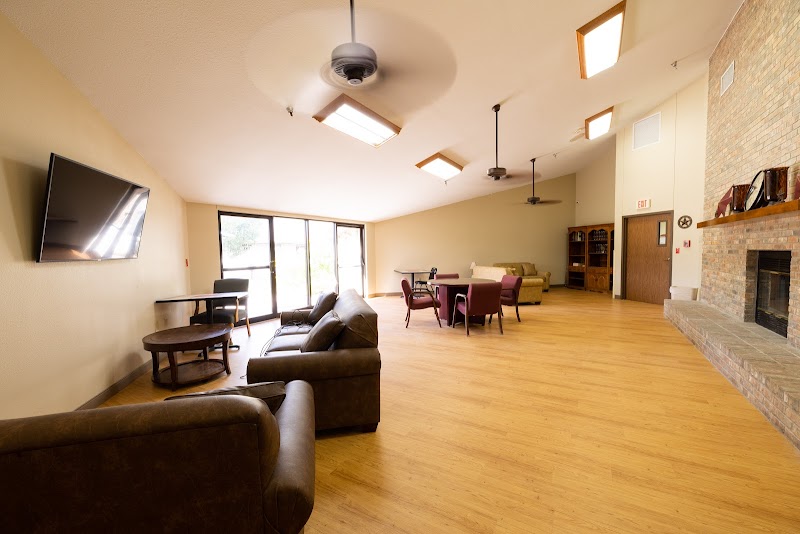
How is Parkview Staffed?

CMS rates PARKVIEW NURSING AND REHABILITATION CENTER's staffing level at 1 out of 5 stars, which is much below average compared to other nursing homes. Staff turnover is 55%, which is 9 percentage points above the Texas average of 46%. High turnover can affect care consistency as new staff learn residents' individual needs.

What Have Inspectors Found at Parkview?

State health inspectors documented 20 deficiencies at PARKVIEW NURSING AND REHABILITATION CENTER during 2022 to 2025. These included: 3 Immediate Jeopardy (the most serious level, indicating potential for serious harm or death), 1 that caused actual resident harm, and 16 with potential for harm. Immediate Jeopardy findings are rare and represent the most serious regulatory concerns. They require immediate corrective action.
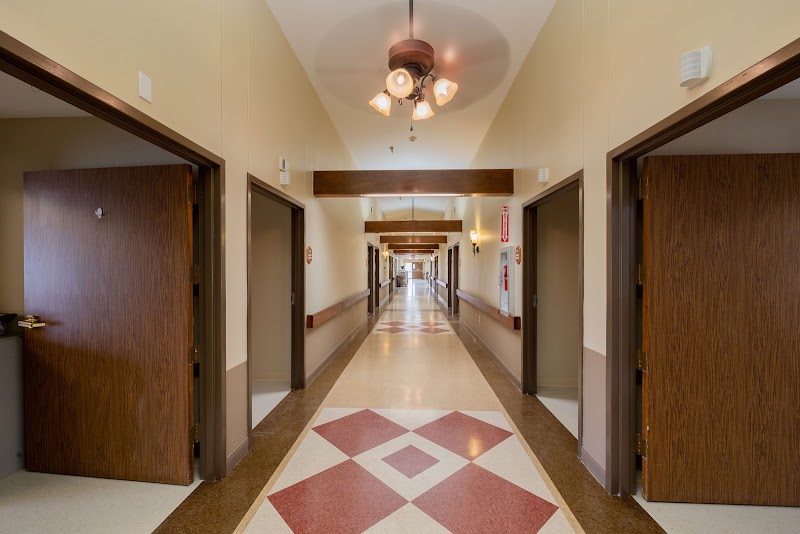
Who Owns and Operates Parkview?

PARKVIEW NURSING AND REHABILITATION CENTER is owned by a for-profit company. For-profit facilities operate as businesses with obligations to shareholders or private owners. The facility is operated by EDURO HEALTHCARE, a chain that manages multiple nursing homes. With 108 certified beds and approximately 83 residents (about 77% occupancy), it is a mid-sized facility located in LOCKHART, Texas.
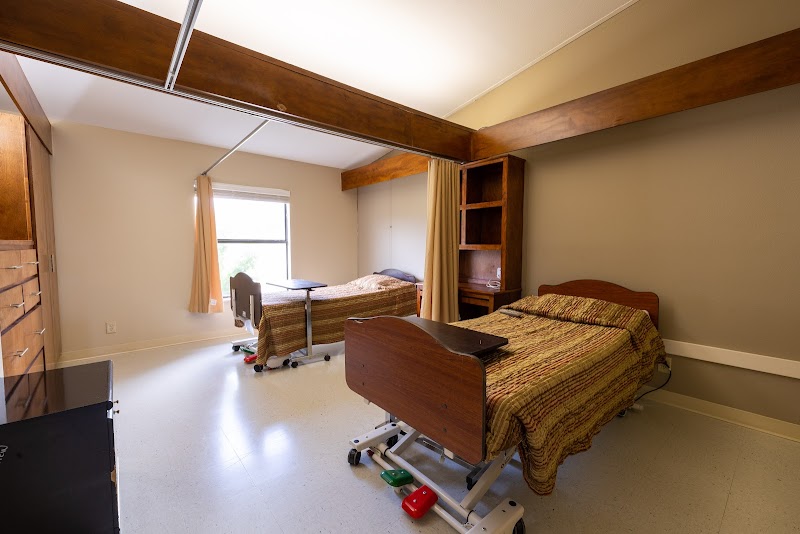
How Does Parkview Compare to Other Texas Nursing Homes?

Compared to the 100 nursing homes in Texas, PARKVIEW NURSING AND REHABILITATION CENTER's overall rating (2 stars) is below the state average of 2.8, staff turnover (55%) is near the state average of 46%, and health inspection rating (3 stars) is at the national benchmark.

What Should Families Ask When Visiting Parkview?

Based on this facility's data, families visiting should ask: "What changes have been made since the serious inspection findings, and how are you preventing similar issues?" "How do you ensure continuity of care given staff turnover, and what is your staff retention strategy?" "Can you walk me through typical staffing levels on day, evening, and night shifts?" "Can I visit during a mealtime to observe dining assistance and food quality?" These questions are particularly relevant given the facility's Immediate Jeopardy citations, the facility's high staff turnover rate, and the below-average staffing rating.

Is Parkview Safe?

Based on CMS inspection data, PARKVIEW NURSING AND REHABILITATION CENTER has documented safety concerns. Inspectors have issued 3 Immediate Jeopardy citations (the most serious violation level indicating risk of serious injury or death). The facility has a 2-star overall rating and ranks #100 of 100 nursing homes in Texas. Families considering this facility should ask detailed questions about what corrective actions have been taken since these incidents.

Do Nurses at Parkview Stick Around?

Staff turnover at PARKVIEW NURSING AND REHABILITATION CENTER is high. At 55%, the facility is 9 percentage points above the Texas average of 46%. High turnover means new staff may not know residents' individual needs, medications, or preferences. It can also be disorienting for residents, especially those with dementia who rely on familiar faces. Families should ask: What is causing the turnover? What retention programs are in place? How do you ensure care continuity during staff transitions?

Was Parkview Ever Fined?

PARKVIEW NURSING AND REHABILITATION CENTER has been fined $45,515 across 2 penalty actions. The Texas average is $33,534. While any fine indicates a compliance issue, fines under $50,000 are relatively common and typically reflect isolated problems that were subsequently corrected. Families should ask what specific issues led to these fines and confirm they've been resolved.

Is Parkview on Any Federal Watch List?

PARKVIEW NURSING AND REHABILITATION CENTER is not on any federal watch list. The most significant is the Special Focus Facility (SFF) program, which identifies the bottom 1% of nursing homes nationally based on persistent, serious quality problems. Not being on this list means the facility has avoided the pattern of deficiencies that triggers enhanced federal oversight. This is a positive indicator, though families should still review the facility's inspection history directly.