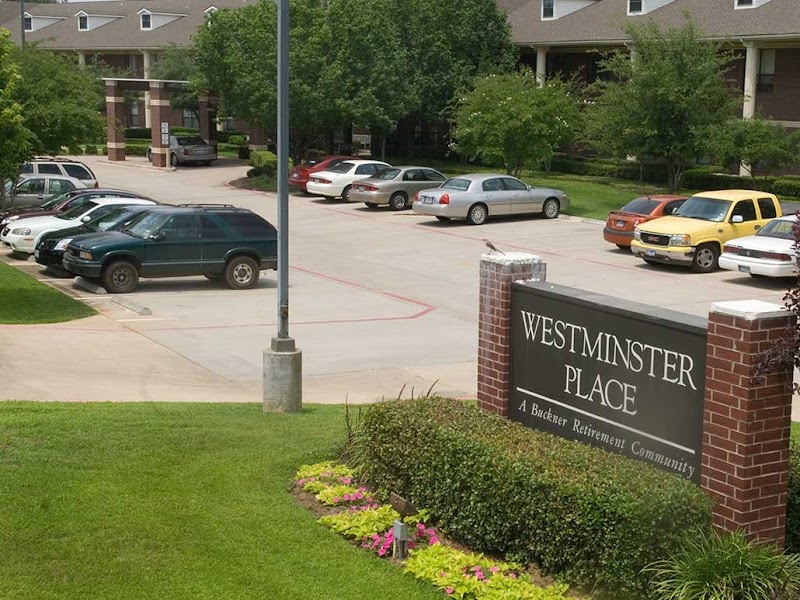
BUCKNER WESTMINSTER PLACE

2201 HORSESHOE LN, LONGVIEW, TX 75605 (903) 234-0000
Non profit - Corporation 20 Beds BUCKNER RETIREMENT SERVICES Data: November 2025 2 Immediate Jeopardy citations
Trust Grade
16/100
#657 of 1168 in TX
Last Inspection: June 2025

Inspected within the last 6 months. Data reflects current conditions.

Overview

Buckner Westminster Place has received a Trust Grade of F, indicating significant concerns about the quality of care provided. It ranks #657 out of 1,168 nursing homes in Texas, placing it in the bottom half of facilities in the state, and #4 out of 13 in Gregg County, meaning only three local options are better. The facility's trend is stable, with 6 reported issues in both 2024 and 2025. Staffing is a relative strength, rated 4 out of 5 stars, with a turnover rate of 48%, slightly below the state average, suggesting some staff stability. However, the facility has incurred $29,716 in fines, which is concerning as it is higher than 89% of Texas facilities, pointing to repeated compliance problems. There are critical incidents that raise alarms for potential residents: two residents did not receive their prescribed medications, which could lead to serious health risks, and there was a failure to notify a physician about changes in a resident's surgical condition, resulting in an infection. While some staffing metrics are positive, these serious deficiencies highlight significant weaknesses in care quality that families should consider carefully.

Trust Score
F
16/100
In Texas
#657/1168
Bottom 44%
Safety Record
High Risk
Review needed
Inspections
Holding Steady
6 → 6 violations
Staff Stability
⚠ Watch
48% turnover. Above average. Higher turnover means staff may not know residents' routines.
Penalties
○ Average
$29,716 in fines. Higher than 74% of Texas facilities. Some compliance issues.
Skilled Nurses
✓ Good
Each resident gets 51 minutes of Registered Nurse (RN) attention daily — more than average for Texas. RNs are trained to catch health problems early.
Violations
⚠ Watch
15 deficiencies on record. Higher than average. Multiple issues found across inspections.
★★☆☆☆
2.0
Overall Rating
★★★★☆
4.0
Staff Levels
★★★★☆
4.0
Care Quality
★★☆☆☆
2.0
Inspection Score
Stable
2024: 6 issues
2025: 6 issues

The Good

  • 4-Star Staffing Rating · Above-average nurse staffing levels
  • 4-Star Quality Measures · Strong clinical quality outcomes
  • Full Sprinkler Coverage · Fire safety systems throughout facility
  • No fines on record

Facility shows strength in staffing levels, quality measures, fire safety.

The Bad

2-Star Overall Rating

Below Texas average (2.8)

Below average - review inspection findings carefully

Staff Turnover: 48%

Near Texas avg (46%)

Higher turnover may affect care consistency

Federal Fines: $29,716

Below median ($33,413)

Moderate penalties - review what triggered them

Chain: BUCKNER RETIREMENT SERVICES

Part of a multi-facility chain

Ask about local staffing decisions and management

The Ugly 15 deficiencies on record

2 life-threatening 2 actual harm
Jun 2025 4 deficiencies
CONCERN (D)

Potential for Harm - no one hurt, but risky conditions existed

Comprehensive Care Plan (Tag F0656)

Could have caused harm · This affected 1 resident

**NOTE- TERMS IN BRACKETS HAVE BEEN EDITED TO PROTECT CONFIDENTIALITY** 2. Record review of Resident #12's face sheet, dated 06/03/25, indicated reflected she was a [AGE] year-old female, admitted to ...

Read full inspector narrative →
**NOTE- TERMS IN BRACKETS HAVE BEEN EDITED TO PROTECT CONFIDENTIALITY** 2. Record review of Resident #12's face sheet, dated 06/03/25, indicated reflected she was a [AGE] year-old female, admitted to the facility on [DATE]. Her diagnoses included dysphagia (Difficulty swallowing foods or liquids). Record review of Resident #12's significant change MDS assessment, indicated she had a BIMS score of 06, which indicated severe cognitive impairment. She was prescribed a mechanically altered diet while a resident at the facility. Record review of Resident #12's physician's orders, dated 06/03/25, indicated an order for Diet: Thickened Liquids Nectar (Mildly Thick). The start date was 06/11/24. Record review of Resident #12's comprehensive care plan, dated 06/03/25, indicated a problem of Resident #12 receiving a mechanically altered diet. Interventions included record food intake at each meal; offer appropriate substitutes for uneaten food. The care plan did not address nectar thickened liquids. During an interview on 6/4/25 at 11:20 AM, LVN D said residents on thickened liquids should have that documented on their care plan. She said if the information was on the care plan everyone would know the resident was on thickened liquids. She said they also passed information from nurse to nurse in report. She said if a resident who was ordered thickened liquids was given thin liquids they could aspirate. She was not able to find that Resident #12 was care planned for thickened liquids. During an interview on 06/04/25 at 11:30 AM, the ADON said nectar liquids should have been on Resident #12's care plan. She said there was no risk to the resident because the nurses checked the orders and not the care plan. She said she was the one who updated the care plan, and she was responsible for ensuring the care plan was updated. She said the DON and the ADM checked the care plan from time to time. During an interview on 06/04/25 at 11:32 AM, the DON said, For comprehensive care plans, we refer to the RAI manual. She said they did not have a policy for comprehensive care plans. During an interview on 06/04/25 at 12:29 PM, the DON said she expected nectar thick liquids to be on the care plan for Resident #12. She said the risk was someone could not realize the resident was on nectar thick liquids and could cause injury. During an interview on 06/04/25 at 12:38 PM, the Administrator said he expected Resident #12's care plan to address nectar thick liquids. He said the risk was someone may not know the resident was on thickened liquids and possibly give her thin liquids and cause her to aspirate. Record review of the RAI Manual, accessed on 06/05/25 and last revised October 2024, stated: .4.6 When is the RAI Not Enough? . .facilities are responsible for addressing all care issues that are relevant to individual residents, regardless of whether or not they are covered by the RAI .including monitoring each resident's condition and responding with appropriate interventions . .4.7 The RAI and Care Planning . .As required at 42 CFR 483.21(b), the comprehensive care plan is an interdisciplinary communication tool. It must include measurable objectives and time frames and must describe the services that are to be furnished to attain or maintain the resident's highest practicable physical, mental, and psychosocial well-being. The care plan must be reviewed and revised periodically, and the services provided or arranged must be consistent with each resident's written plan of care . Based on interview and record review the facility failed to develop and implement a comprehensive person-centered care plan for each resident, consistent with the resident rights, that included measurable objectives and timeframes to meet each resident's medical, nursing, and mental and psychosocial needs that were identified in the comprehensive assessment for 2 of 8 residents (Resident #12 and Resident #16) reviewed for care plans. 1.The facility failed to develop a person-centered care plan for Resident #16's planned weight loss of 8.35 % from 5/7/2025 to 6/1/2025 and implement recommendations for multivitamin with minerals daily and supplemental Ensure. 2.The facility failed to ensure Resident #12's comprehensive care plan was developed to address nectar thickened liquids as prescribed by the physician . These failures could place residents at risk of not having individual needs met, a decreased quality of life, and cause residents not to receive needed services. Findings include: 1. Record review of Resident #16's admission Record reflected an [AGE] year-old male who was admitted to the facility on [DATE]. Resident #16 had diagnoses which included wedge compression fracture of lumbar vertebra (a fracture where the front part of the vertebra collapses, creating a wedge shape), Dorsalgia (pain in the back, encompassing various areas of the spine), Hypertension (a medical condition where the force of blood against the artery walls is consistently too high) and falls. Record review of Resident #16's initial Care plan, dated 5/6/2025, reflected Resident #16 had altered/potential alteration in nutrition with a goal to maintain weight and meet nutritional needs at the highest practicable level. Inventions included to assess oral cavity, monitor appetite and meal intake, offer snacks, assist with meals as needed and provide a diet order regular, liquid consistency-regular and no liquid restrictions. The initial care plan indicated Resident #16 was at risk for infection/potential infection with goal to minimize risk of infection with goals to encourage nutrition and fluids. Record review of Nutritional Recommendations dated 5/8/2025-5/9/2025, reflected Resident #16's recommendations/interventions included the following: Ensure (a protein supplement) BID (twice daily) and between meals, start Multivitamin with minerals, Speech therapy evaluation due to reported problems swallowing food and liquids. The nutritional recommendation report was signed and undated by the ADON which indicated she received orders and added per MD. Record review of a paper copy of the weight concern care plan, initiation dated 5/12/2025, reflected a problem from member/guest was a weight concern as evidenced by Doctor recommendations to lose weight per Orthopedic surgeon. The Goal indicated to meet maximum nutritional potential with approaches to weigh weekly and registered dietician to evaluate and make recommendations as indicated, educate on healthy weight loss, and weight loss expected. The paper weight concern care plan was signed by the ADON and was undated. Record review of a progress note, dated 5/12/2025 at 1:49 PM, LVN D indicated she spoke with the nurse at the orthopedic surgeon office and was instructed Resident #16 to begin to lose weight. Record review of Resident #16's admission MDS, dated [DATE], reflected the resident was able to make self-understood and was able to understand others. Resident #16 had a BIMS score of 9, which indicated he had moderate cognitive impairment. Resident #16 was dependent with toileting, bathing, and dressing upper and lower body. Record review of vital sign notes, dated 5/19/2025 at 7:35 AM, the ADON indicated Resident #16 lost 4.6 lbs. in 2 weeks, and 2.8 lbs. x 1 week. The ADON indicated Resident #16 continued to do well with expected weight loss per doctor recommendations. The ADON documented she would continue to monitor and educate Resident #16 on nutritional choices to promote healthy weight loss. Record review of the weight log on 6/2/2025 at 11:44 AM, reflected Resident #16 weighed 256.4 lbs. on 5/7/2025 and last recorded weight on 6/1/2025 was 235 lbs. which was an 8.35 % weight loss in 26 days. Record review of a physician order, dated 6/2/2025, indicated Resident #16 was ordered to have a protein nutritional drink after meals. Record review of a progress note, dated 6/3/2025 at 8:44 AM, LVN D indicated Resident #16 began daily multivitamin with minerals and dietary supplements today. During an interview on 6/3/2025 at 12:15 PM, LVN D said Resident #16's orthopedic surgeon wanted him to lose weight. LVN D said Resident #16's incisional wounds had healed. She said Resident #16's last weight dated on 6/1/2025 was 235 lbs. and he weighed 256 lbs. upon admission 5/7/2025. LVN D said each resident was weighed the same way each time in his wheelchair. LVN D said Resident #16 did not receive large portion meals like he did at home. LVN D said there was not a verbal order written and said Resident #16 was care planned for weight loss. During an interview on 6/3/2025 at 1:41 PM, Resident #16 said he was trying to lose weight. He said he was choosing fruits, vegetables and was not snacking as much. Resident #16 said he was brought an Ensure (a protein supplement) today and that was the first one he had. During an interview on 6/3/2025 at 1:59 PM, the DON said Resident #16 was a planned weight loss. The DON said Medicare required weekly weight checks. The DON said she did not see a care plan for weight loss. The DON said the ADON would have a paper care plan separate from the EMR. The DON said she would expect the ADON to get orders when received. The DON said she did not see an order for Speech therapy. The DON reviewed the EMR and said the order for multivitamin with minerals was just put in the computer on 6/2/2025. The DON said the ADON was responsible for putting in weights and they both monitored. The DON said Resident #16 was a planned weight loss and it would be care planned. The DON said she guessed it would be important to care plan if there was a significant weight loss versus the planned weight loss so the facility staff would know the interventions and how to monitor. During an interview on 6/3/2025 at 2:35 PM, the ADON said LVN D spoke with the Doctor. The ADON said she personally completed the paper care plan. The ADON said bigger people lose weight faster. The ADON said she spoke with the primary doctor yesterday 6/2/2025 to let him know about the weight loss. The ADON said she wanted to make sure Resident #16's protein levels remained up and the doctor ordered a supplement. The ADON said she thought the dietician ordered Ensure (a protein supplement) after meals and vitamins. The ADON said she verbally spoke with the Speech therapist, and she informed her Resident #16 could swallow fine. The ADON could not verbalize why the care plan was not updated on the computer and why the orders were just placed in the computer for the multivitamin on 6/2/2025 when the recommendations were received on 5/9/2025. During an interview on 6/4/2025 at 11:02 AM, LVN D said she was responsible for the initial care plan when a resident was admitted to the facility. She said the DON and ADON were responsible for updating the care plans. LVN D said orders were placed in the computer by the nurse who received the orders. She said the ADON or DON would put in recommendations of orders from the dietician and supplements. LVN D said there could be harm to a resident if orders were not placed in the computer. LVN D said a resident could be at risk for weight loss if supplements or Ensure (a protein supplement) for nutrition was not ordered. LVN D said she followed the care plan but did not create them. She said the ADON was following the weight monitoring. During an interview on 6/4/2025 at 11:09 AM, the ADON said the admitting nurse was responsible for initiating the care plans. The ADON said she updated the care plans most of the time. She said usually she completed the updates on the dietician recommendations. The ADON said there was no issues per the Speech Therapist. The ADON said the dietary recommendations were just recommendations, not orders. The ADON reviewed the note she wrote on the recommendations which indicated orders were received and added per MD with her initials. The ADON said the computer would say when the orders were put in. The ADON said the doctor told him he needed to lose weight. The ADON said she was not sure why the Dietitian recommended Ensure (a protein supplement), multivitamin and speech therapy evaluation. The ADON said weights were put in weekly and then the staff evaluated. She said when she signs off on it, it was done. The ADON said the Dietician did not know the resident needed to lose weight. The ADON said she did not feel there could have been a negative impact to Resident #16. She said the facility would monitor Resident #16 through weekly weight checks to determine that a resident was losing the weight at a healthy rate. The ADON said the resident selected menus and could choose what he wanted. During an interview on 6/4/2025 at 11:36 AM, the DON said she and the ADON were responsible for updating the initiating the care plan. The DON said the dietician only made recommendations. The DON said the doctor reviewed the recommendations and the nurse put in the order and updated the care plans. The DON said she did not know what date the ADON reviewed the dietician's recommendations. She said the Doctor would have come in and reviewed the following week. The DON said Resident #16 was not on a specific diet and there was not a risk to the resident. The DON said there should be education to Resident #16. The DON said she felt the Doctor would have intervened. The DON said Resident #16 could have a decline, skin issues, increased weakness or increased weight loss if not monitored. The DON said Speech therapy should have documentation about swallowing issues, and she would check the notes and get back with the state surveyor. The DON said she spoke with the Speech therapist and was told Resident #16 was observed eating and she did not have any concerns. The DON said the multivitamin and Ensure (a protein supplement) should have been on the care plan after the Doctor reviewed the recommendations. During an interview on 6/4/2025 at 12:39 PM, the ADM said recommendations were not orders. The ADM said the IDT discussed the issue. He said the orthopedic surgeon made recommendations for weight loss for Resident #16. He said it should be reflected on the care plan. He said the Doctor would have reviewed the dietary recommendations that next Thursday. The ADM said the ADON was responsible for updating the care plan. The ADM said he would expect the orders and care plan to be updated if the ADON noted the orders and care plan. He said it was a lack of communication. He said it could negatively impact the resident because he may not receive the best quality of care. The ADM said if the care plan were not updated or followed, it could lead to a decline, skin break down and other issues.
CONCERN (D)

Potential for Harm - no one hurt, but risky conditions existed

Deficiency F0940 (Tag F0940)

Could have caused harm · This affected 1 resident

Based on interview and record review the facility failed to develop, implement, and maintain an effective training program for all new and existing staff, individuals providing services under a contra...

Read full inspector narrative →
Based on interview and record review the facility failed to develop, implement, and maintain an effective training program for all new and existing staff, individuals providing services under a contractual arrangement and volunteers, consistent with their expected roles for 1 of 15 employees (Director of Culinary Services) reviewed for training. The facility failed to ensure the Director of Culinary Services received training on the topics of HIV, restraint reduction, fall prevention, resident rights, behavioral health, and infection prevention and control. This failure could place residents at risk for unmet needs. Findings included: Record review of personnel records for the Director of Culinary Services indicated a hire date of 01/13/25. The file did not indicate training on the topics of HIV, restraint reduction, fall prevention, resident rights, behavioral health, or infection prevention and control for the Director of Culinary Services. During an interview on 06/04/25 at 11:41 AM, the HR Director said the Director of Culinary Services was responsible for taking care of his required trainings. She said the managers receive emails about their trainings and they were responsible for taking their own trainings. She said he had not completed any of his required trainings. During an interview on 06/04/25 at 12:10 PM, the Director of Culinary Services said he was not aware the trainings were not completed. He said he and HR were responsible for ensuring the trainings were completed. He said he may not know what HIV is or restraints. He said he may not know the resident rights. He said he may not know behavioral health. He said he may not know infection prevention. During an interview on 06/04/25 at 12:38 PM, the Administrator said he expected the Director of Culinary Services to complete his required training. He said the managers receive emails that included the training they were required to complete. He said the risk was the Director of Culinary Service may not be properly trained on the topics. He said his boss at the contract company should be responsible for ensuring his trainings were completed. He said the main breakdown was the director of culinary services did not complete his trainings and his boss did not ensure the trainings were completed. During an interview on 06/04/25 at 01:09 PM, the Regional Director of [Contract Food Company] said she was not aware of the timelines of the training requirements for the Director of Culinary Services. She said both corporate entities (the facility and the contract company) had the oversight for the Director of Culinary services' trainings. Record review of the facility's undated policy, Staff Development, stated: .To ensure employees are kept up to date on important procedures and in accordance with all local, state, and federal laws, as well as regulatory agency guidelines, [Facility name] requires associates to complete a certain amount of training courses each year, dependent upon the employee's role. Courses may be offered in BOLD, [Facility name]'s online learning management system, in person, or through another learning avenue. Compliance with mandatory assigned trainings is a must. Failure to complete the required number of training hours may result in corrective action, up to and including termination of employment
CONCERN (D)

Potential for Harm - no one hurt, but risky conditions existed

Deficiency F0943 (Tag F0943)

Could have caused harm · This affected 1 resident

Based on interview and record review the facility failed to provide training to their staff that at a minimum educated staff on activities that constituted abuse, neglect, exploitation, and misappropr...

Read full inspector narrative →
Based on interview and record review the facility failed to provide training to their staff that at a minimum educated staff on activities that constituted abuse, neglect, exploitation, and misappropriation of resident property and procedures for 1 of 15 employees (Director of Culinary Services) reviewed for staff training. The facility failed to ensure the Director of Culinary Services received abuse training. This failure could place residents at risk of abuse, neglect, and exploitation and a poor quality of care. Findings included: Record review of personnel records for the Director of Culinary Services indicated a hire date of 01/13/25. The file did not indicate any abuse training for the Director of Culinary Services. During an interview on 06/04/25 at 11:41 AM, the HR Director said the Director of Culinary Services was responsible for taking care of his trainings that were required. She said the managers got emails about their trainings and they were responsible for taking their own trainings. She said he had not completed any of his required trainings. During an interview on 06/04/25 at 12:10 PM, the Director of Culinary Services said he was not aware the trainings were not completed. He said he and HR were responsible for ensuring that the trainings were completed. He said he may not know what abuse was or how to prevent it. During an interview on 06/04/25 at 12:38 PM, the Administrator said he expected the Director of Culinary Services to complete his required training. He said the managers received emails that included the training they were required to complete. He said the risk was the Director of Culinary Service may not be properly trained on the topics. He said his boss at the contract company should be responsible for ensuring his trainings were completed. He said the main breakdown was the director of culinary services did not complete his trainings and his boss did not ensure the trainings were completed. During an interview on 06/04/25 at 01:09 PM, the Regional Director of [Contract Food Company] said she was not aware of the timelines of the training requirements for the Director of Culinary Services. She said both corporate entities (the facility and the contract company) had the oversight for the Director of Culinary services' trainings. Record review of the facility's abuse policy, last revised 10/23/24, stated: .In-service training for abuse prevention 1. All associates are required to complete resident rights and abuse prevention program in-service training sessions prior to having any resident contact AND on an annual basis Record review of the facility's undated policy, Staff Development, stated: .To ensure employees are kept up to date on important procedures and in accordance with all local, state, and federal laws, as well as regulatory agency guidelines, [Facility name] requires associates to complete a certain amount of training courses each year, dependent upon the employee's role. Courses may be offered in BOLD, [Facility name]'s online learning management system, in person, or through another learning avenue. Compliance with mandatory assigned trainings is a must. Failure to complete the required number of training hours may result in corrective action, up to and including termination of employment
CONCERN (E)

Potential for Harm - no one hurt, but risky conditions existed

Deficiency F0801 (Tag F0801)

Could have caused harm · This affected multiple residents

Based on interview and record review the facility failed to employ sufficient staff with the appropriate competencies and skills set to carry out the functions of the food and nutrition service, takin...

Read full inspector narrative →
Based on interview and record review the facility failed to employ sufficient staff with the appropriate competencies and skills set to carry out the functions of the food and nutrition service, taking into consideration resident assessments, individual plans of care and the number, acuity and diagnoses of the facility's resident population in accordance with the facility assessment for 3 of 20 kitchen staff (Cook A, Waitstaff B, and [NAME] C) reviewed for qualified dietary staff . The facility failed to ensure [NAME] A, Waitstaff B, and [NAME] C met the requirements for food handling by obtaining a current and valid Food Handler's Certificate. This failure could place residents at risk of not having their nutritional needs met and placing them at risk for food borne illnesses. Findings include: Record review of an undated dietary staff list revealed [NAME] A (hired 4/22/25), and Waitstaff B (hired 4/22/25) did not have a Food Handler's Certificate. [NAME] C's (hired 7/21/11) Food Handler's Certificate expired on 3/15/25. During an interview on 6/02/25 at 2:32 PM, the ADM said he knew some of the dietary staff did not have their Food Handler's Certificate. He said he knew at least one of the dietary staff was working on getting their Food Handler's Certificate today . During an interview on 6/02/25 at 3:23 PM, the Director of Culinary Services said he provided all the Food Handler's Certificates they had. He said dietary staff should get their Food Handler's Certificate immediately upon starting to work. He said he was responsible for making sure all dietary staff had their current Food Handler's Certificates. He said dietary staff not having a current Food Handler's Certificate could cause a risk to the residents of food born illness, improper food handling, or improper sanitation. He said dietary staff should have Food Handler's Training because the training covered all the things they would need to know for the kitchen and handling of food. During an interview on 6/02/25 at 3:52 PM, the ADM looked at the list of dietary staff that did not have their Food Handler's Certificates. He said he would help the Director of Culinary Services look for them. During an interview on 6/03/25 at 7:57 AM, the ADM said [Food Company Name] was the Director of Culinary Services boss. He said they employed him and the Executive Chef. The ADM said the Director of Culinary Services should coordinate with him on a day-to-day basis. He said the Director of Culinary services told him all dietary staff had current Food Handler's Certificates and he took him at his word. The ADM said the Director of Culinary Services should have told him he did not have them all. During an interview on 6/03/25 at 12:37 PM, the ADM said dietary staff who did not have the food handler's certificate could be behind in the latest trainings or out of alignment with current standards that were set. He said the risk to the residents could be dietary staff not being aware of the best practices for food delivery. During an interview on 6/03/25 at 11:04 AM, The Director of Culinary Services said when he hired, about 3 months ago, someone (he did not remember who) had given him the binder containing the Food Handler's Certificates for the dietary staff and told him they were all up to date. He said he assumed they were all up to date but never opened the binder or checked them. He said all dietary staff should have a food handler's certificate when they started to work but must have it within 30 days of hire. He did not know if the new hires, [NAME] A and Waitstaff C, had a current Food Handler's Certificate. He said [NAME] B's Food Handler's Certificate expired 3/15/25. During a telephone interview on 6/04/25 at 8:40 AM, the Executive Chef said it was the responsibility of the Director of Culinary Services to make sure all dietary staff had their Food Handler's Certificate. She said when she was the Director of Culinary Services it was her responsibility. She said sometimes the HR Director would remind her a dietary staff's Food Handler's Certificate was about to expire but, it was ultimately her responsibility. She said dietary staff should be up to date on food handling procedures and safety. She said the risk to the residents was staff not keeping up with time and temperature control of food, that could cause bacterial growth and food born illnesses. During an interview on 6/04/25 at 8:50 AM, the HR Director said it was the responsibility of the Director of Culinary Services to make sure all dietary staff had their Food Handler's Certificate. She said she did not remind or have anything to do with Food Handler's Certificates. She said when the Executive Chef was the Director of Culinary Services, she did not remind her or check on any of the Food Handler's Certificates for dietary staff. She said it was not her responsibility. During an interview on 6/04/25 at 1:11 PM, the Regional Director of [food company] said it was the Director of Culinary Services job to make sure all dietary staff had their Food Handler's Certificates. She said she had not validated all dining team food staff did not have current Food Handler's Certificates, so she would not address the risks to residents of dietary staff not having the certificates. Record review of a Food Safety Policy, with a revised date of 1/23/25, indicated: 1.All food handling and safety must comply with the Texas Food Establishment Rules (TFER ) and the CMS (Centers for Medicare and Medicaid Services) and Texas Health and Human Services Commission (HHSC ) regulations. Record review of the TFER accessed on 6/3/25 at 8:08 AM at https://www.dshs.texas.gov/licensing-foodhandler-training-programs, (Licensing of Food Handler Training Programs | Texas DSHS) indicated: Licensing of Food Handler Training Programs Texas requires that many food service employees complete an accredited food handler training course within 30 days of getting a job. These courses train employees on food safety including good hygiene practices, how to avoid cross contamination, and more.
Mar 2025 2 deficiencies 2 Harm
SERIOUS (H) 📢 Someone Reported This

A family member, employee, or ombudsman was alarmed enough to file a formal complaint

Actual Harm - a resident was hurt due to facility failures

Notification of Changes (Tag F0580)

A resident was harmed · This affected multiple residents

**NOTE- TERMS IN BRACKETS HAVE BEEN EDITED TO PROTECT CONFIDENTIALITY** Based on interview and record review, the facility failed to consult with the physician when the resident experienced a change i...

Read full inspector narrative →
**NOTE- TERMS IN BRACKETS HAVE BEEN EDITED TO PROTECT CONFIDENTIALITY** Based on interview and record review, the facility failed to consult with the physician when the resident experienced a change in condition for one (Resident #1) of five residents reviewed for a change of condition. The facility failed to notify the physician of changes in surgical incision for Resident #1 after finding surgical incision dressing saturated on 9/14/2024 and 9/16/2024. The facility failed to notify the physician of a change in surgical incision dressing saturation for Resident #1 resulting in infection identified on post-op visit on 9/25/2024 requiring oral antibiotic treatment. The noncompliance was identified as Past Non-Compliance (PNC). The non-compliance began on 9/13/2024 and ended on 9/27/2024. The facility had corrected the noncompliance before the investigation began. This failure could affect residents by placing them at risk for a delay in medical treatment, worsening in condition. Findings included: Record review of a face sheet dated 3/10/2025 indicated Resident #1 was a [AGE] year-old female and admitted on [DATE], with diagnoses including fracture unspecified part of neck of left femur (broken hip), muscle weakness (occurs when your body is not able to contract properly, leading to reduced strength in one or more of your muscles) , cirrhosis of the liver (a condition where the liver is permanently damaged and scar tissue replaces healthy tissue), insomnia (trouble falling asleep or staying asleep on a regular basis), and abnormalities of gait and mobility (medical terms used to describe poor muscle control, altered movement). Record review of an incomplete face sheet dated 3/10/2025 did not indicate Resident #1 had emergency contacts or surgeon listed. Record review of a comprehensive MDS assessment, dated 09/20/2024, indicated Resident #1 was understood and understood others. The MDS indicated Resident #1 had a BIMS score of 15 which indicated she was cognitively intact, and she required substantial/maximal assistance with bathing, dressing lower body and putting on/taking off footwear. The MDS indicated she had a hip fracture with occasional pain that was mild and a surgical wound. Record review of a care plan dated 3/10/2025, with activated problem on 9/23/2024, indicated Resident #1 was at risk for infection related to surgical incision of left hip repair. Interventions included to assess Resident #1 for symptoms of confusion, changes in mental status, delirium, or confusion as these may indicate infection, consult with Physician, Physician's Assistant (PA), Certified Nurse Practitioner (CNP), and dietician as indicated and follow policy for reportable conditions. Record review of a care plan printed on 3/10/2025 and no initiation date indicated a problem for Resident #1 indicating she had potential for signs and symptoms of infection. Interventions included monitoring for increasing/worsening signs and symptoms of infection and notify MD. Record review of Resident #1 's nurse note on 9/14/2024, completed by RN D, dated 9/15/2024 indicated Resident #1 had a saturated dressing on left hip surgical site. RN D noted drainage was serosanguineous (refers to fluid that contain or relate to both blood and the liquid part of blood) with no odor. RN D noted Resident #1 did not have any signs and symptoms of infection. RN D said Resident #1 had occasional pain and was relieved with analgesic. RN D documented she performed dressing care with reinforced non-stick ABD and paper tape to help with drainage absorption and noted drainage was small to moderate. The nursing note did not address if RN D notified the physician to obtain orders for treatment. The hospital discharge instructions dated 9/13/2024 did not address specific incision care orders or to leave dressing intact until post-op follow-up visit. Record review of Resident #1's nurse progress note dated 09/16/2024 at 10:35 AM, completed by LVN C indicated resident reports of post-op dressing coming off. LVN C documented she cleansed with normal saline, patted dry, and applied Mepilex border (an absorbent foam dressing) post-op. She noted scant, serosanguinous (refers to fluid that contain or relate to both blood and the liquid part of blood) drainage observed from lower aspect of surgical wound. LVN C documented no redness, swelling, or warmth was observed. No documentation indicated Resident #1's RP or physician was notified of findings. Record review of a wound assessment dated [DATE] at 10:07 AM, LVN C indicated small amount of serosanguineous drainage, wound edges were distinct and attached and surround tissue was normal. LVN C measured the surgical incision which indicated the measurements were 14 cm x 0.10 cm and unable to determine depth. The wound assessment note did not indicate if there were any treatments, orders, or notification of physician during assessment. Record review of nurse note dated 09/16/2024 at 10:35 AM and documented late on 9/26/2024, LVN C indicated post-op dressing came off. LVN C documented she cleansed surgical incision with normal saline, patted dry, and applied Mepilex border (an absorbent foam dressing) post-op (after a medical operation) to the surgical site. She noted scant, serosanguinous (refers to fluid that contain or relate to both blood and the liquid part of blood) drainage observed from lower aspect of the surgical wound. LVN C documented no redness, swelling, or warmth was observed. The nursing progress note did not address if LVN C notified the physician to obtain treatment orders. Record review of a wound assessment dated [DATE] at 8:44 AM, LVN C indicated there was no exudate, wound edges were distinct and attached, and surrounding tissue was normal. LVN C measured the surgical incision which indicated measurement were 14 cm x 0.10 cm and unable to determine depth. The wound assessment note did not indicate if there were any treatments, orders, or notification of physician during assessment. During an interview on 3/10/2025 at 2:12 PM, LVN A said the nurse was responsible for entering orders in the resident's chart upon admission. She said the orders would be in the discharge paperwork from the hospital. LVN A said if orders were not in the discharge paperwork, she would complete the skin assessment and talk with the ADON or Physician to obtain an order for incision care. LVN A said she would follow-up with the resident admitted every 4 hours to make sure the surgical dressing remained intact. LVN A said she would clarify the orders to identify if the surgeon wanted the dressing to be changed or obtain orders if a dressing became dislodged or soiled. LVN A said a resident could get an infection if a dressing was saturated or dislodged. The nurse is responsible for ensuring wound care was performed. LVN A said she was agency staff and was not at the facility at the time of this intake report. LVN A said she had been in-serviced. During an interview on 3/10/2025 at 3:10 PM. LVN B said the ADON, DON or charge nurse were responsible for placing admission orders in their system. LVN B said this incident was a long time ago and she could not recall the details. LVN B said she would notify the physician if a surgical dressing was saturated and report signs and symptoms of infection to the MD to obtain orders. LVN B said if the hospital did not send over orders upon admission, she would call the hospital to obtain orders. LVN B said the staff do not remove a dressing and observe the incision if the orders indicate do not remove. LVN B said she had heard the surgical incision got infected. LVN B said if a saturated dressing was in place too long, it could become infected. LVN B said the charge nurse was responsible for ensuring the family and physician was notified of the changes, and it would be documented in the nurse notes and on the 24-hour report. LVN B said she would notify the ADON and DON of changes. LVN B said she had been in-serviced on wound changes, abuse and neglect and notifying the physician of changes. Attempted to contact LVN C on 3/10/2025 at 3:49 PM, unable to leave a voicemail due to mailbox being full. Attempted to contact Resident #1 on 3/10/2025 at 3:53 PM, unable to reach due to phone had been disconnected. Resident #1 discharged on 10/6/2024. Attempted to contact RP for Resident #1 on 3/10/2025 at 3:53 PM, unable to talk at that time with a promise to return call. No return call was received. During an interview on 3/11/2025 at 9:13 AM, the Physician said Resident #1 had a superficial infection to surgical incision per her post-op follow-up visit notes The Physician said he would want to be notified if a dressing was saturated or if the dressing became dislodged. The Physician said orders were to be sent from the hospital. The Physician said he would have wanted the surgical incision to be covered with a 4 x 4 gauze (surgical sponge, absorbent woven gauze), Abd pad (a large wound dressing, abdominal pad) and a Tagaderm (a clear, transparent, waterproof dressing) as needed if a dressing became soiled or dislodged. He said the facility staff could have changed the dressing 2-3 x daily if there was drainage. The Physician said Resident #1 came in for a follow-up visit with his Physician Assistant 2 weeks post-op and he saw Resident #1 a week following and stated the incision was fine. The Physician said it was not uncommon for a resident to develop an infection after discharge and it was important to keep the surgical incision clean. The Physician said if the infection was not caught in time, the results could be bad. During an interview on 3/11/2025 at 10:15 AM, the DON said the charge nurse was responsible for putting in the admission orders. The DON said she did not know why the nurse did not obtain orders from the physician. The DON said the Physician should have been contacted upon admission for the surgical wound care orders. She said the family and the Physician should have been notified when the saturated dressing was identified. The DON said the surgical incision could have deteriorated and got infected. The DON said she expected the nursing staff to call the Physician. The DON said she expected pain and surgical site incision dressing saturation to be reported to the Physician. The DON said all facility staff were in-serviced on wound changes, abuse and neglect and Physician notification. During an interview on 3/11/2025 at 10:33 AM, the ADM said the nurse or ADON was responsible for putting in the admission orders. He said he expected the nurses to contact the Physician with signs and symptoms of infection. The ADM said some Physicians want the surgical dressing to remain intact until the follow-up appointment. The ADM said he expected an as needed order for surgical or wound dressing changes to be in place if a dressing became dislodged or soiled. The ADM said he expected his staff to document communication to the family and physician with responses. The ADM said he expected the nurses to have an order in place prior to providing care. Record review of the facility in-service titled In-service Abuse/Neglect dated 9/27/2024 indicated abuse was negligent or willful injury, unreasonable confinement, intimidation, or punishment resulting in physical or emotional harm or pain .Neglect .the failure of a facility, its associates or service providers to provide goods and services to a resident that are necessary to avoid physical harm, pain, mental anguish, or emotional stress. Neglect includes cases where indifference or disregard for the resident's care, comfort or safety .Neglect of a resident as demonstrated by a pattern of willfully failing to provide care to a resident .Upon admission .If no orders are written upon admission of a surgical incision, wounds or skin issues .Nurse will notify surgeon/MD to obtain orders for wound care or to leave an existing dressing in place per MD orders .Nurse will ensure upon admission that the orders are clarified if needed .For changes in condition .nurse must notify physician and document response. Nurse manager will review every admit ensuring proper orders and assessments are in chart .Nurse manager will weekly monitor administration of proper orders .Signs and Symptoms of infection .Increased pain, increased edema, redness, warmth/hot to touch, increased drainage and foul odor. Nurse will report to surgeon/MD of any changes in surgical site or wounds to Surgeon/MD for further orders. Record review of a facility policy titled Charting and documentation dated 10/11/2021 indicated .services provided to the resident, progress toward care plan goals, or change in the resident's medical, physical, functional, or psychological condition shall be documented in the resident's medical record. The medical record should facilitate communication between the interdisciplinary team regarding the resident's condition and response to care. Documentation .1. The following information is to be documented in the resident's medical record .Objective observations, medication administration, treatments or services performed, changes in a resident's condition, events, incidents, or accidents .progress toward or changes in the care plan goals and objectives .9. Documentation of procedures and treatments .a. The date and time the procedure/treatment was provided. b. The name and title of the individual who provided the care. c. The assessment data and/or the unusual findings .d. How the resident tolerated .e. Whether the resident refused .f. Notification of family, physician, or other staff .g. The signature and title of the individual .
SERIOUS (H) 📢 Someone Reported This

A family member, employee, or ombudsman was alarmed enough to file a formal complaint

Actual Harm - a resident was hurt due to facility failures

Quality of Care (Tag F0684)

A resident was harmed · This affected multiple residents

**NOTE- TERMS IN BRACKETS HAVE BEEN EDITED TO PROTECT CONFIDENTIALITY** Based on interview and record review the facility failed to ensure that residents receive treatment and care in accordance with ...

Read full inspector narrative →
**NOTE- TERMS IN BRACKETS HAVE BEEN EDITED TO PROTECT CONFIDENTIALITY** Based on interview and record review the facility failed to ensure that residents receive treatment and care in accordance with professional standards of practice for 1 of 2 (Resident #1) residents reviewed for surgical incision. The facility failed to clarify and obtain surgical incision care orders for Resident #1 upon admission on [DATE]. The facility failed to clarify hospital discharge orders for surgical incision site care upon admission on [DATE] for Resident #1. The facility failed to assess and identify a change in condition for Resident #1's surgical incision site to left hip on 9/14/2024 resulting in an infection requiring antibiotic on follow-up appointment with surgeon on 9/25/2024. The noncompliance was identified as Past Non-Compliance (PNC). The non-compliance began on 9/13/2024 and ended on 9/27/2024. The facility had corrected the noncompliance before the investigation began. This failure could place residents of risk for serious harm, and not receiving appropriate care, treatment with interventions to reach their highest practicable physical, mental, and psychosocial well-being. Findings included: Record review of a face sheet dated 3/10/2025 indicated Resident #1 was a [AGE] year-old female and admitted on [DATE], with diagnoses including fracture unspecified part of neck of left femur (broken hip), muscle weakness (occurs when your body is not able to contract properly, leading to reduced strength in one or more of your muscles) , cirrhosis of the liver (a condition where the liver is permanently damaged and scar tissue replaces healthy tissue), insomnia (trouble falling asleep or staying asleep on a regular basis), and abnormalities of gait and mobility (medical terms used to describe poor muscle control, altered movement). Record review of the hospital discharge orders dated 9/13/2024 at 3:07 PM, indicated Resident #1's primary diagnosis was closed displaced fracture of neck of left femur. The discharge instructions indicated medications to continue and additional discharge instructions to prevent infection as follows: Clean hands are the best protection to prevent infection. Your physician will give you specific instructions for changing you bandage or dressing. Maintain a clean environment. Avoid submerging incisions or wounds. Notify your physician for: fever over 101 degrees, chills or shaking, increased redness of incision or wound, increased drainage or pus from incision or wound, odor from incision or wound, or development of severe diarrhea. Record review of a physician order initiated on 9/12/2024 for Resident #1 by DON and signed by attending Physician on 10/9/2024, indicated the nursing staff to complete weekly skin assessments and did not address an order for treatment of the resident's surgical incision. Record review of a wound assessment for Resident #1 was initiated on 9/13/2024 at 6:57 PM, indicated LVN B assessed Resident #1 and noted surgical wound to left hip with staples. The wound assessment indicated there was no non-removeable device, no infection, no antibiotic. no odor and no measurement were documented. The wound assessment indicated there was a small amount of bloody exudate, wound edges were distinct and attached and surrounding tissue was normal. The wound assessment note did not indicate if there were any treatment discharge orders from the hospital. Record review of the TAR dated September 2024, indicated an order on 9/12/2024 for nurse staff to complete a weekly skin assessment. The treatment administration report indicated a new order dated 9/25/2024 for wound care to left hip to be changed daily with orders to cleanse with wound cleanser and cover with dressing. A new dressing change order was entered on 9/25/2024 indicated wound care was to be performed two times daily starting on 9/25/2024 to left hip surgical incision if soiled as needed. The TAR indicated left posterior hip precautions were initiated on 9/26/2024 and a one-time daily dressing change added to perform wound care to left hip dressing daily to cleanse surgical incision of left hip with wound cleanser, pat dry, cover with a border dressing and assess for signs and symptoms of infection daily. Record review of a comprehensive MDS assessment, dated 09/20/2024, indicated Resident #1 was understood and understood others. The MDS indicated Resident #1 had a BIMS score of 15 which indicated she was cognitively intact, and she required substantial/maximal assistance with bathing, dressing lower body and putting on/taking off footwear. The MDS indicated she had a hip fracture with occasional pain that was mild and a surgical wound. Record review of a care plan dated 3/10/2025, with activated problem on 9/23/2024, indicated Resident #1 was at risk for infection related to a surgical incision of left hip repair. Interventions included to assess and document skin color, moisture, texture, and turgor and report abnormal findings, assess and document temperature every shift and report variations in temperature readings per policy, assess Resident #1 for symptoms of confusion, changes in mental status, delirium, or confusion as these may indicate infection, consult with Physician, Physician's Assistant (PA), Certified Nurse Practitioner (CNP), and dietician as indicated and follow policy for reportable conditions. Record review of a care plan printed on 3/10/2025 and no initiation date indicated a problem for Resident #1 indicating she had potential for signs and symptoms of infection. Interventions included monitoring for increasing/worsening signs and symptoms of infection and notify MD, administer medical intervention as ordered, lab as ordered, take and document vital signs as ordered, implement necessary precautions, i.e., contact isolation/other precautions as ordered, monitor and report adverse effects from antibiotics or other meds as ordered, and practice good hand washing technique. Record review of Resident #1's nursing note dated 9/14/2024 and documented late on 9/15/2024 completed by RN D, indicated Resident #1's left hip surgical dressing was saturated. RN D noted drainage was serosanguineous (refers to fluid that contain or relate to both blood and the liquid part of blood) with no odor. RN D noted Resident #1 did not have any signs and symptoms of infection. RN D said Resident #1 had occasional pain and was relieved with an analgesic. RN D documented she performed dressing care with a reinforced non-stick ABD dressing and paper tape to help with drainage absorption and noted drainage was small to moderate. The nursing note did not address if RN D notified the physician to obtain orders for treatment. Record review of a wound assessment dated [DATE] at 10:07 AM, LVN C indicated small amount of serosanguineous drainage, wound edges were distinct and attached and surround tissue was normal. LVN C measured the surgical incision which indicated the measurements were 14 cm x 0.10 cm and unable to determine depth. The wound assessment note did not indicate if there were any treatments, orders, or notification of physician during assessment. Record review of nurse note dated 09/16/2024 at 10:35 AM and documented late on 9/26/2024, LVN C indicated post-op dressing came off. LVN C documented she cleansed surgical incision with normal saline, patted dry, and applied Mepilex border (an absorbent foam dressing) post-op (after a medical operation) to the surgical site. She noted scant, serosanguinous (refers to fluid that contain or relate to both blood and the liquid part of blood) drainage observed from lower aspect of the surgical wound. LVN C documented no redness, swelling, or warmth was observed. The nursing progress note did not address if LVN C notified the physician to obtain treatment orders. Record review of a wound assessment dated [DATE] at 8:44 AM, LVN C indicated there was no exudate, wound edges were distinct and attached, and surrounding tissue was normal. LVN C measured the surgical incision which indicated measurement were 14 cm x 0.10 cm and unable to determine depth. The wound assessment note did not indicate if there were any treatments, orders, or notification of physician during assessment. Record review of Resident #1's nurse progress note, dated 9/25/2024 at 6:02 PM, indicated new orders were received following post-op visit on 9/25/2024. New orders received for left hip surgical incision dressing daily and a new order received for Cefadroxil 500 mg (antibacterial medication) twice daily for 2 weeks for infection to the left surgical incision after post-op visit at physician's office. Record review of a telephone physician order for Resident #1 dated 9/25/2024 no time documented, indicated new orders for Cefadroxil (Duricef) 500 mg (antibacterial medication) twice daily for 7 days, daily and PRN Left hip dressing changes, resident may ambulate PRN with walker, left lower extremity ultrasound today, 1-week post-op follow-up, and Eliquis 2.5 mg twice daily for 2 weeks for DVT prophylaxis, left hip x-ray and left posterior hip precautions. Record review of a radiology interpretation dated 2/25/2024, indicated left hip x-ray (a type of electromagnetic radiation, used in medical imagining to create a picture of the inside of the body) was completed due to pain in the left hip. The radiological record was completed with two frontal (relating to the front) and frog-leg lateral view (a special pelvis radiograph to evaluate the hip) of the left hip were submitted. The impression indicated there were no acute fractures or dislocation by plain radiography and an intact appearing total hip arthroplasty hardware (an artificial implant of the damaged part of hip joint) identified. Record review of a vascular duplex examination (a non-invasive ultrasound test that uses sound waves to visualize blood flow and structure in the veins, helping to detect blood clots and venous insufficiency, and vascular issues) dated 9/27/2024, indicated a venous duplex examination using B-mode (a common imagining technique that displays a two-dimensional cross-sectional image of tissues and organs using grayscale, where brighter areas represent stronger echoes), color flow ( a medical imagining technique using ultrasound to visualize blood flow, displaying colors superimposed on a grayscale image, indicating the direction and speed of blood flow) and spectral doppler (a technique that uses Fourier analysis to convert returning sound waves into a series of frequencies, providing graphical representation of blood flow velocity over time) was performed. The finding indicated no evidence of Deep vein thrombosis (DVT) (a blood clot deep in the vein, usually the legs) within visualized venous structures of the left lower extremity. Record review of Medication Administration order dated 9/25/2025, indicated Resident #1 was started on cefadroxil 500 mg (antibacterial medication) twice daily was started to treat infection to surgical incision of left hip. Record review of Treatment Administration record (TAR) dated September 2024, indicated Resident #1 was received wound care to left hip for dressing changes to be completed daily by cleansing with wound cleanser and covering with dressing. The treatment administration record (TAR) indicated the order was discontinue and restarted on 9/26/2024 for left hip dressing change to be performed daily as follows: cleanse with wound cleanser, pat dry, cover with border dressing and assess for signs and symptoms of infection daily. The treatment administration record indicated left posterior hip precautions were initiated on 9/26/2024. Record review of Medication Administration record (MAR) dated 3/10/2025, indicated Resident #1 was started on Eliquis 2.5 mg (a medication used to prevent and treat blood clots) twice daily for 14 days was started on 9/26/2024 for DVT (a blood clot deep in the vein, usually the legs) prophylaxis. Record review of a wound assessment dated [DATE] at 4:19 PM, LVN B indicated a small amount of bloody exudate, wound edges were distinct and attached, surround tissue was normal. LVN B documented infection and antibiotics and no odor. LVN B indicated surgical incision had staples. The wound assessment did not indicate if new orders were received on 9/25/2024 and if care had been provided. Record review of Physician progress note on 9/30/2024 at 7:04 AM, indicated Resident #1 was diagnosed with cellulitis to incision at surgeon's office and nurse was changing dressing daily. Record review of Medication administration report dated October 2024, indicated Resident #1 was started on Vitamin C 500 mg (soluble antioxidant that play a vital role in the body's immune system) twice daily, Zinc 50 mg (a supplement to support the immune system and wound healing) daily for 14 days, and multivitamin daily (a supplement of vitamins that are not taken in through diet). During an interview on 3/10/2025 at 2:12 PM, LVN A said the nurse was responsible for entering orders in the resident's chart upon admission. She said the orders would be on the discharge paperwork from the hospital. LVN A was not present at the time of this incident. She said if orders were not on the discharge paperwork, she would complete the skin assessment and talk with ADON or Physician to obtain an order for incision care. LVN A said she would follow-up with the resident admitted every 4 hours to make sure the surgical dressing remained intact. LVN A said she would clarify the orders to identify if the surgeon wanted the dressing to be changed or obtain orders if a dressing became dislodged or soiled. LVN A said a resident could get an infection if a dressing was saturated or dislodged. She said the nurse was responsible for ensuring wound care was performed. LVN A said she was agency staff and was not at the facility at the time of this intake report. LVN A said she had been in-serviced. During an interview on 3/10/2025 at 3:10 PM, LVN B said the ADON, DON or charge nurse were responsible for placing admission orders in their system. LVN B said this incident was a long time ago and she could not recall the details. LVN B said she would notify the physician if a surgical dressing was saturated and report signs and symptoms of infection to the MD to obtain orders. LVN B said if a saturated dressing was in place too long, it could become infected. LVN B said if the hospital did not send over orders upon admission, she would call the hospital to obtain orders. LVN B said the staff did not remove a dressing and observe the incision if the orders indicated not to remove. LVN B said she had heard the surgical incision got infected. LVN B said the charge nurse was responsible for ensuring the family, physician was notified of the changes, and it would be documented in the nurse notes and on the 24-hour report. LVN B said she would notify the ADON and DON of changes. LVN B said she had been in-serviced on wound changes, abuse and neglect and notifying the physician of changes. Attempted to contact LVN C on 3/10/2025 at 3:49 PM, unable to leave a voicemail due to mailbox being full. Attempted to contact Resident #1 on 3/10/2025 at 3:53 PM, unable to reach due to phone had been disconnected. Resident #1 discharged on 10/6/2024. Attempted to contact RP for Resident #1 on 3/10/2025 at 3:53 PM, unable to talk at that time with a promise to return call. No return call received by end of day. During an interview on 3/11/2025 at 9:13 AM, the Physician said Resident #1 had a superficial infection to surgical incision per her post-op follow-up visit noted on 9/25/2024. He said he expected the dressing to be clean and intact while at the facility. The Physician said he would want to be notified if a dressing was saturated or if the dressing became dislodged. The Physician said orders were to be sent from the hospital. The Physician said he would have wanted the surgical incision to be covered with a 4 x 4 gauze (surgical sponge, absorbent woven gauze), ABD pad (a large wound dressing, abdominal pad) and a Tegaderm (a clear, transparent, waterproof dressing) as needed if a dressing became soiled or dislodged. He said the facility staff could have changed the dressing 2-3 x daily if there was drainage. The Physician said Resident #1 came in for a follow-up visit with his Physician Assistant 2 weeks post-op on 9/25/2024. and he saw Resident #1 a week following and stated the incision was fine. The Physician said it was not uncommon for a resident to develop an infection after discharge and it was important to keep the surgical incision clean. The Physician said if the infection was not caught in time, the results could be bad. During an interview on 3/11/2025 at 10:15 AM, the DON said the charge nurse was responsible for putting in the admission orders. She said the ADON and DON could also put in the orders. The DON said she did not know why Resident #1 did not have wound care orders upon admission and said the hospital did not provide any orders. The DON said she did not know why the nurse did not obtain orders from the physician. The ADON at the time was no longer employed at the facility and she was on vacation at the time Resident #1 admitted to the facility on [DATE]. The DON said the Physician should have been contacted upon admission for the surgical wound care orders. She said the family and the Physician should have been notified when the saturated dressing was identified. The DON said the surgical incision could have deteriorated and got infected. The DON said she expected the nursing staff to call the Physician. The DON said she reviewed and the ADON reviewed all new orders and admission as new orders are received. The DON reviewed the nurse progress note and said it appeared LVN C entered her progress note on 9/26/2024 and was a late documentation for 9/16/2025. She said it was unclear why the progress note was dated 9/26/2024 and said it could have been the date she locked the note. She felt the nurse started the note on 9/16/2024. The DON said she expected pain and surgical site incision dressing saturation to be reported to the Physician. The DON said all facility staff were in-serviced on wound changes, abuse and neglect and Physician notification on 9/27/2024. During an interview on 3/11/2025 at 10:33 AM, the ADM said the nurse or ADON was responsible for putting in the admission orders. The ADM said the facility staff discussed orders in the stand-up meetings and the ADON and DON reviewed the orders. The ADM said the facility currently did not have a performance improvement plan (PIP) in place for this incident. The ADM said the facility completed their investigation and identified the root cause, advised staff on expectations of identifying wounds and medications. He said he expected the nurses to contact the Physician with signs and symptoms of infection. The ADM said some Physicians want the surgical dressing to remain intact until the follow-up appointment. The ADM said he expected an as needed order for surgical or wound dressing changes to be in place if a dressing became dislodged or soiled. The ADM said he expected his staff to document communication to the family and physician with responses. The ADM said he expected the nurses to have an order in place prior to providing care. Record request made to DON on 3/11/2025 at 10:15 AM for a facility policy regarding wound care and admission policy. It was reported on 3/11/2025 at 11:00 AM, the facility did not have policies to provide for wounds or admission. Record review of the facility in-service titled In-service Abuse/Neglect dated 9/27/2024 indicated abuse was negligent or willful injury, unreasonable confinement, intimidation, or punishment resulting in physical or emotional harm or pain .Neglect .the failure of a facility, its associates or service providers to provide goods and services to a resident that are necessary to avoid physical harm, pain, mental anguish, or emotional stress. Neglect includes cases where indifference or disregard for the resident's care, comfort or safety .Neglect of a resident as demonstrated by a pattern of willfully failing to provide care to a resident .Upon admission .If no orders are written upon admission of a surgical incision, wounds or skin issues .Nurse will notify surgeon/MD to obtain orders for wound care or to leave an existing dressing in place per MD orders .Nurse will ensure upon admission that the orders are clarified if needed .For changes in condition .nurse must notify physician and document response. Nurse manager will review every admit ensuring proper orders and assessments are in chart .Nurse manager will weekly monitor administration of proper orders .Signs and Symptoms of infection .Increased pain, increased edema, redness, warmth/hot to touch, increased drainage and foul odor. Nurse will report to surgeon/MD of any changes in surgical site or wounds to Surgeon/MD for further orders. Record review of a facility policy titled Charting and documentation dated 10/11/2021 indicated .services provided to the resident, progress toward care plan goals, or change in the resident's medical, physical, functional, or psychological condition shall be documented in the resident's medical record. The medical record should facilitate communication between the interdisciplinary team regarding the resident's condition and response to care. Documentation .1. The following information is to be documented in the resident's medical record .Objective observations, medication administration, treatments or services performed, changes in a resident's condition, events, incidents, or accidents .progress toward or changes in the care plan goals and objectives .9. Documentation of procedures and treatments .a. The date and time the procedure/treatment was provided. b. The name and title of the individual who provided the care. c. The assessment data and/or the unusual findings .d. How the resident tolerated .e. Whether the resident refused .f. Notification of family, physician, or other staff .g. The signature and title of the individual .
May 2024 4 deficiencies
CONCERN (D)

Potential for Harm - no one hurt, but risky conditions existed

Deficiency F0558 (Tag F0558)

Could have caused harm · This affected 1 resident

**NOTE- TERMS IN BRACKETS HAVE BEEN EDITED TO PROTECT CONFIDENTIALITY** Based on observation, interview, and record review, the facility failed to ensure residents had the right to reside and receive ...

Read full inspector narrative →
**NOTE- TERMS IN BRACKETS HAVE BEEN EDITED TO PROTECT CONFIDENTIALITY** Based on observation, interview, and record review, the facility failed to ensure residents had the right to reside and receive services in the facility with reasonable accommodation of resident needs were provided for 1 of 17 residents (Resident #1) reviewed for resident rights. The facility failed to ensure Resident #1 had a call light within reach. This failure could place residents at risk of injury that could lead to possible falls, major injuries, hospitalization, and unmet needs. Findings Included: 1.Review of Resident #1's face sheet dated 05/15/2024 indicated Resident #1 was a [AGE] year-old female who admitted to the facility on [DATE] with diagnoses including dementia (a group of thinking and social symptoms that interferes with daily functioning), chronic obstructive pulmonary disease (a group of lung diseases that block airflow and make it difficult to breathe), pneumonia (infection that inflames air sacs in one or both lungs, which may fill with fluid) and parkinsonism (a disorder of the central nervous system that affects movement, often including tremors). Review of Resident #1's quarterly MDS assessment dated [DATE] indicated Resident #1 did not have a BIMS conducted. The MDS indicated Resident #1 was incontinent of bowel and bladder. The MDS indicated Resident #1 was dependent with all activities of daily living. Review of Resident #1's comprehensive care plan dated 04/01/2024 revealed Resident #1 was admitted to hospice with decreased activity level. attend . Resident responds on 1:1 activity, contacts with brief eye-opening contacts needs 1:1 activity to promote sensory, mental and social contacts. Interventions: provide 1:1 activities visits individualized to resident former interests: soft music, reading to her out loud her church's newsletters. Introduce self and purpose for visit. Call her name during visit. Observe her for signs of overstimulation. Record review of Resident #1 comprehensive care plan dated 10/25/2022 revealed Resident #1 was a fall risk. Resident #1 was incontinent to bowel and bladder. Resident #1 had impaired communication related hearing difficulty. She also had difficulty expressing needs and was rarely understood. Her speech was unclear. Interventions staff to assist member with activities of daily living and transfer. May use lift for transfers. Keep bed in lowest position when member is in bed. Member to utilize call light system for all needs. During an observation on 05/13/2024 at 11:05 AM, Resident #1 was lying in bed asleep with feeding running The call light was on the back of a chair about 2 feet away from Resident #1 and her bed. During an observation on 05/14/2024 at 1:12 PM, Resident #1 was lying in bed asleep with her feeding running. The call light was on the back of a chair about 2 feet away from Resident #1 and her bed. During an observation on 05/15/2024 at 11:20 AM, Resident #1 was lying in bed asleep with her feeding running. The call light was on the back of a chair about 2 feet away from Resident #1 and her bed. During an interview on 05/15/24 at 11:29 AM with CNA B, she said she was told that the call light was not close to Resident #1, because she had parkinson's disease and she would just keep hitting the call light if it was close to her. CNA B said Resident #1 was nonverbal and staff were supposed to check on her every two hours. CNA B said Resident #1 does understand and she could use the call light if it was in reach of her. CNA B said Resident #1 was nonverbal and people do not really try to figure out what she needs. During an interview on 05/15/24 at 11:42 AM with LVN A she said there should be no reason why Resident #1 call light would not be accessible to her. LVN A said she does not believe Resident #1 could use the call light if it was close to her. LVN A said there are several negative effects that could happen to Resident #1 if she wanted to call for help and could not. During an interview on 05/15/24 at 1:02 PM with the DON she said all staff know the call light should be in a place where the resident s could reach them. The DON said Resident #1 was nonverbal and she was not able to use the call light for over two years now, but the call light should aways be available for the residents. During an interview on 05/15/2024 at 1:13 PM with the Administrator said call lights should be always within reach of a resident. The Administrator said staff should be attaching the call light to Resident #1's bed. The Administrator said Resident #1 had the right to have her call light close to her. The Administrator said the call light should be accessible in case Resident#1 needs assistance. Record review of facility policy titles Resident Rights revised dated April 16,2024, indicated, Residents are encouraged to exercise their rights and privileges fully. The community will support the resident in the exercise of his/her rights. Residents have the right to the reasonable accommodation of the resident's needs so long needs so long as it does not endanger the health or safety of the resident or other residents. On 05/15/2024 at 9:22 AM the surveyor requested a copy of the call light policy from Administrator. The administrator said they did not have a policy for call lights.
CONCERN (D)

Potential for Harm - no one hurt, but risky conditions existed

Infection Control (Tag F0880)

Could have caused harm · This affected 1 resident

**NOTE- TERMS IN BRACKETS HAVE BEEN EDITED TO PROTECT CONFIDENTIALITY** Based on observation, interview, and record review the facility failed to maintain an infection prevention and control program d...

Read full inspector narrative →
**NOTE- TERMS IN BRACKETS HAVE BEEN EDITED TO PROTECT CONFIDENTIALITY** Based on observation, interview, and record review the facility failed to maintain an infection prevention and control program designed to provide a safe, sanitary, and comfortable environment and to help prevent the development and transmission of communicable diseases and infections for 1 of 3 laundry rooms. ([NAME] House laundry room) The facility failed to ensure soiled laundry was properly bagged in 1 of 3 laundry rooms. These failures placed residents at risk for cross contamination and infection. Findings included: During an observation on 5/15/2024 at 10:46 a.m., CNA K opened the laundry door at the [NAME] House and located in front of the washer was soiled clothing, towels, wash clothes sitting in a shower chair and a white laundry basket seated on the floor directly in front of the shower chair. Located in the washer was 1 load of clothing sitting in the washer. CNA K said big blankets go in the yellow bins and was transferred to the bigger laundry room located in the main building. CNA K said soiled and dirty clothing were to be placed in a bag and not sitting out exposed. CNA K said bacteria and germs could contaminate surfaces and shower chair. During an interview on 5/15/2024 at 10:52 a.m., CNA L said laundry was to be properly bagged and not sitting open in the laundry room. CNA L said soiled or dirty laundry sitting out openly could cause smells or odors. CNA L said the clothing could contaminate and develop mold if left out and contaminate other items and linens that are clean. During an interview on 5/15/2024 at 11:09 a.m., Housekeeper F said big blankets were bagged and placed in bins. Housekeeper F said soiled linens from isolation residents are placed in red bags. During an interview on 5/15/2024 at 11:15 a.m., Director of Facilities J said the facility has hoppers with lids to transport soiled or dirty laundry to and from the laundry room. He said his staff does not do the laundry in the cottages other than sometimes at night. The Directory of Facilities J said soiled laundry should be bagged and taken to the laundry room. He said the clothing should not be wheeled or brought through the facility due to risk for other areas of the facility could get contaminated. During an interview on 5/15/2024 at 11:18 a.m., Lead environmental service technician H said she was not responsible for laundry and said Housekeeper F was responsible for the laundry and the Director of Facilities was over housekeeping. The Lead environmental service technician H said it was not appropriate to wheel soiled clothing in the facility and leave in the laundry room. She said the clothing should be bagged. During an interview on 5/15/2024 at 11:50 a.m., the DON said she expected soiled clothing to be bagged and taken to the laundry room. The DON said laundry that was dirty with soiled feces or soiled clothing, it would be an infection control issue. The DON said staff should be wearing proper PPE with isolation and EBP precautions to prevent contamination. The DON said environmental services was responsible for laundry and the person in charge was the Director of facilities. During an interview on 5/15/2024 at 12:00 p.m., the ADM said soiled clothing should be bagged and placed in barrel with lid on it. The ADM said clothes should be bagged in the resident room and then transported to the laundry room. The ADM said it was not appropriate to place laundry in a shower chair and move it to the laundry room. The ADM said Director of facilities was responsible for the laundry. Review of facility policy revised on 10/5/2023 titled, Laundry revealed Service standard was to Care of community laundry will be performed in a way that is consistent with CDC requirements to provide a safe, sanitary, and comfortable environment and to help prevent the development and transmission of communicable disease. All used laundry should be handled as potentially contaminated and use standard precautions: gloves, gowns when rinsing and sorting. Procedure- .Dirty linen should be bagged before leaving a resident's room .Dirty laundry must be kept in a separate space from clean laundry .Clean and disinfect clothes hampers according to guidance from appropriate surfaces.
CONCERN (E)

Potential for Harm - no one hurt, but risky conditions existed

Safe Environment (Tag F0584)

Could have caused harm · This affected multiple residents

**NOTE- TERMS IN BRACKETS HAVE BEEN EDITED TO PROTECT CONFIDENTIALITY** Based on observation, interview, and record review, the facility failed to provide a safe, clean, comfortable, and homelike envi...

Read full inspector narrative →
**NOTE- TERMS IN BRACKETS HAVE BEEN EDITED TO PROTECT CONFIDENTIALITY** Based on observation, interview, and record review, the facility failed to provide a safe, clean, comfortable, and homelike environment for 1 of 17 residents reviewed for environment. (Resident #1) The facility failed to ensure Resident #1's air vent and closet was free from a black substance. The facility failed to repair the open space where the airconditioning unit was. The facility covered the open space with cardboard and tape. These failures could place residents at risk of an unsafe or uncomfortable environment and a decrease in quality of life and self-worth. Findings included: Review of Resident #1's face sheet dated 05/15/2024 indicated Resident #1 was a [AGE] year-old female who admitted to the facility on [DATE] with diagnoses including chronic obstructive pulmonary disease (a group of lung diseases that block airflow and make it difficult to breathe), and pneumonia (infection that inflames air sacs in one or both lungs, which may fill with fluid). Review of Resident #1's quarterly MDS assessment dated [DATE] indicated Resident #1 did not have a BIMS conducted. The MDS indicated Resident #1 was incontinent of bowel and bladder. The MDS indicated Resident #1 was dependent with all activities of daily living. Review of Resident #1's comprehensive care plan dated 04/01/2024 revealed a care plan that indicated Resident #1 was admitted to hospice with decreased activity level attend. Resident responds on 1:1 activity, contacts with brief eye-opening contacts needs 1:1 activity to promote sensory, mental and social contacts. Interventions: provide 1:1 activities visits individualized to resident former interests: soft music, reading to her out loud her church's newsletters. Introduce self and purpose for visit. Call her name during visit. Observe her for signs of overstimulation. Record review of Resident #1 comprehensive care plan dated 10/25/2022 revealed a care plan that indicated Resident #1 was a fall risk. Resident #1 was incontinent to bowel and bladder. Resident #1 had impaired communication related hearing difficulty. She also had difficulty expressing needs and was rarely understood. Her speech was unclear. Interventions staff to assist member with activities of daily living and transfer. May use lift for transfers. Keep bed in lowest position when member is in bed. Member to utilize call light system for all needs. During an observation and interview on 05/13/2024 at 11:05 AM, Resident #1 was lying in bed asleep with feeding running. A black substance was on Resident #1's air vent above her closet door. Further observation revealed the blackthe black substance was on the closet walls, floor, and on the inside of the closet door. The closet had several different cardboard boxes thrown in there. There was also a piece of cardboard box that was mounted into a cut-out area where an air conditioning unit sat previously. The box was the wall separating the closet from the outside. The facility had 2 pieces of insulation on the cardboard box, but one side had fell off. During an interview on 05/14/2024 at 10:55 AM, with Resident #1's family member she said her only concerns with the facility was the issue with Resident #1's closet. The family member said she thought the facility finally got the unit fixed in Resident #1's room. The family member said she brought the Maintenance man into Resident #1's room to look at her closet a month ago and he said he was going to get the closet fixed. The family member said she though the black substance in the closet was mold and was an environmental issue. The family member said the facility does not pay enough attention to the building and maintenance concerns. During an interview on 05/15/2024 at 9:34 AM with the Administrator this surveyor asked her was she aware of the condition of Resident #1's closet in her bedroom. The Administrator said she was not aware of the black substance in Resident #1's closet. This surveyor showed the Administrator pictures of Resident #1's air vent and her closet in bedroom. This surveyor also notified the Administrator that there was a piece cardboard box separating the closet wall from outside. This surveyor notified the Administrator that Resident #1 family member and sitter complained of bugs and flies in resident's room; came in from the poorly secure area. The Administrator said maintenance needed to fix that and conditions were unacceptable. During an observation and interview on 05/15/2024 at 10:37 AM with the Director of Facility Management, he said he was not aware of Resident #1's closet, until thattoday, this morning. The Director of facility Management said most of the rooms in the facility had a package air condition unit, but we changed the unit in Resident #1's room to a ptac unit. He said he had assigned a housekeeper to clean the closet in Resident #1's room. He the staff were going to get the room cleaned up. He said he does not think the room would have a negative effect on the resident in his opinion. The Director of Facility Management stated he had not seen Resident #1's air vent or closet. This surveyor showed him pictures of Resident #1's air vent and closet; after viewing the pictures he said that the area was nasty and the facility will get the area cleaned up. He said the facility was going to replace the wall and apply insulation. During an interview on 05/15/2024 at 11:29 AM, CNA B said she had been working for the facility a year and Resident #1's room had the black substance in the closetbeen that way since she started. CNA B said she put a piece of a cardboard box in front of the vent in Resident #1's room to prevent the bugs from coming into the resident's room. CNA B said she felt like the black substance on Resident #1's vent and in her closet could cause infections such as flu, pneumonia and other upper respiratory infections. CNA B said Resident #1 was nonverbal. CNA B said if something was to bite Resident #1 staff would not know and she could not tell staff. During an interview on 05/15/24 at 11:42 AM with LVN A said she was not aware that Resident #1 had a closet with a black substance on the walls and on the air vent. LVN A said if the substance was mold or mildew that could cause respiratory issues. LVN A stated she was not sure if Resident #1 had any respiratory issues lately. During an interview and observation on 05/15/2024 at 1:02 PM, the DON said he was not aware of the situation in Resident #1 closet. She said she heard from other staff looked like a dirty surface. The DON said she was not sure what the black substance was in the closet. After this surveyor shower her the pictures of Resident #1's closet, she said she did not like the look of the closet. She said the black substance on the vent and in the closet could cause or made Resident #1 at risk for respiratory infections. She said the substance could cause an exacerbation of an underlying condition Resident #1 currently had. During an interview on 05/15/2024 at 1:13 PM, the Administrator said she would not tell what the black substance was in Resident #1's closet. She said she thought it was dirt. She said had not heard any complaints of bugs or flies in Resident #1's room. She said no one had mentioned the condition of the closet to her prior to today. She said the facility had a local pest control company in the facility often and no one had mentioned there was a pest issue in Resident #1's room. Record review of the maintenance work order report dated 01/01/24-05/15/24 revealed work order for Resident #1 had several issues with the air conditioning and heating unit. Record review of an invoice of a local electric company dated 3/27/2024 indicated, furnish labor and material to terminate existing wiring to new air compressor. Also, install two new circuit breakers one to air conditioning unit in Apt 721 and one to air conditioning unit in laundry. Record review of facility policy titles Resident Rights revised dated April 16,2024, indicated, .Residents have the right to a safe, clean, comfortable, and home-like environment that allows the resident to be as independent as possible.
CONCERN (E)

Potential for Harm - no one hurt, but risky conditions existed

Food Safety (Tag F0812)

Could have caused harm · This affected multiple residents

Based on observation, interviews and record review, the facility failed to store, prepare, distribute, and serve food in accordance with professional standards for food service safety for 1 of 1 kitch...

Read full inspector narrative →
Based on observation, interviews and record review, the facility failed to store, prepare, distribute, and serve food in accordance with professional standards for food service safety for 1 of 1 kitchen reviewed for kitchen sanitation in that: 1. Paint, primer, WD 40 and GOO gone stored near dry food storage. 2. Sanitizer sprayed on surface and not allowed to dry prior to setting cutting board and preparing food. 3. Improperly secured hair from kitchen staff member. These deficient practices could place residents who received meals from the kitchen at risk for chemical contamination and food-borne illness. The findings were: During an observation on 5/13/2024 at 9:25 AM, it was observed a utility cart with 3 cans of paint, 1 can of primer, 4 bottles of goo gone and WD 40 located in dry food storage area near juice box storage. During an observation on 5/14/2024 at 8:10 AM, it was observed the utility cart remained in dry storage room with 3 cans of paint, 1 can of primer, 4 bottles of goo be gone and WD 40 located in dry food storage area near juice box storage. During an observation and interview on 5/14/2024 at 8:50 AM, the Director of Culinary Services said the cart was maintenance and the cart was usually stored in the boiler room. She said she would move it and it was not ok for it to be near the dry storage. The Director of culinary services said she would get maintenance to move it. During an observation on 5/14/2024 at 8:50 AM, toured kitchen area/food prep area and observed bucket with cleaning chemicals located under the dry containers labeled as corn meal, sugar, flour, and rice. Bucket has suds with liquid in green bucket and a storage compartment for a spray bottle labeled Sani-Quad Food service sanitizer. The green buckets were located throughout the kitchen and below stainless-steel table next to stove top and where food was prepared. During an interview on 5/14/2024 at 10:20 AM, [NAME] C said there was no concern with cleaning supplies under the dried food containers or under the stainless-steel table in the kitchen next to the oven. He said it was below the food. He said it cannot be stored above or next to the food. During an observation on 5/14/2024 at 10:47 AM, [NAME] D's hair was not properly restrained with a proper hair restraint. [NAME] D was wearing a bandana with hair exposed in the back. During an observation on 5/14/2024 at 11:15 AM, during food preparation, observed [NAME] D wiped down stainless-steel surface next to hot stove with soap and water that was in a green bucket below the table. [NAME] D sprayed the stainless-steel surface with sani-quad, then placed a cutting board directly on the wet surface. [NAME] D was observed to place a pork loin on the cutting board, cut up meat and placed on serving plate. [NAME] D then placed a Styrofoam container next to cutting board on wet surface and then with her gloved hands touched the bottom of the Styrofoam container transferring to the serving table. She then opened the container with gloved hand, placed the sandwich on a serving plate and placed plate on serving cart. During an interview on 5/14/2024 at 11:32 AM, [NAME] D said she cleaned as she goes. She said the sanitizer was to sit on the surface and not to be wiped off. She said the cleaner was supposed to air dry. [NAME] D said the surface was dry when she placed the Styrofoam container on the stainless-steel table. [NAME] D said she did not think she touched the bottom of the Styrofoam when preparing the plate. She said her gloved hands could have transferred the cleaning solution (Sani-Quad) to the sandwich. [NAME] D left the kitchen and went to retrieve the tray and threw it away and made a new turkey sandwich. During an interview on 5/15/2024 at 10:14 AM, Maintenance technician G said the kitchen area was off limits for maintenance to use. We normally do not store products in dry food area. During an interview on 5/15/2024 at 10:16 AM, Utility worker E said the facility was about to remodel a room. He said some of the things currently stored in dry food storage area of the kitchen were to paint and fix walls with during the remodel. Utility worker E said the paint, goo gone, WD 40 should not be stored with food, and it was moved closer to the mechanical closet. Utility worker E said staff who have hair should wear hair nets and facial restraints if men have facial hair while in kitchen. He said hair should be tucked in and not exposed or hanging out the back of restraints. Utility worker E said buckets of soap and water and Sani quad can be stored below food, but it cannot be stored above food. He said sanitizer should be allowed to air dry before use. Utility worker E said If a surface was sanitized and not allowed to dry, it could cause cross contamination and he was unsure specifically what chemical was nearby, but it could cause inflammation of esophagus or make a resident sick in ingested. During an interview on 5/15/2024 at 11:46 AM, [NAME] D said hairnets or covering are supposed to be worn while in kitchen and hair should be completely covered. [NAME] D said her hair came down and she had to fix it. During an interview on 5/15/2024 11:50 AM, the DON said she expected kitchen staff to be wear a hair net while in the kitchen and not a bandana. She said all hair should be completely covered, and no hair should be showing. The DON said Sani Quad should not be stored near food or during food preparations. She said the kitchen staff should never spray sani quad on surface while preparing food. The DON said the staff should not set cutting boards on wet surface from sani quad spray. The DON said a resident could be in harm and cause sickness to a resident. The DON said it would not be appropriate to touch food with gloved hand that could be contaminated sandwich with sani quad cleanser. During an interview on 5/15/2024 at 11:50 AM, the DON said paint, goo gone, and WD- 40 should not be stored in dry food area. She said it could contaminate the food and make a resident sick or get illness. During an interview on 5/14/2024 at 12:00 PM, the ADM said the kitchen staff should be wearing hair net and not a bandana. She said it was not appropriate for hair to be sticking out of the back while working in the kitchen. The ADM said it was not appropriate for cleaning sani quad to be stored in the kitchen near food or during food preparation. The ADM said it was not appropriate for a kitchen staff to spray sani quad on surfaces while cooking or preparing food. She said the chemical could get transferred to food and it was not appropriate for kitchen staff to touch chemical then food. The ADM said food could be contaminated with chemical and a resident could eat it making them sick. During an interview on 5/15/2024 at 12:17 PM, the Director of Culinary Services said the staff should be wearing hair nets and [NAME] D's hair was restrained. She said cleaning supplies could be placed under food just not on the table. The Director of Culinary Services said [NAME] D should wait for the surface to dry before placing cutting board or Styrofoam on surface. She said there is a risk for cross continuation to food that is being served and could make a resident sick. Review of the facility document revised April 16, 2024, titled Food and supplies storage provided by the ADM revealed .Procedure . Safe Food Storage . dry food storage should be maintained in a clean and dry area free of contaminants. Review of the facility document revised 1/23/2024, titled Food Safety revealed All food handling and safety must comply with the Texas Food Establishment Rules and the CMS and Texas Health and Human Services Commission regulations . 6. Food will be stored, prepared, distributed and served in accordance with professional standards for food service safety. Review of safety data sheet dated 5/24/2019 titled Sani Quad Food Service Sanitizer revealed Hazard statement . Harmful if swallowed or in contact with skin . if swallowed, call poison center or Doctor . Rinse mouth . Do no induce vomiting . Store locked up .Section 7: Handling and Storage . Advice of safe handling . Do not ingest .Wash hands thoroughly after handling . Potential Health effects: Harmful if swallowed .Causes digestive tract burns .
May 2024 2 deficiencies 2 IJ (2 affecting multiple)
CRITICAL (K) 📢 Someone Reported This

A family member, employee, or ombudsman was alarmed enough to file a formal complaint

Immediate Jeopardy (IJ) - the most serious Medicare violation

Pharmacy Services (Tag F0755)

Someone could have died · This affected multiple residents

**NOTE- TERMS IN BRACKETS HAVE BEEN EDITED TO PROTECT CONFIDENTIALITY** Based on observation, interview and record review, the facility failed to provide pharmaceutical services, including procedures ...

Read full inspector narrative →
**NOTE- TERMS IN BRACKETS HAVE BEEN EDITED TO PROTECT CONFIDENTIALITY** Based on observation, interview and record review, the facility failed to provide pharmaceutical services, including procedures that assure the accurate dispensing and administering of all drugs and biologicals to meet the needs of each resident for 2 of 3 residents reviewed for pharmacy services (Resident #'s 1 and 2). 1.The facility failed to provide 7 (daily) doses of Resident #1's physician ordered Enoxaparin/Lovenox (a blood thinner to prevent blood clots) between the dates of 2/15/24 - 2/21/24. 2.The facility failed to provide 11 (weekly) doses of Resident #2's physician ordered Bydureon (treats Type 2 Diabetes and controls blood sugar levels) between the dates of 12/11/23 - 2/13/24. 3.Staff falsified documentation indicating they had administered Lovenox for Resident #1 and Bydureon for Resident #2 when those medications were not available in the facility. An Immediate Jeopardy (IJ) situation was identified on 5/8/24 at 1:30 PM. While the IJ was removed on 5/9/24 at 1:21 PM, the facility remained out of compliance at a scope of pattern and a severity level of potential for more than minimal harm that is not immediate jeopardy due to the facility's need to evaluate the effectiveness of the corrective systems. This failure could place residents at risk of inaccurate drug administration, not receiving the intended therapeutic levels of MD ordered medication, and not having accurate records of medication administration which could result in diminished health and well-being. Findings included: 1.Record review of the undated face sheet for Resident #1 indicated she was an [AGE] year old female that admitted [DATE] with diagnoses that included: fracture of right femur (broken hip), venous insufficiency (improper functioning of the valve veins), chronic peripheral hypertension (abnormality in the capillaries within the leg tissues that make them more permeable-allowing fluid, proteins, and blood cells to leak into the tissues), and peripheral vascular disease (reduced blood flow to the limbs). Record review of physician's orders for Resident #1 indicated: 1/31/24 Enoxaparin 30mg/0.3ml subcutaneous syringe (0.3 mls) syringe one time daily starting 2/1/24. Record review of a physician's note dated 1/25/24 indicated: Lovenox x 21 days, start 2/1/24. At increased risk of deep vein thrombosis . Record review of the admission MDS assessment dated [DATE] indicated Resident #1 had clear speech, understood others, and was understood by others. She had a BIMS of 14 indicating she was cognitively intact. The MDS indicated she had 7 injections during the 7-day lookback period. Record review of the undated care plan indicated Resident #1 was at risk for bleeding due to Lovenox (generic name, Enoxaparin) use. The goal was Resident #1 not developing an embolism post operatively or having adverse consequences of treatment. Interventions included: Notify MD of concerns, monitor for signs of embolism, monitor for bruising or bleeding, administer Lovenox per MD orders. Resident #1 had PVD with the goals: skin on her feet/legs would remain intact over the next 90 days and interventions were to check her feet and legs for redness, skin tears, swelling, or pressure areas daily. Report any signs of skin breakdown. Record review of the Provider Investigation Report for Resident #1, dated 3/6/24 with an incident date of 2/26/24 indicated during a chart audit, the DON discovered Enoxaparin (Lovenox) had been documented as given to Resident #1 but Enoxaparin had not been refilled by the pharmacy. The DON assessed Resident #1 and indicated she had a negative Homan's Sign (no pain in the calf muscles on forced dorsiflexion (toes in the upward direction), of the foot with the knee straight), no bruising, no s/s of abnormal bleeding, no pain, no discomfort, or tenderness at calves. No swelling to bilateral lower extremities. The DON indicated there were no adverse effects to Resident #1. The DON indicated that LVN A, RN B, MA C, and MA D had been terminated and all staff would be in-serviced on documentation and falsifying documentation. The PIR indicated statements received from RN B indicated she had given the medication as ordered. MA C stated that when LVN A worked he told her to document the injection was given, but she had never seen him administer the medication. The MAR showed documentation Enoxaparin had been administered to Resident #1 2/15/24 - 2/26/24, but documentation from the pharmacy showed the medication was never refilled after the first 14-day supply. Record review of the MAR dated February 2024 indicated Resident #1 had received Enoxaparin 30mg/0.3 ml subcutaneous syringe (0.3 mls) one time daily starting 2/1/24. (Order date 1/31/24) 2/1/24 through 2/27/24. Record review of a pharmacy slip dated 1/31/24 indicated Resident #1 had received Enoxaparin injections 30/0.3 ml. The quantity indicated was 4.20 (no unit of measure was indicated). Record review of a pharmacy slip dated 2/27/24 indicated Resident #1 had received Enoxaparin injections 30/0.3 ml. The quantity was indicated to be 3.00 and 1.20 (no unit of measure was indicated). 2.Record review of the undated face sheet for Resident #2 indicated she admitted [DATE], was an [AGE] year-old female with diagnoses that included: Transient Cerebral Ischemic Attack (a brief stroke resolving within minutes to hours), Diabetes Mellitus Type 2 with hyperglycemia (the body has trouble controlling sugar and it builds in the bloodstream), hypertension (high blood pressure-when the pressure in your blood vessels is too high), old Myocardial infarction (heart attack), and peripheral vascular disease (reduced blood flow to the limbs). Record review of the significant change MDS assessment dated [DATE] indicated Resident #2 had clear speech, understood others and was understood by others. The MDS indicated she had not received any injections in the 7-day look back period. Record review of the Annual MDS dated [DATE] indicated Resident #2 had a BIMS score of 13 indicating her cognition was intact. The annual MDS indicated she had received 1 injection (of any type) in the 7-day lookback period and 1 insulin injection in the 7-day lookback period. Record review of the care plan dated 3/23/24 indicated Resident #2 had diabetes and would receive labs and finger sticks per MD orders, monitor for signs or symptoms of hyperglycemia, and administer medications per MD orders. Record review Resident #2's MAR for December 2023 indicated she had received her Bydureon 12/11/23, 12/18/23, and 12/25/23. Record review of Resident #2's MAR for January 2024 indicated she had received her Bydureon 1/1/24, 1/8/24, 1/15/24, 1/22/24, and 1/29/24. Record review of Resident #2's Mar for February 2024 indicated she had received her Bydureon 2/5/24 and 2/12/24. Resident #2 was not available for interview. Record review of the physician's orders for Resident #2 indicated: 1/7/23 Bydureon BCise 2mg/0.85 ml subcutaneous auto-injector, 2 mg, SQ every Saturday. Shows a d/c date of 2/2/23 . 2/27/24 Completed order for Bydureon BCise 2mg/0.85 ml subcutaneous auto-injector, 2 mg, SQ every Saturday. Record review of pharmacy slips from Resident #2's personal pharmacy indicated Bydureon, BC injection 2mg/0.85 ml was filled 11/9/23. The next fill date for her Byuydureon was 2/26/24. Record review of the Provider Investigation Report for Resident #2, dated 3/6/24 indicated an incident date of 2/27/24 when Resident #2's family member stated she did not believe Resident #2 was receiving her Bydureon injection as prescribed. Physician notified, no negative effects to the resident. The DON indicated that LVN A, RN B, MA C, and MA D had been terminated and all staff would be in-serviced on documentation and falsifying documentation. On 2/27/24 Resident #2's family member indicated her Bydureon prescription had not been refilled since 11/9/23 from the pharmacy. The MAR indicated all doses had been administered. The DON called the pharmacy and found out the last fill date for the medication was 11/9/23 and four injections came in a box (28-day supply). LVN A and RN B gave statements that the medication was in the facility even though the last fill date was 11/9/23. The facility pharmacy was also contacted to see if they had filled the Bydureon for Resident #2 and they had not. Resident #2 got her medication from her personal pharmacy. Resident #2's lab work on 11/13/23 showed her hbgA1C to be within normal limits. Her blood sugar was taken 3 times per week and had been within normal limits 11/3/23 - 2/12/24. Record review of an in-service dated 2/29/24 on Charting and Documentation indicated: Falsifying documentation is prohibited and will not be tolerated at [name of facility]. If a medication is given by you, please make sure you are documenting accordingly. Furthermore if you do not give a medication, you should never document that it has been given and always specify in your documentation the reason why medication was unable to be administered. Nurses should always be aware of what their scope of practice is regarding medication administration and know what should and should not be delegated to medication aides/CMAs to administer and document. Service Standard: All services provided to the resident, progress toward care plan goals, or any changes in the resident's medical, physical, functional, or psychological condition shall be documented in the resident's medical record. The medical record should facilitate communication between the interdisciplinary team regarding the resident's condition and response to care. Documentation in the medical record is primarily electronic; however, there may be some manual documents that are uploaded into the record. 1.The following information is to be documented in the resident's medical record: a.Objective observations; b.Medications administered; c.Treatments or services performed; d.Changes in the resident's condition; e.Events, incidents, or accidents involving the resident; f.Progress toward or changes in the care plan goals and objectives. 2.Documentation in the medical record will be objective (not opinionated or speculative), complete and accurate. 3. Entries may only be recorded in the resident's clinical record by licenses personnel (e.g., RN, LVN, physician's, therapists, social workers, administrator, etc.) in accordance with state law and BRS service standards . 9.Documentation of procedures and treatments will include care-specific details, including: a.The date and time the procedure/treatment was provided; b. Name and title of the individual(s) who provided the care . g.Signature and title of the individual documenting. During an interview and observation on 5/7/24 at 8:55 AM, Resident #1 was in EBP due to a wound on her heel. She was in her wheelchair in her room. She said it had been a while since she got shots in her tummy. She said she did not remember a man giving her shots in her tummy but said she did not remember anything when she had Covid. She said no one at the facility ever told her they were out of any of her medication. She said she did not remember how often she got shots in her tummy but did not think it was every day. She said she thought she got all her medication when she was supposed to. She said she did not get any type of shots now. During an interview on 5/7/24 at 9:07 AM, LVN E said she had worked at the facility 3-4 weeks. She said if a resident ran out of medication she would pull that medication from the e-kit. She said whatever nurse saw that a resident's medications were low was responsible to reorder the medications. She said that nurse did not need to tell the DON or ADON about it, just to reorder it. She said if a resident had missed a medication and she realized it she would notify the MD, ADON, and DON to report it. She said she gave injectable medications and the only resident that got injectable medication at this time was Resident #3. She said Resident #3 got Lovenox and Insulin daily. LVN E said when his medication got low, she would reorder it. She said the pharmacy would not refill a medication if it was more than 3 days so she waited until she had 3 days left of the medication to reorder. She said it was the nurse's responsibility to take care of that. She said there were no longer MA's in the building. She said she would never ask a MA to document what she had done/medication she had given. LVN E said she documented what she had administered. She said it was outside of the scope of a MA to document or give Lovenox or any injectable. She said she did not work at the facility when Resident #1 or Resident #2 missed their medications. During an interview on 5/7/24 at 9:21 AM, the Interim ADON said she used to worked Friday through Sunday. She said for the last week she had been the Interim ADON and now worked during the week, Monday through Friday. She said the nurse that ran out of medication or noticed it was low was responsible for reordering it and that nurse did not need to notify anyone. She said if that nurse did not reorder the medication and did not give the medication it would be that nurse's fault and her responsibility. She said they had to trust that their nurses were doing what they were supposed to do. She said she was not aware of Resident #1 and Resident #2 missing their medications. She said the only documentation of reordering medications was what they scanned to the pharmacy when the reorder sticker off of the label of the medication (from the pharmacy), was faxed to the pharmacy. She said after that paper was faxed she was not sure where it went or where it was kept. She said she had a few in her office. She said she thought there was a book for the pharmacy reorders, but she would have to ask where the book was located. During a phone interview on 5/7/24 at 10:12 AM, MA C said LVN A would tell her to document he had given the injectable medication, to Resident #1 and Resident #2. She said she told the ADON (at the time, currently the DON) and said the ADON told her it was alright to do that, as long as the nurse gave her the verbal okay that they (the nurse) had given the medication. She said the DON used to be the ADON and that was who she had talked to about it. She said RN B would document when she gave injections to Resident #1 and Resident #2 herself. She said RN B did not ask her to document for her. She said she would mark injections (on the MAR) that were given by RN B sometimes because she physically saw RN B give the medication. She said she never saw LVN A give an injection to Resident #1 or Resident #2. She said LVN A just told her he had given the injections and she had no reason to doubt him. She said Resident #1 never ran out of her Lovenox injections that she knew of. She said Resident #1's shots were in the locked top drawer of her dresser with her scheduled medications. She said the resident's medications were kept locked in their room in the dresser drawer. She said she never dealt with either Resident #1 or Resident #2's injections. She said she was not asked to reorder the medications for either Resident #1 or Resident #2. She said both LVN A and RN B were good to reorder medications if a resident ran out of medications. She said Resident #2's injection was given once a week and she thought they ordered those in bulk. She said sometimes she would accidentally mark off the injections were given by going down the medications due list because the injections were on the MAR. She said she and MA D had talked to the ADON (currently the DON) and told her they were accidentally marking off injections for Resident #1 and Resident #2. She said the ADON told them to try their best not to do that, but if they did to get with that nurse make sure the nurse had given the injection medications. She said neither Resident #1 nor Resident #2 ran out of their injections. She said she did not know why the nurses would document they had given medications that were not in the building. She said she guessed that was why she was fired. She said she wrote a statement for the facility and then she was fired. During an attempted phone interview on 5/7/24 at 10:26 AM, called MA D. Her voice mail was full. Sent a text message. No return call was received. During an interview on 5/7/24 at 10:58 AM, the DON said she was the ADON before she was the DON. She said she was ADON [DATE] to [DATE]. She said February 2024 she started as DON. She said MA's were documenting that they were giving injections when they were not. She said they were not supposed to do that. She said it was not in their scope of practice. She said according to the statements from the MA's the nurse or nurses were asking them to document that injectable medications were given. She said MA C told her at one time that the injections showed up on the MAR instead of the TAR, and it was easy for them to accidentally mark it off. She said she told MA C it was the nurse's responsibility, and MA's should not be checking off an injection given on the MAR. She said MA C only discussed that with her once. She said she never told MA C if a nurse told her to mark off an injection that she could. She said she would never tell an MA that. The DON said according to the statement MA C wrote, LVN A was asking her to check off that he had given the injections to Resident #1 and Resident #2. She said when she questioned LVN A during the investigation he told her he documented the injections he had given to Resident #1 and Resident #2 in the MAR. She said she had not asked him about documenting prior to the investigation because she had no reason to. She said she would not know if a medication was low or out, and not reordered unless the nurse brought it to her attention. She said she thought Resident #2 was on a cycle fill at her personal pharmacy which meant the Bydureon medication automatically came without a need to reorder. She said the pharmacy later apologized when they realized Resident #2's Bydureon was not on a cycle fill and the medication had not been refilled. She said when MA C was writing a statement regarding Resident #2 she said something about Resident #1's medication in her statement, so they began looking at Resident #1's Lovenox medication during their investigation. The DON said the process at that time (November 2023 - March 2024) for reordering injections was the nurse was responsible for it because they administered it. She said if it was a medication an MA administered, then the MA was responsible for reordering it. She said the ball was dropped but she was not sure where. She said as a nurse, the nurse was responsible for their MAR and TAR regarding medications they administered. She said she believed RN B and LVN A were giving all ordered the injections to Resident #1 and Resident #2, but were not always documenting that they did. She said she believed LVN A and RN B were lying about giving the injections to Resident #1 (Lovenox) and Resident #2 (Bydureon) at the times when the medications were not in the building. She said there was no way the medications could have been in the building on certain dates for both residents. She said she called the facility pharmacy for Resident #1 and she called Resident #2's personal pharmacy and neither pharmacy had filled the medications at the times they reported in their investigations. She said she had no idea why LVN A or RN B would have documented they gave an injection that they could not have given. She said the new process and changes they had made for ordering medications was the facility did not employ MA's anymore. LVN A, RN B, MA C, and MA D had been terminated. She said all injections/medications given by nurses only, had been moved to the TAR instead of MAR. She said in case they later brought MA's back they could not check off or document they had given something on the TAR. She said only the nurses could access the TAR. She said they brought the issue to QAPI and the Medical Director was at the QAPI meeting, was notified and aware of both incidents regarding Resident #1 and Resident #2. She said they did in-services on administering medications, documenting medications that were administered and falsifying documentation. The DON said that was their plan of action going forward to make sure nothing like this ever happened again. During an interview on 5/7/24 at 12:28 PM, the Interim ADM said these investigations (Resident #1 and Resident #2) were all about false documentation. She said staff was documenting they were giving medication that was not in the building. She said because of that no one reordered the medication and that was why everyone involved (LVN A, RN B, MA C, and MA D) was fired. She said staff either had documented they had given medications that were not in the facility or did not give them at the times they were in the facility. She said there were no more MA's in the building and the injections had been moved from the MAR's to the TAR's. During an observation and interview on 5/7/24 at 12:37 PM, LVN E unlocked the dresser in Resident #3's room. He had Enoxaparin 30 mg/0.3 ml. He had 1 box of 10 unopened and 1 pkt of 3. LVN E said he currently had enough medication and when it was time to reorder it she would. During an interview and record review on 5/7/24 at 1:15 PM, the DON and this surveyor reviewed nurses notes in their computer system that indicated Resident #2 went to the hospital 2/13/24 due to signs and symptoms of dehydration. The DON said the hospital admit was unrelated to her missing her Bydureon. She said when Resident #2 went to the hospital her family member came to the facility to pick up her Bydureon medication, realized the box was dated 11/9/23, and one injection was left unused in the box. The DON said Resident #2 had to have missed a dose of her medication sometime between 11/13/23 - 12/4/23 but it was documented she received it. She said there was no Bydureon in the facility 12/11/23 - 2/13/24 . She said she called Resident #2's pharmacy and the pharmacy said they had not refilled it since 11/9/23. The DON said Resident #1 had her Lovenox available in the facility 2/1/24 - 2/14/24. She said Resident #1 had no Lovenox available in the facility 2/15/24 - 2/26/24 . She said the stop date for the lovenox was 2/27/24 and showed this surveyor on the computer program. It was marked completed 2/27/24. She said they did not use discontinued, they used completed when a medication was discontinued or finished. She said initially it did not have a stop date but she called the NP and she had given her a stop date of 2/27/24, which she put in the orders in the computer. She said the MAR for Resident #1's Lovenox was initialed as given 2/15/24 - 2/27/24 but that medication was not available in the building to give. She said LVN A, RN B, MA C, and MA D had worked during that time. She said she did not know if LVN A had asked one of the MA's to mark the Lovenox given for him. She said the MA's did not give that medication but signed off they did sometimes. She said she assessed Resident #1 on 3/7/24 when she realized she had not had her Lovenox, called the MD, NP, and the family. She said the MD and NP did not order any labs but told her to monitor Resident #1 for any adverse effects. During an interview on 5/7/24 at 2:54 PM, The DON said she spot checked at least 4 times per week the initial TAR to make sure medication was documented, checked to see if the medication was in the room, interviewed nurses and residents making sure documentation was correct, and checked injection site(s) on residents. She said this was ongoing and she would be doing it indefinitely at this time or until they were convinced everything was working how it should. The DON provided an in-service dated 2/29/24 titled: Medication Documentation. Falsifying documentation if prohibited and will not be tolerated at [the facility]. If a medication given by you, please make sure you are documenting accordingly. Furthermore, if you do not give a medication, you should never document that it has been given and always specify in your documentation the reason why medication was unable to be administered. Nurses should always be aware of what their scope of practice is regarding medication administration and know what should and should not be delegated to medication aides/MA's to administer and document. The DON provided an Action Plan dated 3/6/24 that indicated: Problem: Injections not being given by the nurses, and medication aides documenting that injections have been given. Intervention: Injections moved from the MAR to the TAR Medication Aides terminated, will no longer use medication aides. DON to monitor injections. 4/10/24 Outcome: No issues found with injections. Signed by the Interim ADM The DON provided a QAPI sign in sheet dated 4/10/24 signed by: Interim ADM Medical Director DON EVS (Environmental Services) LVN AL/MC nurse (Assisted Living/Memory Care) Director of Rehab Marketing/Admissions Business Office Manager Executive Director During an interview and observation on 5/7/24 at 3:49 PM, LVN E said she had given Resident #3 his Lovenox this morning. She said he got his insulin in the evening. Observation of his abdomen showed signs of Lovenox injections. During a phone interview on 5/8/24 at 7:42 AM, RN B said Resident #2 received Bydureon injections on Mondays. She said she usually would work 2 Mondays in a row then LVN A would work the other 2 Mondays. She said she always gave Resident #2 her Bydureon injection but she did not know if LVN A did, or if it was missed on days she did not work. RN B said Resident #2 did not miss any doses of her Bydureon when she worked. She said there were 2 boxes of Bydureon medication in the refrigerator and those boxes were stuck together. She did not know how many was in each box. She said she never documented she gave a medication that she did not give, and would not do that because that would have been false documentation. She said she never asked either MA C or MA D to document that she had given Resident #2 her injection. She said the MA's would sometimes accidentally mark the Bydureon medication as given when they checked or synced the medications in the computer. She said she did not know if LVN A was giving Resident #1 her Lovenox. She said LVN A was the other nurse that gave Resident #1 her Lovenox. She said she gave Resident #1 her Lovenox every time it was due and did not miss any doses. She said the Lovenox initially was a 30-day supply in a bag and the refill was a 14 day supply in a box. She said Resident #1 did not run out of the Lovenox and she never had to reorder or refill it because it was available. She said she did not look at the date it was filled because she always had the medication to give. During a phone interview on 5/8/24 at 8:09 AM, LVN A said Resident #2 always got her Bydureon injection on Mondays and she always got it when he worked because he gave it to her. He said it did not need to be refilled because it was on an auto-fill and automatically filled on time. He said he was not aware the last fill date on the prescription was 11/9/23. He said the medication was always on hand and he administered it. He said he would never document he gave a medication that he did not give because that would be a medication error. He said the process was the MA would let him know the Bydureon was due, and he would give it. He said that medication was on the MAR not the TAR. He said MA's had access to the MAR but not the TAR. He said he never asked an MA to document he had given an injection or to document anything for him. He said sometimes the MA's would accidentally click on the Bydureon on the computer and it would show they had given it when they had not. He said no one ever asked him if he was giving the medication to Resident #1 or Resident #2. He said it was not correct that there was no Bydureon in the building for Resident #2 12/11/23 - 2/13/24. He said the medication was in the building and he gave it. LVN A said he would have reordered it if it needed to be reordered but it did not because it was an auto-refill. He said he did not remember when he was suspended and did not remember when he was fired but he was not working at the facility the entire time when Resident #1 supposedly had no Lovenox in the building. He said Resident #1 always had Lovenox available in her locked drawer in her room. He said Resident #1 was never out of her Lovenox. He said he would know it if she had been out of that medication. He said it was possible, if the MA did not remind him the medication was due and she had marked it off as given, he may not have given it by mistake. He said he looked at the TAR, not the MAR because the TAR was for the nurses and the MAR was for the MA's. He said he would never have allowed an MA to document a medication he did not give. He said the orders for injections given by the nurses should have been on the TAR, not the MAR. He said that was the problem and the reason this happened. He said there was nothing written that indicated who was responsible to refill a medication. He said when a medication was low the MA usually reordered unless it was an auto-fill. He said there was a book that pharmacy reorders were put in when the MA's pulled a sticker off the medication and faxed it to the pharmacy. He said it was the Pharmacy Book. He said he never talked with the DON about either Resident #1 or Resident #2's medications because he did not see a problem. He said going without Lovenox could be a problem for Resident #1 in that she could get a blood clot. He said missing her Lovenox could cause a lot of health problems for her. He said the Lovenox was given to her to prevent her from getting a blood clot after hip surgery. During a phone interview on 5/8/24 at 9:24 AM, a representative from the facility pharmacy said Resident #1 had Lovenox (Enoxaparin) filled on 1/31/24 which contained 14 syringes, enough for 14 days. He said there were no refills for the Lovenox until 2/27/24. During an interview on 5/8/24 at 9:33 AM, a representative of Resident #2's pharmacy said on 11/9/23 Resident #2 got Bydureon, 4 syringes that would last 28 days. She said the next refill was 2/26/24 also with 4 syringes. During an interview on 5/8/24 at 10:13 AM, the DON said there was a basket at one time and now a drawer where the pharmacy refill sheets were put after they were faxed to the MD (at the nurse's station) but she was not aware of a pharmacy book. She said she checked the basket/drawer at the time of the investigations for Resident #1 and Resident #2 and did not find any refill requests for either of them. She said she did not document she was monitoring Resident #1 regarding missing her lovenox but she was checking her at least daily. She said the numerous orders and discontinue for Resident #2's bydureon was when she was having trouble with the computer and not doing it right. She said there was no written plan or policy/process for reordering medications at that time. During an observation and interview on 5/8/24 at 10:35 AM, the Interim ADON and LVN E were in the nurses' station in building 1. Observed a small shelf next to the computer with a clear plastic container that contained folded packing slips from the pharmacy when medications were delivered. The Interim ADON provided a copy of the packing slip from the facility pharmacy indicating a delivery on 1/31/24 for Resident #1's Enoxaparin, 30mg/0.3 ml, subcutaneous syringe (0.3 mls), one time daily starting 2/1/24 had been delivered on 1/31/2024. QTY 4.20 (no unit of measure indicated) noted on slip for Resident #1. The Interim ADON said they did not always use the pharmacy stickers to re-order medications. She said some nurses would call the pharmacy to reorder the medication. She said the nurses did not document in their clinical notes when they called in medication. The Interim ADON said there was no re-order sticker for Enoxaparin for Resident #1. Record review of a documentation provided by the I[TRUNCATED]
CRITICAL (K) 📢 Someone Reported This

A family member, employee, or ombudsman was alarmed enough to file a formal complaint

Immediate Jeopardy (IJ) - the most serious Medicare violation

Deficiency F0760 (Tag F0760)

Someone could have died · This affected multiple residents

**NOTE- TERMS IN BRACKETS HAVE BEEN EDITED TO PROTECT CONFIDENTIALITY** Based on observation, interview, and record review, the facility failed to ensure residents remained free of any significant med...

Read full inspector narrative →
**NOTE- TERMS IN BRACKETS HAVE BEEN EDITED TO PROTECT CONFIDENTIALITY** Based on observation, interview, and record review, the facility failed to ensure residents remained free of any significant medication errors for 2 of 3 residents reviewed for medication errors (Resident #'s 1 and 2). 1.The facility failed to provide 7 doses of Resident #1's physician ordered Enoxaparin/Lovenox (a blood thinner to prevent blood clots) between the dates of 2/15/24 - 2/21/24. 2.The facility failed to provide 11 doses of Resident #2's physician ordered Bydureon (treats Type 2 Diabetes) between the dates of 12/11/23 - 2/13/24. The noncompliance was identified as PNC. The IJ began on 12/11/23 and ended on 2/29/24. The facility had corrected the noncompliance before the survey began. These failures placed all residents at risk for not receiving therapeutic dosages of their medications as ordered by the physician, which could result in serious complications, decline in health, hospitalization, and death. Findings included: 1.Record review of the undated face sheet for Resident #1 indicated she was an [AGE] year old female that admitted [DATE] with diagnoses that included: fracture of right femur (broken hip), venous insufficiency (improper functioning of the valve veins), chronic peripheral hypertension (abnormality in the capillaries within the leg tissues that make them more permeable-allowing fluid, proteins, and blood cells to leak into the tissues), and peripheral vascular disease (reduced blood flow to the limbs). Record review of physician's orders for Resident #1 indicated: 1/31/24 Enoxaparin 30mg/0.3ml subcutaneous syringe (0.3 mls) syringe one time daily starting 2/1/24. Record review of a physician's note dated 1/25/24 indicated: Lovenox x 21 days, start 2/1/24. At increased risk of deep vein thrombosis. Record review of the admission MDS dated [DATE] indicated Resident #1 had clear speech, understood others, and was understood by others. She had a BIMS of 14 indicating she was cognitively intact. The MDS indicated she had 7 injections during the 7-day lookback period. Record review of the undated care plan indicated Resident #1 was at risk for bleeding due to Lovenox (generic name, Enoxaparin) use. The goal was Resident #1 not developing an embolism post operatively or have adverse consequences of treatment. Interventions included: Notify MD of concerns, monitor for signs of embolism, monitor for bruising or bleeding, administer Lovenox per MD orders. Resident #1 had PVD with the goals: skin on her feet/legs would remain intact over the next 90 days and interventions were to check her feet and legs for redness, skin tears, swelling, or pressure areas daily. Report any signs of skin breakdown. Record review of the Provider Investigation Report for Resident #1, dated 3/6/24 with an incident date of 2/26/24 indicated during a chart audit, the DON discovered Enoxpaparin (Lovenox) had been documented as given to Resident #1 but Enoxaparin had not been refilled by the pharmacy. The DON assessed Resident #1 and indicated she had a negative Homan's Sign (no pain in the calf muscles on forced dorsiflexion of the foot with the knee straight), no bruising, no s/s of abnormal bleeding, no pain, no discomfort, or tenderness at calves. No swelling to bilateral lower extremities. The DON indicated there were no adverse effects to Resident #1. The DON indicated that LVN A, RN B, MA C, and MA D had been terminated and all staff would be in-serviced on documentation and falsifying documentation. The PIR indicated statements received from RN B indicated she had given the medication as ordered. MA C stated that when LVN A worked he told her to document the injection was given, but she had never seen him administer the medication. The MAR showed documentation Enoxaparin had been administered to Resident #1 2/15/24 - 2/26/24, but documentation from the pharmacy showed the medication was never refilled after the first 14-day supply. Record review of the MAR dated February 2024 indicated Resident #1 had received Enoxaparin 30mg/0.3 ml subcutaneous syringe (0.3 mls) one time daily starting 2/1/24. (Order date 1/31/24) 2/1/24 through 2/27/24. Record review of a pharmacy slip dated 1/31/24 indicated Resident #1 had received Enoxaparin injections 30/0.3 ml. The quantity indicated was 4.20. Record review of a pharmacy slip dated 2/27/24 indicated Resident #1 had received Enoxaparin injections 30/0.3 ml. The quantity was indicated to be 3.00 and 1.20. 2.Record review of the undated face sheet for Resident #2 indicated she admitted [DATE], was an [AGE] year-old female with diagnoses that included: Transient Cerebral Ischemic Attack (a brief stroke resolving within minutes to hours), Diabetes Mellitis Type 2 with hyperglycemia (the body has trouble controlling sugar and it builds in the bloodstream), hypertension (high blood pressure-when the pressure in your blood vessels is too high), old Myocardial infarction (heart attack), and peripheral vascular disease (reduced blood flow to the limbs). Record review of the significant change MDS dated [DATE] indicated Resident #2 had clear speech, understood others and was understood by others. The MDS indicated she had not received any injections in the 7-day look back period. Record review of the Annual MDS dated [DATE] indicated Resident #2 had a BIMS score of 13 indicating her cognition was intact. The annual MDS indicated she had received 1 injection (of any type) in the 7-day lookback period and 1 insulin injection in the 7-day lookback period. Record review of the care plan dated 3/23/24 indicated Resident #2 had diabetes and would receive labs and fingersticks per MD orders, monitor for signs or symptoms of hyperglycemia, and administer medications per MD orders. Record review of the physician's orders for Resident #2 indicated: 1/7/23 Bydureon BCise 2mg/0.85 ml subcutaneous auto-injector, 2 mg, SQ every Saturday. Shows a d/c date of 2/2/23. 2/27/24 Completed order for Bydureon BCise 2mg/0.85 ml subcutaneous auto-injector, 2 mg, SQ every Saturday. Record review of pharmacy slips from Resident #2's personal pharmacy indicated Bydureon, BC injection 2mg/0.85 ml was filled 11/9/23. The next fill date for her Budureon was 2/26/24. Record review of a lab dated 11/13/23 indicated Resident #2's HgA1c was 6.5. Record review of the Provider Investigation Report for Resident #2, dated 3/6/24 indicated an incident date of 2/27/24 when Resident #2's family member stated she did not believe Resident #2 was receiving her Bydureon injection as prescribed. Physician notified, no negative effects to the resident. The DON indicated that LVN A, RN B, MA C, and MA D had been terminated and all staff would be in-serviced on documentation and falsifying documentation. On 2/27/24 Resident #2's family member indicated her Bydureon prescription had not been refilled since 11/9/23 from the pharmacy. The MAR indicated all doses had been administered. The DON called the pharmacy and found out the last fill date for the medication was 11/9/23 and four injections came in a box (28-day supply). LVN A and RN B gave statements that the medication was in the facility even though the last fill date was 11/9/23. The facility pharmacy was also contacted to see if they had filled the Bydureon for Resident #2 and they had not. Resident #2 got her medication from her personal pharmacy. Resident #2's lab work on 11/13/23 showed her hgA1C to be within normal limits. Her blood sugar was taken 3 times per week and had been within normal limits 11/3/23 - 2/12/23. Record review of Resident #2's blood sugars were: 11/3/23 - 114 11/6/23 - 122 11/8/23 - 110 11/10/23 - 110 11/13/23 - 122 11/15/23 - 106 11/17/23 - 116 11/20/23 - 118 11/22/23 - 126 11/24/23 - 121 11/27/23 - 120 11/29/23 - 98 12/1/23 - 105 12/4/23 - 117 12/8/23 - 126 12/11/23 - 125 12/13/23 - 138 12/15/23 - 126 12/18/23 - 120 12/20/23 - 224 12/22/23 - 117 12/25/23 - 123 12/27/23 - Resident Resting 12/29/23 - 115 1/1/24 - 122 1/3/24 - 105 1/5/24 - 117 1/8/24 - 133 1/10/24 - 121 1/12/24 - 129 1/15/24 - 120 1/17/24 - 171 1/19/24 - 126 1/22/24 - Resident refused 1/24/24 - 188 1/26/24 - 254 1/29/24 - 127 1/31/24 - 130 2/2/24 - 133 2/5/24 - 200 2/7/24 - 145 2/9/24 - 141 2/12/24 - 136 Record review of an in-service dated 2/29/24 on Charting and Documentation indicated: Falsifying documentation is prohibited and will not be tolerated at [name of facility]. If a medication is given by you, please make sure you are documenting accordingly. Furthermore if you do not give a medication, you should never document that it has been given and always specify in your documentation the reason why medication was unable to be administered. Nurses should always be aware of what their scope of practice is regarding medication administration and know what should and should not be delegated to medication aides/CMAs to administer and document. Service Standard: All services provided to the resident, progress toward care plan goals, or any changes in the resident's medical, physical, functional, or psychological condition shall be documented t=in the resident's medical record. The medical record should facilitate communication between the interdisciplinary team regarding the resident's condition and response to care. Documentation in the medical record is primarily electronic; however, there may be some manual documents that are uploaded into the record. 1.The following information is to be documented in the resident's medical record: a.Objective observations; b.Medications administered; c.Treatments or services performed; d.Changes in the resident's condition; e.Events, incidents, or accidents involving the resident; f.Progress toward or changes in the care plan goals and objectives. 2.Documentation in the medical record will be objective (not opinionated or speculative), complete and accurate. 3. Entries may only be recorded in the resident's clinical record by licenses personnel (e.g., RN, LVN, physician's, therapists, social workers, administrator, etc.) in accordance with state law and BRS service standards . 9.Documentation of procedures and treatments will include care-specific details, including: a.The date and time the procedure/treatment was provided; b. Name and title of the individual(s) who provided the care . g.Signature and title of the individual documenting. During an interview and observation on 5/7/24 at 8:55 AM, Resident #1 was in EBP(Enhanced Barrier Precautions) due to a wound on her heel. She was in her wheelchair in her room. She said it had been a while since she got shots in her tummy. She said she did not remember a man giving her shots in her tummy but said she did not remember anything when she had Covid. She said no one at the facility ever told her they were out of any of her medication. She said she did not remember how often she got shots in her tummy but did not think it was every day. She said she thought she got all her medication when she was supposed to. She said she did not get any type of shots now. During an interview on 5/7/24 at 9:07 AM, LVN E said she had worked at the facility 3-4 weeks. She said if a resident ran out of medication she would pull that medication from the e-kit. She said whatever nurse saw that a resident's medications were low was responsible to reorder the medications. She said that nurse did not need to tell the DON or ADON about it, just to reorder it. She said if a resident had missed a medication and she realized it she would notify the MD, ADON, and DON to report it. She said she gave injectable medications and the only resident that got injectable medication at this time was Resident #3. She said Resident #3 got Lovenox and Insulin daily. LVN E said when his medication got low, she would reorder it. She said the pharmacy would not refill a medication if it was more than 3 days so she waited until she had 3 days left of the medication to reorder. She said it was the nurse's responsibility to take care of that. She said there were no longer MA's in the building. She said she would never ask a MA to document what she had done/medication she had given, she documented what she had administered. She said it was outside of the scope of a MA to document or give Lovenox or any injectable. She said she did not work at the facility when Resident #1 or Resident #2 missed their medications. During an interview on 5/7/24 at 9:21 AM, the Interim ADON said she used to worked Friday through Sunday. She said for the last week she had been the Interim ADON and now worked during the week, Monday through Friday. She said the nurse that ran out of medication or noticed it was low was responsible for reordering it and that nurse did not need to notify anyone. She said if that nurse did not reorder the medication and did not give the medication it would be that nurses fault and her responsibility. She said they had to trust that their nurses were doing what they were supposed to do. She said she was not aware of Resident #1 and Resident #2 missing their medications. She said the only documentation of reordering medications was what they scanned to the pharmacy when the reorder sticker off of the label of the medication (from the pharmacy), that was faxed to the pharmacy. She said after that paper was faxed she was not sure where it went or where it was kept. She said she had a few in her office. She said she thought there was as book for the pharmacy reorders, but she would have to ask where the book was located. During a phone interview on 5/7/24 at 10:12 AM, MA C said LVN A would tell her to document he had given the injectable medication, to Resident #1 and Resident #2. She said she told the ADON (at the time, currently the DON) and said the ADON told her it was alright to do that, as long as the nurse gave her the verbal okay that they (the nurse) had given the medication. She said the DON used to be the ADON and that was who she had talked to about it. She said RN B would document when she gave injections to Resident #1 and Resident #2 herself. She said RN B did not ask her to document for her. She said she would mark injections (on the MAR) that were given by RN B sometimes because she physically saw RN B give the medication. She said she never saw LVN A give an injection to Resident #1 or Resident #2. She said LVN A just told her he had given the injections and she had no reason to doubt him. She said Resident #1 never ran out of her Lovenox injections that she knew of. She said Resident #1's shots were in the locked top drawer of her dresser with her scheduled medications. She said the resident's medications were kept locked in their room in the dresser drawer. She said she never dealt with either Resident #1 or Resident #2's injections. She said she was not asked to reorder the medications for either Resident #1 or Resident #2. She said both LVN A and RN B were good to reorder medications if a resident ran out of medications. She said Resident #2's injection was given once a week and she thought they ordered those in bulk. She said sometimes she would accidentally mark off the injections were given by going down the medications due list because the injections were on the MAR. She said she and the MA D had talked to the ADON (currently the DON) and told her they were accidentally marking off injections for Resident #1 and Resident #2. She said the ADON told them to try their best not to do that, but if they did to get with that nurse make sure the nurse had given the injection medications. She said neither Resident #1 or Resident #2 ran out of their injections. She said she did not know why the nurses would document they had given medications that were not in the building. She said she guessed that was why she was fired. She said she wrote a statement for the facility and then she was fired. During an attempted phone interview on 5/7/24 at 10:26 AM, called MA D. Her voice mail was full. Sent a text message. No return call was received. During an interview on 5/7/24 at 10:58 AM, the DON said she was the ADON before she was the DON. She said she was ADON [DATE] to [DATE]. She said February 2024 she started as DON. She said MA's were documenting that they were giving injections when they were not. She said they were not supposed to do that. She said it was not in their scope of practice. She said according to the statements from the MA's the nurse or nurses were asking them to document that injectable medications were given. She said MA C told her at one time that the injections showed up on the MAR instead of the TAR, it was easy for them to accidentally mark it off. She said she told MA C it was the nurse's responsibility, and MA's should not be checking off an injection given on the MAR. She said MA C only discussed that with her once. She said she never told MA C if a nurse told her to mark off an injection that she could. She said she would never tell a MA that. The DON said according to the statement MA C wrote, LVN A was asking her to check off that he had given the injections to Resident #1 and Resident #2. She said when she questioned LVN A during the investigation he told her he documented the injections he had given to Resident #1 and Resident #2 in the MAR. She said she had not asked him about documenting prior to the investigation because she had no reason to. She said she would not know if a medication was low or out, and not reordered unless the nurse brought it to her attention. She said Resident #2 was on a cycle fill at her personal pharmacy which meant the Bydureon medication automatically came without a need to reorder. She said the pharmacy later apologized when they realized Resident #2's Bydureon was not on a cycle fill and the medication had not been refilled. She said when MA C was writing a statement regarding Resident #2 she said something about Resident #1's medication in her statement, so they began looking at Resident #1's Lovenox medication during their investigation. The DON said the process at that time (November 2023 - March 2024) for reordering injections was the nurse was responsible for it because they administered it. She said if it was a medication an MA administered, then the MA was responsible for reordering it. She said the ball dropped but she was not sure where. She said as a nurse, the nurse was responsible for their MAR and TAR regarding medications they administered. She said she believed RN B and LVN A were giving the injections to Resident #1 and Resident #2, but were not always documenting that they did. She said she believed LVN A and RN B were lying about giving the injections to Resident #1 (Lovenox) and Resident #2 (Bydureon) at the times when the medications were not in the building. She said there was no way the medications could have been in the building on certain dates for both residents. She said she called the facility pharmacy for Resident #1 and she called Resident #2's personal pharmacy and neither pharmacy had filled the medications at the times they reported in their investigations. She said she had no idea why LVN A or RN B would have documented they gave an injection that they could not have given. She said the new process and changes they had made for ordering medications was the facility did not employ MA's anymore. LVN A, RN B, MA C, and MA D had been terminated. She said all injections/medications given by nurses only, had been moved to the TAR instead of MAR. She said in case they later brought MA's back they could not check off or document they had given something on the TAR. She said only the nurses could access the TAR. She said they brought the issue to QAPI and the Medical Director was at the QAPI meeting, was notified and aware of both incidents regarding Resident #1 and Resident #2. She said they did in-services on administering medications, documenting medications that were administered and falsifying documentation. The DON said that was their plan of action going forward to make sure nothing like this ever happened again. During an interview on 5/7/24 at 12:28 PM, the Interim ADM said these investigations (Resident #1 and Resident #2) were all about false documentation. She said staff was documenting they were giving medication that was not in the building. She said because of that no one reordered the medication and that was why everyone involved (LVN A, RN B, MA C, and MA D) was fired. She said staff either had documented they had given medications that were not in the facility or did not give them at the times they were in the facility. She said there were no more MA's in the building and the injections had been moved from the MAR's to the TAR's. During an observation and interview on 5/7/24 at 12:37 PM, LVN E unlocked the dresser in Resident #3's room. He had Enoxaparin 30 mg/0.3 ml. He had 1 box of 10 unopened and 1 pkt of 3. LVN E said he currently had enough medication and when it was time to reorder it she would. During an interview and record review on 5/7/24 at 1:15 PM, the DON and this surveyor reviewed nurses notes in their computer system that indicated Resident #2 went to the hospital 2/13/24 due to signs and symptoms of dehydration. The DON said the hospital admit was unrelated to her missing her Bydureon. She said when Resident #2 went to the hospital her family member came to the facility to pick up her Bydureon medication, realized the box was dated 11/9/23, and one injection was left unused in the box. The DON said Resident #2 had to have missed a dose of her medication sometime between 11/13/23 - 12/4/23 but it was documented she received it. She said there was no Bydureon in the facility 12/11/23 - 2/13/24. She said she called Resident #2's pharmacy and the pharmacy said they had not refilled it since 11/9/23. The DON said Resident #1 had her Lovenox available in the facility 2/1/24 - 2/14/24. She said Resident #1 had no Lovenox available in the facility 2/15/24 - 2/26/24. She said the stop date for the lovenox was 2/27/24 and showed this surveyor on the computer program. It was marked completed 2/27/24. She said they did not use discontinued, they used completed when a medication was discontinued or finished. She said initially it did not have a stop date but she called the NP and she had given her a stop date of 2/27/24, which she put in the orders in the computer. She said the MAR for Resident #1's Lovenox was initialed as given 2/15/24 - 2/27/24 but that medication was not available in the building to give. She said LVN A, RN B, MA C, and MA D had worked during that time. She said she did not know if LVN A had asked one of the MA's to mark the Lovenox given for him. She said the MA's did not give that medication but signed off they did sometimes. She said she assessed Resident #1 on 3/7/24 when she realized she had not had her Lovenox, called the MD, NP, and the family. She said the MD and NP did not order any labs but told her to monitor Resident #1 for any adverse effects. During an interview on 5/7/24 at 2:54 PM, The DON said she spot checked at least 4 times per week, the initial TAR to make sure medication was documented, checked to see if the medication was in the room, interviewed nurses and residents making sure documentation was correct, and checked injection site(s) on residents. She said this was ongoing and she would be doing it indefinitely at this time or until they were convinced everything was working how it should. The DON provided an in-service dated 2/29/24 titled: Medication Documentation. The in-service indicated: Falsifying documentation if prohibited and will not be tolerated at [the facility]. If a medication is given by you, please make sure you are documenting accordingly. Furthermore, if you do not give a medication, you should never document that it has been given and always specify in your documentation the reason why medication was unable to be administered. Nurses should always be aware of what their scope of practice is regarding medication administration and know what should and should not be delegated to medication aides/MA's to administer and document. The DON provided an Action Plan dated 3/6/24 that indicated: Problem: Injections not being given by the nurses, and medication aides documenting that injections have been given. Intervention: Injections moved from the MAR to the TAR Medication Aides terminated, will no longer use medication aides. DON to monitor injections. 4/10/24 Outcome: No issues found with injections. Signed by the Interim ADM The DON provided a QAPI sign in sheet dated 4/10/24 signed by: Interim ADM Medical Director DON EVS (Environmental Services) LVN AL/MC nurse (Assisted Living/Memory Care) Director of Rehab Marketing/Admissions Business Office Manager Executive Director During an interview and observation on 5/7/24 at 3:49 PM, LVN E said she had given Resident #3 his Lovenox this morning. She said he got his insulin in the evening. Observation of his abdomen showed signs of Lovenox injections. During a phone interview on 5/8/24 at 7:42 AM, RN B said Resident #2 received Bydureon injections on Mondays. She said she usually she would work 2 Mondays in a row then LVN A would work the other 2 Mondays. She said she always gave Resident #2 her Bydureon injection but she did not know if LVN A did, or if it was missed on days she did not work. RN B said Resident #2 did not miss any doses of her Bydureon when she worked. She said there were 2 boxes of Bydureon medication in the refrigerator and those boxes were stuck together. She did not know how many was in each box. She said she never documented she gave a medication that she did not give, and would not do that because that would have been false documentation. She said she never asked either MA C or MA D to document that she had given Resident #2 her injection. She said the MA's would sometimes accidentally mark the Bydureon medication as given when they checked or synced the medications in the computer. She said she did not know if LVN A was giving Resident #1 her Lovenox. She said LVN A was the other nurse that gave Resident #1 her Lovenox. She said she gave Resident #1 her Lovenox everytime it was due and did not miss any doses. She said the Lovenox initially was a 30-day supply in a bag and the refill was a 14 day supply in a box. She said Resident #1 did not run out of the Lovenox and she never had to reorder or refill it because it was available. She said she did not look at the date it was filled because she always had the medication to give. During a phone interview on 5/8/24 at 8:09 AM, LVN A said Resident #2 always got her Bydureon injection on Mondays and she always got it when he worked because he gave it to her. He said it did not need to be refilled because it was on an auto-fill and automatically filled on time. He said he was not aware the last fill date on the prescription was 11/9/24. He said the medication was always on hand and he administered it. He said he would never document he gave a medication that he did not give because that would be a medication error. He said the process was the MA would let him know the Bydueron was due, and he would give it. He said that medication was on the MAR not the TAR. He said MA's had access to the MAR but not the TAR. He said he never asked an MA to document he had given an injection or to document anything for him. He said sometimes the MA's would accidentally click on the Bydureon on the computer and it would show they had given it when they had not. He said no one ever asked him if he was giving the medication to Resident #1 or Resident #2. He said it was not correct that there were no Bydureon in the building for Resident #2 12/11/23 - 2/13/24. He said the medication was in the building and he gave it. LVN A said he would have reordered it if it needed to be reordered but it did not because it was an auto-refill. He said he did not remember when he was suspended and did not remember when he was fired but he was not working at the facility the entire time when Resident #1 supposedly had no Lovenox in the building. He said Resident #1 always had Lovenox available in her locked drawer in her room. He said Resident #1 was never out of her Lovenox. He said he would know it if she had been out of that medication. He said it was possible, if the MA did not remind him the medication was due and she had marked it off as given, he may not have given it by mistake. He said he looked at the TAR, not the MAR because the TAR was for the nurses and the MAR was for the MA's. He said he would never have allowed a MA to document a medication he did not give. He said the orders for injections given by the nurses should have been on the TAR, not the MAR. He said that was the problem and the reason this happened. He said there was nothing written that indicated who was responsible to refill a medication. He said when a medication was low the MA usually reordered unless it was an auto-fill. He said there was a book that pharmacy reorders were put in when the MA's pulled a sticker off the medication and faxed it to the pharmacy. He said it was the Pharmacy Book. He said he never talked with the DON about either Resident #1 or Resident #2's medications because he did not see a problem. He said going without Lovenox could be a problem for Resident #1 in that she could get a blood clot. He said missing her Lovenox could cause a lot of health problems for her. He said the Lovenox was given to her to prevent her from getting a blood clot after hip surgery. During a phone interview on 5/8/24 at 9:24 AM, a representative from the facility pharmacy said Resident #1 had Lovenox (Enoxaparin) filled on 1/31/24 which contained 14 syringes, enough for 14 days. He said there were no refills for the Lovenox until 2/27/24. During an interview on 5/8/24 at 9:33 AM, a representative of Resident #2's pharmacy said on 11/9/23 Resident #2 got Bydureon, 4 syringes that would last 28 days. She said the next refill was 2/26/24 also with 4 syringes. During an interview on 5/8/24 at 10:13 AM, the DON said there was a basket at one time and now a drawer where the pharmacy refill sheets were put after they were faxed to the MD (at the nurse's station) but she was not aware of a pharmacy book. She said she checked the basket/drawer at the time of the investigations for Resident #1 and Resident #2 and did not find any refill requests for either of them. She said she did not document she was monitoring Resident #1 regarding missing her lovenox but she was checking her at least daily. She said the numerous orders and discontinue for Resident #2's bydureon was when she was having trouble with the computer and not doing it right. She said there was no written plan or policy/process for reordering medications at that time. During an observation and interview on 5/8/24 at 10:35 AM, the Interim ADON and LVN E were in the nurses' station in building 1. Observed a small shelf next to the computer with a clear plastic container that contained folded packing slips from the pharmacy when medications were delivered. The Interim ADON provided a copy of the packing slip from the facility pharmacy indicating a delivery on 1/31/24 for Resident #1's Enoxaparin, 30mg/0.3 ml, subcutaneous [NAME] (0.3 mls), one time daily starting 2/1/24 had been delivered on 1/31/2024. QTY 4.20 noted on slip for Resident #1. The Interim ADON said they did not always use the pharmacy stickers to re-order medications. She said some nurses would call the pharmacy to reorder the medication. She said the nurses did not document in their clinical notes when they called in medication. The Interim ADON said there was no re-order sticker for Enoxaparin for Resident #1. Record review of a sheet provided by the Interim ADM indicated: LVN A, last day worked 2/26/24, terminated 3/12/24 RN B, last day worked 3/8/24, terminated 3/12/24 MA C, last day worked 3/6/24, terminated 3/12/24 MA D, last day worked 3/5/24, terminated 3/12/24 During an interview on 5/8/24 at 11:15 AM LVN F said she

Mar 2023 3 deficiencies
CONCERN (D) 📢 Someone Reported This

A family member, employee, or ombudsman was alarmed enough to file a formal complaint

Potential for Harm - no one hurt, but risky conditions existed

Deficiency F0552 (Tag F0552)

Could have caused harm · This affected 1 resident

**NOTE- TERMS IN BRACKETS HAVE BEEN EDITED TO PROTECT CONFIDENTIALITY** Based on interviews and record review the facility failed to ensure residents have the right to be informed in advance, by the p...

Read full inspector narrative →
**NOTE- TERMS IN BRACKETS HAVE BEEN EDITED TO PROTECT CONFIDENTIALITY** Based on interviews and record review the facility failed to ensure residents have the right to be informed in advance, by the physician or other practitioner or professional, of the risks and benefits of proposed care, of treatment and treatment alternatives and to choose the option he or she prefers for 1 of 5 residents (Resident #7) reviewed for right to be informed about consents. The facility failed to ensure Resident #7 had signed psychotropic consent for Lorazepam (antianxiety). This failure could place residents at risk of receiving medications without their prior knowledge or informed consent, or that of their responsible party. The findings included: Record review of Resident #7's face sheet, dated 03/23/23, indicated a [AGE] year-old male who was admitted to the facility on [DATE] with the diagnoses which included Parkinson's (a brain disorder that causes unintended or uncontrollable movements, such as shaking, stiffness, and difficulty with balance and coordination), atrial fibrillation (extremely fast heartbeat), anxiety (feeling of stress) and dementia(impaired ability to remember, think, or make decisions that interferes with doing everyday activities). Record review of Resident #7's annual MDS assessment, dated 02/15/23, indicated Resident #7 was usually understood and usually understood others. Resident #7's BIMs score was 02, which indicated he was cognitively severely impaired. The MDS did not indicate Resident #7 rejected care or had behavior problems. The MDS indicated Resident #7 required total assist with toileting, extensive assistance with bed mobility, dressing, personal hygiene, transfers, and eating. Resident #7 had 7 days of antianxiety medication during the look back period. Record review of Resident #7's medication administration record report, dated 03/22/23, indicated the resident had an order, dated 12/16/22, for Lorazepam 0.5 mg, give one tablet daily three times a week for anxiety. Record review for Resident #7's medication administration record, dated 03/22/23, indicated he received Lorazepam as ordered over last 22 days. Record review of the comprehensive care plan, dated 10/26/22 and updated 02/10/23, indicated Resident #7 had the potential for complications related to psychotropic drug use of Clonazepam and Celexa. The intervention of the care plan indicated staff would give medication as ordered, have consent on chart, staff would monitor for side effects, staff would monitor for behavior, pharmacy consultant would monitor for reduction needs as needed. The care plan did not address lorazepam. Record review for Resident #7 consents for use of psychotropic medication, Lorazepam was not documented in his chart. During an interview on 03/21/23 at 3:11 p.m., LVN C said consents should be obtained for all psychotropic medication prior to being given. LVN C said Resident #7 was given Lorazepam for anxiety but did not know his consent was not done until mentioned by the State Surveyor. LVN C said psychotropic medications could change a resident's demeanor and this was why their responsible party should be aware of all medications and the possible side effects from the medications. During an interview on 03/22/23 at 10:18 a.m., the ADON said Resident #7 took Lorazepam 3 x a week since December 2022. The ADON said she was on vacation during the new order and the DON was out sick with COVID and this was how the consent was missed. The ADON said she and the DON usually reviewed new medication or changes in the daily morning meetings and this was their process to ensure consents or other new changes were reviewed and updated. The ADON said they normally got consents for all psychotropic medication because these types of medications could alter the mind and could cause other risks. The ADON said the nurse who received the order was responsible to get the consents. The ADON said it was important for family to know about potential side effects and what medication their loved ones were taking. The ADON said failure to get consents could lead to a side effect and the family would not know why. During an interview on 03/22/23 at 12:04 p.m., LVN D said consents should be obtained for all psychotropic medication prior to being given. LVN D said the family should be notified prior to medications given for potential side effects. LVN D said failure to notify the family could lead them to not knowing about their loves one care or lead to side effects they would not be aware of. During an interview on 03/22/23 at 12:39 p.m., the DON said consents should be signed prior to medication being administered. The DON said one reason consents were obtain was to inform the family about the risk and benefits prior to receiving medications. The DON said the charge nurse who received the order was responsible to obtain consents and the ADON was the overseer. The DON said the pharmacist when at facility would also look for consents. The DON said failure to obtain consents could cause families not to have a choice about resident's care. During an interview on 03/22/23 at 1:21 p.m., the ADM said consents should be done to inform families of risk and/or benefits of medication or a choice to decline. The ADM said the ADON was the overseer of this process. The ADM said failure to get consents could lead to families not having a voice in resident care. During an interview on 03/22/23 at 2:19 p.m. Resident #7's Responsible Party said a staff member came to her house around 1:00 p.m. on 03/22/23 to sign a consent for Lorazepam. The responsible party said she signed the consent. She said she was not aware of Resident #7's Lorazepam medication or side effects prior to consent. During an interview on 03/22/23 at 2:30 p.m., the DON indicated she did not have a policy on consents. She stated they followed state and federal regulations. The DON provided a policy on Medication Management, but it did not reference medication consents.
CONCERN (D) 📢 Someone Reported This

A family member, employee, or ombudsman was alarmed enough to file a formal complaint

Potential for Harm - no one hurt, but risky conditions existed

Deficiency F0657 (Tag F0657)

Could have caused harm · This affected 1 resident

**NOTE- TERMS IN BRACKETS HAVE BEEN EDITED TO PROTECT CONFIDENTIALITY** Based on interview and record review the facility failed to ensure comprehensive care plans were reviewed and revised by the int...

Read full inspector narrative →
**NOTE- TERMS IN BRACKETS HAVE BEEN EDITED TO PROTECT CONFIDENTIALITY** Based on interview and record review the facility failed to ensure comprehensive care plans were reviewed and revised by the interdisciplinary team after each assessment, which included both the comprehensive and quarterly review assessments for 2 of 5 residents (Residents #7 and #12) reviewed for care plan timing and revisions. 1. The facility failed to ensure Resident #7's care plan was updated to include psychotic medication of lorazepam. 2. The facility failed to ensure Resident #12's care plans was updated to reflect a problem for diuretic and interventions. These deficient practices could place residents at risk of not receiving appropriate care to meet their current needs. Findings included: 1. Record review of Resident #7's face sheet, dated 03/23/23, indicated a [AGE] year-old male who was admitted to the facility on [DATE] with diagnoses which included Parkinson's (a brain disorder that causes unintended or uncontrollable movements, such as shaking, stiffness, and difficulty with balance and coordination), atrial fibrillation (extremely fast heartbeat), anxiety (feeling of stress) and dementia(a term for several diseases that affect memory, thinking, and the ability to perform daily activities). Record review of Resident #7's annual MDS assessment, dated 02/15/23, indicated Resident #7 was usually understood and usually understood others. Resident #7's BIMs score was 02, which indicated he was cognitively severely impaired. The MDS did not indicate Resident #7 rejected care or had behavior problems. The MDS indicated Resident #7 required total assist with toileting, extensive assistance with bed mobility, dressing, personal hygiene, transfers, and eating. Resident #7 had 7 days of antianxiety medication during the look back period. Record review of Resident #7's medication administration record report dated 02/22/23 indicated resident had an order dated 12/16/22 for Lorazepam 0.5 mg, give one tablet daily three times a week for anxiety. Record review of Resident #7's comprehensive care plan, dated 10/26/22 and updated 02/10/23, indicated Resident #7 had the potential for complications related to psychotropic drug use of Clonazepam and Celexa. The intervention of the care plan indicated staff would give medication as ordered, staff would monitor for side effects, staff would monitor for behavior, pharmacy consultant would monitor for reduction needs as needed. The care plan did not address lorazepam. 2. Record review of Resident #12's face sheet, dated 03/23/23, indicated a [AGE] year-old female who was admitted to the facility on [DATE] with diagnoses which included fracture of the femur, dementia (a term for several diseases that affect memory, thinking, and the ability to perform daily activities), edema (swelling), and atrial fibrillation (extremely fast heartbeat). Record review of Resident #12's quarterly MDS assessment, dated 12/27/22, indicated Resident #12 was usually understood and understood others. Resident #12's BIMs score was 05, which indicated she was cognitively severely impaired. Resident #12 required total care with bathing, extensive assistance with bed mobility, dressing, personal hygiene, transfers, toilet use and eating. Resident #12 had 7 days of diuretic medication during the look back period. Record review of Resident #12's comprehensive care plan dated 09/07/22 and revised 12/30/23 did not address Resident #12 being on a diuretic. Record review of Resident #12's physician order report, dated 02/23/23, indicated the resident had an order, dated 09/14/22, for Lasix (furosemide), give one tablet daily for edema. During an interview on 03/21/23 at 2:01 p.m., the ADON said the DON is responsible for care plans but felt someone on a diuretic and or a psychotic medication should have a care plan. During an interview on 03/21/23 at 3:29 PM, the Administrator said she did not feel all medications or diagnoses needed to be on the care plan. The administrator said Resident #12 diuretic did not need to be on the care plan because this resident was not having any edema issues. The Administrator said the DON was responsible for the care plan but the doctor saw all the residents weekly and if they had a change in condition the care plan would be updated. During an interview on 03/22/23 at 12:39 p.m., the DON, who was also the MDS nurse said she was responsible for all care plans. The DON said she did not feel all medications needed to have a care plan if they were stable and there were no problems because the NP saw them weekly. The DON said Resident #12 did not have any problems with edema therefore she did not care plan the medication of Lasix. The DON said if they had any concerns then she would update the care plan. The DON said if she did all medications and or diagnoses, staff would not read the care plan because it would be too much. The DON said the care plans were done to alert staff of resident's current problems. During an interview on 03/22/23 at 2:19 p.m., the NP said she was not sure of nursing home care plans but she would expect a plan of care for Resident #7 because of the swelling in her legs related to her fracture and history of deep vein thrombosis (blood clot). The NP said although she had not seen Resident #12 in a while, she would expect him to have a plan of care if he received Lorazepam. The NP said this needed to be done so staff would be aware of the plan of care. During an interview on 03/22/23 at 12:39 p.m., the DON said they did not have a policy on care plans. She stated they followed state and federal regulations.
CONCERN (D) 📢 Someone Reported This

A family member, employee, or ombudsman was alarmed enough to file a formal complaint

Potential for Harm - no one hurt, but risky conditions existed

Infection Control (Tag F0880)

Could have caused harm · This affected 1 resident

**NOTE- TERMS IN BRACKETS HAVE BEEN EDITED TO PROTECT CONFIDENTIALITY** 2. Record review of Resident #4's face sheet, dated 03/23/23, indicated Resident #4 was an [AGE] year old male admitted to the f...

Read full inspector narrative →
**NOTE- TERMS IN BRACKETS HAVE BEEN EDITED TO PROTECT CONFIDENTIALITY** 2. Record review of Resident #4's face sheet, dated 03/23/23, indicated Resident #4 was an [AGE] year old male admitted to the facility on [DATE] with diagnoses which included diabetes (excess sugar in the blood), high blood pressure and osteoporosis (weak bones). Record review of Resident #4's significant change MDS assessment, dated 01/18/23, indicated Resident #4 was understood and usually understood others. Resident #4's BIMs score was 12, which indicated she was cognitively moderately impaired. Resident #4 required extensive assistance with, transfer, dressing, toilet use, bathing, and limited assistance with bed mobility. The MDS did not indicate during the 7 days prior Resident #4 had wounds. Record review of Resident #4's comprehensive care plan, dated 03/07/23, indicated Resident #4 had skin impairment to the bilateral toes and right heel. The goal of the care plan indicated Resident #4 areas would resolve within the next 90 days. The interventions of the care plan were for the wound care doctor to monitor and update orders as needed, do treatments as ordered, do weekly skin assessments and to monitor for healing. Record review of Resident #4's physician's orders, dated 03/01/23 thru 03/22/23, indicated cleanse wound to right distal 1st toe with normal saline, pat dry and apply Skin Prep (a type of treatment) daily, cleanse wound to left distal 1st toe with normal saline, pat dry and apply skin prep daily and cleanse wound to right posterior medial heel with normal saline, pat dry and apply skin prep daily. During an observation and interview on 03/21/23 at 02:43 PM., LVN C provided wound treatment for Resident #4. LVN C washed his hands, applied gloves, and cleaned wound #1 with normal saline, patted dry, then applied treatment. LVN C proceeded to do wound #2 without washing his hands or applying new gloves. LVN C completed wound care to wound #2 and afterwards he washed his hands and applied new gloves before he performed wound care to wound #3. LVN C said he did not realize he had not washed his hands or changed his gloves between treatment #1 and treatment #2. LVN C said not washing his hands or changing his gloves could lead to infection issues. During an interview on 03/21/23 at 2:01 PM, the ADON said she expected nurses before doing wound care to wash their hands and apply gloves. The ADON said then they should clean the wound, remove dirty gloves, wash their hands, apply new gloves then apply treatment. The ADON said she expected nurses to change their gloves from dirty to clean when doing treatments. The ADON said failure to wash hands or change gloves could lead to infection. During an interview on 03/21/23 at 3:29 PM., the Administrator said she expected staff to change their gloves after a dirty procedure. She said the DON was the overseer for nursing. The Administrator said failure to wash hands or change gloves during care could lead to residents having an infection. During an interview on 03/22/23 at 12:39 PM, the DON said any time anyone went from dirty to clean she expected them to wash their hands and apply new gloves. The DON said LVN C had been trained and completed his competency on wound care sometime last year by the Corporate Nurse. The DON said she was the overseer of the nurses for wound care. The DON said failure to wash hands or change gloves could lead to infection. Record review of LVN C revealed wound care competency was completed and dated 10/27/22. During an interview on 03/22/23 at 2:30 p.m., the DON indicated she did not have a policy on infection control other than covid and tranmission-based precautions. She stated they followed state and federal regulations. The DON provided a policy on Procedural Guidelines #20. A record review of the 2.7.3 Procedural Guideline #20 - Perineal Care/Incontinent Care - Female, dated 1/2022, indicated: a. Wash hands. Wear gloves and follow Standard Precautions . B. Handwashing should be done at the following times . e. After contact with blood, body fluids and contaminated items f. before moving from work on a soiled body site to a clean body site on the same resident . 3. Rules for Standard Precautions A Handwashing: Thoroughly wash your hands or any other skin surfaces that have come into contact with blood or body fluids. Wash hands before and after each resident contact and before applying and after removing gloves. B. Gloves b. Remove and discard gloves (and wash hands) promptly after use . 3. before touching non-contaminated environmental items/surfaces. This may require that you change gloves several times during the care of a single resident Based on observation, interview, and record review, the facility failed to establish and maintain an infection prevention and control program designed to provide a safe, sanitary, and comfortable environment and to help prevent the development and transmission of communicable diseases and infections for 2 of 10 residents (Residents #8 and #4) reviewed for infection control practices. 1. CNA A failed to change her gloves and sanitize her hands after performing peri care to Resident #8. 2. LVN C failed to change gloves and sanitize his hands after cleaning Resident #4's wound and before applying treatment as ordered during wound care. These failures could place residents at risk for infections. Findings include: 1. A record review of Resident #8's, undated, face sheet indicated she was83-years-old who was admitted to the facility on [DATE], with diagnoses which included: fracture of left femur (broken hip), pain in left hip, Alzheimer's Disease (progressive mental deterioration), and acute cystitis (inflammation or infection of the bladder.) A record review of the MDS, dated [DATE], indicated Resident #8 had no speech, was sometimes understood by others, and sometimes understood others. She had short- and long-term memory problems with an altered level of consciousness that fluctuated in severity. She required the extensive assistance of two or more staff for bed mobility, transfer, and toilet use. She was always incontinent of bowel and urine. A record review of Resident #8's care plan, dated 3/9/23, indicated Resident #8 had impaired cognition due to dementia, and impaired communication. The care plan indicated she was incontinent of bowel and bladder. Resident #8 required 1-2 staff for ADL's and 2 staff for transfer. During an observation on 03/21/23 at 10:49 AM, incontinent care was performed by CNA A and CNA B for Resident #8. CNA A did not change her gloves after cleaning Resident #8's peri area that had urine. She touched Resident #8's right hand, shoulder, buttock, knee, clean brief, pants, wheelchair and bed pad with the same gloves. CNA A used the same gloves and never changed her gloves during incontinent care. She washed her hands before and after peri care. During an interview on 3/21/23 at 11:15 AM, CNA A said she should have changed her gloves after cleaning Resident #8's front. She said she did not change her gloves and she touched Resident #8 and items on the bed with her dirty gloves and could have spread infection. She said she realized she had not changed her gloves but felt it was too late to change them once she realized. She said she was taught in CNA school and was taught in the facility that you should change your gloves and sanitize your hands after completing a dirty procedure then put on clean gloves to continue to finish the procedure to prevent the spread of infection. During an interview on 3/21/23 at 11:18 AM, CNA B said she realized CNA A had not changed her dirty gloves but she said it was too late to tell her once she realized it. She said she realized CNA A touched Resident #8's bed, wheelchair and other items with dirty gloves. She said that could have spread germs and CNA A should have changed her gloves after performing peri care. She said they were taught in school and at the facility to take off dirty gloves and sanitize or wash your hands before putting on clean gloves. During an interview and record review, on 3/21/23 at 11:46 AM, LVN C said CNA's who provided incontinent care should always take off their dirty gloves and sanitize or wash their hands before touching anything clean. He said if a staff did not take their dirty gloves off there was a risk of cross-contamination and the spread of infection. He said CNA A and CNA B both were in-serviced on incontinent care while working at the facility. He provided a Proficiency Assessment for CNA A dated 10/25/22 and CNA B dated 11/22/22. The assessments he provided indicated both CNAs were proficient in incontinent care and handwashing. During an interview on 03/21/23 at 12:20 PM, the DON said they did not have a policy on Incontinent Care. She said they used the CNA curriculum. During an interview on 3/21/23 at 1:01 PM, the DON said CNA A and CNA B told her they made a mistake during incontinent care for Resident #8. She said they told her CNA A did not change her dirty gloves. She said not changing gloves could cause cross-contamination and spread infection. She said they used the CNA curriculum for the CNA's. She said it was a book but she could print the page(s) out regarding dirty gloves. She said both CNAs were checked off for incontinent care and handwashing with a demonstration. She said CNA A was checked off by the corporate nurse and CNA B was checked off by the ADON. During an interview on 03/21/23 at 3:29 PM, the Administrator said she expected staff to change their gloves after a dirty procedure. She said touching clean items or a resident with dirty gloves could transmit infection to that resident or other residents through the environment. During an interview on 03/21/23 at 4:12 PM, the ADON said staff should always change gloves after a dirty procedure. She said she always told them they should change gloves at least 3 times when providing incontinent care. She said touching a resident or items with dirty gloves could cause infection transmission that could make someone very sick. Record review of training for CNA A and CNA B revealed computer training, which indicated CNA A had an Infection Control computer-based training on 5/26/22 and she was successful with completion. She provided computer training for CNA B which indicated CNA B had training on Personal Protective Equipment and Cleaning and Disinfecting on 11/17/22 and was successful with both.
Understanding Severity Codes (click to expand)
Life-Threatening (Immediate Jeopardy)
J - Isolated K - Pattern L - Widespread
Actual Harm
G - Isolated H - Pattern I - Widespread
Potential for Harm
D - Isolated E - Pattern F - Widespread
No Harm (Minor)
A - Isolated B - Pattern C - Widespread

Questions to Ask on Your Visit

  • "What changes have you made since the serious inspection findings?"
  • "Can I speak with families of current residents?"
  • "What's your RN coverage like on weekends and overnight?"

Our Honest Assessment

Strengths
  • • Licensed and certified facility. Meets minimum state requirements.
Concerns
  • • Multiple safety concerns identified: 2 life-threatening violation(s), 2 harm violation(s), $29,716 in fines. Review inspection reports carefully.
  • • 15 deficiencies on record, including 2 critical (life-threatening) violations. These warrant careful review before choosing this facility.
  • • $29,716 in fines. Higher than 94% of Texas facilities, suggesting repeated compliance issues.
  • • Grade F (16/100). Below average facility with significant concerns.
Bottom line: Trust Score of 16/100 indicates significant concerns. Thoroughly evaluate alternatives.

About This Facility

What is Buckner Westminster Place's CMS Rating?

CMS assigns BUCKNER WESTMINSTER PLACE an overall rating of 2 out of 5 stars, which is considered below average nationally. Within Texas, this rating places the facility higher than 0% of the state's 100 nursing homes. A rating at this level reflects concerns identified through health inspections, staffing assessments, or quality measures that families should carefully consider.

How is Buckner Westminster Place Staffed?

CMS rates BUCKNER WESTMINSTER PLACE's staffing level at 4 out of 5 stars, which is above average compared to other nursing homes. Staff turnover is 48%, compared to the Texas average of 46%. RN turnover specifically is 80%, which is notably high. RNs provide skilled clinical oversight, so turnover in this role can affect medical care quality.

What Have Inspectors Found at Buckner Westminster Place?

State health inspectors documented 15 deficiencies at BUCKNER WESTMINSTER PLACE during 2023 to 2025. These included: 2 Immediate Jeopardy (the most serious level, indicating potential for serious harm or death), 2 that caused actual resident harm, and 11 with potential for harm. Immediate Jeopardy findings are rare and represent the most serious regulatory concerns. They require immediate corrective action.

Who Owns and Operates Buckner Westminster Place?

BUCKNER WESTMINSTER PLACE is owned by a non-profit organization. Non-profit facilities reinvest revenue into operations rather than distributing to shareholders. The facility is operated by BUCKNER RETIREMENT SERVICES, a chain that manages multiple nursing homes. With 20 certified beds and approximately 18 residents (about 90% occupancy), it is a smaller facility located in LONGVIEW, Texas.

How Does Buckner Westminster Place Compare to Other Texas Nursing Homes?

Compared to the 100 nursing homes in Texas, BUCKNER WESTMINSTER PLACE's overall rating (2 stars) is below the state average of 2.8, staff turnover (48%) is near the state average of 46%, and health inspection rating (2 stars) is below the national benchmark.

What Should Families Ask When Visiting Buckner Westminster Place?

Based on this facility's data, families visiting should ask: "What changes have been made since the serious inspection findings, and how are you preventing similar issues?" "Can I visit during a mealtime to observe dining assistance and food quality?" "How do you handle medical emergencies, and what is your hospital transfer rate?" "Can I speak with family members of current residents about their experience?" These questions are particularly relevant given the facility's Immediate Jeopardy citations.

Is Buckner Westminster Place Safe?

Based on CMS inspection data, BUCKNER WESTMINSTER PLACE has documented safety concerns. Inspectors have issued 2 Immediate Jeopardy citations (the most serious violation level indicating risk of serious injury or death). The facility has a 2-star overall rating and ranks #100 of 100 nursing homes in Texas. Families considering this facility should ask detailed questions about what corrective actions have been taken since these incidents.

Do Nurses at Buckner Westminster Place Stick Around?

BUCKNER WESTMINSTER PLACE has a staff turnover rate of 48%, which is about average for Texas nursing homes (state average: 46%). Moderate turnover is common in nursing homes, but families should still ask about staff tenure and how the facility maintains care continuity when employees leave.

Was Buckner Westminster Place Ever Fined?

BUCKNER WESTMINSTER PLACE has been fined $29,716 across 2 penalty actions. This is below the Texas average of $33,376. While any fine indicates a compliance issue, fines under $50,000 are relatively common and typically reflect isolated problems that were subsequently corrected. Families should ask what specific issues led to these fines and confirm they've been resolved.

Is Buckner Westminster Place on Any Federal Watch List?

BUCKNER WESTMINSTER PLACE is not on any federal watch list. The most significant is the Special Focus Facility (SFF) program, which identifies the bottom 1% of nursing homes nationally based on persistent, serious quality problems. Not being on this list means the facility has avoided the pattern of deficiencies that triggers enhanced federal oversight. This is a positive indicator, though families should still review the facility's inspection history directly.