HIGHLAND PINES NURSING HOME

1100 N 4TH ST, LONGVIEW, TX 75601 (903) 753-7661
Government - Hospital district 171 Beds OPCO SKILLED MANAGEMENT Data: November 2025 1 Immediate Jeopardy citation
Trust Grade
26/100
#1005 of 1168 in TX
Last Inspection: October 2024

Within standard 12-15 month inspection cycle. Federal law requires annual inspections.

Overview

Highland Pines Nursing Home has received a Trust Grade of F, indicating significant concerns and overall poor quality of care. Ranked #1005 out of 1168 facilities in Texas, this places them in the bottom half of the state, and #9 out of 13 in Gregg County means only four local options are worse. The facility is showing signs of improvement, having reduced issues from 23 in 2024 to just 1 in 2025, but there are still serious concerns. Staffing is rated poorly at 1 out of 5 stars, with a turnover rate of 53%, which is about average for the state, but also indicates instability in care. Fines of $17,629 are average, yet the facility has concerningly less RN coverage than 85% of Texas facilities, which can impact the quality of medical oversight. Notable incidents include a critical failure to supervise a confused resident who eloped from the facility and was found in a dangerous situation on a busy street. Additionally, there were concerns about residents experiencing abuse, with multiple incidents where residents did not feel safe during personal care or interactions with other residents. Lastly, the facility failed to provide adequate care to prevent pressure ulcers for several residents, highlighting ongoing risks for vulnerable individuals. While there are some signs of improvement, families should weigh these serious concerns carefully.

Trust Score
F
26/100
In Texas
#1005/1168
Bottom 14%
Safety Record
High Risk
Review needed
Inspections
Getting Better
23 → 1 violations
Staff Stability
⚠ Watch
53% turnover. Above average. Higher turnover means staff may not know residents' routines.
Penalties
✓ Good
$17,629 in fines. Lower than most Texas facilities. Relatively clean record.
Skilled Nurses
⚠ Watch
Each resident gets only 15 minutes of Registered Nurse (RN) attention daily — below average for Texas. Fewer RN minutes means fewer trained eyes watching for problems.
Violations
⚠ Watch
48 deficiencies on record. Higher than average. Multiple issues found across inspections.
★☆☆☆☆
1.0
Overall Rating
★☆☆☆☆
1.0
Staff Levels
★★★★☆
4.0
Care Quality
★★☆☆☆
2.0
Inspection Score
Stable
2024: 23 issues
2025: 1 issues

The Good

  • 4-Star Quality Measures · Strong clinical quality outcomes
  • Full Sprinkler Coverage · Fire safety systems throughout facility
  • No fines on record

Facility shows strength in quality measures, fire safety.

The Bad

1-Star Overall Rating

Below Texas average (2.8)

Significant quality concerns identified by CMS

Staff Turnover: 53%

Near Texas avg (46%)

Higher turnover may affect care consistency

Federal Fines: $17,629

Below median ($33,413)

Minor penalties assessed

Chain: OPCO SKILLED MANAGEMENT

Part of a multi-facility chain

Ask about local staffing decisions and management

The Ugly 48 deficiencies on record

1 life-threatening
Mar 2025 1 deficiency
CONCERN (D) 📢 Someone Reported This

A family member, employee, or ombudsman was alarmed enough to file a formal complaint

Potential for Harm - no one hurt, but risky conditions existed

Free from Abuse/Neglect (Tag F0600)

Could have caused harm · This affected 1 resident

**NOTE- TERMS IN BRACKETS HAVE BEEN EDITED TO PROTECT CONFIDENTIALITY** Based on observation, interviews and record review the facility failed to ensure residents were free from abuse for 1 of 8 resid...

Read full inspector narrative →
**NOTE- TERMS IN BRACKETS HAVE BEEN EDITED TO PROTECT CONFIDENTIALITY** Based on observation, interviews and record review the facility failed to ensure residents were free from abuse for 1 of 8 residents (Resident #1) reviewed for resident abuse. The facility did not ensure Resident # 1 was free from abuse on 2/20/25 when he was slapped on the top of his hand. The noncompliance was identified as PNC. The noncompliance began on 2/20/25 and ended on 2/20/25. The facility had corrected the noncompliance before the investigation began. This failure could place residents at risk of physical harm, mental anguish, or emotional distress. The findings included: Record Review of Resident #1's face sheet dated 11/20/24 indicated Resident #1 was a [AGE] year-old male who admitted to the facility on [DATE] with diagnoses of Dysphagia (Difficulty swallowing foods or liquids, arising from the throat or esophagus, ranging from mild difficulty to complete and painful blockage), Cognitive Communication Deficit (Cognitive communication is the mental skills used to process information and communicate with others), Mild Cognitive Impairment (a condition characterized by a subtle decline in cognitive abilities, such as memory, attention, and reasoning, that is not severe enough to interfere with daily functioning). Record Review of Resident #1's MDS assessment dated [DATE] indicated, Resident #1 usually understood others and usually made himself understood. The MDS assessment indicated Resident #1 had a BIMS score of 03, which indicated Resident #1 had severe cognitive impairment. Indicated that Resident #1 never rejected care. Record Review of Resident #1's care plan, dated on 3/03/25, indicated Resident #1 requires tube feeding, is non-compliant with feeding and will eat other resident's food. Resident #1 has impaired cognitive function and has impaired thought processes. Resident #1 has a behavior he will open up his percutaneous endoscopic gastrostomy tube and suck the contents from his stomach. During an interview on 3/3/25 at 3:31 p.m. CNA B said that on 2/20/25 that morning when she was passing breakfast trays, she could hear LVN A being loud in the room with Resident #1. She said she was curious of what was going on and that was when she heard LVN A hit the top of the hands of Resident #1. She said you could hear the skin-on-skin contact. She said she did not lightly tap the hands of Resident #1 but hit them hard like a slap. She said that Resident #1 was not crying and did not appear to be in any distress. She said she asked LVN A what was going on and she said she was trying to get Resident #1 to move his hands so she could feed him. She said that CNA C entered the room also to see what was going on. She said she told CNA C to go report what happened to their supervisor who then told the Administrator what happened. She said she never left Resident #1's side until after management got involved. She said she was trained on abuse and neglect, the timeframes and requirements for reporting abuse and neglect. She said that was how she knew to report and stay with the resident. She said she was then trained again in abuse and neglect after the incident. During an interview on 3/3/25 at 3:40 p.m., the Administrator said that she did not witness the incident, but it was reported that CNA B witnessed LVN A hit the top of the hands of Resident #1 and that CNA C heard the skin on skin contact as well. She said that LVN A did speak loudly but she has never verbally abused anyone. She said LVN A speaks loudly because she was hearing impaired. She said that after the incident LVN A was suspended, a report was made to the Texas Health and Human Services Commission, and Resident #1 was assessed for any physical injury. She said that there was no physical injury, so he was evaluated by a counseling agency to determine if he had any trauma. Resident #1 who has a BIMS of 3 did not recall the incident, said the incident did not happen, and was not in any distress due to the incident. She said that after the incident occurred an investigation was started, and staff were re-trained on abuse and neglect. During an interview on 3/3/25 at 3:54 p.m. Resident #1 was asked questions in an answer question format as he was unable to give full responses. Question: Resident #1 did you know LVN A? Answer: Yes. Question: Did LVN A hit you on the hand? Answer: No. Question: Resident #1 do you feel safe here? Answer: Yes. During an interview on 3/3/25 at 4:05 p.m., CNA C said that on 2/20/25 while breakfast trays were being passed out, she heard a commotion in Resident #1's room. She said before she entered the room, she heard two loud slapping sounds. She said it sounded like skin-on-skin contact. She said when she entered the room CNA B was already inside and she said, She just hit him. She said she saw LVN A sitting with Resident #1 who was being fed. She said LVN A was being loud with the resident saying, Don't do that. She said CNA B said she needed to go get a supervisor. She said she then left the room and told a supervisor. She said she had been trained in abuse and neglect and was trained again after the incident. She said that when abuse or neglect occurs she should report to a supervisor or the Administrator what happened, ensure the resident is safe, and not allow the alleged perpetrator to stay with the resident. During an interview on 3/4/25 at 8:50 a.m., LVN A said that on 2/20/25 she was feeding Resident #1. She said that Resident #1 has a history of interfering when he was being fed and pulling at his Gtube (a feeding tube). She said that on this day he was also pulling at his Gtube. She said she said to him in a loud voice, Stop and Don't do that. She said she did touch Resident #1's hands but it was to move them to his side. She said she did not tap or hit the hands of Resident #1. She said she was only trying to keep him from removing his Gtube. She said that CNA B and CNA C did not see what happened and they were both lying. She said they were both outside in the hallway and neither of them saw or heard her hit Resident #1. During an interview and observation on 3/4/25 at 9:05 a.m. CNA B was asked to demonstrate the force used when she witnessed LVN A hit the top of Resident #1's hands. CNA B demonstrated what she witnessed, and the force used was very strong making aloud slapping noise on the table. She said that LVN A hit the top of Resident #1's hands very hard and it was not a light tap as if a child was being scolded. During multiple staff interviews on 3/4/25 staff were able to identify the elements of abuse and neglect, timeframes for reporting abuse and neglect, who to report to, and that the resident involved should be made safe. Staff were also able to say that the alleged perpetrator should not have access to the alleged victim. During an interview on 3/4/25 at 11:50 a.m., the Director of Nurses said that all newly hired staff and on occasion staff were trained in their abuse and neglect policy. She said staff were trained on when to report, who to report to, and how to protect residents that were suspected of being abused or neglected. She said she expects all her staff to follow facility policy regarding abuse and neglect. She said that a resident was placed at risk of harm if a staff abused them. During an interview on 3/4/25 at 11:55 a.m., the Administrator said that the facility has developed abuse and neglect policies. She said that either herself or the Director of Nurses was to conduct the training. She said that their abuse and neglect policy teach on when to report abuse, who to report abuse to, and how to protect the resident if abuse was suspected or occurred. She said she expects that her staff would intervene if they see or suspect that abuse or neglect occurs. Record review of the facility's provider investigation report dated 2/20/25 revealed that the facility conducted an investigation into the allegations that LVN A physically abused Resident #1 when CNA A observed LVN A hit Resident #1 on the top of his hands while LVN A was feeding the resident. The report showed that the time and date of the incident was 2/20/25 at 8:15 a.m. and that Resident #1 was physically assessed on 2/20/25 at 9:43 a.m. Further review showed that the incident was reported to the Texas Health and Human Services Commission on 2/20/25 at 10:01 a.m. Record review of a skin assessment for Resident #1 dated 2/20/25, indicated that there were no skin impairments. Skin assessment was completed after the incident. Record review of a trauma assessment for Resident #1 dated 2/20/25, indicated that there was no present trauma. Resident # 1 indicated no to the following questions: Has the event caused you to felt very scared, helpless, or horrified Has the event caused you to be constantly on guard, watchful, or easily startled Has the event caused you to feel numb, detached from others, actives, or your surroundings. Record review of facility in-service dated 2/20/25 titled, Abuse and Neglect conducted by the Director of Nurses. In-service training reviewed the facilities abuse and neglect prohibition policy. Policy identified elements of abuse and timeframes for reporting abuse. Record review of LVN A's personnel file on 03/4/25 indicated hire date of 1/15/19. The facility had performed background check and employee misconduct search. No concerns were identified. Record review of LVN A's Corrective Action Memo, dated 2/25/25, indicated she was terminated for misconduct regarding allegations of Abuse. The noncompliance began on 02/20/25 and ended on 02/20/25. The facility had corrected the noncompliance before the investigation began. The surveyor confirmed PNC had been implemented sufficiently to remove the deficiency by: Facility notification of abuse incident to responsible party, MD, Ombudsman and HHSC. Completion of in-services on abuse. Staff and management recognizing the steps to report abuse and neglect. Termination of confirmed perpetrator. Record Review of facility policy titled, Abuse Prevention and Prohibition dated 8/2020. Policy indicated, To ensure the Facility establishes, operationalizes, and maintains an Abuse Prevention and Prohibition Program designed to screen and train employees, protect residents, and to ensure a standardized methodology for the prevention, identification, investigation, and reporting of abuse, neglect, mistreatment, misappropriation of property, and crime in accordance with federal and state requirements Each resident has the right to be free from mistreatment, neglect, abuse, involuntary seclusion and misappropriation of property. The Facility has zero-tolerance for abuse, neglect, mistreatment, and/or misappropriation of resident property. Staff must not permit anyone to engage in verbal, mental, sexual, or physical abuse, neglect, mistreatment, or misappropriation of resident property The Facility is committed to protecting residents from abuse by anyone, including but not limited to Facility Staff, other residents, consultants, volunteers, staff from other agencies serving residents, family members, legal guardians, surrogates, sponsors, friends, and visitors. This policy statement also includes deprivation by any individual, including a caretaker, of goods, services or rights that are necessary for a resident to attain or maintain physical, mental, and psychosocial wellbeing Administrator is responsible for coordinating and implementing the Facility's abuse prevention policies, procedures, training programs, and systems.
Oct 2024 19 deficiencies
CONCERN (D)

Potential for Harm - no one hurt, but risky conditions existed

Deficiency F0582 (Tag F0582)

Could have caused harm · This affected 1 resident

**NOTE- TERMS IN BRACKETS HAVE BEEN EDITED TO PROTECT CONFIDENTIALITY** Based on interviews and record review the facility failed to ensure each resident was informed before or at the time of admissio...

Read full inspector narrative →
**NOTE- TERMS IN BRACKETS HAVE BEEN EDITED TO PROTECT CONFIDENTIALITY** Based on interviews and record review the facility failed to ensure each resident was informed before or at the time of admission, and periodically during the residents stay, of services available in the facility and of charges for those services, which included charges for services not covered under Medicare/Medicaid or by the facility's per diem rate for 2 of 3 residents (Resident #274, and Resident #275) reviewed for Medicare/Medicaid coverage. The facility failed to ensure Resident #274, and Resident #275 were given a SNF ABN (a document that informs a Medicare beneficiary that Medicare will no longer pay for skilled services) when discharged from skilled services at the facility prior to covered days being exhausted. These failures could place residents at risk for not being aware of changes to provided services. Findings included: 1. Record review of Resident #274's face sheet, dated 10/15/24, indicated she was a [AGE] year-old female, admitted to the facility on [DATE]. Her diagnoses included embolism and thrombosis of arteries of the upper extremities (a condition where blood clots form in the arms), and type 2 diabetes (a chronic condition where the levels of sugar, or glucose, build up in the body). Record review of Resident #274's quarterly MDS assessment, dated 09/26/24, indicated she was able to make herself understood, and able to understand others. She had a BIMS score of 14, which indicated she had intact cognition. Record review of the SNF Beneficiary Notification Review indicated Resident #274 received Medicare Part A skilled services on 11/22/23 and the last covered day of Part A was 07/01/24. The SNF Beneficiary Notification Review indicated the facility/provider notified the Resident of discharge from Medicare Part A services with a NOMNC form on 06/28/24. The review further did not contain a SNF ABN for Resident #274. 2. Record review of Resident #275's face sheet, dated 10/15/24, indicated she was an [AGE] year-old female, admitted to the facility on [DATE]. Her diagnoses included metabolic encephalopathy (a brain disorder caused by a chemical imbalance in the blood that affects brain function), and chronic obstructive pulmonary disease (a common lung disease that makes it difficult to breathe). Record review of Resident #275's admission MDS assessment, dated 03/14/24, indicated she was able to make herself understood, and was able to understand others. She had a BIMS score of 15, which indicated intact cognition. Record review of the SNF Beneficiary Notification Review indicated Resident #275 received Medicare Part A skilled services on 03/12/24 and the last covered day of Part A was 05/13/24. The SNF Beneficiary Notification Review indicated the facility / provider notified the Resident of discharge from Medicare Part A services with a NOMNC form on 05/08/24. The review further did not contain a SNF ABN for Resident #275. During an interview on 10/15/24 at 11:50 AM, SW E said that an ABN form was not provided to Resident #275. She did not realize the form was required to be given to the resident and stated it should have been provided. During an interview on 10/15/24 at 12:20 PM, SW E said an ABN form was not provided to Resident #274. She said it was not provided for the same reason as Resident #275. During an interview on 10/16/24 at 02:28 PM, SW E said Resident #275 and Resident #274 should have been provided an ABN form. She said it was important for them to receive the form because it was required by regulation. She said the ABN form should have been issued at the same time as the NOMNC. She said the risk was that the resident may not be aware of out-of-pocket costs after being discharged from Part A services. During an interview on 10/16/24 at 02:34 PM, the Interim Administrator said Residents #274 and #275 should have received the ABN form. She said it was important for the residents to receive the form because it would have helped the residents understand the cost of their services if they stayed in the facility after they ran out of Part A days. She said the risk was they could be charged and not know the cost of their stay. She said it could also cause the resident to have increased anxiety. Record review of the facility's policy, Beneficiary Notice Policy, effective 04/20/23, stated: .A SNF ABN is evidence of beneficiary knowledge about the likelihood of a Medicare denial, for the purpose of determining financial liability for expenses incurred for extended care items or services furnished to a beneficiary and for which Medicare does not pay . .Deadline for providing ANB/NOMNC to resident or guardian: 48 hours before services are set to expire . .The Social Service department is responsible for completing and issuing these forms to the resident and/or family to be signed .
CONCERN (D) 📢 Someone Reported This

A family member, employee, or ombudsman was alarmed enough to file a formal complaint

Potential for Harm - no one hurt, but risky conditions existed

Report Alleged Abuse (Tag F0609)

Could have caused harm · This affected 1 resident

**NOTE- TERMS IN BRACKETS HAVE BEEN EDITED TO PROTECT CONFIDENTIALITY** Based on interviews and record review, the facility failed to report the results of all investigations to the Administrator or h...

Read full inspector narrative →
**NOTE- TERMS IN BRACKETS HAVE BEEN EDITED TO PROTECT CONFIDENTIALITY** Based on interviews and record review, the facility failed to report the results of all investigations to the Administrator or his or her designated representative and to other officials in accordance with State law, including to the State Survey Agency, within 5 working days of the incident, and if the alleged violation was verified appropriate corrective action must be taken for 1 of 7 residents (Resident #1) reviewed for abuse and neglect. The facility failed to ensure the provider investigation report regarding Resident#1's incident with Resident #26, dated 09/12/24 was turned into the state survey agency (HHSC) within 5 working days of the reported incident for Resident #1. This failure could place residents at risk for abuse and neglect. Findings included: 1. Record review of Resident #1's face sheet, dated 10/14/24, indicated she was a [AGE] year-old female, admitted to the facility on [DATE]. Her diagnoses included unspecified dementia (a group of symptoms that affect a person's memory, thinking, and social abilities), generalized anxiety disorder (a mental health condition characterized by excessive, uncontrollable worry about various aspects of daily life), and chronic obstructive pulmonary disease (a group of progressive lung diseases that cause obstructed airflow from the lungs and make breathing difficult). Record review of Resident #1's quarterly MDS assessment, dated 08/30/24, indicated she was able to make herself understood and understand others. She had a BIMS score of 9, indicating moderate cognitive impairment. Record review of the facility's provider investigation report for the reported incident for Resident #1, dated 9/12/24 (date facility made aware of incident), indicated that Resident #1 alleged that Resident #26 hit her on the back after an argument over the television and other belongings in the room. Resident #1 cannot recall when the incident occurred but thinks it may have happened on 09/11/24 at an unknown time, but she was not sure. Head-to-toe skin assessment performed, and no injury noted to Resident #1's back. The residents were immediately separated. Resident #26 was moved to a different room on the 200 hall and both residents were interviewed. Staff increased supervision of both residents to ensure no emotional distress for either. Neither resident could remember the details of the events or dates they occurred. Both were extremely confused and poor historians. No injuries to either resident was noted during head-to-toe assessments. Resident #26 had bruising from falls that were in the healing process at the time of the head-to -toe assessment. Ultimately, the facility's investigation concluded that the allegation of abuse was inconclusive. In-services were conducted with facility staff on the prevention of abuse and neglect and in-service on de-escalation. The allegation was reported to the state survey agency on 09/12/24 . During an interview on 10/15/24 at 12:41 PM, the Administrator she said the provider investigation report for incident 531976 was not turned into the state. She said it should have been turned into the state within 5 days of the report. During an interview on 10/15/24 at 12:43 PM, the Administrator provided an email dated 10/01/24 indicating the PIR was submitted on 10/01/24. She said it was submitted in 6 days and it should have been submitted in 5 days or less. During an interview on 10/15/24 at 12:54 PM, the Administrator said the facility did not have a policy other than the abuse policy for turning in a PIR in 5 days. During an interview on 10/17/24 at 12:20 PM, the Administrator said, I cannot tell you why the provider investigation report was not turned in to HHSC for Resident #1, because that was before I got here. The Administrator said the provider investigation report should have been turned in to HHSC within 5 working days of the investigation. She said she was the Administrator and her first day was 10/14/24 . Record review of the facility's undated policy, Abuse/Neglect, stated: .IX. Reporting/Response . .D iv. The administrator will provide the state survey agency, law enforcement and the Ombudsman with a copy of the investigative report within 5 days of the incident .
CONCERN (D)

Potential for Harm - no one hurt, but risky conditions existed

Assessment Accuracy (Tag F0641)

Could have caused harm · This affected 1 resident

**NOTE- TERMS IN BRACKETS HAVE BEEN EDITED TO PROTECT CONFIDENTIALITY** Based on interviews and record review, the facility failed to ensure assessments accurately reflected the resident's status for ...

Read full inspector narrative →
**NOTE- TERMS IN BRACKETS HAVE BEEN EDITED TO PROTECT CONFIDENTIALITY** Based on interviews and record review, the facility failed to ensure assessments accurately reflected the resident's status for 2 of 24 resident reviewed for assessments. (Resident #49 and Resident #88) The facility failed to ensure Resident #49's MDS dated [DATE], was not inaccurately coded for being on an antipsychotic medication (are a class of psychotropic medication primarily used to manage psychosis). The facility failed to ensure Resident #49's MDS dated [DATE], was not inaccurately coded as having a diagnosis of bipolar (is a mental illness that causes extreme shifts in mood, energy, and activity levels) instead of mood disorder. The facility failed to ensure Resident #88's MDS dated [DATE] was coded for being PASRR (is a federally mandated review process, requiring all people seeking Medicaid-certified nursing facilities admissions to be screened for mental illness or intellectual and developmental disability regardless of funding source or age) positive for development disability/intellectual disability. These failures could place residents at risk of not having individual needs met. Findings included: 1. Record review of Resident #49's face sheet dated 10/14/24 indicated Resident #49 was a 54-years-old male admitted on [DATE] and 09/18/23 with diagnoses including mood disorder (is a mental health condition that primarily affects your emotional state) and vascular dementia (is a type of dementia that occurs when blood flow to the brain is interrupted, damaging brain cells and impairing thinking, memory, and behavior), severe, with mood disturbance (is a general term for a range of psychiatric conditions that affect a person's emotional state). Record review of Resident #49's quarterly MDS assessment dated [DATE] indicated Resident #49 was understood and understood others. Resident #49 had a BIMS score of 05 which indicated severe cognitive impairment. The MDS indicated Resident #49 had diagnoses including depression and bipolar disorder. The MDS indicated Resident #49 had received an antipsychotic during the last 7 days of the assessment period. Record review of Resident #49's consolidated physician orders active as of 10/15/24 indicated Depakote Oral Tablets Delayed Release (Divalproex Sodium) (is an anticonvulsant), give 125 mg by mouth in the morning for [sic]. Start date 01/11/24. Resident #49's consolidated physician orders did not reflect an antipsychotic medication. Record review of Resident #49's undated care plan indicated: *Resident #49 had history of behavioral problems. On 09/18/23, Resident #49 returned from an inpatient stay at a behavioral unit with a new diagnosis of mood disorder due to known physiological condition with manic features. Intervention administer medication as ordered. *Resident #49 required antidepressant medication for diagnosis of depression and mood disorder. Intervention included give antidepressant medications ordered by physician. Record review of Resident #49's psychiatric subsequent assessment dated [DATE] indicated . Resident #49 had primary treating diagnosis: other specified depressive episodes, secondary treating diagnosis: other psychoactive substance dependence with psychoactive substance-induce mood disorder, tertiary treating diagnosis: vascular dementia, severe, with mood disturbance, diagnosis treating: other seizures (is a temporary, abnormal burst of electrical activity in the brain) .history of presenting illness .depression . Resident #49 psychiatric subsequent assessment did not reflect a diagnosis of bipolar disorder. During an interview on 10/15/24 at 10:18 a.m., MDS Coordinator W said she completed Resident #49's MDS assessment. She said Resident #49 was on Depakote, an anticonvulsant, but it was prescribed for his mood disorder. She said she classified the Depakote as an antipsychotic because until October 1, 2024, an anticonvulsant option was not available. She said Resident #49 had a mood disorder, so she coded it as bipolar disorder. She said there was no documentation stating Resident #49's mood disorder was bipolar. During an interview on 10/15/24 at 10:30 a.m., MDS Coordinator W said she was new to the facility and stated she was still learning. She said the Regional MDS Coordinator had educated her on how to correctly code anticonvulsants and mood disorders. 2. Record review of Resident #88's face sheet dated 10/16/24 indicated Resident #88 was a 59-years-old male admitted on [DATE] and 09/09/24 for diagnoses including Asperger's syndrome (is a neurodevelopmental disorder that is part of the autism spectrum and is characterized by difficulties with social interaction and communication, as well as repetitive behaviors and interests), limitation of activities due to disability, need for assistance with personal care, obstructive and reflux uropathy (is a general term for a urinary tract disorder that occurs when urine flow is obstructed, either structurally or functionally), and retention of urine (is the inability to empty the bladder). Record review of Resident #88's annual MDS assessment dated [DATE] indicated Resident #88 was not currently considered by the state level II PASRR process to have serious mental illness and/or intellectual disability or a related condition. Resident #88 had unclear speech, adequate hearing, and impaired vision. Resident #88 was sometimes understood and sometimes understood others. Resident #88 had a BIMS score of 03 which indicated severe cognitive impairment. Resident #88 admission performance was substantial/maximal assistance for oral hygiene and dependent for chair/bed-to-chair transfer. Resident #88 had an indwelling catheter and always incontinent for bowel. Record review of Resident #88's undated care plan indicated Resident #88 was PASRR positive and receiving specialized services. Intervention included will continue to monitor PASRR services were ordered. Record review of Resident #88's PASRR Evaluation (Level II) dated 05/21/24 indicated Resident #88 had a developmental disability other than an intellectual disability that manifested before the age of 22. During an interview on 10/17/24 at 10:05 a.m., MDS Coordinator W said if Resident #88 was PASRR positive, it should have been coded on his annual MDS. She said she had not completed Resident #88's MDS. She said MDS Coordinator V had done Resident #88's annual MDS assessment. During an interview on 10/17/24 at 10:45 a.m., MDS Coordinator V said she completed Resident #88's annual MDS assessment. She said Resident #88 was PASRR positive for development disability and received services. She said Resident #88's PASRR status should have been coded on his MDS assessment. She said it was a data entry error on her part. She said the Corporate MDS Coordinator spot checked the facilities submitted MDS assessments. She said it was important for Resident #88's PASRR status to be on his MDS to make sure he was getting services and it was part of his clinical record. She said a resident's MDS assessment should be accurate to know the resident's status and what the facility was doing for them. During an interview on 10/17/24 at 11:00 a.m., the Regional MDS Coordinator X said a resident's PASRR positive status should be reflected on their annual MDS. She said Depakote was an anticonvulsant not an antipsychotic. She said after October 1, 2024, the MDSs had an anticonvulsant coding option. She said medications should be coded as their drug classification not how they were being used. She said Resident #49's mood disorder should have been added on additional diagnoses not coded as bipolar. She said it was important for a MDS assessment to be accurate because it reflected the resident's care during the assessment period and identified needs. She said the MDS assessments should always be coded correctly per the RAI. She said she audited the facility's MDS assessments last month and tried to do them quarterly. During an interview on 10/17/24 at 2:05 p.m., the Regional RN FF said the MDS Coordinator was responsible for accurate MDS assessments. She said she expected resident's MDS assessment to be accurate. She said the DON signed the MDS assessment indicating it had been reviewed and was accurate. She said the RN who signed the resident's MDS assessment was responsible for ensuring the MDS Coordinator coded the resident's information correctly. She said Depakote was an anticonvulsant not an antipsychotic. She said a mood disorder should not automatically be coded as bipolar disorder. She said positive PASRR status should be reflected on the resident's MDS assessment. She said if the MDS was not accurate, it did not reflect the resident's plan of care accurately. During an interview on 10/17/24 at 2:58 p.m., the Interim ADM said the MDS Coordinator was responsible for accurate MDS assessments. She said when the RN signed the MDS assessment, it implied it was ready to be closed. She said the Regional MDS Coordinator or RN, who signed the MDS assessment should ensure the MDS Coordinator submitted accurate MDS assessments. She said it was important for MDS assessments to be accurate because the information was how the facility cared for the resident and showed the level of care they would be receiving. She said if the MDS assessment was not accurate, the resident was at risk for not receiving accurate care. She said a resident's PASRR positive status should be on their MDS assessment. She said only documented diagnoses should be coded on the MDS assessment. Record review of an undated facility's Minimum Data Set policy indicated .the facility will follow RAI guideline for all areas related to MDS process .to utilize the most current version of the RAI manual to guide all IDT members on the proper procedure for coding items on MDS assessment .
CONCERN (D)

Potential for Harm - no one hurt, but risky conditions existed

Deficiency F0645 (Tag F0645)

Could have caused harm · This affected 1 resident

**NOTE- TERMS IN BRACKETS HAVE BEEN EDITED TO PROTECT CONFIDENTIALITY** Based on interviews and record review, the facility failed to ensure the Pre-admission Screening and Resident Review (PASRR) Lev...

Read full inspector narrative →
**NOTE- TERMS IN BRACKETS HAVE BEEN EDITED TO PROTECT CONFIDENTIALITY** Based on interviews and record review, the facility failed to ensure the Pre-admission Screening and Resident Review (PASRR) Level I assessment accurately reflected the resident's status for 1 of 13 residents (Resident #97) reviewed for PASRR Level I screenings. 1. The facility failed to ensure the accuracy of the PASRR Level 1 screening for Resident #97. This failure could place residents who had a mental illness at risk of not receiving a needed assessment (PASRR Evaluation), individualized care, or specialized services to meet their needs. Findings included: Record review of Resident #97's face sheet, dated 10/14/2024, revealed he was a [AGE] year-old male, who was readmitted to the facility on [DATE], with diagnoses which included hemiplegia and hemiparesis following cerebral infarction (symptom that involves one-sided paralysis after blood flow to the brain is blocked or reduced), obstructive and reflux uropathy (when your urine can't flow (either partially or completely) through your ureter, bladder, or urethra due to some type of obstruction), and schizophrenia ( mental disorder characterized by delusions, hallucinations, disorganized thoughts, speech and behavior). Record review of Resident #97's quarterly MDS, dated [DATE], indicated he had a BIMS score of 15, which indicated he was cognitively intact. Resident #97's MDS revealed an active diagnosis of Schizophrenia. Record review of Resident # 97's PASARR level L1 dated 8/2/2023 indicated Resident #97 did not have a mental illness. Record review of Resident #97's care plan, undated revealed Resident #97 required psychotropic medication for diagnosis of Schizophrenia. Resident #97's care plan did not indicate he was PASRR positive or negative. Record review of Resident #97's PASRR Level 1 Screening, dated 08/03/2023, indicated in Section C Mental Illness was marked as no, which indicated Resident #97 did not have a mental illness. During an interview on 10/17/2024 at 9:08 AM Social worker E said she does not complete any of the PASSR level one screenings or PASSR. Social worker E said she attends the meetings for care plans. Social worker E said she was not sure which residents were receiving PASSR services. She said she was aware that residents with mental illness and do not have dementia can qualify for services and those residents with intellectual disabilities. During an interview on 10/17/2024 at 8:34 AM, MDS Coordinator V said all residents should have a PASSR level one. She said if a resident had a diagnosis of a mental illness or intellectual disability, they would be positive. She said there were 2 authorities depending on if the resident had mental illness or intellectual disabilities. MDS Coordinator V said she would be aware if a resident qualified if they received a negative letter. MDS Coordinator V said if the resident was positive, then the facility would schedule a meeting and the facility only care plans if a resident was positive. MDS Coordinate V said Resident # 97 had come to the facility with a diagnosis of schizophrenia and said the hospital incorrectly marked mental illness as no. MDS Coordinator said she had completed the form 1012 on 10/17/2024 and the local authority had already requested records. MDS Coordinator V said Resident #97 had already been receiving psychiatric services since 8/2/2023. During an interview on 10/17/2024 at 9:33 AM, ADON N said she was not sure about PASRR. During an interview on 10/17/2024 at 11:31 AM, Regional Nurse FF said the MDS nurse was responsible for ensuring the PASARR forms were completed. She said the resident's PASARR should have been positive with a diagnosis of schizophrenia. Regional Nurse FF said the MDS nurse should have identified the diagnosis and referred PASARR evaluation. She said she expected the nurses to complete the form 1012 when identified a resident had a mental illness. Regional Nurse FF said if the resident has proper orders in place, the care was coordinated to receive services. During an interview on 10/17/2024 at 11:55 AM, the ADM said she had been the ADM since Monday. The ADM said a resident who had a mental illness should be evaluated for a positive PASSR. She said the resident could qualify for additional services. Record review of the facility's policy, undated and titled Pre-admission Screening Resident Review (PASRR) stated: To ensure that all Facility applicants are screened for mental illness and/or intellectual disability prior to admission and to ensure this assessment effort is coordinated with the appropriate state agencies if indicated. PASARR is a federal requirement .A. PASSR level I screening is to be completed before the individual is admitted .B. All first-time applicants to the facility, regardless of Medicaid status or payor .ii. The state is responsible for providing specialized services to residents with MD/ID residing in Medicaid certified facilities .
CONCERN (D)

Potential for Harm - no one hurt, but risky conditions existed

Deficiency F0646 (Tag F0646)

Could have caused harm · This affected 1 resident

**NOTE- TERMS IN BRACKETS HAVE BEEN EDITED TO PROTECT CONFIDENTIALITY** Based on interviews and record review the facility failed to notify the State Mental Health Authority to inform them of a signif...

Read full inspector narrative →
**NOTE- TERMS IN BRACKETS HAVE BEEN EDITED TO PROTECT CONFIDENTIALITY** Based on interviews and record review the facility failed to notify the State Mental Health Authority to inform them of a significant change in mental condition for 1 of 5 (Residents #93) residents reviewed for Preadmissions Screening and Annual Resident Review (PASRR). 1. The facility failed to notify the SMHA to ensure Resident #93 received a new PASRR level 1 screening following identification of his diagnosis of post-traumatic stress disorder on 01/25/24. This failure could affect residents who may have a mental disorder diagnosis by placing them at risk for not receiving the necessary services that may benefit them daily. Findings included: Record review of Resident #93's face sheet, dated 10/14/24, indicated she was a [AGE] year-old female, admitted to the facility on [DATE]. Her diagnoses included post-traumatic stress disorder (a real disorder that develops when a person has experienced or witnessed a scary, shocking, terrifying, or dangerous event), encephalopathy (a broad term for any brain disease that alters brain function or structure) and other specified depressive episodes (a diagnosis for a person who has symptoms of a depressive disorder but doesn't meet the full criteria for a specific depressive disorder). Record review of Resident #93's quarterly MDS assessment, dated 9/20/24. The MDS indicated a BIMS score of 12 indicating Resident #93's cognition was moderately impaired. The MDS indicated Resident #93 was independent with activities of daily living. Record review of Resident #93's admission record, dated 05/05/23, reflected his diagnoses included encephalopathy unspecified, onset date 05/05/23; and other specified depressive episodes, onset date 05/05/23. Record review of Resident #93's face dated 10/14/24, indicated she had a diagnosis that included post-traumatic stress disorder. Record review of Resident #93's PASRR Level 1 Screening, dated 05/05/23, indicated the resident did not have mental illness, intellectual disability, or developmental disability. Record review of Resident #93's PASRR Level 1 Screening, dated on 01/25/24 or after PTSD diagnosis was not indicated, the resident did not have a PASRR Level 1 Screening. Record review of Resident #'s Order Summary Report, dated 07/09/24, reflected: 1. Venlafaxine HCL 50 mg, two times daily for depression During an interview on 10/15/24 at 8:35 A.M., with Resident #93 she said the facility was treating her depression and PTSD with medications and counseling. During an interview on 10/15/24 at 2:37 P.M., with Regional MDS Coordinator X she said PTSD was not a diagnosis for a positive PASRR. During an interview on 10/15/24 at 2:44 P.M., with MDS Coordinator V said she had not heard PTSD was a diagnosis for a positive PASRR. She said normally the residents have another diagnosis to go with PTSD for a positive PASRR. During an interview on 10/15/24 at 3:58 P.M., Regional MDS Coordinator X notified the State Surveyor that they were going to do a 1012 Form for Resident #93 and they were going to get the doctor to sign the order tonight. She said they were going to enter the form in the portal and that will trigger PASRR to complete a PASRR level 1 evaluation. She said the facility would have an in-service for our MDS nurses for PASRR positive diagnosis. Regional MDS Coordinator X said after Resident #93 received the PTSD diagnosis she was supposed to have a PASRR Level 1 evaluation. During an interview on 10/16/24 at 9:41 A.M., with Regional MDS Coordinator notified the state surveyor that 1012 was filed for Resident #93 and the facility was waiting for PASRR for an evaluation. During an interview on 10/17/24 at 9:27 A.M., with MDS Coordinator V she said Resident #93 should have had a new PASRR eval done after she received a new diagnosis of PTSD. She said the PASRR eval was not done after the state surveyor intervention. She said the facility had filed a 1012 and called the MD. She said she had requested the PL1 and requested the records from the state. She said the negative effects of a resident not receiving PASRR services was residents with mental illness could miss out on counseling services and other services that could be offered. During an interview on 10/17/24 at 10:54 A.M., with the Administrator she said she expected for residents to have an accurate PASRR assessment. She said the negative effects on residents not having an accurate PASRR evaluation could affect the resident's health and they could be paying for services that the PASRR benefits could cover. Record review of facility's Pre-admission Screening Resident Review (PASRR) policy indicated . the facility also conducts a Level 1 screening for current residents who experience a significant change in their condition based on MDS 3.0 guidelines . a Level 1 PASRR is completed each time a resident is hospitalized and readmitted if there has been a significant change in condition .
CONCERN (D)

Potential for Harm - no one hurt, but risky conditions existed

Comprehensive Care Plan (Tag F0656)

Could have caused harm · This affected 1 resident

**NOTE- TERMS IN BRACKETS HAVE BEEN EDITED TO PROTECT CONFIDENTIALITY** Based on interviews and record review, the facility failed to develop and implement a comprehensive person-centered care plan to...

Read full inspector narrative →
**NOTE- TERMS IN BRACKETS HAVE BEEN EDITED TO PROTECT CONFIDENTIALITY** Based on interviews and record review, the facility failed to develop and implement a comprehensive person-centered care plan to meet resident's medical, nursing, mental and psychosocial needs identified in the comprehensive assessment for 1 of 24 residents reviewed for care plans. (Resident #25) The facility failed to ensure that Resident #25's care plan addressed his oxygen use. These failures could place residents at risk for not receiving the necessary care or having important care needs identified. Findings included: Record review of Resident #25's face sheet, dated 10/15/24, indicated he was a [AGE] year-old male, admitted to the facility on [DATE]. His diagnoses included chronic respiratory failure (a long-term condition that makes it difficult to breathe because the lungs can't exchange oxygen and carbon dioxide properly), heart failure (a serious condition that occurs when the heart can't pump enough blood and oxygen to meet the body's needs), chronic obstructive pulmonary disease (a common lung disease that makes it difficult to breathe), and chronic pulmonary edema (fluid buildup in the lungs over time). Record review of Resident #25's quarterly MDS, dated [DATE], indicated he was able to make himself understood and he was able to understand others. His BIMS score was 11, which indicated moderately impaired cognition. Record review of a screenshot of Resident #25's physician's orders, taken on 10/15/24 at 2:10PM, indicated the resident did not have an order for oxygen. Record review of a printed copy of Resident #25's physician's orders, provided by ADON A on 10/15/24 at 3:44PM, and further dated for 10/15/24 at 03:06PM, indicated these orders: *Change respiratory tubing, mask, bottled water, clean filter every 7 days as needed. The start date was 08/06/24. *Change respiratory tubing, mask, bottled water, clean filter every 7 days, every night shift every Wednesday. The start date was 08/07/24. *Oxygen at 2-4 liters per minute via nasal cannula every shift. The start date was 10/15/24. Record review of Resident #25's undated care plan indicated the care plan did not address his oxygen use. During an observation on 10/14/24 at 10:19 AM, Resident #25 was lying in bed watching TV in his room. He had oxygen in place via nasal cannula. The oxygen concentrator was set at 2.5LPM. During an observation on 10/14/24 at 2:17PM, Resident #25 was lying in bed watching TV in his room. He had oxygen in place via nasal cannula. During an observation on 10/15/24 at 08:47 AM, Resident #25 was in his room lying in bed. He had oxygen in place via nasal cannula. During an interview on 10/15/24 at 03:44 PM, ADON A said Resident #25 did not have an order for oxygen. She said she obtained the order after this state surveyor pointed out the missing order, and then entered it into the resident's orders. She said the facility did not have a standing order for continuous oxygen use. During an interview on 10/16/24 at 02:01 PM, ADON A said Resident #25 should have a care plan for oxygen. She said there was no risk to the resident because it was obvious the resident was on oxygen. During an interview on 10/16/24 at 02:20 PM, the DON said Resident #25 should have a care plan for oxygen. She said the risk was that an unfamiliar staff might miss that Resident #25 required oxygen. During an interview on 10/16/24 at 02:34 PM, the Interim Administrator said there should have been a care plan for oxygen for Resident #25. She said the risk was that staff might not be aware of the doctor orders if it was not care planned. During an interview on 10/16/24 at 03:00PM, MDS Coordinator V said she was one of the MDS coordinators in the facility. She said she expected a resident on oxygen to have a care plan for oxygen. She said there was no risk to the resident because the nurses go by the orders. Record review of the facility's policy, Care Planning, revised 10/24/22, stated: Purpose To ensure that a comprehensive person-centered Care Plan is developed for each resident based on their individual assessed needs. Policy I. The Facility's Interdisciplinary Team (IDT) will develop a Baseline and/or Comprehensive Care Plan for each resident in accordance with OBRA and MDS guidelines. II. The Care Plan serves as a course of action where the resident (resident's family and/or guardian or other legally authorized representative), resident's Attending Physician, and IDT work to help the resident move toward resident-specific goals that address the resident's medical, nursing, mental and psychosocial needs. III. A Licensed Nurse will initiate the Care Plan, and the plan will be finalized in accordance with OBRA/[MDS] guidelines and updated as indicated for change in condition, onset of new problems, resolution of current problems, and as deemed appropriate by clinical assessment and judgment on an [as] needed [basis] .
CONCERN (D)

Potential for Harm - no one hurt, but risky conditions existed

ADL Care (Tag F0677)

Could have caused harm · This affected 1 resident

**NOTE- TERMS IN BRACKETS HAVE BEEN EDITED TO PROTECT CONFIDENTIALITY** Based on observations, interviews, and record review, the facility failed to provide the necessary services to maintain personal...

Read full inspector narrative →
**NOTE- TERMS IN BRACKETS HAVE BEEN EDITED TO PROTECT CONFIDENTIALITY** Based on observations, interviews, and record review, the facility failed to provide the necessary services to maintain personal hygiene for 2 of 5 residents reviewed for ADLs. (Resident #81 and Resident #88) The facility failed ensure Resident #81 was provided timely incontinent care on 10/15/24. The facility failed to ensure Resident #88 did not have yellow substance on his gum line and between his teeth on 10/14/24, 10/15/24, and 10/16/24. The facility failed to ensure Resident #88 was gotten or offered to get out of bed in October 2024. Theses failures could place residents who required assistance from staff for ADLs at risk of not receiving care and services to meet their needs which could result in poor care, feelings of poor self-esteem, lack of dignity and health. Findings included: 1. Record review of Resident #81's face sheet dated 10/17/24 indicated Resident #81 was a 75-years-old female admitted on [DATE] and 08/07/22 with diagnoses including chronic respiratory failure (occurs when the body has low levels of oxygen in the blood) and need for assistance with personal care. Record review of Resident #81's annual MDS assessment dated [DATE] indicated Resident #81 was understood and understood others. Resident #81 had a BIMS score of 13 which indicated intact cognition. Resident #81 did not reject care. Resident #81 was dependent for toilet hygiene. Resident #81 was always incontinent for urinary and bowel. Record review of Resident #81 undated care plan indicated Resident #81 had an ADL self-care performance deficit. Intervention included toilet use: Resident #81 was incontinent of bowel and bladder. Required staff assist with clothing and cleansing self. Toilet hygiene: dependent. During an interview on 10/15/24 at 8:33 a.m., Resident #81 was sitting up in her wheelchair about to eat breakfast. She said she had not been changed but would get changed after breakfast. During an interview on 10/15/24 at 4:11 p.m., Resident #81 was lying in bed with new clothes on. She said she had gotten her brief changed around 10 am and not changed again until 4pm. She said her brief had gotten so wet, it leaked through her clothes and sheets. She said CNA Q kept telling her she would get to her soon. She said CNA Q said they were short staffed which was why it took so long to get changed. She said she liked to keep pullups stored in her bed for instances like today. 2. Record review of Resident #88 face sheet dated 10/16/24 indicated Resident #88 was a 59-years-old male admitted on [DATE] and 09/09/24 for diagnoses including Asperger's syndrome (is a neurodevelopmental disorder that is part of the autism spectrum and is characterized by difficulties with social interaction and communication, as well as repetitive behaviors and interests), limitation of activities due to disability, and need for assistance with personal care. Record review of Resident #88's annual MDS assessment dated [DATE] indicated Resident #88 had unclear speech, adequate hearing, and impaired vision. Resident #88 was sometimes understood and sometimes understood others. Resident #88 had a BIMS score of 03 which indicated severe cognitive impairment. Resident #88's admission performance was substantial/maximal assistance for oral hygiene and dependent for chair/bed-to-chair transfer. Record review of Resident #88's undated care plan indicated Resident #88 had an ADL self-care performance deficit. Interventions included transfers: chair to bed was dependent on using mechanical lift with 2 staff. Personal hygiene/oral hygiene: the resident required 1 staff participation with personal hygiene and oral care. Record review of Resident #88's ADL task sheet dated 10/2024, provided by ADM on 10/16/24 indicated transferring activity did not occur for any shifts on 10/01/24, 10/02/24, 10/03/24, 10/04/24, 10/06/24, 10/07/24, 10/08/24, 10/09/24, 10/10/24, 10/11/24, 10/12/24, 10/13/24, 10/14/24, and 10/15/24. Record review of Resident #88's ADL task sheet dated 10/2024, provided by ADM on 10/16/24 indicated for personal hygiene (including brushing teeth): *10/14/24: Dependent with one-person physical assist *10/15/24: Dependent with one-person physical assist During an observation on 10/14/24 at 11:17 a.m., Resident #88 was lying in bed with the television on. Resident #88 had a contracture noted to his right arm and hand. Resident #88's privacy curtain was pulled, and the room was dark. Resident #88 had a yellow substance on his gum line and teeth. During an observation on 10/14/24 at 12:36 p.m., Resident #88 was sitting partially up eating his lunch. During an observation on 10/15/24 at 8:56 a.m., Resident #88 was sitting up in bed eating his breakfast. During an observation and interview on 10/15/24 at 11:01 a.m., Resident #88 was sitting up in bed. Resident #88 had unclear speech and was hard to understand. Resident #88 said Yes when asked if he wanted to get out of the bed. Resident #88 had a contracture noted to his right arm and hand. Resident #88's privacy curtain was pulled, and the room was dark. Resident #88 had a yellow substance on his gum line and teeth. During an observation on 10/16/24 at 2:30 p.m., Resident #88 was lying in bed with the television on. Resident #88 had a contracture noted to his right arm and hand. Resident #88's privacy curtain was pulled, and the room was dark. Resident #88 had a yellow substance on his gum line and teeth. During an interview on 10/16/24 at 2:45 p.m., CNA Q said she have never gotten Resident #88 out of the bed and had not asked him if he wanted too either. She said she really did not know why Resident #88 was not gotten out of the bed. She said he has only gotten out of the bed for doctor appointments. She said when he was out of the bed for his doctor's appointments, he wanted to get back in the as soon as he returned. She said Resident #88 required a mechanical lift with 2 people and it was hard to get another staff member to help. She said there was only one CNA staffed for the hall. She said he was hard to understand but answered yes or no. She said the residents needed to get out of the bed sometimes to enjoy the atmosphere, or view, and socialization. During an interview on 10/16/24 at 2:10 p.m., LVN R said CNAs were responsible for providing resident incontinent care. She said a resident should be checked and/or changed every 2 hours and as needed. She said incontinent care needed to be provided to the resident every 2 hours to prevent skin breakdown. She said the CNAs and LVNs were responsible for providing or setting up oral care to the residents. She said oral care should be provided at least every shift. She said if oral care was not provided, the resident could have bad breath and teeth. She said the residents not receiving timely care could affect their self-confidence. She said nursing staff should be rounding on the residents to ensure incontinent and oral care were being provided. She said the residents should be encouraged or gotten up at least daily. She said CNAs were responsible for getting the residents out of bed. She said it was important to get the residents out of bed to prevent skin breakdown, keep them active, and socialization. She said the residents could become depressed being in their room all the time. She said she had Resident #88 a few times in the past. She said Resident #88 liked to get out of bed sometimes, but he did not stay up for long periods of time. During an interview on 10/17/24 at 8:15 a.m., RN H said she had been employed at the facility for 3 months and worked night shift. She said CNAs should be checked every 2 hours and as needed for incontinence. She said it was important to check the residents every 2 hours to make sure they were dry. She said when the residents were not checked and changed every 2 hours, it placed the resident at risk for skin problems. She said oral care should be provided every shift or at least daily to the residents. She said it was important to provided oral care to the residents for good hygiene, prevent cavities and gingivitis, and the loss of teeth. She said CNAs and LVNs could provide oral care to the residents but the LVNs should be ensuring the CNAs provided oral care. On 10/17/24 at 10:10 a.m., called CNA Q but unable to leave a voice mail. CNA Q did not return call before or after exit. During an interview on 10/17/24 at 10:15 a.m., CNA O said she worked the hall Resident #81 and Resident #88 resided on. She said incontinent care should be provided to the residents every 2 hours. She said Resident #81 had complained to her about being left wet for long periods of time when CNA Q worked. She said when the residents were wet too long it could cause skin breakdown. She said when the residents were left wet too long, they could wonder what they had done to get treated that way. She said if Resident #88 wanted to get out of the bed, he would let staff know. She said the residents should be asked daily if they wanted to be gotten out of the bed. She said did not think staff asked Resident #88 if he wanted to get out of the bed daily. She said Resident #88 was a 2-person mechanical lift transfer. She said CNAs were supposed to provide oral care to the residents after each meal. She said sometimes Resident #88 did not let them get in his mouth. She said Resident #88 could do oral care himself after setting up the supplies. She said if oral care was not provided, the residents could have rotten teeth and bad breath. During an interview on 10/17/24 at 10:37 a.m., ADON N said any qualified staff could change a resident, but it was the CNA's responsibility. She said incontinent care should be provided every 2 hours and as needed. She said incontinent care could not be provided during meal service. She said the residents needed to be changed timely to prevent skin breakdown and infections. She said untimely incontinent care placed the residents at risk for pressure ulcers. She said LVNs needed to check with the residents during rounding, medication pass, or when answering lights to ensure CNAs were providing timely incontinent care. She said CNAs or anyone certified could provide oral care to the residents. She said oral care should be provided as needed, daily, or every shift. She said the residents should get their teeth brushed to remove plague buildup or a dental referral needed to be made to remove it. She said the residents needed to be offered to be gotten out of the bed every 2 hours by staff. She said some residents needed to be asked closed ended questions to get them out of the bed. She said getting the residents out of the bed prevented pressure ulcers. She said the residents could get depressed when not gotten out of the bed. She said it was important to get the residents out of the bed for socialization and physical health. She said LVNs should be making rounds to ensure the residents were gotten out of the bed at least daily. During an interview on 10/17/24 at 2:05 p.m., the Regional RN, acting DON, said the CNAs were responsible for providing incontinent care every 2 hours and as need. She said the charge nurses and nursing management should be ensuring it happened by rounding. She said timely incontinent care was important to prevent skin concerns or damage. She said the LVNs, and CNAs should provide oral care to the residents daily and as needed. She said LVNs should be ensuring it happened by rounding and supervision. She said oral care prevented cavities and infections. She said the residents should be encouraged and offered daily to get out of the bed, but it could be patient specific. She said the CNAs and LVNs were responsible, but the IDT should be involved also. She said some residents were [NAME] of certain staff members and will do stuff for them but not others. She said it was important for the resident's quality of life. She said getting out of the bed decreased contractures and skin issues. She said the IDT should be rounding and doing assessment to ensure the residents were being offered and gotten out of the bed. During an interview on 10/17/24 at 2:58 p.m., the Interim ADM said incontinent care should be provided as needed and every 2 hours. She said the CNAs, or any staff member could provide incontinent care. She said the charge nurses should ensure it was being done. She said incontinent care needed to be provided to prevent skin breakdown and pressure ulcers. She said CNAs during ADL care, or nurses, when needed could provide oral care. She said oral care should be provided every shift. She said LVNs should ensure it was being provided. She said the LVNs should be checking the electronic charting system for documentation of oral care being provided or rounding. She said when oral care was not provided, the mouth could get infected. She said oral care protected the residents from plaque buildup, sores, and cracked lips. She said CNAs should try to get the residents out of the bed every day. She said the more a resident laid in bed, the weaker they became. She said when a resident laid in bed too long, they could develop pneumonia. She said it was important to get a resident out of the bed to decrease the risk of pressure injuries, encouraged socialization, and helped prevent self-inflicted isolation. She said a resident could become depressed. She said LVNs needed to make rounds and ask the residents themselves about getting out of the bed. Record review of a facility's Care and Service policy revised date 06/2020 indicated .that all residents receive the necessary care and services based on an individualized comprehensive assessment process .residents are provided with the necessary care and services to maintain the highest practicable physical, mental, and social well-being level of in an environment that enhances quality of life .care and services are provided in a manner that consistently enhances self-esteem and self-worth .the IDT receives and reviews initial assessment information to ensure that members of the IDT interact with residents in a manner that enhances self-esteem and self-worth, such as activities related to bathing, grooming .
CONCERN (D)

Potential for Harm - no one hurt, but risky conditions existed

Pharmacy Services (Tag F0755)

Could have caused harm · This affected 1 resident

**NOTE- TERMS IN BRACKETS HAVE BEEN EDITED TO PROTECT CONFIDENTIALITY** Based on observation, interview, and record review the facility failed to provide pharmaceutical services to include procedures ...

Read full inspector narrative →
**NOTE- TERMS IN BRACKETS HAVE BEEN EDITED TO PROTECT CONFIDENTIALITY** Based on observation, interview, and record review the facility failed to provide pharmaceutical services to include procedures that assured the accurate dispensing and administering of all drugs to meet the needs of 1 of 12 residents reviewed for pharmaceutical services. (Resident #72) Facility staff failed to remove Lidocaine patches 5% strength from Resident #72's personal refrigerator. These deficient practices could affect residents and place them at risk of not receiving the therapeutic dosage and drug diversion. The findings were: Record review of Resident #72's face sheet, dated 10/14/24 revealed a [AGE] year old male admitted on [DATE] with diagnoses that included chronic respiratory failure with hypoxia (a serious, long-term condition that makes it difficult to breathe and exchange oxygen and carbon dioxide in the body), unspecified protein-calorie malnutrition (a condition that occurs when a person does not get enough calories or the right amount of nutrients, such as proteins, carbohydrates, fats, vitamins, and minerals), mild cognitive impairment of uncertain or unknown etiology (the stage between the expected decline in memory and thinking that happens with age and the more serious decline of dementia), pulmonary fibrosis unspecified (a condition in which the lungs become scarred over time) and chronic obstructive pulmonary disease, unspecified(a group of lung diseases that block airflow and make it difficult to breathe). Record review of Resident #72's quarterly MDS assessment, dated 07/23/24. The MDS indicated a BIMS score of 15 indicating Resident #72's cognition was intact. The MDS indicated Resident #72 was independent with activities of daily living. Record review of Resident #72's Comprehensive Care Plan undated revealed that Resident #72 had impaired cognitive function or impaired thought processes. Is able to make his own decisions although he does not always make wise choices. Record review of Resident #72's Physician Orders, there was no order for Lidocaine patches 5%. During observation on 10/14/24 at 10:01 A.M., Resident #72 had 4 Lidocaine patches 5% strength in the bottom of refrigerator and ice buildup in the top of refrigerator. During an observation on 10/15/24 at 8:33 A.M., Resident #72's refrigerator had 4 Lidocaine patches 5% strength in the bottom of refrigerator and ice buildup in the top of refrigerator. During an interview on 10/16/24 at 12:28 P.M., with LVN R she said nurses usually keep the Lidocaine patches on the nursing cart. She said the residents are not supposed to have Lidocaine patches in their possession. She said she was not sure who was responsible for checking and cleaning the resident's refrigerators. She said the negative effects of Resident #72 having the Lidocaine patches was they were not used properly. She said residents were not allowed to keep medications in their rooms and all medications should stay on the nurse's cart. She said she would make sure she got the Lidocaine patches out of the refrigerator and out of the resident's possession. During an interview on 10/16/24 at 1:01 P.M., with Restorative Aide CC she said housekeeping were responsible for keeping the resident's refrigerators clean. She said Resident #72's refrigerator looked dirty. She said Resident #72 should not had the Lidocaine patches in his possession. During an interview on 10/16/24 at 1:10 P.M., ADON N said the ADON's were supposed to be doing ambassador rounds and checking the refrigerators in resident's rooms. She said residents were not supposed to have medications such as lidocaine in their possession; all medications should be kept on the nurse's cart. During an interview on 10/16/24 at 2:57 P.M., with Housekeeping JJ said housekeeping was responsible for making sure the resident's refrigerators were clean and checked. She said housekeeping were supposed to clean and check the resident's refrigerators every day and do the temperature logs. She said if housekeeping were to find medications in a resident's refrigerator, they were supposed to notify our supervisor or the nurse. During an interview on 10/17/24 at 8:40 A.M., with LVN DD said the nurses and CNAs were responsible for checking and cleaning the resident's refrigerators. She said residents were not supposed to have Lidocaine patches in their possession unless the nurse has placed them on their body. The nurse should keep the medications on the cart. During an interview on 10/17/24 at 9:00 A.M., with Housekeeping KK she said housekeeping were responsible for keeping the residents' refrigerators clean and checking the temperatures. She said if she would have found a resident's refrigerator with medication in there, she would had reported that to her supervisor or the nurse. During an interview on 10/17/24 at 9:08 A.M., with CNA EE she said she was not sure who was responsible for making sure the resident's refrigerators are clean and checked. She said lidocaine patches were not supposed to be in a resident's room and if she would have found them; she would have reported it to the nurse. During an interview on 10/17/24 at 10:36 AM., with ADON A she said housekeeping are supposed to be cleaning and monitoring the refrigerators, but the facility was going to change the monitoring process to prevent this from happening again. She said Resident #72 should not have had the Lidocaine patches, unless the facility got permission from the doctor for him to have them. She said she knew the facility did not have permission from the doctor for Resident #72 to have the Lidocaine patches. During an interview on 10/17/24 at 10:54 A.M., with the Administrator she said it would depend on the facility to decide who was responsible for cleaning and monitoring the refrigerators. She said she was not sure exactly who was responsible or who was required to make sure the refrigerator was cleaned. She said Resident #72 should not have had the Lidocaine patches in the refrigerator. Record review of the facility's policy Storage of Medications, revision date 08-2020, stated Medications and biologicals are stored safely, and properly, following manufacture's recommendations or those of the supplier. The medication supply is accessible only to licensed nursing personnel, pharmacy personnel, or staff members lawfully authorized to administered medications Record review of the facility's policy Personnel Authorized to Handle Medications in the Facility, revision date 08-2020, stated . only authorized personnel have access to medications in the facility .unlicensed personnel may not have access to medication storage areas .
CONCERN (D)

Potential for Harm - no one hurt, but risky conditions existed

Deficiency F0757 (Tag F0757)

Could have caused harm · This affected 1 resident

**NOTE- TERMS IN BRACKETS HAVE BEEN EDITED TO PROTECT CONFIDENTIALITY** Based on interview and record review, the facility failed to ensure each resident's drug regimen was free from unnecessary medic...

Read full inspector narrative →
**NOTE- TERMS IN BRACKETS HAVE BEEN EDITED TO PROTECT CONFIDENTIALITY** Based on interview and record review, the facility failed to ensure each resident's drug regimen was free from unnecessary medications (is a medication used: In excessive doses (including duplicate therapy); or For excessive duration; or Without adequate monitoring; or Without adequate indication for its use; or In the presence of adverse consequences which indicate the dose should be reduced or discontinued) for 1 of 5 residents (Resident #21) reviewed for unnecessary medications in that: The facility failed to ensure Resident #21 had documented diagnoses for the use of Atorvastatin (is used together with a proper diet to lower cholesterol and triglyceride (fats) levels in the blood), Furosemide (is a strong diuretic ('water pill')), Lasix (is a loop diuretic (water pill) that prevents your body from absorbing too much salt, causing it to be passed in your urine), Gabapentin (is a medicine used to treat partial seizures, nerve pain from shingles and restless leg syndrome), Melatonin (is used to combat jet lag and ease sleep problems like insomnia), and Allopurinol (is commonly used to treat gout, which is a form of arthritis caused by too much uric acid in your blood and joints) in her medical records. Atorvastatin was prescribed for hyperlipidemia, Furosemide for heart failure, Gabapentin for neuropathy, Lasix for congestive heart failure, Melatonin for insomnia and Allopurinol for gout. This failure could place residents at risk for adverse drug reactions (unintended, harmful events attributed to the use of medicines) and receiving unnecessary medications. Findings include: Record review of Resident #21's face sheet dared 10/14/24 indicated Resident #21 was a 69-years-old female admitted on [DATE] with diagnoses including need for assistance with personal care, chronic kidney disease (is a long-term condition that occurs when the kidneys are damaged and can't filter blood properly), weakness, pain in right and left shoulder, diabetes mellitus (a group of diseases that affect how the body uses blood sugar (glucose)), and hidradenitis suppurativa (is a painful, long-term skin condition that causes skin abscesses and scarring on the skin). Resident #21 face sheet did not reflect diagnoses of hyperlipidemia, (congestive) heart failure, neuropathy, insomnia, or gout. Record review of Resident #21's quarterly MDS assessment dated [DATE] indicated Resident #21 was understood and understood others. Resident #21 had clear speech, adequate hearing, and adequate vision. Resident #21 a BIMS score of 12 which indicated moderate cognitive impairment. Resident #21's MDS assessment did not reflect diagnoses of hyperlipidemia, (congestive) heart failure, neuropathy, insomnia, or gout. Record review of Resident #21's undated care plan indicated Resident #21 was on diuretic therapy related to hypertension. Intervention included may cause dizziness, postural hypotension, fatigue, and an increased risk for falls. Observe for possible side effects every shift. Resident #21's care plan did not reflect diagnoses of hyperlipidemia, (congestive) heart failure, neuropathy, insomnia, or gout or being on a medication to treat those diagnoses. Record review of Resident #21's consolidated physician order active as of 10/16/24 indicated: *Allopurinol Tablet 100mg, give 1 tablet by mouth two times a day for Gout. Ordered date 12/03/22. *Atorvastatin Calcium Tablet 20mg, give 1 tablet by mouth at bedtime for Hyperlipidemia. Ordered date 12/03/22. *Furosemide Tablet 40mg, give 1 tablet by mouth one time a day for Heart Failure. Ordered date 12/03/22. *Gabapentin Capsule 100mg, give 1 capsule by mouth two times a day for Neuropathy. Ordered date 12/17/22. *Gabapentin Capsule 400mg, give 1 capsule by mouth at bedtime for Neuropathy pain. Ordered date 12/03/22. *Lasix Oral Tablet 20mg (Furosemide), give 1 tablet by mouth in the evening for Congestive Heart Failure. Ordered date 03/09/24. *Melatonin Tablet 3mg, give 2 tablets by mouth at bedtime for Insomnia. Ordered date 12/03/22. Record review of Resident #21's MAR dated 10/01/24-10/31/24 indicated: *Allopurinol Tablet 100mg, give 1 tablet by mouth two times a day for Gout. Ordered date 12/03/22. Resident #21 had received scheduled doses. *Atorvastatin Calcium Tablet 20mg, give 1 tablet by mouth at bedtime for Hyperlipidemia. Ordered date 12/03/22. Resident #21 had received scheduled doses. *Furosemide Tablet 40mg, give 1 tablet by mouth one time a day for Heart Failure. Ordered date 12/03/22. Resident #21 had received scheduled doses. *Gabapentin Capsule 100mg, give 1 capsule by mouth two times a day for Neuropathy. Ordered date 12/17/22. Resident #21 had received scheduled doses. *Gabapentin Capsule 400mg, give 1 capsule by mouth at bedtime for Neuropathy pain. Ordered date 12/03/22. Resident #21 had received scheduled doses. *Lasix Oral Tablet 20mg (Furosemide), give 1 tablet by mouth in the evening for Congestive Heart Failure. Ordered date 03/09/24. Resident #21 had received scheduled doses. *Melatonin Tablet 3mg, give 2 tablets by mouth at bedtime for Insomnia. Ordered date 12/03/22. Resident #21 had received scheduled doses. During an interview on 10/17/24 at 9:49 a.m., LVN K said the MDS Coordinator added diagnoses to the resident's medical record. She said when a nurse received an order from the physician, the nurse added the diagnosis the physician said the medication was for. She said the nurse added the diagnosis to the order from what diagnoses were available in the computer system. She said the nurse should notify the MDS Coordinator when a diagnosis needed to be added to the resident's medical records. She said she did not know who was responsible for ensuring the resident's medication had an appropriate or documented diagnosis. She said it was important the resident's medication had a documented or appropriate diagnosis, so staff knew why the resident was taken the medication. She said the residents should only take medications they need. She said Resident #21 had neuropathy from her diabetes. She said she did not know about the other diagnoses not listed on her diagnoses list. During an interview on 10/17/24 at 10:28 a.m., ADON A said Resident #51's neuropathy was related to her Type 2 diabetes. She said the facility found an old progress note with the new diagnosis listed. During an interview on 10/17/24 at 10:37 a.m., ADON N said he had only been in the ADON position for one week. She said when a resident had a medication with a diagnosis not listed on their profile, staff should review the discharge records or call the NP/ MD to get a diagnosis. She said the staff could also get with the MDS Coordinator if the diagnosis was not on the resident's profile the MD gave the order for. She said it was important to know what the ordered medication was treating. She said certain medications needed lab monitoring and staff could potential not be watching for the desired effect of the medication. She said the ADONs should be monitoring this by doing chart audits. She said the MDS Coordinator was also responsible. She said if it was not clear why a resident was receiving a medication, the resident could be taking an unnecessary medication. During an interview on 10/17/24 at 10:45 a.m., the MDS Coordinator V said the MDS Coordinator added diagnoses to the resident's profile upon admission. She said if a resident received a new or missed diagnosis, the nurse needed to notify the MDS Coordinator to add it. She said sometimes the MDS Coordinator meet with the MD to discuss resident's diagnoses that may need to be added. She said a LVN could added an indication for use to a physician order but not a diagnosis. She said she had talked to nursing staff about notify the MDS Coordinator of new diagnoses that needed to add to the resident's diagnosis list. She said it was important for the resident's diagnosis and medication to be correct, so the physician knew what they were treating. She said the diagnosis and medication needed to be accurate because the information was placed on the MDS assessment. She said it was important to make sure the resident was not getting unnecessary medications. During an interview on 10/17/24 at 2:05 p.m., Regional RN FF said the MDS Coordinator put in documented diagnoses and got orders from the physician to add new diagnoses. She said the MDS Coordinator and nurse managers were responsible for ensuring a medication had an appropriate or ordered diagnosis. She said the resident's medication and diagnosis had to match because it could lead to an inaccurate assessment. She said if there was no appropriate diagnosis, it could be considered an unnecessary medication. She said the IDT should be reviewing orders daily and during weekly standard of care meetings. During an interview on 10/17/24 at 2:58 p.m., the Interim ADM said the MDS Coordinator was responsible for ensuring resident had appropriate diagnoses for medications. She said physician orders were monitored during morning meetings. She said if there was not an appropriate or listed diagnosis for a medication, it could be considered an unnecessary medication. Record review of a facility's Ordering and Receiving Non-Controlled Medications revised date 08/2020 indicated .medications orders .or entered into the facility's EMR system and transmitted to the pharmacy .the written entry includes .indication for use .
CONCERN (D)

Potential for Harm - no one hurt, but risky conditions existed

Medication Errors (Tag F0758)

Could have caused harm · This affected 1 resident

**NOTE- TERMS IN BRACKETS HAVE BEEN EDITED TO PROTECT CONFIDENTIALITY** Based on interview and record review, the facility failed to ensure the resident's PRN orders for psychotropic drugs were limite...

Read full inspector narrative →
**NOTE- TERMS IN BRACKETS HAVE BEEN EDITED TO PROTECT CONFIDENTIALITY** Based on interview and record review, the facility failed to ensure the resident's PRN orders for psychotropic drugs were limited to fourteen (14) days for 1 of 24 residents selected for unnecessary medications review. (Resident #59). Resident #59 had a PRN order for Lorazepam, a psychotropic medication, for more than fourteen days without physician documentation re-evaluating the medication to continue it PRN or to become a scheduled medication. This failure could place residents who receive PRN psychotropic medications at risk of receiving unnecessary medications. Findings included: Record review of the undated face sheet indicated Resident #59 was an [AGE] year-old male that admitted on [DATE] and readmitted on [DATE]. Record review of the quarterly MDS dated [DATE] indicated Resident #59 had clear speech, was understood by others, and understood others. He had a BIMS score of 9 indicating moderate cognitive impairment. Record review of the care plan dated 8/29/24 indicated Resident #59 required psychotropic medications for a diagnosis of anxiety. The care plan indicated he was on hospice care and had impaired cognitive function related to dementia. Record review of the physician's orders dated 10/15/24 indicated Resident #59 had diagnoses that included: Acute and chronic respiratory failure (inadequate gas exchange in the respiratory system that cannot be kept at normal levels), dementia (thinking and social symptoms that interfere with daily functioning), psychotic disturbance (a severe mental disorder that causes a person to lose touch with reality and have abnormal perceptions and thoughts), and mood disturbance (change in a person's mental state that can involve feelings of distress, sadness or anxiety). The physician's orders for Resident #59 indicated: -8/29/24 Lorazepam oral tablet 1 mg, give one tablet by mouth every 4 hours as needed for anxiety/restlessness. No end date was noted for the order. Record review of the MAR for August 2024 indicated Resident #59 had not received Lorazepam. Record review of the MAR for September 2024 indicated Resident #59 received Lorazepam oral tablet, 1 mg once on 9/5/24 and on once on 9/25/24. Record review of the MAR for October 2024 indicated Resident #59 had not received Lorazepam. Record review of the pharmacy book for September of 2024 indicated: Resident #59, Lorazepam 1 mg every 4 hours for anxiety/restlessness ordered 8/29/24. There were no recommendations. During an interview on 0/16/24 at 1:29 PM, ADON A per the CMS regulations, residents could not have a PRN order for antianxiety medication longer than 2 weeks. During an interview on 10/16/24 at 2:07 PM, the DON said no resident should have a PRN order for Lorazepam or any psychotropic drug for more than 14 days. She said if the order was more than 14 days the MD had to give some sort of rational as to why the medication was needed more than 14 days. The DON said the risk of psychotropics was oversedation and there was a greater risk of the medication not working properly if used for a longer period of time. She said she did not realize Resident #59 had a PRN order for Lorazepam. During an interview on 10/16/24 at 2:23 PM, the ADM said she was not aware if any resident should have an order for antianxiety or psychotropics for longer than 2 weeks. Record review of a Psychotherapeutic Drug Management Policy provided by the Regional RN indicated: Purpose 1.To implement the most desirable and effective interventions to change, modify, decrease, or eliminate behaviors that are distressing to the r resident, and/or are decreasing or negatively impacting the residents' quality of life. 2.To help promote or maintain the resident's highest practicable mental, physical, and psychosocial well-being, promote resident safety and security, and to enhance the resident's ability to interact positively with his/her environment . Policy .2.The Facility will make every effort to comply with state and federal regulations related to the use of psychopharmacological medications in the long-term care facility to include regular review for continued need, appropriate dosage, side effects, risks and/or benefits. Procedure I. Residents should not receive psychotropic drugs pursuant to a PRN order unless that medication is necessary to treat a diagnosed specific condition that is documented in the clinical record. 1.PRN orders for psychotropic drugs are limited to 14 days. If the attending physician or prescribing practitioner believes that it is appropriate for the PRN order to be extended beyond 14 days, he or she should document their rational in the r resident's medical record and indicate the duration for the PRN order . 3.PRN orders for anti-psychotic drugs are limited to 14 days and cannot be renewed unless the attending physician or prescribing practitioner evaluates the resident in person, for the appropriateness of that medication .
CONCERN (D)

Potential for Harm - no one hurt, but risky conditions existed

Unnecessary Medications (Tag F0759)

Could have caused harm · This affected 1 resident

**NOTE- TERMS IN BRACKETS HAVE BEEN EDITED TO PROTECT CONFIDENTIALITY** Based on observation, interview and record review, the facility failed to ensure that it was free of medication error rate of 5 ...

Read full inspector narrative →
**NOTE- TERMS IN BRACKETS HAVE BEEN EDITED TO PROTECT CONFIDENTIALITY** Based on observation, interview and record review, the facility failed to ensure that it was free of medication error rate of 5 percent or greater. The facility had a medication error rate of 14.81%, based on 4 errors out of 27 opportunities, which involved 2 of 5 residents (Resident #39, Resident #90) reviewed for medication administration. 1. The facility failed to administer Resident # 39's [NAME] vitamin B-complex (contains essential vitamins such as B-complex, vitamin C, and folic acid, which help manage or prevent deficiencies common in individuals with compromised renal function.) and administered incorrect dose of Vitamin D3 25 mcg (a nutrient your body needs for building and maintaining healthy bones) on 10/15/2024. 2. The facility failed to administer Resident # 90's Oxybutynin (to treat an overactive bladder) and Protonix (a medication used to decrease the amount of acid produced in the stomach as ordered on 10/15/2024. These failures could place residents at risk for not receiving the intended therapeutic benefit of their medications or receiving them as prescribed, per physician orders. Findings included: Error #1 and #2 1. Record review of Resident #39's face sheet, dated 10/16/2024, indicated she was an [AGE] year-old female, who was readmitted to the facility on [DATE] , with the diagnoses which cerebral infarction (An ischemic stroke occurs when the blood supply to part of the brain is blocked or reduced ), type II diabetes (refers to a group of diseases that affect how the body uses blood sugar (glucose) , dysphagia (difficulty swallowing) and GERD (a condition in which stomach acid repeatedly flows back up into the tube connecting the mouth and stomach, called the esophagus). Record review of Resident #39's quarterly MDS, dated [DATE], indicated she was rarely or never understood, and no BIMS score indicated. Record review of Resident #39's MAR dated 10/1/2024-10/31/2024 indicated Resident #39 was prescribed [NAME]-vitamin to be administered one time daily for supplement. Resident # 39's medication record indicated she was to have Vitamin D3 25 mcg 1000IU administered via PEG tube one time daily for supplement. During observation of medication pass on 10/15/2024 at 7:59 AM, RN Y said Resident #39 was out of her [NAME] Vitamin and she administered Vitamin D3 1000 IU via PEG tube with Resident # 39's scheduled medications. RN Y said she was going to reorder the medication and was not sure why it was not reordered. Error #3 and #4 2 Record review of Resident #90's face sheet, dated 10/16/2024, indicated he was a [AGE] year-old male, who was admitted to the facility on [DATE], with the diagnoses which fracture of fifth lumbar vertebra (a fracture of the lumbar spine located in the lower part of the back), muscle weakness, cognitive communication deficit (problems with communication that have an underlying cause in a cognitive deficit rather than a primary language or speech deficit.), and intellectual disabilities (a learning disability characterized by below average intelligence.) Record review of Resident #90's quarterly MDS, dated [DATE], indicated he was rarely or never understood by others and BIM score was not completed. Record review of Resident #90's MAR dated 10/1/2024-10/31/2024 indicated resident was prescribed oxybutynin chloride Extended release 10 mg, 1 tablet by mouth one time daily for history of traumatic brain injury and protonix delayed release 40 mg, 1 tablet by mouth one time daily for GERD. Record review of Resident # 90's undated care plan, indicated the resident had bowel and bladder incontinence and was on a routine medication for overactive bladder. The care plan indicated Resident #90 had GERD with interventions in place for medication to be given as ordered and monitored and document side effects and effectiveness. During an interview on 10/17/2024 at 9:30 AM, LVN AA said Resident #39 was prescribed Vitamin D3 (25 mcg) 1000 Units. LVN AA said there were different doses of Vitamin D3 on the cart. LVN AA said the facility was currently out of the [NAME]-Vit B complex vitamin. LVN AA said Resident #39 did not receive her B complex on 10/15/2024 or 10/16/2024. LVN AA said the night shift nurse stocks the cart. LVN AA said she was not sure who was responsible for restocking the vitamins. LVN AA said a resident not receiving the proper dose or vitamin supplement depended on what diagnosis a resident had. She said if a resident missed their supplements, it may delay healing, not get better. During an interview on 10/17/2024 at 9:59 AM, ADON N said vitamins and supplements are ordered by central supply and the facility makes sure the nurses have what they need and order. ADON N said the nurses were responsible for verbally notifying and writing it down on a sheet and handing it to central supply. The ADON N said central supply would order or go to the store and pick up supplement, so the residents do not go without vitamins. ADON N said she considered it a med error if a medication was not administered due to being out of the medication. She said if the facility has the medication on the pyxis, the nurse will get it from there. ADON N said the nurses would contact the physician for an alternative. ADON N said the facility would try to get alternative meds. ADON N said it could cause harm, or a resident could get worse if they did not receive a medication that was ordered for them. Attempted to contact Central supply but unavailable during interview due to transporting a resident for a Physician appointment. During an interview on 10/17/2024 at 11:43 AM, Regional Nurse FF said she expected medications to be ordered in a timely manner. She said she considered the observed medication pass errors if not given or incorrect dose administered. Regional Nurse FF said the central supply is responsible for reordering OTC and supplements. Regional Nurse FF said the floor nurses were responsible for reordering prescribed medications. She said there was a reason why a resident is on the medication. Regional Nurse FF said not taking Protonix could cause GI issues. And Oxybutynin could cause urinary issues. During an interview on 10/17/2024 at 12:06 PM, the ADM said the central supply is responsible for ordering the OTC and supplements. She said the nurses were responsible for reordering the prescription medications. Regional Nurse FF said if a resident does not receive medication, they could die or have a change in condition. The ADM said she expected the nurses and central supply to reorder medication prior to a resident running out. Record review of the facility's policy Medication Administration undated stated: .To provide practice standards for safe administration of medication for residents in the facility. Medication must be given to the resident by the Licensed Nurse preparing the medication, or as consistent with state law . The licensed nurse must know the following information about any medication they are administering A: The drug name .B. the drug's route of administration . C The drug's action .D. The drug's indication for use and desired outcome .E. The drug's usual dosage .F. The drug's side effects .G. Any precautions and special considerations. VIII. Medication will not be left at the bedside. VIII. Compare the Licensed Practitioner's prescription and order with the MAR. XVII. Holding medications .A. Whenever a medication is held for any reason, the Licensed Nurse will initial the appropriate area on the MAR and circle his/her initials. The Licensed Nurse will document the reason the medication was help on the back of the MAR.
CONCERN (D)

Potential for Harm - no one hurt, but risky conditions existed

Deficiency F0760 (Tag F0760)

Could have caused harm · This affected 1 resident

**NOTE- TERMS IN BRACKETS HAVE BEEN EDITED TO PROTECT CONFIDENTIALITY** Based on interview and record review, the facility failed to ensure that residents were free of significant medication errors fo...

Read full inspector narrative →
**NOTE- TERMS IN BRACKETS HAVE BEEN EDITED TO PROTECT CONFIDENTIALITY** Based on interview and record review, the facility failed to ensure that residents were free of significant medication errors for 1 of 10 residents (Residents #51) reviewed for pharmacy services. The facility failed to ensure Resident #51 received Acetaminophen-Codeine Oral Tablet 300-60mg (is used to help relieve mild to moderate pain; Tylenol #4 contains 60 mg of Codeine) as scheduled on 10/13/24 (8am and 3pm) and 10/14/24 (8am). This failure could place residents at risk of discomfort and pain. Findings included: Record review of Resident #51's face sheet dated 10/15/24 indicated Resident #51 was a [AGE] year-old female admitted on [DATE] and 12/08/20 with diagnoses including metabolic encephalopathy (is a brain dysfunction caused by a chemical imbalance in the blood that affects the brain), muscle wasting and atrophy (shortening), pain in left leg and hip, anxiety (is a mental illness that causes excessive and uncontrollable feelings of fear or anxiety that can significantly impair a person's daily life), and bipolar disorder (is a mental illness that causes extreme shifts in mood, energy, and activity levels). Record review of Resident #51's quarterly MDS assessment dated [DATE] indicated Resident #51 was usually understood and usually understood others. Resident #51 had a BIMS score of 04 which indicated severe cognitive impairment. Resident #51 had fluctuating behaviors of inattention and altered level of consciousness. Resident #51 was dependent for ADL care. Resident #51 received scheduled pain medication regimen. Record review of Resident #51's undated care plan indicated Resident #51 required pain management chronic pain related to disease process. Intervention included anticipate need for pain relief and respond immediately to any complaint of pain. Record review of Resident #51's consolidated physician order active as of 10/15/24 indicated Acetaminophen-Codeine Oral Tablet 300-60mg, give 2 tablets by mouth three times a day for pain. Ordered date 11/05/23. Record review of Resident #51's MAR dated 10/01/24-10/31/24 indicated: *Acetaminophen-Codeine Oral Tablet 300-60mg, give 2 tablets by mouth three times a day for pain. Ordered date 11/05/23. Resident #51's MAR indicated other/see nurse notes on 10/13/24 (8am and 3pm) by MA U and 10/14/24 (8am) by MA U. *Pain Assessment every shift using PAINAD /Verbal Scale 0-10 for chronic pain. Resident #51's MAR indicated on 10/13/24 (0 for day and night shift) by RN Y and LVN Z and 10/14/24 (0 for day shift) by RN Y. Record review of Resident #51's progress note dated 09/14/24-10/15/24 indicated: *On 10/13/24 at 10:33 a.m. by MA U. Acetaminophen-Codeine Oral Tablet 300-60mg, give 2 tablets by mouth three times a day for PAIN, on order (not given). *On 10/13/24 at 2:11 p.m., by MA U. Acetaminophen-Codeine Oral Tablet 300-60mg, give 2 tablets by mouth three times a day for pain, on order (not given). *On 10/14/24 at 8:17 a.m., by MA U. Acetaminophen-Codeine Oral Tablet 300-60mg, give 2 tablets by mouth three times a day for pain, on order (not given). During an interview on 10/17/24 at 9:25 a.m., MA U said she had been employed at the facility for one week. She said she was assigned the 300 hall. She said she passed medication to Resident #51. She said medications were documented on the MAR when administered. She said if a medication was unavailable on the medication cart, she notified the nurse to get it out of the emergency kit. She said then an order would be placed for the medication if the facility did not have it. She said when she passed medication on 10/13/24 and 10/14/24 to Resident #51, Resident #51's blister packet said Tylenol #4, but the EMR order said Tylenol #3, 300-60 mg. She said she did not give Resident #51 three scheduled doses because she thought the blister pack order did not match the EMR order. She said hospice came to visit Resident #51 on 10/13/24 and said the medication in the blister pack was correct. She said Resident #51 missed three doses of Acetaminophen-Codeine but received her Lorazepam (antianxiety). She said a nurse knew about the missed doses, but she could not remember who it was. She said the nurse knew she did not administer Resident #51's pain medication because the medication order seemed wrong, and it was not given. She said when Resident #51 missed three doses, she seemed more anxious. She said Resident #51 was cussing and threw water at her. She said her pain medication was not for her anxiety, but it would have helped controlled her temper and anxiety as well. During an interview on 10/17/24 at 10:37 a.m., ADON N said she worked the 300 hall on either Sunday or Monday. She said MA U did not report to her she had not given Resident #51 her pain medication. She said she thought MA U reported to the 6pm-6am shift the issue. She said she still did not know why MA U did not give Resident #51 her schedule Acetaminophen-Codeine 300-60mg, which was considered Tylenol #4. She said Resident #51 needed her medication for pain management. She said MA U not giving Resident #51 her pain medication could have increased her behaviors and pain. She said Resident #51 had behaviors, but she also had a urinary tract infection and GDR (tapering residents antipsychotic and psychotropic medication) done on an antipsychotic medication that week. She said MA U should have told a nurse immediately she held Resident #51's pain medication. During an interview on 10/17/24 at 2:05 p.m., Regional RN FF, acting DON, said MA U should have notified the LVN to clarify the medication order. She said she expected nursing staff to give medication as scheduled. She said Resident #51 not receiving her pain medication could have increased her pain if she did not have PRN pain medication available. She said competencies and skill checks were done to ensure nursing staff administrated medication correctly. She said the nurse should have checked the MAR and log to ensure the resident's medications were being administered. She said the ADON and DON should be monitoring resident's MAR/TARs for accurate administration. During an interview on 10/17/24 at 2:58 p.m., the Interim ADM said she expected the MAs to administer medication as scheduled. She said she expected MAs to ask the LVN or DON for assistance with medication orders. She said when pain medication was not administered, a resident's blood pressure could be elevated due to the pain. She said the DON was responsible for ensuring the nursing staff administered medication as scheduled. She said the DON should be ensuring it was happening with training, auditing MARS and controlled substance logs. Record review of an undated facility's Medication-Administration policy indicated .medication must be given to the resident by the Licensed Nurse preparing the medication, or as consistent with state law .compare the Licensed Practitioner's prescription/order with the MAR (first check) .compare the Licensed Practitioner's order with the pharmacy label on the medication package (second check) .compare the pharmacy label and MAR (third check) .any discrepancies identified during the first, second, and/or third check must be resolved prior to administration of any medication .administer the medication to the resident .
CONCERN (D)

Potential for Harm - no one hurt, but risky conditions existed

Deficiency F0761 (Tag F0761)

Could have caused harm · This affected 1 resident

**NOTE- TERMS IN BRACKETS HAVE BEEN EDITED TO PROTECT CONFIDENTIALITY** Based on observation, interview, and record review the facility failed to ensure drugs and biologicals were stored in locked com...

Read full inspector narrative →
**NOTE- TERMS IN BRACKETS HAVE BEEN EDITED TO PROTECT CONFIDENTIALITY** Based on observation, interview, and record review the facility failed to ensure drugs and biologicals were stored in locked compartments under proper temperature controls and permit only authorized personnel to have access to the keys for 2 of 38 residents. (Resident #274 and Resident # 54) 1. The facility failed to ensure Santyl and Mupirocin ointment 2% was properly stored and locked in accordance with currently accepted professional standards for Resident # 54. 2. The facility failed to ensure Triamcinolone Acetonide Ointment 1% was properly stored and locked in accordance with currently accepted professional standards on [DATE] for Resident # 274. This failure could place residents at risk for adverse effects and reduced therapeutic effects of medication and supplies. Findings included: 1. Record review of Resident #54 s face sheet, dated [DATE], revealed he was an [AGE] year-old male, who was admitted to the facility on [DATE], with the diagnoses which included Type II Diabetes (Diabetes mellitus refers to a group of diseases that affect how the body uses blood sugar (glucose), Muscle weakness, and Hypertension (he force of the blood pushing against the artery walls is consistently too high. The heart must work harder to pump blood. Record review of Resident #54's quarterly MDS, dated [DATE], indicated he had a BIMS of 12, which indicated he was moderately cognitively impaired. Resident #54's MDS did not indicate he had any skin conditions or issues. Record review of Resident #54's care plan, undated revealed the resident had focus on non-compliant with medication administration related to he brought in old, outdated ointments from home to self-apply. He became upset when the ADON explained he could not self-treat with ointments that MD was unaware of. During observation and interview on [DATE] at 10:46 AM, Resident #54 had 2 tubes of ointment on bedside table: Mupirocin 2 % 22 g and Santyl Collagenase 250 units. Resident said both creams are the same and he applies the cream to his arms . Resident #54 did not recall where the medications came from. No dates observed on ointments. 2. Record review of Resident #274 s face sheet, dated [DATE], revealed she was a [AGE] year-old female, who was readmitted to the facility on [DATE], with the diagnoses which included embolism and thrombosis of arteries of the upper extremities (conditions affecting the flow of blood through blood vessels ), Arteriovenous fistula (connects an artery to a vein in your arm ), seizures (a sudden, uncontrolled burst of electrical activity in the brain )and combined systolic and diastolic congestive heart failure (can lead to very high left ventricular end-diastolic pressures that can cause pulmonary congestion and edema). Record review of Resident #274's quarterly MDS, dated [DATE], indicated she had a BIMS of 14, which indicated she was cognitively intact. Resident #274s MDS did not indicate any wounds. Record review of Resident #274's medication administration record, revealed she did not have a prescription for Triamcinolone Acetonide ointment 0.1 %. Resident #274 was unavailable at time of observation due to out of facility. During observation on [DATE] at 10:21 AM, Resident #274 was not in her room and observed to have Triamcinolone Acetonide 0.1 % ointment on bedside table. During an interview on [DATE] at 2:58 PM, CNA HH said she would notify the nurse if she observed a medication or ointment on a resident's bedside table and medications should not be in a resident room. CNA HH said the nurse who passes medications was responsible for ensuring medications are stored properly on the medication cart. During an interview on [DATE] at 3:16 PM, CNA Q said she would report a medication to my DON if found in a resident room. CNA Q said a resident should not have medication in room and stated the nurse was responsible for ensuring a resident medication is stored properly on the medication cart. CNA Q said if another resident or visit got a hold of medication and used it, it could make them sick. During an interview on [DATE] at 3:30 PM, LVN GG said residents can have barrier cream in room or aftershaves. She said ointments or prescribed medications should not be at resident bedside. During an interview on [DATE] at 8:19 AM, LVN AA said residents should not have ointments or medication sitting on bedside table. She said the roommate, visitor, or staff could use the medication improperly or have a reaction they do not know about. LVN AA said the charge nurse was responsible for ensuring medications are properly stored and labeled on the medication cart or treatment cart. During an interview on [DATE] at 11:00 AM, LVN M said all the staff are all responsible for medications being locked up and secured. She said the nurse carts should have ointments locked on their carts unless it is part of the resident wound care. LVN M said Santyl would be a medication on the cart but currently there was no resident prescribed Santyl. LVN M said Santyl was a debriding agent and could cause damage to good skin and could cause a resident harm if they got medication that was not prescribed to them. During an interview on [DATE] at 9:56 AM, ADON N said residents should not have medications in room such as ointments, creams, or eye drops. ADON N said some residents bring things from the outside and back to the facility. She said it could cause harm if a medication was not prescribed. ADON N said the staff check residents when they make rounds. She said ointments should be stored on the treatment cart or medication cart. ADON N said all medication should be labeled with Resident's name and stored properly on carts. ADON N said she removed the ointments from the from resident room. She said Santyl could destroy good tissue. ADON N said Resident # 54 does go out on visits. She said Resident #54 told her the medication came from his doctor and was upset she removed the medication. During an interview on [DATE] at 11:40 AM, Regional Nurse FF said Santyl was a mechanical debridement agent and could cause harm to a resident or other resident if applied to good skin. Regional Nurse FF said she expected all ointments and medications to be stored in medication carts. Regional Nurse FF said residents should not have medications on bedside table. She said the staff should report and have an order for the medication. Regional Nurse FF said if another staff member identified medication, they should notify the nurse. During an interview on [DATE] at 12:00 PM, the ADM said Santyl could harm good skin. She said medications should not be stored in resident's rooms and the ointments should be stored in the medication cart. The ADM said it should be labeled with name of resident, dose and ordered by Physician and discarded if expired. The ADM said she expected staff to notify the nurse if a medication was identified in a resident room. Record review of the facility's policy Storage of Medication revised 08/2020 stated: .Medication and biologicals are stored safely, securely, and properly, following manufacture's recommendations or those of the supplier. The medication supply is accessible only to licensed nursing, personnel, pharmacy personnel, or staff members lawfully authorized to administer medication. Procedures 1. The provider pharmacy dispenses medications that meet regulatory requirements .2. Only licensed nurses, pharmacy personnel, and those lawfully authorized to administer medications are permitted to access .3. All medications dispensed by the pharmacy are store in the pharmacy container with the pharmacy label. 6. Medications labeled for individual residents are stored separately from floor stock .III. 1. Expiration dates if dispensed medication shall be determined by pharmacist at the time of dispensing . Record review of the facility's policy Medication Administration undated stated: .To provide practice standards for safe administration of medication for residents in the facility. Medication must be given to the resident by the Licensed Nurse preparing the medication, or as consistent with state law . The licensed nurse must know the following information about any medication they are administering A: The drug name .B. the drug's route of administration . C The drug's action .D. The drug's indication for use and desired outcome .E. The drug's usual dosage .F. The drug's side effects .G. Any precautions and special considerations. VIII. Medication will not be left at the bedside. VIII. Compare the Licensed Practitioner's prescription and order with the MAR. XVII. Holding medications .A. Whenever a medication is held for any reason, the Licensed Nurse will initial the appropriate area on the MAR and circle his/her initials. The Licensed Nurse will document the reason the medication was help on the back of the MAR.
CONCERN (E) 📢 Someone Reported This

A family member, employee, or ombudsman was alarmed enough to file a formal complaint

Potential for Harm - no one hurt, but risky conditions existed

Free from Abuse/Neglect (Tag F0600)

Could have caused harm · This affected multiple residents

**NOTE- TERMS IN BRACKETS HAVE BEEN EDITED TO PROTECT CONFIDENTIALITY** Based on interviews and record review, the facility failed to ensure residents were free from abuse for 3 of 6 residents (Reside...

Read full inspector narrative →
**NOTE- TERMS IN BRACKETS HAVE BEEN EDITED TO PROTECT CONFIDENTIALITY** Based on interviews and record review, the facility failed to ensure residents were free from abuse for 3 of 6 residents (Resident #21, Resident #50, and Resident #74) reviewed for abuse. The facility failed to ensure Resident #21 did not feel abused during bathing by CNA P in September and October 2024. The facility failed to ensure Resident #50 did not experience abuse by Resident #70 on 10/06/24. The facility failed to ensure Resident # 74 (victim) was free from undesired touching by Resident #77 (alleged perpetrator) on 10/5/2024. These failures could place resident at risk for emotional distress and further abuse. Findings included: 1. Record review of Resident #21's face sheet dated 10/14/24 indicated Resident #21 was a 69-years-old female admitted on [DATE] with diagnoses including need for assistance with personal care, chronic kidney disease (is a long-term condition that occurs when the kidneys are damaged and can't filter blood properly), weakness, pain in right and left shoulder, diabetes mellitus (a group of diseases that affect how the body uses blood sugar (glucose)), and hidradenitis suppurativa (is a painful, long-term skin condition that causes skin abscesses and scarring on the skin). Record review of Resident #21's quarterly MDS assessment dated [DATE] indicated Resident #21 was understood and understood others. Resident #21 had clear speech, adequate hearing, and adequate vision. Resident #21 had a BIMS score of 12 which indicated moderate cognitive impairment. Resident #21 was dependent for shower/bathe self and personal hygiene. Record review of Resident #21's undated care plan indicated Resident #21 had an ADL self-care performance deficit. Interventions included bathing: shower at least once a week and as needed per CNA. Resident #21 was dependent for bathing. Bed mobility: assist resident to turn and reposition at least once every 2 hours. Roll left and right, sit to lying, and lying to sitting substantial/maximal assist. Record review of Resident #21's shower sheets, provided by the ADM on 10/16/24, indicated: *09/19/24 Received bed bath by CNA P *09/24/24 Received bed bath by CNA P *09/28/24 Received bed bath by CNA P Record review of Resident #35's face sheet dated 10/14/24 indicated Resident #35 was a 65-years-old female admitted on [DATE] and 09/11/23 with diagnoses including Type 2 diabetes (is a condition that happens because of a problem in the way the body regulates and uses sugar as a fuel) and need for assistance with personal care. Record review of Resident #35's quarterly MDS assessment dated [DATE] indicated Resident #35 was understood and understood others. Resident #35 had adequate hearing, clear speech, and adequate vision. Resident #35 had a BIMS score of 15 which indicated intact cognition. During an interview on 10/14/24 at 10:05 a.m., Resident #21 said she was supposed to get a bed bath every night because her sores oozed and smelled. She said CNA P was really rough during care. She said it always seemed like CNA P did not want to assist her. During an interview on 10/14/24 at 10:07 a.m., Resident #35, roommate of Resident #21, said CNA P did not abuse her because she knew better. She said CNA P did not answer call lights or brought things you asked for during her shift. She said it always seemed like CNA P had a bad attitude about doing care like bathing. During an interview on 10/15/24 at 11:10 a.m., Resident #21 said CNA P was rough when turning and cleaning her during bed baths. She said CNA P was rough with her every time she gave her a bath except for the last bath she got. She said it had been happening for a while but, definitely the last two months. She said CNA P did not like giving her bed baths, but the nurses would make her. She said then CNA P would be mad at her and take it out on her during the baths. She said when CNA P was rough with her, it made her feel bad and in more pain. She said she told a night shift nurse about CNA P not wanting to give her a bath and being mad about it. She said she could not remember the nurse's real name because she went by a different name. She said the nurse did not work at the facility anymore. She said she felt like she was being abuse by CNA P during care. During an interview on 10/15/24 at 11:12 a.m., Resident #35 said when CNA P was giving Resident #21 a bed bath, she would hear Resident #21 tell CNA P she was hurting her. On 10/15/24 at 1:21 p.m., call CNA P and left a voice mail. On 10/15/24 at 3:04 p.m., call CNA P and left a voice mail. On 10/17/24 at 11:47 a.m., called CNA P and left a voice mail. CNA P did not return phone call before or after exit. 2. Record review of Resident #50's face sheet dated 10/14/24 indicated Resident #50 was a 68-years-old male admitted on [DATE], 01/08/22, and 03/14/23 with diagnoses including type 2 diabetes mellitus (is a condition that happens because of a problem in the way the body regulates and uses sugar as a fuel), vascular dementia (is a type of dementia that occurs when blood flow to the brain is interrupted, damaging brain cells and impairing thinking, memory, and behavior), generalized anxiety disorder (is a mental health condition that causes people to experience excessive and persistent worry about everyday things), depression (is a serious mood disorder that affects a person's thoughts, feelings, behavior, and sense of well-being), and acquired absence of left and right leg below knee. Record review of Resident #50's annual MDS assessment dated [DATE] indicated Resident #50 was understood and understood others. Resident #50 had a BIMS score of 08 which indicated moderate cognitive impairment. Record review of Resident #50's undated care plan indicated Resident #50 had potential to demonstrate physical behaviors related to when he gets upset. 10/06/24: Resident #50 hit/curse at CNA staff. Intervention included intervene before agitation escalates. Record review of Resident #50's physical aggression received incident report dated 10/06/24 indicated .Resident #50 .Incident location: Resident's room .Nursing description: Resident #50 was in the hallway by his room when another resident [Resident #70] came in down the hallway and hit .had hit a staff member .Resident description: was sitting in wheelchair when the other resident rolled down the hallway and hit me .mental status: oriented to person and impulsiveness .predisposing physiological factors: confused, incontinent, and impaired memory . Record review of Resident #70's face sheet dated 10/14/24 indicated Resident #70 was a 64-years-old, male admitted on [DATE] with diagnoses including Alzheimer's disease (is a brain disorder that slowly destroys memory and thinking skills, and eventually the ability to carry out the simplest tasks), Parkinson's disease (is a brain disorder that causes unintended or uncontrollable movements, such as shaking, stiffness, and difficulty with balance and coordination), and personal history of transient ischemic attack (is a brief episode of stroke-like symptoms caused by a temporary lack of blood flow to the brain) and cerebral infarction (occurs as a result of disrupted blood flow to the brain due to problems with the blood vessels that supply it). Record review of Resident #70's quarterly MDS assessment dated [DATE] indicated Resident #70 was understood and understood others. Resident #70 had a BIMS score of 11 which indicated moderate cognitive impairment. Record review of Resident #70's undated care plan indicated Resident #70 had the potential to demonstrate physical/verbal behaviors related to anger. Resident #70 would slam against the nurses' cart and yell at staff when something set him off. On 10/4/24, aggression episode towards staff. On 10/06/24, aggression episode towards resident (slap resident on face) and staff (threatened/hit/verbally abuse). Intervention included monitor/document observed behaviors and attempted interventions in behavior log. Record review of Resident #70's physical aggression initiated, dated 10/06/24 indicated .Resident #70 .Incident location: hallway .Nursing description: Resident [Resident #70] rolled down the hallway where another resident was sitting in her wheelchair .the other resident exchange an altercation with a staff member .This resident [Resident #70] rolled up the other resident unprovoked .Resident [Resident #70] stated I got tired of his mouth, and he put his hands on the nurses .mental status: oriented to person, oriented to place, oriented to time, oriented to situation, and impulsiveness . Record review of the facility's incident self-report dated 10/06/24 indicated .10/06/24 at 3:30 p.m .Resident #50 was heard calling out for help in the dining room .when the weekend RN supervisor [RN F] responded, she witnessed Resident #70 standing in front of Resident #50 and Resident #70 was slapping Resident #50 in the face .Resident #70 was aggressive towards the weekend supervisor [RN F] during the separation of the two residents . Record review of the provider investigation report dated 10/11/24 indicated .10/06/24 at 3:20 p.m .location of incident: dining room .alleged perpetrator: Resident #70 .Resident #50 was being belligerent to aides and nurses in the dining room .Resident #70 told him [Resident #50] to stop being mean to the staff and go get cleaned up .Resident #50 allegedly said no and Resident #70 slapped him across the face .Resident #70 was determined to be taking up for the facility staff due to his perception that Resident #50 was constantly being mean and nasty towards them .Resident #70 stated he told Resident #50 to stop being mean and then just slapped him to make his point .Facility Investigation Findings: Confirmed . Record review of an undated witness statement by RN F indicated .I [RN F] was getting off of elevator and I could hear someone screaming 'help me' .I [RN F] walked into the dining room and I observed both residents sitting in their wheelchairs at dining room table .Resident #70 was holding Resident #50's right hand down on the table as he was slapping Resident #50's face on the right side .I [RN F] then asked Resident #70 to stop as I was approaching the table to separate the two residents .I [RN F] then made it to the table to redirect and separate the two at that time Resident #70 became more aggressive and was trying to strike Resident #50 again .[LVN L] then was trying to assist me calming the resident [Resident #70] down .Resident #70 then began to rise out of his wheelchair at this nurse .I [RN F] had to physically put my hands up in front of the charge nurse [LVN L] and resident [Resident #70] to prevent him from striking her .Resident #70 had calmed down as I [RN F] propelled his wheelchair to his room .I then asked Resident #70 what happened to cause him to strike Resident #50 .Resident #70 said that Resident #50 is always talking 'ugly' to the staff and he was tired of it and he was going to 'teach him a lesson' . Record review of Resident #42's face sheet dated 10/17/24 indicated Resident #42 was a 48-years-old female admitted on [DATE] with diagnosis including multiple sclerosis (is a chronic autoimmune disease that affects the central nervous system (CNS)). Record review of Resident #42's quarterly MDS assessment dated [DATE] indicated Resident #42 was understood and understood others. Resident #42 had clear speech, adequate hearing, and adequate vision. Resident #42 had a BIMS score of 15 which indicated intact cognition. During an interview on 10/14/24 at 11:08 a.m., Resident #59 said Resident #70 never hit him. He said the staff at the facility was lying. During an interview on 10/14/24 at 12:07 p.m., Resident #42 said Resident #50 hit CNA Q in the hallway over being out of something. She said Resident #70 heard Resident #50 cussing at CNA Q. She said Resident #70 and Resident #50 got into it in the hallway. She said she was not in the dining room when the other incident happened. She said she heard Resident #70 hit Resident #50 because he hits the CNAs. She said Resident #70 was normally not aggressive but Resident #50 was. She said she did not think it was fair Resident #70 got in trouble for hitting Resident #50 because he was sticking up for the CNAs. During an interview on 10/14/24 at 2:38 p.m., Resident #70 said he never hit anybody. He said he did not remember hitting Resident #50. During an interview on 10/15/24 at 2:32 p.m., RN F said she was coming off the elevator near the dining room when she heard Resident #50 screaming out for help. She said she arrived in the dining room and saw Resident #70 open hand slapping Resident #50 in the face and holding Resident #50's hand down on the table. She said she immediately separated the residents. She said Resident #70 was so angry, he was trying to stand up out of his wheelchair to reach Resident #50. She said Resident #70 said Resident #50 was saying bad things and he was tired of it. She said Resident #50 was sitting in his wheelchair with a shocked look on his face. She said that she was aware of, this was the first altercation between Resident #50 and Resident #70. She said this incident was the first time Resident #70 had been aggressive towards a resident. She said LVN L tried to help during the altercation and Resident #70 tried to hit her too. She said Resident #70 was placed on 1:1 monitoring, and the ADM and the DON were notified. She said the facility called an ambulance but Resident #70 refused to leave for the evaluation. She said Resident #70 also refused an inpatient behavioral referral. She said after the incident, Resident #50 seemed fine the rest of the day. She said Resident #70 eventually calmed down. She said Resident #70 was cognitive enough to know what he was doing. She said she would consider Resident #70 slapping Resident #50 abuse. During an interview on 10/15/24 at 3:18 p.m., LVN L said Resident #50 was upset and hit CNA Q on her arm. She said Resident #70 saw Resident #50 hit CNA Q. She said Resident #70 wheeled himself to Resident #50's room and grabbed him by the arm. She said when she went to separate Resident #50 and Resident #70, Resident #70 tried to hit her too. She said after the hallway incident, Resident #70 went into his room and Resident #50 went to the dining room. She said she notified RN F about the hallway incident between Resident #50 and Resident #70. She said she thought everything was okay between the residents. She said she went to smoke and walked back into RN F trying the separate Resident #50 and Resident #70. She said the residents were separated and Resident #70 placed on 1:1. She said Resident #70 refused to go with emergency medical service. She said the police were also called and they spoke with Resident #70. She said Resident #70 was placed on 1:1 for 3 days until he was released by the NP. She said Resident #70 could sometimes get violent if he did not get his way. During an interview on 10/16/24 at 2:45 p.m., CNA Q said Resident #50 came out of his room for a towel and got upset there were none available. She said Resident #50 was already agitated from a visit with his. She said Resident #50 swung and hit her on the arm. She said Resident #70 was in his doorway and saw it happen. She said Resident #70 came out of his room and approached Resident #50. She said Resident #70 started swinging at Resident #50 and hit him. She said she and LVN L separated the residents. She said they wheeled Resident #50 to the dining room and Resident #70 to his room. She said Resident #70 tried to stand out of his wheelchair during the argument and tried to hit LVN L. She said that was the first time she had seen Resident #70 and Resident #50 interact. During an interview on 10/17/24 at 2:05 p.m., Regional RN FF, acting DON, said staff being rough during care was not appropriate. She said if a staff member abused a resident, then the resident would not want to receive care from the abuser. She said the resident needed to voice their concerns to the nursing staff and the abuse coordinator. She said residents should be educated on reporting mistreatment or abuse in resident council meetings and a letter sent out to the residents and resident's family about reporting abuse and who the abuse coordinator was. She said the Interim ADM was the abuse coordinator. She said she was not too familiar with the incident between Resident #70 and Resident #50. She said she would consider the incident between the resident abuse because they touched. She said the residents should have been separated, monitored, and psychological evaluation ordered. She said Resident #70 refused to go to a behavioral hospital. She said she did not think upper management knew about the hallway incident that happened before the dining room altercation. During an interview on 10/17/24 at 2:58 p.m., the Interim ADM said she had not interviewed Resident #35 yet. She said she was working on the investigation since the abuse allegations were made 10/15/24. She said CNA P did not return the phone calls made to her by the facility but texted the facility asking what was going on. She said CNA P denied the allegation and claimed Resident #35 refused bed baths. She said CNA P said she did not know Resident #35 had issues with her. She said CNA P was suspended pending investigation. She said she expected staff to treat residents with respect. She said she expected staff to introduce themselves to residents, explain what they were going to do, and provide the assistance the resident needed. She said residents should be informed of who the abuse coordinator was and how to report abuse by the abuse coordinator during visits with the residents. She said she had only been at the facility for a few days. She said the social worker should also have conversations with the residents on abuse and reporting. She said during activities, the Activity Director should also be educating resident on how to file a complaint and who the abuse coordinator was. She said if a staff member was being rough during care including bathing, it would be considered abuse. She said if a resident was abused, they could feel neglected, frightened, depressed, and treated unfairly. She said the residents could also feel like staff did not like them and were being treated bad as a form of retaliation. She said she would consider Resident #70 slapping Resident #50 as abuse. She said anyone getting slapped would be upset about it. She said it depended on the resident's BIMS score on their reaction and lasting effect on being slapped. She said when resident to resident altercations happened, they should be separated and monitored 1:1 to help prevent it from happening again 3. Record review of Resident #74's face sheet, dated 10/14/2024, indicated she was a [AGE] year-old female, who was readmitted to the facility on [DATE] with the diagnoses which included Guillain-Barre syndrome (a condition in which the body's immune system attacks the nerves), muscle wasting and atrophy (wasting or thinning of muscle mass), difficulty walking, and depression (a mood disorder that causes a persistent feeling of sadness and loss of interest ) Record review of Resident #74's quarterly MDS, dated [DATE], indicated she had a BIMS score of 15, which indicated she was cognitively intact. Resident #74's MDS indicated she was understood and understands others. Resident #74 was dependent for most ADL's such as toileting hygiene, showering, dressing upper and lower body, putting on and taking off footwear, and she required substantial assistance with personal hygiene. Record review of Resident #74's undated care plan, indicated a focus on Resident #74 required antidepressant medication for a diagnosis of depression with interventions for following: o Educated the resident and family about risks, benefits, and the side effects and or toxic symptoms of anti-depressant drugs given. o Give antidepressant medications as ordered by the physician. Monitor and document side effects and effectiveness. Side effects: dry mouth, dry eyes, constipation, urinary retention, and suicidal ideations. o Monitor, document, and report to physician as needed ongoing signs or symptoms of depression unaltered by antidepressant medications such as: sadness, irritable, anger, never satisfied, crying, shame, worthlessness, guilt, suicidal ideation, negative mood or comments, slowed movement, agitation, disrupted sleep, fatigue, lethargy, does not enjoy usual activities, changes in cognition, changes in weight and appetite, fear or being alone or with others, unrealistic fears, attention seeking, concern with body function, anxiety and constant reassurance. Record review of Resident #77 s face sheet, dated 10/14/2024, revealed he was a [AGE] year-old female, who was admitted to the facility on [DATE], with the diagnoses which included Parkinson's disease (a movement disorder of the nervous system that worsens over time), schizoaffective disorder (a mental health condition that is marked by a mix of schizophrenia symptoms, such as hallucinations and delusions, and mood disorder symptoms, such as depression, mania, and a milder form of mania called hypomania), mild cognitive impairment (the stage between the expected decline in memory and thinking that happens with age and the more serious decline of dementia), and cerebrovascular disease (a term for conditions that affect blood flow to your brain ). Record review of Resident #77's quarterly MDS, dated [DATE], indicated she had a BIMS score of 12, which indicated she was moderately cognitively impaired. Resident #77's MDS did not indicate resident hallucinated or delusions during the look back period. Record review of Resident #77's undated care plan indicated, Resident #77 was sexually inappropriate as evidenced by Resident #77 taking her clothes off and began to rub on her roommate leg and made statement that she needed some loving and was making in appropriate remarks. Interventions included: o Evaluate the resident's ability to understand behavior and the consequences of that behavior. o Psychiatric services consult as needed. o Reinforce with staff that clear, firm limits are healthy, and required when resident makes inappropriate gestures and statements. o Report incidents of target behavior to charge nurse. o Resident was placed on one-on-one until sent out to psychiatric hospital. During an interview on 10/15/2024 at 11:06 AM, Resident # 74 said on 10/5/2024 that Resident #77 (perpetrator) was naked in her wheelchair and wheeled herself to her bedside and started rubbing all over me and touched my leg. Resident #74 said her roommate attempted to ease up on her bed and she pushed her back. Resident #74 said her roommate Resident #77 attempted to grab her hand to prevent her from grabbing her call light. Resident #74 said a CNA came in and saw Resident #77 (perpetrator) next to her bed naked and placed the resident back in her bed. Resident #74 said she felt nervous but fell back asleep and Resident #77 (perpetrator) did not bother her again throughout the night. She said she reported it and was interviewed by the weekend supervisor. The police were called, and a statement was given. Resident #74 said no administrative staff interviewed her. During an interview on 10/15/2024 at 12:53 PM CNA LL said she worked the 6 PM to 6 AM shift on 10/5/2024. CNA LL said she went in Resident # 74's room because her call light was on. She said Resident #74 was sitting up in her bed and Resident #77 (perpetrator) was naked in her wheelchair next to Resident #74's bed. CNA LL said Resident #77 (perpetrator) was not touching Resident #74 when she turned on the light. CNA LL said she assisted Resident #77 (perpetrator) back to her side of the room, dressed her, and placed her back in her bed. CNA LL said she immediately reported to the incident to ADON N who was working the unit. CNA LL said she left the door to Resident # 74's room open and made rounds. CNA said the next day when she returned to the unit, Resident #77 (perpetrator) was on 1 on 1 care. She said Resident #74 was not harmed. CNA LL said she did not know if the abuse coordinator was notified. CNA LL said she was not aware the resident had been touched or hurt. She just observed Resident #77 (perpetrator) naked, so she continued to check on them. During an interview on 10/15/2024 at 2:15 PM, RN F said she came in that morning about 9 AM and said the charge nurse was ADON N. RN F said LVN L said she needed to talk to me and reported Resident #74's roommate Resident #77 (perpetrator) was inappropriate with her. RN F said ADON N did not know anything about the incident and Resident #74 had told LVN L what happened. RN F said ADON N said she was only aware that the roommate was naked. RN F said Resident #74 did not voice to the CNA what had occurred. RN F said Resident #77 (perpetrator) had never been inappropriate prior to the allegation and was not sure how long they had been roommates. RN F said she did not feel the CNA was aware of the allegations and did appropriate care for both residents. During an interview on 10/16/2024 at 3:06 PM, CNA Q said Resident #74 had told her that Resident #77 (perpetrator) was touching on her and saying sexual things toward her. CNA Q said she was told the incident happened on a night shift and Resident #74 told her she reported it to the CNA. CNA Q said CNA LL did not report because she knew Resident #77 (perpetrator). CNA Q said Resident #77 (perpetrator) did have episodes of behaviors where she would lay down in her bed and not move and reported Resident #77 (perpetrator) did not like help. CNA Q said Resident #77 (perpetrator) would have episodes where she would not sleep for days. CNA Q said Resident #74 did not verbalize feeling scared or afraid. CNA Q said she would report immediately to the nurse if allegations were reported to her and said the abuse coordinator was the ADM. CNA Q said unwanted touching was considered abuse. During an interview on 10/17/2024 at 9:11 AM, Social worker E said the perpetrator never had any previous behaviors. Social worker E said the perpetrator transferred to the hospital and was currently receiving psychiatric care. Social worker E said Resident #77 (perpetrator) was having manic behaviors which included restless, not sleeping at night, and wheeling herself all over the facility. Social worker E said Resident #77 (perpetrator) was on medication and she started attending out-patient behavioral therapy approximately 1 week prior to incident. Social worker E said Resident #74 was not fearful or scared and was understanding of the situation. Social worker E said she had completed a trauma screen assessment on Resident #74 for 3 days in a row. She said the facility was not planning on returning Resident #77 (perpetrator) to the room. Social worker E said Resident #74 was receiving in-house psychiatric services and no concerns had been reported to facility since incident. During an interview on 10/17/2024 at 9:45 AM, ADON N said she had only been at the facility for 2 weeks. ADON N said Resident #74 had intermittent confusion. She said Resident #74 had never made any previous allegations. ADON N said she was not made aware of the allegations that night and made aware the next morning during report. ADON N said she was on call the night of the allegation and did not receive any calls. ADON N said Resident #77 (perpetrator) was removed from Resident #74's room and was in the dining area most of the day. ADON N said Resident #77 (perpetrator) had some behaviors which included yelling, wandering, demanding, and cussing. ADON N said Resident #77 (perpetrator) had to be redirected often. ADON N said Resident #77 (perpetrator) was removed from room and placed on 1:1 care on a different unit. During an interview on 10/17/2024 at 11:31 AM, the Regional Nurse FF said the DON reported the incident. She said she expected the nurses and staff to report any abuse concerns to the ADM even on the weekends. The Regional nurse said the on-call nurse would be available if the ADM was not available. She said she expected an intervention to be in place to keep residents safe. The Regional Nurse FF said the abuse coordinator, the DON, and the Social worker were responsible for conducting a thorough investigation. The Regional Nurse FF said if Resident #77 (perpetrator) was not removed from the victim, the victim could continue to be harmed. During record review of police report dated 10/6/2024 indicated an indecent exposure occurred during unknown hours of 11 PM and 2 AM on 10/5/2024. The police report indicated Resident #77 (perpetrator) was in the lobby in a counseling room to discuss events. The report indicated Resident #77 (perpetrator) was masturbating in her bed and got up to Resident #74's bedside to see if she wanted to join her. Resident #77 (perpetrator) reported to police she was masturbating next to Resident #74's bed and touching her leg and she wanted to touch her vagina. Resident #77 (perpetrator) reported to the police she did not touch Resident #74's vagina and only rubbed her legs. The perpetrator told police a nurse came into the room and told her to leave Resident #74 alone and she was taken to another room for some pills and went to sleep. Record review of police report dated 10/6/2024 indicated interview with Resident #74 said she woke up because she heard a lot of stuff fall. Resident #74 said Resident #77 (perpetrator) had pushed her tray over and was beside her bed naked and rubbing on her leg asking if she wanted to make love with her. Resident #74 told Resident #77 (perpetrator) no and to get back to bed. Resident #74 said Resident #77 (perpetrator) told her she wanted to touch her vagina. Resident #74 pushed the nursing help button, and Resident #77 (perpetrator) grabbed her hand and started rubbing it. Resident #74 said the nurse came into the room and removed Resident #77 (perpetrator). Resident #74 told police Resident #77 (perpetrator) only rubbed her leg that was protected by the cover and rubbed her hand when she pushed the button. The police were informed Resident #77 (perpetrator) would not be returning to the facility and was getting transported to an in-patient psychiatric hospital. Record review of a facility's, Violence Between Residents policy revised date 08/2020 indicated .the facility acts promptly and conscientiously to prevent and address between residents .facility staff monitors resident for aggressive or inappropriate behaviors toward other residents . Record review of a facility's Abuse Prevention and Prohibition Program policy revised date 10/24/22 indicated .each resident has the right to be free from mistreatment, neglect, abuse .staff must not permit anyone to engage in verbal, mental, sexual, or physical abuse, neglect, mistreatment .the facility is committed to protecting residents from abuse by anyone, including but not limited to facility staff, other residents .
CONCERN (E)

Potential for Harm - no one hurt, but risky conditions existed

Pressure Ulcer Prevention (Tag F0686)

Could have caused harm · This affected multiple residents

**NOTE- TERMS IN BRACKETS HAVE BEEN EDITED TO PROTECT CONFIDENTIALITY** Based on observations, interviews, and record review the facility failed to ensure residents received care, consistent with prof...

Read full inspector narrative →
**NOTE- TERMS IN BRACKETS HAVE BEEN EDITED TO PROTECT CONFIDENTIALITY** Based on observations, interviews, and record review the facility failed to ensure residents received care, consistent with professional standards of practice, to prevent pressure ulcers based on the comprehensive assessment for 3 of 6 Residents (Resident #21, Resident #51, and Resident #79) whose records were reviewed for skin integrity. The facility failed to ensure Resident #21, Resident #51, and Resident #79's pressure-relieving mattresses (is designed to distribute the patient's body weight over a broad surface area and help prevent skin breakdown) were on the correct settings. The facility failed to ensure Resident #79 received and/or documented wound care on 10/05/24, 10/06/24, 10/07/24, 10/10/24, 10/11/24, and 10/13/24. These failures could place residents at risk for developing pressure ulcers and could contribute to developing avoidable pressure ulcers. Findings included: 1. Record review of Resident #21's face sheet dated 10/14/24 indicated Resident #21 was a 69-years-old female admitted on [DATE] with diagnoses including need for assistance with personal care, chronic kidney disease (is a long-term condition that occurs when the kidneys are damaged and can't filter blood properly), weakness, pain in right and left shoulder, diabetes mellitus (a group of diseases that affect how the body uses blood sugar (glucose)), and hidradenitis suppurativa (is a painful, long-term skin condition that causes skin abscesses and scarring on the skin). Record review of Resident #21's quarterly MDS assessment dated [DATE] indicated Resident #21 was understood and understood others. Resident #21 had clear speech, adequate hearing, and adequate vision. Resident #21 had a BIMS score of 12 which indicated moderate cognitive impairment. Resident #21 had an indwelling catheter and was always incontinent for bowel. Resident #21 weighed 241 lbs. Resident #21 was at risk of developing pressure ulcers/injuries. Resident #21 had open lesions other than ulcers, rashes, cuts. Resident #21 had a pressure reducing device for bed as a skin and ulcer/injury treatment. Record review of Resident #21's consolidated physician order active as of 10/16/24 indicated may use low air loss mattress. Check settings every shift to ensure settings within therapeutic range. Order date 07/31/23. Record review of Resident #21's undated care plan indicated Resident #21 had the potential for pressure injury development/skin impairment related to disease process, immobility, and incontinence. On 12/07/23, Resident #21 continues to have skin injury to buttocks related to hidradenitis per wound care medical doctor. Intervention included notify nurse immediately of any new areas of skin breakdown. Record review of Resident #21's weight summary dated 10/17/24 indicated: *10/07/24 240.3 lbs. *09/07/24 244.3 lbs. *08/28/24 243.4 lbs. During an observation and interview on 10/15/24 at 8:09 a.m., Resident #21 was lying in bed on a pressure relieving mattress. Resident #21's weight setting was 360 lbs. She said she did not know about the bed settings, but the bed made weird noises. During an observation on 10/16/24 at 3:30 p.m., Resident #21 was lying in bed on a pressure relieving mattress. Resident #21's weight setting was 360 lbs. 2. Record review of Resident #51's face sheet dated 10/15/24 indicated Resident #51 was a 60-years-old female admitted on [DATE] and 12/08/20 with diagnoses including metabolic encephalopathy (is a brain dysfunction caused by a chemical imbalance in the blood that affects the brain), muscle wasting and atrophy (shortening), and protein-calorie malnutrition (is a condition that occurs when someone doesn't get enough calories or the right nutrients). Record review of Resident #51's quarterly MDS assessment dated [DATE] indicated Resident #51 was usually understood and usually understood others. Resident #51 had a BIMS score of 04 which indicated severe cognitive impairment. Resident #51 was dependent for ADL care. Resident #51 was always incontinent for bladder and bowel. Resident #51 weighed 78 lbs. Resident #51 was at risk for developing pressure ulcers/injuries. Resident #51 had pressure reducing device for bed. Record review of Resident #51's consolidated physician order active as of 10/16/24 indicated may use low air loss mattress. Check settings every shift to ensure settings within therapeutic range. Order date 08/07/24. Record review of Resident #51's undated care plan indicated Resident #51 had potential/actual impairment to skin integrity related to fragile skin and scratching buttocks and legs due to itching. Intervention included identify/document potential causative factors and eliminate/resolve where possible. During an observation on 10/14/24 at 2:21 p.m., Resident #51 was lying on a low air loss mattress with boundaries. Resident #51's weight bed setting was 210 lbs. During an observation on 10/15/24 at 10:56 a.m., Resident #51 was lying in bed asleep. Resident #51 was lying on a low air loss mattress with boundaries. Resident #51's weight bed setting was 210 lbs. During an observation on 10/16/24 at 3:10 p.m., Resident #51 was lying in bed asleep. Resident #51 was lying on a low air loss mattress with boundaries. Resident #51's weight bed setting was 210 lbs. 3. Record review of Resident #79's face sheet dated 10/14/24 indicated Resident #79 was a 55-years-old male admitted on [DATE] and 05/01/24 with diagnoses including paraplegia (is paralysis that affects your legs, making it impossible to stand or walk), dependence on renal dialysis, pressure ulcer (are localized skin and soft tissue injuries that form as a result of prolonged pressure and shear, usually exerted over bony prominences) of sacral region (is a skin injury that occurs in the sacral region of the body, near the lower back and spine), Stage 4 (injuries extend to muscle, tendon, or bone), and muscle wasting and atrophy (shortening). Record review of Resident #79's quarterly MDS assessment dated [DATE] indicated Resident #79 was understood and understood others. Resident #79 had clear speech, adequate hearing, and adequate vision with corrective lenses. Resident #79 had a BIMS score of 12 which indicated moderate cognitive impairment. Resident #79 had an indwelling catheter and was always incontinent of bowel. Resident #79 weighed 125 lbs. Resident #79 had a pressure ulcer/injury and one or more unhealed pressure ulcers/injuries. Resident #79 had two stage 4 pressure ulcers and pressure reducing device for bed and pressure ulcer/injury care for skin and ulcer/injury treatments. Record review of Resident #79's undated care plan indicated: *Resident #79 had stage 4 pressure injury to the sacrum related to immobility and disease process. Interventions included treat wounds as per medical doctor orders and follow facility policies/protocols for the prevention/treatment of skin breakdown. *Resident #79 had a stage 4 pressure injury to his ischium related to disease process, immobility, returned from hospital with pressure injury now unstageable on 05/01/24. Interventions included administer treatments as ordered and monitor for effectiveness and the resident required the use of an air mattress. *Resident #79 had a stage 4 pressure injury to his left ischium from worsening abscess related to disease process, history of ulcers, and immobility. Intervention included administer treatments as ordered and monitor for effectiveness. Record review of Resident #79's consolidated physician order active as of 10/16/24 indicated: *Pressure relieving mattress every shift for preventative. Start date 05/03/24. *Wound care: Cleanse stage 4 pressure injury to left ischium with Dakin's or normal saline and pat dry. Fill dead space with collagen particles and Dakin's moistened gauze. Secure with bordered composite dressing. Change every shift and PRN soiling/saturation. Start date 10/15/24. *Wound care: Cleanse stage 4 pressure injury to right ischium with Dakin's or normal saline and pat dry. Fill dead space with collagen particles and Dakin's moistened gauze. Secure with bordered composite dressing. Change every shift and PRN soiling/saturation. Start date 10/15/24. *Wound care: Cleanse stage 4 pressure injury to sacrum with Dakin's or normal saline and pat dry. Fill dead space with collagen particles and Dakin's moistened gauze. Secure with bordered composite dressing. Change every shift and PRN soiling/saturation. Start date 10/15/24. Record review of Resident #79's MAR dated 10/01/24-10/31/24 indicated: *Wound care: Cleanse stage 4 pressure injury to left ischium with Dakin's or normal saline and pat dry. Fill dead space with calcium alginate. Secure with bordered foam dressing. Change every shift and PRN soiling/saturation, every shift for wound care. Order date 10/05/24. Discontinued 10/13/24. Resident #79's MAR did not have administration of wound care on 10/05/24 (night shift), 10/06/24 (day and night shift), 10/07/24 (night shift), 10/10/24 (day and night shift), 10/11/24 (night shift), and 10/13/24 (night shift) *Wound care: Cleanse stage 4 pressure injury to left ischium with Dakin's or normal saline and pat dry. Fill dead space with collagen particles and Dakin's moistened gauze. Secure with bordered waterproof dressing. Change every shift and PRN soiling/saturation. Order date 10/13/24. *Wound care: Cleanse stage 4 pressure injury to right ischium with Dakin's or normal saline and pat dry. Fill dead space with calcium alginate. Secure with bordered foam dressing. Change every shift and PRN soiling/saturation, every shift for wound care. Order date 10/05/24. Discontinued 10/13/24. Resident #79's MAR did not have administration of wound care on 10/05/24 (night shift), 10/06/24 (day and night shift), 10/07/24 (night shift), 10/10/24 (day and night shift), 10/11/24 (night shift), and 10/13/24 (night shift) *Wound care: Cleanse stage 4 pressure injury to right ischium with Dakin's or normal saline and pat dry. Fill dead space with collagen particles and Dakin's moistened gauze. Secure with bordered waterproof dressing. Change every shift and PRN soiling/saturation. Order date 10/13/24. *Wound care: Cleanse stage 4 pressure injury to sacrum with Dakin's or normal saline and pat dry. Fill dead space with calcium alginate. Secure with bordered foam dressing. Change every shift and PRN soiling/saturation, every shift for wound care. Order date 10/05/24. Discontinued 10/13/24. Resident #79's MAR did not have administration of wound care on 10/05/24 (night shift), 10/06/24 (day and night shift), 10/07/24 (night shift), 10/10/24 (day and night shift), 10/11/24 (night shift), and 10/13/24 (night shift) *Wound care: Cleanse stage 4 pressure injury to sacrum with Dakin's or normal saline and pat dry. Fill dead space with collagen particles and Dakin's moistened gauze. Secure with bordered waterproof dressing. Change every shift and PRN soiling/saturation. Order date 10/13/24. Record review of Resident #79's progress notes dated 10/10/24 by Wound Care DNP indicated .wound follow up .the following wounds were evaluated .Wound 1 Sacrum, Pressure Injury, Stage 4 .Wound 2 Right Ischium, Pressure Injury, Stage 4 .Wound 4 Left Ischium, Pressure Injury, Stage 4 .wound 1: subsequent- improving .wound 2: subsequent-improving .wound 4: subsequent-improving . Record review of Resident #79's weight summary dated 10/17/24 indicated: *10/16/24 136.8 lbs. *10/09/24 134.6 lbs. *10/04/24 130.67 lbs. *10/02/24 127.2 lbs. During an observation and interview on 10/15/24 at 3:30 p.m., Resident #79 was lying on a LAL mattress after wound care with Treatment Nurse M. Resident #79's weight bed setting was 490 lbs. Resident #79 said he probably weighed about 138 lbs. Treatment Nurse M said she had not noticed Resident #79's weight bed setting being 490 lbs. She said she did not know who was responsible for ensuring the resident's weight settings were accurate. Treatment Nurse M reviewed Resident #79's medical records and said he weighed 134.6 lbs. Resident #79 said sometimes his wound care was not done every day or shift. He said some nurses did not want to mess with it or were too new. He said he mostly missed treatments on the night shift. During an interview on 10/17/24 at 8:15 a.m., RN H said she had been employed at the facility for 3 months. She said she took care of Resident #79. She said Resident #79's wound care was not done sometimes on her shift. She said Treatment Nurse M told her Resident #79's dressing changes were only due on day shift. She said the Treatment Nurse M told her the order only said every shift in case it got soiled or dislodged, there was an order for it. She said Treatment Nurse M told her to only change Resident #79's dressings at night if it got soiled. She said she only changed Resident #79's dressings once on night shift when it got soiled. She said she forgot to document the dressing changes on the TAR. She said she thought she documented the dressing changes on a progress note. She said she did not know she had to document Resident #79's dressing changes on the TAR. She said she should have followed the physicians orders not Treatment Nurse M. She said it was important to follow the physician's order because they ordered it that way for a reason. She said it was important to do the ordered wound care so it could heal faster. She said when wound care was not performed as scheduled, it risked the pressure ulcer not improving and infection. She said she did not know who was responsible for the LAL mattress weight settings. She said the TAR had an order for the resident to have a LAL or pressure relieving mattress but not checking the mattress's settings. She said the mattress settings were important to be set correctly to rotate the pressure off the resident's bony prominences. She said the wrong LAL mattress settings increased the resident's risk of skin breakdown. During an interview on 10/17/24 at 9:34 a.m., Treatment Nurse M said she had been the treatment nurse for a month. She said she did not know who was responsible for checking LAL or pressure relieving mattress settings. She said she would start checking the mattress settings from now on. She said it was important for the mattress settings to be correct to relieve the correct amount of pressure and adjust correctly. She said wrong mattress settings could make pressure ulcers worsen. She said Resident #79's wound care should have been done every shift not once a day. She said she had recently educated the nurses on doing Resident #79's wound care dressing changes every shift. She said she did not remember if she had educated RN F. She said she was responsible for dressing changes Monday-Friday, day shift. She said the weekend supervisor and LVNs were responsible for the night and weekend dressing changes. She said she did not know why there were two day shift days not documented on Resident #79's MAR/TAR. During an interview on 10/17/24 at 10:37 a.m., ADON N said the mattress company set up the resident's LAL or pressure relieving mattress. She said the treatment nurse should be responsible for the resident's weight settings. She said the mattress setting needed to be correct to prevent further pressure ulcer injury. She said wrong mattress setting placed the residents at risk for more damage to the skin and contractures. On 10/17/24 at 11:48 a.m., called and left voicemail for LVN J. A return phone call was not received before or after exit. During an interview on 10/17/24 at 2:05 p.m., Regional RN FF said the treatment nurse should check the resident's pressure relieving mattress settings daily. She said the correct mattress settings were important because there was a reason the resident was on the LAL mattress, and it needed to function correctly. She said the wrong mattress settings could cause skin issues. She said the DON should ensure the treatment nurse was monitoring LAL mattress settings. She said she expected nursing staff to document wound care dressing changes on the MAR/TAR. She said the treatment nurse or charge nurse should perform the dressing changes every shift or as ordered. She said if the treatment was not documented on the MAR/TAR, it could imply, it was not done. She said not performing wound care as ordered could lead to decreased wound healing, infection, and delayed wound healing. She said the DON should review the MAR/TARs daily to ensure the residents with wounds had scheduled wound care done. During an interview on 10/17/24 at 2:58 p.m., the Interim ADM said the wound care nurse or LVNs should perform the resident's ordered wound care treatment. She said the treatment should be documented on the MAR/TAR by the treatment nurse or LVN. She said if the treatment was not documented, it was not done. She said not doing a resident's ordered treatments could cause infection, poor healing, and possible loss of a limb. She said the DON should be monitoring documentation. She said the treatment nurse or LVNs should check the resident's mattress settings for the current weight of the resident. She said the correct weight setting was important to protect the wound and better healing. She said when the resident had incorrect mattress settings, more skin breakdown could happen, or the pressure ulcer would not heal properly. She said the DON should be doing visual checks and reviewing the charts. Record review of a facility's Wound Management revised date 06/2020 indicated .a resident who has a wound will receive necessary treatment and services to promote healing, prevent infection, and prevent new pressure injuries from developing . Review of Evaluation of a low-air-loss mattress system in the treatment of patients with pressure ulcers (1995) by M A [NAME], J Oldenbrook, C [NAME], www.pubmed.ncbi.nlm.nih.gov/7612140 was accessed on 10/22/2024 indicated .our observation indicate that use of the low-air-loss mattress system reduces the size and facilitates the healing of previously stable, chronic pressure ulcers .
CONCERN (E)

Potential for Harm - no one hurt, but risky conditions existed

Incontinence Care (Tag F0690)

Could have caused harm · This affected multiple residents

**NOTE- TERMS IN BRACKETS HAVE BEEN EDITED TO PROTECT CONFIDENTIALITY** Based on observation, interview, and record review, the facility failed to ensure that each resident who was incontinent of bowe...

Read full inspector narrative →
**NOTE- TERMS IN BRACKETS HAVE BEEN EDITED TO PROTECT CONFIDENTIALITY** Based on observation, interview, and record review, the facility failed to ensure that each resident who was incontinent of bowel/bladder and each resident with an indwelling catheter received appropriate treatment and services to prevent urinary tract infections, for 3 of 7 residents (Resident #52, Resident #79, and Resident #88) reviewed for indwelling urinary catheters. The facility failed to ensure Resident #52, Resident #79, and Resident #88's indwelling catheter (drains urine from your bladder into a bag outside your body) had a catheter securement device to anchor catheter to their legs on 10/14/24, 10/15/24, and 10/16/24. The facility failed to ensure Treatment Nurse M did not place Resident #79's catheter bag on the bed during wound care on 10/15/24. Theses failures could place residents at risk for urinary tract infections. Findings included: 1. Record review of Resident #52's face sheet dated 10/17/24 indicated Resident #52 was a 77-years-old male admitted on [DATE] with diagnosis including obstructive and reflux uropathy (is a general term for a urinary tract disorder that occurs when urine flow is obstructed, either structurally or functionally). Record review of Resident #52's quarterly MDS assessment dated [DATE] indicated Resident #52 was understood and understood others. Resident #52's BIMS score was 12 which indicated moderate cognitive impairment. Resident #52 had an indwelling catheter and frequently incontinent for bowel. Record review of Resident #52's undated care plan indicated Resident #52 had indwelling foley catheter related to stricture (obstructive uropathy). Intervention included position catheter bag and tubing below the level of the bladder. During an observation and interview on 10/14/24 at 10:49 a.m., Resident #52 was lying in his bed. Resident #52 said he did not have anything on his leg to hold his catheter tubing. Resident #52 did not have an anchoring device on either thigh. During an observation on 10/15/24 at 8:39 a.m., Resident #52 was sitting in his wheelchair eating breakfast in a t-shirt and brief. Resident #52 did not have an anchoring device on either thigh. During an observation on 10/16/24 at 3:00 p.m., Resident #52 was sitting in his wheelchair wearing shorts. Resident #52's catheter tubing could be visualized. Resident #52 did not have an anchoring device on either thigh. 2. Record review of Resident #79's face sheet dated 10/14/24 indicated Resident #79 was a 55-years-old male admitted on [DATE] and 05/01/24 with diagnoses including paraplegia (is paralysis that affects your legs, making it impossible to stand or walk), dependence on renal dialysis, pressure ulcer (are localized skin and soft tissue injuries that form as a result of prolonged pressure and shear, usually exerted over bony prominences) of sacral region (is a skin injury that occurs in the sacral region of the body, near the lower back and spine), Stage 4 (injuries extend to muscle, tendon, or bone.), and obstructive and reflux uropathy (is a general term for a urinary tract disorder that occurs when urine flow is obstructed, either structurally or functionally). Record review of Resident #79's quarterly MDS assessment dated [DATE] indicated Resident #79 was understood and understood others. Resident #79 had clear speech, adequate hearing, and adequate vision with corrective lenses. Resident #79 had a BIMS score of 12 which indicated moderate cognitive impairment. Resident #79 had an indwelling catheter and was always incontinent of bowel. Record review of Resident #79's undated care plan indicated Resident #79 had indwelling catheter related to obstructive and reflux uropathy. Intervention included position catheter bag and tubing below the level of the bladder. During an interview and observation on 10/15/24 at 3:30 p.m., Resident #79 was lying in bed waiting on wound care to be started by Treatment Nurse M. Treatment Nurse M moved Resident #79's indwelling catheter bag from the left side of the bed and laid it flat on the right side of the resident, on the bed. Resident #79's anchor device was around the catheter tubing near the catheter, not attached to Resident #79. Treatment Nurse M completed three wound care treatments then placed Resident #79's catheter bag back on the hooks, on the left side of the bed. After the wound care treatment, Resident #79 said he had an anchoring device to thigh sometimes, but it did not always stay stuck to his leg. 3. Record review of Resident #88 face sheet dated 10/16/24 indicated Resident #88 was a 59-years-old male admitted on [DATE] and 09/09/24 for diagnoses including Asperger's syndrome (is a neurodevelopmental disorder that is part of the autism spectrum and is characterized by difficulties with social interaction and communication, as well as repetitive behaviors and interests), retention of urine, obstructive and reflux uropathy (is a general term for a urinary tract disorder that occurs when urine flow is obstructed, either structurally or functionally), and need for assistance with personal care. Record review of Resident #88's annual MDS assessment dated [DATE] indicated Resident #88 had unclear speech, adequate hearing, and impaired vision. Resident #88 was sometimes understood and sometimes understood others. Resident #88 had a BIMS score of 03 which indicated severe cognitive impairment. Resident #88 had an indwelling catheter and always incontinent for bowel. Record review of Resident #88 undated care plan indicated Resident #88 had an indwelling catheter for diagnosis of obstructive uropathy. Intervention included apply catheter secure device to thigh to decrease the risk of foley tubing pulling. Record review of Resident #88's consolidated physician order active as of 10/15/24 indicated check the catheter securement device each shift and prn for placement, every shift for preventative. Ordered date 08/03/23. Record review of Resident #88's MAR dated 10/01/24-10/31/24, printed 10/16/24 indicated check the securement device each shift and PRN for placement, every shift for preventative. Ordered date 08/03/23. The MAR indicated administration on 10/14/24 (RN Y, LVN Z), 10/15/24 (LVN L, RN H). During an observation and interview on 10/14/24 at 11:17 a.m., Resident #88 was lying in bed with a catheter bag hanging on the right side of his bed. Resident #88 said no he did not have anything on his leg holding his catheter tubing. Resident #88 lifted his gown to the top of his thighs. Resident #88 did not have an anchoring device on his thighs. During an observation on 10/15/24 at 11:01 a.m., a therapist was working with Resident #89's legs. Resident #88 did not have an anchoring device on his thighs. During an interview on 10/17/24 at 8:15 a.m., RN H said the nurses were responsible for ensuring residents with catheters had an anchoring device. She said the anchoring device was important to hold the catheter tubing in place. She said Resident #52 had an anchoring device last week but did not check to see if he had one last night (10/16/24). She said Resident #88 did not have an anchoring device on last night. She said she thought Resident #79 had one on last night but was not for sure. She said when the residents did not have an anchoring device, it placed them at risk for pain in the urethra and bladder. She said the residents could experience irritation and bleeding. During an interview on 10/17/24 at 9:34 a.m., the Treatment Nurse M said Resident #79's catheter bag should have been hung on the other side of the bed, not laid down on the bed. She said the bag should not have been placed on the bed due to infection control and the catheter bag was not below Resident #79's bladder. She said when the catheter bag was not below the bladder, the urine could go back in the bladder and cause an infection. During an interview on 10/17/24 at 10:15 a.m., CNA O said the LVNs were responsible for the anchoring devices for resident's catheters. She said if she noticed a resident did not have one on, she notified the nurse. She said an anchoring device was important so the tubing would not get hung on things and pulled. She said the anchoring device helped the catheter tubing stay in place and secured. She said when a resident did not have an anchoring device it could get pulled out. During an interview on 10/17/24 at 10:37 a.m., ADON N said a catheter bag should not be placed on the bed. She said it was not good practice due to infection control and risk of spillage. She said that also risked the urine going back up to the bladder and causing an infection and pain. During an interview on 10/17/24 at 2:05 p.m., Regional RN FF said the nurses were responsible for the residents with indwelling catheters to also have an anchoring device. She said the residents should have an order to check for an anchoring device. She said the nurses had to sign off the observation on the MAR/TAR. She said the anchoring device prevented tugging which could cause trauma. She said the nurses should be checking for an anchoring device every shift. She said the ADONs, and DON should ensure the LVNs were monitoring anchoring devices. She said a resident's catheter bag should never be placed on the bed. She said the resident's catheter bag should be hooked on either side of the bed. She said this should not be done for infection control and the potential for urine backflow. She said the backflow of the urine, to the resident's bladder could cause a urinary tract infection. During an interview on 10/17/24 at 2:58 p.m., the Interim ADM said the nurses were responsible for ensuring residents with foley catheters had an anchoring device. She said the LVNs should be checking for an anchoring device every shift. She said the anchoring device made sure the tubing was not moved and tugged. She said when the residents did not have an anchoring device, it placed residents at risk for the catheter getting pulled out and skin tear. She said the residents could experience bleeding if the catheter was pulled out. She said she expected staff to place the catheter bags on the sides of the beds, not in the bed. She said it was an infection control issue and could irritant the bladder. She said the residents were at risk for bladder infections. Record review of a facility's Catheter-Care of policy revised date 06/2020 indicated .each resident who is incontinent of urine is identified, assessed, and provided appropriate treatment and services to achieve or maintain as much normal urinary function as possible .a resident, with or without a catheter, receives the appropriate care and services to prevent infections to the extent possible .anchor the catheter with a leg strap to prevent excessive tension on the catheter, which can lead to urethral tears or dislodging the catheter .collection bags should always be kept below the level of the bladder .catheter tubing should be secured to prevent dependent loops .
CONCERN (E)

Potential for Harm - no one hurt, but risky conditions existed

Respiratory Care (Tag F0695)

Could have caused harm · This affected multiple residents

**NOTE- TERMS IN BRACKETS HAVE BEEN EDITED TO PROTECT CONFIDENTIALITY** Based on observation, interview, and record review, the facility failed to ensure a resident who needed respiratory care was pro...

Read full inspector narrative →
**NOTE- TERMS IN BRACKETS HAVE BEEN EDITED TO PROTECT CONFIDENTIALITY** Based on observation, interview, and record review, the facility failed to ensure a resident who needed respiratory care was provided such care, consistent with professional standards of practice, the comprehensive person-centered care plan, the residents' goals, and preferences for 3 of 5 residents (Resident #25, Resident #16, and Resident #15) reviewed for respiratory care and services. 1. The facility failed to obtain a physician's order for Resident #25's oxygen, prior to surveyor intervention. 2. The facility failed to ensure Resident #25's oxygen concentrator was clean and free of gray/black debris. 3. The facility failed to ensure Resident #15's CPAP mask was stored in bag and oxygen concentrator had a filter on 10/14/24-10/17/24. 4. The facility failed to ensure Resident #16's oxygen concentrator filter was free from gray, fuzzy particles on 10/14/24-10/16/24. These failures could place residents who receive oxygen at risk for developing respiratory complications. Findings included: 1. Record review of Resident #25's face sheet, dated 10/15/24, indicated he was a [AGE] year-old male, admitted to the facility on [DATE]. His diagnoses included chronic respiratory failure (a long-term condition that makes it difficult to breathe because the lungs can't exchange oxygen and carbon dioxide properly), heart failure (a serious condition that occurs when the heart can't pump enough blood and oxygen to meet the body's needs), chronic obstructive pulmonary disease (a common lung disease that makes it difficult to breathe) and chronic pulmonary edema (fluid buildup in the lungs over time). Record review of Resident #25's quarterly MDS, dated [DATE], indicated he was able to make himself understood and he was able to understand others. His BIMS score was 11, which indicated moderately impaired cognition. Record review of a screenshot of Resident #25's physician's orders, taken on 10/15/24 at 2:10 PM, indicated the resident did not have an order for oxygen. Record review of a printed copy of Resident #25's physician's orders, provided by ADON A on 10/15/24 at 3:44 PM, and further dated for 10/15/24 at 03:06 PM, indicated these orders: *Change respiratory tubing, mask, bottled water, clean filter every 7 days as needed. The start date was 08/06/24. *Change respiratory tubing, mask, bottled water, clean filter every 7 days, every night shift every Wednesday. The start date was 08/07/24. *Oxygen at 2-4 liters per minute via nasal cannula every shift. The start date was 10/15/24. Record review of Resident #25's undated care plan indicated the care plan did not address his oxygen use. During an observation on 10/14/24 at 10:19 AM, Resident #25 was lying in bed watching TV in his room. He had oxygen in place via nasal cannula. The oxygen concentrator was set at 2.5LPM. The oxygen concentrator filter was dirty and was covered with gray debris, with black debris at the bottom of the filter. During an observation on 10/14/24 at 2:17 PM, Resident #25 was lying in bed watching TV in his room. He had oxygen in place via nasal cannula. The filter in the oxygen concentrator was dirty and had gray debris, with black debris at the bottom of the filter. During an observation on 10/15/24 at 08:47 AM, Resident #25 was in his room lying in bed. He had oxygen in place via nasal cannula. The filter in the oxygen concentrator was dirty and had gray debris, with black debris at the bottom of the filter. During an interview on 10/15/24 at 03:44 PM, ADON A said Resident #25 did not have an order for oxygen. She said she obtained the order after this surveyor pointed out the missing order to her, and then entered it into the resident's orders. She said the facility did not have a standing order for continuous oxygen use. During an interview on 10/16/24 at 02:01 PM, ADON A said she was not aware of the filter that this surveyor pointed out was dirty. She said the nursing staff check and clean the filters on Wednesdays on night shift. She said she checks the filters herself on Thursday mornings. She said the risk to the resident was potential infection. During an interview on 10/16/24 at 02:20 PM, the DON said the night nurse was responsible for changing the filters on Wednesdays. She said the ADONs were supposed to check, follow up, and ensure completion. She said the risk to the resident was potential infection. During an interview on 10/16/24 at 02:34 PM, the Interim Administrator said the oxygen concentrator filters should be cleaned as needed. She said the risk to the resident was a potential infection. 2. Record review of Resident #15's face sheet dated 10/17/24 indicated Resident #15 was a 96-years-old female admitted on [DATE] and 03/03/19 with diagnoses including respiratory disorders in disease, shortness of breath, chronic obstructive pulmonary disease (is a common lung disease causing restricted airflow and breathing problems), and obstructive sleep apnea (is a common sleep disorder that causes the upper airway to partially or completely collapse during sleep, leading to reduced or absent breathing). Record review of Resident #15's annual MDS assessment dated [DATE] indicated Resident #15 was understood and understood others. Resident #15 had a BIMS score of 15 which indicated intact cognition. Resident #15 received oxygen therapy within the last 14 days. Record review of Resident #15's undated care plan indicated: *Resident #15 had oxygen therapy as needed related to shortness of breath. Intervention included oxygen via nasal prongs as needed. *Resident #15 had altered respiratory status/difficulty breathing related to sleep apnea. Intervention included CPAP settings 10/5 cm via nasal pillow at hour of sleep and PRN. Record review of Resident #15's consolidated physician order active as of 10/17/24 indicated: *CPAP 10/5 cm water heated humidifier via medium size nasal mask at hour of sleep for diagnosis of obstructive sleep apnea. Ordered date 12/15/22. *Oxygen at 2 liters per minute via nasal cannula, every 4 hours as needed, as needed every shift. Ordered date 02/27/24. During an observation on 10/14/24 at 11:40 a.m., Resident #15 was asleep in her recliner. Resident #15's CPAP mask was laying on the machine. Resident #15's mask was not stored in a bag. Resident #15's oxygen concentrator did not have a filter in the compartment. During an observation on 10/15/24 at 8:39 a.m., Resident #15 was asleep in her recliner. Resident #15's CPAP mask was laying on the machine. Resident #15's mask was not stored in a bag. Resident #15's oxygen concentrator did not have a filter in the compartment. 3. Record review of Resident #16's face sheet dated 10/17/24 indicated Resident #16 was a 71-years-old female admitted on [DATE] and 12/08/20 with diagnoses including shortness of breath and congestive heart failure (is a serious condition that occurs when the heart can't pump enough blood to meet the body's needs). Record review of Resident #16's quarterly MDS assessment dated [DATE] indicated Resident #16 was understood and understood others. Resident #16 had a BIMS score of 13 which indicated intact cognition. Record review of Resident #16's undated care plan indicated Resident #16 had oxygen therapy related to congestive heart failure and shortness of breath. Intervention included to provide oxygen as needed at 2-5 liters per minute via nasal cannula PRN for shortness of breath. Record review of Resident #16's consolidated physician order active as of 10/17/24 indicated: *Change respiratory tubing, mask, bottled water, clean filter every 7 days every night every Wednesday. Change all O2 tubing and nasal cannula every Sunday on night shift. Ordered date 06/25/24. *Oxygen at 2-5 liters per minute via nasal cannula every 24 hours as needed for shortness of breath. Ordered date 07/21/23. Record review of Resident #16's MAR dated 10/01/24-10/31/24 indicated: *Change respiratory tubing, mask, bottled water, clean filter every 7 days every night every Wednesday. Change all O2 tubing and nasal cannula every Sunday on night shift. Ordered date 06-25-24. The MAR indicated administration on 10/09/24 (LVN Z) and 10/16/24 (RN H). *Oxygen at 2-5 liters per minute via nasal cannula every 24 hours as needed for shortness of breath. Ordered date 07/21/23. During an observation on 10/14/24 at 11:38 a.m., Resident #16 was lying in bed reading a book. She said she only used her oxygen at night. Resident #16's oxygen concentrator filter had a moderate amount of gray, fuzzy material on it. During an interview and observation on 10/15/24 at 8:37 a.m., Resident #16 was lying in her bed. Resident #16's oxygen concentrator filter had a moderate amount of gray, fuzzy material on it. Resident #16 said staff cleaned the filter sometimes, but they were human and forgot sometimes. During an interview on 10/16/24 at 2:10 p.m., LVN R said night shift nurses on Wednesdays and Sundays were supposed to change oxygen tubing and label and date the tubing. She said the night shift nurses were also supposed to clean the concentrator filters. She said it was also important for infection control. She said when a filter had gray, fuzzy material on it, it affects the oxygenation to the resident and may not work correctly. She said the nurse who took the CPAP mask off the resident, should make sure it was stored correctly. She said the CPAP mask was supposed to be stored in a clear bag when not in use for infection control. She said when a CPAP mask was not stored correctly, it could affect the amount of oxygen the resident received, caused a stuffy nose and risk of infection. During an interview on 10/17/24 at 8:15 a.m., RN H said she worked night shift on the 300 hall. She said she had only been employed at the facility for 3 months. She said she did not know who was responsible for storing a resident's CPAP mask in bag. She said Resident #15 did not use her CPAP machine at night, but the CPAP mask still should be stored in a bag. She said resident's oxygen concentrator filters should be cleaned once a week. She said dust particles could affect the resident oxygen flow to the nasal cannula and back the machine up. She said it was important to label and date oxygen tubing, store oxygen equipment not in use, in a bag and clean filters for infection control. She said the oxygen tubing could grow bacteria when it was not changed weekly. During an interview and observation on 10/17/24 at 10:28 a.m., ADON A said Resident #15's CPAP mask was currently stored in a bag. ADON A and Surveyor went to Resident #15's room. ADON A found Resident #15's missing filter in the resident's bathroom. ADON A said she did not know who was responsible for the internal filter on the oxygen concentrators. She said normally, the oxygen concentrators were only cleaned or swapped out if the resident was discharged . She said she did not know if a service company was supposed to come out and service the oxygen concentrators with interval filters. During an interview on 10/17/24 at 2:05 p.m., Regional RN FF said the nurses were responsible for cleaning and storing resident's oxygen equipment. She said the nursing staff were supposed to do it once a week or every 7 days. She said it was important to clean filters, and store equipment properly for infection control. She said the nurse who cleaned the filter, should make sure to put it back. She said nursing management should be ensuring the nurses are managing resident's oxygen equipment by rounding. She said residents were at risk for respiratory infections when oxygen equipment was not stored correctly or not cleaned properly. During an interview on 10/17/24 at 2:58 p.m., the Interim ADM said nurses were responsible for respiratory equipment. She said the ADON and DON should ensure nursing staff were storing and cleaning equipment. She said if those things were not done, it placed residents at risk for possible infection. She said residents could experience respiratory distress, lung infection, and sinus infection. She said the internal filters on the oxygen concentrator should be handled by trained personnel. Record review of the facility's policy Oxygen Administration, last revised June 2020, stated: .A physician's order is required to initiate oxygen therapy, except in an emergency situation .oxygen items will be stored in plastic bag at the resident's bedside to protect the equipment from dust and dirt when not in use .document in patient's record .date and time oxygen is being used . The policy did not address oxygen concentrator filters.
CONCERN (E)

Potential for Harm - no one hurt, but risky conditions existed

Deficiency F0813 (Tag F0813)

Could have caused harm · This affected multiple residents

**NOTE- TERMS IN BRACKETS HAVE BEEN EDITED TO PROTECT CONFIDENTIALITY** Based on observation, interview, and record review, the facility failed to maintain and ensure safe and sanitary storage of resi...

Read full inspector narrative →
**NOTE- TERMS IN BRACKETS HAVE BEEN EDITED TO PROTECT CONFIDENTIALITY** Based on observation, interview, and record review, the facility failed to maintain and ensure safe and sanitary storage of residents' food items for 5 of 24 resident personal refrigerators reviewed for food safety (Resident #42, Resident #49, Resident #51, Resident #72, and Resident #81). 1.The facility failed to ensure the refrigerator for Resident #72 was cleaned, clutter free and free from meat with green mold. 2.The facility failed to ensure Resident #42, Resident #49, Resident #51, and Resident #81's refrigerator temperature was checked and logged daily. These failures could place resident at risk for food borne illnesses. The Findings were: 1.Record review of Resident #72's face sheet, dated 10/14/24 revealed a [AGE] year old male admitted on [DATE] with diagnoses that included chronic respiratory failure with hypoxia (a serious, long-term condition that makes it difficult to breathe and exchange oxygen and carbon dioxide in the body), unspecified protein-calorie malnutrition (a condition that occurs when a person does not get enough calories or the right amount of nutrients, such as proteins, carbohydrates, fats, vitamins, and minerals), mild cognitive impairment of uncertain or unknown etiology (the stage between the expected decline in memory and thinking that happens with age and the more serious decline of dementia), pulmonary fibrosis unspecified (a condition in which the lungs become scarred over time) and chronic obstructive pulmonary disease, unspecified(a group of lung diseases that block airflow and make it difficult to breathe). Record review of Resident #72's quarterly MDS assessment, dated 07/23/24. The MDS indicated a BIMS score of 15 indicating Resident #72's cognition was intact. The MDS indicated Resident #72 was independent with activities of daily living. Record review of Resident #72's Comprehensive Care Plan undated revealed that Resident #72 had impaired cognitive function or impaired thought processes. Is able to make his own decisions although he does not always make wise choices. During an observation on 10/14/24 at 10:01 A.M., in Resident #72's personal refrigerator was observed not clean, cluttered and had meat with green mold. The top of Resident's #72's refrigerator had ice build-up in to top. During an observation on 10/15/24 at 8:33 A.M., in Resident #72's personal refrigerator had ice build-up in the top, cluttered, not clean and had meat with green mold . During an interview on 10/16/24 at 12:28 P.M., with LVN R she said she thought all the food probably came from when Resident #72's wife was here, because he does not go to the store and she did, but she passed a couple weeks ago . She said she never went into Resident #72's refrigerator. She said she was not sure who was responsible for checking and cleaning the resident's refrigerators. She said she was sure he would not eat the molded food. She said it looked like everything in the refrigerator needed to be thrown away. She said the negative effects of Resident #72 having a nasty refrigerator with molded items in it was he could get sick from ingesting the molded food. During an interview on 10/16/24 at 1:01 P.M., with Restorative Aide CC she said housekeeping was responsible for keeping the resident's refrigerators clean. She said Resident #72's refrigerator looked nasty. She said the molded meat could affect everything in Resident #72's refrigerator and make him sick. She said she would not want any molded items in her refrigerator. During an interview on 10/16/24 at 1:10 P.M., with ADON N she said as an ADON we were supposed to be doing ambassador rounds, such as checking the resident's rooms. She said there was no excuse for Resident #72's refrigerator to look like that. She said any staff member can check temps and clean refrigerators. She said the facility would follow up on Resident #72's refrigerator and buckle down on staff to make sure the refrigerators in resident's rooms are cleaned and checked. During an interview on 10/16/24 at 2:57 P.M., with Housekeeping JJ she said housekeeping was responsible for making sure the resident's refrigerators were clean. She said they was supposed to clean the resident's refrigerators every day and do the temperature logs. She said the pictures of Resident #72's refrigerator looked nasty. She said they was supposed to notify their supervisor if we had any issues with refrigerators. She said the molded items in the refrigerator could have made the resident very sick, cause vomiting, diarrhea or maybe a trip to the hospital. During an interview on 10/17/24 at 8:40 A.M., with LVN DD she said the nurses and CNAs were responsible for checking and cleaning the resident's refrigerators. She said Resident #72's refrigerator looked nasty. She said consuming the molded meat could be an upper respiratory issue, possibly food poisoning and could make the resident sick. During an interview on 10/17/24 at 9:00 A.M., with Housekeeping KK she said housekeeping was responsible for keeping the resident's refrigerators clean and checking the temperatures. She said the residents usually told staff if their refrigerators were dirty. She said the negative affect of the items in the refrigerator could have on the resident if he ate them was, they could make the resident sick. She said the refrigerator was unacceptable. During an interview on 10/17/24 09:08 A.M., with CNA EE she said she was not sure who is responsible for making sure the resident's refrigerators were cleaned. During an interview on 10/17/24 at 10:36 A.M., with ADON A she said sometimes she left things too long in her refrigerator at home. She said housekeeping were supposed to be cleaning and monitoring the resident's refrigerators, but the facility was going to change the monitoring process to prevent that from happening again. She said the negative effects that could had happened to Resident #72 for having molded items in his refrigerator would be it would make him sick if he was to eat it, it could cause nausea and vomiting or food poisoning. During an interview on 10/17/24 at 10:54 A.M., with the Administrator she said who was responsible for the resident's refrigerator depend on who the facility decided who was responsible for cleaning and monitoring the refrigerators. She said she was not sure exactly who was responsible or who is required to make sure the refrigerator was cleaned. She said the negative effects of Resident #72's refrigerator was a potential for food poisoning. 2. During an observation and interview on 10/14/24 at 10:49 a.m., Resident #49 was lying in bed. Resident #49's refrigerator temperature log sheet had a temperature only on 10/01/24. Resident #49 said he did not know about the refrigerator log. Resident #49 said he was in a hospital and did not know what was going on. Resident #49 was only oriented to person but not place or time. Resident #49 was not interviewable. During an interview and observation on 10/14/24 at 12:07 p.m., Resident #42 was in her room. Resident #42's refrigerator log sheet was missing temperatures from 10/05/24-10/14/24. Resident #42 said she saw staff occasionally check the temperature. During an interview and observation on 10/14/24 at 2:21 p.m., Resident #51 was laying in her bed cursing with delusions of being pregnant. Resident #51 was not interviewable. Resident #51's refrigerator log sheet was missing temperatures from 10/08/24-10/14/24. During an interview on 10/15/24 at 8:33 a.m., Resident #81 was lying in her bed. Resident #81 said staff did not check her personal refrigerator every day. She said Housekeeping Supervisor T came yesterday to check the refrigerator temperature and logged a bunch of temps. Resident #81's refrigerator log sheet had documented temps from 10/01/24-10/14/24 all by Housekeeping Supervisor T. During an interview on 10/16/24 at 2:10 p.m., LVN R said housekeeping was responsible for checking resident's personal fridge and log temperature daily. She said housekeeping was supposed to check the fridge for expired foods and make sure the freezer section was good. She said when housekeeping did not check resident's fridges, the resident's food could spoil if it was too warm. She said the resident's food could also get freezer burned if the freezer was too cold. She said residents could get sick and possible have diarrhea. During an interview on 10/16/24 at 3:10 p.m., Housekeeper S said housekeeping was responsible for resident's refrigerator logs. She said the logs should be completed daily. She said she checked the refrigerators every day on the rooms she cleaned. She said she sometimes did not put the temperatures on the log sheet but on a piece a paper. She said she was supposed to put the temperatures on the log sheet every day. She said it was important to check resident's fridge temps and put the temperature on the log sheet to see if the food stayed good and not bad. During an interview on 10/17/24 at 9:10 a.m., the Housekeeping Supervisor T said housekeeping was responsible for checking resident's personal fridges daily. She said the temperatures should be documented on the log sheet which was normally on the fridge or the wall above the fridge. She said she went to rooms daily for ambassador rounds and checked the fridge log sheets to ensure it was being done. She said she had been working 7 days a week due to short staffing. She said Resident #81's fridge log had been done. She said Resident #49's fridge had been locked and the key was lost. She said Resident #49's fridge had been recently opened so the temperatures should have been done for the last few days. She said Resident #51 was missing temps on the log sheet. She said Resident #42's temperatures were written on pieces of paper instead of the log sheet. She said she had lost Resident #42's temperatures on the pieces of paper. She said checking temperatures on resident's fridges was important to make sure they do not go out, check to make sure the freezer did not need to be thawed out. She said staff and residents would not know and the food would go bad. During an interview on 10/17/24 at 10:15 a.m., CNA O said housekeeping was responsible for the resident's refrigerator logs. She said housekeeping was supposed to do it daily. She said the fridges needed to be checked daily to make sure food did not go bad. She said the bad food could make the resident's sick. During an interview on 10/17/24 at 10:28 a.m., ADON N said resident's fridges needed to be checked and temperatures logged daily. She said during ambassador rounds, those staff members should be making sure temperatures were logged or fill out the log themselves. She said anyone who viewed the log sheet could fill it out. She said the nurses, housekeeping supervisor, and ambassadors should be ensuring the temps were done daily. She said it was important to check and document the temperatures daily to ensure food was not spoiled. She said residents had the potential to get sick for eating spoiled food. During an interview on 10/17/24 at 2:05 p.m., the Regional Nurse FF, acting DON, said housekeeping was responsible for resident's refrigerator log sheets. She said the log sheets could also be completed by the nursing staff. She said the log sheets should be completed daily. She said the Housekeeping Supervisor and ambassadors should be ensuring staff completed the log sheets daily. She said it was important to document the refrigerator logs daily to make sure things were kept at the right temperature and food did not go bad. She said residents were at risk for food poisoning. During an interview on 10/17/24 at 2:58 p.m., the interim ADM said she had only been at the facility for a few days. She said she would think maintenance, housekeeping, and ambassadors were responsible for personal fridge temperature logs. She said those staff members should log temperatures daily on the log sheets. She said temperatures logs needed to be completed daily to make sure the refrigerator worked so the resident's food did not get spoiled. She said if a resident ate spoiled food, they could get a stomach virus or food poisoning. Record review of a facility's Refrigerator/Freezer Temperature Records policy revised date 12/2020 indicated .a daily temperature record is to be kept for refrigerated and frozen storage areas . Record review of a facility's Refrigerator-Personal policy dated 05/2017 indicated .it is the policy of this home that resident's refrigerators will be checked weekly for cleanliness and remaining sanitary. Procedure: the housekeeping Supervisor/designee will monitor resident's refrigerators weekly . inform resident prior to checking fridge . clean and remove expired food as needed . keep thermometer in refrigerator and maintain at 41 degrees or below . log temperature weekly when checked . notify ADM/ DON/ Designee of any issues for immediate intervention . notify family of concern/ issues .
CONCERN (E)

Potential for Harm - no one hurt, but risky conditions existed

Infection Control (Tag F0880)

Could have caused harm · This affected multiple residents

**NOTE- TERMS IN BRACKETS HAVE BEEN EDITED TO PROTECT CONFIDENTIALITY** Based on observation, interview, and record review, the facility failed to establish and maintain an infection prevention and co...

Read full inspector narrative →
**NOTE- TERMS IN BRACKETS HAVE BEEN EDITED TO PROTECT CONFIDENTIALITY** Based on observation, interview, and record review, the facility failed to establish and maintain an infection prevention and control program designed to provide a safe, sanitary, and comfortable environment, and to help prevent the development and transmission of communicable diseases and infections for 6 of 24 residents reviewed for infection control practices (Resident #'s 2, 7, 37, 39, 91, and 100), 1.The facility failed to ensure CNA C changed her gloves and performed hand hygiene appropriately while providing incontinent care to Resident #2. 2. The facility failed to ensure Resident #7 had enhanced barrier precautions sign posted on door with storage container for PPE on 10/14/2024 for resident with a feeding tube. 3. The facility failed to ensure Resident # 37 had enhanced barrier precautions in place with proper PPE storage containers available to care for foley catheter and wound care. 4. The facility failed to ensure Resident # 39 has enhanced barrier precautions in place with PPE containers available for resident with feeding tube. 5. The facility failed to ensure Resident # 91 had enhanced barrier precautions posted and PPE storage containers available for use while performing IV antibiotic therapy. 6. The facility failed to ensure CNA BB and Restorative Aide CC donned PPE (disposable gown and gloves) prior to performing catheter care on Resident #100 on 10/15/24. The resident was on enhanced barrier precautions. These failures could place residents at risk of exposure to communicable diseases, cross-contamination, and infections. Findings included: 1.Record review of the undated face sheet indicated Resident #2, was a [AGE] year-old female admitted [DATE], and readmitted [DATE]. Record review of the physician's orders dated 10/15/24 indicated Resident #2 had diagnoses that included: Chronic Obstructive Pulmonary Disease (chronic respiratory symptoms with airflow limitation), aphasia (slight or serious difficulty with speech), unspecified dementia with agitation (thinking and social symptoms that interfere with daily functioning with restless, worried and unable to settle down), disorders of bone density and structure (weakened bones and increased risk of fractures). Record review of the significant change MDS dated [DATE] indicated Resident #2 had no speech was rarely or never understood and was rarely or never understood by others. Resident #2 had long-term and short-term memory problems. The MDS indicated she was always incontinent of bowel and bladder. Record review of the undated care plan indicated Resident #2 had impaired cognitive function or impaired thought processes related to dementia and encephalopathy. Resident #2 had episodes of bowel and bladder incontinence. During an observation on 10/16/24 at 9:50 AM, CNA B assisted CNA C to provide incontinent care for Resident #2. CNA B cleaned Resident #2's front area and did not change her gloves before touching Resident #2's bed sheet, gown, draw sheet, and the cast on Resident #2's left leg. CNA B then cleaned her back area. She did not change her gloves or sanitize her hands until she had finished cleaning her back/bottom area. During an interview on 10/16/24 at 10:06 AM, CNA C said she should have changed her gloves after cleaning Resident #2's front area and before touching her sheet, cast, gown, and draw sheet. She said she was taught to change her gloves after a dirty procedure, but she did not do that. She said there was a risk of cross-contamination and infection to the resident. She said she was very nervous because someone was watching her. During an interview on 10/16/24 at 10:08 AM, CNA B said she did not notice that CNA C did not change her gloves after cleaning the front area of Resident #2. She said CNA C should have changed her gloves and cleaned her hands before touching anything. She said touching things with dirty gloves could cause cross-contamination and infection. During an interview on 10/16/24 at 1:29 PM, ADON A said she expected staff to change their gloves and wash or sanitize their hands after a dirty procedure such as incontinent care. She said staff should change their gloves during incontinent care after cleaning the front area and before going to the back area of a resident because cleaning the front area was considered a dirty procedure. She said there was a risk of infection when not changing gloves or washing hands appropriately. During an interview on 10/16/24 at 2:07 PM, the DON said staff should always change their gloves and wash their hands after a dirty procedure. She said CNA C should have changed her gloves and washed or sanitized her hands after cleaning the front area of Resident #2. The DON said CNA C should not have touched anything with her dirty gloves because it was a potential risk of infection to staff and residents. During an interview on 10/16/24 02:23 PM, the ADM said it was a definite no-no for staff to touch a resident or clean items with gloves that were considered dirty and was potentially an infection risk for residents and/or staff. She said CNAs were trained when to changed their gloves. Record review of an Incontinent Care for the Female Resident competency dated 8/28/24 indicated CNA C was competent to perform incontinent care. Record review of a Hand Washing Competency Checklist competency dated 8/28/24 indicated CNA C was competent to perform hand washing. 2. Record review of Resident #7s face sheet, dated 10/16/2024, indicated she was a [AGE] year-old female, who was readmitted to the facility on [DATE], with the diagnoses which included encephalopathy (a medical term used to describe a disease that affects brain structure or function. It causes altered mental state and confusion), vascular dementia (a general term describing problems with reasoning, planning, judgment, memory, and other thought processes caused by brain damage from impaired blood flow to your brain), bipolar (a mental health condition that causes extreme mood swings) and anxiety (intense, excessive and persistent worry and fear about everyday situations). Record review of Resident #7's quarterly MDS, dated [DATE], indicated Resident # 7 was rarely or never understood. Record review of Resident #7's care plan, undated indicated the resident had feeding tube related to weight loss due to not eating and dysphagia. Resident #7's care plan indicated she had a deep tissue injury that was resolved on 8/24/2023. During observation on 10/14/2024, Resident # 7 did not have enhanced barrier precautions sign posted on her door. During record review on 10/16/2024, Resident # 7 was on enhanced barrier precautions related to feeding tube and staff members should wear clean gown and gloves while performing high contact activities including dressing, bathing, showering, transferring, providing hygiene, changing linens, changing briefs or toileting assistance and or caring for indwelling medical devices like central lines, catheters, feeding tubes, trach/ventilators. 3. Record review of Resident 37's face sheet, dated 10/15/2024, indicated he was a [AGE] year-old male, who was admitted to the facility on [DATE], with the diagnoses which included metabolic encephalopathy (a change in how your brain works due to an underlying condition that causes confusion, memory loss and loss of consciousness ) , cystitis (infection or inflammation of the urinary bladder or any part of the urinary system caused by a type of bacteria called Escherichia coli (E. coli), sepsis ( an infection of the blood stream resulting in a cluster of symptoms such as drop in a blood pressure, increase in heart rate and fever.) and dementia (a group of symptoms affecting memory, thinking and social abilities.) Record review of Resident #37's quarterly MDS, dated [DATE], indicated he had a BIMS of 11, which indicated he was moderately impaired cognitively. Resident #37's MDS indicated he had an indwelling catheter related to obstructive uropathy. Record review of Resident #37's undated care plan, indicated Resident # 37 had a focus on history of ESBL and urinary tract infections and foley catheter requiring him to be on enhanced barrier precautions with interventions as follows: o Enhanced Barrier Precautions R/T history of ESBL/UTI/Foley. Staff members will wear clean gown and gloves while performing high contact activities to included: Dressing, Bathing, Showering, transferring, providing hygiene, changing linens, changing briefs or toileting assistance, and/or caring for indwelling medical devices like central lines, catheters, feeding tubes, trach/ventilator. o Monitor/document/report to MD PRN for signs and symptoms of UTI: frequency, urgency, malaise, foul smelling urine, dysuria, fever, nausea and vomiting, flank pain, supra-pubic pain, hematuria, cloudy urine, altered mental status, loss of appetite, behavioral changes During an observation on 10/14/2024 at 9:50 AM, Resident # 37 was observed to have a sign posted on door indicating he was on enhanced barrier precautions. Resident # 37 did not have a storage box of personal protective equipment outside his door. Resident # 37 had an indwelling catheter. During an observation on 10/15/2024 at 12:40 PM, Resident # 37 said since when did you start wearing gowns with my wound care. During an interview on 10/17/2024 at 9:30 AM, the Treatment nurse said enhanced barrier precautions were new to her. She said she was required to wear PPE while performing care to residents with wounds, IV, G-tube, foley catheter, dialysis. She said personal protective equipment included gown and gloves and the surgical mask was not required. The Treatment nurse said the facility had multiple containers on the halls with PPE for staff. The Treatment nurse said she was not sure why Resident #37 said that was the first time for seeing staff wearing gowns. She said she always wore the gowns while performing treatment. The Treatment nurse said a staff member could spread infection if not wearing the proper PPE. The Treatment nurse said residents on enhanced barrier precautions should have a sign on their door and the [NAME] should have the precautions for the CNA's to be aware when PPE is required. The Treatment nurse said she was not sure who was responsible making sure the signs were on the door or care planned. She said everyone was responsible for ensuring PPE was worn correctly. She said she had educated staff on proper PPE and report any staff not following protocol. 4.Record review of Resident #39' s face sheet, dated 10/16/2024, indicated he was a [AGE] year-old male, who was admitted to the facility on [DATE], with the diagnoses which included cerebral infarction, type II diabetes, GERD, Dysphagia, Cognitive communication disorder. Record review of Resident #39's quarterly MDS, dated [DATE], indicated he was rarely and never understood by others and no BIMS score was conducted. Resident #39's MDS indicated he had a diagnosis of malnutrition requiring feeding tube for nutrition. Record review of Resident #39's undated care plan indicated the resident required tube feeding related to dysphagia secondary to cerebral vascular accident with interventions in place as follows: Check for placement and gastric contents/residual volume per facility protocol and record. Hold feed if greater that 100 cc aspirated. Provide local care to G-tube site as ordered and monitor for signs and symptoms of infection. The resident is dependent with tube feeding and water flushes. See MD orders for current feeding orders. During an interview and observation on 10/15/2024 at 9:15 AM, LVN Y observed administering Resident # 39's medication as ordered through feeding tube only wearing gloves. LVN Y said she was not required to wear PPE while administering medication to Resident # 39's feeding tube. Resident # 39 did not have an enhanced barrier precaution sign on door or storage container with PPE available outside the door. 5.Record review of Resident #91's face sheet, dated 01/00/24, revealed he was an[AGE] year-old male, who was admitted to the facility on [DATE], with the diagnoses which included refsum's disease (a rare genetic disorder that lead to issues with breaking down fat ) , Klebsiella pneumonia (a common type of bacteria found in your intestines ) and diabetes (a group of diseases that affect how the body uses blood sugar (glucose). Record review of Resident #91's admission MDS, dated [DATE], indicated he had a BIMS of 15, which indicated he was cognitively intact. Resident #91's MDS indicated he had an IV Access and was receiving antibiotics for Klebsiella pneumonia. Record review of Resident #91's care plan, undated indicated the resident was on IV antibiotics through PICC line due to Klebsiella pneumonia and refsums disease. Resident #91 did not have a care plan for enhanced barrier precautions. During an observation and interview on 10/15/2024, LVN GG did not don PPE while administering Resident # 91's IV therapy. Resident # 91 did not have an enhanced barrier precaution sign on door. LVN GG said she was not required to wear PPE while administering IV medication to Resident # 91. During an interview on 10/16/2024 at 2:55 PM, CNA HH said she would wear gown, gloves, N95 mask or a surgical mask when providing care. She said residents who received care areas such as bathing, catheter care, perineal care required with residents on EBP. During an interview on 10/16/2024 at 3:14 PM, CNA Q said she would read the EBP sign on a resident door and place on proper PPE such as gowns, gloves, mask (surgical), face shield, shoe covers before entering a resident room to provide care such as bathing, perineal care, and catheter care. During an interview on 10/16/2024 at 3:20 PM, LVN GG said staff should be wearing PPE while providing care to residents who had a posted sign for EBP on door. She said EBP was not required for residents receiving IV antibiotics. During an interview on 10/16/2024 at 3:30 PM, LVN AA said she was an agency nurse and Resident # 39 was currently on EBP precautions due to her feeding tube. LVN AA said PPE should be donned prior to entering the room. LVN AA said LVN said she would place her PPE on even if a resident called for water. LVN said PPE is required for administering resident's medication through feeding tube. LVN AA said PPE included (gown, gloves, surgical mask). LVNAA said the infection control nurse is responsible for ensuring EBP is posted and should be care planned. She said it was a safety measure for the resident and they could get sick from cross contamination. LVN AA said she had not been in-service at the facility on EBP, but she was aware of the precautions. LVN AA said a resident should be on EBP precautions if they are receiving IV therapy. During an interview on 10/17/2024 at 8:43 AM, MDS Coordinator V said the nursing staff completes the EBP precautions for the care plan. MDS Coordinator said any resident who has MRSA, ESLB, or a carrier of infection. The MDS said a resident who was receiving IV therapy should be on EBP precautions. MDS Coordinator V said the staff should be wearing gloves and a gown, but the mask was depended on what type of infection such as droplet precautions if a resident coughed in your face. She said if a resident had an active infection, the staff could potentially cross contaminate. During an observation and interview on 10/17/202 at 4 8:52 AM, Resident # 39 and Resident #91 did not have a sign on the door indicating PPE or EBP cautions. Resident #91 said the nurses only use PPE when changing his PICC line dressing but not when they are admin IV therapy. Resident #91 said the nurse came in today wearing gowns. He said something must have been said. Resident #91 did not have a PPE storage box outside his door or a sign. During an interview on 10/17/2024 at 8:59 AM, LVN DD said she had administered IV antibiotics to Resident # 91 this morning. LVN DD said Resident # 91 was not on any precautions. LVN DD said Resident #91 should be on EBP precautions for IV therapy. LVN DD said residents who receive IV, feedings, foley care should be on EBP precautions. LVN DD said if a nurse assesses a resident and identifies a need for precautions, she said she would report to the DON to see if a resident should be placed on precautions. LVN DD said if a staff was not wearing proper PPE, they could spread infection to other residents. During an interview on 10/17/2024 at 9:50, ADON N said a residents should be on EBP with any wounds, open area, feeding tubes, catheters, and IV therapy. She said any staff member can place EBP precautions on the door. ADON N said PPE should be wearing (gown, gloves, head covers, face shields, or goggles, surgical mask unless covid). ADON N said the staff had been in-serviced on EBP. ADON N said EBP prevented spread of infection protecting the staff and residents. ADON N said the CNAs should check the [NAME] with care plans to see if the resident was on EBP precautions and it should be care planned. ADON N said there would be storage carts with PPE at the resident door with signs posted indicating a resident required PPE before providing care. During an interview on 10/17/2024 at 11:30 AM, the Regional Nurse FF said the staff should don PPE for residents who had feeding tube, foley, IV, wound care and MDRO (Multidrug-resistant organism) and colonized. The Regional Nurse FF said PPE (gown, gloves, mask if droplet) should be worn when performing close contact care. She said cross contamination could occur if proper PPE was not worn. Regional Nurse FF said an EBP sign should be posted on the resident door if PPE should be worn while providing care. Regional Nurse FF said EBP should have an order and be on the care plan. She said she had in serviced the EBP and instructed facility staff to review charts and update the orders and proper care plan and PPE in place. She said a container should be outside each door. We can share a container if the rooms are close. During an interview on 10/17/2024 at 11:58 AM, the ADM said the infection control preventionist and the DON are responsible for ensuring the EBP precautions are posted, and care planned. The ADM said there was potential for cross contamination if PPE was not worn for a resident on EBP. She said she expected the nurses to be wearing PPE and stocked. The ADM said PPE containers can be between two rooms and she said she was not sure of what PPE was available in the facility. 6. Record review of a face sheet dated 10/15/24 indicated Resident #100 was a [AGE] year-old male who admitted on [DATE] with the diagnosis of cervical disc disorder with myelopathy, high cervical region (a condition that occurs when the spinal cord in the neck is compressed by a herniated disc or other issue) obstructive and reflux uropathy unspecified (conditions that damage the kidneys and upper urinary tract due to a blockage or other impediment in urine flow) and benign prostatic hyperplasia with lower urinary tract symptoms (needing to urinate frequently (during the day and night), a weak urine stream, and leaking or dribbling of urine). Record review of a comprehensive care plan undated indicated Resident #100 was incontinent of bladder and was dependent for toileting. The care plan interventions for Resident #100 included position catheter bag and tubing below the level of the bladder. Check tubing for kinks and maintain the drainage bag off the floor. Enhanced barrier precautions related to foley catheter care. Staff members will wear clean gown and gloves while performing high contact activities to include: dressing, bathing, showering, transferring, providing hygiene, changing linens, changing briefs or toileting assistance, and/or caring for indwelling medical devices like central lines, catheters, feeding tubes, trach/ventilator. Monitor/document for pain/discomfort due to catheter. Monitor/record/report to MD for signs and symptoms urinary tract infection: pain, burning, blood-tinged urine, cloudiness, no output, deepening of urine color, increased pulse, increased temp, urinary frequency, foul smelling urine, fever, chills, altered mental status, change in behavior, change in eating patterns. Record review of comprehensive care plan undated indicated Resident #100 has a foley catheter and is at risk of multidrug-resistant organism and is on enhanced barrier precautions. The care plan included interventions for enhanced barrier precautions related to multidrug-resistant organism. Staff members will wear clean gown and gloves while performing high contact activities to include: dressing, bathing, showering, transferring, providing hygiene, changing linens, changing briefs or toileting assistance, and/or caring for indwelling medical devices like central lines, catheters, feeding tubes, trach/ventilator. Monitor/document/report to MD as needed abnormal laboratory values (e.g., white blood cell count and differential, serum protein, serum albumin, and cultures). Record review of the Quarterly MDS dated [DATE] indicated Resident #100 understands and was understood. The MDS indicated Resident #100 had moderate cognitive impairment. The MDS in Section E-Behavior indicated he had not rejected care. The MDS in Section GG-Functional Abilities and Goals indicated Resident #100 was dependent with the helper providing all the effort for toileting. The MDS in Section H-Bladder and Bowel indicated Resident #100 was always incontinent of bowel and had a catheter for bladder. Record review of physician orders dated 5/2/24, enhanced barrier precautions related to foley catheter. Staff members will wear clean gown and gloves while performing high contact activities to include: dressing, bathing, showering, transferring, providing hygiene, changing linens, changing briefs or toileting assistance, and/or caring for indwelling medical devices like central lines, catheters, feeding tubes, trach/ventilator. During an observation on 10/15/2024 at 11: 03 a.m., CNA BB and Restorative Aide CC performed catheter care on Resident #100 but did not don their PPE (disposable gown and gloves). There was not a PPE cart outside Resident #100's door, but there was an enhanced barrier precautions sign on the door. During an interview on 10/16/24 at 12:38 P.M., with LVN AA she said staff were supposed to wear PPE when duties were performed with residents on enhanced barrier precautions. She said depending on what the residents are on the enhanced barrier precautions can affect the residents differently. She said wearing PPE can protect the resident and staff from infections. During an interview on 10/16/24 at 12:42 P.M., with Treatment Nurse M she said when a resident was on enhanced barrier precautions staff were supposed to wear their PPE. She said residents with opened wounds, catheters and g-tubes were usually on enhanced barrier precaution residents. She said wearing PPE can protect the resident and staff from infections. During an interview on 10/16/24 at 12:52 P.M., with CNA BB she said she knew she supposed to wear PPE during catheter care. She said the facility informed the staff a while back about enhanced barrier precautions protocol, but when she was doing the catheter care for Resident #100 she forgot. She said enhance barrier precautions was something new. She said CNAs used to only wear PPE when residents were on contact precautions. She said the facility want us to wear PPE to protect staff and the residents from infections. During an interview on 10/16/24 at 1:01 P.M., with Restorative Aide CC she said she knew she was supposed to wear PPE during catheter care. She said she did not remember the date, but remembered an in-service was done over enhanced barrier precautions. She said the enhanced barrier precautions and wearing PPE was to protect the residents and staff from infections. During an interview on 10/16/24 at 1:10 P.M., ADON N she said during any interaction with an enhanced barrier precaution resident CNA's and nurses should be wearing full PPE. She said enhanced barrier precautions resident usually had a catheter, a wound or a peg-tube. She said when staff were to perform catheter care they should be wearing full PPE. She said enhanced barrier precautions was to prevent the residents and staff as well from infections and germs. During an interview on 10/17/24 at 8:40 A.M., with LVN DD she said when CNA's or nurses are performing catheter care they should be washing their hands and wearing gloves along with PPE. She said staff should be wearing PPE for residents that are on enhanced barrier precautions and during catheter care. She said the negative affect on staff not wearing PPE for enhanced barrier precautions can cause infections and cross contamination. During an interview on 10/17/24 at 9:08 A.M., with CNA EE she said when she did catheter care she wore her PPE. She said wearing PPE for enhanced barrier precautions residents was to prevent the spread of infection. She said the negative affect of not wearing PPE on enhanced barrier precaution resident is cross contamination and a system failure. During an interview on 10/17/24 at 10:36 A.M., with ADON A she said I expect the CNAs to wear PPE when performing catheter care, because the residents are very acceptable to get infections. The negative effects of staff not following enhance barrier precautions guidelines, because residents can get infections from staff members and staff can get infections from residents. During an interview on 10/17/24 at 10:54 A.M., with Administrator she said she expected all staff to follow the enhancement barrier precautions guidelines. She said the negative affect on residents if staff do not follow enhanced barrier precautions is a potential for cross contamination. During an interview attempt on 10/17/24 at 12:12 P.M., the DON was called, but no answer. Record review of a facility's Infection Prevention and Control Program policy dated 10/24/2022 indicated .the ensure the facility establishes and maintains an infection control program designed to provide a safe, sanitary and comfortable environment and to help prevent the development and transmission of disease and infection in accordance with Federal and State requirements. Record review of a facility's Perineal Care policy dated revised 6/2020 indicated .purpose, to maintain cleanliness of the genital area, to reduce odor, and to prevent infection or skin breakdown policy . perineal care is provided as [NAME] of a resident's hygienic program a minimum of once daily and per resident need. Procedure .Xll .after peri care, remove gloves. Wash hands or use alcohol-based hand sanitizer. Note: Do not touch anything with soiled gloves after procedure (i.e. curtain, side rails, clean linen, call bell, ect.). Xlll .put on clean gloves. XlV .clean and return all equipment to its proper place. XV .place soiled linen in proper container. XVl .remove gloves. XVll .wash hands . Record review of a facility's Catheter-Care of policy revise date 6/2020 indicated . to prevent catheter-associated urinary tract infections while ensuring the residents are not given indwelling catheters unless medically necessary . lll. Proper techniques for urinary catheter maintenance: use standard precautions, including the use of gloves and gown as appropriate, during any manipulation of the catheter or collecting system . Record review of a facility's Standard and Enhanced Precautions policy dated 4/1/2020 indicated .V. Enhanced Barrier Precautions . A. EBP should be used for any residents who meet the criteria, wherever they reside in the facility . the facility has discretion in using EBP for residents who do not have chronic wound or indwelling medical device and are infected or colonized with an MDRO that is not currently targeted by CDC . for residents whom EBP are indicated, EBP should be used when performing the following high-contact resident care activities: dressing, bathing/showering, transferring, providing hygiene, changing linens, changing briefs or assisting with toileting, device care or use: central line, urinary catheter, feeding tube and tracheostomy/ventilator.
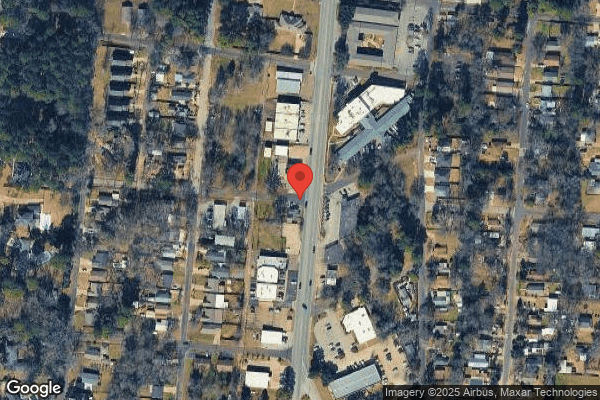
Sept 2024 1 deficiency
CONCERN (D) 📢 Someone Reported This

A family member, employee, or ombudsman was alarmed enough to file a formal complaint

Potential for Harm - no one hurt, but risky conditions existed

Comprehensive Care Plan (Tag F0656)

Could have caused harm · This affected 1 resident

**NOTE- TERMS IN BRACKETS HAVE BEEN EDITED TO PROTECT CONFIDENTIALITY** Based on observation, interview, and record review, the facility failed to develop and implement a comprehensive person-centered...

Read full inspector narrative →
**NOTE- TERMS IN BRACKETS HAVE BEEN EDITED TO PROTECT CONFIDENTIALITY** Based on observation, interview, and record review, the facility failed to develop and implement a comprehensive person-centered care plan to meet each resident's medical, nursing, mental and psychosocial needs for 1 of 5 residents reviewed for care plans. (Resident #1) The facility failed to develop and implement the comprehensive person-centered care plan for Resident #1 by not documenting foley catheter changes. This failure could place residents at risk of not having individual needs met, a decreased quality of life, and cause residents not to receive needed services. Findings include: Record review of a face sheet dated 11/7/22 revealed Resident #1 was [AGE] years old and was admitted on [DATE] with diagnoses including Obstructive and Reflux Uropathy (A blockage in the urinary tract that prevents urine from flowing normally. This can cause urine to back up into the kidneys, which can damage them.), COPD (Chronic obstructive pulmonary disease is a chronic lung disease that makes it difficult to breathe), Benign Prostatic Hyperplasia with lower Urinary Tract Symptoms (Benign prostatic hyperplasia (BPH) is a condition that occurs when the prostate grows and compresses the bladder and urethra, causing lower urinary tract symptoms). Record review of the Quarterly MDS dated [DATE] indicated Resident #1 was understood and understood others. The MDS indicated a BIMS of 12 indicating moderate cognitive impairment. The MDS indicated Resident #1 used a foley catheter. Record review of physician's orders for Resident #1 dated 08/6/24 indicated an order for Foley Catheter and Drainage Bag - change q month and PRN every night shift starting on the 14th and ending on the 15th every month related to OBSTRUCTIVE AND REFLUX UROPATHY, UNSPECIFIED (N13.9) AND as needed. Record review of a care plan dated 09/09/24 indicated Resident #1 had a problem with toilet use due to an ADL self-care deficit. TOILET USE: Resident #1 is incontinent of bowel. Has a supra-pubic foley (medical device that helps drain urine from your bladder) for bladder CNA elimination. Requires staff assist for clothing and cleansing. Toilet hygiene: dependent. Care plan did not indicate how often to change Resident #1's catheter. Record review of Resident #1's electronic health records, progress notes, revealed no indication that Resident #1's catheter had been changed from 1/1/2024 to 9/5/2024. During an interview and observation on 9/5/24 at 11:35 a.m ., LVN A said she would document on Resident #1's Catheter bag when it was last changed, but not everybody would do that . Resident #1 was observed to have a foley catheter, no documentation on catheter bag. Yellow urine with small amount of white sediment was in tubing and bag. LVN A said she could not say when the catheter was last changed that she would have to do some research. During an interview on 9/5/24 at 12:25 p.m., LVN A said catheter care would be documented if there was something abnormal with a catheter change. She said that if the change went smoothly with no issues, then the catheter change would not be documented in the residents progress notes. She said that the order for Resident #1's catheter change said that Resident #1's catheter should be changed on the 14th or PRN. She said that it had not been documented anywhere that resident #1 has had a catheter change. She said that his catheter tubing was not labeled either which would have indicated when it had last been changed . She said if she changed a resident's catheter she would write on his tubing or bag the date it was changed. She said at this time there was no way to determine the last time Resident #1 had a catheter change. During an interview on 9/9/24 at 1:12 p.m. with the DON she said care plans were developed by the facilities interdisciplinary team. She said it was the responsibility of any nurse to ensure that Resident #1's catheter was changed, and that change was documented. She said that if facility staff failed to document a catheter change then other staff would not know if a catheter change had been completed or not. She said this could place the resident at risk for UTIs for either late changes or too frequent catheter changes. During an interview on 9/9/24 at 1:16 p.m. with the ADM he said that it was the responsibility of his nursing staff to document and change Resident #1's catheter. He said that if his staff did not document resident's catheter changes then other staff would not know if the task had been completed or not. He said this could have placed residents at risk for urinary tract problems. Review of a facility policy titled, Catheter - Indwelling, Insertion of dated June 2020 indicated, To relieve bladder distention, to obtain a urine specimen for diagnosis testing and/or to maintain constant urinary drainage Document the following in the resident's medical record: Type and size of catheter inserted, Date and time of catheter insertion, Urine return and characteristics, color, and odor, if any, Amount of urine prior to residual catheterization and, Any difficulties or discomfort . Review of a facility policy titled, Care Planning dated December 2020 indicated, To ensure that a comprehensive person-centered Care Plan is developed for each resident based on their individual assessed needs The Facility will develop a person-centered Baseline Care Plan for each resident within 48 hours of admission. The Baseline Care Plan will include at least the following information: Initial goals based on admission orders, Physician orders.
Sept 2024 1 deficiency
CONCERN (D) 📢 Someone Reported This

A family member, employee, or ombudsman was alarmed enough to file a formal complaint

Potential for Harm - no one hurt, but risky conditions existed

Accident Prevention (Tag F0689)

Could have caused harm · This affected 1 resident

**NOTE- TERMS IN BRACKETS HAVE BEEN EDITED TO PROTECT CONFIDENTIALITY** Based on interview and record review, the facility failed to ensure a resident received adequate supervision to prevent accident...

Read full inspector narrative →
**NOTE- TERMS IN BRACKETS HAVE BEEN EDITED TO PROTECT CONFIDENTIALITY** Based on interview and record review, the facility failed to ensure a resident received adequate supervision to prevent accidents for 1 of 5 residents reviewed for accidents (Resident #14). The facility failed to ensure Resident #14 who was identified as high fall risk, confused, unable to be assessed for ability to sit to stand due to medical condition and safety concerns, and required wheelchair was monitored more closely to prevent falls or injury. This failure could place residents at risk for injury or harm. Findings included: Record review of Resident #14's face sheet dated 9/3/2024 indicated she was a [AGE] year-old female admitted to the facility on [DATE]. Some of her diagnoses were traumatic subdural hemorrhage with loss of consciousness of 30 minutes or less, subsequent encounter (a type of bleeding near the brain that can happen after a head injury), dementia (general term for impaired ability to remember, think, or make decisions that interferes with doing everyday activities), depression (mood disorder where a person experiences persistent sadness), other seizures (a period of symptoms due to abnormally excessive neuronal activity of the brain), muscle wasting and atrophy (the wasting or thinning of muscle mass due to disuse or nerve problems), weakness, and reduced mobility (difficulties in movement). Record review of Resident #14's admission MDS dated [DATE] indicated a BIMS score of 1 (severely cognitively impaired). The MDS did not indicate any wandering or behavioral symptoms. The MDS indicated the resident was always incontinent of bowel and bladder and required partial assistance from another person to complete any activities. Record review of Resident #14's baseline care plan dated 9/2/2024 indicated the resident was confused and required substantial to maximal assistance with self-care, bed mobility, sitting to lying, and lying to sitting on the side of the bed. The resident was not assessed for functional ability to sit to stand or walk due to medical condition or safety concerns. The baseline care plan indicated Resident #14 was alert and cognitively impaired. The resident was prescribed one psychotropic medication, Zoloft, and had a history of falls. Record review of Resident #14's care plan initiated on 8/31/2024 and revised on 9/3/2024 indicated the resident was high risk for falls related to confusion. Interventions included to anticipate and meet the needs of the resident, call light within reach, educate the resident, family, and caregivers about safety reminders and what to do if a fall occurs, provide a safe environment with even floors, free from spills and clutter, adequate lighting, reachable call light, bed in low position, handrails on walls, and personal items within reach. Record review of Resident #14's hospital records dated 8/12/2024, Resident #14 was discontinued from levetiracetam 500 mg tablet for seizures. Record review of Resident #14's Fall risk assessment dated [DATE] indicated the resident was always disoriented x3, chairbound, and required assistance with toileting. Resident #14's fall risk score was 13 indicating she was at high risk for falls. Record review of Resident #14's nursing note dated 9/1/2024 at 4:06 PM indicated LVN E was alerted that Resident #14 was on the floor. LVN E went down to assess the resident and found Resident #14 on her right side, head toward the foot of the bed. LVN E proceeded to assess Resident #14 and her range of motion in all extremities. Resident #14 was observed awake and alert to self with confusion. When LVN E asked what happened, Resident #14 said I was trying to go home. Resident #14 had complaints of her head hurting and stated she thought she hit it. During an interview on 9/3/2024 at 1:55 PM, LVN D said she was the admitting nurse for Resident #14. She said she performed an assessment on the day of admission and Resident #14 had advanced dementia and required significant cueing. LVN D said the resident would just look at her food and the staff would have to prompt her to eat. LVN D said the resident was incontinent. LVN D said the fall precautions in place upon admission were keeping bed in low position, call light within reach, and resident received a scoop mattress. LVN D said she thought Resident #14 was moderate to high risk for falling at the time of her assessment. LVN D said she did not observe Resident #14 use her call light due to the family being in the room with resident. LVN D said family would step out and get her if the resident needed anything. LVN D said Resident #14 had a BIM score of 1. She said Resident #14 had a subdural hematoma that was evacuated with incision site derma bonded with no issues or concerns at the site. LVN D said she was not at the facility when Resident #14 fell . During an interview on 9/3/2024 at 2:08 PM, LVN E said she was the nurse caring for Resident #14 the day of her fall. LVN E said she found Resident #14 on the floor closest to the window area and resident's head was at the foot of the bed. LVN E said she picked Resident #14 up and sat her up to assess her. LVN E said Resident #14 had full range of motion and she put her back to bed. LVN E said Resident #14 was complaining of pain 6/10 and then told Emergency Medical Services she could not recall if she was having pain. LVN E said Resident #14 did not have a fall mat next to her bed. LVN E was not sure why Resident #14 did not have a fall mat but stated most places she has worked, would place a fall mat next to a resident's bed on their first day if they were disoriented . During an interview on 9/3/2024 at 2:15 PM, the ADON said assigning a resident room was based on the need and availability. The ADON said if we see an issue, then we can move a resident around and accommodate their needs. The ADON said the facility assigns new resident's rooms during their standup meeting. The ADON said initially the facility does not place fall mats. She said they determine if the resident tries to get up. The ADON said she did not feel a fall mat would have helped the resident. The ADON said the facility initiated the fall risk for residents on their baseline care plan and kept the call light within reach. The ADON said she was not sure if Resident #14's call light was within reach at the time of her fall. During an interview on 9/3/2024 at 2:29 PM, the DON said she was not at the facility when Resident #14 fell. The DON said Resident #14 fell on Sunday evening and the nurse on the unit notified her of the fall. The DON said Resident #14 was admitted for a traumatic brain injury (TBI) with a diagnosis of seizures due to the TBI. The DON said Resident #14 was not taking any medications for seizures and it was discontinued at the hospital. The DON said once the nurse completes a head-to-toe assessment, then the nurse can assist the resident up if no injuries were evident. The DON said Resident #14 was interacting with her on Friday and remembered her name. The DON said Resident #14's resident representative voiced concern about Resident #14 rolling out of bed and she decided to obtain a scoop mattress. The DON said the facility used fall mats on at risk residents but stated that a fall mat could be a fall risk for some residents. The DON said a marketer who was clinical usually was the one who assigned the resident rooms. The DON said she was not sure if the other marketer who assigned the room for Resident #14 was clinical. The DON said Friday, the resident remembered her name and she did not feel the resident needed to be closer to the nurse's station. During an interview on 9/3/2024 at 3:29 PM, admission Coordinator G said she had worked for the facility for 28 years. She said she was not clinical and did not have credentials. The admission Coordinator G said the facility did not have any rooms available closer to the nurse's station and made the decision to place the resident across from the DON's office. The outreach marketer said she felt it was a good selection for Resident #14 since people were coming in and out of the area and Resident #14 had visitors. The admission Coordinator G said she was not responsible for determining if a resident needed a fall mat, it was determined by the nurses after a head-to-toe assessment . During an interview on 9/4/2024 at 1:51 PM, the DON said she expected the nurses and staff to follow the fall policies and procedures. She stated she expected the nurses to complete an assessment. The DON said she would expect the nurses to notify her to determine what was best for the residents. The DON said the facility does not always place high risk residents at the nurse's station. She said they will place the residents across from staff offices or high traffic areas, it was a case-by-case situation. The DON said the facility staff increase their visual checks to ensure the residents were checked on. The DON said rounding was every 2 hours and more frequently on high-risk residents. The DON said the weekend charge nurse had access to her office on Friday. The DON said she felt Resident #14 was placed in a high traffic area near her office was appropriate. The DON said she made decision for the scoop mattress after the resident representative had concerns about Resident #14 rolling out of bed. The DON said the fall mats could cause them to trip, so she was attempting what was safest for the resident for now. The DON said the staff have been in-serviced on fall precautions. During an interview on 9/4/2024 at 2:02 PM, the ADM said he was notified that Resident #14 was discharged from the local hospital and being care flighted to another hospital. The ADM felt Resident #14 was appropriately placed in the room in a high traffic area. The ADM said he has seen several high acuity residents in the room Resident #14 was placed. The ADM said he did not like fall mats because they were thick, and he said he found them counterproductive and was not a fan. The ADM said he felt starting out with the scoop mattress provided the higher level of protection. The ADM said Resident #14 was just admitted and was not a frequent faller according to his communication with the DON regarding Resident #14's history. The ADM said he did not know if Resident #14 fell in her home resulting in her subdural hemorrhage and thought the hematoma was an ongoing issue. The ADM said the facility provided progressive interventions and hopefully it showed improvement in falls . Record review of facility's policy revised on 8/2020 titled Fall evaluation and prevention indicated the purpose was to ensure that the resident's environment remains as free of accident hazards as is possible, and that each resident receives adequate supervision and assistance to prevent accidents. The facility will evaluate resident for their fall risk and develop interventions for prevention. Upon admission, the nursing staff or interdisciplinary team should determine if a resident is at risk for falls and developing appropriate interventions based on the evaluation. The staff should not utilize a restraint to prevent falls unless they receive written documentation to support the use of the restraint. The care plan should only specify a few interventions at a time so the staff can determine what intervention is not successful and needs to be changed. Procedure: A resident should be evaluated for their fall risk On admission .readmission .following any change in status that may affect balance, mobility, or safety following a fall .quarterly .Risk factors associated with a fall . gait and balance disorder .muscular weakness . dizziness or vertigo . confusion .stroke . Parkinson's disease . vision and hearing impairment .seizure disorder .depression .previous falls .certain medication classes such as antipsychotics, sedatives, tricyclic antidepressants, anxiolytics, certain antihypertensives including diuretics that cause or exacerbate orthostatic hypotension, the use of 5 or more different medications. Intervention suggestions for fall prevention: orient resident to room on admission and re-admission . demonstrate use of nurse call system and ensure call cord within reach at all times .place assistive devices within reach .evaluate medications .evaluate socks and shoes to determine if they are skin resistant, position the bed so that the exit is toward the resident strong side .refer to PT or OT. Following a fall: Evaluate the resident promptly to identify and treat injuries. The resident should not be moved until the licensed nurse has evaluated their condition .Evaluate the environment where the fall occurred, noting any factors that may have contributed to the fall .Ask the resident what happened prior to the fall .Complete the accident and incident report and notify physician and responsible party .If the fall was unwitnessed, initiate the investigation including witness statements from staff and residents .
Aug 2024 2 deficiencies 1 IJ
CRITICAL (J) 📢 Someone Reported This

A family member, employee, or ombudsman was alarmed enough to file a formal complaint

Immediate Jeopardy (IJ) - the most serious Medicare violation

Accident Prevention (Tag F0689)

Someone could have died · This affected 1 resident

**NOTE- TERMS IN BRACKETS HAVE BEEN EDITED TO PROTECT CONFIDENTIALITY** Based on observations, interviews, and record review the facility failed to ensure a resident received adequate supervision to p...

Read full inspector narrative →
**NOTE- TERMS IN BRACKETS HAVE BEEN EDITED TO PROTECT CONFIDENTIALITY** Based on observations, interviews, and record review the facility failed to ensure a resident received adequate supervision to prevent accidents for 1 of 7 residents reviewed for accidents (Resident #1). The facility failed to ensure Resident #1 who was identified as confused and a wanderer and had increased confusion was monitored more closely. Resident#1 was found on a high traffic street in a wheelchair in the street, with no sidewalk and a few inches for a holder on 7/27/24. The facility staff did not know the resident had eloped, or exactly how he left the facility. An Immediate Jeopardy (IJ) was identified on 07/31/24. While the IJ was removed on 08/01/24, the facility remained out of compliance at a scope of isolated and a severity level of no actual harm with potential for more than minimal harm that was not immediate jeopardy due to the facility's need to complete in-service training and evaluate the effectiveness of the corrective systems. This failure could result in serious harm and possible death of a resident. Findings included: Record review of Resident #1's face sheet dated 7/30/24 indicated he was an [AGE] year-old male admitted to the facility on [DATE]. Some of his diagnoses were cognitive communication deficit, muscle weakness, unsteadiness on feet, lack of coordination, and stroke. Record review of Resident #1's quarterly MDS dated [DATE] indicated a BIMS score of 3 (severely cognitively impaired.) The MDS did not indicate any memory problems, mood issues or behavioral symptoms. The resident required partial to moderate assist with the helper doing less than half the effort for transfers and sit to stand. Record review of Resident #1's care plan dated 2/28/24 and last revised on 5/28/24 indicated a Focus area of impaired cognitive function or impaired thought process related to a stroke. He wandered into other resident rooms and used the bathroom. He urinated on his jacket and would not allow it to be cleaned. One of the interventions was to redirect the resident when he wandered into other rooms. A Focused area dated 7/27/24 and last revised 7/30/24 indicated Resident #1 was at risk for elopement related to Elopement Risk sore. He had a wander guard in place. Some of the interventions were engage the resident in activities of his choice. Report to MD factors for potential elopement such as wandering, repeated request to leave the facility, and attempts to leave. Ensure the wander guard was in place. Record review of Resident #1's Elopement Risk Evaluation dated 5/19/24 indicated a score of 1 with no risk of elopement. The form indicated if there was a yes to question 1 or 2 then the form was complete. Question one indicated the resident was able to make decisions regarding task of daily living and decisions were consistent and reasonable. The question was answered yes. However, additional information indicated the resident was at risk for elopement related to Elopement Evaluation risk score, the goals were he would remain safe within the facility unless accompanied by staff or authorized persons. The intervention was to engage the resident in actives of his choice. Record review of Resident #1's Elopement Risk Evaluation dated 7/27/24 indicated a score of 15 (imminent Risk for elopement.) The form indicated Resident #1 was unable to make decisions regarding task of daily living, and he was unable to ambulate. The patient was cognitively impaired and had a history of leaving the community without informing staff. Additional information the resident is an elopement risk related to Elopement Evaluation risk score. Record review of Resident #1's nursing note dated 7/27/24 at 12:37 a.m. indicated the resident continued day 10 of 10 of an antibiotic for UTI. He was pleasantly confused and was out of bed and self-propelling using his lower extremities about the facility. He had his clothes piled up in his wheelchair and was sitting on them as if they were a cushion. It was difficult to re-direct the resident, and he did not know what time it was. He was also redirected due to the fact that he would stand and attempt to walk, and it looked like he was having balance issues. He was frequently reminded to sit in his wheelchair. Will continue to monitor. Record review of Resident #1's History for Police Event (#242090341) indicated on 7/27/24 at 4:18 p.m. they received a call a resident had rolled away from the nursing home. At 4:19 p.m. the caller said the resident is in the middle of the street and they are trying to get him out of the roadway. They have blocked traffic to get him moved. At 4:31 the patent was rolled back to the location by staff who did not know he had even left. At 4:33 p.m. Resident #1 said he was out to see a friend at the apartments next door. He was advised that it was dangerous out on the roadway with vehicles. He was assisted back to facility. The resident said he would never do that again and that it was scary. Record review of an incident report dated 7/27/24 at 4:28 p.m. indicated Resident #1 was reported by and off duty staff member to be outside in the area adjacent to the facility in his wheelchair rolling himself with his feet. The resident was returned to the facility by law enforcement and wheeled to his room. The resident was asked how he was able to leave the facility and he stated he just went out the door himself. When the resident was asked how he opened the door he said you do not need a code to open the door from the inside. When the resident was asked what door, he went out. He said he went out the front door. When the resident was asked how he got down the stairs he said he did not go down any starts he was on the ground floor, the resident was confused and not aware of the current situation. The form indicated the resident was oriented to person, impulsive with a lack of safety awareness. Predisposing environmental factors were recent illness, confusion, and impaired memory. Predisposing situational factors where the resident was a wanderer. Record review of a one-to-one activity dated 7/27/24 at 4:30p.m. indicated Resident #1 was paced on one-to-one observation for 24 hours after eloping. Record review of a nursing note dated 7/27/24 at 5:00 p.m. indicated Resident #1 had a skin assessment completed upon return to the facility, there was no bruising, no abrasions noted, and no signs and symptoms of injury or trauma. Record review of Resident #1's computerized physician orders dated 7/27/24 indicated, may have wander guard due to potential elopement. Record review of a nursing note dated 7/27/24 at 10:50 p.m. indicated the resident was sitting on the side of the bed pleasantly confused. He was one on one active with wander guard to the right ankle in place. There had been no attempts to elope at that time. Record review of Resident #1's nursing note indicated it was created on 7/30/24 at 10:09 a.m. the effective date was 7/27/24 at 6:00 p.m. The note indicated at approximately 4:10 p.m. to 4:15 p.m. the resident was observed by CNA wheeling himself down the hall passed the nurses station toward the common area of the 200 hall. At approximately 4:30 p.m. he was returned to the facility and assessed. The patient remained in the building with no further incidents. Signed by LVN A. Record review of statements dated 7/27/24 from CNA I and CNA L that placed the resident in and around the 200 hall about 4:15 p.m. The facility provided a timeline for their investigation 8/1/24 at 12:30 p.m. with no date. The typed form indicated on 7/27/24 at 4:15 CNA I noted Resident #1 self-propelling self in wheelchair in hallway. At 4:18 p.m. CNA L noted Resident #1 sitting at the dining room table. Between 4:10 p.m. and 4:20 p.m. the family of another resident was noted in and out of the 300-hall door moving a resident belonging. At 4:26 p.m. Resident #1 was brought back to the facility by the police. With no signature. During an interview on 7/30/24 at 9:28 a.m. the ADON P said Resident #1 was the resident that the police bought back on 7/27/24 and he was just on the side of the building. She said to the best of what they could figure out there was a family in the building picking up a resident's belonging, she said they felt like Resident #1 had gone out the door by kitchen/ nurses' station with those family members on 300 hall. She said Resident #1 was not considered at risk for wandering until 7/27/24. She said Resident #1 was confused at times but had never tried to leave. She said the nurse on duty LVN A said the police brought the resident back and only waved at her. The nurse said the floor tech brought Resident #1 back into to the facility. During an interview on 7/30/24 at 9:45 a.m. Resident #1 said he did not remember leaving the facility on 7/27/24. He could not say where he lived now or where he used to live. He only said, I live here. He did say he used to go fishing every day and told fish stories. He was confused. During an interview on 7/30/24 at 9:55 a.m. LVN B said Resident #1 was confused. She said she had never heard him say he was going to leave. She said a while back he thought his family was coming to take him home. He would pack his clothes and say he was waiting on his family to come and get him. She said he would place his clothes in the chair behind him. However recently he had not said anything about leaving. During a telephone interview on 7/30/24 at 10:47 a.m. LVN A said on 7/27/24 around 4:00 p.m. LVN A said she was doing last med pass. She saw Resident # 1, he had been up and down the hallway all day, and she kept an eye on him due to his increased confusion. LVN A said Resident #1 had a UTI and had just finished antibiotics. She said he was wandering up and down the halls more than usual. LVN A said a group of family came to get another resident's belonging. She said Resident #1 had gone to the common area and the several members of a family walked in from the 300-hall. The LVN said she did not hear any alarms going off. She said the family members had been in and out of the facility multiple times. She said the doors were all locked and it was not easy to get out of the facility. She said another nurse called and said Resident #1 was outside about 4:28 p.m. She said she left by the side door of the 200-hall floor. LVN A said when she saw Resident #1, he was between the building parking lot and the apartment building across the street. She said when she saw him, he was being wheeled up the ramp by Floor Tech C. LVN A said the Police had him and the floor tech went and got him. She said the police did not ask her name or speak to her, they only waved and left. She said she had tried to complete a skin assessment on Resident #1 but as soon as she removed one piece of clothing, he was putting another piece of clothes on. She said Resident #1 did not complain of any pain to her. She said Resident #1 told her he went out the ground floor. However, he could not because there were steps down to the ground level on the first floor. She said he exit to parking lot on the 300-hall looked like it is at the ground level. She said the family removed a lot of stuff, gave two big boxes and a couple of trash bags, and their hands were full. LVN A said they may not have seen the resident exit the facility with them. She said that was the way the staff pieced together Resident #1's possible exit. LVN A said she had texted ADON P to let her know the family had come to get the resident things at 4:17 right before the family left. She said she received a call on 7/27/24 at 4:28 p.m. and was notified Resident #1 was missing and outside with the police. She said that either way he went out the door would have been downhill. She said she had never seen him stand or walk. During an interview on 7/30/24 at 12:25 p.m. the Administrator said he knew Resident #1 had left the faciity on 7/27/24. He said they had come to the conclusion he was not trying to elope. He said no staff he interviewed had seen him exit the building, but they felt he had got caught up in the traffic of the family leaving the facility. The Administrator said they did not think Resident #1 was trying to elope, and he was found by the apartments across the street. He said the staff did not know he was gone. He said he was not aware of the police saying anything about where he was found but they believed from what the nurse said he was just across the street and not on the main street in front of the facility. The Administrator said he was the abuse coordinator. He said they deliberated calling Resident #1's elopement, but Resident #1 did not have an intent to leave and he was only gone a short time. He said Resident #1 was only gone about 10 minutes as best they could determine with staff interviews. So he had not reported the incident to the State agency. He said he had not talked to Floor Tech C. During a telephone interview on 7/30/24 at 12:35 p.m. Floor Tech C said he was upstairs on the second floor on 7/27/24. He said he was not sure of the time, but he was looking out the patio doors and he saw several police cars. He said a female officer was approaching the front door and he went down to answer the door. He said there were 3 police cars and one emergency vehicle parked by the corner of the facility. He said the officer wanted to know if Resident #1 was their resident. He said they wanted someone to escort Resident #1 back in the building. He said when he saw Resident #1, he was on the major street by the facility. Floor Tech C said Resident #1 said he hurt his hand because he could not stop his wheelchair from going down the hill so fast. He said the resident had passed the facility, crossed the street on the same side of the street, and had rolled down to almost the next street. He said he had turned around somehow but he was in the street because there was no sidewalk. Floor Tech C said Resident #1 said he was glad he did not get by car. He said Resident #1 said he was glad they had come to get him because he was scared a car was going to hit him. The Floor Tech said Resident # 1 was trying to figure out why so many police were there. He said he had wheeled Resident #1 back into the facility from the wheelchair access on the side of the building. He said no one had asked him where the resident was located when he got him from the police. During an interview on 7/31/24 at 10:58 a.m. the Administrator said he had done an investigation regarding Resident # 1 leaving the facility. He said that he had interviewed staff on duty, and they were very direct on the time that they had last seen the resident. He said he did not interview the Floor Tech C, no one had told him was really involved with the incident. He was told a Floor Tech brought Resident # 1 back into the facility. He said CNA I said that she had last seen the resident between 4:10 p.m. and 4:15 p.m. He said LVN A said that she had gotten a call at 4:28 saying that the police had the resident outside. The Administrator said he said that he had not attempted to contact the family because they had just lost a relative. He said that he felt that Resident #1 had got caught up in the door when the family was leaving. He said the family should not have had a code and he does not know who let them in and who let them out or who let the resident out of the facility. During a telephone interview on 7/27/24 at 12:50 p.m. the family member of another resident said they were at the facility on 7/27/24 to pick up their family members belongings. The family member said they did not see a resident go out of the facility with them. She said they did not have a code for the doors, she said a facility staff had to let them in and out of the facility. She said Resident #1 was on the highway when they were leaving the facility. She said when they saw him his wheelchair appeared to be stuck in a rut. She said he could not move, and a family member had called the police. The family member said Resident #1 was down the street with no sidewalk. The family member said when they asked him where he was going, he said he just left and did not want to get hit by a car because they were driving by fast. The family member said about 3 officers and EMS showed up. The family member said Resident #1 told one of the officers watch his leg because he had fallen. During an interview on 7/31/24 at 11:20 a.m. the DON said Resident #1 was more confused since he had a UTI. During an interview on 8/1/24 at 12:30 p.m. the Administrator he had not called the incident in regarding Resident #1, but he realized it should have been called into the state. He said he realized also that he did not take all the steps to complete a thorough investigation. He said from his initial reports it appeared the resident only made it across the street to the apartments and did not get to the stop sign on the main street. During an interview on 7/31/24 at 9:20 a.m. LVN F said she worked at the facility 5 years. She said the door by the nurse's station on the 300 hall was always locked. She said she had never given out the code to any family members. The LVN F said she had worked on 7/27/24 on the 300 hall. She did not see anyone coming or going. She said around 4:00 p.m. to 4:30 p.m. she was down the hall passing medications. She said on 7/27/24 they had two nurses and three aides. She said she did not see a family come in, she did not let them in, and she did not see them leave. She said she did not hear any alarms. When the door is opened it will alarm. She said she did not see any residents exiting the door either. During an observation and interview on 07/31/24 at 9:30 a.m., the Maintenance Supervisor showed the exits on the first floor required walking down stairs or exit into a courtyard. The exits on the second floor required walking downstairs or using the elevator to get downstairs to the first floor. The exit in the dining room that went to the smoke break area opened into a courtyard that was gated. Observation of the 300 hall showed all three exit doors had coded locks on the doors. The door to the parking lot right beside the nurse's station was the most used according to the Maintenance supervisor. He said the door to the west end of the hall was used mostly by laundry because that was where it exited to. The door to the East end of the hall was used mostly by maintenance. The door by the 3d floor nursing station was used by families and staff to enter and exit and that door required a code. The outside of the facility revealed the facility sat at the corner of an intersection. The facility sat on a hill so the driveway to get to the street and the sidewalk on the side of the facility were both downhill. The side of the facility faced a busy street with 3 lanes of traffic and a speed limit of 40 miles an hour. The facility was between two hospitals, it has a highway to the south and the cities loop to the north. The street was crowed with physician offices and business. The front of the facility faced a side street and across that street were some apartments. The front of those apartments also faced the street with the high-volume traffic and there was no sidewalk in front of the apartments and only a 21-inch shoulder. The Maintenance Supervisor said most wheelchairs were 22 inches wide. The side of the facility with the busy street had a sidewalk that measured 4 feet 10 inches at the widest and 3 feet 11 inches where an electric pole took up part of the sidewalk. At the end of the sidewalk, it measured 4 feet 1 inch. The drop off from the sidewalk to the street was 11 inches at the steepest point and 5 inches at the shortest point. If the resident had rolled down hill, he would have had to come off the sidewalk and cross the two-lane residential street. Once he crossed that street there was no more sidewalk. According to interview and a picture taken by a passerby, Resident #1 had rolled his 22-inch wheelchair down a 21-inch shoulder about 125 yards (same size block as the facility- about the length of a football field) and turned around somehow and was headed back toward the facility. During an interview on 7/31/24 at 9:50 a.m. CNA H said that Resident #1 was not on any kind of monitoring prior to 7/27/24 She said that he would get his clothes and sit on them. She said he would go another residence rooms and sometimes. CNA H said Resident #1 would say that he was going to leave on occasion. She said he was confused and would call her his granddaughter. During an interview on 7/31/24 at 10:05 a.m. LVN E said she had worked at the facility on 7/27/24. She said she knew about 4:00 p.m. she started medication pass. She said at that time the family was at the facility to get the belongings of a resident. She said she saw Resident #1 in the sitting area talking to another resident and it was not 15 minutes later that they got the notification he was outside. She said that the family was there, and they were going in and out gathering a resident's things and Resident #1 may have gone out with them. LVN E said Resident #1 had just stopped taking antibiotics for UTI. She said he had intermittent confusion. During an interview on 7/31/24 at 10:58 a.m. the Administrator said he had done an investigation regarding Resident # 1 leaving the facility. He said that he had interviewed staff on duty, and they were very direct on the time that they had last seen the resident. He said he did not interview Floor Tech C, no one had told him that he was really involved with the incident. He was told a Floor Tech brought Resident # 1 back into the facility. He said CNA I said that she had last seen the resident between 4:10 p.m. and 4:15 p.m. He said LVN A said that she had gotten a call at 4:28 saying that the police had the resident outside. The Administrator said that he had not attempted to contact the family because they had just lost a relative. He said that he felt that Resident #1 had got caught up in the door when the family was leaving. He said the family should not have had a code and he does not know who let them in and who let them out or who let the resident out of the facility. During an interview on 7/31/24 at 11:20 the DON said she thought the family that was moving a former residents' things had the code to the door because the family would come up to the facility at all hours of the night. She said she was not certain, but she also did not know how Resident #1 got out of the facility. The DON said Resident #1 was more confused since he had a UTI. During an interview on 7/31/24 at 12:55 p.m. LVN E on the 200 hall said the Elopement Book at the nurses station on 2nd floor did not have Resident #1's information but it would only take her a few minutes to put it in the book. On 7/31/24 at 3:50 p.m. the DON said Resident #1's Elopement assessment dated [DATE] was incomplete and inaccurate. She said the former interim DON had not filled the form out incorrectly. She said the form should be filled out according to the actions of the resident actively trying to exit the facility. The DON said the form should not be filled out because the resident wandered through out the facility. She said Resident #1 had a history of wandering into other residents rooms but not exit seeking behaviors. During an interview on 8/1/24 at 1:50 p.m. LVN R said she worked on 7/27/24 and was down the hall passing medications around 4:00 p.m. She said she did not see Resident #1. She did not let anyone in or out and she did not hear the door beeping. During an interview on 8/1/24 at 2:02 p.m. CNA S said she worked on 7/27/24 and did not see a family coming in and out. She did not see Resident# 1 and she did not let anyone in or out. During an interview on 8/1/24 at 2:28 p.m. CNA L said she worked on 7/27/24. She saw Resident #1 sitting at the table in the dining room between the 200 hall and 300 hall around 4:15 p.m. She said she knew it was about that time because she had come back off her break. She said she had gone to laundry on 300 hall and had to put the code in the door to exit and enter the door. She said when she came back through Resident #1 was just sitting there. She said he was sitting on some clothes and maybe a blanket. The Family of another resident had come in to get some things and it was 4 or 5 family members. She said she saw LVN A standing down the 200 hall around that time. She said she did not know how Resident #1 got out. During an interview on 8/1/24 at 2:43 p.m. CNA I said she worked on 7/27/24 and saw Resident #1 around 4:15 p.m. by the nurse's station on the 200 hall. She said Resident #1 said earlier in the day he was going to get his kids some school clothes. She said he was confused but he appeared to be okay. She said Resident #1 had confused some visitors with his grandchildren. She said when they brought him back from being outside Resident #1 said he left to go to the hospital. She said Resident #1 said he had burned his hands trying to stop the wheelchair from going downhill to fast, but she did not see anything. Record Review of the facility's Wandering and Elopement policy last revised 8/2020 Indicated the facility would identify residents at risk for elopement and minimize any possible injury because of elopement the procedure was licensed nurses would assess residents upon admission, readmission and quarterly and upon identification of a significant change in condition to determine their risk of wandering/elopement. Residents with a history of wander or who the IDT have assessed to be at risk for wandering or elopement would have a photograph maintained in their medical record and the Elopement /Wandering Risk binder. The Administrator and DON were notified on 07/31/24 at 4:20 p.m. that an Immediate Jeopardy situation was identified due to the above failures. The Administrator was provided the Immediate Jeopardy template on 07/31/24 at 4:20 p.m. and a Plan of Removal was requested. The facility's Plan of Removal was accepted on 08/01/24 at 10:23 a.m. and included: [F689- Supervision to Prevent Accidents 1. The facility failed to put interventions in place to prevent Resident #1, who was confused from eloping. 2. The facility failed to follow their elopement policy 3. The facility failed to determine how Resident #1 eloped Identify residents who could be affected All residents have the potential to be affected. Identify responsible staff/ what immediate action taken 1. Resident #1 elopement assessment and care plan was audited on 7/31/24. 2. Initiated staff interviews and established a timeline of the sequence of events. 3. The DON and Administrator received a 1:1 re-education by the Regional Nurse Consultant on the facility policy and procedure on supervision of a cognitively impaired resident assessed to be at risk for elopement on 7/31/24. 4. Audit Elopement assessments on all residents currently in the facility completed on 07.31.2024. 5. Elopement assessments have been reviewed and or revised and deemed appropriate by the IDT on 7/31/24. 6. All residents triggering at risk for elopement were added to the elopement Book that is kept at each nurse's station. The elopement Book includes the resident's picture and face sheet completed on 7/31/24 7. Staff received re-education by the DON on the facility policy and procedure when resident exhibits exit seeking behavior on 7/31/24. 8. Staff received re-education by the DON on the facility policy and procedure in the event of a missing/wandering resident on 7/31/24. 9. Licensed Nurse and CNAs will complete an exit seeking behavior resident questionnaire starting on 7/31/24 and must complete prior to returning to work. If CNA observes resident exhibiting exit seeking behaviors, CNA will report to charge nurse. 10. The maintenance director has assessed all Exit doors in the facility to ensure that each are operating as manufacture recommendation. 11. Facility IDT has audited all key padded doors, changed codes, and areas of egress to ensure latching and lock functions are operable as designed on 7/31/24 12. Elopement assessments have been reviewed and or revised and deemed appropriate by the IDT. 13. Cameras were installed on the 300 hall exits on 7/31/24 14. A sign was placed at all exit doors reminding visitors to use the main entrance, ensure the doors are closed securely behind them. A sign was placed at all exit doors reminding visitors to use the main entrance, and ensure the doors are closed securely behind them. Staff educated not to give code out to any visitors and redirect family to use main entrance only. Charge nurses to remind families and visitors not allow residents to exit the facility with them and to notify staff if a resident is trying to leave? In-Service conducted In-service was conducted by Director of Nursing 7/31/24. The in-service is on Resident Supervision. The details of the in-service include: ? Walking Rounds ? Visualizing each resident during rounds ? Rounding every 2 hours ? Exit seeking behavior notification to DON and/or Administrator. ? 24hrs report sign off by outgoing nurse and incoming nurse. ? Immediately search the facility, rooms, common areas, perimeter of the building. ? Elopement binders ? Educate weekend supervisor on admission completion and necessary care planning. ? Proper completion of elopement assessments for charge nurses and ADON The in-service was attended by licensed caregivers which include Registered Nurse, Licensed Practical Nurse, Certified Nursing Assistants, Qualified medication tech, Housekeepers, Maintenance, Kitchen Staff. Staff members who are unavailable for training on this date, they will not be allowed to return to work until training is complete. This in-service was initiated on 7/31/24 and completed on 8/1/24. Implementation of Changes The changes were started by the Director of Nursing. The changes were implemented effective on 7/31/24 and will be ongoing until all staff are re-educated. The Director of Nursing will ensure competency through verbalization of understanding by staff and completion of returned questionnaire. Monitoring The Administrator/Director of Nursing/Assistant Director of Nursing will be responsible for monitoring the implementation and effectiveness of in-service on 7/31/24. ? The Administrator/Director of Nursing/Designee will monitor/review each shift change report for signature validation daily x4 weeks, then weekly x2 weeks, then monthly and report any adverse finding during QAPI ? Director of Nursing/Designee will conduct a daily audit of Elopement assessment x4 weeks, then weekly x 2 weeks, then monthly and report any adverse findings during QAPI ? Residents will be monitored by staff every shift for any exit seeking behaviors. Any changes will be reported to the Administrator Director of Nursing/Designee immediately for appropriate action. ? DON/Designee new admissions audit within 24hrs for admission for completion and necessary care plan. Involvement of Medical Director The Medical Director met with the Interdisciplinary team on 7/31/24 and conducted an Ad HOC QAPI regarding Resident #1. The Medical Director was notified about the immediate Jeopardy on 7/31/24, the Plan of removal was reviewed and accepted by the Medical Director. Involvement of QA An Ad Hoc QAPI meeting was held with the Medical Director, facility administrator, director of nursing, and social services director to review plan of removal on 7/31/24. Who is responsible for implementation of process? The Director of Nursing will be responsible for implementation of New Process. The New Process/ system was started on 7/31/24.] Record review of in-service training report dated 7/31/24 indicated the subject was Supervision of Cognitively Impaired Residents (Wandering /Elopement) by the RNC. Attendees were the Administrator and the DON. They were in serviced on the elopement policy and Elopement assessments. Record review of in services dated 7/31/24 indicated the facility staff were educated on Elopement prevention and procedures to include, walking rounds and visual checks of each resident during rounds, rounding every two hours, if exit seeking behaviors are notated notify DON and or Administrator, and the elopement binder. The in service also included [TRUNCATED]
CONCERN (D) 📢 Someone Reported This

A family member, employee, or ombudsman was alarmed enough to file a formal complaint

Potential for Harm - no one hurt, but risky conditions existed

Report Alleged Abuse (Tag F0609)

Could have caused harm · This affected 1 resident

**NOTE- TERMS IN BRACKETS HAVE BEEN EDITED TO PROTECT CONFIDENTIALITY** Based on interview and record review, the facility failed to ensure that all alleged violations involving abuse, neglect, exploi...

Read full inspector narrative →
**NOTE- TERMS IN BRACKETS HAVE BEEN EDITED TO PROTECT CONFIDENTIALITY** Based on interview and record review, the facility failed to ensure that all alleged violations involving abuse, neglect, exploitation or mistreatment, including injuries of unknown source and misappropriation of resident property, are reported immediately, but not later than 2 hours after the allegation is made, if the events that cause the allegation involve abuse or result in serious bodily injury, or not later than 24 hours if the events that cause the allegation do not involve abuse and do not result in serious bodily injury, to the administrator of the facility and to other officials (including to the State Survey Agency) for 1 of 7 residents (Resident #1) reviewed for neglect. Resident #1 was identified as confused and a wanderer and had increased confusion but was not monitored more closely. The facility did not report to HHSC when Resident #1 was discovered in traffic on a busy street on 7/27/24. This failure placed the resident at risk for harm. Findings included: Record review of Resident #1's face sheet dated 7/30/24 indicated he was an [AGE] year-old male admitted to the facility on [DATE]. Some of his diagnoses were cognitive communication deficit, muscle weakness, unsteadiness on feet, lack of coordination, and stroke. Record review of Resident #1's quarterly MDS dated [DATE] indicated a BIMS score of 3 (severely cognitively impaired.) The MDS did not indicate any memory problems, mood issues or behavioral symptoms. The resident required partial to moderate assist with the helper doing less than half the effort for transfers and sit to stand. Record review of Resident #1's care plan dated 2/28/24 and last revised on 5/28/24 indicated a Focus area of impaired cognitive function or impaired thought process related to a stroke. He wandered into other resident rooms and used the bathroom. He urinated on his jacket and would not allow it to be cleaned. One of the interventions was to redirect the resident when he wandered into other rooms. A Focused area dated 7/27/24 and last revised 7/30/24 indicated Resident #1 was at risk for elopement related to Elopement Risk sore. He had a wander guard in place. Some of the interventions were engage the resident in activities of his choice. Report to MD factors for potential elopement such as wandering, repeated request to leave the facility, and attempts to leave. Ensure the wander guard was in place. Record review of Resident #1's Elopement Risk Evaluation dated 5/19/24 indicated a score of 1 with no risk of elopement. The form indicated if there was a yes to question 1 or 2 then the form was complete. Question one indicated the resident was able to make decisions regarding task of daily living and decisions were consistent and reasonable. The question was answered yes. However, additional information indicated the resident was at risk for elopement related to Elopement Evaluation risk score, the goals were he would remain safe within the facility unless accompanied by staff or authorized persons. The intervention was to engage the resident in actives of his choice. Record review of Resident #1's Elopement Risk Evaluation dated 7/27/24 indicated a score of 15 (imminent Risk for elopement.) The form indicated Resident #1 was unable to make decisions regarding task of daily living, and he was unable to ambulate. The patient was cognitively impaired and had a history of leaving the community without informing staff. Additional information the resident is an elopement risk related to Elopement Evaluation risk score. Record review of Resident #1's nursing note dated 7/27/24 at 12:37 a.m. indicated the resident continued day 10 of 10 of an antibiotic for UTI. He was pleasantly confused and was out of bed and self-propelling using his lower extremities about the facility. He had his clothes piled up in his wheelchair and was sitting on them as if they were a cushion. It was difficult to re-direct the resident, and he did not know what time it was. He was also redirected due to the fact that he would stand and attempt to walk and it looked like he was having balance issues. He was frequently reminded to sit in his wheelchair. Will continue to monitor. Record review of Resident #1's History for Police Event (#242090341) indicated on 7/27/24 at 4:18 p.m. they received a call a resident had rolled away from the nursing home. At 4:19 p.m. the caller said the resident is in the middle of the street and they are trying to get him out of the roadway. They have blocked traffic to get him moved. At 4:31 the patent was rolled back to the location by staff who did not know he had even left. At 4:33 p.m. Resident #1 said he was out to see a friend at the apartments next door. He was advised that it was dangerous out on the roadway with vehicles. He was assisted back to facility. The resident said he would never do that again and that it was scary. Record review of an incident report dated 7/27/24 at 4:28 p.m. indicated Resident #1 was reported by and off duty staff member to be outside in the area adjacent to the facility in his wheelchair rolling himself with his feet. The resident was returned to the facility by law enforcement and wheeled to his room. The resident was asked how he was able to leave the facility and he stated he just went out the door himself. When the resident was asked how he opened the door he said you do not need a code to open the door from the inside. When the resident was asked what door, he went out. He said he went out the front door. When the resident was asked how he got down the stairs he said he did not go down any starts he was on the ground floor, the resident was confused and not aware of the current situation. The form indicated the resident was oriented to person, impulsive with a lack of safety awareness. Predisposing environmental factors were recent illness, confusion, and impaired memory. Predisposing situational factors where the resident was a wanderer. Record review of statements dated 7/27/24 from CNA I and CNA L that placed the resident in and around the 200 hall about 4:15 p.m. The facility provided a timeline for their investigation 8/1/24 at 12:30 p.m. with no date. The typed form indicated on 7/27/24 at 4:15 CNA I noted Resident #1 self-propelling self in wheelchair in hallway. At 4:18 p.m. CNA L noted Resident #1 sitting at the dining room table. Between 4:10 p.m. and 4:20 p.m. the family of another resident was noted in and out of the 300-hall door moving a resident belongings. At 4:26 p.m. Resident #1 was brought back to the facility by the police. With no signature. Record review of TULIP ( HHSC system for reporting abuse) indicated no facility report was located for 7/27/24 for Resident #1. During an interview on 7/30/24 at 9:28 a.m. the ADON P said Resident #1 was the resident that the police bought back on 7/27/24 and he was just on the side of the building. She said to the best of what they could figure out there was a family in the building picking up a resident's belonging, she said they felt like Resident #1 had gone out the door by kitchen/ nurses' station with those family members on 300 hall. She said Resident #1 was not considered at risk for wandering until 7/27/24. She said Resident #1 was confused at times but had never tried to leave. She said the nurse on duty LVN A said the police brought the resident back and only waved at her. The nurse said the floor tech brought Resident #1 back into to the facility. During an interview on 7/30/24 at 9:45 a.m. Resident #1 said he did not remember leaving the facility on 7/27/24. He could not say where he lived now or where he used to live. He only said, I live here. He did say he used to go fishing every day and told fish stories. He was confused. During an interview on 7/30/24 at 9:55 a.m. LVN B said Resident #1 was confused. She said she had never heard him say he was going to leave. She said a while back he thought his family was coming to take him home. He would pack his clothes and say he was waiting on his family to come and get him. She said he would place his clothes in the chair behind him. However recently he had not said anything about leaving. During a telephone interview on 7/30/24 at 10:47 a.m. LVN A said on 7/27/24 around 4:00 p.m. LVN A said she was doing last med pass. She saw Resident # 1, he had been up and down the hallway all day, and she kept an eye on him due to his increased confusion. LVN A said Resident #1 had a UTI and had just finished antibiotics. She said he was wandering up and down the halls more than usual. LVN A said a group of family came to get another resident's belonging. She said Resident #1 had gone to the common area and the several members of a family walked in from the 300 hall. The LVN said she did not hear any alarms going off. She said the family members had been in and out of the facility multiple times. She said the doors were all locked and it was not easy to get out of the facility. She said another nurse called and said Resident #1 was outside about 4:28 p.m. She said she left by the side door of the 200-hall floor. LVN A said when she saw Resident #1 he was between the building parking lot and the apartment building across the street. She said when she saw him he was being wheeled up the ramp by Floor Tech C. LVN A said the Police had him and the floor tech went and got him. She said the police did not ask her name or speak to her, they only waved and left. She said she had tried to complete a skin assessment on Resident #1 but as soon as she removed one piece of clothing, he was putting another piece of clothes on. She said Resident #1 did not complain of any pain to her. She said Resident #1 told her he went out the ground floor. However, he could not because there were steps down to the ground level on the first floor. She said he exit to parking lot on the 300-hall looked like it is at the ground level. She said the family removed a lot of stuff, gave two big boxes and a couple of trash bags, and their hands were full. LVN A said they may not have seen the resident exit the facility with them. She said that was the way the staff pieced together Resident #1's possible exit. LVN A said she had texted ADON P to let her know the family had come to get the resident things at 4:17 right before the family left. She said she received a call on 7/27/24 at 4:28 p.m. and was notified Resident #1 was missing and outside with the police. She said that either way he went out the door would have been downhill. She said she had never seen him stand or walk. During an interview on 7/30/24 at 12:25 p.m. the Administrator said he knew Resident #1 had left the faciity on 7/27/24. He said they had come to the conclusion he was not trying to elope. He said no staff he interviewed had seen him exit the building, but they felt he had got caught up in the traffic of the family leaving the facility. The Administrator said they did not think Resident #1 was trying to elope, and he was found by the apartments across the street. He said the staff did not know he was gone. He said he was not aware of the police saying anything about where he was found but they believed from what the nurse said he was just across the street and not on the main street in front of the facility. The Administrator said he was the abuse coordinator. He said they deliberated calling Resident #1's elopement, but Resident #1 did not have an intent to leave and he was only gone a short time. He said Resident #1 was only gone about 10 minutes as best they could determine with staff interviews. So he had not reported the incident to the State agency. He said he had not talked to Floor Tech C. During a telephone interview on 7/30/24 at 12:35 p.m. Floor Tech C said he was upstairs on the second floor on 7/27/24. He said he was not sure of the time, but he was looking out the patio doors and he saw several police cars. He said a female officer was approaching the front door and he went down to answer the door. He said there were 3 police cars and one emergency vehicle parked by the corner of the facility. He said the officer wanted to know if Resident #1 was their resident. He said they wanted someone to escort Resident #1 back in the building. He said when he saw Resident #1, he was on the major street by the facility. Floor Tech C said Resident #1 said he hurt his hand because he could not stop his wheelchair from going down the hill so fast. He said the resident had passed the facility, crossed the street on the same side of the street, and had rolled down to almost the next street. He said he had turned around somehow but he was in the street because there was no sidewalk. Floor Tech C said Resident #1 said he was glad he did not get by car. He said Resident #1 said he was glad they had come to get him because he was scared a car was going to hit him. The Floor Tech said Resident # 1 was trying to figure out why so many police were there. He said he had wheeled Resident #1 back into the facility from the wheelchair access on the side of the building. He said no one had asked him where the resident was located when he got him from the police. During an interview on 7/31/24 at 10:58 a.m. the Administrator said he had done an investigation regarding Resident # 1 leaving the facility. He said that he had interviewed staff on duty, and they were very direct on the time that they had last seen the resident. He said he did not interview the Floor Tech C, no one had told him was really involved with the incident. He was told a Floor Tech brought Resident # 1 back into the facility. He said CNA I said that she had last seen the resident between 4:10 p.m. and 4:15 p.m. He said LVN A said that she had gotten a call at 4:28 saying that the police had the resident outside. The Administrator said he said that he had not attempted to contact the family because they had just lost a relative. He said that he felt that Resident #1 had got caught up in the door when the family was leaving. He said the family should not have had a code and he does not know who let them in and who let them out or who let the resident out of the facility. During an interview on 7/31/24 at 11:20 a.m. the DON said Resident #1 was more confused since he had a UTI. During an interview on 8/1/24 at 12:30 p.m. the Administrator he had not called the incident in regarding Resident #1, but he realized it should have been called into the state. He said he realized also that he did not take all the steps to complete a thorough investigation. He said from his initial reports it appeared the resident only made it across the street to the apartments and did not get to the stop sign on the main street. Record review of the facility Abuse Prevention and Prohibition Program policy last revised 8/2020 indicated Physical Neglect was inadequate provision of care, leaving someone unattended who needed supervision. An investigation consisted of the facility promptly and thoroughly investigating reports of resident neglect. The facility would interview any witnesses. Reportable events that did not result in serious bodily injury the Administrator would make a telephone report in 24 hours.
Aug 2023 16 deficiencies
CONCERN (D) 📢 Someone Reported This

A family member, employee, or ombudsman was alarmed enough to file a formal complaint

Potential for Harm - no one hurt, but risky conditions existed

Deficiency F0558 (Tag F0558)

Could have caused harm · This affected 1 resident

**NOTE- TERMS IN BRACKETS HAVE BEEN EDITED TO PROTECT CONFIDENTIALITY** Based on observation, interview, and record review, the facility failed to ensure residents had the right to reside and receive ...

Read full inspector narrative →
**NOTE- TERMS IN BRACKETS HAVE BEEN EDITED TO PROTECT CONFIDENTIALITY** Based on observation, interview, and record review, the facility failed to ensure residents had the right to reside and receive services in the facility with reasonable accommodation of resident needs and preferences for 2 of 3 residents (Resident #98, Resident #267) reviewed for reasonable accommodations. The facility failed to ensure Resident #98 and Resident#267 call lights were within reach. The facility failed to ensure Resident #98, and Resident #267 had been assessed for the appropriate type of call light. These failures could place residents at risk for unmet needs. Findings included: 1. Record review of a face sheet dated 08/28/23 indicated Resident #98 was a [AGE] year-old male and admitted to the facility on [DATE] with diagnoses including Asperger's syndrome (a developmental disorder affecting ability to effectively socialize and communicate), muscle wasting and atrophy (is the wasting (thinning) or loss of muscle tissue), muscle weakness, slowness and poor responsiveness, limitation of activities due to disability, and need for assistance with personal care. Record review of the quarterly MDS assessment dated [DATE] indicated Resident #98 was sometimes understood and usually understood others. The MDS indicated Resident #98 had adequate hearing, unclear speech, and highly impaired vision. The MDS indicated Resident #98 had a BIMS score of 05 which indicated severe cognitive impairment and required limited assistance for bathing and extensive assistance for bed mobility, dressing, toilet use and personal hygiene. The MDS indicated Resident #98 had limited range of motion to his upper and lower extremities on one side. The MDS indicated Resident #98's mobility device was a wheelchair. The MDS indicated Resident #98 had an indwelling catheter and always incontinent for bowel continence. Record review of the care plan dated 05/03/23 indicated Resident #98 was at high risk for falls. Intervention included be sure the resident's call light was within reach and encourage use for assistance as needed. During an observation on 08/28/23 at 9:43 a.m., revealed Resident #98 was in the bed and his call light was on the floor. During an observation on 08/29/23 at 8:30 a.m., revealed Resident #98 was in the bed and his call light was hanging off the side of the bed, not within reach. During an observation on 08/29/23 at 10:34 a.m., revealed Resident #98 was in the bed and his call light was placed near his contracted right hand. During an observation on 08/29/23 at 6:36 p.m., revealed Resident #98 was in the bed and his call light was on the floor. During an observation on 08/30/23 at 8:56 a.m., revealed Resident #98 was in the bed and his call light was on the floor. During an observation on 08/31/23 at 8:00 a.m., revealed Resident #98 was in the bed and his call light was hanging off the side of the bed, not within reach. During an observation on 08/31/23 at 9:20 a.m., revealed Resident #98 was in the bed and his call light was hanging off the side of the bed, not within reach. 2. Record review of a face sheet dated 08/28/23 indicated Resident #267 was a [AGE] year-old male and admitted to the facility on [DATE] with diagnoses including contractures (is a fixed tightening of muscle, tendons, ligaments, or skin) of right and left shoulder, right and left elbow, right and left hand, left and right knee, limitation of activities due to disability, muscle wasting and atrophy (is the wasting (thinning) or loss of muscle tissue), contracture of muscle of left and right hand, and hypoxic ischemic encephalopathy (is a condition that happens when there is a loss of oxygen and/or reduced blood flow to the brain). Record review of an annual MDS assessment dated [DATE] indicated Resident #267 was rarely/never understood and rarely/understood others. The MDS indicated Resident #267 had adequate hearing and no speech. The MDS indicated Resident #267 was unable to complete the BIMS assessment due to being rarely/never understood. The MDS indicated Resident #267 had short-and-long term memory problems with severely impaired cognitive skills for daily decision making. The MDS indicated Resident #267 required extensive assistance for personal hygiene and total dependence for bed mobility, dressing, eating, toilet use, and bathing. The MDS indicated Resident #267 had bilateral (both sides) upper and lower extremities limited range of motion. The MDS indicated Resident #267 was always incontinent for urinary and bowel. Record review of a care plan dated 11/19/20 indicated Resident #267 was low risk for falls related to no independent movement. Intervention included be sure the resident's call light was within reach and encourage use for assistance as needed. Record review of a care plan dated 02/21/22 indicated Resident #267 had alteration in musculoskeletal status related to bilateral hand contractures due to immobility and disease process. Intervention included apply hand rolls to bilateral hands as recommended. During an observation on 08/28/23 at 9:49 a.m., revealed Resident #267 was in the bed with a push call light clipped to his sheet, not within reach of his hands. In Resident #267's hands were rolled washcloths. During an observation on 08/28/23 at 3:19 p.m., revealed Resident #267 was in the bed with a push call light clipped to his sheet, not within reach of his hands. In Resident #267's hands were rolled washcloths. During an observation on 08/29/23 at 8:34 a.m., revealed Resident #267 was in the bed with a push call light clipped to his sheet, not within reach of his hands. In Resident #267's hands were rolled washcloths. During an observation on 08/29/23 at 10:36 a.m., revealed Resident #267 was in the bed with a push call light clipped to his sheet, not within reach of his hands. In Resident #267's hands were rolled washcloths. During an observation on 08/29/23 at 3:05 p.m., revealed Resident #267 was in the bed with a push call light clipped to his sheet, not within reach of his hands. In Resident #267's hands were rolled washcloths. During an interview on 08/30/23 at 9:03 a.m., CNA A said call lights should be within reach of the residents. She said Resident #98 and Resident #267 should have a touch pad call light instead of the push button. CNA A said the call lights were important for residents to get assistance or call for help. She said all nursing staff was responsible for ensuring call lights were within reach. CNA A said she did not know how residents were assessed to determine if they needed a different type if light. During an interview on 08/30/23 at 2:07 p.m., LVN D said everyone was responsible for making sure call lights were within reach. She said call lights were used so the resident could get help, let staff know if they were in pain or needed incontinence care. LVN D said a touch pad call light would be good for Resident #98, but she did not know if Resident #267 could use a call light. She said the DON should be notified if a resident needed a different type of call light. LVN D said the appropriate type of call lights were important to accommodate the needs of the resident. During an interview on 08/30/23 at 5:36 p.m., the OT Director said she went to evaluate Resident #98 and Resident #267, and they both could push the call light button. During an interview on 08/31/23 at 8:20 a.m., LVN C said everybody was responsible for making sure call lights were within reach. She said nurses were responsible for making sure the resident had the appropriate type of call light. LVN C said Resident #98 and Resident #267 could use the push button call lights. She said she had notified therapy to evaluate Resident #267 to make sure he had the right call light, but she could not remember when. LVN C said the facility recently had a new company take over the therapy department so she could not remember who she told. She said Resident #267 normally had hand rolls and were taken out every 2 hours or so. LVN C said she could see when Resident #267 had hands rolls in place, a push button call light would not work for him. She said call lights were used to call for assistance or when in distress. LVN C said when call lights were not within reach, falls could happen. During an observation on 08/31/23 at 9:16 a.m., revealed Resident #267 was in the bed with a push call light clipped to his sheet, not within reach of his hands. In Resident #267's hands were rolled washcloths. During an interview on 08/31/23 at 9:45 a.m., the DON said all staff were responsible for making sure call lights were within reach. She said a resident admitted with contractures should be evaluated by therapy for call light appropriateness. The DON said after admission, it was a team effort to assess the resident to make sure they had the right type of call light. She said without personally evaluating Resident #98 and Resident #267, she could not say which call light was appropriate for them. The DON said call lights were important to take care of the resident's needs. She said all staff should oversee each other to ensure call lights were placed within reach. The DON said when call lights were not within reach or not the right type of call light, needs cannot be met timely. During an interview on 08/31/23 at 10:41 a.m., the ADM said facility staff were responsible for placing call lights within reach and ensure they were appropriate for the resident. He said call lights were important because residents used them to call for help. The ADM said charge nurses, managers, and facility ambassadors should be overseeing by making rounds. He said call lights not being in reach placed residents at risk for falls or needs not being met. Record review of a facility Resident Rights-Accommodation of Needs policy date revised 08/20 indicated to ensure that the facility provided an environment and services that meet residents' individual needs
CONCERN (D) 📢 Someone Reported This

A family member, employee, or ombudsman was alarmed enough to file a formal complaint

Potential for Harm - no one hurt, but risky conditions existed

Deficiency F0583 (Tag F0583)

Could have caused harm · This affected 1 resident

**NOTE- TERMS IN BRACKETS HAVE BEEN EDITED TO PROTECT CONFIDENTIALITY** Based on observation, interview and record review, the facility failed to ensure residents had a right to personal privacy and c...

Read full inspector narrative →
**NOTE- TERMS IN BRACKETS HAVE BEEN EDITED TO PROTECT CONFIDENTIALITY** Based on observation, interview and record review, the facility failed to ensure residents had a right to personal privacy and confidentiality of medical records for 2 (Resident #81 and Resident #5) of 7 residents reviewed for privacy and confidentiality. ADON K failed to ensure she closed the EMR of Resident #81 before entering his room to obtain a blood sugar check and administer medications. LVN V failed to ensure she closed Resident #5's EMR before entering the supply room and leaving the cart unattended. These failures could place residents at risk for low self-esteem, loss of dignity and decreased quality of life due to medication administration record being accessible to others. Findings included: 1. Record review of Resident #81's face sheet dated 08/30/23, indicated a [AGE] year-old male who admitted to the facility on [DATE] with diagnoses which included quadriplegia (paralysis that affects all four limbs, plus torso), diabetes mellitus (a group of diseases that result in too much sugar in the blood), depression (mood disorder that causes a persistent feeling of sadness and loss of interest), and anxiety. Record review of Resident #81's quarterly MDS assessment dated [DATE], indicated he was able to make himself understood and understood others. The MDS indicated Resident #81 had a BIMS score of 15, indicating his cognition was intact. The MDS indicated he was totally dependent on staff for bed mobility, transfers, dressing, eating, toileting, personal hygiene, and bathing. The MDS indicated he received insulin injections 7 out of the 7 days of the look back period. During an observation on 08/29/23 at 08:30 AM, revealed ADON K entered Resident #81's room to obtain a blood sugar check. ADON K left Resident #81's MAR screen open on her cart facing toward Resident #81's room but far enough someone could have stopped visualized it. ADON K came back to the cart and obtained Resident #81's medications. After obtaining Resident #81's medications, ADON K entered his room to administer the medications leaving the MAR screen open. A staff member came next to the cart waiting on ADON K. Multiple staff members were observed passing down the hallway. During an interview on 08/29/23 at 08:59 AM, ADON K said it was the nurse's responsibility to keep EMR locked when not present. ADON K said she forgot to lock the screen and someone could have seen the resident's information. 2. Record review of Resident #5's face sheet dated 08/30/23, indicated an [AGE] year-old female who initially admitted to the facility on [DATE] and readmitted on [DATE] with diagnoses which included dementia (memory loss), neuromuscular dysfunction of bladder (bladder dysfunction caused by nervous system conditions), diabetes mellitus (a group of diseases that result in too much sugar in the blood) and essential hypertension (high blood pressure). Record review of Resident #5's annual MDS assessment dated [DATE], indicated Resident #5 had unclear speech, was usually understood and usually understood others. The MDS indicated Resident #5 had a BIMS score of 5, which indicated her cognition was severely impaired. The MDS indicated Resident #5 required extensive assistance with bed mobility, dressing, eating, toileting, personal hygiene, and bathing. During an observation and interview on 08/29/23 at 09:17 AM, the 316-331 medication cart was parked outside room [ROOM NUMBER], a supply room. The MAR for Resident #5 was open, turned toward the hall and visible with her information. There was not a staff member present. LVN V came out of the supply room, and said she was the one responsible for leaving the screen with the MAR open. LVN V said she quickly ran to the supply room to obtain a syringe and did not think about closing Resident #5's EMR. LVN V said she was responsible for ensuring the EMR screen was kept locked when not present. LVN V said by not locking the EMR screen the resident's personal information could be seen by others passing by . During an interview on 08/30/23 at 4:50 PM, the ADM said he expected the MAR screen to be closed when the nurses entered the resident's room or if they left the cart unattended. The ADM said it was a HIPPA violation and breech of resident information leaving the screen with resident information up and visible to others. The ADM said everyone was responsible for ensuring resident information was kept confidential. During an interview on 08/30/23 at 5:22 PM, the DON said she expected the EMR screen to be locked and the resident's information to be kept confidential. The DON said the nurse was responsible for ensuring the screen was kept locked when not in use. The DON said by not keeping the screen locked was a privacy and confidentially issue. Record review of the facility's policy General Guidelines for Medication Administration revised on 08/2020, indicated . privacy is maintained for all resident information at all times by closing the MAR when not in use
CONCERN (D) 📢 Someone Reported This

A family member, employee, or ombudsman was alarmed enough to file a formal complaint

Potential for Harm - no one hurt, but risky conditions existed

Deficiency F0657 (Tag F0657)

Could have caused harm · This affected 1 resident

**NOTE- TERMS IN BRACKETS HAVE BEEN EDITED TO PROTECT CONFIDENTIALITY** Based on interviews and record review, the facility failed to ensure that the comprehensive care plan was reviewed and revised b...

Read full inspector narrative →
**NOTE- TERMS IN BRACKETS HAVE BEEN EDITED TO PROTECT CONFIDENTIALITY** Based on interviews and record review, the facility failed to ensure that the comprehensive care plan was reviewed and revised by the interdisciplinary team and the participation of the resident for 1 of 2 residents (Resident #82) reviewed for care plan timing and revision. The facility failed to ensure the IDT were in attendance to Resident #82's care plan meeting. This failure could place residents at risk of not being able to attain or maintain their highest practicable level of physical, mental, and psychosocial well-being. Findings included: Record review of Resident #82's face sheet dated 08/30/23, indicated a [AGE] year-old male who admitted to the facility on [DATE] with diagnoses which included cerebrovascular disease (stroke), diabetes mellitus (a group of diseases that result in too much sugar in the blood), hypertension (high blood pressure), schizophrenia (disorder that affects a person's ability to think, feel, and behave clearly), and bipolar disorder (disorder associated with episodes of mood swings ranging from depressive lows to manic highs). Record review of Resident #82's annual MDS assessment dated [DATE], indicated he was able to make himself understood and understood others. The MDS indicated Resident #82 had a BIMS score of 15, indicating his cognition was intact. The MDS did not indicate Resident #82 had any behaviors or refused care. The MDS indicated Resident #82 required extensive assistance with personal hygiene and dressing. Resident #82 required extensive assistance with bed mobility and toileting. Record review of Resident #82's care plan conference dated 08/02/23, indicated Resident #82 and the MDS Coordinator attended the meeting. The care plan conference indicated Resident #82's family did not attend and had n/a marked under RN, nurse aide, food service staff, physician, activity director and social service director. During an interview on 08/28/23 at 3:06 PM, Resident #82 said he had not attended a care plan meeting. Resident #82 said he would have liked to have gone to his care plan meetings. Resident #82 said the staff did not come to his room to have the meeting and he had not received an invitation to attend the care plan meetings. During an interview on 08/30/23 at 08:35 AM, Resident #82 said he did not remember having a care plan meeting in the beginning of the month of August 2023. Resident #82 said he could not recall ever having a care plan meeting. Resident #82 said he would like to be invited and be able to attend so he could know about his care. During an interview on 08/30/23 at 04:50 PM, the ADM said the policy indicated the care plan meeting was held with the IDT which consisted of the MDS Coordinator, dietary, activity director, and social services. The ADM said it was not a complete IDT meeting if only the MDS Coordinator and the resident attended the meeting. During an interview on 08/30/23 at 05:22 PM, the DON said a care plan meeting was conducted with the IDT which included the social worker, rehab director, dietary, and activities. The DON said she did not consider the IDT care conference meeting if only the MDS Coordinator and the resident attended the meeting. The DON said the MDS Coordinator was responsible for coordinating the meeting with each department. During an interview on 08/31/23 at 09:34 AM with MDS W and Corporate MDS, MDS W said she had the care plan meeting with Resident #82 on 08/02/23 and it was held in his room. MDS W said she probably did not say it was a meeting so Resident #82 probably did not think it was a meeting. The Corporate MDS said when the care plan meeting was held the dietary supervisor was in the hospital, there was not a social worker or activities director. Resident #82 was receiving therapy and when asked how come therapy was not invited, she said she did not know. Record review of the facility's policy Care planning revised October 24, 2022, indicated .To ensure that a comprehensive person-centered Care plan is developed for each resident based on their individual assessed needs .XI The Comprehensive Care Plan must be prepared by the IDT team. The IDT team includes the following individuals: A. The Attending Physician; B. The Resident Assessment Coordinator; C. The Licensed nurse who is responsible for the resident; D. The Dietary Supervisor and/or registered dietician; E. Social Service staff member responsible for the resident; F. The Activity Director, G. Therapist as applicable; H Consultants (as appropriate); J. Certified Nursing Assistants and/or RNAs responsible for the resident's care; K. The resident and/or his/her family or legal representative; L. Other individuals as appropriate or necessary .IV. IDT meeting A. The Facility will invite the resident, if capable, and their family to care plan meetings and use its best effort to schedule care plan meetings at times convenient for the resident and family
CONCERN (D) 📢 Someone Reported This

A family member, employee, or ombudsman was alarmed enough to file a formal complaint

Potential for Harm - no one hurt, but risky conditions existed

Deficiency F0692 (Tag F0692)

Could have caused harm · This affected 1 resident

**NOTE- TERMS IN BRACKETS HAVE BEEN EDITED TO PROTECT CONFIDENTIALITY** Based on observation, interview, and record review, the facility failed to ensure residents were offered sufficient fluid intake...

Read full inspector narrative →
**NOTE- TERMS IN BRACKETS HAVE BEEN EDITED TO PROTECT CONFIDENTIALITY** Based on observation, interview, and record review, the facility failed to ensure residents were offered sufficient fluid intake to maintain proper hydration and health for 3 of 4 resident (Resident #23, Resident #79, Resident #98) reviewed for hydration. The facility failed to ensure Resident #23, and Resident #79 received adequate hydration. The facility failed to ensure Resident #98 received thickened liquid for hydration between meals. The facility failed to implement the care plan intervention for Resident #98 to receive his Frozen Nutritional Treats with meals. These failures could place residents at risk for dehydration, electrolyte imbalance, and infections. Findings included: 1. Record review of a face sheet dated 08/30/23 indicated Resident #23 was [AGE] year-old female and admitted on [DATE] with diagnoses including type 2 diabetes (a chronic condition that affects the way the body processes blood sugar (glucose)), need for assistance with personal care, and abnormal weight loss. Record review of a quarterly MDS assessment dated [DATE] indicated Resident #23 was understood and understood others. The MDS indicated Resident #23 had adequate hearing, clear speech, and impaired vision. The MDS indicated Resident #23 had a BIMS score of 15 which indicated intact cognition and only required supervision for dressing, eating, toilet use, and personal hygiene. The MDS indicated Resident #23 was always continent for urinary and bowel. Record review of a care plan dated 06/29/21 indicated Resident #23 had chronic obstructive pulmonary disease (a group of lung diseases that block airflow and make it difficult to breathe). Intervention included give supplements if needed to maintain adequate nutrition. Encourage good fluid intake. Record review of a care plan with revision date of 06/19/23 indicated Resident #23 had an ADL self-care performance deficit related to impaired vision. Resident #23 was able to do most ADLs with supervision or setup assist. Intervention included needs set up for meals. Record review of Resident #23's Comprehensive Metabolic Panel (is a blood test that gives doctors information about the body's fluid balance, levels of electrolytes like sodium and potassium, and how well the kidneys and liver are working) dated 08/11/23 indicated Chloride (is a mineral that helps maintain the acid-base balance in your body.) was 110 which was elevated. Record review of Medline Plus [Internet]. Bethesda (MD): National Library of Medicine (US); (April 04,2022), www.medlineplus.gov/lab-tests/chloride-blood-test was accessed 08/31/23 which indicated .Chloride is a mineral that helps maintain the acid-base balance in your body .normal range 96-109 .high levels of chloride may be a sign of: Dehydration. Kidney disease. Metabolic acidosis, a condition in which you have too much acid in your blood . During an interview on 08/28/23 at 10:04 a.m., Resident #23 said the facility did not pass ice and water regularly. She said she had to get water out of her bathroom sink and at times you did not get the drink you ordered for meals. During an interview on 08/29/23 at 8:41 a.m., Resident #23 said CNA A filled her water cup yesterday (08/28/23) before she left for the day around 6:30 p.m. She said that was the only time it was filled. 2. Record review of a face sheet dated 08/30/23 indicated Resident #79 was a [AGE] year-old female and admitted on [DATE] with diagnoses including Guillain-Barre Syndrome (a condition in which the immune system attacks the nerves.), contracture (reduce joint mobility and restrict activities of daily living) left and right ankle, stiffness in right and left shoulder, and need for assistance with personal care. Record review of a quarterly MDS assessment dated [DATE] indicated Resident #79 was understood and understood others. The MDS indicated Resident #79 had minimal difficulty hearing, clear speech, and adequate vision. The MDS indicated Resident #79 had a BIMS score of 11 which indicated moderate cognitive impairment and did not reject care. The MDS indicated Resident #79 required extensive assistance for bed mobility and personal hygiene, and total dependence for dressing, toilet use and bathing. The MDS indicated Resident #79 had limited range of motion bilateral (both) upper and lower extremities. The MDS indicated Resident #79 was always incontinent of urinary and bowel. Record review of a care plan dated 04/06/23 indicated Resident #79 had an ADL self-care performance deficit related to weakness and nerve damage related to Guillain Barre Syndrome. Intervention included 1 staff extensive participation for meals. Record review of Resident #79's CMP dated 03/29/23 indicated normal lab values. No recent lab work available to review. During an interview on 08/28/23 at 12:27 p.m., Resident #79 said the facility did not pass out ice and water enough. She said staff probably passes ice and water once a shift. During an interview on 08/29/23 at 2:52 p.m., Resident #79 said she got fresh ice and water today at 2:45 p.m. before LVN C left for the day. She said LVN C did not normally pass ice and water out. 3. Record review of a face sheet dated 08/28/23 indicated Resident #98 was a [AGE] year-old male and admitted on [DATE] with diagnoses including Asperger's syndrome (a developmental disorder affecting ability to effectively socialize and communicate), muscle wasting and atrophy (is the wasting (thinning) or loss of muscle tissue), muscle weakness, slowness and poor responsiveness, limitation of activities due to disability, retention of urine, need for assistance with personal care, dysphagia (difficulty swallowing foods or liquids), Type 2 diabetes (is a disease in which your blood glucose, or blood sugar, levels are too high), and protein calorie malnutrition (is the state of inadequate intake of food). Record review of the quarterly MDS assessment dated [DATE] indicated Resident #98 was sometimes understood and usually understood others. The MDS indicated Resident #98 had adequate hearing, unclear speech, and highly impaired vision. The MDS indicated Resident #98 had a BIMS score of 05 which indicated severe cognitive impairment and required limited assistance for bathing and extensive assistance for bed mobility, dressing, toilet use and personal hygiene. The MDS indicated Resident #98 had an indwelling catheter and always incontinent for bowel continence. Record review of a care plan dated 05/03/23 indicated Resident #98 had an ADL self-care deficit. Interventions included 1 staff participation to eat. Record review of a care plan dated 08/07/23 indicated Resident #98 had urinary tract infection. Intervention included encourage adequate fluid intake. Record review of a care plan revised on 08/07/23 indicated Resident #98 had potential nutritional problem related to Asperger's Syndrome. Intervention included 06/27/23 RD recommendations: 1. Frozen Nutritional Treat TID meals. Record review of Resident #98's CMP dated 05/25/23 indicated all electrolytes within normal ranges except Creatinine (is a blood test used to check how well your kidneys are filtering your blood) was 1.4. No recent lab work available to review. Record review of Mount [NAME] Creatinine blood test (last reviewed 07/21/21), www.mountsinai.org/health, was accessed on 08/31/23 which indicated .normal range 0.6-1.3 .high creatinine level may be a sign that the kidneys are not working like they should . Record review of Resident #98's urinalysis (is a test of your urine. It is often done to check for a urinary tract infection, kidney problems, or diabetes) dated 08/28/23 indicated color (yellow-dark yellow): dark yellow urine (may indicate that a person is mildly dehydrated), clarity (normal range is clear): turbid (cloudy urine possible cause dehydration and infection), protein (normal range is negative: 2 plus (protein in your urine possible causes urinary tract infections, certain infection or illness, dehydration, stress). Record review of Resident #98's weights indicated on 07/03/2023, the resident weighed 130.1 lbs. On 08/01/2023, the resident weighed 127 pounds which was a -2.38 % Loss. During an observation and interview on 08/28/23 at 3:48 p.m., Resident #98 was sitting up in bed with dry, peeling lips and no hydration on bedside tray. Attempted to interview Resident #98 but unable understand because he was soft spoken and mumbled. Discontinued interview because Resident #98 started becoming agitated. During an observation on 08/28/23 at 9:43 a.m.-1:02 p.m. and 2:33 p.m. -4:00 p.m., no ice water was passed to the residents. During an observation on 08/29/23 at 8:30 a.m., Resident #98 had a full cup of red liquid from his breakfast on the bedside table. During an observation on 08/29/23 at 9:06 a.m., revealed Resident #98's breakfast tray had only one bite of ground sausage missing. No frozen treat was noted on Resident #98's tray or bedside table. Resident #98's meal ticket indicated frozen nutritional treat with meals. During an observation on 08/29/23 at 10:34 a.m., Resident #98 was asleep with dry lips and red stained sheet. No cup noted on bedside tray. During an observation on 08/29/23 at 8:56 a.m., Resident #98 had dry lips and drank about 4 oz of a strawberry house shake. During an observation on 08/29/23 at 6:36 p.m., revealed Resident #98's ate 0-25% for dinner. No frozen treat was noted on Resident #98's tray or bedside table. During an interview on 08/30/23 at 9:03 a.m., CNA A said Resident #98 required thickened liquid for hydration. She said dietary made the drinks, but the CNAs were responsible for giving it to the resident. CNA A said hydration was passed out once yesterday (08/29/23). She said hydration was important to prevent urinary tract infections, dehydration, and dry skin. CNA A said Resident #98 normally drank house shakes and today was the first time to hear he was supposed to have frozen treats with his meals. She said dietary was responsible for providing the frozen treats. She said it was important to follow the care plan intervention to offer frozen treats to Resident #98 to help with weight loss and let the dietician know if the interventions worked. During an interview on 08/30/23 at 2:07 p.m., LVN D said residents should be provided hydration every 2 hours or when they asked. She said she felt resident were getting proper hydration. LVN D said all staff were responsible to provide hydration to residents. She said proper hydration was important to prevent dehydration. LVN D said LVNs should ensure residents received thickened liquids only if ordered and the CNAs should give it to the resident to drink. LVN D said Resident #98 were being monitored for weight loss. She said Resident #98 was getting a prescribed nutritional supplement by the nurses. LVN D said the kitchen placed the house shakes and frozen treats on ice in a bucket on each hall. She said the CNAs should hand the nutrition frozen treats out to each resident. During an interview on 08/31/23 at 8:20 a.m., LVN C said hydration should be provided to resident twice a shift and as needed. She said CNAs were responsible for passing it out and LVNs should ensure it happened twice a shift. LVN C said hydration was important for a resident's well-being, skin, and keep their immune system up. She said aides should provide Resident #98 his thickened liquid between meals. LVN C said she was responsible for ensuring aides only offered him thickened liquids. During an interview on 08/31/23 at 9:45 a.m., the DON said all nursing staff should provide resident hydration in the morning, afternoon, and at bedtime. She said managers should make daily rounds to ensure hydration was provided to residents. She said nursing staff were responsible for providing resident frozen treats per the doctor's orders and meal tickets. The DON said it was important to give dietary recommendations so dietary interventions could be planned, and new interventions developed, or revisions made to the care plan to prevent further weight loss. The DON said hydration was important to a resident's health and prevent adverse effects. She said dietary provided the thickened hydration but CNAs and LVNs should offer it to the resident 3 times a day. During an interview on 08/31/23 at 10:41 a.m., the ADM said resident should receive hydration as needed and when indicated. He said staff should check resident hydration status every 2 hours. He said nursing staff and dietary were responsible for dietary recommendations. The ADM said it was important to document and follow recommendation, to know if the resident received proper nutrition and prevent further weight loss. He said nursing administration should oversee this process. The ADM said CNAs were responsible for providing hydration and the charge nurse and nursing administration should ensure it happened. He said proper hydration prevented dehydration. Record review of a facility Nutrition/Hydration Management policy revised on 06/20 indicated .to ensure that each resident maintains acceptable parameters of nutritional status .developing an individual nutrition/hydration program based on individual assessed needs .ongoing assessment, monitoring, and evaluation of the effectiveness of the nutrition/hydration program .the goal of any nutrition/hydration management process is to improve quality of life .
CONCERN (D) 📢 Someone Reported This

A family member, employee, or ombudsman was alarmed enough to file a formal complaint

Potential for Harm - no one hurt, but risky conditions existed

Deficiency F0761 (Tag F0761)

Could have caused harm · This affected 1 resident

**NOTE- TERMS IN BRACKETS HAVE BEEN EDITED TO PROTECT CONFIDENTIALITY** 2.Record review of Resident #13's face sheet dated 08/30/23, indicated a [AGE] year-old female who admitted to the facility on [...

Read full inspector narrative →
**NOTE- TERMS IN BRACKETS HAVE BEEN EDITED TO PROTECT CONFIDENTIALITY** 2.Record review of Resident #13's face sheet dated 08/30/23, indicated a [AGE] year-old female who admitted to the facility on [DATE] with diagnoses of protein calorie malnutrition (a nutritional status in which reduced availability of nutrients leads to changes in body composition and function), dysphagia (difficulty swallowing), anxiety and depression (disorder characterized by persistently depressed mood or loss of interest in activities). Record review of Resident #13's order summary report dated 08/30/23, indicated the following orders: *Aspirin 81mg give one tablet by mouth one time a day for supplement with a start date of 01/03/21. *B complex vitamin give one tablet by mouth one time a day for supplement with a start date of 01/03/21. *Calcium 500+D3 tablet give one tablet by mouth one time a day for supplement with a start date of 09/17/20. *Centrum Adults tablet give one tablet by mouth one time a day for supplement with a start date of 09/17/20. *Coenzyme Q10 (acts as an antioxidant, which protects cells from damage and plays an important part in your metabolism) give one capsule by mouth in the morning for hyperlipidemia with a start date of 09/17/20. *Coreg 25 mg give one tablet by mouth in the morning for essential hypertension (high blood pressure) with a start date of 08/25/22. *Digoxin 125 mcg give one tablet by mouth one time day for atrial fibrillation (irregular heartbeat) with a start date of 04/12/23. *Diltiazem 120 mg give one capsule by mouth in the morning for atrial fibrillation with a start date of 09/16/20. *Furosemide 20 mg give three tablets by mouth in the morning for fluid retention with a start date of 09/17/20. *Glimepiride 1 mg give one tablet by mouth one time a day for diabetes with a start date of 09/17/20 *Magnesium 400 mg give one tablet by mouth two times a day for supplement with a start date of 07/17/23. *Oxybutynin 10 mg give one tablet by mouth one time a day for overactive bladder with a start date of 12/11/20. *Pepcid 20 mg give one tablet by mouth two times a day for supplement with a start date of 01/03/21. *Potassium 20 MEQ give one tablet by mouth one time a day for supplement with a start date of 12/10/20. *Prilosec 20 mg give one tablet by mouth two times a day for GERD (digestive disease in which stomach acid or bile irritates the food pipe lining) with a start date of 12/14/20. *Tramadol 50 mg give two tablets by mouth three times a day for chronic pain with a start date of 07/16/22. *Venlafaxine 75 mg give one tablet by mouth two times a day for depression with a start date of 01/20/23. *Vitamin C 1000 mg give one tablet by mouth two times a day for supplement with a start date of 01/03/21. *Vitamin D3 125 mcg give two capsules by mouth one time a day for supplement with a start ate of 01/03/21. *Zinc 50 mg give 2 tablets by mouth one time a day for supplement with a start date of 01/03/21. Record review of Resident #13's quarterly MDS assessment dated [DATE], indicated she was able to make herself understood and understood others. The MDS indicated Resident #13 had a BIMS score of 15, which indicated her cognition was intact. The MDS indicated Resident #13 required supervision with bed mobility, transfer, walking, locomotion, dressing, eating, toileting, and personal hygiene. Record review of Resident #13's undated comprehensive care plan indicated she had diagnoses of overactive bladder, stroke, diabetes, hyperlipidemia, hypertension, fluid retention, anxiety, renal insufficiency (poor function of the kidneys that may be due to a reduction in blood-flow to the kidneys caused by renal artery disease), depression and was at risk for pain. The care plan interventions indicated to administer medications as ordered. During an observation and interview on 08/28/23 at 10:03 AM, Resident #13 was sitting up in her wheelchair in her room. A bottle of lubricating eye drops was on her bed. Resident #13 said she had the eye drops due to her dry eyes. Resident #13 also had a bottle of cranberry 500 mg tablets in a white basket that was on top of the seat of the recliner. Inside the white basket were also 2 medicine cups with pills. Resident #13 said the pills were her pills of the day that LVN CC had left for her to take as she knows she will take them. Resident #13 said the nurse comes back and checks to see if I took them. During an observation and interview on 08/28/23 at 10:12 AM, LVN CC entered Resident #13's room and obtained the bottle of cranberry tablets, the lubricating eye drops and the 2 medicine cups with pills. LVN CC said she had given Resident #13 her medications to take that morning, turned her back, and then administered Resident #13's roommate her medications. LVN CC said she figured Resident #13 had taken the medications. LVN CC said the pills in the medication cups were Resident #13's morning medications. One medicine cup had 12 unidentified pills and the other had 6 unidentified pills which were left from her morning medications. LVN CC said Resident #13 liked her prescription medications in one cup and her OTC medications in another cup. LVN CC said the risk of Resident #13 having medications at bedside was someone could go in and take them or Resident #13 could take them whenever she wanted. LVN CC said she was responsible for ensuring Resident #13 took her medications. LVN CC said she was unaware Resident #13 had a bottle of cranberry tablets or the lubricating eye drops. LVN CC said the family tends to bring OTC medications and place them wherever they want. LVN CC said the risks of having OTC medications at bedside was someone could come in and take them. LVN CC said she was responsible for ensuring the residents did not have OTC medications at bedside. LVN CC said if medications were kept at beside there should be a physician's order indicating this and a self-administration assessment completed. LVN CC said she had not completed a self-administration assessment on Resident #13. During an interview on 08/30/23 at 4:19 PM, ADON O said she expected the nurse to ensure medications were taken unless the resident had an order for self-administration. ADON O said by not ensuring medications were taken could cause a resident to miss a dose, resident could forget to take them, or other residents could take them. ADON O said the nurse who was administering the medications was responsible for ensuring medications were taken and not left at bedside. ADON O said OTC medications were not to be at bedside unless the resident had an order and an assessment that they could have at bedside. ADON O said by not knowing if a resident had OTC medications at bedside could cause medication to interfere with medications they were currently taking. ADON O said everyone was responsible for ensuring OTC medications were not at bedside. During an interview on 08/30/23 at 4:50 PM, the Administrator said he expected the nurse to ensure medications were taken by the resident. The Administrator said OTC medications should be kept under lock and key to ensure proper administration. The Administrator said residents could have medications at bedside if they had a physician's order for self-administration. The Administrator said by having medications at bedside, anyone could go in the room and ingest them. During an interview on 08/30/23 at 5:22 PM, the DON said she expected medications not to be left at bedside and expected the nurse to ensure the resident took them as it was their responsibility. The DON said she expected the family and resident to notify them if they bring or order OTC medications to the facility. The DON said having medications at bedside could cause an adverse event. 3. Record review of Resident #81's face sheet dated 08/30/23, indicated a [AGE] year-old male who admitted to the facility on [DATE] with diagnoses which included quadriplegia (paralysis that affects all four limbs, plus torso), diabetes mellitus (a group of diseases that result in too much sugar in the blood), depression (mood disorder that causes a persistent feeling of sadness and loss of interest), and anxiety. Record review of Resident #81's order summary report dated 08/30/23, indicated he had the following orders: *insulin glargine (long-acting type of insulin that works slowly) 100unit/ml inject 15 units subcutaneously (under the skin) in the morning for diabetes with a start date of 03/06/23. *Novolog flex pen (fast-acting insulin) 100unit/ml inject per sliding scale subcutaneously before meals and at bedtime for diabetes with a start date of 02/24/23. Record review of Resident #81's comprehensive care plan revised on 04/03/23, indicated he had a diagnoses of diabetes mellitus with interventions to administer diabetic medications as ordered. Record review of Resident #81's quarterly MDS assessment dated [DATE], indicated he was able to make himself understood and understood others. The MDS indicated Resident #81 had a BIMS score of 15, indicating his cognition was intact. The MDS indicated he was totally dependent on staff for bed mobility, transfers, dressing, eating, toileting, personal hygiene, and bathing. The MDS indicated he received insulin injections 7 out of the 7 days of the look back period. During an observation on 08/29/23 at 08:30 AM, ADON K entered Resident #81's room to obtain a blood sugar check. ADON K left the medication cart unlocked. A staff member came and stood next to the medication cart waiting on ADON K. Multiple staff members were observed passing down the hallway. During an interview on 08/29/23 at 08:59 AM, ADON K said it was the nurse's responsibility to keep the cart locked when not present. ADON K said someone could have opened the cart and obtained medications. 4. During an observation and interview on 08/29/23 at 09:17 AM, the 316-331 medication cart was parked outside room [ROOM NUMBER], a supply room. The medication cart was noted to be unlocked. There was not a staff member present. LVN V came out of the supply room, and said she was the one responsible for leaving the cart unlocked. LVN V said she went to the supply room to obtain a syringe. LVN V said she was responsible for ensuring the medication cart was kept locked when left unattended. LVN V said by not locking the medication cart, someone could take the medications. During an interview on 08/30/23 at 4:19 PM, ADON O said the medication carts should be kept locked when unattended for safety. ADON O said the nurse was responsible for ensuring the cart was kept locked. During an interview on 08/30/23 at 4:50 PM, the Administrator said he expected the medication carts to be always locked when left unattended. The Administrator said leaving the cart unlocked could cause medications to be taken. The Administrator said the charge nurse was responsible for locking the cart. During an interview on 08/30/23 at 5:22 PM, the DON said the nurses were responsible for locking their medication carts. The DON said not locking the medication carts someone could get into the medications inside the cart. Record review of the facility's policy General Guidelines for Medication Administration revised on 08/2020, indicated .Medications are administered as prescribed in accordance with good nursing principles and practices and only by persons legally authorized to administer .15. During administration of medications, the medication cart is kept closed and locked when out of sight of the medication nurse or aide . Record review of the facility's policy Storage of Medications revised on 08/2020 indicated . Medications and biologicals are stored safely, securely, and properly, following manufacturer's recommendations or those of the supplier. The medication supply is accessible only to licensed nursing personnel, pharmacy personnel, or staff members lawfully authorized to administer medications .3. Only licensed nurses, pharmacy personnel, and those lawfully authorized to administer medications (such as medication aides) are permitted to access medications. Medication rooms, carts, and medication supplies are locked when they are not attended by persons with authorized access . Based on observation, interview, and record review, the facility failed to store all drugs and biologicals in locked compartments under proper temperature controls and permit only authorized personnel to have access to the keys for 1 of 6 medication carts and 3 of 27 residents reviewed in sample (Resident #319, Resident #13 and Resident #81 ). The facility failed to have Resident #319's Arthritis hot pain cream stored and locked in an area not accessible to other staff, residents, or visitors. The facility failed to ensure Resident #13 did not have prescribed and OTC medications at bedside. ADON K failed to ensure the medication cart for hall 300 rooms 316-331 was locked when it was left unattended while giving Resident #81's medication. ADON K and LVN V failed to ensure the medication cart for hall 300 rooms 316-331 was locked when it was left unattended. These failures could place residents at risk of injury. Findings included: 1.Record review of Resident #319's face sheet dated 08/30/23 indicated she was a [AGE] year-old female that admitted to the facility on [DATE] with the diagnoses of diabetes, kidney disease, and chronic pain. Record review of Resident #319's MDS assessment dated [DATE] indicated she had a BIMS score of 11 which means she had moderately impaired cognition. The MDS also indicated she required extensive assistance of 2 staff for bed mobility and extensive assistance of 1 staff for transfers, bathing, toileting, and dressing, and supervision for eating. Record review of Resident #319's order summary report dated 08/30/23 indicated she did not have an order for arthritis hot pain cream. During an observation and interview on 08/29/23 at 08:53 AM Resident #319 had a container of arthritis hot pain cream on dresser beside her bed. Resident said she used the cream on her hands and her knees when she needs to, and it really helped her. She said her family member brought it for her a couple days ago, but 08/29/23 was her first day to try it. During an observation on 08/30/23 at 08:35 AM Resident #319 was sitting in her room in her wheelchair. The container of arthritis hot pain cream continues to lay on her dresser. She said she needed to use it because she had been having some issues with her knees and back, but her nurse had just given her medications to help. During an observation and interview on 08/30/23 at 04:40 PM LVN N said no residents were allowed to have medications kept in their rooms. LVN N went to Resident #319's room and removed the arthritis hot pain cream and said she was going to contact the physician and obtain an order for the cream for the staffed nurses to give to Resident #319 as needed. LVN N said that she did not see the cream on Resident #319's dresser, but all staff were responsible for ensuring medications were not in resident's rooms. She said medications left in resident's rooms placed a risk for wandering residents to get the medication and overdose or possibly use in their eyes. During an interview on 08/30/23 at 04:51 PM the ADON said medications were not supposed to be at any resident's bedside. She said nurses, as well as any staff who went into Resident #319's room was responsible for ensuring no medications were in the room. The ADON said with medications being left in Resident #319's room, it placed a risk for the medications to be used in the wrong way, overdosing, and allowing other residents to pick the medicine up and use. During an interview on 08/30/23 at 05:09 PM the DON said no residents were to have medications at bedside. She said she expected residents and families to give any medications they get outside of the facility to the staffed nurse to handle properly. The DON said all staff were responsible for ensuring there are no medications in resident rooms and should have been more observant. The DON said with medications being left at Resident #319's bedside it placed a risk for anyone picking the medication up and ingesting, using the medication in an unproper way, or could have had an allergy to the medication. During an interview on 08/31/23 at 09:49 AM the Administrator said all medications should be stored in nurse carts or medication room with lock and key. He said all staff are responsible for ensuring residents do not have medications at the bedside. The Administrator said having medications in resident rooms placed a risk for not having physician orders and not safely administering medications to residents.
CONCERN (D) 📢 Someone Reported This

A family member, employee, or ombudsman was alarmed enough to file a formal complaint

Potential for Harm - no one hurt, but risky conditions existed

Deficiency F0813 (Tag F0813)

Could have caused harm · This affected 1 resident

**NOTE- TERMS IN BRACKETS HAVE BEEN EDITED TO PROTECT CONFIDENTIALITY** Based on observations, interviews, and record review the facility failed to ensure safe and sanitary storage of resident's food ...

Read full inspector narrative →
**NOTE- TERMS IN BRACKETS HAVE BEEN EDITED TO PROTECT CONFIDENTIALITY** Based on observations, interviews, and record review the facility failed to ensure safe and sanitary storage of resident's food items for 2 of 3 residents reviewed for personal food safety. (Resident #16 and Resident #34) The facility did not implement the personal food policy related to personal refrigerators for Resident's #16 and Resident #34. These failures could place the residents at risk for food borne illness. The findings included: 1. Record review of Resident #16's face sheet dated 8/30/23 indicated she was a 100year old female who admitted to the facility on [DATE] with the diagnoses of high blood pressure, breast cancer, heart failure, and need for assistance with personal care. Record review of Resident #16's MDS assessment dated [DATE] indicated that she had a BIMS score of 12 which meant she had moderately impaired cognition. The MDS also indicated that resident required extensive assistance of 2 staff for bed mobility, extensive assistance of 1 staff for transfers, toileting, dressing, and eating, and total assistance of 1 staff for bathing. During an observation on 8/28/23 at 10:07 AM, Resident #16's refrigerator was in her room with temperature check sheet located on the outside of the refrigerator dated July 2023 with no temperatures on the sheet. There was no thermometer located in the refrigerator. During an observation on 8/29/23 at 09:15 AM, Resident #16's refrigerator continued to have a July 2023 dated paper on the front of the refrigerator with no temperatures and no thermometer inside. During an observation on 8/30/23 at 08:42 AM, Resident #16's refrigerator had a new undated temperature sheet on the outside of the refrigerator that was blank. There was no thermometer found inside. During an observation on 8/30/23 at 04:36 PM, Resident #16's refrigerator had an undated sheet on the outside of the refrigerator with a date written in as 8/30/23 and a temperature of 40 degrees signed by Housekeeper L. During an interview on 8/30/23 at 04:34 PM, CNA M said the housekeeping department was responsible for checking resident refrigerators. She said she had not noticed them being checked but she knew a housekeeper checked Resident #16's refrigerator on 8/30/23. During an interview on 8/30/23 at 04:51 PM, ADON O said housekeeping was responsible for checking refrigerator temperatures daily. She said there should have been a thermometer in the refrigerator. ADON O said the failure could have caused Resident #16 to consume spoiled food. During an interview on 8/30/23 at 05:09 PM, the DON said the temperature checks on Resident #16's refrigerator was assigned to the housekeepers. She said they should be checked daily. The DON said with the refrigerators not being checked, it could cause bacteria growth if temperatures are not within range and if resident consumes items in their refrigerator there could be adverse effects. During an interview on 8/31/23 at 09:52 AM, the Administrator said he expected the resident refrigerators to be checked daily. He said the housekeepers and housekeeping supervisor were responsible for ensuring the refrigerator temperatures for all residents were completed daily. He said the risk for Resident #16 is that the refrigerator not cooling properly, and resident ingesting spoiled or expired food. 2. Record review of Resident #34's face sheet, dated 8/29/23, indicated Resident #34 was a [AGE] year-old female who initially admitted to the facility on [DATE] with diagnoses of heart failure, shortness of breath, high blood pressure, diabetes (high blood sugar), weakness, and abnormality of gait, and anxiety (nervousness). Record review of Resident #34's quarterly MDS assessment, dated 7/07/23, indicated Resident #34 had clear speech and was understood by staff. The MDS indicated Resident #34 was able to understand others. The MDS indicated Resident #34 had a BIMS of 12, which indicated moderate cognitive function impairment. During an observation and interview on 8/28/23 at 10:15 AM, Resident #34 had a temperature log on her personal refrigerator dated July at the top of log, but there were no temperatures recorded on the July temperature log and there was no log for August posted. Resident's refrigerator was packed full of food and unable to determine if there was a thermometer in it. Resident #34 said she did not know when the last time anyone had checked her refrigerator. During an observation and interview on 8/29/23 at 9:35 AM, Resident #34's personal refrigerator July temperature log was removed, and an August temperature log was posted on the front of the refrigerator. There were no temperatures documented 8/01/23-8/29/23. There was a thermometer in the refrigerator door and surveyor observed the temperature to be 49 degrees and there was significantly less food in the refrigerator than observed on 8/28/23. Resident #34 said the staff had come in that morning and cleaned the refrigerator out and placed a new temperature log for August on the refrigerator. During an interview on 8/30/23 at 8:36 AM, the ADON H said she had worked at the facility for three years and was responsible for ensuring everything was going smoothly on Hall 200 and ensuring everyone was doing what they were supposed to do. ADON H said the personal refrigerators should be checked by housekeeping when they cleaned the resident's room and document the temperature on the temperature log. ADON H said monitoring personal refrigerators was important to ensure food is stored at proper temperature to prevent food from spoiling and making residents sick. During an interview on 8/30/23 at 2:37 PM, the Housekeeping Supervisor said she had worked at the facility since December 2022 in housekeeping, but she had been the Housekeeping Supervisor for about a month. The Housekeeping Supervisor said all of housekeeping was responsible for the personal refrigerators. The Housekeeping Supervisor said housekeeping should be checking the refrigerators weekly, along with cleaning it, removing expired food out of it, checking the temperature, and documenting it on the temperature log on the front of the refrigerator. The Housekeeping Supervisor said she was responsible for ensuring the personal refrigerators were being monitored and temperature logs were being completed. The Housekeeping Supervisor said it was important to ensure refrigerated items were checked and temperature logs were completed appropriately to ensure refrigerators were functioning properly to keep food from spoiling and removing expired food, so residents do not get sick. The Housekeeping Supervisor said there had been a high turnover of housekeeping staff and she may not have checked behind the staff to ensure the personal refrigerators were being monitored and temperatures checked and logged for Resident #34. During an interview on 8/30/23 at 4:37 PM, the DON said she had worked at the facility for three years. The DON said it was the responsibility of housekeeping for monitoring the personal refrigerators for expired foods, checking, and documenting the temperatures of the personal refrigerators. The DON said it was important to monitor the refrigerators for expired foods and check the temperature of the refrigerator to ensure it was functioning properly, so food did not spoil and grow bacteria that could make residents sick. During an interview on 8/30/23 at 5:34 PM, the Administrator said he would expect the personal refrigerators to be checked weekly and temperatures checked and documented on the temperature log, to ensure the food was kept at an appropriate temperature to prevent food spoiling and potentially causing the resident to get sick, and ensure the refrigerator was functioning properly. Record review of the facility's policy, titled Refrigerator-Personal dated 5/2017, indicated . the resident's refrigerators would be checked weekly for cleanliness and remaining sanitary . Housekeeping Supervisor/designee would monitor resident's refrigerator weekly . clean and remove expired food as needed . keep thermometer in refrigerator and maintain at 41 degrees or below . log temperature weekly when checked .
CONCERN (D) 📢 Someone Reported This

A family member, employee, or ombudsman was alarmed enough to file a formal complaint

Potential for Harm - no one hurt, but risky conditions existed

Room Equipment (Tag F0908)

Could have caused harm · This affected 1 resident

**NOTE- TERMS IN BRACKETS HAVE BEEN EDITED TO PROTECT CONFIDENTIALITY** Based on observations, interviews, and record review, the facility failed to ensure all patient care equipment was in safe opera...

Read full inspector narrative →
**NOTE- TERMS IN BRACKETS HAVE BEEN EDITED TO PROTECT CONFIDENTIALITY** Based on observations, interviews, and record review, the facility failed to ensure all patient care equipment was in safe operating condition for 1 of 1 resident (Resident#14) reviewed safe, functional equipment. The facility failed to ensure Resident #14 had an armrest cushion and secured side panel of her wheelchair. This failure could place residents at risk for skin issues, discomfort, and falls. Findings included: 1. Record review of a face sheet dated 08/30/23 indicated Resident #14 was a [AGE] year-old female and admitted on [DATE] with diagnoses including repeated falls, age-related physical debility (weakness or feebleness), lack of coordination and unsteadiness on feet. Record review of a quarterly MDS assessment dated [DATE] indicated Resident #14 was understood and understood others. The MDS indicated Resident #14 had adequate hearing, clear speech, and impaired vision with corrective lenses. The MDS indicated Resident #14 had a BIMS score of 15 which indicated intact cognition. The MDS indicated Resident #14 required limited assistance for bed mobility, and total dependence for toilet use, personal hygiene, and bathing. The MDS indicated Resident #14 used a walker and wheelchair as a mobility device. Record review of a care plan revised date 06/19/19 indicated Resident #14 had a self-care performance deficit related to weakness and debility. Interventions included mobility: Resident #14 used wheelchair for mobility and can self-propel short distances. During an interview and observation on 08/28/23 at 11:25 a.m., Resident #14 was sitting in her recliner in the room. Resident #14 said her only complaint was her wheelchair arm was missing a cushion and loose. She said without the arm cushion, it was scratching her. Resident #14 said it had been broken for a while. She said staff knew about the arm cushion missing. Resident #14's wheelchair had no arm cushion on the right side and the side panel was loose. During an interview on 08/30/23 at 9:03 a.m., CNA A said Resident #14 told her about the wheelchair being broken. She said Resident #14 mentioned telling her family about the issue. CNA A said she did notice this week when she gave Resident #14 a shower the wheelchair had some issues. She said Resident #14 was at risk for falls because she used the wheelchair for mobility. CNA A said she did not know who was responsible for the maintenance of resident's wheelchairs. During an interview on 08/30/23 at 2:09 p.m., LVN D said Resident #14 used her walker more than her wheelchair for mobility. She said Resident #14 used the wheelchair for in the shower or when she went out on pass. LVN D said maintenance was responsible for resident's wheelchairs. She said Resident #14 having an unsafe wheelchair placed her at risk for injuries. During an interview on 08/30/23 at 2:50 p.m., the Maintenance Director said he did not know about Resident #14 wheelchair issues. He said staff were supposed to place maintenance issue in the binder and he also like staff to verbally tell him During an interview on 08/31/23 at 8:20 a.m., LVN C said she had not noticed Resident #14's wheelchair issues. She said maintenance was responsible for resident's wheelchairs. LVN C said Resident #14 was at risk for falls and skin breakdown due to her wheelchair arm not having a cushion and loose side. During an interview on 08/31/23 at 9:45 a.m., the DON said who ever found the maintenance issue should place it in the requisition book. She said issues with wheelchairs should be reported to maintenance to see if it can be fixed but then reported to the DON and ADM. The DON said maintenance repair request should be placed in binder as soon as possible. She Resident #14 was at risk for adverse effects such as injuries due to her mobility device having issues. During an interview on 08/31/23 at 10:41 a.m., the ADM said the maintenance director was responsible for the upkeep of resident assistive devices such as wheelchairs. He said staff should notify maintenance and place a work order in the maintenance book. The ADM said Resident #14 was at risk for skin breakdown and tears using a wheelchair with no arm cushion and loose side panel. Record review of the 300-hall repair requisition book dated 05/23-08/23 did not reveal a work order for Resident #14's wheelchair. Record review of a facility Resident Rights-Accommodation of Needs policy revised date 08/20 indicated .to ensure that the facility provides an .services that meet residents' individual needs .the facility's environment is designed to assist the resident in achieving independent functioning and maintaining the resident's dignity and well-being .providing access to assistive devices . Record review of a facility Maintenance Services policy revised date 08/20 indicated .to protect the health and safety of residents .the maintenance department maintains all areas of the building, grounds, and equipment .the Maintenance department is responsible for .and equipment in a safe and operable manner at all times .maintaining all mechanical, electrical, and patient care equipment in safe operating conditions .
CONCERN (D)

Potential for Harm - no one hurt, but risky conditions existed

Smoking Policies (Tag F0926)

Could have caused harm · This affected 1 resident

**NOTE- TERMS IN BRACKETS HAVE BEEN EDITED TO PROTECT CONFIDENTIALITY** Based on observation, interview, and record review, the facility failed to follow their own established smoking policy for 1 of ...

Read full inspector narrative →
**NOTE- TERMS IN BRACKETS HAVE BEEN EDITED TO PROTECT CONFIDENTIALITY** Based on observation, interview, and record review, the facility failed to follow their own established smoking policy for 1 of 3 residents (Resident #61) reviewed for smoking. The facility failed to ensure Resident #61 followed the facility's policy on smoking. the did not have a lighter and cigarettes on his bedside table. This failure could place residents at risk of unsafe smoking and injury. Findings included: Record review of Resident #61's face sheet, dated 09/05/23 indicated Resident #61 was an [AGE] year-old male admitted to the facility on [DATE] and re-admitted [DATE] with diagnoses which included stroke (lack of adequate blood supply to brain cells deprives them of oxygen and vital nutrients which can cause parts of the brain to die off), diabetes (a condition that happens when your blood sugar (glucose) is too high) and seizures (when too many of your brain cells become excited at the same time). Record review of Resident #61's quarterly MDS assessment, dated 08/04/23, indicated Resident #61 was understood and understood others. Resident #61's BIMs score was 14, which indicated he was cognitively intact. Resident #61 required extensive assist with bathing, and limited assist with eating and independent with toileting, personal hygiene, transfer, dressing, and bed mobility. Record review of Resident #61's comprehensive care plan, dated 06/26/23 indicated Resident #61 used tobacco products. The interventions of the care plan were for staff to provide Resident #61 with the smoking policy and potential consequences of noncompliance, to keep all his smoking supplies in a box kept at the nurses' station, to return his smoking supplies at the end of each smoke break, and only smoke during the designated times determined by facility staff. Record review of Resident #61's Smoking assessment, dated 07/10/23, revealed Resident #61 was safe to smoke with minimal supervision. During an observation and interview on 08/28/23 at 9:32 a.m., revealed Resident #61 had a pack of cigarettes and a lighter on his bedside table. Resident #61 said he and his family member smoked last night after smoking hours and those cigarettes and lighter were from then. Resident #61 said he was going to turn them in this morning (08/28/23) when he went out to smoke but missed the allotted smoking time. Resident #61 said he knew he was not supposed to have cigarettes or lighters in his room. During an observation and interview on 08/28/23 at 9:49 a.m., CNA Q went into Resident #61's room and saw the cigarettes and lighter sitting on his bedside table. She said the floor tech took the residents to smoke during the designated smoking times and they were supposed to ensure they received all smoking paraphernalia back. CNA Q said residents were not supposed to have cigarettes or lighters in their room for safety issues. CNA Q said she would report the resident to her charge nurse about the cigarettes and lighter. During an interview on 08/28/23 at 9:53 a.m., Floor Tech Z said the floor techs took the residents to smoke during the designated smoking times. He said Resident #61 did not come out for the 9:30am smoke break today (08/28/23). He said residents were not supposed to keep cigarettes or lighters for safety reasons. During an observation and interview on 08/29/23 at 8:41 a.m., LVN S said she became aware Resident #61 had some cigarettes and a lighter on his bedside table about 1pm on yesterday (08/28/23). She said when she went into his room, he only had an empty cigarette box lying on his bedside table. LVN S said she talked to Resident #61 about turning in his cigarettes and lighter to the floor techs and he voiced understanding. She said residents should not have cigarettes or lighters in their room because of safety concerns. During an interview on 08/30/23 at 4:41 p.m., ADON H said she expected Resident #61 to follow the smoking policy. She said Resident #61 and his family had been talked too about following the smoking policy. ADON H said when residents have cigarettes or lighters in their room it could lead to safety issues for everyone. During an interview on 08/30/23 at 4:57 p.m., the DON said she expected Resident #61 to follow the smoking rules and he was aware of the smoking policy. She said the floor techs were responsible to ensure residents returned any paraphernalia they had during designated smoking times. The DON said cigarettes and lighters were locked up for safety. During an interview on 08/30/23 at 5:24 p.m., the Administrator said he had talked with Resident #61 about the smoking policy, and he was aware of the consequences of not following the smoking policy. He said the floor techs were responsible for taken the residentsto smoke and the Maintenance Supervisor was the overseer. He said cigarettes and lighters should be locked up after each smoking time for the safety of all residents. Record review of the facility policy for Smoking revised 06/2020, indicated, purpose: to respect resident choice to smoke and to maintain a safe healthy environment for both smokers and non-smokers. Policy: Smoking is not allowed anywhere inside the facility, smoking is only permitted in areas designated by the facility safety committee, residents who were not able to smoke safely will be accomplished by facility staff while smoking. Procedure: residents will be provided with a copy of this policy during the admission process, the risk of continued smoking will be discussed with the resident/ family and/or representative at the time of admission, all smoking material will be stored in a secure area to ensure they were kept safe, all smoking sessions will be supervised by a facility staff member.
CONCERN (E) 📢 Someone Reported This

A family member, employee, or ombudsman was alarmed enough to file a formal complaint

Potential for Harm - no one hurt, but risky conditions existed

Notification of Changes (Tag F0580)

Could have caused harm · This affected multiple residents

**NOTE- TERMS IN BRACKETS HAVE BEEN EDITED TO PROTECT CONFIDENTIALITY** Based on observation, record review and interview, the facility failed to consult with the resident physician when there was a n...

Read full inspector narrative →
**NOTE- TERMS IN BRACKETS HAVE BEEN EDITED TO PROTECT CONFIDENTIALITY** Based on observation, record review and interview, the facility failed to consult with the resident physician when there was a need to alter treatment for 1 out of 3 residents (Resident #61) reviewed for notification of changes. The facility failed to notify and consult with the physician about the changes in Resident #61's high blood sugar readings. This failure could place residents at the risk of not receiving appropriate medical interventions, which could result in severe illness or hospitalization. Findings included: Record review of Resident #61's face sheet, dated 09/05/23 indicated Resident #61 was an [AGE] year-old male admitted to the facility on [DATE] and re-admitted [DATE] with diagnoses which included stroke (lack of adequate blood supply to brain cells deprives them of oxygen and vital nutrients which can cause parts of the brain to die off), diabetes (a condition that happens when your blood sugar (glucose) is too high) and seizures (when too many of your brain cells become excited at the same time). Record review of Resident #61's quarterly MDS assessment, dated 08/04/23, indicated Resident #61 was understood and understood others. Resident #61's BIMs score was 14, which indicated he was cognitively intact. Resident #61 required extensive assist with bathing, and limited assist with eating and independent with toileting, personal hygiene, transfer, dressing, and bed mobility. The MDS indicated Resident #61 received insulin during the 7-day look back period. Record review of Resident #61's comprehensive care plan, dated 04/12/23 indicated Resident #61 required insulin products related to diagnosis of diabetes. The interventions of the care plan were for staff to provide Resident #61 with medications as ordered, check blood sugars as ordered and monitor for any signs or symptoms of low or high blood sugars due to new diagnosis and use of insulin. Record review of Resident #61's physician's orders dated 04/10/23 indicated, Humalog injection solution 100units/ml(lispro). Inject 10 units subcutaneously with meals for diagnosis of diabetes with blood sugar checks before meals Record review of Resident #61's physician's orders dated 04/17/23 revealed, Lantus Solostar subcutaneous injection 100units/ml. Inject 20 units subcutaneously in the morning for diagnosis of diabetes. Record review of Resident #61's physician's orders dated 04/17/23 revealed, Lantus Solostar subcutaneous injection 100units/ml. Inject 15 units subcutaneously in the evening for diagnosis of diabetes. Record review of Resident #61's MAR dated August 2023 documented by LVN S revealed a high blood sugar over 400 on the following days and times: 417 on 8/22/23 at 12:00pm, 410 on 8/26/23 at 12:00pm, 510 on 08/27/23 at 12:00pm and 404 on 08/28/23 at 12:00pm and documented by LVN T 400 on 08/26/23 at 7:00am. Record review of Resident #61's progress notes dated August 2023 did not reveal any notes regarding blood sugars over 400 were reported to the physician or NP. During an interview on 08/30/23 at 11:10 a.m., Resident #61 said staff did let him know about his blood sugars but he did not understand why some of his blood sugar readings were high. During an observation and interview on 08/30/23 at 2:41 p.m., LVN R said if Resident #61's blood sugar was over 401 she would notify the doctor. She looked on his MAR and saw some of his recent blood sugars were over 400 and then looked at his nurses notes and did not see any notification to the physician. LVN R said she would notify the physician about Resident #61's high blood sugar readings. She said it was important to notify the physician of high blood sugar results to prevent any further damage to his kidneys or other organs of his body. During a phone interview on 08/30/23 at 2:53 p.m., the facility NP said he was just informed by LVN R of Resident #61's blood sugar readings. He said he expected staff to notify him of blood sugar readings below 60 and above 400. He said he communicated to the primary physician about any changes provided for the facility. He said he amended Resident #61's insulin. He said untreated hyperglycemia over a period could lead to organ damage. Record review of Resident #61's physician's orders dated 08/30/23 revealed, Lantus Solostar subcutaneous injection 100units/ml. Inject 30 units subcutaneously in the morning. Record review of Resident #61's physician's orders dated 08/30/23 revealed, Lantus Solostar subcutaneous injection 100units/ml. Inject 20 units subcutaneously in the evening. During a phone interview on 08/30/23 at 3:49 p.m., LVN S said if a resident's blood sugar reading was over 400, she would notify the physician or NP. She said she was Resident #61's primary nurse but did not remember Resident #61's blood sugars being high. She said she did not remember notifying the doctor about his blood sugars over the weekend (08/26/23-08/27/23) or on Monday (08/28/23). LVN S said it was important to notify the doctor or NP of high blood sugar reading because a resident could go into a diabetic coma. During an interview on 08/30/23 at 4:41 p.m., ADON H said an order to notify the physician or NP of low or high blood sugars was usually in the orders. She said if they did not have an order, she would use best practice and notify the doctor of any blood sugar readings over 400. The ADON H said a high blood sugar reading could cause further issues with diabetes if not under control. During an interview on 08/30/23 at 4:57 p.m., the DON said the physician or NP should be notified of blood sugars over 400. She said the unit managers should be monitoring MARS daily, and NP/physicians reviewed when making rounds. The DON said if blood sugars remain uncontrolled a resident could have adverse effects. During an interview on 08/30/23 at 5:24 p.m., the Administrator said he was unaware when the physician should be notified of blood sugars, but he said nurses should be following the parameters set by the physician. He said nurse managers and the DON should be monitoring blood sugars readings. The Administrator said if a resident had a change in condition, then the nurses should be notifying the physician. Record review of the facility policy for Blood Glucose Monitoring revised 06/2020, indicated, Purpose: to monitor blood glucose concentration as ordered by the attending physician. Policy: the attending physician will be notified of a blood sugar lower than 60 or higher than 400, unless otherwise indicated in the plan of care. Record review of the facility policy for Notification of physician revised 06/2020, indicated, To ensure residents, family, legal representative, and physicians are informed of changes in the resident's condition in a timely manner. Definition: an acute change of condition was a sudden, deviation from a patient's baseline in physical, cognitive, behavioral, or functional domains. The facility will promptly inform the resident, consult with the resident's attending physician, and notify the resident's legal representative when the resident endures a significant change in their condition caused by, but not limited to a significant change in residents' physical cognitive behavior or functional status.
CONCERN (E) 📢 Someone Reported This

A family member, employee, or ombudsman was alarmed enough to file a formal complaint

Potential for Harm - no one hurt, but risky conditions existed

Safe Environment (Tag F0584)

Could have caused harm · This affected multiple residents

**NOTE- TERMS IN BRACKETS HAVE BEEN EDITED TO PROTECT CONFIDENTIALITY** Based on observation, interview, and record review, the facility failed to provide a safe, clean, sanitary, comfortable, and hom...

Read full inspector narrative →
**NOTE- TERMS IN BRACKETS HAVE BEEN EDITED TO PROTECT CONFIDENTIALITY** Based on observation, interview, and record review, the facility failed to provide a safe, clean, sanitary, comfortable, and homelike environment 4 of 35 residents reviewed for environment. (Resident #34, Resident #73, Resident #23, and Resident #267) 1. The facility failed to ensure Resident #34 and Resident #73's portable air conditioning unit/filter was free of gray fuzz and dust-like particles. 2. The facility failed to ensure Resident #34's fan was free of gray fuzz and dust-like particles. 3. The facility failed to ensure Resident #23's bathroom was cleaned daily. 4. The facility failed to ensure Resident #267 did not have enteral feeding (also known as tube feeding, is a way of delivering nutrition directly to your stomach or small intestine) on the floor, IV pole, wall, and mattress. These failures could place residents at risk of an unsafe, unsanitary, or uncomfortable environment and a decrease in quality of life and self-worth. Findings included: 1.Record review of Resident #34's face sheet dated 8/29/23 revealed she was a [AGE] year-old female, who admitted to the facility on [DATE]. Resident #34 had diagnoses of shortness of breath, heart failure, reduced mobility, hypertension, diabetes, weakness, dependent on supplemental oxygen, obstructive sleep apnea (blockage in airway keeps air from moving through the windpipe during sleep), and chronic bronchitis (long-term inflammation of the airways). Record review of Resident #34's quarterly MDS, dated [DATE], indicated Resident #34 had clear speech and was understood by staff. The MDS indicated Resident #34 was able to understand others. The MDS indicated Resident #34 had a BIMS of 12, which indicated moderate cognitive function impairment. The MDS revealed Resident #34 required extensive assistance of 1-2 persons for most ADLs. Record review of Resident #34's undated care plan revealed she received oxygen therapy related to respiratory failure and chronic bronchitis and she had altered respiratory status/difficulty breathing related to sleep apnea. During an observation and interview on 8/28/23 at 10:15 AM, revealed Resident #34 was sitting up in bed with oxygen on at 4 LPM by NC. Resident #34 had a black fan sitting on a desk at the end of her bed blowing directly at her and the fan casing and blades were covered in gray fuzz and dust-like particles. Resident #34 had a portable air conditioning unit in her room that she shared with Resident #73. The portable air conditioning unit was at the end of Resident #34's bed with a white flex tubing that vented out the window, and the unit was pointed to blow across the room. The portable air conditioning unit had significant dust-like particles on it and the filter on the back of the unit was heavily covered in gray fuzz and dust-like particles. Resident #34 said no one had cleaned the portable air conditioning unit or cleaned the filter to her knowledge. Resident #34 said she needed lots of air flow in her room because of her breathing problems. During an observation on 8/29/23 at 9:35 AM revealed Resident #34's black fan that was blowing directly toward Resident #73 continued to be covered in gray fuzz and dust-like particles. 2. Record review of Resident #73's face sheet dated 8/29/23 revealed he was a [AGE] year-old male, who admitted to the facility on [DATE]. Resident #73 had diagnoses of COPD, shortness of breath, respiratory failure, weakness, heart failure, and pulmonary fibrosis (lung disease where lung tissue becomes damaged and scarred, thickened and stiff making it harder for lungs to work properly). Record review of Resident #73's annual MDS dated [DATE] revealed he was understood and understood others. Resident #4 had a BIMS of 15, which indicated he was cognitively intact. Resident #73 required limited to extensive assistance of 1 person for most ADLs. Resident #73 had shortness of breath when lying flat and received oxygen therapy. Record review of Resident #73's undated care plan revealed he had shortness of breath related to respiratory failure, altered respiratory status/difficulty breathing related to respiratory failure and COPD. During an observation and interview on 8/28/23 at 10:28 AM, revealed Resident #73 was lying in bed with his oxygen on at 4 LPM by NC. Resident #73 shared a room with Resident #34 and there was a portable air conditioning unit was at the end of Resident #34's bed with a white flex tubing that vented out the window, and the unit was pointed to blow across the room. Resident #73's bed was located across the room closest to the door. The portable air conditioning unit had significant dust-like particles on it and the filter on the back of the unit was heavily covered in gray fuzz and dust-like particles. Resident #73 agreed that no one had cleaned the portable air conditioning unit or cleaned the filter to his knowledge. During an observation on 8/29/23 at 9:35 AM revealed Resident #34 and Resident #73's portable air conditioning unit continued to have significant dust-like particles on it and the filter on the back of the unit was heavily covered in gray fuzz and dust-like particles. During an interview on 8/30/23 at 8:17 AM, LVN G said she had worked at the facility for eight years and usually worked day shift on Hall 200. LVN G said staff would tell the Maintenance Supervisor if a resident's fan needed to be cleaned. She said maintenance would be responsible for cleaning the portable air conditioning unit and filters to ensure the unit was functioning properly. During an interview on 8/30/23 at 8:36 AM, ADON H said she had worked at the facility for three years. ADON H said she was responsible for ensuring everything was going smoothly and everyone was doing what they were supposed to do. ADON H said she did not know who was responsible for cleaning the fans in the residents' rooms or the portable air conditioning unit/filter, but she said she would find out. ADON H said a dirty fan blowing towards a resident increased their risk of respiratory issues. ADON H said the dirty portable air conditioning unit and filter could affect how the unit worked and not be able to filter contaminates from the air in the resident's room. During an interview on 8/30/23 at 9:07 AM, the Maintenance Supervisor said all staff were responsible for maintaining the portable air condition unit. The Maintenance Supervisor said the portable air conditioner unit filter should be cleaned at least monthly by housekeeping or the maintenance department. The Maintenance Supervisor said he did not have cleaning the portable air conditioning unit's filter on the maintenance schedule, but he would be adding it to the schedule to ensure the filter was cleaned monthly. The Maintenance Supervisor said a full dirty air conditioning filter would not allow the unit to work correctly and it could affect the resident's breathing due to the dust. The Surveyor showed the Maintenance Supervisor a picture of the portable air conditioning filter and he said it did not look like it had been cleaned in a month or longer. The Maintenance Supervisor said housekeeping or the maintenance department should be cleaning the fan shields and blades, but any staff member could do it. The Maintenance Supervisor said dirty fans could cause respiratory issues for the residents. During an interview on 8/30/23 at 9:29 AM, ADON K said she had worked at the facility since November 2022. ADON K said the maintenance department was responsible for cleaning the residents' fans and the portable air conditioner/filters. ADON K said residents could get respiratory infections due to the dust and pollution. During an interview on 8/30//23 at 2:37 PM, the Housekeeping Supervisor said she had worked at the facility since December 2022 in housekeeping, but she had been the Housekeeping Supervisor for about a month. The Housekeeping Supervisor said housekeeping was responsible for dusting the residents' fans daily with the housekeeping task. The Housekeeping Supervisor said she expected her housekeeping staff to do a deep clean of the residents' rooms daily to include changing the trash, wiping the bed frames and call lights down, dusting the light fixtures, wiping down the tabletops and walls, bathroom mirrors, cleaning the toilets, everything should be wiped down and clean. The Housekeeping Supervisor said housekeeping should include cleaning the air conditioning filter in the residents' rooms. The Housekeeping Supervisor said she was new to the supervisor role and was working on training staff and improving the housekeeping department. During an interview on 8/30/23 at 4:37 PM, the DON said she had worked at the facility for three years. The DON said the maintenance department or housekeeping would be responsible for ensuring the resident's fan was clean and for cleaning the portable air conditioning unit/filter. The DON said dirty fans and dirty air conditioning filters could lead to a bacteria build up and could cause the residents respiratory issues. During an interview on 8/30/23 at 5:34 PM, the Administrator said he would expect the staff to ensure the residents' fans and the portable air conditioning unit/filter to be clean and free of dust in the residents' room. The Administrator said the residents could have respiratory issues related to dirty fans and dirty portable air conditioning units/filters. 3. Record review of a face sheet dated 8/30/23 indicated Resident #23 was [AGE] year-old female and admitted to the facility on [DATE] with diagnoses including type 2 diabetes (a chronic condition that affects the way the body processes blood sugar (glucose)), unsteadiness on feet, and need for assistance with personal care. Record review of a quarterly MDS assessment dated [DATE] indicated Resident #23 was understood and understood others. The MDS indicated Resident #23 had adequate hearing, clear speech, and impaired vision. The MDS indicated Resident #23 had a BIMS score of 15 which indicated intact cognition and only required supervision for dressing, eating, toilet use, and personal hygiene. The MDS indicated Resident #23 was always continent for urinary and bowel. Record review of a care plan with revision date of 6/19/23 indicated Resident #23 had an ADL self-care performance deficit related to impaired vision. Resident #23 was able to do most ADLs with supervision or setup assist. Intervention included toilet use: Resident #23 required 1 person assist for toileting. During an observation and interview on 8/29/23 at 8:41 AM, Resident #23 said housekeepers cleaned the bare minimum when they did show up. She said no one has emptied her bathroom trash since Friday (8/25/23) and no one had cleaned the bathroom in a few weeks. Resident #23's toilet bowel had light brown streaks and the trash can was ¾ full. During an interview on 8/30/23 at 9:03 AM, CNA A said there was no housekeeping the past weekend, so she was not surprised Resident #23's bathroom was not cleaned. CNA A said an unclean bathroom had germs which was not good for residents. During an interview on 8/30/23 at 2:07 PM, LVN D said Resident #23 complained about her bathroom not being cleaned regularly. During an interview on 8/31/23 at 8:20 AM, LVN C said housekeeping should clean residents' bathrooms daily. She said it was important for residents to have a clean, homelike environment without germs. 4. Record review of a face sheet dated 8/28/23 indicated Resident #267 was a [AGE] year-old male and admitted on [DATE] with diagnoses including dysphasia (difficulty swallowing foods or liquids) following cerebral infarction (stroke) and protein calorie malnutrition (is the state of inadequate intake of food). Record review of an annual MDS assessment dated [DATE] indicated Resident #267 was rarely/never understood and rarely/understood others. The MDS indicated Resident #267 had adequate hearing and no speech. The MDS indicated Resident #267 was unable to complete the BIMS assessment due to being rarely/never understood. The MDS indicated Resident #267 had short-and-long term memory problems with severely impaired cognitive skills for daily decision making. The MDS indicated Resident #267 required extensive assistance for personal hygiene and total dependence for bed mobility, dressing, eating, toilet use, and bathing. The MDS indicated Resident #267 had a feeding tube (is a medical device used to provide nutrition to people who cannot obtain nutrition by mouth, are unable to swallow safely, or need nutritional supplementation) and received calories and fluid intake through it. Record review of the care plan with revision date of 8/25/21 indicated Resident #267 required tube feeding related to respiratory failure (is a condition in which your blood doesn't have enough oxygen or has too much carbon dioxide) with PEG (a percutaneous endoscopic gastrostomy (PEG) is a procedure to place a feeding tube) status secondary to anoxic brain injury (the brain is deprived of oxygen). Record review of the Resident #267's consolidated physician's order dated 11/28/22 indicated Enteral feed order every shift continuous: Formula: Glucerna 1.5 at 65 ml/hr with H2O at 42 ml/hr x 22 hours. During an observation on 8/28/23 at 9:49 AM, revealed Resident #267 had a feeding pump running with enteral formula. Resident #267 had a large amount of dried, beige substance on the floor, bottom of the IV pole, feeding pump plug, wall, and bed. During an interview on 8/30/23 at 9:03 AM, CNA A said whoever initially spilled Resident #267's formula should have cleaned it up. She said housekeeping and CNAs should have also cleaned the spillage. She said wasted formula could draw pests and made the room look terrible. CNA A said Resident #267's room was not sanitized with dried formula everywhere. During an interview on 8/30/23 at 10:45 AM, the Housekeeping Supervisor said one weekend day, there was no housekeeper working. She said the housekeepers should clean residents' rooms and bathrooms daily. The Housekeeping Supervisor said she had not seen the formula on Resident #267's floor. She said she was responsible for making sure her staff cleaned rooms and bathrooms daily. The Housekeeping Supervisor said she asked her staff if they cleaned daily and checked behind them. She said not cleaning residents' rooms and bathrooms could cause buildup of bacteria, mildew, and smells. The Housekeeping Supervisor said uncleanness placed resident at risk for infections. During an interview on 8/30/23 at 2:07 PM, LVN D said she did not notice the formula on Resident #267's floor. She said the nurse who spilled the formula should have cleaned it and housekeeping. LVN D said spilled formula was unsanitary. During an interview on 8/31/23 at 8:20 AM, LVN C said the nurses and housekeeping were responsible for cleaning the spilled formula. She said the spilled formula attracted pests and germs and could lead to a fall. During an interview on 8/31/23 at 9:45 AM, the DON said Resident #267 had formula on the floor, IV pole, and walls. She said LVNs and aides should clean the formula up when it happened. The DON said the formula had become hardened, they had to replace the IV pole because it would not come off. She said it was important for the residents to have a clean environment. The DON said nursing administrators and housekeeping supervisors should oversee the cleanness of the facility by doing rounds. She said housekeeping was responsible for cleaning resident's toilets and emptying trash to promote cleanliness. The DON said the housekeeper should follow their cleaning schedule and the housekeeping supervisor should make rounds to ensure it was being done. During an interview on 8/31/23 at 10:41 AM, the ADM said he expected the facility to be cleaned as indicated. He said all facility staff were responsible for a clean environment. The ADM said administration and housekeeping supervisor should ensure it happened. He said a clean environment was important for cleanliness, infection control, and to prevent accidents and hazards. Review of a facility policy titled, Maintenance Services-Physical Environment with a revised date of August 2020 indicated . protect the health and safety of residents, visitors, and facility staff . maintenance department was responsible for maintaining the buildings, grounds, and equipment in a safe and operable manner at all times . maintaining the heat/cooling system . maintaining all mechanical, electrical, and patient care equipment in safe operating condition . providing routinely scheduled maintenance service to all areas . Director of Maintenance was responsible for developing and maintaining a schedule of maintenance service to assure that buildings, grounds, and equipment were maintained in a safe and operable manner . responsible for conducting regular inspections that may include . resident . maintenance staff follow established safety regulations to ensure the safety and well-being of all concerned Review of a facility policy titled, Resident Rooms and Environment with a revised date of August 2020 indicated . to provide residents with a safe, clean, comfortable and homelike environment . ensuring that residents could receive care and services safely and the physical layout of the facility maximizes resident independence and did not pose a safety risk . facility staff aim to create a personalized, homelike atmosphere, paying close attention to the following . cleanliness and order . comfortable levels of ventilation
CONCERN (E) 📢 Someone Reported This

A family member, employee, or ombudsman was alarmed enough to file a formal complaint

Potential for Harm - no one hurt, but risky conditions existed

Comprehensive Care Plan (Tag F0656)

Could have caused harm · This affected multiple residents

**NOTE- TERMS IN BRACKETS HAVE BEEN EDITED TO PROTECT CONFIDENTIALITY** Based on interview, observation, and record review, the facility failed to develop and implement a comprehensive person-centered...

Read full inspector narrative →
**NOTE- TERMS IN BRACKETS HAVE BEEN EDITED TO PROTECT CONFIDENTIALITY** Based on interview, observation, and record review, the facility failed to develop and implement a comprehensive person-centered care plan to meet each resident's medical, nursing, mental and psychosocial needs for 2 of 7 residents reviewed for care plans. (Resident #72, Resident #98) The facility failed to implement the care plan intervention to document Resident #72 and Resident #98's meal intake. The facility failed to implement the care plan intervention for Resident #98 to receive his Frozen Nutritional Treats with meals. These failures could place residents at risk of not having individual needs met and cause residents not to receive needed services Findings included: 1. Record review of a face sheet dated 08/30/23 indicated Resident #72 was a [AGE] year-old male and admitted to the facility on [DATE] with diagnoses including Parkinson's (is a movement disorder. It causes tremors, stiffness, and slow movement), Alzheimer's (a progressive disease that destroys memory and other important mental functions), and fracture of left femur (is a break in the thighbone). Record review of an admission MDS assessment dated [DATE] indicated Resident #72 was understood and understood others. The MDS indicated Resident #72 had a BIMS score of 12 which indicated moderately impaired cognition and required supervision for eating, extensive assistance for bed mobility, dressing, toilet use, and personal hygiene. The MDS indicated Resident #72 had nutritional malnutrition. Record review a care plan dated 06/06/23 indicated Resident #72 had potential nutritional problem/malnutrition related to Alzheimer's, Parkinson's, poor dental health, and admission to nursing facility. Intervention included provide, serve diet as ordered. Monitor intake and record every meal. Record review of Resident #72's Amount Eaten report dated 08/30/23 indicated no meal intake amount for: *08/28/23: 9:00 am, 1:00 pm *08/29/23: 9:00 am, 1:00 pm *08/30/23: 9:00 am, 1:00 pm 2. Record review of a face sheet dated 08/28/23 indicated Resident #98 was a [AGE] year-old male and admitted on [DATE] with diagnoses including Asperger's syndrome (a developmental disorder affecting ability to effectively socialize and communicate), muscle wasting and atrophy (is the wasting (thinning) or loss of muscle tissue), muscle weakness, need for assistance with personal care, dysphagia (difficulty swallowing foods or liquids), Type 2 diabetes (is a disease in which your blood glucose, or blood sugar, levels are too high), and protein calorie malnutrition (is the state of inadequate intake of food). Record review of the quarterly MDS assessment dated [DATE] indicated Resident #98 was sometimes understood and usually understood others. The MDS indicated Resident #98 had adequate hearing, unclear speech, and highly impaired vision. The MDS indicated Resident #98 had a BIMS score of 05 which indicated severe cognitive impairment and required limited assistance for bathing and extensive assistance for bed mobility, dressing, toilet use and personal hygiene. The MDS indicated Resident #98 had weight loss and was not on a physician prescribed weight-loss regimen. Record review of a care plan dated 05/03/23 indicated Resident #98 had potential for pressure ulcer development. Intervention included monitor nutritional status. Serve diet as ordered, monitor intake and record. Record review of a care plan revised on 08/07/23 indicated Resident #98 had potential nutritional problem related to Asperger's Syndrome. Intervention included 06/27/23 RD recommendations: 1. Frozen Nutritional Treat TID meals. Record review of Resident #98's consolidated physician's order dated 06/22/23 indicated Frozen Nutritional Treat with meals for significant weight loss. Record review of Resident #98's Amount Eaten report dated 08/30/23 indicated no meal intake amount for: *08/28/23: 9:00 am, 1:00 pm *08/29/23: 9:00 am, 1:00 pm *08/30/23: 9:00 am, 1:00 pm During an observation on 08/29/23 at 9:06 a.m., revealed Resident #98's breakfast tray had only one bite of ground sausage missing. No frozen treat was noted on Resident #98's tray or bedside table. Resident #98's meal ticket indicated frozen nutritional treat with meals. The observation revealed further that Resident #72's breakfast tray had one glass of milk drank and one bite of oatmeal. During an observation on 08/29/23 at 1:25 p.m., revealed Resident #72 only ate his dessert, and his roommate gave him another dessert. Resident #72 did not eat his 2 chopped beef sandwiches. Resident #98's ate 50-75% of lunch. No frozen treat was noted on Resident #98's tray or bedside table. During an observation on 08/29/23 at 6:36 p.m., revealed Resident #72 only drank his milk for dinner. Resident #98's ate 0-25% for dinner. No frozen treat was noted on Resident #98's tray or bedside table. During an observation on 08/29/23 at 6:38 p.m., at the end of 300 hall, revealed a bucket with ice had frozen treats and house shakes. During an observation on 08/30/23 at 8:56 a.m., revealed Resident #98 did not eat breakfast but drank a house shake. No frozen treat was noted on Resident #98's tray or bedside table. During an interview on 08/30/23 at 9:03 a.m., CNA A said Resident #98 normally drank house shakes and today was the first time to hear he was supposed to have frozen treats with his meals. She said dietary was responsible for providing the frozen treats. CNA A said she had not gotten into the facility's electronic charting system and charted Resident #72 or Resident #98's meal intakes for the last 3 days. She said she had not looked at Resident #72 and Resident #98's care plan recently. She said Resident #98 and Resident #72 did not eat much the last three days. CNA A said maybe one day Resident #98 and Resident #72 ate 25-50% of their food. She said she was responsible for documenting meal intake and LVNs ensured it was inputted and correct. CNA A said it was important to document meal intake so the dietician would know if she needed to make changes. She said it was important to follow the care plan intervention to offer frozen treats to Resident #98 to help with weight loss and let the dietician know if the interventions worked. During an interview on 08/30/23 at 2:07 p.m., LVN D said Resident #72 and Resident #98 were being monitored for weight loss. She said both residents were getting prescribed nutritional supplements by the nurses. LVN D said CNAs and LVNs should chart residents meal intakes. She said LVNs should make sure the meal intakes were documented at the end of the shift as the care plan intervention indicated. LVN D said the kitchen placed the house shakes and frozen treats on ice in a bucket on each hall. She said the CNAs should hand the nutrition frozen treats out to each resident. LVN D said the DON looked at the meal intake report to determine which resident needed to be seen by the dietician or dietary manager. She said dietary recommendations on the care plan should be followed to prevent further weight loss and improve nutritional status. LVN D said if recommendations were not followed, or meal intakes not documented residents were at risk for dehydration or illnesses. During an interview on 08/31/23 at 8:20 a.m., LVN C said CNAs were responsible for documenting meal intakes. She said Resident #72 and Resident #98 were being monitored for weight loss. LVN C said Resident #72 normally ate 50% and Resident #98 75-100%. She said LVNs should make sure CNAs were documenting meal intakes. LVN C said it was important to document meal intakes to monitor for change of condition and know if a resident needed a supplement. She said dietary recommendation should be followed to prevent decline, skin breakdown, and improve nutrition. During an interview on 08/31/23 at 9:45 a.m., the DON said CNAs and LVNs should document resident's meal intake in the facility's computer system. She said nursing staff were responsible for providing resident frozen treats per the doctor's orders and meal tickets. The DON said it was important to document meal intake and give dietary recommendations so dietary interventions could be planned, and new interventions developed, or revisions made to the care plan to prevent further weight loss. The DON said all nursing staff had access to resident's care plans on the facility's electronic charting system and should be followed. She said managers should review residents' charts to ensure it was being done and the dietician would also look at the information documented. During an interview on 08/31/23 at 10:41 a.m., the ADM said CNAs should document meal intake amounts. He said nursing staff and dietary were responsible for dietary recommendations. The ADM said it was important to document and follow recommendation, to know if the resident received proper nutrition and prevent further weight loss. He said nursing administration should oversee this process. Record review of a facility Care Planning policy revised 10/24/22 indicated .each resident's comprehensive care plan will describe the following .services that are to be furnished to attain or maintain the resident's highest practicable physical .well-being Record review of a facility Nutrition/Hydration Management policy revised 06/20 indicated .to ensure that each resident maintains acceptable parameters of nutritional status .implementing the nutritional/hydration program .a comprehensive care plan is developed .that addresses nutrition/hydration and an individualized .management program based on individualized assessed needs
CONCERN (E) 📢 Someone Reported This

A family member, employee, or ombudsman was alarmed enough to file a formal complaint

Potential for Harm - no one hurt, but risky conditions existed

ADL Care (Tag F0677)

Could have caused harm · This affected multiple residents

**NOTE- TERMS IN BRACKETS HAVE BEEN EDITED TO PROTECT CONFIDENTIALITY** 3. Record review of Resident #66's face sheet dated 08/30/23, indicated a [AGE] year-old male who initially admitted to the faci...

Read full inspector narrative →
**NOTE- TERMS IN BRACKETS HAVE BEEN EDITED TO PROTECT CONFIDENTIALITY** 3. Record review of Resident #66's face sheet dated 08/30/23, indicated a [AGE] year-old male who initially admitted to the facility on [DATE], and readmitted on [DATE]. Resident #66's diagnoses included metabolic encephalopathy (an alteration in consciousness caused due to brain dysfunction), protein calorie malnutrition (a nutritional status in which reduced availability of nutrients leads to changes in body composition and function), hypertension (high blood pressure), and atrial fibrillation (abnormal heartbeat). Record review of Resident #66's quarterly MDS assessment dated [DATE], indicated he was able to make himself understood and understood others. The MDS indicated Resident #66 had a BIMS score of 12, indicating his cognition was moderately impaired. The MDS indicated Resident #66 required extensive assistance with bed mobility, transfer, dressing, toileting, personal hygiene, and bathing. The MDS did not indicate Resident #66 refused care. Record review of Resident #66's comprehensive care plan revised on 04/07/21, indicated he had an ADL self-care performance deficit related to recent onset of atrial fibrillation. The care plan intervention indicated Resident #66 required supervision staff participation with bathing. Record review of the facility's shower sheet for hall 300, indicated Resident #66 was scheduled to receive a shower/bath on Monday's, Wednesday's, and Friday's on the day shift. During an observation and interview on 08/28/23 at 09:35 AM, Resident #66 said he had not received a shower in over a week. Resident #66 had 1.5 inch facial hair and he said it bothered him at times when he got hot. Resident #66 said the last time they shaved him was when he was provided a shower. Resident #66 said he would like to receive his showers at least 3 times a week. Resident #66 said he did not have any skin issues. Record review of Resident #66's documentation survey report for August 2023, indicated the resident was bathed on 08/07/23, 08/09/23, and 08/11/23. There was no bathing documented from 08/12/23- 08/29/23. During an interview on 08/30/23 at 10:03 AM, Resident #66 said he had not received a shower that week. During an interview on 08/30/23 at 01:49 PM, CNA Y said she usually worked the 300 hall from rooms 316-331 and started at the facility about a month ago. CNA Y said she had not given Resident #66 a bath or shower since she started. C NA Y said Resident #66 was scheduled to receive a shower or bath on 6a-6p shift. CNA Y said CNA A helped her with providing Resident #66'showers. CNA A said not providing a resident with a shower/bath could be considered neglect. CNA A said the CNAs were responsible for ensuring the baths/showers were provided. During an interview on 08/30/23 at 01:49 PM, CNA A said the last time she provided Resident #66 with a shower was about 2 to 2.5 weeks ago. CNA A said the CNA for that hall was responsible for providing the showers to Resident #66. CNA A said she used to be the shower aide but now worked as a CNA on the floor for rooms 300 to 315 and had not worked with Resident #66 since. CNA A said Resident #66 liked his showers and never refused them. CNA A said residents were at risk for skin issues by not being routinely showered/bathed. During an interview on 08/30/23 at 2:02 PM, LVN V said Resident #66 did not refuse his showers. LVN V said shower sheets were supposed to be completed by the CNA who provided the showers. LVN V said she was unaware Resident #66 had not received his showers as desired. 4. Record review of Resident #90's face sheet dated 08/30/23, indicated a [AGE] year-old female who initially admitted to the facility on [DATE] and readmitted on [DATE]. Resident #90's diagnoses included anxiety (feeling of fear, dread, and uneasiness), anemia (condition that develops when your blood produces a lower-than-normal amount of healthy red blood cells), need for assistance with personal care, and end stage renal disease (condition in which the kidneys lose the ability to remove waste and balance fluids.). Record review of Resident #90's quarterly MDS assessment dated [DATE], indicated she was able to make herself understood and understood others. The MDS indicated Resident #90 had a BIMS score of 11, indicating she had moderately impaired cognition. The MDS did not indicate Resident #90 had behaviors or refused care. The MDS indicated Resident #90 required extensive assistance with bed mobility, dressing, toileting, and personal hygiene. Resident #90 required total care with transfers, locomotion of the unit, and bathing. Record review of Resident #90's undated comprehensive care plan indicated she had an ADL self-care performance deficit. The care plan intervention indicated Resident #90 required one staff participation with bathing. Record review of the facility's shower sheet for hall 300, indicated Resident #90 was scheduled to receive a shower/bath on Tuesday's, Thursday's, and Saturday's on the evening shift. During an observation and interview on 08/29/23 at 11:47 AM, Resident #90's hair was greasy and she said her last shower was a couple of months ago. Resident #90 said she would like to receive her showers/baths at least once a week. Resident #90 said not receiving her showers as desired made her feel unclean. Record review of Resident #90's shower sheets for the last months July 1, 2023- August 29, 2023, indicated Resident #90 received bed baths on 7/1/23, 7/6/23, 7/11/23, and 7/20/23. No shower sheets were provided for the month of August 2023. During an interview on 08/30/23 at 10:32 AM, ADON O said she provided all the shower sheets that were available for Resident #90 and there were no shower sheets to provide for the month of August 2023. Record review of Resident #90's documentation survey report for the month of July 2023 indicated Resident #90 was bathed on 07/19/23, 07/22/23, and 07/27/23. Record review of Resident #90's documentation survey report for the month of August 2023 indicated Resident #90 was bathed on 08/02/23, 08/05/23, 08/07/23, and 08/11/23. There was no bathing documented from 08/12/23- 08/29/23. During an interview on 08/30/23 at 2:02 PM, LVN V said Resident #90 did not refuse her showers. LVN V said if a resident was scheduled at night, they were more than likely not getting them. LVN V said shower sheets were supposed to be completed by the CNA who provided the showers. LVN V said she was unaware Resident #90 had not received her showers as desired. During an interview on 08/30/23 at 03:36 PM, CNA X said she worked the 6p-6a shift. CNA A said Resident #90 refused her showers as she screams and hollers every time they got her in the shower. CNA X said she provided a bed bath to Resident #90 on Sunday , 08/27/23, but did not fill out a shower sheet or document in the EMR because, she said, had a lot on my mind. CNA X said if it was not documented it was given then it was considered not done. CNA X said it was the CNAs responsibility to ensure documentation was completed. CNA X said by not providing the showers/baths could cause skin issues. During an interview on 0830/23 at 08:45 AM, Resident #90 said CNA X did not provide her with a bed bath. Resident #90 said she did not refuse her showers. During an interview on 08/30/23 at 04:19 PM, ADON O said she expected bathing to be provided at least once a week as per the facility's policy. ADON O said they did have a shower schedule for 3 times a week, but their policy only required once a week. ADON O said the staff sometimes documented in the point click care system (electronic documentation system) or on a shower sheet. ADON O said it was the charge nurse's responsibility to ensure the shower sheets were completed. ADON O said the resident not receiving their showers as desired could lead to skin disruptions. During an interview on 08/30/23 at 04:50 PM, the ADM said he expected showers/baths be provided as needed per the resident's preference. The ADM said CNAs and the charge nurses were responsible for ensuring the showers/baths were provided. The ADM said not bathing the resident routinely could cause residents to be dirty, skin breakdown and infection. During an interview on 08/31/23 at 9:45 a.m., the DON said CNAs should document bathing on the shower sheet and facility computer system. She LVNs should ensure bathing happened at least once a week. The DON said the managers should review ADL sheets and shower sheets to ensure resident were receiving baths. She said the administrative nurses should review ADL sheets and shower sheets daily. The DON said bathing was important for hygiene, cleanliness, and skin care. She said residents should be encouraged to get out of bed often. The DON said CNAs and LVNs should encourage residents to get out of bed at least daily. She said even if a resident was on isolation, like Resident #98, he should still be gotten out of bed when he wanted to. During an interview on 08/31/23 at 10:41 a.m., the ADM said resident should be bathed as needed and when requested by the CNAs. He said it was important for infection control and identifying skin breakdown. The ADM said charge nurses and mangers should ensure bathing happened when requested and as needed. Record review of the undated facility Showering a Resident policy indicated .a shower bath is given to the residents to provide cleanliness, comfort and to prevent body odors .residents are offered a shower at a minimum of once weekly and given per resident request Record review of a facility Resident Rights-Accommodation of Needs policy dated 08/20 indicated .to ensure that the facility provides an .services that meet residents' individual needs .the facility's environment is designed to assist the resident in achieving independent functioning and maintaining the resident's dignity and well-being .facility staff will assist resident in achieving goals Based on observation, interview, and record review, the facility failed to ensure a resident who was unable to carry out activities of daily living received the necessary services to maintain personal hygiene were provided for 4 of 6 residents reviewed for ADLs (Resident # 79, Resident #98, Resident #66, Resident #90). 1. The facility failed to ensure Resident #79 received her scheduled bed bath. 2. The facility failed to ensure Resident #98 received his schedule bed baths. 3. The facility failed to ensure Resident #98 was offered to get out of bed. 4. The facility failed to ensure Resident #66 was routinely showered/bathed and shaved. 5. The facility failed to ensure Resident #90 was routinely showered/bathed. These failures could place residents who required assistance from staff for ADLs at risk of not receiving care and services to meet their needs which could result in poor care, risk for skin breakdown, feelings of poor self-esteem, lack of dignity and health. Findings included: 1. Record review of a face sheet dated 08/30/23 indicated Resident #79 was a [AGE] year-old female and admitted to the facility on [DATE] with diagnoses including Guillain-Barre Syndrome (a condition in which the immune system attacks the nerves.), contracture (reduce joint mobility and restrict activities of daily living) left and right ankle, stiffness in right and left shoulder, and need for assistance with personal care. Record review of a quarterly MDS assessment dated [DATE] indicated Resident #79 was understood and understood others. The MDS indicated Resident #79 had minimal difficulty hearing, clear speech, and adequate vision. The MDS indicated Resident #79 had a BIMS score of 11 which indicated moderate cognitive impairment and did not reject care. The MDS indicated Resident #79 required extensive assistance for bed mobility and personal hygiene, and total dependence for dressing, toilet use and bathing. The MDS indicated Resident #79 had limited range of motion bilateral upper and lower extremities. The MDS indicated Resident #79 was always incontinent of urinary and bowel. Record review of a care plan dated 04/06/23 indicated Resident #79 had an ADL self-care performance deficit related to weakness and nerve damage related to Guillain Barre Syndrome. Intervention included personal hygiene/oral care required 1 staff dependent participant. Record review of the undated 300 hall shower schedule indicated Resident #79's bath days were day shift Tuesday's, Thursday's, and Saturday's. Record review of Resident #79's shower sheet for the month of August 2023 indicated one bed bath was given on 08/24/23 by CNA A. During an interview and observation on 08/28/23 at 12:27 a.m., Resident #79 said she got a bed bath about every 2 weeks but would like to get one at least once a week. She said she did not have any bed sores and her last bath was earlier in the week by CNA A. Resident #79 was sitting up in bed with slightly oily hair and personal clothing. 2. Record review of a face sheet dated 08/28/23 indicated Resident #98 was a [AGE] year-old male and admitted on [DATE] with diagnoses including Asperger's syndrome (a developmental disorder affecting ability to effectively socialize and communicate), muscle wasting and atrophy (is the wasting (thinning) or loss of muscle tissue), muscle weakness, slowness and poor responsiveness, limitation of activities due to disability, and need for assistance with personal care. Record review of the quarterly MDS assessment dated [DATE] indicated Resident #98 was sometimes understood and usually understood others. The MDS indicated Resident #98 had adequate hearing, unclear speech, and highly impaired vision. The MDS indicated Resident #98 had a BIMS score of 05 which indicated severe cognitive impairment and required limited assistance for bathing and extensive assistance for bed mobility, dressing, toilet use and personal hygiene. The MDS indicated Resident #98 had limited range of motion to his upper and lower extremities on one side. The MDS indicated Resident #98's mobility device was a wheelchair. The MDS indicated Resident #98 had an indwelling catheter and always incontinent for bowel continence. Record review of a care plan dated 05/03/23 indicated Resident #98 had an ADL self-care deficit. Interventions included transfers: required 2 staff dependent participation with transfers using mech lift and bathing: required 1 staff participation with bathing. Record review of the undated shower schedule indicated Resident #98 bath days were evening shift Tuesday's, Thursday's, and Saturday's. Record review of Resident #98's shower sheets for August 2023 indicated a bed bath was given on 08/25/23 and 08/28/23 by CNA A. Record review of an ADL report date August 2023 indicated Resident #98 was transferred: * 6am-6pm: 3 out of 29 days * 6pm-6am: 3 out of 29 days During an observation on 08/28/23 at 9:43 a.m., revealed Resident #98 was in bed with a hospital gown on and disheveled hair. During an observation on 08/28/23 at 3:48 p.m., revealed Resident #98 was in bed with a hospital gown on and disheveled hair. There was a recliner in the corner of his room. During an observation on 08/29/23 at 1:25 p.m., revealed Resident #98 was in bed with a hospital gown on and disheveled hair. There was a recliner in the corner of his room. During an observation on 08/29/23 at 8:30 a.m., revealed Resident #98 was in bed with a hospital gown on and disheveled hair. There was a recliner in the corner of his room. During an observation and interview on 08/30/23 at 8:56 a.m., revealed Resident #98 was in bed with a hospital gown on, disheveled hair and nails with brown material underneath them. There was a recliner in the corner of his room. Resident #98 repeatedly said no, no and when asked if he wanted to get out of bed, he said yes. During an interview on 08/30/23 at 9:03 a.m., CNA A said residents should get bed bath or showers per schedule. She said Resident #79 and Resident #98 were scheduled on the day shift. CNA A said bathing was important for residents to controls smells and care for the skin. She said CNAs were responsible and LVNs should make sure they were getting done. CNA A said she did not know why Resident #98 had not been out of the bed more frequently. She said he would need a special chair to get out of bed which he did not have in his room. During an interview on 08/30/23 at 2:07 p.m., LVN D said residents should get bed bath or showers on scheduled days. She said CNAs were responsible and if the resident refused, they should inform the nurse. LVN D said the nurse should make sure resident were getting bed bath or shower when scheduled. She said bathing was important for hygiene and it was the resident's right. During an interview on 08/31/23 at 8:20 a.m., LVN C said bathing occurred dependent on the resident, as needed, and by the schedule. She said CNAs were responsible but if a nurse had time, they should help too. LVN C said LVNs should ensure residents received bathing on schedule or when they wanted. She said bathing was important for infection control, notice skin issues, and hygiene. LVN C said residents should be gotten out of bed when they asked or daily. She said she did not know when the last time Resident #98 had been out of the bed.
CONCERN (E) 📢 Someone Reported This

A family member, employee, or ombudsman was alarmed enough to file a formal complaint

Potential for Harm - no one hurt, but risky conditions existed

Incontinence Care (Tag F0690)

Could have caused harm · This affected multiple residents

**NOTE- TERMS IN BRACKETS HAVE BEEN EDITED TO PROTECT CONFIDENTIALITY** Based on observation, interview, and record review the facility failed to ensure a resident who was incontinent of the bladder a...

Read full inspector narrative →
**NOTE- TERMS IN BRACKETS HAVE BEEN EDITED TO PROTECT CONFIDENTIALITY** Based on observation, interview, and record review the facility failed to ensure a resident who was incontinent of the bladder and had an indwelling urinary catheter received appropriate treatment and services for 3 of 4 resident (Resident #5, #79, and #89) reviewed for incontinence and urinary catheters. The facility failed to ensure Resident #5 had a physician's order for her indwelling urinary catheter with appropriate diagnosis for use. The facility failed to provide timely incontinence care to Resident #79 and Resident #89. These failures could place residents at risk for not receiving appropriate care, infections, skin breakdown and decreased quality of life. Findings included: 1. Record review of Resident #5's face sheet dated 08/30/23, indicated an [AGE] year-old female who initially admitted to the facility on [DATE] and readmitted on [DATE] with diagnoses which included dementia (memory loss), neuromuscular dysfunction of bladder (bladder dysfunction caused by nervous system conditions), diabetes mellitus (a group of diseases that result in too much sugar in the blood) and essential hypertension (high blood pressure). Record review of Resident #5's order summary report dated 08/30/23, did not indicate resident had an order for her indwelling urinary catheter. Record review of Resident #5's comprehensive care plan revised on 03/24/23, indicated she had an indwelling catheter related to neurogenic bladder (a problem in which a person lacks bladder control due to a brain, spinal cord, or nerve condition). The care plan interventions included to position catheter bag and tubing below the level of the bladder. Record review of Resident #5's Admission/readmission Evaluation dated 07/26/23, indicated Resident #5 had a 16 French 10ml catheter. Record review of Resident #5's annual MDS assessment dated [DATE], indicated Resident #5 had unclear speech, was usually understood, and usually understood others. The MDS indicated Resident #5 had a BIMS score of 5, which indicated her cognition was severely impaired. The MDS indicated Resident #5 required extensive assistance with bed mobility, dressing, eating, toileting, personal hygiene, and bathing. The MDS indicated Resident #5 had an indwelling catheter. During an observation on 08/28/23 at 10:58 AM, Resident #5 was lying in her bed. Resident #5 had her foley catheter hanging on the right side of the bed and was covered. During an interview on 08/30/23 at 4:19 PM, ADON O said if a resident had a foley catheter then they should have an order for care and maintenance. ADON O said the nurse was responsible for ensuring the order for the foley catheter was placed in the resident's EMR. During an interview on 08/30/23 at 04:50 PM, the Administrator said he expected a resident that had a foley catheter to have an order in place to provide care. The Administrator said not having an order could cause an adverse reaction. The Administrator said the charge nurse was responsible for ensuring the order for the foley catheter was in place. During an interview on 08/30/23 at 05:22 PM, the DON said she expected a resident who had a foley catheter to have an order in place for care. The DON said the nurses were responsible for ensuring the resident had an order in place. The DON said the administrative nurses reviewed orders on any new admissions, readmissions or if there was a change. During an interview on 08/31/23 at 08:48 AM, LVN CC said Resident #5 should have had an order for her foley catheter indicating the reason for the catheter use and catheter size. LVN CC said she was the nurse who readmitted Resident #5 on 07/26/23 and Resident #5 had a catheter upon admission. LVN CC said she must have missed inputting the order for Resident #5's catheter. LVN CC said she was the person responsible for ensuring Resident #5 had an order for her catheter. LVN CC said Resident #5 not having an order for her catheter with appropriate diagnoses could have caused her to have a UTI. 2. Record review of a face sheet dated 08/30/23 indicated Resident #79 was a [AGE] year-old female and admitted on [DATE] with diagnoses including Guillain-Barre Syndrome (a condition in which the immune system attacks the nerves.), contracture (reduce joint mobility and restrict activities of daily living) left and right ankle, stiffness in right and left shoulder, and need for assistance with personal care. Record review of a quarterly MDS assessment dated [DATE] indicated Resident #79 was understood and understood others. The MDS indicated Resident #79 had minimal difficulty hearing, clear speech, and adequate vision. The MDS indicated Resident #79 had a BIMS score of 11 which indicated moderate cognitive impairment and did not reject care. The MDS indicated Resident #79 required extensive assistance for bed mobility and personal hygiene, and total dependence for dressing, toilet use and bathing. The MDS indicated Resident #79 had limited range of motion bilateral (both) upper and lower extremities. The MDS indicated Resident #79 was always incontinent of urinary and bowel. Record review of a care plan dated 04/06/23 indicated Resident #79 had an ADL self-care performance deficit related to weakness and nerve damage related to Guillain Barre Syndrome. Intervention included toilet use required 1 staff extensive to dependent participation for toileting. Record review of a care plan dated 04/06/23 indicated Resident #79 had bowel and bladder incontinence. Intervention included check the resident as required for incontinence. Wash, rinse, and dry perineum. Change clothing as needed after incontinence episodes. During an interview on 08/28/23 at 12:27 p.m., Resident #79 said she was normally changed at 9:30 a.m. and 3:30 p.m. She said yesterday (08/27/23) she was changed at 4:30 p.m. and not changed again until 5:30 a.m. by CNA E. Resident #79 said when she pushed the call light to be changed, staff made excuses why they could not change you. Resident #79 said CNAs did not make rounds every 2 hours to see if we needed to be changed. She said she was changed around 9:30 a.m. and was currently wet. Resident #79 said she took a water pill in the morning, so she needed to be changed more often. During an interview on 08/29/23 at 8:53 a.m., Resident #79 said the last time she was changed was at 8:00 p.m. (08/28/23). She said she did not know who her CNA was today, and she had soaked through her brief and drawsheet. During an interview and observation on 08/29/23 at 10:41 a.m., Resident #79 said she still had not been changed. Resident #79's drawsheet she was sitting on was wet with urine. During an interview on 08/29/23 at 6:12 p.m., Resident #79 said she had been changed last at 3:30 p.m. 3. Record review of a face sheet dated 08/30/23 indicated Resident #89 was a [AGE] year-old female and admitted on [DATE] with diagnoses including chronic respiratory failure with hypoxia (is a condition in which your lungs have a hard time loading your blood with oxygen or removing carbon dioxide), limitation of activities due to disability, and need for assistance with personal care. Record review of a quarterly MDS assessment dated [DATE] indicated Resident #89 was understood and understood others. The MDS indicated Resident #89 had clear speech, adequate hearing, and adequate vision. The MDS indicated Resident #89 had a BIMS score of 10 which indicated moderately impaired cognition and did not reject care. The MDS indicated Resident #89 required limited assistance for bed mobility and personal hygiene, extensive assistance for dressing, total dependence for toilet use, bathing, and transfers. The MDS indicated Resident #89 was always incontinent of urinary and bowel. Record review of a care plan dated 09/08/22 indicated Resident #89 had ADL self-care performance deficit. Intervention included toilet use required 2 staff participation to use toilet, transfers, and bed mobility. Record review of an in-service training report, Incontinent care, dated 08/09/23 at 7:00 p.m. by the DON indicated .are residents on the night shift being changed timely when they have incontinent episodes? . every resident should be checked for incontinent episodes . rounds should be made every 2 hours .check the resident and the linen .change as needed . assist residents with toileting .keep the call light in reach at all times . 12 staff members signed the training. During an interview on 08/28/23 at 11:25 a.m., Resident #89 said she was changed one-time on night shift by CNA E. During an interview on 08/29/23 at 6:15 p.m., Resident #89 said she was changed one-time on night shift at 5:15 a.m. by CNA E. During an interview on 08/30/23 at 9:03 a.m., CNA A said she tried to make rounds every 2 hours to check resident for incontinent episodes. She said on Mondays and Tuesdays she did not get to work until 7:30 am or 8:00 am so her first rounds were after breakfast. CNA A said Resident #79 was extremely wet on 08/29/23 when she changed her. She said Resident #79 told her she had not been changed all night. CNA A said she had started her shift and resident had been wet. She said Resident #79 and Resident #89 had complained about not getting changed at night and I told them to report it to upper management. CNA A said timely incontinent care was important to prevent skin breakdown and odors. During an interview on 08/30/23 at 2:07 p.m., LVN D said resident should be changed as needed and every 2 hours. She said CNAs and LVNs were responsible for incontinent care. LVN D said LVNs should ensure resident were getting changed timely. She said it was important to prevent skin breakdown, infection, and pressure ulcers (injury to skin and underlying tissue resulting from prolonged pressure on the skin). During an interview on 08/30/23 at 5:34 p.m., CNA E said she did work Sunday (08/27/23) and Monday (08/28/23) night shift on the 300 hall. She said she provided incontinent care every 2 hours, as needed, or when the resident called. CNA E said she did her last rounds at 4:30 a.m. She said timely incontinent care was important to prevent skin irritation and breakdown. During an interview on 08/31/23 at 8:20 a.m., LVN C said resident should be changed every 2 hours and as needed. She said CNAs and LVNs were responsible for changing residents. LVN C said LVNs should ensure CNAs changed residents timely. She said timely changing was important for infection control, notice skin issues, hygiene, and dignity. During an interview on 08/31/23 at 9:45 a.m., the DON said resident should be rounded on every 2 hours and as needed to check for incontinent episodes. She said CNAs and LVNs were responsible for timely incontinent care. The DON said LVNs should ensure resident were changed timely. She said managers should oversee the process by checking ADL sheets and rounding daily. The DON said incontinence care was important for hygiene, cleanliness, and skin care. During an interview on 08/31/23 at 10:41 a.m., the ADM said resident should be changed as needed and when requested by the CNAs. He said it was important for infection control and identifying skin breakdown. The ADM said charge nurses and mangers should ensure timely incontinent care happened when requested and as needed.
CONCERN (E) 📢 Someone Reported This

A family member, employee, or ombudsman was alarmed enough to file a formal complaint

Potential for Harm - no one hurt, but risky conditions existed

Respiratory Care (Tag F0695)

Could have caused harm · This affected multiple residents

**NOTE- TERMS IN BRACKETS HAVE BEEN EDITED TO PROTECT CONFIDENTIALITY** Based on observation, interview and record review, the facility failed to ensure that respiratory care was provided consistent w...

Read full inspector narrative →
**NOTE- TERMS IN BRACKETS HAVE BEEN EDITED TO PROTECT CONFIDENTIALITY** Based on observation, interview and record review, the facility failed to ensure that respiratory care was provided consistent with professional standards of practice for 7 of 35 residents reviewed for respiratory care. (Resident #4, Resident #26, Resident #34, Resident #56, Resident #67, Resident #73, and Resident #75). 1. The facility failed to ensure oxygen concentrator filters were free of gray fuzz, hair-like and dust-like particles for Resident #4, Resident #26, Resident #34, and Resident #73. 2. The facility failed to ensure Resident #75's oxygen concentrator was free of gray fuzz and dust-like particles in the slatted vent on the back of the oxygen concentrator. 3. The facility did not ensure oxygen concentrator filters were free from brown like substances for Resident #56 and Resident #67. 4. The facility failed to ensure Resident #26's oxygen tubing was changed weekly per physician orders. These failures could place residents at risk of respiratory infections. Findings included: 1. Record review of Resident #4's face sheet dated 8/30/23 revealed she was a [AGE] year-old female, who admitted to the facility on [DATE]. Resident #4 had diagnoses of COPD (chronic obstructive pulmonary disease -constriction of the airways and difficulty or discomfort in breathing), hypertension (high blood pressure), diabetes (high blood sugar), and weakness. Record review of Resident #4's quarterly MDS assessment dated [DATE] revealed she was understood and understood others. Resident #4 had a BIMS of 12, which indicated she had moderate cognitive impairment. Resident #4 required limited assistance of 1 person for most ADLs. Resident #4 had shortness of breath when lying flat. Record review of Resident #4's undated care plan revealed she had oxygen therapy at 2 LPM by NC for COPD. Record review of Resident #4's Order Summary Report dated 8/30/23 revealed an order to change respiratory tubing, mask, bottled water, clean filter every seven days on Sunday night shift. There was an order to clean oxygen concentrator filter with soap and water every week on Sunday night shift. Record review of Resident #4's NAR dated 8/01/23-8/31/23 revealed the change respiratory tubing, mask, bottled water, clean filter every seven days on Sunday night shift was documented completed on 8/06/23, 8/13/23, 8/20/23, and 8/27/23. Resident #4's NAR also revealed the clean oxygen concentrator filter with soap and water every week on Sunday night shift was documented completed on 8/06/23, 8/13/23, 8/20/23, and 8/27/23. During an observation and interview on 8/28/23 at 9:31 AM, Resident #4 was sitting up in bed with her oxygen at 2 LPM by NC. The oxygen concentrator filter was covered in gray fuzz and dust-like particles. Resident #4 said the facility changes the oxygen tubing every week, but she said she did not know when they cleaned the filter on the oxygen concentrator. During an observation on 8/29/23 at 9:32 AM revealed Resident #4 was sitting in her wheelchair at her bedside wearing her oxygen at 2 LPM by NC. Resident #4's oxygen concentrator continued to have a filter covered in gray fuzz and dust-like particles. 2. Record review of Resident #26's face sheet dated 8/30/23 revealed he was a [AGE] year-old male, who admitted to the facility on [DATE]. Resident #26 had diagnoses of history of sepsis (life threating infection), COPD, hypertension, history of a cerebral infarction (stroke-lack of adequate blood supply to the brain cells causing parts of the brain to die), heart failure, and weakness. Record review of Resident #26's quarterly MDS assessment dated [DATE] revealed he had unclear speech, was sometimes able to make himself understood, but he understood others. Resident #26 had a BIMS of 8, which indicated he had moderate cognitive impairment. Resident #26 required total assistance of 1 person for all ADLs. Record review of Resident #26's undated care plan revealed he had COPD and altered respiratory status/difficulty breathing related to respiratory failure. Record review of Resident #26's Order Summary Report dated 8/30/23 revealed an order to clean oxygen concentrator filter with soap and water every week on Sunday night shift. There was an order for oxygen at 2-5 LPM by NC every shift. There was also an order to change oxygen tubing every week on Sunday night shifts and nurse to date and initial. Record review of Resident #26's NAR dated 8/01/23-8/31/23 revealed the change oxygen tubing every week on Sunday night shift was documented completed on 8/06/23, 8/13/23, 8/20/23, and 8/27/23. Resident #26's NAR also revealed the clean oxygen concentrator filter with soap and water every week on Sunday night shift was documented completed on 8/06/23, 8/13/23, 8/20/23, and 8/27/23. During an observation on 8/28/23 at 11:24 AM, Resident #26 was lying in bed with the head of the bed elevated, with his oxygen on at 2 LPM by NC. Resident #26's oxygen tubing was dated 8/14/23 and the oxygen concentrator filter was covered in gray fuzz and dust-like particles. During an observation on 8/29/23 at 9:41AM revealed Resident #26 was lying in bed wearing his oxygen at 2 LPM by NC. Resident #26's oxygen tubing continued to be dated 8/14/23 and the oxygen concentrator continued to have a filter covered in gray fuzz and dust-like particles. 3. Record review of Resident #34's face sheet dated 8/29/23 revealed she was a [AGE] year-old female, who admitted to the facility on [DATE]. Resident #34 had diagnoses of shortness of breath, heart failure, reduced mobility, hypertension, diabetes, weakness, dependent on supplemental oxygen, obstructive sleep apnea (blockage in airway keeps air from moving through the windpipe during sleep), and chronic bronchitis (long-term inflammation of the airways). Record review of Resident #34's quarterly MDS assessment, dated 7/07/23, indicated Resident #34 had clear speech and was understood by staff. The MDS indicated Resident #34 was able to understand others. The MDS indicated Resident #34 had a BIMS of 12, which indicated moderate cognitive function impairment. The MDS revealed Resident #34 required extensive assistance of 1-2 persons for most ADLs. Resident #34 was receiving oxygen therapy. Record review of Resident #34's undated care plan revealed she received oxygen therapy related to respiratory failure and chronic bronchitis and she had altered respiratory status/difficulty breathing related to sleep apnea. Record review of Resident #34's Order Summary Report dated 8/30/23 revealed an order to clean oxygen concentrator filter with soap and water every week on Sunday night shift. There was an order for oxygen at 2-5 LPM by NC to keep oxygen saturation greater than 90%. Record review of Resident #34's NAR dated 8/01/23-8/31/23 revealed the clean oxygen concentrator filter with soap and water every week on Sunday night shift was documented completed on 8/06/23, 8/13/23, 8/20/23, and 8/27/23. During an observation and interview on 8/28/23 at 10:15 AM, Resident #34 was sitting up in bed with her oxygen at 4 LPM by NC. The oxygen concentrator filter was covered in gray fuzz, hair-like, and dust-like particles. Resident #34 said the facility usually changed the oxygen tubing every week, but she said she did not know when they cleaned the filter on the oxygen concentrator. During an observation on 8/29/23 at 9:35 AM revealed Resident #34 was sitting up in bed wearing her oxygen. Resident #34's oxygen concentrator continued to have a filter covered in gray fuzz, hair-like, and dust-like particles. 4. Record review of Resident #56's face sheet, dated 8/28/23, indicated Resident #56 was a [AGE] year-old male admitted to the facility on [DATE] and re-admitted [DATE] with diagnoses which included respiratory failure (a condition in which your lungs have a hard time loading your blood with oxygen or removing carbon dioxide), Shortness of breath (the uncomfortable sensation of not getting enough air to breathe), and high blood pressure. Record review of Resident #56's quarterly MDS assessment, dated 6/14/23, indicated Resident #56 was understood and usually understood others. Resident #56's BIMs score was 08, which indicated he was cognitively moderately impaired. Resident #56 required total assist with toileting, dressing, bathing, limited assist with bed mobility, personal hygiene, and eating. The MDS did indicate Resident #56 wore oxygen during the last 7 day look back period. Record review of Resident #56's physician orders, dated 8/04/23 revealed clean oxygen concentrators filters with soap and water every week on Sunday nights. Record review of Resident #56's comprehensive care plan, dated 4/15/21, indicated Resident #56 had altered respiratory status, difficulty breathing related to chronic respiratory failure and COPD. The interventions of the care plan were for staff to apply oxygen as ordered, monitor for signs and symptoms of respiratory distress, and report any changes in decline to the physician. During an observation on 8/28/23 at 9:32 AM, Resident #56 was in his bed receiving oxygen at 2 liters per minute via nasal cannula. Resident #56's oxygen concentrator filter had brown like substance on it. During an observation and interview on 8/30/23 at 2:50 PM, LVN T saw Resident #56's concentrator filter and said it was dirty. She said night shift were supposed to clean on Sunday nights. LVN T said she would clean the filter. LVN T said failure to have clean oxygen concentrator filters could lead to infection control issues. Record review of Resident #56's MAR dated August 2023 revealed initials in the box indicating his oxygen concentrator filters were cleaned as ordered. 5. Record review of Resident #67's face sheet, dated 8/10/23, indicated Resident #67 was an [AGE] year-old male admitted to the facility on [DATE] and re-admitted [DATE] with diagnoses which included stroke (lack of adequate blood supply to brain cells deprives them of oxygen and vital nutrients which can cause parts of the brain to die off), Shortness of breath (the uncomfortable sensation of not getting enough air to breathe), and Depression (a mood disorder that causes a persistent feeling of sadness and loss of interest and can interfere with your daily living). Record review of Resident #67's quarterly MDS assessment, dated 8/09/23, indicated Resident #67 was understood and understood others. Resident #67's BIMs score was 12, which indicated he was cognitively moderately impaired. Resident #67 required extensive assist with toileting, bathing, transfer, dressing, bed mobility, limited assist with personal hygiene, and set up for eating. The MDS did indicate Resident #67 wore oxygen during the last 7 day look back period. Record review of Resident #67's physician orders, dated 8/04/23 revealed clean oxygen concentrator filters with soap and water every week on Sunday nights. Record review of Resident #67's comprehensive care plan, dated 4/14/21 indicated Resident #67 had oxygen therapy related to his shortness of breath. The interventions of the care plan were for staff to monitor for signs and symptoms of respiratory distress and report any changes in decline to the physician. During an observation on 8/28/23 at 10:04 AM, Resident #67's oxygen concentrator had brown material on the filter. During an observation and interview on 8/29/23 at 6:00 PM, Resident #67's sitting on side of his bed with oxygen on at 2 liters via nasal cannula. His oxygen concentrator filter remained with brown material. Resident #67 did not remember if staff cleaned concentrator filters or not. During an observation and interview on 8/29/23 at 6:19 PM, LVN P said she was responsible as the 6p-6a nurse to change and date oxygen tubing and clean concentrator filters. She said she cleaned filters on Saturday night going into Sunday. She said she worked last Sunday (8/20/23). She said she cleaned the concentrators on her assigned hall with a wet cloth and wiped the filters. LVN P said Resident #67 did not have a filter on his concentrator. Surveyor asked LVN P to open the small box located on the side of Resident #67's concentrator. LVN P opened the box and saw the filter which contained brown like substances and said it was filthy. LVN P said she did not clean Resident #67's oxygen concentrator filter because she was not aware he had a filter. She said failure to keep filters clean could lead to respiratory issues. Record review of Resident #67's MAR dated August 2023 revealed initials in the box indicating his oxygen concentrator filters were cleaned as ordered. 6. Record review of Resident #73's face sheet dated 8/29/23 revealed he was a [AGE] year-old male, who admitted to the facility on [DATE]. Resident #73 had diagnoses of COPD, shortness of breath, respiratory failure, weakness, heart failure, and pulmonary fibrosis (lung disease where lung tissue becomes damaged and scarred, thickened and stiff making it harder for lungs to work properly). Record review of Resident #73's annual MDS assessment dated [DATE] revealed he was understood and understood others. Resident #73 had a BIMS of 15, which indicated he was cognitively intact. Resident #73 required limited to extensive assistance of 1 person for most ADLs. Resident #73 had shortness of breath when lying flat and received oxygen therapy. Record review of Resident #73's undated care plan revealed he had shortness of breath, altered respiratory status/difficulty breathing related to respiratory failure and COPD. Record review of Resident #73's Order Summary Report dated 8/30/23 revealed an order to change oxygen tubing every week on Sunday night shift, but there was no order to clean oxygen concentrator filter. Record review of Resident #73's NAR dated 8/01/23-8/31/23 revealed there was no order to clean oxygen concentrator filter. During an observation and interview on 8/28/23 at 10:28 AM, Resident #73 was lying in bed with his oxygen on at 4 LPM by NC. The oxygen concentrator filter was heavily covered in gray fuzz, hair-like and dust-like particles. Resident #73 said the facility changes the oxygen tubing every week, but he said he did not know when they cleaned the filter on the oxygen concentrator. During an observation on 8/29/23 at 9:34 AM revealed Resident #73 was sitting on side of bed wearing his oxygen. Resident #73's oxygen concentrator continued to have a filter heavily covered in gray fuzz, hair-like and dust-like particles. 7. Record review of Resident #75's face sheet dated 8/30/23 revealed he was a [AGE] year-old male, who admitted to the facility on [DATE]. Resident #75 had diagnoses of shortness of breath, hypertension, respiratory failure, obstructive sleep apnea, and weakness. Record review of Resident #75's quarterly MDS assessment dated [DATE] revealed he was understood and understood others. Resident #75 had a BIMS of 15, which indicated he was cognitively intact. Resident #75 required extensive to total assistance of 1 to 2 persons for most ADLs. Resident #75 required oxygen therapy. Record review of Resident #75's undated care plan revealed he had oxygen therapy for sleep apnea and respiratory failure. Record review of Resident #75's Order Summary Report dated 8/30/23 revealed an order to change respiratory tubing, mask, bottled water, clean filter every seven days on Friday night shift. There was an order for oxygen at 2-5 LPM by NC. Record review of Resident #75's NAR dated 8/01/23-8/31/23 revealed the change respiratory tubing, mask, bottled water, clean filter every seven days on Friday night shift was documented completed on 8/18/23 and 8/25/23. During an observation and interview on 8/28/23 at 9:50 AM, Resident #75 was sitting up in bed with his oxygen on. The oxygen concentrator slatted vent on the back of the concentrator was covered in gray fuzz and dust-like particles. Surveyor unable to locate the oxygen concentrator filter. Resident #75 said he wore his oxygen all the time and the facility changed his oxygen tubing weekly. Resident #75 said he did not know when or if the facility cleaned the oxygen concentrator or filter. During an observation on 8/29/23 at 9:28 AM revealed Resident #75's oxygen concentrator continued to have gray fuzz and dust-like particles in the slatted vent on the back of the concentrator. During an interview on 8/29/23 at 6:45 PM, LVN J said he had worked at the facility since June 2023 on the night shift. LVN J said he worked on Hall 200 from room [ROOM NUMBER] through 216. LVN J said the nurses were responsible for changing the resident's oxygen tubing, water, and cleaning the oxygen filters weekly usually on Sunday nights. LVN J said changing the tubing, water, and cleaning the oxygen filter would be scheduled on the NAR and the nurse would document on the NAR when the tasks were completed. LVN J said if the oxygen filters were not cleaned or if the tubing was not changed, the resident could get a respiratory infection and it would increase the resident's risk for infections. LVN J said he worked every other weekend and did not work last Sunday night, but he did work the previous Sunday night. Surveyor showed LVN J a picture of Resident #73's oxygen filter and asked LVN J if the filter looked to have been cleaned recently, and LVN J said that is bad, real bad. He said the oxygen filter did not look like it had been cleaned. During an interview on 8/30/23 at 8:17 AM, LVN G said she had worked at the facility for eight years and usually worked day shift on Hall 200. LVN G said the night shift nurses were responsible for changing the oxygen tubing and cleaning the oxygen filters on Sundays. LVN G said she checks the resident's oxygen to ensure it was set properly and had water, but she did not really check to see if it was changed or cleaned. LVN G said a dirty filter could reduce the amount of oxygen going through the tube and dust could get in the resident's lungs. LVN G said if oxygen tubing was not changed, bacteria could grow in the tubing. During an interview on 8/30/23 at 8:36 AM, ADON H said she had worked at the facility for three years. ADON H said she was responsible for ensuring everything was going smoothly and everyone was doing what they were supposed to do. ADON H said the night nurses were responsible for changing oxygen tubing and cleaning the oxygen concentrator filters on Sunday nights. ADON H said the resident could possibility get an infection from some type of germs if the oxygen tubing was not changed, or the oxygen concentrator filters were not cleaned. ADON H said she was made aware of the dirty oxygen filters on the evening of 8/29/23 and she cleaned all the filters herself. ADON H said she took responsibility for it not being done because she should have been checking to ensure it was being done. ADON H said the staff said they did not know where the filters were, and she was putting an in-service together and going to do one on one trainings with the nurses to ensure it would not be a problem in the future. During an interview on 8/30/23 at 9:29 AM, ADON K said she had worked at the facility since November 2022. ADON K said the nurses were responsible for changing the oxygen tubing and cleaning the oxygen filters every Sunday on night shift. ADON K said the resident could get a respiratory infection with a dirty oxygen filter or old oxygen tubing from dust and pollution. During an interview on 8/30/23 at 4:37 PM, the DON said she had worked at the facility for three years. The DON said the night nurses were responsible for changing oxygen equipment and cleaning oxygen filters on the on Sunday nights. The DON said the oxygen tubing changes and the oxygen filter cleanings were scheduled on the NAR and the nurses would document on the NAR when it was completed. The DON said the resident was at an increased risk of infection due to bacteria buildup if the oxygen filter was dirty and/or oxygen tubing was not changed. During an interview on 08/30/23 at 4:41 p.m., the ADON H said cleaning concentrator filters were part of residents who required oxygen weekly orders. She said she was not aware the night nurses were not thoroughly cleaning the concentrator filters. She said she showed the 2-night nurses (LVN J and LVN P) how to thoroughly clean the concentrators filters after dirty filters were identified by staff and surveyors. The ADON H said concentrator filters should be clean to minimize respiratory infections. During an interview on 08/30/23 at 4:57 p.m., the DON said concentrators filters should have been cleaned or changed on Sunday nights. She said residents who required oxygen had an order written on the MAR. She said the unit managers should be following up to ensure filters were cleaned. The DON said concentrator filters should be kept clean to prevent bacteria from building up which could cause respiratory issues. During an interview on 08/30/23 at 5:24 PM, the administrator said he was not sure how often concentrator filters needed to be cleaned. He said if dust were on the filters, then they should have been cleaned. The administrator said the nursing managers and DON should be following up to ensure concentrator filters were clean. The administrator said concentrator filters should be clean to work properly and to help residents who require oxygen to receive clean air. During an interview on 8/30/23 at 5:34 PM, the Administrator said he would expect the residents' oxygen filters should be cleaned and the oxygen tubing should be changed per the physician's orders and the facility's policy. The Administrator said the resident could have respiratory issues if the oxygen filter was not cleaned or the oxygen tubing not changed. Requested a policy related to cleaning the oxygen concentrator filters on 8/30/23 at 1:55 PM, the DON said the facility did not have a policy related to cleaning the oxygen concentrator filters. Review of the facility's policy titled Oxygen Administration with a revised date of June 2020, indicated . all oxygen tubing, humidifiers, masks, and cannulas used to deliver oxygen . will be changed weekly and when visibly soiled, or as indicated by state regulation .
CONCERN (E) 📢 Someone Reported This

A family member, employee, or ombudsman was alarmed enough to file a formal complaint

Potential for Harm - no one hurt, but risky conditions existed

Pharmacy Services (Tag F0755)

Could have caused harm · This affected multiple residents

**NOTE- TERMS IN BRACKETS HAVE BEEN EDITED TO PROTECT CONFIDENTIALITY** Based on observation, interview and record review, the facility failed to provide pharmaceutical services, including procedures ...

Read full inspector narrative →
**NOTE- TERMS IN BRACKETS HAVE BEEN EDITED TO PROTECT CONFIDENTIALITY** Based on observation, interview and record review, the facility failed to provide pharmaceutical services, including procedures that assure the accurate acquiring, receiving, dispensing, and administering of all drugs and biologicals, to meet the needs of each resident for 4 of 6 residents (Resident #s 9, 68, 23, 79) reviewed for pharmacy services. ADON K failed to ensure she had a witness when wasting Resident #9's acetaminophen-codeine 300-60mg tablet (controlled medication used for pain). The facility failed to ensure Resident #68's Lorazepam (controlled antianxiety medication) was accurately reconciled. The facility failed to administer Resident #23 and Resident #79's scheduled medication per the facility's policy timeframe. These failures could place the residents at risk of not having medications available for use, not receiving medications, and drug diversion. Findings include: 1. Record review of Resident #9's face sheet dated 08/30/23, indicated a [AGE] year-old female who admitted to the facility on [DATE] with diagnoses of encephalopathy (brain disease that alters brain function or structure), dementia (memory loss), pain, and anxiety. Record review of Resident #9's quarterly MDS assessment dated [DATE], indicated she rarely/never understood or understood others. The MDS indicated Resident #9's staff assessment for mental status indicated Resident #9 had severely impaired cognitive skills for daily decision making. The MDS indicated Resident #9 was totally dependent on staff for bed mobility, dressing, eating, toileting, personal hygiene, and bathing. The MDS indicated Resident #9 did not receive any opioid medications within the last 7 days of the look back period. Record review of Resident #9's order summary report dated 08/30/23, indicated the following orders: *Acetaminophen-codeine 300-60mg: give 1 tablet via gastrostomy tube (tube inserted through the belly) four times a day for chronic pain with a start date of 12/23/21. *Acetaminophen-codeine 300-60mg: give 1 tablet via gastrostomy tube every 4 hours as needed for pain with a start date of 12/23/21. Record review of Resident #9's undated comprehensive care plan indicated she had a potential for pain related to diagnoses of diabetes (group of diseases that result in too much sugar in the blood), osteoporosis (condition in which bones become weak and brittle), and chest pain. The care plan also indicated Resident #9 received pain medications as needed. The care plan interventions indicated to administer analgesia (pain reliever) as per orders and to monitor/document for side effects of pain medications. During an observation and interview at 08:59 AM, ADON K and LVN V were counting the narcotic medications for the medication cart for hall 300 rooms 316-331 as ADON K was ending her shift. During the count, Resident #9's controlled administration record for acetaminophen-codeine tablet indicated Resident #9 had 31 tablets left. The medication card for acetaminophen-codeine tablet indicated she had 30 tablets left. This indicated 1 tablet of acetaminophen-codeine was missing. ADON K said she told LVN AA she had dropped Resident #9's acetaminophen-codeine tablet last night and needed her to come and sign as a witness. ADON K said Resident #9's medication was given crushed, so she had to obtain another tablet because it had spilled on the floor. ADON K said she did not get LVN AA to sign the controlled medication records, as she had been busy all night and forgot when LVN AA arrived at the floor. Record review of Resident #9's controlled administration record for acetaminophen-codeine 300-60mg tablet dated 08/15/23-08/29/23, indicated ADON K signed out one tablet at 0200 (2 AM) on 08/29/23 with 31 tablets remaining. The controlled administration record did not indicate any medication was wasted or witnessed. During an interview on 08/29/23 at 11:03 AM, the DON said she would expect the nurses to notify her of any narcotic medication discrepancies immediately. The DON said ADON K was coming to talk to her about what had happened. The DON said ADON K should have had another nurse sign as a witness that the medication had been wasted at the time the incident occurred. The DON said ADON K was responsible for notifying her of the wasted medication. During an interview on 08/29/23 at 6:10 PM, LVN AA said she was not called by ADON K last night to sign as a witness for a medication that had been wasted and did not witness a medication being wasted by ADON K. During an interview on 08/29/23 at 6:21 PM, the DON said she was aware of LVN AA not witnessing ADON K wasting Resident # 9's acetaminophen-codeine tablet. The DON said she had started her investigation as per the facility's policy. 2. Record review of Resident #68's face sheet dated 08/30/23, indicated a [AGE] year-old female who admitted to the facility on [DATE] with diagnoses which included seizures, anxiety, gastro-esophageal reflux disorder (digestive disease in which stomach acid or bile irritates the food pipe lining), and protein-calorie malnutrition (a nutritional status in which reduced availability of nutrients leads to changes in body composition and function). Record review of Resident #68's comprehensive care plan revised on 01/09/23, indicated she required psychotropic medications for diagnoses of affective mood disorder, anxiety, and depression. The care plan interventions indicated to administer medications as ordered and to monitor side effects and effectiveness. Record review of Resident #68's quarterly MDS assessment dated [DATE], indicated she usually made herself understood and understood others. The MDS indicated Resident #68 had a BIMS score of 13, indicating her cognition was intact. The MDS indicated #68 required supervision with all ADLs. The MDS indicated Resident #68 had received antianxiety medications 6 days of the 7 day look back period. Record review of Resident #68's order summary report dated 08/30/23, indicated she had an order for lorazepam 1 mg give one tablet by mouth in the evening for anxiety disorder with a start date of 04/20/23. During an observation and interview on 08/29/23 at 10:24AM, the middle hall short cart was reviewed for accuracy for reconciliation of narcotic medications and was noted Resident #68's Lorazepam 1mg medication card indicated she had 14 tablets left. The controlled drug administration record for Lorazepam 1mg indicated she had 13 tablets remaining. LVN R and LVN G corrected the count by making a line through the administration dated for 08/28/23 at 8:00 PM making the count correct. LVN R said it appeared Resident #68 did not receive her Lorazepam on 08/28/23 at 8:00 PM as Resident #68 had an extra tablet. LVN R said she counted the cart with the LVN U that morning and she did not know how that was missed. Record review of Resident #68's controlled drug administration record for lorazepam 1 mg tablet dated 08/12/23-08/28/23, indicated LVN U signed out she administered one tablet on 08/28/23 at 8:00 PM with 13 tablets remaining. Record review of Resident #68's MAR for August 2023, indicated Lorazepam 1mg was administered at 8:00 PM on 08/28/23 by LVN U. During an interview on 08/29/23 at 11:03 AM, the DON said if there was an extra tablet in the packet then it was considered as the medication was not given. During an interview on 08/30/23 at 1:40 PM, LVN U said she remembered popping the blister pack and said she must have popped the wrong hole. LVN U said she thought she had given Resident #68 her Lorazepam 1mg tablet. LVN U said since there was an extra tablet in the medication card she probably did not administer the Lorazepam to Resident #68 as she was the only one that gave her the Lorazepam. LVN U said was unsure who she counted the medication cart with, but remembers the count being correct when she left. During an interview on 08/30/23 at 04:19 PM, ADON O said she expected the DON, medical director, and family to be notified as soon as a medication discrepancy was identified. ADON O said there should be a witness when a nurse wastes a narcotic medication. ADON O said she expected the nurse to find a witness as there was never just one nurse in the building. ADON O said the nurse was responsible for counting the narcotic medications prior to obtaining responsibility of that cart and ensuring the count was correct. During an interview on 08/30/23 at 4:50 PM, the Administrator said with a narcotic medication discrepancy he expected the DON to be notified. The Administrator said he expected the nurse to have a witness when wasting a narcotic medication. The Administrator said failure to do so would cause the employee to be suspended pending investigation, notifying HHSC, notifying the medical director, and calling the local authorities. The Administrator said the charge nurse was responsible for counting the medication cart before and at end of shift with the oncoming nurse or the nurse that was leaving. The Administrator said if the narcotic count indicated there was an extra tablet, then the medication was considered as not administered. 3. Record review of a face sheet dated 08/30/23 indicated Resident #23 was [AGE] year-old female and admitted on [DATE] with diagnoses including type 2 diabetes (a chronic condition that affects the way the body processes blood sugar (glucose)), hypertension (high blood pressure), atherosclerotic heart disease (is caused by plaque buildup in the wall of the arteries that supply blood to the heart), nonrheumatic mitral valve stenosis (is the heart valve that controls the flow of blood from the heart's left atrium to the left ventricle), congestive heart failure (occurs when the heart muscle doesn't pump blood as well as it should), and aortocoronary bypass graft (also called heart bypass surgery, is a medical procedure to improve blood flow to the heart). Record review of a quarterly MDS assessment dated [DATE] indicated Resident #23 was understood and understood others. The MDS indicated Resident #23 had adequate hearing, clear speech, and impaired vision. The MDS indicated Resident #23 had a BIMS score of 15 which indicated intact cognition and only required supervision for dressing, eating, toilet use, and personal hygiene. The MDS indicated Resident #23 was always continent for urinary and bowel. The MDS indicated Resident #23 received a diuretic during the last days of the assessment period. Record review of a care plan dated 06/29/21 indicated Resident #23 had hypertension. Intervention included give anti-hypertensive medications as ordered. Record review of a care plan dated 06/29/21 indicated Resident #23 had diabetes mellitus. Intervention included diabetes medication as ordered by doctor. Record review of a care plan dated 06/29/21 indicated Resident #23 had altered cardiovascular (relating to the heart and blood vessels) status as evidence by recent coronary artery bypass graft x2 (heart bypass surgery) due to myocardial infarction (heart attack). Record review of Resident #23's consolidated physician order dated 06/24/21 indicated Clopidogrel Bisulfate (is an antiplatelet medicine. This means it reduces the risk of blood clots forming) 75mg, give 1 tablet by mouth in the morning for cardiovascular disease. Record review of Resident #23's consolidated physician order dated 08/02/21 indicated Metformin tablet (is used to treat high blood sugar levels that are caused by a type of diabetes mellitus or sugar diabetes called type 2 diabetes) 500mg, give 1 tablet by mouth one time a day related to type 2 diabetes. Record review of Resident #23's consolidated physician order dated 09/08/21 indicated Entresto (is a brand-name oral tablet prescribed to treat certain types of heart failure) tablet 24-26 MG, give 1 tablet by mouth by mouth two times a day related to congestive heart failure. Record review of Resident #23's consolidated physician order dated 10/10/22 indicated Furosemide (Lasix; is used to reduce extra fluid in the body (edema) caused by conditions such as heart failure, liver disease, and kidney disease) 20mg, give 1 tablet by mouth one time a day for edema. Record review of Resident #23's consolidated physician order dated 03/24/23 indicated Metoprolol Succinate Extended Release (is a beta-blocker used to treat chest pain (angina), heart failure, and high blood pressure) 24-hour 25mg, give 0.5 tablet by mouth in the morning for hypertension. Record review of Resident #23's Electronic MAR indicated Clopidogrel Bisulfate 75MG scheduled for 8:00 a.m. indicated the following late administrations: *08/19/23 at 3:41 p.m. by LVN D *08/21/23 at 9:37 a.m. by LVN D *08/22/23 at 11:29 a.m. by LVN C *08/23/23 at 10:33 a.m. by LVN C *08/24/23 at 9:19 a.m. by LVN D *08/25/23 at 9:13 a.m. by LVN D *08/27/23 at 10:46 a.m. by LVN C *08/28/23 at 9:30 a.m. by LVN C Record review of Resident #23's Electronic MAR indicated Metformin tablet 500mg scheduled for 8:00 a.m. indicated the following late administrations: *08/19/23 at 3:41 p.m. by LVN D *08/21/23 at 9:37 a.m. by LVN D *08/22/23 at 11:29 a.m. by LVN C *08/23/23 at 10:33 a.m. by LVN C *08/24/23 at 9:19 a.m. by LVN D *08/25/23 at 9:13 a.m. by LVN D *08/27/23 at 10:46 a.m. by LVN C *08/28/23 at 9:30 a.m. by LVN C Record review of Resident #23's Electronic MAR indicated Entresto 24-26mg scheduled for 8:00 a.m. and 7:00 p.m. indicated the following late administrations: *08/19/23 at 3:41 p.m. by LVN D *08/21/23 at 9:37 a.m. by LVN D *08/22/23 at 11:29 a.m. by LVN C *08/23/23 at 10:33 a.m. by LVN C *08/24/23 at 9:19 a.m. by LVN D *08/25/23 at 9:13 a.m. by LVN D *08/27/23 at 10:46 a.m. by LVN C *08/28/23 at 9:30 a.m. by LVN C Record review of Resident #23's Electronic MAR indicated Furosemide 20mg scheduled for 9:00 a.m. indicated the following late administrations: *08/19/23 at 3:41 p.m. by LVN D *08/22/23 at 11:30 a.m. by LVN C *08/23/23 at 10:34 a.m. by LVN C *08/27/23 at 10:47 a.m. by LVN C Record review of Resident #23's Electronic MAR indicated Metoprolol Succinate Extended Release 24-hour 25mg scheduled for 8:00 a.m. indicated the following late administrations: *08/17/23 at 10:20 a.m. by LVN C *08/18/23 at 11:31 a.m. by LVN C *08/21/23 at 9:37 a.m. by LVN D *08/22/23 at 11:29 a.m. by LVN C *08/23/23 at 10:33 a.m. by LVN C *08/24/23 at 9:19 a.m. by LVN D *08/25/23 at 9:13 a.m. by LVN D *08/27/23 at 10:46 a.m. by LVN C *08/28/23 at 9:30 a.m. by LVN C During an interview on 08/29/23 at 8:41 a.m., Resident #23 said her medication were given late sometimes. 4. Record review of a face sheet dated 08/30/23 indicated Resident #79 was a [AGE] year-old female and admitted on [DATE] with diagnoses including Guillain-Barre Syndrome (a condition in which the immune system attacks the nerves.), contracture (reduce joint mobility and restrict activities of daily living) left and right ankle, chronic pain syndrome (is a common problem that presents a major challenge to health-care providers because of its complex natural history, unclear etiology, and poor response to therapy), and mood affective disorder (is a mental health condition that primarily affects your emotional state). Record review of a quarterly MDS assessment dated [DATE] indicated Resident #79 was understood and understood others. The MDS indicated Resident #79 had minimal difficulty hearing, clear speech, and adequate vision. The MDS indicated Resident #79 had a BIMS score of 11 which indicated moderate cognitive impairment and did not reject care. The MDS indicated Resident #79 required extensive assistance for bed mobility and personal hygiene, and total dependence for dressing, toilet use and bathing. The MDS indicated Resident #79 was always incontinent of urinary and bowel. The MDS indicated Resident #79 received scheduled pain medication regimen. The MDS indicated Resident #79 received 7 days of an anticoagulant, antidepressant, and opioid during the assessment period. Record review of a care plan dated 04/06/23 indicated Resident #79 had GERD (Gastroesophageal reflux disease; is a common condition in which the stomach contents move up into the esophagus). Intervention included give medications as ordered. Record review of a care plan dated 04/06/23 indicated Resident #79 was on anticoagulant (are medicines that help prevent blood clots) therapy related to atrial fibrillation (is an irregular and often very rapid heart rhythm). Intervention included monitor/document/report to MD as needed signs and symptoms of complications. Record review of a care plan dated 04/06/23 indicated Resident #79 required pain management related to neuropathy (refers to any condition that affects the nerves outside your brain or spinal cord) and chronic pain syndrome. Intervention included anticipate resident's need for pain relief and respond immediately to any complaint of pain. Record review of a care plan dated 04/06/23 indicated Resident #79 required antidepressant medication for diagnosis of depression. Intervention included give antidepressant medications ordered by physician. Record review of Resident #79's consolidated physician order dated 03/21/23 indicated Eliquis (is used to lower the risk of stroke or a blood clot in people with a heart rhythm disorder called atrial fibrillation) Oral Tablet 5mg (Apixaban), give 1 tablet by mouth two times a day for AFIB. Record review of Resident #79's consolidated physician order dated 04/04/23 indicated Hydrocodone-Acetaminophen (combine to treat moderate pain) Oral Tablet 10-325mg, give 1 tablet by mouth three times a day for chronic pain. Record review of Resident #79's consolidated physician order dated 06/12/23 indicated Metoclopramide (is a medication that treats the symptoms of gastroesophageal reflux disease (GERD)) HCL Oral Tablet 5mg, give 5mg by mouth four times a day for GERD. Record review of Resident #79's consolidated physician order dated 06/12/23 indicated Venlafaxine (is used to treat depression) HCL Oral Tablet 75mg, give 75mg by mouth two times a day for depression. Record review of Resident #79's consolidated physician order dated 08/15/23 indicated Lasix (is used to reduce extra fluid in the body (edema) caused by conditions such as heart failure, liver disease, and kidney disease) Oral tablet 20mg (Furosemide), give 1 tablet by mouth one time a day for edema. Record review of Resident #79's Electronic MAR indicated Eliquis Oral Tablet 5mg scheduled for 8:00 a.m. and 7:00 p.m. indicated the following late administrations: *08/15/23 at 9:43 a.m. by LVN D *08/16/23 at 9:23 a.m. by LVN D *08/17/23 at 10:33 a.m. by LVN C *08/18/23 at 11:26 a.m. by LVN C *08/19/23 at 3:45 p.m. by LVN D *08/20/23 at 10:07 a.m. by LVN D *08/21/23 at 10:13 a.m. by LVN D *08/21/23 at 8:45 p.m. by LVN BB *08/22/23 at 11:33 a.m. by LVN C *08/23/23 at 12:25 p.m. by LVN C *08/24/23 at 10:20 a.m. by LVN D *08/25/23 at 10:08 a.m. by LVN D *08/27/23 at 10:24 a.m. by LVN C *08/28/23 at 10:27 a.m. by LVN C *08/29/23 at 9:23 a.m. by LVN C Record review of Resident #79's Electronic MAR indicated Hydrocodone-Acetaminophen Oral Tablet 10-325mg scheduled for 9:00 a.m., 5:00 p.m. and 1:00 a.m. indicated the following late administrations: *08/16/23 at 3:51 a.m. by LVN BB *08/17/23 at 10:33 a.m. by LVN C *08/18/23 at 2:22 a.m. by ADON K *08/18/23 at 11:26 a.m. by LVN C *08/19/23 at 3:45 p.m. by LVN D *08/20/23 at 6:38 p.m. by LVN D *08/21/23 at 2:13 a.m. by LVN BB *08/21/23 at 7:30 p.m. by LVN D *08/22/23 at 3:33 a.m. by LVN BB *08/22/23 at 11:34 a.m. by LVN C *08/23/23 at 12:25 p.m. by LVN C *08/24/23 at 10:21 a.m. by LVN D *08/25/23 at 3:15 a.m. by LVN BB *08/25/23 at 7:20 p.m. by LVN BB *08/ 27/23 at 10:25 a.m. by LVN C *08/28/23 at 10:27 a.m. by LVN C *08/29/23 at 4:38 a.m. by ADON K Record review of Resident #79's Electronic MAR indicated Lasix Oral tablet 20mg scheduled for 9:00 a.m. indicated the following late administrations: *08/17/23 at 10:33 a.m. by LVN C *08/18/23 at 11:26 a.m. by LVN C *08/19/23 at 3:45 p.m. by LVN D *08/21/23 at 10:13 a.m. by LVN D *08/22/23 at 11:34 a.m. by LVN C *08/23/23 at 12:25 p.m. by LVN C *08/24/23 at 10:21 a.m. by LVN D *08/27/23 at 10:25 a.m. by LVN C *08/28/23 at 10:27 a.m. by LVN C Record review of Resident #79's Electronic MAR indicated Metoclopramide HCL Oral Tablet 5mg scheduled for 8:00 a.m., 12:00 p.m., 4:00 p.m., and 8:00 p.m. indicated the following late administrations: *08/15/23 at 9:43 a.m. by LVN D *08/15/23 at 1:22 p.m. by LVN D *08/16/23 at 9:23 a.m. by LVN D *08/17/23 at 12:42 a.m. by LVN BB *08/17/23 at 10:33 a.m. by LVN C *08/18/23 at 11:26 a.m. by LVN C *08/19/23 at 3:45 p.m. by LVN D (due at 8:00 a.m.) *08/19/23 at 3;45 p.m. by LVN D (due at 12:00 p.m.) *08/20/23 at 10:07 a.m. by LVN D *08/20/23 at 3:24 p.m. by LVN D (due at 12:00 p.m.) *08/21/23 at 10:13 a.m. by LVN D *08/21/23 at 7:30 p.m. by LVN D (due at 12:00 p.m.) *08/22/23 at 11:33 a.m. by LVN C (due at 8:00 a.m.) *08/23/23 at 12:25 p.m. by LVN C (due at 8:00 a.m.) *08/24/23 at 10:20 a.m. by LVN D (due at 8:00 a.m.) *08/24/23 at 2:13 p.m. by LVN D *08/25/23 at 10:08 a.m. by LVN D *08/25/23 at 2:39 p.m. by LVN D *08/25/23 at 7:20 p.m. by LVN BB (due at 4:00 p.m.) Record review of Resident #79's Electronic MAR indicated Venlafaxine HCL Oral tablet 75mg scheduled for 8:00 a.m. and 5:00 p.m. indicated the following late administrations: *08/15/23 at 9:43 a.m. by LVN D *08/16/23 at 9:23 a.m. by LVN D *08/17/23 at 10:33 a.m. by LVN C *08/18/23 at 11:26 a.m. by LVN C *08/19/23 at 3:45 p.m. by LVN D *08/20/23 at 10:07 a.m. by LVN D *08/20/23 at 6:38 p.m. by LVN D *08/21/23 at 10:13 a.m. by LVN D *08/21/23 at 7:30 p.m. by LVN D *08/22/23 at 11:33 a.m. by LVN C *08/23/23 at 12:25 p.m. by LVN C *08/24/23 at 10:21 a.m. by LVN D *08/24/23 at 6:54 p.m. by LVN D *08/25/23 at 10:08 a.m. by LVN D *08/25/23 at 7:20 p.m. by LVN BB *08/27/23 at 10:24 a.m. by LVN C *08/28/23 at 10:27 a.m. by LVN C *08/29/23 at 9:23 a.m. by LVN C During an interview on 08/28/23 at 12:27 p.m., Resident #79 said her medication were not given on time. She said she did not get her morning medication until around 9:30 a.m. or 10:00 a.m. and her evening medications were late also. During an interview on 08/30/23 at 2:07 p.m., LVN D said she documented her medication administration as she was passing medications or in real time. She said timed medications were allowed to be given 1 hour before or 1 hour after scheduled time. LVN D said if a medication said daily or in the AM/PM then it could be given between 7am-10am or 7pm-10pm. LVN D said residents did complain about their medication being given late. She said medication should be given at the ordered time to follow the facility's policy and to ensure the next dosage could be given at the right time. LVN D said the managers and DON should oversee LVNs to ensure medications were given on schedule. During an interview on 08/31/23 at 8:20 a.m., LVN C said she pulled her medications, compared label with order, verified correct resident then administrated and documented on the electronic MAR. She said scheduled medication should be given 1 hour before or 1 hour after to be considered on time. LVN C said she had given late medications because sometimes crisis happened. She said it depended on the medication if it was an issue given multiple doses to close together. LVN C said sometime medication had to be given early or late to get the medication back on schedule. She said it was important to give scheduled medication on time because the body was used to get it at a certain time, and it could be a specific reason why it was ordered at that time. She said the managers and DON should oversee LVNs to ensure medications were given on schedule. During an interview on 08/31/23 at 9:45 a.m., the DON said nurses should document medication given immediately after administration. She said scheduled medication should be given 1 hour before or 1 hour after to be considered on time. The DON said LVNs were responsible for timely medication administration. She said managers should review records randomly and weekly to ensure LVNs were administrating medication on time. The DON said it was important to administrate medication timely to provide better care to the residents. During an interview on 08/31/23 at 10:41 a.m., the Administrator said medications should be passed as indicated. He said LVNs were responsible for timely medication administration. The Administrator said late medication could result in adverse reaction and cause change in a resident condition. Record review of a facility General Guidelines for Medication Administration revised date 08/20 indicated .a schedule of routine dose administration times is established by the facility and utilized on the administration record .medications are administered within 60 minutes of the scheduled administration time . Record review of facility's policy Controlled Substances revised on 08/2020, indicated .Medications classified as controlled substances by the Drug Enforcement Administration (DEA) are subject to special handling, storage, disposal, and recordkeeping in the facility in accordance with state and federal laws and regulations . 5. Accurate inventory of all controlled medications is maintained at all times. When a controlled substance is administered, the licensed nursing personnel administering the medication immediately enters the following information on the accountability record and the Medication Administration Record (MAR): a. Date and time of administration (MAR and Accountability Record) b. Amount administered (Accountability Record) c. Remaining quantity (Accountability Record) d. Signature of the nursing personnel administering the dose (Accountability Record) e. Initials of the nurse administering the dose, completed after the medication has been administered (MAR). 6. When a dose of a controlled medication is removed from the container of administration but is refused by the resident or not given for any reason, the dose is not placed back in inventory. The dose must be destroyed according to facility policy and the disposal documented on the accountability record on the line representing that dose .
CONCERN (E) 📢 Someone Reported This

A family member, employee, or ombudsman was alarmed enough to file a formal complaint

Potential for Harm - no one hurt, but risky conditions existed

Infection Control (Tag F0880)

Could have caused harm · This affected multiple residents

**NOTE- TERMS IN BRACKETS HAVE BEEN EDITED TO PROTECT CONFIDENTIALITY** Based on observation, interview, and record review, the facility failed to maintain an infection prevention and control program ...

Read full inspector narrative →
**NOTE- TERMS IN BRACKETS HAVE BEEN EDITED TO PROTECT CONFIDENTIALITY** Based on observation, interview, and record review, the facility failed to maintain an infection prevention and control program designed to provide a safe, sanitary, and comfortable environment and to help prevent the development and transmission of communicable diseases and infections for 6 of 6 residents (Resident #s 5, 81, 32, 23, 79, and 98) and 4 of 4 staff (ADON K, LVN V, CNA A, CNA B) reviewed for infection control. The facility failed to ensure ADON K cleaned the glucometer after using it on a Resident #81. The facility failed to ensure ADON K performed hand hygiene during Resident #81's medication administration. The facility failed to ensure LVN V performed hand hygiene during Resident #5's medication administration. The facility failed to ensure CNA A provided proper incontinent care to Resident #32. The facility failed to ensure Resident #23 and Resident #79's water pitchers were cleaned regularly. The facility failed to ensure CNA A and CNA B followed contact isolation guideline for Resident #98. These failures could place residents and staff at risk for cross-contamination and the spread of infection. Findings included: 1. During an observation on 08/29/2023 at 8:30 AM, ADON K put on gloves, took the glucometer, and went into Resident #81's room to check his blood sugar. ADON K came out of the room with her gloves still on and placed the glucometer on top of the medication cart. ADON K did not clean the glucometer. ADON K removed her gloves and did not perform hand hygiene. ADON K prepared oral medications to administer to Resident #81 without performing hand hygiene. Then, ADON K proceeded to prepare an insulin pen to administer insulin to Resident #81. ADON K did not perform hand hygiene prior to preparing the insulin. ADON K put on gloves (she did not perform hand hygiene prior to putting on gloves) and went into Resident #81's room and administered the medication. ADON K came out of Resident #81's room and removed her gloves. ADON K did not performed hand hygiene. During an interview on 08/29/2023 at 8:59 AM, ADON K said the glucometer should be cleaned after it was used on a resident. ADON K said not cleaning the glucometer after using it on a resident placed the residents at risk for cross contamination. ADON K said hand hygiene should be performed prior to preparing medications and after administering medications. ADON K said hand hygiene should be performed in between glove changes and after removing gloves. ADON K said she should have performed hand hygiene after removing her gloves and before administering medications and preparing the medications. ADON K said not performing hand hygiene appropriately placed the residents at risk for cross contamination and the spread of infection. ADON K said she did not perform hand hygiene when she should have, and she did not clean the glucometer or insulin pen because she was nervous. ADON K said the nurses were responsible for ensuring the glucometers were being cleaned and performing hand hygiene at the appropriate times. ADON K said the DON had checked her off on hand hygiene, cleaning the glucometer, and medication administration verbally and by return demonstration. 2. During an observation on 08/29/2023 at 9:19 AM, LVN V administered medications to Resident #5 via PEG tube (tube inserted in stomach used to administer feedings, liquids, and medications). LVN V put on gloves and administered valproic acid (medication used for seizures and mental conditions) via Resident #5's PEG tube. LVN V removed her gloves and went to her medication cart to obtain amiodarone (medication used to treat irregular heartbeat). LVN V did not perform hand hygiene. LVN V put on gloves and administered the amiodarone. LVN V removed her gloves and went to her medication cart to obtain donepezil (medication used to treat confusion). LVN V did not perform hand hygiene. LVN V put on gloves and administered the donepezil. LVN V removed her gloves and went to her medication cart to obtain Eliquis (medication used to thin blood). LVN V did not perform hand hygiene. LVN V put on gloves and administered the Eliquis. LVN V removed her gloves and went to her medication cart to obtain risperidone (medication used to treat mental/mood disorders). LVN V did not perform hand hygiene. LVN V put on gloves and administered the risperidone. LVN V removed her gloves and went to her medication cart to obtain levothyroxine (medication used to treat low thyroid). LVN V did not perform hand hygiene. LVN V put on gloves and administered the levothyroxine. LVN V removed her gloves and did not perform hand hygiene. During an interview on 08/29/2023 at 10:02 AM, LVN V said she was responsible for ensuring hand hygiene was performed. LVN V said hand hygiene should be performed prior to and after the administration of medications. LVN V said hand hygiene should be performed between gloves changes and after glove removal. LVN V said she had not performed hand hygiene adequately because she was nervous. LVN V said either the DON or ADON O had checked her off on hand hygiene and medication administration. LVN V said not performing hand hygiene appropriately could result in the transfer of infections. During an interview on 08/30/2023 at 4:19 PM, ADON O said the policy was to clean the glucometer after every use. ADON O said the nurses were responsible for ensuring the glucometers were cleaned after each use. ADON O said it was important for the glucometers to be cleaned after each use for infection control. ADON O said not cleaning the glucometers after each use could result in another resident getting a blood-borne pathogen. ADON O said hand hygiene should be performed after glove removal and between gloves changed. ADON O said it was important to perform hand hygiene to decrease cross contamination. ADON O said the nurses were responsible for ensuring hand hygiene was performed adequately. ADON O said not performing hand hygiene adequately could result in bacteria being passed on and cross contamination. ADON O said competency checks were done upon hire and annually, and more frequently if needed. During an interview on 08/30/2023 4:50 PM, the Administrator said the glucometers should be wiped down after each resident. The Administrator said the charge nurse was responsible for ensuring this was done. The Administrator said it was important for the glucometers to be cleaned after each resident for infection control. The Administrator said hand hygiene should be performed after glove removal and between glove changes. The Administrator said the charge nurses were responsible for ensuring hand hygiene was performed adequately. The Administrator said it was important for hand hygiene to be performed adequately for infection control. During an interview on 08/30/2023 at 5:22 PM, the DON said the nurses were responsible for ensuring the glucometer was sanitized between patients. The DON said it was important for the glucometer to be sanitized to decrease the risk of adverse events. The DON said hand hygiene should be performed before and between glove changes. The DON said it was important for hand hygiene to be performed to decrease the spread of bacteria and germs. The DON said the staff was responsible for performing hand hygiene and sanitizing the glucometers. The DON said competency checks were performed upon hire and yearly on the staff. 3. Record review of a face sheet dated 08/30/23 indicated Resident #32 was a [AGE] year-old male and admitted on [DATE] for diagnoses including chronic kidney disease (is a condition in which the kidneys are damaged and cannot filter blood as well as they should), flaccid hemiplegia (severe or complete loss of motor function on one side of the body) and need for assistance with personal care. Record review of a quarterly MDS assessment dated [DATE] indicated Resident #32 was understood and understood others. The MDS indicated Resident #32 had a BIMS score of 14 which indicated intact cognition and required total dependence for ADLs except eating. The MDS indicated Resident #32 had upper and lower extremity limited range of motion to one side of the body. The MDS indicated Resident #32 was always incontinent of urine and bowel. Record review of a care plan revision dated of 02/27/19 indicated Resident #32 had an ADL self-care performance deficit related to weakness and deconditioning. Intervention included 1 staff extensive participation with toileting. During an observation on 08/29/23 at 10:24 a.m., CNA A provided Resident #32 incontinence care for urine. CNA A never changed her gloves after she started performing perineal care. CNA A cleaned Resident back to front instead of front to back. CNA A opened Resident #32's door handle and linen barrel with dirty gloves. CNA A removed dirty gloves put items away then used hand gel. 4. Record review of a face sheet dated 08/30/23 indicated Resident #23 was [AGE] year-old female and admitted on [DATE] with diagnoses including type 2 diabetes (a chronic condition that affects the way the body processes blood sugar (glucose)), need for assistance with personal care, and abnormal weight loss. Record review of a quarterly MDS assessment dated [DATE] indicated Resident #23 was understood and understood others. The MDS indicated Resident #23 had adequate hearing, clear speech, and impaired vision. The MDS indicated Resident #23 had a BIMS score of 15 which indicated intact cognition and only required supervision for dressing, eating, toilet use, and personal hygiene. The MDS indicated Resident #23 was always continent for urinary and bowel. Record review of a care plan with revision date of 06/19/23 indicated Resident #23 had an ADL self-care performance deficit related to impaired vision. Resident #23 was able to do most ADLs with supervision or setup assist. Intervention included needs set up for meals. During an interview on 08/29/23 at 8:41 a.m., Resident #23 said her water pitcher was never taken up by staff and washed. She said she could not remember the last time it was washed. 5. Record review of a face sheet dated 08/30/23 indicated Resident #79 was a [AGE] year-old female and admitted on [DATE] with diagnoses including Guillain-Barre Syndrome (a condition in which the immune system attacks the nerves.), contracture (reduce joint mobility and restrict activities of daily living) left and right ankle, stiffness in right and left shoulder, and need for assistance with personal care. Record review of a quarterly MDS assessment dated [DATE] indicated Resident #79 was understood and understood others. The MDS indicated Resident #79 had minimal difficulty hearing, clear speech, and adequate vision. The MDS indicated Resident #79 had a BIMS score of 11 which indicated moderate cognitive impairment and did not reject care. The MDS indicated Resident #79 required extensive assistance for bed mobility and personal hygiene, and total dependence for dressing, toilet use and bathing. The MDS indicated Resident #79 had limited range of motion bilateral upper and lower extremities. The MDS indicated Resident #79 was always incontinent of urinary and bowel. Record review of a care plan dated 04/06/23 indicated Resident #79 had an ADL self-care performance deficit related to weakness and nerve damage related to Guillain Barre Syndrome. Intervention included 1 staff extensive participation for meals. During an interview and observation on 08/29/23 at 2:52 p.m., Resident #79 said staff do not wash her water cup or change her drinking straw. Resident #79's water cup or straw did not have any dirty substance noted. 6. Record review of a face sheet dated 08/28/23 indicated Resident #98 was a [AGE] year-old male and admitted on [DATE] with diagnoses including Asperger's syndrome (a developmental disorder affecting ability to effectively socialize and communicate), muscle wasting and atrophy (is the wasting (thinning) or loss of muscle tissue), muscle weakness, slowness and poor responsiveness, limitation of activities due to disability, retention of urine, and need for assistance with personal care. Record review of the quarterly MDS assessment dated [DATE] indicated Resident #98 was sometimes understood and usually understood others. The MDS indicated Resident #98 had adequate hearing, unclear speech, and highly impaired vision. The MDS indicated Resident #98 had a BIMS score of 05 which indicated severe cognitive impairment and required limited assistance for bathing and extensive assistance for bed mobility, dressing, toilet use and personal hygiene. The MDS indicated Resident #98 had an indwelling catheter and always incontinent for bowel continence. Record review of a care plan dated 08/07/23 indicated Resident #98 had urinary tract infection. He was being treated with antibiotics/contact isolation. Interventions included contact isolation for ESBL (extended spectrum beta-lactamase; It's an enzyme found in some strains of bacteria in urine and obtain and monitor lab/diagnostic work as ordered. Record review of Resident #98's consolidated physician order dated 08/07/23 indicated CONTACT ISOLATION (hand hygiene; use of gloves, gown, mask, eye protection, or face shield, depending on the anticipated exposure; and safe injection practices) diagnosis ESBL (extended spectrum beta-lactamase; It's an enzyme found in some strains of bacteria)/URINE every shift. Record review of Resident #98's urine culture dated 08/16/23 indicated ESBL E. coli (Escherichia coli is a bacteria) and Serratia marcescens (can cause nosocomial outbreaks, and urinary tract and wound infections, is abundant in damp environments). This gram-negative (are among the world's most significant public health problems due to their high resistance to antibiotics) organism is an ESBL organism. During an observation on 08/28/23 at 9:43 a.m., Resident #98 had a contact isolation sign of his door. CNA A entered Resident #98's room with no PPE (Personal Protective Equipment (PPE) is specialized clothing or equipment worn by an employee for protection against infectious materials). CNA A had a bag item to provide incontinent care or bathing. CNA A was in the room for approximate 15-20 minutes. During an observation on 08/28/23 at 12:51 p.m., CNA B entered Resident #98's room without donning PPE. CNA B exited Resident #98's room with gloves on then walked down the hall. During an observation on 08/28/23 at 3:27 p.m., CNA B went into Resident #98's room without PPE and rounded on resident. CNA B exited Resident #98's room without using hand gel. During an observation on 08/28/23 at 3:39 p.m., CNA B went into Resident #98's room without donning PPE. CNA B turned the light switch on and off, leaned against Resident #98's bedside tray, placed meal tickets down and asked him what he wanted he wanted for dinner. CNA B exited Resident #98's room without using hand gel or washing hands. CNA B went into the next room to get another resident meal order. During an observation on 08/29/23 at 9:06 a.m., CNA A entered Resident #98's room without PPE. She asked him if he was finished with his breakfast tray then picked up tray and placed it on the meal cart. CNA A did not use hand gel or wash hands after touching Resident #98's breakfast tray. During an interview on 08/30/23 at 9:03 a.m., CNA A said Resident #98 was in contact isolation for something in his urine. She said she used a gown and gloves when she provided Resident #98 patient care. CNA A said she disposed of the PPE in the bins in the bathroom. She said when she provided incontinent care of Resident #32 on 08/29/23, she wiped back to front instead of front to back. CNA A said she thought she changed gloves when she was supposed to. She said dirty gloves should not be used to open doors or barrels. CNA A said proper incontinent care was important for infection control and prevent cross contamination. She said improper incontinent care could cause residents to get urinary tract infection and get confused. CNA A said she had recently completed competency check off for proper male and female perineal care. CNA A said water cups should be cleaned once a week on Fridays or when dirty. She said she did not know if they were cleaned last Friday. During an interview on 08/30/23 at 9:47 a.m., CNA B said she had been working at the facility for 3 days. She said she did not know why Resident #98 was on contact isolation. CNA B said she noticed the sign after the fact but there were no gowns in the isolation bin outside the door. She said she did not know what ESBL was off the top of her head but probably learned about it in CNA school. CNA B said she performed incontinent care and emptied Resident #98's indwelling catheter bag without proper PPE. She said no one informed her about why Resident #98 was in isolation and what PPE to wear. CNA B said she was not a new CNA but had not been checked off for competency. During an interview on 08/30/23 at 2:07 p.m., LVN D said resident water cups should probably be cleaned daily. She said she did not know what the facility's protocol or procedure was for when the cups should be cleaned. LVN D said she thought the evening CNA was responsible for taking the cups to the kitchen to be cleaned. LVN D said she normally only saw the water cups get cleaned when they got dirty from soda or coffee. She said not regularly cleaning the water cups harbored germs and could cause infections. LVN D said Resident #98 was in isolation for ESBL in his urine. She said PPE was supposed to be donned anytime you entered the room. LVN D said all staff members were responsible for wearing PPE when they entered Resident #98's room. She said she had not informed CNA B about Resident #98's contact isolation status but the sign was on the door and most staff asked before entering if they did not know. LVN D said PPE should be worn to protect yourself and not spread germs to others. She said LVNs should make sure staff were donning and doffing PPE for contact isolation. LVN D said gloves should be changed after incontinent care was provided and hands washed, or hand gel used. She said proper incontinent care protected the residents from germs. During an interview on 08/30/23 at 2:52 p.m., [NAME] F said CNAs picked resident's water cups once or twice a week and brought them to the kitchen. She said the kitchen staff then gave the CNAs new cups to immediate give back to the resident. [NAME] F said she did not know the exact schedule when or who brought the water cups, but the nurses should have it. During an interview on 08/31/23 at 8:20 a.m., LVN C said Resident #98 was in contact isolation for ESBL in his urine. She said gown and gloves should be used whenever you entered Resident #98's room. LVN C said nurses should ensure CNAs used the proper PPE and the DON should make sure everyone else was. She said proper use of PPE was important to prevent cross contamination. LVN C said she normally gave new CNAs report, so they knew how to take care of each resident. She said she did not know if she gave report to CNA B when she started working on the 300 hall. During an observation on 08/31/23 at 9:00 a.m., CNA B asked a dietary aide to replace a resident cup because they had dropped their lid. The dietary aide said she had to wash the new cup before she could give it to her for the resident. During an interview on 08/31/23 at 9:45 a.m., the DON said gloves should be discarded after incontinent care then hands washed, or hand gel used. The DON said dirty gloves should not be used to open a resident's door or linen barrel. She said residents should be cleaned front to back not back to front. The DON said proper perineal care was important to decrease the risk of adverse events. She said all nursing staff should ensure proper incontinent care was performed. The DON said CNAs were checked off yearly of competency which include proper male and female incontinent care. She said CNA A recently completed her competency and passed with flying colors. The DON said she was the Infection Control Preventionist. She said Resident #98 was on contact isolation for ESBL in his urine. The DON said all staff were responsible for proper isolation set up. She said LVNs was responsible for stocking the isolation supply bin and CNAs emptied the linen and trash biohazard bins in the bathroom. The DON said PPE was supposed to be used when you entered the room and provided cares. She said the facility had yearly in-services to ensure staff knew about the contact isolation policy. The DON said proper usage of PPE decreased the risk of adverse effects and spreading of germs. She said LVNs should make sure CNAs used proper PPE for contact isolation residents. The DON said managers should make sure everyone was following the contact isolation policy by doing daily rounds and check offs. She said water cups were washed twice a week by dietary. The DON said the resident's water cups were getting washed regularly. During an interview on 08/31/23 at 10:41 a.m., the Administrator said he expected CNAs to provide proper incontinent care and follow the facility's protocol. He said he expected staff to follow the isolation policy. The Administrator said the charge nurse and nursing administration should ensure the policy was being followed. He said it was important for infection control. The Administrator said water cups were washed when they were dirty. He said the CNAs should take the water cups to the kitchen to get washed. The Administrator said the charge nurses should make sure the water cups were getting washed when dirty. He said water cups should be cleaned for infection control. Record review of a facility Resident Isolation-Categories of Transmission Based Precautions revised 06/20 indicated .to ensure that transmission-based precautions are used when caring for residents with communicable disease or transmittable infections .contact precautions are implemented for residents known or suspected to be infected or colonized with microorganisms that are transmitted by direct contact with the resident or indirect contact with environmental surfaces or resident-care items in the resident's environment .gloves are worn when entering the room .while caring for a resident, gloves are changed after having contact with infective material .gloves are removed before leaving the room and hands are washed immediately .or a waterless antiseptic agent .a gown is worn for interaction that may involve contact with the resident or potentially contaminated items in the resident's environment .the facility alerts staff to the type of precaution a resident requires . Record review of a facility Perineal Care policy date revised 06/20 indicated .to maintain cleanliness of the genital area, to reduce odor, and to prevent infection or skin breakdown .put on gloves .wash pubic area .male residents .wash penis from urethral opening or tip of the penis .wash, rinse and dry buttocks and peri-anal area without contaminating perineal area .remove gloves .wash hands or use alcohol-based hand sanitizer .do not touch anything with soiled gloves after procedure .put on clean gloves .clean and return all equipment to its proper place .placed soil linen in proper container .remove gloves .wash hands . Record review of the facility's policy Blood Glucose Monitoring revised on 06/2020 indicated . VI. The blood glucose meter will be cleaned after each use as noted in the manufacturer's instructions . XV. If the blood glucose monitor is multi-patient use: A. Clean and disinfect the blood glucose machine according to the manufacturer's directions with an appropriate cleaning product. The disinfection solvent should be effective against HIV, Hepatitis C, and Hepatitis B virus . Record review of the facility's policy Infection Prevention and Control Program revised October 24, 2022, indicated .Purpose. To Ensure the Facility establishes and maintains an Infection Control Program designed to provide a safe, sanitary, and comfortable environment and to help prevent the development and transmission of disease and infection in accordance with Federal and State requirements.
Jul 2022 8 deficiencies
CONCERN (D)

Potential for Harm - no one hurt, but risky conditions existed

Assessment Accuracy (Tag F0641)

Could have caused harm · This affected 1 resident

**NOTE- TERMS IN BRACKETS HAVE BEEN EDITED TO PROTECT CONFIDENTIALITY** Based on interview and record review, the facility failed to complete an accurate assessment to reflect the status for 1 of 20 r...

Read full inspector narrative →
**NOTE- TERMS IN BRACKETS HAVE BEEN EDITED TO PROTECT CONFIDENTIALITY** Based on interview and record review, the facility failed to complete an accurate assessment to reflect the status for 1 of 20 residents reviewed for assessments. (Resident #66) The facility did not ensure Resident #66's MDS assessment accurately reflected his non-hospice status. This failure could place residents at risk for decreased quality of care due to inaccuracy of assessments. Findings included: A record review of the consolidated physician's orders dated July 2022 indicated Resident #66 admitted to the facility on [DATE]. He was [AGE] years old, with diagnoses that included: acute respiratory distress syndrome (fluid collects in the air sacs of the lungs causing shortness of breath), hypertension (blood against the artery walls is too high), reduced mobility (limited mobility due to age or disease), and depression (conditions causing lowering of a person's mood.) The physician's orders did not indicate Resident #66 was on hospice care. A record review of the MDS assessment dated [DATE] indicated Resident #66 was cognitively intact. The MDS indicated he required the supervision of 2 staff for bed mobility and the extensive assistance of two or more staff for transfer. Section O of the MDS indicated he was on hospice care while a resident in the facility. A record review of the care plan dated 6/7/22 indicated Resident #66 required oxygen for acute respiratory failure and required antidepressant medication for depression. The care plan indicated Resident #66 required 2 staff to turn and reposition in bed and 2 staff to assist with transfer. The care plan did not address hospice. During an interview on 7/13/22 at 8:02 AM, RN C said she did the skilled MDS's. She said she had marked Resident #66 for hospice by mistake on the MDS dated [DATE]. She said he had never been on hospice and was not currently on hospice. She said she already submitted a correction. During an interview on 7/13/22 at 2:43 PM, the Regional MDS nurse said they did not have a policy for MDS accuracy. She said they used the RAI manual. During an interview on 7/13/22 at 2:48 PM, the DON said she expected the MDS to accurately reflect the resident's status. She said the risk of the MDS being inaccurate could be the care plan could also be inaccurate. During an interview on 7/14/22 at 9:02 AM, ADON B said she expected MDS's to accurately reflect a resident's status. She said if a resident was marked inaccurately on the MDS it could affect their plan of care, possibly in a negative way. During an interview on 7/14/22 at 9:04 AM, the ADM said he expected the MDS to accurately reflect the resident's status. He said he could see a risk to care if the care plan was also inaccurate. During an interview on 7/14/22 at 9:40 AM, the ADM said he checked Resident #66's plan of care and physician's orders. He said the MDS was marked in error, so it did not affect Resident #66''s plan of care or his physician's orders. He said there was not a risk to Resident #66 because he continued in therapy and all physician's orders were followed.
CONCERN (D)

Potential for Harm - no one hurt, but risky conditions existed

Respiratory Care (Tag F0695)

Could have caused harm · This affected 1 resident

**NOTE- TERMS IN BRACKETS HAVE BEEN EDITED TO PROTECT CONFIDENTIALITY** Based on observation, interview and record review, the facility failed to ensure that respiratory care was provided consistent w...

Read full inspector narrative →
**NOTE- TERMS IN BRACKETS HAVE BEEN EDITED TO PROTECT CONFIDENTIALITY** Based on observation, interview and record review, the facility failed to ensure that respiratory care was provided consistent with professional standards of practice for 2 of 19 residents reviewed for respiratory care. (Resident #18, Resident #53). The facility failed to properly store suction device (oral suctioning tool to clear the airway) and date tubing for Resident #18. The facility failed to properly store a handheld nebulizer (HHN) and date tubing for Resident #53. These failures could place residents who required respiratory care at risk for respiratory infections. Findings included: 1. Record review Resident #18's face sheet dated 07/13/22 indicated Resident #18 was an [AGE] years old male, admitted to the facility with diagnoses of CVA (a stroke- is an interruption in the flow of blood to cells in the brain), Dysphagia (difficulty swallowing), Diabetes Mellitus (group of diseases that affect how your body uses blood sugar), Atrial Fibrillation (an irregular and often very rapid heart rhythm (arrhythmia) that can lead to blood clots in the heart), and hypertension (high blood pressure). Record review of Resident #18's most recent comprehensive MDS, dated [DATE], indicated Resident #18 rarely made himself understood and was rarely understood by others. Resident #18's brief interview for mental status score was not completed. The MDS indicated Resident #18 required extensive assist with bed mobility, dressing, eating, toileting, personal hygiene, and bathing. Record review of the care plan dated 07/14/22 for Resident #18 indicated he required the use of a suction device for oral care, to remove secretion from his mouth due to cognitive impairment. The goal was to use suction machine with suction device to remove oral secretions. Record review of physician's ordered dated 07/13/22 for Resident #18 indicated: May use suction device to suction secretions from cheeks while performing oral care and change suction device and tubing to suction machine Q week on Sunday and PRN. During an observation on 07/12/22 at 8:34 a.m., revealed Resident #18's suction canister with about 500ml of blueish white liquid substance in color and the suction device tubing with no date and not bagged. During an observation on 07/12/22 at 12:35 p.m., revealed Resident #18's suction canister with about 550 ml of blueish white liquid substance and the suction device tubing with no date and not in bag. During an observation and interview on 07/13/22 at 9:55 a.m., revealed Resident #18's suction device tubing in a drawer without a cover and remained with no date. LVN K was in the room at this time and looked to verify the suction device tubing in the drawer with no date and not bagged. LVN K said the suction device tubing should be dated and, in a bag, when not in use and the suction canister and tubing should be changed on Saturday or Sunday nights. LVN K said having the suction device tubing in a bag would reduce the risk of getting a respiratory infection. During an interview on 07/14/22 at 8:47 a.m., LVN M said she suctioned Resident #18 at least daily on her 7am-7pm shift. LVN M said she changes the set up on her first assigned day to work but it was ordered to be changed every Sunday night. LVN M said the suction device tubing should be kept in a bag to prevent respiratory infection. 2. Record review of the resident #53's face sheet dated 07/14/22 indicated Resident #53 was a [AGE] year-old female, admitted to the facility on [DATE] with diagnoses of Schizophrenia (a serious mental disorder in which people interpret reality abnormally), COPD (a condition involving constriction of the airways and difficulty or discomfort in breathing), Hypertension (high blood pressure), and Diabetes Mellitus. Record review of the most recent comprehensive MDS dated [DATE] indicated Resident #53 made herself understood and could understand others. Resident #53 had a BIMS score of 12 which indicated he was cognitively intact. The MDS indicated Resident #53 required total assist with bathing; extensive assist with bed mobility, dressing, toileting, personal hygiene; and set up for eating. Record review of a Physician's order dated 07/14/22 indicated to give Ipratropium-Albuterol Solution 0.5-2.5mg/3ml vial, inhale orally every 6 hours for shortness of breath. Change nebulizer mask and tubing every Friday night. Record review of care plan dated 02/04/22 indicated that Resident #53 had shortness of breath and diagnosis of COPD and asthma. Staff approach indicated: give aerosol or bronchodilators as ordered. During an observation on 07/11/22 at 11:47 a.m., revealed Residents #53's HHN with no date on the tubing and was not bagged. During an observation on 07/12/22 at 2:47 p.m., revealed Residents #53's HHN with no date on the tubing. During an observation and interview on 07/13/22 at 10:06 a.m., revealed Residents #53's HHN nebulizer tubing was out of the bag with no date and the on bedside table. LVN K came to the room and verified the tubing was not dated and on the bedside table. LVN K said if tubing was not bagged it could cause a respiratory infection. During an observation and interview on 07/14/22 at 8:47 a.m., LVN M went into Resident #53's room and verified that the HHN nebulizer tubing was not dated. LVN M said they would date the tubing and place back in bag when they finished to prevent infection. During an interview on 07/14/22 at 9:30 a.m., the ADON H said tubing should be changed weekly some are on Friday's and some are Sundays; they should have an order for which date to change them. Vents are different. The ADON H said nurses are supposed to date and placed in a bag to prevent bacteria and germs. During an interview on 07/14/22 at 9:55 a.m., LVN L said tubing should be changed every Sunday night. LVN L said nurses should put the date on them and place in a bag to keep away germs. During an interview on 07/14/22 at 2:02 p.m., the DON said all tubing are scheduled to be changed on the MAR for Sunday nights. The DON said they do not have a policy on suction device or HHN tubing, but she expects tubing to be dated and properly stored. The DON said they have department heads who do ambassador rounds daily and nurse managers are to follow up to make sure they are dated and properly stored. The DON said failure to keep the tubing in bags could lead to illness related to bacteria. During an interview on 07/14/22 at 1:29 p.m., the ADM said all tubing should be in a bag and dated. The ADM said he expected the ADON and DON to follow the protocol and failure to follow could lead to infection control issues. Record review of the suctioning policy dated May 2017 indicated, It is the policy of this home that oral suctioning of a resident's mouth, pharynx and nasopharynx will be provided to remove mucus, drainage or salvia away from the resident's airway. Record review of the aerosol therapy (hand0held Nebulizer) policy dated 04/18/16 indicated, the respiratory therapist or licensed nurse will provide .hand-held nebulizer therapy as ordered by physician The order should include medication, dose and frequency.
CONCERN (D)

Potential for Harm - no one hurt, but risky conditions existed

Deficiency F0700 (Tag F0700)

Could have caused harm · This affected 1 resident

**NOTE- TERMS IN BRACKETS HAVE BEEN EDITED TO PROTECT CONFIDENTIALITY** Based on observation, interview, and record review the facility failed assess for risk of entrapment from bed rails, review the ...

Read full inspector narrative →
**NOTE- TERMS IN BRACKETS HAVE BEEN EDITED TO PROTECT CONFIDENTIALITY** Based on observation, interview, and record review the facility failed assess for risk of entrapment from bed rails, review the risks and benefits of bed rails with the resident or resident representative and obtain informed consent prior to installation of bed rails for 1 of 19 residents (Residents #39) reviewed for bedrails. The facility did not assess or get consent for Residents #39 for the use of bedrails. These failures could put the residents at risk for potential injuries. The findings were: Record review of Resident #39's face sheet dated 07/14/22 indicated Resident #39 was a [AGE] year-old female admitted to the facility on [DATE] with diagnoses of cerebral palsy (a group of disorders that affect a person's ability to move and maintain balance and posture), dyspepsia (indigestion) and intellectual disabilities (a term used when there are limits to a person's ability to learn at an expected level and function in daily life). Record review of Resident #39's most recent comprehensive MDS, dated [DATE], indicated Resident #39 rarely made herself understood and was rarely understood by others. Resident #39's brief interview for mental status score was not completed. The MDS indicated Resident #39 required total assist with bed mobility, dressing, eating, toileting, personal hygiene, and bathing. Record review of the care plan dated 11/20/18 for Resident #39 indicated the resident was a risk for falls. Resident #39 was unaware of safety needs. Interventions indicated: anticipate and meet the resident's needs, bolster mattress to set safe bed boundaries, fall mat at bedside, low bed, keep in lowest position while in bed. Record review of care plan dated 05/29/19 indicated Resident #39 has Cerebral Palsy, her muscles were spastic, and she was unable to control her body movements. Interventions indicated: required a low bed with a safety mat due to the possibility of falls from bed secondary to Cerebral Palsy with spastic movement. During an observation on 07/11/22 at 3:47 p.m. revealed Resident #39 was in her bed with all 4 side rails up. During an observation and interview on 07/12/22 at 3:10 p.m. revealed Resident #39 was in bed with all 4 side rails up. CNA G stated the resident's family member bought the current bed some months ago and they have been putting up all 4 side rails. CNA G said the DON and ADM were aware Resident #39 had the bed with side rails. CNA G said resident #39 has not had a fall and did not feel she was at risk for falling out of this bed. During an observation on 07/13/22 at 9:27 a.m. revealed Resident #39 was in her bed with all 4 side rails up and fall mat on floor. During an interview on 07/13/22 12:03 p.m., LVN L said she knew Resident #39's bed had side rails but were not aware they were up. LVN L looked at the MAR to check the orders and said the orders indicated a low bed with a scoop mattress and a fall mat on the floor. LVN L said the bed was in the hallway for a while and when she came back to work from her off days the bed was in the room. LVN L said she thought the DON and ADM were aware of the bed, so she never questioned the bed. LVN L said they keep a close watch on Resident #39, but it could be a potential for her legs or head to be caught in between the rails but she never saw it and no staff ever reported it. LVN L stated Resident #39 mostly grinded her heels in bed, not thrashing. LVN L stated the only thing she did see was a potential to fall out of bed because it did not go down low to the ground. During an interview on 07/14/22 at 9:30 a.m., ADON H said she knew Resident #39 had the bed with rails, but her understanding was the ADM told maintenance to put the bed in Resident #39's room so she never questioned it. ADON H said she felt like the proper monitoring and tools were in place and Resident #39 was safe. ADON H said she could see the potential for Resident #39 to bump her legs against side rails and cause bruises. During an interview on 07/13/22 at 12:05 p.m., the ADM said from what he remember, the family was doing a Medicare spend down when they purchased the bed. The ADM said they placed a call to the family to let them know they were going to replace Residents # 39's bed with a low bed and a scoop mattress and were awaiting a return call. The ADM said he was not aware of siderails on the bed until today and he is getting the maintenance supervisor to place a zip tie on the side rails to prevent anyone from using them. In a subsequent interview at 12:20 p.m., the ADM said after looking at the bed for Resident #39, they are going to move the existing bed out and place a low bed with a scoop mattress in room. The ADM said the policy is not to have side rails but for therapeutic, so Resident #39 should not have had side rails. The ADM said he expected staff to communicate any concerns over anything or if they see any bed rails up. The ADM said he expected ADON/DON to follow up with walking rounds and express any concerns. The ADM said he can see the risk of any residents getting caught in the space between the rail and could potentially cause loss of circulation, bruising or fractures. The ADM said he could see the risk of Resident #39 potentially getting caught in or in-between the rails and that could cause harm to any part of her body. During an observation on 07/14/22 at 8:01 a.m., revealed Resident #39 was in a low bed with a scoop mattress and a fall mat. The bed with side rails had been removed from room. During an interview on 07/14/22 at 8:06 a.m., CNA N said she thought Resident #39's family member brought the bed and then someone put it in the room. CNA N said she liked the bed and did not believe Resident #39 was in any harm because she never saw her legs or head go through the rails. During an interview on 07/14/22 at 8:09 a.m., CNA O said she never saw Resident #39's legs or arms in between rails but it was a potential that it could. During an interview on 07/14/22at 08:31 a.m., CNA G said resident #39 could have fallen out of bed because it was not low enough, maybe get hurt or bruised related to side rails. During an interview on 07/14/22 at 10:02 a.m., the Maintenance Supervisor said he was not aware of Resident # 39's bed until yesterday (07/13/2022), when he was instructed to move the bed out of room. The Maintenance Supervisor said he was not employed when that bed was placed in Resident #39's room. The Maintenance Supervisor said after identifying the bed, he did believe it could have been a hazard if an emergency arose because the bed could not fit through the door. During an interview on 07/14/22 at 2:02 p.m., the DON said she was told, the resident's family member had to do a spend down and bought the bed. The DON talked with Resident #39's family member and he agreed to remove the bed, apply the low bed and scoop mattress. The DON said the bed was already in Resident #39's room when she returned as DON. The DON said she had mention something to ADM while she was the MDS nurse about the bed but was informed by staff that the ADM instructed staff to put the bed in the room. The DON said they should use the least restrictive form of restraints. The DON said she looked in computer and did not see any assessments or consents related to side rails. The DON said the low bed, fat mat and scoop mattress for Resident #39 was the least restrictive form of restraint. The DON said because of Resident #39's diagnosis of Cerebral Palsy with uncontrolled spasms she had the potential for body injury. Record review of Restraints policy dated June 2020 indicated, Residents shall be provided an environment that is restraint free, unless a restraint is necessary to treat a medical symptom in which case the least restrictive measure shall be used. If facility is utilizing bed rail, the assessment bed rails entrapment risk assessment or other electronic documentation in PCC will be complete .prior to installation of bed rails.
CONCERN (D)

Potential for Harm - no one hurt, but risky conditions existed

Food Safety (Tag F0812)

Could have caused harm · This affected 1 resident

**NOTE- TERMS IN BRACKETS HAVE BEEN EDITED TO PROTECT CONFIDENTIALITY** Based on observation, interview, and record review the facility failed to store, prepare, distribute, and serve food in accordan...

Read full inspector narrative →
**NOTE- TERMS IN BRACKETS HAVE BEEN EDITED TO PROTECT CONFIDENTIALITY** Based on observation, interview, and record review the facility failed to store, prepare, distribute, and serve food in accordance with professional standards for food safety in the facility's only kitchen. The facility did not ensure beverages were stored in a lunch box/cooler were free from a white and yellow colored material resembling mold or were discarded as needed. These beverages were in the facility's dishware. This failure could place the residents at risk for an unsafe environment. Findings included: Record review of a face sheet dated 7/13/2022 indicated Resident #76 was an [AGE] year-old-female who admitted on [DATE] and readmitted on [DATE] with diagnoses of Alzheimer's dementia and difficulty swallowing. The face sheet indicated Resident #76 resided in room [ROOM NUMBER]. Record review of the most recent Quarterly MDS dated [DATE] indicated Resident #76 sometimes understood and sometimes understands. The MDS indicated Resident #76's brief interview memory score was a 2 indicating a severe cognitive deficit. The MDS indicated Resident #76 required total assistance of one staff for meals. Section K of the MDS indicated Resident #76 had a mechanically altered diet. Record review of a comprehensive care plan dated 12/23/2019 indicated Resident #76 required a pureed diet with honey liquids due to a swallowing problem. The intervention was to serve diet as ordered. During an observation on 7/11/2022 at 9:36 a.m., Resident room [ROOM NUMBER] had a small lunch/box cooler sitting on a dresser underneath the television. The lunch box/cooler had 4 covered plastic glasses with beverages inside. The inside of the covered glasses and floating in the beverages was a whitish yellow colored material resembling mold. During an observation on 7/11/2022 at 3:29 p.m., the lunch cooler remained on the dresser with the same 4 beverages. The beverages continued to have a whitish yellow colored material floating in the beverage. During an observation on 7/12/2022 at 8:59 a.m., the lunch cooler remained on the dresser with the 4 beverages with the whitish yellow colored material floating in the beverage. During an interview on 7/12/2022 at 1:54 p.m., CNA F indicated any thickened beverages would come from the dietary department on the meal trays and on the snack cart. She was unaware of where the cooler came from. During an interview on 7/12/2022 at 1:55 p.m., CNA E indicated residents who receive thickened beverages would receive the thickened beverage from the snack cart or the dietary department. During an interview on 7/12/2022 at 3:30 p.m., the DON said there was not a thickened beverage program where beverages would be stored in a lunch cooler in the resident's room. The DON indicated Resident #76 was on thickened beverages. The DON indicated she was unsure how or where the lunch chest came from. The DON indicated the drinks could make someone sick. During an interview on 7/14/2022 at 1:05 p.m., the ADM indicated he expected all staff to discard drinks before becoming not consumable. The ADM said all staff were responsible to ensure compliance. The ADM said the ambassador program was an audit program. The ambassador program included rounds to ensure rooms were clean and neat. An Environment policy was request on 7/14/2022 at 10:00 a.m. but was not provided prior to exit.
CONCERN (D)

Potential for Harm - no one hurt, but risky conditions existed

Infection Control (Tag F0880)

Could have caused harm · This affected 1 resident

**NOTE- TERMS IN BRACKETS HAVE BEEN EDITED TO PROTECT CONFIDENTIALITY** Based on observation, interview, and record review, the facility failed to establish and maintain an infection prevention and co...

Read full inspector narrative →
**NOTE- TERMS IN BRACKETS HAVE BEEN EDITED TO PROTECT CONFIDENTIALITY** Based on observation, interview, and record review, the facility failed to establish and maintain an infection prevention and control program designed to provide a safe, sanitary, and comfortable environment and to help prevent the development and transmission of communicable diseases and infections for 2 of 20 residents reviewed for incontinent care and catheter care infection control practices. (Resident #'s 35 and 76). CNA E cleaned Resident #76's buttock using the same two wipes for multiple wiping motions. CNA F used contaminated wipes for Resident #35's catheter care. CNA F touched the package of wipes and the clean brief for Resident #35 without removing her gloves and sanitizing of her hands. These failures could place residents with foley catheter care or incontinent care at risk for urinary tract infections. Findings included: 1. Record review of a face sheet dated 7/13/2022 indicated Resident #76 was an [AGE] year-old-female who admitted to the facility on [DATE] and readmitted on [DATE] with diagnoses of Alzheimer's dementia and difficulty swallowing. Record review of the most recent Quarterly MDS dated [DATE] indicated Resident #76 sometimes understood and sometimes understood others. The MDS indicated Resident #76's brief interview memory score was a 2 indicating a severe cognitive deficit. The MDs indicated Resident #76 required total assistance of two staff with toileting . The MDS indicated Resident #76 was always incontinent of urine and bowel. Record review of the comprehensive care plan dated 4/11/2019 indicated Resident #76 had a self-care deficit with a goal of her needs would be met daily. The care plan indicated Resident #76 required one staff for incontinent care. During an observation on 7/12/2022 at 8:59 a.m. revealed CNA's E and F provided incontinent care to Resident #76. CNA F opened Resident #76's current brief and repositioned her in the bed. Resident #76's brief was visibly soiled with urine. Then CNA F touched the package of wipes and the clean brief without removing her gloves and sanitation of her hands. CNA E took 2 wipes from the wipe package and cleansed Resident #76's buttock making several wiping strokes, not turning the wipes nor obtaining new ones before discarding the wipes. CNA F removed the dirty brief and the draw sheet then touched the clean brief without changing her gloves . CAN F then touched the bed side table before removing her gloves and using hand sanitizer. 2.Record review of a face sheet dated 7/14/2022 indicated Resident #35 was a [AGE] year-old-male who admitted to the facility on [DATE] with the diagnoses of neuromuscular dysfunction (muscle weakness, muscle loss)of the bladder, morbid obesity, and low back pain. Record review of the most recent Annual assessment dated [DATE] indicated Resident #35 understood others and was understood by others. Resident #35's brief interview for memory score was a 12 indicating moderate cognitive impairment. The MDS section H0100 Appliances indicated Resident #35 had an indwelling catheter and H0300 Urinary Continence indicated Resident #35 had a catheter. Record review of the comprehensive care plan dated 10/18/2021 indicated Resident #35 had an indwelling catheter. The goal would be no signs or symptoms of a urinary infection. The care plan intervention was to change the catheter per orders, and catheter care with care daily and as needed. Record review of consolidated physician's orders dated 7/14/2022 indicated Resident #35 had a Foley Catheter 16 french to bedside drainage bag for the diagnosis of dysfunction of the bladder. Record review of consolidated physician's orders dated 07/14/2022 indicated Resident #35 had an order for Foley catheter care every shift and as needed. During an observation and interview on 7/13/2022 at 11:59 a.m. revealed CNA's F and G provided catheter care for Resident #35. CNA F obtained a wipe from the bag of wipes lying at the foot of the bed. CNA F made one wipe down the inner thigh of Resident #35. CNA F then discarded the one wipe in the bag of clean wipes. CNA F continued to provide catheter care using the contaminated wipes. CNA F wiped the penis, scrotum and inner thighs using the contaminated wipes. During an interview with CNA's F and G, they indicated the incontinent care was appropriately done. CNA's F and G were asked about the discarding of the used wipe in with the clean wipes and they both indicated the discarding of the dirty wipe with the clean wipes and continuing to provide catheter care could place Resident #35 at risk for infection . The CNAs indicated they had been trained on catheter care. During an interview on 7/14/2022 at 10:41 a.m., LVN D indicated she expected the CNA's to use a different wipe with each wiping motion. She indicated a resident was at risk for infection and skin issues when catheter care or incontinent care was not provided effectively. LVN D indicated the DON provided check offs for the CNAs to ensure effective catheter and incontinent care. Record review of a CNA proficiency audit dated 7/7/2022 for CNAs E, F and G indicated they had been checked off as satisfactory in the performance of female perineal care and male foley catheter care. During an interview on 7/14/2022 at 12:13 p.m., the DON indicated she expected incontinent care and catheter care to be provided according to the policy. The DON indicated failure to provide ineffective foley and catheter care was an opportunity for bacteria and illness. The DON said residents with catheters were at a greater risk of infection. During an interview on 7/14/2022 at 1:05 p.m., the ADM indicated he expected incontinent care and catheter care to be provided as needed and indicated. The ADM indicated the nursing staff were responsible for ensuring the incontinent care and catheter care were provided accurately. The ADM indicated the provision of incorrect incontinent care and catheter care was an infection control issue. Record review of an Infection Control-Prevention and Control Program dated May 2017 indicated the intent of this program was to assure that the home developed, implemented, and maintained an Infection Prevention and Control Program to prevent, recognize, the onset and spread of infection within the facility. The program will: 2. Prevent and control outbreaks and cross-contamination using transmission-based precautions in addition to standard precautions. Procedure: 1. Policies, procedures, and practices which promote consistent adherence to evidence-based infection control practices; 5. Education, including training in infection prevention and control practices, to ensure compliance with facility requirements as well as State and Federal regulations. According to the CDC Epidemiology and Prevention of UTI dated 7/2018 a component of prevention of a Urinary Tract Infection was to provide good perineal hygiene and UTIs are common and a significant cause of harm in long term care facilities. Accessed at Epidemiology and Prevention of UTI (cdc.gov) accessed on 7/18/2022.
CONCERN (D)

Potential for Harm - no one hurt, but risky conditions existed

Smoking Policies (Tag F0926)

Could have caused harm · This affected 1 resident

Based on observation, interview and record review, the facility failed to follow their own established smoking policy for 2 of 2 smoking areas (West balcony and East ground floor). The facility failed...

Read full inspector narrative →
Based on observation, interview and record review, the facility failed to follow their own established smoking policy for 2 of 2 smoking areas (West balcony and East ground floor). The facility failed to provide fire retardant ashtrays. This failure could place residents at risk for injury, burns and an unsafe smoking environment. Findings included: During an observation on 7/13/22 at 9:26 AM, the balcony smoking area of the 2nd floor had 1 regular trash can (the type for paper trash, not cigarette items) and 1 tree chimney type ashtray. The [NAME] side 2nd floor smoking area had 2 tree-type ashtrays and 1 regular trash can. The [NAME] side ground floor smoking area had 1 tree-type ashtray and 1 regular trash can. During an observation and interview on 7/13/22 at 9:29 AM Floor Tech A was supervising 4 residents smoking on the ground floor outdoor smoking area. He said they had used the tree ashtrays now for 5-6 months. He said he did not know why they used them. He said they used to have ashtrays, but he did not remember when that was. He said sometimes the tree ashtrays smoked and usually smoked because a resident had put paper or plastic in them, or a resident did not put their cigarette out before putting it in the tree slot. He said when that happened, he would open the tree ashtray and the put the fire out. During an interview on 7/13/22 at 9:42 AM, the DON came out to the smoking area while the residents were smoking. She said they had used the tree type ashtrays for a long time, but she could not remember how long. She said she did not know why they used them exactly but probably because they were safe. She said the ashtrays did smoke sometimes and when they did, she would put water in them to make them stop smoking. During an interview on 7/13/22 at 3:03 PM, the DON said the facility ashtray policy indicated they could not use plastic ashtrays. She said they had ordered metal ashtrays. The ashtrays they were metal but were tree chimney type ashtrays. During an interview and record review on 7/13/22 at 3:08 PM, the DON provided a confirmation of an order for 6 tough guy metal ashtrays and 2 oily waste cans for a total of $1,739.66. During an observation and interview on 7/14/22 at 8:43 AM, the ADM showed 3 surveyors that the tree ashtrays (with the plastic on the top) had metal in the bottom. He also showed the surveyors another type of tree ashtray he had that was completely metal, and he said he had several in the building. He said he would put all the metal ones out and replace the tree ashtrays (with the plastic on the top). He said their policy indicated they had to be metal. He said per the policy they could not have plastic on the ashtrays. A record review of the undated Ashtray policy provided by the ADM indicated: Purpose. To protect the health and safety of resident, facility staff and the public. Policy For safety reasons, only metal ashtrays are permitted in areas where smoking is permitted . Procedure. 1. In areas where smoking is permitted, only metal ashtrays that have holders located inside the perimeter of the tray may be used . IV. Plastic ashtrays may not be used in any area of the facility A record review of the Smoking Violation Policy indicated: .3. Ashtrays made of non-combustible materials and safe design, and metal containers with self-closing covers into which ashtrays can be emptied, shall be provided in all designated smoking areas as well as at all entrances
CONCERN (E)

Potential for Harm - no one hurt, but risky conditions existed

ADL Care (Tag F0677)

Could have caused harm · This affected multiple residents

**NOTE- TERMS IN BRACKETS HAVE BEEN EDITED TO PROTECT CONFIDENTIALITY** Based on observation, interview, and record review, the facility failed to ensure residents who were unable to carry out activit...

Read full inspector narrative →
**NOTE- TERMS IN BRACKETS HAVE BEEN EDITED TO PROTECT CONFIDENTIALITY** Based on observation, interview, and record review, the facility failed to ensure residents who were unable to carry out activities of daily living received the necessary services to maintain grooming and personal hygiene were provided for 3 of 20 residents reviewed for ADLs. (Resident #'s 145, 76, and 145). The facility failed to provide nail care for Resident #49. The facility failed to provide facial hair grooming for Resident #76. The facility failed to provide bathing for Resident #145. These failures could place residents at risk for not receiving services/care and a decreased quality of life. Findings included: 1.Record review of a face sheet dated 7/13/2022 indicated Resident #49 was a [AGE] year-old male who admitted to the facility on [DATE] and readmitted on [DATE] with the diagnoses of Parkinson's disease, need for assistance with personal care and weakness. The most recent Quarterly MDS dated [DATE] indicated Resident #49 understood others and was understood by others. Resident #49's brief interview memory score was a 2 indicating he had severe cognitive impairment. The MDS indicated Resident #49 required total assistance of one staff for personal hygiene. Record review of a comprehensive care plan dated 6/2/2020 indicated Resident #49 had a self-care deficit with a goal of improvement with the intervention of bathing which included checking the nail length, trim and clean on bath days. Record review of a 200 Hall shower schedule indicated Resident #49's bath days were Monday's, Wednesday's, and Friday's on the 6:00 a.m. to 6:00 p.m. shift. During an observation on 7/11/2022 at 10:00 a.m. revealed Resident #49 was lying in his bed. His nails were long and with a brownish black material underneath the nails . Resident #49 said he would like have his nails cleaned and trimmed. During an observation on 7/11/2022 at 12:55 p.m. revealed Resident #49's fingernails were approximately ½ inch long with a brownish black material underneath the fingernails. During an observation on 7/11/2022 at 3:50 p.m. revealed Resident #49's fingernails continued to be long with brownish black material underneath the nails. During an observation on 7/12/2022 at 2:00 p.m., Resident #49's nails continued to be long and with a brownish black material underneath the nails. Record review of Resident #49's Shower Sheets indicated: *7/1/2022 Resident #49's nails were cleaned with his bed bath. *7/6/22022 Resident #49's nails were not cleaned with a refusal of a shower. *7/08/2022 Resident #49's nails were not cleaned with his bed bath. *7/11/2022 Resident #49's nails were cleaned with a bed bath. *7/13/2022 Resident #49's nails were cleaned with a refusal of a shower. 2.Record review of a face sheet dated 7/13/2022 indicated Resident #145 was a [AGE] year-old female who admitted to the facility on [DATE] and readmitted on [DATE] with the diagnoses of chronic respiratory failure, pneumonia, and seizures. Record review of the most recent admission MDS dated [DATE] indicated Resident #145 understood others and was usually understood by others. The MDS indicated Resident #145's BIMS was a 10 indicating moderately impaired cognition. Under the section of Staff Assessment of Daily and Activity Preferences the MDS indicated Resident #145 preferred to have a bed bath. The MDS indicated Resident #145 was total assist of two staff for bed mobility, dressing, eating, personal hygiene and for bathing she required total assistance of one staff. Record review of the comprehensive care plan dated 4/27/2022 and revised on 7/08/2022 indicated Resident #145 had an ADL self-care deficit related to myotonic muscular dystrophy (a multi-system disease affecting the skeletal muscles) . The care plan goal indicated Resident #145's needs would be met daily. The intervention was Resident #145 would have two staff to provide bathing. Record review of an undated 200 Hall Shower Schedule indicated Resident #145 was to receive bathing on Tuesday's, Thursday's, and Saturday's on the 6:00 a.m. to 6:00 p.m. shift. During an observation on 7/11/2022 at 9:40 a.m. revealed Resident #145's hair had a greasy appearance. Resident #145 was not interviewable due to her having the tracheostomy and unable to express self well concerning her bathing and hygiene. Record review of the July 2022 point of care documentation from 7/01/2022 - 7/13/2022 indicated Resident #145 did not receive a bath on 7/02/2022 (Saturday) and on 7/07/2022 (Thursday). Record review of the only shower sheet provided dated 7/05/2022 indicated Resident #145 received a shower, nails were cleaned, barrier cream applied, moisturizer applied, and her hair was not washed. 3. Record review of a face sheet dated 7/13/2022 indicated Resident #76 was an [AGE] year-old-female who admitted to the facility on [DATE] and readmitted on [DATE] with diagnoses of Alzheimer's dementia and difficulty swallowing. Record review of the most recent Quarterly MDS dated [DATE] indicated Resident #76 was sometimes understood by others and sometimes understands . The MDS indicated Resident #76's brief interview memory score was a 2 indicating a severe cognitive deficit. The MDS indicated Resident #76 required total assistance of one staff with personal hygiene including shaving. Record review of the comprehensive care plan dated 4/11/2019 indicated Resident #76 had a self-care deficit with a goal of her needs would be met daily. The care plan indicated Resident #76 required one staff extensive assistance with personal hygiene. During an observation on 7/11/2022 at 3:29 p.m. revealed Resident #76 had numerous gray colored facial hairs to her chin approximately 1 inch long . During an observation on 7/12/2022 at 8:59 a.m. revealed Resident #76 continued to have long facial hairs to her chin. During an observation on 7/12/2022 at 1:48 p.m. revealed Resident #76 continued to have long facial hairs to her chin. Resident #76 said she would like the hairs removed from her chin. During an observation and interview on 7/14/2022 at 9:20 a.m. revealed Resident #76 continued to have long facial hairs to her chin. The DON indicated she would have the chin hairs taken care of today . During an interview on 7/13/2022 at 9:50 a.m., CNA G indicated the CNAs were responsible for nail care, shaving and bathing on bath days and as needed. CNA G indicated the nurses would trim diabetic residents' nails, but the CNAs could clean anyone's fingernails. CNA G said residents could scratch themselves with long fingernails. CNA G said having dirty fingernails and eating was nasty. CNA G said if she did not get to a resident's bath on their scheduled day, she would get them the next day . CNA G indicated she was assigned to Resident's #76 and # 49. During an interview on 7/13/2022 at 10:41 a.m., LVN D indicated the CNAs were responsible for bathing, shaving, and nail care. LVN D indicated nurses were responsible for ensuring the CNAs completed the ADLs. LVN D indicated monitoring of the ADLs occurred when the CNAs would turn in the shower sheets, she reviewed them and if there was a refusal she would try and encourage the resident to complete their ADLs. LVN D indicated she expected ADLs to be completed as scheduled and as needed. During an interview on 7/13/2022 at 11:04 a.m., CNA E indicated she was responsible for ADLs. CNA E said she did not see the facial hair on Resident #76. CNA E indicated Resident #49's nails were now cleaned and trimmed. During an interview on 7/14/2022 at 12:13 p.m., the DON indicated residents were encouraged to bathe/shower when they would refuse. The DON indicated if the resident prefers something different, she would be willing to implement the changes. The DON indicated she had done teaching with the staff to review their approach with the residents to ensure compliance with ADLs. The DON indicated the lack of ADLs could cause bacteria to form and illness to occur. The DON indicated the ADLs were monitored using the shower sheets, the computerized documentation, and with rounds. The DON expected the residents to receive their showers, nail care, and shaving on their scheduled days and as needed. During an interview on 7/14/2022 at 1:05 p.m., the ADM indicated he expected the residents to receive their ADLs. The ADM indicated not receiving their ADLs could cause infection and affect the resident's dignity. He indicated the ADLs were monitored by nursing using the computerized documentation and with rounds. During an interview on 7/14/2022 at 3:15 p.m., the DON indicated there were no policy and procedures for nailcare, shaving or bathing. Record review of Care of Standards policy with a revised date of June 2020 indicated the purpose was to ensure all residents receive necessary care and services that were evidence-based and in accordance with accepted professional clinical standards of practice. Procedure l. The Director of Nursing Services (DON) ensured care and services were delivered according to accepted standards of clinical practice. Unless specifically addressed in an individual facility policy the Facility defers to the accepted national standards of clinical practice. ll.E. Skills and techniques for the New Nursing Assistant Textbook, 8th Edition ([NAME], [NAME]); F. Mosby's Textbook for Long-Term Care Nursing Assistants Sixth Edition ([NAME]) IV. The DON or designee evaluates staff competency in skills and techniques necessary to care for residents assessed needs.
CONCERN (E)

Potential for Harm - no one hurt, but risky conditions existed

Accident Prevention (Tag F0689)

Could have caused harm · This affected multiple residents

**NOTE- TERMS IN BRACKETS HAVE BEEN EDITED TO PROTECT CONFIDENTIALITY** Based on observation, interview, and record review the facility failed to ensure each resident received adequate supervision, fo...

Read full inspector narrative →
**NOTE- TERMS IN BRACKETS HAVE BEEN EDITED TO PROTECT CONFIDENTIALITY** Based on observation, interview, and record review the facility failed to ensure each resident received adequate supervision, for 2 of 2 smoking areas (West balcony, and East ground floor). and eliminate accident and hazards for 3 of 19 residents (Residents #6, #62 and #39) reviewed for accidents and supervision. 1. The facility failed to provide supervision for Resident #6 and Resident #62 while smoking. 2. The facility failed to identify side rails and eliminate accident and hazards for Resident #39 's environment. These failures could place residents at risk of injuries and burns. Findings include: 1. Record review of Resident #6's face sheet, dated 07/14/22 revealed a [AGE] year-old male who was admitted to the facility on [DATE] with diagnoses which included encephalopathy (a disease that damages your brain), anemia (a condition in which you lack enough healthy red blood cells to carry adequate oxygen to your body's tissues), HIV (human immunodeficiency virus) is a virus that attacks the body's immune system), cerebral edema (brain swelling). Record review of Resident # 6's MDS, dated [DATE] indicated Resident # 6 made himself understood and understood others. Resident # 6 had a BIMS score of 15 which indicated he was cognitively intact. The MDS indicated Resident # 6 required supervision with bed mobility, dressing, toileting, personal hygiene, bathing and eating. Record review of Resident #6 's care plan, dated 09/10/21, revealed Resident # 6 was a smoker. Interventions indicated: for smoking material to be maintained by staff and distributed during smoking times. Would smoke in designated smoking area and smoking breaks. Record review of Resident #6's Smoking evaluation, dated 06/10/22, revealed Resident # 6 required direct supervision while smoking, all smoking material would be kept at the nurses' station and evaluation had been discussed with resident. During an observation and interview on 07/14/22 at 9:30 a.m., ADON H and the surveyor saw Resident #6 with a cigarette and lighter in his hand while sitting on the balcony unattended by any staff member. ADON H talked with Resident #6 about the smoking policy and confiscated his paraphernalia. ADON H said it is hard to watch every resident because sometimes they go out on pass or have family and friends bring them cigarettes and staff were not aware. The ADON H said they have caught some residents with paraphernalia on them before and confiscated it. ADON H said the ADM talked to all residents that smoke this week about their cigarettes and the smoking policy. ADON H said all residents should follow the rules to keep it fair and to keep residents safe from burning themselves or starting a fire. During an interview on 07/14/22 at 9:33 a.m., Resident #6 stated he was aware of the smoking policy but does not like it. Resident #6 said he feels he was safe and did not need anyone to watch him smoke. 2. Record review of Resident #62' s face sheet, revealed an [AGE] year-old male who was admitted to the facility on [DATE] with diagnoses which included dementia, tachycardia (a condition that makes your heartbeat more than 100 times per minute), atrial fibrillation (an irregular and often very rapid heart rhythm (arrhythmia) that can lead to blood clots in the heart), and hypertension (high blood pressure). Record review of Resident #62's MDS, dated [DATE] indicated Resident #62 made himself understood and understood others. Resident #62 had a BIMS score of 15 which indicated he was cognitively intact. The MDS indicated Resident #62 required supervision with bed mobility, dressing, toileting, personal hygiene, and eating, independent in bathing. Record review of Resident #62 's care plan, dated 01/06/22, revealed Resident #62 uses tobacco products: smoking, chewing or snuff. Interventions indicated: for smoking/tobacco supplies to be kept in the smoking supply box at the nurse's station. Will smoke only during the designated times determined by facility when supervision will be provided and will smoke in designated smoking area. Record review of Resident # 62's Smoking evaluation, dated 05/18/22, revealed Resident #62 was a safe smoker with minimal supervision. During an observation and interview on 07/11/22 at 3:48 p.m., revealed Resident #62 was outside on the smoking balcony with a lighter and smoking a cigarette. Resident #62 stated, he keeps his lighter, but that man referring to floor tech P lit my cigarette. I like to smoke on time, they set a time but never on time. Resident #62 walked away and would not answer any more questions. During an interview on 07/11/22 at 3:50 p.m., CNA N looked out the door and verified that Resident #62 was indeed outside with a lighter and a lit cigarette. CNA N stated Resident #62 does what he wants to, he has 3 clocks set in his room and demands to smoke at smoke times. CNA N said residents are supposed to be supervised, to prevent them from burning themselves. During an interview on 07/11/22 at 3:51 p.m., Floor tech P stated he lit Resident #62's cigarette and then left to go gather the other smokers. Floor tech P said the resident was very demanding when it came to smoke times and the DON and ADM was aware of his behavior. Floor tech P said he was not supposed to leave any resident unsupervised because they could burn themselves. During an interview on 07/14/22 at 9:29 a.m., LVN L said to her knowledge all lighters and cigarettes are to be kept in a lock box that floor techs have for the safety of the residents. During an interview on 07/13/22 at 3:30 p.m., Floor tech A said all residents who smoke are to keep their cigarettes and lighters in the lock box. He said they have about fifteen smokers. Floor Tech A said he supervises the residents who smoke for their safety. During an interview on 07/14/22 at 1:29 p.m., the ADM said he talked with Resident # 6 with the Social Worker and gave him a final warning and Resident # 6 signed the notice. The ADM showed the signed form to the surveyor. The ADM said they have reviewed the policy with every resident who smokes starting on 7/11/22. The ADM said floor techs are the keepers of the lock box with cigarettes and lighters and he is supposed to follow up to make sure they are keeping the box locked and secure. The ADM said he instructed all staff if they see any resident with cigarettes or lighters to confiscate and report to him immediately. The ADM said the smoking policy states all cigarettes and lighters should be kept locked and his goals for the smoking residents are from them and their families to be compliant with the smoking policy so that they can be supervised and safe. During an interview on 07/14/22 at 2:02 p.m., the DON said her expectation for smoking residents is to follow the policy and not try to sneak cigarettes and lighters. The DON said some residents have called their family to bring cigarettes, but they have directed staff if they see any paraphernalia to confiscate them. The ADM and Social Worker talked with residents and had them to sign an agreement this week and they need to abide by the agreement. The DON said she was told the ADM was also going to send a letter out to families about the smoking policy. The DON said ADM and Social Worker are the overseers of residents who smoke but failure to follow the policy could potentially cause injury to themselves such as burns. Record review of policy Smoking by Residents dated March 2022, indicated, To respect the residents' choice and to maintain a safe healthy environment for both smokers and non-smokers. Smokers will be identified on admission and given a copy of smoking policy, IDT will create a care plan .Resident will be allowed to smoke in designated area only All smoking material will be stored in a secure area to ensure they are kept safe .All smoking sessions will be supervised by facility staff members. Record review of smoking violation policy given by the DON on 07/13/22 indicated, Smoking by residents is only permitted in designated facility areas at designated times regulated by staff .It may be necessary to counsel patients or responsible parties who violate the smoking policy. Violation of this policy may compromise the safety of all residents and staff due to potential negative consequences that may occur. 3.Record review of Resident #39's face sheet dated 07/14/22 indicated Resident #39 was a [AGE] year-old female admitted to the facility on [DATE] with diagnoses of cerebral palsy (a group of disorders that affect a person's ability to move and maintain balance and posture), dyspepsia (indigestion) and intellectual disabilities (a term used when there are limits to a person's ability to learn at an expected level and function in daily life). Record review of Resident #39's most recent comprehensive MDS, dated [DATE], indicated Resident #39 rarely made herself understood and was rarely understood by others. Resident #39's brief interview for mental status score was not completed. The MDS indicated Resident #39 required total assist with bed mobility, dressing, eating, toileting, personal hygiene, and bathing. Record review of the care plan dated 11/20/18 for Resident #39 indicated the resident was a risk for falls. Resident #39 was unaware of safety needs. Interventions indicated: anticipate and meet the resident's needs, bolster mattress to set safe bed boundaries, fall mat at bedside, low bed, keep in lowest position while in bed. Record review of care plan dated 05/29/19 indicated Resident #39 has Cerebral Palsy, her muscles were spastic, and she was unable to control her body movements. Interventions indicated: required a low bed with a safety mat due to the possibility of falls from bed secondary to Cerebral Palsy with spastic movement. During an observation on 07/11/22 at 3:47 p.m. revealed Resident #39 was in her bed with all 4 side rails up. During an observation and interview on 07/12/22 at 3:10 p.m. revealed Resident #39 was in bed with all 4 side rails up. CNA G stated the resident's family member bought the current bed some months ago and they have been putting up all 4 side rails. CNA G said the DON and ADM were aware Resident #39 had the bed with side rails. CNA G said resident #39 has not had a fall and did not feel she was at risk for falling out of this bed. During an observation on 07/13/22 at 9:27 a.m. revealed Resident #39 was in her bed with all 4 side rails up and fall mat on floor. During an interview on 07/13/22 12:03 p.m., LVN L said she knew Resident # 39's bed had side rails but were not aware they were up. LVN L looked at the MAR to check the orders and said the orders indicated a low bed with a scoop mattress and a fall mat on the floor. LVN L said the bed was in the hallway for a while and when she came back to work from her off days the bed was in the room. LVN L said she thought the DON and ADM were aware of the bed, so she never questioned the bed. LVN L said they keep a close watch on Resident #39, but it could be a potential for her legs or head to be caught in between the rails but she never saw it and no staff ever reported it. LVN L stated Resident #39 mostly grinded her heels in bed, not thrashing. LVN L stated the only thing she did see was a potential to fall out of bed because it did not go down low to the ground. During an interview on 07/14/22 at 9:30 a.m., ADON H said she knew Resident # 39 had the bed with rails, but her understanding was the ADM told maintenance to put the bed in Resident #39's room so she never questioned it. ADON H said she felt like the proper monitoring and tools were in place and Resident #39 was safe. ADON H said she could see the potential for Resident # 39 to bump her legs against side rails and cause bruises. During an interview on 07/13/22 at 12:05 p.m., the ADM said from what he remember, the family was doing a Medicare spend down when they purchased the bed. The ADM said they placed a call to the family to let them know they were going to replace Residents # 39's bed with a low bed and a scoop mattress and were awaiting a return call. The ADM said he was not aware of siderails on the bed until today and he is getting the maintenance supervisor to place a zip tie on the side rails to prevent anyone from using them. In a subsequent interview at 12:20 p.m., the ADM said after looking at the bed for Resident #39, they are going to move the existing bed out and place a low bed with a scoop mattress in room. The ADM said he can see the risk of Resident #39 potentially getting caught in or in-between the rails and that could cause harm to any part of her body. During an observation on 07/14/22 at 8:01 a.m., revealed Resident #39 was in a low bed with a scoop mattress and a fall mat. The bed with side rails had been removed from room. During an interview on 07/14/22 at 8:06 a.m., CNA N said she thought Resident # 39's family member brought the bed and then someone put it in the room. CNA N said she liked the bed and did not believe Resident #39 was in any harm because she never saw her legs or head go through the rails. During an interview on 07/14/22 at 8:09 a.m., CNA O said she never saw Resident # 39's legs or arms in between rails but it was a potential that it could. During an interview on 07/14/22at 08:31 a.m., CNA G said resident # 39 could have fallen out of bed because it was not low enough, maybe get hurt or bruised related to side rails. During an interview on 07/14/22 at 10:02 a.m., the Maintenance Supervisor said he was not aware of Resident # 39's bed until yesterday (07/13/2022), when he was instructed to move the bed out of room. The Maintenance Supervisor said he was not employed when that bed was placed in Resident # 39's room. The Maintenance Supervisor said after identifying the bed, he did believe it could have been a hazard if an emergency arose because the bed could not fit through the door. During an interview on 07/14/22 at 2:02 p.m., the DON said she was told, the resident's family member had to do a spend down and bought the bed. The DON talked with Resident # 39's family member and he agreed to remove the bed, apply the low bed and scoop mattress. The DON said the bed was already in Resident # 39's room when she returned as DON. The DON said she had mention something to ADM while she was the MDS nurse about the bed but was informed by staff that the ADM instructed staff to put the bed in the room. The DON said they should use the least restrictive form of restraints. The DON said the low bed, fat mat and scoop mattress for Resident #39 was the least restrictive form of restraint. The DON said because of Resident #39's diagnosis of Cerebral Palsy with uncontrolled spasms she had the potential for body injury. Record review of Restraints policy dated June 2020 indicated, Residents shall be provided an environment that is restraint free, unless a restraint is necessary to treat a medical symptom in which case the least restrictive measure shall be used. If facility is utilizing bed rail, the assessment bed rails entrapment risk assessment or other electronic documentation in PCC will be complete .prior to installation of bed rails.
Understanding Severity Codes (click to expand)
Life-Threatening (Immediate Jeopardy)
J - Isolated K - Pattern L - Widespread
Actual Harm
G - Isolated H - Pattern I - Widespread
Potential for Harm
D - Isolated E - Pattern F - Widespread
No Harm (Minor)
A - Isolated B - Pattern C - Widespread

Questions to Ask on Your Visit

  • "What changes have you made since the serious inspection findings?"
  • "Can I speak with families of current residents?"
  • "What's your RN coverage like on weekends and overnight?"

Our Honest Assessment

Strengths
  • • Licensed and certified facility. Meets minimum state requirements.
Concerns
  • • Multiple safety concerns identified: 1 life-threatening violation(s), Payment denial on record. Review inspection reports carefully.
  • • 48 deficiencies on record, including 1 critical (life-threatening) violation. These warrant careful review before choosing this facility.
  • • $17,629 in fines. Above average for Texas. Some compliance problems on record.
  • • Grade F (26/100). Below average facility with significant concerns.
Bottom line: Trust Score of 26/100 indicates significant concerns. Thoroughly evaluate alternatives.

About This Facility

What is Highland Pines's CMS Rating?

CMS assigns HIGHLAND PINES NURSING HOME an overall rating of 1 out of 5 stars, which is considered much below average nationally. Within Texas, this rating places the facility higher than 0% of the state's 100 nursing homes. A rating at this level reflects concerns identified through health inspections, staffing assessments, or quality measures that families should carefully consider.

How is Highland Pines Staffed?

CMS rates HIGHLAND PINES NURSING HOME's staffing level at 1 out of 5 stars, which is much below average compared to other nursing homes. Staff turnover is 53%, compared to the Texas average of 46%. RN turnover specifically is 67%, which is notably high. RNs provide skilled clinical oversight, so turnover in this role can affect medical care quality.

What Have Inspectors Found at Highland Pines?

State health inspectors documented 48 deficiencies at HIGHLAND PINES NURSING HOME during 2022 to 2025. These included: 1 Immediate Jeopardy (the most serious level, indicating potential for serious harm or death) and 47 with potential for harm. Immediate Jeopardy findings are rare and represent the most serious regulatory concerns. They require immediate corrective action.

Who Owns and Operates Highland Pines?

HIGHLAND PINES NURSING HOME is owned by a government entity. Government-operated facilities are typically run by state, county, or municipal agencies. The facility is operated by OPCO SKILLED MANAGEMENT, a chain that manages multiple nursing homes. With 171 certified beds and approximately 98 residents (about 57% occupancy), it is a mid-sized facility located in LONGVIEW, Texas.

How Does Highland Pines Compare to Other Texas Nursing Homes?

Compared to the 100 nursing homes in Texas, HIGHLAND PINES NURSING HOME's overall rating (1 stars) is below the state average of 2.8, staff turnover (53%) is near the state average of 46%, and health inspection rating (2 stars) is below the national benchmark.

What Should Families Ask When Visiting Highland Pines?

Based on this facility's data, families visiting should ask: "What changes have been made since the serious inspection findings, and how are you preventing similar issues?" "Can you walk me through typical staffing levels on day, evening, and night shifts?" "Can I visit during a mealtime to observe dining assistance and food quality?" "How do you handle medical emergencies, and what is your hospital transfer rate?" These questions are particularly relevant given the facility's Immediate Jeopardy citations and the below-average staffing rating.

Is Highland Pines Safe?

Based on CMS inspection data, HIGHLAND PINES NURSING HOME has documented safety concerns. Inspectors have issued 1 Immediate Jeopardy citation (the most serious violation level indicating risk of serious injury or death). The facility has a 1-star overall rating and ranks #100 of 100 nursing homes in Texas. Families considering this facility should ask detailed questions about what corrective actions have been taken since these incidents.

Do Nurses at Highland Pines Stick Around?

HIGHLAND PINES NURSING HOME has a staff turnover rate of 53%, which is 7 percentage points above the Texas average of 46%. Moderate turnover is common in nursing homes, but families should still ask about staff tenure and how the facility maintains care continuity when employees leave.

Was Highland Pines Ever Fined?

HIGHLAND PINES NURSING HOME has been fined $17,629 across 1 penalty action. This is below the Texas average of $33,255. While any fine indicates a compliance issue, fines under $50,000 are relatively common and typically reflect isolated problems that were subsequently corrected. Families should ask what specific issues led to these fines and confirm they've been resolved.

Is Highland Pines on Any Federal Watch List?

HIGHLAND PINES NURSING HOME is not on any federal watch list. The most significant is the Special Focus Facility (SFF) program, which identifies the bottom 1% of nursing homes nationally based on persistent, serious quality problems. Not being on this list means the facility has avoided the pattern of deficiencies that triggers enhanced federal oversight. This is a positive indicator, though families should still review the facility's inspection history directly.