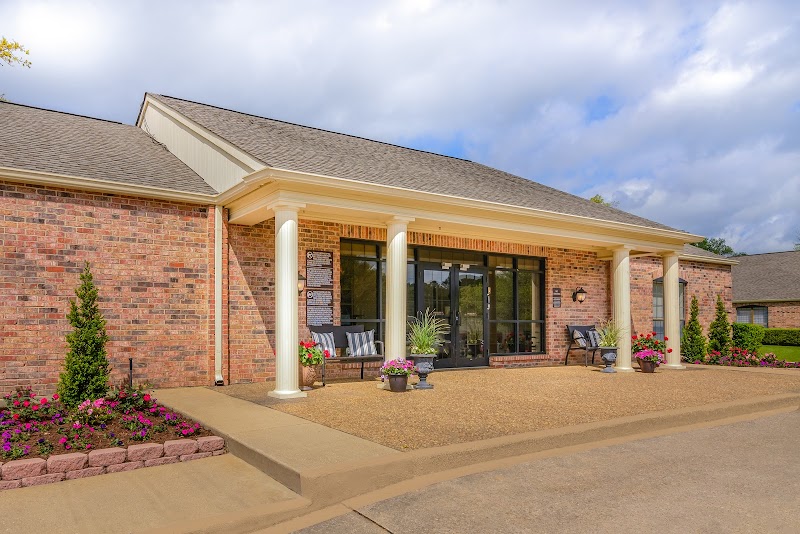
LONGVIEW HILL NURSING AND REHABILITATION CENTER

3201 N FOURTH ST, LONGVIEW, TX 75605 (903) 236-4291
Non profit - Corporation 198 Beds WELLSENTIAL HEALTH Data: November 2025 5 Immediate Jeopardy citations
Trust Grade
0/100
#1028 of 1168 in TX
Last Inspection: January 2025

Within standard 12-15 month inspection cycle. Federal law requires annual inspections.

Overview

Longview Hill Nursing and Rehabilitation Center has received a Trust Grade of F, indicating significant concerns regarding its overall quality and care. It ranks #1028 out of 1168 facilities in Texas, placing it in the bottom half of all nursing homes in the state, and #10 out of 13 in Gregg County, meaning only a few local options are worse. The situation at this facility is worsening, as the number of reported issues has increased dramatically from 6 in 2024 to 25 in 2025. Staffing is rated average with a turnover rate of 33%, which is better than the Texas average of 50%, suggesting that some staff members do stay long enough to build relationships with residents. However, the facility has incurred $374,300 in fines, which is concerning and indicates repeated compliance issues. There have also been critical incidents, including failures to properly notify doctors of residents' worsening health conditions, leading to life-threatening complications, and medication administration errors where one resident's medications were mistakenly given to another. While there are some strengths in staffing stability, the overall care quality and safety raise serious red flags for families considering this facility.

Trust Score
F
0/100
In Texas
#1028/1168
Bottom 12%
Safety Record
High Risk
Review needed
Inspections
Getting Worse
6 → 25 violations
Staff Stability
○ Average
33% turnover. Near Texas's 48% average. Typical for the industry.
Penalties
✓ Good
$374,300 in fines. Lower than most Texas facilities. Relatively clean record.
Skilled Nurses
⚠ Watch
Each resident gets only 27 minutes of Registered Nurse (RN) attention daily — below average for Texas. Fewer RN minutes means fewer trained eyes watching for problems.
Violations
⚠ Watch
69 deficiencies on record. Higher than average. Multiple issues found across inspections.
★☆☆☆☆
1.0
Overall Rating
★★★☆☆
3.0
Staff Levels
★★★☆☆
3.0
Care Quality
★☆☆☆☆
1.0
Inspection Score
Stable
2024: 6 issues
2025: 25 issues

The Good

  • Full Sprinkler Coverage · Fire safety systems throughout facility
  • No fines on record
  • Staff turnover below average (33%)

    15 points below Texas average of 48%

Facility shows strength in fire safety.

The Bad

1-Star Overall Rating

Below Texas average (2.8)

Significant quality concerns identified by CMS

Staff Turnover: 33%

13pts below Texas avg (46%)

Typical for the industry

Federal Fines: $374,300

Well above median ($33,413)

Significant penalties indicating serious issues

Chain: WELLSENTIAL HEALTH

Part of a multi-facility chain

Ask about local staffing decisions and management

The Ugly 69 deficiencies on record

5 life-threatening 2 actual harm
Sept 2025 1 deficiency
CONCERN (D) 📢 Someone Reported This

A family member, employee, or ombudsman was alarmed enough to file a formal complaint

Potential for Harm - no one hurt, but risky conditions existed

Investigate Abuse (Tag F0610)

Could have caused harm · This affected 1 resident

**NOTE- TERMS IN BRACKETS HAVE BEEN EDITED TO PROTECT CONFIDENTIALITY** Based on interview and record review the facility failed to ensure all alleged violations involving abuse, neglect, exploitation...

Read full inspector narrative →
**NOTE- TERMS IN BRACKETS HAVE BEEN EDITED TO PROTECT CONFIDENTIALITY** Based on interview and record review the facility failed to ensure all alleged violations involving abuse, neglect, exploitation, or mistreatment were thoroughly investigated for 1 of 2 residents (Resident #1) reviewed for abuse. The facility failed to thoroughly investigate an allegation of abuse reported to the Administrator regarding Resident #1 on 08/25/25. The Administrator did not interview Resident #1, her representative, or the caregiver that verbalized the allegation of abuse. These failures could place residents at risk for abuse, neglect, exploitation, mistreatment, and injuries of unknown source.Findings included: Record review of Resident #1's face sheet indicated she was a [AGE] year-old female, admitted to the facility on [DATE], and discharged on 08/25/25. Her diagnoses included dementia (a general term for a decline in mental ability that affects memory, thinking, and social skills to the point of interfering with daily life). Record review of the facility's Provider Investigation Report, dated 09/02/25, reflected: .Resident Profile[Resident #1] is a [AGE] year-old female who was admitted to the skilled unit on August 21, 2025. She has a BIMS of 10 [Moderately Impaired Cognition]. She has impaired cognition function/dementia or impaired thought processes.[Resident #1] has a deficit in self-care activities of daily living., as well as communication difficulties.Additionally she has a sitter to be with her.Description of the Allegation:On August 25, 2025, [Resident #1] was discharged from the facility at the request of her family. On the day of discharge, EMS was on-site to assist with [Resident #1's] transportation home. during this time, Resident #1's sitter was overheard telling EMS personnel that [Resident #1] had been abused and that hospice staff were aware.Provider Response:Upon receiving the verbal allegation of abuse on August 25, 2025, the facility immediately followed internal reporting protocols. The allegation was promptly communicated to the Charge Nurse.and escalated to the Administrator.However, no further protective actions or assessment were taken by the facility because the resident's family elected to discharge [Resident #1] from the facility.The facility conducted staff re-education focusing on Abuse and Neglect. The following individuals were also notified:* DON Notification* ADON Notification*[Corporate [NAME] President] Notification*MD/NP Notification*HHSC Notification.Investigation Summary:.Allegations of Abuse (August 25,2025):At approximately 6:45PM, CNA overheard the sitter telling EMS that [Resident #1] had been abused and that hospice staff were aware. The incident was reported to the charge nurse and administrator.Conclusion:The internal investigation into the abuse allegation revealed no witnesses or identified perpetrators. As a result, the facility concluded that the findings of the investigation were unconfirmed. No further incidents were reported following the resident's discharge.Provider action taken Post-Investigation:Continue staff education on facility policies to prevent and protect residents from all forms of Abuse and Neglect. During an interview on 09/09/25 at 9:54AM, the DON said she was the nurse who assessed the resident for discharge. She said she was not informed of any abuse allegation during her assessment. She said the resident and family were happy with everything that was done leading up to the discharge. She said the Administrator conducted the investigation into this incident. During an interview on 09/09/25 at 9:58AM, the Administrator said that on the evening of 08/25/25, he received a phone call reporting that a CNA had overheard Resident #1's sitter saying the resident had been abused in the facility. He said the resident had already left the building when he received the call. He said he did not investigate the allegation further because the resident had already left the building. He said he was unsure whether he had contact information for the sitter. He said he had been in Resident #1's room prior to discharge and no one had brought any concerns of abuse to his attention. He said Resident #1's family member was happy with Resident #1's care when he spoke with her prior to the abuse allegation. He said he did not speak with the family member about this allegation of abuse. He said he interviewed the CNA that overheard the conversation. He said he conducted safe surveys with the residents. During an interview on 09/09/25 at 10:26AM, ADON A said she was not present at the facility at the time of the abuse allegation involving Resident #1 on 08/25/25. She said she felt the Administrator should have talked to the family or the sitter regarding the abuse allegation to obtain more information. She said the risk was that abuse could be going on in the facility. During an interview on 09/09/25 at 10:31AM, the DON said she conducted a discharge assessment of Resident #1 and that neither the family nor the sitter reported any allegations of abuse. She said she did not feel like the caregiver should have been called because the family member and caregiver were together at the time of discharge. She said she had a conversation with the sitter on the day of discharge and she did not make an allegation of abuse to her. She said she tried to call the family member one time after the allegation of abuse and she did not answer. She said she felt like she should have attempted to call the family more than once. She said the risk was it was possible there could be abuse going on in the facility. During an interview on 09/09/25 at 10:46AM, the Administrator said the DON attempted to call Resident #1's family member, but no one tried to call the caregiver. He said no one had made any indication to the Administrator or the DON that there were any abuse concerns. He said he did not think someone should have called the family member after the abuse allegation came out because they had spent time with the family and no allegation of abuse had been reported to them. He said he felt that they followed the policy because the DON attempted to contact the family member who was responsible for her care. He said he felt this issue was resolved because the family left with the resident under a safe discharge plan. He said the family and the caregiver did not indicate to them that there were any concerns or abuse allegations. Record review of the facility's policy, Abuse, Neglect and Exploitation, reflected: .It is the policy of this facility to provide protections for the health, welfare and implementing written policies and procedures that prohibit and prevent misappropriation of resident property.V. Investigation of Alleged Abuse, Neglect and ExploitationA. An immediate investigation is warranted when suspicion of abuse, neglect or exploitation, or reports of abuse, neglect or exploitation occur.B. Written procedures for investigations include:.4. Identifying and interviewing all involved persons, including the alleged victim, alleged perpetrator, witnesses, and others who might have knowledge of the allegations;5. Focusing the investigation on determining if abuse, neglect, exploitation, and/or mistreatment has occurred, the extent, and cause; and6. Providing complete and thorough documentation of the investigation.
May 2025 1 deficiency 1 IJ
CRITICAL (J) 📢 Someone Reported This

A family member, employee, or ombudsman was alarmed enough to file a formal complaint

Immediate Jeopardy (IJ) - the most serious Medicare violation

Deficiency F0760 (Tag F0760)

Someone could have died · This affected 1 resident

**NOTE- TERMS IN BRACKETS HAVE BEEN EDITED TO PROTECT CONFIDENTIALITY** Based on interview and record review the facility failed to ensure residents were free of any significant medication errors for ...

Read full inspector narrative →
**NOTE- TERMS IN BRACKETS HAVE BEEN EDITED TO PROTECT CONFIDENTIALITY** Based on interview and record review the facility failed to ensure residents were free of any significant medication errors for 1 of 7 residents reviewed for medications. (Resident #1) The facility failed to ensure: 1. Resident #1 was administered his regular evening medication as ordered along with Resident #2's evening medication on the evening of 5/5/2025. Resident #1's medication included Gabapentin 200 mg at bedtime ( a medication used to treat peripheral neuropathy, chronic pain) Hemp gummies 20,000 2 gummies at bedtime ( a supplement used to treat anxiety, depression, pain, inflammation and improve sleep), Melatonin 9 mg at bedtime (a supplement to assist in sleep), Tamsulosin 0.4 mg at bedtime ( a medication used to treat an enlarged prostate), Docusate Sodium 100 mg twice daily (a stool softener), Eliquis 5 mg every 12 hours (a blood thinner), Furosemide 40 mg twice daily ( a medication used to treat fluid), Metoprolol 50 mg twice daily and acetaminophen-codeine 300-60 mg three times daily. 2. Resident #2's medications was administered to Resident #1 on 5/5/2025 which included clobazam 20 mg 1 tablet twice daily ( a medication used to treat seizures), diazepam 5 mg 1 tablet twice daily (a medication used to treat seizures), Docusate sodium 100 mg 1 capsule twice daily (a stool softener used to treat constipation), Keppra 1000 mg twice daily (a medication used to treat seizures), lamotrigine 200 mg 1 tablet three times daily (a medication used to treat seizures), Metformin 500 mg 1 tablet twice daily ( a medication used to treat diabetes), Mirtazapine 15 mg 1 tablet at bedtime (a medication used to treat depression), Singular 10 mg 1 tablet at bedtime (a medication used to treat allergies), Topamax 200 mg 1 tablet twice daily (a medication used to treat seizures), and Trazadone 50 mg 1 tablet at bedtime (a medication to treat insomnia). 3. Resident #1's orders indicated he had an allergy to Trazodone with documented reaction indicating an intolerance and reaction manifestation of altered mental status. An Immediate Jeopardy (IJ) was identified on 5/15/2025 at 9:30 AM. The IJ template was provided to the facility on 5/15/2025 at 10:03 AM. While the IJ was removed on 5/16/2025 the facility remained out of compliance at a scope of isolated and a severity level of potential for more than minimal harm that is not immediate jeopardy due to the facility's need to complete in-service training and evaluate the effectiveness of the corrective systems. These deficient practices could place residents at risk of physical complications, hospitalization, and possible death. Findings included: Record of Resident #1's face sheet dated 5/14/2025 indicated he was an [AGE] year-old male readmitted to the facility on [DATE]. Resident #1's diagnosis included COPD (a group of lung diseases that block airflow and make it difficult to breathe), transient cerebral ischemic attack (a brief stroke-like attack that despite resolving within minutes to hours, requires immediate medical attention), acute and chronic respiratory failure (a condition where the lungs are unable to adequately transfer oxygen into the blood, leading to low oxygen levels in the body), benign prostatic hyperplasia with lower urinary tract symptoms (an enlarged prostate gland which can put pressure on the urethra and cause urinary symptoms), and dementia (a group of thinking and social symptoms that interferes with daily functioning). Record review of an annual MDS assessment, dated 1/14/2025, indicated Resident #1 was understood and understood others. The MDS indicated Resident #1 had a BIMS score of 13 which indicated he was cognitively intact, and he required partial assistance with oral hygiene, dressing upper body, and dressing lower body. Resident #1 required maximal assistance with bathing and was dependent with toileting and putting on and taking off footwear. Record review of Resident #1's care plan revised on 1/29/2025 indicated ADL self-care performance deficits related to fatigue, COPD and recurrent pneumonia. Some of the interventions included level of assistance may vary slightly from day to day. OT started on 4/3/2025 and completed on 4/18/2025 related to muscle wasting and pain to right hand. The resident required assistance from staff for bathing and required extensive assistance for bed mobility. Resident #1 had a decreased cognitive function/memory impairment related to his diagnosis of Dementia. Some interventions included to administer medications as ordered. Monitor and document for side effects and effectiveness, ask yes/no questions to determine the resident's needs, cue, reorient and supervise as needed, and keep the resident's routine consistent and try to provide consistent care givers as much as possible to decrease confusion. Record review of Resident #1's order summary report dated 5/13/2025 indicated Resident #1 was prescribed the following evening medications: Gabapentin 200 mg at bedtime ( a medication used to treat peripheral neuropathy, chronic pain) Hemp gummies 20,000 2 gummies at bedtime ( a supplement used to treat anxiety, depression, pain, inflammation and improve sleep), Melatonin 9 mg at bedtime (a supplement to assist in sleep), Tamsulosin 0.4 mg at bedtime ( a medication used to treat an enlarged prostate), Docusate Sodium 100 mg twice daily (a stool softener), Eliquis 5 mg every 12 hours (a blood thinner), Furosemide 40 mg twice daily ( a medication used to treat fluid), Metoprolol 50 mg twice daily and acetaminophen-codeine 300-60 mg three times daily. Resident #1 had orders for side effect monitoring for antidepressants. Resident #1 did not have any new orders for vital signs or neuro checks ordered. Record review of Resident #1's TAR dated 5/1/2025-5/31/2025 indicated Resident #1's behavioral monitoring for side effects of antidepressants did not indicate by O- None that Resident was experiencing any side effects of his medications. Record review of Resident #1's MAR dated 5/1/2025-5/31/2025 indicated Resident #1 was administered his evening medication which included Gabapentin 200 mg at bedtime ( a medication used to treat peripheral neuropathy, chronic pain) Hemp gummies 20,000 2 gummies at bedtime ( a supplement used to treat anxiety, depression, pain, inflammation and improve sleep), Melatonin 9 mg at bedtime (a supplement to assist in sleep), Tamsulosin 0.4 mg at bedtime ( a medication used to treat an enlarged prostate), Docusate Sodium 100 mg twice daily (a stool softener), Eliquis 5 mg every 12 hours (a blood thinner), Furosemide 40 mg twice daily ( a medication used to treat fluid), Metoprolol 50 mg twice daily and acetaminophen-codeine 300-60 mg three times daily. Record review of Resident #1's progress note dated 5/5/2025 at 8:45 PM, LVN A noted Resident #1 was inadvertently given the wrong medications. LVN A noted vital signs were taken, resident was alert and answering appropriate questions at this time. LVN A documented the NP was notified and orders were received to check neuros every 30 minutes for 4 hours and then every hour throughout the shift. The progress note indicated to refer to neuro notes and oxygen saturation notes and the DON was notified. Record review of Resident #2's order summary report dated 5/16/2025 indicated Resident #2's evening medications were clobazam 20 mg 1 tablet twice daily ( a medication used to treat seizures), diazepam 5 mg 1 tablet twice daily (a medication used to treat seizures), Docusate sodium 100 mg 1 capsule twice daily (a stool softener used to treat constipation), Keppra 1000 mg twice daily (a medication used to treat seizures), lamotrigine 200 mg 1 tablet three times daily (a medication used to treat seizures), Metformin 500 mg 1 tablet twice daily ( a medication used to treat diabetes), Mirtazapine 15 mg 1 tablet at bedtime (a medication used to treat depression), Singular 10 mg 1 tablet at bedtime (a medication used to treat allergies), Topamax 200 mg 1 tablet twice daily (a medication used to treat seizures), and Trazadone 50 mg 1 tablet at bedtime (a medication to treat insomnia). These medications were administered to Resident #1 on 5/5/2025. Record Review of an allergy alert dated 6/24/2024, indicated Resident #1 had an allergy to Trazodone with a reaction manifestation noted altered mental status. Record review of neurological assessment dated [DATE] at 8:45 PM, LVN A noted Resident #1 did not refuse neuro checks. She indicated his blood pressure was 109/50, pulse 96, respirations 18 and temperature 97.9. The neurological assessment indicated Resident #1 was alert, hand grasp was equal, he moved all extremities, his pupils were equal and reactive to light. LVN A documented Resident # 1's right and left pupils were dilated and responded appropriately to pain. Record review of neurological assessment dated [DATE] at 9:15 PM, LVN A noted Resident #1 did not refuse neuro checks. She documented NA for the blood pressure, pulse, respirations, and temperature indicating the vital signs were not assessed. The neurological assessment indicated Resident #1 was alert, hand grasp was equal, he moved all extremities, his pupils were equal and reactive to light. LVN A documented Resident # 1's right and left pupils were dilated and there was no response to pain. Record review of neurological assessment dated [DATE] at 10:45 PM, LVN A noted Resident #1 did not refuse neuro checks. She documented NA for the blood pressure, pulse, respirations, and temperature indicating the vital signs were not assessed. The neurological assessment indicated Resident #1 was lethargic/drowsy, hand grasp was equal, he moved all extremities, his pupils were not equal and reactive to light. LVN A documented Resident # 1's right and left pupils were sluggish and Resident #1 response to pain was appropriate. Record review of Resident #1's progress note dated 5/5/2025 at 11:00 PM, Resident #1 was awake and trying to get out of bed, wanted something to eat. He wanted a can of Vienna [NAME] and ate them all. Resident #1 then wanted pizza he had left and ate it all. LVN A indicated Resident #1 continues to be drowsy but alert and appeared too sleepy to open eyes. Record review of neurological assessment dated [DATE] at 11:45 PM, LVN A indicated Resident #1 did not refuse neuro checks. She indicated his blood pressure was 124/75, pulse 113, respirations 18 and no temperature was taken. The neurological assessment indicated Resident #1's level of consciousness was lethargic/drowsy, hand grasp was equal, moved all extremities, pupils were not equal or reactive to light, right and left pupil were sluggish, and Resident #1 responded appropriately to pain. Record review of neurological assessment dated [DATE] at 12:15 AM, LVN A indicated Resident #1 did not refuse neuro checks. She indicated NA on his blood pressure, pulse, respirations, and temperature indicating vital signs were not obtained. LVN A noted Resident #1's level of consciousness was lethargic/drowsy, hand grasp was equal, moved all extremities, pupils were not equal or reactive to light, right and left pupils were sluggish, and Resident #1 responded appropriately to pain. Record review of neurological assessment dated [DATE] at 12:45 AM, LVN A indicated Resident #1 did not refuse neuro checks. She indicated NA on his blood pressure, pulse, respirations, and temperature indicating vital signs were not obtained. LVN A noted Resident #1's level of consciousness was alert, hand grasp was equal, he moved all extremities, pupils were not equal and reactive to light, right and left pupil were sluggish, and Resident #1 responded appropriately to pain. Record review of a neurological assessment dated [DATE] at 1:45 AM indicated Resident #1 refused neuro checks. Record review of Resident #1's progress note dated 5/6/2025 at 1:45 AM, LVN A indicated Resident #1 would not open his eyes when nurse asked him to open his eyes but did shake his head no. LVN A noted she had been able to obtain oxygen saturations and the readings were in the high 90's. Record review of a neurological assessment dated [DATE] at 2:45 AM indicated Resident #1 refused neuro checks. Record review of a neurological assessment dated [DATE] at 3:45 AM indicated Resident #1 refused neuro checks. Record review of a neurological assessment dated [DATE] at 4:45 AM indicated Resident #1 refused neuro checks. Record review of a neurological assessment dated [DATE] at 5:45 AM indicated Resident #1 refused neuro checks. Record review of a Physician Progress note dated 5/7/2025 at 11:15 AM indicated Resident #1 was out of room in his wheelchair. The Pain Management NP documented Resident #1 required full assist with transfers and ADL's. The progress note indicated Resident #1 was prescribed Tylenol #4 every 4 to 6 hours as needed but because of increased pain on April 13, the dose was changed to Tylenol #4 scheduled 3 times a day and every 6 hours as needed for rescue pain treatment. The progress note indicated Resident #1 had no adverse effects from medications and was pleasant. He indicated Resident #1 had an allergy to Trazodone. The Pain Management NP's progress note indicated Resident #1 reported fatigue and arthralgia/joint pain. The progress note indicated Resident #1 was oriented to self, place, and time and his affect was appropriate. During an interview on 5/14/2025 at 1:33 PM, LVN A said she worked at the facility part-time. LVN A said she had gone into Resident #1 and Resident #2's room while holding Resident #2's evening medications. She said Resident #1 was wanting a breathing treatment and she handed him Resident #2's medications and he took them. She said she realized what she had done and call the NP. LVN A said Resident #1 acted drunk and was slurring his words after taking the medications. She said Resident #1 was fine when she left. LVN A said she had notified Interim DON T and the Physician. LVN A said the NP instructed her to check Resident #1's vital signs every 30 minutes for 4 hours and then hourly. She said she was also instructed to complete neuro checks and oxygen saturations. LVN A said Resident #1 was getting upset and not letting her check his vital signs. LVN A said she could not recall the medications that were administered to Resident #1. LVN A said she completed a risk management form and completed the medication error form that populates in the EMR. LVN A said she did not recall completing an incident report. LVN A said Resident #1 received all of Resident #2's evening medications. LVN A said she could not recall if she checked to see if Resident #1 had any allergies to Resident #2's medications. LVN A said Resident #1 could have an adverse reaction and she could not recall if Trazadone was one of the medications she administered. LVN A said whatever was on Resident #2's MAR for the evening was what Resident #1 had received. During an interview on 5/14/2025 at 2:05 PM, LVN B said Resident #1 was transported to the hospital on 5/13/2025. LVN B said Resident #1 was bedbound and navigated the facility in his electric scooter. LVN B said Resident #1 was normally awake, alert, and oriented to person, place, time, and situation. LVN B said Resident #1 was sometimes confused. LVN B said the normal process to reporting an incident such as falls, or medication errors required the nurse to complete a form under risk management on the EMR. She said the first thing she would need to do would be to contact the Physician, DON, Supervisor, and family. She said then the nurse would need to write up an incident and document when it occurred. LVN B said the DON and ADM should investigate the issue and follow up. During an interview on 5/14/2025 at 2:33 PM, the RP said Resident #1 was currently in the hospital. He stated Resident #1 had not been the same since he was administered the wrong medication and stated he had gone downhill. RP said the medication that he took caused a reaction. RP said Resident #1 was taken by ambulance and he stayed in the ER for a while until he was stable. RP said Resident #1 was currently on oxygen and was in and out mentally. RP said he could hardly hear him when he talked, and Resident #1 does not know who he is. RP said it was from his understanding the medication was administered to him on Monday night. He said when the facility called, they told him Resident #1 was having an episode. Rp said he did not find out about the nurse administering the wrong medication until the next day. RP said the NP did not send Resident #1 out the day the medication was administered. RP said Resident #1 was currently in ICU. RP said the facility would not tell him what medications were administered. RP said Resident #1 had COPD and it had been controlled. RP said he was not sure if Resident #1 had any allergies. During a phone interview on 5/14/2025 at 3:02 PM, the NP said he was called about the medication error last week. He said the nurse had informed him she had administered Resident #1 the wrong medications. He said he was told the medications were Tegretol, Keppra and Metformin. He said he had asked her if she had administered the 5 rights of medication administration and she said no. He advised her to monitor the resident and he called the Physician to consult. NP said he was going to instruct the nurse to monitor Resident #1 every hour but changed it to every 30 minutes after discussing with the DON. NP said he did not assess Resident #1 on Thursday when he was at the facility because he saw him up and about. The NP said the main side effect could be sedation. The NP said with all the medications administered, it could affect the residents breathing. The NP said he did not feel the medication error could have caused Resident #1 to have pneumonia. During an interview on 5/14/2025 at 3:14 PM, the Interim DON U said Resident #1 was sent to the hospital because his eyes rolled back. Interim DON U said if there was a medication error, it would be entered by the nurse and brought to the charge nurse, ADON, DON and ADM. He said the physician and family would have been made aware. Interim DON U said there was an incident report in the computer, but it did not list the medications that were administered. Interim DON U said he would have listed the medications administered. Interim DON U said he would expect the orders to be in the computer but could not locate the neurological assessment orders or the vital sign orders. Interim DON U said medications administered to Resident #1 could cause an allergic reaction or adverse effect depending on the medication. He said Resident #1 could have respiratory issues or become too sleepy. Interim DON U said a resident with COPD can increase the risk with many medications. He said Resident #1 remained in the hospital. During an interview on 5/15/2025 at 7:35 AM, the ADON said the Interim DON T at the time was notified and the NP had called her. The ADON said the NP was upset. The ADON said the NP instructed staff to monitor Resident #1 until the next day. The ADON said the pain management provider came in and noticed Resident #1 was drowsy and wanted to adjust his pain medications. The ADON said she explained to the NP what had happened, and Resident #1 was not sedated from the pain medication but was administered the wrong medications. The ADON said Resident #1 was up in his wheelchair the next day and was doing fine. She said Resident #1 was ordered to have every 4-hour vital sign and neuro checks, but Interim DON T had advised vital signs to be checked more frequently. The ADON said there would not need to be an order written. The ADON said she would expect the nurse to have documented the vital signs in the computer. The ADON said the Interim DON T did not complete an investigation. The ADON said if the resident did not have a good renal function, it could have been bad. She said the medications administered to Resident #1 could have suppressed his respirations. The ADON said she was not aware Resident #1 had his evening medications as scheduled and the nurse did not tell the resident had any allergies. The ADON said she had provided the nurse a verbal in-service on the 7 Rights of Medication Administration. During an interview on 5/15/2025 at 9:01 AM, the NP said he had spoken with the Interim DON T and discussed she wanted the vital signs and neuro checks to be completed every 30 minutes. He said he would not have done anything differently if he had known Resident #1 was allergic to Trazadone. He said if Resident #1 was to have an allergic reaction, he would have advised the nurse to administer the resident a Benadryl and to call 911. He said it would have been nice to know the resident had slurred speech and was drowsy but that would be expected with the medications he was administered. The NP said it did not surprise him that the vital signs were not taken as he had ordered . He said the pain management NP came in the next day and assessed the resident and said he was fine. During an interview on 5/15/2025 at 1:30 PM, the Regional [NAME] President provided additional information. He said he provided the neurological assessment with vital signs that were documented on 5/5/2025. He said the vital signs were documented on the neurological assessment form and not in the computer. He said LVN A did not document in her charting Resident #1 was slurring his words or acting drunk. He said Resident #1 took CBD gummies and would be lethargic at bedtime. The Regional [NAME] President said one of the progress notes indicated Resident #1 woke up asking for food and it was provided to him. The Regional [NAME] President felt Resident #1 was alert enough to ask for food. He said he spoke with the Corporate Nurse, and she said the orders for neuro checks was fine in the progress note and a written order would not be necessary. The Regional [NAME] President reviewed neuro checks and acknowledged there was only 2 vital sign checks on the neuro check form. During a phone interview on 5/15/2025 at 3:20 PM, the Pain Management NP said he saw Resident #1 the next day. He said Resident #1 was sitting up in his wheelchair, oriented and listening to his podcast. The Pain Management NP said he had spoken with ADON due to reviewing a progress note on Resident #1 indicating he was fatigued. He said he was going to adjust his medications during the visit, but the ADON had informed him of the medication error causing Resident #1's documented fatigue. Pain Management NP said Resident #1 was fully oriented, was not impaired and was in great condition when he saw him, and he had no concerns at the time of his visit. During an interview on 5/15/2025 at 3:29 PM, the Interim DON T said she was there are at the time of medication error. She said she was the Interim DON for the last 2-3 months. Interim DON T said LVN A had called her and told her she had got some medications for Resident #2 and had the new medications in the cup. She said she was heading to administer the medications and stopped to answer the call light and handed the cup of medications to the wrong resident. She said LVN A called and notified the NP and informed him about what had happened. Interim DON T said the NP had asked LVN A if Resident #1 had any changes and she said no. Interim DON T said the NP called her and discussed vital signs checks to be ordered every 30 minutes through the night and arouse resident. Interim DON T said the NP also wanted neuro every hour. She said the staff checked him for 24 hours and family was notified. She said the wife was notified and monitored Resident #1 for 3 days. The Interim DON said the NP came and checked Resident #1 out and he was doing good. Interim DON T said she checked on Resident #1 during the day. Interim DON T said she did not find out what was administered and did not put it on the incident report. She said the nurse said what the medications were, and she said they did check the allergies and the NP visited. Interim DON T said Resident #1 had been doing good. She said the only allergy Resident #1 had been to Motrin. Interim DON T said Resident #1 was not lethargic and the RP had checked on Resident #1 and talked to DON T about it. Interim DON T said she asked the ADON to complete the in-service and she spoke with LVN A about the 7 rights of medication administration. During an interview on 5/15/2025 at 3:48 PM, the ADM said she was made aware of the medication error and what happened. She said she had spoken with the RP. The ADM said from what she knew, was the nurse had medications for another resident and Resident #1 received the medications instead. The ADM said LVN A handed Resident #1 the medications. The ADM said she was not aware of whose medication Resident #1 received and did not know if it was multiple medications. The ADM said in theory, it would be clinical and multiple departments assisting in the investigation. She said in her roll, she has checks and balances. She said she would involve HR to see if this had happened before. She said the investigation would be resident care and involve communication to NP or MD. The ADM said she did not know if each medication should have been listed on the investigation. She said the facility tries to identify and figure out during their investigation. The ADM said from her understanding, there was an investigation. She said she was made aware immediately what was happening. She said a medication error could negatively impact a resident that was not prescribed to him but would not elaborate. During an interview on 5/15/2025 at 4:30 PM, the ADM said she had spoken to the Corporate Nurse, and she was told the incident report was the investigation and there was not a separate investigation. 2. Record review of Resident #2's face sheet dated 5/16/2025 indicated he was readmitted to the facility on [DATE]. Resident #2's diagnosies included epilepsy (a disorder in which nerve cell activity in the brain is disturbed, causing seizures), cognitive communication (difficulties arising from impairments in cognitive function like attention, memory and executive functions, rather than issues with speech or language itself), diabetes mellitus (a group of diseases that result in too much sugar in the blood), mild intellectual disabilities (deficits in intellectual functions pertaining to abstract/theoretical thinking) and depression (a common mental health condition characterized by persistent feelings of sadness, hopelessness and loss of interest or pleasure in activities previously enjoyed). Record review of a quarterly MDS assessment, dated 1/14/2025, indicated Resident #2 was usually understood and usually understood others. The MDS indicated Resident #2 had a BIMS score of 7 which indicated he was severely cognitively impaired, and he required substantial assistance with toileting, bathing, and dressing lower body. Record review of Resident # 2's care plan dated 10/29/2018 indicated Resident #2 uses anti-anxiety medications related to seizures diagnosis. Interventions included to administer anti-anxiety (Ativan, valium) medications as ordered by physician and monitor for side effects and effectiveness every shift. Interventions included to monitor, document, and report any adverse reactions to anti-anxiety therapy such as drowsiness, lack of energy clumsiness, slow reflexes, slurred speech, confusion and disorientation, depression, dizziness, lightheadedness, impaired thinking and judgement, memory loss, forgetfulness, nausea, stomach upset, blurred or double visit. Record review of Resident #2's order summary report dated 5/16/2025 indicated Resident #2's evening medications were clobazam 20 mg 1 tablet twice daily ( a medication used to treat seizures), diazepam 5 mg 1 tablet twice daily (a medication used to treat seizures), Docusate sodium 100 mg 1 capsule twice daily (a stool softener used to treat constipation), Keppra 1000 mg twice daily (a medication used to treat seizures), lamotrigine 200 mg 1 tablet three times daily (a medication used to treat seizures), Metformin 500 mg 1 tablet twice daily ( a medication used to treat diabetes), Mirtazapine 15 mg 1 tablet at bedtime (a medication used to treat depression), Singular 10 mg 1 tablet at bedtime (a medication used to treat allergies), Topamax 200 mg 1 tablet twice daily (a medication used to treat seizures), and Trazadone 50 mg 1 tablet at bedtime (a medication to treat insomnia). Record review of Resident #2's MAR dated 5/1/2025-5/31/2025 indicated Resident #2 received his medications as ordered. The Administrator was notified on 5/15/2025 at 10:03 AM that an Immediate Jeopardy situation was identified due to the above failures. The Administrator was provided the Immediate Jeopardy template on 5/15/2025 at 10:08 AM and a Plan of Removal was requested. The facility's Plan of Removal was accepted on 05/15/2025 at 2:37 PM and included: Plan of Removal F-760 Action: The Director of Nursing and/or Designee completed medication reconciliations to ensure that medications were given as ordered and documented on the MAR. The Director of Nursing and/or Designee reviewed the last 30 days of medication errors incidents to ensure that vital signs monitoring have been ordered and completed and documented include notification to physician of any allergies and adverse effects related to the medication error. Action/System Change: All licensed nurses and Certified Medication Aides were re-educated on 5/15/2025 by the Director of Nursing or designee on the following: Medication Administration Policy and Seven Rights of medication administration Medication errors to include writing orders as prescribed by Physician and Notification of adverse effects and resident allergies. Documentation and completion of vital signs as prescribed by the physician. Staff not in the facility on 5/15/2025 and/or on PTO/FMLA /Leave of Absence will have the re-education completed prior to the start of their next scheduled shift. Beginning 5/15/2025 and ongoing, newly hired licensed nurses will receive this training during orientation proper to providing care to the residents. The training will include the above-stated educational components. Medication error incidents will be reviewed during the morning clinical meeting to ensure that physicians were notified of any resident allergies related to medications received. Review will also ensure that monitoring of adverse effects to include vital signs were ordered, completed, and documented and physician was notified for abnormal findings. Completion and time was 5/15/2025 at 11:59 PM. Monitoring: Beginning 5/15/2025 and going forward, the Director of Nursing will monitor compliance with medication administration policy and the seven rights of medication administration. Beginning 5/15/2025 and going forward, the Director of Nursing/designee will monitor compliance each weekday morning on review of medication administration report and medication errors incidents to ensure medications are administered as ordered and physician notifications with orders written for monitoring of vital signs and adverse effects, carried out and documented in the record. The Administrator will attend the morning clinical meeting to ensure the Director of Nursing and/or designee reviews the incident report and medication administration report during the clinical meeting.[TRUNCATED]
Feb 2025 3 deficiencies 2 IJ (2 affecting multiple)
CRITICAL (K) 📢 Someone Reported This

A family member, employee, or ombudsman was alarmed enough to file a formal complaint

Immediate Jeopardy (IJ) - the most serious Medicare violation

Notification of Changes (Tag F0580)

Someone could have died · This affected multiple residents

**NOTE- TERMS IN BRACKETS HAVE BEEN EDITED TO PROTECT CONFIDENTIALITY** Based on record review and interview the facility failed to consult with the physician when there was a significant change in re...

Read full inspector narrative →
**NOTE- TERMS IN BRACKETS HAVE BEEN EDITED TO PROTECT CONFIDENTIALITY** Based on record review and interview the facility failed to consult with the physician when there was a significant change in residents' physical status that was life threatening for 2 of 7 residents (Resident #1 and Resident #2) reviewed for change in condition. The facility failed notify Resident #1's physician on 2/5/25 when his PICC continued to be dislodged and he was unable to receive his IV antibiotics. Resident #1 did not receive his IV antibiotic medication from 2/6/25 through 2/7/25 (a total of 6 doses). The facility failed to notify Resident #1's physician of his x-ray results that were ordered on 2/7/25 with results that indicated they were sent back to the facility on 2/7/25. Res #1's MD was notified on 2/10/25 that Res #1's x-ray indicated he had pneumonia, and he was transferred to the hospital. Resident #1 was admitted to the hospital on [DATE] with diagnoses of right lobe pneumonia due to ESBL(extended spectrum beta lactamase). The facility failed to notify Res #2's physician that his surgical wound had worsened. Resident #2 was admitted to the hospital on [DATE] with left lower leg pain and fever. He had a diagnosis of sepsis ( a life threatening complication of an infection) left below the knee amputation infection. The facility failed to follow their policy on notification of changes with significant health issues. An Immediate Jeopardy (IJ) situation was identified 2/13/25 at 5:00 p.m. While the IJ was removed on 2/14/25 at 7:35 p.m., the facility remained out of compliance at no actual harm with potential for more than minimal harm that is not immediate threat with a scope identified as a pattern due to the facility's need to evaluate the effectiveness of the corrective systems. These failures caused life threatening consequences for these two residents and put other residents at risk for not receiving timely medical interventions. Findings included: Record review of Resident #1's face sheet dated 2/11/25 indicated he was a [AGE] year-old male admitted to the facility on [DATE]. He was readmitted on [DATE] with diagnoses of Diffused traumatic brain injury, osteomyelitis, pneumonia, covid 19, quadriplegia, contracture of the right and left hand, and presence of left artificial elbow joint. Record review of Resident #1's admission MDS dated [DATE] indicated he was moderately impaired in decision making. He was unable to complete the BIMS. The resident had impaired range of motion on both sides of his upper extremity (shoulder, elbow, wrist, and Hand) and his lower extremity (hip, knee, ankle, and foot.) He required a wheelchair for mobility. He was dependent on staff for all activities of daily living. The MDS indicated the resident had an indwelling catheter and ostomy. Record review of Resident #1's care plan dated 1/28/25 indicated a problem of altered respiratory status/difficulty breathing related to recent hospitalization stay for Covid and pneumonia. The resident will be on IV antibiotics for pneumonia with an initiation date of 1/27/25 and a revision date of 2/7/25. Some of the interventions were to monitor and document changes in orientation. Monitor for signs and symptoms of respiratory distress and report to the physician increased respirations, decreased pulse oximetry, increased heart rate, restlessness, lethargy, confusion, and cough. A care plan problem of IV medications related to pneumonia. The care plan interventions were related to complications related to IV therapy such as infiltrated IV, drainage, or inflammation. Record review of Resident #1's prior to facility admission hospital records dated 1/31/25 indicated a diagnosis of pneumonia due to covid dated 1/23/25, ESBL Extended spectrum beta lactamase: producing bacterial infection dated 9/17/24 still present, Acute osteomyelitis of the right elbow dated 12/24/24 still present. His discharge medication included meropenem 1 GM. Record review of Resident #1's nursing notes dated 1/31/25 at 6:17 p.m. indicated the resident was returning to the facility from the hospital. Signed by RN H. Record review of Resident #1's physician order indicated Meropenem Intravenous Solution Reconstituted use 1 gram intravenously every 8 hours for pneumonia due to covid for 7 days dated 2/1/25. Record review of Resident #1's MAR indicated Meropenem Intravenous Solution Reconstituted 1 GM use 1 gram intravenously every 8 hours for pneumonia due to covid for 7 days. With a start date of 2/1/25. The MAR indicated the medication was to be administered at 7:00 a.m., 3:00 p.m., and 11:00 p.m. The MAR indicated the mediation was given 3 times daily with the last dose 2/5/25 at 11:00 p.m. Record review of Resident #1's nursing notes indicated: On 2/6/25 at 1:27 p.m. meropenem intravenous Solution reconstituted 1GM was not given due to loss of PICC access. The PICC company was notified for replacement. The NP was made aware. Signed by LVN C. On 2/6/25 at 10:13 p.m. indicated the resident refused midline, would not let staff unbend arm to pace midline. Signed by LVN F. On 2/7/25 at 1:40 p.m. the company that replaced PICC lines was called to replace Resident #1's PICC line. Signed by LVN E On 2/7/25 at 2:58 p.m. no PICC line in place for administration of medication. Signed by LVN E On 2/7/25 at 10:12 p.m. no PICC line access. Signed by LVN F On 2/8/25 at 12:17 a.m. resident remained without IV access signed by LVN F. On 2/10/25 at 11:38 a.m. Resident #1's PICC line was dislodged on 2/5/25 and the NP was informed. An outside service provider attempted to replace and insert new PICC line in the facility. The technician was unsuccessful due to contraction of upper extremities of patient. The patient did not complete antibiotic therapy and missed several doses. The nurse contacted NP regarding situation and current symptoms to include cough, abnormal lung sounds, abnormal chest x ray. The nurse received an order to send Resident #1 to the ER. His blood pressure was 116/64, oxygen status on room air was 91 percent, his temperature was 98.8 and his pulse was 80. Signed by LVN E. Record review of a change in condition note dated 2/10/25 at 6:57 p.m. indicated Resident #1 had increased cough, a positive chest x ray, incomplete antibiotic therapy, these things made the condition worse. Signed by LVN E. Record review of Resident #1's x ray report dated 2/7/25 and signed electronically on 2/7/25 at 11:07 a.m. indicated Resident #1 had patch bilateral lung opacities (area of increased density or darkness in the lungs.) This was consistent with bilateral pneumonia. The findings are worse compared with prior. There was no indication the physician was notified. Record review of Resident #1's hospital records dated 2/10/25 indicated Resident #1 was receiving IV antibiotics for pneumonia. He lost his PICC line assess, and the facility attempted to have it replaced but was unsuccessful. The resident had an x ray showing he still had pneumonia and was sent to the hospital for PICC line replacement. He has a history of pneumonia. He is nonverbal and quadriplegic, unable to move upper or lower extremities, with severe contractions noted. The hospital records indicated they spoke with the RN at the facility and was informed the PICC line had been out since 2/5/25. He had a diagnosis of pneumonia of the right lower lobe due to infectious organism ESBL (extended spectrum beta -lactamase) producing bacterial infection. Record review of a nursing note dated 2/10/25 at 9:56 p.m. indicated the nurse called to check on Resident #1's status. He was admitted to the hospital with a diagnosis of right lower lobe pneumonia, acute osteomyelitis, ESBL. Signed by LVN E During an interview and record review on 2/12/25 at 3:21 p.m. LVN C said Resident #1 did not have PICC line access when she came in on 2/6/25. She said she had gotten the ADON/RN D to come in and help her assess the resident. She said the NP was in the building doing rounds. She said the NP told them to contact a company that replaced PICC lines. She said she had contacted that company on 2/6/25 for them to come out and replace Resident #1's PICC line. A review of the nursing notes with LVN C indicted Resident #1 had refused the reinsertion on 2/6/25. LVN C said she was not aware the company had been contacted again on 2/7/25 by LVN E and she did not know what had happened with Resident #1's PICC line. During an interview on 2/12/25 at 3:44 p.m. ADON/RN D said she was not sure if Resident #1's PICC line had been noted as displaced by the prior shift on 2/5/25. She said Resident #1's right arm was contracted, and he held it tightly to his biceps. The ADON/RN said she did not know how the PICC line came out. She said LVN C had asked her to come in and assess Resident #1 on the morning of 2/6/25. She said the NP was in the building and the NP and told them to contact a company that replaced PICC lines. She said she knew LVN C had called the company. She did not know Resident #1 had refused or how many times the company had been called or why the PICC line was not replaced. During a telephone interview on 2/12/25 at 4:30 p.m. the NP, he said he had gotten a text earlier on the morning of 2/6/25 that Resident #1's PICC line had come out. He said he told them to call the PICC line replacement company and have them to come out to replace the PICC line. He said the facility did not inform him they were unable to replace the PICC line. He said he was not informed Resident #1 was not taking the antibiotic. The NP said if they had informed him Resident #1 was not able to finish his antibiotic, he would have told them to send him to the hospital. During a telephone interview on 2/12/25 at 4:31 p.m. the DON said on 2/7/25 LVN E told her that the PICC line company said they would not come back to the facility to try and reinsert Resident #1's PICC line. They said they were unable to do so due to his contractures. She said she told LVN E to call the physician and let him know. The DON said on the morning of Monday, 2/10/25 after the x rays were reviewed, she told LVN E to call the physician and send Resident #1 to the hospital. During a telephone interview on 2/12/25 at 4:32 p.m. LVN E said she had talked to the PICC line company, and their nurse said they were not coming out. She said the nurse said Resident #1 was too contracted and they were not able to place the PICC line. LVN E said she was leaving for the day and told the DON what the company had said. The DON told her to make the physician aware. She told the oncoming nurse LVN F about the situation during report. She said she did not know what happened after then. She said she had not notified the physician. During a telephone interview on 2/12/25 at 4:55 p.m. LVN F said that on Friday 2/7/25 LVN E told her the PICC line company had refused to come out. She said it was mentioned in the conversation about notifying the physician, but she thought LVN E had notified the physician. LVN F said she had not notified the physician because she thought it was already done. During an interview on 2/13/25 at 7:21 a.m. LVN C said she did not know anything about Resident #1's x rays results until Monday, 2/10/25. She said she worked PRN and was under the impression x rays results would be sent by fax. She said that on Monday, 2/10/25 Resident #1 had a cough that was deeper than on 2/7/25 and she was told he had x ray results that indicated pneumonia and to send him out to the hospital. During an interview on 2/13/25 at 10:30 a.m. the Regional Nurse Consultant said ADON/RN D and Administrator did not find any nurse that admitted to seeing the x ray results for Resident #1 on the weekend. He said it appeared the first time the x rays were noted was on 2/10/25. During an interview on 2/13/25 at 10:34 a.m. the Administrator said they did not find any nurse that discovered the x ray results for Resident #1 over the weekend. She said she was aware of what the NP always said he would send a resident to the hospital if they had a change in condition. The Administrator said she had reached out to the nurses on the weekend they thought the order was complete for Resident #1's antibiotics because the completion date was 2/7/25 and it fell off the system orders. She said they did not see any issues and they did not review the records to see if there was a problem because they thought the antibiotic was completed. Resident #2 Record review of Resident #2's face sheet dated 2/11/25 indicated he was a [AGE] year-old male admitted to the facility on [DATE]. He was last admitted [DATE] with diagnoses of surgical amputation, absence of left leg below the knee, and absence of right leg below the knee. Record review of an admission MDS dated [DATE] indicated a BIMS score of 11 which indicated moderate cognitive impairment. The resident required substantial to maximum assistance with the helper doing more than half the effort for sit to lying, sit to stand, and transfers. Record review of Resident #2's care plan dated 12/26/24 and revised on 1/3/25 indicated a problem of the resident was at risk for skin integrity related to reduced mobility due to bilateral amputation, poor nutrition and immune comprised. Some of the interventions were to monitor and document size and location and treatment of skin injury. Report abnormalities, failure to heal, signs and symptoms of infection or maceration to the physician. Record review of Resident #2's prior to facility admission hospital records dated 1/27/25 indicated to cleanse left BKA site daily with antibacterial soap and water or wound cleanser, apply no stick dressing and secure with ace wrap compression. Start taking Amoxicillin potassium-clavulanate (Augmentin) 875-125 mg oral one tablet two times a day for 10 days. Record review of Resident #2's MAR for February 2025 indicated Amoxicillin potassium-clavulanate (Augmentin) 875-125 mg give one tablet by mouth q 12 hours for cellulitis for 10 days with a start dated on 1/27/25. The medication was noted to be last given on 2/6/25 at 8:00 a.m. Record review of Resident #2's TAR for February 2025 indicated cleanse left BKA site with antibacterial soap and water or wound cleanser, apply nonstick dressing, secure with ace wrap compression one time a day every Tuesday, Thursday, and Saturday for wound care with start date of 1/30/25. The TAR indicated the last time wound care was provided was Tuesday 2/4/25. On Thursday 2/6/25 the TAR indicated to see the nurses' notes on Saturday 2/8/25 indicated the drug refused. Record review of Resident #2's nursing notes dated 2/6/25 indicated Resident #2 refused wound care. Signed by treatment nurse. Record review of Resident #2's wound evaluation dated 2/7/25 at 6:22 a.m. indicated a surgical wound with 38 staples on the left below the knee amputation site. The area of the wound was 44.65 cm, and the length was 8.14 cm and 7.58 cm. the wound was one to 3 months old. It had 50 percent granulation and 50 percent slough. There was evidence of infection such as increased drainage, increased pain, redness/inflammation, warmth, and bleeding. There was moderate sanguineous bloody drainage. The was pitting edema that extended 4 cm around the wound and was warm, the pain was at a level 4 with continuous frequency. The wound evaluation indicated the wound was deteriorating and the physician diagnosed the infection. The wound evaluation was signed by the treatment nurse. Record review of Resident #2's nursing note dated 2/7/25 at 11:09 a.m. indicated surgery for BKA revision rescheduled for 2/12/25 arrival at 9:30 a.m. for 11:30 a.m. procedure. Record review of Resident #2's nursing note dated 2/8/25 at 6:15 p.m. indicated cleanse left BKA site with antibacterial soap or wound cleanser and apply dressing. Record review of Resident #2's change in condition notes dated 2/9/25 at 1:00 p.m. indicated Resident #2 had a change in condition that consisted of lethargy, confusion, loss of appetite, elevated heart rate at rest started 2/9/25 and had stayed the same. His primary diagnosis was orthopedic aftercare following surgery. his blood pressure was 106/68, pulse 115 (irregular), respiration 16, temp 98.9, oxygen status 96. Signed by LVN A Record review of nursing notes dated 2/9/25 at 2:40 p.m. indicated Resident #2 was sent to the hospital. Record review of Resident #2's hospital records dated 2/9/25 indicated the resident was admitted at 12:53 p.m. He was admitted with complaints of left lower extremity wound pain and fever. He had a recent BKA performed at another hospital his blood pressure was 173/95, pulse 114, respirations 16, temp 100.4 and oxygen status 99 percent. The x rays were concerning for gas within the wound that could be either an abscess or gaseous gangrene. He was started on antibiotics and wanted to be transferred to another hospital. The disposition summary on 2/9/25 at 4:51 p.m. indicate a diagnosis of sepsis unspecified organism/left BKA infection. During an interview on 2/11/25 at 3:45 p.m. LVN B said Resident #2 was on antibiotics and had finished them a few days prior to going to the hospital. She said he was sent to the hospital to have surgery on an amputation that needed a revision. During an interview and observation on 2/12/25 at 2:00 p.m. with the treatment nurse and the RN C, the treatment nurse said Resident #2 came to the facility after he had an amputation. She said the wound care physician would not see him because his wound was surgical. She said the last time she completed an assessment on Resident #1 was Friday, 2/7/25. She said Resident #2's surgical wound had deteriorated by her assessment. She said she did not call NP or the physician because she thought Resident #2 was going to surgery center that day. She said she wanted to see the wound herself and document what was going on with the wound before he left for his surgery. She said on Friday, 2/7/25 she noted a change to the wound. She said it did not look like that the week before. She said she had taken a picture that was observed by the surveyor. She described the wound with drainage and yellow slough (a layer of dead tissue formed when cells and other debris are trapped in the wound, and do not get properly removed. It can impede wound healing) around the circumference of the wound. The treatment nurse said Resident #2's leg was cut below the knee, it black above the staples on the wound. The treatment nurse said LVN B had assisted her with wound care on 2/7/25. During a telephone interview on 2/12/25 at 2:20 p.m. LVN B said Resident #2 had an appointment on 2/7/25 for a surgical revision to his BKA. She said it was right on the computer, but it was placed on the transport log with the wrong date. LVN B said when they realized the resident was not at his appointment they had called the clinic and were initially told to bring the resident to the appointment late. She said in about an hour the clinic called back and said the physician said to reschedule. She said the appointment was rescheduled to 2/12/25. She had written the note about the rescheduled appointment, but had not notified anyone he missed the appointment. She said she had assisted the Treatment Nurse on 2/7/25 when she provided wound care to Resident #2. LVN B said Resident #2's surgical wound had drainage, no odor, and the darkness above the wound had grown larger. During a telephone interview on 2/12/25 at 4:30 p.m. the NP, he said he was informed Resident # 2 had a change in condition when they were sending him to the hospital. He said he was not informed Resident #2's wound had deteriorated. Review of the facility policy on Notification of Changes dated 10/24/22 indicated the purpose of the policy was to ensure the facility promptly informed the resident, consulted with the resident physician. The facility must inform the resident, consult with the resident's physician when there is a change requiring such notification such as a significant change. Such as life threatening conditions or clinical complications. Circumstances that require a need to alter treatment such as adverse consequences, acute condition or exacerbation of symptoms. Due to the above findings, it was determined the facility was in an Immediate Jeopardy (IJ) situation on 2/13/25 at 5:00 p.m. The Administrator, Regional Nurse Consultant, and ADON/RN G were informed on 2/13/25 at 5:00 p.m. an email was sent to the Administrator. The facility's Plan of Removal was accepted on 2/14/25 at 10:51 a.m. Plan of Removal for F580: [To Identify Any Other Residents to Have the Potential: Beginning 2/13/25, the Licensed Nurse will evaluate all other residents in the center for any change in condition. Should any changes be evaluated, the physician will be notified. The evaluation will be documented in the resident's clinical record. All residents, evaluated, validated and documented on 2/13/25 with no additional cases identified. Education/ System Change: On 2/12/25, the Director of Nursing /Designee initiated reeducation with Licensed Nurses on the following topics: o Documentation in Medical Record o Medication Administration o Notification of Changes Policy to include changes in medication administration, wound care and abnormal radiology results o When a licensed nurse identifies a change in condition, they will evaluate the resident and document their evaluation in the clinical record. The Licensed Nurse will notify the Medical Provider of the change in condition and document that notification in the clinical record. o Licensed Nurses will give shift report from the PCC generated 24 hour report. (PCC generated from clinical documentation). o Licensed Nurses will review the Results Module in PCC (Lab and Radiology) at the shift change to notify the Medical Provider of results. Re-education will continue until 100% of nursing staff are reeducated. Those that are PRN, agency and/ or out on FMLA/ LOA will have the education completed prior to accepting assignment for their next scheduled shift. DON/Designee will provide training. Monitoring: Beginning 2/13/25, and going forward, the Director of Nursing / designee will review the 24- hour report, the PCC Skin and Wound Module and the PCC Results Module in the morning clinical meeting to ensure that changes of condition documented in the clinical record are identified and communicated with the physician and the resident representative. Beginning 2/13/25, and on-going, the Director of Nursing or designee will monitor compliance each weekly morning. Results of findings will be discussed in the monthly QAPI meeting for three months and the plan will be continues as needed. Beginning 2/13/25, and on-going, the Administrator will attend the morning clinical meeting to ensure the Director of Nursing or designee is reviewing the 24-hour report in the morning clinical meeting to identify changes in condition. The Weekend Supervisor will review the 24-hour report in PCC as well as the Results Module (Lab and Radiology to ensure that Medical Providers are notified of results. An Ad Hoc QAPI {quality assurance and performance improvement} Meeting was conducted on February 13, 2025, by the Administrator, with the Medical Director, and the Regional Clinical Specialist to discuss the immediate jeopardy concerning F580 Notification of Changes and plan to correct.] On 02/14/25 the surveyor confirmed the facility implemented their plan of removal sufficiently to remove the Immediate Jeopardy (IJ) by: Record review of in-services dated 2/13/25 and 2/14/25 indicated staff were trained on provider notification, shift hand off/reporting, 24-hour report, accessing/reviewing lab/radiology, medication administration, documentation in the medical record and abuse/neglect. Record review of 24-hour reports dated 2/13/25 and 2/14/25, the PCC Skin and Wound Module, and the PCC Results Module revealed no concerns. Record review of the facilty's QAPI meeting attendance sheet indicated they met on 2/13/25. Interviews on 2/14/25 with the ADON, Regional Clinical Specialist and Administrator indicated in-services were completed with staff on provider notification, shift hand off/reporting, 24-hour report, accessing/reviewing lab/radiology, medication administration, documentation in the medical record and abuse/neglect. They said staff had knowledge and were able to explain procedures on notification of changes, changes in medication administration, wound care, radiology/lab results, and documentation in the medical record. They said staff were knowledgable on giving report during shift change from the 24 hour report that was generated from the clinical documentation. They said staff were able to explain procedures on changes of condition and notifying the provider of the change, and documentating in the clincial record. They said they went over the 24 hour reports during their morning meeting. Interviews and record reviews were conducted on 02/14/25 from 4:00 p.m. through 8:00 p.m. and included 3 RNs, 4 LVNs, ADON, Regional Clinical Specialist and Administrator. Staff were able to explain documentation in medical record and medication administration. Staff had knowledge on notification of changes policy and to include changes in medication administration, wound care, and abnormal radiology results. The staff successfully provided an explanation when a licensed nurse identifies a change in condition, they will evaluate the resident and document their evaluation in the clinical record. The Licensed Nurse will notify the Medical Provider of the change in condition and document that notification in the clinical record. The staff was well-informed about licensed nurses will give shift report from the PCC generated 24-hour report. (PCC {point click care- facility medical records system} generated from clinical documentation). Also, Staff was able to explain licensed nurses will review the Results Module in PCC (Lab and Radiology) at the shift change to notify the Medical Provider of results. All residents in the facility were evaluated for any change in condition, validated and documented on 2/13/25 with no additional cases identified. This was verified by interview with the ADON (DON Designee), the Administrator and record review of 24-hour summary listing resident name, room number and progress notes dated 2/13/25. During an observation on 2/14/25 at 6:35 p.m. of a shift change and reporting between LVN E and LVN I, there were no issues noted. The Administrator and ADON/RN G were informed on 2/14/25 at 7:35 p.m. the IJ was removed. The facility remained out of compliance at no actual harm with potential for more than minimal harm that is not immediate threat with a scope identified as a pattern due to the facility's need to evaluate the effectiveness of the corrective systems.
CRITICAL (K) 📢 Someone Reported This

A family member, employee, or ombudsman was alarmed enough to file a formal complaint

Immediate Jeopardy (IJ) - the most serious Medicare violation

Quality of Care (Tag F0684)

Someone could have died · This affected multiple residents

**NOTE- TERMS IN BRACKETS HAVE BEEN EDITED TO PROTECT CONFIDENTIALITY** Based on record review and interview the facility failed to provide care and treatment in accordance with professional standards...

Read full inspector narrative →
**NOTE- TERMS IN BRACKETS HAVE BEEN EDITED TO PROTECT CONFIDENTIALITY** Based on record review and interview the facility failed to provide care and treatment in accordance with professional standards of practice based on the comprehensive assessment for 2 of 7 residents (Resident #1 and Resident #2) reviewed for quality of care. The facility failed to ensure Resident #1 received IV antibiotics when his PICC line was dislodged on 2/5/25. Resident #1 did not receive his IV antibiotic medication from 2/6/25 through 2/7/25 (a total of 6 doses). The facility failed to address Resident #1's chest x-ray that was ordered and sent back to the facility on 2/7/25 until 2/10/25. The facility notified Resident #1's MD on 02/10/25 that Resident #1's x-ray indicated he had pneumonia, and he was transferred to the hospital. Resident #1 was admitted to the hospital on [DATE] with diagnoses of right lobe pneumonia due to ESBL(extended spectrum beta lactamase). The facility failed to ensure Resident #2's surgical wound did not worsen. Resident #2 was admitted to the hospital on [DATE] with left lower leg pain and fever. He had a diagnosis of sepsis ( a life threatening complication of an infection) left below the knee amputation infection. An Immediate Jeopardy (IJ) situation was identified 2/13/25 at 5:00 p.m. While the IJ was removed on 2/14/25 at 7:35 p.m., the facility remained out of compliance at no actual harm with potential for more than minimal harm that is not immediate jeopardy with a scope identified as a pattern due to the facility's need to evaluate the effectiveness of the corrective systems. These failures caused life threatening consequences for these two residents and put other residents at risk for not receiving timely medical interventions. Findings included: Record review of Resident #1's face sheet dated 2/11/25 indicated he was a [AGE] year-old male admitted to the facility on [DATE]. He was readmitted on [DATE] with diagnoses of Diffused traumatic brain injury, osteomyelitis, pneumonia, covid 19, quadriplegia, contracture of the right and left hand, and presence of left artificial elbow joint. Record review of Resident #1's admission MDS dated [DATE] indicated he was moderately impaired in decision making. He was unable to complete the BIMS. The resident had impaired range of motion on both sides of his upper extremity (shoulder, elbow, wrist, and Hand) and his lower extremity (hip, knee, ankle, and foot.) He required a wheelchair for mobility. He was dependent on staff for all activities of daily living. The MDS indicated the resident had an indwelling catheter and ostomy. Record review of Resident #1's care plan dated 1/28/25 indicated a problem of altered respiratory status/difficulty breathing related to recent hospitalization stay for Covid and pneumonia. The resident will be on IV antibiotics for pneumonia with an initiation date of 1/27/25 and a revision date of 2/7/25. Some of the interventions were to monitor and document changes in orientation. Monitor for signs and symptoms of respiratory distress and report to the physician increased respirations, decreased pulse oximetry, increased heart rate, restlessness, lethargy, confusion, and cough. A care plan problem of IV medications related to pneumonia. The care plan interventions were related to complications related to IV therapy such as infiltrated IV, drainage, or inflammation. Record review of Resident #1's prior to facility admission hospital records dated 1/31/25 indicated a diagnosis of pneumonia due to covid dated 1/23/25, ESBL Extended spectrum beta lactamase: producing bacterial infection dated 9/17/24 still present, Acute osteomyelitis of the right elbow dated 12/24/24 still present. His discharge medication included meropenem 1 GM. Record review of Resident #1's nursing notes dated 1/31/25 at 6:17 p.m. indicated the resident was returning to the facility from the hospital. Signed by RN H. Record review of Resident #1's physician order indicated Meropenem Intravenous Solution Reconstituted use 1 gram intravenously every 8 hours for pneumonia due to covid for 7 days dated 2/1/25. Record review of Resident #1's MAR indicated Meropenem Intravenous Solution Reconstituted 1 GM use 1 gram intravenously every 8 hours for pneumonia due to covid for 7 days. With a start date of 2/1/25. The MAR indicated the medication was to be administered at 7:00 a.m., 3:00 p.m., and 11:00 p.m. The MAR indicated the mediation was given 3 times daily with the last dose 2/5/25 at 11:00 p.m. Record review of Resident #1's nursing notes indicated: On 2/6/25 at 1:27 p.m. meropenem intravenous Solution reconstituted 1GM was not given due to loss of PICC access. The PICC company was notified for replacement. The NP was made aware. Signed by LVN C. On 2/6/25 at 10:13 p.m. indicated the resident refused midline, would not let staff unbend arm to pace midline. Signed by LVN F. On 2/7/25 at 1:40 p.m. the company that replaced PICC lines was called to replace Resident #1's PICC line. Signed by LVN E On 2/7/25 at 2:58 p.m. no PICC line in place for administration of medication. Signed by LVN E On 2/7/25 at 10:12 p.m. no PICC line access. Signed by LVN F On 2/8/25 at 12:17 a.m. resident remained without IV access signed by LVN F. On 2/10/25 at 11:38 a.m. Resident #1's PICC line was dislodged on 2/5/25 and the NP was informed. An outside service provider attempted to replace and insert new PICC line in the facility. The technician was unsuccessful due to contraction of upper extremities of patient. The patient did not complete antibiotic therapy and missed several doses. The nurse contacted NP regarding situation and current symptoms to include cough, abnormal lung sounds, abnormal chest x ray. The nurse received an order to send Resident #1 to the ER. His blood pressure was 116/64, oxygen status on room air was 91 percent, his temperature was 98.8 and his pulse was 80. Signed by LVN E. Record review of a change in condition note dated 2/10/25 at 6:57 p.m. indicated Resident #1 had increased cough, a positive chest x ray, incomplete antibiotic therapy, these things made the condition worse. Signed by LVN E. Record review of Resident #1's x ray report dated 2/7/25 and signed electronically on 2/7/25 at 11:07 a.m. indicated Resident #1 had patch bilateral lung opacities (area of increased density or darkness in the lungs.) This was consistent with bilateral pneumonia. The findings are worse compared with prior. Record review of Resident #1's hospital records dated 2/10/25 indicated Resident #1 was receiving IV antibiotics for pneumonia. He lost his PICC line assess, and the facility attempted to have it replaced but was unsuccessful. The resident had an x ray showing he still had pneumonia and was sent to the hospital for PICC line replacement. He has a history of pneumonia. He is nonverbal and quadriplegic, unable to move upper or lower extremities, with severe contractions noted. The hospital records indicated they spoke with the RN at the facility and was informed the PICC line had been out since 2/5/25. He had a diagnosis of pneumonia of the right lower lobe due to infectious organism ESBL (extended spectrum beta -lactamase) producing bacterial infection. Record review of a nursing note dated 2/10/25 at 9:56 p.m. indicated the nurse called to check on Resident #1's status. He was admitted to the hospital with a diagnosis of right lower lobe pneumonia, acute osteomyelitis, ESBL. Signed by LVN E During an interview and record review on 2/12/25 at 3:21 p.m. LVN C said Resident #1 did not have PICC line access when she came in on 2/6/25. She said she had gotten the ADON/RN D to come in and help her assess the resident. She said the NP was in the building doing rounds. She said the NP told them to contact a company that replaced PICC lines. She said she had contacted that company on 2/6/25 for them to come out and replace Resident #1's PICC line. A review of the nursing notes with LVN C indicted Resident #1 had refused the reinsertion on 2/6/25. LVN C said she was not aware the company had been contacted again on 2/7/25 by LVN E and she did not know what had happened with Resident #1's PICC line. During an interview on 2/12/25 at 3:44 p.m. ADON/RN D said she was not sure if Resident #1's PICC line had been noted as displaced by the prior shift on 2/5/25. She said Resident #1's right arm was contracted, and he held it tightly to his biceps. The ADON/RN said she did not know how the PICC line came out. She said LVN C had asked her to come in and assess Resident #1 on the morning of 2/6/25. She said the NP was in the building and the NP and told them to contact a company that replaced PICC lines. She said she knew LVN C had called the company. She did not know Resident #1 had refused or how many times the company had been called or why the PICC line was not replaced. During a telephone interview on 2/12/25 at 4:30 p.m. the NP, he said he had gotten a text earlier on the morning of 2/6/25 that Resident #1's PICC line had come out. He said he told them to call the PICC line replacement company and have them to come out to replace the PICC line. He said the facility did not inform him they were unable to replace the PICC line. He said he was not informed Resident #1 was not taking the antibiotic. The NP said if they had informed him Resident #1 was not able to finish his antibiotic, he would have told them to send him to the hospital. During a telephone interview on 2/12/25 at 4:31 p.m. the DON said on 2/7/25 LVN E told her that the PICC line company said they would not come back to the facility to try and reinsert Resident #1's PICC line. They said they were unable to do so due to his contractures. She said she told LVN E to call the physician and let him know. The DON said on the morning of Monday, 2/10/25 after the x rays were reviewed, she told LVN E to call the physician and send Resident #1 to the hospital. During a telephone interview on 2/12/25 at 4:32 p.m. LVN E said she had talked to the PICC line company, and their nurse said they were not coming out. She said the nurse said Resident #1 was too contracted and they were not able to place the PICC line. LVN E said she was leaving for the day and told the DON what the company had said. The DON told her to make the physician aware. She told the oncoming nurse LVN F about the situation during report. She said she did not know what happened after then. During a telephone interview on 2/12/25 at 4:55 p.m. LVN F said that on Friday 2/7/25 LVN E told her the PICC line company had refused to come out. She said it was mentioned in the conversation about notifying the physician, but she thought LVN E had notified the physician. LVN F said she had not notified the physician because she thought it was already done. During an interview on 2/13/25 at 7:21 a.m. LVN C said she did not know anything about Resident #1's x rays results until Monday, 2/10/25. She said she worked PRN and was under the impression x rays results would be sent by fax. She said that on Monday, 2/10/25 Resident #1 had a cough that was deeper than on 2/7/25 and she was told he had x ray results that indicated pneumonia and to send him out to the hospital. During an interview on 2/13/25 at 10:30 a.m. the Regional Nurse Consultant said ADON/RN D and Administrator did not find any nurse that admitted to seeing the x ray results for Resident #1 on the weekend. He said it appeared the first time the x rays were noted was on 2/10/25. He said they did not have a policy on change in condition. During an interview on 2/13/25 at 10:34 a.m. the Administrator said they did not find any nurse that discovered the x ray results for Resident #1 over the weekend. She said she was aware of what the NP always said he would send a resident to the hospital if they had a change in condition. The Administrator said she had reached out to the nurses on the weekend they thought the order was complete for Resident #1's antibiotics because the completion date was 2/7/25 and it fell off the system orders. She said they did not see any issues and they did not review the records to see if there was a problem because they thought the antibiotic was completed. Resident #2 Record review of Resident #2's face sheet dated 2/11/25 indicated he was a [AGE] year-old male admitted to the facility on [DATE]. He was last admitted [DATE] with diagnoses of surgical amputation, absence of left leg below the knee, and absence of right leg below the knee. Record review of an admission MDS dated [DATE] indicated a BIMS score of 11 which indicated moderate cognitive impairment. The resident required substantial to maximum assistance with the helper doing more than half the effort for sit to lying, sit to stand, and transfers. Record review of Resident #2's care plan dated 12/26/24 and revised on 1/3/25 indicated a problem of the resident was at risk for skin integrity related to reduced mobility due to bilateral amputation, poor nutrition and immune comprised. Some of the interventions were to monitor and document size and location and treatment of skin injury. Report abnormalities, failure to heal, signs and symptoms of infection or maceration to the physician. Record review of Resident #2's prior to facility admission hospital records dated 1/27/25 indicated to cleanse left BKA site daily with antibacterial soap and water or wound cleanser, apply no stick dressing and secure with ace wrap compression. Start taking amoxicillin potassium-clavulanate (Augmentin) 875-125 mg oral one tablet two times a day for 10 days. Record review of Resident #2's MAR for February 2025 indicated Amoxicillin potassium-clavulanate (Augmentin) 875-125 mg give one tablet by mouth q 12 hours for cellulitis for 10 days with a start dated on 1/27/25. The medication was noted to be last given on 2/6/25 at 8:00 a.m. Record review of Resident #2's TAR for February 2025 indicated cleanse left BKA site with antibacterial soap and water or wound cleanser, apply nonstick dressing, secure with ace wrap compression one time a day every Tuesday, Thursday, and Saturday for wound care with start date of 1/30/25. The TAR indicated the last time wound care was provided was Tuesday 2/4/25. On Thursday 2/6/25 the TAR indicated to see the nurses' notes on Saturday 2/8/25 indicated the drug refused. Record review of Resident #2's nursing notes dated 2/6/25 indicated Resident #2 refused wound care. Signed by treatment nurse. Record review of Resident #2's wound evaluation dated 2/7/25 at 6:22 a.m. indicated a surgical wound with 38 staples on the left below the knee amputation site. The area of the wound was 44.65 cm, and the length was 8.14 cm and 7.58 cm. the wound was one to 3 months old. It had 50 percent granulation and 50 percent slough. There was evidence of infection such as increased drainage, increased pain, redness/inflammation, warmth, and bleeding. There was moderate sanguineous bloody drainage. The was pitting edema that extended 4 cm around the wound and was warm, the pain was at a level 4 with continuous frequency. The wound evaluation indicated the wound was deteriorating and the physician diagnosed the infection. The wound evaluation was signed by the treatment nurse. Record review of Resident #2's nursing note dated 2/7/25 at 11:09 a.m. indicated surgery for BKA revision rescheduled for 2/12/25 arrival at 9:30 a.m. for 11:30 a.m. procedure. Record review of Resident #2's nursing note dated 2/8/25 at 6:15 p.m. indicated cleanse left BKA site with antibacterial soap or wound cleanser and apply dressing. Record review of Resident #2's change in condition notes dated 2/9/25 at 1:00 p.m. indicated Resident #2 had a change in condition that consisted of lethargy, confusion, loss of appetite, elevated heart rate at rest started 2/9/25 and had stayed the same. His primary diagnosis was orthopedic aftercare following surgery. his blood pressure was 106/68, pulse 115 (irregular), respiration 16, temp 98.9, oxygen status 96. Signed by LVN A Record review of nursing notes dated 2/9/25 at 2:40 p.m. indicated Resident #2 was sent to the hospital. Record review of Resident #2's hospital records dated 2/9/25 indicated the resident was admitted at 12:53 p.m. He was admitted with complaints of left lower extremity wound pain and fever. He had a recent BKA performed at another hospital his blood pressure was 173/95, pulse 114, respirations 16, temp 100.4 and oxygen status 99 percent. The x rays were concerning for gas within the wound that could be either an abscess or gaseous gangrene. He was started on antibiotics and wanted to be transferred to another hospital. The disposition summary on 2/9/25 at 4:51 p.m. indicate a diagnosis of sepsis unspecified organism/left BKA infection. During an interview on 2/11/25 at 3:45 p.m. LVN B said Resident #2 was on antibiotics and had finished them a few days prior to going to the hospital. She said he was sent to the hospital to have surgery on an amputation that needed a revision. During an interview and observation on 2/12/25 at 2:00 p.m. with the treatment nurse and the RN C, the treatment nurse said Resident #2 came to the facility after he had an amputation. She said the wound care physician would not see him because his wound was surgical. She said the last time she completed an assessment on Resident #1 was Friday, 2/7/25. She said Resident #2's surgical wound had deteriorated by her assessment. She said she did not call NP or the physician because she thought Resident #2 was going to surgery center that day. She said she wanted to see the wound herself and document what was going on with the wound before he left for his surgery. She said on Friday, 2/7/25 she noted a change to the wound. She said it did not look like that the week before. She said she had taken a picture that was observed by the surveyor. She described the wound with drainage and yellow slough (a layer of dead tissue formed when cells and other debris are trapped in the wound, and do not get properly removed. It can impede wound healing) around the circumference of the wound. The treatment nurse said Resident #2's leg was cut below the knee, it black above the staples on the wound. The treatment nurse said LVN B had assisted her with wound care on 2/7/25. During a telephone interview on 2/12/25 at 2:20 p.m. LVN B said Resident #2 had an appointment on 2/7/25 for a surgical revision to his BKA. She said it was right on the computer, but it was placed on the transport log with the wrong date. LVN B said when they realized the resident was not at his appointment they had called the clinic and were initially told to bring the resident to the appointment late. She said in about an hour the clinic called back and said the physician said to reschedule. She said the appointment was rescheduled to 2/12/25. She had written the note about the rescheduled appointment, but had not notified anyone he missed the appointment. She said she had assisted the Treatment Nurse on 2/7/25 when she provided wound care to Resident #2. LVN B said Resident #2's surgical wound had drainage, no odor, and the darkness above the wound had grown larger. During a telephone interview on 2/12/25 at 4:30 p.m. the NP, he said he was informed Resident # 2 had a change in condition when they were sending him to the hospital. He said he was not informed Resident #2's wound had deteriorated. Record review on the policy on Laboratory Services and Reporting dated 4/8/23 indicated. The facility must provide or obtain laboratory services when ordered. The facility responsible for the timeliness of services. The facility will promptly notify the ordering physician, or nurse practitioner of the laboratory results that fall outside the clinical reference range. Due to the above findings, it was determined the facility was in an Immediate Jeopardy (IJ) situation on 2/13/25 at 5:00 p.m. The Administrator, Regional Nurse Consultant, and ADON/RN G were informed on 2/13/25 at 5:00 p.m. an email was sent to the Administrator. The facility's Plan of Removal was accepted on 2/14/25 at 10:51 a.m. Plan of Removal for F684: [To Identify Any Other Residents to Have the Potential: Beginning 2/13/25, the Licensed Nurse will evaluate all other residents in the center for any change in condition. Should any changes be evaluated, the physician will be notified. The evaluation will be documented in the resident's clinical record. All residents, evaluated, validated and documented on 2/13/25 with no additional cases identified. Education/ System Change: On 2/12/25, the Director of Nursing /Designee initiated reeducation with Licensed Nurses on the following topics: o Documentation in Medical Record o Medication Administration o Notification of Changes Policy to include changes in medication administration, wound care and abnormal radiology results o When a licensed nurse identifies a change in condition, they will evaluate the resident and document their evaluation in the clinical record. The Licensed Nurse will notify the Medical Provider of the change in condition and document that notification in the clinical record. o Licensed Nurses will give shift report from the PCC generated 24 hour report. (PCC generated from clinical documentation). o Licensed Nurses will review the Results Module in PCC (Lab and Radiology) at the shift change to notify the Medical Provider of results. Re-education will continue until 100% of nursing staff are reeducated. Those that are PRN, agency and/ or out on FMLA/ LOA will have the education completed prior to accepting assignment for their next scheduled shift. DON/Designee will provide training. Monitoring: Beginning 2/13/25, and going forward, the Director of Nursing / designee will review the 24- hour report, the PCC Skin and Wound Module and the PCC Results Module in the morning clinical meeting to ensure that changes of condition documented in the clinical record are identified and communicated with the physician and the resident representative. Beginning 2/13/25, and on-going, the Director of Nursing or designee will monitor compliance each weekly morning. Results of findings will be discussed in the monthly QAPI meeting for three months and the plan will be continues as needed. Beginning 2/13/25, and on-going, the Administrator will attend the morning clinical meeting to ensure the Director of Nursing or designee is reviewing the 24-hour report in the morning clinical meeting to identify changes in condition. The Weekend Supervisor will review the 24-hour report in PCC as well as the Results Module (Lab and Radiology to ensure that Medical Providers are notified of results. An Ad Hoc QAPI {quality assurance and performance improvement} Meeting was conducted on February 13, 2025, by the Administrator, with the Medical Director, and the Regional Clinical Specialist to discuss the immediate jeopardy concerning [Quality of Care] and plan to correct.] On 02/14/25 the surveyor confirmed the facility implemented their plan of removal sufficiently to remove the Immediate Jeopardy (IJ) by: Record review of in-services dated 2/13/25 and 2/14/25 indicated staff were trained on provider notification, shift hand off/reporting, 24-hour report, accessing/reviewing lab/radiology, medication administration, documentation in the medical record and abuse/neglect. Record review of 24-hour reports dated 2/13/25 and 2/14/25, the PCC Skin and Wound Module, and the PCC Results Module revealed no concerns. Record review of the facilty's QAPI meeting attendance sheet indicated they met on 2/13/25. Interviews on 2/14/25 with the ADON, Regional Clinical Specialist and Administrator indicated in-services were completed with staff on provider notification, shift hand off/reporting, 24-hour report, accessing/reviewing lab/radiology, medication administration, documentation in the medical record and abuse/neglect. They said staff had knowledge and were able to explain procedures on notification of changes, changes in medication administration, wound care, radiology/lab results, and documentation in the medical record. They said staff were knowledgable on giving report during shift change from the 24 hour report that was generated from the clinical documentation. They said staff were able to explain procedures on changes of condition and notifying the provider of the change, and documentating in the clincial record. They said they went over the 24 hour reports during their morning meeting. Interviews and record reviews were conducted on 02/14/25 from 4:00 p.m. through 8:00 p.m. and included 3 RNs, 4 LVNs, ADON, Regional Clinical Specialist and Administrator. Staff were able to explain documentation in medical record and medication administration. Staff had knowledge on notification of changes policy and to include changes in medication administration, wound care, and abnormal radiology results. The staff successfully provided an explanation when a licensed nurse identifies a change in condition, they will evaluate the resident and document their evaluation in the clinical record. The Licensed Nurse will notify the Medical Provider of the change in condition and document that notification in the clinical record. The staff was well-informed about licensed nurses will give shift report from the PCC generated 24-hour report. (PCC {point click care- facility medical records system} generated from clinical documentation). Also, Staff was able to explain licensed nurses will review the Results Module in PCC (Lab and Radiology) at the shift change to notify the Medical Provider of results. During an observation on 2/14/25 at 6:35 p.m. of a shift change and reporting between LVN E and LVN I, there were no issues noted. All residents in the facility were evaluated for any change in condition, validated and documented on 2/13/25 with no additional cases identified. This was verified by interview with the ADON (DON Designee), the Administrator and record review of 24-hour summary listing resident name, room number and progress notes dated 2/13/25. The Administrator and ADON/RN G were informed on 2/14/25 at 7:35 p.m. the IJ was removed. The facility remained out of compliance at no actual harm with potential for more than minimal harm that is not immediate jeopardy with a scope identified as a pattern due to the facility's need to evaluate the effectiveness of the corrective systems.
CONCERN (E) 📢 Someone Reported This

A family member, employee, or ombudsman was alarmed enough to file a formal complaint

Potential for Harm - no one hurt, but risky conditions existed

Pharmacy Services (Tag F0755)

Could have caused harm · This affected multiple residents

**NOTE- TERMS IN BRACKETS HAVE BEEN EDITED TO PROTECT CONFIDENTIALITY** Based on observation, interview, and record review the facility failed to provide pharmaceutical services including procedures t...

Read full inspector narrative →
**NOTE- TERMS IN BRACKETS HAVE BEEN EDITED TO PROTECT CONFIDENTIALITY** Based on observation, interview, and record review the facility failed to provide pharmaceutical services including procedures that assure the accurate dispensing and administering of all drugs to meet the needs of residents for 5 of 6 residents reviewed for medication administration. (Resident #3, Resident #4, Resident #5, Resident#6, and Resident #7.) Resident #3 had insulin that was past the 28-day labeled precautionary instructions. LVN E was going to administer the mediations. After she noted the insulin was past the 28- days, she had difficulty finding the correct medications. Residents # 4 # 5, and #7 had insulin in the medication cart that was past the 28-day labeled precautionary instructions. Resident #6's insulin had a space on the box for an opened date but there was not a date listed. These failures could place residents to receive medications that were not effective to control diabetic symptoms. Findings included: 1. Record review of Resident #3's face sheet dated 2/13/25 indicated he was a [AGE] year-old male admitted to the facility on [DATE]. He had a diagnosis of Diabetes mellitus. Record review of Resident #3's a physician order dated 12/5/24 indicated to administer Novolog insulin injection, inject 23 units subcutaneously before meals for diabetes mellitus(a disorder related to high blood sugars). During an observation on 2/13/25 at 7:30 a.m. Resident #3 was observed in his bed. LVN E checked his blood sugar, and it was 335. LVN E said Resident # 3 received 23 units of insulin three times a day before meals. Observation of Resident # 3's multi-use vial of Novolog indicated it was opened 1/12/25 (31 days prior). The package indicated to discard after 28 days. The LVN pulled up the Novolog and was about to enter Resident #3's room. She was asked if she was going to give him the insulin and she said yes. It was pointed out to her the medication had been opened more than 28 days ago. LVN E then put the insulin back. She checked and Resident #3 did not have any Novolog in the refrigerator in the medication room. She got the Refrigerated Emergency-Kit that was zip tied and had a list of medications on the front from the Emergency-kit box from the medication room for her hall. It had Novolog listed but it was not in the box. LVN E went to another hall to get Novolog from their refrigerated Emergency-Kit. At 7:51 a.m. Resident #3 was observed to get 23 units of Novolog via insulin pen. He said he did not like the pen, and he was almost finished eating. 2. Record review of Resident #4's face sheet dated 2/13/25 indicated she was a [AGE] year-old female admitted to the facility on [DATE]. She had a diagnosis of type 2 diabetes mellitus. Record review of Resident #4's physician order dated 6/24/24 indicated to give Humalog injection 100 unit /ml inject subcutaneously four times a day for diabetes mellitus. During an observation on 2/13/25 at 8:02 a.m. of the Medication cart for the 200 hall showed Resident #4's Humalog100 units was opened on 1/11/25(32 days prior.) Observation revealed the refrigerated Emergency-kit did have a pen for her Humalog. During an observation and interview on 2/13/15 at 8:07 a.m. Resident #4 said she was supposed to get her insulin before breakfast, and she had just finished eating. LVN E said Resident #4's blood sugar was 242. The nurse said she was to receive 4 units of Humalog at 8:10 a.m. Resident #4 received her Humalog injection in the right arm. 3.Record review of Resident #5's face sheet dated 2/13/25 indicated she was a [AGE] year-old female admitted to the facility on [DATE]. She had a diagnosis of Diabetes mellitus due to underlying condition. Review of Resident #5's physician order dated 1/2/25 indicated to administer Novolog Solution 100 unit/ml (Insulin Aspart). Inject 5 unit subcutaneously with meals due to diabetes mellitus. Observation of the 200-hall medication cart on 2/13/25 at 8:12 a.m. revealed Resident #5's bottle of Insulin Aspart opened on 1/2/25 (41 days prior) box says expires 28 days after opened. Resident #5 opened Lantus dated 1/3/25 (40 days) box says expires 28 days after opened. 4. Record review of Resident #6's face sheet dated 2/13/25 indicated she was a [AGE] year-old female admitted to the facility on [DATE]. She had a diagnosis of diabetes mellitus. Record review of Resident #6's physician orders dated 6/7/24 indicated an order for insulin Glargine (Lantus) 10 units . During an observation on 2/13/25 at 8:12 a.m. Resident #6's opened multi-use vial of Lantus had no opened date but there was a place for the opened date to be written. 5. Record review of Resident #7's face sheet dated 2/13/25 indicated she was a [AGE] year-old female admitted to the facility on [DATE]. She had a diagnosis of diabetes Mellitus. Record review of Resident #7's physician order dated 8/5/24 indicated to administer Novolog per sliding scale for diabetes mellitus. During an observation and interview of the 200-hall medication cart on 2/13/25 at 8:14 a.m. revealed Resident#7's Novolog opened dated 1/11/25 (32 days prior.) The LVN said she worked PRN as was not responsible for the cart every day. She was not aware the medications were past the date of use. LVN E said she was aware the insulin was to be discarded after the recommend 28 days. Record review of instruction for use of Lantus (last revised June 2023) indicated Lants vials should be refrigerated but could be stored at room temperature for up to 28 days. The Lantus vial should be thrown away after 28 days or it the expiration date has passed even if it still had insulin left. Record review of the Food and Drug Administration indicated insulin storage and effectiveness dated 9/19/17. It is recommended insulin be stored in a refrigerator at approximately 35 to 46 degrees Fahrenheit. Insulin may be stored between 59- and 86-degrees Fahrenheit for up to 28 days and continue to work. However, insulin loses some effectiveness when exposed to higher temperatures or lower temperatures. Record review of the facility Medication Administration policy dated 10/1/19 indicated the policy was to administer medication via subcutaneous, intradermal, and intramuscular routes in a safe, accurate and effective manner. Prepare medications and check refrigerator temp, assure the label is attached, check expiration date. write the dated it was opened and expiration date on the container if new vile used. Refer to table of shortened expiration dates for expiration dates to use.
Jan 2025 19 deficiencies
CONCERN (D) 📢 Someone Reported This

A family member, employee, or ombudsman was alarmed enough to file a formal complaint

Potential for Harm - no one hurt, but risky conditions existed

Resident Rights (Tag F0550)

Could have caused harm · This affected 1 resident

**NOTE- TERMS IN BRACKETS HAVE BEEN EDITED TO PROTECT CONFIDENTIALITY** Based on observations, interviews, and record review the facility failed to treat each resident with respect and dignity and pro...

Read full inspector narrative →
**NOTE- TERMS IN BRACKETS HAVE BEEN EDITED TO PROTECT CONFIDENTIALITY** Based on observations, interviews, and record review the facility failed to treat each resident with respect and dignity and provide care in a manner that promoted maintenance or enhancement of his or her quality of life for 2 of 2 residents (Resident #66 and Resident #17) reviewed for resident rights. 1. The facility did not ensure CNA Q and CNA R explained the procedure before initiating the transfer and incontinent care provided on 12/21/2024 to Resident #66. 2. The facility failed to provide scheduled smoke breaks for Resident #17 who resided on the memory care, secured unit. The failure could place residents at risk for diminished quality of life, loss of dignity and self-worth. The findings included: 1. Record review of Resident #66's face sheet, dated 01/15/2025, reflected an [AGE] year-old female who was admitted to the facility on [DATE]. Resident #66 had diagnoses which included dementia (a group of thinking and social symptoms that interferes with daily functioning), protein-calorie malnutrition (the state of inadequate intake of food), muscle wasting, lack of coordination and cognitive communication deficit. Record review of Resident #66's Quarterly MDS assessment, dated 12/04/2024, reflected Resident #66 sometimes was able to be understood and sometimes was able to understand others . Resident #66 had a BIMS score of 01, which indicated her cognition was severely impaired. Resident #66 had no delusions or hallucinations. Resident #66 had no physical, verbal, or other behavioral symptoms directed toward others. The MDS assessment reflected Resident #66 had functional limitations on both sides of upper and lower extremities and was dependent for assistance with transfers, toileting, shower, upper and lower body dressing, and personal hygiene. Record review of Resident #66's comprehensive care plan, revised on 04/14/2024, reflected Resident #66 had activities of daily living self-care performance deficit and was at risk for not having her needs met in a timely manner. The care plan goal included resident to maintain current level of function through the review date. The interventions included the following: Total assistance by 1 for incontinent care, bathing, grooming, dressing ; resident required extensive by1 staff to turn and reposition for bed mobility ; and total dependent on 2 staff for mechanical lift transfers . During an observation on 01/14/2025 at 02:23 PM of a video, date stamped 12/21/2024 at 10:02 PM, CNA Q and CNA R were observed transferring Resident #66 to her bed using a mechanical lift. Resident #66 could be heard muttering. Resident #66's speech was shaky and incomprehensible. CNA Q put Resident #66 down on the bed from the Hoyer, and they took the sling off the lift. Neither CNA Q nor CNA R explained to Resident #66 what they were doing as they transferred her into her bed. Resident #66's left side assist rail was lowered. Resident #66 was placed close to the edge of the bed on the left side. Both CNAs walked away from the bed for approximately 15 seconds and failed to raise Resident #66's left side assist rail. During this time, Resident #66 swayed her body to the left and then back onto the bed. Neither CNA Q nor CNA R explained to the resident that they were walking away or what they were doing. CNA Q returns with a brief, looks in Resident #66's drawer, then started balling up Resident #66's gown around her arms. CNA Q did not explain to Resident #66 what she was doing. Resident #66's muttering grew louder and the shakiness in her voice increased. CNA R returned and CNA Q proceeded to continue to wrap Resident #66's gown around her arms and was observed holding Resident #66's arms with one hand. With the other hand CNA Q removed Resident #66's dirty brief by pulling it forcefully from both sides. CNA Q did not unfasten the brief prior to pulling it to remove it. CNA R held Resident #66's right arm to pull her to her right side. Resident #66's left arm came out from the gown, and she held onto the assist rail on her right side . During an interview on 01/15/2025 at 2:09 PM, ADON P said she had been employed at the facility since 07/02/24. She said she covered the 300 (secured unit) and 400 halls. After ADON P viewed the video date stamped 12/21/2024 at 10:02 PM, with audio and visual of CNA Q and CNA R providing Hoyer lift transfer and incontinent care to Resident #66, she said the CNAs should have explained what they were doing while providing care for Resident #66. ADON P said by explaining the care being provided to Resident #66, she could have felt more secure and less agitated during the process. ADON P said that it was important to talk to the residents to maintain respect and dignity. During an interview on 01/15/2025 at 03:15 PM, the DON stated she expected staff to explain and interact with residents while providing care. The DON stated it was monitored by random observations during daily angel rounds. After the DON viewed the video date stamped 12/21/2024 at 10:02 PM, with audio and visual of CNA Q and CNA R providing Hoyer lift transfer and incontinent care to Resident #66, the DON stated it was important to ensure staff explained and interacted with residents while providing care to maintain respect of the resident and prevent an invasion of privacy. During an interview on 01/15/2025 at 4:45 PM, the Administrator said she expected staff to ensure they explained what they were doing while providing care. After the DON viewed the video date stamped 12/21/2024 at 10:02 PM, with audio and visual of CNA Q and CNA R providing Hoyer lift transfer and incontinent care to Resident #66, she stated that at least one of the aides should have conversed and explained what was happening to Resident #66 to be respectful of her rights and dignity. During an interview on 01/15/2025 at 06:35 PM, CNA R stated she had worked at the facility for approximately 2 years. CNA R stated she was in-serviced recently on resident dignity. CNA R stated she would let the resident know what care she was going to provide prior to doing the care. CNA R stated it was important to let the resident know so they would not be scared. After CNA R viewed the video date stamped 12/21/2024 at 10:02 PM, with audio and visual of CNA Q and CNA R providing Hoyer lift transfer and incontinent care to Resident #66, she became tearful and stated she should have told Resident #66 what was happening. CNA R said, I bet Resident #66 was scared and that could have made her feel degraded . During an interview on 01/15/2025 at 06:55 PM, CNA Q stated she had worked at the facility for a while. CNA Q stated she was in-serviced on dignity recently. CNA Q stated upon entering a resident's room she would introduce herself and let the resident know what care she was going to provide prior to doing the care. CNA Q stated it was important because the resident had the right to know and participate in the care that was being provided. After CNA Q viewed the video date stamped 12/21/2024 at 10:02 PM, with audio and visual of CNA Q and CNA R providing Hoyer lift transfer and incontinent care to Resident #66, CNA Q said there was nothing wrong with the care she had provided and that was exactly how it must be completed on the resident. CNA Q stated, I had to be fast because Resident #66 is resistant . When CNA Q was asked why it was important to interact and let the resident know what care was being provided, she responded, What is day shift doing? Why am I being targeted?. 2. Record review of Resident #17's face sheet dated 01/13/25 indicated Resident #17 was a [AGE] year-old female admitted to the facility on [DATE] and readmitted on [DATE]. Resident #17 had diagnoses including dementia (is the loss of cognitive functioning - thinking, remembering, and reasoning - to such an extent that it interferes with a person's daily life and activities), anxiety (are mental health conditions that cause excessive and uncontrollable fear or worry), major depressive disorder (is a mood disorder that causes a persistent feeling of sadness and loss of interest), and cognitive communication deficit (is a difficulty with communication caused by an impairment in cognitive processes). Record review of Resident #17's annual MDS assessment dated [DATE] indicated Resident #17 was a current tobacco user. Record review of Resident #17's quarterly MDS assessment dated [DATE] indicated Resident #17 was understood and understood others. Resident #17 had a BIMS of 09 which indicated moderate cognitive impairment. Record review of Resident #17's care plan revised on 09/01/23 indicated Resident #17 was a supervised smoker. Intervention included instruct resident about the facility policy on smoking locations, times, and safety concerns. Record review of Resident #17's care plan revised on 11/30/24 indicated impaired cognitive function/dementia or impaired thought process related to dementia. Intervention included cue, reorient, and supervise as needed. During an interview on 01/13/25 at 11:15 a.m., Resident #17 said she was a smoker. She said she did not know the smoke schedule. She said her family member took her out to smoke sometimes, too. She said she smoked one to two times a day. She said she would like to do it more often. During an observation on 01/14/25 at 9:00 a.m., there were no residents smoking in the secured unit designated smoking area. A smoking schedule posted near the nursing station reflected times of 9am, 1pm, 4:30pm, and 7pm. During an interview on 01/14/25 at 12:36 p.m., the ADM said the residents on the secured unit had a different schedule than the other residents. She said the residents on the secured unit had to ask staff to smoke. She said the facility did not encourage smoking. She said the facility did not ask the residents on the secured unit if they wanted to smoke at the scheduled smoke times. She said none of the residents on the secured unit were frequent smokers. She said she felt like Resident #17 could tell staff when she wanted to smoke. During an observation on 01/14/25 at 1:05 p.m., there were no residents smoking in the secured unit designated smoking area. During an interview on 01/14/25 at 2:15 p.m., LVN K said Resident #17 was a smoker. She said Resident #17's family member normally visited and took Resident #17 to smoke. She said Resident #17 normally missed the 9am smoke break because she slept in. She said sometimes when they offered to take Resident #17 to smoke, she refused. She said when CNA L worked, she took the residents out to smoke because she also smoked. She said staff did not ask the residents if they wanted to smoke at every smoke break time. She said it was the resident's right to smoke. During an interview on 01/15/25 at 11:10 a.m., the family member of Resident #17 said before Resident #17 was admitted to the facility, Resident #17 was a daily smoker. She said Resident #17 smoked one and half packs a day. She said Resident #17 started smoking when she was [AGE] years old. She said smoking calmed Resident #17 down. She said she wanted the facility to take Resident #17 at the scheduled smoke break times. She said when she visited Resident #17, Resident #17 smoked three cigarettes at a time. She said when she visited Resident #17, it seemed like Resident #17 needed a cigarette. She said when Resident #17 was placed on the secured unit, after she tried to leave the facility, Resident #17 was worried about not getting to smoke while on the unit. She said when CNA L worked, CNA L took Resident #17 out to smoke after lunch. She said Resident #17 never mentioned when CNA L did not work, who took her to smoke. She said Resident #17 had complained to her that she did not get to smoke enough. She said Resident #17 had memory problems so she needed to be asked if she wanted to smoke. During an interview on 01/15/25 at 1:30 p.m., CNA L said she had worked at the facility for 7 years. She said she worked the 3 days on, 2 days off schedule. She said Resident #17 was a smoker. She said she normally took the residents to smoke after lunch at 1pm and before dinner at 4:30 pm. She said she did not know which staff was responsible for taking the residents to smoke at 7:30 pm. She said all the CNAs knew they were supposed to take the residents to smoke at the scheduled times. She said it was important to take the residents who smoked to smoke at the scheduled times. She said it was the resident's right to smoke. During an interview on 01/15/25 at 1:58 p.m., LVN N said she had been at the facility for almost 4 years. She said she worked 3 days on, 2 days off schedule. She said she mostly worked the secured unit. She said the CNAs, LVNs, and AD were responsible for taking the residents who smoked out to smoke. She said the CNAs primarily did it though. She said the secured unit smoke schedule was 9am, 1pm, 4:30pm, and 7pm. She said some residents asked to smoke and others would smoke if they saw another resident doing it. She said she felt like the CNAs asked the residents who smoked at the scheduled smoke break times. She said the residents did not know the schedule because of their dementia. She said Resident #17 had memory issues. She said she would have days she would get upset because her family had not visited but her family had visited. She said Resident #17 probably smoked two to three times a day. She said when Resident #17's family member visited and took her out to smoke, Resident #17 chain smoked. She said when Resident #17 smoked, she sometimes seemed calmer and less anxious. She said sometimes staff skipped taking the residents out to smoke. She said she preferred staff who smoked, to take the residents who smoked out. She said it was the resident's right to smoke. She said the residents who smoked could get upset if they were not taken to smoke at the scheduled break times. During an interview on 01/15/25 at 3:33 p.m., ADON P said the AD was responsible for taking the residents who smoked to smoke. She said she expected the residents to be taken to smoke at the scheduled smoke break times. She said she did not know if the residents were supposed to be taken to smoke only when they asked. She said she did not know if staff were supposed to ask them at every smoke break time if they wanted to smoke. She said taking the residents who smoked to smoke was important because it could be used as an intervention to help with behaviors. She said the residents on the memory care unit probably would not always initiate the smoke breaks. She said the resident's cognition fluctuated and they may not remember the scheduled times. She said Resident #17's cognition fluctuated and she would sometimes probably not remember to ask to smoke. She said it was the resident's right to smoke. She said the residents who smoked could experience withdrawal symptoms, headaches, and increased behaviors when they were not taken to smoke. During an interview on 01/15/25 at 4:27 p.m., the DON said she had been employed at the facility since April 2024. She said all staff on the secured unit, including the AD, were responsible for taking the residents to smoke at the scheduled times. She said the secured unit had a set smoke break schedule. She said the facility did not announce to the residents who smoked, on the secured unit, when it was the smoke break time. She said the facility only took the residents who smoked to smoke, if the residents expressed, they wanted to go smoke. She said sometimes smoking calmed the residents down. She said taking a resident to smoke was a good intervention to calm residents. She said she expected the staff to tell the residents who smoked it was the scheduled smoke break time. She said it was the resident's right to smoke at the scheduled smoke break times. She said smoking for residents was their socialization and behavior intervention. She said the residents could become upset when they were not taken to smoke at the scheduled time. During an interview on 01/15/25 at 6:00 p.m., the ADM said the AD and evening nurse were responsible for taking the residents out to smoke. She said the residents who smoked only needed to be taken, at the scheduled times when they showed signs, they need to smoke. She said she did expect the staff to tell the residents who smoked it was smoke break time. She said the facility did not encourage smoking. She said she felt like the facility met the smoking needs of the residents on the secured unit. During an interview on 01/15/25 at 6:21 p.m., the AD said she worked Monday-Friday, 8am-5pm. She said she took the residents who smoked out to smoke. She said if there was a CNA who smoked working, then they took the residents out to smoke. She said she took the residents to smoke when they asked to be taken at the smoke break times. She said Resident #17 asked for a cigarette most of time. She said if you asked Resident #17 if she wanted to smoke, she would go all day. She said she did not feel like smoking or not smoking affected the residents' behaviors. She said she had not noticed an increase in behaviors when the residents who smoked had not smoked for a long period of time. She said Resident #17 normally smoked in the afternoon. She said Resident #17 on average smoked two to three times a day. She said it was the resident's right to smoke. Record review of a facility's Promoting/Maintaining Resident Dignity policy dated 01/13/2023 indicated, It is the practice of this facility to protect and promote resident rights and treat each resident with respect .explain care or procedures to the resident before initiating the activity . Record review of a facility's Resident Smoking policy dated 10/24/22 indicated .it is the policy of this facility to provide a safe and healthy environment for residents .any resident who is deemed safe to smoke will be allowed to smoke in designated smoking areas (weather permitting), at designated times, and in accordance with his/her care plan .the interdisciplinary team, with guidance from the physician, will help to support the resident's right to make an informed decision regarding smoking by .including the resident, family, and/or resident representative in discussion regarding the risks associated with smoking .offering pharmacological and/or behavioral interventions to assist with smoking cessation .providing educational materials regarding smoking and smoking cessation .developing a safe smoking plan, or an individualized plan to quit smoking .
CONCERN (D)

Potential for Harm - no one hurt, but risky conditions existed

Deficiency F0552 (Tag F0552)

Could have caused harm · This affected 1 resident

**NOTE- TERMS IN BRACKETS HAVE BEEN EDITED TO PROTECT CONFIDENTIALITY** Based on observation, interviews, and record review the facility failed to ensure residents have the right to be informed in adv...

Read full inspector narrative →
**NOTE- TERMS IN BRACKETS HAVE BEEN EDITED TO PROTECT CONFIDENTIALITY** Based on observation, interviews, and record review the facility failed to ensure residents have the right to be informed in advance, by the physician or other practitioner or professional, of the risks and benefits of proposed care, of treatment and treatment alternatives and to choose the option he or she prefers for 3 of 17 residents reviewed for the right to be informed. (Resident #68, Resident #79, and Resident #108) 1. The facility failed to ensure Resident #68's Consent for Antipsychotic (used to treat certain mental/mood disorders) or Neuroleptic (also known as Antipsychotic) Medication Treatment HHSC Form 3713 was correctly completed for Abilify (antipsychotic medication used to treat certain mental/mood disorders) as evidenced by there was no clinical indications for use, no dosage or frequency, and no side effects, risks, or benefits listed for the proposed treatment. 2. The facility failed to ensure Resident #68's Consent for Antipsychotic or Neuroleptic Medication Treatment HHSC Form 3713 was correctly completed for Risperdal (antipsychotic medication used to treat certain mental/mood disorders) as evidenced by there was no clinical indications for use, no dosage or frequency, and no side effects, risks, or benefits listed for the proposed treatment. 3. The facility failed to ensure Resident #79's Consent for Antipsychotic or Neuroleptic Medication Treatment HHSC Form 3713 was correctly completed for Quetiapine (antipsychotic medication used to treat certain mental/mood disorders) as evidenced by there was no clinical indications for use, no diagnosis for use, and no side effects, risks, or benefits listed for the proposed treatment. 4. The facility failed to ensure Resident #108's Consent for Antipsychotic or Neuroleptic Medication Treatment HHSC Form 3713 was correctly completed for Quetiapine as evidenced by there was no clinical indications for use, no diagnosis for use, no dosage or frequency, and no side effects, risks, or benefits listed for the proposed treatment. These failures could place residents at risk for treatment or services provided without their informed consent. The findings included: 1. Record review of Resident #68's face sheet dated 1/13/25 revealed she was [AGE] years old and admitted to the facility initially on 6/04/24 and re-admitted on [DATE]. Resident #68 had diagnoses including schizophrenia (disorder that affects a person's ability to think, feel, and behave clearly) and anxiety disorder (intense, excessive, and persistent worry and fear about everyday situations). Record review of Resident #68's quarterly MDS assessment dated [DATE] indicated she had a BIMS of 10, which indicated she had moderate cognitive impairment. The MDS indicated Resident #68 was taking an antipsychotic medication. Record review of Resident #68's Order Summary Report dated 1/13/25 reflected an order for Abilify oral tablet 15 MG give 15 MG by mouth one time a day related to Schizophrenia with a start date of 1/04/25; an order for Risperdal oral tablet 3 MG give 1 tablet orally one time a day related to Schizoaffective Disorder-Bipolar Type (mental health condition including schizophrenia and mood disorder symptoms), give with 4 MG tab to equal 7 MG; and an order for Risperdal oral tablet 4 MG give one tablet orally one time a day related to Schizoaffective Disorder, Bipolar Type, give with 3 MG tab to equal 7 MG daily. Record review of Resident #68's Medication Administration Record dated 6/01/24-6/30/24 indicated she received Abilify oral tablet 10 MG give one tablet orally one time a day related to Schizoaffective Disorder, Bipolar Type with a start date of 6/05/24; Risperdal oral tablet 3 MG give one tablet orally one time a day related to Schizoaffective Disorder, Bipolar Type give with 4 MG tab to equal 7 MG daily with a start date of 6/05/24; Risperdal oral tablet 4 MG give one tablet orally one time a day related to Schizoaffective Disorder, Bipolar Type give with 3 MG tab to equal 7 MG daily with a start date of 6/05/24. Record review of Resident #68's Medication Administration Record dated 1/01/25-1/31/25 indicated she received Abilify oral tablet 15 MG give one tablet by mouth one time a day related to Schizophrenia with a start date of 1/05/25; Risperdal oral tablet 3 MG give one tablet orally one time a day related to Schizoaffective Disorder, Bipolar Type give with 4 MG tab to equal 7 MG daily with a start date of 6/05/24; Risperdal oral tablet 4 MG give one tablet orally one time a day related to Schizoaffective Disorder, Bipolar Type give with 3 MG tab to equal 7 MG daily with a start date of 6/05/24. Record review of Resident #68's undated Consent for Antipsychotic or Neuroleptic Medication Treatment HHSC Form 3713 reflected there was no clinical indications for use, no dosage or frequency for Abilify, and no side effects, risks, or benefits listed for the proposed treatment. Resident #68's RP signed the consent on 6/04/24. Record review of Resident #68's undated Consent for Antipsychotic or Neuroleptic Medication Treatment HHSC Form 3713 reflected there was no clinical indications for use, no dosage or frequency for Risperdal, and no side effects, risks, or benefits listed for the proposed treatment. Resident #68's RP signed the consent on 6/04/24. During an interview on 1/15/25 at 10:25 AM, Resident #68's RP said she thought the facility did go over the side effects and benefits of the Abilify and Risperdal medications. Resident #68's RP said she was very familiar with the medications because Resident #68 had been on the medications for a long time. 2. Record review of Resident #79's face sheet dated 1/14/25 revealed she was [AGE] years old and admitted to the facility on [DATE]. Resident #79 had diagnoses including depressive episodes and anxiety disorder. Record review of Resident #79's admission MDS assessment dated [DATE] indicated she had a BIMS of 13, which indicated she was cognitively intact. The MDS indicated Resident #79 had active diagnoses of Anxiety Disorder and Depression. The MDS did not indicate Resident #79 was taking an antipsychotic medication in Section N0415 High-Risk Drug Classes. Record review of Resident #79's Order Summary Report dated 1/14/25 reflected an order for Quetiapine Fumarate oral tablet 25 MG give one tablet by mouth one time a day related to Other Specified Depressive Episodes with a start date of 12/12/24. Record review of Resident #79's Medication Administration Record dated 12/01/24-12/31/24 indicated she received Quetiapine Fumarate oral tablet 25 MG give one tablet by mouth one time a day related to Other Specified Depressive Episodes with a start date of 12/12/24 at 2100 (9:00 PM) and received daily. Record review of Resident #79's undated Consent for Antipsychotic or Neuroleptic Medication Treatment HHSC Form 3713 reflected there was no clinical indications for use of Quetiapine, no diagnosis for use, and no side effects, risks, or benefits listed for the proposed treatment. The physician signed the consent form, but he did not date his signature. Resident #79 signed the consent on 12/12/24. During an observation and interview on 1/15/25 at 11:14 AM, Resident #79 was reclined in her recliner and said she did not know why she was taking Seroquel (Quetiapine) or what the side effects or benefits of the medication were. 3. Record review of Resident #108's face sheet dated 1/14/25 revealed he was [AGE] years old and admitted to the facility on [DATE]. Resident #108 had diagnoses including seizures, anoxic brain damage, depressive disorder, persistent mood (affective) disorder, and anxiety disorder. Record review of Resident #108's admission MDS assessment dated [DATE] indicated he was usually understood and usually understood others. The MDS indicated he had a BIMS of 8, which indicated he had moderate cognitive impairment. The MDS indicated Resident #108 had active diagnoses including Seizures, Anxiety Disorder and Depression. The MDS indicated Resident #108 was taking an antipsychotic medication in Section N0415 High-Risk Drug Classes. Record review of Resident #108's Order Summary Report dated 1/14/25 reflected an order for Quetiapine Fumarate oral tablet 100 MG give one tablet by PEG -tube (tube inserted through the abdominal wall into the stomach) at bedtime related to Persistent Mood (Affective) Disorder with a start date of 12/13/24. Record review of Resident #108's Medication Administration Record dated 12/01/24-12/31/24 indicated he received Quetiapine Fumarate oral tablet 100 MG give one tablet by PEG-tube at bedtime related to Persistent Mood (Affective) Disorder with a start date of 12/13/24 and received daily. Record review of Resident #108's Medication Administration Record dated 1/01/25-1/31/25 indicated he received Quetiapine Fumarate oral tablet 100 MG give one tablet by PEG-tube at bedtime related to Persistent Mood (Affective) Disorder with a start date of 12/13/24 and received daily. Record review of Resident #108's undated Consent for Antipsychotic or Neuroleptic Medication Treatment HHSC Form 3713 reflected there was no clinical indications for use, no diagnosis for use, no dosage or frequency for Quetiapine, and no side effects, risks, or benefits listed for the proposed treatment. The physician signed the consent form, but he did not date his signature. Resident #108's RP signed the consent on 12/14/24. During an interview on 1/15/25 at 10:14 AM, Resident #108's RP said she did not believe anyone went over the indication, benefits, or side effects of Resident #108's antipsychotic medication when he admitted to the facility, but she said she was a RN and could look it up if she was concerned about it. During an interview on 1/15/25 at 1:46 PM, LVN G said she had worked at the facility for about three years and normally worked the day shift. LVN G said she did admissions. LVN G said she did have to get consents signed for medications like antipsychotics. LVN G said they use a check off sheet and the HHSC 3713 form for antipsychotic medications. LVN G said the HHSC 3713 form had to have the medication and dosage and the physician and the resident or RP had to sign it. LVN G said the purpose of the HHSC 3713 form was to inform the resident and/or RP of medication, why they were taking the medication, and of the risks and benefits of the medication. LVN G said she would fill out the HHSC 3713 form to the best of her knowledge. LVN G said the admitting nurse would be the one responsible for ensuring the antipsychotic medication consents were completed correctly. LVN G said the nurse managers also follow-up to ensure consents had been completed. LVN G said if the HHSC 3713 form was not completed correctly, there was a risk that the resident or RP may not have the needed information to make an informed decision. During an interview on 1/15/25 at 3:07 PM, ADON P said the charge nurse who admitted the resident was responsible for getting the consents signed and nurse management followed up to ensure the admits were completed. ADON P said she was familiar with the HHSC 3713 form and their policy was to get the facility's check off consent forms and the HHSC 3713 form signed for antipsychotic medications. ADON P said the providers were actually supposed to complete the HHSC 3713 form, but thought they were delegating HHSC 3713 form to be filled out by the staff. ADON P said the HHSC 3713 form had to have documented dosage of the medication, risks, what it was used for, and be signed by the provider and the resident or RP. ADON P reviewed Resident #108's HHSC 3713 form and said it was incomplete. ADON P said if the HHSC 3713 form was incomplete, then it would not provide the needed information for the residents or their RP to make an informed decision for taking the medication. During an interview on 1/15/25 at 3:32 PM, the DON said the nurses established the consents upon admission or when starting new medications that required a consent. The DON said the ADONs would follow up on the consents to ensure they were completed. The DON said if there was an issue with getting consents signed, then the ADONs would bring it to her to see what needed to happen to get it done. The DON said the purpose of the consents was to ensure the resident or their RP, and the physician were all on the same page, and to inform the resident or RP of the risks and benefits of the medication so everyone was able to make an informed decision. The DON said the HHSC 3713 form was supposed to be filled out by the physician. The DON said when she was giving the surveyor the HHSC 3713 form consents, she noticed the proper verbiage was not on the forms. The DON said if the HHSC 3713 form was not being completed accurately, and not being documented then there was no documentation to prove the education was provided to the patient or RP for them to make an informed decision for treatment. The DON said her staff did verbally educate the resident or their RP, but if it was not captured on the form, then it wasn't done. During an interview on 1/15/25 at 4:20 PM, the ADM said the nursing department was responsible for ensuring the HHSC 3713 form was completed and then they have an admission review done by the nurse managers to ensure they were catching all of the antipsychotic medication consents . The ADM said the purpose of the HHSC 3713 consent form was to ensure the resident or RP were aware of the risks and benefits of the antipsychotic medication and why they were prescribed. The ADM reviewed the HHSC 3713 form and said the HHSC 3713 form for Resident #108 did not say anything about why the resident was taking the medication, risks, side effects, or benefits and the normal resident or lay person (no medical background) would not be able to make an informed decision based on the information on the form. The ADM said she would expect the HHSC 3713 consent form to be completed correctly. Record review of the facility's policy titled, Psychotropic Medication, dated 8/15/22, reflected . Residents were not given psychotropic drugs unless the medication was necessary to treat a specific condition, as diagnosed and documented in the clinical record, and the medication was beneficial to the resident . Residents and/or representatives shall be educated on the risks and benefits of psychotropic drug use . Record review of the Texas Administrative Code, Title 26, Rule 554.1207 (Texas Administrative Code (state.tx.us)) titled Prescription of Psychoactive Medication revealed . consent to the prescription of psychoactive medication given by a resident, or by a person authorized by law to consent on behalf of the resident, was valid only if . the person who prescribes the medication, that person's designee, or the facility's medical director provides the resident and, if applicable, the person authorized by law to consent of behalf of the resident, with a form containing the following information identified as being for the purpose of consent to treatment with psychoactive medications . the specific condition to be treated . beneficial effects on that condition expected from the medication . probable clinically significant side effects and risks associated with the medication . proposed course of the medication . consent was given in writing by a resident or by a person authorized by law to consent on behalf of the resident, on a form prescribed by HHSC, if the prescription was for antipsychotics or neuroleptics . Record review of Long-Term Care Regulatory Provider Letter, number PL 2022-11, titled Consent for Antipsychotic and Neuroleptic Medications and dated May 5, 2022 reflected . a resident receiving antipsychotic or neuroleptic medications must provide written consent . written consent could also be given by a person authorized by law to consent on the resident's behalf . consent for antipsychotic and neuroleptic medications must be documented on HHSC Form 3713 . the prescriber of the medication, the prescriber's designee, or the nursing facility's medical director must complete Section 1 of Form 3713 . the resident or the resident's legally authorized representative must sign Section 2 of Form 3713 . the person prescribing the medication, the prescriber's designee, or the NF's medical director must provide the resident, and if applicable, the person authorized to consent on behalf of the resident, the following information . condition being treated . beneficial effects on that condition expected from the medication . potential side effects of the medication . associated risks of the medication . proposed course of medication .
CONCERN (D)

Potential for Harm - no one hurt, but risky conditions existed

Safe Environment (Tag F0584)

Could have caused harm · This affected 1 resident

**NOTE- TERMS IN BRACKETS HAVE BEEN EDITED TO PROTECT CONFIDENTIALITY** Based on observation, interview, and record review, the facility failed to provide a safe, clean, and comfortable homelike envir...

Read full inspector narrative →
**NOTE- TERMS IN BRACKETS HAVE BEEN EDITED TO PROTECT CONFIDENTIALITY** Based on observation, interview, and record review, the facility failed to provide a safe, clean, and comfortable homelike environment for 1 of 4 residents (Resident # 21) reviewed for a homelike environment. The facility failed to ensure Resident #21's floors were free of debris, dust, and shreds of papers. The facility failed to ensure Resident #21's dresser was free from a white creamy substance on the top flat surface, side of dresser and front of the dresser. The facility failed to ensure Resident #21's bathroom cabinet was clean from a dried sticky red liquid . The facility failed to ensure Resident #21's personal refrigerator door was free from white splattered dried substances. These failures could place residents at risk for an uncomfortable, unhomelike environment, and a diminished quality of life. Findings included: Record review of the face sheet dated 01/15/2025 indicated, Resident #21 was an [AGE] year-old female, admitted to the facility on [DATE] with diagnoses which included cerebrovascular disease (affects the blood vessels of the brain and circulation) hypertension (high blood pressure), hyperlipidemia (high levels of fat particles in the blood), history of stroke, and dysphagia (difficulty swallowing). Record review of the quarterly MDS dated [DATE] indicated, Resident #21 was understood by others and understood others. The MDS indicated Resident #21 had a BIMS of 11 and was moderately cognitively impaired. The MDS indicated Resident #21 was dependent with toileting, dressing, and bathing and required supervision for eating. Section GG - Functional Abilities B. Oral Hygiene indicated Resident #21 required assistance with her dentures (putting the dentures in mouth prior to eating and cleaning the dentures after meals) Record review of the care plan dated 01/22/2024 and did not indicate Resident #21 wore dentures for eating. During an observation on 01/13/2025 at 2:37 PM, Resident #21 was lying in her bed asleep. Resident #21's floor around and under the dresser, chair and bedside table was covered in a layer of dust and dirt, giving a grimy appearance. There was visible debris such as white paper, and large brown crumbs scattered across the floor's surface. Resident #21's personal refrigerator door was covered in splattered dried flecks of a white substance. The bathroom counter had a sticky pinkish dried liquid spilled in various areas. The dresser had a white creamy substance smeared across the top surface and down the sides and front. Resident #21's closet had several items of clean clothing laying on the bottom of the closet floor. The chair had brownish stains. During an observation on 01/14/2025 at 08:30 AM, Resident #21 was sitting in her bed but unable to interview due to her cognition status. Resident #21's floor around and under the dresser, chair and bedside table was covered in a layer of dust and dirt, giving a grimy appearance. There was visible debris such as white paper, and large brown crumbs scattered across the floor's surface. One dusty sandal was laying under the dresser and the other dusty covered shoe was laying upside down under the chair. Resident #21's personal refrigerator door was covered in splattered dried flecks of a white substance. The bathroom counter had a sticky pinkish dried liquid spilled in various areas. The dresser had a white creamy substance smeared across the top surface and down the sides and front. Resident #21's closet had several items of clothing laying on the bottom of the closet floor. The chair was had brownish stains. During an observation on 01/15/2025 at 08:45 AM, Resident #21 was sitting in her bed but unable to interview due to her cognition status. Resident #21's floor around and under the dresser, chair and bedside table was covered in a layer of dust and dirt, giving a grimy appearance. There was visible debris such as white paper, and large brown crumbs scattered across the floor's surface. One dusty sandal was laying under the dresser and the other dusty covered shoe was laying upside down under the chair. Resident #21's personal refrigerator door was covered in splattered dried flecks of a white substance. The bathroom counter had a sticky pinkish dried liquid spilled in various areas. The dresser had a white creamy substance smeared across the top surface and down the sides and front. Resident #21's closet had several items of clean clothing laying on the bottom of the closet floor. The chair was had brownish stains. During an interview on 01/15/2024 at 09:45 AM, the Housekeeper said she had already cleaned Resident #21's room and had noticed there was some dust behind and under the furniture earlier. The housekeeper said she was not always assigned to Resident #21's room but she cleaned her room assignments once a day and started from the floors, dusting all the surfaces and wiping down the bathrooms. The housekeeper stated she does a walk through later during the day before her shift ends just to pick up the floors and bathrooms. The housekeeper said she had missed the areas on the sides and front of the dresser once pointed out by the surveyor as well as the white splatter specks on the refrigerator door. The housekeeper stated she had attempted to clean the stains off the chair but had not been successful. The housekeeper said she had not reported the brownish chair stains to her supervisor. The Housekeeper said it was important for the Resident's rooms to be clean and fresh because it was their home. The housekeeper said the housekeepers were responsible for keeping the rooms clean. During an interview on 01/15/2024 at 10:05 AM, the Environmental Services Supervisor stated the housekeepers have a 5 step cleaning process that was followed daily which included: empty trash - remove trash, wipe receptacle, replace liner; high dust- wipe flat surfaces with cloth and disinfectant; spot clean walls - wipe with cloth and disinfectant; dust mop - gather debris with mop and pickup with dust pan; damp mop - mop floor with disinfectant from back corner to door. The Environmental Services Supervisor said the importance of a clean room was to decrease the chances of spreading germs causing infections and to create a home space for the residents. The Environmental Services Supervisor said it was the responsibility of the housekeeping department to thoroughly clean the rooms but a group effort from all staff to tidy the rooms throughout the day. During an interview on 01/15/2024 at 11:30 AM., the DON said resident rooms should be repaired , and cleanly maintained to decrease infection. The DON said this was the resident's rooms and they should be nice and homelike. The DON said she expected housekeeping to keep the rooms cleaned as far as dusted, swept and disinfected. During an interview on 01/15/2024 at 4:45 PM., the Administrator said she expected the Resident's rooms to remain clean to prevent the spread of infection and create a home like environment. The Administrator said the resident rooms were monitored daily during angel rounds. The Administrator said they have had some cleaning issues in the past and addressed them by making staff changes. The Administrator said the facility did not have a policy specific to Homelike Environment. The Administrator said it was the responsibility of the housekeeping department to deep clean and daily clean the resident's rooms.
CONCERN (D) 📢 Someone Reported This

A family member, employee, or ombudsman was alarmed enough to file a formal complaint

Potential for Harm - no one hurt, but risky conditions existed

Free from Abuse/Neglect (Tag F0600)

Could have caused harm · This affected 1 resident

**NOTE- TERMS IN BRACKETS HAVE BEEN EDITED TO PROTECT CONFIDENTIALITY** Based on observation, interview and record review, the facility failed to ensure the right of the residents to be free from abus...

Read full inspector narrative →
**NOTE- TERMS IN BRACKETS HAVE BEEN EDITED TO PROTECT CONFIDENTIALITY** Based on observation, interview and record review, the facility failed to ensure the right of the residents to be free from abuse for 1 of 4 residents (Resident #66) reviewed for abuse. The facility failed to keep Resident #66 free from abuse when CNA Q and CNA R roughly provided mechanical lift transfer and incontinent care to her on 12/21/2024. This failure could place residents at risk of abuse, creased resistance to care, increased agitation, skin tears, soreness, and injury Findings included: Record review of Resident #66's face sheet, dated 01/15/2025, reflected an [AGE] year-old female who was admitted to the facility on [DATE]. Resident #66 had diagnoses which included dementia (a group of thinking and social symptoms that interferes with daily functioning), protein-calorie malnutrition (the state of inadequate intake of food), muscle wasting, lack of coordination and cognitive communication deficit. Record review of Resident #66's Quarterly MDS assessment, dated 12/04/2024, reflected Resident #66 sometimes was understood by others and sometimes was able to understand others . Resident #66 had a BIMS score of 01, which indicated her cognition was severely impaired. Resident #66 had no delusions or hallucinations. Resident #66 had no physical, verbal, or other behavioral symptoms directed toward others. The MDS assessment reflected Resident #66 had functional limitations on both sides of upper and lower extremities and dependent for assistance with transfers, toileting, shower, upper and lower body dressing, and personal hygiene. Record review of Resident #66's comprehensive care plan, revised on 04/14/2024, reflected Resident #66 had activities of daily living self-care performance deficit and was at risk for not having her needs met in a timely manner. The care plan goal included resident to maintain current level of function through the review date. The interventions included the following: Total by assistance by 1 staff member for incontinent care, bathing, grooming, dressing; resident required extensive assistance by 1 staff to turn and reposition for bed mobility; and total dependent on 2 staff for mechanical lift transfers. During an observation on 01/14/2025 at 02:23 PM of a video, date stamped 12/21/2024 at 10:02 PM, CNA Q and CNA R were observed transferring Resident #66 to her bed using a Hoyer lift. Resident #66 could be heard muttering. Resident #66's speech was shaky and incomprehensible. CNA Q put Resident #66 down on the bed from the mechanical lif , and they took the sling off the lift. Neither CNA Q nor CNA R explained to Resident #66 what they were doing as they transferred her into her bed. Resident #66's left side assist rail was lowered. Resident #66 was placed close to the edge of the bed on the left side. Both CNAs walked away from the bed for approximately 15 seconds and failed to raise Resident #66's left side assist rail. During this time, Resident #66 swayed her body to the left and then back onto the bed. Neither CNA Q nor CNA R explained to the resident that they were walking away or what they were doing. CNA Q returns with a brief, looks in Resident #66's drawer, then started balling up Resident #66's gown around her arms. CNA Q did not explain to Resident #66 what she was doing. Resident #66's muttering grew louder and the shakiness in her voice increased. CNA R returned and CNA Q proceeded to continue to wrap Resident #66's gown around her arms and was observed holding Resident #66's arms with one hand. With the other hand CNA Q removed Resident #66's dirty brief by pulling it forcefully from both sides. CNA Q did not unfasten the brief prior to pulling it to remove it. CNA R held Resident #66's right arm to pull her to her right side. Resident #66's left arm came out from the gown, and she held onto the assist rail on her right side. During an interview on 01/15/2025 at 2:09 PM, ADON P said she had been employed at the facility since 07/02/24. She said she covered the 300 (secured unit) and 400 halls. After ADON P viewed the video date stamped 12/21/2024 at 10:02 PM, with audio and visual of CNA Q and CNA R providing Hoyer lift transfer and incontinent care to Resident #66, she said the CNAs should have explained what they were doing while providing care for Resident #66. ADON P said the CNAs should have utilized the draw sheet to move the resident from side to side to prevent the potential shearing and friction rubs or skin tears. ADON P said had the CNAs used the draw sheet, it would have prevented them from tugging and pulling on Resident #66 so roughly. ADON P said the video made her sad to watch for the care Resident #66 received from CNA Q and CNA R. ADON P said all staff are responsible for preventing and reporting abuse to the facility abuse coordinator. ADON P stated a recent in service was held for all staff regarding abuse and neglect. The ADON said leadership from each department monitor daily during angel rounds for staff to resident interactions. During an interview on 01/15/2025 at 03:15 PM, the DON stated that all staff are responsible for preventing and reporting the allegations of abuse to the Administrator which was the facility's abuse coordinator. After viewing the video date stamped 12/21/2024 at 10:02 PM, with audio and visual of CNA Q and CNA R providing Hoyer lift transfer and incontinent care to Resident #66, the DON stated the care provided was done very quickly and too roughly. The DON said the swift and rough movements during the incontinent care and direct skin to skin contact could be reflected as abuse and could result in skin tears. The DON stated the care provided by CNA Q and CNA R was concerning because what kind of care is provided when a camera is not in a resident's room. The DON said the aides should have used a draw sheet to decrease the potential of skin tearing/bruising and make the movements softer and easier for Resident #66. The DON said the rough pushing and pulling on the resident could have also made Resident #66 sore and caused injury. During an interview on 01/15/2025 at 4:45 PM, the Administrator said she expected all staff to protect the residents and prevent abuse and neglect by following the facility's abuse and neglect policy and report to her as the abuse coordinator . The Administrator said she expected the clinical staff to oversee training of the CNAs in providing appropriate care to prevent any type of rough handling of the residents. The Administrator stated the facility monitors for safety and staff to resident interactions daily by leadership roles performing angel rounds . After the DON viewed the video date stamped 12/21/2024 at 10:02 PM, with audio and visual of CNA Q and CNA R providing Hoyer lift transfer and incontinent care to Resident #66, she stated the aides provided the care entirely too swiftly and roughly. The Administrator said she was an aide before and utilizing the draw sheet would have prevented so much roughly handling of Resident #66. The Administrator said she did not feel the actions of CNA Q and CNA R were completed with intent to harm Resident #66 but no one would want care provided to them in that manner. The Administrator said this incident/allegation would immediately be reported to HHSC (Health and Human Services Commission) and the investigation would be launched according to the facility protocol for abuse. During an interview on 01/15/2025 at 06:35 PM, CNA R stated she had worked at the facility for approximately 2 years. CNA R said she had been checked off for competency on mechanical lift transfers and incontinent care. CNA R stated she had been in-serviced on abuse and neglect. CNA R stated any type of rough handling such as tugging/pulling or pushing would be considered abuse and she would immediately report to the abuse coordinator. CNA R said she utilized the draw sheet to reposition residents for care so that the skin was not torn. CNA R viewed the video date stamped 12/21/2024 at 10:02 PM, with audio and visual of CNA Q and CNA R providing Hoyer lift transfer and incontinent care to Resident #66. CNA R was tearful after viewing the video and stated the care provided was rough. CNA R said that tugging and pulling on the resident could cause the resident to be agitated and resistant to care and/or resulted in injury. During an interview on 01/15/2025 at 06:55 PM, CNA Q stated she had worked at the facility for a while. CNA Q stated she had been checked off for competency on mechanical lift transfers and incontinent care probably in October. CNA Q was able to identify the types of abuse. CNA Q stated physical abuse would include hitting or forcibly pushing or touching a resident. CNA Q said any suspicion or abuse allegations should be reported immediately to the Abuse Coordinator/Administrator. CNA Q stated when she provides care to a resident such as incontinent care or repositioning, she utilized the draw sheet to prevent injury to the residents. CNA Q said the residents' skin is mostly fragile, so it is best to not have skin to skin friction to prevent any injuries. After CNA Q viewed the video date stamped 12/21/2024 at 10:02 PM, with audio and visual of CNA Q and CNA R providing Hoyer lift transfer and incontinent care to Resident #66, CNA Q said there was nothing wrong with the care she had provided, and Resident #66 had no injuries. When CNA Q was asked why this resident's care was done differently than she verbally described, CNA Q stated, why are you all targeted at me? Record review of an in-service dated 12/10/24 provided by the ADON P regarding Abuse, Neglect and Exploitation indicated 37 staff members signed the in-service. CNA Q and CNA R were not included on the sign in sheet. Record review of a skills check off entitled Nursing Assistant Clinical Skills Checklist and Competency Evaluation 2024 - Incontinent Care and Mechanical Lifts/Transfers - dated 10/01/2024, indicated CNA R was competent in incontinent care and Mechanical Lifts/Transfers. Record review of a skills check off entitled Nursing Assistant Clinical Skills Checklist and Competency Evaluation 2024 - Incontinent Care - dated 10/02/2024, indicated CNA Q was competent in incontinent care and Mechanical Lifts/Transfers. Record review of the personnel chart of CNA Q indicated completion of Abuse and Neglect training upon hire date of 10/04/2023 and yearly thereafter. There was no disciplinary action related to providing care to residents. Record review of the personnel chart of CNA R indicated completion of Abuse and Neglect training upon hire date of 03/07/2023 and yearly thereafter. There was no disciplinary action documented for CNA R. . Record review of the facility's policy, titled, Abuse, Neglect and Exploitation dated 08/15/2022, indicated, .It is the policy of this facility to provide protections for the health, welfare and rights of each resident by developing and implementing written policies and procedures that prohibit and prevent abuse, neglect, exploitation and misappropriation of resident property.
CONCERN (D) 📢 Someone Reported This

A family member, employee, or ombudsman was alarmed enough to file a formal complaint

Potential for Harm - no one hurt, but risky conditions existed

Transfer Notice (Tag F0623)

Could have caused harm · This affected 1 resident

**NOTE- TERMS IN BRACKETS HAVE BEEN EDITED TO PROTECT CONFIDENTIALITY** Based on interview and record review, the facility failed to notify the resident and the resident's representative of the transf...

Read full inspector narrative →
**NOTE- TERMS IN BRACKETS HAVE BEEN EDITED TO PROTECT CONFIDENTIALITY** Based on interview and record review, the facility failed to notify the resident and the resident's representative of the transfer or discharge and the reasons for the transfer or discharge in writing at least 30 days before the resident is transferred or discharged or as soon as practicable before transfer or discharge when a resident has not resided in the facility for 30 days for 1 of 1 resident (Resident #169) reviewed for transfer and discharge. The facility failed to provide Resident #169's representative with a written 30-day discharge notice with a reason of discharge. This failure could place residents at risk of improper discharge planning and diminished quality of life. Findings included: Record review of Resident #169's face sheet dated 01/15/2025 indicated she was an [AGE] year-old female who admitted to the facility on [DATE] with the diagnoses of acute respiratory failure with hypoxia (difficulty breathing), congestive heart failure (the heart does not pump efficiently), cognitive communication deficit, diabetes mellitus (too much sugar in the blood), muscle weakness and difficulty walking. Record review of Resident #169's Discharge MDS assessment dated [DATE] indicated Resident #169 was rarely/never understood by others, was usually rarely/never able to understand others, had a BIMS of 0 which indicated Resident #169 was severely cognitively impaired. The MDS also indicated Resident #169 required extensive assistance for dressing and personal hygiene, bed mobility and physical help to transfer with bathing. Record review of Resident #169's electronic medical record did not indicate a discharge summary had been completed or a notice of discharge had been given to the responsible party. Record review of Resident #169's order summary report dated as of 01/15/2025 indicated she had orders as followed: 1. Admit to skilled nursing facility level of care Prescriber Written order date of 12/14/2024. Record review of progress note dated 12/16/2024 indicated Resident #169 was currently under Medicare or Managed Care for skilled services. Record review of the order summary report dated 01/15/2025 did not indicate Resident #169 had an order to discharge from the facility. Record review of Resident #169's nursing progress note dated 12/23/2024 at 2:15 pm indicated she was discharged home. During an interview on 01/14/2025 at 01:30 PM, Resident #169's family member stated on 12/15/2024 she did not receive a 30-day written notice of discharge from the facility when the Business Office Manager and the Social Worker contacted her by telephone and asked, what were the plans for Resident #169. Resident #169's family member stated she left the faciity on [DATE]. Resident #169's family member stated she was told by the Business Office Manager and the Social Worker that she needed to plan for Resident #169 to be discharged home because of no payor source. During an interview on 01/15/2025 at 11:10 AM, the admission Coordinator stated there had been an issue with the payor source after Resident #169 was admitted to the facility. He stated, initially Resident #169 was admitted from the hospital for skilled nursing and therapy evaluation. Resident #169 was on Hospice services, but those services were revoked when Resident #169 admitted to the hospital. The admission Coordinator stated somehow the 3-midnight hospital stay requirement was not met by Resident #169 which resulted in no payor source for the facility. The admission Coordinator stated Resident #169's family member had managed to work with a local agency and the facility and received 10 days of respite care instead which resulted in just a couple of days that would not be paid for. The admission Coordinator said the facility had arranged for a home health agency to provide services for Resident #169 at the end of paid respite days. The admission Coordinator was not aware of a discharge notice for Resident #169. The admission Coordinator said Resident #169 was accepted for admission by the corporate office. The admission Coordinator said the corporate billing office verifies the payment sources for all new admissions. An attempted telephone interview on 01/15/2025 at 11:30 AM to Business Office Manager (out on medical leave) - left message and requested call back. During an interview on 01/15/2025 at 01:15 PM, the Social Worker said she could not recall much information regarding Resident #169. The Social Worker said she was responsible for discharge planning and assisting the Business Office Manager with the 30-day discharge notices. The Social Worker stated Resident #169 would not have required a discharge notice because she was admitted under 10 days of respite care and didn't require a 30-day discharge notice. During an interview on 01/15/2025 at 1:30 PM, the MDS Coordinator stated that Resident #169 somehow ended up at the facility without a payor source. The MDS Coordinator stated a resident without a payor source did not require a 30-day notice to discharge. An attempted telephone interview on 01/15/2025 at 02:15 PM to Business Office Manager (out on medical leave) - left message and requested call back call to the Business Office Manager During an interview on 01/15/2025, at 04:45 PM, the Administrator said the Business Office Manager and Social Worker were responsible for 30-day discharge notices. The Administrator said Resident #169 was not admitted for skilled nursing. The Administrator said Resident #169 was admitted for respite care. The Administrator said that Resident #169's family members were unable to pay, and it turned out they found a payor source and Resident #169 received a great deal with respite picking up the cost. The Administrator said she did not have all the small details for the incident, but her Business Office Manager knew all the information and unfortunately, she was out on medical leave. The Administrator said the facility's policy does state all admissions should receive a 30-day written notice prior to discharging. Record review of facility's Transfer and Discharge Policy dated 10/13/2022 indicated, It is the policy of this facility to permit each resident to remain in the facility, and not initiate transfer or discharge for the resident from the facility, except in limited circumstances .4. a The specific reason .5. Generally, the notice must be provided at least 30 days prior .
CONCERN (D)

Potential for Harm - no one hurt, but risky conditions existed

Assessment Accuracy (Tag F0641)

Could have caused harm · This affected 1 resident

**NOTE- TERMS IN BRACKETS HAVE BEEN EDITED TO PROTECT CONFIDENTIALITY** Based on observation, interview, and record review the facility failed to ensure assessments accurately reflected the resident s...

Read full inspector narrative →
**NOTE- TERMS IN BRACKETS HAVE BEEN EDITED TO PROTECT CONFIDENTIALITY** Based on observation, interview, and record review the facility failed to ensure assessments accurately reflected the resident status for 1 of 34 residents (Resident #79) reviewed for MDS assessment accuracy. The facility failed to accurately reflect Resident #79 was receiving Quetiapine Fumarate (Seroquel), an antipsychotic medication (used to treat certain mental/mood disorders). These failures could place residents at risk for not receiving care and services to meet their needs. Findings included: Record review of Resident #79's face sheet dated 1/14/25 revealed she was [AGE] years old and admitted to the facility on [DATE]. Resident #79 had diagnoses including depressive episodes, anxiety disorder, multiple rib fractures (broken bones), repeated falls, lack of coordination, shortness of breath, heart failure, and high blood pressure. Record review of Resident #79's admission MDS assessment dated [DATE] indicated she had a BIMS of 13, which indicated she was cognitively intact. The MDS indicated Resident #79 had active diagnoses of Anxiety Disorder and Depression. The MDS did not indicate Resident #79 was taking an antipsychotic medication in Section N0415 High-Risk Drug Classes. Record review of Resident #79's Order Summary Report dated 1/14/25 indicated: an order for Behavior Monitoring-antipsychotic Quetiapine with a start date of 12/12/24; an order for Side Effect Monitoring-antipsychotic Quetiapine with a start date of 12/12/24; and an order for Quetiapine Fumarate oral tablet 25 mg give one tablet by mouth one time a day related to Other Specified Depressive Episodes with a start date of 12/12/24. Record review of Resident #79's Medication Administration Record dated 12/01/24-12/31/24 indicated she received Quetiapine Fumarate oral tablet 25 mg give one tablet by mouth one time a day related to Other Specified Depressive Episodes with a start date of 12/12/24 at 2100 (9:00 PM) and received daily. During an observation and interview on 1/15/25 at 11:14 AM, Resident #79 was reclined in her recliner and said she did not know why she was taking Seroquel (Quetiapine). During an interview on 1/15/25 beginning at 11:19 AM with MDS A and MDS O, they both said they had worked at the facility for thirteen years. MDS A and MDS O said an antipsychotic medication should be marked on the MDS assessment in section N. MDS O said she completed the admission MDS assessment for Resident #79. MDS O reviewed Resident #79's chart and said Resident #79 was taking an antipsychotic medication and it should have been marked on the MDS assessment. MDS O said it was an oversight on her part. MDS O said not coding the MDS accurately had no effect on the resident. MDS O said it did affect the accuracy of assessments and payment. MDS O said she was responsible for ensuring the MDS assessments she did were accurate and MDS A signed off on the assessment that it is complete as the RN. MDS A said the Regional MDS Nurse performed quarterly MDS assessment audits to check behind them for accuracy. Requested a policy on Accuracy of Assessments on 1/15/25 at 1:39 PM from the ADM. During an interview on 1/15/25 at 4:20 PM, the ADM said the MDS coordinators were responsible for ensuring the accuracy of the MDS assessments. The ADM said the MDS assessment was a tool for data gathering and payment and she did not feel it would affect the resident. The ADM said the MDS was a payment system and wouldn't affect patient care. The ADM said she would expect the MDS assessments to be accurate to the best of the staff's abilities. The ADM said the facility did not have an Accuracy of Assessment policy and they followed the RAI Manual. Record review of the Resident Assessment Instrument 3.0 User's Manual (RAI) last revised October 2023, revealed . the RAI process was the basis for the accurate assessment of each resident . Code all high-risk drug class medications according to their pharmacological classification, not how they are being used . N0415A1. Antipsychotic . check if an antipsychotic medication was taken by the resident at any time during the 7-day look-back period (or since admission/entry or reentry if less than 7 days) .
CONCERN (D)

Potential for Harm - no one hurt, but risky conditions existed

Deficiency F0645 (Tag F0645)

Could have caused harm · This affected 1 resident

**NOTE- TERMS IN BRACKETS HAVE BEEN EDITED TO PROTECT CONFIDENTIALITY** Based on interview and record review, the facility failed to ensure the Pre-admission Screening and Resident Review (PASRR) Leve...

Read full inspector narrative →
**NOTE- TERMS IN BRACKETS HAVE BEEN EDITED TO PROTECT CONFIDENTIALITY** Based on interview and record review, the facility failed to ensure the Pre-admission Screening and Resident Review (PASRR) Level I assessment accurately reflected the resident's status for 1 of 6 residents (Resident #39) reviewed for PASRR Level I screenings. Resident #39's PASRR Level 1 screening did not indicate a diagnosis of mental illness, although the diagnoses major depressive disorder were diagnosed on [DATE] . This failure could place residents who had a mental illness at risk of not receiving a needed assessment (PASRR Evaluation), individualized care, or specialized services to meet their needs. Findings included: Record review of Resident #39's face sheet, dated 10/2/13 , indicated he was an [AGE] year-old male, admitted to the facility on [DATE], and readmitted most recently on 05/31/24 . His diagnoses included major depressive disorder (A mood disorder that causes a persistent feeling of sadness and loss of interest), anxiety disorder (Mental health conditions that cause excessive and uncontrollable feelings of fear or worry), Paraplegia (Paralysis that affects all or part of the trunk, legs, and pelvic organs). Record review of Resident #39's Quarterly MDS assessment, dated 01/1/25, indicated he had a BIMS score of 15, which indicated intact cognition. The MDS further indicated he was paraplegic. Resident #39 required assistance with most activities of daily living. Record review of Resident #39's care plan indicated that a problem initiated on 11/18/2020 shows that Resident #39 uses a psychotropic medication. Staff are to, Monitor/document/report PRN any adverse reactions of psychotropic medications: unsteady gait, tardive dyskinesia (a chronic condition that causes involuntary movements in the face, limbs, and torso) frequent falls, refusal to eat, difficulty swallowing, dry mouth, depression, suicidal ideations, social isolation, blurred vision, diarrhea, fatigue, insomnia, loss of appetite, weight loss, muscle cramps nausea, vomiting, behavior symptoms not usual to the person. Record review of Resident #39's PASRR Level 1 Screening, dated 11/13/20 , indicated that in Section C, Mental Illness was marked as no, which indicated Resident #39 did not have a mental illness. During an interview on 01/14/25 at 2:45 p.m., MDS Nurse A, said Resident # 39 was diagnosed with major depressive disorder on 9/12/23 . She said that major depressive disorder did not automatically make a resident PASRR positive. She said when Resident #39 was admitted to the facility his family member essentially left him and that was when he was diagnosed with major depressive disorder. She stated that the PASRR level one evaluation for Resident #39 is negative for mental illness. During an interview on 01/14/25 at 4:05 p.m. MDS Nurse A stated that she spoke to the local mental health authority, and they stated that major depressive disorder did qualify for mental illness on the PASRR level one form. She said she was wrong by saying major depressive disorder did not automatically make a resident PASRR positive. During an interview on 1/15/25 at 2:40 p.m. the Director of Nurses said that residents who qualify for a PASRR level two evaluation should be evaluated properly as per regulations. She said that major depressive disorder qualifies as a mental illness and a positive PASRR level one. She said that residents could be placed at risk of not receiving the services they qualify for if they are not evaluated properly. During an interview on 1/15/25 at 3:53 p.m., the Administrator said residents who get a new diagnosis that qualifies as a mental illness are then positive for PASRR and should receive a level two evaluation. Residents may miss services they are eligible for if they are not properly evaluated. In an email sent to the survey team from the Administrator on 1/14/25 at 10:59 p.m., she stated there was no policy regarding PASRR.
CONCERN (D)

Potential for Harm - no one hurt, but risky conditions existed

ADL Care (Tag F0677)

Could have caused harm · This affected 1 resident

**NOTE- TERMS IN BRACKETS HAVE BEEN EDITED TO PROTECT CONFIDENTIALITY** Based on observations, interviews, and record review the facility failed to ensure a resident who was unable to carry out activi...

Read full inspector narrative →
**NOTE- TERMS IN BRACKETS HAVE BEEN EDITED TO PROTECT CONFIDENTIALITY** Based on observations, interviews, and record review the facility failed to ensure a resident who was unable to carry out activities of daily living receive the necessary services to maintain grooming and personal hygiene for 3 of 28 residents reviewed for ADLs. (Resident #5, Resident #46, and Resident #51) The facility did not ensure Resident #5, Resident # 46, and Resident # 51 did not have chin hair on 01/13/2025 and 01/14/2025. These failures could place residents at risk of not receiving care or services, decreased quality of life, embarrassment, and decreased self-esteem. The findings included: 1.Record review of the face sheet, dated 10/17/2024, revealed Resident #5 was a [AGE] year-old female who was initially admitted to the facility on [DATE] and readmitted on [DATE] with diagnosis of multiple sclerosis ( a chronic disease that damages the central nervous system), unspecified dementia ( general term for dementia that doesn't have a specific diagnosis), muscle weakness ( a lack of muscle strength that can be temporary or long-lasting). Record review of the quarterly MDS assessment, dated 10/30/2024, revealed Resident #5 had clear speech and was understood by others. The MDS revealed Resident #5 was able to understand others. The MDS revealed Resident #5 had a BIMS score of 12, which indicated moderate cognitive impairment. The MDS revealed Resident #5 had no behaviors or refusal of care. The MDS revealed Resident #5 was dependent (helper does all of the effort) with personal hygiene. Record review of the comprehensive care plan, initiated 10/15/2024, revealed Resident #5 had an ADL self-care performance deficit related to multiple sclerosis and severe debility. The interventions included: Personal Hygiene Care: The resident was totally dependent on staff for personal hygiene and oral care. During an observation and interview on 01/13/2025 at 10:52 a.m., Resident #5 was laying in the bed with the head of her bed elevated slightly. Resident #5 had approximately 1-inch gray facial hairs to the sides of her mouth and on her chin. Resident #5's eyes became wide, and she placed her hands up to cover her mouth when the surveyor asked if the staff assisted her with facial hair removal. Resident #5 stated the staff had not offered to help her remove it and she was unaware she had facial hair. Resident #5 stated she wanted help from the staff with removing her facial hair. Resident #5 stated she was embarrassed to have facial hair. During an observation on 01/14/2025 at 10:00 a.m., Resident # 5 had approximately 1 inch facial hair to the sides of her mouth and on her chin. During an interview on 01/14/2025 at 1:09 p.m., CNA X stated she assisted female residents with facial hair removal if they asked her. CNA X stated she had not assisted Resident #5 with facial hair removal. CNA X stated she had not asked if she needed assistance. CNA X stated it was important to assist Resident #5 with facial hair removal to respect her rights and maintain her dignity. During an interview on 01/15/2025 at 11:33 a.m., LVN Y stated the facility staff was responsible for ADL care for Resident #5. LVN Y stated facial hair was usually removed with bathing. LVN Y stated if facility staff noticed facial hair, they should have asked if Resident #5 wanted help removing it. LVN Y stated it was important to assist Resident # 5 with facial hair removal to maintain her dignity. 2.Record review of Resident #46's face sheet dated 01/13/25 indicated Resident #46 was a [AGE] year-old female admitted to the facility on [DATE]. Resident #46 had diagnoses including dementia (is a general term for a decline in mental abilities that affects a person's ability to perform everyday activities), generalized muscle weakness, age-related cognitive decline, and muscle wasting and atrophy (shortening). Record review of Resident #46's quarterly MDS assessment dated [DATE] indicated Resident #46 was understood and understood others. Resident #46 had a BIMS of 05 which indicated severe cognitive impairment. Resident #46 did not reject evaluation or care. Resident #46 was independent for personal hygiene and setup for shower/bathe self. Record review of Resident #46's care plan dated 01/26/24 indicated Resident #46 had an ADL self-care performance deficit related to generalized weakness. Intervention included for personal hygiene/oral care able to groom self with set up assistance. Record review of Resident #46's ADL task-bathing dated 30 days look back indicated shower on 12/16/24, 12/30/24, and 01/08/24. Resident #46 refused shower on 12/25/24. Record review of Resident #46's ADL-personal hygiene (including combing hair, brushing teeth, shaving, applying makeup, washing/drying face, and hands) dated 30 days look back indicated personal hygiene had been independent and supervised 01/13/25 and 01/14/25. During an observation on 01/13/25 at 12:33 p.m., Resident #46 was sitting in a recliner. Resident #46 had several small white hairs to her chin. During an observation and interview on 01/14/25 at 8:41 a.m., Resident #46 was sitting in a recliner. Resident #46 had several small white hairs to her chin. Resident #46 said she gave herself showers and took care of her facial hair. Resident #46 touched her chin and said she did not know she had chin hair. She said she would take care of it today. During an observation on 01/14/25 at 2:00 p.m., Resident #46 was sitting in a recliner. Resident #46 had several small white hairs to her chin. During an interview on 01/15/25 at 1:58 p.m., LVN N said she had been at the facility for almost 4 years. She said she worked 3 days on, 2 days off schedule. She said she mostly worked the secured unit. LVN N said Resident #46 required supervision for her ADLs. She said facial shaving should at least be done with showers. She said staff normally gave set up assistance to Resident #46. She said she did not notice Resident #46 had chin hair. She said residents should be showered and shaved to look presentable and to make the family feel good to know the resident was taken care of. 3.Record review of a face sheet dated 01/14/2025 indicated Resident #51 was a [AGE] year-old female initially admitted to the facility on [DATE] and re-admitted on [DATE] with diagnoses which included unspecified dementia, unspecified severity, without behavioral disturbance, psychotic disturbance, mood disturbance, and anxiety (loss of memory, language, problem solving and other thinking abilities that were severe enough to interfere with daily life without any behaviors). Record review of the Comprehensive MDS assessment dated [DATE] indicated Resident #51 was understood by others and was able to understand others. The MDS assessment indicated Resident #51 had a BIMS score of 05, which indicated her cognition was severely impaired. The MDS assessment indicated Resident #51 required supervision and assistance with all her ADLs including shower/bathing self. The MDS assessment indicated Resident #51 did no reject care. Record review of the care plan with a revised date of 01/04/2025 indicated Resident #51 had an ADL self-care performance deficit related to cognitive impairment. The care plan indicated Resident #51 required limited assistance for her showers. Record review of the shower sheet dated 01/11/2025 indicated Resident #51 received a bath. During an observation on 01/13/2025 at 10:22 AM, Resident #51 had two patches of white gray hair on each side of her chin approximately one inch long and multiple other chin hairs approximately 0.5 centimeters long. During an observation and interview on 01/14/2025 at 04:30 PM, Resident #51 had two patches of white gray hair on each side of her chin approximately one inch long and multiple other chin hairs approximately 0.5 centimeters long. Resident #51 stated she does not like the chin hair and had asked on numerous occasions for assistance to remove the chin hairs. Resident #51 said the aides would state they did not have time or that they would come back later. Resident #51 said she had not refused to have the chin hair removed but she was never offered. During an interview on 01/14/2025 at 08:45 AM, CNA U said Resident #51 received her baths on Tuesday, Thursday, and Saturdays. CNA U said Resident #51 had a shower Saturday and should had been shaved at that time. CNA U said Resident #51 did not refuse bathing or shaving. CNA U said it was important for facial hair to be removed because it was part of the resident's everyday appearance and for their dignity. During an interview on 01/15/2025 at 2:05 p.m. with DON stated CNAs were expected to do the task of facial hair removal and this should be offered during shower time. The DON stated it was her responsibility to monitor the CNAs, however all of management do daily rounds to monitor. The DON stated the importance of removing facial hair was dignity and could affect resident's self-esteem. The DON stated she would do an in-service. During an interview on 01/15/2025 at 3:15 p.m. the Administrator stated she expected the CNAs to ensure female residents don't have facial hair. The Administrator stated it was the responsibility of the nurses to monitor the CNAs. The Administrator stated she would do daily rounds to look at each resident. The Administrator stated it was important for resident's emotional wellbeing if she did not want facial hair. Record review of the facility's policy titled Activities of Daily Living dated 05/26/2023, Care and services will be provided for the following activities of daily living .bathing, dressing, grooming, and oral care a resident who was unable to carry out activities of daily living will receive the necessary services to maintain good nutrition, grooming, and personal hygiene.
CONCERN (D)

Potential for Harm - no one hurt, but risky conditions existed

Accident Prevention (Tag F0689)

Could have caused harm · This affected 1 resident

**NOTE- TERMS IN BRACKETS HAVE BEEN EDITED TO PROTECT CONFIDENTIALITY** Based on observations, interview and record review, the facility failed to ensure each resident receives adequate supervision an...

Read full inspector narrative →
**NOTE- TERMS IN BRACKETS HAVE BEEN EDITED TO PROTECT CONFIDENTIALITY** Based on observations, interview and record review, the facility failed to ensure each resident receives adequate supervision and assistance devices to prevent accidents for 1 of 2 residents reviewed for accidents (Resident #66). The facility failed to ensure a safe environment when CNA Q and CNA R walked away and left Resident #66 unsupervised at bedside during a mechanical lift transfer on 12/21/2024. This failure could place residents at risk of injuries, falls and hospitalizations. Findings include: Record review of Resident #66's face sheet, dated 01/15/2025, reflected an [AGE] year-old female who was admitted to the facility on [DATE]. Resident #66 had diagnoses which included dementia (a group of thinking and social symptoms that interferes with daily functioning), protein-calorie malnutrition (the state of inadequate intake of food), muscle wasting, lack of coordination and cognitive communication deficit. Record review of Resident #66's Quarterly MDS assessment, dated 12/04/2024, reflected Resident #66 was sometimes understood by others and sometimes was able to understand others . Resident #66 had a BIMS score of 01, which indicated her cognition was severely impaired. Resident #66 had no delusions or hallucinations. Resident #66 had no physical, verbal, or other behavioral symptoms directed toward others. The MDS assessment reflected Resident #66 had functional limitations on both sides of upper and lower extremities and was dependent for assistance with transfers, toileting, shower, upper and lower body dressing, and personal hygiene. Record review of Resident #66's comprehensive care plan, revised on 04/14/2024, reflected Resident #66 had activities of daily living self-care performance deficit and was at risk for not having her needs met in a timely manner. The care plan goal included resident to maintain current level of function through the review date. The interventions included the following: Total assistance by 1 staff for incontinent care, bathing, grooming, dressing; resident required extensive assistance by 1 staff to turn and reposition for bed mobility; and total dependent on 2 staff for mechanical lift transfers. Record Review of CNA Q's Staff Competency standards of practice for Hoyer Lift/Transfer was documented as met on 10/01/2024. Record Review of CNA R's Staff Competency standards of practice for Hoyer Lift/Transfer was documented as met on 10/02/2024. During an observation on 01/14/2025 at 02:23 PM of a video, date stamped 12/21/2024 at 10:02 PM, CNA Q and CNA R were observed transferring Resident #66 to her bed using a Hoyer lift. Resident #66 could be heard muttering. Resident #66's speech was shaky and incomprehensible. CNA Q put Resident #66 down on the bed from the Hoyer, and they took the sling off the lift. Neither CNA Q nor CNA R explained to Resident #66 what they were doing as they transferred her into her bed. Resident #66's left side assist rail was lowered. Resident #66 was placed close to the edge of the bed on the left side. Both CNAs walked away from the bed for approximately 15 seconds and failed to raise Resident #66's left side assist rail. During this time, Resident #66 swayed her body to the left and then back onto the bed. Neither CNA Q nor CNA R explained to the resident that they were walking away or what they were doing. During an interview on 01/15/2025 at 2:09 PM, ADON P said she had been employed at the facility since 07/02/24. She said she covered the 300 (secured unit) and 400 halls. After ADON P viewed the video date stamped 12/21/2024 at 10:02 PM, with audio and visual of CNA Q and CNA R providing Hoyer lift transfer and incontinent care to Resident #66, she said the CNAs should have explained what they were doing while providing care for Resident #66. ADON P said one of the CNAs should have stayed at bedside to ensure the resident was steady and safe in the center of the bed before walking away. ADON P gasped while watching the video due to Resident #66 swaying off the edge of the bed. ADON P said Resident #66 barely kept from falling off the edge of the bed when both CNAs had walked away from bedside which could have resulted in a fall or injury. During an interview on 01/15/2025 at 03:15 PM, the DON stated the purpose of 2-person assistance with mechanical lift transfers was for one staff member to work the lift and one staff member to secure the safety of the resident. After viewing the video date stamped 12/21/2024 at 10:02 PM, with audio and visual of CNA Q and CNA R providing Hoyer lift transfer and incontinent care to Resident #66, the DON stated the transfer was not done correctly. The DON stated the resident should have been securely placed in the center of the bed before CNA Q and CNA R left the beside. The DON stated Resident #66 almost toppled over off the edge of the side of the bed when nether CNA was watching Resident #66. The DON said had Resident #66 could have had a potential injury from lack of supervision. The DON said the leadership staff monitor for the safety of residents daily during angel rounds. During an interview on 01/15/2025 at 4:45 PM, the Administrator said she expected staff to ensure safety with the mechanical lifts by always utilizing 2 staff and completing the procedure as shown and demonstrated with competency skills checkoffs. After the DON viewed the video date stamped 12/21/2024 at 10:02 PM, with audio and visual of CNA Q and CNA R providing Hoyer lift transfer and incontinent care to Resident #66, she stated that aide should have stayed at bedside and ensured the safety of the resident. The DON said although Resident #66 did not have a fall during the transfer it was a very close call which could have easily resulted in an injury. During an interview on 01/15/2025 at 06:35 PM, CNA R stated she had worked at the facility for approximately 2 years. CNA R said she had been checked off for competency on mechanical lift transfers. CNA R stated mechanical lift transfers require 2 staff members. CNA R said one staff member will adjust and move the lift while the other staff member guides the resident to ensure their safety until positioned in the bed/chair appropriately. CNA R viewed the video date stamped 12/21/2024 at 10:02 PM, with audio and visual of CNA Q and CNA R providing Hoyer lift transfer and incontinent care to Resident #66. CNA R jumped and said, oh gosh - she almost fell off the bed! CNA R was tearful and stated I did not know that happened when I had turned away. CNA R said CNA Q usually stayed at bedside while she put away the lift. CNA R said because of the lack of supervision, Resident #66 could have suffered injury from a fall. During an interview on 01/15/2025 at 06:55 PM, CNA Q stated she had worked at the facility for a while. CNA Q stated she had been checked off for competency on mechanical lift transfers probably in October. CNA Q stated mechanical lift transfers require 2 staff members to make sure the resident gets transferred safely and for one to work the lift. After CNA Q viewed the video date stamped 12/21/2024 at 10:02 PM, with audio and visual of CNA Q and CNA R providing Hoyer lift transfer and incontinent care to Resident #66, CNA Q said there was nothing wrong with the care she had provided, and Resident #66 did not fall. CNA Q stated even though she had walked away from the resident and her back was turned that she could have easily caught Resident #66 if she had fallen. Record review of the facility's Incidents and Accidents policy dated 08/15/2022, indicated, A successful fall risk management program requires organizational commitment and interdisciplinary team approach to prevent and minimize falls. Care Plan: Planned interventions that address the individualized intrinsic and extrinsic fall risk factors identified during the fall assessment
CONCERN (D)

Potential for Harm - no one hurt, but risky conditions existed

Deficiency F0692 (Tag F0692)

Could have caused harm · This affected 1 resident

**NOTE- TERMS IN BRACKETS HAVE BEEN EDITED TO PROTECT CONFIDENTIALITY** Based on interviews and record review, the facility failed to maintain acceptable parameters of nutritional status, such as usua...

Read full inspector narrative →
**NOTE- TERMS IN BRACKETS HAVE BEEN EDITED TO PROTECT CONFIDENTIALITY** Based on interviews and record review, the facility failed to maintain acceptable parameters of nutritional status, such as usual body weight or desirable body weight range and electrolyte balance, unless the resident's clinical condition demonstrated that this was not possible or resident preferences indicated otherwise for 1 of 9 residents (Resident #23) reviewed for nutrition. The facility failed to follow the dietician's recommendation to increase Resident #23's Med Pass 120ml TID to QID ordered on 11/15/24 and 12/06/24. This failure placed resident at risk for malnutrition and weight loss. Findings included: Record review of Resident #23's face sheet dated 01/13/25 indicated Resident #23 was an 86-years-old female admitted to the facility on [DATE]. Resident #23 had diagnoses including dementia (is a general term for a decline in mental abilities that affects a person's ability to perform everyday activities), protein-calorie malnutrition (refers to a nutritional status in which reduced availability of nutrients leads to changes in body composition and function), and dysphagia (swallowing difficulties). Record review of Resident #23's quarterly MDS assessment dated [DATE] indicated Resident #23 was usually understood and usually understood others. Resident #23 had a BIMS of 01 which indicated severe cognitive impairment. Resident #23 had loss of 5% or more in the last month or loss of 10% or more in last 6 months and was not on a physician-prescribed weight loss regimen. Record review of Resident #23's care plan revised 11/20/24 indicated: *Resident #23 was a nutritional risk related to -5% weight loss. Interventions included started on Remeron 12/06/23, to be fed by staff if not eating on her own and started Megace on 02/19/24. *Resident #23 had nutritional problem related to history of dementia. Interventions included provide, serve diet as ordered and monitor intake and record every meal. Record review of Resident #23's progress notes-nutrition/dietary dated 10/01/24-01/14/25 indicated: *11/15/24 at 10:57 a.m. by the Dietician indicated .CBW: 120.3 lbs. (11/11) . weight trends of -6.6% x 30 days, -5.2% x 90 days, -12.5% x 180 days . Diet: Med Pass 2.0 120ml TID .resident with declining appetite .resident has fair/good acceptance medpass 2.0 120 BID .resident likely not meeting nutritional needs at this time as evidence by poor by mouth intakes and decreasing appetite .recommendations: increase med pass to 120ml QID x 60 days .end date 1/15/25 . *12/06/24 at 4:01 p.m. by the Dietician indicated .recommendations: re-enforce previous Registered Dietician recommendations of increase med pass to 120 ml QID x 60 days .end 1/15/25 . *12/13/24 at 10:31 a.m. by the Dietician indicated .recommendations: re-enforce previous Registered Dietician recommendations of increase med pass to 120 ml QID x 60 days .end 02/13/25 . Record review of Resident #23's consolidated physician order active orders as of 11/01/24 indicated Med Pass 2.0 three times a day for weight management until 12/27/24 120ml by mouth. Start date 10/02/24. Record review of Resident #23's consolidated physician order active orders as of 01/14/25 indicated Med Pass 2.0 four times a day for weight management for 60 days 120 ml by mouth. Start date 12/19/24. Record review of Resident #23's MAR dated 11/01/24-11/30/24 indicated: *Med Pass 2.0 three times a day for weight management until 12/27/24 120 ml by mouth. Start date 10/02/24. Discontinued date 11/03/24. Received 7 out of 7 doses ranging in amounts of 100ml and 240ml. *Med Pass 2.0 three times a day for weight management until 02/01/25 120 ml by mouth. Start date 11/03/24. Discontinued date 12/19/24. Received 74 out of 74 doses ranging in amounts of 50ml, 100ml, and 120ml. Record review of Resident #23's MAR dated 12/01/24-12/31/24 indicated: *Med Pass 2.0 three times a day for weight management until 02/01/25 120 ml by mouth. Start date 11/03/24. Discontinued date 12/19/24. Received 55 out of 55 doses ranging in amounts of 25ml, 100ml, and 120ml. *Med Pass 2.0 four times a day for weight management for 60 days 120 ml by mouth. Start date 12/19/24. Received 38 out of 38 doses. Record review of Resident #23's weights printed 01/15/25 indicated: *10/12/24 126.1 lbs. *11/11/24 120.3 lbs. *12/9/24 121.3 lbs. *01/08/25 119.0 lbs. Record review of the emailed dietary reports provided by the ADM on 01/21/25 indicated: *11/15/24- Recommendation for Resident #23 was increase med pass to 120ml QID x 60 days to end 01/15/25. *12/06/24- No recommendation on report for Resident #23. *12/13/24- Recommendation for Resident #23 to re-enforce previous RD recommendations of increase med pass to 120ml QID x60 days to end 02/13/25. During an interview on 01/15/25 at 1:58 p.m., LVN N said when dietary recommendations were made by the dietician, the nurse was supposed to get an order for it from the doctor or NP. She said recently, the dietician could also order the dietary recommendations herself. She said she was not aware Resident #23's dietary recommendations were not followed up on by the nursing staff. She said it was important to follow dietary recommendation for weight gain and help with nutrition. She said residents could lose weight and have decrease protein intake when dietary recommendations were not followed. During an interview on 01/15/25 at 4:27 p.m., the DON said RD put dietary recommendation on a report and emailed it to nursing management. She said the ADON got the dietician report and endorsed it. She said the ADON then reported the dietary recommendations to the bedside nurse. She said if the dietary recommendations were in the progress notes, then the nurses were responsible for getting an order for it. She said the RD just got order writing privileges about a month ago. She said the RD can now put the dietary recommendations orders in herself. She said she did not know about Resident #23's missed dietary recommendation. She said Med Pass helped increase calorie intake and provided extra intake the resident needed. She said when dietary recommendations were not followed the resident could have further weight loss. During an interview on 01/15/25 at 6:00 p.m., the ADM said the RD emailed the dietary recommendation report to the ADON, DON and ADM. She said now the RD had order writing privileges. She said before the RD was granted order writing privileges, nursing management was responsible for dietary recommendation orders. She said dietary recommendations were important to supplement for weight loss or potential of weight loss in residents. She said when dietary recommendations were not done the resident could experience weight loss. During an interview on 01/16/25 at 9:30 a.m., the RD said she visited the facility once a week, four times a month. She said after her visit, she emailed her report of dietary recommendations to the administrative staff. She said she sent the report to the ADM, DON, ADON, DM, and NP. She said the facility was responsible for reviewing the report and following through on the recommendations. She said she followed up on her recommendations made from the previous visit by reviewing written documentation or the administrative staff let her know the recommendations had been implemented. She said she noticed after her first visit that Resident #23's Med Pass order had not been changed from TID to QID. She said she had made the recommendation to increase the frequency of the Med Pass because Resident #23's PO intake had declined. She said she thought the increase in frequency would benefit Resident #23. She said even though Resident #23's dietary recommendation on 11/15/24, 12/06/24, and 12/13/24 were not followed through, Resident #23 maintained her weight. She said she recently received order writing privilege about 2-3 weeks ago. She said she put Resident #23's order in herself because the facility still had not done it. She said implementing dietary recommendations were important for the resident's weight management and nutritional health. Record review of a facility's Implementation of Recommendations policy revised 06/01/19 indicated .recommendations submitted by the nutrition professional, or Nutrition and Dietetics Technician Registered (NDTR), as assigned will be implemented as soon as possible, but no later than 72 hours after submission in order to ensure the best nutritional care possible for the residents of the facility .if the medical director has not granted the RD order writing privileges in the facility, the RDN or NDTR will use a communication form to record and submit all nutritional recommendations to the facility .the RDN or NDTR will provide copies to the Unit Manager, Nutrition & Foodservice Manager, Director of Nursing and any other staff specified by the facility .the facility staff will sign and date the communication form when the recommendations have been implemented and forward the form to the CDM to be given to the RDN or NDTR .
CONCERN (D)

Potential for Harm - no one hurt, but risky conditions existed

Pharmacy Services (Tag F0755)

Could have caused harm · This affected 1 resident

**NOTE- TERMS IN BRACKETS HAVE BEEN EDITED TO PROTECT CONFIDENTIALITY** Based on interview and record review, the facility failed to provide pharmaceutical services including procedures that assure th...

Read full inspector narrative →
**NOTE- TERMS IN BRACKETS HAVE BEEN EDITED TO PROTECT CONFIDENTIALITY** Based on interview and record review, the facility failed to provide pharmaceutical services including procedures that assure the accurate administering of all drugs and biologicals, to meet the needs of 1 of 28 residents (Resident #17) reviewed for pharmacy services. The facility failed to ensure Resident #17's Wellbutrin (is a prescription medicine used to treat adults with a certain type of depression called major depressive disorder, and for the prevention of [NAME]-winter seasonal depression (seasonal affective disorder)) SR Oral Tablet Extended Release 200mg was available for administration on 10/13/24, 10/14/24 and 11/04/24. This failure could place residents at risk for inaccurate drug administration. Findings included: Record review of Resident #17's face sheet dated 01/13/25 indicated Resident #17 was a [AGE] year-old female admitted to the facility on [DATE] and readmitted on [DATE]. Resident #17 had diagnoses including dementia (is the loss of cognitive functioning - thinking, remembering, and reasoning - to such an extent that it interferes with a person's daily life and activities), anxiety (are mental health conditions that cause excessive and uncontrollable fear or worry), major depressive disorder (is a mood disorder that causes a persistent feeling of sadness and loss of interest), and cognitive communication deficit (is a difficulty with communication caused by an impairment in cognitive processes). Record review of Resident #17's quarterly MDS assessment dated [DATE] indicated Resident #17 understood and understood others. Resident #17 had a BIMS of 09 which indicated moderate cognitive impairment. Resident #17 was taking an antidepressant during the last 7 days. Record review of Resident #17's care plan dated 09/08/23 indicated Resident #17 used antidepressant medication Wellbutrin related to depression. Record review of Resident #17's consolidated physician order active as of 10/01/24 indicated Wellbutrin SR Oral Tablet Extended Release 12-hour 150mg (Bupropion HCL), give 1 tablet by mouth two times a day for major depressive disorder. Start date 11/01/23. Record review of Resident #17's consolidated physician order active as of 11/01/24 indicated Wellbutrin SR Oral Tablet Extended Release 12-hour 150mg (Bupropion HCL), give 1 tablet by mouth two times a day for major depressive disorder. Start date 11/01/23. Record review of Resident #17's MAR dated 10/01/24-10/31/24 indicated Wellbutrin SR Oral Tablet Extended Release 12-hour 150mg (Bupropion HCL), give 1 tablet by mouth two times a day for major depressive disorder. Start date 11/01/23. Discontinued 11/21/24. The MAR indicated other/see progress notes on 10/13/24, 6a (MA Z) and 10/14/24, 6a (MA Z). Record review of Resident #17's MAR dated 11/01/24-11/30/24 indicated Wellbutrin SR Oral Tablet Extended Release 12-hour 150mg (Bupropion HCL), give 1 tablet by mouth two times a day for major depressive disorder. Start date 11/01/23. Discontinued 11/21/24. The MAR indicated other/see progress notes on 11/04/24, 6a (LVN N). Record review of Resident #17's progress notes dated 10/01/24-01/14/25 indicated: *10/13/24 at 9:16 a.m. by MA Z indicated, .Wellbutrin SR Oral Tablet Extended Release 12-hour 150mg .on order . *10/14/24 at 8:18 a.m. by MA Z indicated, .Wellbutrin SR Oral Tablet Extended Release 12-hour 150mg .on order . *11/04/24 at 12:17 p.m. by LVN N indicated, .Wellbutrin SR Oral Tablet Extended Release 12-hour 150mg .on order waiting for RX . During an interview on 01/15/25 at 1:58 p.m., LVN N said she had been at the facility for almost 4 years. She said she mostly worked on the secured unit. She said the MAs told the LVNs when a resident medication needed to be refilled. She said the facility had a pyxis machine (is an automated medication dispensing system) with emergency medications that staff could pull from if needed. She said the MAs should notify the nurses when the blister pack (is a form of tamper-evident packaging where an individual pushes individually sealed tablets through the foil in order to take the medication) only had pills in the blue section. She said the blue section on the blister pack normally indicated the resident only had 7 days of pills left. She said when the residents needed a refill, the MAs normally placed the medication label on a piece a paper to give to the nurses. She said then the nurse ordered the refill on the computer. She said if there were issues refilling the medication then she notified the ADON or DON. She said she did not remember Resident #17 missing doses of Wellbutrin in October 2024 and November 2024. She said the medication refill could have been delayed because of insurance or a medication change. She said the pharmacy company was fast refilling medications. She said once the order was placed, the pharmacy company delivered the medication the same day or the next day. She said Resident #17 could have experienced crying episodes or feeling anxious when she missed her doses. During an interview on 01/15/25 at 3:24 p.m., MA Z said she notified the nurses when a resident needed a medication refill. She said the blister pack had a section on the card, about 8 pills or so left, that prompted her to notify the nurse for a refill. She said when a medication needed a refill, she placed the medication label on a piece of paper and gave it to the nurse on duty. She said most medication refills took about 2-3 days to be delivered. She said she did not remember Resident #17 not getting her Wellbutrin in October 2024. She said when the resident missed doses of a medication, they would not get the desired effect of the medication. During an interview on 01/15/25 at 4:27 p.m., the DON said the nurses ordered medications on the computer. She said she expected a medication to be ordered before the staff had to use the pills in the blue section on the blister pack. She said the pharmacy company delivered medications to the facility twice a day. She said the new admission medications were delivered sooner than routine or newly ordered medication. She said medication refills normally took 3 days to be delivered. She said which was why it was important to refill the medication sooner rather than later. She said the facility had a pyxis machine the nursing staff could pull medications from. She said it was important for medications to be refilled timely because the resident needed the medication and they are supposed to have it. She said Resident #17 not receiving her Wellbutrin could cause her to experience depression. During an interview on 01/15/25 at 6:00 p.m., the ADM said the nurses were responsible for ordering the resident's' medications. She said the nurse ordered the medication on the facility's electronic medical record system. She said the nurses should refill the medication when the blister pack had 10 days left of pills available. She said the medication blister pack had a section on the card that indicated when it was time for a refill. She said when a resident did not receive their medications, they could experience low level of the medication in their system. She said nursing management should be ensuring the nurses were ordering the resident's medications timely. Record review of a facility's Medication Administration policy dated 10/24/22 indicated .medications are administered by licensed nurses, or other staff who are legally authorized .as ordered by the physician and in accordance with professional standards of practice .
CONCERN (D)

Potential for Harm - no one hurt, but risky conditions existed

Deficiency F0761 (Tag F0761)

Could have caused harm · This affected 1 resident

**NOTE- TERMS IN BRACKETS HAVE BEEN EDITED TO PROTECT CONFIDENTIALITY** Based on observation, record review and interview the facility failed to store all drugs and biologicals in locked compartments ...

Read full inspector narrative →
**NOTE- TERMS IN BRACKETS HAVE BEEN EDITED TO PROTECT CONFIDENTIALITY** Based on observation, record review and interview the facility failed to store all drugs and biologicals in locked compartments for 1 of 9 med carts and 2 of 36 Residents (Resident #10, Resident # 39) reviewed for medication storage. 1.The facility failed to securely store prescription medication Nystop powder 100,000 units and Venelex 60-gram ointment for Resident #10. 2. The facility failed to keep medication being administered under the direct observation of the person administering medications. Resident #39 had a medication cup, with approximately 10 medications in pill form in it, sitting on his bedside table. 3. The facility failed to ensure CMA J secured the medication cart for Hall 200. These failures could place residents at risk for health complications and not having received the intended therapeutic benefit of their medications and adverse reaction. Findings included: 1.Record review of the face sheet dated 1/15/2025 indicated Resident #10 was [AGE] years old and was readmitted on [DATE] with diagnoses including Cerebral Palsy (a congenital disorder of movement , muscle tone or posture), muscle wasting and atrophy (a reduction of muscle mass and strength, leading to decreased muscle function), morbid obesity (a disorder that involves having too much body fat, which increases the risk of health problems) , and diabetes mellitus (a long-term condition in which the body has trouble controlling blood sugar and using it for energy). Record review of physician's orders dated 1/13/2025 for Resident #10 did not indicate an order for Nystop powder. There was an order dated 11/14/2024 for Venelex external ointment to be applied to bottom topically two times a day for barrier. Record review of the quarterly MDS dated [DATE] indicated Resident #10 was understood and understood others. The MDS indicated a BIMS score of 14 indicating Resident #10 was cognitively intact. Record review of a care plan revised on 4/23/2024 indicated Resident #10 was at risk for impaired skin integrity related to immobility, bowel incontinence and paraplegia. During an observation and interview on 1/13/2025 at 2:14 p.m., Resident #10 was sitting up in bed. Resident #10 said he had a wound on his bottom and reported there were CNA's who would not apply his powder to his bottom. Resident #10 said he had been trying to get another mattress. Resident #10 said the powder the CNA applies to his bottom was in the top dresser drawer. There was a bottle of Nystop powder 100,000 Units with no label identifying resident information. There was a red and white tube labeled with Resident #10 identifying information located on his bookshelf where he kept additional food. The white and red tube had a red piece of tape over the lid and was not opened. The resident said he returned from the hospital with the medication. The resident did not have a roommate. During an observation on 1/14/2025 at 2:53 p.m., CNA D and LVN G assisted Resident #10 from wheelchair to bed using the Hoyer lift for his skin assessment. Observed dry skin to bilateral buttock and scattered excoriation that were scabbed over. Resident #10 received a bed bath and LVN applied the Venelex ointment she had prepared from her medication cart. Observed Venelex ointment on the bookshelf during observation of care . During an interview on 1/15/2025 at 11:34 a.m., CMA B said she did not know if residents were allowed to have prescription ointments or creams in their room. During an interview on 1/15/2025 at 2:28 p.m., CNA D said residents were not allowed to have prescription ointments or medications in their room. She said she would report medication or ointments to the charge nurse if identified. During an interview on 1/15/2025 at 2:42 p.m., CNA E said CNA's were able to apply barrier cream to residents, but the nurse applies ointments. CNA E said she had never observed medications in resident rooms. CNA E said residents were not allowed to have powders or ointments in their room and should be stored in the supply room. She said she would report identified medications to the nurse. During an interview on 1/15/2025 at 2:48 p.m., LVN G said medications were not to be stored in a resident's room. She said the residents should not have prescription ointments, creams, or powders. LVN G said the aides have one use packets of barrier cream they could apply to a resident's skin. LVN G said medicated ointments are stored on the medication cart. LVN G said the CNA and/or nurses should remove medications from a resident's room if identified. She said a resident with dementia could eat or apply the medication incorrectly that could make them sick. LVN G said the nurses were responsible for ensuring medications were securely stored. During an interview on 1/15/2024 at 3:30 p.m., LVN F said Venelex was used as a barrier ointment and was considered a medication. LVN F said medicated ointments and powders were not to be stored in a resident room. She said the ointments and powders should be stored on the medication cart or the treatment cart. LVN F said all staff should ensure medications are stored properly. LVN F said aides should not be applying medication to skin or bottom. LVN F said Resident #10 did not have an order for Nystop powder. She said Nystop could dry out the skin and cause irritation. LVN F said the nurses are responsible for ensuring residents returning from the hospital have all medication accounted for and stored properly. LVN F said another resident could get the medication and have a reaction. During an interview on 1/15/2025 at 4:09 p.m., ADON H said medications should not be stored in a resident's room. She said the nurses were responsible for ensuring medications were locked up. ADON H said Venelex and Nystop were considered a medication. She said these medications should be locked up at all times and away from those not authorized to be in contact with those medications. ADON H said CNAs should not administer ointments or powders that were prescription. ADON H said Resident #10 did not have an order for Nystop powder. ADON H said the Nystop powder could cake up on a resident skin and dry out the skin. ADON H said a resident's skin could break down if too dry. During an interview on 1/15/2025 at 5:50 p.m., the DON said she expected nurses to remove medications and identify new medications when returning from the hospital. The DON said Venelex and Nystop should not be stored in a resident's room and should be stored on the medication cart or medication storage. The DON said the medication has the potential to cause an adverse reaction if the medication got in the wrong hands. The DON said the nurses were responsible for ensuring medications were stored properly and secure. During an interview on 1/15/2025 at 6:07 p.m., the ADM said she expected the nurses to keep prescribed medications stored in medication cart or storage. She said she expected the staff to identify if a resident has medications in their room and return it to the nurse's station. The ADM said a wondering resident could take something that was not theirs. The ADM said she did not know what could happen and depended on what medication it was. 2. Record review of Resident #39's face sheet, dated 10/2/13, indicated he was an [AGE] year-old male, admitted to the facility on [DATE], and readmitted most recently on 05/31/24. His diagnoses included major depressive disorder (A mood disorder that causes a persistent feeling of sadness and loss of interest), anxiety disorder (Mental health conditions that cause excessive and uncontrollable feelings of fear or worry), Paraplegia (Paralysis that affects all or part of the trunk, legs, and pelvic organs). Record review of Resident #39's Quarterly MDS assessment, dated 01/1/25, indicated he had a BIMS score of 15, which indicated intact cognition. The MDS further indicated he was paraplegic. Resident #39 required assistance with most activities of daily living. Record review of Resident #39's care plan indicated that a problem initiated on 11/18/2020 shows that Resident #39 uses a psychotropic medication. Staff are to, Monitor/document/report PRN any adverse reactions of psychotropic medications: unsteady gait, tardive dyskinesia, frequent falls, refusal to eat, difficulty swallowing, dry mouth, depression, suicidal ideations, social isolation, blurred vision, diarrhea, fatigue, insomnia, loss of appetite, weight loss, muscle cramps nausea, vomiting, behavior symptoms not usual to the person. During an interview and observation on 01/13/25 at 10:18 a.m. Resident #39 was observed with a paper cup on his bedside table with approximately 10 medications in pill form. He said that staff had entered the room and left the medication there and he just forgot to take them. Resident #39 said he will take the medication as he forgot to take it when the aide was in the room. During an interview on 01/15/25 at 9:04 a.m., CMA B said it was the facility policy that staff were to administer medications to residents and that staff were not to leave medication in their rooms. She said that if a resident did not take their medication, then she would have taken the medication and inform the nurse on duty. She said there was a risk that a resident who was not prescribed the medication would take the medication if it was left unattended. During an interview on 1/15/25 at 2:52 p.m., the Director of Nurses said that it was the facility policy that residents are not to have their medications left with them unsupervised. She said it was the responsibility of whomever was passing medications out to ensure the resident either took the medications or refused them so that person could then remove the medications. She said that residents could be placed at risk for taking someone else's medication by mistake. During an interview on 1/15/25 at 3:53 p.m., the Administrator said staff are to make sure residents swallow their medications and if they refuse to take them then staff are directed to take the medication back. She said residents could be placed at risk of not receiving their daily dose of medication and other residents could take medications that was not theirs. 3. During an observation and interview on 1/14/2025 at 3:57 p.m., the 200-hall nurse medication cart was left unlocked and unattended. There were no staff present at the medication cart. Observed CMA J returning down Hall 200 toward the nurse's station from room [ROOM NUMBER] B. CMA J said she was getting another resident ice and she did not know why her medication cart was unlocked. CMA J said she was the only staff with the key to her medication cart. CMA J said her medication cart should not be left unlocked and unattended. CMA J said a visitor, or another resident could get in her medication cart and take medication not prescribed to them. She said they could overdose or have an adverse reaction. CMA J said nurses and CMAs were responsible for keeping medication carts locked. During an interview on 1/15/2025 at 2:48 p.m., LVN G said medication carts should never be unlocked unless the nurse or medication aid was using it. LVN G said the staff should never leave a medication cart unlocked and unattended. She said a resident or visitor could get in the medications and take them. She said the cart has needles and scissors on the cart that could be harmful. LVN G said the nurses or medication aides were responsible for ensuring the medication carts are locked. During an interview on 1/15/2025 at 4:09 p.m., ADON H said nurses and medication aides should never leave an unattended unlocked medication cart. She said the nurse or medication aide must be standing in front of the cart and pulling medications. She said a resident, visitor or child could get in the medication cart and take medication that was not prescribed to them. ADON H said if a resident, visitor, or child took medication, it could cause death or make them sick. ADON H said the nurse or medication aide was responsible for ensuring their medication carts were locked. During an interview on 1/15/2025 at 5:50 p.m., the DON said she medication carts should be unlocked only when the nurse or medication aide was right next to the cart. She said the cart should only be unlocked when accessing to pass medications. The DON said a drug diversion could occur. The DON said a resident or visitor could have an adverse reaction if they took a medication not prescribed to them. The DON said the nurse or medication aide was responsible for keeping their cart locked. The DON said she expected the nurse and medication aide to keep their medication cart locked when not in use. During an interview on 1/15/2025 at 6:07 p.m., the ADM said she expected the nurse to keep the medication cart always locked unless the nurse was at the cart. The ADM said someone could take medications that were not prescribed to them or steal medications from the medication cart. The ADM said it depended on what was taken and what the warnings were on the package. She said there was potential for minimal harm or severe if someone took medication not prescribed to them. Review of a Storage of Medication and disposal titled Bedside Medication Storage policy revised on 10/1/2019 indicated, Bedside medication storage is permitted for residents who wish to self-administer medications, upon the written order of the prescriber and once self-administration skills have been assess and deemed appropriate . Procedure .1. A written order for the bedside storage of medication is present in the resident's medical record .2. Bedside storage of medication is indicated on the resident medication administration record and care plan .3. For residents who self-administer medications .A. The manner of storage prevents access by other residents. Lockable drawers or cabinets are required .B. The medication provided to the resident for bedside storage are kept in the containers dispensed by the provider pharmacy or in the original container .6. All nurses and aides are required to report to the charge nurse on duty any medications found at the bedside not authorized for bedside storage . Record review of facility policy Medication Administration, dated 10/24/22 indicated that, Medications are administered by licensed nurses, or other staff who are legally authorized to do so in this state, as ordered by the physician and in accordance with professional standards of practice, in a manner to prevent contamination or infection Observe resident consumption of medication. Review of a facility policy revised 10/1/2019 titled Medication carts and supplies for administering meds indicated The facility maintains equipment and supplies necessary for the preparation and administration of medications to residents. Med Carts .1. Only licensed nurse or certified medical aide may carry keys to the medication cart. 2. The medication cart is locked at all times when not in use.3. Do not leave the medication cart unlocked or unattended in the resident care areas .
CONCERN (D)

Potential for Harm - no one hurt, but risky conditions existed

Deficiency F0813 (Tag F0813)

Could have caused harm · This affected 1 resident

**NOTE- TERMS IN BRACKETS HAVE BEEN EDITED TO PROTECT CONFIDENTIALITY** Based on observation, interview, and record review, the facility failed to maintain and ensure safe and sanitary storage of resi...

Read full inspector narrative →
**NOTE- TERMS IN BRACKETS HAVE BEEN EDITED TO PROTECT CONFIDENTIALITY** Based on observation, interview, and record review, the facility failed to maintain and ensure safe and sanitary storage of residents' food items for 1 of 12 resident personal refrigerators reviewed for food safety (Resident #61). The facility failed to ensure the refrigerator for Resident #61 did not contain spoiled milk and the surfaces were clean. This failure could place resident at risk for food borne illnesses. Findings included: Record review of a face sheet dated 01/25/22 indicated Resident #61 was a [AGE] year-old male, admitted to the facility on [DATE] with diagnoses including Paranoid Schizophrenia (A person believes something that is not real is real. For example, they may believe that people are trying to harm them), Dysphagia (Difficulty swallowing foods or liquids, arising from the throat or esophagus, ranging from mild difficulty to complete and painful blockage), and Dementia (a general term for a group of neurological conditions that affect the brain and cause a decline in mental abilities). Record review of the MDS dated [DATE] indicated Resident #61 understood others and made himself understood. The MDS indicated Resident #61 had severe cognition impairment with a BIMS score of 07. Record review of a care plan for Resident #61 revealed Resident #61 had a problem initiated on 8/7/21 in which he has a communication problem regarding pressured speech at times. During an interview and observation on 1/13/25 at 10:27 a.m., Resident #61's personal refrigerator interior was covered in a dark substance and there was a glass of milk growing a white fuzzy substance . Resident #61 said no one cleans his refrigerator out. Resident #61 said that he drinks and eats from his refrigerator. He said that eating the food from his refrigerator has made him shit himself. During an observation on 1/15/2025 at 8:59 a.m., Resident #61's personal refrigerator was still covered in a dark substance and the cup of spoiled milk had not been thrown out. During an interview on 01/15/25 at 9:05 a.m., CNA C said sometimes she will throw things out from residents' refrigerators. She said she had never cleaned Resident #61's refrigerator out. She said that residents could be at risk for foodborne illness if they drink or eat bad food. During an interview on 1/15/25 at 2:49 p.m., the Director of Nurses said staff are required to check on residents' personal refrigerators. She said that if staff find that a resident's refrigerator was dirty or had spoiled food, they would clean out the refrigerator and throw out the spoiled food. She said that a resident would be placed at risk for foodborne illness if they consume spoiled food. During an interview on 1/15/25 at 3:53 p.m., the Administrator said department heads should complete Angel Rounds which were rounds that the staff look for problems in the residents' rooms. She said as part of these rounds staff should check refrigerators and ensure that they were clean and spoiled food was thrown out. She said residents who eat spoiled food would be at risk for foodborne illness. Record review of a facility policy dated, 7/3/23, titled, Resident Refrigerators revealed that, This facility does not provide a refrigerator in a resident's room. However, it is the policy of this facility to ensure safe and sanitary use of any resident-owned refrigerators Staff shall clean the refrigerator weekly and discard any foods that are out of compliance. Nursing staff shall clean up spills as needed or refer to housekeeping staff.
CONCERN (D)

Potential for Harm - no one hurt, but risky conditions existed

Infection Control (Tag F0880)

Could have caused harm · This affected 1 resident

**NOTE- TERMS IN BRACKETS HAVE BEEN EDITED TO PROTECT CONFIDENTIALITY** Based on observation, interview, and record review, the facility failed to establish and maintain an infection prevention and co...

Read full inspector narrative →
**NOTE- TERMS IN BRACKETS HAVE BEEN EDITED TO PROTECT CONFIDENTIALITY** Based on observation, interview, and record review, the facility failed to establish and maintain an infection prevention and control program designed to provide a safe, sanitary, and comfortable environment, and to help prevent the development and transmission of communicable diseases and infections for 2 of 4 residents (Resident #51 and Resident #66). 1. LVN G failed to use enhanced barrier precautions by donning a gown when performing gastrostomy tube feeding on Resident #51. 2. CNA Q and CNA R failed to change their gloves while performing incontinent care on Resident #66 and touched the resident and clean surfaces with soiled gloves . These failures could place residents at risk of exposure to communicable diseases, cross-contamination, and infections. Findings included: 1. Record review of a face sheet dated 01/14/2025 indicated Resident #51 was a [AGE] year-old female initially admitted to the facility on [DATE] and re-admitted on [DATE] with diagnoses which included unspecified dementia, unspecified severity, without behavioral disturbance, psychotic disturbance, mood disturbance, and anxiety (loss of memory, language, problem solving and other thinking abilities that were severe enough to interfere with daily life without any behaviors ). Record review of the Comprehensive MDS assessment dated [DATE] indicated Resident #51 was understood by others and was able to understand others. The MDS assessment indicated Resident #51 had a BIMS score of 05, which indicated her cognition was severely impaired. The MDS assessment indicated Resident #51 required supervision and assistance with all her ADLs including shower/bathing self. The MDS assessment indicated Resident #51 did not reject care. Record review of the care plan with a revised date of 12/03/2024 indicated Resident #51 required tube feedings related to a history of dysphagia . Resident #51's care plan indicated the resident needs the head of bed elevated to a 45 degrees angle during and thirty minutes after her tube feeding. Resident #51's care plan indicated she required enhanced barrier precautions due to the presence of the gastric feeding tube. Resident #51's care plan indicated the following interventions: Administer medication as ordered. o Assess for signs and symptoms of infection such as: Increased white blood cell count, fever, redness, swelling, purulent drainage of areas of non-intact skin, changes in urine or sputum and report to the NP/MD as indicated. Record review of the order summary report dated 01/14/2025 indicated the following: Enteral Feed Order at bedtime Glucerna 1.5 bolus feeding via peg tube. 240ml per day order date - 07/29/2024 start date - 07/29/2024 Enteral Feed Order four times a day Give 120mL water flush (60mL before each bolus and Give 60mL after each bolus) order date - 07/29/2024 - start date - 07/29/2024 Enteral Feed Order with meals Give Glucerna 1.5 240ml bolus feeding via peg tube Feeding to provide 1440kcal; 79g protein; 729ml of free water (If Glucerna is unavailable, may give Jevity 1.5) order date -07/29/2024 - 07/29/2024 During an observation and interview on 01/15/2025 at 08:45 AM, LVN G entered Resident #51's room and donned gloves after washing her hands. LVN G did not wear a gown for enhanced barrier protection. LVN G began to perform enteral gastric feeding for Resident #51. After surveyor entered Resident #51's room another staff entered and assisted LVN G to put on a gown while continuing the feeding. LVN G stated the purpose of utilizing enhanced barrier precautions was to protect the resident. LVN G said she forgot to put the gown on before starting the feeding. LVN G said there was no sign indicating enhanced barrier precautions but there had been one a few days ago. LVN G said all residents with wounds, foley care, gastric feedings and intravenous care required enhanced barrier precautions for protection and to prevent cross contamination. LVN G stated she had been in-serviced and trained in the last few months on enhanced barrier precautions. During an interview on 01/15/2025 at 2:09 PM, ADON P said she was the infection preventionist. ADON P said it was the facility's goal for her to train, educate and complete skills check evaluations on the clinical staff for enhanced barrier precautions to prevent the spread of infections in the facility but currently the regional corporate nurse had been completing the task. ADON P said it was her responsibility to monitor the staff through random checks, observations, and education to ensure infection control practices were being followed by the staff as well as ensuring the stations continued to be stock with necessary PPE and supplies. ADON said the clinical staff had recently made sure the rooms had signs to alert the staff of residents that required enhanced barrier precautions. ADON P said she had started the position in July of 2024. ADON P said any resident that gastric tube feedings would require a gown prior to administering the feeding. During an interview on 01/15/2025 at 03:15 PM, the DON said she expected the staff to follow the procedures for enhanced barrier precautions per the policy which required wearing the gown during gastric tube feeding. The DON said infection control was vital for all staff to adhere to in order to prevent cross contamination. During an interview 01/15/2025 at 04:45 PM, the Administrator said she expected staff to follow best practices learned when obtaining their licensure. The Administrator said enhanced barrier precautions were important to protect the residents as well as the staff from infections and should be utilized with residents that had a wound, foley, gastric feedings, intravenous care. The Administrator said all staff were responsible for infection control. Record review of an Inservice entitled Enhanced Barrier Precautions - dated 10/25/2024, indicated LVN G was educated on Enhanced Barrier Precautions. 2. Record review of Resident #66's face sheet, dated 01/15/2025, reflected an [AGE] year-old female who was admitted to the facility on [DATE]. Resident #66 had diagnoses which included dementia (a group of thinking and social symptoms that interferes with daily functioning), protein-calorie malnutrition (the state of inadequate intake of food), muscle wasting, lack of coordination and cognitive communication deficit. Record review of Resident #66's Quarterly MDS assessment, dated 12/04/2024, reflected Resident #66 sometimes understood and sometimes was able to understand others. Resident #66 had a BIMS score of 01, which indicated her cognition was severely impaired. Resident #66 had no delusions or hallucinations. Resident #66 had no physical, verbal, or other behavioral symptoms directed toward others. The MDS assessment reflected Resident #66 had functional limitations on both sides of upper and lower extremities and dependent for assistance with transfers, toileting, shower, upper and lower body dressing, and personal hygiene. Record review of Resident #66's comprehensive care plan, revised on 04/14/2024, reflected Resident #66 had activities of daily living self-care performance deficit and was at risk for not having her needs met in a timely manner. The care plan goal included resident to maintain current level of function through the review date. The interventions included the following: Total by (1) for incontinent care, bathing, grooming, dressing; resident required (extensive) by (1) staff to turn and reposition for bed mobility; and total dependent on (2) staff for Hoyer lift transfers. During an observation on 01/14/2025 at 02:23 PM of a video, date stamped 01/12/2024 at 4:27 AM, with audio and visual showed CNA Q and CNA R provided incontinent care to Resident #66. CNA Q and CNA R entered the room with gloves on. CNA Q and CNA R tugged Resident #66's brief loose. CNA R tucked Resident #66's brief underneath her between her legs. CNA R rolled Resident #66 onto her right side. CNA Q and CNA R failed to wipe Resident #66's front peri area. CNA Q wiped Resident #66's buttocks, and she used the same wipe and wiped Resident #66 back and forth multiple times. Then CNA Q rolled up the soiled wipe and brief under Resident #66's hip and tucked the clean brief underneath. CNA Q failed to change gloves and perform hand hygiene prior to applying the clean brief. CNA Q and CNA R rolled Resident #66 onto her left side. CNA R removed the dirty brief and placed it on the lower left side of the foot of the bed. CNA Q and CNA R proceeded to apply the clean brief with their dirty gloves. CNA R failed to change gloves and perform hand hygiene prior to applying the clean brief. CNA Q and CNA R continued to reposition Resident #66 in the bed, straighten her gown up, and touch Resident #66's clean linens with their dirty gloves. During an interview on 01/15/2025 at 2:09 PM, ADON P said she was the Infection Preventionist. ADON P said it was the facility's goal for her to train, educate and complete skills check evaluations on the clinical staff for enhanced barrier precautions to prevent the spread of infections in the facility but currently the regional corporate nurse had been completing the task. ADON P said it was her responsibility to monitor the staff through random checks, observations, and education to ensure infection control practices were being followed by the staff as well as ensuring the stations continued to be stock with necessary PPE and supplies. ADON P said it was her job to train, educate and complete skills check evaluations on the clinical staff for incontinent care to prevent the spread of infections such as urinary tract infections in the facility. ADON P said she started as the infection preventionist in July 2024. After ADON P viewed the video date stamped 01/12/2024 at 4:27 AM, with audio and visual of CNA Q and CNA R providing incontinent care to Resident #66, she stated the incontinent care was done incorrectly in several aspects and could result in cross contamination. ADON P said the CNAs should have changed gloves, sanitized their hands, not used the dirty wipe more than once, not laid the soiled brief on the bed, not touch the clean linens with dirty gloves as well as the resident, and the list goes on. During an interview on 01/15/2025 at 03:15 PM, the DON said she expected the staff to follow the procedures for proper incontinent care. The DON said infection control was vital for all staff. The DON said all staff should adhere to the facility's policy on incontinent care to prevent cross contamination, which could result in a urinary tract infection. After the DON viewed the video date stamped 01/12/2024 at 4:27 AM, with audio and visual of CNA Q and CNA R providing incontinent care to Resident #66, she stated the incontinent care was not completed per the facility's incontinent care policy. During an interview on 01/15/2025 at 4:45 PM, the Administrator said she expected all the staff to follow the policy on hand washing, changing gloves, and proper incontinent care to prevent any infection risk to the residents. After viewing the video, date stamped 01/12/2024 at 4:27 AM, with audio and visual of CNA Q and CNA R providing incontinent care to Resident #66, the Administrator stated the CNAs had not followed the infection control policy for incontinent care. During an interview on 01/15/2025 at 06:35 PM, CNA R stated she had worked at the facility for approximately 2 years. CNA R stated she was in-serviced on incontinent care recently. CNA R stated she would let the resident know what care she was going to provide prior to doing the care. CNA R stated it was important to let the resident know so they would not be scared. CNA R stated she always took extra supplies into the resident's room for incontinent care such as trash bags, gloves, and wipes. CNA R stated she placed the extra trash bag inside the trash can. CNA R stated she would put the trash can beside her on the floor next to the bed to prevent spreading any germs and infections while getting rid of the soiled diaper. CNA R stated she changed her gloves after cleansing her hands with hand sanitizer between dirty and clean briefs before touching any other surfaces or the resident. CNA R said she uses one wipe to swipe once and then discarded the wipe in the trash. CNA R stated once she changed her gloves or took them off and put them in the trash, she would reposition the resident in the bed. CNA R said, she would gather the trash bag with the dirty brief and remove it from the resident's room. CNA R stated the purpose of preventing cross contamination was to keep the residents' healthy. CNA R was shown the video, date stamped 01/12/2024 at 4:27 AM, CNA R identified herself and CNA Q in the video immediately. CNA R stated the incontinent care being provided to Resident #66 was done incorrectly and could result in cross contamination and an infection control issue. CNA R stated peri care was not performed in the correct manner and the resident was at risk of infection such as a UTI from not properly cleaning the private area. CNA R stated the wipe should have been thrown away to the trash after one wipe on the dirty peri area. CNA R said the gloves should have been changed between dirty and clean diaper changes and hand hygiene should have been performed to prevent cross contamination. CNA R stated she was the helper for CNA Q and Resident #66 was not her resident. During an interview on 01/15/2025 at 06:55 PM, CNA Q stated she had worked at the facility for a while. CNA Q stated she was in-serviced on incontinent care recently. CNA Q stated upon entering a resident's room she would introduce herself and let the resident know what care she was going to provide prior to doing the care. CNA Q stated she always took extra supplies into the resident's room for incontinent care such as trash bags, gloves, and wipes. CNA Q stated she placed the extra trash bag inside the trash can. CNA Q stated she would put the trash can beside her on the floor next to the bed to prevent spreading any germs and infections while getting rid of the soiled brief. CNA Q stated she changed her gloves after cleansing her hands with hand sanitizer between dirty and clean briefs before touching any other surfaces or the resident. CNA Q said she wiped the resident's private area once and then discarded the wipe in the trash. CNA Q stated once she changed her gloves or took them off, she would put them in the trash, and she would reposition the resident in the bed. CNA Q said, she would gather the trash bag with the dirty brief and remove it from the resident's room. CNA Q stated the purpose of preventing cross contamination was to keep the residents from sickness. CNA Q was shown the video, date stamped 01/12/2024 at 4:27 AM, CNA Q identified herself and CNA R in the video immediately. CNA Q stated the incontinent care being provided to Resident #66 was done correctly and that was exactly how it must be completed on the resident. When CNA Q was asked why this resident's incontinent care was done differently that she verbally described, CNA Q stated, why are you all targeted at me? Record review of a skills check off entitled Nursing Assistant Clinical Skills Checklist and Competency Evaluation 2024 - Incontinent Care - dated 10/01/2024, indicated CNA R was competent in incontinent care. Record review of a skills check off entitled Nursing Assistant Clinical Skills Checklist and Competency Evaluation 2024 - Incontinent Care - dated 10/02/2024, indicated CNA Q was competent in incontinent care. Record review of the facility policy titled Enhanced Barrier Precautions, dated 04/05/2024, indicated: Enhanced Barrier Precautions are a CDC guidance to reduce the transmission of multi-drug resistant organisms in health care setting, including nursing homes .requires team members to wear a gown and gloves while performing high contact care who have open wounds or indwelling catheters. Record review of the facility's policy titled Infection Control Policy, dated 05/13/2023, indicated: Standard Precautions: a. All staff shall assume that all residents are potentially infected or colonized with an organism that could be transmitted during the course of providing resident care services. b. Hand hygiene shall be performed in accordance with our facility's established hand hygiene procedures .
CONCERN (E)

Potential for Harm - no one hurt, but risky conditions existed

Comprehensive Care Plan (Tag F0656)

Could have caused harm · This affected multiple residents

**NOTE- TERMS IN BRACKETS HAVE BEEN EDITED TO PROTECT CONFIDENTIALITY** 3. Record review of the face sheet dated 1/15/2025 indicated, Resident #21 was an [AGE] year-old female, admitted to the facilit...

Read full inspector narrative →
**NOTE- TERMS IN BRACKETS HAVE BEEN EDITED TO PROTECT CONFIDENTIALITY** 3. Record review of the face sheet dated 1/15/2025 indicated, Resident #21 was an [AGE] year-old female, admitted to the facility on [DATE] with diagnoses which included cerebrovascular disease (affects the blood vessels of the brain and circulation), hypertension (high blood pressure), hyperlipidemia (high levels of fat particles in the blood), history of stroke, and dysphagia (difficulty swallowing). Record review of the quarterly MDS dated [DATE] indicated, Resident #21 was understood by others and understood others. The MDS indicated Resident #21 had a BIMS of 11 and was moderately cognitively impaired. The MDS indicated Resident #21 was dependent with toileting, dressing, and bathing and required supervision for eating. Section GG - Functional Abilities B. Oral Hygiene indicated Resident #21 required assistance with her dentures. Record review of the care plan dated 1/22/2024 and did not indicate Resident #21 wore dentures for eating. Record review of the order summary report dated 1/15/2025 indicated remove and wash Resident #21's teeth every day and every shift for clean dentures. During an observation on 1/13/2025 at 12:32 PM, Resident #21 was sitting in the dining hall eating her lunch without her dentures. Resident #21 was chewing slowly and stated she was eating ok today. During an observation and interview on 1/14/2025 at 08:30 AM, Resident #21 was in her room eating from her breakfast without dentures in her mouth. Resident #21's family member stated, She needs her dentures so she can chew her food without choking. She already has difficulty swallowing. The dentures have been in the bathroom soaking in the same brown dirty water for over a week. The family member stated she had requested the staff put in the dentures on several different occasions. During an observation on 1/14/2025 at 12:35 PM, Resident #21 was in the dining hall without her dentures in her mouth for the lunch meal. During an observation on 1/15/2025 at 08:45 AM, Resident #21 was in her room eating breakfast without dentures in her mouth. During an interview on 1/15/2025 at 09:10 AM, CNA U said Resident #21 should have her dentures in her mouth at mealtime. CNA U said after Resident #21 had her meal, her dentures should be removed, brushed, cleaned, and soaked in the water with the blue cleansing tablet. CNA U said Resident #21 did not have the dentures in at breakfast time. CNA U said she had not remembered to put in Resident #21's dentures. CNA U said it was important for the residents to have their dentures in when eating to prevent choking and swallowing issues. During an observation at 12:30 PM on 1/15/2025, Resident #21 was eating in the dining hall without dentures in her mouth. During an interview on 1/15/2025 at 02:00 PM, the ADON said clinical nursing and the MDS Coordinator were responsible for updating the care plans. The ADON said Resident #21's care plan should have reflected and included that she wore dentures for eating. The ADON said it was important for Resident #21's care plan to include that she wore dentures to make sure she was able to meet her nutritional needs and to prevent choking and swallowing difficulties. During an interview on 1/15/2025 at 02:15 PM, the DON said the clinical nursing staff were responsible for updating the care plans. The DON said Resident #21's care plan should have reflected and included that she required dentures. The DON said she did not know why it was not in her care plan. The DON said it was important to include in the care plan that Resident #21 required dentures, so staff knew how to assist and provide the care the residents needed. During an interview on 1/15/2025 at 5:45 PM, the Administrator said she expected the clinical nursing staff which included DON, ADON, and the MDS Coordinators to update and implement the residents' care plans quarterly and yearly. The Administrator said Resident #21's care plan should have included that she required dentures. The Administrator stated it was important for the care plans to be accurate to ensure all residents were provided with continuity of care. Based on observation, interview, and record review the facility failed to develop, and implement a comprehensive care plan to meet the medical, nursing, mental and psychosocial needs for 4 of 34 residents (Resident #17, Resident #21, Resident #79, and Resident #110) reviewed for care plans. 1. The facility failed to care plan Resident #17's verbal and other behavioral symptoms, the diagnosis of COPD (is a chronic lung disease that makes it difficult to breathe) and use of an antiplatelet medication (work to make your platelets less sticky and thereby help prevent blood clots from forming in your arteries). 2. The facility failed to care plan Resident #110's use of an antiplatelet medication, risk for pressure ulcers (is a localized area of skin damage caused by prolonged pressure on the skin), and the diagnosis of dehydration (occurs when your body loses more water and fluids than it takes in). 3. The facility failed to ensure a care plan was developed and implemented for Resident #21's use of dentures. 4. The facility failed to develop and implement a comprehensive person-centered care plan for Resident #79's high risk for falls evaluation. These failures could place residents in the facility at an increased risk of a decline in physical or functional well-being, of not receiving necessary care or services, and having personalized plans developed to address their needs. Findings included: 1. Record review of Resident #17's face sheet dated 1/13/25 indicated Resident #17 was a [AGE] year-old female admitted to the facility on [DATE] and readmitted on [DATE]. Resident #17 had diagnoses including dementia (is the loss of cognitive functioning - thinking, remembering, and reasoning - to such an extent that it interferes with a person's daily life and activities), chronic obstructive pulmonary disease (COPD), and generalized atherosclerosis (is a condition where plaque builds up in the walls of arteries). Record review of Resident #17's quarterly MDS assessment dated [DATE] indicated Resident #17 was understood and understood others. Resident #17 had a BIMS of 09 which indicated moderate cognitive impairment. Resident #17 experienced verbal behavioral symptoms directed toward others that occurred one to three days a week. Resident #17 experience other behavioral symptoms not directed toward others that occurred four to six days, but less than daily. Resident #17 had an active diagnosis of asthma, chronic obstructive pulmonary disease, or chronic lung disease. Record review of Resident #17's care plan revised 11/30/24 did not indicate verbal and other behavioral symptoms, the diagnosis of COPD and use of an antiplatelet medication. Record review of Resident #17's consolidated physician order active orders as of 1/13/25 indicated: *Aspirin (the antiplatelet agent aspirin is recommended in secondary prevention of atherothrombotic events in most patients with established atherosclerotic cardiovascular disease (ASCVD is a condition that occurs when plaque builds up in the arteries, reducing blood flow to the heart and other organs)) Oral Capsule 81mg, give 1 capsule by mouth one time a day for atherosclerosis. Start date 12/05/24. *Trelegy Ellipta (is a prescription inhaler that treats chronic obstructive pulmonary disease (COPD) and asthma in adults) Inhalation Aerosol Powder Breath Activated 100-62.5-25 MCG/ACT, 1 inhalation inhale orally one time a day for COPD. Start date 11/08/24. Record review of Resident #17's MAR dated 1/01/25-1/31/25 indicated: *Aspirin Oral Capsule 81mg, give 1 capsule by mouth one time a day for atherosclerosis. Start date 12/05/24. Received 15 of 15 doses. *Trelegy Ellipta Inhalation Aerosol Powder Breath Activated 100-62.5-25 MCG/ACT, 1 inhalation inhale orally one time a day for COPD. Start date 11/08/24. Received 15 of 15 doses. Record review of Resident #17's progress notes dated 10/01/24-01/14/25 indicated: *12/04/24 at 3:06 p.m. by Social Service indicated .social worker, nurse case manager [MDS Nurse A], AD present for care plan meeting .she has new aspirin medicine .referring to Cardiologist . *12/04/24 at 3:31 p.m. by LVN K indicated, .N.O. [new order] Aspirin 81mg QD and refer to vascular .R/T ECA stenosis 70% . *12/28/24 at 3:59 a.m. by LVN S indicated, .Resident #17 has remained awake for the entire night talking to .cleaning out drawers .continues to insist on leaving all lights on, tv on, awakens roommate .has continued to keep 3 residents awake . *1/01/25 at 12:36 a.m. by LVN S indicated, .refusing to quit visiting back and forth between her room .continue to wake up both roommates that were attempting to sleep . *1/03/25 at 9:20 p.m. by RN T indicated, .resident #17 observed bullying another resident who is wheelchair bound and unable to make needs known . *1/09/25 at 2:00 p.m. by Social Service indicated, .DON, LVN K, and Social Worker are present for care plan meeting .family member of Resident #17 was called to discuss Resident #17 taking other residents' property .will be referred to a local mental health provider to assist her with change in behaviors . *01/09/25 at 5:44 p.m. by LVN K indicated, .Resident #17 yelled across room twice to another residents 'I'll kick your butt!' .Redirected and explained that this behavior was not acceptable . 2. Record review of Resident #110's face sheet dated 1/13/25 indicated Resident #110 was an [AGE] year-old female admitted to the facility on [DATE] and readmitted on [DATE]. Resident #110 had diagnoses including cerebral infarction (is a type of stroke that occurs when brain tissue dies due to a lack of blood flow), dehydration, chronic kidney disease (is a long-term condition that occurs when the kidneys are damaged and can't filter blood properly), dementia (a decline in mental abilities that affects a person's ability to perform everyday activities), muscle wasting and atrophy (shortening), and altered mental status (is a general term for a change in a person's level of consciousness, awareness, attention, or cognition). Record review of Resident #110's significant change in status MDS assessment dated [DATE] indicated Resident #110 was understood and understood others. Resident #110 had a BIMS of 04 which indicated severe cognitive impairment. Resident #110 had an additional active diagnosis of dehydration. Resident #110 was at risk for developing pressure ulcers/injuries. Resident #110 had received an antiplatelet medication during the last 7 days, since admission/entry, or reentry if less than 7 days. Record review of Resident #110's Care Area assessment dated [DATE] indicated care areas of cognitive loss/delirium, urinary incontinence, behavioral symptoms, falls, nutritional status, pressure ulcer (at risk for breakdown related to weight loss, reduced mobility), psychotropic drug use, and pain. Record review of Resident #110's care plan revised 12/27/24 did not indicate use of an antiplatelet medication, risk for pressure ulcers, and the diagnosis of dehydration. Record review of Resident #110's consolidated physician orders active orders as of 01/13/25 indicated: *Aspirin Low Dose Oral Tablet Delayed Release 81 MG, give 1 tablet by mouth one time a day for blood clot. Start date 12/09/24. *Clopidogrel Bisulfate Tablet 75 MG, give 1 tablet by mouth one time a day for blood clot prevention. Start date 12/09/24. Record review of Resident #110's MAR dated 01/01/25-01/31/25 indicated: *Aspirin Low Dose Oral Tablet Delayed Release 81 MG, give 1 tablet by mouth one time a day for blood clot. Start date 12/09/24. Received 15 of 15 doses. *Clopidogrel Bisulfate Tablet 75 MG, give 1 tablet by mouth one time a day for blood clot prevention. Start date 12/09/24. Received 15 of 15 doses. Record review of Resident #110's hospital paperwork dated 12/06/24 indicated, .labs are consistent with significant volume depletion and dehydration . During an interview on 1/15/25 at 11:19 a.m., MDS Nurse O, with MDS Nurse A present said the resident's care plan was the interdisciplinary team responsibility. MDS Nurse A said she was responsible for long term care residents. MDS Nurse A said she did the Medicaid, hospice, and private pay residents care plans. MDS Nurse O said she was responsible for skilled nursing, Medicare, and managed care residents. MDS A and MDS O said they had morning meetings with clinical staff and discussed things and the nurses on the floor would also give them clinical updates. MDS Nurse A said care plans were done on admission, quarterly, and with changes in condition. They both said Resident #17's verbal and other behavioral symptoms should have been on her care plan. They said diagnoses that were receiving treatment should be care planned. They said the diagnosis of COPD should be care planned on Resident #17's care plan especially since she received nebulizer medication for it. They said sometimes residents admitted with a diagnosis of COPD but did not take medication for it and may not be care planned. They said they were not aware Resident #17 had started a new medication to treat her COPD. They said if a resident was admitted on an antiplatelet then the MDS Nurses were responsible for care planning it. They said if the resident was recently started on the antiplatelet, then that would be considered an acute change. They said acute changes or new orders were normally care planned by the ADONs. MDS Nurse O said Resident #110 being at risk for pressure ulcers and her new diagnosis of dehydration should have been care planned. They said if Resident #110's dehydration diagnosis was on her hospital paperwork and coded on the MDS then it should be care planned. MDS Nurse O said the care plans addressed the resident's needs. During an interview on 1/15/25 at 1:58 p.m., LVN N said the ADONs, AD, and nursing management were responsible for care plans. She said Resident #17's behaviors, diagnoses, and medication use should be care planned. She said Resident #110's medication and diagnosis should also be care planned. She said she did not review the resident's care plan regularly but nursing management notified staff if there were changes or not to do old interventions. She said the care plans were used to know how to care for the residents. She said the care plans let staff know what appropriate interventions to use. She said care plans helped with prevention, knowing about changes, and family wishes. She said if care plans were not done, the residents may not get the individualized care they needed. During an interview on 1/15/25 at 3:33 p.m., ADON P said the MDS nurses and IDT were responsible for care plans. She said baseline care plans were done by the bedside nurse. She said acute changes were care planned by the IDT. She said comprehensive care plan were done with changes and quarterly. She said behaviors, psychotropic medications, diagnoses, fall and pressure ulcer risk, and dehydration should be care planned. She said the care plans were used to know how to care for the residents, getting to know the resident, and the resident's and family wishes. During an interview on 1/15/25 at 4:27 p.m., the DON said she would expect diagnoses that received treatments, medications, and at-risk problems to be care planned. She said the DON and MDS Coordinators were responsible for comprehensive care plans. She said the MDS Coordinator and IDT were responsible for acute care plans. She said the residents were discussed during wellness Wednesday with and IDT and NP. She said care plans were used as guidelines on how to meet the resident's needs with developed problems, goals, and interventions. During an interview on 1/15/25 at 6:00 p.m., the ADM said she would expect the resident's care plan to address diagnoses, medications, and at risk for pressure ulcers. She said nursing management was responsible for resident's acute and comprehensive care plans. 4. Record review of Resident #79's face sheet dated 1/14/25 revealed she was [AGE] years old and admitted to the facility on [DATE]. Resident #79 had diagnoses including multiple rib fractures (broken bones), repeated falls, lack of coordination, shortness of breath, heart failure, and high blood pressure. Record review of Resident #79's admission MDS assessment dated [DATE] indicated she had a BIMS of 13, which indicated she was cognitively intact. The MDS indicated Resident #79 required total to maximum assistance for most ADLs. The MDS indicated Resident #79 was always incontinent of bowel and bladder. The MDS indicated Resident #79 had fallen in the last month prior to admission and had a fall related fracture in the past six months. Record review of Resident #79's Care Plan with an admission date of 12/11/24 revealed there was not a problem area or interventions related to high risk for falls. Record review of Resident #79's Fall Risk Evaluation dated 12/12/24 reflected she scored 13, which indicated she was at high risk for falls. Record review of Resident #79's Progress Notes dated 1/11/25 indicated she rolled out of bed while asleep and was found on the floor with a bruise on her forehead and a skin tear on her left elbow. Record review of Resident #79's Fall Risk Evaluation dated 1/11/25 reflected she scored 14, which indicated she was at high risk for falls. Record review of Resident #79's Progress Notes dated 1/13/25 indicated she was found on the floor and she informed staff she had rolled out of bed again. Record review of Resident #79's Fall Risk Evaluation dated 1/14/25 reflected she scored 10, which indicated she was at high risk for falls. During an observation and interview on 1/13/25 at 2:18 PM, Resident #79 was lying in bed and had wound closure strips to her left elbow and the wound dressing had slid down to her forearm. Resident #79 said she slid out of the bed the night before last (1/11/25) and tore her skin on her elbow. Resident #79 had a fall mat on the floor of Resident's left side of bed. Resident #79's right side of the bed was approximately two foot from the wall and there was no fall mat on the floor. During an observation and interview on 1/15/25 at 11:14 AM, Resident #79 was reclined in her recliner and said she did not know why she rolled out of the bed twice and wished everyone would quit asking her. During an interview on 1/15/25 beginning at 11:19 AM with MDS A and MDS O, they both said they had worked at the facility for thirteen years. MDS A and MDS O said the Comprehensive Care Plans were done upon admission, change of conditions, quarterly, and as needed. They said they both were responsible for doing the care plans. MDS O said they used things that triggered on the MDS assessment, ADLs, fall risks, medications, pressure ulcer risks, amount of assistance needed, and mainly the at risk things to develop the Comprehensive Care Plan. MDS A said everyone was a fall risk and she put fall risks on everyone's care plan. MDS O said the acute care plans were the nursing management's responsibility to update. MDS A and MDS O said they had morning meetings with clinical staff and discussed things and the nurses on the floor would also give them clinical updates. MDS O said Resident #79 should have had a high risk for falls care plan on her comprehensive care plan from admission. MDS O said she did not think, not having a high risk for falls care plan would affect the resident, because all the staff treated the residents as fall risks. MDS A said the CNAs all know to keep the call lights in reach and beds in low position. MDS O said the CNA's ADL care plan addressed all the transfer and care assistant needs. During an interview on 1/15/25 at 1:46 PM, LVN G said she had worked at the facility for about three years and normally worked the day shift. LVN G said she could initiate the care plan on admission, but the RN would be responsible for completing the comprehensive care plan because she was an LVN and could not sign off on it. LVN G said the MDS nurses and nurse management were responsible for the comprehensive care plan. LVN G said she would expect high fall risk would be included on the comprehensive care plan. LVN G said not having a care plan for high risk for falls, could cause the resident not to have the needed interventions in place to prevent falls and could negatively affect the resident. During an interview on 1/15/25 at 3:07 PM, ADON P said the Comprehensive Care Plans were done by the MDS Coordinators. ADON P said the floor nurses and nurse management were responsible for the Base Line Care Plan. ADON P said the high risk for falls should be included in the Comprehensive Care Plan. ADON P said the purpose of the Comprehensive Care Plan was to hold all the data of the resident and so the staff know how to meet the resident's needs. ADON P said if the high risk for falls was not included on the care plan, they were not identifying the risks of the resident and putting interventions in place to reduce the risk of falls. During an interview on 1/15/25 at 3:32 PM, the DON said the MDS coordinators were responsible for the Comprehensive Care Plans. The DON said the purpose of the care plan was to identify what the plan of care was for the resident, which included identifying safety needs, nutrition, and how they were going to take care of the resident. The DON said the care plan was used as a guideline to treat and to meet the resident's needs with problems, goals, and interventions to meet the needs of the resident. The DON said high risk for falls should be included in the Comprehensive Care Plans. The DON said if the resident was deemed as high risk for falls, and it was not in the care plan, it could prevent them from having things in place to prevent future falls. The DON said the care plan would alert them to be watchful to keep the resident safe. During an interview on 1/15/25 at 4:20 PM, the ADM said a resident at high risk for falls should have been care planned based off the fall assessment. The ADM said the purpose of the care plan was a tool to direct the resident's care. The ADM said the nursing department was responsible for ensuring the Comprehensive Care Plan was accurate. The ADM said by not having high risk for falls care planned, they could miss something and not meet the resident's needs. The ADM said she would expect the care plans to be accurate to the best of the staff's abilities. Record review of the facility's policy dated 10/24/22 and titled Comprehensive Care Plans, indicated . it was the policy of the facility to develop and implement a comprehensive person-centered care plan for each resident . that included measurable objectives and timeframes to meet a resident's medical, nursing, and mental and psychosocial needs that were identified in the resident's comprehensive assessment . comprehensive care plan would describe, at a minimum, . the services that were to be furnished to attain or maintain the resident's highest practicable physical, mental, and psychosocial well-being . resident specific interventions that reflected the resident's needs and preferences .
CONCERN (E)

Potential for Harm - no one hurt, but risky conditions existed

Deficiency F0757 (Tag F0757)

Could have caused harm · This affected multiple residents

**NOTE- TERMS IN BRACKETS HAVE BEEN EDITED TO PROTECT CONFIDENTIALITY** Based on interview, and record review, the facility failed to ensure each resident's drug regimen was free from unnecessary medi...

Read full inspector narrative →
**NOTE- TERMS IN BRACKETS HAVE BEEN EDITED TO PROTECT CONFIDENTIALITY** Based on interview, and record review, the facility failed to ensure each resident's drug regimen was free from unnecessary medications (a medication used in excessive doses and including duplicate therapy or for excessive duration; or without adequate monitoring, or without adequate indications for its use; or in the presence of adverse consequences which indicated the dose should be reduced or discontinued) for 3 of 6 residents reviewed for unnecessary medications. (Resident #66, Resident #71, and Resident #78) The facility failed to ensure Resident #66 did not receive an antibiotic, Cephalexin 250mg BID for an UTI, without appropriate lab work. The facility failed to ensure Resident #71's antibiotic, Macrobid 100mg BID, was discontinued after her urine culture (checks urine for germs (microorganisms) that cause infections) results showed no organism growth. The facility failed to ensure Resident #78 did not receive antibiotics, Rocephin (Ceftriaxone) 2gm IM 1 time dose and Levaquin (Levofloxacin) 750mg one time a day for 7 days without an appropriate indication of use. These failures could place residents receiving antibiotics at risk for unnecessary antibiotic use, inappropriate antibiotic use, and increased antibiotic-resistant infections (happens when germs like bacteria and fungi develop the ability to defeat the drugs designed to kill them). Findings included: 1. Record review of Resident #66's face sheet dated 01/15/25 indicated Resident #66 was an [AGE] year-old female admitted to the facility on [DATE]. Resident #66 had diagnoses including dementia (loss of memory, language, problem-solving and other thinking abilities that are severe enough to interfere with daily life), weakness and malaise (is a feeling of weakness, overall discomfort, illness, or simply not feeling well). Record review of Resident #66's significant change in status MDS assessment dated [DATE] indicated Resident #66 was sometimes understood and rarely/never understood others. Resident #66 was unable to complete a BIMS due to being rarely/never understood. Resident #66 had short- and long-term memory recall problems. Resident #66 was severely impaired of cognitive skills for daily decision making. Resident #66 had received an antibiotic during the last 7 days. Record review of Resident #66's care plan dated 03/31/22 indicated Resident #66 had recurrent UTIs. Intervention included follow facility policy for line listing, summarizing, and reporting infections. Record review of Resident #66's consolidated physician orders active as of 10/01/24 indicated Cephalexin Oral Tablet 250 mg, give 1 tablet by mouth two times a day for suspected UTI until 10/07/24. Start date 09/30/24. End date 10/07/24. Record review of Resident #66's MAR dated 10/01/24-10/31/24 indicated Cephalexin Oral Tablet 250 mg, give 1 tablet by mouth two times a day for suspected UTI until 10/07/24. Start date 09/30/24. Resident #66 received 14 of 14 doses. Record review of Resident #66's progress notes dated 10/01/24-01/15/25 indicated: *10/01/24 at 2:15 a.m. by LVN S indicated, .eating desserts and supplement .initiating Cephalexin 250mg bid for possible UTI . *10/04/24 at 1:13 p.m. by LVN K indicated, .appetite remains poor .Resident #66 appears to be in acute distress or discomfort .Continues Cephalexin 250mg r/t possible UTI per daughter . Record review of the facility's Infection Control Log dated September 2024 indicated Resident #66, onset date of 09/30/24, symptoms of UTI, no culture, Treatment of Cephalexin, date resolved 10/06. Record review of the facility's Consultant Pharmacist Report dated October 2024 indicated Resident #66, Cephalexin 250 mg BID for UTI, add culture and screen to chart when available. 2. Record review of Resident #71's face sheet dated 01/15/25 indicated Resident #71 was an [AGE] year-old female admitted to the facility on [DATE]. Resident #71 had diagnoses including Alzheimer's (is a brain disorder that gradually destroys memory and thinking skills), cerebral infarction (stroke), and senile degeneration of brain (is a general term for a group of neurological disorders that cause a decline in cognitive function). Record review of Resident #71's admission MDS assessment dated [DATE] indicated Resident #71 was understood and usually understood others. Resident #71 had a BIMS of 00 which indicated severe cognitive impairment. Resident #71 was always continent of urine and bowel. Record review of Resident #71's care plan dated 11/08/24 did not indicate a care plan problem for infections. Record review of Resident #71's consolidated physician order active as on 10/01/24 indicated Macrobid Oral Capsule 100mg (Nitrofurantoin Monohyd Macro), give 1 capsule by mouth two times a day for suspected UTI until 10/12/24. Start date 10/02/24. Record review of Resident #71's MAR dated 10/01/24-10/31/24 indicated Macrobid Oral Capsule 100mg (Nitrofurantoin Monohyd Macro), give 1 capsule by mouth two times a day for suspected UTI until 10/12/24. Start date 10/02/24. Resident #71 received 21 out of 21 doses. Record review of Resident #71's UA received on 10/01/24 indicated no pathogens detected. Record review of Resident #71's progress notes dated 10/01/24-01/15/25 indicated: *10/01/24 at 1:54 a.m. by LVN S indicated, .u.a. negative . *10/02/24 at 11:42 a.m. by LVN N indicated, .Hospice Nurse visited with resident [Resident #71] .N.O. received for Macrobid 100 mg capsule 1 cap PO 4 times daily x 5 days for suspected UTI .Lorazepam 0.5 mg tablet PO 1 tab every 4 hours PRN for anxiety . * 10/09/24 at 1:14 p.m. by LVN K indicated, .Day 8/10 Macrobid 100 mg po BID x10 days related to suspected UTI .no s/s of UTI apparent . Record review of Resident #71's antibiotic clinical review 10/09/24 indicated Resident #71's symptoms were first noted on 10/06/24, daughter suspected that resident had UTI because of behaviors during outing with family, including polyuria, requested UA , unable to collect urine due to dementia, antibiotics ordered by hospice for suspected UTI, potential urinary infection, community acquired, no catheter, no fever, no leukocytosis or labs incomplete, acute onset, new or increased burning pain on urination, frequency or urgency, new or increased incontinence, Macrobid 100mg bid x 10 days ordered. 3. Record review of Resident #78's face sheet dated 01/15/25 indicated Resident #78 was a 64-years-old male admitted to the facility on [DATE] and readmitted [DATE]. Resident #78 had diagnoses including paraplegia (the inability to voluntarily move the lower parts of the body), neuromuscular dysfunction of bladder (is a problem in which a person lacks bladder control due to a brain, spinal cord, or nerve condition), artificial openings of urinary tract (is the body's system for producing and removing urine) status, and pressure ulcer (is a localized area of skin damage caused by prolonged pressure on the skin) of sacral, right and left buttock. Record review of Resident #78's quarterly MDS assessment dated [DATE] indicated Resident #78 was understood and understood others. Resident #78 had a BIMS of 15 which indicate intact cognition. Resident #78 had an indwelling catheter (is a thin, flexible tube that is inserted into the bladder to drain urine) and ostomy (is a surgical procedure that creates an opening in the body to allow waste to exit). Resident #78 had three stage 4 pressure ulcers (full thickness tissue loss with exposed bone, tendon, or muscle). Resident #78 had received antibiotics during the last 7 days. Record review of Resident #78's care plan revised 12/03/24 indicated Resident #78 was on long term prophylactic antibiotics for recurrent UTIs. Intervention included follow facility policy for line listing, summarizing, and reporting infections. Record review of Resident #78's consolidated physician order active as of 01/01/25 indicated: *Levaquin Oral tablet 750 mg (Levofloxacin), give 1 tablet by mouth one time a day for ID now for 7 days. *Ceftriaxone Sodium Injection Solution Reconstituted 2 gm, inject 2 grams intramuscularly one time only for preventative/fever for 1 day. Start date 12/22/24. Record Review of Resident #78's MAR dated 12/01/24-12/31/24 indicated: *Levaquin Oral tablet 750 mg (Levofloxacin), give 1 tablet by mouth one time a day for ID now for 7 days. Start date 12/23/24. Received 6 out of 7 doses. *Ceftriaxone Sodium Injection Solution Reconstituted 2 gm, inject 2 grams intramuscularly one time only for preventative/fever for 1 day. Start date 12/22/24. Received 1 of 1 dose. Record review of Resident #78's progress notes dated 10/01/24-01/15/25 indicated: *12/22/24 at 4:01 a.m. by LVN AA indicated, .0200 resident [Resident #78] c/o being very cold, this CN [LVN AA] noted resident shaking profusely with numerous of blankets covering him .100.9 T .resident denies pain, discomfort or any other symptoms .prn Tylenol administered and effective with 98.0 temp noted at 0300 . NPBB notified .n.o. cbc (is a blood test that providers use to monitor or diagnose health conditions), cmp (is a blood test that measures the levels of various substances in your blood), and Rocephin 2gm IM x1 time only . *12/23/24 at 12:00 a.m. by author unknown indicated, .NP called on 12/22 with pt [Resident #78] having complaints of chills and fever .PT [Resident #78] was recently discharged from hospital with UTI admission however, he was treated for wound infection per hospital records .pt [Resident #78] urine in hospital was wnl with no concerns .told nurse this is most likely r/t his wound and nurse stated pt [Resident #78] wound did appear to have drainage .Pt [Resident #78] given IM Rocephin r/t fever/chills and Levaquin PO 750mg ordered for wound infection . *12/23/24 at 1:44 a.m. by LVN AA indicated, .d1 post Rocephin 2gm IM x1 time only r/t low grade fever chills .resident [Resident #78] afebrile with other vs wnl . *12/23/24 at 6:20 p.m. by LVN CC indicated, .new order noted to start Levaquin 750 mg 1 po qd x7 days for infection . *12/23/24 at 9:45 p.m. by LVN AA indicated, .d1 Levaquin 750mg po daily x 7days r/t preventative/post low grade fever . resident [Resident #78] afebrile with other vs wnl . *12/24/24 at 10:10 p.m. by LVN DD indicated, .resident [Resident #78] day 2 post cbc and cmp r/t low grade fever .Levaquin 750 for 7 days r/t preventative post low grade fever . *12/27/24 at 6:05 p.m. by LVN EE indicated, .Day 5/7 of Levaquin 750mg po qd x7 days for low grade fever/chills . Record review of Resident #78's lab results dated 12/23/24 indicated normal lab results related to percentage and amount of WBC (is a count of your total white blood cells (of all types).), Neutrophil (these are the first responders of white blood cells. They fight bacterial and fungal infections), Lymphocytes (are a type of white blood cell that fights viral infections and helps your immune system remember previous infections.), Eosinophils (white blood cells fight parasitic infections and cause allergic reactions), Basophils (are a type of white blood cell that releases histamine during allergic reactions and heparin, which prevents blood from clotting) and Monocytes (Monocytes are white blood cells that clean up cell debris during an infection) percentage slightly elevated (14.4% (4.0-12.0 reference range)) and Monocytes number slightly elevated (1.2 (0.1-1.1)). Record review of the facility's Infection Control Log Report dated December 2024 indicated Resident #78 had a UTI with a catheter, did not meet McGreers criteria (a set of guidelines for identifying infections in long-term care facilities), and Levaquin 750mg 1 po qd x 7 days. During an interview on 01/15/25 at 1:58 p.m., LVN N said the ADONs were responsible to ensure the residents only received antibiotic when needed. She said the resident's urinalysis with culture and sensitivity was important to know what to treat. She said if the resident had signs and symptoms of an UTI and refused a urinalysis, then antibiotics may have to be started. She said lab work was important because to treat the infection, you needed the right antibiotics to kill the bacteria and fix behaviors caused by the UTI. She said when the antibiotics were given without the known organism then the residents could develop MDROs. She said it could be considered an unnecessary medication. During an interview on 01/15/25 at 3:33 p.m., the ICP, ADON P, said she had been at the facility since 07/02/24. She said she was responsible for the antibiotic stewardship program. She said she was responsible for monitoring infections, ensuring the antibiotic stewardship program was followed, make sure the facility was clean, education on EBP and immunizations of staff and residents. She said the facility used the McGreers criteria to define and treat infections. She said the McGreers criteria for UTI treatment required certain symptoms, experiencing several of the symptoms, and positive cultures. She said the facility had a system that made a prepopulated form that indicated if McGreers criteria was met or not. She said the residents and the antibiotic orders were discussed during morning meeting with the IDT. She said some nursing management and NPs ordered lab work and antibiotics without an appropriate indication and unnecessarily. She said Resident #71's antibiotics should have stopped when the UA C/S result was negative. She said when families, like Resident #66's family member, requested antibiotics the facility staff and/or NP/MD should educate the family on antibiotic stewardship. She said Resident #78's infection was logged as an UTI not a wound infection on the December 2024 infection control log. She said Resident #78 received antibiotics without a culture and it did not meet McGreers criteria. She said all antibiotics ordered should have an indication for use. She said prescribing antibiotics without appropriate signs and symptoms and lab work placed the residents at risk for MDROs. During an interview on 01/15/25 at 4:27 p.m., the DON said the ICP was responsible for the antibiotic stewardship program. She said the ICP was responsible for ensuring antibiotics were appropriately prescribed and looked for lab work results. She said Resident #66 and Resident #71 prescribed antibiotics were unnecessary medications. She said if the McGreers criteria was not met then antibiotics treatment was appropriate. She said she spoke with NP BB about Resident #78's infection in December 2024. She said NP BB said she had not prescribed the antibiotic for an UTI but a possible wound infection. She said NP BB placed a note in Resident #78's chart today explaining what she was treating. She said Resident #78's antibiotic order should have been clear for what it was treating. She said the facility wanted to make sure the resident's treatment was for the right organism and received the benefits. During an interview on 01/15/25 at 6:00 p.m., the ADM said IDT and ICP were responsible in make sure the McGreer criteria was followed for ordering antibiotics. She said new antibiotics orders and the resident's chart were reviewed in the morning meeting. She said also during the morning meeting, staff were asked for things missing like labs. She said the antibiotic use was also discussed in QAPI. She said the resident could develop drug resistance organisms when antibiotics were prescribed without a good reason. During an interview on 01/16/25 at 2:13 p.m., NP BB said LVN AA called her about Resident #78 in December 2024. She said LVN AA reported Resident #78 had a fever and chills. She said Resident #78 thought it was an infection in his suprapubic catheter. She said she ordered Rocephin and Levaquin, CBC, and CMP. She said Resident #78 had recently returned from the hospital and they believed his suprapubic catheter was colonized. She said because the hospital felt his suprapubic catheter was colonized, she felt his pressure ulcers had a possible infection. She said when she told LVN AA it could be a wound infection, LVN AA said there was some drainage from his wounds. She said she ordered Levaquin because it was a broad-spectrum antibiotic. She said the broad-spectrum antibiotic could also treat an UTI, if Resident #78 indeed had one. She said she did not usually order wound culture for a possible infection. She said wound cultures were not picked up by the lab soon enough to prevent colonization. She said after 24 hours of the wound culture being drawn, it was colonized. She said she would only send a wound culture if an antibiotic was prescribed for a possible wound infection and it seemed like it was not working. She said Resident #78's CBC results looked okay. She said she did not know what diagnosis LVN AA put on the antibiotic orders. She said she thought LVN AA left the indication of use blank on the antibiotic order. She said she normally put her orders in herself except when she was on call. Record review of a facility's Infection Prevention and Control Program policy dated 05/13/23 indicated .Antibiotic Stewardship: a. An antibiotic stewardship program will be implemented as part of the overall infection prevention and control program. b. Antibiotic use protocols and a system to monitor antibiotic use will be implemented as part of the antibiotic stewardship program. c. The Infection Preventionist, with oversight from the Director of Nursing, serves as the leader of the antibiotic stewardship program. d. The Medical Director, consultant pharmacist, and laboratory manager will serve as resources for the antibiotic stewardship program . Record review of a facility's Antibiotic Stewardship Program policy dated 10/24/22 indicated .It is the policy of this facility to implement an Antibiotic Stewardship Program as part of the facility's overall infection prevention and control program. The purpose of the program is to optimize the treatment of infections while reducing the adverse events associated with antibiotic use . The program includes antibiotic use protocols and a system to monitor antibiotic use. a. Antibiotic use protocols: Laboratory testing shall be in accordance with current standards of practice. b. The facility uses the updated McGeer criteria to define infections. c. The Loeb Minimum Criteria may be used to determine whether to treat an infection with antibiotics. d. All prescriptions for antibiotics shall specify the dose, duration, and indication for use. e. Whenever possible, narrow-spectrum antibiotics that are appropriate for the condition being treated shall be utilized. f. Monitoring antibiotic use: g. Monitor response to antibiotics, and laboratory results when available, to determine if the antibiotic is still indicated or adjustments should be made (e.g., antibiotic time-out) .
CONCERN (E)

Potential for Harm - no one hurt, but risky conditions existed

Medication Errors (Tag F0758)

Could have caused harm · This affected multiple residents

**NOTE- TERMS IN BRACKETS HAVE BEEN EDITED TO PROTECT CONFIDENTIALITY** Based on interview and record review, the facility failed to ensure each residents' drug regimen was free from unnecessary psych...

Read full inspector narrative →
**NOTE- TERMS IN BRACKETS HAVE BEEN EDITED TO PROTECT CONFIDENTIALITY** Based on interview and record review, the facility failed to ensure each residents' drug regimen was free from unnecessary psychotropic drugs (without adequate behavior monitoring and diagnosis) for 3 (Resident # 17, Resident #23, and Resident #110) of 5 residents whose medications were reviewed. The facility failed to ensure Resident #17's behaviors were documented to justify her Wellbutrin (is a prescription medicine used to treat adults with a certain type of depression called major depressive disorder, and for the prevention of [NAME]-winter seasonal depression (seasonal affective disorder)) dosage increase on 11/22/24. The facility failed to ensure Resident #23 had behavior and side effect monitoring for her prescribed anticonvulsant, Depakote. The facility failed to ensure Resident #110 had side effect monitoring for her prescribed Trazadone. These failures could place residents at risk of not receiving the intended therapeutic benefits of their psychotropic medications and unnecessary medication use. Findings included: Record review of Resident #17's face sheet dated 01/13/25 indicated Resident #17 was a [AGE] year-old female admitted to the facility on [DATE] and readmitted on [DATE]. Resident #17 had diagnoses including dementia (is the loss of cognitive functioning - thinking, remembering, and reasoning - to such an extent that it interferes with a person's daily life and activities), anxiety (are mental health conditions that cause excessive and uncontrollable fear or worry), major depressive disorder (is a mood disorder that causes a persistent feeling of sadness and loss of interest), and cognitive communication deficit (is a difficulty with communication caused by an impairment in cognitive processes). Record review of Resident #17's quarterly MDS assessment dated [DATE] indicated Resident #17 understood and understood others. Resident #17 had a BIMS of 09 which indicated moderate cognitive impairment. Resident #17 experienced verbal behavioral symptoms directed toward others that occurred one to three days a week. Resident #17 experience other behavioral symptoms not directed toward others that occurred four to six days, but less than daily. Resident #17 rejected evaluation or care occurred four to six days, but less than daily. Resident #17 received an antidepressant during the last 7 days of the assessment period. Record review of Resident #17's care plan dated 09/08/23 indicated Resident #17 used antidepressant medication Wellbutrin related to depression. Intervention included administer antidepressant medication as ordered by physician. And monitor/document side effects and effectiveness every shift. Record review of Resident #17's consolidated physician order active as of 01/13/25 indicated Wellbutrin SR Oral Tablet Extended Release 12-hour, 200 mg (Bupropion HCL), give 1 tablet by mouth every 12 hours for depression. Start date 11/22/24. Record review of Resident #17's MAR dated 11/01/24-11/30/24 indicated: *Wellbutrin SR Oral Tablet Extended Release 12-hour, 150 mg (Bupropion HCL), give 1 tablet by mouth two times a day for major depressive disorder. Start date 11/01/23. Discontinued 11/21/24. Resident #17 received 40 out of 41 doses. *Wellbutrin SR Oral Tablet Extended Release 12-hour, 200 mg (Bupropion HCL), give 1 tablet by mouth every 12 hours for depression. Start date 11/22/24. Resident #17 received 18 out of 18 doses. *Behavior Monitoring-Antidepressants Behavior Code: 0. None. Interventions: Document in Progress Note every shift. Start date 06/02/23. Resident #17 had '0. None' document 60 out of 60 shifts. Record review of Resident #17's progress notes dated 11/01/24-11/21/24 did not indicated any behaviors related to depression. Record review of Resident #17's progress notes dated 10/01/24-01/14/25 indicated: *11/22/24 at 10:34 p.m. by RN T, indicated .Day 1 Wellbutrin SR increased to 200mg po bid .resident [Resident #17] tolerating well . *12/10/24 at 12:00 p.m. by NP BB indicated, .Pt [Resident #17] is seen in her room in the memory care unit for monthly visit and eval of depression .has had some increase sadness since moving to the memory care unit and her dementia increasing .Wellbutrin was increased to help with s/s of sadness and tearfulness .staff report pt [Resident #17] has had some improvement since increasing Wellbutrin . Record review of Resident #23's face sheet dated 01/13/25 indicated Resident #23 was an [AGE] year-old female admitted to the facility on [DATE]. Resident #23 had diagnoses including dementia (is a general term for a decline in mental abilities that affects a person's ability to perform everyday activities), anxiety disorder (involve repeated episodes of sudden feelings of intense anxiety and fear or terror that reach a peak within minutes (panic attacks)), and insomnia (is a sleep disorder that makes it difficult to fall or stay asleep). Record review of Resident #23's quarterly MDS assessment dated [DATE] indicated Resident #23 was usually understood and usually understood others. Resident #23 had a BIMS of 01 which indicated severe cognitive impairment. Resident #23 had verbal behavior symptoms directed toward others and other behavioral symptoms not directed toward others that occurred 1 to 3 days. Resident #23 behavioral symptoms significantly interfered with the resident's care and with the resident's participation in activities or social interactions. Resident #23 received antianxiety, antidepressant, and anticonvulsant during the last 7 days. Record review of Resident #23's care plan dated 08/17/24 indicated Resident #23 had potential to be verbally aggressive (yelling out and to staff) related to dementia, ineffective coping skills, and poor impulse control. Intervention included administer medications as ordered. Monitor/document for side effects and effectiveness. Record review of Resident #23's consolidated physician order active as of 11/01/24 indicated: *Behavior monitoring- Antianxiety [Buspirone, Ativan], Behavior Code: 0. None, Intervention(s): Document in Progress Notes every shift for behaviors. Start date 11/28/23. *Behavior Monitoring-Antidepressants [Fluoxetine] Behavior Code: 0. None, Intervention(s): Document in Progress Notes every shift for behaviors. Start date 11/28/23. *Behavior Monitoring- Antipsychotic Behavior Code: 0. None, Intervention(s): Document in Progress Notes every shift for behaviors. Start date 05/27/24. *Side Effect Monitoring- Antianxiety [Buspirone] Side Effect Codes: 0. None, every shift for S/E Monitoring. Start date 11/28/23. *Side Effect Monitoring- Antidepressants [Fluoxetine] Side Effect Codes: 0. None, every shift. Start date 11/28/23. *Side Effect Monitoring- Antipsychotic Side Effect Codes: 0. None, every shift. Start date 05/27/24. *Side Effect Monitoring- Opioid Medication Side Effect Codes: 0. None, every shift. Start date 12/26/24. *Depakote Oral Tablet Delayed Release 250mg (Divalproex Sodium), give 3 tablets by mouth in the evening for agitation/anxiety. Start date 10/22/24. * Depakote Oral Tablet Delayed Release 500mg (Divalproex Sodium), give 1 tablet by mouth one time a day for agitation/anxiety. Start date 10/23/24. Resident #23's consolidated physician order did not indicate behavior or side effect monitoring for anticonvulsant. Record review of Resident #23 consolidated physician order active as of 01/14/25 indicated Depakote Sprinkles Oral Capsule Delayed Release, 125 mg, give 6 capsules by mouth two times a day related to dementia. Start date 12/30/24. Resident #23's consolidated physician order did not indicate behavior or side effect monitoring for anticonvulsant. Record review of Resident #23's MAR dated 11/01/24-11/30/24 indicated: *Behavior monitoring- Antianxiety [Buspirone, Ativan], Behavior Code: 0. None, Intervention(s): Document in Progress Notes every shift for behaviors. *Behavior Monitoring-Antidepressants [Fluoxetine] Behavior Code: 0. None, Intervention(s): Document in Progress Notes every shift for behaviors. Start date 11/28/23. *Behavior Monitoring- Antipsychotic Behavior Code: 0. None, Intervention(s): Document in Progress Notes every shift for behaviors. Start date 05/27/24. *Side Effect Monitoring- Antianxiety [Buspirone] Side Effect Codes: 0. None, every shift for S/E Monitoring. Start date 11/28/23. *Side Effect Monitoring- Antidepressants [Fluoxetine] Side Effect Codes: 0. None, every shift. Start date 11/28/23. *Side Effect Monitoring- Antipsychotic Side Effect Codes: 0. None, every shift. Start date 05/27/24. *Side Effect Monitoring- Opioid Medication Side Effect Codes: 0. None, every shift. Start date 12/26/24. *Depakote Oral Tablet Delayed Release 250mg (Divalproex Sodium), give 3 tablets by mouth in the evening for agitation/anxiety. Start date 10/22/24. Resident #23 received 30 of 30 doses. * Depakote Oral Tablet Delayed Release 500mg (Divalproex Sodium), give 1 tablet by mouth one time a day for agitation/anxiety. Start date 10/23/24. Resident #23 received 30 of 30 doses. Resident #23's MAR did not indicate behavior or side effect monitoring for an anticonvulsant. Record review of Resident #23's MAR dated 12/01/24-12/31/24 indicated: *Behavior monitoring- Antianxiety [Buspirone, Ativan], Behavior Code: 0. None, Intervention(s): Document in Progress Notes every shift for behaviors. Start date 11/28/23. *Behavior Monitoring-Antidepressants [Fluoxetine] Behavior Code: 0. None, Intervention(s): Document in Progress Notes every shift for behaviors. Start date 11/28/23. *Behavior Monitoring- Antipsychotic Behavior Code: 0. None, Intervention(s): Document in Progress Notes every shift for behaviors. Start date 05/27/24. *Side Effect Monitoring- Antianxiety [Buspirone] Side Effect Codes: 0. None, every shift for S/E Monitoring. Start date 11/28/23. *Side Effect Monitoring- Antidepressants [Fluoxetine] Side Effect Codes: 0. None, every shift. Start date 11/28/23. *Side Effect Monitoring- Antipsychotic Side Effect Codes: 0. None, every shift. Start date 05/27/24. *Side Effect Monitoring- Opioid Medication Side Effect Codes: 0. None, every shift. Start date 12/26/24. *Depakote Oral Tablet Delayed Release 250mg (Divalproex Sodium), give 3 tablets by mouth in the evening for agitation/anxiety. Start date 10/22/24. Resident #23 received 18 out of 18 doses. * Depakote Oral Tablet Delayed Release 500mg (Divalproex Sodium), give 1 tablet by mouth one time a day for agitation/anxiety. Start date 10/23/24. Resident #23 received 16 out of 16 doses. * Depakote Sprinkles Oral Capsule Delayed Release, 125 mg, give 6 capsules by mouth at bedtime for agitation/anxiety. Start date 12/16/24. Discontinued date 12/30/24. Resident #23 received 13 out of 14 doses. * Depakote Sprinkles Oral Capsule Delayed Release, 125 mg, give 6 capsules by mouth two times a day related to dementia. Start date 12/30/24. Received 2 out of 2 doses. Resident #23's consolidated physician order did not indicate behavior or side effect monitoring for anticonvulsant. Record review of Resident #110's face sheet dated 01/13/25 indicated Resident #110 was an 83-years-old female admitted to the facility on [DATE] and readmitted on [DATE]. Resident #110 had diagnoses including cerebral infarction (is a type of stroke that occurs when brain tissue dies due to a lack of blood flow), dementia (a decline in mental abilities that affects a person's ability to perform everyday activities), insomnia ((is a sleep disorder that makes it difficult to fall or stay asleep)) and anxiety disorder (involve repeated episodes of sudden feelings of intense anxiety and fear or terror that reach a peak within minutes (panic attacks)). Record review of Resident #110's significant change in status MDS assessment dated [DATE] indicated Resident #110 was understood and understood others. Resident #110 had a BIMS of 04 which indicated severe cognitive impairment. Resident #110 received an antidepressant during the last 7 days of the assessment period. Record review of Resident #110's care plan dated 12/27/24 did not indicate the use of an antidepressant for insomnia. Record review of Resident #1110 consolidated physician order active as on 01/13/25 indicated: *Trazodone HCL Oral Tablet, 50mg, give 1 tablet by mouth at bedtime for insomnia. Start date 12/08/24. *Behavior Monitoring- Antidepressants. Start date 11/22/24. *Behavior Monitoring- Sedative/Hypnotics. Start date 11/22/24. *Side Effect Monitoring- Antianxiety, two times a day related to anxiety disorder. Start date 08/14/24. No side effect monitoring for antidepressant indicated on Resident #110's consolidated physician order. Record review of Resident #110's MAR dated 01/01/25-01/31/25 indicated: *Trazodone HCL Oral Tablet, 50mg, give 1 tablet by mouth at bedtime for insomnia. Start date 12/08/24. Resident #110 received 14 of 14 doses. *Behavior Monitoring- Antidepressants. Start date 11/22/24. *Behavior Monitoring- Sedative/Hypnotics. Start date 11/22/24. *Side Effect Monitoring- Antianxiety, two times a day related to anxiety disorder. Start date 08/14/24. No side effect monitoring for antidepressant indicated on Resident #110's MAR. During an interview on 01/15/25 at 1:58 p.m., LVN N said the nurses were responsible for ordering and documenting behavior and side effect monitoring. She said the behavior and side effect monitoring was documented on the resident's' MAR. She said resident's' behaviors should be documented in the progress notes and if the behavior improved after medication or interventions. She said the nurses should document if the behavior improved after the interventions, so the resident's' medication dose did not get increased. She said the behavior and side effect monitoring for Resident #23 should be for an antianxiety medication. She said Resident #23 was receiving the medication for yelling. She said the nurses should document the resident's' behaviors on the MAR and progress notes to verify the need of the medication. During an interview on 01/15/25 at 4:27 p.m., the DON said the nurses were responsible for ordering and documenting the behavior and side effect monitoring. She said the medication would need to be monitored based on the diagnosis the medication was treating. She said the nurse should assign the behavior and side effect monitoring based on what it was treating. She said Resident #23's Depakote documented it was related to the diagnosis of dementia. She said Depakote was an anticonvulsant. She said the resident's behaviors should be documented on the progress notes and behavior monitoring. She said the behavior and side effect monitoring and progress notes helped the provider know if the medication needed to increase or decreased. She said the resident could get medication they needed, decreased if the medical record did not show behaviors. She said if the resident's medication was increased without sufficient documentation than it could appear it was done without reason. During an interview on 01/15/25 at 6:00 p.m., the ADM said she expected the residents' psychotropic medications to have behavior and side effect monitoring. She said she expected the nursing staff to document behaviors and the interventions used to manage the behaviors. She said the nurses were responsible for ordering and documenting the behavior and side effect monitoring. She said the nursing management should make sure it was done. During an interview on 01/16/25 at 2:13 p.m., the NP BB said Resident #17's Wellbutrin was increased because of episodes of being upset. She said Resident #17 was experiencing confusion about her family not visiting and looking for them. She said Resident #17 was getting depressed due to the confusion and being placed on the secured unit. She said when she increased and added medications, she reviewed the nurse notes and spoke with nursing staff about the resident. She said sometimes resident's behaviors were not adequately documented. She said the medication change could appear unnecessary from lack of documentation. She said she would like for the nursing staff to document the resident's behaviors more. She said it did help she was at the facility every day and could lay eyes on the residents herself. Record review of a facility's Psychotropic Medication policy dated 08/15/22 indicated .Residents are not given psychotropic drugs unless the medication is necessary to treat a specific condition, as diagnosed and documented in the clinical record, and the medication is beneficial to the resident, as demonstrated by monitoring and documentation of the resident's response to the medication(s) . Psychotropic drugs include, but are not limited to the following categories: antipsychotics, antidepressants, anti-anxiety, and hypnotics . The indications for initiating, withdrawing, or withholding medications(s), as well as the use of non- pharmacological approaches, will be determined by .Assessing the resident's underlying condition, current signs, symptoms, expressions, and preferences and goals for treatment . Identification of underlying causes (when possible) . The resident's response to the medication(s), including progress towards goals and presence/absence of adverse consequences, shall be documented in the resident's medical record .
CONCERN (E)

Potential for Harm - no one hurt, but risky conditions existed

Deficiency F0804 (Tag F0804)

Could have caused harm · This affected multiple residents

Based on observation, interview, and record review, the facility failed to provide food that was palatable and served at an appetizing temperature for 7 of 28 residents (Resident's #10, #13, #17, #34,...

Read full inspector narrative →
Based on observation, interview, and record review, the facility failed to provide food that was palatable and served at an appetizing temperature for 7 of 28 residents (Resident's #10, #13, #17, #34, # 60, # 86 and #101) reviewed for palatable food. The facility failed to provide palatable food served at an appetizing temperature or taste to Resident #10, Resident #13, Resident #34, Resident #60, Resident #86 and Resident #101, who complained the food was bland, and did not taste good. This failure could place residents who ate food from the kitchen at risk of weight loss, altered nutritional status, and diminished quality of life. The findings included: During an interview on 01/13/2025 at 10:54 a.m., Resident #34 stated the food was terrible, no taste at all. During an interview on at 01/13/2025 11:08 a.m., Resident #60 stated the food was not good, it had no flavor. During an interview on 01/13/25 at 11:15 a.m., Resident #17 said the flavor and temperature of the food was not good sometimes. During an interview on 01/13/2025 at 11:16 a.m., Resident #86 stated the food was horrible, very bland. During an interview on 01/13/2025 at 11:27 a.m., Resident # 13 stated the food was not good. Resident # 13 stated they was served a lot of baked fish or chicken and plain white rice which was not good. During an interview on 01/13/2025 at 2:14 p.m., Resident # 10 stated the food was terrible. During an interview on 01/13/2025 at 2:50 p.m., Resident # 101 stated he did not like the food. During an observation and interview on 01/14/2025 at 1:25 p.m., a lunch tray was sampled by Dietary Manager and six surveyors. The sample tray consisted of beef stew, which was bland but hot, mashed potatoes which was bland but warm, and carrot cake that was bland. Mixed green salad was cool and crisp. Baked apple slices were cold but flavorful. The Dietary Manager agreed that the food were bland, and stated the baked apple slices was supposed to be warm not cold. During an interview on 01/14/2025 at 10:15 a.m., the Dietician stated she was aware of a few food complaints. The Dietician stated she had a test tray this month. The Dietician stated dietary staff were responsible for ensuring the residents received food that was palatable and the appropriate temperature. The Dietician stated it's the cook's responsibility to prepare the meals and ensure that it's the correct temperature, however it's the Dietary Manager's responsibility to follow up to ensure the temperatures were correct. The Dietician stated it was important for the residents to receive food that was palatable and the appropriate temperature for their overall wellbeing and nutritional status. During an interview on 01/14/2025 at 11:00 a.m., the Dietary Manager stated all the dietary staff were responsible for making sure the food was palatable, attractive and the correct temperature. The Dietary Manager stated it was important because nobody wanted to eat hot food cold or cold food hot. The Dietary Manager stated if the food did not look and taste appetizing the residents would not eat it. The Dietary Manager stated the cooks were supposed to taste the food prior to serving it to the residents. The Dietary Manager stated she had food complaints in the past. The Dietary Manager stated it was important for the food to be palatable, attractive and the correct temperature so the residents would not have weight loss. During an interview on 01/15/2025 at 10:15 a.m., [NAME] W stated she had never had any food complaints. [NAME] W stated she tried to taste the food to ensure it was seasoned correctly [NAME] W stated the was bland, but the resident had salt and pepper packs on their trays. [NAME] W stated it was important for the meals to be appetizing, attracting and the correct temperature because otherwise the residents would not want to eat it. During an interview on 01/15/2025 at 3:15 p.m., the Administrator stated residents had complained about the taste of the food or the food being cold. The Administrator stated the kitchen staff were responsible for ensuring the food was good, and when the food left the kitchen, it was all the facility's staff responsibility to ensure the residents had food that tasted good and was the correct temperature. The Administrator stated management did rounds daily with the residents to see if the residents had any food complaints and to monitor the food complaints. The Administrator stated she had not had any problems with test trays. The Administrator stated she had a test tray almost every day. The Administrator stated it was important for the meals to be palatable, attractive, and the correct temperature for the resident's health and their weight and because food was an important part of the residents' lives. Record review of the policy Test Tray was asked for but not received.
CONCERN (F)

Potential for Harm - no one hurt, but risky conditions existed

Food Safety (Tag F0812)

Could have caused harm · This affected most or all residents

Based on observation, interview, and record review, the facility failed to store, prepare, distribute, and serve food in accordance with professional standards for food safety in the facility's only k...

Read full inspector narrative →
Based on observation, interview, and record review, the facility failed to store, prepare, distribute, and serve food in accordance with professional standards for food safety in the facility's only kitchen. The facility failed to ensure: 1. Food items were sealed and dated. 2. Hair restraints were worn appropriately by dietary staff. These failures could place residents at risk for foodborne illness. Findings included: During an initial tour observation in the kitchen on 01/13/2025 at 9:30 a.m. there were 2 undated containers of instant mashed potatoes in the dry storage, 1 unsealed box of biscuit in the freezer. During an observation in the kitchen on 01/13/2025 at 9:40 a.m., [NAME] W was not wearing a hair restraint appropriately while preparing the lunch meal. [NAME] W's hair was visible outside of the hairnet in the back approximately four inches. During an observation in the kitchen on 01/14/2025 at 11:15 a.m., [NAME] W was not wearing a hair restraint appropriately while preparing the lunch meal. [NAME] W's hair was visible outside of the hairnet in the back approximately four inches. During an interview on 01/14/2025 at 10:15 a.m., the Dietician stated she expected food items to be labeled and dated when received. The Dietitian stated she expected food items to be sealed in the freezer. The Dietitian stated she expected hair nets to be worn properly while in the kitchen. The Dietitian stated if she noticed an issue in her sanitation audit, she had an in-serviced. The Dietitian stated there was a daily and weekly cleaning schedule that each staff member should have signed off prior to completing their shift. The Dietitian stated the Administrator was responsible for monitoring and overseeing in between. The Dietitian stated these failures mentioned above put residents at risk for food contamination. During an interview on 01/14/2025 at 1:20 p.m., [NAME] W stated food in the dry storage, refrigerator and freezer should be labeled with the expiration date. [NAME] W stated all food items should have a received date and an open date. [NAME] W stated the person who put an item in the dry storage, refrigerator, or the freezer should make sure it was labeled correctly, and the person that opened an item was responsible for putting an open date on the food item. [NAME] W stated food in the freezer should be sealed. [NAME] W stated she did not know why food items in the dry storage and freezer were not dated and not sealed. [NAME] W stated it was important for food items to be labeled, and sealed, so the residents would not get sick because bacteria could grow on the food if it was expired. [NAME] W stated she did not realize her hair was not covered. [NAME] W stated it was important to keep the hair cover, so it does not fall in the food. [NAME] stated the harm to the resident was they could get sick from germs. During an interview on 01/14/2025 at 1:51 PM, the Dietary Manager stated all food items should have a receive date, open date, and if a box was opened it needed to be sealed and dated. The Dietary Manager stated she was responsible for making sure everything was labeled and stored correctly. The Dietary Manager stated she went through the refrigerator and freezer and did a walkthrough weekly to make sure everything was labeled and stored correctly, and food items were discarded and to check for cleanliness. The Dietary Manager stated she did trainings weekly to educate staff on labeling food items. The Dietary Manager stated it was important to label and store food items correctly and for the kitchen to be clean so the residents would not get sick. The Dietary Manager stated the cook should have all of her hair covered. The Dietary Manager stated it was important for to keep hair from getting in the food. The Dietary Manager stated the residents may not want to eat if they find hair in the food and could lose weight. During an interview on 01/15/2025 at 3:15 p.m., the Administrator stated she did random walkthroughs of the kitchen twice a week sometimes more depending on the week. The Administrator stated the Dietary Manager was responsible for ensuring hairnet were worn correctly, food items were labeled, dated, stored properly and for cleanliness of the kitchen. The Administrator stated it was important for hairnets to be worn correctly, the food items to be labeled, dated, stored properly and for the kitchen to be clean so the residents did not get sick, and it was required by the state of Texas. Record review of the facility's policy titled, Food Storage, dated 10/01/2018 indicated, All containers must be labeled and dated Store frozen foods in moisture-proof wrap or containers that are labeled and dated Record review of the facility's policy titled, Employee Sanitation, dated 10/01/2018 indicated, .Hairnets, headband, caps, beard coverings or other effective hair restraints must be worn to keep hair from food and food-contact surfaces .

Jan 2025 1 deficiency
CONCERN (D) 📢 Someone Reported This

A family member, employee, or ombudsman was alarmed enough to file a formal complaint

Potential for Harm - no one hurt, but risky conditions existed

Medication Errors (Tag F0758)

Could have caused harm · This affected 1 resident

**NOTE- TERMS IN BRACKETS HAVE BEEN EDITED TO PROTECT CONFIDENTIALITY** Based on interview and record review, the facility failed to ensure the resident's PRN orders for psychotropic drugs were limite...

Read full inspector narrative →
**NOTE- TERMS IN BRACKETS HAVE BEEN EDITED TO PROTECT CONFIDENTIALITY** Based on interview and record review, the facility failed to ensure the resident's PRN orders for psychotropic drugs were limited to fourteen (14) days for 2 of 4 residents reviewed for unnecessary medications review. (Residents #1 and #2). 1.Resident #1 had a PRN order for Lorazepam, a psychotropic medication, for more than fourteen days without physician documentation re-evaluating the medication to continue it PRN or to become a scheduled medication. 2. Resident #2 had a PRN order for Lorazepam, a psychotropic medication, for more than fourteen days without physician documentation re-evaluating the medication to continue it PRN or to become a scheduled medication. This failure could place residents who receive PRN psychotropic medications at risk of receiving unnecessary psychotropic medications . Findings included: 1.Record review of the undated face sheet indicated Resident #1 was a [AGE] year-old female that admitted [DATE]. Her diagnoses included: unspecified dementia with other behavioral disturbance (brain disorders that cause a gradual decline in cognitive abilities, such as memory, thinking, reasoning, and judgment with moodiness, personality changes, and aggression), delusional disorders (serious mental illness characterized by a person having one or more false beliefs, or delusions, that persist for at least a month) and anxiety. Record review of the quarterly MDS assessment dated [DATE] indicated Resident #1 had minimal difficulty hearing, unclear speech, usually understood others, and was usually understood by others. Resident #1 had a BIMS score of 1 indicating severe cognitive impairment. Record review of Resident #1's care plan dated 3/8/24 indicated she had impaired cognitive function related to dementia and the potential to be verbally aggressive. The care plan indicated she used psychotropic medications, Ativan, related to anxiety. The interventions included discussing ongoing use with the MD . Record review of Resident #1's physician's orders dated 12/2/24 indicated: 2/8/24 Ativan oral tablet, 1 mg., Give 1 mg by mouth as needed for anxiety. Give TID as needed for anxiety/agitation. No end date. Record review of Resident #1's MAR for November 2024 indicated she had received Ativan 1 mg on: 11/7/24 11/9/24 11/13/24 11/18/24 11/19/24 11/24/24 11/25/24 11/28/24 11/30/24 Record review of Resident #1's MAR for December 2024 indicated she had received Ativan 1 mg on: 12/4/24 12/7/24 12/8/24 12/9/24 12/10/24 12/11/24 12/13/24 12/14/24 12/16/24 12/17/24 12/18/24 12/20/24 12/23/24 12/26/24 12/28/24 Record review of Resident #1's MAR for January 2025 indicated she had received Ativan 1 mg on: 1/1/25 1/4/25 2.Record review of the undated face sheet indicated Resident #2 was an [AGE] year-old female that admitted [DATE]. She had diagnoses that included: dementia (thinking and social skills that interferes with daily functioning), chronic pain, and abscess of chest wall (bacterial, funfal, or mycobacterial pathogen spreads through the blood to the chest wall). Record review of the quarterly MDS dated [DATE] indicated Resident #2 had clear speech, understood others, and was understood by others. She had a BIMS score of 7 indicating severe cognitive impairment. Record review Resident #2's care plan dated 4/10/24 indicated she had impaired cognitive function, dementia or impaired thought processes related to dementia. Resident #2 used antianxiety medications; Ativan related to anxiety disorder. Interventions included monitoring for side effects and effectiveness every shift. The care plan indicated she had a terminal prognosis related to having a stroke. Record review of Resident #2's physician's orders dated 12/2/24 indicated: 2/15/24 Lorazepam Intensol Oral Concentrate 2 mg/ml. Give 0.5 ml by mouth every 2 hours as needed for restlessness and give 1 ml by mouth every 2 hours as needed for restlessness. No end date. 2/21/24 Lorazepam oral tablet 0.5 mg, Give 0.5 mg by mouth every 8 hours as needed for anxiety. No end date. Record review of Resident #2's MAR for November 2024 indicated she not received PRN Lorazepam in November 2024. Record review of Resident #2's MAR for December 2024 indicated she received PRN Lorazepam 0.5 mg on: 12/28/24 12/29/24 Record review of Resident #2's MAR for January 2025 indicated she received PRN Lorazepam 0.5 mg on: 1/3/25 During an interview on 1/5/25 at 9:17 AM, LVN A, said Resident #2 received PRN Lorazepam and it was ordered in February 2024. She said she could not show where the medication was re-evaluated every 14 days. She said that type of medication should be re-evaluated every 14 days by the MD because it was a psychotropic medication. She said they monitored behaviors of residents on psychotropic medications. She said the risk of not re-evaluating psychotropic medication every 14 days was the resident could be overmedicated. During an interview on 1/5/25 at 9:26 AM, LVN B said Rresidents that were stable on Ativan/Lorazepam did not need a re-evaluation every 14 days. She said the residents that were unstable on the medications needed the medications re-evaluated every 14 days. She said if a resident was stable the medication should stay as is. During an interview on 1/5/25 at 10:42 AM, LVN C said Resident #1 had an order for Ativan PRN ordered 2/8/24, almost a year ago. She said she gave her the medication as needed. She said she was not aware of needing to re-evaluate psychotropic medication every 14 days. She said the danger of not re-evaluating psychotropic medication could be overmedicating the resident or possible addiction. During an interview on 1/5/25 at 11:21 AM, ADON D said PRN psychotropics should be re-evaluated by the MD every 14 days. She said she did not realize Resident #1 and Resident #2 were on PRN psychotropics. She said the risk of not re-evaluating the medications was the medication could be a chemical restraint, or cause increased falls/injuries, and oversedation. During an interview on 1/5/25 at 11:52 AM, ADON E said psychotropic medications were given per the Medical Director's order. She said some of the medication he wanted to be re-evaluated, and some he did not, based on the resident's behavior. She said she did not know if PRN psychotropics were supposed to be re-evaluated every 14 days. A risk for not re-evaluating psychotropic medication was the potential for it to be a chemical restraint. During an interview on 1/5/25 at 12:17 PM, the DON said PRN psychotropic medications should be re-evaluated every 14 days, but the MD's usually gave the orders and the NP's saw the residents weekly. The DON said there were no documented re-evaluations of the PRN medications for Resident #1 or Resident #2. She said the risk of not re-evaluating psychotropic medications would be different for each resident. She said a resident might be receiving a medication they did not need any longer, but that would be on an individual basis. During an interview on 1/5/25 at 12:29 PM, the ADM said PRN psychotropic medications should be re-evaluated every 14 days. She said that should have been done, and they were not following what they were supposed to do. She said the MD was not writing an evaluation or re-evaluation on the PRN psychotropics every 14 days. She said the risk of not re-evaluating the PRN psychotropic medication was keeping a resident on a medication they might not need. Record review of a Medication Management Policy and Procedure dated 10/1/19 indicated: Policy In order to optimize the therapeutic benefit of medication therapy and minimize or prevent potential adverse consequences, facility staff, the attending physician/prescriber, and the consultant pharmacist perform ongoing monitoring for appropriate, effective, and safe medication use. When selecting medications and non-pharmacological interventions, members of the interdisciplinary team participate in the care process to identify, assess, address, advocate for, monitor, and communicate the resident's needs and changes in condition . F.As needed (PRN) orders include an indication for use. a.If the PRN medication is used to modify behavior, the indication(s) for use is clearly defined in objective terms, e.g., what specific symptom(s) is being addressed. b.The resident is monitored for the effectiveness of the medication or possible adverse consequence. Results are documented in the resident's active record. c.PRN orders for psychotropic drugs are limited to 14 days, if the attending physician or prescribing practitioner believes that it is appropriate for the PRN order to be extended beyond 14 days, he or she should document their rationale in the resident's medical record and indicate the duration for the PRN order. d.PRN orders for anti-psychotic drugs are limited to 14 days and cannot be renewed unless the attending physician or prescribing practitioner evaluates the resident for the appropriateness of that medication.
Sept 2024 1 deficiency
CONCERN (F) 📢 Someone Reported This

A family member, employee, or ombudsman was alarmed enough to file a formal complaint

Potential for Harm - no one hurt, but risky conditions existed

Menu Adequacy (Tag F0803)

Could have caused harm · This affected most or all residents

**NOTE- TERMS IN BRACKETS HAVE BEEN EDITED TO PROTECT CONFIDENTIALITY** Based on observations, interviews, and record review the facility failed to ensure menus and nutritional adequacy met the nutrit...

Read full inspector narrative →
**NOTE- TERMS IN BRACKETS HAVE BEEN EDITED TO PROTECT CONFIDENTIALITY** Based on observations, interviews, and record review the facility failed to ensure menus and nutritional adequacy met the nutritional needs of residents in accordance with established national guidelines for 2 of 2 observed meals reviewed for meal accuracy. The facility failed to ensure there was 7 days' worth of food available from 09/01/2024 through 09/03/2024 to prepare and serve their planned and/or alternate menu on 09/01/2024 through 09/03/2024 for breakfast, lunch, and dinner. This deficient practice could place residents at increased risk for inadequate nutrition. Findings included: During an observation on 09/02/2024 at 12:19 PM, in the facility's main dining room, revealed the following: -Lunch served was ½ of a grilled cheese sandwich, 1 bowl of vegetable soup, and a piece of German chocolate cake. -Dry pantry revealed: (2) 6.56-pound cans of corn, (2) 104-ounce cans of sliced apples, (1) 6.12 pound can of black beans, (10) 14.5-ounce cans of diced red peppers, (11) 35-ounce bags of dry cereal, (1) bag of biscuit gravy mix, and (2) 102-ounce cans of mushrooms. -the walk-in cooler revealed: 1 case of (6) 5-pound containers of seasoned scrambled eggs, (3) bags of shredded lettuce, and 1 box of diced green peppers. -the walk-in freezer revealed: 1 box of diced potatoes, There were no Emergency food supplies in the kitchen. During an interview on 09/03/2024 at 12:48 PM, the DM said she had worked at the facility for about 8 months. She said the grocery delivery truck usually delivered on Tuesdays but was late due to the Labor Day holiday. She said she normally placed her grocery orders on Mondays and Fridays, and they were delivered on Tuesdays and Thursdays. She said she had placed her grocery order on Friday 8/30/24 and the Administrator had approved it but corporate had not approved it because she had spent too much and was over budget. She said her grocery orders were often not approved due to her budget. She said she had switched the dinner meal and the lunch meal on 9/03/2024 due to not having the ingredients for the dinner meal. She said the lunch meal on 9/03/2024 was supposed to be cream of potato soup, whole wheat crackers, turkey club on croissant, margarine, pear a la cream, and a pickle spear. She said the meal that was served was ½ a grilled cheese sandwich, vegetable soup, and German chocolate cake. She said she told the cook to add pasta to the soup and the cook also had accidently added the hamburger meat to the soup. The DM said there was not a recipe for the soup that was cooked and served. She said the reason it was substituted was because she did not have cream of potato soup, whole wheat crackers, turkey meat, or the pears. She said she did not have the ingredients because her grocery order had not come, and staff had used the turkey meat for sandwiches for the dialysis residents. When asked where the emergency food supply was kept, she said there was not a separate area, and it was mixed in with all the available food supply. She said she did not think the current food supply was enough food to feed the census of 123 residents for 7 days. During an interview on 9/3/24 at 12:48 PM [NAME] A said she had opened 4 cans of minestrone soup and added hamburger meat and pasta for lunch. She said she was told by the DM to add the pasta to the soup but had added the hamburger meat on her own. She said she did not follow a recipe for the soup. Said she did not have the ingredients to cook what was on the menu. She said she did not think the food supply would feed the census of 123 for 7 days . During an interview on 9/3/24 at 12:56 PM the DM said due to the grocery delivery not being delivered on Tuesday they did not have the food to serve what was listed on the menu over the weekend of 8/31/24 and 9/1/24. She said initially she thought she had submitted her grocery order on Friday (8/30/24) but had her cook submit the order on Monday 9/2/24. She said she did not submit the grocery order until Monday (9/2/24) because she waited until the new month so she would not be over budget. She said since the order was submitted on Monday (9/2/24) on Labor Day, the order did not get approved by corporate until 9/3/24. She said the grocery order would not be delivered until 9/4/24. She said the dinner meal for 9/3/24 on menu was supposed to be grilled fish, yellow rice, broccoli, wheat bread, margarine, and a chilled fruit cup. She said she had made substitutions due to not having the ingredients and would be serving salmon patties, scalloped potatoes, and broccoli. She said the procedure for substituting was to write the substitution on the substitution log and the next time the dietician came she would sign off on it. She said she did not reach out to the dietician before the substitution was served to ensure adequacy. During an interview on 9/3/24 at 2:30 PM [NAME] B said she cooked lunch over the weekend of 8/31/24-9/1/24, and dinner on Monday (9/2/24). She said on Sunday (9/1/24) the menu was chicken Florentine, rice, roasted vegetables, wheat roll, and peanut butter cake. She said she had the chicken but took some cans of mushrooms and tomatoes with bell peppers and made a homemade sauce. She said she did not follow a recipe, she just cooked what she had to feed the residents. She said she also cooked scalloped potatoes and corn. She said on Monday (9/2/24) the dinner menu was supposed to be ham and beans, California vegetables, cornbread, margarine, and peach cobbler. She said what she cooked was hamburger patties, sausage and pasta with red sauce, and mashed potatoes. She said for dinner on 9/3/24 the menu was supposed to be grilled fish, yellow rice, broccoli, wheat bread, margarine, and chilled fruit cup. She said she would be cooking salmon patties, scalloped potatoes, and broccoli. She said the DM ordered the food and did not think the food supply was adequate to feed the census of 123 residents for 7 days . During an interview on 9/3/24 at 3:16 PM the Administrator said she had petty cash available at all times, so if something was needed all staff had to do was let her know and she could go and pick it up. She said she had gone and bought bread a few times with petty cash. She said she was not aware the food supply in the kitchen was low. She said for several months there had not been a problem in the kitchen but in the last 2 months she felt like something was not right. She said they should have enough food in the kitchen for the residents for 7 days of nonperishables and 2 days of perishables. She said she had checked with the DM, and they had what they needed for dinner on 9/3/24 and she was going to the store to pick up bacon for breakfast in the morning. She said the DM had called the grocery delivery company and they would not allow them to pick up the groceries, but they would be delivered first thing in the morning on 9/4/24. She said the DM was responsible for ordering the groceries and said the food supply in the kitchen was not adequate to feed the census of 123 residents for 7 days . She said by not having the correct food supply and following the menu could ultimately lead to weight loss in residents. During an interview on 9/3/24 at 5:01 PM the Dietician via phone interview said the procedure for substitutions was for the DM to look at the substitution guide and choose any food within the same list as a substitute for the unavailable food item. She said she would prefer that the DM reach out to her via phone or email and notify her of substitutions, but the facility had not contacted her regarding any food substitutions over the last month. She said she was not aware of the low food supply at the facility. She said she would be at the facility on 9/4/24 . During an interview on 9/4/24 at 8:43 AM the Dietary Aide said he had worked at the facility for about 5 months. He said he had been the cook up until about 2 weeks ago and had since been the dietary aide. He said the grocery truck had been delivered that morning on 9/4/24. He said the DM had always ordered the food supply and in his opinion the grocery supply that had been delivered was not enough to feed the residents for 7 days . During an interview on 9/4/24 at 8:45 AM the DM said the grocery truck had been delivered that morning on 9/4/24. She said in her opinion the grocery supply that had been delivered was not enough to feed the residents for 7 days. She said she had placed another grocery order that would be delivered on 9/5/24. She said she did not know what she would do in an emergency if the delivery trucks were not able to deliver the groceries. She said she was responsible for ordering the food supply at the facility. She said if the menus were not followed it could lead to weight loss in residents. During an interview on 9/4/24 at 9:00 AM the Regional Clinical Specialist said in his opinion the grocery supply that had been delivered was not enough to feed the residents for 7 days . He said the DM was responsible for ordering the food supply at the facility. He said by not having the appropriate food supply to follow the menus could lead to weight loss in residents. During an interview on 9/4/24 at 9:02 AM the Dietician said she could not give an answer if the food supply that was delivered would be adequate to feed the residents for 7 days. When asked if the lunch meal on 9/3/24 was sufficient nutritional value she said she would have to see the recipe that was used to create the meal. After the DM and [NAME] A revealed to her that a recipe was not followed, she said the meal was short 1 fruit, 1 carb, and 180-200 calories. She said over time if meals were not prepared according to the menus and recipes it could lead to weight loss in residents. During an interview on 9/4/24 at 9:05 AM the Administrator said the grocery truck had been delivered that morning on 9/4/24. She said she had put up the cold food herself. She said in her opinion the grocery supply that had been delivered was enough to feed the residents for 7 days. She said the Dietician was going to do the calculations and determine if the food supply was sufficient. During an interview on 9/4/24 at 3:02 PM the Administrator said the dietician had done the calculations of the food supply and it was not sufficient to feed the residents for 7 days. She said the food supply would be sufficient by the end of the day . During an interview on 9/5/24 at 8:44 AM the DM said she had received another food delivery that morning and she felt like the food supply was sufficient to meet the needs of the residents for 7 days. During an interview on 9/5/24 at 9:23 AM the Administrator said the facility had received another food delivery that morning and felt like the food supply was adequate to feed the residents for 7 days. She said she would personally be over seeing the food supply in the kitchen and the low food supply would never happen again. Record review of the facility's Menu substation log revealed the following changes were made and not signed off by the RD: -9/3/24 Lunch meal vegetable soup was substituted for menu item potato soup. Record review of the facility's Menu substation log revealed the following changes were made and signed off by the RD: -8/6/24 Lunch meal chicken patties were substituted for menu item chicken noodle soup. -8/2/24 Lunch meal [NAME] slaw was substituted for menu item Caesar salad. -7/18/24 Lunch meal beef patties were substituted for menu item ham and beans. -6/14/24 Lunch meal Boston cream pie was substituted for menu item apples. Record review of the facilities Menu Substitution policy dated 12/01/11 and revised on 5/10/18 revealed: The FSD and nutrition consultant will review menu substitutions made to ensure that residents are receiving a balanced diet and to identify training needs in ordering and preparing food. The menus should be served as planned except for emergency situations when a food item is unavailable. 1. The nutrition consultant will provide a Menu Substitution Guide (see guide provided in this section) to the facility to use when substitutions must be made. 2. The nutrition consultant will provide a Menu Substitution Approval Form (see form provided in this section) to the Dietary Manager. The nutrition consultant will instruct the Dietary Manager and staff to record all changes to the menu on the Menu Substitution Approval Form. 3. The nutrition consultant will review the Menu Substitution Approval Form with the Dietary Manager on each visit to determine trends in substitutions and accuracy of substitutions so that appropriate training can be provided if needed. 4. The nutrition consultant will initial off the Menu Substitution Form and review. The Menu Substitution Form will be retained with the dated menus for a 12-month period. Record review of the facilities Emergency and Disaster Planning policy dated 10/1/18 and revised on 9/10/21 revealed: The facility is committed to ensuring that its residents, staff, and any incoming residents from other facilities are provided with adequate nutrition during emergencies or natural disasters. Food: Adequate food supplies will be maintained for a seven-day period. The food may be in regular use and does not need to be separated from weekly supplies.
Feb 2024 5 deficiencies 1 Harm
SERIOUS (G) 📢 Someone Reported This

A family member, employee, or ombudsman was alarmed enough to file a formal complaint

Actual Harm - a resident was hurt due to facility failures

Quality of Care (Tag F0684)

A resident was harmed · This affected 1 resident

**NOTE- TERMS IN BRACKETS HAVE BEEN EDITED TO PROTECT CONFIDENTIALITY** Based on observation, interview, and record review the facility failed to ensure that residents receive treatment and care in ac...

Read full inspector narrative →
**NOTE- TERMS IN BRACKETS HAVE BEEN EDITED TO PROTECT CONFIDENTIALITY** Based on observation, interview, and record review the facility failed to ensure that residents receive treatment and care in accordance with professional standards of practice for 1 of 3 (Resident #1) residents reviewed for quality of care. 1. The facility failed to ensure ADON D and LVN E performed a skin assessment on Resident #1, after her family member reported concerns regarding worsening of moisture associated skin damage (inflammation and erosion of the skin, results from prolonged exposure to different sources of moisture such as feces, urine, sweat and other bodily fluids) to her buttocks on 02/23/2024. 2. The facility failed to ensure LVN A applied Resident #1's nystatin (cream used to treat fungal infections), hydrocortisone (Medication applied to the skin used to treat skin conditions such as insect bites, poison oak/ivy, eczema, dermatitis, allergies, rash, itching of the outer female genitals, anal itching. This medication reduces the swelling, itching, and redness that can occur in these types of conditions), and zinc (ointment typically used to treat diaper rashes) to her buttocks on 02/24/2024. 3. The facility failed to ensure LVN A applied hydrocortisone cream to Resident #1's face and both arms on 02/24/2024. 4. The facility failed to ensure LVN B and LVN C documented accurate skin assessments for Resident #1. This failure could place residents of risk for not receiving appropriate care and treatment, a decreased quality of life, and pressure ulcers. Findings included: Record review of a face sheet dated 02/24/2024 indicated Resident #1 was a [AGE] year old female initially admitted to the facility on [DATE] and re-admitted on [DATE] with diagnoses which included acute pyelonephritis (sudden and severe infection of the kidney due to a bacterial infection), paraplegia (paralysis of all or part of your trunk, legs, and pelvic organs), and diabetes mellitus due to underlying condition without complications (condition results from insufficient production of insulin, causing high blood sugar due to other conditions). Record review of the Comprehensive MDS assessment dated [DATE], indicated Resident #1 was able to make herself understood and understood others. The MDS assessment indicated Resident #1 had a BIMS score of 9, which indicated her cognition was moderately impaired. The MDS assessment indicated Resident #1 required supervision or clean-up assistance with eating, partial/moderate assistance with oral hygiene, upper body dressing, dependent for toileting hygiene, lower body dressing, and putting on/taking footwear off, substantial/maximal assistance with personal hygiene and shower/bathe self. The MDS assessment indicated Resident #1 was at risk for developing pressure ulcers/injuries. The MDS assessment indicated Resident #1 had a Stage 2 pressure ulcer (a shallow, open wound that has broken through both the top and bottom layers of the skin) that was present upon admission/entry or reentry to the facility. The MDS assessment indicated Resident #1 had moisture associated skin damage. Record review of Resident #1's care plan with date initiated 02/08/2024 indicated she had an impaired cognitive function or impaired thought processes related to short-term memory loss with interventions which included: administer medication as ordered monitor/document for side effects and effectiveness. Resident #1's care plan indicated she had diabetes mellitus to check all of her body for breaks in skin and treat promptly as ordered by the doctor. Resident #1 had a stage II pressure ulcer to buttocks related to immobility that she readmitted from the hospital with a goal of the resident will show signs of healing and remain free from infection by/through review date, and interventions included administer medications as ordered and monitor/document for side effects and effectiveness, administer treatments as ordered and monitor effectiveness. Resident #1 had an ADL self-care deficit related to impaired balance, limited mobility, and severe weakness with interventions that included avoid scrubbing and pat dry sensitive skin, the resident required extensive assistance with bathing, bed mobility, personal hygiene, toileting, and transfers. Record review of the Order Summary Report dated 02/24/2024 indicated Resident #1 had orders for hydrocortisone external cream 1% (Medication applied to the skin used to treat skin conditions such as insect bites, poison oak/ivy, eczema, dermatitis, allergies, rash, itching of the outer female genitals, anal itching. This medication reduces the swelling, itching, and redness that can occur in these types of conditions) apply to arms topically one time a day for allergic dermatitis (condition that causes swelling and irritation of the skin)/eczema (skin condition characterized by red itchy rashes) with a start date of 02/21/2024. Hydrocortisone external cream 1% apply to sacrum and buttocks topically (applied to the skin) as needed for moisture associated skin damage (inflammation and erosion of the skin, results from prolonged exposure to different sources of moisture such as feces, urine, sweat and other bodily fluids) mix with zinc (zinc ointment commonly used to treat diaper rashes) and nystatin (used to treat fungal infections) with a start date of 2/23/2024. Hydrocortisone External Cream 1 % (Hydrocortisone Topical) Apply to Sacrum and Buttocks topically every shift for MASD mix with Zinc and Nystatin with a start date of 02/23/2024. Hydroxyzine hydrochloride Oral Tablet 10 MG (medication used for itching and allergic reactions) Give 1 tablet by mouth every 6 hours as needed for itching with a start date of 01/10/2024. Hydroxyzine hydrochloride Oral Tablet 10 MG (medication used for itching and allergic reactions) Give 1 tablet by mouth every 6 hours as needed for itching with a start date of 01/10/2024. Lantiseptic Skin Protectant External Ointment 50 % (skin protectant ointment) Apply to bottom topically two times a day for preventative barrier with a start date of 01/11/2024. Nystatin External Cream 100000 UNIT/GM (Nystatin Topical) Apply to sacrum and buttocks topically as needed for moisture associated skin damage with a start date of 02/23/2024. Nystatin External Cream 100000 UNIT/GM (Nystatin Topical) Apply to sacrum and buttocks topically every shift for moisture associated skin damage mix with zinc and hydrocortisone with a start date of 02/23/2024. Zinc Oxide External Cream 10 % (Zinc Oxide Topical) Apply to sacrum and buttocks topically as needed for moisture associated skin damage mix with Nystatin & Hydrocortisone with a start date of 02/23/2024. Zinc Oxide External Cream 10 % (Zinc Oxide Topical) Apply to sacrum and buttocks topically every shift for moisture associated skin damage mix with Nystatin & Hydrocortisone with a start date of 02/23/2024. Record review of the February 2023 MAR indicated: Apply Zinc to Sacrum every day for moisture associated skin damage one time a day for Wound Management with a start date of 02/06/2024 at 8:00 AM with a discontinue date of 02/09/2024 with dates administered of 02/06/2024-02/08/2024. Apply Zinc to Sacrum every day for Stage 2 one time a day for Wound Management -Start Date 02/09/2024 discontinued Date 02/13/2024 indicated administered from 02/09/24-02/12/24. House Barrier cream to left buttocks ever day one time a day start date 02/21/24 and discontinue date 02/23/24 was applied on 2/21/24-02/23/24. Hydrocortisone External Cream 1 % (Hydrocortisone (Topical)) Apply to Arms topically one time a day for Allergic Dermatitis/Eczema Start Date 02/21/2024 indicated it was administered on 02/21/24-02/24/24. Apply Zinc to Sacrum every shift to prevent redness or skin breakdown every shift for Wound Treatment/Prevention Start Date 02/13/2024 discontinued on 02/23/2024 indicated it was administered on 02/13/24-02/23/24 on the day shift and night shift. Hydrocortisone External Cream 1 % (Hydrocortisone (Topical)) Apply to Sacrum & Buttocks topically every shift for moisture associated skin damage mix with Zinc & Nystatin Start Date 02/23/2024 indicated administered on 02/23/24 and 02/24/24. Zinc Oxide External Cream 10 % (Zinc Oxide (Topical)) Apply to Sacrum & Buttocks topically every shift for MASD mix with Nystatin & Hydrocortisone Start Date 02/23/2024 indicated it was administered on 02/24/24. Lantiseptic Skin Protectant External Ointment 50% (Skin Protectants) Apply to bottom topically two times a day for preventative barrier Start Date 01/11/2024 indicated it was administered from 02/01/24-02/24/24. Nystatin External Cream 100000 UNIT/GM (Nystatin (Topical)) Apply to Sacrum & Buttocks topically every shift for MASD mix with Zinc & Hydrocortisone Start Date 02/23/2024 indicated it was administered on 02/24/24. Venelex External Ointment (Balsam Peru Castor Oil) Apply to bottom topically two times a day for treatment Start Date 02/01/2024 discontinued 02/13/2024 indicated administered 02/01/24-02/13/24. Record review of Resident #1's skilled nurse's note dated 2/19/24 signed by LVN C indicated Resident #1's skin was intact. Record review of Resident #1's unsigned skilled nurses note dated 02/20/24, did not indicate Resident #1 had any skin issues. Record review of Resident #1's wound evaluation conducted by the wound care physician dated 02/20/24, indicated Resident #1 had a non-pressure wound to the left buttock with partial thickness. The wound evaluation indicated the etiology of the wound was moisture associated skin damage with wound measurements of 0.4cm x 0.3 cm x 0.1 cm. The wound dressing treatment plan was to apply barrier cream once daily for 30 days. The wound evaluation also indicated Resident #1 had allergic dermatitis/eczema to bilateral arms and face with the treatment to apply hydrocortisone 1% twice daily to affected areas. Record review of Resident #1's skilled nurses note dated 02/22/24 and signed by LVN C indicated Resident #1's skin was not intact. The nurses note indicated Resident #1 continued with order for zinc to buttocks every shift. The nurse failed to acknowledge Resident #1's allergic dermatitis/eczema to bilateral arms and face. Record review of Resident's #1's weekly skin assessment completed by LVN B and dated 02/24/24, indicated Resident #1 had abnormal skin issues and pressure ulcer(s). The skin assessment indicated some of those wounds were new since last assessment. LVN B indicated Resident #1 had extreme excoriation to right and left buttock. LVN B failed to acknowledge Resident #1 had allergic dermatitis/eczema to her bilateral arms and face. During an interview on 02/24/2024 at 11:30 AM, Resident #1's family member said her immediate concern was Resident #1's backside (buttocks) because it had deteriorated quickly in one week Resident #1's family member said she had a rash or something on her skin that she had been concerned about and it kept getting dismissed by the nurses at the facility. Resident #1's family member said Resident #1's issues with her buttocks started after a hospitalization from which she returned on 02/01/24 to the facility. The Family Member said the facility was not applying anything to Resident #1's bottom. Family member said Resident #1's bottom was worsening for about a week on the interview on Saturday 02/24/24 and Tuesday (2/20/24) was when she noticed the rash to her body. She had been expressing her concerns about the creams to Resident #1's bottom since her return from the hospital, and on Tuesday added the concerns regarding the rash to her body. Resident #1's family member said she asked them about the cream and treatment every day. She said the nurses kept telling her they were waiting for the cream to come in. On Friday she noticed her buttocks had worsened from what she said was a pinpoint area on Tuesday to both of her buttocks on Friday (the Treatment Nurse in an interview confirmed that Resident #1 had a tiny area to one buttock on Tuesday and it had worsened). Resident #1's family member said yesterday (02/23/2024) she had requested to speak with the DON regarding Resident #1's buttocks, but ADON D had spoken with her. Resident #1's family member said she had shown pictures of Resident #1's buttocks to ADON D, but she refused to look at Resident #1's buttocks. Resident #1's family member said ADON D said she would notify the NP of Resident #1's buttocks to see if he would order something. Resident #1's family member said ADON D did not return to provide them any information regarding new orders. Resident #1's family member said they had gone to look for ADON D and were told by the charge nurse that ADON D had left for the day. Resident #1's family member said the nurses told her the cream for Resident #1's buttocks and rash had not been delivered. Resident #1's family member said the nurses were not applying any creams or ointments to Resident #1's buttocks, arms, or face, and her rash was spreading. During an observation and interview on 02/24/2024 at 1:55 PM, Resident #1's family member was at her bedside. Resident #1 had patchy red like areas that covered her arms, face, scalp, neck, chest area, bends of her arms and underarms. Resident #1 had deep red, irritated skin under both of her breasts and under her abdominal skin fold, the skin was observed to be peeling. Resident #1's vaginal area was red and irritated. Resident #1's buttocks, approximately 75% of the surface area, was deep red, irritated, and inflamed. No ointments or creams appeared to be on any of the areas noted above. Resident #1's family member said nobody had been into Resident #1's room to apply any ointments or creams. Resident #1 did not appear to be in pain at the time. Resident #1's family member said Resident #1 had expressed pain and discomfort related to her buttocks the previous days. Resident #1 had confusion. During an interview on 02/24/2024 at 4:31 PM, the Treatment Nurse said Resident #1 was seen by wound care for a stage 2 pressure ulcer that resolved on 02/13/24, but then the wound care doctor started seeing her again for moisture associated skin damage. The Treatment Nurse said the nurses should be applying a mix of nystatin, hydrocortisone, and zinc to Resident #1's buttocks. During an interview on 02/24/2024 at 6:36 PM, LVN A said Resident #1 had orders to apply Lantiseptic, nystatin and hydrocortisone to her buttocks and sacral area. LVN A said he had mixed the ointments and given it to the CNAs to apply to Resident #1's buttocks and sacral area. LVN A said he had not performed a skin assessment on Resident #1 because the weekly skin assessment was not due on his shift. During an observation and interview on 02/25/2024 at 9:08 AM, surveyor asked LVN A to allow observation of Resident #1's zinc, hydrocortisone, and nystatin ointments. LVN A said he could not find Resident #1's hydrocortisone on his medication cart. Resident #1's zinc and nystatin were on the medication cart. LVN A checked the medication storage room and said he could not find any hydrocortisone cream there either. During an observation and interview starting on 02/25/2024 at 9:25 AM, the Treatment Nurse performed a skin assessment on Resident #1 with the assistance of LVN A. The Treatment Nurse said she had last observed Resident #1's skin on Tuesday (02/20/2024) with the wound care doctor. The Treatment Nurse said the allergic dermatitis on the arms and face was present on Tuesday (02/20/2024), but the other areas were not. Resident #1 had redness and irritation to her vaginal area. The Treatment Nurse said the redness and irritation to Resident #1's vaginal area was not there on Tuesday (02/20/2024). The Treatment Nurse said the reddened, irritated areas under her breasts and abdominal fold appeared raw and like a yeast-like rash. The Treatment Nurse confirmed Resident #1's moisture associated skin damage to her buttocks had worsened from Tuesday (02/20/2024). The Treatment Nurse said on Tuesday (02/20/2024) Resident #1 only had a small area to the left buttock. The Treatment Nurse said she was not aware of the areas under Resident #1's breasts and abdominal fold. She said she was only aware of the areas to Resident #1's arms and face. The Treatment Nurse said the areas to Resident #1's arms and face appeared to have worsened. The Treatment Nurse said the charge nurses should have notified the NP that Resident #1's rash had worsened, and her moisture associated skin damage had worsened. The Treatment Nurse said the nurses should have been applying hydrocortisone cream to Resident #1's arms and face because the wound care doctor had given an order for it on Tuesday 02/20/2024. The Treatment Nurse said it appeared like the redness underneath Resident #1's breasts and abdominal fold had been there for a couple of days at least. During an interview on 02/25/2024 at 9:57 AM, for further clarification regarding Resident #1's ointments, LVN A admitted that he had not applied any ointments to Resident #1's buttocks or arms or face yesterday (02/24/2024). LVN A said he had documented on the MAR that he administered them, but he had not. LVN A said he was not aware Resident #1 was supposed to get hydrocortisone cream on her arms and face. LVN A said he had missed seeing it on the MAR. LVN A said it was important to apply ointments as ordered because skin conditions could worsen, and the residents could be itchier. During an interview on 02/25/2024 at 10:12 AM, ADON D said the DON had walked out (quit with no notice) on Friday (02/23/2024). ADON D said Resident #1's family member had reported to her on Friday (02/23/2024) that Resident #1's excoriation to her buttocks had worsened. ADON D said she had not performed a skin assessment or looked at Resident #1's buttocks because she had told LVN E to do the skin assessment and get an order from the NP. ADON D said if the nurses noted new skin concerns, they should notify the Treatment Nurse or DON , do a skin assessment, and notify the NP and the family. During an interview on 02/25/2024 at 10:24 AM, the NP said he was aware Resident #1 had a rash to her buttocks, face, and arms. The NP said he had ordered nystatin for her buttocks, and the staff was applying hydrocortisone to her face and arms. The NP said the nurses had told him on Thursday (02/22/2024) that Resident #1's rash had improved. The NP said he was not aware that Resident #1's skin condition had worsened. During an interview on 02/25/2024 at 12:28 PM, LVN B said when she arrived for her shift on Friday (02/23/24), Resident #1's buttocks were very excoriated, and she was all red and stuff on the side of her neck and she had 2 bumps on her face. LVN B said she had not notified the doctor or the NP because this was something that had been going on with Resident #1. LVN B said there was an order for Resident #1's buttocks it was a mixture of ointments, and she was waiting for it to arrive from the pharmacy, but it had not arrived at the facility yet. LVN B said she had not applied any ointments to Resident #1's buttocks because it had not arrived from the pharmacy. LVN B said she did not notice any other skin issues for Resident #1. LVN B said her left arm had some redness, but it was a redness like white people get. LVN B said she did not think it was a skin concern. During an interview on 02/25/2024 at 1:33 PM, LVN E said she had not performed a skin assessment on Resident #1. LVN E said Resident #1's family member had shown her pictures of Resident #1's buttocks, and then ADON D went into the room to handle the situation. LVN E said she assumed ADON D had done a skin assessment. LVN E said ADON D had ended up leaving and the family member came back to her, and she called the NP and received an order for nystatin, zinc, and hydrocortisone cream for Resident #1's sacrum and buttocks. LVN E said Resident #1 had a rash on her body on her neck, arms, and chest area, and she had applied hydrocortisone to Resident #1's arms. LVN E said it was important to apply the hydrocortisone, nystatin, zinc so the areas could heal. During an interview on 02/25/2024 at 2:19 PM, the Treatment Nurse said she had not notified the NP of Resident #1's worsened skin condition, and of the reddened, irritated, peeling areas under her breasts and abdominal skin folds. During an interview on 02/25/2024 at 3:16 PM, the Administrator said she expected for the nurses to report any new skin concerns to the physician and for them to document it at least in the progress notes. The Administrator said it was important for skin assessments to be completed accurately to prevent any worsening of skin conditions. The Administrator said she expected the nurses to follow the physician's orders. The Administrator said she expected Resident #1 to receive care according to her physician's orders. The Administrator said it was important for the nurses to follow the physician's orders to ensure the residents received the care they required. The Administrator said nurse management was responsible for ensuring the nurses followed the physician's orders. During an interview on 02/25/2024 at 3:35 PM, LVN C said she had made a mistake on Resident #1's skin assessments and skilled nurses notes. LVN C said she should have documented Resident #1's redness to her buttocks and the rash to her arms/face. LVN C said she was not aware Resident #1 had redness underneath her breasts and abdominal skin folds. LVN C said it was important for skin assessments to be done properly and documented because the residents' skin could breakdown very quickly and could lead to an infection and sepsis (an infection in the blood). Record review of the facility's policy titled, Skin Assessment, dated 12/07/2022, indicated, It is our policy to perform a full body skin assessment as part of our systematic approach to pressure injury preventions and management. This policy includes the following procedural guidelines in performing the full body skin assessment. 1. A full body, or head to toe, skin assessment will be conducted by a licensed or registered nurse upon admission/re-admission, weekly for three weeks, and weekly thereafter. The assessment may also be performed after a change of condition or after any newly identified pressure injury .
CONCERN (D) 📢 Someone Reported This

A family member, employee, or ombudsman was alarmed enough to file a formal complaint

Potential for Harm - no one hurt, but risky conditions existed

Notification of Changes (Tag F0580)

Could have caused harm · This affected 1 resident

**NOTE- TERMS IN BRACKETS HAVE BEEN EDITED TO PROTECT CONFIDENTIALITY** Based on observation, interview, and record review the facility failed to consult with the resident's physician when there was a...

Read full inspector narrative →
**NOTE- TERMS IN BRACKETS HAVE BEEN EDITED TO PROTECT CONFIDENTIALITY** Based on observation, interview, and record review the facility failed to consult with the resident's physician when there was a significant change in the resident's physical and mental status that is, a deterioration in health, mental, or psychosocial status in either life-threatening conditions or clinical complications for 1 of 4 (Resident #1) residents reviewed for notification of change. The facility failed to notify Resident #1's NP when she had a worsening of her skin conditions. This failure could result in residents not receiving treatments, supplements, or medications to maintain health. Findings included: Record review of a face sheet dated 02/24/2024 indicated Resident #1 was a [AGE] year old female initially admitted to the facility on [DATE] and re-admitted on [DATE] with diagnoses which included acute pyelonephritis (sudden and severe infection of the kidney due to a bacterial infection), paraplegia (paralysis of all or part of your trunk, legs, and pelvic organs), and diabetes mellitus due to underlying condition without complications (condition results from insufficient production of insulin, causing high blood sugar due to other conditions). Record review of the Comprehensive MDS assessment dated [DATE], indicated Resident #1 was able to make herself understood and understood others. The MDS assessment indicated Resident #1 had a BIMS score of 9, which indicated her cognition was moderately impaired. The MDS assessment indicated Resident #1 required supervision or clean-up assistance with eating, partial/moderate assistance with oral hygiene, upper body dressing, dependent for toileting hygiene, lower body dressing, and putting on/taking footwear off, substantial/maximal assistance with personal hygiene and shower/bathe self. The MDS assessment indicated Resident #1 was at risk for developing pressure ulcers/injuries. The MDS assessment indicated Resident #1 had a Stage 2 pressure ulcer (a shallow, open wound that has broken through both the top and bottom layers of the skin) that was present upon admission/entry or reentry to the facility. The MDS assessment indicated Resident #1 had moisture associated skin damage. Record review of Resident #1's care plan with date initiated 02/08/2024 indicated she had an impaired cognitive function or impaired thought processes related to short-term memory loss with interventions which included: administer medication as ordered monitor/document for side effects and effectiveness. Resident #1's care plan indicated she had diabetes mellitus to check all of her body for breaks in skin and treat promptly as ordered by the doctor. Record review of Resident #1's wound evaluation conducted by the wound care physician dated 02/20/24, indicated Resident #1 had a non-pressure wound to the left buttock with partial thickness. The wound evaluation indicated the etiology of the wound was moisture associated skin damage with wound measurements of 0.4cm x 0.3 cm x 0.1 cm. The wound dressing treatment plan was to apply barrier cream once daily for 30 days. The wound evaluation also indicated Resident #1 had allergic dermatitis/eczema to bilateral arms and face with the treatment to apply hydrocortisone 1% twice daily to affected areas. Record review of Resident's #1's weekly skin assessment completed by LVN B and dated 02/24/24, indicated Resident #1 had abnormal skin issues and pressure ulcer(s). The skin assessment indicated some of those wounds were new since last assessment. LVN B indicated Resident #1 had extreme excoriation to right and left buttock. LVN B failed to acknowledge Resident #1 had allergic dermatitis/eczema to her bilateral arms and face. During an interview on 02/24/2024 at 11:30 AM, Resident #1's family member said her immediate concern was Resident #1's backside (buttocks) because it had deteriorated quickly in one week Resident #1's family member said she had a rash or something on her skin that she had been concerned about and it kept getting dismissed by the nurses at the facility. Resident #1's family member said Resident #1's issues with her buttocks started after a hospitalization from which she returned on 02/01/24 to the facility. Family member said Resident #1's bottom was worsening for about a week on the interview on Saturday 02/24/24 and Tuesday (2/20/24) was when she noticed the rash to her body, but since Tuesday Resident #1's buttocks had worsened and the rash wash spreading. Resident #1's family member said on Friday she noticed her buttocks had worsened from what she said was a pinpoint area on Tuesday to both of her buttocks on Friday (the Treatment Nurse in an interview confirmed that Resident #1 had a tiny area to one buttock on Tuesday and it had worsened). Resident #1's family member said yesterday (02/23/2024) she had requested to speak with the DON regarding Resident #1's buttocks, but ADON D had spoken with her. Resident #1's family member said she had shown pictures of Resident #1's buttocks to ADON D, but she refused to look at Resident #1's buttocks. Resident #1's family member said ADON D said she would notify the NP of Resident #1's buttocks to see if he would order something. Resident #1's family member said ADON D did not return to provide them any information regarding new orders. Resident #1's family member said they had gone to look for ADON D and were told by the charge nurse that ADON D had left for the day. Resident #1's family member said the nurses told her the cream for Resident #1's buttocks and rash had not been delivered. Resident #1's family member said the nurses were not applying any creams or ointments to Resident #1's buttocks, arms, or face, and her rash was spreading. During an observation and interview on 02/24/2024 at 1:55 PM, Resident #1's family member was at her bedside. Resident #1 had patchy red like areas that covered her arms, face, scalp, neck, chest area, bends of her arms and underarms. Resident #1 had deep red, irritated skin under both of her breasts and under her abdominal skin fold, the skin was observed to be peeling. Resident #1's vaginal area was red and irritated. Resident #1's buttocks, approximately 75% of the surface area, was deep red, irritated, and inflamed. No ointments or creams appeared to be on any of the areas noted above. Resident #1's family member said nobody had been into Resident #1's room to apply any ointments or creams. Resident #1 did not appear to be in pain at the time. Resident #1's family member said Resident #1 had expressed pain and discomfort related to her buttocks the previous days. Resident #1 had confusion. During an interview on 02/24/2024 at 6:36 PM, LVN A said Resident #1 had orders to apply Lantiseptic, nystatin and hydrocortisone to her buttocks and sacral area. LVN A said he had mixed the ointments and given it to the CNAs to apply to Resident #1's buttocks and sacral area. LVN A said he had not performed a skin assessment on Resident #1 because the weekly skin assessment was not due on his shift. During an observation and interview starting on 02/25/2024 at 9:25 AM, the Treatment Nurse performed a skin assessment on Resident #1 with the assistance of LVN A. The Treatment Nurse said she had last observed Resident #1's skin on Tuesday (02/20/2024) with the wound care doctor. The Treatment Nurse said the allergic dermatitis on the arms and face was present on Tuesday (02/20/2024), but the other areas were not. Resident #1 had redness and irritation to her vaginal area. The Treatment Nurse said the redness and irritation to Resident #1's vaginal area was not there on Tuesday (02/20/2024). The Treatment Nurse said the reddened, irritated areas under her breasts and abdominal fold appeared raw and like a yeast-like rash. The Treatment Nurse confirmed Resident #1's moisture associated skin damage to her buttocks had worsened from Tuesday (02/20/2024). The Treatment Nurse said on Tuesday (02/20/2024) Resident #1 only had a small area to the left buttock. The Treatment Nurse said she was not aware of the areas under Resident #1's breasts and abdominal fold. She said she was only aware of the areas to Resident #1's arms and face. The Treatment Nurse said the areas to Resident #1's arms and face appeared to have worsened. The Treatment Nurse said the charge nurses should have notified the NP that Resident #1's rash had worsened, and her moisture associated skin damage had worsened. The Treatment Nurse said the nurses should have been applying hydrocortisone cream to Resident #1's arms and face because the wound care doctor had given an order for it on Tuesday 02/20/2024. The Treatment Nurse said it appeared like the redness underneath Resident #1's breasts and abdominal fold had been there for a couple of days at least. During an interview on 02/25/2024 at 10:12 AM, ADON D said the DON had walked out (quit with no notice) on Friday (02/23/2024). ADON D said Resident #1's family member had reported to her on Friday (02/23/2024) that Resident #1's excoriation to her buttocks had worsened. ADON D said she had not performed a skin assessment or looked at Resident #1's buttocks because she had told LVN E to do the skin assessment and get an order from the NP. ADON D said if the nurses noted new skin concerns, they should notify the Treatment Nurse or DON , do a skin assessment, and notify the NP and the family. During an interview on 02/25/2024 at 10:24 AM, the NP said he was aware Resident #1 had a rash to her buttocks, face, and arms. The NP said he had ordered nystatin for her buttocks, and the staff was applying hydrocortisone to her face and arms. The NP said the nurses had told him on Thursday (02/22/2024) that Resident #1's rash had improved. The NP said he was not aware that Resident #1's skin condition had worsened. During an interview on 02/25/2024 at 12:28 PM, LVN B said when she arrived for her shift on Friday (02/23/24), Resident #1's buttocks were very excoriated, and she was all red and stuff on the side of her neck and she had 2 bumps on her face. LVN B said she had not notified the doctor or the NP because this was something that had been going on with Resident #1. LVN B said there was an order for Resident #1's buttocks it was a mixture of ointments, and she was waiting for it to arrive from the pharmacy, but it had not arrived at the facility yet. LVN B said she had not applied any ointments to Resident #1's buttocks because it had not arrived from the pharmacy. LVN B said she did not notice any other skin issues for Resident #1. LVN B said her left arm had some redness, but it was a redness like white people get. LVN B said she did not think it was a skin concern. During an interview on 02/25/2024 at 1:33 PM, LVN E said she had not performed a skin assessment on Resident #1. LVN E said Resident #1's family member had shown her pictures of Resident #1's buttocks, and then ADON D went into the room to handle the situation. LVN E said she assumed ADON D had done a skin assessment. LVN E said ADON D had ended up leaving and the family member came back to her, and she called the NP and received an order for nystatin, zinc, and hydrocortisone cream for Resident #1's sacrum and buttocks. LVN E said Resident #1 had a rash on her body on her neck, arms, and chest area, and she had applied hydrocortisone to Resident #1's arms. LVN E said it was important to apply the hydrocortisone, nystatin, zinc so the areas could heal. During an interview on 02/25/2024 at 2:19 PM, the Treatment Nurse said she had not yet notified the NP of Resident #1's worsened skin condition, and of the reddened, irritated, peeling areas under her breasts and abdominal skin folds. During an interview on 02/25/2024 at 3:16 PM, the Administrator said she expected for the nurses to report any new skin concerns to the physician and for them to document it at least in the progress notes. The Administrator said it was important for skin assessments to be completed accurately to prevent any worsening of skin conditions. The Administrator said she expected the nurses to follow the physician's orders. The Administrator said she expected Resident #1 to receive care according to her physician's orders. The Administrator said it was important for the nurses to follow the physician's orders to ensure the residents received the care they required. The Administrator said nurse management was responsible for ensuring the nurses followed the physician's orders. Record review of the facility's policy titled, Skin Assessment, dated 12/07/2022 did not address physician notification of new or worsening skin conditions.
CONCERN (D) 📢 Someone Reported This

A family member, employee, or ombudsman was alarmed enough to file a formal complaint

Potential for Harm - no one hurt, but risky conditions existed

Accident Prevention (Tag F0689)

Could have caused harm · This affected 1 resident

**NOTE- TERMS IN BRACKETS HAVE BEEN EDITED TO PROTECT CONFIDENTIALITY** Based on observation, interview, and record review, the facility failed to ensure that the resident environment remained as free...

Read full inspector narrative →
**NOTE- TERMS IN BRACKETS HAVE BEEN EDITED TO PROTECT CONFIDENTIALITY** Based on observation, interview, and record review, the facility failed to ensure that the resident environment remained as free of accident hazards as possible and provided supervision to prevent avoidable accidents for 1 of 4 residents (Resident #2) reviewed for quality of care. The facility failed to ensure Resident #2's call light was answered promptly by LVN A. This failure could place residents at risk of injury from accidents and hazards. Findings included: Record review of a face sheet dated [DATE] indicated Resident #2 was a [AGE] year-old male admitted to the facility on [DATE] with diagnoses which included fracture of unspecified part of left clavicle (collarbone), displaced fracture of coracoid process (fracture of a part of the shoulder), left shoulder, multiple fractures of ribs, bilateral, and unspecified fracture of unspecified thoracic vertebra (back bone fracture). Record review of the electronic health record on [DATE] indicated Resident #2 did not have an MDS assessment due to recent admission to the facility. Record review of Resident #2's baseline care plan dated [DATE], indicated Resident #2 required assistance with ADLs and was at risk for falls. The baseline care plan did not have any interventions checked. The baseline care plan indicated Resident #2 required substantial/maximal assistance with chair to bed transfers. Record review of the electronic health record on [DATE] indicated Resident #2 did not have a fall risk assessment completed on admission. Record review of Resident #2's nursing progress note dated [DATE] at 7:33 PM, signed by LVN A indicated . At 1700 (5:00 PM) heard a loud commotion and items hitting the floor. Upon investigation of the sound, observed this resident on the floor on his hands and knees. He was between his w/c and bed. The w/c wheels were locked. When asked what happened, resident replied, [I was trying to get myself over to the bed]. During an observation on [DATE] at 4:52 PM, Resident #2's call light was on, and so was the call light of the room next to his. CNA F was providing care in another resident's room. LVN A was observed on his medication cart on the computer approximately 15 feet away from Resident #2's room. LVN A walked past the 2 call lights that were on and did not answer either one. LVN A returned to his medication cart and was on the computer again. LVN A went to the medication supply room and returned with a bottle of medication to his medication cart. At 5:02 PM, LVN A started to prepare medications when a loud bang was heard. LVN A and CNA F rushed to Resident #2's room, and Resident #2 was on the floor on his knees he was holding himself up with his arms and had his face down to the floor. During an interview on [DATE] at 5:56 PM, Resident #2 said he had turned his call light on because he needed assistance to transfer from the wheelchair to the bed. Resident #2 was unable to determine for how long his call light had been on. Resident #2 said he had not waited on the staff to come assist him. Resident #2 said he attempted to hold on to his over bed table and transfer from the wheelchair to the bed, but his bedside tabled had rolled and fell over and he had fallen. Resident #2 said his side was hurting. During an interview on [DATE] at 6:36 PM, LVN A said he had not heard or seen Resident #2's call light or the call light next to Resident #2's room. LVN A said the call lights were broken, and they had been broken for a while. LVN A was unable to provide a specific timeframe. LVN A said he had not notified the Maintenance Director or checked to see if it had been placed on the maintenance log because everyone knew about the call lights not functioning properly. LVN A said Resident #2 had no injuries related to the fall. LVN A said nursing and maintenance were responsible for ensuring the residents call lights functioned properly. LVN A said it was the responsibility of the CNAs and the nurses to answer the call lights promptly. LVN A said it was important for the residents call lights to be functioning properly to prevent falls. During an interview on [DATE] at 12:55 PM, ADON D said Resident #2's call light and the call light of the room next to his had not been functioning properly. ADON D said the call light functioned when activated, but after it was turned off it would beep once (as if it was activated again) and then turn off on its own. ADON D said she had notified the Maintenance Director about the issue with the call lights, but it was still going on. ADON D said it was important for the call lights to be functioning properly and to be answered promptly for the resident's safety and to prevent things like falls. During an interview on [DATE] at 3:16 PM, the Administrator said she expected for the fall risk assessments to be completed by the nurses (she was unaware of the frequency on the fall risk assessments). The Administrator said the admitting nurse or the ADONs were responsible for ensuring the fall risk assessments were completed. The Administrator said it was important for the fall risk assessments to be completed to find out who was at risk for falls and to ensure interventions were in place. The Administrator said she expected for the call lights to be answered as timely as possible and everybody was responsible for answering the call lights. The Administrator said it was important for the call lights to be answered and functioning properly to help the residents with their needs. During an interview with the Maintenance Director on [DATE] at 1:57 PM, the Maintenance Director said he was aware Resident #2's call light and the room next to Resident #2's call light needed repair. The Maintenance Director said it was not like the call lights were not working at all that the call lights had glitches and would activate on their own. The Maintenance Director said the staff had notified him again on Friday, [DATE], and he had planned to have a technician service it on Monday. The Maintenance Director said they had looked at the call lights before and had a technician go to the facility, but he was not sure when was the last time the technician had gone out to the facility. The Maintenance Director said it was important for the call lights to be functioning properly so the residents could let the staff know when they needed something. Record review of the facility's Work Orders dated [DATE]-[DATE] did not reveal a work order for Resident #2's call light. Record review of the facility's policy titled, Call Lights: Accessibility and Timely Response, dated [DATE] indicated, The purpose of this policy is to assure the facility is adequately equipped with a call light at each residents' bedside, toilet, and bathing facility to allow residents to all for assistance. Call lights will directly relay to a staff member or centralized location to ensure appropriate response . staff will report problems with a call light or the call system immediately to the supervisor and/or maintenance director and will provide immediate or alternative solutions until the problem can be remedied. Examples include: replace call light, provide a bell or whistle, increase frequency of rounding, etc . all staff members who see or hear an activated call light are responsible for responding . Record review of the facility's policy titled, Fall Prevention Program, dated [DATE], indicated, Each resident will be assessed for fall risk and will receive care and services in accordance with their individualized level of risk to minimize the likelihood of falls . upon admission, the nurse will complete a fall risk assessment along with the admission assessment to determine the resident's level of fall risk .
CONCERN (D) 📢 Someone Reported This

A family member, employee, or ombudsman was alarmed enough to file a formal complaint

Potential for Harm - no one hurt, but risky conditions existed

Medical Records (Tag F0842)

Could have caused harm · This affected 1 resident

**NOTE- TERMS IN BRACKETS HAVE BEEN EDITED TO PROTECT CONFIDENTIALITY** Based on observation, interview, and record review, the facility failed to ensure the medical record was complete and accurately...

Read full inspector narrative →
**NOTE- TERMS IN BRACKETS HAVE BEEN EDITED TO PROTECT CONFIDENTIALITY** Based on observation, interview, and record review, the facility failed to ensure the medical record was complete and accurately documented for 1 of 4 residents (Resident #1) reviewed for resident records. The facility failed to ensure LVN A accurately documented on Resident #1's February 2023 MAR. The facility failed to ensure LVN B and LVN C documented accurate skin assessments for Resident #1. These failures could place residents at risk of pressure injuries, medication errors, and not receiving medications and required treatments as ordered by the physician. Findings included: Record review of a face sheet dated 02/24/2024 indicated Resident #1 was a [AGE] year old female initially admitted to the facility on [DATE] and re-admitted on [DATE] with diagnoses which included acute pyelonephritis (sudden and severe infection of the kidney due to a bacterial infection), paraplegia (paralysis of all or part of your trunk, legs, and pelvic organs), and diabetes mellitus due to underlying condition without complications (condition results from insufficient production of insulin, causing high blood sugar due to other conditions). Record review of the Comprehensive MDS assessment dated [DATE], indicated Resident #1 was able to make herself understood and understood others. The MDS assessment indicated Resident #1 had a BIMS score of 9, which indicated her cognition was moderately impaired. The MDS assessment indicated Resident #1 required supervision or clean-up assistance with eating, partial/moderate assistance with oral hygiene, upper body dressing, dependent for toileting hygiene, lower body dressing, and putting on/taking footwear off, substantial/maximal assistance with personal hygiene and shower/bathe self. The MDS assessment indicated Resident #1 was at risk for developing pressure ulcers/injuries. The MDS assessment indicated Resident #1 had a Stage 2 pressure ulcer (a shallow, open wound that has broken through both the top and bottom layers of the skin) that was present upon admission/entry or reentry to the facility. The MDS assessment indicated Resident #1 had moisture associated skin damage. Record review of Resident #1's care plan with date initiated 02/08/2024 indicated she had an impaired cognitive function or impaired thought processes related to short-term memory loss with interventions which included: administer medication as ordered monitor/document for side effects and effectiveness. Resident #1's care plan indicated she had diabetes mellitus to check all of her body for breaks in skin and treat promptly as ordered by the doctor. Resident #1 had a stage II pressure ulcer to buttocks related to immobility that she readmitted from the hospital with a goal of the resident will show signs of healing and remain free from infection by/through review date, and interventions included administer medications as ordered and monitor/document for side effects and effectiveness, administer treatments as ordered and monitor effectiveness. Resident #1 had an ADL self-care deficit related to impaired balance, limited mobility, and severe weakness with interventions that included avoid scrubbing and pat dry sensitive skin, the resident required extensive assistance with bathing, bed mobility, personal hygiene, toileting, and transfers. Record review of the Order Summary Report dated 02/24/2024 indicated Resident #1 had orders for hydrocortisone external cream 1% (Medication applied to the skin used to treat skin conditions such as insect bites, poison oak/ivy, eczema, dermatitis, allergies, rash, itching of the outer female genitals, anal itching. This medication reduces the swelling, itching, and redness that can occur in these types of conditions) apply to arms topically one time a day for allergic dermatitis (condition that causes swelling and irritation of the skin)/eczema (skin condition characterized by red itchy rashes) with a start date of 02/21/2024. Hydrocortisone External Cream 1 % (Hydrocortisone Topical) Apply to Sacrum and Buttocks topically every shift for MASD mix with Zinc and Nystatin with a start date of 02/23/2024. Lantiseptic Skin Protectant External Ointment 50 % (skin protectant ointment) Apply to bottom topically two times a day for preventative barrier with a start date of 01/11/2024. Nystatin External Cream 100000 UNIT/GM (Nystatin Topical) Apply to sacrum and buttocks topically every shift for moisture associated skin damage mix with zinc and hydrocortisone with a start date of 02/23/2024. Zinc Oxide External Cream 10 % (Zinc Oxide Topical) Apply to sacrum and buttocks topically every shift for moisture associated skin damage mix with Nystatin & Hydrocortisone with a start date of 02/23/2024. Record review of Resident #1's medication administration record for the month of February, indicated LVN A administered Zinc oxide External Cream 10%, hydrocortisone cream 1%, and nystatin cream 100000 unit/gm to Resident #1's sacrum and buttocks, and applied lantiseptic to her bottom on 02/25/24. Record review of Resident #1's skilled nurse's note dated 2/19/24 signed by LVN C indicated Resident #1's skin was intact. Record review of Resident #1's unsigned skilled nurses note dated 02/20/24, did not indicate Resident #1 had any skin issues. Record review of Resident #1's wound evaluation conducted by the wound care physician dated 02/20/24, indicated Resident #1 had a non-pressure wound to the left buttock with partial thickness. The wound evaluation indicated the etiology of the wound was moisture associated skin damage with wound measurements of 0.4cm x 0.3 cm x 0.1 cm. The wound dressing treatment plan was to apply barrier cream once daily for 30 days. The wound evaluation also indicated Resident #1 had allergic dermatitis/eczema to bilateral arms and face with the treatment to apply hydrocortisone 1% twice daily to affected areas. Record review of Resident #1's skilled nurses note dated 02/22/24 and signed by LVN C indicated Resident #1's skin was not intact. The nurses note indicated Resident #1 continued with order for zinc to buttocks every shift. The nurse failed to acknowledge Resident #1's allergic dermatitis/eczema to bilateral arms and face. Record review of Resident's #1's weekly skin assessment completed by LVN B and dated 02/24/24, indicated Resident #1 had abnormal skin issues and pressure ulcer(s). The skin assessment indicated some of those wounds were new since last assessment. LVN B indicated Resident #1 had extreme excoriation to right and left buttock. LVN B failed to acknowledge Resident #1 had allergic dermatitis/eczema to her bilateral arms and face. During an interview on 02/24/2024 at 11:30 AM, Resident #1's family member said her immediate concern was Resident #1's backside (buttocks) because it had deteriorated quickly in one week Resident #1's family member said she had a rash or something on her skin that she had been concerned about and it kept getting dismissed by the nurses at the facility. Resident #1's family member said Resident #1's issues with her buttocks started after a hospitalization from which she returned on 02/01/24 to the facility. The Family Member said the facility was not applying anything to Resident #1's bottom. Family member said Resident #1's bottom was worsening for about a week on the interview on Saturday 02/24/24 and Tuesday (2/20/24) was when she noticed the rash to her body. She had been expressing her concerns about the creams to Resident #1's bottom since her return from the hospital, and on Tuesday added the concerns regarding the rash to her body. Resident #1's family member said she asked them about the cream and treatment every day. She said the nurses kept telling her they were waiting for the cream to come in. On Friday she noticed her buttocks had worsened from what she said was a pinpoint area on Tuesday to both of her buttocks on Friday (the Treatment Nurse in an interview confirmed that Resident #1 had a tiny area to one buttock on Tuesday and it had worsened). Resident #1's family member said yesterday (01/23/2024) she had requested to speak with the DON regarding Resident #1's buttocks, but ADON D had spoken with her. Resident #1's family member said she had shown pictures of Resident #1's buttocks to ADON D, but she refused to look at Resident #1's buttocks. Resident #1's family member said ADON D said she would notify the NP of Resident #1's buttocks to see if he would order something. Resident #1's family member said ADON D did not return to provide them any information regarding new orders. Resident #1's family member said they had gone to look for ADON D and were told by the charge nurse that ADON D had left for the day. Resident #1's family member said the nurses told her the cream for Resident #1's buttocks and rash had not been delivered. Resident #1's family member said the nurses were not applying any creams or ointments to Resident #1's buttocks, arms, or face, and her rash was spreading. During an observation and interview on 02/24/2024 at 1:55 PM, Resident #1's family member was at her bedside. Resident #1 had patchy red like areas that covered her arms, face, scalp, neck, chest area, bends of her arms and underarms. Resident #1 had deep red, irritated skin under both of her breasts and under her abdominal skin fold, the skin was observed to be peeling. Resident #1's vaginal area was red and irritated. Resident #1's buttocks, approximately 75% of the surface area, was deep red, irritated, and inflamed. No ointments or creams appeared to be on any of the areas noted above. Resident #1's family member said nobody had been into Resident #1's room to apply any ointments or creams. Resident #1 did not appear to be in pain at the time. Resident #1's family member said Resident #1 had expressed pain and discomfort related to her buttocks the previous days. Resident #1 had confusion. During an observation and interview starting on 02/25/2024 at 9:25 AM, the Treatment Nurse performed a skin assessment on Resident #1 with the assistance of LVN A. The Treatment Nurse said she had last observed Resident #1's skin on Tuesday (02/20/2024) with the wound care doctor. The Treatment Nurse said the allergic dermatitis on the arms and face was present on Tuesday (02/20/2024), but the other areas were not. Resident #1 had redness and irritation to her vaginal area. The Treatment Nurse said the redness and irritation to Resident #1's vaginal area was not there on Tuesday (02/20/2024). The Treatment Nurse said the reddened, irritated areas under her breasts and abdominal fold appeared raw and like a yeast-like rash. The Treatment Nurse confirmed Resident #1's moisture associated skin damage to her buttocks had worsened from Tuesday (02/20/2024). The Treatment Nurse said on Tuesday (02/20/2024) Resident #1 only had a small area to the left buttock. The Treatment Nurse said she was not aware of the areas under Resident #1's breasts and abdominal fold. She said she was only aware of the areas to Resident #1's arms and face. The Treatment Nurse said the areas to Resident #1's arms and face appeared to have worsened. The Treatment Nurse said the charge nurses should have notified the NP that Resident #1's rash had worsened, and her moisture associated skin damage had worsened. The Treatment Nurse said the nurses should have been applying hydrocortisone cream to Resident #1's arms and face because the wound care doctor had given an order for it on Tuesday 02/20/2024. The Treatment Nurse said it appeared like the redness underneath Resident #1's breasts and abdominal fold had been there for a couple of days at least. During an interview on 02/25/2024 at 9:57 AM, LVN A admitted that he had not applied any ointments to Resident #1's buttocks or arms or face yesterday (02/24/2024). LVN A said he had documented on the MAR that he administered them, but he had not. LVN A said he was not aware Resident #1 was supposed to get hydrocortisone cream on her arms and face. LVN A said he had missed seeing it on the MAR. LVN A said it was important to apply ointments as ordered because skin conditions could worsen, and the residents could be itchier. During an interview on 02/25/2024 at 10:12 AM, ADON D said the DON had walked out (quit with no notice) on Friday (02/23/2024). ADON D said Resident #1's family member had reported to her on Friday (02/23/2024) that Resident #1's excoriation to her buttocks had worsened. ADON D said if the nurses noted new skin concerns, they should notify the Treatment Nurse or DON , do a skin assessment, and notify the NP and the family. During an interview on 02/25/2024 at 12:28 PM, LVN B said when she arrived for her shift on Friday (02/23/24), Resident #1's buttocks were very excoriated, and she was all red and stuff on the side of her neck and she had 2 bumps on her face. LVN B said she did not notice any other skin issues for Resident #1. LVN B said her left arm had some redness, but it was a redness like white people get. LVN B said she did not think it was a skin concern. During an interview on 02/25/2024 at 3:16 PM, the Administrator said she expected for the nurses to report any new skin concerns to the physician and for them to document it at least in the progress notes. The Administrator said it was important for skin assessments to be completed accurately to prevent any worsening of skin conditions. The Administrator said she expected for the nurses to document on the MAR appropriately. If the nurses had not administered a medication, it should not be documented as administered. During an interview on 02/25/2024 at 3:35 PM, LVN C said she had made a mistake on Resident #1's skin assessments and skilled nurses notes. LVN C said she should have documented Resident #1's redness to her buttocks and the rash to her arms/face. LVN C said she was not aware Resident #1 had redness underneath her breasts and abdominal skin folds. LVN C said it was important for skin assessments to be done properly and documented because the residents' skin could breakdown very quickly and could lead to an infection and sepsis (an infection in the blood). Record review of the facility's undated policy titled, Medication Administration the 10 Rights of Medication Administration, indicated, 1. Right Patient - administer to the right patient as prescribed 2. Right drug (medication) . 9. Right documentation . Record review of the facility's policy dated 10/24/22, titled, Documentation in Medical Record, indicated, Each resident's medical record shall contain an accurate representation of the actual experiences of the resident and include enough information to provide a picture of the resident's progress through complete, accurate, and timely documentation .i. False information shall not be documented .
CONCERN (D) 📢 Someone Reported This

A family member, employee, or ombudsman was alarmed enough to file a formal complaint

Potential for Harm - no one hurt, but risky conditions existed

Deficiency F0919 (Tag F0919)

Could have caused harm · This affected 1 resident

**NOTE- TERMS IN BRACKETS HAVE BEEN EDITED TO PROTECT CONFIDENTIALITY** Based on observations, interviews, and record reviews the facility failed to be adequately equipped to allow residents to call f...

Read full inspector narrative →
**NOTE- TERMS IN BRACKETS HAVE BEEN EDITED TO PROTECT CONFIDENTIALITY** Based on observations, interviews, and record reviews the facility failed to be adequately equipped to allow residents to call for staff assistance through a communication system which relays the call directly to a staff member or to a centralized staff work area from each resident's bedside, for 1 of 4 residents (Resident #2) reviewed for call lights. The facility failed to ensure Resident #2's call light was functioning properly. This failure could place residents at risk of injury, falls, and unmet needs. The findings included: Record review of a face sheet dated [DATE] indicated Resident #2 was a [AGE] year-old male admitted to the facility on [DATE] with diagnoses which included fracture of unspecified part of left clavicle (collarbone), displaced fracture of coracoid process (fracture of a part of the shoulder), left shoulder, multiple fractures of ribs, bilateral, and unspecified fracture of unspecified thoracic vertebra (back bone fracture). Record review of the electronic health record on [DATE] indicated Resident #2 did not have an MDS assessment due to recent admission to the facility. Record review of Resident #2's baseline care plan dated [DATE], indicated Resident #2 required assistance with ADLs and was at risk for falls. The baseline care plan did not have any interventions checked. The baseline care plan indicated Resident #2 required substantial/maximal assistance with chair to bed transfers. Resident #2's baseline care plan indicated he required assistance with his ADLs. During an observation on [DATE] at 4:52 PM, Resident #2's call light was on, and so was the call light of the room next to his. CNA F was providing care in another resident's room. LVN A was observed on his medication cart on the computer approximately 15 feet away from Resident #2's room. LVN A walked past the 2 call lights that were on and did not answer either one. LVN A returned to his medication cart and was on the computer again. LVN A went to the medication supply room and returned with a bottle of medication to his medication cart. At 5:02 PM, LVN A started to prepare medications when a loud bang was heard. LVN A and CNA F rushed to Resident #2's room, and Resident #2 was on the floor on his knees he was holding himself up with his arms and had his face down to the floor. During an interview on [DATE] at 5:56 PM, Resident #2 said he had turned his call light on because he needed assistance to transfer from the wheelchair to the bed. Resident #2 was unable to determine for how long his call light had been on. Resident #2 said he had not waited on the staff to come assist him. Resident #2 said he attempted to hold on to his over bed table and transfer from the wheelchair to the bed, but his bedside tabled had rolled and fell over and he had fallen. Resident #2 said his side was hurting. During an interview on [DATE] at 6:36 PM, LVN A said he had not heard or seen Resident #2's call light or the call light next to Resident #2's room. LVN A said the call lights were broken, and they had been broken for a while. LVN A was unable to provide a specific timeframe. LVN A said he had not notified the Maintenance Director or checked to see if it had been placed on the maintenance log because everyone knew about the call lights not functioning properly. LVN A said Resident #2 had no injuries related to the fall. LVN A said nursing and maintenance were responsible for ensuring the residents call lights functioned properly. LVN A said it was important for the residents call lights to be functioning properly to prevent falls. During an interview on [DATE] at 12:55 PM, ADON D said Resident #2's call light and the call light of the room next to his had not been functioning properly. ADON D said the call light functioned when activated, but after it was turned off it would beep once (as if it was activated again) and then turn off on its own. ADON D said she had notified the Maintenance Director about the issue with the call lights, but it was still going on. ADON D said it was important for the call lights to be functioning properly and to be answered promptly for the resident's safety and to prevent things like falls. During an interview on [DATE] at 3:16 PM, the Administrator said she expected for the call lights to be answered as timely as possible and everybody was responsible for answering the call lights. The Administrator said it was important for the call lights to be answered and functioning properly to help the residents with their needs. During an interview with the Maintenance Director on [DATE] at 1:57 PM, the Maintenance Director said he was aware Resident #2's call light and the room next to Resident #2's call light needed repair. The Maintenance Director said it was not like the call lights were not working at all that the call lights had glitches and would activate on their own. The Maintenance Director said the staff had notified him again on Friday, [DATE], and he had planned to have a technician service it on Monday. The Maintenance Director said they had looked at the call lights before and had a technician go to the facility, but he was not sure when was the last time the technician had gone out to the facility. The Maintenance Director said it was important for the call lights to be functioning properly so the residents could let the staff know when they needed something. Record review of the facility's Work Orders dated [DATE]-[DATE] did not reveal a work order for Resident #2's call light. Record review of the facility's policy titled, Call Lights: Accessibility and Timely Response, dated [DATE] indicated, The purpose of this policy is to assure the facility is adequately equipped with a call light at each residents' bedside, toilet, and bathing facility to allow residents to all for assistance. Call lights will directly relay to a staff member or centralized location to ensure appropriate response . staff will report problems with a call light or the call system immediately to the supervisor and/or maintenance director and will provide immediate or alternative solutions until the problem can be remedied. Examples include: replace call light, provide a bell or whistle, increase frequency of rounding, etc . all staff members who see or hear an activated call light are responsible for responding .
Nov 2023 17 deficiencies
CONCERN (D) 📢 Someone Reported This

A family member, employee, or ombudsman was alarmed enough to file a formal complaint

Potential for Harm - no one hurt, but risky conditions existed

Resident Rights (Tag F0550)

Could have caused harm · This affected 1 resident

**NOTE- TERMS IN BRACKETS HAVE BEEN EDITED TO PROTECT CONFIDENTIALITY** Based on observation, interview, and record review, the facility failed to promote care for residents in a manner and in an envi...

Read full inspector narrative →
**NOTE- TERMS IN BRACKETS HAVE BEEN EDITED TO PROTECT CONFIDENTIALITY** Based on observation, interview, and record review, the facility failed to promote care for residents in a manner and in an environment that maintained or enhanced each resident's dignity and respect in full recognition of his or her individuality for 1 of 3 residents reviewed for dignity. (Resident #89) The facility failed to provide Resident #89 a privacy bag (helps maintains dignity of catheterized patients by restoring a sense of privacy) for his suprapubic catheter bag (collects urine by attaching to a drainage bag). This failure placed residents at risk for diminished quality of life, loss of dignity and self-worth. Findings included: Record review of a face sheet dated 11/28/23 indicated Resident #89 was a [AGE] year-old male admitted on [DATE] and readmitted on [DATE], with diagnoses including paraplegia (is a specific pattern of paralysis (which is when you can't deliberately control or move your muscles) that affects your legs), pressure ulcer of left buttock, sacral region, and right buttock, stage 4 (Full thickness tissue loss with exposed bone, tendon, or muscle. Slough or eschar may be present on some parts of the wound bed), and neuromuscular dysfunction of bladder (is when a problem in your brain, spinal cord, or central nervous system makes you lose control of your bladder). Record review of a quarterly MDS assessment dated [DATE] indicated Resident #89 was understood and had the ability to understand others. The MDS indicated Resident #89 had a BIMS score of 15 which indicated intact cognition. The MDS indicated Resident #89 required substantial/maximal assistance for toileting hygiene. The MDS indicated Resident #89 had an indwelling catheter and ostomy. Record review of Resident #89's care plan dated 09/05/23 indicated Resident #89 had a new supra pubic catheter, placed 02/02/23 related to neurogenic bladder (is a problem in which a person lacks bladder control due to a brain, spinal cord, or nerve condition) and significant penal tear. Resident #89 returned from hospital with diagnosis of pseudomonas UTI (is an opportunistic human pathogen, which can cause severe urinary tract infections (UTIs)) with IV antibiotics ordered through 09/09/23. Intervention included monitor/document for pain/discomfort due to catheter. Record review of Resident #89's consolidated physician order active as of 11/28/23 indicated ensure privacy bag in place for catheter every shift, started 02/13/23. Record review of Resident #89's SAR dated 11/01/23-11/30/23 indicated ensure privacy bag in place for catheter every shift, started 02/13/23. Documentation for day shift (LVN D, LVN W, LVN J, LVN N) and night shift (LVN Y, LVN M, LVN Z) for 11/01/23-11/27/23 indicated insurance of privacy bag was performed. During an observation and interview on 11/27/23 at 2:36 p.m., Resident #89 was sitting in his motorized wheelchair in his room. On Resident #89's motorized wheelchair was a suprapubic catheter urine bag with no privacy cover. Resident #89 said he did not have a privacy bag for his catheter bag and would like one. He said he could not remember the last time he had a privacy bag. He said he did not like other people looking at his urine bag. During an observation 11/28/23 at 9:30 a.m., Resident #89 was in the bed with a suprapubic catheter urine bag with no privacy cover. During an interview on 11/29/23 at 10:51 a.m., CNA G said she worked the 100-hall on the 6am-6pm or 6am-10pm shift. She said catheters should have privacy bags. She said privacy bags helped the bag from getting dirty. She said Resident #89 did hide his catheter bag, so she knew he did not like other people looking at it. During an interview on 11/29/23 at 1:28 p.m., LVN M said LVNs, and aides were responsible to make sure residents had privacy bags for their catheter bag. She said the last time she worked (11/26/23), Resident #89 had a privacy bag on his catheter bag. She said Resident #89 liked privacy bags and normally asked for one if he did not have it. She said privacy bags were important to provide privacy for the resident and modesty. During an interview on 11/29/23 at 2:14 p.m., CNA R said yesterday (11/28/23) she had to put a privacy bag on Resident #89's catheter bag. She said privacy bags were important so no one can see the resident's urine and provide privacy for the resident. During an interview on 11/29/23 at 2:48 p.m., ADON C said LVNs were responsible to make sure residents had privacy bags for their urine bag. She said it was important to provide privacy bags because it was a dignity issue. During an interview on 11/29/23 at 3:33 p.m., the DON said the charge nurse were responsible for privacy bags on catheter bags. She said the LVNs charted each shift on the TAR, they checked to make sure the resident had a privacy bag. She said it was important for the facility to provide privacy bags for the resident's dignity and privacy. During an interview on 11/29/23 at 4:35 p.m., the ADM said all staff were responsible to ensure residents had privacy bag on their catheters. She said it was important to provide the resident privacy for other people viewing their urine bag. Record review of the facility's Promoting/Maintaining Resident Dignity policy dated 01/13/23 indicated .it is the practice of this facility to protect and promote resident rights and treat each resident with respect and dignity .that maintains or enhances resident's quality of life .all staff members are involved in providing care to residents to promote and maintain resident dignity .
CONCERN (D) 📢 Someone Reported This

A family member, employee, or ombudsman was alarmed enough to file a formal complaint

Potential for Harm - no one hurt, but risky conditions existed

Deficiency F0553 (Tag F0553)

Could have caused harm · This affected 1 resident

**NOTE- TERMS IN BRACKETS HAVE BEEN EDITED TO PROTECT CONFIDENTIALITY** Based on interview and record review, the facility failed to ensure that the residents had the right to participate in the devel...

Read full inspector narrative →
**NOTE- TERMS IN BRACKETS HAVE BEEN EDITED TO PROTECT CONFIDENTIALITY** Based on interview and record review, the facility failed to ensure that the residents had the right to participate in the development and implementation of his or her person-centered plan of care, and to ensure that the planning process facilitated the inclusion of the residents and/or representatives for 1 (Resident #82) of 22 residents reviewed for care planning. The facility failed to schedule Resident #82's care plan meeting on a non-dialysis day (Mondays, Wednesdays, and Fridays) so she could attend. This failure could affect residents by placing them at risk for not receiving adequate or individualized care. Findings included: Record review of Resident #82's face sheet dated 11/27/23 indicated Resident #82 was a [AGE] year-old female and admitted on [DATE] and 08/04/23 with diagnoses including acute respiratory failure (occurs when the lungs can't release enough oxygen into your blood), congestive heart failure (the heart's capacity to pump blood cannot keep up with the body's need), end stage renal disease (is when you have permanent kidney failure that requires a regular course of dialysis or a kidney transplant), type 2 diabetes mellitus (is a condition that happens because of a problem in the way the body regulates and uses sugar as a fuel.), and dependence on renal dialysis (is a type of treatment that helps your body remove extra fluid and waste products from your blood when the kidneys are not able to). Resident #82 was her own responsible party. Record review of Resident #82's annual MDS assessment dated [DATE] indicated Resident #82 was understood and understood others, adequate hearing, clear speech, and adequate vision. The MDS indicated Resident #82 had a BIMS score of 14 which indicated intact cognition. The MDS indicated Resident #82 considered having family or a close friend involved in discussions about her care was somewhat important. Record review of Resident #82's care plan dated 10/06/23 indicated Resident #82 was independent/dependent for meeting emotional, intellectual, physical, and social needs related to physical limitations. Intervention included thank resident for attendance at activity function. *Special instructions: Dialysis M/W/F. Record review of Resident #82's progress note dated 05/17/23 (Wednesday) at 2:54 p.m., indicated care plan meeting held for Resident #82. Resident #82 did not attend. Record review of Resident #82 progress note dated 11/15/23 (Wednesday) at 2:56 p.m., indicated care plan meeting held for Resident #82. Resident #82 did not attend. During an interview on 11/27/23 at 10:03 a.m., Resident #82 said she asked the facility today for her medication list because they never let her know when her medication changed. She said she went to dialysis MWF from 11:00 a.m.-3:30 p.m. or 4:30 p.m. During an interview on 11/29/23 at 9:30 a.m., Resident #82 said she had received an invitation to attend her care plan meeting in November 2023. She said she could not attend care plan meetings scheduled on Wednesdays because it was her dialysis day. She said she would have liked to attend her care plan meetings so maybe she would know what was going on with her care. She said she would have liked her family member to be involved too. During an interview on 11/29/23 at 10:40 a.m., MDS LVN F said she sent SW T a list of which residents MDS were due, monthly so she could schedule a care plan meeting. She said SW T sent out the care plan meeting letters to the family when the meetings were scheduled so they could attend. She said if the resident was their own responsible party, then she verbally told them the meeting date. During an interview on 11/29/23 at 2:48 p.m., ADON C said care plan meetings should not be scheduled on Resident #82 dialysis days. She said it was important for residents and family members to attend care plan meetings so their voice could be heard. During an interview on 11/29/23 at 3:33 p.m., the DON said the SW was responsible for scheduling care plan meetings. She said the meetings should be scheduled so all party could attend. She said Resident #82's care plan meeting should not be scheduled on a dialysis day if he could not be done before or after her treatment. She said it was important for Resident #82 to attend her care plan meeting so she could voice her needs and know her plan of care. During an interview on 11/29/23 at 4:30 p.m., SW T said Resident #82 had a care plan meeting this month and she did not attend. She said Resident #82's care plan meetings should not be scheduled on her dialysis days. She said she had interns helping her this month and they went around asking resident about care plan meetings days. She said it was very important for Resident #82 to attend the care plan meetings to voice her concerns, issues, and needs. During an interview on 11/29/23 at 4:35 p.m., the ADM said care plan meeting days and times should accommodate the resident so they could attend. She said the SW scheduled the meetings with the resident or family member. She said it was important to have the resident attend the care plan meetings so they could be involved in their plan of care. The ADM said the facility did not have a policy regarding care plans or care plan meetings.
CONCERN (D) 📢 Someone Reported This

A family member, employee, or ombudsman was alarmed enough to file a formal complaint

Potential for Harm - no one hurt, but risky conditions existed

Notification of Changes (Tag F0580)

Could have caused harm · This affected 1 resident

**NOTE- TERMS IN BRACKETS HAVE BEEN EDITED TO PROTECT CONFIDENTIALITY** Based on interview, and record review the facility failed to immediately consult with the resident physician when there was sign...

Read full inspector narrative →
**NOTE- TERMS IN BRACKETS HAVE BEEN EDITED TO PROTECT CONFIDENTIALITY** Based on interview, and record review the facility failed to immediately consult with the resident physician when there was significant change in the resident physical condition for 1 of 4 residents reviewed for change in condition. (Resident #88) The facility failed to notify MD U of Resident #88's elevated blood sugar glucose. This failure could result in diabetic residents not receiving appropriate treatment for elevated blood sugars. Findings included: Record review of Resident #88's face sheet dated 11/28/23 indicated Resident #88 was [AGE] year-old female admitted on [DATE] and 08/31/23 with a diagnosis of Type 2 diabetes mellitus (is a disease that occurs when your blood glucose, also called blood sugar, is too high.) with hyperglycemia (happens when there's too much sugar (glucose) in your blood). Record review of Resident #88's quarterly MDS assessment dated [DATE] indicated Resident #88 was understood and understood others. The MDS indicated Resident #88 had a BIMS score of 14 which indicated intact cognition. The MDS indicated Resident #88 required extensive assistance for bed mobility, transfer, dressing, toilet use, personal hygiene, and total dependence for bathing. The MDS indicated Resident #88 received 7 days of insulin (is a hormone that your pancreas makes to allow cells to use glucose) injections during the assessment period. Record review of Resident #88's care plan dated 09/14/23 indicated Resident #88 had Type 2 diabetes mellitus. Intervention included diabetes medication as ordered by doctor and monitor/document/report PRN any signs and symptoms of hyperglycemia. Record review of Resident #88's consolidated physician order active as of 11/28/23 indicated Novolog Solution (is a fast-acting injectable insulin that can be prescribed for people with Type 1 or Type 2 diabetes) 100 unit/ML, inject 11 unit subcutaneously (beneath, or under, all the layers of the skin) before meals for hyperglycemic, hold if BS less than 120, FBS 130 to 160, 180 or greater call FNP V, started 05/21/23. Record review of Resident #88's MAR dated 11/1/23-11/30/23 indicated Novolog Solution 100 unit/ML, inject 11 unit subcutaneously before meals for hyperglycemic, hold if BS less than 120, FBS 130 to 160, 180 or greater call FNP V, started 05/21/23. Blood sugar results greater than 180: *11/3/23 187 (LVN W), 247 (LVN W), 320 (LVN W) *11/4/23 199 (LVN D), 249 (LVN D), 274 (LVN D) *11/5/23 185 (LVN D), 309 (LVN D), 359 (LVN D) *11/6/23 227 (LVN D), 328 (LVN D) *11/8/23 346 LVN W), 344 (LVN W) *11/09/23 268 (LVN D), 236 (LVN D) *11/10/23 226 (LVN J) *11/13/23 266 (LVN W) *11/14/23 217 (LVN D), 239 (LVN D), 253 (LVN D) *11/15/23 253 (LVN D) *11/17/23 201 (LVN D), 204 (LVN D) *11/18/23 201 (LVN D), 354 (LVN D) *11/19/23 218 (LVN D) *11/20/23 213 (LVN D) *11/21/23 202 (LVN W) *11/22/23 202 (LVN W) *11/23/23 235 (LVN D) *11/24/23 181 (LVN D), 248 (LVN D) *11/25/23 184 (LVN W), 223 (LVN W) *11/26/23 195 (LVN W) *11/27/23 186 (LVN W), 267 (LVN W) Record review of Resident #88's progress notes dated 11/28/23-11/1/23 did not indicate notification of BSG greater than 180 to MD U or FNP V. During an interview on 11/28/23 at 11:52 a.m., Resident #88 said her sugars were all over the place. She said sometimes she felt nauseous but did not know if it was when her blood sugars were low or high. At 11/29/23 at 12:03 p.m., called LVN J and left message to return phone call. No phone call received prior or after exit. During an interview on 11/29/23 at 1:28 p.m., LVN M said if a resident had an order to contact the NP or MD for certain lab results, she would notify the MD and write a progress note of the contact and if she received new orders. She said it was important to contact the NP or MD if the resident experienced hyperglycemia. She said resident could have complication related to prolonged periods of hyperglycemia. She said she did take care of Resident #88 but did not administer her Novolog. During an interview on 11/29/23 at 2:48 p.m., ADON C said the LVN who got the BSG results was responsible to notify the MD or NP. She said the nurse follow the physician orders and notify the NP or MD then document on the progress note. She said it was important to notify the NP/MD, so they were aware of the change of condition and make necessary order changes if needed. She said a resident with high blood glucose levels was at risk for diabetic ketoacidosis (is a life-threatening problem that affects people with diabetes. It occurs when the body starts breaking down fat at a rate that is much too fast) and damaged organs. During an interview on 11/29/23 at 3:33 p.m., the DON said the LVN who received the blood glucose results greater than 180, was responsible to notify the NP/MD. She said the nurse should also notify the nurse managers of blood glucose results out of range. She said the nurse should document in the progress note they contact the NP/MD. She said if a resident had long periods of hyperglycemia, it could affect the resident. She said the computer system normally sent alerts for resident with high blood glucose results. She said she had not been notified Resident #88 had BSG greater than 180. At 11/29/23 at 4:05 p.m., called LVN D and left message to return phone call. No phone call received prior or after exit. During an interview on 11/29/23 at 4:07 p.m., FNP V said 11/02/23 was last time he saw Resident #88 for a routine visit. He said he had not been notified of Resident #88's BSG greater than 180. He said he would have liked to be notified of the BSG greater than 180 and especially the BSG in the 300s. He said resident with persistent increased BSG could cause blindness, kidney failure and stroke. He said if the facility had notified him of Resident #88's BSG results, he would have made changes to her insulin medications. At 11/29/23 at 4:20 p.m., called LVN W and left message to return phone call. No phone call received prior or after exit. During an interview on 11/29/23 at 4:28 p.m., MD U said he did not recall receiving phone calls from the facility regarding Resident #88's BSG results. He said the facility may have notified FNP V instead of him. He said either FNP V or himself should have been notified of Resident #88 BSG results if there was an order instructing them to. He said high BSG results for an extended time could cause several complications such as dehydration, altered mental status, blindness, and kidney issues. During an interview on 11/29/23 at 4:35 p.m., the ADM said if there was a change of condition or orders instructing staff to notify a physician then she expected it to be done. She said it was important to notify the physician, so he was aware of the change of condition and make order changes. The ADM said the facility did not have glucose management policy. The 24-hour report for Resident #88 was requested but not received prior to or after exit. Record review of the facility's Notification of Changes policy dated 10/24/22 indicated .the purpose of this policy is to ensure the facility promptly informs the resident, consults the resident's physician .significant change in the resident's .condition .life-threatening conditions or clinical complications .circumstance that require a need to alter treatment .
CONCERN (D) 📢 Someone Reported This

A family member, employee, or ombudsman was alarmed enough to file a formal complaint

Potential for Harm - no one hurt, but risky conditions existed

Safe Environment (Tag F0584)

Could have caused harm · This affected 1 resident

**NOTE- TERMS IN BRACKETS HAVE BEEN EDITED TO PROTECT CONFIDENTIALITY** Based on observation, interview, and record review, the facility failed to provide a safe, functional, sanitary, and comfortable...

Read full inspector narrative →
**NOTE- TERMS IN BRACKETS HAVE BEEN EDITED TO PROTECT CONFIDENTIALITY** Based on observation, interview, and record review, the facility failed to provide a safe, functional, sanitary, and comfortable environment for 2 of 6 residents (Resident #22 and Resident #89) reviewed for environment. The facility failed to ensure Resident #22's room did not have peeling ceiling plaster (room [ROOM NUMBER]). The facility failed to ensure Resident #89's bathroom did not have plumbing issue and a warped vanity (room [ROOM NUMBER]). These failures placed resident at risk for diminished quality of life, harm, injury, and falls. Findings included: During an interview and observation on 11/27/23 at 11:34 a.m., Resident #22 said she did not like the peeling ceiling plaster by her door. She said it made her nervous it was going to fall on her. She said the area started small then got bigger. She said it had been like that since she moved into the room [ROOM NUMBER]-4 months ago. Resident #22 was sitting in her wheelchair by the room's door. On Resident #22's ceiling, a small area popcorn ceiling plaster was peeling and starting to hang down. During an interview and observation on 11/27/23 at 2:36 p.m., Resident #89 was sitting in his motorized wheelchair at the end of his bed near the bathroom. He said he did not use his bathroom because he had a catheter, but staff poured his urine down the toilet when they emptied his bag. He said his bathroom had plumbing issues. He said the toilet did not flush good and the sink leaked water onto the floor. He said the bathroom smelled of urine and he could smell through the door. Resident #89's toilet had yellow, cloudy water in the toilet bowel and the bottom of the wooded vanity was warped. There was wet, dirty foot or wheel prints on the floor near the vanity. The sink faucet was dripping water and down in the drain were several small, white areas lining the pipe. During an interview on 11/29/23 at 10:51 a.m., CNA G said she had heard Resident #89 's bathroom had plumbing issues, but she thought it had got fixed. She said she did not normally take care of him and had not noticed the issues in his bathroom. During an interview on 11/29/23 at 1:28 p.m., LVN M said she had not noticed Resident #89's bathroom issues. She said Resident #22 had never complained to her about peeling ceiling plaster. She said maintenance issues were reported on a kiosk. She said unaddressed maintenance issues could cause issues for the residents. She said the plaster in Resident #22's room could fall in her food which would not be good. During an interview on 11/29/23 at 2:14 p.m., CNA R said Resident #22 had never complained to her about the peeling ceiling plaster. She said the ceiling plaster could fall and get in the resident's eye and hurt her. She said Resident #89 went into his bathroom to take care of his facial hair. She said Resident #89 probably was irritated about his plumbing issues in the bathroom. She said the maintenance worker had been gone for about a month. She said she did not know who had been taking care of the maintenance issues since he left. She said she used to verbally report issues to the previous Maintenance worker and the facility also had a computer system. She said it was important to report the issues so they could get fixed as soon as possible. During an interview on 11/29/23 at 2:48 p.m., ADON C said she was the ADON assigned to the 100-hall. She said no one had told her about Resident #22's peeling ceiling plaster. She said she hoped there was no mold from water causing the issue. She said if the plaster was peeling due to water, it placed resident at risk for breathing illnesses. She said the facility had wellness rounds every morning and Resident #22's issue should have been seen. She said Resident #89 had never mentioned issues with his bathroom to her. She said she was not aware of Resident #89's bathroom issues. She said no one wanted a smelly bathroom. She said the facility did not currently have a maintenance director. She said work orders were placed in system called TELS and reported to the ADM. During an interview on 11/29/23 at 3:33 p.m., the DON said during the wellness rounds a lot of issues should have been seen. She said work orders were placed in a system called TELS by the staff. She said the facility had not had a maintenance supervisor for about a month and the maintenance assistant left about a week ago. She said Resident #89's bathroom issues should be fixed to prevent falls or injuries. During an interview on 11/29/23 at 4:35 p.m., the ADM said the maintenance supervisor and assistant had both recently resigned. She said staff member should place work orders in the TELS system. She said the facility had hired someone who would be starting soon. She said the maintenance issues should be fixed as soon as possible. She said the facility was responsible to provide the resident a safe environment. The ADM said the facility did not have a maintenance service or homelike environment policy. Record review of the facility's work order report dated 08/28/23-11/29/23 indicated .room [ROOM NUMBER] .toilet clogged .11/01/23 .closed .room [ROOM NUMBER] .toilet won't flush .10/17/23 .closed .room [ROOM NUMBER] .make ready .9/6/23/23 .closed .
CONCERN (D) 📢 Someone Reported This

A family member, employee, or ombudsman was alarmed enough to file a formal complaint

Potential for Harm - no one hurt, but risky conditions existed

Deficiency F0645 (Tag F0645)

Could have caused harm · This affected 1 resident

**NOTE- TERMS IN BRACKETS HAVE BEEN EDITED TO PROTECT CONFIDENTIALITY** Based on observation, interview and record review, the facility failed to ensure individuals with mental disorders were evaluate...

Read full inspector narrative →
**NOTE- TERMS IN BRACKETS HAVE BEEN EDITED TO PROTECT CONFIDENTIALITY** Based on observation, interview and record review, the facility failed to ensure individuals with mental disorders were evaluated and received care and services in the most integrated setting appropriate to their needs for 1 of 5 residents, (Resident #11) reviewed for PASRR Level 1 screenings. The facility failed to complete a PASRR Level 1 screening for Resident #11 following a discharge from a mental health hospital with a new diagnosis of mental illness. This failure could place residents at risk of not being evaluated for PASRR services and receiving needed services. The findings were: Record review of Resident #11's face sheet, dated 11/27/2023, revealed a [AGE] year-old male who was admitted to the facility on [DATE]. Resident #11's had diagnoses which included dementia, bipolar (mental disorder that is characterized by mood swings that last more than 2 weeks), and depression (state of sadness). Record review of Resident #11's MDS dated [DATE] revealed Resident #11 had a BIMS of 07, which indicated moderate cognitive impairment. He was independent for all ADLs. Record review of Resident #11's Care Plan, dated 01/17/2023, revealed the resident had a diagnosis of bipolar disorder and was taking antipsychotic medications. Record review of Resident #11's PASRR Level One Screening Forms, was dated 04/27/2022 and was not resubmitted following his readmission on [DATE] from his psychiatric inpatient stay for bipolar disorder. During an interview on 11/29/2023 at 1:15 p.m.00 the MDS Coordinator stated she was not aware Resident #11 readmitted from an inpatient psychiatric hospital. The MDS Coordinator stated Resident #11 should have had a new PASRR Level One submitted with the acute episode causing the hospital stay to see if he was eligible for mental health services through the PASRR program. In an interview on 11/29/2023 at approximately 1:00 p.m., the DON revealed she was somewhat familiar with the PASRR process. After looking over the clinical records of Resident #11, she revealed the PL1 should have had a PASRR Level One submitted after his inpatient psychiatric hospital stay in January 2023. t. In an interview on 11/29/2023 at approximately 2:00 pa.m., the Administrator stated that it was the responsibility of the MDS Coordinator to submit all PASRR paperwork per CMS guidelines. The Administrator the facility followed CMS guidelines and no formal policy was available on PASRR.
CONCERN (D) 📢 Someone Reported This

A family member, employee, or ombudsman was alarmed enough to file a formal complaint

Potential for Harm - no one hurt, but risky conditions existed

Accident Prevention (Tag F0689)

Could have caused harm · This affected 1 resident

**NOTE- TERMS IN BRACKETS HAVE BEEN EDITED TO PROTECT CONFIDENTIALITY** Based on observation, interview, and record review, the facility has failed to ensure that the resident environment remains as f...

Read full inspector narrative →
**NOTE- TERMS IN BRACKETS HAVE BEEN EDITED TO PROTECT CONFIDENTIALITY** Based on observation, interview, and record review, the facility has failed to ensure that the resident environment remains as free of accident hazards as possible and provide supervision to prevent avoidable accidents for 2 of 2 residents (Resident #36, Resident #89) and 4 of 4 staff (CNA O, CNA S, CNA R, and CNA AA) reviewed for transfer. The facility failed to ensure CNA O, CNA S, CNA R, and CNA AA performed a safe mechanical lift transfer (devices used to assist with transfers and movement of individuals who require support for mobility beyond the manual support provided by caregivers alone) for Resident #36 and Resident #89. This failure could place residents at risk of injury from accident and hazards. Findings included: 1. Record review of Resident #36's face sheet dated 11/29/23 indicated Resident #36 was a [AGE] year-old male and admitted on [DATE] and 02/26/20 with diagnoses including paraplegia (is a term used to describe the inability to voluntarily move the lower parts of the body), reduced mobility, and muscle wasting and atrophy (shortening). Record review of Resident #36's quarterly MDS assessment dated [DATE] which indicated Resident #36 was understood and understood others. The MDS indicated Resident #36 had a BIMS score of 15 which indicated intact cognition. The MDS indicated Resident #36 was dependent (Helper does ALL of the effort) for chair/bed to chair transfer. Record review of Resident #36's care plan dated 09/20/23 indicated Resident #36 had an ADL self-care performance deficit related to left hip surgery, paraplegia, debility, and muscle spasm. Intervention included total by 2 staff to move between surfaces for transfer. During an observation on 11/28/23 at 11:57 a.m., Resident #36 was in bed with a mechanical lift pad underneath him. CNA O and CNA AA were assisting Resident #36 to transfer from his bed, back to his motorized scooter. The lower part of Resident #36's mechanical lift pad was behind his knees and the top part above his head about 3 inches. CNA O pushed the mechanical lift underneath bed, CNA O and CNA AA attached the mechanical lift pad hooks onto the lift arm. CNA O lifted Resident #36 with the mechanical lift and the base legs were closed and wheels unlocked while she lifted the resident. CNA O pulled the lift from underneath the bed then turned it and hovered over the motorized scooter while opening the base legs. CNA O lowered Resident #36 without locking the wheel brakes. During an interview on 11/29/23 at 12:29 p.m., CNA O said she had been hired as the facility's transportation driver for 3 months. She said she had been a CNA for 18 years and a MA. She said she had not been trained on how the facility operated the mechanical lift. She said she did not think the wheels had to be locked when lifting or lower the resident on the mechanical lift. She said that is why 2 people are required to use the lift. She said it probably would be good to lock the brakes for stability. She said the base legs should be opened when lifting and lowering the resident for stability. During an interview on 11/29/23 at 1:19 p.m., CNA Q said she was the staffing coordinator and one of CNA trainers. She said she had been employed at the facility for 13 years. She said she was in the room behind the privacy curtain when CNA O and CNA AA were transferring Resident #36. She said the breaks needed to be locked on mechanical lift for the safety of the resident. She said the base legs could be closed underneath the bed when lifting or lowering the resident. She said the top part of the lift pad should be behind the resident's neck but Resident #36 was particular about the lift pad. 2. Record review of Resident #89's face sheet dated 11/28/23 indicated Resident #89 was a [AGE] year-old male and admitted on [DATE] and readmission on [DATE], with diagnoses including paraplegia (is a specific pattern of paralysis (which is when you can't deliberately control or move your muscles) that affects your legs), pressure ulcer of left buttock, sacral region, and right buttock, stage 4(Full thickness tissue loss with exposed bone, tendon, or muscle. Slough or eschar may be present on some parts of the wound bed), and neuromuscular dysfunction of bladder (is when a problem in your brain, spinal cord, or central nervous system makes you lose control of your bladder). Record review of Resident #89's quarterly MDS assessment dated [DATE] indicated Resident #89 was understood and had the ability to understand others. The MDS indicated Resident #89 had a BIMS score of 15 which indicated intact cognition. The MDS indicated Resident #89 was dependent (Helper does ALL of the effort) for chair/bed to chair transfer. Record review of Resident #89's care plan dated 10/04/23 indicated Resident #89 had an ADL self-care performance deficit related to paraplegia, bilateral lower extremities amputee. Intervention included mechanical lift with 2 staff assistance for transfer. During an observation on 11/28/23 at 2:30 p.m., Resident #89 was in his motorized scooter and needed to be placed back in his bed for wheelchair maintenance. CNA S and CNA R were in Resident #89's room to place him back in the bed with a mechanical lift. CNA S pushed the mechanical lift to Resident #89's motorized scooter and she instructed CNA R to hook the bottom of Resident #89's left pad on the black colored loop. CNA S lifted Resident #89 with the mechanical lift base legs opened and wheels unlocked. CNA S then moved Resident #89 to his bed with the base legs closed. CNA R guided Resident #89 to center of the bed, CNA S lowered Resident #89 down with the machine but the base legs were still closed, and wheels unlocked. During an interview on 11/29/23 at 1:28 p.m., LVN M said the mechanical lift brakes should be locked when lowering and lifting a resident in the sling. She said the base legs should be wide when lowering and lifting to provide better support. She said if a mechanical lift is not done properly it put resident at risk for injuries and falls. During an interview on 11/29/23 at 2:14 p.m., CNA R said she had been a CNA for a year and been employed at the facility for 7 months. She said CNA Q had in serviced her on how to use the mechanical lift. She said she normally used the colored hooks of the lift pad not the black hook. She said if the last, black hook broke, then there was no hook to stop it from completing breaking off. She said the base legs should be locked when transferring the resident. She said the base legs should be closed when going underneath the bed and lowering the resident. She said if a transfer was done wrong while using the lift, a resident could fall. During an interview on 11/29/23 at 2:48 p.m., ADON C said the mechanical lift brakes should be locked when appropriate such as when transferring and storing it in the hallway. She said when the resident was being lowered using the lift the base legs should be widened. She said the widened leg help support the resident's weight. She said improper mechanical lift transfers could cause harm or fall on the floor. She said the CNAs had competency check offs about a month ago. During an interview on 11/29/23 at 3:33 p.m., the DON said the nursing management instructed the CNAs on proper transfer and therapy for one and two person transfers. She said the wheels should be locked during transfer when using the mechanical lift. She said the base legs should be opened when a resident was in the sling for safety and support. She said the CNAs had skills check off recently. She said if a mechanical lift transfer was done improperly, it placed residents at risk for injuries. During an interview on 11/29/23 at 4:35 p.m., the ADM said she expected the CNAs to follow the policies or procedure when using the mechanical lift to transfer residents. She said the CNAs had annual skilled competencies which should cover transfers. She said improper transfer had the potential to cause resident injuries. She said she believed the leg could be closed when underneath the bed because the bed provided a base if something happened. She said sometimes the leg could not be widened underneath the bed because of the bed frame. She said the legs could be closed under the bed the immediately when the legs were free, then needed to be widened. She said the facility did not have a policy or procedure on proper mechanical lift. The CNA's competencies were requested and not received prior exit. Review of Best Practices for Using Patient Lifts by the U.S. Food and Drug Administration, www.fda.gov was accessed on 12/05/23 indicated on slide 7, .keep the base (legs) of the patient lift at maximum open position . Review of How to Properly Operate a Hoyer Lift dated 4/10/2019 at https://medical-stretchers.com/articles/how-to-properly-use-a-wheelchair-n104 and was accessed on 12/05/23 indicated, A Hoyer Lift is a device that is designed to easily transfer or lift a person with minimal physical effort. There are many safety tips and precautions one needs to follow while operating a Hoyer lift .When using the lift you should always ensure that the base is open to ensure that the equipment remains stable during the lift .
CONCERN (D) 📢 Someone Reported This

A family member, employee, or ombudsman was alarmed enough to file a formal complaint

Potential for Harm - no one hurt, but risky conditions existed

Deficiency F0698 (Tag F0698)

Could have caused harm · This affected 1 resident

**NOTE- TERMS IN BRACKETS HAVE BEEN EDITED TO PROTECT CONFIDENTIALITY** Based on interview and record review, the facility failed to ensure dialysis service were provided consistently with professiona...

Read full inspector narrative →
**NOTE- TERMS IN BRACKETS HAVE BEEN EDITED TO PROTECT CONFIDENTIALITY** Based on interview and record review, the facility failed to ensure dialysis service were provided consistently with professional standards of practice for 1 of 3 resident reviewed for dialysis services. (Resident #82) The facility failed to consistently document Resident #82's dialysis communication form. This failure could place residents who received dialysis at risk for complications and not receiving proper care and treatment to meet their needs. Findings included: Record review of Resident #82's face sheet dated 11/27/23 indicated Resident #82 was a [AGE] year-old female and admitted on [DATE] and 08/04/23 with diagnoses including acute respiratory failure (occurs when the lungs can't release enough oxygen into your blood), congestive heart failure (the heart's capacity to pump blood cannot keep up with the body's need), end stage renal disease (is when you have permanent kidney failure that requires a regular course of dialysis or a kidney transplant), type 2 diabetes mellitus (is a condition that happens because of a problem in the way the body regulates and uses sugar as a fuel), and dependence on renal dialysis (is a type of treatment that helps your body remove extra fluid and waste products from your blood when the kidneys are not able to). Record review of Resident #82's annual MDS assessment dated [DATE] indicated Resident #82 was understood and understood others, adequate hearing, clear speech, and adequate vision. The MDS indicated Resident #82 had a BIMS score of 14 which indicated intact cognition. The MDS indicated Resident #82 received dialysis within the last 14 days of the assessment period. Record review of Resident #82's care plan dated 08/19/23 indicated Resident #82 needed dialysis (HEMO) related to renal failure. Intervention included monitor vital signs every shift and prn. Notify MD of significant abnormalities. Record review of Resident #82's dialysis communication forms dated 11/1/23-11/27/23 indicated no dialysis forms for 11/1/23, 11/6/23, 11/8/23, 11/22/23, 11/24/23, and 11/27/23. Dialysis communication forms with no information on the resident assessment and observation post-dialysis section was 11/10/23 and 11/15/23. During an interview on 11/28/23 at 3:00 p.m., LVN D said when a resident returned from dialysis the communication form should be filled out with the resident's vital signs. She said if the vital signs were not documented on the communication form, then some people put them in a progress note. She said the dialysis communication forms were placed in the medical record box and scanned into the resident's chart. During an interview on 11/28/23 at 3:30 p.m., Resident #82 said she was given a dialysis communication form before she left for her dialysis treatment. She said the dialysis center filled out a section when her treatment was completed then placed the form in the back of the wheelchair. She said the dialysis forms sat in the bottom of her wheelchair for days before staff got them out. She said nurses did not check her vital signs when she returned from dialysis. She said certain nurse did assess her dialysis site for bleeding. During an interview on 11/29/23 at 1:28 p.m., LVN M said Resident #82 returned from dialysis before she started her shift. She said nurses were responsible to fill out the dialysis communication form before dialysis and when the resident returned. She said when they resident returned from dialysis the dialysis site should be checked form bleeding and see if the resident ate. She said it was important to check vital signs and document on the communication form. She said no checking vital signs such as the blood pressure could risk not noticing complications. She said the resident could have low blood pressure, the dialysis site/port could need care, or the resident could not have eaten and become sick. She the communication forms were scanned in the resident chart. During an interview on 11/29/23 at 2:48 p.m., ADON C said the charge nurses filled out the top portion of the dialysis communication for before the resident left for dialysis. She said the nurse who accepted the resident back from dialysis was responsible for the bottom portion of the communication form. She said medical records scanned the forms into the resident's misc. section. She said the bottom portion was important to be filled to know any changes after dialysis treatment and the information is reported to the oncoming shift. During an interview on 11/29/23 at 3:33 p.m., the DON said the charge nurses were responsible for filling out the information on the dialysis communication forms. She said the nurse assigned to the resident when they returned should fill out the bottom portion. She said it was important to obtain and document the resident's vital signs to make sure they are stable post dialysis. During an interview on 11/29/23 at 4:35 p.m., the ADM said she expected the nursing staff to fill out the dialysis communication form every day the resident received dialysis. She said nursing management should ensure this happened. She said the facility did not have a dialysis policy. Record review of an internet website conducted on 12/04/2023 at 2:15 pm of the Health Services Advisory Group's site https://www.hsag.com/en/esrd-networks/provider-services/bridging-communication-between-dialysis-and-long-term-care/ revealed: Two of the major barriers to coordinated and effective care for dialysis patients in long-term care (LTC) facilities are: o Poor communication between dialysis clinics and LTC (Long Term Care) staff. o A lack of knowledge/information sharing regarding the special needs of dialysis patients
CONCERN (D) 📢 Someone Reported This

A family member, employee, or ombudsman was alarmed enough to file a formal complaint

Potential for Harm - no one hurt, but risky conditions existed

Deficiency F0813 (Tag F0813)

Could have caused harm · This affected 1 resident

**NOTE- TERMS IN BRACKETS HAVE BEEN EDITED TO PROTECT CONFIDENTIALITY** Based on observation, interview, and record review, the facility failed to maintain and ensure safe and sanitary storage of resi...

Read full inspector narrative →
**NOTE- TERMS IN BRACKETS HAVE BEEN EDITED TO PROTECT CONFIDENTIALITY** Based on observation, interview, and record review, the facility failed to maintain and ensure safe and sanitary storage of residents' food items for 1 of 8 resident personal refrigerators reviewed for food safety. (Resident #62). The facility failed to ensure the refrigerator for Resident #62 did not contain expired foods. This failure could place resident at risk for food borne illnesses. Findings include: Record review of a face sheet dated 08/29/2023 indicated Resident #62 was an [AGE] year-old female, admitted to the facility on [DATE] with diagnoses including Contracture of the right hand (a shortening of muscles, tendons, skin, and nearby soft tissues that causes the joints to shorten and become very stiff), Muscle Weakness (commonly due to lack of exercise, ageing, muscle injury or pregnancy), Acute Kidney Failure (a sudden episode of kidney failure or kidney damage that happens within a few hours or a few day.) Record review of a Quarterly MDS dated [DATE] indicated Resident #62 understood others and made herself understood. The MDS indicated Resident #62 cognition was moderately impaired with a BIMS score of 11. The MDS indicated Resident #62 required extensive assistance for all activities of daily living. Record review of a care plan for Resident #62 dated 10/21//2023 revealed Resident #62 has an ADL self-care performance deficit, Hemiplegia and right-hand contracture. During an observation and interview on 11/27/2023 at 11:06 a.m., Resident #62 said the surveyor could inspect her personal refrigerator. She said that a picture could be taken of its contents. Personal refrigerator was observed with the following expired foods: Sour cream expiration date of August 22nd, 2022, Peanut Butter expiration date of August 12, 2023, Grape Jelly expiration date of August 9th, 2023. A food container with an unknown food was observed with an unknown brown substance with spores (Spore germination in a final food product, followed by growth of vegetative cells. Possibly even followed by sporulation, can lead to food spoilage) growing on the surface. She said she did not know if anyone cleaned out her refrigerator. During an interview on 11/28/2023 at 3:21 p.m., LVN B said CNAs typically are responsible for cleaning out the refrigerators in resident's rooms. She said it is ultimately everyone's responsibility to ensure that residents are not eating expired foods and anyone can check the refrigerators and clean them out. She said residents are placed at risk for foodborne illness for eating expired food. She said she would get someone to clean Resident #62's refrigerator. During an interview on 11/29/2023 at 8:52 a.m., with CNA E she said before yesterday (11/28/23) she did not actually check the resident's personal refrigerator for expired foods. She said she had worked here for a year and did not know she should check the refrigerators in the resident's bedroom for expired food. She said she has since cleaned out the refrigerator with Resident # 62 and removed all the expired foods. She said that if a resident ate expired food they could be placed at risk of serious illness. During an interview on 11/29/2023 at 11:15 a.m., with the Director of Nurses she said staff are required to do room rounds and a part of their rounds is to clean their personal refrigerators out which includes throwing away expired foods. She said that she expects that staff follow food storage policies and remove expired foods. She said residents could be placed at risk for foodborne illness if they consume food past its expiration date. During an interview on 11/29/2023 at 2:09 p.m., the Administrator said she expects that resident's personal refrigerators should be checked by facility staff and cleaned of expired and spoiled food. She said staff should be doing this when completing room rounds. She said she expects staff follow facility policy regarding resident's personal foods and throw foods that need to be thrown away. Record Review of facility policy titled, Use and Storage of Food Brought in by Family or Visitors dated 1/27/2023. The policy revealed, It is the right of the residents of this facility to have food brought in by family or other visitors, however, the food must be handled in a way to ensure the safety of the resident. All food items that are already prepared by the family or visitor brought in must be labeled with content and dated. The facility may refrigerate labeled and dated prepared items in the nourishment refrigerator. The prepared food must be consumed by the resident within 3 days. If not consumed within 3 days, food will be thrown away by facility staff.
CONCERN (D) 📢 Someone Reported This

A family member, employee, or ombudsman was alarmed enough to file a formal complaint

Potential for Harm - no one hurt, but risky conditions existed

Infection Control (Tag F0880)

Could have caused harm · This affected 1 resident

**NOTE- TERMS IN BRACKETS HAVE BEEN EDITED TO PROTECT CONFIDENTIALITY** Based on observation, interview, and record review the facility failed to ensure an infection prevention and control program des...

Read full inspector narrative →
**NOTE- TERMS IN BRACKETS HAVE BEEN EDITED TO PROTECT CONFIDENTIALITY** Based on observation, interview, and record review the facility failed to ensure an infection prevention and control program designed to provide a safe and sanitary environment and to help prevent the development and transmission of communicable diseases and infections for 1 of 24 residents reviewed for infection control. (Resident #112) The facility failed to ensure LVN B performed proper hand hygiene while performing wound care for Resident #112. The facility failed to ensure LVN B change residents soiled linens before allowing resident to return to bed after clean wound dressing applied to his posterior buttocks. These failures could place residents and staff at risk for cross- contamination and the spread of infection. Findings included: Record review of Resident #112's face sheet dated 11/29/2023 indicated Resident #112 was a [AGE] year old male admitted on [DATE], with the diagnosis including Cardiomegaly (A condition with bigger (enlarged) heart than the normal.), Hidradenitis suppurativa (A long-term skin condition characterized by painful bumps under the skin), Muscle Weakness, Unspecified Infectious Disease, Cutaneous abscess (Painful red bumps under the skin due to infection of hair follicles or in oil glands), Long term use of antibiotics. Record review of Resident #112's MDS dated [DATE] indicated Resident #112 was understood and understood by others. The MDS indicated a BIMS score of 14 which indicated Resident #112 was cognitively intact. The MDS indicated Resident #112 required supervision of 1 person for most activities of daily living. Record review of Resident #112's care plan revised on 10/6/2023 indicated Resident #112 required antibiotics for Hidradenitis suppurativa and wound care daily. During an observation on 11/28/2023 beginning at 10:25 AM, LVN B donned clean gloves but did not perform hand hygiene (wash hands or use hand sanitizer) prior to donning gloves. LVN B removed gloves and no hand sanitizer used between changing of gloves. Observed soiled draw sheet and briefs. LVN B cleansed wound to left buttock with wound cleanser and gauze, pressure of cleansing caused pus to drain from wound and then LVN B continued to wipe and cleanse pus (a thick yellowish or greenish opaque liquid produced in infected tissue, consisting of dead white blood cells and bacteria with tissue debris and serum) from area to surrounding the wound with same gauze. LVN B changed brief after wound care and allowed resident to return to bed laying on soiled draw sheet with brown stain. LVN B then placed her gloved hands in her scrub top pockets after touching biohazard bag. During interview on 11/29/2023 at 11:04 AM, LVN B said infection could spread if proper hand hygiene was not performed during wound care . During an interview with the DON on 11/29/2023 at 4:00 PM, she said she expected staff to perform hand hygiene before wound care and going from dirty to clean areas and after changing gloves. The DON said she expected linens to be changed if they were soiled or dirty as needed. The DON said the resident could be at risk for infection if they laid back down in soiled linens. The DON said that staff should remove gloves and use hand sanitizer prior to placing hands in pockets and said it could cause the spread of infection. During an interview with the Administrator on 11/29/2023 at 4:25 PM, the Administrator said she would expect for the hand hygiene to be performed prior to providing wound care. The Administrator said not performing appropriate hand hygiene while providing wound care would be at break in sterile procedure. The Administrator said it would not be appropriate to perform wound care and allow the resident to lay back down in soiled linens after having wound care provided. Requested a policy related to infection prevention and control during wound care on 11/29/2023 at 4:30 PM and the Corporate Nurse said the facility did not have a policy specific to infection prevention and control during wound care. Record review of the facility's policy titled Hand Hygiene dated 10/24/2022 revealed . All staff will perform proper hand hygiene procedures to prevent the spread of infection to other personnel, residents, and visitors . This applies to all staff working in all locations within the facility . Record review of the facility's undated form #EED-TNSC titled Treatment Nurse Skills Checklist revealed .The purpose of this procedure is to provide guidelines fir the care of wounds to promote healing .Verify that there is a Physician's order for this procedure . Treatment observations Washing hands and dry thoroughly, put on exam gloves and remove soiled dressing, discard soiled dressing into appropriate receptacle, use hand gel and put on clean gloves, remove gloves and use hand gel and put on clean gloves, discard all disposable items into the designated receptacle and remove gloves, wash hands and dry thoroughly .
CONCERN (D) 📢 Someone Reported This

A family member, employee, or ombudsman was alarmed enough to file a formal complaint

Potential for Harm - no one hurt, but risky conditions existed

Room Equipment (Tag F0908)

Could have caused harm · This affected 1 resident

**NOTE- TERMS IN BRACKETS HAVE BEEN EDITED TO PROTECT CONFIDENTIALITY** Based on observation, interview, and record review, the facility failed to maintain all mechanical, electrical, and patient care...

Read full inspector narrative →
**NOTE- TERMS IN BRACKETS HAVE BEEN EDITED TO PROTECT CONFIDENTIALITY** Based on observation, interview, and record review, the facility failed to maintain all mechanical, electrical, and patient care equipment in safe operating condition for 2 of 6 resident wheelchairs reviewed for essential equipment. (Resident #20 and #54) The facility failed to ensure Resident #20's wheelchair had a non-functioning left break. The facility failed to ensure Resident #54's wheelchair had two non-functioning breaks. This deficient practice could result in resident falls and injury while using their wheelchairs. Findings included: 1. Record review of a face sheet dated 11/27/2023, revealed Resident #20 was a [AGE] year-old female that admitted to the facility on [DATE]. Resident #20 had diagnoses of DM II (A chronic condition that affects the way the body processes blood sugar (glucose), COPD (a group of diseases that cause airflow blockage and breathing-related problems), and emphysema (develops over time and involves the gradual damage of lung tissue, specifically the destruction of the alveoli (tiny air sacs). Record review of a MDS assessment dated [DATE] revealed Resident #20 had a BIMS of 15, which indicated she had no cognitive impairment. The MDS also indicated Resident #20 required supervision for transfer from bed to wheelchair. The MDS further indicated that a wheelchair was Resident #20's primary mode of mobility. Record review of a care plan dated 09/20/2023 revealed Resident #20 was at risk for falls related to deconditioning. The goal listed was for Resident #20 to be free of falls by keeping the resident safe and anticipating the resident's needs. During an observation and interview on 11/27/2023 at 9:15 a.m., Resident #20 was in bed with her wheelchair beside the bed. Resident #20 stated her left brake was broken on her wheelchair. During observation it was noted the left brake did not engage when pushed into the locked position. The wheelchair continued to move on the left side with the brake engaged. The resident stated she reported it to the maintenance man about 3 weeks prior and he had not been in to check on it. During an observation on 11/28/2023 at 9:00 a.m., Resident #20's wheelchair continued to have a non-functioning brake to the left wheel. During an interview on 11/28/2023 at 1:00 p.m., the corporate maintenance director stated the maintenance director for the facility quit the week prior. The corporate maintenance director stated the facility had a system in place in which wheelchair functionality that included brakes was checked once a month and was recorded in the system. Resident #20 had no record of a non-functioning wheelchair brake in the system. 2. Record review of a face sheet dated 11/27/2023, revealed Resident #54 was a [AGE] year-old female that admitted on [DATE] with the diagnoses of dementia, lack of coordination, and muscle weakness. Record review of a MDS assessment dated [DATE] revealed Resident #54 had a BIMS of 13 which indicated no cognitive impairment. The MDS indicated Resident #54 was independent with bed to chair transfer and that the wheelchair was her primary mode of transportation. Record review of a care plan dated 07/23/2023 revealed Resident #54 was independent for transfer and mobile per wheelchair. During an observation and interview on 11/27/2023 at 9:30 a.m., Resident #54 was lying in bed and stated she transferred to her wheelchair by herself, but she had to be careful because neither of her brakes would lock on the wheelchair. During observation of Resident #54's wheelchair it was noted neither of the brakes engaged into the lock position. One brake was hanging loosely from the wheelchair frames. Resident #54 stated she reported the non-functioning brakes to the maintenance main over a month ago and he had not stopped by to fix it. The resident was unaware if the maintenance man filled out a work order for the brake issue. During an interview on 11/28/2023 at 1:00 p.m., the corporate maintenance director stated the maintenance director for the facility quit the week prior. The corporate maintenance director stated the facility had a system in place in which wheelchair functionality that included brakes was checked once a month and was recorded in the system. Resident #54 had no record of a non-functioning wheelchair brake in the system. During an interview on 11/29/2023 at 1:15 p.m., the DON stated it was important for all residents to have functioning brakes on their wheelchairs. The DON stated non-functioning brakes could result in serious injury from falls and other accidents. The DON stated the maintenance man was responsible for making monthly checks on wheelchairs, as well as completing any work orders regarding wheelchair malfunctions. The DON stated he quit without notice the previous week and would not answer the phone. During an interview on 11/29/2023 at 2:30 p.m., the Administrator stated it was the maintenance director's responsibility to maintain all equipment in the facility. The Administrator stated the maintenance director quit last week and she was uncertain if he was aware of the problems with the wheelchair locks. The Administrator stated it was important to have functioning equipment for all residents for safety. The Administrator stated they had no policy on the functioning of essential equipment.
CONCERN (E) 📢 Someone Reported This

A family member, employee, or ombudsman was alarmed enough to file a formal complaint

Potential for Harm - no one hurt, but risky conditions existed

Deficiency F0602 (Tag F0602)

Could have caused harm · This affected multiple residents

**NOTE- TERMS IN BRACKETS HAVE BEEN EDITED TO PROTECT CONFIDENTIALITY** Based on interview and record review, the facility failed to ensure the right to be free from misappropriation of property was p...

Read full inspector narrative →
**NOTE- TERMS IN BRACKETS HAVE BEEN EDITED TO PROTECT CONFIDENTIALITY** Based on interview and record review, the facility failed to ensure the right to be free from misappropriation of property was provided for 1 of 2 residents reviewed for misappropriation of property. (Resident #15) The facility failed to prevent a diversion (misappropriation) of Resident #15's Hydrocodone-Acetaminophen (Norco) 7.5-325mg tablets (a combined hydrocodone/acetaminophen narcotic pain reliever) on 11/4/23 and 11/27/23. This failure could place residents at risk for decreased quality of life, unrelieved pain, misappropriation of property, and dignity. Findings included: Record review of Resident #15's face sheet dated 11/27/23 indicated Resident #15 was a [AGE] year-old female who admitted on [DATE] and 06/28/22 with diagnoses including pain in unspecified joint and chronic pain syndrome (occurs when pain remains long after an illness or injury has healed). Record review of Resident #15's quarterly MDS assessment dated [DATE] indicated Resident #15 was understood and had the ability to understand others. The MDS indicated Resident #15 had a BIMS score of 14 which indicated intact cognition. The MDS indicated Resident #15 required supervision toilet use and bathing, limited assistance for bed mobility, transfer, and dressing, and extensive assistance for personal hygiene. The MDS indicated Resident #15 received scheduled pain medication regimen and received 7 days of opioid (are powerful pain-reducing medications) during the assessment period. Record review of Resident #15's care plan dated 08/05/20 indicated Resident #15 was at risk for alteration of discomfort history of osteoarthritis (happens when the cartilage that lines your joints is worn down or damaged and your bones rub together when you use that joint) and fibromyalgia (is a long-term (chronic) health condition that causes pain and tenderness throughout your body)/carpal tunnel (is a condition that causes numbness, tingling, or weakness in your hand). Record review of Resident #15's consolidated physician order active as of 11/27/23 indicated Norco Oral tablet 7.5-325MG (Hydrocodone-Acetaminophen), give 1 tablet by mouth every 6 hours for pain related to pain in unspecified joint, started 07/11/23. Record review of Resident #15's MAR dated 11/1/23-11/30/23 indicated Norco Oral tablet 7.5-325MG (Hydrocodone-Acetaminophen), give 1 tablet by mouth every 6 hours for pain related to pain in unspecified joint, started 07/11/23 and discontinued 11/27/23. The MAR indicated Resident #15 received every 6 hours dose at 12:00 a.m., 6:00 a.m., 12:00 p.m., and 6:00 p.m. The MAR had missed documentation on 11/06/23 at 12:00 p.m., 11/17/23 at 12:00 a.m., and 11/27 at 6:00 a.m. Record review of the facility's pharmacy manifest dated 10/20/23 indicated Resident #15 received 116 pills of Hydrocodone-Acetaminophen 7.2-325MG, signed as received by LVN M. Record review of Resident #15's-controlled substance record (Hydrocodone-Acetaminophen 7.2-325MG) with start date of .10/20/23 at 6:00 p.m. amount received of 30 .MA H .10/28/23 at 12:00 a.m. 0 remaining .LVN L . Record review of Resident #15's-controlled substance record (Hydrocodone-Acetaminophen 7.2-325MG) with start date of .10/28/23 at 6:00 a.m.amount on hand 30 .LVN L .11/4/23 at 6:00 a.m.0 remaining .LVN J . Record review of the local police department report dated 11/04/23 at 6:04 p.m., indicated .60 pills of Hydrocodone missing .ADM CC is in charge of this facility currently .they stated that on October 20th, 2023, 116 pills of Hydrocodone were delivered for a patient .60 pills are now missing along with 2 of the log sheets . Record review of the Provider Investigation Report dated 11/05/23 indicated .incident date 11/04/23 at 5:28 p.m drug diversion .Resident #15 .alleged perpetrators .access to medication .denied .medication Norco 7.5mg was being requested for refill and was denied because it was too early .drugs were not found .interviews on all staff who had access to that medication cart .list of possible suscepts given to officer .no one admitted to taking drugs or knew what happened to the missing medication .no confirmed perpetrator .confirmed investigation findings .monitoring narcotic count procedure for accuracy 3 times a week for four weeks . Record review of LVN J's statement dated 11/05/23 indicated .she was unaware of any drugs missing .staff member was acting erratic during interview with DON .she stated having heavy breathing and stated her back was hurting really bad .interview had to be paused for a few minutes .interview then resumed .signed by DON . Record review of the Facility's Incident Report dated 11/28/23 indicated .11/27/23 at 1200 .MA H went to cart to pull Resident #15's scheduled narcotic (are also called opioid pain relievers) and the card and count were not there .ADON C notified DON of a medication Norco 7.5mg/325mg missing .DON, ADON C audited carts looking for missing medications .they were not found .alleged perpetrator LVN J .suspended . Record review of the local police department report dated 11/28/23 at 9:17 a.m. indicated .theft-grand and larceny .Person Summary .Inquiry only 1 .LVN J .Property Summary .14 Hydrocodone (Norco 7.5) white pills .unknown suspect took pills without the effective consent of the victim .value of pills less than $100 .Narrative .on 11/28/23 at approximately 0918 hours .in reference to a theft of pills .ADON A stated that between 11/27/23 at approximately 0600 hours and 11/27/23 around noon, 14 pills doses of Hydrocodone (Norco 7.5) came up missing .ADON A stated that the pill doses were probably taken actually closed to 0600 hours on 11/27/23 .ADON A stated that the actual sheet of paper that was used to show when the pill was passed out and at what time was also taken .ADON A stated that they had to suspend a nurse LVN J .ADON A stated that the same thing happened about a month ago in which LVN J's narcotics that she passes out came up missing as well .ADON A stated that LVN J wouldn't admit to the theft and was acting strange such as erratic behavior etc .ADON A stated that staff had mentioned that LVN J showed up to work with a blanket over her head etc in the past .ADON A suspected that LVN J took the 14 doses of Hydrocodone .there are no cameras at the location . During an interview on 11/27/23 at 12:07 p.m., Resident #15 said her Hydrocodone went missing earlier this month. She said it made her feel eerie that someone took her medication. On 11/29/23 at 12:03 p.m., called LVN J regarding drug diversion investigation, left message to return call and phone given. No return call prior or after exit of the facility. During an interview on 11/29/23 at 12:40 p.m., MA P said she had been employed at the facility for a month but had been a MA for 5 years. She said she worked the short 100-hall where Resident #15 lived. She said the MAs shifts started at 8:00 a.m. so the LVNs do the initially narcotic count with the off going LVN or MA. She said when she arrived for her shift at 8:00 a.m., she double checked the narcotic count and sometimes was able to do a double narcotic count with the LVN. She said at 12:00 p.m. on 11/04/23, she went to administer Resident #15's 12:00 p.m. Norco dose but the medication card and count sheet were missing. She said Resident #15 received Norco every 6 hours and the last dose was given at 6:00 a.m. She said when she arrived for her shift, the narcotic count was correct. She said after the first drug diversion, the facility started counting and recording all the cards in the narcotic box at the beginning and end of the shift. She said the facility also instructed them not to share the medication cart keys, provided an in-service, and gave everyone who passed meds to Resident #15 a verbal warning. She said she did not believe all the pills were placed in the box when the initially 116 pills were received from pharmacy in October . During an interview on 11/29/23 at 1:28 p.m., LVN M said she had been employed by the facility since last November (2022) and worked the night shift. She said she was the nurse who received all the pills from the pharmacy in October 2023, and Resident #15's 116 pills were included. She said the pharmacy paperwork and medication count was verified by her and she signed the form as received. She said she passed the medications to the nurse assigned to the medication cart the medications belonged to. She said she did not remember which night shift nurse, on the short hall, she gave the 116 pills to, but it was a female. She said she did not know two nurses were supposed to sign the narcotic count sheet when new narcotics were received. She said before the drug diversion, she had only been signing the narcotic count sheet. She said after the drug diversion, the facility started counting and recording the total amount of card stock in the narcotic locked box. During an interview on 11/29/23 at 2:33 p.m., MA H said she had been working at the facility for 21 years and worked the 100-hall. She said she arrived at 8:00 a.m. and took over the 100-hall medication cart. She said when she received the medication cart, the narcotic card count was correct at 19. She said after the 1st drug diversion, the facility started counting and recording the total amount of card stock in the narcotic locked box. She said when she went to give Resident #15 her 12:00 p.m. dose on 11/27/23, the medication card and count sheet were missing. During an interview on 11/29/23 at 2:48 p.m., ADON C said she was the ADON assigned to the 100-hall. She said she had been employed at the facility since June (2023). She said before the 1st drug diversion, the facility was not counting the total amount of cards in locked narcotic box. She said the keys and medication cart passed through a lot of hands because the nurse arrived at 6am and 6pm but the MAs arrived at 8am. She said the AM LVN passed off to the AM MA then AM MA passed off to the PM LVN, then PM LVN passed off to the AM LVN. She said the pharmacy delivered medications at night, each nurse from each station goes and gets their hall 's medications. She said the LVN from each hall passed out the medication cards to the appropriate medication cart. She said before the 1st drug diversion, LVNs who received the medications did not document or double sign the narcotic count sheet to verify receipt of correct amount of medication on the cart. She said after the 1st incident the facility started counting and recording the medication cards in the narcotic box. She said this new process was in hopes to prevent another drug diversion. She said the most recent drug diversion happened on 11/27/23 around 2:30 p.m. She said it was Resident #15's Norco missing again. She said she had received 3 cards of Norco after her 1st shipment had gone missing. She said the narcotic card count was correct at 19 that morning (11/27/23). She said LVN J (PM LVN) and LVN DD (AM LVN) counted the narcotic cards and medication together, and LVN DD said the count was correct at 19. She said LVN DD then passed the medication cart to MA H when she arrived at 8:00 a.m. She said Resident #15's last dose of Norco was given at 6:00 a.m. by LVN J. She said after the incidents, the nurses were educated on correct narcotic count and written up. She said when they interviewed LVN J after the 1st incident, she acted erratic and complained about back pain. She said due to drug diversion on the same hall, same shift, and same person subtracting the narcotic cards, LVN J was suspended until further investigation. She said Resident #15 only missed one dose after the first drug diversion, but the facility offered her an alternate pain medication and, but she refused it. During an interview on 11/29/23 at 3:33 p.m., the DON said she had been employed at the facility since July 24th (2023). She said before the 1st drug diversion the nurses were not counting the total amount of blister pack cards (is a form of tamper-evident packaging where an individual pushes individually sealed tablets through the foil in order to take the medication) in the narcotic box. She said she implemented adding and subtracting the amount of blister pack added or removed from the narcotic locked boxes. She said before the 1st drug diversion, LVNs who received the medications did not document or double sign the narcotic count sheet to verify receipt of correct amount of medication on the cart. She said the nurses were also not writing the total amount received at the start of the controlled substance record, only the amount of each blister pack. She said when the first incident happened, she interviewed everyone responsible for the medication cart with Resident #15's Norco. She said after interviewing everyone, no one was suspected, and everyone denied allegation of stealing the Norco. She said LVN J did act erratic in the interview and complained of back pain. She said on 11/27/23, Resident #15's Norco went missing again. She said Resident #15's last dose documented as given was at 6:00 a.m. She said MA H and LVN DD said there was Resident #15's controlled substance record was missing. She said she and ADON C did a chart audit and did not find the missing Norco or controlled substance record for Resident #15. She said LVN J was the last nurse to give Resident #15 her Norco, so she was suspended. She said she thought counting and recording the total amount of blister packs in the narcotic box would make it harder to steal but it did not. She said she provided in-services after both drug diversions and wrote correction action of all the nurse the first time. She said the corporation did not allow drug testing staff. During an interview on 11/29/23 at 4:35 p.m., the ADM said the facility could not find the missing medications, so the facility did have two drug diversions. She said if the drug was not available in the facility's emergency medication kit, then there was a potential for the resident to miss a dose and experience pain. She said she did not think Resident #15 went without pain medication after either incident. Record review of a facility's Medication Administration: Documentation of Controlled Substance policy dated 10/01/19 indicated .medications included in the Drug Enforcement Administration classification as controlled substances are subject to special handling, storage, disposal, and recordkeeping in the facility, in accordance with federal and state laws and regulations .controlled substances record documentation will be maintained accurately .the controlled substances record refers to the document(s) utilized to track controlled substances on a shift basis from the point of receipt through destruction/discharge .the Director of Nursing Services is responsible for the Controlled Substances Record .it is recommended that the Controlled Substances Record be examined weekly by the Director of Nursing or designee for any tampering, irregularities, or incompleteness .two licensed nurse or medical aide on the shift reporting for duty counts all medications with the Licensed Nurse or Medical Aide going off duty .the nurse coming on duty should be overseeing both the Controlled Substance Record and each sealed unit dose .the licensed nurse or medical aide on both shifts will count and sign the controlled Substances Record in each other's presence .THE LAST SIGNATURE IN THE CONTROLLED SUBSTANCES RECORD IS RESPONSIBLE FOR THE COUNT . Record review of a facility's Medication Policies: Receiving Controlled Substances policy dated 10/01/19 indicated . the receiving nurse transfers medications and accompanying inventory sheets to an authorized nurse on the unit .if different that the nurse who received the medication .two nurse witness placements of the controlled substances in the secured compartment of the medication cart . controlled substance inventory sheets are completed, if necessary, and filed appropriately . Record review of a facility's Abuse, Neglect, and Exploitation dated 08/15/22 indicated .it is the policy of this facility to provide protection for the health, welfare and rights of each by developing and implementing written policies and procedure that prohibit and prevent .misappropriation of resident property .
CONCERN (E) 📢 Someone Reported This

A family member, employee, or ombudsman was alarmed enough to file a formal complaint

Potential for Harm - no one hurt, but risky conditions existed

Comprehensive Care Plan (Tag F0656)

Could have caused harm · This affected multiple residents

**NOTE- TERMS IN BRACKETS HAVE BEEN EDITED TO PROTECT CONFIDENTIALITY** Based on observation, interview, and record review the facility failed to develop, and implement a comprehensive care plan to me...

Read full inspector narrative →
**NOTE- TERMS IN BRACKETS HAVE BEEN EDITED TO PROTECT CONFIDENTIALITY** Based on observation, interview, and record review the facility failed to develop, and implement a comprehensive care plan to meet the medical, nursing, mental and psychosocial needs for 4 of 24 residents reviewed for care plans. (Resident #44, Resident #89, Resident #98, and Resident #106) The facility failed to implement fall prevention intervention of fall mats at bedside for Resident #44. The facility failed to implement the care plan intervention for Resident #89 to administer wound care treatment as ordered. The facility failed to develop care plan interventions after Resident #98 had a fall. The facility failed to ensure LVN B performed Resident #106's wound care to multiple wounds as ordered by the physician per the care plan. These failures could place residents at risk of not having their individualized needs met in a timely manner and could result in a decline in physical well-being and care needs not being addressed. Findings included: 1. Record review of Resident #44's face sheet dated 11/27/23 indicated Resident #44 was a [AGE] year-old female and admitted on [DATE] and readmitted on [DATE] with diagnoses including right humerus fracture (broken upper arm), unsteadiness, lack of coordination, difficulty walking, atrial fibrillation (irregular, often rapid heart rate that commonly causes poor blood flow), heart failure, diabetes (high blood sugar), hypertension (high blood pressure), mild cognitive impairment, cognitive communication deficit, and falls. Record review of Resident #44's significant change MDS assessment dated [DATE] indicated Resident #44 was usually understood and usually had the ability to understand others. The MDS indicated Resident #44 had a BIMS score of 06 which indicated she was severely cognitively impaired. Resident #44 required substantial/maximal assistance for transfers and most ADLs. Resident #44 was not able to perform activities of lying to sitting in the bed, sit to stand, sit to lying, or walk due to medical condition or safety concerns. The MDS indicated Resident #44 had one fall resulting in major injury. Record review of Resident #44's undated care plan indicated Resident #44 was at high risk for falls with an intervention for fall mats at bedside. During an observation on 11/27/23 at 3:10 PM, Resident #44 did not have fall mats at her bedside. During an observation on 11/28/23 at 10:07 AM, Resident #44 did not have fall mats at her bedside. During an observation on 11/29/23 at 9:00 AM, Resident #44 did not have fall mats at her bedside. During an interview on 11/28/23 at 10:12 AM, CNA X said she had worked at the facility for ten years and usually worked the 6 AM to 6 PM shift. CNA X said she found Resident #44 face down on the hard floor on 10/20/23 and she said she did not remember seeing fall mats at the bedside. CNA X said Resident #44 had been sitting on the side of her bed when she went into Resident #44's room to pick up lunch trays earlier prior to her fall. CNA X said they thought Resident #44 may have been reaching for something and fell forward. CNA X said Resident #44 was forgetful and forgets to use her call light for assistance at times. During an interview on 11/29/23 at 9:10 AM, ADON C said she was coming down the hallway and saw the nurse in Resident #44's room on the day of her fall and went in the room to assist the nurse. ADON C said Resident #44 was in the floor and Resident #44 appeared to have been sitting on the side of the bed and fell forward off the bed. ADON C said Resident #44 had a fall mat on one side of the bed on the day of the fall, but she fell on the side without the fall mat. ADON C said the ADONs were responsible for ensuring the care plan interventions were implemented and followed. ADON C said they do spot checks to ensure the nurses were implementing the interventions of the care plan. ADON C said she was unaware Resident #44 did not have any fall mats in her room. During an interview on 11/29/23 at 1:39 PM, LVN D said she had worked at the facility for almost a year and usually worked the 6 AM-6 PM shift. LVN D said she did not look at the care plans and did not know if she had access to it. LVN D said she believed the ADONs, or DON did the care plans. LVN D said if Resident #44 did not have fall mats per her fall risk care plan, it could increase the resident's risk of injury if she hit the floor. LVN D said she remembered Resident #44 had a fall mat in her room and said the CNAs could have moved it and did not put it back. LVN D said she did not know how long Resident #44 did not have fall mats at her bedside. During an interview on 11/29/23 at 1:51 PM, the DON said Resident #44 had fall mats on her care plan as part of her fall risk interventions, but the fall mats were not the interventions that were implemented as a result of her fall on 10/20/23. The DON said the ADONs were responsible for ensuring the nursing staff were implementing the care plan interventions. The DON said she was ultimately responsible for ensuring the care plan interventions were implemented. The DON said the fall risk interventions would not prevent the resident's right to fall, but by not having the fall mats in place it would increase the resident's risk of injury should they fall. During an interview on 11/29/23 at 1:39 PM, the ADM said she would expect the care plans to be followed and Resident #44 to have fall mats at bedside to reduce the risk of injury from falls. 2. Record review of Resident #89's face sheet dated 11/28/23 indicated Resident #89 was a [AGE] year-old male and admitted on [DATE] and readmission on [DATE], with diagnoses including paraplegia (is a specific pattern of paralysis (which is when you can't deliberately control or move your muscles) that affects your legs), pressure ulcer of left buttock, sacral region, and right buttock, stage 4(Full thickness tissue loss with exposed bone, tendon, or muscle. Slough or eschar may be present on some parts of the wound bed), and sepsis (is a serious condition in which the body responds improperly to an infection). Record review of Resident #89's quarterly MDS assessment dated [DATE] indicated Resident #89 was understood and had the ability to understand others. The MDS indicated Resident #89 had a BIMS score of 15 which indicated intact cognition. The MDS indicated Resident #89 did not reject care. The MDS indicated Resident #89 had 3 unhealed Stage 4 wounds. The MDS indicated Resident #89 received pressure ulcer/injury care, application of nonsurgical dressings and ointments/medications. Record review of Resident #89's care plan dated 06/11/22 with revision on 11/14/23, indicated Resident #89 had 3 pressure ulcers: left ischium-stage 4, right ischium-stage 4, and sacrum-stage 4. Interventions included administer treatments as ordered and monitor effectiveness and follow facility policies/protocols for the prevention/treatment of skin breakdown. Record review of Resident #89's consolidated physician order active as of 11/28/23 indicated cleanse left ischium (forms the lower and back part of the hip bone) with NS (is a mixture of salt and water), pat dry, apply Dakin's (is used to kill germs and prevent germ growth in wounds) and cover with dry dressing every day and as needed, one time a day for stage 4, start dated 11/02/23. Record review of Resident #89's consolidated physician order active as of 11/28/23 indicated cleanse right ischium with NS, pat dry, apply Dakin's-soaked gauze and cover with foam silicone (are used to assist wound healing for a wide range of conditions) every day and as needed, one time a day, started 11/28/23. Record review of Resident #89's consolidated physician order active as of 11/28/23 indicated cleanse sacrum with NS, pat dry, apply Dakin's-soaked gauze and cover with dry dressing daily, one time a day for stage 4, started 11/28/23. Record review of Resident #89's MAR dated 11/1/23-11/30/23 indicated cleanse left ischium with NS, pat dry, apply Dakin's and cover with dry dressing every day and as needed, one time a day for stage 4, start dated 11/02/23. No documentation of treatment noted: *11/03/23 *11/18/23 *11/19/23 *11/23/23 Record review of Resident #89's MAR dated 11/1/23-11/30/23 indicated cleanse right ischium with NS, pat dry, apply Dakin's-soaked gauze and cover with foam silicone every day and as needed, one time a day, started 11/28/23. No documentation of treatment noted: *11/03/23 *11/18/23 *11/19/23 *11/23/23 Record review of Resident #89's MAR dated 11/1/23-11/30/23 indicated cleanse sacrum with NS, pat dry, apply Dakin's-soaked gauze and cover with dry dressing daily, one time a day for stage 4, started 11/28/23. No documentation of treatment noted: *11/03/23 *11/18/23 *11/19/23 *11/23/23 During an interview on 11/27/23 at 2:36 p.m., Resident #89 said wound care was lacking especially on the weekends. He said he received wound care 4-7 days a week. He said he was supposed to receive wound care every day and a lot of the time he had to remind the nurses to do it. He said the staff did not want to get him out of the bed until he had wound care, but he would be waiting all day. He said he had not received wound care today. During an interview on 11/29/23 at 1:28 p.m., LVN M said day shift LVNs were responsible for wound care dressing changes and if the dressing could not be done on day shift, then night shift was responsible. She said Resident #89 had complained to her about his wound dressing care not being done on day shift. She said if the dressing was not changed on day shift, she did it for Resident #89. She said wound care was documented on the facility's computer system. She said if there was no documentation of wound care being done, then it implied it was not completed. She said wound care should be provided to prevent infection and promote healing. 3. Record review of Resident #98's face sheet dated 11/28/23 indicated Resident #98 was a [AGE] year-old female and admitted on [DATE] with diagnoses including cerebral infarction ((also known as a stroke) refers to damage to tissues in the brain due to a loss of oxygen to the area), muscle wasting and atrophy (shortening), weakness, and unsteadiness on feet. Record review of Resident #98's admission MDS dated [DATE] indicated Resident #98 was usually understood and usually had the ability to understand others. The MDS indicated Resident #98 had unclear speech, minimal difficulty hearing, and adequate vision. The MDS indicated Resident #98 had a BIMS score of 00 which indicated severe cognitive impairment. The MDS indicated Resident #98 required extensive assistance for bed mobility and transfer. The MDS indicated Resident #98 always had urinary and bowel incontinence. The MDS indicated Resident #98 did not have fall history on admission/entry or since admission. Record review of Resident #98's care plan dated 09/15/23, with revision on 11/20/23, indicated Resident #98 was at risk for falls related to impaired mobility, cognitive deficit related to cerebral vascular accident (stroke). The care plan indicated Resident #98 had an actual fall on 11/17/23 where she was found on the floor next to bed. Interventions dated 09/15/23 indicated anticipate and meet the resident's needs and review information on past falls and attempt to determine the possible root cause. The care plan did not reveal updated intervention for Resident #98's fall on 11/17/23. Record review of Resident #98's fall incident report dated 11/17/23, completed by LVN J, indicated .noted [Resident #98] on the floor on the side of her bed on her knees .holding onto the bed yelling out and crying .[Resident #98] unable to give description .level of pain 5 .no injuries observed .oriented to place and person .none predisposing environment factors .current UTI predisposing physiological factors .predisposing situation factors .ambulating without assistance . During an interview on 11/29/23 at 2:48 p.m., ADON C said she was assigned to Hall 100. She said Resident #89 and Resident #98 resided on the 100-hall. She said the ADON and DON were responsible for acute care plans. She said after Resident #98's fall, fall mats and low bed should have been added to her care plan interventions. She said the treatment nurse's last day was last Tuesday (11/21/23) and the floor nurse had been responsible for wound care of their assigned residents. She said the nurses should document on the TAR when wound care was given. She said if there was no documentation of wound care being done, then it implied it was not completed. She said care plan interventions should be followed and wound care orders done as ordered. During an interview on 11/29/23 at 3:33 p.m., the DON said she was responsible for acute fall care plans. She said she tried to stay on top of the fall care plan. She said Resident #98's care plan interventions should have been updated after the fall. She said residents wound care should be not as ordered and charted when done. She said if there was no documentation of wound care being done, then it implied it was not completed. She said care plan interventions should be followed because it was the resident plan of care. She said not doing wound care placed resident at risk for infections and decrease wound healing. She said not updating fall care plan intervention placed resident at risk for more falls and injuries. 4. Record review of Resident #106's face sheet dated 11/29/2023 indicated Resident #106 was a [AGE] year-old male and re-admitted on [DATE], with a diagnoses including Diffuse traumatic brain injury (widespread brain damage caused by lack of oxygen, meningitis and damage to blood vessels), unstageable (unable to determine the level of tissue damage) pressure ulcer (wounds that occur when the skin and tissue are damaged by prolonged pressure, usually on bony areas like the hips, elbows, or heels) to right elbow, stage 4 (involves deep tissues including muscle, tendons, ligaments) pressure ulcer of sacral (triangular shaped bone below lower back between the hip bones) region, and unstageable pressure ulcer of left heel. Record review of Resident # 106 's quarterly MDS assessment dated [DATE] indicated resident #106 was sometimes understood and sometimes understood by others. The MDS indicated Resident #106 had a BIMS score 99 indicating he was unable to complete the Brief Interview for Mental Status. The MDS indicated he had severely impaired cognitive skills for decision making. The MDS indicated Resident # 106 was dependent on assistance for all ADLs. Record review of Resident #106's care plan revised on 10/11/2023 indicated Resident #106 was admitted with pressure ulcers: stage 4 to left ischium (low back portion of the hip bone), stage 4 to sacrum, unstageable right elbow & left heel, stage 4 to left calf area (back of lower leg). Resident #106 had interventions to administer medications as ordered and administer treatments as ordered. Record review of Resident #106's Order summary report dated 11/27/23 revealed wound care orders as follows: Left Buttock- Cleanse with NS or wound cleanser, pat dry, apply collagen powder or collagen sheet with alginate calcium to wound bed daily. Right elbow - cleanse with NS or wound cleanser, apply collagen sheet or collagen powder to wound bed, cover with dry dressing daily. Sacrum- cleanse with NS or wound cleanser, pat dry, apply collagen sheet to wound bed, apply alginate calcium, cover with a dry dressing daily. Skin prep to left heel daily for prevention. During an observation on 11/28/23 at 2:04 PM, LVN B removed Resident #106's old dressing dated 11/26/2023 from sacrum area. LVN performed following wound care as follows: Sacrum - cleansed with wound cleanser and gauze, applied collagen sheet, and covered with a foam border gauze. Left Buttock- cleansed with wound cleanser and gauze, applied collagen sheet, and covered with a foam border gauze. Right Elbow- cleansed with wound cleanser and gauze, applied collagen powder, and covered with a foam border gauze. During an interview on 11/29/23 beginning at 11:04 AM, LVN B said if she identified a wound dressing was not changed as ordered, she wound report to the MD or DON. LVN B verbalized wound care orders as follows: Right elbow- Cleanse with wound cleanser, apply collagen and a dry dressing. Sacrum- Cleanse with wound cleanser, apply collagen, and a dry dressing. During an interview on 11/29/23 at 11:35 AM, ADON A said she expected the nurse to perform wound care as ordered. During an interview on 11/29/23 at 4:00 PM, the DON said she expected the nurses to check wound care orders prior to entering the resident's room and perform the wound care as ordered. The DON said the nurses were expected to report if wound care was not performed as ordered. The DON said their treatment nurse recently resigned and the nurses sometimes forget they are now responsible for all the wound care treatments. The DON said not performing wound care as ordered could place the resident at risk for wound deterioration. During an interview on 11/29/23 at 4:25 PM, the Administrator said she expected the nurses to follow wound care orders. The Administrator said not following ordered wound care could break infection control protocol. During an interview on 11/29/23 at 4:32 PM, the ADM said the facility did not have a comprehensive care plan policy and they go by CMS guidelines. Record review of a facility's Fall Prevention Program policy dated 08/15/22 indicated .each resident will be assessed for fall risk and will receive care and services in accordance with their individualized level of risk to minimize the likelihood of falls .high risk protocols .provide interventions that address unique risk factors measured by the risk assessment tool .provide additional interventions as directed by the resident's assessment .assisted devices, increased frequency of rounds .medication regimen review, low bed .therapy services referral .when a resident who does not have a history of falling experiences a fall, the facility will update the care plan and interventions .when any resident experiences a fall, the facility will .review the resident's care plan and update as indicated . Record review of a facility's Pressure Injury Prevention and Management policy dated 08/15/22 indicated .the facility is committed to the prevention of avoidable pressure injuries and the promotion of healing of existing pressure injuries .interventions for prevention and to promote healing .after completing a thorough assessment/evaluation, the IDT shall develop a relevant care plan .for prevention and management of pressure injuries with appropriate interventions .evidence-based interventions for prevention will be implemented for all residents .
CONCERN (E) 📢 Someone Reported This

A family member, employee, or ombudsman was alarmed enough to file a formal complaint

Potential for Harm - no one hurt, but risky conditions existed

ADL Care (Tag F0677)

Could have caused harm · This affected multiple residents

**NOTE- TERMS IN BRACKETS HAVE BEEN EDITED TO PROTECT CONFIDENTIALITY** Based on interview, and record review, the facility failed to ensure residents who were unable to carry out activities of daily ...

Read full inspector narrative →
**NOTE- TERMS IN BRACKETS HAVE BEEN EDITED TO PROTECT CONFIDENTIALITY** Based on interview, and record review, the facility failed to ensure residents who were unable to carry out activities of daily living received necessary services to maintain personal hygiene for 6 of 24 residents (Resident #38, #61, #7, #56, #82 and #90) reviewed for ADLs. The facility failed to provide oral care for Resident #38 and #61. The facility failed to provide scheduled showers and/or bed baths to Resident #7, Resident #56, Resident #82, and Resident #90. The facility failed to provide nail care to Resident #56 and Resident #90. The facility failed to removal facial hair from Resident #56. The facility failed to provide scheduled hair washing for Resident #82. These failures could place residents at risk of not receiving services/care and decreased quality of life. Findings include: 1. Record Review of Resident #38's face sheet revealed a 91-year- old female who was admitted to the facility on [DATE] with diagnoses of Alzheimer's, gastrostomy (an opening into the stomach from the abdominal wall, made surgically for the introduction of food) and atrial fibrillation (an irregular and often very rapid heart rhythm). Record Review of Resident #38's MDS assessment dated [DATE], revealed Resident #38 had a BIMS score of 99 which indicated severely impaired cognition. The MDS further revealed Resident #38 was dependent for personal hygiene which included oral care. Record review of Resident #38's care plan dated 04/22/2023 indicated she had an ADL care deficit and required total assistance of staff for oral care. During observation on 11/27/2023 at 9:20 a.m., Resident #38 had a thick coating of brown colored matter to her upper and lower lips and lower teeth. Resident #38 was noted to have the coating on her tongue and roof of her mouth, as well. During an observation on 11/27/2023 at 12:25 p.m., Resident #38 had the same thick brown matter coating her lips and lower teeth, tongue, and roof of her mouth. During an observation on 11/28/2023 at 10:12 a.m., Resident #38 had a thick brown substance dried to her upper and lower lips and upper and lower teeth. The brown substance coated her tongue and roof of her mouth and was thick and moist. During an interview on 11/28/2023 at 2:30 p.m., LVN BB stated she was responsible for doing oral care for residents that had a gastrostomy tube and could not do their own oral care. She stated she did oral care once a shift on her residents. LVN BB stated it was important for residents to have proper oral care for oral health and to prevent infections. LVN BB stated it did not appear Resident #38 had oral care in a few days and stated it would take extra time and scrubbing to clean her mouth because of the amount of buildup she had on her lips and teeth. 1. Record Review of Resident #61's face sheet revealed a [AGE] year-old male who was admitted to the facility on [DATE] with diagnoses of cerebral infarction (occurs as a result of disrupted blood flow to the brain due to problems with the blood vessels that supply it), gastrostomy (an opening into the stomach from the abdominal wall, made surgically for the introduction of food) and tracheostomy (a procedure to help air and oxygen reach the lungs by creating an opening into the trachea (windpipe) from outside the neck. Record Review of Resident #61's MDS assessment dated [DATE], revealed Resident #61 had a BIMS score of 99 which indicated severely impaired cognition. The MDS further revealed Resident #61 was dependent for personal hygiene which included oral care. Record review of Resident #61's care plan dated 04/22/2023 indicated he had an ADL care deficit and required total assistance of staff for oral care. During observation on 11/27/2023 at 9:25 a.m., Resident #61 had a thick coating of brown colored matter to his upper and lower lips. Resident #61 was noted to have the coating on her tongue and roof of his mouth. During an observation on 11/27/2023 at 12:30 p.m., Resident #61 had the same thick brown matter coating his lips, tongue, and roof of his mouth. During an observation on 11/28/2023 at 10:22 a.m., Resident #61 had a thick brown substance dried to his upper and lower lips. The brown substance coated his tongue and roof of his mouth and was thick and moist. During an observation on 11/18/2023 at 2:30 p.m. Resident #61 had the same thick brown substance dried to his upper and lower lips and upper and lower teeth. The brown substance coated her tongue and roof of the mouth and was thick and moist. During an interview and observation of Resident #61 on 11/29/2023 at 1:00 p.m., the DON stated oral care was something she needed to continue to train her staff on. The DON stated Resident #61 needed oral care badly and CNAs were able to assist with oral care, but when a resident has an order to be NPO (nothing by mouth) she preferred the nurse handle the oral care. The DON stated oral care was important for overall health of the residents. She stated it was her responsibility to make sure the nurses were making certain it was done. During an interview on 11/29/2023 at 2:00 p.m., the Administrator stated it was important for all ADLs to be provided by the staff to dependent residents for the health and psychological well-being of the residents. She stated it was the DON and ADONs responsibility to ensure the staff was preforming and assisting with ADL care for dependent residents. 3. Record review of Resident #7's face sheet dated 11/27/23 indicated Resident #7 was a [AGE] year-old male and admitted on [DATE] and 10/18/23, with diagnoses including Dementia (impaired ability to remember, think, or make decisions that interferes with doing everyday activities), transient cerebral ischemic attack (is a temporary period of symptoms similar to those of a stroke), unsteadiness on feet, and abnormalities of gait and mobility. Record review of Resident #7's quarterly MDS assessment dated [DATE] indicated Resident #7 was understood and understood others. The MDS indicated Resident #7 had a BIMS score of 12 which indicated moderately impaired cognition. The MDS indicated Resident #7 did nor reject care. The MDS indicated Resident #7 required substantial/maximal assistance for bathing and personal hygiene. Record review of Resident #7's care plan dated 04/26/22 indicated Resident #7 had an ADL self-care performance deficit related to fatigue, COPD (a group of diseases that cause airflow blockage and breathing-related problems), and pneumonia (is an infection that inflames your lungs' air sacs (alveoli)). Intervention included Resident #7 required assistance from staff for bathing. Record review of Resident #7's ADL-bathing sheet dated 10/31/23-11/28/23 indicated Resident #7 received bed baths on 11/1/23, 11/5/23, 11/9/23, 11/14/23, 11/16/23, and 11/19/23. The ADL-bathing sheet did not indicate Resident #7 received any showers during the specified period. The ADL-bathing sheet indicated no documentation for Resident #7 for 7 out 13 scheduled bathing days. Record review of the undated 100 hall shower schedule indicated Resident #7's bath days were Tuesday, Thursday, and Saturday. The schedule did not indicate which shift Resident #7 was supposed to receive his bath/showers. During an observation and interview on 11/27/23 at 11:48 a.m., Resident #7 was lying in bed in a hospital gown with a beard. Two flies were hovered around Resident #7. Resident #7 said he had not had a shower in 2-3 weeks. He said the staff gave him bed baths sometimes, but he had to shave himself. 4. Record review of Resident #56's face sheet dated 11/28/23 indicated Resident #56 was an [AGE] year-old female and admitted on [DATE] and 10/12/23 with diagnoses including dementia (impaired ability to remember, think, or make decisions that interferes with doing everyday activities), hemiplegia (involves one-sided paralysis) and hemiparesis (is one-sided muscle weakness) following cerebral infarction (stroke) affecting left non-dominant side, and contractures (is a fixed tightening of muscle, tendons, ligaments, or skin). Record review of Resident #56's significant change in status MDS assessment dated [DATE] indicated Resident #56 was understood and understood others. The MDS indicated Resident #56 had a BIMS score of 12 which indicated moderately impaired cognition and did not reject care. The MDS indicated Resident #56 required substantial/maximal assistance for shower/bathing and personal hygiene. Record review of Resident #56 undated care plan indicated Resident #56 had ADL self-care performance deficit related to activity intolerance, Dementia, impaired balance and history of left arm weakness and contractures. Intervention included level of assistance may vary day to day and required extensive assistance by 1 staff for personal hygiene/oral care. Record review of Resident #56 ADL-bathing sheet dated 10/31/23-11/28/23 indicated Resident #56 received a tub bath on 10/31/23 and refused on 11/10/23. The ADL-bathing sheet indicated no documentation for Resident #56 for 11 out of 13 scheduled bath/showers. Record review of the undated 100 hall shower schedule indicated Resident #56 bath days were Tuesday, Thursday, and Saturday. The schedule did not indicate which shift Resident #56 was supposed to receive his bath/showers. During an observation and interview on 11/27/23 at 11:10 a.m., Resident #56 was lying bed in a hospital gown. Resident #56 had 2 short patches of chin hair and medium length nails with brown substances underneath them. Resident #56 said she did not get bed baths regularly. She said she thought she was supposed to get bed bath 2 times a week. She said she preferred her baths in the morning, but they kept giving it to her at night. She said staff rarely asked her to take care of the chin hair. She said she preferred her nails longer but did not want stuff underneath them. 5. Record review of Resident #82's face sheet dated 11/27/23 indicated Resident #82 was a [AGE] year-old female and admitted on [DATE] and 08/04/23 with diagnoses including acute respiratory failure (occurs when the lungs can't release enough oxygen into your blood), muscle wasting and atrophy (shortening), and unsteadiness on feet. Record review of Resident #82's annual MDS assessment dated [DATE] indicated Resident #82 was understood and understood others. The MDS indicated Resident #82 had a BIMS score of 14 which indicated intact cognition and did not reject care. The MDS indicated Resident #82 required partial/moderate assistance for shower/bathe and supervision or touching assistance for personal hygiene. Record review of Resident #82's care plan dated 11/14/22 with revision on 08/19/23 indicated Resident #82 had ADL self-care performance deficit related to ESRD (is a medical condition in which a person's kidneys cease functioning on a permanent basis leading to the need for a regular course of long-term dialysis or a kidney transplant to maintain life), weakness, and obesity. Record review of Resident #82 ADL-bathing sheet dated 10/31/23-11/28/23 indicated Resident #82 received a bed bath on 11/24/23. The ADL-bathing sheet indicated no documentation for Resident #82 for 12 out of 13 scheduled bath/showers. Record review of the undated 100 hall shower schedule indicated Resident #82 bath days were Tuesday, Thursday, and Saturday. The schedule did not indicate which shift Resident #82 was supposed to receive his bath/showers. During an observation on 11/27/23 at 10:03 a.m., Resident #82 was sitting in her recliner with long, oily hair. During an observation and interview on 11/28/23 at 3:30 p.m., Resident #82 said she did not get her hair washed as often as she liked. She said she would ask staff to wash her hair and they made excuses or would not do it. She said she did not get her scheduled showers three times a week. Resident #82 had long, oily hair. 6. Record review of Resident #90's face sheet dated 11/27/23 indicated Resident #90 was an [AGE] year-old female and admitted on [DATE] with diagnoses including Dementia (impaired ability to remember, think, or make decisions that interferes with doing everyday activities), muscle wasting and atrophy (shortening), and muscle weakness. Record review of Resident #90's annual MDS assessment dated [DATE] indicated Resident #90 was understood and usually had the ability to understand others. The MDS indicated Resident #90 had a BIMS of 07 which indicated severe cognitive impairment and did not reject care. The MDS indicated Resident #90 required substantial/maximal assistance for shower/bathe and personal hygiene. Record review of Resident #90's care plan dated 04/08/21 with a revision on 09/19/23, indicated Resident #90 had am ADL self-care performance deficit related to Dementia, severe debility (is weakness caused by an illness, injury, or aging) and immobility. Intervention included extensive assistance by 1-2 staff with bathing/showering and personal hygiene. Record review of Resident #82 ADL-bathing sheet dated 10/31/23-11/28/23 indicated Resident #90 received bed baths on 11/01/23, 11/05/23, 11/09/23, 11/14/23, 11/19/23, and 11/25/23. The ADL-bathing sheet indicated no documentation for Resident #90 for 7 out of 13 scheduled bath/showers. Record review of the undated 100 hall shower schedule indicated Resident #90 bath days were Tuesday, Thursday, and Saturday. The schedule did not indicate which shift Resident #90 was supposed to receive his bath/showers. During an interview and observation on 11/27/23 at 9:51 a.m., Resident #90 was sitting up in bed in a hospital gown with wet, brown liquid noted on the gown and sheet. Resident #90 had small amount of dried, white substance in the corner of her left eye and brown substance underneath her nails. Resident #90 smiled when greeted but was unable to answer questions. During an interview on 11/29/23 at 10:51 a.m., CNA G said she had worked at the facility for 2 years and worked the front half of the 100-hall. She said she worked 6am-6pm and 6am-10pm shifts. She said the 100-hall schedule was even rooms were MWF and odd rooms were T-Th-Sat. She said A beds shower time was day shift and B beds were night shift. She said she felt most residents received their scheduled bed bath or shower, but the 100-hall had a lot of residents. She said if the schedule only had 3 CNAs scheduled on night shift, then most resident would only get bed baths, not showers. She said CNAs charted a completed bed bath or shower on computer system. She said sometimes the CNAs chart baths on a shower sheet. She said Resident #7 shower time was on night shift and felt like he got his schedule baths. She said Resident #90 shower time was on nights shift and she only got bed baths. She said Resident #90's nails were dirty because she colored. She said Resident #82 shower time was on day shift but Resident #82 complained the water in her shower was too warm. She said a certain CNA did take Resident #82 to the facility salon to wash her hair. She said Resident #56 shower time was on night shift even though she was an A bed resident. She said Resident #56 was picky about which staff she let give her a bath. She said Resident #56 was on the day shift schedule on the 200-hall but did not know why she was on the night shift schedule. She said Resident #56 would let certain staff members shave her chin hairs. She said her family member did appreciate when her facial hair was removed. She said CNAs should give the residents their scheduled showers and chart when they were completed. She said showers were important because it was everyday living and part of the resident's hygiene. During an interview on 11/29/23 at 1:19 p.m., CNA Q said she was the CNA staff coordinator and helped on the floor. She said the aides were responsible for nail care, facial hair removal, and bed baths/showers. She said the aides should chart care given in the facility's charting system and shower sheets were used for refusals or to note skin conditions. She said residents should get bed baths pr showers 3 times a week. She said A beds were scheduled for MWF and B beds on TTHSat. She said it was important for the resident's personal hygiene and skin. During an interview on 11/29/23 at 1:28 p.m., LVN M said she worked the night shift scheduled and started at the facility last November. She said CNAs were responsible for bed baths, nail care, and facial hair removal. She said LVNs were responsible to make sure the care was provided. She said aides chart completion of care on the computer system, and they used to do shower sheets. She said she told the aides on her hall who needed a shower and watched to make sure the aide did it. She said it was important part of the resident's health to receive baths/showers, nail care, and facial hair removal. She said dirty nails placed a resident at risk for skin infections if they scratched themselves. She said dirty nails were also not good to have when resident feed themselves. She said Resident #56 would sometimes refuse but not normally. She said Resident #56 would only refuse if she was in pain. During an interview on 11/29/23 at 2:14 p.m., CNA R said she had been employed at the facility for 7 months and worked the back half of the 100-hall. She said she worked the 6am-6pm shift. She said aides were responsible for the resident ADLs. She said she was normally able to due her ADLs after lunch. She said showers were better than bed baths. She said dirty nails were not good because they had bacteria and could transfer to the skin, eyes, or mouth. She said facial hair could make women feel ugly or look tacky. During an interview on 11/29/23 at 2:48 p.m., ADON C said the aides were responsible to provide the residents ADL care. She said the charge nurse should ensure the aides provided the care. She said the aides charted the showers/baths in the computer system and no longer did shower sheets. She said it was important for the resident to receive ADL care for their dignity, helped them feel good, emotional, and be clean. She said if the showers/bath were not documented, then it implied they were not done. During an interview on 11/29/23 at 3:33 p.m., the DON said the CNAs were responsible to provide the residents ADL care. She said the charge nurse should ensure the aides provided the care. She said it was important for the resident to receive ADL care for their dignity. She said the facility recently implemented adding the resident scheduled dates in the computer system and posted the scheduled to help ensure ADL care was given by the CNAs. During an interview on 11/29/23 at 4:35 p.m., the ADM said she expected the CNAs to provide ADL care to the residents. She said angel rounds and the clinician IDT was the facility's process to ensure ADL care was provide by the CNAs. Record review of a facility's Activities of Daily Living (ADLs) policy dated 05/26/23 indicated .the facility will, based, on the resident's comprehensive assessment and consistent with the resident's needs and choices .care and services will be provided for the following activities of daily living .bathing, dressing, grooming and oral care .a resident who is unable to carry out activities of daily living receive the necessary services to maintain good nutrition, grooming, and personal and oral hygiene .documentation shall be completed at the time of services, but no later than the shift in which care serviced occurred .
CONCERN (E) 📢 Someone Reported This

A family member, employee, or ombudsman was alarmed enough to file a formal complaint

Potential for Harm - no one hurt, but risky conditions existed

Respiratory Care (Tag F0695)

Could have caused harm · This affected multiple residents

**NOTE- TERMS IN BRACKETS HAVE BEEN EDITED TO PROTECT CONFIDENTIALITY** Based on observation, interview, and record review the facility failed to ensure residents who needed respiratory care were prov...

Read full inspector narrative →
**NOTE- TERMS IN BRACKETS HAVE BEEN EDITED TO PROTECT CONFIDENTIALITY** Based on observation, interview, and record review the facility failed to ensure residents who needed respiratory care were provided such care, consistent with professional standards of practice for 6 of 10 residents (Resident #7, # 14, # 18, # 20, # 23, and Resident # 82) reviewed for respiratory care in that: The facility failed to ensure Resident #7 had water in his humidification canister (aids in preventing a patient's airways from becoming dry). The facility failed to ensure Resident #7 nebulizer mask (provide vaporized medicine into the airway) was stored in a bag after use. The facility failed to ensure Resident #7, Resident #23, and Resident #82's nasal cannula (is a medical device to provide supplemental oxygen therapy to people who have lower oxygen levels) were labeled and dated. The facility failed to ensure Resident #14, Resident #18, and Resident #20 had oxygen concentrator filters (are used within the machine to remove particles and contaminants from entering your lungs for an improved therapy experience) free of gray lint. The facility failed to ensure Resident #18 and Resident #20 had oxygen concentrator filters that were free of gray lint-like substances. These deficient practices could affect residents who received oxygen therapy and could result in residents receiving incorrect or inadequate oxygen support and could result in a decline in health. Findings included: 1. Record review of Resident #7's face sheet dated 11/27/23 indicated Resident #7 was a [AGE] year-old male and admitted on [DATE] and 10/18/23, with diagnoses including Dementia (impaired ability to remember, think, or make decisions that interferes with doing everyday activities), chronic obstructive pulmonary disease (a group of diseases that cause airflow blockage and breathing-related problems), shortness of breath, pneumonia (is an infection that inflames your lungs' air sacs (alveoli)), and acute respiratory failure with hypoxia (there is not enough oxygen in a person's blood). Record review of Resident #7's quarterly MDS assessment dated [DATE] indicated Resident #7 was understood and understood others. The MDS indicated Resident #7 had a BIMS score of 12 which indicated moderately impaired cognition. The MDS indicated Resident #7 received oxygen therapy. Record review of Resident #7 care plan dated 05/20/23 with revision on 10/09/23 indicated Resident #7 had oxygen therapy related to history of COPD and recurrent pneumonia. Interventions included give medications as ordered by physician and oxygen settings: oxygen via nasal cannula as ordered. Record review of Resident #7's consolidated physician order active as of 11/27/23 indicated Ipratropium-Albuterol Inhalation Solution (is used to help control the symptoms of lung diseases) 0.5-2.5 (3) MG/3ML, 1 vial inhale orally every 6 hours for COPD. Record review of Resident #7's consolidated physician order active as of 11/27/23 indicated Budesonide Inhalation Suspension 0.5MG/2ML, 1 inhalation inhale orally two times a day for shortness of breath, started 10/31/23. Record review of Resident #7's consolidated physician order active as of 11/27/23 indicated oxygen at 2 liters per minute via nasal cannula as needed for shortness of breath/wheezing (is a whistling sound you make when your airway is partially blocked), started 11/12/23. Record review of Resident #7's consolidated physician order active as of 11/27/23 indicated change oxygen tubing every Sunday on night shift, started 04/02/23. Record review of Resident #7's MAR dated 11/1/23-11/30/23 indicated change O2 tubing every Sunday on night shift, started 04/02/23. Documentation noted 11/05/23 (LVN Y), 11/12/23 (LVN M), 11/19/23 (LVN Y), and 11/26/23 (LVN M). During an observation on 11/27/23 at 11:48 a.m., Resident #7 was lying a bed with a nasal cannula on his face connected to an oxygen concentrator. The humidification canister on the oxygen concentrator (take air from your surroundings, extract oxygen and filter it into purified oxygen for you to breathe) was without water and the nasal cannula tubing was not labeled and dated. Hanging on Resident #7's bedside table handle was a nebulizer mask not in a bag. During an observation on 11/28/23 at 11:44 a.m., hanging on Resident #7's bedside table handle was a nebulizer mask not in a bag. The humidification canister on the oxygen concentrator was without water. 2. Record review of Resident #14's face sheet dated 11/29/23 indicated Resident #14 was a [AGE] year-old female and admitted on [DATE] and 10/21/23 with diagnoses including chronic obstructive pulmonary disease (a group of diseases that cause airflow blockage and breathing-related problems) and pneumonia ((is an infection that inflames your lungs' air sacs (alveoli)). Record review of Resident #14's quarterly MDS assessment dated [DATE] indicated Resident #14 was understood and understood others. The MDS assessment indicated Resident #14 had a BIMS score of 12 which indicated moderately cognitive impairment. The MDS indicated Resident #14 received oxygen therapy. Record review of Resident #14's care plan dated 11/03/23 indicated Resident #14 had a diagnosis of COPD and recurrent pneumonia. Intervention included oxygen settings: O2 via NC as ordered. Record review of Resident #14's consolidated physician order active as of 11/29/23 indicated oxygen at 3 liters per minute via nasal cannula every shift for COPD, started 10/14/23. Record review of Resident #14's SAR dated 11/1/23-11/30/23 indicated oxygen at 3 liters per minute via nasal cannula every shift for COPD, started 10/14/23. During an observation on 11/27/23 at 11:03 a.m., Resident #14 was lying in bed asleep with a nasal cannula attached an oxygen concentrator. The oxygen concentrator filter had a small amount of gray, fuzzy material. 3. Record review of Resident #23's face sheet dated 11/29/23 indicated Resident #23 was a [AGE] year-old female and admitted on [DATE] with diagnoses including COPD (a group of diseases that cause airflow blockage and breathing-related problems) and acute respiratory failure with hypoxia (there is not enough oxygen in a person's blood). Record review of Resident #23's quarterly MDS assessment dated [DATE] indicated Resident #23 was understood and understood others. The MDS indicated Resident #23 had a BIMS score of 14 which indicated intact cognition. The MDS indicated Resident #23 received oxygen therapy. Record review of Resident #23 care plan dated 09/05/23 indicated Resident #23 had oxygen therapy related to COPD and respiratory failure. Intervention included give medication as ordered by physician. Record review of Resident #23's consolidated physician order active as of 11/29/23 indicated change oxygen tubing once a week and as needed on Sunday night shift, started 11/05/23. Record review of Resident #23's consolidated physician order active as of 11/29/23 indicated oxygen at 2 liters per minute via NC every shift for hypoxia, started 08/15/23. Record review of Resident #23's SAR dated 11/01/23-11/30/23 indicated change oxygen tubing once a week and as needed on Sunday night shift, started 11/05/23. Documentation noted 11/05/23 (LVN Y), 11/12/23 (LVN M), 11/19/23 (LVN Y), and 11/26/23 (LVN M). During an observation on 11/27/23 at 11:34 a.m., Resident #23 was laying in bed asleep with a nasal cannula on her face, connected to an oxygen concentrator. Resident #23's nasal cannula was not labeled or dated. 4. Record review of Resident #82's face sheet dated 11/27/23 indicated Resident #82 was a [AGE] year-old female and admitted on [DATE] and 08/04/23 with diagnoses including acute respiratory failure (occurs when the lungs can't release enough oxygen into your blood), congestive heart failure (the heart's capacity to pump blood cannot keep up with the body's need), and asthma (is a condition in which your airways narrow and swell and may produce extra mucus). Record review of Resident #82's annual MDS assessment dated [DATE] indicated Resident #82 was understood and understood others. The MDS indicated Resident #82 had a BIMS score of 14 which indicated intact cognition. The MDS did not indicated Resident #82 received oxygen therapy. Record review of Resident #82's care plan dated 11/19/23 with revision on 08/19/23 indicated Resident #14 had oxygen therapy related to congestive heart failure. Intervention included give medications as ordered by physician. Record review of Resident #82's consolidated physician orders active as of 11/27/23 indicated change O2 tubing and NEB every Sunday on night shift and as needed label and date tubing, started 05/15/23. Record review of Resident #82's SAR dated 11/01/23-11/30/23 indicated change O2 tubing and NEB every Sunday on night shift and as needed label and date tubing, started 05/15/23. Documentation noted 11/05/23 (LVN Y), 11/12/23 (LVN M), 11/19/23 (LVN Y), and 11/26/23 (LVN M). During an observation on 11/27/23 at 10:03 a.m., Resident #82 was sitting in her recliner with a nasal cannula on her face connected to an oxygen concentrator. Resident #82's nasal cannula was not labeled or dated. During an interview on 11/29/23 at 1:28 p.m., LVN M said she started last November and worked the night shift. She said oxygen tubing was scheduled to be changed on Sunday nights. She said LVNs were responsible to change, label and bag the oxygen equipment. She said she did not know who was responsible for cleaning the oxygen concentrator filters. She said she changed and dated her assigned hall tubing Monday (11/27/23) morning around 5:00 a.m. She said Resident #7 kept his nebulizer mask in a bag. She said it was important to label and date nasal cannulas to know how long the resident had the tubing. She said old tubing or nebulizer mask not stored properly placed resident at risk for germs to go in their lungs and unsanitary. She said fuzzy particles was good on the filters because it affected the air the residents received. During an interview on 11/29/23 at 2:48 p.m., ADON C said she was assigned to the 100-hall. She said oxygen tubing was changed and labeled on Sunday nights. She said the facility had wellness rounds performed by staff, and they should notice Resident #7's nebulizer mask not being stored properly. She said the LVNs were responsible to clean the oxygen concentrator filters and keep water in the humidification canister. She said old nasal cannula tubing was susceptible to waterborne disease. She said unclean filters were not goof for the lungs and no water dried the resident nasal cavities, which caused nose bleeds. She said the ADON for hall should be ensuring oxygen tubing was dated and labeled, filters cleaned, and water in the canisters. During an interview on 11/29/23 at 3:33 p.m., the DON said oxygen equipment should changed and bagged by the charge nurses every Sunday night and prn. She said changing the equipment and bagging equipment when not in use prevented infections. During an interview on 11/29/23 at 4:35 p.m., the ADM said nursing management and angel rounds should be monitoring oxygen equipment. She said changing and labeling oxygen tubing and storing equipment properly was important for infection control. 5.Record review of a face sheet dated 11/27/2023, revealed Resident #20 was a [AGE] year-old female that admitted to the facility on [DATE]. Resident #20 had diagnoses of DM II (A chronic condition that affects the way the body processes blood sugar (glucose), COPD (a group of diseases that cause airflow blockage and breathing-related problems), and emphysema (develops over time and involves the gradual damage of lung tissue, specifically the destruction of the alveoli (tiny air sacs). Record review of a MDS assessment dated [DATE] revealed Resident #20 had a BIMS of 15, which indicated she had no cognitive impairment. The MDS also indicated Resident #20 required supervision for transfer from bed to wheelchair. The MDS further indicated that Resident #20 received daily oxygen therapy. Record review of the physician orders dated 11/18/2016 revealed Resident #20 had an order for O2 @ 3 liters per minute to keep oxygen saturation above 90%. During and observation and interview on 11/27/2023 at 9:15 a.m., Resident #20 was noted to have a filter on the concentrator that was covered in a thick gray lint-like substance. Resident #20 stated it was a wonder any air could move through the filter with that much dust on it. Resident #20 stated the nurse changed her oxygen tubing but never looked at her filter. During an interview on 11/28/2023 at 9:30 a.m., LVN BB stated the night shift nurses generally changed oxygen tubing because it was on the MAR to be changed but she was unsure who was responsible for checking the filters. LVN BB stated she thought maintenance was responsible, but she was not certain. 6.Record review of a face sheet dated 11/29/2023 revealed Resident # 18 was a [AGE] year-old-female with dementia, COPD (a group of diseases that cause airflow blockage and breathing-related problems), and emphysema (develops over time and involves the gradual damage of lung tissue, specifically the destruction of the alveoli (tiny air sacs). Record review of a MDS assessment dated [DATE] revealed Resident #18 had a BIMS of 04 which indicated severe cognitive impairment. The MDS indicated Resident #18 was blind and required daily oxygen administration. The MDS indicated Resident #18 required extensive assistance with ADLs. Record review of the care plan dated 09/21/2023 indicated Resident #18 had a diagnosis of respiratory failure and required oxygen as ordered. Record review of the MD orders dated 10/29/2019 revealed Resident #18 had an order for oxygen at 2 liters per minute to keep oxygen saturation above 90%. During an interview on 11/28/2023 at 9:30 a.m., LVN BB stated the night shift nurses generally changed oxygen tubing because it was on the MAR to be changed but she was unsure who was responsible for checking the filters. LVN BB stated she thought maintenance was responsible, but she was not certain. During an interview on 11/29/2023 at 1:00 p.m., the DON stated there was no policy on oxygen filter cleaning. The DON stated the filters were supposed to be cleaned when the oxygen tubing was changed and checked daily on angel rounds. She explained angel rounds were daily rounds done by department heads to check rooms for cleanliness. The DON stated she was not aware of how Resident #18 and #20's filter/vent were missed in the rounds. The DON stated it was important for oxygen flow and to decrease allergens.
CONCERN (E) 📢 Someone Reported This

A family member, employee, or ombudsman was alarmed enough to file a formal complaint

Potential for Harm - no one hurt, but risky conditions existed

Deficiency F0726 (Tag F0726)

Could have caused harm · This affected multiple residents

**NOTE- TERMS IN BRACKETS HAVE BEEN EDITED TO PROTECT CONFIDENTIALITY** Based on interview, and record review, the facility failed to ensure that licensed staff were able to demonstrate the specific c...

Read full inspector narrative →
**NOTE- TERMS IN BRACKETS HAVE BEEN EDITED TO PROTECT CONFIDENTIALITY** Based on interview, and record review, the facility failed to ensure that licensed staff were able to demonstrate the specific competencies and skill sets necessary to care for resident's needs for 2 of 4 licensed staff (LVN W, LVN N) reviewed for nursing competencies. The facility failed to ensure LVN W and LVN N followed Resident #88's physician orders to not give Novolog (is a fast-acting injectable insulin that can be prescribed for people with Type 1 or Type 2 diabetes) when blood glucose results were less than 120. This failure had the potential to affect residents by placing them at an increased and unnecessary risk of exposure to staff who lack the appropriate skills competencies to provide care that is safe and capable of minimizing accidents from procedural errors and errors in medication administration. Findings included: Record review of Resident #88's face sheet dated 11/28/23 indicated Resident #88 was [AGE] year-old female and admitted on [DATE] and 08/31/23 with a diagnosis of Type 2 diabetes mellitus (is a disease that occurs when your blood glucose, also called blood sugar, is too high.) with hyperglycemia (happens when there's too much sugar (glucose) in your blood). Record review of Resident #88's quarterly MDS assessment dated [DATE] indicated Resident #88 was understood and understood others. The MDS indicated Resident #88 had a BIMS score of 14 which indicated intact cognition. The MDS indicated Resident #88 required extensive assistance for bed mobility, transfer, dressing, toilet use, personal hygiene, and total dependence for bathing. The MDS indicated Resident #88 received 7 days of insulin (is a hormone that your pancreas makes to allow cells to use glucose) injections during the assessment period. Record review of Resident #88's care plan dated 09/14/23 indicated Resident #88 had Type 2 diabetes mellitus. Intervention included diabetes medication as ordered by doctor and monitor/document/report PRN any signs and symptoms of hyperglycemia. Record review of Resident #88's consolidated physician order active as of 11/28/23 indicated Novolog Solution 100 unit/ML, inject 11 unit subcutaneously before meals for hyperglycemic, hold if BS less than 120, FBS 130 to 160, 180 or greater call FNP V, started 05/21/23. Record review of Resident #88's MAR dated 11/1/23-11/30/23 indicated Novolog Solution 100 unit/ML, inject 11 unit subcutaneously before meals for hyperglycemic, hold if BS less than 120, FBS 130 to 160, 180 or greater call FNP V, started 05/21/23. Blood glucose results less than 120 and Novolog given: *11/07/23 95 (LVN W) *11/16/23 118 (LVN N) *11/21/23 97 (LVN W) *11/22/23 103 (LVN W) *11/25/23 119 (LVN W) *11/27/23 106 (LVN W) During an interview on 11/29/23 at 1:28 p.m., LVN M said she took care of Resident #88 but did not administer her day shift Novolog. She said the nurses should follow the physician order and held the Novolog for BSGs less than 120. She said giving insulin when the BS result is low could cause hypoglycemia (happens when the level of sugar (glucose) in your blood drops below the range that's healthy for you). She said hypoglycemia could result in sweating and feeling ill. She said persistent hypoglycemia could result in a diabetic coma (is a life-threatening emergency that can happen from having very high or very low blood sugar). At 11/29/23 at 4:20 p.m., called LVN W and left message to return phone call. No phone call received prior or after exit. During an interview on 11/29/23 at 2:48 p.m., ADON C said the LVN should have notified the MD when Resident #88 had low BSs. She said giving insulin when a resident already had a lower BS level, could cause the resident to bottom out. She said hypoglycemia could cause altered mental status, sweats, and death, if extremely low. She said the facility was coming up with a process to audit resident MAR, TAR, and SAR. She said the nursing staff had annual competencies on medication administration. During an interview on 11/29/23 at 3:33 p.m., the DON said the LVNs should not have administered the Novolog if the order stated to hold it for a certain BS range. She said administering insulin when a BS was in the lower range was unsafe and could cause hypoglycemia. She said the nursing staff had annual competencies on medication administration. She said the resident could experience hypoglycemic symptoms like cold, clammy, dizziness, and sweating. She said she had recently started working at the facility in July (2023) and was in the process of developing a system auditing chart. During an interview on 11/29/23 at 4:07 p.m., FNP V said he took care of Resident #88 and had not been notified of her having BS less than 120. He said giving Novolog, which is a fast-acting insulin, when the blood glucose level is less than 120 was not a safe practice. He said the resident could experience altered mental status, sweating, increased heart rate, and tremors. He said the resident needed to be given a high carbohydrate snack and blood sugar check until it reached a safe level. During an interview and observation on 11/29/23 at 4:27 p.m., LVN N said she had taken care of Resident #88 in November (2023). She said if a medication was not given, she charted held on the MAR or documented on a progress note why it was not given. She said she according to the MAR, she administered Novolog when Resident #88's BS was less than 120. She said she also wrote down the resident BS and units given in notebook. LVN N opened the notebook and Resident #88 .118 .[NAME] (left upper quadrant) was noted. She said she could not be sure she gave Resident #88's Novolog when she was not supposed to. She said symptoms of hypoglycemia were chills, sweats, confusion, and clammy. She said she had been recently checked off on medication administration. During an interview on 11/29/23 at 4:35 p.m., the ADM said she expected the nursing staff to follow physician orders. She said the facility did not have a policy regarding glucose management but did have a medication administration policy. Record review of LVN W's medication pass audit dated 10/19/23 indicated .yes .medications are administered in accordance with the current physician's order . Record review of LVN N's medication pass audit dated 11/18/23 indicated .yes .medications are administered in accordance with the current physician's order . Record review of the facility's Medication Administration policy dated 10/01/19 indicated .medication are administered as prescribed in accordance with good nursing principles and practice .nurses must be aware of parameters for administration specific to a medication .
CONCERN (E) 📢 Someone Reported This

A family member, employee, or ombudsman was alarmed enough to file a formal complaint

Potential for Harm - no one hurt, but risky conditions existed

Deficiency F0761 (Tag F0761)

Could have caused harm · This affected multiple residents

**NOTE- TERMS IN BRACKETS HAVE BEEN EDITED TO PROTECT CONFIDENTIALITY** Based on observations, interviews, and record review, the facility failed to provide separately locked, permanently affixed comp...

Read full inspector narrative →
**NOTE- TERMS IN BRACKETS HAVE BEEN EDITED TO PROTECT CONFIDENTIALITY** Based on observations, interviews, and record review, the facility failed to provide separately locked, permanently affixed compartments for storage of controlled drugs for 1 of 2 medication rooms reviewed for storage of medication. (Medication room [ROOM NUMBER]) The facility failed to ensure the narcotic box was permanently affixed inside the refrigerator in Medication room [ROOM NUMBER]. This failure could place residents that take narcotics that required refrigeration at risk of misappropriation of drugs. Findings included: During an observation and interview on 11/28/23 at 1:20 PM, ADON A went in Medication room [ROOM NUMBER] with this surveyor. She unlocked the Medication room [ROOM NUMBER] door, then opened the small unlocked refrigerator which contained a metal-type box with a handle. The refrigerator was not locked and did not have a lock on it. The (locked) box inside the refrigerator was not secured or affixed to the small refrigerator. ADON A said the narcotic box used to be attached to the refrigerator but it was not now. LVN B came into the medication room and said she noticed the narcotic box inside the small refrigerator was not secured to the refrigerator this morning but she did not tell anyone because she did not know it had to be attached. LVN B unlocked and opened the narcotic box. The box contained: 3 boxes of Lorazepam Intensol and 32 syringes of ABH gel. Two of the boxes of the Lorazepam's 2mg/ml was labeled for Resident #17 and 1 was labeled for Resident #109. The ABH gel 1/12.5/2 in PLO 1 ml was labeled for Resident #17. During an interview on 11/28/23 at 2:09 PM, ADON A said The problem is fixed. She said the narcotic medication box in Medication room [ROOM NUMBER] had been attached/affixed to the refrigerator. During an observation and interview on 11/28/23 at 3:26 PM, ADON A and LVN B showed this surveyor the narcotics box inside the small refrigerator in Medication room [ROOM NUMBER] was affixed inside the refrigerator. ADON A said just before the maintenance man left, approximately 3-4 weeks ago he replaced the refrigerator but did not attach the narcotic box. ADON A and LVN B said the narcotic box in the refrigerator had not been attached/permanently affixed to the refrigerator for the last 2-3 weeks. During an interview on 11/29/23 at 8:39 AM, ADON C said narcotic lock boxes should be secure and attached in refrigerators to prevent the risk of a drug diversion or the risk of anyone taking the narcotic box. She said if the box containing the narcotics was taken it could cause a medication error if the medication was not available for the resident(s). She said all medication boxes in refrigerators should be attached to the refrigerator to protect the medications and the residents. She said she was not aware how long the narcotic box was not affixed to the refrigerator in Medication room [ROOM NUMBER] because she worked on another hall. During an interview on 11/29/23 at 8:43 AM, LVN B said the narcotic box in the refrigerator in Medication room [ROOM NUMBER] was attached to the refrigerator now. She said it was fixed (attached) yesterday. LVN B said the risks of an unattached medication box was the box could be stolen from the refrigerator and carried off which could cause a drug diversion, or a medication error if the medication was not available for the resident. She said the medication box had not been attached to the refrigerator for about 3 weeks. She said before their maintenance man left, (approximately 3 weeks ago), he replaced the medication box and refrigerator in the Medication room [ROOM NUMBER] and did not attach the medication box to the refrigerator. She said the door to Medication room [ROOM NUMBER] was locked and the narcotic medication box was locked. She said there was no lock on the door of the refrigerator. During an interview on 11/29/23 at 8:50 AM, LVN D said it was very important for a narcotic medication box to be attached to the refrigerator where it was stored. She said if the narcotic box was not attached it was not secure, and anyone could take it. She said it would be so much easier to take if it was not attached to the refrigerator. She said this could contribute to a medication error or drug diversion. She said she worked on a different hall and did not know how long the narcotic box had not been attached in Medication room [ROOM NUMBER]. During an interview on 11/29/23 at 9:08 AM, the DON said she was not sure how long the narcotic box in Medication room [ROOM NUMBER] was not attached to the refrigerator. She said before the maintenance man resigned, about a month ago, he told them he had affixed the narcotic box to the refrigerator. She said no one had been on Station 2 since 2021 until about a month ago because it was the old Covid Unit. The DON said the narcotic box had not been attached to the refrigerator for about a month. She said there were no risks of residents getting the medications because the door to the medication room was locked and the narcotic box was locked. She said the nurses checked the medications and counted them. She said since nurses had access to the medication room, they could take medications at any time and a nurse could have left with the narcotic box because it was not attached. She said she did not know the narcotic box was supposed to be affixed/attached to the refrigerator until ADON A told her yesterday. During an interview on 11/29/23 at 9:17 AM, the ADM said the narcotics in the box in Medication room [ROOM NUMBER] were secured by 2 locks per their policy. She said one lock was on the door of the medication room and the other lock was on the narcotic box. She said only nurses had access to the medication room and the narcotic box not being attached could contribute to a drug diversion if all the right pieces fit together. She said she did not know how long the narcotic box had been unattached from the refrigerator. She said the narcotic box did not have to be attached to the refrigerator because 2 locks were required, and the medications were behind 2 locks. A policy titled Medication Carts and Supplies for Administering Meds dated 10/1/19 provided by ADON [NAME] 11/28/23 indicated: .8. Medications listed in Schedules II, III, IV, and V are stored under double lock. Alternatively, in a unit dose system, Schedule III, IV, and V medications may be distributed with other medications throughout the cart, while the Schedule II medications are kept under double lock .
CONCERN (F) 📢 Someone Reported This

A family member, employee, or ombudsman was alarmed enough to file a formal complaint

Potential for Harm - no one hurt, but risky conditions existed

Food Safety (Tag F0812)

Could have caused harm · This affected most or all residents

Based on observation, interviews and record review, the facility failed to store, prepare, distribute, and serve food in accordance with professional standards for food service safety for 1 of 1 kitch...

Read full inspector narrative →
Based on observation, interviews and record review, the facility failed to store, prepare, distribute, and serve food in accordance with professional standards for food service safety for 1 of 1 kitchen reviewed for kitchen sanitation in that: 1. Hamburger meat was thawed improperly. 2. The paper towel dispenser was empty at the handwashing station. These deficient practices could place residents who received meals from the kitchen at risk for food borne illness. The findings were: During an observation on 11/27/23 at 9:00 a.m., it was observed that the handwashing station did not have a way to dry hands as the paper towel dispenser was empty. Surveyor was unable to dry their hands after washing upon entry. It was observed that hamburger meat, approximately 10-20 pounds, was thawing on top of a table uncovered in a large metal container. Over the course of the initial tour, approximately 20 minutes, the hamburger meat was not handled or prepared by staff . During an interview on 11/29/23 at 11:15 a.m. with the Director of Nursing, she said kitchen staff should thaw meat according to state regulations. She said residents could be placed at risk for foodborne illness if they consume contaminated meat. She said that residents could potentially be harmed if they ate meat that was not properly handled. During an interview on 11/29/23 at 2:09 p.m., with the Administrator she said she expects her staff to follow food preparation and handling policies set by the facility. She said staff should not have thawed food out in an open container. She said that the photograph provided showing food thawing was an inappropriate manner to dethaw meat. During an interview at 11/29/23 at 2:45 p.m. with the Dietary Supervisor said that she was not aware that hamburger meat was being thawed out in an open container in the kitchen. She said that meat should not be left out on a table to be thawed . She said that she was not the Dietary Manager but is acting as the manger. She said her title is Dietary Supervisor. She said the Dietary Manager quit last month (October 2023) and she is considering the open position until then she is in charge of the kitchen unofficially. Review of the facility document revised April of 2022, Food Preparation and Handling provided by the Administrator revealed that the purpose of this policy is, To ensure that all food served by the facility is of good quality and safe for consumption, all food will be prepared and handled according to the state and US Food Codes and HACCP guidelines Foods may also be thawed using the following procedures: Completely submerged under running water at a temperature of 70°F or below with sufficient water velocity to agitate and float off loosened food particles into the overflow For a period of time that does not allow thawed portions of ready to-eat food to rise above 41 °F; or For a period of time that does not allow thawed portions of a raw animal food requiring cooking to be above 41 °F for more than four hours including the time the food is exposed to the running water and the time needed for preparation for cooking.
May 2023 4 deficiencies 2 IJ
CRITICAL (J) 📢 Someone Reported This

A family member, employee, or ombudsman was alarmed enough to file a formal complaint

Immediate Jeopardy (IJ) - the most serious Medicare violation

Quality of Care (Tag F0684)

Someone could have died · This affected 1 resident

**NOTE- TERMS IN BRACKETS HAVE BEEN EDITED TO PROTECT CONFIDENTIALITY** Based on interview and record review the facility failed based on the comprehensive assessment to ensure residents received the ...

Read full inspector narrative →
**NOTE- TERMS IN BRACKETS HAVE BEEN EDITED TO PROTECT CONFIDENTIALITY** Based on interview and record review the facility failed based on the comprehensive assessment to ensure residents received the care and services in accordance with professional standards of practice for 1 of 3 residents (Resident #2) reviewed for quality of care. The facility failed to assess the resident when she complained of pain or document where the pain was located. The facility failed to ensure the complete/accurate documentation of the resident's bowel elimination. Resident #1 was transferred to the hospital and diagnosed with fecal impaction. This failure resulted in an identification of an Immediate Jeopardy (IJ) on 5/25/23 at 3:00 p.m. While the IJ was removed on 5/26/23, the facility remained out of compliance at actual harm that is not immediate jeopardy with a scope identified as isolated due to the facility's need to complete in-service training and evaluate the effectiveness of the corrective systems. These failures could place residents at risk of not receiving thorough assessments, fecal impactions, and decreased quality of care resulting in hospitalization or death. Findings included: Record review of Resident #2's face sheet with a print date of 4/20/23 indicated this 68 -year- old female was admitted to the facility on [DATE]. Some of her diagnoses were heart failure, schizoaffective disorder (combination of psychotic disorder with mood disorder), lack of coordination, and pacemaker. Record review of Resident #2's 5-day MDS indicated she had moderate cognitive impairment. The MDS indicated Resident #2 required limited assistance of one person for bed mobility, extensive assistance for transfers with one person. The resident required existence assistance of one person for toilet use Record review of Resident #2's care plan with an initiated date of 2/14/23 indicated Resident #2 had a problem with bowel and bladder incontinence related to impaired mobility. The interventions were, clean peri-area with each incontinence episode, ensure the resident had an unobstructed path to the bathroom. When incontinent, check every 2 hours and as need as required for incontinence. The resident had a problem of pain and history of gout (a form of arthritis characterized by severe pain, redness, and tenderness in joints) and generalized pain and a frozen shoulder. Some of the interventions were administer pain relief cream, monitor, and document for probable causes of each pain episode, monitor, record, and report complaints of pain and or pain medication requests. Review of Resident #2's computerized physician orders indicated she had an order dated 2/9/23 for tramadol one table 50 mg by mouth as needed for pain two times a day. An order for Tylenol (Acetaminophen) (no dosage) give two tablets by mouth as need for mild pain and fever. A side effect of Tramadol is constipation. There were no orders for any stool softeners. An order dated 3/11/23 indicated to assess and document pain level for 0-10 every shift. Record review of Resident #2 bowl elimination record indicated: On 3/21/23 Morning no documentation- Evening -2 for no BM- Night- had X (no explanation for what X stood for) On 3/22/23 Morning no documentation - Evening -2 - no bowel movement- Night-2 no bowel movement On 3/23/23 Morning 1- incontinence, medium- formed BM - Evening no documentation -Night- X (no explanation for what X stood for) On 3/24/23 Morning 1 for incontinent, size small and formed BM- Evening 2 no BM -Night- X (no explanation for what X stood for) On 3/25/23 Morning 2 for no BM- Evening -no documentation -Night- had X (no explanation for what X stood for) On 3/26/23 Morning no documentation -Evening no documentation Night-X (no indication of what that means in the table of contents) On 3/27/23 Morning 1 for incontinent medium formed BM- initialed by CNA L- Evening incontinent large Putty (mushy) like- Initialed by CNA M- Night- incontinent large putty like- Initialed by CNA M On 3/28/23 Morning- incontinent medium formed/normal initialed by CNA J Record review of Resident #2's MAR indicated she received Tramadol HCL 50 mg tablet as needed for pain on 3/24/23 and 3/25/23. She received Tylenol (no mg listed) give two by mouth as need for mild pain or fever on 3/26/23 and 3/27/23 both time by LVN H. Record Review of Resident #2's MAR for assess and document pain level 0-10 every shift indicated on 3/24/23, 3/25/23, 3/26/23 was checked indicating the pain level was assessed. Record review of Resident #2's nursing notes dated 03/24/23 at 10:39 p.m. indicated Tramadol 50 mg was given. The nursing note did not address where Resident #2's pain was located or the indication of why Tramadol was given. The nursing note indicated the Tramadol 50 mg was effective. Record review of Resident #2's nursing notes dated 03/25/23 at at 6:43 p.m. indicated Tramadol 50 mg was given for arm and leg pain and it was effective. Record review of Resident #2's nursing note dated 3/26/23 at 10:33 p.m. indicated Resident #2 received Tylenol two tablets as need for mild pain or fever of 100.6 or greater. The nursing note did not indicate if Resident #2 had pain or fever. The nursing note indicated the Tylenol was effective. Record review of Resident #2's nursing note dated 3/27/23 at 9:09 p.m. indicated Resident #2 received Tylenol two tablets as need for mild pain or fever of 100.6 or greater. The nursing note did not indicate if Resident #2 had pain or fever. The nursing note indicated the Tylenol was effective. Written by LVN H. Record review of Resident #2's nursing note dated 3/28/23 at 8:34 a.m. the NP was notified this morning regarding large blood clots in Resident #2's brief during care. At 8:45 a.m. the NP ordered stat labs. At 10:38 a.m. the resident was seen by the wound care doctor for wound on the right buttock. At 1:03 p.m. Resident #2 complained of lower abdominal pain, distended abdomen noted. The NP was notified, and resident was sent to the hospital. Written by LVN I. Record Review of Resident #2's Change of Condition Communication Form dated 3/28/23 at 2:20 p.m. indicated the change in condition was lower abdominal discomfort that had worsened. The abdomen was distended, and decreased appetite. The dated of last BM was blank. Urine output indicated not applicable. Filled out by LVN I. Record review of Resident #2's hospital records dated 3/28/23 indicated she was admitted to the hospital due to stomach pain. The record indicated the Nursing Home said she had not had a Bowel Movement in 5 days. She had large clots of blood in her brief. Her diagnosis at the hospital was Fecal Impaction (hard stool stuck in the rectum). There was a manual dis-impaction preformed and aggressive bowel regimen with stool softeners. She had Stercorol Colitis (occurs when the patient had chronic constipation leading to a stagnation of fecal matter and a diagnosis of Adynamic ileus (pathological obstruction of the bowel due to failure of smooth muscle to contract.) The resident also had a diagnosis of Acute Kidney Failure. The hospital records indicated constipation caused the bladder outlet syndrome of urinary retention. A Foley Catheter was inserted with initial output of 1 liter of urine with 900 ml more slowly. During a telephone interview on 4/26/23 at 9:33 a.m. LVN H said she did not remember Resident #2. Her nursing note indicated she had given the Resident #2 pain medication on at least two occasions prior to her going to the hospital. She said if she gave pain medication she did not know why or what Resident #2's pain complaint was. LVN H said she had not worked at the facility in a while and could not remember anything about Resident #2. During an interview on 4/26/23 at 9:44 a.m. LVN I said she had been off for 3 days and did not know how the resident had done while she was off. She said she was the nurse that sent Resident #2 to the hospital on 3/28/23. She said CNA J called her to the room. She said when she arrived Resident #2 had abnormal bleeding that had saturated her brief pad, and she notified NP- N. He wanted to complete stat labs. She said the resident was complaining of pain and not having a bowel movement. The LVN said she heard Resident #2 tell the paramedics she had not had a BM in days. LVN I said she did not tell the paramedics it had been days, the resident did. LVN I said Resident #2 was incontinent and required assistance with going to the bathroom. LVN I said she looked at the ADL sheets on 3/28/23 to determine if the resident was having BMs. She said she could not tell for sure if the resident was having bowel movements or not. She said she could tell nothing by the ADL sheets. She was also afraid the staff especially agency did not always document correctly. The LVN said by the amount of blood in her brief the recommendations for labs did not sit right. LVN I said she called the NP back and told him Resident #2 was still bleeding, complaining of pain, and she wanted to go to the hospital. The resident was sent out. During an interview and record review on 4/26/23 at 10:30 a.m. CNA K/ staffing coordinator said they work 12-hour shifts. She reviewed Resident #2's ADL sheet for bowel and bladder elimination the last few days prior to the resident's hospitalization. She said that the two aides, CNA L and CNA M, were agency staff that had signed those sheets. During a telephone interview on 4/26/23 at 10:24 a.m. CNA L said she did not know Resident #2, she did not remember her at all. If there was something going on with her, she said she did not remember. CNA L said she cannot recall what she wrote on ADL sheets. She said she worked for agency and had been to multiple other facilities since 3/28/23. During a telephone interview on 4/26/23 at 10:51 a.m. CNA M said she did not remember Resident #2 and did not recall any care she may have provided for her. CNA M said she was in and out of lot of facility, some residents were memorable, and some were not. During a telephone interview on 4/26/23 at 11:15 a.m. CNA J said she had been off for 3 days and did not know how Resident #2 had done during that time. CNA J said on the morning of 3/28/23 Resident #2 was noted with big clumps of blood clots, coming out with BM. The BM was not a lot, but it just kept coming out. CNA J said the BM was soft and still running when wiped. She said she continued to wipe, and it continued to run. CNA J said she had never saw anything like that and had sent for LVN I. CNA J. She said she did not recall what she documented on the ADL sheet. She said Resident #2 did have a BM, but it was not like anything she had ever seen, it was bad. During an interview on 4/26/23 at 11:22 a.m. RN/ADON F said a fecal impaction can cause nausea vomiting, loss of appetite, loose watery stool, or soft stool. During an interview on 4/26/23 at 11:29 a.m. the NP-N said he was informed on yesterday by the facility that Resident #2 had a fecal impaction. He said as far as he knew her symptoms started on the morning of 3/28/23. He said the nurse called him and told him the resident had some blood and abdominal pain. He remembered he had ordered some labs. He did not remember if anyone else had called him about the resident prior to 3/28/23. He said a stool softener could have helped to prevent the fecal impaction. However, as far as he knew no one had told him she had any issues. He said she did not have a history of constipation. During an interview on 4/26/23 at 12:20 p.m. LVN I said she did not know if she wrote a note about the change in condition; she said Resident #2 complained of pain in her stomach and her stomach was distended. She said she checked for bowel sounds and they were present. LVN J said she did not know if she had written that in a note either. LVN I said the CNA J had called her to the room on 3/28/23. She said the resident did have BM or something mixed with the blood, but it was not really a BM. LVN I said it was not formed (ADL sheet documented formed/normal and medium) She said it was just runny slimy stuff. During an interview and record review on 4/26/23 at 12:30 p.m. the DON reviewed Resident #4's Bowel and bladder sheets. She said on 3/25/23 and 3/26/23 Resident #2 did not have any documentation. She said on 3/27/23 the charting indicated she had a medium BM that was Formed and during the night shift a large Putty BM. She said perhaps their documentation needed work, but it indicated on the 3/27/23 she had a BM. During an interview on 4/26/23 at 1:03 p.m. the Interim Administrator said the staff did what they were supposed to do. He said the nurse saw the signs and symptoms of distress on the morning, of 3/28/23 with Resident #2, the physician was notified, and the resident was sent to the hospital. During an interview on 4/26/23 at 1:10 p.m. the DON said they saw a change in Resident #2's condition, notified the physician and sent her to the hospital which is what they were supposed to do. The DON said they did not have a policy on fecal impaction. During an interview on 5/9/23 at 3:18 p.m. the Medical Director said he had reviewed Resident #2's hospital records and they indicated they got their information from the paramedics and had not consulted the resident about her bowel movements. The Medical Director said Resident # 2 was fully capable to telling them when the last time she had a BM. He said the resident had contributing factors that led to her fecal impaction such and bed bound, and diabetes. He said there were also other factors that could have led to the urinary retention other than a fecal impaction. He said she had several chronic issues. He said he could not say how long it took the resident to have a fecal impaction. It depended on her hydration. Some people it could take from 1 day to 5. He said some people have BMs with fecal impactions. Some of the major indicators of fecal impaction were distended abdomen, pain, nausea, and vomiting. Record review of the facility policy on Pain Management implemented 8/15/22 indicated the facility will utilize a systematic approach for recognition, assessment, treatment, and monitoring pain. The facility will use a pain assessment tool, which is appropriate for the resident's cognitive status to assist staff in consistent assessment of resident pain. Identifying key characteristics of pain: duration, frequency, location, timing, pattern, and radiation of pain. Facility staff will reassess residents pain management for effectiveness and or adverse consequences (such as constipation, sedation, anorexia, change in mental status, delirium, respiratory depression, nausea, or vomiting. The facility was notified of the Immediate Jeopardy (IJ) on 5/25/23 at 3:00 p.m. and the Administrator was provided the Immediate Jeopoardy template. The facility was asked to provie a Plan of Removal to address the Immediate Jeopardy. The Plan of Removal (POR) was accepted on 5/26/23 at 4:15pm and indicated the following: Plan of Removal - F684 Quality of Care On May 25, 2023, the facility learned that an IJ was being called due to F684 Quality of Care. The Facility failed to: Provide effective treatment and care for Resident #2 to prevent the development of a fecal impaction. Monitor Resident #2 for constipation/fecal impaction. (Resident #2 was prescribed Tramadol for pain as needed, which has the side effect of constipation). Accurately document and monitor Resident #2's BM, hydration, and meal intake to prevent a fecal impaction. Assess and document pain when giving PRN pain medication. Properly document Resident #2's BMs from 3/21/2023 through 3/28/2023. Have a policy and procedure in place for assessing residents and monitoring BMs to prevent a fecal impaction when residents are at risk for constipation. The facility needs to take immediate action to correct this noncompliance to ensure residents receive the care and services needed to prevent the development of a fecal impaction which could lead to serious harm or death. Director of nursing and ADON performed 100% rounds for building census of 109 residents that are at risks for fecal impaction on May 25, 2023, to ensure we are providing effective treatment and prevention the development of a fecal impaction. No immediate intervention was needed after sweep. All proper orders were in place regarding prevention of fecal impaction. On May 25, 2023, the Director of Nurses reeducated Licensed Nurses, CNAs, and CMAs to observe sign and symptoms of fecal impaction and prevention of fecal impaction. Additionally, reeducated nursing staff on documenting all bowel movements, meal intakes and snacks in the medical record. Charge nurses will ensure all documentation from their shift is entered in the electronic point of care and EMAR before shift ends. The Director of nursing / designee will monitor the proper documentation of bowel movements, meal intakes, and snacks in the medical record three times per week for one month. Nursing staff includes agency that was not on duty at the time reeducation, will receive the reeducation before the start of their next scheduled shift. 90% of all staff have been reeducated in a one-on-one setting on paper. On May 25, 2023, The CNAs were reeducated by the Director of Nursing on reporting any changes in bowel elimination to the Charge Nurses. The Charge Nurses were reeducated by the Director of Nursing on May 25, 2023, that they must then look at alerts in the medical record reported and document the results of the examination in the medical record. The Charge Nurse will contact the attending physician to notify of a change in condition in bowel movements and to obtain stool softeners, interventions, or orders as indicated. The Charge Nurse will notify the DON and/or ADON of changes of bowel elimination when identified. The Director of Nursing / designee will monitor compliance three times per week by audit of clinical charts for one month. Nursing staff including agency staff that was not on duty at the time reeducation, will receive the reeducation before the start of their next scheduled shift. 90% of all staff have been reeducated in a one-on-one setting on paper. Director of nursing and ADON performed 100% rounds for all residents on pain medication on May 25, 2023, to ensure pain medication that is schedule and as needed is documented properly to include effectiveness, source, and location of pain. No immediate intervention was needed after sweep. On May 25, 2023, the Director of Nursing reeducated Licensed Nurses on proper documentation of pain medication that includes assessment for pain including effectiveness of pain medication, source of pain, and location of pain. Additionally, Licensed Nurses were reeducated on the pain medication side effects that includes but not limited to a fecal impaction. The Director of Nursing / designee will monitor compliance three times per week by audit of clinical charts three times a week for one month. Nursing staff including agency staff that was not on duty at the time reeducation, will receive the reeducation before the start of their next scheduled shift. 90% of all staff have been reeducated in a one-on- one setting on paper. On May 25, 2023, the Director of Nurses reeducated Licensed Nurses, CNAs, and CMAs, including the Director of Nursing on revised policy on Activities of Daily Living that will include documentation of ADLs in the electronic record. The Administrator / designee will monitor compliance three times per week for one month. Nursing staff including agency staff that was not on duty at the time reeducation, will receive the reeducation before the start of their next scheduled shift. 90% of all staff have been reeducated in a one-on-one setting on paper. The Director of Nursing / designee will educate the newly hired nursing staff upon hire, prior to working including agency staff which includes and nurses and CNAs, on-going. 90% of all staff have been reeducated in a one-on-one setting on paper. Director of Nursing will monitor daily during morning clinical meeting to ensure proper documentation on pain medication, bowel movements, meal intake, and prevention of fecal impaction are report and follow up on any order related to change. The results will be discussed in the monthly QAPI meeting for three months and continued as needed. An AdHoc QAPI was conducted on May 25, 2023 at 1630, by the Administrator, with the Medical Director, Nurse Practitioner, Social Worker, Director of Nursing, Medical Records, Treatment Nurse, MDS' nurses, Maintenance Director, Dietary Manager, Activities Director, ADONs, Regional [NAME] President, and the Regional Clinical Specialist to discuss the immediate jeopardy concerning quality of care related to proper documentation on pain medication, bowel movements, meal intake, and prevention of fecal impaction are reported and to develop the above-mentioned plan of care. On 05/26/23 the surveyor confirmed the facility implemented their plan of removal sufficiently to remove the Immediate Jeopardy (IJ) by: All residents on pain medication were assessed and charts was audited to ensure pain medication that is schedule and as needed is documented properly to include effectiveness, source, and location of pain by Director of nursing and ADON. This was verified by interview with DON and record review of audit sheets listing resident name and room number, pain: yes or no, pain location, pain medication, pain med effective, notification, and intervention. All residents' charts were reviewed that are at risk for fecal impaction to ensure they were provided effective treatment and preventing the development of a fecal impaction, completed by Director of nursing and ADON. This was verified by interview with DON and record review of audit sheets listing resident name and room number, last BM, GI system, GI Pain, Notification and Intervention. Chart audit was done on all residents to ensure bowel elimination was being documented completed by Regional Clinical Specialist (RCS). This was verified by interview with RCS and record review of 29-page B&B- Bowel Elimination audit date range 5/22/23 to 5/26/23 on all the residents. In-Services addressed bowel movements, meal intakes, documentation, reporting and observing. Staff was in-serviced to assess for sign and symptoms of fecal impaction and prevention of fecal impaction. Additionally, reeducated nursing staff on documenting all bowel movements, meal intakes and snacks in the medical record. Charge nurses will ensure all documentation from their shift is entered in the electronic point of care and EMAR before shift ends. CNAs will be asked if they don't have a log in and will document before leaving their shift and to report any changes in bowel elimination to the Charge Nurses. The Charge Nurses must then look and report alerts in the medical record and document the results of the examination in the medical record. Also, nurses will contact the attending physician to notify of a change in condition in bowel movements and to obtain stool softeners, interventions, or orders as indicated. Licensed Nurse will properly document the pain medication that includes assessment for pain including effectiveness of pain medication, source of pain, and location of pain. Additionally, Licensed Nurses were reeducated on the pain medication side effects that includes but not limited to fecal impaction. The training was completed on 05/25/23 and is ongoing. This was verified by record review of staff in-services signature sheets and staff interviews. Interviews and record reviews were conducted on 05/26/23 from 1:00 p.m. through 4:15 p.m. and included 4 LVNs, 7 CNAs, DON, and Regional Clinical Specialist. Staff were able to explain how to assess for sign and symptoms of fecal impaction and prevention of fecal impaction. Staff had knowledge on documenting all bowel movements, meal intakes, pain medications that includes assessment for pain including effectiveness of pain mediation, source of pain, and location of pain and snacks in the medical records. Revised policy on Activities of Daily Living included documentation of ADLs in the electronic record. This was verified by interviews with staff and record review of revised policy titled Activities of Daily Living dated 5/26/23. The Director of Nursing / designee will educate the newly hired nursing staff upon hire, prior to working including agency staff which includes and nurses and CNAs, on-going. 90% of all staff have been reeducated in a one-on-one setting on paper. This was verified by interview with DON that it will occur and record review of staff signature sign-in sheets. Interview with Regional Clinical Specialist verified an AdHoc QAPI was conducted to discuss the immediate jeopardy concerning quality of care related to proper documentation on pain medication, bowel movements, meal intake, and prevention of fecal impaction are reported and to develop the above-mentioned plan of care. On 05/26/23 at 4:15 p.m. the Administrator was informed the IJ was removed; however, the facility remained out of compliance at actual harm that is not immediate jeopardy with a scope identified as isolated due to the facility's need to complete in-service training and evaluate the effectiveness of the corrective systems.
CRITICAL (J) 📢 Someone Reported This

A family member, employee, or ombudsman was alarmed enough to file a formal complaint

Immediate Jeopardy (IJ) - the most serious Medicare violation

Pressure Ulcer Prevention (Tag F0686)

Someone could have died · This affected 1 resident

**NOTE- TERMS IN BRACKETS HAVE BEEN EDITED TO PROTECT CONFIDENTIALITY** Based on observation, interview, and record review the facility failed to ensure a resident with pressure ulcers received the ne...

Read full inspector narrative →
**NOTE- TERMS IN BRACKETS HAVE BEEN EDITED TO PROTECT CONFIDENTIALITY** Based on observation, interview, and record review the facility failed to ensure a resident with pressure ulcers received the necessary treatment and services consistent with professional standards of practice to promote healing and prevent infection for 1 of 2 residents reviewed for pressure ulcers (Resident #1), in that: 1. The facility failed to turn and reposition Resident #1 for about 5 hours; 2. Resident #1 was left in her feces and urine for about 5 hours; 3. Resident #1 did not have the physician ordered bandage covering her wound on the right buttock which had prolonged exposure to urine and feces; 4. Resident #1's wound increased in size in 7 days, on 4/18/23 the wound measured 2.5 x 1x 0.3 and on 4/25/23 it measured 9 x8 x0.3 cm; 5. Resident #1's wound was noted to be infected on 5/1/23. An Immediate Jeopardy (IJ) situation was identified on 05/08/23 at 5:14 p.m. While the IJ was removed on 05/9/23 at 4:51 p.m., the facility remained out of compliance at actual harm with a scope of isolated with a potential for more than minimal harm, due to the facility's need to evaluate the effectiveness of the corrective systems These failures could cause resident skin breakdown and the development/worsening of pressure sores and infection. Findings included: Record review of a face sheet with a print date of 4/20/23 indicated Resident #1 was a [AGE] year-old female admitted to the facility on [DATE]. Some of her diagnoses were stroke, contracture to the right hand, paralysis of one side of the body and hemoptysis following traumatic stroke, muscle weakness, cognitive deficit, muscle wasting, pressure ulcer to the right buttock stage 3 (a wound that was full thickness tissue loss, subcutaneous fat may be visible). unspecified protein calorie malnutrition and diabetes. Record review of a brief interview for mental status dated 2/15/23 indicated Resident #1 had moderate cognitive impairment. Record review of Resident #1's MDS dated [DATE] indicted she required extensive assist with all ADLs. The MDS indicated Resident #1 had one pressure ulcer that was a stage 3. Review of Resident #1's Care Plan with initiated date of 11/20/18 indicated Resident #1 had a problem of ADL self-care performances deficit due to Paralysis and right-hand contracture. Interventions were the resident is a two person transfer with lift and extensive assist from one to two people for grooming, bathing, toileting, and bed mobility. The resident is totally dependent on one staff for repositioning and turning in bed frequently and as necessary. The resident is bedfast most of the time, the resident is totally dependent on one staff for addressing, the resident is not toileted. A problem dated 11/20/18 indicated Resident # 1 had a problem with bladder and bowel incontinence related to mobility. The interventions were clean peri area with each incontinent episode. Resident #1 had a care plan problem with an initiate date of 1/16/23 of a Stage 3 pressure ulcer of the right buttock. The interventions were to administer treatments as ordered and monitor for effectiveness. Follow facility policies and protocols to prevent skin breakdown. The resident is seen weekly by wound physician. Record review of Resident #1's computerized physician orders dated 11/21/22 indicted multivitamin tablet, and liquid protein. Record review of Resident #1's Norton Scale (measured the risk of getting a pressure sore) dated 4/15/23 indicated her physical condition was fair, her mental status was fair, and she was bedfast. Her mobility was slightly limited and she could make frequent though slight changes in body or extremities to position independently. Resident #1 was double incontinent and no control of bowel or bladder indicated frequent fecal soiling. Her score was 11 High Risk (14-10 High Risk.) Record review of Resident #1's Wound evaluation and Management Summary dated 4/18/23 indicated Resident #1 had a stage 3 pressure wound that measured 2.5 x 1 x 0.3. The wound had serous drainage (thin watery fluid that is produced in response to local inflammation), with slough (yellow material covering the wound bed) covering 10 percent of the wound and 90 percent with granulation tissue (healthy tissue). The surface of the area was 2.5 cm. The wound had improved. Resident #1's dressing treatment was alginate calcium, apply once daily for 30- days, and collagen powder applied once daily for 30 days. The secondary dressing was Gauze Island (a sterile dressing indicated for surgical as well and nonsurgical wounds). The Dakin's was to be discontinued. The Recommendations were to limit sitting to 60 minutes, repositioned per facility protocol, off load wound, and turn side to side, and front to back in bed every 1 to 2 hours. Surgical debridement (surgical removal of dead tissue to promote wound healing) procedure the wound surgically remove tissue including slough with removal at a depth of 0.3 centimeters and healthy bleeding tissue was observed because of this procedure. The non-visible tissue in the wound decrease from 10% to 0% no bleeding was achieved, and a clean dressing applied. Record review of Resident #1's computerized physician orders indicated an order dated 4/5/23 to cleanse the right buttocks with normal saline and apply Dakins (a topical antibiotic) soaked gauze and dry dressing. Record review of Resident #1's TAR indicated a treatment to cleanse the right buttock with normal saline, apply Dakin's soaked gauze and a dry dressing, daily. The order started 4/6/23. The record indicated that treatment was not provided on Saturday and Sunday 4/8/23 and 4/9/23. Treatments appeared to have been applied daily after that. The record indicated that the treatment was provided on 4/18/23 and 4/19/23 after there were recommendations to change the treatment from the wound care doctor on 4/18/23. During an interviews and observation on 4/20/23 between 9:25 a.m. to 9:53 a.m. Resident #1 was observed in bed and had a feeding tube infusing. LVN A was asked to check Resident #1 to see if she was wet. She said Resident #1 required two people to turn and left the room. Resident#1 did not speak when spoken to. LVN A went to get help and was gone for quite a few minutes. LVN A said the aides were busy, so she got LVN B to assist. LVN B went to the far side of the bed. Once the investigator got closer to the bed the smell of urine was strong. When asked if Resident #1 was wet LVN A pulled her wet gown down around Resident#1's legs and said yes. LVN B pulled back the covers on her side and said, there is bigger problem here. Observation of Resident #1 showed she had on a brief and her legs were opened. In between her legs was a pile of BM that was a shade of green and the outer edges were a darker color. The pile was about 3 inches around with a height of about 3 to 4 inches. A larger ring in between the resident's legs showed some darker colored liquid BM that was about 4 to 5 inches in a [NAME] circle, and the edges of that BM were also darker. There was a brown ring of urine from one side of the bed to the other around the resident's legs. Resident#1 was positioned with pillows. The pillows on both sides of the resident had pillow covers that were wet with brown rings. Her hospital gown was wet from the waist down. LVN A said she was really saturated. LVN A said she needed an aide to help turn Resident #1. She could not turn Resident #1 by herself. CNA C and CNA D entered the room and said this was their first time in the room this morning to provide care to Resident #1. CNA D said she had assisted the roommate with eating breakfast. She had asked Resident #1 if she wanted anything for breakfast (she had feeding tube but ate sometimes) and she said the resident said no. CNA D said she had not gone to that side of the room. CNA C said they had just finished with breakfast. CNA C said she had started on her rounds but had not gotten into this room today. CNA C and CNA D cleaned Resident #1, Resident #1 asked for them to put cream between her legs when they finished. Resident #1 said this was the first time someone had cleaned her since last night. LVN A said Resident #1 had a pressure sore on her bottom, and when they rolled her over, CNA C and LVN A said there was no bandage on the wound. CNA D said the whole bed was wet. LVN B said the whole bed was wet and the smell of urine was strong. During an observation and interview on 4/20/23 at 9:42 a.m. RN/ ADON F came into the room, and she looked at the wound on Resident #1's bottom. The aides were still cleaning Resident #1. The RN/ADON F said the wound should have had a bandage on it. She said Resident #1had a stage 3, an open wound with no eschar. During an observation and interview on 4/20/23 at 9:52 a.m. LVN G/ treatment nurse said 4/18/23 was the last time Resident#1 was seen by the wound care doctor, and her wound was 2.5 x 1x 0.3 and was staged at a stage 3. The RN/ADON and LVN G/ wound care nurse measured her wound at that time and it was 3 by 1.2 depth 0.7. The aides were still cleaning Resident #1. During an interview on 4/20/23 at 9:57 a.m. CNA C and CNA D said they have not provided care to Resident #1 today. They had not been in to conduct two-hour rounds and had not checked her when they arrived at work. They said the night shift must have left her dirty due to the poor condition Resident #1 was in. They said the BM had not dried but it was obvious she had more BMs than one. They said the BM was up the front of her brief to almost her waist. CNA C and CNA D said with the brown rings on the sheets, and the condition of Resident #1, it had been more than a few hours since she was changed. During an interview on 4/20/23 at 10:05 a.m. LVN E/Treatment nurse said Resident # 1's treatment orders changed on 4/18/23. He said he had not changed the order in the chart as of today 4/20/23. He said he is the nurse that completed her treatments and knew what they were. He said he was not always at the facility and admitted other nurses might not be aware of the change in treatment. During an interview on 4/20/23 at 11:00 a.m. the former Administrator said the roommate, Resident #3's family had a camera in the room. The Family member said two aides had come in around 4:30 a.m. and had gone to Resident #1's side of the room. The family member said she thought they changed Resident #1 at that time. The family member said the nurse (LVN A) came in and checked on Resident #1 about 7 a.m. The family member said they came in and brought Resident #3 a tray and asked Resident #1 if she wanted anything to eat about 8:00 a.m. and she said no. The Former Administrator said she wrote up CNA C, CNA D, CNA AA, and LVN A. The former Administrator said LVN A could have checked on Resident #1 and she could have provided her care. The former Administrator said she was terminating the aide that said Resident #1 was not her resident and refused to help. She said she was probably going to terminate the nurse because by all the accounts she had gotten. The nurse had been in the room at 7:00 a.m. and the smell of urine was strong enough for her to smell. The former Administrator said LVN A likely knew the resident was dirty and did not try to clean her, or get the aides to do so at that time. During an interview on 4/20/23 at 11:20 a.m. Resident #1 said she stayed in bed all the time and they did not put her to bed last night. She said they only changed her one time during the night. She said she was very uncomfortable, and it was burning between her legs and she wanted some cream on her legs and bottom to stop the burning. During an interview on 4/20/23 at 11:45 a.m. LVN B said when she walked on the side of Resident #1's bed she smelled a strong urine odor. She said the resident should have been changed. LVN B said even if Resident #1 was a heavy wetter, she should not have been found in that condition. During an interview on 4/20/23 at 12: 06 p.m. CNA C said LVN A stopped her and CNA AA earlier in the hallway and told them to provide care to a resident right away, but she did not hear who it was. She said CNA AA heard her because she said that resident was not her resident. CNA C said it took a long time to clean Resident #1 because she was so soiled. She said the night shift must have left her that way. She had not done rounds this morning when she arrived late to work. During an interview on 4/20/23 at 12:26 P.M. CNA D said she had gone in the room earlier that morning to feed Resident # 3 around 8:00 a.m. and the curtain between the beds was pulled. She said she asked Resident #1 if she wanted breakfast, and she said no. CNA D said she did not smell anything at that time. She said when she was summoned to the room by LVN A, and when she walked to Resident #1's side of the room there was a strong smell of urine. She said she smelled both urine and BM. CNA D said Resident #1 was not a heavy wetter. She said she had never seen her look like that, and usually Resident #1 would pull the call light for care. CNA D said Resident #1 often asked for cream on her bottom and between her legs. She said the whole time they were cleaning Resident #1 she kept saying over and over I am sorry, I am sorry. CNA D said she had been an aide for 21 years and had never seen any resident in that poor of condition. She said there were dried brown rings of urine, the resident was saturated, and it looked like Resident #1 had more than one BM. CNA D said it looked like she had been that way for some time. She said the BM was up in the front of the brief and it took them about 20 minutes to clean her up. CNA D said when they finished the sheets were in such bad condition, she did not think they could be cleaned, and they put them in the trash. During an interview on 4/20/23 at 4:48 p.m. the former Administrator said Resident #1 feces consistency may be due a recent completion of antibiotic regimen due to C Diff- Her flora in her stomach had not builder back up. She said however it did not really matter. The former Administrator said Resident #1 should not have been left in that condition. Record review of Resident #1's nursing note dated 4/1/23 indicted on 4/1/23 the resident returned from the hospital with a diagnosis of C-Diff, and acute blood loss. She had a new order for Vancomycin 125 mg every 6 hours until 4/10/23. During an interview with the former Administrator on 4/20/23 at 5:45 p.m. she said she had suspended LVN A and CNA AA. She said she would likely fire them. She said the nurse was aware of the condition the resident was in at 7:00 a.m. and did not assist Resident #1 in any way. The former Administrator said she had written up all staff involved. The condition of Resident #1 was unacceptable. She had also put a do not allow to return on the two aides that worked for the agency on the night shift. She said the aides should have checked Resident #1 before they left, and the oncoming aides should have checked Resident #1 when they arrived. During a telephone interview on 5/8/23 at 3:39 p.m. the family member of Resident #3 said she was asked by the former administrator to look at her camera footage on the morning of 4/20/23. The family member said she did not go back and look at the whole night but around 4:30 a.m. two aides came in and provided care to Resident #3. The family member said they went to the other side of the room and possibly provided care to Resident #1. The family member said they could not be sure because the curtain was pulled. The next time the family member noted someone in the room was around 7:00 a.m. and that was the nurse. Then around 8:00 a.m. they passed breakfast trays. The aide who assisted their family member with eating asked Resident #1 if she wanted breakfast and she said no. The family member said that staff are usually good about going into the room to provide care. She said Resident #1 would pull the call light, sometimes quite a bit. The family member said they thought staff did not turn Resident #1 often enough because she was always on her back. The family member said staff went in regularly generally every two hours and they had no real concerns. Record review of Resident #1's nursing note dated 4/20/23 created at 4:29 a.m. indicated at approximately 9:20 a.m. this morning Resident #1 was lying in bed with stage 3 to right buttock measuring 3.0 x 1.2 x 0.7 with no eschar, no slough and no odor noted to wound. The NP was in the building and notified of the wound and measurements and order from the Wound physician stated to start a new order today for Dakins. The new order was placed on the TAR. Record review of in-service training dated 4/20/23 indicated to check and change every two hours and must be completed and as needed. The training requirements were to recognize task, activities that pose risk or risk potential. Record review of in-service dated 4/20/23 indicated staff were in serviced on wounds and dressings. All wounds must be dressed per orders. If the dressing is missing or out of place or anything wrong, you must notify the nurse. Any changes notification must be placed and completed. If the order does not have an as needed order, you should obtain one as needed. If the order changes it must be updated. Record review of LVN G/Treatment Nurse Employee Counseling report dated 4/20/23 indicated he had a level 2 warning for failing to meet job expectations. He failed to enter physician orders in a timely manner. During an interview on 5/8/23 at 11:15 a.m. the DON said when an order is received from the physician it is to be put into the computer system immediately. She said there should not be a delay, and it should be put in a timely manner. She said LVN G was educated on 4/20/23 on putting orders in timely. She said on 4/20/23 staff were educated on what is expected for dependent resident care. The residents are to be turned and repositioned every 2 hours and as needed. Record Review of Resident #1's computerized physician orders dated 4/24/23 indicated may have foley catheter for wound management. Record review of Resident #1's Wound Management Summary dated 4/25/23 indicated the resident had a pressure sore stage 3 on the right buttock. There is moderate serous exudate (a clear thin, watery fluid with relatively low protein content, usually observed in acute or mild inflammation). The wound size was 9 x8 x0.3 cm with a surface area of 72 cm. with 100 percent granulation tissue. The wound had deteriorated. The wound was worse from urine, but foley was replaced. The wound dressing was alginate calcium apply twice daily with gauze island and apply twice daily. Record review of an in service completed on 4/28/23 indicated staff were in serviced on turning and rotating patients after changing them and every two hours. The training session summary indicated to make sure patients were being changed, if the brief is soiled, and check on patients every two hours. If the patient was changed be sure to turn and rotate them, these actions would help the patient be more comfortable and prevent skin breakdown. If they have a wound dressing and it came off during care stop and get the nurse to re-apply the dressing. Record review of Resident # 1's computerized physician order dated 5/1/23 indicated to cleanse the wound with Dakin's, pat dry, and apply Calcium Alginate two times daily. Record review of Resident #1's TAR for May 1, 2023 indicated the resident received treatment of cleanse wound with Dakins, pat dry, and apply Calcium alginate two times daily. She also had an as needed order to apply if the wound becomes soiled or the dressing came off. Record review of Resident #1's comprehensive metabolic panel (labs) dated 5/1/23 indicated BUN (too little fluid in the body) was high at 42 (range 7-24). Her Albumin (is protein made by the liver) was low (2.9 (range 3.5-5.0). Record review of Resident #1's dietary note dated 5/2/23 at 10:23 indicated the NP notified the dietician the resident needed to be evaluated due to the pressure sore protocol. The resident was on nocturnal feeding currently. Her current weight was 143.6 pounds, and her body mass index was 25.8 which was healthy for her age with a plus 6.53-pound weight gain in 30 days. The resident had a stage 3 to the right buttock. She was likely meeting her estimated needs at this time. Her by mouth intake is noted at 75 to 100 percent in last 3 days. She had fortified cereal recommended three times daily. She was to receive Glucerna 1.5 continuous via tube for 12 hours at a rate of 50 ml per hour from 6 p to 6a and 455 ml free water. Water flushes of 250 ml every 6 hours. Record review of Resident #1's wound care note dated 5/2/23 indicated a stage 3 pressure ulcer measured 9 x 8x 0.3 cm, with moderate serous exudate, there was 20 percent slough and 80 percent granulation tissues. The progress of the wound and the context surrounding the progress were considered in greater depth today. Diabetes is a relevant condition that effect wound healing and was considered. Recommended pain medication be give 30 min prior to wound care. The treatment was alginate calcium apply twice daily for 30 days. The wound was debrided. Record review of Resident #1's Clinically Unavoidable Pressure Ulcer form dated 5/4/23 indicated the resident had interventions in place prior to the development of the pressure ulcer, such as abnormal labs with interventions, turn every two hours, vitamin supplements, draw sheet, low air loss mattress, bed positioning wedge, and nutritional supplements. Contributing factors were pressure ulcer, history of ulcer, Norton Score indicating high risk, impaired mobility, bowel incontinence, and head of bed elevated due to medical necessity. The contributing lab factors were low serum prealbumin less than 16. Record review of Resident #1's computerized physician orders dated 5/8/23 indicted Augmentin (antibiotic) 500 mg to be given via tube and Tramadol (pain medication). Record review of two statements both signed by the DON with no dates indicated CNA Z said she changed Resident #1 three times during the night of 4/19/23 and the last time was about 4:45 a.m. Another statement from CNA M indicated she had changed Resident #1 throughout the night on 4/19/23 and the last time was about 4:55 a.m. Record review of an email dated 5/9/23 at 12:57 p.m. indicated LVN Y sent an email indicating that on the night of 4/19/23 to 4/20/23 she had gone into Resident #1's room several times that night and witnessed the aides providing care. They said on her final round around 6:10 a.m., Resident #1 was awake and alert and had no complaints. During a telephone interview on 4/26/23 at 10:51 a.m. CNA M (worked for none facility staffing agency) said she remembered what happened on the night of 4/19/23. She said around 4:30 a.m. she and another aide had gone into Resident #1's room to change her. She said Resident #1was saturated. She said she had cleaned her and changed her. She said they put the draw sheet under her, positioned her with pillows behind her, and pulled her up in the bed. During an interview on 5/8/23 at 11: 20 a.m. Resident #1 said she knew when she is wet. Resident #1 said she did not pull the call light on 4/20/23 because she did not have the call light within reach. Resident #1 said she was left dirty for long periods of time occasionally, but not often. She said they came in to turn her about every two hours, and they put pillows and wedges under her sides to keep her off her bottom. She said she thought her bottom was better. During an interview on 5/8/23 at 11: 25 a.m. LVN P said Resident #1 was on Augmentin, an antibiotic for a pressure sore for 10 days. She said Resident #1 was placed on the antibiotic on 5/1/23 due to infection in her wound. During an interview on 5/8/23 at 11:27 a.m. LVN G/treatment nurse said he started at the facility in April and on 4/20/23 he had been in that position of treatment nurse for about 4 days. He said Resident #1 had a Foley Catheter placed on 4/25/23. He said Resident #1 had a catheter in the past, and the wound was getting better. He did not know why they removed the catheter. He said on 4/20/23 he was counseled by the ADON and DON on putting orders in the Resident computer record timely. LVN G said he had found Resident #1 wet a few times. He said he would change her but had never walked in and she was saturated. He said Resident #1 had the wound on her right buttock since 2019 and looking at the chart it had never healed. It would get worse, then better, and then worse. LVN G said when Resident #1's wound got worse he called the wound care doctor on 5/1/23. The doctor ordered antibiotics but did not have the wound cultured. LVN G said when he looked at the wound it looked worse, and the outside skin looked a little more macerated (occured when skin is in contact with moisture too long). He said when the wound care doctor saw her on 5/2/23 he confirmed the wound was infected. He said he had completed an unavoidable pressure ulcer form on Resident #1 on 5/4/23. He said the physician did not sign the document, but he knew they had talked to the wound care physician. During an interview on 5/8/23 at 11:44 a.m. the Wound Care Doctor said they took the foley out and he thought Resident #1 was a heavy wetter. He said he felt that was what caused her wound to worsen. He said he did not know why the catheter was removed. The Physician said he had not seen her wet when he was at the facility, but he was only at the facility for about an hour a week. He said he had put Resident #1 on an antibiotic, due to her wound having an odor and more drainage on 5/1/23. He did not get the wound cultured, he prescribed antibiotics from a previous culture result. He said they had gotten cultures in the past and she had done well on antibiotics to increase her changes of healing. The Physician said he was not sure what Resident #1's blood sugars were, but her diagnosis of diabetes was a contributing factor for a non-healing wound. He said the facility had talked to him about the wound being unavoidable due to the wound not healing for years. He said they try to keep her off the area, keep her dry, and clean which are also contributing factors. He said he was not sure if he signed anything saying she was an unavoidable pressure sore or not. However, it was likely Resident #1's condition indicated she had an unavoidable pressure sore. Record review of a Wound Culture dated 1/24/23 indicated Resident #1 had a many Group B streptococcus (an infection caused by common bacterium.) Record review of Resident #1's the Wound Care Physician progress note dated 5/8/23 at 2:59 p.m. indicated: Discussion with treatment nurse, DON, Administrator, and State regarding the wound. as stated previously, this wound is very difficult to heal from multiple reasons. We have tried to offload the wound as best as possible with the level two mattress and wedges. However, the patient does not wish to turn to her side. The patient has diabetes and blood sugars that are stable. We have treated this wound in the past with IV antibiotics, with improvement. However, the wound worsened when the foley was removed. The patient is a heavy wetter, and the urine caused the wound to break down. We have subsequently replaced the foley. We have restarted her on oral antibiotics last week per the previous wound culture sensitivities. During an interview with the DON on 5/8/23 at 12: 45 p.m. she said Resident #1's wound developed back in 2019. She said she had worked at the facility for about a year but during that time Resident #1's wound had been up and down and good and bad. It had not healed. During an interview on 5/8/23 at 12:47 p.m. NP-O said she and the staff talked about Resident #1's pressure sore last week and she referred them to the Wound Care Doctor. She said she did not specialize in wounds and would agree with whatever the wound specialist thought was right. NP O said the catheter was taken out and restarted a couple of times, one time to see if Resident #1 could void her own. She said Resident #1's catheter stopped up a couple of times. The NP said Resident #1 had a decline a year ago. However, her labs looked good her BUN was high and her Albumin was low. The dietician was notified and made some changes. The NP said other than that, the resident appeared healthy as far as her labs were concerned. During an interview on 5/8/23 at 1:10 p.m. the Corporate Regional Nurse consultant of clinical operations said they do not have a policy for unavoidable pressure sores. She said they could not have completed an unavoidable pressure form on Resident #1without the physician agreement. She said they only use the form after discussing with physician. The pressure ulcer had not changed from a stage 3. During an interview on 5/9/23 at 2:37 p.m. CNA R said Resident # 1 would refuse to turn sometimes when she helped other aides. She said sometimes she would refuse food it appeared to be based on how she felt at the time. CNA R said and sometimes she was fine with anything they tried to do for her. She said she never refused to be cleaned. During an interview on 5/9/23 at 2:54 p.m. CNA D said she had received an in service on abuse and neglect today and many times in the past. CNA D said she was familiar with what neglect was and neglect was a failure to provide care to residents in a timely manner. She said failing to turn and reposition the resident, and failure to keep them clean and dry were neglect. She said the incident with Resident # 1 on 4/20/23 was a failure to provide care. She said if she had found her in that condition, she would have reported it as an allegation of neglect. She said she did not see a bandage, anywhere on 4/20/23 when she changed the resident. She said Resident #1 would not refuse to turn but did not like to turn. Resident #1 would sometimes scoot back to the position she liked to be in when turned. During an interview on 5/9/23 at 3:18 p.m. the Medical Director said he remembered Resident #1 had gone to the hospital the last of March 2023. He said Resident #1 had come back to the facility with a diagnosis of C-Diff. He said she had a stage 3 wound on her sacrum. He said at one time they were considering putting her on Hospice. The Medical Director said Resident #1's Albumin was low and that likely meant she was not getting enough nutrition even with the feeding tube. He said if they left the catheter in then there would be a different set of problems with urinary tract infections. He said the facility staff did talk to him about Resident #1's pressure sore being unavoidable. He said Resident #1 did not get out of bed and that was a factor. He thought they were talking about putting measures in place to help with the healing of the wound. He said he must have misunderstood; however, Resident #1 did have a multiplicity of underlying conditions that could contribute to the wound not healing. During an interview on 5/9/23 at 3:43 p.m. CNA V said Resident #1 was not a heavy wetter. She said she had not worked with Resident #1 lately. She said most of the time the resident was fine with turning and repositioning. She would refuse every now and then, but they used pillows and wedges to keep her off her bottom if she did. Record review of the facility Pressure Injury Prevention and Management policy implemented on 8/15/22 indicated interventions for prevention and to promote healing- evidence based interventions for prevention will be implemented for all residents who are assessed at risk or who have a pressure injury present. Basic or routine care interventions could include but are not limited to minimize exposure to moisture and keep the skin clean, especially of fecal contamination. Treatments for an identified area were documented on the treatment administration record. The facility was notified of the Immediate Jeopardy on 5/8/23 at 5:14 p.m. and the Administrator was provided the Immediate Jeopardy template. The facility was asked to provide a Plan of Removal to address the Immediate Jeopardy. The facility's Plan of Removal for Immediate Jeopardy was accepted on 05/09/23 at 2:[TRUNCATED]
SERIOUS (G) 📢 Someone Reported This

A family member, employee, or ombudsman was alarmed enough to file a formal complaint

Actual Harm - a resident was hurt due to facility failures

Free from Abuse/Neglect (Tag F0600)

A resident was harmed · This affected 1 resident

**NOTE- TERMS IN BRACKETS HAVE BEEN EDITED TO PROTECT CONFIDENTIALITY** Based on observation, interview, and record review the facility failed to ensure a resident had the right to be free from neglec...

Read full inspector narrative →
**NOTE- TERMS IN BRACKETS HAVE BEEN EDITED TO PROTECT CONFIDENTIALITY** Based on observation, interview, and record review the facility failed to ensure a resident had the right to be free from neglect for 1 of 6 residents reviewed for neglect (Resident #1). Resident #1 was found to be incontinent of urine and feces. She had not been turned, repositioned, or changed in approximately 5 hours. The resident's wound increased in size in 7 days, on 4/18/23 the wound measured 2.5 x 1x 0.3 and on 4/25/23 it measured 9 x8 x0.3 cm. The facility neglected to follow their policies on Abuse and neglect, Perineal Care, and Pressure Injury Prevention. This failure could place residents at risk of abuse/neglect due to failure to provide necessary services for care. Findings included: Record review of a face sheet with a print date of 4/20/23 indicated Resident #1 was a [AGE] year-old female admitted to the facility on [DATE]. Some of her diagnoses were stroke, contracture to the right hand, diabetes, paralysis of one side of the body, muscle weakness, cognitive deficit, muscle wasting, pressure ulcer to the right buttock stage 3 (a wound that was full thickness tissue loss, subcutaneous fat may be visible), and unspecified protein calorie malnutrition and diabetes. Record review of a brief interview for mental status dated 2/15/23 indicated Resident #1 had moderate cognitive impairment. Review of Resident #1's Care Plan initiated on 11/20/18 indicated Resident #1 had a problem of ADL self-care performances deficit due to Paralysis and right-hand contracture. Interventions were the resident was a two person transfer with lift extensive assist. She required assistance of one to two people for grooming bathing toileting bed mobility. The resident was totally dependent on one staff for repositioning and turning in bed frequently as necessary. The resident was bedfast most of the time. Resident #1 was totally dependent on one staff for addressing, the resident was not toileted. The Resident had a problem of communication related to slight hearing deficit and a low tone voice. One of the interventions communicate and allow time to respond. Do not rush, request clarification from the resident to ensue understanding. A problem dated 11/20/18 indicated the Resident # 1 had a problem with bladder and bowel incontinence related to mobility. The interventions were clean peri area with each incontinent episode. Resident #1 had a care plan problem with an initiate date of 1/16/23 of a Stage 3 pressure ulcer of the right buttock. The interventions were administered treatments as ordered and monitor for effectiveness. Follow facility policies and protocols to prevent skin breakdown. The resident was seen weekly by the wound physician. Record review of Resident 1's MDS dated [DATE] indicted she required extensive assist with all ADLs. The MDS indicated Resident #1 had a pressure ulcer that was a stage 3. Record review of Resident #1's Wound evaluation and Management Summary dated 4/18/23 indicated Resident #1 had a stage 3 pressure wound that measured 2.5 x 1 x 0.3. The wound had serous drainage (thin watery fluid that is produced in response to local inflammation), with slough (yellow material coving the wound bed) covering 10 percent of the wound and 90 percent with granulation tissue. The surface of the area was 2.5 cm. The wound had improved. Record review of Resident #1's ADL sheet indicated for 4/19/23 Her bowel and bladder elimination were blank with no documentation. On 4/20/23 it was initialed by CNA M at 11:50 p.m. with no other details. During an interview on 4/20/23 at 9:23 a.m. LVN A stopped CNA C and CNA AA in the hallway and was overheard. LVN A told them something about providing care right now. When asked what she said, and she said she told them to check their residents to make sure they were okay. During an interviews and observation on 4/20/23 between 9:25 a.m. to 9:53 a.m. Resident #1 was observed in bed and had a feeding tube infusing. LVN A was asked to check Resident #1 to see if she was wet. She said Resident #1 required two people to turn and left the room. Resident#1 did not speak when spoken to. LVN A went to get help and was gone for quite a few minutes. LVN A said the aides were busy, so she got LVN B to assist. LVN B went to the far side of the bed. Once the investigator got closer to the bed the smell of urine was strong. When asked if Resident #1 was wet LVN A pulled her wet gown down around Resident#1's legs and said yes. LVN B pulled back the covers on her side and said, there is bigger problem here. Observation of the Resident #1 showed she had on a brief and her legs were opened. In between her legs was a pile of BM that was a shade of green the outer edges were a darker color. The pile was about 3 inches around with a height of about 3 to 4 inches. A larger ring in between the resident leg showed some darker colored liquid BM that was about 4 to 5 inches in a [NAME] circle, the edges of that BM was also darker. There was a brown ring of urine from one side of the bed to the other around the resident legs. Resident#1 was positioned with pillows The pillows on both sides of the resident had pillow covers that were wet with brown rings. Her hospital gown was wet from the waist down. LVN A said she was really saturated. LVN A said she needed an aide to help turn her Resident #1. She could not turn Resident #1 by herself. CNA C and CNA D entered the room and said this was their first time in the room this morning to provide care to Resident #1. CNA D said she had assisted the roommate with eating breakfast. She had asked Resident #1 if she wanted anything for breakfast (she had feeding tube but ate sometimes) she said the resident said no. CNA D said she had not gone to that side of the room. CNA C said they had just finished with breakfast. CNA C said she had started on her rounds but had not gotten into this room today. CNA C and CNA D cleaned Resident #1, Resident #1 asked for them to put cream between her legs when they finished. Resident #1 said this was the first time someone had cleaned her since last night. LVN A said Resident #1 had a pressure sore on her bottom, when they rolled her over, CNA C and LVN A said there was no bandage on the wound. CNA D said the whole bed was wet. LVN B said the whole bed was wet and the smell of urine was strong. During an interview on 4/20/23 at 9:42 a.m. RN/ ADON F came into the room she looked at the wound on Resident #1's bottom. The aides were still cleaning Resident #1. The RN/ADON F said the wound should have had a bandage on it. She said Resident #3 had a stage 3, an open wound with no eschar (dead tissue). During an interview on 4/20/23 at 9:52 a.m. LVN G/ treatment nurse said on 4/18/23 was the last time Resident#1 was seen by the wound care doctor, her wound was 2.5 x 1x 0.3 and was staged at a stage 3. The RN/ADON and LVN G/ wound care nurse measured her wound at that time, and it was 3 x 1.2 x 0.7. The aides were still cleaning Resident #1. During an interview on 4/20/23 at 9:57 a.m. CNA C and CNA D said they have not provided care to Resident #1 today. They had not been in to conduct two-hour rounds and had not checked her when they arrived at work. They said the night shift must have left her dirty due to the poor condition Resident #1 was in. They said the BM had not dried but it was obvious she had more BMs than one. They said the BM was up the front of her brief to almost her waist. CNA C and CNA D said with the brown rings on the sheets, the condition of Resident #1, it had been more than a few hours since she was changed. During an interview on 4/20/23 at 10:05 a.m. LVN E/Treatment nurse said Resident # 1's treatment orders changed on 4/18/23. He said he had not changed the order in the chart as of today 4/20/23. He said he is the nurse that completed her treatments and knew what they were. He said he was not always at the facility and admitted other nurses might not be aware of the change in treatment. During an interview on 4/20/23 at 11:00 a.m. the former Administrator said the roommate, Resident #3's family had a camera in the room. The Family member said two aides had come in around 4:30 a.m. and gone to Resident #1's side of the room. The family member said she thought they changed Resident #1 at that time. The family member said the nurse (LVN A) came in and checked on Resident #1 about 7 a.m. The family member said they came in and brought Resident #3 a tray and asked Resident #1 if she wanted anything to eat about 8:00 a.m. and Resident #1 said no. The Former Administrator said she wrote up CNA C, CNA D, CNA AA, and LVN A. The former Administrator said LVN A could have checked on Resident #1 and she could have provided her care. The former Administrator said she was terminating the aide that said Resident #1 was not her resident and refused to help. She said she was probably going to terminate the nurse because by all the accounts she had gotten. The nurse had been in the room at 7:00 a.m. and the smell of urine was strong enough for her to smell. The former Administrator said LVN A likely knew the resident was dirty and did not try to clean her or get the aides to do so at that time. During an interview on 4/20/23 at 11:20 a.m. Resident #1 said she stayed in bed all the time. She said staff only changed her one time last night. She said she was very uncomfortable and was burning between her legs and wanted some cream on her legs and bottom to stop the burning. During an interview on 4/20/23 at 11:45 a.m. LVN B said when she walked on the side of the bed Resident #1's bed she smelled a strong urine odor. She said she said the resident should have been changed. LVN B said even if Resident #1 was a heavy wetter, she should not have been found in that condition. During an interview on 4/20/23 at 12: 06 p.m. CNA C said LVN A stopped her and CNA AA earlier in the hallway and told them to provide care to a resident right away, but she did not hear who it was. She said the CNA AA heard her because she said that resident was not her resident. CNA C it took a long time to clean Resident #1 because she was so soiled. She said the night shift must have left her that way. She had not done rounds this morning when she arrived late to work. During an interview on 4/20/23 12:26 P.M. CNA D said she had gone in the room earlier that morning to feed Resident # 3 around 8:00 a.m. and the curtain between the beds were pulled. She said she asked Resident #1 if she wanted breakfast, and she said no. CNA D said she did not smell anything at that time. She said when she was summoned to the room by LVN A, and when she walked to Resident #1's side of the room there was strong smell of urine. She said she smelled both urine and BM. CNA D said Resident #1 was not a heavy wetter. She said she had never seen her look like that, and usually Resident #1 would pull the call light for care. CNA D said Resident #1 often asked for cream on her bottom and between her legs. She said the whole time they were cleaning Resident #1 she kept saying over and over I am sorry, I am sorry. CNA D said she had been an aide for 21 years and had never seen any resident in that poor of condition. She said there were dried brown rings of urine, the resident was saturated, and it looked like Resident #1 had more than one BM. CNA D said it looked like she had been that way for some time. She said the BM was up in the front of the brief and it took them about 20 minutes to clean her up. CNA D said when they finished the sheets were in such bad condition, she did not think they could be cleaned, and they put them in the trash. During an interview on 4/20/23 at 4:48 p.m. the former Administrator said Resident #1's feces consistency may have been due a recent completion of antibiotics due to C Diff and her flora in her stomach had not built back up. She said however it did not really matter. The former Administrator said Resident #1 should not have been left in that condition. During an interview with the former Administrator on 4/20/23 at 5:45 p.m. she said she had suspended LVN A and CNA AA. She said would likely fire them. She said the nurse was aware of the condition the resident was in at 7:00 a.m. and did not assist Resident #1 in anyway. The former Administrator said she had written up all staff involved. The condition of Resident #1 was unacceptable. She had also put a do not allow to return on the two aides that worked for the agency on the night shift. She said the aides should have checked Resident #1 before they left, and the oncoming aides should have checked Resident #1 when they arrived. Record review of a nursing note dated 4/20/23 at 4:29 a.m. indicated at approximately 9:20 a.m. on 4/20/23 Resident #1 #1 was lying in bed with a stage 3 pressure ulcer to the right buttock measuring 3.0x 1.2 x 0.7 with no eschar, no slough and no odor noted. The note indicated NP-O was in the building and was notified of the wound measurements and an order from the wound care doctor was started. New order initiated and placed on the treatment administration record. Record review of Employee Counseling Reports indicated on 4/20/23 LVN A, CNA C, CNA AA, and CNA D received a level two offense for failure or unwillingness to perform work as required or directed. The description of the incident was failure to ensue Resident #1 was checked and changed. Also, failure to ensure wound dressing was in place. Signed by the DON. Record review of in-service training dated 4/20/23 indicated to check and change residents every two hours and must be completed and as needed. The training requirements were to recognize task, activities that pose risk or risk potential. Record review of Resident #1's Wound Management Summary dated 4/25/23 indicated the resident had a pressure sore stage 3 on the right buttock. There was moderate serous exudate (a clear thin, watery fluid with relatively low protein content, usually observed in acute or mild inflammation). The wound size was 9 x8 x0.3 cm with a surface area of 72 cm. with 100 percent granulation tissue. The wound had worsened due to urine and a urinary catheter was placed. Record review of an in service competed on 4/28/23 indicated staff were in service on turning and rotating residents after changing them and every two hours. The training session summary indicated to make sure patients were being changed, if the brief was soiled, and check on residents every two hours. The in service indicated if the resident was changed be sure to turn and rotate them, these actions would help the patient be more comfortable and prevented skin breakdown. The in service indicated if the resident had a wound dressing and it came off during care stop, and the get nurse to re-apply the dressing. Signed by LVN G/Treatment nurse. During a telephone interview on 4/26/23 at 10:51 a.m. CNA M (agency) said she remembered what happened on the night of 4/19/23. She said around 4:30 a.m. she and another aide had gone into Resident #1's room to change her. She said Resident #1was saturated. She said she had cleaned her and changed her. She said they put the draw sheet under her, positioned her with pillows behind her, and her pulled up in the bed. During an interview on 5/8/23 at 11: 20 a.m. Resident #1 said she knew when she is wet. Resident #1 said she did not pull the call light on 4/20/23 because she did not have the call light within reach. Resident #1 said she was left dirty for long periods of time occasionally, not often. She said they came in to turn her about every two hours, they put pillows and wedges under her sides to keep her off her bottom. She said she thought her bottom was better. During an interview on 5/8/23 at 11:27 a.m. LVN G said he had gone in to provide Resident #1 wound care a few times and found her wet. He said if she was wet, he would just go ahead and change her, but he had never found her saturated. During a telephone interview on 5/8/23 at 3:39 p.m. the family member of Resident #3 said she was asked by the former administrator to look at her camera footage on the morning of 4/20/23. The family member said she did not go back and look at the whole night but around 4:30 a.m. two aides came in and provided care to Resident #3. The family member said they went to the other side of the room and possibly provided care to Resident#1. The family member said they could not be sure the curtain was pulled. The next time family member noted someone in the room was around 7:00 a.m. and that was the nurse. Then around 8:00 a.m. they passed breakfast trays. The aide who assisted their family member with eating asked Resident #1 if she wanted breakfast and she said no. The family member said that staff are usually good about going into the room to provide care. She said Resident #1 would pull the call light, sometimes quite a bit. The family member said they thought staff did not turn Resident #1 often enough because she was always on her back. The family member said staff went in regularly generally every two hours and they had no real concerns. Record review of an email dated 5/9/23 at 12:57 p.m. indicated LVN Y sent an email indicating that on the night of 4/19/23 to 4/20/23 she had gone into Resident #1's room several times that night and witnessed the aides providing care. She said on her final round around 6:10 a.m. Resident #1 was awake and alert and had no complaints. Record review of two statements presented on 5/9/23 at 1:57 p.m. buy the interim Administrator. A statement indicated CNA Z said she changed Resident #1 three times during the night of 4/19/23 and the last time was about 4:45 a.m. Another statement from CNA M that indicated she had changed Resident #1 throughout the night on 4/19/23 and the last time was about 4:55 a.m. Both were signed by the DON with no dates. During an interview on 5/9/23 at 2:06 p.m. the interim Administrator said he was the abuse coordinator. He said they monitor abuse by doing daily rounds, looking at residents. His phone number is posted throughout the facility for anyone to call with their concern. He said they in service staff frequently on abuse and neglect. The Administrator said any time there is a suspicion of abuse or neglect they investigate and notify they proper agencies if necessary. He said he was not the Administrator on 4/20/23 During an interview on 5/9/23 at 2:37 p.m. CNA R said Resident # 1 would refuse to turn sometimes when she helped other aides. She said sometimes she would refuse food it appeared to be based on how she felt at the time. CNA R said and sometimes she was fine with anything they tried to do for her. She said she never refused to be cleaned. During an interview on 5/9/23 at 2:54 p.m. CNA D said she had received an in service on abuse and neglect today and many times in the past. CNA D said she was familiar with what neglect was and neglect was a failure to provide care to residents in a timely manner. She said failing to turn and reposition the resident, failure to keep them clean and dry were neglect. She said the incident with Resident # 1 on 4/20/23 was a failure to provide care. She said if she had found her in that condition, she would have reported it as an allegation of neglect. She said she did not see a bandage, in her brief or in the bed on 4/20/23 when she changed the resident. She said Resident #1 would not refuse to turn but did not like to turn. Resident #1 would sometimes scoot back to the position she liked to be in when turned. During an interview on 5/9/23 at 3:43 p.m. CNA V said Resident #1 was not a heavy wetter. She said she had not worked with Resident #1 lately. She said most of the time the resident was fine with turning and repositioning. She would refuse every now and then, but they used pillows and wedges to keep her off her bottom if she did. During an interview on 5/9/23 at 4:14 p.m. LVN B said she was in service on abuse and neglect. She said neglect was failure to provide care to a resident, or if the resident had to wait long times for care, or repositioning. She said if she had found any resident in the condition Resident #1 was in on 4/20/23 she would have let her aides know that was unacceptable and reported the incident to administration. Record review of the facility in service indicated staff were in service on the facility abuse policy on 4/4/23. Record review of the facility Abuse, Neglect and Exploitation policy dated 8/15/22 indicated: it was the policy of the facility to provide protections for health, welfare, and rights of each resident by developing and implementing written policies and procedures that prohibit and prevent abuse, neglect, exploitation, and misappropriation of resident property. The definition for Neglect means failure of the facility, its employees, or service providers to provide goods and services to a resident necessary to avid physical harm, pain, mental anguish, or emotional distress. Record review of the facility Perineal Care policy implemented 10/24/22 indicated: it is the practice of the facility to provide perineal care to all incontinent residents during routine bath and as needed to promote cleanliness and comfort, prevent infection to the extent possible, and to prevent and assess for skin breakdown. Record review of the facility Pressure Injury Prevention and Management policy implemented on 8/15/22 indicated interventions for prevention and to promote healing- evidence based interventions for prevention will be implemented for all residents who are assessed at risk or who have a pressure injury present. Basic or routine care interventions could include but are not limited to: minimize exposure to moisture and keep the skin clean, especially of fecal contamination. Treatments for an identified area were documented on the treatment administration record.
CONCERN (D) 📢 Someone Reported This

A family member, employee, or ombudsman was alarmed enough to file a formal complaint

Potential for Harm - no one hurt, but risky conditions existed

Report Alleged Abuse (Tag F0609)

Could have caused harm · This affected 1 resident

**NOTE- TERMS IN BRACKETS HAVE BEEN EDITED TO PROTECT CONFIDENTIALITY** Based on observation, interview, and record review the facility failed to report an injury of unknown origin for 1 of 6 resident...

Read full inspector narrative →
**NOTE- TERMS IN BRACKETS HAVE BEEN EDITED TO PROTECT CONFIDENTIALITY** Based on observation, interview, and record review the facility failed to report an injury of unknown origin for 1 of 6 resident (Resident #4.), reviewed for reporting allegations, in that: Resident #4 had a fracture of the humorous with an unknown date of origin. This facility failure could place resident at risk of being at a facility that does not report the required allegations. Findings included: Record review of Resident #4's face sheet with a printed date of 4/27/23 indicated she was a [AGE] year-old female admitted to the facility on [DATE]. Some of her diagnoses were age related osteoporosis(bones become increasingly brittle and subject to fracture) stroke, lack of coordination, pressure ulcer chronic to the right and left leg. Record review of Resident #4's quarterly MDS indicated her cognition was intact. The MDS indicated Resident #4 was extensive assist of two people for bed mobility and toilet use. Record review of Resident #4's Care plan indicated a problem of ADL care performance deficit related to mobility and chronic ulcers to bilateral lower extremities initiated on 9/4/22. Resident #4 required the extensive assistance of 1-2 staff for turning and repositioning, dressing, and toilet use. Record review of nursing notes dated 4/21/23 at 5:05 p.m. indicated Resident #4 was complaining of pain and swelling to the right lower and upper arm. The NP was notified and gave an order for an X ray. Record review of nursing notes dated 4/22/23 indicated Resident #4's x ray results were in and the was physician notified. Received new orders to put arm in sling, add 400 mg of Ibuprofen every 8 hours for pain as need for 3 days and if swelling is noted to place ice pack as needed. Record review of x ray report dated 4/22/23 indicated right humerus demonstrated diffuse osteoporosis (brittle bones due to systemic immobilization) . There was a humeral neck irregularity. The impression was bones were osteoporotic, the humeral neck irregularity is visualized, likely a subacute fracture without displacement. Record review of an incident report dated 4/24/23 indicated Resident #4 received x ray results that showed a sub-acute (break of 4-14 days duration) fracture of the humerus( the largest bone in the upper extremity) . Resident #4 said she was not sure how it happened. She said she had broken multiple extremes and had osteoporosis. She stated there was nothing that she remembered about when staff may have lifted or pulled her arm. She said it was possible it happened during care as she was turned to be cleaned. The resident had new orders for Ibuprofen 400 mg every 4 hours as need for pain for 3 days and may have ice pack for swelling. The resident had a sling initiated for her arm. During an observation and interview on 4/27/23 at 9:05 a.m. Resident #4 was observed to have a sling on her right arm. Resident #4 said she broke her arm 3 or 4 days ago. She did not know how it happened. Resident #4 said she thought about it and two agency aides came in her room to provide care. She said they were not rough but were not gentle either. They turned her from side to side and may have broken her arm. She said she did not hear a pop, but they were talking. She said she had broken her right arm before, her left arm. and her left leg. Resident #4 said she had osteoporosis. During an interview on 4/27/23 at 9:10 a.m. LVN P said she did not know how Resident #4 broke her arm. She said when she came to work on 4/25/23 and she was informed Resident #4 had a fracture. LVN P said Resident #4 told her she could not remember what happened, but the pain started on 4/21/23. She did not say anyone treated her rough. LVN P said Resident #4's memory may be getting worse. She said sometimes she thought Resident #4 projected back things in her conversations that were spoken to her. During an interview on 4/27/23 at 9:16 a.m. CNA Q said she was off for two days and when she came back to work, they said Resident #4 had a fracture. CNA Q said Resident #4 did not tell her what happened, and she did not know how she got the fracture. During an interview on 4/27/23 at 9:55a.m. the DON said Resident # 4 had a subacute fracture (4-14 days old). The resident had a history of multiple fractures, and osteoporosis. They could not determine the age of the fracture. She said the resident told them on 4/24/23 that she did not know how the fracture occurred, but no one had been rough with her. During an interview on 4/27/23 at 10:33 a.m. NP-O said she was at the facility Monday through Friday every week. She had spoken to Resident #4 on 4/21/23. Resident #4 complained about not being able to move her hand and it was swollen. NP-O said the resident had a stroke in that hand and did no move it much anyway. Sometimes she hung it off the bed and it swelled. She said the resident did not complain of pain in her upper arm. The NP said she was shocked when the x ray came back with a fracture. She said it was subacute, it likely happened about two weeks prior because it had already begun to heal when the x ray was taken. She said Resident #4 did not complain of any mistreatment but could not say how or when she fractured the arm. During an interview on 4/27/23 at 12:15 p.m. with the DON and Interim Administrator. They were informed the injury of unknown origin incident with Resident #4 should have been reported and was likely a tag. The DON said why would they report the incident it was an old injury. She said the injury probably happened while the resident was under the care of the facility. Record review of the facility Abuse, Neglect and Exploitation policy dated 8/15/22 indicated: it was the policy of the facility to provide protections for health, welfare, and rights of each resident by developing and implementing written policies and procedures that prohibit and prevent abuse, neglect, exploitation, and misappropriation of resident property. Identification of abuse and neglect had possible risk factors to include physical injury of a resident of unknown source. The reporting process of abuse and neglect including injuries of unknown source. (there was no specific section for injury of unknow origin.)
Sept 2022 17 deficiencies
CONCERN (D)

Potential for Harm - no one hurt, but risky conditions existed

Notification of Changes (Tag F0580)

Could have caused harm · This affected 1 resident

**NOTE- TERMS IN BRACKETS HAVE BEEN EDITED TO PROTECT CONFIDENTIALITY** Based on interview and record review the facility failed to immediately inform the physician when there was a significant change...

Read full inspector narrative →
**NOTE- TERMS IN BRACKETS HAVE BEEN EDITED TO PROTECT CONFIDENTIALITY** Based on interview and record review the facility failed to immediately inform the physician when there was a significant change in the resident's physical and mental status for 1 of 23 Residents (Resident #44) whose records were reviewed for change in condition. The facility failed to notify NP or physician of Resident #44's behavioral changes. This failure could place residents at risk of not having their physician consulted of changes in condition timely, resulting in a delay in medical intervention, decline in health, and emergency treatment or hospitalization. Finding included: Record review of the consolidated physician orders dated 09/29/22 revealed Resident #44 was [AGE] years old, female and admitted on [DATE] with diagnoses including diabetes, depression, and Alzheimer's. Record review of the MDS dated [DATE] revealed Resident #44 was understood and understood others. The MDS indicated Resident #44 had a BIMS score of 09 which indicated moderately impaired cognition and required supervision for eating, limited assistance for transfer and bed mobility, and extensive assistance for dressing, toilet use, and personal hygiene. The MDS revealed Resident #44 did not experience hallucinations or delusions. The MDS revealed Resident 344 did not exhibit physical or verbal behavioral symptoms towards others and other behavioral symptoms not directed toward others. The MDS revealed Resident #44 did not exhibit wandering. Record review of the care plan problem dated 05/09/22 revealed Resident #44 had mixed bladder incontinence related to disease process. Intervention included monitor/document for signs and symptoms of urinary tract infection: pain, burning, blood-tinged urine, cloudiness, no output, deepening of urine color, increased pulse, increased temperature, urinary frequency, foul smelling urine, fever, chills, altered mental status, change in behavior, and change in eating patterns. Record review of a progress note by LVN W dated 09/23/22 at 2:19 a.m., revealed Resident (#44) not sleeping during night .remains up in wheelchair .verbally abusing anyone within hearing range .laughing to self about others around . Record review of a progress note by LVN W dated 09/24/22 at 2:21 a.m., revealed Resident (#44) remains awake in wheelchair sitting at dining room area giggling at anyone around area .talking to self .verbally abusive to staff .wheeling up and down hallway .pushing on doorways trying to get out of unit . Record review of a progress note by LVN W dated 09/24/22 at 2:28 a.m., revealed Resident #44 refusing to sleep or lay down Record review of a progress note by LVN W dated 09/24/22 at 2:52 a.m., revealed Resident (#44) yelling at staff . I own this place, GET THE HELL OUT .picked up arm as if to swing and hit nurse . Record review of a progress note by the Social Worker dated 09/26/22 at 11:11 a.m., revealed SW was called to secure unit due to Resident #44 having increased behaviors .SW and ADON K came into unit .Resident #44 was in the nurse station yelling at staff .Resident #44 was redirected out from behind nurses station where she attempted to get up and fell onto the floor .Resident #44 continued to curse at staff and hitting at them as they tried to assess her .nurse attempted to contact family to let them know Resident #44 was being sent out for admission to behavioral hospital through the hospital .SW and LVN X unable to speak with family member, but able to leave message . Record review of a progress note by LVN X dated 09/26/22 at 11:27 a.m., revealed Resident (#44) noted to have increased agitation, yelling cuss words at the staff .resident came behind the nurses station and blocked staff from exiting the station .SW and ADON K contacted and entered into unit .staff attempts to redirect resident .resident stands up and pushes chair back and falls to the ground .NP contacted with order to send resident to hospital for evaluation . Record review of a progress note by LVN X dated 09/26/22 at 5:59 p.m., revealed Resident (#44) stood up from wheelchair .pushed wheelchair back and fell to the floor at 10:30 .this nurse attempted to assess resident with resident showing agitation and refusing care and assistance .resident is noted to have visible skin tear on left elbow . Record review of a progress note by LVN DD dated 09/26/22 at 11:08 p.m., revealed Resident #44 back to the facility from local hospital via EMS by wheelchair at 7:56 PM with diagnosis of urinary tract infection .new order for Cephalexin (is used to treat bacterial infections) . Record review Resident #44's hospital discharge paperwork dated 09/26/22 at 11:33 a.m., revealed .urinary tract infection .new orders Cephalexin .medication received during visit .Lorazepam (is used to treat anxiety) 1MG IM (is a technique used to deliver a medication deep into the muscles) .Haloperidol Lactate (is used to treat nervous, emotional, and mental conditions) 5MG IM . During an observation and interview on 09/26/22 at 11:06 a.m., Resident #44 was at the nurse's station yelling and cursing at staff. LVN X said Resident #44's physical and verbal aggressive behaviors started this morning. She said Resident #44 had been attempted to exit the unit all morning with her personal belongings. ADON K said the facility had not obtained labs on Resident #44 this morning and since she was combative, was not going to attempt it now. ADON K said the facility was sending Resident #44 to the ER then be sent to a local behavioral hospital. Staff had to redirect several residents away from Resident #44. Resident #44 continued to yell and curse at staff, then lifted herself out of her wheelchair and fell on the floor. Bleeding was noted to Resident #44's left elbow. The emergency department and a policeman arrived on the secured unit to transport Resident #44 to the ER. During an interview on 09/28/22 at 12:25 p.m., LVN Y said she had worked at the facility since 2010 and primarily worked on the secured unit. She said Resident #44 did not display physical or verbal behaviors. She said it was hard to know if the resident was having a bad day or if something was wrong. She said Resident #44 was rude to her a couple months ago and she ended up having a urinary tract infection. She said if nursing staff noticed a resident had a change in condition, they were supposed to notify the ADON or DON, NP/MD, and family. She said it was important to notice the change and act in a timely manner. She said not noticing a change in condition could cause a delay in treatment. During an interview on 09/28/22 at 2:00 p.m., ADON K said she started working at the facility in March 2022. She said Resident #44 was not always quiet but not mean spirited and did not hit staff or residents. She said she was not aware of Resident #44's behaviors documented on 09/23/22 and 09/24/22. She said after reading Resident #44's progress notes, LVN W should have notified the ADON/DON and MD of behavioral changes. She said on Mondays, the ADONs and DON look through the 72 hours report and talk to the nurses about any residents they have concerns with. She said due to the state being in the building, the Monday morning meeting did not happen. She said it was important to recognize and notify appropriate personnel of change of condition to deescalate issues or catch an issue early. She said if LVN W had reported the change in behavior to the NP/MD over the weekend then it could have prevented her from getting hit in the face by Resident #44 or Resident #44 getting Haloperidol IM in ER for her erratic behavior. During an interview on 09/28/22 at 2:31 p.m., ADON G said she started working there July 2022. She said Resident #44 was normally not aggressive. She said she was not notified by any staff member of Resident #44's abnormal behavior this weekend. She said after reading Resident #44's progress notes from 09/23/22 and 09/24/22, she felt the on call ADON/DON and NP/MD should have been notified. She said noticing a change in condition or behavior and reporting it, could have prevented the events from occurring on 09/26/22. She said if they had acted sooner with Resident #44, they could have avoided her going to the ER. She said staff working the secured unit would probably benefit from Dementia and Alzheimer's training. During an interview on 09/28/22 at 5:03 p.m., LVN W said she had worked for the facility for 7 years and 3 years on the secured unit. She said Resident #44 started having behaviors around midnight of 09/24/22. She said the behaviors continued so she decided to start charting them around 2:00 a.m. She said Resident #44 had occasional behaviors, but they did not last long. She said Resident #44 was known to be up at night but stayed in her room. She said but the night of 09/24/22 she was out socializing and not going to sleep. She said Resident #44 normally would go to sleep and remain asleep until morning. She said Resident #44 being verbal abusive was out of character but thought it was an off night because a lot of the resident were acting out. She said Resident #44 took her snacks and hydration, so she did not think anything was wrong. She said for her to think something was wrong with Resident #44 related to a urinary tract infection would have been a fever, pain or trouble urinating. She said she did know UTIs in elderly caused abnormal behaviors. She said it was the facility's policy to notify the ADON/DON or NP/MD for change of condition. She said she told the oncoming nurse about her abnormal behaviors and put it in the 72 hours report. During an interview on 09/28/22 at 5:32 p.m., LVN X said she had worked at the facility since July 2022 on the secured unit. She said LVN W told her Resident #44 did not sleep and it was a crazy night because there were new CNAs. She said she worked 09/24/22 and 09/25/22 on 6a-6p shift. She said Resident #44 stayed in her room but was not combative on both days. She said after reading the progress notes written by LVN W, she would have called the NP/MD. She said she did know Resident #44 had a history of chronic UTIs. She said the facility had not taught her to look for other things when dementia residents had behaviors, but she already knew. On 09/29/22 at 3:00 p.m., called NP Z, unable to leave for message. NP Z returned call 10/03/22. During an interview on 09/29/22 at 3:27 p.m., the DON said she had been at the facility for 3 weeks. She said she had not been notified this weekend about Resident #44's change in behavior. She said after reading the progress notes written by LVN W, Resident #44 had a change in condition and the NP/MD should have been called. She said any change of condition should had been addressed immediately. She said not recognizing changes could delay treatment or require emergency treatment and hospitalization. During an interview on 09/29/22 at 4:27 p.m., the Administrator said any change of condition needed to be reported to the DON, MD, and family as soon as possible. During an interview on 10/03/22 at 2:09 p.m., NP Z said Resident #44 was a resident under her services. She said Resident #44 was a sweet and calm lady and rarely exhibited behaviors and was easily redirected. She said she was not on call this weekend, so she did not know about the behaviors, but the group had a on call service. She said the behaviors Resident #44 displayed on 09/23/22, 09/24/22, and 09/26/22 was atypical. She said because Resident #44 behaviors were so extreme, she did not know why the facility staff did not think she may have a UTI. She said Resident #44 had a change of condition and if this was noticed sooner, her outburst, fall, and emergency visit with a Haldol injection could have been prevented. She said thankfully when Resident #44 fell, she did not break anything and during her outburst she did not harm other residents. Record review of a facility Notification of changes policy dated 08/15/22 revealed .the purpose of the policy is to ensure the facility promptly informs the resident, consults the resident's physician .and notifies .consistent with his or her authority .the resident's representative when there is a change requiring notification .clinical complication .recurrent episodes of delirium .recurrent UTIs or onset depression .significant change in the resident's physical, mental or psychosocial condition such as deterioration in health, mental or psychosocial .
CONCERN (D)

Potential for Harm - no one hurt, but risky conditions existed

Deficiency F0655 (Tag F0655)

Could have caused harm · This affected 1 resident

**NOTE- TERMS IN BRACKETS HAVE BEEN EDITED TO PROTECT CONFIDENTIALITY** Based on interview, and record review, the facility failed to ensure a baseline care plan that included the instructions needed ...

Read full inspector narrative →
**NOTE- TERMS IN BRACKETS HAVE BEEN EDITED TO PROTECT CONFIDENTIALITY** Based on interview, and record review, the facility failed to ensure a baseline care plan that included the instructions needed to provide effective and person-centered care was implemented for 1 (Resident #396) of 4 residents reviewed for new admissions. The facility failed to initiate Resident #396's baseline care plan. The facility failed to provide a copy of the baseline care to Resident #396's responsible party. These failures could place residents at risk of not receiving care and services to meet their needs. Findings included: Record review of the consolidated physician orders dated 09/26/22 revealed Resident #396 was [AGE] years old, female and admitted on [DATE] with diagnoses including Alzheimer's and depressive disorder. Resident #396 was admitted to the facility less than 21 days ago. No MDS for Resident #396 was completed prior to exit. Record review of Resident #396's baseline care plan dated 09/23/22 revealed no information for identification and notification, communication, vision and hearing, ADLs with functional status care planning, advanced directives, initial admission/discharge goals, safety and skin risks with fall risk care planning, pressure ulcer care planning, smoking status, restraint, alarms, or other safety devices usage, elopement risk and care planning, special treatments and cognition, bowel and bladder, orders, diet , medical conditions, functional status, therapy services, mood and psychosocial wellbeing. The baseline care plan summary was unanswered if focuses, goals, and interventions were discussed with resident or resident's representative. During an interview on 09/26/22 at 10:08 a.m., Resident #396's family member was at the bedside visiting. He said Resident #396 was admitted last Wednesday (09/21/22) or Thursday (09/22/22) and was happy she was at a new facility. He said he was concerned about her weight and needed to ask the facility her admission weight. He said he needed to let the facility know Resident #396 slept in the morning and would probably miss breakfast. He said he needed to let them know to give her snacks after she woke up until lunch time. He said he also needed to let the facility know she fell at the last facility and one time she got up in the middle of the night to clean the toilet and hit her head. He said he did not know about a care plan meeting, but he was meeting with the business office this morning to go over paperwork. He said after admission the facility did not give him a copy of a baseline care plan. He said it would be nice to have a copy of her information and the goals they had planned for her. During an interview on 09/28/22 at 12:25 p.m., LVN Y said she admitted Resident #396. She said Resident #396 was brought to the facility with a family member. She said upon admission she oriented Resident #396 and a family member to the unit, sent the kitchen a dietary slip, and did a skin assessment. She said she completed the initial assessment but did not do the baseline care plan. She said until 3 months ago, the ADON was responsible for completing the baseline care plan. She said the facility has not instructed her on how to complete it and when it had to be done. She said she felt like the bedside nurse would not know all the information to complete the baseline care plan form. She said she did not start the care plan but assumed the next nurse would. She said she did not tell the oncoming nurse she did not start the baseline care plan. She said she felt like the initial assessment covered a lot of information, but the baseline care plan helped staff know the resident initial. She said she did not know the resident or resident representative was supposed to get a copy. During an interview on 09/28/22 at 2:00 p.m., ADON K said she was responsible for admissions on the 200-hall. She said the bedside nurse was always responsible for the baseline care plan but since May 2022 the facility has enforced this new policy. She said the baseline care plan needed to be done within 48 hours from admission. She said the baseline care plan was important to help the MDS nurse build the main care plan which communicated resident's ADL assistance and goals. She said communication between shifts was key, but the oncoming nurses should make sure all admission paperwork was complete on the shift before. She said it was her responsibility to make sure the 200 and 400 halls baseline care plan were completed. She said if she knew about admission on the weekends, she texted the nurse to remind them to complete the baseline care plan. She said every morning she checked the computer system to ensure baseline care plan were done. She said baseline care plan helped everyone be on the same page and it was important to give the resident or resident representative a copy, so they know what is going on. During an interview on 09/28/22 at 2:31 p.m., ADON G said she was responsible for 100 and 300 hall admissions. She said Resident #396 was admitted on the 300 hall, secured unit. She said the floor nurses were responsible for completing the baseline care plans. She said there was miscommunication between ADONs who was responsible for which hall admissions. She said the baseline care plan needed to be completed to make sure appropriate care was given timely. She said it was important to ensure the resident's needs were met and know how to care for them. She said the baseline care plan was the base for everything afterward, main care plan and MDS. She said if the baseline care plan was not completed then a resident could receive inappropriate care and their needs are not being met. She said the staff could not know the resident's needs and not provide needed treatment like wound care or dialysis. During an interview on 09/29/22 at 3:27 p.m., the DON said baseline care plan should be completed by the floor nurse and ADONs assigned to the hall should ensure it was completed within 48 hours. She said there was some confusing on who was responsible for completion and monitoring which will be taken care. She said the baseline care plan was the blueprint in how to care for a new resident. She said it ensured individualized treatment and the resident and/or resident representative had input. She said baseline care plan not being completed or not completed correctly could delay care, resident does not receive needed treatment, or not put measures in place to prevent falls or skin breakdown. During an interview on 09/29/22 at 4:27 p.m., the Administrator said he knew the baseline care plan had to be completed and signed within 48 hours of admission but did not know a copy had to be given to the resident or resident representative. Record review of a facility Baseline care plan policy dated 09/22 revealed .the facility will develop and implement a baseline care plan for each resident that includes the instructions needed to provide effective and person-centered care of the resident that meet professional standards of quality of care .be developed within 48 hours of resident's admission .include .minimum healthcare information necessary to properly care for a resident .the admitting nurse, or supervising nurse on duty, shall gather information from the admission physical assessment .discussion with resident and resident representative .a supervising nurse shall verify within 48 hours that a baseline care plan has been developed .a written summary of the baseline care plan shall be provided to the resident and representative .the person providing the written summary of the baseline care plan shall .obtain a signature .make a copy .for medical records .
CONCERN (D)

Potential for Harm - no one hurt, but risky conditions existed

Deficiency F0726 (Tag F0726)

Could have caused harm · This affected 1 resident

**NOTE- TERMS IN BRACKETS HAVE BEEN EDITED TO PROTECT CONFIDENTIALITY** Based on observation, interview, and record review, the facility failed to ensure nurse aides were able to demonstrate competenc...

Read full inspector narrative →
**NOTE- TERMS IN BRACKETS HAVE BEEN EDITED TO PROTECT CONFIDENTIALITY** Based on observation, interview, and record review, the facility failed to ensure nurse aides were able to demonstrate competency in providing incontinence care necessary to care for 1 of 23 residents reviewed for incontinent care (Resident # 76). CNA V failed to follow the facility's procedure for appropriate incontinence care for Resident #76, to prevent the risk of cross contamination and infection. This failure could place the residents at risk for urinary tract infection and skin breakdown. Findings included: Record review of Resident # 76's face sheet dated 09/29/22 revealed she was admitted to the facility on [DATE] and re-admitted [DATE] with diagnoses which included Dementia, Pneumonia and Hypertension (high blood pressure). Record review of a Quarterly MDS assessment dated [DATE] indicated Resident # 76 understands and was usually understood. Resident # 76 had a BIMS score of 03 which indicated Resident # 76 was severely cognitively impaired. The MDS indicated Resident # 76 required limited assist with bed mobility, dressing, toileting, personal hygiene and independent for eating. The MDS indicated Resident # 76 was not transferred or received a bath during the seven days look back period. The MDS indicated Resident # 76 is always incontinence of bowel and bladder. Record review of Resident # 76's care plans for the problem area of ADL revealed self-care deficit related to dementia, severe debility and immobility. Goal: staff to anticipate and meet all ADL needs. Interventions: level of assistance will vary slightly day to day. During an observation and interview on 09/27/22 at 3:13 p.m., CNA V washed her hands and explained to Resident # 76 what she was going to do. CNA V opened the wipes and placed several individual wipes on residents' bed linen and started peri care. CNA V started wiping from front to back and got some BM on her gloves; she then took some wipes and cleaned BM off her gloves without changing gloves or washing her hands. CNA V proceeded with incontinent care and assisted Resident #76 to turn over with the same dirty gloves. CNA V then changed gloves without washing hands and proceeded with incontinent care while wiping from front to back and back to front attempting to clean BM off residents' buttock. CNA V then changed her gloves without washing hands to apply brief. CNA V placed brief on Resident # 76, replaced pillow under her legs, used remote control to raise head of bed up with same dirty gloves. CNA V gathered all equipment to exit room then looked at the surveyor and said she realized she did not wash her hands or change gloves as needed for infection control prevention. CNA V said she placed wipes on residents' bed linen which cross contaminated her wipes. CNA V said she has been at facility for a year and had not been checked off on CNA competencies. Review record of CNA V's personnel file did not reveal any CNA competencies. During an interview on 09/29/22 at 3:50 p.m., HR said she was not able to locate CNA V's, CNA Q's, or CNA F's competencies on file. HR said she was not responsible to have CNAs to complete the competencies during the hiring process. HR said the DON was responsible to keep and maintain the competencies on nursing staff. During an interview on 09/29/22 at 4:00 p.m., the DON said she had only been at facility for about two weeks, she had not done CNA competencies and was unable to locate previous CNAs competencies. The DON said she was responsible to make sure CNAs were competent on skills needed to perform their duties. The DON said it was evident CNA V did not know how to perform incontinent care properly. The DON said she would start the process of skills check offs on all CNAs. During an interview on 09/29/22 at 4:05 p.m., the DON said the facility does not have a policy on competencies. During an interview on 09/26/22 at 4:10 p.m., the ADM stated he was not aware the competencies were not done but he expected staff to follow state regulations on competencies.
CONCERN (D)

Potential for Harm - no one hurt, but risky conditions existed

Medication Errors (Tag F0758)

Could have caused harm · This affected 1 resident

**NOTE- TERMS IN BRACKETS HAVE BEEN EDITED TO PROTECT CONFIDENTIALITY** Based on interview and record review the facility failed to ensure that residents are not given psychotropic drugs unless the me...

Read full inspector narrative →
**NOTE- TERMS IN BRACKETS HAVE BEEN EDITED TO PROTECT CONFIDENTIALITY** Based on interview and record review the facility failed to ensure that residents are not given psychotropic drugs unless the medication is necessary to treat a specific condition as diagnosed and documented in the clinical record for 3 (Residents #55, #88, and #243) of 23 residents reviewed for unnecessary psychotropic drugs. The facility failed to ensure Resident #243 was receiving Quetiapine Fumarate 100mg (an antipsychotic medication) for a diagnosis of sleep which was not identified in his clinical record. The facility failed to have an appropriate diagnosis or indication of use for Resident #55's Risperdal (antipsychotic) and Resident #88's Depakote. This failure could put residents at risk of receiving unnecessary psychotropic medications. Findings include: 1.Record review of Resident #243's admission Record dated 09/29/22 indicated a [AGE] year old female who admitted to the facility on [DATE] and re-admitted to the facility on [DATE]. Resident #243's diagnoses included: Infection to Left Hip, Aftercare for Hip Fracture, Chronic Obstructive Pulmonary Disease (lung disease), Diabetes, and Heart Failure. The admission Record did not show a diagnosis of sleep disorder or psychiatric diagnoses. Record review of Resident #243's MDS dated [DATE] indicated she had a BIMS score of 15 which means she is cognitively intact. The MDS also indicated the resident required extensive assist of 1 person with bed mobility, transfers, dressing, toilet use, and bathing. The MDS indicated Resident #243 did not receive any antipsychotic medications from 09/01/22-09/07/22. Record review of Resident #243's Care Plan initiated on 09/02/22, last revised on 09/13/22 did not include a care plan for sleep or psychiatric diagnoses. Record review of Resident #243's Order Summary Report dated 09/27/22 Indicated that resident had an order for 1. (Seroquel) Quetiapine Fumarate 100mg tab give 1 tablet by mouth every 24 hours as needed for sleep started on 09/02/2022 and discontinued on 09/16/2022. 2. Quetiapine Fumarate 100mg tab give 1 tablet by mouth every 24 hours as needed for sleep started on 09/19/2022 and discontinued on 10/03/2022. 3. Quetiapine Fumarate 100mg tab give 1 tablet by mouth at bedtime for sleep started on 09/15/2022 and discontinued on an undisclosed date. Review of Resident #243's MAR for September 2022 documented she received 100 MG of Quetiapine Fumarate on 09/15/22, 09/16/22, 09/17/22, and 09/19/22 for which it was prescribed. During an interview on 09/29/22 at 1:15 PM, the Regional RN said there are only three diagnosis that were appropriate for Seroquel (Quetiapine Fumarate) and sleep was not one of the diagnosis that is appropriate for use. She said she expected the facility to monitor orders for psychotropic medications to ensure they all have appropriate diagnoses or to discontinue them. During an interview on 09/29/22 at 1:55 PM,the DON said when residents admit to the facility, she expected the orders to be reviewed. The ADON was responsible for reviewing the orders, and if there were psychotropic medications, they should have called the Nurse Practitioner about the medications to be discontinued or changed. The DON said Seroquel should not be given for sleep as a scheduled medication or a PRN (as needed). During an interview on 09/29/22 at 4:45 PM, the Administrator said sleep is not a diagnosis that is appropriate for Seroquel. He said the physician ordered it and the facility follows physician orders. 2. Record review of the consolidated physician orders dated 09/26/22 revealed Resident #55 was [AGE] years old, female and admitted on [DATE] with diagnoses including Alzheimer's, Dementia with behavioral disturbance, generalized anxiety and major depressive disorder. The consolidated physician orders revealed Risperdal (is used to treat certain mental/mood disorders (such as schizophrenia, bipolar disorder, irritability associated with autistic disorder); is not approved by the Food and Drug Administration (FDA) for the treatment of behavior problems in older adults with dementia) 1MG 1 tablet by mouth twice a day related to dementia in other disease classified elsewhere with behavioral disturbance. Record review of the MDS dated [DATE] revealed Resident #55 understood and usually understood others. The MDS revealed Resident #55 had a BIMS score of 03 which indicate severe cognitive impairment. The MDS revealed Resident #55 only required limited assistance with dressing and personal hygiene. The MDS revealed Resident #55 did not hallucinate or have delusions. The MDS revealed Resident #55 did display physical, verbal behavioral symptoms directed towards others or other behavioral symptoms not directed toward others. The MDS revealed Resident #55 received an antipsychotic and antidepressant in the last 7 days and medication review on a routine basis only. Record review of the care plan problem dated 09/03/21 revealed Resident #55 used antipsychotic medication related to behaviors associated with Dementia. Interventions included monitor behaviors and monitor/document/report PRN any adverse reactions of antipsychotic medication Record review of Resident #55's Medication Administration Record (MAR) dated 07/01/22-07/31/22 revealed Risperdal tablet 1MG, give 1 tablet by mouth two times a day related to dementia in other diseases classified elsewhere with behavioral disturbance with start date of 04/01/22. Record review of Resident #55's MAR dated 08/01/22-08/31/22 revealed Risperdal tablet 1MG, give 1 tablet by mouth two times a day related to dementia in other diseases classified elsewhere with behavioral disturbance with start date of 04/01/22. Record review of Resident #55's MAR dated 09/01/22-09/30/22 revealed Risperdal tablet 1MG, give 1 tablet by mouth two times a day related to dementia in other diseases classified elsewhere with behavioral disturbance with start date of 04/01/22. .3. Record review of the consolidated physician orders dated 09/26/22 revealed Resident #88 was a [AGE] year old female admitted on [DATE] with diagnoses including bipolar disorder, dementia in other diseases classified elsewhere with behavioral disturbance, unspecified dementia with behavioral disturbance, depressive episodes, anxiety, and Alzheimer's. The consolidated physician order dated 09/13/22 revealed Depakote Sprinkles Capsule Delayed Release Sprinkle 125MG, give 1 capsule by mouth two times a day for agitation. Record review of Resident #88's Medication Administration Record dated 09/01/22-09/30/22 revealed Depakote Sprinkles Capsule Delayed Release Sprinkle 125MG, give 1 capsule by mouth two times a day for agitation with start date of 09/13/22. Record review of the MDS dated [DATE] revealed Resident #88 was understood and usually understood others. The MDS revealed Resident #88 had a BIMS of 05 which indicated severe cognitive impairment and only required supervision for ADLs except for limited assistance for bathing. The care plan problem dated 10/08/20 revealed Resident #88 used psychotropic medications related to history of dementia and depression. Interventions included administer medications as ordered, consult with pharmacy, monitor/record occurrence of target behavior symptoms. During an interview on 09/28/22 at 12:25 p.m., LVN Y said Resident #88 had been sent to a local behavioral hospital several times. She said when the resident needed psychotropic medication orders, the psych NP was normally called. She said the nurse tell the NP the resident's behaviors and the NP with give them an order with a diagnosis. She said whatever the psych NP said she wrote. During an interview on 09/28/22 at 2:00 p.m., ADON K said she was responsible for pharmacy recommendation since February. She said the pharmacy consultant sent GDRs once a month and she gave them to the appropriate provider to review. She said the MDS nurse also monitors diagnoses were appropriate with medication. She said agitation was not an acceptable diagnosis or indication of use for Depakote. She said ADON G did 300-hall medication reconsolidation on admissions. She said the ADON, DON and MDS should have noticed the inappropriate diagnosis for Resident #55 and #88. She said she expected her nurses to ask the NP or MD for appropriate diagnoses when taking orders. She said she looked at her diagnoses at admission and with new orders. She said it was important to make sure you are treating the right thing, following regulations, and best practice. She said having appropriate diagnoses can prevent adverse side effects and chemical restraint. She said the nurses on the secured unit should also be using other non-pharma logical interventions to handle behaviors. During an interview on 09/28/22 at 2:31 p.m., ADON G said Resident #88 had been to the local behavioral hospital twice. She said Resident #88 had been on Depakote since 2020. She said agitation was not an appropriate diagnosis for Depakote and agitation was a symptom. She said if one of her nurses received an order from a NP or MD with an inappropriate diagnosis, she would want them to call her so she could get it fixed. She said she did not know about the new Depakote order received on 09/13/22 by LVN Y. She said it was important to make sure to treat the right symptom or disease, ensure you are not taking something you do not need, treat something you do not have, or interfere with medications we do need. She said Resident #55's Risperdal order with diagnosis of dementia with behavioral disturbance was also not appropriate. She said the pharmacy consultant sends monthly reports and recommendations all the time. She said the facility had not done a chart audit to ensure all medication had an appropriate diagnosis but, that was now in discussion. During an interview on 09/29/22 at 10:58 a.m., LVN X said agitation was not an appropriate diagnosis for Depakote. She said the ADON was responsible for reviewing medications with appropriate diagnoses. She said appropriate diagnoses was important to know why the resident was using the medication and what behaviors to monitor for. During an interview on 09/29/22 at 3:27 p.m., the DON said all medications should have appropriate diagnoses. She said she would hope the ordering provider did it correctly but if not, the nurse taking the order should ask for clarification. She said the ADONs and MDS nurses assigned to the halls should ensure this was happening. During an interview on 09/29/22 at 4:27 p.m., the Administrator said psychotropic medication orders should be reviewed in morning interdisciplinary meetings. During an interview on 09/30/22 at 3:35 p.m., the pharmacy consultant said seizure or mood disorders were appropriate diagnoses for Depakote and schizophrenia, Tourette's, Huntington's, delusional disorder, bipolar disorder, major depressive disorder, and short-term for psychosis were for Risperdal. She said she sent the facility monthly reports and interim reviews in between. She said she reviewed physician orders, MARs, labs, and all documents associated with medications on the patient profile of the computer system. She said she reviewed adequate indication, dose, continued need, and adverse consequences. She said she checked resident's routine lab orders in place and completed labs are scanned into the computer system appropriately. She said she also check for drug interactions. She said Resident #88 had anti-anxiety and anti-depressant side effect and behavior monitoring in the computer system since 09/08/22. She said there was currently no monitoring choice in the computer system the facility used specifically for Depakote. She said that had to be created as a free-form text by the nursing staff and education was still in process. She said the side effect and behavior monitoring for an anti-depressant looked like the monitoring points for Depakote. She said regarding Resident #55 the diagnosis listed in her notes for Risperidone was psychosis but noticed it has since changed. She said Resident #55 was taking two medications for major depressive disorder and was listed as a current diagnosis. She said she may have to link Risperdal to this diagnosis as well since MDD was a valid diagnosis for antipsychotic. She said she did not look at residents using a printable consolidated physician report document. She said she access the electronic patient profile on computer system. She said she could not remember what diagnosis were linked to Resident #55 and #88 medications last month. She said she would address these issues with the facility this month. She said she was not part of the IDT who reviewed resident's medications. She said she had not heard this facility having an IDT meeting for medication review. Record review of a facility Psychotropic Medication dated 08/15/22 revealed .Residents are not given psychotropic drugs unless the medication is necessary to treat a specific condition, as diagnosed and documented in the clinical record .the indications for use of any psychotropic drug will be documented in the medical record .for psychotropic drugs that are initiated after admission to the facility .documentation shall include specific conditions as diagnosed by the physician .
CONCERN (D)

Potential for Harm - no one hurt, but risky conditions existed

Deficiency F0761 (Tag F0761)

Could have caused harm · This affected 1 resident

**NOTE- TERMS IN BRACKETS HAVE BEEN EDITED TO PROTECT CONFIDENTIALITY** Based on observation, interview, and record review, the facility failed to store all drugs and biologicals in locked compartment...

Read full inspector narrative →
**NOTE- TERMS IN BRACKETS HAVE BEEN EDITED TO PROTECT CONFIDENTIALITY** Based on observation, interview, and record review, the facility failed to store all drugs and biologicals in locked compartments under proper temperature controls and permit only authorized personnel to have access to the keys for 1 of 21 residents reviewed for medication storage. (Resident #85). The facility failed to have resident medications stored and locked in an area not accessible to other staff, residents, or visitors, Resident #85 had over the counter medication at the bedside. This failure could place residents at risk of injury. Findings include: Record review of the face sheet dated 09/29/22 indicated Resident #81 was [AGE] years old male admitted [DATE] with diagnoses of dementia, unspecified severity, without behavioral, psychotic, or mood disturbances, and anxiety (loss of memory, language, problem-solving and other thinking abilities that are severe enough to interfere with daily life), gait and mobility (unusual and uncontrollable walking patterns), lack of coordination, and cognitive communication deficit (an impairment in organization/ thought organization, sequencing, attention, memory, planning, problem-solving, and safety awareness). Record review of the MDS assessment dated [DATE] indicated Resident #81 was understood and understood others. The BIMS (Brief Interview for Mental Status) was a 9 and indicated Resident #81 was cognitive moderately impaired. The MDS indicated Resident #81 required limited assistance with ADL's (Activity of daily living). During an interview and observation on 09/26/22 at 9:58 AM with Resident #85, he was observed ambulating through his room in a wheelchair. Over the counter medication was noted on the bedside table and dresser by TV. The medication was one container of eye drops, two containers of eye ointment, one container of saline nasal drops, and two different containers of pain-relieving rub/cream. He said his daughter brings him some medication when she visits. He said staff check on him daily and help him with his ADLs. During an interview and observation on 09/27/22 at 9:13 AM with Resident #85, he was observed sitting in his wheelchair watching TV. He had the pain-relieving cream rubbing it on his hand. He said a nurse aide just came to get him for a smoke break and he had the cream in his hand at that time. An observation of the resident's room was conducted and all the medication from previous day was present. During an interview on 09/29/22 at 2:21 PM with CNA F, she said that she cares for Resident #85. She said while she is not a medication aide or nurse, she is aware that no resident should have medication, even over the counter (OTR) at bedside or in their rooms at all. She said she was not aware of any residents with any medication in their room. She said the risks to residents if they had medication in their room was, they could use it improperly or another resident could wonder in and obtain it. During an interview on 09/29/22 at 2:31 PM with ADON G, she said she was responsible for staff that care for Resident #85. She said facility policy indicates that no resident should have medication, even OTR, in their room at any time without nurse administration or supervision. She said she was not aware of any resident who had medication in their room. She said she will have staff double check, but no one had told her about any concerns for this. She said the risks to residents if they have medication in their room was, they could overdose, a disorientated resident could wonder in and obtain it, an allergic reaction without staff knowledge. She said there used to be a resident in care whose family would bring her ointments or creams and even attempt to change her dressings. She said that families are educated on not brining medication in from the community. During an interview on 09/29/22 at 2:50 PM with LVN H, she said she was aware that no resident should ever have medication in their room even if it was OTR. She said she does check for that during her rounds because some residents are allowed to go with family and family can visit with residents as well. She said some may not know they cannot bring any OTR to the facility for their loved ones. She said she has not observed any medication in any residents' rooms. She said the risks to residents if they have medication in their room that is not administered by staff is they could take too many, incorrect use, or the medication could be discharged from the physician which could cause a reaction. During an interview on 09/29/22 at 3:06 PM with the facility Administrator, he said all staff are responsible for observation of residents' room to ensure no medication, or any other prohibited items are not present. He said no staff had brought to his attention that a resident had medication in their room. He said if they were to find medication in a resident's room, he would educate the resident and family about not bringing prohibited items into the facility. He said Resident #85's daughter had been educated on that. He said he was not aware Resident #85 still had medication in his room. He said he would have a nurse check and remove the items. He said the risks to residents if they had medication in their rooms without nurse administration, would be they could use it improperly. Review of facility Medication Administration policy dated 10/1/19 indicated .The facility maintains equipment and supplies necessary for the preparation and administrations of mediations to residents. The mobile medication care will be used to facilitate administration of medications to residents. The purpose of the mobile medication system is to ensure appropriate control and surveillance of resident assigned medications
CONCERN (D)

Potential for Harm - no one hurt, but risky conditions existed

Deficiency F0802 (Tag F0802)

Could have caused harm · This affected 1 resident

Based on observation, interviews, and record reviews, the facility failed provide sufficient support personnel to safely and effectively carry out the functions of the food and nutrition service. The ...

Read full inspector narrative →
Based on observation, interviews, and record reviews, the facility failed provide sufficient support personnel to safely and effectively carry out the functions of the food and nutrition service. The facility failed to ensure that all dietary staff had appropriate food handlers permit by the 60th day from hire. This failure could place residents at risks who consume food prepared in the kitchen at risk of foodborne illness. Findings included: During an interview on 09/28/22 at 2:42 PM with the dietary supervisor, he said that all dietary staff that handle food and or food surfaces must have a food handlers' certificate on file by the 60th day from the date of hire. He said to his knowledge all staff are current on this requirement. He said the risks to residents if staff do not complete that certification timely would be the food could be handled improperly, prepared improperly, and they could be at risk for foodborne illness. During an interview on 09/28/22 at 3:07 PM with dietary aide A, he said that he completed his food handler's certification on Monday, 9/26/22 at the dietary supervisor's request. He said his date of hire was 07/06/22. He said he was not aware of when he was required to have it complete. He said he knew that if he handled any food substances, he would be required to complete. He said his primary function was a dishwasher but that he assisted on the assembly line for meal passes. He said that he sometimes trays the desert, utensils, and placed the trays cart for hall disbursement. During an interview on 09/28/22 at 3:12 PM with dietary aide B, he said that he had not completed a food handler's certification. He said that he was recently hired back in August 2022. He said that he does fix sandwiches for residents if they request it after trays have begun to be passed on the halls. He said that when the cook is on the assembly line, they were not allowed to leave that area so he would fix one. He said that he would take the course on tomorrow, 9/29/22 at the dietary supervisor's request. He said that he used to work at the facility from December 2021 until about May or June 2022. During an interview on 09/28/22 at 3:20 PM with dietary aide C, she said she completed her food handler's certification earlier this year, but she could not remember the exact date. She said that she knew the requirement to have the certification completed by 60 days after they are hired because she used to work at another long-term care facility. During an interview on 09/29/22 at 3:06 PM with cook D, she said she completed her food handler's certification shortly after she was hired at the facility. She said she knew that policy required food staff to complete that certification by a certain date after hire, but she was unsure of the exact timeframe. During an interview on 09/29/22 at 3:06 PM with facility Administrator, he said he expects all dietary staff that handle food to complete the food handler's certification by the 60th day from their date of hire. He said that to his knowledge, all food handling staff has completed the certification. He was not aware dietary aides A and B did not have this certification completed but said they are only dishwashers. Personnel record review indicated dietary aide A was hired on 07/06/22 and dietary aide B was hired on 12/31/21, resigned on 6/28/22, and rehired on 8/24/22. Food handlers' certificates verified, and dietary aide A completion date was 9/26/22 and dietary aide B completion date was 9/29/22. https://www.dshs.texas.gov/food-handlers/faq.aspx Food Handler Program Frequently Asked Questions . Who must obtain food handler training? The Texas Department of State Health Services (TXDSHS), under Texas Food Establishment Rules (TFER) §228.33, requires that ' .all food employees shall successfully complete an accredited food handler training course, within 60 days of employment.' Who is a food employee? Food employee is an individual working with unpackaged food, food equipment or utensils, or food-contact surfaces under TFER §228.2(56).
CONCERN (D)

Potential for Harm - no one hurt, but risky conditions existed

Menu Adequacy (Tag F0803)

Could have caused harm · This affected 1 resident

Based on observations, interviews and record review the facility failed to ensure menus were followed for 3 of 3 meals observed. The facility did not follow the provided menu for lunch on 9/26/22, 9/2...

Read full inspector narrative →
Based on observations, interviews and record review the facility failed to ensure menus were followed for 3 of 3 meals observed. The facility did not follow the provided menu for lunch on 9/26/22, 9/27/22, and dinner on 9/27/22. This failure could affect residents who ate meals prepared in the kitchen by contributing to dissatisfaction, poor intake and weight loss. Findings included: During an observation on 09/26/22 at 11:30 AM, the menu indicated the following would be served at lunch: Cheeseburger on a bun, French fries, lettuce and tomato, mayo, ketchup, strawberries. During an observation and interview on 09/26/22 at 12:32 PM, a lunch tray observed in resident's room with hamburger no cheese, mashed potatoes, with no condiments. Resident #63 said he is not on a special diet and prefers cheese on his burger. He said that he thought they were supposed to have French fries not mashed potatoes. During an observation on 9/27/22 at 11:30 AM, the menu indicated the following would be served at lunch: oven fried chicken, baked beans, corn on the cob, cornbread, and peach cobbler. During observation of meal preparation on 09/27/22 at 11:47 AM, the cook D was observed substituting zucchini for baked beans. The Dietary manager observed and asked why the change. [NAME] D said there were no more beans and she served what was on the steam table. The Dietary manager had her prepare mashed potatoes and serve those instead of baked beans. Some residents received menu items minus the corn on the cob as it was canned corn. Some residents received canned corn, zucchini and mashed potatoes. During an observation on 9/27/22 at 1:30 PM, a lunch tray was sampled with the food service supervisor. The tray had oven fried chicken, mashed potatoes, canned corn, and peach cobbler. The tray did not have baked beans or cornbread. During an observation on 9/28/22 at 4:30 PM, the menu indicated the following would be served at dinner: Chicken rice soup, whole wheat crackers, tuna salad sandwich on wheat, chips, relish plate and mandarin oranges. During an observation on 9/28/22 at 5:00 PM, resident tray had tomato soup, no crackers, canned tuna with nothing mixed to indicate tuna salad on white bread, with mashed potatoes, no relish or mayo, and mandarin oranges. During an interview on 09/28/22 at 2:42 PM with the dietary supervisor, he said that he had been employed with the facility for approximately three weeks and was told when he was hired there were many food complaints. There is a menu used from a corporation approved by the dietitian. He said this was in place prior to his hire date. He said that they only followed the main meal on the menu and never the alternative. He said that he was told by dietary staff and the administrator that the always available menu was approved by previous dietary manager after residents suggested items. He said that he is responsible for menu being followed and obtaining permission from dietitian if an item is not available by the supplier during ordering process. During an interview on 09/29/22 at 3:06 PM with cook D, she said that she that the menu is something that the dietary supervisor completes. She said that he used something from corporate dietitian and then he posted it in the kitchen for them on a five-week rotation. She said the menu posted in the area for residents to observe is created by dietary supervisor. She said the cooks are notified of any changes by the dietary supervisor. She said if they run out of an item, they sub for what was on the warming table in the same food group. During an interview on 09/29/22 at 3:06 PM with facility Administrator, he said she expected the kitchen staff to follow the menus posted and if not able to do so due to shortage to inform him and he will go to the store to purchase. He said residents chose the alternative always available menu a few months ago but before the new dietary supervisor was hired. He said preferences were allowed when they can and that it was hard with the number in residents in census. During an interview on 9/29/22 at 3:31 PM with the contracted dietitian, she said that she expected for dietary staff to follow menus as posted and request her permission to use any alternatives. Record review of complaint/grievance follow-up reports over last 3 months with food complaints report dated 07/13/22 about breakfast being just sausage patties and two slices of toast and that the past Thursday he received a hamburger patty and hotdog bun with mushy carrots. Another report dated 07/22/22 noted resident asked for baked potato for lunch and dinner and was told they did not have any. Another report dated 9/14/22 noted that resident complained over the weekend there was no coffee or eggs available for breakfast. Review of policy for Regency Integrated Health Services, LLC, (corporation) dated 08/15 indicated Menus for regular and therapeutic diets are written in advanced and are dated and posted in the kitchen. Deviation from the menus that have already been pasted will be noted (including the reason for the substitution and/or deviation) in the kitchen and/or in the record book used solely for recording such changes. Menus will be varied for the same day of consecutive weeks. When a cycle menu is used, the cycle shall be of no less than three weeks duration and revised periodically, with consideration of resident's input. Facility always available menu undated indicated: o Menu item 1: sandwich of choice (service with chips) ham, turkey, chicken salad, pimento, or pb&j. o Menu item 2: salad, chef salad o Menu item 3: baked potato serviced with your choice of cheese, sour cream, chives, and bacon o Menu item 4: soup, your choice of cream of mushroom, chicken noodle, or tomato basil
CONCERN (D)

Potential for Harm - no one hurt, but risky conditions existed

Deficiency F0804 (Tag F0804)

Could have caused harm · This affected 1 resident

**NOTE- TERMS IN BRACKETS HAVE BEEN EDITED TO PROTECT CONFIDENTIALITY** Based on observation, interview, and record review the facility failed to provide food that was palatable, attractive, and at an...

Read full inspector narrative →
**NOTE- TERMS IN BRACKETS HAVE BEEN EDITED TO PROTECT CONFIDENTIALITY** Based on observation, interview, and record review the facility failed to provide food that was palatable, attractive, and at an appetizing temperature for 1 of 1 test trays and for 3 of 21 residents. The facility did not prepare and serve food that was palatable. This failure could place residents at risk for weight loss, altered nutritional status, and diminished quality of life. Findings included: 1.Record review of the face sheet dated 09/29/22 indicated Resident #50 was a [AGE] year-old-female admitted [DATE] with diagnoses of acute infective Endocarditis (a life-threatening inflammation of the inner lining of the heart's chambers and valves), CHF (A weakened heart condition that causes fluid buildup in the feet, arms, lungs, and other organs), and A-Fib (abnormal heartbeat). Record review of the MDS assessment dated [DATE] indicated Resident #50 was understood and understood others. The BIMS (Brief Interview for Mental Status) of a 13 indicated Resident #50 was cognitively intact. The MDS indicated Resident #50 was independent for ADL's (Activity of daily living). During an interview on 09/26/22 at 10:46 a.m., Resident # 50 said the food is not good the dining area was never clean, they leave juice and trash in the kitchen all the time. During an observation and interview on 09/27/22 at 1:00 p.m., Resident #50 was sitting in her w/c with meal tray in room with about fifty percent of chicken, mashed potatoes and broccoli eaten. Resident #50 said her lunch was very bland but had eaten enough. During an interview on 09/28/22 at 2:11 p.m., Resident # 50 said the food taste horrible, and it is cold sometimes when they get it. Resident # 50 said she and other residents have complained in the resident council about the food and it is still not good. 2.Record review of Resident #91's admission record dated 09/29/22 indicated the resident was a [AGE] year-old male who admitted to the facility on [DATE] with the diagnosis of Aftercare for surgery, Osteomyelitis of his right ankle and foot (infection of the bone), Sepsis (systemic infection), Diabetes, Hypertension, and Pneumonia. Record review of Resident #91's MDS dated [DATE] indicated that resident had BIMS score of 13 which meant he was cognitively intact. The MDS also indicated that resident required total assistance from 1 person for bathing, extensive assistance from 1 person with transfers and toilet use, and limited assistance from 1 person for dressing. The MDS also indicated Resident #91 could independently eat. During observation and interview on 09/27/22 at 08:35 AM, Resident #91 was sitting in his wheelchair in the hall complaining about breakfast being cold that morning. He said the nurse did warm it up for him but was not the same. 3.Record review of Resident #79's admission Record dated 09/29/22 indicated the resident was a [AGE] year-old male who admitted to the facility on [DATE] with diagnoses of Post Laminectomy (surgery removing part of back), Infection following a procedure, Spinal stenosis (pressure on spine causing numbness), and Muscle pain. Record review of Resident #79's MDS dated [DATE] indicated the resident had a BIMS score of 14 which meant he was cognitively intact. The MDS also indicted the resident required total assistance of 1 person for bathing, extensive assistance of 1 person for transfers and toilet use and could eat independently. During an interview on 09/26/22 at 09:28 AM, Resident #79 said most of the time he did not eat, because it was always cold. Resident #79 said he thought they would warm it up, but they were so short staffed that he hated to ask to get it warmed. Food is not good. He said it seems to be a lot of the same things. Resident #79 said his wife brought him things in to eat when she could. During an interview on 09/27/22 at 08:38 AM, Resident #79 said coffee was hot, but breakfast was cold again. During an interview on 09/29/2022 at 9:00 a.m., Resident #79 was being served his breakfast tray. He said breakfast was normally pretty good, but he did not care for the rest of the food because it was bland. He said he usually ate apple, fried pies, or a baked potato. During an observation on 09/27/22 at 11:30 AM, the menu indicated the following would be served at lunch: oven fried chicken, baked beans, corn on the cob, cornbread, and peach cobbler. During an observation on 09/27/22 at 1:30 PM, a lunch tray was sampled with the food service supervisor. The tray had oven fried chicken (chicken was hard and cold), mashed potatoes (were bland and cold), canned cord (Lukewarm), and peach cobbler (cold and was supposed to be served warm according to dietary supervisor). Tray did not have baked beans or cornbread. During an interview on 09/28/22 at 2:42 PM with dietary supervisor, he said that he has received complaints of food since being hired. He said that the temperature is not with the dietary staff as they had checked temperature prior to plating and that nursing staff are required to actually serve to residents. He said that he has not tasked the meals for palatability. During an interview on 09/28/22 at 3:07 PM with dietary aide A, he said that he and dietary aide B were responsible for pushing the carts to each hall. He said that after a cart was full, they push each cart. He said that they do not hold up or wait for another cart to be full. He said that they start with hall 400 and finish with hall 100 since it was the largest hall with the most residents. He said that dietary staff do not pass trays to residents. During an interview on 09/28/22 at 3:27 PM with cook D, she said that cooks were required complete temperature check on all food prior to of plating for each meal. She said that they used an assembly line with dietary aides to get trays plated and on carts to hall within 20-30-minute window for each meal service. During an interview on 09/29/22 at 10:58 a.m., RN U said residents have complained about cold food and how the food does not go together like, they served mash potatoes, carrots, and hamburgers. RN U said some residents say they just do not like the food. RN U said without palatable food, residents could have weight loss and skin breakdown. During an interview on 09/29/22 at 11:14 a.m., CNA Q said the residents do not like the food, they are frowning while eating the food and say it does not look or taste good. CNA Q said residents have stated the food could be warmer. CNA Q said not receiving palatable food could lead to weakness and weight loss. During an interview on 09/29/22 at 2:31 PM with ADON G, she said she was aware that nursing staff are required to pass trays to the residents once received from the kitchen. She said that a nurse was required to check the tray card to ensure that the correct diet was served. She said she expects nursing staff to pass trays timely with no delay. She said the risks to residents is they may begin to have decrease in weight which could result in poor overall health. During an interview on 09/29/22 at 3:06 PM with facility Administrator, he said palatability and temperature is a personal preference and it would be hard to please all residents in the facility. He said that he does complete audits, and the temperature and taste are just fine to him. He said that he expects all food to be warm in temperature and palatable. He said that he expects nursing staff to pass trays timely with no delay. He said the risks to residents if that they may begin to lose weight and decreased quality of life. Record review of resident council meetings over last 3 months with food complaints noted on 07/13/22 about cold food and staff not serving food in a timely manner. Minutes for February, March, April, May, and July all state that nursing: trays not passed when they arrive to halls. In service was completed on 05/12/22 indicated .topic: passing meal trays, meal trays are to be passed timely in timely manner once carts are brought to the halls from the kitchen. Record review of complaint/grievance follow-up reports over last 3 months with food complaints report dated 07/13/22 about breakfast being just sausage patties and two slices of toast and that the past Thursday he received a hamburger patty and hotdog bun with mushy carrots. Another report dated 07/22/22 noted resident asked for baked potato for lunch and dinner and was told they did not have any. Another report dated 09/14/22 noted that resident complained over the weekend there was no coffee or eggs available for breakfast. Review of policy for Regency Integrated Health Services, LLC, (corporation) dated 08/15 indicated dining room audits The auditor will assess: e. palatable presentation of food, f. if adequate staff are available to assist with passing trays, meal set-up and feeding. 1.Record review of the face sheet dated 09/29/22 indicated Resident #50 was a [AGE] year-old female admitted [DATE] with diagnoses of acute infective Endocarditis (a life-threatening inflammation of the inner lining of the heart's chambers and valves), CHF (A weakened heart condition that causes fluid buildup in the feet, arms, lungs, and other organs), and A-Fib (abnormal heartbeat). Record review of the MDS assessment dated [DATE] indicated Resident #50 was understood and understood others. The BIMS (Brief Interview for Mental Status) of a 13 indicated Resident #50 was cognitively intact. The MDS indicated Resident #50 was independent for ADL's (Activity of daily living). During an interview on 09/26/22 at 10:46 a.m., Resident # 50 said the food is not good the dining area was never clean, they leave juice and trash in the kitchen all the time. During an observation and interview on 09/27/22 at 1:00 p.m., Resident #50 was sitting in her w/c with meal tray in room with about fifty percent of chicken, mashed potatoes and broccoli eaten. Resident #50 said her lunch was very bland but had eaten enough. During an interview on 09/28/22 at 2:11 p.m., Resident # 50 said the food taste horrible, and it is cold sometimes when they get it. Resident # 50 said she and other residents have complained in the resident council about the food and it is still not good. During an interview on 09/29/22 at 10:58 a.m., RN U said residents have complained about cold food and how the food does not go together like, they served mash potatoes, carrots, and hamburgers. RN U said some residents say they just do not like the food. RN U said without palatable food, residents could have weight loss and skin breakdown. During an interview on 09/29/22 at 11:14 a.m., CNA Q said the residents do not like the food, they are frowning while eating the food and say it does not look or taste good. CNA Q said residents have stated the food could be warmer. CNA Q said not receiving palatable food could lead to weakness and weight loss. 2.Record review of Resident #91's admission record dated 09/29/22 indicated the resident was a [AGE] year old male who admitted to the facility on [DATE] with the diagnosis of Aftercare for surgery, Osteomyelitis of his right ankle and foot (infection of the bone), Sepsis (systemic infection), Diabetes, Hypertension, and Pneumonia. Record review of Resident #91's MDS dated [DATE] indicated that resident had BIMS score of 13 which meant he was cognitively intact. The MDS also indicated that resident required total assistance from 1 person for bathing, extensive assistance from 1 person with transfers and toilet use, and limited assistance from 1 person for dressing. The MDS also indicated Resident #91 could independently eat. During observation and interview on 09/27/22 at 08:35 AM, Resident #91 was sitting in his wheelchair in the hall complaining about breakfast being cold that morning. He said the nurse did warm it up for him but was not the same.
CONCERN (D)

Potential for Harm - no one hurt, but risky conditions existed

Infection Control (Tag F0880)

Could have caused harm · This affected 1 resident

**NOTE- TERMS IN BRACKETS HAVE BEEN EDITED TO PROTECT CONFIDENTIALITY** Based on observation, interview, and record review, the facility failed to establish and maintain an Infection prevention and co...

Read full inspector narrative →
**NOTE- TERMS IN BRACKETS HAVE BEEN EDITED TO PROTECT CONFIDENTIALITY** Based on observation, interview, and record review, the facility failed to establish and maintain an Infection prevention and control program designed to provide a safe, sanitary, and comfortable environment and to help prevent the development and transmission of communicable disease and infection for 2 of 23 residents (Resident #76 and Resident #393) reviewed for infection control, in that: The facility failed to ensure CNA V changed gloves or performed hand hygiene while providing incontinent care for Resident #76. The facility failed to post isolation signage on the warm hall (unknown Covid 19 status) for Resident #393. These deficient practices could place residents at risk for infection due to improper care practices. Findings include: 1.Record review of Resident # 76's face sheet dated 09/29/22 revealed she was admitted to the facility on [DATE] and re-admitted [DATE] with diagnoses which included Dementia, Pneumonia and high blood pressure. Record review of a Quarterly MDS assessment dated [DATE] indicated Resident #76 understands and was usually understood. Resident # 76 had a BIMS (brief interview for mental status) score of 03 which indicated Resident # 76 was severely cognitively impaired. The MDS indicated Resident # 76 required limited assist with bed mobility, dressing, toileting, personal hygiene and independent for eating. The MDS indicated Resident # 76 was not transferred or received a bath during the seven day look back period. Record review of Resident # 76's care plans for the problem area of ADL (Activities of Daily Living) self-care deficit related to dementia, severe debility and immobility. Goal: staff to anticipate and meet all ADL needs. Interventions: level of assistance will vary slightly day to day. During an observation and interview on 09/27/22 at 3:13 p.m., CNA V washed her hands and explained to Resident # 76 what she was going to do. CNA V opened the wipes and placed several individual wipes on residents' bed linen and started peri care. CNA V started wiping from front to back and got some BM on her gloves; she then took some wipes and cleaned BM off her gloves without changing gloves or washing her hands. CNA V proceeded with incontinent care and assisted Resident #76 to turn over with the same dirty gloves. CNA V then changed gloves without washing hands and proceeded with incontinent care while wiping from front to back and back to front attempting to clean BM off residents' buttock. CNA V then changed her gloves without washing hands to apply brief. CNA V placed brief on Resident # 76, replaced pillow under her legs, used remote control to raise head of bed up with same dirty gloves. CNA V gathered all equipment to exit room and realized she did not wash her hands or change gloves as needed for infection control prevention. CNA V said she placed wipes on residents' bed linen which cross contaminated her wipes. During an interview on 09/29/22 at 11:31 a.m., ADON RN G said staff should wash hands in between removing gloves and applying new gloves. ADON RN G said staff should place a barrier between clean and dirty to prevent cross contamination. During an interview on 09/29/22 at 2:35 p.m., CNA F said she keep her wipes in bag to prevent contamination and washes her hand before during and after care to prevent infection. During an interview on 09/29/22 at 4:04 p.m., the DON said staff should change their gloves and perform hand hygiene before proceeding when their gloves are soiled. The DON stated not performing hand hygiene and not changing the gloves after being soiled could result in cross-contamination. During an interview on 09/29/22 at 4:20 p.m., the Administrator said gloves should be changed after care was provided to a resident, when the gloves were soiled and before applying new gloves. The Administrator stated the risk of not changing gloves during care could lead to cross contamination 2. Record review of the face sheet dated 09/29/22 revealed Resident #393 was [AGE] years old, male, and admitted on [DATE] with diagnoses including heart failure (the heart muscle doesn't pump blood as well as it should), stage 4 chronic kidney disease (is a condition in which the kidneys are damaged and cannot filter blood as well as they should), myocardial infarction (stroke), and acute respiratory failure (you don't have enough oxygen in your blood). Resident #393 was admitted to the facility less than 21 days ago. No MDS for Resident #393 was completed prior to exit. Record review of the baseline care plan signed by ADON K dated 09/19/22 revealed Resident #393 was understood and understood others. The baseline care plan revealed Resident #393 had adequate vision and hearing. The baseline care plan revealed Resident #393 was alert and cognitively intact. The baseline care plan revealed Resident #393 required one-person physical assist with dressing, bathing, bed mobility and two plus persons physical assist with transfers. The baseline care plan revealed no transmission-based precautions in place. During an observation on 09/26/22 at 11:40 p.m., the hallway from the secured unit (300 hall) to an entry way to the 400-hall was empty. The 400-hall was mostly bare, 2 plastic containers with PPE were spread out on the 10-bed hallway, but no staff present. Resident #393's door, doorway, or walls near door had any signs. During an interview and observation on 09/26/22 at 11:45 a.m., Resident #393 was lying his bed in a hospital gown. A family member of Resident #393 was at the bedside with no PPE on. Resident #393 said he had been at the facility for 8 days from the hospital and did not know about being on isolation. He said the only staff that really wore the stuff (PPE) was physical therapy. The family member said she really did not know either because most staff did not wear PPE to answer his light, bring in his tray, or turn him. During an observation on 09/26/22 at 12:00 p.m., the hallway from the secured unit (300 hall) to an entry way to the 400-hall had no warm zone signage. The double doors on the 300/400 side had no warm zone signage. On the wall between each double door was one sign demonstrating donning PPE. On the double door on the 200/400 side was a warm zone and donning/doffing sign with PPE. During an observation on 09/27/22 at 10:38 p.m., Resident #393 was moved to the end of 200-hall. The section had three residents. Blue tape was on the floor and a wet floor sign with COVID-19 warm zone taped on it. On the wall outside of Resident #393, a sign standard precaution: airborne+contact+droplet isolation During an interview on 09/29/22 at 3:27 p.m., the DON said the warm and hot zone should have signs on the doors with the type of isolation the resident is one. She said this would prevent confusion and a surveyor would not enter a warm resident room without the proper PPE. She said the Infection Control Preventionist, ADON G was responsible for ensuring everyone knew what hall warm or hot zone was, visible and adequate number of signs, and which PPE was required for each resident/hall. She said this would prevent cross contamination and spreading COVID-19 throughout the building. During an interview on 09/29/22 at 3:59 p.m., ADON G said she was the ICP and working on obtaining her certificate. She said the warm and hot zone should have isolation signs outside of each resident's door, biohazard boxes with red and yellow bags for disposal of items, and signs of required PPE on the entry/exit double doors of the hallways. She said the back door of the 300/400 hall should have had isolation signage. She said it was her responsibility to make sure signs were posted and visible no matter which door you entered from. She said adequate signage prevented cross contamination and spreading COVID-19 which could cause hospitalization or death. During an interview on 09/29/22 at 4:27 p.m., the Administrator said he expected the ICP, ADON G to manage the warm and hot COVID zone to ensure the safety of the residents. He said proper management prevented the spread of COVID-19 in the facility and community. The ADM said the facility followed the covid-19 response plan for NF, Version 4.3, 06/27/22. Record review of the CDC: Interim Infection Prevention and Control Recommendation for Healthcare Personnel During the Coronavirus Disease dated 09/23/22 revealed .ensure everyone is aware of recommended IPC practices in the facility .post visual alerts .signs .posters .at the entrance and in strategic places .these alerts should include instructions about current IPC recommendations .HCP who enter the room of a patient with suspected or confirmed SARS-COV-2 infection should adhere to standard precautions .use N-95 or higher, gown, gloves, and eye protection . Record review of facility policy Handwashing-Hand hygiene dated January 2018, indicated, This facility considers hand hygiene the primary means to prevent the spread of infection.
CONCERN (E)

Potential for Harm - no one hurt, but risky conditions existed

Deficiency F0565 (Tag F0565)

Could have caused harm · This affected multiple residents

**NOTE- TERMS IN BRACKETS HAVE BEEN EDITED TO PROTECT CONFIDENTIALITY** Based on interview, and record review, the facility failed to promptly resolve grievances and failed to demonstrate their respon...

Read full inspector narrative →
**NOTE- TERMS IN BRACKETS HAVE BEEN EDITED TO PROTECT CONFIDENTIALITY** Based on interview, and record review, the facility failed to promptly resolve grievances and failed to demonstrate their response and rationale for the response, for 2 ( Resident #91, Resident #243) of 8 residents reviewed for grievances. The facility failed to ensure grievances by residents of staff not answering call lights timely were promptly resolved as evidenced by not following up to ensure the issue was resolved. This failure could place the residents at risk for decreased quality of life and feelings of neglect. Findings included: 1.Record review of Resident #91's admission record dated 09/29/22 indicated that resident was a 57year old male who was admitted to the facility on [DATE] with the diagnoses of Aftercare for surgery, Osteomyelitis of his right ankle and foot (infection of the bone), Sepsis (systemic infection), Diabetes, Hypertension, and Pneumonia. Record review of Resident #91's MDS dated [DATE] indicated that resident had BIMS score of 13 which meant that he was cognitively intact. The MDS also indicated that resident required total assistance from 1 person for bathing, extensive assistance from 1 person with transfers and toilet use, and limited assistance from 1 person for dressing. Record review of Resident #91's Care Plan revised on 09/19/22 indicated that resident had an ADL self-care performance deficit related to limited mobility ad recent foot surgery, with a goal to improve his current level of functions. The care plan also indicated that Resident #91 was at risk for falls related to gait/balance problems due to amputation of toes and burn to wound foot. Record review of the Facility's Complaint/Grievance follow up dated 09/19/22 and resolved 09/21/22 indicated that Resident #91 had a complaint that all weekend the staff would not answer call lights in a timely manner, he put his call light on and several hours later they would finally come to change him. 2.Record review of Resident #243's admission Record dated 09/29/22 indicated that resident was a 60year old female who was admitted to the facility on [DATE] and re-admitted to the facility on [DATE] with the diagnoses of Infection to Left Hip, Aftercare for Hip Fracture, Chronic Obstructive Pulmonary Disease (lung disease), Diabetes, and Heart Failure. Record review of Resident #243's MDS dated [DATE] indicated that resident had a BIMS score of 15 which meant she was cognitively intact. The MDS also indicated that resident required extensive assist of 1 person with bed mobility, transfers, dressing, toilet use, and bathing. The MDS also indicated that Resident #243 had surgical wound care and application of nonsurgical dressings. Record review of Resident #243's Care Plan initiated on 09/02/22, last revised on 09/13/22 indicated that Resident #243 had limited physical mobility related to a fracture of the left femur fracture, risk for pain related to left hip fracture. Record review of the Resident Council Minutes dated 09/14/22 at 11:00 AM indicated that residents had a concern that the staff were not answering the call lights in a timely manner. Record review of the facility's Complaint/Grievance follow up dated 09/19/22 and resolved on 09/21/22 indicated that a Resident #243 1) call lights not being answered 2) the way staff treats other residents . During a resident group meeting on 09/27/22 at 10:00 AM, 8 residents were in attendance. All residents in the meeting said they attended regularly. All residents in the meeting said CNAs take a long time to answer the call lights or would come and turn the light off without addressing their needs. All residents said staff department heads had attended the meetings each time they meet to listen to the issues and had not provided resolutions. During an interview on 09/29/22 at 04:00 PM with the Social Worker, she said that she was responsible for taking the grievances and assigning them to the department that has issues for them to resolve them. She said she expected them to be followed up on and resolved in 1 to 2 weeks at the latest. The Social Worker said there was no reason for the grievances to have a resolved dated but not be completed. She said that the failure could cause issues with residents, just depends on the severity of the grievance. During an interview on 09/29/22 at 04:08 PM with ADON G, she said when grievances were made, they were reported to the Social Worker and written on a form. ADON G said the Social Worker interviewed residents, called families, and kept track of the grievance. ADON G said the grievances should be resolved within one day. She said not resolving the grievances could be a risk to residents, but it depends on what the grievance is for. ADON G said if the grievance was related to the food, it could be risk for weight loss, music or noise was not much risk, but if it was about call lights there could be a risk for resident to have skin breakdown, injury, or falls. During an interview on 09/29/22 at 04:16 PM with the DON, she said the Social Worker took reports of grievances, filled out the form, and addressed them with each department involved. The DON said grievances should be addressed within 24 hours. The DON said the risk to residents when grievance for call lights were not followed up on could cause residents to wait long periods of time for help. During an interview on 09/29/22 at 04:45 PM, the Administrator said that anyone in the facility can make a grievance. He said they could be subjective. He said even though the sheet does not reflect, the grievance could be resolved. The administrator said when they had the QA meeting, they would have followed up on the form to ensure it was completed. The administrator said he did expect an in-service training to be completed to cover any concerns on a grievance. He said he did not see risks because month to month you could see that there was a system for them following up on grievances in place. The administrator said they had just had an in-service over call lights on 09/12/22 or 09/13/22. Record review of the policy Resident and Family Grievances dated 08/15/22 indicated: Policy: It is the policy of this facility to support each resident's and family member's right to voice grievances without discrimination, reprisal, or fear of discrimination or reprisal. Definitions: Prompt efforts to resolve include family acknowledgement of a complaint/grievance and actively working toward resolution of that complaint/grievance. Policy Explanation and Compliance Guideline: 1. Administrator has been designated as the Grievance Official. 2. The Grievance Official is responsible for overseeing the grievance process . 10. Procedure: a. This facility will not retaliate or discriminate . b. The staff member receiving the grievance will record the nature . i. Take any immediate actions needed to prevent further potential violations of any resident right . e. The Grievance Official, or designee, will keep the resident appropriately apprised of the progress towards resolution of the grievances . 12. The facility will make prompt efforts to resolve grievances.
CONCERN (E)

Potential for Harm - no one hurt, but risky conditions existed

Comprehensive Care Plan (Tag F0656)

Could have caused harm · This affected multiple residents

**NOTE- TERMS IN BRACKETS HAVE BEEN EDITED TO PROTECT CONFIDENTIALITY** 2.Record review of Resident #243's admission Record dated 09/29/22 indicated that resident was a 60year old female who admitted ...

Read full inspector narrative →
**NOTE- TERMS IN BRACKETS HAVE BEEN EDITED TO PROTECT CONFIDENTIALITY** 2.Record review of Resident #243's admission Record dated 09/29/22 indicated that resident was a 60year old female who admitted to the facility on [DATE] and re-admitted to the facility on [DATE] with the diagnosis of Infection to Left Hip, Aftercare for Hip Fracture, Chronic Obstructive Pulmonary Disease (lung disease), Diabetes, and Heart Failure. Record review of Resident #243's MDS dated [DATE] indicated that resident had a BIMS score of 15 which meant she was cognitively intact. MDS also indicated that resident required extensive assist of 1 person with bed mobility, transfers, dressing, toilet use, and bathing. MDs also indicated that Resident #243 had surgical wound care and application of nonsurgical dressings. Record review of Resident #243's Care Plan initiated on 09/02/22, last revised on 09/13/22 indicated that Resident #243 had limited physical mobility related to a fracture of the left femur fracture, risk for pain related to left hip fracture, but did not have a care plan for surgical wound care. Record review of the facility schedule for 09/26/22-09/27/22 indicated that LVN EE had not worked in the facility on either day. Record review of Resident #243's Order Summary Report indicated that resident had an order for: 1. Cleanse left hip with NS (normal saline), pat dry, apply collagen alginate and dry dressing QD (every day) for diagnosis of post-surgical every day shift dated 09/03/2022 and discontinued on 09/09/2022 2. Cleanse left hip with NS (normal saline), pat dry, apply collagen alginate QD (every day) for diagnosis post-surgical every day shift dated 09/14/2022 3. Cleanse left thigh with NS (normal saline), pat dry, apply collagen alginate and dry dressing QD (every day) for diagnosis Post-surgical incision every day shift dated 09/15/2022 and discontinued on 09/28/2022 Record review of Resident #243's Treatment Administration Record dated September 2022 indicated that LVN CC initialed the treatment for Resident #243's left thigh as completed on 09/21, 09/23, 09/26, 09/27, 09/28, and hip as completed on 09/20, 09/21, 09/23, 09/26, 09/27, and 09/28. It also indicated LVN H completed treatment to Resident #243's left hip and thigh on 09/25/22. During an interview on 09/28/22 at 01:40 PM with Resident #243, she said that last time a nurse treated the area her hip and thigh was on Monday 09/26/22 and on the day she went to her doctor appointment, which was on 09/20/22. During an interview on 09/28/22 at 01:55 PM with LVN CC, she said that she did not have a treatment for Resident #243. She said she had a protective dressing in place. During an observation on 09/28/22 at 02:20 PM, Resident #243 transferred herself from chair to standing position to allow surveyor to visualize surgical incision to left hip/thigh. The incision of her left hip/thigh was covered with Dingy white undated dressing about 2CMX6CM in size. During an interview on 09/29/22 at 02:40 PM with LVN H, she said she performed treatment for Resident #243 on Sunday 09/25/22 and placed a white dressing to the hip/thigh area. She said she did not date or initial the dressing. LVN H said she reported what the incision looked like to LVN CC on Monday. During an interview on 09/29/22 at 03:00 PM, LVN CC said she performed the treatment on Resident #243 on 09/28/22 and prior to then, she had not seen the area since Friday 09/23/22. LVN CC said the charge nurses perform the treatment on the weekend. LVN CC said she did sign the treatment record on 09/26, 09/27, but did not perform the treatment. She said LVN EE told her that she had performed the treatment. She said she understood that you cannot sign a document if you did not complete. LVN CC said her failure of not completing the treatment on Resident #243 could cause the resident to have deterioration in her wound, possible sepsis, or worsening of infection. During an interview on 09/29/22 at 01:53 PM the DON said that she expected treatments to be completed on daily basis. The DON said Resident #243 was in her right mind and knows if she had not had her treatments. The DON said LVN CC was responsible for completing treatments. The DON said that Resident #243 had a diagnosis of infection and the failure of not completing her treatments could cause sepsis or worsening of wound. During an interview on 09/29/22 at 04:45 PM the Administrator said that he expected all nurses to follow physician orders and complete treatments. He said the risk of resident not getting treatments completed could cause worsening infection or the resident to go septic. During an interview on 09/28/22 at 9:37 AM, the DON said they did not have a policy for following physician's orders. The facility failed to provide a policy for following physician orders. Based on interview and record review, the facility failed to implement a person-centered plan of care and provide services that were furnished to attain or maintain the resident's highest practicable physical, mental, and psychosocial well-being for 2 of 23 residents reviewed for plans of care (Resident #'s 38 and 243). The facility failed to obtain physician ordered Keppra (levetiracetam) levels for Resident #38. The facility failed to ensure treatments were performed to Resident #243's left hip and left thigh as ordered by physician on 09/24/22,09/26/22, and 09/27/22. These failures could place residents at risk of not having their individualized needs met and a decline in their quality of care and life. Findings included: 1.A record review of the undated face sheet indicated Resident #38 admitted [DATE], readmitted [DATE] and was [AGE] years old. A record review of Resident #38's consolidated physician's orders dated September 2022 indicated she had diagnoses that included: traumatic subdural hemorrhage (a head injury causing bleeding in the skull), Epilepsy (cell activity in the brain is disrupted causing seizures), left hand contracture (one or more fingers is pulled into a bent position), boutonniere deformity of unspecified fingers (finger is flexed and hyperextended), and dementia (disorder of the mental processes). The physician's orders indicated: 5/22/22 Keppra Solution 100 mg/ml, 10 ml via peg tube (feeding tube) every 12 hours for seizure prevention. 4/4/22 ordered by NP, Keppra Level in the morning and every 6 months. This order was revised by the prior DON. A record review of the most recent MDS dated [DATE] indicated Resident #38 did not speak, rarely or never understood others, and was rarely or never understood. The MDS indicated she had short- and long-term memory problems. The MDS indicated she required the extensive assistance of one staff for bed mobility and had not gotten out of bed for the 7-day look-back period. A record review of the undated care plan indicated Resident #38 was total care for grooming with the assistance of 1 staff, had limited physical mobility related to dementia, and severe debility. The care plan indicated staff was to anticipate and meet all her needs. The care plan indicated she had a seizure disorder and was a fall risk. The care plan indicated Resident #38 was to be given medications as ordered. The care plan did not address labs for seizure medications. During an observation on 09/26/22 at 9:10 AM, Resident #38's was in bed with her feeding tube on. She was asleep and her bed was low. She was not interviewable. She had a brace on her right hand. She was on a LAL (low loss air) mattress. During an observation on 09/27/22 at 8:43 AM, Resident #38 was on her left side. She followed this surveyor with her eyes but did not speak. During an interview 9/27/22 at 11:39 AM, ADON K and the Regional Nurse said they realized today that Resident #38's Keppra lab ordered 4/4/22 was not done. During a phone interview on 09/27/22 at 3:27 PM, the NP said there was really not a risk for Resident #38 not having her Keppra levels taken. She said you usually did not know that a Keppra level was low unless a resident had a seizure. She said she had been taking care of Resident #38 a little over a year and she had not had a seizure since she had been caring for her. She said she saw Resident #38 daily and was in the facility daily. She said she might order a Keppra level for her yearly or may just titrate her off of it since she had had no seizures. During an interview on 09/28/22 at 9:37 AM, the DON said they did not have a policy for following physician's orders and laboratory or obtaining labs. She said they used best practice. During an interview on 09/28/22 at 9:38 AM, the Regional Nurse said they were in the process of getting new policies. She said they did not have a policy for following physician's orders, that would be best practice. She said there was no policy for obtaining labs, it would be best practice for following physician's orders. During an interview on 09/28/22 at 10:41 AM, the Regional Nurse said there was no one responsible for checking prior orders to see if they had been done. She said if she did not know there was a deficiency, there would not be a reason to check on prior orders. She said if the NP did not ask about a prior order or pharmacy did not recommend Resident #38's lab be checked then she would not have realized it had not been done. A record review of the pharmacy recommendations for Resident #38 indicated: 3/27/22 Please enter most recent lab results for Keppra into PCC (the computer system for the facility). Current order is for every 6 months and the last recorded level is from 11/2020. 5/31/22 Please enter most recent lab results for Keppra into PCC (the computer system for the facility). Current order is for every 6 months and the last recorded level is from 11/2020. 6/28/22 Please enter most recent lab results for Keppra into PCC (the computer system for the facility). Current order is for every 6 months and the last recorded level is from 11/2020. 8/30/33 Please enter most recent lab results for Keppra into PCC (the computer system for the facility). Current order is for every 6 months and the last recorded level is from 11/2020. During an interview on 09/28/22 at 10:43 AM, ADON G said Resident #38 had no symptoms of seizure activity. She said Resident #38 had not had a seizure since she began working there 7/1/22. She said the risk of not having a laboratory value for Keppra could be if the Keppra lab was too low it could cause a seizure. She said if the Keppra level in Resident #38's system was too high, like any drug it could cause noticeable changes in her condition, changes in level of consciousness, changes in respiratory rate or heart rate, and visible physical changes. She said Resident #38 had not had any of those symptoms that she saw. During an interview and record review on 9/28/22 at 10:46 AM, Resident #38 had a Keppra level drawn on 9/27/22 at 1:24 PM. The Regional Nurse said the level would not be back for 3-4 days. During an interview on 9/28/22 at 2:31 PM, ADON K said she had been at the facility since February 2022. She said she usually worked hall 2 and hall 4. She said she knew Resident #38, but she usually did not work on that hall. She said regarding the Keppra lab order for Resident #38, the NP did not order it or know about it, so she did not follow up on it. She said the prior DON wrote that order. She said the lab was not done. She said the risk for not getting a Keppra lab would be that you would not know if a therapeutic level was in her system. She said Resident #38 could have had a seizure. She said she could have needed a dosage change and without a lab you would not know. She said the person responsible for a lab would first be the person that took the order, next would be the ADON for that hall (ADON G) and then the DON would be ultimately responsible. During an interview on 09/28/22 at 4:36 PM, ADON K said it was her initials on the pharmacy recommendation sheet for August 2022 for Resident #38 that indicated: 8/30/22 Resident #38. Please enter most recent lab results for Keppra into PCC (facility computer system). Current order is for q 6 months and the last recorded level is from 11/2020. She said after she saw the pharmacy recommendation, she called the NP regarding the pharmacy recommendations and the NP told her she did not write the order. She said she did not document the conversation with the NP. During an interview on 09/29/22 at 7:58 AM, the DON said she expected physician's ordered labs to be done. She said regarding Resident #38 the risk of her not having a Keppra lab was she could decline or have seizures. She said there was also a risk of toxicity. She said when a physician gives an order, the nurse would put in the order and the ADON's should follow up. She said she did not know the process for physician ordered labs before she began working at the facility. She said she had started a lab audit and in-services regarding following up on labs. During an interview on 09/29/22 at 8:06 AM, ADON G said she was the ADON for hall 100, the hall Resident #38's hall. She said the risk of not getting the Keppra lab for Resident #38 was having non-therapeutic levels and the resident could have a seizure. She said Resident #38 had no evidence of a seizure since she had been here. She said there was also a risk of toxicity and if that was so the resident should show physical changes. ADON G said signs and symptoms of toxicity would be a change in respiratory rate and level of consciousness. She said toxicity would produce noticeable changes. She said she had not seen any noticeable changes in Resident #38. During an interview on 09/29/22 at 10:29 AM, the administrator said the DON should follow physician's orders and follow-up to make sure a lab was done after it was ordered. He said the DON was responsible for all the lab orders.
CONCERN (E)

Potential for Harm - no one hurt, but risky conditions existed

ADL Care (Tag F0677)

Could have caused harm · This affected multiple residents

**NOTE- TERMS IN BRACKETS HAVE BEEN EDITED TO PROTECT CONFIDENTIALITY** 3. Record review of an admission Record for Resident # 3 dated 09/29/22 indicated he admitted on [DATE] and was [AGE] years old ...

Read full inspector narrative →
**NOTE- TERMS IN BRACKETS HAVE BEEN EDITED TO PROTECT CONFIDENTIALITY** 3. Record review of an admission Record for Resident # 3 dated 09/29/22 indicated he admitted on [DATE] and was [AGE] years old with diagnoses of CHF(congestive heart failure) (occurs when the heart muscle doesn't pump blood as well as it should), Pressure ulcer of sacral region stage 4 (Full-thickness skin and tissue loss with exposed or directly palpable muscle, tendon, ligament, cartilage or bone in the ulcer), and Paraplegia (paralysis of the legs and lower body, typically caused by spinal injury or disease). Record review of an admission MDS assessment dated [DATE] indicated Resident #3 understands and understood others. Resident # 3 had a BIMS (brief interview for mental status) score of 14 which indicated Resident # 3 was cognitive intact. The assessment indicated Resident # 3 did not reject care necessary to achieve the resident's goals for health or well-being and exhibited no behaviors. The MDS indicated Resident #3 required extensive assist with bed mobility, dressing, toileting, limited assist with personal hygiene, and set up for eating. MDS indicated, bathing did not occur over last seven days. Record review of a Care Plan dated 06/11/22 did not indicate Resident # 3 had any ADL care intervention for bathing. During an interview on 09/26/22 at 11:30 a.m., Resident # 3 said he does not get his showers as often as he would like them. Resident # 3 said he was scheduled for showers on Monday, Wednesday, and Friday. Resident # 3 said he has told staff about not receiving showers, but he was still not receiving them. During an observation and interview on 09/26/22 at 1:02 p.m., Resident # 3 asked surveyor to look at his head. Surveyor noted white material to the entire top of head. Resident #3 said this has happened because he was not getting his head shampooed. Resident # 3 said he had eczema (Atopic dermatitis). During an interview on 09/27/22 at 09:52 a.m., Resident # 3 said he did not receive his shower on the 6pm-6am shift. Resident # 3 said he did not ask for a shower; staff should know their assigned duties. Record review of resident council meeting revealed residents had concern of not receiving shower on 08/10/22. Record review of bathing ADLs for Resident # 3 indicated he received five out of thirteen potential opportunities for a shower during the month of September 2022. Resident # 3 received a shower on 09/01/22, 09/02/22, 09/21/22, 09/23/22 and 09/27/22. During an observation and interview on 09/27/22 at 3:42 p.m., LVN L said she was not aware Resident # 3 was not receiving his showers. Upon Resident # 3 request, LVN L looked at his head and confirmed he had white material to the entire top of head. LVN L said if Residents # 3 was not receiving his baths it could cause further skin issues. During a phone interview on 09/28/22 at 4:58 p.m., CNA O said she was the primary CNA for Resident # 3 on 6pm-6am shift. CNA O said she has only given Resident # 3, three or four showers over the last month. CNA O said she did not see Resident #3s head because he wore a stocking cap on his head, and she did not ask him to remove his cap during his showers. CNA O said Resident # 3 would mostly refuse or would say he has already had a shower. CNA O said she did not report resident refusal to the nurse, but she should have reported his refusals to the nurse. CNA O said if residents do not bathe, it could cause skin breakdown. During an interview on 09/29/22 at 11:14 a.m., CNA Q said if a resident refuses a bath, she will report it to the nurse and document refusal in her carting. CNA Q said if a resident does not receive a bath, it could be bad for their skin. During an interview on 09/29/22 at 2:35 p.m., CNA F said if a resident refuses a bath, she will report it to the nurse. CNA F said if a resident does not receive a bath, it could cause skin issues. During an interview on 09/29/22 at 2:48 p.m., the DON said they have assigned shower scheduled on certain days. The DON said she was not aware Resident # 3 was not receiving his showers. The DON said she expected the CNAs to report to the nurses if a resident refused his or her shower and the charge nurse to follow up on them. The [NAME] said she expected the ADONs to make daily rounding and to follow up on any issues as needed. The DON said failure to receive showers could cause skin breakdown. During an interview on 09/29/22 at 3:52 p.m., The ADM said he expected showers to be done when they were assigned. The ADM said failure to do assigned showers could lead to skin issues. Record review of the ADL policy dated [DATE] provided by the DON on 9/28/22 indicated: The facility will, based on the resident's comprehensive assessment and consistent with the resident's needs and choices, ensure a resident's abilities in ADL's do not deteriorate unless deterioration is unavoidable. Care and services will be provided for the following activities of daily living: Bathing, dressing, grooming and oral care . 2. Record review of the face sheet dated 09/29/22 revealed Resident #393 was [AGE] years old, male, and admitted on [DATE] with diagnoses including heart failure (the heart muscle doesn't pump blood as well as it should), stage 4 chronic kidney disease (is a condition in which the kidneys are damaged and cannot filter blood as well as they should), myocardial infarction (stroke), and acute respiratory failure (you don't have enough oxygen in your blood). Resident #393's MDS was not completed due to being a recent admission. Record review of the baseline care plan dated 09/19/22 revealed Resident #393 was understood and understood others. The baseline care plane revealed Resident #393 had adequate vision and hearing. The baseline care plan revealed Resident #393 was alert and cognitively intact. The baseline care plan revealed Resident #393 required one-person physical assist with dressing, bathing, bed mobility and two plus persons physical assist with transfers. Record review of the ADL bathing task sheet dated 09/28/22 revealed Resident #393 received a bed bath on 09/28/22. On 09/23/22 at 5:59 p.m., not applicable was documented. No other bed bath/showers documented. During an interview and observation on 09/26/22 at 11:45 a.m., Resident #393 was lying his bed with a full shaggy beard in a hospital gown. A family member of Resident #393 was at the bedside. Resident #393 said he had been at the facility for 8 days. He said he had not received a bed bath or shave since admission. He said there was no point in asking staff for a bed bath because they barely changed and turned him. He said he preferred to be more cleaned shaved and if he had the strength, would give himself a bath. Based on observation, interview, and record review, the facility failed to ensure a resident who was unable to carry out activities of daily living received the necessary services to maintain grooming and personal hygiene were provided for 3 of 23 residents reviewed for ADL's. (Resident #'s 3, 38, and 393) The facility did not provide showers for Resident #'s 3 and 393. The facility did not provide nail care for Resident #38. These failures could place residents who were dependent on staff for ADL care at risk for loss of dignity, risk for infections and a decreased quality of life. Findings Included: 1.A record review of the undated face sheet indicated Resident #38 admitted [DATE], readmitted [DATE] and was [AGE] years old. A record review of Resident #38's consolidated physician's orders dated September 2022 indicated she had diagnoses that included: traumatic subdural hemorrhage (a head injury causing bleeding in the skull), Epilepsy (cell activity in the brain is disrupted causing seizures), and dementia (disorder of the mental processes). A record review of the most recent MDS dated [DATE] indicated Resident #38 did not speak, rarely or never understood others, and was rarely or never understood by others. The MDS indicated she had short- and long-term memory problems. The MDS indicated she required the extensive assistance of one staff for bed mobility and had not gotten out of bed for the 7-day look-back period. The MDS indicated she required the total assistance of 1 staff for personal hygiene. A record review of the undated care plan indicated Resident #38 was total care for grooming with the assistance of 1 staff, had limited physical mobility related to dementia, and severe debility. The care plan indicated staff was to anticipate and meet all her needs. During an observation on 09/26/22 at 9:10 AM, Resident #38 was in bed asleep. Her nails, on both hands were very long ½ to 1 cm. Her nails were jagged but clean. She had a brace on her right hand. During an observation on 9/26/22 at 2:07 PM, Resident #38 was in bed with a brace on her right hand. She was asleep positioned on her right side. Her nails were long and jagged. During an observation on 09/27/22 at 8:43 AM, Resident #38 was on her left side. Her nails were jagged and long. She had a brace on her right wrist. During an observation on 09/28/22 at 7:53 AM, Resident #38 was in bed on her right side. She had a brace on her right hand. She made eye contact with the surveyor. Her nails were jagged and long on both hands. During an interview on 09/28/22 at 9:50 AM, OT J said Resident #38 was on OT (Occupational Therapy) from 7/19/22-7/28/22. He said Resident #38 had limited movement. He said if her nails were jagged when he was treating her, he would have reported that to nursing. He said therapists do not clip or file resident's nails because that was up to nursing. He said there was a minimal risk of Resident #38 scratching herself from jagged nails since she had limited movement. During an interview on 09/28/22 at 10:47 AM, LVN L said she checked the brace on Resident #38's wrist/hand every shift. She said she did not notice her nails were jagged or long. She said if they needed to be clipped, she would clip them. She said CNA's usually do not do nail care. She would not answer when asked if there was a risk to the resident. During an interview and observation on 09/28/22 at 10:51 AM, LVN M said Resident #38's right thumb looked sharp but when she felt of it she said it was not. She said her nails looked jagged but were just a little long. She said they could be trimmed and filed. She said #38 was not usually her resident and she was not familiar with how much she moved. She said some CNA's would clip and file nails. During an observation and interview on 9/28/22 at 10:53 AM, LVN L came into the room with Resident #38. She began clipping her nails. When this surveyor asked her if her nails were sharp she said, Whatever you think. She did not answer when surveyor asked her if she thought her nails were too jagged or too long. She did not answer when surveyor asked her if there was a risk of her scratching herself or someone else. During an interview on 9/28/22 at 2:28 PM, CNA N said CNA's could cut a resident's nails if the resident was not diabetic. She said she had last given care to Resident #38 yesterday, but she did not notice her fingernails were long or jagged. During an interview on 9/28/22 at 2:31 PM, ADON K said she had been at the facility since February 2022. She said she usually worked hall 2 and hall 4. She said she knew Resident #38, but she usually did not work on that hall. She said she had not seen her in about 2 weeks. She said her nails should not be long and jagged because she could cut herself or grab someone else and cut them and either could get an infection. She said the aides would be responsible for making sure her nails were groomed properly, then the nurse for that resident would be responsible, then the ADON for that hall (ADON G), then the DON. During a telephone interview on 9/28/22 at 5:04 PM, CNA O said she had only bathed Resident #38 once and it was more than a week ago. She said she did not notice her nails, whether they were long or jagged. She said she did not clip or file nails for residents because she did not know who was diabetic and who was not. She said if she saw nails that were long or jagged, she would tell the nurse. During a telephone interview on 09/28/22 at 5:20 PM, CNA P said she gave Resident #38 baths. She said she worked last night and bathed Resident #38. She said she did not notice if Resident #38's nails were dirty, long, or jagged. She said she would not cut or file a resident's nails. She said she would tell the nurse and if the nurse told her, it was safe to cut or file the resident's nails, and the nurse did not do it she would. She said she was really afraid to cut a resident's nails. She said she did not remember if she told the nurse her nails were long or jagged. She said she really did not notice. During an interview on 9/29/22 at 7:55 AM, CNA Q and CNA R said if a resident's nails were long or jagged, they would tell the nurse. They both said it would depend on the resident and what the nurse said if they clipped or filed their nails or not. They said they did not notice Resident #38's nails being long or jagged. CNA Q and CNA R said they did not bathe Resident #38 because they worked days and she was a night bath. They both said it was up to the nurse if they clipped or filed a resident's nails. They said they would report jagged or long nails to the nurse, and it would be the nurse's decision if they clipped the resident's nails. CNA Q and CNA R said if a resident had jagged or long nails there was a danger of that resident scratching herself or another person. CNA R said she had cared for #38 recently but she did not notice her nails. During an interview on 09/29/22 at 7:58 AM, the DON said she expected resident's fingernails to be clipped and clean. She said she did not expect a resident's fingernails to be jagged. She said the risk of long and jagged fingernails on a resident was they could scratch themselves and get a skin tear or scratch someone else. She said nursing was responsible for nail care on residents. She said CNA's can do nail care, but they must verify or ask the nurse before they perform nail care. She said the ADON for that resident's hall was responsible to make sure the nurses do the nail care. She said after the ADON, the responsible person would be her. She said the ADON for hall 100, Resident #38's hall was ADON G. The DON said she had only been at the facility for 2 weeks and she had not seen Resident #38. During an interview on 09/29/22 at 8:06 AM, ADON G said she was the ADON for hall 100, Resident #38's hall. She said she had noticed a lot of nails that needed nail care. She said she had been at this facility since July of 2022 and in the 90 days she had been there they had had a huge turnover and also used agency staff. She said the CNA's were responsible for nail care when they bathe the resident. She said there was a plan of care on the kiosk for the CNA's but it did not have a section for nail care and could not be printed. She said if a CNA did not do the nail care, then it would be the nurse's responsibility. She said after the nurse for the resident it would be her as the ADON that would be responsible, then the DON. She said the risk of jagged and long nails was skin tears. During an interview on 09/29/22 at 10:29 AM, the administrator said fingernails were a preference. He said some people prefer long and jagged nails. He said jagged could mean broken and sharp. He said he had not talked with Resident #38's family and did not know their preference regarding her nails. He said he had not seen her family in the building in the last year. He said the CNA was responsible for grooming a resident and that would include nail care. He said a CNA could not provide nail care for a diabetic resident and that CNA should check with the nurse before providing nail care for a resident. Record review of the ADL policy dated [DATE] provided by the DON on 9/28/22 indicated: The facility will, based on the resident's comprehensive assessment and consistent with the resident's needs and choices, ensure a resident's abilities in ADL's do not deteriorate unless deterioration is unavoidable. Care and services will be provided for the following activities of daily living:
CONCERN (E)

Potential for Harm - no one hurt, but risky conditions existed

Quality of Care (Tag F0684)

Could have caused harm · This affected multiple residents

**NOTE- TERMS IN BRACKETS HAVE BEEN EDITED TO PROTECT CONFIDENTIALITY** Based on observation, interview, and record review, the facility failed to ensure that residents received treatment and care in ...

Read full inspector narrative →
**NOTE- TERMS IN BRACKETS HAVE BEEN EDITED TO PROTECT CONFIDENTIALITY** Based on observation, interview, and record review, the facility failed to ensure that residents received treatment and care in accordance with professional standards of practice for 1 of 23 resident reviewed for quality of care (Resident #393). The facility failed to prevent the development of Moisture Associated Skin Damage (a significant problem and can have a negative effect on patient wellbeing and quality of life; skin damage associated with exposure to urine, stool or a combination) due to fecal incontinence on Resident #393's right and left buttocks. The facility failed to follow NP's orders for Resident #393's wound healing. The facility failed to address Resident #393's low pre-albumin level (may be a sign of malnutrition. Malnutrition is a condition where your body doesn't get enough of the nutrients that you need for good health, such as protein, vitamins, and minerals). These failures could result in harm to the physical well-being of residents by not following professional standards of practice. Findings included: Record review of the face sheet dated 09/29/22 revealed Resident #393 was [AGE] years old, male and admitted on [DATE] from acute care hospital with diagnoses including heart failure (the heart muscle doesn't pump blood as well as it should), stage 4 chronic kidney disease (is a condition in which the kidneys are damaged and cannot filter blood as well as they should), myocardial infarction (stroke), cellulitis of right and left lower limb (a common, potentially serious bacterial skin infection) and acute respiratory failure (you don't have enough oxygen in your blood). Record review of the consolidated physician orders for Resident #393 dated 09/29/22 revealed Regular diet, regular texture, regular liquids consistency dated 09/19/22. The consolidated physician order dated 09/27/22 revealed cleanse right and left buttocks with normal saline, pat dry, apply collagen and dry dressing every day due to diagnosis of MASD for wound healing. The consolidated physician orders did not reveal Arginaid BID. Resident #393 was admitted to the facility less than 21 days ago. No MDS for Resident #393 was completed prior to exit. Record review of the baseline care plan dated 09/19/22 revealed Resident #393 was understood and understood others. The baseline care plan revealed Resident #393 had adequate vision and hearing. The baseline care plan revealed Resident #393 was alert and cognitively intact. The baseline care plan revealed Resident #393 required one-person physical assist with dressing, bathing, bed mobility and two plus persons physical assist with transfers. Record review of the care plan dated 09/19/22 revealed Resident #393 had deep tissue injury pressure ulcer to right lateral foot due to immobility. Interventions included follow facility policies/protocols for the prevention/treatment of skin breakdown, obtain and monitor lab/diagnostic work as ordered, and report results to MD to follow up as indicated. The care plan dated 09/19/22 revealed Resident #393 had unstageable pressure ulcer to right medial heel related to immobility. Interventions included monitor nutritional status and seen by [NAME] wound MD weekly. The care plan dated 09/19 22 revealed Resident #393 had stage 3 pressure ulcer to left heel related to immobility. Interventions included facility policies/protocols for the prevention/treatment of skin breakdown, obtain and monitor lab/diagnostic work as ordered, and report results to MD to follow up as indicated. The care plan dated 09/19/22 revealed Resident #393 had deep tissue issue pressure ulcer to right lateral hell due to immobility. Interventions included monitor nutritional status, serve diet as ordered, and seen by [NAME] wound physician weekly. The care plan dated 09/19/22 revealed Resident #393 had potential for impairment to skin integrity related to reduced mobility. admitted with several pressure areas. Intervention included encourage good nutrition and hydration to promote healthier skin. The care plan dated 09/27/22 Resident #393 had Moisture Associated Skin Damage to right and left buttock with interventions supplements as ordered from MD, evaluate wound QD and notify MD and RP of changes weekly, and incontinent care q2 hours and prn. Record review of the Norton Scale (is widely used to assess the risk for pressure ulcer in adult patients) dated 09/19/22 revealed Resident #393 had very limited mobility, double incontinence (no control of bladder or bowel; catheter in place; frequent fecal stooling) was a high risk. Record review of the wound care physician's notes dated 09/20/22 revealed MD FF noted prealbumin was recommended for Resident #393 on 09/20/22. Record review of a dietary recommendation on 09/21/22 revealed Resident #393 had consult for pressure ulcers. Registered dietician recommended Arginaid (designed to support the unique nutritional needs of people with chronic wounds (e.g pressure injury)) BID to support wound healing and double protein to all trays due to increased protein needs. Recommendation was sent to ADON K and DM. Record review of Resident #393 lab result ordered by NP Z and collected on 09/23/22 revealed his Prealbumin was 15 within reference of 18-45. No documentation showed this was communicated to NP Z. Record review of the weekly non-pressure ulcer evaluation completed by LVN CC dated 09/27/22 revealed Resident #393 developed right and left buttock MASD on 09/25/22. Wound was developed in-house. No response to treatment was noted. Physician was notified on 09/27/22. Record review of the wound care physician's notes dated 09/29/22 revealed Resident #393 developed 2 non pressure wounds to left and right buttocks due to moisture associated skin damage Record review of the dietary order change dated 09/29/22 revealed Resident #393 had regular diet with double protein created by ADON K. During an interview on 09/26/22 at 11:45 a.m., Resident #393 said he was admitted 8 days ago and had developed sore on his bottom from staff leaving him dirty for a long time. He said the staff only changed him when he called and asked them. He said his call light was not answered quickly because the 400-hall nurse station was empty. He said he always did not know why he was not getting protein shakes to help with his wound healing. During an observation and interview on 09/26/22 at 3:05 p.m., Resident #393 was on the 200-hall but remained on the warm zone for unknown COVID-19 status. Wound care was performed by LVN CC and she said the two wounds on his buttocks were newly acquired. Resident #393 also said the ones on his buttock were new. He said when he first was admitted , he had loose stools, but his BM were better now. During an interview on 09/28/22 at 2:00 p.m., ADON K said LVN E called her on Sunday, 09/25/22 and told her about the new areas found on Resident #393's buttocks. She said she told her to apply barrier cream and since he was his own RP, no one needed to be called. She said LVN E told the wound care nurse, LVN CC first thing Monday morning about Resident #393's new areas. During an interview on 09/29/22 at 2:22 p.m., LVN E said she took care of Resident #393 over the weekend. She said she went in to answer his call light and cleaned him up. She said she found the two open areas on 09/25/22. She said Resident #393 did have loose stools on Sunday. She said on Sunday, he was turned and changed adequately. During an interview on 09/29/22 at 2:39 p.m., the registered dietician said she had round at the facility three times. She said she emailed the recommendation to the same staff members the old RD did. She said she provided the recommendations, sent them to the facility, and they were supposed to follow up with the NP and MD for orders. During an interview on 09/29/22 at 3:07 p.m., LVN CC said she was informed of the new open areas on Resident #393 buttocks on Monday 09/26/22. She said she did not assess the wounds and call the wound care doctor until Tuesday 09/27/22. She said Resident #393 would need labs drawn before protein shakes could be started to see if he needed extra protein. She said he would need a dietician recommendation to get an order for multivitamins and supplements. She said wound healing measures were normally started within the first week of admission. She said the DON did weekly rounds on residents with wounds but had not seen Resident #393's. She said she had not asked her to. She said it was important for her to look at it because the DON was the only one besides the MD who could stage the wounds. During an interview on 09/29/22 at 3:27 p.m., the DON said she normally assessed new wound as soon as possible. She said she should had looked at the new development before today since only a RN could stage wounds. She said treatment was put in place by the wound care doctor. She said labs and wound healing interventions should be started as soon as possible. She said recommendation should be followed timely and interventions put it place. She said it was important to get supplements to promote healing. She said residents should be turned and changed every 2 hours or as needed to prevent skin breakdown. The DON said she expected physician's ordered labs to be done. She said when a physician gives an order, the nurse would put in the order and the ADON's should follow up. She said she did not know the process for physician ordered labs before she began working at the facility. She said she had started a lab audit and in-services regarding following up on labs. During an interview on 09/29/22 at 4:14 p.m., the Dietary manger said today was the first day to see the email from the dietician recommending double protein on all his trays. He said he was out with COVID around 09/21/22 and did not see it when he returned. He said it delayed his treatment and could have prevented healing. During an interview on 09/29/22 at 4:27 p.m., the ADM said the dietician sent recommendation by email to the DON and dietary manager. He said the dietary manager was responsible for meal ticket changes and the DON was responsible for clinical changes. He said following dietary recommendation was important because the body needed food. The administrator said the DON should follow physician's orders and follow-up to make sure a lab was done after it was ordered. He said the DON was responsible for all the lab orders. The ADM said the facility did not have a policy to address following physician's orders. During an interview on 10/03/22 at 11:35 a.m., NP Z said she was overseeing Resident #393 care. She said she consulted the dietician to consult Resident #393 on admission because he had several wounds. She said she did not know the dietician's recommendation but the ADONs were allowed to implement them with her approval. She said she ordered labs on 09/20/22 and they were not drawn until 09/23/22. She said his total protein and prealbumin was low which indicated malnutrition. She said the delay in treatment could slow Resident #393's healing and extended his hospital stay. Record review of a facility Pressure injury prevention and management dated 08/15/22 revealed .this facility is committed to the prevention of avoidable pressure injuries and the promotion of healing of existing pressure injuries .maintain or improve nutrition and hydration status .minimize exposure to moisture and keep skin clean, especially fecal contamination .
CONCERN (E)

Potential for Harm - no one hurt, but risky conditions existed

Respiratory Care (Tag F0695)

Could have caused harm · This affected multiple residents

**NOTE- TERMS IN BRACKETS HAVE BEEN EDITED TO PROTECT CONFIDENTIALITY** The facility failed to ensure that the oxygen tubing was not dated for Resident #26 and Resident #81. 4. Record review of the fa...

Read full inspector narrative →
**NOTE- TERMS IN BRACKETS HAVE BEEN EDITED TO PROTECT CONFIDENTIALITY** The facility failed to ensure that the oxygen tubing was not dated for Resident #26 and Resident #81. 4. Record review of the face sheet dated 09/29/22 indicated Resident #26 was [AGE] years old female admitted [DATE] with diagnoses of pneumonia (lung inflammation caused by bacterial or viral infection), abnormalities of gait and mobility (unusual and uncontrollable walking patterns), chronic respiratory failure with hypoxia, and dysphagia, CHF (a weakened heart condition that causes fluid buildup in the feet, arms, lungs, and other organs). Record review of the MDS assessment dated [DATE] indicated Resident #26 was understood and understood others. The BIMS (Brief Interview for Mental Status) was a 9 indicated Resident #26 was cognitive moderately impaired. The MDS indicated Resident #26 was extensively dependent for ADL's (Activity of daily living). MDS showed resident was coded under active diagnosis respiratory failure and asthma, chronic obstructive pulmonary disease, or chronic lung disease. It also reflected under special treatment that resident received oxygen therapy and non-invasive mechanical ventilator. During an interview on 09/26/22 at 10:19 AM, Resident #26 said that she was oxygen dependent. She said she was unsure when the tubing on her oxygen was replaced. She said that they came in on Sundays to check it but that it was not changed on yesterday, Sunday, 09/25/22. An observation was made of the oxygen tubing and there was no date seen. During an interview on 09/27/22 at 9:13 AM, Resident #26 was observed sitting on in her wheelchair with oxygen tubing on her face. She said that no staff had come in to check the oxygen tubing or water in concentrator. An observation was made of the tubing from the concentrator to the resident and no date was observed. 5. Record review of the face sheet dated 09/29/22 indicated Resident #81 was [AGE] years old male admitted [DATE] with diagnoses of chronic obstructive pulmonary disease with acute exacerbation (sudden worsening in airway function and respiratory symptoms in patients with COPD), extended spectrum beta lactamase (ESBL) resistance (enzymes that confer resistance to most beta-lactam antibiotics), pneumonia due to SARS-associated coronavirus (lung inflammation caused by bacterial or viral infection), severe sepsis with septic shock (subset of sepsis in which particularly profound circulatory, cellular, and metabolic abnormalities substantially increase mortality), and urinary tract infection(UTI) (infection in any part of the urinary system). Record review of the MDS assessment dated [DATE] indicated Resident #81 was understood and understood others. The BIMS (Brief Interview for Mental Status) was a 10 indicated Resident #84 was cognitive intact. The MDS indicated Resident #81 was extensively dependent for ADL's (Activity of daily living). MDS showed resident was coded under active diagnosis respiratory failure and asthma, chronic obstructive pulmonary disease, or chronic lung disease. It also reflected under special treatment that resident received oxygen therapy. During an interview on 09/26/22 at 10:41 AM, Resident #81 said that he was oxygen dependent. He said he was not sure when staff change the tubing or water. He said someone came in this morning to look at it but that nothing was replaced. An observation was made of the oxygen tubing and there was no date. During an interview on 09/27/22 at 9:25 AM, Resident #81 was observed lying in bed. He said that no staff had been in to check his oxygen but that it could have been when he was asleep. An observation was made of the tubing from the concentrator to the resident and no date was observed. During an interview on 09/29/22 at 2:21 PM with CNA F, she said that she cared for residents #26 and #81. She said that staff on the night shift on Sundays were required to change the water in the concentrator and the tubing. She said that everything was required to be dated so that it prevents the residents from getting exposed to bacteria or an infection. She said that only the nurses can complete this task. During an interview on 09/29/22 at 2:31 PM with ADON G, she said that she was responsible for staff that care for residents #26 and #81. She said that the night nurse that was on duty on Sundays was required to change the water in the concentrator and the tubing for each resident weekly. She said that all nursing staff were responsible for ensuring that there was a date on the tubing so that everyone was aware of when it was changed. She said that that if it was for a resident was not totally oxygen dependent, then the nurse should store the tubing in a drawer at the bedside except on the locked unit. She said that because of the resident's behaviors on the locked unit, their tubing was stored in the closet at the nurses' station on the unit. She said that not changing and dating the oxygen tubing can be present risks to the resident. She said those risks were contamination and potential infection. During an interview on 09/29/22 at 2:50 PM with LVN H, she said that the responsibility for changing water in concentrator and oxygen tubing was that of the night nurse on Sunday. She said that this was required to be done each week. She said that all nurses have been trained on how to complete that and that it was the facility's policy. She said that the risks to residents of that not being done weekly was that they could get an infection or there could be contamination. During an interview on 09/29/22 at 3:06 PM with facility Administrator, he said that nurses were responsible for changing the water in the concentrator and the oxygen tubing for each resident that has orders for oxygen. He said that whichever nurse was on duty on Sunday night was required to complete this task. He said that it was a weekly task. He said that the risks to residents if? this was completed was potential infection, damaged equipment could still be in use, inability to breathe adequately, and contamination. 6.Record review of Resident #54's face sheet, dated 09/29/22, indicated Resident #54 was a [AGE] year-old female, admitted [DATE] with diagnoses of Respiratory failure with hypoxia (your lungs have a hard time loading your blood with oxygen or removing carbon dioxide), COPD (a group of diseases that cause airflow blockage and breathing-related problems), and Pneumonia (an infection that inflames the air sacs in one or both lungs). Record review of Resident 54's most recent comprehensive MDS, dated [DATE], indicated Resident #54 made herself understood and able to understand others. Resident #54 had a BIMS score of 13 which indicated she was cognitively intact. The MDS indicated Resident #54 was independent with ADL's The MDS indicated Resident # 54 has SOB with exertion and receives oxygen therapy. Record review of physician orders for Resident #54's, dated 09/29/22, indicated Oxygen at 2 liters via NC (nasal cannula) every shift related to hypoxia and Albuterol Sulfate Nebulization Solution(2.5MG/3ML) 0.083%-Give 3ml inhale orally via nebulizer three times a day for SOB. Record review of care plan for Resident #54's, dated 05/06/22 indicated she was at risk for respiratory distress related to a history of COPD and CHF (congested heart failure). Interventions: Give medication as ordered, monitor for signs and symptoms of respiratory distress, and apply oxygen at 2 liters via nasal cannula continuously as ordered. During an observation and interview on 09/26/22 at 09:06 a.m. revealed Resident #54 in her bed with oxygen via NC with oxygen tubing dated 08/28/22, oxygen concentrator with white/gray like material on filter. HHN sitting in bed with tubing not dated or bagged. Resident #54 said she thinks they change the tubing on her oxygen and HHN but not sure when or how often. During an observation on 09/27/22 at 09:04 a.m., Resident # 54 was in her bed receiving breathing treatment via HHN revealed no date on tubing. Oxygen tubing dated 08/28/22. Oxygen concentrator filter was dirty with white/gray material. During an observation on 09/28/22 at 3:16 p.m., Resident #54 was in her bed. The oxygen tubing remained with a date of 08/28/22. The oxygen concentrator with white/gray material on filter, no date on HHN tubing and not bagged. During an observation and interview on 09/29/22 at 09:59 a.m., LVN S said O2 tubing, and filters should be changed or cleaned weekly on Sunday nights by charge nurses. LVN S went into Resident #54's room observed no date on HHN tubing and not bagged, Oxygen tubing dated 08/28/22 and oxygen filter with white/gray like material. LVN S said if O2 and HHN tubing was not changed, or the concentrator filter was not cleaned it could lead to infection. During an interview on 09/29/22 at 10:32 a.m., ADON LVN K said HHN, and oxygen tubing should be changed by the charge nurses weekly on night shift but unsure of the exact night. The ADON LVN K said charge nurses should take out all old tubing and replace with new tubing and put a date on the new tubing. The ADON LVN K said she was responsible to make walking round daily and if she saw anything that needed to be fixed, she will fix or report to the charges nurses to fix. During an interview on 09/29/22 at 10:58 a.m., RN U said oxygen tubing, HHN tubing, and oxygen filters should be changed or cleaned weekly on Sunday nights by charge nurses. RN U said when the residents were not using HHN or oxygen tubing it should be kept in a bag to prevent cross contamination or for infection control issues. During an interview on 09/29/22 at 11:31 a.m., ADON RN G said she makes walking rounds daily and sometimes she looks at the HHN and oxygen tubing and other times she does not. ADON RN G said oxygen and HHN tubing should be changed, and filters should be cleaned weekly on Sunday nights by charge nurses. ADON RN G said tubing should be dated and bagged to keep from being contaminated. During an interview on 09/29/22 at 2:48 p.m., the DON said she was not aware of facility policy, but weekly on night shift charge nurses were supposed to clean filters on concentrators, change oxygen and HHN tubing and apply a date. The DON said, charge nurses were responsible to make sure they were keeping things changed and department head nurses were supposed to look when making rounds daily to ensure those things were cleaned, changed, labeled, and bagged appropriately. The DON said cleaning, changing, labeling, and bagging were all done for infection control. During an interview on 09/29/22 at 3:52 p.m., the ADM said nursing staff was responsible to make sure they were doing what the policy says but he knew tubing should be changed to prevent infection. Record review of Oxygen tubing policy, with no date, revealed, It is the process of this facility that oxygen supplies will be maintained for good infection control practices. Charge nurses will be responsible for changing and dating items on night shift every Sunday night, items will be dated and changed as needed for soiling or malfunctioning. Items should be labeled and changed but not limited to oxygen delivery devices, oxygen tubing, concentrator filters, humidifier bottles, nebulizer mask or tubing, ETC. These items will be checked during routine department head rounds to ensure compliance with above listed process. 2 Record review of Resident #243's admission Record dated 09/29/22 indicated that resident admitted to the facility on [DATE] and re-admitted to the facility on [DATE] with the diagnosis of Infection to Left Hip, Aftercare for Hip Fracture, Chronic Obstructive Pulmonary Disease (lung disease), Diabetes, and Heart Failure. Record review of Resident #243's MDS dated [DATE] indicated that resident had a BIMS score of 15 which meant she was cognitively intact. MDS also indicated that resident required extensive assist of 1 person with bed mobility, transfers, dressing, toilet use, and bathing. The MDS did not indicate that resident used Oxygen while in the facility. Record review of Resident #243's Care Plan initiated on 09/02/22 did not include oxygen use. During an observation on 09/26/22 at 09:03 AM Resident #243 was out of the room on her smoke break. The oxygen concentrator was on at 3L/M, oxygen tubing was on the floor, un-bagged and no date on oxygen tubing. During an observation on 09/27/22 at 08:54 AM, Resident #243 was up in wheelchair and out of room at the time. The Nasal canula for her oxygen was hanging on the bed rail un-dated, and un-bagged. During an observation and interview on 09/28/22 at 01:40 PM, Resident #243 was in room and had oxygen on at 2L/M with nasal canula. The tubing remained un-dated. Resident #243 said she wears her oxygen every night and when she was in bed. 3. Record review of the consolidated physician orders dated 09/29/22 revealed Resident #67 was [AGE] years old, female and admitted on [DATE] for diagnoses including pneumonia (is an infection that inflames the air sacs in one or both lungs), acute respiratory failure (you don't have enough oxygen in your blood), and chronic obstructive pulmonary disease (constriction of the airways and difficulty or discomfort in breathing). The consolidated physician orders revealed oxygen at 2-4 liters per nasal cannula as needed for shortness of breath or oxygen saturation less than 92% on room air dated 06/22/22. The consolidated physician orders revealed Albuterol Sulfate Nebulization Solution 2.5MG/3ML, inhale orally via nebulizer three times a day for COPD dated 06/22/22. The consolidated physician orders revealed Pulmicort Suspension 0.5MG/2ML, 1 vial inhale orally via nebulizer two times a day for shortness of breath/wheezing dated 06/25/22. Record review of the MDS dated [DATE] revealed Resident #67 was understood and usually understood others. The MDS revealed Resident #67 had a BIMS score of 03 which indicated severe cognitive impairment and required limited assistance for dressing and personal hygiene, and extensive assistance for toilet use. The MDS revealed Resident #67 had oxygen therapy. Record review of the care plan problem dated 07/05/22 revealed Resident #67 had prn oxygen therapy related to pneumonia, COPD, and respiratory failure. Interventions included give medications as ordered by physician, monitor for signs and symptoms of respiratory distress and report to MD, and oxygen settings: O2 via Nasal cannula, as ordered prn. Record review of the undated night shift nurse responsibilities revealed .change out O2 tubing .neb mask .on Sunday nights . Record review of the undated crown rounds sheet revealed .observations .oxygen sign in place .concentrator .nebulizer tubing dated/bagged . During an observation on 09/26/22 at 9:09 a.m., Resident #67's nasal cannula was draped over the oxygen concentrator without label or date and not covered. Resident #67's humidifier bottle was without water. Resident #67's nebulizer mask was stored in her dresser drawer without label or date and not covered. During an observation on 09/27/22 at 9:06 a.m., Resident #67's nasal cannula was draped over the oxygen concentrator without label or date but covered. Resident #67's humidifier bottle was without water. Resident #67's nebulizer mask was stored in her dresser drawer without label or date but covered. During an interview on 09/28/22 at 12:25 p.m., LVN Y said Resident #67 used her oxygen every once in a while, but had ordered breathing treatments. She said oxygen tubing and nebulizer mask required labeling and date when changed and should be covered in plastic bag when not in use. She said it was Sunday night shift responsibility to change out O2 tubing and neb mask. She said any nurse can fill the humidification bottle with water. She said it was important to date and label respiratory equipment to know if it was changed and who it belongs to. She said changing the equipment weekly decreased respiratory infection which could prevent resident from needing antibiotics. During an interview on 09/28/22 at 2:31 p.m., ADON G said respiratory equipment should be stored in a bag and drawer. She said the oxygen tubing and nebulizer mask should be labeled and dated. She said the facility did not have a policy on when to change but it should be [NAME] at least once a week or if it touched the floor. She said water should always be in the humidifier bottle. She said Sunday night shift changed out O2 tubing and neb masks, but all nurses should check. She said everyone was responsible for ensuring this was happening. She said the facility had assigned staff members that did ground rounds once a day. She said the MDSs nurses were responsible for the 300-hall. During an interview on 09/29/22 at 10:31 a.m., RN AA said she was one of the ground rounders for the 300-hall. She said they did have a check off list to follow and looking respiratory equipment was on the list. She said oxygen tubing being not dated or labeled was not best practice. She said the equipment should be stored in plastic bags for infection control and water was needed to reduce drying out nasal cavities. She said proper storage and labeling/dating could prevent hospitalization due to respiratory infections. Based on observation, interview, and record review the facility failed to ensure that residents requiring respiratory care are provided such care, consistent with professional standards of practices for 6 of 23 residents reviewed for respiratory care. (Residents #10, #243, #67, #26, #81 and #54) The facility failed to ensure the oxygen concentrator tubing was dated and humidification bottle had water and was dated when changed for Resident #10. The facility failed to date the oxygen tubing for Resident #243. The facility failed to properly store the oxygen tubing for Resident #243. The facility failed to label and date Resident #67's nasal cannula tubing and nebulizer mask. The facility failed to place water in Resident #67's humidifier bottle connected to the oxygen concentrator. The facility failed to properly store Resident #67's nasal cannula and nebulizer mask while not in use. The facility failed to ensure that the oxygen tubing was dated for Resident #26 and Resident #81. The facility failed to date the oxygen and HHN tubing for Resident # 54. The facility failed to properly store the HHN tubing for Resident # 54. The facility did not ensure Resident #54 oxygen concentrator filters were free from white/gray like material. These failures could place residents who require respiratory care at risk for respiratory infections and exacerbation of respiratory distress. Findings Included: 1 Record review of the consolidated physicians' orders dated 9/29/2022 indicated Resident #10 was [AGE] years old, re-admitted on [DATE] with diagnosis including chronic obstructive pulmonary disease, pneumonia, shortness of breath and high blood pressure. The orders indicated Resident #10 required oxygen at 2 liters for hypoxia related to chronic obstructive pulmonary disease. Record review of the most recent comprehensive MDS dated [DATE], indicated Resident #10 made himself understood and understood others. The MDS indicated Resident #10 had a BIMS (brief interview for mental status) score of 14 (cognitively intact). The MDS indicated Resident #10 was independent with bed mobility, transfers, toileting, and personal hygiene. Record review of the care plan dated 6/22/2022, indicated Resident #10 had an altered respiratory status/difficulty breathing related to Chronic obstructive pulmonary disease with interventions including oxygen via nasal canula as ordered with humidification. The care plan indicated Resident #10 had oxygen therapy related to chronic obstructive pulmonary disease. During an observation and interview on 9/26/2022 at 9:40 a.m., Resident #10 was sitting up on bed with oxygen on at 4 liters. Resident #10 said he was supposed to have water in his humidification bottle but currently it was empty. The humidification bottle was dated 8/6/2022 in black permanent marker and there was no date seen on the tubing. [NAME] sediment was noted on the inside of the humidification bottle. Resident #10 said the staff changed out his oxygen tubing out at least every other week if not weekly. During an observation on 9/27/2022 at 11:20 a.m., Resident #10's oxygen concentrator humification cup was empty with white sediment noted on the sides of the cup. The oxygen concentrator tubing was not dated. During an observation on 9/28/2022 at 1:55 p.m., Resident #10's oxygen concentrator humidification cup did not have any water and was continued to have a white sediment around the inside of the cup. The oxygen concentrator tubing was not dated. During an observation and interview on 9/29/2022 at 10:45 a.m., Resident #10's humidification bottle had water in it, white sediment on the sides of the bottle. The bottle continued to be dated 8/6/2022 in black marker. Resident #10 said he liked his oxygen to be humidified so he took the bottle off and filled with water from the faucet himself. During an interview on 9/29/2022 at 10:50 a.m., RN U said oxygen concentrator care/ maintenance was normally done on the Sunday night shifts. RN U said the oxygen tubing should be changed weekly and dated. RN U said residents on oxygen at 4 liters or above have humidification. RN U said Resident #10 liked his oxygen to be humidified. RN U said distilled water should be used in humidification bottles and she would change the water in Resident #10's bottle. RN U said proper oxygen concentrator care was important for infection control purposes.
CONCERN (E)

Potential for Harm - no one hurt, but risky conditions existed

Deficiency F0727 (Tag F0727)

Could have caused harm · This affected multiple residents

Based on interview, and record review, the facility failed to use the services of a registered nurse for at least 8 consecutive hours a day, 7 days a week for 1 of 1 facility reviewed for RN (register...

Read full inspector narrative →
Based on interview, and record review, the facility failed to use the services of a registered nurse for at least 8 consecutive hours a day, 7 days a week for 1 of 1 facility reviewed for RN (registered nurse) coverage. The facility failed to provide RN coverage for 8 consecutive hours daily on 08/20/22, 08/21/22, 09/17/22 and 9/18/22. This deficient practice placed residents at risk of leaving staff without supervisory coverage for RN specific nursing activities and for coordination of events such as emergency care and disasters. Findings include: Record review of the facility's time sheets for the last 3 months (July, August, and September) for RN coverage revealed the facility did not have an RN in the facility on 08/20/22, 08/21/22, 09/17/22 and 9/18/22. During an interview and record review on 09/29/22 at 3:50 p.m., Human Resource (HR) and surveyor looked at time sheets from 07/01/22 through 09/29/22 and identified facility had no RN coverage on the following dates: 08/20/22, 08/21/22, 09/17/22 and 9/18/22. HR said she had no other records to indicate facility had RN coverage on those dates. HR said DON is responsible to ensure RNs are on duty seven days a week. During an interview on 09/29/22 at 2:48 p.m., the DON said she was transitioning into her new role and was not aware the facility did not have RN coverage on 08/20/22, 08/21/22, 09/17/22 and 9/18/22. The DON said she is responsible to ensure registered nurse are in facility for at least 8 consecutive hours a day, 7 days a week. The DON said she had enough RNs to cover for RN coverage. During an interview on 09/29/22 at 3:52 p.m., the ADM said he had a contracted registered nurse during these times and believed she was here but was not able to provide evidence at the time of exit. The ADM said he is aware a registered nurse must be in the facility for at least 8 consecutive hours a day, 7 days a week per state regulations. Facility did not provide a policy on RN coverage for at least 8 consecutive hours a day, 7 days a week. Record review of an undated nurse staffing requirements policy indicated the requirement for long-term care facilities provide 24-hour licensed nursing, provide a Registered Nurse (RN) for eight (8) consecutive hours a day, seven (7) days a week, and a RN designated as Director of Nursing on a full-time basis.
CONCERN (E)

Potential for Harm - no one hurt, but risky conditions existed

Staffing Information (Tag F0732)

Could have caused harm · This affected multiple residents

Based on observation interview and record review, the facility failed to post information daily regarding registered nurses, licensed practical nurses or licensed vocational nurses, and certified nurs...

Read full inspector narrative →
Based on observation interview and record review, the facility failed to post information daily regarding registered nurses, licensed practical nurses or licensed vocational nurses, and certified nurse aides. The facility failed to post the total number of hours worked for licensed nurses and certified nurse aides on the daily census. This failure could place residents at risk of being unaware of the facility daily staffing requirements. Findings include: During an observation on 9/29/2022 at 3:40 p.m., the Direct care Daily staffing sheet dated 9/28/2022 was posted on a board near the receptionist desk at the entrance of the facility. Record review of the Direct care Daily Staffing Sheets dated 9/1/2022, 9/2/2022, 9/6/2022, 9/9/2022, 9/26/2022 and 9/28/2022 indicated the daily staffing numbers. During an interview on 9/29/2022 at 3:46 p.m., the staffing coordinator said she was responsible for filling out the Direct Care Daily Staffing sheets Monday-Friday. She said she gave them to the receptionist and the receptionist posted it on the board. The staffing coordinator said the sheets should be filled out daily. The staffing coordinator said she did not work on the weekends and did not know who was responsible for filling out the sheet and posting on the weekends. The staffing coordinator said she did not have any other Direct care staffing sheets other than the few for September. She said she did not post or take down the staffing sheets and did not know she was supposed to retain them and did not know what happened with them after she gave them to the receptionist to post. During an interview on 9/29/2022 at 3:50 p.m., the ADON said the Direct care daily staffing sheets should be filled out daily and kept. The ADON said the DON and the staffing coordinator were responsible for ensuring the form was filled out, posted and kept for a year. The ADON said the staffing sheet informed others how many staff were available each day. During an interview on 9/29/2022 at 3:54 p.m., the regional nurse said the staffing coordinator filled out the Direct Care Daily Staffing Sheet daily and the receptionist posted. She said the staffing sheets was supposed to be kept for 18 months. She said the staffing coordinator was new to her position and the receptionist did not keep the forms after taking them down from the board at the entrance. During an interview on 09/29/22 at 3:55 p.m., the administrator said he thought the staffing coordinator filled out the daily staffing sheets and HR kept the log on daily staffing. The administrator indicated there was no policy regarding the daily staffing sheets. During an interview on 09/29/22 at 4:00 p.m., the HR staff said she had never kept the daily staffing posting and was unsure who did.
CONCERN (E)

Potential for Harm - no one hurt, but risky conditions existed

Food Safety (Tag F0812)

Could have caused harm · This affected multiple residents

**NOTE- TERMS IN BRACKETS HAVE BEEN EDITED TO PROTECT CONFIDENTIALITY** Based on observation, interviews, and record review the facility failed to store, prepare, distribute, and serve food in accorda...

Read full inspector narrative →
**NOTE- TERMS IN BRACKETS HAVE BEEN EDITED TO PROTECT CONFIDENTIALITY** Based on observation, interviews, and record review the facility failed to store, prepare, distribute, and serve food in accordance with professional standards in 1 of 1 kitchen reviewed for food service safety. The facility failed to ensure all food items were labeled and dated in the freezer, the refrigerator, and the pantry. These failures could place residents at risk of foodborne illness. Findings include: During an observation on 09/26/22 at 8:35 a.m., revealed in the refrigerator: o One silver rectangular tray of small red circular items with seeds, with no received date or identifying label. No expiration or best use by date o One silver rectangular tray Shredded [NAME] substance, with no date received date or identifying label. No expiration or best used by date o One gallon container of a creamy substances with green and red specs inside with no received date or identifying label. Expiration date was 9/19/22. o One box of manufactured labeled whipped topping with no received date. No expiration or best use by date. During an observation on 9/26/2022 at 8:40 a.m., in a freezer: o Two boxes of manufactured labeled beef patties for Salisbury steak with no received date. No expiration or best used by date. o One boxes of manufactured labeled battered chicken breast with no received date. No expiration date. o One container of manufactured labeled ground beef with no received date. No expiration date. o One box of orange fruit like substance with brown and cream-colored batter covering some surfaces with no received date or identifying label. Best used by date of 10/3/2023. During an observation on 9/26/22 at 9:00 a.m., in the pantry: o Brown round dough split in half with no received date or identifying label. o Two containers of manufactured oatmeal with illegible received dates During an interview on 09/28/22 at 2:42 PM with the dietary supervisor, he said food is delivered twice a week and a cook and two dietary aides will put the food in the appropriate location. He said they are required to check for dented cans, expired food, and then label all items prior to putting away. He said that the label must have the received date and be clearly identified with either manufactured label or they should write on the product what it is. He said that he assisted with these tasks and will double check but not every time. During an interview on 09/28/22 at 3:07 PM with dietary aide A, he said because he worked the evening shift, he does not assist with food from delivery truck. He said he was aware that all food items should be labeled with the date received and date opened. He said he did not know that there must be an identifying label present. He said that if he assisted cook with something from the freezer, refrigerator, or pantry and he could not determine what it is, he would let the dietary supervisor know. During an interview on 09/28/22 at 3:12 PM with dietary aide B, he said his primary duties are dishwasher and he delivered food carts to the halls. He said he does help the cook if she was on the food preparation line, by making a sandwich for the residents. He said that if he got an item from the freezer, pantry, or refrigerator, he would let the dietary supervisor know if it was not dated or he could not see/determine what the item was. He said he does not assist with the food truck since he worked the evening shift. He said he knew all food stored in the kitchen should have a received date and an open date if opened. During an interview on 09/28/22 at 3:20 PM with dietary aide C, she said that she helped when the delivery truck arrived at the facility. She said that they are required to label all food items received with a date and ensure the package identifies what the item is. She said if it does not then they have to write what it is on the package. She said that if she helped the cook and noticed an item not labeled or dated, she would let the dietary supervisor know. She said if they open an item, they have to put it in a Ziploc bag and put the name of the item, re-opened date, and best use by date. During an interview on 09/29/22 at 3:06 PM with cook D, she said she helped when the delivery truck arrived at the facility. She said they are required to label all food items received with a date. She said most items came with manufactured label, so she did not know they had to put an identifying label on anything except when it was opened. She said if they open an item, they have to put it in a Ziploc bag and put the name of the item, re-opened date, and best use by date. During an interview on 09/29/22 at 3:06 PM with facility Administrator, he said he expects all dietary staff and dietary supervisor to ensure all items received off the delivery truck to be labeled with the date and an identifiable label was present. He said he expects it would all be placed in appropriate locations. He said the dietary supervisor is responsible for double checking if he is not the person who received from the delivery truck. He said the risks of not being done could be residents could receive food items that are not outdated and could cause foodborne illness. Review of policy for Regency Integrated Health Services, LLC, (corporation) dated 08/15 indicated storage guidelines all items must be labeled with: date item is received, date item is reopened, description of the item (if not already on package, frozen items should not have the use by date. Prepared foods label must include date prepared, use by date, description of item.
Understanding Severity Codes (click to expand)
Life-Threatening (Immediate Jeopardy)
J - Isolated K - Pattern L - Widespread
Actual Harm
G - Isolated H - Pattern I - Widespread
Potential for Harm
D - Isolated E - Pattern F - Widespread
No Harm (Minor)
A - Isolated B - Pattern C - Widespread

Questions to Ask on Your Visit

  • "What changes have you made since the serious inspection findings?"
  • "What safeguards are in place to prevent abuse and neglect?"
  • "Can I speak with families of current residents?"
  • "What's your RN coverage like on weekends and overnight?"

Our Honest Assessment

Strengths
  • • 33% turnover. Below Texas's 48% average. Good staff retention means consistent care.
Concerns
  • • Multiple safety concerns identified: Federal abuse finding, 5 life-threatening violation(s), 2 harm violation(s), $374,300 in fines. Review inspection reports carefully.
  • • 69 deficiencies on record, including 5 critical (life-threatening) violations. These warrant careful review before choosing this facility.
  • • $374,300 in fines. Extremely high, among the most fined facilities in Texas. Major compliance failures.
  • • Grade F (0/100). Below average facility with significant concerns.
Bottom line: This facility has a substantiated abuse finding. Extreme caution advised. Explore alternatives.

About This Facility

What is Longview Hill's CMS Rating?

CMS assigns LONGVIEW HILL NURSING AND REHABILITATION CENTER an overall rating of 1 out of 5 stars, which is considered much below average nationally. Within Texas, this rating places the facility higher than 0% of the state's 100 nursing homes. A rating at this level reflects concerns identified through health inspections, staffing assessments, or quality measures that families should carefully consider.

How is Longview Hill Staffed?

CMS rates LONGVIEW HILL NURSING AND REHABILITATION CENTER's staffing level at 3 out of 5 stars, which is average compared to other nursing homes. Staff turnover is 33%, compared to the Texas average of 46%. This relatively stable workforce can support continuity of care.

What Have Inspectors Found at Longview Hill?

State health inspectors documented 69 deficiencies at LONGVIEW HILL NURSING AND REHABILITATION CENTER during 2022 to 2025. These included: 5 Immediate Jeopardy (the most serious level, indicating potential for serious harm or death), 2 that caused actual resident harm, and 62 with potential for harm. Immediate Jeopardy findings are rare and represent the most serious regulatory concerns. They require immediate corrective action.

Who Owns and Operates Longview Hill?

LONGVIEW HILL NURSING AND REHABILITATION CENTER is owned by a non-profit organization. Non-profit facilities reinvest revenue into operations rather than distributing to shareholders. The facility is operated by WELLSENTIAL HEALTH, a chain that manages multiple nursing homes. With 198 certified beds and approximately 113 residents (about 57% occupancy), it is a mid-sized facility located in LONGVIEW, Texas.

How Does Longview Hill Compare to Other Texas Nursing Homes?

Compared to the 100 nursing homes in Texas, LONGVIEW HILL NURSING AND REHABILITATION CENTER's overall rating (1 stars) is below the state average of 2.8, staff turnover (33%) is significantly lower than the state average of 46%, and health inspection rating (1 stars) is much below the national benchmark.

What Should Families Ask When Visiting Longview Hill?

Based on this facility's data, families visiting should ask: "What changes have been made since the serious inspection findings, and how are you preventing similar issues?" "What safeguards and monitoring systems are in place to protect residents from abuse or neglect?" "Can I visit during a mealtime to observe dining assistance and food quality?" "How do you handle medical emergencies, and what is your hospital transfer rate?" These questions are particularly relevant given the facility's Immediate Jeopardy citations and the substantiated abuse finding on record.

Is Longview Hill Safe?

Based on CMS inspection data, LONGVIEW HILL NURSING AND REHABILITATION CENTER has documented safety concerns. The facility has 1 substantiated abuse finding (meaning confirmed case of resident harm by staff or other residents). Inspectors have issued 5 Immediate Jeopardy citations (the most serious violation level indicating risk of serious injury or death). The facility has a 1-star overall rating and ranks #100 of 100 nursing homes in Texas. Families considering this facility should ask detailed questions about what corrective actions have been taken since these incidents.

Do Nurses at Longview Hill Stick Around?

LONGVIEW HILL NURSING AND REHABILITATION CENTER has a staff turnover rate of 33%, which is about average for Texas nursing homes (state average: 46%). Moderate turnover is common in nursing homes, but families should still ask about staff tenure and how the facility maintains care continuity when employees leave.

Was Longview Hill Ever Fined?

LONGVIEW HILL NURSING AND REHABILITATION CENTER has been fined $374,300 across 5 penalty actions. This is 10.2x the Texas average of $36,822. Fines at this level are uncommon and typically indicate a pattern of serious deficiencies, repeated violations, or failure to correct problems promptly. CMS reserves penalties of this magnitude for facilities that pose significant, documented risk to resident health or safety. Families should request specific documentation of what issues led to these fines and what systemic changes have been implemented.

Is Longview Hill on Any Federal Watch List?

LONGVIEW HILL NURSING AND REHABILITATION CENTER is not on any federal watch list. The most significant is the Special Focus Facility (SFF) program, which identifies the bottom 1% of nursing homes nationally based on persistent, serious quality problems. Not being on this list means the facility has avoided the pattern of deficiencies that triggers enhanced federal oversight. This is a positive indicator, though families should still review the facility's inspection history directly.