PINE TREE LODGE NURSING CENTER

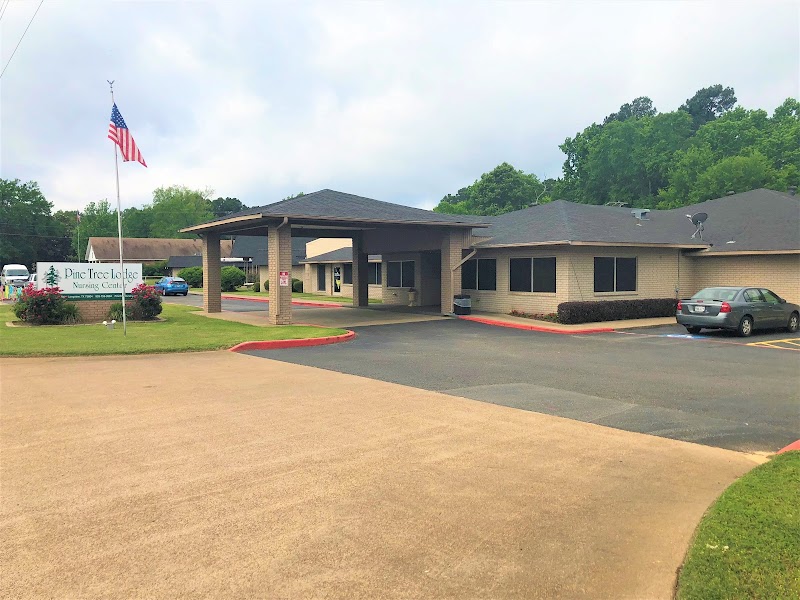
2711 PINE TREE RD, LONGVIEW, TX 75604 (903) 759-3994
Government - Hospital district 92 Beds CREATIVE SOLUTIONS IN HEALTHCARE Data: November 2025 3 Immediate Jeopardy citations
Trust Grade
0/100
#804 of 1168 in TX
Last Inspection: January 2025

Within standard 12-15 month inspection cycle. Federal law requires annual inspections.

Overview

Pine Tree Lodge Nursing Center has received a Trust Grade of F, indicating poor performance and significant concerns about the quality of care. Ranking #804 out of 1,168 facilities in Texas places it in the bottom half, and at #6 out of 13 in Gregg County, only five local options are better. The facility's situation is worsening, with the number of issues increasing from 8 to 12 in the past year. Staffing is a notable concern, with a rating of 2 out of 5 stars and a high turnover rate of 70%, which is much above the state average. They also face substantial fines totaling $225,502, which is higher than 96% of Texas facilities, raising red flags about repeated compliance failures. Despite having average RN coverage, the facility has faced critical incidents, including failing to notify a physician about a resident's significant drop in health after experiencing multiple high blood pressure readings and an unwitnessed fall, which ultimately led to the resident's death. Additionally, there was a failure to provide timely medication for another resident, resulting in missed doses and subsequent seizures. These incidents highlight serious issues in care and oversight, emphasizing the need for families to carefully consider their options when evaluating this nursing home.

Trust Score
F
0/100
In Texas
#804/1168
Bottom 32%
Safety Record
High Risk
Review needed
Inspections
Getting Worse
8 → 12 violations
Staff Stability
⚠ Watch
70% turnover. Above average. Higher turnover means staff may not know residents' routines.
Penalties
✓ Good
$225,502 in fines. Lower than most Texas facilities. Relatively clean record.
Skilled Nurses
⚠ Watch
Each resident gets only 25 minutes of Registered Nurse (RN) attention daily — below average for Texas. Fewer RN minutes means fewer trained eyes watching for problems.
Violations
⚠ Watch
43 deficiencies on record. Higher than average. Multiple issues found across inspections.
★★☆☆☆
2.0
Overall Rating
★★☆☆☆
2.0
Staff Levels
★★★★☆
4.0
Care Quality
★★☆☆☆
2.0
Inspection Score
Stable
2024: 8 issues
2025: 12 issues

The Good

  • 4-Star Quality Measures · Strong clinical quality outcomes
  • Full Sprinkler Coverage · Fire safety systems throughout facility
  • No fines on record

Facility shows strength in quality measures, fire safety.

The Bad

2-Star Overall Rating

Below Texas average (2.8)

Below average - review inspection findings carefully

Staff Turnover: 70%

23pts above Texas avg (46%)

Frequent staff changes - ask about care continuity

Federal Fines: $225,502

Well above median ($33,413)

Significant penalties indicating serious issues

Chain: CREATIVE SOLUTIONS IN HEALTHCARE

Part of a multi-facility chain

Ask about local staffing decisions and management

Staff turnover is elevated (70%)

22 points above Texas average of 48%

The Ugly 43 deficiencies on record

3 life-threatening 2 actual harm
Jan 2025 12 deficiencies
CONCERN (D)

Potential for Harm - no one hurt, but risky conditions existed

PASARR Coordination (Tag F0644)

Could have caused harm · This affected 1 resident

**NOTE- TERMS IN BRACKETS HAVE BEEN EDITED TO PROTECT CONFIDENTIALITY** Based on interviews and record reviews the facility failed to coordinate assessments with pre-admission screening and resident r...

Read full inspector narrative →
**NOTE- TERMS IN BRACKETS HAVE BEEN EDITED TO PROTECT CONFIDENTIALITY** Based on interviews and record reviews the facility failed to coordinate assessments with pre-admission screening and resident review (PASRR) program under Medicaid to the maximum extent practicable to avoid duplicative testing and effort which included referring all level II residents and all residents with newly evident or possible serious mental disorder, intellectual disability, or a related condition for level II resident review upon a significant change in status assessment for 1 of 5 residents (Resident #61) reviewed for PASRR Level I screenings. The facility failed to ensure the correct PASRR (a preliminary assessment completed for all individuals before admission to a Medicaid-certified nursing facility to determine whether they might have a mental illness or intellectual disability) Level 1 Screening was submitted to the local authority for Resident #61 who had a diagnosis of mental illness upon admission. This failure could place residents at risk for a diminished quality of life and not receiving necessary care and services in accordance with individually assessed needs. Findings include: Record review of Resident #61's face sheet dated 01/15/25, indicated a [AGE] year-old female who admitted to the facility on [DATE] with diagnoses which included chronic obstructive pulmonary disease (lung diseases that block airflow and make it difficult to breathe), bipolar disorder (mental illness that causes extreme shifts in mood, energy, and activity levels), anxiety (intense, excessive, and persistent worry and fear about everyday situations), and depression (persistent feeling of sadness and loss of interest that can interfere with daily activities). Record review of Resident #61's admission MDS assessment dated [DATE], indicated Resident #61 was able to make herself understood and understood others. Resident #61 had a BIMS score of 10, indicating her cognition was moderately impaired. The MDS indicated Resident #61 had an active diagnosis of bipolar disorder and had received antipsychotic medication within the last 7 days of the 7-day look back period. Record review of Resident #61's comprehensive care plan dated 12/29/24, indicated Resident #61 required anti-psychotic medications. The care plan interventions included to administer medications as ordered, monitor/record occurrence of target behavior symptoms, and to monitor/record/report to medical director as needed side effects and adverse reactions of psychoactive medications. Record review of Resident #61's PASRR Level 1 Screening form dated 11/20/24, indicated Resident #61 had no evidence or indicator of a mental illness. Record review of Resident #61's order summary report dated 01/15/25, indicated she had an order for quetiapine (antipsychotic medication) 100mg give one tablet by mouth one time a day for anxiety related to bipolar disorder with an order date of 11/27/24. Record review of Resident #61's medication administration record dated 01/01/25- 01/31/25, indicated she had received quetiapine 100mg one tablet by mouth daily for anxiety related to bipolar disorder. During an interview on 01/15/25 at 10:22 AM, MDS Coordinator D said when a resident admitted to the facility and their PASRR did not indicate they had a mental illness, they would not know if a corrected PASRR Level 1 needed to be completed. MDS Coordinator D said since Resident #61 had a diagnosis of mental disorder then a Form 1012 or a new PASRR level 1 screening form should have been completed. MDS Coordinator D said since she missed Resident #61 diagnosis of bipolar disorder, Resident #61 did not have a positive PASRR level 1 screening. This placed Resident #61 at risk for not receiving PASRR services through the local authority. MDS Coordinator D said she was responsible for ensuring the PASRR Level 1 Screening forms were completed correctly . During an interview on 01/15/25 at 3:27 PM, the DON said he was not familiar with the PASRR process. The DON said the MDS Coordinator was responsible for completing the PASRR Level 1 Screening forms accurately. The DON said by not completing the PASRR Level 1 screening correctly and the resident was positive for a mental illness they could fail to address the resident's mental health. During an interview on 01/15/25 at 4:02 PM, the Administrator said she expected the policy for PASRR to be followed as well as the regulation. The Administrator said if a resident had a history of mental health, then the PASRR Level 1 screening should be addressed and followed up on. The Administrator said the MDS Coordinator was responsible for ensuring the PASRR Level 1 Screenings were completed accurately so the residents received the services they need to maintain their highest level of functioning. Record review of the facility's policy and procedure, PASRR Level 1 Screen Policy and Procedure, indicated . it is the policy of [same corporate owned healthcare facilities] to obtain a PL1 screening form from the referring entity prior to the Nursing Facility . The PASRR Program is important because it provides options for individuals to choose where they live, who they live with and the training and therapy they need to live as independently as possible . 3. The facility will review the PL1 Screening Form for completion and correctness prior to admission and submit the PL1 form per regulations . review each item on the PL1 to ensure accuracy and prevent a regulatory problem .
CONCERN (D)

Potential for Harm - no one hurt, but risky conditions existed

Comprehensive Care Plan (Tag F0656)

Could have caused harm · This affected 1 resident

**NOTE- TERMS IN BRACKETS HAVE BEEN EDITED TO PROTECT CONFIDENTIALITY** Based on observations, interviews, and record reviews, the facility failed to develop and implement a comprehensive person-cente...

Read full inspector narrative →
**NOTE- TERMS IN BRACKETS HAVE BEEN EDITED TO PROTECT CONFIDENTIALITY** Based on observations, interviews, and record reviews, the facility failed to develop and implement a comprehensive person-centered care plan for each resident, that includes measurable objectives and timeframes to meet a resident's medical, nursing, and mental and psychosocial needs, for 1 of 6 (Resident #9) residents reviewed for the care plans. The facility failed to ensure a fall mat was beside Resident #9's bed as stated in her care plan. This failure could affect residents by placing them at risk of not receiving appropriate interventions to meet their current needs. Findings included: Record review of Resident #9's face sheet, dated 01/15/25, indicated an [AGE] year-old female who was admitted to the facility on [DATE] and re-admitted on [DATE] with diagnoses which included Dementia (loss of memory, language, problem-solving and other thinking abilities that were severe enough to interfere with daily life), Bipolar disorder (a chronic mental health condition characterized by extreme mood swings between periods of mania (elevated mood), depression (low mood), and high blood pressure. Record review of Resident #9's quarterly MDS assessment, dated 11/25/24, indicated Resident #9 usually makes herself understood and understood others. Resident #9's BIMS score was 06, which meant she was severely cognitively impaired. The MDS indicated Resident #9 required help with toileting bed mobility, dressing, transfers, personal hygiene, and eating. The MDS indicated she had a fall on a prior assessment. Record review of Resident #9's physician's order dated 02/23/24 indicated: May have a fall mat at the bedside every shift. Record review of Resident #9's comprehensive care plan, with a revised date of 12/24/24, indicated Resident #9 had a diagnosis of insomnia (a sleep disorder that makes it hard to fall or stay asleep) and was at risk for impaired sleep pattern, mood swings, and increased risk for falls. The intervention was to apply a fall mat at the bedside. During an observation on 01/14/25 at 10:44 a.m., Resident #9 was lying in her bed with no fall mat on the floor next to her bed. During an observation and interview on 01/15/25 at 8:48 a.m., Resident #9 was lying in her bed with no fall mat noted at the bedside. Resident #9's roommate said Resident #9 had a fall mat but unknown date of when she saw it last. The roommate said Resident #9 had attempted to get up in the past, but she would push her call light for someone to help her. CNA I came to Resident #9's room and verified Resident #9's fall mat was not placed beside the bed. She said she knew Resident #9 had a fall mat and should have had a fall mat beside her bed because she was at risk of falling. LVN E looked at Resident #9's electronic medical records and verified Resident #9 had an order for a fall mat at the bedside. LVN E said she started working on Resident #9's hall in November of 2024 but could not remember if she ever saw a fall mat for Resident #9 . During an interview on 01/15/25 at 2:48 p.m., the DON said if a resident had an order for a fall mat, then they should have one beside the bed. He said the nurse who received the order should have placed the fall mat beside the bed, and nurse managers should follow up to ensure it was beside the bed. He said if the fall mat was not in place, the residents could have a greater risk of hurting themselves when falling out of bed. During an interview on 01/15/25 at 3:10 p.m., the Administrator said she expected a fall mat to be in place if the resident had an order. She said she wanted doctor's orders to be followed. She said the charge nurse should verify the fall mat every shift, and the ADON/DON oversees the process. She said a fall mat was placed to prevent an injury as much as possible. Record review of the facility policy titled, Physician's Orders, from the Medical Records Manual dated 2015, indicated, The Purpose: To monitor and ensure the accuracy and completeness of the medication orders, treatment orders, and ADL order for each resident. Record review of the facility policy titled, Preventive Strategies to Reduce Fall Risk, from The Fall Risk Mini Manual revised October 5, 2016, indicated, The Policy: The goal of fall prevention strategies is to design interventions that minimize fall risk by eliminating or managing contributing factors while maintaining or improving the resident's mobility. Procedure: 1. After risk is assessed, individualized nursing care plans will be implemented to prevent falls. Interventions will focus on manipulating the environment, educating the resident/family, implementing rehabilitation programs to improve functional ability, and care monitoring of medication side effects. Record review of the facility policy titled, Comprehensive Care Planning, from The Nursing Policy & Procedure Manual section 03-18.0 indicated, The facility will develop and implement a comprehensive person-centered care plan for each resident, consistent with the resident rights that includes measurable objectives and timeframes to meet a resident's medical, nursing, and mental and psychosocial needs that are identified in the comprehensive assessment. The comprehensive care plan will describe the following -o The services that are to be furnished to attain or maintain the resident's highest practicable physical, mental, and psychosocial well-being The comprehensive care plan will reflect interventions to enable each resident to meet his/her objectives. Interventions are the specific care and services that will be implemented .
CONCERN (D)

Potential for Harm - no one hurt, but risky conditions existed

Accident Prevention (Tag F0689)

Could have caused harm · This affected 1 resident

**NOTE- TERMS IN BRACKETS HAVE BEEN EDITED TO PROTECT CONFIDENTIALITY** Based on observation, interview, and record review the facility failed to ensure the residents environment remained free of acci...

Read full inspector narrative →
**NOTE- TERMS IN BRACKETS HAVE BEEN EDITED TO PROTECT CONFIDENTIALITY** Based on observation, interview, and record review the facility failed to ensure the residents environment remained free of accident hazards by not adequately monitoring the proper storage of oxygen cylinders for 1 of 2 residents (Resident #62). The facility failed to ensure the oxygen cylinder in Resident #62's room was properly secured. This failure could place the resident at risk for injury. Findings included: Record review of Resident #62's face sheet dated 01/15/25, indicated a [AGE] year-old female who initially admitted to the facility on [DATE]. Resident #62 had diagnoses which included dementia (memory loss), chronic obstructive pulmonary disease (group of lung diseases that block airflow and make it difficult to breathe), osteoporosis (condition when bones become weak and brittle), and hallucinations (a perception of having, seen, heard, touched, tasted, or smelled something that was not actually there). Record review of Resident #62's quarterly MDS assessment dated [DATE], indicated Resident was able to be understood and was able to understand others. Resident #62 had a BIMS score of 8, indicating her cognition was moderately impaired. Resident #62 required supervision or touching assistance with toileting hygiene, showering, and lower body dressing. The MDS did not indicate Resident #62 required oxygen therapy. Record review of Resident #62's comprehensive care plan dated 09/09/24 indicated Resident #62 had emphysema (chronic lung disease that damages the air sacs in the lungs, making it difficult to breathe)/COPD with interventions to give oxygen therapy as ordered by the physician. Record review of Resident #62's order summary report dated 01/15/25, did not indicate Resident #62 had orders for oxygen therapy . During an observation and interview on 01/13/25 at 12:23 PM, Resident #62 was lying in her bed. Resident #62 said she had just returned from the hospital. Resident #62 had a free-standing portable oxygen cylinder sitting on the floor in front of her bedside commode that was on her right side of her bed. Resident #62 said the person who brought her in to her room placed the portable oxygen cylinder on the floor next to her bed. Resident #62 said she did not use oxygen. During an observation on 01/14/25 at 08:20 AM, Resident #62 was in lying in her bed. Resident #62 was not wearing any oxygen. The oxygen cylinder continued to be free standing on the floor to the right side of her bed. During an observation on 01/14/25 at 12:55 PM, Resident #62 was in lying in her bed. Resident #62 was not wearing any oxygen. The oxygen cylinder continued to be free standing on the floor to the right side of her bed . During an interview on 01/14/25 at 12:57 PM, LVN B said she was responsible for taking the portable oxygen cylinder out of Resident #62's room but forgot. LVN B said portable oxygen cylinders should never be free standing as they could fall over, bust and cause an accident. LVN B said portable oxygen cylinders should be secured in a little rack or on the back of a wheelchair. LVN B said it was the nurse's responsibility to ensure the oxygen cylinders were properly secured. During an interview on 01/15/25 at 3:27 PM, the DON said the portable oxygen cylinders should not be freestanding and should be secured in the oxygen room, the back of the wheelchair in a secure holder, or in the oxygen rollers. Failure to properly secure the portable oxygen cylinders could cause the cylinder to fall over, becoming a projectile and cause injury to a resident. The DON said any staff member was responsible for ensuring the portable oxygen cylinders were properly secured. During an interview on 01/15/25 at 4:02 PM, the Administrator said she expected the portable oxygen cylinders to be appropriately stored and should not be freestanding. The Administrator said if the oxygen cylinder needed to be in a room, it should be on a rolling holder, secured to the back of the wheelchair or stored in the oxygen closet. The Administrator said the resident was at risk of injury if the oxygen tank fell. The nurses were responsible for ensuring the portable oxygen cylinders were stored appropriately. Record review of facility's policy, Oxygen Administration, revised March 21, 2023, indicated . Oxygen therapy includes the administration of oxygen (O2) in liters/minute (l/min) by cannula or face mask to treat hypoxemic conditions caused by pulmonary or cardiac diseases . Common oxygen sources for long-term administration include cylinder (portable or stationary) or wall system near the resident's bed or concentrator . e. If a small cylinder is used, position and secure it in a portable cart .
CONCERN (D)

Potential for Harm - no one hurt, but risky conditions existed

Respiratory Care (Tag F0695)

Could have caused harm · This affected 1 resident

**NOTE- TERMS IN BRACKETS HAVE BEEN EDITED TO PROTECT CONFIDENTIALITY** Based on observation, interview, and record review the facility failed to ensure that residents requiring respiratory care were ...

Read full inspector narrative →
**NOTE- TERMS IN BRACKETS HAVE BEEN EDITED TO PROTECT CONFIDENTIALITY** Based on observation, interview, and record review the facility failed to ensure that residents requiring respiratory care were provided such care, consistent with professional standards of practices for 1 of 65 residents (Resident #35) reviewed for respiratory care. The Facility failed to ensure Resident #35 nebulizer mask was bagged when not in use. This failure could place residents who receive respiratory care at risk for developing respiratory complications. The findings included: Record review of the profile sheet, dated 1/15/25, revealed Resident #35 was an [AGE] year-old male who initially admitted to the facility on [DATE] with diagnoses of chronic obstructive pulmonary disease with acute lower respiratory infection(COPD) (an inflammatory lung disease that causes obstructed airflow from the lungs), unspecified dementia (loss of memory, language, problem solving and other thinking abilities that were severe enough to interfere with daily life) and hypertension (high blood pressure). Record review of the MDS quarterly assessment, dated 11/29/24, revealed Resident #35 had clear speech, was understood, and made himself understood. The MDS revealed Resident #35 had a BIMS of 12, which indicated moderate cognitive impairment. The MDS revealed Resident #35 had no behaviors or refusal of care. Record review of the comprehensive care plan, completed on 12/16/24, revealed Resident #35 had Emphysema/COPD. The care plan interventions were, Resident #35 will be monitored/document for anxiety; Offer support, encourage resident to vent frustrations, fears; Monitor/document/report to MD PRN any signs and symptoms of respiratory infection: Fever, Chills, increase in sputum (document the amount, color, and consistency), chest pain, increased difficulty breathing (Dyspnea), increased coughing and wheezing. Record review of the Medication Review dated 1/15/25, revealed Resident #35 had a physician's order, which started on 07/17/24, for Ipratropium-Albuterol Inhalation Solution 0.5-2.5 (3) MG/3ML (Ipratropium-Albuterol). The medication Review indicated Resident #35 was to take one vial inhale orally two times a day for short of breath (SOB). During an observation on 1/13/25 at 11:23 a.m., Resident #35 was laying in his bed with the head of bed elevated at approximately 45 degrees. Resident was not using his nebulizer machine. Nebulizer machine was sitting near bed side on top of the resident's dresser. Nebulizer mask and tubing were sitting inside resident junk drawer near bedside. Nebulizer mask did not have the label with the resident room number and name. During an observation on 1/14/25 at 11:23 a.m., Resident #35 was laying in his bed with the head of bed elevated at approximately 45 degrees. Resident was not using his nebulizer machine. Nebulizer machine was sitting near bed side on top of the resident dresser. Nebulizer mask and tubing were sitting inside resident junk drawer near bedside. Nebulizer mask did not have the label with the resident room number and name. During an interview on 1/14/25 at 2:21 p.m., Resident #35 stated he used his nebulizer machine twice a day. Resident #35 stated after use of his nebulizer machine the staff never bagged his nebulizer mask after use. During an interview on 1/15/25 at 10:35 a.m., LVN E stated she had been employed at the facility for at least 1 year. LVN E stated she worked the 6 am to 6 pm shift. LVN E stated she was responsible for ensuring the masks were being bagged when not in use. LVN E stated she was not aware of Resident #35 nebulizer mask not being bagged after use nor being labeled with the patient's name and room number. LVN E stated she conducted rounds between 6am to 9 am, 2 pm and 4 pm to 6pm. LVN E stated she was not aware of any recent in-services. LVN E stated, It was important to ensure the mask was being bagged for infection control and I e would not want to use a mask that everything had been on it. During an interview on 1/15/25 at 11:20 a.m., the DON stated he had been employed at the facility for 5 weeks. The DON stated he was not aware Resident #35's nebulizer machine and mask were not being bagged or labeled with the resident name and room number. The DON stated the nebulizer and masks should have been bagged. The DON stated he oversaw the nursing department. The DON stated to his knowledge in-services had not been completed on nebulizers. The DON stated he was ultimately responsible for ensuring the nebulizer and mask were labeled and bagged. The DON stated, It was important to ensure the nebulizer was bagged and labeled with the resident room number and name for infection control, so they are not on the floor and labeled so they don't get mixed up and used on the wrong resident. During an interview on 1/15/25 at 1:57 p.m., the Administrator stated she had been employed since July of 2024. Stated she oversaw the nursing department. The Administrator stated the nebulizer machine and mask should have been bagged and labeled with resident room number and name. The Administrator stated she was not aware of the nebulizer machine and masks not being labeled or bagged after use. The Administrator stated the nursing department was responsible for ensuring the nebulizer and mask were being labeled and bagged after use. The Administrator stated the ADON, DON and she were responsible for ensuring the nebulizer machine and mask were labeled and bagged. The Administrator stated she oversaw the ADON and DON. The Administrator stated the nebulizer machine and masks should be checked during champion rounds each morning. The Administrator stated, It was important to ensure the nebulizer machine and mask were labeled and being bagged after use to help the mask and nebulizer stay clean and make sure that multiple residents were not using someone else's machine and to protect positive outcomes. Record review of Aerosolized Hand-Held Nebulizer dated 2003, indicated, Purpose: To provide guidelines for administration of nebulized medication to patients . (13) Rinse the nebulizer and mouthpiece shake and store in a plastic bag that is labeled with the patient's name and room number.
CONCERN (D)

Potential for Harm - no one hurt, but risky conditions existed

Infection Control (Tag F0880)

Could have caused harm · This affected 1 resident

**NOTE- TERMS IN BRACKETS HAVE BEEN EDITED TO PROTECT CONFIDENTIALITY** 2. Record review of Resident #46's face sheet, dated 01/15/25 indicated he was a [AGE] year-old male admitted to the facility on...

Read full inspector narrative →
**NOTE- TERMS IN BRACKETS HAVE BEEN EDITED TO PROTECT CONFIDENTIALITY** 2. Record review of Resident #46's face sheet, dated 01/15/25 indicated he was a [AGE] year-old male admitted to the facility on [DATE] and re-admitted on [DATE] with diagnoses which included Parkinson's disease also known as PD (is a chronic and progressive neurological disorder that affects movement, balance, and coordination), dysphagia (difficulty swallowing), and gastroesophageal reflux disease also known as GERD (is a chronic digestive condition that occurs when stomach contents flow back up into the esophagus). Record review of Resident #46's quarterly MDS assessment, dated 12/05/24, indicated Resident #46 usually understood and was understood by others. Resident #46's BIMS score was a 03 indicating he was severely cognitively impaired. The MDS indicated he required total assistance with all his ADLs. The MDS indicated Resident #46 had a gastrostomy. Record review of Resident #46's Physician order dated 10/07/24 indicated: Jevity 1.5 via tube feeding (gastrostomy tube) at 60 milliliters per hour with a water flush of 50 milliliters per hour. Record review of Resident #46's Physician order dated 01/13/25 indicated: Carbidopa-Levodopa 25-100 milligram, Give 2 tablets enterally three times a day for Parkinson's disease. Record review of Resident #46's comprehensive care plan dated 07/24/24 indicated, he required Enhanced Barrier Precautions. The interventions were for staff to wear gloves and gown if any of the following activities were to occur such as linen changes, resident hygiene, transfer, dressing, toileting/incontinent care, bed mobility, wound care, enteral feeding care, catheter care, trach care, bathing, or other high-contact activity. During an observation on 01/14/25 at 9:51 a.m., Resident #46 had a sign for Enhanced Barrier Precautions also known as EBP which indicated they recommended staff to wear gowns and gloves while providing care for any resident who had any of the following: 1) infection or 2) a wound or indwelling medical device, even if the resident was not known to be infected, outside his door. During an observation and interview on 01/14/25 at 9:52 a.m., LVN E entered Resident #46's room to administer his morning medication of Carbidopa-Levodopa 25-100 milligram with gloves on. She did not apply her gown before entering Resident #46's room or before giving his medication. LVN E said she knew Resident #46 was on EBP and that a gown and gloves should be worn to protect the resident. She said she did not wear a gown because she was only giving him his medication and not providing incontinent care. She said she was going to ask someone if she should wear a gown and gloves when giving gastrostomy medication. During an interview on 01/15/25 at 10:38 a.m., LVN E said she asked the DON if she was supposed to wear a gown and gloves when giving gastrostomy medications and she was told yes. LVN E said she would be wearing a gown and gloves moving forward when giving gastrostomy medications. During an interview on 1/15/25 at 2:48 p.m., the DON said he expected staff to follow the precautions for EBP. He said staff should wear gloves and gowns during high-contact resident care activities for residents to prevent infection and wash their hands before and aftercare. He said he expected LVN E to wear a gown and gloves when giving gastrostomy medication to Resident #46 because of his EBP and to prevent infection from occurring because he had an opening to his skin (gastrostomy). He said he was responsible for ensuring staff was wearing the required PPE and he made random rounds to ensure staff were wearing the appropriate PPE when going into rooms. During an interview on 01/15/24 at 3:10 p.m., the Administrator said all staff were responsible for following infection control practices. She said she expected staff to look at the sign on the door to tell them what they should do, and she expected them to do that. She said she was the infection preventionist and expected the charge nurses to manage the CNAs, the ADON/DON to manage the charge nurses, and she was the overseer of everyone. She said the signs such as EBP or contact were posted on the door of residents who had been identified as people who could potentially get an infection or spread infection. The administrator said if they were not wearing the appropriate PPE then they could spread germs or infection to someone else. Record review of the facility policy titled, Infection Control Plan: Overview, from the Infection Control Policy and Procedure [NAME] dated March 2016, indicated, The facility will establish and maintain an Infection Control Program designed to provide a safe, sanitary, and comfortable environment and to help prevent the development and transmission of disease and infection. The Infection Control Program: The facility will establish an Infection Control Program under which it - (1) Investigates, controls, and prevents infections in the facility. Preventing Spread of Infection: (3) The facility will require staff to wash their hands after each direct resident contact for which hand washing was indicated by accepted professional practice. The intent: is to assure that the facility develops, implements, and maintains an Infection Prevention and Control Program in order to prevent, recognize, and control, to the extent possible, the onset and spread of infection within the facility. The program will: oPerform surveillance and investigation to prevent, to the extent possible, the onset and the spread of infection; oPrevent and control outbreaks and cross-contamination using transmission-based precautions in addition to standard precautions; oImplement hand hygiene (hand washing) practices consistent with accepted standards of practice, to reduce the spread of infections and prevent cross-contamination. Record review of the facility policy titled, Fundamentals of Infection Control Precautions, from the Infection Control Policy and Procedure [NAME] dated 2019, indicated, A variety of infection control measures are used for decreasing the risk of transmission of microorganisms in the facility. These measures make up the fundamentals of infection control precautions. #1. Hand Hygiene: Hand hygiene continues to be the primary means of preventing the transmission of infection. Consistent use by staff of proper hygienic practices and techniques is critical to preventing the spread of infections. #5. Gowns and protective apparel: 1. Gowns and protective apparel are worn to provide barrier protection and reduce the opportunity for transmission of microorganisms in the LTCF 2. Gowns are also worn by personnel during the care of patients infected with epidemiologically important microorganisms to reduce the opportunity for transmission of pathogens from residents or items in their environment to other residents or environments; when gowns are worn for this purpose, they are removed before the personnel leave the resident's environment. Record review of the facility's undated policy Linens indicated . 1. Resident linens must be clean and dry and changed regularly . Employees will ensure that hands are clean and dry before handling clean linen . Record review of the facility's policy and procedure, Perineal Care effective 05/11/22, indicated . This procedure aims to maintain the resident dignity and self-worth and reduce embarrassment by providing cleanliness and comfort to the resident, preventing infections and skin irritation, and observing the resident's skin condition . 21) Gently perform care to the buttocks and anal area, working from front to back without contaminating the perineal area . 23) Note skin changes and apply moisture barrier cream as directed 24) Doff gloves and PPE 25) Perform hand hygiene .Doffing and discarding of gloves are required if visibly soiled . Always perform hand hygiene before and after glove use . Based on observations, interviews, and record reviews, the facility failed to maintain an infection prevention and control program designed to provide a safe, sanitary, and comfortable environment and to help prevent the development and transmission of communicable diseases and infections for 2 of 5 residents (Resident #s 12 and 46) reviewed for infection control. 1. The facility failed to ensure CNA C changed her gloves when she provided incontinent care to Resident #12 on 01/13/25. 2. The facility failed to ensure CNA C did not apply the dirty linen that had fallen to the floor on 01/13/25 to Resident #12. 3. The facility failed to ensure LVN E wore a gown when she gave Resident #46 his medication through his gastrostomy (also known as a G-tube, is a thin, flexible tube inserted through the abdominal wall directly into the stomach used to provide nutrition and medications directly to the stomach when a person is unable to eat or drink adequately by mouth). These failures could place residents and staff at risk for cross-contamination and the spread of infection. Findings included: 1. Record review of Resident #12's face sheet dated 01/15/24, indicated an [AGE] year-old female who initially admitted to the facility on [DATE]. Resident #12 had diagnoses which included Alzheimer's disease (progressive disease that destroys memory and other important mental functions), difficulty walking, weakness, need for assistance with personal care, and anxiety (intense, excessive, and persistent worry and fear about everyday situations). Record review of Resident #12's quarterly MDS assessment dated [DATE], indicated Resident #12 was able to make herself understood and understood others. Resident #12 had a BIMS score of 8, indicating her cognition was moderately impaired. Resident #12 required substantial/maximal assistance with toileting hygiene, bathing, and lower body dressing. Resident #12 was frequently incontinent of urine and occasionally incontinent of bowel. Record review of Resident #12's comprehensive care plan dated 11/02/20, indicated she had bladder incontinence, activity intolerance, and impaired mobility. The care plan interventions indicated for incontinent care at least every 2 hours and apply moisture barrier after each episode. During an observation and interview on 01/13/25 at 2:15 PM, CNA C entered Resident #12's room to provide incontinent care. CNA C washed her hands and applied gloves. CNA C proceeded to provide incontinent care and apply barrier cream to Resident #12. CNA C never changed her gloves throughout the incontinent care process. CNA C removed the fitted sheet from under Resident #12 and placed it on the end of the bed. Using the same dirty gloves, CNA C obtained a clean fitted sheet and a flat sheet from the clean linen bag she had brought in the room. Two clean pillowcases and one flat sheet fell on the floor. CNA C applied the clean fitted sheet, flat sheet, and the clean brief. CNA C removed her gloves after she fastened Resident #12's clean brief. CNA C proceeded to pick it up, the linen from the floor, and applied it to Resident #12. CNA C completed applying covers to Resident #12 and then washed her hands. CNA C said when she provided incontinent care, she usually just used one set of gloves for the whole process. CNA C said she was unaware of when to change her gloves but believed after removing the dirty brief and before applying the clean brief. CNA C said she should have not applied the linen that fell on the floor to Resident #12 because it was considered dirty. CNA C said failure to change gloves and applying dirty linen placed Resident #12 at risk for infection and cross contamination. CNA C said she was responsible for ensuring proper incontinent care and clean linens were provided to the residents. During an interview on 01/15/25 at 3:14 PM, LVN B said she expected CNA C to have changed her gloves when she was going from dirty to clean. LVN B said clean linen that has fallen to the floor was considered dirty and should not be placed on the resident. LVN B said by not changing their gloves and placing dirty linens, while providing care to a resident, was cross contamination and placed the resident at risk for infection. LVN B said the CNA providing care was responsible for ensuring proper incontinent care and clean linens were being provided to the residents. During an interview on 01/15/25 at 03:27 PM, the DON said he expected the staff to change their gloves when their gloves become soiled or before touching clean linen. The DON said failure to change gloves when going from dirty to clean or applying dirty linen was cross contamination. The DON said the staff member providing the care was responsible for providing proper incontinent care and ensuring the linen was clean before applying it to the resident. During an interview on 01/15/25 at 4:02 PM, the Administrator said she expected incontinent care to be provided with dignity and privacy as well as following the policy and procedure to maintain infection control practices. The Administrator said CNA C should have changed her gloves when going from dirty to clean and failure to do so could cause infections. The Administrator said she expected CNA C to have obtained clean linens and not to have applied the linen that had fallen to the floor to Resident #12. The Administrator said the linen that had fallen to the floor was considered contaminated. The Administrator said the CNAs were responsible for ensuring infection control was maintained when providing care to a resident and the charge nurse and the DON were responsible for supervising.
CONCERN (D)

Potential for Harm - no one hurt, but risky conditions existed

Deficiency F0883 (Tag F0883)

Could have caused harm · This affected 1 resident

**NOTE- TERMS IN BRACKETS HAVE BEEN EDITED TO PROTECT CONFIDENTIALITY** Based on interviews, and record review, the facility failed to ensure that each resident was offered a pneumococcal immunization...

Read full inspector narrative →
**NOTE- TERMS IN BRACKETS HAVE BEEN EDITED TO PROTECT CONFIDENTIALITY** Based on interviews, and record review, the facility failed to ensure that each resident was offered a pneumococcal immunization, unless the immunization was medically contraindicated, or the resident had already been immunized for 1 of 5 resident's (Resident #16) reviewed for pneumococcal vaccinations. The facility failed to ensure Resident #16 was offered the pneumococcal vaccination in accordance with the CDC schedule and timing for the pneumococcal vaccine. This failure could place residents at risk for contracting a viral disease that could spread through the facility and cause respiratory complications, and potential adverse health outcomes. The findings included: Record review of the face sheet, dated 01/15/25, reflected Resident #16 was an [AGE] year-old female who initially admitted to the facility on [DATE] with a diagnosis of asthma (condition in which your airways narrow and swell and may produce extra mucus). Record review of the significant change MDS assessment, dated 01/05/25, reflected Resident #16 had unclear speech and was rarely or never understood by others. The MDS reflected Resident #16 was sometimes able to understand others. The MDS reflected Resident #16 had a BIMS score of 3, which indicated severe cognitive impairment. The MDS reflected Resident #16 had an active pulmonary (lung) disease. The MDS reflected Resident #16's pneumococcal vaccination was up to date. Record review of the comprehensive care plan, reviewed 11/21/24, did not address pneumonia vaccinations. Record review of the order summary report, dated 01/15/25, reflected Resident #16 had an order pneumonia vaccine per CDC recommendation. Record review of the Immunization Report, dated 01/13/25, reflected Resident #16 historically received the Prevnar 13 pneumococcal vaccination on 01/01/16. The report reflected no other pneumococcal vaccination was offered, received, or declined. Record review of the Pneumococcal Vaccine Timing for Adults, updated October 2024 and accessed on the cdc.gov/pneumococcal website, reflected Make sure your patients are up to date with pneumococcal vaccination .adults greater than or equal to [AGE] years old . completed pneumococcal vaccine schedules with prior vaccination of Prevnar 13 (at any age) is recommended PCV20 or PCV21 greater than 1 year after the Prevnar 13 vaccination. During an interview on 01/15/25 beginning at 2:33 PM, the Administrator stated the facility did not have a recent pneumonia vaccination consent or declination form for Resident #16. The Administrator stated pneumonia vaccinations evaluation should have been completed annually. The Administrator stated pneumococcal vaccinations should have been offered per the CDC recommendations. The Administrator stated she was the acting infection control preventionist. The Administrator stated the ADON was the infection control preventionist, but she no longer worked at the facility. The Administrator stated it was important to ensure pneumococcal vaccinations were offered to promote better health outcomes. During an interview on 01/15/25 beginning at 3:42 PM, the DON stated he expected pneumonia vaccinations to have been offered per the CDC recommendations. The DON stated consent or declination forms should have been kept in the medical record. The DON stated if the resident's wanted the pneumonia vaccinations it should have been administered. The DON stated pneumonia vaccinations should be reviewed twice a year to allow the resident's time to rethink or change their mind about the pneumococcal vaccinations. The DON stated it was important to ensure residents received the pneumonia vaccinations to ensure they can live a healthier life, especially in a communal environment where they were more susceptible to illness. Record review of the Resident Influenza and Pneumonia Vaccine policy, undated, reflected it is the policy of this company that all residents will be offered the pneumonia immunization unless the immunization is contraindicated, or the resident has already been immunized .this facility offers the pneumonia vaccines according to ACIP guidelines .
CONCERN (E)

Potential for Harm - no one hurt, but risky conditions existed

Deficiency F0698 (Tag F0698)

Could have caused harm · This affected multiple residents

**NOTE- TERMS IN BRACKETS HAVE BEEN EDITED TO PROTECT CONFIDENTIALITY** Based on observation, interview, and record review, the facility failed to ensure dialysis services were provided consistently w...

Read full inspector narrative →
**NOTE- TERMS IN BRACKETS HAVE BEEN EDITED TO PROTECT CONFIDENTIALITY** Based on observation, interview, and record review, the facility failed to ensure dialysis services were provided consistently with professional standards of practice for 1 of 1 resident reviewed for dialysis services. (Resident #21) 1. The facility failed to ensure the dialysis communication forms were fully completed to include the post dialysis assessment for Resident #21. 2. The facility failed to ensure the dialysis order was updated when Resident #21's dialysis days changed on [DATE]. This failure could place residents who received dialysis at risk for complications and not receiving proper care and treatment to meet their needs. The findings included: Record review of Resident #21's face sheet, dated [DATE], reflected Resident #21 was a [AGE] year-old female who initially admitted to the facility on [DATE] with a diagnosis of end stage renal disease (occurs when chronic kidney disease - the gradual loss of kidney function - reaches an advanced state). Record review of the significant change MDS assessment, dated [DATE], reflected Resident #21 had clear speech and was understood by staff. The MDS reflected Resident #21 was able to understand others. The MDS reflected Resident #21 had a BIMS score of 12, which indicated moderately impaired cognition. The MDS reflected Resident #21 had no behaviors or refusal of care. The MDS reflected Resident #21 received dialysis while a resident at the facility. Record review of the comprehensive care plan, last revised on [DATE], reflected Resident #21 received hemodialysis two times per week on Tuesday and Thursday. Record review of the Pre/Post Dialysis Communication Report forms for Resident #21, from [DATE], [DATE], and [DATE], reflected Resident #21 had a missing post dialysis assessment (completed by the facility staff) for the following dates: [DATE], [DATE], [DATE], [DATE], [DATE], [DATE], [DATE], [DATE], [DATE], [DATE], [DATE], [DATE], [DATE], and [DATE]. Record review of the order summary report, dated [DATE], reflected Resident #21 had an order for Hemodialysis on Monday, Wednesday, and Friday effective [DATE]. Record review of the social service progress note, dated [DATE], reflected Resident #21's dialysis chair time was changed effective [DATE] to Tuesday, Thursday, and Saturday. Record review of the nursing progress note, dated [DATE], reflected Resident #21's dialysis chair time was decreased to 2 times per week on Tuesday and Saturday. During an observation and interview on [DATE], beginning at 10:22 AM, Resident #21 stated she received dialysis two times per week on Tuesday and Saturday. Resident #21 stated she recently started dialysis in the last few months. Resident #21's dialysis catheter was located on her chest, which was completely covered by a dressing dated [DATE]. Resident #21 stated the dialysis center changed the dressing. Resident #21 stated the facility staff looked at her port but did not mess with it. Resident #21 stated she took the dialysis communication forms with her to the dialysis and returned them to the facility staff when she arrived back at the facility. Resident #21 was unsure if a post-dialysis assessment was completed when she returned to the facility. During an interview on [DATE] beginning at 4:07 PM, LVN B stated when Resident #21 returned from dialysis she checked her vital signs and filled out the post dialysis communication form. LVN B stated Resident #21 recently changed her chair time and days of dialysis. LVN B stated prior to the last few weeks, Resident #21 returned from dialysis on the night shift around 7 PM. LVN B was unsure why the post-dialysis assessments were not completed. LVN B stated it was important to ensure a post-dialysis assessment was completed to monitor Resident #21's status after dialysis. LVN B said it was important to monitor Resident #21's condition because it could have changed quickly, and she could have died. LVN B stated the orders should have reflected Resident #21's current dialysis schedule. LVN B stated any nurse was responsible for ensuring the orders were updated and correct. LVN B said it was important to ensure the dialysis order was accurate so everyone was aware when Resident #21's dialysis should have been completed. LVN B said if the orders were not updated it placed Resident #21 at risk for missing dialysis treatment. During an interview on [DATE] beginning at 4:14 PM, the DON stated the nurse receiving Resident #21 back from dialysis was responsible for ensuring the post dialysis assessment was completed. The DON stated he expected the nurses to ensure the post dialysis assessments were completed and filled out on the dialysis communication form. The DON stated he currently had no process in place for monitoring to ensure post-dialysis assessments were completed. The DON stated it was important to ensure post dialysis assessments were completed and the communication forms were filled out for continuity of care and monitoring for changes in the resident's condition. The DON stated he expected the nurses to ensure the dialysis orders were updated and changed as ordered by the physician. The DON stated it was important to ensure dialysis orders were updated to prevent the residents from missing dialysis. The DON stated it placed the residents at risk for fluid overload and other issues caused from not receiving dialysis treatment. During an interview on [DATE] beginning at 4:31 PM, the Administrator stated she expected the nursing staff to ensure dialysis orders were updated and the post dialysis assessments were completed and documented on the dialysis communication form. The Administrator stated the nursing management was responsible for monitoring to ensure the orders were updated and the post dialysis assessment was completed and documented on the communication form. The Administrator stated it was important to ensure the post dialysis assessment was completed to monitor a change in the resident's condition. The Administrator stated it was important to ensure dialysis orders were updated to ensure compliance with the regulations. Record review of the Dialysis policy, revised 11/2013, reflected review and confirm the physician's order for dialysis .the facility will establish baseline information from the dialysis center and will monitor changes from the baseline .the facility will assist the resident as needed with making an appointment at the dialysis center as specified by physician order .the facility will document the resident's vital signs, general appearance, orientation, and additional baseline data as needed. The resident's clinical record will be documented with this information .
CONCERN (E)

Potential for Harm - no one hurt, but risky conditions existed

Pharmacy Services (Tag F0755)

Could have caused harm · This affected multiple residents

**NOTE- TERMS IN BRACKETS HAVE BEEN EDITED TO PROTECT CONFIDENTIALITY** Based on observation, interview, and record review, the facility failed to establish a system of receipt and disposition of all ...

Read full inspector narrative →
**NOTE- TERMS IN BRACKETS HAVE BEEN EDITED TO PROTECT CONFIDENTIALITY** Based on observation, interview, and record review, the facility failed to establish a system of receipt and disposition of all controlled drugs in sufficient detail to enable accurate reconciliation and determine that drug records are in order and that an account of all controlled drugs was maintained and periodically reconciled for 1 of 1 storage area reviewed for expired and discontinued medications and for the accuracy of administering drugs and biologicals to meet the needs of each resident for 1 of 8 residents (Resident #10) reviewed for insulin administration. 1.The facility failed to keep a record of a receipt of controlled medications awaiting disposition to allow accurate and periodic reconciliation. 2. The facility failed to ensure LVN E primed Resident #10's insulin pen of Fiasp (a rapid-acting insulin) before given. These failures could place residents at risk of not receiving the therapeutic benefit of medications, loss of prescribed medications and drug diversion. Findings included: 1.During an observation and interview on [DATE] at 1:05 p.m., the following unlogged medications were observed in the controlled medications storage area waiting to be disposed of: *Tylenol/Codeine 300/30 milligrams--- 58 tablets *Hydrocodone 5/325 milligrams---32 tablets *Temazepam 30 milligram 8 tablets *Tramadol HCL 50 milligram 30 tablets *Morphine Sulfate ER 60 milligram 28 tablets *Hydrocodone Tylenol 5-325 milligrams 30 tablets *Lyrica 75 milligram 6 capsules *Tramadol HCL 50 milligram---9 tablets *Tylenol/codeine 300/30 milligram---39 tablets *Lorazepam 0.5 milligram ---45 tablets *Morphine Sulfate Solution 100/5 milligram--- 19 milliliters *Zolpidem 10 milligrams ---12 tablets *Lorazepam 0.5 milligram --- 41 tablets *Tramadol HCL 50 milligram ---42 tablets *Tramadol HCL 50 milligram ---30 tablets *Morphine Sulfate Solution 100/5 milliliters --- 29 milliliters *Hydromorphone 2 milligrams --- 30 tablets *Tylenol/Codeine 300/30 milligram--- 32 tablets *Tramadol HCL 50 milligram--- 23 tablets *Morphine Sulfate ER 60 milligram--- 30 tablets *Morphine Sulfate Solution 100/5 milliliters --- 30 milliliters *Lorazepam 0.5 milligram--- 21 tabs *Hydrocodone 5/325 milligrams---30 tablets During an interview on [DATE] at 1:05 p.m., the DON said the process for reconciled medications that needed to be disposed of was for the nurses to let him know when a medication had been discontinued or a resident had expired. He said he would get the medication and sign off on the narcotic sheet with the nurse indicating how many medications were left, he said then he would log the medication. The DON opened his locked cabinet and revealed an unknown number of medications that were not logged on the drug destruction sheet. The DON said he had not had time to log the medication, therefore the medication log was not up to date. He said his last drug destruction was on [DATE] and no meds had been logged since then. He said he was not sure about the destruction policy, but he said he would look. He said he always tried to log the medications when he received them, but he had a lot of residents who either discharged or expired. The DON said he was responsible for logging the medication when it was brought to him. The DON said by not logging the medications there was a risk for medications to come up missing. Record review of the facility's medication destruction binder on [DATE] indicated the last medication destruction was completed on [DATE]. 2. Record review of Resident #10's face sheet, dated [DATE], indicated a [AGE] year-old female who was admitted to the facility on [DATE] and re-admitted on [DATE] with diagnoses which included Metabolic encephalopathy (a condition where the brain does not function properly due to an imbalance in the body's metabolism), Diabetes (a disease that occurs when your blood glucose, also called blood sugar, is too high), and high blood pressure. Record review of Resident #10's quarterly MDS assessment, dated [DATE], indicated Resident #10 understood and was understood by others. Resident #10's BIMS score was 11, which meant she was moderately cognitively impaired. The MDS indicated Resident #10 required help with toileting, dressing, and bathing. The MDS indicated she took insulin medication during the 7-day look-back period. Record review of Resident #10's Physician order dated [DATE] indicated: Fiasp FlexTouch Subcutaneous Solution Pen-injector 100 units per milliliter (Insulin Aspart (with Niacinamide), Inject 12 units subcutaneously three times a day related to diagnosis of Diabetes. Record review of Resident #10's comprehensive care plan, dated [DATE], indicated Resident #10 had Diabetes Mellitus. The interventions were to administer medication as ordered and monitor/document for side effects and effectiveness. During an observation and interview on [DATE] at 4:45 p.m., LVN E went to take Resident #10's blood sugar. The reading was 340. She reviewed the order and it read to give 12 units of Fiasp. LVN E turned the insulin pen to 12 units and gave the insulin to Resident #10. LVN E did not prime the insulin pen. LVN E said she had never primed her insulin pen and was not aware she needed to. During a phone interview on [DATE] at 1:32 p.m., the facility's Pharmacist said nurses should check the blood sugar and then the order. She said they should then prime the insulin pen to ensure it was working properly. She said failure to check the insulin pen before use could cause the insulin pen not to deliver the correct dose. She said the DON was responsible for overseeing the expired or discontinued medications. She said then the DON was responsible for logging it on the destruction sheet and keeping it under double lock until she came to destroy it . During an interview on [DATE] at 2:48 p.m., the DON said he expected the nurses to administer the insulin correctly. He said they should verify the order, wipe the end of the insulin pen, apply the needle, and give the medication. The DON said he was not aware that the nurses should prime the insulin pen before use. He said after reading the guidelines about how the insulin pen should be primed first, he said it was important for the residents to receive the correct amount of insulin to prevent hyper (too high blood sugar) or hypoglycemia (too low blood sugar). He said he had not done any skill checkoff since employment 5 weeks ago, but he had done periodical checks on staff. He said skill checks should be done yearly and as needed. During an interview on [DATE] at 3:10 p.m., the Administrator said she expected the expired or discontinued narcotics to be given to the DON with the narcotic count sheet. She said she expected the DON to log the narcotic medications as soon as possible and give her a copy each time. She said it was the DON's responsibility to ensure the process was being completed. She said failure to follow the process could lead to medications being taken, lost, or not destroyed properly. The Administrator said she expected staff to administer insulin correctly. She said if they did not prime or check the insulin pen it could deliver too much or not enough medication which could cause the resident sugar to rise or be lowered. She said the ADON/DON was the overseer of the insulin process. Record review of the facility policy titled, Drug Destruction Policy, from the Pharmacy Policy & Procedure Manual 2003, revised [DATE], indicated It is the policy of this facility to destroy dangerous and controlled medications according to the State of Texas law. 2. Drugs to be destroyed will be destroyed under the supervision of a consultant pharmacist and at least one of the following: Director of Nursing, Assistant Director of Nursing, or Administrator. 3. Nursing staff will submit to the Director of Nursing any medication and any applicable log that has expired, been discontinued by the physician or that had been prescribed to a resident who no longer resides at the facility. 4. The nurse submitting the discontinued medication, will verify along with the Director of Nursing that the amount of medication remaining matches the log. After verification, both the nurse and the Director of Nursing will sign the log. 5. The nurse will make a copy of the signed log and provide it to the administrator. The Director of Nursing will maintain the original log and medication. 6. The Director of Nursing will log medications submitted for destruction. All medications submitted to the Director of Nursing will be kept under double-lock system Record review of the facility policy titled, Insulin pen Use from the Pharmacy Policy & Procedure Manual 2003 revised [DATE], indicated, Always attach a new needle before each use. Always perform the safety test before each injection. Do not select a dose or press the injection button without a needle attached. This pen is only for one resident's use. Never use an insulin pen if it is damaged or if you are not sure that it is working properly. Never withdraw insulin from the insulin pen with a needle and syringe this will affect the structural integrity of the insulin pen and could possibly introduce contaminates. Step 1 Check the insulin, Step 2. Attach the needle. Step 3. Perform a Safety test: Always perform the safety test before each injection. Performing the safety test ensures that you get an accurate dose by: ensuring that pen and needle work properly and removing air bubbles. A. Select a dose of 2 units by turning the dosage selector. B. Hold the pen with the needle pointing upwards. C. Tap the insulin reservoir so that any air bubbles rise towards the needle. D. Press the injection button all the way in. Check if insulin comes out of the needle tip. You may have to perform the safety test several times before insulin is seen. If no insulin comes out, check for air bubbles, and repeat the safety test two more times to remove them. If still no insulin comes out, the needle may be blocked. Change the needle and try again
CONCERN (E)

Potential for Harm - no one hurt, but risky conditions existed

Drug Regimen Review (Tag F0756)

Could have caused harm · This affected multiple residents

**NOTE- TERMS IN BRACKETS HAVE BEEN EDITED TO PROTECT CONFIDENTIALITY** Based on interviews and record review, the facility failed to act upon the recommendations of the pharmacist report of irregular...

Read full inspector narrative →
**NOTE- TERMS IN BRACKETS HAVE BEEN EDITED TO PROTECT CONFIDENTIALITY** Based on interviews and record review, the facility failed to act upon the recommendations of the pharmacist report of irregularities for 3 of 5 residents (Resident's #17, #52, and #56) reviewed for (DRR) Drug Regimen Review. 1. The facility failed to provide documentation of the pharmacy recommendation or rationale for an attempted gradual dose reduction for Resident #17's risperidone (antipsychotic medication), Resident #52's buspirone (antianxiety medication), and Resident #56's paroxetine (antidepressant medication). 2. The facility failed to ensure the Pharmacist Consultant addressed Resident #56's buspirone (antianxiety medication) for a gradual dose reduction. This failure could place residents at risk for receiving unnecessary medications at the most effective dosage. The findings included: 1. Record review of the face sheet, dated 01/15/25, reflected Resident #17 was a [AGE] year-old female who initially admitted to the facility on [DATE] with a diagnosis of bipolar disorder (mental health condition characterized by significant mood swings). Record review of the quarterly MDS assessment, dated 01/07/25, reflected Resident #17 had clear speech and was understood by others. The MDS reflected Resident #17 was ablet to understand others. The MDS reflected Resident #17 had a BIMS score of 12, which indicated moderately impaired cognition. The MDS reflected Resident #17 had no behaviors or refusal of care. The MDS reflected Resident #17 had an active psychiatric/mood disorder. The MDS reflected Resident #17 was taking an antipsychotic medication during the 7-day look-back period. Record review of the order summary report, dated 01/15/25, reflected Resident #17 had an order for risperidone 1 mg (antipsychotic medication) give 1 tablet by mouth twice a day related to bipolar disorder effective 12/09/23. Record review of the MAR, dated January 2025, reflected Resident #17 received risperidone (antipsychotic medication) twice a day. Record review of the comprehensive care plan, reviewed 12/31/2024, reflected Resident #17 required antipsychotic medication. The interventions included: consult with pharmacy .consider dosage reduction when clinically appropriate. Record review of the psychotropic medication utilization report dated 11/06/24, reflected Resident #17 had an order for antipsychotic medication, risperidone, with an ordered date of 12/09/23 and a GDR date of 11/05/24. The report indicated the next GDR request was on 11/30/25. The pharmacy GDR recommendation for Resident #17's antipsychotic could not be located in the pharmacy recommendations nor Resident #17's electronic medical records. 2. Record review of the face sheet, dated 01/15/25, reflected Resident #52 was an [AGE] year-old female who initially admitted to the facility on [DATE] with a diagnosis of unspecified dementia with no behaviors (loss of cognitive functioning that interferes with daily life and activities). Record review of the significant change MDS assessment, dated 11/30/24, reflected Resident #52 had clear speech and was understood by others. The MDS reflected Resident #52 was able to understand others. The MDS reflected Resident #52 had a BIMS score of 10, which indicated moderately impaired cognition. The MDS reflected Resident #52 had no behaviors or refusal of care. The MDS reflected Resident #52 received an antianxiety medication during the 7-day look-back period. Record review of the order summary report, dated 01/15/25, reflected Resident #52 had an order for buspirone (antianxiety medication) 5 mg - give one tablet by mouth two times a day for anxiety. Record review of the MAR, dated January 2025, reflected Resident #52 received an antianxiety medication twice a day. Record review of the comprehensive care plan, reviewed on 12/11/24, reflected Resident #52 used antianxiety medications for adjustment issues and anxiety disorder. The interventions included: give medications as ordered by the physician and monitor and document side effects and effectiveness. Record review of the psychotropic medication utilization report dated 11/06/24, indicated Resident #52 had an order for an antianxiety medication, buspirone with an ordered date of 05/29/23 and a GDR date of 11/05/24. The report indicated the next GDR request was on 11/30/25. The pharmacy GDR recommendation for Resident #52's buspirone could not be located in the pharmacy recommendations nor Resident #52's electronic medical records. 3. Record review of Resident #56's face sheet dated 01/15/25, indicated a [AGE] year-old female who initially admitted to the facility on [DATE]. Resident #56's diagnoses included dementia (memory loss), anxiety (intense, excessive, and persistent worry and fear about everyday situations), and depression (persistent feeling of sadness and loss interest that interferes with day-to-day activities). Record review of Resident #56's quarterly MDS assessment dated [DATE], indicated Resident #56 was able to make herself understood and understood others. The MDS assessment indicated Resident #56 had a BIMS score of 11, indicating her cognition was moderately impaired. The MDS indicated Resident #56 had active diagnoses of anxiety and depression. The MDS indicated Resident #56 had received antianxiety and antidepressant medications within the last 7 days of the 7-day of the look back period. Record review of Resident #56's order summary report dated 01/15/24, indicated Resident #56 had orders the following orders: 1. Buspirone 10mg give 2 tablets by mouth 3 times a day for anxiety disorder with a start date of 11/15/23. 2. Paroxetine 10mg give one tablet by mouth one time a day for other specified depressive disorders with a start date of 11/16/23. Record review of Resident #56's medication administration record dated 01/01/25-01/31/25, indicated Resident #56 had received paroxetine 10mg one time a day for other specified depressive disorders and buspirone 10mg 2 tablets by mouth three times a day for anxiety disorder. Record review of Resident #56's comprehensive care plan dated 07/30/24, indicated Resident #56 had a mood problem with interventions to administer medications as ordered. Record review of the psychotropic medication utilization report dated 11/06/24, indicated Resident #56 had an order for antidepressant medication, paroxetine, 10mg give one tablet by mouth one time a day for other specified depressive disorders with an ordered date of 11/16/23 and a GDR date of 11/05/24. The report indicated the next GDR request was on 05/30/25. The pharmacy GDR recommendation for Resident #56's paroxetine could not be located in the pharmacy recommendations nor Resident #56's electronic medical records. During an interview on 01/15/25 beginning at 12:45 PM, the Administrator stated the facility staff were unable to locate the pharmacy recommendations for November 2024. The Administrator stated she was unsure if any changes or gradual dose reductions for psychotropic medications were implemented or if a rational was documented by the physician. During an interview on 01/15/25 beginning at 1:16 PM, the Pharmacy Consultant stated the timeframe for implementing a gradual dose reduction or pharmacy recommendation was 24 to 48 hours. The Pharmacy Consultant stated the facility has had some turnover recently with the DONs and she believed the ADON had been working night shift a lot. The Pharmacy Consultant stated she has had to teach the process for pharmacy recommendations with each new DON and believed the lack of consistent staff had made it hard to implement and monitor the pharmacy recommendations. The Pharmacy Consultant stated she expected the facility staff to ensure the physician was reviewing the recommendations and documenting a rational for non-attempts of gradual dose reduction. The Pharmacy Consultant stated it was important to ensure pharmacy recommendations were followed up on and gradual dose reductions were documented to make sure the residents were monitored. The Pharmacy Consultant stated it was important to ensure the residents were taking the least amount of medication at the most therapeutic dosage for them. The Pharmacy Consultant stated she was unaware Resident #56 was taking buspirone. The Pharmacy Consultant stated buspirone was an antianxiety medication. The Pharmacy Consultant stated a gradual dose reduction should had been attempted twice in the first year it was prescribed and then annually thereafter. The Pharmacy Consultant stated it was important to ensure psychotropic drug monitoring was implemented to ensure the resident needed the medication and to monitor for side effects related to drug use. During an interview on 01/15/25 beginning at 2:01 PM, the Medical Director stated he spent most of his time at the facility completing and signing the pharmacy recommendations. The Medical Director stated the facility staff tracked him down to ensure the recommendations were signed and completed. The Medical Director stated if he disagreed with the recommendations for a gradual dose reduction, he always documented a rational. The Medical Director stated he expected the facility staff to ensure pharmacy recommendations were included as part of the medical record. The Medical Director stated it was important to ensure documentation of the pharmacy recommendations were kept as proof the residents' medications were being monitored. During an interview on 01/15/24 beginning at 3:27 PM, the DON said GDR reductions should be completed by the physician. The DON said the residents' medications should be reviewed for possible dosage reduction. The DON said the process when pharmacy recommendations were received was as follows: the DON received the recommendations from the Pharmacy Consultant, he then made a copy of the recommendations and sent one to the physician and kept one for himself, as signed recommendations came in, he would then check them off. The DON said the physician had to review them within 30 days or before the next recommendations were received. The DON said by not completing a gradual dose reduction a resident could be receiving a medication that could be therapeutic at a lesser dose, be more alert and more active. The DON said he was responsible for ensuring the pharmacy recommendations were being implemented. During an interview on 01/15/24 at 04:02 PM, the Administrator said she expected the residents' medications to be reviewed monthly by the Pharmacy Consultant. The Administrator said the pharmacy recommendations for gradual dose reductions should be discussed with the physician and the physician should provide a rationale for his decisions. The Administrator said the Pharmacist should have been aware Resident #56 had been receiving buspirone. The Administrator said failure to address medications for gradual dose reductions could place residents at risk for not having a medication regiment that was optimal to receive the best outcomes. The Administrator said the pharmacy recommendations were received by the ADON and the DON should have ensured the accuracy. The Administrator said they currently did not have an ADON. During an interview on 01/15/25 beginning at 4:31 PM, the Administrator stated the Pharmacy Consultant should have reviewed the resident's medications every month and sent a list of pharmacy recommendations to the nurse management. The Administrator stated the nursing management was responsible for ensuring the Medical Director reviewed, signed, and documented a rational on the recommendations. The Administrator stated the nursing management was responsible for ensuring pharmacy recommendations were carried out. The Administrator stated after all the steps were completed the recommendations should have been uploaded into the medical record. The Administrator stated it was important to ensure gradual dose reductions were attempted on psychotropic medications or a rational was documented to ensure residents were receiving the optimal dosage of medication for good outcomes. Record review of the facility's policy, Psychotropic Drugs, revised 10/25/17, indicated . The intent of this policy is that each resident's entire drug/medication regimen is managed and monitored to promote or maintain the resident's highest practicable mental, physical, and psychosocial wellbeing, the facility implements gradual dose reductions (GDR) . A psychotropic drug is any drug that affects brain activities associated with mental processes and behavior. These drugs include, but are not limited to, drugs in the following categories: (i) Anti-psychotic; (ii) Anti-depressant; (iii) Anti-anxiety; and (iv) Hypnotic . The facility will ensure that .2. Residents who use psychotropic drugs receive gradual dose reductions, and behavioral interventions, unless clinically contraindicated, in an effort to discontinue these drugs; (Refer to Medication Review policy and behavior management policy) . The purpose of tapering a medication is to find an optimal dose or to determine whether continued use of the medication is benefiting the resident . During the monthly medication regimen review, the pharmacist evaluates resident-related information for dose, duration, continued need, and the emergence of adverse consequences for all medications .Within the first year in which a resident is admitted on a psychotropic medication or after the prescribing practitioner has initiated a psychotropic medication, the facility must attempt a GDR in two separate quarters (with at least one month between the attempts), unless clinically contraindicated. After the first year, a GDR must be attempted annually, unless clinically contraindicated .
CONCERN (E)

Potential for Harm - no one hurt, but risky conditions existed

Deficiency F0761 (Tag F0761)

Could have caused harm · This affected multiple residents

**NOTE- TERMS IN BRACKETS HAVE BEEN EDITED TO PROTECT CONFIDENTIALITY** 3. During an observation on 01/13/25 beginning at 9:52 AM, Hall 1 and 2 nurses medication cart was sitting in front of the nurse...

Read full inspector narrative →
**NOTE- TERMS IN BRACKETS HAVE BEEN EDITED TO PROTECT CONFIDENTIALITY** 3. During an observation on 01/13/25 beginning at 9:52 AM, Hall 1 and 2 nurses medication cart was sitting in front of the nurses' station and was not locked. There were 2 nurses sitting behind the nurses' station and unable to visualize the front of the cart from the sitting area. Multiple staff members, residents, and visitors passed by the unlocked cart. During an interview on 01/13/25 beginning at 9:58 AM, LVN A stated she was unaware her medication cart was unlocked. LVN A immediately locked the medication cart. LVN A stated she had just given her keys to the corporate lady because she was looking at the expiration dates. LVN A stated she threw the keys back at her when she was done looking through it but must have forgotten to lock it. LVN A stated she did not check to ensure the medication cart was locked. LVN A stated she did not normally leave her cart unlocked. During an observation on 01/13/25 at 11:11 AM, Hall 1 and 2 nurses medication cart was sitting in front of the nurses' station and was not locked. LVN A had exited the bathroom and stated the DON was going to get onto her. LVN A stated she had just given him some discontinued narcotic medication off the cart and forgot to lock it. LVN A immediately locked the medication cart. 4. During an observation and interview on 01/15/25 at 10:48 AM, the Treatment Nurse left the treatment cart unlocked and unattended on hall 2, when she left to find a staff member to assist her in providing a wound care treatment for a resident. The Treatment Nurse said she started on Monday 01/13/25 and she did not have a key to the treatment cart until that morning. She said she was responsible for ensuring the cart was locked when left unattended. She said by leaving the cart unlocked someone could get in, steal a medication, or consume something dangerous, or something they were allergic to. During an interview on 01/15/25 beginning at 1:16 PM, the Pharmacy Consultant stated she had observed unlocked medication and treatment carts at the facility during her visits. The Pharmacy Consultant stated she expected the nursing staff to ensure their medication or treatment carts were locked when they were not being used. The Pharmacy Consultant stated it was important to ensure medication and treatment carts were locked to prevent unauthorized persons from taking medications. The Pharmacy Consultant stated a resident could have taken medications from the cart if it was unlocked. During an interview on 01/15/25 beginning at 4:14 PM, the DON stated he expected medication or treatment carts to remained locked when the nursing staff were not actively using the cart or when they walked away from the cart. The DON stated everyone was responsible for monitoring to ensure medications or treatment carts were locked. The DON stated it was important to ensure medication and treatment carts remained locked to prevent a drug diversion or residents from taking medications that could have caused harm. During an interview on 01/15/25 beginning at 4:31 PM, the Administrator stated she expected nursing staff to ensure the medication or treatments carts remained locked if they were not standing at the cart working. The Administrator stated nursing management was responsible for monitoring to ensure medication and treatment carts were locked. The Administrator stated she was responsible for overseeing the nursing management team. The Administrator stated it was important to ensure medication or treatment carts to remained locked for resident safety. During an interview on 01/15/25 beginning at 5:14 PM, LVN A stated she was unsure what the corporate lady's name was. LVN A stated she was busy and nervous on 01/13/25 when the medication carts were left unlocked. LVN A stated it was important to ensure the medication carts remained locked when not in use to prevent missing medications or resident injury. During an interview on 01/15/25 beginning at 5:17 PM, the Corporate Nurse stated she did not believe she was the one who left the medication cart unlocked on 01/13/25. The Corporate Nurse stated she was looking in the Hall 1/2 medication nurse cart with the DON and it could have been either one of them. The Corporate Nurse stated she expected the medication carts to be locked at all times. The Corporate Nurse said it was important to ensure medication carts were kept locked to prevent hazards. Record review of the Storage of Medication policy, year dated 2003, reflected Medication rooms, carts, and medication supplies are locked and attended by persons with authorized access . Based on observations, interviews, and record review the facility failed to ensure all drugs were only accessible by authorized personnel, for 1 of 6 residents (Resident #54), 3 of 6 medication carts (Halls 500, 100, and 200), and 1 of 1 treatment cart reviewed for storage of medications. 1. The facility did not ensure medication was not left unattended on Resident #54's bedside table. 2. The facility failed to ensure LVN E kept the 500-hall medication cart secured and was unable to be accessed by unauthorized personnel. on 01/14/25. 3. The facility failed to ensure LVN A kept the Hall 1 and 2 nurse medication carts locked or within her line of sight when not in use on 01/13/25. 4. The facility failed to ensure the Treatment Nurse locked the treatment cart when she left it unattended in the hallway on 01/15/25. These failures could place residents at risk of not receiving the therapeutic benefit of medications, harm or misuse of medication, drug diversions, and adverse reactions to medications due to improper storage. Findings included: 1.Record review of Resident #54's face sheet, dated 01/15/25, indicated a [AGE] year-old female who was admitted to the facility on [DATE] with diagnoses which included dementia (loss of memory, language, problem-solving, and other thinking abilities that were severe enough to interfere with daily life), bipolar disorder (a chronic mental health condition characterized by extreme mood swings between periods of mania (elevated mood) and depression (low mood), schizophrenia (a chronic mental illness characterized by disruptions in thought processes, perceptions, emotions, and social interactions), and high blood pressure. Record review of Resident #54's quarterly MDS assessment, dated 10/29/24, indicated Resident #54 understood and was understood by others. Resident #54's BIMS score was 08, which meant she was moderately cognitively impaired. The MDS indicated Resident #54 required help with toileting, bed mobility, dressing, transfers, personal hygiene, and eating. The MDS indicated she took antidepressant medication during the 7-day look-back period. Record review of Resident #54's Medication Administration Record for the 6 pm-6 am shift dated 01/01/25 thru 01/31/25 indicated: Mirtazapine Oral Tablet 15 MG (Mirtazapine), Give 1 tablet by mouth one time a day related to unspecified protein-calorie malnutrition (an imbalance between the nutrients your body needs to function and the nutrients it gets). Hydrocodone-Acetaminophen Oral Tablet 5-325 MG (Hydrocodone-Acetaminophen), Give 1 tablet by mouth two times a day for pain related to orthopedic surgery. Trazodone HCl Oral Tablet 50 MG (Trazodone HCl), Give 0.5 tablet by mouth at bedtime for insomnia (a sleep disorder that makes it hard to fall or stay asleep). Record review of Resident #54's comprehensive care plan, dated 07/02/24, indicated Resident #54 had impaired cognitive function or impaired thought processes related to a dementia diagnosis. The interventions were to administer medications as ordered. During an observation and interview on 01/14/25 at 9:46 a.m., Resident #54 was in her bed and 3 unidentified pills were noted sitting in a cup on her bedside table. Resident #54 said LVN G had given her those medications last night, but she refused to take them. LVN F came into the room and verified Resident #54 had 3 unidentified pills sitting on her bedside table. LVN F reviewed Resident #54's medication and identified 1 pill as Mirtazapine because of its oval shape and a V symbol printed on the pill. LVN E was unable to identify the other 2 pills. LVN F said it was important to stay with the resident until they took their medication to prevent another (confused) resident from wandering and taking the wrong medication. During an attempted phone interview on 01/14/25 at 10:53 a.m., called LVN G with no answer, a message was left. During an interview on 1/15/25 at 2:48 p.m., the DON said he expected staff not to leave medication at the bedside unattended. The DON said the nurse who gave the medication was responsible for ensuring the resident took his or her medication before leaving the room. He said he would do an in-service. He said during the investigation process he had identified LVN H and not LVN G as the nurse who left the medication at the bedside. He said he had not done checkoffs on medication administration with the nurses since he had started working for the facility 5 weeks ago. He said if medications were left at the bedside, then the intended resident would not receive their medication which could cause physical or psychological effects depending on the medication(s) ordered. During an attempted phone interview on 01/15/25 at 3:04 p.m., called LVN H, and a message was left. During an interview on 01/15/25 at 3:10 p.m., the Administrator said she did not expect medication to be left at the bedside because part of medication administration was to ensure the resident took or refused his or her medication. She said if medication was left at the bedside, then other residents were at risk of getting medication that was not ordered for them or even staff. She said they verified staff was competent through medication passes on hire, annual, and visual checks. 2. During an observation and interview on 01/14/25 at 9:52 a.m., LVN E was standing at the 500-hall medication cart and walked away. This state surveyor observed a resident, CNA I, and a maintenance person walk by the unlocked cart. LVN E then went to another cart on the hallway and retrieved medication to give to Resident #46. LVN E walked into Resident #46's room to administer his medication while leaving the 500-hall medication unlocked and out of her sight. LVN E said she should have locked her cart when not using the cart for the safety of others.
CONCERN (E)

Potential for Harm - no one hurt, but risky conditions existed

Deficiency F0804 (Tag F0804)

Could have caused harm · This affected multiple residents

Based on observations, interviews, and record review, the facility failed to provide food that was palatable, attractive, and at a safe and appetizing temperature for 1 of 3 meals reviewed. The dieta...

Read full inspector narrative →
Based on observations, interviews, and record review, the facility failed to provide food that was palatable, attractive, and at a safe and appetizing temperature for 1 of 3 meals reviewed. The dietary staff failed to provide food that was palatable for 1 of 3 meals observed on 1/14/25 (lunch) meal. These failures could place residents at risk of decreased food intake, hunger, and unwanted weight loss. The findings included: Record review of the menu indicated the lunch meal items on 1/14/25 included beef steak, mash potatoes, spinach, dinner roll, and cheesecake. Record review of the Dietary staff in-services indicated Recipe in-service was last completed on July 2, 2024. During an interview on 01/13/2025 beginning at 10:09 AM, Resident #43 stated the food was too salty. During an interview on 1/13/25 at 11:18a.m., Resident # 38 stated the food was not good. During an interview on 1/13/25 at 11:23 a.m., Resident # 50 stated the food was cold. During an interview on 1/14/25 at 08:56 a.m., Resident #268 stated the food was not warm when he got it. During an interview on 1/14/25 at 2:34 p.m., Resident #50 stated her spinach was too salty but everything else was good for the lunch meal served on 1/14/25. During observation and tasting of lunch meal on 1/14/25 at 12:26 p.m., the Dietary Manager stated the beef steak was cooked good and the beef steak did not taste salty to her; the spinach was good and not salty; mash potatoes were warm and good; cheesecake was good; and the dinner roll was buttery. During observation and tasting of lunch meal on 1/14/25 at 12:26 p.m., four State Surveyors stated beef steak was too salty; the mash potatoes were good and warm; the spinach was warm but salty; cheesecake was good; and the dinner roll was good and buttery. During an interview on 1/15/25 at 11:07 a.m., the Dietary Manager stated she had been the Dietary Manager for 5 years. The Dietary Manager stated the Administrator oversaw her at the facility. The Dietary Manager stated she tasted the food all the time prior to serving. The Dietary Manager stated staff had been in-serviced on following the recipe book in the past. The Dietary Manager stated she handled all food complaints. The Dietary Manager stated if a resident stated they did not like the meal serving that she would always offer a substitute meal. The Dietary Manager stated she always had a regular and alternate meal at every lunch and dinner. The Dietary Manager stated the cook was upset that the meat and spinach were too salty. The Dietary Manager stated it was important to ensure the food was palatable, attractive, and appetizing to the resident so the residents will eat the foods and not lose weight. During an interview on 1/15/25 at 1:44 p.m., the Administrator stated she had been employed since July 2024. The Administrator stated she oversaw the Dietary Manager. The Administrator stated she had ordered test trays from the kitchen at least quarterly. The Administrator stated she based her test tray assessment from the residents. The Administrator stated the residents in the past had complained of the food at the facility. The Administrator stated the Dietary manager handled all complaints at the facility. The Administrator stated in-services on following the recipe book, she believed had been completed within the last 6 months. The Administrator stated, It was important to ensure the food was palatable, attractive, and appetizing because so many things surround nutrition and when food was palatable, attractive, and appetizing then the residents were more likely to eat the food and avoid negative outcomes. The Administrator stated the facility did not have policy on palatability. The Administrator stated, Regarding palatability, we follow the recipe.
CONCERN (E)

Potential for Harm - no one hurt, but risky conditions existed

Food Safety (Tag F0812)

Could have caused harm · This affected multiple residents

**NOTE- TERMS IN BRACKETS HAVE BEEN EDITED TO PROTECT CONFIDENTIALITY** Based on observations, interviews, and record review, the facility failed to store, prepare, distribute, and serve food in accor...

Read full inspector narrative →
**NOTE- TERMS IN BRACKETS HAVE BEEN EDITED TO PROTECT CONFIDENTIALITY** Based on observations, interviews, and record review, the facility failed to store, prepare, distribute, and serve food in accordance with professional standards for food service safety in (1 of 1) kitchen reviewed for dietary services. 1) The facility failed to dispose of expired food items. 2) The facility failed to clean the bread [NAME] storage container, microwave, can opener, and utensil drawer. These failures could place residents at risk for food contamination and foodborne illness. The findings included: During an observation in the kitchen of Refrigerator 1 of 2 on 1/13/25 at 9:56 a.m., the following were observed: -(1) container of carrots had a prep date of 12/8/24 and use by date of 12/15/24. (expired) During observation in the kitchen dry storage area on 1/13/25 at 10:15 a.m., the following were observed: -(1) container of bread crumps was empty; container had not been cleaned. During an observation in the kitchen on 1/13/25 at 10:20 a.m., the following were observed: - Dirty can opener with food debris on the can opener knife. - Utensil drawer had food debris inside the drawer. -The microwave had food debris on the plate and in the inside of the microwave. During an interview and observation of the kitchen and dry storage area on 1/13/25 at 10:15 a.m., the Dietary Manager stated the food items did not have to include a use by or expiration date. The Dietary Manager stated the can opener was dirty and needed to be cleaned. The Dietary Manager stated the utensil drawer needed to be cleaned. The Dietary Manger stated staff had just wasted crumbs in the utensil drawer and the utensil drawer would be cleaned today (1/13/25). The Dietary Manager stated the microwave needed to be cleaned and was last used today on 1/13/25. The Dietary Manager stated the Dietary staff should have cleaned the can opener and microwave after each use. During a follow up visit of the kitchen on 1/14/25 at 11:34 a.m., the utensil drawer had not been cleaned. During observation and interview on 1/14/25 at 11:34 a.m., the Dietary Manager stated the cook had forgot to clean the utensil drawer yesterday (on 1/13/25). The Dietary Manager was observed cleaning the utensil drawer. During an interview on 1/15/25 at 11:11 a.m., The Dietary Manager stated the Administrator oversaw her. The Dietary Manager stated she had been employed at the facility for 5 years. The Dietary Manager stated that the dietary staff did label and date the food. The Dietary Manager stated the dietary staff never put open date on the food. The Dietary Manager stated she oversaw the dietary staff. The Dietary Manager stated she was responsible for ensuring expired foods were exposed of and the kitchen was cleaned daily. The Dietary Manager stated staff sometimes was in a hurry and did stupid stuff. The Dietary Manager stated she was not aware of when in-services were last completed on discarding expired food items, labeling, and dating. The Dietary Manager stated she conducted walk throughs in the kitchen every morning. The Dietary Manager stated she saw the expired carrots in the refrigerator prior to survey but saw a one for the month and not a 12 as listed on the carrots. The Dietary Manager stated left over food was good for 7 days. The Dietary Manger stated that the mistake of leaving the expired carrots in the refrigerator was on her and not the dietary staff. The Dietary Manager stated it was important to ensure the food items were labeled, dated, and expired foods were discarded to make sure the dietary staff were not serving bad foods. During an interview on 1/15/25 at 1:51 p.m., the Administrator stated she had been employed since July of 2024. The Administrator stated she oversaw the Dietary Manager. The Administrator stated all food items were to be discarded at expiration date. The Administrator stated she conducted walk throughs in the kitchen at least 4 times a week. The Administrator stated she was not made aware of the finding found in the kitchen prior to survey. The Administrator stated she expected the Dietary staff to follow the dietary policy. The Administrator stated she expected the Dietary Manager to report all findings found in the kitchen. The Administrator stated, It was important that staff were cleaning the kitchen a discarding expired foods to prevent negative resident outcome. During record review of the Dietary Services Policy & Procedure Manual dated 2012 revealed, (6) When items are received from the vendor, they should be first examined for expiration date, and if an expiration date is present, it is beneficial to mark it by circling it so it is readily visible and noticeable. It is important to distinguish between an expiration date and a production date, or a best by or use by date. Production dates indicate when the product was manufactured, not when it expires and should not be interpreted as a best by or use by date. Best by or use by dates indicate when a product will have best flavor or quality and are not an indicator of the product's safety. As the quality may deteriorate after the date passes, the dietary manager should closely inspect any products that are past the best by date to determine if they are still good quality. If in doubt, discard the product. If any stamped date is unclear, contact the food vendor for clarification. If an item does not have a date designated by the manufacturer as an expiration date, then the item should be dated as to when it is received, and shelf-stable items will be stored in a first in, first out manner, to be used within one year. After one year, any product that is shelf stable will be inspected by the dietary manager to ensure that it is good quality before it is used. Any product with a stamped expiration date will be discarded once that date passes.
Oct 2024 1 deficiency
CONCERN (D) 📢 Someone Reported This

A family member, employee, or ombudsman was alarmed enough to file a formal complaint

Potential for Harm - no one hurt, but risky conditions existed

Deficiency F0688 (Tag F0688)

Could have caused harm · This affected 1 resident

**NOTE- TERMS IN BRACKETS HAVE BEEN EDITED TO PROTECT CONFIDENTIALITY** Based on observation, interview, and record review, the facility failed to ensure residents received appropriate treatment and s...

Read full inspector narrative →
**NOTE- TERMS IN BRACKETS HAVE BEEN EDITED TO PROTECT CONFIDENTIALITY** Based on observation, interview, and record review, the facility failed to ensure residents received appropriate treatment and services to prevent further decrease of ROM for 2 of 4 residents reviewed for range of motion. (Resident #1 and Resident #2) 1. The facility failed to ensure Resident #1 had a contracture prevention device in place for the treatment of his right-hand contracture. 2. The facility failed to ensure Resident #2 had a contracture prevention device in place for the treatment of her right-hand contracture. These failures could place residents at risk for decrease in mobility and range of motion and contribute to worsening of contractures. Findings included: 1. Record review of Resident #1's face sheet, dated 10/31/24, indicated he was a [AGE] year-old male, admitted to the facility on [DATE], with a most recent readmission of 10/08/24. His diagnoses included quadriplegia (paralysis that affects all a person's limbs), and contracture of the right hand (A permanent tightening of the muscles, tendons, skin, and nearby tissues that causes the joints to shorten and become very stiff). Record review of Resident #1's Quarterly MDS assessment, dated 09/04/24, indicated he had a BIMS score of 14, which indicated intact cognition. He was able to make himself understood and he was able to understand others. He required setup assistance with eating and oral hygiene. He was completely dependent upon staff for assistance with bathing, toileting, lower body dressing and putting on/taking off footwear. He required maximal assistance for upper body dressing and personal hygiene. Record review of Resident #1's care plan, last revised on 10/04/24, indicated a focus of the resident has quadriplegia. Interventions included PT, OT, ST evaluate and treat as ordered, and range of motion (active or passive) with am/pm care daily. The care plan further indicated a focus of the resident has an ADL self-care performance deficit due to quadriplegia and bilateral upper extremity and bilateral lower extremity weakness. Interventions included right hand splint applied daily and removed at bedtime. Record review of Resident #1's physician's orders, dated 10/31/24, indicated they did not address Resident #1's right hand contracture. During an observation and interview on 10/31/24 at 9:10 AM, Resident #1 was lying in his bed in his room. He said he was unable to open his hand and extend his fingers. He said his hand was contracted and it began when he had an accident prior to admitting to the facility. There was no splint or device in his contracted hand. During an interview on 10/31/24 at 9:28AM, Family member A said the facility was not doing anything for Resident #1's right-hand contracture. She said the facility was not using a splint or any device. During an interview on 10/31/24 at 10:05AM, LVN B said he was the bedside nurse for Resident #1 this day. He said he was not aware if Resident #1 was supposed to have a splint, roll, or rag for his contracted hand. He said he thought it was worth a try to put something in Resident #1's hand to prevent worsening of his contracture. He said Resident #1 was not receiving therapy. During an interview on 10/31/24 at 10:10AM, CNA C said she was taking care of Resident #1 this day. She said she did not do any range of motion exercises with him, and there was not a splint or roll that was supposed to be in his hand. During an interview on 10/31/24 at 10:32AM, Rehab Director D said Resident #1 was not receiving therapy services at that time. She said since he was not on therapy services, she expected the nursing staff to make sure his contracture was treated to prevent the contracture worsening. During an interview on 10/31/24 at 10:40AM, the DON said she usually put a rag or a roll in Resident #1's hand for his contracture. She said she had not yet put the roll in his hand this morning before this surveyor interviewed him. She said she had not obtained an order for the rag or roll for his contracture. She said the risk was that it was possible that a nurse unfamiliar with his care might not realize he had a contracture and not put the roll in his hand. She said she had asked him before about putting a splint in his hand, but he refused the splint because he would not have been able to use his fingers with his tablet. She said she was going to put an order in the system after this interview was completed. 2. Record review of Resident #2's face sheet, dated 10/31/24, indicated she was a [AGE] year-old female, admitted to the facility on [DATE]. Her diagnoses included right hand contracture (A permanent tightening of the muscles, tendons, skin, and nearby tissues that causes the joints to shorten and become very stiff), and Alzheimer's disease (a brain disorder that causes a gradual decline in memory and thinking skills). Record review of Resident #2's annual MDS assessment, dated 10/22/24, indicated she had a BIMS score of 07, which indicated severe cognitive impairment. She was able to make herself understood and she was able to understand others. She required setup assistance with eating. She required supervision or touching assistance with eating and personal hygiene. She required moderate assistance with upper body dressing. The MDS assessment further indicated she had impairment on one side of her upper extremities. Record review of Resident #2's care plan, last revised on 08/09/24, indicated the care plan did not address any device for Resident #2's right hand contracture. Record review of Resident #2's physician's orders, dated 10/31/24, indicated this order: *Soft/rolled fabric to right hand for 4 hours a day or as tolerated further hand fisting and skin breakdown. Every day and night shift. The start date was 10/17/24. During an observation and interview on 10/31/24 at 11:40AM Resident #2 was lying in bed in her room. She said she did have a contracted right hand. She said the facility did sometimes put something in her hand for her contracture, but they had not in about a month. She said she wished they would do it more often if it would help prevent the contracture getting worse. She said she was not sure who put something in her hand before. She said she did not receive therapy. She did not have anything in her hand. During an interview on 10/31/24 at 11:42AM, LVN B said he was not aware if Resident #2 was supposed to have something in her hand for her contracture. He said it would not hurt to try to put something in her hand. During an interview on 10/31/24 at 11:44AM, CNA C said she was not aware if Resident #2 was supposed to have something in her hand for her contracture. She said she had not put anything in her hand that day and she had not done anything for that hand that day. During an interview on 10/31/24 at 11:46AM, the DON she has tried putting a rag in Resident #2's hand before but she either pulled it out or complained that it was hot. She said she would speak with therapy about an alternative that could work better for Resident #2. She said the charge nurse was responsible for ensuring that something was placed in Resident #2's hand as the physician's order stated. During an interview on 10/31/24 at 12:07PM, the Administrator said her expectation for contractures was that the orders and policy should be followed. She said any contractures or potential contractures should be brought up and discussed with the IDT so that orders can be added if they are not already present. She said the risk was that the contracture could worsen and cause physical immobility. Record review of the facility's undated policy, Immobilization Devices, Splints/Slings/Collars/Straps, stated: Immobilization devices are splints, slings, cervical collars and clavicle straps that are applied to restrict movement, support and preserve the integrity of an injured arm, shoulder or neck. Splints are rigid devices that can be used to treat a bone fracture, dislocation, or to prevent further damage of bones, joints and muscles following injury or during acute phases of chronic diseases such as arthritis. Splints are also used to treat contractures .Procedure 1. Review Physician[']s order. Perform hand washing. 2. Explain purpose of procedure and expected results to the resident . .4. If a splint is applied: 1. Select a splint that will fit the body part and immobilize the joint above or below the fracture or injury. If the splint is used for arthritis, it should fit around the inflamed joint. 2. Pad the splint if needed. Position and adjust with the body part in alignment. 3. Secure with Velcro, strips of cloth, pin, or tape the loose end. Secure the material with firmness but without compromising circulation. 4. Remove the splint periodically to assess skin and maintain cleanliness and dryness under the splint. 5. If handroll is used 1. Position the handroll between the fingers and palm of hand 2. Do not hyperextend the joints when inserting the handroll . .15. Document all care and the resident[']s response to treatment in the clinical record.
Oct 2024 1 deficiency
CONCERN (E) 📢 Someone Reported This

A family member, employee, or ombudsman was alarmed enough to file a formal complaint

Potential for Harm - no one hurt, but risky conditions existed

Food Safety (Tag F0812)

Could have caused harm · This affected multiple residents

**NOTE- TERMS IN BRACKETS HAVE BEEN EDITED TO PROTECT CONFIDENTIALITY** Based on observations, interviews, and record review, the facility failed to store, prepare, distribute, and serve food in accor...

Read full inspector narrative →
**NOTE- TERMS IN BRACKETS HAVE BEEN EDITED TO PROTECT CONFIDENTIALITY** Based on observations, interviews, and record review, the facility failed to store, prepare, distribute, and serve food in accordance with professional standards for food service safety in (1 of 1) kitchen reviewed for dietary services. 1) The facility failed to label and date all food items. 2) Dietary staff failed to dispose of expired foods items. 3) Dietary Staff failed to effectively reseal, label, and date frozen food items. These failures could place residents at risk for food contamination and foodborne illness. The findings included: During observation in the kitchen refrigerator on 10/3/24 at 10:49 a.m., the following were observed: -(3) ready-made sandwiches not labeled or dated. -(10) cups of tea and punch juice not labeled or dated. -(1) bag of turkey lunch meat opened on 9/18/24 had no expiration date. -(1) large container of Pineapple Tidbits prepared on 9/17/24 was expired. -(3) blocks of sliced cheese had no open date, no expiration, and was not labeled -(1) large container of prepared chili had a preparation date of 9/2424 and was expired. -(11) individual cups of 2 pints of orange juice was not labeled and had no preparation date. (6) individual cups of 2 pints of milk were not labeled and had no preparation date. (5) individual cups of 2 pints of apple juice were not labeled and had no preparation date. (1) individual cup of 2 pints of tomato juice was not labeled and had no preparation date. (1) individual cup of 2 pints of cranberry juice was not labeled and had no preparation date. (4) individual cups of 4 ounces of nectar orange juice were not labeled and had no preparation date. (39) individual cups of 4 ounces of regular orange juice were not labeled and had no preparation date. (30) individual cups of 4 ounces of white milk were not labeled and had no preparation date. (10) individual cups of 4 ounces of cranberry juice were not labeled and had no preparation date. (10) individual cups of 4 ounces of apple juice were not labeled and had no preparation date. During an observation of kitchen freezer 1 of 3 on 10/3/24 at 11:01 a.m., the following were observed: -(4) premade frozen pancakes were not bagged, not labeled, had no open date, and no receive date. During an observation of kitchen freezer 2 of 3 on 10/3/24 at 11:01 a.m., the following were observed: -(1) bag of frozen chocolate chip cookies was not bagged, had no label, had no open date, and no expiration date. During an observation of the kitchen on 10/3/24 at 11:06 a.m., the following were observed underneath the dishwasher mat: -The State Surveyor observed food debris under the mat and 3 baby roaches crawling on the floor. -Dietary Manager stated she was getting someone to clean underneath the dishwasher mat. -Dietary Manager was observed stepping onto the baby roaches killing them as she saw them crawling on the floor. During a walk-through interview in the kitchen with the Dietary Manager on 10/3/24 at 11:01 a.m., the Dietary Manager stated once food was prepared it was good for 7 days and the expired foods should have been discarded. The Dietary Manager stated the freezer items should have been labeled and placed in a sealed zip lock bag before being placed back into the freezer. The Dietary manager stated it was important to ensure food items were labeled and dated to prevent sickness to the residents. During a phone interview on 10/3/24 at 1:53 p.m., [NAME] A stated she had been employed at the facility for 6 years. [NAME] A stated she worked 530 a.m. to 12:30 p.m. [NAME] A stated all food items in the refrigerator were to be labeled, dated with received date, open date, and expiration date. [NAME] A stated that her hours were cut and that she had hurried to do everything, so she did not label or date the food items found in the refrigerator. [NAME] A stated that the evening shifts were to make sure that all items in the freezer were sealed. [NAME] A stated the premade pancakes fell on the morning shift but the night crew had pancakes one night and she did not touch the pancakes in the freezer unsealed and not labeled. [NAME] A stated all staff were responsible for making sure freezer items were resealed in bag, labeled, and dated. [NAME] A stated that the facility had hired new staff and they had gone through training, but when it came to labeling and dating foods and resealing freezer foods, the new staff had not followed their training. [NAME] A stated the Dietary Manager oversaw her. [NAME] A stated, It was important to ensure staff were labeling, dating, and resealing refrigerator and frozen food items so the residents would not get sick with contaminated food items. During an interview on 10/3/24 at 1:46 p.m., the Dietary Manager stated she had been the dietary manager for five years. The Dietary Manager stated she oversaw the dietary staff. The Dietary Manager stated all food items in the refrigerator were to be labeled, dated with received date, open date, and expiration date. The Dietary Manager stated in the past staff had completed in-services on labeling and dating all food items. Dietary Manager stated she was not sure when the last in-service on labeling and dating was last completed with the Dietary staff. The Dietary Manager stated staff would be doing another in-service soon on labeling, dating, and resealing freezer food items. The Dietary Manager stated she conducted a walk-through in the kitchen every day. The Dietary Manager stated she did not conduct a walk-through the kitchen today. The Dietary Manager stated she did not do a walk through today because she had been cooking in the kitchen. The Dietary Manager stated the Administrator did not conduct a walk-through in the kitchen. The Dietary Manager stated the Corporate Administrator walked through the kitchen once a month. The Dietary Manager stated, It was important to ensure staff were labeling, dating, and resealing refrigerator and frozen food items so food wound not be freezer burnt and go bad. During an interview on 10/3/24 at 2:02 p.m., the Administrator stated she had been the Administrator since July 12, 2024. The Administrator stated she conducted daily walk-throughs in the kitchen. The Administrator stated she did check the refrigerator and freezer during her walk-through. The Administrator stated she would create a check list to use when conducting her walkthroughs. The Administrator stated it had been a few months since staff completed in-services on labeling, dating, and resealing refrigerator and resealing freezer items. The Administrator stated she was not aware of the expired food items found in the refrigerator. The Administrator stated she was not aware of the freezer items found in the kitchen not sealed or labeled. The Administrator stated she oversaw the dietary manager. The Administrator stated that the dietary staff, Dietary Manager, and she were all responsible for ensuring the food items found in the kitchen were dated and labeled correctly, as well as discarding expired food. The Administrator stated, It was important to ensure staff were labeling, dating, and resealing refrigerator and frozen food items because it was best food practices to alleviate improper food storage and ensure safety to prevent illness to the residents. Record Review of the facility's Dietary policy titled Food Storage dated 2012, indicated all facility storage areas will be maintained in an orderly manner that preserves the condition of food and supplies. We will ensure storage areas are clean, organized, dry and protected from vermin, and insects. (4) Open packages of food are stored in closed containers with covers or in sealed bags and dated as to when opened; (7) When items are received from the vendor, they should be first examined for expiration date, and if an expiration date is present, it is beneficial to mark it by circling it so it is readily visible and noticeable. It is important to distinguish between an expiration date and a production date, or a ''best by or use by date. Production dates indicate when the product was manufactured, not when it expires, and should not be interpreted as a best by or use by date. Best by or use by dates indicate when a product will have best flavor or quality and are not an indicator of the product's safety. As the quality may deteriorate after the date passes, the dietary manager should closely inspect any products that are past the best by date to determine if they are still good quality. If in doubt, discard the product. If any stamped date is unclear, contact the food vendor for clarification. If an item does not have a date designated by the manufacturer as an expiration date, then the item should be dated as to when it is received, and shelf-stable items will be stored in a first in, first out manner, to be used within one year. After one year, any product that is shelf stable will be inspected by the dietary manager to ensure that it is good quality before it is used. Any product with a stamped expiration date will be discarded once that date passes; (7) According to the USDA fact sheet on Food Product dating, ( www. fsis.usda.gov/wps/portal/fsis/topics/food-safety education/get-answers/food-safety-fact- sheets) product dating on manufactured goods is not required by federal regulations except baby formula. For this reason, products without a dated shipping label should be dated when they are received by the facility so there is a method to keep track of the age of the product. These dates do not indicate that the product is no longer safe after one year but give a method to track the age of a product so that it can be evaluated for quality before service. (9) These non-perishable foods are still dated when received if they do not have an expiration date and once opened, but do not need to be discarded within 7 days after opening. Record Review of FDA Food code dated 2022 indicated, 3-602.11 Food Labels. (A) FOOD PACKAGED in a FOOD ESTABLISHMENT, shall be labeled as specified in LAW, including 21 CFR 101 - Food labeling, and 9 CFR 317 Labeling, marking devices, and containers. (B) Label information shall include: (1) The common name of the FOOD, or absent a common name, an adequately descriptive identity statement; (2) If made from two or more ingredients, a list of ingredients and sub-ingredients in descending order of predominance by weight, including a declaration of artificial colors, artificial flavors and chemical preservatives, if contained in the FOOD; (3) An accurate declaration of the net quantity of contents. (4) The name and place of business of the manufacturer, [NAME], or distributor; and (5) The name of the FOOD source for each MAJOR FOOD ALLERGEN contained in the FOOD unless the FOOD source is already part of the common or usual name of the respective ingredient. (6) Except as exempted in the Federal Food, Drug, and Cosmetic Act § 403(q)(3) - (5), nutrition labeling as specified in 21 CFR 101 - Food Labeling and 9 CFR 317 Subpart B Nutrition Labeling. (7) For any salmonid FISH containing canthaxanthin or astaxanthin as a COLOR ADDITIVE, the labeling of the bulk FISH container, including a list of ingredients, displayed on the retail container or by other written means, such as a counter card, that discloses the use of canthaxanthin or astaxanthin. Commercially processed food Open and hold cold (B) Except as specified in (E) - (G) of this section, refrigerated, READY-TO-EAT TIME/TEMPERATURE CONTROL FOR SAFETY FOOD prepared and PACKAGED by a FOOD PROCESSING PLANT shall be clearly marked, at the time the original container is opened in a FOOD ESTABLISHMENT and if the FOOD is held for more than 24 hours, to indicate the date or day by which the FOOD shall be consumed on the FDA Food Code 2022 Chapter 3. Food Chapter 3 - 29 PREMISES, sold, or discarded, based on the temperature and time combinations specified in (A) of this section and: (1) The day the original container is opened in the FOOD ESTABLISHMENT shall be counted as Day 1; (2) The day or date marked by the FOOD ESTABLISHMENT may not exceed a manufacturer's use-by date if the manufacturer determined the use-by date based on FOOD safety. (C) A refrigerated, READY-TO-EAT TIME/TEMPERATURE CONTROL FOR SAFETY FOOD ingredient or a portion of a refrigerated, READY-TO-EAT, TIME/TEMPERATURE CONTROL FOR SAFETY FOOD that is subsequently combined with additional ingredients or portions of FOOD shall retain the date marking of the earliest-prepared or first-prepared ingredient. (D) A date marking system that meets the criteria stated in (A) and (B) of this section may include: (1) Using a method approved by the regulatory authority for refrigerated, ready-to-eat time/temperature control for safety food that is frequently rewrapped, such as lunchmeat or a roast, or for which date marking is impractical, such as soft serve mix or milk in a dispensing machine; (2) Marking the date or day of preparation, with a procedure to discard the food on or before the last date or day by which the food must be consumed on the premises, sold, or discarded as specified under (A) of this section; (3) Marking the date or day the original container is opened in a food establishment, with a procedure to discard the food on or before the last date or day by which the food must be consumed on the premises, sold, or discarded as specified under (B) of this section; or (4) Using calendar dates, days of the week, color-coded marks, or other effective marking methods, provided that the marking system is disclosed to the REGULATORY AUTHORITY upon request.
Jul 2024 1 deficiency
CONCERN (D) 📢 Someone Reported This

A family member, employee, or ombudsman was alarmed enough to file a formal complaint

Potential for Harm - no one hurt, but risky conditions existed

Resident Rights (Tag F0550)

Could have caused harm · This affected 1 resident

**NOTE- TERMS IN BRACKETS HAVE BEEN EDITED TO PROTECT CONFIDENTIALITY** Based on interview and record review, the facility failed to treat each resident with respect and dignity and provide care in a ...

Read full inspector narrative →
**NOTE- TERMS IN BRACKETS HAVE BEEN EDITED TO PROTECT CONFIDENTIALITY** Based on interview and record review, the facility failed to treat each resident with respect and dignity and provide care in a manner that promoted maintenance or enhancement of his or her quality of life for 1 of 5 residents reviewed for resident rights. (Resident #1) The facility failed to ensure staff assisted Resident #1 when answering his call light by turning his call light off and not returning to provide assistance. This failure could place residents at risk for decreased quality of life, decreased self-esteem and increase anxiety. Findings included: Record review of an undated face sheet indicated Resident #1 was a [AGE] year-old male admitted to the facility on [DATE] with the diagnoses of quadriplegia (the paralysis of both arms and legs due to various conditions, such as spinal cord injury, stroke, or cerebral palsy), anxiety, and seizures (uncontrolled electrical disturbance in the brain which can cause changes in behavior, movements, feelings, and consciousness). Record review of the significant change MDS assessment dated [DATE] revealed Resident #1 had a BIMS of 14, which indicated his cognition was intact. Resident #1 required set up assistance for eating and oral hygiene and was dependent for staff for bed mobility and transfers. Record review of a care plan dated 09/12/2022 titled ADL assistance indicated Resident #1 had an ADL self-deficit related to quadriplegia. The intervention for Resident #1 revealed the staff was to encourage the resident to use his call light for assistance with ADLs. During an interview on 07/29/2024 at 1:00 p.m., Resident #1 stated he had a concern with the number of times the staff will come into the room and turn his call light off and tell him they would return and not return. He stated it happens nearly daily but had started to be a routine around the 1st of the year and he had made a grievance with the Administrator about these occurrences. He stated the CNA that did it daily quit working at the facility a few months back, but there was still CNAs that turned his light off and did not return. He stated he gave them time once they turned his light off before he turned it back on, but often they would come back in and turn it off again and walk out. He stated he would need anything from ice to be turned or a light turned on or off and they would not return to help him. He stated it made him feel angry and disrespected when his light was turned off and he had to wait on a different person to assist him with his needs. During a record review of a grievance dated 01/21/2024 it was noted that Resident #1 complained to the Administrator that around 3:00 a.m., he turned his call light on to be turned, get some ice water, and have his colostomy bag changed. He stated CNA B came into his room, asked him what he needed, turned the light off and said she would be back in a little while. The grievance revealed CNA B was interviewed by the Administrator and agreed she had turned the call light off without helping the resident and did not return to the resident's room before leaving the facility at the end of her shift around 6:00 a.m. During an interview on 07/31/2024 at 10:00 a.m., CNA B stated she remembered the incident in which she turned Resident #1's light off without helping him. She stated she had not turned his light off and not returned often, but it was difficult sometimes to find another CNA to assist with his care. She stated she never asked any of the nurses to assist her with Resident #1 because they were busy with their own work. She stated she was disciplined by the Administrator for leaving Resident #1's room without providing care. She stated not providing care for Resident #1 only occurred once or twice that she could recall. During an interview on 07/31/2024 at 11:15 a.m., LVN A stated she remembered CNA B leaving Resident #1 without providing care and assistance before leaving for the day. She stated she remembered because the Administrator questioned her about it and asked her why she had not helped with his care. She stated she was never made aware by CNA B that she needed assistance with Resident #1. She stated Resident #1 was a difficult resident that was very time consuming to assist. She stated she ended up answering his call light around 6:00 a.m. and attended to all his needs at that time but he was upset and stated he was tired of people turning his light off and leaving him unattended. During an interview on 07/31/2024 at 3:00 p.m., the Administrator was not aware of the details of the incident in which CNA B left Resident #1 without attending to his needs. She stated she was not the administrator at the time this occurred. She stated it was the responsibility of the staff to answer the call lights and to attend to the resident as quickly as they can. She stated the staff was to keep the call light on until the needs of the resident were met. The Administrator stated it was the responsibility of the DON and Administrator to ensure the needs of the residents were met by the staff assigned to care for them. She stated this was monitored by morning rounds and the grievance process. Review of an undated Resident Rights facility policy indicated, .Employees shall treat all resident with kindness, respect, and dignity .Federal and state laws guarantee certain basic right to all resident in this facility. These rights include the resident's right to .a dignified existence .be treated with respect, kindness, and dignity .
Jun 2024 1 deficiency
CONCERN (E) 📢 Someone Reported This

A family member, employee, or ombudsman was alarmed enough to file a formal complaint

Potential for Harm - no one hurt, but risky conditions existed

ADL Care (Tag F0677)

Could have caused harm · This affected multiple residents

**NOTE- TERMS IN BRACKETS HAVE BEEN EDITED TO PROTECT CONFIDENTIALITY** Based on observation, interview, and record review, the facility failed to provide the necessary services to maintain personal h...

Read full inspector narrative →
**NOTE- TERMS IN BRACKETS HAVE BEEN EDITED TO PROTECT CONFIDENTIALITY** Based on observation, interview, and record review, the facility failed to provide the necessary services to maintain personal hygiene for 3 of 8 resident reviewed for ADLs. (Resident #1, Resident #2, Resident #3) The facility failed to provide Resident #1, Resident #2, and Resident #3 their scheduled bath/showers. This failure could place residents who required assistance from staff for ADLs at risk of not receiving care and services to meet their needs which could result in poor care, risk for skin breakdown, feelings of poor self-esteem, lack of dignity and health. Findings included: Record review of Resident #1's face sheet dated 06/05/24 indicated Resident #1 was a [AGE] year-old, male and admitted on [DATE] and 04/12/24 with diagnoses including quadriplegia (is a symptom of paralysis that affects all a person's limbs and body from the neck down), contracture (a permanent tightening of the muscles, tendons, skin, and nearby tissues that causes the joints to shorten and become very stiff), cerebral infarction (stroke), and need for assistance with personal care. Record review of Resident #1's quarterly MDS assessment dated [DATE] indicated Resident #1 was understood and understood others. The MDS indicated a BIMS score of 08 which indicated moderate cognitive impairment. The MDS indicated Resident #1 did not reject care. The MDS indicated Resident #1 was dependent for shower/bathe self. Record review of Resident #1's care plan dated 06/29/21, revised 09/12/22, indicated Resident #1 had an ADL self-care performance deficit due to quadriplegia, bilaterally upper and lower extremities weakness. Intervention included bathing required two staff assistance. Record review of Resident# 1's ADL bathing report dated May 2024 indicated no documentation for 4 (05/01,05/20,05/29, 05/31) out of 14 scheduled bath/showers. The ADL bathing report indicated Resident #1's shower days were Mondays, Wednesdays, and Fridays on day shift. Record review of Resident #1's ADL bathing report dated 06/2024 indicated no documentation for 4 (06/03, 06/05, 06/07, 06/10) out of 4 scheduled bath/showers. The ADL bathing report indicated Resident #1's shower days were Mondays, Wednesdays, and Fridays on day shift. Record review of Resident #1's shower list sheets dated May-June 2024 indicated: *05/17/24 Bed Bath by CNA A *05/22/24 Bed Bath by CNA A *05/25/24 Bed Bath by CNA A *05/27/24 Bed Bath by CNA A *05/29/24 Refused/Other *06/05/24 Bed Bath by CNA A Record review of the facility's resident roster dated 06/12/24 indicated Resident #1 was out of the facility. 2. Record review of Resident #2's face sheet dated on 06/12/24 indicated Resident #2 was a [AGE] year-old, male and was admitted on [DATE] and 05/15/24 with diagnoses including cerebral infarction (stroke), muscle wasting and atrophy (shortening), and hemiplegia (paralysis of one side of the body) and hemiparesis (is weakness or the inability to move on one side of the body) following cerebral infarction affecting left non-dominant side. Record review of Resident #2's quarterly MDS assessment dated [DATE] indicated Resident #2 was understood and understood others. The MDS indicated Resident #2 had a BIMS score of 11 which indicated moderate cognitive impairment. The MDS indicated Resident #2 did not reject care. The MDS indicated Resident #2 required supervision or touching assistance for shower/bathe self. Record review of Resident #2's care plan dated 05/31/24 indicated Resident #2 had an ADL self-care performance deficit. Intervention included bathing required one staff assistance. Record review of Resident #2 ADL bathing report dated May 2024 indicated no documentation for 3 (05/11, 05/16, 05/28) out of 13 scheduled bath/showers. The ADL bathing report indicated Resident #2's shower days were Tuesdays, Thursdays, and Saturdays on night shift. Record review of Resident #2's ADL bathing report dated 06/2024 indicated no documentation for 3 (06/04, 06/08, 06/11) out of 5 scheduled bath/showers. The ADL bathing report indicated Resident #2 shower days were Tuesdays, Thursdays, and Saturdays on night shift but switched to day shift on 06/08/24. Record review of Resident #2's shower list sheets dated May-June 2024 indicated: *05/09/24 Shower by CNA B *06/04/24 Shower by CNA A During an observation and interview on 06/12/24 at 5:15 p.m., Resident #2 said he did not get his scheduled showers. He said he was supposed to get a shower three times a week but sometimes he only got it twice. He said he used to be on the night shift schedule but asked to be moved to day shift. He said he moved to day shift hoping he would get his scheduled showers. He said he was supposed to get his showers in the morning, but the aides did not know what morning was because they tried to give him showers in the afternoon. Resident #2 had a baseball cap on his head so unable to assess his hair. 3. Record Review of Resident #3's face sheet dated 06/12/24 indicated Resident #3 was a [AGE] year-old, male and admitted on [DATE] and 02/20/24 with diagnoses including dementia (impaired ability to remember, think, or make decisions that interferes with doing everyday activities), cerebral infarction (stroke), hemiplegia (paralysis of one side of the body) and hemiparesis (is weakness or the inability to move on one side of the body) following cerebral infarction affecting right dominant side, and need for assistance with personal care. Record review of Resident #3's quarterly MDS assessment dated [DATE] indicated Resident #3 was understood and understood others. The MDS indicated Resident #3 had a BIMS score of 11 which indicated moderate cognitive impairment. The MDS indicated Resident #3 did not reject care. The MDS indicated Resident #3 was dependent for shower/bathe self. Record review of Resident #3's care plan dated 01/24/24 indicated Resident #3 had an ADL self-care performance deficit. Intervention included bathing required two staff for assistance. Record review of Resident #3's ADL bathing report dated 05/2024 indicated no documentation for Resident #3 for 4 (05/04, 05/14, 05/18, 05/23) out of 13 scheduled bath/showers. The ADL bathing report indicated Resident #3 's shower days were Tuesdays, Thursdays, and Saturdays on day shift. Record review of Resident #3's ADL bathing report dated 06/2024 indicated no documentation for 4 (06/03, 06/05, 06/07, 06/10) out of 5 scheduled bath/showers. The ADL bathing report indicated Resident #3's shower days were Mondays, Wednesdays, Fridays on day shift. Record review of Resident #3's shower list sheets dated May-June 2024 indicated: *05/21/24 Shower by CNA A *05/25/24 Shower by CNA A *05/29/24 Shower by CNA A *06/05/24 Shower by CNA A During an observation and interview on 06/12/24 at 12:40 p.m., Resident #3 said if he did not ask for his scheduled showers, and the aides did not give them. He said so sometimes he did not get his showers. He said he was supposed to get showers three times a week. He said some aides did their job and others did not or did not show up for work. He said Resident #2, his roommate, raised hell when he did not get his showers. He said it was frustrating not get his showers or he must ask for them when it was the same schedule every week. Resident #3 appeared to have slightly oily hair. During an interview on 06/12/24 at 4:20 p.m., CNA C said she had been working at the facility for a year. She said CNAs were responsible for giving residents their showers or bed baths. She said most residents got showers unless they were hospice. She said shower or bed baths were scheduled three times a week. She said the aides charted when the showers or bed baths were done in the facility's charting system and initialed the shower list. She said giving the residents their showers or bed baths were important for hygiene. She said the resident should not smell. During an interview on 06/12/24 at 4:29 p.m., CNA D said she had worked at the facility for two years. She said showers and bed baths were scheduled three times a week. She said the CNAs were responsible for giving the residents their showers and bed baths. She said the aides documented in the facility's computer charting system and initialed the shower list when completed. She said it was important to give residents their showers and bed baths for skin care, maintain their appearance, make them feel better, and reduce odors. She said not getting scheduled showers and bed baths could make the residents feel embarrassed. She said the residents were dependent of the staff to give them care. During an interview on 06/12/24 at 4:50 p.m., LVN E said she had worked at the facility for a year. She said she had worked all the halls and had worked with Resident #1, Resident #2, and Resident #3. She said the CNAs were responsible for giving the residents their showers and bed baths. She said nurses should make sure the showers and bed baths were getting done on schedule. She said resident's showers and bed baths were scheduled three times a week. She said showers and bed baths were important for skin care and hygiene. She said residents not getting their scheduled showers and bed baths could cause skin breakdown or odors. During an interview on 06/12/24 at 5:20 p.m., the DON said she felt like the residents were getting their scheduled bed baths and showers. She said the residents' showers or bed baths were scheduled three times a week. She said Resident #1 would not take a shower, so he got bed baths. She said if Resident #1 did not get his bed bath, he would let someone know. She said she felt the missing documentation was a charting issue in the system. She said the staff member who usually made sure the aides were documenting, had been out for medical reasons. During an interview on 06/12/24 at 5:33 p.m., the AIT said residents' showers and bed baths were scheduled three times a week and if a resident requested one. She said the CNAs were responsible for providing the showers and bed baths, but any trained staff members could do it. She said the ADON and DON should be supervising the staff to ensure residents received their scheduled showers and bed baths. She said providing scheduled and requested showers and bed baths were important for cleanliness, dignity, and overall psychosocial wellbeing. During an interview on 06/12/24 at 5:45 p.m., the Interim ADM said the CNAs were responsible for providing the resident their showers and bed baths. He said all nursing staff members should monitor the CNAs to ensure the showers and bed [NAME] were being done. He said residents getting their scheduled showers and bed baths needed to be monitored more and it started at the ADM position. He said if residents refused showers or bed baths, then the residents should be encouraged to get one. He said the facility had conversation with the CNAs on giving residents their showers. He said showers and bed baths were important for the resident's dignity, hygiene, and skin integrity. He said not receiving showers and bed baths affected the residents physically and emotionally. During an interview on 06/14/24 at 11:45 a.m., CNA A said she worked with Resident #1, Resident #2, and Resident #3. She said the resident's showers were scheduled three times a week. She said the showers were either MWF or TThSat. She said she tried her best to give the residents their scheduled showers. She said when showers and bed baths were completed, the aides documented in the facility's computer charting system and initialed the shower list. She said a nurse also signed the shower list verifying the resident showers were done. She said dayshift had enough staff to give the residents their scheduled showers and bed baths. She said Resident #1 was a bed bath and Resident #2 and Resident #3 took showers. She said Resident #2 was on night shift but was on day shift at that time. She said she was not sure why Resident #2 had switched to day shift for his showers. She said it was important to give residents their scheduled showers and bed bath, so they felt better and hygiene. She said not receiving scheduled showers or bed bath could cause depression. Record review of an undated facility's Bath, Tub/Shower policy indicated .bathing by tub bath or shower is done to remove soil, dead epithelial cells, microorganisms from the skin, and body odor to promote comfort, cleanliness, circulation, and relaxation .although a daily bath or shower is preferred and necessary for some, the aging skin can be maintained by bathing every two days or with partial bathing as needed .the resident will experience improved comfort and cleanliness by bathing .the resident will maintain intact skin integrity .the resident will be free from soil, odor, dryness, and pruritus following bathing .
Jan 2024 4 deficiencies
CONCERN (D) 📢 Someone Reported This

A family member, employee, or ombudsman was alarmed enough to file a formal complaint

Potential for Harm - no one hurt, but risky conditions existed

Deficiency F0558 (Tag F0558)

Could have caused harm · This affected 1 resident

**NOTE- TERMS IN BRACKETS HAVE BEEN EDITED TO PROTECT CONFIDENTIALITY** Based on interview and record review the facility failed to ensure the resident had a right to reasonable accommodation of resid...

Read full inspector narrative →
**NOTE- TERMS IN BRACKETS HAVE BEEN EDITED TO PROTECT CONFIDENTIALITY** Based on interview and record review the facility failed to ensure the resident had a right to reasonable accommodation of resident needs for 1 of 4 residents reviewed for acumination of needs ( Resident #2) Resident #2 pulled his call button to receive assistance with turning and repositioning, getting water to drink and colostomy care. The resident did not receive care for almost 3 hours. This negative practice could endanger the resident's health and safety. Findings included: Record review of Resident #2's face sheet dated 1/17/24 indicated he was a [AGE] year-old male admitted to the facility on [DATE]. Some of his diagnoses were anxiety disorder, colostomy status, quadriplegia (paralysis of all four limbs) contracture of the right hand, seizures, stroke, stage 4 pressure ulcer of the left hip, and need for assistance with personal care. Record review of Resident #2's quarterly MDS dated [DATE] indicated he had no cognitive impairment. His upper and lower extremities were impaired on both sides. Record review of Resident #2's care plan indicated a Focus was quadriplegia (paralysis in 4 limbs). One of the interventions was Resident #2 would receive assistant with ADLs and locomotion as required. Resident #2 had a Focus are of he had a suprapubic catheter. One of the interventions was to ensure the tubing was anchored to the resident's leg or lines so that the tubing was not pulling on the urethra. Resident #2 had a Focused area of having a colostomy. One of the interventions was to preform ostomy care as needed. Resident #2 had a Focused area of pain medication therapy. One of the interventions were administer pain medication as ordered. Resident #2 had a Focused area of a history of making false statements and negative attention seeking behavior. Some of the interventions were to always have two care givers provide care, and counseling services. Resident #2 had a Focused area of Stage 4 pressure ulcer to the left hip. One of the interventions were the resident needed assistance to turn and reposition at least every two hours. Review of a Resident Grievance form dated 1/21/24 indicated Resident #2 reported to the Administrator that at 3:30 a.m. he pushed the call button. He said he needed to be turned, ice water, and his colostomy bag emptied. He said an aide came in after 30 minutes and turned the light off. She said she would get help and did not return. Resident #2 said he pulled the call button again around 4:50 a.m. and called the nurses station on the phone numerous times with no answer. Resident #2 stated the door was left opened and it was noisy in the hall, and he needed a pain pill. The Grievance report contained a summary of the pertinent findings and conclusions. The Administrator interviewed LVN B about Resident #2's concerns. LVN B stated she was not notified by the CNA that the resident needed assistance. She stated she had been down the hall several times that morning and Resident #2's call light was not on. LVN B stated the phone had not rung during the time frame of the resident's concern. The Administrator interviewed CNA A. CNA A acknowledged that she went into Resident #2's room, and she told him she was starting her last rounds and would go and get someone to assist her with helping him. She said she had turned off his call light, and left the door opened to remind her to go back. CNA A said she forgot to go back because she got busy with other residents. She said Resident #2 did not turn his call light back on. CNA A said it was an honest mistake and she was sorry. The LVN B was attending Resident #2 at 6:00 a.m. when the Administration informed her of Resident #2's concern. At that time, she asked the resident if he needed a pain pill, and he shook his head yes . The pain pill was administered by LVN B. The Grievance forms corrective action taken to prevent recurrence was CNA A was in serviced by the Administrator by phone that a resident call light should never be turned off until the resident need is met and that the light is a reminder to go back and take care of the resident. A written coaching was also completed for this CNA. And all staff in service was initiated by the Administrator the morning of this concern. An in service was initiated by the Administrator on keeping hallways quite during hours of sleep. Resident #2 had the Administrator's phone number and was informed that he could call at any hour if something like this happened again. During an interview on 1/22/24 at 11:20 a.m. Resident #2 said he pulled his call light about 3:30 a.m. on 1/21/24 and CNA A came in an asked him what he wanted. He said he told her he wanted some water to drink and the nurse to come and check his colostomy. He said the aide turned off the call light and did not return. He said around 5:45 a.m. he called the nurses station and LVN B finally came to see what he wanted. She had to fix his colostomy and because he had laid in the same position for so long, he was in pain and needed a pain pill. During an interview on 1/22/24 at 12:25 p.m. the Administrator said he received the complaint on Resident #2 about staff coming in and turning off his call light and not coming back. He said he had received a text from the resident about 5:30 a.m. on the morning of 1/21/24 that said he had pulled the call light at 3:30 a.m. and the aide came in and turned it off. He said he had counseled the aide and completed an in-service regarding the call light being answered. Record review of an in serviced dated 1/21/24 indicated when answering a resident's call light never, never, never turn off the residents call light without addressing the resident need. Do not turn off the call light and tell the resident you will come back in a minute. Leave the call light on until the residents need had been completely addressed. It was signed by CNAs, nurses, and medication aides. Another in-service about being quiet in the halls during hours of sleep. Record review revealed a Coaching Form dated 1/21/24 regarding CNA A. The form indicated the aide had answered Resident #2's call button, turned it off and not provided care. The aide said she had forgotten to go back. She was counseled by the Administrator to Never turn off a residents call light without providing care. The form was signed by CNA and the Administrator. CNA A and the Administrator.
CONCERN (D) 📢 Someone Reported This

A family member, employee, or ombudsman was alarmed enough to file a formal complaint

Potential for Harm - no one hurt, but risky conditions existed

Deficiency F0583 (Tag F0583)

Could have caused harm · This affected 1 resident

**NOTE- TERMS IN BRACKETS HAVE BEEN EDITED TO PROTECT CONFIDENTIALITY** Based on observation, interview, and record review the facility failed to ensure a resident had the right to privacy for 1 of 3 ...

Read full inspector narrative →
**NOTE- TERMS IN BRACKETS HAVE BEEN EDITED TO PROTECT CONFIDENTIALITY** Based on observation, interview, and record review the facility failed to ensure a resident had the right to privacy for 1 of 3 residents reviewed for privacy. (Resident #1) Resident #1 was not fully dressed when the Maintenance Director entered her room without knocking. This noncompliance was identified as PNC. The noncompliance began on 1/15/24 and ended on 1/15/24. The facility corrected the noncompliance before the survey began. This negative finding could cause the resident embarrassment and discomfort. Findings included: Record review of Resident #1's face sheet dated 1/22/24 indicated she was a [AGE] year-old female admitted to the facility on [DATE]. Some of her diagnoses were dementia, depression, difficulty walking, lack of coordination, reduced mobility, and need for personal care assistance. Record review of Resident #1's quarterly MDS dated [DATE] indicated she had severely impaired cognitive impairment. She required extensive assist of two people with bed mobility, and transfers. Record review of Resident #1's Care Plan dated 9/19/23 indicated a Focused area of at risk for ADL self-care performance deficit. The goal was the resident would maintain or improve current level of function with bed mobility, transfers, eating, dressing toilet use and personal hygiene. Some of the interventions were Resident #1 required staff assistance of one person form bathing on TTHS on the 6a to 6p shift. The resident required the assistance of one person for bed mobility, dressing and eating. The resident used a wheelchair for ambulation. She required the assistance of two staff for the use of a bed pan. A Care Plan update on 1/19/24 indicated the resident required total assist with all transfers with a Hoyer lift. Record review of a Resident Grievance dated 1/15/24 indicated Resident #1's family member reported the Maintenance Director entered Resident #1's room when she was being dressed by CNAs without knocking. The Grievance form's summary of the pertinent findings and conclusions induced the Maintenance Director was called by CNA C/staffing coordinator to come to the room and fix Resident #1's bed. When the Maintenance Director arrived, the door was closed, and he entered without knocking. Resident #1's family reported when he entered the resident did not have her shirt on and was being dressed by two aides. The Grievance forms corrective action taken to prevent recurrence was the Maintenance Director was immediately in serviced on knocking on resident doors before always entering. When the door is closed to wait to hear from the resident or care team that he can enter. Observation of a video dated 1/15/24 at 9:58 a.m. revealed CNA C/staffing coordinator and CNA D getting Resident #1 dressed sitting on the side of the bed. They had just her up and was putting on her blouse. She did not have on anything else; her breast was exposed. The two staff had one arm in the blouse but stopped as the Maintenance Director came into the room. There was no knock heard. He asked what they needed, and they told him the bed would not go up. He walked around the side of the bed and began fixing something. The two aides continued to dress the resident. He said try it now, they said it was fine and he left. During an interview on 1/22/24 at 12:25 p.m. the Administrator said the Maintenance Director and the aides were in serviced on knocking and making sure the residents are fully clothed before entering the room. He had conducted an in service on the incident. During an interview on 1/22/24 at 12:53 p.m. CNA C/ Staffing coordinator, said she was in the room assisting CNA D with getting Resident #1 up. The bed would not go up or down, so she had stepped to the nurse's station. She said asked the nurse to call the Maintenance Director to fix the bed. She said she remembered after the fact that he did not knock. She said they were dressing Resident #1 and she did not remember the exact state of her undress when the Maintenance Director came in the room. He fixed the bed, and they proceed to get the Resident up. She said she had been counseled about the incident. During an interview on 1/23/24 at 8:39 a.m. the Maintenance Director said he was called to Resident #1's room. He said he was moving fast and had fixing the problem on his mind. He said he remember that day well, he had been counseled about the incident. He said he did not knock because someone had requested his presence to fix something. He said he could not say what state of dress the Resident #1 was in; he did not pay her any attention. The Maintenance Director said he would always knock from now on. Record Review of an in-service training dated 1/15/24 titled entering a room without knocking was addressed to the Maintenance Director. The in service indicated all staff should knock on doors before entering a resident room. The staff should wait for permission to enter.
CONCERN (D) 📢 Someone Reported This

A family member, employee, or ombudsman was alarmed enough to file a formal complaint

Potential for Harm - no one hurt, but risky conditions existed

ADL Care (Tag F0677)

Could have caused harm · This affected 1 resident

**NOTE- TERMS IN BRACKETS HAVE BEEN EDITED TO PROTECT CONFIDENTIALITY** Based on observation, interview, and record review the facility failed to ensure each resident received the necessary care and s...

Read full inspector narrative →
**NOTE- TERMS IN BRACKETS HAVE BEEN EDITED TO PROTECT CONFIDENTIALITY** Based on observation, interview, and record review the facility failed to ensure each resident received the necessary care and services to maintain the highest practicable wellbeing consistent with the resident comprehensive assessment and care plan for 2 of 3 residents reviewed for quality of life in that: (Resident #1 and Resident #2.) Resident #1 did not receive showers as scheduled and she was not transferred according to her care plan. Resident #2 did not receive care and services as requested when the aide turned off his call light and did not return for 3 hours. His care plan indicated he was to be turned and repositioned every two hours and receive colostomy care as needed. This negative finding could cause resident to have a decline in their physical, and psychosocial wellbeing. Findings included: Resident #1 Record review of Resident #1's face sheet dated 1/22/24 indicated she was a [AGE] year-old female admitted to the facility on [DATE]. Some of her diagnoses were dementia, depression, difficulty walking, lack of coordination, reduced mobility, and the need for personal care assistance. Record review of Resident #1's quarterly MDS dated [DATE] indicated she was severely cognitively impairment. She required the extensive assist of two people with bed mobility, and transfers. Record review of Resident #1's Care Plan dated 9/19/23 indicated a Focused area of at risk for ADL self-care performance deficit. The goal was the resident would maintain or improve current level of function with bed mobility, transfers, eating, dressing toilet use, and personal hygiene. Some of the interventions were Resident #1 required one person staff assistance with bathing on TTHS on the 6a to 6p shift. The resident required the assistance of one person for bed mobility, dressing and eating. The resident used a wheelchair for ambulation. She required the assistance of two staff for the use of a bed pan. A Care Plan was update on 1/19/24 and indicated the resident required total assist with all transfers with a Hoyer lift transfer. Record review of a Quality Assurance Action Plan dated 10/27/23 indicated a plan for the showers for residents to ensure that showers are getting done. We are developing a new practice and monitor. During champion Rounds ask residents if they are getting their showers. Record review of Resident #1's computerized ADL sheet for January 2024 indicated she had received a shower on Thursday 1/4/24, Thursday 1/11/24, Tuesday 1/16/24 and on Saturday 1/20/24. Review of the schedule indicated she should have received 9 showers through January 20, 2024, and she only received 4. Record review of handwritten shower sheets indicated Resident #1 received a shower on 12/12/34.2/28/23, and 12/30/23. There were handwritten shower sheets dated 1/3/24 and 1/11/24. The sheets indicated showers were given to several residents to include Resident #1 and did no have any signatures. Record review of a Resident Grievance form dated 1/3/24 indicated Resident #1's family member called the Administrator and reported concerns Resident#1 had not received a shower for 5 or 6 days. The family member said there was some confusion over whether the resident was to be showered during the day shift or the night shift. The family member wanted Resident #1 showered during the day. The Grievance forms pertinent finding and conclusions were Resident #1 was moved from the A bed to the B bed. There were problems with the way the shower schedule was set up in the facility Plan of Care computer system. The resident had not been receiving showers as scheduled since the change in the system. It had not reflected in the computer system because of the scheduling problem in the system. The corrective action taken to prevent recurrence was the care team was notified Resident #1's shower schedule was TTHS on the day shift. The schedules were corrected and were populating in the computer system correctly at the current time. During an interview on 1/22/24 at 4: 15 p.m. the Corporate RN said they had a computer error regarding the showers and the way they were scheduled in the computer. Resident #1's was changed and placed in the system but the way it was changed it did not populate to show she was not getting her showers. They have a secondary method to check which was the shower sheets. The Corporate nurse said she could only find three shower sheets for Resident #1 for December and 2 for January. She said only the PRN bath schedule populated for December and it showed one shower for December 29, 2023. She said they knew she received more than 3 showers for December, but they could not prove that she did. The DON went into the computer to fix the system and apparently there was a glitch in the system. She said they did the computer updates as a form of corrective action and Resident #1 was the only resident affected. They had found the problem and corrected it after it was brought to the attention by the family. Record review of a Resident Grievance form dated 1/5/24 indicated a concern from Resident #1's family member that a staff member had transferred Resident #1 unassisted, and Resident #1 was a two person assist. The family member indicated Resident #1 had a prior neck injury and the staff had handled her neck incorrectly. The Grievance forms corrective action taken to prevent recurrence was CNA E was counseled about using proper transfer techniques and she received a one on one in service from the nurse. Observation of a video dated 1/5/24 at 6:47 a.m. revealed CNA E sitting Resident #1 on the side of the bed. Resident #1 leaned back on the bed and laid her head down on the bed. CNA E put a gait belt around the resident and tighten it. She then put one hand behind Resident #1's head and lifted her by the neck. The resident hollered out. The aide told the resident she was going to transfer her. She used the gait belt but during the transfer the belt rose high on her back and was not around her waist. CNA E placed Resident #1 in the wheelchair, and it did not appear that Resident #1 assisted with the transfer. During an interview on 1/22/24 at 12:25 p.m. the Administrator said that Resident #1 was now a lift transfer. He was aware of the family concerns of only one person transferring Resident #1. He said there was a mix up with the shower schedules. They had a system error. He received a complaint on 1/3/24 about Resident #1 not receiving showers as indicated. He said he did not believe she did not receive showers during that time, but the documentation showed differently, and they could not prove otherwise. During a telephone interview on 1/22/24 at 3:35 p.m. CNA E said she did transfer Resident #1 by herself. She said forgot Resident #1 was a two-person transfer. She said did not normally work that hall. She had been counseled on making sure of the resident transfer status and getting the required number of people before transferring residents. Resident #2 Record review of Resident #2's face sheet dated 1/17/24 indicated he was a [AGE] year-old male admitted to the facility on [DATE]. Some of his diagnoses were anxiety disorder, colostomy status, quadriplegia (paralysis of all four limbs) contracture of the right hand, seizures, stroke, stage 4 pressure ulcer of the left hip, and need for assistance with personal care. Record review of Resident #2's quarterly MDS dated [DATE] indicated he had no cognitive impairment. His upper and lower extremities were impaired on both sides. Record review of Resident #2's care plan indicated a Focus was quadriplegia (paralysis in 4 limbs). One of the interventions was Resident #2 would receive assistant with ADLs and locomotion as required. Resident #2 had a Focus are of he had a suprapubic catheter. One of the interventions was to ensure the tubing was anchored to the resident's leg or lines so that the tubing was not pulling on the urethra. Resident #2 had a Focused area of having a colostomy. One of the interventions was to preform ostomy care as needed. Resident #2 had a Focused area of pain medication therapy. One of the interventions were administer pain medication as ordered. Resident #2 had a Focused area of a history of making false statements and negative attention seeking behavior. Some of the interventions were to always have two care givers provide care, and counseling services. Resident #2 had a Focused area of Stage 4 pressure ulcer to the left hip. One of the interventions were the resident needed assistance to turn and reposition at least every two hours. Review of a Resident Grievance form dated 1/21/24 indicated Resident #2 reported to the Administrator that at 3:30 a.m. he pushed the call button. He said he needed to be turned, ice water, and his colostomy bag emptied. He said an aide came in after 30 minutes and turned the light off. She said she would get help and did not return. Resident #2 said he pulled the call button again around 4:50 a.m. and called the nurses station on the phone numerous times with no answer. Resident #2 stated the door was left opened and it was noisy in the hall, and he needed a pain pill. The Grievance report contained a summary of the pertinent findings and conclusions. The Administrator interviewed LVN B about Resident #2's concerns. LVN B stated she was not notified by the CNA that the resident needed assistance. She stated she had been down the hall several times that morning and Resident #2's call light was not on. LVN B stated the phone had not rung during the time frame of the resident's concern. The Administrator interviewed CNA A. CNA A acknowledged that she went into Resident #2's room, and she told him she was starting her last rounds and would go and get someone to assist her with helping him. She said she had turned off his call light, and left the door opened to remind her to go back. CNA A said she forgot to go back because she got busy with other residents. She said Resident #2 did not turn his call light back on. CNA A said it was an honest mistake and she was sorry. The LVN B was attending Resident #2 at 6:00 a.m. when the Administration informed her of Resident #2's concern. At that time, she asked the resident if he needed a pain pill, and he shook his head yes . The pain pill was administered by LVN B. The Grievance forms corrective action taken to prevent recurrence was CNA A was in serviced by the Administrator by phone that a resident call light should never be turned off until the resident need is met and that the light is a reminder to go back and take care of the resident. A written coaching was also completed for this CNA. And all staff in service was initiated by the Administrator the morning of this concern. An in service was initiated by the Administrator on keeping hallways quite during hours of sleep. Resident #2 had the Administrator's phone number and was informed that he could call at any hour if something like this happened again. During an interview on 1/22/24 at 11:20 a.m. Resident #2 said he pulled his call light about 3:30 a.m. on 1/21/24 and CNA A came in an asked him what he wanted. He said he told her he wanted some water to drink and the nurse to come and check his colostomy. He said the aide turned off the call light and did not return. He said around 5:45 a.m. he called the nurses station and LVN B finally came to see what he wanted. She had to fix his colostomy and because he had laid in the same position for so long, he was in pain and needed a pain pill. During an interview on 1/22/24 at 12:25 p.m. the Administrator said he received the complaint on Resident #2 about staff coming in and turning off his call light and not coming back. He said he had received a text from the resident about 5:30 a.m. on the morning of 1/21/24 that said he had pulled the call light at 3:30 a.m. and the aide came in and turned it off. He said he had counseled the aide and completed an in-service regarding the call light being answered. Record review of an in serviced dated 1/21/24 indicated when answering a resident's call light never, never, never turn off the residents call light without addressing the resident need. Do not turn off the call light and tell the resident you will come back in a minute. Leave the call light on until the residents need had been completely addressed. It was signed by CNAs, nurses, and medication aides. Another in-service about being quiet in the halls during hours of sleep. Record review revealed a Coaching Form dated 1/21/24 regarding CNA A. The form indicated the aide had answered Resident #2's call button, turned it off and not provided care. The aide said she had forgotten to go back. She was counseled by the Administrator to Never turn off a residents call light without providing care. The form was signed by CNA and the Administrator. CNA A and the Administrator.
CONCERN (D) 📢 Someone Reported This

A family member, employee, or ombudsman was alarmed enough to file a formal complaint

Potential for Harm - no one hurt, but risky conditions existed

Deficiency F0808 (Tag F0808)

Could have caused harm · This affected 1 resident

**NOTE- TERMS IN BRACKETS HAVE BEEN EDITED TO PROTECT CONFIDENTIALITY** Based on observation, interview and record review the facility failed to provide a therapeutic diet as ordered by the physician ...

Read full inspector narrative →
**NOTE- TERMS IN BRACKETS HAVE BEEN EDITED TO PROTECT CONFIDENTIALITY** Based on observation, interview and record review the facility failed to provide a therapeutic diet as ordered by the physician for 1 of 3 residents reviewed for diets (Resident #1), in that: Resident #1 had a physician order for magic cups three times a day that were not provided for two meals. This negative finding could contribute to Resident weight loss. Findings included: Record review of Resident #1's face sheet dated 1/22/24 indicated she was a [AGE] year-old female admitted to the facility on [DATE]. Some of her diagnoses were unspecified protein calorie malnutrition, dementia, anxiety, and difficulty swallowing. Record review of Resident #1's quarterly MDS dated [DATE] indicated she had severely impaired cognitive impairment. She required extensive assist of two people with bed mobility, and transfers. She required one-person physical assist with eating. Record review of Resident #1's Care Plan dated 9/19/23 indicated a Focused area of at risk for malnutrition. The goal was for her to maintain a stable weight and nutritional parameters. Some of the interventions were to give nutritional supplements as ordered and offer the diet as ordered by the physician. She had an additional Care Plan Focused area identified 1/19/24 of significant unplanned/unexpected weight loss due to poor food intake and recent hospitalization. The goal was the resident to consume 50 percent of at least two of her three meals a day. Some of the intervention to give the supplements as ordered. The supplements are magic cup three times daily. Place a red glass on the resident's tray to identify the resident to staff and needing assistance encouragement, and substitutes. Hands on assistance to be provided during meals. Record review of an individualized physician's order dated 1/19/24 indicated supplement, three times a day for weight loss poor intakes give with meals, may give supper pudding if magic cup is not available. Record review of Resident #1's computerized physician orders indicated she had orders for regular diet purred texture, nectar consistency dated 1/20/24, and an order for magic cup three times daily. During an observation on 1/22/24 at 4:40p.m. Resident #1 had a red glass on her puree tray. The meal was sub- sandwich, soup, and ice cream. Resident #1 had something that looked like gravy on potatoes, and one puree green substance and other pureed unidentified item and sherbet. She received her plate with pureed diet and two glasses of nectar thickened liquids, and sherbet. There was no magic cup. During an interview on 1/22/24 at 4:50 p.m. kitchen staff said they were out of magic cups and that is why Resident #1 did not get one. She got the Sherbet instead. She said she did not get the supper pudding. Observation of the meal on 1/22/24 showed all residents got sherbet for dessert. During an interview on 1/22//24 at 6:30 a.m. the Dietary Manager said they had been out of magic cups for a couple of days. They had just got a truck in today. They were substituting the magic cup with supper pudding. Record review of a meal ticket dated 1/23/24 indicated Resident #1 had a puree tray with 4 oz of nectar cranberry juice, hot cereal, bread southern biscuit, margarine, jelly, and nectar whole milk. There was no notation of a magic cup. Observation on 1/23/24 at 7:25 a.m. Resident #1 got her tray which contained, cream of wheat, looked like puree sausage, and eggs, margarine, jelly, nectar thick cranberry juice and nectar thick milk. There was no magic cup on her tray. During an interview on 1/23/24 at 850 a.m. the Dietary Manager said the menu for yesterday dinner meal was Tucana Soup, Sub- sandwich, and sherbet. The Dietary Manager said Resident #1 was supposed to have the super pudding instead of the magic cup. She said it would have been in a separate container on the side. She said she had the physician's order for Resident #1 to have magic cups she did not know why it was not on her meal slip or why she did not receive it this morning. Record review of a Supplements policy from the Dietary Services Policy and Procedure Manual 2012 indicated Physician order supplements will be prepared and delivered by the Dietary Department according to facility policies. All supplement orders are to be documented on the supplement list by the Dietary Service Manager or designee.
Dec 2023 9 deficiencies
CONCERN (D)

Potential for Harm - no one hurt, but risky conditions existed

Comprehensive Care Plan (Tag F0656)

Could have caused harm · This affected 1 resident

**NOTE- TERMS IN BRACKETS HAVE BEEN EDITED TO PROTECT CONFIDENTIALITY** Based on observations, interview, and record review, the facility failed to develop and implement a comprehensive person-centere...

Read full inspector narrative →
**NOTE- TERMS IN BRACKETS HAVE BEEN EDITED TO PROTECT CONFIDENTIALITY** Based on observations, interview, and record review, the facility failed to develop and implement a comprehensive person-centered care plan for each resident, consistent with the resident rights, that includes measurable objectives and timeframes to meet a resident's medical, nursing, mental and psychosocial needs that are identified in the comprehensive assessment for 1 of 19 residents (Resident #1) reviewed for comprehensive person-centered care plans. The facility failed to ensure Resident #1's comprehensive care plan addressed that she received oxygen. This failure could place residents at risk of not receiving necessary medications and services. Findings included: Record review of Resident #1's face sheet dated 12/20/23, indicated an [AGE] year-old female who initially admitted to the facility on [DATE] with diagnoses which included dementia (memory loss), protein-calorie malnutrition (inadequate protein intake), and essential hypertension (high blood pressure). Record review of Resident #1 quarterly MDS assessment dated [DATE], indicated Resident #1 was rarely/never understood and rarely/never understood others. The MDS assessment indicated Resident #1 cognition was severely impaired. Resident #1 was totally dependent on staff with all ADLs. The MDS assessment indicated Resident #1 had received oxygen therapy within the last 14 days of the look back period. Record review of Resident #1's comprehensive care plan dated 11/07/23 did not indicate Resident #1 was receiving oxygen therapy. Record review of Resident #1's order summary report dated 12/20/23, indicated resident had an order for oxygen as needed to keep oxygen saturation greater than 90% with a start date of 09/29/23. Record review of Resident #1's treatment administration record for December 2023, indicated oxygen as needed to keep oxygen saturations greater than 90% was being documented as being administered daily. During an observation on 12/18/23 at 11:37 AM, Resident #1 was lying in bed and receiving oxygen at 2.5 liters per minute via nasal cannula. During an observation on 12/19/23 at 10:43 AM, Resident #1 was lying in bed and receiving oxygen at 2.5 liters per minute via nasal cannula. During an observation on 12/20/23 at 08:46 AM, Resident #1 was asleep in her bed and was receiving oxygen at 2.5 liters per minute via nasal cannula. During an interview and record review on 12/20/23 at 1:43 PM, LVN D said Resident #1's care plan should have indicated she received oxygen so everyone that cared for her would know she had oxygen. LVN D said the MDS Coordinators were responsible for updating the care plan. LVN D reviewed Resident #1's care plan and said Resident #1's oxygen was not care planned. During an interview on 12/20/23 at 1:56 PM, MDS Coordinator B said they were responsible for the comprehensive and quarterly care plans. MDS Coordinator B said the ADON and DON were responsible for the acute care plans. MDS Coordinator B said Resident #1's oxygen should have been care planned so nurses and aides were aware she was on oxygen. MDS Coordinator B said when she did her quarterly or annual assessments, she would then update the care plans. MDS Coordinator B said if the nurses were signing off on the MAR or TAR then Resident #1 was receiving her oxygen. During an interview on 12/20/23 at 2:17 PM, the ADON said Resident #1's oxygen should have been on her comprehensive care plan as it was part of her medical condition. The ADON said the MDS Coordinators were responsible for updating the care plans. During an interview on 12/20/23 at 2:39 PM, the DON said Resident #1's oxygen should have been care planned. The DON said the care plans showed what they were doing, why they were doing it, and what their goals were. The DON said by not care planning Resident #1 oxygen, it could be missed. The DON said it was the MDS Coordinators responsibility to update the care plans for all chronic conditions. During an interview on 12/20/23 at 3:01 PM, the Administrator said he expected Resident #1's care plan to indicate she was receiving oxygen. He said the care plan indicated what the residents' needs were so they could properly take care of them. The Administrator said the MDS Coordinators were responsible for updating the comprehensive care plans with their assessments and the ADON and DON were responsible for the acute care plans. The Administrator said since Resident #1's oxygen was not care planned they cannot ensure she was getting the oxygen she required. Record review of the facility's undated policy titled Comprehensive Care Planning indicated . The facility will develop and implement a comprehensive person-centered care plan for each resident, consistent with the resident rights that includes measurable objectives and timeframes to meet a resident's medical, nursing, and mental and psychological needs that are identified in the comprehensive assessment. The comprehensive care plan will describe the following .the services to be furnished to attain or maintain the resident's highest practicable physical, mental and psychosocial wellbeing .
CONCERN (D) 📢 Someone Reported This

A family member, employee, or ombudsman was alarmed enough to file a formal complaint

Potential for Harm - no one hurt, but risky conditions existed

Deficiency F0657 (Tag F0657)

Could have caused harm · This affected 1 resident

**NOTE- TERMS IN BRACKETS HAVE BEEN EDITED TO PROTECT CONFIDENTIALITY** Based on observations, interviews and record reviews, the facility failed to review and revise the comprehensive person-centered...

Read full inspector narrative →
**NOTE- TERMS IN BRACKETS HAVE BEEN EDITED TO PROTECT CONFIDENTIALITY** Based on observations, interviews and record reviews, the facility failed to review and revise the comprehensive person-centered care plan for 1 of 67 residents (Resident #49) reviewed for comprehensive care plans. The facility failed to ensure Resident #49's care plan was updated to indicate weight loss. These failures could place residents at increased risk of not having their individual needs met and a decreased quality of life. The findings included: Record review of Resident #49 face sheet, dated 12/20/23, indicated Resident #49 was an [AGE] year-old female, readmitted to the facility on [DATE] with diagnoses which included unspecified protein-calorie malnutrition, iron deficiency anemia unspecified, muscle weakness, Hypothyroidism (thyroid gland does not produce enough thyroid hormone, unspecified lack of coordination, unspecified dementia, unspecified severity without behavioral disturbances, psychotic disturbance, mood disturbance and anxiety (loss of memory, language, problem solving and other thinking abilities that were severe enough to interfere with daily life) and essential hypertension (high blood pressure). Record review of the admission MDS assessment, dated 12/08/23, indicated Resident #49 rarely made herself-understood, and understood others. The assessment indicated a BIMS score of 11 which indicated moderately impairment cognition. The assessment indicated Resident #49 functional status indicated Resident #49 required supervision or touching assistance with eating and oral hygiene: Substantial/maximal assistance with bed mobility, transfers, dressing, and toilet use. Resident #49 MDS was not coded for weight loss. Record Review of the comprehensive care plan dated on revised on 10/25/23 indicated Resident #49 required antidepressant medication. The care plan interventions included, Monitor/document/report to MD prn ongoing s/sx of depression unaltered by antidepressant meds: Sad, irritable, anger, never satisfied, crying, shame, worthlessness, guilt, suicidal ideations, neg. mood/comments, slowed movement, agitation, disrupted sleep, fatigue, lethargy, does not enjoy usual activities, changes in cognition, changes in weight/appetite, fear of being alone or with others, unrealistic fears, attention seeking, concern with body functions, anxiety, constant reassurance. Resident #49 was not care planned for weight loss. Record Review of the progress note dated 10/26/23, indicated on Weights: October-149.8 September-153 3/30/23: 162.8, 8% WT Loss times 6 months, 6.8% times 3 months body mass index: 25.7 diet prescription, diagnosis, meds, reviewed. orders noted for 03, regular diet with red glass program. skin assessment: no wounds noted. staff report usual oral by mouth intake often <75%, and that resident has been more sleepy than usual with feelings of the blues, medical doctor was notified, and medication changed. observed resident during a lunch meal in dining room with director present. res stated her appetite was lousy. additional food preferences were noted at that time and given to dietary. resident receiving super pudding per request. Director and resident agreeable to receiving 2.0 supplement. goal: adequate po intake to meet estimated nutritional needs, maintain calculated body weight within 4% x next 30 days recommend: (1.) super pudding with l & s (2.) 2.0 supplement 2 oz 4 times a day (3). continue to monitor weights (4). follow as needed. During an interview on 12/20/23 at 1:28 p.m., the MDS coordinator stated she's had been the MDS coordinator since 2006. The MDS Coordinator stated Resident #49 triggered for weight loss. The MDS Coordinator stated she was overseen by the Administrator, Corporate Reimbursement Nurse, and the Corporate supervisor. The MDS Coordinator stated the ADON did not care plan the weight loss. The MDS Coordinator stated, Weight loss was not care planned because she did not catch it. The MDS Coordinator stated Resident #49 had weight loss intervention in place and was taking weight loss medicine. During an interview on 12/20/23 at 1:48 p.m., the ADON stated she had been the ADON since 8/30/21. The ADON stated she and the DON was responsible for coding weight loss on Resident #49 Care plan. The ADON stated Resident #49 had been put on two appetites stimulants for weight loss. The ADON stated she malnutrition and weight loss should have been on Resident #49 care plan. The ADON stated she was overseen at the facility by the DON. The ADON stated she did not know why malnutrition and weight loss was not care planned on Resident #49 care plan. The ADON stated residents could be care planned for by anyone in the facility. The ADON stated the DON, treatment nurses, nurses also care planned for the residents. The ADON stated not care planning malnutrition and weight loss could have led to a multitude of issues; The ADON stated the risks for not care planning malnutrition and weight loss were skin issues, dehydration. The ADON stated the facility incorporated the glass program which informed staff that residents on the glass program needed some assistance with eating and were at risk of weight loss. The ADON stated she monitored the residents for weight loss by looking at them and talking to dietary staff or by looking at their plates, or if the residents liked the first plate food, she may request a second plate for the resident. During an interview on 12/20/23 at 2:00 p.m., the DON stated she had been the DON at the facility for 1 year. The DON stated she was responsible for overseeing the ADON and MDS coordinators. The DON stated she monitored the care plans during the facility's SOC meetings Standards of care. The DON stated that weight loss and malnutrition were important in the care plan to ensure that the resident received adequate nutrition to keep her strong. During an interview on 12/20/23 at 2:22 p.m., the Administrator stated he had been the administrator for 2 years. The Administrator stated he did not monitor the care plans. The Administrator stated that the nursing staff worked together to ensure care plans were care planned. The Administrator stated the acute care planning was the responsibility of the ADON. The Administrator stated he relied on the nursing administration and MDS staff to ensure care plans were accurate. The Administrator stated he expected the care plan to be accurate for the residents and for the MDS coordinator and ADON to communicate any changes with the residents during morning meetings. The Administrator stated it was important to ensure the care plans were care planned correctly for weight loss in order to appropriately respond to the weight loss and ensure the resident can gain weight if that is desirable. The Administrator stated the care plan must be accurate and up to date. Record Review of Comprehensive Care Planning policy undated revealed, Each resident will have a person-centered comprehensive care plan developed and implemented to meet his other preferences and goals, and address the resident's medical, physical, mental and psychosocial needs . When developing the comprehensive care plan, facility staff will, at a minimum, use the minimum data set(MDS) to assess the resident's clinical condition, cognitive and functional status, and use of services. If a Care Area Assessment (CAA) is triggered, the facility will further assess the resident to determine whether the resident is at risk of developing, or currently has a weakness or need associated with that CAA, and how the risk, weakness or need affects the resident. Documentation regarding these assessments and the facility's rationale for deciding whether or not to proceed with care planning for each area triggered will be recorded in the medical record.
CONCERN (D)

Potential for Harm - no one hurt, but risky conditions existed

Tube Feeding (Tag F0693)

Could have caused harm · This affected 1 resident

**NOTE- TERMS IN BRACKETS HAVE BEEN EDITED TO PROTECT CONFIDENTIALITY** Based on observation, interview, and record review, the facility failed to ensure residents fed by enteral means received the ap...

Read full inspector narrative →
**NOTE- TERMS IN BRACKETS HAVE BEEN EDITED TO PROTECT CONFIDENTIALITY** Based on observation, interview, and record review, the facility failed to ensure residents fed by enteral means received the appropriate treatment and services to prevent complications for 1 of 1 resident reviewed for enteral nutrition (Resident #48). The facility failed to ensure LVN F rinsed Resident #48's gastrostomy tube (feeding tube inserted in stomach used for feeding and medication administration) syringe after she administered a medication. This failure could affect residents receiving enteral nutrition and hydration by placing them at risk for gastric infections. Findings included: Record review of Resident #48's face sheet dated 12/20/23, indicated a [AGE] year-old male who initially admitted to the facility on [DATE] and readmitted on [DATE]. Resident #48's diagnoses included Parkinson's disease (a disorder oof the central nervous system that affects movement, often including tremors), Meniere's disease (inner ear disorder that causes episodes of dizziness), gastrostomy, and dysphagia (difficulty swallowing). Record review of Resident #48's quarterly MDS assessment dated [DATE], indicated he rarely/never made himself understood and was able to understand others. The MDS assessment indicated his cognition was severely impaired. The MDS assessment indicated Resident #48 was dependent on staff for all ADLs and had a feeding tube. Record review of Resident #48's comprehensive care plan dated 08/02/22, indicated he required a feeding tube with a goal that Resident #48 would remain free of side effects or complications related to the tube feeding through the review date. Record review of Resident #48's order summary report dated 12/20/23, indicated he had an order for carbidopa-levodopa 25-100mg give 2 tablets via gastrostomy tube three times a day for Parkinson's disease. Record review of Resident # 48's treatment administration record for the month of December 2023, indicated he had been receiving carbidopa-levodopa 25-100mg 2 tabs three times a day via his gastrostomy tube. During an observation on 12/20/23 at 3:20 PM, LVN F administered Resident #48's carbidopa-levodopa via his gastrostomy tube using a 60 ml syringe. After administration of medication, LVN F placed the syringe back in the packet without cleaning it. During an interview on 12/20/23 at 11:06 AM, LVN F said she was unsure if she had to rinse the syringe after she administered medication. LVN F said she would assume medication could still be left in the syringe and go into the next medication pass if the syringe was not cleaned. LVN F said she was responsible for ensuring the syringe was cleaned after each use. During an interview on 12/20/23 at 2:17 PM, the ADON said LVN F should have rinsed the syringe after administering the medication to Resident #48. The ADON said by not cleaning the syringe medication particles from a previous medication could have been left in the syringe and it was not sanitary. The ADON said the nurse was responsible for ensuring she cleaned the syringe after each use. During an interview on 12/20/23 at 2:39 PM, the DON said she expected the syringe to be cleaned after each use and failure to do so was an infection control issue. The DON said the nurse administrating the medication was responsible for ensuring the syringe is cleaned after each use. During an interview on 12/20/23 at 3:01 PM, the Administrator said he was unsure of the risks for not cleaning the syringe after use, but he believed the resident could still get medication from the previous dose. The Administrator said the syringe should have been cleaned after every use. He said he was unsure of the protocols. The Administrator said the nurse that used it was responsible for ensuring they cleaned the syringe after each use. Record review of the facility's policy and procedure Enteral Medication Administration revised 01/25/13, indicated . 12. Change the medication syringe as directed by manufacturer's label. If the syringe is used for 24 hours, clean after each use .
CONCERN (D)

Potential for Harm - no one hurt, but risky conditions existed

Respiratory Care (Tag F0695)

Could have caused harm · This affected 1 resident

**NOTE- TERMS IN BRACKETS HAVE BEEN EDITED TO PROTECT CONFIDENTIALITY** Based on observation, interview, and record review, the facility failed to ensure respiratory care was provided with professiona...

Read full inspector narrative →
**NOTE- TERMS IN BRACKETS HAVE BEEN EDITED TO PROTECT CONFIDENTIALITY** Based on observation, interview, and record review, the facility failed to ensure respiratory care was provided with professional standards of practice for 1 of 4 resident reviewed for quality of care. (Resident #1) The facility failed to obtain the amount of oxygen to be administered to Resident #1. This failure could place residents who receive respiratory care at risk for developing respiratory complications. Findings included: Record review of Resident #1's face sheet dated 12/20/23, indicated an [AGE] year-old female who initially admitted to the facility on [DATE] with diagnoses which included dementia (memory loss), protein-calorie malnutrition (inadequate protein intake), and essential hypertension (high blood pressure). Record review of Resident #1 quarterly MDS assessment dated [DATE], indicated Resident #1 was rarely/never understood and rarely/never understood others. The MDS assessment indicated Resident #1 cognition was severely impaired. Resident #1 was totally dependent on staff with all ADLs. The MDS assessment indicated Resident #1 had received oxygen therapy within the last 14 days of the look back period. Record review of Resident #1's comprehensive care plan dated 11/07/23 did not indicate Resident #1 was receiving oxygen therapy. Record review of Resident #1's order summary report dated 12/20/23, indicated resident had an order for oxygen as needed to keep oxygen saturation greater than 90% with a start date of 09/29/23. The oxygen order did not indicate the rate the oxygen should have been administered to Resident #1. Record review of Resident #1's treatment administration record for December 2023, indicated oxygen as needed to keep oxygen saturations greater than 90% was being documented as being administered daily. The order did not have the rate the oxygen should have been administered to Resident #1. During an observation on 12/18/23 at 11:37 AM, Resident #1 was lying in bed and receiving oxygen at 2.5 liters per minute via nasal cannula. During an observation on 12/19/23 at 10:43 AM, Resident #1 was lying in bed and receiving oxygen at 2.5 liters per minute via nasal cannula. During an observation on 12/20/23 at 08:46 AM, Resident #1 was asleep in her bed and was receiving oxygen at 2.5 liters per minute via nasal cannula. Record review of Resident #1's treatment administration record for December 2023, indicated oxygen as needed to keep oxygen saturations greater than 90% was being documented as being administered daily. The order did not have the rate the oxygen should have been administered to Resident #1. During an interview and observation on 12/20/23 at 1:43 PM, LVN D said she expected the oxygen order to have how many liters per minute the oxygen should be administered. LVN D said by not having the ordered rate on the order anyone could put the oxygen at any rate which could cause Resident #1 to receive too much or not enough oxygen. LVN D reviewed Resident #1's order and said she could not tell the surveyor how much Resident #1's oxygen rate should have been set at. LVN D said the nurses were responsible for ensuring when they obtained an oxygen order to include the rate to be administered. LVN D said the ADON was responsible for reviewing the orders and ensuring they were transcribed correctly. During an interview on 12/20/23 at 1:56 PM, MDS Coordinator B said she did not input the order for Resident #1 as she only tweaked it to ensure the nurses were signing off on the MAR and why her name was showing as she had transcribed the order. The MDS Coordinator B said Resident #1's oxygen order should have been clarified to indicate how much oxygen to administer. The MDS Coordinator B said the nurse was responsible for obtaining a clarification order and the DON was responsible for following up on the order. During an interview on 12/20/23 at 2:17 PM, the ADON said an oxygen order not having the ordered rate was a problem. The ADON said they did not need to have a physician's order for oxygen set at 2 liters per minute, but an order was required for anything above 2 liters. The ADON said the nurse should not have taken an incomplete order and should have had questioned the doctor. The ADON said by not having an ordered rate on Resident #1's oxygen order could cause Resident #1 to receive too much or not enough oxygen. The ADON said the DON and herself reviewed orders after their morning clinical meeting. The ADON said she was unsure of how Resident #1's oxygen order was missed. During an interview on 12/20/23 at 2:39 PM, the DON said she expected an oxygen order to be specific on how many liters the resident should be receiving and if it was as needed or continuous. The DON said by not having the specific rate on the order it gave the nurses free range and could cause Resident #1 to receive too much or not enough oxygen. The DON said the nurses and nursing administration were responsible for ensuring the orders were transcribed correctly. The DON said she reviewed orders daily to ensure orders have parameters in place and Resident #1's oxygen order must have been missed. During an interview on 12/20/23 at 3:01 PM, the Administrator said he expected the oxygen orders to have the designated amount of oxygen to be administered and to indicate if it was as needed or continuous. The Administrator said he was unsure of the risks for not have the rate of oxygen to be administered but he believed they would not receive enough oxygen, and this cause their oxygen saturations to drop. The Administrator said they nurse who received the order was responsible for ensuring the order was transcribed correctly. The Administrator said he was unsure if nursing management reviewed the physician's orders. Record review of the facility's policy titled Oxygen Administration revised February 13, 2007, indicated .Oxygen therapy includes the administration of oxygen in liters/minute (l/min) by cannula or face mask to treat hypoxemic conditions caused by pulmonary or cardiac disease . The amount of oxygen by percent of concentration or L/min, and the method of administration, is ordered by the physician .
CONCERN (D)

Potential for Harm - no one hurt, but risky conditions existed

Deficiency F0760 (Tag F0760)

Could have caused harm · This affected 1 resident

**NOTE- TERMS IN BRACKETS HAVE BEEN EDITED TO PROTECT CONFIDENTIALITY** Based on observation, interview, and record review, the facility failed to ensure that residents were free of significant medica...

Read full inspector narrative →
**NOTE- TERMS IN BRACKETS HAVE BEEN EDITED TO PROTECT CONFIDENTIALITY** Based on observation, interview, and record review, the facility failed to ensure that residents were free of significant medication errors for 1 of 6 residents reviewed for pharmacy services. (Resident #54) The facility failed to ensure MA G administered Resident #54's nifedipine (blood pressure medication) extended release correctly. This failure could place the resident at risk of medical complications and not receiving the therapeutic effects of their medications. Findings included: Record review of Resident #54's face sheet dated 05/26/22, indicated she was admitted to the facility on [DATE] with diagnoses included cerebral infarction (stroke), depression, essential hypertension (high blood pressure), and dysphagia (difficulty swallowing). Record review of Resident #54's quarterly MDS assessment dated [DATE], indicated she was rarely/never understood and sometimes understood others. The MDS assessment indicated Resident #54's cognition was moderately impaired. Record review of Resident #54's comprehensive care plan dated 05/27/23, indicated she had hypertension with interventions to give antihypertensive medication as ordered and to monitor side effects such as orthostatic hypotension (blood pressure drops when standing or sitting) and increased heart rate. Record review of Resident #54's order summary report dated 12/20/23, indicated she had an order for nifedipine ER 60mg one tablet one tablet a day for essential hypertension with a start date of 09/15/22. During an observation on 12/19/23 at 08:37 AM, MA G administered all Resident #54's medications crushed and mixed with pudding. Nifedipine 60mg ER tablet was included in her crushed medications. During an interview on 12/19/23 at 3:02 PM, MA G said if a medication indicated ER, it meant the medication was extended release and they were not to be crushed. MA G said she did not notice Resident #54's nifedipine was extended release and should have not been crushed as it would not have had the same effect. MA G said she was responsible for ensuring the medications were given appropriately. During an interview on 12/20/23 at 11:09 AM, RN E said medications that have ER should not be crushed as they were extended-release tablets, and the medication was released over time. RN E said MA G crushing Resident #54's nifedipine ER tablet put her at risk for her blood pressure dropping. RN E said MA G was responsible for ensuring medications were given correctly. During an interview on 12/20/23 at 2:17 PM, the ADON said medications that were extended release were not to be crushed and a massive dose could be administered at once if they were given crushed. The ADON said the residents blood pressure could bottom out and then be sky high for the next dose. The ADON said MA G should have known better and was responsible for ensuring the medications were given correctly. During an interview on 12/20/23 at 2:39 PM, the DON said medications that were extended release were normally not crushed. The DON said if an extended medication was crushed the resident would receive the medication all at once instead of an extended period. The DON said Resident #54's was at risk for her blood pressure or heart rate to drop too low. The DON said the person administering the medication was responsible for ensuring the medications were given correctly. The DON said she was unaware of Resident #54 receiving her medications crushed as she had passed medications before and had not had to crush them. During an interview on 12/20/23 at 3:01 PM, the Administrator said he was unsure if medications that were considered extended release could be crushed or not. The Administrator said the medication aide that was administering the medication was responsible for ensuring medications were given correctly. The Administrator said he was unsure of the side effects for crushing an extended-release tablet but would assume the medication could have had acted more rapidly than wanted. Record review of the facility's Medications Not to be Crushed revised 10/2018, listed Nifedipine extended-release tablet as a medication not to be crushed due to time release formulation. Record review of the facility's policy and procedure Medication Administration Procedure dated 2003, indicated .20. The 10 rights of medication should always be adhered to .1. Right patient 2. Right medication 3. Right dose 4. Right route 5. Right time 6. Right patient education 7. Right documentation 8. Right to refuse 9. Right assessment 10. Right evaluation . Note: any deviation from specified and recommended procedures in dispensing or administering medications to the resident requires documented approval by the Quality Assurance Committee and shall be in concurrence with the current statutes and regulations .
CONCERN (E)

Potential for Harm - no one hurt, but risky conditions existed

Assessment Accuracy (Tag F0641)

Could have caused harm · This affected multiple residents

**NOTE- TERMS IN BRACKETS HAVE BEEN EDITED TO PROTECT CONFIDENTIALITY** Based on interview and record review, the facility failed to ensure an accurate MDS was completed for 5 of 19 residents reviewed...

Read full inspector narrative →
**NOTE- TERMS IN BRACKETS HAVE BEEN EDITED TO PROTECT CONFIDENTIALITY** Based on interview and record review, the facility failed to ensure an accurate MDS was completed for 5 of 19 residents reviewed for MDS assessment accuracy. (Resident #49, #39, #43, #45, and #18). 1. The facility failed to accurately reflect Resident #49's weight loss on the MDS assessment. 2. The facility inaccurately coded Residents #39, #43, #45, and #18 as having received an anticoagulant medication. These failures could place residents at risk for not receiving care and services to meet their needs. Findings included: 1. Record review of Resident #49 face sheet, dated 12/20/23, indicated Resident #49 was an [AGE] year-old female, readmitted to the facility on [DATE] with diagnoses which included unspecified protein-calorie malnutrition, iron deficiency anemia unspecified, muscle weakness, Hypothyroidism (thyroid gland does not produce enough thyroid hormone, unspecified lack of coordination, unspecified dementia, unspecified severity without behavioral disturbances, psychotic disturbance, mood disturbance and anxiety (loss of memory, language, problem solving and other thinking abilities that were severe enough to interfere with daily life) and essential hypertension (high blood pressure). Record review of the admission MDS assessment, dated 12/08/23, indicated Resident #49 rarely made herself-understood, and understood others. The assessment indicated a BIMS score of 11 which indicated moderately impairment cognition. The assessment indicated Resident #49 functional status indicated Resident #49 required supervision or touching assistance with eating and oral hygiene: Substantial/maximal assistance with bed mobility, transfers, dressing, and toilet use. Resident #49 MDS was not coded for weight loss. Record Review of the comprehensive care plan dated on revised on 10/25/23 indicated Resident #49 required antidepressant medication. The care plan interventions included, Monitor/document/report to MD prn ongoing s/sx of depression unaltered by antidepressant meds: Sad, irritable, anger, never satisfied, crying, shame, worthlessness, guilt, suicidal ideations, neg. mood/comments, slowed movement, agitation, disrupted sleep, fatigue, lethargy, does not enjoy usual activities, changes in cognition, changes in weight/appetite, fear of being alone or with others, unrealistic fears, attention seeking, concern with body functions, anxiety, constant reassurance. Resident #49 was not care planned for weight loss. Record Review of the progress note dated 10/26/23, indicated on Weights: October-149.8 September-153 3/30/23: 162.8, 8% WT Loss times 6 months, 6.8% times 3 months body mass index: 25.7 diet prescription, diagnosis, meds, reviewed. orders noted for 03, regular diet with red glass program. skin assessment: no wounds noted. staff report usual oral by mouth intake often <75%, and that resident has been more sleepy than usual with feelings of the blues, medical doctor was notified, and medication changed. observed resident during a lunch meal in dining room with director present. res stated her appetite was lousy. additional food preferences were noted at that time and given to dietary. resident receiving super pudding per request. Director and resident agreeable to receiving 2.0 supplement. goal: adequate po intake to meet estimated nutritional needs, maintain calculated body weight within 4% x next 30 days recommend: (1.) super pudding with l & s (2.) 2.0 supplement 2 oz 4 times a day (3). continue to monitor weights (4). follow as needed. During an interview on 12/20/23 at 1:28 p.m., the MDS coordinator stated she's had been the MDS coordinator since 2006. The MDS Coordinator stated she was responsible for Resident #49 MDS. The MDS Coordinator stated Resident #49 did triggered for weight loss. The MDS Coordinator stated she did not know why weight loss was not coded on Resident #49 MDS. The MDS coordinator stated she did not know why weight loss was not on Resident #49 MDS. The MDS coordinator stated, I was missed it. The MDS Coordinator stated she was responsible for ensuring Resident #49 was coded for weight loss. The MDS Coordinator stated she was overseen by the Administrator, Corporate Reimbursement Nurse, and the Corporate supervisor. The MDS Coordinator stated not coding Resident #49 MDS for weight loss was a risk , but she did not see Resident#49 until she did the quarterly MDS, so she may have missed it. The MDS coordinator stated she should have codded weight loss on the MDS, but she did not. The MDS Coordinator stated she monitored the documentation in PCC for coding the residents. The MDS Coordinator stated she also discussed the residents' MDS during the morning meetings. The MDS Coordinator stated Resident #49 had weight loss intervention in place and was taking weight loss medicine, but the MDS did not reflect this. The MDS Coordinator stated it was important to ensure the Resident #49 MDS was coded for weight loss to further identify weight loss for Resident #49. During an interview on 12/20/23 at 1:48 p.m., the ADON stated she had been the ADON since 8/30/21. The ADON stated Resident #49 had been put on two appetites stimulants for weight loss. The ADON stated she was overseen at the facility by the DON. The ADON stated she did not know why malnutrition and weight loss was not Resident #49's MDS. The ADON stated the facility incorporated the glass program which informed staff that residents on the glass program needed some assistance with eating and were at risk of weight loss. The ADON stated she monitored the residents for weight loss by looking at them and talking to dietary staff or by looking at their plates, or if the residents liked the first plate food, she may request a second plate for the resident. During an interview on 12/20/23 at 2:00 p.m., the DON stated she had been the DON at the facility for 1 year. The DON stated she was responsible for overseeing the ADON and MDS coordinators. The DON stated she monitored the MDS during the facility's SOC meetings Standards of care. The DON stated that weight loss and malnutrition were important to ensure that the resident received adequate nutrition to keep her strong. During an interview on 12/20/23 at 2:22 p.m., the Administrator stated he had been the administrator for 2 years. The Administrator stated he did not monitor the MDS. The Administrator stated that the nursing staff worked together to ensure that MDS were coded. The Administrator stated at the morning care plan meeting that the MDS coordinator took notes and transferred the updated information to the MDS. The Administrator stated he relied on the nursing administration and MDS staff to ensure that MDS were coded correctly. The Administrator stated he expected the MDS to be accurate for the residents and for the MDS coordinator and ADON to communicate any changes with the residents during morning meetings. The Administrator stated it was important to ensure that the MDS were coded for weight loss in order to appropriately respond to the weight loss and ensure the resident can gain weight if that is desirable. Record Review of Comprehensive Care Planning policy undated revealed, Each resident will have a person-centered comprehensive care plan developed and implemented to meet his other preferences and goals, and address the resident's medical, physical, mental and psychosocial needs . When developing the comprehensive care plan, facility staff will, at a minimum, use the minimum data set(MDS) to assess the resident's clinical condition, cognitive and functional status, and use of services. If a Care Area Assessment (CAA) is triggered, the facility will further assess the resident to determine whether the resident is at risk of developing, or currently has a weakness or need associated with that CAA, and how the risk, weakness or need affects the resident. Documentation regarding these assessments and the facility's rationale for deciding whether or not to proceed with care planning for each area triggered will be recorded in the medical record. 2. Record review of a face sheet dated 12/19/2023 indicated Resident #39 was a [AGE] year-old male admitted to the facility on [DATE] with diagnoses which included cerebral infarction (necrotic tissue in the brain), hemiplegia affecting right side (muscle weakness) and hypertension (high blood pressure). Record review of the quarterly MDS dated [DATE] indicated Resident #39 was understood and able to understand others. Resident #39 had a BIMS score of 9 for moderately impaired cognition. The MDS indicated Resident #39 had received anticoagulant medication 7 days out of the 7-day look-back period. Record review of Resident #39's comprehensive care plan dated 11/07/23, indicated he was on aspirin therapy. The care plan interventions indicated for daily skin inspections and report abnormalities to the nurse. Record review of Resident #39's order summary report dated 12/19/23 indicated Resident #39 had an order for aspirin (antiplatelet medication) 81mg one time a day with a start date of 06/01/23. Resident #39 did not have an order for anticoagulant medication. 3. Record review of Resident #43's face sheet dated 12/20/23, indicated a [AGE] year-old female who admitted to the facility on [DATE]. Resident #43's diagnoses included type 2 diabetes mellitus (a group of diseases that result in too much sugar in the blood), essential hypertension (high blood pressure), and dementia (memory loss). Record review of Resident #43's quarterly MDS assessment dated [DATE], indicated she was rarely/never understood and rarely/never understood others. The MDS assessment indicated Resident #43's cognition was severely impaired. The MDS assessment indicated Resident #43 had received anticoagulant medication 7 days out of the 7-day look-back period. Record review of Resident #43's comprehensive care plan dated 11/07/23, indicated she was on aspirin therapy. The care plan interventions indicated for daily skin inspections and report abnormalities to the nurse. Record review of Resident #43's order summary report dated 12/20/23 indicated Resident #43 had an order for aspirin (antiplatelet medication) 81mg one time a day with a start date of 03/24/23. Resident #43 did not have an order for anticoagulant medication. Record review of Resident #43's medication administration record for December 2023, indicated she had been receiving aspirin 81mg daily. The medication administration record did not indicate she had received any anticoagulant medication. 4. Record review of Resident #45's dated 12/20/23, indicated an [AGE] year-old male who initially admitted to the facility on [DATE] and readmitted on [DATE]. Resident #45's diagnoses included dementia (memory loss), essential hypertension (high blood pressure), and chronic obstructive pulmonary disease (group of lung diseases that block airflow and make it difficult to breathe). Record review of Resident #45's quarterly MDS assessment dated [DATE], indicated he was able to make himself understood and understood others. The MDS assessment indicated Resident #45 had a BIMS score of 12, indicating his cognition was moderately impaired. The MDS assessment indicated he had received an anticoagulant medication. The MDS assessment did not indicate Resident #45 had received an antiplatelet medication. Record review of Resident #45's comprehensive care plan dated 01/10/23, indicated he was on anticoagulant therapy with interventions to monitor for anticoagulant complications such as bruising, blood-tinged urine, and dark or bright red stools. Record review of Resident #45's order summary report dated 12/20/23, indicated he had an order for Aspirin 81mg one tablet by mouth once a day with a start date of 08/02/23. Resident #45 did not have an order for an anticoagulant medication. Record review of Resident #45's medication administration record for the month of December 2023, indicated he had received aspirin 81mg daily. The medication administration record did not indicate he had received any anticoagulant medication. 5. Record review of Resident #18's face sheet dated 12/20/23, indicated an [AGE] year old female who initially admitted to the facility on [DATE] and readmitted on [DATE]. Resident ##18's diagnoses included parkinsonism (a disorder of the central nervous system that affects movement, often including tremors), osteoarthritis (a type of arthritis that occurs when flexible tissue at the ends of the bones wears down), and heart failure (a chronic condition in which the heart does not pump blood as well as it should). Record review of Resident #18's annual MDS assessment dated [DATE], she was able to make herself understood and usually understood others. The MDS assessment indicated Resident #18 had a BIMS score of 8, indicating her cognition was moderately impaired. The MDS assessment indicated Resident #18 had received anticoagulant and antiplatelet medications within the 7-day look-back period. Record review of Resident #18's comprehensive care plan dated 04/16/21 and revised on 12/13/21, indicated she was on anticoagulant therapy. The care plan interventions included daily skin inspection and report any abnormalities to the nurse. Record review of Resident #18's order summary report dated 12/20/23, indicated she had the following orders: *Aspirin 81mg one tablet by mouth daily with a start date of 04/11/22. *Clopidogrel (antiplatelet medication) 75mg one tablet by mouth daily with a start date of 01/26/21. Resident #18 did not have any orders for anticoagulant medications. Record review of Resident #18's MAR for December 2023, indicated she had been receiving aspirin 81 mg and clopidogrel 75mg daily. The medication administration record did not indicate she had received any anticoagulant medication. During an interview on 12/20/23 at 1:07 PM, MDS Coordinator A stated she had been trained on 10/01/2023 for recent changes on the MDS from corporate. MDS coordinator A stated staff was informed that aspirin was now be listed as an anticoagulant. MDS coordinator stated she is responsible for completing her part of the MDS and the DON was responsible for signing off on the MDS that it was completed. The MDS coordinator stated that corporate audits the MDS assessments quarterly for accuracy. The MDS coordinator stated the importance of making sure the MDS was correct was because medications had different reactions and they were considered high risk drug classes. If medications were not coded correctly the resident could have had an adverse reaction to the medication or a change in condition. During an interview on 12/20/23 at 1:49 PM, the DON stated she was responsible for making sure the MDS assessment was correct. The DON stated that the MDS nurses had informed her that aspirin was considered an anticoagulant after attending the corporate meeting on 10/01/23. The DON stated the importance of making sure the MDS assessment was correct was that the facility was aware of the resident's health and their level of care. During an interview on 12/20/23 at 3:12 PM, the ADM stated he expected the MDS assessment to be completed accurately. The ADM stated the MDS coordinators were responsible for making sure the MDS assessment was accurate, and it could affect the residents and it could impact drug interactions or proper resident care if not filled out correctly. During an interview on 12/19/23 at 4:06 PM, the Regional Compliance Nurse said they did not have a policy on MDS assessment or accuracy. The Regional Compliance Nurse said they followed the RAI (Resident Assessment Instrument) manual. The Regional Compliance Nurse said Residents #43, #45, and #18 were not receiving a true anticoagulant medication and all were taking aspirin. Record review of section N of the RAI manual on 12/20/23, indicated .Anticoagulant (e.g. warfarin, heparin, or low molecular weight heparin): check if an anticoagulant was taken by the resident at anytime of the 7-day look-back period . The RAI manual indicated .Antiplatelet: check if an antiplatelet medication (e.g. aspirin/extended release, dipyridamole, clopidogrel) was taken by the resident at any time during the 7- day look back observation period .
CONCERN (E)

Potential for Harm - no one hurt, but risky conditions existed

Food Safety (Tag F0812)

Could have caused harm · This affected multiple residents

Based on observation, interview, and record review, the facility failed to store, prepare, distribute, and serve food in accordance with professional standards for food service safety in (1 of 1) kitc...

Read full inspector narrative →
Based on observation, interview, and record review, the facility failed to store, prepare, distribute, and serve food in accordance with professional standards for food service safety in (1 of 1) kitchen reviewed for dietary services. 1) The Dietary staff failed to date all food items. 2) Dietary staff failed to dispose of expired foods items located in the dry storage area. 3) Dietary staff failed to store (2) dented can in a separate area. 4) Dietary staff failed to effectively reseal, label and date frozen food items. 5) The Dietary staff failed test strip on sterilization sink in the three compartment sink 6) The Dietary staff failed to clean the ice machine These failures could place residents at risk for food contamination and foodborne illness. The findings include: During observations on 12/18/23 at 9:58 am, the following observations were made in the kitchen walk in freezer (1 of 4) (1) box of 4 oz Sherbet cups receive date 12/5/23, no open date, no expiration date (1) bag of 6 frozen tortilla not sealed (1) bag of 24 frozen tortilla not sealed. During observations on 12/18/23 at 9:58 am, the following observations were made in the kitchen walk in freezer (2 of 4) (1) 3 pound bag of tator tots receive on 11/13/23, had no open date, no expiration, bag not properly sealed closed. During observations on 12/18/23 at 9:58 am, the following observations were made in the kitchen walk in freezer (3 of 4) (1) 5 pound bag okra not sealed and had a hole in the factory bag. (1) Byron's BBQ sauce chopped beef had a receive date of 10/24/23 and no expiration date. (2) 5 pound Italian Sausage received on 11/21/23, had no expiration date. During an observation and interview on 12/18/23 at 9:58 a.m., The Dietary Manager stated the food in the freezer should have been sealed closed before being put back inside the freezer. During observations on 12/18/23 at 10:08 a.m., the following observations were made in the kitchen dry storage (1 of 1): (1) 6 pound dented can of Shredded Sauerkraut found with the undented cans (1) 6 pound dented can of Mandarin Oranges found with the undented cans. (1) 5pound box of Complete Cornbread mix received on 12/5/23, no expiration, no open date. (1) 21.5 ounce container of Onion powder seasoning received on 11/21/23, no open date, no expiration date. (1) 16 ounce container of Black Pepper seasoning had no receive date, no open date, no expiration date. (1) container of Mediterranean Style Oregano seasoning had no open date, received on 5/17/22 and expired on 6/14/23. (1) container of Ancho Chile seasoning received on 5/25/23, had no open date, no expiration date. (1) container of Sage seasoning received on 12/22/20, had no open date, no expiration date. During an observation and interview on 12/18/23 at 10:08 a.m., the dietary manager stated the dented can were to be stored separately on the dented can rack. During observation, the ice machine had a black, reddish and brown stain above the ice maker inside the ice machine. Dietary Manager stated the dietary staff were responsible for cleaning the ice machine and the ice machine needed to be cleaned. The Dietary Manager stated the dietary were to clean the ice machine twice a month. During Observation and Interview on 12/18/23 at 10:15a.m., of the 3 compartment sink, the Dietary Manager tested the sanitation solution in the third compartment sink and the sanitation test strip failed. The Dietary Manager stated the test strip failed because hot water was used instead of cold water with the sanitation solution and the sanitation solution only worked with cold water. During an interview on 12/202/23 at 11:08 a.m., [NAME] H stated she had been a cook at the facility for 2 years. [NAME] H stated she was overseen by the Dietary Manager. [NAME] H stated staff were supposed to label and date food with expiration, receive and open dates. [NAME] H said staff were also supposed to ensure that food was sealed tightly in zip lock bags. [NAME] H said when perishable items are open they are only good for 7 days and should have an expiration date on the bag. [NAME] H stated she did not include expiration dates on frozen food items because staff would have used them before seven days of their expiration date. [NAME] H stated the dietary staff was responsible for ensuring dented cans were on the dented can storage rack. [NAME] H stated she did complete in-services on labeling, dating and storing food items last month. [NAME] H stated the Dietician came to the facility two to three times a month for kitchen inspections. [NAME] H stated that the Administrator came twice a month for inspections, and the Dietary Manager inspected the kitchen every day. [NAME] H stated she was responsible for sterilization of the dishes in the 3 compartment sink. [NAME] H stated the first sink was for washing the dishes with soap, the second sink was for plain water and the third sink was for sterilizing the dishes in cold water. [NAME] H stated the sterilization solution used in the third sink was only effective with cold water and not hot water. [NAME] H stated she did not know why she used hot water in the third sink with the sterilization solution. [NAME] H stated, Surveyor made me nervous and I used hot water instead of cold water. [NAME] H stated it was important to ensure the dishes were cleaned and sanitized to prevent residents from getting sick. [NAME] H stated it was important to ensure food was store properly, labeled, dated and expired food items discarded to prevent the dietary staff from serving bad food to the residents. During an interview on 12/20/23 at 12:53 p.m., the Dietician stated she has the Dietician at the facility since 10/2023. The Dietician stated she was not aware of the dented cans stored with the undented cans; frozen food not sealed properly in the freezer; dietary staff using hot water instead of cold water with sterilization solution in the third compartment sink; expired and three year seasoning stored in the pantry. The Dietician stated she was told the best buy date on the seasoning was not harmful to the residents; she only knew the seasoning had a reduced flavor once the best buy date had passed on the seasoning. The Dietician said corporate inspected and educated as necessary. The Dietician stated she did not know how often corporate came for inspections. The Dietician stated she did monthly inspections in the kitchen. The Dietician stated she monitored whether staff are wearing hairnets, gloves, and gives feedback to the dietary manager. The Dietician stated it was important for the dietary staff ensure they were following the facility policy requirements. During an interview on 12/20/23 at 11:15 a.m., the Dietary Manager stated she had been the Dietary Manager for 4 years at the facility. The Dietary Manager stated she was overseen by the administrator and corporate. The Dietary Manager stated it was the responsibility of all staff to ensure that the freezer food items were properly sealed prior to putting freezer food in the freezer. The Dietary Manager stated all staff were responsible for ensuring expired food items were discarded, but she was ultimately responsible. The Dietary Manager stated all staff and she ultimately had responsibility for making sure dented cans were not stacked with undented cans. The Dietary Manager stated she planned to conduct an in-service on labeling and dating, dented cans, and expired foods. The Dietary Manager stated she conducted daily throughs the kitchen and the dietician conducted a walk through inspection once a month, while the administrator conducted inspections twice a month. The Dietary Manager stated [NAME] H was nervous, so she put hot water in the three compartment sink with the solution instead of cold water. The Dietary Manager stated the hot water was ineffective with the sterilization solution. The Dietary Manager stated this was the first time she had seen [NAME] H use hot water rather than cold water. The Dietary Manager stated it was important for staff store dented cans on the dented can rack, label, date and seal frozen foods items, discard expired food to ensure that out of date foods are not served to the residents. During an interview on 12/20/23 at 2:25 p.m., the Administrator stated he tried getting to through the kitchen once a week for inspection. The Administrator stated during his walk throughs in the kitchen he checked to ensure food items were not stored too high for the dietary staff; The Administrator stated he checked the temperature logs in the kitchen; The Administrator stated he was not in the pantry that much for kitchen during his kitchen inspections. The Administrator stated he checked the pantry in the kitchen once a month and inspected the kitchen once a week. The Administrator stated he did not have any recent food complaints from the residents. The Administrator stated the last food complaint was 3 months ago, and it was from a new resident. The Administrator stated the food complaint was regarding salty food. The Administrator stated prior to discharge of the new resident with the salty food complaint that the new resident loved the food. The Administrator stated he got very few food complaints. The Administrator stated he has not seen any in-services on labeling and dating from the dietary staff. The Administrator stated he was not aware of the expired food seasoning, unsealed freezer items, dented cans with undented cans, and hot water being used with the sterilization in third compartment sink. The Administrator stated he did expect the dietary staff to ensure frozen items were labeled dated, sealed; dented cans were stored on the dented can rack; cold water was being used with sterilization solution in the three compartment sink and expired food items were being discarded. The Administrator stated it was important for staff store dented cans on the dented can rack, label, date and seal frozen foods items, discard expired food to ensure the residents health and safety and to make sure the dietary staff did not have any bad food or spoiled food. The Administrator stated it was also important to ensure staff were following policies and procedures to ensure quality of life issues as far as flavor and taste of food for the residents. During Record Review of Dietary Services Policy & Procedure Manual 2012 undated revealed, (6) When items are received from the vendor, they should be first examined for expiration date, and if an expiration date is present, it is beneficial to mark it by circling it, so it is readily visible and noticeable. It is important to distinguish between an expiration date and a production date, or a best by or use by date. Production dates indicate when the product was manufactured, not when it expires and should not be interpreted as a best by or use by date. Best by or use by dates indicate when a product will have best flavor or quality and are not an indicator of the product's safety. As the quality may deteriorate after the date passes, the dietary manager should closely inspect any products that are past the best by date to determine if they are still good quality. If in doubt, discard the product. If any stamped date is unclear, contact the food vendor for clarification. If an item does not have a date designated by the manufacturer as an expiration date, then the item should be dated as to when it is received, and shelf-stable items will be stored in a first in, first out manner, to be used within one year. After one year, any product that is shelf stable will be inspected by the dietary manager to ensure that it is good quality before it is used. Any product with a stamped expiration date will be discarded once that date passes.
CONCERN (E) 📢 Someone Reported This

A family member, employee, or ombudsman was alarmed enough to file a formal complaint

Potential for Harm - no one hurt, but risky conditions existed

Infection Control (Tag F0880)

Could have caused harm · This affected multiple residents

**NOTE- TERMS IN BRACKETS HAVE BEEN EDITED TO PROTECT CONFIDENTIALITY** Based on observations, interviews, and record reviews, the facility failed to maintain an infection prevention and control progr...

Read full inspector narrative →
**NOTE- TERMS IN BRACKETS HAVE BEEN EDITED TO PROTECT CONFIDENTIALITY** Based on observations, interviews, and record reviews, the facility failed to maintain an infection prevention and control program designed to provide a safe, sanitary, and comfortable environment and to help prevent the development and transmission of communicable diseases and infections for 2 of 5 halls (Hall 4 and Hall 5) and 4 of 13 staff (CNA L, Floor Tech M, CNA C, LVN F) for infection control practices and transmission-based precautions. 1. The facility failed to follow their policy for testing residents following a COVID-19 outbreak in the facility after Resident #500 residing on Hall 5 tested positive for COVID-19 on 12/14/2023. 2. The facility failed to ensure COVID-19 was not spread to residents on Hall 4. 3. The facility failed to ensure that CNA L and Floor Tech M were tested prior to working their shifts following a COVID-19 outbreak in the facility. 4. The facility did not ensure CNA L performed hand hygiene in between meal trays, during the lunch meal. 5. CNA C failed to perform hand hygiene and change her gloves prior to applying barrier cream to Resident #39's buttock. 6. The facility failed to ensure LVN F sanitized the glucometer after she used it to obtain Resident #219's blood sugar. These failures could place residents and staff at risk for cross-contamination and the spread of infection. Findings included: Record review of a face sheet dated 12/20/23 indicated Resident #500 was an [AGE] year-old female admitted to the facility on [DATE] and discharged on 12/17/2023 with diagnoses which included unspecified sequelae of cerebral infarction (disrupted blood flow to the brain), unspecified dementia, unspecified severity (loss of memory, language, problem solving and other thinking abilities that were severe enough to interfere with daily life). Record review of the Comprehensive MDS assessment Nursing Home discharge date d 12/17/2023 indicated for Resident #500 was incomplete. Record review of the Order Summary Report dated 12/20/2023 indicated Resident #500 was admitted for respite care under the direction of Hospice. Record review of a care plan with initiated dated of 12/12/2023 indicated Resident #500 had a terminal prognosis and/or was receiving hospice services. The care plan did not indicate interventions regarding COVID. During an observation on 12/18/2023 at 9:30 AM, a sign posted on the facility entrance door indicated there was COVID-19 in the facility. During the initial tour of the facility 12/18/2023 beginning at 10:10 AM, multiple staff members throughout the facility were observed with no face masks. During an observation and interview on 12/18/2023 at 12:10 PM, LVN K said she was the charge nurse for Halls 1 and 2. LVN K said the staff was not required to wear a face mask. She stated there were positive COVID residents in the building. LVN K said the positive COVID residents were on Hall 5. She stated she had a couple of residents on her halls that were being tested on day 1, day 3 and day 5 after being exposed while on smoke breaks with one of the housekeepers that had tested positive. LVN K said those residents that tested were not on any type of isolation precautions. LVN K was observed wearing the mask below her nose. LVN K said the purpose of the wearing the mask appropriately was to prevent the spread of COVID. During an interview on 12/19/2023 at 02:15 PM, the ADON said the residents and staff were only tested for COVID if they showed signs and symptoms of COVID. She said the COVID test were sent out and could take up to a few days to receive results depending on which lab was used. The ADON defined COVID outbreak as 1 resident testing positive. She said she had suggested to the Administrator and the Corporate Compliance Nurse to swab the entire building when the Housekeeping Supervisor tested positive on 12/14/2023, and for all staff to wear the face mask to prevent the spread of COVID. The ADON said she was the infection preventionist and was responsible for infection control for the facility. The ADON said the Administrator and the clinical corporate people made the decision to not test all the staff and residents for COVID and to not require the staff to wear masks. The ADON said the Housekeeping Supervisor took residents to smoke on 12/14/2023. The ADON said the Housekeeping Supervisor tested positive for COVID on 12/14/2023. She said the residents that had been exposed while out smoking with the Housekeeping Supervisor were being tested on day 1, 3 and 5. The ADON said they did not require any type of isolation precautions for the resident's that were exposed while smoking. The ADON said Resident #500 tested positive the following day on 12/15/2023 but had discharged from the facility on 12/17/2023. She said Resident #500 was admitted on [DATE] to the facility for 5 days of respite care due to her daughter/caregiver had tested positive for COVID. The ADON said Resident #500 was not tested for COVID upon admission because it was not the facility's protocol to test for COVID upon admission. The ADON said Resident #500 wandered around the facility prior to testing positive. The ADON said they had no way to determine who Resident #500 had had contact with when she wandered the facility. The ADON said Resident #500 was placed in isolation when she tested positive on 12/15/2023. The ADON said CNA N who had worked on Hall 5 and cared for Resident #500 had also tested positive for COVID on 12/15/2023. The ADON said she was not sure what the CDC recommended at the time, but the facility would follow the recommendations of the CDC. The ADON said it would be beneficial to test the facility to prevent the spread of COVID. The ADON said the facility did not require staff to wear a mask, but wearing a face mask would help decrease the spread of COVID. Attempted telephone call 12/19/2023 at 02:32 PM to Resident #500's daughter. There was no answer to the call. During an interview on 12/19/2023 at 3:00 PM, the Corporate Compliance RN said there were 7 positive cases of COVID in the facility. She said she considered an outbreak to be 1 positive resident. The Corporate Compliance RN said the Housekeeping Supervisor tested positive on the 12/14/2023 after complaining of not feeling well. She said the facility started contact tracing at that time. She said that the Housekeeping Supervisor had taken residents out for a smoke break on 12/14/2023, so testing was completed on those residents with negative results so far. The Corporate Compliance RN said no other staff or residents were tested facility wide. The Corporate Compliance RN said the Housekeeping Supervisor had worked in her office that day. The Corporate Compliance RN said Resident #500 tested positive on 12/15/2023 after symptoms of runny nose and cough. She said they placed Resident #500 on isolation on Hall 5. The Corporate Compliance RN said CNA N tested positive on 12/15/2023. CNA N worked on hall 5 with Resident #500. The Corporate Compliance RN said no other residents or staff were tested facility wide. The Corporate Compliance Nurse said the residents that went out to smoke with the Housekeeping Supervisor should have been recommended to isolate. The Corporate Compliance RN said Resident #500 had wandered throughout the facility prior to testing positive and there was no way to know the proximity of other residents. The Corporate Compliance RN said facility wide testing for staff and residents should have been completed after the first positive COVID results on 12/14/2023 for early recognition and decreasing the spread of COVID. The Corporate Compliance RN said because of not being able to pinpoint who Resident #500, CNA N, and the Housekeeping Supervisor had had contact with, facility testing for staff and residents should have been completed. The Corporate Compliance RN said administration had made the decision not to test and wear mask at that time for source control unless signs and symptoms were present. The Corporate Compliance nurse said upon entering Hall 5, staff was required to wear at least a surgical mask and if entering an isolation room staff was required to wear an N95 mask and appropriate personal protection equipment. During an interview on 12/20/2023 at 10:30 AM, the DON said she defined outbreak as 1 resident testing positive for COVID. The DON said the facility started contact tracing at the time of the first positive COVID test result. She said that the Housekeeping Supervisor had taken residents out for a smoke break, so testing was completed on those residents with negative results so far. The DON said the Housekeeping Supervisor had worked in her office that day with limited interactions with 3 other housekeeping staff members. The DON said another housekeeper and the Activity Director had tested positive for COVID. The DON said Resident #500 tested positive on 12/15/2023 after complaint of runny nose and cough. She said they placed Resident # 500 on isolation on Hall 5. The DON said CNA N who took care of Resident #500 tested positive on 12/15/2023 and testing was completed for all residents of Hall 5. The DON was not able to provide the COVID results of the testing for all the residents of Hall 5. The DON said she thought the ADON/Infection Preventionist had completed the COVID testing for residents on Hall 5 but she had been off work during that time and was not sure why that testing was not completed. The DON said testing should have been completed for all residents on Hall 5 due to resident's having the same staff in and out of the rooms on the hall to help prevent/decrease the spread of COVID. The DON said after receiving the two positive resident's tests yesterday on 12/19/2023 that resided on Hall 4, all residents and staff were being tested. She said as of 12/19/2023 all staff must wear a mask and be tested prior to their shift. The DON said the purpose was to prevent the spread of COVID. Attempted telephone call 12/20/2023 at 11:01 AM to Resident #500's daughter. There was no answer to the call. During an interview on 12/20/2023 at 01:25 PM, CNA L said she had not tested for COVID prior to working her shift on 12/20/2023. She said she was aware that she was supposed to test prior to working but could not provide a reason why she had not tested. CNA L said the purpose of COVID testing prior to working was to prevent the spread of COVID by detecting infection before the residents come into contact with COVID. During an interview on 12/20/2023 at 02:48 PM, the Floor Tech M said he had not tested for COVID prior to working the day shift on 12/20/2023. He stated he was aware that he was supposed to be tested prior to working but had not tested. The Floor Tech M said the purpose of COVID testing prior to working was to ensure he did not spread the sickness to other staff and residents while working. During an interview on 12/20/2023 at 03:50 PM, the Administrator said the facility's protocol was to not test for COVID upon admission. The Administrator defined COVID outbreak as 1 resident testing positive. The Administrator said that testing was only done with complaint of signs and symptoms of COVID. He said the staff was educated to monitor for signs and symptoms of COVID. The Administrator said he did not feel that it was recommended by the CDC to test the facility and staff until residents started testing positive for COVID on Hall 4. The Administrator said he felt that the contact tracing was the appropriate intervention at the time of the COVID outbreak. He said that training and education of the staff could resolve the spread of infectious diseases. The Administrator said he had been made aware of the CNA L and the Floor Tech M that had worked their shifts without testing. The Administrator said both staff had now been tested. The Administrator said the decision regarding COVID control was made by the ADON, DON, Corporate Compliance Nurse, and himself. Record review of the undated COVID Positive Timeline provided by the Administrator on 12/20/2023 at 03:50 PM indicated the following: 12/14/2023 Resident #500 tested positive for COVID Self-report initiated. Contact Tracing Initiated Staff notified that if they had known direct exposure to this resident to mask and start monitoring symptoms and begin testing themselves 12/15/2023 as Day 1 then Day 3 and Day 5. Resident roommate started testing 12/15/23 as Day 1 then Day 3 and 5. Residents identified to have known direct exposure were also started on monitoring symptoms and testing 12/15/23 as Day 1 then Day 3 and Day 5. (Resident: #8 and #65 - Residents have been negative.) 12/14/23 Housekeeping Supervisor tested positive for COVID Housekeeping Supervisor reported that she began feeling symptoms the afternoon of 12/13/23 so she started wearing a mask and took COVID test. Test was negative. She came in the morning of 12/14/23 and took another COVID test at approximately 07:00. Test was negative, but she was feeling so bad, she took another one to be sure, and there was a very faint line. She brought it to this Administrator. She was instructed to go home for the day and come back in the afternoon to test again. She returned the afternoon of 12/14/23 between 1500 and 1600 and tested again. She was clearly positive. She was sent home. This was after we had gotten the report of the resident positive. She was interviewed about her work activities on 12/13/23. She stated she had not been around the building that day and was working in her office throughout the day. She had not had any close interaction with residents but did have 3 staff members in her office with her. Those staff members (Housekeeper O, Housekeeper P, and the Activity Director) were notified and told to begin testing 12/15/23 as Day 1 and then Day 3 and 5. 12/15/2023 The Activity Director called in the morning of 12/15/23 and said that she was sick and was going to the ER. She reported back that she was not COVID positive but did have the flu and would be out at least five days. CNA N tested positive for COVID. She was one of the staff members who had cared for resident #500. She had been wearing a mask on her previous shifts. Her last shift was 12/13/23, so she had not worked on 12/14 and 12/15. Inservices for all staff was initiated on Isolation Precautions, PPE, Seal check and Hand Hygiene 12/17/23 Housekeeper tested before her shift because she was feeling bad. Test was negative, but she left for the day and went to urgent care. She reported that she tested positive at urgent care, but that the results were not on her paperwork and the clinic told her she could go back to work in 5 days. She was instructed to test on day 5 12/20 and then day 7 and with two negatives she could return to work on Day 8 - 12/23. She reported to have symptoms start on 12/15. Three residents tested positive for COVID, all on Hall 5 where the original COVID positive resident was staying. Resident #59, Resident #41, and Resident #57. Covid positive residents were isolated and put on precautions. Covid positive residents' roommates were quarantined warm and placed on precautions. Residents #9, #48, #55 for 7 days and testing day 1.3.5 and 7. All staff with direct exposure to positive residents were instructed to mask and begin monitoring symptoms and testing 12/18/23 as Day 1, then days 3 and 5. Staff members working on and entering Hall 5 were instructed to wear source control when on Hall 5. 12/18/23 Physical Therapist Assistant R tested positive on the morning of 12/18/23 and left the building. Her last worked was 12/15/23 and she had not worked with any residents the morning she tested positive. Resident #64 tested positive. He was moved down to an isolation room on precautions. His roommate remained in his room and was placed on warm quarantine for 7 days with testing 1, 3, 5, and 7. At this time all resident positives were contained on Hall 5. 12/19/23 Residents #20 and #5 tested positive for COVID. Both residents were on Hall 4. Resident #20 was kept in his room in isolation and placed on transmission-based precautions. His roommate, #35 was moved to a room on quarantine precautions for 7 days testing on days 1, 3, 5, and 7. Resident #5 was moved to room [ROOM NUMBER]A with another COVID positive resident on precautions. Her roommate, #52 remained in her room and was placed on quarantine precautions for 7 days testing on days 1, 3, 5, and 7. All residents in the facility were tested on [DATE] as day 1 and will be tested every three days until facility is out of outbreak. All staff were instructed to wear source control at all times while in public/resident areas in the facility. All staff were instructed to begin COVID testing starting with staff present on this day and to test every 3 days until facility is out of outbreak. All staff who were not working on this day were notified by managers to test prior to their next shift and then test every 3 days. 2. During an observation on 12/20/2023 at 12:14 PM, CNA L was passing out meal trays on Hall 1. CNA L took a meal tray to a resident in room [ROOM NUMBER], came back to the tray cart, took another meal tray to room [ROOM NUMBER], and did not perform hand hygiene. During an interview on 12/20/2023 at 1:25 PM, CNA L stated staff should perform hand hygiene between different resident's meal trays. CNA L stated she normally performed hand hygiene while passing out meal trays, but she was nervous. CNA L stated performing hand hygiene was important, so staff did not pass germs from room to room. During an interview on 12/20/2023 PM, 02:35 PM, the Corporate Compliance Nurse said staff should have performed hand hygiene while passing meal trays. The Corporate Compliance nurse stated this was monitored by random observations and education. She said performing hand hygiene was important because of infection control. 3. Record review of a face sheet dated 12/19/2023 indicated Resident #39 was a [AGE] year-old male admitted to the facility on [DATE] with diagnoses which included cerebral infarction (necrotic tissue in the brain), hemiplegia affecting right side (muscle weakness) and hypertension (high blood pressure). Record review of the quarterly MDS assessment dated [DATE] indicated Resident #39 had a BIMS score of 9 indicating moderately impaired cognition. The MDS indicated Resident #39 required assistance of two or more helpers to complete toileting hygiene due to Resident #39 contributing no effort to complete the activity. Record review of the care plan revised on 04/20/2023 indicated Resident #39 required one person assistance with personal hygiene. During an observation and interview on 12/18/2023 at 11:49 AM, CNA C cleaned Resident #39's buttock after a bowel movement and did not perform hand hygiene or change gloves prior to applying barrier cream to Resident #39's buttock. CNA C stated she did not perform hand hygiene or change her gloves prior to applying barrier cream because she got nervous. CNA C stated the importance of completing incontinent care correctly was to prevent the spread of bacteria or cause an infection. CNA C said she was responsible for providing proper incontinent care and had been checked off that she understood how to do it correctly. During an interview on 12/20/23 at 1:49 PM, the DON stated CNAs were required to complete checkoffs indicating they knew how to do incontinent care correctly and spot checking on the CNAs was performed to make sure they were still proficient. The DON stated she expected CNAs to perform incontinent care correctly and all the nurses were responsible for making sure the CNAs were completing it correctly. The DON stated if incontinent care was not done correctly, it could cause skin breakdown or infection. During an interview on 12/20/23 at 3:12 PM, the Administrator stated he expected incontinent care to be done correctly. The Administrator stated the CNA completing incontinent care would be responsible for making sure it was done correctly since they had been checked off. The Administrator stated if incontinent care was not done correctly, it could lead to an infection or cause an UTI. 4. Record review of the Resident #219's face sheet dated 12/20/23, indicated a [AGE] year-old male who admitted to the facility on [DATE] with diagnoses which included type 2 diabetes mellitus (a group of diseases that result in too much sugar in the blood, essential hypertension (high blood pressure), and congestive heart failure (a chronic condition in which the heart does not pump as well as it should). Record review of Resident #219's electronic medical record on 12/20/23, did not reveal a completed MDS assessment. Record review of Resident #219's comprehensive care plan dated 12/18/23, indicated he had diabetes with interventions to administer diabetic medications as ordered. Record review of Resident #219's order summary report dated 12/20/23, indicated he had an order for insulin glargine (long-acting insulin) subcutaneous (under the skin) solution pen injector 100 unit/ml inject 14 units subcutaneously one time a day with an order start date of 12/20/23. During an observation and interview on 12/19/23 at 11:43 AM, LVN F entered Resident #219's room and obtained his blood sugar and then exited the room. LVN F placed the used glucometer inside the nurse's cart without sanitizing it. When asked why she did not sanitize the glucometer prior to placing it inside the cart, she said obtaining the blood sugar was something they did quickly, and it slipped her mind. LVN F said she was responsible for ensuring the glucometer was cleaned after each use and by not doing so was an infection control issue. During an interview on 12/20/23 at 2:17 PM, the ADON said she expected the glucometers to be cleaned after each use and before it was placed in the cart. The ADON said by not cleaning the glucometer placed residents at risk for blood borne pathogens and a potential for infection. The ADON said the person utilizing the glucometer was responsible for cleaning the glucometer after they used it. During an interview on 12/20/23 at 2:39 PM, the DON said she expected the glucometers to be cleaned with a sanitizing wipe after each use. The DON said the nurse who used it was responsible for cleaning the glucometer. The DON said by not cleaning the glucometer after each used placed the residents at risk for infection or incorrect blood sugar readings. During an interview on 12/20/23 at 3:01 PM, the Administrator said he expected the glucometers to be cleaned after each use. The Administrator said the charge nurse or the nurse using it was responsible for cleaning the glucometer and by not doing so was an infection control issue. Record review of the facility's policy titled, Infection Control Policy and Procedure Manual, updated on May 2023, indicated, . Source Control is recommended for individuals in healthcare setting who: Have suspected or confirmed SARS-CoV-2 infection or other respiratory infections (e.g., those with runny nose, cough, sneeze); or Had close contact (patient and visitors) or a higher - risk exposure with someone with SARS-CoV-2 infection, for 10 days after their exposure. Perform SARS. CoV-2 Viral Testing Table 1 . Symptomatic individual identified - staff, regardless of vaccination status, with signs or symptoms must be tested. Residents, regardless of vaccination status, with signs or symptoms must be tested. Newly identified COVID 19 positive staff or resident in a facility that can identify close contacts - Test all staff, regardless of vaccination status, facility wide or at a group level if staff are assigned to a specific location where the new case occurred of the facility. Test all residents, regardless of vaccination status, facility wide or at a group level if staff are assigned to a specific location where the new case occurred of the facility. Newly identified COVID 19 positive staff or resident in a facility that is unable to identify close contacts - Test all staff, regardless of vaccination status, facility wide or at a group level if staff are assigned to a specific location where the new case occurred of the facility. Test all residents, regardless of vaccination status, facility wide or at a group level if staff are assigned to a specific location where the new case occurred of the facility . Record review of Interim Infection Prevention and Control Recommendations for Healthcare Personnel During the Coronavirus Disease 2019 (COVID-19) Pandemic, last updated on May 8, 2023, accessed on 12/28/2023 on the CDC website indicated, The recommendations in this guidance continue to apply after the expiration of the federal COVID-19 Public Health Emergency . Source control refers to use of respirators or well-fitting facemasks or cloth masks to cover a person's mouth and nose to prevent spread of respiratory secretions when they are breathing, talking, sneezing, or coughing . Source control is recommended for individuals in healthcare settings who: Have suspected or confirmed SARS-CoV-2 infection or other respiratory infection (e.g., those with runny nose, cough, sneeze); or Had close contact (patients and visitors) or a higher-risk exposure (HCP) with someone with SARS-CoV-2 infection, for 10 days after their exposure . Asymptomatic patients with close contact with someone with SARS-CoV-2 infection should have a series of three viral tests for SARS-CoV-2 infection. Testing is recommended immediately (but not earlier than 24 hours after the exposure) and, if negative, again 48 hours after the first negative test and, if negative, again 48 hours after the second negative test. This will typically be at day 1 (where day of exposure is day 0), day 3, and day 5 . Record review of Testing and Management Considerations for Nursing Home Residents with Acute Respiratory Illness Symptoms when SARS-CoV-2 and Influenza Viruses are Co-circulating accessed on 12/28/2023 on the CDC website indicated, . New SARS-CoV-2 infection identified in HCP or nursing home-onset infection in a resident should prompt additional testing of other residents and staff in the facility . Record review of the facility's policy titled, Fundamentals of Infection Control Precautions, updated May 2023, indicated, .1. Hand Hygiene continues to be the primary means of preventing transmission of infection. The following is a list of some situations that require hand hygiene .before or after handling food .before or after assisting resident with meals . Record review of the facility's policy titled, Personal Care, dated 04/25/2022, indicated, the procedure aims to maintain the residents dignity and self-worth and reduce embarrassment by providing cleanliness and comfort to the resident, preventing infections and skin irritation, and observing the resident's skin condition . Record review of the facility's policy and procedure Glucometer revised on February 13, 2007, indicated . 4. Maintenance 1. Clean and inspect meter exterior with each use. 2. Meter will be cleaned with a germicidal and allowed to air dry between patient testing .
CONCERN (E)

Potential for Harm - no one hurt, but risky conditions existed

Deficiency F0940 (Tag F0940)

Could have caused harm · This affected multiple residents

Based on interview and record review, the facility failed to develop, implement, and maintain annually an effective training program for existing staff, consistent with their expected roles for 3 of 2...

Read full inspector narrative →
Based on interview and record review, the facility failed to develop, implement, and maintain annually an effective training program for existing staff, consistent with their expected roles for 3 of 21 employees (Dietician, ST, and OT) reviewed for required annual trainings. The facility failed to ensure the Dietician received annual HIV training. The facility failed to ensure the Dietician, ST, and OT received annual Restraint training. These failures could place residents at risk for the inappropriate use of restraints and exposure to HIV. Findings included: Record review of the employee files revealed there was no annual HIV training completed for the following staff: *Dietician (hire date 9/20/19) Record review of the employee files revealed there was no annual restraint training completed for the following staff: *Dietician (hire date 09/20/19), *ST (hire date 02/02/18), *OT (hire date 08/10/22), During an interview on 12/20/23 at 3:03 PM, the HR coordinator stated she was responsible for making sure the annual trainings were completed. The HR coordinator stated the facility did paper testing until 2021, then corporate informed her the paper test was no longer necessary. The HR coordinator stated corporate failed to load the training into the computer from the skilled nursing clinic. The HR coordinator stated the importance of completing annual training was to make sure the employees knew the policies and procedures on restraints and the HIV process. The HR coordinator stated if the trainings were not completed, then staff might not know how to handle a resident that was restrained or how to care for a resident with HIV. The HR coordinator stated she was not aware that the facility needed to keep track of training on contracted employees and there was no process in place to double check her. The HR coordinator stated she checked the reports in Relias daily but did not look at each individual training that was required. During an interview on 12/20/23 at 3:12 PM, the Administrator stated he expected the annual trainings to be completed. The Administrator stated corporate was responsible for making sure the facility received the information on staff that required annual training, and the HR coordinator was responsible for making sure staff completed the trainings. The HR coordinator was responsible for running daily reports in Relias to make sure trainings were complete on all staff. The Administrator stated there was no process in place to double check the HR coordinator and the failure must have occurred when the facility changed from the skilled nursing clinic to Relias. The Administrator stated the importance of annual HIV training was so staff had accurate information that was up to date. The Administrator stated the importance of restraint training was for resident safety and making sure staff knew the facility was a zero-restraint facility. The policy on required trainings was requested on 12/20/23 at 3:30 PM and the Administrator stated, we do not have an actual training policy on HIV and restraint training and follow the requirements of training hours per the state guidelines.
Nov 2023 2 deficiencies 2 IJ (2 affecting multiple)
CRITICAL (K) 📢 Someone Reported This

A family member, employee, or ombudsman was alarmed enough to file a formal complaint

Immediate Jeopardy (IJ) - the most serious Medicare violation

Notification of Changes (Tag F0580)

Someone could have died · This affected multiple residents

**NOTE- TERMS IN BRACKETS HAVE BEEN EDITED TO PROTECT CONFIDENTIALITY** Based on interview, and record review the facility failed to immediately consult with the resident physician when there was sign...

Read full inspector narrative →
**NOTE- TERMS IN BRACKETS HAVE BEEN EDITED TO PROTECT CONFIDENTIALITY** Based on interview, and record review the facility failed to immediately consult with the resident physician when there was significant change in the resident physical condition for 1 of 4 residents reviewed for change in condition. (Resident #1) The facility failed to notify the physician when Resident #1 experienced 35 elevated blood pressure readings in the month of [DATE] . The facility failed to notify the physician when Resident #1 had an unwitnessed fall on [DATE] at approximately 080:00, her BP reading was 177/126. Resident #1 had a change in condition and was sent out to the hospital at approximately 10:45 a.m., her BP reading at that time was 197/102, she died at the hospital the following day. An Immediate Jeopardy (IJ) situation was identified on [DATE] at 6:00 p.m. While the IJ was removed on [DATE] at 4:15 p.m., the facility remained out of compliance at actual harm with a scope of pattern due to the facilities need to evaluate the effectiveness of the corrective systems. This deficient practice could place residents at risk of not having their physician consulted on changes in condition requiring medical intervention, caused harm, and could result in the death. of another resident. Findings included: Record review of Resident #1's face sheet dated [DATE] indicated she was a [AGE] year-old female who admitted on [DATE] with the diagnoses of high blood pressure, liver disease, and Lupus (a chronic disease, an autoimmune disease with systemic manifestations including skin rash, erosion of joints or even kidney disease. Record review of a Quarterly MDS dated [DATE] indicated Resident #1 was understood and understood others. The MDS indicated Resident #1's BIMS score was 12 indicating moderate cognitive impairment. The MDS indicated in Section Rejection of Care Resident #1 had not demonstrated any behaviors. The MDS indicated Resident #1 required supervision of one staff with transfers, and dressing, she required limited assistance of one staff with locomotion. Resident #1 required extensive assistance of one staff with personal hygiene. In Section I Active Diagnosis hypertension was marked (high blood pressure). Record review of Resident #1's comprehensive care plan dated [DATE] indicated Resident #1 did not have a care plan for high blood pressure (hypertension). Record review of the consolidated physician orders dated [DATE], indicated Resident #1 was ordered amlodipine 10 milligrams one tablet by mouth two times daily for high blood pressure with the parameters to hold if the systolic blood pressure was less than 100 or the diastolic blood pressure was less than 60 on [DATE]. Resident #1 had a physician order dated [DATE] for Clonidine 0.1 milligram one tablet by mouth every 24 hours as needed for elevated blood pressure with a parameter of administer for a systolic blood pressure greater than 160 or a diastolic blood pressure greater than 90. Record review of the MAR dated [DATE] revealed Resident #1's blood pressures were for the administration of the amlodipine: [DATE] and [DATE] Resident #1 out of the facility *[DATE] AM 165/98 and PM 159/95 *[DATE] AM 147/92 and PM 155/98 *[DATE] PM 154/107 *[DATE] AM 148/103 and PM 138/90 *[DATE] PM 143/90 *[DATE] PM 142/93 *[DATE] AM 160/94 *[DATE] AM 151/101 and PM 139/91 *[DATE] AM 157/108 and PM 160/118 *[DATE] PM 159/96 *[DATE] AM 154/96 [DATE] - [DATE] Resident #1 out of the facility *[DATE] AM 167/102 and PM 146/92 *[DATE] AM 147/96 and 152/95 *[DATE] AM 151/102 and 148/98 *[DATE] AM 144/92 and PM 144/97 *[DATE] PM 149/92 *[DATE] AM 168/99 and PM 153/94 *[DATE] AM 147/96 and PM 139/92 *[DATE] AM 145/101 and PM 159/110 *[DATE] - [DATE] Resident #1 out of facility *[DATE] AM 147/95 *[DATE] AM 172/115 *[DATE] AM 155/98 and PM 148/97 *[DATE] AM 147/93 Record review of the MAR for Clonidine 0.1 milligram indicated Resident #1 had no administrations for the entire month of [DATE]. Record review of an Event Nurses Note dated [DATE] at 8:00 a.m., indicated CNA B notified the nurse that Resident #1 was in the floor. RN A documented when she arrived at the room, Resident #1 was in the floor at the foot of her bed in a large puddle of urine. RN A documented Resident #1 was assisted up to the bathroom. RN A documented Resident #1 was alert and oriented with no neurological deficits. The Event Note indicated Resident #1 fell in her room, the fall was unwitnessed, and there were no injuries, and no pain. The section for orthostatic blood pressures was left blank. The most recent blood pressure was documented sitting to her left arm with the results of 177/126 and the heart rate was 92 and her respirations were 26. The event note indicated the initial treatment was monitoring only, and the area for any new physician's orders was left blank. In the area of Notification of the physician this area was blank on the name of the physician, the time, the responsible party notification and time of notification was all left blank. The intervention prior to the fall was documented by RN A as a low bed, with additional interventions documented with a scheduled toileting program. The Event nurses note indicated there were no physical factors. The Event nurses note indicated in the other information section the responsible party was called several times and the phone number was disconnected. The note indicated RN A called the hospice provider of the fall. Record review of a Fall report dated [DATE] 10:04 a.m., RN A documented Resident #1 attempted to get to the bathroom without assistance and urinated on the floor then slipped in the urine and landed on her buttocks. Resident #1 reported she was trying to go to the bathroom and slipped and fell onto her buttocks. Resident #1 reported no injuries and no pain at this time. Resident #1 reported she did not hit her head. The report indicated Resident #1 was at her baseline status. The report indicated the immediate action taken was Resident #1 was assisted off the floor, taken to the bathroom, incontinent care provided, vital signs obtained and assisted back to her bed. The report indicated Resident #1's skin was assessed for injury and was found to have none. The report indicated Resident #1 ambulated back to bed freely. The report indicated Resident #1 was oriented to time, place, situation and person. The report indicated she was alert. The report indicated there were no environmental factors, and her gait imbalance was the predisposing physiological factor. The report indicated her blood pressure was assessed at 8:45 a.m. and was 152/22 with a heart rate of 88. The report indicated the predisposing factors was Resident #1 ambulated without assistance and urine on the floor may have caused her to slip. The report indicated there were no witnesses to this fall. The fall report indicated the hospice provider was notified at 10:30 a.m. and the family member was notified at [DATE] at 10:19 a.m. The report failed to indicate the resident's primary physician, designee, or the medical director was notified. Record review of the Neurological assessment dated [DATE] indicated the neurological assessment was initiated by RN A at 8:00 a.m. with the blood pressure being 177/126 with the heart rate of 92. The Neurological Assessment failed to provide any vital signs for the 8:15 a.m., and the 8:30 a.m. time frames. The next set of vital signs appearing on the Neurological Assessment was at 8:45 a.m., the blood pressure was 152/55 and the heart rate was 90. The next set of vital signs appearing on the Neurological Assessment was blocked off during the time of 9:45 a.m. - 11:45 a.m. indicating there was one set of vital signs of 197/102 and a heart rate of 90. The assessment indicated Resident #1 eyes opened spontaneously until 10:45 a.m., her verbal response was oriented until 10:45 a.m., her motor responses were obeyed commands, and her pupils were reactive to light until 10:45 a.m. and the hand grips were equal until 10:45 a.m. Record review of a SBAR (a verbal or written communication tool used to help provide essential, concise information, usually during crucial situations) note dated [DATE] at 10:35 a.m., RN A documented Resident #1 had a change of mental status, change of function status, and change of behavior status. The documented blood pressure was 197/102 and the heart rate was 92, respirations were 26, the temperature and oxygen saturation were not obtained on this day. RN A documented Resident #1's blood glucose level was 108. The mental status change was documented as decreased level of consciousness by RN A. The Functional change was documented as falls, swallowing difficulty, and weakness. RN A documented she notified 911 and Resident #1 was sent to the hospital. The SBAR note indicated in the section of physician or designee notification, date and time was all left blank. Record review of an eTransfer dated [DATE] indicated Resident #1 was transferred to the local hospital. The transfer note indicated the reason for the transfer was Resident #1 was found to be unable to speak, change of level of consciousness, and excessive saliva at her mouth. The transfer note indicated Resident #1 was transferred on [DATE] at 10:25 a.m. as an emergency transfer. The transfer note indicated Resident #1's blood pressure was 197/102 with her heart rate of 92 and respirations of 26 per minute. The transfer note indicated Resident #1 was lethargic, not oriented, unclear or no speech, urine incontinence, swallowing problems, unable to bear weight, and her current status was not her baseline. The transfer note indicated in the area of primary physician notification the hospice provider was listed not a physician. Record review of the progress notes dated [DATE] at 10:15 a.m., RN A documented Resident #1 was found lying sideways on her bed, with excessive saliva at her lips. The progress notes further indicated Resident #1 was unable to verbally respond, but does open her eyes, vital signs were obtained, and the crash cart was taken to Resident #1's room. RN A said she was unable to obtain an oxygen saturation due to the equipment not reading on her fingertip. RN A documented Resident #1's blood pressure was 197/102, heart rate 92, and blood glucose was 108. RN A documented EMS was notified and on the way. RN A documented oxygen was applied at 2 liters per nasal cannula. Record review of a hospital record of a CT (imaging test that helps detect diseases and injuries)/Brain scan without contrast medium dated [DATE] at 11:25 a.m., revealed Resident #1 had a massive acute central deep brain hemorrhage with marked intraventricular extensions as above extending into the midbrain. Resident #1 also had a moderate sized acute left external capsule hemorrhage. The results note indicated Resident #1's hemorrhages were both likely hypertensive in etiology. The findings indicated Resident #1 had a massive deep right cerebral hemorrhage present measuring roughly 4.8 x 4.6 x 4.7 centimeters. The included the right basal ganglia, thalamus, surrounding white matter and the midbrain. Extensive intraventricular extension was present, with blood throughout the lateral, third, and fourth ventricles, and fourth ventricular outlet foramina. A second smaller acute parenchymal hemorrhage was present along the left external capsule measuring approximately 3.0 x 2.5 x 1.2 centimeters. During an interview on [DATE] at 1:45 p.m., the Corporate Compliance Nurse said Resident #1's life support was removed, and she expired today. During an interview on [DATE] at 1:58 p.m., the DON said on [DATE] around 8:00 a.m. - 8:15 a.m. the staff heard something and walked into Resident #1's room. The DON said Resident #1 was found to have fallen. The DON said Resident #1 indicated she had not hurt herself. The DON said within a couple of hours Resident #1 was having seizure like activity and was sent to the local emergency room. The DON indicated after reviewing Resident #1's reports of her brain scans Resident #1 had two brain hemorrhages attributed to high blood pressure. During an interview on [DATE] at 2:07 p.m., RN B said CNA C alerted her Resident #1 fell. RN B said she went to get RN A. RN B said RN A was the charge nurse assigned to Resident #1. RN B said the fall occurred around 8:00 a.m. on [DATE]. RN B said Resident #1 was at the end of her bed and was on the floor in urine. RN B said RN A asked Resident #1 if she hit her head and Resident #1 indicated she had not. RN B said she assisted RN A to ambulate Resident #1 to the bathroom. RN B said she informed RN A to be sure and start her neurological assessments. During an interview on [DATE] at 2:13 p.m., CNA C said she was passing ice on [DATE] and had just provided ice to Resident #1 and greeted her good morning. CNA C said she exited the room and was directly across the hall when she heard a loud noise and saw Resident #1 at the foot of her bed going down. CNA C said the room was dark, but she ran over and advised Resident #1 to stay seated she would get the nurse. CNA C said she ran and alerted RN B. During an interview on [DATE] at 3:42 p.m., RN B said neurological checks should be completed when a resident falls. RN B said neurological checks included a full set of vital signs. RN B said the facility does have medication aides who pass medications to 2 of the halls and the nurses give medications on one hall each. During an interview on [DATE] at 3:45 p.m., MA D said she had passed medications to Resident #1. MA D said she had alerted the nurse of past abnormal blood pressures but was never instructed to administer the ordered clonidine. MA D said she was unsure of which nurse she had notified in the past. During an interview on [DATE] at 3:54 p.m., LVN E said today was the first day she had worked in several months. LVN E said she would expect the medication aides to alert her of an abnormal blood pressure. LVN E said she would notify the physician and obtain orders after she rechecked the blood pressure with a manual blood pressure device. LVN E said she would also review the medication record to see what medications were available to lower blood pressures and administer as ordered. LVN E said if she was unable to reach the physician, she would send the resident to the hospital for evaluation. LVN E said when obtaining neurological assessment, a full set of vital signs were required. During an interview on [DATE] at 3:59 p.m., the ADON said she expected the medication aides to alert the nursing staff when they obtain abnormal vital signs. The ADON said then she expected the nurse to review the orders to administer an as needed medication if applicable. The ADON said she expected the nurses to notify the MD with abnormal vital signs. The ADON said chronic high blood pressure could damage the kidneys, cause strokes, and heart attacks. The ADON said neurological assessments populate when you complete the risk management form. The ADON said when the nurse marks a resident had not hit their head then the neurological assessments do not populate. The ADON said this was the reason for neurological assessments on paper as a backup tool. The ADON said she had instructed RN A to notify the physician, the family, and the hospice provider. During an interview on [DATE] at 4:17 p.m., RN A said she was down another hall when RN B came to alert her of Resident #1's fall. RN A said when she entered the room Resident #1 was sitting on the floor at the end of her bed in urine. RN A said she completed an assessment and assisted Resident #1 up and Resident #1 ambulated to the restroom. RN A said Resident #1 indicated she had not hit her head. RN A said she assisted Resident #1 with incontinent care and assisted her back to bed. RN A said she obtained Resident #1's blood pressure and the reading was elevated but she said she contributed the elevated blood pressure to the fall. RN A said she rechecked Resident #1's blood pressure approximately 45 minutes later. RN A said she checked Resident #1 every 15 minutes for her neurological checks but was not monitoring her vital signs every 15 minutes. RN A said around 9:45 a.m. to 10:45 a.m., the Social Worker alerted her to Resident #1 was not responding correctly. RN A said when she entered the room Resident #1 appeared to have a seizure like activity, frothy salvia from the mouth, and not responding although her eyes were open. RN A said EMS was alerted. RN A said she was never taught by the facility to complete any of the forms for the fall nor the neurological assessments. RN A said her work history included emergency room nursing where the patients were monitored by equipment and in the facility, there was not any of this equipment. RN A said she notified the hospice provider of the fall and spoke to Resident #1's routine nurse. RN A said she thought notification to the hospice provider was sufficient. RN A said no one advised her to notify Resident #1's provider or the medical director of the facility. During an interview on [DATE] at 4:37 p.m., the DON said normally the neurological assessments included a full set of vital signs. The DON reviewed the form RN A completed for neurological assessments and indicated she was unsure why this form was used. The DON said the form RN A documented neurological assessments on did not include an area to enter a set of vital signs. The DON said RN A had not completed the SBAR when she had not notified Resident #1's physician or the medical director. The DON reviewed the blood pressures with the surveyor and agreed the blood pressures for [DATE] were elevated and the physician should have been consulted. The DON said high blood pressures over time could lead to strokes. The DON said the computerized medical record system also had alerts set up to notify the nurses when the residents have abnormal findings. The DON said she had in-serviced the medication aides on when to notify the nurses regarding blood pressures and was in the process of in-servicing the nurses on the use of the alerts in the computer system as well as communicating with the medication aides. During an interview on [DATE] at 4:10 p.m., the medical director indicated he had been notified of the immediate jeopardy by the Administrator and this was discussed in a meeting with the team. The medical director said he was not Resident #1's primary physician. The medical director said he expected the hospice physician to have oversight of Resident #1's care. During a return call on [DATE] at 11:45 a.m., Resident #1's identified physician on her face sheet indicated he was not the primary physician for Resident #1 he was the hospice physician only. The physician said he expected the medical director of the facility to have oversight of Resident #1's care. The physician indicated he was the physician who would address any palliative needs. The physician said although he believed he was not Resident #1's primary physician he said he as a physician he would expect Resident #1 to have received any as needed medications to lower her blood pressure. The physician indicated the blood pressure readings were abnormal and he believed over time these abnormal findings could lead to complications related to neurologic incidents (stroke) or cardiovascular incidents (heart attack). Record review of a Notifying the Physician of Change in Status policy dated 2003 indicated the nurses should not hesitate to contact the physician at any time when an assessment and their professional judgement deem it necessary for immediate medical attention. This facility utilizes the interact tool, Change in Condition-When to Notify the physician, nurse practitioner, or physician's assistant to review resident conditions and guide the nurse when to notify the physician. This tool informs the nurse if resident condition requires immediate notification of the physician or non-immediate/Report on Next Workday notification of the physician. 1. The nurse will notify the physician immediately with significant change in status. The nurse will document signs and symptoms of significant change, time/date of call to physician, and interventions that were implemented in the resident's clinical record .5. The resident's family member or legal guardian should be notified of significant change in resident's status unless the resident has specified otherwise. The Administrator was notified on [DATE] at 6:00 p.m. that an immediate jeopardy situation was identified due to the above failures. The Administrator was provided the template on [DATE] at 6:03 p.m. The POR was submitted by Administrator and accepted on [DATE] at 12:01 and indicated the following: Alleged Issues: The facility failed to: 1.36 opportunities to administer a Clonidine for systolic blood pressure of >160 or a diastolic blood pressure of > than 90 in the month of October. 2.Hypertensive post fall on [DATE] blood pressure 177/123. Plan of Removal: Actions: 1.As of [DATE] resident was transferred to the hospital for evaluation. 2.All residents who had an unwitnessed fall in the last 30 days were assessed for any neurological deficits by Compliance Nurse, DON, and ADON on [DATE] to include vital signs. No additional findings were discovered. 3.The Regional Compliance Nurse and Director of Nursing reviewed blood pressures with pulses for all residents over the last 30 days on [DATE] and the physician was notified for all elevated blood pressures and pulses. No additional blood pressures or pulses were identified that were outside of ordered parameters for physician notification. 4.The Regional Compliance Nurse and Director of Nursing completed an audit for all anti-hypertensive medications on [DATE] to ensure parameters were in place. In-services: 1.All charge nurses were in-serviced on [DATE] by the Administrator, DON, and ADON regarding the following and all nurses including agency staff, new hires, and PRN staff not in-serviced on [DATE] will not be allowed to work their assigned position until completion of these in-services: This will be ongoing. The Admin and DON will be in-serviced by the Regional Compliance Nurse. A) Abuse and Neglect to include Failure to recognize and treat an elevated blood pressure and notify the physician of a change in condition. B) Fall prevention policy to include assessing for change in condition that could contribute to a fall. C) Completing entries into Risk Management of PCC for Falls and completing Fall Event Note and Fall Risk assessment. D) Neurological checks including vital signs will be performed by the charge nurse on all residents who have an unwitnessed fall or hit their head during the fall. E) Promptly and correctly assessing a resident when a change of condition has been identified and Notification of change of condition to the DON, Physician, RP immediately including any change in neurological status. Ex: altered level of consciousness, behavior/mood changes, headaches, decrease in decreased mobility, or a change in eating habits after a fall, increased or decreased BP/Pulse, etc. F) Checking clinical alerts and addressing them timely. G) Following parameters when administering medications to identify when a PRN medication needs to be administered. Additional instructions will be included for the CMA on the EMAR to notify the charge nurse when parameters are met for PRN medication administration. 2.All Certified Medication Aides were in-serviced on [DATE] by the Administrator, DON, and ADON regarding the following and all CMAs including agency staff, new hires, and PRN staff not in-serviced on [DATE] will not be allowed to work their assigned position until completion of these in-services: This will be ongoing. The Admin and DON will be in-serviced by the Regional Compliance Nurse. A.Abuse and Neglect to include Failure to recognize and an elevated blood pressure and notify the charge nurse of a change in condition. B.Fall prevention policy to include notifying the charge nurse of change in condition that could contribute to a fall. C.Notification of change of condition to the Charge Nurse including any change in neurological status. Ex: altered level of consciousness, behavior/mood changes, headaches, decrease in decreased mobility, or a change in eating habits. D.Notification of the charge nurse when holding medications due to vital signs being outside of parameters. Also, notification of the charge nurses when parameters are met for a PRN medication to be administered. 3) All other clinical staff were in-serviced on [DATE] by the Administrator, DON, ADON regarding the following and all clinical staff including agency staff, new hires, and PRN staff not in-serviced on [DATE] will not be allowed to work their assigned position until completion of these in-services: This will be ongoing. A.Abuse and Neglect to include notifying the charge nurse of a change in condition. B.Fall prevention policy to include notifying the charge nurse of change in condition that could contribute to a fall. C.Notification of change of condition to the Charge Nurse including any change in neurological status. Ex: altered level of consciousness, behavior/mood changes, headaches, decrease in decreased mobility, or a change in eating habits. D.The Medical Director was notified by the Administrator on [DATE] of the facility failures. E.The Regional Compliance Nurse visited the facility [DATE] to review all audits and provide additional training as needed regarding Abuse & Neglect, Neuro checks, and notifying the physician on change in status. F.An AD HOC QAPI meeting will be held on [DATE] by the Interdisciplinary Team to discuss the facility failures and plan of correction. G.The Administrator and DON will implement this written Plan of Removal and will continue to monitor for completion and compliance. Plan of removal date: [DATE] On [DATE] the surveyor confirmed the facility implemented their plan of removal sufficiently to remove the Immediate Jeopardy (IJ) by: 1.During an interview on [DATE] at 4:10 p.m., the Medical Director confirmed he was notified of the IJ situation and an interim QAPI meeting was completed. 2.Record review of an Off Cycle QA Meeting Document dated [DATE] indicated the committee reviewed the company nursing practices relate to notification of the physician, neurological checks, monitoring medications, incident and accident policy and procedure and noted a need for immediate change process. The QA meeting documented the facility had a system failure related to a resident fall incident that resulted in the hospitalization and subsequent death of the resident that resulted in an immediate need of review of this system. Areas of concern that were identified were listed for review: facility failed to check vital signs with neurological checks for a resident after a fall, facility failed to assess, identify, and document changes in the resident's neurological condition, facility failed to notify the physician of a change in the resident's condition related to elevated blood pressure and pulse and the facility failed to adequately control a resident's blood pressure and pulse by not administering an as needed medication as indicated by parameters ordered by the physician. The committee put in place the DON and Administrator would monitor the systems weekly to ensure continuous compliance was met. Committee members were reviewed as attending were the Medical Director, Administrator, the DON, ADON, Regional Compliance Nurse, Area Director of Operations, Clinical Services Directors, and the [NAME] President. 3.Record review of an undated Adverse Drug Reaction Monitoring policy indicated the policy of this facility to strive to avoid the occurrences of adverse drug reactions through the combined efforts of the physician pharmacist, and nursing staff. Any history of adverse drug reactions specific to individual resident are flagged in the medication administration record and clinical record. Medication reference materials are readily available to nursing staff. The Quality Assurance Committee evaluates all adverse drug reaction incidents. 4.Record review of an undated Event Reporting policy and procedure indicated the facility will complete an event report on variance that occur with the facility. Variances included falls, skin tears, bruises, abrasions, lacerations, fractures, choking, burns, elopement or behavior that affects other All events resulting in a change in status of a resident must be reported immediately to the attending physician and family member/legal representative of the resident any physician's orders should be followed. 5.Record review of a Neurologic Checks policy and procedure dated 2003 indicated neurologic checks are a combination of objective observations and measurements done to monitor neurologic status. The results of the checks assist to determine nervous system damage and/or deterioration 4. Assess vital signs- pulse, respirations, and blood pressure. 5. Assess eye response 6. Assess best verbal response .7. Assess best motor response .8. Use a penlight to check response of the pupils. 9. Check grip of hand and ability to squeeze hand. 10. All deteriorations in neurological status will be immediately report to the physician. The nurse will document assessment and the time of physician notification in the clinical record. 6.Record review of a Fall/Ambulation Difficulty policy dated 2003 indicated More than half of falls are related to medically diagnosed conditions. Many residents will have more than one diagnosed condition Assess risk factors .risk factors identified for all residents .Reducing environmental hazards .assessment of gait/balance .evaluate footwear .Review medications .review daily routines .prevention of unsafe transfers/ambulation address social and psychological needs . 7.Record review of a Preventive Strategies to Reduce Fall Risk dated 2003 and revised on [DATE]. The goal of fall prevention strategies is to design interventions that minimize fall risk by eliminating or managing contributing factors whole maintaining or improving the resident's mobility. 8.Record review of a Notifying the Physician of Change in Status policy dated 2003 indicated the nurses should not hesitate to contact the physician at any time when an assessment and their professional judgement deem it necessary for immediate medical attention. This facility utilizes the interact tool, Change in Condition-When to Notify the physician, nurse practitioner, or physician's assistant to review resident conditions and guide the nurse when to notify the physician. This tool informs the nurse if resident condition requires immediate notification of the physician or non-immediate/Report on Next Workday notification of the physician. 1. The nurse will notify the physician immediately with significant change in status. The nurse will document signs and symptoms of significant change, time/date of call to physician, and interventions that were implemented in the resident's clinical record .5. The resident's family member or legal guardian should be notified of significant change in resident's status unless the resident has specified otherwise. 9.Record review of a Medication Administration Policy dated 2003 indicated all medication are administer by licensed medical or nursing personnel. 7. All as needed medication orders must specify the reason and frequency for use. As needed medications are to be charted on the medication administration record. And explanation as to symptoms prior to administration and results are to be documented. 10. Record review of the undated Abuse Neglect Policy indicated the resident has the right to be free from abuse, neglect, misappropriation of resident property and exploitation as defined in this subpart 7. Neglect: is the failure of the facility, its employees or s[TRUNCATED]
CRITICAL (K) 📢 Someone Reported This

A family member, employee, or ombudsman was alarmed enough to file a formal complaint

Immediate Jeopardy (IJ) - the most serious Medicare violation

Deficiency F0760 (Tag F0760)

Someone could have died · This affected multiple residents

**NOTE- TERMS IN BRACKETS HAVE BEEN EDITED TO PROTECT CONFIDENTIALITY** Based on interview and record review the facility failed to ensure residents were free of any significant medication errors for ...

Read full inspector narrative →
**NOTE- TERMS IN BRACKETS HAVE BEEN EDITED TO PROTECT CONFIDENTIALITY** Based on interview and record review the facility failed to ensure residents were free of any significant medication errors for 1 of 4 (Resident #1) residents reviewed for medication errors. The facility failed to administer Resident #1's physician ordered Clonidine for high blood pressure 35 times during the month of [DATE] that resulted in the death of Resident #1. An Immediate Jeopardu (IJ) situation was identified on [DATE] at 6:00 p.m. While the IJ was removed on [DATE] at 4:15 p.m., the facility remained out of compliance at actual harm with a scope of pattern due to the facilities need to evaluate the effectiveness of the corrective systems. This failure could place residents not receiving blood pressure medications as prescribed at risk for strokes, heart attacks, kidney damage, and even death. Findings included: Record review of Resident #1's face sheet dated [DATE] indicated she was a [AGE] year-old female who admitted on [DATE] with the diagnoseis of high blood pressure, liver disease, and Lupus (a chronic disease, an autoimmune disease with systemic manifestations including skin rash, erosion of joints or even kidney disease). Record review of a Quarterly MDS dated [DATE] indicated Resident #1 was understood and understood others. The MDS indicated Resident #1's BIMS score was 12 indicating moderate cognitive impairment. The MDS indicated in Section Rejection of Care Resident #1 had not demonstrated any behaviors. The MDS indicated Resident #1 required supervision of one staff with transfers, and dressing, she required limited assistance of one staff with locomotion. Resident #1 required extensive assistance of one staff with personal hygiene. In Section I Active Diagnosis hypertension was marked (high blood pressure). Record review of Resident #1's comprehensive care plan dated [DATE] indicated Resident #1 did not have a care plan for high blood pressure (hypertension). Record review of the consolidated physician orders dated [DATE], indicated Resident #1 was ordered amlodipine 10 milligrams one tablet by mouth two times daily for high blood pressure with the parameters to hold if the systolic blood pressure was less than 100 or the diastolic blood pressure was less than 60 on [DATE]. Resident #1 had a physician order dated [DATE] for Clonidine 0.1 milligram one tablet by mouth every 24 hours as needed for elevated blood pressure with a parameter of administer for a systolic blood pressure greater than 160 or a diastolic blood pressure greater than 90. Record review of the MAR dated [DATE] revealed Resident #1's blood pressures were for the administration of the amlodipine: [DATE] and [DATE] Resident #1 out of the facility *[DATE] AM 165/98 and PM 159/95 *[DATE] AM 147/92 and PM 155/98 *[DATE] PM 154/107 *[DATE] AM 148/103 and PM 138/90 *[DATE] PM 143/90 *[DATE] PM 142/93 *[DATE] AM 160/94 *[DATE] AM 151/101 and PM 139/91 *[DATE] AM 157/108 and PM 160/118 *[DATE] PM 159/96 *[DATE] AM 154/96 [DATE] - [DATE] Resident #1 out of the facility *[DATE] AM 167/102 and PM 146/92 *[DATE] AM 147/96 and 152/95 *[DATE] AM 151/102 and 148/98 *[DATE] AM 144/92 and PM 144/97 *[DATE] PM 149/92 *[DATE] AM 168/99 and PM 153/94 *[DATE] AM 147/96 and PM 139/92 *[DATE] AM 145/101 and PM 159/110 *[DATE] - [DATE] Resident #1 out of facility *[DATE] AM 147/95 *[DATE] AM 172/115 *[DATE] AM 155/98 and PM 148/97 *[DATE] AM 147/93 Record review of the MAR for Clonidine 0.1 milligram indicated Resident #1 had no administrations for the entire month of [DATE]. Record review of a hospital record of a CT (imaging test that helps detect diseases and injuries)/Brain scan without contrast medium dated [DATE] at 11:25 a.m. revealed Resident #1 had a massive acute central deep brain hemorrhage with marked intraventricular extensions as above extending into the midbrain. Resident #1 also had a moderate sized acute left external capsule hemorrhage. The results note indicated Resident #1's hemorrhages were both likely hypertensive in etiology. The findings indicated Resident #1 had a massive deep right cerebral hemorrhage present measuring roughly 4.8 x 4.6 x 4.7 centimeters. The included the right basal ganglia, thalamus, surrounding white matter and the midbrain. Extensive intraventricular extension was present, with blood throughout the lateral, third, and fourth ventricles, and fourth ventricular outlet foramina. A second smaller acute parenchymal hemorrhage was present along the left external capsule measuring approximately 3.0 x 2.5 x 1.2 centimeters. During an interview on [DATE] at 1:45 p.m., the Corporate Compliance Nurse said Resident #1's life support was removed, and she expired today. During an interview on [DATE] at 1:58 p.m., the DON said on [DATE] around 8:00 a.m. - 8:15 a.m. the staff heard something and walked into Resident #1's room. The DON said Resident #1 was found to have fallen. The DON said Resident #1 indicated she had not hurt herself. The DON said within a couple of hours Resident #1 was having seizure like activity and was sent to the local emergency room. The DON indicated after reviewing Resident #1's reports of her brain scans Resident #1 had two brain hemorrhages attributed to high blood pressure. During an interview on [DATE] at 3:45 p.m., MA D said she had passed medications to Resident #1. MA D said she had alerted the nurse of past abnormal blood pressures but was never instructed to administer the ordered clonidine. MA D said she was unsure of which nurse she had notified in the past. During an interview on [DATE] at 3:54 p.m., LVN E said today was the first day she had worked in several months. LVN E said she would expect the medication aides to alert her of an abnormal blood pressure. LVN E said she would notify the physician and obtain orders after she rechecked the blood pressure with a manual blood pressure device. LVN E said she would also review the medication record to see what medications were available to lower blood pressures and administer as ordered. LVN E said if she was unable to reach the physician, she would send the resident to the hospital for evaluation. LVN E said when obtaining neurological assessment, a full set of vital signs were required. During an interview on [DATE] at 3:59 p.m., the ADON said she expected the medication aides to alert the nursing staff when they obtain abnormal vital signs. The ADON said then she expected the nurse to review the orders to administer an as needed medication if applicable. The ADON said she expected the nurses to notify the MD with abnormal vital signs. The ADON said chronic high blood pressure could damage the kidneys, cause strokes, and heart attacks. The ADON said neurological assessments populate when you complete the risk management form. The ADON said when the nurse marks a resident had not hit their head then the neurological assessments do not populate. The ADON said this was the reason for neurological assessments on paper as a backup tool. The ADON said she had instructed RN A to notify the physician, the family, and the hospice provider. During an interview on [DATE] at 4:37 p.m., the DON said normally the neurological assessments included a full set of vital signs. The DON reviewed the form RN A completed for neurological assessments and indicated she was unsure why this form was used. The DON said the form RN A documented neurological assessments on did not include an area to enter a set of vital signs. The DON said RN A had not completed the SBAR when she had not notified Resident #1's physician or the medical director. The DON reviewed the blood pressures with the surveyor and agreed the blood pressures for [DATE] were elevated and the physician should have been consulted. The DON said high blood pressures over time could lead to strokes. The DON said the computerized medical record system also has alerts set up to notify the nurses when the residents have abnormal findings. The DON said she had in-serviced the medication aides on when to notify the nurses regarding blood pressures and was in the process of in-servicing the nurses on the use of the alerts in the computer system as well as communicating with the medication aides . During an interview on [DATE] at 4:10 p.m., the medical director indicated he had been notified of the immediate jeopardy by the Administrator and this was discussed in a meeting with the team. The medical director said he was not Resident #1's primary physician. The medical director said he expected the hospice physician to have oversight of Resident #1's care. During a return call on [DATE] at 11:45 a.m., Resident #1's identified physician on her face sheet indicated he was not the primary physician for Resident #1 he was the hospice physician only. The physician said he expected the medical director of the facility to have oversight of Resident #1's care. The physician indicated he was the physician who would address any palliative needs. The physician said although he believed he was not Resident #1's primary physician he said he as a physician would expect Resident #1 to have received any as needed medications to lower her blood pressure. The physician indicated the blood pressure readings were abnormal and he believed over time these abnormal findings could lead to complications related to neurologic incidents (stroke) or cardiovascular incidents (heart attack). Record review of the undated Abuse Neglect Policy indicated the resident has the right to be free from abuse, neglect, misappropriation of resident property and exploitation as defined in this subpart 7. Neglect: is the failure of the facility, its employees or service providers to provide goods and services to a resident that are necessary to avoid physical harm, pain, mental anguish, or emotional distress. Prevention: 4. The facility will be responsible to identify, correct and intervene.10. in situations of possible abuse/neglect occurrences, patterns, trends that may constitute abuse. Record review of a Medication Administration Policy dated 2003 indicated all medication are administer by licensed medical or nursing personnel. 7. All as needed medication orders must specify the reason and frequency for use. As needed medications are to be charted on the medication administration record. And explanation as to symptoms prior to administration and results are to be documented. The Administrator was notified on [DATE] at 6:00 p.m. that an immediate jeopardy situation was identified due to the above failures. The Administrator was provided the template on [DATE] at 6:03 p.m. The facility's plan of removal was accepted on [DATE] at 12:21 p.m. and included the following: Alleged Issues: The facility failed to: 1.36 opportunities to administer a Clonidine for systolic blood pressure of >160 or a diastolic blood pressure of > than 90 in the month of October. 2.Hypertensive post fall on [DATE] blood pressure 177/123. Plan of Removal: Actions: 1.As of [DATE] resident was transferred to the hospital for evaluation. 2.All residents who had an unwitnessed fall in the last 30 days were assessed for any neurological deficits by Compliance Nurse, DON, and ADON on [DATE] to include vital signs. No additional findings were discovered. 3.The Regional Compliance Nurse and Director of Nursing reviewed blood pressures with pulses for all residents over the last 30 days on [DATE] and the physician was notified for all elevated blood pressures and pulses. No additional blood pressures or pulses were identified that were outside of ordered parameters for physician notification. 4.The Regional Compliance Nurse and Director of Nursing completed an audit for all anti-hypertensive medications on [DATE] to ensure parameters were in place. In-services: 1.All charge nurses were in-serviced on [DATE] by the Administrator, DON, and ADON regarding the following and all nurses including agency staff, new hires, and PRN staff not in-serviced on [DATE] will not be allowed to work their assigned position until completion of these in-services: This will be ongoing. The Admin and DON will be in-serviced by the Regional Compliance Nurse. A) Abuse and Neglect to include Failure to recognize and treat an elevated blood pressure and notify the physician of a change in condition. B) Fall prevention policy to include assessing for change in condition that could contribute to a fall. C) Completing entries into Risk Management of PCC for Falls and completing Fall Event Note and Fall Risk assessment. D) Neurological checks including vital signs will be performed by the charge nurse on all residents who have an unwitnessed fall or hit their head during the fall. E) Promptly and correctly assessing a resident when a change of condition has been identified and Notification of change of condition to the DON, Physician, RP immediately including any change in neurological status. Ex: altered level of consciousness, behavior/mood changes, headaches, decrease in decreased mobility, or a change in eating habits after a fall, increased or decreased BP/Pulse, etc. F) Checking clinical alerts and addressing them timely. G) Following parameters when administering medications to identify when a PRN medication needs to be administered. Additional instructions will be included for the CMA on the EMAR to notify the charge nurse when parameters are met for PRN medication administration. 2. All Certified Medication Aides were in-serviced on [DATE] by the Administrator, DON, and ADON regarding the following and all CMAs including agency staff, new hires, and PRN staff not in-serviced on [DATE] will not be allowed to work their assigned position until completion of these in-services: This will be ongoing. The Admin and DON will be in-serviced by the Regional Compliance Nurse. A. Abuse and Neglect to include Failure to recognize and an elevated blood pressure and notify the charge nurse of a change in condition. B. Fall prevention policy to include notifying the charge nurse of change in condition that could contribute to a fall. C. Notification of change of condition to the Charge Nurse including any change in neurological status. Ex: altered level of consciousness, behavior/mood changes, headaches, decrease in decreased mobility, or a change in eating habits. D. Notification of the charge nurse when holding medications due to vital signs being outside of parameters. Also, notification of the charge nurses when parameters are met for a PRN medication to be administered. 3) All other clinical staff were in-serviced on [DATE] by the Administrator, DON, ADON regarding the following and all clinical staff including agency staff, new hires, and PRN staff not in-serviced on [DATE] will not be allowed to work their assigned position until completion of these in-services: This will be ongoing. A. Abuse and Neglect to include notifying the charge nurse of a change in condition. B. Fall prevention policy to include notifying the charge nurse of change in condition that could contribute to a fall. C. Notification of change of condition to the Charge Nurse including any change in neurological status. Ex: altered level of consciousness, behavior/mood changes, headaches, decrease in decreased mobility, or a change in eating habits. D. The Medical Director was notified by the Administrator on [DATE] of the facility failures. E. The Regional Compliance Nurse visited the facility [DATE] to review all audits and provide additional training as needed regarding Abuse & Neglect, Neuro checks, and notifying the physician on change in status. F. An AD HOC QAPI meeting will be held on [DATE] by the Interdisciplinary Team to discuss the facility failures and plan of correction. G. The Administrator and DON will implement this written Plan of Removal and will continue to monitor for completion and compliance. Plan of removal date: [DATE] On [DATE] the surveyor confirmed the facility implemented their plan of removal sufficiently to remove the Immediate Jeopardy (IJ) by: 1. During an interview on [DATE] at 4:10 p.m., the Medical Director confirmed he was notified of the IJ situation and an interim QAPI meeting was completed. 2. Record review of an Off Cycle QA Meeting Document dated [DATE] indicated the committee reviewed the company nursing practices relate to notification of the physician, neurological checks, monitoring medications, incident and accident policy and procedure and noted a need for immediate change process. The QA meeting documented the facility had a system failure related to a resident fall incident that resulted in the hospitalization and subsequent death of the resident that resulted in an immediate need of review of this system. Areas of concern that were identified were listed for review: facility failed to check vital signs with neurological checks for a resident after a fall, facility failed to assess, identify, and document changes in the resident's neurological condition, facility failed to notify the physician of a change in the resident's condition related to elevated blood pressure and pulse and the facility failed to adequately control a resident's blood pressure and pulse by not administering an as needed medication as indicated by parameters ordered by the physician. The committee put in place the DON and Administrator would monitor the systems weekly to ensure continuous compliance was met. Committee members were reviewed as attending were the Medical Director, Administrator, the DON, ADON, Regional Compliance Nurse, Area Director of Operations, Clinical Services Directors, and the [NAME] President. 3. Record review of an undated Adverse Drug Reaction Monitoring policy indicated the policy of this facility to strive to avoid the occurrences of adverse drug reactions through the combined efforts of the physician pharmacist, and nursing staff. Any history of adverse drug reactions specific to individual resident are flagged in the medication administration record and clinical record. Medication reference materials are readily available to nursing staff. The Quality Assurance Committee evaluates all adverse drug reaction incidents. 4. Record review of an undated Event Reporting policy and procedure indicated the facility will complete an event report on variance that occur with the facility. Variances included falls, skin tears, bruises, abrasions, lacerations, fractures, choking, burns, elopement or behavior that affects other All events resulting in a change in status of a resident must be reported immediately to the attending physician and family member/legal representative of the resident any physician's orders should be followed. 5. Record review of a Neurologic Checks policy and procedure dated 2003 indicated neurologic checks are a combination of objective observations and measurements done to monitor neurologic status. The results of the checks assist to determine nervous system damage and/or deterioration 4. Assess vital signs- pulse, respirations, and blood pressure. 5. Assess eye response 6. Assess best verbal response .7. Assess best motor response .8. Use a penlight to check response of the pupils. 9. Check grip of hand and ability to squeeze hand. 10. All deteriorations in neurological status will be immediately report to the physician. The nurse will document assessment and the time of physician notification in the clinical record. 6. Record review of a Fall/Ambulation Difficulty policy dated 2003 indicated More than half of falls are related to medically diagnosed conditions. Many residents will have more than one diagnosed condition Assess risk factors .risk factors identified for all residents .Reducing environmental hazards .assessment of gait/balance .evaluate footwear .Review medications .review daily routines .prevention of unsafe transfers/ambulation address social and psychological needs . 7. Record review of a Preventive Strategies to Reduce Fall Risk dated 2003 and revised on [DATE]. The goal of fall prevention strategies is to design interventions that minimize fall risk by eliminating or managing contributing factors whole maintaining or improving the resident's mobility. 8. Record review of a Notifying the Physician of Change in Status policy dated 2003 indicated the nurses should not hesitate to contact the physician at any time when an assessment and their professional judgement deem it necessary for immediate medial attention. This facility utilizes the interact tool, Change in Condition-When to Notify the physician, nurse practitioner, or physician's assistant to review resident conditions and guide the nurse when to notify the physician. This tool informs the nurse if resident condition requires immediate notification of the physician or non-immediate/Report on Next Workday notification of the physician. 1. The nurse will notify the physician immediately with significant change in status. The nurse will document signs and symptoms of significant change, time/date of call to physician, and interventions that were implemented in the resident's clinical record .5. The resident's family member or legal guardian should be notified of significant change in resident's status unless the resident has specified otherwise. 9. Record review of a Medication Administration Policy dated 2003 indicated all medication are administer by licensed medical or nursing personnel. 7. All as needed medication orders must specify the reason and frequency for use. As needed medications are to be charted on the medication administration record. And explanation as to symptoms prior to administration and results are to be documented. 11. Record review of an in-service Abuse and Neglect dated [DATE] indicated: Charge Nurses-Abuse and Neglect including failure to recognize and treat an elevated blood pressure and notify the physician of the change in condition. Medication Aides: Abuse and Neglect including failure to recognize and an elevated blood pressure and notify the charge nurse of a change of condition. All other clinical staff: Abuse and Neglect including notifying the charge nurse in a change of condition. The in-service sign in page indicated 29 staff members were in-serviced. 12. Record review of an in-service Vital Signs and Parameters dated [DATE] indicated: respiratory rate 12-18 breaths per minute; temperature for elderly 97.8 - 99 degrees Fahrenheit; Blood pressure hypertension considered any measurement greater than 140/90 and hypotension was any blood pressure reading below 90/60. Normal blood pressure for the elderly 120/80 and pre-hypertension was 121 - 139. Pulse normal heart rate for elderly 60-100 beats per minute. Medication Aides: notify your charge nurse with vital signs outside of the parameters. Charge nurses: check for any PRN meds. Find out the doctors preferred parameters .Notify the doctors with vital signs outside of these parameters. The in-service sign in page indicated 13 nurses and mediation aides signed the in-service. 13. Record review of an in-service Fall Prevention dated [DATE] indicated 1. Ask the resident immediately after their fall if they were hungry, pain, bored, or needed the bathroom. Look: at the footwear, bed, equipment, call light, belongings, and incontinent. Ask yourself: was there a change, what was the resident doing, was there a recent change in lab work, a recent acute illness, medication factors, new medications, education to staff, and prevention. The in-service indicated 25 staff members signed the in-service. 14. Record review of an in-service dated [DATE] Clinical Alerts-Nurses: in-service on the use of clinical alert notifications on the facility's clinical chart dashboard. The in-service indicated 9 nurses signed the in-service. 15. Record review of an in-service dated [DATE] Incident Reports: in-service provided step by step instructions on completing the incident report. The in-service indicated 11 nurses were in-serviced. 16. Record review of an in-service dated [DATE] Neurological Checks including vital signs indicated neuros must be started immediately with all unwitnessed falls or witnessed falls with head involvement. This included the face, scalp, ear or mouth. Neurological assessments may be completed on paper, but they must be entered into the computer to the end of the shift. Ensure in report the neurological checks were passed to the next nurse. The in-service provided a paper copy of the neurological assessments with a vital sign section at the top. The in-service was signed by 11 nurses. 17. Record review of an in-service Notification dated [DATE] indicated if a resident had a change of condition, whether it is from a fall or having abnormal vital signs, you must contact the doctor first, then their hospice, and family. If you are not able to reach them, then you should keep trying until you do. An instruction list was provided indicating to promptly and correctly assess a resident when a change of condition had been identified/reported This in-service was signed by 11 nurses. Record review of a Medication Administration Policy dated 2003 indicated all medication are administer by licensed medical or nursing personnel. 7. All as needed medication orders must specify the reason and frequency for use. As needed medications are to be charted on the medication administration record. And explanation as to symptoms prior to administration and results are to be documented. During interviews on [DATE] between 2:45 p.m. and 4:10 p.m., LVN E, L, M and Q were able to correctly identify when to notify the physician, correctly identify a change of condition, identifying of abnormal vital signs, monitoring of abnormal findings using the facility's computerized system, steps to complete an incident report, identification of abuse and neglect situations, when to report abuse/neglect, administering as needed medications to alleviate symptoms such as hypertension. CNAs C, G, K, N, O, and P all could correctly identify abuse/neglect, process in identifying a change of condition with a resident, and prevention of falls. MA D could correctly identify parameters of vital signs, when to notify the charge nurses, fall prevention, process when noted changes of condition in a resident, and abuse and neglect. Activity staff H, and dietary staff F could identify abuse and neglect, and the process for alerting the nurse when a resident had a change of condition. The DON and ADON indicated they would be in-serving staff prior to their on coming shifts until all staff were in-serviced. The DON and ADON indicated they would be monitoring the clinical data dashboard to ensure changes of condition were recognized. The DON and Administrator would be monitoring all systems to ensure compliance. On [DATE] at 4:15 p.m., the Administrator was informed the IJ was removed; however, the facility remained out of compliance at actual harm with a scope of pattern due to the facility's need to complete in-service training and evaluate the effectiveness of the corrective systems.
May 2023 1 deficiency 1 IJ
CRITICAL (J) 📢 Someone Reported This

A family member, employee, or ombudsman was alarmed enough to file a formal complaint

Immediate Jeopardy (IJ) - the most serious Medicare violation

Pharmacy Services (Tag F0755)

Someone could have died · This affected 1 resident

**NOTE- TERMS IN BRACKETS HAVE BEEN EDITED TO PROTECT CONFIDENTIALITY** Based on observation, interview, and record review, the facility failed to provide pharmaceutical services to ensure the accurat...

Read full inspector narrative →
**NOTE- TERMS IN BRACKETS HAVE BEEN EDITED TO PROTECT CONFIDENTIALITY** Based on observation, interview, and record review, the facility failed to provide pharmaceutical services to ensure the accurate acquiring, receiving, dispensing, and administration of medications for 1 of 1 residents (Resident #1) reviewed for medication omission. 1. the facility failed to follow their protocol by failing to reorder a prescribed medication timely to prevent seizures, and Resident #1 missed two doses of medication, because his medication was not available and he had two back-to-back seizures and was taken to the hospital. (Clobazam (Onfi), used along with other medicines to treat seizures associated with Lennox-Gastaut syndrome, which is a severe condition characterized by repeated seizures (epilepsy) that begin early in life). 2. the facility did not reorder Resident #1's seizure medication until the day he went to the hospital and the facility did not notify his physician that he missed his medication. An IJ was identified on 5/17/23 at 2:30 p.m. The IJ was removed on 5/18/23 at 4:20 p.m. While the IJ was removed, the facility remained out of compliance at a scope of isolated and a severity level of actual harm that is not immediate jeopardy due to the facility's need to monitor interventions and evaluate the effectiveness of the corrective systems. This failure could place residents at risk of adverse medication effects and/or not receiving the therapeutic benefits of their medications, prescribed by the physician. Findings included: Record review of a face sheet dated 5/16/23 indicated Resident #1 was a [AGE] year-old male admitted to the facility 11/19/22 with diagnoses of epilepsy, unspecified intellectual disabilities, attention-deficit hyperactivity disorder, mild cognitive impairment of uncertain or unknown etiology, and presence of neurostimulator. Record review of an MDS assessment dated [DATE] indicated Resident #1 had moderate impaired cognition. He was independent with personal hygiene, and limited assistance with bathing. Record review of a care plan with a revision date of 03/08/23 indicated Resident #1 had a seizure disorder with an intervention to give seizure medication as ordered by the doctor. Physician orders dated 4/25/23 indicated Resident #1 was to receive Onfi 20mg tablet, 1 tablet at bedtime for prevention of seizure. Record review of Medication Administration Record dated May 2023 indicated Onfi oral tablet 20 mg, give 1 tablet by mouth at bedtime. Last documented dose was given on 5/11/23. Record review of nurses notes dated 5/13/23 indicated CMA C documented medication (Onfi) is not in, and is not in the pyxis (a cart used to store medications). Nurse progress notes dated 5/14/23 at 6:00 a.m. written by LVN B indicated Resident #1 was transferred to the hospital related to having two seizures back-to-back. During an interview on 5/16/23 at 12:07 p.m. Resident #1 was in his room eating lunch. Resident #1 said he was treated well by staff, and all his needs were met. Resident #1 said he received his medications, but sometimes they were late because of the pharmacy, but he always received them. Resident #1 said he had to go to the hospital recently due to having a seizure, but did not remember too much about it, but said he thought he had taken his medications. During an interview on 5/16/23 at 12:15 p.m. the Administrator said on Friday 5/12/23 Resident #1 said he did not get his seizure medication at bedtime. Administrator said LVN A signed it off as being given but signed it off before discovering the medication was not in the facility. The Administrator said Resident #1's medication was not reordered and caused harm to the resident. During an interview on 5/16/23 at 1:32 p.m. the ADON said medications were to be reordered 5-7 days before the last dose of medication . Narcotics needed to be reordered 3-5 days before the last dose of medication. ADON said there had never been a previous problem with meds not being reordered. The ADON said any of the nurses who passed Resident #1's medications could have reordered the medication for it ran out. During an interview on 5/16/23 at 2:28 p.m. CMA C said she had been a med aide for 17-18 years and worked the 2-10 shift. CMA C said on 5/13/23 she documented in Resident #1's progress notes that his Onfi was not in the facility. CMA C said she was told the medication had been reordered but could not remember who told her. CMA C said she told the nurse working (could not remember her name) to check and see if the medicine was in the pyxis). CMA C said she did not think missing 1 dose would cause a seizure and did not check to see if the medication had been reordered. CMA C said she was aware how important this medication was for the resident to receive. During a phone interview on 5/16/23 at 2:46 p.m. LVN A said that on 5/12/23, CMA C asked her to check the pyxis to check to see if the Onfi for Resident #1 was in it. LVN A looked and the medication was not in there. LVN A said she asked LVN H about the medication and was told if it is not in the cart, we don't have it. LVN A said she thought the medication had been reordered but did not check to see if it was. LVN A said on the MAR for Resident #1, on 5/12/23, she signed off that she had given the Onfi prior to discovering she did not have the medication. LVN A stated the Onfi was not given on 5/12/23. LVN A stated the physician and DON were not notified. LVN A said she was not aware of any other resident missing a dose of medicine. During an interview on 5/16/23 at 3:15 p.m. the DON and the Compliance Nurse said LVN A had been suspended pending investigation. DON said any of the staff passing Resident #1's medications could have reordered the medication. Compliance nurse and DON confirmed Resident #1 missed his dose of Onfi on 5/12/23 and 5/13/23. The DON confirmed the dose of Onfi on 5/12/23 was signed off as being given by LVN A but had not been given, as LVN A signed the medication off prior to realizing the medication was not available. DON said someone who had been passing his meds should have checked to see if the medication had been reordered as it was very important for the resident to receive it. During a phone interview on 5/16/23 at 3:45 p.m. LVN B was questioned about documenting a 1 which signified away from facility with meds, on the MAR on 5/14/2023 for Resident #1's dose of Onfi. LVN B said it was incorrect documentation. LVN B said it was Resident #1's roommate who was actually out of the facility. LVN B said she did not know why she clicked on it (the 1). LVN B said the medication was given, and she was aware of how important this medications was. During a phone interview on 5/17/23 at 12:31 p.m. the facility Medical Director said there was a small potential that missing 2 doses of Onfi could have caused Resident #1 to have a seizure but fairly unlikely. During a phone interview on 5/17/23 at 1:47 p.m. the Neurologist assistant stated the physician said, if Resident #1 had missed 2 doses of his Onfi, there was the potential of that causing him to have a seizure, but Resident #1 , had seizures so it was hard to say it was the cause, we will never know. The neurologist assistant said the emergency room physicians did not know Resident #1's history, and that the Neurologist had treated Resident #1 for years, and as long as Resident #1 was on his medication, he was good, and not worried about it. Assistant said labs are not drawn routinely as long as Resident #1 was stable. Record review of hospital records dated 5/16/23 revealed Resident #1 was admitted to the hospital on [DATE] at 6:35 a.m. Hospital physician documentation indicated the following: At this time it is my impression patient had a seizure from the abrupt discontinuation of clobazam (Onfi) which is a known complication. Diagnoses included seizure, volume depletion, electrolyte abnormality and withdrawal from clobazam. Resident #1 was discharged back to the nursing home on 5/14/2023 9:13 a.m. Record review of an Ordering Medications policy dated 2003 indicated the following: .reorder medication three to five days in advance of need to assure and adequate supply is on hand . An Immediate Jeopardy (IJ) was identified on 05/17/2023 at 2:30 p.m., due to the above failures. The Administrator was notified of the IJ, and the IJ template was provided on 5/17/2023 at 3:02 p.m. The Plan of removal was accepted on 5/18/2023 at 3:26 p.m., and included the following: 5/18/20224 Plan of Removal Problem: F755 Pharmacy Services Resident #1 was transferred to the hospital on 5/14/2023. Resident #1 returned to the facility on 5/14/2023. All medications ordered for Resident #1 were audited and verified that adequate supply is present. Audit completed by DON/ADON as of 5/17/2023. Onfi was reordered and administered for resident #1 on 5/14/2023. Administrator/Regional Compliance Nurse/ DON/ADON reviewed Medication Reorder policy and Medication administration policy as of 5/17/2023. DON or designee will review all orders daily to assure policies and procedures are being followed. Interventions: As of 5/17/2023, 100% audit was completed on all resident medications including anticonvulsants to ensure residents are receiving the physician ordered dose. The audit was completed by DON, ADON and Regional Compliance Nurse. No additional omissions were discovered. All resident medications including anticonvulsant medications were verified that they match the ordered dose as of 5/17/2023 by DON, ADON and Regional Compliance Nurse. All resident seizure orders match current physician orders. A Medication error completed as of 5/17/2023 by DON utilizing the medication error form. Pharmacy Consultant was notified of med error as of 5/17/2023 by DON. Ad hoc QAPI meeting was completed with MD and IDT team as of 5/17/2023 to review med error and root cause analysis, and plan of removal. The following in-services were initiated by the DON, ADON and Regional Nurse and completed as of 5/17/23 at 6pm. All Licensed Nurses or Certified Medication Aides not in serviced by 5/17/23 will be in-serviced prior to starting their next shift. In-services will be ongoing for all new hires before they assume their duties. The DON/ADON/Regional Nurse are responsible for conducting these in-services. Licensed Nurses will be in-serviced on: 5 Rights of Medication administration Reporting Medication error that has occurred or found immediately to Physician and DON Re-ordering medications timely to ensure a 5-7-day supply is present. Charge nurses and med aides are both responsible for the re-ordering of medications. Charge nurses will be responsible for auditing carts and reviewing medication supply with Medication Aides three times a week to ensure medications are ordered when needed. Medications need to be re-ordered as indicated on the medication card. The Charge nurse/Medication Aide will review the order status in PCC under the residents MAR for medications needing to be reordered and reorder if needed. Notification of the MD and DON immediately for any resident medications that will not be administered as ordered. Certified Medication Aides will be in-serviced on: 5 Rights of Medication Administration Reporting Medication error that has occurred or found immediately to charge nurse and DON. Re-ordering medications timely to ensure a 5-7 day supply is present. Charge nurses and med aides are both responsible for the re-ordering of medications. Charge nurses will be responsible for auditing carts and reviewing medication supply with Medication Aides three times a week to ensure medications are ordered when needed. Medications need to be re-ordered as indicated on the medication card. The Charge nurse/Medication Aide will review the order status in PCC under the residents MAR for medications needing to be reordered and reorder if needed. Notify the MD and DON immediately for any resident medications that will not be administered as ordered. The DON and ADON will be in-serviced by the regional nurse on 5/18/23 on pulling the electronic transmission report to show which medications have been reordered and the status of the pharmacy refilling the medication. The medical director was notified of med error and immediate jeopardy as of 5/17/2023. Monitoring The DON / designee will review the med administration audit report 5 days per week to ensure all meds are administered as ordered. Review of the med administration audit report will be a permanent process that will occur indefinitely. This report includes all resident medications. The DON/ADON/Designee will review the electronic transmission report 5 days per week for the status of re-ordered medications. This report shows if there is a new pharmacy order or reorder and the date/time it occurred. This will become a permanent process that will occur indefinitely. The DON/ADON/Designee will audit all resident medications twice per week to ensure a 5-7 day supply of medication are present and maintained. Auditing and monitoring will be a permanent process that will occur indefinitely. This report includes all resident medications. The QA committee will review the findings monthly x 3 months and make changes as needed. Verification of Plan of Removal was as follows: a. Reviewed in-service training initiated on 5/16/2023: the 5 rights of medication administration for all nurses and CMAs. b. Reporting to doctor, DON, and ADON any medication errors for all nurses and CMAs. c. Ordering medications for all nurses and CMAs. d. Seizure activity and documentation for all nurses. e. Electronic Transmission Report with inbound and outbound messages, clinical dashboard, integrated pharmacy alerts for DON and ADON. f. Reviewed monitoring tool for medication administration audits. Interviews conducted 5/18/2023 between 2:50 p.m. and 4:15 p.m. revealed LVNs D, E, G, and CMA F had received in-service training and were able to verbalize the 5 rights of medication administration, had knowledge and understanding of when and who needed to be notified in the event of a med error, the process of when and how to reorder medications, and who was responsible to do so. The DON was knowledgeable of the Electronic Transmission Report with inbound and outbound messages, clinical dashboard, integrated pharmacy alerts that she and the ADON would be responsible for. On 5/18/2023 at 4:20 p.m., the Administrator was informed the IJ was removed. However, the facility remained out of compliance at a severity level of actual harm that is not immediate jeopardy and a scope of isolated due to the facility's need to evaluate the effectiveness of the corrective systems.
Apr 2023 2 deficiencies
CONCERN (D) 📢 Someone Reported This

A family member, employee, or ombudsman was alarmed enough to file a formal complaint

Potential for Harm - no one hurt, but risky conditions existed

Investigate Abuse (Tag F0610)

Could have caused harm · This affected 1 resident

**NOTE- TERMS IN BRACKETS HAVE BEEN EDITED TO PROTECT CONFIDENTIALITY** Based on interview and record review, the facility failed to ensure an allegation of suspected abuse was thoroughly investigated...

Read full inspector narrative →
**NOTE- TERMS IN BRACKETS HAVE BEEN EDITED TO PROTECT CONFIDENTIALITY** Based on interview and record review, the facility failed to ensure an allegation of suspected abuse was thoroughly investigated for 1 of 8 residents reviewed for abuse (Resident #3.) The facility abuse coordinator failed to investigate reported of suspicious activities of a male staff, TNA A with female Resident #3. This failure could promote the possibility of Residents being abused. Findings included: Record Review of Resident #3's face sheet printed 4/24/23 indicated she was a [AGE] year-old female admitted to the facility on [DATE]. Her diagnoses were unspecified dementia, unspecified severity, without behavior, disturbance, psychotic disturbance, and anxiety, muscle wasting, lack of coordination, need for assistance with personal care, anxiety disorder, restlessness and agitation, and abnormal posture. Record Review of Resident #3's Quarterly MDS assessment dated [DATE] indicted her cognitive status was severely impaired. She was extensive assist for bed mobility, transfers, toilet use, and dressing with one person assist. Personal hygiene was totally dependence with one person assist. The MDS indicated she had no impairment with her upper extremities or lower extremities. She used a wheelchair for a mode of ambulation. Record Review of Resident #3's Care plan with a start date of 7/12/19 indicated Resident #1 had a problem related to cussing and hollering at staff and others, she would scratch and dig her arms when agitated. Resident #3 had a problem of ADL Self Care Performance Deficit. She required personal hygiene, ADLS and dressing of staff assistance. Record review of Resident #3's nursing notes indicated on 4/14/23 at 6:45 p.m., the resident was hollering help, help, help. The nurse asked Resident #3 what was wrong, and she hollered at the nurse and refused her medications. Record review of Resident #3's nursing notes indicated on 4/14/23 at 7:10 p.m., Resident #3 was hollering out again. The resident was pulling the blinds on the window. She was asked not to pull the blinds and Resident #3 said to leave her alone. Record review of Resident #3's nursing notes indicated on 4/14/23 at 7:30 p.m. Resident #3 continued to holler out for help. The resident stated her leg was hurting but refused to take medications. The nurse along with an aide repositioned the resident. Record review of Resident #3's nursing notes indicated on 4/14/23 at 8:00 p.m. Resident #3 was still hollering out. The resident was pulling on the blinds. The nurse took the blinds down before she pulled them down on herself. She was administer, as needed, tramadol for pain. Record review of Nurse Practitioner notes dated 4/19/23 at 3:45 p.m. indicated Resident #3 had advanced dementia with behavioral concerns. Her answers are not thought to be accurate as she is unable to give information regarding current events but does often answer appropriately. Record review of Resident #3's nursing notes indicated on 4/21/22 at 2:15 p.m. indicated Resident #3 was transferred to the hospital related to a critical potassium level. She was still hospitalized during the investigation. During an interview on 4/22/23 at 5:00 a.m., LVN B said Resident #3 exhibited some psychotic behaviors but never took her clothes off. She said a week or so ago, on the night shift, LVN C went into Resident #3's room and she was naked from the waist up. LVN A said TNA A had just come out of the room. LVN C and LVN E suspected that something was going on and they called the Administrator, but nothing was done. During an interview on 4/22/23 at 5:27 a.m. TNA A said that he worked at the facility for two months. He said that he worked PRN. TNA A said he was aware there was an allegation made against him regarding Resident #3. He said when he walked in the room that night Resident #3 was pulling off her clothes. When he walked in, she was like that, and he left her like that. He said he already talked to the Administrator about the issue. He felt everything was cleared. TNA A said he did not do anything to the resident. He said he knew that LVN C had reported him. During a telephone interview on 4/23/22 at 8:16 p.m., LVN C said she worked at the facility for 5 years. She said the incident with TNA A and Resident #1 occurred on the night of 4/14/23. LVN C said she saw TNA A come out of Resident #3's room and close the door. LVN C said she thought that was unusual. Resident #3 hollered out most of the time, help me, help me. She said they kept the door open so they can check on her when they walk by. Resident #3's door is never closed for that reason. She said they also keep the light on for the same reason, so they can check on her and see if she is in distress. She said after seeing the aide close the door of Resident #3's room, she went to check on her. LVN C said the door was closed and the light was out. She said when she walked into the room Resident #3 was clutching her gown in her hands. LVN C said Resident #3 did pull at everything. However, she had never seen her take off her hospital gown off. LVN C said she had gone in earlier the resident had both arms in the sleeves and the gown was tied around her neck. She said the strange thing was the hospital gown was still tied. LVN C said she did not think the resident had enough body coordination to pull the gown over her head. She had the other nurse LVN E to witness and help assess Resident #3. They had noted the resident had on a brief and it was dirty. The resident had urine and bowel movement in her brief that was not fresh, which indicated the aide had not changed her while he was in the room. The LVN said she did not see him do anything and they had assessed the resident and did not see anything concerning. However, she had called the Administrator at 11:26 p.m. to tell him about the occurrence. LVN C said she told him she could not accuse TNA A of doing anything, but she did have some concerns that something was not right. She said she thought it did not have to be confirmed abuse, just a suspicion and she had suspicions. They voiced their concerns and the same aide continued to work all weekend. During a telephone interview on 4/23/22 at 8:27 p.m., LVN E she said she worked at the facility for 5 years. She said on 4/14/23, LVN C asked her to come and look at Resident #3. She said LVN C had some concerns because when she had gone in the room the door was closed, the light was off, and the resident's gown was off. LVN D said the gown was still tied, like someone pulled it over her head. She said she did not think Resident #3 could do that herself. She said Resident #3 did not act any differently and there was no bruising. They did observer her brief with bowel movement and urine that was not fresh. So, they did not know why he was in the room if not to provide care. She said they could not accuse TNA A of anything, they had not seen him do anything. However, they had concerns enough to call the Administrator in the middle of the night to report those concerns. LVN E said she had not been asked to write a statement. She said the Administrator called them on Thursday, 4/20/23 to say he was now hearing that aide TNA A was caught in the act of having intercourse with the Resident #3. If they were saying things like that they needed to stop. During an interview on 4/24/23 at 10:02 a.m., the Administrator said LVN C called him on the night of 4/14/23 and reported she and LVN E had found Resident #3 with her gown off. They made it clear they were not accusing TNA A of anything. They said they could not because they had not seen anything, but it was an unusual occurrence. The Administrator said he looked at camera and saw TNA A enter the room and leave. He said it was like maybe 30 minutes before LVN C went into the room. He said he asked LVN C and LVN E specifically if they were alleging that TNA A abused Resident #3. He said they told him no, so there was nothing to indicated there was anything reportable. He said TNA A had called him about the incident. He had not investigated because he did not think it met the critera for an actual abuse allegation. He said he called everything in that was required of the State Agency. He said because the nurses said it was just a concern he had not gone any farther. He had only reviewed the video tape of that night. He said the footage only lasted for 7 days. The Administrator said Resident #3 pulled on window blinds, curtains, and pulled at her table. He said she was very active and agitated at times. The Administrator said he had heard rumors from staff not familiar with the incident say that TNA A was caught in the act. He had told the nurses if they were responsible for the rumors they needed to stop or they could get into trouble. During an interview on 4/24/23 a 10:30 a.m., the DON said she worked at the facility for almost a year. She said Resident #1 pulled at her clothes but did not pull them off as far as she was aware. The DON said she had not seen Resident #3 pull anything over her head and did not think she could. She said Resident #1 picked with her fingernails and was anxious. The DON said she heard that nurses were concerned Resident #3 did not have a top on. She said she knew the Administrator had talked to everyone concerned about the issue and she was not involved. During an interview on 4/25/23 at 1:15 p.m. the Administrator was present due to prior hostilities from TNA A towards the Investigator. TNA A said on 4/14/23 when he walked into the room Resident #3 had her gown halfway off. He described the gown as halfway down her arms. He said he had gone in to provide incontinence care but could not say if he changed her or not. He said he left her in the room with her gown halfway down her shoulders. He said Resident #3 pulled at things all the time. They had to remove the curtains and blinds so she could not reach them. During an interview on 4/25/23 at 1:27 p.m. the Administrator said some of the details TNA A had given did not match up with the statements he had received form LVN C and LVN D. He said he had viewed the camera but wandered if the camera had a glitch in it. He said when he initially looked at the camera for the night of 4/14/23 it appeared to be a 30-minute gap between the time TNA A had exited the room and when LVN C had entered. He said he is not sure now he may have missed something. The Administrator also said he had not seen TNA A be hostile before like he was with the investigator. He said that was a new vision of TNA A, he is always nice and pleasant to him. Record review of the facility Abuse/Neglect policy revised 3/29/18 indicated Residents had a right to be free from abuse and neglect. The facility would provide and ensured the promotion and protection of resident's rights. It was everyone's responsibility to recognize report, and promptly investigate actual or alleged abuse or neglect in situations that may constitute abuse or neglect to any resident in the facility. The Prevention of abuse indicated all reports of abuse or suspicion of abuse/neglect or potentially criminal behavior will be investigated as per facility protocol. Investigations will be reviewed by the facility administrator and or abuse preventionist than 24 hours of complaint appropriate notification to state and Home Office will be the responsibility of the administrator and per policy. The facility will be responsible to identify, correct, and intervenes in situations of possible abuse/ neglect. The facility has in place a method to identify events such as suspicious bruising of residents, occurrences, patterns, and trends that may constitute abuse. All occurrences of potential abuse or criminal behavior will be investigated by the abuse preventionist and or designee. The Reporting of abuse indicated any person having reasonable cause to believe in elderly or incapacitated adult is suffering from abuse, neglect or exploitation must report this to the DON or Administrator. State law mandated that citizens report all suspected cases of abuse and neglect of the elderly and incapacitated persons. When suspected abuse or neglect comes to the attention of any employee that employee will make an immediate verbal report to the abuse preventionist or designee. The investigation of abuse indicated comprehensive investigations will be the responsibility of the administrator and or abuse preventionist all allegations of abuse or neglect will be investigated. With an allegation of abuse or neglect the employee will immediately be suspended pending an investigation the employee will have the opportunity to present a written statement to answer the allegations of abuse or neglect.
CONCERN (E) 📢 Someone Reported This

A family member, employee, or ombudsman was alarmed enough to file a formal complaint

Potential for Harm - no one hurt, but risky conditions existed

Deficiency F0728 (Tag F0728)

Could have caused harm · This affected multiple residents

Based on observation, interview, and record review, the facility failed to ensure the competency of a certified nurse aide for 1 of 4 CNAs (TNA A) reviewed for nursing services. The facility failed to...

Read full inspector narrative →
Based on observation, interview, and record review, the facility failed to ensure the competency of a certified nurse aide for 1 of 4 CNAs (TNA A) reviewed for nursing services. The facility failed to ensure the nurse aide was certified, and or trained in a state approved training program. They failed to provide evidence the nurse aide had received proficiency training. They failed to ensue he was a full-time employee in a state approved training and competency program. TNA(training nurse aide) A was hired as a certified nurse aide and resumed all the responsibilities of a CNA. TNA A was not certified. This failure placed residents at risk to not receive proper care with ADLs. Findings included: Record review of TNA A's employee file indicated a certified nurse aide program with the completion date of December 17, 2019, with 100 contact hours and 10 continuing education units. Record review of TNA A's Continuing Education Certificate indicated that he was hired at the facility on 2/20/23. The Certificate Registry check indicated TNA A was not certified. Record review of TNA A's employee file did not reveal a CNA Proficiency Audit ( a check off sheet that has a list of daily CNA job functions such as hand washing, transfers, showers, perineal care, feeding the dependent resident, hydration, and turning a repositions of residents.) During an interview and observation with LVN B on 4/22/23 at 5:15 a.m., Resident #1 said TNA A came in her room earlier and beat on the bed in an ugly manner. Resident #1 said he startled her out of her sleep. He just stood there, did not introduce himself, or say anything. Resident #1 said she asked him what he wanted. TNA A said he wanted to change her, and she told him to get out of her room. She said he was not changing her. Resident #1 said she did not know if she was wet or not. LVN B checked the resident which showed that her brief was wet, but she was not saturated. During an interview and observation with LVN B on 4/22/23 at 5:25 a.m., Residents #2's brief was wet. Resident #2 was nonverbal. LVN B said it was TNA A's hall and they had to check behind him because he did not always provide care to residents like he was supposed to. During an interview on 4/22/23 at 5:27a.m. TNA A said that he worked at the facility for two months he said he worked PRN. He said he was a CNA. During a telephone interview on 4/23/23 at 8:16 p.m. LVN C said she did not think TNA A was a CNA, she said when he first started, he did not know how to put a brief on a resident. During a telephone interview on 4/23/23 at 8:27 p.m. LVN D said TNA A was a CNA but she did not think he was a real CNA due to his inability to perform CNA tasks. During an interview on 4/24/23 at 10:02 a.m. the Administrator said TNA A was a CNA. During an interview on 4/24/23 at 12:42 p.m. the ADON said TNA A was a CNA, she saw pictures of his graduation. During an interview and record review on 4/24/23 at 4:25 p.m. of TNA A's personnel file with the HR director showed he was not a certified nurse aide. The HR director said she knew TNA A was not certified. She did the employee checks and ensured everything was in the employee file. She said TNA A took the CNA class but did not take the test. She did not do the CNA certification program, the ADON was responsible for that. During an interview and record review on 4/24/23 at 5:00 p.m. the Administrator reviewed TNA A's employee file. He said he was not a certified CNA. He said he thought TNA A was a certified aide and would investigate the issue. During an interview on 4/25/23 at 7:45 a.m. CNA D/ Staffing Coordinator said she knew TNA A was not certified and he was required to do additional training. She said if an aide was certified, she conducted proficiency audit check offs on all new aides. She said she had done a proficiency check off with TNA A. It was reported to her by some of aides TNA A worked with, that he had some problems with completing incontinent care correctly. CNA D said she had worked with him one day to make sure he had no other issues with providing incontinent care. She said she did not know if he was in the CNA training program. She said the ADON oversaw that program During an interview on 4/25/23 at 8:31 a.m., the ADON said she was not aware TNA A was not a CNA. She said she had not completed any paperwork with him to be in the training program. She had not competed any check offs for him in the Phase 1 requirement. The ADON said TNA A had not taken any of the required computer classes to become certified. The ADON said normally when a noncertified person started work that process began immediately. She had not started the Phase 1 Competencies for Aides which is a test that the CNA in training had to show competency in the skills before they could be set up to take the test. There was an online video they had to complete to be able to provide feeding assistance to residents. She said TNA A had assumed all the responsibilities of a certified aide from the first day because they thought he was certified. During an interview on 4/25/23 at 8:59 a.m. the Administrator, DON, HR Director, and CNA D/Staffing Coordinator revealed a Proficiency Audit (a check of list of CNA duties that are checked when the aide showed proficiency in those areas.) was competed on TNA A, but did not have his paperwork. The HR Director said TNA A took the CNA class but did not take the test, so he was not a CNA. They said somehow this information got missed and did not get from HR to the ADON. They said when noncertified aides started work, they are required to complete 100 hours on the floor, do the modules, and once these things are completed, the ADON completed the set up for testing. CNA D/ Staffing Coordinator said she did the Proficiency Audit with TNA A but could not find the paperwork. They said they did not have verification a proficiency audit was completed. They said they was a facility requirement for all CNAs prior to beginning job duties. During an interview on 4/25/23 at 9:10 a.m., the ADON said when a non-certified aide started to work, they were put with someone to let them watch care being provided. They were to do no hands on until Phase 1 is completed. She said TNA A had not started Phase 1. The ADON said he should have started on his first day of work, and he should have been shadowing a CNA. The ADON said before going to Phase 2, Phase 1 needed to be completed. She said during Phase 1 the TNA did not provide independent incontinent care, and no feeding residents. The ADON said there was a special video they had to watch before they could assist with feeding a resident. She said she called TNA A this morning and told him to come to the facility and complete his online trainings. The ADON said TNA A had not done any so far. During an interview on 4/25/23 at 1:15 p.m. with TNA A, the administrator was asked to be present due to some earlier hostilities. TNA A said that since he graduated from the CNA program, he had worked at a Rehab facility. He said his only job was to assist some of the guys with showers. He said that when he first started to work at that facility, he had worked with another aide for about 4 days on 12-hour shift. He said he had not used any of his CNA skills since 2020 and might have been a little rusty. He said he did not say he was certified he said he was a CNA. He did complete the CNA program but had not tested. He said he thought when he began work at the facility, they certified him. TNA A said he worked as a CNA since he began working at the facility. He was not aware there were additional requirements that he had to complete. Record review of Temporary Non-Certified Nurse Aide Transition to Certification Guide for Nurse Aide Training and Working Under Waiver (113.) Indicated once an employee's paperwork is completed. On days two and day three phase one and two competencies and the Texas curriculum for nurse aides in long term facility Section 1 introduction for long term care is completed. There should be 16 hours completed before a TNA works with a resident. On days four- phase one and two competency feeding training check off as competency in skills are mastered. Record review Phase 1 competencies for aides indicated supervisor will initial each part of the procedure if performed correctly. The competencies were hand hygiene, putting on and removing personal protective equipment, assisting with meals, feeding the dependent resident, choking, bathing, shower, incontinent care. oral care, hygiene care, dressing and undressing a resident, bedpan assistance urinal assistance, emptying Foley catheter bag, postmortem care bed mobility, assisting residents to sit on the side of the bed in pushing a resident in a wheelchair. There was no documentation the aide had taken these trainings.
Sept 2022 9 deficiencies 2 Harm
SERIOUS (G)

Actual Harm - a resident was hurt due to facility failures

Quality of Care (Tag F0684)

A resident was harmed · This affected 1 resident

**NOTE- TERMS IN BRACKETS HAVE BEEN EDITED TO PROTECT CONFIDENTIALITY** Based on observation, interview and record review, the facility failed to ensure that residents received treatment and care in a...

Read full inspector narrative →
**NOTE- TERMS IN BRACKETS HAVE BEEN EDITED TO PROTECT CONFIDENTIALITY** Based on observation, interview and record review, the facility failed to ensure that residents received treatment and care in accordance with professional standards of practice, the comprehensive person-centered care plan, and the residents' choices for 1of 18 residents reviewed for quality of care. (Residents #40) The facility failed to assess and document Resident #40's neurological checks after she was found in the floor with obvious trauma to her forehead. This failure could cause a resident to have an unrecognized head trauma leading to serious impairment and even death. Findings included: Record review of a face sheet dated 09/13/22 indicated Resident #40 was [AGE] years old, admitted on [DATE] and readmitted on [DATE] with the diagnosis of Alzheimer's Disease (memory loss disease), diabetes, and high blood pressure. Record review of an admission MDS assessment dated [DATE] indicated Resident #40 understands and was understood. Resident #40's BIMs score was 5 indicating severe cognition impairment. The MDS indicated Resident #40 required limited assistance of one staff for bed mobility, walking in room, locomotion on the unit. She required extensive assistance of one staff for dressing, eating, toileting, personal hygiene, and total dependence on one staff for bathing. The MDS indicated Resident #40 was continent of bowel and bladder. The MDS did not reflect a history of falls. Record review of an undated comprehensive care plan indicated Resident #40 was at risk for falls. The goal was Resident #40 would be free from falls with the interventions of anticipating needs, the call light within reach, safety reminders, encourage activities, wear appropriate footwear, lock furniture, bed in low position, therapy to evaluate, one staff to assist with transfers, and adequate lighting. Record review of an event nurses note dated 08/26/22 at 9:20 p.m., Resident #40 was found on the floor with bed linen wrapped around her. The note indicated Resident #40 had a bruise with swelling on her right forehead above the eye. The event note indicated Resident #40 was independent with bed mobility, one staff to assist with toileting, and independent with transfers and walking. Record review of an incident report, dated 08/26/22 at 9:20 p.m., indicated Resident #40 was on the floor wrapped in bed linen. The report indicated the immediate action was Resident #40 was assessed for injuries and assisted back to bed. The report indicated the injuries observed at the time of the incident was a hematoma to Resident #40's face. The report indicated there were no witnesses to the incident. Record review of a hospital Discharge summary dated [DATE] indicated Resident #40 was admitted on [DATE] with the diagnoses of fall injury. The record indicated the chief complaint was trouble ambulating and altered mental status after a fall. The date of discharge was 8/28/22 with the final diagnoses of concussion injury of brain (brain injury caused by a blow to the head), and periorbital hematoma (black eye). Record review of Resident #40's electronic medical record did not reflect any neurological checks after she was found on the floor with a bruised and swollen area to her forehead. During an interview on 09/13/22 at 10:45 a.m., the Regional nurse F indicated Resident #40's fall on 8/26/22 was unwitnessed. During an interview on 09/13/22 at 11:03 a.m., Regional Nurse F indicated because the nurse inadvertently marked the fall as witnessed the electronic record did not initiate neurological checks to denote changes in Resident #40's status. Regional Nurse F indicated unwitnessed falls and witnessed falls with head injuries require neurological checks. Regional Nurse F validated there were no neurological checks completed for Resident #40. During an interview on 09/13/22 at 2:47 p.m., LVN A indicated he was told in morning report by LVN B, Resident #40 had a witnessed fall on 8/26/22. LVN A indicated he had not done neurological checks on Resident #40 because he was told the fall was a witnessed fall during morning report. LVN A indicated on the morning after the fall Resident #40 was not herself. LVN A indicated when Resident #40 was assisted up she seemed more confused and increased drowsiness. LVN A said Resident #40's gait was shuffled, and her right eye was bruised down her check. LVN A indicated neurological checks should have been initiated with an unwitnessed fall to monitor for a head injury or a brain bleed. LVN A indicated he sent Resident #40 to the hospital due to her change in condition on 8/26/22. During an interview on 09/14/22 at 8:34 a.m., LVN B indicated she had been working at the facility since July. LVN B indicated Resident #40 had an unwitnessed fall on 8/26/22. LVN B said she had mistakenly marked the wrong box (witnessed fall) on the electronic record indicating the fall was witnessed when it was unwitnessed. LVN B indicated she was unsure why the computer did not automatically initiate the neurological checks. LVN B said she had completed neurological checks and had documented them in her personal records. LVN B indicated she had since thrown away the neurological checks. When asked why she did not document them somewhere in the electronic record, she indicated she did not think of it at the time. LVN B indicated monitoring the neurological status of a resident consisted of monitoring of the pupil dilation, and hand and foot grips. LVN B indicated neurological changes could indicate a stroke or a brain bleed. During an interview on 9/14/22 at 12:39 p.m., the corporate nurse indicated she had just completed a mock survey and identified the nursing staff were not detailing the incident reports well including witness statements and other interviews. The Corporate nurse indicated she expected the DON to review the incident and accidents in the morning meeting, care plan the interventions, and implement the interventions. The Corporate nurse indicated there were difficulties maintaining the morning meetings related to staffing and the director of nurses turnover of 4 times in a year. A request was made for the nurse's check off for LVN A and LVN B during the survey, but was not provided before exit. During an interview on 09/15/22 at 9:45 a.m., the ADON indicated the process for falls included a call to herself from the nurse on duty The ADON indicated when she received calls related to a fall, she would implement notification of the abuse coordinator to ensure proper reporting, and implementation of interventions including neurological checks. Record review of a skin assessment, dated 09/13/22 at 6:26 p.m., indicated LVN B documented normal skin color with normal temperature for Resident #40. LVN B documented no bruising. In the area of other skin findings, LVN B documented an open area to left lower buttock with wound care orders in place, and a diabetic ulcer to the right foot second toe with wound care orders in place. Record review of a Neurologic Checks policy dated May 2016 indicated neurologic checks were a combination of objective observations and measurements done to evaluate neurologic status. The results of the checks assist to determine nervous system damage and/or deterioration. The goal was the caregiver would identify changes indicating progressive improvement or deterioration in neurologic status. 4. Obtain vital signs: pulse, respirations, and blood pressure. 5. Assess eye response. 6. Assess verbal response. 7. Assess best motor response. 8. Use a pen light to check response of pupil to light. 9. Check hand grips. 10. Frequency of neuro checks after initial neuro check: every 15 minutes times 4; every 30 minutes times two; every one-hour times two, every two hours times two, then every shift time 48 hours. 11. All deteriorations in neurologic status will be immediately reported to the physician. The nurse will document assessment and the time of the physician notification in the clinical record. During an interview on 09/15/22 at 12:30 p.m., the Regional Nurse F indicated there was no policy and procedure for quality of care.
SERIOUS (G)

Actual Harm - a resident was hurt due to facility failures

Pressure Ulcer Prevention (Tag F0686)

A resident was harmed · This affected 1 resident

**NOTE- TERMS IN BRACKETS HAVE BEEN EDITED TO PROTECT CONFIDENTIALITY** Based on observations, interviews, and record reviews, the facility failed to ensure treatment and services were provided, consi...

Read full inspector narrative →
**NOTE- TERMS IN BRACKETS HAVE BEEN EDITED TO PROTECT CONFIDENTIALITY** Based on observations, interviews, and record reviews, the facility failed to ensure treatment and services were provided, consistent with professional standards of practice, to promote healing, prevent infection, and prevent new ulcers from developing for 1 of 16 residents reviewed for pressure injuries. (Resident #11) 1. The facility failed to obtain wound treatment orders for Resident #11's the left lateral distal foot DTI (deep tissue injury from pressure), the left distal 4th toe DTI (deep tissue injury from pressure), unstageable pressure ulcer on the left ball of foot, unstageable pressure ulcer to the left proximal heel, and unstageable pressure ulcer to the left distal heel. 2. The facility did not fully assess resident #11's foot upon re-admission from the hospital for pressure injuries. 3. The facility failed to follow their policy for new injuries found on Resident #11 on readmission. These failures could place residents at risk for worsening of existing pressure injuries, pain, and infection. Findings include: Record review of Resident #11's face sheet, dated 9/14//22, revealed the resident was originally admitted to the facility on [DATE] (readmission 9/11/22) with diagnoses which included: encounter for orthopedic aftercare following surgical amputation, acquired absence of right leg below knee, type two diabetes mellitus without complications, morbid (severe) obesity due to excess calories, moderate protein-calorie malnutrition, cerebral infarction (ischemic stroke), hemiplegia (paralysis of one side of the body) and hemiparesis(weakness on one side of the body) following cerebral infarction affecting left leg non-dominant side , other asthma, contact with (suspected) exposure to other viral communicable diseases, muscle wasting and atrophy, not elsewhere classified, right shoulder, muscle wasting and atrophy, not elsewhere classified, left shoulder, muscle wasting and atrophy, not elsewhere classified, unspecified site, muscle weakness, dysphagia (discomfort in swallowing), oropharyngeal phase (airway), other lack of coordination, unspecified lack of coordination, cognitive communication deficit, need for assistance with personal care, hyperlipidemia (abnormally high concentration of fats or lipids in the blood), unspecified, other seizures, and presence of cardiac pacemaker. Record review of Resident #11's Quarterly MDS assessment, dated 7/5/22, revealed the resident's BIMS score was 9, which indicated moderate cognitive impairment. The resident required extensive assistance (staff provide weight bearing support) with two persons physical assistance for bed mobility, and total dependence (full staff performance every time during entire 7-day period) with two persons physical assistance for transfers, dressing and toileting. Record review of Resident #11's care plan, revised 7/19/22, revealed Resident #11 had ADL (activities of daily living) functional/rehabilitation potential with a self-care deficit, and an intervention that stated required staff assistance times one for assist bars and times two to enable self-bed mobility. Resident #11 requireds a lift for all transfers and toilet use requires one staff assistance. Resident # 11 hads the potential for uncontrolled pain and an intervention that stated observe and report changes in unusual routine, sleep patterns, decrease in functional abilities, decrease range of motion, withdrawal, or resistance to care. Another intervention for this focus stated requireds monitor/document for side effects of pain medication. Observe for constipation; new onset or increased agitation, restlessness, confusion, hallucinations, dysphoria, nausea, vomiting, dizziness and falls. Resident #11 wasis a risk for falls with an intervention that stated be sure resident's call light wasis within reach and encourage the resident to use it for assistance as needed. Record review Resident #11's hospital records from recent hospitalization dated 9/09/22, in the discharge instructions, stated apply No Sting Skin prep to dried areas of the sacrococcygeal area and perineum, allow to dry, to help protect the skin once per day/ bedside nurse to perform dressing changes to right below the knee amputation and left heel. Record review of Resident #11's weekly ulcer assessment: **Dated 9/06/22 at 3:56 PM revealed stage two pressure ulcer to the sacrum with pillows to float heels. **Dated 9/6/22 at 4:26 PM revealed a non-pressure injury to the RLE (right lower extremity) **Dated 9/13/22 at 6:58 PM revealed an unstageable pressure ulcer to the left proximal lateral heel measuring at 0.8 centimeters in length, 0.5 centimeters in width, and 0.3 centimeters in depth. About 51-75 % amount necrotic tissue (slough). Air mattress and Podus boot are pressure reducing devices added. Notification to physician on 9/13/22 at 5:00 PM **Dated 9/13/22 at 7:07 PM revealed unstageable pressure ulcer to the left distal lateral heel measuring at 1.0 centimeters on length, 1.0 centimeters in width, and .03 centimeters in depth. About 51-75% amount necrotic tissue (slough). Air mattress and Podus boot are pressure reducing devices added. Notification to physician on 9/13/22 at 5:00PM **Dated 9/13/22 at 7:09 PM revealed deep tissue pressure injury to the left fourth toe measuring at 1.0 centimeters on length, 1.0 centimeters in width, and depth written at a 0 indicated unable to measure. Deep tissue without measurable depth. About 75-100% amount of necrotic tissue (eschar). Air mattress and Podus boot are pressure reducing devices added. Notification to physician on 9/13/22 at 5:00PM **Dated 9/13/22 at 7:12 PM revealed unstageable pressure ulcer to the ball of left foot measuring at, 2.0 centimeters on length, 2.0 centimeters in width, and 0.1 in depth. About 26-50% amount of necrotic tissue (eschar). Air mattress and Podus boot are pressure reducing devices added. Notification to physician on 9/13/22 at 5:00PM. **Dated 9/13/22 at 7:26 PM revealed deep tissue pressure injury to the left lateral distal foot measuring at 3.7 centimeters on length, 2.3 centimeters in width, and and depth written at a 0 indicated unable to measure. About 51-75% amount necrotic tissue (eschar). Air mattress and Podus boot are pressure reducing devices added. Notification to physician on 9/13/22 at 5:00PM During an observation and interview on 9/12/22 at 09:49 AM with Resident #11, she said that she required s assistance from staff with all tasks. She said that she staff do not come quickly when she pulleds her call light. She said she has had a stroke and her speech is challenged with remembering some words. She said that she was recently in the hospital and just returned yesterday. She said Dr. told her she has a staph infection from being wet all the time. She said that she has a pressure ulcer on her near her vaginal and anal area. She did not state she had any other open wounds or injuries. She said staff do not reposition her as often as they should, every 2 hours . She said she has a pillow under her left foot and that she has an amputation on her right side below her knee. Observation of the pillow under her foot revealed her foot was touching the footboard of the bed. She said that she was not in any pain in that area but that she does not have much feelings on the left side of her body due to her stoke. No Podus boot was observed on the foot and foot did not appear to be floated. During an observation and interview on 9/12/22 at 11:47 AM with Resident #11, she was being positioned in bed and she said she was coming in from taking a shower. Staff positioned the resident in upright position and placed a pillow under her heel. No Podus boot was observed on the foot and foot did not appear to be floated. During an observation on 9/12/22 at 02:34 PM with Resident #11, she was observed in bed asleep. She was in the same position as during lunch. She was in the sitting position with bed raised. Pillow could be observed under her right shoulder and left foot. Resident #11 foot was covered with the blanket so unable to see if a Podus boot was placed on her foot. During an observation and interview on 9/13/22 at 9:12 AM with Resident #11, she was seen watching TV. She said that she preferred to lay on her right side as she has more feelings on that side of her body. She said that her left shoulder bothers her too much to lay on that side. Resident was observed laying on her right side with a pillow under her right shoulder and left foot. She said that she was not in any pain and she had just had her morning medication pass. She said that the treatment nurse had not come in to treat her wounds yet. Her left foot was observed with a Podus boot and elevated by a pillow but not floated. The resident's left foot was touching the foot board of the bed. During an observation and interview on 9/13/22 at 11:38 AM with Resident #11, revealed she was in the upright position. She said staff had been in earlier to move her into that position for lunch. She was observed with her left foot in the Podus boot and elevated, but the foot was not floated. Her left foot was touching the foot board of the bed. During an observation on 09/14/22 at 10:30 a.m., RN R performed hand hygiene and entered into Resident #11's room with a treatment tray setup with clean dressings and supplies on top of plastic covered tray. RN R performed hand hygiene prior to treatments being performed. Resident #11 was laying on her right side with her left foot floated with a pillow. RN R performed wound treatment to all areas with good technique, using hand sanitizer and changing gloves at the proper times. The following observations of Resident #11's wounds included: * Left lateral distal foot appeared to be a DTI (deep tissue injury). The area had smooth, discolored skin, oval shaped, and the size of my thumb. The area was dark purple in color and non-blanchable with no drainage or open areas. * Left distal 4th toe appeared to be a DTI (deep tissue injury). The area had smooth, discolored skin, oval shaped, and the size of a dime. The area was dark purple in color and non-blanchable with no drainage or open areas. * Left ball of foot appeared to be an unstageable pressure ulcer (related to the black covered areas of the wound, making the stage undetermined). The middle of the ulcer was pink, moist, shiny, and the size of a quarter with black tissue covering the left and right edges of the wound about a centimeter out. A small amount of pink watery drainage was noted on the dressing that was removed. * Left proximal heel appeared to be an unstageable pressure ulcer with full thickness tissue loss and black eschar tissue in the middle of the ulcer. The ulcer was the size of a dime. * Left distal heel appeared to be an unstageable pressure ulcer with full thickness tissue loss and black eschar tissue covering the middle of the ulcer. The ulcer was about the size of a thumb. * Stage 2 ulcer to sacrum that had pink and healthy tissue. * Stage 2 to left buttock that had pink and healthy tissue. During an observation and interview on 9/14/22 at 11:19 AM with Resident #11, she said she did not have an air mattress nor the Podus boot on her left foot. She said that nursing and maintenance staff came in that morning to change her bed, remove the foot board, and place the Podus boot on her left foot. She said that this bed and cushion on her left foot made her feel better. She said that it took staff about 3-4 hours to come; never in two hours. She stated if they came, one will come and then go look for another staff to help since she required more than one staff assist with the Hoyer lift. She said she used to refuse repositioning but had not refused lately. She said that she asked nursing staff to reposition her now. She said she cannot feel pain but pressure on the left side of body. She said she can turn herself back to right side but not all the way. She said she preferred to lay on right side. Resident #11 said that she would yell out to get staff attention because her call light is not always within her reach. Call light was observed clipped on her gown on the right side. She said that staff did that this morning. During an interview on 9/14/22 at 11:42 AM with GVN V, she said she had worked at the facility for about two weeks and is a recent graduate. She said that she worke on hall four. She said that Resident #11 often pulls her call light for assistance. She said that she checked on her even without the call light notification. She said that Resident #11 had complained of pain in her left arm and on her incision from her right below knee amputation. She said that CNAs are the main staff responsible for ADLs (activities of daily living) but that charge nurses can and will assist as well. She said that whenever a staff member performed a task for the resident, they should have ensured the call light was accessible to the resident. She said that CNAs and charge nurses should also be repositioning the residents who cannot do so themselves every two hours. She said that the charge nurses are responsible for ensuring that the resident's feet are floated properly, if required. She said that floating is meant to not only elevate the feet but to ensure that they are not touching the bed or foot board. She said it should be like hanging off the pillow or wedge. She said that Resident #11 had her foot board removed from her bed, but she is not sure why as it happened when she was no longer on shift on 9/13/22. She said she was aware that Resident #11 had an open wound on her right leg from a recent amputation, sacrum, and left heel. She said that Resident #11 prefered to lay on her right side being that she has pain on her left side. She said that facility has a wound care nurse and that none of the charge nurses performed this task. She said that if a resident admitted during their shift, the charge nurse was responsible for completing head to toe skin assessments. During an interview on 9/14/22 at 12:17 PM with CMA P, she said she is a certified medication aid but that she does assist with ADLs as she is also a CNA. She said that she provided care for residents with pressure ulcers by ensuring that she does a visual skin assessment during incontinence care and transfers. She said that she was not familiar with every area a resident has a pressure ulcer until she was on duty because this was not a task that CNAs perform. She said that once they noticed an abnormality, they informed the charge nurse immediately. She said that CNAs are responsible for positioning and if a resident requires two persons assist, then she would get the charge nurse to assist. During an interview on 9/15/22 at 9:27 AM with LVN N, she said that CNAs and charge nurses are were each responsible for ADLs and assistance with repositioning of residents. She said that she feelt that it was the responsibility of the charge nurse to ensure that this was done every two hours. She said that if a resident required two persons assist, then she always assisted the CNA on her shift. She said that if a resident was known to have difficulty with positioning themselves, nursing staff should also float the resident's heels by elevating with a pillow or foam wedge and keep the feet from touching the foot board or bed. She said that Resident #11 is not on her hall and has no knowledge of her care. During an interview on 9/15/22 at 10:15 AM with LVN T, she said that worked with Resident #11. She said that when she admitted a resident, she was aware that she was supposed to complete the initial skin assessment from head to toe, assess for flight risks, medication ordered, and fall risks. She said that the assessments are logged into the resident's chart in the electronic charting system. She said that as a charge nurse, she would complete the skin assessment but not the ulcer assessment . She said that this was done by the treatment nurse or DON if no treatment nurse is available. She said that the Nurse Practitioner or Treatment Doctor would also complete if they are notified. She said that the Nurse Practitioner and Treatment Doctor came to the facility and performed care. This was done one a week. She said that there was no one person more responsible for ADLs, transfers, or repositioning. She said that she kept a timer on her iPad for every two hours to remind herself to check positioning of the residents that required assistance with that task. She said that when she admitted Resident #11 from her recent hospitalization on 9/9/22, she noted on her skin assessment that she had three wounds: one on her sacrum, one on her left foot on the bottom of the heel, and one on her amputation. She said that she did not note or notice any other skin issues on the left foot. She said the risk for not completing an accurate skin assessment was that the resident could become sepsis, get an infection, or not receive the treatment they need. LVN T could not distinguish between floating and elevating the foot. She described twice placing a pillow under the ankle area. She said that the foot does not hang over the pillow. She said that she observed Resident #11 in an air flow bed but that she could not stay in the bed. She said it was the facilities policy to not have residents in these types of beds because they could slip and become a fall risk. During an interview on 9/15/22 at 10:37 AM with CNA W, she said she worked with Resident #11 and provided assistance with ADLs to residents. She said that she did incontinence care and if she notices any abnormality on the skin, she would inform the charge or treatment nurse immediately to come assess. She said that she was not responsible for wound care but that she can assist with positioning and repositioning if a resident needed it. She said that Resident #11 and two other residents required Hoyer transfer, and two person assists, and she would get the nurse to assist her with them. She said that repositioning should be done every two hours if a resident cannot do this themselves. She said that she had not noticed any abnormalities in Resident #11's skin and that she was aware that she had pressure ulcers on her sacrum, buttock, and an open wound from her amputation. During an interview on 9/15/22 at 11:22 AM with Regional Corporate RN E, she said was currently in the facility, as the DON was not available. She said that she expected whichever nurse admitted a resident, new or from the hospital, to complete a full skin assessment from head to two within 24 hours. She said the tool used for that assessment was located in the electronic records system. She said that any skin issues the nurse found should be discussed with the treatment physician, treatment nurse, ADON, and DON as soon as possible. She said the risk for that not being completed timely or accurately was that a resident could not receive care needed for something not identified, treatment could be delayed, or infection. She said that it was not currently in policy but she would expect the treatment nurse to also complete an assessment the next day if the charge nurse documented something on the skin assessment. She said that an ulcer assessment would then be done by the treatment nurse, ADON, or DON. She said that that assessment should be completed within 24 hours of the admission or knowledge of skin concern. She said that another risk could be that there was no clear identification of what care the resident needed, could have deteriorated, and it could be unknown the progression of the wound. She said that the DON and ADON has been off work since last Friday, 9/9/22 and that this was the day that Resident #11 readmitted from the hospital. She said that the facility had a treatment physician who came once a week to assess residents. She said that he was there on Monday, 9/12/22, but only assessed Resident #11 for her sacrum, buttocks, and amputation. She said that the initial assessment completed by the admitting charge nurse was inaccurate in that it read right foot (resident has below knew amputation) and there was no indication of any skin concerns on the left foot. She said that the resident did not have any treatment provided for the wounds on her left as a result of this error. She said that she knows floating to mean nothing underneath and elevating means that there can be something underneath the foot. During an interview on 9/15/22 at 12:22 PM with the Administrator, he said that he expected any nurse that admitted a resident, newly or from hospital, to complete a full initial skin assessment within 24 hours and accurately. He said that he expected it to be full head to toe assessment. He said the risk of that not being done accurately or timely would be that a resident could get an infection, not treated timely, and could result in sepsis and re-hospitalization. Record review of facility's policy titled, Skin Integrity Management dated 10/5/16, revealed that: 1. If wound is noted, perform an assessment, and initiate a treatment plan as soon as possible. Document in resident's chart, area of change, who you notified, and treatment applied. 3. Wound care should be performed as ordered by the physician. 5. Use pillows or foam wedges to keep bony prominences from direct contact. 20. Additional heel protection may be needed even if a resident is on a pressure reducing/relieving device. Use pillows to off-pressure heels. Record review of facility's policy titled, Skin Assessment dated 8/12/16 revealed that It is the policy of this facility to establish a method whereby nursing can assess a resident's skin integrity to allow of appropriate intervention be initiated in a timely manner. Procedure: 1. All new admits and residents returning from a hospital stay will have a head-to-toe skin assessment completed. If the facility Treatment Nurse/designee is available, he/she should complete the assessment within four (4) yours of the resident's arrival at the facility. If the Treatment Nurse/designee isn't available, then the charge nurse should complete the assessment within four (4) hours of the resident's arrival at the facility .2. All residents should have a skin assessment on a weekly basis completed in PCC. 3. If the resident has any type of ulcer (pressure injury, arterial, venous, diabetic) an ulcer assessment should be completed at least weekly. Record review of facility's policy titled, Pressure Injury: Prevention, Assessment, and Treatment dated 8/12/16 revealed that 1. Nursing personnel will continually aim to maintain the skin integrity, tone, turgor, circulation to prevent breakdown, injury, and infection .
CONCERN (D)

Potential for Harm - no one hurt, but risky conditions existed

Deficiency F0558 (Tag F0558)

Could have caused harm · This affected 1 resident

**NOTE- TERMS IN BRACKETS HAVE BEEN EDITED TO PROTECT CONFIDENTIALITY** Based on observation, interviews and record review, the facility failed to ensure residents' right to reside and receive service...

Read full inspector narrative →
**NOTE- TERMS IN BRACKETS HAVE BEEN EDITED TO PROTECT CONFIDENTIALITY** Based on observation, interviews and record review, the facility failed to ensure residents' right to reside and receive services in the facility with reasonable accommodations of residents needs and preferences for 1 of 16 residents reviewedresidents reviewed (Resident #11) for accommodations of needs. The facility failed to ensure Resident #11's call light was within reach. This deficient practice could place residents at risk of not receiving care or attention needed. Findings include: Record review of Resident #11's face sheet, dated 9/14/22 , revealed the resident was originally admitted to the facility on [DATE] (readmission 9/11/22) with diagnoses which included: encounter for orthopedic aftercare following surgical amputation, acquired absence of right leg below knee, type two diabetes mellitus without complications, morbid (severe) obesity due to excess calories, moderate protein-calorie malnutrition, cerebral infarction (ischemic stroke), hemiplegia (paralysis of one side of the body) and hemiparesis(weakness on one side of the body) following cerebral infarction affecting left leg non-dominant side , other asthma, contact with (suspected) exposure to other viral communicable diseases, muscle wasting and atrophy, not elsewhere classified, right shoulder, muscle wasting and atrophy, not elsewhere classified, left shoulder, muscle wasting and atrophy, not elsewhere classified, unspecified site, muscle weakness, dysphagia (discomfort in swallowing), oropharyngeal phase (airway), other lack of coordination, unspecified lack of coordination, cognitive communication deficit, need for assistance with personal care, hyperlipidemia (abnormally high concentration of fats or lipids in the blood), unspecified, other seizures, and presence of cardiac pacemaker. Record review of Resident #11's Quarterly MDS assessment, dated 7/5/22, revealed the resident's BIMS score was 9, which indicated moderate cognitive impairment. The resident required extensive assistance (staff provide weight bearing support) with two persons physical assistance for bed mobility, and total dependence (full staff performance every time during entire 7-day period) with two persons physical assistance for transfers, dressing and toileting. Record review of Resident #11's care plan, revised 7/19/22, revealed Resident #11 had ADL (activities of daily living) functional/rehabilitation potential with a self-care deficit, and an intervention that stated required staff assistance times one for assist bars and times two to enable self-bed mobility. Resident #11 required a lift for all transfers and toilet use requires one staff assistance. Resident # 11 had the potential for uncontrolled pain and an intervention that stated observe and report changes in unusual routine, sleep patterns, decrease in functional abilities, decrease range of motion, withdrawal, or resistance to care. Another intervention for this focus stated required monitor/document for side effects of pain medication. Observe for constipation; new onset or increased agitation, restlessness, confusion, hallucinations, dysphoria, nausea, vomiting, dizziness and falls. Resident #11 was a risk for falls with an intervention that stated be sure resident's call light was within reach and encourage the resident to use it for assistance as needed. During an observation and interview on 9/12/22 at 09:49 AM with Resident #11, she said that she required assistance from staff with all tasks. She said that she felt that staff do not come quickly when she pulls her call light. She said she has had a stroke and her speech is challenged with remembering some words. She said that she was recently in the hospital and just returned yesterday. She said that she has a pressure ulcer near her vaginal and anal area. She said staff do not reposition her as often as they should, every 2 hours. She said that her call light is on the side of her body that she cannot reach, and she thinks they move it over there purposely because she uses it when she needs them. Call light observed to be on the floor on the left side of the bed. Call light is not accessible. During an observation and interview on 9/12/22 at 11:47 AM with Resident #11, her call light was observed in the same position from the morning observation, on the floor on the left side of the bed. Call light was not accessible. During an observation on 9/12/22 at 02:34 PM with Resident #11, her call light was observed on the floor on the left side of the bed. Call light was not accessible. During an observation on 9/13/22 at 9:12 AM with Resident #11, she was seen watching TV. Call light was observed on the left side of her bed but attached to the bed rail. Resident #11 demonstrated that she still could not reach it by reaching her right hand to the left-hand side of bed. Call light was not accessible. During observation and interview on 9/13/22 at 11:38 AM with Resident #11, demonstrated that the call light was still out of her reach. Call light was not accessible. During an interview on 9/14/22 at 11:42 AM with GVN V, she said she had worked at the facility for about two weeks and is a recent graduate. She said that she works on hall four. She said that Resident #11 often pulls her call light for assistance. She said that she checks on her even without the call light notification. She said that whenever a staff member performed a task for the resident, they should ensure the call light is accessible to the resident. During interview on 9/14/22 at 12:17 PM with CMA P, she said she was a certified medication aid but that she assisted with ADLs as she is also a CNA. She said that she provides cares for Resident #11. She said that whenever she assisted a resident, she ensured that they have continued access to their call light. She said that she has not seen a call light of any resident not be accessible as they use clips to attach to their clothing or wrap around the bed rail, whichever the resident preferred. During interview on 9/15/22 at 9:27 AM with LVN N, she said that any staff that performed s any tasks with the resident or checks on them should ensure they have access to their call lights and bed controls. She said that Resident #11 is not on her hall and has no knowledge of her care. She said a risk for a resident not having access to their call light is that they cannot receive the care they need. During interview on 9/15/22 at 10:15 AM with LVN T, she said that works halls three and four. She said that she ensured that residents have access to their call light by wrapping around their bed rail or pinning it on them whichever the resident wants. She said that she makes sure they can access it with their hands. She said the risk for not having access to call lights can be that residents cannot receive care they need timely. During interview on 9/15/22 at 10:37 AM with CNA W, she said she works on halls provides care for Resident #11 and provided assistance with ADLs to residents. She said that she always ensured that a resident has access to their call light by pinning it on their clothing or wrapping it around their bed rail, whichever the resident preferred. During interview on 9/15/22 at 11:22 AM with Regional Corporate RN E, she said was currently in the facility as the DON were not available. She said that she expected all resident's call lights to be accessible and within reach. She said that during daily Champion calls, with department heads, they discussed any concerns they have had the day before. She said that she was informed that Resident #11 has not had access to her call light and so she had a nurse correct this after the meeting. She said the risk to a resident not having access to their call light could be that they do not receive care they need timely, they could have fallen and not be able to get up, or they could have delayed care. She said that staff can either use a clip to pin the call light to the resident's clothing or wrap it around the bed rail, whichever the resident preferred. She said that all staff are responsible for ensuring this is done. During interview on 9/15/22 at 12:22 PM with the Administrator, he said the location of the call light was always between resident and staff. He said that the resident would tell the staff where he or she wanted the call light to be placed. He said some chose to have it wrapped around their bed rail and others preferred to have it pinned to their shirt for easy access. He said that he expected nursing staff to check on residents, who are not mobile or who require assistance, every two hours. He said the risk of a resident not having access to their call light is that he or she cannot get services they need, and their issue cannot be addressed. He said that he was not aware that Resident #11did not have access to her call light and that he had staff fix this issue earlier today, 9/15/22.
CONCERN (D)

Potential for Harm - no one hurt, but risky conditions existed

Report Alleged Abuse (Tag F0609)

Could have caused harm · This affected 1 resident

**NOTE- TERMS IN BRACKETS HAVE BEEN EDITED TO PROTECT CONFIDENTIALITY** Based on observation, interview, and record review, the facility failed to ensure alleged violations were reported immediately, ...

Read full inspector narrative →
**NOTE- TERMS IN BRACKETS HAVE BEEN EDITED TO PROTECT CONFIDENTIALITY** Based on observation, interview, and record review, the facility failed to ensure alleged violations were reported immediately, but not later than 2 hours after the allegation was made if the events that result in serios bodily injury for 1 of 18 residents reviewed for reporting allegations. (Resident #40) The facility did not report to the state survey agency when Resident #40 had an unwitnessed fall with a concussion. These failures could place residents at risk for abuse and neglect that is not investigated appropriately. Findings included: Record review of a face sheet dated 09/13/22 indicated Resident #40 was [AGE] years old, admitted on [DATE] and readmitted on [DATE] with the diagnosis of Alzheimer's Disease (memory loss disease), diabetes, and high blood pressure. Record review of an admission MDS assessment dated [DATE] indicated Resident #40 understood others and was understood by others. Resident #40's BIMs score was 5 indicating severe cognition impairment. The MDS indicated Resident #40 required limited assistance of one staff for bed mobility, walking in room, locomotion on the unit. She required extensive assistance of one staff for dressing, eating, toileting, personal hygiene, and total dependence on one staff for bathing. The MDS indicated Resident #40 was continent of bowel and bladder. The MDS did not reflect a history of falls. Record review of an undated comprehensive care plan indicated Resident #40 was at risk for falls. The goal was Resident #40 would be free from falls with the interventions of anticipating needs, the call light within reach, safety reminders, encourage activities, wear appropriate footwear, lock furniture, bed in low position, therapy to evaluate, one staff to assist with transfers, and adequate lighting. Record review of an incident report dated 08/26/22 at 9:20 p.m., LVN B documented Resident #40 was on the floor wrapped in her linen. The incident report indicated a hematoma to her face. The report indicated the mental status of Resident #40 was impulsiveness, forgetful, oriented to self, and had a lack of safety awareness. The incident report indicated she wanders and exit seeks. Record review of a hospital face sheet dated 08/27/22 indicated Resident #40 admitted to the local hospital on 8/27/22 with a diagnosis of a fall with injury. Record review of a hospital Discharge summary, dated [DATE], indicated Resident #40 was admitted on [DATE] with the diagnoses of fall injury. The record indicated the chief complaint was trouble ambulating and altered mental status after a fall. The date of discharge was 8/28/22 with the final diagnoses of concussion injury of brain (brain injury caused by a blow to the head), and periorbital hematoma (black eye). Record review of an event nurses note dated 08/26/22 at 9:20 p.m. revealed Resident #40 was found on the floor with bed linen wrapped around her. The note indicated Resident #40 had a bruise with swelling on her right forehead above the eye. The event note indicated Resident #40 was independent with bed mobility, one staff to assist with toileting, independent with transfers and walking. During an observation and interview on 09/12/22 at 11:14 a.m., Resident #40 was lying in her bed. Bruising remains to her right cheek. The son indicated the bruising was from a fall a few weeks back. The son indicated he leaves the rocking chair next to the bed at night to ensure she does not fall off the bed. Resident #40 was agreeing with her son but rambled her thoughts. The son indicated his mother was eventually sent to the local emergency room and found to have a concussion. During an observation on 9/12/22 at 2:40 p.m., Resident #40 was ambulating aimlessly about the facility. During an interview on 09/13/22 at 10:45 a.m., the Regional Nurse F indicated Resident #40's fall on 08/26/22 was unwitnessed. During an interview on 09/13/22 at 11:03 a.m., the Regional Nurse F indicated Resident #40's fall should have been called in to state survey office due to the fall was unwitnessed with a serious injury. The Regional Nurse Findicated because the nurse inadvertently marked the fall as witnessed the electronic record did not initiate neurological checks to denote changes in Resident #40's status. The corporate nurse indicated marking the fall as witnessed led to the abuse coordinator not reporting an incident requiring reporting to the local officials. During an interview on 9/14/22 at 12:39 p.m., the Regional Nurse F indicated she had just completed a mock survey and identified the nursing staff were not detailing the incident reports well including witness statements and other interviews. The Corporate nurse indicated she expected the DON to review the incident and accidents in the morning meeting, care plan interventions, and implement the interventions. The Corporate nurse indicated there were difficulties maintaining the morning meetings related to staff and the director of nurses turnover of 4 times in a year. Request for a nursing skills check off for LVN A and LVN B was requested during the survey but not provided. During an interview on 09/15/22 at 9:45 a.m., the ADON indicated the process for falls included a call to herself by the nurse on duty. The ADON indicated when she received calls related to a fall, she would implement notification of the abuse coordinator to ensure proper reporting including unwitnessed falls with serious injury . The ADON indicated the Administrator and the DON were responsible for reviewing the incidents and accidents for abuse and neglect. The ADON indicated she would call the Administrator with falls with serious injury. During an interview on 09/15/2022 at 12:30 p.m., Regional Nurse F indicated the accident with Resident #40 should have been reported to the state agency to ensure a thorough investigation to rule out abuse or neglect. During an interview on 9/15/22 at 1:00 p.m., the Administrator indicated he should have reported Resident #40's accident with a concussion. The Administrator indicated due to the charge nurse accidentally marking the fall as witnessed he did not see the documentation indicating the fall was not witnessed. Record review of an Abuse/Neglect policy dated 3/29/2018 revealed the resident has the right to be free from abuse, neglect, misappropriation of resident property, and exploitation as defined in this subpart. 7. Neglect: is the failure of the facility, its employees or service providers to provide goods and services to a resident that are necessary to avoid physical harm, pain, mental anguish, or emotion distress. 12. Injury of Unknown Source any injury to a resident where: The source of the injury was not observed by any person, or the source of the injury could not be explained by the resident. E. Reporting 3. Facility employees must report all allegation of abuse, neglect exploitation, mistreatment of residents misappropriation of resident property of injury of unknown source to the facility administrator. The facility administrator or designee will report to HHSC all incidents that meet the criteria of Provider Letter 19-17 dated 7/10/19. a. If the allegation involve abuse or a result in serious bodily injury, the report is to be made within 2 hours of the allegation. Record review of the 03/29/18 Abuse/Neglect policy revealed neglect is defined as the failure of the facility, its employees to provide services to a resident that are necessary to avoid physical harm, pain or mental anguish, or emotional distress. Investigations will be reviewed by the facility Administrator and/or Abuse Preventionist within 24 hours of complaint. Appropriate notifications to state and home office will be the responsibility of the administrator and per policy. The facility administrator or designee will report all incidents that meet the criteria of Provider Letter 19-17 dated 07/10/19.
CONCERN (D)

Potential for Harm - no one hurt, but risky conditions existed

Deficiency F0657 (Tag F0657)

Could have caused harm · This affected 1 resident

**NOTE- TERMS IN BRACKETS HAVE BEEN EDITED TO PROTECT CONFIDENTIALITY** Based on observation, interview, and record review, the facility failed to develop, review, and revise a comprehensive care plan...

Read full inspector narrative →
**NOTE- TERMS IN BRACKETS HAVE BEEN EDITED TO PROTECT CONFIDENTIALITY** Based on observation, interview, and record review, the facility failed to develop, review, and revise a comprehensive care plan of each resident that included measurable objectives and timetables to meet a resident's medical, nursing, and mental and psychosocial needs for 1 of 18 residents reviewed for care plans (Residents #18). The facility failed to revise the care plan following the quarterly MDS Assessment with interventions specific to each fall for Resident #18. This failure could place residents at risk of not having their individualized needs met in a timely manner and communicated to providers and could result in a decline in physical well-being and care needs not being addressed. Findings included: Record review of the 01/26/21 admission Face Sheet for Resident #18 revealed an [AGE] year-old female with the following diagnosis: a history of falls, abnormalities of gait/mobility, muscle wasting/atrophy, need for assistance with personal care, lack of coordination, heart failure (occurs when the heart muscle does not pump blood as well as it should) and Parkinson's disease (a brain disorder that causes unintended or uncontrollable movements, such as shaking, stiffness, and difficulty with balance and coordination). Record review of Resident #18s 07/15/22 Quarterly MDS assessment revealed a BIMS of 10, indicating moderately impaired cognition. She had no rejection of care noted and required supervision two staff assistance for transfers/toileting/dressing. She was frequently incontinent of urine but had no toileting plan in place. She was at risk for falls with one minor injury fall noted. Occupational therapy ended 07/15/22. Record review of Resident #18s 04/16/21 Comprehensive Care Plan revealed the resident had impaired cognitive function, Dementia (a chronic or persistent disorder of the mental processes caused by brain disease or injury and marked by memory disorders, personality changes, and impaired reasoning) that required task segmentation, was on anticoagulant therapy and was at risk for falls. Staff must anticipate/meet her needs, call light must be within reach and encourage resident to use it. She needs appropriate footwear, furniture in locked position with needed items within reach. Non-skid strips have been placed in the bathroom with a raised toilet seat, in front of her dresser and a call before you fall sign by her bed. Staff will review information on past falls and attempt to determine cause of falls, along with record possible root causes. Then must alter/remove any potential causes if possible. The resident required one staff assistance for dressing, transfers and toilet use including washing hands, adjusting clothing, transfer on/off toilet. Staff were to notify the charge nurse for attempts to transfer self and non-compliance calling for assistance. Resident encouraged to call for assistance and to lock wheelchair. The last update for fall interventions was completed on 04/07/22 indicating staff were to keep her call light within reach and encourage its use. The care plan lacks documentation of interventions for the following falls: 01/09/22 fall due to self-toileting and then attempting to get back in bed. 01/18/22 fall due to attempted self-toileting that resulted in multiple bruise injuries, including a scalp hematoma and a laceration requiring 5 staples to her head. 01/31/22 fall due to incontinence resulting in a skin tear to her left ankle. 02/24/22 fall due to attempting self- transfer with blanket wrapped around her body. 03/01/22 fall due to attempting self-toileting. 04/11/22 fall due to attempting self-transfer. 05/24/22 fall due to resident ambulating without assistance resulting in a skin tear and bump to forehead. 06/17/22 fall due to self-toileting resulting in striking her head and an abrasion to left lower extremity. 08/19/22 fall due to fall to floor from wheelchair resulting in skin tear to left forearm. 08/21/22 fall due to self-transfer back to bed. 08/24/22 fall due to inappropriate assistance for toileting resulting in striking head, multiple bruises to left elbow and forearm, tenderness to wrist. 09/03/22 fall due to self-toileting resulting in striking head, skin tear left forearm and abrasion to right knee. Observation on 09/13/22 at 07:57 AM to 09:28 AM of Resident #18 revealed her sleeping with no signs or symptoms of distress, call light in place. At 09:12 AM it was noted that no staff had checked with the resident for toileting needs during this time. The resident had self-transferred, unsteady gait, to wheelchair to the bathroom and had removed her pants, which were soiled with bowel movement. Staff noted to walk hallways and look in resident rooms at times, but not prompting resident for toileting needs. Observation on 09/14/22 at 07:30 AM to 10:30 AM of resident revealed the resident asleep in bed. Noted sign on the wall beside her bed, call before you fall, no fall mat noted beside her bed, non-slip strips noted next to bed, dresser and in bathroom, raise toilet seat as well. At 08:07 AM CNA C in resident room and notified the resident it was shower time. The resident sat up with assistance, and with stand-by assist she transferred to wheelchair. Her transfer was very slow due to unsteady gait, but with assistance she did well. The CNA did not ask the resident about toileting at that time. From 08:30 AM to 08:54 AM the resident completed shower, prompted for toileting and completed voiding, then self-propelled back to room. At 09:59 AM this surveyor had noted no staff in room to prompt for toileting needs since shower. Staff noted to walk hallways and look in rooms, but not prompting resident for toileting needs. At 10:15 AM CNA C in room with ice/water, asked resident if she was ok, needed toileting and resident responded no. During the 09/14/22 at 12:24 PM interview, LVN D stated, for falls, staff filled out the event forms with whether the fall was witnessed/unwitnessed, by who, obtained witness statements, asked what the resident was doing, noted if they had incontinence; 99% of [Resident #18]'s falls were unwitnessed due to most, if not all of her falls, was related to her trying to get to the bathroom. She does not need someone to be with her. Staff were to prompt the resident for toileting every 2 hours or more, she takes diuretics too. Staff could have increased the frequency of prompting her for toileting, like every 15-30 minutes, if we had enough staff to do that. One aide for 15 residents that require one to two assist is time consuming, so sometimes residents have to wait: also, one nurse for 27 residents. I am unsure if or when Resident #18 had been evaluated for toileting frequency prompting needs, it has been a while. During the 09/14/22 at 12:35 PM interview with Regional Nurse E revealed she stated, I am not trying to make any excuses for any of that, but this facility has had 4 DONs in the past year, so turnover has been the biggest cause of these inconsistencies. And the when the DON works the floor, they do not always get to go to the morning meeting, so the fall interventions/investigations are not discussed and then the care plans are not updated as they should be. She stated, my expectation is that the care plans are updated by the DON/ADON after the morning meeting after the fall to ensure new interventions are available to staff to keep the resident safe. During the 09/15/22 at 10:04 AM interview with CNA G revealed she stated, CNAs can look in the [NAME]/care plan to find a residents assistance needs for transfers, toilet use and stuff like that. I do not know how often the care plans/[NAME] are updated. During the 09/15/22 at 10:26 AM interview with CNA H by phone revealed she stated, I look to the [NAME]/care plan for resident assistance needs. The facility has had in-services in the past about prompting residents for toileting more frequently. During the 09/15/22 at 09:33 AM interview with the ADON revealed she stated, I think the Care Plan Coordinator updated the care plan with revisions, and I did not know that care plan updates/interventions have to be tasked for fall interventions. I did not know that updating the care plan interventions for fall were the DON and my responsibility. I do not have all residents' interventions memorized, so I would need to look at her care plan. There are new graduates working from agency, so that has an effect on resident care as well; the facility is training and caring for residents as best they can. During the 09/15/22 at 10:38 AM interview with CNA K by phone revealed she stated, The care plan tells staff how much assistance Resident #18 needed with ADLs. During the 09/15/22 at 09:09 AM interview with LVN A revealed he stated, The care plan indicated her required assistance for transfers and toileting. Not having the correct interventions for fall on the care plans could result in more skin tears/falls/harm from not being assisted. I am not sure who updates the care plans with new interventions, but that is how the CNAs know how to assist/care for residents. Record review of the 2003 Fall Risk Mini Manual policy revealed policy lacked documentation of care plan revision after a resident fall. The facility Administrator failed to provide the requested policy on care plan revision on 09/15/22.
CONCERN (D)

Potential for Harm - no one hurt, but risky conditions existed

ADL Care (Tag F0677)

Could have caused harm · This affected 1 resident

**NOTE- TERMS IN BRACKETS HAVE BEEN EDITED TO PROTECT CONFIDENTIALITY** Based on observation, interview, and record review, the facility failed to ensure residents who were unable to carry out activit...

Read full inspector narrative →
**NOTE- TERMS IN BRACKETS HAVE BEEN EDITED TO PROTECT CONFIDENTIALITY** Based on observation, interview, and record review, the facility failed to ensure residents who were unable to carry out activities of daily living received the necessary services to maintain grooming, and personal hygiene were provided for 1 of 18 residents reviewed for ADLs. (Resident #3). The facility did not provide personal hygiene for the removal of facial hair for Resident #3. This failure could place residents at risk of not receiving services/care and a decreased quality of life. Findings included: Record review of a face sheet dated 09/14/22 indicated Resident #3 was an [AGE] year-old female who admitted on [DATE] with diagnoses of dementia, anemia, and high blood pressure. The most recent Annual MDS assessment, dated 03/21/22, indicated Resident #3 understood others and was understood by others. Resident #3's BIMS score was 4 indicating she had severe cognitive impairment. The MDS indicated Resident #3 required extensive assistance with bed mobility, dressing and toileting. She required total assistance with personal hygiene and bathing. Record review of an undated care plan indicated Resident #3 had an ADL self-care deficit. The goal of the care plan was to improve the current level of function. The intervention was to assists with personal hygiene as required: shaving, hair, and oral care. During an observation on 09/12/22 at 9:50 a.m., Resident #3 was resting in her bed. Resident #3 had numerous ½ inch hairs on her chin. Resident #3 said she used to have a beauty operator take them off. Resident #3 indicated she wanted them off her face. Resident #3 indicated she did not like the hairs on her face. During an observation on 09/12/22 at 3:00 p.m., Resident #3 continued to have the hairs to her chin. During an observation on 09/13/22 at 11:00 a.m., Resident #3's chin continues to have numerous long facial hairs. During an observation of Resident #3 and interview on 09/14/2022 at 12:57 p.m., CNA S indicated he provided care to Resident #3. CNA S indicated he was responsible for shaving of the residents. CNA S observed Resident #3 with the surveyor and validated she had numerous long facial hairs. CNA S indicated he was providing care to two halls and a room on another hall , and he had not had the time to address the facial hair. CNA S indicated Resident #3 would feel good emotionally if she was shaved. CNA S indicated he should offer shaving when he sees facial hairs on a woman. During an interview on 09/15/22 at 12:30 p.m., Regional Nurse F indicated her expectations were if the resident does not wish to have facial hair to remove it. Regional Nurse F indicated indicated nursing was responsbile for ADLs including shaving. Regional Nurse F indicated the process of Champion rounds helps identify the need for ADL care. Regional Nurse F indicated a resident's dignity could be affected and their self-esteem. During an interview on 09/15/22 at 1:00 p.m., the Administrator indicated his expectations were women with facial hairs should have them removed. The Adminstrator indicated any staff member could identify the need but nursing was responsible for ensuring the task was completed. Record review of a Shaving, Electric/Safety Razor policy dated 2003, indicated shaving was usually done as part of daily personal hygiene although every other day is sufficient for some based on the beard growth. It is done to promote cleanliness and a positive body image. The policy goals included the resident would experience cleanliness, comfort, free from infection, and maintain intact skin integrity.
CONCERN (D)

Potential for Harm - no one hurt, but risky conditions existed

Deficiency F0688 (Tag F0688)

Could have caused harm · This affected 1 resident

**NOTE- TERMS IN BRACKETS HAVE BEEN EDITED TO PROTECT CONFIDENTIALITY** Based on observation, interview, and record review, the facility failed to ensure residents received appropriate treatment and s...

Read full inspector narrative →
**NOTE- TERMS IN BRACKETS HAVE BEEN EDITED TO PROTECT CONFIDENTIALITY** Based on observation, interview, and record review, the facility failed to ensure residents received appropriate treatment and services to prevent further decrease of range of motion for 1 of 18 residents reviewed for limited range of motion. (Resident #41). The facility did not ensure Resident #41 had a contracture prevention device in place for the treatment of his left-hand contracture. This failure cold place residents at risk of or decrease in mobility, decrease in range of motion, and contribute to worsening of contractures. Findings included: Record review of a face sheet dated 09/14/2022 indicated Resident #41 admitted on [DATE] with the diagnoses of stroke, left hand contracture, pain and lack of coordination. Record review of an undated care plan indicated Resident #41 had an alteration in musculoskeletal status related to a left-hand contracture. The goal was Resident #41 would exhibit adequate coping skills dealing with loss of use of limb. The intervention was to apply carrot (soft device resembling a carrot) to left hand daily, wash hand and dry completely before applying the carrot. The care plan did not address the amount of time the carrot was to be used during the day. Record review of the admission MDS assessment, dated 05/6/22, indicated Resident #41 understood others and was understood by others. Resident #41's BIMs Score was 12 indicating moderate impairment of cognition. The MDS indicated Resident #41 required extensive assistance with bed mobility, transfers, locomotion, dressing, toilet use, and he required total assistance with bathing. The MDS section Functional Limitation in Range of Motion indicated Resident #41 had impairment on one side of the upper extremity and lower extremity. Record review of an occupational therapy evaluation and plan of treatment dated 05/2/22 indicated Resident #41 had paralysis on the left side from a stroke, had a left-hand contracture and generalized muscle weakness. The therapist implemented a new goal for Resident #41 to wear a palm protector on his left hand for up to 5 hours with minimal symptoms of redness, swelling, discomfort or pain and increasing up to six hours daily by 06/12/22. During an initial tour observation and interview on 09/12/22 at 11:01 a.m., Resident #41 was noted to have a left-hand contracture without a device in place. Resident #41 indicated, at times, the staff put the device in his hand. During an observation on 09/12/22 at 2:00 p.m., Resident #41's left hand contracture did not have a contracture preventing device. During an interview on 09/13/22 at 3:00 p.m., the Occupational Therapist Assistant indicated Resident #41 should wear the carrot to protect from further closure of the left-hand contracture. During an observation and interview on 09/14/22 at 12:57 p.m., CNA S indicated Resident #41, in the past , had a carrot to wear in his left hand. CNA S validated Resident #41 did not have his carrot to his left hand. CNA S allowed the surveyor to see the tasks for the nursing staff on the [NAME]. The [NAME] for Resident #41 indicated he was to have a carrot in his left hand. CNA S said he was unsure where the carrot was at that time. During an interview on 09/15/22 at 8:37 a.m., LVN U indicated Resident #41 may use a carrot to his left-hand contracture. LVN U indicated Resident #41's hand could become odorous, and the contracture worsen without the use of the carrot. LVN U indicated the nursing staff were responsible for placement of the contracture devices. LVN U indicated she monitors for the devices during rounds. During an interview on 09/15/22 at 12:30 p.m., the Regional Nurse F indicated all nursing was responsible for putting a device in use for a contracture. The Corporate nurse indicated the ADON and DON monitor by making rounds at least every two hours. The corporate nurse indicated not having a device in the contracted hand could lead to discomfort and contribute to the contracture stiffening. During an interview on 09/15/22 at 1:00 p.m., the Administrator indicated therapy and nursing was responsible for ensuring devices were used in the contractures. He indicated the contracture could worsen if not used. Record review of an Immobilization devices, splints/slings/collars/straps policy dated 2003 Goals 2. The resident will maintain baseline neurovascular and skin status. 5. If handroll is used: position the handroll between the fingers and palm of hand and do not hyperextend the joints when inserting the handroll. 13. Cloth devices can be washed when soiled. If continuous use is required, an extra device will be kept on hand for application. 15. Document all care and the resident's response to treatment in the clinical record.
CONCERN (D)

Potential for Harm - no one hurt, but risky conditions existed

Medical Records (Tag F0842)

Could have caused harm · This affected 1 resident

**NOTE- TERMS IN BRACKETS HAVE BEEN EDITED TO PROTECT CONFIDENTIALITY** Based on observation, interview, and record review, the facility failed to maintain medical records on each resident in accordan...

Read full inspector narrative →
**NOTE- TERMS IN BRACKETS HAVE BEEN EDITED TO PROTECT CONFIDENTIALITY** Based on observation, interview, and record review, the facility failed to maintain medical records on each resident in accordance with accepted professional standards and practices that are complete, accurately documented, and systematically organized for 1 of 2 residents reviewed for clinical documentation. (Resident #46) The facility failed to document Resident #46's a large bruise to her left flank and an open area to her right foot great toe and back of her right thigh after returning from a hospital visit with a return date of 09/13/22. This failure could place residents at risk for nurses not identifying changes in the resident's wound, the wounds worsening, a wound infection, and sepsis (the body's response to an infection that could lead to tissue damage, organ failure, and even death). Findings included: Record review of a face sheet dated 09/15/22 indicated Resident #46 was [AGE] years old, admitted on [DATE] and readmitted on [DATE] with the diagnoses of chronic ulcer to right foot, diabetes, falls, and lack of coordination. Record review of an admission MDS assessment, dated 05/1/22, indicated Resident #46 understood others and was understood by others. Resident #46's BIMs score was 15 indicating no cognitive deficit. The MDS indicated Resident #46 required extensive assistance with bed mobility, transfers, bathing, and toilet use. She required limited assistance with dressing and personal hygiene. Section M of the MDS indicated Resident #46 had diabetic foot ulcers. Record review of an undated comprehensive care plan indicated Resident #46 had a pressure ulcer or potential for pressure ulcer development with the goal of having intact skin, free of redness, blisters, or discoloration. The interventions included ensure heels were floated, incontinent care after each episode and apply moisture barrier, Resident #46 needed assistance turning and repositioning at least Q 2 hours, requires a cushion to the wheelchair and use a lifting device to reduce friction. The care plan did not address the current wounds and bruising specifically. Record review of the consolidated physician's orders indicated, on 09/14/22, Resident #46 had a new treatment to cleanse the right posterior thigh daily with normal saline or wound cleanser, pat dry, apply collagen sheet and cover with a dry dressing daily. The physician's order indicated Resident #46 had a new order for cleansing the top of the right great toe daily with normal saline or wound cleaner spray and pat dry, apply skin prep to site and leave open to air one time a day. Record review of a Wound Evaluation and Management Summary dated 09/06/22 indicated Resident #46 had a diabetic wound to her right foot, third toe measuring 0.2 x 0.2 x not measurable, skin tear wound to left posterior thigh and a non-pressure wound to right buttock due to moisture associated damage. Record review of the electronic medical record indicated Resident #46 was transferred to the local emergency room on [DATE] due to a nosebleed. The record indicated Resident #46 returned on 09/13/22 in the late afternoon. Record review of a skin assessment, dated 09/13/22 at 6:26 p.m., indicated LVN B documented normal skin color with normal temperature for Resident #46. LVN B documented no bruising. In the area of other skin findings, LVN B documented an open area to left lower buttock with wound care orders in place, and a diabetic ulcer to the right foot second toe with wound care orders in place. During an observation and interview with RN R on 09/14/22 at 9:20 a.m. to 10:07 a.m., Resident #46 had an open area to her right foot great toe, a large bruise to her left flank (side of back), and an open area to the back of her right thigh. RN R indicated there were several areas not documented on the skin assessment last night including the bruising to her flank, open area to right great toe and open area to the back of the right thigh. RN R indicated she would call the physician and obtain treatments to the areas. RN R indicated the bruise did not appear new as it had color changes. Record review of an injury Nurses' note dated 09/14/22 at 10:34 p.m., Resident #46 was noted to have a bruise to her flank low back measuring 12 centimeters x 8 centimeters purple and blue in color. During an interview on 09/15/22 at 12:30 p.m., the Regional Nurse F indicated an initial assessment should be completed within 24 hours of admission and a skin assessment should be conducted by the admitting nurse within 4 hours of arriving to the facility. The corporate nurse indicated her expectation was the treatment nurse would complete the initial skin assessment or follow up on the initial skin assessment the next day. The corporate nurse indicated an ulcer assessment should be completed within 4 hours of admission for any ulcers found. The corporate nurse indicated skin assessments not completed accurately and timely leads to a risk of misunderstanding the wound status. The corporate nurse indicated the admitting nurse should have documented the bruising to Resident #46's back, right great toe and left back thigh. During an interview on 09/15/22 at 1:00 p.m., the Administrator indicated he expected any identified wounds would have wound care orders. The Administrator indicated the nurses were responsible for identification of wounds. The Administrator indicated untreated wounds could deteriorate, have symptoms of infection, and even included death. Record review of facility's policy titled, Skin Integrity Management dated 10/5/2016, revealed that: 1. If wound is noted, perform an assessment, and initiate a treatment plan as soon as possible. Document in resident's chart, area of change, who you notified, and treatment applied. 3. Wound care should be performed as ordered by the physician. 5. Use pillows or foam wedges to keep bony prominences from direct contact. 20. Additional heel protection may be needed even if a resident is on a pressure reducing/relieving device. Use pillows to off-pressure heels. Record review of facility's policy titled; Skin Assessment dated 8/12/2016 revealed that It is the policy of this facility to establish a method whereby nursing can assess a resident's skin integrity to allow of appropriate intervention be initiated in a timely manner. Procedure: 1. All new admits and residents returning from a hospital stay will have a head-to-toe skin assessment completed. If the facility Treatment Nurse/designee is available, he/she should complete the assessment within four (4) yours of the resident's arrival at the facility. If the Treatment Nurse/designee isn't available, then the charge nurse should complete the assessment within four (4) hours of the resident's arrival at the facility .2. All residents should have a skin assessment on a weekly basis completed in PCC. 3. If the resident has any type of ulcer (pressure injury, arterial, venous, diabetic) an ulcer assessment should be completed at least weekly. Record review of facility's policy titled, Pressure Injury: Prevention, Assessment, and Treatment dated 8/12/2016 revealed that 1. Nursing personnel will continually aim to maintain the skin integrity, tone, turgor, circulation to prevent breakdown, injury, and infection .
CONCERN (E)

Potential for Harm - no one hurt, but risky conditions existed

Infection Control (Tag F0880)

Could have caused harm · This affected multiple residents

**NOTE- TERMS IN BRACKETS HAVE BEEN EDITED TO PROTECT CONFIDENTIALITY** Based observation, interview, and record review, the facility failed to maintain an Infection Prevention and Control Program des...

Read full inspector narrative →
**NOTE- TERMS IN BRACKETS HAVE BEEN EDITED TO PROTECT CONFIDENTIALITY** Based observation, interview, and record review, the facility failed to maintain an Infection Prevention and Control Program designed to provide a safe, sanitary, and comfortable environment and to help prevent the development and transmission of communicable diseases and infections for five (Residents #6, #28, #35, #40, and #58) of eight residents observed for infection control. CMA P failed to perform proper hand hygiene and sanitation between Residents #6, #28, #35, #40, and #58, during medication administration. Thisese failures could place residents at risk of cross-contamination and infections leading to illness. Findings included: 1.Record review of Resident #6's admission Record dated 09/14/2022 indicated that resident was an 82-year- old male who admitted to the facility on [DATE] with diagnosis of Dementia (disease associated with memory loss), Hypertension (high blood pressure), Unspecified Fall, and need for assistance with personal care. Record review of Resident #6's MDS assessment, dated 01/14/2022, indicated that resident had a BIMS score of 9 which indicated resident had moderately impaired cognition. MDS also indicated that Resident #6 required total assistance of 1 person for bathing, limited assist of 1 person for toileting and personal hygiene, and supervision of 1 person for bed mobility, transfers, and walking. Record review of Resident #6's undated Care Plan last reviewed on 07/14/2022 indicated that resident had impaired cognitive function related to dementia with intervention for medications to be administered as ordered. 2.Record review of Resident # 28's admission Record dated 09/14/2022 indicated that resident was a 90-year- old female who originally admitted to the facility on [DATE] and re-admitted on [DATE] with diagnosis of Dementia (disease associated with memory loss), Anxiety, Depressive disorder, and Hypertension (high blood pressure). Record review of Resident #28's MDS assessment dated [DATE] indicated that resident had a BIMS score of 12 which indicates moderately impaired cognition. MDS also indicated that Resident #28 Required extensive assistance of 1-2 persons with bed mobility, transfers, dressing, and toilet use, and total assistance of 1 person for bathing. Record review of Resident #28's undated Care Plan last reviewed on 07/06/2022 indicated that resident had impaired cognitive function related to dementia with intervention for medications to be administered as ordered. 3.Record review of Resident #35's admission Record indicated that resident was an 81-year -old male who admitted to the facility on [DATE] with diagnosis of Dementia (disease associated with memory loss), Anemia (blood disorder), Depressive disorder, and Hypertension (high blood pressure), legal blindness. Record review of Resident #35's MDS assessment date 07/29/2022 indicated that resident had a BIMS score of 1 which indicated severe cognitive impairment. MDSs also indicated that Resident #35 required extensive assistance of 2 persons for bed mobility, transfers, dressing, and toilet use. Record review of Resident #35's undated Care Plan last reviewed on 08/08/2022 indicated that resident had impaired cognitive function related to dementia with intervention for medications to be administered as ordered. 4.Record review of Resident #40's admission Record indicated that resident was an 84-year- old female who originally admitted to the facility on [DATE] and re-admitted to the facility on [DATE] with the diagnosis of surgical aftercare following surgery on the circulatory system, Alzheimer's (disease associated with impaired cognition), Diabetes (disease in which body has impaired insulin production), and Hypertension (high blood pressure). Record review of Resident #40's MDS assessment dated [DATE] indicated that resident had a BIMS score of 5 which indicates severe cognitive impairment. MDS also indicated that Resident #40 required Extensive assistance of 1 person for dressing, toilet use, and personal hygiene, Limited assistance of 1 person for bed mobility, Supervision from 1 person with transfers, and total assistance of 1 person with bathing. Record review of Resident #40's undated Care Plan last reviewed on 08/22/2022 indicated that resident had impaired cognitive function related to Alzheimer's with intervention for medications to be administered as ordered. 5.Record review of Resident #58's admission Record indicated that resident was a 73-year- old female who originally admitted to the facility on [DATE] and re-admitted on [DATE] with diagnosis of Acute respiratory failure (inadequate oxygen exchange), Congestive heart failure (disease in which the heart does not pump as it should), and the need for assistance with personal care. Record review of Resident #58's MDS assessment dated [DATE] indicated that resident had a BIMS score of 14 which indicates resident is cognitively intact. MDS also indicated that Resident #58 required extensive assistance of 2 persons for bed mobility, dressing, and toilet use, and total assistance of 1 person with bathing and personal hygiene. Record review of Resident #58's undated Care Plan last reviewed on 08/30/2022 indicated that resident had impaired cognitive function/dementia with confusion and disorientation as well as impaired decision making. During an observation on 09/13/22 at 08:15 AM, CMA P was on the hallway 1 standing at the medication cart. CMA P grabbed the blood pressure cuff, knocked on Resident #40's door and went in and checked resident's blood pressure without performing handwashing or using hand sanitizer. CMA P then exited Resident #40's and prepared Resident #40's medications by popping each pill out of a blister pack into a medication cup, without washing hands or using hand sanitizer. CMA P then knocked on the door and entered Resident #40's room with medications, adjusted Resident #40 in the bed, and administered Resident #40's medications. CMA P did not use any hand sanitizer or wash hands after returning to the medication cart. During an observation on 09/13/22 at 08:25 AM, CMA P began preparing medications for Resident #28. CMA P prepared medications by popping each pill out of a blister pack into a medication cup and knocked on Resident #28's door to administer medications. CMA P entered Resident #28's room turned light on and told resident she had her medications. Resident refused medications and CMA P exited the room and went outside to the smoke area to notify the charge nurse. CMA P returned to the cart to discard medications in the sharp's container. CMA P did not wash hands or use hand sanitizer afterwards. During an observation on 09/13/22 at 08:37 AM, CMA P began to prepare medications for Resident #58. CMA P prepared medications by popping each pill out of a blister pack into a medication cup and knocked on Resident #58's door to administer medications. CMA P used the bed remote control to raise Resident #58's head of bed and administered medications. CMA P returned to the medication cart and did not use hand sanitizer or wash hands. During an observation on 09/13/22 at 08:56 AM, CMA P entered Resident #6's room to check his blood pressure. She checked blood pressure and returned to the medication cart. CMA P prepared Resident #6's medication to be administered. CMA P grabbed medications including eye drops and nose spray and entered Resident #6's room. She administered Resident #6 his medications by mouth and donned gloves to give eye drops and nose spray then removed the gloves. No hand sanitizer was used, or handwashing performed before or after medications. CMA P returned to the medication cart. During an observation on 09/13/22 at 09:06 AM CMA P entered Resident #35's room and attempted to get blood pressure but could not. CMA P asked for assistance by CNA C. CMA P applied gloves and both staff members pulled Resident #35 up in the bed. CMA P removed her gloves and checked Resident #35's blood pressure. CMA P used hand sanitizer after exiting Resident #35's room. CMA P then prepared medications for administration, crushed medications, and mixed the medications with jelly. CMA P re-entered Resident #35's room, raised head of bed, and administered medications by mouth, donned gloves and administered eye drops to left eye. CMA P removed gloves and exited Resident #35's room. CMA P did not use hand sanitizer or wash hands after exiting room. During an observation on 09/13/22 at 09:30 AM Resident #28 requested her morning medications. CMA P prepared Resident #28 medications by popping each pill out of a blister pack into a medication cup and went into Resident #28's room to give without washing hands or using hand sanitizer. During an interview on 09/13/22 at 09:37 AM with CMA P, she said she thought she did okay with the medication administration. CMA P said she should have used sanitizer in between each resident and between glove changes. CMA P said this failure could result in passing on germs from one resident to the other rooms and residents. CMA P said that she had been in-serviced on hand hygiene about one month ago in August. During an interview on 09/15/22 at 10:30 AM with CMA Q, she said she had been working in the facility about two years and worked as a CMA about one year. CMA Q said when passinged medications, she washed her hands and or sanitized her hands between each resident. She said when she passed medications, she would use gloves when she had to pass medications to a resident that is in isolation. CMA Q said if staff did not wash hands in between resident's care, it could cause unknown infections to be carried from one resident to the other residents. During an interview on 09/15/22 at 11:55 AM with Regional Nurse E, she said her expectation was for staff was to use hand sanitizer between residents when they administered medications. Regional Nurse E said that medication administration proficiency check was supposed to be completed upon hire and annually. She said the handwashing proficiency check off was performed more often. Regional Nurse E said when a medication aide was passing medications to more than one resident without washing their hands or using hand sanitizer, there was a risk for cross contamination and passing infection from one resident to another. She said the DON and ADON was responsible for ensuring that the medication aides are administering medications using proper technique and proper infection control. She said even the charge nurses should have been monitoring the CMAs by making rounds every 2 hours. During an interview on 09/15/22 at 12:15 PM with The Administrator, he said CMAs should perform hand hygiene before administering medications, after they leave a resident's room, and before entering another resident's room. The Administrator said the CMAs should have been using gloves as needed as well. The Administrator said the medication aide has a proficiency check that should be completed upon hire and once a year. He said the ADON, and DON were responsible for proficiency of medication aides and nurses. The aAdministrator said that handwashing proficiency was being completed quarterly. He said they were doing handwashing with every employee once a quarter, and the process just started in September. The Administrator said that staff not using hand sanitizer or washing their hands place residents at risk for transmission of infection, the resident getting sick, being admitted to the hospital and possibly death. Record review of a Facility In-Service training Topic: Infection Control dated 06/15/2022 by DON, indicated A variety of infection control measures are used for decreasing the risk of transmission of microorganisms in the facility. These measures make up the fundamentals of infection control prevention. Was covered and CMA P signed the in-service. Record review of the facility's undated policy titled Fundamentals of Infection Control Precautions indicated A variety of infection control measures are used for decreasing the risk of transmission of microorganisms in the facility. These measures make up the fundamentals of infection control prevention. 1. Hand Hygiene Hand hygiene continues to be the primary means of preventing the transmission of infection. The following is a list of some situations that require hand hygiene: When coming on duty When hands are visibly soiled (hand washing with soap and water); Before and after direct resident contact . Upon and after coming in contact with a resident's skin, (e.g., when taking a pulse or blood pressure, and after lifting a resident); . After removing gloves or aprons; and After completing duty. Consistent use by staff of proper hygienic practices and techniques is critical to preventing the spread of infections .
Understanding Severity Codes (click to expand)
Life-Threatening (Immediate Jeopardy)
J - Isolated K - Pattern L - Widespread
Actual Harm
G - Isolated H - Pattern I - Widespread
Potential for Harm
D - Isolated E - Pattern F - Widespread
No Harm (Minor)
A - Isolated B - Pattern C - Widespread

Questions to Ask on Your Visit

  • "What changes have you made since the serious inspection findings?"
  • "Why is there high staff turnover? How do you retain staff?"
  • "Can I speak with families of current residents?"
  • "What's your RN coverage like on weekends and overnight?"

Our Honest Assessment

Strengths
  • • Licensed and certified facility. Meets minimum state requirements.
Concerns
  • • Multiple safety concerns identified: 3 life-threatening violation(s), 2 harm violation(s), $225,502 in fines. Review inspection reports carefully.
  • • 43 deficiencies on record, including 3 critical (life-threatening) violations. These warrant careful review before choosing this facility.
  • • $225,502 in fines. Extremely high, among the most fined facilities in Texas. Major compliance failures.
  • • Grade F (0/100). Below average facility with significant concerns.
Bottom line: This facility has 3 Immediate Jeopardy findings. Serious concerns require careful evaluation.

About This Facility

What is Pine Tree Lodge Nursing Center's CMS Rating?

CMS assigns PINE TREE LODGE NURSING CENTER an overall rating of 2 out of 5 stars, which is considered below average nationally. Within Texas, this rating places the facility higher than 0% of the state's 100 nursing homes. A rating at this level reflects concerns identified through health inspections, staffing assessments, or quality measures that families should carefully consider.
How is Pine Tree Lodge Nursing Center Staffed?

CMS rates PINE TREE LODGE NURSING CENTER's staffing level at 2 out of 5 stars, which is below average compared to other nursing homes. Staff turnover is 70%, which is 23 percentage points above the Texas average of 46%. High turnover can affect care consistency as new staff learn residents' individual needs. RN turnover specifically is 100%, which is notably high. RNs provide skilled clinical oversight, so turnover in this role can affect medical care quality.

What Have Inspectors Found at Pine Tree Lodge Nursing Center?

State health inspectors documented 43 deficiencies at PINE TREE LODGE NURSING CENTER during 2022 to 2025. These included: 3 Immediate Jeopardy (the most serious level, indicating potential for serious harm or death), 2 that caused actual resident harm, and 38 with potential for harm. Immediate Jeopardy findings are rare and represent the most serious regulatory concerns. They require immediate corrective action.
Who Owns and Operates Pine Tree Lodge Nursing Center?

PINE TREE LODGE NURSING CENTER is owned by a government entity. Government-operated facilities are typically run by state, county, or municipal agencies. The facility is operated by CREATIVE SOLUTIONS IN HEALTHCARE, a chain that manages multiple nursing homes. With 92 certified beds and approximately 66 residents (about 72% occupancy), it is a smaller facility located in LONGVIEW, Texas.
How Does Pine Tree Lodge Nursing Center Compare to Other Texas Nursing Homes?

Compared to the 100 nursing homes in Texas, PINE TREE LODGE NURSING CENTER's overall rating (2 stars) is below the state average of 2.8, staff turnover (70%) is significantly higher than the state average of 46%, and health inspection rating (2 stars) is below the national benchmark.

What Should Families Ask When Visiting Pine Tree Lodge Nursing Center?

Based on this facility's data, families visiting should ask: "What changes have been made since the serious inspection findings, and how are you preventing similar issues?" "How do you ensure continuity of care given staff turnover, and what is your staff retention strategy?" "Can you walk me through typical staffing levels on day, evening, and night shifts?" "Can I visit during a mealtime to observe dining assistance and food quality?" These questions are particularly relevant given the facility's Immediate Jeopardy citations, the facility's high staff turnover rate, and the below-average staffing rating.

Is Pine Tree Lodge Nursing Center Safe?

Based on CMS inspection data, PINE TREE LODGE NURSING CENTER has documented safety concerns. Inspectors have issued 3 Immediate Jeopardy citations (the most serious violation level indicating risk of serious injury or death). The facility has a 2-star overall rating and ranks #100 of 100 nursing homes in Texas. Families considering this facility should ask detailed questions about what corrective actions have been taken since these incidents.

Do Nurses at Pine Tree Lodge Nursing Center Stick Around?

Staff turnover at PINE TREE LODGE NURSING CENTER is high. At 70%, the facility is 23 percentage points above the Texas average of 46%. Registered Nurse turnover is particularly concerning at 100%. RNs handle complex medical decisions and coordinate care — frequent RN changes can directly impact care quality. High turnover means new staff may not know residents' individual needs, medications, or preferences. It can also be disorienting for residents, especially those with dementia who rely on familiar faces. Families should ask: What is causing the turnover? What retention programs are in place? How do you ensure care continuity during staff transitions?

Was Pine Tree Lodge Nursing Center Ever Fined?

PINE TREE LODGE NURSING CENTER has been fined $225,502 across 2 penalty actions. This is 6.4x the Texas average of $35,334. Fines at this level are uncommon and typically indicate a pattern of serious deficiencies, repeated violations, or failure to correct problems promptly. CMS reserves penalties of this magnitude for facilities that pose significant, documented risk to resident health or safety. Families should request specific documentation of what issues led to these fines and what systemic changes have been implemented.

Is Pine Tree Lodge Nursing Center on Any Federal Watch List?

PINE TREE LODGE NURSING CENTER is not on any federal watch list. The most significant is the Special Focus Facility (SFF) program, which identifies the bottom 1% of nursing homes nationally based on persistent, serious quality problems. Not being on this list means the facility has avoided the pattern of deficiencies that triggers enhanced federal oversight. This is a positive indicator, though families should still review the facility's inspection history directly.