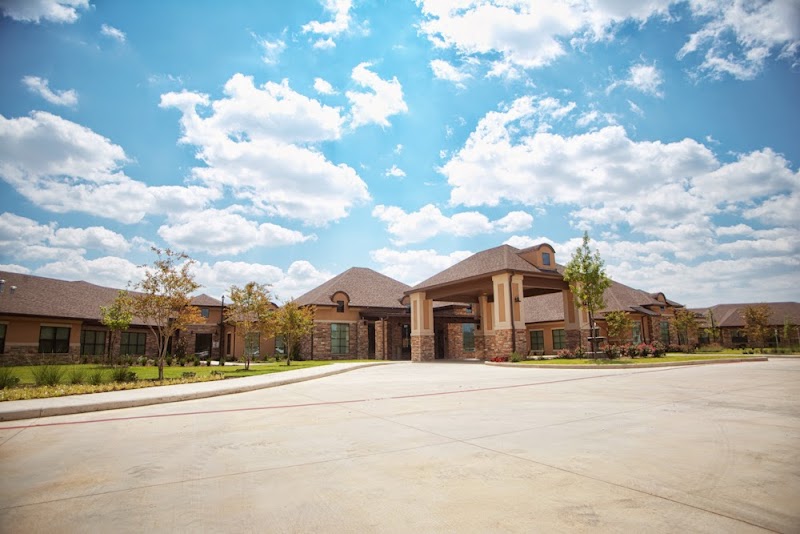
TREVISO TRANSITIONAL CARE

1154 EAST HAWKINS PARKWAY, LONGVIEW, TX 75605 (903) 663-2750
For profit - Limited Liability company 140 Beds HMG HEALTHCARE Data: November 2025 4 Immediate Jeopardy citations
Trust Grade
0/100
#1132 of 1168 in TX
Last Inspection: August 2025

Inspected within the last 6 months. Data reflects current conditions.

Overview

Treviso Transitional Care has received a Trust Grade of F, indicating poor quality and significant concerns about its operations. It ranks #1132 out of 1168 nursing homes in Texas, placing it in the bottom half of facilities statewide and #12 out of 13 in Gregg County, meaning only one local option is better. Although the facility's performance is improving, with issues decreasing from 18 in 2024 to 15 in 2025, it still faces serious problems, including $150,705 in fines, which is higher than 84% of Texas facilities. Staffing is also a concern, with only 1 out of 5 stars and an RN coverage level lower than 87% of state facilities, meaning residents may not receive the level of care they need. Specific incidents include a failure to notify a physician about a resident's adverse reaction to new medications, which led to a hospitalization for sepsis, and a serious lapse where a resident eloped from the facility, highlighting both critical gaps in care and safety.

Trust Score
F
0/100
In Texas
#1132/1168
Bottom 4%
Safety Record
High Risk
Review needed
Inspections
Getting Better
18 → 15 violations
Staff Stability
⚠ Watch
58% turnover. Above average. Higher turnover means staff may not know residents' routines.
Penalties
⚠ Watch
$150,705 in fines. Higher than 88% of Texas facilities, suggesting repeated compliance issues.
Skilled Nurses
⚠ Watch
Each resident gets only 13 minutes of Registered Nurse (RN) attention daily — below average for Texas. Fewer RN minutes means fewer trained eyes watching for problems.
Violations
⚠ Watch
51 deficiencies on record. Higher than average. Multiple issues found across inspections.
★☆☆☆☆
1.0
Overall Rating
★☆☆☆☆
1.0
Staff Levels
★★★★☆
4.0
Care Quality
★☆☆☆☆
1.0
Inspection Score
Stable
2024: 18 issues
2025: 15 issues

The Good

  • 4-Star Quality Measures · Strong clinical quality outcomes
  • Full Sprinkler Coverage · Fire safety systems throughout facility
  • No fines on record

Facility shows strength in quality measures, fire safety.

The Bad

1-Star Overall Rating

Below Texas average (2.8)

Significant quality concerns identified by CMS

Staff Turnover: 58%

12pts above Texas avg (46%)

Frequent staff changes - ask about care continuity

Federal Fines: $150,705

Well above median ($33,413)

Significant penalties indicating serious issues

Chain: HMG HEALTHCARE

Part of a multi-facility chain

Ask about local staffing decisions and management

Staff turnover is elevated (58%)

10 points above Texas average of 48%

The Ugly 51 deficiencies on record

4 life-threatening
Aug 2025 15 deficiencies
CONCERN (D)

Potential for Harm - no one hurt, but risky conditions existed

Resident Rights (Tag F0550)

Could have caused harm · This affected 1 resident

**NOTE- TERMS IN BRACKETS HAVE BEEN EDITED TO PROTECT CONFIDENTIALITY** Based on observation, interviews, and record review, the facility failed to treat each resident with respect and dignity and pro...

Read full inspector narrative →
**NOTE- TERMS IN BRACKETS HAVE BEEN EDITED TO PROTECT CONFIDENTIALITY** Based on observation, interviews, and record review, the facility failed to treat each resident with respect and dignity and provide care in a manner that promoted maintenance or enhancement of his or her quality of life for 2 of 22 residents (Resident #9 and Resident #25) reviewed for resident rights.1. The facility failed to ensure Resident #9's urinary catheter bag was covered with the privacy cover flap. 2. The facility failed to ensure CNA D and CNA G knocked on Resident #25's door before entering on 8/25/25.3. The facility failed to ensure CNA D and CNA G closed Resident #25's privacy curtain during catheter care on 8/25/25.4. The facility failed to ensure CNA D and CNA G properly covered Resident #25 during catheter care on 8/25/25.These failures could place residents at risk of humiliation, diminished quality of life, loss of dignity and self-worth. Findings included: 1. Record review of Resident #9's face sheet dated 8/26/25 indicated he was [AGE] years old and was admitted to the facility on [DATE]. Resident #9 had diagnoses which included urinary tract infection, heart failure, chronic kidney disease, extended spectrum beta lactamase (ESBL) resistance (infection that has resistance to many common antibiotics), weakness and lack of coordination. Record review of Resident #9's admission MDS assessment dated [DATE] indicated Resident #9 had a BIMS score of 9, which indicated he had moderate cognitive impairment. Resident #9 required a wheelchair or walker for mobility. Resident #9 was dependent on staff for most ADL's, including toileting and transfers. Resident #9 had an indwelling urinary catheter (tube inserted into the bladder to drain urine out of the body). Record review of Resident #9's Care Plan indicated he had an indwelling catheter for urine retention. Resident #9 was on Enhanced Barrier Precautions (an infection control strategy that uses gloves/gowns during high-contact resident care to reduce the spread of multidrug-resistant organisms) and at risk for infection related to indwelling medical device. During an observation and interview on 8/24/2025 at 11:29 AM, Resident #9 was sitting in his wheelchair in his room and said he had just returned from a group activity. Resident #9 had a urinary catheter, and the privacy cover flap was bunched up under the hanging hook under his wheelchair and was not covering the urine in his drainage bag. During an observation on 8/24/2025 at 2:56 PM, Resident #9 was sitting in his wheelchair in the lobby area in front of the nurses' station. Resident #9's privacy cover of his urinary catheter bag continued to be bunched up under the hanging hook under the wheelchair and was not covering the urine in the urinary drainage bag. During an interview on 8/26/2025 at 2:17 PM, Resident #9 said he did not know his urinary catheter bag was not covered Sunday because the staff hung it under his wheelchair. Resident #9 said he would not want his urine in his bag to be seen by everyone when he was out in the hallways, and he did not like it. Resident #9 said even at his home, he kept his urinary catheter bag in a cloth bag to cover it. During an interview on 8/26/25 at 2:22 PM, LVN K said the urinary catheter drainage bag privacy cover flap was for the resident's privacy, it covered the resident's urine, so it was not exposed to everyone. LVN K said if the urinary catheter drainage bag was not covered, it could be embarrassing for some residents. LVN K said if the privacy flap was not covering the urinary catheter drainage bag, the resident could be embarrassed, have low self-esteem, and not want to have to answer questions to other residents. LVN K said all staff would be responsible for ensuring the urinary catheter drainage bag was covered and stored properly. LVN K said all staff could pull the privacy flap on the urinary catheter drainage bag down and reposition it. During an interview on 8/26/2025 at 2:38 PM, CNA A said she had worked at the facility since November of 2024. CNA A said she was assigned to the 400 hall, but she helped wherever needed. CNA A said the nurse or aide on duty would be responsible for ensuring the urinary catheter bag was covered. CNA A said most residents would not like letting everyone see their urine in the bag. CNA A said the cover for the urinary catheter bag was to provide privacy for the resident. CNA A said staff should make sure the urinary catheter bag cover flap was down and covering the urinary catheter bag when attaching it to the resident's wheelchair. CNA A said the nursing staff and aides would be responsible for ensuring the urinary catheter cover was covering the urine in the bag for the privacy of the resident. During an interview on 8/26/2025 at 3:17 PM, CNA D said the cover on the urinary catheter bag was for the privacy of the resident. CNA D said if the urine in the urinary catheter was not covered, it could cause the resident to be embarrassed. CNA D said the nurse and the aides would be responsible for ensuring the cover was covering the urinary catheter bag. During an interview on 8/26/2025 at 3:50 PM, the ADON said the cover on the urinary catheter bags was to cover the urine in the bag for the resident's privacy. The ADON said if the urinary catheter bag was not covered it could be embarrassing for the resident. During an interview on 8/26/2025 at 4:27 PM, the DON said the cover flap of the urinary catheter bag was for privacy. The DON said the CNAs and nursing staff would be responsible for ensuring the privacy cover was covering the urine in the bag. The DON said people could see the urine in the bag and cause the resident to not feel good about it. During an interview on 8/26/2025 at 4:52 PM, the ADM said he would expect the urinary catheter bag cover to cover the urine in the catheter bag for the privacy and dignity of the resident. The ADM said if the urinary catheter bag was not covered it could affect the resident's dignity. 2. Record review of Resident #25's face sheet dated 8/26/25 indicated Resident #25 was a [AGE] year-old male admitted to the facility on [DATE] and readmitted [DATE]. Resident #25 had diagnoses including heart failure (is a condition where the heart muscle is weakened or stiffened, making it unable to pump blood effectively), neuromuscular dysfunction of bladder (a person does not have bladder control because of brain, spinal cord, or nerve problems), dementia (is a general term for loss of memory, language, problem-solving and other thinking abilities that are severe enough to interfere with daily life), major depressive disorder (A mental health disorder characterized by persistently depressed mood or loss of interest in activities, causing significant impairment in daily life), and generalized anxiety disorder (is a chronic mental health condition characterized by excessive, persistent, and uncontrollable worry about various everyday events or situations). Record review of Resident #25's annual MDS assessment dated [DATE] indicated Resident #25 was usually understood and usually had the ability to understand others. Resident #25's BIMS score was 5 which indicated severe cognitive impairment. Resident #25 required substantial/maximal assistance for toileting hygiene. Resident #25 had an indwelling catheter. Record review of Resident #25's care plan dated 10/30/22 indicated Resident #25 had an ADL self-care deficit related to dementia. Intervention included required staff participant times 1 to use toilet. Record review of Resident #25's care plan dated 7/7/25 indicated Resident #25 had an indwelling catheter related to atonal bladder (is a condition where the bladder muscles are weak and do not contract properly, leading to difficulty or inability to urinate). Intervention included change catheter as indicated. During an observation on 8/25/25 at 4:00 p.m., CNA D and CNA G entered Resident #25's room without knocking. CNA D and CNA G washed their hands and donned gowns. CNA D lowered Resident #25's covers to his ankles. Resident #25 had a t-shirt and brief on. Resident #25 complained about being cold. CNA D unattached Resident #25's brief and exposed his perineal area. The surveyor remained at the foot of Resident #25's bed until catheter care started. The surveyor moved next to CNA D to closely observe catheter care being provided. Resident #25's privacy curtains were left open. Resident #25's roommate was in the room. During an interview on 8/26/25 at 2:18 p.m., the surveyor attempted to interview Resident #25 about catheter care performed on 8/25/25. Resident #25 had disorganized thinking and started talking about luggage in his room. Unable to interview Resident #25. During an interview on 8/26/25 at 2:20 p.m., CNA D said she knocked and introduced herself to Resident #25. She said she did not pull the privacy curtain because the surveyor was in the way. She said Resident #25's blankets should have been at his knees. She said it was important to knock before entering a residents' room, pull the privacy curtain, and cover the residents to provide them privacy. She said not providing the residents privacy could make them feel embarrassed or uncomfortable. During an interview on 8/26/25 at 2:31 p.m., LVN F said she expected the CNAs to knock on the residents' doors before entering. She said it provided privacy to the resident. She said she expected the CNAs to pull the privacy curtains during cares. She said if the CNAs felt like the surveyor was in the way of closing the privacy curtain, they should ask the surveyor to step in to close the curtain. She said it was important to close the privacy curtains during cares to provide privacy and dignity. She said during catheter care, the residents' body should be covered as much as possible. She said this provided comfort, dignity, and privacy. She said Resident #25 liked to be covered because he was always cold. She said the residents could feel like their rights were taken away and dignity not being honored. During an interview on 8/26/25 at 3:00 p.m., ADON N said she expected the nursing staff to knock before entering a residents' room, close privacy curtains and cover the resident during cares. She said it was the resident's right and dignity. She said if those things were not done, the resident could be embarrassed. She said nursing management did competency check offs upon hire and skill check offs to ensure staff did those things. During an interview on 8/26/25 at 5:44 p.m., the ADM said he expected the nursing staff to knock on the residents' doors before entering, cover the resident as much as possible and close privacy curtains during catheter care. He said it was important to do those things for dignity and privacy. He said when those things were not done, the resident could feel undignified. He said the facility ensured the nursing staff knew to do those things by doing competency check offs. During an interview on 8/26/25 at 6:13 p.m., the DON said she expected the nursing staff to knock on the residents' doors before entering, cover the resident as much as possible and close privacy curtains during catheter care. She said those things should be done for dignity. She said when those things were not done, it could have a negative effect on the resident. She said the nursing staff should be monitored to ensure those things were being done. She said the nursing staff was educated through training on resident rights. Record review of CNA D's, “C.N.A Proficiency Evaluation” dated 3/21/25 indicated, “…daily catheter care… explain procedure to the resident…provide privacy… met expectation…Director of Talent and Learning Q…” Record review of CNA G's, “C.N.A Proficiency Evaluation” dated 3/21/25 indicated, “…daily catheter care… explain procedure to the resident…provide privacy… met expectation…Director of Talent and Learning Q…” Record review of the facility's policy titled “Resident Rights” dated revised December 2016, indicated . employees shall treat all residents with kindness, respect, and dignity … federal and state laws guarantee certain basic rights to all residents of this facility … these rights include the resident's right to … a dignified existence … be treated with respect, kindness, and dignity …”. Record review of the facility's policy titled “Quality of Life - Dignity” dated revised August 2009, indicated . each resident shall be cared for in a manner that promoted and enhanced quality of life, dignity, respect and individually … residents shall be treated with dignity and respect at all times … residents' privacy space and property shall be respected at all times … staff will knock and request permission before entering residents' rooms … staff shall promote, maintain and protect resident privacy, including bodily privacy during assistance with personal care and during treatment procedures … staff shall promote dignity and assist residents as needed by … a. helping the resident to keep urinary catheter bags covered …“. Record review of a facility's, “Perineal Care” policy revised 10/2010 indicated, “…The purposes of this procedure arc to provide cleanliness and comfort to the resident, to prevent infections and skin irritation, and to observe the resident's skin condition… 4. Fold the bedspread or blanket toward the foot of the bed… 5. Fold the sheet down to the lower part of the body. Cover the upper torso with a sheet… Avoid unnecessary exposure of the resident's body…”.
CONCERN (D)

Potential for Harm - no one hurt, but risky conditions existed

Notification of Changes (Tag F0580)

Could have caused harm · This affected 1 resident

**NOTE- TERMS IN BRACKETS HAVE BEEN EDITED TO PROTECT CONFIDENTIALITY** Based on observation, interview and record review, the facility failed to consult with the resident's physician and representati...

Read full inspector narrative →
**NOTE- TERMS IN BRACKETS HAVE BEEN EDITED TO PROTECT CONFIDENTIALITY** Based on observation, interview and record review, the facility failed to consult with the resident's physician and representative when there was a significant change in the resident's physical, mental, or psychosocial status (that is, a deterioration in health, mental, or psychosocial status in either life-threatening conditions or clinical complications) for 1 of 22 residents (Resident #61) reviewed for notification of change.The facility failed to notify the NP/MD of Resident #61's complaint of left foot pain on 8/21/25.This failure could place residents at risk of not receiving adequate and timely intervention and a decline in condition.Findings included: Record review of Resident #61's face sheet dated 8/26/25 indicated he was [AGE] years old and was admitted to the facility on [DATE]. Resident #61 had diagnoses which included cerebral infarction (stroke-disruption of blood flow to the brain causing tissue damage), hemiplegia and hemiparesis (paralysis (unable to move) and/or muscle weakness on one side of the body) of left side, chronic embolism and thrombosis (blood clot) of deep veins of right lower extremity, chronic pain syndrome, weakness and lack of coordination.Record review of Resident #61's quarterly MDS assessment dated [DATE] indicated Resident #61 had a BIMS score of 13, which indicated he was cognitively intact. Resident #61 was dependent on staff for bathing, toileting, and dressing and required moderate staff assistance for most other ADL's. Resident #61 received pain medications as needed. Resident #61's pain rarely or not at all affected his sleep, therapy activities, or day-to-day activities. Resident #61 received opioid medication (prescription pain medication used to treat moderate to severe pain).Record review of Resident #61's Care Plan dated and last reviewed on 8/11/25 indicated he had osteoarthritis and was at risk for pain, decline in ADLs and mobility with interventions including: five analgesics as ordered by the physician, observe/document/report to physician as needed, signs and symptoms or complications related to osteoarthritis, such as joint pain, joint stiffness, usually worse on wakening, swelling, decline in mobility, decline in self-care ability, pain after exercise or weight bearing and report to nurse any change in level of activity or ability to perform ADLs. Resident #61 had recurrent deep vein thrombosis to right lower extremity. Resident #61 had limited physical mobility. Resident #61 had potential for pain with interventions including: acknowledge presence of pain and discomfort, listen to the resident's concerns, administer pain medications per physician orders, and report complaints and non-verbal signs of pain. Record review of Resident #61's nurses' notes ranging from 8/01/25 to 8/26/25 did not reveal any documentation from 8/18/25 to 8/26/25, until after surveyor intervention on 8/26/25. There was no mention of Resident #61 reporting left foot pain. After surveyor intervention, LVN H documented on 8/26/25, the resident stated pain to his left foot that was more on the inside of the bottom of his foot. LVN H noted the physician, obtained an order for an x-ray, and administered as needed pain medication.Record review of Resident #61's Physical Therapy Treatment Encounter Note dated 8/21/25 indicated PTA Y reported resident's foot pain to nursing and she was going to consult physician in regards to possibly getting an x-ray.Record review of Resident #61's NP follow-up visit note dated 8/21/25 indicated he continued to get stronger, participated in therapy sessions with improvements. Resident #61's review of systems indicated he was positive for activity change, arthralgias (joint pain) and gait problem. Resident #61 had acute left knee pain. The NP note indicated Resident #61 was sitting in wheelchair in his room. There was no mention of Resident #61 complaining of left foot pain in the NP note.Record review of Resident #61's physician note dated 8/26/25 indicated the reason for visit was left foot pain and Resident #61 stated the pain began approximately six days prior after being treated in therapy with a foot vibrator and he found it difficult to walk on the foot because of the pain. The note indicated Resident #61 had acute left foot pain, suspected to be arthritic, and would check an x-ray as a precaution. The note indicated the plan was to obtain left foot films, Tylenol for pain, and other medications as before. Record review of Resident #61's pain log indicated he had no pain 8/21/25 through 8/25/25, but he had pain at a level 6 on a 1-10 scale with 10 being the worse pain on 8/26/25.During an observation and interview on 8/24/25 at 10:13 AM, Resident #61 said his left foot hurt so bad and he could not stand on it, so he could not do therapy. Resident #61 said the nurses were aware and he was waiting on an x-ray of his left foot, but did not know when it would be scheduled. Resident #61 said his only concern was needing his left foot checked out.During an observation and interview on 8/26/25 at 8:25 AM, LVN H was on 400 hall passing medications. LVN H said Resident #61 had not reported having left foot pain to her and he normally only report left knee pain. LVN H said she would go talk to him.During an observation and interview on 8/26/25 beginning at 8:30 AM, LVN H entered Resident #61's room and asked him how he was doing. Resident #61 reported having left foot pain to the inside of his foot to LVN H. LVN H attempted to assess Resident #61's left foot and he told her to stop touching it because it hurt. LVN H told Resident #61, she would notify the physician about his foot. Resident #61 told LVN H he was waiting on an x-ray. After exiting Resident #61's room, LVN H stated that morning was the first time she had heard of his left foot pain and did not see any documentation about pain except his chronic pain to his left knee. LVN H said she notified the physician and obtained a stat order for an x-ray. During an interview on 8/26/25 at 8:40 AM, LVN H said she had spoken with therapy and therapy assessed him 8/25/25 and felt it was a soft tissue injury.During an interview on 8/26/25 at 10:40 AM with the Director of Rehab and PTA Y, PTA Y said Resident #61 had complained to him about his left foot hurting last Thursday (8/21/25) and he reported it to Resident #61's nurse the same day and the nurse told him she would notify the physician to see about getting an x-ray. The Director of Rehab said the Physical Therapist assessed his left foot on 8/25/25 and felt it was a soft tissue issue. The Director of Rehab said she would email all the notes she had for Resident #61.During an interview on 8/26/25 at 12:04 PM, LVN Z said she had worked at the facility since October of 2024 full-time. LVN Z said she was not sure if she worked 8/21/25, but she would assume that the schedule was correct. LVN Z said the therapist did report to her about Resident #61 complaining of pain to the instep area of his foot and felt he needed an x-ray to rule out a fracture. LVN Z said the therapist said Resident #61 complained of pain during some type of massage. LVN Z said she had tried to reach the NP to report it but thought she was not able to reach the NP. LVN Z said if she did not document his left foot pain and attempting to notify the NP, she may have gotten busy and forgot to document it. LVN Z said she was pretty sure she told the on-coming staff so they could follow up with it, and it should have been put on the 24-hour report. LVN Z said if the NP was not notified of him having pain, then it could have delayed Resident #61's treatment.During an interview on 8/26/25 12:30 PM, NP AA said she sees residents on Thursdays at the facility. NP AA said she saw Resident #61 on 8/21/25. NP AA said she was not sure of what time she saw him. NP AA said the 7:39 AM time on the 8/21/25 visit note was when she scheduled the visit for the encounter and did that before seeing the resident usually from home to plan her day.NP AA said the other time documented on her 8/21/25 note of 4:16 PM was after she had left the building and had reviewed his electronic health record and closed his note. NP AA said when she saw Resident #61, he was scooted down to the end of the bed and the arch of his foot was resting on the foot board. NP AA said she moved him up in bed and placed a pillow between his foot and the foot board and Resident #61 reported that the pain was relieved. NP AA said she did not include his complaint of left foot pain in her note because she felt it was positional since the pain relieved and it was not an on-going issue. NP AA said Resident #61 had complained of the pain when she took off his sock to assess his feet and he told her about the pain. NP AA said the nurse did not report to her Thursday (8/21/25) that Resident #61 was having pain to his left foot. NP AA said she was on-call for the facility Monday-Friday, 8AM-5PM and her covering physician was on-call on after 5PM and on the weekends. NP AA said she would expect to be notified of a resident having new pain. NP AA said a nurse did notify her this morning (8/26/25) about the pain and her covering physician was in the building and saw him and ordered an x-ray. NP AA said Resident #61 had as needed pain medications and was on pain management. NP AA said if she had not seen the resident on 8/21/25 and she had not been notified by nursing of his foot pain, it could have delayed his treatment. NP AA said Resident #61 wanted to walk and if he was still having foot pain then he would have been uncomfortable, and he would not want to move and he had to bear weight to walk. During an interview on 8/26/25 at 2:22 PM, LVN K said if a resident reported new pain, she would assess the pain, what made it worse, what made it better, consult physical therapy if needed, and she would report to physician to obtain any new orders for therapy or an x-ray, medications, etc. LVN K said if the nurse did not notify the physician of a resident's new complain of pain, it could prolong their pain, the condition could worsen, and the resident would not receive proper care because the physician made the decisions related to the resident's care.During an interview on 8/26/25 at 3:50 PM, ADON N said if therapy reported to the nurse about a new pain area, the nurse would need to assess the resident for any abnormal findings. ADON N said sometimes therapy may not know the resident as well as the nursing staff, so it would just depend on if it was truly something new on what steps would need to be taken. ADON N said the nurse should notify the physician if there was an abnormal finding. ADON N said if they were not able to notify the physician then the nurse would need to notify nurse management. ADON N said they have two medical directors, and staff could always notify the other one if unable to reach one. ADON N said they chart by exception, which meant staff should chart about anything abnormal. ADON N said the NP saw Resident #61 between morning meeting at 9:00 AM to about 12:00 PM. ADON N said she was Resident #61's nurse on Sunday (8/24/25), and he denied pain or need for pain medication. ADON N said if the nurse did not notify the physician or NP of abnormal findings, the resident could have something wrong, and they would not be treated for it. During an interview on 8/26/25 at 4:27 PM, the DON said NP AA had left the facility by 1:00 PM on 8/21/25 and she had spoken to NP AA and was told that she had assessed his left foot pain. The DON said there was a lack of communication between the nursing staff and NP AA about Resident #61's left foot pain and there should have been documentation addressing the therapist notifying the nurse and NP AA assessing it. The DON said if the physician/NP was not notified of abnormal findings, then the resident would not receive the treatment they needed.During an interview on 8/26/25 at 4:52 PM, the ADM said he would expect there to be documentation of the change of condition and notification of physician/NP. The ADM said if the physician/NP was not notified of a change in condition, the resident could receive improper care.Record review of the facility's policy titled Change in a Resident's Condition or Status dated revised February 2012, indicated . Our facility shall promptly notify the resident, his or her attending physician, and representative of changes in the resident's medical/mental condition and/or status . 1. The nurse supervisor/charge nurse would notify the resident's attending physician or on-call physician when there had been: a. an accident or incident involving the resident . d. a significant change in the resident's physical/emotional/mental condition . i. instructions to notify the physician of changes in the resident's condition . 4. Except in medical emergencies, notifications would be made within twenty-four hours of a change occurring in the resident's medical/mental condition or status .
CONCERN (D)

Potential for Harm - no one hurt, but risky conditions existed

Deficiency F0604 (Tag F0604)

Could have caused harm · This affected 1 resident

**NOTE- TERMS IN BRACKETS HAVE BEEN EDITED TO PROTECT CONFIDENTIALITY** Based on observation, interview, and record review, the facility failed to ensure the right to be free from any physical restrai...

Read full inspector narrative →
**NOTE- TERMS IN BRACKETS HAVE BEEN EDITED TO PROTECT CONFIDENTIALITY** Based on observation, interview, and record review, the facility failed to ensure the right to be free from any physical restraints imposed for purposes of convenience and not required to treat medical symptoms for 1 of 1 resident reviewed for restraint use (Resident #8).The facility failed to ensure Resident #8 was free from physical restraints in the form of seatbelt located on the wheelchair that Resident #8 was unable to remove independently. This failure could place residents at risk for a decreased quality of life, a decline in physical functioning and injury. Findings included:Record review of a face sheet printed on 8/24/2025 indicated Resident #8 was an [AGE] year-old, female and was readmitted on [DATE] with diagnoses including Chronic pain syndrome (a long-term condition characterized by persistent pain that last for months or years, significantly affecting daily life), hemiplegia affecting left nondominant side (partial or total paralysis on one side of the body), hypertension (occurs when the pressure in your blood vessels is consistently too high), age-related osteoporosis (occurs when the body loses bone mass) and neuromuscular dysfunction of bladder (occurs when there is a problem with the brain, nerves, or spinal cord that affects bladder control). Record review of a quarterly MDS assessment dated [DATE] indicated Resident #8 was understood and understood others. The MDS indicated Resident #8 had a BIMS score of 14 which indicated she was cognitively intact. The MDS indicated Resident #8 had no functional impairment in her upper extremities and was impaired to both lower extremities requiring the use of mobile device of wheelchair in the last 7 days of the assessment period. The MDS indicated Resident #8 required substantial assistance with personal care such as toileting, showering/bathing, and dressing upper/lower body. The MDS indicated physical restraints were not used for Resident #8. Record review of a care plan last revised on 6/20/2025, indicated Resident #8 was at moderate risk for falls related to gait and balance problems. The care plan interventions included to anticipate and meet the resident's needs, keep call light within reach and encourage resident to use it for assistance as needed, educate the resident/family/caregivers about safety reminders and what to do if a fall occurs. The care plan inventions did not include a seatbelt or restraint. During an observation and interview on 8/25/2025 at 8:47 Am, Resident #8 was observed sitting up in her power wheelchair in the main area near the nurse's station. Resident #8 was observed to have a black safety belt securing her in the powerchair. Resident #8 observed to have limited grasp in her upper extremities, and she said she was unable to remove the seatbelt independently. Resident #8 said she wanted the safety belt on because she slides out of her wheelchair. During an observation and interview on 8/25/2025 at 1:21 PM, Resident #8 sitting in her wheelchair with the safety belt across her chest just below her breast. Resident said she wanted the safety belt on to help keep her in her seat. During an interview on 8/26/2025 at 9:35 AM, CNA R said Resident #8 was unable to transfer herself. She said Resident #8 could navigate the environment in her motorized wheelchair. CNA R said resident was contracted in her upper hands and sometimes had difficulty turning on her powerchair. CNA R said technically, she had restraints because she had a seatbelt on her wheelchair, so she does not flip out. CNA R said Resident #8 had the seatbelt on since she had worked at the facility which was 3 months. CNA R said the LVN or RN maybe responsible for the assessment of residents with restraints. CNA R said it maybe care planned. CNA R said she did not have access to the care plans. CNA R said when Resident #8 returns to bed, she would unlock the seatbelt. CNA R said the seatbelt was like a baby seatbelt. CNA R said she makes sure the seatbelt is not suffocating her. CNA R said Resident #8 could not unlock her own seatbelt. CNA R said she would consider the seatbelt a restraint. CNA R said she could not think of how the restraint could negatively impact Resident #8. She said Resident #8 was in her right mind and would come to staff for assistance or if something hurt her. During an interview on 8/26/2025 at 10:30 AM, LVN U said a restraint was anything that was preventing a Resident from moving freely. LVN U said there were no residents on Hall 200 that currently had restraints. She said if a resident had restraints, the Nurse Practitioner would have to put in an order for seatbelt or a restraint. LVN U said she considered a seatbelt on a wheelchair a restraint. LVN U said Resident #8 did not have a restraint on her wheelchair. LVN U said the nurses were responsible to assessing a resident with a restraint. LVN U said she did not know Resident #8 used the strap on her wheelchair and said it could be the mechanical lift sling strap. LVN U said Resident #8 would not be able to unlock a seatbelt. LVN U said Resident #8 could have respiratory issues from the strap or if the strap was too tight, it could cause sores. LVN U said Resident #8 did not have any issues. She said the policy for the nursing home would be the guide to determine if a resident required a restraint. LVN U said there would be an order and care planned. LVN U said the DON and MDS nurse were responsible for updating the care plan. During an interview and observation on 8/26/2025 at 11:06 AM, observed Resident #8 in her wheelchair. LVN U was present and said there was a seatbelt, and she was unaware. LVN U said the seatbelt was part of the wheelchair and not the mechanical lift sling. During an interview on 8/26/2025 at 11:53 AM, MDS Coordinator B said Resident #8 did not have a care plan for restraints. MDS Coordinator B said the nurse would be responsible for putting in the care plan for restraints. MDS Coordinator B said she was unsure if Resident #8 could unlock the seatbelt by herself. She said the nurses would be responsible for ensuring a resident was able to unlock themselves from a seatbelt. MDS Coordinator B said it could cause harm due to discomfort. MDS Coordinator B said Resident #8 had an evaluation on 2/26/2025 in her chart for physical restraints, but the documentation had NA (Not applicable) for restraints that was completed by the Unit Manager. MDS Coordinator B said the care plans were updated quarterly, and the staff have morning meetings where they discuss things that need to be updated. MDS Coordinator B said both MDS nurses were responsible for updating quarterly care plans. During an interview on 8/26/2025 a 12:40 PM, the Director of Therapy T said wheelchairs normally come with seatbelts. She said the therapist must reposition Resident #8 frequently and position her every day. Director of Therapy T said she did not think Resident #8 could unlock the seatbelt. She said the therapist had worked with her on gripping a spoon and fork. Director of Therapy T said the facility was a restraint free facility and she was not aware of the seatbelt. She said she did not know who was putting the seatbelt on Resident #8. She said she was shocked to see it on her. Director of Therapy T was told by Resident #8 after hearing about the seatbelt that she felt safer with it on. Director of Therapy T said another therapist was trying to figure out a way to keep her safe in her wheelchair and the foam cushion instead of the pillow. During an interview on 8/26/2025 at 12:45 PM, OTR S said Resident #8 was not able to grab with her left hand. She said Resident #8 could not unclamp a seatbelt and said she had never seen her use the seatbelt that was attached to the wheelchair. During an interview on 8/26/2025 at 12:52 PM, the ADON said the facility does not use restraints. The ADON said a seatbelt is not considered a restraint if the resident could unhook it. The ADON said she had not observed Resident #8 with a seatbelt on. The ADON said it was possible that Resident #8 could unlock the seatbelt. The ADON said typically, the facility staff work with therapy to determine if Resident #8 was able to unlock her seatbelt if in use. The ADON said it would need to be care planned and a restraint assessment would need to be completed by the nurses. The ADON said a resident could get a skin injury or cut themselves. The ADON said she had never seen a seatbelt on Resident #8.During an interview on 8/26/2025 at 3:31 PM, the DON said she had a conversation with Resident #8 and was told by Resident #8 she had told the aide she wanted to use the seatbelt. The DON said she spoke with CNA R, and she told her she did not ask the nurse whether Resident #8 was supposed to wear the seatbelt. The DON said CNA R was going by what Resident #8 wanted and felt comfortable. She said CNA R did not know to go to the nurse. The DON said therapy had not seen a seatbelt on Resident #8. The DON said she educated CNA R to go to the nurse and educated on restraints, orders, assessment and care plans. The DON said therapy was getting involved to work with Resident #8. The DON said CNA R was a new CNA and had gone through the classes and orientation. The DON said she expected the CNAs to go to the nurse to ask before placing a seatbelt on any resident. The DON said she expected the residents to be assessed for restraints and expected there to be an order. The DON said the nurses were responsible for ensuring the residents were restraint free. The DON said a restraint could have a negative outcome if not addressed. She said it could cause skin injury. During an interview on 8/26/2025 at 4:12 PM, the ADM said he considered a seatbelt a restraint if the resident was unable to unlock the seatbelt without assistance. He said he expected the staff and CNA to ask nurses about orders, assessments prior to using a restraint. He said using a restraint could affect the resident's dignity and psychologically. The ADM said he expected an order in place with return demonstration. The ADM said the nurses were responsible for ensuring orders, assessments were in place with the use of any restraints. The ADM said it would also need to be care planned. Record review of a facility's Use of Restraints policy revised December 2008 indicated .restraints shall only be used for the safety and well-being of the resident(s) and only after other alternatives have been tried unsuccessfully .restraints shall only be used to treat the resident's medical symptom(s) and never for discipline or staff convenience, or for the preventions of falls .physical restraints are defined as any manual method or physical or mechanical device .which restricts freedom of movement .the definition of a restraint is based on the functional status of the resident .practices that inappropriately utilize equipment to prevent resident mobility are considered restraints and are not permitted .
CONCERN (D)

Potential for Harm - no one hurt, but risky conditions existed

Assessment Accuracy (Tag F0641)

Could have caused harm · This affected 1 resident

**NOTE- TERMS IN BRACKETS HAVE BEEN EDITED TO PROTECT CONFIDENTIALITY** Based on interviews and record review the facility failed to ensure assessments accurately reflected the resident status for 1 o...

Read full inspector narrative →
**NOTE- TERMS IN BRACKETS HAVE BEEN EDITED TO PROTECT CONFIDENTIALITY** Based on interviews and record review the facility failed to ensure assessments accurately reflected the resident status for 1 of 22 residents (Resident #3) reviewed for MDS assessment accuracy. The facility did not ensure Resident #3's quarterly MDS identified a diagnosis of Diabetes and use of insulin. These failures could place residents at risk for not receiving care and services to meet their needs.Findings included:Record review of the face sheet dated 8/25/2025 indicated Resident #3 was [AGE] year-old female who was readmitted [DATE] with diagnoses including fracture of lower end of left tibia (a break in the shinbone which is the larger bone in the lower leg), neuromuscular dysfunction of bladder (refers to a condition where the bladder's ability to store and release urine is impaired due to problems with nervous system), malignant neoplasm of uterus (a cancerous tumors that develop when cells in the lining of the uterus) and Diabetes (a group of diseases that affect how the body uses blood sugar). Record review of the most recent MDS dated [DATE] indicated Resident #3 was understood and understood others. Resident #3 had a BIMS score of 14 indicating she was cognitively intact. The MDS did not indicate Resident #3 was a Diabetic. In section N0350 of the MDS indicated Resident #3 was receiving Insulin injections in the last 7 days and was not marked to receiving hypoglycemic (including insulin) in section N0415.Record review of Resident #3's care plan revised on 7/15/2025 did not indicate Resident #3 was a Diabetic. Record review of Resident #3's MAR dated 8/1/2025-8/31/2025 indicated Resident #3 was administered Insulin Glargine (a long-acting modified form of medical insulin used to manage Type I and Type II Diabetes) subcutaneously (under the skin) at bedtime and Lispro per sliding scale (a treatment approach that adjust insulin doses based on current blood sugar reading) before meals for diabetes. Record review of Resident #3's order summary report dated 8/25/2025 indicated she was ordered Insulin Glargine (a long-acting modified form of medical insulin used to manage Type I and Type II Diabetes) subcutaneously (under the skin) at bedtime and Lispro per sliding scale (a treatment approach that adjust insulin doses based on current blood sugar reading) before meals for diabetes. During an interview on 8/26/2025 at 10:30 AM, LVN U said the MDS nurse was responsible for updating the diagnosis on the computer. LVN U said she completes a head-to-toe assessment on the residents when they are admitted . She said the MDS nurse reviews the assessments, hospital records to enter in the MDS in the computer. She said the care plan was developed by the MDS nurse and the DON. She said a diagnosis of diabetes would need to be care planned as well as the insulin. She said it was important because the resident could have medical issues, and the nurse would not know to check for signs and symptoms. She said a resident could have signs and symptoms that may not get treated and a resident could go into a diabetic coma. LVN U said the aides do not have access to the care plans. LVN U said Resident #3 does have a diagnosis of diabetes. LVN U said she looked at the orders and not the care plan. LVN U said the care plans were for the patient, department heads, MDS and the families. LVN U said she does not have access to the care plans. LVN U said Resident #3 has an order for insulin for her diabetes and gets blood glucose checks three times daily. During an interview on 8/26/2025 at 11:53 AM, MDS Coordinator B said the last quarterly MDS assessment did not indicate Resident #3 had Diabetes. She said insulin was checked on the MDS. MDS Coordinator B said there was not a care plan indicating a Resident #3 was a diabetic. MDS Coordinator B said anyone on staff can access the care plan. MDS Coordinator B said it would be important for Diabetes to be on the care plan to ensure the residents' needs were being met. MDS nurse said there would need to be interventions for her Diabetes on the care plan. MDS Coordinator B said the resident was on insulin and Resident #3 had orders for insulin. MDS Coordinator B said it was not on her Diagnosis list. During an interview on 8/26/2025at 12:52 PM, ADON N said I am not the MDS nurse, but I would think the diagnosis would need to be on the MDS and care plan. She said she would expect the MDS nurse to document and code the MDS with accuracy. ADON B said the MDS drives the care plan. During an interview on 08/26/2025 at 3:53 PM, the DON said she expected the nurse to code the Diabetes. She said she expected the Diabetes to be on the care plan. The DON said the facility updated the care plan when there was a change in condition, quarterly, annually and as needed in team meetings. The DON said the MDS Coordinator and herself were responsible for updating the care plan. There could be a negative outcome. During an interview on 8/26/2025 at 4:12 PM, the ADM said the MDS nurse was responsible for ensuring the diagnosis of diabetes was coded on MDS for Resident #3. The ADM said the MDS was completed upon admission, quarterly and annually. He said he expected the diagnosis to be care planned. He said it was important for provision of care. It could negatively result in improper care. Record review of the facility's policy titled Resident Assessment Instrument undated indicated .comprehensive assessment of a resident's needs shall be made within fourteen (14)days of the resident's admission.a comprehensive assessment of the resident's needs will be made by the Interdisciplinary Assessment Team.must use the MDS 3.0 form currently mandated by Federal and state regulations to conduct the resident assessment following the RAI manual.the purpose of the assessment is to described the resident's capability to perform daily life functions and identify significant impairments in functional capacity.j. disease diagnosis and health conditions refer to only those disease that have a relationship to current ADL status, cognitive status, mood and behavior status, medical treatment, nursing monitoring or risk of death.n. Medication.refers to all prescription and over the counter medication taken by resident, including dosage, frequency of administration and recognition of significant side effects.r. documentation of summary information.refers to documentation concerning which care area assessment have been triggered.
CONCERN (D)

Potential for Harm - no one hurt, but risky conditions existed

Deficiency F0655 (Tag F0655)

Could have caused harm · This affected 1 resident

**NOTE- TERMS IN BRACKETS HAVE BEEN EDITED TO PROTECT CONFIDENTIALITY** Based on observation, interview and record review the facility failed to provide the resident and their representative with a su...

Read full inspector narrative →
**NOTE- TERMS IN BRACKETS HAVE BEEN EDITED TO PROTECT CONFIDENTIALITY** Based on observation, interview and record review the facility failed to provide the resident and their representative with a summary of the baseline care plan for 2 of 6 residents (Resident #60 and Resident #114) reviewed for baseline care plans. The facility failed to provide Resident #60 and Resident #114, a copy of the summary of their baseline care plans. This failure could place residents at risk of not knowing their care and needs provided by the facility. Findings included:1. Record review of Resident #60's face sheet dated 8/26/25 indicated Resident #60 was a [AGE] year-old male admitted to the facility on [DATE]. Resident #60 had diagnoses including pneumonia (is an infection that inflames the air sacs in one or both lungs), type 2 diabetes (is a chronic condition that happens when you have persistently high blood sugar levels), and chronic obstructive pulmonary disease (is a chronic lung disease that causes inflammation and narrowing of the airways, leading to airflow obstruction). Resident #60 was his own responsible party. Record review of the MDS indicated Resident #60 was admitted to the facility less than 21 days ago. No MDS for Resident #60 was completed prior to exit.Record review of Resident #60's 48 Hour Care Plan dated 8/18/25, signed by MDS Coordinator C, did not reflect a copy of the summary of the baseline care plan was provided to Resident #60. Record review of Resident #60's medical records on 8/26/25 at 9:00 a.m., did not reflect a copy of the summary of the baseline care plan was provided to Resident #60.During an observation and interview on 8/24/25 at 11:38 a.m., a family member of Resident #60 was at the bedside with Resident #60. Resident #60 was hard of hearing. The family member of Resident #60 helped communicate with Resident #60. The family member of Resident #60 said he was with Resident #60 when he was admitted . The family of Resident #60 said he did not recall Resident #60 receiving a baseline care plan. The family member of Resident #60 asked Resident #60 about a baseline care plan. Resident #60 appeared confused and shook his head. 2. Record review of Resident #114's face sheet dated 8/25/25 indicated Resident #114 was a [AGE] year-old male admitted to the facility on [DATE]. Resident #114 had diagnoses including calculus of gallbladder with acute cholecystitis (is a condition where gallstones (calculi) in the gallbladder lead to inflammation of the gallbladder (cholecystitis)), type 2 diabetes is a chronic condition that happens when you have persistently high blood sugar levels), and heart failure (occurs when the heart muscle doesn't pump blood as well as it should). Resident #114's face sheet did not reflect a responsible party. Record review of the MDS indicated Resident #114 was admitted to the facility less than 21 days ago. No MDS for Resident #114 was completed prior to exit.Record review of Resident #114's care plan report dated 8/19/25 indicated Resident #114 was at moderate risk for falls related to gait/balance problems and had a code status of full code. Resident #114's care plan report did not reflect a copy of the summary of the baseline care plan was provided to Resident #114.Record review of Resident #114's admission Care Conference Summary dated 8/21/25, signed the ADON N, did not reflect a copy of the summary of the baseline care plan was provided to Resident #114. Record review of Resident #114's medical records on 8/26/25 at 9:10 a.m., did not reflect a copy of the summary of the baseline care plan was provided to Resident #114.During an interview on 8/25/25 at 3:31 p.m., Resident #114 said he did not get a copy of anything. During an interview on 8/26/25 at 9:20 a.m., the MDS Coordinator C said the bedside nurses were responsible for the baseline care plans. During an interview on 8/26/25 at 12:10 p.m., LVN H said she did not know about baseline or 48-hour Care Plans. During an interview on 8/26/25 at 3:00 p.m., the ADON N said a nurse or ADON saw the newly admitted resident within 24 hours to orient to the facility. The 48-hour care plan was then started. She said the MDS Coordinators then wrapped up the 48-hour care plan. She said there was a section on the 48-hour care plan that indicated the proof of a copy was given to the resident. During an interview on 8/26/25 at 5:16 p.m., the ADM said the IDT was responsible for the baseline care plan. He said the MDS Coordinators and Social Service should ensure the resident or responsible party received a copy of the summary of the baseline care plan. He said the staff should document in the residents' progress note or on the 48-hour care plan to indicate a copy was given to the resident or responsible party. He said it was important to give a copy of the summary, of the baseline care plan, for acknowledgement of provision of care. During an observation and interview on 8/26/25 at 6:13 p.m., the DON said the IDT was responsible for ensuring the resident or responsible party received a copy of the summary, of the baseline care plan. She said a copy of the summary was given to the resident or responsible party after the care conference meeting. She said on the 48-hour care plan there was an area that indicated the proof of a copy was given to the resident. The DON accessed her computer and reviewed Resident #114's medical records. She said she did not see where the document had an area that indicated the proof of a copy was given to the resident. She said it was important to provide the resident a copy of the summary, for knowledge of the plan of care. She said the resident could experience a negative outcome if they did not receive a copy. Record review of a facility's, Care Plans-Baseline policy revised 12/2016 indicated, .A baseline plan of care to meet the resident's immediate needs shall be developed for each resident within forty-eight (48) hours of admission. The resident and their representative will be provided a summary of the baseline care plan that includes but is not limited to. The initial goals of the resident. A summary of the resident's medications and dietary instructions. Any services and treatments to be administered by the facility and personnel acting on behalf of the facility.
CONCERN (D)

Potential for Harm - no one hurt, but risky conditions existed

ADL Care (Tag F0677)

Could have caused harm · This affected 1 resident

**NOTE- TERMS IN BRACKETS HAVE BEEN EDITED TO PROTECT CONFIDENTIALITY** Based on observation, interview, and record review, the facility failed to provide the necessary services to maintain personal h...

Read full inspector narrative →
**NOTE- TERMS IN BRACKETS HAVE BEEN EDITED TO PROTECT CONFIDENTIALITY** Based on observation, interview, and record review, the facility failed to provide the necessary services to maintain personal hygiene for 1 of 17 residents reviewed for ADLs (Residents #59.) The facility did not clean or trim Resident #59's fingernails.This failure could place residents who required assistance from staff for ADLs at risk of not receiving care and services to meet their needs which could result in poor care, risk for skin breakdown, feelings of poor self-esteem, lack of dignity and health.The findings were:Review of Resident #59's electronic face sheet dated 10/18/2024 revealed he was admitted to the facility on [DATE] with diagnoses of Dysphagia (difficulty swallowing), Parkinson's Disease (a progressive, chronic neurological disorder characterized by symptoms such as tremors, muscle stiffness, slow movement (bradykinesia), and impaired balance), Lack of Coordination (a neurological symptom characterized by awkward, clumsy movements affecting the whole body, limbs, or eyes, resulting from impaired muscle control and a disruption in how the brain controls voluntary movements).Record review of Resident #59's annual MDS dated [DATE] revealed a BIMS with a score of 15, which indicated resident #59 is cognitively intact. The MDS also revealed, Resident #59, required supervision and touching assistance with personal hygiene.During an observation and interview on 08/24/25 at 10:03 a.m., Resident #59 was observed with long and dirty fingernails. He said that he did not know where his nail clippers were or if staff clip his nails. His hands were shaking. During an observation on 08/25/25 at 11:30 a.m. Resident #59 he was observed with long and dirty fingernails.During an observation on 08/26/25 at 9:15 a.m. Resident #59 he was observed with long and dirty fingernails.During an interview on 08/26/25 at 1:57 p.m., CNA X said that it was the responsibility of CNAs to ensure that residents that were dependent for ADL care received the care they need. She said that included resident's fingernails.During an interview on 08/26/25 at 4:19 p.m., the Director of Nurses said CNAs were responsible to ensure that residents dependent for care had their nails trimmed and cleaned for them. She said that residents could be at risk of infections if their nails are consistently dirty. During an interview on 08/26/25 at 4:36 p.m., the Administrator said that CNAs were responsible to clean and trim the nails of residents that cannot do for themselves. He said there could be a risk of infection if their nails were not kept trimmed and cleaned. Record review of a facility's Quality of Life-Dignity policy revised on 08/2009, indicated . Each resident shall be cared for in a manner that promotes and enhances quality of life, dignity, respect and individuality. Treated with dignity means the resident will be assisted in maintaining and enhancing his or her self-esteem and self-worth. Residents shall be groomed as they wish to be groomed (hair styles, nails, facial hair, etc.) .
CONCERN (D)

Potential for Harm - no one hurt, but risky conditions existed

Accident Prevention (Tag F0689)

Could have caused harm · This affected 1 resident

**NOTE- TERMS IN BRACKETS HAVE BEEN EDITED TO PROTECT CONFIDENTIALITY** Based on observation, interview and record review, the facility failed to ensure the resident environment remained as free of ac...

Read full inspector narrative →
**NOTE- TERMS IN BRACKETS HAVE BEEN EDITED TO PROTECT CONFIDENTIALITY** Based on observation, interview and record review, the facility failed to ensure the resident environment remained as free of accident hazards as was possible and failed to ensure each resident received adequate supervision and assistance devices to prevent accidents for 1 of 7 residents (Resident #3) reviewed for accidents and supervision. The facility failed to ensure CNA G performed a safe mechanical lift transfer for Resident #3.This failure could place residents at risk of injury.Findings include:Record review of Resident #3's face sheet dated 8/26/25 indicated she was [AGE] years old and admitted to the facility on [DATE]. Resident #3 had diagnoses which included history of left tibia (lower leg bone), diabetes (high blood sugar), history of falls, rheumatoid arthritis (chronic inflammation disorder usually affecting small joints in the hands and feet), hypertension (high blood pressure), and heart failure.Record review of Resident #3's quarterly MDS dated [DATE] indicated had a BIMS score of 14, which indicated she was cognitively intact. Resident #3 used a wheelchair for mobility. Resident #3 required moderate assistance with most ADLs.Record review of Resident #3's Care Plan dated and last reviewed on 7/15/25 indicated she had an ADL self-care performance deficit related to disease process and required two staff participation with transfers. Resident #3 was at risk for falls.During an observation on 8/26/2025 beginning at 9:32 AM, CNA G and CNA D placed a lift pad under Resident #3. CNA G positioned the mechanical lift over Resident #3 in bed, then CNA G and CNA D attached to the mechanical lift pad to the lift. CNA G then lifted Resident #3 up off bed with the mechanical lift legs straight (not in wide position) and did not lock the lift wheels during lifting, CNA G then pulled Resident #3 back away from over the bed with the mechanical lift legs not in wide position and turned the mechanical lift to the right and then pushed Resident #3 toward the wheelchair. CNA G then opened the mechanical lift legs to the wide position and pushed Resident #3 over the wheelchair and then lowered her into the wheelchair and did not lock the mechanical lift wheels while being guided by CNA D. During an interview on 8/26/2025 at 3:17 PM, CNA D said she had worked at the facility for two years. CNA D said CNA G worked Resident #3's hall and she was just helping CNA G during the mechanical lift transfer. CNA D said the mechanical lift wheels should be locked when raising or lowering the resident during the mechanical lift transfer. CNA D said the mechanical lift legs should be in the wide position when going around the wheelchair. CNA D said the mechanical lift legs should be in the wide position during moving of the mechanical lift to balance the lift. CNA D said the mechanical lift could tilt over and the resident could get hurt if the mechanical lift legs were not in the wide position during the transfer. CNA D said she just assisted CNA G during the mechanical lift transfer and guided Resident #3 and positioned her in the chair while CNA G lowered Resident #3 into the wheelchair. During an interview on 8/26/2025 at 3:32 PM, CNA G said the wheels of the mechanical lift should be locked when lifting a resident, but not during lowering to allow for the mechanical lift to move to adjust for the resident's feet and comfort. CNA G said the legs of the mechanical lift should be in the wide position during lifting the resident and not in the wide position during moving the resident across the room to be able to safely maneuver the mechanical lift. CNA G said the legs of the mechanical lift should be in wide position when lifting the resident for stability of the lift and to go around the wheelchair. CNA G said during moving/transferring the resident, the legs of the mechanical lift would not be opened to wide position. CNA G said the wheels of the mechanical lift should be locked when lifting the resident to ensure the lift did not move, for the safety of the resident.During an interview on 8/26/2025 at 3:50 PM, the ADON said the wheels of the mechanical lift should be locked during raising and lowering the resident for safety and stabilization of the lift. The ADON said the mechanical lift legs should be in the wide position when the lift was bearing the weight of the patient. The ADON said the mechanical lift legs should be opened to wide position during moving of the resident. The ADON said the mechanical lift legs should be in the wide position for stability of the lift. The ADON said the resident could tip over if the mechanical lift legs were not in the wide position during transfers and the wheels were not locked. The ADON said the resident could get hurt. During an interview on 8/26/2025 at 4:27 PM, the DON said the base of the mechanical lift should be in the wide position when lifting and moving the resident and the wheels of the mechanical lift should be locked during lifting and lowering of the resident. The DON said the mechanical lift could tilt and cause an injury to the resident if the base was not in the wide position during lifting, lowering and moving the resident and the wheels were not locked when lifting and lowering the resident. During an interview on 8/26/2025 at 4:52 PM, the ADM said he would expect staff to perform safe mechanical lifts. The ADM said unsafe mechanical lift transfers placed the resident at risk for injury.Record review of the facility's policy titled Lifting Machine, Using a Mechanical dated revised July 2017, indicated . purpose of the procedure was to establish the general principles of safe lifting using a mechanical lifting device . mechanical lifts may be used for tasks that require . transferring a resident from bed to chair . 4. prepare the environment . clear an unobstructed path for the lift machine . 7. Make sure the lift was stable and locked .Record review of Patient Lifts by the U.S. Food and Drug Administration (FDA), (Patient Lifts | FDA) was accessed on 9/02/25 indicated . the FDA has compiled a list of best practices that, when followed, can help mitigate the risks associated with patient lifts . users should . keep the base (legs) of the patient lift at maximum open position and situate the lift to provide stability . Record review of Best Practices for Using Patient Lifts by the U.S. Food and Drug Administration (FDA), Best Practices For Using Patient Lifts (fda.gov) was accessed on 9/02/25 indicated . patient lifts were designed to lift and transfer patients from one place to another . found improper use of patient lifts have led to patient falls . resulted in head traumas, fractures, deaths . can mitigate risks by doing the following . receive training and understand how to operate the lift . keep the base (legs) of the patient lift in the maximum open position .
CONCERN (D)

Potential for Harm - no one hurt, but risky conditions existed

Incontinence Care (Tag F0690)

Could have caused harm · This affected 1 resident

**NOTE- TERMS IN BRACKETS HAVE BEEN EDITED TO PROTECT CONFIDENTIALITY** Based on observation, interviews, and record review, the facility failed to ensure a resident with urinary incontinence, based o...

Read full inspector narrative →
**NOTE- TERMS IN BRACKETS HAVE BEEN EDITED TO PROTECT CONFIDENTIALITY** Based on observation, interviews, and record review, the facility failed to ensure a resident with urinary incontinence, based on the resident's comprehensive assessment, received appropriate treatment and services to prevent urinary tract infections (UTI) for 1 of 2 residents (Residents #25) reviewed for urinary catheters. The facility failed to ensure Resident #25 had an indwelling (foley) catheter securement device on 8/25/25.The facility failed to ensure on 8/25/25, CNA D provided catheter care per the facility's policy and procedure on Resident #25.These failures could place residents at risk for indwelling urinary catheter dislodgement, urethral (empties urine from the bladder and out of the body) damage, pain, and urinary tract infections.Findings included:Record review of Resident #25's face sheet dated 8/26/25 indicated Resident #25 was a [AGE] year-old male admitted to the facility on [DATE] and readmitted on [DATE]. Resident #25 had diagnoses including neuromuscular dysfunction of bladder (a person does not have bladder control because of brain, spinal cord, or nerve problems), dementia (is a general term for loss of memory, language, problem-solving and other thinking abilities that are severe enough to interfere with daily life), extended spectrum beta lactamase (ESBL) resistance (occurs when bacteria produce enzymes (ESBLs) that break down beta-lactam antibiotics), and chronic kidney disease (is a condition where the kidneys gradually lose their ability to filter waste products from the blood), stage 4.Record review of Resident #25's annual MDS assessment dated [DATE] indicated Resident #25 was usually understood and usually had the ability to understand others. Resident #25's BIMS score was 5 which indicated severe cognitive impairment. Resident #25 required substantial/maximal assistance for toileting hygiene. Resident #25 had an indwelling catheter.Record review of Resident #25's care plan dated 7/7/25 indicated Resident #25 had an indwelling catheter related to atonal bladder (is a condition where the bladder muscles are weak and do not contract properly, leading to difficulty or inability to urinate) and urinary retention due to neuromuscular dysfunction (9/25/24). Resident #25's responsible party requested he only wear a leg bag and not a drainage bag due to Resident #25 forgetting that the bag is attached to the bed. Foley has been pulled out multiple times. Education was provided on the risk of wearing the leg bag. On 6/2/25, Resident #25's responsible party was ok with only using a foley drainage bag instead of the leg bag. Intervention included change catheter as indicated. Record review of Resident #25's order summary dated 8/26/25 indicated:*Foley catheter 18 French 30 cubic centimeter bulb to drainage bag. Diagnosis: Urinary retention due to neuromuscular dysfunction of bladder, two times a day for monitor. Start date 1/8/25. *Foley catheter care every shift and as needed, every shift for monitor. Start date 2/5/24. During an observation on 8/25/25 at 4:00 p.m., CNA D lowered Resident #25's covers to his ankles. Resident #25 had a t-shirt and brief on. Resident #25 complained about being cold. CNA D unattached Resident #25's brief and exposed his perineal area. The surveyor remained at the foot of Resident #25's bed until catheter care started. The surveyor moved next to CNA D to closely observe catheter care being provided. Resident #25's privacy curtain was open. Resident #25 did not have a catheter securement device. CNA D started catheter care by cleaning Resident #25's lower abdomen, groin creases, underside of penis then moved towards the urethra and junction of indwelling catheter tubing. During the catheter care, Resident #25's catheter tubing was not secured and pulled. During an interview on 8/26/25 at 2:18 p.m., the surveyor attempted to interview Resident #25 about catheter care performed on 8/25/25. Resident #25 had disorganized thinking and started talking about luggage in his room. Unable to interview Resident #25. During an interview on 8/26/25 at 2:20 p.m., CNA D said during catheter care, the cleaning was supposed to start at the groin creases. She said Resident #25 did not have on a catheter securement device. She said after catheter care, she did not let the nurse know Resident #25 did not have a securement device. She said a catheter securement device was important so the catheter tubing did not pull. She said she did not feel like Resident #25's catheter tubing was pulling during catheter care. She said pulling could cause swelling. She said not cleaning the catheter right could cause an infection. During an interview on 8/26/25 at 2:31 p.m., LVN F said it was the nurse's responsibility to ensure a resident with an indwelling catheter had a securement device. She said Resident #25 pulled the securement devices off. She said she did not know if Resident #25's behavior was care planned. She said the securement device prevented pulling, dislodgement, and trauma. She said during catheter care, cleaning should start at the urethra then wash downwards. She said it was important to clean away from the urethra to prevent contamination. She said the catheter tubing should be held during catheter care, so it did not move around to prevent pulling. During an interview on 8/26/25 at 3:00 p.m., the ADON N said Resident #25 was care planned for removing his catheter securement devices. She said the catheter cleaning should start inside to outside. She said that way it took the bacteria away from the urethra opening. She said the catheter securement devices were important to prevent trauma caused from movement. She said not providing proper catheter care placed the resident at risk for an infection. She said the pulling of the catheter tubing placed the resident at risk for damage to the urethra and being hurt. She said the nursing management ensured catheter care was performed properly by doing the competency check off upon hire, skill fairs, and an outside company assessment. During an interview on 8/26/25 at 5:44 p.m., the ADM said a resident with an indwelling catheter should have a securement device. He said if the resident removed the securement device, the behavior should be care planned. He said the catheter securement devices were important for dignity and infection control. He said he expect the nursing staff to provide catheter care per the facility's policy and procedure. He said it was important to do it per the facility's policy and procedure, to do it the right way. He said when those things were not done, the residents' needs were not meet. He said the nursing administration oversaw the nursing staff. He said the nursing administration oversaw these things by doing competency check offs.During an interview on 8/26/25 at 6:13 p.m., the DON said Resident #25 did not like catheter securement devices. She said Resident #25's behavior should be care planned. She said catheter securement devices decreased the risk of pulling. She said Resident #25's behavior should be care planned to know how to care for him. She said she expected the nursing staff to provide the catheter care per the facility's policy and procedure and how they were trained. She said when the catheter care was not provided per the facility's policy and procedure and securement devices were not used, the resident could have a negative outcome. She said the nursing management oversaw these things by doing competency check offs and skills checks. Record review of CNA D's, C.N.A Proficiency Evaluation dated 3/21/25 indicated, .daily catheter care. explain procedure to the resident.provide privacy. position residents' legs apart.use the premoistened disposable washcloths.men.using the pre-moistened disposable wash cloth, clean catheter moving away from the body.ensure catheter tubing is not kinked, pulling.met expectation.Director of Talent and Learning Q.Record review of a facility's, Perineal Care policy revised 10/2010 indicated, .The purposes of this procedure arc to provide cleanliness and comfort to the resident, to prevent infections and skin irritation, and to observe the resident's skin condition. 4. Fold the bedspread or blanket toward the foot of the bed. 5. Fold the sheet down to the lower part of the body. Cover the upper torso with a sheet. Avoid unnecessary exposure of the resident's body. For male resident. b. Wash perineal area starting with urethra and working outward. (Note: If the resident has an indwelling catheter, gently wash the juncture of the tubing from the urethra down the catheter about 3 inches. Gently rinse and dry the area.) . Continue to wash the perineal area including the penis, scrotum and inner thighs. Do not reuse the same washcloth or water to clean the urethra. c. Thoroughly rinse perineal area in same order, using fresh water and clean washcloth. (Note: If the resident has an indwelling catheter, hold the tubing to one side and support the tubing against the leg to avoid traction or unnecessary movement of the catheter.
CONCERN (E)

Potential for Harm - no one hurt, but risky conditions existed

Safe Environment (Tag F0584)

Could have caused harm · This affected multiple residents

**NOTE- TERMS IN BRACKETS HAVE BEEN EDITED TO PROTECT CONFIDENTIALITY** Based on observation, interview, and record review, the facility failed to provide a safe, clean, and comfortable homelike envir...

Read full inspector narrative →
**NOTE- TERMS IN BRACKETS HAVE BEEN EDITED TO PROTECT CONFIDENTIALITY** Based on observation, interview, and record review, the facility failed to provide a safe, clean, and comfortable homelike environment and clean bed linens for 4 of 6 residents (Resident #'s 12, 30, 34, and 39) reviewed for a homelike environment. The facility failed to ensure Resident #12's floor was free of debris, dust, shreds of papers, and five thick white hardened puddles of a substance on the floor beside and under the bed.The facility failed to ensure Resident # 30, Resident #34, and Resident #39 's bed linens were changed. These failures could place residents at risk for an uncomfortable, unhomelike environment, and a diminished quality of life.Findings included:1. Record review of a face sheet dated 08/27/2025 indicated, Resident #12 was a [AGE] year-old male, admitted to the facility on [DATE] with diagnoses which included dysphagia following other (difficulty swallowing) cerebrovascular disease (affects the blood vessels of the brain and circulation) hypertension (high blood pressure), hyperlipidemia (high levels of fat particles in the blood), neuromuscular (the nerves and muscles that control bladder are impaired) dysfunction of the bladder, gastrostomy (surgical opening in the abdominal wall for food intake) and dementia (a group of thinking and social symptoms that interferes with daily functioning).Record review of the Quarterly MDS assessment dated [DATE] indicated, Resident #12 was usually understood by others and usually understood others. The MDS indicated Resident #12 had a BIMS of 00 and was severely cognitively impaired. The MDS indicated Resident #12 was dependent on staff for toileting, dressing, and bathing. Record review of the care plan revised on 6/19/2025 indicated Resident #12 required assistance with ADL self-care due to a deficit related to dementia with the following interventions: required assistance of two staff for toilet use, transfers, and bed mobility. During an observation on 08/24/2025 at 12:30 PM, Resident #12 was lying in his bed asleep. Resident #12's floor around and under the dresser, chair and bedside table was covered in a layer of dust and dirt, giving a grimy appearance. Resident #12's floor beside and underneath the bed had a total of five thick white hardened puddles of a substance. There was visible debris such as white paper scattered across the floors and the floor mat surface. During an observation on 08/25/2025 at 08:00 AM, Resident #12 was lying in his bed but unable to interview due to his cognitive status. Resident #12's floor around and under the dresser, chair and bedside table were covered in a layer of dust and dirt, giving a grimy appearance. Resident #12's floor beside and underneath the bed had five thick white hardened puddles of a substance. There was visible debris such as white paper scattered across the floors and the floor mat surface. During an interview on 08/25/2025 at 02:00 PM, Housekeeper W said she had already cleaned Resident #12's room and had noticed there was some dust behind and under the furniture earlier. Housekeeper W said she was not always assigned to Resident #12's room but she cleaned her room assignments once a day and started from the floors, dusting all the surfaces and wiping down the bathrooms. Housekeeper W stated she does a walk through later during the day before her shift ended just to pick up the floors and bathrooms. Housekeeper W stated she had attempted to clean the white substance off the floor, but it was real sticky, and she had not been successful. Housekeeper W said she had reported the white sticky stains to her supervisor today. Housekeeper W said it was important for the residents' rooms to be clean and fresh because it was their home. Housekeeper W said her supervisor was able to remove the sticky substance once it had been sprayed down.During an interview on 08/26/2025 at 09:15 AM, the Environmental Services Supervisor stated the housekeepers have a 5 step cleaning process that is followed daily which included to empty and remove the trash, wipe receptacle, replace liner, high dust wipe flat surfaces with cloth and disinfectant, spot clean walls, wipe with cloth and disinfectant, dust mop gather debris with mop and pickup with dust pan, damp mop, mop floor with disinfectant from the back corner to the door. The Environmental Services Supervisor said the importance of a clean room was to decrease the chances of spreading germs that caused infections and to create a homey space for the residents. The Environmental Services Supervisor stated she was able to remove the sticky, white, hardened substance easily from Resident #12's floor once she was notified of the situation. The Environmental Services Supervisor stated she expected the rooms to be cleaned properly daily. During an interview on 08/26/2025 at 11:30 AM., the DON said the residents' rooms should be repaired and cleanly maintained to decrease infection. The DON said residents' rooms were theirs, and they should be nice and homelike.During an interview on 08/26/2025 at 4:45 PM., the Administrator said he expected the residents' rooms to remain clean to prevent the spread of infection and create a home like environment. The Administrator said the residents' rooms were monitored daily during rounds. The Administrator said they have had some cleaning issues in the past and addressed them by making staff changes. 2. Record review of the face sheet dated 08/27/2025 indicated, Resident #30 was a [AGE] year-old female, admitted to the facility on [DATE] with diagnoses which included dementia (a group of thinking and social symptoms that interferes with daily functioning), arthritis, unsteady gait, and the need for assistance with personal care.Record review of the quarterly MDS dated [DATE] indicated, Resident #30 was understood by others and understood others. The MDS indicated Resident #30 had a BIMS of 15 and was cognitively intact. The MDS indicated Resident #30 required supervision and touching assistance for showering, toileting and dressing. The MDS indicated Resident #30 required maximal assistance for all transfers.Record review of the care plan revised on 08/24/2025 indicated Resident #30 had an ADL self-care deficit due to balance problems with the following interventions: able to turn and reposition self in the bed, participate in care, sponge bath when resident cannot tolerate full bath or shower. During an observation and interview on 08/24/2025 at 10:26 AM, Resident #30 was sitting in her bed with a fitted sheet across the middle section of the bed. Resident #30 stated the linens on her bed had not been changed after her shower. Resident #30 stated she showered yesterday. Resident #30 stated she had an incontinent episode prior to showering. Resident #30 stated the aide had laid the change of bedding on the chair yesterday but had not changed the bedding. Resident #30 stated the aide said she was coming back but had never returned to change the bedding. Resident #30 stated after she showered, she had used the call light and requested the aide come and change the linens. Resident #30 stated the aide had come to the room and told her that she was busy, and she would be back later. Resident #30 stated she laid the fitted sheet horizontally across the bed to cover the incontinent episode after she had showered because she was tired of waiting for the aide to return. During an observation on 08/25/2025 at 8:15 AM, Resident #30 was in her bed with the fitted sheet across the middle section of the bed. Resident #30 stated no one had changed the soiled bedding[VT1] . Record review of the face sheet dated 08/27/2025 indicated, Resident #34 was an [AGE] year-old female, admitted to the facility on [DATE] with diagnoses which included dementia (a group of thinking and social symptoms that interferes with daily functioning, cerebrovascular disease (affects the blood vessels of the brain and circulation) hypertension (high blood pressure).Record review of the Quarterly MDS assessment dated [DATE] indicated, Resident #34 was understood by others and understood others. The MDS indicated Resident #34 had a BIMS of 11 and was moderately cognitively impaired. The MDS indicated Resident #34 required touch and minimum assistance with toileting, dressing, and bathing. Record review of the care plan revised on 6/19/2025 indicated Resident #34 required ADL self-care due to deficit relate to dementia with the following interventions: requires minimum assistance of one staff for toilet use, bathing and personal hygiene. During an observation and interview on 08/24/2025 at 10:36 AM, Resident # 34 stated she had got a shower yesterday by herself. Resident #34 stated the aide did not have time to change the bed linens. Resident #34 stated she was embarrassed because the linens were dirty. Resident #34 pulled back the comforter and the bottom fitted sheet revealed several light, brown-tinged circular stains. During an observation and interview on 08/25/2025 at 8:10 AM, Resident #34 stated no one had changed the linens. Resident #34 pulled back the comforter and the bottom fitted sheet revealed several light, brown-tinged circular stains.Record review of the face sheet dated 08/27/2025 indicated, Resident #39 was a [AGE] year-old female, admitted to the facility on [DATE] with diagnoses which included angina pectoris (chest pain), chronic kidney disease, lack of coordination, insomnia, heart failure, asthma (difficulty breathing) dysphagia following other (difficulty swallowing) hypertension (high blood pressure), hyperlipidemia (high levels of fat particles in the blood).Record review of the quarterly MDS dated [DATE] indicated, Resident #39 was usually understood by others and usually understood others. The MDS indicated Resident #39 had a BIMS of 11 and was moderately cognitively impaired. The MDS indicated Resident #39 required maximum assistance with toileting, dressing, and bathing. Record review of the care plan revised on 06/11/2025 indicated Resident #39 required ADL self-care due to deficit related to disease processes with the following interventions: required assistance of one staff for toilet use, bathing and personal hygiene. During an observation on 08/24/2025 at 10:46 AM, Resident #39 was in bed resting with eyes closed, the top sheet had a dirty yellow and orange stains on them, the pillowcase edges was brownish tinged. There were two large dark brown stains on the bottom half of the top blanket. There was a strong musty odor in the room. During an observation on 08/25/2025 at 08:30 AM, Resident #39 was in bed resting with eyes closed, the top sheet had a dirty yellow and orange stains on them. There were two large dark brown stains on the bottom half of the top blanket that was partial on the floor. There was a strong musty odor in the room. During an interview on 08/25/2025 at 2:02 PM, CNA V said the CNAs were responsible for giving the residents their showers and linen changes. CNA V said it was important for linens to be changed to prevent infections for the resident's dignity. During an interview on 08/25/2025 at 3:14 PM, LVN F said the CNA should report when a resident was not showered/bathed to the charge nurse. LVN F said she expected the residents to receive their scheduled showers as well as linen changes to prevent infections, maintain skin integrity, and maintain hygiene. LVN F said no staff reported a refusal of showering/bathing as well as linen changes to her. LVN F said ultimately if shower/ bathing and linen changes were un-resolved, she notified the ADON or DON. During an interview on 08/26/2025 at 4:24 PM, the DON said it was the CNAs responsibility to give the residents their showers and change the linens. The DON said there was a shower list that identified what resident received a shower on which day and shift. The DON said the CNAs performed showers on the residents, but any of the nursing staff could and should perform showers when needed. During an interview on the DON said she expected the CNAs to communicate with the charge nurses daily to ensure residents' needs were met. The DON said she expected the charge nurses to verify the showers were given and the linens were changed by the CNAs. The DON said if a resident refused, she expected staff to try again a couple times or send a different staff member to ask the resident. The DON said if a resident continued to refuse, she expected staff to report the refusal to the family and document the refusal. The DON said she was responsible to ensure the oversight of residents' baths/showers and linens changed appropriately according to the residents' plan of care. The DON said the importance of the residents receiving their scheduled showers and linens changed was to maintain dignity, hygiene, skin integrity, skin inspections and prevent skin infections. During an interview 08/26/2025 at 04:42 PM, the Administrator said he expected baths/showers as scheduled or as requested by the resident. The Administrator said clinical staff are responsible for making sure the baths/showers and linen changes were provided for the residents. The Administrator said if the residents refused ADL care or linen changes, the staff educated the residents. The Administrator said if a resident refused, he expected staff to try again a couple times or send a different staff member to ask the resident. The DON said if a resident continued to refuse, she expected staff to report the refusal to the family and document the refusal. The Administrator said it was important for the residents to receive baths/showers/linen changes for hygiene purposes and to make the residents feel good, infection control and dignity. Record review of facility policy and procedure titled, Homelike Environment - Quality of Life implemented 11/28/2017, indicated . Residents are provided with a safe, clean, comfortable and homelike environment .a. cleanliness and order . f. clean bed and bath lines that are in good condition.
CONCERN (E)

Potential for Harm - no one hurt, but risky conditions existed

Grievances (Tag F0585)

Could have caused harm · This affected multiple residents

**NOTE- TERMS IN BRACKETS HAVE BEEN EDITED TO PROTECT CONFIDENTIALITY** Based on observation, interview, and record review the facility failed to promptly resolve grievances for 1 of 6 residents (Resi...

Read full inspector narrative →
**NOTE- TERMS IN BRACKETS HAVE BEEN EDITED TO PROTECT CONFIDENTIALITY** Based on observation, interview, and record review the facility failed to promptly resolve grievances for 1 of 6 residents (Resident #54) reviewed for grievances.The facility did not ensure Residents #54 grievances related to meals being served late was resolved.The facility did not ensure the grievance received during Resident Council related to meals being served late on 03/07/2025, 04/04/2025, 06/02/2025, and 07/03/2025 were resolved.These failures could place residents at risk for grievances not being addressed and resolved promptly, hunger, frustration and low blood sugars. Findings included: Record review of a face sheet dated 08/27/2025 revealed Resident #54 was [AGE] year-old male admitted on [DATE] with diagnoses including type 2 diabetes (adult onset of too much sugar in the blood), personal history of a trauma fracture, pain, unsteadiness on feet, and an elevated white blood count. Record review of the quarterly MDS dated [DATE] revealed Resident #54 was understood and understood others. The MDS revealed Resident #54 had highly impaired hearing, clear speech, and adequate vision with corrective lenses. The MDS revealed Resident #54 had a BIMS of 06 which indicated severe cognitive impairment and required extensive assistance for bed mobility, dressing, toilet use, personal hygiene, transfer and bathing. Record review of Resident #54's care plan with revised date of 07/17/2025 revealed the potential for hypo/hyperglycemia (blood sugar levels) related to diabetes mellitus with the intervention of Accu-Chek (blood sugar check by pricking the skin) with sliding scale per orders. Record review of grievance log dated 03/07/2025 revealed the resident council had expressed concerns with food not served timely. The grievance log stated residents reported that dinner was served at 7PM. The grievance log stated the resolution was in-service training for all dietary staff on the topic of meals are to be served at a timely manner to maintain a structured daily routine for residents.Record review of grievance log dated 04/04/2025 revealed the resident council had expressed concerns with food not served timely. The grievance log stated residents reported that dinner was served at 9PM 0n 04/03/2025. The grievance log stated the resolution was in-service training for all dietary staff on the topic of meals are to be served at a timely manner and there was an issue with the tray system and missing meal tickets. Record review of grievance log dated 06/02/2025 revealed the resident council expressed concerns with food not served timely. The grievance log stated residents reported that dinner was served late and cold. The grievance log stated the residents had concerns due to potential low blood sugars. The grievance log stated the resolution was in-service training for all dietary staff on the topic of meals are to be served at a timely manner to maintain a structured daily routine for residents.Record review of grievance log dated 07/03/2025, revealed the resident council expressed concerns with food not served timely. The grievance log stated residents reported that dinner was served at late. The grievance log stated the resolution was in-service training for all dietary staff on the topic of meals are to be served at a timely manner to maintain a structured daily routine for residents. Dietary staff were to notify the nursing staff if meals were late so the residents would be informed. During an interview on 08/24/2025 at 11:32 AM, Resident #54's family member stated the meals were always late when Resident #54 was eating in his room on hall 400. Resident #54's family member stated it would be after 2:00 PM when trays were served. Resident #54's family member stated she was concerned for Resident #54 during those late mealtimes because of a potential for a low blood sugar. Resident #54's family member stated she was glad Resident #54 was moved to the 100 hall and the DON had suggested Resident #54 eat in the dining hall to ensure his meals were served on time. Resident #54's family member stated she was concerned for other residents who could not advocate for themselves and was receiving the late meals. During an observation on 08/24/2025 at 12:48 PM, the lunch trays arrived on hall 400 to be served. The sign on hall 400 indicated lunch served at 12:00 PM.During an observation on 08/24/2025 at 1:14 PM, the lunch trays arrived on hall 500 to be served. The sign on hall 500 indicated lunch served at 12:00 PM. During an interview on 08/26/2025 at 04:10 PM, the DON said dietary services had been an ongoing complaint/grievance for lateness of meals. The DON said it was better than it had been in the past. The DON said mealtimes were important for a variety of reasons such as health needs like preventing weight loss, dignity, maintain appropriate blood sugar levels. The DON stated dietary services continued to be educated on routine scheduled mealtime deliver.During an interview on 08/26/2025 at 04:45 PM, the Administrator said he was primarily responsible for keeping up with the grievance log, following up and resolving grievances. The Administrator said when a resident filed a grievance a resolution was developed and completed within 2-3 days at the very longest. He said if a resolution could not be completed in that time frame of 2-3 days a written update was provided. The Administrator said the grievances regarding the meals served late had been an ongoing issue in the facility. The Administrator stated although the situation was better - the facility still had meal delivery time issues. The Administrator said the dietary services were contracted out from the facility. The Administrator said the contracted help was difficult to regulate. The Administrator said that come October the facility would undergo dietary services change. The Administrator said grievances should be addressed in a timely manner, so the residents feel like they are being heard. He said grievances not being addressed timely could cause residents to have unresolved complaints.Record review of a facility Grievance Policy dated 02/16/23 revealed .our facility assists residents, their representatives, other interested family members or resident advocate in filing grievances or complaints when such request are made.the administration has delegated the responsibility of grievance and/or complaint investigation to its Grievance officials.ADM and Social Worker.upon receipt of a written grievance, oral.the grievance officers will investigate the allegations with appropriate management staff and other staff and submit a written report of such findings to the administrator within 72 hours.the administrator will review the findings with the person investigating the complaint to determine what corrective actions need to be taken and to respond to the complaint.the administrator and grievance officers will record and track all grievances on a log sheet.the resident filing the grievance and/or complaint on behalf of the resident will be informed of the findings of the investigation and the actions taken to correct.such report will be made orally by grievance official.within 72 hours of filing the
CONCERN (E)

Potential for Harm - no one hurt, but risky conditions existed

Comprehensive Care Plan (Tag F0656)

Could have caused harm · This affected multiple residents

**NOTE- TERMS IN BRACKETS HAVE BEEN EDITED TO PROTECT CONFIDENTIALITY** Based on observation, interview, and record review the facility failed to develop, and implement a comprehensive care plan to me...

Read full inspector narrative →
**NOTE- TERMS IN BRACKETS HAVE BEEN EDITED TO PROTECT CONFIDENTIALITY** Based on observation, interview, and record review the facility failed to develop, and implement a comprehensive care plan to meet the medical, nursing, mental and psychosocial needs for 5 of 22 residents reviewed for care plans (Resident #3, Resident # 5, Resident # 8, Resident # 75, Resident #97)The facility failed to ensure Resident #3's diagnosis of diabetes was coded on the quarterly MDS on 6/5/2025 and care planned. The facility failed to ensure Resident #5's bathing type/preference was care planned on 5/22/2025. The facility failed to ensure Resident #8's seatbelt restraint on wheelchair was care planned with interventions on how to monitor. The facility failed to ensure Resident #75's swallowing difficulties, coded on his 8/9/25 admission MDS assessment was care planned.The facility failed to ensure Resident #75's active discharge planning was care planned. The facility failed to ensure Resident #97's swallowing difficulties, coded on his 8/7/25 admission MDS assessment was care planned.The facility failed to ensure Resident #97's active discharge planning was care planned.The facility failed to ensure Resident #97's care plan intervention of no water pitcher at the bedside was implemented on 8/25/25. These failures could place residents in the facility at an increased risk of a decline in physical or functional well-being, of not receiving necessary care or services, and having personalized plans developed/implemented to address their needs. Findings included: 1. Record review of the face sheet dated 04/16/24 indicated Resident #3 was [AGE] year-old female who was readmitted [DATE] with diagnoses including fracture of lower end of left tibia (a break in the shinbone which is the larger bone in the lower leg), neuromuscular dysfunction of bladder (refers to a condition where the bladder's ability to store and release urine is impaired due to problems with nervous system), malignant neoplasm of uterus (a cancerous tumors that develop when cells in the lining of the uterus) and Diabetes (a group of diseases that affect how the body uses blood sugar). Record review of the most recent MDS dated [DATE] indicated Resident #3 was understood and understood others. Resident #3 had a BIMS score of 14 indicating she was cognitively intact. The MDS did not indicate Resident #3 was a Diabetic. In section N0350 of the MDS indicated Resident #3 was receiving Insulin injections in the last 7 days and was not marked to receiving hypoglycemic (including insulin) in section N0415. Record review of Resident #3's care plan revised on 7/15/2025 did not indicate Resident #3 was a Diabetic. Record review of Resident #3's MAR dated 8/1/2025-8/31/2025 indicated Resident #3 was administered Insulin Glargine (a long-acting modified form of medical insulin used to manage Type I and Type II Diabetes) subcutaneously (under the skin) at bedtime and Lispro per sliding scale (a treatment approach that adjust insulin doses based on current blood sugar reading) before meals for diabetes. Record review of Resident #3's order summary report dated 8/25/2025 indicated was ordered Insulin Glargine (a long-acting modified form of medical insulin used to manage Type I and Type II Diabetes) subcutaneously (under the skin) at bedtime and Lispro per sliding scale (a treatment approach that adjust insulin doses based on current blood sugar reading) before meals for diabetes. During an interview on 8/26/2025 at 11:06 AM, LVN U said the nurse was responsible updating the diagnosis into the computer. LVN U said she completes a head-to-toe assessment and the MDS nurse reviews the nursing assessments, hospital records to enter the MDS in the computer. LVN U said the care plan was identified through the MDS and the DON. LVN U said Diabetes and insulin should be care planned. She said if a resident had medical issues the nurse knows to check and look for signs and symptoms. LVN U said a resident could have signs and symptoms, potentially not be treated or go into a diabetic coma. LVN U said she looks at the orders and does not have access to the care plan. LVN U said the care plan was for the resident, the department heads, MDS and the families. LVN U said Resident # 3 did have an order for insulin for her diabetes and Resident #3's blood glucose was checked 3 times daily. During an interview on 8/26/2025 at 11:53AM, MDS Coordinator B said the last quarterly MDS does not indicate Resident #3 had Diabetes. She said the MDS indicated Resident #3 was checked to be on insulin. MDS Coordinator B said there was not a care plan indicating Resident #3 was a diabetic. She said anyone on staff can access the care plan. MDS Coordinator B said it would be important for Diabetes to be on the care plan. She said there would need to be interventions for her Diabetes on the care plan. MDS Coordinator B said the resident was on insulin and had orders for insulin. MDS Coordinator B said it was not on her diagnosis list. MDS Coordinator B said if Diabetes was not on the care plan, it would not be ensuring all the needs resident's needs were being met. During an interview on 8/26/2025 at 12:52 PM, ADON N said she was not the MDS nurse, but she thought diabetes would need to be on the care plan. ADON N she has done care plans. She said the facility would care plan infection and behaviors on the care plan. ADON N said she expected the MDS nurses to document and code the MDS with accuracy. She said the MDS drives the care plan. ADON N said MDS was a minimal data assessment that go off the orders. ADON N said diabetes should be on the care plan. During an interview on 8/26/2025 at 3:43 PM, the DON said she expected the nurse to code diabetes and expected it to be on the care plan. The DON said the facility updated the care plan when there was a change in condition, quarterly, annually, and as needed in team meeting. The DON said the MDS Coordinator and herself were responsible for updating the care plan. The DON said it could cause a negative outcome but did not elaborate. During an interview on 8/26/2025 at 4:12 PM, the ADM said the MDS nurse was responsible for ensuring the diagnoses were coded on MDS. He said the care plan and MDS were completed upon admission, quarterly and annually. He said he expected the diagnoses to be care planned and was important for the provision of care. The ADM said it could negatively result in improper care of the resident. 2. Record review of a face sheet printed on 8/24/2025 indicated Resident #5 was a [AGE] year-old, male and was readmitted on [DATE] with diagnoses including acute osteomyelitis, heart failure (occurs when the heart muscle is unable to pump blood effectively, which can result from various conditions that damage the heart) , hypertension (occurs when the pressure in your blood vessels is consistently too high) and peripheral vascular disease (a slow and progressive disorder of the blood vessels causing narrowing, blockage, or spasms in a blood vessels). Record review of a quarterly MDS assessment dated [DATE] indicated Resident #5 was understood and understood others. The MDS indicated Resident #5 had a BIMS score of 7 which indicated he was severely cognitively impaired. The MDS indicated Resident #5 had no functional impairment in his upper extremities and was impaired to both lower extremities requiring the use of mobile device of wheelchair in the last 7 days of the assessment period. The MDS indicated Resident #5 required substantial assistance with personal care such as showering/bathing and dressing upper/lower body. Record review of a care plan last revised on 7/25/2025, indicated Resident #5 had self-care deficits related to disease process with interventions for assistance of 1 staff to participate with bathing and 2 persons to assist with transfers. During an interview on 8/24/2025 at 10:05 AM, Resident #5 said he was not receiving showers and there was not enough staff to get him up out of bed. Resident #5 said hospice could not get him up. During an interview on 8/25/2025 at 8:40 AM, Resident #5 said he only received bed baths 5 days a week. He said hospice does not get him up because they cannot use the mechanical lift with one person. He said he feels sticky after a bed bath and wishes he could take a shower. During an interview and observation on 8/25/2025 at 3:15 PM, Resident #5 said he asked the charge nurse about 2 weeks ago for a shower, but he could not recall the nurse's name. He said she told him that he would get a shower, but he did not want to take away from his roommate's shower time. He said he never received a shower. Resident #5 said getting a bed bath and washing his hair with dry shampoo was drying out his scalp. Resident #5 was observed to have large white patch to right side of head. During an interview on 8/26/2025 at 9:35 AM, CNA R said Resident #5 was on hospice and they provided him with a bed bath. CNA R said Resident #5 occasionally received a shower and said she had given him a shower. CNA R said she thought he should be able to get a shower if he wanted one. CNA R said she would fit him in to get a shower. She said he had voiced he did not feel clean, and she said he had dryness on his scalp. CNA R said if a resident were not getting his preference in bathing, it could upset him, and he may feel dirty. CNA R said she was not sure if the nurses were aware of his dry scalp, and she said she would have to let the nurse staff know. CNA R said she would check with the nursing staff to see if they were aware of his dry scalp. During an interview on 8/26/2025 at 10:30 AM, LVN U said Resident #5 was on hospice and the Hospice aides were responsible for bathing him. She said he received a bed bath from hospice, but she had just received a request for showers. She said he had hypotensive episodes and gets dizzy. She said she had informed the unit manager Resident #5 was wanting showers today. LVN U said she was not aware prior to today that he wanted a shower. She said he had not made a request before. During an interview on 8/26/2025 at 11:53AM, the MDS Coordinator B said the staff would write down the preferences and communicate to other staff. MDS Coordinator B said she the facility had morning meetings, and they do discuss acute care plans. During an interview on 8/26/25 at 12:30 PM, the Activity Director said the facility completes an assessment upon admission and annually we ask what they like to do. She said she would read it out and input the information in the system. The Activity Director said dietary puts in their assessment. She said she does ask questions about bathing. She said the nurses were the ones who identify which type of bath was ordered. During an interview on 8/26/2025 at 12:52 PM, ADON N said the facility staff discuss in the clinical meetings in the morning and discuss resident's preferences. ADON N said anyone could update the care plan. She said she was there when Resident # 5 received his bed bath last week and he did not mention he wanted a shower. ADON N said Resident #5 had dandruff since he had been at the facility. ADON N said the hospice aides soaps him up like he was in a bathtub. ADON N said she expects the aides to clean and rinse him well, so he does not feel sticky. During an interview on 8/26/2025 at 3:43 PM, the DON said she thought the communication should be between hospice and the facility staff to make it happen. The DON said when Resident #5 got to the facility, he was weak, and it was not safe for him to shower. She said he had mentioned wanting a shower in the past, but he was not strong enough. The DON said Resident #5 was in his right mind and did speak his mind. The DON said she was not aware of the white patches on the right side of his scalp. The DON said she wants to get him what he asks for so that he is comfortable. During an interview on 8/26/2025 at 4:12 PM, the ADM said he would expect Resident #5's shower/bath preferences to be care planned. He said he would expect the nurses or staff to update or report any new preferences. The ADM said not receiving the proper bath could cause skin breakdown. The ADM said the charge nurse was responsible for ensuring Resident #5 received his bath or choice. 3. Record review of a face sheet printed on 8/24/2025 indicated Resident #8 was an [AGE] year-old, female and was readmitted on [DATE] with diagnoses including Chronic pain syndrome (a long-term condition characterized by persistent pain that last for months or years, significantly affecting daily life), hemiplegia affecting left nondominant side (partial or total paralysis on one side of the body), hypertension (occurs when the pressure in your blood vessels is consistently too high), age-related osteoporosis (occurs when the body loses bone mass) and neuromuscular dysfunction of bladder (occurs when there is a problem with the brain, nerves, or spinal cord that affects bladder control). Record review of a quarterly MDS assessment dated [DATE] indicated Resident #8 was understood and understood others. The MDS indicated Resident #8 had a BIMS score of 14 which indicated she was cognitively intact. The MDS indicated Resident #8 had no functional impairment in her upper extremities and was impaired to both lower extremities requiring the use of mobile device of wheelchair in the last 7 days of the assessment period. The MDS indicated Resident #8 required substantial assistance with personal care such as toileting, showering/bathing, and dressing upper/lower body. The MDS indicated physical restraints were not used for Resident #8. Record review of a care plan last revised on 6/20/2025, indicated Resident #8 was at moderate risk for falls related to gait and balance problems. The care plan interventions included to anticipate and meet the resident's needs, keep call light within reach and encourage resident to use it for assistance as needed, educate the resident/family/caregivers about safety reminders and what to do if a fall occurs. During an observation and interview on 8/25/2025 at 8:47 Am, Resident #8 was observed sitting up in her power wheelchair in the main area near the nurse's station. Resident #8 was observed to have a black safety belt securing her in the powerchair. Resident #8 observed to have limited grasp in her upper extremities, and she said she was unable to remove independently. Resident #8 said she wanted the safety belt on because she slides out of her wheelchair. During an observation and interview on 8/25/2025 at 1:21 PM, Resident #8 sitting in her wheelchair with the safety belt across her chest just below her breast. Resident said she wanted the safety belt on to help keep her in her seat. During an interview on 8/26/2025 at 9:35 AM, CNA R said Resident #8 was unable to transfer herself. She said Resident #8 could navigate the environment in her motorized wheelchair. CNA R said resident was contracted in her upper hands and sometimes had difficulty turning on her powerchair. CNA R said technically, she had restraints because she had a seatbelt on her wheelchair, so she does not flip out. CNA R said Resident #8 had the seatbelt on since she had worked at the facility which was 3 months. CNA R said the LVN or RN maybe responsible for the assessment of residents with restraints. CNA R said it maybe care planned. CNA R said when Resident #8 returns to bed, she would unlock the seatbelt. CNA R said the seatbelt was like a baby seatbelt. CNA R said she makes sure the seatbelt is not suffocating her. CNA R said Resident #8 could not unlock her own seatbelt. CNA R said she would consider the seatbelt a restraint. CNA R said she could not think of how the restraint could negatively impact Resident #8. She said Resident #8 was in her right mind and would come to staff for assistance or if something hurt her. During an interview on 8/26/2025 at 10:30 AM, LVN U said a restraint was anything that was preventing a Resident from moving freely. LVN U said there was no residents on Hall 200 that currently had restraints. She said if a resident had restraints, the Nurse Practitioner would have to put in an order for seatbelt or a restraint. LVN U said she considered a seatbelt on a wheelchair a restraint. LVN U said Resident #8 did not have a restraint on her wheelchair. LVN U said the nurses were responsible to assessing a resident with a restraint. LVN U said she did not know Resident #8 used the strap on her wheelchair and said it could be the mechanical lift sling strap. LVN U said Resident #8 would not be able to unlock a seatbelt. LVN U said Resident #8 could have respiratory issues from the strap or if the strap were too tight, it could cause sores. LVN U said Resident #8 did not have any issues. She said the policy for the nursing home would be the guide to determine if a resident required a restraint. LVN U said there would be an order and care planned. LVN U said the DON and MDS nurse were responsible for updating the care plan. During an interview and observation on 8/26/2025 at 11:06 AM, observed Resident #8 in her wheelchair. LVN U was present and said there was a seatbelt, and she was unaware. LVN U said the seatbelt was part of the wheelchair and not the mechanical lift sling. During an interview on 8/26/2025 at 11:53 AM, MDS Coordinator B said Resident #8 did not have a care plan for restraints. MDS Coordinator B said the nurse would be responsible for putting in the care plan for restraints. MDS Coordinator B said she was unsure if Resident #8 could unlock the seatbelt by herself. She said the nurses would be responsible for ensuring a resident was able to unlock themselves from a seatbelt. MDS Coordinator B said it could cause harm due to discomfort. MDS Coordinator B said Resident #8 had an evaluation in her chart for physical restraints, but the documentation had “NA” (Not applicable) for restraints. MDS Coordinator B said the care plans were updated quarterly, and the staff have morning meetings where they discuss things that need to be updated. MDS Coordinator B said both MDS nurses were responsible for updating quarterly care plans. During an interview on 8/26/2025 a 12:40 PM, the Director of Therapy T said wheelchairs normally come with seatbelts. She said the therapist must reposition Resident #8 frequently and position her every day. Director of Therapy T said she did not think Resident #8 could unlock the seatbelt. She said the therapist had worked with her on gripping a spoon and fork. Director of Therapy T said the facility was a “restraint free” facility and she was not aware of the seatbelt. She said she did not know who was putting the seatbelt on Resident #8. She said she was shocked to see it on her. Director of Therapy T was told by Resident #8 after hearing about the seatbelt that she felt safer with it on. Director of Therapy T said another therapist was trying to figure out a way to keep her safe in her wheelchair and the foam cushion instead of the pillow. During an interview on 8/26/2025 at 12:52 PM, the ADON said the facility does not use restraints. The ADON said a seatbelt is not considered a restraint if the resident could unhook it. The ADON said she had not observed Resident #8 with a seatbelt on. The ADON said it was possible that Resident #8 could unlock the seatbelt. The ADON said typically, the facility staff work with therapy to determine if Resident #8 was able to unlock her seatbelt if in use. The ADON said it would need to be care planned and a restraint assessment would need to be completed by the nurses. The ADON said a resident could get a skin injury or cut themselves. The ADON said she had never seen a seatbelt on Resident #8. During an interview on 8/26/2025 at 3:31 PM, the DON said she had a conversation with Resident #8 and was told by Resident #8 she had told the aide she wanted to use the seatbelt. The DON said she spoke with CNA R, and she told her she did not ask the nurse whether Resident #8 was supposed to wear the seatbelt. The DON said CNA R was going by what Resident #8 wanted and felt comfortable. She said the CNA did not know to go to the nurse. The DON said therapy had not seen a seatbelt on Resident #8. The DON said she educated CNA R to go to the nurse and educated on restraints, orders, assessment, and care plans. The DON said therapy was getting involved to work with Resident #8. The DON said CNA R was new CNA and had gone through the classes and orientation. The DON said she expected the CNA to go to the nurse to ask before placing a seatbelt on any resident. The DON said she expected the residents to be assessed for restraints and expected there to be an order. The DON said the nurses were responsible for ensuring the residents are restraint free. The DON said a restraint could have a negative outcome if not addressed. She said it could cause skin injury. During an interview on 8/26/2025 at 4:12 PM, the ADM said he considered a seatbelt a restraint if the resident was unable to unlock the seatbelt without assistance. He said he expected the staff and CNA to ask nurses about orders, assessments prior to using a restraint. He said using a restraint could affect the resident's dignity and psychologically. The ADM said he expected an order in place with return demonstration. The ADM said the nurses were responsible for ensuring orders, assessments were in place with the use of any restraints. The ADM said it would also need to be care planned. 4. Record review of Resident #75's face sheet dated 8/25/25 indicated Resident #75 was an [AGE] year-old male admitted to the facility on [DATE]. Resident #75 had diagnoses including congestive heart failure (is a condition where the heart muscle is weakened and cannot pump blood effectively), type 2 diabetes (is a chronic condition that happens when you have persistently high blood sugar levels), and hemiplegia (is paralysis that affects only one side of your body) and hemiparesis (is one-sided muscle weakness) following cerebral infarction affecting left non-dominant side(occurs when blood flow to the brain is interrupted, leading to tissue damage). Record review of Resident #75's admission MDS assessment dated [DATE] indicated Resident #75 was understood and had the ability to understand others. Resident #75's BIMS score was 12 which indicated moderate cognitive impairment. Resident #75 required setup for eating. Resident #75 had signs and symptoms of possible swallowing disorder due to holding food in mouth/cheeks or residual food in mouth after meals. Resident #75 had a mechanically altered and therapeutic diet. Resident #75 overall goal was discharge to the community. The source of discharge goal was the family. Resident #75's MDS assessment indicated there was an active discharge plan occurring for the resident to return to the community. Resident #75's MDS Assessment, Care Area Assessment Summary, indicated nutritional status care area was triggered. Record review of Resident #75's care plan dated 8/24/25 indicated Resident #75 had an ADL self-care performance deficit related to hemiplegia and impaired balance. Intervention included Resident #75 required times one staff participation to eat. Resident #75's care plan did not reflect swallowing difficulties and active discharge planning. During an observation and interview on 8/24/25 at 10:51 a.m., Resident #75 was lying in bed watching television. Resident #75 was hard of hearing. Resident #75 said he did therapy every day. He said his family member worked out of the country and their spouse worked full time. He said he was getting stronger to go live with his family members. 5. Record review of Resident #97's face sheet dated 8/25/25 indicated Resident #97 was a [AGE] year-old male admitted to the facility on [DATE]. Resident #97 had diagnoses including myocardial infarction (occurs when blood flow decreases or stops in one of the coronary arteries of the heart), congestive heart failure (is a condition where the heart muscle is weakened and cannot pump blood effectively), chronic obstructive pulmonary disease (is a chronic lung disease that causes inflammation and narrowing of the airways, leading to airflow obstruction), and acute and chronic respiratory failure (is a condition where there's not enough oxygen or too much carbon dioxide in your body). Record review of Resident #97's admission MDS assessment dated [DATE] indicated Resident #97 was understood and had the ability to understand others. Resident #97 had a BIMS score of 15 which indicated an intact cognition. Resident #97 required setup for eating. Resident #97 had signs and symptoms of possible swallowing disorder due to holding food in mouth/cheeks or residual food in mouth after meals. Resident #97 overall goal was discharge to the community. The source of discharge goal was the family. Resident #97's MDS assessment indicated there was an active discharge plan occurring for the resident to return to the community. Resident #97's MDS Assessment, Care Area Assessment Summary, indicated nutritional status care area was triggered. Record review of Resident #97's care plan dated 8/15/25 indicated Resident #97 had a diagnosis of history of fluid overload secondary to congestive heart failure. Resident #97 is on a 1500 milliliters fluid restriction per day. Intervention included no water pitchers at bedside. Record review of Resident #97's care plan dated 8/17/25 indicated Resident #97 had an ADL self-care performance deficit related to impaired balance. Intervention included Resident #97 required times one staff participation to eat. Resident #97's care plan did not reflect swallowing difficulties and active discharge planning. During an observation on 8/25/25 at 9:47 a.m., Resident #97 was out of the facility. On Resident #97's bedside table was a water pitcher with clear liquid in it. During an interview and observation on 8/25/25 at 3:04 p.m., LVN K and the surveyor walked into Resident #97's room together. On Resident #97's bedside table was a water pitcher. LVN K said the nurses were responsible for ensuring Resident #97 did not have a water pitcher at the bedside. She said she knew Resident #97 was not supposed to have a water pitcher at the bedside. She said she was not sure why Resident #97 was on a fluid restriction. She said Resident #97 could have the order for no water pitcher at the bedside because of a heart issue or fluid retention. During an interview on 8/25/25 at 3:23 p.m., CNA E said she did not normally work the hall Resident #97 resided on. She said she asked the nurses about each resident before the start of her shifts. She said that was how she knew which residents were on fluid restrictions. She said she did not give Resident #97 a water pitcher this morning. She said she only made Resident #97's bed after he left the facility. She said it was important to follow the fluid restriction because you did not want the residents to excessively drink due to kidney issues, fluid retention, or deficiency issues. She said the excessive fluid could cause congestive heart failure or kidney failure. During an interview on 8/26/25 at 9:20 a.m., the MDS Coordinator C, with MDS Coordinator B present, said the DON started the comprehensive care plan. The MDS Coordinator C said it had to be opened by a RN. The MDS Coordinator C said the comprehensive care plan was completed by the Coordinators. The MDS Coordinator C said she used a worksheet that included the residents' diagnoses, medications, physician orders, and care area assessment summary to determine what was included on the residents' care plan. The MDS Coordinator C said she normally added the residents' swallowing difficulties to the care plan only if they had a diagnosis or documentation. The MDS Coordinator C acknowledged the swallowing difficulties could only be added to the MDS assessment, if there had been documentation in the residents' chart of swallowing difficulties. The MDS Coordinator C said if the care area assessment summary triggered for discharge planning and there were issues, like uncertain placement, then the social service was responsible for care planning. The MDS Coordinator C said discharge planning normally was not care planned unless there were issues. The MDS Coordinator C said Resident #75 and Resident #97 were rehabilitation residents with plans to discharge back to the community. The MDS Coordinator B said care areas triggered on the MDS assessment and discharge planning needed to be care planned to make sure to meet the residents' needs and know their wishes. The MDS Coordinator C said it was important to care plan those things to make sure the staff knew the residents' needs and wishes. The MDS Coordinator C said comprehensive care plan were overseen by the IDT. The MDS Coordinator C said the comprehensive care plans were reviewed in morning meetings. During an interview on 8/26/25 at 11:03 a.m., CNA A said she worked last weekend. She said she gave Resident #97 a water pitcher because he requested it over the weekend. She said Resident #97 was on fluid restriction. She said the nurses did make the CNAs aware of who was on fluid restrictions. She said she did not know there was an order and on his care plan for no water pitcher at the bedside. She said Resident #97 threw fits when he did not get what he wanted. She said sometimes the nurses were aware his was requesting more fluids. She said it was important to follow the care plan intervention because the body could get fluid overloaded. She said the resident could then need hospitalization. During an interview on 8/26/25 at 12:10 p.m., LVN H said the IDT was responsible for all the information on the comprehensive care plan. She said the MDS Coordinators were responsible for care area triggered from the MDS. She said she would want the residents' swallowing difficulties or disorder on the care plan. She said she would want it for safety, to know the specific issue and if speech therapy was involved. She said a residents' swallowing difficulties affected their eating and medication administration. She said she would also want the residents' discharge planning on the care plan. She said it was important to know who the resident was going home with and the plan on how they were getting discharged . She said it was also important so everyone was on the same page. She said Resident #97 was fluid restricted. She said everyone was responsible but especially the nursing and dietary staff, for ensuring Resident #97 fluid restriction was followed. She said everybody was responsible for ensuring Resident #97 did not have a water pitcher at his bedside. She said she could not recall if Resident #97 had a water pitcher at his bedside on 8/24/25. She said if the care plan intervention was not followed, the resident could be hospitalized for fluid overload. She said Resident #97 was alert and oriented to person, place, time, and event. She said Resident #97 could do want he wanted. She said if the resident was non-complaint with no water pitcher being at the bedside or fluid restriction, then education and documentation needed to be done. During an interview on 8/26/25 at 3:00 p.m., ADON N said everyone was responsible for ensuring Resident #97 did not have a water pitcher at the bedside. She said Resident #97 was not a “guzzler” of fluids. She said if a resident requested a water pitcher, they needed to be educated and encouraged to adhere to the recommendation. She said if a resident was non-complaint, then the nurse should document and notify the nursing management and physician. She said if the care plan intervention was not followed then it could affect the resident's lab values and general health. She said the MDS Coordinators were responsible for care planning care areas triggered on the MDS. She said the nursing management care planned acute changes of condition. She said she would expect the residents' discharge planning to be care planned. She said the IDT was responsible for care planning the residents' discharge plan. She said the IDT met on Wednesdays to discuss discharge plans. She said the residents with discharge plans were discussed every day in the skilled meeting. During an interview on 8/26/26 at
CONCERN (E)

Potential for Harm - no one hurt, but risky conditions existed

Respiratory Care (Tag F0695)

Could have caused harm · This affected multiple residents

**NOTE- TERMS IN BRACKETS HAVE BEEN EDITED TO PROTECT CONFIDENTIALITY** Based on observation, interview, and record review the facility failed to ensure that residents who needed respiratory care were...

Read full inspector narrative →
**NOTE- TERMS IN BRACKETS HAVE BEEN EDITED TO PROTECT CONFIDENTIALITY** Based on observation, interview, and record review the facility failed to ensure that residents who needed respiratory care were provided with such care, consistent with professional standards of practices for 4 of 17 residents (Resident #40, Resident #13, Resident #41, Resident #97) reviewed for respiratory care.1. The facility failed to ensure Resident #40's oxygen was placed on 2 liters per minute via nasal cannula as ordered by the physician.2. The facility failed to ensure Resident #13 had a physician order for her tracheostomy (is a medical device inserted into the trachea (windpipe) to establish an airway for breathing) type, size, configuration, and inflated or deflated. On 8/24/25, Resident #13 had a Shiley (type of tracheostomy tube) 6.0 XLT (Extended-Length), deflated cuffed tracheostomy. 3. The facility failed to ensure Resident #41's oxygen was administered at the correct setting of 4 liters per minute on 8/24/25 and 8/25/25 as ordered by the physician.The facility failed to ensure on 8/25/25, Resident #41 was not on an oxygen cylinder tank (medical devices that store supplemental oxygen) that read refill which indicated the oxygen cylinder was empty. 4. The facility failed to ensure Resident #97's oxygen was administered at the correct setting of 2 liters per minute on 8/24/25 as ordered by the physician. The facility failed to ensure on 8/24/25, Resident #97's nebulizer mask (is a device used with a nebulizer machine to deliver medication as a fine mist directly into the lungs) was stored in a bag when not in use.These failures could place residents who receive respiratory care at risk of developing respiratory complications and a decreased quality of care.Findings included: 1. Record review of Resident #40's face sheet, dated 6/18/25 revealed a [AGE] year old male admitted on [DATE] with diagnoses that included Emphysema (lung disease where the air sacs (alveoli) in the lungs are damaged and destroyed, leading to shortness of breath, coughing, and wheezing), Chronic Obtrusive Pulmonary Disease (lung disease that involves a group of lung conditions, including emphysema and chronic bronchitis, that block airflow and make breathing difficult), and Malignant Neoplasm of Prostate (a type of cancer that begins with abnormal cells in the prostate gland). Record review of Resident #40's significant change MDS assessment, dated 05/29/25, revealed Resident #40 had a BIMS of 13, which indicated he was cognitively intact. Order for oxygen was after the latest MDS. Record review of Resident #40's care plan dated 7/6/2025 indicated that Resident #40 had a problem related to his diagnoses of emphysema and chronic obtrusive pulmonary disease. Resident #40 was to be given oxygen therapy per physician's orders.Record review of an order for Resident #40, dated 8/1/2025, “O2: O2 at 2 l/m via nasal cannula PRN SOB ” During an observation and interview on 8/25/25 at 9:07 a.m., Resident #40's oxygen concentrator was set to 1 liter per minute. He said that he wore his nasal cannula most of the day, so he doesn't lose his breath. He said he didn't know what the concentrator should have been set at. During an observation on 8/25/25 at 2:00 p.m., Resident #40's oxygen concentrator was set to 1 liter per minute . During an interview on 8/26/25 at 1:59 p.m. LVN U said nursing staff was responsible to ensure that residents who used an oxygen concentrator for supplemental oxygen were set to the required volume. She said that if a resident required 2 liters a minute it should not be greater or less then the ordered amount. She said that residents could be placed at risk for respiratory problems, become short of breath, and have lowered oxygen saturation. During an interview on 8/26/25 at 4:19 p.m., the Director of Nurses said that resident's oxygen should be set at the level ordered by their physician. She said the volume of air could be found in the resident's orders. She said that residents could be placed at risk of having shortness of breath and lowered oxygen saturation if their orders were not followed. She said that nurses were responsible for ensuring this type of order was followed. During an interview on 8/26/25 at 4:36 p.m., the Administrator said that it was the responsibility of nursing staff to ensure that residents orders were followed which includes the rate at which they were receiving oxygen. He said that residents could be placed at risk of shortness of breath and lowered oxygen saturation levels. 2. Record review of Resident #13's face sheet, dated 8/24/25, indicated Resident #13 was a [AGE] year-old female admitted to the facility on [DATE] and readmitted on [DATE]. Resident #13 had diagnoses including chronic respiratory failure (is a condition where the lungs are unable to provide enough oxygen to the body over a prolonged period, leading to low oxygen levels in the blood (hypoxemia)), asthma (is a chronic respiratory condition that causes inflammation and narrowing of the airways, leading to recurring episodes of wheezing, shortness of breath, chest tightness, and coughing), stenosis of larynx (is a narrowing of the larynx (voice box) that impedes airflow, leading to symptoms like hoarseness, wheezing, and shortness of breath), and tracheostomy status. Record review of Resident #13's quarterly MDS assessment dated [DATE] indicated Resident #13 was understood and had the ability to understand others. Resident #13 had a BIMS score of 15 which indicated intact cognition. Resident #13 had oxygen therapy, tracheostomy care, and non-invasive mechanical ventilator (the delivery of oxygen into the lungs via positive pressure without the need for endotracheal intubation (is a flexible tube that is placed in the trachea (windpipe) through the mouth or nose)). Record review of Resident #13's care plan dated 7/9/24 indicated Resident #13 had tracheostomy related to chronic respiratory failure, respiratory illness, and stenosis of larynx. Intervention included trach size: Portex Bivonatis (type of tracheostomy)6, deflated bulb outer diameter, 100 liters. Date initiated 6/6/24. Record review of Resident #13's order summary dated 8/24/25 indicated: *Tracheostomy: Change humidifier container weekly and date, every shift, every Sunday. Start date 10/9/23. *Tracheostomy: Change Tracheostomy tubing and collar weekly and as needed, every day, every Sunday. Start date 10/9/23. *Tracheostomy: Cleanse site with normal saline, pat dry and apply dry dressing daily and as needed. Start date 5/21/25. *Tracheostomy: Tracheostomy: Cleanse site with normal saline, pat dry and apply dry dressing daily and as needed, every day shift. Start date 5/21/25. *Tracheostomy: Oxygen via Tracheostomy collar at 5 liters per minute at night and as needed for shortness of breath, as needed. Start date 8/1/25. *Tracheostomy: Oxygen via Tracheostomy collar at 5 liters per minute at night and as needed for shortness of breath, at bedtime for shortness of breath. Start date 8/1/25. *Tracheostomy: Suction as needed. Start date 10/9/23. *Tracheostomy: Trachea Collar day time, every shift. Start date 1/2/24. Resident #13's order summary did not reflect a physician order for a tracheostomy type, size, configuration, and inflated or deflated. Record review of Resident #13's Administration Record Report dated 8/1/25-8/31/25 indicated: *Tracheostomy: change disposable inner cannula (is a removable, disposable or reusable tube that fits inside the main tracheostomy tube) #6 daily and as needed every day shift related to tracheostomy status. Start date 6/5/25. The Medication Administration Record indicated treatment on 8/24/25. *Tracheostomy: change every 3 months with ENT, every day shift, every 15 months, starting on the 15th for 1 day. Start date 9/15/24. The Administration Record Report indicated Resident #13's tracheostomy change was not due in August 2025. Resident #13's Administration Record Report did not reflect a physician order for a tracheostomy type, size, configuration, and inflated or deflated. During an observation and interview on 8/24/25 at 2:27 p.m., Resident #13 was sitting on her bed. Resident #13 spoke very softly and occasionally the surveyor had to read her lips. Resident #13 said she had a 6.0 tracheostomy in. Resident #13 raised her chin for the surveyor to observe the tracheostomy tube outer cannula (the main body of the tube that remains in the trachea). Resident #13's tracheostomy tube had markings that stated, “Shiley XLT 6.0.” Resident #13 pilot [NAME] (a small balloon attached to the cuff that indicates when the cuff is inflated) was flat or deflated. Resident #13 said she was hoping to get her tracheostomy taken out soon. During an interview on 8/26/25 at 12:10 p.m., LVN H said whoever got the order for Resident #13's tracheostomy should have ensured it was in the resident's medical records. She said it was important to have the tracheostomy order to know exactly what the resident had. She said it would be disastrous if the wrong tracheostomy size was put in the resident. 3. Record review of Resident #41's face sheet dated 9/2/25 indicated Resident #41 was a [AGE] year-old female admitted to the facility on [DATE] and readmitted on [DATE]. Resident #41 had diagnoses including chronic obstructive pulmonary disease (is a chronic lung disease that causes inflammation and narrowing of the airways, leading to airflow obstruction), chronic respiratory failure (is a condition where the lungs are unable to provide enough oxygen to the body over a prolonged period, leading to low oxygen levels in the blood (hypoxemia)), and heart failure (is a condition where the heart muscle is weakened or stiffened, making it unable to pump blood effectively). Record review of Resident #41's quarterly MDS assessment dated [DATE] indicated Resident #41 was understood and had the ability to understand others. Resident #41 had a BIMS score of 4 which indicated severely impaired cognition. Resident #41 received oxygen therapy. Record review of Resident #41's care plan dated 6/5/25 indicated: *Resident #41 had altered respiratory status/difficult breathing related to chronic respiratory failure. Intervention included provide oxygen as ordered. * Resident #41 had oxygen therapy related to chronic respiratory failure. Intervention included oxygen settings: oxygen via nasal cannula/mask at 4 liters continuously. Record review of Resident #41's physician order dated 5/23/25 at 2:46 p.m., indicated Oxygen at 4 liters per minute via nasal cannula continuously, every shift, every day, 6am-6pm/6pm-6am. Record review of Resident #41's Administration Record Report dated 8/1/25-8/31/25 indicated Oxygen at 4 liters per minute via nasal cannula continuously, every shift. Start date 5/23/25. The MAR indicated LVN H administered the physician order on 8/24/25 (6am-6pm) and LVN K on 8/25/25 (6am-6pm). During an observation and interview on 8/24/25 at 11:57 a.m., Resident #41 was lying in the bed. Resident #41's nasal cannula prongs (is a device that gives you additional oxygen (supplemental oxygen or oxygen therapy) through your nose) were not in her nose. Resident #41 placed the prongs in her nose when questioned about oxygen use. Resident #41's nasal cannula tubing was connected to a flowmeter (is a medical device used for oxygen flow measurement) on the wall. Resident #41's flowmeter was on 2.5 liter per minute. During an observation on 8/25/25 at 9:44 a.m., Resident #41 was in her room sitting in a wheelchair. Resident #41's nasal cannula was connected to an oxygen cylinder with a regulator (is a device that reduces and controls the high pressure of oxygen from a tank or cylinder to a safe, low, and usable pressure for delivery to a patient). The regulator indicated Resident #41 was on 4 liters per minute. The oxygen cylinder meter was near the “refill” mark. During an observation on 8/25/25 at 11:32 a.m., Resident #41 was in her room sitting in a wheelchair. Resident #41's nasal cannula was connected to the flowmeter on the wall. The flowmeter indicated Resident #41 was on 3.5 liters per minute. During an observation on 8/25/25 at 3:29 p.m., Resident #41 was sitting in the common area, in a wheelchair. Resident #41's nasal cannula was connected to an oxygen cylinder with a regulator. The regulator indicated Resident #41 was on 3 liters per minute. The oxygen cylinder meter was on the red colored “refill” mark. Resident #41 did not appear in any respiratory distress. During an interview on 08/25/25 at 3:41 p.m., LVN K said she was assigned to Resident #41. The surveyor showed LVN K Resident #41's oxygen cylinder with a regulator. She said Resident #41 was supposed to be on 4 liters according to the doctor's order. She said she knew the amount of oxygen the resident was supposed to be on by reviewing the physician orders and MAR/TAR. She said if the resident was on the wrong liters, they could not be getting the proper amount of oxygen for the ordered saturation range. She said the nurse was responsible for the oxygen tanks. She said the nurses should ensure the residents' oxygen tank did not run out while in use. She said if the resident was using a tank that was on refill they could not be getting the proper oxygenation. She said not getting enough oxygen could cause altered level of consciousness and brain function. 4. Record review of Resident #97's face sheet, dated 8/25/25, indicated Resident #97 was a [AGE] year-old male admitted to the facility on [DATE]. Resident #97 had diagnoses including myocardial infarction (occurs when blood flow decreases or stops in one of the coronary arteries of the heart), congestive heart failure (is a condition where the heart muscle is weakened and cannot pump blood effectively), chronic obstructive pulmonary disease (is a chronic lung disease that causes inflammation and narrowing of the airways, leading to airflow obstruction), and acute and chronic respiratory failure (is a condition where there's not enough oxygen or too much carbon dioxide in your body). Record review of Resident #97's admission MDS assessment dated [DATE] indicated Resident #97 was understood and had the ability to understand others. Resident #97 had a BIMS score of 15 which indicated an intact cognition. Resident #97 had shortness of breath with exertion and when lying flat. Resident #97 had continuous oxygen therapy. Record review of Resident #97's care plan dated 8/17/25 indicated: *Resident #97 had oxygen therapy related to acute respiratory failure, chronic obstructive pulmonary disease, and congestive heart failure. Intervention included oxygen settings: oxygen via nasal cannula/mask at 2 liters continuously. *Resident #97 had altered respiratory status and difficulty breathing related to acute respiratory failure. Intervention included administer medication/puffers as ordered. Record review of Resident #97's physician order dated 8/3/25 at 2:39 p.m., indicated oxygen at 2 liters per minute via nasal cannula every shift related to acute and chronic respiratory failure. Record review of Resident #97's order summary dated 8/25/25 indicated: *Ipratropium-Albuterol Inhalation Solution 0.5-2.5 (3) MG/3ML, 1 vial inhale orally every 4 hours as needed for wheezing related to chronic obstructive pulmonary disease. Start date 8/20/25. Record review of Resident #97's Administration Record Report dated 8/1/25-8/31/25 indicated: *Oxygen at 2 liters per minute via nasal cannula every shift related to acute and chronic respiratory failure. Start date 8/4/25. The MAR indicated LVN H administered the physician order on 8/24/25. *Ipratropium-Albuterol Inhalation Solution 0.5-2.5 (3) MG/3ML, 1 vial inhale orally every 4 hours as needed for wheezing related to chronic obstructive pulmonary disease. Start date 8/20/25. The MAR indicated RN O administered the physician order on 8/25/25 at 4:16 a.m. During an observation and interview on 8/24/25 at 11:16 a.m., Resident #97 was sitting in a recliner. Resident #97's nasal cannula was connected to the flowmeter on the wall. The flowmeter indicated Resident #97 was on 3 liters per minute. Resident #97 said he had received a nebulizer treatment earlier and it had really helped his breathing. Resident #97's nebulizer mask was on the nightstand not stored in a bag. During an interview on 8/25/25 at 3:04 p.m., LVN K said the residents' nebulizer mask was supposed to be stored in bag when it was not in use. She said the nurses were supposed to make sure the mask was stored in a bag. She said the CNAs could also notify the nurses if they noticed the mask not in the bag. She said she was not sure why the nebulizer mask had to be in bag. She said it was probably because of bacteria. During an interview on 8/25/25 at 3:23 p.m., CNA E said the nurses were responsible for storing the nebulizer mask when it was not in use. She said it was important to store it in a bag to keep it away from germs and cross contamination. During an interview on 8/26/25 at 3:00 p.m., the ADON N said nursing was responsible for the residents' respiratory equipment. She said she expected the nurses to follow the physician orders related to the ordered liters. She said she expected the nurses to always check the oxygen cylinder tanks to make sure they were not empty. She said if the resident was not on the ordered number of liters or using an empty oxygen tank, they could not have an adequate supply of oxygen. She said decrease oxygen levels could cause shortness of breath and anxiety. She said the nebulizer mask should be stored in a bag when it was not in use. She said it was stored in bag to prevent the spread of infections. She said Resident #13 should have a tracheostomy order. She said the staff would not know the correct size if something happened. She said nursing management oversaw the nursing staff. She said the nursing management oversaw this process by checking orders and making rounds. During an interview on 8/26/25 at 5:44 p.m., the ADM said the charge nurses were responsible for the residents' respiratory equipment. He said the nursing administration should oversee the nurses. He said the residents should be on the ordered number of liters and a filled oxygen tank to provide adequate need of oxygen and for proper oxygen levels. He said this prevented shortness of breath. He said the nebulizer mask should be stored in bag when not in use. He said it was important to do this for infection control and dust. He said not storing the mask properly placed the resident at risk of an infection. He said Resident #13 should have a tracheostomy order. He said it was important for proper ordered care and tracheostomy care. He said without a tracheostomy order it placed the resident at risk for infection and harm. He said the DON oversaw the nursing staff. He said the process should be overseen by monitoring orders daily and rounding with assessments. During an interview on 8/26/25 at 6:13 p.m., the DON said the nurses were responsible for oxygen therapy and equipment. She said the residents should be on the ordered number of liters and a filled oxygen tank to maintain comfort. She said not doing those things placed the residents at risk for a negative outcome. She said the nursing management should oversee this process by monitoring and education. She said the nurses were responsible for obtain a physician order for Resident #13's tracheostomy. She said a physician order was important for care and knowledge. She said it also ensured accurate medical records. She said the clinical team oversaw the nurses. Record review of facility policy titled, “Oxygen Administration” dated October 2010 revealed that, “The purpose of this procedure is to provide guidelines for safe oxygen administration…. Record review of facility policy titled, “Oxygen Administration” dated October 2010 revealed that, “The purpose of this procedure is to provide guidelines for safe oxygen administration…. Verify that there is a physician's order for this procedure. Review the physician's orders or facility protocol for oxygen administration. Review the resident's care plan to assess for any special needs of the resident. Assemble the equipment and supplies as needed. Oxygen therapy is administered by way of an oxygen mask, nasal cannula, and/or nasal catheter. The oxygen mask is a device that fits over the resident's nose and mouth. It is held in place by an elastic band placed around the resident's head. The nasal cannula is a tube that is placed approximately one-half inch into the resident's nose. It is held in place by an elastic band placed around the resident's head. The nasal catheter is a piece of tubing inserted through the resident's nostrils into the back of his/her mouth. It is held in place by a piece of skin tape attached to the resident's forehead and/or cheek. After completing the oxygen setup or adjustment, the following information should be recorded in the resident's medical record the date and time that the procedure was performed. The name and title of the individual who performed the procedure. The rate of oxygen flow, route, and rationale. The frequency and duration of the treatment. The reason for as needed administration. All assessment data obtained before, during, and after the procedure. How the resident tolerated the procedure. Record review of facility policy titled, “Tracheostomy Care” dated August 2013 revealed that, “…The purpose of this procedure is to guide tracheostomy care and the cleaning of reusable tracheostomy cannulas… Preparation and Assessment… Check physician order…”
CONCERN (E)

Potential for Harm - no one hurt, but risky conditions existed

Dental Services (Tag F0791)

Could have caused harm · This affected multiple residents

**NOTE- TERMS IN BRACKETS HAVE BEEN EDITED TO PROTECT CONFIDENTIALITY** Based on observation, interview, and record review, the facility failed to assist residents in obtaining routine dental care for...

Read full inspector narrative →
**NOTE- TERMS IN BRACKETS HAVE BEEN EDITED TO PROTECT CONFIDENTIALITY** Based on observation, interview, and record review, the facility failed to assist residents in obtaining routine dental care for 3 of 3 (Resident's #35, #100, and #37) residents reviewed for dental services. The facility failed to ensure adequate follow-ups were completed on dental referrals for Residents #35, #100, and #37. This failure could affect residents by placing them at risk for oral complications and diminished quality of life. Findings included: Record review of a face sheet dated 08/27/2025 indicated Resident #35 was a [AGE] year-old female re-admitted to the facility on [DATE] with diagnoses including acute kidney failure, heart failure, hypertension (high blood pressure), and altered mental status. Record review of the Quarterly MDS assessment dated [DATE] indicated Resident #35 understood others and was understood by others. The MDS indicated Resident #35 had a BIMS of 12 and was moderately cognitively impaired. The MDS indicated Resident #35 did not have any mouth or facial pain, discomfort, or difficulty swallowing. The MDS indicated Resident #35 had natural teeth. Record review of Resident #35's electronic data record indicated no dental referral had been made. During an observation and interview on 08/24/2025 at 10:26 AM, Resident #35 stated her implants broke. Resident #35 was observed with only anchorage implant wires present in her mouth. Resident #35 voiced concerns regarding a referral for dental services to be provided by the facility. Resident #35 stated no one at the facility had ever visited with her regarding the need for her implants to be repaired. Resident #35 stated she had difficulty eating most of the time unless food was soft. Resident #35 stated she would like to have her implants so that she could have a better variety of food to eat. Record review of the face sheet dated 08/27/2025 indicated, Resident #100 was a [AGE] year-old female, admitted to the facility on [DATE] with diagnoses which included congestive heart failure, hypertension (high blood pressure), cerebrovascular disease (affects the blood vessels of the brain and circulation), hyperlipidemia (high levels of fat particles in the blood). Record review of the Quarterly MDS assessment dated [DATE] indicated, Resident #100 was understood by others and understood others. The MDS indicated Resident #100 had a BIMS of 13 and was cognitively intact. The MDS indicated Resident #100 required maximum assistance with toileting, dressing, and bathing. The MDS indicated Resident #100 did not have any mouth or facial pain, discomfort, or difficulty chewing. Record review of Resident #100's electronic data record indicated no dental referral had been made. During an interview on 08/24/2025 at 10:35 AM, Resident #100 stated she had pain in her teeth. Resident #100 stated it had been a very long time since anyone in the facility had followed up with her regarding her dental needs. Resident #100 stated she was able to eat but suffered from throbbing tooth pain at times that would eventually go away. Record review of the face sheet dated 08/27/2025 indicated, Resident #37 was an [AGE] year-old male, admitted to the facility on [DATE] with diagnoses which included cerebral infarction (occurs when blood flow to brain is interrupted resulting in tissue damage), chronic obstructive pulmonary disease (breathing difficulties), hypertension (high blood pressure), cerebrovascular disease (affects the blood vessels of the brain and circulation), hyperlipidemia (high levels of fat particles in the blood). Record review of the Quarterly MDS assessment dated [DATE] indicated, Resident #37 was usually understood by others and usually understood others. The MDS indicated Resident #37 had a BIMS of 0 and could not complete the interview. The MDS indicated Resident #37 required maximum assistance with toileting, dressing, and bathing. The MDS indicated Resident #37 did not have any mouth or facial pain, discomfort, or difficulty chewing. Record review of Resident #37's electronic data record indicated no dental referral had been made. During an interview and observation on August 2408/24/2025 at 11:02 AM, Resident #37 stated he did not have any teeth and wanted dentures. Resident #37 said the facility was supposed to be letting him know something but never had. During an interview on 08/24/2025 at 12:13 PM., the Social Worker said she was responsible for dental referrals and the follow -ups. The Social Worker said the facility had made dental referrals and most every resident in the facility had been referred in May. The Social Worker was not able to provide any documentation of communication following the referral for Resident #35's dental implants, Resident #100's post dental visit status, or Resident # 37's financial update from Medicaid regarding dental services for his dentures. The Social Worker said it was important to make dental referrals and to follow-up on the referrals appropriately and timely to prevent weight loss and ensure the residents' needs were met. During an interview on 08/26/2025 at 4:00 PM, the DON said she was not aware of Resident #35's dental implant issues. The DON said she expected the Social Worker to ensure and handle those types of dental referrals appropriately and timely, so the residents do not have any type of deficits such as weight loss or pain associated with dental needs going unnoticed. Did you ask about the other residents? During an interview on 08/26/2025 at 04:30PM., the Administrator said the Social Worker was responsible for dental referrals and follow-ups. The Administrator said it was important to make dental referrals and follow-ups to prevent pain, weight loss and ensure the residents' dignity and needs were met appropriately. The Administrator said it was very important to follow up and communicate with the family/resident to ensure all avenues were covered to complete the referral processes. Record review of the facility's Dental Services policy last revised on 6/2022 indicated, It is the policy of this facility to assist residents in obtaining routine (to the extent covered under the State plan) and emergency dental care. Routine dental services means an annual inspection of the oral cavity for signs of disease, diagnosis of dental disease dental radiographs as needed dental cleaning, fillings (new and repair), minor partial or full denture adjustments, smoothing of broken teeth, and limited prosthodontic procedure, e.g., taking impressions for dentures and fitting dentures. Emergency dental services includes services needed to treat an episode of acute pain in teeth, gums, or palate; broken, or otherwise damaged teeth, or any other problem of the oral cavity that required immediate attention by a dentist.
CONCERN (E)

Potential for Harm - no one hurt, but risky conditions existed

Deficiency F0806 (Tag F0806)

Could have caused harm · This affected multiple residents

**NOTE- TERMS IN BRACKETS HAVE BEEN EDITED TO PROTECT CONFIDENTIALITY** Based on observations, interviews, and record review the facility failed to ensure each resident receives and the facility provi...

Read full inspector narrative →
**NOTE- TERMS IN BRACKETS HAVE BEEN EDITED TO PROTECT CONFIDENTIALITY** Based on observations, interviews, and record review the facility failed to ensure each resident receives and the facility provides food that accommodates residents' food preferences for 4 of 22 residents (Resident#13, Resident #41, Resident #75, and Resident #97) reviewed for the accommodation of resident's meal choices.The facility failed to ensure Resident#13, Resident #41, Resident #75, and Resident #97 meal choices were honored.This failure could result in a decrease in resident choices, diminished interest in meals, and weight loss. Findings included: 1. Record review of Resident #13's face sheet, dated 8/24/25, indicated Resident #13 was a [AGE] year-old female admitted to the facility on [DATE] and readmitted on [DATE]. Resident #13 had diagnoses including Type 2 diabetes (is a chronic condition that happens when you have persistently high blood sugar levels) and chronic respiratory failure (is a condition where the lungs are unable to provide enough oxygen to the body over a prolonged period, leading to low oxygen levels in the blood (hypoxemia)). Record review of Resident #13's quarterly MDS assessment dated [DATE] indicated Resident #13 was understood and had the ability to understand others. Resident #13 had a BIMS score of 15 which indicated intact cognition. Resident #13 required supervision for eating. Resident #13 was on a therapeutic diet. Record review of Resident #13's care plan dated 6/16/23 indicated Resident #13 was at risk for weight fluctuations due to obesity, changes in appetite, difficulty adjusting to new environment, and recent hospitalization. Intervention included provide prescribed diet and observe closely during mealtimes. During an observation and interview on 8/24/25 at 2:27 p.m., Resident #13 was sitting on the bed. Resident #13 had an uneaten salad on her bedside table. Resident #13 said she had not received what she had asked for. She said she eventually settled on a salad. 2. Record review of Resident #41's face sheet dated 9/2/25 indicated Resident #41 was a [AGE] year-old female admitted to the facility on [DATE] and readmitted on [DATE]. Resident #41 had diagnoses including chronic obstructive pulmonary disease (is a chronic lung disease that causes inflammation and narrowing of the airways, leading to airflow obstruction), chronic respiratory failure (is a condition where the lungs are unable to provide enough oxygen to the body over a prolonged period, leading to low oxygen levels in the blood (hypoxemia)), heart failure (is a condition where the heart muscle is weakened or stiffened, making it unable to pump blood effectively), and nutritional anemia (is a lack of healthy red blood cells caused by lower than usual amounts of vitamin B-12 and folate). Record review of Resident #41's quarterly MDS assessment dated [DATE] indicated Resident #41 was understood and had the ability to understand others. Resident #41 had a BIMS score of 4 which indicated severely impaired cognition. Resident #4 required supervision for eating. Resident #41 was on a therapeutic diet. Record review of Resident #41's care plan dated 9/29/24 indicated Resident #41 had an ADL self-care performance deficit related to disease process. Intervention included eating: Resident #41 required times 1 staff participation to eat. During an interview on 8/24/25 at 11:57 a.m., Resident #41 said she received the food she ordered 50% of time. She said the food was what you would expect in a nursing home. 3. Record review of Resident #75's face sheet dated 8/25/25 indicated Resident #75 was an [AGE] year-old male admitted to the facility on [DATE]. Resident #75 had diagnoses including congestive heart failure (is a condition where the heart muscle is weakened and cannot pump blood effectively), type 2 diabetes (is a chronic condition that happens when you have persistently high blood sugar levels), and hemiplegia (is paralysis that affects only one side of your body) and hemiparesis (is one-sided muscle weakness) following cerebral infarction affecting left non-dominant side(occurs when blood flow to the brain is interrupted, leading to tissue damage). Record review of Resident #75's admission MDS assessment dated [DATE] indicated Resident #75 was understood and had the ability to understand others. Resident #75's BIMS score was 12 which indicated moderate cognitive impairment. Resident #75 required setup for eating. Resident #75 had signs and symptoms of possible swallowing disorder due to holding food in mouth/cheeks or residual food in mouth after meals. Resident #75 had a mechanically altered and therapeutic diet.Record review of Resident #75's care plan dated 8/24/25 indicated Resident #75 had an ADL self-care performance deficit related to hemiplegia and impaired balance. Intervention included Resident #75 required times one staff participation to eat.During an observation and interview on 8/24/25 at 10:51 a.m., Resident #75 was lying in bed watching television. Resident #75 was hard of hearing. He said it did no good filling out the lunch form. He said he would fill the lunch form out but would not get what he ordered. 4. Record review of Resident #97's face sheet dated 8/25/25 indicated Resident #97 was a [AGE] year-old male admitted to the facility on [DATE]. Resident #97 had diagnoses including myocardial infarction (occurs when blood flow decreases or stops in one of the coronary arteries of the heart), congestive heart failure (is a condition where the heart muscle is weakened and cannot pump blood effectively), chronic obstructive pulmonary disease (is a chronic lung disease that causes inflammation and narrowing of the airways, leading to airflow obstruction), and acute and chronic respiratory failure (is a condition where there's not enough oxygen or too much carbon dioxide in your body).Record review of Resident #97's admission MDS assessment dated [DATE] indicated Resident #97 was understood and had the ability to understand others. Resident #97 had a BIMS score of 15 which indicated an intact cognition. Resident #97 required setup for eating. Resident #97 had signs and symptoms of possible swallowing disorder due to holding food in mouth/cheeks or residual food in mouth after meals.Record review of Resident #97's care plan dated 8/17/25 indicated Resident #97 was at risk for weight fluctuations due to changes in appetite, difficulty adjusting to new environment, and recent hospitalization. Intervention included provide prescribed diet and observe closely during mealtimes. During an interview on 8/24/25 at 11:16 a.m., Resident #97 said he had a loss of appetite since admission. He said he went through stages of appetite changes. He said there was a 50/50 chance he would get what he ordered for meals. During an interview on 8/26/25 at 11:03 a.m., CNA A said the CNAs asked the residents in the morning what they wanted for lunch and dinner. She said Resident #75 was very particular about his meal choices. She said Resident #97 was also picky about his food. She said Resident #13 could be picky sometimes. She said the residents sometimes complained about not getting what they ordered. She said most of the time, the residents did not get the meal according to their meal ticket. She said then the CNAs had to go back to the kitchen and get what the residents ordered. She said the residents got very mad and wanted to get the correct food choices. She said the residents not getting the meal choices could cause weight loss and not eating. She said the resident could also refuse to eat the rest of the day or cause depression. During an interview on 8/26/25 at 12:10 p.m., LVN H said the CNAs were responsible for getting the residents meal choice. She said in the morning, the CNAs got the residents meal choices for lunch, dinner, and the next day's breakfast. She said she had not received a lot of complaints from the residents about not getting their meal choices. She said the Cooks with DM overseeing them should make sure the residents were being served their meal choices. She said then it was the responsibility of the nursing staff. She said the dietary staff was usually accommodating. She said she did not know about Resident #13 not getting what she wanted for lunch last Sunday (8/24/25). She said she did notice Resident #13 eating a salad last Sunday (8/24/25). She said when the residents did not get their meal choices, it could cause weight loss leading to skin breakdown. She said the residents could feel angry not receiving want they ordered. During an interview on 8/26/25 at 1:47 p.m., [NAME] M said she was responsible for reading the residents' meal tickets and plating the food. She said it was important to serve the residents' meal choices because it was what they wanted and to follow the ordered diet. She said the residents could feel unhappy when they were served the wrong meal choices. She said the kitchen tried to fix any problems brought to their attention. She said if the residents were served the wrong meal choices, they could experience weight loss. She said the kitchen had alternative meals options and the always available menu. She said it was important for the residents to have their meal choices because it was their right. During an interview on 8/26/25 at 1:55 p.m., the Dietary Manager said the [NAME] Aides were responsible for writing on the residents' meal tickets. She said the Cooks were responsible for plating the food. She said the residents should receive their meal choices because it was their choice and right. She said it probably did not make the residents feel too good when they did not receive their meal choices. She said if the residents did not receive what they wanted then she sent a [NAME] Aide to talk to the residents. She said the residents could experience weight loss when they did not receive their meal choices. She said she was responsible for the whole system. During an interview on 8/26/25 at 3:00 p.m., the ADON N said Resident #75 complained once to her about his meal. She said something had gotten substituted. She said the nursing staff sent the meal choices to the kitchen. She said the kitchen should send out the residents correct meal choices. She said the nurses checked the meal ticket for accuracy before giving it to the CNAs. She said if the residents received something they did not want, they tried to get them something else. She said the residents not receiving their meal choices could upset them. She said it could cause weight fluctuation. She said the Dietary Manager oversaw the dietary staff. She said the nurses oversaw the CNAs. She said the nursing administration and IDT discussed dietary concerns in the morning meetings. She said most of the complaints about the food was not like home cooked meals. During an interview on 8/26/25 at 5:16 p.m., CNA P said she remembered last Sunday (8/24/25) that Resident #13 wanted chicken tenders for lunch. She said Resident #13 ended up getting a salad instead. During an interview on 8/26/25 at 5:44 p.m., the ADM said the CNAs were responsible for getting the residents' meal choices. He said the charge nurses were responsible for reviewing the meal tickets. He said the dietary staff should ensure what was on the meal ticket was served. He said the residents could feel upset if their meal choices were not served. He said it was important to serve the residents their meal choice because of dignity and risk of weight loss. He said the Dietary Manger and ADM should ensure the staff were serving the residents their meal choices. During an interview on 8/26/25 at 6:13 p.m., the DON said the dietary and nursing staff were responsible for ensuring the residents received their meal choices. She said the staff should be checking the residents' meal tickets before they were served. She said the residents could be disappointed when they were not served their meal choices. She said the residents could choose not to eat and potential cause weight loss. She said the DON and ADM oversaw this process. She said they should oversee the process by monitoring meal service and getting feedback from the mangers involved during meal service. Record review of a facility's Inservice Record Log dated 7/8/25 indicated, .Dietary: Department.Date: 7/8/25.Subjects: Meals being served in a timely manner and items not being served per residents' choice.Dietary is to also notify nursing in a timely manner if the menu changes so that residents can be aware of the changes. Seven dietary staff members signed the in-service log. Record review of a facility's Resident Rights policy revised on 12/2016 indicated, .Employees shall treat all residents with kindness, respect, and dignity. Federal and state laws guarantee certain basic rights to all residents of this facility. These rights include the resident's right to. self-determination. exercise his or her rights as a resident of the facility.
CONCERN (E)

Potential for Harm - no one hurt, but risky conditions existed

Infection Control (Tag F0880)

Could have caused harm · This affected multiple residents

**NOTE- TERMS IN BRACKETS HAVE BEEN EDITED TO PROTECT CONFIDENTIALITY** Based on observations, interviews, and record review the facility failed to establish and maintain an infection prevention and c...

Read full inspector narrative →
**NOTE- TERMS IN BRACKETS HAVE BEEN EDITED TO PROTECT CONFIDENTIALITY** Based on observations, interviews, and record review the facility failed to establish and maintain an infection prevention and control program designed to provide a safe, sanitary, and comfortable environment and to help prevent the development and transmission of communicable diseases and infections for 1 of 22 residents (Residents #9), 1 of 1 laundry rooms, and 1 of 6 halls (Hall 100) reviewed for infection control practices. 1. The facility failed to ensure Resident #9's urinary catheter bag was not touching the floor on 8/26/25. 2. The facility failed to ensure the Housekeeping/Laundry Supervisor L did not let clean blankets touch the floor during the folding process on 8/26/25. 3. The facility failed to ensure proper infection control measures when CNA D served ice from the ice chest cooler located on Hall 100 on 08/24/2025.These failures could place residents at risk for cross contamination, at an increased risk of infection, and the spread of infection. Findings included: 1. Record review of Resident #9's face sheet dated 8/26/25 indicated he was [AGE] years old and was admitted to the facility on [DATE]. Resident #9 had diagnoses which included urinary tract infection, heart failure, chronic kidney disease, extended spectrum beta lactamase (ESBL) resistance (infection that has resistance to many common antibiotics), weakness and lack of coordination. Record review of Resident #9's admission MDS assessment dated [DATE] indicated Resident #9 had a BIMS score of 9, which indicated he had moderate cognitive impairment. Resident #9 required a wheelchair or walker for mobility. Resident #9 was dependent on staff for most ADL's, including toileting and transfers. Resident #9 had an indwelling urinary catheter (tube inserted into the bladder to drain urine out of the body). Record review of Resident #9's Care Plan indicated he had an indwelling catheter for urine retention. Resident #9 was on Enhanced Barrier Precautions (an infection control strategy that uses gloves/gowns during high-contact resident care to reduce the spread of multidrug-resistant organisms) and at risk for infection related to indwelling medical device. During an 8/26/2025 at 8:16 AM, Resident #9 was lying in bed asleep with his bed in the low position. Resident #9's urinary catheter drainage bag was attached to the side of his bed and was sitting on the floor. During an observation and interview on 8/26/2025 at 2:17 PM, Resident #9 said staff hang his urinary catheter drainage bag under his wheelchair, Resident #9's urinary catheter drainage bag was dragging the floor under his wheelchair in his room. Resident #9's RP was in the room visiting. During an interview on 8/26/25 at 2:22 PM, LVN K said the urinary catheter drainage bag should be stored on a non-moveable part of the bed or wheelchair and below the resident's bladder. LVN K said everyone would be responsible for ensuring the urinary catheter drainage bag was covered and stored properly. LVN K said the urinary catheter drainage bag should not be dragging the floor. LVN K said if the urinary catheter drainage bag drug the floor, it could pull the urinary catheter out of the resident. LVN K said it would be an infection control and could increase the resident's risk of infection. During an interview on 8/26/2025 at 2:38 PM, CNA A said she had worked at the facility since November of 2024. CNA A said she was assigned to the 400 hall, but she helped wherever needed. CNA A said the nurse or aide on duty would be responsible for ensuring the urinary catheter bag was covered and not dragging the floor. CNA A said if the urinary catheter drainage bag drug the floor, it could possibly get poked and cause leakage. CNA A said the urinary catheter bag should not be dragging the floor because it could cause a rip and leak, and it would contaminate the bag. CNA A said it would be an infection control issue. CNA A said if the urinary catheter bag drug the floor, it could cause an infection for the resident. During an interview on 8/26/2025 at 3:17 PM, CNA D said the urinary catheter bag should not touch the floor because it could get dirty and germs. CNA D said the urinary catheter bag would need to be replaced because it would be contaminated. CNA D said the nurse and the aides would be responsible for ensuring the urinary catheter bag was not touching the floor. During an interview on 8/26/2025 at 3:50 PM, the ADON said the urinary catheter bag should not be allowed to touch the floor because it increased the risk of infection for both the resident and other people. The ADON said it would be an infection control issue. During an interview on 8/26/2025 at 4:27 PM, the DON said the cover flap of the urinary catheter bag was for privacy. The DON said the urinary catheter bag should be hung below the resident's bladder and “definitely not” touching the floor, because of contamination. The DON said the urinary catheter bag dragging/touching the floor, could cause injury or infection to the resident. The DON said the CNAs and nursing staff would be responsible for ensuring the urinary catheter bag was not dragging/touching the floor. During an interview on 8/26/2025 at 4:52 PM, the ADM said he would expect the urinary catheter bag to be stored off the floor and not allowed to drag under a resident's wheelchair due to risk of infection. The ADM said allowing the urinary catheter bag to drag/touch the floor was an infection control issue and placed the resident at risk for infection. 2. During an interview and observation on 8/26/25 at 1:28 p.m., the HSK/Laundry Supervisor L said she had been employed at the facility for 6 years. During the interview process, HSK/Laundry Supervisor L took a clean, facility provided blanket out of a wire hamper and proceeded to fold the blanket. She allowed the corners of four facility provided blankets to touch the floor. She folded the four blankets and set them on the counter near other laundry items. HSK/Laundry Supervisor L became upset when questioned about the four blankets. She snatched the blankets off the counter and said, “we don't have big enough tables for them not to touch the floor!” She took the blankets to the dirty side of the laundry room. She said the blankets could not touch the floor because the floor was contaminated. During an interview on 8/26/25 at 3:00 p.m., the ADON N said the clean laundry should not touch the floor. She said the laundry personnel was responsible for ensuring the laundry did not get contaminated. She said but anyone who saw the laundry touching the floor was responsible. She said it was an infection control issue. She said it placed the residents at risk for getting an infection. During an interview on 8/26/25 at 5:44 p.m., the ADM said if clean laundry touched the floor, he expected it to be discarded. He said laundry could not touch the floor because of infection control. He said it placed the resident at risk for potentially getting an infection. He said the Laundry Supervisor should ensure infection control was followed but, the Supervisor was the one observed letting the laundry touch the floor. He said he oversaw the HSK/Laundry Supervisor L. He said the laundry department was contractual workers. During an interview on 8/26/25 at 6:13 p.m., the DON said she expected the laundry to be discarded if it touched the floor. She said laundry could not touch the floor because of infection control. She said it placed the resident at risk for cross-contamination. 3. During an observation on 08/24/2025 at 10:55 AM, CNA D filled a resident's water cup with ice directly over the ice cooler. The water overflowed, spilling into the cooler and running down CNA D's hand into the ice supply. CNA D continued to serve ice to the residents on Hall 100. During an interview on 08/25/2025 at 2:35 PM, CNA D stated she did not fill the cup over the ice cooler. CNA D stated the water did not overflow from the cup into the cooler. CNA D stated those practices could cause cross contamination and could make a resident sick. During an interview on 08/26/2025 at 4:00 PM, the DON stated the residents' cups should not be filled over the ice cooler containing ice for the rest of the residents. The DON said the risk of cross contamination was high in that scenario. The DON said all staff were responsible to ensure cross contamination was prevented by following infection control protocols daily. The DON said it was important to follow infection control protocols to keep the residents free of sickness and infections. During an interview on 08/26/2025 at 4:45 PM, the Administrator stated he expected infection control policies to be followed by all the staff and all staff was responsible to ensure cross contamination was not occurring in the facility. The Administrator said the staff were responsible to ensure fresh ice and water were served to the residents daily per the infection control policy. Record review of the facility's policy titled Catheter Care, Urinary dated revised September 2014 indicated . the purpose of the procedure was to prevent catheter-associated urinary tract infections … Infection Control … b. be sure the catheter tubing and drainage bag were kept off the floor …”. Record review of the facility's policy titled Infection Prevention and Control Program dated revised August 2016 indicated . The infection prevention and control program were a facility-wide effort involving all disciplines and individuals and was an integral part of the quality assurance and performance program … Prevention of Infection … a. important facets of infection prevention include … identifying possible infections or potential complications of existing infections … educating staff and ensuring that they adhere to proper techniques and procedures …”.
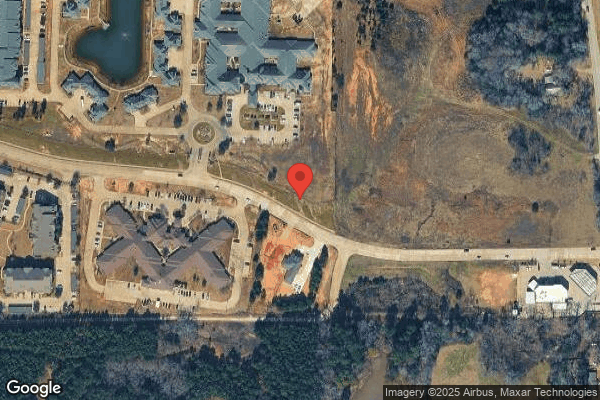
Nov 2024 1 deficiency
CONCERN (D) 📢 Someone Reported This

A family member, employee, or ombudsman was alarmed enough to file a formal complaint

Potential for Harm - no one hurt, but risky conditions existed

Deficiency F0558 (Tag F0558)

Could have caused harm · This affected 1 resident

**NOTE- TERMS IN BRACKETS HAVE BEEN EDITED TO PROTECT CONFIDENTIALITY** Based on observation, interview and record review the facility failed to ensure residents had the right to reside and receive se...

Read full inspector narrative →
**NOTE- TERMS IN BRACKETS HAVE BEEN EDITED TO PROTECT CONFIDENTIALITY** Based on observation, interview and record review the facility failed to ensure residents had the right to reside and receive services in the facility with reasonable accommodation of resident needs and preferences except when to do so would endanger the health or safety of the resident or others for 1 of 6 residents (Resident #1) reviewed for reasonable accommodations of needs . The facility failed to ensure Resident #1 had a functioning call light. This failure could place residents at risk of possible falls, major injuries, hospitalization, and unmet needs. Findings include: Record review of Resident #1's, undated, face sheet reflected an [AGE] year-old male who was admitted to the facility on [DATE]. Resident #1 had diagnoses which included: Cerebral Infarction (a serious condition that occurs when blood flow to the brain is blocked, causing an area of dead brain tissue), Urinary Tract Infection (a bacterial infection that affects the urinary tract, which includes the bladder, ureters, kidneys, and urethra), and Repeated Falls. Record review of Resident #1's significant change in status MDS, dated [DATE], reflected Resident #1 was understood and understood others. Resident #1's BIMs score was an 11, which indicated moderate impaired cognition. Resident #1 required substantial or maximal assistance with all ADLs. Record review of Resident #1's, undated, care plan reflected Resident #1 was at risk for falls related to history of falling, anti-anxiety medication use, and use of hypnotic therapy. The interventions included to ensure the call light was within reach and encourage her to use it to call for assistance as needed. During an interview on 11/15/24 at 10:30 a.m., the Family Member said Resident #1 had a fall this morning. He said he was informed by Resident #2 who called him at about 6:46 a.m. He said he also had a camera in the room that showed Resident #1 sitting on the floor in his room. He said Resident #2 was hollering for help and no one went to help him after Resident #2 pushed the call light button. He said he lived nearby and drove to the facility. He said the nurses were all at the nurse's station not helping Resident #1. He said he asked them why they were not helping, and they said they did not know Resident #1 pushed their call light button . He said the nurses said room [ROOM NUMBER] Resident's #1 and #2 are in did not fully work . He said they told him the light at the door would turn on but the indicator at the nurse's station would not make an audible noise. He said Resident #1 was not hurt but he was upset that no one answered the call light in a timely manner. He said he did not know the names of the nurses he spoke to. During an observation on 11/15/2024 at 10:43 a.m. of an undated (no time stamp approximately 5 seconds long) camera footage provided by Family Member it was observed that Resident #1 was sitting on the floor of his room. Resident #2 was interacting with the resident. Resident #2 yelled, help twice. Resident #1's bed was in the low position and a fall matt was on the floor with Resident #1 pushing it away from himself. During an observation on 11/15/2024 at 10:56 a.m. revealed Resident #1 and Resident #2's call light was pressed in room [ROOM NUMBER] . A light was observed above the door of the room. Upon going to the nurse's station and with a staff present the call light did not make an audible noise or light to indicate the call light in the room had been activated . During an interview on 11/15/24 at 11:07 a.m. with LVN A, she said she worked the 6:00 a.m. to 6:00 p.m. shifts. She said she worked the morning on 11/15/24 when Resident #1 slipped out of bed. She said she knew Resident #1 slid out of bed because she was informed by the Family Member of Resident #1 and #2. She said she was the nurse on duty assigned to the 600-hall which included room [ROOM NUMBER] . She said at about 6:46 she was at the nurse's station at the medication cart getting ready to pass medications. She said there were two CNAs working with her. She said she was standing in front of the nurse's station and could not see room [ROOM NUMBER] light was on neither from the doorway or the screen at the nurse's station that lit up. She said normally there was an audible noise when a call light was pushed but room [ROOM NUMBER] light was not working at the nurse's station screen nor the audible noise it made so she was unaware Resident #1 or #2 had pushed their button. She said she could not hear Resident #2 calling for help either. She said she did not know where CNA B or C was. She said she would answer call lights as well as the CNA's. She said after she was notified of the fall by Resident #1 and Resident #2's family member she checked the resident who was sitting on his bottom, on his fall matt, with the bed in a low position. She said she would never let a call light go off for that long, but she did not know it had been activated. During an interview on 11/15/24 at 11:20 a.m., CNA B said she worked with Residents #1 and #2 today as she was assigned to their hall. She said she was informed Resident #1 slipped out of his bed by Resident #1's family member. She said she did not know Resident #1 had pushed their call button as she was not within eyesight of the door light of the room nor could she hear the audible call light noise that was made when the call light was activated . She said the last time she worked previous to 11/15/24 was on 11/12/24 and she believed the call light made an audible noise that day. She said when she came to work at 6:00 a.m. on 11/15/24 the morning shift did not report anything or note for the 600 hall. She said along with herself two others were working the 600 hall. She said there were a total of 12 residents on this hall. She said there were plenty of staff to work the 600 hall. She said when they went to see the resident after their family member said he slipped they found Resident #1 sitting on the fall mat and his bed was in the low position. During an interview on 11/15/2024 at 11:50 a.m., with Resident #1 he said he slipped onto the floor this morning. He said he was not hurt. He said he slipped down to his fall mat then pushed his fall mat away from him but could not get back up. He said he did not know how long he was on the floor, but it was more than 30 minutes . He said it seemed like hours. He said his Family Member came into the room and helped him up. During an interview on 11/15/2024 at 11:53 a.m., with Resident #2 she said she noticed Resident #1 was on the floor around 6:00 a.m. to 6:20 a.m. She said she pushed her help button, but no one came. She said she started to panic, so she called her Family Member. He wasn't hurt but he couldn't get back into bed. She said her Family Member came and nurses came to help Resident #1 into bed. During an interview on 11/15/24 at 12:07 p.m. with the Administrator, he said he was notified Resident #1 slipped from his bed at 9:00 a.m. today. He said the Maintenance Director said the audible notification the call light made when the button was pushed was not working. He said the company that serviced their system was notified and staff were in serviced this morning on call light systems to notify him of a malfunction and to give residents a bell to ring. During an interview on 11/15/2024 at 2:10 p.m., CNA C said she worked on 11/15/24 on the night shift. She said she worked with Resident #1. She said she knew Resident #1's room, had a malfunctioning call light system. She said last night (11/15/24) Resident #1 had pushed his call light a few times and she entered the room but the audible noise it made when the call light was pushed was not working. She said she could see his light turned on at his room door. She said his call light had not worked since last Sunday, 11/10/24, that she knew of. She said she was not sure the exact date it has been malfunctioning, but she knew it hadn't worked since last Sunday . She said she placed in the digital charting an order to Maintenance and told LVN D that it was not working . During an interview on 11/15/24 at 2:18 p.m., LVN D said she worked last night, 11/15/24, on the night shift with Resident #1. She said she knew his call light was coming on because she could see his light turn on in the hallway above his door. She said she did not know the audible noise that was made when a call light was pushed was not working for Residents #1's room. She said CNA C reported to her several days prior the call light was not working right but she saw the call light was coming on above the door so she disregarded what CNA C told her since she saw it was working. She said she did not know the audible noise was malfunctioning. To her knowledge Resident #1 had not fallen last night on her shift. She said no one reported to her that Resident #1 had fallen on her shift. During an interview on 11/15/2024 at 2:40 p.m., the Maintenance Director said in room [ROOM NUMBER] he fixed the call light system last Monday 11/11/24. He said he replaced the shower box to the call light system. He said he fixed it in response to a staff that reported the call light system not functioning the day prior. He said the light was showing up outside the door, but the call light was not making an audible noise. He said someone had pulled the shower box wiring out of the wall. He said he replaced the entire unit last Monday in the bathroom. He said last Monday once he fixed the shower box it was making an audible noise and a visual light when he tested the call light from the shower box. He said he did not replace the call box in the bedroom just the call box in the bathroom. He said he was new to the online system for reporting maintenance issues, so he doesn't know how to bring up work orders he has completed. He said he can see current work orders but work orders that are finished he cannot pull up. He said since he put the new shower box in last Monday he had been going back in every other day checking the call light system and it had worked fine. During an interview on 11/15/24 at 3:45 p.m., the Administrator said he expected the call light system worked in the facility. He said the Maintenance Director replaced the shower box for the call light system this past Monday. He said he believed the call light system just stopped working this morning. He said he understood his staff could not provide a timeline of when the call light system was and was not working but he believed it stopped working just today only. He said the work order that was placed last week by CNA C fixed the call light system even though just the bathroom box was replaced, and the bed box was not replaced. During an interview on 11/15/2024 at 3:50 p.m., the Director of Nurses said she expected the call light system functioned properly. She said residents could be placed at risk of falls if the system was not functioning properly. Record review of the facility's policy and procedure, revised October 2010, titled, Answering the Call Light reflected The purpose of the procedure is to respond to the resident's requests and needs . Answer the call light as soon as possible .Some residents may not be able to use their call light. Be sure you check these residents frequently.
Jul 2024 11 deficiencies
CONCERN (D)

Potential for Harm - no one hurt, but risky conditions existed

Deficiency F0638 (Tag F0638)

Could have caused harm · This affected 1 resident

**NOTE- TERMS IN BRACKETS HAVE BEEN EDITED TO PROTECT CONFIDENTIALITY** Based on interview and record review, the facility failed to complete a resident assessment within the required time frame for 3...

Read full inspector narrative →
**NOTE- TERMS IN BRACKETS HAVE BEEN EDITED TO PROTECT CONFIDENTIALITY** Based on interview and record review, the facility failed to complete a resident assessment within the required time frame for 3 of 15 residents (Resident 24, Resident 16, Resident #5) reviewed for quarterly assessments. Resident #24's Quarterly MDS dated [DATE], was not completed until 7/8/24. Resident #16's quarterly MDS dated [DATE], was not completed until 7/5/24. Resident #5's quarterly MDS dated [DATE], was not completed until 7/5/24. This failure placed residents at risk of not having their assessments completed timely which could result in not having their individually assessed needs met. Findings included: 1. Record review of Resident #24's face sheet dated 01/27/24 indicated she was an [AGE] year-old female who admitted to the facility on [DATE]. Resident #24 had diagnoses including Acute Kidney Failure (A condition in which the kidneys suddenly can't filter waste from the blood), Parkinson's Disease (A disorder of the central nervous system that affects movement, often including tremors), and Anemia (A problem of not having enough healthy red blood cells or hemoglobin to carry oxygen to the body's tissues). Record review of Resident # 24's quarterly MDS assessment dated [DATE] indicated Resident #24 had a BIMS score of 00, which indicated severe cognitive impairment. Resident #24 was dependent on staff for assistance with ADLs. Record review of Resident #24's electronic medical record accessed on 07/08/24 at 9:20 a.m. revealed that Resident #24 did not have a quarterly MDS submitted as of 7/8/24. Resident #24's quarterly MDS dated [DATE] was submitted and therefore made available for review on 7/9/24 after the facility was made aware. 2.Record review of Resident #16's face sheet dated 07/09/24 indicated Resident #16 was an [AGE] year-old female, admitted to the facility on [DATE]. Resident #16 had diagnoses including stroke, aphasia ( a disorder that affects how one communicates usually occurring after a stroke), and heart failure. Record review of Resident #16's quarterly MDS assessment dated [DATE] indicated Resident #16 had a BIMS of 08, indicating moderately impaired cognition. Resident #16 required maximum assistance with ADLs. The MDS sections A-Q were signed as completed on 07/05/2024 by LVN E. The MDS was signed reviewed and complete by RN L on 05/20/2024. Record review of the CMS transmittal report dated 07/08/2024, indicated Resident #16's quarterly assessment that was due to be completed and transmitted no later than 06/04/2024, was not completed until 07/05/2024 and not transmitted until 07/08/2024. The MDS was accepted with the CMS Warning Record, submitted late. This submission date is more than 14 days after the Z0500B (date the RN signed the assessment is completed 05/20/2024) on this new assessment. 3. Record review of Resident #5's face sheet dated 07/09/24 indicated Resident #5 was a [AGE] year-old female, admitted to the facility on [DATE]. Resident #5 had diagnoses including metabolic encephalopathy (brain function is disrupted due to different disease and toxins in the body), type II diabetes (a metabolic disorder in which the body has high glucose levels for prolonged periods of time), and dementia ( a group of symptoms that affect memory, thinking, and daily life). Record review of Resident #5's quarterly MDS assessment dated [DATE] indicated Resident #5 had a BIMS of 08, indicating moderately impaired cognition. Resident #5 required moderate assistance with ADLs. The MDS sections A-Q were signed completed on 07/05/2024 by LVN E. The MDS was signed reviewed and complete by RN L on 05/18/2024. Record review of the CMS transmittal report dated 07/08/2024, indicated Resident #5's quarterly assessment that was due to be completed and transmitted no later than 06/01/2024, was not completed until 07/05/2024 and was not transmitted until 07/08/2024. The MDS was accepted with the CMS Warning Record, submitted late. This submission date is more than 14 days after the Z0500B (date the RN signed the assessment is completed 05/18/2024) on this new assessment. During an interview on 07/09/2024 at 11:10 a.m., LVN E stated she was aware there were several MDS assessments that were late being finished and transmitted to CMS. LVN E stated she was the corporate regional support for the MDS Coordinator at the facility and she was attempting to help her get caught up. She stated it can be a challenge for one person to keep up with the number of MDSs and care plans that are due monthly in a facility like this facility. She stated they had a plan in place now to ensure the MDS assessments stayed up to date and were transmitted timely. LVN E stated not completing the MDS timely affected revenue for the facility and how the plan of care was updated to reflect resident's individualized care. During an interview on 07/10/2024 at 11:15 a.m., the MDS Coordinator stated she was the sole MDS nurse and her job duties included: reviewing clinical records for admission, prioritizing diagnoses on new admissions, entering Preadmission Screening and Resident Review information into the LTC portal, completing all LTCMI's (form that proves medical necessity for Medicaid services in a NF), baseline care plans, comprehensive care plans, updating care plans with new MDS information, completing all entry, discharge, admission, quarterly, significant change, state optional and Medicare MDSs. She stated she also gathered and reported all clinical and therapy information to insurances companies for continued skilled services for the residents at the facility for skilled nursing and several meetings each day with other members of the IDT and family members. The MDS Coordinator stated she knew there were MDSs that were behind and her regional support nurse (LVN E) had come up with a plan to get the facility caught up. She stated MDSs should be completed timely to ensure the staff was aware of the current level of care needed for each resident. The MDS Coordinator stated the facility followed RAI guidelines and CMS guidelines. During an interview on 07/10/2024 at 1:00 p.m., the DON stated she was not aware of the late MDS assessments, but she had only been at the facility for about 3 weeks. The DON stated the MDS nurse had many responsibilities and she was more than competent to complete the required work. The DON stated she recently started allowing a nurse to come assist the MDS Coordinator with care plans 2 days per week. During an interview on 07/10/2024 at 1:15 p.m., the ADM stated he was aware of the late MDS assessments because he had been informed of them by LVN E. He stated the facility had a nurse now that would come help with care plans 1-2 days per week in an attempt to provide support to the MDS Coordinator. The ADM stated it was his expectation that all MDS assessments be completed and submitted timely. The ADM stated it could affect revenue and resident care if they MDS assessment was not finished and transmitted timely. Review of the RAI guidelines accessed on 07/10/2024 at 11:58 a.m., https://www.cms.gov/Medicare/Quality-Initiatives-Patient-Assessment-Instruments/NursingHomeQualityInits/Downloads/MDS20rai1202ch2.pdf revealed: The quarterly assessment is to be completed within 92 days of the Z0500 date of the admission assessment. The OBRA schedule would continue with another quarterly assessment to be completed within 92 days of the Z0500 of the previous quarterly. A third quarterly is completed within 92 days of the completion (Z0500) of the previous quarterly.
CONCERN (D)

Potential for Harm - no one hurt, but risky conditions existed

Assessment Accuracy (Tag F0641)

Could have caused harm · This affected 1 resident

**NOTE- TERMS IN BRACKETS HAVE BEEN EDITED TO PROTECT CONFIDENTIALITY** Based on interview and record review the facility failed to ensure that resident assessments accurately reflected the resident's...

Read full inspector narrative →
**NOTE- TERMS IN BRACKETS HAVE BEEN EDITED TO PROTECT CONFIDENTIALITY** Based on interview and record review the facility failed to ensure that resident assessments accurately reflected the resident's status for 1 (Resident #13) of 12 residents reviewed for accuracy of resident assessments. The facility failed to ensure that Resident #13's MDS 05/05/2024 quarterly assessment accurately reflected the resident's history of falls. This failure put residents at increased risk of staff not being aware of resident needs due to inaccurate assessments. Findings included: Record review of Resident #13's face sheet dated 07/09/2024 revealed she was and 82-years-old female, admitted to the facility on [DATE]. She had diagnoses of Parkinson's Disease (chronic and progressive movement disorder that initially causes tremor in one hand, stiffness or slowing of movement), dysphagia (difficulty swallowing), and depression. Record review of the quarterly MDS assessment dated [DATE] indicated Resident #13 had a BIMS of 08, which indicated moderate cognitive impairment. The MDS also revealed Resident #13 required moderate assistance with ADLs and was on a mechanically altered diet. The MDS revealed no falls had occurred since the last quarterly assessment, 03/21/2024. Record review of Resident #13's Fall assessment dated [DATE] completed by LVN D, revealed she had a fall while in her room attempting to take herself to the restroom. Resident #13 was noted to be sitting on the floor at the foot of her bed with a small bump above her right ear. Record review of Resident #13's comprehensive care plan dated 06/13/2024, revealed Resident #13 had a fall related to cognitive impairment and poor balance with an intervention from 04/06/2024 to offer the resident assistance to the bathroom at the begin of each round. During an interview on 07/09/2024 at 12:06 p.m., the MDS Coordinator revealed it looked like they missed the fall referring to not including Resident #13's history of falls in the quarterly MDS. She stated any fall the resident had since the last assessment should have been coded on the MDS. She said the MDS was developed based on hospital documents, history and physicals, orders, and by looking at the first seven day after admission. The MDS Nurse said if a fall was documented in the hospital records or History and Physical it should be on the MDS. She said if the MDS was not accurate the care plan may not be accurate. The MDS Coordinator stated the information about Resident #13's falls was missed. She said missing the resident's risk of falls on the MDS could increase the risk of falls because it might not get onto the resident's care plan. During an interview on 07/10/2024, at 1:43 p.m., the DON revealed that to construct the MDS assessment they look at everything such as resident's diagnoses, medications from the hospital, and discussions with the resident. She said the MDS triggers things on the CAA that need to go on the care plan so if something is missed on the MDS it could be missed on the care plan. During an interview on 07/10/2024 at 1:55 p.m., the ADM revealed he expected all MDS assessments to be accurately coded and show a clear picture of the individual resident. He stated not having accurate assessments will cost the facility money and the resident's autonomy may be affected. Record review of the facility policy, Resident Assessment Instrument dated 2023 revealed that an accurate assessment was one where the health professional correctly documented the resident's problems and strengths to maintain or improve their medical status, functional abilities using the Resident Assessment Instrument (RAI). Information provided by the initial comprehensive assessment establishes baseline date for the ongoing assessment of resident progress.
CONCERN (D)

Potential for Harm - no one hurt, but risky conditions existed

Comprehensive Care Plan (Tag F0656)

Could have caused harm · This affected 1 resident

**NOTE- TERMS IN BRACKETS HAVE BEEN EDITED TO PROTECT CONFIDENTIALITY** Based on interviews and records reviews, the facility failed to develop and implement a comprehensive person-centered care plan ...

Read full inspector narrative →
**NOTE- TERMS IN BRACKETS HAVE BEEN EDITED TO PROTECT CONFIDENTIALITY** Based on interviews and records reviews, the facility failed to develop and implement a comprehensive person-centered care plan for each resident to ensure the comprehensive care plan described the services and interventions to be used to attain and maintain the resident's practicable physical, mental, and psychosocial well-being for 2 (Resident #13 and Resident #44) of 10 residents reviewed for care plans. 1.The care plan for Resident #13 did not address the diagnosis and treatment for Parkinson's Disease. 2.The care plan for Resident #44 did not address a significant weight loss of greater than 10% in 180 days. These failures could place residents at risk of not having their individualized needs met, falls, weight loss and a decline in their quality of care and life. Findings include: 1.Record review of Resident #13's face sheet dated 07/09/2024 revealed she was and 82-years-old female, admitted to the facility on [DATE]. She had diagnoses of Parkinson's Disease (chronic and progressive movement disorder that initially causes tremor in one hand, stiffness or slowing of movement), dysphagia (difficulty swallowing), and depression. Record review of the quarterly MDS assessment dated [DATE] indicated Resident #13 had a BIMS of 08, which indicated moderate cognitive impairment. The MDS also revealed Resident #13 required moderate assistance with ADLs and was on a mechanically altered diet. The MDS assessment indicated Resident #13 had a diagnosis of Parkinson's Disease. Record review of the consolidated orders for July 2024 for Resident #13 had an order for carbidopa-levodopa 25-250mg three times a day. Record review of the resident's no care plan was found for Resident #13's Parkinson Disease diagnosis and treatment. 2.Record review of Resident #44's face sheet dated 07/09/2024 revealed she was a [AGE] year-old female, admitted to the facility on [DATE] with the diagnosis of diabetes (a metabolic disorder in which the body has high glucose levels for prolonged periods of time), dementia (a group of symptoms that affect memory, thinking, and daily life), and fibromyalgia (disorder that affects muscle and soft tissue characterized by chronic muscle pain, tenderness, fatigue and sleep disturbances). Record review of the quarterly MDS assessment for Resident #44, dated 05/18/2024 revealed Resident #44 had a BIMS of 05, which indicated a severe cognitive impairment. Resident #44 was dependent on staff for toileting, bathing, dressing and bed mobility. Resident #44 had weight of 218 pounds. Record review of Resident #44's monthly weights revealed: February 2024: 229.6 pounds-6th month weight June 2024: 196 pounds - 30-day weight- 33.6-pound/14.6 % weight loss in less than 180 days July 2024: 193.5 pounds- current weight-36.1 pound/ 15.7 % weight loss in 180 days. Record review of a progress note for Resident #44 dated 06/27/2024 written by the DON revealed: Resident triggered for 7.5 % weight loss in the last 180 days. Current weight 196 pounds. Previous weight 06/02/2024- 195.8 pounds. Diet order for CCD diet. She also has access to outside foods. Resident has what appears to b3e yeast infection under bilateral breast and inner left elbow Will monitor weights for status changes. Updated resident's daughter notified. Notified MD. Record review of the comprehensive care plan last updated 07/04/2024 for Resident #44 was reviewed and no care plan was noted that addressed significant weight loss, interventions, or desired weight loss. During an interview on 07/09/2024 at 10:00 a.m., Resident #44 stated she was unaware she had weight loss. Resident #44 stated she really wanted to get her weight down to around 150 pounds to help with care giver burden. During an interview on 07/10/2024 at 11:18 a.m , the MDS Coordinator stated she was responsible for the creation and implementation of the comprehensive care plan and to revise the care plans when new MDS assessments were completed. She stated it was the responsibility of all nurses to update the care plan with changes as they occur. She stated the department head nurses had a meeting each week to discuss weight loss, falls, and wounds. She stated during this meeting care plans should be updated with the changes of wounds, significant weight changes with interventions, and falls with interventions. She stated there had recently been big changes with department head nurses and they had a new DON, ADON, and treatment nurse. She stated they had not gotten back on track with weekly meetings and that is more than likely why care plan had not been updated. The MDS Coordinator stated not updating care plans to include diagnoses and significant weight changes could affect the resident's care provided. She stated it was important to keep those items updated to ensure the most accurate care was given to the residents. During an interview on 07/10/2024 at 1:38 p.m., the DON stated the MDS nurse had many responsibilities and she was more than competent to complete the required work. The DON stated she recently started allowing a nurse to come assist the MDS Coordinator with care plans 2 days per week. During an interview on 07/10/2024 at 1:15 p.m., the ADM stated he was aware of the care plans needed to be updated. He stated the facility had a nurse now that would come help with care plans 1-2 days per week in an attempt to provide support to the MDS Coordinator. The ADM stated it was his expectation that all care plans be completed a timely. The ADM stated it could affect resident care if the care plan was not finished and updated timely. Review of the facility policy titled, Care Plans, Comprehensive Person-Centered revealed, .The care plan interventions are derived from a thorough analysis of the information gathered as part of the comprehensive assessment and updated with information about the resident as it occurred.
CONCERN (D)

Potential for Harm - no one hurt, but risky conditions existed

Deficiency F0657 (Tag F0657)

Could have caused harm · This affected 1 resident

**NOTE- TERMS IN BRACKETS HAVE BEEN EDITED TO PROTECT CONFIDENTIALITY** Based on interviews and record review, the facility failed to ensure each resident's person-centered comprehensive care plan was...

Read full inspector narrative →
**NOTE- TERMS IN BRACKETS HAVE BEEN EDITED TO PROTECT CONFIDENTIALITY** Based on interviews and record review, the facility failed to ensure each resident's person-centered comprehensive care plan was reviewed and revised by the interdisciplinary team after each assessment for 2 of 13 residents (Residents #13 and Resident #44) reviewed for care plans. 1. The facility failed to revise and update Resident #13's nutrition care plan with the diet change of puree diet with honey thickened liquids. 2. The facility failed to revise and update Resident #44's comprehensive care plan about her discontinued IV medications, discontinued use of a foley catheter, healed DTI to left heel, tobacco use, antibiotic use, UTI diagnosis, hypnotic use, anticoagulation use, and healed pelvic abscess. These deficient practices could affect residents by placing them at risk of not receiving appropriate interventions to meet their current needs. Findings included: 1. Record review of Resident #13's face sheet dated 07/09/2024 revealed she was and 82-years-old female, admitted to the facility on [DATE]. She had diagnoses of Parkinson's Disease (chronic and progressive movement disorder that initially causes tremor in one hand, stiffness or slowing of movement), dysphagia (difficulty swallowing), and depression. Record review of the quarterly MDS assessment dated [DATE] indicated Resident #13 had a BIMS of 08, which indicated moderate cognitive impairment. The MDS also revealed Resident #13 required moderate assistance with ADLs and was on a mechanically altered diet. The MDS assessment indicated Resident #13 had a diagnosis of Parkinson's Disease. Record review of Resident #13's consolidated physician orders dated July 2024 indicated an order dated 05/09/2024 indicated to change her diet from puree diet with nectar thickened liquids to puree diet with honey thickened liquids. Record review of Resident #13's care plan revealed a nutrition care plan dated 06/13/2024 to provide Resident #13 a puree diet with nectar thickened liquids. 2. Record review of Resident #44's face sheet dated 07/09/2024 revealed she was a [AGE] year-old female, admitted to the facility on [DATE] with the diagnosis of diabetes (a metabolic disorder in which the body has high glucose levels for prolonged periods of time), dementia (a group of symptoms that affect memory, thinking, and daily life), and fibromyalgia (disorder that affects muscle and soft tissue characterized by chronic muscle pain, tenderness, fatigue and sleep disturbances). Record review of the quarterly MDS assessment for Resident #44, dated 05/18/2024 revealed Resident #44 had a BIMS of 05, which indicated a severe cognitive impairment. Resident #44 was dependent on staff for toileting, bathing, dressing and bed mobility. The MDS was coded revealing Resident #44 had a foley catheter, had an IV, had a foot ulcer, received hypnotic therapy, and had a pressure ulcer to her left heel. Record review of Resident #44's care plan dated 05/16/2024, indicated Resident #44 had an indwelling catheter, was receiving hypnotic medication daily, had a pelvic abscess, used tobacco daily, had a pressure ulcer to her left heel, had a UTI, was on antibiotic therapy, was on anticoagulation therapy, and was on IV therapy. Record review of Resident #44's consolidated physician orders dated May, June and July 2024 indicated the following: Resident #44's pressure ulcer was healed on 06/24/2024. Resident #44's indwelling foley catheter for Resident #44 was discontinued 06/14/2024. Resident #44's IV therapy was discontinued on 06/14/2024. Resident #44's UTI was resolved on 05/21/2024. Resident #44's anticoagulant medication was discontinued 02/04/2024. Resident #44's antibiotic was completed on 01/30/2024. During an observation of incontinent care on 07/10/2024 at 10:00 a.m., Resident #44 was noted to be incontinent of bladder and had no catheter. She was noted to have no pelvic abscess, no pressure ulcer to her left heel, and had no IV access. During an interview on 07/10/2024 at 10:45 a.m., the MDS Coordinator said social services, the DON, and herself worked on care plans. She said the care plans were reviewed and revised during care plan meetings with the IDT. She said it was herself and social services' responsibility to make sure care plans were current. She said she did not make sure changes were made to resident's care plans after care plan meetings. She stated all of the changes Resident #44 had should have been updated to reflect her current situation. She stated not updating these items could lead to the resident not receiving appropriate care. During an interview on 07/10/2024 at 1:43 p.m., the DON said the MDS Coordinator was responsible for updating care plans. She said care plans were revised with the IDT quarterly, as needed, and at care plan meetings. She said the care plans should be revised to accurately reflect the resident and it guided the resident's care. She said the MDS Coordinator should be monitoring if care plans are revised and updated. She said the facility had a consultant that assisted the MDS Coordinator and the facility now allowed an assistant 1-2 days per week to help keep up with the care plans. During an interview on 07/10/2024 at 2:33 p.m., the ADM said care plans were created after comprehensive assessments, updated after quarterly assessment and after out of cycle done by the IDT. He said physician orders were reviewed during IDT meetings for updates. He said Resident #13's diet order should have reflected what her current physician order stated. He stated Resident #44 had multiple changes that needed to be updated on her care plan to reflect the individual changes that have occurred. Record review of a facility's Care Area Assessment policy revised 2001 indicated .care area assessment will be used .to develop individualized care plans .link between assessment and care planning .review the triggered CAAs .history taking, physical assessments, gathering of relevant information .sequencing of clinically significant events . Assessment of residents are ongoing and care plans are revised as information about the resident and the residents' condition change.
CONCERN (D)

Potential for Harm - no one hurt, but risky conditions existed

Respiratory Care (Tag F0695)

Could have caused harm · This affected 1 resident

**NOTE- TERMS IN BRACKETS HAVE BEEN EDITED TO PROTECT CONFIDENTIALITY** Based on observation, interview, and record review the facility failed to ensure that residents who need respiratory care are pr...

Read full inspector narrative →
**NOTE- TERMS IN BRACKETS HAVE BEEN EDITED TO PROTECT CONFIDENTIALITY** Based on observation, interview, and record review the facility failed to ensure that residents who need respiratory care are provided with such care, consistent with professional standards of practices for 1 or 8 residents (Resident #24) reviewed for respiratory care. The facility failed to change the oxygen tubing for Resident #24. These failures could place residents at risk for of respiratory infections. Findings included: Record review of Resident #24's face sheet dated 01/27/24 indicated she was an [AGE] year-old female who admitted to the facility on [DATE]. Resident #24 had diagnoses including Acute Kidney Failure (A condition in which the kidneys suddenly can't filter waste from the blood), Parkinson's Disease (A disorder of the central nervous system that affects movement, often including tremors), and Anemia (A problem of not having enough healthy red blood cells or hemoglobin to carry oxygen to the body's tissues). Record review of Resident # 24's quarterly MDS assessment dated [DATE] indicated Resident #24 had a BIMS score of 00, which indicated severe cognitive impairment. Resident #24 was dependent on staff for assistance with ADLs. Resident #24 required oxygen therapy. Record review of Resident #24's order summary report dated 6/24/24 revealed an order for oxygen at 2 liters per nasal cannula. Order indicated to change and label tubing weekly and on Sunday. Record review of Resident #24's care plan revealed a problem revised on 2/13/24 to give oxygen therapy as ordered by the physician. During an interview and observation on 7/8/24 at 7:24 a.m., Resident #24's nasal cannula was dated for 6/17/24. Resident # 24 said it has been a while since anyone has changed her oxygen tubing. She said she doesn't know the last time someone had changed it. She said she uses it every night as she sleeps. During an observation on 7/9/24 at 9:22 a.m., Resident #24's nasal cannula was dated for 6/17/24. Resident # 24's nasal cannula had not been replaced with new tubing. During an interview on 7/10/24 at 12:55 p.m., with the ADM he said that it was the responsibility of night nurses to change nasal cannula for residents . He said that his staff are to follow the care plans and orders for residents. He said that nasal cannula should have been changed weekly. He said residents could be placed at risk of respiratory infection. During an interview on 7/10/24 at 1:04 p.m., with the DON she said that the night nurses are responsible for changing nasal cannula. She said that not changing the oxygen tubing would place the residents at an adverse risk. She said it is best practice to change nasal cannula weekly.
CONCERN (D)

Potential for Harm - no one hurt, but risky conditions existed

Pharmacy Services (Tag F0755)

Could have caused harm · This affected 1 resident

**NOTE- TERMS IN BRACKETS HAVE BEEN EDITED TO PROTECT CONFIDENTIALITY** Based on interview and record review, the facility failed to provide pharmaceutical services, including procedures that assure t...

Read full inspector narrative →
**NOTE- TERMS IN BRACKETS HAVE BEEN EDITED TO PROTECT CONFIDENTIALITY** Based on interview and record review, the facility failed to provide pharmaceutical services, including procedures that assure the accurate dispensing and administering of all drugs and biologicals to meet the needs of each resident for 1 of 4 residents reviewed for pharmacy services (Resident #42) 1. The facility failed to keep a record receipt of Resident #42's-controlled medication Hydrocodone. The failures could place residents at risk of not having accurate records of medication administration which could result in diminished health and well-being. Findings included: 1.Record review of the undated face sheet for Resident #42 indicated he was a [AGE] year old male that admitted [DATE] with diagnoses that included: Displaced Mid-cervical fracture of left femur (fracture of the left hip), cervical disc disorder (degeneration of the cervical spine) with myelopathy (nervous system disorder that affects the spinal cord) , high cervical region, rheumatoid arthritis (chronic inflammatory disorder usually affecting small joints in the hands and feet.) and low back pain. Record review of the MDS assessment dated [DATE] indicated Resident # 42 had clear speech, understood others, and understood by others. She had a BIMS of 13 indicating she was cognitively intact. Record review of the care plan initiated on 6/25/2024 revealed Resident #42 had potential for pain related to fracture of left femur with goal to have an acceptable pain level through next review date with interventions to acknowledge presence of pains and discomforts, administer pain medication as ordered and administer as needed pain medication for breakthrough as ordered by Physician, turn, and reposition during rounds and massage bony prominences. Record review of medication administration record dated 6/1/2024- 6/30/2024 for Resident #42 indicated, Hydrocodone 7.5-325 mg 1 tablet every 6 hours as needed for pain was prescribed on 6/17/2024. The medication administration record revealed Resident #42 had 2 doses of Hydrocodone 7.5 mg-325 mg tablet on 6/18/2024 at 1:11 AM PRN dose and 12:00 PM prior to new order for oxycodone. Record review of a packing slip dated 6/17/2024 indicated the facility received Resident #42's Hydrocodone 7.5-325 mg 30 quantity on 6/17/2024. Record review of medication destruction of controlled substances dated 6/25/2024 revealed Hydrocodone 7.5-325 mg had 25 tablets destructed by Pharmacist and DON. During an interview on 7/10/2024 at 9:18 AM, CMA A said there was an incident where a CMA was off on her counts, and she came in to cover the shift. CMA A could not recall what medication was missing or off on counts. CMA A said she thought it was determined the CMA who had the counts off was giving the medication and not documenting in the medication administration record. CMA A said you should document when a medication is administered. CMA A said the other CMA was suspended and had not worked since the day of the off counts. CMA A said staff were questioned, drug tested and educated again on medication administration. CMA A said a narcotic medication that was discontinued should be given to the DON as soon as possible. CMA A said other non-narcotic medications can be left in the medication storage room. During an interview on 7/10/2024 at 9:57 AM, LVN B said Resident #42 did not have any medication come up missing and she could not recall if Resident #42 had any narcotic off counts for his Hydrocodone. LVN B said when a medication comes in, we would write the medication down on the white sheet with counts, home meds and moved medication would have the date received and 1 or 2 sheets of paper, card numbers and the discontinued medication would correspond with the white sheet. LVN B said this was implemented when the new DON came to the facility. LVN B said if narcotic counts were off she would not accept the keys to the medication cart. LVN B said she would not want to be responsible. LVN B said she would contact the ADON and DON and wait for guidance. LVN B said she would take the narcotic sheet to the DON and count with her immediately when a narcotic was discontinued. During an interview on 7/10/2024 at 11:20 AM, the ADON said Resident #42 had Hydrocodone delivered to the facility on 6/17/2024. The ADON said there was a discrepancy of the count of Hydrocodone. The ADON said the facility went through a process with the Pharmacy consultant. The ADON said the discrepancies were accounted for. The ADON said the facility immediately counted all narcotics and called the pharmacy to identify when the Hydrocodone was sent and who was on schedule. The ADON said the DON spoke with staff and attempted to identify when the off counts were identified. The ADON said the nurses are responsible for the medication carts before the Medication Aides start an hour later than the nurses. The ADON said the facility did a drug screen on staff who worked, and all staff received negative drug screens. The ADON said the Pharmacist consultant came in after the discrepancy was identified and they did a count with ADON and DON. The ADON said the DON is the only one who can accept the discontinued narcotic medications. The ADON said the staff should keep the narcotics on the medication cart if it was the weekend if discontinued and continue to count until the DON returns on Monday. The ADON said the DON keeps the medication locked up in her office until time for medication destruction. The ADON said she is not aware of any medications missing. The ADON said the medication aide was suspended and the facility ended their work relationship with the medication aide. During an interview on 7/10/2024 at 1:04 PM, the DON said at 9 PM the nurse on the floor reported 2 Hydrocodone tablets missing. The DON said she could not identify where the 2 Hydrocodone went. The DON said the Medication Aide told her she did not count with the 7-6 PM shift. The DON said the medication aide was pregnant and she did not know what happened to the Hydrocodone. The DON said she expects the staff to document on the Medication administration record, the narcotic count sheet and expects counts to be performed each shift. The DON said she performed a narcotic audit on 6/25/2024 and they did not find any missing medication. The DON said the pharmacist consultant provided a new sheet to help reconcile medication and the DON said she was monitoring the narcotics daily until the next consult with the pharmacist in 3 months. The DON said the nurses are to bring the sheet once the medication is zero out then she gives the completed sheet to medical records. The DON said she has new processes in place to ensure the issue of narcotic counts are resolved. During an interview on 7/10/2024 at 2:17 PM the ADM said if a narcotic is discontinued, the card should be removed from the medication cart. The ADM said if a narcotic count was off the staff should notify the DON immediately. The ADM said missing narcotics or off counts could place the facility at risk for drug misconduct or improper administration of narcotics. The ADM said narcotics were destructed weekly and monthly for sure. The ADM said he expects the nurses and medication aides to count narcotics each shift. During record review of the facility's policy revised December 2012 titled Controlled Substances revealed .The facility shall comply with all laws, regulations, and other requirements related to handling, storage, disposal and documentation of s II and other controlled substances .Policy Interpretation and Implementation .1 .Only authorized licensed nursing and pharmacy personnel shall have access .2.The DON services will identify staff members who are authorized to handle controlled substances .4.If the count is correct, an individual resident-controlled substance record must be made for each resident who will be receiving a controlled substance. Do not enter more than one prescription per page. This record must contain: .Name of resident .Name and strength of the medication .quantity received . Name of Physician .Prescription number .Name of issuing pharmacy .date and time received .time of administration .method of administration .signature of person receiving medication .signature of nurse administering medication .9. Nursing staff must count controlled medications at the end of each shift. The nurse coming on duty and nurse going off duty must make the count together. They must document and report any discrepancies to the DON . 10. The DON services shall investigate any discrepancies in narcotics reconciliation to determine the cause and identify any responsible parties and shall give the ADM a written report of such findings .11. The DON services shall consult with the provider pharmacy and the ADM to determine whether any further legal action is indicated.
CONCERN (D)

Potential for Harm - no one hurt, but risky conditions existed

Deficiency F0757 (Tag F0757)

Could have caused harm · This affected 1 resident

**NOTE- TERMS IN BRACKETS HAVE BEEN EDITED TO PROTECT CONFIDENTIALITY** Based on observation, interview and record review, the facility failed to ensure each resident's drug regimen was free from unne...

Read full inspector narrative →
**NOTE- TERMS IN BRACKETS HAVE BEEN EDITED TO PROTECT CONFIDENTIALITY** Based on observation, interview and record review, the facility failed to ensure each resident's drug regimen was free from unnecessary medications (a medication used: in excessive doses (including duplicate therapy) for 1 of 6 residents (Resident #54) reviewed for unnecessary medications The facility failed to ensure Resident #54 did not receive duplicate medication therapy for metoprolol (blood pressure medication), venlafaxine (antidepressant), trazadone (antidepressant used as sleep aide), pantoprazole (acid-reflux medication), MiraLAX (laxative), and vitamin D3. This failure could place residents at risk for adverse drug reactions (unintended, harmful events attributed to the duplicate use of these medications) and receiving unnecessary medications. Findings included: Record review of Resident #54's face sheet dated 07/09/2024 indicated Resident #54 was an 85-years-old female, admitted to the facility on [DATE] with diagnoses including dementia (a group of thinking and social symptoms that interferes with daily functioning), chronic obstructive pulmonary disease (a group of lung diseases that block airflow and make it difficult to breathe), Type 2 diabetes (a chronic condition that affects the way the body processes blood sugar (glucose), and vitamin deficiency (a deficiency of one or more essential vitamins). Record review of Resident #54's significant change MDS assessment dated [DATE] indicated Resident #54 was usually understood and usually understood others. The MDS indicated Resident #54's BIMS score was 07 which indicated moderate cognitive impairment and required maximum assistance for bed mobility, dressing, toilet use, personal hygiene, and bathing. Record review of the care plans for Resident #53 revealed the following care plans: Antidepressant usage- educate the resident and family about risk, benefits, and side effects and/or toxic symptoms of antidepressant usage dated 01/21/2024. Antihypertensive usage- resident has the potential for complications related to hypertension (high blood pressure). Give antihypertensive medications as ordered. Observe for side effects such as orthostatic hypotension and increased heart rate dated 01/21/2024. Resident has GERD (gastroesophageal reflux disease). Give proton pump inhibitor (drug class for pantoprazole) once daily. Monitor resident for side effects, dated 01/21/2024. Resident has a history of constipation. Give laxatives as ordered. Monitor resident for bowel movements at least every 3 days dated 01/21/2024. Record review of Resident #54's consolidated MD orders dated 07/08/2024 revealed the following duplicate orders: 06/29/2023- Trazadone 50mg give 1 tablet at bedtime for insomnia. 06/14/2024- Trazadone 50mg give 1 tablet at bedtime for insomnia. 03/27/2024- Venlafaxine 75mg give 1 tablet by mouth twice daily related to depression. 06/14/2024-Venlanfaxine 75mg give 1 tablet by mouth twice daily related to depression. 06/30/2023- Pantoprazole sodium 40 mg give one tablet daily for GERD. 06/14/2024- Pantoprazole sodium 40 mg give one tablet daily for GERD. 02/02/2024- Metoprolol tartrate 50mg one tablet by mouth twice daily for hypertension. Hold if systolic blood pressure is <110 and/or diastolic blood pressure is <60. 06/14/2024- Metoprolol tartrate 50mg one tablet by mouth twice daily for hypertension. Hold if systolic blood pressure is <110 and/or diastolic blood pressure is <60. 02/03/2024- MiraLAX oral pack-17 grams one packet by mouth once daily for constipation. 06/14/2024- MiraLAX oral pack-17 grams one packet by mouth once daily for constipation. 07/04/2023- Vitamin D3 50 mcg give one by mouth one time a day for dietary supplement. 06/14/2024- Vitamin D3 50 mcg give one by mouth one time a day for dietary supplement. Record review of Resident #54's June 2024 MAR revealed the following: Trazadone 50mg give 1 tablet at bedtime for insomnia with the start date of 06/29/2023 was administered each day between 6 p.m. and 1 a.m. from 06/01/2024 to 06/30/2024. Trazadone 50 mg give 1 tablet at bedtime for insomnia with start date of 06/14/2024 was also administered from 06/14/2024 to 06/30/2024 each day between 6 p.m. and 1 a.m. Resulting in 16 duplicate doses of trazadone administered in June 2024. Venlafaxine 75mg give 1 table twice daily related to depression with the start date of 03/27/2024 was administered twice daily from 06/01/2024 to 06/30/2024. Venlafaxine 75mg give 1 tablet twice daily related to depression with the start date of 06/14/2024 was also administered twice daily from 06/14/2024 to 06/30/2024. Resulting in 32 duplicate doses of Venlafaxine administered in June 2024. Pantoprazole sodium 40mg give one tablet daily for GERD with the start date 06/30/2023 was administered once daily from 06/01/2024 to 06/30/2024. Pantoprazole sodium 40mg give one tablet daily for GERD with the start date 06/14/2024 was also administered once daily from 06/14/2024 to 06/30/2024. Resulting in 16 duplicate doses of Pantoprazole sodium administered in June 2024. Metoprolol tartrate 50mg one tablet by mouth twice daily for hypertension with the start date 02/02/2024 was administered twice daily with vital signs recorded from 06/01/2024 to 06/30/2024 with the exception (blood pressure out of parameters) of 06/17/2024 (BP 110/56), 06/18/2024 (BP 112/58), 06/21/2024 (BP118/58), 06/22/2024 (BP 120/56) ( morning dose), and 06/23/2024 (BP 112/54) (evening dose) in which the medication was held and the MD was informed of the low blood pressures. Metoprolol tartrate 50mg one tablet by mouth twice daily for hypertension with the start date 06/14/2024 was also administered twice daily with vital signs recorded from 06/14/2024 to 06/30/2024 with the exception (blood pressure out of parameters) of 06/17/2024, 06/18/2024, 06/21/2024, 06/22/2024 (morning dose), and 06/23/2024 (evening dose) in which the medication was held and the MD was notified of the low blood pressure. Resulting in 24 duplicate doses of Metoprolol administered in June 2024. MiraLAX oral pack 17 grams one pack by mouth daily with the start date of 02/03/2024 was administered once daily from 06/01/2024 to 06/30/2024. MiraLAX oral pack 17 grams one pack by mouth daily with the start date of 06/14/2024 was administered once daily from 06/14/2024 to 06/30/2024. Resulting in 16 duplicate doses of MiraLAX administered in June 2024. Vitamin D3 50mcg one capsule one time daily with the start date 07/04/2023 was administered once daily from 06/01/2024-06/30/2024. Vitamin D3 50mcg one capsule one time daily with the start date 06/14/2023 was administered once daily from 06/14/2024-06/30/2024. Resulting in 16 duplicate doses of Vitamin D3 administered in June 2024. Record review of July 2024 MAR for Resident #54 revealed: Trazadone 50mg give 1 tablet at bedtime for insomnia with the start date of 06/29/2023 was administered each day between 6 p.m. and 1 a.m. from 07/01/2024 to 07/08/2024. Trazadone 50 mg give 1 tablet at bedtime for insomnia with start date of 06/14/2024 was also administered from 07/01/2024 to 07/08/2024 each day between 6 p.m. and 1 a.m. Resulting in 8 duplicate doses of trazadone administered in July 2024. Venlafaxine 75mg give 1 table twice daily related to depression with the start date of 03/27/2024 was administered twice daily from 07/01/2024 to 07/08/2024. Venlafaxine 75mg give 1 tablet twice daily related to depression with the start date of 06/14/2024 was also administered twice daily from 07/01/2024 to 07/08/2024. Resulting in 16 duplicate doses of Venlafaxine administered in July 2024. Pantoprazole sodium 40mg give one tablet daily for GERD with the start date 06/30/2023 was administered once daily from 07/01/2024 to 07/08/2024. Pantoprazole sodium 40mg give one tablet daily for GERD with the start date 06/14/2024 was also administered once daily from 07/01/2024 to 07/08/2024. Resulting in 8 duplicate doses of Pantoprazole sodium administered in July 2024. Metoprolol tartrate 50mg one tablet by mouth twice daily for hypertension with the start date 02/02/2024 was administered twice daily with vital signs recorded from 07/01/2024 to 07/08/2024 with the exception (blood pressure out of parameters) of on 07/04/2024(B/P 112/58). Metoprolol tartrate 50mg one tablet by mouth twice daily for hypertension with the start date 06/14/2024 was also administered twice daily with vital signs recorded from 07/01/2024 to 07/08/2024 with the exception (blood pressure out of parameters) of 07/04/2024. Resulting in 15 duplicate doses of Metoprolol administered in July 2024. MiraLAX oral pack 17 grams one pack by mouth daily with the start date of 02/03/2024 was administered once daily from 07/01/2024 to 07/08/2024. MiraLAX oral pack 17 grams one pack by mouth daily with the start date of 06/14/2024 was administered once daily from 07/01/2024 to 07/08/2024. Resulting in 8 duplicate doses of MiraLAX administered in July 2024. Vitamin D3 50mcg one capsule one time daily with the start date 07/04/2023 was administered once daily from 07/01/2024 to 07/08/2024. Vitamin D3 50mcg one capsule one time daily with the start date 06/14/2023 was administered once daily from 07/01/2024 to 07/08/2024. Resulting in 8 duplicate doses of Vitamin D3 administered in July 2024. During an interview and record review on 07/09/2024 at 9:02 a.m., CMA G stated she was aware of the duplicate orders for Resident #54. CMA G stated she contacted Unit Manager M on 06/15/2024 when she first noticed the duplication on the MAR for Resident #54. She stated Unit Manager M explained to her that the orders would appear duplicated on the MAR and she should administer the medications as on the MAR. CMA G stated the information had not seemed correct to her, but as a CMA the LVN had more knowledge on the medications and the system. CMA G stated when she worked, she continued to administer the medications as they appeared on the MAR for Resident #54. She stated she carefully took Resident #54's blood pressure prior to administering any blood pressure medications and held the medication the few times it was outside of parameters. CMA G showed this surveyor a text message from Unit Manager M confirming the directions to give the medications as ordered on the MAR. CMA G stated she had not reported the duplicate medications to anyone else because the Unit Manager M was her supervisor. During an interview and record review on 07/09/2024 at 9:10 a.m., CMA H stated she was giving Resident #54's medication as ordered on the MAR. She stated she had occasionally held the BP medication for Resident #54 if the blood pressure was out of parameters. She stated she told the ADON or the charge nurse if she had to hold the medication so they could call the MD to inform them. CMA H stated she had not noticed any change in Resident #54's behavior. She stated she was easily aroused when she was asleep and was up most of the day wheeling round the facility. During an observation on 07/09/2024 at 9:25 a.m., Resident #54 was up in a wheelchair attempting to self-propel. She was awake and alert with no signs of sedation or acute illness. Attempted to call Unit Manager M x 3 (07/09/2024 at 9:30 a.m., 07/09/2024 3:30 p.m., and 07/10/2024 11:10 a.m.) with no return response. During an interview on 07/09/2024 at 9:35 a.m., the DON stated she was not aware Resident #54 received duplicate drug therapy for trazadone, metoprolol, pantoprazole, MiraLAX, vitamin D3 and venlafaxine. She stated she would immediately access the resident and call the MD. The DON stated duplicate drug therapy could be harmful to the resident and cause organ damage, hospitalization or even death in some extreme cases. The DON stated Unit Manager M checked all newly written orders for Resident #54's hall. The DON stated Unit Manager M quit on 06/12/2024, two days prior to the duplicate orders being written for Resident #54. She stated the ADON that stated 07/01/2024 took over the responsibility of checking new orders. The DON stated the backup to ensure no duplicate orders occurred was the pharmacy consultant came monthly and reviewed all resident medication for duplicate therapy. The DON stated the last pharmacy review was 06/11/2024 (3 days prior to the orders being duplicated) and he was due back 07/11/2024 (3 days after the duplication was discovered). The DON stated the charge nurses would not be aware of the duplicate medication unless the CMA reported it to them because they did not review medications. During an interview on 07/09/2024 at 11:10 a.m., MD N stated he conducted a tele-med (over the internet) exam of Resident #54 on 07/08/2024 at 2:00 p.m. He stated after reviewing her vital signs and having the tele-med exam he felt there was no harm to the resident. He stated he carefully reviewed the medications she was receiving in duplicate. He stated metoprolol was a medication that controlled blood pressure as well as heart rate. He stated the normal range of daily dosage of metoprolol was from 50mg to 450 mg a day. He stated Resident #54 was not adversely affected by receiving 100mg and he knew this because he was called the 3 or 4 times when the medication aide held the blood pressure medication because Resident #54's blood pressure was outside of perimeters and they blood pressures reported were not alarmingly low. He stated the normal dosage of trazadone for a sleep aide was between 25 mg to 100mg at bedtime. He stated by Resident #54 receiving only 50mg at bedtime and tolerating it well with no side effects or sedative effects, she was not harmed by the medication. He continued by stating that it would take almost an entire bottle of vitamin D3 to have an amount that would cause harm. He stated the normal range of dosage for venlafaxine was between 37.5mg and 300mg per day. He stated Resident #54 had no sedation, no hallucinations, no constipation, and no loss of appetite, which were side effects of receiving too much. Pantoprazole was used in people that spent a great deal of time in the bed to prevent stomach ulcers and control acid reflux. He stated the standard dose was 40mg once to twice daily, and by not having a decrease in appetite he felt Resident #54 had not been adversely affected by pantoprazole. He stated MiraLAX was a medication to soften the stool to prevent constipation. He stated it was generally ordered once daily, but he saw no harm in her taking two caps of MiraLAX instead of one. He stated no episodes of continuous diarrhea had been reported to him. He stated he made some medication changes when he met with Resident #54 to ensure she would not be harmed by a prolonged use of higher doses of the medications. He stated he changed the MiraLAX to prn, he kept the metoprolol at 100mg and changed the frequency to daily, he changed pantoprazole to once daily and kept the venlafaxine at 150mg with a frequency of daily. The trazadone was changed to 50mg at bedtime and he was going to reassess her in one week to see if she was responding well to the decreased frequency of some of the medications. He stated he would continue to monitor Resident #54 and stated he could name 1000 potential adverse reactions to medications and Resident #54 was not suffering from any at this time. He stated he expected his orders to be followed and not duplicated because there is a potential for adverse reactions to high doses of some medications, but he felt the facility had a good system in place for monitoring for duplicate mediations by having the ADON or unit manager review them daily and the pharmacy consultant review them monthly. During an observation on 07/10/2024 at 8:15 a.m., Resident #54 was up in her wheelchair eating breakfast in the dining room. No sedation noted. Resident #54 had a good appetite and ate 75% of her breakfast. During an interview on 07/10/2024 at 2:07 p.m., the ADM said he expected nursing administration to handle review of all medications and ensure all residents were receiving the right medication and right dose. The ADM stated he was unaware until yesterday when the DON informed him Resident #54 received duplicate medications. The ADM stated it was the ADON or unit manager's responsibility to review all medications and the DON was the one that checked behind them. Requested policy for Unnecessary Medications from DON on 07/09/2024 and 07/10/2024 and no policy was given prior to exit. Review of Nursing Process: Patient Safety during drug therapy (2024), https://www.nursingcenter.com/clinical-resources/nursing-drug-handbook/ndh-toolkit/nursing-process was accessed on 07/11/2024 indicated .drug therapy is a complex process that can easily lead to adverse patients events .applying the nursing process .assessment, nursing diagnosis .during drug therapy enables the nurse to systemically identify the drug therapy needs of each patient .administer medication utilizing the eight rights .right drug .right reason .right dose .
CONCERN (D)

Potential for Harm - no one hurt, but risky conditions existed

Deficiency F0761 (Tag F0761)

Could have caused harm · This affected 1 resident

**NOTE- TERMS IN BRACKETS HAVE BEEN EDITED TO PROTECT CONFIDENTIALITY** Based on observation, record review, and interview, the facility failed to store all drugs and biologicals in locked compartment...

Read full inspector narrative →
**NOTE- TERMS IN BRACKETS HAVE BEEN EDITED TO PROTECT CONFIDENTIALITY** Based on observation, record review, and interview, the facility failed to store all drugs and biologicals in locked compartments for 1 of 5 medication carts (400/500 hall cart) reviewed for pharmacy services. 1. The facility failed to lock 1 medication carts for hall 400/500 medication cart. These failures could place residents at risk of not having their medications available as prescribed, a drug diversion, and an adverse reaction. Findings included: During an observation and interview on 7/10/2024 beginning at 9:36 AM, LVN B left the medication cart for hall 400 unlocked while administering medication to Resident # 285. During administration, it was observed LVN B leaving medication cart pulled facing the door and cart remaining unlocked. Resident #285 was requiring assistance and care prior to medication and the medication cart was out of LVN B sight. LVN B was observed going into the bathroom to wash her hands, leaving the cart out of visual observation. Observed cart unlocked from 9:36 AM to 9:43 AM with 3 housekeepers observed in the hallway while medication cart was unlocked. LVN B said she could not see the medication cart while providing care. LVN B said she did not think it needed to be locked since she was close to the cart. LVN B said someone could get into the medication cart and take medications that do not belong to them. Record review of the undated face sheet for Resident #285 indicated she was an [AGE] year old female that admitted [DATE] with diagnoses that included: Traumatic compartment syndrome of tight upper extremity (when an injury or repeated stress causes swelling and bleeding inside a muscle compartment), Parkinson's disease (disorder of the central nervous system that affects movement, often including tremors) , Chronic obstructive Pulmonary disease (a group of lung diseases that block air flow and make it difficult to breath) and peripheral vascular disease (a circulatory condition in which narrowed blood vessels reduce blood flow to the limbs ). During an observation on 7/10/2024 at 10:00 AM, LVN C was present during observation of the medication cart and identified as medications for hall 400 and 500, revealed in the top-drawer vitamins, over the counter medications such as aspirin, insulin pens and syringes. Observed in second drawer scheduled medications such as clonidine, magic mouthwash, and albuterol. The third drawer was the narcotic drawer which was locked inside the medication cart. LVN C said she was responsible for the medication cart she was assigned to. During an interview on 7/10/2024 at 11:00 AM, LVN C said medication carts should never be left unlocked. LVN C said the medication carts need to be locked up even if the medication cart is in the doorway. LVN C said the medication cart should be within eye site. LVN C said a resident could take medication out of the cart that are not prescribed to them, and they could be allergic to the medication, or it could harm them including death. LVN C said other staff or visitors could also get in the medication cart if left unlocked. The nurse with the keys is responsible for the medication cart. During an interview on 7/10/2024 at 11:20 AM, the ADON said medication carts are supposed to be locked. The ADON said the medication carts can be in sight or touch and would not be a good idea to leave cart unlocked while providing care. The ADON said she expected the medication carts to be locked. The ADON said anyone passing by could open the medication cart and take medications not prescribed to them and they could have an adverse reaction. During an interview on 7/10/2024 at 2:17 PM, the ADM said he expects nurses and medication aides to keep medication carts locked. The ADM said the medication cart should be unlocked when pulling medications, supplies or counting medications. The ADM said the medication cart should be in eye site and the nurse should not turn back on an unlocked medication cart. The ADM said an unlocked medication cart puts them at risk for thief of medication and another resident, staff or visitor could get in the medication cart and take a medication not prescribed to them. The ADM said an adverse reaction to medication could occur and cause the person harm or become sick. During an interview on 7/10/2024 at 2:32 PM, the DON said she expected nurses and medication aides to keep medication carts locked while not in use. The DON said she has started an in-service to the nurses and medication aides on keeping the medication carts locked. The DON said an unlocked medication cart could result in a drug diversion. Review of a Storage of Medication revised April 2017 indicated, The facility shall store all drugs and biologicals in a safe, secure, and orderly manner . Policy Interpretation and Implementation . 1. Drugs and biologicals shall be stored in the packaging, containers, or other dispensing systems in which they are received .7. Compartments (including but not limited to, drawers, cabinets, rooms, refrigerators, carts, and boxes.) containing drugs and biologicals shall be locked when not in use, and trays or carts used to transport such items shall not be left unattended if open or otherwise potentially available to others .10.Only persons authorized to prepare and administer medications shall have access to the medication room, including any keys .
CONCERN (E)

Potential for Harm - no one hurt, but risky conditions existed

Deficiency F0565 (Tag F0565)

Could have caused harm · This affected multiple residents

Based on interview, and record review, the facility failed to consider the views of a resident group and act promptly upon the grievances and recommendations of such groups concerning issues of reside...

Read full inspector narrative →
Based on interview, and record review, the facility failed to consider the views of a resident group and act promptly upon the grievances and recommendations of such groups concerning issues of resident care and life and failed to demonstrate their response and rationale for such response in a timely manner 3 (February, March, and April 2024) of 6 months reviewed for resident group response, in that: The documentation of the facility's effort to resolve resident grievances of medicine being left at bedside, not having their beds made, bedding not being changed on shower days, no snacks being provided, and the facility running out of toilet paper collected at Resident Council meetings on 02/01/2024, 03/21/2024, and 04/04/2024 were not made until between 05/07/2024 and 05/18/2024. This failure placed residents at risk of not having grievances addressed or provided a rational for facility decisions for issues identified in a timely manner. Findings included: Record review of Resident Council Meeting Forms dated 02/01/2024, 03/21/2024, and 04/04/2024 indicated the group council voiced their beds were not being made, their linens were not being changed, they were not receiving snacks, and the facility was running out of toilet paper frequently. The AD signed the Resident Council meeting form on 02/21/2024. The DON responded to the resident council grievance on 05/07/2024 about the beds being made with the response. Ambassadors will make rounds. The dietary manager responded to the resident council grievance about snacks on 05/16/2024 with the response, things are very chaotic right now and we are doing the best we can. The housekeeping supervisor responded to the grievance about the toilet paper shortage on 05/08/2024 with the response, manager will in service staff on leaving a larger supply out to ensure toilet paper does not run out. During an interview on initial tour on 07/08/2024 between 6:20 a.m. - 4:00 p.m., 2 confidential residents voiced their bed was not made and they were not receiving snacks. These confidential residents stated they made these concerns known during resident council meetings in February, March, April, May, and June of 2024. During a confidential group interview on 07/09/2024 at 10:00 a.m., 7 of 7 confidential residents said they had experienced not having their beds made and linens changed, not getting snacks, and running out of toilet paper over the last 6 months. 7 of 7 residents said they were concerned they were not receiving prompt responses to the grievances they were making during resident council. During an interview on 07/10/2024 at 9:10 a.m., the Housekeeping Supervisor stated the facility discussed the issues voiced in the resident council in the morning meetings and resolutions were made verbally during those meetings. The Housekeeping Supervisor stated she thought AD K was going to relay the resolution to the residents, because that is who asked for the resolution in the morning meeting. The Housekeeping Supervisor stated she did an in service with her staff around mid-May to leave out extra toilet paper. She stated the in service was done verbally. During an interview on 07/10/2024 at 12:10 p.m., the Dietary Manager stated she was new and had only been in the facility for a couple weeks. She stated she met with the residents and introduced herself and asked about problems they were having with their food. She stated one of their concerns was snacks being available and she promptly addressed that by speaking with her staff and setting up snack times for 10 a.m., 2 p.m., and bedtime. The dietary staff was preparing trays of snacks and leaving them at the nurses' station for the nursing staff to distribute. She said this began around the 1st of July. Attempted to contact DM J (previous dietary manager) on 07/08/2024 at 11:20 a.m., 07/09/2024 at 2:15 p.m. and 07/10/2024 at 8:15 a.m., with no call back. During an interview on 07/10/2024 at 12:30 p.m., the DON stated she knew the policy for responding to grievances was 5 days. The DON stated she had been employed at the facility for about 3 weeks. The DON stated she was unsure why the previous DON had not responded to the resident council grievances for over 3 months. She stated not responding could make the resident's feel disrespected and could cause depression. Attempted to contact previous DON on 07/08/2024 at 10:20 a.m., 07/09/2024 at 4:15 a.m., and 07/10/2024 12:40 p.m. There was no response and no call back. During an interview on 07/10/2024 at 1:15 p.m., the AD stated she typed up the resident council minutes after each resident council meeting and presented a copy to each department head in the next morning meeting. She stated the DON, housekeeping supervisor and dietary manger were all present, along with the Administrator at these meetings. She stated she reminded the department heads that responses were needed to the resident council grievances daily during the morning meeting. She stated she did not receive responses for nearly 4 months on council meetings held at the first part of the year. She stated all at once the department heads handed in the same response to attach to multiple months resident council grievances. She stated the resident council was becoming frustrated because they felt they were being ignored. During an interview on 07/10/2024 at 2:09 p.m., the ADM stated he expected the grievances to be resolved in its entirety. The ADM said the grievance officer was the social worker, but each department would address the grievance in their area. The ADM stated he expected beds to be made, snacks to be served, toilet paper to be available to residents and staff, and the grievances be resolved within 5 business days. He stated he was not the ADM when the lack of attention occurred, but he would ensure they resident council did not feel ignored again. The ADM stated not responding to the resident council could leave the residents feeling like their voice does not matter in the facility, when their voice matters most. Record review of the Grievance Policy dated 2001, revealed the following: 1. The Administrator has assigned the responsibility of investigating grievances and complaints to the Social Service Director. 2. Upon receiving a grievance and complaint report, the Social Service Director will begin an investigation into the allegations. The department director of an involved employee will be notified of the nature of the complaint and that an investigation is underway. The investigation and report will include, as applicable: a. The date and time of the alleged incident; b. The circumstances surrounding the alleged incident; c. The location of the alleged incident; d. The names of any witnesses and their accounts of the alleged incident; e. The resident's account of the alleged incident; f. The employee's account of the alleged incident; g. Accounts of any other individuals involved (i.e., employee's supervisor, etc.); and h. Recommendations for corrective action. 3. The Resident Grievance/Complaint Investigation Report Form must be filed with the Administrator within five (5) working days of the incident. 4. The resident, or person acting on behalf of the resident, will be informed of the findings of the investigation, as well as any corrective actions recommended, within 5 working days of the filing of the grievance or complaint. Copies of all reports must be signed and will be made available to the resident or person acting on behalf of the resident.
CONCERN (E)

Potential for Harm - no one hurt, but risky conditions existed

MDS Data Transmission (Tag F0640)

Could have caused harm · This affected multiple residents

**NOTE- TERMS IN BRACKETS HAVE BEEN EDITED TO PROTECT CONFIDENTIALITY** Based on interviews and record review, the facility failed to ensure each Minimum Data Set (MDS) was electronically completed an...

Read full inspector narrative →
**NOTE- TERMS IN BRACKETS HAVE BEEN EDITED TO PROTECT CONFIDENTIALITY** Based on interviews and record review, the facility failed to ensure each Minimum Data Set (MDS) was electronically completed and transmitted to the CMS System within 14 days after completion for 4 of 32 residents (Resident #149, Resident #24, Resident #16, and Resident #5) reviewed for MDS transmittal. The facility did not ensure Resident # 149's quarterly MDS assessment dated [DATE] was completed and successfully electronically transmitted within 14 days The facility did not ensure Resident # 24's quarterly MDS assessment dated [DATE] was completed and successfully electronically transmitted within 14 days . The facility did not ensure Resident # 16's quarterly MDS assessment dated [DATE] was completed and successfully electronically transmitted within 14 days . The facility did not ensure Resident # 5's quarterly MDS assessment dated [DATE] was completed and successfully electronically transmitted within 14 days This deficient practice could place residents at risk of not having their assessments transmitted and accepted in a timely manner and causing a delay in payments for the facility. The findings included: 1. Record review of Resident #149's face sheet dated 07/09/24 indicated Resident #149 was an [AGE] year-old female, admitted to the facility on [DATE]. Resident #149 had diagnoses including stroke, hemiplegia and hemiparesis affecting right dominant side (paralysis to one side of the body), and heart failure. Record review of Resident #149's admission MDS dated [DATE] indicated Resident #149 had a BIMS of 13, indicating intact cognition. Resident #149 required maximum assistance with ADLs. The MDS was signed by the MDS Nurse on 07/05/24. Record review of Resident #149's electronic medical record accessed 07/08/24 -07/10/24 indicated the MDS dated [DATE] was transmitted on 07/08/24. 2. Record review of Resident #24's face sheet dated 01/27/24 indicated she was an [AGE] year-old female who admitted to the facility on [DATE]. Resident #24 had diagnoses including Acute Kidney Failure (A condition in which the kidneys suddenly can't filter waste from the blood), Parkinson's Disease (A disorder of the central nervous system that affects movement, often including tremors), and Anemia (A problem of not having enough healthy red blood cells or hemoglobin to carry oxygen to the body's tissues). Record review of Resident # 24's quarterly MDS assessment dated [DATE] indicated Resident #24 had a BIMS score of 00, which indicated severe cognitive impairment. Resident #24 was dependent on staff for assistance with ADLs. Record review of Resident #24's electronic health records on 7/8/24 at 9:20 a.m. indicated the MDS dated [DATE] was transmitted on 07/08/24. 3.Record review of Resident #16's face sheet dated 07/09/24 indicated Resident #16 was an [AGE] year-old female, admitted to the facility on [DATE]. Resident #16 had diagnoses including stroke, aphasia ( a disorder that affects how one communicates usually occurring after a stroke, and heart failure. Record review of Resident #16's quarterly MDS assessment dated [DATE] indicated Resident #16 had a BIMS of 08, indicating moderately impaired cognition. Resident #16 required maximum assistance with ADLs. The MDS sections A-Q were signed completed on 07/05/2024 by LVN E. The MDS was signed reviewed and complete by RN L on 05/20/2024. Record review of the CMS transmittal report dated 07/08/2024, indicated Resident #16's quarterly assessment that was due to be completed and transmitted no later than 06/04/2024, was not completed until 07/05/2024 and not transmitted until 07/08/2024. The MDS was accepted with the CMS Warning Record, submitted late. This submission date is more than 14 days after the Z0500B (date the RN signed the assessment is completed 05/20/2024) on this new assessment. 4. Record review of Resident #5's face sheet dated 07/09/24 indicated Resident #5 was a [AGE] year-old female, admitted to the facility on [DATE]. Resident #5 had diagnoses including metabolic encephalopathy (brain function is disrupted due to different disease and toxins in the body), type II diabetes (a metabolic disorder in which the body has high glucose levels for prolonged periods of time), and dementia ( a group of symptoms that affect memory, thinking, and daily life). Record review of Resident #5's quarterly MDS assessment dated [DATE] indicated Resident #5 had a BIMS of 08, indicating moderately impaired cognition. Resident #5 required moderate assistance with ADLs. The MDS sections A-Q were signed completed on 07/05/2024 by LVN E. The MDS was signed reviewed and complete by RN L on 05/18/2024. Record review of the CMS transmittal report dated 07/08/2024, indicated Resident #5's quarterly assessment that was due to be completed and transmitted no later than 06/01/2024, was not completed until 07/05/2024 and was not transmitted until 07/08/2024. The MDS was accepted with the CMS Warning Record, submitted late. This submission date is more than 14 days after the Z0500B (date the RN signed the assessment is completed 05/18/2024) on this new assessment. During an interview on 07/09/2024 at 11:10 a.m., LVN E stated she was aware there were several MDS assessments that were late being finished and transmitted to CMS. LVN E stated she was the corporate regional support for the MDS Coordinator at the facility and she was attempting to help her get caught up. She stated it can be a challenge for one person to keep up with the number of MDSs and care plans that are due monthly in a facility like this facility She stated they had a plan in place now to ensure the MDS assessments stayed up to date and were transmitted timely . LVN E stated not completing the MDS timely affected revenue for the facility and how the plan of care was updated to reflect resident's individualized care. During an interview on 07/10/2024 at 11:15 a.m., the MDS Coordinator stated she was the sole MDS nurse and her job duties included: reviewing clinical records for admission, prioritizing diagnoses on new admissions, entering PASRR information into the LTC portal, completing all LTCMI's (form that proves medical necessity for Medicaid services in a NF), baseline care plans, comprehensive care plans, updating care plans with new MDS information, completing all entry, discharge, admission, quarterly, significant change, state optional and Medicare MDSs. She stated she also gathered and reported all clinical and therapy information to insurances companies for continued skilled services for the residents at the facility for skilled nursing and several meetings each day with other members of the IDT and family members. The MDS Coordinator stated she knew there were MDSs that were behind and her regional support nurse (LVN E) had come up with a plan to get the facility caught up. She stated MDSs should be completed timely to ensure the staff was aware of the current level of care needed for each resident. The MDS Coordinator stated the facility followed RAI guidelines and CMS guidelines. During an interview on 07/10/2024 at 1:00 p.m., the DON stated she was not aware of the late MDS assessments, but she had only been at the facility for about 3 weeks. The DON stated the MDS nurse had many responsibilities and she was more than competent to complete the required work. The DON stated she recently started allowing a nurse to come assist the MDS Coordinator with care plans 2 days per week. During an interview on 07/10/2024 at 1:15 p.m., the ADM stated he was aware of the late MDS assessments because he had been informed of them by LVN E. He stated the facility had a nurse now that would come help with care plans 1-2 days per week in an attempt to provide support to the MDS Coordinator. The ADM stated it was his expectation that all MDS assessments be completed and submitted timely. The ADM stated it could affect revenue and resident care if they MDS assessment was not finished and transmitted timely. Review of the facility policy titled MDS Submission Timeframes, dated 2001, indicated the admission MDS assessment for a resident should be transmitted no later than 31 days after the admission assessment was completed. The policy indicated a quarterly MDS assessment should be transmitted no later than 31 days following the R2b(completion) date. The Assessment Coordinator or designee shall be responsible for ensuring that resident assessments are submitted to the State MDS database in accordance with current federal and stated guidelines.
CONCERN (E)

Potential for Harm - no one hurt, but risky conditions existed

Food Safety (Tag F0812)

Could have caused harm · This affected multiple residents

Based on observation, interview, and record review the facility failed to store, prepare, distribute, and serve food in accordance with professional standards in 1 of 1 kitchen reviewed for food servi...

Read full inspector narrative →
Based on observation, interview, and record review the facility failed to store, prepare, distribute, and serve food in accordance with professional standards in 1 of 1 kitchen reviewed for food service safety. 1. The facility failed to store all cardboard boxes off the floor. 2. The facility failed to ensure the outside of the microwave and the wall next to the beverage table was clean and sanitary. 3. The facility ensure that all food items in the freezer and walk in cooler were properly dated and labeled. These failures could place residents at risk of foodborne illness and food contamination. Findings include: During an observation on 07/08/24 at 6:14 a.m., there were two (2) carboard boxes containing clear liquid frying oil sitting on the floor of the pantry. During an observation on 07/08/24 at 6:15 a.m., the microwave was sitting on a stainless-steel table. There was a brown buildup on the outside of the microwave. During an observation on 07/08/24 at 6:16 a.m., a coffee dispenser was sitting on a plastic bin with a white lid on the beverage table. The white lid and the nearby wall had dry brown splashes. During an observation on 07/08/24 at 6:17 a.m., in the walk-in cooler there was a tray containing 6 plastic cups of unknown fruit slices. There were two (2) plastic cups of a thick beige colored food item. There were three (3) cups of a creamy, thick, yellow food item covered in plastic wrap with no label. Each food item was dated 07/07. During an observation on 07/08/24 at 6:20 a.m., in the walk-in freezer there was an unknown breaded food item in a plastic bag dated 7/2 with no label. There was a large plastic bag with and unknown yellow food item with no date or label. During an interview on 07/10/24 at 9:03 a.m., the Dietary Manager she said when a delivery was delivered, cardboard boxes were supposed to be put up. She said cardboard boxes should not be sitting on the floor at all. She said a cardboard box sitting on the floor could not negatively affect a resident. She said the oil inside the boxes were in jugs inside the boxes. She said all kitchen staff were responsible for wiping down equipment. She said her first day at the facility was 7/1/24 and she was currently working on a cleaning schedule for the staff. She said she expected for all equipment to have been kept clean. She said the cook and the dietary aides were responsible for dating and labeling food items. She said if a food item was opened it should have been dated and labeled before it was put away. She said she made rounds every morning to make sure this was done. She said, all of this would have been caught when I got here. She said the unlabeled food items in the freezer had been thrown away. She said if unlabeled foods were cooked properly they could not negatively affect a resident. She said resident allergies were addressed on the meal tickets and snack labels for each resident. During an interview on 07/10/24 at 1:06 p.m., the Administrator said all cardboard should have been stored off the floor or broken down and discarded in a timely manner. He said he expected to have sanitary and clean equipment in the kitchen. He said all equipment should have been cleaned according to the cleaning schedule. He said the Dietary Manager, Dietary Aides, and Cooks were responsible for making sure the kitchen was clean. He said cardboard boxes and equipment that has not been cleaned had the potential for unsanitary issues with food and produce. He said he expected every food source or condiment to have proper food labels and dated. He said the Dietary Department staff were responsible for labeling and dating food items. He said food items not dated or labeled properly could pose a risk for expired food to be served or risk of serving improper diet based on allergies or diagnoses. Record review of an Equipment facility policy last revised in 09/2017 indicated, .All foodservice equipment will be clean, sanitary, and in working order .All equipment will be routinely cleaned and maintained .All non-food contact equipment will be clean and free of debris . Record review of a Food Storage: Cold Foods facility policy last revised on 02/2023 indicated, .all foods will be stored wrapped or in covered containers, labeled and dated . Record review of a Food Storage: Dry Goods facility policy last revised on 02/2023 indicated, .All items will be stored on shelves at least 6 inches above the floor . Review of a 2022 Food Code for the U.S. Food and Drug Administration indicated, .Annex 4. Establish First-In-First Out (FIFO) Procedures. Product rotation is important for both quality and safety reasons. First-In-First-Out (FIFO) means that the first batch of product prepared and placed in storage should be the first one sold or used. Date marking food as required by the Food Code facilitates the use of a FIFO procedure in refrigerated, ready-to-eat, TCS (temperature control storage) foods. The FIFO concept limits the potential for pathogen growth, encourages product rotation, and documents compliance with time/temperature requirement .
Jan 2024 6 deficiencies
CONCERN (D) 📢 Someone Reported This

A family member, employee, or ombudsman was alarmed enough to file a formal complaint

Potential for Harm - no one hurt, but risky conditions existed

Free from Abuse/Neglect (Tag F0600)

Could have caused harm · This affected 1 resident

**NOTE- TERMS IN BRACKETS HAVE BEEN EDITED TO PROTECT CONFIDENTIALITY** Based on interview and record review the facility failed to ensure residents were free from abuse for 1 of 24 residents (Residen...

Read full inspector narrative →
**NOTE- TERMS IN BRACKETS HAVE BEEN EDITED TO PROTECT CONFIDENTIALITY** Based on interview and record review the facility failed to ensure residents were free from abuse for 1 of 24 residents (Resident #5) reviewed for resident abuse. The facility failed to ensure Resident #5 was free from abuse, as a result Resident #5 was verbally assaulted by CNA A. This failure could place residents at risk of physical harm, mental anguish, and/or emotional distress. The findings included: Record review of Resident #5's face sheet, dated 1/29/24, revealed she was a [AGE] year-old female who was her own responsible party and she admitted to the facility on [DATE]. Resident #5 had diagnoses of chronic kidney disease, heart failure, dementia (progressive loss of intellectual functioning, especially with impaired memory), weakness, and needed assistance with personal care. Record review of Resident #5's quarterly MDS assessment, dated 12/12/23, revealed she had clear speech and was usually able to express ideas and wants. The MDS revealed Resident #5 usually understood others. The MDS revealed Resident #5 had a BIMS score of 9, which indicated moderate cognitive impairment. The MDS revealed Resident #5 required substantial/maximal assistance to dependent on assistance for most ADL's. Record review of Resident #5's comprehensive care plan, last reviewed on 1/18/24, revealed Resident #5 had impaired cognitive function/impaired thought processes related to dementia. During an interview on 1/29/24 at 3:48 PM, Resident #5 said she did not remember anyone calling her the B word. Resident #5 said the staff treated her good and she had no concerns with her care. Attempted to call CNA B on 1/30/24 at 11:02 AM and at 2:05 PM and again on 1/31/24 at 10:30 AM, but there was no answer and was unable to leave a voicemail due to the mailbox was full. During an interview on 1/30/24 at 2:09 PM, LVN F said CNA B reported CNA A had called Resident #5 the B word. LVN F said she immediately reported the incident to the ADM. Attempted to call CNA A on 1/30/24 at 2:20 PM but the number was not a working number, and the facility did not have an alternate phone number for her. During an interview on 1/31/24 at 8:45 AM, the previous Interim DON said she was not part of the investigation of CNA A, and it was handled by the ADM who was also the abuse coordinator at the facility. The previous Interim DON said all staff were in-serviced on abuse, neglect, and misappropriation of property, during the new hire orientation, annually, and as needed. The previous Interim DON said she expected staff to follow the facility's abuse policy. During an interview on 1/31/24 at 11:55 AM, the ADM said he was the Abuse Coordinator. The ADM said when he received the report of CNA A calling Resident #5 a B word, he followed the facility's abuse policy and suspended CNA A during the investigation which led to CNA A's termination for verbal abuse. Record review of Resident #5's undated resident statement included in the 12/6/23 PIR, revealed Resident #5 said she had been verbally abused by CNA A. Record review of CNA B's undated witness statement included in the 12/6/23 PIR, revealed while she was providing care to Resident #5, Resident #5 told her, CNA A had called her the B word. CNA B said she reported the incident immediately to the unit manager and the ADM. Record review of the facility's PIR dated 12/6/23 and signed by the ADM on 12/13/23 revealed an employee had reported CNA A had called Resident #5 a B word. CNA A was suspended during the investigation and then was terminated for verbal abuse. The PIR revealed staff were in-serviced regarding abuse, neglect, and misappropriation. Record review of the facility's abuse policy, titled Abuse Prevention Program, dated revised 1/9/23 revealed . residents have the right to be free from abuse, neglect, misappropriation of resident property and exploitation . includes but not limited to freedom from corporal punishment, involuntary seclusion, verbal, mental, sexual or physical abuse, and physical or chemical restraint not required to treat the resident's symptoms .
CONCERN (D) 📢 Someone Reported This

A family member, employee, or ombudsman was alarmed enough to file a formal complaint

Potential for Harm - no one hurt, but risky conditions existed

Deficiency F0602 (Tag F0602)

Could have caused harm · This affected 1 resident

**NOTE- TERMS IN BRACKETS HAVE BEEN EDITED TO PROTECT CONFIDENTIALITY** Based on interview, and record review, the facility failed to ensure the right to be free from misappropriation of resident prop...

Read full inspector narrative →
**NOTE- TERMS IN BRACKETS HAVE BEEN EDITED TO PROTECT CONFIDENTIALITY** Based on interview, and record review, the facility failed to ensure the right to be free from misappropriation of resident property for 2 of 24 residents reviewed for misappropriation of resident property. (Resident #3 and Resident #4) The facility failed to prevent CNA E from stealing a $25.00 gift card and some change from Resident #3. The facility failed to prevent misappropriation of property when CNA A took Resident #4's box of sodas. These failures could place residents at risk for decreased quality of life, misappropriation of property, and dignity. Findings included: 1. Record review of face sheet dated 01/29/24 indicated Resident #3 was [AGE] years old and was admitted to the facility on [DATE] with diagnoses of respiratory failure, chronic obstructive pulmonary disease (a chronic lung disease), depressive episodes and anxiety. The face sheet indicated Resident #3 was discharged on 08/13/23. Record review of an admission MDS assessment dated [DATE] indicated Resident #3 was understood and understood others. The MDS indicated a BIMS of 13 which indicated no cognitive impairment. Record review of a care plan last revised on 7/11/23 for Resident #3 had an ADL self-care performance deficit and had depression. Record review of a Provider Investigation Report dated 06/28/23 indicated an incident on 06/22/23 at 10:30 a.m. The report indicated the perpetrator was CNA E. The description of the allegation was Resident #3 stated that her card was stolen from her purse. The investigations findings were confirmed. A post-investigation note indicated, Credit card is still missing at this time. Resident has been educated of opening a trust fund. (CNA E) is currently terminated. Record review of CNA E's employee file revealed a Payroll Change Notice dated 06/26/23. The notice indicated CNA E was terminated for misappropriation of resident's property and insubordination. The notice was signed by the Administrator. Record review of a Report of Certified Nursing Assistant Misconduct dated 06/28/23 indicated, The Administrator .was reported from (Resident #3) that her credit card was missing from her night stand. Being said, she identified (CNA E) due to when leaving her room her blinds were open as well as her door .when (Resident #3) returned from the vending machine her door was closed as well as the blinds. Amongst entering her room she caught (CNA E) by surprise and then identified her credit card was missing. Ultimately, this led to grounds to termination as well as becoming a reportable incident to the state . Record review of a facility Record of In-Service dated 05/22/23 titled Abuse Prevention Protocol Misappropriation of funds indicated, .Misappropriation of resident property means the deliberate misplacement, exploitation, or wrongful, temporary, or permanent use of a resident's belongings or money without the resident's consent . There was no sign in sheet attached to the in-service. Record review of a facility Record of In-Service dated 06/08/23 indicated, .Misappropriation of resident property is defined as the deliberate misplacement, exploitation, or wrongful, temporary, or permanent use of a resident's belongings or money without the resident's consent . There was no sign in sheet attached to the in-service. During an interview on 01/29/2024 at 2:05 p.m., CNA E said she had worked at the facility for 2 years and had been a good hardworking employee prior to being terminated. She said she was blamed for stealing a gift card by a new resident. She said the resident had dementia. She said she never went in the resident's room. She said she never saw a gift card. She said the Administrator even told her he had no proof that she took the card. She said there was another CNA that did steal from residents. She said nothing ever happened to that CNA. She said she did provide care for Resident #3. She said she only passed her meal trays. She said she never even assisted Resident #3 with a shower. During an interview on 1/30/2024 at 10:15 a.m., a family member said Resident #3 had told them she had been out of her room. The family member said when Resident #3 was out of her room, she always left her door open. She said on the day of the incident Resident #3 returned to her room, her door was closed, and the blinds were closed. The family member said Resident #3 told her the aide was in her room and was acting funny. The family member said the aide stole some change and a bank card. She said Resident #3 was able to positively identify the aide and the aide was fired. During an interview on 1/30/2024 at 12:40 p.m., Resident #3 said while she was at the facility, she had a credit card gift card worth $25.00 and some change stolen by an aide. She said she had left her room to go to therapy. She said she always left her door open to her room and her blinds had been open. She said when she returned to her room the door was closed and CNA E was inside her room. She said she knew the aide was CNA E. She said she asked CNA E, What the hell are you doing in here?. She said the aide left out of the room in a hurry. She said she immediately checked her wallet and the $25.00 credit card gift card, and some change was missing. She said she reported this immediately to staff. She said the Administrator came to talk to her. She said she chose not to file a police report. She said she did not feel they would do anything over $25.00 and some change. During an interview on 1/31/2024 at 11:18 a.m., the DON said when staff were hired they receive training on abuse, neglect, misappropriation of property and exploitation. She said this was probably one of the most repeated in-services. She said staff receive a ton of trainings on the topic. She said they have zero tolerance for stealing. She said any staff caught stealing would be terminated. She said she was not employed at the facility at the time of the incident concerning Resident #3. During an interview on 1/31/2024 at 10:57 a.m., the Administrator said he did not condone any staff members taking any items from residents. He said Resident #3 was able to positively identify the aide that was in her room. He said the aide was terminated and a referral was submitted to the nurse aide registry. He said if her were a resident he would not appreciate a staff member stealing his personal items. He said items being stolen could affect a resident emotionally. 2. Record review of Resident #4's face sheet, dated 1/29/24, revealed Resident #4 was a [AGE] year-old male who was admitted to the facility on [DATE] with diagnoses including kidney failure, diabetes (high blood sugar), chronic obstructive pulmonary disease (constriction of the airways resulting in difficulty or discomfort in breathing), dementia (persistent and progressive impairment of memory and thinking), hypertension (high blood pressure), heart failure, and muscle weakness. Record review Resident #4's quarterly MDS assessment, dated 10/28/23, revealed Resident #4 was usually understood and usually had the ability to understand others. Resident #4 had a BIMS of 5, which indicated the resident was severely cognitively impaired. Record review of Resident #4's undated care plan revealed Resident #4 had impaired cognitive function/impaired thought processes related to dementia diagnosis. During an interview on 1/29/24 at 3:35 PM, Resident #4 said his RP would bring him sodas to keep in his personal refrigerator. He said he did not remember a staff member taking his sodas. During an interview on 1/30/24 at 9:11 AM, Resident #4's RP said he was notified by the ADM about the sodas seen by a staff member being taken by another staff member. Resident #4's RP said he had brought Resident #4 a 12 pack of sodas the previous day and the facility told him they were missing. During an interview on 1/30/24 at 11:15 AM, CNA C said she had worked at the facility for almost a year. CNA C said she was in the hallway helping pick up resident meal trays and as she went down the hallway, she noticed a box of sodas on top of the rolling meal tray cart. CNA C said she thought it was just an empty box and CNA A was going to throw it away and didn't really think anything about it at that time. CNA C said she didn't know the box of sodas were Resident #4's until CNA B told her later that day. CNA C said CNA B said she had seen CNA A with a box of sodas and CNA A had taken the sodas to her car. CNA C said CNA B said she knew the sodas were Resident #4's due to Resident #4's RP had just brought them to Resident #4. CNA C said CNA B said she had already reported it to ADM that day. Attempted to call CNA B on 1/30/24 at 11:02 AM and at 2:05 PM and again on 1/31/24 at 10:30 AM, but there was no answer and was unable to leave a voicemail due to the mailbox was full. During an interview on 1/30/24 at 2:09 PM, LVN F said CNA B reported observing CNA A walk out of Resident #4's room with a box of sodas while they were picking up the meal trays. LVN F said CNA B and CNA C reported to her seeing CNA A take the box of sodas to her car. LVN F said she immediately reported the incident to the ADM. Attempted to call CNA A on 1/30/24 at 2:20 PM but the number was not a working number, and the facility did not have an alternate phone number for her. During an interview on 1/31/24 at 8:45 AM, the previous Interim DON said she was not part of the investigation of CNA A, and it was handled by the ADM who was also the abuse coordinator at the facility. The previous Interim DON said all staff were in-serviced on abuse, neglect, and misappropriation of property, during the new hire orientation, annually, and as needed. The previous Interim DON said she expected staff to follow the facility's abuse policy. During an interview on 1/31/24 at 11:55 AM, the ADM said he was the Abuse Coordinator. The ADM said when he received the report of CNA A taking Resident #4's sodas, he followed the facility's abuse policy and suspended CNA A during the investigation which led to CNA A's termination for misappropriation of resident property. Record review of CNA B's undated witness statement included in the 12/6/23 PIR, revealed while she was in the hallway, she saw CNA A walking down the hallway with a soda box that was known to be Resident #4's, on top of a cart. Record review of LVN F's undated witness statement included in the 12/6/23 PIR, revealed LVN F was notified of CNA A removing an opened case of sodas belonging to Resident #4. LVN F said CNA B and CNA C reported seeing CNA A taking the case of sodas to her car. Record review of the PIR, dated 12/6/23, indicated CNA B and CNA C had witnessed CNA A with a box of sodas belonging to Resident #4. The PIR revealed the sodas had been taken off the property. CNA A was suspended during the investigation and then terminated for misappropriation of resident property. The PIR revealed staff were in-serviced regarding abuse, neglect, and misappropriation. Review of an Abuse Prevention Program facility policy dated 1/9/23 indicated, .Our residents have the right to be free from abuse, neglect, misappropriation of resident property and exploitation .Our Center will not condone any form of resident abuse or neglect .
CONCERN (D) 📢 Someone Reported This

A family member, employee, or ombudsman was alarmed enough to file a formal complaint

Potential for Harm - no one hurt, but risky conditions existed

Abuse Prevention Policies (Tag F0607)

Could have caused harm · This affected 1 resident

Based on interview, and record review, the facility failed to implement its written polices, and procedures that prohibit abuse, neglect, and exploitation for 2 of 6 staff (RN H and CNA J) reviewed fo...

Read full inspector narrative →
Based on interview, and record review, the facility failed to implement its written polices, and procedures that prohibit abuse, neglect, and exploitation for 2 of 6 staff (RN H and CNA J) reviewed for neglect and abuse policies. The facility failed to conduct a criminal background check on RN H and CNA J in 2023. This failure could put residents at risk of receiving services from employees with a history of misconduct and/or were ineligible to provide services in this setting. Finding included: 01/29/2024 10:00 a.m. the employee files for RN H and CNA J were requested. Record review on 01/29/2024 at 3:30 p.m. of personnel files revealed the following staff did not have criminal background checks prior to or during employment: RN H and CNA J. During an interview on 01/31/2024 at 11:52 a.m., Human Resources (HR) stated she was responsible for completing all pre-employment checks. She stated she completed criminal background checks, checked employee misconduct registry, checked past employment references among other things. HR stated it was mandatory to conduct criminal background checks prior to employment and annually by the state. HR stated the reason screenings were conducted were to ensure staff were eligible to safely work with the residents and to ensure the residents were not being abused or neglected by the staff. HR stated not keeping up with the annual mandatory screenings could be a risk to the residents leaving them open to abuse or neglect. HR stated she was not employed with the company when RN H and CNA J were hired and she could not locate any part of CNA J's file, it had disappeared. HR stated the blank criminal background request located in RN H's employee file suggested the background was never ran and HR was unable to locate the criminal background check for either RN H or CNA J even after contacting their corporate office for support. During an interview on 1/31/2024 12:20 p.m., the Administrator stated it was part of the facility's abuse policy to perform pre-employment criminal background checks on all employees to keep the resident's safe from individuals who a history of misconduct or crimes against the elderly. The Administrator stated it was the responsibility of HR to ensure these backgrounds were done prior to employment. The Administrator stated he was ultimately responsible to ensure HR had completed these tasks. He stated it was important to protect all the residents from anyone who had the potential to inflict harm, neglect, or misappropriation of the resident's property. Record review on 1/31/2024 at 2:00 p.m., the criminal history investigation form for RN H was signed by RN H on 08/16/2023 giving the facility permission to run the background. No criminal history background was located for RN H. Record review on 01/31/2024 at 2:00 p.m. revealed no employee file was located for CNA J prior to exit. No criminal background check was located for CNA J prior to exit. Record review on 1/31/2024 at 2:15 p.m. of the facility Abuse Prevention Program dated 01/09/2023 revealed Our center conducts employment background screenings, reference checks, and criminal conviction investigation checks on direct access employees.
CONCERN (D) 📢 Someone Reported This

A family member, employee, or ombudsman was alarmed enough to file a formal complaint

Potential for Harm - no one hurt, but risky conditions existed

Comprehensive Care Plan (Tag F0656)

Could have caused harm · This affected 1 resident

**NOTE- TERMS IN BRACKETS HAVE BEEN EDITED TO PROTECT CONFIDENTIALITY** Based on observation, interview, and record review the facility failed to develop, and implement a comprehensive care plan to me...

Read full inspector narrative →
**NOTE- TERMS IN BRACKETS HAVE BEEN EDITED TO PROTECT CONFIDENTIALITY** Based on observation, interview, and record review the facility failed to develop, and implement a comprehensive care plan to meet the medical, nursing, mental and psychosocial needs for 1 of 24 residents reviewed for care plans (Resident #6). The facility failed to implement 2-person assistance during transfers for Resident #6. This failure could place residents at an increased risk of injury during transfers, a decline in physical or functional well-being and care needs not being met. Findings included: 1. Record review of Resident #6's face sheet dated 1/29/24 indicated Resident #6 was a [AGE] year-old male and admitted on [DATE] and readmitted on [DATE] with diagnoses including sepsis (life threatening infection), brain bleed, difficulty swallowing following cerebral infarction (disruption of blood flow to the brain and parts of the brain die), high blood pressure, weakness, unsteadiness of feet, abnormalities of gait and mobility, lack of coordination, pain, and needs assistance with personal care. Record review of Resident #6's re-admission MDS assessment dated [DATE] indicated Resident #6 was usually understood and usually had the ability to understand others. The MDS indicated Resident #6 had a BIMS score of 04 which indicated he was severely cognitively impaired. Resident #6 and impairment to one side to both upper and lower extremities. Resident #6 required substantial/maximal assistance for sit to stand, chair/bed-to-chair transfers, and most ADLs. The MDS indicated Resident #6 had one fall in past 2-6 months without injury. Record review of Resident #6's care plan with a last reviewed date of 1/27/24 indicated Resident #6 had an ADL self-care performance deficit and he required 2 staff participation with transfers. Resident #6 was at risk for falls related to impaired balance. Record review of Resident #6's 10/28/23 Fall Investigation Worksheet indicated CNA D assisted Resident #6 to the floor as a result of resident's legs buckling under him during a transfer in the bathroom after a shower. Record review of Resident #6's 12/9/23 Fall Investigation Worksheet indicated CNA D lowered Resident #6 to the floor when shower chair rolled away from the resident while transferring. Record review of Resident #6's progress notes dated 12/9/23 revealed the CNA came to get the LVN L and said the resident was sitting on the floor. Upon LVN L entering the room, the resident was sitting on his bottom with his legs out in front of him on the floor and the shower chair was behind the resident with the wheels locked. LVN L assessed Resident #6 and no injuries were noted. LVN L educated CNA on using 2 people to transfer resident off shower chair. During an observation and interview on 1/29/24 beginning at 3:55 PM, Resident #6 was observed in his wheelchair in his room with his RP in the room also. Resident #6 said he could not use his right arm or leg and was difficult to speak. Resident #6 had difficulty speaking and his RP spoke for him. Resident #6's RP said CNA D had dropped him or almost dropped him on multiple occasions while doing 1 person transfers. Resident #6's RP said Resident #6's right side of his body does not work. Resident #6's RP said Resident #6 had always been a 2 person assist during transfers and did not understand why he was not still a 2 person assist during transfers. Resident #6's RP said CNA D was a small lady and was not strong enough to transfer Resident #6 by herself safely and could end up injuring one or both of them. During an interview on 1/29/24 at 4:20 PM, LVN L said about a month ago, CNA D came and got her and reported Resident #6 was in the floor because she had to lower him to the floor when his leg gave out while attempting to transfer him to the shower chair without assistance. LVN L said she assessed Resident #6, and he did not appear to have any injuries, then she assisted CNA D to pick Resident #6 up and onto the shower chair. LVN L said she educated CNA D to use 2 people when transferring Resident #6 due to his right sided weakness for his safety. During an interview on 1/30/24 at 3:21 PM, CNA D said she provided care for Resident #6, such as getting him dressed, up from bed and transferred to his wheelchair, and bathed him on one of the two days that she worked during the week. CNA D said she transferred him from his bed to his wheelchair with just herself but would sometimes get assistance to transfer him to his wheelchair, potty chair, or shower chair when she felt he would not be able to transfer. When asked how CNA D determined whether he would be able to transfer, CNA D said she would try to transfer him by herself first and if he could not stand, she would get some help. CNA D said he had had several almost falls, where his leg gave out and she had to ease him onto the floor and then reported to the nurse. CNA D said the last time his leg gave out was about 2 months ago and she was transferring him from his wheelchair to the shower chair by herself and his leg gave out and she had to ease Resident #6 to the floor. CNA D said she usually got help with his transfers now. During an interview on 1/31/24 at 11:00 AM, the DON said in reviewing Resident #6's chart, he required 2-person assistance during transfers from his bed to his wheelchair, wheelchair to bed, wheelchair to potty chair or shower chair and back to his wheelchair. The DON said she expected staff to follow the care plan. The DON said if the care plan was not being followed then she needed to provide education to the staff. The DON said the [NAME] was the part of the chart that was triggered during development or updating the care plans that the CNAs should be looking at for guidance of the resident's care. The DON said Resident #6's [NAME] said he was a 2 person transfer and CNA D should be utilizing the [NAME]. The DON said if CNA D was not following the [NAME] then it was a training issue with CNA D. The DON said if CNA D was not using 2 persons during Resident #6's transfers, it could cause an increased risk of injury to the resident and the employee. The DON said they wanted both to be safe during transfers. The DON said staff needed to follow the Care Plan/[NAME] as the recipe for the resident's care. During an interview on 1/31/24 at 11:25 AM, the ADM said he would expect the care plans to be followed and updated as needed to provide appropriate care for the residents. Record review of the facility's policy titled Care Plans, Comprehensive Person-Centered, dated revised December 2016, revealed . a comprehensive, person-centered care plan that included measurable objectives and timetables to meet the resident's physical, psychosocial and functional needs is developed and implemented for each resident . each resident's comprehensive person-centered care plan would be consistent with the resident's rights to participate in the development and implementation of the plan of care, including the right to . receive the services . in the plan of care . the comprehensive person-centered care plan would . describe the services that were to be furnished to attain or maintain the resident's highest practicable physical, mental, and psychosocial well-being . aid in preventing or reducing decline in the resident's functional status and/or functional levels . care plan interventions were chosen only after careful data gathering, proper sequencing of events, careful consideration of the relationship between the resident's problem areas and their causes, and relevant clinical decision making .
CONCERN (E) 📢 Someone Reported This

A family member, employee, or ombudsman was alarmed enough to file a formal complaint

Potential for Harm - no one hurt, but risky conditions existed

Pharmacy Services (Tag F0755)

Could have caused harm · This affected multiple residents

**NOTE- TERMS IN BRACKETS HAVE BEEN EDITED TO PROTECT CONFIDENTIALITY** Based on, interview, and record review, the facility failed to provide pharmaceutical services including procedures that assure ...

Read full inspector narrative →
**NOTE- TERMS IN BRACKETS HAVE BEEN EDITED TO PROTECT CONFIDENTIALITY** Based on, interview, and record review, the facility failed to provide pharmaceutical services including procedures that assure the accurate administering of all drugs and biologicals, to meet the needs of 2 of 6 residents reviewed for pharmacy services. (Resident # 1 and Resident #2) 1. The facility failed to administer 14 of 30 scheduled doses of the medication glipizide (used of treatment of diabetes mellitus type 2) 2.5 mg once daily before breakfast and omeprazole 20mg once daily before breakfast (used to treat GERD) timely for Resident #1 in January 2024. 2. The facility failed to administer 6 out of 21 doses of Synthroid (used to treat thyroid hormone imbalance) 100 micrograms daily in July 2023 for Resident #2. These failures could place residents at risk for inaccurate drug administration resulting in a decline in health and decreased quality of life or death. Findings included: 1.Record review of the face sheet dated 01/29/2024 indicated Resident #1 was an [AGE] year-old female admitted on [DATE] with diagnoses of diabetes mellitus type 2, GERD (gastroesophageal reflux disease), and gout (buildup of uric acid in joints that can be painful). Record review of an MDS assessment dated [DATE] indicated Resident #1 had moderately impaired cognition with a BIMS (brief interview for mental status) score of 10 out of 15. Resident #1 required extensive assistance of 2 staff members for bed mobility and transfer and supervision of one staff for eating. Record review of a care plan reviewed on 04/10/2023 indicated Resident #1 was at risk for discomfort related to GERD with the intervention of administer medication as ordered. Record review of the physician order summary dated January 2024 indicated Resident #1 was to receive glipizide 2.5 mg daily before breakfast for diabetes ordered on 07/15/2023. Record review of the physician order summary dated January 2024 indicated Resident #1 was to receive omeprazole 20mg once daily before breakfast for GERD ordered on 10/02/2023. During a record review of the MAR January 2024 for Resident #1 indicated she had not received ordered glipizide or omeprazole before breakfast on 01/03, 01/04, 01/08, 01/09, 01/12, 01/13, 01/14, 01/17, 01/18, 01/22, 01/23, 01/26, 01/27, and 01/28/2024. The MAR for January 2024 for Resident #1 indicated glipizide and omeprazole were scheduled for 6:30 a.m. During an interview on 01/29/2024 at 3:00 p.m., CMA K stated the glipizide and omeprazole for Resident #1 were both due to be administered on 6:30 a.m., the nurse would be responsible for administering the medication. CMA K stated if she noticed the medication had not been signed out when she passed morning medications that are due between 7:00 a.m. and 11:00 a.m., she would administer the glipizide and omeprazole when she got to Resident #1. CMA K was not aware of the importance of administering glipizide and omeprazole before meals. 2. Record review of the face sheet dated 01/29/2024 indicated Resident #2 was a [AGE] year-old female admitted on [DATE] with diagnoses of hypothyroidism (condition in which the thyroid gland doesn't produce enough thyroid hormone), post laminectomy syndrome (a condition characterized by chronic back or neck pain following surgery), and hypertension. Record review of an MDS assessment dated [DATE] indicated Resident #2 had moderately impaired cognition with a BIMS (brief interview for mental status) score of 11 out of 15. Resident #2 required limited assistance with ADLs. Record review of the physician order summary dated July 2023 indicated Resident #2 was to receive Synthroid 100 micrograms daily in the morning ordered 07/07/2023. During a record review of the MAR July 2023 for Resident #2 indicated she had not received ordered Synthroid on 07/11, 07/12, 07/15, 07/16, 07/17, 07/26/2023. During an interview on 01/30/2024 at 3:00 p.m., the DON said it was important for the residents to receive diabetic medications such as glipizide before meals as ordered. The DON stated omeprazole worked better to control GERD if given before meals. The DON stated Synthroid was another medication it was important to administer before breakfast. The DON stated it was the nurse's responsibility to pass these medications because the medication aides did not come in until 8:00 a.m. The DON was unaware the medications were missed and stated there was no monitoring in place to ensure medications were not missed. During an interview on 01/30/2024 at 4:45 p.m., the Administrator said his expectation was for his staff to follow policy and procedures to prevent medication issues such as missed and late medication. Record review of the facility's policy titled Medication Administration dated 08/2020 indicated Medications should be administered as order to promote therapeutic effect of medication and prevent complications that can arise from taking multiple medications.
CONCERN (E) 📢 Someone Reported This

A family member, employee, or ombudsman was alarmed enough to file a formal complaint

Potential for Harm - no one hurt, but risky conditions existed

Deficiency F0836 (Tag F0836)

Could have caused harm · This affected multiple residents

Based on interview and record review, the facility failed to operate and provide services in compliance with all applicable Federal, State, and local laws, regulations, and codes, and with accepted pr...

Read full inspector narrative →
Based on interview and record review, the facility failed to operate and provide services in compliance with all applicable Federal, State, and local laws, regulations, and codes, and with accepted professional standards and principles that apply to professionals providing services in such a facility for 1 or 6 employees (RN H) personnel files reviewed. -The facility failed to notify the Texas Board of Nursing as noted under employment requirements of the court order from the Texas Board of Nursing signed on 05/04/2016 of the employment of RN H. in August 2023. -The facility failed to submit a criminal background check for RN H prior to employment in August 2023. These failures placed the residents at risk of abuse, neglect, and exploitation. Findings included: Record review of the personnel file for RN H revealed a RN license through the state of Texas with court ordered stipulations related to charges involving misuse of narcotic medication signed 05/04/2016. Record review of the personnel file for RN H revealed she was hired on 08/16/2023. The file did not contain a notification of employment form required by the court order issued by Texas Board of Nursing as a stipulation of employment noted to RN H's license. No copy of the stipulations were noted in the RN's employee file. Record review of employee time sheets for RN H revealed her first day worked at the facility was 08/22/2023 with a termination date of 10/31/2023. Record review of the personnel file for RN H revealed no criminal background check prior to or during employment. Record review of the court order dated 05/04/2016, section Employment Requirements, revealed . B. Notification of Employment Forms: Respondent shall cause each present employer in nursing to submit the Board's Notification of Employment form to the Board's office within ten (10) days of receipt of this order. Respondent shall cause each future employer to submit the Board's Notification of Employment form to the Board's office within 5 (5) employment days of employment as a nurse. During an interview on 01/29/2024 at 12:43 p.m. with HR, she said it was the responsibility of the HR personnel to print and present any stipulations employees had on professional license to the DON and Administrator prior to the individual working at the facility. HR stated she did not work at the facility when RN J was hired and was unaware why there was no copy of her stipulations in her employee file or a notification form to the Board of Nursing. HR stated it was the facility's policy to keep the court order with stipulations and the notification form in the personnel file. During an interview on 01/30/2024 at 2:30 p.m., the Administrator stated he was unaware RN J had stipulations and he could not recall if the facility notified the Board of Nursing about her employment at the facility or if RN J was supervised by another RN during the time she worked at the facility. The Administrator stated it was implemented as part of the hiring process that all court orders and stipulations be printed and added to the personnel file and be brought to the administrator and DON's attention before they are allowed to work the floor. The Administrator stated this was implemented around August or September of 2023. Attempted interviews of RN H were made on 01/29/2024 at 10:00 a.m., 01/30/2024 at 2:15 p.m., and 01/31/2024 at 8:15 a.m. No working phone number was located for RN H. Record review of facility policy from Employee Handbook dated 12/2011, read in part . All potential employees will be subject to a criminal background check.
Nov 2023 3 deficiencies 2 IJ
CRITICAL (J) 📢 Someone Reported This

A family member, employee, or ombudsman was alarmed enough to file a formal complaint

Immediate Jeopardy (IJ) - the most serious Medicare violation

Investigate Abuse (Tag F0610)

Someone could have died · This affected 1 resident

**NOTE- TERMS IN BRACKETS HAVE BEEN EDITED TO PROTECT CONFIDENTIALITY** Based on interviews and record review the facility failed to ensure allegations of neglect were thoroughly investigated to preve...

Read full inspector narrative →
**NOTE- TERMS IN BRACKETS HAVE BEEN EDITED TO PROTECT CONFIDENTIALITY** Based on interviews and record review the facility failed to ensure allegations of neglect were thoroughly investigated to prevent further elopement and report the results of all investigations to the administrator or his or her designated representative and to other officials in accordance with State law, including to the State Survey Agency within 5 working days of the incident and if the alleged violation is verified appropriate corrective action must be taken for 1 (Resident #1) of 4 residents reviewed for neglect. The facility failed to immediately investigate, protect the resident, and report allegations of neglect when: Resident #1 eloped from the facility for an unknown amount of time and was found down the street approximately 150 yards from the facility by law enforcement. She had crossed a street and was in a 30 mile per hour area. This failure resulted in an identification of an Immediate Jeopardy (IJ) situation on 11/4/23 at 7:25 p.m. While the IJ was removed on 11/6/23 at 11:20 a.m., the facility remained out of compliance at a severity level of no actual harm with a potential for more than minimal harm that is not an Immediate Jeopardy and a scope of isolated due to the facility's need to evaluate the effectiveness of their corrective systems. This failure could affect residents by placing the residents at risk for harm. Findings include: Record review of a Face Sheet dated 11/4/23 for Resident #1 indicated she admitted to the facility on [DATE] and she is [AGE] years old with diagnoses of chronic obstructive pulmonary disease, cognitive communication deficit, type II diabetes mellitus, unspecified dementia, unspecified psychosis, abnormalities of gait and mobility, and lack of coordination. Record review of a care plan dated 10/4/2023 for Resident #1 indicated she is an elopement risk/wander and needed to be monitored frequently by staff. A Quarterly MDS dated [DATE] indicated Resident #1 has impairment in thinking with a BIMS score of 3. She requires supervision when walking in room and corridor and with locomotion on and off the unit. Record review of Incident Log dated 11/4/23 indicated Resident #1 had an elopement on 10/8/23 at 11:00 a.m. Record review of the In-Service book indicated an Elopement In-service was initiated on 10-18-23. There were a total of 23 names listed on the sign in sheet for this training. Record review of a nurse progress note dated 10/8/23 by nurse A indicated Resident #1 was found outside of the facility and was brought back inside. During an interview on 11/4/23 at 12:53 p.m., CNA B said she's been employed at the facility for 5 months. She said on 10/8/23 she was one of the CNAs caring for Resident #1. She said she last remember seeing Resident #1 at breakfast. She said she began looking for Resident #1 around 9:30 a.m. She said she had last saw Resident #1 at 9:00 a.m. but had not seen her again. She said she searched halls and rooms but was unable to locate her. She said she notified LVN A she was unable to locate Resident #1 and they both searched for Resident #1. She said after being unable to locate Resident #1 in the facility she went outside and was looking up and down the street. She said she located Resident #1 approximately 200 yards down the street talking to law enforcement. She said when she got to Resident #1, she appeared confused and upset. She said she attempted to get Resident #1 to walk back to the facility with her, but Resident #1 refused. She said a few minutes later LVN A arrived on the scene and attempted to get Resident # 1 to return to the facility. She said Resident #1 said she wanted the police to take her back to the facility. She said law enforcement agreed to follow Resident #1 to the facility. She said LVN A persuaded Resident #1 to get in LVN A car and she transported Resident #1 back to the facility with the police closely following. She said she did not tell the administrator about the incident because she heard LVN A talking to the administrator about the incident. She denied the DON or administrator asked her about the situation. During an interview on 11/4/23 at 12:59 p.m., CNA C said she's been employed at the facility for 2 months. She said she was at work on the day of the elopement of Resident #1. She said she helped search for her in the facility, but she denied going outside to look for Resident #1. She denied anyone questioned her regarding the elopement of Resident #1. She also denied receiving training/in-service on abuse/neglect or elopement. During an interview on 11/4/23 at 1:10 pm., with Corporate Nurse said she's worked in the facility for the past 3 weeks. She said she was aware of the elopement of Resident #1. She said the DON was terminated and she came in to assist the facility. She said she was not sure if an investigation was completed prior to her arrival at the facility nor was she aware if the incident had been called in to the state agency. During an interview on 11/4/23 at 2:20 p.m., the Administrator identified himself as the Administrator and acknowledged he is the abuse coordinator. He said he has worked at the facility for the past 4 months. He said he was made aware of the elopement of Resident #1 on the day of the elopement. The administrator said he did not report the incident to the state agency because he was told Resident #1 was let out of the facility by another resident's family but was immediately re-directed back in the facility. He denied investigating the incident. He said he instructed the DON to investigate. He denied having record of the DON's investigation. The Administrator said the DON did not investigate and was terminated for not being unable to fulfill her job duties. During an interview on 11/4/23 at 3:38 p.m., LVN A said she's worked at the facility 4 years. She said she works the 6 AM - 6 PM and she works every other weekend. She said she was Resident #1 nurse on the day of the incident. She said Resident #1 has a habit of wandering around the facility. She said she was notified by CNA B that Resident #1 was missing but didn't remember the time of day she was notified. She said both she and CNA B searched for Resident #1 inside the facility. She said she notified the Administrator of the resident missing after being unable to locate her inside the facility. She said after searching inside they went outside and began searching. She said she got in her car and began driving down the road. She said was driving up the street when she received a call from the HR Manager. She said the HR Manager told her Resident #1 had been located, and she was the opposite direction in which she was traveling. She said she turned around and headed to where Resident # 1 was located. She said when she arrived Resident #1 was there with CNA B and law enforcement. She said Resident #1 appeared upset and confused when she spoke to her. She said she tried to calm Resident #1 down and coax her to get in the car but Resident #1 refused. She said Resident #1 said she wanted the police to take her back to the facility. LVN A said law enforcement told Resident #1 they would follow her back to the facility in their car, if she rode with LVN A. She said Resident #1 agreed and got LVN A car. She said she called the Administrator and informed him Resident #1 had been found. She said after they returned to the facility. She did a head-to-toe assessment on Resident #1 and no injuries were found. She said called Resident #1 daughter and nurse practitioner and notified them of the incident. She said she notified the DON and was told to place Resident #1 on one-on-one and to not allow Resident #1 out of her site. She said the DON told her to only document, Resident #1 got out of the facility and was found. LVN A said she only documented what she was told in the chart. LVN A said she was not questioned on the incident by the administrator or the DON. She also denied receiving in-service/training on elopement or abuse/neglect after the incident. During an interview on 11/6/23 at 10:33 a.m., CNA D said she was here on the day of the elopement, but she was working on the other side of the facility. She denied talking to the DON or the administrator about the incident. She also denied the DON or administrator spoke to her about the incident. Record Review of the facility's abuse/neglect policy dated December 2009 stated the following; Policy Statement: All reports of resident abuse, neglect and injuries of unknown source shall be promptly and thoroughly investigated by facility management; A completed copy of documentation forms and written statements from witnesses, if any, must be provided to the Administrator. An immediate investigation will be made and a copy of the findings of such investigation will be provided to the Administrator. The Administrator will provide a written report of the results of all abuse investigations and appropriate actions taken to the state agency and certification agency, the local police department, the ombudsman, and others as may be required by state or local laws, within five (5) working days of the reported incident. On 11/4/23 at 7:25 p.m., the Administrator was informed an Immediate Jeopardy (IJ) was identified due to the above failure. The IJ template was provided to the Administrator and a Plan of Removal (POR) was requested. The plan of removal indicated the following: Residents residing in the facility have the potential to be affected by the failure to investigate allegations of neglect. Resident #1 was placed on one-on-one supervision. Resident will be removed from one-on-one and placed on Q15 checks after evaluation from NP. Resident will be removed from Q15 with no episode of elopement for 72 hours. MD was notified, resident was treated for UTI 10/9 to help with confusion. Residents care plan updated to address elopement risk. Speaking with Physician on 11/6 monthly CBC ordered to monitor white blood cell count to help identify and treat potential confusion. The facility initiated an investigation to identify the cause and implement interventions. All residents residing in the facility have the potential to be affected by this deficiency. An audit was completed to ensure other residents with the potential for elopement were given the same interventions. One other resident was identified for elopement risk were place on 15min q checks. 2. The following actions were initiated immediately on 11/4/23. A. On 11/4/23 an in-service was initiated with the Administrator/DON by the RVP on the need to report and thoroughly investigate allegations of abuse and neglect to include allegations of elopement to ensure proper interventions are placed for residents' safety. The incident will be reported to HHSC. B. On 11/4/23 an in-service was initiated by the Administrator with All facility staff on the need to report allegations of abuse and neglect including allegations of elopement to the abuse coordinator to ensure proper interventions are placed for residents' safety. Staff will not be allowed to work on the floor without receiving the in-service completion date for training will be 11.5.23 C. An audit was completed on 11/4/23 by the Administrator of the 72-hour summary Report and grievances for all residents residing in the facility for any reported neglect allegations, none were identified. Quality Assurance An impromptu Quality Assurance and Performance Improvement review of the plan of removal was completed on 11/4/23 with the Medical Director. The Medical Director has reviewed and agrees with this plan. The Plan of Removal was accepted on 11/6/23 at 11:20 a.m. On 11/7/23 the surveyor confirmed the facility implemented their plan of removal sufficiently to remove the Immediate Jeopardy (IJ) by: Observations were performed on 11/7/23 2:10 p.m. to 6:18 p.m. Resident #1 was observed with staff always with her during the visit. Interviews with 3 Licensed Nurses (on all shifts 6 a.m.- 6 p.m., 6 p.m.-6 a.m.), 1 RN (6 a.m.- 2 p.m.,10 p.m.- 6 a.m., 6 p.m.- 6 a.m.) and 6 CNAs ( 2 p.m.-10- p.m., PRN) were performed on 11/6/23. All staff were able to correctly identify the abuse coordinator. They stated they had received in-services on abuse/neglect, elopement, and who and when to report abuse/neglect allegations. The staff stated they learned to report missing residents over the intercom system immediately, and to notify the charge nurse and abuse coordinator/administrator. During an interview on 11/15/23 at 11:44 a.m., the Administrator said staff were in-serviced on abuse/neglect, and elopement. The Administrator said staff not in-serviced will be in-serviced prior to their shift. The Administrator said he and the cooperate nurse are monitoring the staffing schedule to ensure all staff on the schedule have been trained or still need to be. The Administrator said the employee files were reviewed and updated with the required trainings and files will be audited bi-weekly for 1 month, monthly for 3 months and then quarterly to ensure all employees have completed the required trainings. The Administrator said employee file audits will be discussed monthly during the monthly Quality Assurance meeting or as needed. The Administrator said staff will be in-serviced upon hire and annually. He said Resident #1 was being moved on 11/17/23 to a different facility where her needs could be met. The Administrator said the incident was called into the state agency and he will call in all any further reports of abuse/neglect to the state agency in the allotted time as required by the state. On 11/7/23 at 5:36 p.m., the Administrator was informed the IJ was removed; however, the facility remained out of compliance at a severity level of no actual harm with a potential for more than minimal harm that is not an Immediate Threat and a scope of isolated due to the facility's need to evaluate the effectiveness of their corrective systems.
CRITICAL (J) 📢 Someone Reported This

A family member, employee, or ombudsman was alarmed enough to file a formal complaint

Immediate Jeopardy (IJ) - the most serious Medicare violation

Accident Prevention (Tag F0689)

Someone could have died · This affected 1 resident

**NOTE- TERMS IN BRACKETS HAVE BEEN EDITED TO PROTECT CONFIDENTIALITY** Based on interviews, and record review the facility failed to provide adequate supervision to prevent elopement for 1 of 3 resid...

Read full inspector narrative →
**NOTE- TERMS IN BRACKETS HAVE BEEN EDITED TO PROTECT CONFIDENTIALITY** Based on interviews, and record review the facility failed to provide adequate supervision to prevent elopement for 1 of 3 residents (Resident #1) reviewed for accidents, hazards, and supervision in that: Resident #1 eloped from the facility for an unknown amount of time and was found approximately 150 yards away from the facility by a neighboring facility and law enforcement. She had crossed a street and was in a 30 mile per hour area. An Immediate Jeopardy (IJ) was identified on 11/4/23 at 7:25 p.m. While the IJ was removed on 11/6/23 at 11:20 a.m., the facility remained out of compliance at no actual harm with a potential for more than minimal harm that is not an Immediate Jeopardy and a scope of isolated due to the facility's need to evaluate the effectiveness of their corrective systems. This failure could affect residents by placing the residents at risk for harm. Finding include: Record review of a Face Sheet dated 11/4/23 for Resident #1 indicated she admitted to the facility on [DATE] and she was [AGE] years old with diagnoses of chronic obstructive pulmonary disease, cognitive communication deficit, type II diabetes mellitus, unspecified dementia, unspecified psychosis, abnormalities of gait and mobility, and lack of coordination. A Quarterly MDS dated [DATE] indicated Resident #1 had impairment thinking with a BIMS score of 3. She required supervision when walking in room and corridor and with locomotion on and off the unit. Record review of a care plan dated 10/4/2023 for Resident #1 indicated he was an elopement risk/wander and needed to be monitored frequently by staff. Record review of a nurse progress note dated 10/8/23 by nurse A indicated Resident #1 was found outside of the facility and was brought back inside. Record review of Incident Log dated 11/4/23 indicated Resident #1 had an elopement on 10/8/23 at 11:00 a.m. Record review of the In-Service book indicated an Elopement In-service was initiated on 10-18-23. During an observation on 11/4/23 at 11:47 a.m. with Resident #1 was found seated in the activities room with another resident. The assistant activities director was seated in her office with the door open. During an interview on 11/4/23 at 12:53 p.m., CNA B said she's been employed at the facility for 5 months. She said on 10/8/23 she began looking for Resident #1 around 9:30 a.m. She said she had last saw Resident #1 at 9:00 a.m. but had not seen her again. She said she searched halls and rooms but was unable to locate her. She said she notified LVN A, and they both searched for Resident #1. She said after being unable to locate Resident #1 in the facility she went outside and was looking up and down the street. She said she located Resident #1 approximately 200 yards down the street talking to law enforcement. She said she got to Resident #1 she appeared confused and upset. She said she attempted to get Resident #1 to walk back to the facility with her, but Resident #1 refused. She said a few minutes later LVN A arrived on the scene and attempted to get Resident # 1 to return to the facility. She said Resident #1 said she wanted the police to take her back to the facility. She said law enforcement agreed to follow Resident #1 to the facility. She said LVN A persuaded Resident #1 to get in LVN A car and she transported Resident #1 back to the facility with the police closely following. During an interview on 11/4/23 at 1:48 p.m., Human Resource Manager said she worked at the facility 9 years. She said she was working on the day of Resident #1s elopement. She said LVN A was looking for Resident #1 when she received a call from the facility across the street. She said the person on the phone told her a Resident #1 was located down the street and they believed she was from this facility. She said she notified LVN A. She said when Resident #1 was brought back to the facility she appeared upset and confused. During an interview on 11/4/23 at 2:20 p.m., the Administrator identified himself as the Administrator and acknowledged he was the abuse coordinator. He said he has worked at the facility for the past 4 months. He said he was made aware of the elopement of Resident #1 on the day of the elopement. He said LVN A called him and told him Resident #1 was missing but was found shortly after staff began looking for her. He said he called and notified the DON of the elopement. He denied coming to the facility on the day of the incident. He said he was notified of the elopement after the resident had returned to the facility. The administrator said he did not report the incident because he was told Resident #1 was let out of the facility by another resident's family but was immediately re-directed back in the facility. He said he was not aware of the length of time Resident #1 was outside the facility. He said he was made aware of law enforcement involvement until 10/19/23. He said the DON initiated 15-minute checks on Resident #1. He denied investigating the incident. He said he instructed the DON to investigate. During an interview on 11/4/23 at 3:38 p.m., LVN A said she's worked at the facility 4 years. She said she worked the 6 AM - 6 PM and she works every other weekend. She said she was Resident #1s nurse. She said Resident #1 has a habit of wandering around the facility. She said she was notified by CNA B that Resident #1 was missing but did not remember the time of day she was notified. She said both she and CNA B searched for Resident #1 inside the facility. She said she notified the Administrator of the resident missing after being unable to locate her inside the facility. She said after searching inside they went outside and began searching. She said she got in her car and began driving down the road. She said was driving up the street when she received a call from the HR Manager. She said the HR Manager told her Resident #1 had been located in the opposite direction in which she was traveling. She said she turned around and headed to where Resident # 1 was located. She said when she arrived Resident #1 was there with CNA B and law enforcement. She said Resident #1 appeared upset and confused when she spoke to her. She said she tried to calm Resident #1 down and coax her to get in the car but Resident #1 refused. She said Resident #1 said she wanted the police to take her back to the facility. LVN A said law enforcement told Resident #1 they would follow her back to the facility in their car, if she rode with LVN A. She said Resident #1 agreed and got LVN A car. She said she called the Administrator and informed him Resident #1 had been found. She said after they returned to the facility. She did a head-to-toe assessment on Resident #1 and no injuries were found. She said called Resident #1 daughter and nurse practitioner and notified them of the incident. She said she notified the DON and was told to place Resident #1 on one-on-one and to not allow Resident #1 out of her site. She said the DON told her to only document, Resident #1 got out of the facility and was found. LVN A said she only documented what she was told in the chart. During an interview on 11/4/23 at 3:55 p.m., the Administrator said the facility set up 15- minute checks on Resident #1 for 3 days following the incident. He said the Nurse Practitioner ordered a urinalysis completed on Resident #1. He said Resident #1 was found to have a urinary tract infection and she was treated per the nurse practitioner's orders . The administrator said for safety precautions, a sign was placed on the door stating, Do not allow anyone outside of the facility except yourself. He said the DON was terminated by the facility on 10/16/23 for not being able to fulfill her job duties. Record Review of the facility's abuse/neglect policy dated December 2009 stated the following; Policy Statement: It is the responsibility of our employees, facility consultants, Attending Physicians, family members, visitors, etc., to promptly report any incidents or suspected incidents of neglect or resident abuse, including injuries of unknown source, and theft or misappropriation of resident property to facility management; Neglect is defined as failure to provide goods and services necessary to avoid physical harm, mental anguish, or mental illness. On 11/4/23 at 7:25 p.m., the Administrator was informed an Immediate Jeopardy (IJ) was identified due to the above failure. The IJ template was provided to the Administrator and a Plan of Removal (POR) was requested. The plan of removal indicated the following: Residents residing in the facility have the potential to be affected by the failure to provide adequate supervision to prevent elopement. Resident #1 was placed on one-on-one supervision. Resident will be removed from one-on-one and placed on Q15 checks after evaluation from NP. MD was notified, resident was treated for UTI 10/9 to help with confusion. Residents care plan updated to address elopement risk. Speaking with Physician on 11/6 monthly CBC ordered to monitor white blood cell count to help identify and treat potential confusion. The facility initiated an investigation to identify the cause and implement interventions. All residents residing in the facility have the potential to be affected by this deficiency. An audit was completed to ensure other residents with the potential for elopement were given the same interventions. One other resident was identified for elopement risk and placed on Q15 checks, based on evaluation Q15 checks are adequate to meet the patient's needs. 1. The following actions were initiated immediately on 11/4/23. a. One other resident identified for elopement risk, placed on Q15 min checks to be conducted by the nurses. The checks will be documented on the Q 15 form. Nurses in-serviced on _11/15 _ by the DON. The NP will evaluate the patient 11/7 to /determine if q15 is to be removed. b. On 11/4/23 an in-service was initiated with the Director of Nursing and Administrator by the Regional Nurse on the need to identify residents who are at risk for harm because of unsafe wandering to ensure adequate supervision is provided. If a resident is identified at risk for unsafe wandering a staff member will be placed with resident, physician will be notified, and DON and administrator will be notified to adjust staffing schedules. c. On 11/4/23 an in-service was initiated for the licensed nursing staff by the DON/ Designee on the need to identify residents who are at risk for harm because of unsafe wandering to ensure adequate supervision is implemented. All untrained Nursing staff (Nurses, CNA, CMA) will not be allowed to work on the floor without receiving the in-service. This will be completed by 11/5/23 midnight. d. An audit was completed on 11/4/23 on wander-risk residents to determine adequate supervision. One other resident was identified at risk and placed on Q15 minute checks residents care plan updated for elopement risk. MD ordered UA pending results. Quality Assurance An impromptu Quality Assurance and Performance Improvement review of the plan of removal was completed on 11/4/23 with the Medical Director. The Medical Director has reviewed and agrees with this plan. The Plan of Removal was accepted on 11/6/23 at 11:20 a.m. On 11/7/23 the surveyor confirmed the facility implemented their plan of removal sufficiently to remove the Immediate Jeopardy (IJ) by: Observations were performed on 11/7/23 2:10 p.m. to 6:18 p.m. Resident #1 was observed with staff always with her during the visit. Interviews with 3 Licensed Nurses (on all shifts 6 a.m.- 6 p.m., 6 p.m.-6 a.m.), 1 RN (6 a.m.- 2 p.m.,10 p.m.- 6 a.m., 6 p.m.- 6 a.m.) and 6 CNAs ( 2 p.m.-10- p.m., PRN) were performed on 11/6/23. All staff were able to correctly identify the abuse coordinator. They stated they had received in-services on abuse/neglect, elopement, and who and when to report abuse/neglect allegations. The staff stated they learned to report missing residents over the intercom system immediately, and to notify the charge nurse and abuse coordinator/administrator. During an interview on 11/15/23 at 11:44 a.m., the Administrator said staff were in-serviced on abuse/neglect, and elopement. The Administrator said staff not in-serviced will be in-serviced prior to their shift. The Administrator said he and the cooperate nurse are monitoring the staffing schedule to ensure all staff on the schedule have been trained or still need to be. The Administrator said the employee files were reviewed and updated with the required trainings and files will be audited bi-weekly for 1 month, monthly for 3 months and then quarterly to ensure all employees have completed the required trainings. The Administrator said employee file audits will be discussed monthly during the monthly Quality Assurance meeting or as needed. The Administrator said staff will be in-serviced upon hire and annually. He said Resident #1 is being moved on 11/17/23 to a different facility where her needs could be met. On 11/7/23 at 5:36 p.m., the Administrator was informed the IJ was removed; however, the facility remained out of compliance at a severity level of no actual harm with a potential for more than minimal harm that is not an Immediate Threat and a scope of isolated due to the facility's need to evaluate the effectiveness of their corrective systems.
CONCERN (D) 📢 Someone Reported This

A family member, employee, or ombudsman was alarmed enough to file a formal complaint

Potential for Harm - no one hurt, but risky conditions existed

Report Alleged Abuse (Tag F0609)

Could have caused harm · This affected 1 resident

**NOTE- TERMS IN BRACKETS HAVE BEEN EDITED TO PROTECT CONFIDENTIALITY** Based on interview and record review, the facility failed to ensure that all alleged violations involving abuse/neglect were rep...

Read full inspector narrative →
**NOTE- TERMS IN BRACKETS HAVE BEEN EDITED TO PROTECT CONFIDENTIALITY** Based on interview and record review, the facility failed to ensure that all alleged violations involving abuse/neglect were reported immediately, but no later than 24 hours of the event to the State Agency, in accordance with state law through established procedures for 1 (Resident #1) of 4 residents reviewed for neglect. The facility failed to report the elopement of Resident #1 to the State Agency in the allotted time frames set forth by the State Agency. This failure could place Resident #1 at risk for neglect. Findings included: Record review of a Face Sheet dated 11/4/23 for Resident #1 indicated she admitted to the facility on [DATE] and she was [AGE] years old with diagnoses of chronic obstructive pulmonary disease, cognitive communication deficit, type II diabetes mellitus, unspecified dementia, unspecified psychosis, abnormalities of gait and mobility, and lack of coordination. Record review of a care plan dated 10/4/2023 for Resident #1 indicated she was an elopement risk/wander and needed to be monitored frequently by staff. A Quarterly MDS dated [DATE] indicated Resident #1 has impairment in thinking with a BIMS score of 3. She required supervision when walking in room and corridor and with locomotion on and off the unit. Record review of Incident Log dated 11/4/23 indicated Resident #1 had an elopement on 10/8/23 at 11:00 a.m. Record review of the In-Service book indicated an Elopement In-service was initiated on 10-18-23. Record review of a nurse progress note dated 10/8/23 by nurse A indicated Resident #1 was found outside of the facility and was brought back inside. During an observation on 11/4/23 at 11:47 a.m. with Resident #1 was found seated in the activities room with another resident. The assistant activities director was seated in her office with the door open. During an interview on 11/4/23 at 1:10 pm., with Corporate Nurse said she's worked in the facility for the past 3 weeks. She said she was aware of the elopement of Resident #1. She said the DON was terminated and she came in to assist the facility. She said was not aware if the incident had been called in to the state agency. During an interview on 11/4/23 at 1:48 p.m., Human Resource Manager said she' worked at the facility 9 years. She said she was working on the day of Resident #1 elopement. She said she was not aware if the state agency was informed of the elopement. She denied being questioned by the Administrator or the DON concerning the elopement of Resident #1. During an interview on 11/4/23 at 2:20 p.m., the Administrator identified himself as the Administrator and acknowledged he was the abuse coordinator. He said he has worked at the facility for the past 4 months. He said he was made aware of the elopement of Resident #1 on the day of the elopement. The administrator said he did not report the incident to the state agency because he was told Resident #1 was let out of the facility by another resident's family but was immediately re-directed back in the facility. During an interview on 11/15/23 at 11:44 a.m., the Administrator said d the incident was called into the state agency on 11/6/23 and he will call in all any further reports of abuse/neglect to the state agency in the allotted time as required by the state. Record Review of the facility's abuse/neglect policy dated December 2009 stated the following; Policy Statement: All reports of resident abuse, neglect and injuries of unknown source shall be promptly and thoroughly investigated by facility management; A completed copy of documentation forms and written statements from witnesses, if any, must be provided to the Administrator. An immediate investigation will be made and a copy of the findings of such investigation will be provided to the Administrator. The Administrator will provide a written report of the results of all abuse investigations and appropriate actions taken to the state agency and certification agency, the local police department, the ombudsman, and others as may be required by state or local laws, within five (5) working days of the reported incident.
Oct 2023 4 deficiencies 2 IJ (2 affecting multiple)
CRITICAL (K) 📢 Someone Reported This

A family member, employee, or ombudsman was alarmed enough to file a formal complaint

Immediate Jeopardy (IJ) - the most serious Medicare violation

Notification of Changes (Tag F0580)

Someone could have died · This affected multiple residents

**NOTE- TERMS IN BRACKETS HAVE BEEN EDITED TO PROTECT CONFIDENTIALITY** Based on observation, interview, and record review the facility failed to immediately consult with the resident physician when t...

Read full inspector narrative →
**NOTE- TERMS IN BRACKETS HAVE BEEN EDITED TO PROTECT CONFIDENTIALITY** Based on observation, interview, and record review the facility failed to immediately consult with the resident physician when there was a significant change in the resident physical condition for 1 of 6 residents reviewed for change in condition. (Resident #1) The facility failed to notify the physician when Resident #1 experienced nausea and vomiting for 3 days after receiving new medications. Resident #1 was prescribed 5 different medications on 9/27/23 and 4 of them had side effects of nausea and vomiting. Resident #1 received the medications on 9/27/23. She vomited on 9/28/23, 9/29/23 and 9/30/23 and nurses noted in the clinical record no adverse reactions to medications. On 10/1/23 Resident #1 was sent to the ER with decreased blood pressure, decreased heart rate, and oxygen levels. On arrival to the hospital, she was found to have a low body temperature and sepsis. On 10/1/23 Resident #1 was sent to the ER with decreased blood pressure, decreased heart rate, and oxygen levels. On arrival to the hospital, she was found to have a low body temperature and sepsis. An immediate Jeopardy (IJ) situation was identified on 10/11/23 at 1:45 p.m. The IJ template was provided to the facility on [DATE] at 4:00 p.m. While the IJ was removed on 10/12/23 at 6:40 p.m. the facility remained out of compliance at actual harm with a scope of pattern due to the facilities need to evaluate the effectiveness of the corrective systems. This deficient practice could place residents at risk of not having their physician consulted on changes in condition requiring medical intervention. caused harm and could have resulted in the death of the resident. Finding included: Record review of Resident #1's face sheet indicated she was a [AGE] year-old female admitted to the facility on [DATE]. Some of her diagnoses were chronic respiratory failure, asthma, obesity, bronchitis, unspecified dementia, high blood pressure, rheumatoid arthritis, and gout( form of arthritis characterized by severe pain) of the right knee. Record review of a quarterly MDS dated [DATE] indicated Resident #1 had moderate cognitive impairment, and she required extensive assistance of two people with all ADLs. She required one-person extensive assist with dressing and supervision for eating. Record review of Resident #1's care plan dated 4/16/23 indicated a Focused Area of a potential for respiratory distress related to Asthma. One of the interventions was to observe for signs of respiratory distress, rapid breathing, cyanosis (bluish discoloration of skin resulting from inadequate oxygenation of the blood), shortness of breath, nasal flaring, retractions, and wheezing. Record review of Resident #1's computerized physician's orders indicated and order for BIPAP (a machine that helps breathing) to be placed at night and removed in the mornings. Ondansetron (Zofran) HCL 4m as needed for nausea and vomiting. Budesonide Inhalation suspension 0.5 mg inhale orally every 12 PRN. Record review of Resident #1's nursing note dated 9/27/23 at 5:42 p.m. indicated the resident retuned from a doctor's appointment with new orders for 5 new medications. Signed by LVN K. Record review indicated Resident#1 was given new order on 9/27/23 by a Rheumatoid Arthritis Doctor for the following medications:. Sulfasalazine 500 mg QD- side effects feeling sick nausea, vomiting, stomach pain. Neurontin 600 mg QD- side effects felling sick nausea and or vomiting. Prednisone 5mg bid - side effects decrease in the amount of urine, fast, slow, pounding, or irregular heartbeat, or pulse, rattling breathing. Tramadol HCL 50 mg every 6 hours-routine- side effect fatigue or drowsiness, loss of appetite, nausea, and vomiting. Allopurinol 100 mg QD- the most common side effect upset stomach, nausea, diarrhea, or drowsiness. Record review of Resident #1's September 2023 MAR indicated on 9/27/23 Neurontin 600 mg at 5 p.m. ( initial dose) was administered by MA M. Record review of Resident #1's nursing notes dated 9/28/23 at 12:42 a.m . indicated at 9:00 p.m. the resident stated that she went to the doctor today and got some new medications. Medication education was given related to Tramadol, 50mg for pain every 6 hours. Neurontin 600 mg two times a day, uric Acid, and Alopurinol 100 mg the resident received education on these medications. Signed by RN J. Record review of a nursing note dated 9/28/23 at 11:33 a.m. indicated the resident was give Ondansetron for nausea. At 2:00 p.m. the medication was noted to be effective. Signed by LVN K. Record review of nursing note dated 9/28/23 at 6:00 p.m. indicated the resident had no adverse effects to new medications and would continue to monitor. At 9:01 p.m. the resident was given Ondansetron for nausea. At 10:18 p.m. it was noted to be effective. Signed by LVN K. Record review of Resident #1's nursing notes dated 9/28/23 at 9:45 p.m. indicated Ondansetron (Zofran) was given for nausea. At 10:18 p.m. it was effective. At 11:35 a.m. the resident vomited Signed by RN J. Record review of nursing note dated 9/28/23 at 11:35 p.m. indicated at 9:30 p.m. rResident #1 vomited undigested food particle. O2 stat 97 percent with oxygen infusing at 2.5 liters per minute . HR 60, 18 respiration, temperature 97.4 and BP 110/77, Zofran given for nausea and vomiting. The Resident requested to leave the CPAP for now. Head of bed elevated. Will continue to monitor. Written by RN J. Record review of Resident #1's September 2023 MAR indicated: on 9/28/23 Neurontin 600 mg at 9:00 a.m. and 5 p.m. was given by MA I. Allopurinol 100 mg was given at 9:00 a.m. ( initial dose) by MA M. Sulfasalazine 500 mg was given at 9:00 a.m. ( initial dose) by MA M. Prednisone 5mg was given at bedtime ( initial dose) was given by RN J. Tramadol 50mg was given at 3:00 a.m. by RN J ( initial dose) -Tramadol 50 mg was given at 9:00 a.m. and 3:00 p.m. by MA I , and Tramadol 50 mg given at 9:00 p.m. by RN J. Record review of the Facility 24-hour report for Resident #1 on the night of 9/28/23 through 9/29/23 indicated on the 6p to 6 a shift indicated at 9:30 p.m. Resident #1 complained of nausea and vomited one time. Record review of nursing notes dated 9/29/23 at 4:32 a.m. indicated Resident #1 was asleep with the head of bed elevated and oxygen infusing at the prescribed rate. No adverse reactions noted to the new medications. Push or encourage fluids was done. Written by RN J. Record review of nursing notes dated 9/29/23 at 5:19 p.m. no adverse reaction noted to new medications give food with meds. Written by LVN E. Record review of Resident #1's September 2023 MAR indicated on 9/29/23 MA X administered Neurontin 600 mg at 9:00 a.m. and 5 p.m. Allopurinol 100 mg was given at 9:00 a.m. by MA X Sulfasalazine 500 mg was given at 9:00 a.m. by MA X On 9/29/23 Prednisone 5mg was given in the morning and bedtime by MA X. On 9/29/23 Tramadol 50mg was given at 3:00 a.m. by RN J -Tramadol 50 mg given at 9:00 a.m. and 3:00 p.m. by MA X, and Tramadol 50 mg for 9:00 p.m. was not administered; the MAR was blank with no reason documented for not administered. Record review of nursing notes dated 9/30/23 at 8:59 a.m. indicated day three of new medication no adverse reactions noted. Written by LVN E. Record review of nursing notes dated 9/30/23 at 7:05 p.m. Ondansetron gives for nausea at 10: 16 pm effective. Written by LVN C. Record review of Resident #1's September 2023 MAR indicated on 9/30/23 MA X administered Neurontin 600 mg at 9:00 a.m. and 5 p.m. Sulfasalazine 500 mg was given at 9:00 a.m. by MA X Allopurinol 100 mg was given at 9:00 a.m. by MA X Prednisone 5mg was given in the morning and bedtime by MA X. On 9/30/23 Tramadol 50 mg. At 3:00 a.m. the Tramadol was not administered; the MAR was blank with no reason documented for not administered. Tramadol 50 mg given at 9:00 a.m. and 3:00 p.m. by MA X, and Tramadol 50 mg . At 9:00 p.m. Tramadol was not administered; the MAR was blank with no reason documented for not administered. Record review of the Facility 24-hour report for Resident #1 on the night of 9/30/23 through 10/1/23 indicated on the 6p to 6 a shift the Tramadol was held due to nausea and possible reaction to the drug. There was no vomiting after 8 p.m. the resident was non-compliant with cpap, or oxygen pulled both off o2 stats remained in the upper 90 checked every hour and oxygen replaced . Record review of nurses note dated 10/1/23 at 8:45 a.m. Resident #1's family member stated the resident is not right. This nurse assessed the resident and bp was 118/72 pulse 60, respirations 18, the resident is a bit lethargic but is talking, notified the DON, instructed to send to the hospital. The resident vomited before this shift. Written by LVN E. Record Review of a nursing note dated 10/1/23 at 9:36 a.m. indicated at this time nurse was asked by LVN E to assist with patients' assessment. Upon entering the room this nurse met by family member and was brought up to date on the situation with Resident #1. When this nurse observed the patient lying on her back in bed with the head of the bed raised at 45 degrees angle, the resident appearance prompted the nurse to ask LVN E to call 911. The nurse continued with the patient's assessment pulse )O2 reading 54 percent on 2 LPM with heart rate 52. The nurse asked family member if patient had a diagnosis of COPD (constriction of air way and difficulty breathing), and she said no raised O2 to 4 liters. Blood pressure was manually taken and was 118/72 . uUpon palpating pulse, it was noted to be light and thready (difficult to feel. The Resident's lower legs were noted to be discolored with yellow splotches and cold to touch, no pulse noted to feet, popliteal ( back of the knee) pulse and the feet was the same. Light and thready. At this time EMS times 2 attendants arrived. [NAME] by LVN F Record review of nursing noted dated 10/1/23 at 7:45 p.m. indicate a late entry for 9/30/23 at 9:40 p.m. Resident #1 vomited two times and Zofran administered the resident was monitored the rest of the night with now as non-compliant with nasal cannula and the cpap r eplaced both several times oxygen stats remained over 90 precent q hour all night. Written by LVN C Record review of Resident #1's an EMS report indicated they received a call at 8:36 a.m. They arrived at the facility at 8:44 a.m. The patient was lying on her back on the bed awake and alert. She was found to be pale and cool to the touch. The patient responded to all questions appropriately but would occasionally fall asleep intermittently. She stated she felt fine and had no complains but felt tired. The nurse stated that the patient was acting lethargic (sleepy and drowsy), and she felt she was having difficulty breathing. Upon assessment the patient was found to be breathing normally but was found to have symptomatic bradycardia ( low heart rate less than 60 beats per minute). The patients' radial pulses and blood pressure was palpated ( by touch) at 70 pulses. The patient was symptomatic but was also awake and alert with no complaints. She was moved to the cot and transported to the hospital. The patient was given IV with atropine ( medication used to reduce low heart rate) 1mg after a dose of atropine the patient's heart rate increase to 55 and the blood pressure increased. The patient continuously reassessed and remained stable. Upon arrival to the hospital the patient was moved to a bed and left with the ER staff the transfer of care was at 9:20 a.m. Record review of the hospital ED Physician Documentation dated 10/1/23 indicated Resident #1 had arrived at 9:12 a.m. at 9:57 a.m. she had shortness of breath. EMS was called to the nursing home for shortness of breath. When they arrived, they found the patient did not seem to have a lot of shortness of breath. However, her vital signs found she had a heart rate in the high 20s and low 30s and was sinus on the monitor . The patients initial blood pressure was 70/40. They gave the patient 2 doses of atropine end route. When she arrived at the ER her heartrate was in the 50s and was junctional rhythm . Her blood pressure though head had decreased, and her initial blood pressures were 50s over 30s. tThe patient was still awake and alert, talking and said she felt fine. Record Review of a Critical Care Hospital and Physical dated 10/1/23 indicated. On presentation to the hospital, she was severely bradycardia with heart rate of 29. She was hypotensive ( low blood pressure), and hypothermia ( low body temperature) with a temperature of 94 degrees. She had been started on dopamine. She still required additional Levophed ( used to treat low BP) to the dopamine because of hypotension. She was given Maxipine ( used to treat infections) in the ER for probable sepsis. Her urine output was extremely poor with Foley placed in the ER. The impression was Sepsis ( harmful microorganisms in the blood), Anemia, Bradycardia , and acute urinary tract infection. The plan was to gently warm the patient while treating for sepsis with antibiotic and IV fluids. The patient will be intubated (insertion of a tube down the mouth or nose into the windpipe to open airways) and mechanically ventilated. The patient is unstable and was critically ill with life in imminent threat . Record review of a Grievance Complaint Report dated 10/1/23 indicated the Family member of Resident # 1 made a report to the Administrator and the DON that indicated the LVN E did not send Resident #1 to the Hospital in a timely manner. The actions taken was a one-on-one meeting with the charge nurse. Record review of Resident #1's nursing notes dated 10/2/23 at 8:05 a.m. indicated the nurse called the hospital for an update on the resident condition. The nurse was informed the resident was intubated in ICU with no date of discharge at this time. [NAME] by LVN K During an interview on 10/3/23 at 9:59 a.m. the DON said they had received a complaint from the family member of Resident #1. She said the family member complained that it took LVN E too long to send Resident #1 to the hospital on [DATE]. The DON said Resident #1's blood pressure was normal, but her oxygen level was low. They had sent her to the hospital, they knew she was in ICU because the family member said as much, but they did not know the status of Resident #1. The DON said she did an in service with LVN E and investigated the allegations but did not have hospital records. During an interview on 10/3/23 at 10:45 a.m. Resident #3 ( roommate to Resident #1) said the staff were all saying they thought Resident was sick because of her new medications. Resident #3 said on Saturday, 9/30/23 Resident #1 was real quite all day. She said on Saturday after the family member left Resident #1 started throwing up and when they got her cleaned up and she would throwed up again. Resident #3 said when they were all in the room the CNA A told the LVN C Resident #1 needed to go to the hospital. Resident said over in the night Resident #1 was talking out of her head to someone named sis and that was unusual. During an interview on 10/3/23 at 10:50 CNA H said she worked from 6 a to 12 p.m. on Saturday 9/30/23 . She said while she was at work Resident#1 did not throw up that day, but she had thrown up the night before because her sheets, blanket, and gown had vomit on them. She had cleaned her up and told LVN E. CNA H said Resident #1 said she was not feeling well and had thrown up. She said on Sunday 10/1/23 she arrived at work at 6:00 a.m. and saw LVN E come out of Resident #1's room about 6:30 a.m. She said when she went in the room about 7:20 a.m. or so the family member was in the room. The resident had thrown up and they started to clean her up. CNA H said the family member went and got LVN E to take Resident #1's blood pressure and the nurse could not. She fumbled around for about an hour and the family member just wanted Resident #1 sent to the hospital. The aide said she told LVN E Resident #1 needed to go to the hospital because she was not herself. She said the LVN E acted like she did not want to send the Resident to the hospital . CNA H said LVN E finally went and got LVN F and LVN A left the room. She said EMS arrived a few minutes later and Resident #1 was taken to the hospital. During an interview on 10/3/23 at 11:03 a.m. CNA G said she worked the weekend and Resident #1 was sick on Saturday. She said the resident was not really a complainer, she was just not herself and she would not eat. CNA G said she told LVN E on Saturday, 9/30/23 several times Resident #1 was not feeling well and not eating. She said she arrived to work at 6:00 on 10/1/23. She said Resident #1 refused her breakfast and was groggy. She said LVN E knew she was not feeling well the last few days. CNA G said around 7:20 a.m. the family member came and told us she had thrown up on 9/29/23 at night. We ( me and CNA H) told LVN E-to send Resident #1 out, but it was not until about 9:00 a.m. when Resident #1 was sent to the hospital. She said LVN E did not want to send Resident #1 out and the family member said she needed to go to the hospital several times. During an interview on 10/3/23 at 11:14 a.m. LVN F said she worked Sunday 10/1/23 at the other nurse's station. She said on 10/1/23 she saw a patient she never met before. She said LVN E came and got her to assist with the assessment of Resident #1 and to help her make the decision whether to send the resident to the hospital or not. LVN F said LVN E could not find a pulse Ox . LVN F said she had her own. She said LVN E was not familiar with central supply closet where they kept the little crash cart that had everything, such as blood pressure cup and pulse Ox. LVN F sad LVN E had already came and gotten another nurse's manual blood pressure cup from the other nurse's station. LVN F said what she saw when she entered Resident #1's room was an African American female whose skin was grayish. She said the moment she walked into the room told LVN E to call 911. LVN F said Resident #1's lower legs to knees were cold and she looked almost white, her 02-level was 54 percent on 2 liters of oxygen, and heart rate 52. She said she asked the family member to turn the oxygen up to 4 liters, because she was on that side of the bed and she watched where she put the level. LVN F said her check of Resident #1's blood pressure was 118/72 and the 72 was very light., her pulse was weak and thready. She said Resident #1 opened her eyes and winked at her but never spoke a word. LVN F said she counted 12 respirations a minute. She said she was told LVN E had come to get her once and the family member had come to get her, but she was in a room. She said she the aides had told her they had told LVN E to send Resident #1 to the hospital the day before. LVN F said shortly after they left with Resident #1 the family member called and said they had put Resident #1 in ICU. She said when LVN E came and got her, she left the room to call 911, she never came back. She said EMS took Resident #1's blood sugars and they were 132. During an interview on 10/3/23 at 11: 20 a.m. the family member of Resident #1 said they had come to the facility on Saturday evening and the resident was drowsy and not eating. She had thrown up her food. She said she had already thrown up because there was vomit in the trash can. The family member said Resident#1's gown and everything had vomit on it. She said prior to leaving she asked the nurse LVN C not to give her the night dose of tramadol because she was so sleepy. The family member said on Sunday morning she had come early because she wanted to see how Resident #1 was doing. The family member said arrived about 7:30 a.m. Resident #1 was so sleepy she could hardly talk. The family member said she went and got LVN E to take her blood pressure and LVN E could not find a blood pressure cup that worked the battery was low or something. The family member said after about 30 minutes LVN E went and got a manual blood pressure cup. The family member said when LVN E took Resident #1's blood pressure the family member said they did not believe LVN E knew what she was doing the blood pressure was 117/72. The family member asked for an oxygen status, and for a second opinion or to just send Resident #1 to the hospital. The family member said after about 30 more minutes LVN F accompanied LVN E in the room. The family member said LVN F took one look at the Resident #1 and told to LVN E to send her to the hospital. The family member said LVN E left the room, and she did not come back that she remembered. The family member said Resident #1's feet were cold and when she got to the hospital, they had to warm her body up because she was cold. The family member said LVN F was able to take Resident #1's oxygen status and it was low. The family member said when the resident arrived at the hospital her oxygen level was 52 and her bp was 88/53. The family member said at when the nursing home took it manually it was 117/72 and they did not do it right. The family member said the aides said they had told LVN E, the resident did not look good and needed to go to the hospital, but she would not listen. The family member said at the hospital they put the catheter in Resident #1 and got no urine output. The family member said when Resident #1 arrived at the hospital they said she was septic, the had to put some type of warming blanket on her, and they had intubated the resident and put her in ICU, she was not doing well at the current time. During an interview on 10/3/23 at 11:40 a.m. the DON said the family member was upset because she felt the resident was not sent to the hospital timely. She said LVN E called her to say Resident #1's O2 stat was low, and she was kind of lethargic. She said told her the family wanted Resident #1 sent to the hospital, and she had told her if the family wanted her sent out then send her out. The DON said she called LVN E to check on Resident #1 and did a follow up to make sure the resident had gotten to the hospital. She said someone said something about the resident had thrown up, during morning meeting on Friday, 9/29/23, but she was not aware Resident #1 continued vomiting. During an interview on 10/3/23 at 12:35 p.m. the NP said on 9/29/23 she was informed Resident#1 had thrown up on Friday during morning meeting. She said she worked at the facility Monday through Friday and if there were any issues the staff notified her. If she had questions or concerns, she would notify the physician. She said she was only informed that one time Resident #1 had vomited. She said she was not informed the resident continued to throw up the next two days. She said Resident #1 went to a Rheumatoid doctor on 9/27/23 and came back with prescriptions for 5 different medications. She said she told the nursing staff to make sure Resident #1 ate before giving her the medications and no one informed her she continued to throw up. The NP said the resident continued vomiting could have been due to the new medications. She said if she had been informed the resident was throwing up for 3 days, she would have requested labs, pushed fluids, and looked at some other interventions for the resident. If she continued to vomit, she would have sent her to the hospital for an evaluation. During an interview on 10/3/23 at 1:05 p.m . the DON said that she would look for the one on one in service she had conducted with LVN E. She then said she had conducted the interview over the phone and did not have it written down at the current time. During an interview on 10/4/23 at 9:25 a.m. LVN E said she had worked at the facility for 4 days and on Sunday 10/1/23, it was her third time working with Resident #1. She said she did not remember the aides telling her anything about Resident #1 being sick and not eating. She said she had not consulted with the physician or the NP during the weekend . She said after she sent Resident #1 to the hospital, she had sent the NP a text. She said when she came in and the nurse on the night shift said Resident #1 had vomited. She went to the room to check the roommates blood sugars. She walked over to Residen#1's side of the room and touched her hand, and the resident was doing fine, she did not note anything out of the ordinary. She said around 7:30 a.m. or so the resident's family member came and asked her to check Resident #1's blood pressure. She said the batteries were down in the one she had, and she could not find another one. She had gone to the nurse's station on the other hall and gotten one a manual BP cup from a coworker. She said Resident #1's BP was 117/70. Pulse 60 and R 18. The family member told her she wanted someone else to do it. She went and got the nurse from across the way. She said that nurse had a pulse Ox, and she could not find one. She said the residents O2 stat was 50 and she left to call 911. She said she did call the DON first and then 911. She said the resident temp was 97 . She said her feet were cold she had stayed in the room probably 20 minutes with the family member and Resident #1. During an observation and interview on 10/4/23 at 1:00 p.m. at the hospital with Resident #1 and the ICU nurse. Resident #1 was observed in the ICU in a hospital bed. She was laying on her back with monitors hooked up and IVs flowing. She was awake and fidgety. She shook her head yes when asked if she had been sick a few days prior to coming to the nursing home. The only other communication was she whispered her name. The ICU RN said her intubation was removed yesterday. He said she appeared to have decreased memory and more confusion. Observation of Resident #1 wanted the nurse to open the suction tubing for her to suction her throat, several times she kept repeating open. She was coughing up mucus and wanted to continue to use the tube. The RN explained to her several times she was clear and did not need the tube. Resident #1 did calm down a appeared to rest. The nurse said they did not have any discharge plans for the resident at this time. During a telephone interview on 10/5/23 at 3:20 a.m. LVN C said she worked Saturday, 9/30/23 night going into Sunday, 10/1/23 morning. She said on the Saturday evening about 8 p.m. the family member came and told her Resident #1 was nauseated, she gave her some Zofran and she threw that up. She gave her another one and put that one under her tongue and the resident went to sleep. She said she checked on her all through the night and kept putting the oxygen on her. She said about 3:00 a.m. the resident said she wanted to get up, but she did not. She said on Sunday morning she went in to check on her and she was fine she said she gave her a routine breathing treatment, she did not have any breathing issues and her O2 stat was never under 90. Said the aides did tell her she was none responsive around 5:30 a.m., but when they went in to check on about 5:45 a.m. she was talking. She said she took her O2 stats at that time but did not write them down. She told the oncoming nurse to check on her because she was not feeling well and to keep check on her O2 status. She said the resident's status had changed since they put her on the new medications. She had held the tramadol because she was so sleepy. She had put on the MAR refused because there were only so many choices. She said she had put that information on the 24-hour report. During a telephone interview on 10/5/23 at 3:26 a.m. with CNA A said she worked at the facility for about a month. On Friday night Resident#1 complained of being nauseous. She said when she came in Saturday at 6:00 p.m. about two hours into the shift she said Resident #1 was nauseated and she threw up several times. The last time she saw her was about 5:30 a.m. on 10/1/23 when she and CNA B went in to change her. CNA A said Resident #1 was not coherent. She said they tried to wake her up and could not. She said they told LVN C about the Resident #1's condition. CNA A said Resident #1 had her oxygen on at that time, and the oxygen was on around 3:00 a.m. when they had gone into the room. During a telephone interview on 10/5/23 at 3:29 a.m. CNA B said he worked at the facility for 7 years. He said on Friday night the Resident #1 was fine but complained of being nauseated. He said Resident #1 was a two person assist and most of the time when CNA A went into the room, he was with her. He said Resident #1 was sick all-night Saturday, 9/30/23 they told the nurse several times. He said about 5:30 a.m. when then did the last round Resident #1 seemed dead. They could not get her to open her eyes, they changed her and told the nurse. She had her oxygen on at that time. During an interview on 10/5/23 at 5:53 a.m. CNA A said they had informed LVN C several times on Saturday night Resident #1was sick. She said she never saw her go into her room. She said Resident #1 was wet each time they went into change her and she had her oxygen on. She said what they did to Resident #1 was not right. They knew she was sick all weekend and did nothing. A statement written by CNA A dated 10/5/23 indicated on Friday 9/29/23 Resident #1 was responsive and said she was nauseated. On Saturday, 9/30/23 Resident #1 was responsive at 6:00 p.m. and complaining about being nauseated. She started throwing up around 8-8:30 p.m. as the night progressed, she started to get worse. She said we, ( Me and CNA B) told LVN C she needed to go to the hospital. CNA A said LVN C said she was going to give her some more anti-nausea pills. She said around 5:30 a.m. Resident #1 was incoherent and they ( she and CNA B) could not wake her up. She said they told LVN C. She said LVN C went to check on Resident #1 one time when she was throwing up and did not go back to check on her during the night. During an interview on 10/5/23 at 5:57 a.m. CNA B said when they went in to change Resident #1 her brief was wet. He said she was different and sick for the last couple of nights. He said they all thought it was because of the new medications they had given her because she was not like that before. He said they told LVN A several times that night and that morning the resident was sick. He said at 5:30 a.m. they told LVN C, Resident #1 was not responsive. He said he never saw her move to go toward her room. During an interview on 10/5/23 at 6:10 a.m. LVN C said she had held Residents #1'sTramadol on the night of 10/1/23 because she was throwing up and she felt it had something to do with the medications. She had not called the physician with any of her concerns. During an interview on 10/5/23 at 7:00 a.m. LVN E said on 10/1/23 when the night nurse ( LVN C) left, she told her Resident #1 had been throwing up. She said LVN E said she had looked in on Resident #1 and she was okay. She said she did not give her any medications that morning before she left for the hospital, the medication aide gave the medications. The medication aide did not arrive until 8:00 a.m. LVN E said Resident #1 could have been having a reaction to the medications. She said the nurses were the ones that wrote the notes in the chart about no adverse reactions to the medications. She thought it was somewhere on the nurse MAR that they put that information. During an interview with on 10/5/23 at 8:30 a.m. MA I said she did not write anything in the cart about adverse reactions to medications, that was the nurses that did that . She said Resident #1 had some new medications and she gave them as prescribed. She said Resident #1 always took her medication without any problems. MA I said she did not know anything about Resident #1 being sick. During an interview on 10/11/23 at 2:55 p.m. the DON said it was the facility policy that nurses give the initial dose of new medications to residents. She said after that the MAs give the medication, but the nurses are to check for adverse reactions to the medications. She said it was her policy that the nurses notify her of any change in condition before they send someone out to the hospital. She said if the family request the nurses send them out and call her after. She said she had a procedure written down that she gave to nurses on hire. During an interview on 10/11/23[TRUNCATED]
CRITICAL (K) 📢 Someone Reported This

A family member, employee, or ombudsman was alarmed enough to file a formal complaint

Immediate Jeopardy (IJ) - the most serious Medicare violation

Quality of Care (Tag F0684)

Someone could have died · This affected multiple residents

**NOTE- TERMS IN BRACKETS HAVE BEEN EDITED TO PROTECT CONFIDENTIALITY** Based on observation, interview, and record review the facility failed to ensure a resident received the treatment and care in a...

Read full inspector narrative →
**NOTE- TERMS IN BRACKETS HAVE BEEN EDITED TO PROTECT CONFIDENTIALITY** Based on observation, interview, and record review the facility failed to ensure a resident received the treatment and care in accordance with professional standards of practice for 1 of 5 residents reviewed for quality of care.(Resident #1), in that: The facility failed to ensure Resident #1 was not having adverse reactions to new medication. Resident #1 was prescribed 5 different medications on 9/27/23 and 4 of them had side effects of nausea and vomiting. Resident #1 received the medications on 9/27/23. She vomited on 9/28/23, 9/29/23 and 9/30/23 and nurses noted in the clinical record no adverse reactions to medications. They failed to assess Resident #1 and notify the physician when she experienced adverse reaction to new medications. On 10/1/23 Resident #1 was sent to the ER with decreased blood pressure, decreased heart rate, and oxygen levels. On arrival to the hospital, she was found to have a low body temperature and sepsis. An immediate Jeopardy (IJ) situation was identified on 10/11/23 at 1:45 p.m. The IJ template was provided to the facility on [DATE] at 4:00 p.m. While the IJ was removed on 10/12/23 at 6:40 p.m., the facility remained out of compliance at actual harm with a scope of pattern due to the facilities need to evaluate the effectiveness of the corrective systems. This deficient practice could place residents at risk of not receiving care and services to meet their needs caused harm and could have resulted in the death of the resident. Finding included: Record review of Resident #1's face sheet indicated she was a [AGE] year-old female admitted to the facility on [DATE]. Some of her diagnoses were chronic respiratory failure, asthma, obesity, bronchitis, unspecified dementia, high blood pressure, rheumatoid arthritis, and gout( form of arthritis characterized by severe pain) of the right knee. Record review of a quarterly MDS dated [DATE] indicated Resident #1 had moderate cognitive impairment, and she required extensive assistance of two people with all ADLs. She required one-person extensive assist with dressing and supervision for eating. Record review of Resident #1's care plan dated 4/16/23 indicated a Focused Area of a potential for respiratory distress related to Asthma. One of the interventions was to observe for signs of respiratory distress, rapid breathing, cyanosis(bluish discoloration of skin resulting from inadequate oxygenation of the blood), shortness of breath, nasal flaring, retractions, and wheezing. Record review of Resident #1's computerized physician's orders indicated and order for BIPAP (a machine that helps breathing) to be placed at night and removed in the mornings. Ondansetron(Zofran) HCL 4m as needed for nausea and vomiting. Budesonide Inhalation suspension 0.5 mg inhale orally every 12 PRN. Record review of Resident #1's nursing note dated 9/27/23 at 5:42 p.m. indicated the resident retuned from a doctor's appointment with new orders for 5 new medications. Signed by LVN K. Record review indicated Resident#1 was given new order on 9/27/23 by a Rheumatoid Arthritis Doctor for the following medications. Sulfasalazine 500 mg QD- side effects feeling sick nausea, vomiting, stomach pain. Neurontin 600 mg QD- side effects felling sick nausea and or vomiting. Prednisone 5mg bid- side effects decrease in the amount of urine, fast, slow, pounding, or irregular heartbeat, or pulse, rattling breathing. Tramadol HCL 50 mg every 6 hours-routine- side effect fatigue or drowsiness, loss of appetite, nausea, and vomiting. Allopurinol 100 mg QD- the most common side effect upset stomach, nausea, diarrhea, or drowsiness. Record review of Resident #1's September 2023 MAR indicated on 9/27/23 Neurontin 600 mg at 5 p.m. ( initial dose) was administered by MA M. Record review of Resident #1's nursing notes dated 9/28/23 at 12:42 a.m. indicated at 9:00 p.m. the resident stated that she went to the doctor today and got some new medications. Medication education was given related to Tramadol, 50mg for pain every 6 hours. Neurontin 600 mg two times a day, uric Acid, and Alopurinol 100 mg the resident received education on these medications. Signed by RN J. Record review of a nursing note dated 9/28/23 at 11:33 a.m. indicated the resident was give Ondansetron for nausea. At 2:00 p.m. the medication was noted to be effective. Signed by LVN K. Record review of nursing note dated 9/28/23 at 6:00 p.m. indicated the resident had no adverse effects to new medications and would continue to monitor. At 9:01 p.m. the resident was given Ondansetron for nausea. At 10:18 p.m. it was noted to be effective. Signed by LVN K. Record review of Resident #1's nursing notes dated 9/28/23 at 9:45 p.m. indicated Ondansetron (Zofran) was given for nausea. At 10:18 p.m. it was effective. At 11:35 a.m. the resident vomited Signed by RN J. Record review of nursing note dated 9/28/23 at 11:35 p.m. indicated at 9:30 p.m. resident #1 vomited undigested food particle. O2 stat 97 percent with oxygen infusing at 2.5 liters per minute. HR 60, 18 respiration, temperature 97.4 and BP 110/77 Zofran given for nausea and vomiting. The Resident requested to leave the CPAP for now. Head of bed elevated. Will continue to monitor. Written by RN J. Record review of Resident #1's September 2023 MAR indicated: on 9/28/23 Neurontin 600 mg at 9:00 a.m. and 5 p.m. was given by MA I. Allopurinol 100 mg was given at 9:00 a.m. ( initial dose) by MA M. Sulfasalazine 500 mg was given at 9:00 a.m. ( initial dose) by MA M. Prednisone 5mg was given at bedtime ( initial dose) was given by RN J. Tramadol 50mg was given at 3:00 a.m. by RN J ( initial dose) -Tramadol 50 mg was given at 9:00 a.m. and 3:00 p.m. by MA I , and Tramadol 50 mg given at 9:00 p.m. by RN J. Record review of the Facility 24-hour report for Resident #1 on the night of 9/28/23 through 9/29/23 indicated on the 6p to 6 a shift indicated at 9:30 p.m. Resident #1 complained of nausea and vomited one time. Record review of nursing notes dated 9/29/23 at 4:32 a.m. indicated Resident #1 was asleep with the head of bed elevated and oxygen infusing at the prescribed rate. No adverse reactions noted to the new medications. Push or encourage fluids was done. Written by RN J. Record review of nursing notes dated 9/29/23 at 5:19 p.m. no adverse reaction noted to new medications give food with meds. Written by LVN E. Record review of Resident #1's September 2023 MAR indicated on 9/29/23 MA X administered Neurontin 600 mg at 9:00 a.m. and 5 p.m. Allopurinol 100 mg was given at 9:00 a.m. by MA X Sulfasalazine 500 mg was given at 9:00 a.m. by MA X On 9/29/23 Prednisone 5mg was given in the morning and bedtime by MA X. On 9/29/23 Tramadol 50mg was given at 3:00 a.m. by RN J -Tramadol 50 mg given at 9:00 a.m. and 3:00 p.m. by MA X, and Tramadol 50 mg for 9:00 p.m. was not administered the MAR was blank with no reason documented for not being administered. Record review of nursing notes dated 9/30/23 at 8:59 a.m. indicated day thee of new medication no adverse reactions noted. Written by LVN E. Record review of nursing notes dated 9/30/23 at 7:05 p.m. Ondansetron [NAME] for nausea at 10: 16 pm effective. Written by LVN C. Record review of Resident #1's September 2023 MAR indicated on 9/30/23 MA X administered Neurontin 600 mg at 9:00 a.m. and 5 p.m. Sulfasalazine 500 mg was given at 9:00 a.m. by MA X Allopurinol 100 mg was given at 9:00 a.m. by MA X Prednisone 5mg was given in the morning and bedtime by MA X. On 9/30/23 Tramadol 50 mg. At 3:00 a.m. the Tramadol was not administered; the MAR was blank with no reason documented for not being administered. Tramadol 50 mg given at 9:00 a.m. and 3:00 p.m. by MA X, and Tramadol 50 mg . At 9:00 p.m. Tramadol was not administered the MAR was blank with no reason documented for not being administered. Record review of the Facility 24-hour report for Resident #1 on the night of 9/30/23 through 10/1/23 indicated on the 6p to 6 a shift the Tramadol was held due to nausea and possible reaction to the drug . There was no vomiting after 8 p.m. the resident was non-compliant with cpap, or oxygen pulled both off o2 stats remained in the upper 90 checked every hour and oxygen replaced. Record review of nurses note dated 10/1/23 at 8:45 a.m. Resident #1's family member stated the resident is not right. This nurse assessed the resident and bp 118/72 pulse 60, respirations 18, the resident is a bit lethargic but is talking, notified the DON, instructed to send to the hospital. The resident vomited before this shift. Written by LVN E. Record Review of a nursing note dated 10/1/23 at 9:36 a.m. (late entry) indicated at this time nurse was asked by LVN E to assist with patients' assessment. Upon entering the room this nurse met by family member and was brought up to date on the situation with Resident #1. When this nurse observed the patient lying on her back in bed with the head of the bed raised at 45 degrees angle, the resident appearance prompted the nurse to ask LVN E to call 911. The nurse continued with the patient's assessment pulse )O2 reading 54 percent on 2 LPM with heart rate 52. The nurse asked family member if patient had a diagnosis of COPD (constriction of air way and difficulty breathing), and she said no raised O2 to 4 liters. Blood pressure was manually taken and was 118/72 . uUpon palpating pulse, it was noted to be light and thready (difficult to feel. The Resident's lower legs were noted to be discolored with yellow splotches and cold to touch, no pulse noted to feet, popliteal ( back of the knee) pulse and the feet was the same. Light and thready. At this time EMS times 2 attendants arrived. [NAME] by LVN F Record review of nursing noted dated 10/1/23 at 7:45 p.m. indicate a late entry for 9/30/23 at 9:40 p.m. Resident #1 vomited two times and Zofran administered the resident was monitored the rest of the night as non compliant with nasal cannula and the cpap CPAP replaced both several times oxygen stats remained over 90 precent q hour all night. Written by LVN C Record review of Resident #1's an EMS report indicated they received a call at 8:36 a.m . They arrived at the facility at 8:44 a.m. The patient was lying on her back on the bed awake and alert. She was found to be pale and cool to the touch. The patient responded to all questions appropriately but would occasionally fall asleep intermittently. She stated she felt fine and had no complains but felt tired. The nurse stated that the patient was acting lethargic (sleepy and drowsy), and she felt she was having difficulty breathing. Upon assessment the patient was found to be breathing normally but was found to have symptomatic bradycardia ( low heart rate less than 60 beats per minute). The patients' radial pulses and blood pressure was palpated ( by touch) at 70 pulses. The patient was symptomatic but was also awake and alert with no complaints. She was moved to the cot and transported to the hospital. The patient was given IV with atropine( medication used to reduce low heart rate) 1mg after a dose of atropine the patient's heart rate increase to 55 and the blood pressure increased. The patient continuously reassessed and remained stable. Upon arrival to the hospital the patient was moved to a bed and left with the ER staff the transfer of care was at 9:20 a.m. Record review of the hospital ED Physician Documentation dated 10/1/23 indicated Resident #1 had arrived at 9:12 a.m. at 9:57 a.m. she had shortness of breath. EMS was called to the nursing home for shortness of breath. When they arrived, they found the patient did not seem to have a lot of shortness of breath. However, her vital signs found she had a heart rate in the high 20s and low 30s and was sinus on the monitor. The patients initial blood pressure was 70/40. They gave the patient 2 doses of atropine end route. When she arrived at the ER her heartrate was in the 50s and was junctional rhythm . Her blood pressure though head decreased, and her initial blood pressures were 50s over 30s. the patient was still awake and alert, talking and said she felt fine. Record Review of a Critical Care Hospital and Physical dated 10/1/23 indicated. On presentation to the hospital, she was severely bradycardia with heart rate of 29. She was hypotensive ( low blood pressure), and hypothermia( low body temperature) with a temperature of 94 degrees. She had been started on dopamine. She still required additional Levophed( used to treat low BP) to the dopamine because of hypotension. She was given Maxipine ( used to treat infections) in the ER for probable sepsis. Her urine output was extremely poor with Foley placed in the ER. The impression was Sepsis( harmful microorganisms in the blood), Anemia, Bradycardia , and acute urinary tract infection. The plan was to gently warm the patient while treating for sepsis with antibiotic and IV fluids. The patient will be intubated(insertion of a tube down the mouth or nose into the windpipe to open airways) and mechanically ventilated. The patient is unstable and was critically ill with life in imminent threat . Record review of a Grievance Complaint Report dated 10/1/23 indicated the Family member of Resident # 1 made a report to the Administrator and the DON that indicated the LVN E did not send Resident #1 to the Hospital in a timely manner. The actions taken was a one-on-one meeting with the charge nurse. Record review of Resident #1's nursing notes dated 10/2/23 at 8:05 a.m. indicated the nurse called the hospital for an update on the resident condition. The nurse was informed the resident was intubated in ICU with no date of discharge at this time. [NAME] by LVN K. During an interview on 10/3/23 at 9:59 a.m. the DON said they had received a complaint from the family member of Resident #1. She said the family member complained that it took LVN E too long to send Resident #1 to the hospital on [DATE]. The DON said Resident #1's blood pressure was normal, but her oxygen level was low. They had sent her to the hospital, they knew she was in ICU because the family member said as much, but they did not know the status of Resident #1. The DON said she did an in service with LVN E and investigated the allegations but did not have hospital records. During an interview on 10/3/23 at 10:45 a.m. Resident #3 ( roommate to Resident #1) said the staff were all saying they thought Resident was sick because of her new medications. Resident #3 said on Saturday, 9/30/23 Resident #1 was real quite all day. She said on Saturday after the family member left Resident #1 started throwing up and when they got her cleaned up and she would throwed up again. Resident #3 said when they were all in the room the CNA A told the LVN C Resident #1 needed to go to the hospital. Resident said over in the night Resident #1 was talking out of her head to someone named sis and that was unusual. During an interview on 10/3/23 at 10:50 CNA H said worked from 6 a to 12 p.m. on Saturday 9/30/23 . She said while she was at work Resident#1 did not throw up that day, but she had thrown up the night before because her sheets, blanket, and gown had vomit on them. She had cleaned her up and told LVN E. CNA H said Resident #1 said she was not feeling well and had thrown up. She said on Sunday 10/1/23 she arrived at work at 6:00 a.m. and saw LVN E come out of Resident #1's room about 6:30 a.m. She said when she went in the room about 7:20 a.m. or so the family member was in the room. The resident had thrown up and they started to clean her up. CNA H said the family member went and got LVN E to take Resident #1's blood pressure and the nurse could not. She fumbled around for about an hour and the family member just wanted Resident #1 sent to the hospital. The aide said she told LVN E Resident #1 needed to go to the hospital because she was not herself. She said the LVN E acted like she did not want to send the Resident to the hospital . CNA H said LVN E finally went and got LVN F and LVN A left the room. She said EMS arrived a few minutes later and Resident #1 was taken to the hospital. During an interview on 10/3/23 at 11:03 a.m. CNA G said she worked the weekend and Resident #1 was sick on Saturday. She said the resident was not really a complainer, she was just not herself and she would not eat. CNA G said she told LVN E on Saturday, 9/30/23 several times Resident #1 was not feeling well and not eating. She said she arrived to work at 6:00 on 10/1/23. She said Resident #1 refused her breakfast and was groggy. She said LVN E knew she was not feeling well the last few days. CNA G said around 7:20 a.m. the family member came, and told us she had thrown up on 9/29/23 at night. We ( me and CNA H) told LVN E-to send Resident #1 out, but it was not until about 9:00 a.m. when Resident #1 was sent to the hospital. She said LVN E did not want to send Resident #1 out and family member said she needed to go to the hospital several times. During an interview on 10/3/23 at 11:14 a.m. LVN F said she worked Sunday 10/1/23 at the other nurse's station. She said on 10/1/23 she saw a patient she never met before. She said LVN E came and got her to assist with the assessment of Resident #1 and to help her make the decision whether to send the resident to the hospital or not. LVN F said LVN E could not find a pulse Ox . LVN F said she had her own. She said LVN E was not familiar with central supply closet where they kept the little crash cart that had everything, such as blood pressure cup and pulse Ox. LVN F sad LVN E had already came and gotten another nurse's manual blood pressure cup from the other nurse's station. LVN F said what she saw when she entered Resident #1's room was an African American female whose skin was grayish. She said the moment she walked into the room told LVN E to call 911. LVN F said Resident #1's lower legs to knees were cold and she looked almost white, her 02-level was 54 percent on 2 liters of oxygen, and heart rate 52. She said she asked the family member to turn the oxygen up to 4 liters, because she was on that side of the bed and she watched where she put the level. LVN F said her check of Resident #1's blood pressure was 118/72 and the 72 was very light., her pulse was weak and thready. She said Resident #1 opened eyes and winked at her but never spoke a word. LVN F said she counted 12 respirations a minute. She said she was told LVN E had come to get her once and the family member had come to get her, but she was in a room. She said she the aides had told her they had told LVN E to send Resident #1 to the hospital the day before. LVN F said shortly after they left with Resident #1 the family member called and said they had put Resident #1 in ICU. She said when LVN E came and got her, she left the room to call 911, she never came back. She said EMS took Resident #1's blood sugars and they were 132. During an interview on 10/3/23 at 11: 20 a.m. the family member of Resident #1 said they had come to the facility on Saturday evening and the resident was drowsy and not eating. She had thrown up her food. She said she had already thrown up because there was vomit in the trash can. The family member said Resident#1's gown and everything had vomit on it. She said prior to leaving she asked the nurse LVN C not to give her the night dose of tramadol because she was so sleepy. The family member said on Sunday morning she had come early because she wanted to see how Resident #1 was doing. The family member said arrived about 7:30 a.m. Resident #1 was so sleepy she could hardly talk. The family member said she went and got LVN E to take her blood pressure and LVN E could not find a blood pressure cup that worked the battery was low or something. The family member said after about 30 minutes LVN E went and got a manual blood pressure cup. The family member said when LVN E took Resident #1's blood pressure the family member said they did not believe LVN E knew what she was doing the blood pressure was 117/72. The family member asked for an oxygen status, and for a second opinion or to just send Resident #1 to the hospital. The family member said after about 30 more minutes LVN F accompanied LVN E in the room. The family member said LVN F took one look at the Resident #1 and told to LVN E to send her to the hospital. The family member said LVN E left the room, and she did not come back that she remembered. The family member said Resident #1's feet were cold and when she got to the hospital, they had to warm her body up because she was cold. The family member said LVN F was able to take Resident #1's oxygen status and it was low. The family member said when the resident arrived at the hospital her oxygen level was 52 and her bp 88/53. The family member said at the nursing home took it manually it was 117/72 and they did not do it right. The family member said the aides said they had told LVN E, the resident did not look good and needed to go to the hospital, but she would not listen. The family member said at the hospital they put the catheter in Resident #1 and got no urine output. The family member said when Resident #1 arrived at the hospital they said she was septic, the had to put some type of warming blanket on her, and they had intubated the resident and put her in ICU, she was not doing well at the current time. During an interview on 10/3/23 at 11:40 a.m. the DON said the family member was upset because she felt the resident was not sent to the hospital timely. She said LVN E called her to say Resident #1's O2 stat was low, and she was kind of lethargic. She said told her the family wanted Resident #1 sent to the hospital, and she had told her if the family wanted her sent out then send her out. The DON said she called LVN E to check on Resident #1 and did a follow up to make sure the resident had gotten to the hospital. She said someone said something about the resident had thrown up, during morning meeting on Friday, 9/29/23, but she was not aware Resident #1 continued vomiting. During an interview on 10/3/23 at 12:35 p.m. NP said on 9/29/23 she was informed Resident#1 had thrown up on Friday during morning meeting. She said she worked at the facility Monday through Friday and if there were any issues the staff notified her. If she had questions or concerns, she would notify the physician. She said she was only informed that one time Resident #1 had vomited. She said she was not informed the resident continued to throw up the next two days. She said Resident #1 went to a Rheumatoid doctor on 9/27/23 and came back with prescriptions for 5 different medications. She said she told the nursing staff to make sure Resident #1 ate before giving her the medications and no one informed her she continued to throw up. The NP said the resident continued vomiting could have been due to the new medications. She said if she had been informed the resident was throwing up for 3 days, she would have requested labs, pushed fluids, and looked at some other interventions for the resident. If she continued to vomit, she would have sent her to the hospital for an evaluation. During an interview on 10/3/23 at 1:05 p.m. the DON said that she would look for the one on one in service she had conducted with LVN E. She then said she had conducted the interview over the phone and did not have it written down at the current time. During an interview on 10/4/23 at 9:25 a.m. LVN E said she had worked at the facility for 4 days and on Sunday 10/1/23, it was her third time working with Resident #1. She said she did not remember the aides telling her anything about Resident #1 being sick and not eating. She said she had not consulted with the physician or the NP during the weekend. She said after she sent Resident #1 to the hospital, she had sent the NP a text. She said when she came in and the nurse on the night shift said Resident #1 had vomited. She went to the room to check the roommates blood sugars. She walked over to Residen#1's side of the room and touched her hand, and the resident was doing fine, she did not note anything out of the ordinary. She said around 7:30 a.m. or so the resident's family member came and asked her to check Resident #1's blood pressure. She said the batteries were down in the one she had, and she could not find another one. She had gone to the nurse's station on the other hall and gotten one a manual BP cup from a coworker. She said Resident #1's BP was 117/70. Pulse 60 and R 18. The family member told her she wanted someone else to do it. She went and got the nurse from across the way. She said that nurse had a pulse Ox, and she could not find one. She said the residents O2 stat was 50 and she left to call 911. She said she did call the DON first and then 911. She said the resident temp was 97 . She said her feet were cold she had stayed in the room probably 20 minutes with the family member and Resident #1. During an observation and interview on 10/4/23 at 1:00 p.m. at the hospital with Resident #1 and the ICU nurse. Resident #1 was observed in the ICU in a hospital bed. She was laying on her back with monitors hooked up and IVs flowing. She was awake and fidgety. She shook her head yes when asked if she had been sick a few days prior to coming to the nursing home . The only other communication was she whispered her name. The ICU RN said her intubation was removed yesterday. He said she appeared to have decreased memory and more confusion. Observation of Resident #1 wanted the nurse to open the suction tubing for her to suction her throat, several times she kept repeating open. She was coughing up mucus and wanted to continue to use the tube. The RN explained to her several times she was clear and did not need the tube. Resident #1 did calm down a appeared to rest. The nurse said they did not have any discharge plans for the resident at this time. During a telephone interview on 10/5/23 at 3:20 a.m. LVN C said she worked Saturday, 9/30/23 night going into Sunday, 10/1/23 morning. She said on the Saturday evening about 8 p.m. the family member came and told her Resident #1 was nauseated, she gave her some Zofran and she threw that up. She gave her another one and put that one under her tongue and the resident went to sleep. She said she checked on her all through the night and kept putting the oxygen on her. She said about 3:00 a.m. the resident said she wanted to get up, but she did not. She said on Sunday morning she went in to check on her and she was fine she said she gave her a routine breathing treatment, she did not have any breathing issues and her O2 stat was never under 90. Said the aides did tell her she was none responsive around 5:30 a.m., but when they went in to check on about 5:45 a.m. she was talking. She said she took her O2 stats at that time but did not write them down. She told the oncoming nurse to check on her because she was not feeling well and to keep check on her O2 status. She said the resident's status had changed since they put her on the new medications. She had held the tramadol because she was so sleepy. She had put on the MAR refused because there were only so many choices. She said she had put that information on the 24-hour report. During a telephone interview on 10/5/23 at 3:26 a.m. with CNA A said she worked at the facility for about a month. On Friday night Resident#1 complained of being nauseous. She said when she came in Saturday at 6:00 p.m. about two hours into the shift she said Resident #1 was nauseated and she threw up several times. The last time she saw her was about 5:30 a.m. on 10/1/23 when she and CNA B went in to change her. CNA A said Resident #1 was not coherent. She said they tried to wake her up and could not. She said they told LVN C about the Resident #1's condition. CNA A said Resident #1 had her oxygen on at that time, and the oxygen was on around 3:00 a.m. when the had gone into the room. During a telephone interview on 10/5/23 at 3:29 a.m. CNA B said he worked at the facility for 7 years. He said on Friday night the Resident #1 was fine but complained of being nauseated. He said Resident #1 was a two person assist and most of the time when CNA A went into the room, he was with her. He said Resident #1 was sick all-night Saturday, 9/30/23 they told the nurse several times. He said about 5:30 a.m. when then did the last round Resident #1 seemed dead. They could not get her to open her eyes, they changed her and told the nurse. She had her oxygen on at that time. During an interview on 10/5/23 at 5:53 a.m. CNA A said they had informed LVN C several times on Saturday night Resident #1was sick. She said she never saw her go into her room. She said Resident #1 was wet each time they went into change her and she had her oxygen on. She said what they did to Resident #1 was not right. They knew she was sick all weekend and did nothing. A statement written by CNA A dated 10/5/23 indicated on Friday 9/29/23 Resident #1 was responsive and said she was nauseated. On Saturday, 9/30/23 Resident #1 was responsive at 6:00 p.m. and complaining about being nauseated. She started throwing up around 8-8:30 p.m. as the night progressed, she started to get worse. She said we, ( Me and CNA B) told LVN C she needed to go to the hospital. CNA A said LVN C said she was going to give her some more anti-nausea pills. She said around 5:30 a.m. Resident #1 was incoherent and they ( she and CNA B) could not wake her up. She said they told LVN C. she said LVN C went to check on Resident #1 one time when she was throwing up and did not go back to check on her during the night. During an interview on 10/5/23 at 5:57 a.m. CNA B said when they went in to change Resident #1 her brief was wet. He said she was different and sick for the last couple of nights. He said they all thought it was because of the new medications they had given her because she was not like that before. He said they told LVN A several times that night and that morning the resident was sick. He said at 5:30 a.m. they told LVN C, Resident #1 was not responsive. He said he never saw her move to go toward her room. During an interview on 10/5/23 at 6:10 a.m. LVN C said she had held Residents #1'sTramadol on the night of 10/1/23 because she was throwing up and she felt it had something to do with the medications. She had not called the physician with any of her concerns. During an interview on 10/5/23 at 7:00 a.m. LVN E said on 10/1/23 when the night nurse ( LVN C) left, she told her Resident #1 had been throwing up. She said LVN E said she had looked in on Resident #1 and she was okay. She said she did not give her any medications that morning before she left for the hospital, the medication aide gave the medications. The medication aide did not arrive until 8:00 a.m. LVN E said Resident #1 could have been having a reaction to the medications. She said the nurses were the ones that wrote the notes in the chart about no adverse reactions to the medications. She thought it was somewhere on the nurse MAR that they put that information. During an interview with on 10/5/23 at 8:30 a.m. MA I said she did not write anything in the cart about adverse reactions to medications, that was the nurses that did that. She said Resident #1 had some new medications and she gave them as prescribed. She said Resident #1 always took her medication without any problems. MA I said she did not know anything about Resident #1 being sick. During an interview on 10/11/23 at 2:55 p.m. the DON said it was the facility policy that nurses give the initial dose of new medications to residents. She said after that the MAs give the medication, but the nurses are to check for adverse reactions to the medications. She said it was her policy that the nurses notify her of any change in condition before they send someone out to the hospital. She said if the family request the nurses send them out and call her after. She said she had a procedure written down that she gave to nurses on hire. During an interview on 10/11/23 the Medical Director of the facility said he could not talk to me about patient information. He was not familiar with Resident #1 right off hand, or why she was taken to the hospital. He said did not
CONCERN (D) 📢 Someone Reported This

A family member, employee, or ombudsman was alarmed enough to file a formal complaint

Potential for Harm - no one hurt, but risky conditions existed

Resident Rights (Tag F0550)

Could have caused harm · This affected 1 resident

**NOTE- TERMS IN BRACKETS HAVE BEEN EDITED TO PROTECT CONFIDENTIALITY** Based on observation, interview, and record review the facility failed to ensure a resident had the right to a dignified existen...

Read full inspector narrative →
**NOTE- TERMS IN BRACKETS HAVE BEEN EDITED TO PROTECT CONFIDENTIALITY** Based on observation, interview, and record review the facility failed to ensure a resident had the right to a dignified existence for 1 or 5 residents reviewed for rights (Resident #2.) Resident #2 was embarrassed due to being sent to the hospital ER with a hospital gown and a brief. The brief was showing from the back of the chair. This failure caused the resident embarrassment and did not promote a dignified existence. Findings included: Record review of Resident #2's face sheet indicated she was a [AGE] year-old female admitted to the facility on [DATE]. Some of her diagnoses were fracture of the left ankle, diabetes, anxiety disorder, bipolar disorder, depressive disorder, mild cognitive impairment. Record Review of an admission MDS dated [DATE] indicated Resident #2 did not have any cognitive impairment. The resident's functional status was she required limited assistance of one person for transfers. She required extensive assist of two people for toilet use and extensive assistance of one person for personal hygiene. Record review of Resident #2's care plan dated 9/19/23 indicated she had a Focus Area of a fracture to the left ankle. One of the interventions was to wear a soft cast. Record review of Resident #2's nursing notes dated 10/3/23 at 9:30 a.m. indicated Resident #2 was sent to the hospital for an IV to be placed so she could receive Sodium Chloride to improve sodium levels. She was transported by the community transportation bus by way of wheelchair. Resident #2 did not complain of pain, her vitals were within normal limits, and she was alert and oriented times 4. Signed by LVN D Record review of Resident #2's hospital records dated 10/3/23 indicted she was presented to the ER with altered mental status. Her sodium was 121 ( normal range 135-145.) The ED Physician Documentation indicated at about 11:35 a.m. the patient appeared in the lobby wearing a hospital gown and was intermittently confused. During an interview on 10/4/23 at 9:05 a.m. LVN D said Resident #2 did have a hospital gown on with a jacket and a black bag she had with her cell phone inside. During an interview on 10/4/23 at 9:07 a.m. the Transportation Aide said Resident #2 had on a hospital gown and a black sweater, and she put a blanket over her knees. She said Resident #2 had on one none slip sock and soft cast boot on the other foot. The Transportation aide said there was no family in the ER when she left Resident #2. During an interview on 10/4/23 at 11:01 a.m. the Administrator said Resident #2's family came by his office on yesterday and voiced concerns. He said the family was upset because they had dropped the resident off at the hospital and left her unsupervised. He said he did investigate their concerns. He said the Transportation Aide did check Resident #2 into the hospital and the family was notified. He said Resident #2 had no cognitive impairment and they could leave her at the hospital without supervision. The NP said the family indicated when Resident #2's sodium is low, the resident is confused. She said people with low sodium could become confused. During an interview, and observation on 10/4/23 at 12:30 p.m. of Resident #2 and her family members in the hospital. Resident #2 was lying in a hospital bed with an IV infusing. She had a plate of food in front of her, but she was not eating. She was confused. When Resident #2 was asked questions she would tell long unrelated stories, and it was hard to get her back to the conversation at hand. Resident #2 said she was embarrassed to be sent to the hospital with only a brief and a hospital gown. She said the staff in the ER asked why she was brought to the hospital with only a gown which made her feel bad. She said one of the nurses told her she was going to find something to cover her with because her brief was showing from the back of the chair. The family member said a nurse at the hospital (Hospital RN) called her to say they did not know how the resident got there, why she was there, and she was only wearing a hospital gown and a brief. The family member said not only did they just drop Resident #2 off, but they did not make sure she was dressed and presentable. They said the facility sent the family member to the hospital in a diaper and a gown. The family member said Resident #2 was very particular about how she looked in public. The family member said there was no reason to send her out looking like that, because she had clothes in her closet. During an interview on 10/4/23 at 1:15 p.m. the Hospital RN said she was the admitting nurse for Resident #2. She said the resident was left in the ER with a hospital gown and brief and she was confused. During an interview and observation with on 10/5/23 at 7:10 a.m. CNA V said she was not the one that got the Resident #2 up to go to the hospital. She said she was off the last two days. She said Resident #2 had clothes to put on and observation of the closet showed pants and shirts. CNA V said that Resident #2 usually got dressed daily. She said Resident #2 was a two person assist with transfers, and she was non weight bearing. During an interview with on 10/5/23 at 7:20 p.m. CNA W said therapy usually got Resident #2 up, but she always wanted to get dressed. She said Resident #2 was usually oriented with no cognitive impairment, but she was a little confused on Sunday, the last day she worked with her. She said Resident #2 was talking about a lot of different things, telling long stories unrelated to anything, and not answering questions appropriately. During an interview with on 10/5/23 at 7:25 a.m. LVN F said Resident #2 was oriented times 4, but because of the low sodium she was a little confused. She said the staff took the resident to her appointment but there were two people, and they were not supposed to leave her alone.
CONCERN (D) 📢 Someone Reported This

A family member, employee, or ombudsman was alarmed enough to file a formal complaint

Potential for Harm - no one hurt, but risky conditions existed

Accident Prevention (Tag F0689)

Could have caused harm · This affected 1 resident

**NOTE- TERMS IN BRACKETS HAVE BEEN EDITED TO PROTECT CONFIDENTIALITY** Based on observation, interview, and record review, the facility failed to ensure each resident received adequate supervision fo...

Read full inspector narrative →
**NOTE- TERMS IN BRACKETS HAVE BEEN EDITED TO PROTECT CONFIDENTIALITY** Based on observation, interview, and record review, the facility failed to ensure each resident received adequate supervision for 1 of 5 residents reviewed for supervision. (Resident #2) The facility did not supervise Resident #2 when staff dropped her off at a local emergency room alone and confused. This failure could place residents at risk of injury or harm. Findings included: Record review of Resident #2's face sheet indicated she was a [AGE] year-old female admitted to the facility on [DATE]. Some of her diagnoses were fracture of the left ankle, diabetes, anxiety disorder, bipolar disorder, depressive disorder, mild cognitive impairment. The face sheet listed the contacts. Record Review of an admission MDS dated [DATE] indicated Resident #2 did not have any cognitive impairment. The resident's functional status was she required limited assistance of one person for transfers. She required extensive assist of two people for toilet use and extensive assistance of one person for personal hygiene. Record review of Resident #2's care plan dated 9/19/23 indicated she had a Focus Area of a fracture to the left ankle. One of the interventions was to wear a soft cast. Record review of Resident #2's nursing notes dated 10/3/23 at 9:30 a.m. indicated Resident #2 was sent to the hospital for an IV to be places so she could receive Sodium Chloride to improve sodium levels. She was transported by the community transportation bus by way of wheelchair. Resident #2 did not complain of pain, her vitals were within normal limits, and she was alert and oriented times 4. Signed by LVN D. Record review of Resident #2's hospital records dated 10/3/23 indicted she was presented to the ER with altered mental status. Her sodium was 121 ( normal range 135-145.) The ED Physician Documentation indicated at about 11:35 a.m. the patient appeared in the lobby wearing a hospital gown and was intermittently confused. It was unknown where she came from, but she stated she came from a facility in the city. She believed she had a sodium problem. She did not know what day it was, or the time. She knew she was in a hospital. She was pleasant and cooperative. She had a cast on her foot. She stated she broke it a while back and was in rehab. Attempts would be made to get information form from the family. The family was contacted. During a record review and interview on 10/4/23 at 12:15 p.m. at the receptionist at the hospital looked in her computer system and said someone had partially filled out an information sheet on Resident #2. She said the ER had a sheet that was required for all admissions to the ER. She said the sheet had Resident #2's name, social security number, date of birth , a note that said call LVN D, a telephone number, and the form listed the reason for the visit as IV. There was no more information. A blank ER form was reviewed. During an interview on 10/4/23 at 8:15 a.m . the DON said they sent Resident #2 out to have an IV placed, due to low sodium and it was not an emergency. The DON said the NP had talked to the family the night before about sending her to the ER because they could not get an IV started on Resident #2. She said LVN D sent Resident #2 to the hospital. The DON said they were going to use the community transportation bus, but something went wrong so the facility staff transported her. During an interview on 10/4/23 at 9:05 a.m. LVN D said they had gotten Resident #2 ready to be transported by the community transportation bus and were told they could not transport to the emergency room. She said she had written the note earlier on about Resident #2 being transported by the community bus and did not go back and write another note. She said no one told her Resident #2 was confused and she seemed fine to her. She said she called the primary family member about 10:30 a.m. ( an hour after the note at 9:30 a.m.) to see if she could take Resident #2 to the ER. She said the family member said they were 2 hours away and could not take her. She said Resident #2 left the facility about 12:00 p.m. LVN D said she did not call that family member back; she called another family member ( not listed on the face sheet) that lived in town . She did not actually talk to that family member; she left a message. She said she thought the family was supposed to meet the Resident #2 at the hospital . She said she asked Resident #2 for the family members number that lived in town, and she gave it to her. She said the hospital called and asked why Resident #2 was sent to the hospital. Said the hospital staff wanted to know why no one was there with her. She said she could not call the Family member that lived in town back because she had written the number on the face sheet and no longer had it. She said Resident #2 was not scheduled to be taken by the facility transport, the Transportation Aide had two people to take to appointments. She said the Transportation Aide agreed to drop the Resident #2 off at the hospital. She said she had sent her paperwork, a face sheet and order summary, with and Resident#2 and Transportation Aide to the hospital. During an interview on 10/4/23 at 9:07 a.m. the Transportation Aide said she checked Resident #2 into the hospital, she was told she could stay by herself . The Transportation Aide said she said there was no family in the ER when she left Resident #2. She said when she arrived at the ER, she filled out the requireds sheet, put LVN D's telephone number on the sheet and left. She said they asked her to transport the Resident #2, but she could only drop her off because she had two prior appointments. During an interview on 10/4/23 at 11:01 a.m. the Administrator said Resident #2's family came by his office on yesterday and voiced concerns. He said the family was upset because they had dropped the resident off at the hospital and left her unsupervised. He said he did look into her concerns. The Administrator said the Transportation Aide did check Resident #2 into the hospital and the family was notified. He said Resident #2 had no cognitive impairment and they could leave her at the hospital without supervision. During an interview on 10/4/23 at 11:35 a.m. the NP said she had spoken to Resident #2's family member the on the night of 10/2/23. She said she told the family they were going to send Resident #2 to the hospital because they were unable to get a vein to start an IV. She said she explained to Resident#2 and the family member it was not an emergency so they could wait until the next morning. She said she told the nurse they needed to call the family before transport. She said that morning she stopped by the nurse's station. Resident #2 was sitting there in a wheelchair. The NP said they were about to transport Resident #2 to the ER, and she asked LVN D if she had called the family. She said LVN D said she had called the family. The NP said the family indicated when Resident #2's sodium low the resident is confused. She said people with low sodium become confused. During an interview, and observation on 10/4/23 at 12:30 p.m. of Resident #2 and her family members in the hospital. Resident #2 was lying in a hospital bed with an IV infusing. She had a plate of food in front of her, but she was not eating. She was confused. When Resident #2 was asked questions she would tell long unrelated stories, and it was hard to get her back to the conversation at hand. The family member said a nurse (Hospital RN) at the hospital (Hospital RN) called to say they did not know how the resident got there, why she was there, and she was only wearing a hospital gown and a brief. The family member said not only did they just drop Resident #2 off, but they did not make sure she was dressed and presentable. The family member said there was no reason to send her out looking like that she had clothes in her closet. Resident #2 said she did not remember her arrival at the hospital very well. She said she remembered they had stuck her multiple times the night before and could not find a vein, but the guy in the ER had found a vein on the first try. The family member said the facility staff had called her earlier on 10/3/23 to see if she could take Resident#2 to the hospital. The family member said they were on their way to the facility when the Hospital RN called to say Resident #2 was at the hospital. The family member said the hospital staff did not know why Resident #2 was there. The family member said the NP promised her the night before and LVN D promised her on 10/3/23 they would let her know when Resident #2 was going to the hospital so they could meet her there. The family member said no one called her to say they were sending Resident #2 to the hospital. The family member said she knew they had called the other family member that lived close to the facility and left a message. However, that family member was on a plane at the time. The family member said they received a voice mail from the hospital at 12:50 p.m. Review of the voice revealed it said this is ( Name) Hospital RN at the hospital I think we have your family member here at the hospital. Please give me a call and number. The family member said when she arrived her family member was in a hospital gown, and a brief, and she was confused. During an interview on 10/4/23 at 1:15 p.m. the Hospital RN said she was the admitting nurse for Resident #2. She said the resident was left in the ER with a hospital gown and brief and she was confused. She said Resident #2 had a face sheet with family listed. The Hospital RN said she did not remember if there was a handwritten number or not. She said all the paperwork said was she needed an IV. She had called the facility and spoke to LVN D, who said Resident #2 needed an IV because her sodium was low. She had called two different family members and one called her back and said she was on her way. During an interview and observation with on 10/5/23 at 7:10 a.m. CNA V said Resident #2 usually got dressed daily. She said Resident #2 was a two person assist with transfers, and she was non weight bearing. During an interview with on 10/5/23 at 7:20 p.m. CNA W said therapy usually got Resident #2 up, but she always wanted to get dressed. She said Resident #2 was usually oriented with no cognitive impairment, but she was a little confused on Sunday, the last day she worked with her. She said Resident #2 was talking off the about a lot of different things, telling long stories unrelated to anything, and not answering questions appropriately. During an interview with on 10/5/23 at 7:25 a.m. LVN F said Resident #2 was oriented times 4, but because of the low sodium she was a little confused. She said the staff took the resident to her appointment but there were two people, and they were not supposed to leave her alone. Record review of the facility policy on Transportation, Diagnostic Services policy revised December 2008. Indicated: The facility will assist residents in arranging transportation to and from diagnostic appointments when necessary. Should it become necessary to transport a resident to a diagnostic, service outside the facility the Social services designee or the charge nurse shall notify the resident representative and inform them of the appointment. A member of the nursing staff or social services will accompany the resident to the diagnostic center with the residents family is not available if the resident had cognitive impairment.
May 2023 11 deficiencies
CONCERN (D)

Potential for Harm - no one hurt, but risky conditions existed

Deficiency F0635 (Tag F0635)

Could have caused harm · This affected 1 resident

**NOTE- TERMS IN BRACKETS HAVE BEEN EDITED TO PROTECT CONFIDENTIALITY** Based on observation, interview, and record review the facility failed to ensure, at the time each resident was admitted , there...

Read full inspector narrative →
**NOTE- TERMS IN BRACKETS HAVE BEEN EDITED TO PROTECT CONFIDENTIALITY** Based on observation, interview, and record review the facility failed to ensure, at the time each resident was admitted , there were physician orders for the resident's immediate care for 1 of 3 residents reviewed for admission physician orders. (Resident #70) The facility failed to ensure Resident #70 had a physician's order for the use of her life vest (personal defibrillator). This failure could place residents at risk of not receiving appropriate care and treatment services. Findings included: Record review of Resident #70's face sheet dated 05/18/2023 indicated she was a [AGE] year-old female who initially admitted on [DATE] and readmitted on [DATE] with the diagnoses of heart attack, diabetes, and heart failure. Record review of Resident #70's consolidated physician's orders dated 05/18/2023 indicated the physician's order for the life vest in place except with bath/showers for the diagnosis of heart attack, monitor Resident #70 to ensure wearing correctly, for emergencies call [PHONE NUMBER], and change the battery packs daily; remove existing batteries and place to charge was obtained on 05/17/2023 after surveyor intervention to ensure the life saving device was functioning properly. Record review of Resident #70's electronic medical record on 05/18/2023 revealed the MDS assessment was not completed. Record review of Resident #70's baseline care plan dated 04/27/2023 failed to address any cardiac risks or use of devices. Record review of Resident #70's comprehensive care plan dated 04/29/2023 and revised on 05/10/2023 revealed she required a life vest. The interventions included observe, document, and report to the physician any symptoms of altered cardiac output or life vest malfunction including dizziness, fainting, difficulty breathing, lower pulse rate than programmed rate, and lower baseline blood pressure. During an observation and interview of Resident #70 on 05/15/2023 at 10:00 a.m., she explained she had been using the life vest since January 2023. Resident #70 said she had just readmitted . Resident #70 said she was home three days after her previous discharge when she had two heart attacks and was readmitted to the facility. Resident #70 had a battery pack charger, and a monitoring device sitting on her bedside table. Resident #70 was wearing her life vest device. During an interview on 05/16/2023 at 10:56 a.m., LVN K said she was aware Resident #70 wore a life vest. LVN K said she had asked nursing management (DON, unit manager) about obtaining a physician's order for the life vest in the morning meeting. LVN K said she had not notified the physician for an order for the life vest. During an interview on 05/18/2023 at 12:12 p.m., LVN G (unit manager) said the admitting nurse would obtain the physician's order for the life vest. LVN G said the unit manager was responsible for reviewing the new admissions to ensure the care needs were met. LVN G said not having an order for the life vest could be dangerous. LVN G (unit manager) said the admitting nurse no longer worked at the facility. During an interview on 05/18/2023 at 12:41 p.m., the DON said she expected the admitting nurse to obtain the order for any device. The DON said the unit manager reviews the chart after admission. The DON said the life vest was also a cardiac defibrillator. During an interview on 05/18/2023 at 1:03 p.m., the Administrator said the physician's orders should be reconciled and reviewed upon admission by the nurse managers. The Administrator said she would expect monitoring devices to have physician's orders. The Administrator said not having physician orders could cause a failure in the resident needs. The Administrator said Resident #70's life vest was a lifesaving monitoring device. A policy for the use of the life vest was requested but not provided.
CONCERN (D)

Potential for Harm - no one hurt, but risky conditions existed

Comprehensive Care Plan (Tag F0656)

Could have caused harm · This affected 1 resident

**NOTE- TERMS IN BRACKETS HAVE BEEN EDITED TO PROTECT CONFIDENTIALITY** 2.Record review of a face sheet dated 05/18/23 revealed Resident #39 was a [AGE] year-old male admitted on [DATE] with diagnoses...

Read full inspector narrative →
**NOTE- TERMS IN BRACKETS HAVE BEEN EDITED TO PROTECT CONFIDENTIALITY** 2.Record review of a face sheet dated 05/18/23 revealed Resident #39 was a [AGE] year-old male admitted on [DATE] with diagnoses including anxiety, seizures, and chronic respiratory failure (condition that occurs when the lungs cannot get enough oxygen into the blood or eliminate enough carbon dioxide from the body). Record review of Resident #39's quarterly MDS assessment, dated 04/19/23, indicated Resident #39 was usually understood and usually understood others. The MDS indicated Resident #39 cognition was severely impaired (BIMS score was 06). The MDS indicated Resident #39 required total assist with bathing and extensive assist with transfers, bed mobility, dressing, personal hygiene, toilet use, and eating. The MDS indicated Resident #39 received antipsychotic medication 5 days during the look back period. Record review of Resident #39's physician orders dated 04/23/23 indicated Lorazepam (anxiety medication) 1MG. Give 1 tablet every 4 hours as needed for anxiety. Record review of Resident #39's physician orders dated 05/11/23 indicated Lorazepam (anxiety medication) 1MG. Give 1 tablet daily for anxiety. Record review of Resident #39's comprehensive care plan dated 01/12/23 did not indicate anything about Lorazepam for anxiety started on 04/23/23. The care plan indicated Resident #39 received Risperdal for psychotropic medication but this medication was discontinued on 04/18/23. During an interview on 05/17/23 at 12:04 p.m., LVN Q said Resident #39 received a new order for Lorazepam sometime last month. She said Resident #39 was taking Lorazepam for anxiety. During an interview on 05/18/23 at 11:37 a.m., the MDS nurse said she was responsible to update the care plans with the MDS assessments. She said the unit managers and DON were responsible to update the acute care plans. The MDS nurse said they discuss all new orders and changes in the morning meeting. She said sometimes the staff will tell her about a new order and she would update the care plan. The MDS nurse said she was unaware of Resident #39's Lorazepam order starting. The MDS nurse said the DON was the overseer of care plans. She said the failure to update a care plan could lead to staff not being aware of current care and interventions. During an observation and interview on 05/18/23 at 11:42 a.m., The unit manager LVN G said anyone can update the care plan but the MDS nurse and unit managers were who usually updated the care plans. The unit manager LVN G said everyone worked together and went over residents in morning meeting and stand down meetings in the evening. The unit manager LVN G looked at Resident #39's care plan and did not see Lorazepam care planned. She indicated Risperdal was still on Resident #39's care plan. She looked in PCC (Point click care-the facilities computer system) and said the order was written 04/23/23 before she started working on 05/01/23 so she was unaware why Lorazepam had not been added to the care plan. The unit manager LVN G said care plans were done to correlate with the residents needs and how to take care of them. During an interview on 05/18/23 at 11:50 a.m., the DON said all nurses could update a care plan. She said the MDS nurse was responsible for making sure all care plans were updated and she was the overseer. The DON said she was unsure why Resident #39's care plan had not been updated for Lorazepam. The DON said it was important to update a care plan because it reflected residents' care and needs. During an interview on 05/18/23 at 12:16 p.m., the interim administrator said the MDS nurse updates the quarterly and significant change in condition care plans, and the other updates were done by the unit managers and DON. She said they reviewed new orders or changes in the morning meeting and updated care plans. The interim administrator said it was important to have care plans because it talked about the care the residents should be receiving. Record review of facility policy titled, Care Planning, dated 09/13, indicated, Our facilities care planning interdisciplinary team is responsible for the development of an individual care plan for each resident. Based on interview and record review the facility failed to develop and implement a comprehensive person-centered care plan to meet resident's medical, nursing, mental and psychosocial need identified in the comprehensive assessment for 2 of 3 residents reviewed for care plans. (Resident #70 and Resident #39) 1.The facility failed to schedule Resident #70 a cardiology appointment according to her discharge orders. 2.The facility failed to ensure Resident 39's care plan was updated to include psychotic medication of lorazepam (anxiety medication). These failure could place the residents at increased risk of not having their needs met and a decreased quality of life. Findings included: 1.Record review of Resident #70's face sheet dated 05/18/2023 indicated she was a [AGE] year-old female who initially admitted on [DATE] and readmitted on [DATE] with the diagnoses of heart attack, diabetes, and heart failure. Record review of Resident #70's hospital discharge orders and instructions dated 04/19/2023 indicated to schedule an appointment with the cardiologist as soon as possible for a visit in 2 weeks. Record review of Resident #70's consolidated physician's orders dated 05/18/2023 did not reveal a physician ordered follow up appointment with the cardiologist. Record review of Resident #70's electronic medical record on 05/18/2023 revealed the MDS assessment was not completed. Record review of Resident #70's baseline care plan dated 04/27/2023 failed to address any cardiology appointments. Record review of Resident #70's progress notes from 04/19/2023 until 05/10/2023 failed to reveal a cardiologist appointment was scheduled. The progress notes failed to reveal any attempts to schedule the cardiologist appointments. During an interview on 05/17/2023 at 2:19 p.m., the cardiologist's receptionist said Resident #70's appointment was scheduled today for 06/19/2023 at 3:30 p.m. During an interview on 05/18/2023 at 12:12 p.m., LVN G (unit manager) said nurses schedule the appointments for the new admission, readmissions, or return appointments. LVN G said each station had a scheduling book to write the appointments down. LVN G said Resident #70's cardiology appointment was important and could be dangerous if not completed. LVN G was unsure why the cardiology appointment was not scheduled. During an interview on 05/18/2023 at 12:38 p.m., the DON said typically the admitting nurse sets the appointments. The DON said the unit manager was responsible for follow up to ensure the appointment was scheduled. The DON said not having the cardiology follow up appointment could cause an adverse effect on treatment. The DON failed to indicate how the scheduling of the appointment was missed. The DON said the admitting nurse no longer worked at the facility. During an interview on 05/18/2023 at 1:00 p.m., the Administrator said the nurses book the appointments, and then they were discussed in the morning meetings. The Administrator said depending on the appointment the resident could be at risk. An appointment scheduling policy was requested but not provided.
CONCERN (D)

Potential for Harm - no one hurt, but risky conditions existed

Deficiency F0657 (Tag F0657)

Could have caused harm · This affected 1 resident

**NOTE- TERMS IN BRACKETS HAVE BEEN EDITED TO PROTECT CONFIDENTIALITY** Based on interview and record review the facility failed to review and revise the person-centered care plan to reflect the curre...

Read full inspector narrative →
**NOTE- TERMS IN BRACKETS HAVE BEEN EDITED TO PROTECT CONFIDENTIALITY** Based on interview and record review the facility failed to review and revise the person-centered care plan to reflect the current condition for 1 of 7 (Resident #39) residents reviewed for care plan revisions. The facility failed to ensure Resident 39's care plan to discontinued psychotic medication of Risperdal (mood disorder medication). This deficient practice could affect residents by placing them at risk of not receiving appropriate interventions to meet their current needs. Findings included: Record review of a face sheet dated 05/18/23 revealed Resident #39 was a [AGE] year-old male admitted on [DATE] with diagnoses including anxiety, seizures, and chronic respiratory failure (condition that occurs when the lungs cannot get enough oxygen into the blood or eliminate enough carbon dioxide from the body). Record review of Resident #39's quarterly MDS assessment, dated 04/19/23, indicated Resident #39 was usually understood and usually understood others. The MDS indicated Resident #39 cognition was severely impaired (BIMS score was 06). The MDS indicated Resident #39 required total assist with bathing and extensive assist with transfers, bed mobility, dressing, personal hygiene, toilet use, and eating. The MDS indicated Resident #39 received antipsychotic medication 5 days during the look back period. Record review of Resident #39's physician orders dated 05/01/23 through 05/31/23 did not indicated Risperdal (mood disorder medication). Record review of Resident #39's comprehensive care plan dated 01/12/23 did not indicate anything about Lorazepam for anxiety started on 04/23/23. The care plan indicated Resident #39 received Risperdal for psychotropic medication but this medication was discontinued on 04/18/23. During an interview on 05/17/23 at 12:04 p.m., LVN Q said Resident #39 Risperdal was discontinued sometime last month and he received a new order for Lorazepam. During an interview on 05/18/23 at 11:37 a.m., the MDS nurse said she was responsible to update the care plans with the MDS assessments. She said the unit managers and DON were responsible to update the acute care plans. The MDS nurse said they discuss all new orders and changes in the morning meeting. She said sometimes the staff will tell her about a new order and she would update the care plan. The MDS nurse said she was unaware of Resident #39's Risperdal stopping. The MDS nurse said the DON was the overseer of care plans. She said the failure to update a care plan could lead to staff not being aware of current care and interventions. During an observation and interview on 05/18/23 at 11:42 a.m., The unit manager LVN G said anyone can update the care plan but the MDS nurse and unit managers were who usually updated the care plans. The unit manager LVN G said everyone worked together and went over residents in morning meeting and stand down meetings in the evening. The unit manager LVN G looked at Resident #39's care plan and indicated Risperdal was still on his care plan. She looked in PCC (Point click care-the facilities computer system) and said the order was written to be discontinued 04/18/23 before she started working on 05/01/23 so she was unaware why the care plan had not been updated to discontinue Risperdal. The unit manager LVN G said care plans were done to correlate with the residents needs and how to take care of them. During an interview on 05/18/23 at 11:50 a.m., the DON said all nurses could update a care plan. She said the MDS nurse was responsible for making sure all care plans were updated and she was the overseer. The DON said she was unsure why Resident #39's care plan had not been updated for discontinued Risperdal. The DON said it was important to update a care plan because it reflected residents' care and needs. During an interview on 05/18/23 at 12:16 p.m., the interim administrator said the MDS nurse updates the quarterly and significant change in condition care plans, and the other updates were done by the unit managers and DON. She said they reviewed new orders or changes in the morning meeting and updated care plans. The interim administrator said it was important to have care plans because it talked about the care the residents should be receiving. During an interview on 05/18/23 at 12:20 p.m., the interim administrator said she was not able to find a policy on revision of care plans, but she gave a policy on care planning. Record review of facility policy titled, Care Planning, dated 09/13, indicated, Our facilities care planning interdisciplinary team is responsible for the development of an individual care plan for each resident. The resident or the resident's family and or representative to participate in the development of and revision to the resident's care plan.
CONCERN (D)

Potential for Harm - no one hurt, but risky conditions existed

ADL Care (Tag F0677)

Could have caused harm · This affected 1 resident

**NOTE- TERMS IN BRACKETS HAVE BEEN EDITED TO PROTECT CONFIDENTIALITY** Based on observation, interview, and record review, the facility failed to ensure necessary services to maintain grooming and pe...

Read full inspector narrative →
**NOTE- TERMS IN BRACKETS HAVE BEEN EDITED TO PROTECT CONFIDENTIALITY** Based on observation, interview, and record review, the facility failed to ensure necessary services to maintain grooming and personal hygiene were provided for 1 of 6 residents reviewed for ADLs. (Resident #1) The facility failed to ensure Resident #1 was routinely showered. This failure could place residents at risk of not receiving services/care, decreased quality of life, and decreased self-esteem. Findings included: Record review of Resident #1's face sheet dated 05/18/23, indicated he was a [AGE] year-old male who initially admitted to the facility on [DATE] with diagnoses which included chronic obstructive pulmonary disease (chronic inflammatory lung disease that causes obstructed airflow from the lungs), paranoid schizophrenia (a disorder that affects a person's ability to think, feel, and behave clearly), dementia (memory loss) without behaviors, and essential hypertension (high blood pressure). Record review of Resident #1's admission MDS assessment dated [DATE], indicated he was able to make himself understood and could understand others. Resident #1 had a BIMS score of 5, which indicated his cognition was severely impaired. The MDS did not indicate Resident #1 had behaviors or refused care. The MDS indicated under bathing, activity itself did not occur. Resident #1 required limited assistance with bed mobility, transfers, locomotion, and toileting. Record review of Resident #1's comprehensive care plan dated 04/16/23 and revised on 04/16/23, indicated he exhibited ADL self-care performance deficit and required assistance due to cognitive deficit secondary to dementia. The care plan interventions included to provide assistance with eating, dressing, toileting and grooming as needed and bath per schedule. During an observation on 05/15/23 at 11:32 AM, Resident #1 was sitting up in his wheelchair in the lobby he was not interviewable and he had 0.5 inch fingernails. Record review of Resident #1's bathing report dated 4/1/23-5/16/23, indicated he received a bed bath on 4/8/23 and 5/5/23. Resident #1 refused his bath on 4/4/23 and 4/8/23. No further baths or refusals were documented. Record review of the facility's shower schedule for 500/600 hall, indicated Resident #1 was scheduled to receive a shower on Tuesday, Thursday, and Saturday on the 6p-6a shift. Record review of Resident #1's MAR for April 2023, indicated Resident #1 did not exhibit any behaviors all month. Record review of Resident #1's progress notes dated 04/18/23- 05/18/23 did not indicate Resident #1 refused any of his showers. Record review of Resident #1 MAR for May 2023 indicated Resident #1 had not exhibited behaviors between 05/01/23- 05/18/23. During an interview on 05/16/23 at 03:23 PM, CNA T said she worked the 400-600 halls. CNA T said the showers were provided according to the shower schedule. CNA T said the showers given were reflected on the point of care. CNA T said if no was documented then it meant that the resident did not receive a shower or bath. CNA T said she was unaware of any residents refusing their showers. CNA T said she would notify the nurse if a resident refused their shower or bath. CNA T said Resident #70's shower was scheduled for 6p-6a shift. During an interview on 05/16/23 at 03:32 PM, LVN C said if a resident refused a shower or bath the aide notified her. LVN C said she then would ask the resident why and document in the chart. LVN C said some residents refuse their showers at times but not on a routine basis. LVN C said was she not aware Resident #70 refused his showers. During an interview on 05/18/23 at 12:09 PM, Unit Manger G said she expected showers/baths to be done as per the schedule or as needed if a resident asks for one. Unit Manager G said the charge nurse was responsible for ensuring the baths/showers were completed as per the schedule. Unit Manager G said by not receiving their scheduled showers/baths the residents were at risk for infection or wounds. During an interview on 05/18/23 at 12:25 PM, the DON said she expected the shower/bath schedule to be followed at the best of their ability of what the resident would want or allow. The DON said the showers were documented in the POC. DON said the charge nurses were responsible for ensuring the showers/baths were received daily. The DON said by not completing the showers as scheduled the residents were at risk for skin breakdown a dignity issue for not being clean. During an interview on 05/18/23 at 12:46 PM, the Interim Administrator said she expected the residents to receive their shower according to the schedule and as needed. The Interim Administrator said if a resident refused their shower, it was the responsibility of the CNA to notify the charge nurse. The Interim Administrator said if the nurse was not capable of encouraging the resident to receive their shower, then she expected the social worker to be involved. The Interim Administrator said the nurses and aides should document the resident refusal. The Interim Administrator said No marked on the POC indicated it did not happen. The Interim Administrator said by not receiving their showers as scheduled the resident was at risk for skin integrity issues and infection. The Interim Administrator said the unit managers and the DON were responsible for ensuring the showers were completed. Record review of the facility's policy Shower/Tub Bath revised October 2010, indicated .The purpose of this procedure are to promote cleanliness, provide comfort to the resident and to observe the condition of the resident's skin . The following information should be recorded on the resident's ADL record and/or in the resident's medical record. 1. The date and time the shower/bath was performed. 2. The name and title of the individual(s) who assisted the resident with the shower/tub bath .5. If the resident refused the shower/tub bath the reason(s) why and the intervention taken. 6. The signature and title of the person recording the data. Notify the supervisor if the resident refuses the shower/tub bath.
CONCERN (D)

Potential for Harm - no one hurt, but risky conditions existed

Respiratory Care (Tag F0695)

Could have caused harm · This affected 1 resident

**NOTE- TERMS IN BRACKETS HAVE BEEN EDITED TO PROTECT CONFIDENTIALITY** 2. Record review of Resident #56's face sheet, dated 05/18/23, revealed a [AGE] year-old female who was admitted to the facility...

Read full inspector narrative →
**NOTE- TERMS IN BRACKETS HAVE BEEN EDITED TO PROTECT CONFIDENTIALITY** 2. Record review of Resident #56's face sheet, dated 05/18/23, revealed a [AGE] year-old female who was admitted to the facility on [DATE] with diagnoses which included heart failure (develops when your heart does not pump enough blood for your body's needs), high blood pressure, obesity (overweight), and asthma (a disease that affects your lungs). Record review of Resident #56's quarterly MDS assessment, dated 03/10/23, indicated Resident #56 was understood and understood others. Resident #56's cognition was moderately impaired with a BIMS score of 11. Resident #56 required extensive assist with transfers, bed mobility, limited assist with bathing and supervision with dressing, personal hygiene, toilet use, and eating. Record review of Resident #56's comprehensive care plan, dated 02/22/22, indicated she had asthma. The interventions were to identify asthma triggers and strategies for prevention, give medications as ordered and observe for any signs or symptoms impending asthma attack. Record review of Resident #56's physician orders, dated 05/12/23, indicated Albuterol Sulfate Inhalation Nebulization Solution 2.5MG/0.5ML. Give 1 applicator via nebulizer every 6 hours as needed for shortness of breath. During an observation on 05/15/23 at 9:40 a.m., Resident #56 was sitting up in her wheelchair in her room. HHN tubing on the bedside table was not bagged. Resident #56 said she used the HHN last night (05/14/23). During an observation on 05/16/23 at 9:35 a.m., Resident #56 was in her bathroom. HHN was on the bedside table and was not in a bag. During an observation on 05/17/23 at 10:18 a.m., Resident #56 was in her bed with her eyes closed. HHN remained on the bedside table and was not bagged. During an observation and interview on 05/18/23 at 8:33 a.m., LVN Q stated the HHN was not bagged and said it needed to be bagged to prevent cross contamination. LVN Q said she was unsure why the HHN was not bagged but said all nurses were responsible to ensure the HHN was bagged when not in use. During an interview on 05/18/23 08:36 a.m., LVN C said all tubing should be dated and bagged to prevent infection. During an interview on 05/18/23 at 11:50 a.m., the DON said night shifts were responsible to change out tubing weekly and place in a bag and the day nurses were supposed to ensure they were labeled and bagged. The DON said herself and unit managers were the overseers. The DON said she expected HHN's to be labeled dated and in bags for infection precaution. During an interview on 05/18/23 at 12:16 p.m., the Interim Administrator said HHN were something the residents would put in their mouths, so she expected them to be in bags. She said the charge nurses should ensure HHN's were bagged and nurse managers were to follow up. The interim administrator said they should be stored in a bag when not in use for infection control issues. During an interview and record review on 05/18/23 at 12:20 p.m., the Interim Administrator said she was not able to find a policy on HHN, but she gave a policy on oxygen administration, but it did not contain any information related to HHN. Based on observation, interview and record review the facility failed to ensure that a resident who needed respiratory care was provided such care, consistent with professional standards of practice, the comprehensive person-centered care plan and the residents goals and preferences for 2 of 7 residents (Residents #37 and #56) reviewed for respiratory care. 1. The facility failed to ensure Resident #37 had a clean oxygen concentrator filter in place. 2. The facility failed to properly store the HHN tubing for Resident # 56. These failures could place residents at risk for respiratory infections and exacerbation of respiratory disease. Findings Include: 1. Record review of Resident #37's face sheet indicated a [AGE] year-old female who was admitted to the facility on [DATE] with diagnoses which included kidney disease (damage to kidney causing loss of function), high blood pressure, anemia (blood disorder), and generalized weakness. Record review of Resident #37's admission MDS, dated [DATE], indicated she had a BIMS score of 10, which indicated she had moderately impaired cognition. The MDS indicated the resident required extensive assistance from 1 person for bed mobility, transfers, dressing, toileting, person hygiene, and total assistance from 1 person for bathing. The resident used oxygen while a resident. Record review of Resident #37's order summary report, dated 05/18/23, indicated she had an order for O2: (oxygen) at 3 L/minute via Nasal cannula continuously every shift that started 04/24/23 and an order O2: Clean filter on concentrator Q week on Sunday on the night shift. Record review of Resident #37's care plan, dated 03/15/23 and revised on 04/16/23, indicated she had a focus of oxygen therapy with the goal of no signs and symptoms of poor oxygen absorption. During an observation on 05/15/23 at 09:58 AM, Resident #37 was sitting in her wheelchair. She had her oxygen on her via nasal cannula with the setting on 3L/Minute. The nasal cannula tubing was dated 5/14/23 and the filter on the left side of the concentrator was dirty with gray matter covering it. During an observation on 05/17/23 at 09:08 AM, Resident #37 was sitting in her recliner with oxygen on via nasal cannula and set on 3L/minute. The oxygen concentrator filter continued to have gray colored matter covering it. During an observation and interview on 05/18/23 at 12:25 PM, CNA P was in the room with Resident #37. She was shown the filter on the left side of the oxygen concentrator. CNA P said she did not touch anything with residents' oxygen, but she was responsible for ensuring she had it on. Resident #37 asked what we were looking at? The surveyor told showed Resident #37 her dirty oxygen filter and asked her if she knew what that meant. Resident #37 said she assumed she was breathing dirty air and she did not like that. During an observation and interview on 05/18/23 at 12:27 PM, LVN O was shown the oxygen concentrator filter and LVN O said the filter was dirty. LVN O said the oxygen concentrator filters should be cleaned and changed out on the night shift weekly by the 10:00 PM - 6:00 AM charge nurse. She said this failure could cause problems with Resident #37's concentrator not filtering air as it was supposed to, and it could cause Resident #37 problems with her intake of oxygen and could cause breathing difficulties. During a phone interview on 05/18/23 at 2:03 PM LVN S ,that was the nurse responsible for cleaning the filter, did not answer. During an interview on 05/18/23 at 2:13 PM, the Interim Administrator said she expected the oxygen concentrator filters to be removed and cleaned weekly and as needed. She said it was the 10:00 PM -6:00 AM charge nurses' responsibility to ensure oxygen filters were clean when they changed out the oxygen tubing. The Interim Administrator said the failure could lead to Resident #37 having respiratory concerns. During an interview on 05/18/23 at 2:25 PM, the Corporate Nurse said it was protocol for the 10:00 PM - 6:00 AM charge nurse to change out the oxygen tubing and clean the oxygen concentrator filters weekly. She said any nurse could complete the task. The Corporate Nurse said failure of not cleaning the oxygen concentrator filters increased risk for respiratory infections.
CONCERN (D)

Potential for Harm - no one hurt, but risky conditions existed

Deficiency F0726 (Tag F0726)

Could have caused harm · This affected 1 resident

Based on interview and record review the facility failed to ensure nurse aides were able to demonstrate competency in skills and necessary techniques to care for resident's needs, as identified throug...

Read full inspector narrative →
Based on interview and record review the facility failed to ensure nurse aides were able to demonstrate competency in skills and necessary techniques to care for resident's needs, as identified through resident assessments and described in the plan of care for 1 of 4 CNAs (CNA L) reviewed for nurse aide competencies. The facility failed to ensure CNA L was proficient with hand hygiene and glove changes with incontinent care skills. This failure could place residents at an increased and unnecessary risk of exposure to staff who lack the appropriate skill competencies to provide incontinent care that was capable of minimizing urinary tract infections. Findings include: During an observation and interview on 05/17/2023 at 2:45 p.m., CNA L entered Resident #136's room and washed her hands. CNA L set up a towel on the bedside table and placed wipes and the brief on top of the towel. CNA L opened a trash bag and placed it at the foot of Resident #136's bed. CNA L cleansed Resident #136 peri-area using two wipes downward. The second wipe downward there was feces on the wipe. CNA L then cleansed the catheter tubing away from Resident #136 twice using separate wipes. CNA L then removed her gloves and performed hand hygiene. CNA L then applied new gloves, assisted Resident #136 to roll over and she cleansed her buttock area. CNA L then obtained the brief from the overbed table and applied Resident #136's brief. CNA L then assisted Resident #136 with repositioning, she pulled Resident #136's blouse down, pulled Resident #136's blankets up and then she removed the dirty gloves and applied hand gel. During the interview with CNA L, she said she should have removed her gloves and applied hand gel prior to touching Resident #136's shirt and blanket. CNA L said she had not been evaluated on incontinent care skills since hired in December 2022. CNA L said she forgot to change her gloves and perform hand hygiene. CNA L said not removing dirty gloves and using hand sanitizer could cause an infection by spreading germs. During an interview on 05/17/2023 at 2:56 p.m., CNA L said she should have changed her gloves and performed hand hygiene during incontinent care. CNA L said she was a newly certified CNA, and she denied having had skills check off upon hire. During an interview on 05/18/2023 at 11:08 a.m., LVN M said she was unable to find CNA L's skills check off done upon hire. LVN M said she was responsible for the skills check offs as the infection preventionist. During an interview on 05/18/2023 at 12:12 p.m., LVN G (unit manager) said competencies were done upon hire, annually, and as needed for the nursing staff. LVN G said the unit managers were responsible for checking off the nursing staff. LVN G said a new position of learning coordinator would be responsible for CNAs and MAs skills check offs. During an interview on 05/18/2023 at 12:41 p.m., the DON said she believed all the competencies were completed. The DON said the responsibility was a collaborative effort with nursing. The DON said the new position of the talent coordinator would be responsible for the skill check offs upon hire and annually going forward. The DON said without the skills check offs the employee may not know how to perform their job duties. During an interview on 05/18/2023 at 1:04 p.m., the Administrator said skill competencies were completed upon hire and annually. The Administrator said the Director of Nurses was responsible. The Administrator said without skill competencies an employee may provide care improperly. A skills competency policy was requested but not provided. Record review of CNA L's work details report, dated 05/18/2023, indicated her hire date was 01/23/2023. Record review of CNA L's On Shift (work schedule) indicated she was scheduled on 05/08/2023, 05/09/2023 (300, 201-203), 05/12/2023, 05/13/2023, 05/14/2023, 05/15/2023 (400 hall), and 05/16/2023 (400 hall). Record review of the CMS-672, dated 05/15/2023, indicated the facility had 50 residents occasionally or frequently incontinent of bladder, and 45 occasionally or frequently incontinent of bowel. Record review of a CNA Proficiency Evaluation form, dated 05/18/2023, indicated CNA L was evaluated by LVN M on 05/18/2023 in the areas of blood pressure, daily catheter care, measuring output, linen handling, handwashing, personal care grooming, nail care, perineal care, gait belt transfer, and Heimlich maneuver.
CONCERN (D)

Potential for Harm - no one hurt, but risky conditions existed

Room Equipment (Tag F0908)

Could have caused harm · This affected 1 resident

**NOTE- TERMS IN BRACKETS HAVE BEEN EDITED TO PROTECT CONFIDENTIALITY** Based on observation, interview, and record review the facility failed to maintain all mechanical, electrical, and patient care ...

Read full inspector narrative →
**NOTE- TERMS IN BRACKETS HAVE BEEN EDITED TO PROTECT CONFIDENTIALITY** Based on observation, interview, and record review the facility failed to maintain all mechanical, electrical, and patient care equipment in safe operating condition for 2 of 6 residents (Resident #56 and Resident #78) reviewed for safe functional equipment. 1. The facility failed to ensure Resident #56 had a functioning wheelchair brake. 2. The facility failed to ensure Resident #78's wheelchair seat was not torn. These failures could place residents at risk for skin issues, discomfort, and falls. Findings include: 1. Record review of Resident #56's face sheet, dated 05/18/23, revealed a [AGE] year-old female who was admitted to the facility on [DATE] with diagnoses which included heart failure (develops when your heart does not pump enough blood for your body's needs), high blood pressure, obesity(overweight), and asthma (a disease that affects your lungs). Record review of Resident #56's quarterly MDS assessment, dated 03/10/23, indicated the resident was understood and understood others. Resident #56's cognition was moderately impaired indicated with a BIMS score of 11. Resident #56 required extensive assist with transfers, bed mobility, limited assist with bathing and supervision with dressing, personal hygiene, toilet use, and eating. Record review of Resident #56's comprehensive care plan, dated 02/22/22, indicated she had an ADL self-care performance deficit and was at risk to fall related to impaired balance. The interventions were to assist Resident #56 with transfers, educate her about safety reminders and what to do if a fall occurred, and keep furniture in locked position. During an observation and interview on 05/15/23 at 9:11 a.m., Resident #56 was sitting in her wheelchair. She said she had issues with her wheelchair brakes. Resident #56 stood up and when she sat back down her wheelchair rolled. Resident #56 demonstrated how to lock the brakes, but brakes would not lock. Resident #56 said she told staff (unknown who and when) about her brakes. She said she remembered a time when the maintenance man fixed them but they were broken again. During an interview on 05/15/23 at 3:35 p.m., the Interim Administrator said Resident #56 was measured for a new wheelchair and they were in the process of getting her a new wheelchair. She said they did replace Resident #56 with another wheelchair due to the wheelchair brakes not locking after survey intervention. 2.Record review of Resident #78's face sheet, dated 05/18/23, indicated a [AGE] year-old female who was admitted to the facility on [DATE] with diagnoses which included Chronic respiratory failure (a condition that occurs when the lungs cannot get enough oxygen into the blood or eliminate enough carbon dioxide from the body), diabetes (diseases that result in too much sugar in the blood), anxiety (feelings of nervousness, panic or fear) and tracheostomy status (a hole that surgeons make through the front of the neck and into the windpipe [trachea]. A tracheostomy tube was placed into the hole to keep it open for breathing). Record review of Resident #78's admission MDS assessment, dated 03/15/23, indicated she was understood and understood others. Resident #78 was moderately impaired with a BIMS score of 11. Resident #78 required extensive assist with bathing, limited assistance with transfers, bed mobility, dressing, personal hygiene, toilet use, and supervision with eating. Record review of Resident #78's comprehensive care plan, dated 04/16/23, indicated she had ADL self-care performance deficit related to shortness of breath and was at risk to fall related to unsteady gait. The interventions were to assist Resident #78 with transfers, anticipate needs, educate her about safety reminders and what to do if a fall occurred, and maintain a clear pathway, free of obstacles. During an observation and interview on 05/15/23 at 9:01 a.m., Resident #78 was sitting on her bed. Resident #78's wheelchair was sitting beside the bed with the front part of seat torn and one screw was visible. Resident #78 said she used her wheelchair for mobility. During an observation and interview on 05/18/23 at 8:14 a.m., Resident #78 was sitting on the side of her bed. Resident #78's wheelchair was sitting beside her bed with the front part of the seat torn and one screw visible. Resident #78 said she was aware the wheelchair seat was torn and had tried to tell staff (unknown who and when) before but they did not hear her. During an observation and interview on 05/18/23 at 8:35 a.m., LVN C stated Resident #78's wheelchair seat was torn with a visible screw. LVN C said she was not aware Resident #78's wheelchair seat was torn. LVN C said the visible screw could cause injury and the torn wheelchair seat could cause a fall. LVN C gave Resident #78 a new wheelchair. During an interview on 05/18/23 at 10:33 a.m., CNA H said she worked hall 600 and 300. CNA H said she was unaware of Resident #56's brakes not locking properly or Resident #78's wheelchair seat being broken. She said if she was aware she would have reported it to maintenance. During an interview on 05/18/23 at 11:21p.m., the Maintenance Supervisor said he was aware of Residents #56's wheelchair brakes not locking about a month ago and he fixed them. He said he was not aware of any other brake issues until Monday 05/15/23 when he replaced her wheelchair. The Maintenance Supervisor said he was not aware of Resident #78's torn wheelchair until 05/18/23 when he replaced it. He said he did not have a system in place for checking equipment. The Maintenance Supervisor said the facility used TELS (building management platform) to complete work orders but sometimes staff would tell him and he would fix whatever they reported. He said the harm of wheelchairs not locking could lead to falls and wheelchair seats torn could cause injuries by pinching skin. During an interview on 05/18/23 at 11:50 a.m., the DON said staff were supposed to use TELS for any equipment issues. She said the Maintenance Supervisor was responsible for all equipment and the Administrator was the overseer. The DON said faulty equipment could cause injuries. During an interview on 05/18/23 at 12:16 p.m., the Interim Administrator said if any equipment needed to be repaired, staff was to utilize TELS. She said if staff was aware of any broken equipment, they were supposed to remove the equipment to prevent others from using it. The Interim Administrator said the Maintenance Supervisor was the overseer of equipment. She said any faulty equipment could place residents at risk for injury. During an interview on 05/18/23 at 2:33 p.m., the Social Worker said she was Resident #78's ambassador (a facility designated person who visits certain residents daily to check on them). She said she was not aware of Resident #78's wheelchair seat being torn. She said she looked to see if the room was tidy, items labeled and bagged and to see how the resident was doing. The Social Worker said she would start looking at equipment because faulty equipment could cause injuries. Record review of TELS from 02/15/23 through 05/15/23 did not reveal any work orders requested for Resident #56 or Resident #78. Record review of the facility policy Maintenance Service, dated December 2009, indicated, Maintenance service shall be provided to all areas of the building, grounds, and equipment. #1 the maintenance department was responsible for maintaining the buildings, ground, and equipment in a safe and operable manner always. #3 the maintenance director was responsible for developing and maintaining a schedule of maintenance service to assure that the building, ground, and equipment were maintained in a safe and operable manner #8 the maintenance director was responsible for maintaining the following records and or: K. Inspection of the building, L. work order request, M. maintenance schedule, #10 maintenance personnel shall follow established safety regulations to ensure the safety and well-being of all concerned.
CONCERN (E)

Potential for Harm - no one hurt, but risky conditions existed

Deficiency F0680 (Tag F0680)

Could have caused harm · This affected multiple residents

Based on interview and record review, the facility failed to ensure the activities program was directed by a qualified professional who was a qualified therapeutic recreation specialist or an activiti...

Read full inspector narrative →
Based on interview and record review, the facility failed to ensure the activities program was directed by a qualified professional who was a qualified therapeutic recreation specialist or an activities professional who completed a training course approved by the State for 1 of 1 facility reviewed for Activity Director qualifications. The facility did not ensure the Activity Director was qualified to serve as the director of the activities program. This failure could place residents at risk of not receiving a program of activities that met their assessed activity needs. Findings include: Record review of an, undated, Personnel File Review Sheet indicated the Activity Director was hired on 6/17/19. Record review of the Activity Director's payroll change notice, with an effective date of 10/24/22, indicated employee has been promoted from CNA to activity director. Record review of the N.A.P.T National Activity Professional Training Course enrollment form dated 05/16/23 indicated the Activity Director was enrolled in the course. During an interview on 05/17/23 at 2:28 PM, the Interim Administrator said the Activity Director was not certified and according to the regulations she knew she was supposed to be. The Interim Administrator said the previous administrator should have enrolled her, but he was terminated and the ball was dropped. The Interim Administrator said the Activity Director had been in the position since she started in the facility in January 2023 and thought she was already certified. During an interview on 05/18/23 at 11:27 AM, the Activity Director said she had been the activity director since the end of October 2022. The Activity Director said she was overseen by the Administrator. The Activity Director said she was under the impression she had a couple of months to become certified. The Activity Director said it was important to be certified because it was a state requirement. During an interview on 05/18/23 at 12:25 PM, the DON said she was not over the activity department. The DON said the Activity Director reported to the Administrator. The DON said if it was a state or federal requirement then she expected the Activity Director to be certified. During an interview on 05/18/23 at 12:55 PM, the Interim Administrator said she expected the Activity Director to provide joyful activities to the residents and be certified. The Interim Administrator said it was her responsibility to ensure the activity director was certified. The Interim Administrator said no one was overseeing the activity director. The Interim Administrator said by the Activity Director not being certified she could fail to meet the resident needs or requirements. Record review of the facility's job description for Activity Director indicated . The primary purpose of our job description is to plan, organize, develop, and direct the overall operation of the Activity Department in accordance with current federal, state, and local standards, guidelines, and regulations, our established policies and procedures, and as may be directed by the Administrator and/or Activity Consultant, to assure that an on-going program of activities is designed to meet, in accordance with the comprehensive assessment, the interests and the physical, mental and psychosocial well-being of each resident Experience .Must have completed a training course approved by the this state
CONCERN (E)

Potential for Harm - no one hurt, but risky conditions existed

Deficiency F0804 (Tag F0804)

Could have caused harm · This affected multiple residents

**NOTE- TERMS IN BRACKETS HAVE BEEN EDITED TO PROTECT CONFIDENTIALITY** Based on observation, interview and record review the facility failed to provide residents with food and drink that was palatabl...

Read full inspector narrative →
**NOTE- TERMS IN BRACKETS HAVE BEEN EDITED TO PROTECT CONFIDENTIALITY** Based on observation, interview and record review the facility failed to provide residents with food and drink that was palatable, attractive, and at a safe and appetizing temperature for five of six residents (Residents #29, #23, #37, #42 and #76) reviewed for palatable food. The facility failed to provide palatable food served at an appetizing temperature or taste to Resident #29, Resident #23, Resident #37, Resident #42, and Resident #76, who complained the food was served cold and did not taste good. This failure could place residents at risk of decreased food intake, weight loss, altered nutritional status, and a diminished quality of life. Findings included: 1. Record Review of Resident #29's face sheet, dated 05/16/23, indicated a [AGE] year-old female who was admitted to the facility on [DATE]. She had diagnoses which included acute kidney failure (a condition that occurs when your kidneys suddenly become unable to filter waste products from your blood), cerebral infarction (occurs as a result of disrupted blood flow to the brain due to problems with the blood vessels that supply it. A lack of adequate blood supply to brain cells deprives them of oxygen and vital nutrients which can cause parts of the brain to die off), chronic obstructive pulmonary disease (a group of diseases that cause airflow blockage and breathing related problems), vitamin D deficiency (occurs when there is not enough vitamin D in the body. This can lead to a loss of bone density), muscle wasting and atrophy (the wasting or thinning of muscle mass), end stage renal disease (a condition that occurs when the kidneys are no longer able to work as they should to meet the body's needs), and chronic diastolic heart failure (occurs when the heart muscle does not pump blood as well as it should). Record review of Resident #29's quarterly MDS, dated [DATE], indicated she was able to make herself understood and she was able to understand others. She had a BIMS score of 10, which indicated moderate cognitive impairment. She did not exhibit behaviors of rejection of care or wandering. She required extensive assistance to total dependence on all ADLs except for eating which she required supervision assistance. Record review of Resident #29's physician's orders, dated 05/16/23, indicated she had an order for a 2 gram sodium diet, with regular texture and regular consistency. The order start date was 03/07/23. Record review of Resident #29's care plan, initiated on 12/17/20, and revised on 01/09/23, indicated a focus of resident was at risk of weight fluctuations due to changes in appetite. The goal was resident would maintain adequate nutritional status as evidenced by maintaining weight within baseline, no signs and symptoms of malnutrition, and consuming at least 70% of meals served daily. Interventions included monitor weights as per facility protocol, provide and serve supplements as ordered, provide prescribed diet and observe closely during mealtimes, and report to doctor signs and symptoms of malnutrition: emaciation, muscle wasting, and significant weight loss. Record review of the facility's dietary menu indicated for lunch on Tuesday 05/16/22 the meal included: *Hawaiian Baked Ham *Salisbury Steak - [NAME] Gravy *Buttered Grean Peas *Capri Vegetable Blend *Baked Sweet Potatoes *Parmesan Noodles *Dinner Roll/Bread -Margarine *Summer Fresh Fruit Cup During an observation on 05/16/23 at 12:58 PM, the test tray left the kitchen on hall 100 cart. All other halls and dining rooms had been served. The test tray was last to be delivered to the State Surveyors after resident trays. During an observation on 05/16/23 at 01:08 PM, the Dietary Manager sampled the test tray with the State Surveyors. The ham with pineapple was cold. The roll was cold and hard. The sweet peas had no flavor and tasted like they were not finished cooking. The sweet potato was cold. During an interview on 05/15/23 at 10:08 AM, Resident #29 said the food was always cold and she did not like it. During an interview on 05/16/23 at 01:11 PM, the Dietary Manager said he agreed with the State Surveyors that the ham was cold, the peas did not have enough flavor, and they were not done cooking. During an interview on 05/16/23 at 02:18 PM, the Corporate Dietary District Manager said they had difficulty with the food because they did not have a plate warmer in the facility. During an interview on 05/16/23 at 02:20 PM, the Dietary Manager said the peas were not cooked thoroughly and they were not seasoned. During an interview on 05/16/23 at 03:28 PM, Resident #29 said her lunch that day was cold and she did not eat it. She said the pork chop, sweet peas, and sweet potato were all cold. She complained about it and sent it back to the kitchen. She asked for an alternate meal and she received a ham and cheese sandwich that she said she was able to eat. She said she had to ask for an alternative because she did not like the food. She said this happened about every other day. She said she complained to staff but it had not changed. During an interview on 05/17/23 at 08:46 AM, Resident #29 said her breakfast this morning was cold. She said she had eggs, pancakes, and bacon and it was all cold. She said she had one of the aides reheat it this morning. She said she could not remember who the aide was. She said after it was reheated, she did not like it so she asked for some cereal. During an interview on 05/17/23 at 08:50 AM, CNA A said the food was not always as hot as some of the residents would like. She said she occasionally had to reheat some of the resident's food. She said occasionally some residents would refuse the meals because they were cold. During an interview on 05/17/23 at 02:00 PM, the Dietary Manager said he had complaints of the temperature of the food before. He said it was cold before because the staff took too long to pass the trays. He said he was not sure why the food on the previous day was cold. He said the meal was a hard one to keep warm. He said the ham was hard to keep warm and they did not have a plate warmer. He said he tried before to get the facility to purchase a plate warmer but he had not heard back. He said his boss was going to check with the dietary services corporate to see if they could purchase one. During an interview on 05/17/23 at 02:10 PM, CNA B said she worked PRN at the facility. She said she heard complaints about the food at least every other day. She said she had to reheat resident meals at least every other day. She said it was not always the same residents who complained about the food being cold. She said she complained to the kitchen but it had not changed. During an interview on 05/18/23 at 11:09 AM, the DON said she saw several grievances about the food and heard several complaints. They in serviced the kitchen staff and complained to the dietary corporate and talked to the dietician. They talked to the resident council. She said the Administrator was taking care of the concerns. She said she was not responsible for the food. The kitchen staff were responsible for ensuring the food was palatable and at a safe and appetizing temperature. She said the risk to the residents could be weight loss and decreased meal intake. She said she had not talked with the kitchen about getting a plate warmer. During an interview on 05/18/23 at 11:13 AM, the Corporate Clinical Services Director said she heard about food complaints about preferences on the 17th. She said the facility had some grievances before about the food that they were working on. She said the Administrator reviewed the kitchen and interviewed the residents. She said they did rounds and asked the residents about food. She said the Administrator would do a root cause assessment to see what was causing the problems in the kitchen. She said they wanted to get a plate warmer but they had trouble obtaining one due to backordered appliances. During an interview on 05/18/23 at 11:16 AM, the Interim Administrator said the residents were satisfied. She said she had some food complaints in April and she had the Dietary Manager follow up with the affected residents. She said the kitchen staff and ultimately the Administrator were responsible for ensuring the food was palatable and at a safe and appetizing temperature. She said the risk was the residents could skip meals and suffer weight loss. She said they offered alternative meals and they asked the dietician to see the residents if they lose weight. 2. Record review of Resident #42's face sheet, dated 05/18/23, indicated a [AGE] year-old female who initially admitted to the facility on [DATE] and readmitted on [DATE]. Resident #42 had diagnoses which included enterocolitis (inflammation of the intestines) due to clostridium difficile (bacteria that causes infection in the large intestine), chronic obstructive pulmonary disease (chronic inflammatory lung disease that causes obstructed airflow from the lungs), end stage renal disease (kidneys cease functioning on a permanent basis) and heart failure (heart does not pump well as it should). Record review of Resident #42's 5-day Medicare Part A stay MDS assessment, dated 04/30/23, indicated she was able to make herself understood and could understand others. Resident #42 had a BIMS score of 11, which indicated her cognition was moderately impaired. Resident #42 required extensive assistance with bed mobility and toileting. Resident #42 required limited assistance with transfers, locomotion, dressing and personal hygiene and was independent with eating. The MDS did not indicate a weight loss or weight gain for Resident #42 in the last 6 months. The MDS indicated the resident was receiving a therapeutic diet. Record review of Resident #42's comprehensive care plan, dated 04/30/23 and revised on 05/15/23, indicated she was at risk for weight fluctuations due to carbohydrate-controlled diet, changes in appetite, difficulty adjusting to new environment and recent hospitalizations. The care plan interventions included to provide prescribed diet and observe closely during mealtimes. Record review of Resident #42's order summary report, dated 05/18/23, indicated she had an order for renal diet. During an interview on 05/15/23 at 08:56 AM, Resident #42 said the meals she received were not good. During an interview on 05/15/23 at 12:56 PM, Resident #42 said her lunch meal was received cold. Record review of Resident #37's face sheet indicated a [AGE] year-old female who was admitted to the facility on [DATE]. Resident #37 had diagnoses which included kidney disease (damage to the kidneys causing loss of function), high blood pressure, anemia (blood condition), and generalized weakness. Record review of Resident #37's admission MDS, dated [DATE], indicated she had a BIMS score of 10, which indicated she had moderately impaired cognition. The resident required supervision with eating, extensive assistance from 1 person for bed mobility, transfers, dressing, toileting, person hygiene, and total assistance from 1 person for bathing. Record review of Resident #37's care plan, dated 03/15/23 and revised on 4/15/23, indicated she was at risk for weight fluctuations and was on a renal regular diet. During an interview on 05/15/23 at 09:58 AM, Resident #37 said she ate meals in her room and the food was not good. She said she was limited because of her diet, but it was normally not hot and did not have a good taste. 4. Record review of Resident #23's face sheet, dated 05/18/2023, indicated a [AGE] year-old male who was admitted to the facility on [DATE]. Resident #23 had diagnoses which included respiratory failure (a serious condition that makes it hard to breathe on your own), heart failure, and anemia (blood without enough healthy red blood cells). Record review of Resident #23's admission MDS, dated [DATE], indicated he was understood, and he understands. The MDS indicated he had moderately impaired cognition. Resident #23 did not require assistance feeding himself his meals only setting up his tray. Record review of Resident #23's comprehensive care plan, dated 04/24/2023 and revised on 05/15/2023, indicated he was at risk for weight fluctuations due to changes in his appetite, difficulty adjusting to the new environment, and recent hospitalization. Resident #23's goal was to maintain an adequate nutritional status. Resident #23's interventions included to provide the prescribed diet and observe closely during meals times. Record review of Resident #23's consolidated physician's orders, dated 05/18/2023, indicated he received a 2-gram sodium diet regular texture and regular consistency. The order also indicated he received double portion of eggs for breakfast and a large portion entrée at dinner. During an interview on 05/15/23 at 09:21 a.m., Resident #23 said the food was terrible and it was served to him cold. 5. Record review of Resident #76's face sheet, dated 05/18/2023, indicated a [AGE] year-old female who was admitted to the facility on [DATE]. Resident #73 had diagnoses which included a fractured leg, anxiety (uneasy and overwhelming feeling to every day happenings), a urinary tract infection (infection of the bladder and or kidneys). Record review of Resident #76's admission MDS, dated [DATE], indicated she understands and was understood by others. Resident #76 had moderate cognitive impairment. Resident #76 was able to feed herself but required tray set help. Record review of Resident #76's consolidated physician's orders dated May 2023 indicated she received a regular diet, regular texture, and regular consistency. Record review of Resident #76's comprehensive care plan, dated 05/10/2023, indicated she had the potential for weight loss due to a decreased appetite. Resident #76's goal was to maintain her weight. The interventions for Resident #76 included to provide and serve diet as ordered, and if meals were refused to provide extra nourishment. During an interview on 05/15/2023 at 9:07 a.m., Resident #76 said the food was not edible. Resident #76 said the food was served cold and without any flavor. Record review of a grievance, dated 04/11/23, indicated the resident council complained about cold food, and sandwich variety. Resolution included the DM and Activities Director meeting with the resident council, the Administrator and resident ambassadors making daily rounds and addressing concerns. The grievance was resolved and on-going monitoring was required. Record review of a grievance, dated 04/12/23, indicated a resident complained the breakfast is always cold. The DM followed up with the resident for the next three meals after the complaint and indicated each meal was great and hot. Resident ambassadors indicated resident voiced zero concerns and said dinner and breakfast have [improved]. Record review of a grievance, dated 04/16/23, indicated a resident complained about receiving the wrong meal, then the resident received a cold grilled cheese sandwich over 30 minutes later. The DM followed up next meal service to make sure food was hot. Record review of the facility's Food: Quality and Palatability policy, dated 05/2014 and revised 09/2017, stated: Policy Statement Food will be prepared by methods that conserve nutritive value, flavor and appearance. Food will be palatable, attractive and served at a safe and appetizing temperature . .Procedures . .4. The Cook(s) prepare food in accordance with the recipes, and season for region and/or ethnic preferences, as appropriate. Cook(s) use proper cooking techniques to ensure color and flavor retention. Record review of the facility's Meal Distribution policy, dated 05/2014 and revised 09/2017, stated: Policy Statement Meals are transported to the dining locations in a manner that ensures proper temperature maintenance, protects against contamination, and are delivered in a timely and accurate manner. Procedures 1. All meals will be assembled in accordance with the individualized diet order, plan of care, and preferences. 2. All food items will be transported promptly for appropriate temperature maintenance. 3. All food that are transported to dining areas that are not adjacent to the kitchen will be covered. 4. The nursing staff will be responsible for verifying meal accuracy and the timely delivery of meals to residents/patients
CONCERN (E)

Potential for Harm - no one hurt, but risky conditions existed

Infection Control (Tag F0880)

Could have caused harm · This affected multiple residents

**NOTE- TERMS IN BRACKETS HAVE BEEN EDITED TO PROTECT CONFIDENTIALITY** Based on observation, interview and record review the facility failed to maintain an infection prevention and control program de...

Read full inspector narrative →
**NOTE- TERMS IN BRACKETS HAVE BEEN EDITED TO PROTECT CONFIDENTIALITY** Based on observation, interview and record review the facility failed to maintain an infection prevention and control program designed to provide a safe, sanitary, and comfortable environment and to help prevent the development and transmission of communicable diseases and infections for 5 of 5 residents (Residents #35, #42, #45, #70 and #136) reviewed for infection control practices. The facility failed to ensure the proper disinfectant cleaner was used to clean Resident #42's isolation room with clostridium difficile (bacteria that causes infection in the large intestine). CNA N failed to handle Resident #70's dirty linen properly. CNA L failed to remove her dirty gloves and perform hand hygiene during Resident #136 incontinent care. The facility failed to ensure CNA N and CNA R performed hand hygiene while providing incontinent care for Resident #45 and Resident #35. These failures could place residents and staff at risk for cross contamination and the spread of infection. Finding include: 1. Record review of Resident #42's face sheet, dated 05/18/23, indicated a [AGE] year-old female who initially admitted to the facility on [DATE] and readmitted on [DATE] with diagnoses which included enterocolitis (inflammation of the intestines) due to clostridium difficile (bacteria that causes infection in the large intestine), chronic obstructive pulmonary disease (chronic inflammatory lung disease that causes obstructed airflow from the lungs), end stage renal disease (kidneys cease functioning on a permanent basis) and heart failure (heart does not pump well as it should). Record review of Resident #42's 5-day Medicare Part A stay MDS assessment, dated 04/30/23, indicated she was able to make herself understood and could understand others. Resident #42 had a BIMS score of 11, which indicated her cognition was moderately impaired. Resident #42 required extensive assistance with bed mobility and toileting. Resident #42 required limited assistance with transfers, locomotion, dressing and personal hygiene and was independent on eating. Resident #42 was frequently incontinent of bowel. Record review of Resident #42's comprehensive care plan, dated 05/11/23 and revised on 05/15/23, indicated she had clostridium difficile due to a positive toxin lab result. The care plan interventions included to administer vancomycin as ordered, contact isolation precautions, and disinfect all equipment used before it left the room. Record review of Resident #42's order summary report, dated 05/18/23, indicated the following order: *Contact isolation precautions for clostridium difficile every shift with a start date of 05/11/23. During an interview on 05/17/23 at 09:17 AM, Housekeeping District Manager D said when they came up to a room that was on isolation, they would ask the nurse why that resident required to be on isolation so they could ensure they used the correct disinfectant to clean the room. During an interview and observation on 05/17/23 at 10:14 AM, Housekeeping District Manager D said they used Oxivir TB, perdiem (general purpose cleaner and hydrogen peroxide) and peridox multi-surface cleaner when disinfecting the isolation rooms which included the room with clostridium difficile infection. The disinfecting bottles labels did not indicate it killed the clostridium difficile organism. During an interview on 05/17/23 at 02:24 PM, the Housekeeping Supervisor and Housekeeping District Manager F said they were uncertain as to why the oxivir tb epa registration number (70627-56) was not indicating it killed the clostridium difficile bacteria. During an interview on 05/18/23 at 09:52 AM, an agent for the Oxivir TB distributor said the Oxivir TB disinfecting cleaner did not kill the clostridium difficile bacteria. During an interview on 05/18/23 at 11:40 AM, Housekeeping District Manager F said they had been using the Oxivir TB as the disinfecting cleaner for the rooms on isolation which included the room with the clostridium difficile infection. The Housekeeping District Manager said they carried a card on their badge that indicated what disinfectant to use. The Housekeeping District Manager said by not using the correct disinfectant the bacteria could spread and the resident could become ill. Housekeeping District Manager F said it was the Housekeeping Supervisors and her responsibility to ensure the correct disinfectant was being used when cleaning the isolation rooms. During an interview on 05/18/23 at 12:09 PM, Unit Manager G said she expected the proper cleaning solution to be used when disinfecting the isolation rooms. Unit Manager G said by not using the correct disinfectant the infection could spread therefore leading to an outbreak of infections. Unit Manager G said the housekeeping staff were responsible for ensuring the proper disinfectant cleaner was being used. During an interview on 05/18/23 at 12:25 PM, the DON said she expected the housekeeping personnel to use the correct disinfectant when cleaning rooms in isolation. The DON said by not using the correct disinfectant the infection could spread from one room to the next. The DON said the Housekeeping Supervisor and the corporate person were responsible for ensuring the correct disinfectant cleaners were being used. During an interview on 05/18/23 at 12:46 PM, the Interim Administrator said she expected the proper chemical be used to clean the isolation rooms. The Interim Administrator said by not using the proper chemical it could cause the infection to spread. The Interim Administrator said it was the Housekeeping Supervisor and herself responsibility to ensure the proper chemicals were being used to clean the isolation rooms. Record review of the sites following were accessed on 05/17/23 at 3:30 PM, and did not indicate the Oxivir TB disinfectant cleaner was used to kill the clostridium difficile bacteria. * List K: Antimicrobial Products Registered with EPA for Claims Against Clostridium difficile Spores | US EPA * US EPA, Pesticide Product Label, OXIVIR TB,03/10/2022 *Labels for OXIVIR TB (70627-56) | US EPA Record review of the facility's policy titled Cleaning and Disinfection of Environmental Surfaces, revised in June 2009, indicated .Environmental surfaces will be cleaned and disinfected according to current CDC recommendations for disinfection of healthcare facilities and the OSHA Bloodborne Pathogens Standards .19. in units with high rate of endemic Clostridium Difficile infection or in an outbreak setting, dilute solutions of 5.25%- 6.15% sodium hypochlorite (e.g., 1:10 dilution of household bleach) will be used for routine environmental disinfectant. 4. Record review of Resident #45's face sheet, dated 05/18/23, indicated a [AGE] year-old female who was admitted to the facility on [DATE] with diagnoses which included stroke (brain damage), spinal stenosis (occurs when the spine narrows and create pressure on the spinal cord and nerve roots), Hypertension (high blood pressure), depression (persistent sadness) and anemia (lacking red blood cells). Record review of Resident #45's admission MDS, dated [DATE], indicated she was understood and understood others. Resident #45 had moderate cognitive impairment indicated with a BIMS of 09 and required extensive assistance for ADLs. Record review of Resident #45's comprehensive care plan, dated 04/14/23, indicated she had mixed incontinence related to cognitive deficit and impaired mobility. Resident #45's intervention was to check for incontinence during rounds and notify the doctor of any signs or symptoms of urinary tract infection. During an observation on 05/15/23 at 9:30 a.m., CNA N was providing Resident #45's incontinent care. She provided privacy and explained what she was going to do. CNA N wiped the front, of the peri area changed her gloves without performing hand hygiene, wiped the buttock(backside), and changed her gloves without performing hand hygiene, and applied the resident's brief. During an interview on 05/16/23 at 2:48 p.m., CNA N said she thought she sanitized between glove changes. CNA N said she was supposed to sanitize between gloves changes to prevent cross contamination. 5. Record review of Resident #35's face sheet, dated 05/18/23, indicated a [AGE] year-old female initially admitted to the facility on [DATE] and re-admitted on [DATE] with diagnoses which included stoke (occurs when blood flow to the brain is blocked), seizures (a sudden, uncontrolled burst of electrical activity in the brain), high blood pressure and peripheral vascular disease (a slow and progressive circulation disorder of the blood vessels). Record review of Resident #35's quarterly MDS assessment, dated 03/29/23, indicated she was rarely understood and usually understood others. Resident #35 was severely impaired on daily decision making. Resident #35 required total assistance with transfers, extensive assistance with bed mobility, dressing, personal hygiene, toilet use, and eating. Record review of Resident #35's comprehensive care plan, dated 09/26/19, indicated she had ADL self-care performance deficit related to hemiplegia (paralysis of one side of the body) and inability to control bowel and bladder. The interventions were to assist Resident #35 with incontinent care as needed and monitor her skin for any redness or changes in skin and report to the nurse and/or doctor. During an observation on 05/15/23 at 12:17p.m., CNA R was providing incontinent care for Resident #35. CNA R explained what she was going to do, wiped the front of the peri area, changed her gloves without performing hand hygiene, wiped the buttock (backside), changed her gloves without performing hand hygiene, and applied cream to the buttocks and used the same dirty gloves to position the bed in lowest position with the hand control and pulled up the covers. During an interview on 05/17/23 at 9:43 a.m., CNA R said she did not sanitize her hands in between glove changes. CNA R said she did not sanitize her hands because she did not have any hand sanitizer with her. CNA R said she knew she was supposed to sanitize her hands between clean and dirty but she did not. CNA R said failure to sanitize her hands could lead to cross contamination. During an interview on 05/18/23 at10:28 a.m., charge nurse LVN C said she expected the CNAs to introduce themselves, wash their hands and apply gloves, clean front of peri area, remove gloves, wash hands, apply new gloves, wash the buttock, remove gloves, wash hands, apply new gloves and then assist with clothes and bed covering. She said when all tasks were completed staff should remove gloves and wash hands. LVN C said this should be done to prevent cross contamination. During an interview on 05/18/23 at 11:50 a.m., the DON said CNAs should preform incontinent care the way they were trained in school. The DON said the CNAs were checked off on competencies and she was the overseer. The DON said CNAs should perform hand hygiene in between glove changes to prevent infection. During an interview on 05/18/23 at 12:16 p.m., the Interim Administrator said she expected staff to wash their hands between glove changes to prevent infection. She said the DON and unit managers were the overseers of nursing staff. Record review of competencies skills for incontinent care and hand hygiene revealed CMA N had been checked off on 12/13/22. Record review of competencies skills for incontinent care and hygiene revealed CMA R had been checked off on 12/13/22. Record review of Policies and Practices-Infection Control, dated August 2007, indicated the facility's infection control policies were intended to facilitate maintaining a safe, sanitary, and comfortable environment and to help prevent and manage transmission of disease and infections. Record review of a Perineal Care policy, dated October 2010, indicated the purposes of this procedure were to provided cleanliness and comfort to the resident, to prevent infections and skin irritation and to observe the resident's skin condition. 2. Record review of Resident #70's face sheet, dated 05/18/2023, indicated a [AGE] year-old female who initially admitted to the facility on [DATE] and readmitted on [DATE] with the diagnoses which included heart attack (blockage of blood flow to the heart), diabetes (too much sugar in the blood), and heart failure (heart fails to pump adequately). Record review of Resident #70's electronic medical record revealed the MDS assessment was not completed. Record review of Resident #70's baseline care plan, dated 04/27/2023, revealed the care plan failed to address her needs with personal hygiene, and bathing. Record review of Resident #70's comprehensive care plan, dated 04/29/2023 and revised on 05/10/2023, indicated she had an ADL self-care deficit. Resident #70's goal was to maintain her current level of function with the interventions of requiring one person to assist with bathing and dressing. During an observation on 05/15/2023 at 9:51 a.m., CNA N was providing Resident #70 a bed bath, and a pile of dirty linen was on the floor at the foot of Resident #70's bed. During an interview on 05/17/2023 at 11:21 a.m., CNA N said the linen had just fallen from Resident #70's bed when the State Surveyor entered the room. CNA N said having dirty linen should not be on the floor. CNA N said the dirty linen on the floor could cause urine and feces to be taken to other resident rooms. CNA N said she had been in-serviced on infection control and linen handling. During an interview on 05/18/2023 at 11:56 a.m., LVN Q said she was responsible for Resident #70's care. LVN Q said dirty linen was not to be directly on the floor. LVN Q said the dirty linen should be bagged due to infection control prevention efforts of preventing the spreading of infections. During an interview on 05/18/2023 at 12:04 p.m., LVN G said dirty linen should never be on the floor. LVN G said the dirty linen should be bagged due to cross contamination and prevention of the spread of germs. LVN G said all nurses and CNAs should know this practice. During an interview on 05/18/2023 at 12:33 p.m., the DON said she audited by making frequent rounds, and she had never seen dirty linen on the floor. The DON said placing dirty linen on the floor was an infection control concern by the spreading of germs from room to room. The DON said everyone was responsible. During an interview on 05/18/2023 at 1:04 p.m., the Interim Administrator said dirty linen should not be on the floor. The Interim Administrator said the linen should be placed in a bag as it was pulled from use. The Interim Administrator said this was an infection control issue and could cause the spread of germs. The Interim Administrator said the DON and unit manager were responsible for monitoring by walking rounds auditing for linen on the floor and check offs. 3. Record review of Resident #136's face sheet, dated 05/18/2023, indicated an [AGE] year-old female who was admitted to the facility on [DATE] with diagnoses which included a blood clot in the lungs, malnutrition (inadequate caloric intake), and a urinary tract infection (infection of the bladder or kidneys). Record review of Resident #136's baseline care plan, dated 05/13/2023, indicated she was incontinent and required briefs. Record review of Resident #136's electronic medical record indicated her admission MDS, or the comprehensive care plan was not completed. During an observation and interview on 05/17/2023 at 2:45 p.m., CNA L entered Resident #136's room and washed her hands. CNA L set up a towel on the bedside table and placed wipes and the brief on top of the towel. CNA L opened a trash bag and placed it at the foot of Resident #136's bed. CNA L cleansed Resident #136 peri-area using two wipes downward. The second wipe downward there was feces on the wipe. CNA L then cleansed the catheter tubing away from Resident #136 twice using separate wipes. CNA L then removed her gloves and performed hand hygiene. CNA L then applied new gloves, assisted Resident #136 to roll over and she cleansed her buttock area. CNA L then obtained the brief from the overbed table and applied Resident #136's brief. CNA L then assisted Resident #136 with repositioning, she pulled Resident #136's blouse down, pulled Resident #136's blankets up and then she removed the dirty gloves and applied hand gel. During the interview with CNA L, she said she should have removed her gloves and applied hand gel prior to touching Resident #136's shirt and blanket. CNA L said she had not been evaluated on incontinent care skills since hired in December 2022. CNA L said she forgot to change her gloves and perform hand hygiene. CNA L said not removing dirty gloves and using hand sanitizer could cause an infection by spreading germs. During an interview on 05/18/2023 at 12:09 p.m., LVN G said gloves should be changed any time there was soiling. LVN G said changing soiled gloves decreased the risk of infection. LVN G said the CNAs knew to change gloves when they were soiled. During an interview on 05/18/2023 at 12:33 p.m., the DON said nursing staff should do hand hygiene between clean and dirty. The DON said she expected the nursing staff to follow the infection control policy, change according to their skills check off upon hire, and how they were taught in their nurse aide program. During an interview on 05/18/2023 at 1:04 p.m., the Interim Administrator said staff should wash hands prior to putting on gloves. The Interim Administrator said staff should wash their hands or use hand hygiene gel after the removal of gloves. The Interim Administrator said by not removing the gloves or using hand hygiene, infections could spread. The Interim Administrator said hand hygiene was monitored by rounds and skills check offs. The Interim Administrator said the DON and unit manager were responsible.
CONCERN (E)

Potential for Harm - no one hurt, but risky conditions existed

Deficiency F0940 (Tag F0940)

Could have caused harm · This affected multiple residents

Based on interview and record review the facility failed to develop, implement, and maintain an effective training program for all existing staff, consistent with their expected roles for 3 of 21 empl...

Read full inspector narrative →
Based on interview and record review the facility failed to develop, implement, and maintain an effective training program for all existing staff, consistent with their expected roles for 3 of 21 employees (Activity Director, Maintenance Supervisor and the Housekeeping Supervisor) reviewed for required trainings. The facility failed to ensure the Activity Director, Maintenance Supervisor and the Housekeeping Supervisor received restraint and HIV training annually. This failure could place residents at risk for inappropriate restraints and exposure to HIV. Findings include: Record review of an undated personnel file review sheet indicated hiring dates for the following staff members: *Activity Director was hired on 06/17/19 *Maintenance Supervisor was hired on 12/20/21 *Housekeeping Supervisor was hired on 03/4/19 Record review of the facility's in-service titled, annual required training on bloodborne pathogens, HIV, elopement management, compliance in ethics and restraints, dated 12/1/22, indicated the Activity Director, Maintenance Supervisor and the Housekeeping Supervisor did not sign the in-service. During an interview on 05/18/23 at 12:09 PM, Unit Manager G said she expected all staff to have the required trainings. Unit Manager G said by not having the annual required training on HIV and restraints, the staff would not have the proper education to properly care for the residents. Unit Manager G said the learning coordinator was responsible for ensuring the required trainings were completed. During an interview on 05/18/23 at 12:29 PM, the DON said she expected the staff to have the required HIV and restraint training. The DON said it was a collaborative effort to have all the trainings completed. The DON said she delegated the task of providing the in-services to the unit managers, but she was responsible for coordinating the in-services. The DON said she did not know why the in-services were not signed by the Activity Director, Maintenance Supervisor, or the Housekeeping Supervisor. The DON said by not having the proper training the residents were at risk for not receiving the care they need. During an interview on 05/18/23 at 12:52 PM, the Interim Administrator said she expected the staff to receive HIV and restraint training upon hire and annually. The Interim Administrator said by not having the proper training the staff would not be able to properly care for those residents. The Interim Administrator said the DON and herself were responsible for ensuring the required trainings were completed. Record review of the facility's policy Staff Development Program, revised August 2010, indicated . All personnel must participate in initial orientation and regularly scheduled in-service training classes .The primary purpose of our facility's in-service training program is to provide our employees with an in-depth review of our established operational policies and procedures, their positions, methods and procedures to follow in implementing assigned duties, and to provide up-to-date information that will assist in providing quality care .10. The following in-service training classes are mandatory .b. AIDS .j. restraints
Understanding Severity Codes (click to expand)
Life-Threatening (Immediate Jeopardy)
J - Isolated K - Pattern L - Widespread
Actual Harm
G - Isolated H - Pattern I - Widespread
Potential for Harm
D - Isolated E - Pattern F - Widespread
No Harm (Minor)
A - Isolated B - Pattern C - Widespread

Questions to Ask on Your Visit

  • "What changes have you made since the serious inspection findings?"
  • "Why is there high staff turnover? How do you retain staff?"
  • "Can I speak with families of current residents?"
  • "What's your RN coverage like on weekends and overnight?"

Our Honest Assessment

Strengths
  • • Licensed and certified facility. Meets minimum state requirements.
Concerns
  • • Multiple safety concerns identified: 4 life-threatening violation(s), $150,705 in fines, Payment denial on record. Review inspection reports carefully.
  • • 51 deficiencies on record, including 4 critical (life-threatening) violations. These warrant careful review before choosing this facility.
  • • $150,705 in fines. Extremely high, among the most fined facilities in Texas. Major compliance failures.
  • • Grade F (0/100). Below average facility with significant concerns.
Bottom line: This facility has 4 Immediate Jeopardy findings. Serious concerns require careful evaluation.

About This Facility

What is Treviso Transitional Care's CMS Rating?

CMS assigns TREVISO TRANSITIONAL CARE an overall rating of 1 out of 5 stars, which is considered much below average nationally. Within Texas, this rating places the facility higher than 0% of the state's 100 nursing homes. A rating at this level reflects concerns identified through health inspections, staffing assessments, or quality measures that families should carefully consider.

How is Treviso Transitional Care Staffed?

CMS rates TREVISO TRANSITIONAL CARE's staffing level at 1 out of 5 stars, which is much below average compared to other nursing homes. Staff turnover is 58%, which is 12 percentage points above the Texas average of 46%. High turnover can affect care consistency as new staff learn residents' individual needs.

What Have Inspectors Found at Treviso Transitional Care?

State health inspectors documented 51 deficiencies at TREVISO TRANSITIONAL CARE during 2023 to 2025. These included: 4 Immediate Jeopardy (the most serious level, indicating potential for serious harm or death) and 47 with potential for harm. Immediate Jeopardy findings are rare and represent the most serious regulatory concerns. They require immediate corrective action.

Who Owns and Operates Treviso Transitional Care?

TREVISO TRANSITIONAL CARE is owned by a for-profit company. For-profit facilities operate as businesses with obligations to shareholders or private owners. The facility is operated by HMG HEALTHCARE, a chain that manages multiple nursing homes. With 140 certified beds and approximately 97 residents (about 69% occupancy), it is a mid-sized facility located in LONGVIEW, Texas.

How Does Treviso Transitional Care Compare to Other Texas Nursing Homes?

Compared to the 100 nursing homes in Texas, TREVISO TRANSITIONAL CARE's overall rating (1 stars) is below the state average of 2.8, staff turnover (58%) is significantly higher than the state average of 46%, and health inspection rating (1 stars) is much below the national benchmark.

What Should Families Ask When Visiting Treviso Transitional Care?

Based on this facility's data, families visiting should ask: "What changes have been made since the serious inspection findings, and how are you preventing similar issues?" "How do you ensure continuity of care given staff turnover, and what is your staff retention strategy?" "Can you walk me through typical staffing levels on day, evening, and night shifts?" "Can I visit during a mealtime to observe dining assistance and food quality?" These questions are particularly relevant given the facility's Immediate Jeopardy citations, the facility's high staff turnover rate, and the below-average staffing rating.

Is Treviso Transitional Care Safe?

Based on CMS inspection data, TREVISO TRANSITIONAL CARE has documented safety concerns. Inspectors have issued 4 Immediate Jeopardy citations (the most serious violation level indicating risk of serious injury or death). The facility has a 1-star overall rating and ranks #100 of 100 nursing homes in Texas. Families considering this facility should ask detailed questions about what corrective actions have been taken since these incidents.

Do Nurses at Treviso Transitional Care Stick Around?

Staff turnover at TREVISO TRANSITIONAL CARE is high. At 58%, the facility is 12 percentage points above the Texas average of 46%. High turnover means new staff may not know residents' individual needs, medications, or preferences. It can also be disorienting for residents, especially those with dementia who rely on familiar faces. Families should ask: What is causing the turnover? What retention programs are in place? How do you ensure care continuity during staff transitions?

Was Treviso Transitional Care Ever Fined?

TREVISO TRANSITIONAL CARE has been fined $150,705 across 1 penalty action. This is 4.4x the Texas average of $34,586. Fines at this level are uncommon and typically indicate a pattern of serious deficiencies, repeated violations, or failure to correct problems promptly. CMS reserves penalties of this magnitude for facilities that pose significant, documented risk to resident health or safety. Families should request specific documentation of what issues led to these fines and what systemic changes have been implemented.

Is Treviso Transitional Care on Any Federal Watch List?

TREVISO TRANSITIONAL CARE is not on any federal watch list. The most significant is the Special Focus Facility (SFF) program, which identifies the bottom 1% of nursing homes nationally based on persistent, serious quality problems. Not being on this list means the facility has avoided the pattern of deficiencies that triggers enhanced federal oversight. This is a positive indicator, though families should still review the facility's inspection history directly.