PARKWOOD IN THE PINES
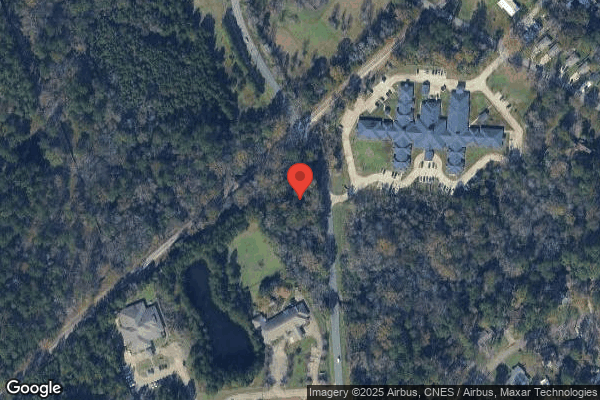
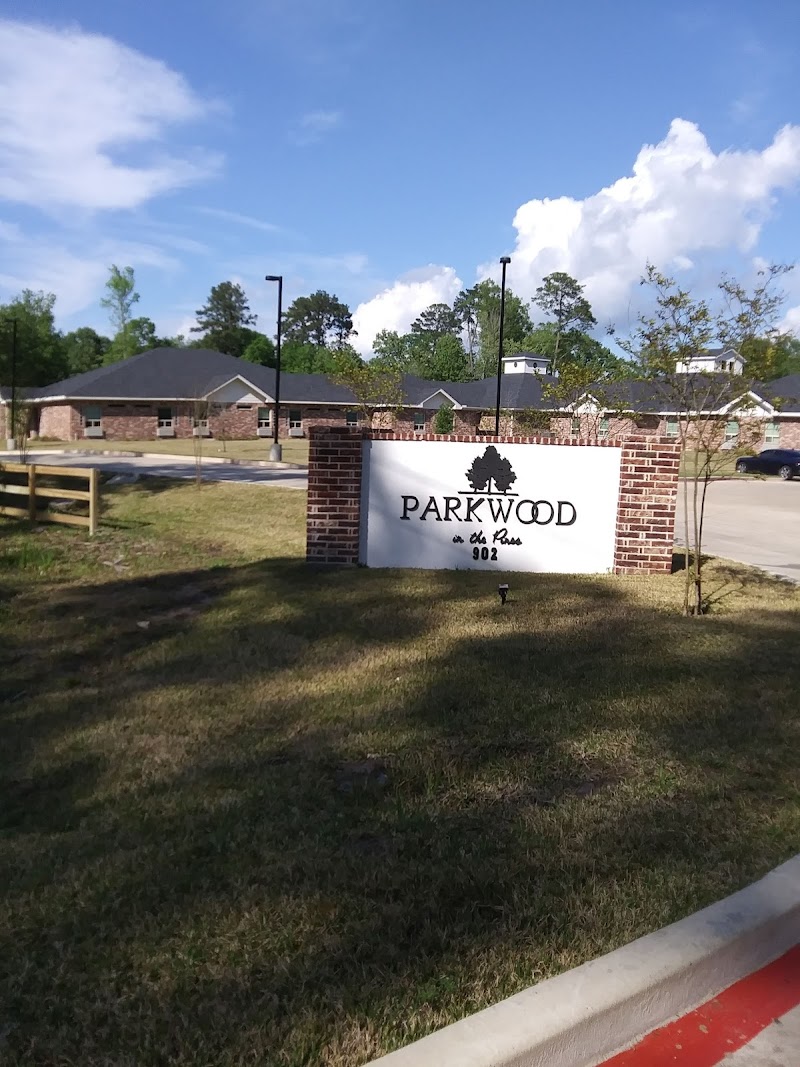
902 HILL STREET, LUFKIN, TX 75904 (936) 637-7215
For profit - Corporation 140 Beds PRIORITY MANAGEMENT Data: November 2025 2 Immediate Jeopardy citations
Trust Grade
19/100
#801 of 1168 in TX
Last Inspection: February 2025

Within standard 12-15 month inspection cycle. Federal law requires annual inspections.

Overview

Parkwood in the Pines has received a Trust Grade of F, indicating significant concerns about the quality of care provided. They rank #801 out of 1168 facilities in Texas, placing them in the bottom half, and #6 out of 8 in Angelina County, meaning only two local facilities are rated lower. The facility's performance has been stable in recent years, maintaining 7 issues reported in both 2024 and 2025. Staffing is a weak point, with a low rating of 1 out of 5 stars and a turnover rate of 54%, which is average but concerning for continuity of care. Additionally, there have been serious deficiencies, including incidents of both sexual and physical abuse among residents, which highlight a critical failure to ensure a safe environment. In terms of strength, the facility's health inspection score is average at 3 out of 5 stars and they have a good quality measures rating of 4 out of 5 stars. However, concerning incidents, such as a resident being transferred improperly, leading to pain, and another resident experiencing abuse, suggest serious safety risks that families should consider carefully.

Trust Score
F
19/100
In Texas
#801/1168
Bottom 32%
Safety Record
High Risk
Review needed
Inspections
Holding Steady
7 → 7 violations
Staff Stability
⚠ Watch
54% turnover. Above average. Higher turnover means staff may not know residents' routines.
Penalties
✓ Good
$21,473 in fines. Lower than most Texas facilities. Relatively clean record.
Skilled Nurses
⚠ Watch
Each resident gets only 14 minutes of Registered Nurse (RN) attention daily — below average for Texas. Fewer RN minutes means fewer trained eyes watching for problems.
Violations
⚠ Watch
24 deficiencies on record. Higher than average. Multiple issues found across inspections.
★★☆☆☆
2.0
Overall Rating
★☆☆☆☆
1.0
Staff Levels
★★★★☆
4.0
Care Quality
★★★☆☆
3.0
Inspection Score
Stable
2024: 7 issues
2025: 7 issues

The Good

  • 4-Star Quality Measures · Strong clinical quality outcomes
  • Full Sprinkler Coverage · Fire safety systems throughout facility
  • No fines on record

Facility shows strength in quality measures, fire safety.

The Bad

2-Star Overall Rating

Below Texas average (2.8)

Below average - review inspection findings carefully

Staff Turnover: 54%

Near Texas avg (46%)

Higher turnover may affect care consistency

Federal Fines: $21,473

Below median ($33,413)

Minor penalties assessed

Chain: PRIORITY MANAGEMENT

Part of a multi-facility chain

Ask about local staffing decisions and management

The Ugly 24 deficiencies on record

2 life-threatening 1 actual harm
Feb 2025 7 deficiencies
CONCERN (D) 📢 Someone Reported This

A family member, employee, or ombudsman was alarmed enough to file a formal complaint

Potential for Harm - no one hurt, but risky conditions existed

Notification of Changes (Tag F0580)

Could have caused harm · This affected 1 resident

**NOTE- TERMS IN BRACKETS HAVE BEEN EDITED TO PROTECT CONFIDENTIALITY** Based on observation, interview, and record review, the facility failed to immediately inform the resident, consult with the res...

Read full inspector narrative →
**NOTE- TERMS IN BRACKETS HAVE BEEN EDITED TO PROTECT CONFIDENTIALITY** Based on observation, interview, and record review, the facility failed to immediately inform the resident, consult with the resident's physician, and notify, consistent with his or her authority, the representative when there was a significant change in the resident's physical, mental, or psychosocial status for 1 of 4 residents (Resident #39) reviewed for resident rights. The facility failed to ensure Resident #39's Responsible Party was notified after she experienced pain in her right leg and had an X-ray ordered. This failure could place residents at risk of not being informed of illness, injury, and uncontrolled pain. Findings included: Record review of a facility face sheet dated 2/10/25 for Resident #39 indicated that she was an [AGE] year-old female admitted to the facility 12/16/21 with diagnoses including Alzheimer's disease and type 2 diabetes mellitus. Record review of a Comprehensive MDS assessment dated [DATE] for Resident #39 indicated that she had a BIMS score of 4, which indicated that she had severely impaired cognition. She required maximal assistance with all ADLs, and she was incontinent to bowel and bladder. Record review of a comprehensive care plan dated 10/31/24 for Resident #39 indicated that she had a potential for psychosocial well-being problem and had an intervention that read: .Increase communication between resident/family/caregivers about care and living environment: Explain all procedures and Treatments, Medications, Results of labs/tests, Condition, All changes, Rules, Options . Record review of a progress note dated 1/23/25 at 11:27 am for Resident #39 read .Resident complain of leg pain to the right leg. This nurse assessed resident and noticed swelling to the joint in the inner right ankle. Resident has pain when the foot is pushed toward her and when her leg if lifted. Resident doesn't have pain to the hip when the leg is moved. States only radiating type pain. Ankle is tender as well as knee. Hip is not tender to touch. No bruising noted to the right leg. Spoke with [name] NP for Dr. [name] regarding this information and order is given to obtain an x-ray of the right leg. Order placed with National Mobile x-ray . and was signed by LVN H. Record review of a progress note dated 1/24/25 at 06:42 am for Resident #39 indicated that Xray results were reviewed and negative and was signed by LVN H. Record review of an electronic medical record from 1/23/25 to 2/11/25 for Resident #39 indicated no documentation of responsible party notification was found for Xray on 1/23/25. During an interview on 2/10/25 at 4:40 pm FM E said Resident #39 had begun complaining of pain the week before last and the facility ordered an Xray for her leg or knee, she could not remember which one, but the facility never called and told her. She said she had found out from the sitter. She said she wished the facility had called and told her themselves. During an interview on 2/12/25 at 2:20 pm DON said the nurse had told the sitter that day but should have called the RP as well. She said it could cause family to get upset if they are not kept informed, messages could be misunderstood or not relayed, and family would not know about their family members conditions. She said the nurse should have called the family member themselves. During an interview on 2/12/25 at 2:35 pm Administrator said the sitter had been in the room and had said she would call and tell the family member. Administrator said the nurse should have called themselves and informed the family. She said family should be notified by the facility and not a sitter. Record review of a facility policy titled Change in a Resident's Condition or Status dated 2001 and revised in May 2017 read .Our facility shall promptly notify the resident, his or her Attending Physician or Nurse Practitioner and the resident representative of changes in the resident's medical/mental condition and/or status (e.g., changes in level of care, billing/payments, resident rights, etc.) . and .regardless of the resident's current mental or physical condition, a Nurse, Physician or Nurse Practitioner will inform the resident of any changes in his/her medical care or nursing treatments .
CONCERN (D)

Potential for Harm - no one hurt, but risky conditions existed

Deficiency F0637 (Tag F0637)

Could have caused harm · This affected 1 resident

**NOTE- TERMS IN BRACKETS HAVE BEEN EDITED TO PROTECT CONFIDENTIALITY** Based on interviews and record review, the facility failed to complete a significant change MDS assessment within 14 days after ...

Read full inspector narrative →
**NOTE- TERMS IN BRACKETS HAVE BEEN EDITED TO PROTECT CONFIDENTIALITY** Based on interviews and record review, the facility failed to complete a significant change MDS assessment within 14 days after a significant change in the resident's mental and physical condition for 1 of 6 residents (Resident #82) reviewed for assessments. The facility failed to reassess Resident #82 following a hospice admission (specific care for the sick or terminally ill) on 12/17/2024. This failure could place residents at risk for not having their individual needs met due to inaccurate assessments. The findings included: Record review of an admission Record for Resident #82 dated 2/11/2025 indicated he admitted to the facility on [DATE] and was [AGE] years old with diagnoses of atherosclerotic heart disease (hardened arteries that prevent blood flow), hypertension, and Alzheimer's disease. Record review of active physician orders dated 2/11/2025 for Resident #82 indicated an order to admit to hospice services with an order date of 12/17/2024. Record review of a Quarterly MDS Assessment for Resident #82 dated 12/26/2024 indicated he had severe impairment in thinking with a BIMS score of 5. Special Treatments, procedures, and programs during the look back period within the last 14 days indicated he received hospice care. Record review of a care plan for Resident #82 dated 12/17/2024 indicated he had terminal prognosis related to Alzheimer's disease and was under the care of hospice. Record review of a facility notification of admission for Resident #82 dated 12/17/2024 indicated care for hospice started on 12/17/2024 at the facility. During an interview on 2/11/2025 at 4:15 PM, MDS Coordinator said he had been employed at the facility for two years and was responsible for completing the Medicaid assessments for the residents in the facility. He said Resident #82 admitted to the facility on [DATE] but did not admit to hospice services until December 2024. He said a significant change assessment should be done when a resident was admitted to hospice and when they were discharged from hospice if there was an ADL decline in more than three areas and if the resident improved. He said a significant change was done in November 2024 for Resident #82 but there was not one completed in December 2024 when he admitted to hospice services. He said Resident #82 had a readmission to the facility on [DATE] and a quarterly assessment was completed on 12/26/2024. He said he did not know why a significant change assessment was not done for Resident #82 on admission to hospice and it should have been. He said he had training on completing MDS assessments when he hired. He said there could be reimbursement problems that occur when assessments were not done timely, and the assessments were done to let the staff know what was going on with the residents. During an interview on 2/11/2025 at 4:23 PM, the Regional Reimbursement Consultant said an in-service was started that morning on 2/11/2025 for the MDS Coordinator on significant MDS assessments and when to do them. She said the significant change assessment should be done when a resident admitted to hospice and when they discharged from hospice. She said staff would not know who to contact if they were not done timely or know the plan of care for the residents if assessments were not done timely. She said they did not have a policy for significant change assessments, and they followed the RAI manual for guidance. During an interview on 2/12/2025 at 1:31 PM, the DON said the MDS nurses were responsible for completing the MDS assessments and sometimes she had to sign them. She said significant change assessments should be completed when a resident was admitted to hospice and when they were discharged and anytime a resident had significant changes. She said every morning at the facility they had a meeting to discuss significant changes and the MDS nurses were present, and she was not sure how it was missed. She said during the meetings they discussed who was admitted to hospice or would be admitted . She said the MDS assessments captured the care for the residents in the facility. During an interview on 2/12/2025 at 1:43 PM, the Administrator said the MDS nurses were responsible for completing the MDS assessments and they updated care plans quarterly with changes. She said significant change assessments were due when there were changes with the resident and if the resident admitted to hospice. She said they would conduct audits of the assessments going forward and would continue to provide training to the MDS nurses. She said staff would not know what plan of care to follow if assessments were not done. Record review of an in-service training record dated 2/11/2025 by the Regional Reimbursement Specialist indicated training was provided to the MDS nurses on significant change assessments and when to complete the significant change assessments. Record review of the CMS RAI version 2.0 revised December 2002 indicated, .A Significant Change in Status Assessment must be completed within 14 days after a determination has been made that a significant change in the resident's status from baseline occurred. A Significant Change in Status MDS is required when: a resident enrolls in a hospice program .
CONCERN (D)

Potential for Harm - no one hurt, but risky conditions existed

ADL Care (Tag F0677)

Could have caused harm · This affected 1 resident

**NOTE- TERMS IN BRACKETS HAVE BEEN EDITED TO PROTECT CONFIDENTIALITY** Based on interview and record review the facility failed to ensure a resident who was unable to carry out activities of daily li...

Read full inspector narrative →
**NOTE- TERMS IN BRACKETS HAVE BEEN EDITED TO PROTECT CONFIDENTIALITY** Based on interview and record review the facility failed to ensure a resident who was unable to carry out activities of daily living received the necessary services to maintain grooming, and personal and oral hygiene were provided for 1 of 6 residents (Resident #6) reviewed for ADL care. The facility failed to ensure Resident #6 had nail care done on 2/12/25 and 2/13/25. This failure could place residents at risk of not receiving care/services, decreased quality of life, and loss of dignity. Findings included: Record review of a facility face sheet dated 2/10/25 indicated that Resident #6 was a [AGE] year-old male admitted to the facility on [DATE] with diagnoses including Dementia, epilepsy (seizures), and diabetes mellitus. Record review of a Quarterly MDS assessment dated [DATE] for Resident #6 indicated he had a BIMS score of 9, which indicated he had moderate cognitive impairment. He required moderate assistance with all ADL's. Record review of a comprehensive care plan dated 8/8/24 for Resident #6 indicated he was a diabetic and had an intervention that read .Refer to podiatrist/foot care nurse to monitor/document foot care needs and to cut long nails . During an observation and interview on 2/11/25 Resident #6 was observed with long and dirty fingernails on his right hand. The thumb and first finger on his right hand had a dark brown substance caked underneath them and the third and fourth finger on right hand had long, thick, yellow nails. When asked the last time the staff cleaned his nails, he answered no and when asked if he would like his nails cleaned and trimmed, he said yes. During an observation and interview on 2/12/25 at 9:38 am Resident #6 was observed to still have long, dirty nails on his right hand. When asked if anyone had offered to clean and trim his nails, he said no. He said he would feel better if his nails were cleaned and trimmed. During an interview on 2/12/25 at 9:44 am CNA C said Resident #6 was diabetic, and the nurses were responsible for diabetic nail care and a foot doctor would come do their toenails if needed. She said CNAs were not allowed to touch the nails of diabetic residents. During an interview on 2/12/25 at 9:49 am LVN B said nurses were responsible for nail care on diabetic residents. She said she had not noticed his nails today, but she would go and clean them for him and trim them. She said residents could be at risk of infections, scratching themselves, or possibly a long nail being broken into the quick causing pain and infection risk. During an interview on 2/12/25 at 2:20 pm DON said diabetic residents nail care was the responsibility of the nurses. She said nail care should be done and nails cleaned with every shower. She said residents could be at risk of scratching themselves and be at risk for infection if nails were not kept clean and trimmed. During an interview on 2/12/25 at 2:35 pm Administrator said she expected her staff to keep residents' nails clean and trimmed. She said they had identified an issue with nail care last month and she was monitoring and doing random checks to try and improve nail care. She said residents could be at risk of infection if nails were not kept clean and trimmed. Record review of an active Performance Improvement Plan dated 1/17/25 indicated that the facility had identified an issue with nail care not being completed as per facility regulations in January 2025. Plan indicated that inadequate nail care could put residents at risk for infection control issues. Plan included a goal for each resident to be treated with respect regarding having their nails cleaned. Goal date was 3/17/25. Monitoring documented on plan read .1/28 Discussed c (with) Medical Director - in-services completed c (with) staff weekly monitoring for compliance, monitoring continues . Record review of a facility policy titled Care of Fingernails/Toenails dated 2001 and revised October 2010 read .General Guidelines: 1. Nail care includes daily cleaning and regular trimming .
CONCERN (D)

Potential for Harm - no one hurt, but risky conditions existed

Pharmacy Services (Tag F0755)

Could have caused harm · This affected 1 resident

Based on interviews and record review the facility failed to establish a system of records of receipt and disposition of all controlled drugs in sufficient detail to enable an accurate reconciliation ...

Read full inspector narrative →
Based on interviews and record review the facility failed to establish a system of records of receipt and disposition of all controlled drugs in sufficient detail to enable an accurate reconciliation and follow a policy to provide pharmacy services in accordance with State and Federal laws or rules of the Drug Enforcement Administration for 1 of 4 months (July 2024) reviewed for pharmacy services. The facility failed to document the number of pages that were included and did not have the required witness signatures for drug destruction on 7/12/2024. This failure could put residents at risk for misappropriation and drug diversion. Findings included: Record review of facility drug destruction records for four of the 12 months (April 2024, July 2024, September 2024, and December 2024) reflected that on 7/12/2024 the cover page did not indicate the number of pages that were included, and the attached pages were only signed by the DON and did not include any additional witness signatures. During an interview on 2/12/2025 at 10:00 AM, the DON said the drug destruction sheets were normally signed by the Pharmacy Consultant, one of the ADON's and herself. She said the drug destruction was conducted at the facility about every 3 months and more often if necessary. She said in January 2024 she did not have an ADON at that time. She said the pharmacist completed the cover sheet and sometimes would initial the narcotic sheets. She said the drug destruction sheets needed the Pharmacist signature and two witness signatures and having witnesses could help prevent the risk of a drug diversion. During an interview on 2/12/2025 at 11:18 AM, the Pharmacy Consultant said she visited the facility monthly and conducted drug destruction quarterly and as needed. She said she was responsible for filling out the cover sheet for the drug destruction and it should have the signatures and number of pages that were included. She said she was not sure why in July 2024 she did not have the number of pages included because she was always careful. She said she always stapled the pages together so no other pages could be added. She said the additional pages should also have initials present. She said the DON and one of the ADON's were always present. She said there could be a risk of a drug diversion if the sheets were not signed or documented properly. During an interview on 2/12/2025 at 1:43 PM, the Administrator said the DON and the Pharmacist were responsible for the drug destruction in the facility. She said she was aware that the drug destruction pages needed to be filled out completely with signatures, dates and indicate how many pages were included. She said she knew the sheets had to be signed by at least two nurses. She said there was a risk for drug diversion if they did not have the appropriate signatures on the drug destruction pages. Record review of a facility policy titled Discarding and Destroying Medications revised April 2019 indicated, .Medications will be disposed of in accordance with federal, state and local regulations governing management of non-hazardous pharmaceuticals, hazardous waste and controlled substances. Destruction will be carried out by the Pharmacy Consultant and DON or designee. The individual resident narcotics record will be noted as medication being destroyed, then dated and signed by the Consultant Pharmacist and nurse .
CONCERN (D)

Potential for Harm - no one hurt, but risky conditions existed

Infection Control (Tag F0880)

Could have caused harm · This affected 1 resident

**NOTE- TERMS IN BRACKETS HAVE BEEN EDITED TO PROTECT CONFIDENTIALITY** Based on observations, interviews, and record review the facility failed to establish and maintain an infection prevention and c...

Read full inspector narrative →
**NOTE- TERMS IN BRACKETS HAVE BEEN EDITED TO PROTECT CONFIDENTIALITY** Based on observations, interviews, and record review the facility failed to establish and maintain an infection prevention and control program designed to provide a safe, sanitary, and comfortable environment and to help prevent the development and transmission of communicable diseases and infections for 1 of 6 residents (Resident #62) and1 of 5 staff (CNA D) reviewed for infection control. The facility failed to ensure CNA D washed their hands before providing incontinent care to Resident #62 on 2/11/25. The facility failed to ensure CNA D appropriately changed gloves and washed hands while providing incontinent care to Resident #62 on 2/11/15. The facility failed to ensure CNA D properly cleaned the penis of Resident #62 while providing incontinent care on 2/11/25. These failures could place residents at risk of exposure to infectious diseases due to improper infection control practices. Findings included: Record review of a facility face sheet dated 2/11/25 for Resident #62 indicated that he was an [AGE] year-old male admitted to the facility on [DATE] with diagnoses that included asthma, malignant neoplasm of head (cancer), face, and neck, and dysphagia (trouble swallowing). Record review of a Quarterly MDS assessment dated [DATE] for Resident #62 indicated that he had a BIMS score of 9, which indicated he had moderate cognitive impairment. He required maximum assistance with toileting and personal hygiene. He was incontinent of bowel and bladder. Record review of a comprehensive care plan dated 6/10/24 for Resident #62 indicated that he had an ADL self-care performance deficit and had an intervention for assistance of 1 staff for personal hygiene and toileting. During an observation on 2/11/25 at 9:30 am CNA D entered room and did not wash hands. He then put on a pair of non-sterile gloves and proceeded to retrieve items from Resident #62's closet. He pulled the curtain to provide privacy. He then unfastened resident's brief, and still wearing the same gloves, he was observed to wipe outer groin/inner thigh area and downward on shaft of penis. He did not lift penis up to clean shaft or tip. He then rolled resident over and wiped bottom area. He then removed old brief and while still wearing the same gloves, he applied the new brief and put clean shorts and shoes on the resident. He then got the resident's wheelchair, while still wearing the same gloves, and placed the chair next to bed and locked the brakes; without removing the gloves or washing his hands. CNA D then transferred resident with gloved hand underneath the right arm of Resident #62 while resident used his left hand on the arm of the wheelchair to steady himself. CNA D removed Resident #62's shirt and put a clean shirt on him while still wearing the same gloves worn while providing incontinent care. He put resident's cap on resident's head while still wearing the same gloves; straightened the bed; got a clean waterproof pad from resident's closet and put it on the bed; straightened the sheets; opened the curtain and walked outside room to put dirty linens in barrel. He returned inside room and opened the resident's bathroom door with gloved hand while still wearing the same gloves worn during incontinent care. He still did not remove gloves or wash hands. CNA D picked up the wastebasket and took it to hall to empty trash into trash barrel. He came back into room while still wearing the same gloves and put the wastebasket down on the floor. He then proceeded to push resident's wheelchair out into the hallway while still wearing the same gloves that were worn during incontinent care. He began pushing the resident down the hallway and then removed gloves and used hand sanitizer from wall dispenser. He then pushed Resident #62 to the therapy room. During an interview on 2/11/25 at 9:50 am CNA D said he had been employed at the facility about 7 or 8 months. When asked if there was anything he would have done differently while providing care to Resident #62, he replied with No, not that I can think of. He was then asked if he washed his hands before providing care. CNA D said No, I did not He was then asked if he changed his gloves during care at all and he responded No, I did not. He said he had received training on infection control and incontinent care. During an interview on 2/11/25 at 10:10 am DON said residents could be at increased risk of infections if proper handwashing and perineal care were not provided. She said she would provide more trainings and education. During an interview on 2/12/25 at 2:20 pm DON said training in the facility was non-stop and all staff had been checked off, handwashing and PPE trainings were done monthly, and they had just recently completed check-offs. She said going forward she would provide more education and expect her staff to provide proper care. She said residents could be at risk for infections if proper infection control procedures were not followed. During an interview on 2/12/25 at 2:35 pm Administrator said going forward she would be doing random audits and more trainings. She said residents could be at risk of passing germs and causing infections if proper infection control procedures were not followed. Record review of a facility policy titled Handwashing/Hand Hygiene dated 2001 and revised December 22, 2023, read .This facility considers hand hygiene the primary means to prevent the spread of infections . and .Use an alcohol-based hand rub containing at least 60-90% alcohol; or, alternatively, soap (antimicrobial or non-antimicrobial) and water for the following situations: .b. before and after direct contact with residents; .h. Before moving from a contaminated body site to a clean body site during resident care . Record review of a facility policy titled Perineal Care dated 2001 and revised October 2010 read .The purposes of this procedure are to provide cleanliness and comfort to the resident, to prevent infections and skin irritation, and to observe the resident's skin condition . and .Steps in the procedure: .2. Wash and dry your hands thoroughly .7 .put on gloves .10. For a male resident: .b. Wash perineal area starting with urethra and working outward . (2) wash and rinse urethral area using a circular motion . (3) continue to wash the perineal area including the penis, scrotum, and inner thighs .12. Remove gloves and discard into designated container. Wash and dry your hands thoroughly .
CONCERN (E)

Potential for Harm - no one hurt, but risky conditions existed

Accident Prevention (Tag F0689)

Could have caused harm · This affected multiple residents

**NOTE- TERMS IN BRACKETS HAVE BEEN EDITED TO PROTECT CONFIDENTIALITY** Based on observations, interviews, and record review, the facility failed to ensure the residents' environment remained as free ...

Read full inspector narrative →
**NOTE- TERMS IN BRACKETS HAVE BEEN EDITED TO PROTECT CONFIDENTIALITY** Based on observations, interviews, and record review, the facility failed to ensure the residents' environment remained as free of accident hazards as possible for 4 of 12 residents (Residents #75, #61, #58 and #79) reviewed for accidents/hazards. The facility failed to remove worn and damaged mechanical lift slings from service from 2/10/2025-2/12/2025. This deficient practice could place residents at risk of a loss of quality of life due to injuries. Findings included: 1. Record review of an admission Record dated 2/11/2025 for Resident #75 indicated she admitted to the facility on [DATE] and was [AGE] years old with diagnoses of fracture of left femur (broken thigh bone), osteoporosis (brittle bones), and Alzheimer's disease. Record review of active physician orders dated 2/11/2025 for Resident #75 indicated there was not an order for the use of a mechanical lift for transfers. Record review of a Quarterly MDS assessment dated [DATE] for Resident #75 indicated she had moderate impairment in thinking with a BIMS score of 9. She was dependent on staff for chair/bed to chair transfers. Record review of a care plan dated 12/31/2024 for Resident #75 indicated she had an ADL self-care performance deficit with interventions for transferring when she required assistance. There was not a care plan for the use of a mechanical lift for transfers. During an observation and interview on 2/10/2025 at 9:21, in the room of Resident #75 said she had been at the facility for 2 months and was getting therapy. There was a mechanical lift sling sitting in a wheelchair by her bed that was faded in color. During an observation and interview on 2/12/2025 at 8:33 AM, Resident #75 was in her room in bed eating breakfast. She said the staff usually got her up with the mechanical lift. She said she would be getting up sometime that day after breakfast. A lift sling was in a chair by the bed that was faded in color. During an observation on 2/12/2025 at 9:13 AM, in the room of Resident #75, CNA C and CNA F were in the room to transfer Resident #75 from her bed to the wheelchair. Both staff transferred Resident #75 safely using the mechanical lift and the faded lift sling that was in the room on the chair. During an interview on 2/12/2025 at 9:26 AM, CNA C said she had been employed at the facility for 4 years on a prn basis and had been working fulltime for the past 2 weeks. She said when a resident had a lift sling that was left in the room, she normally would go and get another one from the shower room and would not use the one that was left in the room. She said they were to check the slings to make sure they were not torn or ripped and did not have any odors. She said she did not notice anything with the sling they used to transfer Resident #75 but only that it was faded. She said most of the lift slings in the facility were faded and thought the laundry bleached them. She said she was not sure if the lift slings were supposed to be bleached or not. During an interview on 2/12/2025 at 9:30 AM, CNA F said she had been employed at the facility for 1 1/2 years. She said the lift sling that was used to transfer Resident #75 was faded and they should be able to tell the color of the rings that attach to the mechanical lift. She said the facility had some newer ones in the facility. She said they were to check the slings before using them to make sure they were not ripped, without holes and they were long enough for the resident. She said there were more slings in the facility that were faded that were being used. 2. Record review of an admission Record for Resident #61 dated 2/11/2025 indicated he admitted to the facility 12/16/2021 and was [AGE] years old with diagnoses of Alzheimer's disease, cerebral infarction (stroke), and dementia. Record review of active physician orders for Resident #61 dated 2/11/2025 indicated an order for mechanical lift for all transfers with a start date of 10/23/2024. Record review of an Annual MDS Assessment for Resident #61 dated 12/27/2024 indicated he had moderate impairment in thinking with a BIMS score of 7. He was dependent on staff from chair/bed to chair transfers. Record review of a care plan for Resident #61 revised on 3/20/2024 indicated he had an ADL self-care performance deficit related to impaired balance that included interventions for transfers and he required a mechanical lift with 2 staff for transfers. During an observation on 2/10/2025 at 11:40 AM, Resident #61 was sitting in a wheelchair in the dining room. He had a lift sling that was faded in color that he was sitting on. 3. Record review of an admission Record for Resident #58 dated 2/11/2025 indicated she admitted to the facility 7/28/2023 and was [AGE] years old with diagnoses of peripheral vascular disease (decreased blood flow to the legs and feet), dementia and pseudobulbar effect (outbursts of inappropriate laughing or crying). Record review of active physician orders for Resident #58 dated 2/11/2025 indicated an order for mechanical lift for all transfers that started on 10/23/2024. Record review of a Quarterly MDS Assessment for Resident #58 dated 1/16/2025 indicated she was rarely/never understood. She required substantial/maximal assistance with chair/bed to chair transfers. Record review of a care plan for Resident #58 dated 10/11/2023 and revised on 10/1/2024 indicated she required staff assistance with all ADLs with interventions for transfer she was totally dependent on staff for transfers and required use of a mechanical lift. During an observation on 2/10/2025 at 11:41 AM, Resident #58 was sitting in a wheelchair in the dining room for lunch. She had a lift sling that she was sitting on that was faded in color. 4. Record review of a facility face sheet dated 2/11/25 for Resident # 79 indicated that he was a [AGE] year-old male admitted to the facility on [DATE] with diagnoses that included cerebral infarction (stroke) and functional quadriplegia (weakness/paralysis to all 4 extremities). Record review of a Comprehensive MDS assessment dated [DATE] for Resident #79 indicated that he had a BIMS score of 11 which indicated that he had moderate cognitive impairment. He was dependent for transfers. Record review of a physician's order summary report dated 2/11/25 for Resident #79 indicated that he had no order for use of a mechanical lift device. Record review of a comprehensive care plan dated 4/17/24 for Resident #79 indicated that he had an ADL self-care performance deficit and had an intervention for the use of 2 staff for transfers with mechanical lift device. During an observation and interview on 2/10/25 Resident #79 was observed sitting up in the dining room in his wheelchair. He had a Hoyer sling underneath him that had faded sling loops and unreadable labels. He said he had been transferred using this sling this morning. During an interview on 2/12/2025 at 10:16 AM, Central Supply said she reordered new lift sling a couple months ago for the facility and ordered to replace them as needed. She said if staff found a lift sling one that was ripped or torn, they would take to her and then she would give them a new one. She said the slings were washed by themselves. During an interview on 2/12/2025 at 10:30 am, the Laundry Aide said she had been employed at the facility for over 20 years. She said she did not dry the lift slings; she hung them to dry. She said she did not launder the slings with bleach and washed them on setting 3, which was no bleach added because bleach could fade and damage the slings making them unsafe for use. She said she inspected the slings for loose strings, rips, and tears before hanging them for drying. She said they did not take the slings back to the floor, the CNAs came to the laundry to get the slings that were dry for use. She said if a sling that was unsafe was used for residents, it could tear causing the resident to fall and get hurt. During an interview on 2/12/2025 at 1:31 PM, the DON said the Central Supply person was responsible for the lift slings in the facility because she was over laundry and central supply. She said the lift slings should be checked about every 6 months and checked every time they were washed. She said she was not aware of the manufacturer's guidelines for the lift slings that the slings should not in be use if they were faded. She said they planned to conduct an audit and the facility had new slings in the facility. She said there could be risk for injury if the faded slings were being used. During an interview on 2/12/2025 at 1:43 PM, the Administrator said with the lift slings staff knew to report if they were torn or ripped and to throw them away. She said it was the responsibility of the DON or ADON to make sure they were not using worn or damaged lift slings. She said she was not aware that the faded slings could not be in use and there would be a potential risk for falls or injuries. Record review of the manufacturer instruction for Medline full body slings undated indicated, .Full body slings are made of durable materials and are ideal for patient transferring and toileting activities. Always inspect slings prior to each use. Signs of color fading, bleached areas, indicate improper laundering which is unsafe and could result in injury. Any slings with signs of wear or improper laundering should be immediately removed from use .
CONCERN (E)

Potential for Harm - no one hurt, but risky conditions existed

Deficiency F0761 (Tag F0761)

Could have caused harm · This affected multiple residents

**NOTE- TERMS IN BRACKETS HAVE BEEN EDITED TO PROTECT CONFIDENTIALITY** Based on observations, interviews, and record reviews the facility failed to ensure drugs and biologicals were store in locked c...

Read full inspector narrative →
**NOTE- TERMS IN BRACKETS HAVE BEEN EDITED TO PROTECT CONFIDENTIALITY** Based on observations, interviews, and record reviews the facility failed to ensure drugs and biologicals were store in locked compartments under proper temperature controls and permit only authorized personnel to have access to the keys for 3 of 12 residents (Resident #17, #18 and # 86) reviewed for medication storage. 1.The facility failed to ensure Total Beets soft chews was not stored at the bedside of Resident #17 on 2/10/25 . 2. The facility failed to ensure a bottle of OTC (over the counter) throat spray was not stored at the bedside of Resident #18 on 2/10/25. 3. The facility failed to ensure aspercreme with lidocaine and nasal spray was not stored at the bedside of Resident #86 from 2/10/2025-2/11/2025. These failures could place residents at risk for adverse effects and reduced therapeutic effects of medication and supplies. Findings include: 1.Record review of a face sheet indicated that Resident #17 was an [AGE] year-old female admitted to the facility on [DATE]. Diagnosis includes osteoarthritis (a type of degenerative joint disease that results from breakdown of joint cartilage and underlying bone), chronic obstructive disease (a condition that limits airflow into and out of the lungs) and macular degenerations (an age-related retinal condition). Record review of a quarterly MDS dated [DATE] indicated that Resident #17 had a BIMS score 12 indicating that the resident has moderate cognitive impairment. She required moderate assistance for all ADL's. Record review of a physician's order summary report dated 2/11/25 for Resident #17 indicated that she did not have an order for Total Beets dietary supplement. Record review of Resident #17 assessments indicated that she did not have a self-administration of medications assessment form. Record review of Resident #17 undated care plan * did not have a care plan reflecting that she could self-administer medications. During an observation and interview on 2/10/25 at 11:00 am a bottle of Total Beets soft chews was observed on a bedside table in Resident #17's room. Resident #17 was sitting up in her wheelchair in her room. Resident #17 stated that her family member had brought her the over-the-counter supplement. She said that she takes them daily. She stated she did not know if the staff was aware of the supplements in her room. She said she was able to administer medications because she had her wits about her. Resident #17 said she took the supplements to help her with her energy. 2. Record review of a face sheet indicated that Resident #18 was a [AGE] year-old female admitted to the facility on [DATE]. Diagnosis includes hypertension (High blood pressure), chronic obstructive disease (a condition that limits airflow into and out of the lungs) and chronic heart failure (the heart muscle does not pump blood as well as it should). Record review of an admission MDS dated [DATE] indicated that Resident #18 had a BIMS score 14 indicating that the resident was cognitively intact. She required substantial assistance for all ADL's. Record review of a physician's order summary report dated 2/11/25 for Resident #18 indicated that she did have and order for Chloroseptic mouth/throat spray give one unit every 2 hours as needed for pain with a start date of 11/13/2024. Record review of Resident #18 assessments indicated she did not have a self-administration of medications assessment form. Record review of Resident #18 undated care plan * did not have a care plan reflecting that she could self-administer medications. During an observation and interview on 2/11/25 at 9:00 AM, a bottle of sore throat spray was on the bedside table upon inspection of room. Resident #18 was lying in her bed and stated the sore throat spray belonged to her. She was not able to recall who provided the sore throat spray to her. She stated she only uses the sore throat spray when she needs it. She could not recall the last time that she had used the sore throat spray. 3. Record review of an admission Record dated 2/12/2025 for Resident # 86 indicated she admitted to the facility on [DATE] and was [AGE] years old with diagnoses of Alzheimer's disease (affects memory, thinking, and behavior), type 2 diabetes, generalized osteoarthritis (joint stiffness and pain), and allergic rhinitis (a response triggered by exposure to allergens such as pollen, dust mites, pet dander and mold spores). Record review of active physician orders for Resident #86 dated 2/12/2025 revealed she did not have an order for the saline nasal spray or aspercream. Record review of a Quarterly MDS assessment dated [DATE] for Resident #86 indicated she had moderate impairment in thinking with a BIMS score of 10. She required supervision or touching assistance with all ADL's. During the look back period, the resident did not receive any scheduled pain medication or prn medications. Record review of a care plan dated 11/10/2024 for Resident #86 indicated there was not a care plan for the resident to keep medications at the bedside or to self-administer. During an observation and interview on 2/10/2025 at 9:21 AM, in the room of Resident #86 was alert to person, place, time and situation. She said she had been at the facility since September 2024. There was a bottle of aspercreme with lidocaine and simply saline nasal spray on her nightstand. She said she used the aspercreme often for arthritis pain and brought it from home when she admitted to the facility. During an observation and interview on 2/11/2025 at 4:35 PM, Resident #86 said the bottle of aspercreme, and saline spray were in the drawer in the nightstand and allowed the Surveyor to look inside the drawer where they were placed along with a box of gas x. She said the nurse on yesterday 2/10/2025 placed them there after she checked her blood sugar. She said she brought the medications into the facility when she admitted and was not aware if the facility knew she had them or not. She said no one at the facility told her she could not keep medications in her room. During an interview on 2/11/2024 at 3:39 PM, the DON stated that there were no residents in the facility that were assessed to self-administer medications. She stated the facility did have a policy for self administering of medications, but that she was not aware of any residents that had medications in their room for self-administration. The DON stated an assessment would need to be completed to ensure that the resident could safely administer medications and an order would be obtained if a resident requested to self-administer medications. She stated that there should not be any medications in the resident rooms at this time. During an interview on 2/11/2024 at 3:39 PM, the Administrator stated family members would bring in medications and leave them in the resident's room. She said nursing staff should remove any medications found in the rooms and obtain an order from the doctor for the medications. She said medications are to be kept secured in the medication cart. During an interview on 2/11/2025 at 4:40 PM, LVN G said she was the nurse assigned to hall 600 and even side of hall 500 and was assigned to care of Resident #86. She said she was not aware Resident #86 had medications in her room. She said there could be a risk of not knowing what medications they were taking, medications could have counteractions with other medications, staff not being aware of what they are taking and not aware of what to look for, and the possibility of an overdose of medications. During an interview on 2/11/2025 at 4:43 PM, the ADON said she was not sure if there were any residents in the facility that were able to self-medicate and keep medications at the bedside. She said medications should be stored in the medication room or in the medication cart and not at the bedside. She said only if a resident had an assessment to indicate they were safe to self-administer along with a physician order could they self-administer. She said there could be a risk of another resident wandering into rooms and taking the medications if they were left at the bedside. She said there could also be a risk of taking the wrong amount of a medications. During a follow-up interview on 2/12/2025 at 10:05 AM, the DON she said there were not any residents in the facility that had an order to self-administer, and she was not aware of any residents in the facility with medications at the bedside. She said residents could be at risk of taking too much of a medication or someone going in and taking the medications. She said they made rounds on yesterday 2/12/2025 facility wide and removed the medications in the rooms of the residents and educated the residents of notifying the nurses so they can get an order to be administered. During an interview on 2/12/25 at 10:30 AM pm LVN A, said she provided care and administered medications to Resident #17 and Resident #18. She said she was not aware of any resident having medications in resident rooms and that she did not care for any residents that were allowed to self-administer medications. She stated if medications were found at the bedside, the medications were removed immediately. She said if there was an order for the medication then it was placed on the medication cart. She said if there was not an order for the medication then it was turned in to the director of nurses. She stated that the risk of residents having medications at the bedside include possible interactions with other medications that the resident was taking and residents taking inappropriate doses of the medication. During a follow up interview on 2/12/2025 at 1:43 PM, the Administrator said there were not any residents in the facility that could self-medicate or keep medicine at the beside. She did an audit on yesterday 2/11/2025 and talked to the residents that had medicines in their rooms and told them to take the medications to the nurse and told the nurses to get an order for the medicine. She said they educated the staff on OTC medications. She said there could be a risk of a resident overdosing on the medicine. Record review of a facility policy titled Self- Administration of Medications revised December 2016 read .Staff shall identify and give to the charge nurse any medications found at the bedside that are not authorized for self-administration, for return to the family or resident representative and .the interdisciplinary team will perform an assessment of Self Administration of Medications Form .
Oct 2024 1 deficiency 1 Harm
SERIOUS (G) 📢 Someone Reported This

A family member, employee, or ombudsman was alarmed enough to file a formal complaint

Actual Harm - a resident was hurt due to facility failures

Accident Prevention (Tag F0689)

A resident was harmed · This affected 1 resident

**NOTE- TERMS IN BRACKETS HAVE BEEN EDITED TO PROTECT CONFIDENTIALITY** Based on observation, interview, and record review the facility failed to provide adequate supervision and assistance devices to...

Read full inspector narrative →
**NOTE- TERMS IN BRACKETS HAVE BEEN EDITED TO PROTECT CONFIDENTIALITY** Based on observation, interview, and record review the facility failed to provide adequate supervision and assistance devices to prevent accidents for 1 of 8 residents reviewed for accidents/supervision. (Resident #1) The facility failed to ensure Resident #1 was transferred to her bed using a mechanical lift on 10/2/24, causing pain to her right leg. This failure could place residents at risk of severe injuries. Findings included: Record review of Resident #1's undated current admission record indicated that Resident #1 was a [AGE] year-old female admitted to the facility 12/16/21, with diagnoses including hemiplegia (describes severe or complete unilateral loss of strength or paralysis) and hemiparesis (refers to weakness in one leg, arm, or side of the face) following cerebral infarction (the most common form of stroke), dysphagia (difficulty swallowing), muscle wasting and atrophy (wasting or thinning of muscle mass), type 2 diabetes (condition that results from insufficient production of insulin causing high blood sugar), end stage renal disease (kidney failure), and hypertension (high blood pressure). Record review of Resident #1's most recent quarterly MDS assessment dated [DATE] indicated Resident had a BIMS score of 10 indicating moderately impaired cognition. Record review of an undated care plan indicated Resident #1 required staff assistance with mobility. Interventions included: the resident requires extensive assistance by 2 staff to move between surfaces and uses a mechanical lift for transfers. Record review of Resident #1's nurses notes dated 10/2/24 at 6:05 p.m. and signed by LVN E indicated the following: CNA came to nurses' station at 5:20 p.m. and notified me that resident verbalized complaints of pain in right thigh and knee during transfer from wheelchair to bed. Upon arrival into residents' room, resident was in bed and stated her pain was a 9/10. Vital Signs were blood pressure 110/78, heart rate 77, Temp 97.8, O2 96% on room air, Respirations 20. When asking resident if she wanted to go to the ER for evaluation she stated I don't know. My family member is on her way, let me ask her. Family member arrived at 5:25 p.m. and resident decided she wanted to go the ER for evaluation. I called EMS for transport they arrived at 5:38 p.m. Resident left facility at 5:45 p.m. and was transported to hospital ER. Called report to hospital ER at 5:47p.m. Notified MD of sending resident to ER. Record review of Resident #1's nurses notes dated 10/2/24 at 8:44 p.m. and signed by LVN E indicated the following: Received report from hospital ER that resident was ready to come back to facility at 8:35 p.m. Resident has a knee immobilizer in place on right leg. She will need a follow up appointment with an orthopedic in 1-2 days. Record review of Resident #1's nurses notes dated 10/3/24 at 5:50 a.m. and signed by LVN F indicated the following: Patient returned to facility from hospital at approximately 1:08 a.m. Patient returned with brace to right leg to immobilize leg. Results of x-ray taken at hospital were not available. Patient expressed pain and discomfort but was medicated before leaving the hospital. When she returned from hospital mobile x-ray was contacted to conduct another x-ray at the request of on call MD. Mobile X-ray arrived at facility at approximately 3:17 a.m. Record review of Resident #1's nurses notes dated 10/3/24 at 8:10 a.m. and signed by LVN G indicated the following: Xray results received and reviewed with family. The impression shows no definite radiographic evidence of acute fracture or dislocation noted. No joint effusion (swelling of the tissues in or around a joint due to extra fluid). Moderate degree of osteoarthritis (inflammation of one or more joints), osteopenia (loss of bone density), and osteoporosis (a condition when bone strength weakens and is susceptible to fracture). Results sent to PA. No new orders received. Resident to follow up with Orthopedics. Awaiting a call back from them with appointment date and time. Family aware. Record review of Resident #1's nurses notes dated 10/3/24 at 1:09 p.m. and signed by LVN E indicated the following: Received a call from Orthopedics with a follow up appointment for 10/8/24 at 9:45 a.m. Resident and family notified. Record review of Resident #1's nurses notes dated 10/3/24 at 2:15 p.m. and signed by LVN E indicated the following: Resident was sent to ER per family request for CT to right knee. Record review of Resident #1's nurses notes dated 10/3/24 at 3:21 p.m. and signed by DON Indicated the following: Spoke with Medical Director. Informed resident had been sent to ER per family request to have CT completed. ER MD did not order CT, stated it was not emergent. Discussed family desire for MRI of right knee. Dr. gave order for MRI right knee. Contacted MRI facility for appointment. Requested order be sent prior to scheduling. Order faxed. Will follow-up for appt time. Record review of Resident #1's nurses notes dated 10/4/24 at 8:30 a.m. and signed by LVN H indicated the following: Follow up call placed to Orthopedics to schedule appointment for MRI. Was notified that unable to schedule appointment due to inability to accommodate resident because she could not ambulate or pivot. When asked if resident could be transported via Ambulance so that EMT'S could assist with transferring resident, staff member states, can't bring that equipment in my room. Call placed to hospital scheduling department, appt. scheduled for Tuesday, October 8th, at 4pm. Resident should arrive at 3:30. Medical Director,administrative staff, and family member notified of appointment. Record review of a mobile x-ray interpretation report dated 10/3/24 indicated exam was done at 5:21 a.m. and reported at 5:22 a.m. Report indicated Resident #1 had a 3-view film of her right knee. Findings showed: no radiographic evidence of acute fracture or dislocation. The patella (kneecap), distal femur (lower part of the thigh bone) , proximal (describes a location closer to the center of the body) tibia (the inner and typically larger of the two bones in the lower leg) and fibula (the smaller of the two bones in the lower leg) were intact. There was no sign to suggest anterior cruciate ligament tear (a partial or complete tear of a specific ligament in the knee). The bony mineralization is moderately decreased. There is no joint effusion. Moderate narrowing of the medial and patella-femoral spaces (where the back of the kneecap and thigh bone meet. Femoral artery stent noted. Impression: No definite evidence of acute fracture or dislocation. If there are persistent symptoms, follow up x-ray or CT may be obtained as clinically warranted. No joint effusion. Moderate degree of osteopenia/osteoporosis. Moderate degree of osteoarthritis. Report was signed by MD on 10/3/24 at 5:21 a.m. Record review of a hospital radiology report indicated that on 10/2/24 at 6:45 p.m. a 2-view film of Resident #1's right knee was done. Findings included: There is a slightly separated fracture through the patella. There is advanced degenerative joint disease of the right knee. The bones are severely osteoporotic. There is soft tissue swelling in the prepatellar regions. There is vascular calcifications (where mineral deposits form on the walls of the blood vessels in the knee area). Impression: Slightly separated patellar fracture. Osteoporosis. Advanced degenerative joint disease of the right knee, Report revealed the MD signed the report on 10/3/24 at 8:13 a.m. The report showed that it was faxed to the facility on [DATE] at 12:51 p.m. Record review of a written statement dated 10/3/24 from CNA D indicated the following: Yesterday 10/2/24 about 5:15 p.m., Resident #1 returned back to nursing home from dialysis. She hit the call light to go to bed. I answered it, I went to get the mechanical lift and asked for help. I asked CNA J for help. Resident #1 asked for a top sheet. I went to get one and CNA J had her in the bed. Resident #1's leg popped, and she started to cry. I went to get LVN E, and we checked her over. Family came. Resident #1 made the statement that CNA J has never transferred her like that. Record review of an undated written statement from CNA J indicated the following: I was putting Resident #1 to bed and as I pick her up she said she was ok until I put her in the bed she said her leg hurt then she said it was her hip. I put her on in the bed and put pillows under her feet. Record review of an Employee Separation Report dated 10/4/24 indicated CNA J was terminated for policy violation. Employee failed to follow care plan when transferring a resident. Resident was care planned for 2-person mechanical lift transfer and staff member transferred her without assistance. Last day worked was 10/2/24. Record review of Resident #1's [NAME] (a documentation system used to reference key patient information for care planning) indicated Resident #1 required extensive assistance by 2 staff to move between surfaces and uses a mechanical lift for transfers. Record review of Resident #1's pain scale and Medication Administration Record dated October 2024 indicated Resident #1 received the following pain medications: -Acetaminophen with Codeine 10/3/24 pain level 4 10/4/24 pain level 7 10/5/24 pain level 3 -Tylenol 325 mg 10/3/24 pain level 5 -Tramadol 10/3/24 pain level 7 10/4/24 pain level 8 Pain levels are documented using a scale of 0-10, with 0 indicating no pain, 1-3 mild pain, 4-6 moderate pain, and 7-10 severe pain. During an interview on 10/3/24 at 10:19 a.m. Family member A said Resident #1 had lived in the facility for over 5 years and required a mechanical lift to be transferred. Family member A said her family member B had contacted her on 10/2/24 after she had been notified of the incident. Family member A said Resident #1 was at dialysis that day. Family member A said two aides came in her room and Resident #1 was still in her wheelchair. The lady aide left the room to go get a sheet, and the guy lifted Resident #1 out of the wheelchair and put her in the bed. Resident #1 said that her leg popped and they had cameras in the room and her family member saw it and went to the facility. Family member A said Resident #1 was crying, then EMS came. Family member A said Resident #1 told the guy you can't lift me like this, and he kept doing it. Family member A said no one had come in the room on this date , (10/3/24) to check on Resident #1. Family member A said the nurse from the prior evening stood in the doorway and just looked in the room and did not come in to check on Resident #1. Family member A said on this date , (10/3/24) her family member went up to the front and was told Resident #1's knee was not broken. Family member A said she was unsure where she actually went or who her family member had talked to and that the facility was always short staffed, and the Administrator had not even come to check on Resident #1. During an interview on 10/3/24 at 12:00 p.m. during entrance conference, the Administrator said they had a family that was not happy and an aide transferred Resident #1 without using the mechanical lift. The Administrator said the Resident went to the hospital yesterday (10/2/24), and the x-ray done at the hospital was not going to be read until 10/3/24, so they called mobile x-ray to come in so they could see what was going on. Administrator said the report indicated no fracture and said CNA J should have waited for another CNA. She said Resident #1 was transferred incorrectly, and CNA J had probably seen the therapist do it and thought it was ok. The Administrator said CNA J said he asked Resident #1 if it was okay to transfer her to the bed and she said yes. The ADON said CNA J picked Resident #1 up and transferred her to the bed, and after that Resident #1 complained of hip/leg pain. ADON said there was no bruising noted to her leg. The DON said the aide should have waited for physical therapy to give the go ahead to transfer the resident without the mechanical lift. DON said in-service training was initiated for all staff on use of the mechanical lift and using it until therapy okay's not using it. During an interview and observation on 10/3/24 at 1:00 p.m. Resident #1 was noted to be lying in bed with her eyes closed. An immobilizer was noted to Resident #1's right leg. Three family members were present. Family member A stated her phone broke, and she did not have video footage on her phone. Family member B said she worked nights, and that on 10/2/24 she woke up to look at the camera in Resident #1's room to see if she had returned from dialysis and was in her room. She said she went to the bathroom and when she came back there was a tall man and a lady in the room. The man reached for Resident #1's arm where her dialysis catheter was. Family member B said she hollered don't grab her stop. Family member B stated he picked Resident #1 up and she started hollering. At this time, Resident #1 opened her eyes and said, I begged him to stop. Family member B stated she had a video on her phone. The first clip showed Resident #1 in her room sitting in her wheelchair. Family member B stated this was after she returned from dialysis. The second video clip showed Resident #1 lying in the bed as the male aide appeared to be placing a pillow under Resident #1's legs. Resident #1 appeared to be making a noise, but audio was very low and unable to make out what was said. The third video clip showed a man and a woman in the room. Family member B said she did not have a video of the aide transferring Resident #1, and she stated no, it may have been my phone. Family member B stated Resident #1 told the aide he could not get her up without the lift. Family member B stated that Resident #1 was paralyzed on the right side. Family member C stated there was a girl in the room that told her the man lifted Resident #1 up and her leg was bent. Family member B stated she did not know her name. Family member C stated she had the same videos on her phone as well, but none of the actual transfer. Observation of the video clips provided lasted about 3-5 seconds each. No videos were seen of Family member B telling the aide to stop, when he was reaching for the Resident's arm, the actual transfer of Resident #1, or Resident #1 asking the aide to stop. Resident #1 was dozing on and off and did not answer any further questions. During an interview on 10/3/24 at 2:00 p.m. The DOR said she had worked in the facility since 2018. DOR said the PTA had been working with Resident #1 on transfers from the wheelchair to the bed and had been for quite some time. The DOR said Resident #1 felt comfortable with him as her therapist. DOR said staff knew that Resident #1 used a mechanical lift. DOR stated Resident #1 could be agreeable at times to certain things, and later will say she is not okay. DOR said they always had two people work with her for that reason. DOR said Resident#1 may have felt ok with CNA J transferring her, with him being a man. DOR said, I can't see the aide doing the transfer without Resident #1 telling him it was okay. I believe she would have said yes when he asked if he could transfer her. During an interview on 10/3/24 at 2:36 p.m. the PTA said he had worked in the facility for 1 ½ years. The PTA said Resident #1 had been on service for a couple of months. PTA said he had been working with her on bed mobility, sitting on the edge of the bed, and transfer to wheelchair management. PTA said Resident #1's progress on transferring from sitting to standing to wheelchair was very slow. Said Resident #1 had weight bearing issues and paralysis to the right arm and leg. Said Resident #1 was making some progress, but it was slow. PTA said CNA J should have transferred Resident #1 with the mechanical lift. During an interview on 10/3/24 at 2:40 p.m. CNA D said she had worked in the facility since July of this year. CNA D said on 10/2/24, Resident #1 came back from dialysis around 5:10 p.m. Said Resident #1 used her call light and wanted to go back to bed. Said she went and got the mechanical lift and asked CNA J for help. CNA D said she left the room to go get a sheet, and CNA J transferred Resident #1 while she was out of the room. CNA D said she came back in the room as he was in the middle of transferring Resident #1 to the bed. CNA D said CNA J stated he had put Resident #1 to bed like that before. CNA D said Resident #1 was crying so she went and got the LVN E. Resident #1 said she had pain in her right upper hip and knee area. CNA D said Resident #1 was sent to the hospital. CNA D said she had not taken care of Resident #1 before and was just answering her light. CNA D said Resident #1 asked her if she heard the pop in her leg and, she said yes but did not know where it came from. CNA D said Resident #1 stated CNA J had never transferred her like that before. CNA D said she received mechanical lift training on hire, and recently had training, and had to complete a check off list. During an interview on 10/3/24 at 3:09 p.m. LVN E said she had worked in the facility for 2 weeks. LVN E stated that on 10/2/24 she was at the nurses' station and CNA D came up to her around 5:15 p.m. and told her Resident #1 was in pain. LVN E went in the room and Resident #1 was in bed crying, saying she was hurting in her right leg/thigh area. Resident #1 said her pain was a 9 out of 10. LVN E said Resident #1 had Tylenol ordered. LVN E said she told Resident #1 she wanted to send her to the hospital. Resident #1 said she had already called her family member, who came up and wanted her sent out as well. LVN E said she notified the ADON and called EMS. EMS arrived and left around 5:45 p.m. LVN E said she got report from the hospital that Resident #1 had a knee mobilizer in place and that the x-ray would be read on Thursday, 10/3/24 . LVN E said she was told the ER doctor saw the x-ray but could not say anything until the Radiologist read it. LVN E said she notified the NP and asked for a mobile x-ray to be done. During an interview on 10/3/24 at 4:00 p.m. The DON stated Resident #1's family was adamant that Resident #1 be sent out on this date, 10/3/24 for a Cat Scan of her leg. The DON said the family took Resident #1 to the hospital and was told it was not urgent and that they had already done an x-ray. DON said she notified the Medical Director as the family asked for an MRI. The doctor ordered it and it had to be scheduled due to not being urgent. DON said it was scheduled for Tuesday 10/8/24. DON said the x-ray done in the facility was negative, and the one at the hospital showed a fracture. During an interview on 10/7/24 at 8:45 a.m. LVN G said she had worked in the facility for 1 year. LVN G said she was not working the day of the incident with Resident #1. LVN G said she had heard that CNA J had transferred Resident #1, picked her up and transferred her to the bed. LVN G said she was not sure if CNA J knew that Resident #1 used a mechanical lift, but if there was a mechanical lift pad in the wheelchair, you are a mechanical lift. LVN G stated Resident #1 told a nurse (unknown name) her knee popped and that she had told CNA J to stop. CNA J said he had transferred Resident #1 that way before. LVN G said CNA J had been working in the facility maybe 3 weeks and worked 2-3 days a week. LVN G said she would notify her aides how they were to be transferred, and if there were any questions about transferring, she would wait for therapy to evaluate them. LVN G said the aides also have a [NAME] to refer to. LVN G said she received training on the mechanical lift upon hire which included a hands-on checkoff. LVN G said they had also received recent training and checkoffs. During an interview on 10/7/24 at 9:05 a.m. LVN H said she had worked in the facility for 2 years. LVN H said the aides have access to a [NAME] that indicates how a resident is to be transferred. LVN H said she received training on the mechanical lift on hire and completed skills check offs throughout the year. LVN H said she had not taken care of Resident #1 but knew she had always used a mechanical lift. LVN H said CNA J had only worked in the facility about 4 weeks. LVN H said he was a decent aide, always willing to help out. During an interview on 10/7/24 at 9:30 a.m. Resident #2 said she had lived in the facility for 6 years. Resident #2 said staff used a mechanical lift to get her in and out of bed. Resident #2 said sometimes she was not comfortable with her transfers. Said it was nothing the staff did, it's just me, being lifted up and moved. Resident #2 said there had not been any incidents and the staff did a good job. Said there were always 2 staff present. Said no one had tried to transfer her without using the mechanical lift. During an interview on 10/7/24 at 10:10 a.m. Resident #3 said he had lived in the facility for 1 ½ years. Resident #3 said staff got him up using the mechanical lift. Resident #3 said he did not like being suspended in the air, but he was unable to walk. Resident #3 said he had not had any falls or any incidents when transferring. Said he only got up 1-2 times a week by his choice. Resident #3 said there were always 2 staff present to do his transfers and had no concerns. Said no one had tried to transfer him without using the mechanical lift. During an interview on 10/7/24 at 10:15 a.m. Resident #4 said he was not sure how long he had lived in the facility, but thought it was around 2 months. Resident #4 said he was transferred with a mechanical lift. Resident #4 said there were always 2 staff present and that he had not had any issues. Resident said no one had tried to transfer him without using the mechanical lift. During an interview on 10/7/24 at 10:42 a.m. CNA K said she had worked in the facility since July of this year. CNA K said she would check the [NAME] to see how residents were to be transferred. CNA K said the PTA would get Resident #1 up most of the time. Said he would transfer her from the bed to the wheelchair. CNA K said staff would transfer her back to bed with the mechanical lift. CNA K said she had never heard Resident #1 complain when being transferred. Stated Resident #1 always told staff how to do it. CNA K said she had received training on the mechanical lift when hired, and had an in-service last week, and had to do hands on demonstration. During an interview on 10/7/24 at 10:47 a.m. CNA J said he was hired as prn and had worked in the facility for 3 weeks. CNA J said he had worked over 30 hours per week. CNA J said on 10/2/24 he was sitting in the lobby and CNA D asked him to help transfer Resident #1. CNA J said he went into Resident #1's room, and he had seen the therapist transfer Resident #1 without using the mechanical lift. CNA J said he had transferred Resident #1 at least 2 other times without the mechanical lift, stating that's why I did it I saw the therapist do it. CNA J said once I got Resident #1 in the bed she complained of pain in her hip area, then she said it was her leg in the area of her knee. CNA J said he picked her up out of the wheelchair and transferred her to the bed. CNA J said he was told by other staff (unknown names) that when Resident #1 came back from dialysis that evening, she was complaining of hip pain. CNA J said he asked Resident#1 if she wanted him to transfer her like he did before, and she agreed. CNA J said she had not had any complaints any other time he had transferred her to bed. If she had complained at any point, I would never have done it again, if she had any pain. CNA J said he did not hear anyone talking on the camera in her room while he was in there. CNA J said he did not know Resident #1 used a mechanical lift, he had just seen how therapy transferred her. CNA J said Resident #1 did not complain of any pain until she was in the bed. CNA J said when he asked Resident #1 if she wanted him to transfer her, he told her remember how I transferred you the last time?, and the Resident said, okay baby. CNA J said Resident #1 never asked him to stop while he was transferring her. CNA J said he had transferred Resident #1 2-3 times before by himself, without the mechanical lift. CNA J said this was a big accident, and it has been heavy on my heart. I am very regretful, and now going forward I'll always use the [mechanical lift] and will always check the [NAME]. I had no intentions whatsoever to do any harm to the Resident. CNA J said he had been an aide for 9 months. During an interview on 10/7/24 at 11:08 a.m. CNA L said she had worked in the facility since the end of May this year. CNA L Said she had received training on the mechanical lift on hire and had just recently had another training with check off skills. CNA L said she always checked the [NAME] if she did not know how a resident transferred. CNA L said there always had to be 2 people doing a mechanical lift, and you need to make sure they are in it right, or you can jack them up. CNA L said she had never transferred a resident on the mechanical lift by herself. CNA L said Resident #1 never complained of not wanting to get in the mechanical lift. CNA L said she was not working the day of the incident, but the next day Resident #1 told her she was transferred without the mechanical lift the night before, and her leg got twisted but she never hit the floor. CNA L said Resident #1 was alert and oriented and said she had pain in her right leg. CNA L said Resident #1 had never asked her to be transferred the way therapy did (not using the mechanical lift). CNA L said she always waited for a 2nd person to assist with any mechanical lifts. During an observation on 10/7/24 at 11:49 a.m. CNA M, CNA N, and CNA O were observed doing a wheelchair to bed mechanical lift transfer on Resident #5. Resident was non interviewable. During an observation on 10/7/24 at 12:10 p.m. CNA M, CNA O, and CNA P were observed doing a bed to wheelchair mechanical transfer on Resident #6. Resident was non interviewable. During an observation on 10/7/24 at 12:25 p.m. CNA K, and CNA Q were observed doing a wheelchair to bed transfer on Resident #7. Resident #7 was non interviewable. During an observation and interview on 10/7/24 at 12:45 p.m. CNA R, and CNA L were observed doing a wheelchair to bed transfer with the mechanical lift on Resident #8. Resident #8 said he felt comfortable during transfers, had never had any problems and had no issues with the staff transferring him. No issues were found with observations. During an interview on 10/7/24 at 1:05 p.m. the DON said that all staff were being inserviced on the mechanical lift, and competency check offs were being done. Record review of a facility policy titled Lifting Machine, Using a Mechanical with a revision date of 1/125/24 indicated At least two nursing assistants are needed to safely move a resident with a mechanical lift Record review of in-service training records provided by the facility indicated the following: On 10/2/24 CNA J was inserviced on[mechanical] lift transfers/2 person assist. All residents listed as 2 person assist/mechanical lift transfers must be transferred per [NAME]/care plan for safety of staff and resident. Training record was signed by CNA J. On 10/2/24 clinical staff were inserviced on mechanical lift transfers/2 person assist. On 10/4/24 clinical staff were inserviced on how to access care information on the [NAME]. Record review of a Competency Assessment form for lifting machine, mechanical lift indicated that from 10/4/24-10/6/24, 43 staff members had completed competency check offs on using the mechanical lift.
Jan 2024 6 deficiencies
CONCERN (D)

Potential for Harm - no one hurt, but risky conditions existed

Resident Rights (Tag F0550)

Could have caused harm · This affected 1 resident

**NOTE- TERMS IN BRACKETS HAVE BEEN EDITED TO PROTECT CONFIDENTIALITY** Based on observations, interviews, and record reviews, the facility failed to treat residents with respect and dignity and care ...

Read full inspector narrative →
**NOTE- TERMS IN BRACKETS HAVE BEEN EDITED TO PROTECT CONFIDENTIALITY** Based on observations, interviews, and record reviews, the facility failed to treat residents with respect and dignity and care for them in a manner and in an environment that promoted maintenance or enhancement of their quality of life for 1 of 12 residents (Resident #286) reviewed for resident rights. CNA C and CNA D failed to provide privacy to Resident #286 when providing incontinent care on 01/09/2024 . This failure could place residents at risk for decreased quality of life, decreased self-esteem and increased anxiety. Findings: Record review of a facility face sheet for Resident #286 revealed Resident #286 was admitted on [DATE] with diagnosis of muscle wasting and atrophy (weakness and breakdown of muscles). Record review of an admission MDS assessment dated [DATE] revealed Resident #286 had a BIMS of 04 indicating severely impaired cognition and required maximal assistance with toileting hygiene. Record review of a comprehensive care plan dated 12/07/2023 revealed Resident #286 had an ADL self-care deficit and required total assistance with toileting. During an observation and interview on 01/09/24 beginning at 10:24 AM, Resident # 286 received incontinent care from CNA C and CNA D, the privacy curtain was not pulled, and Resident # 286 was visible from the doorway. Resident #286 stated she did not know how she would feel if she was exposed during care but felt it would be embarrassing. During an interview on 01/09/2024 at 8:50 am, CNA C stated she had been a CNA for 10 years and was knowledgeable on resident rights. She stated she should have pulled the privacy curtain before performing incontinent care. She stated by not doing so it could cause the resident embarrassment. During an interview on 01/09/2024 at 8:55 am, CNA D stated she had been a CNA for 11 years and she had been trained on resident rights. She stated before providing any care the privacy curtain should be pulled. She stated by not doing so someone could walk in and cause resident to be exposed and be embarrassed. During an interview on 01/09/2024 at 12:25 pm, the ADON stated she was responsible for CNA competencies including resident rights. She stated on hire and annually CNA's were trained and checked off on competencies. She stated she had only been in the position for 2 months and had not done one on one reviews the CNA's but each of them had been previously trained. She stated before starting any care the CNA should close the door and the privacy curtain to prevent embarrassment if someone were to walk in the room to them exposed. During an interview on 01/10/24 at 3:05 pm, the DON stated that on hire and annually staff were trained to pull the curtain for resident care for privacy and dignity. She stated all staff were responsible for ensuring resident privacy and if a resident were exposed it could cause dignity issues like shame and embarrassment. During an interview on 01/10/24 at 3:21 pm, the administrator stated everyone was responsible for ensuring resident privacy and dignity and expected that the facility policy was followed in order to prevent a negative outcome to a resident like embarrassment. Record review of facility's policy titled Quality of Life - Dignity dated October 4, 2022 indicated, 10. Staff shall promote, maintain, and protect resident privacy, including bodily privacy during assistance with personal care and during treatment procedures .
CONCERN (D)

Potential for Harm - no one hurt, but risky conditions existed

Notification of Changes (Tag F0580)

Could have caused harm · This affected 1 resident

**NOTE- TERMS IN BRACKETS HAVE BEEN EDITED TO PROTECT CONFIDENTIALITY** Based on observation, interview and record review the facility failed to immediately inform the resident's responsible party whe...

Read full inspector narrative →
**NOTE- TERMS IN BRACKETS HAVE BEEN EDITED TO PROTECT CONFIDENTIALITY** Based on observation, interview and record review the facility failed to immediately inform the resident's responsible party when there was an accident involving the resident which resulted in injury or had the potential for requiring physician intervention for 1 of 5 residents (Resident #18) reviewed for notification of change of condition. The facility failed to notify Resident #18's responsible party when Resident #18 sustained an unwitnessed fall on 12/29/2023 on or about 3:30 AM in her room when she slid out of bed to the floor. This failure placed residents' caregivers at risk of not being aware of any changes in their conditions and could result in a delay in treatment and decline in residents' health and well-being. Findings included: Record review of an admission Record for Resident #18 dated 1/9/2024 indicated she admitted to the facility on [DATE] and was [AGE] years old with diagnoses of senile degeneration of brain (mental deterioration or loss of thinking ability with old age), psychotic disorder (disconnect from reality that causes strange behaviors), and PVD (narrowing of the blood vessels in the legs). Record review of a care plan for Resident #18 dated 11/16/2023 indicated she had electronic monitoring/camera in her room, and it was managed by family. Record review of a care plan for Resident #18 dated 12/15/2023 indicated she was a high risk for falls related to confusion, deconditioning, poor communication/comprehension with interventions to educate the resident/family/caregivers about safety reminders and what to do if a fall occurs. Record review of a bed rail consent form for Resident #18 dated 11/10/2023 was signed by family consenting to have bed rails and understanding the risks. Record review of an admission MDS assessment dated [DATE] for Resident #18 indicated she had a BIMS of 00 which indicated severe impairment in thinking and required substantial/maximal assistance with ADL's. Record review of a progress note for Resident #18 dated 12/29/2023 by DON indicated, .met with the RP of Resident #18 who reported that Resident #18 had a fall during the night and that the RP was not informed. No documentation reporting a fall noted. Resident #18 has a camera in room which RP has access to on her phone. RP showed video of what appeared to be resident slipping from bed to floor in room. DON assured RP an investigation would take place and she would be updated . During an observation and interview on 1/8/2023 beginning at 3:18 PM, the RP of Resident #18 said Resident #18 has had a total of 3 falls since admission to the facility in November 2023 and was on hospice services. RP indicated they have a camera in the room of Resident #18 and on the morning of 12/29/2023 at about 3:30 AM, Resident #18 slid out of bed to the floor. RP said the video showed staff come in to check on Resident #18 at 5:45 AM and staff found her on the floor and placed her back in bed. RP said later on 12/29/2023 Resident #18 had another fall at about 11:30 AM at the nurse station and sustained a bruise to the right side of her forehead from the fall. RP said the camera did not have a history to go back and review footage in the past. RP said she had some still images and recorded video footage on her personal phone from the fall but it did not indicate a time and date of the fall. RP said the family was not informed of the fall until she had the second fall on 12/29/2023 when Resident #18 was sitting at the nurse desk in her wheelchair and tried to get up and fell. RP said the facility staff contacted the family about the second fall and the RP informed them of the fall in the early morning hours that same day. RP said the DON apologized to the family about the first fall on 12/29/2023 and said they were not aware that Resident #18 had a fall that morning during the night shift. During an interview on 1/8/2023 at 10:55 AM, the Administrator said Resident #18 had a fall on 12/29/2023 in the early hours before the 10pm-6 am shift ended. She said Resident #18's RP informed the facility on 12/29/2023 after the facility had called to notify of another fall with Resident #18 about observing the fall on video camera that was in Resident #18's room. She said CNA J was working that night and had only been employed at the facility for about two days and did not notify the charge nurse that Resident #18 had a fall during the shift. She said they contacted CNA J with phone calls and text messages with no response and she self-terminated herself and did not come back to work. During an interview on 1/9/2023 at 2:35 PM, LVN F said she had been employed at the facility since August 2023 and worked the 6 am-2 pm shift on halls 400, 500, and 600. She said Resident #18 had a fall on 12/29/2023 in the early morning hours before her shift started and had another fall later that morning during her shift when Resident #18 was sitting in a wheelchair at the nurse desk. She said Resident #18 threw herself from the wheelchair when she was sitting at the nurse desk. She said she had immediately assessed her and took her vital signs and checked for any injuries and started neuro checks during her shift. She said she contacted the RP, continued to monitor Resident #18, and documented no skin issues or delayed injuries. She said she was not aware that Resident #18 had a fall on 12/29/2023 before her shift started. Attempted a phone interview on 1/10/2023 at 7:55 AM with CNA J with no answer, phone rang multiple times and was unable to leave a voicemail message for a return phone call. Record review of a personnel file for CNA J indicated she was hired at the facility on 12/27/2023. A Notice of disciplinary action dated 12/29/2023 indicated she was suspended without pay for 3 days effective 12/29/2023 for failure to follow policy related to resident falls, failed to notify nurse of fall. No assessment completed prior to moving resident. During an interview on 1/10/2024 at 10:23 AM, RN H said she had worked at the facility for a month on the 10pm-6am shift and worked on the morning of 12/29/2023 with Resident #18. She said she did not know about Resident #18 having a fall on 12/29/2023 until after her shift had ended. She said the facility called her after her shift ended on 12/29/2023 and asked her about a fall with Resident #18. She said on the night shift of 12/28/2023 and morning of 12/29/2023 during her shift, she was working on the hall with Resident #18 along with two other nurse aides and one of the nurse aides was on the hall with Resident #18 but had not worked with her before that night. She said during the night she checked on Resident #18 every 2 hours. She said administered some medication to Resident #18 around midnight and at that time Resident #18 was lying in bed, bed side rail was up, speaking Spanish and kissing the back of her hand saying gracias. She said on the night of 12/29/2023 the aide (CNA J) that was assigned on that side of the hall with Resident #18 had never worked with her before until that night. She said when her shift ended that next morning the aide (CNA J) assigned to the hall of Resident #18 never said anything about Resident #18 having a fall. She said on the morning of 12/29/2023 someone from the facility texted her asking questions about Resident #18 having a fall. She said she had to go to the facility and write out a witness statement. She said when she rounded on the residents at night, she would enter the room, would not turn on the light, but would use the light on her phone to check to make sure the bed was in a low position and that the resident was still breathing. She said she knew the family had a camera in the room. She said if a resident had a fall, she would assess them and check their vital signs, assess for injuries, notify the family, physician, DON, hospice, and any other people that needed to be notified. During an interview on 1/10/2024 at 3:15 PM, the DON said when a resident had a fall, charge nurses were supposed to depending on the severity of the injury notify the Administrator, ADON, DON, and family. She said she was not aware that Resident #18 had a fall out of her bed on 12/29/2023 until after the RP was contacted about another fall that occurred on the same day and the RP said they reviewed video footage and Resident #18 had a fall in the early hours on 12/29/2023. She said going forward staff would be in-serviced about falls, protocols, conducting neuro assessments and notifications. She said residents could be at risk for serious injury if staff did not know about incidents or report them. She said following the incident on 12/29/2023, she called CNA J who worked on the morning of 12/29/2023 with Resident #18 and she sent a text message and called with no return call or message and CNA J was self-terminated. During an interview on 1/10/2024 at 3:20 PM, the Administrator said family were to be notified any time a change in condition occurred. She said going forward the clinical team would review the incident/accident reports and follow-up to ensure things had been done and responsible parties were notified. Record review of a facility policy titled Change in a Resident's Condition or Status with a revised date of May 2017 indicated, .Our facility shall promptly notify the resident, his or her Attending Physician or Nurse Practitioner and the resident representative of changes in the resident's medical/mental condition and/or status (e.g., changes in level of care). 4. Unless otherwise instructed by the resident, a nurse will notify the resident's representative when: a. The resident is involved in any accident or incident that results in an injury including injuries of an unknown source .
CONCERN (D) 📢 Someone Reported This

A family member, employee, or ombudsman was alarmed enough to file a formal complaint

Potential for Harm - no one hurt, but risky conditions existed

Incontinence Care (Tag F0690)

Could have caused harm · This affected 1 resident

**NOTE- TERMS IN BRACKETS HAVE BEEN EDITED TO PROTECT CONFIDENTIALITY** Based on observation, interview, and record review the facility failed to ensure a resident who was incontinent of bladder recei...

Read full inspector narrative →
**NOTE- TERMS IN BRACKETS HAVE BEEN EDITED TO PROTECT CONFIDENTIALITY** Based on observation, interview, and record review the facility failed to ensure a resident who was incontinent of bladder received appropriate treatment and services to prevent urinary tract infections for 1 of 6 residents (Resident #57) reviewed for appropriate treatment and services to prevent urinary tract infections (an infection in any part of the urinary system, the kidneys, bladder, or urethra (is a hollow tube that lets urine leave your body) and quality of care. The facility failed to ensure Residents #57's indwelling catheter (drains urine from your bladder into a bag outside your body) was secure and stabilized on 01/09/2023. This failure could place residents at risk for urinary tract infections and catheter related injuries. Findings: Record review of facility face sheet dated 01/10/2024 revealed Resident #57 was a [AGE] year-old male that admitted on [DATE] with diagnosis of chronic obstructive pulmonary disease (a chronic inflammatory lung disease that causes obstructed airflow from the lungs), carcinoma of buccal mucosa( a type of oral cancer that develops in the squamous cells that line the lips and the mouth), neuromuscular dysfunction of bladder (a bladder malfunction caused by an injury of the brain, spinal cord or nerves) and benign prostatic hyperplasia (a condition in which the flow of urine is blocked due to the enlargement of the prostate gland) . Record review of annual MDS assessment dated [DATE] revealed Resident #57 had a BIMS score of 10 moderately impaired cognition. Indwelling catheter present at time of assessment. Record review of comprehensive care plan dated 09/18/2023 revealed Resident #57 had an indwelling catheter at time care plan was updated with a goal that the resident will be/remain free from catheter related trauma. Record review of the physician order dated 12/13/2023 revealed Resident #57 may have an indwelling catheter and to record output every shift. There was an order to ensure privacy bag intact and secure. Record review of a nurse medication administration record dated January 2024 indicated an order for Urinary catheter ensure privacy bag intact and secure. Record review of provider progress note dated 08/01/2022 revealed Resident # 57 had a history of chronic Foley catheter use. During an observation on 01/09/24 at 9:54 AM, Resident #57 had an indwelling catheter present, hanging off the side of the bed suspended above the floor. The bed was in the high position and the foley bag was not secured. During an observation on 01/09/2024 at 10:00 AM, LVN A entered Resident #57 room and placed catheter in privacy bag and secured it to resident's bedframe. During an interview on 01/10/2024 at 1:15 PM, LVN A stated that when she entered Resident #57 room on 01/09/2024 she noted that the foley bag was hanging off the side of the bed and not secured. She stated that Resident #57 had returned from radiation treatment and that the emergency medical transport had transferred resident to his bed and did not make sure that his foley catheter was secured to his bedframe. LVN A stated that she was not sure how long Resident #57 had been back in his room or how long the foley catheter bag had been hanging from Resident #57 and not secured. LVN A stated that when emergency transport brings a resident back to the facility, staff must sign paperwork to acknowledge that the resident was back. LVN A stated that she was down the hall and that the nurse from the other hall signed the paperwork when resident #57 returned and that she was not aware that he had returned until she walked past his room. LVN A stated that not securing the foley catheter could lead to infections, the catheter coming out and or trauma to the resident. She stated that it would be uncomfortable for the resident. During an interview on 01/10/2024 at 1:25 PM, CNA B stated when she performed her rounds to check on Resident #57 she checked his foley catheter to make sure the bag was not full of urine and secure. CNA B stated that Resident #57 requested that the foley bag be emptied frequently because the weight of the bag was uncomfortable to him. CNA B stated that residents could get an infection or injury if the foley catheter was not secure. During an interview on 1/10/24 at 3:00 PM, the DON stated the charge nurses were responsible for assessing residents with indwelling catheters to ensure there was a securement device in place or in the case of Resident #57, who refuses a securement device it was secured to the bed. She stated that there were orders for the charge nurses to check that foley catheters are secured each shift. She stated she expected Resident 57's catheter bag be secured and not free hanging. She stated that the charge nurse will check that every time Resident #57 was transferred that his foley bag was secured. During an interview on 01/10/24 at 3:30 PM, the administrator stated that the charge nurse was responsible for making sure that a residents foley catheter bag was secure. She stated that a foley catheter bag that was not secure can cause tears to the skin and cause pain. She expects the charge nurse to make sure foley catheters are secured and properly positioned. Record review of facility policy titled Catheter Care, Urinary dated January 3, 2023, indicated, .ensure that the catheter remains secured with a leg strap to reduce friction and movement at the insertion site .
CONCERN (D)

Potential for Harm - no one hurt, but risky conditions existed

Deficiency F0694 (Tag F0694)

Could have caused harm · This affected 1 resident

**NOTE- TERMS IN BRACKETS HAVE BEEN EDITED TO PROTECT CONFIDENTIALITY** Based on observation, interview, and record review, the facility failed to ensure parenteral fluids were administered consistent...

Read full inspector narrative →
**NOTE- TERMS IN BRACKETS HAVE BEEN EDITED TO PROTECT CONFIDENTIALITY** Based on observation, interview, and record review, the facility failed to ensure parenteral fluids were administered consistent with professional standards of practice and in accordance with physician orders for 1 of 1 (Resident #43) residents reviewed for intravenous fluids. The facility failed to ensure Resident #43 received PICC (a soft, flexible catheter inserted into a central vein used for prolonged antibiotic therapy) line dressing changes with a dressing dated 12/28/2023 This failure could affect residents by placing them at risk for infection. Findings included: Record review of an admission Record dated 1/10/2024 for Resident #43 indicated he admitted to the facility on [DATE] with a recent admission date of 12/31/2023 and was [AGE] years old with diagnoses of hemiplegia and hemiparesis (paralyzed on one side of the body), diabetes and osteomyelitis (infection in the bone). Record review of a Quarterly MDS Assessment for Resident #43 dated 12/4/2023 indicated he had severe impairment in thinking with a BIMS score of 4. He had an active diagnosis of septicemia (blood infection). He received IV medications and IV access during the last 14 days look back period as a resident. Record review of a care plan for Resident #43 dated 11/30/2023 with a revision on 1/8/2024 indicated he was on long term antibiotics for infection post-surgical with interventions to administer antibiotic therapy as prescribed. The care plan did not address PICC line maintenance. Record review of active physician orders for Resident #43 dated 1/10/2024 indicated to change PICC dressing every seven days or as indicated for soiled or damaged dressing with a start date of 1/10/2024. During an observation and interview on 1/10/2024 beginning at 8:42 am in Resident #43's room LVN E was present to administer IV antibiotics. Resident #43 had two visible ports and the PICC line dressing was covered with an off-white colored bandage. LVN E said the dressing was covered because Resident #43 had pulled the PICC line out a couple of times and they were keeping it covered up to help prevent him from removing it. This surveyor asked LVN E to pull the bandage down so the dressing could be observed and the PICC line had a clear adhesive dressing dated 12/28/2023. LVN E accessed the PICC line to Resident #43's right upper arm to infuse Cefepime 2 gram/100 ml without any break in infection control. When LVN E was questioned about who changed the PICC line dressings, she said the dressings should be changed by the RN's weekly but the LVN's could also change them. During an interview on 1/10/2024 at 9:42 AM, the Regional Nurse said a nurse was responsible for changing the PICC line dressings per physician orders. She said the resident should have orders for PICC line dressing changes and to monitor the site. She said Resident #43 did not have any orders in the charting system and would have the nurse change the dressing. She said the nurse that received the orders from the physician were responsible for entering the orders. She said a resident could be at risk for infection if the PICC line dressings were not changed per the physician orders. During an interview on 1/10/2024 at 9:45 AM, the DON said the RN's were responsible for PICC line dressing changes every 7 days. She said the nurse who admitted the resident was responsible for entering orders. She said going forward she would conduct an audit for all new admissions along with the clinical team. She said residents could be at risk for infection. She said she was not aware that Resident #43's PICC line dressing had not been changed since 12/28/2023. During an interview on 1/10/2024 at 3:15 PM, the Administrator the PICC line dressing changes were supposed to be change per the order. She said the nurses needed to follow physician orders and infections could develop. She said the DON/ADON were responsible for ensuring nurses were following the orders. Record review of a facility policy titled Midline Dressing Changes with a revised date of April 2016 indicated, .The purpose of this procedure is to prevent catheter-related infection associated with contaminated, loosened or soiled catheter-site dressings. 1. Change midline catheter dressing 24 hours after catheter insertion, every 5-7 days, or if it is wet, dirty, not intact, or compromised in any way .
CONCERN (D) 📢 Someone Reported This

A family member, employee, or ombudsman was alarmed enough to file a formal complaint

Potential for Harm - no one hurt, but risky conditions existed

Infection Control (Tag F0880)

Could have caused harm · This affected 1 resident

**NOTE- TERMS IN BRACKETS HAVE BEEN EDITED TO PROTECT CONFIDENTIALITY** Based on observations, interviews, and record reviews, the facility failed to establish and maintain an infection prevention and...

Read full inspector narrative →
**NOTE- TERMS IN BRACKETS HAVE BEEN EDITED TO PROTECT CONFIDENTIALITY** Based on observations, interviews, and record reviews, the facility failed to establish and maintain an infection prevention and control program designed to provide a safe, sanitary, and comfortable environment and to help prevent the development and transmission of communicable diseases and infections for 2 of 6 residents (Resident # 25 and Resident #286) reviewed for infection control. The treatment nurse failed to perform proper hand hygiene while providing wound care to Resident #25 on 01/10/2024. CNA C failed to perform proper hand hygiene while providing incontinent care to Resident #286 on 01/09/2024. These failures could place residents at risk of exposure to communicable diseases and infections. Findings included: Record review of a facility face sheet for Resident #25 revealed Resident #25 was readmitted on [DATE] with diagnosis of dysphagia (difficulty swallowing). Record review of a quarterly MDS assessment dated [DATE] revealed Resident #25 had a BIMS of 06 indicating severely impaired cognition, required maximal assistance with all ADL's and had pressure ulcers (sores to the skin). Record review of a comprehensive care plan dated 11/29/2023 revealed Resident #25 had an ADL self-care deficit and required total care for all ADL's and had a pressure ulcer to the sacrum (tailbone) with goal for wound to remain free from infection. Record review of a physician's order dated 11/19/2023 indicated Resident #25 to receive wound care to pressure ulcer to sacrum every day. 1. During an observation on 01/10/2024 at 9:30 am, the treatment nurse and ADON provided wound care to Resident # 25. During wound care the treatment nurse did not wash or sanitize her hands between glove changes 2 out of 3 times. During an interview on 01/10/2024 at 9:42 am, the treatment nurse stated she had been providing wound care at the facility since March 2023 and had been trained on infection control. She stated she should have washed or sanitized her hands between glove changes for infection control measures. She stated by not doing so could cause infections to the resident. During an interview on 01/10/2024 at 9:46 am, the ADON stated she was responsible for staff training since November 2023. She stated that proper hand washing, and sanitization was including in the infection control training, and she expected that all staff know the proper technique when using gloves to prevent the spread of infections. 2. Record review of a facility face sheet for Resident #286 revealed Resident #286 was admitted on [DATE] with diagnosis of muscle wasting and atrophy (weakness and breakdown of muscles). Record review of an admission MDS assessment dated [DATE] revealed Resident #286 had a BIMS of 04 indicating severely impaired cognition and required maximal assistance with toileting hygiene. Record review of a comprehensive care plan dated 12/07/2023 revealed Resident #286 had an ADL self-care deficit and required total assistance with toileting. During an observation on 01/09/2024 at 8:42 am, CNA C and CNA D performed incontinent care for Resident # 286. Both CNA's washed their hands and applied clean gloves before starting incontinent care. CNA C removed Resident #286's brief from the front and cleaned the perineum with wipes. CNA D rolled Resident #286 to her left side and CNA C removed her soiled gloves and placed clean gloves without washing or sanitizing her hands in between glove change. CNA C cleaned the back region and buttocks of Resident # 286 using wipes and removed soiled brief. CNA C then placed the soiled brief in a trash liner and removed her gloves. CNA C placed new gloves without washing or sanitizing hands in between glove change. CNA C then applied a new brief under Resident #286 and CNA D assisted Resident #286 back to her back and CNA C resumed pulling brief up and fastened the brief in place. Both CNA's removed their gloves and washed their hands before leaving resident #286's room. During an interview on 01/09/2024 at 8:50 am, CNA C stated she had been a CNA for 10 years and was knowledgeable on incontinent care. She stated she should have washed or sanitized her hands in between glove changes but was nervous. She stated by not performing proper hygiene with glove changes it could cause infections. During an interview on 01/09/2024 at 8:55 am, CNA D stated she had been a CNA for 11 years and she had been trained on incontinent care. She stated that when changing gloves, you should always wash or sanitize your hands in order to prevent infections. During an interview on 01/09/2024 at 12:25 pm, the ADON stated she was responsible for CNA competencies including incontinent care. She stated on hire and annually CNA's are trained and checked off on competencies. She stated she has only been in the position for 2 months and had not done one on one reviews with the CNA's but each of them had been previously trained. She stated if incontinent care was not completed following infection control measures the resident would be at risk for infections. During an interview on 01/10/24 at 2:52 pm, the DON stated the ADON was responsible for all training and competencies as well as herself. She stated there was an outside vendor that provided hands on training for infection control a few months ago. She stated that staff should always wash or sanitize their hands between glove changes to prevent infections and expected all staff to follow the infection control procedures. During an interview on 01/10/24 at 3:15 pm, the administrator stated infection control was the responsibility of the DON, but everyone was expected to follow infection control measures. She stated if infection control measures were not followed, infections could occur and expected that infection control and handwashing policies were followed. Record review of the facility's policy titled Handwashing/Hand Hygiene dated August 2019 indicated, .7. use an alcohol-based hand rub or soap and water for the following situations: m. after removing gloves .
CONCERN (F)

Potential for Harm - no one hurt, but risky conditions existed

Food Safety (Tag F0812)

Could have caused harm · This affected most or all residents

Based on observation, interview, and record review, the facility failed to ensure food was stored, prepared, and distributed under sanitary conditions in 1 of 1 kitchen reviewed for kitchen sanitation...

Read full inspector narrative →
Based on observation, interview, and record review, the facility failed to ensure food was stored, prepared, and distributed under sanitary conditions in 1 of 1 kitchen reviewed for kitchen sanitation in that: During the initial observation on in the kitchen the low temperature, chemical sanitation dish machine, did not reach the manufacturer's recommended minimal water temperature of 120 degrees Fahrenheit, (F) during the final rinse cycle This failure could place the residents at risk of foodborne illnesses. Findings included: During an observation and interview 01/08/24 beginning at 9:15 a.m., DA-N was standing at the dish machine washing the breakfast dishes, he said he had worked at the facility for two years. He said he was trained to test the machine by the DM. Upon request the DA-N tested the dish machine, and it tested at 50 parts-per-million, (PPM), of hypochlorite (chlorine), and the water temperature read 111 degrees Fahrenheit, (F). DA-N ran the machine five times to try to get the water temperature up to required 120 degrees Fahrenheit, (F). On the fourth time the machine reached 118 degrees F, but on the fifth time it dropped back down to 116 degrees F. DA-N said the dish machine had been having a problem reaching the required 120 degrees F, for a while. He said he ran the dishes through the machine three times to make sure they were sanitized. The Surveyor notified the DM that the facility could not use the dish machine until the water reached the minimum required water temperature of 120 degrees F. During an interview 01/08/24 at 9:30 a.m., DM said she had worked at the facility for four years, she said they had been having problems with the machine not reaching the proper temperature since October. She said they had a plumber come out and replaced a hot water heater, because they thought the old hot water heater wasn't large enough to provide hot water to the washing machines in the laundry, and the dish machine in the kitchen. Then an electrician came out and replaced a plug because they thought maybe it wasn't getting enough power. She said last week they ordered a hot water booster for the machine, but it had not come in yet. She said the staff were trained not to use the machine if it was not reading at the proper temperature. She said the dish machine not sanitizing the dishes could make the residents sick. During a phone interview 01/09/24 @ 8:36 a.m., the service representative, for the machine said the facility never notified them of the machine's low water temperature reading, if they had they could adjust the sanitizer level up to compensate for the low water temperature. He said the manufacture's recommendations for a low temperature chemical sanitation machine's minimal water temperature, should reach 120 degrees F. During an interview on 01/09/24 @ 10:30 a.m., the Administrator said they had ordered a booster for the dish machine on 12/29/23 and was waiting for it to be delivered. When asked why they didn't stop using the machine she said she makes rounds in the kitchen every morning. She said she checks the log on the wall to make sure the staff had tested the machine. She said they were aware at times of the machine losing temperature, that was the reason they ordered the booster. She said the staff know and are trained to not use the machine if it is not reading at proper temperature. She said she was never aware that the machine was used when it wasn't sanitizing correctly. During an interview on 01/10/24 at 2:52 p.m., the Administrator said the DM would be responsible for in servicing the staff, and she expected the staff to test the dish machine before use as required. She said if the dish machine was not working, she needs them to call out the service technician to test the machine. She said moving forward she would continue to check logs every morning and once a week she would monitor staff testing the machine for accuracy. She said the dishes not being sanitized could make the residents sick. Review of a policy titled Dish machine Use; revised March 2010 indicates: 7. The operator will check temperatures using the gauge with each dishwashing machine cycle and will record the results in a facility approved log. The operator will monitor the gauge frequently during dishwashing machine cycle. Inadequate temperatures will be reported to the supervisor and corrected immediately. 9. If hot water temperature or chemical sanitation concentrations do not meet requirements, cease use of the machine immediately until temperature or PPM of sanitizer are adjusted.
Nov 2023 3 deficiencies
CONCERN (D) 📢 Someone Reported This

A family member, employee, or ombudsman was alarmed enough to file a formal complaint

Potential for Harm - no one hurt, but risky conditions existed

Resident Rights (Tag F0550)

Could have caused harm · This affected 1 resident

**NOTE- TERMS IN BRACKETS HAVE BEEN EDITED TO PROTECT CONFIDENTIALITY** Based on observation, interview, and record review the facility failed to promote care for residents in a manner and in an envir...

Read full inspector narrative →
**NOTE- TERMS IN BRACKETS HAVE BEEN EDITED TO PROTECT CONFIDENTIALITY** Based on observation, interview, and record review the facility failed to promote care for residents in a manner and in an environment that maintained or enhanced each resident's dignity for 1 of 7 residents (Resident # 1) reviewed for dignity. The facility failed to ensure Resident # 1's urinary drainage bag had a dignity/privacy cover. This failure could place residents in the facility at risk for a diminished quality of life, loss of dignity and self-worth. Findings: Record review of the face sheet dated 11/21/2023 indicated Resident #1 admitted to the facility on [DATE] and readmitted on [DATE] with diagnoses of dysphagia (difficulty swallowing), urinary tract infection (infection of the bladder), cerebral infarction (impaired blood to brain causing damage), and malnutrition (lack of sufficient nutrients in the body). Record review of the admission MDS dated [DATE] indicated Resident #1 had a BIMS of 08 indicating moderately impaired cognition and required extensive assistance with all ADL's . Record review of the comprehensive care plan dated 10/23/2023 indicated Resident #1 required an indwelling catheter related to neurogenic bladder (unable to empty bladder). Record review of physician order dated 11/19/2023 indicated an order for urinary catheter and to ensure tubing anchor and privacy bag was intact and secure every shift. During an observation on 11/21/2023 at 9:50 am Resident #1's foley catheter bag was attached to the side of the bed without a privacy cover. The catheter bag had approximately 300 ml (milliliter) of cloudy yellow urine and was visible from the doorway. During an observation on 11/21/2023 at 11:02 am Resident #1's foley catheter bag remained uncovered, with approximately 350 ml of cloudy urine and visible from doorway. During an interview on 11/21/2023 at 11:08 am, CNA A stated she had been a CNA for one year. She stated that all catheter bags should have a privacy cover so the resident does not feel bad if visitors can see their urine. During an interview on 11/21/2023 at 2:37 pm, CNA B stated she had been a CNA for 3 years. She stated all catheter bags should have a privacy cover so a resident want be ashamed if others can see their urine. During an interview on 11/21/2023 at 2:40 pm, CNA C stated she had been a CNA for 36 years. She stated foley catheter bags should be kept in a privacy cover to protect the residents dignity and prevent embarrassment. During an interview on 11/21/2023 at 2:50 pm, CNA D stated she had been a CNA for 20 years and was the CNA assigned to Resident #1. She stated Resident #1's catheter should have been in a cover this morning and there was a cover present, but she forgot to put it back in the bag. She stated if a catheter bag was exposed it could cause embarrassment. During an interview on 11/21/2023 at 3:00 pm, LVN E stated she had been an LVN 11 years and worked on Resident #1's hall in the evenings. She stated all catheters should be covered for dignity purposes and Resident #1 had a cover on his bed and was not sure why his catheter bag was not placed in it. She stated an exposed catheter bag could cause embarrassment. During an interview on 11/22/2023 at 9:36 am, LVN F stated she had been Resident #1's nurse since he had been admitted . She stated foley catheter bags should always have a privacy cover. She said Resident #1 had a privacy bag and was not sure why his catheter bag was not covered. She said the resident could be embarrassed if their catheter bag was exposed. During an interview on 11/22/2023 at 11:40 am, the DON stated she had been the DON for over one year. She stated regarding foley catheter bags, all nursing staff were responsible for ensuring the bag was covered for privacy. She stated catheter bag privacy was monitored by the nursing staff. The resident could have issues with dignity if their urine bag was exposed. She stated going forward she would ensure residents with foleys have a privacy cover and put in place a new monitoring system. During an interview on 11/22/2023 at 12:10 pm, the administrator stated foley bag privacy was the responsibility of the nurses and aides and should always be covered for privacy and dignity. She stated she expected the nursing staff to monitor and ensure the bag was always covered. Record review of facility policy titled Quality of Life-Dignity dated October 4, 2022, indicated, .11. Demeaning practices and standards of care that compromise dignity are prohibited. Staff shall promote dignity and assist residents as needed by: a. helping the resident keep urinary catheter bags contained and private .
CONCERN (D) 📢 Someone Reported This

A family member, employee, or ombudsman was alarmed enough to file a formal complaint

Potential for Harm - no one hurt, but risky conditions existed

ADL Care (Tag F0677)

Could have caused harm · This affected 1 resident

**NOTE- TERMS IN BRACKETS HAVE BEEN EDITED TO PROTECT CONFIDENTIALITY** Based on observation, interview, and record review, the facility failed to provide the necessary services to maintain personal h...

Read full inspector narrative →
**NOTE- TERMS IN BRACKETS HAVE BEEN EDITED TO PROTECT CONFIDENTIALITY** Based on observation, interview, and record review, the facility failed to provide the necessary services to maintain personal hygiene for 1 of 7 residents (Resident #1) reviewed for ADL's. The facility failed to ensure Resident #1's face, mouth and nails were kept clean. This failure could place residents who required assistance from staff for ADLs at risk of not receiving care and services to meet their needs which could result in poor care, risk for skin breakdown, feelings of poor self-esteem, lack of dignity and health. Findings: Record review of the face sheet dated 11/21/2023 indicated Resident #1 admitted to the facility on [DATE] and readmitted on [DATE] with diagnoses of dysphagia (difficulty swallowing), urinary tract infection (infection of the bladder), cerebral infarction (impaired blood to brain causing damage), and malnutrition (lack of sufficient nutrients in the body). Record review of the admission MDS dated [DATE] indicated Resident #1 had a BIMS of 08 indicating moderately impaired cognition and required extensive assistance with all ADL's. Record review of the comprehensive care plan dated 10/23/2023 indicated Resident #1 had an ADL deficit and required extensive assistance of one person for personal hygiene and oral care. During an observation and interview on 11/21/2023 at 9:50 am, CNA D was leaving Resident #1's room and family present visiting. Resident #1 was lying in bed to his left side and observed with a white crusty substance on his lips, a thick brown substance running out of his left nostril and into his mouth and had a thick black substance underneath nail, on his left hand. Family member stated his mouth, face and nails are dirty most times they visit. During an observation on 11/21/2023 at 11:02 am, Resident #1 had a white crusty substance on his lips, a thick brown substance running out of his left nostril and into his mouth and had a thick black substance underneath nail on his left hand. During an observation on 11/21/2023 at 4:48 pm Resident #1's face and mouth had been cleaned however nails on the left hand had a thick black substance under them. During an interview on 11/21/2023 at 11:08 am, CNA A stated personal care should be provided every 2 hours for dependent residents. She stated oral care should be done every 2 hours when they provide care because Resident #1 does not get anything by mouth. She stated she had not done oral care on Resident #1 because he was assigned to another CNA. She stated if care was not provided it could cause sores and infection. During an interview on 11/21/2023 at 2:37 pm, CNA B stated she had been a CNA for 3 years. She stated a resident that was dependent for ADL care should be checked on at least every 2 hours to prevent skin breakdown. She stated nails should be cleaned on bath days by the CNA and if left dirty could cause an infection. During an interview on 11/21/2023 at 2:40 pm, CNA C stated she had been a CNA for 36 years. She stated dependent residents should receive care either incontinent care, positioning, and oral care at least every 2 hours and nails should be cleaned when a resident gets a bath or as needed. She stated if care was not provided every 2 hours skin breakdown and infections could occur and if nails were left dirty it can cause an infection. During an interview on 11/21/2023 at 2:50 pm, CNA D stated she had been a CNA for 20 years and was the CNA assigned to Resident #1. She stated Resident #1 was dependent on staff for all his ADL's. She said Resident #1 had a bath this morning and his nails should have been cleaned. She stated dirty nails could cause infections. She stated a resident with a feeding tube should get oral care every 2 hours but no less than one time a shift. She stated she missed providing oral care to Resident #1 when she made rounds this morning. She stated oral care prevents infections, mouth sores, and pain. During an interview on 11/21/2023 at 3:00 pm, LVN E stated she had been an LVN 11 years and worked on Resident #1's hall in the evenings. She stated dependent residents should be checked, changed, and repositioned every 2 hours by the CNA to prevent skin breakdown and it was the nurses responsibility to see that care was provided. She stated feeding tube residents that were dependent should receive oral care at least one time a shift and as needed. She stated dependent resident faces should be cleaned as well as their nails every day and as needed to prevent infections and skin breakdown. During an interview on 11/22/2023 at 9:36 am, LVN F stated she had been Resident #1's nurse since he had been admitted . She stated residents with a feeding tube receive oral care from the nurse once a shift and then as needed by the nurse aide. She stated nails were to be kept clean and trimmed by the nurse and the nurse aides. She stated the charge nurse was responsible for overseeing that residents ADL care was provided to protect them from infections and skin breakdown. During an interview on 11/22/2023 at 11:40 am, the DON stated she had been the DON for over one year. She stated regarding residents that require total care and feeding tube residents, the nurses were to do oral care every shift and the nurse aides should be providing oral care and nail care when providing routine care. She stated if a resident does not receive ADL care it could lead to infections. She stated she expected the nursing staff to provide all personal care with rounds and would begin retraining staff. During an interview on 11/22/2023 at 12:10 pm the administrator stated ADL care was the responsibility of the DON. She stated the DON was to oversee that the care was being provided by the nurses and aides. She stated she expected all residents receive full ADL care with rounds and would monitor to see that it was done. Record review of the facility policy titled Assisting the Nurse in Examining and Assessing the Resident dated 9/2010 indicated, .grooming and dressing - as provided with personal care needs you should: assistance with bathing, hair and nail care, mouth care . Record review of the facility policy titled Mouth Care dated 10/2010 indicated, .documentation by CNA of mouth care during routine care and as needed . Record review of the facility policy titled Care of Fingernails/Toenails dated 10/2010 indicated, .1. Nail care includes daily cleaning and regular trimming .
CONCERN (E) 📢 Someone Reported This

A family member, employee, or ombudsman was alarmed enough to file a formal complaint

Potential for Harm - no one hurt, but risky conditions existed

Deficiency F0558 (Tag F0558)

Could have caused harm · This affected multiple residents

**NOTE- TERMS IN BRACKETS HAVE BEEN EDITED TO PROTECT CONFIDENTIALITY** Based on observations, interviews, and record reviews the facility failed to ensure the right to reside and receive services in ...

Read full inspector narrative →
**NOTE- TERMS IN BRACKETS HAVE BEEN EDITED TO PROTECT CONFIDENTIALITY** Based on observations, interviews, and record reviews the facility failed to ensure the right to reside and receive services in the facility with reasonable accommodation of resident needs and preferences except when to do so would endanger the health or safety of the resident or other residents for 3 of 7 residents (Residents #1, #2, and #3) reviewed for call lights. The facility failed to ensure Residents #1, #2, and #3's call light was accessible and in reach. Resident #1's call light was attached to the privacy curtain at the foot of the bed, Resident #2's call light was hanging on the floor at the end of the bed, and Resident #3's call light was wrapped around the assist bar and hanging off the side of the bed. These failures could affect residents who used their call light or desire to use the call light and place them at risk of not being able to notify staff of their needs. Findings: Record review of the face sheet dated 11/21/2023 indicated Resident #1 admitted to the facility on [DATE] and readmitted on [DATE] with diagnoses of dysphagia (difficulty swallowing), urinary tract infection (infection of the bladder), cerebral infarction (impaired blood to brain causing damage), and malnutrition (lack of sufficient nutrients in the body). Record review of the admission MDS dated [DATE] indicated Resident #1 had a BIMS of 08 indicating moderately impaired cognition and required extensive assistance with ADL's. Record review of the comprehensive care plan dated 11/07/23 indicated Resident #1 had a risk for falls and be sure the resident's call light was within reach and encourage the resident to use it. Record review of the face sheet dated 11/21/2023 indicated Resident #2 admitted [DATE] with diagnoses of cerebrovascular disease (blood flow affected to the brain), and malnutrition (lack of sufficient nutrients in the body). Record review of the quarterly MDS dated [DATE] indicated Resident #2 had a BIMS of 08 indicating moderately impaired cognition and was total care for all ADL's. Record review of the comprehensive care plan dated 09/25/2023 indicated Resident #2 required assistance with ADL's and to encourage to use bell to call for assistance. Record review of the face sheet dated 11/21/2023 indicated Resident #3 admitted [DATE] with diagnoses of anemia (low blood count), malnutrition (lack of sufficient nutrients in the body), and dysphagia (difficulty swallowing). Record review of the quarterly MDS dated [DATE] indicated Resident #3 had a BIMS of 12 indicating intact cognition and required maximal assistance with ADL's. Record review of the comprehensive care plan dated 10/19/2023 indicated Resident #3 had an actual fall with no injury and to encourage resident to use call light for assistance. During an observation and interview on 11/21/2023 at 9:50 am Resident #1's call light was attached to the privacy curtain at the foot of the bed. Resident #1 unable to voice use of call light. During an observation and interview on 11/21/2023 at 10:27 am Resident #3's call light was wrapped around assist rail and was hanging from the side of the bed. Resident #3 attempted to reach and unwrap the call light but was unsuccessful. She stated the call light was always wrapped around her assist rail and often could not reach it if she needed to call for help. During an observation and interview on 11/21/2023 at 10:56 am Resident #2's call light was hanging on the floor at the foot of the bed. Resident #2 stated she yells when she needs help. During an observation on 11/21/2023 at 11:02 am Resident #1's call light remained attached to the privacy curtain at the foot of the bed. During an observation on 11/22/2023 at 8:14 am Resident #3's call light was wrapped around assist rail hanging off side of bed and out of reach. During an interview on 11/21/2023 at 11:08 am, CNA A stated she had been a CNA for one year. She stated she was assigned to the hall for Resident #1 and Resident #2. She stated Resident #2 does call for help and Resident #1 yells for help when he needs something. She stated she was not aware their call lights were not in reach and call lights should be in reach so the resident could get help. She stated if a resident could not call for help care could be delayed. During an interview on 11/21/2023 at 2:37 pm, CNA B stated she had been a CNA for 3 years. She stated call lights should be in reach so a resident could call for help if they needed and all staff were responsible for making sure the light was in reach but mainly the CNA since they were the ones providing the most care. During an interview on 11/21/2023 at 2:40 pm, CNA C stated she had been a CNA for 36 years. She stated all call lights should be in reach so a resident can call for help. She stated if the call light was not in reach, delay in care could occur or injuries could happen like falls. During an interview on 11/21/2023 at 2:50 pm, CNA D stated she had been a CNA for 20 years and was the CNA assigned to Resident #1. She stated Resident #1 could use his call light and the call light should always be in reach. She stated she was not sure how she forgot to put the call light back in reach this morning. She stated if a resident could not call for help, they could fall or could have a delay in care needs. During an interview on 11/21/2023 at 3:00 pm, LVN E stated she had been an LVN 11 years and worked on Resident #1's hall in the evenings. She stated call lights should always be in reach and not wrapped around the rail so the resident could call for help and care would not be delayed. During an interview on 11/22/2023 at 9:36 am, LVN F stated she had been Resident #1's nurse since he had been admitted . She stated resident call lights should always be in reach and placement should be checked by all staff throughout the day and night. She stated if a call light was not in reach the resident could not get the help they needed. During an interview on 11/22/2023 at 11:40 am, the DON stated she had been the DON for over one year. She stated regarding call lights, they have angel rounds that include management team inspecting rooms and the nursing staff were to make sure the light was always in reach. She stated if a call light was not in reach, the resident could not notify staff for help. She stated going forward she would retrain all staff and monitor call light positioning and ensure they were in reach. During an interview on 11/22/2023 at 12:10 pm, the administrator stated call lights should always be in reach and it was everyone's responsibility to check the call light when they were in the resident room. She stated if the light was not reachable, the resident may not get the help they need. She stated her expectation going forward was to make sure all residents call light was in reach. Record review of the facility policy titled Resident Call Light System dated 6/2023 indicated, .The purpose of this procedure is to respond to the resident's request and needs. 4. Ensure that the call light is easily reachable by the resident.
Nov 2023 2 deficiencies
CONCERN (D) 📢 Someone Reported This

A family member, employee, or ombudsman was alarmed enough to file a formal complaint

Potential for Harm - no one hurt, but risky conditions existed

Abuse Prevention Policies (Tag F0607)

Could have caused harm · This affected 1 resident

**NOTE- TERMS IN BRACKETS HAVE BEEN EDITED TO PROTECT CONFIDENTIALITY** Based on interview and record review the facility failed to implement written policies and procedures that prohibit and prevent ...

Read full inspector narrative →
**NOTE- TERMS IN BRACKETS HAVE BEEN EDITED TO PROTECT CONFIDENTIALITY** Based on interview and record review the facility failed to implement written policies and procedures that prohibit and prevent abuse and neglect of residents for 1 of 4 residents (Resident #1) reviewed for neglect. The facility failed to implement their Abuse policy and ensure all allegations that resulted in serious bodily injury were reported to HHSC within 2 hours of the allegation for Resident #1 who had a fall on 10/21/2023 at 4:53 AM. This failure could place residents at risk of being neglected and lack of oversight by a state agency. Findings included: Record review of a facility policy titled Abuse Investigation and Reporting with a revised date of October 15, 2022, indicated, .All reports of resident abuse, neglect, exploitation, misappropriation of resident property, mistreatment and/or injuries of unknown source shall be promptly reported to local, state, and federal agencies and thoroughly investigated by facility management. Reporting: 2. An alleged violation of abuse, neglect, exploitation, or mistreatment (including injuries of unknown source and misappropriation of resident property) will be reported immediately, but not later than: a. Two (2) hours if the alleged violation involves abuse OR has resulted in serious bodily injury . Record review of a face sheet for Resident #1 dated 11/8/2023 indicated she admitted to the facility on [DATE] and was [AGE] years old with diagnoses of unspecified glaucoma (eye disease that causes blindness), peripheral vascular disease (reduced blood flow to the legs), sickle cell disease (an inherited blood disease that causes the blood cells to stick together), blindness in left eye, age related osteoporosis (brittle bones), nontraumatic subarachnoid hemorrhage (bleeding in the brain) and nontraumatic subdural hemorrhage (bleeding inside of the head, between the skull but outside of the brain). Record review of a Significant Change MDS assessment dated [DATE] for Resident #1 indicated she had severe impairment in thinking with a BIMS score of 5. She required substantial/maximal assistance with toileting hygiene. She had recent falls since admission/entry or reentry or prior assessment that included one with major injury-subdural hematoma (brain bleed). She took high risk drug that included antiplatelets (medication that prevents blood clots from forming) during the 7 day look back period. Record review of a care plan dated 9/6/2023 for Resident #1 indicated she was a high risk for falls related to gait/balance problems, vision/hearing problems, unaware of safety needs. She had an actual fall related to poor balance, unsteady gait dated 10/21/2023 with interventions dated 10/23/2023 that family requested resident to ambulate, declined wheelchair offered. She had an ADL self-care performance deficit related to impaired balance, limited mobility, and required extensive assistance by one staff for toileting and transfers. Record review of a progress noted dated 10/21/2023 at 4:53 AM by LVN B for Resident #1 indicated, .CNA reported to this nurse that resident had fallen in bathroom. This nurse down to resident's room and observed resident lying on floor in shower area/bathroom. Resident alert and able to respond to questions. Blood noted from left ear, resident states she hit her head. CNA states that she was assisting resident to toilet, resident reached out to walker, and walker slid out from under resident. CNA states she was unable to catch resident from falling. Placed call to hospice, spoke to nurse, orders given to send resident to ER for further eval and treatment. Resident's [family member request resident be sent to local hospital. 911 in route . Record review of a CT scan of head dated 10/21/2023 for Resident #1 indicated she had a small right temporoparietal subdural hemorrhage and left frontal subarachnoid hemorrhage. Record review of TULIP for the facility did not indicate a self-report was submitted to report the serious bodily injury of Resident #1. During an interview on 11/10/2023 at 9:30 AM, the Administrator said she had been employed at the facility since January 2023. She said the incident on 10/21/2023 with Resident #1 was a witnessed fall and CNA A was doing everything correctly during her transfer. She said her understanding of reporting to the state agency was if staff dropped someone while using a mechanical lift or if the facility had done something wrong, then the incident should be reported to the state agency. She said CNA A was asked to provide a demonstration of the incident to her and the DON. She said Resident #1 lost her balance and was mobile. She said after discussion with the DON and Regional Nurse, and going into the bathroom of Resident #1, it was determined that that incident was not a reportable incident. She said going forward she would ensure that no matter if the incident was alleged or not, she would report any serious injury. She said she was the abuse coordinator, and the incident should have been reported within 2 hours to the state agency according to the facility policy. During an interview on 11/10/2023 at 11:11 AM, the DON said she had been employed at the facility since August 2022. She said they questioned with the ADON and the Administrator and discussed the incident to see if the incident was reportable or not. She said they determined that it did not follow what was in the Provider Letter 19-17 and the Regional Nurse looked over the information and said the Provider Letter changed from 2016 and it was a group decision that it was not a reportable incident, and she called the Medical Director to inform him, and he was ok with the decision they made. She said after discussing the incident with this Surveyor and reviewing the information in the Provider Letter that talked about serious bodily injury along with having a better understanding of what serious bodily injury was; the incident on 10/21/2023 with Resident #1 should have been reported to the state agency.
CONCERN (D) 📢 Someone Reported This

A family member, employee, or ombudsman was alarmed enough to file a formal complaint

Potential for Harm - no one hurt, but risky conditions existed

Report Alleged Abuse (Tag F0609)

Could have caused harm · This affected 1 resident

**NOTE- TERMS IN BRACKETS HAVE BEEN EDITED TO PROTECT CONFIDENTIALITY** Based on observation, interview, and record review, the facility failed to ensure that all alleged violations involving abuse, n...

Read full inspector narrative →
**NOTE- TERMS IN BRACKETS HAVE BEEN EDITED TO PROTECT CONFIDENTIALITY** Based on observation, interview, and record review, the facility failed to ensure that all alleged violations involving abuse, neglect, exploitation or mistreatment, including injuries of unknown source and misappropriation of resident property, are reported immediately, but not later than 2 hours after the allegation is made, if the events that cause the allegation involve abuse or result in serious bodily for 1 of 4 residents (Resident #1) reviewed for neglect. The facility did not report to the state agency within 2 hours when an allegation of neglect occurred on 10/21/2023 that involved Resident #1 who had a fall and sustained a small cut to her left ear and two brain bleeds. This failure could place vulnerable residents at risk of harm due to delays in reporting an allegation of neglect. Findings included: Record review of a face sheet for Resident #1 dated 11/8/2023 indicated she admitted to the facility on [DATE] and was [AGE] years old with diagnoses of unspecified glaucoma (eye disease that causes blindness), peripheral vascular disease (reduced blood flow to the legs), sickle cell disease (an inherited blood disease that causes the blood cells to stick together), blindness in left eye, age related osteoporosis (brittle bones), nontraumatic subarachnoid hemorrhage (bleeding in the brain) and nontraumatic subdural hemorrhage (bleeding inside of the head, between the skull but outside of the brain). Record review of a Significant Change MDS assessment dated [DATE] for Resident #1 indicated she had severe impairment in thinking with a BIMS score of 5. She required substantial/maximal assistance with toileting hygiene. She had recent falls since admission/entry or reentry or prior assessment that included one with major injury-subdural hematoma (brain bleed). She took high risk drug that included antiplatelets (medication that prevents blood clots from forming) during the 7 day look back period. Record review of a care plan dated 9/6/2023 for Resident #1 indicated she was a high risk for falls related to gait/balance problems, vision/hearing problems, unaware of safety needs. She had an actual fall related to poor balance, unsteady gait dated 10/21/2023 with interventions dated 10/23/2023 that family requested resident to ambulate, declined wheelchair offered. She had an ADL self-care performance deficit related to impaired balance, limited mobility, and required extensive assistance by one staff for toileting and transfers. Record review of a progress noted dated 10/21/2023 at 4:53 AM by LVN B for Resident #1 indicated, .CNA reported to this nurse that resident had fallen in bathroom. This nurse down to resident's room and observed resident lying on floor in shower area/bathroom. Resident alert and able to respond to questions. Blood noted from left ear, resident states she hit her head. CNA states that she was assisting resident to toilet, resident reached out to walker, and walker slid out from under resident. CNA states she was unable to catch resident from falling. Placed call to hospice, spoke to nurse, orders given to send resident to ER for further eval and treatment. Resident's [family member request resident be sent to local hospital. 911 in route . Record review of a CT scan of head dated 10/21/2023 for Resident #1 indicated she had a small right temporoparietal subdural hemorrhage and left frontal subarachnoid hemorrhage. Record review of TULIP for the facility did not indicate a self-report was submitted to report the serious bodily injury of Resident #1. During an interview on 11/9/2023 at 4:24 AM, CNA A said she had been employed at the facility since November 16, 2022. She said was doing her last round around 4-5 am on 10/21/2023 and assisted Resident #1 to the bathroom with a rollator walker that had a seat. CNA A said she assisted Resident #1 out of the bed, and they walked to the bathroom using a walker and CNA A was holding onto her back with one hand and the other hand was on the walker to help balance. She said when they made it in the bathroom, she placed the walker close to the wall, not in the resident's way and positioned Resident #1 in front of the toilet. She said Resident #1 was trying to help pull down her brief and CNA A stepped to the side because she could not get the brief out of her bottom. CNA A said one hand was on Resident #1's right arm and her other hand was trying to pull the brief out of her bottom because it was bunched up. She said Resident #1 was trying to help pull down the brief in the front as she was pulling it down in the back and Resident #1 lost her balance and fell on her left side. She said before the fall the staff were transferring her in the wheelchair and the family requested for her to use the walker. She said she went and told Resident #1's nurse. She said Resident #1 had started trying to get up and she told her she had to wait. She said she stayed with Resident #1 until the ambulance arrived. She said following the incident she had a training by the DON to be cautious of transferring of the residents and to make sure everything was out of the way and to make sure they get to the bathroom properly. She said she wished she could have prevented the fall, but it happened so fast that she did not have time to react. She said if she would have been transferring Resident #1 with a wheelchair, she would have put Resident #1 in front of the grab bar for support but using the walker she was not steady enough to walk with it. She said prior to the incident she had a check off with the ADON's on transfers with residents. Record review of a facility in-service dated 10/23/2023 by the DOR was conducted on proper gait belt/safety/transfers and CNA A was in attendance with her signature noted. Record review of a one-on-one staff education dated 10/23/2023 for CNA A by ADON for toileting and transfers was conducted. Plan for improvement included in-service and training on safe transfers and toileting if you have questions or request additional training/assist please see nurse management. During an observation and interview on 11/9/2023 at 9:51 AM, Resident #1 was in her room sitting up in bed, dressed and alert to person with confusion noted. She kept saying that she wanted to go home. Resident #1 said she was blind. She was pointing to the wall by her bed and asked if this surveyor could see the house. She asked if one of her family members worked at the facility. Resident #1's bed was in a low position with bed bolsters on the mattress. A fall mat was noted on the floor by the bed. Resident #1 was asked about a fall that happened a few weeks ago but she could not remember and kept saying she wanted to go home. She had one stitch noted to the inside of her left ear. During an interview on 11/10/2023 at 9:30 AM, the Administrator said she had been employed at the facility since January 2023. She said the incident with Resident #1 was a witnessed fall and CNA A was doing everything correctly during her transfer. She said her understanding of reporting to the state agency was if staff dropped someone while using a mechanical lift or if the facility had done something wrong, then the incident should be reported to the state agency. She said CNA A was asked to provide a demonstration of the incident to her and the DON. She said Resident #1 lost her balance and was mobile. She said after discussion with the DON and Regional Nurse, and going into the bathroom of Resident #1, it was determined that that incident was not a reportable incident. She said going forward she would ensure that no matter if the incident was alleged or not, she would report any serious injury. She said she was the abuse coordinator, and the incident should have been reported within 2 hours to the state agency because Resident #1 had a fall with major injury. During an interview on 11/10/2023 at 11:11 AM, the DON said she had been employed at the facility since August 2022. She said they questioned with the ADON and the Administrator and discussed the incident to see if the incident was reportable or not. She said they determined that it did not follow what was in the Provider Letter 19-17 and the Regional Nurse looked over the information and said the Provider Letter changed from 2016 and it was a group decision that it was not a reportable incident and called the Medical Director to inform him and he was ok with the decision they made. She said after discussing the incident with this Surveyor and reviewing the information in the Provider Letter that talked about serious bodily injury along with having a better understanding of what serious bodily injury was the incident on 10/21/2023 with Resident #1 should have been reported to the state agency. Record review of a facility policy titled Abuse Investigation and Reporting with a revised date of October 15, 2022, indicated, .All reports of resident abuse, neglect, exploitation, misappropriation of resident property, mistreatment and/or injuries of unknown source shall be promptly reported to local, state and federal agencies and thoroughly investigated by facility management. Reporting: 2. An alleged violation of abuse, neglect, exploitation, or mistreatment (including injuries of unknown source and misappropriation of resident property) will be reported immediately, but not later than: a. Two (2) hours if the alleged violation involves abuse OR has resulted in serious bodily injury .
Oct 2023 2 deficiencies 2 IJ
CRITICAL (J) 📢 Someone Reported This

A family member, employee, or ombudsman was alarmed enough to file a formal complaint

Immediate Jeopardy (IJ) - the most serious Medicare violation

Free from Abuse/Neglect (Tag F0600)

Someone could have died · This affected 1 resident

**NOTE- TERMS IN BRACKETS HAVE BEEN EDITED TO PROTECT CONFIDENTIALITY** Based on observations, interviews, and record reviews, the facility failed to ensure residents were free from sexual and physica...

Read full inspector narrative →
**NOTE- TERMS IN BRACKETS HAVE BEEN EDITED TO PROTECT CONFIDENTIALITY** Based on observations, interviews, and record reviews, the facility failed to ensure residents were free from sexual and physical abuse for 2 of 9 residents (Resident #1 and Resident #3) reviewed for abuse. The facility failed to prevent sexual abuse for Resident #1 found crying in her room with Resident #2's hand under her brief in perineal area on 10/8/23. The facility failed to prevent physical abuse for Resident #3 that was hit in the face in his room by Resident #4 and sustained injuries to include a bloody nose, skin tear to left side of nose, and swelling to his left ear on 10/11/23. The noncompliance was identified as PNC. The IJ began on 10/08/2023 and ended on 10/12/2023. The facility had corrected the noncompliance before the investigation began. This failure could place residents at risk for physical harm, psychosocial harm, impaired quality of life in unsafe environment, and further abuse. Findings included: Review of facility policy, titled Abuse and Neglect - Clinical Protocol, revised 10/15/2022, revealed the following: Policy Statement The facility will ensure that each resident has the right to be free from, among other things, physical or mental abuse and corporal punishment. The facility will provide a safe resident environment and protect residents from abuse. Policy Interpretation and Implementation Different Abuse of any Types: . Resident to Resident Abuse of Any Type: o Altercations between residents should be reviewed as a potential situation of abuse. For example, infrequent arguments or disagreements that occur during the course of normal. Social interactions (e.g., dinner table discussions) would not meet the definition of abuse. o Both residents having a mental disorder or cognitive impairment does not automatically preclude a resident from engaging in deliberate or non-accidental actions. o It is important to remember that abuse included the term willful which means that the individual'[s action was deliberate (not inadvertent or accidental), regardless of whether the individual intended to inflict injury or harm. Example of a deliberate (willful) action would be a cognitively impaired resident who strikes out at a resident within his/her reach, as opposed to a resident with a neurological disease who has involuntary movements (e.g., muscle spasms, twitching, jerking, writhing movements) and his/her body movements impact a resident who is nearby. If it is determined that the action was not willful (a deliberate action) that the facility is in compliance with the requirements to maintain an environment free of accident hazards as possible, and each resident receives adequate supervision . Definitions Abuse is defined at §483.5 as the willful infliction of injury, unreasonable confinement, intimidation, or punishment with resulting physical harm, pain or mental anguish. Abuse also includes the deprivation by an individual, including a caretaker, of goods or services that are necessary to attain or maintain physical, mental, and psychosocial well-being. Instances of abuse of all residents, irrespective of any mental or physical condition, cause physical harm, pain or mental anguish. It includes verbal abuse, sexual abuse, physical abuse, and mental abuse including abuse facilitated or enabled through the use of technology. Sexual abuse is defined at §483.5 as non-consensual sexual contact of any type with a resident. Residents have the right to engage in consensual sexual activity. However, anytime the facility has reason to suspect that a resident may not have the capacity to consent to sexual activity, the facility will take steps to ensure that the resident is protected from abuse. These steps should include evaluating whether the resident has the capacity to consent to sexual activity. For any alleged violation of sexual abuse the facility will: a. Immediately implement safeguards to prevent further potential abuse; . Physical Abuse -this includes but is not limited to hitting, slapping, pinching, and kicking . Review of a facesheet for Resident #1, dated 10/10/2023, revealed she was a [AGE] year-old female admitted to the facility on [DATE] and had diagnoses including: cognitive communication deficit, dementia, severe major depressive disorder, and anxiety disorder. Review of Resident #1's MDS assessment, dated 08/10/2023, revealed she had a BIMSscore of 99, indicating severe impairment. Resident #1's functional status revealed she was non-ambulatory and required extensive assistance with one-person physical assist support for bed mobility, transfer, and dressing. Review of Resident #1's care plan, dated 10/09/2023, revealed she had goals to include symptoms of delirium will resolve without lasting effects; anxiety does not interfere with functional abilities; remains free from skin breakdown; with interventions to report changes in alertness or memory to doctor; assess for changes in mood status, assist in determine source of anxiety and precipitating events, allow to verbalize feelings, provide environment that respects privacy. Review of Resident #1's skin care alert, dated 10/08/2023, revealed she had scratches to right thigh and redness to perineal area (vaginal region below the pelvic diaphragm). Review of Resident #1's progress notes by treatment nurse, dated 10/09/2023, revealed skin assessment was completed and resident was noted with blanchable redness and scratches to peri area. Review of a face sheet for Resident #2, dated 10/10/2023, revealed he was an [AGE] year-old male, admitted on [DATE] and discharged to behavioral hospital on [DATE]. Resident #2's face sheet revealed he had diagnoses including depression, muscle weakness, and insomnia. Review of Resident #2's MDS assessment, dated 07/31/2023, revealed he had a BIMS score of 09, indicating moderate impairment. Resident #2's functional status revealed he required setup help only for locomotion on unit and bed mobility. Resident #2's behavior revealed he had no physical or wandering behavior. Review of Resident #2's care plan, dated 10/08/2023, revealed DON note that he had no history of behaviors while recievingpsychiatric services, a risk of side effects for antidepressant and hypnotic medication use, difficulty with sleeping with interventions to include monitor patterns of target behaviors, monitor and record sleep patterns, assess for adverse side effects, document and report, assess for changes in mood status, and provide environmental changes to facilitate sleep. Review of employee statement by CNA A, dated 10/08/2023, revealed the following: As I was making rounds I discovered (Resident #2) in (Resident #1)'s room with his hand placed in her diaper. I immediately yelled stop, get out, and never kept my eyes off of him. I yelled for the aide, and the med-aide down the hall. He backed his wheelchair up and went into his room to wash his hands. We immediately notified the nurse. Review of employee statement by MA E,dated 10/08/2023, revealed the following: As I came down the hall to assist (CNA A) was in (Resident #1) room and (Resident #2) exiting to go into his room and began to wash his hands and nurse was immediately notified. Review of employee statement by LVN A, dated 10/08/2023, revealed the following: Assisting another resident to her room on 300 hall when called by (CMA A) to come to 200 hall. As going immediately to CNA, informed by her that (Resident #2) was seen in (Resident #1)'s room fondling her. It was then reported that (Resident #2) was seen going back to his room and was washing his hands. Immediately started walking down hallway and observed (Resident #2) washing his hands at sink in room. (Resident #1) checked on and she appeared to be visibly upset. Crying and very emotional. Inquired from her if anyone came to room and she was unable to state anything. (Normal behavior). Immediately called ADON and reported incident to her. ADON stated she was calling administrator. Went to question (Resident #2) about incident. Inquired if he went across hallway and was touching someone inappropriately. He stated that he did touch her. Asked if this was first time doing this in which he denied doing it before. (Witness CNA A present when admitted to touching her) management then placed (Resident #2) on one-on-one. Review of Resident #2's progress notes by RN A, dated 10/08/2023 at 4:00 p.m., revealed CNA reported to RN A that resident was in a female resident's room at bedside with his hand in her brief and he was immediately removed from her room and assisted back to his room. Review of Resident #2's progress notes by DON, dated 10/08/2023 at 7:00 p.m., revealed investigation into allegation of abuse was opened. (RP A) was contacted and spoke with administrator, police Officer A, and Officer B present. Responsible party and resident consented to referral to behavioral hospital for evaluation. Resident assessment revealed he was awake, alert, and answered questions without signs of emotional distress and resident denied incident occurred. Resident was on one-to-one monitoring by staff until transfer. Review of Resident #2's progress notes by LPN A, dated 10/09/2023 at 12:32 p.m., revealed resident was transferred to behavioral hospital and no behaviors were noted. Review of in-service provided by DON, dated 10/08/2023, revealed education was provided on abuse and neglect with the following objectives: recognizing abuse, reporting abuse, resident safety, and seven components of abuse. Review of in-services, dated 10/08/2023, revealed education was provided to nursing staff on recognizing and reporting abuse, resident safety, seven components of abuse, and elder sexual abuse and warning signs and included the following: Sexual abuse of an elderly person occurs when a caregiver or another person forces unwanted sexual contact or penetration with an elderly person. Older adults are especially vulnerable to perpetrators of sexual abuse. Perpetrators target individuals who they perceive are vulnerable or easy to overpower. They also abuse elders who they think are unlikely to report the abuse or be believed. Elder sexual abuse can include: sexual contact with an elderly person who is confused or unable to give consent sexual contact or penetration without the victim's consent forced nudity photographing a person in a sexual way without that person's consent Some elderly victims are unable to give consent due to health conditions, such as dementia or Alzheimer's disease. Elderly women are much more likely to be abused than elderly men. Most reports of older sexual abuse come from nursing homes . Review of Resident #2 behavioral hospital interdisciplinary notes and labs, dated 10/09/2023 and 10/10/2023, revealed he was admitted on [DATE] for inappropriate behavior. Interdisciplinary notes revealed resident was sent from nursing facility and had no history of sexual, physical, or emotional abuse. Interdisciplinary notes revealed he has insomnia and does not sleep well at night. This patient lacks insight and judgment is poor. This patient behavior was inappropriate, and he is a danger to others. Labs revealed he had no indication for a urinary tract infection. Review of police report, dated 10/17/2023, revealed the following narrative by Officer A: On October 8, 2023, at around 4:40 PM, (Officer A) was dispatched to (facility name and address) nursing home for a sexual assault report. On scene, (Officer A) spoke with nursing staff and witness, (CNA A), who stated that as she was walking down the hallway and passing room (Resident #1's room number), she observed (Resident #2) with his hand down the front of the incontinence diaper of [NAME] Doe. (CNA A) said she confronted (Resident #2) and he yelled at her and swung at her then wheelchaired himself out of the room, across the hallway to his room (Resident #2's room number). Staff nurses interviewed [NAME] Doe in the presence of (Officer A) and she had no recollection of anyone coming in her room and stated she did not have any pain or discomfort to report. [NAME] Doe is a [AGE] year-old female with severe cognitive impairment. (Forensic interviewer) was contacted to determine of SANE exam was necessary and to schedule it if so. (Forensic interviewer) stated that due to mental status of both parties, that a SANE exam did not seem necessary. (Forensic interviewer) and (Officer A) believed it best to contact [NAME] Doe's [family member], (RP A), to ask whether he wanted to pursue charges given the circumstances. (RP A) told (Officer A) that he did not believe charges were necessary and that the steps the nursing home was taking to move (Resident #2) to another location were sufficient. (Officer A) next contact Adult Protective Services (APS) to inform them of the situation and obtain a reference number . Review of police report, dated 10/08/2023, revealed the following supplement by Officer B: (Officer B) arrived at (facility name and address) in regard to a sexual assault report. (Officer B) spoke with witness, (CNA A). She stated she walked into room (Resident #1's room number) at approximately 1600 hours [4:00 PM] and observed (Resident #2) sitting on [NAME] Doe's bed with [NAME] Doe laying down. (CNA A) stated she observed his hand in the side of [NAME] Doe's diaper and when she made her presence known, (Resident #2) removed his hand quickly and exited her room. (Officer B) then went with complainant, (ADON), to question (Resident #2). (Resident #2) stated he did not enter the room he just went to the doorway to speak with [NAME] Doe. (Resident #2 denied any sexual involvement with [NAME] Doe and advised he was too old to be doing sexual things. (ADON) advised (Resident #2) has a moderate cognitive impairment . Review of Provider Investigation Report, dated 10/08/2023, revealed the administrator was notified by ADON of the sexual abuse incident between Resident #1 and Resident #2 with one witness, CNA A. Police, both residents' responsible parties, and medical director was contacted. The responsible party of Resident #1 declined the offer of being sent out for SANE (Sexual Assault Nurse Examiner) exam and hospital for evaluation. The responsible party also declined the same offer from Officer A. Resident #1's room is directly across from Resident #2. One on one with Resident #2 was performed until discharges to behavioral hospital on [DATE] with alternative placement recommended. Full body assessment was performed by ADON on Resident #1 with findings of redness to peri area. Safe surveys were performed on all residents with no concerns to ensure no other residents were involved or had contact with Resident #2 and safe surveys will continue weekly times 4. Staff in-serviced abuse, neglect, and sexual abuse in the elderly. During an interview on 10/12/2023 at 12:13 p.m., the administrator, DON, and ADON said the sexual abuse allegation incident occurred on 10/08/2023 at 3:45 p.m. CNA A witnessed the incident and LVN A was notified and assessed residents. The administrator said she was the abuse coordinator and when interviewed Resident #2 denied close contact with Resident #1. The administrator said Resident #2 was placed on one-to-one monitoring until he was sent to a behavioral hospital on [DATE]. The administrator said Resident #2 was not anticipated to return. The administrator said Resident #1 was smiling and in no distress during her interview following the incident and Resident #1 reported no harm and did not remember event. The administrator said police were notified and interviewed residents on-site. The administrator said to prevent further abuse Resident #2 received one-to-one monitoring until he was discharged to behavioral hospital, safe surveys and skin assessments were completed on all residents by 10/09/2023, and staff received in-services on sexual abuse completed 10/09/2023 and safe surveys will continue weekly times 4 weeks. The administrator said she had an additional self-report recently submitted to HHSC. During an interview and observation on 10/12/2023 at 1:43 p.m., Resident # 1 was sitting in her geriatric chair in common lobby area near nursing station. Resident #1 said everyone was nice to her and that she was doing good and had no concerns. Resident #1 appeared pleasant, free from apparent injury, and in no distress. During an interview on 10/12/2023 at 2:40 p.m., CNA B said she was not at the facility during the incident with Resident #1 and Resident #2 but that she normally takes care of Resident #2. CNA B said that if she witnessed a male resident with his hand in a female residents brief she would immediately get the charge nurses. CNA B said Resident #2 had no inappropriate behavior under her care and would have never thought he would have sexually abused a resident. CNA B said Resident #1 is crying and emotional at baseline and that they do not normally interact. CNA B said she did not talk with either resident about what happened and that residents have been getting along. CNA B said to prevent abuse the facility has provided in-services on abuse. During an interview on 10/12/2023 at 3:01 p.m., CNA C said she had been employed at the facility for 10 years and did not take care of Resident #1 or Resident #2. CNA A said she arrived to the facility during reporting of the incident and was aware that Resident #2 was reported to have been fondling Resident #1. CNA C said she felt that residents are safe and that there were no other residents involved with Resident #2 because she knew a majority of the residents for a long time when they were at the old facility building. During an interview on 10/12/2023 at 3:11 p.m., LVN C said she had been employed at the facility for 13 years and normally cares for Resident #1 and Resident #2. LVN C said Resident #1 was pleasant today and sometimes cries for unknown reasons at baseline. LVN C said Resident #2 had never had any history of inappropriate behavior. LVN C said she was not working when the event occurred, but that Resident #2 was sent to the behavioral hospital and will not be coming back. LVN C said there was an additional fight since incident between two residents and that it was behavior on aggressors' part, and he was also sent to a behavioral hospital. LVN C said she felt that residents are safe with those two residents out of the facility. LVN C said Resident #4 went into Resident #3's room and accused him of laying in his bed, but he was not in his right room. LVN C said she was taking care of Resident #3 and that he was doing good and had no changes in his mood or behavior. Review of a facesheet with no date and admission MDS , dated 08/24/2023, for Resident #3 revealed he was a [AGE] year-old male admitted on [DATE] with diagnoses including: dementia with other behavioral disturbance, major depressive disorder, cognitive communication deficit, muscle weakness, and intermittent explosive disorder. Review of MDS, dated [DATE], for Resident #3 revealed he had a BIMS score of 13, indicating he was cognitively intact and functional status revealed he was non-ambulatory. Review of care plan dated 10/12/2023, for Resident #3 revealed the resident has limited physical mobility related to dementia with a goal to remain free from complications of skin breakdown to include interventions of wheelchair use for locomotion. Review of a facesheet with no date and admission MDS, dated [DATE], for Resident #4 revealed he was a [AGE] year-old male admitted on [DATE] with diagnoses including: Parkinson's disease, psychotic disorder with delusions and hallucinations due to known physiological condition, schizoaffective disorder, bipolar type, dementia, insomnia, and recurrent depressive disorders. Review of MD notes, dated 09/28/2023, for Resident #4 revealed his psychiatric affect and mood were appropriate and that he was cooperative with care. MD notes revealed his current plan of care and medications were continued as ordered and to notify of any changes. Review of MDS for Resident #4, dated 10/12/2023, revealed Resident #4 had a BIMS score of 05, indicating severe cognitive impairment. Review of care plan for Resident #4, dated 10/11/2023, revealed he had a focus including Parkinson's disease and psychotropic medication use with goals for him to remain free of further signs and symptoms, discomfort, or complications related to Parkinson's disease and psychotropic drug use through review date. Care plan interventions for Resident #4 included to monitor/document /report any signs and symptoms of medication side effects such as dizziness, somnolence, insomnia, confusion, and any targeted behavior such as violence/aggression towards staff and others. Review of progress notes dated 10/11/2023, for Resident #3 revealed resident had a physical altercation with another male resident who entered his room while he was laying in the bed. Progress notes revealed that Resident #3 reported, he came into my room, and I asked him to get out, but he wouldn't leave. He told me that l was in his room in his bed! I told him no I was in my bed, and he needed to leave. He came and started to hit me, and I hit him back. Progress notes revealed Resident #3 had a laceration to his nose and a bruise to his left ear and received an order for x-ray of facial bones. Progress notes revealed staff attempted to notify RP B and a message was left by staff on his voicemail. Progress notes revealed resident was resting in bed without distress post incident, first aid provided, and that staff would continue to observe. Progress notes revealed Resident #3 refused transfer to emergency room for evaluation and treatment and left ear was swollen and reddish/purple in color. Review of Skin Observation Worksheet signed by the DON, dated 10/11/2023, revealed Resident #3 had a bloody nose, skin split to bridge of nose, red edema, and a possible scratch behind his left ear. Review of x-ray of facial bones report, dated 10/12/2023, revealed Resident #3 had no significant findings. Review of progress notes, dated 10/11/2023, revealed Resident #4 was involved in a physical altercation with another male resident. Progress notes revealed Resident #4 was noticed at 200 hall exit door and then entered another resident's room at the end of that small hallway. The resident room he entered then activated the call light for assistance with getting him out of his room and told Resident #4 several times to get out of his room. Progress Notes revealed Resident #4 then became angry telling Resident #4 to get out of my bed. Progress notes revealed Resident #4 then hit Resident #3 in his nose and ear causing his nose to bleed. Progress notes revealed Resident #4 continued to swing at nursing staff when removing him from room. Progress notes revealed Resident #4 continues to have increased anxiety, uncooperative with redirection, and residents family member was informed. Progress notes revealed staff approached Resident #4 to interview him on alleged incident and he was noted to be sitting up in wheelchair in doorway of room, agitated, verbally aggressive, and had attempted to swing his fists at staff members in the hallway who were standing outside doorway of resident room. Progress notes revealed staff approached him in calm, friendly voice and asked what was going on and resident stated nothing. Progress notes revealed that when asked if he hit another resident, Resident #4 stated, Yes, I went down there. I started hitting him. Progress Notes revealed he then began to mumble and was incomprehensible. Progress notes revealed Resident #4 had unclear and unintelligible speech at times and MD was notified new order was received to transfer resident to behavioral hospital. Review of witness statement by CNA D, dated 10/11/2023, revealed she went to answer the call light for Resident #3's room and found Resident #4 in the room with Resident #3. Witness statement revealed residents were fighting and CNA D tried to break it up when Resident #4 turned and began trying to fight her. Witness statement revealed CNA D then told her coworker to get the nurse. Review of witness statement by CMA B, with no date, revealed the following: We were at the nurse's station. A staff ran up and said two men residents are fighting. One of the residents got CNA D blocked in the room. Two nurses and I ran down the hall to the last room. We walked in the room. It was (Resident #3)'s room and his nose was red and bleeding. Nurse asked him what happened because he was laying in the bed bleeding. He said he hit me in the nose. (Resident #4) had hit him. Staff removed (Resident #4). He was still trying to fight. Another nurse helped and took care of (Resident #3)'s nose. Review of witness statement by LVN D, dated 10/11/2023, revealed the following: This nurse was at the nurse's station when CNA's called for me to come down the hall because two residents were having an altercation. Upon arrival to (Resident #3's) room this nurse observed (CNA D) trying to remove (Resident #4) from the room. (Resident #4) was being combative and very upset. (Resident #3) is noted to be bleeding from his nose and all down his face. A laceration is noted to the left side of (Resident #3's) nose and a bruise to his left ear. (Resident #3) reports that he asked (Resident #4) to get out of his room and (Resident #4) hit him telling him this was his room and he needed to get out of his bed. (Resident #3) reports that he hit him back defending himself. (Resident #4) is up the hallway with other staff at this time. (Resident #3) denies any pain. No distress noted. Review of employee statement by LVN B, dated 10/11/2023, revealed the following: This nurse was walking up toward 100 hall when I saw staff members rushing towards (Resident #3's room). I brought coffee to a resident and then started down 200 hall. I saw the resident (Resident #4) being wheeled out of the (Resident #3) room by a staff member. He was swinging trying to hit her. The resident had hit another resident (Resident #3's room number) in the face and ear causing that resident's nose to bleed. This nurse cleaned the blood off the resident (Resident #3). (Resident #4) also tried to hit various other staff members. Review of provider investigation report with no date revealed Resident #3 and Resident #4 had an altercation on 10/11/2023 at 1:10 p.m. witnessed by CNA D. The brief narrative summary of report revealed Resident #4 entered Resident #4's room and an argument ensued resulting in physical aggression with each other. Assessment details of report revealed Resident #4 struck Resident #4 in the nose leading to epistaxis (nosebleed), bruising, and edema to left ear and Resident #4 had superficial scratch to this face left of nose with no other injuries noted. Assessment details revealed Resident #4 was referred for a psychiatric evaluation at behavioral hospital and Resident #4 assessments to be completed every shift to monitor for emotional distress. Actions and Notifications section revealed MD, both RP's, administrator, and DON were notified, and staff in-services were conducted on resident-to-resident violence and de-escalation of situation, reporting, and abuse and neglect. Provider investigation report revealed one on one supervision with Resident #4 was completed on 10/11/2023 and 10/12/2023. Review of Provider Investigation Report by DON, with no date, revealed resident-to-resident altercation incident between Resident #3 and Resident #4 occurred on 10/11/2023 at 1:10 p.m. Provider Investigation Report revealed in-services were provided to staff on resident-on-resident violence and de-escalation of situation, reporting, abuse and neglect. Review of progress notes for Resident #4, dated 10/12/2023, revealed he continued to be combative with staff during transport to behavioral hospital and driver had to pull over and contact EMS. During an interview on 10/12/2023 at 4:07 p.m., LVN A said she was taking a resident back to her room on 10/08/2023 and heard the aide yell for her. LVN A said they started walking down the hall to the aide and Resident #2 was seen with his hand in Resident #1's brief and was then seen in his room washing his hands. LVN A said Resident #1 was crying and upset but she was not able to say what happened. LVN A said she notified ADON immediately and the administrator and protected Resident #1 until they arrived. LVN A said when she asked Resident #2 at first, he denied the incident then later when asked he said, Yeah, I did it. LVN A said she asked Resident #2 if he did it before and he said no it was the first time. LVN A said Resident #2 kept trying to avoid that question. LVN A said she assessed Resident #1, obtained her vital signs, took a picture of the brief before they took it off and looked at the skin in that brief area and she had a very little fingernail width scratch to the right side and if you dab it with a wet cloth it had a drop of blood on it so it was fresh and from what LVN A saw it did appear he assaulted her due to her scratch in area and because she blurted out don't put it in there which was not normal for her to say. LVN A said CNA A told her she saw Resident #2 with his hand in Resident #1's brief and CMA A was the aide that came to the 200 hall calling her name. LVN A said Resident #2 had no history of inappropriate behavior since she has been employed in April 2023 and that their rooms were directly across from each other. LVN A said the resident had a roommate but that it appeared Resident #2 shut that curtain in her room because the curtain was pulled all the way to the end of the bed. LVN A said the incident happened on Sunday, 10/8/23, and that she had taken care of Resident #1 following the incident and appeared at baseline in no distress. LVN A said the facility put interventions in place to protect the resident and prevent sexual abuse from occurring by placing Resident #2 on one-on-one monitoring until he was discharged , frequent 30 minute checks on Resident #1, police were notified and investigated on-site, and staff had received a couple of in-services on different kinds of abuse and neglect following the incident. LVN A said she had no concerns with any other residents showing signs of sexual abuse. During an interview on 10/13/2023 at 9:27 a.m., CNA A said the administrator was the abuse coordinator. CNA A said she was coming out of hall on 10/08/2023 around 3:45 p.m. to do her rounds and Resident #2 was in Resident #1's room with his hand in her brief and she told him to stop and yelled for two aides to assist. CNA A said Resident #1 was crying and Resident #2 backed his wheelchair in the other room and started washing his hands. CNA A said Resident #2 did not say what he was doing and that she suspected sexual abuse. CNA said the nurse called and notified someone to let them know it happened and did a skin assessment. CNA A said the brief was open and appeared it had been messed with. CNA A said Resident #1 was doing fine now at baseline and does not remember what happened. CNA A said the nurse called the responsible party and let him know what happened and the police came the same day. Resident #2 had no behavior prior to this and had no behavior and did not know if this had happened before. CNA A said interventions were put in place to protect residents from further abuse by placing Resident #2 on one-to-one monitoring, moving Resident #2 to a behavioral hospital, and in-services were conducted on sexual abuse. CNA A said it was important to protect residents from any kind of sexual abuse because she would not[TRUNCATED]
CRITICAL (J) 📢 Someone Reported This

A family member, employee, or ombudsman was alarmed enough to file a formal complaint

Immediate Jeopardy (IJ) - the most serious Medicare violation

Abuse Prevention Policies (Tag F0607)

Someone could have died · This affected 1 resident

**NOTE- TERMS IN BRACKETS HAVE BEEN EDITED TO PROTECT CONFIDENTIALITY** Based on observations, interviews, and record reviews, the facility failed to implement policies and procedures that prohibit an...

Read full inspector narrative →
**NOTE- TERMS IN BRACKETS HAVE BEEN EDITED TO PROTECT CONFIDENTIALITY** Based on observations, interviews, and record reviews, the facility failed to implement policies and procedures that prohibit and prevent abuse, neglect, and exploitation of residents for 2 of 9 residents (Resident #1 and Resident #3) reviewed for abuse. The facility failed to implement policies and procedures to prevent sexual abuse for Resident #1 found crying in her room with Resident #2's hand under her brief in perineal area. The facility failed to implement policies and procedures to prevent physical abuse for Resident #3 that was hit in the face in his room by Resident #4 and sustained injuries to include a bloody nose, skin tear to left side of nose, and swelling to his left ear. The noncompliance was identified as PNC. The IJ began on 10/08/2023 and ended on 10/12/2023. The facility had corrected the noncompliance before the investigation began. This failure could place residents at risk for physical harm, psychosocial harm, impaired quality of life in unsafe environment, and further abuse. Findings included: Review of facility policy, titled Abuse and Neglect - Clinical Protocol, revised 10/15/2022, revealed the following: Policy Statement The facility will ensure that each resident has the right to be free from, among other things, physical or mental abuse and corporal punishment. The facility will provide a safe resident environment and protect residents from abuse. Policy Interpretation and Implementation Different Abuse of any Types: . Resident to Resident Abuse of Any Type: o Altercations between residents should be reviewed as a potential situation of abuse. For example, infrequent arguments or disagreements that occur during the course of normal. Social interactions (e.g., dinner table discussions) would not meet the definition of abuse. o Both residents having a mental disorder or cognitive impairment does not automatically preclude a resident from engaging in deliberate or non-accidental actions. o It is important to remember that abuse included the term willful which means that the individual'[s action was deliberate (not inadvertent or accidental), regardless of whether the individual intended to inflict injury or harm. Example of a deliberate (willful) action would be a cognitively impaired resident who strikes out at a resident within his/her reach, as opposed to a resident with a neurological disease who has involuntary movements (e.g., muscle spasms, twitching, jerking, writhing movements) and his/her body movements impact a resident who is nearby. If it is determined that the action was not willful (a deliberate action) that the facility is in compliance with the requirements to maintain an environment free of accident hazards as possible, and each resident receives adequate supervision . Definitions Abuse is defined at §483.5 as the willful infliction of injury, unreasonable confinement, intimidation, or punishment with resulting physical harm, pain or mental anguish. Abuse also includes the deprivation by an individual, including a caretaker, of goods or services that are necessary to attain or maintain physical, mental, and psychosocial well-being. Instances of abuse of all residents, irrespective of any mental or physical condition, cause physical harm, pain or mental anguish. It includes verbal abuse, sexual abuse, physical abuse, and mental abuse including abuse facilitated or enabled through the use of technology. Sexual abuse is defined at §483.5 as non-consensual sexual contact of any type with a resident. Residents have the right to engage in consensual sexual activity. However, anytime the facility has reason to suspect that a resident may not have the capacity to consent to sexual activity, the facility will take steps to ensure that the resident is protected from abuse. These steps should include evaluating whether the resident has the capacity to consent to sexual activity. For any alleged violation of sexual abuse the facility will: a. Immediately implement safeguards to prevent further potential abuse; . Physical Abuse -this includes but is not limited to hitting, slapping, pinching, and kicking . Review of a facesheet for Resident #1, dated 10/10/2023, revealed she was a [AGE] year-old female admitted to the facility on [DATE] and had diagnoses including: cognitive communication deficit, dementia, severe major depressive disorder, and anxiety disorder. Review of Resident #1's MDS assessment, dated 08/10/2023, revealed she had a BIMSscore of 99, indicating severe impairment. Resident #1's functional status revealed she was non-ambulatory and required extensive assistance with one-person physical assist support for bed mobility, transfer, and dressing. Review of Resident #1's care plan, dated 10/09/2023, revealed she had goals to include symptoms of delirium will resolve without lasting effects; anxiety does not interfere with functional abilities; remains free from skin breakdown; with interventions to report changes in alertness or memory to doctor; assess for changes in mood status, assist in determine source of anxiety and precipitating events, allow to verbalize feelings, provide environment that respects privacy. Review of Resident #1's skin care alert, dated 10/08/2023, revealed she had scratches to right thigh and redness to perineal area (vaginal region below the pelvic diaphragm). Review of Resident #1's progress notes by treatment nurse, dated 10/09/2023, revealed skin assessment was completed and resident was noted with blanchable redness and scratches to peri area. Review of a face sheet for Resident #2, dated 10/10/2023, revealed he was an [AGE] year-old male, admitted on [DATE] and discharged to behavioral hospital on [DATE]. Resident #2's face sheet revealed he had diagnoses including depression, muscle weakness, and insomnia. Review of Resident #2's MDS assessment, dated 07/31/2023, revealed he had a BIMS score of 09, indicating moderate impairment. Resident #2's functional status revealed he required setup help only for locomotion on unit and bed mobility. Resident #2's behavior revealed he had no physical or wandering behavior. Review of Resident #2's care plan, dated 10/08/2023, revealed DON note that he had no history of behaviors while recievingpsychiatric services, a risk of side effects for antidepressant and hypnotic medication use, difficulty with sleeping with interventions to include monitor patterns of target behaviors, monitor and record sleep patterns, assess for adverse side effects, document and report, assess for changes in mood status, and provide environmental changes to facilitate sleep. Review of employee statement by CNA A, dated 10/08/2023, revealed the following: As I was making rounds I discovered (Resident #2) in (Resident #1)'s room with his hand placed in her diaper. I immediately yelled stop, get out, and never kept my eyes off of him. I yelled for the aide, and the med-aide down the hall. He backed his wheelchair up and went into his room to wash his hands. We immediately notified the nurse. Review of employee statement by MA E,dated 10/08/2023, revealed the following: As I came down the hall to assist (CNA A) was in (Resident #1) room and (Resident #2) exiting to go into his room and began to wash his hands and nurse was immediately notified. Review of employee statement by LVN A, dated 10/08/2023, revealed the following: Assisting another resident to her room on 300 hall when called by (CMA A) to come to 200 hall. As going immediately to CNA, informed by her that (Resident #2) was seen in (Resident #1)'s room fondling her. It was then reported that (Resident #2) was seen going back to his room and was washing his hands. Immediately started walking down hallway and observed (Resident #2) washing his hands at sink in room. (Resident #1) checked on and she appeared to be visibly upset. Crying and very emotional. Inquired from her if anyone came to room and she was unable to state anything. (Normal behavior). Immediately called ADON and reported incident to her. ADON stated she was calling administrator. Went to question (Resident #2) about incident. Inquired if he went across hallway and was touching someone inappropriately. He stated that he did touch her. Asked if this was first time doing this in which he denied doing it before. (Witness CNA A present when admitted to touching her) management then placed (Resident #2) on one-on-one. Review of Resident #2's progress notes by RN A, dated 10/08/2023 at 4:00 p.m., revealed CNA reported to RN A that resident was in a female resident's room at bedside with his hand in her brief and he was immediately removed from her room and assisted back to his room. Review of Resident #2's progress notes by DON, dated 10/08/2023 at 7:00 p.m., revealed investigation into allegation of abuse was opened. (RP A) was contacted and spoke with administrator, police Officer A, and Officer B present. Responsible party and resident consented to referral to behavioral hospital for evaluation. Resident assessment revealed he was awake, alert, and answered questions without signs of emotional distress and resident denied incident occurred. Resident was on one-to-one monitoring by staff until transfer. Review of Resident #2's progress notes by LPN A, dated 10/09/2023 at 12:32 p.m., revealed resident was transferred to behavioral hospital and no behaviors were noted. Review of in-service provided by DON, dated 10/08/2023, revealed education was provided on abuse and neglect with the following objectives: recognizing abuse, reporting abuse, resident safety, and seven components of abuse. Review of in-services, dated 10/08/2023, revealed education was provided to nursing staff on recognizing and reporting abuse, resident safety, seven components of abuse, and elder sexual abuse and warning signs and included the following: Sexual abuse of an elderly person occurs when a caregiver or another person forces unwanted sexual contact or penetration with an elderly person. Older adults are especially vulnerable to perpetrators of sexual abuse. Perpetrators target individuals who they perceive are vulnerable or easy to overpower. They also abuse elders who they think are unlikely to report the abuse or be believed. Elder sexual abuse can include: sexual contact with an elderly person who is confused or unable to give consent sexual contact or penetration without the victim's consent forced nudity photographing a person in a sexual way without that person's consent Some elderly victims are unable to give consent due to health conditions, such as dementia or Alzheimer's disease. Elderly women are much more likely to be abused than elderly men. Most reports of older sexual abuse come from nursing homes . Review of Resident #2 behavioral hospital interdisciplinary notes and labs, dated 10/09/2023 and 10/10/2023, revealed he was admitted on [DATE] for inappropriate behavior. Interdisciplinary notes revealed resident was sent from nursing facility and had no history of sexual, physical, or emotional abuse. Interdisciplinary notes revealed he has insomnia and does not sleep well at night. This patient lacks insight and judgment is poor. This patient behavior was inappropriate, and he is a danger to others. Labs revealed he had no indication for a urinary tract infection. Review of police report, dated 10/17/2023, revealed the following narrative by Officer A: On October 8, 2023, at around 4:40 PM, (Officer A) was dispatched to (facility name and address) nursing home for a sexual assault report. On scene, (Officer A) spoke with nursing staff and witness, (CNA A), who stated that as she was walking down the hallway and passing room (Resident #1's room number), she observed (Resident #2) with his hand down the front of the incontinence diaper of [NAME] Doe. (CNA A) said she confronted (Resident #2) and he yelled at her and swung at her then wheelchaired himself out of the room, across the hallway to his room (Resident #2's room number). Staff nurses interviewed [NAME] Doe in the presence of (Officer A) and she had no recollection of anyone coming in her room and stated she did not have any pain or discomfort to report. [NAME] Doe is a [AGE] year-old female with severe cognitive impairment. (Forensic interviewer) was contacted to determine of SANE exam was necessary and to schedule it if so. (Forensic interviewer) stated that due to mental status of both parties, that a SANE exam did not seem necessary. (Forensic interviewer) and (Officer A) believed it best to contact [NAME] Doe's [family member], (RP A), to ask whether he wanted to pursue charges given the circumstances. (RP A) told (Officer A) that he did not believe charges were necessary and that the steps the nursing home was taking to move (Resident #2) to another location were sufficient. (Officer A) next contact Adult Protective Services (APS) to inform them of the situation and obtain a reference number . Review of police report, dated 10/08/2023, revealed the following supplement by Officer B: (Officer B) arrived at (facility name and address) in regard to a sexual assault report. (Officer B) spoke with witness, (CNA A). She stated she walked into room (Resident #1's room number) at approximately 1600 hours [4:00 PM] and observed (Resident #2) sitting on [NAME] Doe's bed with [NAME] Doe laying down. (CNA A) stated she observed his hand in the side of [NAME] Doe's diaper and when she made her presence known, (Resident #2) removed his hand quickly and exited her room. (Officer B) then went with complainant, (ADON), to question (Resident #2). (Resident #2) stated he did not enter the room he just went to the doorway to speak with [NAME] Doe. (Resident #2 denied any sexual involvement with [NAME] Doe and advised he was too old to be doing sexual things. (ADON) advised (Resident #2) has a moderate cognitive impairment . Review of Provider Investigation Report, dated 10/08/2023, revealed the administrator was notified by ADON of the sexual abuse incident between Resident #1 and Resident #2 with one witness, CNA A. Police, both residents' responsible parties, and medical director was contacted. The responsible party of Resident #1 declined the offer of being sent out for SANE (Sexual Assault Nurse Examiner) exam and hospital for evaluation. The responsible party also declined the same offer from Officer A. Resident #1's room is directly across from Resident #2. One on one with Resident #2 was performed until discharges to behavioral hospital on [DATE] with alternative placement recommended. Full body assessment was performed by ADON on Resident #1 with findings of redness to peri area. Safe surveys were performed on all residents with no concerns to ensure no other residents were involved or had contact with Resident #2 and safe surveys will continue weekly times 4. Staff in-serviced abuse, neglect, and sexual abuse in the elderly. During an interview on 10/12/2023 at 12:13 p.m., the administrator, DON, and ADON said the sexual abuse allegation incident occurred on 10/08/2023 at 3:45 p.m. CNA A witnessed the incident and LVN A was notified and assessed residents. The administrator said she was the abuse coordinator and when interviewed Resident #2 denied close contact with Resident #1. The administrator said Resident #2 was placed on one-to-one monitoring until he was sent to a behavioral hospital on [DATE]. The administrator said Resident #2 was not anticipated to return. The administrator said Resident #1 was smiling and in no distress during her interview following the incident and Resident #1 reported no harm and did not remember event. The administrator said police were notified and interviewed residents on-site. The administrator said to prevent further abuse Resident #2 received one-to-one monitoring until he was discharged to behavioral hospital, safe surveys and skin assessments were completed on all residents by 10/09/2023, and staff received in-services on sexual abuse completed 10/09/2023 and safe surveys will continue weekly times 4 weeks. The administrator said she had an additional self-report recently submitted to HHSC. During an interview and observation on 10/12/2023 at 1:43 p.m., Resident # 1 was sitting in her geriatric chair in common lobby area near nursing station. Resident #1 said everyone was nice to her and that she was doing good and had no concerns. Resident #1 appeared pleasant, free from apparent injury, and in no distress. During an interview on 10/12/2023 at 2:40 p.m., CNA B said she was not at the facility during the incident with Resident #1 and Resident #2 but that she normally takes care of Resident #2. CNA B said that if she witnessed a male resident with his hand in a female residents brief she would immediately get the charge nurses. CNA B said Resident #2 had no inappropriate behavior under her care and would have never thought he would have sexually abused a resident. CNA B said Resident #1 is crying and emotional at baseline and that they do not normally interact. CNA B said she did not talk with either resident about what happened and that residents have been getting along. CNA B said to prevent abuse the facility has provided in-services on abuse. During an interview on 10/12/2023 at 3:01 p.m., CNA C said she had been employed at the facility for 10 years and did not take care of Resident #1 or Resident #2. CNA A said she arrived to the facility during reporting of the incident and was aware that Resident #2 was reported to have been fondling Resident #1. CNA C said she felt that residents are safe and that there were no other residents involved with Resident #2 because she knew a majority of the residents for a long time when they were at the old facility building. During an interview on 10/12/2023 at 3:11 p.m., LVN C said she had been employed at the facility for 13 years and normally cares for Resident #1 and Resident #2. LVN C said Resident #1 was pleasant today and sometimes cries for unknown reasons at baseline. LVN C said Resident #2 had never had any history of inappropriate behavior. LVN C said she was not working when the event occurred, but that Resident #2 was sent to the behavioral hospital and will not be coming back. LVN C said there was an additional fight since incident between two residents and that it was behavior on aggressors' part, and he was also sent to a behavioral hospital. LVN C said she felt that residents are safe with those two residents out of the facility. LVN C said Resident #4 went into Resident #3's room and accused him of laying in his bed, but he was not in his right room. LVN C said she was taking care of Resident #3 and that he was doing good and had no changes in his mood or behavior. Review of a facesheet with no date and admission MDS , dated 08/24/2023, for Resident #3 revealed he was a [AGE] year-old male admitted on [DATE] with diagnoses including: dementia with other behavioral disturbance, major depressive disorder, cognitive communication deficit, muscle weakness, and intermittent explosive disorder. Review of MDS, dated [DATE], for Resident #3 revealed he had a BIMS score of 13, indicating he was cognitively intact and functional status revealed he was non-ambulatory. Review of care plan dated 10/12/2023, for Resident #3 revealed the resident has limited physical mobility related to dementia with a goal to remain free from complications of skin breakdown to include interventions of wheelchair use for locomotion. Review of a facesheet with no date and admission MDS, dated [DATE], for Resident #4 revealed he was a [AGE] year-old male admitted on [DATE] with diagnoses including: Parkinson's disease, psychotic disorder with delusions and hallucinations due to known physiological condition, schizoaffective disorder, bipolar type, dementia, insomnia, and recurrent depressive disorders. Review of MD notes, dated 09/28/2023, for Resident #4 revealed his psychiatric affect and mood were appropriate and that he was cooperative with care. MD notes revealed his current plan of care and medications were continued as ordered and to notify of any changes. Review of MDS for Resident #4, dated 10/12/2023, revealed Resident #4 had a BIMS score of 05, indicating severe cognitive impairment. Review of care plan for Resident #4, dated 10/11/2023, revealed he had a focus including Parkinson's disease and psychotropic medication use with goals for him to remain free of further signs and symptoms, discomfort, or complications related to Parkinson's disease and psychotropic drug use through review date. Care plan interventions for Resident #4 included to monitor/document /report any signs and symptoms of medication side effects such as dizziness, somnolence, insomnia, confusion, and any targeted behavior such as violence/aggression towards staff and others. Review of progress notes dated 10/11/2023, for Resident #3 revealed resident had a physical altercation with another male resident who entered his room while he was laying in the bed. Progress notes revealed that Resident #3 reported, he came into my room, and I asked him to get out, but he wouldn't leave. He told me that l was in his room in his bed! I told him no I was in my bed, and he needed to leave. He came and started to hit me, and I hit him back. Progress notes revealed Resident #3 had a laceration to his nose and a bruise to his left ear and received an order for x-ray of facial bones. Progress notes revealed staff attempted to notify RP B and a message was left by staff on his voicemail. Progress notes revealed resident was resting in bed without distress post incident, first aid provided, and that staff would continue to observe. Progress notes revealed Resident #3 refused transfer to emergency room for evaluation and treatment and left ear was swollen and reddish/purple in color. Review of Skin Observation Worksheet signed by the DON, dated 10/11/2023, revealed Resident #3 had a bloody nose, skin split to bridge of nose, red edema, and a possible scratch behind his left ear. Review of x-ray of facial bones report, dated 10/12/2023, revealed Resident #3 had no significant findings. Review of progress notes, dated 10/11/2023, revealed Resident #4 was involved in a physical altercation with another male resident. Progress notes revealed Resident #4 was noticed at 200 hall exit door and then entered another resident's room at the end of that small hallway. The resident room he entered then activated the call light for assistance with getting him out of his room and told Resident #4 several times to get out of his room. Progress Notes revealed Resident #4 then became angry telling Resident #4 to get out of my bed. Progress notes revealed Resident #4 then hit Resident #3 in his nose and ear causing his nose to bleed. Progress notes revealed Resident #4 continued to swing at nursing staff when removing him from room. Progress notes revealed Resident #4 continues to have increased anxiety, uncooperative with redirection, and residents family member was informed. Progress notes revealed staff approached Resident #4 to interview him on alleged incident and he was noted to be sitting up in wheelchair in doorway of room, agitated, verbally aggressive, and had attempted to swing his fists at staff members in the hallway who were standing outside doorway of resident room. Progress notes revealed staff approached him in calm, friendly voice and asked what was going on and resident stated nothing. Progress notes revealed that when asked if he hit another resident, Resident #4 stated, Yes, I went down there. I started hitting him. Progress Notes revealed he then began to mumble and was incomprehensible. Progress notes revealed Resident #4 had unclear and unintelligible speech at times and MD was notified new order was received to transfer resident to behavioral hospital. Review of witness statement by CNA D, dated 10/11/2023, revealed she went to answer the call light for Resident #3's room and found Resident #4 in the room with Resident #3. Witness statement revealed residents were fighting and CNA D tried to break it up when Resident #4 turned and began trying to fight her. Witness statement revealed CNA D then told her coworker to get the nurse. Review of witness statement by CMA B, with no date, revealed the following: We were at the nurse's station. A staff ran up and said two men residents are fighting. One of the residents got CNA D blocked in the room. Two nurses and I ran down the hall to the last room. We walked in the room. It was (Resident #3)'s room and his nose was red and bleeding. Nurse asked him what happened because he was laying in the bed bleeding. He said he hit me in the nose. (Resident #4) had hit him. Staff removed (Resident #4). He was still trying to fight. Another nurse helped and took care of (Resident #3)'s nose. Review of witness statement by LVN D, dated 10/11/2023, revealed the following: This nurse was at the nurse's station when CNA's called for me to come down the hall because two residents were having an altercation. Upon arrival to (Resident #3's) room this nurse observed (CNA D) trying to remove (Resident #4) from the room. (Resident #4) was being combative and very upset. (Resident #3) is noted to be bleeding from his nose and all down his face. A laceration is noted to the left side of (Resident #3's) nose and a bruise to his left ear. (Resident #3) reports that he asked (Resident #4) to get out of his room and (Resident #4) hit him telling him this was his room and he needed to get out of his bed. (Resident #3) reports that he hit him back defending himself. (Resident #4) is up the hallway with other staff at this time. (Resident #3) denies any pain. No distress noted. Review of employee statement by LVN B, dated 10/11/2023, revealed the following: This nurse was walking up toward 100 hall when I saw staff members rushing towards (Resident #3's room). I brought coffee to a resident and then started down 200 hall. I saw the resident (Resident #4) being wheeled out of the (Resident #3) room by a staff member. He was swinging trying to hit her. The resident had hit another resident (Resident #3's room number) in the face and ear causing that resident's nose to bleed. This nurse cleaned the blood off the resident (Resident #3). (Resident #4) also tried to hit various other staff members. Review of provider investigation report with no date revealed Resident #3 and Resident #4 had an altercation on 10/11/2023 at 1:10 p.m. witnessed by CNA D. The brief narrative summary of report revealed Resident #4 entered Resident #4's room and an argument ensued resulting in physical aggression with each other. Assessment details of report revealed Resident #4 struck Resident #4 in the nose leading to epistaxis (nosebleed), bruising, and edema to left ear and Resident #4 had superficial scratch to this face left of nose with no other injuries noted. Assessment details revealed Resident #4 was referred for a psychiatric evaluation at behavioral hospital and Resident #4 assessments to be completed every shift to monitor for emotional distress. Actions and Notifications section revealed MD, both RP's, administrator, and DON were notified, and staff in-services were conducted on resident-to-resident violence and de-escalation of situation, reporting, and abuse and neglect. Provider investigation report revealed one on one supervision with Resident #4 was completed on 10/11/2023 and 10/12/2023. Review of Provider Investigation Report by DON, with no date, revealed resident-to-resident altercation incident between Resident #3 and Resident #4 occurred on 10/11/2023 at 1:10 p.m. Provider Investigation Report revealed in-services were provided to staff on resident-on-resident violence and de-escalation of situation, reporting, abuse and neglect. Review of progress notes for Resident #4, dated 10/12/2023, revealed he continued to be combative with staff during transport to behavioral hospital and driver had to pull over and contact EMS. During an interview on 10/12/2023 at 4:07 p.m., LVN A said she was taking a resident back to her room on 10/08/2023 and heard the aide yell for her. LVN A said they started walking down the hall to the aide and Resident #2 was seen with his hand in Resident #1's brief and was then seen in his room washing his hands. LVN A said Resident #1 was crying and upset but she was not able to say what happened. LVN A said she notified ADON immediately and the administrator and protected Resident #1 until they arrived. LVN A said when she asked Resident #2 at first, he denied the incident then later when asked he said, Yeah, I did it. LVN A said she asked Resident #2 if he did it before and he said no it was the first time. LVN A said Resident #2 kept trying to avoid that question. LVN A said she assessed Resident #1, obtained her vital signs, took a picture of the brief before they took it off and looked at the skin in that brief area and she had a very little fingernail width scratch to the right side and if you dab it with a wet cloth it had a drop of blood on it so it was fresh and from what LVN A saw it did appear he assaulted her due to her scratch in area and because she blurted out don't put it in there which was not normal for her to say. LVN A said CNA A told her she saw Resident #2 with his hand in Resident #1's brief and CMA A was the aide that came to the 200 hall calling her name. LVN A said Resident #2 had no history of inappropriate behavior since she has been employed in April 2023 and that their rooms were directly across from each other. LVN A said the resident had a roommate but that it appeared Resident #2 shut that curtain in her room because the curtain was pulled all the way to the end of the bed. LVN A said the incident happened on Sunday, 10/8/23, and that she had taken care of Resident #1 following the incident and appeared at baseline in no distress. LVN A said the facility put interventions in place to protect the resident and prevent sexual abuse from occurring by placing Resident #2 on one-on-one monitoring until he was discharged , frequent 30 minute checks on Resident #1, police were notified and investigated on-site, and staff had received a couple of in-services on different kinds of abuse and neglect following the incident. LVN A said she had no concerns with any other residents showing signs of sexual abuse. During an interview on 10/13/2023 at 9:27 a.m., CNA A said the administrator was the abuse coordinator. CNA A said she was coming out of hall on 10/08/2023 around 3:45 p.m. to do her rounds and Resident #2 was in Resident #1's room with his hand in her brief and she told him to stop and yelled for two aides to assist. CNA A said Resident #1 was crying and Resident #2 backed his wheelchair in the other room and started washing his hands. CNA A said Resident #2 did not say what he was doing and that she suspected sexual abuse. CNA said the nurse called and notified someone to let them know it happened and did a skin assessment. CNA A said the brief was open and appeared it had been messed with. CNA A said Resident #1 was doing fine now at baseline and does not remember what happened. CNA A said the nurse called the responsible party and let him know what happened and the police came the same day. Resident #2 had no behavior prior to this and had no behavior and did not know if this had happened before. CNA A said interventions were put in place to protect residents from further abuse by placing Resident #2 on one-to-one monitoring, moving Resident #2 to a behavioral hospital, and in-services were conducted on sexual abuse. C[TRUNCATED]
Jun 2023 1 deficiency
CONCERN (D) 📢 Someone Reported This

A family member, employee, or ombudsman was alarmed enough to file a formal complaint

Potential for Harm - no one hurt, but risky conditions existed

Infection Control (Tag F0880)

Could have caused harm · This affected 1 resident

**NOTE- TERMS IN BRACKETS HAVE BEEN EDITED TO PROTECT CONFIDENTIALITY** Based on observation, interview, and record review, the facility failed to establish and maintain an infection prevention and co...

Read full inspector narrative →
**NOTE- TERMS IN BRACKETS HAVE BEEN EDITED TO PROTECT CONFIDENTIALITY** Based on observation, interview, and record review, the facility failed to establish and maintain an infection prevention and control program designed to provide a safe, sanitary, and comfortable environment and to help prevent the development and transmission of communicable diseases and infections for 1 of 3 residents (Resident #5) reviewed for infection control in that: CNA A and CNA B failed to wash or sanitize their hands when changing gloves while providing incontinent care to Resident #5. These failures could place residents at risk of exposure to communicable diseases and infections. Findings included: Record review of a face sheet dated 6/21/2023 for Resident #5 indicated he admitted to the facility on [DATE] and was [AGE] years old with diagnoses of displaced intertrochanteric fracture of right femur (broken hip and thigh bone), dementia (impaired ability to remember, think, or make decisions that interferes with doing everyday activities), and end stage renal disease (kidney failure). Record review of a care plan for Resident #5 dated 4/12/2023 indicated a goal to provide maximum support as evidence by resident will be safe, clean and in good appearance daily. Record review of a Significant Change MDS assessment dated [DATE] for Resident #5 indicated he had moderate impairment in thinking with a BIMS score of 10. He required total dependence with transfers and extensive assistance with personal hygiene. He was frequently incontinent of bladder and always incontinent of bowel. During an observation on 6/21/2023 at 9:27 AM, CNA A and CNA B were in Resident #5's room to provide incontinent care. Both CNA A and CNA B had gloves on both hands. They assisted Resident #5 from his wheelchair to his bed using a mechanical lift. Incontinent care was provided to Resident #5 by CNA A and CNA B. CNA A pulled Resident #5's pants down to his ankles and opened his brief and cleaned his genital area with a wipe and placed it in the trash. CNA B assisted to roll Resident #5 to his right side. CNA A removed a wipe from the plastic bag and wiped Resident #5's rectal area using multiple wipes to remove feces. CNA A removed her gloves and placed them in the trash along with the brief and applied clean gloves without washing or sanitizing her hands. CNA A placed a clean brief underneath Resident #5's buttocks and he was repositioned on his back. Both CNA A and CNA B secured the brief and pulled his pants back up. CNA A and CNA B both removed their gloves and placed them in the trash and placed clean gloves on without washing or sanitizing their hands. Resident #5 was transferred back to his wheelchair using a mechanical lift. Both CNA A and CNA B washed their hands in Resident #5's restroom before they exited the room. During an interview on 6/21/2023 at 9:46 AM, CNA B said she had been employed at the facility for 7 years. She said she should have washed her hands before entering the room and she did not wash or sanitize her hands between glove changes. She said she had received training on incontinent care and hand washing. She said a resident could get an infection if they did not wash or sanitize their hands between glove changes. During an interview on 6/21/2023 at 9:48 AM, CNA A said she had been employed at the facility for 4 months. She said she should have washed her hands before entering the room and between glove changes. She said she had received training on incontinent care and infection control. She said a resident could get an infection if they did not wash or sanitize their hands between glove changes. During an interview on 6/21/2023 at 1:56 PM, the IP said she had been employed at the facility since November 2022. She said she was responsible for providing staff education and conducting skill check offs with the nurses and aides. She said when performing incontinent care, staff should keep sanitizer with them or wash their hands every time gloves were changed. She said staff should be washing or sanitizing their hands between glove changes. She said she conducted skills check off with both CNA A and CNA B in January 2023 that included infection control with hand hygiene. She said a resident could get an infection or it be carried to another resident when staff do not wash or sanitize their hands. During an interview on 6/21/2023 at 2:48 PM, the DON said she had been employed at the facility since August 2022. She said everyone knew to wash their hands between glove changes. She said going forward she would do more hands-on training with staff on hand washing/hygiene and incontinent care. She said residents were at risk for infection control. Record review of a CNA performance and skills evaluation checklist dated 1/21/2023 for CNA A indicated she had skills check off on infection control by the DON and IP. Record review of a CNA performance and skills evaluation checklist dated 1/25/2023 for CNA B indicated she had skills check off on infection control by the DON and IP. Record review of a one-on-one staff education dated 6/21/2023 by the IP indicated training on handwashing and infection control was provided to CNA A and CNA B. Record review of a facility policy titled Handwashing/Hand Hygiene with a revised date of August 2019 indicated, .The facility considers hand hygiene the primary means to prevent the spread of infections. 2. All personnel shall follow the handwashing/hand hygiene procedures to help prevent the spread of infections to other personnel, residents, and visitors. 7. Use an alcohol-based rub containing at least 62% alcohol; or, alternative, soap (antimicrobial or non-antimicrobial) and water for the following situations: b. Before and after direct contact with residents; m. After removing gloves .
Nov 2022 2 deficiencies
CONCERN (E)

Potential for Harm - no one hurt, but risky conditions existed

Deficiency F0576 (Tag F0576)

Could have caused harm · This affected multiple residents

Based on interview, observation and record review, the facility failed to ensure the residents received mail for 7 of 7 residents reviewed for rights to forms of communication. (Resident #'s 52, 58, 3...

Read full inspector narrative →
Based on interview, observation and record review, the facility failed to ensure the residents received mail for 7 of 7 residents reviewed for rights to forms of communication. (Resident #'s 52, 58, 34, 64, 45, 51 and 44). The facility did not implement a system for delivering mail on Saturday. Resident #'s 52, 58, 34, 64, 45, 51 and 44) said the mail is delivered on Saturday but is not passed to them until Monday. This failure could place the residents at risk of not receiving mail in a timely manner and a diminished quality of life. Findings included: During a group interview on 11/29/2022 at 9:45 a.m., Residents #51 and #44 said they did not receive their mail on Saturday. Resident #44 said she receives mail Monday through Friday, but she does not receive her mail on Saturday. Resident #51 said he receives mail during the week but when mail comes in on Saturday, it sits on the receptionist desk up front, and is not passed to the residents until Monday. During an interview on 11/29/2022 at 10:53 a.m., the Activity Director said she does not handle any of the mail. She said she believes the weekend receptionist, or a nurse handles the weekend mail. She said she is not sure. During an interview on 11/29/2022 at 10:55 a.m., Receptionist A said she works Monday-Friday. She said during the week she receives the mail and sorts it. She said she gives the Business Office Manager the facility's mail, and she passes the resident mail to the residents. During an interview on 11/29/2022 at 11:00 a.m., when asked how the mail is handled on the weekend, the Business Office Manager, said, I'm going to be honest with you, we are not passing mail on the weekend. She said the weekend mail is left on the desk of the receptionist and is not distributed until Monday. She said the reception will sort the weekend mail when she comes in on Monday. She said the receptions give the business office mail to her, the business office manager, and then pass the residents their mail. The Business Office Manager said, if she arrives to work on Monday, before the receptionist, she said she will sort the mail and give the resident mail to the receptionist, to pass to the residents. When asked why the mail is not being passed on the weekend, the Business Office Manager said they do not have enough staff to cover that on the weekend. During an interview on 11/29/2022 at 11:10 a.m., when asked how the mail is handled on the weekend, the Administrator said, we can take of that, we can fix that. When asked again, how the mail is passed on the weekend and informed that it appears the mail is not being passed on the weekend, the Administrator said he was not aware that the mail was not being passed. The Administrator was asked for a copy of the facility's mail policy. During an interview on 11/29/2022 at 11:40 a.m., the Operation Manager presented an ADON, and said , she works 7 days a week and she handles the mail on the weekend. The ADON said, I work 7 days a week and I monitor the front for packages and the mail on the weekend. She said if a package or mail come in for a resident, she will get it and pass it to the resident. She said she does not handle any of the mail that goes to the business office. During a phone interview at 4:29 p.m., on 11/29/2022, Receptionist B said she works Saturday and Sunday from 8:00 a.m. to 5:00 p.m. She said when mail is delivered on Saturday, she places it in a basket on the receptionist desk and the mail is left there for the staff to handle on Monday. During a follow-up interview at 8:55 a.m., on 11/30/2022, Receptionist A said, weekend mail is left in the basket from the weekend. She said she sorts the mail; she gives the business office their mail and she pass the residents mail to them. Review of the ADON's Time Detail Report, indicated the ADON did not work Saturday November 26, 2022. Review of the mail policy revised October 4, 2022, Titled Resident Rights, Policy Statement, revealed, cc. access to a telephone, mail and email and dd. communication in person and by mail, email and telephone privacy. The policy did not address weekend mail delivered to the facility, for residents.
CONCERN (E)

Potential for Harm - no one hurt, but risky conditions existed

Deficiency F0761 (Tag F0761)

Could have caused harm · This affected multiple residents

Based on observation, interview, and record review, the facility failed to ensure all discontinued controlled drugs and biologicals were securely stored for 1 of 1 medication storage compartment revie...

Read full inspector narrative →
Based on observation, interview, and record review, the facility failed to ensure all discontinued controlled drugs and biologicals were securely stored for 1 of 1 medication storage compartment reviewed for drug storage. (DON office) The facility did not ensure the discontinued controlled medications and biologicals in the DON's office were secured under double lock at all times. These failures could place the residents and unauthorized personnel at risk of access to medications, accidental ingestion, and drug diversion. Findings Included: During an observation and interview on 11/30/22 at 02:34 PM to discuss drug destruction with the DON, the surveyor met the DON at the nursing station and followed her to her office. The DON walked down the hallway and entered through an open door on the left side that lead to another hallway. There was a keypad lock on the door and the door was unlocked. The DON walked down the hallway and entered through an open door on the left side that lead into her office. There was a keypad lock on the DON's office door and the door was unlocked. The DON said she was responsible for drug destruction. The DON said the discontinued narcotics are locked in the bottom drawer of the wooden file cabinet in her office until they are destroyed by the pharmacist. The bottom cabinet drawer had a key lock on it that was locked, there was no second lock observed. The DON unlocked and opened the cabinet drawer and there were discontinued narcotics inside . The DON said the drawer had only one lock on it and that her office door was considered the second lock. The DON said whenever she stepped out of her office, she made sure to close and lock the door behind her. The DON was made aware her office door was open when her and the surveyor entered her office, and the narcotics were stored under a single lock. The DON said the narcotics were stored under one lock and she should have closed her door. The DON said she has been in and out of her office more often gathering and taking documents to the survey team and forgot to shut her office door. A Discarding and Destroying Medications policy revised on 04/2019 indicated, Policy Statement: Medications will be disposed of in accordance with federal, state and local regulations governing management of non-hazardous pharmaceuticals .and controlled substances .4. Schedule II, III, and IV (non-hazardous) controlled substances will be disposed of in accordance with state regulations and federal guidelines regarding disposition of non-hazardous controlled medications. The protocols to follow are: .The controlled medications are kept under double lock until time of destruction. For instance, a locked cabinet in a locked medication room, with the keys kept by the DON or designee .
Understanding Severity Codes (click to expand)
Life-Threatening (Immediate Jeopardy)
J - Isolated K - Pattern L - Widespread
Actual Harm
G - Isolated H - Pattern I - Widespread
Potential for Harm
D - Isolated E - Pattern F - Widespread
No Harm (Minor)
A - Isolated B - Pattern C - Widespread

Questions to Ask on Your Visit

  • "What changes have you made since the serious inspection findings?"
  • "Can I speak with families of current residents?"
  • "What's your RN coverage like on weekends and overnight?"

Our Honest Assessment

Strengths
  • • Licensed and certified facility. Meets minimum state requirements.
Concerns
  • • Multiple safety concerns identified: 2 life-threatening violation(s), 1 harm violation(s). Review inspection reports carefully.
  • • 24 deficiencies on record, including 2 critical (life-threatening) violations. These warrant careful review before choosing this facility.
  • • $21,473 in fines. Higher than 94% of Texas facilities, suggesting repeated compliance issues.
  • • Grade F (19/100). Below average facility with significant concerns.
Bottom line: Trust Score of 19/100 indicates significant concerns. Thoroughly evaluate alternatives.

About This Facility

What is Parkwood In The Pines's CMS Rating?

CMS assigns PARKWOOD IN THE PINES an overall rating of 2 out of 5 stars, which is considered below average nationally. Within Texas, this rating places the facility higher than 0% of the state's 100 nursing homes. A rating at this level reflects concerns identified through health inspections, staffing assessments, or quality measures that families should carefully consider.
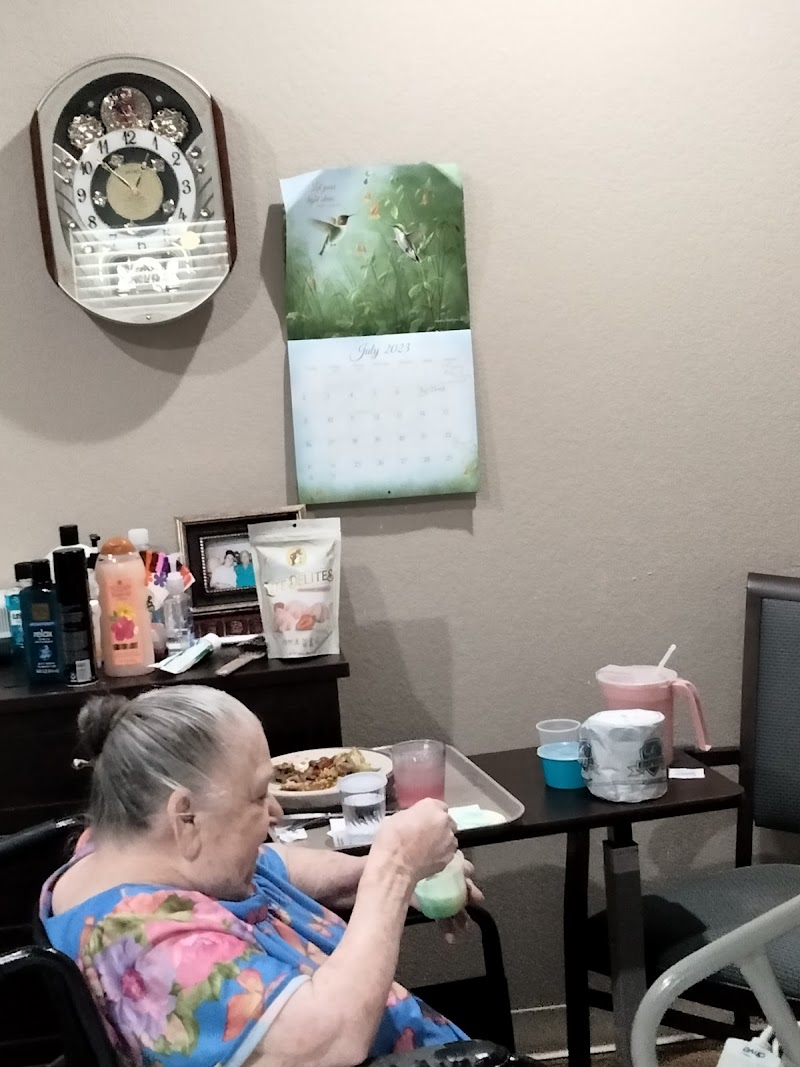
How is Parkwood In The Pines Staffed?

CMS rates PARKWOOD IN THE PINES's staffing level at 1 out of 5 stars, which is much below average compared to other nursing homes. Staff turnover is 54%, compared to the Texas average of 46%.

What Have Inspectors Found at Parkwood In The Pines?

State health inspectors documented 24 deficiencies at PARKWOOD IN THE PINES during 2022 to 2025. These included: 2 Immediate Jeopardy (the most serious level, indicating potential for serious harm or death), 1 that caused actual resident harm, and 21 with potential for harm. Immediate Jeopardy findings are rare and represent the most serious regulatory concerns. They require immediate corrective action.
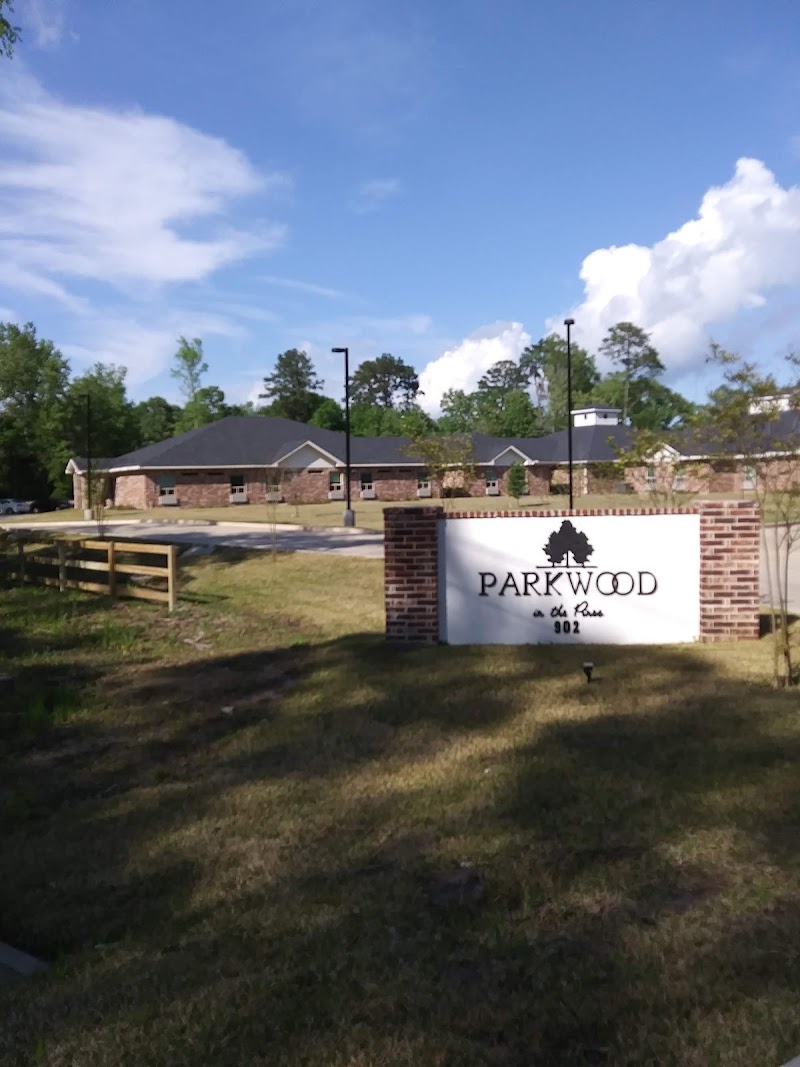
Who Owns and Operates Parkwood In The Pines?

PARKWOOD IN THE PINES is owned by a for-profit company. For-profit facilities operate as businesses with obligations to shareholders or private owners. The facility is operated by PRIORITY MANAGEMENT, a chain that manages multiple nursing homes. With 140 certified beds and approximately 90 residents (about 64% occupancy), it is a mid-sized facility located in LUFKIN, Texas.

How Does Parkwood In The Pines Compare to Other Texas Nursing Homes?

Compared to the 100 nursing homes in Texas, PARKWOOD IN THE PINES's overall rating (2 stars) is below the state average of 2.8, staff turnover (54%) is near the state average of 46%, and health inspection rating (3 stars) is at the national benchmark.

What Should Families Ask When Visiting Parkwood In The Pines?

Based on this facility's data, families visiting should ask: "What changes have been made since the serious inspection findings, and how are you preventing similar issues?" "Can you walk me through typical staffing levels on day, evening, and night shifts?" "Can I visit during a mealtime to observe dining assistance and food quality?" "How do you handle medical emergencies, and what is your hospital transfer rate?" These questions are particularly relevant given the facility's Immediate Jeopardy citations and the below-average staffing rating.

Is Parkwood In The Pines Safe?

Based on CMS inspection data, PARKWOOD IN THE PINES has documented safety concerns. Inspectors have issued 2 Immediate Jeopardy citations (the most serious violation level indicating risk of serious injury or death). The facility has a 2-star overall rating and ranks #100 of 100 nursing homes in Texas. Families considering this facility should ask detailed questions about what corrective actions have been taken since these incidents.

Do Nurses at Parkwood In The Pines Stick Around?

PARKWOOD IN THE PINES has a staff turnover rate of 54%, which is 8 percentage points above the Texas average of 46%. Moderate turnover is common in nursing homes, but families should still ask about staff tenure and how the facility maintains care continuity when employees leave.

Was Parkwood In The Pines Ever Fined?

PARKWOOD IN THE PINES has been fined $21,473 across 2 penalty actions. This is below the Texas average of $33,294. While any fine indicates a compliance issue, fines under $50,000 are relatively common and typically reflect isolated problems that were subsequently corrected. Families should ask what specific issues led to these fines and confirm they've been resolved.

Is Parkwood In The Pines on Any Federal Watch List?

PARKWOOD IN THE PINES is not on any federal watch list. The most significant is the Special Focus Facility (SFF) program, which identifies the bottom 1% of nursing homes nationally based on persistent, serious quality problems. Not being on this list means the facility has avoided the pattern of deficiencies that triggers enhanced federal oversight. This is a positive indicator, though families should still review the facility's inspection history directly.