SOUTHLAND REHABILITATION AND HEALTHCARE CENTER
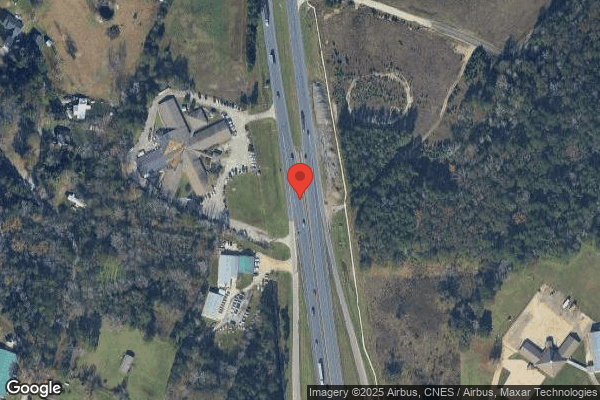
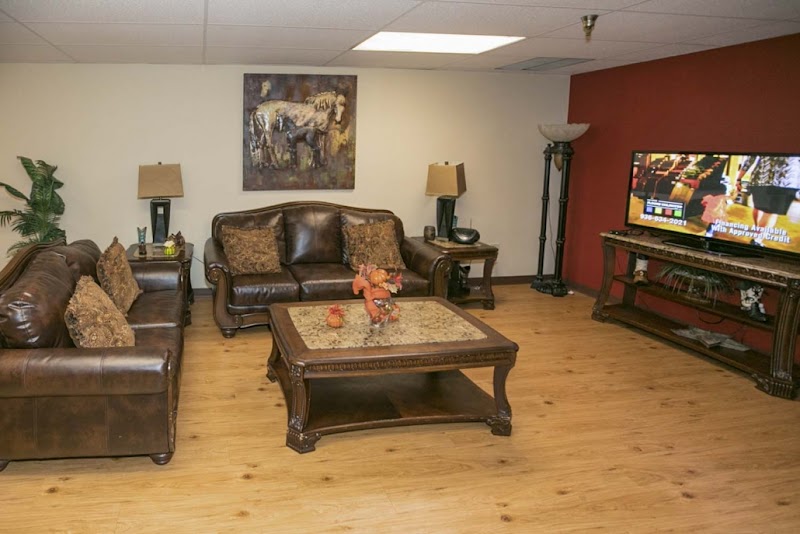
501 N MEDFORD DR, LUFKIN, TX 75901 (936) 639-1252
For profit - Limited Liability company 150 Beds THE ENSIGN GROUP Data: November 2025 3 Immediate Jeopardy citations
Trust Grade
0/100
#841 of 1168 in TX
Last Inspection: November 2024

Within standard 12-15 month inspection cycle. Federal law requires annual inspections.

Overview

Southland Rehabilitation and Healthcare Center has received a Trust Grade of F, indicating significant concerns about the quality of care provided. Ranking #841 out of 1168 facilities in Texas places it in the bottom half, while at #7 out of 8 in Angelina County, it suggests that only one local option is better. The facility's condition is worsening, with issues increasing from 5 in 2023 to 9 in 2024. Staffing is a major concern, with a low rating of 1/5 stars and a staggering 62% turnover, which is higher than the Texas average. The facility has also incurred $188,884 in fines, which is troubling and indicates repeated compliance problems. On the positive side, the quality measures rating is high at 5/5 stars, which suggests that when care is provided, it meets good standards. However, significant incidents have been reported, such as failing to consult a physician when residents experienced serious changes in their conditions, leading to hospitalizations for severe infections. Additionally, there were failures to provide necessary treatment to prevent pressure injuries, resulting in serious wounds for residents. These findings point to a facility that has critical strengths in some areas but alarming weaknesses in overall care and safety.

Trust Score
F
0/100
In Texas
#841/1168
Bottom 28%
Safety Record
High Risk
Review needed
Inspections
Getting Worse
5 → 9 violations
Staff Stability
⚠ Watch
62% turnover. Above average. Higher turnover means staff may not know residents' routines.
Penalties
○ Average
$188,884 in fines. Higher than 60% of Texas facilities. Some compliance issues.
Skilled Nurses
⚠ Watch
Each resident gets only 23 minutes of Registered Nurse (RN) attention daily — below average for Texas. Fewer RN minutes means fewer trained eyes watching for problems.
Violations
⚠ Watch
15 deficiencies on record. Higher than average. Multiple issues found across inspections.
★★☆☆☆
2.0
Overall Rating
★☆☆☆☆
1.0
Staff Levels
★★★★★
5.0
Care Quality
★☆☆☆☆
1.0
Inspection Score
Stable
2023: 5 issues
2024: 9 issues

The Good

  • 5-Star Quality Measures · Strong clinical quality outcomes
  • Full Sprinkler Coverage · Fire safety systems throughout facility
  • No fines on record

Facility shows strength in quality measures, fire safety.

The Bad

2-Star Overall Rating

Below Texas average (2.8)

Below average - review inspection findings carefully

Staff Turnover: 62%

16pts above Texas avg (46%)

Frequent staff changes - ask about care continuity

Federal Fines: $188,884

Well above median ($33,413)

Significant penalties indicating serious issues

Chain: THE ENSIGN GROUP

Part of a multi-facility chain

Ask about local staffing decisions and management

Staff turnover is elevated (62%)

14 points above Texas average of 48%

The Ugly 15 deficiencies on record

3 life-threatening
Nov 2024 2 deficiencies 2 IJ (2 affecting multiple)
CRITICAL (K) 📢 Someone Reported This

A family member, employee, or ombudsman was alarmed enough to file a formal complaint

Immediate Jeopardy (IJ) - the most serious Medicare violation

Notification of Changes (Tag F0580)

Someone could have died · This affected multiple residents

**NOTE- TERMS IN BRACKETS HAVE BEEN EDITED TO PROTECT CONFIDENTIALITY** Based on interviews, and record review, the facility failed to consult with the physician when the resident experienced a change...

Read full inspector narrative →
**NOTE- TERMS IN BRACKETS HAVE BEEN EDITED TO PROTECT CONFIDENTIALITY** Based on interviews, and record review, the facility failed to consult with the physician when the resident experienced a change in condition for 2 of 6 residents (Resident #1 and Resident #2) reviewed for a change of condition. The facility failed to follow their skin and wound policy by not notifying the Medical Director of the changes to Resident #1 and Resident #2's wounds. Resident #1 was admitted to the hospital on [DATE] with sepsis (infection in the blood) and osteomyelitis (bone infection). Resident #2 had an unstageable pressure ulcer wound that was identified on 11/10/2024. An Immediate Jeopardy was identified on 11/10/2024 at 11:15 AM. While the Immediate Jeopardy was removed on 11/11/2024 at 2:15 PM, the facility remained out of compliance at a scope of a pattern and a severity level of no actual harm with potential for more than mininal harm that is not Immediate Jeopardy due to the facility's need to monitor and evaluate the effectiveness of the plan of removal and corrective actions. This failure could affect residents by placing them at risk for a delay in medical treatment, worsening in condition, and death. Findings included: 1.Record review of an admission Record dated 11/9/2024 for Resident #1 indicated he admitted to the facility on [DATE] and was [AGE] years old with diagnoses of Alzheimer's disease, heart failure (heart's inability to pump blood effectively), and benign prostatic hyperplasia (enlarged prostate). Record review of a Quarterly MDS assessment dated [DATE] for Resident #1 indicated he has severe impairment in thinking with a BIMS score of 1. He was dependent on staff for all ADLs except for upper body dressing which he required substantial/maximal assistance. He was always incontinent of urine and bowel. He was at risk of developing pressure ulcers/injuries. He did not have any unhealed pressure ulcers/injuries. Other ulcers, wound and skin problems indicated he had moisture associated skin damage (incontinence-associated dermatitis, perspiration, drainage). Treatments included applications of ointments/medications. Record review of an admission MDS assessment dated [DATE] for Resident #1 indicated he had moderate impairment in thinking with a BIMS score of 6. He required supervision or touching assistance with toileting hygiene and personal hygiene. He was always continent of urine and bowel. He was not at risk of developing pressure ulcers/injuries and did not have any unhealed pressure ulcers/injuries. Record review of a care plan for Resident #1 dated 2/28/2024 indicated he had pressure ulcer or potential for pressure ulcer development related to impaired mobility with interventions to notify nurse immediately of any new areas of skin breakdown. Record review of a Consultation Note for Resident #1 dated 11/1/2024 from the hospital indicated he had been admitted to the hospital on account of worsening changes involving his sacrococcygeal wound (a pressure injury also known as a bedsore that occurs in the sacrum) with features suggestive of an infected stage IV (full thickness tissue loss with exposed bone, tendon, or muscle) sacrococcygeal decubitus ulcer (bedsore). Record review of a Nurse Progress Note for Resident #1 dated 10/31/2024 indicated, .patient out of the facility, went to appointment with Infectious Disease Specialist on this AM, and transportation received notice per RP that patient was being admitted to the hospital . Record review of a History and Physical for Resident #1 dated 10/31/2024 from hospital indicated, Resident #1 was sent to the hospital from Infectious Disease Specialist office for infection sacral decubitus ulcer. Assessment and plan of treatment revealed infection with some necrosis decubitus ulcer sacral . Record review of a skin evaluation for Resident #1 dated 10/24/2024 by the Treatment Nurse indicated, .excoriation to sacral region (bottom of spine) and bilateral buttock, stage 3 (loss of tissue) to sacrum 3.8 x 4.4, stage 3 to left ischial tuberosity 3.0 x 3.0 x 0.2 . Record review of a Skin/Wound Note for Resident #1 dated 10/24/2024 by the Treatment Nurse indicated, sacrum has deteriorated now presents as a stage 3 measures 3.8 x 4.4 x 0.2 with serous exudate small amount no odor wound bed 50% non-granulated tissues 50% yellow slough peri wound pink and stage 3 to left ischial tuberosity measures 3.0 x 3.0 with serous exudate small amount no odor wound bed 70% granulated tissues 30% yellow slough peri wound pink excoriated. C/o pain during treatment. No new orders at this time. NP notified. RP notified . Record review of a care plan for Resident #1 dated 10/18/2024 indicated he had impairment to skin related to stage 2, updated 10/29/24, now a stage 3. Interventions included air mattress, clean sacrum with normal saline, pat dry and apply calcium alginate to wound bed, and cover with dry dressing daily. Multivitamins with minerals, zinc sulfate, and vitamin c to be given daily for wound healing. Record review of a care plan for Resident #1 dated 10/18/2024 indicated he had impairment to skin related to stage 2 to right ischial tuberosity. Interventions included air mattress, cleanse left ischial tuberosity (bone that makes up the bottom of the pelvis) with normal saline, pat dry, and apply exuderm (thin protective dressing to provide a protective barrier for wounds) q 3 days. Multivitamins with minerals, zinc sulfate, and vitamin c to be given daily for wound healing. Record review of a Skin/Wound Note for Resident #1 dated 10/18/2024 by the Treatment Nurse indicated, Excoriation to sacrum had deteriorated and presented as a stage 2 (top layer of skin is broken) measures 3.0 x 4.0 x 0.2 with serous (bloody) exudate (drainage) small amount no odor wound bed pink and stage 2 to left ischial tuberosity measures 2.7 x 3.0 with serous exudate small amount no odor wound bed pink peri wound pink excoriated (redness). C/o pain during treatment. Pain meds given. NP notified. New order: cleanse left ischial tuberosity ulcer with normal saline, pat dry, apply exuderm q3 days. Exuderm to left ischial. RP notified. Record review of skin evaluations for Resident #1 dated 9/12/2024 to 10/17/2024 by the Treatment Nurse indicated he had excoriation to bilateral buttock and no other skin issues noted. During a phone interview on 11/8/2024 at 4:55 PM, RP for Resident #1 said he was at the hospital. She said he was admitted to the hospital on [DATE] from an appointment with an infectious disease physician. She said the facility had been checking labs for him and he had elevated WBC's and the facility Medical Director was giving orders. She said on 8/31/2024 he was admitted to the hospital with altered mental status, and it was documented the beginning of a wound. He discharged from the hospital 9/6/2024 back to the nursing home. She said he was on antibiotics, and they sent him to see a blood physician and was told by her she could not find anything and was told he needed to see an infectious disease doctor. She said he saw the infectious disease doctor on 10/31/2024 and he immediately saw an area on Resident #1's bottom and sent him to the hospital and said that was the source of his infection. She said there was a huge hole that you could place your fist in it, and she did not see it until Resident #1 was at the hospital. She said she was told by the nursing facility that they were using some type of saline spray in the wound. She said she visited her father daily and the last time she saw the wound before the last hospital stay it looked like raw meat. She said it was not open at that time, but it looked bad. She said he had one debridement (surgical removal of damaged tissue) of the wound since admission to the hospital and he had a colostomy (a surgical opening in the large intestine for stool which collects into a bag outside of the body) to keep feces from getting into the wound. She said they were planning on another debridement sometime next week. 2. Record review of an admission Record for Resident #2 dated 11/9/2024 indicated he admitted to the facility on [DATE] and was [AGE] years old with diagnoses of dementia, malignant neoplasm of prostate (cancer of the prostate), and atherosclerosis (buildup of plaque in the artery walls that can block blood flow). Record review of a Quarterly MDS Assessment for Resident #2 dated 9/30/2024 indicated he had severe impairment in thinking with a BIMS score of 1. He was dependent on staff with all ADL's except for eating which he required supervision or touching assistance. He was always incontinent of urine and bowel. He was at risk of developing pressure ulcers/injuries but did not have any unhealed pressure ulcers/injuries. Other ulcers, wounds, and skin problems indicated moisture associated skin damage (incontinence-associated dermatitis, perspiration, drainage). Skin and ulcer/injury treatments were nutrition or hydration intervention to manage skin problems and application of ointments/medications. Record review of a care plan for Resident #2 dated 7/18/2023 indicated he had pressure ulcer and potential for pressure ulcer development related to poor mobility and weakness. Interventions included to encourage fluid intake and assist to keep skin hydrated. Record review of active physician orders dated 11/9/2024 for Resident #2 indicated an order to cleanse scar tissue to sacrum with normal saline, pat dry, and apply exoderm q3 days every day shift every 3 days that started on 10/18/2024. Record review of a facility Skin Report for the month of October 2024 did not have Resident #2 listed as having a wound or other skin issues. During an interview on 11/9/2024 at 3:56 PM, the Treatment Nurse said she had been the treatment nurse at the facility for 8 ½ years and was an LVN. She said she was responsible for skin assessments weekly and responsible for surgical and pressure wounds, venous stasis wounds, and the charge nurses were responsible for the other ones. She said if a new wound were observed if the nurse aide found it during the day, they would notify her. She stated if it were after she left for the day, the nurse aides would let the charge nurse know and put it on the 24-hour report. She said it depended on the type of wound and the severity for if she would be notified the same day or not. If it were a skin tear, she may not be notified until the next day but if it were pressure, they would notify her immediately. She said if a new wound were present for pressure, she would contact the physician, and notify them. She said excoriation looked like redness, scratches, or some type of minor injury without any skin breakage. She said pressure wounds varied according to the stage, stage 1 was non blanchable skin (when touched stays red), stage 2 top layer of skin was missing, stage 3 slough might be present, or it could be a stage 4. She said she staged the wounds. She said she had a lot of education on it and had been to different classes and seminars. The DON would come behind her and look at the wounds and then would notify the physician. She said she would assess the wound, stage it, and let the DON and physician know. She said they did not have a wound care physician that visited the facility and had not had one since she had been employed for 8 ½ years. She said she was responsible for all the pressure wound treatments for the residents in the facility. She said Resident #1's buttocks started as a scratch from the hospital with excoriation, had small opens on his bottom that were sporadic, and they were using barrier cream after incontinent care episodes. She said the wound was close to his rectum and he continued to have frequent bowel movements throughout the day. She said the interventions started as barrier cream, then an order for exuderm to keep feces out of it, then got wedges to turn q2 hrs, and chair cushion when up. She said she noticed slough, it was a stage 3, and it was about a size of a 50-cent piece. She said he had an appointment in Houston in October, he was gone all day, and noticed he started getting slough on his bottom. She said when the slough started, she got an order for an air mattress to try and relieve pressure on his bottom and a wheelchair cushion, supplements for wound healing, and wound care treatment order changed. She said the treatments were being done daily. She said the wound had gotten worse before he left the faciity on [DATE]. She said the wound was so close to his rectum and it was hard to keep the feces out of it. She said they used waterproof nonadherent bandages, but when he had a bowel movement, it would get underneath the bandage, and she had a hard time keeping it out. She said they were contacting the NP and the Medical Director about the wound for Resident #1. She said the NP and the Medical Director would make rounds at about 6 am in the facility and never made rounds with her to see the wound on Resident #1 or any of the other residents. She said if they asked to see the wound it would have been with the charge nurses. She said she was not wound care certified. She said there was a RN weekend supervisor that performed wound care on the weekends. She said there were standing orders for certain types of wounds, if stage 2 would use exoderm, if stage 3 with minimal drainage would use collagen, moderate drainage calcium alginate, if it had depth she could pack, and use collagen powder. She said there was a book that was kept at the nurse desk. During an interview on 11/9/2024 at 4:29 PM, RN A said she was one of the weekend supervisors and worked every other weekend for the past 2 ½ years. She said she was responsible for everything that went on in the facility except for staffing. She said she performed wound care on the weekends for the residents. She said she had Resident #1 for daily wound care before he discharged to the hospital. She said the last time she saw Resident #1's wound on his sacrum it was macerated with a dressing, noted the skin looked splotchy, some bleeding, some skin breakdown, and the top layer of skin was missing. She said his left ischium seemed to be deeper about a quarter size in diameter and was open about 1-2 cm. There was no bleeding, he had an exuderm and dressing on the sacrum with collagen, a dry dressing daily, and exuderm every 3 days. She said the sacral wound was right by his rectum and it was very hard to keep the area clean. She said she had been notified before and was told not to stage or classify the wounds because she was not the Treatment Nurse, and the Treatment Nurse would be the one to measure and stage them. She said she could get an order for a dressing for the wound but could not stage it. During a phone interview on 11/9/2024 at 5:06 PM, the PT said he had been employed at the facility for 5 years. He said part of his duties of physical therapy would be administering wound care. He said he did not perform wound care often. He said he used the Ultramist on several patients in the past and it worked well for them. He said he used it recently on Resident #1 who had several pressure wounds. He said he focused on his sacral and coccyx area which were common areas for wounds. He said he had a stage 3 pressure ulcer that had necrotic tissue that was too painful to debride, so the Ultramist was another form of wound care that he could do. He said he performed 5-6 treatments on his wounds before his hospital admission on [DATE]. He said initially the entire wound was necrotic and the goal was to decrease the necrotic areas and increase granulated tissue that looked nice and was beefy red with good blood flow. He said the goal was for new skin growth. He said the machine was a small ultrasound machine, if the wound were close to a pacemaker or located close to a cancerous nodule it would be contraindicated. He said it could treat any wounds or ulcers. He said there were subtle changes on the outside of the wound, as it started to have granulation buds that you could visibly see and that was how granulation started. He said when you started to see buds on the skin that was a good thing. He said the location of the wound was close to feces. He was incontinent of bowel/bladder and that could slow things at times. He said the Ultramist was in addition to traditional nursing care, changing dressings, pat dry, and the nurse would apply a new dressing after the treatment was completed. He said due to the location, it always had a foul odor because it was near the rectum but could be a combination of dead tissue or feces and had to be cleaned prior to treatment. He was not sure if he was on antibiotics. He said he gets the wound information from the nurses. He had a stage 3 that ate through the skin, subcutaneous fat, and tissue but no bone was exposed. Record review of Physical Therapy Notes dated 10/21/2024, 10/23/2024, 10/25/2024, 10/29/2024 and 10/30/2024 for Resident #1 indicated .an additional skill of initial treatment of MIST therapy (low frequency, non-contact, non-thermal ultrasound) using sterile water to patient's sacrococcygeal wound due to sharp debridement being contraindicated in order to facilitate perfusion to ischemic areas of wound and decrease risk for infection . During an interview on 11/9/2024 at 5:27 PM, CNA B said she had been employed at the facility for September 2023 and worked 6 am - 6 pm and worked on all halls in the facility. She said on the weekends she helped with wound care by holding and positioning with the weekend RN supervisor. She said she found a wound on Resident #1 about a month ago and informed the weekend RN that he had a bad wound. It started out as two small red, circled areas in the butt crack on the weekend and she told the weekend RN and a charge nurse about it. She said the weekend RN put a bandage on it and put a note for the Treatment Nurse about the wound. She said sometime after observing the new area on Resident #1, she had been off for a few days, and came back and observed no bandage on his buttocks and the wound had started getting bigger. She said the area was bigger than the size of a 4 x 4 gauze. She said the last day she saw the wound was on 10/31/2024 before he left for a physician appointment, and he did not come back. She said the wound on 10/31/2024 was bad, both sides of his buttocks were open, he could put at least three fingers inside, and it smelled like dying flesh that was yellow and green in color. She said a charge nurse put a dressing on the wound before he left for that appointment on 10/31/2024. During an observation on 11/10/2024 at 8:55 AM, Resident #2 was in his room in bed with CNA B and CNA C present to provide incontinent care. CNA B and CNA C removed a dressing to his sacrum as the dressing had stool present that had gotten underneath the dressing to the wound. The DON entered the room and said she needed to look at the wound after they cleaned him because she was informed that the nurse on 11/9/2024 had performed wound care and when the dressing was removed, skin came off with it. Staff provided incontinent care and a large wound to his sacrum was observed with the wound bed black in color with eschar, surrounding skin pink and white, borders irregular, and some skin missing with redness and small open areas. CNA B and CNA C both said the wound had been that way for a while. During an observation and interview on 11/10/2024 at 9:10 AM, the DON and CNA C were in the room of Resident #2. The DON was present to assess the area to his sacrum and provide wound care treatment. The DON said the wound was unstageable. The DON placed collagen in the wound bed and covered with dry dressing temporarily. She said they had some protocols that they could go by and would notify the physician. RN A entered the room and said the wound looked like it was unstageable with necrotic tissue but could not say if it looked that way on 11/9/2024 because the wound had a lot of barrier cream. She said on 11/9/2024 when she tried to remove the cream, Resident #2 was in pain and she could not see the wound bed and she placed an exoderm over the area per the orders. During a follow-up interview and observation on 11/10/2024 at 9:32 AM, RN A said on 11/9/2024 she provided wound care for Resident #2 and the wound was open without a dressing. She said the wound was close to his anus and they cleaned him up and the area had zinc cream on it. She said the wound was very moist and there was an order for exuderm to be applied to the scar tissue, so she placed a 4x4 exuderm per the orders. She said she was told to let the Treatment nurse know of any changes to any wounds in the facility or skin issues. She said the wound had been present since October 7, 2024. RN A still had the text message where she sent the Treatment Nurse a message to inform her that the zinc was not helping Resident #2. The State Surveyor observed the text message that was sent to the Treatment Nurse and the Treatment Nurse response was Ok, with a thumbs up emoji. She said there was not a dressing on Resident #2's sacrum on 11/9/2024 and it only had an order for exoderm. She said the skin did not come off because there was not dressing on it, and it only had zinc oxide present. She said they had standing orders for wound care at the nurse station and then would contact the physician with any new skin issues. During a phone interview on 11/10/2024 at 9:47 AM, the RP of Resident #2 said when he admitted to the facility it was to the secured unit. She said he had been at the facility for 2 years. She said he had been discharged from the secured unit for about 2 months. She said she tried to visit him at least three times out of the month. She said most of the time they keep her updated. She said she had been at the facility on the days of his showers. She said she was present one day this past week and observed staff change him. She said she did not get to see his bottom, she was used to him having his privacy, and when she thought about asking to see his bottom, it was too late. She said they told her he had a bed sore on his bottom when she visited this past week and asked why no one called her to inform her before then. During a follow-up interview and observation on 11/10/2024 at 10:05 AM, the Treatment Nurse said the last time she observed Resident #2's wound it had a lot of scar tissue from a previous wound which made it easier for skin break down. She said the wound started to crack open and it looked like excoriation and received an order to put exuderm on it. She said Resident #2 would hold his urine and when he urinated, he would saturate the brief. She said they tried to keep the exuderm on the wound and keep urine and feces out of it. She said she observed the area that day and it looked like it was starting to try to open, and she did contact the physician. She observed a picture of the wound of Resident #2 that was taken by the State Surveyor, and she said the wound looked like an unstageable wound with black tissue noted. She said they have had issues with the wound bleeding in some areas. She said an exuderm would not be appropriate for his wound at that time. During a phone interview on 11/10/2024 at 10:11 AM, the Medical Director said he was out of town, and he was informed that the State Surveyor had questions about the facility and them contacting him with any changes in the facility. He said he would have to call his NP and call back. During a phone interview on 11/10/2024 at 10:30 AM, the Medical Director said he spoke to his NP and said neither of them were aware of any standing orders for wounds in the facility for them to follow. He said they both received phone calls and were available for the facility and the facility did not mind calling them. He said Resident #1 had elevated white blood cell counts that were going up and down with the highest being about 18. He said it had been going on for about a month and they made him an appointment with an infectious disease physician so they could determine the source of the elevated white blood cells. He said they did not think that the wound for Resident #1 started the elevated white count as they looked at residents with leukocytosis more closely and they could not pinpoint the cause. He said he was not aware that Resident #1 was at the hospital but was glad to hear it because that was the purpose of him seeing the infectious disease physician. He said he was not aware of any skin issues in the facility until that day when the NP was notified about Resident #2. He said skin assessment were the responsibility of the nursing staff. He said he visited the facility twice a week and, in the past, had been asked to look at residents with wounds but not in a long time. He said he left the wound care treatments up to the Treatment Nurse at the facility, as she would evaluate and treat, if not effective then they would work on changing the treatments. He said if he had known about the skin issues, then they would have ordered appropriate treatments at that time. During an interview on 11/11/2024 at 9:43 Am, the DON said the Treatment Nurse and Weekend RN were responsible for wound care treatments. She said the Treatment Nurse was responsible for skin assessments and if the shower techs noticed anything they would tell her, and she did them weekly. She said she conducted a skin assessment about once a week and an overall monthly for the residents in the facility. She said she looked at the skin in the facility once a week because she helped with a lot of incontinent care to make sure the residents had barrier creams because there were a lot of new staff in the facility. She said she staged the wounds and classified them. She said the Treatment Nurse would let her know when a new skin issue was found, and she assessed and staged if appropriate. She said only a RN could stage the wounds, if the staff found something they could only describe the wounds. She said she did a contract with a wound care physician about a few weeks that would start soon. She said she provided care to Resident #2 on Friday 11/8/2024 and did not see any slough in his wound. She said the wound had excoriation but did not have any slough or necrotic tissue present. She said Resident #1's wounds started with minor excoriation, and had elevated WBCs before the wound started, and they checked lab work frequently. She said he had IV therapy, was on antibiotics, constantly doing change in conditions, going to appointments, saw the Medical Director, and his WBCs never went down. She said he was on antibiotics and went to the hospital a while ago and the excoriation to his sacrum continued to get worse. She said he had orders for supplements and therapy started seeing him and he received Ultramist (portable, painless, noncontact, noninvasive, low-frequency ultrasound to the wound. A fluid/saline mist is used to deliver the ultrasound, so there is no direct wound contact) wound therapy in the facility. She said they reported to the physician for any change in condition and if wounds changed. She said the Medical Director was aware of Resident #1's wound and said they changed orders for dressings and started the Ultramist. She said the Medical Director was not aware of Resident #2's wound. She said there was a risk for wound deterioration if the physician was not notified. She said when a new skin issue was identified, they should notify the nurse of any changes so the area would be assessed along with more frequent monitoring, notify the family, and care plan so everyone would be aware. During an interview on 11/11/2024 at 10:20 AM, the Administrator said she was aware that Resident #2 had some excoriation to his buttocks. She said the DON worked the hall where Resident #2 resided on Friday 11/8/2024 and said the area was not excoriated. She said Resident #1's RP had taken him to multiple physicians and took him to and Infectious Disease Specialist for an opinion. She said Resident #1 had elevated wbc's for weeks prior to his hospitalization 10/31/2024. She said skin assessments were to be done weekly by the Treatment Nurse and the DON was the only one that staged the wounds. She said she was not aware that the Medical Director was not updated of the change in Resident #2's wound. She said the facility was supposed to notify the physician of any change in conditions with the residents and there was a risk for wounds to worsen if they were not notified. Record review of a Skill Checklist-Treatment for the Treatment Nurse sated 5/8/2024 indicated she showed competency of treatments that was observed by the DON. Record review of Standing Orders for skin for the facility indicated orders for general skin protocol indicated any change in the resident's skin condition must be documented, and the physician and responsible party were to be notified dated 4/9/2024 and signed by the Medical Director. Record review of a facility policy titled Skin and Wound Monitoring and Management revised 1/2022 indicated, .It is the policy of this facility that: 1. A resident who entered the facility without pressure injury does not develop pressure injury unless the individual's clinical condition or other factors demonstrate that a developed pressure injury was unavoidable; 7. Communication of changes: a. Any changes in the condition of the resident's skin as identified daily, weekly, monthly, or otherwise, must be communicated to: the resident/responsible party, the resident's physician, and others as necessary to facilitate healing . This was determined to be an Immediate Jeopardy (IJ) on 11/10/2024 at 11:15 AM. The facility's Administrator and the DON were notified. The Administrator was provided the IJ template on 11/10/2024 at 12:04 PM. The following Plan of Removal (POR) submitted by the facility was accepted on 11/10/2024 at 4:50 PM. Plan of Removal 11-10-2024 F580 The facility needs to take immediate action to ensure proper physician notification is made to prevent worsening of pressure sores. 1.The Medical Director was notified of IJ on 11/10/2024 at 12:45pm. 2.Review of the 24-hour report was completed for the last 72 hours to ensure family and MDs were notified by DON, ADON on 11/10/24. 3.Education was initiated with Nurses on 11/10/2024 and will be completed on 11/10/2024 by the DON, ADON, and Clinical Resource. The training included Nurse Assessment, Change in Condition Process, documentation of the change in condition, notification to the physician, notification of family, reviewing the resident's health condition with the attending physician, and when to reach out to the Medical Director if the assigned physician is not available. The DON, ADONs, and Clinical Resource used facility policy on change in condition facility procedures on head-to-toe assessment, and notification to family and MD. 4.A knowledge check form, to ascertain staff understanding of training, will be initiated with nurses 11/10/2024 and will be completed for all nurses either in-person or via telephone on 11/11/2024at 6pm. The Clinical Resource will complete tracking for education and knowledge check form completion for each nurse. 5. This education and knowledge check will be completed with facility nurses on 11/10/2024 and 11/11/2024 by 6pm, all nurses will complete education prior to start of their next shift. This reeducation may be in-person or over the phone with the DON, ADONs, or Clinical Resource. This education will also be included in the new hire orientation and will be included for agency /PRN staff (currently the facility does not utilize agency). 6.An ad hoc meeting regarding items in IJ template will be completed on 11/11/2024 Attendees include Administrator, DON, Medical Director, and Clinical Resource. The Plan of removal items and interventions were developed, reviewed, and will be agreed upon. 7.Changes in condition will be reviewed during the weekly clinical meeting and the Medical Director will be consulted for any recommendations or suggestions. The Administrator, DON, ADON, MDS and/or designees to attend weekly clinical meetings to include review of residents with change in conditio[TRUNCATED]
CRITICAL (K) 📢 Someone Reported This

A family member, employee, or ombudsman was alarmed enough to file a formal complaint

Immediate Jeopardy (IJ) - the most serious Medicare violation

Pressure Ulcer Prevention (Tag F0686)

Someone could have died · This affected multiple residents

**NOTE- TERMS IN BRACKETS HAVE BEEN EDITED TO PROTECT CONFIDENTIALITY** Based on observations, interviews, and record review, the facility failed to ensure the necessary treatment and services, in acc...

Read full inspector narrative →
**NOTE- TERMS IN BRACKETS HAVE BEEN EDITED TO PROTECT CONFIDENTIALITY** Based on observations, interviews, and record review, the facility failed to ensure the necessary treatment and services, in accordance with comprehensive assessment and professional standards of practice, to prevent development of pressure injuries was provided for 2 of 6 Residents (Resident #1 and Resident #2) reviewed for pressure injuries. The facility failed to prevent Resident #1 from developing a wound to his sacrum that changed from excoriation to a stage 4 pressure ulcer on 10/24/2024. Resident #1 admitted to the hospital on [DATE] with sepsis (infection in the blood) and osteomyelitis (infection in the bone). The facility failed to prevent Resident #2 from developing a wound to his sacrum that changed from excoriation to an unstageable wound on 11/10/2024. The facility failed to follow their skin and wound policy by not notifying the Medical Director of the changes to Resident #1 and #2's wounds. The facility failed to accurately assess Resident #1 and #2's pressure sores. An Immediate Jeopardy was identified on 11/10/2024 at 11:15 AM. While the Immediate Jeopardy was removed on 11/11/2024 at 2:15 PM, the facility remained out of compliance at a scope of a pattern and a severity level of no actual harm with potential for more than minimal harm that is not Immediate Jeopardy due to the facility's need to monitor and evaluate the effectiveness of the plan of removal and corrective actions. These failures could place residents at risk for new development or worsening of existing pressure injuries, pain, and decreased quality of life. Findings included: 1.Record review of an admission Record dated 11/9/2024 for Resident #1 indicated he admitted to the facility on [DATE] and was [AGE] years old with diagnosis of Alzheimer's disease, heart failure (heart's inability to pump blood effectively) and benign prostatic hyperplasia (enlarged prostate). Record review of an admission MDS assessment dated [DATE] for Resident #1 indicated he had moderate impairment in thinking with a BIMS score of 6. He required supervision or touching assistance with toileting hygiene and personal hygiene. He was always continent of urine and bowel. He was not at risk of developing pressure ulcers/injuries and did not have any unhealed pressure ulcers/injuries. Record review of a Quarterly MDS assessment dated [DATE] for Resident #1 indicated he has severe impairment in thinking with a BIMS score of 1. He was dependent on staff for all ADLs except for upper body dressing which he required substantial/maximal assistance. He was always incontinent of urine and bowel. He was at risk of developing pressure ulcers/injuries. He did not have any unhealed pressure ulcers/injuries. Other ulcers, wound and skin problems indicated he had moisture associated skin damage (incontinence-associated dermatitis, perspiration, drainage). Treatments included applications of ointments/medications. Record review of a care plan for Resident #1 dated 10/18/2024 indicated he had impairment to skin related to stage 2 updated 10/29/24 now a stage 3. Interventions included air mattress, clean sacrum with normal saline, pat dry and apply calcium alginate to wound bed, cover with dry dressing daily. Multivitamins with minerals, zinc sulfate and vitamin c to be given daily for wound healing. Record review of a care plan for Resident #1 dated 10/18/2024 indicated he had impairment to skin related to stage 2 to right ischial tuberosity. Interventions included air mattress, cleanse left ischial tuberosity (bone that makes up the bottom of the pelvis) with normal saline, pat dry and apply exuderm (thin protective dressing to provide a protective barrier for wounds) q 3 days. Multivitamins with minerals, zinc sulfate and vitamin c to be given daily for wound healing. Record review of a care plan for Resident #1 dated 2/28/2024 indicated he had pressure ulcer or potential for pressure ulcer development related to impaired mobility with interventions to notify nurse immediately of any new areas of skin breakdown. Record review of skin evaluations for Resident #1 dated 9/12/2024 to 10/17/2024 by the Treatment Nurse indicated he had excoriation to bilateral buttock and no other skin issues noted. Record review of a Skin/Wound Note for Resident #1 dated 10/18/2024 by the Treatment Nurse indicated, Excoriation to sacrum had deteriorated and presented as a stage 2 (top layer of skin is broken) measures 3.0 x 4.0 x 0.2 with serous (bloody) exudate (drainage) small amount no odor wound bed pink and stage 2 to left ischial tuberosity measures 2.7 x 3.0 with serous exudate small amount no odor wound bed pink peri wound pink excoriated (redness). C/o pain during treatment. Pain meds given. NP notified. New order: cleanse left ischial tuberosity ulcer with normal saline, pat dry, apply exuderm q3 days. Exuderm to left ischial. RP notified. Record review of a skin evaluation for Resident #1 dated 10/24/2024 by the Treatment Nurse indicated, .excoriation to sacral region (bottom of spine) and bilateral buttock, stage 3 (loss of tissue) to sacrum 3.8 x 4.4, stage 3 to left ischial tuberosity 3.0 x 3.0 x 0.2 . Record review of a Skin/Wound Note for Resident #1 dated 10/24/2024 by the Treatment Nurse indicated, sacrum has deteriorated now presents as a stage 3 measures 3.8 x 4.4 x 0.2 with serous exudate small amount no odor wound bed 50% non-granulated (tissues 50% yellow slough peri wound pink and stage 3 to left ischial tuberosity measures 3.0 x 3.0 with serous exudate small amount no odor wound bed 70% granulated tissues 30% yellow slough peri wound pink excoriated. C/o pain during treatment. No new orders at this time. NP notified. RP notified . Record review of a Nurse Progress Note for Resident #1 dated 10/31/2024 indicated, .patient out of the facility, went to appointment with Infectious Disease Specialist on this AM and transportation received notice per RP that patient was being admitted to the hospital . Record review of an History and Physical for Resident #1 dated 10/31/2024 from hospital indicated Resident #1 was sent to the hospital from Infectious Disease Specialist office for infection sacral decubitus ulcer. Assessment and plan of treatment revealed infection with some necrosis decubitus ulcer sacral . Record review of a Pathology Report dated 10/31/2024 for Resident #1 indicated a bone biopsy of the coccyx had acute osteomyelitis (infection in the bone). Record review of a Consultation Note for Resident #1 dated 11/1/2024 from hospital indicated he had been admitted to the hospital on account of worsening changes involving his sacrococcygeal wound (a pressure injury also known as a bedsore that occurs in the sacrum) with features suggestive of an infected stage IV (full thickness tissue loss with exposed bone, tendon, or muscle) sacrococcygeal decubitus ulcer (bedsore). Record review of a Clinical Documentation Form for Resident #1 dated 11/8/2024 indicated sepsis (blood infection all over the body) was present on admission. During a phone interview on 11/8/2024 at 4:55 PM, RP for Resident #1 said he was at the hospital. She said he was admitted to the hospital on [DATE] from an appointment with an infectious disease physician. She said the facility had been checking labs for him and he had elevated WBC's and the facility Medical Director was giving orders. She said on 8/31/2024 he was admitted to the hospital with altered mental status, and it was documented the beginning of a wound. He discharged from the hospital 9/6/2024 back to the nursing home. She said he was on antibiotics, and they sent him to see a blood physician and was told by her she could not see find anything and was told he needed to see an infectious disease doctor. She said he saw the infectious disease doctor on 10/31/2024 and he immediately saw an area on Resident #1's bottom and sent him to the hospital and said that was the source of his infection. She said there was a huge hole that you could place your fist in, and she did not see it until Resident #1 was at the hospital. She said she was told by the nursing facility that they were using some type of saline spray in the wound. She said she visited her father daily and the last time she saw the wound before the last hospital stay it looked like raw meat. She said it was not open at that time, but it looked bad. She said he had one debridement (surgical removal of damaged tissue) of the wound since admission to the hospital and he had a colostomy (a surgical opening in the large intestine for stool which collects into a bag outside of the body) to keep feces from getting into the wound. She said they were planning on another debridement sometime next week. 2. Record review of an admission Record for Resident #2 dated 11/9/2024 indicated he admitted to the facility on [DATE] and was [AGE] years old with diagnoses of dementia, malignant neoplasm of prostate (cancer of the prostate) and atherosclerosis (buildup of plaque in the artery walls that can block blood flow). Record review of a Quarterly MDS Assessment for Resident #2 dated 9/30/2024 indicated he had severe impairment in thinking with a BIMS score of 1. He was dependent on staff with all ADL's except for eating which he required supervision or touching assistance. He was always incontinent of urine and bowel. He was at risk of developing pressure ulcers/injuries but did not have any unhealed pressure ulcers/injuries. Other ulcers, wounds and skin problems indicated moisture associated skin damage (incontinence-associated dermatitis, perspiration, drainage). Skin and ulcer/injury treatments were nutrition or hydration intervention to manage skin problems and application of ointments/medications. Record review of a care plan for Resident #2 dated 7/18/2023 indicated he had pressure ulcer and potential for pressure ulcer development related to poor mobility and weakness. Interventions included to encourage fluid intake and assist to keep skin hydrated. Record review of a facility Skin Report for the month of October 2024 did not have Resident #2 listed as having a wound or other skin issues. Record review of active physician orders dated 11/9/2024 for Resident #2 indicated an order to cleanse scar tissue to sacrum with normal saline, pat dry and apply exoderm q3 days every day shift every 3 days that started on 10/18/2024. During an interview on 11/9/2024 at 3:56 PM, the Treatment Nurse said she had been the treatment nurse at the facility for 8 ½ years and was an LVN. She said she was responsible for skin assessments weekly and responsible for surgical and pressure wounds, venous stasis wounds and the charge nurses were responsible for the other ones. She said if a new wound were observed if the nurse aide found it during the day, they would notify her and if it were after she left for the day, the nurse aides would let the charge nurse know and put it on the 24-hour report. She said it depended on the type of wound and the severity if she would be notified the same day or not, if it were a skin tear, she may not be notified until the next day but if it were pressure, they would notify her immediately. She said if a new wound were present for pressure, she would contact the physician and notify them. She said excoriation looked like redness, scratches, or some type of minor injury without any skin breakage. She said pressure wounds varied according to the stage, stage 1 was non blanchable skin (when touched stays red), stage 2 top layer of skin was missing, stage 3 slough might be present, or it could be a stage 4. She said she staged the wounds. She said she had a lot of education on it and had been to different classes and seminars and the DON would come behind her and look at the wounds and then would notify the physician. She said she would assess the wound, stage it, and let the DON and physician know. She said they did not have a wound care physician that visited the facility and had not had one since she had been employed for 8 ½ years. She said she was responsible for all the pressure wound treatments for residents in the facility. She said Resident #1 buttocks started as a scratch from the hospital with excoriation, had small opens on his bottom that were sporadically, and they were using barrier cream after incontinent care episode. She said the wound was close to his rectum and he continued to have frequent bowel movements throughout the day. She said the interventions started as barrier cream and then an order for exuderm to keep feces out of it and then got wedges to turn q2 hrs and chair cushion when up. She said she noticed slough and it was a stage 3 and was about a size of a 50-cent piece. She said he had an appointment in Houston in October, and he was gone all day and noticed he started getting slough on his bottom. She said when the slough started, got an order for an air mattress to try and relieve pressure on his bottom and a wheelchair cushion, supplements for wound healing and wound care treatment order changed. She said the treatments were being done daily. She said the wound had gotten worse before he left the faciity on [DATE]. She said the wound was so close to his rectum and it was hard to keep feces out of it. She said they used waterproof nonadherent bandages, but when he had a bowel movement, it would get underneath the bandage and had a hard time keeping it out. She said they were contacting the NP and the Medical Director about the wound for Resident #1. She said the NP and the Medical Director would make rounds at about 6 am in the facility and never made rounds with her to see the wound on Resident #1 or any of the other residents. She said if they asked to see the wound it would have been with the charge nurses. She said she was not wound care certified. She said there was a RN weekend supervisor that performed wound care on the weekends. She said there were standing orders for certain types of wounds, if stage 2 would use exoderm, if stage 3 with minimal drainage would use collagen, moderate drainage calcium alginate, if it had depth could pack and use collagen powder. She said there was a book that was kept at the nurse desk. Record review of a Skill Checklist-Treatment for the Treatment Nurse sated 5/8/2024 indicated she showed competency of treatments that was observed by the DON. Record review of Standing Orders for skin for the facility indicated orders for general skin protocol indicated any change in the resident's skin condition must be documented, the physician and responsible party notified dated 4/9/2024 and signed by the Medical Director. During an interview on 11/9/2024 at 4:29 PM, RN A said she was one of the weekend supervisors and worked every other weekend for the past 2 ½ years. She said she was responsible for everything that went on in the facility except for staffing. She said she performed wound care on the weekends for the residents. She said had Resident #1 for daily wound care before he discharged to the hospital. She said the last time she saw Resident #1's wound on his sacrum it was macerated with a dressing noted the skin looked splotchy, some bleeding, some skin breakdown-top layer of skin missing. She said his left ischium seemed to be deeper about a quarter size in diameter-was open about 1-2 cm-no bleeding and had an exuderm and dressing on sacrum with collagen and dry dressing daily and exuderm every 3 days. She said the sacral wound was right by his rectum and was very hard to keep the area clean. She said she had been notified before and was told not to stage or classify the wounds because she was not, and the treatment nurse would be the one to measure and stage them. She said she could get an order for a dressing for the wound but could not stage it. During an interview on 11/9/2024 at 5:27 PM, CNA B said she had been employed at the facility for September 2023 and worked 6 am-6 pm and worked on all halls in the facility. She said on the weekends she helped with wound care by holding and positioning with the weekend RN supervisor. She said she found a wound on Resident #1 about a month ago and informed the weekend RN that he had a bad wound as it started out as two small red, circled areas in the butt crack on the weekend and told the weekend RN and a charge nurse about it. She said the weekend RN put a bandage on it and put a note for the Treatment Nurse about the wound. She said sometime after observing the new area on Resident #1, she had been off for a few days and came back and observed no bandage on his buttocks and the wound had started getting bigger. She said the area was bigger than the size of a 4 x 4 gauze. She said the last day she saw the wound was on 10/31/2024 before he left for a physician appointment, and he did not come back. She said the wound on 10/31/2024 was bad on both sides of his buttocks were open and could put at least three fingers inside and it smelled like dying flesh that was yellow and green in color. She said a charge nurse put a dressing on the wound before he left for that appointment on 10/31/2024. During an observation on 11/10/2024 at 8:55 AM, Resident #2 was in his room in bed with CNA B and CNA C present to provide incontinent care. CNA B and CNA C removed a dressing to his sacrum as the dressing had stool present that had gotten underneath the dressing to the wound. DON entered the room and said she needed to look at the wound after they cleaned him because she was informed that the nurse on 11/9/2024 had performed wound care and when the dressing was removed, skin came off with it. Staff provided incontinent care and a large wound to his sacrum was observed with the wound bed black in color with eschar, surrounding skin pink and white, borders irregular, some skin missing with redness and small open areas. CNA B and CNA C both said the wound had been that way for a while. During an observation and interview on 11/10/2024 at 9:10 AM, the DON and CNA C were in the room of Resident #2. DON was present to assess the area to his sacrum and provide wound care treatment. The DON said the wound was unstageable. The DON placed collagen in the wound bed and covered with dry dressing temporarily. She said they had some protocols that they could go by and would notify the physician. RN A entered the room and said the wound looked like it was unstageable with necrotic tissue but could not say if it looked that way on 11/9/2024 because the wound had a lot of barrier cream and when she tried to remove the cream, Resident #2 was in pain and she could not see the wound bed and she placed an exoderm over the area per the orders. During a follow-up interview and observation on 11/10/2024 at 9:32 AM, RN A said on 11/9/2024 she provided wound care for Resident #2 and the wound was open without a dressing. She said the wound was close to his anus and they cleaned him up and the area had zinc cream on it. She said the wound was very moist and there was an order for exuderm to be applied to the scar tissue, so she placed a 4x4 exuderm per the orders. She said she was told to let the Treatment nurse know of any changes to any wounds in the facility or skin issues. She said the wound had been present since October 7, 2024. RN A still had the text message where she sent the Treatment Nurse a message to inform her that the zinc was not helping Resident #2. Surveyor observed the text message that was sent to the Treatment Nurse and the Treatment Nurse response was Ok, with a thumbs up emoji. She said there was not a dressing on Resident #2's sacrum on 11/9/2024 and only had an order for exuderm and the skin did not come off because there was not dressing on it, and it had zinc oxide. She said they had standing orders for wound care at the nurse station and then would contact the physician with any new skin issues. During a phone interview on 11/10/2024 at 9:47 AM, the RP of Resident #2 said when he admitted to the facility it was to the secured unit. She said he had been at the facility for 2 years. She said he had been discharged from the secured unit for about 2 months. She said she tried to visit him at least three times out of the month. She said most of the time they keep her updated. She said she had been at the facility on the days of his showers. She said she was present one day this past week and observed staff change him. She said she did not get to see him bottom, and she was used to him having his privacy and when she thought about it asking to see his bottom, it was too late. She said they told her he had a bed sore on his bottom when she visited this past week and asked why no one called her to inform her before then. During a follow-up interview and observation on 11/10/2024 at 10:05 AM, the Treatment Nurse said the last time she observed Resident #2's wound it had a lot of scar tissue from a previous wound which made it easier for skin break down. She said the wound started to crack open and looked like excoriation and received an order to put exuderm on it. She said Resident #2 would hold his urine and when he urinated, he would saturate the brief. She said they tried to keep the exuderm on the wound and keep urine and feces out of it. She said she observed the area that day and it looked like it was starting to try to open, and she would contact the physician. She observed a picture of the wound of Resident #2 that was taken by the Surveyor, and she said the wound looked like an unstageable wound with black tissue noted. She said they have had issues with the wound bleeding in some areas. She said an exuderm would not be appropriate for his wound at that time. During a phone interview on 11/10/2024 at 10:11 AM, the Medical Director said he was out of town, and he was informed that the Surveyor had questions about the facility and them contacting him with any changes in the facility. He said he would have to call his NP and call back. During a phone interview on 11/10/2024 at 10:30 AM, the Medical Director said he spoke to his NP and said neither of them were aware of any standing orders for wounds in the facility for them to follow. He said they both received phone calls and were available for the facility and the facility did not mind calling them. He said Resident #1 had elevated white blood cell counts that were going up and down with the highest being about 18. He said it had been going on for about a month and they made him an appointment with an infectious disease physician so they could determine the source of the elevated white blood cells. He said they did not think that the wound for Resident #1 started the elevated white count as they looked at residents with leukocytosis more closely and they could not pinpoint the cause. He said he was not aware that Resident #1 was at the hospital but was glad to hear it because that was the purpose of him seeing the infectious disease physician. He said he was not aware of any skin issues in the facility until that day when the NP was notified about Resident #2. He said skin assessment were the responsibility of the nursing staff. He said he visited the facility twice a week and, in the past, had been asked to look at residents with wounds but not in a long time. He said he left the wound care treatments up to the Treatment Nurse at the facility, as she would evaluate and treat, if not effective then they would work on changing the treatments. He said if he had known about the skin issues, then they would have ordered appropriate treatments at that time. During an interview on 11/11/2024 at 9:43 Am, the DON said the Treatment Nurse and Weekend RN were responsible for wound care treatments. She said the Treatment Nurse was responsible for skin assessments and if the shower techs noticed anything they would tell her, and she did them weekly. She said she conducted a skin assessment about once a week and an overall monthly for the residents in the facility. She said she looked at skin in the facility once a week because she helped with a lot of incontinent care to make sure the residents had barrier creams because there were a lot of new staff in the facility. She said she staged the wounds and classified them. She said the Treatment Nurse would let her know when a new skin issue was found, and she assess and stage if appropriate. She said only a RN could stage the wounds if the staff found something they could only describe the wounds. She said she did a contract with a wound care physician about a few weeks that would start soon. She said she provided care to Resident #2 on Friday 11/8/2024 and did not see any slough in his wound. She said the wound had excoriation but did not have any slough or necrotic tissue present. She said Resident #1's wounds started with minor excoriation, and had elevated WBCs before the wound started, and they checked lab work frequently. She said he had IV therapy, was on antibiotics, constantly doing change in conditions, going to appointments, saw the Medical Director and his WBCs never went down. She said he was antibiotics and went to the hospital a while ago and the excoriation to his sacrum continued to get worse. She said he had orders for supplements and therapy started seeing him and he received Ultramist wound therapy in the facility. She said they reported to the physician for any change in condition and if wounds changed. She said the Medical Director was aware of Resident #1's wound and said they changed orders for dressings and started the Ultramist. She said the Medical Director was not aware of Resident #1's wound. She said there was a risk for wound deterioration if the physician was not notified. She said when a new skin issue was identified, they should notify the nurse of any changes so the area would be assessed along with more frequent monitoring, notify the family and care plan so everyone would be aware. During an interview on 11/11/2024 at 10:20 AM, the Administrator said she was aware that Resident #2 had some excoriation to his buttocks. She said the DON worked the hall where Resident #2 resided on Friday 11/8/2024 and said the area was not excoriated. She said Resident #1's RP had taken him to multiple physicians and took him to and Infectious Disease Specialist for an opinion. She said Resident #1 had elevated wbc's for weeks prior to his hospitalization 10/31/2024. She said skin assessments were to be done weekly by the Treatment Nurse and the DON was the only one that staged the wounds. She said she was not aware that the Medical Director was not updated of the change in Resident #2's wound. She said the facility was supposed to notify the physician of any change in conditions with the residents and there was a risk for wounds to worsen if they were not notified. Record review of a facility policy titled Skin and Wound Monitoring and Management revised 1/2022 indicated, .It is the policy of this facility that: 1. A resident who entered the facility without pressure injury does not develop pressure injury unless the individual's clinical condition or other factors demonstrate that a developed pressure injury was unavoidable; 7. Communication of changes: a. Any changes in the condition of the resident's skin as identified daily, weekly, monthly, or otherwise, must be communicated to: the resident/responsible party, the resident's physician, and others as necessary to facilitate healing . This was determined to be an Immediate Jeopardy (IJ) on 11/10/2024 at 11:15 AM. The facility's Administrator and DON were notified. The Administrator was provided the IJ template on 11/10/2024 at 12:04 PM. The following Plan of Removal (POR) submitted by the facility was accepted on 11/10/2024 at 4:50 PM. Plan of Removal F 686 11/10/2024 Per the information provided in the IJ Template given on 11/10/24, the facility needs to Take immediate action to ensure prompt identification and interventions for pressure sores are made to prevent serious harm and infection. 1. The Medical Director was notified by the Executive Director on 11/10/2024 at 12:45 pm. 2. The Attending Physician was notified by the Executive Director, of the IJ on 11/10/2024 at 12:45pm. 3. New Braden scales for the total census initiated 11/10/2024 and will be completed 11/10/2024 by Clinical Resources, Clinical Leaders MDS Nurse, ADON, and DON. 4. Audit completed by DON on 11/10/2024 of all residents who are at risk for PU/PI, care plans and care profiles were updated for all residents at high risk to include personalized/individualized interventions/prevention. This was also completed 11/10/2024. 5. Skin assessments were completed on all residents 11/10/2024. These were conducted by the DON, ADON, MDS Nurse, Wound Care Nurse, and Clinical Resource. 6. Education initiated 11/10/2024 by Clinical Resource with, DON, ADON, Nurses, CMAs, and CNAs that included change in condition procedures for wounds, change in behaviors, refusal of care, turning and repositioning, notification of changes in wounds, interventions, and preventions, as well as communication between Nursing staff and health care professionals; will be completed by 11/11/2024 by 6pm. Any staff unable to attend will not be allowed to work unless they have received their training and knowledge check. 7. All licensed nurses will complete competency on skin assessments initiated on 11/10/24 and will be completed 11/11/2024 by 6pm by DON, ADON, and Clinical Resource. 8. All CNA's will complete competency on skin check initiated on 11/10/2024 and will be completed on 11/11/2024 by 6pm by DON, ADON, MDS Nurse, and Clinical Resource. 9. This training and competencies will be completed in-person with all staff prior to the start of their next shift. A member of management will be at the facility at each change of shift to ensure all staff complete training prior to going to work on the floor. Staff will not be allowed to work unless they have completed the training and competency checks. This training will also be included in the new hire orientation and will be included for any PRN staff prior to starting work on the floor. These staff will not be allowed to work unless they have received their training and knowledge check. 10. An ad hoc QAPI meeting regarding items in the IJ template will be completed on 11/10/2024. Attendees will include the Medical Director, Clinical Resource, Administrator, DON, ADON, and will include the plan of removal items and interventions. 11. The DON, ADON or Clinical Resource will verify staff competency with 10 staff weekly using the skin check competency checklists. 12. All residents with pressure ulcers will be reviewed during the weekly clinical meeting and the Medical Director will be consulted for any recommendations or suggestions, as necessary. Meetings attendees to include but not limited to the DON, ADON, Rehab Director, and Wound Nurse. The DON and Administrator will be responsible for ensuring this meeting is held weekly and all residents with pressure ulcers/pressure injury are reviewed. 13.Summary of IJ and corrective action to be reviewed by QAPI Committee weekly x 4 weeks or until substantial compliance established and continue monthly for 90days to ensure ongoing compliance. 14.Resident #1 is no longer a resident in the facility. 15. Wound Care nurse was checked off on wound care, in-serviced on policies and procedures, change of condition, notification of physician, and responsible party on 11-10-2024 at 2pm. The State Surveyors monitored the Plan of Removal as follows: Record
Nov 2024 3 deficiencies
CONCERN (D)

Potential for Harm - no one hurt, but risky conditions existed

Infection Control (Tag F0880)

Could have caused harm · This affected 1 resident

**NOTE- TERMS IN BRACKETS HAVE BEEN EDITED TO PROTECT CONFIDENTIALITY** Based on observations, interviews, and record review the facility failed to establish and maintain an infection prevention and c...

Read full inspector narrative →
**NOTE- TERMS IN BRACKETS HAVE BEEN EDITED TO PROTECT CONFIDENTIALITY** Based on observations, interviews, and record review the facility failed to establish and maintain an infection prevention and control program designed to provide a safe, sanitary, and comfortable environment and to help prevent the development and transmission of communicable diseases and infections for 1 of 6 residents (Resident #184) and 2 of 4 staff (CNA F and CNA G) reviewed for infection control. CNA F and CNA G did not sanitize or wash their hands between glove changes when incontinent care was provided on 11/5/2024 to Resident #184. These failures could place residents at risk of exposure to infectious diseases due to improper infection control practices. Findings included: Record review of an admission Record for Resident #184 dated 11/5/2024 indicated he admitted to the facility on [DATE] and was [AGE] years old with diagnoses of UTI (infection in the urinary tract), Alzheimer's disease and urogenital candidiasis (yeast infection in or around the genitals). Record review of an admission MDS Assessment for Resident #184 dated 9/7/2024 indicated he had moderate impairment in thinking with a BIMS score of 6. He required substantial/maximal assistance with personal hygiene. He did not have an indwelling catheter but was always incontinent of urine and frequently incontinent of bowel. Record review of active physician's orders for Resident #184 dated 11/5/2024 indicated an order for catheter care every shift that started on 10/23/2024. Record review of a care plan for Resident #184 dated 10/24/2024 indicated he had an infection of the urine with interventions to maintain standard precautions when providing resident care. He had bowel/bladder incontinence related to disease process dated 9/11/2024 with interventions for incontinent: check as required for incontinence, wash, rinse, and dry perineum. During an observation on 11/05/2024 at 11:04 AM, in the room of Resident #184, revealed CNA F and CNA G were present to perform catheter and incontinent care. Both washed their hands in the bathroom, donned (put on) gowns and gloves. Supplies were in a plastic bag and two pans of water were on the over bed table, one with soap and the other without. CNA F pulled down Resident #184's pants. His urinary catheter was anchored to his left thigh, and he was rolled onto his side and a towel was placed underneath his buttocks. His brief was opened and pulled down between his thighs. CNA F removed a washcloth from the soapy water and cleaned down this right and left inner thighs, and placed the towel in a plastic bag. A small bowel movement was noted in the brief. CNA F removed her gloves and placed them in the trash, she did not sanitize or wash her hands, and placed clean gloves on. CNA F removed wipes from the plastic bag x4 and cleaned his rectum from front to back and removed the brief and placed it in the trash. CNA F doffed (took off) her gown and gloves and said she was going to get the nurse because the dressing to Resident #184's sacrum (bone that holds the pelvis and spine together) was loose and needed to be replaced. Resident #184 was covered back up and CNA F exited the room. CNA F returned to the room and washed her hands, donned a gown and gloves, and removed a soapy towel from the basin and cleaned the shaft of the penis from the tip to the base and pulled his skin back and placed the towel in the plastic bag. CNA F removed her gloves and placed them in the trash and applied clean gloves to both hands without sanitizing them. CNA F removed another towel from the soapy water and cleaned the tip of the penis and placed the towel in a plastic bag. CNA F removed her gloves and placed them in the trash and applied clean gloves to both hands without washing or sanitizing them. CNA G removed a towel from the soapy water and cleaned down the catheter tubing and then removed her gloves and placed them in the trash which fell to the floor. CNA G took another a soapy towel and cleaned both inner thighs and placed the towel in a plastic bag. Resident #184 asked CNA G to dry him and she removed a dry towel from the plastic bag and patted him dry with the towel. CNA F removed her gloves and placed them in the trash and the gloves fell to the floor because it was overflowing and placed clean gloves on her hands without sanitizing them. CNA F and CNA G both removed the towel that was underneath Resident #184's buttocks and placed a clean brief and secured it. Both removed their gloves and gowns and placed them in the trash and then they washed their hands. During an interview on 11/5/2024 at 11:36 AM, CNA G said she had been employed at the facility for a year. She said during the care provided to Resident #184, she should have had extra gloves in the room, should have sanitized between glove changes, should have folded the towel when she cleaned, would have circled around the base of the penis to the body then cleaned the area. She said if a male resident was uncircumcised then she would have pulled the skin back to clean and then pulled the skin back over after. She said there was a risk of cross contamination and infections if they did not follow the proper procedures. She said the gloves should not be on the floor and should have been in the trash. She said she was not sure when the last time she had skills check off by staff. Record review of a Skills Checklist-Catheter Care, indwelling for CNA F dated 8/30/2024 indicated she was successful with catheter care and perineal care, conducted by ADON H. During an interview on 11/5/2024 at 12:54 PM, CNA F said she had been employed at the facility for 2 months and worked both shifts. She said during the care provided to Resident #184, she would have one pan for the washcloths, would have cleaned more thoroughly, should have sanitized between glove changes, and would have pulled skin back in place because he had excess skin on his penis. She said she should have washed from the base up, would have gotten another towel and cleaned the tubing in one single stroke. She said she should have cleaned the thighs and peri area before starting the Foley catheter care. She said there was risk for residents to get UTIs, yeast infections and sepsis (infection in the blood stream) if left untreated. She said she was unsure if she had skills check off with any staff. Record review of a Skills Checklist-Catheter Care, indwelling for CNA F dated 8/31/2024 indicated she was successful with catheter care and perineal care. During an interview on 11/6/2024 at 9:34 AM, ADON A said the Treatment Nurse was responsible for conducting skills check offs with staff. She said she did conduct in-services with staff at times. She said she was made aware of the care provided to Resident #184 yesterday 11/5/2024. She said hand hygiene should be performed before care, between glove changes and after care. She said gloves should be placed in the trash and not on the floor. She said during incontinent care, staff should use 1 wipe per side and they should have cleaned the bowel movement first and then performed Foley care. She said there was a risk for UTIs, sepsis, and skin breakdown if care was not done properly. During a joint interview on 11/6/2024 at 9:44 AM, ADON H and the Treatment Nurse both said skills check offs were conducted with staff on hire, annually, and prn. They said part of the skills check offs were hand hygiene and peri care with return demonstration. They said hand hygiene should be done before care, after care, with each glove change and gloves should be placed in the trash and not on the floor. They said they planned to recheck both staff off on skills and conduct an in-service with all staff. Both said if a male resident was not circumcised, staff should pull the skin back, clean and place the skin back after. Both said there was a risk for skin breakdowns, UTIs, and wounds if staff did not follow proper procedures when performing incontinent care and urinary catheter care. During an interview on 11/6/2024 at 2:00 PM, the DON said she was responsible for all staff training on infection control. She said training should be done on hire, annually and prn in between times. She said hand hygiene should be performed before care, when gloves were removed and after gloves were removed. She said gloves should never be placed on the floor. She said they conducted training all the time at the facility. She said incontinent care should start at the front of the body before going to the back. She said there was a risk of infections if they did not perform hand hygiene. She said they would plan to do more training with staff. During an interview on 11/6/2024 at 2:25 PM, the Administrator said Management Nurses were responsible for training staff at least annually and prn. She said hand hygiene should be performed before care, during and after care and between glove changes. She said gloves should never be placed on the floor. She said they planned to do an in-service with staff and more education. She said there was a risk for infections. Record review of a facility policy titled catheter policy/procedure revised 1/2024 indicated, .It is the policy of this facility that each resident with an indwelling urinary catheter will receive catheter care daily. To promote hygiene, comfort and decrease risk of infection for catheterized residents . Record review of a facility policy titled Hand Hygiene revised 12/2023 indicated, .It is the policy of this facility to provide the necessary supplies, education, and oversight to ensure healthcare workers perform hand hygiene. Procedure: 2. Use an alcohol-based hand rub containing at least 62% alcohol; or, alternatively, soap and water for the following situations: j. After contact with blood or bodily fluids; m. After removing gloves .
CONCERN (E)

Potential for Harm - no one hurt, but risky conditions existed

Accident Prevention (Tag F0689)

Could have caused harm · This affected multiple residents

**NOTE- TERMS IN BRACKETS HAVE BEEN EDITED TO PROTECT CONFIDENTIALITY** Based on observations, interviews, and record review, the facility failed to ensure the residents environment remained as free o...

Read full inspector narrative →
**NOTE- TERMS IN BRACKETS HAVE BEEN EDITED TO PROTECT CONFIDENTIALITY** Based on observations, interviews, and record review, the facility failed to ensure the residents environment remained as free of accident hazards as possible for 4 of 24 residents reviewed for quality of care. (Residents #20, #26, #31, and #47). The facility failed to remove worn and damaged mechanical lift slings from service. This deficient practice could result in a loss of quality of life due to injuries. Findings included: Record review of a facility face sheet dated 11/05/24 for Resident #20 indicated that he was an [AGE] year-old male admitted to the facility on [DATE] and subsequently readmitted on [DATE] with diagnoses including: type 2 diabetes (uncontrolled blood sugar), absence of left leg, lack of co-ordination and hypertension (high blood pressure). Record review of a quarterly MDS assessment dated [DATE] for Resident #20 indicated that he had a BIMS score of 13, which indicated that he was cognitively intact. Section GG indicated that he was dependent with transfers. Record review of a comprehensive care plan for Resident #20 indicated that he had an ADL self-care performance deficit. Interventions included .TRANSFER: The resident requires 1-2 staff assistance with transfers . and Last Care Plan Review Completed section reflected .9/23/2024 . Record review of a facility face sheet dated 11/06/24 for Resident #26 indicated that she was an [AGE] year-old female admitted to the facility on [DATE] with diagnoses including: type 2 diabetes (uncontrolled blood sugar), muscle weakness, lack of co-ordination and hypertension (high blood pressure). Record review of a quarterly MDS assessment dated [DATE] for Resident #26 indicated that she had a BIMS score of 00, which indicated that she had severe cognitive impairment. Section GG indicated that she was dependent with transfers. Record review of a comprehensive care plan for Resident #26 indicated that she had an ADL self-care performance deficit. Interventions included .TRANSFER : The resident requires 1-2 staff assistance with transfers . and Last Care Plan Review Completed section reflected .08/15/2024 . Record review of a facility face sheet dated 11/06/24 for Resident #31 indicated that she was a [AGE] year-old female admitted to the facility on [DATE] with diagnoses including: dementia (deterioration of memory, language, and other thinking abilities), cerebral infarction (stroke), and hypertension (high blood pressure), muscle weakness, and lack of co-ordination). Record review of a quarterly MDS assessment dated [DATE] for Resident #31 indicated that she had a BIMS score of 02, which indicated that she had severe cognitive impairment. Section GG indicated that she was dependent with transfers. Record review of a comprehensive care plan for Resident #31 indicated that she had an ADL self-care performance deficit. Interventions included .TRANSFER : The resident requires 1-2 staff assistance with transfers . and Last Care Plan Review Completed section reflected .10/08/2024 . Record review of a facility face sheet dated 11/06/24 for Resident #47 indicated that he was an [AGE] year-old male admitted to the facility on [DATE] with diagnoses including: dementia (deterioration of memory, language, and other thinking abilities), muscle weakness, and lack of co-ordination). Record review of a quarterly MDS assessment dated [DATE] for Resident #47 indicated that he had a BIMS score of 06, which indicated that he had severe cognitive impairment. Section GG indicated that he was dependent with transfers. Record review of a comprehensive care plan for Resident #47 indicated that he had an ADL self-care performance deficit. Interventions included .TRANSFER : The resident requires 1-2 staff assistance with transfers . and Last Care Plan Review Completed section reflected .10/16/2024 . During an observation and interview on 11/04/24 at 11:05 AM revealed Resident #26 was sitting in the common area watching TV in a wheelchair. A Hoyer sling with faded straps was underneath her. The straps were all a gray color, and the black main strap was faded to a charcoal color. ADON A said the staff received training to pull slings from use if they had rips, tears, or ravels. She said that the Hoyer sling underneath Resident #29 was faded and should probably be removed from service due to the risk of injury to the resident if it failed. During an observation and interview on 11/04/24 at 11:15 AM revealed Resident #20 was sitting in the dining room in a wheelchair. A Hoyer sling with faded straps was underneath him. The straps were all a gray color, and the black main strap was faded to a charcoal color. LVN B said she worked as needed at the facility and had been in-serviced on when to remove slings from service at the other facility she works at. LVN B said the staff should have received training to pull slings from use if they have rips, tears, ravels and faded. She said that the Hoyer sling underneath Resident #20 was faded and should probably be removed from service due to the risk of injury to the resident if it failed. She said the sling was very faded which could indicate it was bleach or had deteriorated. During an observation on 11/04/24 at 11:25 AM revealed Resident #47 was sitting in the dining room in a wheelchair. A Hoyer sling with faded straps was underneath him. The straps were all a gray color, and the black main strap is faded to a charcoal color. During an observation and interview on 11/06/24 at 09:10 am revealed Resident #31 was sitting in the common area in a wheelchair. A Hoyer sling with faded straps was underneath her. The straps were all a gray color, and the black main strap was faded to a charcoal color. Physical Therapy Assistant C said the staff have received training to pull slings from use if they have rips, tears, or ravels. He said that the nursing staff was responsible for removing the slings, but all staff should be trained and be actively involved in keeping all resident safe. He said the risk to the resident would be a fall and injury if the sling failed during transfer. During an interview on 11/05/24 at 10:07 AM the DON said the staff had been in-serviced on Hoyer lift safety that included taking damaged slings out of service. She said the risk to the resident of the slings failed was an injury from a fall. During an observation and interview on 11/06/24 at 9:09 AM revealed a Hoyer sling with a torn attachment loop was in the clean area of the laundry area on the cabinet. The Laundry Staff said she would throw the sling away with the broken strap. She said she did not bleach the Hoyer slings that came to her in routine laundry, she washed them with the colored clothes of the residents. She said that she was washing the Hoyer slings that came to her in isolation bags with bleach, she did not separate the slings from the bleachable items and then she air dries them. She said that she shows any worn, torn, or [NAME] slings the Housekeeping Supervisor and she decides if they need to be thrown away. She said worn, torn and faded slings could cause the Hoyer sling to tear or break causing a possible injury to the resident. During an interview on 11/06/24 10:04 AM the Housekeeping Supervisor said she had not considered the slings that were faded to be unsafe. She said the facility would have to come up with a plan for disinfecting the slings without using bleach. The housekeeping supervisor was not aware the slings were being bleached. She said all staff would need in-servicing on what conditions require the straps to be removed. She said using bleach during the wash cycle would deteriorate the slings. She said worn, torn and faded slings could cause the Hoyer sling to tear or break causing a possible injury to the resident. During an interview on 11/06/24 at 10:37 AM the Administrator said that bleached, worn torn or [NAME] Hoyer slings should be removed from service. She said the staff would be in-serviced and the facility would address not bleaching the slings during laundry service. She said the staff will be in serviced on when to take the slings out of service. She said worn, torn and faded slings could cause the Hoyer sling to tear or break causing a possible injury to the resident . Record review of manufacture guidelines Full Body Slings - Instructions for use accessed at www.medline.com on 11/06/24 reflected .Always inspect slings prior to each use. Signs of rips, tears, or frays indicate sling wear which is unsafe and could result in injury. Signs of color fading, bleached areas, or permanent wrinkles on the straps indicate improper laundering which is unsafe and could result in injury. Any slings with signs of wear or improper laundering should be immediately removed from use . and .Do not remove sling labels. If sling labels are removed or no longer legible, sling must be immediately removed from use . Record review of manufacture guidelines Invacare Patient Sling Reference Guide accessed at www.invacare.com on 11/06/24 reflected .Inspect sling before each use for wear, tears, and loose stitching. Bleached, torn, cut, frayed or broken slings are unsafe and could result in injury. Discard immediately . Record review of an undated facility policy titled Hoyer Slings, indicated . IT IS THE POLICY OF THE FACILITY THAT EACH RESIDENT IN NEED OF HOYER TRANSFER SHALL HAVE TWO ASSIGNED SLINGS. PROCEDURE: I. Residents requiring Hoyer transfer will be provided two Hoyer slings in their proper size. 2. C.N.A or anyone performing a transfer shall inspect the sling prior to each use per the manufacture guidelines. 3. Central Supply shall inspect the slings monthly. 4. If the sling becomes torn, ripped, stretched, or altered per the manufacture guideline, the facility shall dispose and replace it immediately.
MINOR (C)

Minor Issue - procedural, no safety impact

Staffing Information (Tag F0732)

Minor procedural issue · This affected most or all residents

Based on observation and interview, the facility failed to ensure nurse staffing data was posted daily and readily accessible to residents and visitors with all required information for 1 of 3 days re...

Read full inspector narrative →
Based on observation and interview, the facility failed to ensure nurse staffing data was posted daily and readily accessible to residents and visitors with all required information for 1 of 3 days reviewed (11/4/2024) nurse staffing posting. The facility failed to post the daily staffing information in a prominent place on 11/4/2024. This failure could place residents, families, and visitors at risk of not being informed of the census and number of staff working each day to provide care on all shifts. Findings: During an observation on 11/4/2024 at 9:15 AM, revealed there was no daily staffing posting in or around the front entrance or at the nurse's station. During an observation and interview on 11/5/2024 at 7:55 AM, revealed the daily staffing posting dated 11/4/2024 was located on hall A on a wall,, unable to see the posting if coming in the front entrance and not in a place where residents and visitors could see it. The Treatment Nurse said she was responsible for placing the posting on the wall but did not gather the information for staff numbers. She said the posting where it had always been posted and was not in any other location. The daily posting had all required information with census numbers and staffing hours for nurses and nurse aides. During an observation on 11/6/2024 at 8:12 AM, revealed the daily staff posting dated 11/5/2024 was located at the front entrance. During an interview on 11/6/2024 at 9:15 AM, the Treatment Nurse said she was responsible for assisting with staffing. She said she was responsible for completing the daily and monthly schedule and putting up the daily posting. She said she put out the posting in the morning after she arrived at work. She said she was told to put the posting on A hall on the wall by management. She said she was not aware that the posting needed to be in a visible place for all residents and visitors to see. She said they changed the location yesterday for the posting to be placed at the front of the facility. During an interview on 11/6/2024 at 2:25 PM, the Administrator said the Treatment Nurse was responsible for putting up the daily staffing census posting daily, and it had to be put up within 2 hours. She said the posting should be in plain sight.
Oct 2024 1 deficiency
CONCERN (D) 📢 Someone Reported This

A family member, employee, or ombudsman was alarmed enough to file a formal complaint

Potential for Harm - no one hurt, but risky conditions existed

ADL Care (Tag F0677)

Could have caused harm · This affected 1 resident

**NOTE- TERMS IN BRACKETS HAVE BEEN EDITED TO PROTECT CONFIDENTIALITY** Based on observation, interview and record review the facility failed to ensure a resident who is unable to carry out activities...

Read full inspector narrative →
**NOTE- TERMS IN BRACKETS HAVE BEEN EDITED TO PROTECT CONFIDENTIALITY** Based on observation, interview and record review the facility failed to ensure a resident who is unable to carry out activities of daily living received the necessary services to maintain good nutrition, grooming and personal and oral hygiene for 1 of 5 residents (Resident #5) reviewed for ADLs. The facility failed to ensure Resident #5's bed linens were clean when her bed linens were visibly dirty with a dark yellow stain with a brown ring around the outer edges on 10/28/2024. This failure could place residents at risk of not receiving care and services to meet their needs which could result in poor care, risk for skin breakdown, feelings of poor self-esteem, lack of dignity and health. Findings included: Record review of admission Record for Resident #5 dated 10/29/24, reflected a [AGE] year-old female who was admitted to the facility on [DATE]. Resident #5 had diagnoses which included diagnoses of Pneumonia (a respiratory infection) Muscle Wasting (loss of muscle mass and strength), Weakness, and Difficulty Walking. Record review of Resident #5's quarterly MDS Assessment, dated 8/02/24, indicated no cognitive impairment in thinking with a BIMS score of 15. Resident #5 required Supervision or touching assistance for all ADLs and she was occasionally incontinent of bladder. Record review of a Care Plan for Resident #5 dated 08/05/2024, reflected she had an ADL Self Care Performance Deficit related to weakness and poor balance and bowel/bladder incontinence related to disease process and weakness. An observation on 10/28/24 at 3:30 PM revealed Resident #5's room had a strong odor of ammonia. Her bed had a dark yellow, circular, stain, with a brown ring around the outside edges. The stain covered almost the full horizontal width of the bed and roughly 2 feet vertically. During an interview on 10/28/2024 at 3:55 PM, Resident #5 said she had been wet for hours this morning, staff did not check her bed they only brought her tray in. She said she had been in the facility for 5 years and it had been an ongoing problem with staff not doing what they were supposed to. She was thinking about leaving and moving to another facility because of the issues. She said this wasn't the first time. She said not receiving ADL assistance made her feel not good and she was dealing with pneumonia at this time. She said she used to be able to change her own linens, but she needed help now. She said the staff was always changing and she never knew who was working her hall. During an interview on 10/28/2024 at 4:12 PM, ADON B said she and ADON C were working on Resident #5's hall today and ADON B was taking care of Resident #5 today. She said the standard was to round on residents every 2 hours or as needed. She said Resident #5 was usually continent and took care of herself and changed her own linens. She said Resident #5 was known to throw wet briefs into her trash can and stated, my sinuses are messed up, I'm not negating that there may have been a urine smell in the room. She said risks to residents wearing wet briefs or lying on wet linens would be skin impairment. During an interview on 10/28/24 at 4:20 PM, ADON C said ADON B was assigned to Resident #5's hall today and she had only been assisting. She said she was helping with transfers, bed changes, or activities that required a second staff member. She said Resident #5 was usually continent and changed her own briefs. She said residents should be rounded on at least every two hours. She said when she entered Resident #5's room she saw the bed was wet with urine, and she could smell an odor of urine. She said if staff smelled a urine odor in a room they should be checking for soiled linens and briefs. She said the risks to a resident wearing wet briefs or lying on wet linens would be skin breakdown and wound development. During an interview on 10/29/24 at 8:29 AM with CNA D, she said she sometimes worked on Resident #5's hall and she made rounds every 2 hours, checked the briefs, and saw if they needed anything. She said Resident #5 was very independent, but she checked on her to see if she would go to the bathroom, checked her bed and clothes, and took out laundry. She said Resident #5 had frequent accidents. She said she went into her room and found her bed frequently soaked with urine. During an interview on 10/29/24 at 12:45 PM with the Administrator, she said the standard and the expectation was residents would be rounded on every 2 hours or as needed. She said the nursing services were responsible for training and CNAS and nurses both received the same in-services, but nurses had extra training they completed. She said the risks for a resident who was not rounded on every 2 hours would be skin break down or they could hurt themselves in some way that we did not identify. During an interview on 10/29/24 at 1:10 PM with the DON, she said as the DON she was responsible for ensuring all CNAs and Nurses received training. She said her expectation was the residents were rounded on at least every 2 hours. She said the facility used special briefs with an indicator that alerted when they were wet. She said if a CNA or nurse entered a room and there was an odor of ammonia, the expectation was that they investigate to find where the smell was coming from. She said it was her expectation that patients who had a history of being noncompliant with care were still offered help. She said the risk to a resident being left in wet briefs or lying on wet linens was skin impairment. During an interview on 10/29/24 with MA A, she said when she went into Resident #5's room to pass medications, the first thing she noticed was a large stain with a brown ring around it, about the size of a pillow on Resident #5's mattress and the room smelled like urine. She said it wasn't uncommon for Resident #5's room to smell like urine. She said that if she had time, she would assist patients herself with ADL care, but if she had other duties such as passing medications, she would alert the CNA or nurse that the resident needed attention. Record review of Orientation and Annual Skills Checklist for ADON B, dated 3/10/24, indicated successful completion. Record review of the facility's Policy ADL, Services to Carry Out reflected . Residents who are unable to carry out activities of daily living (ADL) will receive necessary services to maintain Personal Hygiene
Aug 2024 3 deficiencies 1 IJ
CRITICAL (J) 📢 Someone Reported This

A family member, employee, or ombudsman was alarmed enough to file a formal complaint

Immediate Jeopardy (IJ) - the most serious Medicare violation

Accident Prevention (Tag F0689)

Someone could have died · This affected 1 resident

**NOTE- TERMS IN BRACKETS HAVE BEEN EDITED TO PROTECT CONFIDENTIALITY** Based on observation, interview, and record review, the facility failed to ensure residents received adequate supervision to pre...

Read full inspector narrative →
**NOTE- TERMS IN BRACKETS HAVE BEEN EDITED TO PROTECT CONFIDENTIALITY** Based on observation, interview, and record review, the facility failed to ensure residents received adequate supervision to prevent accidents for 2 of 3 residents (Resident #1 and Resident #4) reviewed for accidents. The facility failed to keep Resident #1 in a safe environment to prevent an elopement on 11/7/2023 when he climbed out of a window in the secured unit and broke a fence in the courtyard. The facility failed to keep Resident #4 in a safe environment to prevent an elopement on 11/20/2023. The noncompliance was identified as PNC (past non-compliance). The IJ (immediate jeopardy) began on 11/7/2023 and ended 11/20/2023. The facility had corrected the noncompliance before the survey began. These failures could place residents at risk for serious injury and accidents. Findings included: 1.Record review of an Elopement/Wandering Evaluation by ADON D dated 7/14/2023 for Resident #1 indicated he admitted to the facility on [DATE]. He had dementia, ambulated with an assisted device, was disoriented, and had a history of 2 or more episodes of elopement in the last 6 months. He was indicated as a high risk for elopement with a score of 16. Score ranges: low risk 0-9 and high risk 10-55. Record review of an admission Record dated 8/19/2024 for Resident #1 indicated he admitted to the facility on [DATE] and was [AGE] years old with diagnoses of dementia, depression, and anxiety disorder. Record review of a care plan dated 9/19/2023 for Resident #1 indicated he had secure unit placement and was an elopement risk/wanderer related to dementia. History of dangerous walking, elopement attempts. Interventions included to document wandering behavior and attempted diversional interventions. Record review of an Elopement/Wandering Evaluation by ADON D dated 10/11/2023 for Resident #1 indicated he admitted to the facility on [DATE]. He had dementia and ambulated independently or with supervision. He had intermittent confusion, made statements about a desire to leave the facility and wandered aimless with the potential to go outside with active exit seeking behavior. He was indicated as a high risk for elopement with a score of 15. Score ranges: low risk 0-9 and high risk 10-55. Record review of a Quarterly MDS assessment dated [DATE] for Resident #1 indicated he had moderate impairment in thinking with a BIMS score of 9. He had potential indicators of psychosis with delusions (misconceptions or beliefs that are firmly held, contrary to reality). Record review of a nurse progress note for Resident #1 dated 11/7/2023 at 2:30 PM by ADON D indicated, Spoke with desk at Dr. office at this time, updated on incident which occurred on today regarding elopement attempts. Stated she would forward the message to Dr and his nurse with priority for response. Awaiting return call at this time. Record review of an Incident Report titled Skin Alteration for Resident #1 dated 11/7/2023 at 2:30 PM by ADON E indicated, Pt. noted not inside of room. Staff noted window unlocked and Pt. was not inside of unit. Staff went outside and noted Pt. behind storage building on outskirts of courtyard, during head-to-toe assessment/skin assessment. Pt noted with 0.5 cm x 0.5 cm S/T to right arm, scattered/multiple scratches to bilat upper and lower extremities. Resident description: Pt. states I just wanted to go outside so I unlocked my window and crawled out, I'm not hurt, it's just some little scratches. Record review of a witness statement dated 11/7/2023 by LVN C indicated, Resident #1 was in hallway upset, because he wanted to go home and requesting a phone. He stated that's ok, I'll find one. Resident then proceeded to his room and closed the door as he always does. I then preceded to contact his family member and update her on his request to go home. She stated, I'm gonna go ahead and get my husband and we'll be up there to let him know he'll be staying there permanently. I was in unit talking to staff about medications. Resident family and her husband arrived about 15-20 minutes later. She stopped to speak with me, then went into resident room. A few minutes later the daughter came out and said he's in the bathroom, I've been knocking and waiting but he won't come out. I immediately went in and knocked on the door, no response. I opened the door and resident was not inside. I went to the window and noticed the back gate was open. I then alerted admin and staff to search for resident. Record review of a Q 15-minute observation form for Resident #1 indicated q15 minute monitoring started at the facility on 11/7/2023 at 2:45 PM and ended on 11/8/2023 at 2:30 PM. Record review of an elopement/wandering evaluation post incident on 11/7/2023-11/10/2023 did not reveal any evaluations were conducted. 2. Record review of a facility face sheet dated 8/19/24 for Resident #4 indicated that she was an [AGE] year-old female admitted to the facility on [DATE] with diagnoses including: Alzheimer's and hypertension. Record review of a Quarterly MDS assessment dated [DATE] for Resident #4 indicated that she had a BIMS score of 3, which indicated that she had severe cognitive impairment. She had no wandering behaviors during assessment period. She used a wheelchair for mobility and was dependent with most ADLs. Record review of a comprehensive care plan dated 11/20/23 for Resident #4 indicated that she was an elopement risk/wanderer related to history of attempts to leave facility unattended and she wandered aimlessly. Focus included secure unit placement on 11/20/24. Record review of a facility form titled Elopement/Wandering Evaluation dated 9/6/23 for Resident #4 indicated that she was mobile in wheelchair, had intermittent confusion, no history of elopement, and was a low risk for elopement. Record review of a facility incident report dated 11/20/23 for Resident #4 indicated that she propelled self out of facility. During an observation on 8/19/24 at 9:18 am Resident #4 was observed sitting up in wheelchair in common area of secured unit. She was confused and did not answer questions. During an observation on 8/19/2024 at 9:34 AM, in the secured unit by the dining room exit had a keypad, exit leads out into a wooden fenced in area in a courtyard. There was a wooden fence that was about 8 feet tall that had double doors that was secured by a metal latch and pad locked. During an observation and interview on 8/19/2024 at 9:38 AM, CNA B said she had been employed at the facility for 9 years and work 6a-6p and always worked in the secured unit. She said about 65% of the residents in the unit wander and some like to go up and down the halls and will go in other rooms rummaging through other resident's things. She said there were a couple of them that tried to exit seek with holding down the exit door and would get out in the courtyard that was fenced in. She said she remembered when Resident #1 was in the secured unit and there was an incident when he used silverware and popped the screen off his window and the screw or nail came out. She showed the Surveyor the room where he resided and the window in the room had 2 screws on frame of the window above the top of the window on the left and right side that were screwed into the frame. She said on that day a family member had stopped by to visit him. She said Resident #1 kicked the gate open in the courtyard and it had a pad lock. She said that day she was not on the clock but was at the facility visiting a friend who worked that day. She said they found Resident #1 not long after it was discovered that he was not in his room. She said if there was not a fence dividing the property, then there could have been a chance for it to have taken longer to find him. She said no one heard him go out of his window or break the fence. She said he was not outside for a long time. She said they brought him back in and he was winded but looked fine. She said they did provide 1:1 supervision with him after the incident and he was informed that he could not leave. She said shortly after the incident he discharged and did not return. She said following the incident they had in-services on elopement. She said if they noticed a resident was missing, they were to report to the nurse and check everywhere. She said she just tells the nurse, and they take over from there. Attempted a phone interview with LVN C on 8/19/2024 at 11:00 AM, left a message for a return phone call. During an interview on 8/19/2024 at 11:06 AM, ADON D, said Resident #1 resided on the secured unit when he was at the facility. She said she called the physician about Resident #1 having an elopement at the facility. She said on 11/7/2023, Resident #1 unscrewed the window in his room, as there was a screw that kept the window from opening all the way. She said he took a butter knife and opened the window and got out into the courtyard in the secured unit. She said he did go out of the gate, but never left the premises. She said the physician called her back on the 11/8/2023 and gave an order for Rexulti 2 mg daily and then recommended behavioral hospital and started working on that and he discharged to a behavioral hospital sometime after the incident. She said he was on the secured unit for wandering purposes, he was on q15 minutes checks. The other ADON was the one responsible for handling incident/accidents for the resident. She said an aide noticed him and would not tell the surveyor anything else. Said she needed to get someone else because she could not answer those questions. During an interview on 8/19/2024 at 11:26 AM, ADON E said she was responsible for the incident/accidents, changes in condition and 24-hour reports. She said Resident #1 was admitted to the secured unit when he arrived at the facility. She said on 11/7/2023, Resident #1 was in the secured unit when he broke out of his window in his room into the courtyard and got out of the fence. She said when he was found he had scratches on his arms and a skin tear. She said they found him back by some trees at the back of the facility behind the secured unit. She said he was immediately assessed; his family member was at the facility to visit but was not sure if the family member was present at the time of the elopement. She said he was found not far away from the facility and did not think the incident was a reportable event because he was still on the grounds. She said Resident #1 left the facility without staff knowing and was not sure if he had done that before. She said it was not left up to her to make the decision if the incident was reportable or not. She said the abuse coordinator who was the Administrator, and the DON would make that decision. During an observation and interview on 8/19/2024 at 11:38 AM, ADON E conducted a walk through the secured unit on how Resident #1 was able to exit the unit. She walked with the Surveyor from the room where Resident #1 resided in the secured unit into the courtyard and showed how he broke through the wooden fence and was found in the wooded area by the facility approximately 30 feet from the wooden fence. She said he was found leaning up against a tree still on the property, not in the woods. There were 4 brown portable buildings noted and 2 trash cans by the building where she said he was found. She said when they found him, they took him and sat him on the bench that was outside at the end of A hall because he was winded, and his daughter was present at that time. She said the facility did have cameras at the facility but had recently upgraded their system and was not sure if they still had video footage of the incident with Resident #1. During an interview and observation on 8/19/24 at 11:40 am ADON E said that Resident #4 was found near the dumpsters at end of C-hall. She said she can't remember who brought her back in, that it was on the night shift. Dumpsters observed near several portable buildings and wooded area with chain link fence. During an interview on 8/19/2024 at 11:49 AM, the Maintenance Supervisor said Resident #1 resided in the secured unit in room [ROOM NUMBER]. He said the windows in the secured unit had lag bolts on both sides of the windows. He said he found the bolt and a butter knife in Resident #1's drawer in the room following the incident. He said Resident #1 was able to tell him that he used it to get out of the window on 11/7/2023. He said Resident #1 broke the back double gate in the courtyard of the secure unit and it previously had a smaller hook and clasp, and it broke. He said the door on the fence with a larger clasp and a bigger bolt with a pad lock. He said he also secured the door on the fence with stronger lag bolts and wood to secure it. He said he conducted an elopement drill with staff on day and night shifts following the incident and made sure all the lag bolts on the windows were secured and replaced and put in a different place on Resident #1's window. He said he made sure all the windows had devices in place in the secure unit. During an interview on 8/19/2024 at 12:11 PM, the DON said Resident #1's family member was at the facility at the time of the incident on 11/7/2023. She said the family member of Resident #1 told the aides that he was in the bathroom and would not come out. She said that was when they discovered he was not in the room and said she was not gone for no more than 5 minutes. She said the staff in the secured unit had just seen Resident #1 in his room. She said Resident #1 broke out of the window in his room and kicked the door down in the courtyard. She said following the incident, the Maintenance Supervisor placed a bigger latch on the courtyard door. She said since he was not gone anytime, she did not report it. She said she investigated the incident, talked to staff, and said the staff told her they had just seen him prior to the incident. She said she in-serviced the staff on elopement. During an interview on 8/19/24 at 12:15 pm DON said the staff heard the alarm go off when Resident #4 went out the end B-hall door. She said staff were all in rooms and when they heard the alarm go off, they looked out of the rooms into the hallways. She said they were doing a foley catheter on someone on F-hall and they didn't see anyone. She said they did not do a room check. She said resident was outside a long time and that it was reported to state agency as an elopement. During an interview on 8/19/24 at 12:25 pm Maintenance Sup said he was not here when Resident #4 eloped and did not remember exactly where she was found. He said he did elopement drills afterwards and checked the egress doors. During an interview on 8/19/24 at 1:42 pm DON said that the garbage man found Resident #4 while he was here to pick up the trash from the dumpsters. She said she watched the video showing Resident #4 eloping from the egress door on the end of B-hall. She said she could not remember exactly how long she had been outside but said possibly 15 to 20 minutes maybe. Said that staff did not do a head count after they heard the alarm going off, said they did look outside but it was dark, and they did not see anything. During a telephone interview on 8/19/24 at 2:18 pm Director of city disposal services was questioned on which driver would have picked up trash that night and he took surveyors name and telephone number. He said he would call back with further information if he found out anything. During a telephone interview on 8/19/24 at 2:18 pm Director of city disposal services returned phone call and said that he had spoken to his driver that picked up the trash at facility. He said the driver did not recall any incident of finding a resident outside and bringing her back. During a follow up interview on 8/19/2024 at 2:42 PM, the DON was questioned about how they determine when an incident should be reported to the state agency. She said it depended on the situation. She said she did a lot of the reporting to the state agency when she was on call, but they were mostly done by the Administrator. She said they followed their policies and incidents were situational. She said she could not give any specifics regarding incidents being situational. She said they did reach out to their Resource Leader who helped the facility with making decisions about reporting incidents. She said she did not consider a resident missing if they did not leave the premises and Resident #1 did not leave the premises. She said she in-serviced the staff and started a soft file on the incident but did not report it. During an interview on 8/19/2024 at 2:52 PM, the Administrator said she was the abuse coordinator for the facility. She said she was notified on the day Resident #1 eloped from the facility on 11/7/2023. She said he had gotten out of the gate of the secured unit, exited the window and went through the gate. She said he was found next to a tree outside of the facility. She said the incident was not reported because he did not leave the premises. She said on admission to the facility, Resident #1 was confused but at the time of the incident on 11/7/2023 his thinking had improved. She said regarding reporting if someone was missing or not, the time frame would have to be about 10 minutes or so of not being aware of them missing. She said she did not think the incident needed to be reported. She said she did not consider him a missing resident. She said she and the DON on occasions reach out to their Resource Leader and they would let them know if the incident was reportable or not. During an interview on 8/19/2024 at 3:14 PM, the Resource Leader said the facility did not contact her on a regular basis about any issues because she visited the facility about once a week. She said she spoke to the DON and another Resource Leader about the incident on 11/7/2023 with Resident #1 and they looked at the PL 19-17 for guidance. She said Resident #1 did not leave the premises and according to their elopement policy, if a resident does not leave the premises, then they are considered missing, so the incident was not reported to the state agency. During a telephone interview on 8/19/24 at 4:07 pm CNA AB said she was in a room with a resident when she said she heard the alarms going off. She said she notified the nurse and went outside to look for resident but did not find her. She said that they checked the rooms and by then, someone was ringing the doorbell with Resident #4. During a telephone interview on 8/19/24 at 4:20 pm CNA AC said she was in another room on F hall helping the nurse do a catheter on a resident. She said she never heard the alarms going off when Resident #4 opened the egress door. She said after she came out of the room, they heard the alarm going off, but they thought it was the fire alarm. She said they checked rooms, but did not notice that Resident #4 was missing, and they assumed she was in the bathroom. She said someone came to empty the trash and found her, then brought her back to the front. She said she was new at the time and did not know what the fire alarm sounded like. She said shortly after the incident they had an in-service on alarms to distinguish the difference. During a telephone interview on 8/20/24 at 8:18 am LVN A said that she, another nurse and 2 CNAs were in a resident room doing a catheter for a urine sample. She said she thought the other 2 aides in the facility were making rounds. She said she did not hear the door alarm going off at all while she was in the room, but when she came out of the room, the doorbell was ringing. She said after resident was brought back in, they assessed her, did vitals, and the other nurse did notifications of on-call nurse. The on-call nurse then notified the DON. She said she did not remember doing any in-services after the incident. She said after Resident #4 was back in facility and all notifications were made, they then did a head count to ensure there were no other missing residents. Record review of a facility policy titled Secured unit admission Criteria dated 9/2023 indicated, .admission to the Secured Unit is based on diagnostic, functional and behavioral criteria that determine that the resident can benefit from this special environment. Once a resident is accepted for admission to the unit, assessment of the resident's status and appropriateness for the unit is ongoing (at least quarterly and PRN for changes in condition) . Record review of a facility policy titled Elopement/Unsafe Wandering revised 12/2023 indicated, .If is the policy of this facility to provide a safe environment, as free of accidents as possible, for all residents through appropriate assessment, interventions, and adequate supervision to prevent accidents related to unsafe wandering or elopement while maintaining the least restrictive manner for those at risk for elopement. Elopement occurs when a resident leaves the facility premises without the facility's knowledge, authorization (i.e., an order for discharge, appointment, or leave of absence) and/or any necessary supervision to do so. 6. Complete an Elopement/Wandering Evaluation of the resident post elopement incident with continued follow up documentation for a minimum of 72 hours following the incident . The facility took the following action to correct the non-compliance on 11/20/2023: Record review of emergency preparedness drill: missing person/elopement was conducted on 11/7/2023 at 10:15 AM by the Treatment Nurse. Record review of emergency preparedness drill: missing person/elopement was conducted on 11/7/2023 at 8:00 PM by the LVN AD. Record review of a Q 15-minute monitoring for Resident #1 was started on 11/7/2023 at 2:45 PM and ended on 11/8/2023 at 2:30 PM. Record review of an In-service training report dated 11/20/23 indicated that all staff were in-serviced on fire drills on 11/20/23. Record review of facility form titled Emergency Preparedness DRILL: Missing Person/Elopement dated 11/20/23 indicated that staff on all shifts received an elopement drill on 11/20/23. Record review of an in-service training report dated 11/20/23 indicated that all staff were in-serviced on Elopement drills, trauma, sensitivity, Alzheimer's Dementia, and elopement/unsafe wandering guidelines on 11/20/23. Record review of a physician's order dated 11/20/23 for Resident #4 read .May admit to secured unit . Record review of a facility form titled Weekly Preventative Maintenance Task Sheet - Door Security Systems dated 11/20/23 indicated that all egress doors had been checked and were functioning and that affected personnel in area had been trained on 11/20/23. Interviews on 8/21/2024 from 9:27 AM to 12:00 PM included: During an interview on 8/21/2024 at 9:27 am, the DM said she had a training drill on elopement early this morning in the facility and had in-services on elopement/missing residents this past week. She was able to verbalize the silver dots on the doors indicated that a resident was a high risk for elopement, could also look in the elopement binder and the Kardex. She said dietary did not have access to the Kardex. She said she took a test on wandering on their online training program and had one that was written when they did in-service over true/false questions. She said if you received a notification that a resident was missing, then you did a head count, checked closets, bathrooms, go outside and around building and if resident cannot be found, call the DON. She said you must check to see if they are out on pass, if not, call the emergency contact, physician, and law enforcement. During an interview on 8/21/2024 at 9:30 am, the [NAME] verbalized trainings on elopement/missing residents was held this past week. She said if a resident came up missing, if a light goes off, they have probably gone out of the door. She said they are to immediately stop what you they were doing, try to locate the resident and conduct a head count. She said she was trained on where to find the elopement binder, to look in the book to see if the resident was out on pass, and to call and see if they are out on pass. She said they would also conduct a head count. She said the silver stars on doors and the elopement book would let them know which residents were high risk for elopement. She said she took a test on the computer and did a paper test over elopement. During an interview on 8/21/2024 at 9:36 am, the DA said he received training on elopement/missing residents this past week. He said he was trained on the silver dots are for residents that are high risk. He said if a resident was missing then they would look for the lights on the hall, go outside to try to find the resident, and if unable to locate, then would notify the nurse. He said he took a test online and a true/false test on paper. During an interview on 8/21/2024 at 9:38 am, the Dishwasher said he had trainings this past week on elopement/missing residents. He said he had training on the computer regarding if someone came up missing, on the door alarms, and steps to take on when they are or not found. He said if a resident was missing, find out which hall the alarm was going off on and go out there and look for the resident, notify the nurse, and conduct a head count. He said he would look behind the buildings, by dumpsters, and in wooded areas to try and find residents. He said residents that were high risk in the facility had a silver dot on their doors, listed in the binder by nurses' desk, and was in the Kardex. He said he took a test on what to do when the alarm goes off and a test on paper. During an interview on 8/21/2024 at 9:45 AM, the BOM said she received training this past week on elopements on their online training program, had active drills for elopements, and was in-serviced as a group over elopements. She said if a resident was missing, they would call a code silver, start search, notify the nurse, the Administrator and DON. She said she was part of the calvary that was called in to help search and they would also call the police but would immediately start searching. She said she was taught in elopement training that if an alarm goes off, a light above the hall that the alarm was from, go outside and physically search for them while other employees look inside the facility. She said they would then conduct a head count, call the police, notify the DON, Administrator, and other department heads. She said residents that were high risk for elopement had silver dots outside their door, there was a book at nurses' station with their information in it and they could look at the Kardex in the computer charting system. She said she took a test online and a paper test with the in-service. During an interview on 9:48 am, Admissions said she was trained on how to identify elopement risks, and there were silver dots on the name plates of the residents that were high risk and could find the information in the Kardex in the charting system. She said there was a binder that also had the information. She said if an alarm went off, employees would split up and start searching, and do a head count. She said they had elopement drills, took a test on paper and online. During an interview on 8/21/2024 at 9:50 am, the ABOM said this past week she had trainings over elopement and wandering risks. She said they had an elopement drill and completed videos online on elopement, and took a test on elopement, and had in-service trainings. She said a resident that was high risk for elopement would have a silver dot outside of their room on their doors, they would also be in the elopement risk binder, and in the Kardex. She said if a resident was missing, would notify the Administrator, Don, MD on call, law enforcement the family. She said they would immediately search for the resident outside of the facility, do head count, and search facility wide. She said they would check the binder to see if family had taken them out on pass, if not, would keep searching and get everyone involved. She said she took a written test and online training with a test on elopement. During an interview on 8/21/2024 at 9:54 AM, the Receptionist said this past week she had trainings on elopement/missing residents. She said they had drills for when the lights flash to see if a resident had gotten out and to check all areas inside and out. She said she had training and testing on the computer and an in-service on elopement. She said the silver stars or dots on door nameplate, a binder with info, and the Kardex (she does not have access) would help to identify what residents were at risk for elopement. She said she took tests online and one on paper. During an interview on 9:56 am, the Transportation Driver said she had trainings over elopement this past week. She said there were alarms on each door, and it would identify which hall and go out that hall door and look. She said if you do not see anyone, notify the nurse and she would call a code silver. She said the nurse would then assign everyone somewhere to search and conduct a head count, identify who was missing and if not located, notify the DON, Administrator, and the police. She said residents who were high risk for elopements could be found in the Kardex, a binder, and there were silver dots on their doors. She said she had tests on paper and one online. During an interview on 8/21/2024 at 10:00 am, PTA said she had elopement training this week. She said the training included on knowing what to do, what the alarm sounded like, fastest way to identify a missing patient, identify which hall alarm was coming from, go outside and look, if you don't see anyone, notify nurse, code silver, check all rooms, closets, bathrooms, do head count. Look to see if they are on pass. She said there was an elopement binder at nurses' station that had residents who were high risk for elopement, could also find the information in the Kardex in the charting system and their rooms would have a silver dot by their names. She said she did a test on paper and online over elopement. During an interview on 8/21/2024 at 10:03 am, the OTA/ADOR said he was trained on elopement this week and how to identify a resident who was at risk along with the steps to take. He said the elopement binder, Kardex and a silver dot on the name plates indicate who are high risk for elopement. He said if a resident was missing, would identify door light, report to the charge nurse, check the immediate area outside, call code silver, and do a head count. He was tested on elopement online and paper. During an interview on 8/21/2024 at 10:05 am, PT said he was trained on identifying elopement risks for residents and procedures. He said if a resident was a high risk for elopement could find that information in the Kardex, in the care plan, the elopement binder at nurses' station, or a silver dot on the resident's door. He said if a resident was missing resident an alarm would go off, would go down to the end of the hallway and report to the charge nurse. He said he would go outside and search for the resident, conduct an internal search, and conduct a head count of the residents. He said then they would notify the DON, Administrator, RP, and the police. He said he was tested on procedures on paper and online. During an interview on 8/21/2024 at 10:07 am, OT said he had been trained and had in-services on elopements and identifying if someone had left the facility. He said they were told to look for the lights, sounds, and see where they were coming from. He said they would look for them, do a head count, and notify the DON and the Administrator. He said if a resident was high risk for elopement they would have a silver sticker on their doors, could find the information in the Kardex and in the elopement binder. He said he was tested on paper and online. During an interview on 8/21/2024 at 10:10 am, COTA said she had elopement trainings and some on the computer. She said they were taught on the procedure to take which included if an alarm sounded, look at the end of each hall to identify the hall where the resident was, look outside to see if you can see them, and if not notify [TRUNCATED]
CONCERN (D) 📢 Someone Reported This

A family member, employee, or ombudsman was alarmed enough to file a formal complaint

Potential for Harm - no one hurt, but risky conditions existed

Resident Rights (Tag F0550)

Could have caused harm · This affected 1 resident

**NOTE- TERMS IN BRACKETS HAVE BEEN EDITED TO PROTECT CONFIDENTIALITY** Based on observation, interview, and record review, the facility failed to treat each resident with respect and dignity and care...

Read full inspector narrative →
**NOTE- TERMS IN BRACKETS HAVE BEEN EDITED TO PROTECT CONFIDENTIALITY** Based on observation, interview, and record review, the facility failed to treat each resident with respect and dignity and care for each resident in a manner and in an environment that promotes maintenance or enhancement of his or her quality of life, recognizing each resident's individuality for 2 of 7 residents (Resident #3 and Resident #7) reviewed for resident rights. 1.The facility failed to ensure CNA Z did not speak degradingly to Resident #3 during personal care on 2/19/24. 2.The facility failed to ensure CNA G did not tap the hand of Resident #7 in a degrading manner during personal care on 6/29/24. These failures placed residents at risk of decreased feelings of self-worth and decreased quality of life. This was determined to be past noncompliance due to the facility having implemented actions that corrected the noncompliance prior to the beginning of the survey on 6/29/24. Findings include: 1.Record review of a facility face sheet dated 8/20/24 for Resident #3 indicated that she was a [AGE] year-old female admitted to the facility on [DATE] with diagnoses including: Arthritis (swelling and tenderness of one or more joints), dysphagia (difficulty swallowing that can be caused by various conditions affecting the throat or esophagus), dementia (a group of symptoms affecting memory, thinking and social abilities), and type 2 diabetes mellitus (a condition that affects how the body uses sugar as a fuel). Record review of a Quarterly MDS assessment dated [DATE] for Resident #3 indicated that she had a BIMS score of 5, which indicated that she had severe cognitive impairment. She was dependent with toileting and personal hygiene. She was always incontinent of bowel and bladder. Record review of a comprehensive care plan dated 1/9/24 for Resident #3 indicated that she had an ADL self-care deficit related to impaired cognition and dementia, poor mobility, weakness, and incontinence. Interventions included to converse with resident while providing care, and to explain all procedures/tasks before starting. During an attempted telephone interview with CNA Z on 8/20/24 at 2:59 pm a message was received that number was no longer in service. During a telephone interview on 8/20/24 at 3:11 pm LVN AA said that on 2/19/24 just after the evening meal, Resident #3 had thrown up on herself in the dining room. She said she had asked CNA Z to assist her with cleaning the resident up. She said CNA Z did not act like she wanted to, since it was shift change. She said she took Resident #3 to her room and when they pulled down the resident's brief, they realized the resident had also had a bowel movement. She said CNA Z said .are you fucking kidding me? . LVN AA said she was a new nurse at that time and had only been in training at the facility for a few days and really did not know how to handle the situation. She said she sent CNA Z to get her needed supplies to clean the resident. She said CNA Z left room to retrieve supplies when resident began saying that she was getting weak in the knees. She said CNA Z returned to room and they got the resident in the bed. LVN AA said she told CNA Z to leave the room because she continued yelling and cursing at the resident, but she continued standing there yelling at Resident #3 and cursing at her. She said she finally got CNA Z to leave the room and she finished cleaning Resident #3 on her own. She said she had to stay in room for a while with Resident #3 to console her as she was upset. She said she immediately tried to report the incident to the nurse she was training with (LVN C) but LVN C told her .you will have to tell me tomorrow; I have to go .or something to that effect LVN AA said she was finally able to reach the Administrator the next morning and reported the incident. She said she was suspended for not immediately reporting incident to Administrator or DON and was given trainings on how to handle situations in the future. She said she now understood she should have handled the incident differently and immediately reported to administration. She said she no longer works at this facility. During a telephone interview on 8/20/24 at 3:30 pm LVN C said she had been training LVN AA on 2/19/24 and at the end of the shift Resident #3 had vomited in the dining room. She said LVN AA then took resident to her room. She said she heard LVN AA ask CNA Z for help. She said when LVN AA came out of room she did not tell her anything about what happened, and she was unaware of it until the next day. During an observation and interview on 8/20/24 at 3:40 pm Resident #3 was observed in bed wearing a hospital gown. She was alert to person and place. She was unable to appropriately answer questions. She said that her daddy was going to be 67 and he's going to be at the nursing home. 2.Record review of a facility face sheet dated 8/19/24 for Resident #7 indicated that he was a [AGE] year-old male admitted to the facility on [DATE] and subsequently readmitted on [DATE] with diagnoses including: metabolic encephalopathy (an alteration in consciousness caused by diffuse or global brain dysfunction from impaired cerebral metabolism), bipolar disorder (a mental health condition that causes extreme mood swings between emotional highs and lows), dementia (a group of symptoms affecting memory, thinking and social abilities), and post-traumatic stress disorder (a disorder that develops in some people who have experienced a shocking, scary, or dangerous event). Record review of a Quarterly MDS assessment dated [DATE] for Resident #7 indicated that he had a BIMS score of 3, which indicated that he had severe cognitive impairment. He had no behaviors indicated on assessment. He required substantial/maximal assistance with toileting and personal hygiene. He was always incontinent of bladder and frequently incontinent of bowel. Record review of a comprehensive care plan dated 2/28/24 for Resident #7 indicated that he was at risk for impaired cognitive function/dementia or impaired thought processes related to Alzheimer's. Interventions included to provide with necessary cues - stop and return if agitated. During an observation and interview on 8/19/24 at 9:00 am Resident #7 was observed in his bed with head of bed elevated eating breakfast. He did not speak much and would only answer yes/no questions. He was asked if staff were all nice to him and he answered yes. He was asked if any staff had ever been mean to him and he answered no. He appeared well-groomed and no odors were noted. During a telephone interview on 8/19/24 at 10:24 am CNA G said on 6/29/24 she and another CNA were changing Resident #7 and he was fighting and becoming aggressive. She said Resident #7's family member alleged that she had tapped his hand like a toddler. CNA G said Resident #7 was slapping her and that she was trying to keep him from hitting her. She said she was suspended for a day or so and had to complete some training classes before she was allowed to return to work. She said she did not work with Resident #7 at any time after incident. During an interview on 8/19/24 at 10:35 am CNA H said on the day of the incident (6/29/24) Resident #7 was wet and she did not want to change him alone due to his behaviors. She said she got CNA G to assist her. She said he was refusing care. She said she was explaining things to him as they went and as she was taking his brief off, he was talking about hitting and kicking them. She said at one point he grabbed CNA G's arm with both of his hands and started squeezing her with both of his hands and he kept squeezing her arm. She said CNA G tried to get him to let go and she lightly tapped him on the hand. She said after they finished his care, they reported his behaviors to the charge nurse. She said she had been trained on dealing with aggressive behaviors and they are supposed to leave the resident in a safe position and return later to try again. During an interview on 8/20/24 at 9:00 am the DON said on 6/29/24 Resident #7's family member had come in and said she had seen on the camera when CNA G and CNA H were in room that CNA G had tapped his hand like a baby. She said she started an investigation and watched the video many times and both CNAs were suspended. She said she reported the incident to state, spoke to both employees, did in-services and trainings. She said CNA G was no longer allowed to work with Resident #7 after incident. She said there had been no prior incidents with CNA G and none after. She said CNA G had been a very good aide. She said she does train her staff to walk away and notify a nurse if a resident is combative or refusing care. During an observation on 8/20/24 at 11:15 am a video sent from Resident #7's family member was observed in which CNA H and GNA G were observed providing incontinent care to Resident #7. CNA G was explaining to Resident #7 they were trying to help him and change his brief. She told him multiple times not to hit her. CNA H was then observed on residents left hand side of bed and had his left hand/arm with her hands, while CNA G was observed on residents' right-hand side of bed and had his right hand/arm in her hands. CNA G again told Resident #7 not to hit her. Resident #7 was then observed raising left hand/arm. At this point, Resident #7 said I'll break your Goddamn arm; CNA G appeared to tap Resident #7 on the right hand; an audible sound could be heard which sounded like a slap, then video stopped. During an interview on 8/20/22 at 11:38 am Family Member of Resident #7 said that he had returned to facility on 6/27/24 after a stay at a behavioral facility. They said they notified the facility on 6/29/24 of the incident on video. They said Resident #7 did have some behavioral issues, but he still deserved to be treated appropriately. During an interview on 8/21/24 at 3:15 pm the DON said that she and the Administrator are both responsible for training staff on dignity and resident rights and ensuring residents are treated with dignity and respect. She said she terminated CNA Z as soon as she was made aware of the incident. She said she and the Administrator were unable to determine if CNA G had tapped Resident #7's hand or not. She was suspended, received in-services and trainings, and was allowed to return to work. She did not work long after the incident and no longer works at the facility. She said going forward, they would continue to do orientations, trainings and in-services on resident rights and dignity. She said residents could be at risk of feeling intimidated and threatened if staff treated them without dignity and respect. During an interview on 8/21/24 at 3:39 pm Administrator said they would be providing additional trainings on resident rights and dignity. She said residents could be at risk of being scared, intimidated, and not calling for help when needed if they were not treated with dignity and respect. Facility took the following actions to correct the noncompliance on 6/29/24: Record review of a termination form dated 2/20/24 for CNA Z indicated that her last day worked was 2/20/24 and termination date was 2/20/24. Form indicated that this was an involuntary termination due to Code of Conduct Violation, Gross Misconduct, and Poor Job Performance and was signed by DON, Administrator and HR on 2/20/24. Record review of a facility in-service form dated 2/20/24 titled Abuse/Neglect; Elder Justice Act; Trauma; Alzheimer's/Dementia indicated that all staff were in-serviced on these topics on 2/20/24. Record review of personnel files for CNA H and CNA G indicated that they both received an in-service on Abuse and Neglect which included Recognizing, Reporting and Preventing Abuse, Managing Challenging Behaviors in Dementia, Dementia Care and Behavioral Challenges, Physical Abuse, Abuse and Neglect, and Trauma Informed Care on 6/29/24. Record review of a facility in-service indicated all staff were in-serviced on Abuse and Neglect which included Recognizing, Reporting and Preventing Abuse, Managing Challenging Behaviors in Dementia, Dementia Care and Behavioral Challenges, Physical Abuse, Abuse and Neglect, and Trauma Informed Care on 6/29/24. Record review of a facility policy titled Resident Rights - Dignity and Respect revised 8/2021 read .It is the policy of this facility that all residents be treated with kindness, dignity and respect . and .The staff shall display respect for Resident's when speaking with, caring for, or talking about them, as constant affirmation of their individuality and dignity as human beings .
CONCERN (D) 📢 Someone Reported This

A family member, employee, or ombudsman was alarmed enough to file a formal complaint

Potential for Harm - no one hurt, but risky conditions existed

Report Alleged Abuse (Tag F0609)

Could have caused harm · This affected 1 resident

**NOTE- TERMS IN BRACKETS HAVE BEEN EDITED TO PROTECT CONFIDENTIALITY** Based on interview and record review, the facility failed to ensure that all alleged violations involving abuse, neglect, exploi...

Read full inspector narrative →
**NOTE- TERMS IN BRACKETS HAVE BEEN EDITED TO PROTECT CONFIDENTIALITY** Based on interview and record review, the facility failed to ensure that all alleged violations involving abuse, neglect, exploitation, or mistreatment that did not result in bodily injury within 24 hours for 1 of 17 residents (Resident #1) reviewed for abuse and neglect. The Administrator failed to report an allegation of neglect on 11/7/2023 when Resident #1 eloped from the secured unit out of his window, into the courtyard and broke out of the wooden fence. This failure could place residents at risk for harm and injury. Findings included: Record review of an admission Record dated 8/19/2024 for Resident #1 indicated he admitted to the facility on [DATE] and was [AGE] years old with diagnoses of dementia, depression, and anxiety disorder. Record review of a Quarterly MDS assessment dated [DATE] for Resident #1 indicated he had moderate impairment in thinking with a BIMS score of 9. He had potential indicators of psychosis with delusions (misconceptions or beliefs that are firmly held, contrary to reality). Record review of a care plan dated 9/19/2023 for Resident #1 indicated he had secure unit placement and was an elopement risk/wanderer related to dementia. History of dangerous walking, elopement attempts. Interventions included to document wandering behavior and attempted diversional interventions. Record review of a nurse progress note for Resident #1 dated 11/7/2023 at 2:30 PM by ADON D indicated, Spoke with desk at Dr. office at this time, updated on incident which occurred on today regarding elopement attempts. Stated she would forward the message to Dr and his nurse with priority for response. Awaiting return call at this time. Record review of an Incident Report for Resident #1 dated 11/7/2023 at 2:30 PM by ADON E indicated, Pt. noted not inside of room. Staff noted window unlocked and Pt. was not inside of unit. Staff went outside and noted Pt. behind storage building on outskirts of courtyard, during head-to-toe assessment/skin assessment. Pt noted with 0.5 cm x 0.5 cm S/T to right arm, scattered/multiple scratches to bilat upper and lower extremities. Resident description: Pt. states I just wanted to go outside so I unlocked my window and crawled out, I'm not hurt, it's just some little scratches. During an interview on 8/19/2024 at 11:26 AM, ADON E said she was responsible for the incident/accidents, changes in condition and 24-hour reports. She said Resident #1 was admitted to the secured unit when he arrived at the facility. She said on 11/7/2023, Resident #1 was in the secured unit when he broke out of his window in his room into the courtyard and got out of the fence. She said when he was found he had scratches on his arms and a skin tear. She said they found him back by some trees at the back of the facility behind the secured unit. She said he was immediately assessed; his family member was at the facility to visit but was not sure if the family member was present at the time of the elopement. She said he was found not far away from the facility and did not think the incident was a reportable event because he was still on the grounds. She said Resident #1 left the facility without staff knowing and was not sure if he had done that before. She said it was not left up to her to make the decision if the incident was reportable or not. She said the abuse coordinator who was the Administrator, and the DON would make that decision. During an interview on 8/19/2024 at 12:11 PM, the DON said Resident #1's family member was at the facility at the time of the incident on 11/7/2023. She said the family member of Resident #1 told the aides that he was in the bathroom and would not come out. She said that was when they discovered he was not in the room and said she was not gone for no more than 5 minutes. She said the staff in the secured unit had just seen Resident #1 in his room. She said Resident #1 broke out of the window in his room and kicked the door down in the courtyard. She said following the incident, the Maintenance Supervisor placed a bigger latch on the courtyard door. She said since he was not gone anytime, she did not report it. She said she investigated the incident, talked to staff, and said the staff told her they had just seen him prior to the incident. She said she in-serviced the staff on elopement. During a follow up interview on 8/19/2024 at 2:42 PM, the DON was questioned about how they determine when an incident should be reported to the state agency. She said it depended on the situation. She said she did a lot of the reporting to the state agency when she was on call, but they were mostly done by the Administrator. She said they followed their policies and incidents were situational. She said she could not give any specifics regarding incidents being situational. She said they did reach out to their Resource Leader who helped the facility with making decisions about reporting incidents. She said she did not consider a resident missing if they did not leave the premises and Resident #1 did not leave the premises. During an interview on 8/19/2024 at 2:52 PM, the Administrator said she was the abuse coordinator for the facility. She said she was notified on the day Resident #1 eloped from the facility on 11/7/2023. She said he had gotten out of the gate of the secured unit, exited the window and went through the gate. She said he was found next to a tree outside of the facility. She said the incident was not reported because he did not leave the premises. She said on admission to the facility, Resident #1 was confused but at the time of the incident on 11/7/2023 his thinking had improved. She said regarding reporting if someone was missing or not, the time frame would have to be about 10 minutes or so of not being aware of them missing. She said she did not think the incident needed to be reported. She said she did not consider him a missing resident. She said she and the DON on occasions reach out to their Resource Leader and they would let them know if the incident was reportable or not. During an interview on 8/19/2024 at 3:14 PM, the Resource Leader said the facility did not contact her on a regular basis about any issues because she visited the facility about once a week. She said she spoke to the DON and another Resource Leader about the incident on 11/7/2023 with Resident #1 and they looked at the PL 19-17 for guidance. She said Resident #1 did not leave the premises and according to their elopement policy, if a resident does not leave the premises, then they are considered missing, so the incident was not reported to the state agency. Record review of a facility policy titled Elopement/Unsafe Wandering revised 12/2023 indicated, .If is the policy of this facility to provide a safe environment, as free of accidents as possible, for all residents through appropriate assessment, interventions, and adequate supervision to prevent accidents related to unsafe wandering or elopement while maintaining the least restrictive manner for those at risk for elopement. Elopement occurs when a resident leaves the facility premises without the facility's knowledge, authorization (i.e., an order for discharge, appointment, or leave of absence) and/or any necessary supervision to do so.10. The facility will notify the appropriate State Agency in accordance with state requirements. 11. Notification to the appropriate State Agency will be made: a. Within twenty-four (24) hours of the serious accident/incident . Record review of a Long Term Care Regulatory Provider Letter titled Abuse, Neglect, Exploitation, Misappropriation of Resident Property and Other Incidents that a Nursing Facility (NF) Must Report to the Health and Human Services Commission (HHSC) dated July 10, 2019 indicated, .2.1 Incident that a NF Must Report to HHSC and the Time Frames for Reporting: A NF must report to HHSC the following types of incidents, in accordance with applicable state and federal requirements: a missing resident. An incident that does not result in serious bodily injury and involves: a missing resident-Immediately, but not later than 24 hours after the incident occurs or is suspected . Record review of a facility policy titled Resident Rights-Reporting Alleged Violations of Abuse, Neglect, Exploitation or Mistreatment revised 11/28/2017 indicated, .It is the policy of this Facility that each resident has the right to be free from abuse, neglect, misappropriation of resident property, exploitation, and mistreatment. Ensure all alleged violations involving abuse, neglect, exploitation, or mistreatment, including injuries of unknown origin and misappropriation of resident property, are reported immediately but: Not later than twenty-four (24) hours if the events that cause the allegation does not involve abuse and does not result in serious bodily injury. Ensure that all alleged violations involving abuse, neglect, exploitation, or mistreatment, including injuries of unknown source and misappropriation of resident property, are reported to: The State Survey Agency .
Oct 2023 5 deficiencies
CONCERN (D)

Potential for Harm - no one hurt, but risky conditions existed

ADL Care (Tag F0677)

Could have caused harm · This affected 1 resident

**NOTE- TERMS IN BRACKETS HAVE BEEN EDITED TO PROTECT CONFIDENTIALITY** Based on observation, interview, and record review, the facility failed to provide the necessary services to maintain personal h...

Read full inspector narrative →
**NOTE- TERMS IN BRACKETS HAVE BEEN EDITED TO PROTECT CONFIDENTIALITY** Based on observation, interview, and record review, the facility failed to provide the necessary services to maintain personal hygiene for 2 of 16 residents reviewed for ADLs (Residents #53 and Resident #6) The facility failed to ensure Resident #53 received timely incontinent care. The facility did not clean or trim Resident #6 fingernails. These failures could place residents who required assistance from staff for ADLs at risk of not receiving care and services to meet their needs which could result in poor care, risk for skin breakdown, feelings of poor self-esteem, lack of dignity and health. Findings included: 1.Record review of facility face sheet dated 10/17/2023 indicated Resident # 53 was an [AGE] year-old male admitted to the facility on [DATE] with diagnosis of hypertension (high blood pressure). Record review of Quarterly MDS dated [DATE] indicated Resident #53 had a BIMS of 10 indicating moderate cognitive deficit and required total assistance times two persons for toileting. Record review of comprehensive care plan dated 09/28/2023 indicated Resident #53 had a potential for altered skin integrity related to incontinence of bowel and bladder and to provide incontinent care every 2 hours and as needed, required use of disposable brief, and incontinent checks, had an ADL self-care deficit and to assist with toileting, and had a potential for pressure ulcer development and to provide incontinent care every 2 hours and as needed. During an observation on 10/16/2023 at 9:22 am Resident # 53 was lying in bed and lifted his blanket to reveal his shirt was wet from the bottom up to his mid back, under pad was wet with two dark ring rings around him and his brief was wet and puffy. During an interview on 10/16/2023 at 9:24 am Resident #53 stated he had to wait to get changed several times a week and could not remember when they changed him last but thought it was at least 4 hours ago or maybe longer. He stated he had not called for assistance and was just waiting for someone to come in and do it. During an interview on 10/16/2023 at 9:42 am NA E stated she had been at the facility 2 months and was assigned to Resident #53. NA E stated Resident #53 required total care for all ADL's and was to receive incontinent care every 2 hours. NA E stated Resident #53 was changed around 6:00 am or 6:30 am and he was due to be changed but was busy passing ice. NA E stated she was trained on timely incontinent care. NA E stated if a resident was left wet and unchanged it could cause skin breakdown. Record review of certificate of achievement dated 10/11/2023 indicated NA E had completed the NATCEP (Nurse Aide Training and Competency Evaluation Program) and met all criteria for the clinical competency skills checklist on 10/09/2023. During an interview 10/16/2023 at 4:18 pm NA A stated Resident #53 required total care for incontinence and required incontinent care every 2 hours. NA A stated if a resident was not changed timely, it could cause an infection or skin breakdown. During an interview on 10/17/2023 at 8:06 am CNA D stated resident care needs are in the facility computer program on the resident's care plan including bowel and bladder needs. She stated if a resident was total care for ADL's they should be checked and changed every 2 hours and if they are not changed skin breakdown could occur. During an interview on 10/17/2023 at 8:20 am LVN C stated she had been a nurse at the facility for 9 months and all dependent residents were to be checked and changed every 2 hours. She stated the LVN assigned to the resident was responsible for overseeing resident care and that the CNA's were providing care appropriately. She stated a resident left wet could cause skin breakdown and infections. 2. Record review of an admission Record dated 10/18/2023 for Resident #6 indicated she admitted to the facility on [DATE] and was [AGE] years old with diagnoses of Type 2 diabetes, dementia (loss of memory, language and problem solving), generalized anxiety disorder (extremely worried or nervous more frequently) and hypertension (high blood pressure). Record review of a physician order summary report dated 10/18/2023 for Resident #6 indicated an order for diabetic nail care by licensed nurse every day shift every Saturday related to type 2 diabetes with a start date of 9/30/2023. Record review of a care plan dated 10/18/2023 for Resident #6 indicated she had a history of scratching the inside of brief and in perineal area causing nails to become soiled with interventions to avoid scratching and keep hand and body parts from excessive moisture. Keep fingernails short. She was at risk for ADL Self Care Performance Deficit related to poor coordination, weakness, decreased cognition and required assist with personal hygiene. Interventions included to clean nails with showers as needed. Nails to be trimmed by licensed nurse as needed. Record review of a Quarterly MDS Assessment for Resident #6 dated 9/22/2023 indicated she had severe impairment in thinking with a BIMS score of 0. She was totally dependent with personal hygiene with two person assist. During an observation on 10/16/2023 at 9:48 AM, Resident #6 was lying in her bed awake unable to speak. Her hands were positioned on her chest and her fingernails were medium length with a black substance underneath them. During an observation on 10/17/2023 at 4:45 PM, Resident #6 was lying in her bed with eyes open and unable to speak. Her fingernails were still long and had a black substance underneath them. During an observation and interview on 10/18/2023 at 9:35 AM in Resident #6's room. Resident #6 was lying in bed and NA G said she was assigned to work hall f today where Resident #6 resided. She said nail care was something that activities did for the residents but for diabetic residents the nurses were responsible for providing nail care. She said she did not think Resident #6 was diabetic, but her nails were long and dirty with a black substance underneath them. She said Resident #6 scratched herself a lot and it had been reported to LVN F. She said sometimes the residents could become combative when staff tried to perform nail care and if she was not sure about a resident, she would ask the nurse. She said today was only her third day to work with Resident #6 and did not know much about her. During an observation and interview on 10/18/2023 at 9:40 AM, in the room of Resident #6 who was lying in bed resting. LVN F said the nurses were responsible for nail care if the residents were diabetic and trimmed their nails weekly as needed. She said Resident #6 scratched herself at times and she had black stuff under her nails, and they were long. She said most times Resident #6 would not allow staff to trim her nails or provide nail care. During an interview on 10/18/23 at 4:35 pm the DON stated all nursing staff were responsible for making sure the residents were receiving care timely. She stated she would retrain staff on timely ADL care. She states if ADL care was not provided timely skin breakdown could occur and expected all resident needs were met. She said nail care should be done weekly and trimmed if the resident requested. She said activities had nail care that they provided to the residents, and they cleaned and painted their nails. She said diabetic residents were to be done by the nurses. She said normally residents received nail on their shower days and Resident #6 was known to scratch her skin all the time. During an interview on 10/18/23 at 4:45 pm the administrator stated she was responsible all things in the facility. She stated the nursing staff were to be rounding and ensuring timely ADL care and expected all residents to receive timely ADL care to prevent an adverse event. Record review of policy and procedure undated titled Incontinence Care indicated, .facility to provide incontinence care for those residents requiring assistance with bladder and/or bowel incontinence . Record review of a facility policy titled Care of Fingernails/Toenails with a revised date of October 2010 indicated, .The purposes of this procedure are to clean the nail bed, to keep nails trimmed, and to prevent infections. General Guidelines: 1. Proper nail care can aid in the prevention of skin problems around the nail bed. 2. Unless otherwise permitted, do not trim the nails of diabetic residents or residents with circulatory impairments .
CONCERN (D)

Potential for Harm - no one hurt, but risky conditions existed

Deficiency F0760 (Tag F0760)

Could have caused harm · This affected 1 resident

**NOTE- TERMS IN BRACKETS HAVE BEEN EDITED TO PROTECT CONFIDENTIALITY** Based on observation, interview, and record review, the facility failed to ensure residents were free from significant medicatio...

Read full inspector narrative →
**NOTE- TERMS IN BRACKETS HAVE BEEN EDITED TO PROTECT CONFIDENTIALITY** Based on observation, interview, and record review, the facility failed to ensure residents were free from significant medication errors for 1 of 4 residents (Resident #20) reviewed for significant medication errors. MA H failed to administer Metoprolol 25 mg extended release (for high blood pressure) and Depakote 250 mg delayed release (to treat bipolar) medications as ordered that indicated do not crush. This failure could place residents at risk for inaccurate drug administration resulting in decline in health and decreased quality of life. Findings included: Record review of an admission Record dated 10/17/2023 for Resident #20 indicated he admitted to the facility on [DATE] and was [AGE] years old with diagnoses of dementia (loss of memory, language and problem solving), COPD (a group of lung diseases that cause breathing problems), depression, schizoaffective disorder (a mental illness that can affect your thoughts, mood and behavior), bipolar type (extreme mood swings), and unspecified convulsions (uncontrollable contractions of muscles) and atherosclerotic heart disease (buildup of fats and cholesterol in the arteries). Record review of an active physician order summary report dated 10/17/2023 for Resident #20 indicated he had medication orders for: divalproex 250 mg delayed release give one tablet by mouth one time a day with a start date of 5/30/2023. metoprolol 25 mg extended release give one tablet by mouth one time a day for hypertension, do not crush, with a start date of 5/30/2023. Record review of a Quarterly MDS assessment dated [DATE] for Resident #20 indicated he did not have any impairment in thinking with a BIMS score of 14. Record review of a Swallowing Precautions note revised 7/20/2023 for Resident #20 indicated his diet was regular texture with thin liquids, should receive a Mighty Shake on all meal trays. There was no indication that his medications were to be crushed. Record review of a care plan for Resident #20 dated 11/22/2022 indicated he had the potential for mood problem related to admission, disease process and medication side effects with interventions to administer medications as ordered, monitor/document for side effects and effectiveness. During an observation on 10/17/2023 at 7:49 AM, MA H administered medications to Resident #20. Prior to administering medications to Resident #20, she checked his blood pressure which was in parameters. She sanitized and placed gloves on her hands and opened the capsule of protonix 40 mg delayed release and emptied the contents into a medication cup along with medications that indicated do not crush on the blister pack which included: metoprolol 25 mg extended release (do not crush), Depakote 250 mg delayed release (do not crush or chew), potassium 8 meq extended release (do not crush) and venlafaxine 225 mg extended release. MA H placed levothyroxine 100 mcg 1 tablet, amlodipine 10 mg 1 tablet, Buspar 7.5 mg 1 tablet, docusate 100 mg 1 tablet, furosemide 20 mg 1 tablet, gabapentin 100 mg 1 tablet, sennasides 8.6 mg 1 tablet, vitamin d3 125 mcg 1 tablet, Zyrtec 10 mg 1 tablet, crushed the medications and mixed them with magic shake (a pudding texture that contains extra calories) and administered them to Resident #20. During an interview on 10/18/2023 at 8:30 AM, MA H said she had been employed at the facility for 10 months on the 6am-2pm shift and worked all over the facility and was not assigned to a specific hall. She said she had been a medication aide for 10 years. She said Resident # 20 had been receiving all of his medications crushed. She said all of his medications were caplets except for his protonix and it was a capsule. She said on yesterday 10/17/2023 she opened the capsule of protonix and poured it into the plastic medicine cup to be administered along with all of the other medications that were scheduled and she crushed all of them and mixed it with magic shake. She said Resident #20 had swallowing precautions and there was a sheet in the binder that was on the cart that indicated his medications needed to be crushed. She said therapy told her that his medications needed to be crushed. She said all staff had been crushing his medications when they administered to him. She said the hall that Resident #20 resided on was a new hall to her. She said she always made sure to double check the orders and the medication to be sure it was correct. She said she also used the binder that indicated if residents required their medications to be crushed or not. She said a resident could be at risk of getting an instant effect from the medications if they were delayed release or extended release. Record review of a Skills Checklist-Med Pass dated 1/4/2023 for MA H indicated she demonstrated competency and followed the six rights of medication administration. During an interview on 10/18/2023 at 2:50 PM, ADON N said she had been employed at the facility for over a year. She said pharmacy conducted check offs with nursing and medication aides when they visited the facility monthly. She said staff should be able to tell if a resident had medications that could be crushed or not because it would tell them on the MAR. She said she guessed it depended on the medications and what could happen if a medicine was crushed that should not have been. She said the pharmacy consultant visited the facility in September but did not provide a copy of the audit that was conducted at that time. During an interview on10/18/2023 at 3:05 PM, the DON said staff should be utilizing the ten medication rights. She said the DON, pharmacy consultant, and ADON's observed staff with medication pass often. She said with Resident #20 they completed a medication error report following the incident on 10/17/2023 after MA H crushed his medications that indicated to not crush. She said they contacted the physician and placed the resident on 72-hour checks and the physician did not want any labs ordered at this time. She said the pharmacy consultant would be at the facility later this week and would conduct a medication pass observation with MA H. She said staff should review the medications and the orders one by one before administering. She said MA H received verbal instruction on 10/16/2023. She said MA H had been assigned more online training on medication administration. She said the risk depended on the medications and what could happen if a medicine was crushed that should not have been. Record review of a facility policy titled Oral Medication Administration undated indicated, .To administer oral medications in a safe, accurate, and effective manner. Special Considerations: 1. Refer to crushing guidelines prior to crushing any medication for assurance that it can be pulverized. 3. For solid medications: b) Crush medications, if indicated by prescriber's order for this resident, only after checking the Medication Crushing Guidelines . Record review of a facility policy titled Medication Errors and Adverse Reactions with a revision dated of 1/2022 indicated, .It is the policy of this facility that medication errors and adverse drug reactions must be reported to the resident's attending physician. Medication Error means the observed or identified preparation or administration of medications or biologicals which is not in accordance with: The prescriber's order, Manufacturer's specifications (not recommendations) regarding the preparation and administration of the medication or biological .
CONCERN (E)

Potential for Harm - no one hurt, but risky conditions existed

Deficiency F0558 (Tag F0558)

Could have caused harm · This affected multiple residents

**NOTE- TERMS IN BRACKETS HAVE BEEN EDITED TO PROTECT CONFIDENTIALITY** Based on observations, interviews, and record reviews the facility failed to ensure the right to reside and receive services in ...

Read full inspector narrative →
**NOTE- TERMS IN BRACKETS HAVE BEEN EDITED TO PROTECT CONFIDENTIALITY** Based on observations, interviews, and record reviews the facility failed to ensure the right to reside and receive services in the facility with reasonable accommodation of resident needs and preferences except when to do so would endanger the health or safety of the resident or other residents for 4 of 24 residents (Residents #19, #37, #51, and #65) reviewed for call lights. The facility failed to ensure Residents #19, #37, #51, and #65's emergency call light located in the bathroom would reach the floor. The call light cord for Residents #19, #37, #51, and #65 was wrapped around the grab bar. This could affect residents who used their call light or desire to use the call light and place them at risk of not being able to notify staff of their needs. Findings: Record review of facility face sheet dated 10/17/2023 indicated Resident #19 was a [AGE] year-old female admitted to the facility on [DATE] with diagnosis of heart failure. Record review of quarterly MDS dated [DATE] indicated Resident #19 had a BIMS of 03 indicating severely impaired cognition and was dependent in toileting. Record review of comprehensive care plan dated 10/11/2023 indicated Resident #19 was at risk for falls related to impulsiveness and cognition and to be sure the call light was within reach. Record review of facility face sheet dated 10/17/2023 indicated Resident #37 was a [AGE] year-old female admitted to the facility on [DATE] with diagnosis of altered mental state. Record review of quarterly MDS dated [DATE] indicated Resident #37 had a BIMS of 09 indicating moderately impaired cognition and required maximum assist with toilet use. Record review of comprehensive care plan dated 09/22/2023 indicated Resident #37 was at risk for falls and required safe environment by ensuring the call light was working and reachable and had ADL self-care deficit and to provide extensive assistance to use toilet. Record review of facility face sheet dated 10/17/2023 indicated Resident #51 was a [AGE] year-old female admitted to the facility on [DATE] with diagnosis of Alzheimer's (impaired memory). Record review of quarterly MDS dated [DATE] indicated Resident #51 had a BIMS of 02 indicating severely impaired cognition and required extensive assistance with toileting. Record review of comprehensive care plan dated 9/28/2023 indicated Resident #51 had a risk for falls and needed a safe environment by making sure call light was working and reachable and had ADL self-care deficit and required supervision and assistance with toileting. Record review of facility face sheet dated 10/17/2023 indicated Resident #65 was an [AGE] year-old female admitted to the facility on [DATE] with diagnosis of Alzheimer's (impaired memory). Record review of quarterly MDS dated [DATE] indicated Resident #65 had a BIMS of 03 indicating severely impaired cognition and required extensive assistance with toileting. Record review of comprehensive care plan dated 08/25/2023 indicated Resident #65 had a risk for falls and needed a safe environment with a working and reachable call light and had ADL self-care deficit and to provide supervision and assistance with toileting. During an observation on 10/16/23 at 9:50 am Resident #54 was present in her room and the call light located in the bathroom was wrapped around the grab bar. The call light was pulled from the bottom of the cord and did not activate. During an interview on 10/16/2023 at 9:52 am Resident #54 stated she used the bathroom at times but had not had to use the call light that she could recall. During an observation on 10/16/23 at 10:08 am Resident #51 and Resident #65 resided in the room together and the call light located in the bathroom was wrapped around the grab bar. The call light was pulled from the bottom of the cord and did not activate. Neither resident was in the room during the observation. During an observation on 10/16/23 at 10:15 am Resident #19 was present and sitting up in her wheelchair propelling with her feet. The call light located in the bathroom was wrapped around the grab bar. The call light was pulled from the bottom of the cord and did not activate. During an interview on 10/16/2023 at 10:16 am Resident #19 stated she used toilet in the bathroom but could not recall if she had to ever use the call light. During an interview on 10/16/23 at 12:20 pm family member of Resident #51 stated that both her family member and the roommate both used their bathroom at times. During an observation on 10/16/2023 at 3:50 pm the bathroom call light for Resident's #19, #37, #51 and #65 remained wrapped around grab bar and call lights pulled again and did not activate. During an interview on 10/16/23 at 4:18 pm NA A stated call lights should be in reach for all residents and the cord should not be wrapped around the grab bar because if a resident fell, they could not reach it or it would not go off. She stated if the resident were to fall and be hurt, they would not be able to tell us. She stated that Resident's #19, #37, #51 and #65 all used their bathrooms with assistance and would need to have their call light accessible. During an interview on 10/17/23 at 8:12 am NA B stated the nurse aides were responsible for making sure all call lights were accessible by the resident including the call lights in the bathroom. She stated the call light should not be wrapped around the grab bar because the string would not pull to activate the alarm. She stated if the alarm could not be activated the resident would not get care if they needed it. During an interview on 10/17/23 at 8:20 am LVN C stated she had been a nurse at the facility for 9 months. She stated all staff were responsible for making sure call lights were always accessible. She stated call lights should be checked with each round and the call light cord should not be wrapped around the grab bar. She stated the light would not activate if it was wrapped and the resident would not be able to call for help or care could be delayed. During an interview on 10/17/2023 at 3:35 pm the maintenance supervisor stated he was also an LVN and helped with the nurse aide training program and checkoffs. He stated part of the training included proper placement of call lights in the room and bathroom. He stated the call light in the bathroom should be freely hanging on not wrapped around the grab bar. He stated if the cord was wrapped it could affect the light being activated and cause a delay in resident care. During an interview on 10/18/23 at 4:35 pm the DON stated everyone was responsible to check call lights and staff would be retrained on call lights including ensuring the call light cord in the bathroom was not wrapped around the grab bar. She stated the call light should be in reach so the resident could call for help. During an interview on 10/18/23 at 4:35 pm the administrator stated all staff were responsible for making sure call lights were accessible and the call lights were to be checked every morning on rounds. She stated the maintenance supervisor checked call lights monthly to ensure they were working properly. She stated that a delay in care could occur if a resident could not reach their call light and expected all staff to check the call lights and especially the bathroom lights to ensure they were accessible and not wrapped around the grab bar. Record review of facility policy and procedure titled Call Light/Bell dated 5/2007 indicated, .place the call device within resident's reach .
CONCERN (E)

Potential for Harm - no one hurt, but risky conditions existed

Unnecessary Medications (Tag F0759)

Could have caused harm · This affected multiple residents

**NOTE- TERMS IN BRACKETS HAVE BEEN EDITED TO PROTECT CONFIDENTIALITY** Based on observation, interview, and record review, the facility failed to ensure a medication error rate of less than 5 percent...

Read full inspector narrative →
**NOTE- TERMS IN BRACKETS HAVE BEEN EDITED TO PROTECT CONFIDENTIALITY** Based on observation, interview, and record review, the facility failed to ensure a medication error rate of less than 5 percent. There were 5 errors out of 31 opportunities, resulting in an 16.13% percent medication error involving 1 of 5 residents reviewed for medication pass. (Resident #20) MA H failed to administer Protonix 40 mg delayed release (treats acid reflux), Metoprolol 25 mg extended release (for high blood pressure), Depakote 250 mg delayed release (to treat bipolar), Potassium 8 meq extended release (supplement) and Venlafaxine 225 mg extended release (for increased restlessness and irritability) medications as ordered that indicated do not crush. This failure could place residents at risk for inaccurate drug administration resulting in decline in health and decreased quality of life. Findings included: Record review of an admission Record dated 10/17/2023 for Resident #20 indicated he admitted to the facility on [DATE] and was [AGE] years old with diagnoses of dementia (loss of memory, language and problem solving), COPD (a group of lung diseases that cause breathing problems), depression, schizoaffective disorder (a mental illness that can affect your thoughts, mood and behavior), bipolar type (extreme mood swings), and unspecified convulsions (uncontrollable contractions of muscles) and atherosclerotic heart disease (buildup of fats and cholesterol in the arteries). Record review of an active physician order summary report dated 10/17/2023 for Resident #20 indicated he had medication orders for: pantoprazole 40 mg delayed release give one tablet by mouth one time a day with a start date of 6/9/2023. divalproex 250 mg delayed release give one tablet by mouth one time a day with a start date of 5/30/2023. metoprolol 25 mg extended release give one tablet by mouth one time a day for hypertension, do not crush, with a start date of 5/30/2023. potassium chloride 8 meq extended release, give one capsule by mouth one time a day, do not crush, with a start date of 1/4/2023. venlafaxine 225 mg extended release given one tablet by mouth one time a day, with a start date of 11/22/2022. Record review of a Quarterly MDS assessment dated [DATE] for Resident #20 indicated he did not have any impairment in thinking with a BIMS score of 14. Record review of a Swallowing Precautions note revised 7/20/2023 for Resident #20 indicated his diet was regular texture with thin liquids, should receive a Mighty Shake on all meal trays. There was no indication that his medications were to be crushed. Record review of a care plan for Resident #20 dated 11/22/2022 indicated he had the potential for mood problem related to admission, disease process and medication side effects with interventions to administer medications as ordered, monitor/document for side effects and effectiveness. During an observation on 10/17/2023 at 7:49 AM, MA H administered medications to Resident #20. Prior to administering medications to Resident #20, she checked his blood pressure which was in parameters. She sanitized and placed gloves on her hands and opened the capsule of protonix 40 mg delayed release and emptied the contents into a medication cup along with medications that indicated do not crush on the blister pack which included: metoprolol 25 mg extended release (do not crush), Depakote 250 mg delayed release (do not crush or chew), potassium 8 meq extended release (do not crush) and venlafaxine 225 mg extended release. MA H placed levothyroxine 100 mcg 1 tablet, amlodipine 10 mg 1 tablet, Buspar 7.5 mg 1 tablet, docusate 100 mg 1 tablet, furosemide 20 mg 1 tablet, gabapentin 100 mg 1 tablet, sennasides 8.6 mg 1 tablet, vitamin d3 125 mcg 1 tablet, Zyrtec 10 mg 1 tablet, crushed the medications and mixed them with magic shake (a pudding texture that contains extra calories) and administered them to Resident #20. During an interview on 10/18/2023 at 8:30 AM, MA H said she had been employed at the facility for 10 months on the 6am-2pm shift and worked all over the facility and was not assigned to a specific hall. She said she had been a medication aide for 10 years. She said Resident # 20 had been receiving all of his medications crushed. She said all of his medications were caplets except for his protonix and it was a capsule. She said on yesterday 10/17/2023 she opened the capsule of protonix and poured it into the plastic medicine cup to be administered along with all of the other medications that were scheduled and she crushed all of them and mixed it with magic shake. She said Resident #20 had swallowing precautions and there was a sheet in the binder that was on the cart that indicated his medications needed to be crushed. She said therapy told her that his medications needed to be crushed. She said all staff had been crushing his medications when they administered to him. She said the hall that Resident #20 resided on was a new hall to her. She said she always made sure to double check the orders and the medication to be sure it was correct. She said she also used the binder that indicated if residents required their medications to be crushed or not. She said a resident could be at risk of getting an instant effect from the medications if they were delayed release or extended release. Record review of a Skills Checklist-Med Pass dated 1/4/2023 for MA H indicated she demonstrated competency and followed the six rights of medication administration. During an interview on 10/18/2023 at 2:50 PM, ADON N said she had been employed at the facility for over a year. She said pharmacy conducted check offs with nursing and medication aides when they visited the facility monthly. She said staff should be able to tell if a resident had medications that could be crushed or not because it would tell them on the MAR. She said she guessed it depended on the medications and what could happen if a medicine was crushed that should not have been. She said the pharmacy consultant visited the facility in September but did not provide a copy of the audit that was conducted at that time. During an interview on10/18/2023 at 3:05 PM, the DON said staff should be utilizing the ten medication rights. She said the DON, pharmacy consultant, and ADON's observed staff with medication pass often. She said with Resident #20 they completed a medication error report following the incident on 10/17/2023 after MA H crushed his medications that indicated to not crush. She said they contacted the physician and placed the resident on 72-hour checks and the physician did not want any labs ordered at this time. She said the pharmacy consultant would be at the facility later this week and would conduct a medication pass observation with MA H. She said staff should review the medications and the orders one by one before administering. She said MA H received verbal instruction on 10/16/2023. She said MA H had been assigned more online training on medication administration. She said the risk depended on the medications and what could happen if a medicine was crushed that should not have been. Record review of a facility policy titled Oral Medication Administration undated indicated, .To administer oral medications in a safe, accurate, and effective manner. Special Considerations: 1. Refer to crushing guidelines prior to crushing any medication for assurance that it can be pulverized. 3. For solid medications: b) Crush medications, if indicated by prescriber's order for this resident, only after checking the Medication Crushing Guidelines . Record review of a facility policy titled Medication Errors and Adverse Reactions with a revision dated of 1/2022 indicated, .It is the policy of this facility that medication errors and adverse drug reactions must be reported to the resident's attending physician. Medication Error means the observed or identified preparation or administration of medications or biologicals which is not in accordance with: The prescriber's order, Manufacturer's specifications (not recommendations) regarding the preparation and administration of the medication or biological .
CONCERN (E)

Potential for Harm - no one hurt, but risky conditions existed

Infection Control (Tag F0880)

Could have caused harm · This affected multiple residents

**NOTE- TERMS IN BRACKETS HAVE BEEN EDITED TO PROTECT CONFIDENTIALITY** Based on observations, interviews, and record reviews the facility failed to establish and maintain an infection prevention and ...

Read full inspector narrative →
**NOTE- TERMS IN BRACKETS HAVE BEEN EDITED TO PROTECT CONFIDENTIALITY** Based on observations, interviews, and record reviews the facility failed to establish and maintain an infection prevention and control program designed to provide a safe, sanitary, and comfortable environment and to help prevent the development and transmission of communicable diseases and infections for 3 of 7 staff (CNA D, NA M and ADON N) and 3 of 8 residents (Resident #57, Resident #12, and Resident #17) reviewed for infection control. CNA D did not wash or sanitize her hands when changing gloves while performing incontinent care to Resident #57. ADON did not wash or sanitize her hands when changing gloves while performing incontinent care to Resident #12. NA M wiped Resident #12, a female resident from back to front while performing incontinent care. The facility failed to ensure the urinary catheter bag for Resident #17 did not touch the floor. These failures could place residents at risk of exposure to communicable diseases and infections. Findings Included: 1. Record review of facility face sheet dated 10/17/2023 indicated Resident #57 was an [AGE] year-old female readmitted to the facility on [DATE] for diagnosis of heart disease. Record review of quarterly MDS dated [DATE] indicated Resident #57 had a BIMS of 13 indicating intact cognition and required total dependence in toileting. Record review of comprehensive care plan dated 10/11/2023 indicated Resident #57 had bowel and bladder incontinence and to provide pericare after each incontinent episode. During an observation of incontinent care on 10/17/2023 at 12:25 pm NA B and CNA D washed their hands and applied gloves. CNA D opened and pulled down Resident #57's soiled brief and provided pericare using wipes. NA B turned Resident #57 to her right side and CNA D cleaned her buttocks using wipes and removed soiled brief. CNA D removed her soiled glove from her right hand and applied a new glove without hand hygiene. CNA D used her right gloved hand to apply a skin barrier cream to Resident #57. CNA D removed both gloves and sanitized her hands. NA B applied a new brief, removed her gloves, and sanitized her hands. During an interview on 10/17/2023 at 12:30 pm CNA D stated she should have removed both gloves when going from dirty to clean, sanitized her hands, and then reapplied gloves. She stated she changed only the right glove because she did not have enough gloves on hand. She stated she had been trained on incontinent care and maintaining infection control including hand washing and changing gloves. She stated by not following infection control measures could cause a resident to get sick. During an interview on 10/17/2023 at 12:40 pm the treatment nurse stated she was responsible for CNA competency and training. She stated CNA D had been properly trained on infection control and incontinent care. She stated she would begin retraining staff on infection control measures. She stated by not following proper infection control measures could cause a resident to get an infection. Record review of certificate of Achievement dated 10/10/2023 for NA B indicated she had completed the NATCEP (Nurse Aide Training and Competency Evaluation Program) and met all criteria for clinical competency skills checklist. Record review of CNA competency skills checklist dated 06/01/2023 indicated CNA D had met criteria for incontinent care and hand hygiene. 2. Record review of an admission Record dated 10/17/2023 for Resident #12 indicated she admitted to the facility on [DATE] and was [AGE] years old with diagnoses of dementia (loss of memory, language and problem solving), alcoholic cirrhosis of liver (liver disease that causes the liver to become stiff, swollen and unable to do its job), bipolar (extreme mood swings), and Alzheimer's disease (a progressive disease that leads to memory loss). Record review of a Quarterly MDS Assessment for Resident #12 dated 7/21/2023 indicated she had severe impairment in thinking with a BIMS score of 1. She required extensive assistance with ADL's with two person assist. She was always incontinent of bowel and bladder. Record review of a care plan for Resident #12 with a revision date of 3/31/2016 indicated she had bowel/bladder incontinence with impaired mobility that included interventions to check as required for incontinence. Wash, rinse, and dry perineum. During an observation on 10/16/2023 at 11:50 AM in the Room of Resident #12, ADON L and NA M were present to provide incontinent care. Resident #12 was sitting up on the side of the bed being assisted by NA M who had visible feces noted on the draw sheet and her brief. NA M sanitized her hands and applied gloves. ADON L applied gloves to her hands without washing or sanitizing them. Resident #12 was positioned in bed and her brief was pulled down between her legs. ADON L removed wipes from the container and wiped Resident #12's perineal area from front to back using multiple wipes and placed them in the trash. Resident #12 was rolled onto her right side by NA M. ADON L removed the soiled brief and placed it in the trash. ADON L placed her gloves in the trash and put on clean gloves without washing or sanitizing her hands. NA M was given wipes by ADON L and NA M wiped Resident #12's rectal area from back to front two times. NA M placed the wipes in the trash along with her gloves and sanitized her hands. NA M applied clean gloves to her hands. ADON L removed the draw sheet and linens from the bed and placed them in a plastic bag. ADON L placed a clean brief underneath Resident #12's buttocks and resident was repositioned and the brief secured. ADON L removed her gloves and placed them in the trash and washed her hands. ADON L placed clean gloves on her hands and assisted NA M with transferring Resident #12 from her bed to the wheelchair. Both removed gloves and placed them in the trash. During an interview on 10/16/2023 at 12:05 PM, NA M said she had been employed at the facility since February 2023. She said she was a nurse aide in training and had completed all of the required hours but was waiting to schedule to take her certification test. She said during the incontinent care provided to Resident #12 she should have wiped her from front to back and not from back to front. She said she received training and had been checked off multiple times by staff in the facility. She said residents could be at risk for UTI's or yeast infection if staff did not wipe properly. Record review of a Skills Checklist-Incontinence Care dated 3/3/2023 for NA M indicated she demonstrated competency with incontinent care. During an interview on 10/16/2023 at 12:15 PM, ADON L said she had been employed at the facility for 2 years. She said during the incontinent care provided to Resident #12 she should have sanitized her hands more with every glove change and she did not. She said she helped to oversee the nurse aides in training along with the DON and Administrative nurses. She said residents could be at risk for UTI's or could get septic if staff did not wash or sanitize their hand with gloves changes and if staff did not wipe female residents from front to back with incontinent care. Record review of a Skills Checklist-Incontinence Care dated 2/16/2023 for ADON [NAME] indicated she demonstrated competency with incontinent care. 3. Record review of an admission Record dated 10/17/2023 for Resident #17 indicated she was [AGE] years old with diagnoses of major depressive disorder (persistent feeling of sadness and loss of interest) , obstructive and reflux uropathy (occurs when urine cannot drain through the urinary tract), COPD (a group of lung disease that affect breathing) and acute diastolic congestive heart failure (heart's inability to pump effectively). Record review of a physician order summary report dated 10/17/2023 for Resident #17 indicated an order with a start date of 5/13/2021 to secure catheter with a leg strap/leg band to minimize catheter related injury and accidental removal or obstruction or urine flow. Record review of a Quarterly MDS assessment dated [DATE] for Resident #17 indicated she did not have any impairment in thinking with a BIMS score of 15. She required extensive assistance with ADL's with one-person physical assist. She had an indwelling catheter and an ostomy. Record review of a care plan with a revision date of 8/24/2023 indicated she had an indwelling foley catheter related to obstructive reflux uropathy/sacral wound with interventions that included to secure catheter to facilitate flow of urine, prevent kinking of tubing, and accidental removal. During an observation and interview on 10/16/23 at 9:53 AM, Resident #17 was lying in bed. She said she had been at the facility for 4 years. She said she has had the foley catheter for a long time. Her foley catheter drainage bag was noted lying on the floor with a privacy bag covering it. During an observation and interview on 10/16/23 at 3:19 PM, Resident #17's foley catheter drainage was lying on the floor with a privacy bag covering it. Resident #17 said that the staff do not change the catheter as often as they did before because it was too hard to put back in last time. She said she was aware of the foley drainage bag being on the floor because she told the staff to put it there so it could drain. She said she did not want the bag sitting on the bed because it would back up and not drain properly. During an observation on 10/17/2023 at 3:14 PM, Resident #17's foley catheter drainage bag was on the floor. During an interview on 10/18/23 at 2:50 PM, ADON N said she had been employed at the facility for over a year. She along with the ADON and DON they were responsible for conducting some of the check offs with the nurses and aides. She said they also conducted random checks with staff on hand washing and hand hygiene. She said staff should be washing and sanitizing their hands with glove changes. She said when incontinent care was provided to female residents, staff should be wiping them from front to back. She said foley catheters should be positioned below the bladder and not on the floor. She said all had a risk for infections. During an interview on 10/18/2023 at 3:05 PM, the DON said she had several people that checked off staff in the facility on infection control with hand washing/hygiene that included the ADON, DON, MDS and the treatment nurse. She said staff were supposed to wash or sanitize their hands between glove changes. She said foley catheters should not be on the floor. She said residents could be at risk of infection with all. Record review of a facility policy titled Incontinence Care undated indicated .It is the policy of this facility to provide incontinence care for those residents requiring assistance with bladder and/or bowel incontinence. Staff providing incontinence care will do so while maintaining the dignity of the residents and providing care in a respectful manner. 1. Staff will wash their hands and don a clean pair of gloves. 4. Wash peri-area from front to back strokes, rinse, pat dry. 6. Remove gloves and wash hands . Record review of facility policy and procedure titled Hand Hygiene dated 10/2022 indicated, .2. use an alcohol-based hand rub, soap, and water for the following situations: m. after removing gloves . Record review of a facility policy titled Catheter Drainage Bag with a revision date of 1/2022 indicated, .It is the policy of the facility to maintain continuously closed urinary drainage system whenever possible and provide a receptacle for urine and to accurately measure output of urine. 12. Position the drainage bag below the level of the resident's bladder.
Aug 2022 1 deficiency
CONCERN (D)

Potential for Harm - no one hurt, but risky conditions existed

Infection Control (Tag F0880)

Could have caused harm · This affected 1 resident

Based on observation, interview, and record review, the facility failed to maintain an infection prevention and control program designed to provide a safe, sanitary, and comfortable environment and to...

Read full inspector narrative →
Based on observation, interview, and record review, the facility failed to maintain an infection prevention and control program designed to provide a safe, sanitary, and comfortable environment and to help prevent the development and transmission of communicable diseases and infections for 1 of 3 staff reviewed for infection control. (CNA A) CNA A did not wash or sanitize her hands when changing gloves while performing incontinent care for Resident #223. This failure could place residents at risk of exposure to communicable diseases and infections. Findings included: During an observation on 8/23/2022 at 9:25 AM, CNA A was in Resident # 223's room to provide incontinent care. CNA A washed her hands in Resident #223's restroom, and she placed gloves on her hands. She opened the brief on Resident #223 and removed a wipe from the package and wiped both inner thighs in perineal area wiping from top to bottom and she then placed the wipe and gloves in the trash. She placed clean gloves on her hands without washing or sanitizing her hands. She removed another wipe from the package and assisted Resident #223 to roll onto his right side. She took the wipe and cleaned his rectal area from front to back, removed the brief and then placed the wipe, brief and gloves in the trash. She then placed a clean pair of gloves on her hands without washing or sanitizing her hands. She applied a barrier cream to Resident #223's rectal area and then removed her gloves and placed them in the trash. She placed a clean brief underneath Resident #223's buttocks along with a draw sheet. She then left the room to get more gloves and came back and washed her hands in the residents' restroom. She applied clean gloves and Resident #223 was positioned on his left side, draw sheet and brief rolled underneath the resident. CNA A secured the brief and resident was positioned in bed. She removed her gloves and placed them in the trash and took the trash outside in the hallway trash container and used hand sanitizer outside on the wall of Resident #223's door. During an interview on 8/23/2022 at 9:40 AM, CNA A said she was instructed to change gloves between cleaning and after 2 glove changes to wash or sanitize hands. She said she didn't wash or sanitize her hands with glove changes during incontinent care of Resident #223. She said the ADON was responsible for completing skills checkoff with the CNAs. She said the ADON, or DON would conduct trainings on incontinent care, handwashing and glove changes every other month. She said she was instructed if gloves were removed to sanitize. She said she thought when she finished up with providing incontinent care to a resident it was ok to wash or sanitize her hands when completed and just change gloves between clean to dirty. She said a resident could be at risk of infection if a staff did not wash or sanitize their hands between glove changes. During an interview on 8/23/2022 at 9:27 AM, the DON said CNA A always checked off well and she had checked off other staff at the facility for incontinent care. The DON said they were going to start doing handwashing and check offs in between their annual skill check offs. She said staff were instructed to wash or sanitize their hands between gloves changes. She said the risk involved infection control. She said the facility conducted annual skill check offs and in between times if there had been any issues. Record review of an Incontinence Care-Skill and Perineal Care Checklist for CNA A dated 7/1/2021 was observed by LVN B and indicated incontinence care-skills checklist requirements were met. A facility policy titled Hand Hygiene with a date of 3/9/2020 indicated, .This facility considers hand hygiene the primary means to prevent the spread of infections. 4. Use an alcohol-based hand rub containing at least 62% alcohol; or, alternatively, soap (antimicrobial or non-antimicrobial) and water for the following situation: b. Before and after direct contact with residents; h. before moving from a contaminated body site to a clean body site during resident care; m. after removing gloves; 6. The use of gloves does not replace hand washing/hand hygiene. Integration of glove use along with routine hand hygiene is recognized as the best practice for preventing healthcare-associated infections .
Understanding Severity Codes (click to expand)
Life-Threatening (Immediate Jeopardy)
J - Isolated K - Pattern L - Widespread
Actual Harm
G - Isolated H - Pattern I - Widespread
Potential for Harm
D - Isolated E - Pattern F - Widespread
No Harm (Minor)
A - Isolated B - Pattern C - Widespread

Questions to Ask on Your Visit

  • "What changes have you made since the serious inspection findings?"
  • "Why is there high staff turnover? How do you retain staff?"
  • "Can I speak with families of current residents?"
  • "What's your RN coverage like on weekends and overnight?"

Our Honest Assessment

Strengths
  • • Licensed and certified facility. Meets minimum state requirements.
Concerns
  • • Multiple safety concerns identified: 3 life-threatening violation(s), $188,884 in fines. Review inspection reports carefully.
  • • 15 deficiencies on record, including 3 critical (life-threatening) violations. These warrant careful review before choosing this facility.
  • • $188,884 in fines. Extremely high, among the most fined facilities in Texas. Major compliance failures.
  • • Grade F (0/100). Below average facility with significant concerns.
Bottom line: This facility has 3 Immediate Jeopardy findings. Serious concerns require careful evaluation.

About This Facility

What is Southland Rehabilitation And Healthcare Center's CMS Rating?

CMS assigns SOUTHLAND REHABILITATION AND HEALTHCARE CENTER an overall rating of 2 out of 5 stars, which is considered below average nationally. Within Texas, this rating places the facility higher than 0% of the state's 100 nursing homes. A rating at this level reflects concerns identified through health inspections, staffing assessments, or quality measures that families should carefully consider.
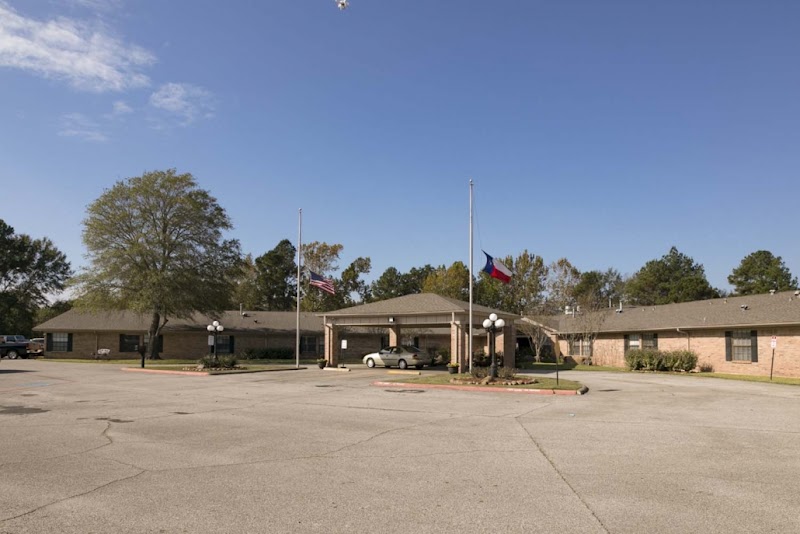
How is Southland Rehabilitation And Healthcare Center Staffed?

CMS rates SOUTHLAND REHABILITATION AND HEALTHCARE CENTER's staffing level at 1 out of 5 stars, which is much below average compared to other nursing homes. Staff turnover is 62%, which is 16 percentage points above the Texas average of 46%. High turnover can affect care consistency as new staff learn residents' individual needs. RN turnover specifically is 57%, which is notably high. RNs provide skilled clinical oversight, so turnover in this role can affect medical care quality.

What Have Inspectors Found at Southland Rehabilitation And Healthcare Center?

State health inspectors documented 15 deficiencies at SOUTHLAND REHABILITATION AND HEALTHCARE CENTER during 2022 to 2024. These included: 3 Immediate Jeopardy (the most serious level, indicating potential for serious harm or death), 11 with potential for harm, and 1 minor or isolated issues. Immediate Jeopardy findings are rare and represent the most serious regulatory concerns. They require immediate corrective action.
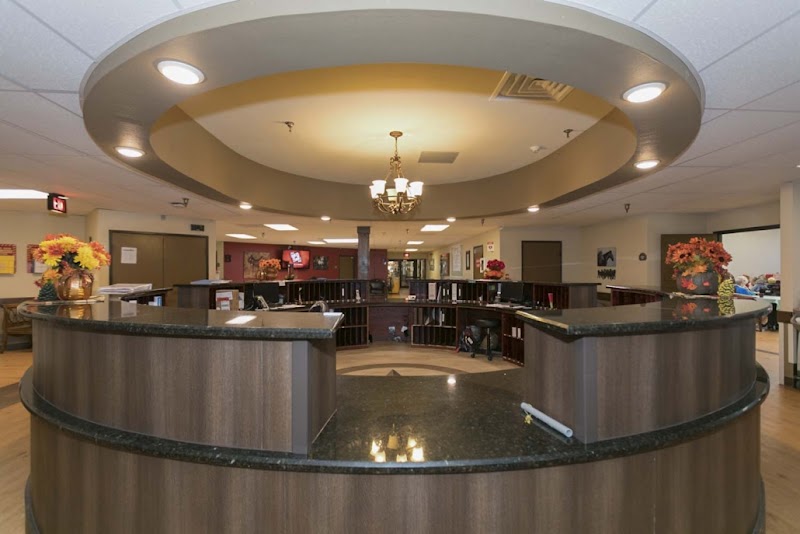
Who Owns and Operates Southland Rehabilitation And Healthcare Center?

SOUTHLAND REHABILITATION AND HEALTHCARE CENTER is owned by a for-profit company. For-profit facilities operate as businesses with obligations to shareholders or private owners. The facility is operated by THE ENSIGN GROUP, a chain that manages multiple nursing homes. With 150 certified beds and approximately 71 residents (about 47% occupancy), it is a mid-sized facility located in LUFKIN, Texas.
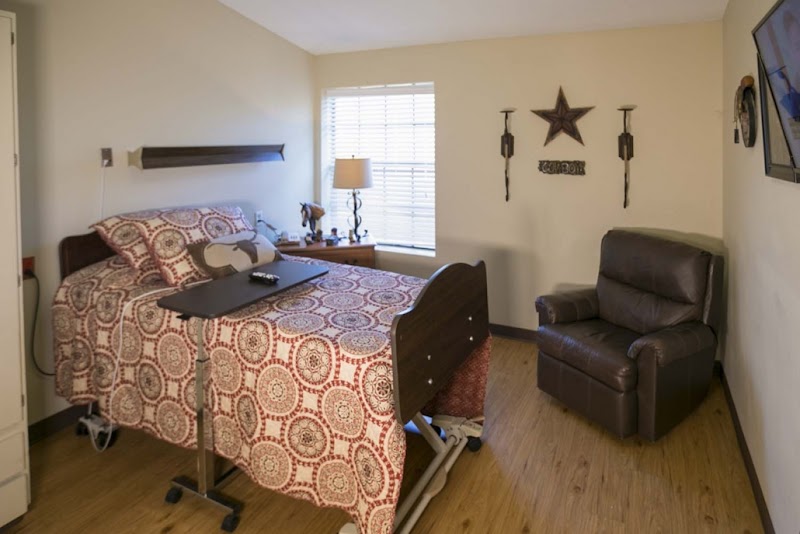
How Does Southland Rehabilitation And Healthcare Center Compare to Other Texas Nursing Homes?

Compared to the 100 nursing homes in Texas, SOUTHLAND REHABILITATION AND HEALTHCARE CENTER's overall rating (2 stars) is below the state average of 2.8, staff turnover (62%) is significantly higher than the state average of 46%, and health inspection rating (1 stars) is much below the national benchmark.

What Should Families Ask When Visiting Southland Rehabilitation And Healthcare Center?

Based on this facility's data, families visiting should ask: "What changes have been made since the serious inspection findings, and how are you preventing similar issues?" "How do you ensure continuity of care given staff turnover, and what is your staff retention strategy?" "Can you walk me through typical staffing levels on day, evening, and night shifts?" "Can I visit during a mealtime to observe dining assistance and food quality?" These questions are particularly relevant given the facility's Immediate Jeopardy citations, the facility's high staff turnover rate, and the below-average staffing rating.

Is Southland Rehabilitation And Healthcare Center Safe?

Based on CMS inspection data, SOUTHLAND REHABILITATION AND HEALTHCARE CENTER has documented safety concerns. Inspectors have issued 3 Immediate Jeopardy citations (the most serious violation level indicating risk of serious injury or death). The facility has a 2-star overall rating and ranks #100 of 100 nursing homes in Texas. Families considering this facility should ask detailed questions about what corrective actions have been taken since these incidents.

Do Nurses at Southland Rehabilitation And Healthcare Center Stick Around?

Staff turnover at SOUTHLAND REHABILITATION AND HEALTHCARE CENTER is high. At 62%, the facility is 16 percentage points above the Texas average of 46%. Registered Nurse turnover is particularly concerning at 57%. RNs handle complex medical decisions and coordinate care — frequent RN changes can directly impact care quality. High turnover means new staff may not know residents' individual needs, medications, or preferences. It can also be disorienting for residents, especially those with dementia who rely on familiar faces. Families should ask: What is causing the turnover? What retention programs are in place? How do you ensure care continuity during staff transitions?

Was Southland Rehabilitation And Healthcare Center Ever Fined?

SOUTHLAND REHABILITATION AND HEALTHCARE CENTER has been fined $188,884 across 2 penalty actions. This is 5.4x the Texas average of $34,968. Fines at this level are uncommon and typically indicate a pattern of serious deficiencies, repeated violations, or failure to correct problems promptly. CMS reserves penalties of this magnitude for facilities that pose significant, documented risk to resident health or safety. Families should request specific documentation of what issues led to these fines and what systemic changes have been implemented.

Is Southland Rehabilitation And Healthcare Center on Any Federal Watch List?

SOUTHLAND REHABILITATION AND HEALTHCARE CENTER is not on any federal watch list. The most significant is the Special Focus Facility (SFF) program, which identifies the bottom 1% of nursing homes nationally based on persistent, serious quality problems. Not being on this list means the facility has avoided the pattern of deficiencies that triggers enhanced federal oversight. This is a positive indicator, though families should still review the facility's inspection history directly.