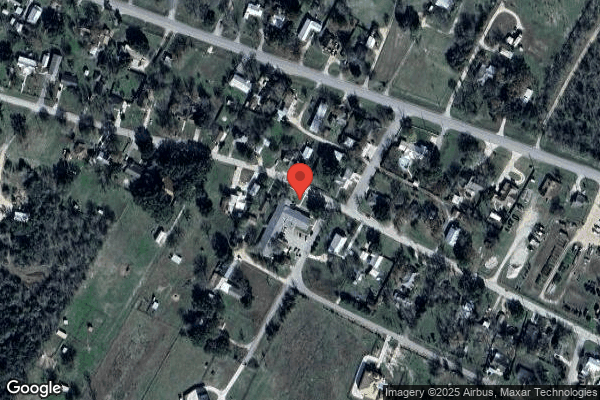
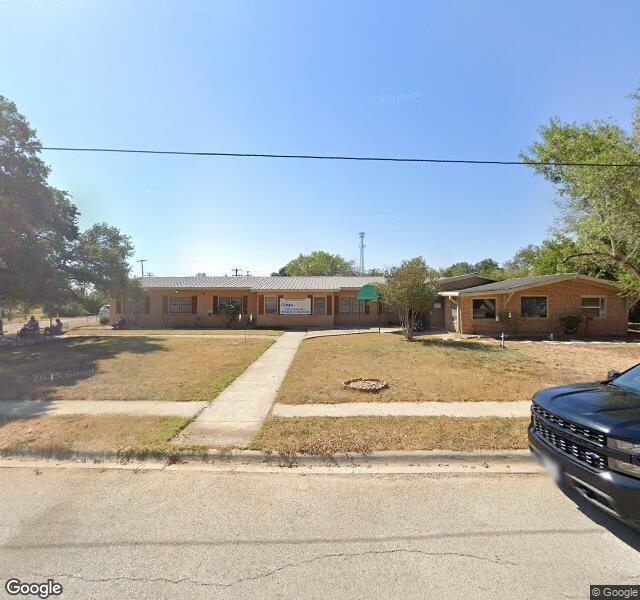
Avir at Luling

501 W Austin St, Luling, TX 78648 (830) 875-5628
For profit - Corporation 56 Beds AVIR HEALTH GROUP Data: November 2025 2 Immediate Jeopardy citations
Trust Grade
0/100
#638 of 1168 in TX
Last Inspection: September 2025

Inspected within the last 6 months. Data reflects current conditions.

Overview

Avir at Luling has received a Trust Grade of F, indicating significant concerns about the quality of care provided. Ranking #638 out of 1168 nursing homes in Texas places it in the bottom half of facilities, and #3 out of 5 in Caldwell County suggests that there are better options nearby. Although the facility's trend is improving, with issues decreasing from 15 in 2024 to 6 in 2025, it still faced serious problems, including incidents where residents were not adequately supervised, leading to critical situations like a resident being found a mile away on railroad tracks after going missing. Staffing is a major concern, with a high turnover rate of 92% and only 1 star for both staffing and health inspections, indicating that many staff members leave quickly, which can affect care continuity. The facility also has concerning fines of $44,239, higher than most other Texas facilities, which reflects ongoing compliance issues and a lack of sufficient RN coverage when compared to the state average.

Trust Score
F
0/100
In Texas
#638/1168
Bottom 46%
Safety Record
High Risk
Review needed
Inspections
Getting Better
15 → 6 violations
Staff Stability
⚠ Watch
92% turnover. Very high, 44 points above average. Constant new faces learning your loved one's needs.
Penalties
⚠ Watch
$44,239 in fines. Higher than 83% of Texas facilities, suggesting repeated compliance issues.
Skilled Nurses
⚠ Watch
Each resident gets only 6 minutes of Registered Nurse (RN) attention daily — below average for Texas. Fewer RN minutes means fewer trained eyes watching for problems.
Violations
⚠ Watch
27 deficiencies on record. Higher than average. Multiple issues found across inspections.
★★☆☆☆
2.0
Overall Rating
★☆☆☆☆
1.0
Staff Levels
★★★★★
5.0
Care Quality
★☆☆☆☆
1.0
Inspection Score
Stable
2024: 15 issues
2025: 6 issues

The Good

  • 5-Star Quality Measures · Strong clinical quality outcomes
  • Full Sprinkler Coverage · Fire safety systems throughout facility
  • No fines on record

Facility shows strength in quality measures, fire safety.

The Bad

2-Star Overall Rating

Below Texas average (2.8)

Below average - review inspection findings carefully

Staff Turnover: 92%

46pts above Texas avg (46%)

Frequent staff changes - ask about care continuity

Federal Fines: $44,239

Above median ($33,413)

Moderate penalties - review what triggered them

Chain: AVIR HEALTH GROUP

Part of a multi-facility chain

Ask about local staffing decisions and management

Staff turnover is very high (92%)

44 points above Texas average of 48%

The Ugly 27 deficiencies on record

2 life-threatening 1 actual harm
Jul 2025 1 deficiency 1 Harm
SERIOUS (G) 📢 Someone Reported This

A family member, employee, or ombudsman was alarmed enough to file a formal complaint

Actual Harm - a resident was hurt due to facility failures

Free from Abuse/Neglect (Tag F0600)

A resident was harmed · This affected 1 resident

**NOTE- TERMS IN BRACKETS HAVE BEEN EDITED TO PROTECT CONFIDENTIALITY** Based on interview and record review, the facility failed to ensure all residents were free from physical abuse for one (Residen...

Read full inspector narrative →
**NOTE- TERMS IN BRACKETS HAVE BEEN EDITED TO PROTECT CONFIDENTIALITY** Based on interview and record review, the facility failed to ensure all residents were free from physical abuse for one (Resident #1) of four resident reviewed for abuse. 1. 1. The facility failed to ensure Resident #1 was not physically abused by Resident #2 on 07/12/2025.2. 2. The facility failed to implement interventions to ensure Resident #1 was not physically abused by Resident #2 on 07/13/2025. This failure could place residents at risk of ongoing abuse, injury and psychosocial harmBased on interview and record review, the facility failed to ensure all residents were free from physical abuse for one (Resident #1) of four resident reviewed for abuse. 1. 1. The facility failed to ensure Resident #1 was not physically abused by Resident #2 on 07/12/2025. 2. 2. The facility failed to implement interventions to ensure Resident #1 was not physically abused by Resident #2 on 07/13/2025. This failure could place residents at risk of ongoing abuse, injury and psychosocial harm. Findings include: Review of Resident #1's face sheet dated 07/21/2025 reflected a [AGE] year-old man admitted on [DATE] with diagnoses of cerebral infarction (condition where part of the brain doesn't receive enough blood flow), dysphagia (difficulty swallowing), anxiety disorder (group of mental health conditions characterized by excessive fear and worry), major depressive disorder (serious mental illness characterized by persistent sadness or loss of interest in activities), and difficulty in walking and unsteadiness on feet. Review of Resident #1's annual MDS dated [DATE] reflected a BIMS score of 14 which indicated no cognitive impairment. Review reflected Resident #1 exhibited no physical or behavioral symptoms directed towards others. Review of Resident #1's care plan dated 06/20/2025 reflected he had impaired social interaction with intervention to encourage resident to participate in social situations and monitor interactions with others. Review of a progress note for Resident #1 by ADON dated 07/12/2025 reflected raised voices were heard from dining area and AD was presented and informed ADON that Resident #2 hit Resident #1. Resident #2 was observed yelling and cussing at the AD. ADON escorted Resident #1 away from the area and Resident #1 reported to ADON that he asked about the television and Resident #2 started to cuss and swing his hand at Resident #1 and hit his arm and leg. ADON performed a skin assessment, and no redness was observed. Review of an incident report dated 07/12/2025 by ADON reflected raised voices were heard from the dining area. AD present and informed ADON that Resident #2 hit Resident #1. Resident #2 was observed yelling and cussing at AD and Resident #1. Resident #1 had a skin assessment completed and no redness was observed. Resident #1 indicated he asked about the television and Resident #2 started to cuss at Resident #1 and Resident #2 swung his hand at Resident #1 and hit him on the arm and leg. Review of a progress note for Resident #1 dated 07/13/2025 by LVN A reflected Resident #1 notified LVN A there was an incident and both residents were separated. LVN A assessed Resident #1 and redness and tenderness was noted to Resident #1's left upper arm with complaints of pain to sight. Review of an incident report dated 07/13/2025 by LVN A reflected Resident #1 notified LVN A that he was hit by Resident #2. Resident #1 reported he got up from his table without his walker and touched Resident #2's wheelchair handle and Resident #2 stated keep your hands off my fucking chair, next time imma kill you then Resident #2 punched Resident #1 with a closed fist and hit Resident #1 with an opened hand to Resident #1's left upper arm. Resident #1 stated that arm had already bothered him and Resident #2 made it worse. LVN A performed a skin assessment and noted redness and handprint to left upper arm of Resident #1 and the area was tender to touch. Resident was provided with PRN pain medication. Review of a psychiatric progress note for Resident #1 for telecommunication visit dated 07/13/2025 reflected Resident #1 discussed two incidents that involved being hit by Resident #2 and since the incident Resident #1 reported feeling unsafe, anxious and hypervigilant around Resident #2. Resident #1 also reported difficulty sleeping and feeling shaky. Resident #1 expressed sadness and emotional distress about his lack of safety in the environment. Review of Resident #1's progress notes reflected no follow up by facility staff (social worker, DON, ADM) were documented after incidents with Resident #2. During an interview on 07/21/2025 at 10:17 AM, Resident #1 stated that he had two incidents with Resident #2. Resident #1 stated that he was in the dining room and tried to get by Resident #2's chair and put his hands on the handle of Resident #2's chair and that Resident #2 stated get your fucking hands of my chair and then Resident #2 hit him on the shoulder and arm. Resident #1 stated the previous day Resident #2 hit Resident #1 on the leg. Resident #1 stated AD was present the first day that Resident #2 hit Resident #1 on the leg. Resident #1 stated he felt Resident #2 knew Resident #1 had a bum shoulder. During a subsequent interview on 07/21/2025 at 10:59 AM, Resident #1 stated that he felt safe when Resident #2 was not around. Resident #1 stated he now preferred to eat his meals in his room because Resident #2 ate in the dining room. Resident #1 stated he felt Resident #2 could easily beat him up. Resident #1 stated that on Saturday (07/12/2025) Resident #2 watched television previews and was not watching any shows and Resident #1 asked Resident #2 what he wanted to watch and Resident #2 stated to Resident #1 fuck you I'm watching this and hit him on the leg. During an interview on 07/21/2025 at 2:51 PM, Resident #1 stated that he was scared of Resident #2 and that he wanted Resident #2 to quit being a bully. Resident #1 stated if he saw Resident #2 in the dining room he would leave and go back to his (Resident #1's) room. Resident #1 stated he would leave the area if he saw Resident #2 show up. Resident #1 stated he was afraid Resident #2 was going to hit him again. Review of Resident #2's face sheet dated 07/21/2025 reflected a [AGE] year-old man admitted on [DATE] with diagnoses of unspecified diastolic (congestive) heart failure (condition where the heart cannot function properly), chronic respiratory failure (condition when the lungs cannot adequately exchange oxygen and carbon dioxide over a long period), acute kidney failure (sudden rapid decrease in kidney function), schizophrenia (chronic mental disorder that disrupts a person's ability to thinking clearly and manage emotions) and major depressive disorder (a serious mental illness characterized by persistent sadness, loss of interest in activities that interfere with daily life). Review of Resident #2's significant change MDS dated [DATE] reflected a BIMS score of 8 which indicated a moderate cognitive impairment. Further review reflected Resident #2 did not exhibit any physical or verbal behavioral symptoms directed at others in the 7 days prior to the assessment. Review of Resident #2's care plan dated 07/17/2025 reflected Resident had episodes of verbal aggression and hitting with interventions to anticipate behaviors and redirect when in close proximity to others that might invoke aggression, ensure staff is aware of behaviors and increase in behaviors noted. Further review of care plan dated 05/29/2025 reflected Resident #2 had a risk for harm directed at self or others. Goals included no harm to self or others and residents would be free of physically aggressive behaviors and verbally aggressive behavior. Interventions included to minimize environmental stimuli and monitor for signs or symptoms of agitation, and utilize diversion techniques. Review of Resident #2's psychiatric progress note dated 07/09/2025 reflected reason for follow up was for insomnia and behavior issues. Further review reflected Resident #2 had difficulty falling asleep and mood disturbance. Review reflected staff reported mood issue that include aggression and anger outbursts. Review of a progress note by ADON for Resident #2 dated 07/12/2025 reflected that she heard raised voices in the dining are and AD stated that Resident #2 hit Resident #1. ADON observed Resident #2 yell and cuss at AD and Resident #1. Resident #2 stated that mother fucker changed the channel and I hit him. I will beat his ass if he does it again or looks at me. Resident #2 was escorted from the dining area and a visual was kept on him. Review of the incident report dated 07/12/2025 by ADON, reflected ADON heard Resident #2 yell and curse at AD and Resident #1 and Resident #2 stated I will beat his ass if he does it again or looks at me. ADON escorted Resident #2 out of dining area to calm down and kept visual on him and notified ADM, DON, MD and psychiatric provider. Review of a progress note for Resident #1 by LVN A dated 07/13/2025 reflected Resident #1 notified LVN A that Resident #2 hit Resident #1 because he touched Resident #2's wheelchair. Resident #2 denied hitting Resident #1 for touching his wheelchair. Police were notified and while Resident #2 waited to speak to the police he stated I don't care if the policy are here, I'll still beat your ass. Resident was placed on 1:1. Review of the incident reported dated 07/13/2025 by LVN A reflected Resident #1 informed her that Resident #2 hit him. Residents were separated and Resident #2 removed from dining area. Resident #2 refused vitals and admitting to hitting Resident #1 due to Resident #1 touching his wheelchair. LVN A notified ADM, MD and psychiatric provider. Review of a progress note dated for Resident #2 07/14/2025 reflected Resident #2 remained on 1:1. No information regarding Resident #2's behaviors or lack of were documented. Further review of progress notes for Resident #2 reflected no ongoing information regarding Resident #2's 1:1 supervision and whether Resident #2 had any behaviors or no behaviors while on 1:1 supervision. Review of a psychiatric progress note for Resident #2 for telecommunication visit dated 07/15/2025 reflected Resident #2 was referred due to recent behavior that involved physical aggression. Review reflected the incident was triggered by another resident changing the television and this occurred after another confrontation in which the residents argued about tea. Staff reported increasing irritability, poor frustration tolerance and escalating verbal hostility in the days leading up to these events. Review of a psychiatric progress note for Resident #2 dated 07/16/2025 reflected Resident #2 was seen due to behavior disturbance and was placed on one-on-one due to escalation with another resident. Resident #2 reported severe anger outburst with no triggers. Resident denied any want to harm himself or harm to others at the time of the visit. Staff reported Resident #2 had mood issue with aggression and anger outburst. Note reflected Resident #2 was not in acute danger to self or others however condition may change related to worsening medical condition and psychosocial stressors. Note indicated Resident #2 should be monitored closely for any acute/sudden change in mood behavior, and interaction. Review of Resident #2 physician orders reflected behavior monitoring order with a start date of 07/21/2025 to document in progress note every shift any interventions related to antipsychotic behavior that included danger to self or danger to others and striking out/hitting. During an interview on 07/21/2025 at 10:31 AM, Resident #2 stated that he got along with other residents so-so. Resident #2 stated he got into it with Resident #1. Resident #2 stated he sat in the dining room watching television and Resident #1 changed the channel and that made him mad so he hit Resident #1. Resident #2 said he intentionally hit Resident #1 . Resident #2 stated this was the only time he hit Resident #1 and denied hitting him any other times. During an interview on 07/21/2025 at 12:58 PM, the AD stated that on Saturday (07/12/2025) she was on her way out and heard Resident #2 curse at Resident #1 and she asked Resident #2 to stop cussing. The AD stated Resident #2 continued to curse and made a fist at her. The AD stated that Resident #2 then hit Resident #1 with an open hand on the leg and arm. The AD stated this happened around noon. The AD stated that Resident #2 cursed at her and ADON then came out and removed Resident #2. The AD stated that she stayed with Resident #1. The AD stated that when residents got into an altercation first thing was to remove the residents from the situation and try to help the residents calm down. The AD stated that she has never observed Resident #2 become physically aggressive and this was a new behavior for him. The AD stated that she received an in-service and information was reviewed to intervene if something happened and how to de escalate the issue and to report immediately to the ADM. The AD stated that an example of physical abuse was hitting or touching a resident. The AD stated she left after she checked on Resident #1. During an interview on 07/21/2025 at 1:08 PM, the ADON stated that on 07/12/2025 around 11:15 AM she heard a raised voice say I'm going to kick your ass and saw the AD with Resident #1 and Resident #2 in the dining room by the television. The ADON stated she approached the area and saw Resident #2 swing at Resident #1. The ADON removed Resident #1 from Resident #2 and assessed Resident #1 for injuries. The ADON stated after she removed Resident #1, Resident #2 still cursed in the dining area. The ADON stated that Resident #2 went outside and was cursing while he left the building and cursed at staff. The ADON stated it took about 10 minutes for Resident #2 to calm down. The ADON stated she called the DON, MD and psychiatric NP. The ADON stated that Resident #2 told her Resident #1 changed the channel and he just did not like Resident #1 . The ADON stated she reported the incident to the ADM and was instructed to keep Resident #1 and Resident #2 separate. The ADON stated that Resident #1 was closely monitored and that Resident #1 and Resident #2 were separated as interventions to the incident. The ADON stated all staff were informed to keep the residents separated. The ADON stated that she did not think she put the incident on the 24-hour report and verbally passed it on to oncoming staff. The ADON stated she did not work on 07/13/2025 and she received a call from LVN A on 07/13/2025 at 11:17 AM that Resident #2 hit Resident #1. The ADON stated she called DON and was instructed to place Resident #2 on 1:1 supervision. The ADON stated she notified LVN A to place Resident #1 on 1:1 supervision. ADON stated she notified the MD, and psych services. ADON stated that she believed Resident #1 was on 1:1 supervision until 07/17/2025 or 07/18/2025. The ADON stated an example of physical abuse was causing harm or hitting someone. The ADON stated that additional staff were brought in to help with 1:1 and that the 1:1 was not documented because staff switched who was assigned throughout the shift. During an interview on 07/21/2025 at 1:40 PM, LVN A stated that Resident #1 reported to her that he was on his way to the kitchen door and touched Resident #2's wheelchair to keep his balance and when Resident #1 touched Resident #2's wheelchair he threatened and cussed at him not to touch his wheelchair and Resident #2 hit Resident #1. LVN A stated that during her assessment of Resident #1, she observed a red mark in the shape of a hand print on his arm. LVN A stated she administered PRN pain medication to Resident #1. LVN A stated that neither resident wanted to leave the dining room so she gathered CNAs and they stood in the dining room. LVN A stated that she called the ADON and ADM and the police. LVNA A stated she received instruction to keep the residents separated. LVN A stated Resident #2 sat in front of the nurses station and watched Resident #1 speak with police and as Resident #1 walked back to his room Resident #2 told Resident #1 I don't care if police offices are here I'll kill you. LVN A stated this occurred right before noon. LVN A stated that Resident #2 was placed on 1:1 supervision. LVN A stated that 15 minutes checks were implemented for Resident #2 as well and the CNA who sat with him filled out a form and LVN A assumed it was turned into the DON. LVN A stated she believed she wrote 1:1 supervision for Resident #2 on the 24 hour report and gave report to the oncoming nurse. LVN A stated that when she arrived for her shift on 07/13/2025 she was not aware than an incident occurred with Resident #1 and Resident #2 previously and stated that there were no supervision guidelines for either resident that she was made aware of. LVN A stated an example of physical abuse was putting hands on another resident. During an interview on 07/21/2025 at 2:15 PM, the DON stated that she was notified of the first incident between Resident #1 and Resident #2 that Resident #2 hit resident #1 regarding a television show and that residents were in the dining room. The DON stated that the nurse reached out to her and notified her of the incident. The DON stated she believed interventions for the first incident was that Resident #2 was put on 1:1 supervision but was not sure if that happened during the first or second incident. The DON stated that for the second incident with Resident #1 and Resident #2 she was informed that Resident #1 tried to get to his (Resident #1)'s place in the dining room and he used furniture instead of his walker and touched Resident #2's wheelchair. The DON stated that Resident #2 hit Resident #1 because Resident #1 had touched Resident #2's wheelchair. The DON stated she was not aware of any injuries from the incident. The DON stated she followed up regarding how the residents were doing and spoke with Resident #1 and Resident #2 face to face. The DON stated she saw the note indicated red mark on Resident #1's arm but had no seen any ongoing bruising. The DON stated Resident #2 was put on 1:1 supervision and that 1:1 supervision meant that Resident #2 could be seen at all times. The DON stated that the staff rotated hours for 1:1 and that the ADON set the 1:1 up. The DON stated if Resident #2 did have behaviors it would be documented in the progress notes. The DON stated that she was not sure how documentation looked for 1:1 supervision for Resident #2 but knew staff would switch every hour and would defer to ADON as to when Resident #2 came off 1:1 supervision. The DON stated residents were protected from further abuse or neglect by evaluations, completing BIMS assessments on admission and every quarter and behaviors (if any) being discussed with the psychiatric provider and MD. The DON stated the social worker would also talk to residents to ensure there were no psychological needs. The DON stated that psychiatric NP talked with Resident #1 and Resident #2 and that the social worker talked with Resident #1 and it should be documented under progress notes. The DON stated she spoke to Resident #1 and Resident #2 several days, multiple times a day and stated Resident #1 had not talked about the incidents for a few days. The DON stated that the incident on 07/12/2025 was discussed in shift report and ADON was in contact with the nurses. The DON stated she expected information about the incidents to be on the shift report. The DON stated nurse that worked on 07/13/2025 should have been aware that an incident occurred with Resident #1 and Resident #2 on 07/12/2025. Requested any documentation related 1:1 supervision at this time. During an interview on 07/21/2025 at 2:30 PM, the ADM stated he was notified on 07/12/2025 at 11:30 AM by the nurse that Resident #1 and Resident #2 were in the dining room and had an argument, The ADM stated that it was reported that Resident #1 changed the channel as Resident #2 watched previews and Resident #2 hit him with an open hand. The ADM stated no medical intervention was needed and there was no redness and no pain. The ADM stated he spoke with AD and the ADON took statements from Resident #1 and Resident #2 and an in-service was started on abuse and neglect and resident to resident altercation. The ADM stated interventions were to encourage Resident #1 and Resident #2 to stay away from each other since they already resided on separate halls. The ADM stated oncoming staff were informed of incident because it was noted on the 24 hour report and huddles during shift changes and constant flow of calls and the ADON follow up with staff. The ADM stated it was the charge nurses responsibility to notate incidents on the 24-hour report because they were responsible for informing the CNAs. The ADM stated that on 07/13/2025 he was notified by a nurse and the ADON than an incident occurred. He stated it was reported that Resident #1 stumbled and grabbed a wheelchair to brace himself and Resident #2 hit Resident #1 on the left arm. The ADM stated it was reported by ADON there were no witnesses. Resident #1 reported to the ADM that he was hit on 07/13/2025 but Resident #2 reported he hit Resident #1 on 07/12/2025 and not on 07/13/2025 . The ADM stated there was no injury on 07/13/2025 to Resident #1. The ADM stated it was decided to place Resident #2 on 1:1 supervision because at the time the ADM was under the impression Resident #1 was hit by Resident #2. The ADM stated he was aware of redness to Resident #1 on 07/13/2025 but did not hear about a handprint. The ADM stated he reviewed incident reports and probably skimmed over the incident report for the 07/13/2025 incident. The ADM stated incidents were discussed during morning meetings. The ADM stated for the situations that occurred he sought counsel with regional nurse consultant, regional vice present and see what interventions needed to be put into place and it was discussed to put Resident #2 on 1:1 supervision until he could speak with the psychiatric nurse practitioner. The ADM stated that 1:1 supervision was when the staff stayed close to the resident and close enough to intervene to de-escalate a situation. He ADM stated he expected staff to document every shift regarding 1:1 and if there were any concerns. The ADM stated that ADON reported extra staff were brought in for 1:1 supervision and rotated every hour. The ADM stated he spoke with the psychiatric NP after in-person visits and she was comfortable to take Resident #2 off 1:1 supervision. The ADM was unsure of the date Resident #2 was removed from 1:1 supervision. During an interview on 07/21/2025 at 2:35 PM, the regional nurse consultant stated that documentation was expected to be that 1:1 occurred each shift in a progress note. Review of the staffing schedule for 07/13/2025, 07/14/2025, 07/15/2025, 07/16/2025 and 07/17/2025 did not reflect who was assigned or who was responsible for 1:1 supervision of Resident #2. Review of the staffing schedule for 07/15/2025 reflected a note written that Resident #2 remained on 1:1 and aides needed to rotate every hour. The note did not reflected who it was written by. Review of the 24 hour report dated 07/12/2025 and 07/13/2025 reflected to call police if Resident #2 hit another resident and case number was listed. Review reflected Resident #1 was very upset and to keep him away from Resident #2 and must have 1:1. CNA had log and must turn into ADM in AM. No presence or lack of additional behaviors noted. The note did not reflected who it was written by. Review of the 24-hour reported dated 07/14/2025 reflected under 10:00 pm to 6:00 am note Resident #2 was 1:1 with staff for incident with Resident #1. Presence or lack of behaviors not notated. Further review under 2:00 pm to 10:00 pm nursing remarks reflected Resident #2 was 1:1 with no distress noted. The note did not reflected who it was written by. Review of the 24-hour report dated 07/15/2025 reflected under 10:00 pm to 6:00 am nursing remarks Resident #2 had altercation with another resident, and Resident #2 was 1:1 and resting. The note did not reflected who it was written by. Review of the 24-hour report dated 07/16/2025 reflected under 10:00 pm to 6:00 am nursing remarks Resident #2 was on 1:1 due to altercation with another resident. No information regarding presence or lack of behaviors noted. The note did not reflected who it was written by. Review of the PIR dated 07/17/2025 reflected Resident #1 and Resident #2 were in the dining room and Resident #2 hit Resident #1 on the upper arm and upper thigh. Review of steps taken to immediately ensure residents were protected reflected residents were separated and that residents calmed down within a few minutes and psychiatric consults were scheduled. Review of the PIR dated 07/18/2025 reflected Resident #1 grabbed Resident #2's wheelchair to brace himself in the dining room and Resident #2 became upset and hit Resident #1 with slight redness noted to Resident #1's arm. Review of steps taken to immediately ensure residents were protected were noted as residents being separated, psychiatric consults scheduled and Resident #2 was placed on 1:1 supervision pending in-person psychiatric consult. PIR included discharge note dated 07/14/2025 was provided to Resident #2 with date of discharge at 08/13/2025. Review of the facility in-service dated 07/07/2025 reflected topic of ANE power point was reviewed with all staff. Review of power point included definition of abuse as the willful infliction of injury that results in physical harm, pain or mental anguish. Further review reflected facility responsibility included to documentation all relevant facts and actions. Review of the facility in-service dated 07/12/2025 reflected in-service was conducted with staff over facility policies related to resident-to-resident altercations and abuse, neglect and exploitation. Review of the facility in-service dated 07/13/2025 reflected in-service was conducted with staff over facility policies related to resident-to-resident altercations and abuse, neglect and exploitation. Review of the facility policy titled Abuse, Neglect, Exploitation and Misappropriation Prevention Program with revision date of 04/2021 reflected there was a facility -wide commitment to support the protection of residents from abuse, neglect and exploitation and included abuse from other residents. Further review reflected the facility should implement measures to address factors that may lead to abuse situations.Review of the facility policy titled Resident-to-Resident Altercations with revision date of September 2022 reflected staff monitored resident for aggressive / inappropriate behaviors towards other residents or staff. If residents are involved in an altercation staff should separate the residents and institute measures to calm the situation, review the events with the nursing supervisor and DON and evaluate the effectiveness of interventions meant to address distressed behavior for one or both residents. Review reflected staff were to document in the resident's clinical record all interventions and their effectiveness.
May 2025 4 deficiencies 1 IJ (1 affecting multiple)
CRITICAL (K) 📢 Someone Reported This

A family member, employee, or ombudsman was alarmed enough to file a formal complaint

Immediate Jeopardy (IJ) - the most serious Medicare violation

Accident Prevention (Tag F0689)

Someone could have died · This affected multiple residents

**NOTE- TERMS IN BRACKETS HAVE BEEN EDITED TO PROTECT CONFIDENTIALITY** Based on observation, interviews and record review, the facility failed to ensure each resident received adequate supervision an...

Read full inspector narrative →
**NOTE- TERMS IN BRACKETS HAVE BEEN EDITED TO PROTECT CONFIDENTIALITY** Based on observation, interviews and record review, the facility failed to ensure each resident received adequate supervision and assistive devices to prevent accidents for 3 (Resident #1, Resident #2, and Resident #3) of 5 residents reviewed for accidents and hazards. A) The facility failed to ensure Resident #1 did not leave the facility without supervision and/or staff knowledge as Resident #1 was returned to the facility by a community member on 04/03/2025. B) The facility failed to ensure staff were educated that Resident #2 was a high elopement risk and implement interventions. C) The facility failed to ensure Resident #3's bed was in a low position with a fall mat in place when he fell on [DATE] and sustained a left hip fracture. A & B) These failures resulted in an Immediate Jeopardy (IJ) situation on 04/16/2025. The IJ template was provided on 04/16/2025 at 4:43 PM. C) This failure resulted in an Immediate Jeopardy (IJ) situation on 05/05/2025. The IJ template was provided on 05/05/2025 at 1:17 PM. While the IJs were removed on (A&B) 04/18/2025, and (C) 05/06/2025 the facility remained out of compliance at a scope of pattern and severity level of not actual due to the need to evaluate corrective systems. These failures could place resident at risk of unsafe elopements, falls, injuries, hospitalization, and/or death. Findings include: A) Review of Resident #1 face sheet reflected at [AGE] year-old male admitted on [DATE] and discharged on 04/08/2025 with diagnoses of muscle wasting and atrophy (decrease in size and mass of skeletal muscle tissue leading to a loss of strength and function), difficulty in walking, unsteadiness on feet (difficulty with balance and coordination), other lack of coordination, and unspecified dementia (cognitive decline, impacting memory, thinking and problem-solving skills that are severe enough to impact daily functioning). Review of Resident #1's admission MDS dated [DATE] reflected a BIMS 10 which indicated a moderate cognitive impairment. Review reflected Resident #1 used a walker as a mobility device. Resident #1 required supervision or touching assistance (helper provides verbal cues, touching or steadying) when Resident #1 walked 10 feet - 150 feet. Review of Resident #1's baseline care plan dated 03/04/2025 reflected resident did not have a history of wandering or elopement. Review of Resident #1's admission elopement risk assessment dated [DATE] reflected Resident #1 had a score of five which indicated Resident #1 was at risk of elopement. Further review reflected care plan interventions to apply were routine monitoring of resident. Review of Resident #1's elopement risk assessment dated [DATE] reflected Resident #1 was a high risk for elopement. Review of Resident #1's comprehensive care plan dated 04/04/2025 reflected Resident #1 was a risk for injury related to identified elopement risk and/or exit seeking behavior. Review of map reflected that the gas station was 1.2 miles from the facility and near several businesses and resturants. The residential streets have a speed limit of 30 mph. The highway has a speed limit of 55 mph. During an interview on 04/16/2025 at 1:04 PM, CNA D stated that she worked the shift Resident #1 eloped. CNA D stated her shift was from 6:00 PM to 6:00 AM. CNA D stated Resident #1 went to smoke break at 6:30 PM. CNA D stated when a community member brought Resident #1 back to the facility that was when she found out Resident #1 had been gone. CNA D stated it was around 9:00 PM when Resident #1 was brought back. CNA D stated that Resident #1 was ambulatory, and he usually walked back and forth in the facility or sat in the living room or dining room, but she did not see him on that day (04/03/2025). During an interview on 04/16/2025 at 1:17 PM, CNA C stated he was working when Resident #1 had run off and someone found him at the corner store. CNA C stated he did not remember seeing Resident #1 on his shift. During an interview on 04/16/2025 at 1:26 PM, MA B stated she was already off her shift when Resident #1 returned. MA B stated that apparently the elopement happened right after she left. MA B stated she last saw Resident #1 around 7:30 PM as he was sitting outside with her. MA B stated she was charting and Resident #1 was sitting outside. MA B stated she then clocked out but she stated she did not remember if Resident #1 was sitting outside when she left and stated she was not paying attention. During an interview on 04/16/2025 at 1:37 PM, the DOR stated that Resident #1 was on physical therapy prior to his elopement. The DOR stated that Resident #1 was slow when he walked with a walker. The DOR stated Resident #1 had balance issues and that was the reason he was on service with physical therapy. The DOR stated Resident #1's last therapy progress note reflected he was slow and took a while to walk 150 feet in the facility. During an interview on 04/16/2025 at 2:00 PM, LVN A stated that her shift started at 2:00 PM on 04/03/2025 and dinner was 5:00 PM. LVN A stated that smoke break was at 6:30 PM and she last saw Resident #1 sitting in the living room at 6:30 PM in the living room watching television. LVN A stated that aides went on break around 7:30 PM. LVN A stated Resident #1 returned to the facility around 9:20 PM - 9:30 PM. LVN A stated that the community member stated they had worked in the facility earlier in the day as a contractor and recognized Resident #1 when he drove by the gas station. LVN A stated that resident had a slow walk with his walker, but felt he was stable when he walked. During an interview on 04/16/2025 at 3:02 PM, the ADON stated she did not know how long Resident #1 was gone because it was not reported to her. The ADON stated Resident #1 was returned to the facility by a community member. The ADON stated that CNAs completed rounds every two hours and nurses should complete rounds every hour or two and this included putting an eye on residents to just check on them. During an interview on 04/16/2025 at 3:10 PM, the ADM stated that Resident #1 was returned to the facility around 9:45 PM or 9:50 PM on 04/03/2025. The ADM stated a few staff members were outside at 7:30 PM and took a break and came in and that was the last time ADM was aware any staff saw Resident #1. The ADM stated aides should round on residents every two hours and nurses should have rounded on the off hour. The ADM stated he expected the nurse to be aware of where residents were as best as possible due to the population of the facility. B) Review of Resident #2 face sheet reflected a [AGE] year-old man admitted on [DATE] with diagnoses of cerebral infarction (type a stroke where brain tissue dies due to lack of blood and oxygen), muscle weakness, other lack of coordination, unsteadiness on feet (difficulty with balance and coordination), aphasia (loss of ability to understand or express speech), and hemiplegia (complete paralysis on one side of body) and hemiparesis (partial weakness on one side of body) following cerebral infarction (stroke) affecting right dominate side. Review of Resident #2 admission MDS dated [DATE] reflected BIMS score of 4 which reflected severe cognitive impairment. Review of Resident #2 elopement risk assessment dated [DATE] reflected Resident #2 was a high risk for elopement and had statements and/or threats to leave the facility. Review of Resident #2 care plan dated 04/04/2025 reflect no information about Resident #2's high risk for elopement and interventions were not included. Review of Resident #2 MD progress note dated 04/11/2025 reflected Resident #2 was restless with anxiety and walked and moved around constantly, risk of elopement on close observation. During an interview on 04/16/2025 at 1:04 PM, CNA D stated that there were not any residents who were considered a high elopement risk. During an interview on 04/16/2025 at 1:17 PM, CNA C stated there were not any residents who were a high elopement risk. During an interview on 04/16/2025 at 1:26 PM, MA B stated there were no other residents that were a high risk of elopement. During an interview on 04/16/2025 at 2:00 PM, LVN A stated there were no other residents who were deemed a high risk for elopement. During an interview on 04/16/2025 at 3:02 PM, ADON stated elopement assessments were completed with all residents and there were a couple who were high risk. During an interview on 04/16/2025 at 3:10 PM, DON and Regional Nurse stated that Resident #2 was the only resident deemed a high risk for elopement. Review of provider investigation report dated 04/04/2025 included statement from LVN A which reflected on 04/03/2025 a community member brought Resident #1 to the nurses station. Resident #1 had his walker and had grass and mud on his pants and shoes. LVN A wrote that Resident #1 was by the gas station down the street from the facility. LVN A's statement reflected that the community member recognized him from the facility. LVN A's statement reflected Resident #1 had a head-to-toe assessment and no injuries were found. Review reflected elopement assessments were conducted with all residents and care plans were to be updated if residents were found a high risk for elopement. In-service dated 04/04/2025 conducted with all staff, reflected all residents wanting to go out on pass and leave the facility needed MD approval, RP approval and any legal entity approval. Residents also needed to sign out with the nurse in the sign-out book and provide who was taking the resident out, the resident's name, where they were going, time they left, when they would return, a phone number and information that failure to comply would result in the facility finding alternative placement. In-service dated 04/03/2025 reflected in-service was completed with staff on wandering and elopement. Review of facility policy with revision dated 2001 and titled Wandering and Elopements' reflected the facility will identify residents who are at risk of unsafe wandering and strive to prevent harm while maintaining the least restrictive environment for residents. Review reflected if resident was identified as risk for elopement care plan will include strategies to maintain safety. C) Review of Resident #3 reflected a [AGE] year-old man re-admitted on [DATE] with diagnoses of need for assistance with personal care (need for assistance with care such as bathing, dressing or eating), dysphagia (difficulty swallowing), unspecified fractures of shaft of right femur (break in main part of the right thigh bone), history of falling, unsteadiness on feet (difficulty with balance and coordination), other lack of coordination. Review of Resident #3 quarterly MDS dated [DATE] reflected BIMS of 10 which indicated moderate cognitive impairment. Review reflected Resident #3 was dependent for most ADLs (bathing, toileting, upper/lower body dressing and personal hygiene). Resident #3 was substantial/maximum assistance (helper does more than half the effort) for toilet, chair/bed-to chair transfers. Review of Resident #3 care plan dated 02/21/2024 reflected Resident #3 was a risk for falls due to history of falls. Review reflected increased staff supervision with intensity based on resident need. Care plan did not include to keep resident's bed in low position or to ensure fall mat was at bedside. Review of Resident #3 physician orders in Matrix with a start date of 02/21/2024 reflected mat on floor at beside every shift with no discontinue date. Review of Resident #3 physician orders in PCC with a start date of 04/10/2025 reflected fall mat on floor at bedside every shift for fall precautions. Further review reflected order with a start date of 04/17/2025 for low bed with fall mat while in bed for fall safety every shift. Review of incident report dated 04/02/2025 completed by LVN E, reflected CNA called LVN E to Resident #3's room. Resident #3 was noted on floor near door with wheelchair at side without complaints of pain. Further review reflected bed not in low position and fall mat not on floor. Review of admission summary dated [DATE] reflected Resident had diagnoses of intertrochanteric fracture left femur (left hip fracture). Review of Resident #3's discharge information dated 04/04/2025 reflected resident had a hip fracture treated with ORIF (where pieces of fractured bones are surgically aligned and held in place with implants like screws, plates or rods). Observation 04/17/2025 at 10:26 AM, revealed CNA G lowered Resident #3's bed to the lowest position via manual crank at the foot of the bed, under the footboard. Observation revealed control Resident #3 had access to adjust the head and foot of the bed and Resident #3 would have been unable to raise the height of the bed on his own. During an interview on 04/17/2025 at 10:12 AM, LVN E stated that she was on shift the morning of Resident #3's fall. She stated she received a call from a CNA that Resident #3 had fallen. She stated she believed the CNA was CNA F that called her. LVN E stated that Resident #3 was on his left hip and tried to move himself. LVN E stated CNA F called her between 6:00 AM and 6:15 AM and she had not yet done her morning rounds as she was counting medications. LVN E stated interventions to prevent falls for Resident #3 were to have his bed in low position and a fall mat at bedside. LVN E stated that Resident #3's bed was not in low position, and he did not have fall mat. LVN E described the height of the bed as where an aide would have raised it to change a resident. LVN E stated that Resident #3 had no complaints of pain, but due to the height of the bed, his age and prior fall she suggested sending him out to the ER and MD agreed. During an interview on 04/17/2025 at 10:19 AM, CNA F stated she had just started her shift at 6:00 AM and heard Resident #3 yelled out. CNA F stated she saw Resident #3 on the floor and she called for the nurse. CNA F stated Resident #3 would raise his bed up and down on his own. CNA F stated she did not see a floor mat in his room that day. CNA F stated she did not usually work with CNA F but went to assist because she heard him yell. During an interview on 04/17/2025 at 10:26 AM, CNA G stated she usually worked with Resident #3. She stated his fall interventions included to put a mat on the floor and to have his bed in the lowest position. CNA G stated Resident #3 raised his own bed and had a control to raise it. CNA G stated she did not think Resident #3 had a bed that lowered all the way to the ground. During an interview on 04/17/2025 at 11:45 AM, the DON stated Resident #3 was found on the floor at shift change. The DON stated that Resident #3 was sent to the ER for evaluation and stated he should have a low bed and fall as those were interventions prior to the fall on 04/02/2025. The DON stated it was discussed with the nurse that Resident #3 was a fall risk and to have his bed in a low position and fall mat in place because of his history of falls. The DON stated it was discussed verbally with the nurses and CNAs. The DON stated that the facility is going through a change in HER systems. She stated that with the old system she would have looked at the incident report for Resident #3. The DON stated with the new system it looked like she and the ADM reviewed it. The DON stated that she wanted to discuss with MD if Resident #3 had osteopenia because the level he fell from should not have resulted in a hip fracture. The DON stated it was reported to her that Resident #3's bed was in a low position, but she did not recall who reported that to her. The DON stated she did not review the incident report and stated I did not know how to. The DON stated she was not aware the incident report reflected that Resident #3's bed was not in a low position and that he did not have a fall mat in place at the time of his fall. A phone interview was attempted with the MD on 04/16/2025 at 4:13 PM and 04/17/2025 at 12:06 PM, but the phone call was not returned. During an interview on 05/05/2025 at 2:58 PM, CNA F stated that Resident #3 was near the door and stated that he screamed and that his wheelchair was tipped over on the floor. CNA F stated Resident #3 had fallen out of bed and it looked like he crawled to the door in his room. CNA F stated that Resident #3 was usually helped up by the 6:00 AM - 2:00 PM shift and he was not up when she got to the facility at 6:00 AM for her shift. During an interview on 05/05/2025 at 2:59 PM, LVN E stated that when CNA F called her to Resident #3's room he was near his doorway with his hands maybe a foot from his doorway. CNA F stated that the 6:00 am - 2:00 pm shift got Resident #3 up for the day. LVN E stated that it looked that Resident #3 had crawled from where his bed way. LVN E stated it was obvious based Resident #3 crawled and fell out of bed. LVN E stated Resident #3 head was toward the door of the room and he leaned on his right side. LVN E stated that Resident #3's was folded up and on it's side tipped over. Review of facility policy titled Falls and Fall Risk, Managing with revision date of March 2018 reflected, based on previous evaluations and current data, the staff with identify interventions related to the resident's specific risks and causes to try to prevent the resident from falling and to try to minimize the complications from falling. Review reflected environmental fall risk factors included incorrect bed height or width. The staff, with the input of the attending physician, will implement a resident-centered fall prevention plan to reduce the specific risk factor (s) of falls for each resident at risk or with a history of falls. Review of facility policy with revision date of July 2017 and titled Safety and Supervision of Residents reflected our facility strives to make the environment free from accident hazards as possible. Resident safety and supervisions and assistance to prevent accidents are facility-wide priorities. Review reflected interventions to reduce accident risks and hazards included ensuring interventions were implemented and documenting interventions. A&B) The ADM, ADON and regional nurse were notified on 04/16/2025 at 4:54 PM, that an IJ had been identified. An IJ template was provided, and a POR was requested. C)The ADM, and regional nurse were notified on 05/05/2025 at 1:17 PM, than an IJ had been identified. An IJ template was provided, and a POR was requested. A&B) The following POR was approved on 04/18/2025 at 9:59 AM and indicated: [Facility] IJ Plan of Removal F689 4/16/25 Resident #1 was discharged to a secured facility on 4/8/25. All entrances to the facility have been key- pad locked as of 4/4/25 and residents are not allowed out of the facility without an assigned staff member being with them. There is currently one (1) resident who is high risk for elopement and on 4/16/25 at 5:30 PM he was placed on 1:1 monitoring until secure placement is located for him. The facility has sent information to three (3) other facilities and placement has not yet been secured. On 4/4/25, all resident elopement assessments were completed, and one (1) resident was identified as high risk as identified below. On 4/16/25, the identified high risk residents care plan was formulated. Any resident care plans requiring updates was done at this time. On 4/16/25, the administrator in-serviced department heads and100% of facility staff were in-serviced on interventions for the identified high risk resident including 1:1 monitoring, updated care plan indicating 1:1, and Kardex update so that CNAs can be alerted. Also included in this in-service was notifying the administrator of any resident exhibiting high risk behavior or scoring high risk (score over 10) on an elopement assessment so that interventions can be identified and staff informed. Staff not available in person were contacted by phone and verbally in-serviced. Staff are informed that the administrator/designee will notify staff through the above measures and through an in-service if any other resident is deemed high risk for elopement. PRN, agency staff, and new hires will be educated on this process as they are assigned to work by the administrator, DON, or an administrative staff member. Initial comprehension of understanding was done by the administrator on 4/17/25, by questioning staff regarding training. The administrator/designee will interview staff two times (2) a week for one (1) month on their understanding and retention of education given to them on elopement and where to find information on residents at high risk for elopement. The Regional Nurse will monitor new admission elopement assessments for high risk residents, weekly, for one month and randomly thereafter to validate that interventions are in place and communication is in the EMR system. The administrator will document this on an audit form. On 4/16/25, the regional nurse in-serviced the administrator and the director of nursing on reviewing any new admission elopement assessments within twenty-four hours of admission to identify a resident scoring ten (10) or more. Included in this in-service is ensuring that any new staff are educated to the interventions of a resident deemed high-risk for elopement. Initial comprehension of education with the administrator and the DON was completed on 4/17/25, with questioning on understanding of the training by the regional nurse consultant. The regional nurse will document compliance using an audit form. On 4/16/25 at 6:00 PM a Ad.Hoc QAPI meeting was completed with the IDT and the medical director to discuss this plan of removal. C)The follow POR was approved on 05/06/2025 at 3:15 PM and indicated the following: IJ Plan of Removal F689 5/5/25 On 5/5/25, an abbreviated survey was re-opened at facility. On 5/5/25, the surveyor provided an immediate jeopardy (IJ) template notification that the regulatory services has determined that the condition at the facility constitutes an immediate threat to resident health and safety. The notification of Immediate Jeopardy states as follows: The facility failed to ensure Resident #1s bed was in the lowest position and had fall mat in place when he fell on 4/2/25 and fractured his left hip. Resident #1s fall care plan interventions and Point of Care Kardex were reviewed and updated to reflect the resident's current condition. On 5/5/25, the Regional Nurse Consultant/ADON, reviewed the facility fall assessment report to identify residents at risk of falls and to validate that current interventions are in place on the resident care plan and Point of Care Kardex. The RNC and the ADON reviewed all facility residents to validate that their fall interventions were care planned and that the Point of Care Kardex was updated to list the fall interventions. This audit was documented utilizing the PCC Fall Assessment score report. Twelve (12) additional residents were identified as at risk for falls. Each had a care plan developed with interventions added to their POC Kardex. On 5/5/25, the RNC/administrator educated 100% of facility staff regarding where to find the information for fall interventions. Staff not receiving the initial education will receive if before starting their next assigned shift. Nurses were instructed to review the care plan, and CNAs were instructed to review the Point of Care Kardex. 100% of the interdisciplinary team (IDT) were given a list of resident fall interventions by the RNC, to refer to while making rounds on their regularly assigned residents before the morning stand-up meeting and reporting any concerns during that meeting. The IDT manager on duty will make rounds on the weekend to identify and immediately resolve concerns with fall interventions. The administrator verified the initial Comprehension of staff training by questioning staff and documenting it on an audit form. The administrator and the RNC will document these tasks on a facility created audit form for record keeping purposes. The RNC will review falls weekly, for one (1) month to ensure that the care plan is updated with a new intervention and that those interventions, if applicable, are carried over to the Point of Care Kardex. Any concerns will be corrected immediately and re-education given to the management team. This will be documented on an audit flow sheet. Education understanding will be completed three (3) times a week for one (1) month by the administrator by questioning the facility staff about where they can find the fall intervention information. The RNC will complete education understanding with the management IDT by questioning them two (2) times a week for one (1) month regarding IDT rounds and identifying problems with fall interventions specifically. This will be documented on an audit flow sheet. On 5/5/25, an Ad.Hoc QAPI meeting was held with the medical director and the IDT to discuss this plan of removal. A&B) Monitoring for the POR occurred on 04/17/2025 and 04/18/2025 as followed: Observation on 04/17/2025 at 10:05 AM, revealed door was secured and required a code from staff to answer or exit. Observations conducted between 04/17/2025 and 04/18/2025 reflected ongoing 1:1 oversight with Resident #2 and staff. Review of Ad.Hoc QAPI sign-in sheet dated 04/16/2025 reflected meeting completed. Review of Resident #2's care plan reflected he was a high elopement risk and interventions included 1:1 oversight. Review of in-service dated 04/16/2025 by regional nurse completed with ADM, and DON reviewed within 24 hours of admission, elopement assessment must be reviewed by nursing administration for any resident deemed high risk for elopement and communication with staff. New employees with receive the training on high risk residents and where to find the information, interventions and communication. Review of in-service dated 04/16/2025 completed with all staff reflected Resident #2 was a high risk for elopement and was currently on 1:1. In-service included any resident who had the potential to elope must be reported to the ADM immediately for interventions to be implemented. Information regarding elopement could be found on Kardex on PCC and in the resident's care plan. Resident deems high risk will have a care plan formulated, added to Kardex in PCC and verbal communication with front line staff. Review of in-service dated 04/16/2025 completed with nurses reflected any resident who scored a 10 or high on elopement assessment or exhibits any elopement possibilities must be communicated to the ADM and DON immediately and interventions will be put in place and communicated to staff. Review of Audit Log dated 04/18/2025 reflected six employees were tested for retention over in-service and elopement. During interviews conducted between 04/17/2025 and 04/18/2025, 4 LVNs, 4 CNAs, 1 HSK ADON, DON, ADM and regional nurse, revealed that Resident #2 is the only resident currently a high risk for elopement and he currently is on 1:1. Staff interviewed stated they can determine who was a high elopement risk by looking at the resident's Kardex or in PCC. Nurses interviewed stated that any resident who scored a 10 or high and was deemed a high elopement risk on the elopement assessment would notified the DON and ADM immediately. Staff stated that any changes in behavior or increase in wandering should be notified to the charge nurse and then the DON and ADM immediately. During interviews conducted on 04/18/2025, regional nurse, DON and ADM stated that any new admission will be reviewed by regional nurse within 24 hours. They stated nurses have been in-serviced to notify the DON and ADM immediately of any residents who scored high-risk for elopement. The care plan should also be updated and this included their baseline care plan. Resident #2 was currently 1:1. They stated education will be on going and staff will be tested for retention. C)Monitoring for POR occurred on 05/06/2025 as followed: Review of 12 residents identified as at risk for falls indicated fall evaluation was completed and care plans included that the residents were a fall risk and interventions for each resident. Review of in-service sign-in sheet dated 05/05/2025 at 05/06/2025 reflected subject of fall interventions completed with staff on shift and prior to the start of their next shift. Information reviewed included staff is to ensure residents are safe by ensuring their fall interventions are always in place. Nurses can find residents fall interventions on their care plan as well as the resident Kardex in PCC. CNAs can find fall interventions on the resident point of care Kardex in PCC. Staff should round at the start of their shift and at least every two hours to ensure listed fall interventions are in place. In-service included list of residents who had interventions in place such as a low bed or fall mat. Review of initial comprehension questionnaire dated 05/05/2025 and 05/06/2025 reflected ADM tested comprehension of POR information reviewed with nurses, aides and IDT. Review of QAPI meeting dated 05/05/2025 reflected IDT members and medical director attended. Review of in-service sign-in sheet dated 05/05/2025 reflected subject of fall interventions and rounds completed with IDT reflected IDT should round prior to the morning meeting to assigned ground of rooms and weekends when assigned as weekend manager. Rounds include fall hazards in the resident room, medications at bedside, water or fluid on the floor, anything left out that can be a hazard, fall interventions and to notify nursing management / administrator if interventions are not in place. During interviews on 05/05/2025 with IDT members, BOM, HR, AD, maintenance director and DOR reflected they were provided a list of residents who had fall interventions in place and were responsible to round prior to morning meeting during the week and on weekends when assigned weekend manager. IDT members stated that they can also find fall interventions in the residents care plans. IDT members stated that if interventions were not in place and it was something they could fix they would fix it, but if not they would notify the nurse, ADM or DON. During interviews on 05/06/2025 with 2 CNAs, 2 LVNs, and 1 cook reflected they received an in-service on fall interventions on 05/05/2025 or 05/06/2025 provided by the ADM. Staff stated that they can find fall interventions on the Kardex in PCC or in the resident's care plan. They stated they should round at least every two hours and at the beginning and end of their shift and look that fall interventions are in place. Staff stated they can fix interventions they see out of place and if they see something that could cause harm they would notify the ADON or ADM. During an interview on 05/06/2025 at 3:49 PM, regional nurse stated that ADM would in-service any agency or new hire staff prior to working their first shift on falls and interventions. Regional nurse stated that when fall interventions are put in place, the Kardex and care plan would be updated and an updated IDT list would be provided by the ADM and discussed during morning meeting. She stated staff will have comprehension completed two times a week for a month. Regional nurse stated that falls would be reviewed during daily IDT and discussed and regional nurse until a DON is hired. Regional nurse stated if an issue were found during a fall audit depending on the issue, remedy could include re-educate, if incident report had issue nurse would be reeducated if care plan didn't have interventions MDS nurse would be educated. Duri[TRUNCATED]
CONCERN (D) 📢 Someone Reported This

A family member, employee, or ombudsman was alarmed enough to file a formal complaint

Potential for Harm - no one hurt, but risky conditions existed

Deficiency F0655 (Tag F0655)

Could have caused harm · This affected 1 resident

**NOTE- TERMS IN BRACKETS HAVE BEEN EDITED TO PROTECT CONFIDENTIALITY** Based on observation, interview, and record review, the facility failed to develop a baseline care plan that included instructio...

Read full inspector narrative →
**NOTE- TERMS IN BRACKETS HAVE BEEN EDITED TO PROTECT CONFIDENTIALITY** Based on observation, interview, and record review, the facility failed to develop a baseline care plan that included instructions needed to provide effective and person-centered care of the resident for one (Resident #1) of three residents reviewed for baseline care plans. 1. The facility failed to ensure Resident #1's elopement risk and interventions were included on his baseline care plan. This failures could place residents at risk of not receiving appropriate interventions to meet their needs. Findings include: Review of Resident #1 face sheet reflected at [AGE] year-old male admitted on [DATE] and discharged on 04/08/2025 with diagnoses of muscle wasting and atrophy (decrease in size and mass of skeletal muscle tissue leading to a loss of strength and function), difficulty in walking, unsteadiness on feet (difficulty with balance and coordination), other lack of coordination, and unspecified dementia (cognitive decline, impacting memory, thinking and problem-solving skills that are severe enough to impact daily functioning). Review of Resident #1 admission MDS dated [DATE] reflected a BIMS 10 which indicated a moderate cognitive impairment. Review of Resident #1's admission elopement risk assessment dated [DATE] reflected Resident #1 had a score of five which indicated Resident #1 was at risk of elopement. Further review reflected care plan interventions to apply were routine monitoring of resident. Review of Resident #1's baseline care plan dated 03/04/2025 reflected resident did not have a history of wandering or elopement and did not include Resident #1's elopement risk as indicated from his admission elopement assessment. Review of provider investigation report dated 04/04/2025 reflected Resident #1 eloped from the facility on 04/03/2025 and was returned by a community member. During an interview on 04/17/2025 at 12:40 PM, LVN E stated that either the DON, or ADON would have notified her of new interventions or any new interventions would be on the 24 hour report. LVN E stated that she looked at care plans for interventions that should be in place or information about the resident. During an interview on 04/17/2025 at 4:15 PM, LVN A stated the purpose of a care plan was to tell the staff exactly what the resident could do, if they were alert, required assistance, if they were a high risk for elopement or a fall risk. LVN A stated interventions for the mentioned would also be included. LVN A stated the ADON was responsible to update the care plan. During an interview on 04/17/2025 at 4:23 PM, LVN I stated that the care plan was supposed to let staff know how to best care for the resident and best interventions. She stated she expected to find falls and elopement risk along with interventions on the care plan. During an interview on 04/17/2025 at 4:49 PM, ADON stated that she was responsible to update care plans. ADON stated a care plan had anything regarding a resident's care. She stated that a care plan should have falls, skin issues, wounds, code status and anything important. She stated that most of the time she is made aware of the interventions through meetings or if the nurse or aides notified her. ADON stated fall interventions should have been on the care plan and elopement risk with interventions. During an interview on 04/17/2025 at 4:57 PM, the DON stated that the purpose of a care plan was to have patient-centered things that staff were going to do for them while the resident was in the facility. The DON stated she was responsible to initiate the care plan and ADON was responsible for updating when there was a change. The DON stated if residents had falls, there should have been interventions related to falls on the care plan. The DON stated if a resident was a high elopement risk it should also be on the care plan with interventions. During an interview on 04/17/2025 at 5:16 PM, the ADM stated the purpose of a care plan was an individualized plan of care for the resident to include what their needs were. The ADM stated if fall interventions and high elopement risk were applicable to the resident then he expected interventions to be on the care plan. Review of facility policy titled Care Plans, Comprehensive Person-Center with revision date of March 2022 reflected a resident's comprehensive care plan included services for the resident to attain to maintain their highest practicable physical, mental, and psychosocial well-being, reflects currently recognized standards of practice for problem areas and conditions, when possible interventions to address underlying sources of problem areas and not just symptoms or triggers. Assessments of residents are ongoing and care plans are revised as information about the resident and the residents' conditions change.
CONCERN (E) 📢 Someone Reported This

A family member, employee, or ombudsman was alarmed enough to file a formal complaint

Potential for Harm - no one hurt, but risky conditions existed

Comprehensive Care Plan (Tag F0656)

Could have caused harm · This affected multiple residents

**NOTE- TERMS IN BRACKETS HAVE BEEN EDITED TO PROTECT CONFIDENTIALITY** Based on interviews and record review, the facility failed to develop and implement a comprehensive person-centered care plan fo...

Read full inspector narrative →
**NOTE- TERMS IN BRACKETS HAVE BEEN EDITED TO PROTECT CONFIDENTIALITY** Based on interviews and record review, the facility failed to develop and implement a comprehensive person-centered care plan for each resident, consistent with the resident rights, that included measurable objectives and timeframes to meet a resident's medical, nursing, mental, and psychosocial needs that were identified for two (Resident #2 and Resident #3) of five residents reviewed for care plans. 1. The facility failed to ensure Resident #2's elopement risk and interventions were included on his care plan. 2. The facility failed to ensure Resident #3's fall interventions were included on his care plan. These failures could place residents at risk of not receiving appropriate interventions to meet their needs. Findings include: 1. Review of Resident #2 face sheet reflected a [AGE] year-old man admitted on [DATE] with diagnoses of cerebral infarction (type a stroke where brain tissue dies due to lack of blood and oxygen), muscle weakness, other lack of coordination, unsteadiness on feet (difficulty with balance and coordination), aphasia (loss of ability to understand or express speech), and hemiplegia (complete paralysis on one side of body) and hemiparesis (partial weakness on one side of body) following cerebral infarction (stroke) affecting right dominate side. Review of Resident #2 admission MDS dated [DATE] reflected BIMS score of 4 which reflected severe cognitive impairment. Review of Resident #2 elopement risk assessment dated [DATE] reflected Resident #2 was a high risk for elopement and had statements and/or threats to leave the facility. Review of Resident #2 care plan dated 04/04/2025 reflect no information about Resident #2's high risk for elopement and interventions were not included. Review of Resident #2 MD progress note dated 04/11/2025 reflected Resident #2 was restless with anxiety and walked and moved around constantly, risk of elopement on close observation. Review of QAPI action plan dated 04/04/2025 reflected DON to update all resident elopement assessments and DON/ADON to update all care plans of residents with a score of high risk on elopement assessments with completion date of 04/04/2025. During an interview on 04/16/2025 at 1:04 PM, CNA D stated that there were not any residents who were considered a high elopement risk. During an interview on 04/16/2025 at 1:17 PM, CNA C stated there were not any residents who were a high elopement risk. During an interview on 04/16/2025 at 1:26 PM, MA B stated there were no other residents that were a high risk of elopement. During an interview on 04/16/2025 at 2:00 PM, LVN A stated there were no other residents who were deemed a high risk for elopement. During an interview on 04/16/2025 at 3:02 PM, ADON stated elopement assessments were completed with all residents and there were a couple who were high risk. During an interview on 04/16/2025 at 3:10 PM, DON and Regional Nurse stated that Resident #2 was the only resident deemed a high risk for elopement. 2. Review of Resident #3 reflected a [AGE] year-old man re-admitted on [DATE] with diagnoses of need for assistance with personal care (need for assistance with care such as bathing, dressing or eating), dysphagia (difficulty swallowing), unspecified fractures of shaft of right femur (break in main part of the right thigh bone), history of falling, unsteadiness on feet (difficulty with balance and coordination), other lack of coordination. Review of Resident #3 quarterly MDS dated [DATE] reflected BIMS of 10 which indicated moderate cognitive impairment. Review reflected Resident #3 was dependent for most ADLs (bathing, toileting, upper/lower body dressing and personal hygiene). Resident #3 was substantial/maximum assistance (helper does more than half the effort) for toilet, chair/bed-to chair transfers. Review of Resident #3 care plan dated 02/21/2024 reflected Resident #3 was a risk for falls due to history of falls. Review reflected increased staff supervision with intensity based on resident need. Care plan did not include to keep resident's bed in low position or to ensure fall mat was at bedside. Review of Resident #3 physician orders with a start date of 02/21/2024 reflected mat on floor at beside every shift. Review of Resident #3 physician orders with a start date of 04/10/2025 reflected fall mat on floor at bedside every shift for fall precautions. Further review reflected order with a start date of 04/17/2025 for low bed with fall mat while in bed for fall safety every shift. During an interview on 04/17/2025 at 12:40 PM, LVN E stated that either the DON, or ADON would have notified her of new interventions or any new interventions would be on the 24 hour report. LVN E stated that she looked at care plans for interventions that should be in place or information about the resident. LVN E stated she expected to find if a resident required a fall mat and to have their bed in low position. During an interview on 04/17/2025 at 12:46 PM, CNA H stated he believed interventions for falls were on the resident's care plan, but he could also ask the nurse. CNA H stated he believed Resident #3 had a floor mat in his room and his bed should be low to the ground. During an interview on 04/17/2025 at 4:15 PM, LVN A stated the purpose of a care plan was to tell the staff exactly what the resident could do, if they were alert, required assistance, if they were a high risk for elopement or a fall risk. LVN A stated interventions for the mentioned would also be included. LVN A stated the ADON was responsible to update the care plan. During an interview on 04/17/2025 at 4:23 PM, LVN I stated that the care plan was supposed to let staff know how to best care for the resident and best interventions. She stated she expected to find falls and elopement risk along with interventions on the care plan. During an interview on 04/17/2025 at 4:49 PM, ADON stated that she was responsible to update care plans. ADON stated a care plan had anything regarding a resident's care. She stated that a care plan should have falls, skin issues, wounds, code status and anything important. She stated that most of the time she is made aware of the interventions through meetings or if the nurse or aides notified her. ADON stated fall interventions should have been on the care plan and elopement risk with interventions. During an interview on 04/17/2025 at 4:57 PM, the DON stated that the purpose of a care plan was to have patient-centered things that staff were going to do for them while the resident was in the facility. The DON stated she was responsible to initiate the care plan and ADON was responsible for updating when there was a change. The DON stated if residents had falls, there should have been interventions related to falls on the care plan. The DON stated if a resident was a high elopement risk it should also be on the care plan with interventions. During an interview on 04/17/2025 at 5:16 PM, the ADM stated the purpose of a care plan was an individualized plan of care for the resident to include what their needs were. The ADM stated if fall interventions and high elopement risk were applicable to the resident then he expected interventions to be on the care plan. Review of facility policy titled Falls and Fall Risk, Managing with revision date of March 2018 reflected, based on previous evaluations and current data, the staff with identify interventions related to the resident's specific risks and causes to try to prevent the resident from falling and to try to minimize the complications from falling. Review reflected environmental fall risk factors included incorrect bed height or width. The staff, with the input of the attending physician, will implement a resident-centered fall prevention plan to reduce the specific risk factor (s) of falls for each resident at risk or with a history of falls. Review of facility policy titled Care Plans, Comprehensive Person-Center with revision date of March 2022 reflected a resident's comprehensive care plan included services for the resident to attain to maintain their highest practicable physical, mental, and psychosocial well-being, reflects currently recognized standards of practice for problem areas and conditions, when possible interventions to address underlying sources of problem areas and not just symptoms or triggers. Assessments of residents are ongoing and care plans are revised as information about the resident and the residents' conditions change.
CONCERN (E) 📢 Someone Reported This

A family member, employee, or ombudsman was alarmed enough to file a formal complaint

Potential for Harm - no one hurt, but risky conditions existed

Deficiency F0727 (Tag F0727)

Could have caused harm · This affected multiple residents

Based on interview and record review, the facility failed to use the services of a registered nurse for at least 8 consecutive hours a day, 7 days a week for 8 of (03/15/2025, 03/16/2025, 03/22/2025, ...

Read full inspector narrative →
Based on interview and record review, the facility failed to use the services of a registered nurse for at least 8 consecutive hours a day, 7 days a week for 8 of (03/15/2025, 03/16/2025, 03/22/2025, 03/23/2025, 03/29/2025, 03/30/2025, 04/11/2025, and 04/12/2025 ) 33 days reviewed for RN coverage. The facility failed to ensure they had an RN charge nurse on 03/15/2025, 03/16/2025, 03/22/2025, 03/23/2025, 03/29/2025, 03/30/2025, 04/11/2025, and 04/12/2025. This failure could place residents a risk of missed nursing assessments, interventions, care and treatment. Findings included: Review of daily sign-in schedule for March 15, 2025 through April 17, 2025, reflected zero hours work by an RN charge nurse on the following days: 03/15/2025, 03/16/2025, 03/22/2025, 03/23/2025, 03/29/2025, 03/30/2025, 04/11/2025, and 04/12/2025. During an interview on 04/17/2025 at 3:20 PM, the ADON reflected that between 03/15/2025 and 04/17/2025 there was not an RN that worked at the facility on the weekends. The ADON stated between that time, an agency RN worked on 04/05/2025 and the DON was at the facility on 04/05/2025 and 04/06/2025. During an interview on 04/17/2025 at 4:49 PM, the ADON stated that she was responsible for MDS, transportation, staffing/scheduling and worked as an ADON. The ADON stated that the facility had no circumstances that required an RN onsite. The ADON stated if the facility did, they would reach out to regional nurse and DON as they lived close by. The ADON stated she did not know what the protocol was when the facility did not have an RN available to work the required 8 consecutive hours a day. The ADON stated the facility did not get residents who were a high acuity, so the facility did not have residents that required services provided by an RN. During an interview on 04/17/2025 at 4:57 PM, the DON stated that the facility had no had any care come up that required an RN. The DON stated she would have handled it if something came up that required RN intervention. The DON stated that she brought up to management that the facility needed an RN for weeks and stated the facility tried to actively hire an RN for coverage on the weekends. The DON stated she was at the facility Monday through Friday from at least 8:00 am to 5:00 pm and usually longer. During an interview on 04/17/2025 at 5:16 PM, the ADM stated the facility did not take on any resident who required 24 hour RN care. The ADM stated if there was items that needed to be completed by an RN the DON or regional nurse would come in or the DON from a nearby sister facility. The ADM stated that the facility had an ongoing job posting on several platforms. The ADM stated that he tried to employee an RN for years but because of the rural area it made it difficult. The ADM stated the facility did not have a weekend RN that came into work. During an interview on 04/17/2025 at 5:17 PM, regional nurse stated the facility did not have a specific policy regarding RN coverage and that the facility followed state guidelines.
Jan 2025 1 deficiency
CONCERN (D) 📢 Someone Reported This

A family member, employee, or ombudsman was alarmed enough to file a formal complaint

Potential for Harm - no one hurt, but risky conditions existed

Report Alleged Abuse (Tag F0609)

Could have caused harm · This affected 1 resident

**NOTE- TERMS IN BRACKETS HAVE BEEN EDITED TO PROTECT CONFIDENTIALITY** Based on interviews and record reviews, the facility failed to ensure that all alleged violations involving exploitation or mist...

Read full inspector narrative →
**NOTE- TERMS IN BRACKETS HAVE BEEN EDITED TO PROTECT CONFIDENTIALITY** Based on interviews and record reviews, the facility failed to ensure that all alleged violations involving exploitation or mistreatment were reported immediately, but not later than 24 hours after the allegation was made, if the events that caused the allegation did not involve abuse or result in serious bodily injury, to the State Survey Agency in accordance with state law through established procedures for 1 (Resident #1) of 3 residents reviewed for misappropriation of property. The facility failed to report to the state agency when the facility was notified that CNA A requested and accepted money from Resident #1 on the weekend of 11/09/24 and 11/10/24. This failure could place residents at risk for further misappropriation. Findings included: Review of Resident #1's undated face sheet reflected a [AGE] year-old male initially admitted to the facility on [DATE], went out to another facility on 11/01/24, and was readmitted on [DATE]. His diagnoses included hypertension (high blood pressure), diabetes mellitus (a condition that affects the way the body processes blood sugar), cerebrovascular accident (stroke), hemiplegia (paralysis of one side of the body), post-traumatic stress disorder, borderline personality disorder (a disorder that affects the way one feels about themselves, relates to others, and behaves), and difficulty walking. Review of Resident #1's quarterly MDS assessment, dated 10/15/24, Section C (Cognitive Patterns) reflected a BIMS score of 10 indicating moderately impaired cognition. Review of Resident #1's comprehensive care plan, revised 09/04/24, reflected in part. Problem: Resident has episodes of adverse behaviors - fabricates/facts/unreliable historian/manipulates staff. Goal: the number of behavioral episodes will decrease throughout the next quarter. Approach: Two staff for care whenever possible, redirect, psych services . Review of an email dated 11/12/24 at 11:18 AM from the ADM to the RDO reflected the CEO from the [hospital name] reported, One of her staff members (who knows CNA A) saw Resident #1 give CNA A money. The staff member reported to the charge nurse. The charge nurse went and talked with Resident #1 who then told the charge nurse it was none of his business. The charge nurse told Resident #1 he wanted to make sure he was not being exploited. Resident #1 confirmed he gave money to CNA A. Resident #1 stated CNA A had a deadbeat husband and kids. She needed the money. Resident #1 stated they were friends, and he has done it before . During an interview on 01/07/25 at 11:45 AM, the ADM stated he was notified by the CEO of the hospital where Resident #1 was receiving care. The ADM was informed that CNA A was observed requesting and receiving money from Resident #1. He stated he received statements from the staff at the hospital and spoke with CNA A. He stated CNA A made the statement, He will never say he gives me money. The ADM stated the resident was not in his facility so technically he was not a resident at the time. He stated the resident had planned on returning to the facility. He stated CNA A was an employee of his facility at the time, but she had since been terminated. He stated since the termination, CNA A continued to have contact with Resident #1. The ADM stated he investigated all complaints of ANE and reported to the state within two hours if there was an injury and within 24 hours for non-injury incidents . During an interview on 01/07/25 at 12:24 PM, Resident #1 stated he wished everyone would mind their own business about the money. He stated he did not give CNA A any money, but it is his money, and he can do what he wants with it. He stated he did not get much money because the facility took it all. He stated he felt bad because she lost her job and got evicted. During a telephone interview on 01/07/24 at 3:17 PM, the RDO stated he did recall the allegation of a CNA taking money from a resident who was not at the nursing facility when it happened. He stated after the CEO from the hospital reported it to the facility ADM, they went to the other hospital to interview the resident. He stated it took several follow-ups. He stated he could not remember if the incident was reported to the state since the resident was not at their facility at the time. He stated the aide was suspended during the investigation and terminated. He stated the administrator was responsible for reporting to the state. Review of the facility policy, Preventing Resident Abuse, revised 02/2023, reflected in part, Our facility will not condone any form of resident abuse and will continually monitor facility's policies, procedures, training programs, systems, etc. to assist in preventing abuse. Review of the facility policy, Resident Rights, revised 02/2021, reflected in part, Employees shall treat all residents with kindness, respect, and dignity. 1. Federal and state laws guarantee certain basic rights to all residents of this facility. These rights include the resident's right to: c. be free from abuse, neglect, misappropriation of property, and exploitation .: The polices provided did not address reporting of abuse, neglect, or exploitation. Review of Resident #1's progress note dated 12/18/24 at 1:15 PM reflected, Parole officer was in today to visit with Resident #1. Parole officer advised ADON that he would not be approving any day passes with relatives or family members of CNA A.
Oct 2024 2 deficiencies 1 IJ
CRITICAL (J) 📢 Someone Reported This

A family member, employee, or ombudsman was alarmed enough to file a formal complaint

Immediate Jeopardy (IJ) - the most serious Medicare violation

Accident Prevention (Tag F0689)

Someone could have died · This affected 1 resident

**NOTE- TERMS IN BRACKETS HAVE BEEN EDITED TO PROTECT CONFIDENTIALITY** Based on observation, interview, and record review, the facility failed to ensure the residents environment remained as free of ...

Read full inspector narrative →
**NOTE- TERMS IN BRACKETS HAVE BEEN EDITED TO PROTECT CONFIDENTIALITY** Based on observation, interview, and record review, the facility failed to ensure the residents environment remained as free of accident hazards possible and ensure each resident received adequate supervision for one (Resident #1) of three residents reviewed for accidents and hazards. The facility failed to ensure Resident #1 was not missing from the facility on 10/07/24 for an unknown amount of time until EMS contacted and notified them that he was approximately .9 miles away and had fallen and found on the railroad tracks. Approximately 500 feet from the facility was a busy highway with through traffic of commercial vehicles to include semi-trucks. This failure resulted in an identification of an Immediate Jeopardy (IJ) on 10/10/24 at 2:47 PM and an IJ template was given. While the IJ was removed on 10/11/24 at 2:38 PM, the facility remained out of compliance at a level of no actual harm at a scope of isolated that was not immediate jeopardy due to the facility's need to evaluate the effectiveness of the corrective systems. This deficient practice placed residents at risk for unsafe elopements, falls, injuries, dehydration, and hospitalization. Findings included: Review of Resident #1's undated face sheet reflected a [AGE] year-old male who was admitted to the facility on [DATE] with diagnoses including type II diabetes, history of falling, Parkinson's disease (a movement disorder that affects the nervous system and worsens over time, cerebral infarction (stroke), unsteadiness on feet, and muscle wasting and atrophy (wasting away). Review of Resident #1's quarterly MDS assessment, dated 08/14/24, reflected a BIMS of 12, indicating a moderate cognitive impairment. Section E (Behavior) reflected the behavior of wandering was not exhibited. Review of Resident #1's quarterly care plan, dated 09/17/224, reflected he was at risk for falls r/t poor safety awareness and mobility with an intervention of therapy to evaluate and treat. Review of Resident #1's most recent Fall Risk Assessment, dated 06/09/24, reflected a score of 14 (a score of 10 or higher represented a high risk for falls). Review of Resident #1's Elopement Risk Assessment, dated 12/01/23, reflected a score of 3 (a score of 5 or higher represented a high risk of elopement). Review of Resident #1's Elopement Risk Assessment, dated 10/10/24, reflected a score of 13 (a score of 5 or higher represented a high risk of elopement). Review of Resident #1's progress notes in his EMR, dated 10/07/24 at 1:15 PM and documented by LVN A, reflected the following: [Resident #1] left facility without signing out and facility staff received a call that [Resident #1] had fell while he was away . During an observation and interview on 10/10/24 at 9:55 AM, revealed Resident #1 sitting on his bed with his head dropped down towards his chest. He was asked if he remembered leaving the facility a few days ago and he had a blank stare. He was asked if he had fallen and he nodded his head yes. He was asked if he had been injured and he shook his head no. When he was asked if he could explain what happened in more detail, he began drawing with his finger on his blanket. He continued to have a blank stare. During an interview on 10/10/24 at 10:06 AM, LVN B stated she was familiar with Resident #1. She stated she was not working the day he went missing but she did hear about it. She stated she did not believe he signed out or notified anyone that he was leaving. She stated he sometimes is was alert and oriented x3 (person, place, and time) but his baseline was alert and oriented x2. She stated he would absolutely not be safe to be walking out in the community by himself. She stated when residents leave OOP, they need to sign out and notify the nurse. During an interview on 10/10/24 at 10:18 AM, the RRC stated on 10/07/24 she got a call from a staff member that Resident #1 was gone and was found by the (grocery store) about a mile away. She stated she, the HR Director, and AD went to go get him. She stated when they arrived, he was sitting in his rolling walker with EMS. She stated he told them he was going to (grocery store) for some ice cream. She stated the EMT's informed them he had been found on the railroad tracks and the train station had contacted the police, who had contacted them. The EMT's informed them he was okay and they took him back to the facility. She stated when residents leave OOP, they were expected to notify their nurse and sign themselves out. She stated she was not sure if he did that as she had not followed up on that part. She stated she was not sure how long he was gone but did believe he had the ability to leave the facility unsupervised. During a telephone interview on 10/10/24 at 10:34 AM, the MD stated Resident #1 looked normal, but when you assessed him in detail - he was slow to think. He stated he was not always oriented and was often confused. He stated the streets around the facility were extremely busy and he would need supervision if he left the facility grounds. During a telephone interview on 10/10/24 at 10:51 AM, Resident #1's FM C stated she was notified that he left the faciity on [DATE]. She stated, in her opinion, he should not be able to leave the facility alone at all due him hardly being able to walk. She stated he was not safe to be unsupervised outside of the facility. She stated she last saw him in August (2024). An attempt to interview CNA D by telephone was made on 10/10/24 at 11:59 AM and 2:01 PM. A returned call was not received prior to exit. CNA D worked the morning Resident #1 left the facility (10/07/24). During a telephone interview on 10/10/24 at 2:06 PM, CNA E stated he worked the afternoon shift on 10/07/24. He stated Resident #1 may sometimes have the ability to be unsupervised if he left the facility, but he was sometimes nonverbal. He stated his cognition varied day-to-day. He stated Resident #1 would not be able to remember the rules to sign out before leaving OOP. During an interview on 10/10/24 at 2:27 PM, the NP stated he was notified of the incident with Resident #1 on 10/07/24. He stated he did not remember if he was told how long he had been gone from the facility. He stated he did not believe Resident #1 could be out in the community unsupervised due to both physical and cognitive reasons, but more so cognitively. He stated he was very cognitively impaired and was not there. He stated he did not believe he could understand the process of signing out even if you were to explain it to him. He stated it was a very unsafe area to be out in. NP stated he definitely believed the facility needed to come up with safer protocols should the residents want to leave the facility. During a telephone interview on 10/10/24 at 3:54 PM, LVN A stated she worked the morning of 10/07/24. She stated it was her first time working at the facility as she was an agency nurse. She stated the other scheduled nurse that day had called out to work so she was the only nurse working the shift and it was a very hectic morning. She stated she did not know around what time Resident #1 left the facility but knew he returned around 11:45 AM. LVN A stated due to it being her first time to work at the facility, she was unable to speak on Resident #1's cognitive abilities. During an interview on 10/10/24 at 2:34 PM, the CRN stated the facility found out Resident #1 was missing on 10/07/24 when EMS called to inform them, he (Resident #1) was found on the railroad tracks approximately a mile from the facility. The CRN stated the train station contacted the police who then contacted EMS. The CRN stated he was assessed with no injuries and brought back to the facility. The CRN stated (and the ADM agreed) that the definition of elopement was a resident who left the facility and was in harm's way mainly because of their cognition or could not make good decisions because of a diagnosis of dementia. The ADM stated if a resident wanted to leave, and they were their own RP, and their BIMS was high enough, then they were able to leave. The ADM stated the importance of notifying the staff they were leaving was to help them make good decisions. The ADM stated he thought Resident #1 did sign out but did not tell anyone where he was going. The ADM stated no one really knew how long he had had been missing, but he could not imagine it had been more than one hour. The ADM stated a negative outcome of a resident not following their OOP protocols was that they could get very hurt. Observation made on 10/10/24 at 8:30 AM revealed the highway approximately 500 feet from the facility was busy and saturated with cars. Review of the facility's Signing Residents Out Policy, Revised August 2006, reflected the following: 1. Each resident leaving the premises (excluding transfers/discharges) must be signed out. 2. A sign-out register is located at each nurses' station. Registers must indicate the resident's expected time of return. The ADM and CRN were notified on 10/10/24 at 2:47 PM that an Immediate Jeopardy had been identified due to the above failures and an IJ template was provided. The following POR was accepted on 10/10/24 at 5:47 PM: On 10/10/24, an abbreviated survey was initiated. 0n 10/10/24, the surveyor provided an Immediate Jeopardy notification that the Regulatory Services has determined that the condition at the facility constitutes an immediate threat to resident health and safety. The notification of Immediate states jeopardy as follows: The facility failed to ensure that resident #1 was not missing from the facility for an unknown amount of time until contacted by EMS. Action: Resident #1 was immediately placed on 1:1 oversight. A full- house the interdisciplinary team completed check to validate that all residents were accounted for. The resident is on therapy and received treatment by physical therapy on 10/7/24. Start Date: 10/10/24. Completion Date: 10/10/2024 Responsible: Administrator Action: A secured facility will be located for resident #1 Start Date: 10/10/2024. Completion Date: open (1:1 oversight will remain until placement is found) Responsible: Administrator Action: All residents residing in the facility will have an updated Elopement Assessment completed and reviewed by the Administrator and the Regional Nurse for being at risk of leaving the facility. The Any nursing management nurses completed these assessments. Residents identified as being at risk as identified by a score over a 5 on the risk assessment will be evaluated further by the IDT to determine safety interventions. Residents will have an elopement assessment completed with their quarterly MDS and with any change of condition by nursing management. All scores and concerns will be reviewed by the interdisciplinary team and recommendations/interventions implemented. The regional nurse educated the administrator on processes for the residents to follow. The administrator educated the residents on the process of notifying facility staff of their desire to leave the facility for any reason. The facility staff will then sign off with the resident in the sign out book. Any concerns will be discussed with the administrator/designee before the resident will be given permission to leave the facility. The nursing management educated the facility staff on the process for residents signing out and monitoring the residents at least every hour to validate that everyone is accounted for. Any concerns will be brought to the attention of the administrator/designee. Staff, including PRN and agency not receiving the initial education will be required to receive it before starting their next assigned shift. Start Date: 10/10/2024. Completion Date: 10/11/24 Responsible: Administrator Action: An ad hoc QAPI meeting was completed with the medical director and the interdisciplinary team to discuss this plan of removal. Start Date: 10/10/24. Completion Date: 10/10/24 Responsible: Administrator Action: Any new admissions, ongoing, will have an elopement assessment completed, and interventions implemented if indicated, upon admission. The administrator/designee will review the elopement assessment to determine concerns. Start Date: 10/10/24 Completion Date: Ongoing Completion Date Responsible: Administrator Action: The administrator initiated an Abuse and Neglect in-service with facility staff. Start Date: 10/10/24 Completion Date: 10/11/24 Responsible: Administrator The Surveyor monitored the POR on 10/11/24 as followed: Observations made on 10/11/24 from 12:38 PM - 2:31 PM revealed CNA F outside Resident #1's room while he was sleeping. She stated when he left his room, she stayed with him to ensure his safety. During an interview on 10/11/24 at 12:42 PM, the CRN stated elopement risk assessments had been completed on all residents and there was only one (excluding Resident #1) who scored as high. She stated the resident often went out on pass and was very responsible. She stated he always notified a nurse that he was going to the (grocery store) and signed himself out and in when he returned. She stated all staff, including agency staff, were being in-serviced before their shifts. She stated the ADM had spoken with residents in groups to remind them of the OOP protocols. During interviews on 10/11/24 from 12:50 PM - 2:18 PM, staff from all shifts, including the AD, one HSK, three LVNs, and three CNAs all stated they were in-serviced prior to their shift on abuse and neglect and residents leaving the facility and resident supervision. All staff members knew that their ADM was their Abuse and Neglect Coordinator and that he should be notified any time there were any suspicions of abuse or neglect. They were all able to give examples of abuse such as verbal, physical, emotional, and psychosocial. They all stated a head count should be completed for each resident at least every hour. They all knew that if a resident wanted to leave the facility, the charge nurse needed to be notified and the resident needed to sign out. They all stated the importance for the protocols was to ensure all residents were accounted for, the staff knew where all residents were, who they went with, where they went, and an ETA for their return. The nurses stated they knew which residents were able to go OOP independently by the residents' elopement risk assessments and there was also a list in the sign-out book. All staff stated the facility was responsible for the residents' safety at all times. Review of the facility's QAPI meeting agenda, dated 10/10/24, reflected the ADM, the CRN, the RRC, the ADON, the AD, the HRD, and MD were in attendance. Review of four residents' (including Resident #1) Elopement Risk Assessments in their EMR, on 10/11/24, reflected they had all been completed on 10/10/24. Review of in-services dated 10/10/24 - 10/11/24 and conducted by the ADM, reflected all staff were in-serviced on ANE - All allegations must be reported immediately to the ADM, the Abuse Coordinator. Review of in-services, dated 10/10/24 - 10/11/24 and conducted by the CRN, reflected all staff were in-serviced on the following: It is our responsibility at (facility) to keep the residents safe from harm. The interdisciplinary team and front-line nursing staff must regularly round to identify any residents that are missing and quickly intervene. Staff will follow this process: 1. If a resident wants to leave the facility grounds, they have been instructed to notify a staff member. That staff member must sign off in the sign out book as well as the resident signing. 2. If you are not sure if a resident can sign himself out and leave the grounds, you must ask a management team member; ADM, DON, ADON, HR, before agreeing to allow them to leave the facility grounds. 3. Any concerns must be brought up to the immediate attention of the management or the nurse in charge, if management is not available. 4. Walking rounds must be done every hour to make sure that all residents are accounted for and on facility grounds. Any concerns must be acted upon immediately. Review of in-services, dated 10/10/24 and conducted by the ADM, reflected residents were in-serviced on the following: Any resident who leaves the facility and does not sign out and provide information such as where you are going, when you will return, and who you are going with will be placed in another facility which may be a secure unit. Staff and resident will enter the entry in the sign-out book. While the IJ was removed on 10/11/24 at 2:38 PM, the facility remained at a level of no actual harm at a scope of isolated that was not immediate jeopardy due to the facility's need to evaluate the effectiveness of the corrective systems.
CONCERN (D) 📢 Someone Reported This

A family member, employee, or ombudsman was alarmed enough to file a formal complaint

Potential for Harm - no one hurt, but risky conditions existed

Report Alleged Abuse (Tag F0609)

Could have caused harm · This affected 1 resident

**NOTE- TERMS IN BRACKETS HAVE BEEN EDITED TO PROTECT CONFIDENTIALITY** Based on interview and record review, the facility failed to ensure all alleged violations involving abuse or neglect were repor...

Read full inspector narrative →
**NOTE- TERMS IN BRACKETS HAVE BEEN EDITED TO PROTECT CONFIDENTIALITY** Based on interview and record review, the facility failed to ensure all alleged violations involving abuse or neglect were reported immediately or no later than 24 hours for one (Resident #1) of three residents reviewed for abuse and neglect. The facility failed to report to the State Agency an incident where Resident #1 eloped from the facility without staff knowledge and was found approximately an hour later after he had fallen on railroad tracks approximately one mile from the facility on 10/07/24. This failure could place residents at risk of abuse or and neglect. Findings included: Review of Resident #1's undated face sheet reflected a [AGE] year-old male who was admitted to the facility on [DATE] with diagnoses including type II diabetes, history of falling, Parkinson's disease (a movement disorder that affects the nervous system and worsens over time, cerebral infarction (stroke), unsteadiness on feet, and muscle wasting and atrophy (wasting away). Review of Resident #1's quarterly MDS assessment, dated 08/14/24, reflected a BIMS of 12, indicating a moderate cognitive impairment. Section E (Behavior) reflected the behavior of wandering was not exhibited. Review of Resident #1's quarterly care plan, reflected he was at risk for falls r/t poor safety awareness and mobility with an intervention of therapy to evaluate and treat. Review of Resident #1's most recent Fall Risk Assessment, dated 06/09/24, reflected a score of 14 (a score of 10 or higher represented a high risk for falls). Review of Resident #1's Elopement Risk Assessment, dated 12/01/23, reflected a score of 3 (a score of 5 or higher represented a high risk of elopement). Review of Resident #1's Elopement Risk Assessment, dated 10/10/24, reflected a score of 13 (a score of 5 or higher represented a high risk of elopement). Review of Resident #1's progress notes in his EMR, dated 10/07/24, reflected the following: [Resident #1] left facility without signing out and facility staff received a call that [Resident #1] had fell while he was away . During an interview on 10/10/24 at 2:34 PM, the CRN stated the facility found out Resident #1 was missing on 10/07/24 when EMS called to inform them, he (Resident #1) was found on the railroad tracks approximately a mile from the facility. The CRN stated the train station contacted the police who then contacted EMS. The CRN stated he was assessed with no injuries and brought back to the facility. The ADM stated he had not self-reported this incident to HHSC because Resident #1 was his own RP, he was not injured, the weather was not bad that day, and he had not missed any doses of medication. He stated he was not informed that he had fallen on the railroad tracks. The ADM stated if he would have known about that part, he would have reported it. The CRN stated (and the ADM agreed) that the definition of elopement was a resident who left the facility and was in harm's way mainly because of their cognition or could not make good decisions because of a diagnosis of dementia. The ADM stated if a resident wanted to leave, and they were their own RP, and their BIMS was high enough, then they were able to leave. The ADM stated the importance of notifying the staff they were leaving was to help them make good decisions. The ADM stated he thought Resident #1 did sign out but did not tell anyone where he was going. The ADM stated no one really knew how long had had been missing, but he could not imagine it had been more than one hour. The ADM stated a negative outcome of a resident not following their OOP protocols was that they could get very hurt. Review of the facility's Preventing Resident Abuse Policy, revised November of 2010, reflected no mention of when abuse or neglect should be self-reported to HHSC. Review of the Long-Term Care Regulation Provider Letter (PL 2024-14), dated 08/29/24, reflected the following: Do report, immediately, but no later than 24 hours after the incident occurs or is suspected, an accident that does not result in serious bodily injury but that involves any of the following: neglect, a missing resident .
Sept 2024 13 deficiencies
CONCERN (D)

Potential for Harm - no one hurt, but risky conditions existed

Deficiency F0552 (Tag F0552)

Could have caused harm · This affected 1 resident

**NOTE- TERMS IN BRACKETS HAVE BEEN EDITED TO PROTECT CONFIDENTIALITY** Based on interviews and record review, the facility failed to ensure the resident had the right to be informed of the risks, and...

Read full inspector narrative →
**NOTE- TERMS IN BRACKETS HAVE BEEN EDITED TO PROTECT CONFIDENTIALITY** Based on interviews and record review, the facility failed to ensure the resident had the right to be informed of the risks, and participate in, his or her treatment which included the right to be informed in advance, by the physician or other practitioner or professional, of the risks and benefits of proposed care, of treatment and treatment alternatives, or treatment options and to choose the alternative or options he or she preferred, for 1 (Resident #6) of 6 residents reviewed for resident rights. The facility failed to obtain a signed consent for antipsychotic medication Ziprasidone and antidepressant medications Zoloft and Trazodone prior to their administration to Resident #6. This failure could place residents at risk of receiving medications without their, or that of their responsible party's prior knowledge or consent, placing residents at risk of inability to make decisions regarding their plan of care and an increased risk for adverse reactions to the medications. Findings included: Record review of Resident #6's face sheet dated 09/04/2024, indicated Resident #6 was an [AGE] year-old male admitted to the facility initially on 11/08/2023 with diagnoses which included: Alzheimer's disease (a progressive brain disorder that damages memory and thinking skills); Parkinsonism (brain conditions that cause slowed movements, stiffness and tremors); bipolar disorder (a mental illness that causes extreme shifts in mood, energy, and activity levels); anxiety disorder (a group of mental health conditions that involve persistent and uncontrollable feelings of fear or worry that can significantly impact a person's life); schizoaffective disorder, bipolar type (a mental health condition that causes people to experience psychotic symptoms and mood disorder symptoms, including mania and depression); and major depressive disorder (a serious mental illness that affects how people feel, think, and function in their daily lives). Resident #6 was his own RP. Record review of Resident #6's quarterly MDS assessment dated [DATE] revealed a BIMS score of 9, indicating moderate cognitive impairment. Record review of Resident #6's Care Plan, accessed 09/04/2024 and updated on 02/26/2024, indicated Resident #6 had a problem area of behavioral symptoms, problem start date: 11/08/2023, indicating the resident received a psychotropic medication for schizophrenia/schizoaffective disorder. The long-term goal was the resident will receive the lowest possible dose to achieve/maintain the therapeutic benefits, maintain safety and quality of life, function and well being and will have side effects and interactions kept to a minimum. Approaches included to administer medications as ordered, discuss continued need for medication with RP and or resident during care plan meetings, monitor and document behaviors, and signs/symptoms of side effects. Another problem area listed under Other was, Resident has a diagnosis of depression and is at risk for fluctuations in mood, little interest or pleasure in doing things and decreased socialization. The long-term goal was the resident will have fewer or no episodes of depression and will voice positive feelings about self over the next quarters. The first approach listed was, Administer medications as ordered, monitor labs - report abnormals to MD. Record review of Resident #6's Order Recap Report, accessed 09/04/2024, revealed the orders: Trazodone tablet: 50 mg; amt: ½ tablet; oral. Administer ½ tablet of 50 mg = 25 mg daily at bedtime. Start date: 01/29/2024. Ziprasidone HCL capsule; 40 mg; amt: 1 capsule; oral. Administer 1 capsule BID with meals, 8:00 AM, 6:00 PM. Start date: 06/15/2024. Zoloft (sertraline) tablet: 100 mg; 1 tablet; oral. Administer one tablet daily. Start date: 01/25/2024. Record review of Resident #6's Medication Administration Records for August 2024 and September 01 - 04 2024 revealed facility staff administered the medications Trazodone, Ziprasidone and Zoloft daily as ordered. Record review of Resident #6's EHR, accessed on 09/04/2024, revealed there were three consent forms uploaded for the medication Ziprasidone. All three forms were missing a signature from Resident #6 or his RP. There were no consent forms for the medications Trazodone or Zoloft in any section of the EHR. During an interview on 09/05/2024 at 10:30 AM the Regional Nurse stated there were three consent forms for Ziprasidone in Resident #6's EHR, and none of them had the resident or the resident's RP signature. She further stated the facility's former DON had uploaded two of the forms and it was unusual she had not uploaded a signed version of the form. There were no consent forms for the antidepressant medications Trazodone and Zoloft, and she could not explain why they were missing. Consent must be obtained and consent forms for antipsychotic and antidepressant medications must be signed prior to administering any psychotropic or antidepressant medications. Record review of facility policy, Psychotropic Medication Policy and Procedure, undated, revealed: Standards: 2. Consents will be obtained by the resident/responsible party upon admission and as needed for any psychotropic medication. 8. Psychotropic medications include: antianxiety/hypnotic, antipsychotic and antidepressant classes of drugs. Record review of the facility provided document Federal Resident Rights revealed: Planning and implementing care. 4. The right to be informed in advance, by the physician or other practitioner or professional, of the risks and benefits of proposed care, of treatment alternatives or treatment options and to choose the alternative or option you prefer.
CONCERN (D)

Potential for Harm - no one hurt, but risky conditions existed

Comprehensive Care Plan (Tag F0656)

Could have caused harm · This affected 1 resident

**NOTE- TERMS IN BRACKETS HAVE BEEN EDITED TO PROTECT CONFIDENTIALITY** Based on interview and record review the facility failed to develop and implement a comprehensive person-centered care plan that...

Read full inspector narrative →
**NOTE- TERMS IN BRACKETS HAVE BEEN EDITED TO PROTECT CONFIDENTIALITY** Based on interview and record review the facility failed to develop and implement a comprehensive person-centered care plan that describes the services that are to be furnished to attain or maintain the resident's highest practicable physical, mental, and psychosocial well-being for 2 of 8 residents (Residents #3 and #33) reviewed for care plans. The facility failed to ensure that: 1. Resident #3's order for Xarelto (a medication used to treat/prevent blood clots) was reflected in the resident's current comprehensive care plan. 2. Resident #33's use of Sertraline (a medication used to treat depression, also known as Zoloft) was reflected in the resident's current comprehensive care plan. This deficient practice could affect residents by contributing to missed or inaccurate care. The findings included: 1. Record review of Resident #3's face sheet, dated 09/06/2024, revealed a [AGE] year-old resident initially admitted on [DATE] with diagnoses including Epilepsy (a disorder that causes seizures), Hemiplegia ( condition that causes partial or complete paralysis on one side of the body) affecting left dominant side, cerebral palsy (movement/muscle disorder present since birth), and personal history of traumatic brain injury. Record review of Resident's #3's Physician Orders dated 09/06/2024 revealed an order for Xarelto (rivaroxaban) tablet; 10mg; amt: 1 tablet; oral. Special Instructions: Administer 1 tablet daily. Record review of Resident #3's MDS annual assessment dated [DATE] reflected that Resident #3 was taking an anti-coagulant and had a BIMS of 5, indicating severe cognitive impairment. Record review of Resident #3's Care Plan, dated 07/26/2024, reflected that Resident #3 had traumatic brain injury, but did not include a focus area addressing use of an anti-coagulant. Record review of Resident #33's face sheet dated, 09/06/2024, revealed a [AGE] year-old resident admitted on [DATE] with diagnosis including cerebral infarction (the pathologic process that results in an area of necrotic tissue in the brain); Type 2 diabetes mellitus with other diabetic kidney complication (a long term condition in which the body has trouble controlling blood sugar and using it for energy); and Irritability and Anger. Record review of Resident #33's Physician Orders dated 09/06/2024 reflected Resident #33 was prescribed Zoloft (Sertraline) 50mg 1 tab once a day, start date 02/21/2024. Record review of Resident #33's annual MDS Assessment, dated 08/14/2024, reflected Resident #33 was taking antidepressant medication and had a BIMS score of 12, indicating moderate cognitive impairment Record review of Resident #33's Care Plan, dated 08/14/2024, reflected that Resident #33 had a history of behavioral issues, but did not include a focus area addressing use of an anti-depressant. During an interview with the Regional MDS Nurse on 09/06/2024 at 10:02 a.m., the Regional MDS Nurse confirmed that the Care Plan for Resident #3 did not address the use of Xarelto, an anti-coagulant, and she also confirmed that the Care Plan for Resident #33 did not address the use of Sertraline, an anti-depressant. The Regional MDS Nurse noted that the Care Plans should have included the use of these medications and stated that not having accurate care assessments could result in the resident's care needs not being met Record review of the facility policy and procedure titled Care Plans, Comprehensive Person-Centered dated March 2022 reflected, The interdisciplinary team, in conjunction with the resident and his/her family or legal representative, develops and implements a comprehensive person-centered care plan for each resident. Further review revealed, The comprehensive, person-centered plan: . describes the services that are to be furnished .and reflects currently recognized standards of practice for problem areas and conditions.
CONCERN (D)

Potential for Harm - no one hurt, but risky conditions existed

ADL Care (Tag F0677)

Could have caused harm · This affected 1 resident

**NOTE- TERMS IN BRACKETS HAVE BEEN EDITED TO PROTECT CONFIDENTIALITY** Based on observation, interview and record review the facility failed to ensure that a resident who was unable to carry out acti...

Read full inspector narrative →
**NOTE- TERMS IN BRACKETS HAVE BEEN EDITED TO PROTECT CONFIDENTIALITY** Based on observation, interview and record review the facility failed to ensure that a resident who was unable to carry out activities of daily living received the necessary services to maintain good personal hygiene for 1 of 8 residents (Resident #34) reviewed for hygiene, in that. Nursing staff failed to ensure Resident #34 received a shower and changed his stained shirt when his shower was scheduled on 09/04/2024. This deficient practice could place residents who were dependent on staff for ADL care at risk for loss of dignity, and/or a diminished quality of life. The findings were: Record review of Resident #34's face sheet, dated 09/06/2024, revealed a [AGE] year-old male with an admission date of 03/16/2023, and diagnoses which included: cerebral infarction (serious condition that occurs when b rain tissue dies due to a lack of blood flow); Hemiplegia and hemiparesis (a condition that causes partial or complete paralysis on one side of the body)affecting left dominant side; Type 2 Diabetes mellitus (a long-term condition in which the body has trouble regulating blood sugar) nicotine dependence; generalized anxiety disorder and weakness. Record review of Resident #34's quarterly MDS assessment, dated 06/19/2024, reflected Resident #34's BIMS score was a 12, indicating moderate cognitive impairment. It further reflected he needed partial/moderate assistance for showering and dressing self and maximal assist for tub/shower transfer. Record review of Resident #34's Physician Orders dated 09/06/2024 revealed an order for Shower Day - Every shift on Wed., Sat 0:600am -02:00 pm. Record review of Resident #34's care plan, dated 03/15/2024 reflected mobility impairment: [x] decreased functional limitation in ROM [range of motion]. Observation in South Hall on 09/03/2024 at 03:27pm revealed Resident #34 propelling himself down the hallway in his wheelchair, wearing a white t-shirt with large circular coffee-colored stain on the left shoulder. Further observation of Resident #34 on 09/04/2024 at 09/04 a.m.revealed Resident #34 lying in bed, legs covered wth a blanket, wearing the same stained T-shirt. Observation and interview of Resident #34 on 09/05/2024 at 03:38 a.m. revealed Resident #34 lying in bed in his room, wearing the same stained T-shirt. Interview of Resident #34 revealed he only changes his clothes when he showers, except for his shorts, which he changes daily. Resident #34 said he last took a shower 2 weeks ago. Resident #34 stated that staff always want to help shower him when it was his smoke break time, so he would tell them no, and ask them to come help him later, but they never come back. Resident #34 stated I don't like it, I don't want to smell like pee. Interview on 09/05/2024 at 03:40 p.m. with CNA - C, revealed that all the residents had a scheduled day for showers listed on their orders, and if they refused, they (the CNA's) should wait a little bit and ask again later. If the resident still refused, the CNA should report the refusal to the Nurse, who will counsel with the resident. She noted all refusals should be documented on the shower sheets and in the electronic record. Review with CNA-C on 09/05/2024 of Resident #34's shower sheets, revealed Resident #34 had last received a shower on 08/28/2024 Interview on 09/06/2024 at 11:05 a.m. with Regional RN revealed that resident showers should be documented in Matrix (electronic health record), under POC (point of care) section. Regional RN checked the POC and discovered that Resident #34 had a shower documented on 08/28/2024, but not on 09/04/2024, both scheduled shower days for him. Review of the POC with the Regional RN showed did not occur, was entered for his shower on 09/04/2024 by CNA-A. The Regional RN revealed that it was her expectation that each resident received a shower on their scheduled day, and if not possible, the shower be provided as soon as possible. The Regional RN noted that not showering residents on a regular schedule, could result in the resident developing skin problems or body odor. During an Interview with CNA-A on 09/06/2024 at 10:37 a.m., CNA-A confirmed that Resident #34 had not received a shower on 09/04/2024 because she had been called away to transport another resident to an appointment, and when she returned to facility discovered that none of the other CNA's had been able to help shower Resident #34 that shift. CNA-A stated that not providing the residents showers' when scheduled could result in bad body odor. Record review of facility policy titled Shower/Tub Bath revised October 2010 reflected that the following information should be recorded on the resident's ADL record: the date and time the shower/tub bath was performed.; if thte resident refused the shower/tub bath, the reason(s) why and the intervention taken, and to Notify the supervisor if the resudent refuses the shower/tub bath.
CONCERN (D)

Potential for Harm - no one hurt, but risky conditions existed

Accident Prevention (Tag F0689)

Could have caused harm · This affected 1 resident

**NOTE- TERMS IN BRACKETS HAVE BEEN EDITED TO PROTECT CONFIDENTIALITY** Based on observation, interview, and record review, the facility failed to ensure the environment remained as free of accident h...

Read full inspector narrative →
**NOTE- TERMS IN BRACKETS HAVE BEEN EDITED TO PROTECT CONFIDENTIALITY** Based on observation, interview, and record review, the facility failed to ensure the environment remained as free of accident hazards as is possible for 1 of 23 Residents (Resident #22) reviewed for accident hazards in that: The facility failed to ensure Resident #22 was safe from hazards when there a small refrigerator (19x32 inches) placed on top of clothes drawer that was positioned near the head of the resident's bed. This deficient practice could place residents at risk of remaining in an environment that was not free of accident hazards and being injured as a result of the hazard. The finding included: During an observation on 9/3/24 at 11:20am in Resident # 22's room revealed a personal resident refrigerator which measured approximately 19x32 inches which was placed on top of a 4 drawer clothes dresser which measured approximately 30x30 inches. The refrigerator was noted to be directly beside the head of the Resident # 22's bed. Record review of the face sheet dated 9/4/24 for Resident #22 revealed resident admitted to the facility on [DATE] with diagnoses of type 2 diabetes (a condition in which the body has trouble controlling blood sugar), schizophrenia ( a disorder that affects a person's ability to think, feel, and behave clearly), and major depressive disorder( a mental disorder that can cause persistent low mood and loss of interest) Record review of the quarterly MDS assessment for Resident #22 revealed a BIMS score of 15 ( which indicates intact cognition). Record review of the care plan for Resident #22 initiated on 3/4/24 revealed care concern areas including decreased vision, fall risk, and assistance needed with ADL's. During an interview on 9/3/24 at 11:25 am Resident #22 stated that the refrigerator in his room has been on top of his clothes dresser for several months. He stated that he was worried that at some point it would fall over on top of him. During an Interview on 9/3/24 at 1:50pm with the Maintenance Director he stated that he would move Resident #22's refrigerator off of the top of the clothes dresser. The Maintenance Director stated that having the refrigerator on top of the clothes dresser would present a safety concern for Resident #22. Record review of the facility's policy on Maintenance Service dated 12/2009 stated The Maintenance Department is responsible for maintaining the building, grounds, and equipment in a safe and operable manner at all times. It stated that the building is to be maintained in good repair and free of hazards.
CONCERN (D)

Potential for Harm - no one hurt, but risky conditions existed

Drug Regimen Review (Tag F0756)

Could have caused harm · This affected 1 resident

**NOTE- TERMS IN BRACKETS HAVE BEEN EDITED TO PROTECT CONFIDENTIALITY** Based on interview and record review, the facility failed to ensure residents' pharmacist medication regimen review recommendati...

Read full inspector narrative →
**NOTE- TERMS IN BRACKETS HAVE BEEN EDITED TO PROTECT CONFIDENTIALITY** Based on interview and record review, the facility failed to ensure residents' pharmacist medication regimen review recommendations were reviewed by the resident's attending physician and documentation of what, if any, action has been taken to address them, for 2 of 8 residents (Residents #3 and #33) whose records were reviewed for pharmacy services. The facility failed to ensure the Physician provided a clinical response to the consulting pharmacist's recommended changes which consisted of: 1. To ensure monitoring for side effects for Resident #3's Xarelto (a medication used to treat and prevent blood clots, commonly referred to as an anti-coagulant.); and 2. To clarify diagnosis for use of an anti-depressant, and for dose reduction consideration for that anti-depressant for Resident #33. This failure could place residents at risk for significant health status declines. The findings included: Record review of Resident #3's face sheet, dated 09/06/2024, revealed a [AGE] year-old resident initially admitted on [DATE] with diagnoses including Epilepsy (disorder that causes seizures), Hemiplegia (condition that causes partial or complete parlaysis on one side of the body) affecting left dominant side, cerebral palsy (movement/muscle disorder present since birth), and personal history of traumatic brain injury. Record review of Resident #3's annual MDS assessment dated [DATE] reflected that Resident #3 was taking an anti-coagulant. Record review of Resident #3's Care Plan, dated 07/26/2024, reflected that Resident #3 had traumatic brain injury, but did not include a focus area addressing use of an anti-coagulant. Record review of Resident #3's MRR, dated 05/19/2024 revealed a recommendation for Nursing to monitor for side effects of Xarelto (a medication used to treat and prevent blood clots, commonly referred to as an anti-coagulant), including elevated PT/INR (lab tests which measure how quickly blood clots), blood in urine, and bleeding gums. The Xarelto was prescribed for traumatic brain injury. Record review of Resident's #3's Physician Orders dated 09/06/2024 revealed an order for Xarelto (rivaroxaban) tablet; 10mg; amt: 1 tablet; oral. Special Instructions: Administer 1 tablet daily. Further review of Physician Orders dated 09/06/2024 revealed there were no orders to monitor for side effects of Xarelto. Record review of Resident #3's MAR's for August and September 2024 did not reveal any documentation for monitoring of side effects of Xarelto. Record review of Resident #33's face sheet dated, 09/06/2024, reflected a [AGE] year-old resident initially admitted on [DATE] with diagnoses including cerebral infarction (the pathologic process that results in an area of dead tissue in the brain); Type 2 diabetes mellitus (long-term condition where the body has trouble controlling blood sugar) with other diabetic kidney complication; and Irritability and Anger. Record review of Resident #33's annual MDS Assessment, dated 08/14/2024, reflected Resident #33 was taking antidepressant medication. Record review of Resident #33's Care Plan, dated 08/14/2024, reflected that Resident #33 had a history of behavioral issues, but did not include a focus area addressing use of an anti-depressant. Record review of Resident #33's MRR, dated 7/31/24 revealed recommendations to: 1. clarify diagnosis for Sertraline (an anti-depressant also known as Zoloft and can be used to treat depression, PTSD, OCD and panic disorder) and; 2. to consider dose reduction of his Sertraline 50mg every morning. Further review of Resident #33's MRR revealed there was no documented response to this recommendation from the pharmacist by the physician. Record review of Resident #33's Physician Orders dated 09/06/2024 reflected Resident #33 was still prescribed Zoloft (Sertraline) 50mg 1 tab once a day (start date was 02/21/2024), and the diagnosis listed for Zoloft was Irritability and anger. During interview with Regional RN on 09/06/2024 at 08:30 a.m., the Regional RN stated the consulting pharmacist reviewed medications once a month, and any recommendations were then put in PDF format and sent to the physicians or psychiatric provider by the DON, and the physicians would then review, sign and return back to the DON. The Regional RN stated that the facility did not currently have a DON, and had been without a DON for periods of time this past year, and because of this she was unable to locate any documentation showing that the pharmacy recommendations for Resident's #3 and #33 had been sent to the physicians or had been reviewed by the physicians, The Regional RN stated this could result in physicians not being aware of or acting upon pharmacist recommendations, that could have other consesquences such as Resident #33 possibly receiving unnecessary medication or Resident #3 not being monitored for serious side effects from an anti-coagulant Record review of the facility Medication Regiment Reviews Policy revised May 2019, reveals that within 24 hours of the MRR, the consultant pharmacist provides a written report to the attending physicians for each resident identified as having a non-life threatening medication irregularity, and The attending physician documents in the medical record that the irregularity has been reviewed and what (if any) action was taken to address it. Further review reflects that If the physician does not provide a timely or adequate response, or the consultant pharmacist identifies that no action has been taken, he/she contacts the medical director.
CONCERN (D)

Potential for Harm - no one hurt, but risky conditions existed

Medication Errors (Tag F0758)

Could have caused harm · This affected 1 resident

**NOTE- TERMS IN BRACKETS HAVE BEEN EDITED TO PROTECT CONFIDENTIALITY** Based on interview and record review, the facility failed to ensure the resident was not given a psychotropic drug unless the me...

Read full inspector narrative →
**NOTE- TERMS IN BRACKETS HAVE BEEN EDITED TO PROTECT CONFIDENTIALITY** Based on interview and record review, the facility failed to ensure the resident was not given a psychotropic drug unless the medication was necessary to treat a specific condition as diagnosed and documented in the clinical record for 1 (Resident #33) of 8 residents reviewed for unnecessary medications, in that: Resident #33 was prescribed a psychotropic drug for depression without a documented diagnosis of depression in the clinical record. This deficient practice could place residents at risk of receiving unnecessary psychotropic medications. The findings included: Record review of Resident #33's face sheet dated, 09/06/2024, reflected a [AGE] year-old resident initially admitted on [DATE] with diagnoses including cerebral infarction (the pathologic process that results in an area of necrotic tissue in the brain); Type 2 diabetes mellitus (long-term condition in which body has trouble controlling blood sugar) with other diabetic kidney complication; and Irritability and Anger. Record review of Resident #33's annual MDS Assessment, dated 08/14/2024, reflected Resident #33 was taking antidepressant medication. Record review of Resident #33's Care Plan, dated 08/14/2024, reflected that Resident #33 had a history of behavioral issues, but did not include a focus area addressing use of an anti-depressant. Record review of Resident #33's MRR, dated 7/31/24 revealed recommendations that included: 1. clarify diagnosis for Sertraline (an anti-depressant also known as Zoloft and can be used to treat depression, PTSD, OCD and panic disorder) and; Further review of Resident #33's MRR revealed there was no documented response to this recommendation from the pharmacist by the physician. Record review of Resident #33's Physician Orders dated 09/06/2024 reflected Resident #33 was still prescribed Zoloft (Sertraline) 50mg 1 tab once a day (start date was 02/21/2024), and the diagnosis listed for Zoloft was Irritability and anger. During an interview with the Regional RN on 09//06/2024 at 08:30 a.m., the Regional RN confirmed Resident #33 was prescribed a psychotropic medication for depression without a documented diagnosis of depression in the clinical record and that the pharmacist's recommendation for clarification of the diagnosis had not been addressed. The Regional RN further stated the process for the medication regimen review was the consultant pharmacist reviewed each residents' medication regimen and sent the recommendations to the DON, usually within 24 hours, and the DON sends them to the attending physicians or prescribing physicians box. The Regional RN noted that the facility did not currently have a DON, and had been without a DON for periods of time this past year, and because of this she was unable to locate any documentation showing that the pharmacy recommendations for Resident's #33 had been sent to the physicians or had been reviewed by the physicians, The Regional RN stated this could result in physicians not being aware of or acting upon pharmacist recommendations. Record review of the facility Medication Regiment Reviews Policy revised May 2019, reveals The MRR involves a thorough review of the resident's record to prevent, identify, report and resolve medication related problems, medication errors and other irregularities, for example: a. medications ordered in excessive doses or without clinic indication. and d. inadequeste monitoring for adverse consequences.
CONCERN (E)

Potential for Harm - no one hurt, but risky conditions existed

Deficiency F0727 (Tag F0727)

Could have caused harm · This affected multiple residents

Based on interview and record review, the facility failed to use the services of a registered nurse for at least 8 consecutive hours a day , 7 days a week and employ a full time DON for 74 of 184 days...

Read full inspector narrative →
Based on interview and record review, the facility failed to use the services of a registered nurse for at least 8 consecutive hours a day , 7 days a week and employ a full time DON for 74 of 184 days reviewed in that: The facility failed to have an RN scheduled on 74 dates that were reviewed and has not had a fulltime DON since 7/31/24. This deficient practice could place residents at risk of not the nursing services received by the residents properly supervised. Record review of the facility's RN staffing hours from the time period of 3/1/24 through 8/31/24 revealed that an RN was not working in the building for an 8 hour shift on the following dates: 3/2/24, 3/3/24, 3/10/24, 3/16/24, 3/17/24, 3/21/24, 3/22/24, 3/24/24, 4/14/24, 4/21/24, 4/28/24, 4/29/24,4/30/24, 5/1/24, 5/4/24, 5/6/24, 5/7/24, 5/8/24, 5/13/24, 5/14/24, 5/15/24, 5/18/24, 5/19/24, 5/20/24, 5/21/24, 5/22/24, 5/26/24, 5/27/24, 5/28/24, 5/29/24, 6/1/24, 6/2/24, 6/3/24, 6/4/24, 6/5/24, 6/9/24, 6/14/24, 6/15/24, 6/16/24, 6/18/24, 6/19/24, 6/22/24, 6/23/24, 6/29/24, 7/6/24, 7/7/24, 7/13/24, 7/14/24, 7/19/24, 7/20/24, 7/21/24, 7/27/24, 7/28/24, 8/1/24, 8/2/24, 8/3/24, 8/4/24, 8/5/24, 8/8/24, 8/9/24, 8/10/24,8/11/24, 8/12/24, 8/16/24, 8/17/24, 8/18/24, 8/19/24, 8/20/24, 8/23/24, 8/24/24, 8/25/24, 8/28/24, 8/29/24, and 8/30/24. Met with the Administrator and Regional Nurse RN on 9/5/24 at 4:30pm and they confirmed that the facility did not have an RN working on the previous dates indicated for the months of March/April/May/June/July/August of 2024. The Regional RN stated that the facility has not had a full-time DON since 7/31/24. The Administrator and Regional RN stated they were unable to have a RN available on the schedule for the selected dates The Regional RN stated that the facility had hired a DON who would be starting her employment at the facility in several weeks. The Regional RN and Administrator stated that having an RN on the schedule for the selected dates would have provided better clinical oversight of the nursing services provided to the residents. Record review of the facility's job description for Director of Nursing dated 02/24 revealed that The primary role of the Director of Nursing (DON) is to plan, organize, and direct the day-to day functions of the Nursing Services Department in accordance with current Federal, State, and local regulations as well as maintain compliance with policies and procedures. The DON ensures that the highest degree of quality care is maintained.
CONCERN (E)

Potential for Harm - no one hurt, but risky conditions existed

Dental Services (Tag F0791)

Could have caused harm · This affected multiple residents

**NOTE- TERMS IN BRACKETS HAVE BEEN EDITED TO PROTECT CONFIDENTIALITY** Based on observation, record review, and interview, the facility failed to assist residents in obtaining routine dental care for...

Read full inspector narrative →
**NOTE- TERMS IN BRACKETS HAVE BEEN EDITED TO PROTECT CONFIDENTIALITY** Based on observation, record review, and interview, the facility failed to assist residents in obtaining routine dental care for 1 of 8 residents (Residents #33) reviewed for dental services in that: The facility failed to assist Resident #33 in obtaining needed dental services following referral to an oral surgeon for tooth extraction after being diagnosed with abscessed tooth. These failures could lead to pain and infection of teeth and gums. The findings included: Record review of Resident #33's face sheet dated, 09/06/2024, reflected a [AGE] year-old resident initially admitted on [DATE] with diagnosis including cerebral infarction (the pathologic process that results in an area of necrotic tissue in the brain); Type 2 diabetes mellitus with other diabetic kidney complication; and periapical abscess without sinus (a pocket of pus at the root of a tooth caused by an infection that doesn't involve the sinuses). Record review of Resident #33's annual MDS Assessment, dated 08/14/2024, reflected Resident #33 had been coded as being independent in oral hygiene and under Oral/Dental Status no problems with gum or teeth were noted. Record review of Resident #33's Care Plan, last reviewed 6/26/2024, reflected that Resident #33 had dental concerns, with ordered antibiotic for tooth. Record review of event history progress notes for Resident #33 for the months of February through September 2024 reveal the following entries concerning tooth infection and pain: a. Progress note dated 02/26/2024 revealed Resident #33 was prescribed amoxicillin tablet [an antibiotic] 500mg; amt: 1 tablet; oral Special Instructions: Administer 1 tablet tid [three times a day]x7 days for a tooth infection. b. Progress note dated 2/27//2024 @ 01:44pm revealed Resident day 2/7 antibiotic for abscess dental. Denies pain, just hurts when he chews. Afebrile. c. Progress note dated 2/28/2024 @ 07:55am revealed Resident #33 continues on ATB [antibiotics] for Tooth abscess. No complaints voiced at this time. d. Progress note dated 07/22/2024 @ 6:59pm revealed Resident #33 complain of toothache to right side lower, asked for dental appointment. LULING Dental called appointment made for Tuesday morning at 8am. Resident informed, aware of $50 charge. e. Progress note dated 07/23/2024 at 04:04 p.m. revealed Resident with abscess to tooth will start ATB, referral to oral surgeon for tooth extraction. Resident informed of consultation and cost of 130$. f. Progress note dated 09/04/2024 @03:03 p.m. revealed Resident #33 with toothache rated 3 out of 10 by resident to this writer. Resident states he will ask nurse for pain medication if he needs it. Facility is working on getting oral surgeon appointment to have tooth extracted. Resident is eating 50-100% of meals and denies pain with chewing. Weights are stable. Interview with Resident #33 on09/04/24 at 02:25 PM revealed he was only able to shake his head affirmatively or negatively to indicate yes or no, when answering questions, but did shake his head affirmatively to indicate yes when asked if he was still experiencing tooth pain. He was unable to indicate how bad his pain was. When asked if he was ever taken to see oral surgeon to have tooth removed, he shook his head negatively (side to side) to indicate no. During an interview with Regional RN on 09/04/2024 at 03:25 p.m. the Regional RN confirmed that Resident #33 was treated with antibiotics for a tooth infection in February 2024, had been seen by dentist on 03/06/2024 and was referred to oral surgeon for extraction, but never made it to the oral surgeon. She was not able to provide any documentation that Resident #33 had been seen by the dentist on 03/06/2024 and did not know why he was not sent to oral surgeon. Further interview with Regional RN revealed that Resident #3 was treated for another tooth infection on 07/22/2024, referred to oral surgeon on 07/23/2024, and had appointment with the oral surgeon scheduled for 08/06//2024, but he never made it to the appointment. The DON stated she did not know why the appointment with oral surgeon was not kept. The Regional RN stated that not having the recommended tooth extraction could lead to increased pain and infection for Resident #33. Record review of the facility policy titled Dental Services dated December 2016, revealed Routine and 24-hour emergency dental services are provided to our residents .and Social services representatives will assist residents with appointments, transportation arrangements, and for reimbursement of dental services under the state plan, if eligible.
CONCERN (E)

Potential for Harm - no one hurt, but risky conditions existed

Deficiency F0805 (Tag F0805)

Could have caused harm · This affected multiple residents

**NOTE- TERMS IN BRACKETS HAVE BEEN EDITED TO PROTECT CONFIDENTIALITY** Based on observation, interviews, and record reviews, the facility failed to ensure food was prepared in a form designed to meet...

Read full inspector narrative →
**NOTE- TERMS IN BRACKETS HAVE BEEN EDITED TO PROTECT CONFIDENTIALITY** Based on observation, interviews, and record reviews, the facility failed to ensure food was prepared in a form designed to meet individual needs for four of four residents (Residents #17, #20, #32 and #37) reviewed for food meeting residents' needs, in that: The DM did not puree the peach cobbler to a pudding or mashed potato consistency as required for Residents #17, #20, #32 and #37 who were ordered a pureed diet. This deficient practice could affect residents who received pureed meals from the kitchen by contributing to choking, poor intake, and/or weight loss. The findings included: Record review on 09/05/2024 of the resident menu for 09/05/2024 for residents whose diet order was a pureed diet was: Pureed spaghetti with meat sauce, pureed sauteed peas with onions, pureed dinner roll, pureed peach cobbler, and a beverage. Record review on 09/05/2024 of the electronic health records of Residents #17, #20, #32 and #37 revealed four residents had the diet order: Regular diet, Pureed texture, and Thin liquids. Observation on 09/05/2024 at 11:55 AM in the room of Residents #17, #20 and #37 during the lunch meal revealed the pureed peach cobbler on all the residents' trays had the consistency of a nectar-thick liquid. When a spoonful of the dessert was turned to the side, the dessert poured out of the spoon and back into the serving dish. The texture of the dessert did not resemble pudding or mashed potatoes. During an interview on 09/05/2024 at 11:56 AM with CNAs B, C, and A, who fed Residents #20 (Bed A), #17 (Bed B) and #37 (Bed C), respectively, all three CNAs stated the consistency of the peach cobbler was thin and runny and not appropriate for residents who received a pureed diet. CNA B stated she poured the dessert over Resident #20's spaghetti and mixed it in, which was this resident's preference as he liked his food sweet, but the dessert should not have been of a pourable consistency. Resident #17 did not eat the dessert, and CNA A fed the dessert by spoon to Resident #37, who consumed half of it. Attempted interviews on 09/05/2024 at 11:40 PM and 12:15 PM with Residents #17, #20, #32 and #37 were unsuccessful as they were not interviewable. During an interview on 09/05/2024 at 1:20 PM, the Regional Nurse stated the pureed peach cobbler served on the test tray was not the appropriate texture for residents ordered a pureed diet and she would discuss the issue with the DM. During an interview on 09/05/2024 at 1:30 PM, CNA A, stated Resident #32 was self-feeding, ate in his room, and the tray had been removed from his room. She did not know if he had consumed the pureed peach cobbler. During an interview on 09/05/2024 at 1:52 PM, the DM, stated the texture of the pureed peach cobbler should have resembled mashed potatoes or pudding and it was not the proper texture. She had a recipe but had not followed it and just pureed the peaches with some of the liquid. She understood serving residents ordered a pureed diet a food item of an incorrect texture could lead to choking. Record review of the recipe for Pureed Fruit Cobbler for 5 servings provided by the facility revealed, Ingredients: Fruit Cobbler 3 ¾ cups, Juice from base, ¾ cup. Place prepared fruit cobbler and juice in a washed and sanitized food processor; blend until smooth. Portion with a #6 scoop. *Note: Any liquid specified in the recipe is a suggested amount of liquid (if needed). Some recipe items will require no liquid added to achieve the desired consistency. 1. If product needs thinning, gradually add an appropriate amount of liquid (NOT WATER) to achieve a smooth, pudding or soft mashed potato consistency. Record review of Dysphagia Puree (Level 1) Diet, Chapter 2: Consistency Alterations, [NAME] & Associates, Inc., 2019, provided by the facility, revealed: This diet is used only for people who have severe chewing and or swallowing problems. All foods are pureed to simulate a soft food bolus, eliminating the whole chewing process . all foods must be the consistency of moist mashed potatoes or pudding.
CONCERN (E)

Potential for Harm - no one hurt, but risky conditions existed

Infection Control (Tag F0880)

Could have caused harm · This affected multiple residents

**NOTE- TERMS IN BRACKETS HAVE BEEN EDITED TO PROTECT CONFIDENTIALITY** Based on observation, interview, and record review, the facility failed to maintain an infection prevention and control program ...

Read full inspector narrative →
**NOTE- TERMS IN BRACKETS HAVE BEEN EDITED TO PROTECT CONFIDENTIALITY** Based on observation, interview, and record review, the facility failed to maintain an infection prevention and control program designed to provide a safe, sanitary, and comfortable environment and to help prevent the development and transmission of communicable disease and infection for 2 of 8 residents (Residents #39 and #47) and 1 of 2 halls (South Hall) reviewed for infection control, in that: 1. During a wound dressing change for Resident #39, LVN-F did not sanitize hands or change gloves in between removal of old dressing and cleansing and application of new dressing. 2. While providing incontinent care for Resident #47, CNA-E did not sanitize her hands in between glove changes when moving between soiled and clean incontinent pads, touched wipes dispenser with dirty gloves, and stored clean gloves in the front pocket of her scrubs where her cell phone was also stored. 3. The facility failed to ensure a shared shower and toilet area was clean and free from sources of infection. These deficient practices could place residents at-risk for infection due to improper care practices. 1. Record review of Resident #39's face sheet dated 09/06/2024 revealed an initial admission date of 06/06/20023 and a re-admission date of 05/31/2024, with diagnoses that included: Cerebral infarction (pathologic process that results in an area of necrotic tissue in the brain); Flaccid hemiplegia affecting left nondominant side (condition that occurs after a stroke, where one side of body is paralyzed or weakened); Cellulitis (bacterial skin infection) of left lower limb; and peripheral vascular disease (PVD - a progressive circulation disorder caused by narrowing or blockage of a blood vessel). Record review of Resident #39's Quarterly MDS assessment dated [DATE] revealed a BIMS score of 10 indicating moderate impairment. Record review of Resident #39's Care Plan dated 08/27/2024 revealed problem areas which included: Venous wound to right shin and potential for complications, discomfort related to diagnosis of PVD. Record review of Resident #39's Physician Orders dated 09/05/2024 revealed an order to Cleanse wound to right shin with normal saline and pat dry. Cover with calcium alginate and cover with bordered dressing. Change every 3 days. Observation of wound dressing change for Resident #39 on 09/05/24 at 01:53 p.m. revealed LVN-F did not sanitize or change gloves in between removal of old dressing, the cleansing and patting dry of area, and application of alginate dressing on the wound. During interview with LVN-F on 09/05/24 at 02:00 p.m., LVN-F stated she doesn't deal with that many wounds here, and she was not aware of need to sanitize/change gloves between removal of old dressing and application of new dressing. 2. Record review of Resident #47's face sheet dated 09/06/2024 revealed an initial admission date of 03/28/2024 and a re-admission date of 05//19/2024 with diagnoses that included: cerebral infarction due to thrombosis of precerebral artery (stroke due to blood clot); and Hemiplegia and hemiparesis affecting left non-dominant side (conditions that causes paralysis or weakness one side of body). Record review of Resident #47's Care Plan dated 07/26/2024 revealed problem areas which included: incontinent of bowel and bladder. Record review of Resident #47's Quarterly MDS dated [DATE] revealed a BIMS score of 10 indicating moderate cognitive impairment and under toileting functional ability a coding of 1 indicating total dependence on others. Observation of incontinent care for Resident #47 on 09/03/2024 at 12:12 p.m. revealed CNA-E: a. Did not sanitize her hands in between glove changes when moving between soiled and clean incontinent pads, b. Touched wipes dispenser with dirty gloves when obtaining more wipes, c. Obtained stored clean gloves during the provision of incontinence care by reaching into the right front pocket of her scrubs top (where her cell phone was also stored) with the same gloves that were used to remove the soiled pad. During an interview with CNA-E on 09/03/2024 at 12:20pm, CNA-E confirmed that she had not sanitized her hands in between glove changes and stated that they [CNA's] are usually provided with small hand sanitizers, but they were currently out. She also confirmed that she had touched the wipes dispenser with dirty gloves when obtaining wipes during pericare, and that she had obtained clean gloves from her scrubs pocket where her personal cell phone was also stored, with a dirty glove because she was in a hurry and shrugged her shoulders. CNA-E stated that by not sanitizing her hands and touching items with dirty gloves, it could result in germs being spread. During an interview with the Regional RN on 09/05/2024 at 11:57 a.m, the Regional RN verbally confirmed that staff should sanitize hands and change gloves in between moving from dirty to clean areas during wound care, and also that staff should sanitize their hands in between glove changes, not store gloves in their scrub pockets or touch the wipe dispenser with dirty gloves. The Regional RN stated that not following correct infection control procedures could result in cross-contamination and the spread of infection. Record review of facility policy titled Standard Precautions revised September 2022, revealed Hand hygiene is performed with alcohol-based hand rub or soap and water (3) before moving from work on a soiled body site to a clean body site on the same resident; and (5) after removing gloves. Further review reveals Gloves are changed, and hand hygiene performed before moving from a contaminated-body site to a clean-body site during resident care. 3. Observation of shared shower and toilet room on South Hall on 09/03/2024 at 11:55 a.m. revealed numerous spots of feces and dried yellow/brown stains on the floor around the toilet and in front of the hand sink. The toilet was filled with urine and feces, and there was a small gray wash basin sitting on the floor to the side of the toilet filled with soiled toilet tissue. The room smelled strongly of urine. There was no toilet paper available. There were 3 bedside commodes stored on left side of shower room, one with dirty sheets thrown on top, and on the floor below the bedside commodes were several pairs of used gloves. A used disposable razor was resting on top of the paper towel dispenser near the sink and another used razor was sticking out of the sharps container on the opposite wall, with the razor portion visible. During an interview with Housekeeper-G on 09/03/2024 at 1:05pm, Housekeeper G confirmed the presence of feces and dried urine on the floor of the shower room, used gloves on floor, and used razors laying out. Housekeeper G stated that the CNA's are supposed to pick up the resident items and clean any feces/urine left after each resident showers. She stated she was responsible for cleaning the shower room at 2pm daily after everyone completes their shower and to ensure adequate supplies such as toilet paper were available. Interview on 09/03/2024 at 1:11pm with the Housekeeping Supervisor revealed that most resident showers occur in the mornings and Housekeeping is to clean showers first thing in the morning. The Housekeeping Supervisor confirmed the presence of feces and urine on the floor, used gloves on floor, plastic wash basin filled with used toilet tissue, and noted no trash can or toilet paper was available in shower room. She stated it was the responsibility of the CNA's to clean any feces on floor and remove resident items, but that housekeeping should then come and disinfect the floor and area. The Housekeeping Supervisor stated that they are currently short-staffed, and have had a lot of staff turnover, resulting in areas not being cleaned as they should, but we do the best we can. She noted that having urine and feces on the floor, along with used gloves and used razors out could result in the spread of disease/infection. During an interview with Charge Nurse LVN-F on 09/03/2024 at 1:23 p.m, LVN-F confirmed the presence of urine/feces on floor, the used gloves and razors laying out, and stated the area needed to be cleaned immediately, and that whomever found it in that condition should clean it or it could lead to disease and infection. She properly disposed of the used razor into the sharps container on the wall and left to see about getting area cleaned. Record review of facility policy titled Standard Precautions revised September 2022 revealed Environmental surfaces, beds, bedrails, bedside equipment and other frequently touched surfaces are appropriately cleaned and Used disposable syringes and needles, scalpel blades, and other sharp items are placed in appropriate puncture-resistant containers located as close as practicable to the area in which the items were used.
CONCERN (E)

Potential for Harm - no one hurt, but risky conditions existed

Safe Environment (Tag F0921)

Could have caused harm · This affected multiple residents

**NOTE- TERMS IN BRACKETS HAVE BEEN EDITED TO PROTECT CONFIDENTIALITY** Based on observation, interview, and record review, the facility failed to provide a safe, functional, sanitary, and comfortable...

Read full inspector narrative →
**NOTE- TERMS IN BRACKETS HAVE BEEN EDITED TO PROTECT CONFIDENTIALITY** Based on observation, interview, and record review, the facility failed to provide a safe, functional, sanitary, and comfortable environment for residents, staff, and the public for 1 of 1 facility reviewed for environmental concerns. 1. The facility failed to repair the overhead light in room#4 that had mold inside the cover, remove rust from an overhead pipe above a bed in room [ROOM NUMBER], clean a dirty chair cushion in room [ROOM NUMBER], repair a window sill in room [ROOM NUMBER] that was stripped of paint, remove the mold on the hallway ceiling outside of room [ROOM NUMBER], remove the dust/dirt from two hallway air conditioning vent, across from room [ROOM NUMBER], re-attach the covers for the 2 overhead lights in room [ROOM NUMBER], secure the overhead light to the ceiling in room [ROOM NUMBER], replace the 3 ceiling panels in room [ROOM NUMBER], remove the mold from a side wall vent in room [ROOM NUMBER], remove the mold from a wall area above the door entrance in room [ROOM NUMBER], replace a broken ceiling tile in the hallway near room [ROOM NUMBER], repair a wall penetration in the ice machine room, and repair a broken cabinet hinge in the ice machine room. This deficient practice could place residents at risk of a diminished quality of life due to exposure to an environment that is unpleasant, unsanitary, and unsafe. The findings included: 1. During an observation on 09/3/24 from 1:25 p.m. to 1:50 p.m. with the Maintenance Director. revealed the following: a-Resident room [ROOM NUMBER] had mold inside the overhead light cover which measured approximately 3x1 ft. b. Resident room [ROOM NUMBER] had an area of rust on a ceiling pipe that was running above the bed-B. c. Resident room # 5 had a bed side chair that had a dirty seat cushion marked with black stains. d.-Resident room [ROOM NUMBER] had a window sill that was bare and stripped of paint. e.-The hallway ceiling across from room [ROOM NUMBER] had an area of mold on the ceiling. f.-The two air conditioning unit vents which measured each approximately 2x2 ft across from room [ROOM NUMBER] had dirt and dust in the vents. g. Resident room [ROOM NUMBER] had two overhead lights that had the light covers which were not attached. h.-Resident room [ROOM NUMBER] had an overhead light that was not secured to the ceiling. i-Resident room [ROOM NUMBER] had three missing ceiling tiles which each measured approximately 2x2 ft. j.-Resident room [ROOM NUMBER] had a 3 inch surface area of mold on the ceiling above the door entrance. k.-Resident room [ROOM NUMBER] had mold inside of the wall air conditioning vent unit which measured approximately 2x1 ft. l.-Resident hallway near room [ROOM NUMBER] had a broken ceiling tile which measured approximately 2x2 ft. m-Ice machine room had a 5 inch wall penetration behind the ice machine. n.-Ice machine room had a broken hinge on a standing two drawer cabinet which measured 4x2 ft. During an interview with the Maintenance Director on 09/3/24 at 1:45 p.m. he stated that he had not been made aware by staff of the noted areas needing to be repaired. The Maintenance Director stated that fixing the areas noted for repair would promote resident safety and a homelike environment. During an interview with the Administrator on 9/3/24 at 1:55 p.m., he stated that fixing the areas noted for repair would provide a more homelike environment for the residents. Record review of the facility's policy on Maintenance Service dated 12/2009 stated The Maintenance Department is responsible for maintaining the building, grounds, and equipment in a safe and operable manner at all times. It stated that the building is to be maintained in good repair and free of hazards.
CONCERN (E)

Potential for Harm - no one hurt, but risky conditions existed

Deficiency F0925 (Tag F0925)

Could have caused harm · This affected multiple residents

**NOTE- TERMS IN BRACKETS HAVE BEEN EDITED TO PROTECT CONFIDENTIALITY** Based on observation, interview, and record review, the facility failed to provide a resident environment that was free of pests...

Read full inspector narrative →
**NOTE- TERMS IN BRACKETS HAVE BEEN EDITED TO PROTECT CONFIDENTIALITY** Based on observation, interview, and record review, the facility failed to provide a resident environment that was free of pests and rodents for 1 of 1 facility reviewed for effective pest control in that: The facility failed to provide a resident environment that was free of pests and rodents as live roaches were observed in resident rooms and in the kitchen. This deficient practice could place residents at risk of remaining in an environment that was not free of pests and rodents. The findings included: 1. During an observation on 9/3/24 at 10:45 AM in Resident room [ROOM NUMBER] a live roach was observed on the right wall after entrance to the room. During an interview with CNA A on 9/3/24 at 10:46 AM she revealed that she had also observed the live roach in resident room [ROOM NUMBER]. During an interview with Resident #22 and Resident # 29 on 9/3/24 at 11:20 AM the residents stated that they had observed live roaches on their bedroom floor approximately 2 weeks ago. 2. During an observation on 09/05/2024 at 10:55 AM in the kitchen several live roaches were seen on the floor in front of the stove. During an interview on 09/05/2024 at 10:56 AM the DM stated she periodically saw roaches in the kitchen. The pest control service came monthly to spray for insects, and she anticipated they would be coming soon since it was the beginning of the month. During an interview with the Administrator on 9/5/24 at 5:00 PM he stated that the pest control service came to the facility on a monthly basis, and he would address additional concerns to the pest control company so that the pests (roaches) are corrected in the building. Record review of the facility policy dated 05/2008 revealed, The facility maintains an on-going pest control program to ensure that the building is kept free of insects and rodents.
CONCERN (F)

Potential for Harm - no one hurt, but risky conditions existed

Food Safety (Tag F0812)

Could have caused harm · This affected most or all residents

Based on observation, interview, and record review, the facility failed to store, prepare, distribute, and serve food in accordance with professional standards for food service safety for 1 of 1 kitch...

Read full inspector narrative →
Based on observation, interview, and record review, the facility failed to store, prepare, distribute, and serve food in accordance with professional standards for food service safety for 1 of 1 kitchen reviewed for kitchen sanitation, in that: 1. The facility failed to store clean plastic cups in a manner that allowed for air circulation. 2. The facility failed to ensure the tabletop can opener blade and base were free of buildup of grime and debris. 3. The facility failed to ensure an opened 5-lb. bag of pancake mix was stored in a sealed bag or container in the dry storage room. 4. The facility failed to ensure the interior racks, walls and floor of the reach-in refrigerator were free of dirt and debris. 5. The facility failed to ensure the low-temperature dishwasher reached 120 degrees Fahrenheit during the wash cycle. These failures could place residents who received meals and/or snacks from the kitchen at risk for food borne illness. The findings included: 1. Observation on 09/03/2024 at 11:35 AM revealed two plastic trays of clear plastic drinking cups on the clean side of the dish machine. The first tray had 38 cups and the second tray had 20 cups. The cups were stacked with the open side touching the trays without air-drying nets separating the cups from the trays. The trays were wet to the touch. During an interview on 09/03/2024 at 11:36 AM the DM stated the cups should have been separated from the trays with air-drying nets to allow for proper air-drying and prevent the potential growth of microorganisms. 2. Observation on 09/03/2024 at 11:38 AM in the kitchen revealed the tabletop can opener was covered with sticky grime that was black and brown in color. The grime covered the blade portion of the can opener, the adjustable bar, and also surrounded the base that was affixed to the table with screws. During an interview on 04/11/2023 at 11:39 AM the DM stated that the can opener blade, bar and base were covered in sticky grime and should not have been. The DM stated the cooks were responsible for ensuring the can opener and area surrounding the base remained clean and free of debris, and that failing to do so could result in contamination of food from bacteria lingering on the blade and potential foodborne illness. 3. Observation on 09/03/2024 at 11:40 AM in the dry storage room revealed an opened lb. bag of buttermilk pancake mix on a shelf. The bag was approximately ¾ full, and top right side of the bag was opened. The bag was not closed with any type of fastener, and the bag was not enclosed in a sealed container. During an interview on 04/11/2023 at 11:41 AM the DM stated the bag of pancake mix was not sealed, and the bag should have been stored either in a larger bag with a zip lock or a sealed container. All kitchen staff stored food in the dry storage room, and that failing to ensure food was properly sealed could result in deterioration in food quality and potential contamination from pests. 4. Observation on 09/03/2024 at 11:42 AM in the reach-in cooler revealed all the white wire racks holding stored food were heavily speckled with black and brown spots. The spots were easily removable with fingers, indicating they were dirt, grease and debris. There was also a buildup of stains from spilled liquids at the bottom of the cooler. During an interview on 09/03/2024 at 11:43 AM, the DM stated the racks and interior of the reach-in cooler were dirty and should have been cleaned. She had recently terminated a staff member and was short-handed. 5. Observation on 09/03/2024 at 11:52 AM of Dietary Aide D as she ran the low-temperature dishwasher. The gauge on the machine revealed it reached a temperature of 92 degrees Fahrenheit during the wash cycle. DA D ran the machine again at 11:55 AM, and the temperature gauge on the machine read 109 Degrees Fahrenheit. DA D ran the machine again at 11:57 and 11:59, and the temperature gauge revealed the machine reached a temperature of 110 degrees Fahrenheit during both wash cycles. Record review of the Dish Machine Temperatures and Sanitizing Log for September 2024 revealed the AM wash temperature on 09/03/2024 was 120 degrees Fahrenheit and the sanitizer ppm was 50. During an interview on 09/03/2024 at 12:00 PM, the DM stated the machine needed to reach the temperature of 120 degrees Fahrenheit during the wash cycle and it occasionally took several times for the machine to reach this temperature. The machine reached this temperature earlier in the day. It was important for the machine to reach the proper temperature to ensure the dishes were clean and did not carry germs and bacteria that could make the residents ill, and she would utilize the three-compartment sink for the lunch meal until the machine was fixed. She trained her staff on the proper use of the dishwasher and both she and her staff also received regular training from the consultant dietitian. Record review of facility policy, Sanitization, revised November 2022, revealed, The food service area is maintained in a sanitary manner. 2. All utensils, counters, shelves and equipment are kept clean, maintained in good repair and are free from breaks, corrosions, open seams, cracks and chipped areas that may affect their use or proper cleaning. 3. All equipment, food contact surfaces and utensils are cleaned and sanitized using heat or chemical sanitizing solutions. 5. Dishwashing machines are operated according to manufacturer's instructions. General recommendations for heat and chemical sanitization are: b. Low-Temperature Dishwasher (Chemical Sanitization): (1) Wash temperature (120 degrees Fahrenheit); (2) Final rise with 50 parts per million (ppm) hypochlorite (chlorine) on dish surface in final rinse; and (3) The chemical solution is maintained at the correct concentration, based on periodic testing, at least once per shift, and for the effective contact time according to manufacturer's guidelines. 6. Manual washing and sanitizing is a three-step process for washing, rinsing and sanitizing: a. Scrape food particles and wash using hot water and detergent; b. Rinse with hot water to remove soap residue; and c. Sanitize with hot water (at least 171 degrees Fahrenheit for 30 seconds) or chemical sanitizing solution. Chemical sanitizing solutions are used according to manufacturer's instructions. 7. Food service equipment and utensils that are manually washed are allowed to air dry whenever practical. Drying food preparation equipment and utensils with a towel or cloth may increase risks for cross contamination. Record review of facility policy, Food Receiving and Storage, Revised November 2022, revealed: 3. Dry foods and goods are handled in a manner that maintains the integrity of the packaging until they are ready to use. Review of the Food Code, U.S. Public Health Service, U.S. FDA, 2022, U.S. Department of H&HS, revealed, 4-901.11 Equipment and Utensils, Air-Drying Required. After cleaning and SANITIZING, EQUIPMENT and UTENSILS: (A) Shall be air-dried or used after adequate draining as specified in the first paragraph of 40 CFR 180.940 Tolerance exemptions for active and inert ingredients for use in antimicrobial formulations (food-contact surface SANITIZING solutions), before contact with FOOD; and (B) May not be cloth dried. 4-903.11 Equipment, Utensils, Linens, and Single-Service and Single-Use Articles. (B) Clean EQUIPMENT and UTENSILS shall be stored as specified under (A) of this section and shall be stored: (1) In a self-draining position that allows air drying. Record review of the Food Code, U.S. Public Health Service, U.S. FDA, 2022, U.S. Department of H&HS, revealed, 4-601.11 Equipment, Food-Contact Surfaces, Nonfood-Contact Surfaces, and Utensils. (A) EQUIPMENT FOOD-CONTACT SURFACES and UTENSILS shall be clean to sight and touch. (B) The FOOD-CONTACT SURFACES of cooking EQUIPMENT and pans shall be kept free of encrusted grease deposits and other soil accumulations. (C) Non-FOOD-CONTACT SURFACES of EQUIPMENT shall be kept free of an accumulation of dust, dirt, FOOD residue, and other debris. Review of the Food Code, U.S. Public Health Service, U.S. FDA, 2022, U.S. Department of H&HS, revealed: 3-305.11, Food Storage, (A) Food shall be protected from contamination by storing the food: (1) in a clean, dry location; (2) Where it is not exposed to splash, dust, or other contamination. Record review of the Food Code, U.S. Public Health Service, U.S. FDA, 2022, U.S. Department of H&HS, revealed: 4-501.114 Manual and Mechanical Warewashing Equipment, Chemical Sanitization -Temperature, pH, Concentration, and Hardness. A chemical SANITIZER used in a SANITIZING solution for a manual or mechanical operation at contact times specified under 4-703.11(C) shall meet the criteria specified under §7-204.11 Sanitizers, Criteria, shall be used in accordance with the EPA-registered label use instructions, and shall be used as follows: (A) A chlorine solution shall have a minimum temperature based on the concentration and PH of the solution as listed in the following chart. mg/L pH 10 or Less pH 8 or Less 25-49 120 degrees F 120 degrees F 50-99 100 degrees F 75 degrees F
Aug 2023 6 deficiencies
CONCERN (D) 📢 Someone Reported This

A family member, employee, or ombudsman was alarmed enough to file a formal complaint

Potential for Harm - no one hurt, but risky conditions existed

Deficiency F0558 (Tag F0558)

Could have caused harm · This affected 1 resident

**NOTE- TERMS IN BRACKETS HAVE BEEN EDITED TO PROTECT CONFIDENTIALITY** Based on observation, interview, and record review, the facility failed to provide reasonable accommodation of resident needs fo...

Read full inspector narrative →
**NOTE- TERMS IN BRACKETS HAVE BEEN EDITED TO PROTECT CONFIDENTIALITY** Based on observation, interview, and record review, the facility failed to provide reasonable accommodation of resident needs for 2 of 15 residents (Residents #6 and #9) reviewed for preferences, in that: 1. Resident #9's call light was unplugged. 2. Resident #6's call light was not within reach This failure could place residents who used call lights for assistance at risk in maintaining and/or achieving independent functioning, dignity, and well-being. The findings were: 1. Record review of Resident #9's face sheet dated 8/10/23 revealed a [AGE] year-old male was admitted on [DATE] with the diagnosis that included: [Type 2 diabetes] is a long-term medical condition in which your body doesn't use insulin properly. [Morbid Obesity] A serious health condition resulting from an abnormally high body mass diagnosed with a body mass index greater than 40 kg/m². [Schizophrenia] is a serious mental disorder in which people interpret reality abnormally. Review of Resident #9's quarterly MDS, dated [DATE], revealed a BIMS score 9, indicating moderately impaired cognition. Further review revealed that under section G, G0300, option #1 was selected, stating the patient is unsteady on their feet but able to stabilize without staff assistance. Record review of Resident #9's care plan, dated 6/7/23, revealed Visual function, Keep call light within reach. Observation and interview on 08/10/2023 at 2:51 p.m. in Resident #9's room revealed that the call light was not visible. Further observation revealed that Resident #9's call light was unplugged and behind Resident #9's refrigerator. Resident #9 stated that his call light had not been working for an undetermined period. Resident #9 commented, The call light is for when you need something .and they do this to me in case they say I'm on it a lot. During an interview on 08/10/2023 at 2:55 p.m. with CNA C, she stated she was the CNA assigned to Resident #9 and that Resident #9's call light was behind the refrigerator and was not plugged fully into the socket. CNA C stated Resident #9 must have placed call light there and perhaps messed with the connection, CNA C noted that the lack of accessibility of a call light could negatively affect any resident if they needed assistance. During an interview on 08/10/2023 at 3:05 p.m. with LVN A, she stated that Resident #9's call light was out of reach of Resident #9. However, LVN A confirmed that it was not normal nursing practice for one resident to be left without a call light. LVN A remarked that the absence of the call light could constitute potential harm if the resident needed assistance in an emergency. 2. Record review of Resident #6's face sheet, dated 8/09/2,3 revealed a [AGE] year-old male admitted to the facility on [DATE] with the diagnosis: [chronic kidney disease], which means a gradual loss of kidney function over time. [retention of urine] is a condition in which you cannot empty all the urine from your bladder. [Depression] is a constant feeling of sadness and loss of interest, which stops you from doing your normal activities. Record review of Resident #6's quarterly MDS, dated [DATE], revealed a BIMS score of 6, suggesting severe impairment. Further review revealed that under section G, G0300, option # 1 was selected, stating the patient is unsteady on their feet but able to stabilize without staff assistance. Record review of Resident #6's care plan, dated 10/5/22, revealed Call light within easy reach related to unsteady gait Observation and interview on 08/09/2023 at 8:45 AM in Resident #6's room revealed that the call light was not visible. Further observation revealed that Resident #6's call light was on the floor. Resident #6 stated I couldn't reach my call light. Resident #6 commented, If I need something, I will have to yell for assistance. During an interview on 08/09/2023 at 9:45 a.m. with CNA B, she stated she was the CNA assigned to Resident #6 and Resident #6's call light was on the floor and must have dropped to the floor this morning when she made the bed. CNA B stated that the lack of accessibility of a call light could risk a possible fall. During an interview on 08/9/2023 at 10:05 p.m. with LVN A, she stated that resident #6's call light was out of reach of Resident #6. However, LVN A confirmed that it was not normal nursing practice for one resident to be left without a call light. LVN A remarked that the absence of the call light could constitute potential harm if the resident needed assistance in an emergency. During an interview with the DON on 08/10/23 at 4:50 p.m., she stated that the facility had a call light policy and staff has been in-serviced many times to keep call light within residents reach. The DON also confirmed that Resident #9's and Resident #6's care plans addressed the need for a call light within reach. The DON stated she did not know why Resident #9's or Resident #6's call lights were not within their reach but would ensure all staff was in-serviced on this process again. The DON stated that the lack of call lights within reach risked possible negative patient outcomes. Record review of facility policy titled, Answering call light, dated 2001, revealed, Be sure call light is plugged in, Be sure the call light is within easy reach.
CONCERN (D) 📢 Someone Reported This

A family member, employee, or ombudsman was alarmed enough to file a formal complaint

Potential for Harm - no one hurt, but risky conditions existed

Menu Adequacy (Tag F0803)

Could have caused harm · This affected 1 resident

Based on observation, interview, and record review, the facility failed to ensure that the menus were followed for 2 of 2 meals observed in that: 1. mashed potatoes were served instead of scalloped po...

Read full inspector narrative →
Based on observation, interview, and record review, the facility failed to ensure that the menus were followed for 2 of 2 meals observed in that: 1. mashed potatoes were served instead of scalloped potatoes for the lunch meal on 08/09/2023 2. green beans were served instead of breaded okra for the dinner meal on 08/10/2023 This failure could place residents at risk for dissatisfaction, poor intake, and diminished quality of life. The findings were: 1. Record review of the facility's, Summer 2023 menu, Day 10, revealed meatloaf with tomato sauce, scalloped potatoes, green peas with sauteed onions and chocolate pudding were to be served with the lunch meal on 08/08/2023. The daily menu posted in the dining room revealed no indication for a substitute. An observation on 08/08/2023 at 12:03 p.m. revealed meatloaf with tomato sauce, mashed potatoes, green peas with sauteed onions and chocolate pudding had been served to the residents for the lunch meal. 2. Record review of the facility's, Summer 2023 menu, Day 12, revealed hamburger stew, breaded okra, cornbread and ice cream were to be served with the dinner meal on 08/10/2023. The daily menu posted in the dining room revealed no indication for a substitute. An observation on 08/10/2023 at 4:45 p.m. revealed hamburger stew, green beans, cornbread and ice cream were being served to the residents for the dinner meal. In an interview on 08/10/2023 at 4:50 p.m., [NAME] D revealed all substitutions had been logged on the menu in the kitchen, but she was unaware she needed to make the changes on the daily menu in the dining room. In an interview on 08/11/2023 at 9:53 a.m., [NAME] D revealed the substitutions had been made because the kitchen was out of potatoes to make scalloped, so she bought mashed quick potatoes. [NAME] D stated I guess the previous manager didn't order the okra because we didn't have that either. In an interview with the Administrator on 08/11/2023 at 9:58 a.m., the Administrator confirmed the previous manager left abruptly and he would be taking responsibility to assist the cook with placing an order to ensure the kitchen had everything it needed. Record review of the facility's policy titled, Menus, revised December 2008, revealed, Menus shall c) be followed.
CONCERN (D) 📢 Someone Reported This

A family member, employee, or ombudsman was alarmed enough to file a formal complaint

Potential for Harm - no one hurt, but risky conditions existed

Smoking Policies (Tag F0926)

Could have caused harm · This affected 1 resident

**NOTE- TERMS IN BRACKETS HAVE BEEN EDITED TO PROTECT CONFIDENTIALITY** Based on observation, interview, and record review, the facility failed to establish policies, in accordance with applicable Fed...

Read full inspector narrative →
**NOTE- TERMS IN BRACKETS HAVE BEEN EDITED TO PROTECT CONFIDENTIALITY** Based on observation, interview, and record review, the facility failed to establish policies, in accordance with applicable Federal, State, and local laws and regulations, regarding smoking, smoking areas, and smoking safety that also take into account nonsmoking residents for 2 of 2 residents (Residents #16 and #27) reviewed for smoking, in that: The facility failed to ensure Residents #16 and #27 did not have lighters in their possession. This failure could place residents at risk for smoking-related injuries and fires in the facility. The findings were: 1. Record review of Resident #16's face sheet, dated 08/11/2023, revealed the resident was admitted to the facility on [DATE], with diagnoses that included: schizoaffective disorder (mental disorder characterized by abnormal thought processes and an unstable mood), transient cerebral ischemic attack (mini-stroke, symptoms usually end in less than an hour), difficulty walking and other lack of coordination, dementia (group of symptoms affecting memory, thinking and social abilities severely enough to interfere with your daily life), and muscle wasting and atrophy (loss of muscle tissue). Record review of Resident #16's Quarterly MDS, dated [DATE], revealed the resident had a BIMS score of 09, which indicated moderate cognitive impairment. Further review revealed the resident's level of assistance with ADLs of walking on and off the unit and dressing at a supervised level, and personal care with limited assistance. Record review of Resident #16's Care Plan, revised on 06/19/2023, revealed a category: Other. Potential for safety hazard, injury related to smoking. Resident assessed to be an independent smoker. Approaches listed as Encourage resident to keep all smoking material at nurse's station after smoke break and Provide resident/ family with a copy of facility smoking policy. Review of Resident #16's Smoking Assessment, dated 07/10/2023, revealed resident did not borrow smoking materials from others, had no mobility problems and had no problems with general awareness and orientation, including ability to understand the facility safe smoking policy. Further review revealed Smoking Assessment indicated Resident #16 had no problem with capability to follow facility safe smoking policy. Evaluation of smoking risk scored resident at a 0.0000 with a level of 0-9 = safe smoker. 2. Record review of Resident #27's face sheet, dated 08/11/2023, revealed the resident was admitted to the facility on [DATE], with diagnoses that included: dementia (group of symptoms affecting memory, thinking and social abilities severely enough to interfere with your daily life), anxiety, schizophrenia (A mental disorder characterized by delusions, hallucinations, disorganized thoughts, speech and behavior) and essential tremor (nerve disorder that causes shaking that you can't control in different parts and on different sides of your body). Record review of Resident #27's Quarterly MDS, dated [DATE], revealed the resident had a BIMS score of 09, which indicated moderate cognitive impairment. Further review revealed the resident's level of assistance with ADLs of walking on and off the unit, dressing and personal care required supervision for all ADLs. Record review of Resident #27's Care Plan, revised on 06/07/2023, revealed a category: Other. Potential for safety hazard, injury related to smoking. Resident assessed to be an independent smoker. Approaches listed as Encourage resident to keep all smoking material at nurse's station after smoke break and Provide resident/ family with a copy of facility smoking policy. Review of Resident #27's Smoking Assessment, dated 07/10/2023, revealed resident did not borrow smoking materials from others, does not provide smoking materials to others, had no mobility problems, and had no problems with general awareness and orientation, including ability to understand the facility safe smoking policy. Further review revealed Smoking Assessment indicated Resident #27 had no problem with capability to follow facility safe smoking policy. Evaluation of smoking risk scored resident at a 0.0000 with a level of 0-9 = safe smoker. In an interview with Resident #16 and Resident #27 on 08/09/2023 at 1:41 p.m., Resident #27 revealed residents identified as safe smokers were allowed to keep their smoking paraphernalia with them because they are allowed to smoke at other than only designated times. Residents were asked why lighters weren't kept at the nurse's station and Resident #27 responded there is not always a nurse at the desk when we want to smoke. The resident continued that we tried that, but they (nurses) soon decided this was easier and it's just for those of us who are safe smokers. Resident #27 was asked about the safety of residents having a lighter in their room and the possibility of a smoker who needs supervision taking the lighter. Resident #27 stated, we just hide them really good, although we do have thieves. Resident #27 revealed he had given Resident #16 a lighter that was then stolen. Resident #16 stated he hid it but then it was gone. Resident #27 revealed he then gave Resident #16 another one. Residents were asked if the facility reviews the smoking rules with them and both residents openly agreed the rules are reviewed often but focused on where to smoke, using ashtrays and not to share materials. Resident #27 revealed he would turn in his lighter if they asked him to and have a way for him to use it when he wants to smoke. In an observation and interview on 08/10/2023 at 10:40 a.m. revealed Resident #27 and Resident #16 and six other residents smoking in the designated area with the HS supervising. Resident #27 took lighter from his pocket and lit his own cigarette. Resident #16 took lighter from his pocket and attempted to light his cigarette. Resident had difficulties due to the breeze and holding the lighter. HS assisted resident and lit cigarette and Resident #16 continued to smoke independently. The HS revealed all smokers were independent smokers, however stated that she had come out due to one of the smokers getting upset earlier and with this population their responses occasionally require some redirection. The HS was asked if residents were allowed to keep smoking paraphernalia with them and she revealed they were encouraged to turn them in, but a friend or family member will bring something and not tell us. The HS returned to the building while residents continued smoking break. In an interview with the DON on 08/10/2023 at 3:27 p.m., the DON revealed she had attended the regular resident council meeting that day to educate once again on smoking rules. She stated she did this monthly. The DON added that she and the Administrator constantly reiterate the importance of the smoking guidelines and risks, which included turning in lighters after smoke breaks, reminding residents smoking is a privilege that could go away if rules are not followed and put resident's safety at risk. In an interview with the Administrator on 08/11/2023 at 11:27 a.m. the Administrator revealed each resident signed an agreement upon admission acknowledging the smoking policy and that they were not allowed to keep lighters. The staff were continually educating residents on the rules and the risks of having a lighter in the facility. The Administrator stated that they attempt to control the issue by making rounds and asking residents to turn in their lighters, however residents do have family and friends that bring items in and never report it to the staff, so it is an ongoing process. Review of a list of residents who smoke, dated 08/01/2023, provided by the facility on 08/08/2023, revealed (23) smoking residents in the facility. Record review of the facility's policy titled, Smoking Policy - Residents, dated October 2022, revealed, 13. Residents who have independent smoking privileges are permitted to keep cigarettes, pipes, tobacco, and other smoking articles in their possession. Lighters, including matches, are prohibited to be kept in patients' rooms.
CONCERN (E) 📢 Someone Reported This

A family member, employee, or ombudsman was alarmed enough to file a formal complaint

Potential for Harm - no one hurt, but risky conditions existed

Report Alleged Abuse (Tag F0609)

Could have caused harm · This affected multiple residents

**NOTE- TERMS IN BRACKETS HAVE BEEN EDITED TO PROTECT CONFIDENTIALITY** Based on interviews and record reviews, the facility failed to ensure that all alleged violations involving abuse, neglect, incl...

Read full inspector narrative →
**NOTE- TERMS IN BRACKETS HAVE BEEN EDITED TO PROTECT CONFIDENTIALITY** Based on interviews and record reviews, the facility failed to ensure that all alleged violations involving abuse, neglect, including injuries of unknown source were reported immediately, but not later than 2 hours after the allegation is made, if the events that cause the allegation involve abuse or result in serious bodily injury, or not later than 24 hours if the events that cause the allegation do not involve abuse and do not result in serious bodily injury, to the administrator of the facility and to other officials (including to the State Survey Agency and adult protective services where state law provides for jurisdiction in long-term care facilities) in accordance with State law through established procedures for 1 of 18 residents (Resident #2) reviewed for abuse, neglect, and misappropriation of property, in that: The facility failed to report on 3 separate occasions Resident #2 smoking or bringing marijuana into the facility. This failure could affect residents residing in the facility by placing them in danger of ingesting the marijuana resulting in possible overdose or fire. The Findings were: Record review of Resident #2's face sheet revealed he was admitted to the facility on [DATE] with diagnoses which included Huntington's disease (is an inherited disorder that causes nerve cells (neurons) in parts of the brain to gradually break down and die), mood disorder (can be feelings of distress, sadness or symptoms of depression, and anxiety), major depression (a mental health disorder characterized by persistently depressed mood or loss of interest in activities, causing significant impairment in daily life). drug induced dyskinesia (an involuntary movement disorder with symptoms which include repetitive and irregular motions of the mouth, face, limbs and/or trunk), dysphagia oropharyngeal phase (difficulty swallowing), type 2 Diabetes (a chronic (long-lasting) health condition that affects how your body turns food into energy). Review of Resident #2's electronic progress notes from 05/31/23 to 08/09/23 revealed on 06/19/23, Resident #2 was found with weed (slang name used for marijuana). Further review of Resident #2's electronic progress notes revealed on 07/18/23 the Administrator, Activity Director (AD) and a charge nurse had met with Resident #2 concerning use of an illegal substance on 07/17/23 and the resident reported he would not use marijuana while in the facility. Further review of the electronic progress notes revealed again for 07/18/23, the charge nurse E reporting Resident #2 was smoking marijuana in the facility and the police were called and Resident #2 had also hidden in the sofa a joint (slang for marijuana cigarette) in the front lobby. Review of Resident #2's Quarterly Minimum Data Set (MDS) dated [DATE] indicating Resident #2 had a BIMS (brief interview for mental status) score of 11 indicating moderate impairment with cognition. Review of Resident #2's electronic physician's orders dated 08/10/23 revealed there was no order found indicating Resident #2 had an order to smoke marijuana for medical purposes. Review of Resident #2's Care Plan with start date of 06/19/23 revealed a problem with Resident #2 bringing illegal substances into the facility. Goal- Resident #2 will not smoke in the facility and approach- (dated 07/18/23) Resident #2 will be issued a 30 day discharge notice, dated 08 regarding failure to comply with smoking policy and the regulations of the facility. Police will be notified of criminal activity. Review of Resident #2 Care Plan with start date of 01/17/21 and last revised on 08/09/23 revealed a problem with Resident #2 being noncompliant with facility smoking policy: Resident keeps cigarettes, rather than turning them into the nurse's station, Resident #2 keeps his lighter, Resident #2 smokes at inappropriate times and places. Goal- Resident #2 will comply with facility smoking policy and not cause harm to other residents. Approaches with Start Date of 01/17/21 which included 2 approaches to establish boundaries for Resident #2 and reiterate the purpose and advantage of facility (smoking) policy. Review of Event Reports for Resident #2 on 08/11/23 revealed a report for 06/19/23 at 11:57 a.m. and recorded on 08/10/23 at 1:22 p.m. documenting Resident #2 was reportedly smoking weed in his room. Event remains open. On 07/18/23 at 12:08 p.m. and recorded on 08/10/23 at 1:31 p.m. documented Resident #2, weed was found on sofa while police officer at the facility to speak with the resident. On 07/19/23 at 11:57 a.m. and recorded on 08/09/23 at 4:46 p.m. had documented Resident #2 was found with weed in his room. Event remains open. Interview on 08/09/23 at 3:45 p.m. with the Administrator revealed Resident #2 was smoking marijuana and the facility gave him a 30- day discharge notice on 08/11/23. When the Administrator was asked if Resident #2 had ever been caught smoking marijuana before the Administrator stated no. The Administrator stated Resident #2 was given a 30-day discharge notice due to unsafe smoking. The Administrator stated he sent an email with the notice to the Ombudsman and to Medicaid. This surveyor asked the Administrator if he had reported the incidents to the State and he stated no, I did not report it. I did not know it was reportable. Besides the cops will not do anything about it Interview on 08/10/23 at 10:40 a.m. with the DON revealed she had completed the incident reports for the marijuana yesterday 08/09/23. Believed Charge Nurse E was the nurse. The DON further stated there were no residents at the facility requiring supervision with smoking. Interview on 08/10/23 at 10:48 a.m. with Charge Nurse E revealed there were no other employees or residents involved. When this surveyor asked charge nurse E how she knew Resident #2 was smoking marijuana in the facility, she stated you could smell it on Resident #2 and the front lobby smelled like marijuana. So, she stated she called the police and when they got here Resident #2 got up from the couch leaving the marijuana joint on the couch. Charge nurse E stated she found the marijuana on the sofa as well and left it there for the police to pick up. Charge nurse E stated there was not enough marijuana to arrest Resident E. Charge nurse E denied knowing anything about the marijuana found in the resident's room. (a different nurse was involved but, unable to find her name). Interview on 08/11/23 at 8:30 a.m. with the AD revealed Resident #2 was called in for a meeting saying the higher ups (corporate) discussed about giving Resident #2 a 30 Day Discharge Notice. The AD stated she was not in the facility when the police were called and came up to the facility. The AD also stated as far as she knew Resident #2 went outside to smoke and she had never seen him smoke in the facility. Review of the Facility Policy with no date provided from their Nursing Services Policy and Procedure Manual with Revision on 12/11, stated in part Policy Statement, page 9.1, The Administrator, Director of Nursing, or any other designated individual will report (within the required time frames) any reasonable suspicion of a crime against a resident to the State Survey Agency and local law enforcement agency. Review of the Facility Smoking Policy dated 10/22, and provided by the DON on 08/11/23 states in part Policy Statement- This facility shall establish and maintain safe resident smoking practices. Policy Interpretation and Implementation, number 13. Residents who have independent smoking privileges are permitted to keep cigarettes, pipes, tobacco and other smoking articles in their possession. Lighters, including matches, are prohibited to be kept in patient's rooms,
CONCERN (E) 📢 Someone Reported This

A family member, employee, or ombudsman was alarmed enough to file a formal complaint

Potential for Harm - no one hurt, but risky conditions existed

Food Safety (Tag F0812)

Could have caused harm · This affected multiple residents

Based on observation, interview, and record review, the facility failed to store, prepare, distribute, and serve food in accordance with professional standards for food service safety for 1 of 1 kitch...

Read full inspector narrative →
Based on observation, interview, and record review, the facility failed to store, prepare, distribute, and serve food in accordance with professional standards for food service safety for 1 of 1 kitchen, in that: 1. The facility failed to ensure there was a foot operated, covered trash receptacle at the hand washing sink. 2. The facility failed to prevent an opened box of bacon in the main refrigerator past the use by date. These failures could place residents who received meals and/or snacks from the kitchen at risk for food borne illness. The findings were: Observation on 08/08/2023 at 11:15 a.m., revealed there was not a foot operated, covered trash receptacle at the hand washing sink. A small, uncovered trash can was beside the sink and was full of paper towels. An observation and interview with the DS on 08/10/2023 at 10:45 a.m. revealed a trash receptacle at the hand washing sink with a swing-top lid. When asked about a foot-operated, covered trash receptacle for the hand washing sink, the DS stated there should be one at that sink so clean hands didn't touch the swing top and the DS proceeded to remove the cover, stating I'm not sure who put this cover on here. The DS further stated she would get a foot-operated receptacle so the trash would be covered. An observation and interview with [NAME] D and the DS on 08/10/2023 at 11:03 a.m. revealed an open box of bacon in the main refrigerator and the plastic wrap inside not sealed and dated 07/26/2023. [NAME] D stated she did not know the use by date of the bacon. The DS stated the bacon should have been used within 7 days of being opened for the safety of the residents because they could become ill if they ate expired bacon. The DS discarded the remaining bacon. In an interview with the Administrator on 08/10/2023 at 2:15 p.m., the Administrator confirmed that [NAME] D and the DS had informed him of the incident with the bacon and stated additional training was needed and the DS from the sister facility would be available. The Administrator also had his certification as a dietary manager and planned to assist until a new manager could be hired. Record review of the facility's policy titled, Food-Related Garbage and Rubbish Disposal, revised December 2008, revealed, 2. All garbage and rubbish containers shall be provided with tight-fitting lids or covers and must be kept covered when stored or not in continuous use. Review of the Food Code, U.S. Public Health Service, U.S. FDA, 2017, U.S. Department of H&HS, revealed, 5-501.113 Covering Receptacles., Receptacles and waste handling units for REFUSE, recyclables, and returnables shall be covered: (A) inside the food establishment if the receptacles and units: (1) contain food residue and are not in continuous use; or after they are filled. Record review of the Food Expiration Cheat Sheet, utilized by the kitchen and provided by their supplier, undated, revealed, Bacon, Refrigerator: 7 days. Record review of the facility's policy titled, Refrigerators and Freezers, revised December 2008, revealed, 7. All food shall be appropriately dated to ensure proper rotation by expiration dates. Received dates (dates of delivery) will be marked on cases and on individual items removed from cases for storage. Use by dates will be completed with expiration dates on all prepared food in refrigerators. Expiration dates on unopened food will be observed and use by dates indicated once food is opened.
CONCERN (F) 📢 Someone Reported This

A family member, employee, or ombudsman was alarmed enough to file a formal complaint

Potential for Harm - no one hurt, but risky conditions existed

Deficiency F0727 (Tag F0727)

Could have caused harm · This affected most or all residents

Based on interview and record review, the facility failed to ensure a registered nurse was present in the facility for at least eight consecutive hours per day and seven days per week, for 22 of 93 da...

Read full inspector narrative →
Based on interview and record review, the facility failed to ensure a registered nurse was present in the facility for at least eight consecutive hours per day and seven days per week, for 22 of 93 day reviewed for registered nursing coverage, in that: The facility failed to ensure a registered nurse [RN] was present in the facility for at least eight consecutive hours per day and seven days per week on 22 separate occasions in the months of May 2023 - July 2023. This failure could place residents at risk of assessments, interventions, care and treatment requiring the advanced education, skills and judgement of an RN and leaving staff without supervisory coverage for coordination of events. The findings were: Review of PBJ [Payroll Based Journal] Staffing Data Report, with a run date of 08/04/2023 revealed No RN Hours and Failed to have Licensed Nursing Coverage 24 Hours/Day were triggered for the fiscal year Quarter 2 2023 (January 1 - March 31). Record review of RN time sheets, for the 3 months prior to survey (May to July 2023) revealed 22 days without a total of 8 hours RN coverage on the following dates: 05/07/2023 - 4.32 hours 05/13/2023 - no hours 05/14/2023 - no hours 05/21/2023 - 4.58 hours 05/28/2023 - 5.98 hours 06/04/2023 - 7.75 hours 06/10/2023 - 4.30 hours 06/11/2023 - 7.07 hours 06/17/2023 - no hours 06/18/2023 - no hours 06/24/2023 - 4.67 hours 06/25/2023 - 6.22 hours 07/01/2023 - 4.25 hours 07/02/2023 - no hours 07/08/2023 - 4.27 hours 07/09/2023 - 6.25 hours 07/15/2023 - 7.00 hours 07/16/2023 - no hours 07/22/2023 - 6.33 hours 07/23/2023 - 6.32 hours 07/29/2023 - 6.63 hours 07/30/2023 - 5.47 hours In an interview with the DON on 08/10/2023 at 4:26 p.m., the DON revealed she scheduled for RN coverage as best possible and was aware they were short several days. However, there was only one other RN and herself to cover the RN shifts. The DON stated she had recently hired an ADON which would help significantly. In an interview with the Administrator on 08/11/2023 at 1:03 p.m., the Administrator confirmed he was aware there were days an RN was not available to cover the shift. He stated due to the location of the facility they had had trouble hiring another RN. The Administrator stated the DON was always available by phone if no RN was on schedule to work. Record review of the facility's policy titled, Departmental Supervision, revised August 2006, revealed, A Registered or Licensed Practical/Vocational Nurse (RN/LPN/LVN) is on duty twenty-four hours per day, seven (7) days per week, to supervise the nursing services activities in accordance with physician orders and facility policy.
Understanding Severity Codes (click to expand)
Life-Threatening (Immediate Jeopardy)
J - Isolated K - Pattern L - Widespread
Actual Harm
G - Isolated H - Pattern I - Widespread
Potential for Harm
D - Isolated E - Pattern F - Widespread
No Harm (Minor)
A - Isolated B - Pattern C - Widespread

Questions to Ask on Your Visit

  • "What changes have you made since the serious inspection findings?"
  • "What safeguards are in place to prevent abuse and neglect?"
  • "Why is there high staff turnover? How do you retain staff?"
  • "Can I speak with families of current residents?"
  • "What's your RN coverage like on weekends and overnight?"

Our Honest Assessment

Strengths
  • • Licensed and certified facility. Meets minimum state requirements.
Concerns
  • • Multiple safety concerns identified: Federal abuse finding, 2 life-threatening violation(s), 1 harm violation(s), $44,239 in fines. Review inspection reports carefully.
  • • 27 deficiencies on record, including 2 critical (life-threatening) violations. These warrant careful review before choosing this facility.
  • • $44,239 in fines. Higher than 94% of Texas facilities, suggesting repeated compliance issues.
  • • Grade F (0/100). Below average facility with significant concerns.
Bottom line: This facility has a substantiated abuse finding. Extreme caution advised. Explore alternatives.

About This Facility

What is Avir At Luling's CMS Rating?

CMS assigns Avir at Luling an overall rating of 2 out of 5 stars, which is considered below average nationally. Within Texas, this rating places the facility higher than 0% of the state's 100 nursing homes. A rating at this level reflects concerns identified through health inspections, staffing assessments, or quality measures that families should carefully consider.

How is Avir At Luling Staffed?

CMS rates Avir at Luling's staffing level at 1 out of 5 stars, which is much below average compared to other nursing homes. Staff turnover is 92%, which is 46 percentage points above the Texas average of 46%. High turnover can affect care consistency as new staff learn residents' individual needs.

What Have Inspectors Found at Avir At Luling?

State health inspectors documented 27 deficiencies at Avir at Luling during 2023 to 2025. These included: 2 Immediate Jeopardy (the most serious level, indicating potential for serious harm or death), 1 that caused actual resident harm, and 24 with potential for harm. Immediate Jeopardy findings are rare and represent the most serious regulatory concerns. They require immediate corrective action.

Who Owns and Operates Avir At Luling?

Avir at Luling is owned by a for-profit company. For-profit facilities operate as businesses with obligations to shareholders or private owners. The facility is operated by AVIR HEALTH GROUP, a chain that manages multiple nursing homes. With 56 certified beds and approximately 46 residents (about 82% occupancy), it is a smaller facility located in Luling, Texas.

How Does Avir At Luling Compare to Other Texas Nursing Homes?

Compared to the 100 nursing homes in Texas, Avir at Luling's overall rating (2 stars) is below the state average of 2.8, staff turnover (92%) is significantly higher than the state average of 46%, and health inspection rating (1 stars) is much below the national benchmark.

What Should Families Ask When Visiting Avir At Luling?

Based on this facility's data, families visiting should ask: "What changes have been made since the serious inspection findings, and how are you preventing similar issues?" "What safeguards and monitoring systems are in place to protect residents from abuse or neglect?" "How do you ensure continuity of care given staff turnover, and what is your staff retention strategy?" "Can you walk me through typical staffing levels on day, evening, and night shifts?" These questions are particularly relevant given the facility's Immediate Jeopardy citations, the substantiated abuse finding on record, the facility's high staff turnover rate, and the below-average staffing rating.

Is Avir At Luling Safe?

Based on CMS inspection data, Avir at Luling has documented safety concerns. The facility has 1 substantiated abuse finding (meaning confirmed case of resident harm by staff or other residents). Inspectors have issued 2 Immediate Jeopardy citations (the most serious violation level indicating risk of serious injury or death). The facility has a 2-star overall rating and ranks #100 of 100 nursing homes in Texas. Families considering this facility should ask detailed questions about what corrective actions have been taken since these incidents.

Do Nurses at Avir At Luling Stick Around?

Staff turnover at Avir at Luling is high. At 92%, the facility is 46 percentage points above the Texas average of 46%. High turnover means new staff may not know residents' individual needs, medications, or preferences. It can also be disorienting for residents, especially those with dementia who rely on familiar faces. Families should ask: What is causing the turnover? What retention programs are in place? How do you ensure care continuity during staff transitions?

Was Avir At Luling Ever Fined?

Avir at Luling has been fined $44,239 across 2 penalty actions. The Texas average is $33,521. While any fine indicates a compliance issue, fines under $50,000 are relatively common and typically reflect isolated problems that were subsequently corrected. Families should ask what specific issues led to these fines and confirm they've been resolved.

Is Avir At Luling on Any Federal Watch List?

Avir at Luling is not on any federal watch list. The most significant is the Special Focus Facility (SFF) program, which identifies the bottom 1% of nursing homes nationally based on persistent, serious quality problems. Not being on this list means the facility has avoided the pattern of deficiencies that triggers enhanced federal oversight. This is a positive indicator, though families should still review the facility's inspection history directly.