Magnolia Living and Rehabilitation
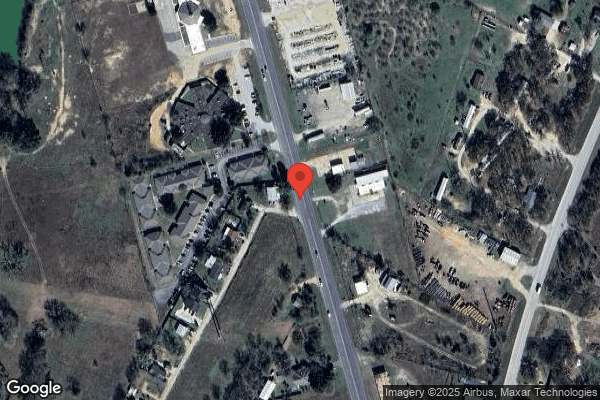

1105 N Magnolia, Luling, TX 78648 (830) 875-5606
For profit - Limited Liability company 90 Beds AVIR HEALTH GROUP Data: November 2025 2 Immediate Jeopardy citations
Trust Grade
0/100
#1048 of 1168 in TX
Last Inspection: August 2025

Inspected within the last 6 months. Data reflects current conditions.

Overview

Magnolia Living and Rehabilitation has received a Trust Grade of F, indicating significant concerns about the quality of care provided. They rank #1048 of 1168 in Texas, placing them in the bottom half of facilities statewide, and #5 of 5 in Caldwell County, meaning there are no better local options available. The facility's performance is worsening, with issues increasing from 11 in 2024 to 12 in 2025. Staffing is below average, with a rating of 2 out of 5 stars and a concerning turnover rate of 63%, which is higher than the Texas average of 50%. While RN coverage is average, there have been serious incidents, such as a resident being allowed to exit the facility unsupervised near a busy highway and a delay in administering prescribed medication, which resulted in increased pain for a resident. Overall, families should weigh these serious deficiencies against the facility's strengths before making a decision.
Trust Score
F
0/100
In Texas
#1048/1168
Bottom 11%
Safety Record
High Risk
Review needed
Inspections
Getting Worse
11 → 12 violations
Staff Stability
⚠ Watch
63% turnover. Above average. Higher turnover means staff may not know residents' routines.
Penalties
○ Average
$39,032 in fines. Higher than 66% of Texas facilities. Some compliance issues.
Skilled Nurses
⚠ Watch
Each resident gets only 18 minutes of Registered Nurse (RN) attention daily — below average for Texas. Fewer RN minutes means fewer trained eyes watching for problems.
Violations
⚠ Watch
34 deficiencies on record. Higher than average. Multiple issues found across inspections.
★☆☆☆☆
1.0
Overall Rating
★★☆☆☆
2.0
Staff Levels
★★★★☆
4.0
Care Quality
★☆☆☆☆
1.0
Inspection Score
Stable
2024: 11 issues
2025: 12 issues

The Good

  • 4-Star Quality Measures · Strong clinical quality outcomes
  • Full Sprinkler Coverage · Fire safety systems throughout facility
  • No fines on record

Facility shows strength in quality measures, fire safety.

The Bad

1-Star Overall Rating

Below Texas average (2.8)

Significant quality concerns identified by CMS

Staff Turnover: 63%

17pts above Texas avg (46%)

Frequent staff changes - ask about care continuity

Federal Fines: $39,032

Above median ($33,413)

Moderate penalties - review what triggered them

Chain: AVIR HEALTH GROUP

Part of a multi-facility chain

Ask about local staffing decisions and management

Staff turnover is elevated (63%)

15 points above Texas average of 48%

The Ugly 34 deficiencies on record

2 life-threatening 2 actual harm
Aug 2025 8 deficiencies
CONCERN (D)

Potential for Harm - no one hurt, but risky conditions existed

Deficiency F0645 (Tag F0645)

Could have caused harm · This affected 1 resident

**NOTE- TERMS IN BRACKETS HAVE BEEN EDITED TO PROTECT CONFIDENTIALITY** Based on interview and record review, the facility admitted a resident with a mental disorder before the Stated mental health au...

Read full inspector narrative →
**NOTE- TERMS IN BRACKETS HAVE BEEN EDITED TO PROTECT CONFIDENTIALITY** Based on interview and record review, the facility admitted a resident with a mental disorder before the Stated mental health authority had determined she was appropriately placed for 1 of 1 resident (Resident #9) reviewed for PASARR screening. The MDS Coordinator failed to complete the PASARR screening process for Resident #9. This failure could place residents at risk of not receiving specialized services. Findings included: During an interview with Resident #9 on 08/28/2025 at 11:48am, was present in her room with her son who is also a resident. Resident #9 was lying in bed with her son's dog, she did not speak much, and her son did most of the talking. He stated they have been in facility for a while and have no complaint are issues, he stated they are very happy at facility and are happy to have someone to help them. Son stated that he is from California and has been here with Grandfather who is from Texas. Record review of Resident #9 admission record revealed the resident was admitted to the facility on [DATE], with diagnoses including schizoaffective disorder (bipolar type), insomnia, depression, and generalized anxiety disorder. Record review of the quarterly MDS assessment for Resident #9 completed on 06/19/2025, Section C, revealed a BIMS score of 12/15, indicating mild cognitive impairment. Section I (Active Diagnoses) Indicated no active diagnoses for Resident #9. Record review of the Care Plan, dated 06/22/2025, revealed Resident #9 has depression related to schizoaffective disorder, with goals to exhibit indicators of depression, anxiety, or sad mood less than daily by the review date. Record review of the PASRR documentation in Resident #9's electronic health dated 10/11/2023, from Texas Medicaid & HealthCare Partnership with the Subject: You are not eligible for PASRR specialized services. Record review of Resident #9's psychiatric evaluation and medication review dated 08/20/2025, revealed Resident #9's psychiatric history includes significant diagnoses. During the evaluation, the resident reported increased depression and anxiety due to the passing of her [family member], along with sleep difficulties, though appetite remained good. Observations noted agitation, anxiety, forgetfulness, and confusion. Record review on 08/28/2025, did not reveal a PASRR Level I Am screening report for Resident #9. During an interview and observation on 08/28/2025 at 1:35 PM, the MDSN, was able to give a breakdown of MDS process and explain that the PASRR must be submitted after the IDT meeting no later than 14 days. During an interview on 08/28/2025 at 2:18 PM, the DON stated that the PASRR evaluation was covered by the MDSN, he was not sure how long the facility had to submit the PASRR application. The DON stated that not submitting the PASRR application timely could cause the residents to miss benefits that would help them in therapy and on useful equipment. During an interview on 08/28/2025 at 2:53 PM, with ADM, the ADM stated she had been at facility for around 6 months. The ADM takes care of all training and thought the facility had 24 hours to submit the PASRR applications but stated she would research this information. The ADM stated if this information were not submitted within 24 hours the negative effective on residents would be the facility would not know what was wrong with resident and what service to provide to each resident. Review of facility PASRR policy dated 07/29/2025, reflects, The PASRR program aims to ensure that individuals with mental illness or intellectual disabilities receive appropriate care and services. It assesses whether the nursing home is the most suitable setting for the individual's needs. Procedure 2. Screening Process: a). Level I Am screening: This initial screening determines if the individual may have a mental illness or intellectual disability. It is generally completed by the nursing facility before admission.b). Level II Evaluation: If the Level I screening indicates potential mental illness or intellectual disability, a Level II evaluation is conducted. This comprehensive assessment is performed by a qualified mental health professional and evaluates the individual's needs and whether nursing home placement is appropriate. 3. Documentation: Facilities must maintain thorough documentation of the PASRR assessments, including the Level I and Level II evaluations, as well as the recommendations made.
CONCERN (D)

Potential for Harm - no one hurt, but risky conditions existed

Comprehensive Care Plan (Tag F0656)

Could have caused harm · This affected 1 resident

**NOTE- TERMS IN BRACKETS HAVE BEEN EDITED TO PROTECT CONFIDENTIALITY** Based on observation, interview, and record review, the facility failed develop and implement a comprehensive person-centered ca...

Read full inspector narrative →
**NOTE- TERMS IN BRACKETS HAVE BEEN EDITED TO PROTECT CONFIDENTIALITY** Based on observation, interview, and record review, the facility failed develop and implement a comprehensive person-centered care plan for each resident, consistent with resident rights, that included measurable objectives and time frames to meet a residents' mental, nursing and mental and psychosocial needs that were identified in the comprehensive assessment for 1 of 8 Residents (Resident #3) reviewed for care plans. The facility failed to care plan Resident #3's dialysis that he received 3 times a week from an external dialysis center. This failure could lead to residents on dialysis receiving improper care/treatment. Findings included: Review of Resident #3's face sheet dated 08/27/25 reflected a [AGE] year-old male who was initially admitted to the facility on [DATE] and readmitted on [DATE] with diagnoses including end stage renal disease, depression, dementia, muscle wasting, vitamin d deficiency, type 2 diabetes, and hypertension. Review of Resident #3's annual MDS assessment, dated 08/14/25 reflected a BIMS score of 9 indicating the cognition was moderately impaired. It indicated Resident #3 had dialysis as special treatment for the end stage renal disease. Review of Resident #3's care plan dated 08/20/25 revealed there was no care plan for dialysis that he was receiving for end stage renal disease. During an observation and interview on 08/27/25 at 3:10pm Resident #3 was in his wheelchair socializing with other residents in the hall at the entrance. He stated he was doing good at the facility and was taken care of by the staff. Resident #3 stated he was on dialysis on Monday, Wednesday, and Friday. He stated he received transportation to the dialysis center organized by the facility and had no immediate issues currently. During an interview on 08/28/25 at 2:30pm LVN F stated whenever she was on duty, she was the nurse who prepared the resident, before going out for dialysis. She stated Resident #3 goes to the dialysis center 3 days a week. LVN F said before sending out Resident #3 she ensured the ports (a surgically created connection that allows blood to be accessed during dialysis) were in good condition without any infection or any other complications. She stated every time before he left the facility, she would check his vitals to make sure there were no abnormal readings, also filled out all the forms and communication logs. LVN F said she did all the preparation work before sending the resident for dialysis from her years of experience in nursing and had not checked his care plan for dialysis yet. She stated she would refer the care plan or contact the physician if there were any issues or concern related to dialysis care. LVN F stated care plan was an important part of nursing care as it provides information about goals and interventions however, she had not checked Resident #3's dialysis care plan as there were no such complicated situation occurred so far. LVN F stated creating care plan was the duty of the MDS nurse. In an interview on 08/28/25 at 10:48 AM, the MDS nurse said she was responsible for completing MDS assessments and care plans. She said if a resident had an active problem that was addressed by the facility it should be in the MDS and then care planned appropriately. The MDS nurse stated the dialysis treatment of Resident #3 should have been incorporated into the care plan. She said it was an unintentional negligence from her however she added Resident #3's dialysis treatment to the care plan on 08/27/25, as soon the surveyor informed her about the absence of it. She stated care plan was an integral part of resident's care as it provides guidelines to the nursing staff about the presenting problems, goals, and interventions. Record review of facility's policy Comprehensive Care Plans, revised in October 2023, reflected: It is the policy of this facility to develop and implement a comprehensive person-centered care plan for each resident, consistent with residents' rights, which includes measurable objectives and timeframes to meet a resident's medical, nursing, and mental and psychosocial needs that are identified in the resident's comprehensive assessment.
CONCERN (D)

Potential for Harm - no one hurt, but risky conditions existed

Incontinence Care (Tag F0690)

Could have caused harm · This affected 1 resident

**NOTE- TERMS IN BRACKETS HAVE BEEN EDITED TO PROTECT CONFIDENTIALITY** Based on observation, interview, and record review, the facility failed to ensure a resident who is incontinent of bladder recei...

Read full inspector narrative →
**NOTE- TERMS IN BRACKETS HAVE BEEN EDITED TO PROTECT CONFIDENTIALITY** Based on observation, interview, and record review, the facility failed to ensure a resident who is incontinent of bladder receives appropriate treatment and services to prevent urinary tract infections and to restore continence to the extent possible for 2 (Resident #66 and Resident #8) of 4 residents reviewed for catheter care. The facility failed to ensure Resident #66 and Resident #8's catheters' drainage bag positioned lower than Resident's urinary bladder to prevent urine from flowing back into the kidneys and urinary bladder. This failure could place residents at risk of UTI and other serious infections.Findings included: Record review of Resident # 66's face sheet dated 8/27/25 revealed a [AGE] year-old male who was admitted to the facility originally on 11/14/24 and re admitted on [DATE]. His diagnoses were hemiplegia and hemiparesis (paralysis on one side of the body), acute respiratory failure, chronic kidney disease, difficulty in walking, muscle weakness, lack of coordination, need for assistance with personal care, type 2 diabetes mellitus , neuromuscular dysfunction of bladder (impaired nerves and muscles that control bladder function) , and benign prostatic hyperplasia(enlargement of prostate gland) with lower urinary tract symptoms. Record review Resident#66's initial MDS assessment dated [DATE] reflected a BIMS score of 11 indicating moderate cognitive impairment. Record review Resident#66's care plan dated 07/21/25 revealed he had indwelling Suprapubic.Catheter (catheter tube inserted through small incision in the lower abdomen into the kidney/urinary bladder). The positioning of the urinary drainage bags was not included in the in the interventions in the care plan. During an observation on 08/26/2025 at 10:06 AM, on 08/27/25 at 9:22AM and on 08/28/25 at 08:40AM it was revealed Resident # 66's urinary drainage bags were lying on both sides of Resident # 66 while he was lying in his bed. The drainage bags were filled with yellow color urinary. During an observation on 08/27/2025 at 10:12 AM Resident # 66's urinary drainage bags were placed into two pockets of an apron he was wearing. The urinary drainage bags were in the pockets and were positioned at the chest level (above the level of the kidneys of Resident # 66). During an interview on 08/27/2025 at 12:07 PM Resident # 66 stated his kidneys were all that he had left and if they went, he also would go. He was unable to explain further about his conditions. During an interview on 08/28/2025 at 09:13 AM LVN F stated the urinary drainage bags must be placed below the bladder level for the gravity drain, however Resident #66 requested to be placed at his side on the bed as that made him feel safer and more comfortable. Record review of Resident# 8's face sheet dated 08/27/25 revealed a [AGE] year-old female who was admitted to the facility on [DATE]. Her diagnoses were Urinary tract infection, Chronic obstructive pyelonephritis (inflammation of kidneys due to urinary tract obstruction), hydronephrosis (swelling of kidneys due to urine backup), Chronic kidney disease, Neuromuscular disfunction of bladder, retention of urine, Pressure ulcer of left buttock, stage 4, Unsteadiness on feet. Mild cognitive impairment, Type 2 Diabetes mellitus, Chronic heart failure, Constipation, acute kidney failure and need for assistance with personal care. Review of Resident # 8's of quarterly MDS assessment, dated 07/15/25 revealed a BIMS score of 07 indicating severe cognitive impairment. Review of Resident # 8's care plan, dated 06/25/2025 revealed resident had foley catheter. The relevant intervention was to position catheter bag and tubing below the level of the bladder and away from her room's entrance door. During a wound care observation on 08/27/2025 at 2:28 PM, Resident #8 was lying in bed. LVN H entered Resident #8's room for wound care and the urinary drainage bag of Resident #8 was removed from the lower part of her bed by LVN H and placed on Resident's # 8's bed. During an interview on 08/27/2025 at 2:45 PM LVN H stated she started working at the facility about two weeks ago and had not received any specific training on catheter management. She stated she placed Resident # 8's urinary drainage bag on resident's bed during the wound care and that could cause the urine to flow back into Resident # 8's body. She stated back flow of external urine into the body could lead to varieties of infection to the resident. During an interview on 08/28/2025 at 10:36 AM the MD stated it was OK if the urinary drainage bags were positioned next to the resident on the bed as the pressure inside of the kidneys are higher and urine could not get back to the kidneys easily. When the surveyor asked what if the urinary drainage bags were full, and they were in bed, MD stated in that case, the urine from the bags could flow back to the kidneys risking residents with infections. During an interview on 08/28/2025 at 8:35 AM with DON stated the placement of Resident 66's urinary drainage bags were not important as Resident # 66 had nephrostomy catheter, and the urine drains directly from his kidneys. He stated it was impossible for Resident #66 to get infection as kidneys have no reservoirs for urine to back up there. He stated since Resident #8 had foley catheter, placement of urinary drainage bags below the bladder level was important for Resident #8. He said if the urinary drainage bag were placed above bladder, the urine could flow back, and it could put residents at risk for infection. The DON said the training on catheter management was an ongoing process and was unable to remember if he had conducted any in services on this issue. Record review of Inservice records since 05/01/25 revealed there were no in-services conducted on Urinary catheter care. Record review of facility's policy Catheter Care, Urinary revised in July 2024 reflected: . The urinary drainage bag must be held or positioned lower than the bladder at all times to prevent the urine in the tubing and drainage bag from flowing back into urinary bladder.
CONCERN (D)

Potential for Harm - no one hurt, but risky conditions existed

Deficiency F0727 (Tag F0727)

Could have caused harm · This affected 1 resident

Based on interviews, and record review, the facility failed to use the services of a registered nurse for at least 8 consecutive hours a day, 7 days a week for 2 of 58 days (08/09/2025 and 08/10/2025)...

Read full inspector narrative →
Based on interviews, and record review, the facility failed to use the services of a registered nurse for at least 8 consecutive hours a day, 7 days a week for 2 of 58 days (08/09/2025 and 08/10/2025) reviewed for RN coverage. The facility failed to ensure they had an RN scheduled on duty for 08/09/2026 and 08/10/2025 and failed to ensure the DON was not acting as the charge nurse when the facility had an average daily occupancy of more than 60 residents. This failure placed residents at risk of missed nursing assessments, interventions, care, and treatment.Findings included: Review of the daily staffing for June 1, 2025, through August 28, 2025, reflected zero hours worked by an RN on the following days: 08/09/2025 and 08/10/2025. The census both days was over 60 residents. Record review of staff schedules dated 08/01/2025 through 08/31/2025 revealed that there was no RN who worked on 08/09/2025 and 08/10/2025. The DON was the only RN scheduled for 08/09/2025 and 08/10/2025. Record review of time punches for Nursing staff for August 2025 revealed no RN punched in for 08/09/2025 and 08/10/2025. During an interview with the ADON on 08/28/2025 at 1:13p.m., she said she had been trained on staffing. She said that she was responsible for doing the nursing schedule. She said that the facility was to have an RN scheduled 8 consecutive hours every day. She said it was important to have an RN for 8 hours a day because the RN's skill set was a bit more than an LVN's. She said an RN can pronounce a resident if they were to pass. She said that she never had a concern where there were not enough staff because if there was not enough staff, she would come in to work. She also said that the DON could cover the RN shift. She said usually if someone called in or there was a staff shortage, she would try to call someone in to work or if she could not find coverage, she would go in to cover. She said the facility did not have a lot of issues with not being able to cover staff shortages. She said that the facility did not use agency or temporary staff. She said that the facility always had RN coverage. She said the residents' needs have never gone unmet because the facility always had an RN. She said she did not know what could happen if there was not an RN because she said the LVN can do the same things except pronounce a resident who passed. She said that she was not sure why an RN did not work on 08/09/2025 and 08/10/2025. During an interview with the DON on 08/28/2025 at 2:28p.m., he said he had been trained on staffing. He said the ADON was responsible for the nursing scheduling. He said the facility should have an RN scheduled 8 hours a day, 7 days a week. He said that it was important for the facility to have an RN because they were smarter than an LVN. He also said it was important to have an RN to supervise the care in the facility. He said the ADM and DON monitored to ensure there was an RN scheduled for 8 hours a day. He said he had never had concerns there were not enough staff to meet the resident's needs. He said the facility managed call outs or unanticipated staff shortage by calling someone else in or him and the ADON came in to assist if needed. He said that it was very infrequent that the facility could not find coverage. He said the facility did not use agency or temporary staff. He said there was never a time an RN was not available to provide care at the facility. He said if there was no RN it could cause lack of supervision and professional judgement. He said he can change his days and come in on the weekend and be an RN if he had another RN cover him for the two days he missed during the week. He said he was working as the RN on 08/09/2025 and 08/10/2025 so the facility did have an RN. During an interview with the ADM on 08/28/2025 at 2:57p.m., she said that she had been trained on staffing. She said that the ADON was responsible for doing the nursing schedules. She said that the policy was that an RN should be scheduled for 8 hours a day. She said it was important to have an RN because the RN was needed to be able to make the proper decisions and some fell outside the LVN's scope of practice. She said the ADON, and the DON were responsible for ensuring that there was an RN scheduled or working every day. She said she had never been concerned that there were not enough staff to meet the resident's needs because the facility had additional people who would come in to work. She also said she would come in and work as a CNA if needed. She said if they had a staff shortage or call out the facility would call other staff to come in to work. She also said she had some nurses would come in and help when she needed them. She said the facility did not use temporary or agency staff. She said it was rare that the facility did not have an RN. She said she did not know how to answer when asked about the types of services or care not provided when an RN was not onsite. She said if there was not an RN the facility would not have a supervisor. She said that she thought there was no RN on 08/09/2025 and 08/10/2025 due to a scheduling error. She also said she was going to check into it. Record review of Staffing, Sufficient and Competent Nursing revised 08/2022 revealed our facility provides sufficient numbers of nursing staff with the appropriate skills and competency necessary to provide nursing and related care and services for all residents in accordance with resident care plans and the facility assessment. A charge nurse is a licensed nurse with designated responsibilities that may include staff supervision, emergency coordination, provider or physician support and direct resident care. The director of nursing services (DNS) may serve as the charge nurse only when the average daily occupancy of the facility is 60 or fewer residents. A registered nurse provides services at least eight (8) hours every 24 hours, seven (7) days a week.
CONCERN (D)

Potential for Harm - no one hurt, but risky conditions existed

Deficiency F0761 (Tag F0761)

Could have caused harm · This affected 1 resident

Based on observations, interviews, and record review, the facility failed to ensure drugs and biologicals were stored in locked compartments for 1 of 3 medication carts (100 hall) reviewed for medicat...

Read full inspector narrative →
Based on observations, interviews, and record review, the facility failed to ensure drugs and biologicals were stored in locked compartments for 1 of 3 medication carts (100 hall) reviewed for medication storage. The facility failed to ensure the medication cart for 100 hall was locked when unattended by LVN A on 08/26/2025 at 12:37p.m. These failures could place residents at risk of harm due to unauthorized access and potential ingestion of medication, needles, and other biologicals. Findings included: Observation on 08/26/2025 at 12:37p.m., revealed the 100-hall medication cart was unlocked and unattended by a resident's room. LVN A was in a resident's room with the door closed and was out of sight of the medication cart. During an interview on 08/28/2025 at 12:09p.m., with LVN A, she stated she was responsible for the 100-hall medication cart on 08/26/2025. She said that she had been trained on medication storage for medication carts. She said the policy was that the medication cart was to be always locked when the nurse was away from the cart. She said if the medication cart were left unattended and unlocked the risk could be a resident or staff could get into the medication cart and take medications, needles or the wrong medications and can harm themselves. She said the DON monitored to ensure the medication carts were locked but ultimately it was the nurse's responsibility. She said the DON monitored through observations. She said she forgot to lock the cart because she was worried about a resident and was rushing. During an interview on 08/28/2025 at 2:25p.m. with the DON, he said he and nursing staff had been trained on medication storage in the medication carts. He said the policy for medication storage was that the medication cart was to be always locked when unattended. He said the nurse who was using the medication cart was responsible for locking the cart when leaving the cart unattended. He said that the risk of the medication cart being left unlocked and unattended could possibly be a resident getting in the drawers and taking something. He said the DON and ADM monitored to ensure the medication carts were locked. He said the DON and ADM monitored through compliance rounds. He said he did not know why LVN A left the 100-hall medication cart unlocked, except she was dealing with a resident. During an interview on 08/28/2025 at 02:54p.m. with the ADM, she stated she and nursing staff had been trained on medication storage in the medication carts. She said the policy for medication storage was that all medication carts were to be locked. She said the nurse or medication aide who was working on the medication cart was responsible for ensuring it was always locked when unattended. She said if the medication cart were not locked and was unattended a resident or employee could take some medications. She said the charge nurse and the DON were responsible for monitoring to ensure that the medication carts were locked. She said they monitored by making walking rounds. She said LVN A left the medication cart because she was in a hurry to tend to a resident and was not aware she left it unlocked. Review of Medication Labeling and Storage Policy revised 2/2001 revealed the facility stores all medications and biologicals in locked compartments under proper temperature, humidity, and light controls. Only authorized personnel have access to keys. Compartments (including, but not limited to, drawers, cabinets, rooms, refrigerators, carts, and boxes) containing medications and biologicals are locked when not in use, and trays or carts used to transport such items are not left unattended if open or otherwise potentially available to others.
CONCERN (E)

Potential for Harm - no one hurt, but risky conditions existed

Resident Rights (Tag F0550)

Could have caused harm · This affected multiple residents

**NOTE- TERMS IN BRACKETS HAVE BEEN EDITED TO PROTECT CONFIDENTIALITY** Based on observation, interview, and record review, the facility failed to treat each resident with respect and dignity and care...

Read full inspector narrative →
**NOTE- TERMS IN BRACKETS HAVE BEEN EDITED TO PROTECT CONFIDENTIALITY** Based on observation, interview, and record review, the facility failed to treat each resident with respect and dignity and care for each resident in a manner and in an environment that promotes maintenance or enhancement of his or her quality of life for 4 of 10 residents (Resident #2, Resident #25, Resident #40, and Resident #66) reviewed for rights. The facility failed to ensure CNA D and HK F knocked on Resident #2, Resident #25, and Resident #40's doors when going into the residents' rooms. The facility failed to provide Resident #66 with a privacy bag for his catheter. These failures could place residents at risk of feeling like their privacy was being invaded or could have a negative psychosocial, psychosocial harm and emotional distress. Findings included: Resident #2 Record review of Resident #2's Face Sheet dated 08/26/2025 revealed she was an [AGE] year-old female who was admitted to the facility on [DATE]. Resident #2's diagnoses included obstructive pulmonary disease (chronic progressive lung disease), hyperthyroidism (excessive production of thyroid hormones), type 2 diabetes mellitus with hyperglycemia (high blood sugar), morbid obesity, hyperlipidemia (high cholesterol), insomnia (difficulty sleeping), hypertension (high blood pressure), heart failure, respiratory failure, constipation, muscle wasting, muscle weakness, and cognitive communication deficit (problems with communication). Record review of Resident #2's Annual MDS assessment dated [DATE] revealed Resident #2 had a BIMS score of 09 indicating moderate cognitive impairment. Resident #25 Review of Resident #25's Face Sheet dated 08/26/2025 revealed he was a [AGE] year-old male who was admitted to the facility on [DATE]. Resident #25's diagnoses included hemiplegia and hemiparesis following cerebral infraction affecting left non dominant side (paralysis and weakness on left side after stroke), dementia (memory, thinking, difficulty), viral hepatitis C (a bloodborne virus that causes liver inflammation), type 2 diabetes mellitus with other specified complications (high blood sugar), hyperlipidemia (high cholesterol), glaucoma (eye disease), hypertension (high blood pressure), and cerebral infraction (stroke). Record review of Resident #25's Quarterly MDS assessment dated [DATE] revealed Resident #25 had a BIMS score of 99 indicating Resident #25 was unable to complete the BIMS. Resident #40 Record review of Resident #40's Face Sheet dated 08/26/2025 revealed he was a [AGE] year-old male who was admitted to the facility on [DATE]. Resident #40's diagnoses included hypertension (high blood pressure), trigeminal neuralgia (severe facial pain), lack of coordination, need for assistance with personal care, high risk of sexual behavior, eating disorder, metabolic encephalopathy (brain disease), muscle wasting, muscle weakness, difficulty in walking, and tobacco use. Record review of Resident #40's Quarterly MDS assessment dated [DATE] revealed Resident #40 had a BIMS score of 09 indicating moderate cognitive impairment. Resident #66 Record review of Resident # 66's face sheet dated 08/27/2025 revealed this was a [AGE] years old male who was admitted to the facility 06/15/2025 (original admission date 11/14/2024) and diagnosed with hemiplegia and hemiparesis (paralysis and weakness on one side of the body) following cerebral infarction affecting right dominant side. Hyperkalemia (high level of calcium in the blood). Pneumonia. Chronic kidney disease, stage 4 (severe). Cognitive communication deficit. Mild cognitive impairment. Depression. Anemia. Difficulty in walking. Luck of coordination. Type 2 Diabetes mellitus without complications. Vitamin deficiency. Hyponatremia (low sodium level in the blood). Essential hypertension (high blood pressure). Chronic kidney disease. Neuromuscular dysfunction (impairment of nerves and muscles) of bladder. Benign prostatic hyperplasia (increased cell production in a normal tissue) with lower urinary tract symptoms. Pain. Record review Resident # 66's MDS assessment dated [DATE] reflected BIMS score of 11=indicating moderate cognitive impairment. Record review Resident # 66's care plane (undated) revealed there were no order to provide him with urinary drainage bag covers or dignity bags. Record review Resident # 66's physician orders revealed there were no orders to keep the urinary drainage bag concealed. Observation of hall 100 on 08/26/2025 at 9:36am revealed that CNA D did not knock on Resident #2's door before entering the room. Observation of hall 100 on 08/26/2025 at 9:53am revealed CNA D did not knock on Resident #40's door before entering the room. Observation on 08/26/2025 at 10:06 AM revealed Resident # 66's urinary drainage bags were lying on both sides of the Resident #66 while he was lying in his bed. The drainage bags were not covered; both bags were filled with yellow color urine. The door to Resident #66' room was open. The urinary drainage bags could not be seeing from outside. The Resident #66 had a roommate, and the urinary drainage bags were visible to his roommate. Observation of 100 hall on 08/26/2025 at 12:35pm revealed that HK F did not knock on Resident #25's door before entering. Observation of Resident #66 on 08/27/2025 at 09:22 AM revealed Resident # 66's urinary drainage bags were lying on both sides of him while he was in bed. Both urinary drainage bags were uncovered and was filled with yellow color urine. The door to Resident #66' room was open. The urinary drainage bags could be seeing from outside. The Resident #66 had a roommate, and the urinary drainage bags were visible to his roommate. Observation on 08/27/2025 at 10:12 AM revealed Resident # 66's POA placed his urinary drainage bags were placed into ACE's two pockets apron. The apron with the urinary drainage bags was secured around Resident # 66's neck and the drainage bags were positioned on the Resident # 66's chest. Observation on 08/28/2025 approximately at 08:40 AM revealed Resident # 66's drainage bags were lying on both sides of the Resident's # 66 while he was lying in his bed. The drainage bag positioned on his right side was covered with a bed sheet, urinary drainage bag on his left side was not covered, the urinary drainage bag was filled with yellow color urine. The door to Resident #66' room was open. The urinary drainage bags could not be seeing from outside. The Resident #66 had a roommate, and the urinary drainage bags were not visible to his roommate. During an interview with Resident #25 on 08/26/2025 at 1:31pm revealed he would not respond to any questions from the surveyor. In an interview and observation with the Resident # 66's FM who was his POA representative on 08/27/2025 at 09:23 AM, she stated that the facility did not provide Resident #66 with any bags to hide his urinary drainage bags. She thought that facility would provide one, but they never did so the Resident # 66's family member purchased an apron from a store. The FM pulled out the apron from Resident #66's dresser; This small apron had printed letters ACE with two pockets. The FM secured the apron around her neck to show where the apron was placed when Resident # 66's family member takes him to his appointments and procedures. The FM said that she wished that Resident # 66 were provided with specialized bags to hide his urinary drainage bags. During an interview with Resident #40 on 08/27/2025 at 1:41pm revealed that staff do not knock most of the time. He said he would prefer staff knock all the time because there were times, he would be butt naked and it would give him time to put a sheet on. During an interview with Resident #2 on 08/27/2025 at 1:47pm revealed that staff do not knock all the time. She said she would prefer for staff to knock all the time, so she knows they were coming in. During an interview with CNA D on 08/27/2025 at 2:53pm revealed she had been trained on resident rights. She said the policy for knocking was that staff must knock every time a staff member wanted to go into the resident's room. She said that the facility was their home, and it was disrespectful for staff not to knock before entering. She said the resident may feel violated because the room was their space, the resident's home. She said it might scare the resident if someone just walked in. She said that no one monitored to ensure staff were knocking. She said she did not realize she just walked into the residents' rooms. She also said that she needed to pay more attention. During an interview with HK F on 08/27/2025 at 1:56pm revealed that she had been trained on resident rights. She said the policy for knocking was that all staff were supposed to knock in the resident's door before entering. She said staff were to knock for the resident's privacy. She said that everyone was supposed to always knock before going into the resident's room. She said if staff did not knock then the resident may feel like they did not have any privacy. She said that staff did not have to knock on the resident's door in an emergency. She said she did not know who monitored to ensure staff were knocking. She said that she probably did not knock on the resident's door because it was open. She also said she still should have knocked on the resident's door. In an interview with DON on 08/28/2025 approximately at 8:35 AM he stated that that if the urinary drainage bags were not covered, it was a dignity thing. The DON could not recall when the facility's staff had in-service trainings on treating residents with dignity. In an interview with NCNA E on 08/28/2025 at 09:04 AM she stated that the urinary drainage bags need to be hidden for privacy. She stated that she was working there about 2-3 months, but she could not recall any trainings provided there on resident rights or dignity. In an interview with 08/28/2025 09:13 AM with LVN B she stated that urinary drainage bags must be covered. She stated that the facility has in service trainings constantly but could not recall when last time the staff had in-service training on dignity issues related to urinary drainage bags. An interview with the DON on 08/28/2025 at 2:17 p.m., revealed he and staff had been trained on resident rights. He said the policy was that staff were to knock on the resident's door before entering the resident's room. He said that staff were to always knock before entering the resident's room. He said staff did not have to knock if it was a medical emergency. He also said that if staff did not knock on the door the resident may feel uncomfortable if someone just walked into their room. He said that he and the ADM was responsible for monitoring to ensure staff were knocking. He said that him and the ADM monitored knocking by doing compliance rounds. He said he had no idea why staff were not knocking. An interview with the ADM on 08/28/2025 at 2:51 p.m., revealed that she and staff had been trained on resident rights. She said the policy was to knock on the door and wait for the resident to respond. She said that it was important for staff to knock on the residents' door for their privacy. She said the resident may feel like their privacy was being invaded. She said the only time staff did not need to knock on the resident's door was in the event of an emergency. She said that the facility did not monitor knocking and said that the facility needed to monitor. She said she staff have all been told and were just not doing what they had been taught. Record review of the Dignity Policy revised 02/2021 revealed residents are treated with dignity and respect at all times. Staff are expected to knock and request permission before entering residents' rooms. Record review of the revised facility's policy from February 2021 states: Demeaning practices and standards of care that compromise dignity is prohibited. Staff are expected to promote dignity and assist residents; for example: helping the resident to keep urinary catheter bags covered. Record review of the facility's In-service report on 08/28/2025 approximately at 14:40 PM revealed that there was no in-service training recorded for covering the urinary drainage bag.
CONCERN (E)

Potential for Harm - no one hurt, but risky conditions existed

Food Safety (Tag F0812)

Could have caused harm · This affected multiple residents

Based on observations, interviews, and record reviews the facility failed to store, prepare, and distribute food in accordance with professional standards for food service safety for 1 of 1 kitchen.Th...

Read full inspector narrative →
Based on observations, interviews, and record reviews the facility failed to store, prepare, and distribute food in accordance with professional standards for food service safety for 1 of 1 kitchen.The facility failed to ensure food was properly labeled and dated. The facility failed to maintain proper kitchen sanitation when [NAME] B, did not follow proper hand hygiene protocols.These deficient practices could place residents who were served from the kitchen at risk for health complications and foodborne illnesses. Finding included:Observations of the kitchen on 8/26/25, at 8:51am revealed four Chocolate flavored Creme Pies located in a second spare refrigerator located in the kitchen area that were not labeled or dated. Observations of [NAME] B, on 8/27/2025, at 10:25pm performing puree meal preparation revealed the [NAME] did not wash her hands to start the puree process. The [NAME] then began the food preparation process without wearing gloves. She added eight scoops of tamale pie bread to the food processor but forgot the tomato juice in the refrigerator to the left of her. Immediately after retrieving the tomato juice from the refrigerator the [NAME] did not wash her hands or don new gloves. [NAME] B handled multiple utensils which included a scoop, spatula, and a large spoon throughout the preparation without washing her hands in between. After preparing pureed beans, [NAME] B licked her finger to remove the excess beans. It was also observed that she failed to adequately wash and sanitize the pan after each pureed dish, and only rinsed out the blender cup instead in a nearby sink behind her. She stated she could not go in the area where the dishwasher was located, but did not say why she was not able to go to other area. An Interview with the Kitchen Manager, on 8/27/2025, at 2:06pm, revealed that the Manager was last in serviced on hand hygiene on 08/14/2025. The Kitchen Manager stated if staff did not properly sanitize their hands and wear gloves while preparing food residents could become sick. The Manager also said all items in the kitchen should be labeled and dated after opened. An Interview with Head [NAME] B, on 8/28/2025, at 10:00am, revealed that she has been trained on hand hygiene and labeling and dating foods. She stated if they did not use proper hand hygiene or label and date food correctly this could have a negative effect on residents by causing them to become sick.Record Review of the Food Receiving and Storage Policy Revised November 2022, revealed refrigerated foods are labeled, dated, and monitored so they are used by their use-by date, frozen, or discarded.Record Review of the Handwashing/Hand Hygiene Policy Revised October 2023 revealed the facility considers hand hygiene the primary means to prevent the spread of healthcare associated infections. Policy Interpretation and Implementation. Administrative Practices to Promote Hand Hygiene 1. All personnel are trained and regularly in-serviced on the importance of hand hygiene in preventing thetransmission of healthcare-associated infections.2. All personnel are expected to adhere to hand hygiene policies and practices to help prevent the spread ofinfections to other personnel, residents, and visitors.3. Hand hygiene products and supplies (sinks, soap, towels, alcohol-based hand rub) are readilyaccessible and convenient for staff use to encourage compliance with hand hygiene policies. Alcohol-basedhand-rub (ABHR) dispensers are placed in areas of high visibility and consistent with workflow throughoutthe facility.4. Personnel are educated regarding ways to prevent contact dermatitis and other skin irritation, and providedwith supplies that support healthy hand skin.
CONCERN (E)

Potential for Harm - no one hurt, but risky conditions existed

Infection Control (Tag F0880)

Could have caused harm · This affected multiple residents

**NOTE- TERMS IN BRACKETS HAVE BEEN EDITED TO PROTECT CONFIDENTIALITY** Based on observation, interview, and record review, the facility failed to maintain an infection prevention and control program,...

Read full inspector narrative →
**NOTE- TERMS IN BRACKETS HAVE BEEN EDITED TO PROTECT CONFIDENTIALITY** Based on observation, interview, and record review, the facility failed to maintain an infection prevention and control program, designed to provide a safe, sanitary, and comfortable environment, and to help prevent the development and transmission of communicable diseases and infections for 4 (Resident #7, Resident #75, Resident #49 and Resident #2) of 8 residents reviewed for infection control practices, in that: The facility failed to:1. Ensure CNA E changed dirty gloves when handling clean items while providing peri care to Resident #7 and Resident #75.2. Ensure MA D sanitized blood pressure monitor in between Resident #49 and Resident #2 while obtaining blood pressure. 3. Ensure MA D had not stored her orange juice in use, in the med cart at the facility. This failure could place residents at risk for healthcare associated cross-contamination and infections. Findings included:Review of Resident #7's face sheet dated 08/27/25 reflected an [AGE] year-old male who was initially admitted to the facility on [DATE] and readmitted on [DATE] with diagnoses including unsteadiness on feet, cognitive communication deficit, weakness, need for assistance with personal care, dementia, muscle weakness, lack of coordination and hypertension. Review of Resident #7's quarterly MDS assessment, dated 08/07/25 reflected he rarely /never understood a BIMS interview questions, indicating a severely impaired cognition. Review of Resident #7's care plan dated 08/07/25 reflected he had functional & mixed bladder incontinence r/t immobility, cognitive deficit. The relevant intervention was cleaning peri-area with each incontinence episode. Review of Resident #75's face sheet dated 08/27/25 reflected an [AGE] year-old female who was initially admitted to the facility on [DATE] and readmitted on [DATE] with diagnoses including urinary tract infection, acute respiratory failure, chronic pain, muscle weakness, lack of coordination, severe sepsis (life threatening reaction to an infection), end stage renal disease and need for assistance with personal care. Review of Resident #75's initial MDS assessment dated [DATE] reflected a BIMS score of 10, indicating moderately impaired cognition. Review of Resident #75's care plan dated 08/07/25 reflected she had functional bladder incontinence r/t Confusion, Impaired Mobility, Physical limitations. The relevant intervention was checking every two hours and wash, rinse, and dry perineum. During an observation on 08/27/25 at 1:10pm CNA E was providing peri care for Resident #7. CNA E put on gloves after washing her hands. After that she opened the brief and cleaned Resident #7's front and back with wet wipes dispensed directly from the packet. In that process she handled the whole wipe packet with the soiled gloves. During an observation on 08/27/25 at 2:20pm CNA E was providing peri care for Resident #75. She performed peri care by cleaning Resident #75's front and back with wet wipes dispensed directly from the whole packet. In that process she handled the wipe packet containing clean wipes, with the soiled gloves. CNA E had not changed her gloves before handling the clean wet wipe packet while providing peri care to Resident #7 and Resident#75. After the completion of peri care she saved the contaminated wipe packets containing wet wipes in Resident #7 and Resident #75's rooms for future use (as stated by CNA E). During an interview on 08/27/25 at 2:45pm CNA E stated she was a CNA for many years and was diligent in following infection control protocol. When the surveyor walked through the entire process CNA E pointed out that she had not changed the soiled gloves before handling the clean packet containing wet wipes. She stated her negligence contaminated the whole packet of wipes. CNA E stated she was risking spreading diseases by handling a clean packet with contaminated gloves. CNA E stated she could not remember any in services on peri care in the recent past. Review of Resident #49's face sheet dated 08/26/25 reflected an [AGE] year-old female who was initially admitted to the facility on [DATE] and readmitted on [DATE] with diagnoses including hypertension, pain, abnormal weight loss, unsteadiness on feet, lack of coordination, muscle wasting, vitamin D deficiency, heart disease, muscle weakness, and lack of coordination. Review of Resident #49's quarterly MDS assessment, dated 08/08/25 reflected a BIMS score of 9 indicating her cognition was moderately impaired. Review of Resident #49's care plan dated 04/22/25 reflected she had hypertension, and a relevant intervention was evaluating blood pressure. Review of Resident # 49's medication order revealed: Lisinopril 5 mg tablet: Give 1 tablet orally in the morning related to essential (primary) hypertension. Hold if BP <115/55 or HR <55. -Start Date- 07/09/2025. Review of Resident #2's face sheet dated 08/26/25 reflected an [AGE] year-old female who was initially admitted to the facility on [DATE] and readmitted on [DATE] with diagnoses including chronic obstructive pulmonary disease, type 2 diabetes, vitamin d deficiency, hypertension, congestive heart failure, orthostatic hypotension ( sudden drop in blood pressure when standing up), and muscle weakness. Review of Resident #2's annual MDS assessment, dated 06/30/25 reflected a BIMS score of 9 indicating her cognition was moderately impaired. Review of Resident #2's care plan dated 04/22/25 reflected she had hypertension, and a relevant intervention was monitoring blood pressure and administer medication as ordered. Review of Resident #2's medication order revealed: Midodrine HCl Oral Tablet 2.5 MG (Midodrine HCl): Give 1 tablet by mouth every morning and at bedtime for hypotension. Hold for SBP > 130. -Start Date- 05/16/2025. During an observation on 08/26/25 at 9:45am MA D failed to sanitize the wrist blood pressure monitor before using it on Resident #49 and in between Resident #2 and Resident #49. MA D took the blood pressure of Resident #49 with a wrist blood pressure monitor without sanitizing it. After administering the medications to Resident #49 she moved on to Resident #2 and used the same blood pressure monitor on her without sanitizing it. MA D did not sanitize the monitor after the use on Resident #2 until the investigator pointed it out. After the completion of administering medications to Resident #2, MA D opened the third drawer of her med cart and pulled out a bottle of orange juice and drank directly from it with lips contact. After drinking two sips she capped the bottle and placed it back in the same drawer. During an interview on 08/26/25 at 10:35am, MA D stated the orange juice was her personal item and stored in the drawer so that she could drink while administering medications to the residents. When the surveyor asked about the appropriateness of storing personal belongings in the med cart, MA D stated storing orange juice was against the infection control protocol at the facility and she should not have stored it in the med cart. She stated storing orange juice in the med cart and drinking from it could cause cross contamination, resulting in spreading contagious diseases at the facility. MA D stated not sanitizing blood pressure cuffs in between the residents also could cause spreading of diseases among residents, staff, and visitors. She stated she was aware of the impact on residents if she did not follow the infection control protocol as it was necessary to minimize spreading diseases from one resident to another. MA D stated she received trainings on infection control occasionally however no in-services received were specifically on sanitizing medical equipment or restricting personal belongings in the med cart. During an interview on 08/28/25 at 2:25pm the DON stated CNA E should not have handled the wet wipe packet with soiled gloves. He stated CNA E was supposed to throw away the contaminated wet wipe packet instead of saving it for future use, when she realized that the packet was contaminated. The DON said his expectation was the staff sanitized all medical equipment in between residents including blood pressure cuffs. The DON said no staff at the facility should handle clean items with dirty hands or gloves. He added, staff had to change their contaminated gloves before handling clean items. He stated personal belongings were not allowed in the med cart for infection control reasons. The DON stated he identified deficiencies in infection control practices by observation during routine rounds in the facility. He stated if any deficiencies were observed the related staff would be retrained and in serviced. The DON stated he could not remember exactly when the staff received in services on infection control as he started working at the facility only a few months ago and was in the process of fixing the issues one by one. Review of the in-service records from 05/01/25 to 08/28/25 revealed there were separate in services on 06/10/25 on hand hygiene and using gloves during nursing care. Record review of the facility's policy Handwashing / Hand hygiene Revised in October 2023 reflected: This facility considers hand hygiene the primary means to prevent the spread of healthcare-associated infections. Indications for Hand Hygiene1. Hand hygiene is indicated:2. immediately before touching a resident.3. before performing an aseptic task (for example, placing an indwelling device or handling an invasive medical device).4. after contact with blood, body fluids, or contaminated surfaces.5. after touching a resident.6. after touching the resident's environment.7. before moving from work on a soiled body site to a clean body site on the same resident; and8. immediately after glove removal.1. Use an alcohol-based hand rub containing at least 60% alcohol for most clinical situations.2. Wash hands with soap and water:9. when hands are visibly soiled; and10. after contact with a resident with infectious diarrhea including, but not limited to infections caused by norovirus, salmonella, shigella and C. difficile. Record review of facility policy Perineal Care revised in February 2018 reflected: The purpose of this procedure is to provide cleanliness and comfort to resident, to prevent infections and skin irritation, and to observe the resident's skin condition . Wash hands. Wear gloves and follow Standard Precautions if contact with blood or body fluids is likely. 3. If resident is heavily soiled with feces, turn resident on side and clean away feces with tissue, wipes, or incontinent brief. Discard soiled gloves along with the soiled brief and/or wipes in trash bag. Cover the resident, provide safety measures, and wash hands with soap and water. Record review of facility policy Medication Labelling and Storage revised in February 2023 reflected: .2. The nursing staff is responsible for maintaining medication storage and preparation areas in a clean, safe, and sanitary manner. Record review of facility policy standard precautions revised in September 2022 reflected:.Reusable equipment is not used for the care of more than one resident until it has been appropriately cleaned and reprocessed.Gloves are changed as necessary during the care of a resident to prevent cross contamination from one body site to another (from moving from a dirty site to a clean site.)
Jun 2025 1 deficiency 1 IJ
CRITICAL (J) 📢 Someone Reported This

A family member, employee, or ombudsman was alarmed enough to file a formal complaint

Immediate Jeopardy (IJ) - the most serious Medicare violation

Accident Prevention (Tag F0689)

Someone could have died · This affected 1 resident

**NOTE- TERMS IN BRACKETS HAVE BEEN EDITED TO PROTECT CONFIDENTIALITY** Based on observation, interview, and record review, the facility failed to ensure the resident environment remained as free of a...

Read full inspector narrative →
**NOTE- TERMS IN BRACKETS HAVE BEEN EDITED TO PROTECT CONFIDENTIALITY** Based on observation, interview, and record review, the facility failed to ensure the resident environment remained as free of accident hazards as possible for 1 of 3 residents (Resident #1) reviewed for accidents and supervision, in that:The facility failed to ensure Resident #1, who ambulated with the help of a walker, received adequate supervision to prevent him from exiting the facility with a busy highway at the front, undetected on 06/09/25. The non-compliance was identified as Past Non-Compliance. The Immediate Jeopardy (IJ) began on 06/09/25 and ended on 06/11/25. The facility corrected the non-compliance before the investigation began on 06/25/25. This failure could place the residents with exit seeking behaviors at risk for injury or death.The findings included:Record review of Resident #1's face sheet dated 06/25/25 reflected a [AGE] year-old male admitted to the facility on [DATE] . His diagnoses included heart failure, lack of coordination, unsteadiness on feet, hypertension, muscle wasting and atrophy, difficulty in walking, pain, incontinence, and dementia. Record review of Resident #1's initial MDS assessment dated [DATE] reflected a BIMS score of 09, indicating Resident #1's cognition was moderately impaired. The MDS stated he had no indication of psychosis or behavioral issues. Record review of Resident #1's care plan dated 04/29/25 reflected Resident #1 had elopement risk and a history of attempts to leave the facility unattended with poor safety awareness. The relevant intervention was, place him in a secured unit for personal safety. Other interventions were, distracting resident from wandering by offering pleasant diversions, structured activities, food, conversation, television, books or any other activities that resident prefers. On 6/9/25 an additional intervention of notifying the ADM/DON if resident was out of cigarettes, was added as Resident #1 appeared stressful when he did not have cigarettes. Record review of Resident #1's elopement evaluation dated 06/09/25 reflected Resident #1 had a score of 6 out of 7 indicating he was at high risk for elopement. The initial elopement assessment conducted by DON on 04/29/25 next day after his admission indicated Resident #1 was at high risk of elopement with history of attempts when he was at the previous facility. Record review of a FRI dated 06/10/25 reflected, on 06/09/25 at about 7:41am the facility first learned about the elopement of Resident #1. On 06/09/25 CNA A noted resident in his bedroom asleep at about 5:45 am. CNA B went to check on him at about 7:00am to help him prepare for breakfast and at that time it was realized that he was not in his room. The facility building and grounds were searched for locating him. By 7:41am it was confirmed that resident was not in the premises of the facility. It was believed Resident #1 escaped through a window, as during the search the staff noticed a broken window in the dining area of the memory care unit with the screen pushed out. The resident was located approximately a mile away from the facility and staff brought him back to the facility. During an interview on 06/27/25 at 4:10pm CNA A stated on 06/09/25 she arrived at the facility at about 5:29am as usual for her shift. CNA A stated she had seen Resident #1 in his room at about 5:45 am sound asleep. She said at about 7:00 am another staff member who went into Resident #1's room stated he was not in his room. CNA A stated she began to look in the dining area and noticed Resident #1's walker by the back table and the window was broken with its screen off. She said an immediate search was initiated and resident was not found on the premises. The DON and AD began to search outside the memory care unit and outside of the facility building. She stated she was told later Resident #1 was located by the park about a mile away from the facility and staff brought him back to the facility. CNA A stated she received an in service on elopement on 06/09/25 and elopement drill and Inservice on the missing person policy and procedure on 06/10/25. During a phone interview on 06/25/25 at 4:20pm CNA B stated on 06/09/25 she was working on the 6:00pm to 6:00am shift. She said when Resident #1 went missing in the morning she searched for him in the bathroom, resting areas and out in the courtyard of the memory care unit. CNA B stated generally Resident #1 was quiet and calm however there were moments he would be aggravated. CNA B stated while Resident #1 was on constant observation by a staff , he made another attempt to break the window in the next day after the incident of elopement occurred. She stated later he was relaxed and appeared settled down without any further attempts. CNA B stated she received an in service on elopement on 06/09/25 and elopement drill and Inservice on the missing person policy and procedure on 06/10/25. During a phone interview on 06/25/25 at 4:45pm CNA C stated she worked at the facility's memory care unit in the 6:00pm to 6:00am shift. She stated she knew Resident #1 was at high risk of elopement however never made any attempt since his admission until 06/09/25. She stated she did not know the triggering factor for his elopement. CNA C stated when she came to know Resident #1 was missing, she let the nurse in charge and others know about it and started searching everywhere. CNA C stated she received an in service on elopement on 06/09/25 and elopement drill and Inservice on the missing person policy and procedure on 06/10/25. During an interview on 06/25/25 at 11:30am the AD stated she came into the facility on [DATE] as usual at about 5:30 am to work. She said at about 7:30am the staff let her know that Resident #1 was missing from memory care. She stated she with the help of the floor plan of the facility and checked everywhere inside the facility. The AD stated when she could not find Resident #1 on the facility premises, she took her car and drove through the highway for about two miles looking for him. The AD said when she returned after 30 minutes unsuccessfully, there was police at the facility for searching Resident #1. The AD stated she received an in service on elopement on 06/10/25. During an interview on 06/25/25 at 10:55am the MM stated on 06/09/25 he was asked to change the broken window glass of one of the windows in the memory care dining hall. He stated he replaced it on 06/09/25 with flex glass that was not easily breakable. The MM stated he changed the code for both the exit doors of the memory care unit as well to make sure residents would not wander out of the memory care area unnoticed. During an interview on 06/25/25 at 10:45am CNA D stated she worked at the facility for 6 years and now she works in the memory care unit in the day shift . She stated she was not working on 06/09/25 at the facility when the incident occurred. CNA D stated Resident #1 was okay at the facility after the incident and was not exhibiting any exit seeking. She stated she had attended an Inservice on elopement after the incident, when she came to work. She stated she learned in the in service how to detect the early warning signs of elopement and how to conduct a search and report the incident to nurse in charge and the staff on duty . During an interview on 06/25/25 at 2:10pm CNA E stated he started working at the facility two weeks ago after the incident of Resident #1's elopement occurred. He stated Resident #1 was very quiet normally without any exit seeking behaviors. CNA E stated Resident #1 was a smoker who utilized all the smoking breaks . CNA E stated he had worked closer with Resident #1 as he was assigned 1:1 observation on Resident #1 most of the time to ensure that Resident #1 would not elope. He stated he received an in service on elopement on 06/25/25 in the morning. During an observation and interview on 06/25/25 at 4:45 pm Resident#1 was in the dining hall in the memory care unit. He was sitting at a table quietly and working on a puzzle. He stated he was okay at the facility though 'not over excited'. He said the current facility was better than any other facilities in the area, thus he was not unhappy. When the investigator asked about, how he had managed to escape on 06/09/25, he laughed and stated it was a top secret and could not be disclosed as he might use the same trick again. He said he loosened a pair of screws that held down the window glass and then lifted it easily and escaped through it to the back yard. When asked why he did break the window glass he stated it was easily breakable with a push however did not go through the hole created by it. He stated once he was out in the backyard, he jumped the fence without getting hurt, as there was a way to do it safely. He stated he used a walker while at the facility however 'managed' to walk in the street without it. When asked why he wanted to get out, he stated he was bored at the facility and wanted to go out to socialize with others in the community. He stated if you were out in the public, it would be easy to get cigarettes from members in the community, when you ran out of stock. Resident #1 stated he had no issue with cigarette stock and smokes every day. During an interview on 06/25/25 at 10:45am the DON stated the staff came to know Resident #1 was missing, at about 7:00am . He stated everyone was looking for him everywhere and meanwhile the staff called 911 for police help. He stated staff found Resident #1 about a mile away after about 2 hours. He added, considering Resident #1's condition he was not able to walk that far, and he was made to believe that he might have asked for a lift to a passenger for transportation. The DON stated the moment Resident #1 arrived back at the facility he did a head-to-toe assessment. The DON stated resident had no injuries, deformities, or any pain at that time or afterwards. He said Resident #1 was presented as calm and humorous after his return to the facility. The DON stated as per records Resident #1 made elopement attempts in the past while he was in another facility. He said Resident #1 had long history with TDC and this had taken into consideration while making decisions. He added Resident #1 was placed in the memory care unit as he was at high risk for elopement when he was initially admitted to the facility. The DON said Resident #1 was on 1:1 after the elopement on 06/09/25 and off from it only on 06/24/25 when the MDT team determined that he was safe. The DON stated Resident #1 might have eloped through one of the windows in the dining room in memory care as staff observed it was broken. He said, staff observed a chair in the backyard towards the fence and it was believed Resident #1 might have used the chair to climb up the fence. The DON stated the triggering factor for his elopement was not clear however it was observed that Resident #1 got stressed when his stock of cigarettes got depleted. The DON said recently he ran out of cigarettes due to issues with money from social security. He said the ADM decided to buy cigarettes for him out of pocket until he received money from social security, to keep Resident #1 free from the thoughts of elopement. DON stated he conducted an audit on all residents at the facility to make sure that an elopement risk assessment was conducted on all residents. During an interview on 06/25/25 at 1:35pm the ADM stated the resident was last seen at the memory care unit at 5:45am and the facility came to know about his elopement at about 7:00am. She said the police were informed to get help in the searching process and eventually staff located Resident #1 by a park about one mile away from the facility. The ADM stated Resident #1 said he was walking from the park to the store to cash in a lottery ticket. She stated Resident #1 was particular about having cigarettes consistently and due to some delayed social security payments, he ran out of cigarettes at the time of elopement . She said most likely this triggered him to get out of the facility to procure cigarettes by some other means. The ADM stated it was believed he might have escaped through a window by breaking the glass, stepped out and then by using an unsecured chair in the backyard jumped out of the fence. She stated immediately after Resident #1's return an assessment had been completed to make sure he was unhurt and safe. The ADM stated Resident #1 was under 1:1 observation until 06/17/25, he was referred to psychiatric service and a psych evaluation was completed. A QAPI meeting was conducted, and it was decided to help Resident #1 financially if he ran out of money to ensure an uninterrupted supply of cigarettes. She stated currently the chairs in the backyard were fastened with chains and soon will be anchored to the ground permanently with concrete. The ADM stated she was planning to change the glass panels of all the windows in memory care with non-shatter window glass for further protection from elopement by residents in the future and started collecting quotes for the work from contractors. During an observation on 06/25/25 at 11:30am of the window in memory care revealed that broken glass was replaced. An observation on 06/25/25 at 5:05pm of the backyard revealed the facility was enclosed by a fence. There were two gates on the fence that were locked with padlock. There were two chairs on the patio that were fastened with chains to the wall and not removable. Record review on 06/25/25 of the 1:1 observation check sheet revealed Resident #1 was on 1:1 on arrival back to the facility on [DATE] until 06/24/25. Record review of the Inservice revealed all the staff who worked in the memory care unit were in serviced on Elopement- How to avoid an elopement , What to do during an elopement Record review of the facility's policy Wandering and Elopement revised in 03/2019 reflected: Policy Statement The facility will identify residents who are at risk of unsafe wandering and strive to prevent harm while maintaining the least restrictive environment for residents. Policy Interpretation and Implementation:1. If identified as at risk for wandering, elopement, or other safety issues, the resident's care plan will include strategies and interventions to maintain the resident's safety.2. If an employee observes a resident leaving the premises, he/she should:a. attempt to prevent the resident from leaving in a courteous manner;b. get help from other staff members in the immediate vicinity, if necessary; andc. instruct another staff member to inform the charge nurse or director of nursing services that a resident is attempting to leave or has left the premises.3. If a resident is missing, initiate the elopement/missing resident emergency procedure:a. Determine if the resident is out on an authorized leave or pass;b. If the resident was not authorized to leave, initiate a search of the building(s) and premises; andc. If the resident is not located, notify the administrator and the director of nursing services, the resident's legal representative, the attending physician, law enforcement officials, and (as necessary) volunteer agencies (i.e., emergency management, rescue squads, etc.).4. When the resident returns to the facility, the director of nursing services or charge nurse shall:a. Examine the resident for injuries.b. Contact the attending physician and report findings and conditions of the resident;c. Notify the resident's legal representative (sponsor);d. notify search teams that the resident has been located;e. complete and file an incident report; andf. document relevant information in the resident's medical record. Record review and verification on 06/25/25 of the corrective action implemented by the facility beginning on 06/09/2025 reflected: 1. An elopement risk reevaluation was completed on Resident #1 after the incident on 06/09/25 . Record review of Resident #1's Elopement Evaluation dated 06/09/25 reflected Resident #1 was at high risk for elopement. 2. Resident was on 1:1 until 06/17/25 in the memory care unit. Record review of the One to one Monitoring form revealed resident was on 1:1 began at 9:00am on 06/09/25 and discontinued on 06/17/25 by the MD. 3. A Psychiatric evaluation was completed.Record review of the psychiatric periodic evaluation dated 06/18/25 reflected a psychiatric evaluation conducted with Resident was referred to provider by DON for psychiatric evaluation and elopement as the chief complaint. 4. A QAPI meeting to discuss the elopement incident .Record review of QAPI Action Plan dated 06/09/25 revealed an Ad. Hoc QAPI meeting conducted on 06/09/25 with MD attended remotely. 5. The facility made arrangements to ensure Resident #1's stock of cigarettes would be replenished before finished. Record review of the care plan dated 06/09/25 revealed this arrangement was incorporated in the care plan. 6. The chairs in the backyard were secured permanently .An observation on 06/25/25 at 5:00pm revealed the two chairs outside at the smoking area were secured to the wall with chains and was not removable. 7. The codes to doors on the secured unit were changed by the maintenance person to ensure residents would not walk out by using the code.Observation and interview on 06/25/25 at 10:10am revealed MM changing the code. The MM stated he changed it every week to make sure no residents in memory care had access to it. 8. An elopement Inservice with all the staff on the memory care unit was completed on 06/10/25. Record review of the in-service record revealed on 06/09/25 and 06/10/25 an (on going) in service conducted on elopement -How to avoid an elopement what to do during an elopement with 71 staff members participated. 9. The Care plan of Resident #1 was updated on 06/09/25. Record review of careplan revealed the careplan updated on 06/09/25 with added intervention for elopement. 10. Auditing of all the residents' record was completed by 06/14/25 to ensure elopement risk assessment conducted on all residents. Record review on 06/25/25 in E H R of 17 sample residents revealed their elopement evaluations were updated/completed. 11. The MDT determined to review the situation weekly in QOC and Monthly in QAPI for compliance. During an interview on 06/25/25 at 4:15pm the ADM stated the situation was reviewed in the last two weekly QOC meetings and the QAPI is due next month. The non-compliance was identified as Past Non-Compliance. The Immediate Jeopardy (IJ) began on 06/25/25 and ended on 06/25/25. The facility corrected the non-compliance before the investigation began on 06/25/25. The Past Non-Compliance form was sent to the Administrator on 06/25/25 at 5:30pm.
Jun 2025 2 deficiencies 2 Harm
SERIOUS (H) 📢 Someone Reported This

A family member, employee, or ombudsman was alarmed enough to file a formal complaint

Actual Harm - a resident was hurt due to facility failures

Deficiency F0760 (Tag F0760)

A resident was harmed · This affected multiple residents

**NOTE- TERMS IN BRACKETS HAVE BEEN EDITED TO PROTECT CONFIDENTIALITY** Based on interview and record review, the facility failed to ensure residents were free of significant medications errors for on...

Read full inspector narrative →
**NOTE- TERMS IN BRACKETS HAVE BEEN EDITED TO PROTECT CONFIDENTIALITY** Based on interview and record review, the facility failed to ensure residents were free of significant medications errors for one of one (Resident #1) of three residents reviewed for significant medication errors. The facility failed to ensure Resident #1 was administered her prescribed Bactrim (antibiotic) until seven days after receiving positive UTI results on 04/11/25, causing her to be in increased pain and dysuria (pain with urination). This failure could place residents at risk of not receiving the intended therapeutic benefit of the medications and supplements or could result in worsening or exacerbation of chronic medical conditions. Findings included: Review of Resident #1's undated face sheet reflected a [AGE] year-old female who was admitted to the facility on [DATE] with diagnoses including unspecified dementia, diabetes, muscle wasting and atrophy (wasting away), and history of UTIs. Review of Resident #1's quarterly MDS assessment, dated 03/13/25, reflected a BIMS score of 10, indicating a moderate cognitive impairment. Section H (Bladder and Bowel) reflected she did not require a catheter and was always incontinent. Review of Resident #1's quarterly care plan, dated 01/26/25, reflected she had a history of urinary tract infections with an intervention of monitoring lab work as ordered and reporting results to her physician. Review of Resident #1's progress notes, dated 04/09/25 at 6:30 PM an documented by LVN A, reflected the following: MD in to evaluate [Resident #1], she reported dysuria to MD. Received new order for UA. Review of Resident #1's lab results, reflected a urine specimen was collected on 04/09/25 and the results were reported to the facility on [DATE]. The C&S reported a high microbial load of Escherichia coli (rod-shaped bacteria), indicating a UTI was present. Review of Resident #1's progress notes, dated 04/14/25 at 2:26 PM and documented by LVN B, reflected the following: Received new order for Bactrim DS 1 tab po BID x7 days for UTI. Review of Resident #1's physician order, dated 04/14/25, reflected Bactrim DS oral tablet - 800-180 MG - Give 1 tablet by mouth two times a day every 7 day(s) related to urinary tract infection. Review of Resident #1's MAR, April of 2025, reflected she was administered one dose of Bactrim on 04/14/25 in the evening by the ADON. No other doses were administered and there was a D/C date of 04/17/25. Review of Resident #1's physician order, dated 04/18/25, reflected Bactrim DS oral tablet - 800-160 MG - Give 1 tablet by mouth two times a day related to urinary tract infection. Review of Resident #1's MAR, April of 2025, reflected she was administered all 14 doses of Bactrim from 04/18/25 - 04/24/25 by either MA C or the ADON. Review of Resident #1's progress notes, from 04/12/25 - 04/17/25, reflected no documentation as to why she was not administered her antibiotics. During an interview on 06/04/25 at 10:02 AM, Resident #1 stated when she had a UTI and did not get her antibiotics on time, she was in increased pain. She stated when she was on antibiotics the pain would go away. She stated she remembered a time in the middle of April (2025) where she had a UTI and went many days without getting antibiotics. She stated it hurt to urinate and she had a radiating pain that went up to her belly button. She stated she was not sure why she did not get her antibiotics on time but she kept asking the nurses. She stated she was scared to not get antibiotics when she had a UTI because it could affect her kidneys and she worried about kidney damage. During an interview on 06/04/25 at 10:47 AM, LVN A stated when UA results came back from the lab, it was the nurse's responsibility to call the doctor and to get orders. She stated it was important to contact the doctor the same day. She stated it would not be normal or right to start an antibiotic seven days later. She stated a negative outcome could be going into septic shock at any time, renal failure, or renal disfunction. She stated receiving one dose of antibiotics and then getting back on it days later could cause antibiotic resistance as well as continued or worsening of symptoms, such as pain. She stated she remembered collecting Resident #1's urine sample in April (2025) but was not the nurse that received the results from the lab. During a telephone interview on 06/04/25 at 10:58 AM, the NP stated she had only been working with the facility for a short time and was not privy to Resident #1's UTI in April (2025). She stated if UA results came back positive, her expectation, as a general rule, would be that she was notified within 24 hours. She stated they have someone in the building every single day, so the sooner the better. She stated a negative outcome of not starting an antibiotic until days after a positive result could cause worsening of the infection because it was not getting treated with the needed antibiotics. She stated worsening of an infection could lead to sepsis. During a telephone interview on 06/04/25 at 11:21 AM, LVN B stated she did not remember why it took four days to get an order of antibiotics for Resident #1. She stated sometimes when they ran the culture and sensitivity it would take a few days to get the results back. She stated she really could not remember the situation as it was so long ago. She stated the normal process was when a nurse received lab results, they were to notify the NP and put in the orders they were given. She stated a negative outcome for not receiving antibiotics when needed could be sepsis or a much worse situation than if they had taken care of it. During an interview on 06/04/25 at 1:33 PM, MA C stated she did not remember why she started administering Resident #1 antibiotics on 04/18/25. She stated she just administered residents the medications that were listed on their MAR. During an interview on 06/04/25 at 1:51 PM with the ADM and ADON, the ADM stated it was the nurse's responsibility to notify the NP immediately after receiving lab results. The ADON stated she was not made aware of Resident #1's positive UTI results on 04/11/25 and she administered a dose of Bactrim on 04/14/25 because she was working as a medication aide it must have popped up on her MAR. The ADON stated she discontinued the antibiotic on 04/17/25 because she noticed Resident #1's MAR had not been getting checked off for it. The ADON stated she got a new order for seven days. The ADON stated Resident #1 could have gone septic. The ADON stated going days without antibiotics after receiving once dose would cause the resident to not get the full effect of the antibiotics. The ADM stated the situation did not meet her expectations and she could not understand how the ball was dropped. Review of the facility's Administering Medications Policy, revised April 2019, reflected the following: Medications are administered in a safe and timely manner, and as prescribed. . 4. Medications are administered in accordance with prescriber orders, including any required time frame.
SERIOUS (H) 📢 Someone Reported This

A family member, employee, or ombudsman was alarmed enough to file a formal complaint

Actual Harm - a resident was hurt due to facility failures

Deficiency F0773 (Tag F0773)

A resident was harmed · This affected multiple residents

**NOTE- TERMS IN BRACKETS HAVE BEEN EDITED TO PROTECT CONFIDENTIALITY** Based on interview and record review, the facility failed to promptly notify the ordering physician or nurse practitioner of lab...

Read full inspector narrative →
**NOTE- TERMS IN BRACKETS HAVE BEEN EDITED TO PROTECT CONFIDENTIALITY** Based on interview and record review, the facility failed to promptly notify the ordering physician or nurse practitioner of laboratory results that fall outside of clinical reference ranges in accordance with facility policies and procedures for notification of a practitioner or per the ordering physician's orders for 1 (Resident #1) of three residents reviewed for laboratory services. The facility failed to ensure Resident #1 was administered her prescribed Bactrim (antibiotic) until seven days after receiving positive UTI results on 04/11/25, causing her to be in increased pain and dysuria (pain with urination). This failure could place residents at risk of not receiving the intended therapeutic benefit of the medications and supplements or could result in worsening or exacerbation of chronic medical conditions. Findings included: Review of Resident #1's undated face sheet reflected a [AGE] year-old female who was admitted to the facility on [DATE] with diagnoses including unspecified dementia, diabetes, muscle wasting and atrophy (wasting away), and history of UTIs. Review of Resident #1's quarterly MDS assessment, dated 03/13/25, reflected a BIMS score of 10, indicating a moderate cognitive impairment. Section H (Bladder and Bowel) reflected she did not require a catheter and was always incontinent. Review of Resident #1's quarterly care plan, dated 01/26/25, reflected she had a history of urinary tract infections with an intervention of monitoring lab work as ordered and reporting results to her physician. Review of Resident #1's progress notes, dated 04/09/25 at 6:30 PM an documented by LVN A, reflected the following: MD in to evaluate [Resident #1], she reported dysuria to MD. Received new order for UA. Review of Resident #1's lab results, reflected a urine specimen was collected on 04/09/25 and the results were reported to the facility on [DATE]. The C&S reported a high microbial load of Escherichia coli (rod-shaped bacteria), indicating a UTI was present. Review of Resident #1's progress notes, dated 04/14/25 at 2:26 PM and documented by LVN B, reflected the following: Received new order for Bactrim DS 1 tab po BID x7 days for UTI. Review of Resident #1's physician order, dated 04/14/25, reflected Bactrim DS oral tablet - 800-180 MG - Give 1 tablet by mouth two times a day every 7 day(s) related to urinary tract infection. Review of Resident #1's MAR, April of 2025, reflected she was administered one dose of Bactrim on 04/14/25 in the evening by the ADON. No other doses were administered and there was a D/C date of 04/17/25. Review of Resident #1's physician order, dated 04/18/25, reflected Bactrim DS oral tablet - 800-160 MG - Give 1 tablet by mouth two times a day related to urinary tract infection. Review of Resident #1's MAR, April of 2025, reflected she was administered all 14 doses of Bactrim from 04/18/25 - 04/24/25 by either MA C or the ADON. Review of Resident #1's progress notes, from 04/12/25 - 04/17/25, reflected no documentation as to why she was not administered her antibiotics. During an interview on 06/04/25 at 10:02 AM, Resident #1 stated when she had a UTI and did not get her antibiotics on time, she was in increased pain. She stated when she was on antibiotics the pain would go away. She stated she remembered a time in the middle of April (2025) where she had a UTI and went many days without getting antibiotics. She stated it hurt to urinate and she had a radiating pain that went up to her belly button. She stated she was not sure why she did not get her antibiotics on time but she kept asking the nurses. She stated she was scared to not get antibiotics when she had a UTI because it could affect her kidneys and she worried about kidney damage. During an interview on 06/04/25 at 10:47 AM, LVN A stated when UA results came back from the lab, it was the nurse's responsibility to call the doctor and to get orders. She stated it was important to contact the doctor the same day. She stated it would not be normal or right to start an antibiotic seven days later. She stated a negative outcome could be going into septic shock at any time, renal failure, or renal disfunction. She stated receiving one dose of antibiotics and then getting back on it days later could cause antibiotic resistance as well as continued or worsening of symptoms, such as pain. She stated she remembered collecting Resident #1's urine sample in April (2025) but was not the nurse that received the results from the lab. During a telephone interview on 06/04/25 at 10:58 AM, the NP stated she had only been working with the facility for a short time and was not privy to Resident #1's UTI in April (2025). She stated if UA results came back positive, her expectation, as a general rule, would be that she was notified within 24 hours. She stated they have someone in the building every single day, so the sooner the better. She stated a negative outcome of not starting an antibiotic until days after a positive result could cause worsening of the infection because it was not getting treated with the needed antibiotics. She stated worsening of an infection could lead to sepsis. During a telephone interview on 06/04/25 at 11:21 AM, LVN B stated she did not remember why it took four days to get an order of antibiotics for Resident #1. She stated sometimes when they ran the culture and sensitivity it would take a few days to get the results back. She stated she really could not remember the situation as it was so long ago. She stated the normal process was when a nurse received lab results, they were to notify the NP and put in the orders they were given. She stated a negative outcome for not receiving antibiotics when needed could be sepsis or a much worse situation than if they had taken care of it. During an interview on 06/04/25 at 1:33 PM, MA C stated she did not remember why she started administering Resident #1 antibiotics on 04/18/25. She stated she just administered residents the medications that were listed on their MAR. During an interview on 06/04/25 at 1:51 PM with the ADM and ADON, the ADM stated it was the nurse's responsibility to notify the NP immediately after receiving lab results. The ADON stated she was not made aware of Resident #1's positive UTI results on 04/11/25 and she administered a dose of Bactrim on 04/14/25 because she was working as a medication aide it must have popped up on her MAR. The ADON stated she discontinued the antibiotic on 04/17/25 because she noticed Resident #1's MAR had not been getting checked off for it. The ADON stated she got a new order for seven days. The ADON stated Resident #1 could have gone septic. The ADON stated going days without antibiotics after receiving once dose would cause the resident to not get the full effect of the antibiotics. The ADM stated the situation did not meet her expectations and she could not understand how the ball was dropped. Review of the facility's Administering Medications Policy, revised April 2019, reflected the following: Medications are administered in a safe and timely manner, and as prescribed. . 4. Medications are administered in accordance with prescriber orders, including any required time frame.
Mar 2025 1 deficiency
CONCERN (D) 📢 Someone Reported This

A family member, employee, or ombudsman was alarmed enough to file a formal complaint

Potential for Harm - no one hurt, but risky conditions existed

Notification of Changes (Tag F0580)

Could have caused harm · This affected 1 resident

**NOTE- TERMS IN BRACKETS HAVE BEEN EDITED TO PROTECT CONFIDENTIALITY** Based on interview and record review, the facility failed to immediately inform the resident, consult with the resident's physic...

Read full inspector narrative →
**NOTE- TERMS IN BRACKETS HAVE BEEN EDITED TO PROTECT CONFIDENTIALITY** Based on interview and record review, the facility failed to immediately inform the resident, consult with the resident's physician when there was a significant change in the resident's physical, mental, or psychosocial status for one (Resident #1) of four residents reviewed for resident rights. The facility failed to notify the facility MD when Resident #1 was experiencing shortness of breath and chest pain on 02/28/25. This failure could place residents at risk of illness, injury, uncontrolled pain, and a decreased quality of life. Findings included: Review of Resident #1's undated face sheet reflected an [AGE] year-old male who was admitted to the facility on [DATE] with diagnoses including heart failure, hypertension (high blood pressure), chronic kidney disease, age-related physical debility, and muscle wasting and atrophy (wasting away). Review of Resident #1's quarterly MDS, dated [DATE], reflected a BIMS score of 10, indicating he was moderately cognitive impaired. Review of Resident #1's quarterly care plan, dated 02/12/25, reflected he desired a DNR code status with an intervention of ensuring staff was aware of his advanced care planning decisions. Review of Resident #1's progress note, dated 02/28/25 at 9:06 PM and documented by the ADON, reflected the following: [Resident #1]'s call light was on and [CNA A] went to assist the resident when he stated to [CNA A] that he was having a hard time breathing and his chest was hurting . This writer raised his head and took his vitals - 106/63 (blood pressure) - 60 (pulse) - 18 (respirations) - 97.2 (temperature) - 97% (oxygen saturations) on RA . [Resident #1] was made comfortable at this time and [Resident #1] stable at this time . [CNA A] called to writer and upon entering room tried to call [Resident #1]'s name with no response . found to have no pulse or respirations at this time . Attempt to interview CNA A was made on 03/05/25 at 12:32 PM. A returned call was not received prior to exit. During an interview on 03/05/25 at 12:47 PM, the ADON stated she worked the night of 02/28/25. She stated Resident #1 was on the light frequently to be changed because he had several bowel movements. She stated his nurse, LVN B, was on break when CNA A came to inform her that Resident #1 was short of breath and his chest was hurting (around 8:30 PM). She stated she went to his room, elevated his bed, and took his vitals which looked normal. She stated to her, he did not complain of pain but just that his chest was uncomfortable because he was short of breath. She stated she did not notify the MD because his vitals were normal, and he appeared comfortable. She stated approximately 15 minutes later he pressed his call light and CNA B went to assist him but could not arouse him. She stated he did not answer and would not respond. During a telephone interview on 03/05/25 at 12:47 PM, LVN B stated she worked with Resident #1 on 02/28/25 but was on break when he passed away. She stated she never heard about him having pain in his chest or being short of breath. She stated if she had known that [NAME] would have assessed his vitals, assessed him, and notified the MD. During a telephone interview on 03/05/25 at 1:20 PM, Resident #1's MD stated if a resident had shortness of breath, pain/tightness in their chest he would expect to be notified. He stated he expected to be notified for any problem whatsoever. He stated being short of breath was something important for him to know as something could be wrong. He stated he was not notified of Resident #1 experiencing pain or shortness of breath before he passed away on 02/28/25. He stated Resident #1 had a long heart history of issues. He stated if he would have been notified, he would have ordered a STAT chest x-ray. He stated in that specific instance, because it was so quick, it would not have made a difference. During an interview on 03/05/25 at 2:12 PM, the DON stated she expected the nurses to notify the MD immediately for any changes in the residents, whether it be complaints of chest pain, or any kind of pain or discomfort. She stated the MD needed to be part of the medical decision-making process. She stated a negative outcome of the MD not being involved could be harm or death. Review of the facility's Change in a Resident's Condition or Status Policy, revised February 2021, reflected the following: Our facility promptly notifies the resident, his or her attending physician, and the resident representative of changes in the resident's medical/mental condition and/or status.
Aug 2024 1 deficiency 1 IJ
CRITICAL (J) 📢 Someone Reported This

A family member, employee, or ombudsman was alarmed enough to file a formal complaint

Immediate Jeopardy (IJ) - the most serious Medicare violation

Deficiency F0805 (Tag F0805)

Someone could have died · This affected 1 resident

**NOTE- TERMS IN BRACKETS HAVE BEEN EDITED TO PROTECT CONFIDENTIALITY** Based on interviews and record reviews the facility failed to ensure food was prepared in a form designed to meet individual nee...

Read full inspector narrative →
**NOTE- TERMS IN BRACKETS HAVE BEEN EDITED TO PROTECT CONFIDENTIALITY** Based on interviews and record reviews the facility failed to ensure food was prepared in a form designed to meet individual needs for 1 of 5 residents (Resident #1) reviewed for dietary services. The facility failed to follow Resident #1's altered diet when CS A gave Resident #1 a peanut butter sandwich on 08/15/2024. Resident #1 expired on 08/15/2024. An Immediate Jeopardy (IJ) situation was identified on 08/28/2024. While the IJ was removed on 08/29/2024, the facility remained out of compliance at no actual harm with potential for more than minimal harm that is not immediate jeopardy, due to the facility's need to evaluate the effectiveness of the corrective systems. This failure could place residents at risk of not receiving their proper diet to meet their individual needs, that can cause serious injury, hospitalization, or death. Findings Include: Record review of Resident #1's face sheet, dated 08/28/2024, reflected a [AGE] year-old-male, with a current admit date of 09/19/2014, a latest return admit date of 09/24/2021, and a discharge date of 08/15/2024. Resident #1's status was expired. Resident #1's had diagnoses which included lack of coordination, rheumatoid arthritis (autoimmune disorder that primarily affects joints), muscle wasting, paranoid schizophrenia (delusions of paranoia), dysphagia-oropharyngeal phase (swallowing disorder-disruption or delay in swallowing), cognitive communication deficit (challenges is communication that have underlying cause in cognitive deficit), unspecified dementia (syndrome associated with many neurodegenerative diseases, decline in cognition that affects the ability to perform everyday activities), and anxiety (panic disorder or phobias). Record review of Resident #1's Annual MDS (Minimum Data Set), dated 06/06/2024, reflected a BIMS summary score of 03, indicated a severely impaired cognitive skills for daily decision-making. Resident #1's speech clarity was a 1, which indicated unclear speech-slurred or mumbled words, and ability to understand others was a 2, which indicated sometimes understood-responded adequately to simple, direct communication only. Resident #1's was on a mechanically altered diet. Section GG-Functional Abilities and Goals reflected a score of 03 for Eating, which indicated Partial/Moderate assistance. Section I-Active Diagnoses reflected a code of 7, which indicated Other Neurological Conditions. Section K-Swallowing/Nutritional Status, K0520 reflected Mechanically altered diet-require change in texture of food or liquids, e.g., pureed food, thickened liquids. Record review of Resident #1's, undated, orders reflected an order description, mech (Mechanical) soft/thin liquids-fortified foods with meals, scoop/divided plate, foam cover for built up utensils all meals, and with special instructions, large portions at mealtime, no bread i.e. (that is) cakes, pancakes, sandwiches, rolls, biscuits, close supervision, with a start date: 04/29/2024 and an end date: Open Ended, DC 08/15/2024 reason is discharged . Record review of Resident #1's, undated, care plan, reflected: Problem start date 06/30/2022, category is ADLs Functional Status/Rehabilitation Potential, Resident (Resident #1) is slightly limited in ability to eat and drink AEB self-feeding (self-feeding), required setup/cues at times, goal is Resident (Resident #1) will eat 75-100% of meals and maintain hydration independently /with supervision/help, with an approach: - monitor and record intake of food/fluids and provide setup/supervision assistance during eating and drinking, disciplines responsible activities, CNA, Nursing. Problem, start date 04/01/2022, category is Nutritional Status, Potential for weight loss R/T : dysphasia (swallowing disorder) goal is nutritional status will be maintained AEB (As Evidenced By) no weight loss within 3 lbs of current weight over next 90 days, with an approach: - Serve diet per order, disciplines responsible Nursing Problem, start date 05/20/2021, category is Nutritional Status, high risk of aspiration (when something you swallow enters your airway or lungs), nutritional impairment and complications due to dysphasia (swallowing disorder), goal is (Resident #1) will remain free of aspiration, significant weight loss, s/sx, injury or complications related to dysphagia, with approaches: - Assess/record report to MD prn s/sx of aspiration or complications: choking/strangling on liquids, coughing during or after meals, respiratory difficulty or distress, fever, tachypnea (rapid shallow breathing), wheezes/crackles in lung field, and watery eyes, disciplines responsible Nursing. - Ensure resident is eating slowly and notify nurse ASAP if choking. Maintain upright position for 1 hour after eating, when possible, to reduce aspiration risk, disciplines responsible activities, CMA, CNA, dietary, Nursing. - Ensure that snacks and beverages offered at activities comply with diet and fluid consistency restrictions, disciplines responsible activities, CMA, CNA, dietary, Nursing. - serve diet as ordered, disciplines responsible activities, CMA, CNA, dietary, Nursing. Problem, start date 04/27/2024, category is Nutritional status, Resident (Resident #1) requires a mechanically altered diet, goal is Resident (Resident #1) will maintain current body weight of Blank pounds, with approaches: - Encourage oral intake of foods and fluids, disciplines responsible Nursing. - Monitor need to advance diet consistency, disciplines responsible Nursing. Record review of Resident #1's, undated, Meal Ticket reflected Diet: Regular, Texture: mechanical soft, Other: large portions with meals, no bread cakes rolls biscuits, close supervision, Adap Equip Deep Divided Plate; Built up Spoon; Liq Consist thin. Record review of Resident #1's progress note, created and signed by LVN A, dated and timed 08/15/2024 at 08:38 PM, reflected. at approximately 6:20 PM called to secure unit per CNA About resident possibly choking this nurse immediate to dining room and noted resident on floor laying supine (on back) lips blue no respirations or pulse noted sternum rub performed resident gasped another nurse started the Heimlich some spit up food came from residents (Resident #1) mouth did gasp a few more breaths mouth swipe done and nothing noted still without pulse or respirations 911 was called at beginning of finding resident and in facility resident asystole (heart's electrical system fail causing heart to stop pumping, otherwise known as flat-line or flat-lining) noted on monitor RN DON pronounced at 1847 [06:47 p.m.] Family notified and thankful and stated Funeral Home is where he [Resident #1] is going called Cremation Provider due to they own postmortem care was provided and body released at 2015 [08:15 p.m.]. Interview on 08/28/2024 at 11:38 a.m., the ADON stated she worked on 08/15/2024 and was scheduled to be off at 06:00 p.m., although she had to stay because a nurse was coming in late. The ADON was in the middle of giving a report, then she overheard LVN A initially asking to prepare for a crash cart, the ADON obtained the crash cart, went to the locked unit, and observed it was Resident #1. The ADON stated Resident #1 was a DNR, the crash cart not used. The ADON recalled observed LVN A performed a sternal rub (method used when testing an unconscious person's responsiveness). The ADON stated she performed the Heimlich Maneuver as a precaution, due to possible choking. The ADON stated during the Heimlich maneuver (used to treat choking by foreign objects) she could not confirm if food was dislodged as she was behind Resident #1. The ADON stated during the commotion, staff was instructed to call EMS. The ADON stated she could not confirm the exact diet of Resident #1 during interview, but she was aware it was altered. The ADON stated when EMS arrived, they pronounced Resident #1 expired, and recalled there were no concerns brought to her attention by EMS. Interview on 08/28/2024 at 11:59 p.m., CS A stated she worked the night shift from 06:00 a.m. to 06:00 p.m., CS A stated she worked on 08/15/2024 and worked in the unit where Resident #1 resided. CS A stated Resident #1 was in distress, and went to get a nurse, CS A could not recall the nurse she got. CS A arrived back to the unit, and LVN A was present, CS A was instructed to call EMS and did. CS A stated during the commotion other staff arrived, unable to recall other staff, she attempted to assure other residents were watched during the incident. The CS A stated prior to the incident, during that time it was snack time for residents, I gave a snack to Resident #1, I [CS A] gave him a sandwich that day [08/15/2024], it was a peanut butter sandwich, Resident #1 liked his sandwiches. CS A knew Resident #1's dietary orders CS A stated, At the time, I didn't know what kind of diet he is on, I do now, I think it was soft or something, I [CS A] worked here for two plus years, most of the time that's what we fed Resident #1, I am part of the evening crew, I don't get in on the meals. CS A stated, yes I think its dangerous for anyone if they don't get the proper diet order. When asked where she obtained the sandwich and the details of when, CS A stated, sandwiches are pre-made by dietary staff, sandwiches are kept at front nurses' station [outside of the unit], they are together on a tray, and we take them to the residents when they want a snack. Interview on 08/28/2024 at 12:19 p.m., the DM stated meal tickets were important for staff to follow. The DM stated for mechanical soft diets, food was placed in a food processor and pulsed to have a chopped and soft texture. The DM stated Resident #1 had a mechanical soft diet, with no breads at all. The DM stated therapy recommended this diet because Resident #1 could not swallow properly, and he could choke. The DM stated at night the facility prepared snacks that included sandwiches, pudding for altered diets, and sometimes fruits. The DM stated Resident #1 should have gotten pudding for his snacks, and it would be dangerous for Resident #1 to eat bread. The DM stated breakfast, lunch, and dinner had meal tickets on food trays that were reviewed before passing it out to residents. The DM stated staff were knowledgeable because they were trained on dietary orders. Interview on 08/28/2024 at 12:31 p.m., the SLP stated she was also the Director of Rehabilitation, the SLP stated Resident #1 was on and off for rehabilitation services because he had difficulty self-feeding, toileting, sitting in an up-right position during meals times, his posture was poor, and he would hunch over. The SLP stated we would have therapy for Resident #1 with goals to correct his posture and sit up-right during meals, Resident #1 needed one on one interaction and constant redirection, he was very much non-compliant and ignored his therapy, but we kept trying to help him. The SLP stated Resident #1's cognition was poor. The SLP stated Resident #1's diet order was a mechanical soft diet with close supervision, with no breads or cakes. The SLP stated if Resident #1 had any bread, it was a dense material. The SLP described Resident #1 during therapy sessions, Resident #1 would tend to overstuff his mouth and continue to eat large portions and Resident #1 could not swallow the portions, she noticed Resident #1 would store the food on his inside cheek, and stated to staff he had swallowed the food, although when the SLP would check his mouth the SLP would see the food inside his mouth, inside his cheeks. The SLP added the training consisted of having Resident #1 learn how to eat smaller portions and learn how to swallow those portions, as the staff were hoping he could return to a full diet. The SLP stated his course was up and down, Resident #1 would have some advancements in therapy then he would decline from them. The SLP stated Resident #1 was not supposed to have dense, dry food, like cornbread. The SLP stated she communicated the needs for residents by communication forms, which informed the dietician, dietary aides, nursing, and she educated staff from different shifts. The SLP stated Resident #1's order was placed to reduce the risk of choking, if Resident #1 was left unsupervised and because his large intakes he had a high risk of choking on a peanut butter sandwich. Interview on 08/28/2024 at 01:31 p.m., the DON stated she worked on 08/15/2024 during the day, although she came back as she was informed Resident #1 expired. The DON stated she was informed Resident #1 was reading his bible in the dining area in the locked unit as this was his routine, and nurses were informed of Resident #1's condition and responded. The DON stated Resident #1 was on a mechanical soft diet. The DON stated the process of informing staff of diet orders was that nurses received a communication on orders, nurses would communicate with the CNAs, the orders were placed in EHR, it would transfer to the POC system, and CNAs could access care plans and orders in the tablets available. The DON stated the POC tablet in the locked unit was not working now, and in the process of getting that corrected. The DON stated she had not personally seen Resident #1 eat sandwiches, staff were educated, and all meals served during breakfast, lunch and dinner had meal tickets that were reviewed by nursing before trays were distributed. The DON stated she would agree Resident #1 would need a pudding or shake as a snack, not a peanut butter sandwich. The DON stated for the night shift, snacks were delivered by dietary staff to the front nurses' station (outside of the locked unit), staff would then be able to pick snacks on resident's needs. The DON's expectation was Resident #1 should have received a snack that met his orders, like a shake or pudding, and close supervision with meals would be always within eyesight. Interview on 08/28/2024 at 02:38 p.m., LVN A stated she worked the 06:00 p.m. to 06:00 a.m. shift, and further stated she worked the locked unit on 08/15/2024 and entered the building at approximately 06:00 p.m. LVN A recalled that evening on 08/15/2024, and stated at the start of her shift she received reports and reviewed them, a minute later CS A informed her Resident #1 did not look good and was possibly choking, he was on the floor blue and was observed with no respirations. LVN A performed a sternum rub, the crash cart was brought by the ADON but was not used as Resident #1 was a DNR. LVN A stated the ADON performed the Heimlich maneuver and a little spit came out. LVN A stated she performed a swipe method to Resident #1's mouth and noticed no food or and dislodged food. LVN A stated she did not believe there was any food in the premises, dinner was usually served at 05:00 p.m., and the dining area in the locked unit had already been cleaned, LVN A stated there were no signs of wrappers, sandwich wrappers, or indications of snacks. LVN A stated when she entered the building, snacks were not served yet, she did not see any at the front nurses' station, and snacks were passed around 08:00 p.m. When asked about the progress note she created and signed, LVN A stated, I did document what I saw, but I did not see actual food, I should have been more descriptive like writing the items I saw as particles or maybe I should have described it as green small pieces, in all happened so quickly. Interview on 08/28/2024 at 04:39 p.m., the ADM stated she was called that evening on 08/15/2024 and was informed Resident #1 expired due to a heart attack, and EMS stated on the report Resident #1 asystole (heart's electrical system fail causing heart to stop pumping, otherwise known as flat-line or flat-lining). The ADM stated she called the local EMS and asked for a report and was informed by local EMS since Resident #1 was not transferred to a hospital or another provider, there was no report. The ADM stated that residents, which included Resident #1, had dinner around 5 p.m. and snacks typically come out at 7 p.m. The ADM stated, when I called CS A to ask if she gave [Resident #1] a sandwich that night, [CS A] said no he [Resident #1] didn't get a sandwich, then she [CS A] later said yes I did give him [Resident #1] a sandwich, then later changed her [CS A] answer to no I didn't give him [Resident #1] a sandwich. On 08/28/2024 at 04:56 p.m., attempt made to contact the local EMS, no findings at this time as local EMS had not made any return calls. Interview on 08/29/2024 at 05:46 p.m., the RD stated there was a nutritional assessment completed around 04/2024, with orders in detail, and further stated, [Resident #1] has no bread, although I do not know if his orders were updated because I know that this particular resident (Resident #1) was not eating and all he wanted was a peanut butter and jelly sandwich, this is okay just as long as there is a one to one person sitting with him (Resident #1) while he eats, although that was just a conversation, to my understanding the last RD that is familiar with him (Resident #1) is on leave, from what I understand SLP allowed him to have sandwiches but with one on one supervision with small bites. The RD stated, if he (Resident #1) is on a mechanical soft diet there would more than likely be a choking. Record review of the facility's Food and Nutrition Services Policy, revised October 2017, reflected a Policy statement that Each resident is provided with nourishing, palatable, well-balanced diet that meets his or her daily nutritional and special dietary needs, taking into consideration the preference of each resident. 7. Food and nutrition services staff will inspect food trays to ensure that the correct meal is provided to each resident, the food appear palatable and attractive, and it is served at a safe and appetizing temperature. a. If an incorrect meal is provided to a resident, or a meal does not appear palatable, nursing staff will report it to the food service manager so that a new food tray can be issued. b. Foods that are left without a source of heat (for hot foods) or refrigeration (for cold foods) longer than 2 hours will be discarded. This was determined to be an Immediate Jeopardy (IJ) on 08/28/2024 at 05:09 p.m. The Administrator was notified. The Administrator was provided with the IJ template on 08/28/2024 at 6:26 p.m. The following Plan of Removal submitted by the facility was accepted on 08/29/2024 at 4:09 p.m.: Plan of Removal Immediate Jeopardy On 08/28/2024, an abbreviated survey was initiated the Facility. On 08/28/2024, at 6:30 PM, the surveyor provided an Immediate Jeopardy (IJ) Template notification that the Regulatory Services has determined that the condition at the facility constitutes an immediate jeopardy to resident health and safety. The notification of Immediate Jeopardy states as follows: The facility failed to provide Food prepared in a form designed to meet individual needs for Resident #1, who was provided a peanut butter and jelly sandwich and choked/passed away. ACTIONS Start Date: 8/28/2024. Completion Date: 8/28/2024 Responsible: Administrator/Director of Nursing Action: On 8/28/24, the regional nurse consultant, regional reimbursement consultant, the director of nursing, and the MDS audited all Matrix EHR orders to validate that they matched the RD Dining Meal ticket system and that they were on the Resident Profile so that the CNAs and other facility workers can identify the diet that the resident is on and any precautions that are in place. Any concerns or discrepancies were corrected immediately upon discovery. Snacks ordered for weight loss interventions were audited and all were correct. The director of nursing/designee in-serviced facility staff on where to find the diet information for a resident. Facility staff will receive the information before starting their next assigned shift. Agency staff will receive the information before starting their assigned shift. The CNA who fed the resident bread was individually re-educated by the administrator and the director of nursing on 8/28/24 regarding following the resident diet and where to find diet information. Start Date: 8/28/24 Completion Date: 8/29/24 Responsible: Administrator/Director of Nursing Action: On 8/28/24, the regional nurse consultant in-serviced the administrator and the director of nursing on new admissions to the facility and the process of entering the diet into the Matrix EHR and completion on the Resident Profile. New admission orders will be reviewed the next morning in the Interdisciplinary Team Meeting (IDT) and corrections made when needed. The RD Dining Meal Ticket system will also be checked at that time to validate that everything matches. The MDS will then develop a care plan for any dietary needs identified by day fourteen (14) or sooner, per the regulation. The RD recommendations will be reviewed upon receiving by the director of nursing/designee for any diet changes and new orders entered per the above processes. The Resident Profile and care plan will be updated at that time. Any concerns will be discussed in the weekly Quality of Care meeting. Speech therapy recommendations will be reviewed upon receiving by the director of nursing/designee for any diet changes and new orders will be entered per the above processes. The Resident Profile and care plan will be updated at that time. Any concerns will be discussed in the weekly Quality of Care meeting. Start Date: 8/28/24 Completion Date: 8/28/24 Responsible: Administrator Action: An Ad Hoc QAPI meeting was held with the facility medical director to discuss the deficiency and actions put in place by the facility. The administrator will monitor the new orders for diets from the RD or the Speech Therapist, weekly for one (1) month and randomly thereafter by reviewing the facility activity report, actual food on meal trays, and documenting findings on a log created by the facility. Any concerns or trends will be brought to the monthly QAPI meeting for tracking and trending and new IDT recommendations. Monitoring of the POR included the following: Observation on 08/29/2024 from 03:22 p.m. to 05:19 p.m. revealed staff received in-service training from regional staff, ADM, DON, on topics of where to find the diet information, how to pull up Resident Profile to review-Diets-Diagnosis-Care Plans, the importance of following diet orders, and to check with charge nurse prior to giving resident(s) an altered diet texture. Interview on 08/29/2024 at 03:31 p.m., the ADM stated she was in-serviced on 08/28/2024, last night, by the Regional Nurse Consultant on new admissions to the facility and the process of entering the diet into the Matrix EHR and completion on the resident profile, also including topics of facility activity report review, new admission orders reviewed every morning to assure diet was completed and entered in EHR, the MDS coordinator would create dietary care plans or before day 14, the RD recommendations would be reviewed upon receiving by the director of nursing/designee for any diet changes and new orders, new orders and concerns would be review in the weekly quality care meeting by the DON, and the new processed would be reviewed in the monthly QAPI meetings for three months. The ADM stated staff were in-serviced on topics of where to find the diet information, and CS A was individually re-educated and the DON on 8/28/24 regarding following the resident diet and where to find diet information. Interview on 08/29/2024 at 03:39 p.m., the DON stated the Regional Nurse Consultant in-serviced her the evening of 08/28/2024 on new admissions to the facility and the process of entering the diet into the Matrix EHR and completion on the Resident Profile. The DON stated all staff were in-serviced on topics of where to find the diet information, and CS A was individually re-educated by her and the ADM last night (08/28/2024) on topics of following the resident diet and where to find diet information in the POC tablets. The DON stated other topics the regional consultant trained her on was the facility activity report review, new admission orders reviewed every morning to assure diet was completed and entered in the EHR, the MDS coordinator would create dietary care plans or before day 14, the RD recommendations would be reviewed upon receiving by the director of nursing/designee for any diet changes and new orders, new orders and concerns would be reviewed in the weekly quality care meeting by the DON, and the new process would be reviewed in the monthly QAPI meetings for three months. Observation and interview on 08/29/2024 at 04:49 p.m., RN A stated she was also the MDS Coordinator and works the day shift, RN A stated she was in-serviced on topics of where to find the diet information, how to pull up Resident Profile to review-Diets-Diagnosis-Care Plans, the importance of following diet orders, and to check with charge nurse prior to giving resident(s) an altered diet texture. RN A stated she will create dietary care plans or before day 14. Observation of RN A revealed the use of the POC tablet to obtain information on resident diet orders, also including care plans and orders. Observation and interview on 08/29/2024 at 04:53 p.m., the ADON stated in-service training on topics of where to find the diet information, how to pull up Resident Profile to review-Diets-Diagnosis-Care Plans, the importance of following diet orders, and to check with charge nurse prior to giving resident(s) an altered diet texture. ADON stated all staff were in-serviced on topics of where to find the diet information, and CS A was individually re-educated by the DON and the ADM on (08/28/2024) on topics of following the resident diet and where to find diet information in the POC tablets. Observation of ADON revealed the use of POC tablet to obtain information on resident diet orders, also including care plans and orders. The ADON stated new admissions to the facility and the process of entering the diet into the Matrix EHR and completion on the Resident Profile. The ADON stated QAPI was conducted on the evening of 08/28/2024 to discuss the IJ and plan of removal. Interview on 08/29/2024 at 05:01 p.m., LVN B stated she works the day shift. LVN B stated she was in-serviced on topics of where to find the diet information, how to pull up Resident Profile to review-Diets-Diagnosis-Care Plans, the importance of following diet orders, and to check with charge nurse prior to giving resident(s) an altered diet texture. LVN B further stated CNAs were instructed to come to nursing if they had questions on dietary orders or any orders. Observation on 08/29/2024 at 05:09 p.m., revealed dinner service, trays had meal tickets, nursing reviewed meal tickets before distribution, and staff reviewed meal tickets before serving meals to residents. Interview on 08/29/2024 at 05:11 p.m., CNA A stated she was in-serviced on topics of where to find the diet information, how to pull up Resident Profile to review-Diets-Diagnosis-Care Plans, the importance of following diet orders, and to check with charge nurse prior to giving resident(s) an altered diet texture. CNA A stated staff were further trained and instructed to monitor snacks they gave to all residents to assure the proper diet order. CNA A stated and explained the process to confirm orders and care plans, ADL needs with the use of POC tablet. Observation and Interview on 08/29/2024 at 05:21 p.m., CMA A stated she was in-serviced on topics of where to find the diet information, how to pull up Resident Profile to review-Diets-Diagnosis-Care Plans, the importance of following diet orders, and to check with charge nurse prior to giving resident(s) an altered diet texture. CMA A stated staff must always confirm all orders which included dietary orders. CMA A stated she had access to POC on her medication cart as she used this for her duties in medication administration. Observation of CMA A revealed the use of POC to obtain information on resident diet orders, also including care plans and orders. Observation on 08/29/2024 at 05:26 p.m., revealed dinner service in the locked unit, trays had meal tickets, nursing reviewed meal tickets before distribution, and staff reviewed meal tickets before serving meals to residents. Phone interview on 08/29/2024 at 05:40 p.m., CS A stated in-service training on topics of where to find the diet information, how to pull up Resident Profile to review-Diets-Diagnosis-Care Plans, the importance of following diet orders, and to check with charge nurse prior to giving resident(s) an altered diet texture. CS A stated she was re-trained on the use the facility's POC tablet, accessing diet orders, reviewing residents' profile for diet order and other orders. CS A stated, I took the in-service last night (08/28/2024) before I started, if I have any concerns, I am going to check with the nurse to confirm orders, and that I want to avoid and prevent any choking or risks of resident eating fast because that is serious. CS A stated, I have been schooled on the tablet and I am aware of the risks, I come in at the tail end of the shift after everything is said and done, and we want to make sure residents get snacks and I know the risk of giving something they aren't supposed to eat, a resident can choke and that is a very serious matter. Phone interview on 08/29/2024 at 05:51 p.m., LVN A stated she works the night shift. LVN A was in-serviced on topics of where to find the diet information, how to pull up Resident Profile to review-Diets-Diagnosis-Care Plans, the importance of following diet orders, to check with charge nurse prior to giving resident(s) an altered diet texture. Phone Interview on 08/29/2024 at 05:56 p.m., CNA B stated in-service completed on topics of where to find the diet information, how to pull up Resident Profile to review-Diets-Diagnosis-Care Plans, the importance of following diet orders, and to check with charge nurse prior to giving resident(s) an altered diet texture. CNA B observed the use of POC to obtain information on resident diet orders, also including care plans and orders. CNA B stated she was aware of the risks of resident noncompliance of dietary orders, further stating, if we don't follow orders, it is dangerous for residents this could be from choking to food allergies, also I'm fully aware that I can always go to a nurse to confirm any orders or care for my residents. Interview on 08/29/2024 at 05:58 p.m., NA A stated she was in-serviced on topics of where to find the diet information, how to pull up Resident Profile to review-Diets-Diagnosis-Care Plans, the importance of following diet orders, and to check with charge nurse prior to giving resident(s) an altered diet texture. NA A stated. We must follow all orders, this is how we provide care for our residents, all orders, dietary, everything, if we don't, we could cause harm to residents. Interview on 08/29/2024 at 06:11 p.m., the DM stated she completed in-service training on topics of where to find the diet information, how to pull up Resident Profile to review-Diets-Diagnosis-Care Plans, the importance of following diet orders, and to check with charge nurse prior to giving resident(s) an altered diet texture, and there was a process of orders to confirm they matched the RD Dining Meal ticket system, and they were on the Resident Profile. Record review of in-services for ADM and DON on 08/28/2024 on topics of new admissions to the facility and the process of entering the diet into the Matrix EHR and completion on the Resident Profile. Record review of in-service from 08/28/2024 to 08/29/2024 on topics of where to find the diet information for a resident completed, Subject: Resident Profile-how to pull up Resident Profile to review-Diets-Diagnosis-Ca[TRUNCATED]
Aug 2024 1 deficiency
CONCERN (F) 📢 Someone Reported This

A family member, employee, or ombudsman was alarmed enough to file a formal complaint

Potential for Harm - no one hurt, but risky conditions existed

Menu Adequacy (Tag F0803)

Could have caused harm · This affected most or all residents

**NOTE- TERMS IN BRACKETS HAVE BEEN EDITED TO PROTECT CONFIDENTIALITY** Based on observation, interview and record review the facility failed to ensure menus and nutritional adequacy met the nutrition...

Read full inspector narrative →
**NOTE- TERMS IN BRACKETS HAVE BEEN EDITED TO PROTECT CONFIDENTIALITY** Based on observation, interview and record review the facility failed to ensure menus and nutritional adequacy met the nutritional needs of residents in accordance with established national guidelines for 2 of 2 observed meals reviewed for meal accuracy. The facility failed to ensure there was 7 days' worth of food available from 07/31/2024 through 08/06/2024 to prepare and serve their planned and/or alternate menu on 08/06/2024 for lunch and dinner. This deficient practice could place residents at increased risk for inadequate nutrition . Findings include: During an observation on 08/06/2024 at 08:56 AM, in the facility's only kitchen, revealed the following: -Chicken-10-pound bag, 4.86 pounds in the freezer -Ground beef-50 patty, 3.2 oz beef in the freezer, 2-10 pounds beef -1 bag of pasta on the shelf and pasta in the tub. -Chicken on the counter preparing to cook. There were no Emergency food supplies in the kitchen, no potatoes, no beef/meat, no cheese and no fruits, etc . During confidential interviews revealed the facility's menus rarely matched what was served. Confidential interviewee stated they rarely ate from the facility's kitchen because they didn't like what was cooked and food was not prepared according to the menu. During an interview on 08/06/2024 at 10:05 AM, the [NAME] stated sometimes the menu was changed due to food not being available. She stated she got approval from the DS to cook what was available. She stated she was cooking chicken and dressing for lunch on 08/06/2024, that was not on the menu for the day, but the DS said to cook it. She also stated there were alternate meals like chicken tenders, ham and cheese sandwiches and baked potatoes but there were no potatoes, ham and cheese or chicken tenders available in the facility at the time. During an interview on 08/06/2024 at 10:39 AM the Dietary supervisor (DS) stated the facility only had food available for lunch, dinner, and lunch the next day. The DS stated she had to substitute her menus in the last week from 08/01/2024 through 08/06/2024 due to food and ingredients not being available or residents dislikes. She also stated the facility was supposed to have 7 days' worth of food. She stated she usually ordered on Tuesdays and deliveries were done on Wednesdays. The DS stated her orders for last Wednesday, 07/31/2024 was not approved by Corporate because July had 5 Wednesdays, and her budget had exceeded the month for the month of July. She stated she was going to the store daily or more than once a day to purchase food to cook. She stated the Administrator was made aware Corporate did not approve the food order. She stated the Administrator gave her personal credit card to use daily. The DS stated she did not discuss with the RD before substituting the menu for the week. During an interview on 08/06/2024 at 12:18 PM the Administrator (ADM) stated she was made aware by the DS that corporate did not approve the food order on 07/31/2024. The ADM stated she gave the DS her credit card to use and purchase food. The ADM stated as of Wednesday 7/31/2024 the facility had 5 days' worth of food. The ADM stated the facility was supposed to have 7 days' worth of food available in case of emergency. The ADM stated Corporate was not made aware the facility had only 1 day worth of food available until the State Surveyors started to ask. The ADM also stated the DS was supposed to purchase food from the local grocery store on 08/05/2024 but she didn't. The ADM stated the facility did not have emergency food supplies for sheltering in place or evacuations. The administrator provided a list of food for emergency . Interview attempts made to call the RD on 08/06/2024 at about 4:54 PM and 4:57 PM but were unsuccessful During an interview on 08/07/2024 at 09:33 AM, the RD stated her last visit in the facility was about 07/24/2024. She stated she was not contacted by the DS regarding changes made to the menu in the last week. She stated she was contacted last night (08/07/2024) regarding changes for breakfast and lunch on 08/07/2024. The RD stated she told the DS to contact her regarding changes to the menu so she (RD) could sign off on the changes. The RD stated she coached the DS to replace protein for protein, starch for starch and vegetables for vegetable. The RD stated the facility had a liberalized style diet to enable the residents to make decisions to control their meals, more homelike. During an interview on 08/07/2024 at 1:49 PM, [NAME] #2 stated during the last week it had been had to cook due to food not being available. She stated she asked the DS what she was cooking because there was nothing available in the kitchen. She stated it was hard to follow the posted menus because there was no food supply, they had to cook based on what was available in the kitchen. She stated on some days the DS had to go to the local store to get food supplies and juices to be able to feed the residents. She stated the residents complained all the time stating they cook the same food all the time. She stated it made the job harder when the supplies were not available . Record review of the facility's Menu substation form reflected the following changes were made and not signed off by the RD: 08/01/2024 the entire dinner meal was substituted with chop steak with gravy, noodle, broccoli due to residents' dislikes. Record review of facility's invoices for food for the last 60 days reflected food was delivered on the following dates: 06/05/2024, 06/12/2024, 06/19/2024, 06/26/2024, 07/03/2024, 07/10/2024, 07/17/2024, 07/24/2024. No delivery was made 07/31/2024. 08/02/2024 the entire lunch meal was substituted with shrimp, Mac and cheese veggie with no reason for substitution. 08/02/2024 the entire dinner meal was substituted with Enchiladas, rice and salad due to residents dislikes. 08/03/2024 the entire lunch meal of was substituted with chili beans, veggies, and corn bread due to being out of sausages. 08/04/2024 the entire lunch meal of was substituted with fried chicken, mashed potatoes, and veggies due to residents dislikes. 08/05/2024 the entire lunch meal of was substituted with carne guisada , salad, rice due to being out of chicken. 08/06/2024 the entire lunch meal of was substituted with chicken and dressing, veggies, and cake due to being out of beef. 08/06/2024 the entire dinner meal of was substituted with spaghetti, mixed veggies and pudding due to being out of ribs. Record review of the facility's menu for a 4-week period reflected the following: Week #1- Friday 08/01/2024 dinner menu- Homemade Chicken Pot Pie Breaded Okra, Iced Chocolate Brownie Bread Slice/Margarine, Milk, Beverage of Choice, Water Week #1- Saturday 08/02/2024 lunch meal - Sausage Cuts, Blackeye Peas, seasoned Cabbage Cornbread/Margarine Butterscotch Pudding, Beverage of Choice, Water Week #1- Saturday 08/02/2024 Dinner meal - Beef Taco Salad with Shredded Com Nuggets, Tortilla/Margarine, Frosted Cake, Milk, Beverage of Choice, Water Week #2 - Sunday 08/03/3034 lunch meal - Turkey Pot Roast, Gravy, Baked potatoes, sour cream and shredded cheese, glazed carrots, dinner roll/Margarine, beverage of choice, water Week #2 - Monday 08/04/2024 lunch meal - Fried Chicken, broccoli [NAME] & Cheese, Italian [NAME] Beans, Strawberry Mousse, beverage of choice, water Week #2 - Tuesday 08/05/2024 lunch meal - Meatloaf with Tomato Sauce, Scalloped Potatoes, [NAME] Peas with Sauteed Onions, Bread Slice/Margarine, Peaches & Bananas, Beverage of Choice, Water Week #2 - Wednesday 08/06/2024 lunch meal - Beef & Bean Burrito w/ Cheese & Sour Cream, Mexican Corn, Cilantro-Lime Coleslaw, Frosted Cake, Beverage of Choice, Water Week #2 - Wednesday 08/06/2024 Dinner meal - Ritz Chicken Bake, Seasoned Rice, Broccoli Florets, Dinner Roll/Margarine, Summer Fruit Cup, Milk, Beverage of Choice, Water Record review of the facility's alternate menu for 08/06/2024 reflected the following: House salad, soup of choice, cheese quesadilla, loaded bake potatoes, pancakes and syrup) Record review of the facility's emergency food checklist, dated March 2021, reflected the following: Canned luncheon meats, Tuna, Canned ham and chicken, Cold cereals, Beverage drink, instant, Canned fruit juice, Powdered milk, Peanut butter, Jelly, [NAME] crackers/vanilla wafers Canned Fruit, Soup, Chili, Oatmeal, Biscuit Mix, Mayonnaise/Mustard, Special Snacks/Supplements, Crackers, Bread, Baby food (pureed diets) Canned Ravioli/Spaghetti Canned Vegetables Potatoes (flakes), Gravy Mix, Powdered thickener . Record review of the document provided by facility's ADM regarding food regulations reflected the following: Texas Administrative Code Title 26 Part I Chapter 554 Subchapter L Rule §554.1107; Health and Human Services Health And Human Services Commission Nursing Facility Requirements For [NAME] Censure And Medicaid Certification Food And Nutrition Services Menus, Nutritional Adequacy and Meal Service a) Menus must: (1) meet the nutritional needs of residents in accordance with established national guidelines. (2) be prepared at least one week in advance. (3) be written for each type of diet ordered in the facility, in accordance with the facility's diet manual; (4) be written or completely evaluated for nutritional adequacy by the facility's qualified dietitian; (5) vary from week to week, taking the general age-group of residents into consideration. (6) be followed unless substitutions are documented as required in subsection (d) of this section; (7) reflect, based on a facility's reasonable effort, the religious, cultural, and ethnic needs of the resident population, as well as input received from residents and resident groups; and (c) The facility must ensure that a current diet manual, approved by the qualified dietitian, is readily available to dietary service personnel and the supervisor of nursing service. To be current, the diet manual must be no more than five years old. (d) The facility must retain records of menus served, including substitutions, and food purchased for 30 days. A list of residents receiving special diets and a record of their diets must be kept in the dietary area for at least 30 ·days. (e) The facility must post the current week's menu: (f) The dietary department must keep a seven-day supply of staple foods and a two-day supply of perishable foods at all times. The facility is allowed the flexibility to use food on hand to make substitutions at any interval as long as comparable nutritional value is maintained. Any substitution of menu items must be recorded on the day of use.
Jul 2024 9 deficiencies
CONCERN (D)

Potential for Harm - no one hurt, but risky conditions existed

PASARR Coordination (Tag F0644)

Could have caused harm · This affected 1 resident

**NOTE- TERMS IN BRACKETS HAVE BEEN EDITED TO PROTECT CONFIDENTIALITY** Based on record review and interview, the facility failed to ensure all Pre-admission Screening and Resident Review (PASRR) Leve...

Read full inspector narrative →
**NOTE- TERMS IN BRACKETS HAVE BEEN EDITED TO PROTECT CONFIDENTIALITY** Based on record review and interview, the facility failed to ensure all Pre-admission Screening and Resident Review (PASRR) Level I residents with mental illness were provided with a PASRR Evaluation assessment for 1 of 5 residents (Resident #32) reviewed for PASRR screening, in that: The facility did not have an accurate PASRR Level 1 assessment for Resident #32 when he had a diagnosis of major depressive disorder and mood disorder unspecified which would have triggered Resident #32 for a positive assessment for mental illness. This failure could place residents with an inaccurate PASRR Level 1 evaluation at risk for not receiving care and services to meet his needs. The findings were: Review of the Face sheet for Resident #32 reflected he was admitted to the facility on [DATE] with diagnoses of: Type 2 Diabetes, Dysphasia with Cerebrovascular disease, Cerebral infarction, Mood disorder due to known physiological condition unspecified, Major Depressive disorder singe episode. Review of the MDS assessment for Resident #32 dated 5/08/24 reflected a BIMS score of 12 indicating mild cognitive impairment. His physical assessment reflected he required one person assist for all ADLs. He mobilized by wheelchair. He was assessed as always continent of bowel and bladder. Review of the Care Plan for Resident #32 dated 6/08/24 reflected interventions were in place for: Safe transfers r/t weakness, ADL deficit r/t weakness (assistance to toilet), Limited in ability to eat and drink, Limited in ability to dress/undress, Psychotropic drug use (antidepressant), Fall Risk high, Speech Impairment, disease complications r/t Cerebral Infarction. Review of Records for Resident #32 reflected one PASRR evaluation was found in his records. A level one evaluation dated 7/23/18 reflected he was negative for mental illness. Review of the physician's orders for Resident #32 dated 7/16/24 reflected he was prescribed Aricept 5 mg at bedtime daily, a medication used to treat memory loss in Alzheimer's disease. No other psychoactive medications were prescribed. Review of Resident #32's Progress notes dated from 3/04/24 to 7/03/24 reflected he was seen by a Psychiatric clinician on 7/01/24 and 6/12/24. No signs of depression or aggressive behavior were reported. In an interview on 7/16/24 at 9:50am the MDS coordinator stated Resident #32 had only a PASRR evaluation dated 7/23/18 on record. She stated the diagnosis of Major Depressive Disorder single episode was added on 11/10/21 and the diagnosis of Mood Disorder Unspecified was added on 9/08/22. The MDS Coordinator stated only certain diagnosis automatically triggered a new PASRR assessment and the ones added for Resident #32 did not. In an interview on 7/16/24 at 10:25 am the DON stated she would defer to the MDS coordinator on the PASRR evaluations question. She stated she was unsure if Resident #32 should have received a new PASRR evaluation. In an interview on 7/16/24 at 11:30 am the ADON stated she was the charge nurse for Resident #32. She stated he was normally calm and collective, she stated she didn't believe he took any psychoactive medications. In an interview on 7/16/24 at 11:46 am the Administrator stated Resident #32 should have had a new PASRR evaluation with each new diagnosis. The Administrator stated the facility utilized the state guidelines for determining the need for PASRR assessments.
CONCERN (D)

Potential for Harm - no one hurt, but risky conditions existed

Deficiency F0655 (Tag F0655)

Could have caused harm · This affected 1 resident

**NOTE- TERMS IN BRACKETS HAVE BEEN EDITED TO PROTECT CONFIDENTIALITY** Based on observation, interview, and record review, the facility failed to implement a baseline care plan for each resident that...

Read full inspector narrative →
**NOTE- TERMS IN BRACKETS HAVE BEEN EDITED TO PROTECT CONFIDENTIALITY** Based on observation, interview, and record review, the facility failed to implement a baseline care plan for each resident that includes the instructions needed to provide effective and person-centered care of the resident that meet professional standards of quality care for 1 of 3 newly admitted residents (Resident #128) reviewed for baseline care plan. The facility did not create a baseline care plan for Resident #128 upon admission. This failure could place residents at-risk for decreased quality of life, improper care, and injury. The findings were: Review of the Face Sheet for Resident #128 reflected he was admitted on [DATE] with diagnosis of: Dysphagia following Cerebral infarction, Persistent Atrial fibrillation, Prostate cancer, Flacid Hemiplegia of right side, and Dysarthria. No MDS assessment had been completed for Resident #128 on 7/15/24. Review of the Baseline Care Plan dated 7/09/24 reflected it was created by MDS Coordinator and remained blank. Review of the Care Plan dated 7/15/24 for Resident #128 reflected interventions were in place for: Swallowing problems, Incontinence of bowel and bladder, Prostate Cancer, Atrial Fibrillation, and Right sided Hemiparesis. Review of the Physician's Orders for Resident #128 dated 7/09/24 reflected he was to receive medications, he was totally dependent for toileting, transferring and mobilizing in a wheelchair. The orders included monitoring for meal intake and liquids. In an interview and observation on 7/16/24 at 10:10 am Resident #128 stated he had no discomfort. He stated the nurse had told him his abdominal staples should come out soon, but he was still waiting for them to do something. Resident #128 was observed lying in bed with his right arm limp and unable to move. He was alert and responsive with moderately slurred speech. His eyes were equal and reactive. His mouth was symmetrical, no drooping observed. In an interview on 7/16/24 at 10:20 am LVN P stated it was facility policy to complete Baseline Care Plans as soon as possible on admission of new Residents. She stated a baseline care plan should have been completed before the end of shift for Resident #128. She stated she was not working that shift. In an interview on 7/16/24 at 10:25 am the DON stated Baseline Care Plans must be completed the first day of admission for a new Resident. She stated she had observed Resident #128's Baseline Care Plan was not done and finished it yesterday (7/15/24). In an interview on 7/16/24 at 11:46 am the Administrator stated Baseline Care Plans were to be completed on the day of admission.
CONCERN (D)

Potential for Harm - no one hurt, but risky conditions existed

ADL Care (Tag F0677)

Could have caused harm · This affected 1 resident

**NOTE- TERMS IN BRACKETS HAVE BEEN EDITED TO PROTECT CONFIDENTIALITY** Based on observation, interviews, and record review the facility failed to ensure residents unable to conduct activities of dail...

Read full inspector narrative →
**NOTE- TERMS IN BRACKETS HAVE BEEN EDITED TO PROTECT CONFIDENTIALITY** Based on observation, interviews, and record review the facility failed to ensure residents unable to conduct activities of daily living (ADLs) received the necessary services to maintain good grooming and personal hygiene for six of eighteen (Resident # 21, and Resident #40) residents reviewed for ADL's. The facility failed to ensure Resident # 21 and Resident #40's nails were cleaned, received a shower during the time period of 07/09/2024 thru 07/14/2024 and remove Resident #40's facial hair on her chin and above her upper lip. These failures placed residents at risk of a decline in their hygiene, at risk of skin breakdown, loss of dignity and decline in quality of life. Findings included: 1. Record review of Resident # 21's Face Sheet dated, 07/16/2024, reflected a [AGE] year-old male admitted on [DATE] and readmitted on [DATE] with diagnoses of hemiplegia and hemiparesis following cerebral infarction affecting left non-dominant side (paralysis of partial or total body function on one side of the body, whereas hemiparesis is characterized by one?sided weakness, but without complete paralysis), morbid obesity (over 80 to 100 pounds over ideal body weight), muscle weakness ( a lack of muscle strength), unspecified lack of coordination (Uncoordinated movement is due to a muscle control problem that causes an inability to coordinate movements), and need for assistance with personal care ( the support and supervision of daily personal living tasks and private hygiene). Record review of Resident #21's Quarterly MDS Assessment, dated 05/10/2024, reflected the resident had a BIMS score of 11 reflected his cognition was moderately impaired. Resident #21 required assistance with personal hygiene, dressing, transfers, and showers/bathing. Record review of Resident #21's Comprehensive Care Plan, dated 06/08/2024 reflected Resident #21 was at risk for skin breakdown related to moisture, shear friction and mobility. Intervention: keep clean and dry as possible. Resident is limited in the ability to bathe self-related to bilateral below knee amputee. Intervention: provide set up, supervision, and one staff physical assistance for showers. Resident request showers be given at night and only wants showers two times per week. Intervention: Educate on importance of hygiene in relation to skin and odor. Respect resident rights to receive shower two times per week and as needed. Record review of Resident #21's shower record , dated 07/01/2024 - 07/31/2024, reflected he did not receive a shower or a bath during the following time period: 07/09/2024 thru 07/14/2024. According to the shower record, Resident #21 did not refuse showers/ baths during month of July. Observation on 07/14/2024 at 9:58 AM Resident #21 was lying in bed watching television. He had a strong body odor. When standing near his roommate there was not a body odor. When standing within 3 feet of Resident #21 it was a strong body odor. His hair was very oily and he had blackish substance underneath all fingernails on his right hand. When he held his hand up, his hand had a scent of bowels. In an interview on 07/14/2024 at 10:00 AM Resident #21 stated he had not had a bath in about 8 days. He stated he requested a bath yesterday 07/13/2024 and he was told they were too busy and would tell the night shift to give him a bath. He stated he did request to get a bath at night but the night shift would tell him they would give him a bath the next night they were too busy. Resident #21 stated he was tired of asking night shift so he asked day shift yesterday (07/16/2024) to give him a bath and wash his hair. He stated his hair was so oily and he could smell odor from his body. Resident #21 apologized for having a bad odor and stated he sweats a lot and between the sweat and not getting a bath he knew he was not clean. He stated he did ask the same staff to clean his nails and they said they would clean his nails when he got a bath. Resident #21 stated he did have some bowels on his fingernails from last night. He stated he did not want to discuss his bathing and dirty fingernails any further . In an interview on 07/14/2024 at 10:32 AM Resident #40 stated she was sitting away from everyone due to being embarrassed over the hair on her face. She stated she asked someone yesterday and few days ago to cut the hair on her face and the staff stated they were busy and would get to it soon. She stated look at my nails. Resident #40 also stated she also asked her nails to be trimmed and cleaned. She stated no one ever came back and cleaned them or trimmed her nails. Resident #40 stated she asked for them to be cleaned and trimmed few days ago and she did not recall the staff name when she asked to cut the hair on her face and when she asked to cut and clean her nails. Resident #40 stated she did not recall the last time she had a shower but it had been about more than a week. In an interview on 07/16/2024 at 9:00 AM CNA C stated the nurses completed all diabetic fingernails and the CNAs was responsible for all other residents' nails. She stated the CNAs was responsible to complete nail care such as trimming, filing, and cleaning the nails. CNA C also stated if a resident's nails needed to be cleaned, trimmed, or filed and it was not their shower day the staff was expected to do nail care as needed. She stated if a resident had blackish substance underneath their nails there were a possibility it may be bowels. She stated if a resident swallowed some of their bowels the resident may develop major stomach problems such as vomiting and diarrhea. CNA C stated if a resident became severely ill from the bacteria the resident possibly needed to be assessed at the hospital. She stated she worked with Resident # 40 and Resident #21 and she was not aware of them refusing nail care or showers. She stated Resident #21 would sometimes refuse some care such as changing his clothes when it was not his shower day. She stated residents has certain days to receive showers. She stated if a resident did not receive a shower in five days or more there was a potential a resident may have body odor, may develop skin concerns such as rashes or even scabies. CNA C also stated a resident may become embarrassed to be around others and may isolate themselves in their rooms. She also stated if a female resident had hair anywhere around their chin or above their upper lip, a female resident may feel embarrassed and also may not want to come out of their room or see anyone. She stated it was the CNAs or nurses' responsibility to remove hair from females face. She also stated this could be completed on shower days or as needed. CNA C stated the residents did have a shower schedule and showers were documented in the resident's medical record and if a resident refused the CNA was to document on the shower record the resident refused. In an interview on 07/16/2024 at 9:35 AM the DON (Director of Nurses) stated the nurses and CNAs were responsible for nail care. She stated the nurses was responsible to trim and clean all resident's nails with a diagnosis of diabetes. DON stated it was the CNAs responsibility to clean and trim all other residents' nails. She stated anyone can report to the nurses when nail care needed to be completed on any resident. She stated if there was a blackish substance underneath the residents' nails, there was a possibility the substance may had bacteria underneath the residents' nails. She also stated if a resident swallowed the bacteria there was a possibility a resident may become extremely ill with stomach issues such as vomiting. DON also stated if a resident did not receive a shower in five days or more the resident may have body odor and develop skin concerns such as rashes. She stated it was not healthy for a resident not to receive a shower at least every other day. DON stated if a female had facial hair on her chin or above her upper lip and if a resident did not receive a shower over five days the resident may isolate themselves from other people or may become embarrassed. She stated she would need to check medical records to know if Resident # 21 or Resident #40 had refused any care. The DON stated it was the nurse's responsibility to monitor personal hygiene with all residents. She stated any refusals was documented on the shower record. In an interview on 07/16/2024 at 10:50 AM CNA F stated CNAs were responsible for nail care unless a resident was a diabetic. She stated the CNAs usually trimmed and cleaned nails during showers. She stated the nails could be cleaned or trimmed by nurses or CNAs as needed. CNA F stated the nursing staff was expected to clean and trim residents' nails immediately if there was a blackish substance underneath the residents' nails and/ or if their nails needed to be trimmed. CNA F stated the blackish substance may be fecal matter underneath the residents' nails. She stated if a resident swallowed the blackish substance there was a possibility a resident may become ill with stomach issues or any type of intestinal issues. CNA F stated if a resident went over five days without a shower or a bath there was a possibility a resident may have a strong body odor or a resident may develop skin sores, scabies, or a rash. She also stated if a female resident had facial hair on their chin and above their upper lip, the resident may isolate themselves, become depressed or be embarrassed. She stated these same emotions (becoming depressed, embarrassed or isolation) may affect residents not getting their showers over five days. She stated the CNAs did have a shower schedule and if a resident refused a shower they would document in the resident's medical record. She stated she gave care to Resident #40 and Resident #21, and with her experience they did not refuse nail care or showers. Record review of the Facility Policy on Care of Fingernails/Toenails, revised on 10/2010, reflected the purposes of this procedure are to clean the nail bed, to keep nails trimmed, and to prevent infections. Review the resident's care plan to assess for any special needs of the resident. Nail care includes daily cleaning and regular trimming. Proper nail care can aid in the prevention of skin problems around the nail bed.
CONCERN (D)

Potential for Harm - no one hurt, but risky conditions existed

Deficiency F0679 (Tag F0679)

Could have caused harm · This affected 1 resident

**NOTE- TERMS IN BRACKETS HAVE BEEN EDITED TO PROTECT CONFIDENTIALITY** Based on observation, interview and record review, the facility failed, based on the comprehensive assessment and care plan and ...

Read full inspector narrative →
**NOTE- TERMS IN BRACKETS HAVE BEEN EDITED TO PROTECT CONFIDENTIALITY** Based on observation, interview and record review, the facility failed, based on the comprehensive assessment and care plan and the preferences of each resident, an ongoing program to support residents in their choice of activities, both facility-sponsored group and individual activities and independent activities, designed to meet the interests of and support the physical, mental, and psychosocial well-being of each resident, encouraging both independence and interaction in the community for 2 of 10 residents ( Resident # 48 and Resident #50) reviewed for activities. 1. The facility failed to develop an activity program based on preferences of Resident #48 and Resident #50. 2. The facility failed to provide activities as scheduled on July 6th-July 7th, July 13th, and July 14th. These failures placed residents at risk of boredom, depression, increased behaviors, and diminished quality of life. Findings include: 1. Record review of Resident #48's Face Sheet, dated, 07/16/2024 reflected a [AGE] year-old female admitted on [DATE] and readmitted on [DATE] with diagnoses of type 2 diabetes mellitus with diabetic neuropathy (occurs when the body does not produce enough insulin to function properly and neuropathy - nerve damage caused by long-term high blood sugar), Parkinson's disease (a brain disorder that causes unintended or uncontrollable movements, such as shaking, stiffness, and difficulty with balance and coordination), polymyalgia rheumatica (an inflammatory disorder that causes muscle pain and stiffness, especially in the shoulders and hips), and pruritus ( an irritating sensation on the skin that makes you want to scratch) Record review of Resident #48's Annual MDS Assessment, dated 03/26/2024, reflected the resident had a BIMS score of a 7 reflected resident cognition was severely impaired. She had limited vision; not able to see newspaper headlines but can identify objects. Resident #48 did wear eyeglasses. She was assessed of feeling down, depressed, or hopeless. Resident #48's activity preferences were the following: having books, newspapers, and magazines to read, listening to music, keep up with the news, doing things in groups of people, doing favorite activities, going outside to get fresh air when the weather was good, and participate in religious services and practices. Resident #48 was also assessed to diagnoses depression (a mood disorder that causes a persistent feeling of sadness and loss of interest), asthma, COPD, or chronic lung disease (swelling in your airways that make it hard to breathe), Parkinson's disease and diabetes mellitus. Record review of Resident #48's Quarterly MDS Assessment, dated 04/26/2024, reflected the resident had a BIMS score of a 7 reflected resident cognition was severely impaired. Resident #48 had limited vision; not able to see newspaper headlines but can identify objects. She did wear eyeglasses. Resident #48 was assessed to have depression. She was assessed to have the following diagnoses: diabetes mellitus, depression (a mood disorder that causes a persistent feeling of sadness), and asthma, COPD, or chronic lung disease (swelling in your airways that make it hard to breathe) Record review of Resident #48's Comprehensive Care Plan revised on 06/05/2024 reflected Resident #48 had impaired vision related to macular degeneration (a condition affected by the central part of the retina and results in distortion or loss of central vision) Intervention: Provide with talking books or large print books as desired. She had potential for complications related to Parkinson's disease, including poor balance, constipation, drooling, poor coordination, tremors, and gait disturbances. Intervention: Encourage daily exercise. Resident had potential for complications, discomfort, related to diagnosis of GERD (gastric acid flowing from your stomach back up into your food pipe) Intervention: encourage activities that involve bending and lifting. Avoid foods or beverages that aggravate the condition such as alcohol, chocolate, caffeine, acidic or spicy foods, fried or fatty foods. Resident #48 had a potential nutritional problem. Intervention: invite to activities that promote additional intake of food and fluids. Encourage resident to attend activities of choice. Activity Director to monitor resident's activity preferences. Resident #48 enjoys activities. Intervention: make calendar of scheduled activities and events available to resident. Resident was at risk for alteration in comfort and or pain. Intervention: Invite to activities involving gentle exercise. Record review of Resident #48's participation records, dated 07/01/2024 - 07/31/2024 reflected Resident #48 did not refuse to attend any activity. She attended the following group activities from 07/01/2024 - 07/14/2024: 1. Exercise - 1st- 4th and 8th -12th 2. Religious Group- 1st and 8th 3. Socials- 4th, 10th, 11th, and 12th. 4. Bingo- 1st and 8th. Independent activities: 8 times (TV 1 day and Reading 8 days) Observation on 07/16/2024 at 11:16 AM Resident #48 was sitting in wheelchair in her room. Resident #48 did not have television on and was staring at the wall. Interview on 07/16/2024 at 11:18 AM Resident #48 stated she did attend some activities. She stated she went to exercise when someone helped her to exercise. She stated she was not able to do the exercises very much due to having breathing problems. Resident #48 stated she did not have anything to read and she could not read very much maybe two lines due to her vision. She also stated she wore her glasses and her glasses were new but she could not read very well due to her eye disease. She stated she did not have an activity calendar in her room. She said she did not know where it was located and would not be able to see if she did know where it was located. Resident #48 stated it was the same activities all the time. She stated some days they have the same activity twice a day. She said all they do is popcorn and movies. She said she enjoyed going to the activities when they served food but they did not have food for diabetics. She said they had popcorn all the time and when she ate popcorn it hurt her stomach and it would come up from her stomach when she laid down sometimes. She stated that they did not have food at parties for her most of the time. She stated she does become so bored and there was nothing to do. Resident #48 also stated she did have depression and it became worse when she sat in her room and did not have anything to do in her room or when she left her room. She began picking at her skin. She stated she had something wrong with her skin and it itched a lot but she focused on it more when she was sitting in her room. Resident #48 stated if I had something else to do I would not pick at my skin. Observation on 07/15/2024 at 9:10 AM Resident #48 was sitting in her room and the television was off and she was staring toward the door exiting into the hallways. Did not observe any reading material, puzzles, cards, craft items, games, or any activity item for Resident #48 to do independently in her room except Television. In an interview on 07/15/2024 at 9:13 AM Resident #48 stated she was not able to put puzzles together due to her health and her vision. She stated she had Parkinson's and she was not able to see puzzle pieces. She stated her vision has not declined it has remained the same in a year. Record review of Resident #50's Face Sheet, dated 07/16/2024, reflected a [AGE] year-old male admitted on [DATE] and readmitted on [DATE] with diagnoses of muscle wasting and atrophy, not elsewhere classified, multiple sites ( the decrease in size and wasting of muscle tissue), hemiplegia, unspecified affecting left nondominant side ( paralysis of partial or total body function of the body), depression (a mood disorder that causes a persistent feeling of sadness), diabetes mellitus with hyperglycemia ( a condition in which the level of glucose in the blood higher than normal), and dysphagia following unspecified cerebrovascular disease (difficulty with swallowing and a group of conditions that affect blood flow and the blood vessels in the brain) Record review of Resident #48's Annual MDS Assessment, dated 04/24/2024 reflected Resident #50 had a BIMS score of 9 reflected resident's cognition was moderately impaired. Resident #48 had depression. Resident #50 was assessed to have activity interests in the following: music doing things in groups of people and going outside to get fresh air when the weather is good. Resident had a diagnosis of depression, hemiplegia unspecified affecting left dominant side, and dysphagia following unspecified cerebrovascular disease. Record review of Resident #50's Comprehensive Care Plan revised on 06/05/2024 reflected Resident #50 needed encouragement to attend activities. Intervention: Involve Resident #50 with other residents with shared interests. Resident had communication problem. Intervention: provide a program of activities that accommodates resident's problem. Seat Resident #50 close to front to enhance understanding. Use written instructions, pictures, demonstrations to facilitate participation with activities as desired. Resident had visual impairment. Intervention: provide with talking books, large print books as desired. Resident #50 was at risk for alteration in comfort and or pain. Intervention: Invite to activities involved with gentle exercise groups. Resident required one to one activities related to resident was not at ease joining other residents in activities. Resident was at risk for social isolation. Intervention: report signs of isolation. Record review of Resident #50's participation records, dated 07/01/2024 - 07/31/2024 reflected Resident #50 did not refuse to attend any activity. He attended the following group activities from 07/01/2024 - 07/14/2024: 1. Music (this was not a group activity it is played in the dining room when residents are gathering for meals) 2. Cooking- 4th 3. Bingo - 1st- 4th and the 8th 4. Outside- 1st- 4th, 8th, and 10th -12th 5. In room activities - did not receive from 07/01/2024 - 07/14/2024 Observation on 07/14/2024 at 11:24 AM Resident #50 was sitting in his wheelchair at the end of 400 hall near his room. He stated the only concern he had was there was not anything to do and he was bored. In an interview on 07/14/2024 at 11:26 AM Resident #50 stated he was bored every day. Resident #50 stated it was the same activities every day and some activities were offered twice in the same day. He stated he did not relate to any of the activities being provided. Resident #50 stated he did attend bingo because sometimes they would offer food. He stated he did attend very few socials. Resident #50 stated he goes outside and sits alone most of the time. He stated if he watched movie it was in his room and not in the lobby with other people lives here because it was impossible to watch a movie in the lobby with people coming in and out of the front door. He stated if they offered movies in the dining room and closed the doors where it was quiet that would be different but movies were always in the lobby. Resident #50 also stated he becomes depressed and if he had something to do he believed it would help with his depression. He stated he is accused of making things up about staff and he laughed when he stated maybe sometimes he did but it was sometimes entertaining to him because he did not have anything else to do. He stated he had a lot of time to think about things and he would think of things to do that may not be in the best interest of him and everyone in the facility. He also stated if this were reported he talked about what he did he would deny it. Resident #50 also stated reason he reported it due to not having anything else to do. Interview on 07/15/2024 at 10:15 AM Resident #50 stated he knew how to play bingo and he did not require someone to demonstrate it to him, show him pictures or give him written instructions. He also stated he had not received in room activities and never heard of in room activities. Resident #50 stated noon had offered in room activities to him. He also stated no one had introduced him to other residents with similar interests. Resident #50 stated he did not have the same interest with anyone else lived in this nursing home. He stated it would be nice if they had a band sometimes come in and play any music except gospel. He stated music they consider an activity is played in the dining room at meals and could not hear the music with everyone talking and he did not believe this would be a group activity. He stated he watched television in his room. Resident #50 stated he went to few food activities this month but he went to get the food and left immediately. He stated he was in the dining room maybe 5 or 10 minutes he did not stay for the group activity. He also stated they counted popcorn being popped in the lobby almost every day as a social and it was residents sitting in the lobby and staff popping popcorn and passing it out to the residents. He stated there was not any interaction with the residents during popcorn and they would have the television on for a movie but could not hear the movie due to everyone talking and people coming in and out of the facility. He stated his preference would have a band to come in and play country or some other type of music except for gospel, blue grass, or something like that. He stated the same activities was on the calendar every day. Resident #50 also stated he hated to read and did not want any books or talking books. He stated he did not know who got that idea he wanted to read. 2. Record review of the Activity Calendar for the month of July there were activities scheduled for on July 6-July 7th, July 13th, and July 14th such as the following. a. 6th: 8:00 AM: Current Events, 10:00: Movie and Popcorn, 10:30 AM: Coffee and Snacks, 2:30 AM: Table Games, 6:00 PM: Movie. b. 7th: 8:00 AM: Current Events, 10:00: Movie and Popcorn, 10:00 AM: Spiritual Services (TV or radio), 3:00: Table Games, 4:00: PM Movie. c. 13th: 8:00 AM: Current Events, 10:00: Movie and Popcorn, 10:30: AM Coffee and Snacks, 2:30 AM: Table Games, 6:00 PM: Movie. d. 14th: 8:00 AM: Current Events, 10:00: Movie and Popcorn, 10:30: AM Coffee and Snacks, 2:30 AM: Table Games, 6:00 PM: Movie. Record Review of the resident participation records. Activities did not occur on 07/06/2024- 07/07/2024 and 07/13/2024. Observation on 07/14/2024 at 10:10 AM a movie was not on in the lobby or dining room. There were approximately 15 residents sitting in the lobby waiting on popcorn. In the lobby the shooting of the former President of the United States was on television instead of a movie. The activity calendar in the common area did not have the modification of the shooting of former President of the United States would be substituted for the movie. There was not an announcement made over the intercom of the substitution for the movie. In an interview on 07/15/2024 at 2:30 PM the Activity Director stated she had been an activity director 25 years at this facility. music on the participation records was in reference to music played in dining room when staff was assisting residents into the dining room and when residents eating in the dining room. She stated sometimes the residents and staff was talking in the dining room and it was possible it may be difficult for residents to hear the music. She also stated movies was on in the lobby area and she did not think about the noise of visitors/ staff entering and exiting the facility and coming in the lobby to speak to other residents may affect the ability for residents to watch a movie in the lobby. The Activity Director also stated TV/ Movie on the participation record did not always reflect the resident watched in a group. The residents possibly watched movies on television in their room. She stated popcorn/movie on the calendar was a group activity of serving popcorn and watching a movie in the lobby. She stated on 07/14/2024 there were two residents wanted to watch the shooting of the previous President of the United States. The Activity Director stated she did not ask the other residents if they wanted to watch a movie or the shooting of the President of the United States. She stated there was a possibility watching the shooting of the former President possibly may bring back memories from their past or from previous shootings of Presidents. She stated she did not think about watching shootings may affect other residents. The Activity Director stated she did not ask the other residents sitting in the lobby what did they want to watch on television and she was expected to consider everyone's preferences and not the two residents' preferences. She also stated if a resident was not attending activities of their preference and did not have activities of their preferences to do in their room there was a possibility a resident may isolate themselves, become depressed and become anxious. In an interview on 07/16/2024 at 8:30 AM the Activity Director stated music did not always reflect the resident attend music group activity. The resident listened to music in their room and she would document it as a group activity on their participation record. She stated what is documented on the care plan and the MDS Assessment was the activity program she was to follow for each resident. The Activity Director stated if a resident had music or movie documented on their activity participation record it did not always reflect the resident attended a group activity. She also stated during sit and fit exercise group this was the same exercise every time it was offered. She stated if a resident had asthma and respiratory issues the resident may need a different type of exercise program. Activity Director also stated current events at 8:00 AM every day was not a group activity and it was listed on the group calendar every day. She stated this was the resident watching news in their room or in the dining room. She stated she could not verify if all residents watched news every day. She also stated there were residents did not prefer to watch or listen to the news. She stated she was not aware of Resident #48 or Resident #50 was bored and may have depression due to not having anything to do in their rooms and was not happy with the group activities. She stated there was not another Resident she was aware of that Resident #50 may have something in common with to do an activity or visit with in the facility. She stated after viewing the calendar she realized there were some changes needed to be made where there were a variety of activities and not the same activities according to what day of week it was on the calendar. She stated if a resident refused to attend an activity it was required to be documented on the resident's participation record. In an interview on 07/16/2024 at 11:15 AM the Administrator stated the activity director was expected to follow the resident's activity preference assessed on the MDS and comprehensive care plan. She stated if a resident was not attending activities she expected the activity director to reassess the resident's activity preference as well as the activity programs. The Administrator stated the residents was watching movies at one time in the dining room and it was quiet. She stated watching movies in the lobby was not the best place for residents to be able to hear the movie. She also stated music being played in the dining room for meals was not a group activity. The Administrator stated she expected there be a variety of activities on the calendar. She reviewed the calendar and stated there were the same activity offered two times in one day and this was not acceptable. The Administrator stated she monitored the Activity Director. She also stated if a resident was bored and the resident's activity preferences was not being offered to the resident there was a potential the resident may become depressed or isolate themselves in their room. Record review of the Activity Director Personnel Record she had been an Activity Director for 25 years at this facility and she did have her current Activity Certification. Record review of the Facilities Policy on Group Programs and Activities Calendar, revised in January 2011, reflected Group activities are available in this facility and an activities calendar is completed to inform residents, families, and staff of the activity opportunities available. 1. Both large and small group activities are part of our activity programs. 2. The activities calendar states all activities available for the entire month, which may also include scheduled room visitation. 3. Residents are encouraged to participate in all group activities, especially those that are best suited for their interests and physical, mental, and emotional needs. 4. Smaller monthly activity calendars are placed in each resident room at a height and location that is accessible to the resident. 5. Activities are also advertised through announcements over the public address system and verbal invitations to join an activity on an individual basis. If public address announcements are appropriate for the facility the following format is recommended: Orientation (i.e., Today is Monday, April 27, 2009); brief description of the activity; location of the activity; time activity will begin. 6. Modifications, time changes, cancellations or substitutions are reflected on all large, posted calendars. It is recommended that final versions of the monthly calendar be kept on file for three years. Record Review of the Facilities Policy on Activity Programs- Staffing, revised in January 2011, reflected the following: 1. The Activity Director/Coordinator shall at least: a. Complete or delegate the completion of the activity's component of the comprehensive assessment. b. Contribute or ensure the contribution of activity goals and approaches that are individualized to match the skills, abilities, and interest of each resident. c. Monitor and evaluate the resident's responses to activities and revise the approaches as appropriate; and d. Develop, implement, supervise, and evaluate the activity programs. 2. When a qualified professional is not on premises, the day-to-day functions of the activity programs will be under the supervision of an Assistant Activity Director/Coordinator or another facility staff member as designated by administration. 3. Sufficient activity personnel will be on duty to meet the needs of the residents and the functions of the activity programs.
CONCERN (D)

Potential for Harm - no one hurt, but risky conditions existed

Accident Prevention (Tag F0689)

Could have caused harm · This affected 1 resident

**NOTE- TERMS IN BRACKETS HAVE BEEN EDITED TO PROTECT CONFIDENTIALITY** Based on observation, interview and record review, the facility failed to ensure each resident's environment remains as free of ...

Read full inspector narrative →
**NOTE- TERMS IN BRACKETS HAVE BEEN EDITED TO PROTECT CONFIDENTIALITY** Based on observation, interview and record review, the facility failed to ensure each resident's environment remains as free of accident hazards as is possible for 1 of 24 residents (Resident #53) whose care was reviewed for accidents and hazards in that: Resident #53 was observed with a 12-ounce aerosol air freshener bottle at the bedside. Resident #53 had a diagnosis of Asthma and Oxygen therapy, both of which contraindicated use of aerosols. This failure could affect residents and place them at risk of contributing to avoidable accidents and injury. The findings were: Review of the Face Sheet for Resident #53 reflected she was admitted on [DATE] with a diagnoses of: Joint Replacement Surgery, Acute vaginitis, herpes Zoster, Headache, Pneumonitis, Deep vein thrombosis to right leg, Major Depressive disorder, and Diabetes Type 2. Review of the quarterly MDS assessment for Resident #53 dated 4/23/24 reflected a BIMS score of 13 indicating mild cognitive impairment. Her Physical assessment reflected she was independent in eating but required substantial assistance for transfers, dressing and bathing. She was assessed as frequently incontinent of bowel and bladder. Review of the Care Plan for Resident #53 reflected interventions were in place for: Diabetes, Oxygen therapy, a history of making up allegations, Unsteady gait, Limited Mobility (electric wheelchair), risk of bleeding, chronic pain r/t back issues, Psychotropic Drug use. Observation and interview on 7/14/24 at 9:20 am revealed Resident #53 had a bottle of aerosol air freshener, a 12-ounce bottle on her nightstand. She stated she was not sure where the aerosol had come from. In an interview on 7/16/24 LVN B stated she was unaware Resident #53 had spray air freshener in her room and stated it was not allowed in resident rooms. In an interview on 7/16/24 at 11:46 am the DON stated Resident #53 should have not have aerosol air freshener in a spray bottle in her room. She stated residents order things in all the time and the staff doesn't always catch them right away. She stated she would go and remove the bottle right away. In an interview on 7/16/24 at 11:46 am the Administrator stated the facility had a policy of not allowing aerosol sprays or air fresheners in resident rooms. The Administrator stated Resident #53 had a history of ordering and having goods delivered, adding she should not have had aerosol air freshener in her room. She stated staff can't always catch things in time. The facility admission packet contained no information on allowed materials in rooms and the facility was asked for a policy on air fresheners and did not supply one from 7/14/24 to 7/16/24.
CONCERN (D)

Potential for Harm - no one hurt, but risky conditions existed

Respiratory Care (Tag F0695)

Could have caused harm · This affected 1 resident

**NOTE- TERMS IN BRACKETS HAVE BEEN EDITED TO PROTECT CONFIDENTIALITY** Based on observation, interview, and record review, the facility failed to ensure that residents who needed respiratory care wer...

Read full inspector narrative →
**NOTE- TERMS IN BRACKETS HAVE BEEN EDITED TO PROTECT CONFIDENTIALITY** Based on observation, interview, and record review, the facility failed to ensure that residents who needed respiratory care were provided such care, consistent with professional standards of practice, for 2 of 3 residents (Residents #24 and #30) reviewed for oxygen in that: The facility failed to ensure Resident #53's oxygen humidifier, tubing, and cannula were changed, dated, and initialed according to facility policy. The facility failed to ensure Residents #53's tubing was clean , changed weekly and initialed or signed. This failure could affect residents who received oxygen by placing them at risk for respiratory infections. The findings included: Review of the Face Sheet for Resident #53 reflected she was admitted on [DATE] with a diagnoses of: Joint Replacement Surgery, Acute vaginitis, herpes Zoster, Headache, Pneumonitis, Deep vein thrombosis to right leg, Major Depressive disorder, Diabetes Type 2. Review of the quarterly MDS assessment for Resident #53 dated 4/23/24 reflected a BIMS score of 13 indicating mild cognitive impairment. Her Physical assessment reflected she was independent in eating but required substantial assistance for transfers, dressing and bathing. She was assessed as frequently incontinent of bowel and bladder. Review of the Care Plan for Resident #53 reflected interventions were in place for: Diabetes, Oxygen therapy, a history of making up allegations, Unsteady gait, Limited Mobility (electric wheelchair), risk of bleeding, chronic pain r/t back issues, and Psychotropic Drug use. Observation on 7/14/24 at 9:20 am revealed Resident #53 had oxygen tubing dated 7/01/24. Her humidifier reservoir was empty. A photograph by surveyor showed the date on the tubing as 7/01/24. Observation on 7/15/24 at 10:14 am revealed Resident #53's oxygen tubing attached to her concentrator had a date of 7/01/24. In an interview and observation on 7/16/24 at 8:20 am, Resident #53 stated yes they finally changed the oxygen tubing., Resident #53's tubing was observed to have a date of 7/14/24. In an interview on 7/16/24 LVN B stated she had changed the tubing for Resident #53 on Sunday per regular practice of the facility. Surveyor informed her tubing was dated 7/01/24 and humidifier was empty. She stated she had replaced the humidifier and the tubing on Sunday, she added her handwriting was on the current tubing marked 7/14/24. In an interview on 7/16/24 at 11:46 am the DON stated Resident #53 should have her tubing changed weekly. She stated she had no explanation for the tubing dated 7/01/24 unless the resident had retrieved the old tubing from the trash and saved it. She stated the LVN who stated she had replaced it was a reliable employee and she had no reason to believe she had not replaced the tubing. In an interview on 7/16/24 at 11:46 am the Administrator stated the facility had a policy of replacing oxygen tubing weekly. She stated when surveyors entered the tubing for Resident #53 labelled 7/01/24 should not have been in place. Review of the Oxygen Administration Policy supplied by the facility dated October 2010 reflected oxygen tubing/masks were to be changed by the nursing department weekly and documented on the treatment administration record.
CONCERN (D)

Potential for Harm - no one hurt, but risky conditions existed

Pharmacy Services (Tag F0755)

Could have caused harm · This affected 1 resident

**NOTE- TERMS IN BRACKETS HAVE BEEN EDITED TO PROTECT CONFIDENTIALITY** Based on observation, interview and record review the facility failed to provide pharmaceutical services (including procedures t...

Read full inspector narrative →
**NOTE- TERMS IN BRACKETS HAVE BEEN EDITED TO PROTECT CONFIDENTIALITY** Based on observation, interview and record review the facility failed to provide pharmaceutical services (including procedures that assure the accurate acquiring, receiving, dispensing, and administering of all drugs and biologicals) to meet the needs to each resident for one (Resident #58) of four residents reviewed for medications. The facility failed to ensure Resident #58 was administered anti-acid medications without a physician order and to ensure the resident swallowed the medication prior to leaving the resident's room. This deficient practice could place residents at risk of consuming unprescribed medications, harm, and hospitalization. Findings included: Record review of Resident #58's Face Sheet dated, 07/14/2024 reflected a [AGE] year-old male admitted on [DATE] and readmitted on [DATE] with diagnoses dyspepsia (pain or burning of the stomach), essential hypertension (when the force of blood is stronger than it should be normally), and long-term use of antithrombotic/antiplatelets (prevent blood from clotting), and anemia (iron deficiency). Record review of Resident #58's Annual MDS Assessment, dated 07/03/2024, reflected Resident #58 had a BIMS score of 13 his cognition was intact. Resident required assistance with tub/shower transfer and with showers. Record review of Resident #58's Comprehensive Care Plan, dated 06/06/2024 and revised on 07/08/2024, reflected Resident was not assessed to have any physical problems with indigestion. Record review of Resident #58's Physician Order, dated 07/01/2024-07/16/2024, Resident #58 did not have a physician order for any anti-acid except for Pepcid (famotidine)tablet; 20 mg, amount: 1 TAB; oral (diagnosis of dyspepsia- pain or burning of the stomach) once a day; 9:00 AM. Record review of Resident #58's MAR, dated 07/01/2024-07/14/2024 reflected Resident #58 anti-acid medications given to Resident # 58 was not listed on the MAR. Pepcid (famotidine) tablet; 20 mg; Amount to Administer: 1 TAB; oral was listed on the MAR. Observation on 07/14/2024 at 10:43 AM Resident # 58 had four tablets of anti-acid medicine in a medication cup at bed side. Interview on 07/14/2024 at 10:45 AM Resident #58 stated he had indigestion a lot and the med aide will bring him two anti-acid medications to him when they bring him his other medications or other times when he has indigestion before his medications are given to him. Resident #58 stated he had four anti-acid medications and he received two last night (07/13/2024) and two more of the anti-acid medications before 6:00 AM today (07/14/2024. He also stated the nurse brought the anti-acid medication in his room and leaves them for me to take when I have indigestion. Resident #58 stated he did not take them last night or this morning due to his indigestion got better. He stated there were times he did take four anti-acid pills at the same time if he had them in his room. Resident #58 stated he did take another anti-acid medicine when he gets his other medicines, however, he will request these other anti-acid medications during the day and when he gets his medicines. He stated he hurt at night when he laid down and if he had these in his room he could take two of four of them at the same time and it helped his indigestion. In an interview on 07/15/2024 at 10:30 AM Med-Aide D stated Resident #58 did receive anti-acid medications. She stated he will request the anti-acid medications when his prescribed pills are given or he will come to her and request anti-acid medications. She looked at the picture taken on 07/14/2024 and identified the medications in the cup as the anti-medications given to Resident #58. She stated Resident #58 did require a physician order to administer any medications to him including over the counter medications such as anti-acids. Med-Aide D also stated she was required to follow the MAR. She stated any medications on the Physician orders was pulled over by the computer system to the MAR. She stated if she gave a medication without a physician order this would be a mistake. Med-Aide D stated the med pass protocol was to match the resident with the picture on the computer system. She stated each medication was compared to the MAR to verify it was the correct medication. She also stated the Med-[NAME] or a nurse was not to leave the resident until all medications had been taken by the resident. Med-Aide D would not respond if she would leave anti-acid medications in Resident #58's room without observing him taking the medication. She stated he would sometimes come to the medication cart and ask her for the anti-acid (Rolaids) and she would give him two of the Rolaids at the medication cart and did not notice if he took the medication at that time or if he took them to his room. She stated if a resident ingested too many anti-acids there was a potential a resident may become sick with gastritis or interact with some other medications. She stated it was not good practice to take four anti-acids at the same time. She stated it may cause all types of issues with the resident's stomach. In an interview on 07/16/2024 at 9:35 AM the Director of Nurses stated any over the counter medication required to have a physician order. She stated all medications from the physician orders was on the MARS. The DON also stated the med-aide and nurse was expected to look at the MAR before administering any type of medications including over the counter anti-acid medications. She stated this was not best practice to administer medications by not reviewing the MAR prior to administering the medications. The DON also stated all med-aides and nurses was expected to observe the resident take the medications in their mouth and ensure the resident did swallow all of the medications. She stated under no circumstance was any type of medications including over the counter anti-acid leave on the bed side table. The DON stated if a resident came to the medication cart and requested anti-acid medication the med-aide or nurse was required to observe the resident had swallowed the medication. She also stated if Resident #58 did take four or more anti-acids at the same time there was a potential he may develop gastro issues. In an interview on 07/16/2024 at 10:30 AM Med- Aide E stated if a resident did not have an order for any type of medication including over the counter anti-acids it was not to be administered to the resident. She stated the med-aide and the nurse was expected to review the MARs prior to giving any type of medication to a resident. She stated if there was a physician order for over-the-counter medication it would transfer over to the MAR from the computer system. She stated she was not aware of any medication not being on the MAR that was not on the physician order. Med-Aide E stated if a resident received over the counter medication the med-aide or nurse was expected to observe the resident swallow the medication and not allow the resident take the medication to their room or leave medication in their room. She stated if a resident had four anti-acid medications in their room and swallowed all four pills there was a possibility the resident may become sick with gastritis. She also stated a resident may develop gastro or stomach problems. Attempted to call and interview the Physician on 07/16/2024. Unable to leave message. Record review of the Facilities Administering Medication Policy, revised December 2012 reflected medications shall be administered in a safe and timely manner, and as prescribed. Medications must be administered in accordance with the orders, including any required time frame. The individual administering the medication must initial the resident's MAR on the appropriate line after giving each medication and before administering the next ones. As required or indicated for a medication, the individual administering the medication will record in the resident's medical record: 1. The date and time the medication was administered. 2. The dosage. 3. The route of the administration. 4. The injection site (if applicable). 5. Any complaints or symptoms for which the drug was administered. 6. Any results achieved and when those results were observed; and 7. The signature and title of the person administering the drug.
CONCERN (D)

Potential for Harm - no one hurt, but risky conditions existed

Deficiency F0802 (Tag F0802)

Could have caused harm · This affected 1 resident

**NOTE- TERMS IN BRACKETS HAVE BEEN EDITED TO PROTECT CONFIDENTIALITY** Based on interview and record review, the facility failed to provide sufficient support personnel with the appropriate competenc...

Read full inspector narrative →
**NOTE- TERMS IN BRACKETS HAVE BEEN EDITED TO PROTECT CONFIDENTIALITY** Based on interview and record review, the facility failed to provide sufficient support personnel with the appropriate competencies and skills sets to carry out the functions of the food an d nutrition service, taking into consideration resident assessments, individual plans of care and the number, acuity and a diagnoses of the facility's resident population in accordance wit the facility assessment for one of one kitchen staff (Dietary Aide H) reviewed for qualified dietary staff. The facility failed to ensure the Dietary Aide H received orientation and training prior to beginning work in the kitchen. This failure could place the residents at risk for the spread of food borne illness and residents not having their nutritional needs met. Findings included: Record review of the personnel file for dietary aide H reflected he did not have a certificate of food handlers' course; he did not have any orientation or training records. In an interview on 07/14/2024 at 12:27 PM Dietary Manager interpreted for Dietary Aide H. He stated he began working at the facility today (07/14/2024). He stated he had not been trained or had any orientation. He stated he did not take food handler class and did not have his certificate. In an interview on 07/14/2024 at 12:35 PM the Dietary Manger stated she needed someone to work today (07/14/2024) and she called Dietary Aide H in to help in the kitchen. She stated she realized she made a mistake by asking him to come into work without orientation or any training. She stated he had not taken his food handler class and he was qualified to work as a dietary aide. She stated she was going to let him go home and they would work with one less person in the kitchen. She stated he was not qualified to do anything in the kitchen as of today 07/14/2024. In an interview on 07/14/2024 at 1:05 PM the Human Resource Manger stated Dietary Aide H did not have his orientation, training, or food handler certificate in the personnel record. She stated she was not aware he was working today (07/14/2024). She stated all staff was required to be trained and go through orientation prior to them working anywhere in the facility. She stated this was not the facilities protocol. In an interview on 07/16/2024 at 11:50 PM the Dietary Manager stated dietary aide H was required to go through 3 days of training and orientation before he began working alone in the kitchen. She stated he was working alone in the kitchen without any guidance from her on 07/14/2024. Dietary Manager stated he was asked to go home on [DATE] prior to his shift was completed. She stated he was expected to observe staff do tasks in the kitchen for three days prior to working alone. She also stated he was also required to have his food handlers' certificate prior to do any tasks in the kitchen and he did not have his food handler certificate the AM of 07/14/2024 when he worked in the kitchen. She stated he was not cooking but assisted with food service and helped with some of the food preparation. She did not specify when asked what type of preparation he did in the kitchen on 07/14/2024. Requested dietary protocol/policy for orientation/training for new hires. This was not provided at the time of exit. The orientation/training for nursing was provided at time of exit but not for dietary.
CONCERN (E)

Potential for Harm - no one hurt, but risky conditions existed

Food Safety (Tag F0812)

Could have caused harm · This affected multiple residents

Based on observations, interviews, and record review, the facility failed to store, prepare, distribute, and serve food in accordance with professional standards for food safety for 1 of 1 kitchen rev...

Read full inspector narrative →
Based on observations, interviews, and record review, the facility failed to store, prepare, distribute, and serve food in accordance with professional standards for food safety for 1 of 1 kitchen reviewed for food safety and sanitation. The facility failed to ensure food that was prepped was labeled and dated. The failure placed residents at risk of foodborne illness. Findings included: Observation of the kitchen on 7/14/2024 at 9:00am revealed milk, orange juice, and cranberry juice were not dated or labeled with the date that they were prepped. There was a pitcher of juice in the refrigerator covered, but not labeled. There was a personal drink in a large Styrofoam cup with name of Sonic on it. There was a package of cheddar cheese in a plastic resealable baggie that was not sealed or dated. There was a large container of Mustard dated 5/24/2024 and large container of Ranch dated 5/02/2024. In the freezer there was a large container of Blue Bunny Sherbet that was not dated, and lid was on part of the container. In the pantry there was an opened box of taco shells with no dated label or any container or plastic resealable bag to keep food fresh. There was an opened bag of Ruffles in a clear resealable bag but not labeled or dated. An interview with Dietary [NAME] I on 7/15/2024 at 11:20 am revealed that any food that has been opened should be labeled and dated. She told me the reason it is important to the food is to know when it was opened and how long it has been opened. [NAME] A told me the reason food is to be kept cover is to keep bacteria from growing in it and to keep it from becoming contaminated. An interview with Dietary Manager G 7/15/2024 at 11:30 am revealed that all food in refrigerator, freezer and pantry should be dated and labeled. The reason is to know how long it has been there, when it was opened and when it should be thrown out. She revealed the importance of keeping clear resealable bags closed or have food in a sealed bag or container is to keep the food fresh and to keep bacteria and bugs out. An interview with the Administrator on 7/16/2024 at 10:00am revealed that all food items should be labeled and dated. She stated food should be dated to know when it was opened and when it has expired. The importance of keeping food covered, in a container or resealable plastic bag is to keep food from becoming contaminated. Her expectation is the dietary staff know the policy. Record Review of the Food Receiving and Storage Policy reveals All food stored in the refrigerator or freezer will be covered, labeled, and dated.
Nov 2023 1 deficiency
CONCERN (E) 📢 Someone Reported This

A family member, employee, or ombudsman was alarmed enough to file a formal complaint

Potential for Harm - no one hurt, but risky conditions existed

ADL Care (Tag F0677)

Could have caused harm · This affected multiple residents

**NOTE- TERMS IN BRACKETS HAVE BEEN EDITED TO PROTECT CONFIDENTIALITY** Based on observation, interview, and record review, the facility failed to ensure that a resident who was unable to carry out ac...

Read full inspector narrative →
**NOTE- TERMS IN BRACKETS HAVE BEEN EDITED TO PROTECT CONFIDENTIALITY** Based on observation, interview, and record review, the facility failed to ensure that a resident who was unable to carry out activities of daily living received the necessary services to maintain good nutrition, grooming, and personal and oral hygiene for three (Resident #1, Resident #2, and Resident #3) of five residents reviewed for personal hygiene. The facility failed to provide nail care for Resident #1, Resident #2, and Resident #3. This failure could place residents at risk of injury, infection, and a decreased quality of life. Findings included: Review of Resident #1's undated face sheet reflected a [AGE] year-old female who was admitted to the facility on [DATE] with diagnoses including unspecified dementia, cognitive communication deficit, lack of coordination, and muscle weakness and atrophy (wasting away). Review of Resident #1's quarterly care plan assessment, dated 10/26/23, reflected a BIMS of 5, indicating a severe cognitive impairment. Section G (Functional Abilities and Goals) reflected she required substantial/maximal assistance with ADLs. Review of Resident #1's quarterly care plan, dated 10/19/23, reflected she was limited in ability to bathe self, related to weakness and dementia with an intervention of bathing with staff assistance and maintaining a neat and well-groomed appearance. Review of Resident #1's shower sheets, reflected she was last showered on 11/26/23. Observation on 11/27/23 at 10:06 AM revealed Resident #1 laying in her bed. Her nails on both hands were long and there was a brown substance under them. Review of Resident #2's undated face sheet reflected an [AGE] year-old male who was admitted to the facility on [DATE] with diagnoses including Alzheimer's disease (a type of brain disorder that causes problems with memory, thinking and behavior), Parkinson's disease (a progressive disorder that affects the nervous system and the parts of the body controlled by the nerves), cognitive communication deficit, and muscle weakness and atrophy. Review of Resident #2's annual MDS assessment, dated 09/15/23, reflected a BIMS of 5, indicating a severe cognitive impairment. Section G (Functional Abilities and Goals) reflected he required substantial/maximal assistance with ADLs. Review of Resident #2's quarterly care plan, dated 10/30/23, reflected he had potential for complications and/or injury related to Alzheimer's disease with an intervention of participating in self-care activities at highest level of independence. Review of Resident #2's shower sheets, reflected he was last showered on 11/22/23 by CNA A. Observation on 11/27/23 at 10:11 AM revealed Resident #2 in his wheelchair in the hall outside of his room. His nails on both hands were long and there was a brown substance under them. Review of Resident #3's undated face sheet reflected a [AGE] year-old male who was admitted to the facility on [DATE] with diagnoses including cerebrovascular disease (a disorder in which blood flow in the brain is affected by bleeding, hemiplegia (paralysis of one side of the body) following a stroke, adult failure to thrive, and muscle wasting and atrophy. Review of Resident #3's quarterly MDS assessment, dated 09/25/23, reflected a BIMS was not conducted due to him rarely/never being understood. Section G (Functional Abilities and Goals) reflected he required substantial/maximal assistance with ADLs. Review if Resident #3's quarterly care plan, dated 09/17/23, reflected he was limited in ability to bathe self, related to contractures with an intervention of staff providing full performance for bathing. Review of Resident #3's shower sheets, reflected he was last showered on 11/22/23 by CNA A. Observation on 11/27/23 at 10:24 AM revealed Resident #3 asleep in his bed. His nails on both hands were long and there was a brown substance under them. During an interview on 11/27/23 at 10:38 AM, MA B stated the aides were responsible for cleaning/nail care when they provided residents with showers. During an interview on 11/27/23 at 10:45 AM, CNA stated the aides provided nail care on residents' shower days. She stated she last bathed Resident #2 and #3 on 11/22/23. She stated she remembered that she provided nail care for Resident #3 but not Resident #2. She stated she was not sure why it was not provided for Resident #2. She stated Resident #1 received showers in the evenings (not on her shift) and she had not recently given her a shower. During an interview on 11/27/23 at 12:26 PM, the DON stated nail care should be provided by the aides on the residents' shower days or PRN. She stated all hygiene needs should be provided on shower days such as shaving and nail care. She stated if nails were not getting cleaned and cared for properly it could lead to a resident scratching themselves, and bacteria and infection control issues. She stated it was her responsibility to ensure it was getting done. During an interview on 11/27/23 at 1:11 PM, the ADM stated if dirty/unkempt nails had been observed, then they deserved to be held accountable. She stated she and the DON had been educating the aides regularly that all hygiene care, such as nails and shaving, should all be done when showers were given. She stated it was not her expectations that residents have dirty nails as it was a dignity and infection control issue. She stated that ultimately, it was her responsibility to ensure residents were getting regular nail care. Review of the facility's Quality of Life Policy, Revised October 2009, reflected the following: Each resident shall be cared for in a manner that promotes and enhances quality of life, dignity, respect and individuality. Treated with dignity means the resident will be assisted in maintaining and enhancing his or her self-esteem and self-worth. Residents shall be groomed as they wish to be groomed (hair styes, nails, facial hair, etc.) Review of an the facility's undated CNA Job Description reflected the following: Essential Duties and Responsibilties including the following: - Assist residents with all aspects of activities of daily living which includes: .bathing, grooming .
May 2023 9 deficiencies
CONCERN (D)

Potential for Harm - no one hurt, but risky conditions existed

Deficiency F0583 (Tag F0583)

Could have caused harm · This affected 1 resident

**NOTE- TERMS IN BRACKETS HAVE BEEN EDITED TO PROTECT CONFIDENTIALITY** Based on observation, interview, and record review the facility failed to protect the confidentiality of personal health care in...

Read full inspector narrative →
**NOTE- TERMS IN BRACKETS HAVE BEEN EDITED TO PROTECT CONFIDENTIALITY** Based on observation, interview, and record review the facility failed to protect the confidentiality of personal health care information for 2 of 15 [Resident #58 and Resident #49) residents reviewed for confidentiality of records. The facility failed to protect the private healthcare information of Residents # 58 and #49. These failures could affect residents by placing them at risk for loss of privacy and dignity. Findings included: Review of the undated Face Sheet for Resident #58 reflected a [AGE] year-old male admitted to the facility on [DATE] with diagnoses of Dementia (a group of thinking and social symptoms that interfere with daily functioning), Psychotic disturbance (severe mental disorder that causes abnormal thinking and perceptions) and anxiety, and Major Depressive Disorder (mental health disorder characterized by persistently depressed mood or loss of interest in activities). Review of the undated Face Sheet for Resident #49 reflected an [AGE] year-old female admitted to the facility on [DATE] with a diagnosis of pain. Observation on 05/22/2023 at 7:18 AM of MA C's medication cart which was left unattended for approximately five minutes while she went to the nurse's station at the other end of the hall. The unattended cart which had an uncovered and empty Sertraline (antidepressant) medication card for Resident #58, and a narcotic sheet for Resident #49 which reflected one Tramadol (opioid pain medication) 50 mg pill was given by MA C at 7:00 AM on 05/22/2023. Two unidentified residents were walking around the cart. Interview on 05/22/2023 at 7:25AM MA C stated she had no reason why she left the residents personal information uncovered. She stated she had received training on HIPAA and in-services on closing the book, and to turn the medication cards over or put them in the cart. She stated, Someone could come by and say [I didn't know they took that medication.] It's their personal information. I was trained a couple of months ago on HIPAA. Interview on 05/23/2023 at 4:10 PM the ADON stated staff were trained regarding HIPAA and resident rights upon hire. She stated, The potential risk of leaving that information in the open is someone could see what medications they're on. The staff receive a quarterly in-service. Interview on 05/23/2023 at 4:20 PM the DON stated Leaving patient information open on a cart and leaving the cart is definitely a HIPAA violation and is a privacy concern. The staff are trained not to do this. They're trained at least once a year. Interview on 05/23/2023 at 4:50 PM the ADM stated leaving the residents narcotic sheet open and leaving a med card on the cart is a HIPAA violation and a dignity violation. A resident has a right to privacy and dignity. The nurse should have shut the book and used a HIPAA sheet which is just a colored piece of paper. Record review of a facility policy and procedure titled Resident Rights dated 2001 and revised in October2009 reflected Federal and state laws guarantee certain basic rights to all residents of this facility. These rights include the residents right to: Privacy and confidentiality.
CONCERN (D)

Potential for Harm - no one hurt, but risky conditions existed

PASARR Coordination (Tag F0644)

Could have caused harm · This affected 1 resident

**NOTE- TERMS IN BRACKETS HAVE BEEN EDITED TO PROTECT CONFIDENTIALITY** Based on observation, interview, and record review, the facility failed to refer all level II residents and all residents with n...

Read full inspector narrative →
**NOTE- TERMS IN BRACKETS HAVE BEEN EDITED TO PROTECT CONFIDENTIALITY** Based on observation, interview, and record review, the facility failed to refer all level II residents and all residents with newly evident or possible serious mental disorder, intellectual disability, or a related condition for level II resident review for one of seven residents (Resident #72) reviewed for PASRR services. The facility failed to refer Resident #72, who had bipolar disorder, to the LMHA for a Level II PASRR evaluation. The failure placed residents at risk of going without treatment for mental illness. Findings included: Review of the undated face sheet for Resident #72 reflected a [AGE] year-old male admitted to the facility on [DATE] with diagnoses of bipolar disorder and anxiety disorder. Review of the admission MDS for Resident #72 dated 07/13/22 reflected a BIMS score of 15, indicating little or no cognitive impairment. It reflected the answer to the question Has the resident been evaluated by a Level II PASRR and determined to have a serious mental illness and/or mental retardation or a related condition? was No. It reflected Resident #72 had a diagnosis of manic depression (bipolar disorder), anxiety disorder, and depression. It reflected he received antipsychotic and antidepressant medication for seven of the seven days of the assessment period. Review of the care plan for Resident #72 dated 08/08/22 reflected the following: Resident has manic depression (bipolar disease). Resident will not harm self and/or others. Assess if depression endangers others. Intervene if necessary. Assist resident in identifying the effects of his/her behaviors on others. Maintain a calm environment and approach to the resident. Set limits and expectations for behavior with the resident. Review of the PASRR Level I Screening for Resident #72 dated 07/05/22 and completed by a social worker from an acute care hospital reflected the answer was No to the question Is there evidence or an indicator that this individual has a mental illness? Review of a Psych Note Encounter for Resident #72 dated 05/22/23 and documented by the psychiatric nurse practitioner reflected the following: History of Present Illness: (Resident #72) is a [AGE] year-old male with a psychiatric history of insomnia, bipolar disorder, and anxiety disorder. He was last seen on 4/4 and medication was renewed without change. Today, he is being seen for a monthly follow-up visits. Reports he is still having trouble sleeping and melatonin doesn't help. Mood, and appetite are stable. Denies depression. Denies SI/HI/AVH. Staff reports no aggressive behavior. Risks and Benefits of Treatments and Gradual Dose Reductions Discussed and Reviewed. No GDR recommended at this time. Resident continues to display agitation and anxiety. Will continue on current dose. During interview and observation on 05/22/22 at 03:51 PM, Resident #72 stated he was happy in the facility and did not have any complaints. He stated he had just seen his psychologist, and he was receiving mental health services. He stated he had bipolar disorder since he was young. Resident #72 was clean and groomed and wearing clean clothes, and his room was clean and homelike. During an interview on 05/23/23 at 2:54 PM, the MDSN stated she had been working as the MDS nurse for two months and was responsible for all the steps in the PASRR referral process. She stated she was still getting systems in place and was in the process of auditing all the residents for qualifying PASRR diagnoses and developing a system to identify residents with a qualifying condition that night might have gone unnoticed. She stated the hospital social worker had filled out the PASRR Level I Screening for Resident #72, and the MDSN had been conducting her audit alphabetically, so she had not gotten to Resident #72 yet. The MDSN stated she had a corporate MDS nurse who coached her through processes and gave her feedback on her work products. The MDSN stated the corporate nurse had sent an email with pointers and checklists, and she had been referring to that, but she (the MDSN) was still working through the audits, so she had not corrected the issue with Resident #72. The MDSN stated Resident #72 had not had any major behaviors or depressive episodes to her knowledge, but the failure to refer him to a level II PASRR evaluation could have an impact if he developed behaviors and needed more or specialized services. The MDSN stated PASRR services could provide additional support for residents who needed it. During an interview on 05/23/23 at 04:37 PM, the ADM stated her expectation for the PASRR referral process was that the resident be referred to the LMHA if there was a qualifying diagnosis. The ADM stated there was no definitive process in place to monitor compliance with PASRR, but the MDSN was developing one. The ADM stated she had known Resident #72 and his family due to the facility being a part of a small community, and she knew he had specialized needs but was not aware he had not been referred for a PASRR Level II Evaluation. The ADM stated a potential negative impact of residents with qualifying diagnoses not being referred to the LMHA was they might not get the care they needed. The ADM stated bipolar disorder was a disability, and anytime there was a disability, the services provided should have been specialized. She stated the facility had no written policy for PASRR but utilized the RAI guidelines.
CONCERN (D)

Potential for Harm - no one hurt, but risky conditions existed

Respiratory Care (Tag F0695)

Could have caused harm · This affected 1 resident

**NOTE- TERMS IN BRACKETS HAVE BEEN EDITED TO PROTECT CONFIDENTIALITY** Based on observation, interview, and record review the facility failte failed to ensure respiratory care was provided consistent...

Read full inspector narrative →
**NOTE- TERMS IN BRACKETS HAVE BEEN EDITED TO PROTECT CONFIDENTIALITY** Based on observation, interview, and record review the facility failte failed to ensure respiratory care was provided consistent with professional standards of practice for two of two residents (Residents 17 and 63) reviewed for respiratory care. 1. The facility failed to ensure proper tracheostomy care was provided to Resident # 17. 2. The facility failed to ensure a nebulizer mask was put in a bag after use for Resident # 63. The failure could place residents who receive respiratory care at risk for respiratory infection. Findings include: 1. Record review of Resident # 17 face sheet dated 5/3/2023 with an admission date of 5/3/23 revealed a [AGE] year-old male with diagnosis of malignant neoplasm of Pharynx (cancer cells of the middle part of the hollow tube inside the neck) and Tracheostomy status (an incision in the windpipe made to relieve an obstruction to breathing) During an Observation on 5/23/23 at 07:45 AM revealed tracheostomy care on Resident # 17. LVN A applied clean gloves without hand hygiene, removed old trach dressing, and began to set up tray table as workspace without changing gloves or proper hand hygiene. LVN A applied sterile gloves and set up for sterile field with cleaning supplies and inter cannula, then LVN A exited room. LVN A returned with supplies, removed the gloves and replaced with fresh sterile gloves, no hand hygiene observed. She set up a sterile work area on the tray table and proceeded to preform tracheostomy care and replacement of inter cannula per MD orders, using sterile technique. During an Interview on 5/22/23 09:20 am LVN A stated that facility policy is to complete hand hygiene between procedures and after removal of gloves and donning of clean ones. She stated that she forgot the alcohol hand sanitizer on the treatment cart and did not want to leave the resident and go get it. LVN A stated that she was nervous when observor was in the room and realized she did not wipe down the tray table prior to setting up medications and flush prior to administration. LVN A stated not doing hand hygiene between glove changes and procedures can lead to infection in the resident. In an interview on 5/23/23 at 09:15 AM the DON stated her expectation is that when preforming with procedures gloves are changed between dirty and clean parts of the procedure and hand hygiene preformed. The DON also stated her expectation is that during a nursing procedure like tracheostomy care it is completed per policy. The DON stated that not using proper hand hygiene can put the residents at risk for infections and other complications. The DON stated that the facility will be putting a hand sanitizer dispenser in each of the resident's room. The timeline for this to be completed is end of the week, pending mounting of dispenser in the residents' rooms. The DON further stated if gloves were not changed, and hand hygiene not performed per policy it can put the residents at risk for infections and other complications. In an interview on 05/23/23 at 03:36 PM the ADON, and infection control preventionist revealed her expectation is that hand hygiene should be performed prior to any resident contact and gloves should be changed during any procedure per policy. The ADON also stated that the risk of not following policy regarding hand hygiene and glove use can put the resident at risk of medical complications such as an infection. In an interview on 5/23/23 at 4:00 PM the ADM stated her expectation with hand hygiene and gloves changing during nursing procedures is that infection control policy be followed, for the safety of the resident. The ADM stated that gloves are provided in the supply room and on the nurse's cart which all staff have access to. The ADM stated hand sanitizer dispensers will be placed in each resident's room by the end of the week, they are in and pending placement in rooms. The ADM stated the risk of not following procedures in regards hand hygiene and glove usage is a risk for infection for the resident. 2. Record review of an undated Face Sheet for Resident #63 reflected she was an [AGE] year-old female admitted to the facility on [DATE] with diagnoses of Chronic Obstructive Pulmonary Disease (condition involving constriction [narrowing, tightening] of the airways and difficulty or discomfort in breathing), Pneumonia (infection that inflames air sacs in one or both lungs, which may fill with fluid), Seasonal allergic Rhinitis (inflammatory condition of the upper airways that occurs in response to exposure to airborne allergens , typically tree, grass and weed pollens) unspecified Asthma (a chronic disease in which the bronchial airways in the lungs become narrowed and swollen and make it difficult to breathe), and acute respiratory failure (condition in which your blood doesn't have enough oxygen and/or carbon dioxide). Observation on 05/22/2023 at 7:35 AM in Resident #63's room revealed her nebulizer mask sitting on her bedside table. The mask was uncovered and not dated. Interview on 05/22/2023 at 7:40 AM LVN B stated Resident #63's nebulizer mask should be covered and dated for infection control. She stated, It could get germs on it and cause an infection. Interview on 05/23/2023 at 4:20 PM the DON stated the charge nurse is responsible for ensuring the nebulizer masks are put back in the bags and the contaminated mask could cause a respiratory infection. Interview on 05/23/2023 at 04:50 PM the ADM stated bacteria can get up in the nebulizer mask if it's not covered and when the resident inhales it could cause an infection. She stated, That shouldn't have been like that. Nurses are trained on infection control when they're hired, and we talk about it regularly. The nebulizer masks are changed on Sunday nights and the bags are provided to cover them. The risk for the resident if it's not covered is bacteria getting in the mask and a respiratory infection including pneumonia. Review of the facility policy titled Infection control guidelines for all nursing procedures revised April 2013 reflected under general guidelines 4. In most situations, the preferred method of hand hygiene is with an alcohol based hand rub. If hands are not visibly soiled, use an alcohol-based hand rub containing 60-95% ethanol or isopropanol for all the following situations: a. Before and after direct resident contact b. Before donning sterile gloves c. Before preforming any non-surgical invasive procedures e. Before handling clean or solid dressings, gauze pad, etc. f. Before moving from a contaminated body site to a clean body site during resident care. g. After removing gloves.
CONCERN (D)

Potential for Harm - no one hurt, but risky conditions existed

Deficiency F0761 (Tag F0761)

Could have caused harm · This affected 1 resident

Based on observation, interview, and record review the facility failed to ensure that drugs and biologicals used in the facility were stored properly for 1 of 1 Medication Aide carts reviewed for drug...

Read full inspector narrative →
Based on observation, interview, and record review the facility failed to ensure that drugs and biologicals used in the facility were stored properly for 1 of 1 Medication Aide carts reviewed for drug storage. The medication aide cart had an open can of a caffeinated energy drink, a large bag of cheese flavored puffs and a bottle of water from an island aquifer in drawers with over-the-counter medications This failure placed residents at risk of receiving contaminated medications. Findings included: Observation and interview on 05/22/2023 at 9:50 AM of MA C's medication cart revealed an open can of a caffeinated energy drink in the left bottom drawer with over-the-counter medications. MA C grabbed the can of the energy drink and threw it in the trashcan on the side of her cart. She stated, That's cross -contamination. Another medication drawer was opened by MA C and it contained a large bag of cheese flavored puffs and a bottle of water from an island aquifer. MA C stated I don't eat those kinds of chips and I can't afford that kind of water. That belongs to (the other MA.) I nterview on 05/22/2023 at 2:33 PM MA D stated she had worked at the facility for 3 years. She stated the cheese flavored puffs and the bottle of water from an island aquifer belonged to her. She stated, I know better than that. [to leave them in the cart]. It's an infection control issue, cross contamination. I have been trained not to do that. Interview on 05/23/2023 at 1:11 PM the VPO stated I'm not a nurse but those things (a can of a caffeinated energy drink, cheese flavored puffs and a bottle of water from an island aquifer) shouldn't be in the cart. That's an infection control issue and cross contamination. Interview on 05/23/2023 at 4:10 PM the ADON stated staff receive training on cleanliness and cross contamination regarding the medication carts. She stated she did not check the medication carts for cleanliness but there should be no staff drinks or food in them as it was not clean or sanitary and could cause cross-contamination. Interview on 05/23/2023 at 4:20 PM the DON stated It is each person's responsibility to keep the medication carts clean. They're acting like they've never done this before. It can cause cross-contamination. Interview on 05/23/2023 at 4:50 PM the ADM stated, There should never be anything but a patient's medications in the medication cart. There is no drinking or eating while passing meds. That was ridiculous. Record review of the facility policy and procedure titled Storage of Medications dated 2001 and revised in April 2007 reflected The nursing staff shall be responsible for maintaining medication storage and preparation areas in a clean, safe, and sanitary manner.
CONCERN (E)

Potential for Harm - no one hurt, but risky conditions existed

ADL Care (Tag F0677)

Could have caused harm · This affected multiple residents

**NOTE- TERMS IN BRACKETS HAVE BEEN EDITED TO PROTECT CONFIDENTIALITY** Based on observation, interview, and record review, the facility failed to ensure residents who were unable to carry out activit...

Read full inspector narrative →
**NOTE- TERMS IN BRACKETS HAVE BEEN EDITED TO PROTECT CONFIDENTIALITY** Based on observation, interview, and record review, the facility failed to ensure residents who were unable to carry out activities of daily living received necessary services to maintain personal hygiene for 4 residents out of 10 residents (Resident #29, Resident #67, Resident #135, and Resident #53) reviewed for Activities of Daily Living care. The facility failed to provide nail and/or hair care to Residents #29, #67, #135 and #53. This deficient practice placed residents at risk of a decline in their hygiene, at risk of skin breakdown, a decreased level of satisfaction with life, and a decreased feeling of self-worth. Findings included: Review of the undated face sheet for Resident #29 reflected a [AGE] year-old male admitted to the facility on [DATE] with diagnoses of Unspecified Cerebrovascular Disease (a group of conditions that affect blood flow and the blood vessels in the brain), Congestive Heart Failure (chronic condition in which the heart doesn't pump blood as well as it should), Muscle wasting and atrophy (thinning of muscle mass), Cognitive Communication Deficit (difficulty with thinking and how someone uses language), age-related physical debility (physical weakness) and lack of coordination. Review of the care plan for Resident #29 with a start date of 08/19/2022 reflected ADLS Functional Status, Resident is limited in ability to bathe self-related to weakness. There was no documentation regarding nail care. Observation and interview on 05/21/2023 at 10:20 AM revealed Resident #29 had long fingernails on both hands with brown debris underneath. He looked at his hands and stated, No one comes to help me. This hall is left out and neglected. Review of the undated face sheet for Resident #67 reflected a [AGE] year-old male admitted to the facility on [DATE] with diagnoses of Orthopedic care (statement of the musculoskeletal system) after surgical amputation (removal of a limb or part of a limb), Osteomyelitis (inflammation of the bone or bone marrow, usually due to an infection) of right ankle and foot, Type 2 Diabetes Mellitus (chronic condition that affects the way the body processes blood sugar) with diabetic peripheral angiopathy with gangrene (narrowing of the arteries leading to undersupply of blood and oxygen to legs, toes, fingers, organs with death of tissue) Muscle weakness, and unspecified lack of coordination. Review of the care plan for Resident #67 with a start date of 02/16/2023 and a target date of 04/06/2023 reflected ADL'S Functional Status, Resident is limited in ability to bathe self. Bathe upper extremities independently or with assistance. Praise resident for neat appearance. There was no goal regarding nail or hair care. Observation and interview on 05/21/2023 at 9:55 AM of Resident #67 who had a long, unkempt beard, long, stringy, uncombed hair and long jagged fingernails on both hands with brown debris underneath. Resident #67 stated he had lived at the facility for about two years, and he would like to have his face shaved and have shorter hair . He did not have a comment concerning his fingernails. Review of the undated face sheet for Resident #135 reflected a [AGE] year-old female admitted to the facility on [DATE] with diagnoses of Orthopedic aftercare following surgical amputation (loss of limb), Pain, Major Depressive Disorder (persistent feeling of sadness and loss of interest in daily activities), Congestive Heart Failure (chronic condition in which the heart doesn't pump blood as well as it should), and muscle wasting and atrophy (thinning of muscles). Review of the care plan for Resident #135 with a target date of 05/17/2023 reflected the following Activity intolerance related to imbalance between supply oxygenation needs. Provide assistance in self-care activities as needed. Observation and interview on 05/21/2023 at 10:40 AM of Resident #135 who had long, jagged fingernails on both hands with brown debris underneath the nails and stringy, greasy looking, uncombed hair. She stated, I want shorter nails. I want my hair to be combed. Review of the undated face sheet for Resident #53 reflected a [AGE] year-old female admitted to the facility on [DATE] with diagnoses of type two diabetes mellitus, muscle weakness, cognitive communication deficit (difficulty with communication that has an underlying cause in a cognitive deficit more than a language or speech deficit), aphasia (inability to use or comprehend language), lack of coordination, dementia with behavioral disturbance, mood disorder due to known physiological condition, anxiety disorder, and muscle wasting and atrophy. Review of the quarterly MDS for Resident #53 dated 05/03/23 reflected a BIMS score of 3, indicating a severe cogntive impairment. It also reflected she required the limited assistance of one person for activities of personal hygiene. Review of the care plan for Resident #53 with a target date of 05/20/2023 reflected the following: Provide assistance with ADLs as needed and encourage independence within their ability, report decline/refusals. Observation and interview on 05/22/23 at 09:50 AM revealed Resident #53 walking up and down the secure unit hall. When asked if her fingernails could be observed, she presented both of her hands. Her fingernails were at least half an inch long and somewhat jagged on the ends. They nails were clean except for the fingernail of the left middle finger, which she presented and pointed to, showing a reddish-brown material that had collected around the cuticle. When asked if it hurt, she said, It sure does! She made motions of poking and clawing into the air with a disgusted expression on her face, and when asked if she would like to have her fingernails cut, she said Of course! Review of POC tasks for Resident #53 dated 04/25/23 to 05/23/23 reflected no documentation of nail care. During an interview on 05/23/23 at 01:55 PM, CNA G stated Resident #53 often would not let staff cut her fingernails, but the nurse did it anyway due to her having diabetes. CNA G asked if Resident #53's fingernails were long and then walked over to Resident #53 to check and stated, Oh yes, they are really long. CNA G stated that there were procedures in place to ensure resident nail care got done , but with Resident #53, the responsibility was on the nurse. During an interview on 05/23/2023 at 2:07 PM, LVN A stated she was responsible for trimming Resident #53's fingernails but the resident frequently refused. LVN A stated the procedure if there was a refusal was to document and return to try again. When asked why there was no documentation of refusal, LVN A stated she was not sure. Interview on 05/23/2023 at 3:36 PM the ADON stated she had worked at the facility for three years and assists as an aide on the floor as needed. Her expectation for nail care was it should be looked at daily and first aides needed to do that. She was not sure if it was charted and stated there was a shower sheet. However, she did not know if nail care was documented on there. She stated if the aides see dirty, long, or jagged nails they first need to ask the nurse if the resident is a diabetic. She would tell them if they were not diabetic, to get some orange sticks, clean and clip nails. She stated the supplies were kept in the supply room. If a resident refuses nail care the nurse should be notified and all CNAs should be trained in this process. She stated the facility likes to get experienced aides and buddy new ones with them, however, the facility was unable to do that as the aides only last a couple days. She stated, The nurses know what is expected of them for nail care and if they see something that's not being done, they need to educate or try to do it themselves. The nurses should know what is expected by common sense. They have in-servicing and training on this issue. She had noticed nails being long, jagged, or dirty and a negative impact would be for the resident to scratch or cut themselves. She stated she was working on 300 hall and noticed long nails on Residents #43 and #29. She stated Resident #29 refuses a lot and has a bad temper and Resident #67 refuses at times but they cut and cleaned his fingernails today. If the nails are dirty and they are eating, there is a potential for all kinds of bacteria, and it could potentially make them sick. If they scratch themselves with dirty nails, there could be an infection The staff know what they need to do because they have worked with them a long time. Interview on 05/23/2023 at 4:08 PM the DON stated the staff were trying to implement something a month ago so that on every Sunday the CNAs would check with the charge nurses and do nail care on a schedule. She stated she trims nails when she sees they need it, however, she hasn't been making rounds. She stated, LVN B, the charge nurse today, clips nails frequently and she would prefer nail care be done in showers. She has not taught her staff to do nail care during showers. They tried to do it on Sundays, so it was a focus. CNAs should do nail care except for the diabetics, but it's part of their care for the residents. She stated she thought it would be a good thing to look over their nails when they receive showers, be shaved, and receive all personal care. She stated they did an in-service about it and the ADON may have that. She stated the potential negative impact on the resident is scratching, scraping of the skin and bacteria under the nails. Interview on 05/23/2023 at 4:37 PM the ADM stated Nail care is not on the QAPI. It's not being monitored like it should be. They need to put in a plan but the best way to do it is to get input from staff and residents. If they feel like they are a part of solving the problem. We will try that and see. It's poor hygiene and they can scratch themselves. It's dignity if you think about it. I wouldn't want mine to be that long. Just because you are somewhere doesn't mean you need to quit doing what you've done your whole life. She stated she wanted to see nails trimmed, neat, and clean because long, dirty nails could cause an injury to the residents and an infection. Review of a facility Policy and Procedure Care of Fingernails/Toenails dated 2001 and revised October 2010 reflected Nail care includes daily cleaning and regular trimming. Proper nail care can aid in the prevention of skin problems around the nail bed. Trimmed and smooth nails prevent the resident from accidentally scratching and injuring his or her skin. Interview on 05/22/2023 at 2:15 PM, the VPO stated the facility did not have policy on ADLs but did have a nail care policy.
CONCERN (E)

Potential for Harm - no one hurt, but risky conditions existed

Infection Control (Tag F0880)

Could have caused harm · This affected multiple residents

**NOTE- TERMS IN BRACKETS HAVE BEEN EDITED TO PROTECT CONFIDENTIALITY** Based on observation, interview, and record review the facility failed to establish and maintain an infection prevention and con...

Read full inspector narrative →
**NOTE- TERMS IN BRACKETS HAVE BEEN EDITED TO PROTECT CONFIDENTIALITY** Based on observation, interview, and record review the facility failed to establish and maintain an infection prevention and control program designed to provide a safe, sanitary and comfortable environment and to help prevent the development of transmission of communicable diseases and infections for 3 of 4 residents (Residents 17, 49 and 14) reviewed for infection control. 1. LVN A failed to practice appropriate hand hygiene and infection control techniques during wound care for Resident #17. 2. CNA E and CNA F failed to practice appropriate hand hygiene and infection control techniques during incontinent care for Resident #49 and Resident #14. This failure could put residents at risk for infections. Findings included 1. Record review of Resident # 17 face sheet dated 5/3/2023 with an admission date of 5/3/23 revealed a [AGE] year-old male with diagnosis of malignant neoplasm of Pharynx (cancer cells of the middle part of the hollow tube inside the neck) and Tracheostomy status (an incision in the windpipe made to relieve an obstruction to breathing). During an observation on 5/22/23 at 07:38 revealed Peg tube feeding and peg tube site care for Resident # 17. LVN A, cleaned the table tray of the resident to use as a work surface with sanitizing wipes. She put on her gloves and began to set up her supplies, including an unopened 30cc syringe and container without removing gloves went into bathroom to fill water container for flush. LVN A then returned to the bedside without changing gloves or preforming hand hygiene, and proceeded to checked placement of per the peg tube per for aspiration and auscultation with stethoscope at bedside. LVN A proceeded to change gloves without preforming hand hygiene and administered formula per tube with 30 cc syringe according to md orders. After completion of administration of formula and flush of water thru tube LVN A then removed the old dressing from around the peg tube site and cleaned the area with NS and gauze, without changing gloves or preforming hand hygiene applied a new dressing, dated dressing then removed gloves. During an observation on 5/23/23 at 07:45am revealed trach care on Resident # 17. LVN A applied clean gloves without hand hygiene, removed old trach dressing, and began to set up tray table as workspace without changing gloves or proper hand hygiene. LVN A applied sterile gloves and set up for sterile field with cleaning supplies and inter cannula, realizing she forgot something out of the room she walked out of the room. LVN A returned with supplies, removed gloves and replaced with fresh sterile gloves, no hand hygiene observed. She set up a sterile work area on tray table and proceeded to preform trach care and replacement of inter cannula per md orders, using sterile technique. During an observation on 5/22/23 at 09:00 am revealed administration of medication per peg tube for Resident # 17. LVN A prepared medications at medication cart in the hallway and proceeded into the resident's room, set up medication on tray table as a work surface. LVN A was not observed cleaning the work surface prior to use. LVN A then set up supplies for flushes and medications donned gloves, no observable hand hygiene noted. LVN A then checked placement of Peg Tube per auscultation and aspiration using stethoscope at bedside. LVN A was not observed cleaning the peg tube then proceed with flushes using 30 cc syringe that was in a bag at bedside. During an interview on 5/22/23 09:20 am LVN A stated that facility policy is to complete hand hygiene between procedures and after removal of gloves and donning of clean ones. She stated that she forgot the alcohol hand sanitizer on the treatment cart and did not want to leave the resident and go get it. LVN A stated that she was nervous when I was in the room and realized she did not wipe down the tray table prior to setting up medications and flush prior to administration. LVN A stated not doing hand hygiene between glove changes and procedures can lead to infection in the resident. 2. Record review of Resident #49 undated face sheet revealed a [AGE] year-old female admitted [DATE] with the diagnosis of Vascular dementia (Changes to the brain that produce alterations in mental abilities due to reduced blood flow to the brain) muscle weakness (decreased strength in muscles), During an observation on 5/22/23 at 09;20 am of incontinent care on Resident #49 revealed CNA E had a positive interaction with resident. Use proper wiping technique, proper hand hygiene was not observed between removing soiled brief and applying clean one. Interview on 5/22/23 at 09: 35 am with CNA E revealed she has worked her for 1 years, and just passed her CNA certification test. CNA F stated the facility policy is to preform hand hygiene between glove changes. Inquired why she did not change gloves, she stated she forgot them and did not want to leave the resident and was not sure what to do. CNA E then stated that not preforming hand hygiene after changing dirty gloves can place the residents at risk for an infection. Record review of Resident #14 undated face sheet revealed an [AGE] year old female admitted [DATE] with diagnoses of difficulty in walking and Systemic Lupus erythematosus (a disease where the body attacks its own cells and organs). During an observation on 5/22/23 10:00 am of incontinent care on Resident #14 revealed CNA F used proper wiping technique No glove change or hand hygiene observed during the procedure. During an interview on 5/22/23 10:15 am CNA F stated she has worked for the facility for 3 years. CNA F asked what she would do different in the observed care and, she stated she did not change her gloves and forgot to bring clean gloves into the room with her and did not want to leave the resident to get a pair. CNA F stated the policy for peri care stated that gloves are to be changed between dirty and clean brief with hand hygiene preformed between glove changes. n. When asked what could happen if gloves were not changed, and hand hygiene not preformed she stated that it could lead to infection and other complications like skin breakdown. In an interview on 5/23/23 at 09:15 am with the DON, she stated her expectation is that when preforming with procedures gloves are changed between dirty and clean parts of the procedure and hand hygiene preformed. The DON also stated her expectation is that during a nursing procedure like trach care be completed per policy. The DON stated that not using proper hand hygiene can put the residents are risk for infections and other complications. The DON stated that the facility will be putting a hand sanitizer dispenser in each of the resident's room. The timeline for this to be completed is end of the week, pending mounting of dispenser in the residents' rooms. The DON further stated if gloves were not changed, and hand hygiene not preformed per policy it can put the residents at risk for infections and other complications. In an interview on 05/23/23 at 03:36 PM with ADON/Infection Control Preventionist revealed her expectation is that hand hygiene should be performed prior to any resident contact and gloves should be changed during any procedure per policy. The ADON also stated that the risk of not following policy regarding hand hygiene and glove use can put the resident at risk of medical complications such as an infection. In an interview on 5/23/23 at 04:00 PM with the ADM revealed expectation with hand hygiene and gloves changing during nursing procedures is that infection control policy be followed, for the safety of the resident. The ADM stated that gloves are provided in the supply room and on the nurse's cart which all staff have access to. The ADM stated that hand sanitizer dispensers will be placed in each resident's room by the end of the week, they are in and pending placement in rooms. ADM stated the risk of not following procedure in regards hand hygiene and glove usage is a risk for infection for the resident. Review of the facility policy titled Infection control guidelines for all nursing procedures revised April 2013 reflected under general guidelines 4. In most situations, the preferred method of hand hygiene is with an alcohol-based hand rub. If hands are not visibly soiled, use an alcohol-based hand rub containing 60-95% ethanol or isopropanol for all the following situations: d. Before and after direct resident contact e. Before donning sterile gloves f. Before preforming any non-surgical invasive procedures h. Before handling clean or solid dressings, gauze pad, etc. i. Before moving from a contaminated body site to a clean body site during resident care. j. after removing gloves.
CONCERN (E)

Potential for Harm - no one hurt, but risky conditions existed

Safe Environment (Tag F0921)

Could have caused harm · This affected multiple residents

Based on observation, interview, and record review, the facility failed to provide a safe, clean, comfortable, and homelike environment, allowing the resident to use his or her personal belongings to ...

Read full inspector narrative →
Based on observation, interview, and record review, the facility failed to provide a safe, clean, comfortable, and homelike environment, allowing the resident to use his or her personal belongings to the extent possible for five of six halls (halls 100, 200, 300, 400, and 600) reviewed for cleanliness. The facility handrails in halls 100, 200, 300, 400, and 600 were sticky to the touch. This failure placed residents at risk of discomfort and diminished quality of life. Findings included: Observation on 05/21/23 at 09:45 AM revealed the handrails on both sides of the 600 hall were sticky to the touch. Observation on 05/21/23 beginning at 11:06 AM revealed the handrails in the 100, 200, 300, and 400 halls were sticky to the touch. During observation and an interview on 05/23/23 at 01:46 PM on the 300 hall, HK K stated he had worked at the facility for almost two years. He stated he had noticed the sticky handrails and had not spoken to his supervisor about it. HK K stated his supervisor was not working that day, and she had not given him any instruction about how to address the sticky handrails. HK K stated he had heard residents complain about the sticky handrails. HK K stated he could not think of a possible negative impact on the residents. HK K stated he could not remember what he had been told by management to do if he received complaints from residents about the environment. When asked what he used to clean and disinfect the handrails, he showed a spray bottle of yellow liquid with a label marked Disinfectant Cleaner and four types of ammonium chloride listed as the active ingredients. During observation and interview on 05/23/23 at 01:50 PM on the 200 hall, MA C stated she had noticed the sticky handrails and knew it was from the e-mister (electronic mist-creating disinfection machine). MA C stated they tried to wipe it down with a disinfectant, but that just made it worse. MA C stated she had not heard the residents complain, and she did not think there would be a serious negative effect, but she did not touch the handrails herself because she did not like the stickiness and her clothing always stuck to it. MA C then demonstrated that her clothing stuck to the handrails when she leaned against them During an interview on 05/23/23 at 01:52 pm, CNA H stated she had noticed the handrails were sticky in all the halls except 500. CNA H stated the staff sprayed with the e-mister for COVID, and that was why they were sticky. CNA H stated she had not seen anyone at the facility try to correct the stickiness. She stated she had not heard any residents complain about the handrails, but she did not touch them and thought they were nasty. During an interview on 05/23/23 at 01:58 PM, CNA G stated housekeeping staff cleaned the handrails or were supposed to clean them, but they were still sticky. She stated they had been that way for at least two years. During an interview on 05/23/23 at 02:54 PM, the MDSN stated she had worked there for a few years, and the handrails had been sticky the entire time. She stated the stickiness was from the e-mister, and the staff was all aware of it. The MDSN stated she had noticed when she started working at the facility and had brought it up as a problem with her management. She stated she did not understand why anyone would make a product that would make varnished wood sticky. When asked if the staff had discussed options to correct the stickiness, she stated they determined the handrails would have to be removed and sanded, but she was not sure why that had not happened. The MDSN stated she had never heard residents complain about the handrails, but new staff always remarked on it when they started working. During an interview on 05/23/23 at 03:15 PM, the MAINT stated he had not noticed the sticky handrails until some of his team members mentioned it to him when surveyors began asking questions. The MAINT stated the stickiness had not been brought to his attention prior to the survey. The MAINT stated, after it was pointed out to him, he noticed the stickiness. He stated the staff use the e-mister at least once per day. He stated the stickiness was a cleanliness issue for residents, and it was an issue that should have been brought to his attention so he could solve it. The MAINT stated he was responsible for ensuring the handrails were in good condition. During an interview on 05/23/23 at 03:36 PM, the ADON stated the handrails were sticky from the e-mist machine which they used for whole building sanitization during the COVID pandemic. She stated the MAINT had sanded the handrails in the secure unit, and those were not as sticky. The ADON stated she had not heard complaints from residents or staff and did not believe there was any possible negative outcome on the residents. During an interview on 05/23/23 at 04:08 PM, the DON stated the handrails were kind of sticky, because the chemical they used with the e-mister had eaten up the varnish. The DON stated she thought the handrail stickiness needed to be resolved because it was likely filth stuck to the handrails more when they were sticky. The DON stated a slick surface could be more easily cleaned, and it was important for infection control for the handrails to be cleaned well. The DON stated she did not know if the MAINT was notified about the sticky handrails. During an interview on 05/23/23 on 04:37 PM, the ADM stated she had noticed the sticky handrails which started with the e-mister having a reactive effect on that handrail surface. She stated the handrails were also discolored from all the cleaning. The ADM stated they would have to take the handrails out and sand them to remove the stickiness, but it was possible to solve the problem. The ADM stated she had not heard residents complain, but the sticky handrails were still likely to cause an uncomfortable feeling when touched. The ADM stated there was also a potential for residents to be exposed to infection if something unsanitary or infectious were to stick to it. Review of the maintenance logs from 03/01/23 to 05/23/23 reflected no work order for sticky handrails. Review of facility policy dated February 2014 and titled Quality of Life- Homelike Environment reflected the following: Residents are provided with a safe, clean, comfortable and home like environment and encouraged to use their personal belongings to the extent possible. The facility staff and management shall maximize, to the extent possible, the characteristics of the facility they reflect a personalized, homelike setting. These characteristics include: a. cleanliness and order.
CONCERN (F)

Potential for Harm - no one hurt, but risky conditions existed

Deficiency F0925 (Tag F0925)

Could have caused harm · This affected most or all residents

**NOTE- TERMS IN BRACKETS HAVE BEEN EDITED TO PROTECT CONFIDENTIALITY** Based on observations, interviews, and record reviews, the facility failed to maintain an effective pest control program to keep...

Read full inspector narrative →
**NOTE- TERMS IN BRACKETS HAVE BEEN EDITED TO PROTECT CONFIDENTIALITY** Based on observations, interviews, and record reviews, the facility failed to maintain an effective pest control program to keep the facility free of pests for the 1 of 1 kitchen, 1 of 1 dining room, and 2 of 6 hallways. The facility failed to treat the flies in the building. This failure could place all residents at risk of cross-contamination, infection, foodborne illness, and decreased quality of life. Findings included: During an observation on 5/21/23 at 9:24 am, there were flies landing on an oven tray that had rows of dough balls. The oven tray was sitting on the food preparation table in the kitchen. During an observation and interview on 5/21/23 at 9:55 am, there were several flies on Resident #67 while he was in bed. Resident #67 stated, These flies bother me. I swish them away. During an observation on 5/21/23 at 10:22 am, Resident #43 had flies circling in his room and landing on him. A fly trap was noted hanging from the ceiling behind the entrance door. During an observation on 5/21/23 at 12:20 pm, there were a few flies sitting on some of the dining tables where residents were sitting at, landing on residents' food, beverage cups, and flying around residents' plates. During an observation on 5/21/23 at 12:24 pm, there were two unidentified female residents eating lunch and with flies landing on the table and on their food. One resident was swatting at the flies to get them off her food. During an observation and interview on 5/21/23 at 12:35 pm, Resident #67 had three flies on the covers of his bed. Resident #67 was swatting at the flies and stated, Sometimes they get on my food. During an observation on 5/22/23 at 9:32 am, there were at least 4 flies in the dining area in the secure unit. 2 residents were sitting and eating in the dining area. The flies landed on the residents and their meal trays. CNA I was brushing the flies off the residents' food. There were also two more flies in the hallway in the secure unit. During an observation on 5/22/23 at 10:15 am, there were flies sitting on the countertops in the food preparation area. During an observation on 5/22/23 at 12:21 pm, there were flies sitting on a table and landing on residents' food in the dining room. There was also a fly that landed on the surveyor's test tray. During an interview on 5/21/23 at 12:05 pm, Resident #77 stated I've bought 3 fly swatters since I've been here. There are always flies. During an interview on 5/21/23 at 12:30 pm in the facility dining room, NA J stated, The flies are everywhere. It's horrible. During an interview on 5/23/23 at 1:10 pm, the ADM said the facility did not have a policy and procedure for pest control. During an interview on 5/23/23 at 2:54 pm, MDSN said she noticed there were flies in the facility last week. The MDSN believed more flies were coming into the facility because the weather started to warm up. The MDSN said she thought there were multiple days the weather was over 100 degrees Fahrenheit. The MDSN said fly swatters were provided to staff when the number of flies started growing in the locked unit. The MDSN said she believed the ADM brought up the pest issue and said she was going to order a wind curtain to prevent the flies from coming into the facility. The MDSN said as soon as she noticed there were flies in the facility, she started using the fly swatter to terminate them. The MDSN said other staff were attempting to decrease the number of flies in the facility and were on top of it. The MDSN said residents could be negatively affected by the flies in the facility because the residents could become annoyed, affect their psychosocial well-being, could become an infection control issue, and flies could land on residents' food, wounds or body parts. During an interview on 5/23/23 at 3:25 pm, the MAINT said he noticed there were flies in the facility last week. The MAINT said he purchased and installed fly bait and fly traps on the front and back porch and back kitchen door to prevent flies from entering the facility. The MAINT said the ADM also ordered and received a wind curtain to prevent the flies from coming into the facility. The MAINT also said a pest control company came to the facility and treated the flies in the facility on 5/23/23. The MAINT said he believed the pest issue in the facility was improving. The MAINT said he, the ADM, and DON discussed the pest issue. The MAINT said he did not order fly swatters for the facility and did not know nursing staff were using them. The MAINT said he believed fly swatters were not a good solution because they could cross-contaminate areas in the building when terminating flies with them and sitting them down in areas. The MAINT said residents could be negatively affected by the flies in the facility because of the debris flies can bring with them. During an interview on 5/23/23 at 3:47 pm, the ADON said she noticed there were flies in the facility last week. The ADON said she did not notice there were flies in the kitchen and on residents' food. The ADON said she noticed there were flies in the dining room. The ADON said she checked residents' meal trays in the dining room to see if flies were landing on their food on 5/23/23. The ADON said fly bait and fly traps were installed outside to prevent flies from entering the facility. The ADON said a wind curtain was also installed on one of the doors to prevent flies from entering the facility. The ADON said the pest issue was discussed in a morning meeting on 5/23/23. The ADON said she believed the fly bait helped with the pest issue. The ADON said residents could be negatively affected by the flies in the facility because the flies could irritate the residents and bring bacteria into the facility. During an interview on 5/23/23 at 4:02 pm, the DON said she noticed there were flies in the facility on 5/18/23 or 5/19/23. The DON said she noticed there were more flies in the facility on 5/21/23. The DON said she noticed there were flies in the dining room and residents' rooms. The DON said she did not notice there were flies in the kitchen or on residents' meal trays. The DON said fly bait and fly traps were installed outside the facility to prevent the flies from coming into the facility. The DON said she did not believe the fly bait and fly traps were effective in preventing the flies from coming into the facility. The DON said a wind curtain was installed on one of the doors in the facility. The DON said she noticed the wind curtain was working to prevent the flies from coming into the facility. The DON said residents could be negatively affected by the flies in the facility because the residents could become annoyed and flies could bring bacteria since they travel and land on different objects and places. During an interview on 5/23/23 at 4:37 pm, the ADM said she noticed there were flies in the facility last week. The ADM said fly bait and fly traps were installed in the outside smoking area to prevent flies from coming into the facility. The ADM also said the MD installed new weather stripping around the door leading to the outside smoking area on 5/19/23 and she ordered a wind curtain on 5/22/23 to prevent the flies from coming into the facility. The ADM said residents could be negatively affected by the flies in the facility because flies were not sanitary and could fly into residents' wounds. Resident #67 Record review of the undated face sheet for Resident #67 reflected he was a [AGE] year-old male admitted to the facility on [DATE] with diagnoses of Orthopedic care after surgical amputation, Osteomyelitis (inflammation of the bone or bone marrow, usually due to an infection) of right ankle and foot, Type 2 Diabetes Mellitus (chronic condition that affects the way the body processes blood sugar) with diabetic peripheral angiopathy with gangrene (narrowing of the arteries leading to undersupply of blood and oxygen to legs, toes, fingers, organs with death of tissue) Muscle weakness, and unspecified lack of coordination. Record review of the Annual MDS dated [DATE] for Resident #67 reflected he had a BIMS score of 6 indicating severe cognitive impairment. Resident #43 Record review of the undated face sheet for Resident #43 reflected he was a [AGE] year-old male admitted to the facility on [DATE] with diagnoses of Protein-calorie Malnutrition (inadequate intake of food leading to changes in body composition and function), Fracture of Lumbar Vertebrae (breakage of a lower portion of backbone), Major Depressive Disorder (persistent feeling of sadness and loss of interest in daily activities), Anxiety Disorder (feelings of nervousness, panic and fear), and Dementia with behavioral disturbance (thinking and social symptoms that interfere with daily functioning with agitation). Record review of the annual MDS dated [DATE] for Resident #43 reflected he had a BIMS score of 4 indicating severe cognitive impairment. Resident #77 Record review of the undated face sheet for Resident #77 reflected an [AGE] year-old female admitted to the facility on [DATE] with diagnoses of lack of coordination, muscle wasting and atrophy (thinning of muscle mass), muscle weakness, difficulty in walking, and Vascular Dementia (thinking and social symptoms that interfere with daily functioning). Record review of the annual MDS dated [DATE] for Resident #77 reflected she had a BIMS score of 2 indicating severe cognitive status. Record review of the Pest Sighting Logs from 5/18/20 through 4/27/23 revealed there were no flies noted in pest activity at the facility. Record review of work orders from 1/1/23 through 5/23/23 revealed there were no work orders placed for flies at the facility.
MINOR (C)

Minor Issue - procedural, no safety impact

Deficiency F0577 (Tag F0577)

Minor procedural issue · This affected most or all residents

Based on observation, interview, and record review, the facility failed to post in a place readily accessible to residents, and family members and legal representatives of residents, the results of th...

Read full inspector narrative →
Based on observation, interview, and record review, the facility failed to post in a place readily accessible to residents, and family members and legal representatives of residents, the results of the most recent survey of the facility for one of one survey results binder reviewed for posting. The facility failed to include the results of the last standard survey dated 03/17/22 in the posted survey results binder. This failure place residents at risk of not being aware of the facility status/findings of the most recent standard survey. Findings included: During a confidential interview on 05/21/23 at 02:31 PM, 10 anonymous residents stated they did not know how to access the results of previous state inspections or where those were posted. Observation on 05/22/23 at 11:59 AM revealed a large three-ring binder marked State Survey Book in a wall-mounted file holder. The binder contained documentation of many visits from previous years going back to 2017, but the results from the standard recertification survey conducted 03/17/22 were not enclosed. During an interview on 05/22/23 at 12:05 PM, the ADM looked through the paperwork and could not find the results from 03/17/23. The ADM stated they had just been looking at it during a mock survey they did recently, so she knew it had been in the binder but it was no longer there. The ADM stated the residents wanted to view the survey results and it should have been available to them. Review of facility policy dated October 2009 and titled Resident Rights reflected the following: Policy Statement- Employees shall treat all residents with kindness, respect, and dignity. Policy Interpretation and Implementation- 1. Federal and state laws guarantee certain basic rights to all residents in this facility. These rights include the resident's right to F. Examine survey results.
Dec 2022 1 deficiency
CONCERN (D) 📢 Someone Reported This

A family member, employee, or ombudsman was alarmed enough to file a formal complaint

Potential for Harm - no one hurt, but risky conditions existed

Deficiency F0806 (Tag F0806)

Could have caused harm · This affected 1 resident

**NOTE- TERMS IN BRACKETS HAVE BEEN EDITED TO PROTECT CONFIDENTIALITY** Based on observation, interview and record review , the facility failed to meet the accommodations of the induvial needs for 1 (...

Read full inspector narrative →
**NOTE- TERMS IN BRACKETS HAVE BEEN EDITED TO PROTECT CONFIDENTIALITY** Based on observation, interview and record review , the facility failed to meet the accommodations of the induvial needs for 1 (Resident # 1) of 3 residents reviewed for dietary needs. The facility failed to provide food that accommodates for intolerance and preferences to Resident # 1 which resulted in potential for Resident #1 being put at risk of adverse health effects. This deficient practice could place residents at risk of complication of health elevated potassium, which include arrythmias, muscle weakness and paralysis. Findings included: Record review on 12/29/2022 of Resident #1's medical profile revealed a diagnosis of Acute Kidney Failure (ARF, renal failure), Cardiac Heart Failure (CHF, heart failure), Hyperlipidemia ( high fats), Diabetes Mellitus with Retinopathy (DMR, high sugar) and Hyperkalemia(high potassium) was provided beans, and tomatoes for meals contrary to what was stated in the care plan. Record review on 12/29/2022 of Resident #1 care plan revealed stating resident was at risk for nutritional impairment and should have received a therapeutic diet consisting of a Renal, Non concentrated sweets, No added salts, low fat, and a cardiac diet. Record review on 12/29/2022 revealed meal ticket stated diet should have had no tomatoes and no beans. Observation at 12:03 PM on 12/29/2022 revealed residents were being served in the dining room. Residents were observed being served tacos, beans, and rice as shown on the dining menu posted. Interview at 4:31 PM on 12/29/2022 Resident #1 reported being a diabetic and having kidney problems. Resident # 1 also reported she was on dialysis and had CHF. Resident # 1 was supposed to follow a certain diet but complained that the facility did not provide a specific diet tailored to her therapeutic needs. Resident #1 stated she got back from dialysis a couple hours ago so she eaten lunch later than the other residents but was provided beans, beef, rice and tortillas. Resident # 1 stated that that was all they had. Resident # 1 stated she ate the tortillas but was aware that it was bad for her blood sugar. Resident #1 also stated that she was provided beans and beef, but only ate a little of the beans since she knew she was not supposed to have it. When asked if she had seen a dietician, Resident # 1 claimed she could not remember that it had been a while. Resident # 1 continued that she was not supposed to eat anything that could elevate her potassium such as beans, potatoes, tomatoes, avocado etc. Interview at 5:30 PM on 12/29/2022 with DM, when asked about how staff ensured that Resident #1 diets were meeting their therapeutic needs, DM stated that she was responsible for ensuring residents were provided with mechanical soft, regular, or puree diets. DM also stated that she would ensure Resident # 1 who needed thin, nectar, or regular liquids needs were met. DM continued that she ensured Resident #1 diet were met by reading their meal tickets. When asked about other ways DM determined Resident# 1 therapeutic needs according to her meal ticket, she stated Yes that she ensured that if Resident #1 need a low-fat diet, then that was what she got, if Resident# 1had issues with diabetes or BP then diet would be adjusted according to their medical needs. DM continued that How I make sure Resident # 1 meal is correct is by looking at the meal ticket and making sure that is what is being served to her. Observation at 5:53 PM on 12/29/2022 revealed Resident #1 in her room eating a bowl of soup containing ground beef, potatoes, and tomatoes. DM was present during the observation. Record review on 12/29/2022 of Resident #1's meal ticket indicated Resident #1 was not supposed to be eat tomatoes or potatoes. Interview at 5:55 PM with DON revealed that nurses were supposed to verify meal tickets matched what residents' therapeutic needs by visual observation. DON also stated that staff would keep watch for any allergies that resident may have as well. It is unclear whether DON was made aware of Resident # 1 meal preference for a specific diet. Interview on 12/29/2022 at 6:02 PM LVN A stated that the facility provided diets that are per resident's choice. LVN A stated if there was a specific diet residents should be on it would be on the meal ticket. LVN A continued that it was the nurse's job to check the trays at the window before they went out. LVN A stated, I feel the nurses are equipped to identify what should not be on the resident's tray. LVN A also stated she had explained to DM that not everyone could be on a liberal diet. When asked who was responsible for providing food to the residents LVN A stated that all staff were responsible if trained but only nurses could give the ok before being delivered. LVN A stated, We also have a kiosk for the nurses to look at and double verify residents' therapeutic meals. Outside of the kiosk, the only way our facility ensures that therapeutic meals are being provided are through supervising nurses. Management will oversee staff to make sure everything is alright. Interview on 12/29/2022 at 6:23 PM with Admin, she stated that nurses were responsible for checking to make sure what was on the tray matches what was on the card. Admin stated that the last in-service was on 12/29/2022. Admin stated, we don't have a policy in place regarding how we administer therapeutic diets for residents. Admin continued that the facilities process was to double check the cards against what was being served at mealtime. Admin stated the cook was responsible for ensuring that therapeutic meals met needs of the residents who had modified diets. Admin stated the DM oversaw the entire process. When asked about how staff ensured that therapeutic meals were provided based on a care plan Admin responded, by checking meal cards to ensure that they match the trays. Interview on 12/29/2022 at 6:45 PM with Resident #1 it revealed that she was aware of the side effects that can occur with the meals that were provided to her today. Resident # 1 explained that beans, potatoes, and tomatoes can elevate her potassium and that can cause an abnormal heart rhythm, and muscle weakness/ fatigue. Interview on 12/29/2022 at 8:00PM with DON revealed she was not able to provide care plan policy regarding therapeutic diets. Interview on 12/29/2022 at 8:05 PM with LVN A stated that If Resident #1 meals were not followed regarding renal diet the Resident #1's potassium levels could elevate and they could have an arrythmias (abnormal beat in heart), muscle weakness and an electrolyte imbalance. Record review of diet orders on 12/29/2022 revealed that renal diets should consist of low salt foods if patients have issues eliminating waste. Tomatoes, potatoes, and beans should be avoided if potassium levels are elevated in Resident #1. Record review on 12/29/2022 for facility policy titled Resident Nutrition Service revealed policy statement included that the Multidisciplinary staff, including Nursing staff, Attending Physician and Dietician will assess each residents' nutritional needs, food likes, dislikes and eating habits. They will develop a resident care plan based on this assessment. Nursing personnel will ensure [NAME] residents are served the correct food tray. Prior to serving the food tray, the nurse aide must check the tray card to ensure that the correct food tray is being served to the resident. If there is doubt, the Nurse Supervisor will check the written physician's order. If an incorrect meal has been delivered, nursing staff will report it to the Food Service Manager so that a new food tray can be issued. No facility policy regarding care planning for therapeutic diets were provided prior to exit.
Understanding Severity Codes (click to expand)
Life-Threatening (Immediate Jeopardy)
J - Isolated K - Pattern L - Widespread
Actual Harm
G - Isolated H - Pattern I - Widespread
Potential for Harm
D - Isolated E - Pattern F - Widespread
No Harm (Minor)
A - Isolated B - Pattern C - Widespread

Questions to Ask on Your Visit

  • "What changes have you made since the serious inspection findings?"
  • "Why is there high staff turnover? How do you retain staff?"
  • "Can I speak with families of current residents?"
  • "What's your RN coverage like on weekends and overnight?"

Our Honest Assessment

Strengths
  • • Licensed and certified facility. Meets minimum state requirements.
Concerns
  • • Multiple safety concerns identified: 2 life-threatening violation(s), 2 harm violation(s), $39,032 in fines. Review inspection reports carefully.
  • • 34 deficiencies on record, including 2 critical (life-threatening) violations. These warrant careful review before choosing this facility.
  • • $39,032 in fines. Higher than 94% of Texas facilities, suggesting repeated compliance issues.
  • • Grade F (0/100). Below average facility with significant concerns.
Bottom line: Trust Score of 0/100 indicates significant concerns. Thoroughly evaluate alternatives.

About This Facility

What is Magnolia Living And Rehabilitation's CMS Rating?

CMS assigns Magnolia Living and Rehabilitation an overall rating of 1 out of 5 stars, which is considered much below average nationally. Within Texas, this rating places the facility higher than 0% of the state's 100 nursing homes. A rating at this level reflects concerns identified through health inspections, staffing assessments, or quality measures that families should carefully consider.
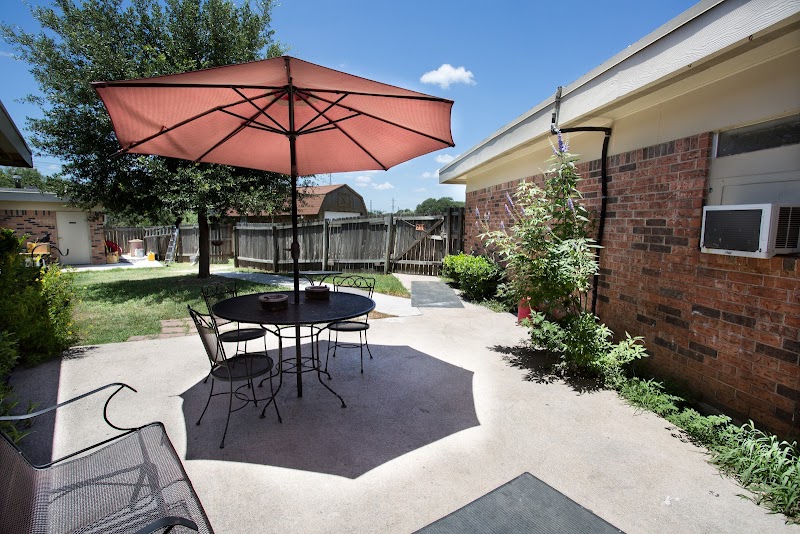
How is Magnolia Living And Rehabilitation Staffed?

CMS rates Magnolia Living and Rehabilitation's staffing level at 2 out of 5 stars, which is below average compared to other nursing homes. Staff turnover is 63%, which is 17 percentage points above the Texas average of 46%. High turnover can affect care consistency as new staff learn residents' individual needs.

What Have Inspectors Found at Magnolia Living And Rehabilitation?

State health inspectors documented 34 deficiencies at Magnolia Living and Rehabilitation during 2022 to 2025. These included: 2 Immediate Jeopardy (the most serious level, indicating potential for serious harm or death), 2 that caused actual resident harm, 29 with potential for harm, and 1 minor or isolated issues. Immediate Jeopardy findings are rare and represent the most serious regulatory concerns. They require immediate corrective action.
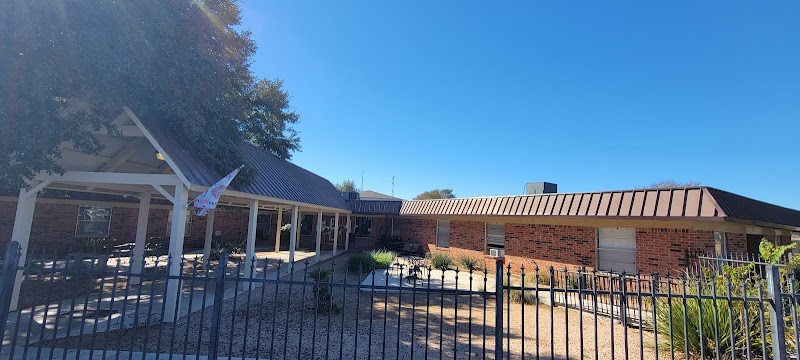
Who Owns and Operates Magnolia Living And Rehabilitation?

Magnolia Living and Rehabilitation is owned by a for-profit company. For-profit facilities operate as businesses with obligations to shareholders or private owners. The facility is operated by AVIR HEALTH GROUP, a chain that manages multiple nursing homes. With 90 certified beds and approximately 85 residents (about 94% occupancy), it is a smaller facility located in Luling, Texas.

How Does Magnolia Living And Rehabilitation Compare to Other Texas Nursing Homes?

Compared to the 100 nursing homes in Texas, Magnolia Living and Rehabilitation's overall rating (1 stars) is below the state average of 2.8, staff turnover (63%) is significantly higher than the state average of 46%, and health inspection rating (1 stars) is much below the national benchmark.

What Should Families Ask When Visiting Magnolia Living And Rehabilitation?

Based on this facility's data, families visiting should ask: "What changes have been made since the serious inspection findings, and how are you preventing similar issues?" "How do you ensure continuity of care given staff turnover, and what is your staff retention strategy?" "Can you walk me through typical staffing levels on day, evening, and night shifts?" "Can I visit during a mealtime to observe dining assistance and food quality?" These questions are particularly relevant given the facility's Immediate Jeopardy citations, the facility's high staff turnover rate, and the below-average staffing rating.

Is Magnolia Living And Rehabilitation Safe?

Based on CMS inspection data, Magnolia Living and Rehabilitation has documented safety concerns. Inspectors have issued 2 Immediate Jeopardy citations (the most serious violation level indicating risk of serious injury or death). The facility has a 1-star overall rating and ranks #100 of 100 nursing homes in Texas. Families considering this facility should ask detailed questions about what corrective actions have been taken since these incidents.

Do Nurses at Magnolia Living And Rehabilitation Stick Around?

Staff turnover at Magnolia Living and Rehabilitation is high. At 63%, the facility is 17 percentage points above the Texas average of 46%. High turnover means new staff may not know residents' individual needs, medications, or preferences. It can also be disorienting for residents, especially those with dementia who rely on familiar faces. Families should ask: What is causing the turnover? What retention programs are in place? How do you ensure care continuity during staff transitions?

Was Magnolia Living And Rehabilitation Ever Fined?

Magnolia Living and Rehabilitation has been fined $39,032 across 3 penalty actions. The Texas average is $33,469. While any fine indicates a compliance issue, fines under $50,000 are relatively common and typically reflect isolated problems that were subsequently corrected. Families should ask what specific issues led to these fines and confirm they've been resolved.

Is Magnolia Living And Rehabilitation on Any Federal Watch List?

Magnolia Living and Rehabilitation is not on any federal watch list. The most significant is the Special Focus Facility (SFF) program, which identifies the bottom 1% of nursing homes nationally based on persistent, serious quality problems. Not being on this list means the facility has avoided the pattern of deficiencies that triggers enhanced federal oversight. This is a positive indicator, though families should still review the facility's inspection history directly.