MCALLEN TRANSITIONAL CARE CENTER
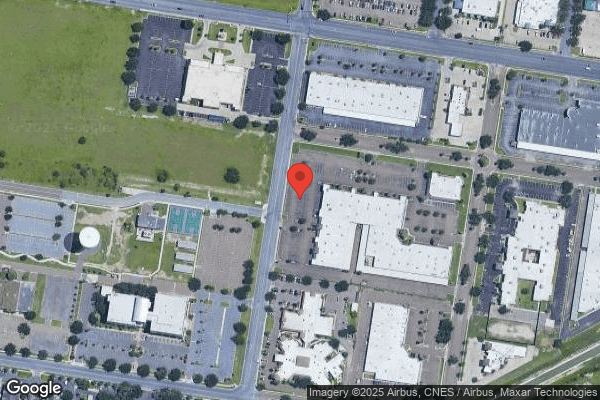
2109 SOUTH K ST, MC ALLEN, TX 78503 (956) 686-9100
Government - Hospital district 100 Beds THE ENSIGN GROUP Data: November 2025 1 Immediate Jeopardy citation
Trust Grade
76/100
#92 of 1168 in TX
Last Inspection: December 2024

Within standard 12-15 month inspection cycle. Federal law requires annual inspections.

Overview

Mcallen Transitional Care Center has a Trust Grade of B, indicating it is a good choice for families seeking care, though not without areas for improvement. It ranks #92 out of 1,168 facilities in Texas, placing it in the top half, and #3 out of 22 in Hidalgo County, meaning only two local options are better. The facility is improving, with issues decreasing from 5 in 2023 to 4 in 2024. However, staffing is a concern, rated only 2 out of 5 stars, with a turnover rate of 36%, which is better than the state average but still indicates some instability. Notably, there have been critical incidents, including one resident eloping from the facility unattended, raising significant safety concerns. Additionally, there was a failure to ensure adequate emergency food supplies and to manage a resident's urinary catheter properly, which could lead to infections. Overall, while there are strengths in quality measures and a decent trust score, families should weigh these serious safety issues when considering this facility.

Trust Score
B
76/100
In Texas
#92/1168
Top 7%
Safety Record
High Risk
Review needed
Inspections
Getting Better
5 → 4 violations
Staff Stability
○ Average
36% turnover. Near Texas's 48% average. Typical for the industry.
Penalties
○ Average
$8,827 in fines. Higher than 65% of Texas facilities. Some compliance issues.
Skilled Nurses
⚠ Watch
Each resident gets only 16 minutes of Registered Nurse (RN) attention daily — below average for Texas. Fewer RN minutes means fewer trained eyes watching for problems.
Violations
⚠ Watch
12 deficiencies on record. Higher than average. Multiple issues found across inspections.
★★★★★
5.0
Overall Rating
★★☆☆☆
2.0
Staff Levels
★★★★★
5.0
Care Quality
★★★★☆
4.0
Inspection Score
Stable
2023: 5 issues
2024: 4 issues

The Good

  • 5-Star Quality Measures · Strong clinical quality outcomes
  • Full Sprinkler Coverage · Fire safety systems throughout facility
  • No fines on record
  • Staff turnover below average (36%)

    12 points below Texas average of 48%

Facility shows strength in quality measures, fire safety.

The Bad

Staff Turnover: 36%

Near Texas avg (46%)

Typical for the industry

Federal Fines: $8,827

Below median ($33,413)

Minor penalties assessed

Chain: THE ENSIGN GROUP

Part of a multi-facility chain

Ask about local staffing decisions and management

The Ugly 12 deficiencies on record

1 life-threatening
Dec 2024 2 deficiencies
CONCERN (D)

Potential for Harm - no one hurt, but risky conditions existed

Incontinence Care (Tag F0690)

Could have caused harm · This affected 1 resident

**NOTE- TERMS IN BRACKETS HAVE BEEN EDITED TO PROTECT CONFIDENTIALITY** Based on observation, interview and record review, the facility failed to ensure a resident who was incontinent of bladder recei...

Read full inspector narrative →
**NOTE- TERMS IN BRACKETS HAVE BEEN EDITED TO PROTECT CONFIDENTIALITY** Based on observation, interview and record review, the facility failed to ensure a resident who was incontinent of bladder received appropriate treatment and services to prevent urinary tract infections and restore continence to the extent possible for 1 of 1 resident (Resident#66) reviewed for indwelling catheters. The facility failed to prevent Resident#66's urinary catheter bag/tubing from touching the floor. This failure could place residents at risk for cross contamination and urinary tract infections. Findings included: Record review of Resident#66's face sheet dated 12/12/24 revealed a [AGE] year-old male originally admitted on [DATE]. Resident#66 had primary/admitting diagnoses of Anemia, Unspecified (a condition where the number of red blood cells is below normal, but the type or cause of the anemia is not specified), and Neurogenic bladder (a condition that affects bladder control due to damage to the nervous system). Record review of Resident #66's MDS dated [DATE], Section C-Cognitive patterns revealed Resident #66 did not had a BIMS score indicated. Section H- Bladder and bowel revealed Resident #66 had not had an indwelling catheter. Record review of Resident #66's care plan dated 3/13/24 revealed Resident #66 had a Foley catheter Neurogenic Bladder Date initiated 11/22/24 and revised on 11/22/24 Intervention/tasks listed Provide catheter care every shift and Position catheter bag and tubing below the level of the bladder and away from entrance room door initiated and revised on 11/22/24. Record review of the Order Summary of Resident's #66 order printed 12/20/24 revealed order to Change Foley Catheter French 20 with 30 milliliters balloon every month and if accidental removal, dislodgement or obstruction as needed. Order Foley catheter check every shift and as needed start dated 11/22/24. During an observation on 12/10/24 at 10:32 AM, revealed Resident #66 Foley catheter bag was noted lying on the floor under Resident #66's bed. Resident #66 was non interviewable. During an interview with CNA C on 12/10/24 at 10:40 AM, CNA C was informed and shown the catheter bag laying on the floor. She said that she noted that the privacy bag that was attached to the bed was torn. She stated that she checked earlier around 9:00 AM and the Foley catheter bag was not touching the floor at that time. CNA C stated if Resident's #66 foley bag was on the floor, the bag could get contaminated, and the resident could get an infection. CNA C said that she would replace the privacy bag for a new one and would put the foley catheter bag inside it. CNA C said that the last in-service on foley catheters and infection control was done last week. During an interview with CNA A on 12/11/24 at 1:05 PM CNA A said that it was important for the bag not to touch the floor because the resident could be at risk for getting an infection. CNA A said that if bag was on the floor staff could step on it. CNA A said that the last in-service on infection control was last week but could not recall the exact date. During an interview with CNA B on 12/11/24 at 1:10 PM CNA B said she checked the Foley bags on residents every time she went into the resident's room. CNA B said it was important to keep foley bags in the privacy bags to prevent the bags touching the floor because the resident could get an infection. CNA B said that the last in-service on infection control was last week. During an interview with CNA D on 12/12/24 at 9:30 AM CNA D said that the Foley bags should be on the sides inside the privacy bag that was attached to the bed. CNA D said that if the foley bag was in the floor, someone could step on it. CNA D said that foley bag was not supposed to be on the floor because the resident could be at risk of getting an infection. During an interview with LVN E on 12/12/24 at 1:40 PM LVN E said that Foley bags should be below the bladder level and the foley bag inside a privacy bag. LVN E said that the foley bags should not be on the floor because the bag could tear, and the resident could get an infection. LVN E said that the last in-service on infection control was last month. During an interview with RN F on 12/12/24 at 2:15 PM RN F said she checks during her shift that was placed correctly and not touching the floor. RN F stated that foley bag should never be touching the floor because it could get pinched, or it could cause a leakage if the foley bag was on the floor. RN F said that the last in-service on infection control was yesterday. During an interview with the ADON on 12/12/24 at 3:05 PM the ADON said that nurses were in charge on checking the Foley bags every shift and that managers made rounds every morning. The ADON said that she educated staff to make sure everything complied. The ADON said that the bag should not be touching the floor to prevent any infections. The ADON said that the last in-service was last Friday, 12/6/2024. During an interview with the DON on 12/12/24 at 3:10 PM the DON said all staff were responsible to check that the Foley catheters had a privacy bag. The DON said that he provided 3 privacy bags for each resident that had a foley catheter. He said that 2 bags were attached to the bed and the third one was attached to wheelchair or walker depending on each resident needs. The DON said that if a foley bag was touching the floor, the bag could get contaminated and could introduce and infection or bag could get a leak. The DON said that the last in-service was last week. Record Review of a policy titled, Infection Prevention and Control Program with revision and review date 12/2023, reflected, The infection prevention and control program is a facility-wide effort involving all disciplines and individuals and is an integral part of the quality assurance and performance improvement program. Goal is to decrease the risk of infection to residents and personnel. Record Review of a policy titled, Catheter Drainage Bag with the revision and review dated 12/2023, reflected, Position the drainage bag below the level of the resident's bladder and without resting on the floor.
CONCERN (D)

Potential for Harm - no one hurt, but risky conditions existed

Respiratory Care (Tag F0695)

Could have caused harm · This affected 1 resident

**NOTE- TERMS IN BRACKETS HAVE BEEN EDITED TO PROTECT CONFIDENTIALITY** Based on observation, interview, and record review the facility failed to ensure that a resident who needed respiratory care was...

Read full inspector narrative →
**NOTE- TERMS IN BRACKETS HAVE BEEN EDITED TO PROTECT CONFIDENTIALITY** Based on observation, interview, and record review the facility failed to ensure that a resident who needed respiratory care was provided such care, consistent with professional standards of practice, the comprehensive person-centered care plan, and the resident's goals and preferences for 1 of 3 residents (Resident's #234) reviewed for respiratory care. 1. The facility failed to ensure Resident #234's oxygen was placed on 2 liters per minute via nasal cannula as ordered by the physician. These failures could place residents who receive respiratory care at risk of developing respiratory complications and a decreased quality of care. Finding included: 1.Record review of Resident #234's face sheet, dated 12/10/24 indicated she was a [AGE] year-old female originally admitted to the facility on [DATE] and re-admitted on [DATE] with diagnoses which included chronic obstructive pulmonary disease also known as COPD, (a chronic inflammatory lung disease that causes obstructed airflow from the lungs). Record review of Resident #234's quarterly MDS assessment was in process. Record review of Resident #234's physician's order dated 12/6/24 indicated Oxygen at 2 liters per minute continuous via nasal cannula every shift for COPD. Record review of Resident #234's comprehensive care plan, dated 12/06/24, indicates Resident #234 required oxygen therapy related to ineffective gas exchange. The intervention of the care plan was for staff to give medications as ordered by physician. Monitor/document side effects and effectiveness. During an observation on 12/10/24 at 9:23 a.m., Resident #234 was lying in her bed with oxygen set at 2.5 liters per minute via nasal cannula. During an observation on 12/12/24 at 9:35 am Resident #234 was lying in her bed with oxygen set at 2 liters per minute via nasal cannula. During an interview on 12/10/24 at 2:40 p.m., LVN G looked at Resident #234's oxygen rate and said it was at 2.5 liters per minute per nasal cannula. He said he thought she was supposed to run at 2 liters per minute. He looked in the electronic medical records for Resident #234 and read her order for oxygen at 2 liters per nasal continuously for COPD. LVN G said that he checked the setting this morning when he started his shift. LVN G said that he thought the humidifier bottle moved the settings and LVN G put the setting at the correct rate. LVN G said that if resident receiving the incorrect order, the resident could be harm. LVN G said that the inservice were done frequently but could not remember the exact date. During an interview on 12/12/24 at 9:22 a.m., LVN E said that nurses were responsible to check every shift the oxygen settings at the beginning of the shift and at the end of the shift. LVN E said that if not administered the correct order the resident could be harm. LVN E could not remember when was the last inservice. During an interview on 12/12/24 at 10:20 am, RN F said that the floor nurses were in charge to check the oxygen settings when starting the shift, during shift, and at the end of the shift. RN F said that if not giving the correct order to the resident, the resident could be hyper-oxygenated (too much oxygen). RN F said that the last inservice was yesterday. During an interview on 12/12/24 at 2:00 pm with ADON said that the nurses were responsible to check the oxygen settings every shift, specially when was a continuous oxygen, ADON said that management made morning rounds each morning. the ADON said that an adverse reaction to the resident was that the oxygen level could drop if not administer the appropriate oxygen ordered by the physician. ADON said that the last inservice was last Friday. During an interview on 12/12/24 at 3:06 p.m., the DON said the charge nurses were responsible for following the physician's orders and to check oxygen settings at the beginning of the shift and as needed during the shift and at the end of the shift. He said that if given less than the oxygen order the Resident's oxygen level could need more oxygen, and if given more than what was prescribed by the doctor, DON said that would not affect the resident if it was only increase by 0.5 liters per minute than the order. DON said that inservices were done weekly for the past few months and monthly. Record review of facility policy titled, Oxygen Administration revision date as of April 2016, revealed it is the policy of this facility that oxygen therapy is administered, as ordered by the physician or as an emergency measure until the order can be obtain.
Jul 2024 1 deficiency 1 IJ
CRITICAL (J) 📢 Someone Reported This

A family member, employee, or ombudsman was alarmed enough to file a formal complaint

Immediate Jeopardy (IJ) - the most serious Medicare violation

Accident Prevention (Tag F0689)

Someone could have died · This affected 1 resident

**NOTE- TERMS IN BRACKETS HAVE BEEN EDITED TO PROTECT CONFIDENTIALITY** Based on observation, interview, and record review the facility failed to ensure adequate supervision was provided to prevent ac...

Read full inspector narrative →
**NOTE- TERMS IN BRACKETS HAVE BEEN EDITED TO PROTECT CONFIDENTIALITY** Based on observation, interview, and record review the facility failed to ensure adequate supervision was provided to prevent accidents for 1 of 6 residents (R #6) reviewed for supervision. The facility failed to ensure R #6 received adequate supervision as R #6 eloped from the facility without anyone's knowledge on 07/08/24 at around 3:16 AM and went to a corner store approximately 0.5 miles away. R #6 experienced a change of condition (UTI), had increased confusion, and was unsupervised for approximately 1 hour and 15 minutes before the facility became aware that he had eloped. An Immediate Jeopardy was identified on 07/08/24. The Immediate Jeopardy template was provided to the facility Administrator on 07/30/24 at 11:20 AM. While the Immediate Jeopardy was removed on 07/31/24 at 10:30 AM, the facility remained out of compliance pending approval of Plan of Correction. This failure could lead to residents exiting the facility unattended which could result in injuries, hospitalization, or death. The findings included: Record review of R #6's face sheet dated 06/10/24 reflected an [AGE] year-old male, with an original admission date of 12/21/23. Diagnoses included: unspecified dementia, chronic obstructive pulmonary disease (progressive lung disease that results in breathlessness and cough), depression, anxiety disorder, insomnia, and osteoarthritis (arthritis that affects any joint, causes pain, stiffness, and loss of mobility). Record review of R #6's MDS assessment dated [DATE] reflected R #6 had a BIMS score of 11 (moderate cognitive impairment), required setup or clean-up assistance (helper sets up or cleans up, resident completes activity, helper assists only prior to or following the activity) with sit to lying, lying to sitting on side of bed, sit to stand, chair/bed-to-chair transfer, and toilet transfer. R #6 required partial/moderate assistance (helper does less than half the effort, helper lifts, holds, or supports trunk or limbs, but provides less than half the effort) for walking 10 feet. The MDS also reflected R #6 used a wheelchair. Record review of R #6's Care Plan dated 07/10/24 reflected the following care areas: *R #6 had a UTI. Interventions included to monitor/document/report to MD for signs/symptoms of UTI: Frequency, Urgency, Malaise (ill, fatigued), foul smelling urine, dysuria (painful urination), fever, nausea and vomiting, flank pain, supra-pubic pain, hematuria (blood in urine), cloudy urine, altered mental status, loss of appetite, behavioral changes. Date initiated: 07/05/24. *R #6 reflected an elopement: at risk for delirium or an acute confused episode related to UTI, change in condition. At risk for elopement related to disoriented to place. On 07/08/24, R #6 was found outside facility grounds. R #6 was placed on 30-minute checks. Hospice would visit R #6 more frequently. Family wish to transition to standard wheelchair and not use the power wheelchair for now. Pharmacy to evaluated medications. Date initiated: 07/08/24. Record review of R #6's elopement assessment dated [DATE] reflected score of 3, low risk. Record review of R #6's BIMS assessment dated [DATE] reflected BIMS score of 3, severely cognitively impaired. Record review of R #6's elopement assessment dated [DATE] reflected score of 15, high risk. Record review of R#6's BIMS assessment dated [DATE] reflected BIMS score of 11, moderately cognitively impaired. Record Review of R #6's progress notes for July 2024 reflected the following: - 07/08/24 at 5:00 AM, documented by LVN A indicated the facility received call from LE stating R #6 was at a local corner store and left building without informing staff. LVN A assisted in bringing R #6 back into building. R #6 had motorized wheelchair and was very mobile with it. Last noted in room at 3:30 AM. At this time, R #6 appeared to be in stable condition, some confusion noted, more than baseline. R #6 was able to tell LVN A his name and location but did not recall date or time. Head to toe assessment completed and all within normal limits. Vitals signs were stable, and skin was intact. Per R #6, he wanted to smoke but needed a lighter and decided to go to store to buy one. R #6 stated that he forgot what way to come back so he asked the store clerk to call for directions. The RP, DON, Administrator and MD called to inform of elopement. At this time, R #6 was safe in the room. LVN A assigned 1:1 staff with R #6 until further directions from DON. - 07/08/24 at 7:15 AM, documented by the DON indicated R #6 was noted outside facility grounds this morning. Assessment followed up by this RN. R #6 was currently in bed, awake/alert confused, with RP at bedside. As per R #6, stated he felt the urge to smoke but did not have a lighter and decided to leave facility with his power wheelchair to the corner store without advising staff. Once R #6 arrived at the store, he stated he did not take his money and asked for directions back to facility which at that time the store clerk assisted him by calling local LE. LE then called the facility to inform of R #6's whereabouts and he was safely transferred to facility with assistance of LVN A and RNA B. Head to toe assessment conducted by LVN A and followed up by this RN at this time. The assessment was within normal limits, vital signs were within normal limits. As per the RP, who was at bedside, she stated she believed his acute confusion was noted by her yesterday morning and thought his UTI was not resolved. R #6 was currently on antibiotics for a UTI and was started on a patch for pain by hospice. The RP wished to discontinue the patch for now as his pain was better controlled by Morphine. The DON spoke with the hospice nurse who would stop by today to assess R #6. The Medical Director was made aware of the occurrence. He advised to consult with psych for re-evaluation and do a urine analysis (UA) for UTI follow up. The RP was aware and agreed with the recommendation. - 07/08/24 at 10:40 AM, documented by the DON indicated the hospice nurse was at bedside and assessed R #6. Discussion occurred about R #6 leaving facility without notifying staff this morning. The hospice nurse talked to R #6 and education was provided about leaving the facility which R #6 verbalized understanding. Plan was to discontinue the pain patch per family request. The hospice nurse agreed with the UA and psych evaluation per the Medical Director recommendation. At this time R #6 was frequently monitored by the licensed nurse every 30 minutes, visual checks for the next 72 hours. All doors in the facility were checked by maintenance for proper functioning of fire alarm when opening. As per hospice nurse, the RP wanted R #6 to be transitioned to a regular wheelchair for now. Therapy to evaluate. A discussion occurred with R #6 about the RP's requests, and he agreed to them. Resident rights, out on pass, and smoking policy/procedure were discussed with the RP and R #6. Both parties verbalized understanding. - 07/08/24 at 2:30 PM, documented by an RN indicated: Hospice nurse gave new order for UA which was collected. Results were pending. - 07/12/24 at 2:42 PM, documented by RN C indicated: Relayed UA results to hospice nurse. R #6 continued to take prophylactic antibiotics for recurrent UTI. No new orders given. - progress notes from 07/08/24 to 07/16/24 reflected staff continued to monitor R #6 and R #6 did not exhibit elopement or exit seeking behaviors. Record review of the Provider Investigation Report dated 07/13/24 reflected the incident on 07/08/24 at 4:48 AM was reported on 07/08/24 at 5:20 PM. At 4:48 AM, the ADM received a call from the night nurse to inform them that R #6 was identified outside of facility grounds. R #6 was located and returned safely to the facility. R #6 stated he left to go to the corner store to buy cigarettes. Head-to-toe inspected, no injuries noted, and R #6 was noted to be more confused than baseline. Provider Response: monitor closely, 1:1 to care for remainder of shift, and do visual checks often, and hospice to visit. Investigation attached. Conclusion: The facility completed a thorough investigation that included the review of the resident's clinical record, interviews with the staff and resident, and the resident's responsible party, consultation with the primary care provider and hospice services, review of the facility's policies and processes, and physical plant elopement risk points. During the facility investigation, it was evident that R #6 exited the front lobby door while staff were working in other hallways and were not able to witness the resident exit. The resident exited his hall at 2:14 AM (3:14 AM, video footage timestamp incorrect) and exited the facility front door at 2:15 AM (3:15 AM). It took the resident approximately one (1) minute to exit the facility in his wheelchair after leaving his room. R #6 exited the front door of the facility on 07/08/24 at approximately 2:15 AM (3:15 AM). R #6 was found safe at the corner store approximately 1 block (0.5 mile away according to a web search) from the facility with LE, who contacted facility staff for pick up. The resident was returned to the facility without injury or adverse effects to his health. Again, to repeat, there were no signs or symptoms of abuse, neglect, distress, or bodily injury noted. The facility felt confident the investigation revealed this was an unpredictable and isolated event which was unavoidable and not related to neglect. The resident never demonstrated behavior, voiced desire, or had assessment results that would have indicated he was a risk for elopement. The facility took all measures possible to ensure this does not re-occur with R #6 or any other resident in the facility. Investigation findings: Unconfirmed. Provider Action Taken Post-Investigation: Staff in-service conducted regarding abuse/neglect/exploitation, reporting incidents, elopement, change of conditions, 100% in-service for all staff on elopement and facility investigation conducted regarding allegation of abuse/neglect with findings unconfirmed. Signed by the ADM on 07/13/24. Interview with R #6 on 07/10/24 at 11:30 AM. R #6 said he left the other night. R #6 could not provide details of where he went. R #6 said he did not tell anyone he was leaving. R #6 said the police brought him back. R #6 appeared confused and did not continue the interview. Interview with R #6's RP on 07/10/24 at 11:45 AM. The RP said she had no concerns with the care provided to R #6 at the facility. The RP said she was aware of R #6 eloping. The RP said she received a call from the nurse on 07/08/24 at around 4:48 AM to let her know about the situation. The RP said when she arrived at around 6 AM, the DON and ADM were already at the facility. The RP said she did not believe the staff failed to do something, but she just thought about all the worst-case scenarios and she just worried. The RP said she did not want to think about all the things that could have happened. The RP said R #6 did not have a history of leaving like he did. The RP said R #6 did not say he wanted to go home or show any sign of wanting to leave. RP said R #6 had been doing well. The RP said R #6 had a UTI, but he got UTIs frequently, and never tried to leave. Interview with corner store Manager on 07/10/24 at 8:20 AM. The Manager did not have any knowledge or information regarding the incident involving R #6. The Manager reassured her staff would have notified her of such incident but did not mention that they called LE for R #6. The Manager did not wish to provide the contact information for the clerk that worked at the time of incident. Interview with LE attempted on 07/10/24 at 9:40 AM. LE was not working, and a message was left requesting a callback. Interview with RNA A on 07/10/24 at 10:25 PM. RNA A worked the 10 PM-6 AM shift. RNA A said she worked on 07/07/24-07/08/24 with R #6. RNA A said she was assigned to R #6's room in the 700 hall, but she and the other RNA would help each other out as needed for all residents on the north side. RNA A said they rounded on the residents every 2 hours and as call lights were turned on. RNA A said R #6 was very independent and he was known to get up in the middle of the night. RNA A said R #6 would self-transfer to his wheelchair, go down the hall to the south side, and go back to his room. RNA A said R #6 had never left the facility. RNA A said he always went back to his room. RNA A said R #6 did not say he wanted to go home or to the store. RNA A said R #6 did not exhibit different behaviors, it was like any other night. RNA A said nobody knew that R #6 was going to elope. RNA A said the last time she saw R #6 was around 2 AM during their rounds. RNA A said she saw him in the motorized wheelchair in the hall. RNA A said after that she did not remember seeing him. RNA A said she continued answering lights and helping the other RNA. RNA A said they did help in all 3 halls as needed on the north side. RNA A said around 4 AM, she had started rounds in the 800 hall and LVN A informed her that R #6 was at the corner store. RNA A said LVN A and RNA B left to bring R #6 back. RNA A said she continued with the rounds in the meantime. RNA A said they brought R #6 back and he was not injured or in distress. RNA A said R #6 did not tell her anything about where he went or why, he just went to his room and laid down. RNA A said she knew to look for signs or symptoms of UTIs and would report it to the nurse. RNA A said she could not remember if R #6 had a UTI, but he did not appear confused that night. RNA A said he conversed with them, looked out for his roommate, and had no signs of confusion when she worked with him. RNA A said they completed their rounds like usual that night like they always did. RNA A said she did not fail to complete the rounds every 2 hours. RNA A said they did rounds, answered call lights, and got busy at times. RNA A said R #6 had never done what he did, and they had no reason to monitor him for elopement. Interview with RNA B on 07/10/24 at 10:50 PM. RNA B worked the 10 PM-6 AM shift. RNA B said she worked on 07/07/24-07/08/24 with R #6. RNA B said she had seen R #6 around 2 AM. RNA B said she had seen him in his room and in the hallway in his wheelchair. RNA B said she believed she might have been in another resident's room at the time when LVN A informed them that R #6 was gone around 4 AM. RNA B said R #6 was very independent and had never tried to leave. RNA B said R #6 went to the restroom, got coffee down the hall on the south side, and went back to his room. RNA B said R #6 never appeared confused, at least not during their shift. RNA B said R #6 was able to self-transfer from the bed to the wheelchair and from the wheelchair to the bed. RNA B said R #6 did not like for them to assist him much. RNA B said it was normal for R #6 to be awake at that hour of the night. RNA B said they rounded on the residents every 2 hours. RNA B said she and RNA A helped each other out to care for the residents in the 600, 700, and 800 halls (north side). RNA B said R #6 never said he wanted to leave or that he wanted to go to store. RNA B said R #6 smoked a lot but understood that there were smoke breaks, and he never tried to go outside during the overnight hours to go smoke. RNA B said LVN A asked her to help him bring R #6 back. RNA B said they went in her car so R #6's wheelchair would fit in the back of her car. RNA B said when she arrived at the corner store, LE was outside with R #6. RNA B said R #6 recognized her and LVN A. RNA B said R #6 did not appear confused. RNA B said the corner store clerk said that R #6 had asked for cigarettes. RNA B said the clerk spoke more to LVN A. RNA B said LE said he wanted to make sure that R #6 was safe and LE followed them to the facility. RNA B said LE spoke to RN A, then left. RNA B said LVN A assessed R #6 and RNA B continued with rounds and assisted other residents. RNA B said R #6 did not tell her anything on the way back to the facility such as where he went or how he left. RNA B said R #6 told LVN A that he went to the store. RNA B said LVN A continued to interview and assess R #6 but she continued with rounds so she was not sure what else he said. RNA B said if the resident had a UTI, they did inform them during the report or shift change. RNA B said she did not know if R #6 had a UTI, but he was known to have UTIs. RNA B said sometimes they did have to monitor the residents more when they had a UTI because they were very confused. RNA B said R #6 was not confused, at least it did not appear like that to her. RNA B said R #6 always had a staff with him for now and they were checking on him more frequently. RNA B said she did not know which door R #6 exited through. RNA B said the doors at the end of the halls would sound when they opened them, but the door alarms never sounded that night. RNA B said the front door was not locked before. RNA B said she was not sure if it was locked when she arrived for her shift today, she did not pay attention. RNA B said she had been in-serviced on elopements before the current incident and a similar incident had never happened before. RNA B said they completed the rounds on time, rounded at 2 AM and then again at 4 AM but they were in other residents' rooms around that time. RNA B said especially around the 4 AM shift, the residents usually started waking up and pressed the call lights more frequently. Interview with RN A on 07/10/24 at 11:45 PM. RN A said he worked on 07/07/24-07/08/24 with R #6. RN A said he worked on the south side of the building but that night he was in/out of another resident's room that had declined. RN A said he might have been in that resident's room when R #6 was on the south side or exited the building. RN A said he was informed by LVN A that LE called the facility to inform them that R #6 was at the corner store. RN A said LVN A and RNA B left to bring R #6 back. RN A said R #6 arrived with RNA B and LE had escorted them. RN A said LE asked him for R #6's DOB and wanted to make sure he was a resident of the facility. RN A said LE left, and he assisted R #6 into his wheelchair. RN A said LVN A assessed R #6. RN A said he assisted a bit but then returned to his residents. RN A said R #6 was not injured. RN A said R #6 was known to get up throughout the night. RN A said R #6 was self-sufficient, went to the restroom, got coffee by the kitchen area, and went back to his room. RN A said that was his normal routine. RN A said R #6 did seem confused this night. RN A said R #6 had a diagnosis of dementia and his cognition fluctuated. RN A said R #6 had recurrent UTIs, but he did not know if R #6 was being treated for that. RN A said UTIs were reported in the shift change, as well as medication changes. RN A said LVN A was assigned to R #6 that night. RN A said if there was a change of condition, the RNAs would also be informed so they ensured to monitor them for any changes. RN A said he kept track of the residents that might have a change of condition and if they had a UTI, that might cause confusion. RN A said he was not sure if R #6 was being treated for a UTI or if the staff were informed that night. RN A said even if R #6 was confused, he had never tried to leave like this. RN A said the most R #6 would do was get up, get coffee, and go back to his room. RN A said the nurses did rounds, the RNAs did rounds, every 2 hours or as needed. RN A said before the incident happened, the front door was not locked. RN A said he was not sure if the door would be kept locked. RN A said LVN A completed the cognitive and body assessment for R #6. RN A said they notified the DON, ADM, RP, and MD. RN A said R #6 did not say anything like where he went or really talk. RN A said LVN A might have gotten more information from him. Interview with LVN A on 07/11/24 at 8:20 AM. LVN A said he worked on 07/07/24-07/08/24 with R #6 in the 700 hall. LVN A said he was assigned to the 600, 700, and 800 halls (north side). LVN A said when he arrived for his shift, he got report, did his round, and made sure everyone was accounted for with the call light nearby, like usual. LVN A said LE called him on the phone at around 4 AM, to inform him that R #6 was at the corner store. LVN A said that was when he was aware that R #6 was missing. LVN A said he had seen R #6 around 2 AM, down the hallway and in his bed. LVN A said R #6 was able to transfer himself in and out of bed and it was not unusual for him to get up around that time. LVN A said R #6 would go to the restroom, go down the hall to the south side, get coffee, but he would always go back to his room. LVN A said R #6 had never tried to leave before. LVN A said R #6 was a smoker and there were no smoke breaks during the overnight hours, but R #6 never tried to go outside to smoke during the night. LVN A said if the residents went out on pass, there was a binder in the front to sign in and out, but R #6 would never try to go out in the middle of the night like that. LVN A said R #6 never said he wanted to go home or that he wanted to go to the store. LVN A said R #6 did not exhibit any indications that he would elope. LVN A said R #6 was sometimes confused, probably because of the UTI he kept getting and his diagnosis of dementia. LVN A said R #6 had recurrent UTIs, so it was hard to say if he was confused because of the UTIs or the dementia. LVN A said other times that he had UTIs, he never tried to leave. LVN A said if a resident had a UTI, the staff were informed. LVN A said the RNAs knew to report any changes such as behavioral changes or altered mental status. LVN A said even if they did not have a UTI, the staff knew to report any changes. LVN A said the staff knew R #6 had a UTI. LVN A said it was around maybe 4 AM when LE called. LVN A said he and RNA B took off right away to the store in their vehicles. LVN A said they did not use the facility van because they did not have the keys, plus they did not want to waste time. LVN A said when they arrived, R #6 was sitting outside with LE. LVN A said the store clerk asked him for the facility's phone number to have just in case. LVN A said the clerk did not mention anything else. LVN A said he did not know how they figured out if that was that facility. LVN A said maybe they just called different locations. LVN A said LE wanted to know his name and DOB to release R #6 to him. LVN A said they brought R #6 back to the facility in RNA B's vehicle. LVN A said LE helped to put R #6 in the car, ensured he was buckled, and brought him back safely to the facility. LVN A said LE followed them to the facility. LVN A said R #6 said he wanted to purchase a lighter but was not able to get one. LVN A said he completed the head-to-toe assessments and the other assessments for R #6. LVN A said he was not injured. LVN A said he was confused but the confusion was normal to his baseline. LVN A said he completed the BIMS and the elopement assessment. LVN A said he did not remember how he scored but it should be documented in his file. LVN A said the RNAs conducted their rounds appropriately and he did not believe they failed to do something. LVN A said sometimes the RNAs went into rooms together to help each other out or maybe help the nurses too. LVN A said he also completed his rounds that night and might have been busy with other residents when R #6 left the facility. LVN A said they brought him back safely, notified all parties, doctor, family, hospice, DON, administrator, and followed the protocol. LVN A said R #6 was at the corner store on the intersection about 0.5 mile away. LVN A said even before the incident happened, they had in-services in the past for elopements and this was not something new that they were learning or trained them on. Interview with the DON on 07/10/24 at 8:50 AM. The DON said he was aware of the incident regarding R #6 eloping on 07/08/24. The DON said the staff had just seen him and checked on R #6 around 3:30 AM, and he was doing fine. The DON said the facility got a call around 4:50 AM that R #6 was at the corner store. The DON said LVN A and RNA B went to pick him up and brought him back. The DON said R #6 was not injured. The DON said the staff had already called him and so he and the ADM showed up to the facility. The DON said he called the corner store and spoke to the store clerk. The DON said the clerk said that R #6 went into the store, asked for cigarettes and a lighter, but then R #6 said he forgot his money. The DON said that R #6 did not remember which way to get back to the facility. The DON said the clerk said he called LE and LE called the facility to see if R #6 was a resident there. The DON said they reviewed the cameras and noted that R #6 left through the front door which was not locked and did not have any chime or alarm. The DON said after R #6's elopement, they installed a chime at the front door so every time the door was opened a chime sounds. The DON said he explained to staff that the chime was to alert them that there was someone at the door. The DON said during the nighttime, nobody came in and out, so staff knew that the chime came from the front door. The DON said the other doors had an alarm that would go off but that was a different alarm system and made a different noise. The DON said the doors were checked and all the door alarms functioned properly. The DON said there was nobody at the front desk when R #6 exited the front door. The DON said nobody knew he had left. The DON said R #6 had not exhibited exit seeking behaviors or said he wanted to go home/store. The DON said there were no indications that he would leave. The DON said R #6 had never eloped before. The DON said R #6's last BIMS was 11 (moderately cognitively impaired), but then when they brought him back, they conducted the BIMS and it was a 3 (severely cognitively impaired). The DON said then when R #6 was assessed again, hours later or the next day, his BIMS was at 11 again. The DON said R #6 was confused and they had been treating him for a UTI. The DON said R #6 was on hospice due to COPD and the hospice nurse had said to put him on antibiotics prophylactically (preventative measure) without labs because since he was on hospice, they usually did not take blood or do labs. The DON said the doctor said to do a urine test to see if they needed to change the antibiotics after the incident happened. The DON said they placed R #6 on 30-minute checks for 3 days, and he had been doing well. The DON said they discussed with the RP that if he had more behaviors or began to exit seek, that they would maybe need to move him to a memory care unit, but the RP did not want that. The DON said R #6 was a smoker, but he understood there were certain times to smoke. The DON said R #6 had a motorized wheelchair, but the RP requested for him to only use the regular wheelchair to prevent any further incidents in the meantime. The DON said R #6 was known to be awake and up in his wheelchair during the night, but he would never try to elope. The DON said that same day on 07/08/24, they initiated elopement assessments on every resident and no other resident triggered for high risk. The DON said there were 3 ambulatory residents, but they were not at risk of elopement according to the assessments. The DON said they also completed in-services for all staff, checked all doors/alarms, installed the front door chime, and began elopement drills. Interview with the ADM on 07/10/24 at 9:05 AM. The ADM said when R #6 eloped through the front door, the front door was not locked, there was nobody assigned to the front desk, and there was no alarm. The ADM said that was how the facility had always done things and no elopement incident had occurred. Interview with the DON on 07/10/24 at 1:55 PM. The DON said R #6's care plan indicated to monitor for symptoms regarding UTIs. The DON said a UTI could cause confusion and he was also on antibiotics so they would monitor daily for altered mental status which meant alertness, cognition, and responsiveness. The DON said R #6 had intermittent confusion, so it was hard to say if the confusion resulted from the UTI or his dementia. The DON said at night, nobody was at the front desk, and it had always been like that. The DON said all the doors opened and had an alarm to alert except the front door. The DON said the front door did not have an alarm or chime until now. The DON said there had never been an issue regarding the front door. The DON said R #6 was able self-transfer to the wheelchair. The DON said some days he required more assistance than other days, depending on his day. The DON said R #6 had been declining a lot the past few weeks which was why he got admitted to hospice. The DON said R #6 had COPD and his lungs were very poor, but he continued to smoke. The DON said RP did not want to take away that joy of smoking and it was his right to smoke. The DON said he believed it was around 3:30 AM that the staff last saw R #6 and he left around 3:37 AM, but the time stamps on the video footage were not correct so he was not sure on the times. The DON said LE called the facility around 4-4:30 AM. The DON said the staff called the ADM, the nurse called the DON, then ADM called the DON to make sure he knew. The DON said he got the call at 4:45 AM from the nurse, and R #6 was already back in the building when they called him. The DON said he arrived at the facility around 5-5:15 AM. The DON said the staff rounded every 2 hours and the staff had rounded with R #6 within the 2-hour period. The DON said R #6 got up during the night, got coffee, or roamed around inside the building but never tried to leave. The DON said that was what the night staff told him. The DON said the staff would check he got coffee and went back to his room. The DON said during the rounds, the staff had to make sure they saw each resident, even if they did not require assistance, make sure they put eyes on them. The DON said the staff would have noticed during the next round that R #6 was missing. The DON said at night, the building was very quiet so the chime installed would echo throughout the building and alert someone was at the front door. Observation/review on 07/10/24 at 4:30 PM revealed the ADM showed the Investigator the video footage of R #6 leaving the facility. The video footage timestamps were incorrect by about 3 hours ahead of actual time. At around 3:16 AM, R #6 exited the building through the front door, which was not locked, and he left the facility grounds on his motorized wheelchair. At around 4:25 AM, LVN A and RNA B left in their cars. At around 4:38 AM, staff returned with R #6 in RNA B's vehicle. LE followed them to the facility. LE spoke to RN A and left. RN A and RNA B assisted R #6 into his wheelchair and back into the facility. Interview with LE attempted on 07/10/24 at 9:50 PM. LE was not working on this night, and a message was left requesting a callback. Interview with the DON on 07/15/24 at 4:10 PM. The DON said they did not know R #6 would elope as he did not have any history or behaviors. The DON said R #6 was not injured and did not have a negative outcome from the incident. The DON said he did not believe R #6 would have been injured from the incident as he was aware of what he was doing. The DON said R #6 told him that se fue por el caminito (followed the sidewalk) and he arrived at the store safely. The DON said R #6 got a little confused and did not know how to come back and knew to ask for help. Record review of a Google.com search conducted on 07/16/24 reflected the corner store was approximately 0.5 mile away from the facility. Record review of a Weather.com search reflected the temperature for 07/08/24 at around 3-4 AM was approximately 80 degrees Fahrenheit. Record review of the Elopement/Unsafe Wandering Policy dated June 2018 Revised on: December 2023 Policy: It is the policy of this facility to provide a safe environment, as free of accidents as possible, for all residents through appropriate assessment, interventions, and adequate supervision to prevent accidents related to unsafe wandering or elopement while maintaining the least restrictive manner for those at risk for elopement. Elopement occurs when a resident leaves the facility premises or a safe area without the facility's knowledge, authorization (examples: an order for discharge, appointment, or leave of[TRUNCATED]
Feb 2024 1 deficiency
CONCERN (D) 📢 Someone Reported This

A family member, employee, or ombudsman was alarmed enough to file a formal complaint

Potential for Harm - no one hurt, but risky conditions existed

Abuse Prevention Policies (Tag F0607)

Could have caused harm · This affected 1 resident

**NOTE- TERMS IN BRACKETS HAVE BEEN EDITED TO PROTECT CONFIDENTIALITY** Based on record review and interview the facility failed to develop and implement written policies and procedures that prohibit ...

Read full inspector narrative →
**NOTE- TERMS IN BRACKETS HAVE BEEN EDITED TO PROTECT CONFIDENTIALITY** Based on record review and interview the facility failed to develop and implement written policies and procedures that prohibit and prevent abuse, neglect and exploitation of resident and misappropriation of resident property for one (resident #1) of 2 residents reviewed. Facility staff failed to notify administration when Resident #1 contacted the police notifying them that facility staff was not responding to his call light when he was calling for help because he had fallen from his bed. This failure could place residents at risk of injury or neglect. Findings included: Record review of Resident #1's admission Record dated 2/8/24 revealed a [AGE] year-old male admitted on [DATE] with diagnoses of Type 2 Diabetes Mellitus, Muscle Weakness (generalized), Difficulty in walking, not elsewhere classified, Paraplegia (paralysis of the legs and lower body, unspecified, Need for assistance with personal care, Colostomy status (opening for the colon, or large intestine, through the abdomen). Record review of Resident #1's MDS dated [DATE] revealed a BIM score of 15 which indicated his cognition was intact. Record review of Resident #1's MDS Section G dated 9/7/23 revealed; Bed Mobility resident required extensive assistance, 2-person physical assist and for dressing the resident required extensive assistance, 1 person physical assist. Record review of Resident #1's Progress Note dated 9/22/23 revealed a discharge summary. The summary indicated he had been discharged from the facility. Record review of a local Police Department Summary Report revealed an incident called in to the police department on 9/17/23. The report reflected that on 9/17/23 Resident #1 called the police department because he had fallen from his bed and was not able to get assistance from facility staff. The report also reflected that a police officer was sent to investigate and spoke with both Resident #1 and the charge nurse on duty. The report reflected there were no injuries to Resident #1 and he refused medical attention. Record review of Resident #1's progress notes dated 9/17/23, 9/18/23, 9/19/23, revealed no documentation of this incident. Record review of facility's grievance log dated September 2023 indicated a grievance filed on 9/18/23 by Resident #1 on call lights not being answered at the time of incident. During an interview on 2/7/24 at 2:41 pm the local Police Officer said he followed up on an incident that occurred on 9/17/23. He said he reviewed the case and made a referral to HHSC. He said the police were called into the facility by a resident who had fallen from his bed. The Police Officer said there were no injuries reported at the time. The Police Officer said he spoke to the nurse on duty but did not ask him why they did not answer Resident #1's call. Resident #1 was on floor at the time and staff were able to assess and place him in bed. Resident #1 did not want medical attention according to the Police Officer. During an interview on 2/7/24 at 3:28 pm Community Liaison said Resident #1 filed a grievance on 9/18/23 regarding call lights not being answered at night. She said Resident #1 only brought up the issue on call lights, he did not mention anything else. During an interview on 2/8/24 at 1:17 pm the DON said he was never informed by staff that a police officer had gone into the facility on that day. He said nurses were supposed to notify him if the police department was called in to the facility or if a resident had a fall or change in condition. He said staff had been in-serviced on that before. The DON said Resident #1 never mentioned to him that he called police. He said he would have to assess the incident to decide if it was a reportable incident. During an interview on 2/8/24 at 2:09 pm CNA T said she had just started working at the facility and was taking her lunch break when she saw the police in the building. She said she did not know why they were there. During an interview on 2/8/24 at 2:35 pm the Administrator said he was not informed by staff that a police officer had been called to the facility. He said he did not know about the incident. The Administrator said staff were supposed to notify him when the police are called into the facility. Attempts to contact LVN B on 2/7/24 at 2:00pm and on 2/8/24 at 11:00am were unsuccessful. Attempts also made to contact CNA P on 2/7/24 at 2:03pm and again on 2/8/24 at 11:05 am were unsuccessful. Record review of facility's Abuse: Prevention of and Prohibition Against states; Policy & Procedure Freedom from Abuse, Neglect, Exploitation dated; original date: 11/2017, Revision/Review Date(s): 4/2019, 1/2021, 1/2022, 10/2022, 12/2023 states; The Facility will provide oversight and monitoring to ensure that its staff, who are agents of the Facility, deliver care and services in a way that promotes and respects the rights of the residents to be from abuse, neglect, misappropriation of resident property, exploitation, or use of technology that would infringe on the resident's right to personal privacy. H. Reporting/Response 1. All allegations of abuse, neglect, misappropriation of resident property, or exploitation should be reported immediately to the Administrator.
Sept 2023 4 deficiencies
CONCERN (D) 📢 Someone Reported This

A family member, employee, or ombudsman was alarmed enough to file a formal complaint

Potential for Harm - no one hurt, but risky conditions existed

Deficiency F0558 (Tag F0558)

Could have caused harm · This affected 1 resident

**NOTE- TERMS IN BRACKETS HAVE BEEN EDITED TO PROTECT CONFIDENTIALITY** Based on observation, interview, and record review the facility failed to ensure residents received services in the facility wit...

Read full inspector narrative →
**NOTE- TERMS IN BRACKETS HAVE BEEN EDITED TO PROTECT CONFIDENTIALITY** Based on observation, interview, and record review the facility failed to ensure residents received services in the facility with reasonable accommodations of each resident's needs for 1 of 8 residents (Resident #38) reviewed for call lights in that: The facility failed to ensure Resident #38's call light was within reach and was positioned where she could use it and was appropriate for her needs. This failure could place residents at risk of being unable to call for assistance. The findings included: Record review of the admission record dated 09/27/23 for Resident #38 reflected resident was admitted to the facility on [DATE],was a [AGE] year-old female with diagnosis that included dementia (decline in cognitive abilities), need for assistance with personal care, diabetes (high blood sugar levels), and carpal tunnel syndrome (neurological disorder on median nerve on hands) and pain in the right knee. Record review of Resident #38's quarterly MDS dated [DATE] reflected Resident #38's cognitive skills for daily decision making were independent, required two-person assistance for bed mobility and dressing, required total dependence on two staff for toilet use and bathing. Record review of Resident #38's care plans dated 08/23/23 reflected resident was at risk for falls related to weakness. Interventions included to be sure the call light was within reach and to encourage to use it to call for assistance as needed, date initiated, 08/23/23. Observation and interview with Resident #38 on 09/27/23 at 9:26 am revealed Resident #38 was in bed, she stated she had fallen on 09/26/23 from her bed and was feeling pain in her right shoulder/ hand and she could not move her left arm. Resident #38's call light was a push button device that was clipped to resident's pillow on her left side out of sight and out of reach. Resident #38 voiced she could not see or reach her call light. At 9:35 am LVN K was called into Resident #38's room. LVN K said Resident #38 had been assessed for pain after the fall the day before and Resident #38 had not voiced any pain to her shoulders or hands. LVN K said Resident #38 had been asleep earlier in the morning when he did his rounds with her. Resident #38 usually slept late. LVN K placed Resident #38's call light on her right hand and asked Resident if she could see it and use the call light. Resident #38 attempted to push the button on the call light with her right hand and demonstrated she could not press on the push button call light. LVN K said he would come and place a touch pad call light for Resident #38. Interview on 09/27/23 at 9:35 am with CNA L revealed he had gone into Resident #38's rooms earlier in the day and had not seen that her call light was clipped where she could not see it or was not able to reach. CNA L said Resident #38 could use the call light to ask for help if it was placed within her reach and within her sight. Observation and interview on 09/28/23 at 1:42 pm revealed Resident #38 in her bed and her touch pad call light was placed on her bed below her left outstretched arm and elbow. Resident #38 said she could see the touch pad call light and she could not move her upper body to see where the call light was placed. CNA M was called into the room and placed the touch pad call light on Resident #38's right hand that was placed on her stomach. CNA M said she had placed the call light on Resident #38's left lower elbow beside her body where Resident #38 could not see or reach. CNA M said she had been in a hurry when she had come in to check on Resident #38 and had not ensured Resident #38 could see or reach her call light. Interview on 09/28/23 at 3:40 pm with the DON revealed Resident #38 had been assessed on 09/27/23 and she was able to show she could use both arms and hands without any pain or discomfort. Resident #38 was able to show she could use her both her hands to reach and push the call light button. The DON said the call light for Resident #38 should be placed where the resident could see it and be able to use to ask for help. The DON if the call light was not placed within sight and reach, the resident would not be able to call for help as needed. Record review of the facility policy revised May 2017 and titled Call Light/Bell reflected It is the policy of this facility to provide the resident a means of communication with nursing staff. Place the call device within resident's reach before leaving the room.
CONCERN (D) 📢 Someone Reported This

A family member, employee, or ombudsman was alarmed enough to file a formal complaint

Potential for Harm - no one hurt, but risky conditions existed

Deficiency F0655 (Tag F0655)

Could have caused harm · This affected 1 resident

**NOTE- TERMS IN BRACKETS HAVE BEEN EDITED TO PROTECT CONFIDENTIALITY** Based on interview and record review, the facility failed to develop and implement a baseline care plan for each resident that i...

Read full inspector narrative →
**NOTE- TERMS IN BRACKETS HAVE BEEN EDITED TO PROTECT CONFIDENTIALITY** Based on interview and record review, the facility failed to develop and implement a baseline care plan for each resident that includes the instructions needed to provide effective and person-centered care of the resident, for 1 resident (Resident #88) of 8 residents reviewed for comprehensive care plan revisions in that: The facility failed to review and revise Resident #88's comprehensive person-centered care plan to address the initiation of Aricept, a medication for dementia/Alzheimer's disease, started on 09/13/23. This deficient practice could affect residents and place them at risk of not receiving appropriate interventions to meet their current needs. The findings were: Review of Resident #88's Progress Notes, dated 09/01/23, revealed he was a [AGE] year-old male, admitted to the facility on [DATE]. Review of Resident #88's admission MDS assessment dated [DATE] (signed on 09/12/23), revealed Resident #88 with diagnoses of infection of the skin and subcutaneous tissue, stroke, burn of second degree of unspecified lower limb, acute kidney failure, rhabdomyolysis (the breakdown of muscle tissue that releases a damaging protein into the blood that can damage the kidneys), cellulitis, type 2 diabetes mellitus, heart disease, and anxiety disorder. Resident #88 had a BIMS of 10 which indicated his cognition was moderately impaired. Resident #88 had adequate hearing and staff could understand him and he usually was able to understand. Resident #88 required extensive assistance with two+ person assist for bed mobility, dressing, toileting, required extensive assistance with 1-person physical assistance for eating and personal hygiene, and activity only occurred once or twice with two+ person physical assist for transfers, and locomotion Resident #88 was always incontinent of bowel and bladder. MDS did not have diagnosis of bipolar disorder or Alzheimer's Disease/dementia. Review of Resident #88's Care Plan dated 09/12/23, revealed Aricept, a medication for dementia, was not addressed in the Care Plan. Review of Resident #88's Physician Order dated 09/12/23 reflected Aricept Oral Tablet 5 MG (Donepezil Hydrochloride) Give 1 tablet by mouth at bedtime for dementia with a start date of 09/13/23. Review of September 2023 eMAR revealed Aricept Oral Tablet 5 mg was given to Resident #88 by mouth at bedtime for dementia, 09/13/23 through 09/20/23, and 09/22/23 through 09/28/23. In an interview on 09/29/23 at 11:47 a.m., LVN A stated if a resident were admitted with orders for the hospital, he called the physician to reconcile the medications to find out what to continue and what to discontinue. LVN A stated nurses and MDS can put the diagnosis in the computer on admission. LVN A stated the admitting nurse will put in medications in the computer. LVN A stated the ADON will do a check on medications that are put in the computer. LVN A stated if verbal orders are given, it was documented in Progress Notes or on the form. LVN A stated the nurses and ADON are responsible for checking medications to diagnosis. In an interview on 09/29/23 at 12:03 p.m., ADON B stated the charge nurse was the one who does the initial admission of a resident. ADON B stated the charge nurse does the medications. ADON B stated proper diagnosis with medication, route, etc. are checked by the charge, the ADON, and the DON. ADON B stated that he did not input the antipsychotics or that type of medication for residents. ADON B stated the other ADON (ADON C) would have put the medication in for Resident #88, and she would have done the check (for the order with diagnosis). In an interview on 09/29/23 at 02:07 p.m., ADON C stated the admitting nurse will reconcile orders with MD on admission. ADON C stated ADONs will check admission medications with admission paperwork from hospital. ADON C stated the MDS also checked medications. ADON C stated the admitting nurse, LVN D (LVN D was not reachable for interview), was the nurse who took the written note from NP K for the Aricept. ADON C stated NP K gave a diagnosis of dementia. ADON C stated NP K would bring her notes to the facility the following month after seeing a resident. ADON C stated she would sometimes ask for them if she thought it was taking too long to get the records and NP K would fax them to her and then bring her notes next time she comes. ADON C stated NP K came in on 09/12/23 to reconcile medications and started the Aricept for dementia for Resident #88. ADON C stated there was no uploaded paperwork from NP K for the visit. ADON C stated she could try to get surveyor a copy of the paperwork from NP K's visit and notes. In an interview on 09/29/23 at 02:43 p.m., DON stated when a resident is admitted , they get the transfer paperwork from the hospital, and they reconcile the medications with the doctor (name, dosage, frequency). DON stated the psychiatrist (NP K) made a note Resident #88 had dementia on 09/12/23. DON stated it probably had not been uploaded in the computer yet. DON stated change of condition needed to be in the computer within 24 hours. DON stated he does not think there would be a negative effect from giving a resident a medication they did not have a diagnosis for. He said they try to treat a symptom and if the resident was having a symptom and getting a medication to treat that symptom, there would not be a negative effect. Record review of facility's Comprehensive Person-Centered Care Planning, Revised 08/2017, revealed: Policy: It is the policy of this facility that the interdisciplinary team (IDT) shall develop a comprehensive person-centered care plan for each resident that includes measurable objectives and timeframes to meet a resident's medical, nursing, mental and psychosocial needs that are identified in the comprehensive assessment. 4.The comprehensive care plan will be developed by the IDT within seven (7) days of completion of the Resident Minimum Data Set (MDS) and will include resident's needs identified in the comprehensive assessment, any specialized services as a result of PASARR recommendation, and resident's goals and desired outcomes, preferences for future discharge and discharge plans.
CONCERN (D)

Potential for Harm - no one hurt, but risky conditions existed

Comprehensive Care Plan (Tag F0656)

Could have caused harm · This affected 1 resident

**NOTE- TERMS IN BRACKETS HAVE BEEN EDITED TO PROTECT CONFIDENTIALITY** Based on observation, interviews and record reviews, the facility failed to develop and implement a comprehensive person-centere...

Read full inspector narrative →
**NOTE- TERMS IN BRACKETS HAVE BEEN EDITED TO PROTECT CONFIDENTIALITY** Based on observation, interviews and record reviews, the facility failed to develop and implement a comprehensive person-centered care plan for each resident, consistent with the resident rights, that include measurable objectives and timeframes to meet a resident's medical, nursing, and mental and psychosocial needs that are identified in the comprehensive assessment for one of eight residents (Resident #89) reviewed for comprehensive care plans, in that: Resident #89's hospice care was not reflected in his comprehensive care plan. This failure could place residents at risk for not receiving necessary care and services. The findings were: Record review of the admission record for Resident #89 reflected resident was admitted to the facility on [DATE],was a [AGE] year-old male with diagnosis that included epilepsy (neurological condition that causes unprovoked, recurrent seizures), anxiety disorder (excessive unrealistic worry and tension), hemiplegia and hemiparesis following cerebral infarction affecting right dominant side (weakness of one entire side of the body). Record review of the physician orders for Resident #89 dated 09/26/23 reflected Resident #89 had orders to admit resident to hospice care, start date 09/02/23. Record review of the admission MDS dated [DATE] for Resident #89 reflected Resident #89 had severe cognitive impairment and was receiving hospice care. Record review of the care plans for Resident #89 last revised on 09/05/23 reflected there was no evidence a care plan to address hospice care was included. Interview and observation on revealed Resident #89 in his bed, alert to self and unable to respond to surveyor greeting due to cognitive impairment. Interview on 09/26/23 at 3:00 pm with MDS /LVN Coordinator I revealed she was responsible for developing a care plan for Resident #89's focus care area of hospice as ordered by his physician. MDS /LVN Coordinator said she had overlooked the development of a care plan for Resident #89 due to the overload of admissions of residents during the month when Resident #89 received his orders for hospice care. Interview on 09/29/23 at 3:25 pm with LVN K revealed he would use the care plans developed to get information such as interventions to provide care to the residents. LVN K said he would make sure that CNAs received the information on the care plans to provide the care that was required. LVN K said he did not see a care developed for Resident #89's hospice care. Interview on 09/29/23 at 3:40 pm with the DON revealed the care plans were reviewed by staff to apply the interventions that were developed for each resident. The DON said if a care plan for a specific focused area was not developed, the resident might not review the necessary care as developed. Record review of the facility policy titled Comprehensive Person-Centered Care Planning revised on August 2017 reflected It is the policy of this facility that the interdisciplinary team (IDT) shall develop a comprehensive person-centered care plan for each resident that included measurable objectives and timeframes to meet a resident's medical, nursing, and psychosocial needs that are identified in the comprehensive assessment. The IDT team will also develop and implement a baseline care plan for each resident, within 48 hours of admission, that includes minimum healthcare information necessary to properly care for each resident and instructions needed to provide effective and person-centered care that meet professional standards of quality care.
CONCERN (E)

Potential for Harm - no one hurt, but risky conditions existed

Deficiency F0838 (Tag F0838)

Could have caused harm · This affected multiple residents

Based on interview and record review, the facility failed to conduct and document a facility-wide assessment to determine what resources were necessary to care for its residents competently during bot...

Read full inspector narrative →
Based on interview and record review, the facility failed to conduct and document a facility-wide assessment to determine what resources were necessary to care for its residents competently during both day-to-day operations and emergencies for one of one facility. The facility did not have a designated seven-day food supply for emergencies for their census of 80 residents who were served from the facility kitchen and 35 staff. The facility's failure could place the resident population at risk for not having resources identified and available to provide the necessary care and services the residents required. The findings included: Record review of the facility assessment tool dated 08/31/23 reflected no documentation that addressed the emergency food supply. Interview and observation in the facility kitchen on 09/26/23 at 9:15 am with the Dietary Supervisor revealed he had been the Dietary Supervisor since November 2022. The Dietary Manager said he had no designated food supply for residents or staff for emergencies. The Dietary Supervisor Manager said he knew the facility had a contract with a local food supplier to order in case of emergencies. The Dietary Supervisor said he had not calculated the amount of food supply for seven-day emergency supply, and he did not know how much food to designate as the seven-day food supply. Interview on 09/26/23 at 10:30 am with the Administrator revealed he did not have policy or procedure to calculate how much food to designate as the seven-day food supply for emergencies. The Administrator said the facility had a storage room for emergency food supplies for seven days for residents only. The Administrator said he did not know how to calculate how much food was needed for the seven-day food supply. The Administrator said the assumed the food needed for seven-day supply for emergencies included the amount for residents only and not for staff on duty. The Administrator said the Dietary [NAME] was responsible for ensuring food was designated in a different storage room for seven-day emergencies. The Administrator said the Dietary Supervisor was not aware the Dietary [NAME] had the emergency food designated in a separate storage room. Interview on 09/28/23 at 10:50 am with the Dietary [NAME] revealed she would always make sure there was enough food for a seven-day food supply for emergencies that were stored in a storage room outside the kitchen. The Dietary [NAME] said she did not know how to calculate how much food was needed for a seven-day food supply for emergencies for the facility. The Dietary [NAME] said she did not have an inventory on the storage of food for the seven-day food supply. Observation on 09/26/23 at 11:00 am with the Administrator revealed a storage room outside the kitchen had 20 one-gallon cans of vegetables, fruit, beans, and paper goods. Record review of the facility policy titled Disaster Preparedness Guide 2023 updated January 2023 reflected Ensure uninterrupted operation of food service to residents/patients. Stock a 7-day supply of non-perishable food supplies. Stock a two-day supply of perishable food supplies. Stock a supply of disposable items-recommendation of at least 3 days of disposable items.
Jan 2023 1 deficiency
CONCERN (D) 📢 Someone Reported This

A family member, employee, or ombudsman was alarmed enough to file a formal complaint

Potential for Harm - no one hurt, but risky conditions existed

Incontinence Care (Tag F0690)

Could have caused harm · This affected 1 resident

**NOTE- TERMS IN BRACKETS HAVE BEEN EDITED TO PROTECT CONFIDENTIALITY** Based on observation, interview, and record review, the facility failed to ensure that one resident (Resident #1) of three resid...

Read full inspector narrative →
**NOTE- TERMS IN BRACKETS HAVE BEEN EDITED TO PROTECT CONFIDENTIALITY** Based on observation, interview, and record review, the facility failed to ensure that one resident (Resident #1) of three residents reviewed with indwelling urinary catheters received the appropriate treatment and services to prevent physical trauma when the facility did not ensure Resident #1's urinary catheter and tubing were secured. This deficient practice could affect any resident with an indwelling urinary catheter at risk for not receiving proper catheter care. The findings included: Record review of Resident #1's admission record dated 01/20/23 indicated Resident #1 was a [AGE] year-old male who was admitted on [DATE] and re-admitted on [DATE] with diagnosis that included hemiplegia (paralysis) affecting dominant right side, dysphagia (problem with swallowing), aphasia (inability to formulate language), dementia (impaired ability to remember), and ulcerative colitis (inflammatory bowel disease). Record review of Resident #1's Quarterly Minimum Data Set, dated [DATE] indicated. -resident's cognitive skills for daily decision making were severely impaired. -required extensive assistance by two persons for bed mobility, dressing and personal hygiene. -used an indwelling catheter. Record review of Resident #1's physician orders dated 01/20/23 indicated an order: - Catheter care, every shift. Monitor urethral site for S/S of skin breakdown, pain/discomfort, unusual order, urine characteristics or secretions, catheter pulling, causing tension. Start date; 12/22/22. - change leg strap every week and as needed. Start date; 12/22/22. -Secure catheter with a leg strap/leg band to minimize catheter related injury and accidental removal or obstruction of urine flow. Start date, 12/22/22. Record review of Resident #1's comprehensive care plan revised on 01/19/23 documented Resident has an indwelling catheter d/t BPH, revised on 01/19/23. Secure catheter to facilitate flow of urine, prevent kinking of tubing and accidental removal. Initiated date; 01/19/23. Observation on 01/19/23 at 10:51 am revealed Resident #1 lying in bed, with eyes closed and a catheter bag clamped to his bed rail below his bladder level and in a privacy bag. The tubing from catheter appeared loose on his leg that was not covered. Interview on 01/19/23 at 10:52 am with CNA A revealed she observed the catheter and tubing were not secured to Resident #1's leg. CNA A said the nurses were responsible to ensure the catheter and tubing were secured to the resident's leg. CNA A said she had showered Resident #1 earlier in the morning and had not noticed the catheter and tubing were not secured to the resident's leg after she placed him in bed. Interview on 01/19/23 at 10:55 am with LVN B revealed she had done rounds earlier in the morning and had not noticed the catheter and tubing were not secured as both the catheter and tubing were covered with a blanket while Resident #1 was in bed. LVN B said she should have checked that the catheter and tubing were strapped since the night shift nurses changed the strap on Wednesday nights and today was Thursday morning. LVN B said if the resident's catheter tubing was not secured by a strap, when the resident was repositioned, or moved in any way, his catheter could be pulled out of his body. Interview on 01/20/23 at 9:15 am with the DON revealed both the CNAs and LVNs had been in-serviced on the topic of always securing the catheter and tubing to the resident's leg. The DON said catheter tubing should be strapped to leg to prevent the pulling of catheter from the urethra and possibly cause pain and trauma. The DON said the LVNs are responsible to ensure the tubing is strapped to leg and the CNAs are responsible to report the strap came off or is not tied. Record review of the facility policy titled Catheter Care, Foley undated, indicated. Policy; It is the policy of this facility that each resident with an indwelling catheter will receive catheter care daily and PRN for soiling. To avoid tension of the catheter and in and out movement of the catheter, it will by secured with a catheter strap. Record review of Lippincott Nursing Procedures eighth edition pages 386-388 documented Implementation: Catheter Care: Make sure the catheter is properly secured. Assess for securement device daily and change it when clinically indicated and as recommended by the manufacturer .If a securement device isn't available use piece of adhesive tape to secure the catheter. NURSING ALERT: Provide enough slack before securing the catheter to prevent tension on the tubing, which could injure the urethral lumen (produces a spiral stream of urine and has the effect of cleaning the opening) and bladder wall.
Jul 2022 3 deficiencies
CONCERN (D)

Potential for Harm - no one hurt, but risky conditions existed

Deficiency F0694 (Tag F0694)

Could have caused harm · This affected 1 resident

**NOTE- TERMS IN BRACKETS HAVE BEEN EDITED TO PROTECT CONFIDENTIALITY** Based on observation, interview, and record review, the facility failed to ensure parenteral care and services were administered...

Read full inspector narrative →
**NOTE- TERMS IN BRACKETS HAVE BEEN EDITED TO PROTECT CONFIDENTIALITY** Based on observation, interview, and record review, the facility failed to ensure parenteral care and services were administered consistent with professional standards of practice for two Residents (Resident #15 and Resident #55) of two resident reviewed for intravenous fluids. The facility failed to consult with Resident #15 and Resident #55's physician to retrieve an order for the monitoring, care, and maintenance of an intravenous medical device. The facility failed to label and document Resident #15's and Resident #55's IV with the date of insertion and daily assessment. These failures could place residents with IVs at risk of not receiving the appropriate IV care. The findings include: Record review of Resident #55's Order Summary Report, dated 07/14/22, revealed Resident #55 was an [AGE] year old male, who was admitted to the facility on [DATE], diagnoses included: Parkinson's disease (disorder of the central nervous system that affects movement, often including tremors), hypertension (abnormally high blood pressure), and chronic atrial fibrillation (type of heart arrhythmia, that causes the top chambers of your heart, the atria, to quiver and beat irregularly). Record review of Resident #55's Entry MDS, dated [DATE], revealed he had a BIMS of 15(cognitively intact), and required extensive assistance by one staff for dressing, eating, and toilet use. Record review of Resident #55's Entry care plan revealed: Date initiated: 07/11/22 and revision on 07/11/22 Is on antibiotic therapy r/t infection, interventions included: Observe for possible side effects every shifts. Record review of Resident #55's physician's order dated 7/10/22 indicated the resident was to receive Ceftriaxone Sodium Solution Reconstituted (antibiotic) 1GM, use 1 gram intravenously one time a day for UTI Prophylaxis for 5 days. Further review revealed, there were no orders for monitoring of an IV catheter. Observation of Resident #55 on 07/11/22 at 11:40 AM, revealed he was lying in bed with an IV site to the right forearm, no date of insertion was visible. The IV was not in use. In an interview on 07/11/22 at 3:16 PM, LVN H said Resident #55's IV site was not dated, and it should be dated. LVN H said the IV site should be changed every 3 days . LVN H said he did not put that IV in, and was unsure who did. Record review of Resident #15's Order Summary Report dated 07/11/22, revealed Resident #15 was a [AGE] year old female, who was admitted to the facility on [DATE], diagnoses included: essential hypertension (abnormally high blood pressure), muscle weakness, and vascular dementia without behavioral disturbance (changes to memory, thinking, and behavior resulting from conditions that affect the blood vessels in the brain). Record review of Resident #15's Quarterly MDS dated [DATE], revealed Resident #15 had a BIMS of 15 (cognitively intact), and limited assistance by one staff for dressing, toilet use and personal hygiene. Record review of Resident #15's care plan, date initiated 07/08/22, and revision on 07/08/22, revealed Resident #15 was on IV medications r/t medication Merrem Solution Reconstituted 500MG, interventions included: Monitor/document/report to MD PRN s/sx of infection at the site: drainage, inflammation, swelling, redness, warmth. Record review of Resident #15's physician's order dated 7/07/22 indicated the resident was to receive Merrer Solution Reconstituted 500MG (meropenem-antibiotic), use 500mg intravenously two times a day for ESBL to urine for 13 administrations. There were no orders for monitoring of an IV catheter. Observation on 07/11/22 at 2:21 PM, revealed Resident #15 laying in bed, with an IV site to her left hand, no date of insertion was visible. The IV was not in use. Observation and interview with LVN G on 07/11/22 at 3:17 PM, revealed Resident #15 was lying in bed, with the IV site undated. LVN G said the IV site was not dated, and it should be. LVN G said she was not sure about any orders regarding monitoring of the IV site, but you do want to observe for any redness to the site. In an interview on 07/12/22 at 7:40 AM, the DON said the date must have fallen off the IV site. The DON said there are orders that are inputted into PCC (electronic system used for the resident's records), to monitor for any redness to the IV site. The DON said the orders are probably still on paper, and have not been inputted yet. In a phone interview, on 07/13/22 at 1:43 PM, the facility Medical Director said you want to monitor the IV site, to make sure there was no redness, or infiltration to the IV site. Record review of facility policy titled Nursing Services, Section: Quality of Care Subejct: Administration of Medications and Fluids, Intravenous, last revised on 12/2019 revealed: It is the policy of this facility that medications and/or fluids shall be administered as prescribed by the attending physician.
CONCERN (D)

Potential for Harm - no one hurt, but risky conditions existed

Pharmacy Services (Tag F0755)

Could have caused harm · This affected 1 resident

**NOTE- TERMS IN BRACKETS HAVE BEEN EDITED TO PROTECT CONFIDENTIALITY** Based on interview and record review, the facility failed to provide pharmaceutical services, including procedures that assure t...

Read full inspector narrative →
**NOTE- TERMS IN BRACKETS HAVE BEEN EDITED TO PROTECT CONFIDENTIALITY** Based on interview and record review, the facility failed to provide pharmaceutical services, including procedures that assure the accurate acquiring, receiving, dispensing, administration of all drugs and biologicals to meet the needs of each resident for 1 of 5 residents (Resident #26) reviewed for pharmaceutical services, in that: The facility applied a topical treatment Resident #26's groin without a physician's order. This failure could affect residents receiving medications and could lead to decline in health. The findings include: Record review of Resident #26's Order Summary Report, dated 07/14/22, revealed Resident #26 was a [AGE] year old male, who was admitted to the facility on [DATE], diagnoses included: peripheral vascular disease (circulatory condition in which narrowed blood vessels reduce blood flow to the limbs), hemiplegia (paralysis of partial or total body function on one side of the body), and hemiparesis (weakness on one side of the body) following cerebral infarction affecting right dominant side and , and dementia without behavioral disturbance (a chronic or persistent disorder of the mental processes caused by brain disease or injury and marked by memory disorders, personality changes, and impaired reasoning). Further review, revealed there was no orders for any ointments to apply to Resident #26's groin area. Record review of Resident #26's Significant Change MDS, dated [DATE], revealed Resident #26 had a BIMS of 11 (moderately impaired), and required extensive assistance by one staff for transfers, dressing, toilet use, and personal hygiene. Further review revealed Resident #26 was always incontinent of bowel and bladder. Observation of incontinent care on 07/13/22 at 2:44 PM, revealed CNA B and CNA C provided incontinent care to Resident #26. Resident #26 had a white ointment to his groin area. When the ointment was wiped off with the wipes, Resident #26's groin area, was a pink/red to his groin. Attempted to interview Resident #26, Resident #26 unable to keep eyes open, and unable to answer questions. Interview on 07/13/22 at 3:10 PM, CNA B said Resident #26 has had the redness to his groin area for about 2 days. CNA B said the treatment nurse applies zinc oxide to Resident #26's groin. Observation and interview on 07/13/22 at 3:25 PM, Wound care nurse accompanied by surveyor assessed Resident #26 groin area. Wound care nurse said Resident #26 had some redness to his groin area. Wound care nurse said when he did Resident #26's head to toe assessment on Monday (07/11/22), Resident #26's skin was intact. Wound care nurse said you need an order to apply zinc oxide. Wound care nurse said the family was probably the one applying the ointment to Resident #26. In an interview on 07/13/22 at 3:42 PM, FM E said Resident #26 had a rash to the groin area, and sometimes it bleeds, due to Resident #26 scratching the area. FM E said the redness to his groin has been an ongoing issues since about March. FM E took out a bottle of skin lotion from the bedside dresser, and said she only applies it to Resident #26's arms. FM E said she does not apply anything to Resident #26's private areas. FM E said she tells the staff when Resident #26 has any redness to the groin, and staff bring and apply a white cream. FM E said she was unsure which staff members it was, or what their title is. In an interview on 07/13/22 at 3:48 PM, LVN F said the CNAs do not have access to zinc oxide, it was kept in the nurses or wound care cart. In an interview on 07/13/22 at 4:00 PM, the DON said Resident #26 needed an order for zinc oxide. DON said she would assess Resident #26. In an interview on 07/14/22 at 9:47 AM, Wound care nurse said yesterday (07/13/22) the doctor was called, and was unable to come into the facility, but did a tele-visit with Resident #26, and diagnosed Resident #26's groin area, as hyperpigmentation (darkening of an area of skin). Wound care nurse said an order for zinc oxide to the groin area was also prescribed. In an interview on 07/14/22 at 11:20 AM, the DON said the doctor was called, and came to assess Resident #26, and diagnosed the area as hyperpigmentation. The DON said zinc oxide was also ordered for Resident #26's groin. The DON said Resident #26's groin looked discolored, not red. The DON said the CNAs use a barrier cream, that was non medicated, and maybe that was what Resident #26 had to his groin. The DON took out a bottle of barrier cream, and surveyor asked the DON to put on surveyor's hand. Surveyor rubbed the barrier cream ointment on, and barrier cream ointment went on clear. Surveyor explained to DON, the barrier cream ointment on Resident #26's groin, was white. DON said she is not sure what that could be. Record review of the facility's policy Pharmacy Services -Physician orders, revised 05/2007 revealed: It is the policy of this facility that drugs shall be administered only upon the written order of a person duly licensed and authorized to prescribe such drugs.
CONCERN (D)

Potential for Harm - no one hurt, but risky conditions existed

Infection Control (Tag F0880)

Could have caused harm · This affected 1 resident

Based on observation, interview, and record review the facility failed to establish and maintain an infection prevention and control program, designed to provide safe, sanitary, and comfortable enviro...

Read full inspector narrative →
Based on observation, interview, and record review the facility failed to establish and maintain an infection prevention and control program, designed to provide safe, sanitary, and comfortable environment and to help prevent the development and transmission of communicable diseases and infections, for one (Resident #17) of two residents reviewed during incontinent care for infection control, in that: CNA A did not perform hand hygiene three times, when changing gloves during incontinent care for Resident #17. This failure could place residents at risk of infections and cross contamination. The findings included: Observation of incontinent care on 07/13/22 at 2:17 PM, CNA A cleansed Resident #17's penis, around the penis, and inner thighs, with gloved hands. CNA A removed her gloves, donned (put on) clean gloves, and continued to wipe Resident #17's buttocks. CNA A removed her gloves, donned clean gloves, and continued to apply a clean brief. In an interview on 07/13/22 at 2:26 PM, CNA A said she was supposed to sanitize or wash her hands after glove changes, for infection control purposes. In an interview on 07/13/22 at 3:12 PM, the DON said staff are to perform hand hygiene for infection control, between glove changes or going from dirty to clean. In an interview on 07/13/22 at 3:45 PM, CNA A approached surveyor, with a bottle of hand sanitizer, and said the reason she did not sanitize her hands was because she forgot her hand sanitizer in her bag. In an interview on 07/14/22 at 10:10 AM, the DON said the CNAs do a skills check off in March and April and upon hire, on incontinent care and handwashing. Record review of the facility's policy, Hand Washing dated 6/2016, revealed: It is the policy of this community to cleanse hands to prevent transmission of possible infectious material and to provide a clean, healthy environment for residents and staff. Hand washing is considered the most important single procedure for preventing the spreading of infections.
Understanding Severity Codes (click to expand)
Life-Threatening (Immediate Jeopardy)
J - Isolated K - Pattern L - Widespread
Actual Harm
G - Isolated H - Pattern I - Widespread
Potential for Harm
D - Isolated E - Pattern F - Widespread
No Harm (Minor)
A - Isolated B - Pattern C - Widespread

Questions to Ask on Your Visit

  • "What changes have you made since the serious inspection findings?"
  • "Can I speak with families of current residents?"
  • "What's your RN coverage like on weekends and overnight?"

Our Honest Assessment

Strengths
  • • 36% turnover. Below Texas's 48% average. Good staff retention means consistent care.
Concerns
  • • Multiple safety concerns identified: 1 life-threatening violation(s). Review inspection reports carefully.
  • • 12 deficiencies on record, including 1 critical (life-threatening) violation. These warrant careful review before choosing this facility.
Bottom line: Generally positive indicators. Standard due diligence and a personal visit recommended.

About This Facility

What is Mcallen Transitional's CMS Rating?

CMS assigns MCALLEN TRANSITIONAL CARE CENTER an overall rating of 5 out of 5 stars, which is considered much above average nationally. Within Texas, this rating places the facility higher than 99% of the state's 100 nursing homes. This rating reflects solid performance across the metrics CMS uses to evaluate nursing home quality.

How is Mcallen Transitional Staffed?

CMS rates MCALLEN TRANSITIONAL CARE CENTER's staffing level at 2 out of 5 stars, which is below average compared to other nursing homes. Staff turnover is 36%, compared to the Texas average of 46%. This relatively stable workforce can support continuity of care.

What Have Inspectors Found at Mcallen Transitional?

State health inspectors documented 12 deficiencies at MCALLEN TRANSITIONAL CARE CENTER during 2022 to 2024. These included: 1 Immediate Jeopardy (the most serious level, indicating potential for serious harm or death) and 11 with potential for harm. Immediate Jeopardy findings are rare and represent the most serious regulatory concerns. They require immediate corrective action.

Who Owns and Operates Mcallen Transitional?

MCALLEN TRANSITIONAL CARE CENTER is owned by a government entity. Government-operated facilities are typically run by state, county, or municipal agencies. The facility is operated by THE ENSIGN GROUP, a chain that manages multiple nursing homes. With 100 certified beds and approximately 85 residents (about 85% occupancy), it is a mid-sized facility located in MC ALLEN, Texas.

How Does Mcallen Transitional Compare to Other Texas Nursing Homes?

Compared to the 100 nursing homes in Texas, MCALLEN TRANSITIONAL CARE CENTER's overall rating (5 stars) is above the state average of 2.8, staff turnover (36%) is near the state average of 46%, and health inspection rating (4 stars) is above the national benchmark.

What Should Families Ask When Visiting Mcallen Transitional?

Based on this facility's data, families visiting should ask: "What changes have been made since the serious inspection findings, and how are you preventing similar issues?" "Can you walk me through typical staffing levels on day, evening, and night shifts?" "Can I visit during a mealtime to observe dining assistance and food quality?" "How do you handle medical emergencies, and what is your hospital transfer rate?" These questions are particularly relevant given the facility's Immediate Jeopardy citations and the below-average staffing rating.

Is Mcallen Transitional Safe?

Based on CMS inspection data, MCALLEN TRANSITIONAL CARE CENTER has documented safety concerns. Inspectors have issued 1 Immediate Jeopardy citation (the most serious violation level indicating risk of serious injury or death). The facility has a 5-star overall rating and ranks #1 of 100 nursing homes in Texas. Families considering this facility should ask detailed questions about what corrective actions have been taken since these incidents.

Do Nurses at Mcallen Transitional Stick Around?

MCALLEN TRANSITIONAL CARE CENTER has a staff turnover rate of 36%, which is about average for Texas nursing homes (state average: 46%). Moderate turnover is common in nursing homes, but families should still ask about staff tenure and how the facility maintains care continuity when employees leave.

Was Mcallen Transitional Ever Fined?

MCALLEN TRANSITIONAL CARE CENTER has been fined $8,827 across 1 penalty action. This is below the Texas average of $33,167. While any fine indicates a compliance issue, fines under $50,000 are relatively common and typically reflect isolated problems that were subsequently corrected. Families should ask what specific issues led to these fines and confirm they've been resolved.

Is Mcallen Transitional on Any Federal Watch List?

MCALLEN TRANSITIONAL CARE CENTER is not on any federal watch list. The most significant is the Special Focus Facility (SFF) program, which identifies the bottom 1% of nursing homes nationally based on persistent, serious quality problems. Not being on this list means the facility has avoided the pattern of deficiencies that triggers enhanced federal oversight. This is a positive indicator, though families should still review the facility's inspection history directly.