ALFREDO GONZALEZ TEXAS STATE VETERANS HOME
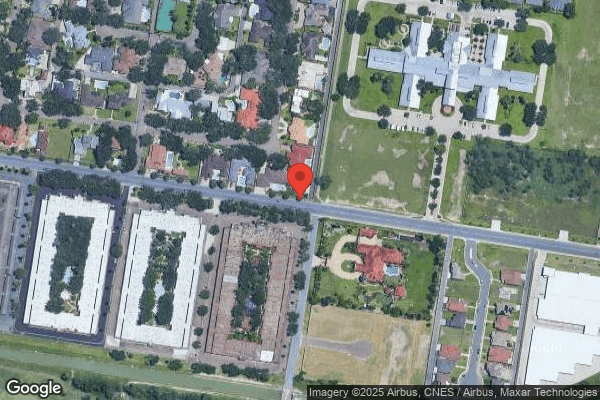
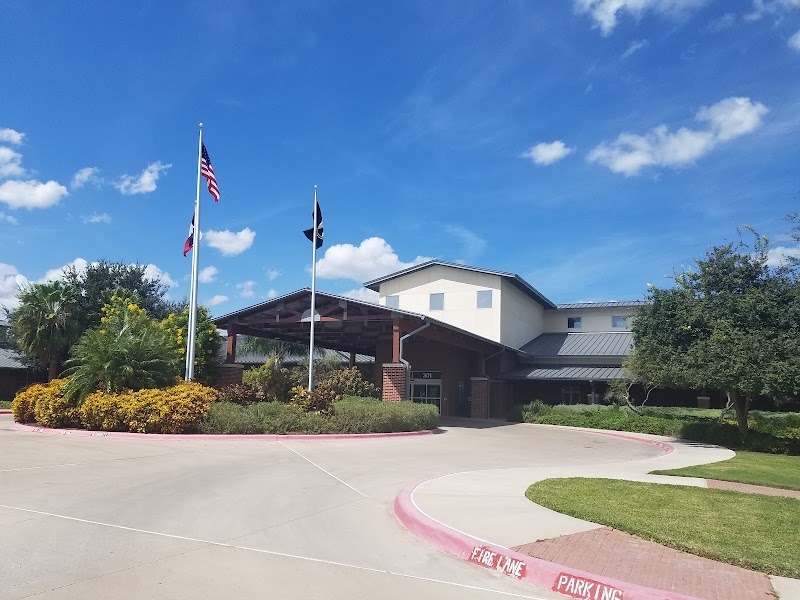
301 E YUMA AVE, MCALLEN, TX 78503 (956) 682-4224
Government - State 160 Beds TEXVET Data: November 2025 1 Immediate Jeopardy citation
Trust Grade
71/100
#2 of 1168 in TX
Last Inspection: October 2024

Within standard 12-15 month inspection cycle. Federal law requires annual inspections.

Overview

Alfredo Gonzalez Texas State Veterans Home in McAllen, Texas, has a Trust Grade of B, indicating it is a good option for families seeking care, as it ranks #2 out of 1,168 facilities in Texas, placing it in the top half overall. The facility's trend is stable, with the same number of issues reported in both 2024 and 2025. Staffing is rated average with a turnover rate of 38%, which is lower than the Texas average, allowing some continuity for residents. However, the facility has faced fines totaling $12,675, which is average but could indicate some compliance issues. Notably, there have been critical incidents, such as residents eloping from a memory unit due to inadequate supervision and failures in infection control practices, where staff did not use proper personal protective equipment, raising concerns about potential health risks for residents. While there are strengths in staffing and overall quality, these incidents highlight areas needing improvement.

Trust Score
B
71/100
In Texas
#2/1168
Top 1%
Safety Record
High Risk
Review needed
Inspections
Holding Steady
5 → 5 violations
Staff Stability
○ Average
38% turnover. Near Texas's 48% average. Typical for the industry.
Penalties
○ Average
$12,675 in fines. Higher than 67% of Texas facilities. Some compliance issues.
Skilled Nurses
⚠ Watch
Each resident gets only 23 minutes of Registered Nurse (RN) attention daily — below average for Texas. Fewer RN minutes means fewer trained eyes watching for problems.
Violations
⚠ Watch
17 deficiencies on record. Higher than average. Multiple issues found across inspections.
★★★★★
5.0
Overall Rating
★★★☆☆
3.0
Staff Levels
★★★★★
5.0
Care Quality
★★★★☆
4.0
Inspection Score
Stable
2024: 5 issues
2025: 5 issues

The Good

  • 5-Star Quality Measures · Strong clinical quality outcomes
  • Full Sprinkler Coverage · Fire safety systems throughout facility
  • No fines on record
  • Staff turnover below average (38%)

    10 points below Texas average of 48%

Facility shows strength in quality measures, fire safety.

The Bad

Staff Turnover: 38%

Near Texas avg (46%)

Typical for the industry

Federal Fines: $12,675

Below median ($33,413)

Minor penalties assessed

Chain: TEXVET

Part of a multi-facility chain

Ask about local staffing decisions and management

The Ugly 17 deficiencies on record

1 life-threatening
Aug 2025 1 deficiency
CONCERN (D) 📢 Someone Reported This

A family member, employee, or ombudsman was alarmed enough to file a formal complaint

Potential for Harm - no one hurt, but risky conditions existed

Infection Control (Tag F0880)

Could have caused harm · This affected 1 resident

**NOTE- TERMS IN BRACKETS HAVE BEEN EDITED TO PROTECT CONFIDENTIALITY** Based on observation, interview, and record review, the facility failed to maintain an infection prevention and control program,...

Read full inspector narrative →
**NOTE- TERMS IN BRACKETS HAVE BEEN EDITED TO PROTECT CONFIDENTIALITY** Based on observation, interview, and record review, the facility failed to maintain an infection prevention and control program, including hand hygiene, designed to provide a safe, sanitary, and comfortable environment and to help prevent the development and transmission of communicable diseases and infections for 1 of 3 residents (Resident #2) reviewed for infection control practices, in that: The facility failed to ensure CNA A performed proper hand hygiene and proper incontinent care for Resident #2.This deficient practice could place residents at-risk for infection due to improper hand sanitizing and incontinent care practices.The findings were: Record review of Resident #2's electronic face sheet dated 8/14/25 revealed the resident was an [AGE] year-old male admitted to the facility on [DATE]. His diagnosis included type 2 diabetes mellitus (a chronic disease in which glucose levels in the blood were higher than normal because the body does not make enough insulin or use it the way it should), muscle weakness, unsteadiness on feet, dementia (loss of cognitive functioning, such as thinking, remembering and reasoning to such an extent that it interferes with a person's daily life and activities), Parkinson's (a brain disorder that causes unintended or uncontrollable movements, such as shaking, stiffness, and difficulty with balance and coordination) and chronic kidney disease. Record review of Resident #2's comprehensive person-centered care plan, dated 5/23/25, reflected Resident #2 had a self-care deficit R/T Parkinson's, weakness, and dementia.Date Initiated: 04/25/2025. Interventions included toileting/incontinent care [with] 1 person assistance. Care plan also reflected Resident #2 had incontinence r/t impaired mobility, weakness.Date Initiated: 04/25/2025. Interventions included to ask and assist resident to toilet during waking hours as indicated, check and change on rounds and as needed, incontinent care assistance every shift and as needed, and initiate, collect and review documentation to establish toileting and/or incontinent patterns as indicated. Record review of Resident #2's Quarterly MDS dated [DATE] reflected Resident #2 required partial/moderate assistance for self-care in toileting hygiene and was frequently incontinent for urine and bowel. During an incontinent care observation for Resident #2, on 8/14/25 at 1:30 PM., CNA A and CNA B performed incontinent care on Resident #2. CNA A grabbed two wipes and wiped the front genital area from the top to bottom towards the scrotum and back up again then outwards towards the left thigh using the same wipes, then disposed of the wipes. CNA A then grabbed two more wipes and wiped the front genital area from the top down towards the scrotum and back up again then outwards towards the right thigh using the same wipes, then disposed of the wipes. CNA A did not first clean the penis starting at the tip of the penis and working outward in a circular motion, then cleanse the remainder of the area including the penis, scrotum and outward to the thighs without returning to the urethral area. CNA A did not use one wipe per swipe. After CNA A completed cleaning the front genital area, CNA A grabbed two wipes and wiped up from the bottom of the left buttock to the top and back down the center of the buttocks to the scrotum, then back up again towards the lower back using the same wipes and disposed of the wipes. CNA A then grabbed two more wipes and wiped up from the bottom of the left buttock to the top and back down the center of the buttocks to the scrotum, then back up again towards the lower back using the same wipes and disposed of the wipes. CNA A did not clean the rectum and buttocks without returning towards the direction of the front genital area. CNA A did not sanitize hands between glove changes throughout the whole procedure. In an interview on 8/14/25 at 1:50 pm., CNA A said she must wash her hands before and after provided care for a resident and must wash hands for 30 seconds. CNA A said every time she reached for new wipes, she should change gloves and sanitize her hands between glove changes. CNA A said she did not sanitize her hands between glove changes this time because there was no hand sanitizer available in the resident's room, and she had none in her pockets at the time. CNA A said she knew she must sanitize between glove changes. CNA A said she should only use a wipe once and dispose of it. CNA A said she thought she did that and did not realize she wiped in the wrong direction using the same wipes. CNA A said she gets training on incontinent care and infection control at least monthly and as needed and the facility goes over hand hygiene, types of precautions, and proper use of PPE. CNA A said if she did not follow proper infection control, hand hygiene and incontinent care procedures, the residents could get an infection. In an interview on 8/14/25 at 2:00 pm CNA B stated the facility does frequent trainings for hand hygiene, PPE, and infection control. CNA B said when provided incontinent care, she must wash hands prior for at least 30 seconds. She said she must apply clean gloves before providing care to the front area. She said when she completed care to the front side, she changed gloves before started incontinent care on the back side. She said she sanitized her hands between glove changes. She said when cleaned the front side for a male resident, she must clean the penis by going around the tip, disposing of the wipe and wiping around again and disposing the wipe. CNA B said she must dispose of wipes after each wipe. CNA B said when she cleans the rest of the front area, and she wiped from top to the back towards the buttocks. CNA B said when she cleaned the back side, she wiped from bottom of buttocks to top towards the back. CNA B said if incontinent care were not performed correctly, the resident could get a urine infection. In an interview on 8/14/25 at 2:19 pm CNA C said she received training for infection control, PPE, and hand hygiene upon hire and annually. CNA C said she gets reminded about infection control all the time. CNA C said during incontinent care, she must perform proper hand hygiene prior to providing any care to a resident and after providing care to a resident. CNA C said she must sanitize between glove changes and wash her hands for at least 30 seconds if they became soiled. CNA C said that for a male resident, she first cleaned the penis from the tip of the penis to the base of the shaft. CNA C said she wiped the rest of the front area from the top towards the scrotum and outwards to the thighs. CNA C said she must dispose of the wipe immediately after. CNA C said she could not fold over or use the wipe again. CNA C said she removed gloves immediately after, sanitized hands, then placed clean gloves before moving to the back side. CNA C said when she wiped the back side, she wiped the center of the buttocks from the bottom up towards the lower back, then continued from the bottom of each buttock up towards the lower back. She said she must never reuse a wipe or fold over and use the wipe again. CNA C said she removed gloves and sanitized hands immediately after. CNA C said if incontinent care was performed improperly or if they did not change gloves or perform proper hand hygiene, the resident could get a urine infection. In an interview on 8/14/25 at 2:20 pm ADON she said they provide education, training and skills check offs to the CNAs for incontinent care at least annually. She said if there was an outbreak or any issues, they will provide the training again as needed. The ADON said she also did spot checks to ensure the CNAs were providing appropriate care. The ADON said it was an ongoing reminder and training for infection control. The ADON said the CNAs must perform hand hygiene before entering a resident's room and when completing any care. The ADON said if a resident was on precautions, such as EBP staff must remove PPE and place in appropriate disposal receptacle located inside of the resident's room, then complete hand hygiene. The ADON said when the CNAs provide incontinent care, they must change gloves when the gloves were soiled and must sanitize hands between removing soiled gloves and placing clean gloves. The ADON said the CNAs must sanitize hands anytime gloves were changed. The ADON said for a circumcised male, the CNA must clean the top of the penis by holding the shaft and cleaning in a circular motion, then clean the shaft from top to bottom towards the scrotum. She said the remainder of the front area must be cleaned from top to back. The ADON said the buttocks must be wiped from the bottom of buttocks up towards the lower back. The ADON said the CNAs must use the wipe once, then dispose of the wipe. The ADON said they must use a new wipe after each time they swipe. The ADON said if the CNAs did not use proper hand hygiene and incontinent care procedures or follow infection control protocols, the CNAs run the risk of cross contamination, and the resident could obtain a UTI. In an interview on 8/18/25 at 11:45 am the DON stated the Director of Clinical Education was usually in charge of annual competency check of the CNA's skills. The DON said the CNAs were the only staff that get checked off on incontinent care skills. The DON said the ADONs, and the DON did spot checks to help ensure proper care was being provided to the residents. The DON said when a CNA provided incontinent care, they must perform hand hygiene before starting care, when dirty gloves were removed and clean gloves applied and before they exit the room. She said CNAs must perform hand hygiene or hand sanitize between glove changes. The DON said wipes were used then disposed. She said CNAs must use one wipe per swipe. The DON said if a resident was circumcised, the CNA must hold the shaft of the penis, clean the tip of a penis in a circular motion, then dispose of the wipe. The CNA wiped the shaft of the penis from top to bottom. The DON said they must wipe down towards the scrotum. The DON said the CNAs must wipe the buttocks from the back of the back of the scrotal area up towards the lower back. She said they must wipe in the same direction regardless of if the resident was male or female. The DON said they must still use one wipe per swipe and must hand sanitize between glove changes. The DON said if incontinent care and hand hygiene were not done properly, residents can get an infection or UTI. Record review of CNA/Caregiver Competency Checklist dated 6/9/25 indicated CNA A was checked off as met on the following: Infection Control for hand hygiene and hand washing and PPE donning & doffing. Personal Care for Pericare/Incontinent Male and Pericare/Incontinent Female. Record review of Name of Skill: Hand-Hygiene form used as guidance for skills indicated,Purpose: To prevent cross contamination and the spread of infection. Guidelines and Precautions:1. Handwashing is the single most important method in the prevention and control of infection.2. Handwashing should be done at the following times: a. When coming on and going off duty. b. Before and after caring for each resident.c. Before applying gloves and after removing gloves. Record review of Name of Skill: PPE (Personal Protective Equipment) used as guidance for skills indicated, Purpose: Protective items or garments worn to protect the body or clothing from hazards that can cause injury and to protect residents from cross-transmission as well as to protect the health care worker from occupational exposure to pathogens.Steps of ProcedureA. Donning Guidance: Disposable Isolation Mask, Gown and/or Gloves:1. Perform hand washing / hand hygiene before donning mask, gown and/or gloves.B. Doffing Disposable Isolation Gloves, Gown and/or Mask: .6. Lastly, perform hand hygiene. Record review of facility's Infection Prevention and Control policy revised April 2024, reflected,Compliance Guidelines: The infection prevention and control program is a facility-wide effort involving all disciplines and individuals and is an integral part of the quality assurance and performance improvement program.1. Coordination/Oversight/Education.e. Staff will receive training on the community's infection prevention and control program to include but not limited to preventative measures, standard precautions, isolation precautions and enhanced barrier precautions upon hire and at least annually and are expected to comply with all designated precautions and isolation practices. 2. Policies and Procedures.b.The annual review will include: (2) Assessment of staff compliance with existing policies and regulations; .9. Prevention of Infection.a. Important facets of infection prevention include: .(3) educating staff and ensuring that they adhere to proper techniques and procedures; .(6) educating staff and ensuring that they adhere to proper infection prevention and control practices when performing resident care activities as it pertains to his /her role responsibilities and situation.
May 2025 1 deficiency
CONCERN (D) 📢 Someone Reported This

A family member, employee, or ombudsman was alarmed enough to file a formal complaint

Potential for Harm - no one hurt, but risky conditions existed

Infection Control (Tag F0880)

Could have caused harm · This affected 1 resident

**NOTE- TERMS IN BRACKETS HAVE BEEN EDITED TO PROTECT CONFIDENTIALITY** Based on observation, record review, and interview, the facility failed to establish and maintain an infection prevention and co...

Read full inspector narrative →
**NOTE- TERMS IN BRACKETS HAVE BEEN EDITED TO PROTECT CONFIDENTIALITY** Based on observation, record review, and interview, the facility failed to establish and maintain an infection prevention and control program, designed to provide a safe, sanitary, and comfortable environment and to help prevent the development and transmission of communicable diseases and infections, for 1 of 5 Residents (Resident #1) that were reviewed for infection control and transmission-based precautions policies and practices, in that: LVN I failed to don (put on) the appropriate PPE before she entered Resident #1's room and provided medication on 03/10/25 at 7:27 PM. CNA M failed to don the appropriate PPE before she entered Resident #1's room to provide care on 05/11/25 at 08:02 PM. These failures could place residents at risk for infection through cross-contamination of pathogens and infectious diseases. The findings include: Record review of Resident #1's face sheet dated 05/08/25 reflected the resident was a [AGE] year-old male who was admitted to the facility on [DATE] with diagnoses that included: Parkinson's disease (chronic brain disorder that caused gradual decline in motor and non-motor functions) with dyskinesia (involuntary muscle movements), without mention of fluctuations, type 2 diabetes mellitus without complications (high levels of sugar in blood), encounter for attention to gastrostomy (feeding tube insertion), and dysphagia, oropharyngeal phase (difficulty swallowing). Record review of Resident #1's 02/13/25 Quarterly MDS reflected a BIMS of 04 (severe cognitive impairment) and the use of a feeding tube. Record review of Resident #1's care plan dated 03/03/25 and initiated on 11/09/23 reflected Resident #1 had a focus of: Resident #1 required a feeding tube related to diagnosis: Adult failure to thrive; encounter for attention to gastrostomy; and dysphagia, oropharyngeal phase. Interventions included: EBP related to PEG tube. Observation of video footage on 05/13/25 at 11:45 AM from Resident #1's electronic monitoring device obtained from the Texas Unified Licensure Information Portal (TULIP) system revealed: -On 03/10/25 at about 07:27 pm, LVN I entered Resident #1's room not not donning a gown or gloves, instilling eyedrops to Resident #1's eye without proper PPE. -On 05/11/25 at about 7:47 PM, CNA M entered Resident #1's room without donning a gown when providing incontinent care. Observation of Resident #1's room on 05/08/25 10:15 AM, revealed the resident was not in room. Plastic drawers with PPE were outside of Resident #1's room with gowns. A box of gloves and hand sanitizer were stationed inside the room at the entrance with signage posted on the outside. There was a sign on Resident #1's door that reflected enhanced barrier precautions. Instructions indicated everyone must complete hand hygiene before entering and when leaving room and instructed providers and staff must also wear gloves and a gown for high contact resident care activities which included device care. Observation of Resident #1 on 05/08/25 at 10:28 AM revealed the resident was sitting by the nurse's station television area. The resident gave no response when surveyor attempted to talk with him. He looked straight ahead. In an interview on 05/13/25 at 01:38 PM, CNA B stated when a resident was on EBP, they were supposed to wear PPE. She said the PPE they were supposed to wear was gloves and gowns. She said she would not go into a room that had EBP sign on the door and not wear PPE because then there would be a risk of infection. In an interview on 05/13/25 at 01:40 PM, CNA C stated both gown and gloves were worn for EBP rooms. She said it was important to wear PPE to decrease the risk of infection. She said if there was a sign (EBP), she would wear both gown and gloves. In an interview on 05/15/25 at 04:17 PM, CNA K stated when she went into a room with EBP, she sanitized her hands, puts on a gown, and put on gloves before going into the room. She said it could cause cross-contamination if she entered the room without gown and gloves. She said she always wears gown and gloves with Resident #1 because he was EBP. In an interview on 05/15/25 at 04:57 PM, LVN F stated whenever medications were given, gloves were worn. She stated, if gloves were not worn, it would be an infection control issue or cross-contamination could happen. LVN F stated if going into a resident's room with EBP, a gown and gloves were worn. In an interview on 05/16/25 at 10:00 AM, the DON stated the nurse who instilled the drops was LVN I who no longer worked at the facility. The DON stated staff were in-serviced on infection control and EBP was ongoing and frequent. The DON was shown the video footage of LVN I and agreed that LVN I failed to follow the policy regarding PPE. The DON said LVN I failed to wear proper PPE on 03/10/25 at 07:27:15 PM when she had not donned gown or gloves before administering a medication. The DON was shown the video footage of CNA M and agreed CNA M failed to follow the policy regarding PPE. The DON stated CNA M failed to wear proper PPE on 05/11/25 at 08:02 PM when she did not don a gown for incontinent care. In an interview on 05/16/25 at 12:12 PM, ADON E stated she completed in-services with her CNAs and LVNs frequently. ADON E stated she performed spot check-offs on incontinent care, PPE, etc. ADON E stated not wearing a gown and gloves when performing care on a resident who was on EBP, would increase the risk of infection and/or cross-contamination. In an interview on 05/16/25 at 01:46 PM, ADON G stated CNAs were in-serviced usually once a month on infection control and incontinent care every couple days and annually. ADON G stated the ADONs observed random check-offs periodically. ADON G stated EBP training was on-going. ADON G stated Resident #1 was on EBP which meant a gown and gloves were to be donned before going into the room for infection control. ADON G said LVNs and MAs were spot checked for medication administration every time the pharmacy went in to destruct medications (varying times). Attempted telephone interview on 05/16/25 at 03:42 PM with CNA M the CNA who had not worn a gown into Resident #1's room to provide care. Call went directly to voicemail. Voicemail left. In an interview on 05/16/25 at 03:55 PM, LVN I stated when she worked at the facility, they were in-serviced on infection control and PPE like every other day. She said she would always gown and glove up before going into a resident's room to give medications. She said if she did not, she could pass along infections or even cross-contaminate and that would not be good. Record review of the facility's Infection Prevention and Control Program policy revised on April 2024 reflected Enhanced Barrier Precautions maybe implemented as an infection control intervention designed to reduce transmission of resistant organisms. EBP requires the use of gown and gloves during high-contact resident care activities. The policy indicated high contact activities included: Device care or use (central line, urinary catheter, feeding tube).
Feb 2025 3 deficiencies
CONCERN (D) 📢 Someone Reported This

A family member, employee, or ombudsman was alarmed enough to file a formal complaint

Potential for Harm - no one hurt, but risky conditions existed

Safe Environment (Tag F0921)

Could have caused harm · This affected 1 resident

**NOTE- TERMS IN BRACKETS HAVE BEEN EDITED TO PROTECT CONFIDENTIALITY** Based on observations, interviews, and record review, the facility failed to provide a safe, functional, sanitary, and comfortab...

Read full inspector narrative →
**NOTE- TERMS IN BRACKETS HAVE BEEN EDITED TO PROTECT CONFIDENTIALITY** Based on observations, interviews, and record review, the facility failed to provide a safe, functional, sanitary, and comfortable environment for residents, staff, and the public for 1 of 5 rooms (room [ROOM NUMBER]) reviewed for environment. The facility failed to ensure the facility was sanitary when the facility did not effectively clean room [ROOM NUMBER]'s shower as there was a white dirty towel with brown colorations. This failure could affect all residents, staff, and the public by placing them at risk for diminished quality of life due to the lack of a well-kept environment. The findings included: Observation on 02/14/25 at 12:15 PM revealed room [ROOM NUMBER] had a white dirty towel with brown colorations in the private shower area. Interview with HK J on 02/21/25 at 9:15 AM revealed HK J said the rooms were cleaned every day which included cleaning the room, restroom, shower area for those with showers, and floors. HK J said she cleaned hall 300 and had no concerns brought up for room [ROOM NUMBER]. Observation on 02/21/25 at 9:30 AM revealed room [ROOM NUMBER] had a white dirty towel with brown colorations in the same exact area of the private shower. Interview with HK S on 02/21/25 at 9:50 AM revealed HK S said the rooms were cleaned every day which included dusting, sweeping, mopping, cleaning the restroom, sink, toilet, and shower. HK S said for the residents with private showers, the housekeeping staff cleaned the shower and then also cleaned the main shower area in the hallway. HK S said there were no concerns or issues brought up for room [ROOM NUMBER]. HK S said it was important to keep a clean environment for the residents. HK S said staff kept the facility safe and sanitary, but it was a team effort and housekeeping as well as other staff could assist in keeping the rooms clean. HK S said if there was a dirty towel or other used linen in the shower, the housekeeper could have picked it up or told the CNAs. HK S was shown a photo of the dirty towel in the shower of room [ROOM NUMBER]. HK S said maybe when they were showering the resident, the towel fell and nobody saw it. HK S said anyone that saw the towel, should have removed it, put it in the dirty laundry or should have made the CNAs aware to get it. HK S said he was not aware of the dirty towel being in the shower for a week or more but he would ensure to address this issue with his department. Interview with the DON on 02/21/25 at 12:35 PM revealed the DON was shown a photo of the dirty towel in the shower of room [ROOM NUMBER]. The DON said the dirty towel should not have been there for a week or more. The DON said if someone, like housekeeping or CNAs saw the towel, they should have removed it. The DON said there was no negative outcome to the residents from the dirty towel but she would ensure to in-service staff. Interview with the ADM on 02/21/25 at 1:50 PM revealed the ADM was shown a photo of the dirty towel in the shower of room [ROOM NUMBER]. The ADM said this issue had been brought to her attention today. The ADM said although there was no negative outcome to the residents, it was important to keep a sanitary, clean, and comfortable environment. Record review of the facility's Physical Environment policy revised on January 2023 reflected Other environment conditions: The community environment is safe, functional, sanitary, and comfortable for residents, team members, and the public.
CONCERN (E) 📢 Someone Reported This

A family member, employee, or ombudsman was alarmed enough to file a formal complaint

Potential for Harm - no one hurt, but risky conditions existed

Infection Control (Tag F0880)

Could have caused harm · This affected multiple residents

**NOTE- TERMS IN BRACKETS HAVE BEEN EDITED TO PROTECT CONFIDENTIALITY** Based on observation, record review, and interview, the facility failed to establish and maintain an infection prevention and co...

Read full inspector narrative →
**NOTE- TERMS IN BRACKETS HAVE BEEN EDITED TO PROTECT CONFIDENTIALITY** Based on observation, record review, and interview, the facility failed to establish and maintain an infection prevention and control program, designed to provide a safe, sanitary, and comfortable environment and to help prevent the development and transmission of communicable diseases and infections, for 1 of 5 Residents (Resident #1) that were reviewed for infection control and transmission-based precautions policies and practices, in that: LVN A failed to don (put on) the appropriate PPE before she entered Resident #1's room and provided care to Resident #1's PEG tube on 02/04/25 at 3:15 PM, on 02/06/25 at 7:47 PM, and on 02/18/25 at 7:25 PM and 10:13 PM. These failures could place residents at risk for infection through cross-contamination of pathogens and infectious diseases. The findings include: Record review of Resident #1's face sheet dated 02/10/25 reflected the resident was a [AGE] year-old male who was admitted to the facility on [DATE] with diagnoses that included: Parkinson's disease (chronic brain disorder that caused gradual decline in motor and non-motor functions) with dyskinesia (involuntary muscle movements), without mention of fluctuations, type 2 diabetes mellitus without complications (high levels of sugar in blood), encounter for attention to gastrostomy (feeding tube insertion), and dysphagia, oropharyngeal phase (difficulty swallowing). Record review of Resident #1's quarterly MDS assessment dated [DATE] reflected Resident #1 had a BIMS score of 00, indicating severe cognitive impairment. Resident #1's MDS also reflected the use of a feeding tube while a resident. Record review of Resident #1's care plan dated 02/10/25 and initiated on 11/09/23 reflected Resident #1 had a focus of: Resident #1 required a feeding tube related to diagnosis: Adult failure to thrive; encounter for attention to gastrostomy; and dysphagia, oropharyngeal phase. Interventions included: EBP related to PEG tube. Record review of Resident #1's order summary report dated 02/10/25 reflected Resident #1 had an order for, EBP (Enhanced Barrier Precautions): Practice EBP as indicated. every shift. Order had an order status of active and an order start date of 11/08/24. Observation of video footage from Resident #1's electronic monitoring device obtained from the Texas Unified Licensure Information Portal (TULIP) system revealed: -On 02/04/25 at about 3:15 PM, LVN A entered Resident #1's room with only gloves and did not don a gown. LVN A applied a gauze on Resident #1's PEG tube without proper PPE. -On 02/06/25 at about 7:47 PM, LVN A entered Resident #1's room without donning gown or gloves. LVN A applied a gauze on Resident #1's PEG tube without proper PPE. -On 02/18/25 at about 7:25 PM, LVN A entered Resident #1's room without donning gown or gloves. LVN A applied a gauze on Resident #1's PEG tube without proper PPE. -On 02/18/25 at about 10:13 PM, LVN A entered Resident #1's room without donning gown or gloves. LVN A applied a gauze on Resident #1's PEG tube without proper PPE. Observation and attempted interview of Resident #1 on 02/12/25 at 3:20 PM revealed resident did not answer questions. Observation revealed a container of gowns outside of Resident #1's room and a box of gloves and hand sanitizer stationed inside the room at the entrance with signage posted on the outside of. There was a sign on Resident #1's door stating enhanced barrier precautions. Instructions indicated everyone must complete hand hygiene before entering and when leaving room and instructed providers and staff must also wear gloves and a gown for high contact resident care activities which included device care. Interview with LVN A on 02/20/25 at 1:35 PM revealed LVN A said Resident #1 was on EBP because of the PEG tube. LVN A said she was aware she needed to wear gown and gloves to provide care. LVN A said this included anything dealing with the PEG tube such as administering the feedings, medications, or handling the PEG tube in any manner. LVN A said she always ensured to wear the appropriate PPE with Resident #1 which was gown and gloves. LVN A said she wore the appropriate PPE to change or apply the gauze for the PEG tube. LVN A said she did not recall any days that she did not follow the PPE and EBP guidelines. LVN A said she was trained and in-serviced on infection control, PPE, and the different precautions including EBP. LVN A said she received training during orientation upon being hired and as refreshers but did not recall the dates. LVN A said there were plenty of gowns and gloves available to the staff. LVN A said it was important for staff to wear the proper PPE when working with residents on EBP for the safety of the residents and to prevent spreading of infections or decline in health. LVN A was not shown video footage as LVN A was not at the facility as it was her day off. Interview with the ADON on 02/21/25 at 10:25 AM revealed the ADON assisted and provided in-services on infection control and placed the signs and bins with PPE supplies outside the rooms of the residents that required certain precautions. The ADON said Resident #1 was on EBP because of the PEG tube Resident #1 required for feedings and medication administration. The ADON said the staff that provided direct care needed to wear gown and gloves at all times. The ADON said if the nurse handled the feeding tube in any way, such as to administer feedings, medications, or change/apply the gauze, the nurse had to wear the proper PPE which was gown and gloves. The ADON was shown the video footage of LVN A and agreed that LVN A failed to wear proper PPE on 02/04/25 at 3:15 PM, on 02/06/25 at 7:47 PM, and on 02/18/25 at 7:25 PM and 10:13 PM, when LVN A applied a gauze on Resident #1's PEG tube without donning gown and gloves. The ADON said LVN A was trained on infection control, PPE, and EBP guidelines. The ADON said failure to wear the proper PPE could place the residents at risk of not being protected from the spread of MDROs. Interview with the DON on 02/21/25 at 12:35 PM revealed the DON said Resident #1 was on EBP because Resident #1 had a feeding tube. The DON said staff were aware that they had to wear gown and gloves to provide direct care (high contact activities) for residents with EBP which included residents that had wounds, foleys, and PEG tubes. The DON said high contact activities included tasks such as transferring, changing, giving medications, administering feedings, emptying the foley, and dressing. The DON said staff were in-serviced on infection control, including EBP, during orientation upon hire, annually, and as needed. The DON said the staff had gowns, gloves, and necessary supplies available. The DON said the facility policy stated gowns and gloves should be used during high contact activities with residents on EBP. The DON said she ensured staff wore the appropriate PPE by doing rounds and seeing staff go in and out of the rooms and providing them with in-services as needed. The DON was shown the video footage of LVN A and agreed that LVN A failed to follow the policy regarding PPE. The DON said LVN failed to wear proper PPE on 02/04/25 at 3:15 PM, on 02/06/25 at 7:47 PM, and on 02/18/25 at 7:25 PM and 10:13 PM, when LVN A applied the gauze for Resident #1's PEG tube without donning gown and gloves. The DON said LVN A was trained on infection control, PPE, and EBP guidelines. The DON said failure to wear the proper PPE could place the residents at risk of not being protected from the spread of MDROs or other infections. The DON said LVN A would be re-educated. Record review of the facility's Licensed Nurse Competencies Checklist document reflected LVN A completed infection control competencies, including isolation techniques (masing, gowning, gloving, resident equipment) and proper signage - EBP. Document was signed by: LVN A and the ADON on 01/09/25. Record review of the facility's In-service attendance sheet dated 01/27/25 reflected LVN A's signature. The in-service covered the topic of PPE. Record review of the facility's Infection Prevention and Control Program policy revised on April 2024 reflected Enhanced Barrier Precautions maybe implemented as an infection control intervention designed to reduce transmission of resistant organisms. EBP requires the use of gown and gloves during high-contact resident care activities. The policy indicated high contact activities included: Device care or use (central line, urinary catheter, feeding tube).
MINOR (B) 📢 Someone Reported This

A family member, employee, or ombudsman was alarmed enough to file a formal complaint

Minor Issue - procedural, no safety impact

Medical Records (Tag F0842)

Minor procedural issue · This affected multiple residents

**NOTE- TERMS IN BRACKETS HAVE BEEN EDITED TO PROTECT CONFIDENTIALITY** Based on interview and record review, the facility failed to maintain medical records in accordance with accepted professional s...

Read full inspector narrative →
**NOTE- TERMS IN BRACKETS HAVE BEEN EDITED TO PROTECT CONFIDENTIALITY** Based on interview and record review, the facility failed to maintain medical records in accordance with accepted professional standards and practices that were complete and accurately documented for 1 of 5 residents (Resident #1) reviewed for accuracy of records, in that: The facility failed to accurately document as the staff continued to log temperatures on the MAR for Resident #1's personal refrigerator from [DATE]-[DATE], although the refrigerator was taken home on [DATE] by Resident #1's family. This failure could affect residents whose records are maintained by the facility and could place them at risk for errors in care. The findings included: Record review of Resident #1's face sheet dated [DATE] reflected the resident was a [AGE] year-old male who was admitted to the facility on [DATE] with diagnoses that included: Parkinson's disease (chronic brain disorder that caused gradual decline in motor and non-motor functions) with dyskinesia (involuntary muscle movements), without mention of fluctuations, type 2 diabetes mellitus without complications (high levels of sugar in blood), encounter for attention to gastrostomy (feeding tube insertion), and dysphagia, oropharyngeal phase (difficulty swallowing). Record review of Resident #1's quarterly MDS assessment dated [DATE] reflected Resident #1 had a BIMS score of 00, indicating severe cognitive impairment. Record review of Resident #1's care plan dated [DATE] and initiated on [DATE] reflected Resident #1 did not have the personal refrigerator care planned as he no longer had the refrigerator at the facility. Record review of Resident #1's order summary report for entire stay dated [DATE] reflected Resident #1 had an order for, Fridge temperature every night shift, fridge range 36-46. Report any out-of-range temps to maintenance. Order had an order status of discontinued and an order start date of [DATE]. There was no specific discontinue date noted. Record review of Resident #1's progress notes dated [DATE] reflected at 12:30 PM, FM 2 here, took refrigerator home. Documented by: LVN C. Record review of Resident #1's MAR report dated [DATE] reflected the temperatures for the fridge were recorded from [DATE]-[DATE]. Temperatures were between 38-44. The MAR noted Fridge temperature every night shift, fridge range 36-46. Report any out-of-range temps to maintenance. Start date: [DATE] at 10:00 PM. Discontinue date: [DATE] at 11:17 AM. Interview with FM 1 on [DATE] at 11:00 AM revealed FM 1 said they took the personal refrigerator home on [DATE], but the staff documented temperature logs for the refrigerator until [DATE]. Interview with LVN C on [DATE] at 10:00 AM revealed LVN C said she recalled the family took Resident #1's personal refrigerator home, but she did not remember which family member. LVN C said she did not recall the exact date, but she documented a progress note on the date and time when the family took the refrigerator home. Interview with the DON on at 12:35 PM revealed the DON said Resident #1's FM 2 took the refrigerator home. The DON said she did not remember what day FM 2 took it home, but there was a note on [DATE] that FM 2 took the refrigerator home. The DON said when FM 2 took the refrigerator, then they would have discontinued the order and no longer entered the temperatures in the MAR. The DON said the point of checking the refrigerator was to ensure the temperature was within the appropriate range of 36-46 and to ensure the contents of the refrigerator were not expired. The DON said she did not know how staff continued to document the temperatures without a refrigerator in the room for Resident #1 from [DATE]-[DATE]. The DON said she did not know why the order was not discontinued on [DATE]. The DON said there were no indications or concerns that staff did not check the personal refrigerators of other residents or documented appropriately. Interview with the ADM on [DATE] at 1:50 PM revealed the ADM said the facility added the personal refrigerator log to the MAR instead of having a paper log in each room. The ADM said the night nurse checked the temperature and documented on the MAR. The ADM said she was not sure when the refrigerator was taken home for Resident #1, but the order should have been discontinued when Resident #1 no longer had the refrigerator in his room. The ADM said there was no need to continue to document the temperature on the MAR for Resident #1. The ADM said she was not sure how the staff would have still obtained the temperature for [DATE]-[DATE] if there was no refrigerator to check anymore. The ADM said she was not aware of this matter. The ADM could not provide a policy specific to accurate records or documentation. Record review of the facility's Personal Refrigerators policy (not dated) reflected Monitoring: 3. Document the temperature of internal refrigerator gauges.
Oct 2024 3 deficiencies
CONCERN (D) 📢 Someone Reported This

A family member, employee, or ombudsman was alarmed enough to file a formal complaint

Potential for Harm - no one hurt, but risky conditions existed

Deficiency F0635 (Tag F0635)

Could have caused harm · This affected 1 resident

**NOTE- TERMS IN BRACKETS HAVE BEEN EDITED TO PROTECT CONFIDENTIALITY** Based on observation, interviews, and record review the facility failed to have physician orders for the resident's immediate ca...

Read full inspector narrative →
**NOTE- TERMS IN BRACKETS HAVE BEEN EDITED TO PROTECT CONFIDENTIALITY** Based on observation, interviews, and record review the facility failed to have physician orders for the resident's immediate care at time of admission for 2 of 5 residents (Resident #4 and #5) reviewed for physician admission orders. 1.The facility failed to have physician orders in place for Resident #4's enhanced barrier precautions. 2.The facility failed to have physician orders in place for Resident #5's enhanced barrier precautions. This deficient practice could place residents with indwelling devices at risk of developing infections. The findings included: 1.Record review of Resident #4's face sheet, dated 10/30/24, revealed a [AGE] year old male with an initial admission date of 07/10/24 with diagnoses which included: gastrostomy status (surgical opening into the stomach), dysphagia (difficulty swallowing) following cerebral infarction (ischemic stroke - disrupted blood flow to the brain to due problems with the blood vessels that supply it), type 2 diabetes mellitus without complications (high blood sugar), and essential (primary) hypertension (high blood pressure). Record review of Resident #4's quarterly minimum data set assessment (MDS), dated [DATE], revealed Resident #4 had a BIMS score of 13, indicating no cognitive impairment. Resident #4's MDS also reflected the use of a feeding tube while a resident. Record review of Resident #4's care plan with an initiated date of 07/10/24 revealed a focus of, I have a feeding tube, but it is not used for feedings. I am able to eat by mouth. My doctor wants for me to keep it in case due to my hx of dysphagia with an initiated date of 7/11/24 and a revision date of 07/22/24. Resident #4's interventions stated, Enhanced Barrier Precautions with an initiated date of 10/21/24. Record review of Resident #4's Order Summary Report reflected Resident #4 had an active order for, Eternal Feed Order every shift Flush Gastric Tube with 50 CC H2O for Patency with a start date of 07/22/24. Record review of Resident #4's physician's orders, on 10/30/24 at 4:30pm reflected there were no orders in place for enhanced barrier precautions. On 10/30/24 at 5:08pm Surveyor C asked ADON D about enhanced barrier orders for Resident #4, ADON D was unable identify any EBP orders on Resident #4's chart. Record review of Resident #4's physician orders on 10/30/24 at 5:23pm, revealed order for EBP (Enhances Barrier Precautions): Practice EBP as indicated. With a frequency of every shift and start date of 10/30/24 at 5:13pm. Observation of Resident #4's room on 10/26/24 at 7:17pm revealed a container of gowns located in the hallway outside of Resident #4's room and a box of gloves inside the room at the entrance with signage posted on the outside of his door stating enhanced barrier precautions. Instructions stated everyone must complete hand hygiene before entering and when leaving the room and stated providers and staff must also wear gloves and a gown for high contact resident care activities which included device care or use of a feeding tube. During an interview with Resident #4 on 10/26/24 at 7:17pm he stated that he had a PEG tube that staff worked on about every day. Resident #4 stated staff members seemed like they wore protective clothing that included a yellow gown and gloves. 2. Record review of Resident #5's face sheet, dated 10/30/24, reflected the resident was an [AGE] year-old male who was admitted to the facility on [DATE] with diagnoses that included: gastrostomy status (presence of surgical opening to the stomach), type 2 diabetes mellitus with other specified complication (high levels of sugar in blood), dysphagia, oropharyngeal phase (difficulty swallowing), and rhabdomyolysis (condition that caused muscle breakdown). Record review of Resident #5's admission Minimum Data Set assessment, dated 09/26/24, reflected Resident #5 had a BIMS score of 00, indicating severe cognitive impairment. Resident #5's MDS also reflected the use of a feeding tube while a resident. Record review of Resident #5's care plan, initiated on 09/22/23 reflected Resident #5 had a focus of, I require a feeding tube r/t dysphagia, oropharyngeal phase: with an initiation date of 09/23/24 and a revision date on 10/02/24/24 and an intervention of Enhanced barrier precautions, every shift. with an initiation date of 09/23/24. Record review of Resident #5's physician's orders, on 10/30/24 at 4:30pm reflected there were no orders in place for enhanced barrier precautions. On 10/30/24 at 5:08pm Surveyor C asked ADON D about enhanced barrier orders for Resident #5, ADON D was unable identify any EBP orders on Resident #5's chart. Record review of Resident #5's physician orders on 10/30/24 at 5:24pm, revealed order for EBP (Enhances Barrier Precautions): Practice EBP as indicated. With a frequency of every shift and start date of 10/30/24 at 5:16pm. Observation of Resident #5's room on 10/26/24 at 6:15pm revealed a container of gowns outside of Resident #5's room and a box of gloves inside the room at the entrance with signage posted on the outside of his door stating enhanced barrier precautions. Instructions stated everyone must complete hand hygiene before entering and when leaving room and stated providers and staff must also wear gloves and a gown for high contact resident care activities which included device care or use of a feeding tube. Observation of Resident #5 on 10/26/24 at 6:15pm revealed he had a PEG tube in place. During an interview with ADON D on 10/30/24 at 6:02pm she confirmed Residents #4 and #5 had invasive devices that would put them on EBPs. ADON D stated both residents should have orders for EBPs. ADON D stated when Surveyor C notified her of missing orders for EBP in Resident #4 and Resident #5's chart she reviewed the resident's charts herself and stated there were no orders at that time. ADON D stated she had since input orders for EBP. ADON D stated it was important to have EBP orders in place because it's an order and it was something that had to abide by. ADON D stated staff were aware who was on EBP precautions because of the signage and PPE cart. ADON D also stated staff had been told that anybody with pegs, foleys, stoma, or any opening that could attract some kind of infection would have EBP put in place. ADON D stated the admitting nurse would have been responsible for inputting EBP orders and stated she or the RN supervisor at that time would have been responsible for overseeing and reviewing the charts to ensure those orders were input. ADON D did not know why EBP orders for Residents #4 and #5 were not input and stated she did not even know who would have done it. When asked about the facility policy for inputting orders related to EBPs, ADON D stated she believed it was something that came from CMS and stated they had not followed that information because they did not have an order in place for EBP for Residents #4 and #5. ADON D stated that they did however have all PPE in place along with signage to indicate EBP was in place and stated EBPs were followed. ADON D stated both her and the facility staff had been trained over inputting orders via on the job training and stated they did not have a specific in-service on that. ADON D stated not inputting EBP orders could negatively impact residents because it could be that EBPs were not used and could cause an infection which was what EBPs were meant to prevent. During an interview with the DON on 10/30/24 at 6:25pm she stated Residents #4 and #5 should have EBPs orders in place. The DON stated she had not reviewed the resident's charts and was not able to confirm if the orders were in place prior to Surveyor C notifying ADON D. The DON stated they had input the orders for EBPs after Surveyor C notified them and stated the admitting nurse should put in the orders and those orders should be reviewed by ADON D. The DON stated she did not know why the EBPs orders were not input. The DON stated it was important to have EBP orders in place to make sure the aides, medication aides, and nurses knew they needed to use it. The DON stated staff knew who was on EBPs because they had signs and PPE bins outside of the rooms. The DON stated the facility policy stated EBP orders should have been in the chart. The DON stated in this situation the facility policy was not followed. The DON stated ADON D had previously been trained however it was an on-the-job type training and not a written in-service. The DON stated not inputting EBP orders could negatively impact residents because staff may not know to follow them. During an interview with the DON on 10/30/24 at 7:11pm she stated her regional had informed her that their policy did not state to have EBP orders and stated it was a CMS thing on information on what PPE to wear.
CONCERN (D) 📢 Someone Reported This

A family member, employee, or ombudsman was alarmed enough to file a formal complaint

Potential for Harm - no one hurt, but risky conditions existed

Deficiency F0813 (Tag F0813)

Could have caused harm · This affected 1 resident

**NOTE- TERMS IN BRACKETS HAVE BEEN EDITED TO PROTECT CONFIDENTIALITY** Based on observations, interviews, and record review the facility failed to follow their policy regarding storage of foods broug...

Read full inspector narrative →
**NOTE- TERMS IN BRACKETS HAVE BEEN EDITED TO PROTECT CONFIDENTIALITY** Based on observations, interviews, and record review the facility failed to follow their policy regarding storage of foods brought to the residents by family and other visitors to ensure safe and sanitary storage, handling, and consumption of the food and beverages for 1 of 2 Residents (Resident #3) reviewed for personal food storage. The facility did not have completed documentation of temperature checks for Resident #3's personal refrigerator for the month of October. This failure could place residents with personal refrigerators at risk of food borne illness. The findings included: Record review of Resident #3's face sheet, dated 10/26/24, reflected the resident was a [AGE] year-old male who was admitted to the facility on [DATE] with diagnoses that included: Parkinson's disease (chronic brain disorder that caused gradual decline in motor and non-motor functions) with dyskinesia (involuntary muscle movements), without mention of fluctuations, type 2 diabetes mellitus without complications (high levels of sugar in blood), and dysphagia, oropharyngeal phase (difficulty swallowing). Record review of Resident #3's quarterly Minimum Data Set assessment, dated 08/15/24, reflected Resident #3 had a BIMS score of 13, indicating intact cognition. Resident #3's MDS also reflected the use of a feeding tube while a resident. Record review of Resident #3's care plan, initiated on 11/09/23 reflected Resident #3 had a focus of, I have a personal refrigerator in my room as per RP's request, and resident isn't able to access it and only for family's use. with an initiation date of 12/22/23 and an intervention of, Ensure temperature log is updated daily and within acceptable range. Record review of Resident #3's order summary report, on 10/30/24 reflected there was a discontinued order for, pleasure feed diet with RP only to give veteran broth, jello, liquids, sprite, apple sauce etc. when she comes to visit resident. waiver in place. With an order date of 04/10/24 and an order status of discontinued. There was no specific discontinue date noted. Record review of Resident #3's nursing note dated 10/24/24 at 12:05pm reflected he had been sent out to the hospital on [DATE]. Record review of Resident #3's nursing note dated 10/29/24 at 8:49pm reflected Resident #3 returned to the facility at 8:15pm. Observation of Resident #3's fridge on 10/29/24 at 10:50am revealed a document titled DAILY REFRIGERATOR TEMPERATURE LOG that was identified for the month of October. The only days with logged temperature checks were 10/01/24 - 10/03/24 and 10/20/24 and 10/21/24. Observation of Resident #3's fridge on 10/29/24 at 11:21am revealed items such as ice cream, sealed Jello's, sealed purred baby food, and closed Sprite sodas. During an interview the DON on 10/29/24 at 12:35pm she stated the fridge in Resident #3's room was not his personal fridge, it was his family members, and was used for her personal items. The DON stated Resident #3's family member had told her that she brought apple sauce for Resident #3, but the DON stated she had not seen it. The DON stated there were Sprites in the fridge, but she was not sure if they were for Resident #3 or his family member. The DON stated the night nurses who work Resident #3's hall were responsible for checking and logging the temperature of Resident #3's fridge daily at night. The DON stated there were some blanks on the temperature log for October 2024. The DON stated based on their facility policy for personal refrigerators the staff did not follow the policy. The DON stated staff had been trained over monitoring the temperature in the fridges and stated this took place within the last year by one of the RN supervisors. The DON stated not monitoring the temperatures could cause the food to be spoiled and residents eat it. During an interview with Resident #3's family member on 10/29/24 at 2:25pm she stated the fridge in Resident #3's room was used for his pleasure feeding items and stated she had taken things like Jello, Sprite, baby food, and ice cream to provide Resident #3 with the pleasure feedings. Resident #3's family member stated the items in the fridge were not hers and were for Resident #3. Record review of facility in-service dated 02/02/24 revealed multiple staff members had been trained over refrigerators. Verbiage on in-service included, Temperature Logs to be updated daily. Record review of the facility policy titled, Personal Refrigerators included a section titled, Monitoring that included verbiage that stated. 2. A team member will place a thermometer in the refrigerator and begin to record temps [SIC] to ensure the refrigerator is properly working and maintaining proper temperatures. 3. Document the temperature of internal refrigerator gauges.
CONCERN (E) 📢 Someone Reported This

A family member, employee, or ombudsman was alarmed enough to file a formal complaint

Potential for Harm - no one hurt, but risky conditions existed

Infection Control (Tag F0880)

Could have caused harm · This affected multiple residents

**NOTE- TERMS IN BRACKETS HAVE BEEN EDITED TO PROTECT CONFIDENTIALITY** Based on observations, record review, and interviews, the facility failed to establish and maintain an infection prevention and ...

Read full inspector narrative →
**NOTE- TERMS IN BRACKETS HAVE BEEN EDITED TO PROTECT CONFIDENTIALITY** Based on observations, record review, and interviews, the facility failed to establish and maintain an infection prevention and control program, designed to provide a safe, sanitary, and comfortable environment and to help prevent the development and transmission of communicable diseases and infections, for 2 of 5 Residents (Resident #3 and Resident #5) that were reviewed for infection control and transmission-based precautions policies and practices. 1. LVN A failed to don the appropriate PPE before he entered Resident #5's room and provided care to Resident #5's PEG tube. 2. LVN B failed to don the appropriate PPE before he entered Resident #3's room and provided care to Resident #3's midline. These failures could place residents at risk for infection through cross-contamination of pathogens and infectious diseases. The findings included: 1. Record review of Resident #5's face sheet, dated 10/30/24, reflected the resident was an [AGE] year-old male who was admitted to the facility on [DATE] with diagnoses that included: gastrostomy status (presence of surgical opening to the stomach), type 2 diabetes mellitus with other specified complication (high levels of sugar in blood), dysphagia, oropharyngeal phase (difficulty swallowing), and rhabdomyolysis (condition that caused muscle breakdown). Record review of Resident #5's admission Minimum Data Set assessment, dated 09/26/24, reflected Resident #5 had a BIMS score of 00, indicating severe cognitive impairment. Resident #5's MDS also reflected the use of a feeding tube while a resident. Record review of Resident #5's care plan, initiated on 09/22/23 reflected Resident #5 had a focus of, I require a feeding tube r/t dysphagia, oropharyngeal phase: with an initiation date of 09/23/24 and a revision date on 10/02/24 and an intervention of Enhanced barrier precautions, every shift with an initiation date of 09/23/24. Record review of Resident #5's physician's orders, on 10/30/24 at 4:30pm reflected there were no orders in place for enhanced barrier precautions. On 10/30/24 at 5:08pm Surveyor C asked ADON D about enhanced barrier orders for Resident #5, ADON D was unable identify any EBP orders on Resident #5's chart. Record review of Resident #5's physician orders on 10/30/24 at 5:24pm, revealed an order for EBP (Enhances Barrier Precautions) : Practice EBP as indicated. With a frequency of every shift and start date of 10/30/24 at 5:16pm. Observation of Resident #5'S room on 10/26/24 at 6:15pm revealed a container of gowns outside of Resident #5's room and a box of gloves inside the room at the entrance with signage that was posted on the outside of his door stating enhanced barrier precautions. Instructions stated everyone must complete hand hygiene before entering and when leaving room and stated providers and staff must also wear gloves and a gown for high contact resident care activities which included device care or use of a feeding tube. Observation of Resident #5 on 10/26/24 at 6:15pm reflected his feeding pump tubing had been disconnected and was leaking. Surveyor C notified LVN A of Resident #5's observation on 10/26/24 at around 6:16pm. Observation and interview of LVN A on 10/26/24 at 6:20pm revealed he entered Resident #5's room without donning a gown and was only wearing gloves when LVN A was observed pausing Resident #5's feeding and using a syringe to flush Resident #5's PEG tube with water. LVN A stated because Resident #5 did not have any infections and his urine was contained, they only had to wear gloves and keep a distance. LVN A stated he had not recently worn gowns with Resident #5 and stated he had just been using gloves for residents who were on peg tubes or enhanced barrier precautions. LVN A stated he had not really had training over enhanced barrier precautions. LVN A was then shown the signage posted on Resident #5's door and then stated that he had received training upon hire. LVN A was unable to answer if he was aware that he needed to wear a gown during high contact activates with residents on enhanced barrier precautions before Surveyor C showed him the signage at Resident #5's door. During an interview with RN E on 10/29/24 at 1:45pm he stated he was the IPC nurse and stated Resident #5 was on EBP on 10/26/24. RN E stated LVN A had told him he washed his hands and put on gloves but did not put on a gown when working with Resident #5's PEG tube on 10/26/24. RN E stated a gown and gloves should be used with residents on EBP and stated LVN A had not worn the gown because he forgot. RN E stated LVN A was trained over EBP during orientation but had also been retrained on 10/26/24 after being notified by Surveyor C that LVN A had not followed EBP. RN E stated it was important to use the proper PPE because they don't want to give those residents anything or get anything from residents and pass it to others. RN E stated the facility had both gowns and gloves available. RN E stated the facility policy stated to wear gowns and gloves anytime they did direct patient care or came in contact with a tube or foley with residents on EBP. RN E stated in this situation staff had not followed the policy. RN E stated staff, and facility leadership ensured staff wore the appropriate PPE by having a physician order, placing signage on the doors, and educating staff on why and what PPE should be worn. RN E stated not wearing the appropriate PPE could negatively impact the residents because you may pass something from one resident to another or give them something that was on you. During a follow up interview with LVN A on 10/30/24 at 12:23pm he stated he was not aware who the IPC nurse was at the facility. LVN A stated on 10/26/24 Resident #5 was on enhanced barrier precautions when he entered the room. LVN A stated he paused the feeding, flushed the feeding tube, and put the feeding back in place because it had dislodged. LVN A stated he did this while only wearing gloves. LVN A stated prior to 10/26/24 he had been trained but stated on 10/26/24 he was bombarded and might have missed a few steps. LVN A stated when residents were on enhanced barrier precautions, they needed to perform hand hygiene, and wear gloves and a gown. LVN A stated it was not that he had never worn the gown it was that he got nervous. LVN A stated it was important to wear the proper PPE when working with residents on enhanced barrier precautions to prevent from bringing anything into a patient or taking anything out to another that might cause more harm to a resident. LVN A stated he had gowns and gloves available to him at the facility. He stated after not wearing the appropriate PPE on 10/26/24, he had received a training over the appropriate PPE to be worn during high contact activities with residents on enchanted barrier precautions. LVN A was unable to recall who provided him with that training. LVN A stated he thought the facility policy stated it was mandatory to wear gowns and gloves during high contact with a resident on enhanced barrier precautions. LVN A stated he did not follow the facility policy on 10/26/24 when providing care to Resident #5. LVN A stated to ensure that staff wore the appropriate PPE staff had to be educated, updated, and reminded daily about the facility policy and that it was mandatory to wear with residents who needed that protection. LVN A stated not wearing the appropriate PPE could negatively impact the residents by causing them to develop infections, get worse or decline in health. Record review of the facilities orientation subject areas document reflected LVN A had completed, IPC, Isolation/Precautions, Bloodborne Pathogens training on 10/08/24. Record review of the facilities Inservice attendance sheet dated 10/26/24 included LVN A's signature. This in-service covered the topic of EBP. 2. Record review of Resident #3's face sheet, dated 10/26/24, reflected the resident was a [AGE] year-old male who was admitted to the facility on [DATE] with diagnoses that included: Parkinson's disease (chronic brain disorder that caused gradual decline in motor and non-motor functions) with dyskinesia (involuntary muscle movements), without mention of fluctuations, type 2 diabetes mellitus without complications (high levels of sugar in blood), and dysphagia, oropharyngeal phase (difficulty swallowing). Record review of Resident #3's quarterly Minimum Data Set assessment, dated 08/15/24, reflected Resident #3 had a BIMS score of 13, indicating intact cognition. Resident #3's MDS also reflected the use of a feeding tube while a resident. Record review of Resident #3's care plan, initiated on 11/09/23 reflected Resident #3 had a focus of, UTI r/t: I have a Midline to left upper arm. Record review of Resident #3's order summary report reflected Resident #3 had orders for, EBP (Enhanced Barrier Precautions): Practice EBP as indicated. every shift. and to Monitor Midline for S/S of infection every shift. Both orders had an order status of active and an order start date of 10/30/24. Observation of Resident #3's room on 10/30/24 at 3:05pm revealed a container of gowns outside of Resident #3's room and a box of gloves and hand sanitizer stationed inside the room at the entrance with signage posted on the outside of Resident #3's door stating enhanced barrier precautions. Instructions stated everyone must complete hand hygiene before entering and when leaving room and stated providers and staff must also wear gloves and a gown for high contact resident care activities which included device care or use of a central line. Observation and interview of LVN B in Resident #3's room on 10/30/24 at 3:05pm revealed LVN B was working with Resident #3's midline while not wearing a gown and was only noted to be using gloves. LVN B stated Resident #3 was on contact precautions and stated he was only wearing gloves and should have worn a gown, LVN B stated he would stop providing care and go put on a gown. During an interview with LVN B on 10/30/24 at 3:24pm he stated he did not know who the IPC was for the facility. LVN B confirmed Resident #3 was on EBP on 10/30/24, and stated he was going to start Resident #3's IV to his midline and was trying to get the midline out from in between his armpit and chest. LVN B also stated before Surveyor C had walked into Resident #3's room he had just provided him his feeding via his PEG tube and stated he was only wearing gloves during this activity and was not wearing a gown. LVN B initially stated he was not used to wearing PPE with Resident #3 and stated he was not previously aware that he was on EBP. LVN B stated he did not know what EBP were. After Surveyor C explained to LVN B what EBPs were LVN B then stated he did know what they were and stated he had previously used the gown and gloves with Resident #3 because he had been on precautions. LVN B stated he had recently been in-serviced over EBP. LVN B stated he had to complete hand hygiene, wear gloves and a gown during high contact activities with residents on EBP. LVN B started he forgot to wear the gown with Resident #3. LVN B stated it was important to use the appropriate PPE to protect patients from bacteria. LVN B stated the facility had gowns and gloves available. LVN B stated he had not yet been reeducated after being observed by Surveyor C providing care to Resident #3. LVN B stated the facility policy stated PPE to include gloves and gowns needed to be used during high contact with a resident who was on EBP. LVN B stated in this situation he had not followed the facility policy. LVN B stated nursing staff and facility leadership ensured the appropriate PPE was being worn by rounding on staff and stated he would remind the aides to use gowns. LVN B stated not wearing the appropriate PPE could negatively impact residents by transferring microorganisms and possible infections. During an interview with the DON on 10/29/24 at 12:35pm she stated RN E was the infection preventionist for the facility. The DON stated Resident #5 was on EBP on 10/26/24. The DON stated LVN A had not spoken to her about what care he provided to Resident #5 or what PPE he was wearing on 10/26/24. The DON stated LVN A had been provided training over EBP during orientation and stated RN E provided LVN A with training on 10/26/24 after Surveyor C notified her of LVN A being observed not following EBP. The DON stated staff should have worn gowns and gloves during high contact activities with residents on EBP and did not know why LVN A had not worn a gown. The DON stated it was important to wear the appropriate PPE with residents to prevent any MDROs from being transmitted in case there was any. The DON stated the facility had gowns and gloves available. The DON stated the facility policy stated gowns and gloves should be used during high contact activities with residents on EBP. The DON stated LVN A had not followed the facility policy. The DON stated she ensured staff wore the appropriate PPE by doing rounds and seeing staff go in and out of the rooms and providing them with in-services. The DON stated not wearing the appropriate PPE could negatively impact residents because it could pass MDROs to residents. During a follow up interview with the DON on 10/30/24 at around 4:40pm she confirmed Resident #3 was on EBP on 10/30/24. The DON stated LVN B told her that he had forgotten to put on his PPE. The DON stated LVN B had been trained but was not sure of the specific date. The DON stated she did not know of LVN A or LVN B not using the appropriate PPE when working with other residents on EBP. The DON stated LVN B was currently being retrained on PPE to be worn with residents on EBP. The DON stated LVN B did not follow the facility policy. Record review of the facilities orientation subject areas document reflected LVN B had completed, IPC, Isolation/Precautions, Bloodborne Pathogens training on 09/03/24. Record review of the facilities Inservice attendance sheet dated 10/30/24 included LVN B's signature. This Inservice covered the topic of EBP. Record review of facility policy titled, Infection Prevention and Control Program with a revised date of April 2024, included a section titled, Clarification for the use of enhanced Barrier Precautions: included the following verbiage, EBP requires the use of gown and gloves during high-contact resident care activities. The policy further clarified high contact activities to include, Device care or use: Central line, urinary catheter, feeding tube.
Oct 2024 2 deficiencies
CONCERN (D)

Potential for Harm - no one hurt, but risky conditions existed

Respiratory Care (Tag F0695)

Could have caused harm · This affected 1 resident

**NOTE- TERMS IN BRACKETS HAVE BEEN EDITED TO PROTECT CONFIDENTIALITY** Based on observations, interviews, and record review the facility failed to ensure a resident who needed respiratory care was pr...

Read full inspector narrative →
**NOTE- TERMS IN BRACKETS HAVE BEEN EDITED TO PROTECT CONFIDENTIALITY** Based on observations, interviews, and record review the facility failed to ensure a resident who needed respiratory care was provided such care, consistent with professional standards of practice, the comprehensive person-centered care plan and the residents' goals and preferences for 1 of 4 residents (Resident #49) reviewed for respiratory care. The facility failed to ensure Resident #49 received oxygen at the prescribed rate. This failure could place residents at risk for respiratory distress. The findings included: Record review of Resident #49's face sheet dated 10/4/24 reflected the resident was a 76 -year-old male admitted to the facility on [DATE]. Resident #49 had diagnoses which included the following: congestive heart failure (a long-term condition in which the heart weakens and causes fluid buildup in the feet, arms, lungs, and other organs) and pleural effusion (abnormal buildup of fluid in the lungs and chest cavity). Record review of Resident #49's Quarterly MDS assessment, dated 8/18/24, reflected the resident had a BIMS score of 7 which suggests severe cognitive impairment. Self-care assessment reflected he was dependent on staff for putting on/taking off footwear, lower body dressing, shower/bathing self, and toileting hygiene; required substantial/maximal assistance for personal hygiene, upper body dressing and oral hygiene; and required setup or clean-up assistance for eating. Special treatments, procedures, and programs reflected resident received oxygen therapy. Record review of the most recent Care Plan for Resident #49, dated 8/27/24, reflected the resident had Oxygen Therapy r/t Congestive Heart Failure. Date Initiated: 04/5/2024. Record review of the Doctor's Order Summary reflected Resident #49 was prescribed continuous Oxygen 2 Liters per NC every shift. Start Date 04/05/2024. Record review of the MAR/TAR for September 2024 reflected the resident was prescribed continuous Oxygen 2 Liters per NC every shift. Start Date - 04/05/2024 0700. D/C Date - 10/01/2024 1425. Record review of the MAR/TAR for October 2024 reflected the resident was prescribed continuous Oxygen 2 Liters per NC every shift. Start Date - 04/05/2024 0700. D/C Date - 10/01/2024 1425 and the resident was prescribed continuous Oxygen 2-4 Liters per NC every shift. Start Date - 10/01/2024 1900. Observation on 10/1/24 at 10:30 am Resident #49 observed in room asleep lying in bed with head of bed elevated and receiving O2 at 3Lpm via NC. In an interview on 10/1/24 at 10:50 am with LVN B, she said she was the nurse assigned to Resident #49. She said the floor nurses were responsible for ensuring the O2 rate was set accurately. She said that she usually checked vital signs and the O2 rate for those on oxygen between 6:00 and 7:00 am when she comes on shift. She said she checked the O2 rate for Resident #49 that morning and it was set at 2Lpm. The State Surveyor requested the LVN check the O2 settings, and she said she did not know how it changed to 3Lpm. She said Resident #49 was not known to change his O2. The State Surveyor asked Resident #49 how he was feeling, and he denied SOB, difficulty breathing, heart racing or dizziness by shaking his head no. LVN checked Resident #49's O2 saturation and it was at 95%. In an interview on 10/2/24 at 2:36 pm with LVN C, she said as soon as her shift started, she got report, completed her rounds, and checked vitals and O2 rates. She said she currently had one resident on oxygen at 2 Lpm. She said she was responsible for ensuring the O2 rate of her residents was accurate. She said it was always the floor nurse who received report for residents receiving oxygen who was responsible for ensuring the O2 rates were accurate. She said she had never known Resident #49 to adjust the rate on his own, but she had noticed his wife moved the O2 machine to sit next to him. LVN said they would get in trouble if the O2 rate was not accurate, and the resident would receive too much O2. She said too much oxygen could cause a resident to get dizzy and sometimes clammy skin. She said they had a respiratory care in-service/training about a month ago. In an interview on 10/2/24 at 3:03 pm with ADON D for skilled hallways, she said that the nurses who received report for their residents were responsible for ensuring the O2 flow rates were accurate. She said the nurses assessed the oxygen rate settings during their initial rounds or the first time they saw the residents. She said the nurses should be checking the settings every shift. She said there were no other staff who go around to do that specific task, but everyone helps. She said if a resident received too much oxygen, nothing would happen If the resident needed it, but if the resident had a diagnosis of COPD (chronic obstructive pulmonary disease - damage to the lungs resulting in swelling and irritation inside the airways limiting airflow into and out of the lungs), their body would shut down. She said if the resident did not have COPD, the possibility of over oxygenation could happen, but it was not definite. She said everyone was different. If a resident experienced over oxygenation, they could have tachypnea or get a headache. In an interview on 10/02/24 at 3:20 pm with DON, she said the nurses were responsible for ensuring O2 flow rates were accurate. She said the nurses should check on O2 rates when they did rounds and every time, they walked into the room to ensure it was at the right setting. She said no one else was assigned to the task to assist. She said if a resident received more oxygen than prescribed by the doctor, they could experience chest pain, nausea/vomiting, headache, or dizziness. She said the nurses get trained once a year by the RNs on their anniversary date. Record review of the Licensed Nurse Competencies Checklist dated 11/21/23 reflected the LVN B was checked off on Respiratory: Oxygen Mask/Nasal Cannula . Oxygen Equipment Set Up (may include C-Pap, Trach, High Flow Oxygen & Ventilation) & Storage & Documentation MARs Oxygen Equipment Maintenance/Cleaning . Respiratory Training i.e., Nebulizer tx, Respiratory Exercises & Required Documentation. Record review of the Oxygen Administration policy, revised January 2022, reflected: A resident receives oxygen therapy when there is an order by a physician. Procedure . 3. Obtain physician orders for oxygen administration. Orders should include the following: . c. flow rate of delivery Documentation: Place documentation in the Treatment Administration Record (TAR) and/or Medication Administration Record (MAR), and resident EHR progress notes: . oxygen flow rate
MINOR (C)

Minor Issue - procedural, no safety impact

Staffing Information (Tag F0732)

Minor procedural issue · This affected most or all residents

Based on observations, interviews, and record review, the facility failed to ensure nurse staffing data was posted and readily accessible to residents and visitors with all required information for 2 ...

Read full inspector narrative →
Based on observations, interviews, and record review, the facility failed to ensure nurse staffing data was posted and readily accessible to residents and visitors with all required information for 2 (10/2/24 and 10/3/24) of 4 days reviewed for nurse staffing information. The facility failed to ensure the daily staffing information was posted in a prominent location on 10/2/24 and 10/3/24. This failure could place residents, families, and visitors at risk of not being informed of the census and number of staff working each day to provide care on all shifts. Findings included: Record Review on 10/1/24 of the facility's Direct Care Staff form dated 10/1/23 revealed the form had all the required information and was posted in an area accessible to residents and visitors. During a walkthrough of the facility on 10/3/24 at 10:00 am, The State Surveyor observed Direct Care Staff sign not updated since 10/1/24. In an interview on 10/3/24 at 10:20 am with the scheduler CNA A, she said that she was in charge of updating the staffing information. She said that she obtained the census information from the business office then replaced the prior day information. She said the staffing information should be updated every day. She said during the weekend the RN supervisor updated the staffing information. She said she came in today and went straight to the floor to work with the residents because her priority was the residents. She said she planned to update the staffing information after she finished working the 600-hallway at 2:00 pm today. She said she had been informed it's a requirement to update the staffing information daily by the DON. She said she did not update the staffing information yesterday, 10/2/24 because she was working as a monitor in the lounge from 7am to 2 pm. She said she was also completing evaluations and annual performance for closed enrollment and that was her priority yesterday. In an interview on 10/3/24 at 10:30 am with the DON she said that CNA was made A aware that she was responsible for posting the Direct Care Staffing and she was aware that it should be updated daily. The DON said on the weekends, the RN supervisors had that responsibility. She said right now, they don't have anyone to ensure that the staff information was being posted. She said that she was aware it was a requirement that the staffing information must be updated and posted daily and must be available for anyone to observe. In an interview on 10/4/24 at 5:17 pm with the Administrator, she said that the staff posting was a regulation. She said she knew it was supposed to be posted every day. She stated that she walked by the posting, but she took it for granted that it was there and that it was updated. On 10/4/24 at 5:36 pm the DON said she could not find a facility policy on staff postings. She said they follow HHSC LTC regulations.
Jul 2023 7 deficiencies 1 IJ (1 affecting multiple)
CRITICAL (K)

Immediate Jeopardy (IJ) - the most serious Medicare violation

Accident Prevention (Tag F0689)

Someone could have died · This affected multiple residents

**NOTE- TERMS IN BRACKETS HAVE BEEN EDITED TO PROTECT CONFIDENTIALITY** Based on observation, interview, and record review, the facility failed to provide adequate supervision for four Residents (Resi...

Read full inspector narrative →
**NOTE- TERMS IN BRACKETS HAVE BEEN EDITED TO PROTECT CONFIDENTIALITY** Based on observation, interview, and record review, the facility failed to provide adequate supervision for four Residents (Resident #76, Resident #93 ) of eight residents whose records were reviewed for elopement and supervision. 1.The facility failed to ensure Resident #76, and Resident #93 received adequate supervision. Resident #76 eloped from the facility memory unit on 10/22/2022 & 12/19/22. Resident #93 eloped on 1/30/23. The non-compliance was identified as Past Non Compliance. The Immediate Jeopardy (IJ) began on 12/18/22 and ended on 2/13/23. The facility corrected the non-compliance before the survey began. These failures could place the residents with exit seeking behaviors at risk for injury or death and could place residents at risk for smoking-related injuries. Findings were: 1. Record review of R#76's Order Summary Report dated 7/14/23 revealed an [AGE] year-old male with diagnoses of ST Elevation Myocardial Infraction Involving (STEMI) other coronary artery of inferior wall (most severe type of heart attack), Essential (Primary) Hypertension (pressure in blood vessels is too high), Unspecified dementia (loss of thinking, remembering, reasoning) Unspecified severity with other behavioral disturbance, and Peripheral vascular disease (slow circulation disorder). Record review of R#76's MDS Section C dated 4/27/23 revealed resident had a BIMS Score of 00 (Severely Impaired Cognition). Resident is able to ambulate with no assistive devices. Record review of R#76's Care Plan dated 11/14/22 revealed: Focus: I am exit seeking impaired safety awareness. Interventions: - arrange furniture placement such as tables positioned in the dining room area to distract from exit doors in that area. -Increased and /or frequent monitoring to validate safety -Sleep pattern on resident to be established -Promote activity and exercise during day so that I can rest at night. Record review of the facility's incident report dated 10/22/22 at approximately 6:41am revealed R#76 eloped from facility through the library window in the Memory Care Unit. An open window to the Memory Care Unit library was observed by CNA T. Resident #76 was found by police almost two miles from the facility. Speed limit at 30 mph (miles per hour). Resident #76 was taken to ER by police then returned to facility. Physical injuries sustained to face were skin laceration to right eyebrow and laceration to nose bridge, skin abrasion to right shoulder, skin discoloration noted to right elbow, skin abrasion to right knee. Record review of the facility's incident report dated 12/19/22 revealed Resident #76 eloped again on 12/18/22 at approximately 11:48 p.m. He was seen on camera eloping from facility through the dining room door in the Memory Care Unit. LVN P heard the door alarm, went to look, saw nothing, the door alarm turned off, and the nurse went back to her station. At approximately 12:00 am, Police called to notify facility they had taken Resident #76 to ER for evaluation. Resident #76 returned to facility from ER with no skin discolorations, skin tears, cuts, abrasions or any injuries. Record review of Police Department Incident Report dated 12/18/22 stated the temperature outside at the time was at 53 degrees. -In an interview with LVN P on 7/13/23 at 3:30 pm revealed that on 12/18/22 at 11:48 pm an alarm went off, LVN P said she heard the alarm from the dining area but as she approached the area, the alarm turned off. She said she looked outside but did not go check outside. She said she knew she was supposed to check outside and knew the procedure for elopement but did not follow it. She stated she received in services and trainings on resident elopements after the incident and also have monthly in services after incident with Resident #76. -In an interview on 7/13/23 at 9:52 p.m. CNA P said stated he received in services and trainings on resident elopements after the incident with Resident #76 and also have monthly in services. - In an interview on 7/13/23 at 10:35 am LVN X stated he received in services and trainings on resident elopements after the incident with Resident #76 and also have monthly in services. Record review of R#93's admission Record dated 7/17/23 revealed an [AGE] year-old male with an initial admission date of 5/11/21. His diagnoses included Type 2 diabetes mellitus without complications (chronic condition that affects the way the body processes blood sugar), Essential (Primary) Hypertension (pressure in blood vessels is too high), Unspecified dementia (loss of thinking, remembering, reasoning) Unspecified severity without behavioral disturbance, Muscle wasting & atrophy not elsewhere classified Unspecified site. Record review of R#93's Care plan revealed; Focus: I am exit seeking, I am at risk for elopement and/or wandering with unsafe boundaries r/t: Dementia Interventions/Tasks: - Distract me from exit seeking by offering pleasant diversions, structured activities, food, conversation, television, book. Record review of the facility's incident report dated 1/30/23 revealed Resident #93 eloped through exit door on 01/30/2023 at approximately 7:35 am, alarm sounded in 400 hall. Two employees went towards exit door where alarm had been set off. They looked outside through the window but did not see Resident #93 outside. RN L proceeded to disengage the alarm. Resident #93 was found by another staff member outside the facility near the facility sidewalk. Resident #93 was unharmed. -On 7/11/23 at 11:25 am observation of resident sitting in wheelchair in living room area of secure unit. Resident residing in room [ROOM NUMBER] - A in secure unit as a result of elopement incident. In an interview on 7/14/23 at 8:24 am the DON stated that the employees who responded to the elopement of Resident #93 were both terminated due to not following elopement procedures. According to DON, RN L and Floor Tech D responded to an alarm on 1/30/23, they walked towards the exit doors but did not go outside to check for residents. As per DON, RN L then proceeded to turn off the alarm. DON also stated that both Floor Tech D and RN L were terminated as the result of the investigation on Resident #93's elopement. DON also stated, the facility placed a white affixed box with a keypad outside the DON's office. The box contains keys to turn off alarms when alarms are activated. The DON and Administrator were the only ones who had the code to open the box. The staff must follow elopement protocol before they can request the keys from DON/Administrator to turn off alarm. -Record review of in-services dated 12/19/22 revealed; All staff were in-serviced for Door Alarms/Missing person protocol, how to identify residents at risk for elopement, how to supervise, monitor, and redirect residents, at risk for elopement. Additionally, staff were in-serviced post elopement policy and the facility elopement book and elopement drills are being conducted monthly. - On 7/14/23 at 11:35 am a white box with keypad was observed outside the office of DON's office. -Resident #93 was reassessed for placement in the memory care support unit, pending IDT evaluation of status and continued need for placement. Record review of the Missing Resident/Elopement Facility Policy dated 5/23/22 stated; When an elopement occurs; All team members will be alerted to search in the community or grounds as soon as there is an awareness of the resident missing If the resident is not quickly located in the community or on the grounds a point person is designated to make the notifications to staff. Observation of the locked box in a med cart in the nurse's station on the memory care unit and interview with RN-A on 07/14/23 at 11:08 am, RN-A stated the process for residents to smoke was for them to collect their smoking materials at the nurse's station and a staff or family member would take the lighter and light the residents' cigarettes. RN-A stated he was unsure of the smoking times, and only one or two residents in the memory care unit smoked. A review of an undated list of residents who smoke provided by the facility on 07/12/23 revealed five residents in the facility that smoked cigarettes. Record review of the facility Smoking Guidelines-Residents revised 05/11/12 documented .A smoking assessment shall be completed on admission and updated quarterly and more frequently as deemed necessary .Resident smoking materials shall be turned in to the charge nurse. No resident shall be allowed to keep cigarette lighters, matches, or smoking materials in any other area than the nursing station .
CONCERN (D)

Potential for Harm - no one hurt, but risky conditions existed

Resident Rights (Tag F0550)

Could have caused harm · This affected 1 resident

**NOTE- TERMS IN BRACKETS HAVE BEEN EDITED TO PROTECT CONFIDENTIALITY** Based on observation, interview, and record review, the facility failed to ensure residents were treated with respect and dignit...

Read full inspector narrative →
**NOTE- TERMS IN BRACKETS HAVE BEEN EDITED TO PROTECT CONFIDENTIALITY** Based on observation, interview, and record review, the facility failed to ensure residents were treated with respect and dignity and care for each resident in a manner and in an environment, that promotes maintenance or enhancement of his or her quality of life, for one Resident (Resident #114) of thirteen residents reviewed for dignity issues. The facility failed to pull down the privacy cover for foley catheter drainage bag, leaving the urine in the bag visually exposed. The facility failed to knock on Resident #114's door before entering his room. This failure could place residents at risk of feeling uncomfortable and disrespected and could decrease residents' self-esteem and/or quality of life. Findings were: Record review of Resident #114's Face sheet dated 7/13/23 documented a [AGE] year-old male, admitted on [DATE]. His diagnoses included sepsis (occurs when chemicals released in the bloodstream to fight an infection trigger inflammation throughout the body that can cause cascade of changes that damage multiple organ systems leading them to fail sometimes even resulting in death), acute kidney failure, and obstructive and reflux uropathy (disorder of the urinary tract that occurs due to obstructed urinary flow). Record review of Resident #114's Significant Change MDS, dated [DATE], revealed a Brief Interview of Mental Status score of 00 (Resident severely cognitively impaired), no speech, and had an indwelling catheter. Record review of Resident #114's Care plan dated 7/11/23 documented Resident #114 required a foley catheter related to obstructive and reflux uropathy. Record review of Resident #114's Physician's orders dated 06/23/23 revealed F/C (Foley Catheter) (16 FR) related to obstructive and reflux uropathy. During an observation of Resident #114 on 7/11/23 at 09:42 a.m., revealed Resident #114's foley catheter drainage bag was hanging on the right side of the bed with yellow urine noted. The urinary drainage bag was able to be viewed from outside of the room while in the hall. Privacy cover was noted on the catheter bag not pulled down to cover the catheter drainage bag. In an interview on 07/11/23 at 09:48 a.m., CNA A stated the catheter bag was supposed to be covered. CNA A stated with the catheter bag not being covered, it would be a privacy (issue). CNA A stated it was the CNAs responsibility to make sure the catheter bag was covered. Observation on 07/11/23 at 09:55 a.m., CNA A entered Resident #144's room to cover the catheter bag. Observation and interview on 07/11/23 at 09:59 a.m., LVN C stated she just put a new cover on Resident #114's catheter bag. LVN C stated if the catheter bag does not have a cover on the catheter bag, it was infection control. LVN C stated privacy cover was (now) on bag. LVN C, then walked into the Resident #114's room without knocking. LVN C stated she was supposed to knock before entering a resident's room. LVN C said, I knocked the first time I went in. In an interview on 07/14/23 at 02:44 p.m., the DON stated a catheter bag should always be covered. She said it was a dignity issue if it were not covered. The DON stated everyone needed to knock on the residents' doors before entering. The DON stated not knocking would be a resident right issue. In an interview on 07/14/23 at 06:29 p.m., CNA B stated the catheter bag was always to be covered and not touching the floor. CNA B stated if the catheter bag was not covered, it was a privacy issue for the resident, urine can be seen. CNA B stated before entering the room, she knocks first and asks if she can go in. CNA B stated if you do not knock before entering, it was a privacy issue plus you can scare the resident and that was not good. In an interview on 07/14/23 at 06:40 p.m., ADON D stated catheter bag was to be in a privacy bag. ADON D stated they were called dignity bags because they preserve dignity. ADON D stated everyone was to knock before entering a resident's room. ADON D stated this was the resident's home and their privacy so everyone knocks before entering the resident's home. Record review of the facility's Statement of Resident Rights Dated February 2017 Revised 10/2022 documented: Resident/Patient Rights include: 1. To all care necessary for them to have the highest possible level of health; 2. To safe, decent and clean conditions; 3. To be treated with courtesy, consideration and respect; 4. To privacy, including privacy during visits and telephone calls .
CONCERN (D)

Potential for Harm - no one hurt, but risky conditions existed

Deficiency F0558 (Tag F0558)

Could have caused harm · This affected 1 resident

**NOTE- TERMS IN BRACKETS HAVE BEEN EDITED TO PROTECT CONFIDENTIALITY** Based on observation, interview, and record review, the facility failed to provide reasonable accommodation of resident needs fo...

Read full inspector narrative →
**NOTE- TERMS IN BRACKETS HAVE BEEN EDITED TO PROTECT CONFIDENTIALITY** Based on observation, interview, and record review, the facility failed to provide reasonable accommodation of resident needs for two (Resident #54, Resident # 114) of eight residents reviewed for accommodation of needs: 1.Resident #54's restroom inside door was not equipped with an accessible door handle from the inside. 2. Resident #114's call light was placed out of reach and lying on the floor. This failure could place residents who require assistance with their activities of daily living and use of call lights for assistance in maintaining and/or achieving independent functioning, dignity, and well-being. Findings included: 1.Record review of Resident's #54's admission record face sheet, dated 07/14/23 indicated Resident #54 was an 82 -year-old male admitted on [DATE] with dementia (inability to remember, think, or make decisions), dysphagia (inability to swallow), tachycardia (rapid heartbeat), history of falling, chronic kidney disease (gradual loss of kidney function), sepsis (blood poisoning), non-pressure chronic ulcer of right foot with unspecified severity (a perforation of the skin), hypertension (high blood pressure), diabetes (metabolic disorder in which body has high sugar levels for prolonged periods of time and metabolic encephalopathy (brain disease or brain damage) Record review of Resident #54's quarterly MDS dated [DATE] revealed resident -had a BIMS score of 10 with cognition moderately impaired. -required supervision (oversight, encouragement, or cueing) for bed mobility, transfer and eating. - was always urinary continent. -was occasionally bowel incontinent. -required extensive assistance by one person for personal hygiene. -used a wheelchair as mobility device. -had functional limitation in range of motion in lower extremity (hip, knee, ankle, foot). Record review of Resident #54's care plans indicated resident was had an ADL self-care performance deficit r/t impaired balance and generalized body weakness, date initiated 03/09/20. Interventions included for toilet use, the resident requires supervision by (X1) staff for toileting, date initiated, 03/09/20. Observation on 07/12/23 at 11:21 am revealed Resident #54 in his wheelchair in his room, with sleeves on both of his arms to his wrist. Resident #54 said he easily got his arms bruised because his skin was so thin. Resident #54 said he had trouble opening and closing the restroom door when he went to use the toilet himself as he preferred sometimes. Resident #54 said he was having trouble opening the restroom doors both from the outside and from the inside because he could not reach the door handle if he tried to get out facing the door in his wheelchair. He said he had to turn his wheelchair backwards so he could reach the door handle and open it. Resident # 54 said a month ago he had asked a Maintenance A, whose name he did not remember if something could be done to the restroom door handles so he could easily open. Resident #54 told the staff he had trouble turning the door handles, especially the inside restroom door handle. Resident #54 said maintenance staff had come soon after and provided rope straps to attach to the door handles for him to be able to reach the door handles from sitting in his wheelchair. Resident #54 told the staff did not like the rope straps, because they did not work to help him. Resident #54 said maintenance staff never came back with a solution to the problem. Interview on 07/14/23 at 10:16 am with Maintenance A revealed that Resident #54 had told him that he had trouble opening his restroom doors, especially from the inside. Maintenance A said he told his supervisor, Maintenance Supervisor about Resident #54's problems with the restroom doors right after Resident # 54 voiced his concerns to him, which was about a month ago. Maintenance A said they had not found a solution to Resident #54's concerns with the restroom doors. Interview on 07/14/23 at 10:17 am with Maintenance Supervisor said he didn't remember who Resident #54 had informed him about his problems with the restroom door handles and who told him about the resident's concerns with the door handles. Maintenance Supervisor said the restroom handles were already designed for handicap use. Maintenance Supervisor said he told the Director of Maintenance about the concerns, but the Director of Maintenance said he had no other door handles or methods to fix the problem. Maintenance Supervisor said they had placed rope straps on the door handles to provide Resident #54 ease to use the door. Resident #54 said he didn't think that solution would help him. Interview on 07/14/23 at 10:23 am with CNA G revealed Resident #54 had not mentioned he had any problems using the restroom door handles to go in or come back out from restroom. CNA G said Resident #54 used the restroom on his own most of the time and sometimes when he used a laxative, he would ask us to help him. CNA G said if Resident #54 had told her he was having problems with the restroom door handles, she would have told her charge nurse. Interview on 07/14/23 at 1:21 pm with the DON revealed Maintenance H, Maintenance Supervisor or Director of Maintenance had not told nurses or the DON that Resident #54 had problems using his restroom door handles. The DON said these concerns voiced by Resident #54 had not been addressed or resolved by nursing staff since they had not been made aware of the problem. The DON said she had informed Rebab Therapy Department to assess the concern and they had already come up with a solution that worked for the resident as of the day before. The DON said the facility failed to address this concern as needed because Maintenance staff had not informed her, the nursing staff or administrator as they should have so nursing staff could address the concerns. Interview on 7/14/23 at 4:32 pm with Director of Maintenance revealed his staff had told him about #54's concerns with using the restroom door handles and they had gone to him to provide him with some solutions but Resident #54 said they would not work for him. The Director of Maintenance said Maintenance staff did not inform the DON or Administrator of the remaining concern that Resident #54 had using the restroom door handles. Interview and observation on 07/14/23 at 4:58 pm revealed the restroom door handles had rope straps both on the outside and indoor handles. Inside the restroom door a grab bar was installed on the door to allow Resident #54 to grab the bar and open the inside door. Resident #54 said he could use the door handles better and did not have to use his wheelchair backwards to grab the handle and exit the restroom. 2. Record review of Resident #114's Face sheet dated 7/13/23 documented a [AGE] year-old male, admitted on [DATE]. Diagnoses included sepsis (occurs when chemicals released in the bloodstream to fight an infection trigger inflammation throughout the body that can cause cascade of changes that damage multiple organ systems leading them to fail sometimes even resulting in death), acute kidney failure, and obstructive and reflux uropathy (disorder of the urinary tract that occurs due to obstructed urinary flow). Record review of Resident #114's Significant Change MDS, dated [DATE], revealed a Brief Interview of Mental Status score of 00, had no speech, and had an indwelling catheter. Resident #114 required extensive assistance with 2+ person physical assistance with bed mobility. Resident #114 was totally dependent and required 2+ person assist for transfers, was totally dependent requiring 1 person physical assistance for dressing, eating, toileting, and personal hygiene. Resident #114 was always incontinent of bowel and had a Foley catheter. Record review of Resident #114's care plan, last revised on 07/11/23, revealed Resident #114 had a communication problem related to hearing deficit without use of hearing aids. Interventions included: Ensure/provide a safe environment: Call light in reach. On observation on 07/11/23 at 09:42 a.m., Resident #114's call light lying on the floor at the side of Resident #114's bed. In an interview on 07/11/23 at 09:48 a.m., CNA A stated call light was to be where the resident could reach it. CNA A stated if the call light was not in reach of the resident, the resident could fall or something could happen. CNA A stated it is everybody's responsibility to make sure the call light is within the resident's reach. In an interview on 07/11/23 at 09:59 a.m., LVN C stated the call light was supposed to be beside Resident #114 so he could reach it. LVN C stated Resident #114 could sometimes use the call light and sometimes he was confused (and could not use the call light). LVN C stated if the resident is in need of something, he would be unable to communicate if the call light was not in reach. In an interview on 07/14/23 at 02:44 p.m., DON stated the call light should be within reach (of residents) so if the resident needed assistance, the resident could put on their light. In an interview on 07/14/23 at 06:29 p.m., CNA B stated the call light is supposed to be close to Resident #114's hand that he uses. CNA B stated if the call light is on the floor it needs to be picked up and placed by the resident's hand. CNA B stated if the call light is not in reach, the resident may need something, and they cannot get help because they cannot put the light on. In an interview on 07/14/23 at 06:40 p.m., ADON D stated the call light is supposed to be close to the resident when in the resident is in bed or near the bed. ADON D stated the negative would be no one would know if the resident needed assistance if the call light was not within reach. Record review of the facility policy titled Accommodating Resident Needs dated 10/2022, indicated Each resident has the right to reside and receive services and reasonable accommodation of individual needs and preferences.
CONCERN (D) 📢 Someone Reported This

A family member, employee, or ombudsman was alarmed enough to file a formal complaint

Potential for Harm - no one hurt, but risky conditions existed

Comprehensive Care Plan (Tag F0656)

Could have caused harm · This affected 1 resident

**NOTE- TERMS IN BRACKETS HAVE BEEN EDITED TO PROTECT CONFIDENTIALITY** Based on interviews and record review, the facility failed to develop and implement a comprehensive person-centered care plan th...

Read full inspector narrative →
**NOTE- TERMS IN BRACKETS HAVE BEEN EDITED TO PROTECT CONFIDENTIALITY** Based on interviews and record review, the facility failed to develop and implement a comprehensive person-centered care plan that included measurable objectives and time frames to meet a resident's mental, nursing, and psychosocial needs for 1 of 5 residents (Resident #1) reviewed for care plans. The facility failed to fully develop a comprehensive person-centered care plan that was specific for Resident #1 to address his smoking needs. This failure could affect residents in the facility by placing them at risk of not being provided with necessary care or services and not having personalized plans developed to address their specific needs. The findings were: A record review of Resident #1's Face Sheet dated 07/17/23 documented a [AGE] year-old male, admitted on [DATE] with diagnoses including diabetes, diabetic ulcer of the left foot, high blood pressure, COPD, congestive heart failure, muscle weakness, obstructive sleep apnea, a-fib, depression, morbid obesity, and osteomyelitis (bone infection). Record review of Resident #1's MDS dated [DATE] documented a BIMS of 13, indicating he was cognitively intact. Further review revealed, Resident #1's level of assistance with Activities of Daily Living (ADLs) of walking in his room or corridor, eating, and toilet use at a supervised level with set-up help only. For bed mobility, transfers, locomotion on the unit, and personal hygiene at a level of limited assistance with one person's physical assistance. Locomotion off the unit and dressing at a level of extensive assistance with one person's physical assistance. Record review of Resident #1's Care Plan dated 03/31/23 did not include or address his smoking. Observation and interview with Resident #1 on 07/11/23 at 11:32 am revealed he had an open pack of cigarettes in his left shirt pocket. He stated he carried his own lighter. He stated he smoked 4-6 cigarettes a day, he said there was a schedule, but he could go whenever he wanted to, and no one had to go with him. Resident #1 stated, he Used to get his cigarettes and lighter from the nurses at the nurse's station. I asked them if I could have my own for convenience to me and them. Resident #1 stated, They said I could have them as long as I didn't burn anything down, then laughed and stated, I would never do anything like that. Resident #1 could not identify which nurse allowed him to have his own cigarettes and lighter. An interview with LVN-A on 07/14/23 at 11:18 am stated Resident #1's smoking should be in his care plan. In an interview with RN-A on 07/14/23 at 11:08 am, RN-A stated smoking should be in the resident's care plan. Interviews with the DON and ADON on 07/14/23 at 04:15 pm both stated smoking should definitely be part of the care plan. Record review of facility policy, Care Plans dated 02/2017 documented: The comprehensive care plan is developed within seven days of the completion of the comprehensive assessment .
CONCERN (D)

Potential for Harm - no one hurt, but risky conditions existed

Deficiency F0761 (Tag F0761)

Could have caused harm · This affected 1 resident

**NOTE- TERMS IN BRACKETS HAVE BEEN EDITED TO PROTECT CONFIDENTIALITY** Based on observation, interview, and record review, the facility failed to ensure that all drugs and medical devices used in the...

Read full inspector narrative →
**NOTE- TERMS IN BRACKETS HAVE BEEN EDITED TO PROTECT CONFIDENTIALITY** Based on observation, interview, and record review, the facility failed to ensure that all drugs and medical devices used in the facility were labeled in accordance with professional standards, including expiration dates for 2 of 2 medication rooms reviewed for expired medications in that: -24 Acetaminophen suppositories were expired -A 100 ml bag of intravenous fluid was expired This failure could place residents at risk of being administered medications that were ineffective. The findings were: Observation of the Medication Room Skilled Side on 07/12/23 at 03:08 PM revealed: -24 Acetaminophen suppositories 650mg expired 06/2023. Observation of the Medication Room Memory Skilled Unit on 07/12/23 at 03:30 pm revealed: - A 100ml bag of 5% Dextrose expired [DATE]. An interview with the DON on 07/12/23 at 2:55 pm stated RN B was responsible for checking the medication rooms for expired medications. Interview with RN B on 07/12/23 at 03:16 pm stated, The medication rooms were checked constantly by himself, the nurses, and med aids. RN B stated, The resident's medications were checked for expiration when they were admitted to the facility and prior to administration, and any time between receiving the drug to administration, and any time we go through a drawer. RN B stated, It's very important not to have expired medications because the manufacturer can't guarantee the effectiveness of the drug or that it is safe to administer after the expiration date-the possibilities are endless; ineffective, a reaction could happen and cause harm to the resident in that an expired drug could react with other medications and make them sicker. RN B said all expired medications were logged and kept in a seperate container in the locked medication room until pharmacy arrived monthly to do medication destruction. RN B had nothing to say when informed of the expired medications in the medication's rooms. Record Review of Facility Policy, Storage and Expiration of Medications, Biologicals, Syringes, and Needles revised 01/01/13 documented: 15. Facility should ensure that medications and biologicals for expired or discharged residents are stored separately, away from use, until destroyed or returned to the provider . 17. Facility personnel should inspect nursing station storage areas for proper storage compliance on a regularly scheduled basis. Review of the FDA website, https://www.fda.gov on 07/14/23 revealed drug expiration dates reflect the time period during which the product is known to remain stable, which means it retains its strength, quality, and purity when it is stored according to its labeled storage conditions. If a drug has degraded, it might not provide the patient with the intended benefit because it has a lower strength than intended. In addition, when a drug degrades it may yield toxic compounds that could cause consumers to experience unintended side effects. Sterility may be compromised after the expiration date on medical devices such as IV tubing, catheters, and other sterilized products.
CONCERN (D)

Potential for Harm - no one hurt, but risky conditions existed

Infection Control (Tag F0880)

Could have caused harm · This affected 1 resident

**NOTE- TERMS IN BRACKETS HAVE BEEN EDITED TO PROTECT CONFIDENTIALITY** Based on observation, interview, and record review the facility failed to establish and maintain an infection prevention and con...

Read full inspector narrative →
**NOTE- TERMS IN BRACKETS HAVE BEEN EDITED TO PROTECT CONFIDENTIALITY** Based on observation, interview, and record review the facility failed to establish and maintain an infection prevention and control program, designed to provide a safe, sanitary, and comfortable environment and to help prevent the development and transmission of communicable diseases and infections, for 3 residents (Resident #114, Resident #66, and Resident # 100) of 25 residents observed in that: CNA A did not perform hand hygiene after picking call light up off the floor and placing it next to Resident #114. CNA C and CNA D did not perform hand hygiene between glove changes while providing Resident #66 and Resident #100 with incontinent care. These failures could place residents at risk for infections and cross contamination. The findings were: 1 Record review of Resident #114's Face sheet dated 7/13/23 documented a [AGE] year-old male, admitted on [DATE]. His diagnoses included sepsis (occurs when chemicals released in the bloodstream to fight an infection trigger inflammation throughout the body that can cause cascade of changes that damage multiple organ systems leading them to fail sometimes even resulting in death), acute kidney failure, and obstructive and reflux uropathy (disorder of the urinary tract that occurs due to obstructed urinary flow). Record review of Resident #114's Significant Change MDS, dated [DATE], revealed a Brief Interview of Mental Status score of 00, indicating she had no response to any questions, had no speech, and had an indwelling catheter. Observation on 07/11/23 at 09:42 a.m., in Resident #114's room, call light was noted on the floor on the right side of Resident #114's bed and urinary catheter bag was not in a privacy cover. Observation on 07/11/23 at 09:48 a.m., CNA A did not use hand sanitizer after picking up the call light on the floor. CNA A then walked out the door. In an interview on 07/14/23 at 02:44 p.m., the DON stated when staff touches a resident or their items, they need to wash their hands before leaving the room. DON said not washing their hands could cause cross contamination. In an interview on 07/14/23 at 06:29 p.m., CNA B stated after touching a resident's items like call light or catheter bag, everyone should wash their hands before leaving the room. CNA stated washing your hands before leaving the room helps prevent cross contamination. In an interview on 07/14/23 at 06:40 p.m., ADON D stated after touching items in the resident's room, you wash your hands. ADON D stated if you did not wash your hands, it would be cross contamination and an infection control. Review of the Handwashing/Hand Hygiene Policy Revised August 2015 revealed: Policy Statement This facility considers hand hygiene the primary means to prevent the spread of infections. 1.All personnel shall be trained and regularly in-serviced on the importance of hand hygiene in preventing the transmission of healthcare-associated infections. 7.Use an alcohol-based hand rub containing at least 62% alcohol; or, alternatively, soap (antimicrobial or non-antimicrobial) and water for the following situations: b. Before and after direct contact with residents; l. After contact with objects (e.g., medical equipment) in the immediate vicinity of the resident . 2 Record review of Resident #66's Face Sheet dated 07/17/23 documented a [AGE] year-old female admitted on [DATE] with diagnoses including Alzheimer's dementia, high blood pressure, high cholesterol, difficulty swallowing, and stroke. A record review of Resident #66's MDS dated [DATE] documented a BIMS of 99, indicating she had no response to any questions. Observation of Resident #66 on 07/11/23 at 02:34 pm revealed she could not move or speak. CNAs C and D were in the process of changing Resident #66's soiled brief. Both CNAs had gloves on. CNA C swiped Resident #66's front peri area, twice, from front to back, utilizing new wipes each time. The CNAs turned Resident #66 to her right side. CNA D removed the soiled brief and swiped from front to back x2 with new wipes each time. The wipes were not removed from the container prior to beginning peri care. The CNAs positioned Resident #66 to her left side and CNA D placed a clean brief on Resident #66. Both CNAs removed their gloves into a trash can. CNA C washed her hands for less than 30 seconds. CNA D washed her hands for more than 30 seconds. CNA C put on clean gloves after placing the container of wipes on the patient's shelf. CNA D put on gloves and the two CNAs removed Resident #66's top and placed a clean gown on Resident #66, as well as offloaded her heels. Neither CNA changed gloves nor used hand sanitizer prior to repositioning Resident #66, nor before touching the new, clean brief. 3. Record review of Resident #100's Face Sheet documented an [AGE] year-old female admitted on [DATE] with diagnoses including heart failure, a-fib, diabetes, high blood pressure, kidney disease and failure, reflux, failure to thrive, anxiety, dementia, depression, Alzheimer's, high cholesterol, and suicide attempts. A record review of Resident #100's MDS dated [DATE] documented a BIMS of 14, indicating she was cognitively intact. Observation of Resident #100 on 07/11/23 at 02:58 pm revealed LVN B turned off tube feeds so CNAs C and D could change Resident #100's soiled brief. Both CNAs did not wash their hands prior to putting gloves on. CNA C swiped Resident #100's front peri area, twice, from top to bottom, utilizing new wipes each time while CNA D held the resident in position on her left side. The CNAs turned Resident #100 to her right side. CNA D removed the soiled brief and swiped from front to back x2 with new wipes each time. The wipes were not removed from the container prior to beginning peri care. The CNAs positioned Resident #100 back to her left side and CNA D placed a clean brief on Resident #100. CNA C put on clean gloves after placing the container of wipes on the patient's shelf. Both CNAs removed their gloves into a trash can. CNA C washed her hands for less than 30 seconds. CNA D washed her hands for more than 30 seconds. Neither CNA changed gloves nor used hand sanitizer prior to repositioning Resident #100, nor before touching the new, clean brief. Interview with CNA C on 07/14/23 at 04:02 pm stated, I know I messed up as soon as I touched Resident #66. She stated she should have washed her hands before leaving the room and should have changed gloves after cleaning the resident, use ABHR then put on new gloves. She stated she had ABHR in her pocket at the time. CNA C stated, It was important to change our gloves because they are contaminated, and the resident could get sick and pick up whatever we had on our gloves. She stated she just got nervous. She stated she got training at the CNA course 2 years ago and here, they got checked off she thought two months ago, but she wasn't sure. Interviews with the DON and the ADON on 07/14/23 at 04:11 pm, they stated that CNAs were trained via annual competencies, and also infection control via in-services and return demonstrations, but neither could say when the last training was. They stated when they did rounds, they watched the CNAs providing care and made sure they were providing privacy, putting trash in the trash can, not the floor, washing their hands, and changing their gloves. They stated changing gloves properly and hand washing was important because if it was not being done it could cause infection. The DON stated, she tells them (staff) when they remove dirty, their gloves are dirty, and they need to throw them (in the trash). Record review of the facility policy, Handwashing/Hand Hygiene revised 08/2015 documented in the statement, This facility considers hand hygiene the primary means to prevent the spread of infections .2. All personnel shall follow the handwashing/hand hygiene procedures to help prevent the spread of infections to other personnel, residents, and visitors .7. Use an alcohol-based hand rub containing at least 62% alcohol; or, alternatively, soap and water for the following situations: b. Before and after direct contact with residents g. Before handling clean or soiled dressings, gauze pads, etc. h. Before moving from a contaminated body site to a clean body site during resident care. i. After contact with a resident's intact skin j. After contact with blood or bodily fluids m. After removing gloves . Applying and Removing Gloves 1. Perform hand hygiene before applying non-sterile gloves. Record review of the facility policy, Infection Control, Standard Precautions revised 2011 . Policy Interpretations and Implementation: 1. Hand washing . b. Wash hands immediately after gloves are removed, between resident contacts, and when otherwise indicated to avoid transfer of microorganisms to other residents or environments. Wash hands between tasks and procedures on the same resident to prevent cross-contamination of different body sites . 2. Gloves .c. Change gloves between tasks and procedures on the same resident after contact with material that may contain a high concentration of microorganisms. D. Remove gloves after use, before touching non-contaminated items and environmental surfaces, and before going to another resident. Wash hands to avoid transfer of microorganisms to other residents or environments. Record review of In-services: 06/15/23 and 07/13/23 Hand Washing, 07/10/23 Caring for patients with C-Diff.
CONCERN (E) 📢 Someone Reported This

A family member, employee, or ombudsman was alarmed enough to file a formal complaint

Potential for Harm - no one hurt, but risky conditions existed

Smoking Policies (Tag F0926)

Could have caused harm · This affected multiple residents

**NOTE- TERMS IN BRACKETS HAVE BEEN EDITED TO PROTECT CONFIDENTIALITY** Based on observation, interview and record review, the facility failed to follow their established smoking policy regarding smok...

Read full inspector narrative →
**NOTE- TERMS IN BRACKETS HAVE BEEN EDITED TO PROTECT CONFIDENTIALITY** Based on observation, interview and record review, the facility failed to follow their established smoking policy regarding smoking safety for 2 of 6 residents reviewed for safe smoking. (Resident #1 Resident #30) 1. Resident #1 had a package of cigarettes in his shirt pocket and a lighter. 2. Resident #30 was smoking unsupervised. These failures could place the residents with exit seeking behaviors at risk for injury or death and could place residents at risk for smoking-related injuries. Findings were: 1. Record review of Resident #1's Face Sheet dated 03/29/23 documented a [AGE] year-old male with diagnoses including diabetes, diabetic ulcer of the left foot, high blood pressure, COPD, congestive heart failure, muscle weakness, obstructive sleep apnea, a-fib, depression, morbid obesity, and osteomyelitis (bone infection). Resident #1's MDS dated [DATE] documented a BIMS of 13, indicating he was cognitively intact. Further, Resident #1's level of assistance with Activities of Daily Living (ADLs) of walking in his room or corridor, eating, and toilet use at a supervised level with set-up help only. Bed mobility, transfers, locomotion on the unit, and personal hygiene at a level of limited assistance with one person's physical assistance. Locomotion off the unit and dressing at a level of extensive assistance with one person's physical assistance. A record review of Resident #1's Care Plan dated 03/31/23 had no information about his smoking. A record review of Resident #1's Smoking assessment dated [DATE] documented under AA. he preferred cigarettes, A. his short-term memory, long-term memory, recall, and decision-making were intact, he was alert and oriented and consistently performed safe smoking techniques, B. he had no vision or hearing deficits, his communication was effective, and he could understand others, C. his smoking ability documented he had fine motor skills to securely handle the smoking device, he could light his own cigarette and had adequate posture to safely smoke. D1. Documented he did not use oxygen, could tolerate smoking without oxygen, and could smoke safely. E. he had no safe smoking needs, and E. 1., d able to smoke independently, was not checked off, F. Smoking Plan of care included I am a cigarette smoker, I am able to light/hold my own cigarette, conduct safety checks as needed, related to smoking materials and ensuring the safety and well-being of others, explain safe smoking procedures, such as the assessment, schedule, and safe storage, provide a reasonable routine smoking schedule, smoking materials at the nurse's station in a designated area, and smoking of any type should take place in the designated areas to smoke and educate the resident as indicated to this assigned area for safety. Record review of the facility Smoking Guidelines-Residents revised 05/11/12 documented .A smoking assessment shall be completed on admission and updated quarterly and more frequently as deemed necessary .Resident smoking materials shall be turned in to the charge nurse. No resident shall be allowed to keep cigarette lighters, matches, or smoking materials in any other area than the nursing station . 2. A record review of resident #30's Face sheet dated 05/05/17 and the re-admission date of 05/11/23 documented an [AGE] year-old male with diagnoses including diabetes, reflux, kidney disease, stroke, cataracts, hearing loss, high blood pressure, depression, insomnia, hemiplegia on the right dominant side (paralysis on one side of the body, usually after a stroke) and muscle wasting. A record review of Resident #30's MDS dated [DATE] documented a BIMS of 10, indicating moderate cognitive impairment. Further, the resident's level with ADLs of bed mobility, transfers, and toilet use was at an independent level with one-person physical assistance. Dressing and personal hygiene were at a level of extensive assistance with one-person physical assistance. A record review of Resident #30's Care Plan initiated and revised on 05/11/23, documented a focus area of I have a hearing problem that may affect my ability to understand others due to a diagnosis of conductive hearing loss to both ears and interventions that included, speak to me in an appropriate tone; avoid talking too fast or too loud and remember to face me when talking to me. An additional focus area was initiated and revised on 05/11/23 I am a smoker I prefer to smoke cigarettes with the goal of I will smoke safely and will not experience any harm/injury related to my choice to smoke. Interventions initiated on 05/11/23 included, I am able to light/hold my own cigarette, conduct safety checks as needed, related to smoking materials, and ensuring the safety and well-being of others, explain safe smoking procedures, such as the assessment, schedule and safe storage, provide a reasonable, routine smoking schedule, and safe smoking assessments/evaluation to be completed as indicated. A record review of Resident #30's most current smoking assessment dated [DATE] documented under A. his short-term memory, long-term memory, recall, and decision-making was intact, he was alert and oriented, and consistently performed safe smoking techniques, B. he had no vision or hearing deficits with or without aid, his communication was effective, and he could understand others, C. his smoking ability documented he had fine motor skills to securely handle the smoking device, he could not light his own cigarette, he was balanced while sitting or standing, and had a total range of motion of both arms and legs. D. he smoked 2-5 cigarettes a day and liked to smoke in the morning, afternoon, and evening. D1 1. He was able to communicate why oxygen must always be shut off prior to lighting a cigarette, 2. the risks associated with smoking, 3. Held lighter securely and safely without bringing flame close to face, 4. The resident smokes safely; remains alert and aware, does not fall asleep, endangers self or others, burns furniture, skin, clothing, or others. Turns off oxygen prior to lighting cigarettes and smoked in designated areas. 5. Used ashtray safely and properly 6. Able to extinguish cigarettes safely and completely when finished. E. Safety; assistance level independent. Observation and interview with Resident #1 on 07/11/23 at 11:32 am revealed he had an open pack of cigarettes in his left shirt pocket. He stated he carried his own lighter. He stated he smoked 4-6 cigarettes a day, there was a schedule, but he could go whenever he wanted to, and no one had to go with him. Resident #1 stated, he Used to get his cigarettes and lighter from the nurses at the nurse's station. I asked them if I could have my own for convenience to me and them. Resident #1 stated, They said I could have them as long as I didn't burn anything down, then laughed and stated, I would never do anything like that. Resident #1 could not identify which nurse allowed him to have his own cigarettes and lighter. Observation and interview with Resident #30 on 07/14/23 at 10:45 am he stated he got his cigarettes and lighter from the nurse at the nurse's station and returned them when he was finished smoking. He stated usually, no one came with him to smoke. Resident #30 was sitting outside in a designated smoking area by himself. Observation of the locked box in a med cart in the nurse's station on the memory care unit and interview with RN-A on 07/14/23 at 11:08 am, RN-A stated the process for residents to smoke was for them to collect their smoking materials at the nurse's station and a staff or family member would take the lighter and light the residents' cigarettes. RN-A stated he was unsure of the smoking times, and only one or two residents in the memory care unit smoked. An interview with LVN-A on 07/14/23 at 11:18 am stated Resident #1's cigarettes were in the locked med cart's locked drawer. LVN-A stated Resident #1 gave them to the nurse last night. LVN-A stated she was not sure who the nurse was. LVN-A was not sure of the smoking times and thought it was posted somewhere. Interview with Resident #1 on 07/14/23 at 11:28 am stated he turned in his lighter and cigarettes last night because he wanted to be monitored with his smoking and for staff to only give him one at a time, otherwise, he would smoke two, and he wanted to cut down. A review of an undated list of residents who smoke provided by the facility on 07/12/23 revealed five residents in the facility that smoked cigarettes. Record review of the facility Smoking Guidelines-Residents revised 05/11/12 documented .A smoking assessment shall be completed on admission and updated quarterly and more frequently as deemed necessary .Resident smoking materials shall be turned in to the charge nurse. No resident shall be allowed to keep cigarette lighters, matches, or smoking materials in any other area than the nursing station .
Understanding Severity Codes (click to expand)
Life-Threatening (Immediate Jeopardy)
J - Isolated K - Pattern L - Widespread
Actual Harm
G - Isolated H - Pattern I - Widespread
Potential for Harm
D - Isolated E - Pattern F - Widespread
No Harm (Minor)
A - Isolated B - Pattern C - Widespread

Questions to Ask on Your Visit

  • "What changes have you made since the serious inspection findings?"
  • "Can I speak with families of current residents?"
  • "What's your RN coverage like on weekends and overnight?"

Our Honest Assessment

Strengths
  • • 38% turnover. Below Texas's 48% average. Good staff retention means consistent care.
Concerns
  • • Multiple safety concerns identified: 1 life-threatening violation(s). Review inspection reports carefully.
  • • 17 deficiencies on record, including 1 critical (life-threatening) violation. These warrant careful review before choosing this facility.
  • • $12,675 in fines. Above average for Texas. Some compliance problems on record.
Bottom line: Mixed indicators with Trust Score of 71/100. Visit in person and ask pointed questions.

About This Facility

What is Alfredo Gonzalez Texas State Veterans Home's CMS Rating?

CMS assigns ALFREDO GONZALEZ TEXAS STATE VETERANS HOME an overall rating of 5 out of 5 stars, which is considered much above average nationally. Within Texas, this rating places the facility higher than 99% of the state's 100 nursing homes. This rating reflects solid performance across the metrics CMS uses to evaluate nursing home quality.
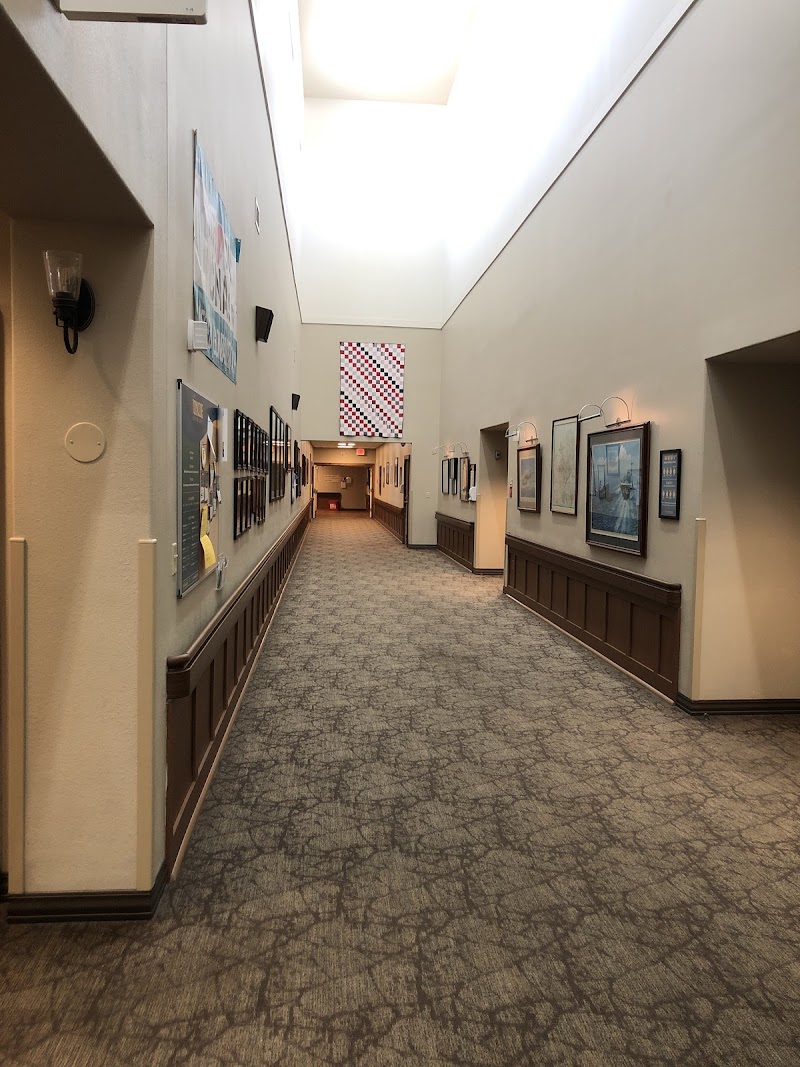
How is Alfredo Gonzalez Texas State Veterans Home Staffed?

CMS rates ALFREDO GONZALEZ TEXAS STATE VETERANS HOME's staffing level at 3 out of 5 stars, which is average compared to other nursing homes. Staff turnover is 38%, compared to the Texas average of 46%. This relatively stable workforce can support continuity of care.

What Have Inspectors Found at Alfredo Gonzalez Texas State Veterans Home?

State health inspectors documented 17 deficiencies at ALFREDO GONZALEZ TEXAS STATE VETERANS HOME during 2023 to 2025. These included: 1 Immediate Jeopardy (the most serious level, indicating potential for serious harm or death), 14 with potential for harm, and 2 minor or isolated issues. Immediate Jeopardy findings are rare and represent the most serious regulatory concerns. They require immediate corrective action.
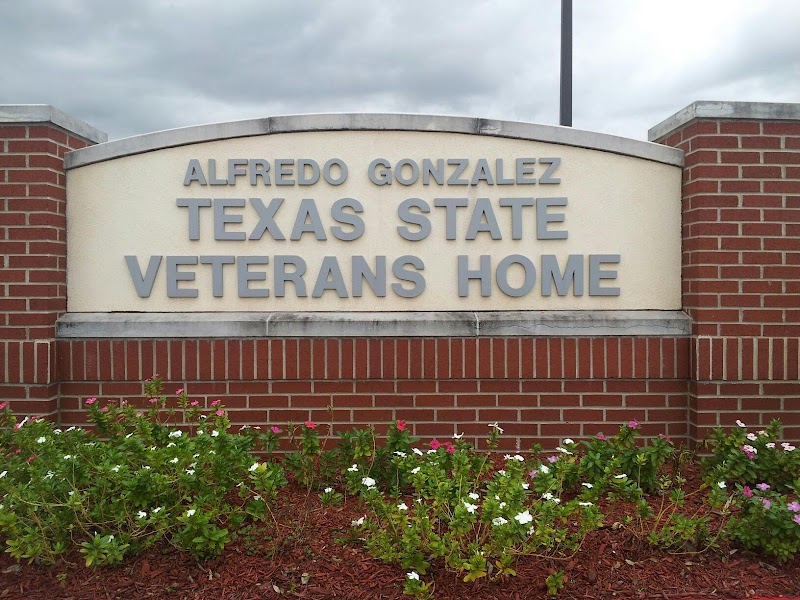
Who Owns and Operates Alfredo Gonzalez Texas State Veterans Home?

ALFREDO GONZALEZ TEXAS STATE VETERANS HOME is owned by a government entity. Government-operated facilities are typically run by state, county, or municipal agencies. The facility is operated by TEXVET, a chain that manages multiple nursing homes. With 160 certified beds and approximately 151 residents (about 94% occupancy), it is a mid-sized facility located in MCALLEN, Texas.
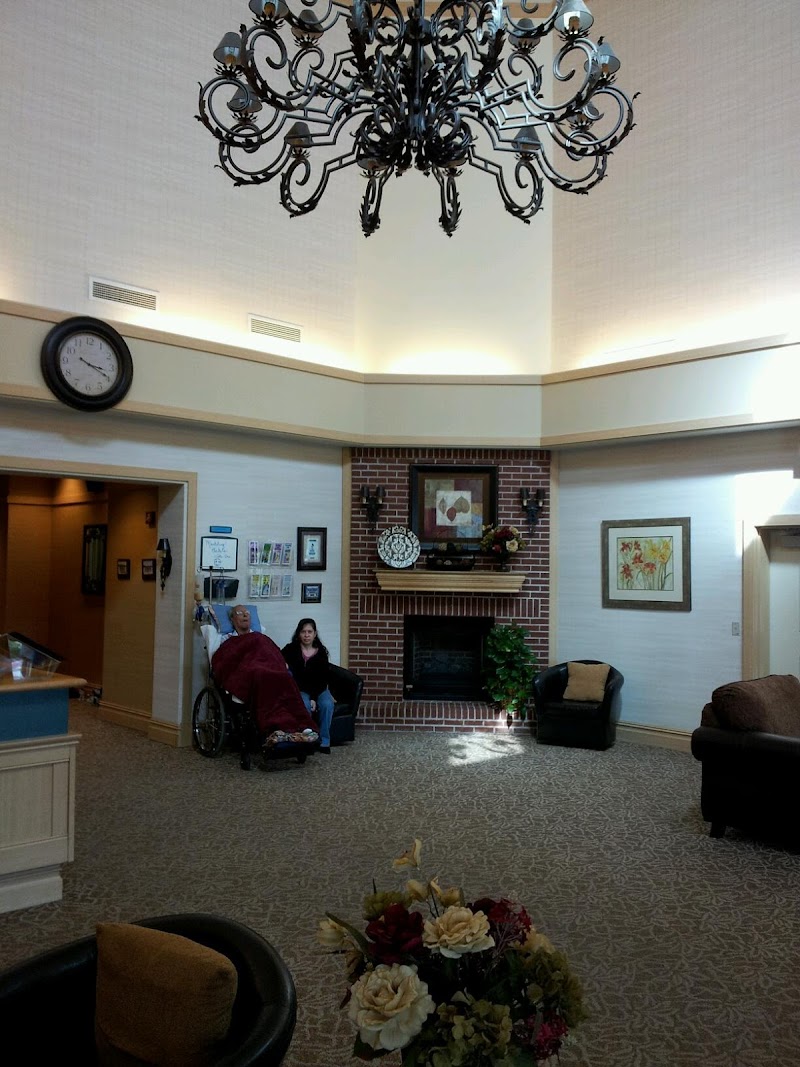
How Does Alfredo Gonzalez Texas State Veterans Home Compare to Other Texas Nursing Homes?

Compared to the 100 nursing homes in Texas, ALFREDO GONZALEZ TEXAS STATE VETERANS HOME's overall rating (5 stars) is above the state average of 2.8, staff turnover (38%) is near the state average of 46%, and health inspection rating (4 stars) is above the national benchmark.

What Should Families Ask When Visiting Alfredo Gonzalez Texas State Veterans Home?

Based on this facility's data, families visiting should ask: "What changes have been made since the serious inspection findings, and how are you preventing similar issues?" "Can I visit during a mealtime to observe dining assistance and food quality?" "How do you handle medical emergencies, and what is your hospital transfer rate?" "Can I speak with family members of current residents about their experience?" These questions are particularly relevant given the facility's Immediate Jeopardy citations.

Is Alfredo Gonzalez Texas State Veterans Home Safe?

Based on CMS inspection data, ALFREDO GONZALEZ TEXAS STATE VETERANS HOME has documented safety concerns. Inspectors have issued 1 Immediate Jeopardy citation (the most serious violation level indicating risk of serious injury or death). The facility has a 5-star overall rating and ranks #1 of 100 nursing homes in Texas. Families considering this facility should ask detailed questions about what corrective actions have been taken since these incidents.

Do Nurses at Alfredo Gonzalez Texas State Veterans Home Stick Around?

ALFREDO GONZALEZ TEXAS STATE VETERANS HOME has a staff turnover rate of 38%, which is about average for Texas nursing homes (state average: 46%). Moderate turnover is common in nursing homes, but families should still ask about staff tenure and how the facility maintains care continuity when employees leave.

Was Alfredo Gonzalez Texas State Veterans Home Ever Fined?

ALFREDO GONZALEZ TEXAS STATE VETERANS HOME has been fined $12,675 across 1 penalty action. This is below the Texas average of $33,206. While any fine indicates a compliance issue, fines under $50,000 are relatively common and typically reflect isolated problems that were subsequently corrected. Families should ask what specific issues led to these fines and confirm they've been resolved.

Is Alfredo Gonzalez Texas State Veterans Home on Any Federal Watch List?

ALFREDO GONZALEZ TEXAS STATE VETERANS HOME is not on any federal watch list. The most significant is the Special Focus Facility (SFF) program, which identifies the bottom 1% of nursing homes nationally based on persistent, serious quality problems. Not being on this list means the facility has avoided the pattern of deficiencies that triggers enhanced federal oversight. This is a positive indicator, though families should still review the facility's inspection history directly.