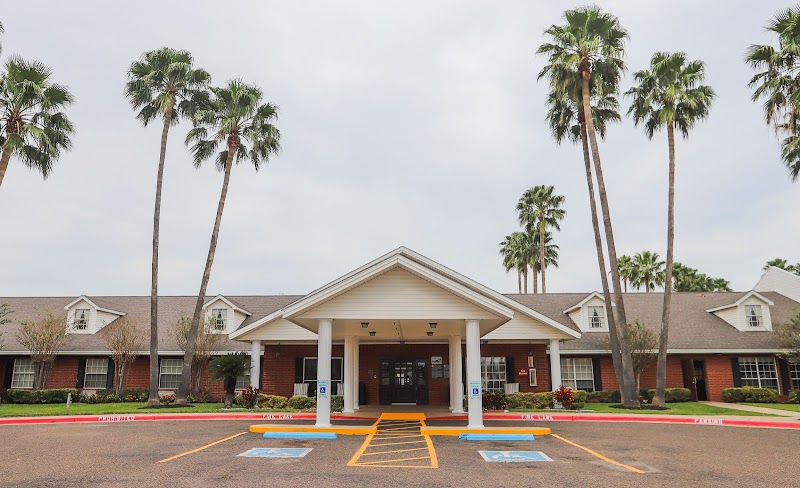
BRIARCLIFF NURSING AND REHABILITATION CENTER

3201 N WARE RD, MCALLEN, TX 78501 (956) 631-5542
Government - Hospital district 194 Beds WELLSENTIAL HEALTH Data: November 2025 4 Immediate Jeopardy citations
Trust Grade
0/100
#650 of 1168 in TX
Last Inspection: March 2025

Within standard 12-15 month inspection cycle. Federal law requires annual inspections.

Overview

Briarcliff Nursing and Rehabilitation Center has received a Trust Grade of F, indicating significant concerns about the quality of care provided. Ranking #650 out of 1168 facilities in Texas places it in the bottom half, and #16 out of 22 in Hidalgo County suggests there are few local options that are better. The facility's trend is worsening, with the number of issues increasing from 4 in 2024 to 11 in 2025, which raises alarms about ongoing care problems. Staffing is somewhat stable, with a turnover rate of 42%, which is below the Texas average, but the overall staffing rating is only 2 out of 5 stars. Recent critical incidents included a resident being slapped by a staff member, and failures to prevent verbal abuse, raising serious concerns about resident safety and care quality. While there are some strengths in staffing stability, the number of critical incidents and overall trust score highlight significant weaknesses that families should consider.

Trust Score
F
0/100
In Texas
#650/1168
Bottom 45%
Safety Record
High Risk
Review needed
Inspections
Getting Worse
4 → 11 violations
Staff Stability
○ Average
42% turnover. Near Texas's 48% average. Typical for the industry.
Penalties
✓ Good
$70,941 in fines. Lower than most Texas facilities. Relatively clean record.
Skilled Nurses
⚠ Watch
Each resident gets only 27 minutes of Registered Nurse (RN) attention daily — below average for Texas. Fewer RN minutes means fewer trained eyes watching for problems.
Violations
⚠ Watch
36 deficiencies on record. Higher than average. Multiple issues found across inspections.
★★☆☆☆
2.0
Overall Rating
★★☆☆☆
2.0
Staff Levels
★★☆☆☆
2.0
Care Quality
★★☆☆☆
2.0
Inspection Score
Stable
2024: 4 issues
2025: 11 issues

The Good

  • Full Sprinkler Coverage · Fire safety systems throughout facility
  • No fines on record
  • Staff turnover below average (42%)

    6 points below Texas average of 48%

Facility shows strength in fire safety.

The Bad

2-Star Overall Rating

Below Texas average (2.8)

Below average - review inspection findings carefully

Staff Turnover: 42%

Near Texas avg (46%)

Typical for the industry

Federal Fines: $70,941

Well above median ($33,413)

Moderate penalties - review what triggered them

Chain: WELLSENTIAL HEALTH

Part of a multi-facility chain

Ask about local staffing decisions and management

The Ugly 36 deficiencies on record

4 life-threatening 1 actual harm
Mar 2025 6 deficiencies 1 IJ
CRITICAL (J) 📢 Someone Reported This

A family member, employee, or ombudsman was alarmed enough to file a formal complaint

Immediate Jeopardy (IJ) - the most serious Medicare violation

Free from Abuse/Neglect (Tag F0600)

Someone could have died · This affected 1 resident

**NOTE- TERMS IN BRACKETS HAVE BEEN EDITED TO PROTECT CONFIDENTIALITY** Based on observation, interview and record reviews the facility failed to ensure the residents had the right to be free from abu...

Read full inspector narrative →
**NOTE- TERMS IN BRACKETS HAVE BEEN EDITED TO PROTECT CONFIDENTIALITY** Based on observation, interview and record reviews the facility failed to ensure the residents had the right to be free from abuse, neglect, misappropriation of resident property, and exploitation for 1 of 10 residents (Resident #101) reviewed for abuse. The facility failed to ensure Resident #101 was free from abuse. CNA H slapped Resident #101 on the face on 8/1/24. The non-compliance was identified as past non-compliance. The Immediate Jeopardy began on 08/01/24 and ended on 08/01/24. The facility had corrected the noncompliance before the survey began. The facility was informed about the past non-compliance on 3/26/2025 at 12:32pm. This failure affected one resident and placed additional 9 residents who were on the memory unit at risk of abuse. Findings included: Record review of Resident#101's admission record dated 3/25/2025 reflected an [AGE] year-old female initially admitted on [DATE] with diagnoses of Alzheimer's Disease (a progressive neurodegenerative disorder that affects memory, thinking, and behavior), cognitive communication deficit (difficulties with communication arising from problems with cognitive process like, attention, memory, or reasoning, rather than speech or language difficulties themselves), dementia (a general term for a group of brain disorders that cause a progressive decline in cognitive abilities, memory and behavior). Record review of Resident #101's comprehensive care plan dated 5/9/2022 indicated she had a history of physical aggression and agitation/combative behavior towards staff and other residents. Resident #101 had severe cognitive impairment and needed moderate assistance with all ADLs. Record review of Resident #101's quarterly MDS dated [DATE] reflected a BIMS score of 00, indicating Resident #101 was severely cognitively impaired and had a wandering behavior that occurred daily. Record Review of Resident #101's incident report dated 8/1/24 reflected she had been slapped on the face by CNA H. The incident was witnessed by CNA I and RN J. The incident occurred while CNA H and CNA I tried to render care to Resident #101. Resident #101 became agitated and hit CNA H, and in response CNA H slapped Resident#101. The incident report revealed that the facility's investigation was confirmed for abuse. During an observation on 3/24/25 at 10:00 am, Resident #101 was in the dining room watching television and eating a snack. During an observation on 3/25/25 at 11:25 am, Resident #101 was in the dining room eating a snack. During an observation on 3/26/25 at 12:10 pm, Resident #101was in the dining room eating lunch. During an interview on 3/24/25 at 10:00 am Resident #101 was not able to recall the incident. In a telephone interview on 3/24/25 at 4:00 PM, CNA H denied that she had slapped Resident#101 on the face. CNA H said that she simply raised her hand to scare her. CNA H said RN J immediately intervened and instructed her to report to the Administrator's office. CNA H said the Administrator immediately suspended her and later terminated her. Record Review of CNA H's written statement (not dated) reflected in part that Resident #101 hit my face with force and I instantly hit her back not hard. I know it was wrong, but it was instinct. In an interview on 3/25/25 at 10:26 AM, CNA I said the incident occurred while she tried to convince Resident#101 to go back to her room to render perineal care. CNA I said Resident#101 refused and became agitated. CNA I said she went to ask CNA H for assistance. CNA I said Resident #101 followed her and at that time CNA H and CNA I tried to redirect Resident#101 back to her room. CNA I said Resident #101 became physically combative and suddenly slapped CNA H on the face. CNA I said CNA H reacted by slapping Resident #101 on the face. CNA I said the incident was witnessed by RN J who immediately protected Resident#101 and instructed CNA H to report to the Administrator's office. In an interview on 3/25/25 at 10:35 AM, RN J said she heard Resident#101 yelling at CNA H and CNA I while they tried to redirect her back to her room. RN J said that she immediately went to check on Resident #101. RN J said she observed CNA H slap Resident#101 on the face. RN J said that she immediately separated Resident #101, and CNA H. RN J said she instructed CNA H to exit the memory unit and report to the Administrator's office. RN J said she immediately a head to toe assessment was done for Resident#101 for any physical injuries and then reported the incident to the Administrator. RN J said that CNA H was removed from the facility after the incident. In an interview on 3/25/25 at 11:00 AM, the DON said that after the 8/1/24 incident CNA H was immediately suspended, and later terminated. The DON said all staff were in-serviced on 8/1/24 on of the topics of Dealing with challenging residents; Abuse Prohibition Policy. The DON said the following interventions were initiated: Resident #101 was closely monitored by staff and to monitor for any psychosocial behaviors. In an interview on 3/25/25 at 11:15 AM, the Administrator said that when CNA H reported to her office on 8/1/24 she was immediately suspended and instructed to leave the facility. The Administrator said she immediately reported the incident to the state. The Administrator said after the investigation the facility confirmed the allegation of abuse and CNA H was terminated. It was determined these failures placed Resident #101 in an Immediate Jeopardy situation on 08/01/24. The facility had corrected the noncompliance before the survey began. Record Review of the facility resident report dated 8/1/2024 of the following interventions were put in place: 1. Resident #101 was immediately protected by RN J. In an interview on 3/25/25 at 10:35 AM, RN J said she heard Resident#101 yelling at CNA H and CNA I while they tried to redirect her back to her room. RN J said that she immediately went to check on Resident #101. RN J said she observed CNA H slap Resident#101 on the face. RN J said that she immediately separated Resident #101, and CNA H. RN J said she instructed CNA H to exit the memory unit and report to the Administrator's office. RN J said she immediately a head to toe assessment was done for Resident#101 for any physical injuries and then reported the incident to the Administrator. RN J said that CNA H was removed from the facility after the incident. 2. CNA H was immediately removed from the facility. Record reveiw of incident report dated 8/1/24 revealed resident was suspended on 8/1/24. Record Review of incident report dated 8/1/24 CNA H was terminated on 8/6/24. 3. A head-to-toe assessment was conducted on Resident #101 on 8/1/24. Record review dated 8/1/24 of resident assessment revealed no physical harm, pain or mental anguish. 4. The facility's social worker assessed Resident #101 for signs of psychosocial harm on 8/1/24 and later referred Resident#101 to counseling. Interview with social worker revealed that she assessed the resident and there were not signs of psychosocial harm and was referred for counseling evaluation on 8/1/24. Record review dated 8/1/24 revealed social worker had done an assessment and referred resident for counseling. 5. Staff were in-serviced on 8/1/24 on the topics of Dealing with challenging residents and Abuse Prohibition Policy. Record review dated 8/1/24 revealed all staff were in-serviced on dealing with challenging residents and abuse prohibition policy. 6. All residents in the memory unit were interviewed and observed for abuse on 8/1/24 with no concerns mentioned. 7. Staff in the memory unit were interviewed on 3/24/25, 3/25/25 and 3/26/25 and all were familiar with the facility's protocol when dealing with residents with cognition impairment and aggressive behaviors and abuse prohibition policy. 4 CNAs were interviewed from different shifts, 3 License Vocational Nurses and 1 registered nurse. 3/24/25 at 1:39 PM, CNA EE 3/25/25 at 10:35 AM, RN J 3/25/25 at 10:26 AM, CNA I 3/25/25 at 1:34 PM, LVN F 3/25/25 at 1:49 PM, CNA DD 3/25/25 at 2:48 PM, ADON 3/25/25 at 2:25 PM, LVN CC 3/26/25 at 10:49 AM, CNA S Record Review of the facility's policy titled abuse, neglect and exploitation, date implemented 8/15/22, stated It is the policy of this facility to provide protections for the health, welfare, and rights of each resident by developing and implementing written policies and procedures that prohibit and prevent abuse, neglect, exploitation, and misappropriation of resident property. Physical Abuse includes, but is not limited to hitting, slapping, biting, and kicking. It also includes controlling behavior through corporal punishment.
CONCERN (D)

Potential for Harm - no one hurt, but risky conditions existed

Comprehensive Care Plan (Tag F0656)

Could have caused harm · This affected 1 resident

**NOTE- TERMS IN BRACKETS HAVE BEEN EDITED TO PROTECT CONFIDENTIALITY** Based on observation, interview, and record review the facility failed to develop and implement a comprehensive person-centered ...

Read full inspector narrative →
**NOTE- TERMS IN BRACKETS HAVE BEEN EDITED TO PROTECT CONFIDENTIALITY** Based on observation, interview, and record review the facility failed to develop and implement a comprehensive person-centered care plan for each resident, consistent with the resident rights, that included measurable objectives and timeframes to meet a resident's medical, nursing, and mental and psychosocial need that were identified in the comprehensive assessment for 2 of 10 residents (Resident #101 and Resident #82) reviewed for comprehensive person-centered care plans. 1.The facility failed to develop a comprehensive person-centered care plan for Resident #101 to address assist feeding. 2. The facility failed to develop a comprehensive person-centered care plan for Resident #82 to address identifiable triggers to his active diagnosis of Post Traumatic Stress Disorder. This deficient practice could place residents at risk of not being provided with the necessary care or services and not having personalized plans developed to address their specific needs. The Findings include: Record review of Resident #101's face sheet, dated 3/25/2025, reflected an [AGE] year-old female who was originally admitted to the facility on [DATE]. Resident #101 had a diagnosis which included: Vascular Dementia (a type of cognitive decline caused by damaged to the blood vessels in the brain), Alzheimer's disease (caused by problems with blood supply to the brain, leading to damage and impaired function, and often involves difficulties with thinking, planning and problem solving), Needs assistance with personal care. Record review of Resident #101's Care Plan initiated on 5/11/23 reflected she has an ADL self-care deficit related to decreased cognition secondary to Alzheimer's Dementia, and Amnesia. Resident #101's functional performance with eating: the Resident requires (supervision/or touching assistance) for eating. Record review of Resident #101's quarterly MDS assessment, dated 1/30/25, reflected a BIMS score of 00, which indicated Resident #00's cognition was severely impaired. Eating assistance was marked on the MDS as 04 which indicated supervision or touching assistance (helper provides verbal cues and/or touching/steady and/or contact guard assistance as resident completes activity. Assistance may be provided throughout the activity or intermittently. During an observation on 3/24/25 at 12:00PM Resident #101 was in the dining room, CNA was sitting next to resident and was assisting with feeding. During an observation on 3/25/25 at 5:00PM, Resident #101 was in the dining room, CNA was sitting next to resident and was assisting with feeding. During an interview on 3/24/25 at 4:00PM with CNA I stated that Resident #101 needs assistance with feeding because she was not able to feed by herself because of the resident's had Alzheimer's. CNA I stated Resident #101 did not know how to use the utensils. CNA I stated resident had been fed with all meals. During an interview on 3/26/25 at 11:35AM with RN L stated Resident #101 needed total assistance with feeding with all her meals because of the resident's Alzheimer's disease. RN L stated that a negative outcome of care plan not been accurate could place Resident#101 at risk for weight loss. During an interview on 3/26/25 at 10:00 AM with LVN K, MDS nurse, stated that the resident was able to grab finger food. LVN K, MDS nurse stated that she did not know that resident needed a lot of assistance. LVN K, MDS nurse stated that she did not update the care plan because she was not aware that resident was being assisted with feeding every meal. During an interview on 3/26/25 at 4:40 PM, the DON said she was not aware that resident was needing total assistance with feedings. DON said Resident#101's care plan had to be accurate and this way all staff could know what the resident needed. 2. Record review of Resident #82's face sheet dated 03/27/25 reflected resident was a [AGE] year-old male admitted to the facility on [DATE] with original admit date of 12/19/2019. His pertinent diagnoses included post-traumatic stress disorder (mental condition that develops after experiencing or witnessing a traumatic event, war, violent crime, or personal loss), bipolar (a disorder associated with episode of mood swings ranging from depressive to manic highs), dementia (a group of thinking and social symptoms that interferes with daily function), cognitive communication deficit (a group of conditions that affect a person's ability to communicate effectively due to underlying cognitive impairments), major depressive disorder ( mental condition characterized by persistent feelings of sadness, hopelessness, and loss of interest or pleasure in activities), delusional disorder (mental illness that caused people to have unshakeable false beliefs for at least a month), and schizoaffective disorder (disorder that affects a person's ability to think, feel, and behave clearly). Record review of Resident #82's quarterly MDS assessment dated [DATE] reflected his BIMS score question was left blank, indicating his cognition was severely impaired. His active psychiatric/mood disorder diagnoses included depression, bipolar disorder, schizophrenia, post-traumatic stress disorder and psychotic disorder (mental disorder characterized by a disconnection from reality). It further reflected he had physical (hitting, kicking, pushing, scratching, grabbing, abusing others sexually), verbal (threatening others, screaming at others, cursing at others) and other behavioral (not directed towards others, physical symptoms such as hitting or scratching self, pacing, rummaging, public sexual acts, disrobing in public, throwing, or smearing food or bodily wastes, or verbal/vocal symptoms like screaming, disruptive sounds) symptoms that occurred 1 to 3 days during the review period. Record review of Resident #82's order summary reflected he had a diagnosis of post-traumatic stress disorder effective 03/25/21. Record review of Resident #82's quarterly comprehensive care plan dated 03/06/25 reflected he: 1. used to be a boxer and suffered from post-traumatic stress disorder (date initiated/revised 08/25/23). His interventions included to administer medications as ordered, behavioral health consults as needed, monitor/document/report PRN any risk for harm to self (date initiated 01/10/24), monitor/record/report to MD prn mood patters signs and symptoms of depression, anxiety, sad mood as per facility behavior monitoring protocols (date initiated 11/24/23 and revised 11/25/23) and monitor/record/report to MD prn risk for harming other, increased anger, labile mood ( a neurological condition that involves rapid and exaggerated mood changes) or agitation, feels threatened by others or thoughts of harming someone (date initiated 01/10/24 2. had a psychosocial well-being problem related to post-traumatic disorder, bipolar disorder, dementia, and schizoaffective disorder (dated initiated/revised 11/19/24). Interventions included to encourage participation from resident who depended on others to make his own decisions, increased communication between resident/family/caregivers about care and living arrangements, provide opportunities for the resident and family to participle in care, should conflict arise, remove resident to a calm safe environment and allow to vent/share feelings. In an observation on 03/24/25 at 10:35 a.m., Resident #82 was observed lying in bed awake and mumbling to himself with a blank stare. In an interview on 03/25/25 at 10:00 a.m., the SW said when a resident was admitted , they were screened for any trauma. She said Resident #82 was admitted to the facility on [DATE] and diagnosed with post-traumatic stress disorder on 03/25/21. She said she would have to review her records to see if he had any identifiable triggers. In an interview on 03/26/25 at 8:00 a.m., CNA R said she had cared for Resident #82 for almost one year. She said since she had cared for him he had not displayed any behaviors. She said he was bed bound, required total assistance for all ADLs, and was not able to communicate. CNA R said she would round Resident #82 more frequently because he was not able to communicate or use the call light. She said by rounding more often than every 2 hours, staff could anticipate his needs better. In an observation and interview on 03/26/25 at 8:11 a.m., LVN F said Resident #82 used to be a hospice patient but had recently been discharged from hospice. She said for the most part his way to communicate was to moan. LVN F said, it was rare but there had been times in which Resident #82 was able to answer yes or no but for the most part he would just moan. She said staff were able to meet his needs by making more rounds to his room and trying to anticipate his needs better. LVN F said Resident #82 had a diagnosis of post-traumatic disorder. She was observed as she reviewed Resident #82's care plan and said she was not able to find any triggers listed under his problem of post-traumatic stress disorder. She said CNAs and nursing staff would constantly monitor Resident #82 for any signs or symptoms of any behaviors not only because of his diagnosis of post-traumatic stress disorder but for all his other mental disorders. She said in her experience as a nurse, Resident #82 had not displayed any behaviors that she could identify as triggers. She said there were no negative outcome for Resident #82 not having any triggers identified on his care plan because staff were monitoring all his behaviors because of his overall mental disorders. LVN F said she would be in-serviced at least every 12 months on the topic of post-traumatic disorder. In an interview on 03/26/25 at 10:30 a.m., LVN S-MDS said Resident #82 was the only resident in the facility with an active diagnosis of post-traumatic stress disorder. She said she had not included any triggers because there were no identifiable triggers for him. She said in her opinion, if a resident with an active diagnosis of post-traumatic disorder did not have any identifiable triggers their care plan should include a statement that reflected no identifiable triggers, which she acknowledged Resident #82's care plan did not. She said there were no negative outcome to Resident #82 not having triggers listed on his care plan, because he was being monitored for all his other mental disorders which included post-traumatic stress disorder. In an interview on 03/26/25 at 4:08 p.m., the Social Worker said she had reviewed Resident #82' progress notes and his counseling notes but had not found any documentation that identified any triggers for his post-traumatic stress disorder. She said Resident #82 had been referred to counseling in the past for his diagnosis of bipolar. She said when Resident #82 was initially admitted , he had behavior problems like wanting to punch staff and other residents. She said since his admission, Resident #82's health had declined and at one point he was under hospice. She said he was no longer under hospice, but his health continued declining. She said Resident #82 was not able to communicate, was bed bound. She said she had not been told by staff Resident #82 displayed any behaviors that could be identified as triggers. She said when Resident #82 was initially admitted , he was in the secure unit. She said since his health declined, he was transferred to a regular room as he was no longer displaying any behaviors or able to ambulate. In an interview on 03/26/25 at 4:27 pm the DON said the care Resident #82 received was based on his current physical status/psychosocial status. She said his diagnosis of post-traumatic stress disorder did not infringe in the care he received. She said there were no negative outcome to Resident #82 not having triggers identified on his care plan because his dementia was too advanced, and he was being monitored for any behavior issues. In an interview on 03/27/25 at 8:45 am, the Nurse Practitioner (Psychiatry) said when Resident #82 had initially been admitted to the facility, staff had a very hard time trying to diagnose him. She said Resident #82 was very aggressive, agitated, and difficult to manage. She Resident #82 was not a very good historian and it had taken a long time to stabilize him. She said she diagnosed Resident #82 with post-traumatic stress disorder along with other mental issues after his admission. She said at the time of his diagnosis, she was not able to identify any triggers and focused on his other more severe mental disorders. She explained Resident #82 had been a boxer in his younger years and had also been kidnapped for several weeks and severely beaten up in another country. She said the resident has had a rapid decline in health and in her medical opinion, he is beyond the point of having identifiable triggers because his dementia is too advanced. Record review of the Comprehensive Person-Centered Policy, date implemented 10/24/2022, read in part It is the policy of this facility to develop and implement a comprehensive person-centered care plan for each resident, consistent with resident rights, that includes measurable objectives and timeframes to meet a resident's medical, nursing, and mental and psychosocial needs that are identified in the resident's comprehensive assessment.
CONCERN (D)

Potential for Harm - no one hurt, but risky conditions existed

Accident Prevention (Tag F0689)

Could have caused harm · This affected 1 resident

**NOTE- TERMS IN BRACKETS HAVE BEEN EDITED TO PROTECT CONFIDENTIALITY** Based on observation, interview, and record review, the facility failed to ensure the resident environment remained as free of a...

Read full inspector narrative →
**NOTE- TERMS IN BRACKETS HAVE BEEN EDITED TO PROTECT CONFIDENTIALITY** Based on observation, interview, and record review, the facility failed to ensure the resident environment remained as free of accident hazards as possible for 1 of 8 residents (Resident #13) reviewed for accidents and hazards: The facility failed to ensure Resident #13 did not have disposable razors in his room. This failure could place residents at risk of harm or injury and contribute to avoidable accidents and a decline in health. The findings included: Record review of Resident #13's admission record, dated 03/24/25, reflected a [AGE] year-old male admitted to facility on 11/14/24. His relevant diagnoses included the need for assistance with personal care, epilepsy (disorder in which nerve cells activity in the brain is disturbed causing seizures), and intellectual disabilities (below average intelligence and set of life skills). Record review of Resident #13's quarterly MDS dated [DATE] reflected he had a BIMS score of 08, which indicated his cognition was moderately impaired. Record review of Resident #13's quarterly care plan dated 02/09/25 reflected he had an ADL self-care performance deficit related to weakness, history of spinal fractures, poor balance. His interventions in part included functional performance of personal hygiene, Resident #13 required partial or moderate assistance for personal hygiene (date initiated 11/14/24 and revised on 11/23/24). An observation on 03/24/25 at 11:14 a.m., Resident #13 was observed sitting on his wheelchair. Surveyor asked him for permission to inspect his restroom, and he consented. In the restroom sink there was one disposable razor with the lid still on. In an interview on 03/24/25 at 11:17 a.m., Resident #13 said he had just come back from the shower room where he had been showered and shaved. He said at times he preferred to shave himself. He said he kept a bag of disposable razors in his dresser drawer. Resident #13 said whenever he decided to shave himself, the CNAs would pull out a new disposable razor from his drawer for him to use. In an interview and observation on 03/24/25 at 1:00 p.m., CNA A said Resident #13 had been showered earlier that day by CNA B. She was observed walking into Resident #13's restroom where she acknowledged seeing a disposable razor on his sink, she said she did not know who had placed it there. She said Resident #13 was independent and at times would shave himself while a CNA would observe him. She said her shift began at 6 am that day and had made several rounds to Resident #13's room but had not noticed the disposable razor on the sink. CNA A was not able to explain the facility's protocol regarding sharps. In an interview on 03/24/25 at 1:30 p.m., CNA B said she had showered Resident #13 earlier that day and she had also shaved him while in the shower room. She said she did not know who had placed a disposable razor in his bathroom. She said on 03/24/25, her duties were to shower residents only. In an interview and observation on 03/24/25 at 5:32 p.m., RN C said the facility's protocol regarding razors were that they needed to be kept under lock and key in the shower room or in a medication cart. She said if a family member provided residents with razors, facility staff would label them and would place them under lock and key in the shower room or in a medication cart. She said residents were not allowed to keep razors in their rooms. RN C was observed as she checked Resident #13's dresser drawer and pulled out a plastic bag that contained 18 new disposable razors. RN C said the negative outcome for residents having razors in their rooms could be that they could cut themselves or others and if another resident wandered into their restroom, they too could cut themselves or others. RN C advised Resident #13 that she needed to place his disposable razors under lock and key. In an interview on 03/24/25 at 5:42 p.m., the DON said residents were not allowed to keep razors in their rooms. She said razors should be kept under lock and key in the shower room or medication cart. The DON said a negative outcome to Resident #13 having a razor in his room could be that he could cut himself or others and if another resident walked into his room, they too could cut themselves or others.
CONCERN (D)

Potential for Harm - no one hurt, but risky conditions existed

Respiratory Care (Tag F0695)

Could have caused harm · This affected 1 resident

**NOTE- TERMS IN BRACKETS HAVE BEEN EDITED TO PROTECT CONFIDENTIALITY** Based on observation, interviews, and record review, the facility failed to ensure that a resident who needs respiratory care, i...

Read full inspector narrative →
**NOTE- TERMS IN BRACKETS HAVE BEEN EDITED TO PROTECT CONFIDENTIALITY** Based on observation, interviews, and record review, the facility failed to ensure that a resident who needs respiratory care, including tracheostomy care and tracheal suctioning, is provided such care, consistent with professional standards of practice for 1 of 18 (Resident #39) residents reviewed for respiratory care. The facility failed to ensure Resident #39 had an oxygen sign posted on their door to alert everyone that he was on oxygen. This deficient practice could place residents who receive respiratory care at risk for developing respiratory complications, make others unaware oxygen was in use, and of receiving inappropriate and inadequate care. The findings included: Record Review of Resident #39's face sheet, dated 03/24/2025, revealed an [AGE] year-old male admitted to the facility on [DATE] with pertinent diagnoses of Acute and Chronic Respiratory Failure with Hypoxia (low levels of oxygen in the body), Acute combined Systolic and Diastolic Congestive [NAME] Failure (occurs when the heart can't pump enough blood to meet the body's needs), Essential Hypertension (high blood pressure), Hyperlipidemia (high cholesterol), Peripheral Vascular Disease (reduced circulation of blood to a body part, other than the brain or heart), and Type 2 Diabetes Mellitus. Record review of Resident #39's quarterly MDS assessment, dated 01/23/2025, a BIMS score of 05 revealed the resident's cognition was severely impaired. Record review of Resident #39's active orders, dated 03/24/2025, revealed Oxygen at 2LPM via nasal cannula greater than 92% as needed for hypoxia. Record review of Resident #39 ' s care plan revision date unknown revealed he had oxygen therapy r/t Hypoxia. Interventions Oxygen settings: O2 via nasal cannula as ordered. During an observation on 03/24/2025 at 10:20 a.m., Resident #39 was lying on a bed with his eyes closed and had on a nasal cannula with the oxygen concentrator set at 2 liters per minute. No sign was posted on the outside of Resident #39's door or doorframe to indicate he had oxygen in use in the room. In an interview on 03/24/2025 at 10:25 a.m. with LVN D, she stated that she was Resident #39 ' s nurse. LVN D stated she was responsible for posting the oxygen sign on the outside of the resident's door. She stated that she was supposed to put the oxygen sign as soon as possible after she gets the oxygen order. LVN D stated Resident #39 should have a sign, but she was busy this morning and forgot. She stated the oxygen sign was an identifier in case of fires. She stated the negative outcome would be that it was dangerous for Resident #39 and other residents in the facility. In an interview on 03/24/2025 at 10:45 a.m. with ADON E, she stated that anybody from nursing was responsible for posting the oxygen sign outside of the resident's door or door frame. She stated that she does not know if there was a timeframe, but they do it as soon as they get the physician order. ADON E stated that it was important for the O2 sign to be posted on the door to alert staff that the resident was on oxygen and for safety reasons. In an interview on 03/24/2025 at 5:30 p.m. with the DON, she stated that the charge nurses are responsible for posting the O2 sign on the resident ' s door. The administration was also responsible when they care plan. The nurses know where the signs are located. She stated that the managers were also responsible for posting the O2 sign on the resident's door who are on oxygen. The DON stated that it was important for the O2 sign to be posted on the door to alert the staff that the resident was on oxygen. Record review of the facility's Lippincott Manual of Nursing Practice 11th edition Administering Oxygen Therapy, revealed Assess need for oxygen by observing for symptoms of hypoxia: Assess the patient's current oxygenation Post no smoking signs
CONCERN (D)

Potential for Harm - no one hurt, but risky conditions existed

Infection Control (Tag F0880)

Could have caused harm · This affected 1 resident

**NOTE- TERMS IN BRACKETS HAVE BEEN EDITED TO PROTECT CONFIDENTIALITY** Based observation, interview, and record review, the facility failed to maintain an Infection Prevention and Control Program des...

Read full inspector narrative →
**NOTE- TERMS IN BRACKETS HAVE BEEN EDITED TO PROTECT CONFIDENTIALITY** Based observation, interview, and record review, the facility failed to maintain an Infection Prevention and Control Program designed to provide a safe, sanitary, and comfortable environment and to help prevent the development and transmission of communicable diseases and infections for 2 (Resident #66 and Resident #145) of 8 residents observed for infection control. 1. LVN F failed to sanitize hands before administering G-tube medications to Resident #66. 2. CNA O did not remove their contaminated gloves after catheter care prior to cleansing Resident #145 of bowel movement. CNA O proceeded to clean without performing hand hygiene and maintained usage of dirty gloves while cleaning posterior area and used the same gloves to apply a clean brief. These deficient practices could place residents at-risk for healthcare associated cross contamination and the spread of infection due to improper care practices. Findings included: 1. Record review of Resident #66's face sheet dated 03/26/2025 revealed the resident was a [AGE] year-old female admitted on [DATE] with an original admission date of 02/04/2020. Her pertinent diagnoses included Cerebral Infarction (stroke), Gastrostomy (a tube inserted through the wall of the abdomen directly into the stomach), Dysphagia following Cerebral Infarction (difficulty swallowing following a stroke), Muscle wasting and Atrophy (loss of muscle tissue), and Type 2 Diabetes Mellitus. Record review of Resident #66's quarterly MDS assessment, dated 02/04/2025 revealed a BIMS score of 00, indicating Resident #66 was severely cognitively impaired. Record review of Resident #66's physician order summary dated 11/17/2022 revealed Resident #66 Enteral Feed Order every shift flush feeding tube with 30mls of water before and after medication administration. Record review of Resident #66's comprehensive care plan, revision date 05/02/2024, reflected Resident #66 has a gastric tube r/t Dysphagia Interventions: Monitor/document/report as needed signs and symptoms of .infection at tube site. During an observation in Resident #66's room on 03/25/2025 at 07:42 a.m. LVN F washed her hands then touched the privacy curtain and donned gloves without sanitizing her hands. She touched the bed remote with the gloves, to adjust the height of the bed, and with the same pair of gloves she proceeded to touch the resident's G-tube and administer the medications. In an interview on 03/25/25 at 08:02 a.m. with LVN F, she stated that she did well during the G-tube medication administration. She stated she does not use hand sanitizer because her skin gets irritated and washes her hands instead. LVN F stated that she was supposed to wash her hands before administering medications. She stated sanitizing hands after touching the privacy curtain and touching the bed remote was important to prevent infection to the resident. LVN F stated that we carry microbes all over our hands and Resident #66's G-tube site was a port of entrance for infection. In an interview on 03/26/2025 at 10:40 a.m. with ADON G, she stated staff were trained to sanitize hands in between glove changes and to perform hand hygiene using soap and water for 20 seconds if their hands were visibly soiled. She stated LVN F should have sanitized after touching the privacy curtain without gloves after washing her hands. ADON G stated that when it comes down to touching the resident's bed remote it was iffy because it was the residence germs and not anyone else's germs. She stated that they were to wash their hands with soap and water if hand sanitizer was causing irritation. She stated she has not had any staff voice that they could not use hand sanitizer due to causing irritation. She stated there were other various hand sanitizers readily available. ADON G stated it was important to sanitize or wash hands to break the chain of infection. In an interview on 03/27/2025 at 10:59 a.m. with the DON, she stated staff were trained to sanitize hands before patient care, in between glove changes, and when done with care that they were providing. She stated the privacy curtains were dirty and staff was to sanitize hands afterwards. The DON stated after touching the bed control, staff was to remove gloves, sanitize hands, and don a new pair of gloves. She stated if staff hands get irritated with hand sanitizer, they were encouraged to use soap and water, but they also have aloe vera hand sanitizer. The DON stated that the staff should sanitize or wash their hands to prevent infection. 2. Record review of Resident #145's Face Sheet dated 03/24/2025 revealed an [AGE] year-old male admitted originally on 08/15/2024. His diagnoses included, chronic kidney disease (a condition in which the kidneys gradually lose their ability to filter waste products and excess fluid from the blood), benign prostatic hyperplasia with lower urinary tract symptoms (a condition in which the prostate gland, located below the bladder in men, enlarges), retention of urine (the inability to completely empty the bladder). Record review of Resident #145's Comprehensive Care Plan initiated: 08/15/2024 documented, Problem: [Resident #145] is dependent on staff for meeting emotional, intellectual, physical and social needs related to physical limitations. Interventions: functional performance with personal care: the resident requires partial/moderate assistance for personal hygiene. Record review of Resident #145's MDS dated [DATE] documented a Brief Interview of Mental Status score of 12/moderately impaired cognition, as well as extensive dependency of staff to assist in activities of daily living. An indwelling urninary catheter was used. During an observation on 03/25/2025 at 11: 09AM, observed Resident #145 had an indwelling urinary catheter. CNA O commenced catheter care of Resident #145. CNA O entered Resident #145's room after knocking. CNA O began with washing hands for 30 seconds, gloved up, and prepared the table of needed supplies. CNA O continued by raising the bed and then discarded gloves. After discarding the gloves, CNA O continued with applying hand sanitizer and she did apply new gloves. CNA proceeded with catheter care and proceeded to clean bowel movement. Once bowel movement was cleaned, using the same pair of gloves, she removed the brief, and applied a new brief. During an interview on 03/25/2025 at 11: 28AM, CNA O stated that they should have changed those gloves after cleaning the foley catheter, to minimize contraction of infection. CNA O stated they should have washed hands/used hand sanitizer and changed gloves, before, during, and after care to minimize chance of infection. CNA O stated their recognition of error and proceeded to state it was noted as a standard of practice. CNA O stated that Resident #145 could get an infection because she did not change gloves when changing from one area to another area. During an interview on 03/25/25 at 4:40PM with the DON, the DON stated that after perineum care, hand hygiene should have been performed prior to moving to the second part of cleaning of the bowel movement. The DON stressed the importance of infection prevention and stated that personnel were educated and observed by her performing specific care during checkoffs, before being allowed to work on the floor independently. The DON stated this practice could put Resident #145 at risk for urinary tract infection. Record review of the facility's Hand Hygiene Policy dated 10/24/2022 revealed Policy: All staff will perform proper hand hygiene procedures to prevent the spread of infection to other personnel, residents, and visitors. This applies to all staff working in all locations within the facility. Definitions: Hand hygiene is a general term for cleaning your hands by handwashing with soap and water or the use of an antiseptic hand rub, also known as alcohol-based hand rub. Record Review of the facility's Infection Prevention and Control Program Policy dated 05/13/23 revealed Policy: This facility has established and maintains an infection prevention and control program designed to provide a safe, sanitary, and comfortable environment and to help prevent the development and transmission of communicable diseases and infections as per accepted national standards and guidelines. Policy Explanation and Compliance Guidelines: 2. All staff are responsible for following all policies and procedures related to the program. Standard Precautions: b. Hand Hygiene shall be performed in accordance with our facility's established hand hygiene procedures. d. Licensed staff shall adhere to safe injection and medication administration practices as described in relevant facility policies.
CONCERN (E)

Potential for Harm - no one hurt, but risky conditions existed

Safe Environment (Tag F0584)

Could have caused harm · This affected multiple residents

**NOTE- TERMS IN BRACKETS HAVE BEEN EDITED TO PROTECT CONFIDENTIALITY** Based on observation, interview, and record review, the facility failed to provide a safe, clean, comfortable, and homelike envi...

Read full inspector narrative →
**NOTE- TERMS IN BRACKETS HAVE BEEN EDITED TO PROTECT CONFIDENTIALITY** Based on observation, interview, and record review, the facility failed to provide a safe, clean, comfortable, and homelike environment for 3 residents out of 6 (Resident #119, Resident #124, and Resident #205) and 1 shower bed (hall 300) out of 4 that were reviewed for safe environment. 1. The facility failed to ensure bathroom sinks' hot water temperatures were below 110 degrees Fahrenheit in occupied rooms for Resident #119, Resident #124, and Resident #205. 2. The facility failed to ensure the shower bed in Hall 300 shower room was in good condition. These failures could affect residents by placing them at risk for diminished quality of life due to the lack of a well-kept environment and water temperatures over 110 degrees Fahrenheit, placing residents at risk of being in an unsafe environment and at risk for burn injuries. Findings Included: During an observation on 03/24/2025 at 04:14 p.m. with the Maintenance Director and using the maintenance director's digital thermometer, the bathroom sink hot water temperatures were: 1.Resident #119's bathroom sink hot water temperature was 124 degrees Fahrenheit, Resident #124's hot water temperature was 118 degrees Fahrenheit and Resident #205's hot water temperature was 116 degrees Fahrenheit. Record review of Resident #119's face sheet dated 03/24/2025 revealed the resident was an [AGE] year-old male admitted to the facility on [DATE] with original admit date [DATE]. His pertinent diagnoses included Vascular Dementia (changes to memory, thinking, and behavior resulting from conditions that affect the blood vessels in the brain), Mood Disorder, Muscle wasting and Atrophy (loss of muscle tissue), Peripheral Vascular Disease (reduced circulation of blood to a body part, other than the brain or heart), Essential Hypertension (high blood pressure). Record review of Resident #119's quarterly MDS assessment, dated 03/06/2025 revealed a BIMS score of 05, indicating Resident #119 was severely cognitively impaired. He required minimal assistance for mobility. Record review of Resident #119's care plan revised dated 03/11/2025 revealed he had limited physical mobility. Interventions: The resident was able to ambulate self with a walker. Record review of Resident #124's face sheet dated 03/26/2025 revealed the resident was an [AGE] year-old male admitted to the facility on [DATE], with original admission date 08/28/2023. His pertinent diagnoses included Vascular Dementia (changes to memory, thinking, and behavior resulting from conditions that affect the blood vessels in the brain), Alzheimer's Disease (a brain disorder that slowly destroys memory and thinking skills, and eventually, the ability to carry out the simplest tasks), Type 2 Diabetes Mellitus, Muscle wasting and Atrophy (loss of muscle tissue), Essential Hypertension (high blood pressure), Anxiety Disorder. Record review of Resident #124's quarterly MDS assessment, dated 01/25/2025 revealed a BIMS score of 03, indicating Resident #124 was severely cognitively impaired. He required supervision for mobility. Record review of Resident #124's care plan revision dated 08/05/2024 revealed he had Alzheimer's. Interventions: the resident requires supervision for toileting hygiene. Record review of Resident #205's face sheet dated 03/24/25 reflected the resident was a [AGE] year-old female with an admission of 01/15/24 and initial admit date of 10/10/23. Her relevant diagnoses included need for assistance with personal care, and lack of coordination. Record review of Resident #205's quarterly MDS dated [DATE] reflected she had a BIMS score of 14, which revealed her cognition was intact. In an interview on 3/24/2025 at 4:20 p.m. with the Maintenance Director, he stated that he has a maintenance assistant who does rounds every day in the morning. His assistant was not working this afternoon. He stated the assistant checks the water temperatures at least one room in each hall every day and the last time he checked them was this morning (3/24/2025). The Maintenance Director stated that his assistant documented the temperature readings on a paper, and he received it on Fridays. He stated if they were not within range, that he would get notified right away. The Maintenance Director stated the hot water temperature should be between 100-110 degrees Fahrenheit. The Maintenance Director stated the negative outcome of the water temperature being too hot in the resident's restroom was that the residents can get burned since they have thinner skin. In an interview on 03/24/2025 at 5:02 p.m. with Resident #124, he stated that he does use the restroom sink and he has not been burned. He stated that he adjusted the water temperature before he used it. In an interview on 03/24/25 at 5:30 p.m., Resident #205 said she used the sink in her restroom daily but had not sustained any burns. She said she would open the cold and hot water at the same time to wash her hands. In an interview on 03/25/2025 at 2:08 p.m. with the maintenance assistant, he stated that he checks the water temperatures every day. He stated that he checks one room in each hall randomly. He then documents these temperatures in a paper log. He enters this information in TELS on Fridays. He gives this log to his supervisor, the maintenance director, at the end of the week. He stated if he gets an out-of-range reading, he calls his supervisor right away at the time. He stated the hot water temperature should be between 100-105 degrees Fahrenheit. He checked them yesterday, 03/24/2025 in the morning and the temperature was within range. He stated the hot water does not come out hot right away, but the residents can get burned. In an interview on 03/26/2025 at 1:45 p.m. with Resident #119, he stated that he does use the restroom sink to wash his hands. He stated he had not been burned. In an interview on 03/27/2025 at 10:10 a.m. with the Administrator, she stated that the maintenance assistant randomly checked the water temperatures daily and enters the temperatures weekly in TELS. She stated that she does not look at these temperatures unless she receives an alert. The alert would be triggered when the temperature was out of range. The range should be between 100 -110 degrees Fahrenheit. The administrator stated there had not been any residents burned by hot water in their rooms. She stated the plumber was here on Tuesday, 03/25/2025, troubleshooted the water heater and tested the room temperatures. She stated the negative outcome of the hot water being too hot was that the resident's skin could be affected. Record Review of the Water Temperature Log dated 03/24/2025 revealed residents' rooms were within normal range between 106 to 110 degrees Fahrenheit. Further review of the TELS Logbook documentation for the week of 03/17/2025-03/21/2025 revealed minimal variation of temperature between 101 to 105 degrees Fahrenheit. Review of facility's incident and accidents logs dated 01/2025, 02/2025, and 03/2025 did not reveal any injuries to residents due to hot water. Review of the facility's Grievance logs dated 01/2025, 02/2025, and 03/2025 did not reveal any complaints of water temperature being too hot. 2. In an observation on 03/25/25 at 5:45 p.m., the shower bed in Hall 300 made of pvc (polyvinyl chloride) and a blue mesh fabric. It had a have a white and black film in the middle of the shower bed that extended from the top to the bottom of the bed. Parts of the mesh were worn out and frayed throughout the shower bed. In an observation and interview on 03/25/25 at 5:00 p.m., with the Central Supply Director as he inspected the shower bed in the Hall 300 shower room. He said the mesh on the sides were frayed and could potentially cause the mesh to tear. He described the middle part of the shower bed as having mold, dirty and frayed. He said the bottom pan of the shower bed had water residue. He said it was the CNA's responsibility to inspect the shower beds as they were the ones that used them on a daily basis. He said in his opinion, the shower bed needed to be replaced. The Central Supply Director said no one had told him that particular shower bed had signs of wear and tear. He said if the Administrator approved a new shower bed he would be responsible for ordering one. The Central Supply Director was not able to say what negative outcome that shower bed would have on the residents. In an observation and interview on 03/25/25 at 6:00 PM, the DON was observed as she inspected the shower bed. The first thing the DON said when she saw the shower bed was, oh it needs to be sanitized. She was not able to say what if anything was the negative outcome to the residents in hall 300 for having a shower bed with frayed and dirty mesh. She said it was the responsibility of the CNAs to report any wear and tear to the administration. The DON said she had not been informed by any staff member that the shower bed was not in good condition. In an observation and interview on 03/25/25 at 6:07 p.m., the Administrator said after seeing the shower bed that it needed to be taken out of commission and replaced. She said the frayed mesh needed to be replaced. She said she would be authorizing the Central Supply Director to order a new shower bed immediately. The Administrator said she had not been informed by any staff member that the shower bed was showing signs of wear and tear. She was not able to say if there were any negative outcomes to residents for having a shower bed that needed to be replaced. The Administrator said the facility did not have a policy related to shower beds. In an interview on 03/26/25 at 8:15 am, CNA P said she used the shower room in hall 300. She said she had not noticed the shower bed needed repair. She said if she had noticed the shower bed needed repairs she would have immediately reported it to her charge nurse or the DON. She said she was regularly in-serviced on the topic of reporting anything that needed to be repaired as soon as possible to her charge nurse or administration in order to avoid resident accidents. Review of the facility's Instructions Direct Supply TELS provided the following information: 1. Ensure patient room water temperatures are between 100 degrees and 110 degrees Fahrenheit or as specified by state requirement). Texas 100-110 degrees Fahrenheit 5. Common area bathrooms, public bathrooms and any other areas having sinks should be checked and recorded as well. Record results in the water temperature log 1. Note any discrepancies 2. Adjust water heater setting as required 3. Retest as necessary
Jan 2025 4 deficiencies 1 IJ
CRITICAL (J) 📢 Someone Reported This

A family member, employee, or ombudsman was alarmed enough to file a formal complaint

Immediate Jeopardy (IJ) - the most serious Medicare violation

Report Alleged Abuse (Tag F0609)

Someone could have died · This affected 1 resident

**NOTE- TERMS IN BRACKETS HAVE BEEN EDITED TO PROTECT CONFIDENTIALITY** Based on observation, interview and record review, the facility failed to ensure residents were free from verbal abuse for 1 of ...

Read full inspector narrative →
**NOTE- TERMS IN BRACKETS HAVE BEEN EDITED TO PROTECT CONFIDENTIALITY** Based on observation, interview and record review, the facility failed to ensure residents were free from verbal abuse for 1 of 6 residents (Resident #5) reviewed for abuse. 1)The facility failed to ensure CNA F communicated Resident #5's allegation of abuse on 11/17/24. The non-compliance was identified as past non-compliance. The Immediate Jeopardy began on 11/20/24 and ended on 11/20/24. The facility had corrected the noncompliance before the survey began. This failure could place residents at risk of emotional distress, fear, decreased quality of life and further abuse. The findings included: Record review of Resident #5's admission record dated 1/29/25 reflected a [AGE] year-old female admitted to the facility on [DATE] with diagnoses of cerebral infarction (when blood flow to the brain is disrupted, which can lead to brain cell death), aphasia (a neurological disorder that impairs a person ' s ability to communicate), and mild intellectual disabilities. Resident #5 was discharged home with home health on 01/14/2025. Record review of Resident #5's quarterly MDS assessment dated [DATE] reflected she had short-term memory problem and cognitive skills for daily decision making were severely impaired. Record review of intake investigation worksheet, for Resident #5 revealed On 11/17/24 at about 8-9 am CNA F when into resident's room to pick up breakfast tray and saw that resident seemed sad. Asked her how it went when she went out on pass with her sister. Resident began to cry and stated that she was hit while out on pass by her nephews. Did not go into detail about incident. When asked if she wanted to speak with someone, she stated no. During the rest of the shift resident remained sad. During incontinent care and care CNA did not see any visible injuries. Facility made aware of allegation on 11/20/24 and resident is currently out on pass with sister. Family to be called to have resident return to facility. Upon arrival, police will be called, head to toe assessment will be conducted, interview to be done with resident. In an interview on 1/29/25 at 11:30 am with the police officer, he said no crime was discovered. He said they spoke to the resident, resident's family and staff and found that the resident may have referred to an incident that happened years ago, nothing recent. In an interview on 1/29/25 at 12:30 pm with the facility's Social Services, she said she recalls CNA F reported to a nurse when CNA F returned to work on 11/20/24 and the nurse told her to talk to me. CNA F said she did not tell anyone because she was doing work and while she was off, she thought about it, and she told the nurse when she returned. Social Services said she called the administrator, and she took over from there. She said Resident #5 was out on pass so could not interview her. Social Services said she called the family member to bring the resident back so they could assess her. Social Services said she asked the family member if any males were around the resident and the family member denied. The family member said Resident #5 was never alone, she was always with the family member. Social Services said they called the PD, and they took a statement from Resident #5. Social Services said the resident denied allegations of abuse to police and the family also denied. Social Services said Resident #5 also denied allegations to her. Social Services said the police talked to the family, RP, resident, and staff. Social Services said she completed the one-to-one with CNA F. In an interview on 1/29/25 at 5:54 pm with CNA F she said Resident #5 had gone on pass with a family member on 11/17/24. When Resident #5 returned, CNA F said she asked how it went, and Resident #5 began to cry. CNA F said Resident #5 said someone hit her while out on pass. She said it was the sobrinos (nephews). CNA F said after Resident #5 reported that to her, she never commented on it again. CNA F said Resident #5 went out on pass again on 11/20/24 with family and everything was normal. CNA F said she did not report to anyone at the time because it was a Sunday, and no one was there except a new nurse. CNA F said she got busy after she came out of the resident ' s room, so she forgot to report. She said after work that day she was off. CNA F said when she returned to work, she reported it to the nurse and then it was reported to the administrator. CNA F said she completed an Abuse, Neglect and Exploitation in-service after the incident, and they also completed a one-on-one. She said they ask them about the types of abuse and tell them who to report to. She said she should first report to the administrator. She said they tell them to report immediately. She said they tell them if the administrator is not there, they must report to Social Services or a nurse. She said allegations of abuse were not reported; she could lose her certification. She said residents could also continue to get abused. In an interview on 1/30/25 at 11:05 am with LVN H, said she worked with resident the night shift of 11/17/24 to 11/18/24. She said Resident #5 did not voice complaints or show distress. She said Resident #5 was in good spirits and while she was awake, there were no concerns, reports of abuse, or any emotional distress noted LVN H said when an incident happens on the day shift, they pass on report to her and she follows up or monitors the resident. LVN H said during in-services, they were informed they must report physical, verbal, or sexual abuse. She said they must report any abnormalites or suspiciouns they of staff or family. She said they must report these examples to the Administrator as soon as they suspect. She said they are informed of alternative people to report to if the Administrator is not available such as the ADON or DON. In an interview on 1/30/25 at 1:56 with the DON, she said that prior to the incident they drilled staff on abuse, neglect and exploitation and the importance of reporting timely, so for her to have voiced it was because she was off after or whatever reason she gave made no sense. The DON said staff know the phone numbers for who they need to report to. The DON said they use alert media to inform staff of the importance of reporting abuse, how to report abuse, who to report it to and the importance of reporting immediately. The DON said they sent the staff the Ombudsman ' s number, and they provided staff the 1-800 number in case they wanted to report anonymously. DON said they also have people from outside the facility to come and do random interviews and ask questions about who the abuse coordinator was and how do they make a report, and they get back to the administration if anyone needs any intervention. The DON said they come in twice a week. The DON said they even printed out and laminated cards to place behind the staff ' s ID with all the information, along with the Recognize, Remove and Report card as well. The DON said on those cards it even says to report immediately. The DON said right after the incident, they in-serviced on abuse, neglect, and exploitation. In an interview on 1/30/25 at 3:10 pm with the Administrator, she said all she remembered was that there was no excuse for that, especially since Resident #5 went out on pass again and they weren't aware. The Administrator could recall the exact date she went on pass again. The administrator said they did a one-to-one with CNA F. When this was brought to their attention, the family was interviewed and they insisted Resident #5 was not around any males at the home. The Administrator was notified on 02/10/2025 at 11:15 am, that a past noncompliance Immediate Jeopardy situation had been identified due to the above failures. It was determined these failures placed Resident #5 in an Immediate Jeopardy situation on 11/17/24. The facility had corrected the noncompliance before survey began. Record review of continuing education transcript for CNA F revealed completion of Abuse and Neglect training and Incident Reporting on 6/20/24 and 7/24/24 and training on Reporting Abuse Attestation on 6/20/24. Record review of Staff Individual Inservice Record One to One (1:1) Procedure dated 11/20/24 revealed, Subject: Abuse, Neglect and Ex;loitation How to Correct Employee re-educated on ANE and the importance of reporting any allegations of abuse immediately to facilites abuse coordinator. Record review of In-Service Training Report dated 11/22/24 - ongoing for General Staff revealed, Topic Abuse, Neglect and Exploitation (ANE) training Contents or summary of training session . Re-educated staff on Abuse, Neglect and Exploitation (ANE training acts that constitute abuse, neglect, and exploitation, signs and symptoms of abuse, neglect, and exploitation, methods to prevent abuse, neglect, and exploitation, and how to report. Abuse Coordinator Three Rs: Recognize, Remove, Report. It is the policy of this facility to provide protections for the health, welfare, and rights of each resident by developing and implementing written policies and procedures that prohibit and prevent abuse, neglect, exploitation, and misappropriation of resident property. Definitions: Verbal Abuse: means the use of oral, written, or gestured communication or sounds that willfully includes disparaging and derogatory terms to resident or their families, or within their hearing distance regardless of their age, ability to comprehend, or disability. IV. Identification of Abuse, Neglect and Exploitation B. Possible indicators of abuse include, but are not limited to: 1. Resident, staff, or family report of abuse 5. Verbal abuse of a resident overheard VII. Reporting/Response A. The facility will have written procedures that include: 1. Reporting oa all alleged violations to the Administrator, state agency, adult protective services and to all other required agencies (e.g., law enforcement when applicable) within specified timeframes: .
CONCERN (D) 📢 Someone Reported This

A family member, employee, or ombudsman was alarmed enough to file a formal complaint

Potential for Harm - no one hurt, but risky conditions existed

Free from Abuse/Neglect (Tag F0600)

Could have caused harm · This affected 1 resident

**NOTE- TERMS IN BRACKETS HAVE BEEN EDITED TO PROTECT CONFIDENTIALITY** Based on observation, interview and record review, the facility failed to ensure residents were free from verbal abuse for 1 of ...

Read full inspector narrative →
**NOTE- TERMS IN BRACKETS HAVE BEEN EDITED TO PROTECT CONFIDENTIALITY** Based on observation, interview and record review, the facility failed to ensure residents were free from verbal abuse for 1 of 6 residents (Resident #1) reviewed for abuse. The facility failed to prevent CNA A, from verbally abusing Resident #1 on 04/29/24 when she referred to her as ay mi pendejita [NAME], [NAME] estas (hello my stupid pretty, how are you). This failure could place residents at risk of emotional distress, fear, decreased quality of life and further abuse. Record review of Resident #1's admission record dated 01/29/25 reflected a [AGE] year-old female admitted to the facility on [DATE]. Her relevant diagnoses included vascular dementia (a type of dementia caused by brain damage from impaired blood flow to the brain), Parkinson's disease (A brain disorder that causes movement problems, including shaking, difficulty walking, and rigidity in muscles), major depressive disorder (a mood disorder that causes a persistent feeling of sadness and loss of interest), schizophrenia (a disorder that affects a person's ability to think, feel, and behave clearly). 2) Record review of Resident #1's quarterly MDS assessment dated [DATE] reflected she had been coded a 2 for speech clarity which indicated Resident#1 had no speech (absence of spoken words). She had been coded a 3 for making herself understood and ability to understand others which indicated Resident #1 rarely/never understood. Resident #1 did not have a BIMS score which indicated she was rarely/never understood. Record review of Resident #1's quarterly care plan dated 12/04/24 reflected Resident #1 had a communication problem related to dementia. Resident #1 was unable to express clear thought and rarely never understood. Date initiated 09/02/23 and revised on 12/28/23. Her interventions were to monitor/document for physical/nonverbal indicators of discomfort or distress, and follow-up as needed. An observation on 01/28/25 at 1:29 p.m., Resident #1 was observed lying in bed awake. She was listening to the radio swaying side to side. She was did not respond to this surveyor's questions. She was quiet with no facial expression. An attempted telephone interview on 01/28/25 at 2:27 p.m., CNA A did not answer. An attempted telephone interview on 01/29/25 at 8:05 a.m., CNA A did not answer. An interview on 01/28/25 at 5:04 p.m., Administrator said the cooperate hotline had received an anonymous complaint alleging CNA A was being verbally abusive towards Resident #1. She said the Assistant Administrator had completed the investigation. She said CNA A had admitted to using inappropriate language with greeting Resident #1. She said her number one priority was the safety and welfare of the residents. She said the facility took immediate action and CNA A was suspended on 04/29/24 and then later she was terminated. She said she had no knowledge of CNA 's behavior prior to 04/29/24. She said all staff were trained on ANE and how to speak to residents. The Administrator said, Resident #1 was non-verbal which to her was a concern because there was no way for her to say if she had been offended by CNA A's comment. She said CNA A's behavior was inappropriate and had been terminated to avoid any other resident being put at risk. Record review of Resident #1's admission census reflected she was housed in the 200 hall on 04/29/24. Record review of the Assistant Administrator's investigation summary completed on 05/16/24 reflected, that an anonymous report had been made to the facility's compliance line identifying CNA A had used profanity and vulgar language with residents. The facility's response included the alleged perpetrators were suspended (pending the investigation), abuse coordinator was informed, the facility reported to state, the facility-initiated an investigation which included interviews with direct and indirect care staff, residents, and family members. Head-to-toe assessments were initiated on all residents of 100 and 200 halls for any signs or symptoms of distress, and staff were in-serviced on ANE, professional communication, and resident care. The investigation summary reflected; upon interviewing [CNA A], it was identified that she acknowledged using bad words with her communication with Resident #1. CNA A stated she, on occasions, would greet Resident #1 using Spanish-language connotations of the word stupid. CNA A stated she would not use the word in an offensive manner, but instead used the word in part of her greeting [Resident #1] in a joking and loving manner. It was [CNA A] interpretation that the words were well-received by the resident because [Resident #1] would smile when she saw her. [CNA A] stated she felt her greetings and interactions cheered-up [Resident #1]. [CNA A] recognized that her communication may be offensive to [Resident #1] and others . Resident and residents' family interviews revealed no concerns of abuse or neglect. Monitoring of all residents in 100 and 200 halls did not identify any other concerns. Staff interviews revealed no concerns of abuse or neglect. No evidence of physical or emotional harm was identified. The IDT team concluded that the allegations of abuse was confirmed. Provider actions taken post-investigation included, CNA A had been terminated, the Administrator and Assistant Administrator re-educated 100 % of facility staff on the topics of ANE and professional communication. Staff were provided with the contact numbers for the administrator, ombudsman, and compliance hotline. Staff on leave were re-educated prior to the start of their next scheduled shift. The administrator/designee would conduct quarterly and as needed education to ensure facility staff remained knowledgeable on the identification and reporting of abuse, neglect, and exploitation. A media alert was sent to all employee's with the request to report any concerns without the fear of retaliation. A second media alert was sent to all employees with the contact information of the Ombudsman. A media alert was sent out to representative of the residents with the information n to report any concerns. Record review of CNA A's statement written by the Assistant Administrator on 04/29/24 reflected, she had worked the 200 hall on said day. CNA A acknowledged she had used some words that could be interpreted as offensive to the recipient or others. CNA A acknowledged that on several occasions, she had greeting Resident #1 with a phrase of ay mi pendejita [NAME], [NAME] estas (hello my stupid pretty, how are you). CNA A said she had used that phrase in a joking and loving manner and not to offend the resident. CNA A said she believed her words were well received by Resident #1 as she would smile when she would see her. CNA A said she would sing the phrase to Resident #1, and it would cheer her up. Record review of CNA A's employee counseling report dated 05/06/24 reflected an other offence of a violation of any other policy or procedure contained in Employee Manual: Allegation of abuse. Record review of CNA A's NAR search dated 04/08/24 reflected she had an active status (certification was current) and was not listed on the EMR. Record review of facility's Resident abuse interview and observation sheets conducted between 04/29/24 through 05/01/24 reflected all residents in the 100 and 200 hall had been interviewed and observed with no concerns of abuse voiced. Record review of the facility's in-service training report dated 04/29/24 reflected staff were in-serviced on the topics of ANE and professional communication. An interview on 01/29/25 at 1:15 p.m. The DON said CNA A was re-hired on 04/07/2024 and terminated on 05/06/24. An interview on 01/29/25 at 4:40 p.m., LVN B said she had conducted resident assessments on all residents in the 100 and 200 halls on 04/29/24 through 05/01/24. She said no concerns of abuse or neglect had been voiced and no residents had been observed to be in emotional distress. LVN B said Resident #1expressed herself by using facial expressions (smiling or grimacing). She said on 04/29/24, when Resident #1 was observed she had not shown any signs of being in distress. Record review of CNA A's Student and Group Transcript Report reflected she had last been in-serviced on the topic of effective communication, reporting abuse, abuse, and neglect on 04/08/24. Record review of the facility's Abuse, Neglect and Exploitation policy dated 08/15/22 reflected: Policy: It is the policy of this facility to provide protections for the health, welfare, and rights of each resident by developing and implementing written policies and procedures that prohibit and prevent abuse, neglect, exploitation, and misappropriation of resident property. Definitions: Verbal Abuse: means the use of oral, written, or gestured communication or sounds that willfully includes disparaging and derogatory terms to resident or their families, or within their hearing distance regardless of their age, ability to comprehend, or disability. IV. Identification of Abuse, Neglect and Exploitation B. Possible indicators of abuse include, but are not limited to: 1. Resident, staff, or family report of abuse 5. Verbal abuse of a resident overheard VII. Reporting/Response A. The facility will have written procedures that include: 1. Reporting oa all alleged violations to the Administrator, state agency, adult protective services and to all other required agencies (e.g., law enforcement when applicable) within specified timeframes: .
CONCERN (D) 📢 Someone Reported This

A family member, employee, or ombudsman was alarmed enough to file a formal complaint

Potential for Harm - no one hurt, but risky conditions existed

Assessment Accuracy (Tag F0641)

Could have caused harm · This affected 1 resident

**NOTE- TERMS IN BRACKETS HAVE BEEN EDITED TO PROTECT CONFIDENTIALITY** Based on interview, and record review the facility failed to ensure the assessment accurately reflected the resident's status fo...

Read full inspector narrative →
**NOTE- TERMS IN BRACKETS HAVE BEEN EDITED TO PROTECT CONFIDENTIALITY** Based on interview, and record review the facility failed to ensure the assessment accurately reflected the resident's status for 2 (Resident #4 and Resident #6) of 11 residents reviewed for accuracy of assessments. 1.The facility failed to ensure Resident #4 was coded in the MDS for a fall on 2/28/24. 2.The facility failed to accurately identify Resident #6's unstageable pressure ulcer on her Discharge Return Anticipated MDS Assessment on 01/30/24. This failure could place residents at risk of receiving inadequate care and services based on inaccurate assessments. The findings included: 1. Record review of Resident #4's admission record dated 1/29/2025 reflected Resident #4 was an [AGE] year-old male originally admitted on [DATE] with diagnoses of Intervertebral Disc Disorders (the breakdown and degeneration of the cushions between the vertebrae in the spine), Alzheimer ' s disease (a brain disorder that slowly destroys memory and thinking skills, and eventually, the ability to carry out the simplest tasks), muscle wasting and atrophy (the shrinking or wasting away of muscle), and age-related osteoporosis (a skeletal disorder characterized by a decrease in bone mass and density, leading to increased bone fragility and an elevated risk of fractures). Record review of Resident #4's comprehensive care plan dated 4/26/24 reflected: Resident #4 had an actual fall Date Initiated: 02/28/2024 Interventions included: · Continue interventions on the at-risk plan. 2-28-24: Resident s/p fall, sustained small, raised area to back of head, OT may evaluate and treat, safety inspection to restroom area. 3/1 PT will eval and treat instead of OT. Date Initiated: 02/29/2024 Revision on: 03/01/2024 · CT scan as ordered. Date Initiated: 02/29/2024 · Monitor/document /report PRN x 72h to MD for s/sx: Pain, bruises, Change in mental status, new onset: confusion, sleepiness, inability to maintain posture, agitation. Date Initiated: 02/29/2024 · Neuro-checks as ordered Date Initiated: 02/29/2024 Record review of Resident #4 ' s Quarterly MDS dated [DATE] revealed: BIMS Score of 15 indicating mental status cognitively intact. Required supervision or touching assistance for lower body dressing. Required partial/moderate assistance for eating, oral hygiene, toileting hygiene, shower/bathe self, and upper body dressing. Required substantial/maximal assistance for putting on/taking off footwear and personal hygiene. Section J1800 - Number of falls since Admission/Entry or Reentry or Prior MDS Assessment. The facility entered 0. Record review of the facility's incident log not dated revealed that on 2/28/24, Resident #4 had a witnessed fall. No other information is noted on the facility log. During an interview on 1/29/25 at 4:30 pm with MDS E, she said the fall would have been entered on the Quarterly MDS Resident #4 had done after the fall on 4/26/24. She said, the question for J 1800 said, has the resident had any falls since admission, entry or reentry or the prior assessment. She said that the answer shows no, and that she was responsible for doing that MDS. She said the answer should be marked yes. She said she cannot recall why yes was not marked. She said an annual or an admission MDS would trigger for them to do a care plan. She said it did not affect the quarterlies. She said, yes, I should have coded it. She said since it was a quarterly assessment for level of payment, it did not affect the patient. During an interview on 1/30/25 at 2:20 pm with DON, she said she gets an email anytime an RMS is completed. She said they review information on falls and other items in the morning meetings with MDS. The DON said MDS should document at the meetings so they could update the MDS. The DON said they also have a weekly meeting where MDS must attend, and they get information on the falls that have happened within the week, as well as other occurrences. The DON said the MDS was not the driver for the care plans. She said it was their MD orders and care plan updates from the nurses. The DON said a fall not on the MDS might have an effect if a resident was transferred to another location as the form of communication of resident 's information from SNF to SNF. Record review of CMS's RAI Version 3.0 Manual dated April 2012, reflected section: J1800: Any falls since admission/entry or Reentry or Prior to Assessment. Has the resident had any falls since admission/entry or reentry or the prior assessment .? 0. No - Skip to K0100 1. Yes - continue to J1900, Number of Falls Since Admission/Entry or Reentry or Prior Assessment . 2.Record review of Resident #6 face sheet dated 01/30/25 revealed Resident #6 was admitted to facility on 01/12/24 with diagnoses of chronic kidney disease, stage 3 (a long-term condition where the kidneys gradually lose their ability to filter waste products from the blood), acute pulmonary edema (a condition where excess fluid accumulates in the lungs), and vascular dementia (a type of cognitive decline caused by damage to the blood vessels in the brain). Record review of Resident #6's comprehensive care plan revealed Resident #6 had an unstageable pressure ulcer to the sacrum initiated on 01/29/24 with interventions to monitor for healing and provide treatment as ordered. Record review of Resident #6's Discharge returned anticipated MDS dated [DATE] revealed: Resident #6 had had severe cognitive impairment, Required substantial/maximal assistance to roll left and right, sit to lying, and sit to stand. Section M0300 - Does this resident have one or more unhealed pressure ulcers/injuries? The facility entered 0. In an interview on 01/30/25 at 1:08 p.m., MDS/LVN E was observed checking Resident #6's electronic medical record and stated on 01/29/24, D/C orders for the MASD to sacrum (a triangular bone in the lower back formed from fused vertebrae and situated between the two hipbones of the pelvis) and was diagnosed with an unstageable pressure ulcer to sacrum. She said she had completed the discharge MDS for Resident #6. MDS/LVN E said she did not include resident's unstageable ulcer on the discharge MDS. She said the MDS was just a tool used for billing and the one's that would trigger the care plan were the annual, significant changes or admissions MDS. MDS/LVN E said she should have coded section M as yes on section M-100 (Determination of Pressure Ulcer/Injury Risk), M-210 (Unhealed Pressure Ulcers/Injuries) and M-300 (Current Number of Pressure Ulcers/Injuries at Each Stage)/F (Unstageable-Slough and eschar: known but not stageable due to coverage of wound bed by slough and/or eschar). She said there were no negative outcome because it was on the care plan. In an interview on 01/30/25 at 3:42 p.m., DON said Resident #6 had constant diarrhea and the constant wiping caused excoriation to her skin. The wound doctor called it an unstageable wound. The NP called it Moisture Associated Dermatitis. The DON said they have morning meetings to discuss any change of condition. The meetings were for all nursing staff including MDS so they would receive any change in conditions for residents. In an interview on 01/30/25 at approximately 5:00 p.m., the DON said the facility did not have a policy for the MDS. Record review of CMS's RAI Version 3.0 dated October 2013, revealed section: M0210: Does this resident have one or more unhealed pressure ulcers/injuries? 0. No - skip to N0415, High-Risk Drug Classes: Use and indication 1. Yes - Continue to M0300, Current Number of Unhealed Pressure Ulcers/Injuries Each Stage M0300: Current Number of Unhealed Pressure Ulcers/Injuries at Each Stage
CONCERN (D) 📢 Someone Reported This

A family member, employee, or ombudsman was alarmed enough to file a formal complaint

Potential for Harm - no one hurt, but risky conditions existed

Respiratory Care (Tag F0695)

Could have caused harm · This affected 1 resident

**NOTE- TERMS IN BRACKETS HAVE BEEN EDITED TO PROTECT CONFIDENTIALITY** Based on observation, interview, and record review the facility failed to ensure that a resident who needed respiratory care was...

Read full inspector narrative →
**NOTE- TERMS IN BRACKETS HAVE BEEN EDITED TO PROTECT CONFIDENTIALITY** Based on observation, interview, and record review the facility failed to ensure that a resident who needed respiratory care was provided such care, consistent with professional standards of practice, the comprehensive person-centered care plan, and the resident's goals and preferences for 2 of 4 residents (Resident #2 and Resident #3) reviewed for respiratory care. The facility failed to ensure Resident #2's and Resident #3's oxygen was placed on 2 liters per minute via nasal cannula as ordered by the physician. These failures could place residents who receive respiratory care at risk of developing respiratory complications and a decreased quality of care. Finding included: Record review of Resident #2's face sheet dated 1/29/25 indicated she was a [AGE] year-old female originally admitted to the facility on [DATE] with diagnoses which included chronic obstructive pulmonary disease also known as COPD, (a chronic inflammatory lung disease that causes obstructed airflow from the lungs). Record Review of Resident #2's significant change Minimum Data Set assessment dated [DATE] indicated she received oxygen therapy while a resident. Record review of Resident #2's physician's order dated 1/29/25 indicated Oxygen at 2 liters per minute continuous via nasal cannula every shift related to respiratory failure with hypercapnia (is a condition where there is too much carbon dioxide). Record review of Resident #2's comprehensive care plan, dated 5/1/24, indicates Resident #2 required oxygen therapy related to difficulty breathing. The intervention of the care plan was OXYGEN SETTINGS: O2 as ordered. During an observation on 1/29/25 at 2:57 p.m., Resident #2 was lying in her bed with oxygen set at 3 liters per minute via nasal cannula. Record review of Resident #3's face sheet dated 1/29/25 indicated he was an [AGE] year-old male originally admitted to the facility on [DATE] with diagnoses which included Hypoxia (A condition that occurs when the body's tissues don't have enough oxygen). Record Review of Resident #3's significant change Minimum Data Set assessment dated [DATE] indicated he received oxygen therapy while a resident. Record review of Resident #3's physician's order dated 1/29/25 indicated Oxygen at 2 liters per minute continuous via nasal cannula every shift for Hypoxia (A condition that occurs when the body's tissues don't have enough oxygen). Record review of Resident #3's comprehensive care plan, dated initiated 6/27/2023, indicates Resident #3 required oxygen therapy related to Ineffective gas exchange. The intervention of the care plan was OXYGEN SETTINGS: O2 via nasal cannula at 2 liters per minute. During an observation on 1/29/25 at 3:35 p.m. Resident's #3 was lying in his bed with oxygen set at 1.5 liters per minute via nasal cannula. During an interview on 1/29/25 at 3:05 p.m., RN C said Resident #2's oxygen rate was at 3 liters per minute per nasal cannula. He said she was supposed to run at 2 liters per minute as per the physician order. RN C said, I notice that the settings were different from the order since I started working here back in October, I told the nurse that was training me, but he said that was fine because she has been like that since she was admitted . RN C said that by not following the physician's orders it could harm the resident, and that the resident could have shortness of breath, exacerbation or the resident could get ill. RN C said that the last training he had on oxygen was back in October when he was hired. During an interview on 1/29/25 at 3:40 p.m., LVN D said that nurses were responsible to check every shift the oxygen settings at the beginning of the shift and at the end of the shift. LVN D said that if not administered correctly per order the resident could be harmed, have respiratory distress or the oxygen level could drop. LVN D said that the last training on oxygen was 3 months ago but could not remember the exact day. During an interview on 1/29/25 at 4:50 pm ADON said that the nurses were responsible to check the oxygen settings every shift, especially with continuous oxygen use. ADON said that management made morning rounds each morning. The ADON said that an adverse reaction to the resident was that the oxygen level could drop, shortness of breath or change in respiratory status if not administered the appropriate oxygen ordered by the physician. ADON said that the last training on oxygen was done two months ago, and this training was done quarterly. During an interview on 1/29/25 at 5:06 p.m., the DON said the charge nurses were responsible for following the physician's orders and to check oxygen settings at the beginning of the shift and as needed during the shift and at the end of the shift. She said that if not given the correct oxygen as the physician prescribed the Resident could have a change in condition or shortness of breath. DON said that managers make rounds every morning and before leaving to make sure oxygen settings were at the correct setting. During an interview on 1/30/25 at 9:30 a.m., DON said that this facility does not have a policy on Oxygen Administration. Record review of facility policy titled, Medication Reconciliation date implemented as of April 10, 2023, revealed This facility reconciles medication frequently throughout a resident's stay to ensure that the resident is free of any significant medication errors, and that the facility's medication error rate is less than 5 percent. Daily Processes: Verify medications labels match physician orders and consider rights of medication administration each time a medication is given.
Jan 2025 1 deficiency
CONCERN (E) 📢 Someone Reported This

A family member, employee, or ombudsman was alarmed enough to file a formal complaint

Potential for Harm - no one hurt, but risky conditions existed

Medical Records (Tag F0842)

Could have caused harm · This affected multiple residents

**NOTE- TERMS IN BRACKETS HAVE BEEN EDITED TO PROTECT CONFIDENTIALITY** Based on observations, interviews, and record review, the facility failed to maintain clinical records on each resident that wer...

Read full inspector narrative →
**NOTE- TERMS IN BRACKETS HAVE BEEN EDITED TO PROTECT CONFIDENTIALITY** Based on observations, interviews, and record review, the facility failed to maintain clinical records on each resident that were complete and accurately documented in accordance with accepted professional standards and practices for 1 (Resident #1) of 4 Residents reviewed for accuracy and completeness of clinical records. 1. The facility failed to ensure LVN A accurately documented that Resident #1 was currently on an anti-coagulant. 2. The facility failed to ensure LVN A accurately documented neurological check findings for Resident #1 post fall. These failures could place residents at risk of not receiving appropriate care resulting in deterioration in condition, exacerbation of disease process, overmedication, and increased risk of harm or injury. Findings included: Record review of Resident #1's admission Record, dated 02/14/24, revealed an [AGE] year-old female with diagnoses of vascular dementia (a type of dementia that occurs when blood vessels in the brain are damaged, reducing blood flow and oxygen supply), hypertension (a chronic condition where the force of blood in your arteries is consistently too high), muscle wasting and atrophy (referring to the loss of muscle mass and strength, often occurring due to lack of physical activity, injury, malnutrition, or certain medical conditions, resulting in a decrease in muscle size and function), and unspecified atrial fibrillation (a heart condition where the upper chambers of the heart beat irregularly and out of sync with the lower chambers). Record review of Resident #1's care plan, dated 02/14/24, revealed Resident #1 was on anticoagulant medication therapy Xarelto (drugs that prevent blood clots or slow down the process of clotting) related to disease process of atrial fibrillation with interventions of monitor patient frequently for signs and symptoms of neurological impairment. If neurological compromise was noted, urgent treatment was necessary. Record review of Resident #1's order summary, dated 02/14/24, revealed an order for: anticoagulant medication (Xarelto) - monitor for discolored urine, black tarry stools, sudden severe headache, nausea and vomiting, diarrhea, muscle joint pain, lethargy, bruising, sudden changes in mental status and/or vital signs, shortness of breath, and nose bleeds. Record review of Resident #1's MAR, dated 02/14/24, revealed the resident had an anticoagulant medication (Xarelto) ordered and was being administered such medication once daily since upon admission to facility on 02/14/24. Record review of Resident #1's medication administration audit report, effective date 02/14/24 revealed the resident was being administered anticoagulant medication (Xarelto) daily since upon admission and the resident continued with anticoagulant medication therapy daily. Record review of Resident #1's quarterly change MDS assessment, dated 05/02/24, revealed the Resident was on high-risk drugs class of anti-coagulants (Xarelto). Resident #1 had a BIMS score of 6, which indicated her cognition was severely impaired. Record review of Resident #1's neurological checks dated 07/28/24 at 4:15pm, revealed Resident #1's pupils were not reactive to light after the first 15 minutes following the fall. On the next 15 minutes and thereafter, documentation reflected that Resident #1's pupils were reactive to light. Record review of Resident's #1 progress notes entered by LVN A dated 07/28/24at 3:45pm, revealed the resident sustained an un-witnessed fall in her bedroom with immediate findings of left clavicle appearing swollen and hematoma-like to left side of forehead. LVN A also documented that resident #1 was not on an anti-coagulant. During observation and interview on 01/23/25 at 3:12pm Resident #1 stated she remembered her shoulder was broken. She stated no further pain to the area. Resident #1 was unable to recall accurately how she fell. During an interview on 01/23/25 at 3:41pm LVN A stated she recalled when Resident #1 sustained a fall on 07/28/24. Stated upon visual inspection, she noted Resident #1's shoulder was bulged out (swollen) and there was a hematoma to the left side of her forehead. LVN A stated she called the nurse practitioner on call and continued with fall protocol. Stated protocol included head to toe assessment, start neurological checks, and follow orders given by the doctor. LVN A stated she remembered NP C gave her orders for x-rays to the left shoulder, to continue with neurological checks, and order medication for pain. LVN A recalled NP C did not give orders to have Resident #1 taken to the hospital. LVN A stated that when residents were on an anti-coagulant, residents get sent to the hospital for CT scans. She stated that the doctor or nurse practitioners were the ones who determine if a resident was to be sent to the ER. LVN A stated she did not remember if she checked if the resident was on an anti-coagulant. LVN A stated that negative outcomes for not have documented correctly could have resulted in that Resident #1 could have had a slow brain bleed. During an interview on 01/23/25 at 5:20pm NP C stated as per their own protocol, when a nurse called to report a resident fall, they were to always ask the nurse if the resident sustained a head injury and if the resident was on anti-coagulant. NP C stated that in her notes for the day of 07/28/24 when Resident #1 sustained the fall, she was informed of the injury to left shoulder and the hematoma to the left side of Resident #1's head. NP C stated her notes had no documentation having been informed if Resident #1 was on an anti-coagulant, however stated had she been informed, she would have sent Resident #1 to the emergency room for further evaluation. NP C stated that as part of her order for neurological checks, she informed LVN A to monitor and report back with any abnormal findings. During an interview on 01/24/25 at 11:03am LVN A stated she did not remember having documented that Resident #1's pupils were not reactive to light in the first 15-minute neurological check. Stated it was a typo because had it been a true finding, she would have notified NP C of abnormal findings. She stated abnormal findings need to be reported right away. During an interview on 01/24/25 at 1:30pm the DON said NP C had remote access to Resident #1's medical chart where NP C could have also verified Resident #1's medication record. The DON read LVN A's progress note for Resident #1's fall and stated she did not know why LVN A documented that Resident #1 was not on an anti-coagulant when Resident #1's medication record, order summary, and plan of care indicated Resident #1 was on an anti-coagulant. The DON stated any change of condition, such as an abnormal neurological check findings should have been reported to the nurse practitioner or doctor immediately. The DON stated she was responsible to follow up on documentation regarding abnormal findings however admitted she did not. The DON stated there could have been many negative outcomes for Resident #1 due to poor documentation. She stated Resident #1 could have suffered neurological damage. She stated continued neurological checks were part of the fall protocol and were ordered by NP C to continue so that any abnormal findings could be reported immediately. Record review of the facility's policy titled Documentation in the Medical Record, dated 10/24/22, stated Each Resident's medical record shall contain an accurate representation of the actual experiences of the resident and include enough information to provide a picture of the resident's progress through complete, accurate, and timely documentation. Licensed staff and interdisciplinary team members shall document all assessments, observations, and services provided in the resident's medical record in accordance with state law and facility policy. Principles of documentation include but are not limited to: Documentation shall be factual, objective, and resident centered. False information shall not be documented.
Oct 2024 3 deficiencies
CONCERN (D) 📢 Someone Reported This

A family member, employee, or ombudsman was alarmed enough to file a formal complaint

Potential for Harm - no one hurt, but risky conditions existed

Deficiency F0687 (Tag F0687)

Could have caused harm · This affected 1 resident

**NOTE- TERMS IN BRACKETS HAVE BEEN EDITED TO PROTECT CONFIDENTIALITY** Based on observations, interviews, and record review, the facility failed to provide foot care and treatmenet to maintain mobili...

Read full inspector narrative →
**NOTE- TERMS IN BRACKETS HAVE BEEN EDITED TO PROTECT CONFIDENTIALITY** Based on observations, interviews, and record review, the facility failed to provide foot care and treatmenet to maintain mobility and good foot health for 1 (Resident #2) of 1 residents reviewed for foot care services. The facility failed to ensure Resident #2 received podiatry services as Resident #2's toenails were long (about an inch overgrown), not trimmed, and Resident #2 was not treated by the in-house podiatrist during their last visits. This failure could place residents at risk of potential negative outcomes related to foot health including pain, discomfort, poor foot hygiene, or a decline in residents' physical condition. The findings included: Record review of Resident #2's file dated 10/09/24 reflected an [AGE] year-old female with an original admission date of 06/04/24. Her diagnoses included: unspecified dementia, type 2 diabetes, hypertension, mood disorder, delusional disorders, depression, insomnia, need for assistance with personal care, abnormalities of gait and mobility, cognitive communication deficit, and adult failure to thrive. Record review of Resident #2's MDS dated [DATE] reflected a BIMS score of 3 (severe cognitive impairment). Resident #2 required partial/moderate assistance (helper does less than half the effort) for personal hygiene (combing hair, shaving, applying makeup, washing/drying face, and hands), was dependent (helper does all of the effort) to shower/bathe (bathe, wash, rinse, and dry self), required substantial/maximal assistance (helper does more than half the effort) for lower body dressing (dress/undress below the waist), and required substantial/maximal assistance (helper does more than half the effort) for putting on/taking off footwear (put on/take off socks and shoes/footwear). Record review of Resident #2's care plan dated 10/09/24 reflected Resident #2 was dependent for meeting emotional, intellectual, physical, and social needs related to dementia. Date initiated: 06/10/24. Resident #2 had an ADL self-care performance deficit related to dementia. Date initiated: 06/20/24. Interventions included: Resident #2 required substantial/maximal assistance for lower body dressing. Resident #2 required partial/moderate assistance for personal hygiene. Resident #2 required substantial/maximal assistance for footwear. Resident #2 was dependent for shower/bathe. Resident #2 required total assistance by 1 staff with bathing/showering per resident needs and as necessary. Resident #2 required extensive assistance by 1 staff to dress. Resident #2 required skin inspection by skilled nurse weekly/PRN to observe for redness, open areas, scratches, cuts, bruises, and report changes to the MD. Monitor/document/report PRN any changes, any potential for improvement, reasons for self-care deficit, expected course, declines in function. Record review of Resident #2's order summary dated 10/14/24 reflected an order for the in-house podiatrist to treat and evaluate. Order date: 08/10/24. Record review of Resident #2's pain evaluation dated 10/14/24 reflected no pain or discomfort to bilateral (both) feet. Record review of Resident #2's weekly skin evaluation dated 10/14/24 reflected Resident #2 needed foot/nail care. Previous skin evaluations dated 09/01/24-10/01/24 did not reflect needing foot/nail care or injuries to bilateral feet. Record review of Resident #2's progress notes dated 08/01/24-10/14/24 reflected there were no notes found that staff attempted to obtain the consent for the podiatrist or that Resident #2 was added to the podiatrist's visit list. Interview with Resident #2 on 10/14/24 at 1:55 PM revealed Resident #2 said her toes and feet did not hurt. Resident #2 said she walked without issue. Resident #2 said she showered and cut her toenails on her own. Resident #2 said she left her toenails too long. Resident #2 said she wanted to cut her toenails. Observation of Resident #2 on 10/14/24 at 2:00 PM revealed Resident #2 was not wearing shoes and her toenails were visible. Resident #2's toenails were about an inch longer than the nailbed. Interview with CNA A on 10/14/24 at 4:15 PM revealed CNA A said she assisted Resident #2 to shower/bathe and Resident #2 did not bathe on her own. CNA A said she assisted Resident #2 to change and get dressed. CNA A said she was not sure if Resident #2 was diabetic. CNA A said she had not noticed if Resident #2's toenails were too long. CNA A said Resident #2 did not cut her own toenails. CNA A said Resident #2 had not complained about her feet or toes hurting. CNA A said she was not sure if the podiatrist would see Resident #2, but the nurse knew that information. Interview with LVN T on 10/14/24 at 4:25 PM revealed LVN T said she had not noticed if Resident #2's toenails were too long. LVN T said Resident #2 had not complained of pain or discomfort. LVN T said the CNAs had not mentioned that Resident #2's toenails were too long. LVN T said Resident #2 had the diagnosis of diabetes and the nurses could cut her toenails. LVN T said the residents were usually referred to the podiatrist, especially when the resident was diabetic. LVN T said she was not sure if they had gotten the consent for the podiatrist or if Resident #2 was added to the podiatrist list. LVN T said the podiatrist came every month or so. LVN T said she was not sure when was the last time the podiatrist saw residents. Interview with ADON P on 10/14/24 at 4:45 PM revealed ADON P said she saw Resident #2's toenails and agreed that her toenails were too long. ADON P said she asked Resident #2 if her toes or feet were hurting or if she had trouble walking and Resident #2 denied any pain or discomfort. ADON P said she asked Resident #2 if she wanted her toenails cut and Resident #2 said yes. ADON P said Resident #2 was able to ambulate without issue and Resident #2 said her shoes did not bother her toes or fit too tight. ADON P said she had not been informed that Resident #2's toenails were too long. ADON P said she was not sure if they had gotten consent for the podiatrist or if they had attempted to get consent from the family. ADON P said SW U was good about obtaining consents when needed. ADON P said she was not sure what the issue was or what happened that Resident #2's toenails were not addressed. Review of Resident #2's progress notes revealed: On 10/14/24 at 10:02 PM, documented by LVN T: Foot/nail care to bilateral feet provided to resident, nails trimmed and cleaned under surface of the nails, skin intact between toes, applied moisturizing lotion, tolerated. On 10/15/24 at 8:21 AM, documented by the SW: The resident's RP verbally consented to the resident being referred to the podiatrist. Record review of Resident #2's podiatrist consent dated 10/15/24 reflected verbal consent obtained for a podiatry visit from the RP. Interview with SW U on 10/15/24 at 11:40 AM revealed SW U said the nurses told her if they needed a consent form for something specific. SW U said if the resident had diabetes, then the podiatrist had to see them. SW U said she usually asked the nurses if they needed any consents done before the podiatrist was going to do his rounds. SW U said the nurses never told her she needed to get a consent for Resident #2. SW U said the podiatrist last rounded on 10/10/24 and before that, the podiatrist was at the facility the last week of September 2024. SW U said the podiatrist did not have a set schedule but the visits depended on which residents needed to receive treatment. SW U said LVN T cut Resident #2's toenails yesterday , 10/14/24, so Resident #2 did not have to wait for the podiatrist. SW U said the nurses could cut the toenails but they had to be very careful. SW U said she visited Resident #2 yesterday and she did not see her toenails because she was wearing shoes. SW U said Resident #2 was walking in the hallway and did not complain of feet/toe pain. Observation of Resident #2 on 10/15/24 at 1:30 PM revealed Resident #2's toenails were trimmed and filed to about 0.5 cm above the nailbed. Interview with RN E on 10/15/24 at 1:40 PM revealed RN E said she had not seen Resident #2's toenails. RN E said the CNAs had not mentioned that Resident #2's toenails were too long. RN E said she was under the impression that the podiatrist would see Resident #2. RN E said the podiatrist came 2 weeks ago and did not see Resident #2. RN E said she was not sure if the podiatrist was pending to come back to see Resident #2 or had pending residents. RN E said LVN T did cut Resident #2's toenails yesterday, and LVN T applied cream. RN E said SW U got consent from the family for the podiatrist but RN E could also get the consent. RN E said she was not sure what happened after Resident #2 got the order on 08/10/24 for the podiatrist to treat her in-house. RN E said she did not know if the consent was obtained or not. RN E said Resident #2 had not complained of pain or discomfort to her toes or feet. RN E said the nurses were able to cut the toenails for the residents that have diabetes. RN E said the CNAs could not cut their toenails. RN E said Resident #2's toenails were currently trimmed and filed without issue. Interview with the DON on 10/15/24 at 2:00 PM revealed the DON said Resident #2 had her toenails very long. The DON said it was brought up to their attention yesterday by the investigator. The DON said LVN T was able to trim Resident #2's toenails yesterday. The DON said the podiatrist emailed the DON to confirm the visit and to check if any residents needed to be added. The DON said she forwarded to the departments and asked if any resident needed to be added. The DON said if anyone needed to be added, they would have gotten the consent form and everything ready. The DON said SW U and the nurses worked well to obtain consents as needed but the consent was not obtained for Resident #2. The DON said Resident #2 was missed. The DON said it was a team effort and everyone failed to identify the concern. The DON said CNAs did shower Resident #2 and had the opportunity to see the toenails were very long to let the nurse know. The DON said the nurses could have at least trimmed the toenails. The DON said since Resident #2 was diabetic, the CNAs could not cut her toenails. The DON said at least the facility would have known and they would have added Resident #2 to the podiatrist list. The DON said if the toenails were not too thick, then the nurse could trim and file the toenails, which was what LVN T did yesterday. The DON said the podiatrist would visit for an emergency if there was something urgent that the nurses could not take care of. The DON said Resident #2 was not injured and was not in pain, but the overgrown toenails could have caused Resident #2 discomfort. The DON was shown the photo of Resident #2's toenails and the DON agreed that Resident #2's toenails were very long. The DON said they started an audit and in-service so that a resident's foot care was not missed again. The DON said she did not find a policy specific for foot care but the ADLs policy addressed grooming which included nail care. Interview with the ADM on 10/15/24 at 3:00 PM revealed the ADM said Resident #2's toenails were just missed. The ADM said the nurse assessed Resident #2 and Resident #2 did not refuse to get her toenails cut. The ADM said they ensured Resident #2 was not in any pain, completed the skin assessment and pain assessment. The ADM said they obtained the consent and put Resident #2 on the podiatrist list. The ADM said LVN T trimmed Resident #2's toenails yesterday. The ADM said Resident #2 had not previously refused to have her toenails cut. The ADM said Resident #2's toenails fell through the cracks. The ADM said they were going to work on an audit tool to prevent another resident's foot care from being missed. The ADM said Resident #2 had no adverse effects. The ADM said the nurse could cut the toenails even if the resident had diabetes as long as the nurse was very careful. The ADM said the podiatrist may take months to come in and they did not want Resident #2 to wait so they had LVN T trim her toenails. The ADM said Resident #2 continued to be monitored and she was doing well. Record review of Activities of Daily Living (ADLs) Policy date implemented 05/26/23 revealed: Care and services will be provided for the following activities of daily living: 1. Bathing, dressing, grooming (including nail care), and oral care.
CONCERN (E) 📢 Someone Reported This

A family member, employee, or ombudsman was alarmed enough to file a formal complaint

Potential for Harm - no one hurt, but risky conditions existed

Comprehensive Care Plan (Tag F0656)

Could have caused harm · This affected multiple residents

**NOTE- TERMS IN BRACKETS HAVE BEEN EDITED TO PROTECT CONFIDENTIALITY** Based on observations, interviews, and record review, the facility failed to develop and implement a comprehensive person-center...

Read full inspector narrative →
**NOTE- TERMS IN BRACKETS HAVE BEEN EDITED TO PROTECT CONFIDENTIALITY** Based on observations, interviews, and record review, the facility failed to develop and implement a comprehensive person-centered care plan for each resident that included measurable objectives and time frames to meet a resident's medical, nursing, and mental and psychosocial needs, for 3 of 10 residents (Resident #2, Resident #3, Resident #10) reviewed for care plans. The facility failed to ensure Resident #2, Resident #3, and Resident #10's care plans reflected the risk of elopement/wandering and their placement in the secure unit. This failure could place residents at risk of not receiving the care and services as indicated in the comprehensive care plans. The findings included: 1. Record review of Resident #2's file dated 10/09/24 reflected an [AGE] year-old female with an original admission date of 06/04/24. Her diagnosis included: unspecified dementia, type 2 diabetes, hypertension, mood disorder, delusional disorders, depression, insomnia, need for assistance with personal care, abnormalities of gait and mobility, cognitive communication deficit, and adult failure to thrive. Record review of Resident #2's MDS assessment dated [DATE] reflected Resident #2 had a BIMS score of 3 (severe cognitive impairment ). Resident #2 had exhibited wandering behaviors which occurred 4 to 6 days, but less than daily. Record review of Resident #2's secure unit placement dated 10/14/24 reflected Resident #2 met criteria for placement on the secure unit as the resident had a diagnosis of dementia or related disorder, history of elopement or exit seeking behaviors, wandered in the hallway, Sundown Syndrome that was not easily redirected by staff, could not identify or avoid unsafe conditions, had memory loss, disorientation, or confusion, required frequent redirection, and wandered into other resident rooms, unable to find their way back to her own room. The care planning section was filled out. Record review of Resident #2's order summary dated 10/14/24 reflected to admit Resident #2 to the female secured unit due to exit seeking behaviors related to diagnosis of dementia. Order date: 06/04/24. Record review of Resident #2's care plan dated 10/09/24 reflected Resident #2 was dependent for meeting emotional, intellectual, physical, and social needs related to dementia. Date initiated: 06/10/24. Resident #2 had an ADL self-care performance deficit related to dementia. Date initiated: 06/20/24. The care plan did not reflect the risk of elopement/wandering or that Resident #2 was placed in the secure unit. Record review of Resident #2's wandering evaluation dated 09/10/24 reflected Resident #2 was not at risk of wandering. Comments indicated Resident #2 was able to ambulate at times by herself with unsteady gait, required assistance x 1 or wheelchair at times. Care planning section was not filled out. Interventions/care plans have been: Implemented, re-evaluated, updated (no selection made). 2. Record review of Resident #3's file dated 10/09/24 reflected an [AGE] year-old female with an original admission date of 05/24/24. Her diagnosis included: fibromyalgia ( condition that caused widespread pain, fatigue, and other symptoms), hypertension, type 2 diabetes, cognitive communication deficit, abnormalities of gait and mobility, personal history of transient ischemic attack (stroke), need for assistance with personal care, osteoporosis (weak bones), depression, and vascular dementia (brain damage due to impaired blood flow). Record review of Resident #3's MDS assessment dated [DATE] reflected Resident #3 had a BIMS score of 6 (severe cognitive impairment ). Resident #3 had exhibited wandering behaviors which occurred 4 to 6 days, but less than daily. Record review of Resident #3's wandering evaluation dated 09/12/24 reflected Resident #3 was at risk of wandering. The care planning section was not filled out. Interventions/care plans have been: Implemented, re-evaluated, updated (no selection made which was the incorrect of filling out the form). Record review of Resident #3's secure unit placement dated 07/17/24 reflected Resident #3 met criteria for placement on the secure unit as resident had a diagnosis of dementia or related disorder, history of elopement or exit seeking behaviors, verbalized wanting to go home, Sundown Syndrome that was not easily redirected by staff, could not identify, or avoid unsafe conditions, had memory loss, disorientation, or confusion, and required frequent redirection. The care planning section was not filled out. Record review of Resident #3's order summary dated 10/14/24 reflected Resident #3 may admit to female secured unit due to risk of elopement and history of wandering behavior. Order date: 05/24/24. Record review of Resident #3's care plan dated 10/09/24 reflected Resident #3 was dependent on staff for meeting emotional, intellectual, physical, and social needs related to dementia/depression. Date initiated: 05/31/24. Resident #3 had an ADL self-care performance deficit related to dementia. Date initiated: 06/05/24. The care plan did not reflect the risk of elopement/wandering or that Resident #3 was placed in the secure unit. 3. Record review of Resident #10's file dated 10/09/24 reflected an [AGE] year-old female with an original admission date of 03/28/23. Her diagnosis included: Alzheimer's disease, Sjogren's syndrome (dry mouth, dry eyes), vascular dementia (brain damage due to impaired blood flow), major depressive disorder, hypertension, abnormalities of gait and mobility, gout (form of arthritis), and emphysema (lung disease). Record review of Resident #10's MDS assessment dated [DATE] reflected Resident #10 had a BIMS score of 3 (severe cognitive impairment ). Resident #10 had not exhibited wandering behaviors (as her health had declined). Record review of Resident #10's wandering evaluation dated 10/04/24 reflected Resident #10 was at risk of wandering. The comments indicated Resident #10 resided in a female secured unit. The care planning section was not filled out. Interventions/care plans have been: Implemented, re-evaluated, updated. Implemented was selected. Record review of Resident #10's secure unit placement dated 09/14/24 reflected Resident #10 met criteria for placement on the secure unit as resident had a diagnosis of dementia or related disorder, history of elopement or exit seeking behaviors, verbalized wanting to go home, stated they will walk home, call the bus, get their car, etc., could not identify or avoid unsafe conditions, had memory loss, disorientation, or confusion, and required frequent redirection. Care planning section was not filled out. Record review of Resident #10's order summary dated 10/14/24 reflected Resident #10 may admit to generations unit due to high risk for elopement related to Alzheimer's disease. Order date: 03/28/23. Record review of Resident #10's care plan dated 10/09/24 reflected Resident #10 was dependent on staff for meeting emotional, intellectual, physical, and social needs related to Alzheimer's Disease. Date initiated: 04/09/23. Resident #10 had an ADL self-care performance deficit related to Alzheimer's, dementia, impaired balance. Date initiated: 05/02/23. The care plan did not reflect the risk of elopement/wandering or that Resident #10 was placed in the secure unit. Observations of Resident #2 and Resident #3 on 10/09/24 at 1:30 PM revealed Resident #2 and Resident #3 resided in the secured unit. Resident #10 was not observed as she was discharged to the hospital during the visit. Interview with CNA B on 10/14/24 at 11:20 AM revealed CNA B said the residents in the secured unit were admitted there because the residents did not understand safety issues or exhibited exit seeking behaviors. CNA B said the residents in the secured unit did not understand what they were doing, and all had Alzheimer's or dementia. CNA B said the residents were placed in the unit for those reasons. Interview with RN E on 10/14/24 at 1:20 PM revealed RN E said the residents that were in the secure unit had dementia or Alzheimer's and were at risk of elopement or wandering. RN E said MDS nurses updated the care plans. RN E said if a resident was in the secured unit, that should have been care planned. RN E said being placed in the unit was an intervention for those that were at risk of elopement. RN E said interventions for risks or illnesses should be care planned. Interview with ADON P on 10/14/24 at 4:50 PM revealed ADON P said the residents that were in the secured unit, should have that care planned. ADON P said being in the secured unit, was the intervention for the residents that had the diagnosis of dementia or Alzheimer's and were at risk of elopement/wandering or with exit seeking behaviors. ADON P said she was not sure why the care plans did not reflect the secured unit for Resident #2, Resident #3, and Resident #10. ADON P said there was a wandering evaluation they had to fill out and if they filled out the bottom section, then it would delete or resolve the care plan for the risk of elopement/wandering. ADON P said they had to leave the bottom section blank or else the care plan would resolve or update. ADON P said the care plans should include the secured unit. Interview with MDS N on 10/15/24 at 11:15 AM revealed MDS N said they completed assessments quarterly and updated the care plans. MDS N said care plans were also updated as needed if the resident had a significant change or new interventions were implemented. MDS N said different staff sometimes updated different sections of the care plan. MDS N said they had to complete a new wandering tool for all residents. MDS N said the SWs and the ADONs completed the evaluations. MDS N said there was a question at the bottom that asked if the residents were still wandering or something to that affect. MDS N said if they checked off the questions or put yes, then it threw off the assessment or care plan. MDS N said as of today, they had already looked at all of care plans and updated to show the secured unit. MDS N said maybe the staff did not know how to complete the forms correctly so the care plans did not reflect the secured unit. MDS N said as of yesterday , 10/14/24, Resident #2, Resident #3, and Resident #10's care plans did not reflect the secured unit or the risk of elopement/wandering. MDS N said they checked all the residents that were in the secured units and ensured the care plans indicated the secured unit and the reason or risk of elopement/wandering. MDS N said placement in the secured unit was for their safety, to keep a closer eye on them and distracted with more activities. MDS N said the staff knew which residents resided in the unit. MDS N said it was still important to have these interventions care planned so the staff knew what pertained to the resident and how they were going to care for them. Interview with SW U on 10/15/24 at 11:40 AM revealed SW U said she assisted with the care plans. SW U said back in July 2024, the company had a new wandering evaluation and the system triggered for all residents to be evaluated with the new form. SW U said she and ADON P worked on the evaluations for the female secure unit. SW U said whoever completed the forms, she thought was doing them right, but maybe not. SW U said she helped complete a few. SW U said if the wandering evaluation was filled out a certain way, then it would resolve the care plan and it removed the wandering or elopement risk from the care plan. SW U said the care plans did not have the secure unit noted because the wandering evaluations were done incorrectly. SW U said the wandering evaluation and the secure unit evaluations were done quarterly. SW U said the care plans did not reflect the residents that were at risk of elopement if the evaluations were filled in wrong. SW U said Resident #2, Resident #3, and Resident #10 were placed in the unit because they were at risk of elopement, exit seeking, or wandering and had the diagnosis of dementia or Alzheimer's. SW U said it was important to include the secure unit in the care plan so that staff were aware of the risk of elopement, exit seeking, or wandering. SW U said if the risk of elopement, wandering, or the fact that they were placed in the secure unit was not care planned, then staff might not know and they would be at risk of leaving. SW U said the staff were aware of who resided in the secure unit and those residents were also added to the elopement binder which ensured staff were familiar with their behaviors. SW U said Resident #10 had been evaluated before she was sent to the hospital and was noted to have a health decline that indicated she would soon transition out of the secured unit. SW U said before Resident #10 was discharged to the hospital on [DATE], she was in the secure unit and would have needed the secure unit and risk of wandering to be care planned. Interview with DON on 10/15/24 at 2:00 PM revealed the DON said the corporate company came out with a new wandering form. The DON said they completed the form for all residents but first focused on the residents in the secured units. The DON said if they did not check off one of the last 3 questions, if it was left blank, then it automatically resolved the care plan for that section. The DON said the forms were not filled out correctly so the system resolved some of the care plans that should not have been resolved. The DON said SW U and ADON P completed the wandering evaluations for the female secure unit. The DON said they were under the impression that they did not have to click on implemented, re-evaluated, or updated, because then it would have updated the current care plan. The DON said since they left that blank, it resolved on the care plan. The DON said Resident #2, Resident #3, and Resident #10 did not have the risk of elopement or wandering and placement in the secure unit care planned. The DON said their risk and placement in the secure unit should be care planned to ensure staff were aware of how to care for the residents, specifically to each resident. The DON said audited and reviewed all residents' care plans for accuracy and they now reflected the secure unit accurately. The DON said they unresolved and updated all the care plans. The DON said the residents were not injured and did not have any adverse effects as a result of the risks or secure unit not being care planned. The DON said the residents would be at risk of the staff not knowing how to care for them appropriately as they would not be aware of the secure unit placement or the reason. The DON said they went over the form and showed the staff how to properly complete them. The DON said they also started an in-service regarding the wandering evaluation and care plans. Interview with ADM on 10/15/24 at 3:00 PM revealed the ADM said in July 2024, the facility had to do new assessments for the wandering evaluation. The ADM said when the assessments asked the questions, and the staff answered a certain way, there was a glitch that caused the care plans to resolve which removed the secure unit or risk of elopement in the care plans. The ADM said this was not just for their facility, but companywide, so they informed their corporate managers. The ADM said they completed an in-service with the managers and reviewed all the care plans yesterday. The ADM said because the residents were in the secured unit, that did not mean that the issue was resolved, but rather the secure unit was the intervention implemented. The ADM said the staff completed the assessments incorrectly which triggered the resolution of the care plan. The ADM said when they entered the incorrect answer or no answer, then it generated over to the care plan incorrectly. The ADM said they looked at everyone's care plan and corrected them. The ADM said they also started the in-services with managers. The ADM said on admission, the nursing department started the wandering assessment and then it went to social services so it was a team effort and everyone would be in-serviced. The ADM said she verified Resident #2, Resident #3, and Resident #10, who were placed in the secure unit, had the secure unit and risk of elopement, wandering, or exit seeking behaviors missing, but have been fixed. The ADM said the residents that were in the unit were at risk of elopement and the secure unit was one of the interventions. The ADM said that should have been care planned. The ADM said the importance of having the interventions in the care plan was to ensure the residents were safe and staff knew how to care for them. Record review of Comprehensive Care Plans Policy date implemented 10/24/22 revealed: Policy: It is the policy of this facility to develop and implement a comprehensive person-centered care plan for each resident, consistent with resident rights, that includes measurable objectives and timeframes to meet a resident's medical, nursing, and mental and psychosocial needs that are identified in the resident's comprehensive assessment. 3.a. The services that are to be furnished to attain or maintain the resident's highest practicable physical, mental, and psychosocial well-being. 5. The comprehensive care plan will be reviewed and revised by the interdisciplinary team after each comprehensive and quarterly MDS assessment.
CONCERN (E) 📢 Someone Reported This

A family member, employee, or ombudsman was alarmed enough to file a formal complaint

Potential for Harm - no one hurt, but risky conditions existed

Deficiency F0925 (Tag F0925)

Could have caused harm · This affected multiple residents

**NOTE- TERMS IN BRACKETS HAVE BEEN EDITED TO PROTECT CONFIDENTIALITY** Based on observations, interviews, and record review, the facility failed to maintain an effective pest control program so that ...

Read full inspector narrative →
**NOTE- TERMS IN BRACKETS HAVE BEEN EDITED TO PROTECT CONFIDENTIALITY** Based on observations, interviews, and record review, the facility failed to maintain an effective pest control program so that the facility is free of pests for 1 of 1 facility reviewed for pest control. The facility failed to ensure the current pest control program was effective to eradicate and contain common household pests including roaches in multiple areas including resident rooms, hallways, and dining room. This failure could place all residents at risk of insect borne illnesses, to live in an uncomfortable/non-homelike environment free of pests, and a decreased quality of life. The findings included: Interview with Resident #1 on 10/09/24 at 12:45 PM revealed Resident #1 said she had seen roaches. Resident #1 said the last time she saw a roach was about a month ago, in her room, on the wall, and it was alive. Resident #1 said she told the staff but did not know if the roach was found or killed. Resident #1 said she did not have any injuries related to roaches, bugs, or other pests. Interview with Resident #2 on 10/09/24 at 1:05 PM revealed Resident #2 said she had seen a roach in her room, on top of the dresser. Resident #2 said it was last week and it was alive. Resident #2 said she told the staff and they were able to kill it. Resident #2 said she did not remember which staff. Resident #2 said the staff cleaned her dresser and room after that. Resident #2 said she did not have any injuries related to roaches, bugs, or other pests. Interview with CNA A on 10/09/24 at 2:05 PM revealed CNA A said she had seen roaches in the facility and it was an issue. CNA A said she was not sure if there was any fumigation done. CNA A said she had seen the roaches in the rooms and hallway of the 400 hall. CNA A said she documented the sightings in the log which was what she was supposed to do when she saw a roach or bug. CNA A said she did not remember what day that happened , but she had not worked at the facility very long. CNA A said if the roach was dead, she picked it up. CNA A said housekeeping cleaned the halls and rooms every day . Interview with HK S on 10/09/24 at 2:40 PM revealed HK S said housekeeping staff cleaned the rooms every day, including the weekend. HK S said housekeeping also disinfected the bedframe, furniture, chairs, etc. HK S said pest control was taken care of by the maintenance department. HK S said if they saw a roach, ants, or other pests, they documented in the log for the pest control. HK S said he was not sure how often the pest control company visited, maybe weekly or monthly. HK S said housekeeping ensured to clean the rooms so that there was no food, crumbs, or anything hidden to avoid pests. Interview with MN D on 10/09/24 at 3:00 PM revealed MN D said the pest control company serviced the building once a month. MN D said if they needed to be serviced more often, he called the company and the company came out the following day. MN D said they contracted with the company and called them if they needed more services if they saw an increase in pests or an issue came up. MN D said there was a sightings log kept at the nurse's station and staff knew to document any sightings on the log. MN D said the pest control company looked at that log and knew where to focus on during their visit. MN D said months ago, they had more of an issue with roaches, so the company came out more frequently to fumigate and service the building. MN D said recently, there had been 1 or 2 roaches, here and there, and it was not an issue or infestation. MN D said the logs noted mostly isolated incidents. MN D said the roaches have been noted on the floors, not on the residents' beds or belongings. Interview with CNA B on 10/14/24 at 11:20 AM revealed CNA B said she saw roaches in the residents' rooms in the 400 hall. CNA B said she saw 1 roach at a time, crawling on the floor. CNA B said if she saw a roach, she documented in the log. CNA B said she had seen the fumigation company within the next few days. CNA B said she did not remember what day that was. CNA B said the housekeeping staff also disinfected the rooms. Interview with CNA C on 10/14/24 at 11:45 AM revealed CNA C said she saw roaches in the hallway, but the pest control company fumigated. CNA C said she did not remember what day that happened. CNA C said she was not sure how often the pest control came out but she saw them every few weeks. CNA C said whenever she saw a roach, she told the nurse and the nurse input the information in the system for a work order to the maintenance. CNA C said they also documented in the binder at the nurse's station to log any roaches or ants. Interview with Resident #4 on 10/14/24 at 12:20 PM revealed Resident #4 said she saw a roach this morning in the 200 hallway . Resident #4 said the roach was alive and it ran away. Resident #4 said she was not sure if the staff saw the roach or tried to kill it. Resident #4 said she did not tell anyone about the roach but hoped it would not go to her room. Resident #4 said she had not seen roaches or bugs in her room before. Resident #4 said she did not have any injuries related to roaches, bugs, or other pests. Interview with Resident #9 on 10/14/24 at 12:40 PM revealed Resident #9 said she saw a roach in the 300 hallway , but she did not remember when. Resident #9 said when she saw the roach it was alive and it ran away. Resident #9 said she had seen some men spray the hallways but did not remember when. Resident #9 said she did not have any injuries related to roaches, bugs, or other pests. Observation on 10/14/24 at 1:45-1:50 PM revealed a dead roach in the 300 hall and a dead roach in the 400 hall. Interview with LVN G on 10/14/24 at 2:50 PM revealed LVN G said he saw a roach every now and then. LVN G said he usually saw it on the floor, in the hallway, or by the nurse's station. LVN G said he added it to the pest control binder. LVN G said he saw the man fumigate with the tank. LVN G said he was not sure if the man sprayed every room but the man went into different parts of the building. LVN G said there were no indications that residents were getting bit by ants or any kind bug/pest. Interview with CNA H on 10/14/24 at 3:10 PM revealed CNA H said the families of residents had sometimes reported seeing pests like roaches. CNA H said she had seen the fumigation come out to fumigate. CNA H said the residents ate in their rooms and as much as the staff tried to clean, there was crumbs or food left. CNA H said she had seen roaches, dead and alive. CNA H said the staff used the 300 hall exit to throw out trash because the dumpsters were nearby. CNA H said it was easier for pests to be around those areas. CNA H said when she saw a roach, she told the nurse and the nurse reported it. Interview with LVN J on 10/14/24 at 3:30 PM revealed LVN J said there were roaches in the hallway. LVN J said the roaches were usually small and dead or alive. LVN J said staff were supposed to kill the roach if it was not dead and document in the book. LVN J said they also disinfected the area. Interview with SW U on 10/24/24 at 3:45 PM revealed SW U said she logged the sighting in October 2024 for pests. SW U said on 10/01/24, she saw 2 roaches in her office, a small one and a big one, she killed them and logged it in the book. SW U said on 10/01/24, she also logged sightings for other staff. SW U said she did not remember which staff but the staff saw a roach in room [ROOM NUMBER] and a little worm in room [ROOM NUMBER]. SW U said on 10/09/24, she was walking in the hall and saw a spider going down from the middle of the door frame with its web, it was gliding down and the CNA got it and killed it. SW U said there were other roaches after those sightings, this past week. SW U said from what she understood, the fumigation company did not fumigate each room because if they did the residents could not be in the rooms. Interview with MN D on 10/14/24 at 3:55 PM revealed MN D said there were more sightings after 10/09/24. MN D provided an updated log. MN D said the last time the pest control company serviced the building was on 09/26/24. MN D said he called the pest control company and the company was supposed to service the building on Friday, 10/11/24, but the company was running behind. MN D said the company was supposed to service the building this week. MN D said if the residents voiced concerns during resident council regarding maintenance, he was not informed. MN D said he just based things off the binder (sightings log). MN D said when the pest control company came out, they did not fumigate every room. MN D said they fumigated the main entrances, the main doors of each hall, and the rooms or areas noted on the sighting logs. Interview with Resident #6 on 10/14/24 at 4:05 PM revealed Resident #6 said he had concerns regarding roaches. Resident #6 said he saw roaches in his room and the roaches ran into the wall cracks (corners) of his room. Resident #6 said he had seen a lot of roaches on the floor and on the table. Resident #6 said that happened about a week ago. Resident #6 said he told staff but did not remember who. Resident #6 said he did not think his room was fumigated or sprayed. Resident #6 said he did not know if anything was done regarding his concerns. Resident #6 said he did not have any injury related to roaches, bugs, or other pests. Interview with LVN T on 10/14/24 at 4:25 PM revealed LVN T said she had seen roaches in the 400 hallway . LVN T said the roaches came out more during the nighttime. LVN T said if they saw a roach, they inputted the information for the maintenance work order and documented in the sighting log. LVN T said she saw the fumigation company spray but maybe the building was just old. Observation on 10/14/24 at 10:30 PM revealed the same dead roach in the 300 hall noted. Interview with CNA K on 10/14/24 at 10:45 PM revealed CNA K said she saw roaches come out at night and the roaches were alive. CNA K said she killed the roaches or tried to kill them and reported it to the nurse. CNA K said the nurse reported it on the logbook. CNA K said she had seen roaches in the residents' rooms. CNA K said the residents had food and snack in their rooms. CNA K said the residents wanted to have those items and staff could not throw them away or the residents could become upset. Observation on 10/14/24 at 11:00 PM revealed the same dead roach in the 400 hall noted. Interview with CNA L on 10/14/24 at 11:15 PM revealed CNA L said there were roaches at night and the roaches were everywhere. CNA L said the roaches were on the floor, on the residents' beds, or the roaches were even the flying ones. CNA L said the residents were asleep and the roaches were on the residents. CNA L said if she saw a roach, she told the nurse. CNA L said she saw the residents trying to kill the roaches. CNA L said she redirected the residents and tried to kill the roach herself. CNA L said she did not remember which residents or what days this happened. CNA L said the residents were not injured or hurt but it was not okay for the roaches to be around the residents. Observation on 10/14/24 at 11:25 PM revealed an alive roach was on the counter in the small dining room. The roach ran back into the cabinet and staff did not find it. Interview with LVN M on 10/14/24 at 11:30 PM revealed LVN M said she saw roaches mostly when she worked at night. LVN M said she also saw roaches randomly during the day. LVN M said she saw roaches in the rooms, in the hallways, both dead and alive. LVN M said she had killed roaches before. LVN M said she also documented in the pest control book. Interview with AD I on 10/15/24 at 10:50 AM revealed AD I said if there were any concerns brought up during resident council meetings, she would bring up the concerns to the specific department in charge of resolving the issue. AD I said if there was a concern for maintenance regarding rodents or roaches, she would have told MN D. AD I said she was sure she told MN D about the concern brought up in the September 2024 meeting. AD I said she had seen some roaches here and there in the hallway, mostly dead. Interview with CNA O on 10/15/24 at 12:45 PM revealed CNA O said she saw roaches at the facility. CNA O said sometimes the roaches were dead and sometimes alive. CNA O said if the roach was alive, she tried to kill it but sometimes it was too fast. CNA O said if the roach was dead, she picked it up and threw it away. CNA O said she was not sure if they had to report or document anywhere about the roaches. Interview with the DON on 10/15/24 at 2:00 PM revealed the DON said for the pest control visits, the ADM and maintenance department oversaw that service. The DON said it was a team effort to ensure they documented any pest sightings, cleaned, and disinfected the areas. The DON said the managers did environmental rounds and if they saw anything, whether it was in the hallways or the rooms, they ensured to document in the book. The DON said they discussed any issues with housekeeping, maintenance, and managers. The DON said the 300 hall exit door was used for the trash, the service door in the back also used, and constant in and out opening and closing the doors, so all that would not help with the issue of pests. The DON said as far as pest control extra visits and such, it would be up to the ADM to get those approved. The DON said they instructed staff to log any sightings in the book for pest control so that the pest control company knew where to go in the building. The DON said she believed the pest control came out every 2 weeks but was not exactly sure. The DON said there were no injuries resulting from roaches, ants, or pests. The DON said if there was no effective pest control, the residents would be at risk of harm, such as insect bites. Interview with the ADM on 10/15/24 at 3:00 PM revealed the ADM said she thought the pest control company came out every couple of weeks but she was not sure. The ADM said the company came out as needed or if they saw an issue. The ADM said the company did not always come in the same day or the next day when they called them. The ADM said the company sometimes took longer to come in which was an issue. The ADM said the company they used was the pest control company that their corporation was contracted with. The ADM said she believed the service provided was enough or effective. The ADM said she was not sure if the temperature or what caused more roaches than other times. The ADM said some residents did not like their rooms very cold, or the temperatures outside varied and affected the roaches such as if it rained or different weather. The ADM said they told staff to report it in the pest control log so that if they saw multiple things, then they had the pest control company come in more times. The ADM said the pest control company fumigated the rooms that were on the logs, not all rooms. The ADM said if they put down the 400 hall, the company was not going to fumigate the entire 400 hall. The ADM said they needed to document which rooms to target, not just generalized. The ADM said they had done it in the past, if they saw a trend, where they asked for every room to be fumigated, but they had to document 401, 402, 403, etc. The ADM said they instructed staff to do that if that was the case. The ADM said they had not done that or asked for every room to be fumigated recently. The ADM said if the staff saw a roach, they should have killed it if it was alive, picked it up, and documented in the pest control. The ADM said that was the best way to prevent it from continuing. The ADM said if the roach was dead, the staff should have picked it up, not just left it there on the floor, and logged it in the book. The ADM said it was a team effort, not just housekeeping. The ADM said if there were any concerns brought up in the resident council meetings, then the issue was communicated with the specific department. The ADM said there was no facility policy for pest control, but she provided a copy of the pest control program specifications. The ADM said there were no residents with injuries or adverse effects resulting from roaches or pests concerns. Record review of Resident council meeting minutes reviewed for July-September 2024 revealed: For the September 2024 council meeting: Resident #6 had a maintenance related concern that roaches came out of wall trim. Record review of Pest Control Visits revealed: Dated 07/29/24 reflected sightings: large cockroaches reported in front nurse's station, housekeeping room in 300 hall, and therapy room. There were no sightings during service. Inspected and treated common areas, kitchen, laundry, offices, storage room, restrooms, boiler room, and maintenance area. Therapy room and housekeeping room in 300 hall also inspected. Inspected and treated perimeter of the building. Dated 08/29/24 reflected sightings: ants. There were no sightings during service. Inspected and treated common areas, kitchen, laundry, offices, storage room, restrooms, boiler room, and maintenance area. Inspected rooms 306, 305, 301, 207, 102, and 607. Inspected and treated perimeter of the building. Dated 09/19/24 reflected emergency service for ants. Sightings: flying ants. Found 20 different fire mounds, treated with extinguish and used demand at entry points. Dated 09/26/24 reflected sightings: fire ants. There were no sightings during service. Inspected and treated common areas, offices, bathrooms, break rooms, laundry rooms, kitchen, nurse's stations, and hallways. Inspected and treated perimeter of the building. Record review of the pest sightings log for 05/01/24-10/14/24 revealed: Pests noted in different areas of the building (roaches in 400, 600, 300 halls, rooms 617, 618, 619, 609, 611, dining room, copy room, roach in 400 hall entrance, ants in room [ROOM NUMBER], flying roach in room [ROOM NUMBER], roach in room [ROOM NUMBER], bug in room [ROOM NUMBER], bug in room [ROOM NUMBER], bug in room [ROOM NUMBER], ants in room [ROOM NUMBER], ants in room [ROOM NUMBER], ants by 600 hall nurse's station, roaches in 300 hall, roach by front nurse's station, roach in activity office, roaches in room [ROOM NUMBER], ants in room [ROOM NUMBER], ants in room [ROOM NUMBER], roaches in room [ROOM NUMBER], roaches in room [ROOM NUMBER], ants in room [ROOM NUMBER], ants in room [ROOM NUMBER], roach on wall, roach in room [ROOM NUMBER], ant in room [ROOM NUMBER], ants in room [ROOM NUMBER], ants and roaches in room [ROOM NUMBER], ants in room [ROOM NUMBER], 2 roaches in SW U's office, roach in room [ROOM NUMBER], worm in room [ROOM NUMBER], spider in room [ROOM NUMBER], roach in room [ROOM NUMBER], spider web in room [ROOM NUMBER], roaches in room [ROOM NUMBER], roaches in room [ROOM NUMBER], roaches in room [ROOM NUMBER], ants in room [ROOM NUMBER], roaches in room [ROOM NUMBER], roaches in room [ROOM NUMBER], roaches in room [ROOM NUMBER], flying roaches in room [ROOM NUMBER], roaches all over 400 hall) and all halls noted. Not specific to one area. Roaches, ants, and other bugs reported 43 times since May 2024 by various staff. Record review of Pest Control Company Services Program Specifications dated 04/01/17 revealed: Service Frequency: During the regular service, the service specialist will perform services according to a specified service interval as detailed below. Interior crawling insect and rodent programs: every month Interior flying insect program (if applicable): every month Exterior crawling insect and rodent programs: every month Service log sightings: each service Areas to be serviced: food service/dietary area, food service storage areas, dining areas, activity areas, office/administrative areas, public access areas, clean/soiled utility areas, bath/shower areas, health/beauty areas, gift shop/common areas, laundry/housekeeping areas, and mechanical/boiler room areas. Availability: 24 hours/day 7 days/week Emergency service: Personnel area on call 24 hours a day, 7 days a week. Should the need arise, calls from the facility requesting assistance to a pest issue will be responded to within 30 minutes of the call being received, and an on-site visit will be conducted within 24 hours. There is no charge for extra service requests for standard covered pests, or other pests covered by agreement.
Mar 2024 1 deficiency
CONCERN (D) 📢 Someone Reported This

A family member, employee, or ombudsman was alarmed enough to file a formal complaint

Potential for Harm - no one hurt, but risky conditions existed

Respiratory Care (Tag F0695)

Could have caused harm · This affected 1 resident

**NOTE- TERMS IN BRACKETS HAVE BEEN EDITED TO PROTECT CONFIDENTIALITY** Based on interview, and record review, the facility failed to ensure that a resident who needs respiratory care was provided wit...

Read full inspector narrative →
**NOTE- TERMS IN BRACKETS HAVE BEEN EDITED TO PROTECT CONFIDENTIALITY** Based on interview, and record review, the facility failed to ensure that a resident who needs respiratory care was provided with professional standards of practice for 1 of 4 residents (expired Resident #1) reviewed for oxygen in that: LVN A failed to document baseline pulse, respiratory rate, O2 saturation, and lung sounds before and after a nebulizer treatment for Resident #1. This failure could place residents who receive respiratory care at risk of developing respiratory complications and a decreased qualify of care. The findings included: Record review of Resident #1's face sheet dated [DATE] reflected he was initially admitted on [DATE]. Resident #1's relevant diagnoses were chronic obstructive pulmonary disease, acute and chronic respiratory failure with hypoxia (the absence of enough oxygen in the tissues to sustain bodily function), hypertension, and vascular dementia (brain damage caused by multiple strokes). Record review of Resident #1's MDS quarterly assessment dated [DATE] reflected he had a BIMS score of 6 which indicated he was severely impaired. Record review of Resident #1's comprehensive care plan dated [DATE] reflected he had altered respiratory status/difficulty breathing related to chronic obstructive pulmonary disease. The goal was that Resident #1 had no complications related to shortness of breath. The intervention was to administer medication/puffers as ordered and to maintain a clear airway by encouraging resident to clear own secretions with effective coughing. If secretions cannot be cleared, suction as ordered/required to clear secretions. Record review of Resident #1's Albuterol Sulfate Inhalation Nebulization Solution dated [DATE] reflected 3 ml inhale orally via nebulizer every 6 hours as needed PRN QID/wheezing. Record review of Resident #1's respiratory order dated [DATE] reflected to monitor respirations, pulse, O2 saturations and lung sounds prior to nebulizer treatments, scheduled or PRN. Directions, as needed document lung sounds as 0-clear, 1-rales, 2-rhonchi, 3-diminished, 4-wheezing, 5-crackles, 6-other. Document the actual time it prior to administration of nebulizer treatment to set up and assess the resident. Record review of Resident #1's respiratory order dated [DATE] reflected to assess after administering Nebulizer treatment as needed. Document lung sounds as 0-clear, 1-rales, 2-rhonchi, 3-diminished, 4-wheezing, 5-crackles, 6-other. Document the actual time it prior to administration of nebulizer treatment to set up and assess the resident. In an interview on [DATE] at 2:30 p.m., LVN A said on [DATE] Resident #1's family member went looking for her to tell her Resident #1 had a lot of phlegm, she said it was around 9:50 p.m. LVN A said Resident #1's family member told her he had elevated his head. LVN A said she checked Resident #1's orders on PCC to see if he had anything ordered or PRN. She said Resident #1 had an order for nebulizer treatments (PRN). LVN A said she first suctioned Resident #1 and then administered a nebulizer treatment. LVN A said she performed an assessment which consisted of checking his oxygen level, respirations, and pulse before and after she administered the nebulizer treatment. LVN A said Resident #1's oxygen level was at 97% (while receiving oxygen via nasal cannula) both prior and after nebulizer treatment. LVN A said Resident #1 requested to terminate treatment after 10 minutes. LVN A said LVN B was with her while she suctioned and administered the nebulizer treatment to Resident #1. LVN A said Resident #1's family member was standing by the door looking in while he was receiving the nebulizer treatment. LVN A said after the treatment Resident #1 sounded better and had no more phlegm. LVN A said Resident #1 was resting comfortably after nebulizer treatment and family member stayed with him. LVN A said she forgot to document the assessment and nebulizer treatment on PCC, as required. LVN A said she did not do a 24-hour report on Resident #1 having phlegm because by the time she administered the nebulizer treatment/suction on Resident #1 she had already reviewed the 24-hour reports with incoming charge nurse (RN C). LVN A said she inform RN C verbally of the suction/nebulizer treatment on Resident #1 and for her to monitor him. LVN A said Resident #1 would regularly get congested that was why they kept the nebulizer as PRN. LVN said there were no negative effects on Resident #1 for her not documenting his assessments and nebulizer treatment because it was PRN, and it could be given every 4 to 6 hours. A phone interview on [DATE] at 3:15 p.m., LVN B (PRN nurse) said on [DATE] LVN A called her to assist her with the nebulizer machine because she was having trouble making it work. LVN B said there was nothing wrong with the nebulizer machine, she said it was the tubing and they got it working. LVN B said that night she had been assigned to the 100 hall and LVN A had been assigned to the 200 hall. LVN B said witnessed LVN A perform the suction and administer the nebulizer treatment to Resident #1. LVN B said Resident #1 had phlegm but was not in distress. LVN B said Resident #1's family member was standing by the door watching them. LVN B said she and LVN A stayed with Resident #1 while he received the nebulizer treatment. LVN B said after the nebulizer treatment Resident #1 was resting comfortably and family member stayed at his bedside. LVN B said she did not know if LVN A documented the before and after assessments and nebulizer treatment on PCC. In an interview on [DATE] at 4:36 p.m., the DON she had conducted group and 1 to 1 in-service with all her nursing staff on the importance of documenting quarterly or as needed. The DON said LVN A had attended in-services on documenting. The DON said, if it's not documented, it's like they didn't do it. She said the possible negative effect of no documenting a resident's respiratory assessment would not be known until the next treatment. Record review of facility's policy on Oral Inhalation Administration dated [DATE] reflected: Policy: To allow for safe, accurate, and effective administration of medication using an oral inhaler (with or without a spacer/chamber) or nebulizer. Nebulizer: 4. Obtain baseline pulse, respiratory rate, and lunch sounds. 20. Obtain post-treatment pulse, respiratory rate and lung sounds and document finding on the MAR.
Dec 2023 14 deficiencies 2 IJ
CRITICAL (J) 📢 Someone Reported This

A family member, employee, or ombudsman was alarmed enough to file a formal complaint

Immediate Jeopardy (IJ) - the most serious Medicare violation

Free from Abuse/Neglect (Tag F0600)

Someone could have died · This affected 1 resident

**NOTE- TERMS IN BRACKETS HAVE BEEN EDITED TO PROTECT CONFIDENTIALITY** Based on observations, interviews, and record reviews, the facility failed to ensure residents were free from abuse for 1 of 32 ...

Read full inspector narrative →
**NOTE- TERMS IN BRACKETS HAVE BEEN EDITED TO PROTECT CONFIDENTIALITY** Based on observations, interviews, and record reviews, the facility failed to ensure residents were free from abuse for 1 of 32 residents (Resident #87) reviewed for abuse, in that: 1. The facility did not take measures to prevent verbal abuse of Resident #87 by LVN C. 2. The facility failed to implement measures, like identifying verbal abuse and handling residents with behaviors r/t PTSD, to protect residents from further abuse. 3. The facility failed to protect Resident #87 from having his mustache shaved against his will. 4. The facility failed to prevent LVN C from instructing staff to not give Resident #87 a blanket when Resident #87 complained of being cold. 5. The faciity failed to follow Resident #87's care plan in giving him fluids to prevent dehydration. 6. The facility failed to allow Resident #87 to have his meal tray in front of him for the entirety of his meal because he was eating quickly, instead of assisting Resident #87 per his care plan. 7. The facility failed to ensure that LVN C's abusive behavior was reported and corrected. An IJ was identified on 12/20/2023. While the IJ was removed on 12/22/2023, the facility remained out of compliance at a scope of isolated and a severity level of no actual harm with potential for more than minimal harm that is not immediate jeopardy because the facility needed to monitor their corrective actions. This failure could affect the residents at the facility and place residents at risk for physical, verbal, and/or psychosocial harm. The findings were: Record review of Resident #87's face sheet, dated 12/18/23 revealed a [AGE] year old male admitted to the facility on [DATE] with diagnoses that included dementia (impaired ability to remember, think, or make decisions that interferes with doing everyday activities), bipolar disorder (disorder associated with episodes of mood swings ranging from depressive lows to manic highs), anxiety disorder (reaction to stress an intense, excessive, and persistent worry and fear about everyday situations), hemiplegia and hemiparesis (weakness or loss of strength on one side of the body), schizophrenia (A mental disorder characterized by delusions, hallucinations, disorganized thoughts, speech and behavior), major depressive disorder, and need for assistance with personal care. Record review of Resident #87's most recent MDS assessment, dated 11/29/2023, revealed a BIMS score of 9/15, signifying moderate cognitive impairment. The MDS assessment further revealed that it was known that Resident #87 had verbal behavioral symptoms directed towards others, such as threatening others, screaming at others, cursing at others. It was revealed that Ressident #87 needed supervision while eating. No pertinent information was revealed in Section K-Swalloing/Nutritional Status of the MDS assessment. Record review of Resident #87's comprehensive care plan revealed: Resident #87 is dependent on staff for meeting emotional, intellectual, physical, and social needs r/t cognitive deficits, physical limitations, revised on 12/7/2023, with an intervention of all staff to converse with [Resident #87] while providing care. Resident #87 has an ADL self-care performance deficit r/t left sided hemiplegia and hemiparesis d/t CVA, revised 12/7/2023, with an intervention of EATING: The resident requires assistance b (1) staff to eat. Resident #87 is verbally aggressive with staff r/t poor impulse control and schizophrenia, revised 12/7/2023, with interventions of analyze of key times, places, circumstances, triggers, and what de-escalates behavior and document. And Provide positive feedback for good behavior. Emphasize positive aspects of compliance. And Psychiatric/Psychogeriatric consult as indicated. Resident #87 has impaired cognitive function or impaired thought processes r/t dementia, paranoid schizophrenia, anxiety, bipolar disorder, revised 12/7/2023, with an intervention of COMMUNICATION: Use the resident preferred name. Identify yourself at each interaction. Face the resident when speaking and make eye contact. Resident #87 has a communication problem r/t impaired ability to understand and make self understood, revised 12/11/2023, with an intervention of Speak on an adult level, speaking clearly and slower than normal. Resident #87 needs assistance from staff for dehydration, at risk for dehydration, revised 12/7/2023, with an intervention of Encourage the resident to drink fluids of choice. Record Review on 12/19/23 of Resident #87's comprehensive care plan revealed that the facility revised Resident #87's care plan on 12/18/23. The updated comprehensive care plan revealed: Resident #87 has hx of torture, PTSD and active dx of paranoid schizophrenia., revised 12/19/2023, with interventions of Provide explanation when resident is denied an item he cannot have i.e. food not according to order., when redirecting resident maintain calm voice tone, look directly at resident, do not touch resident unless there is imminent danger to resident or others, maintain relaxed body posture. Resident #87 has Schizophrenia and Bipolar at risk for behavioral problems with an intervention of resident to see [counseling] per resident needs/prn Record Review of a nurse's progress note on 12/18/23 at 2:09 PM, author unknown, [Resident #87] was in dining room during lunch, claims charge nurse yelled at him. Feels that its abuse. Charge nurse was removed from schedule. Resident assessed for any signs of emotional distress. None noted at this time. Resident up to wheelchair at nurse's station. [NP] made aware. [Resident #87's RP] called but no response. During an observation on 12/18/2023 at 12:35 PM in the 600-hall dining room for lunch service, Resident #87 was coughing while eating his lunch meal. There were no drinks present on his lunch meal tray. Resident #87 was sitting by himself while LVN C was sitting at another table about 8 feet away, helping other residents eat. LVN C addressed Resident #87 in an elevated, derogatory voice, telling the resident to slow down while eating, multiple times. LVN C appeared to have her brow furrowed and with an upset expression on her face. After Resident #87 kept coughing while eating, LVN C told CNA E to take food away from the resident. CNA E took Resident #87's lunch meal tray away from him as he continued to cough, without telling the resident what she was going to do. Observation and interview 12/18/2023 at 12:40 PM, Resident #87 stated that LVN C was mean. During an observation and interview on 12/18/2023 at 12:41 PM, the RD had a surprised expression on her face and confirmed that LVN C was yelling at Resident #87 across the dining room. The RD was present during 12/18/23 lunch service and confirmed that there was no beverage present on Resident #87's lunch meal tray. The RD revealed that there should be a beverage on Resident #87's meal trays, and Resident #87 drank, ate quickly, and required cueing. During an interview on 12/18/2023 at 12:45 PM, the RD stated it was inappropriate for LVN C to be yelling across the room to Resident #87. The RD further stated that if LVN C was speaking to her like LVN C was speaking to Resident #87 she would not like it. The RD further stated LVN C should have spoken to Resident #87 in a more passive tone. During the interview with the RD, Resident #87 stated he did not get respect and wanted another staff member instead of LVN C to provide care for him. Resident #87 further stated LVN C was mean to him in the mornings as well. During an interview on 12/18/2023 at 1:12 PM, Resident #87 stated he had not reported that LVN C was mean to him to anyone else. Resident #87 was unable to quantify how long this was going on but that LVN C was always mean to him. During an interview on 12/18/23 at 1:38 PM, the RD stated she was going to report to the DON what happened to Resident #87 during lunch. During an interview on 12/18/2023 at 1:53 PM, CNA E revealed that she worked in the 600 hall for 3 months. CNA E was present during 12/18/2023 600-hall lunch service. CNA E stated that yelling at Resident #87 was the way LVN C talked to Resident #87 when he coughed at mealtimes. Resident #87 got his tray removed from him so he could calm down and stop coughing. CNA E stated they removed drinks from Resident #87's meals because he rushed to eat and drink. CNA E further stated she knew to care for Resident #87 from LVN C and not from a care plan. CNA E further stated when Resident #87 got cold LVN C would tell CNA E to not cover the resident because he would get a rash. CNA E further stated LVN C was rude and raised her voice at times but, that was the way she spoke. CNA E stated LVN C only treated Resident #87 like that. CNA E stated she would feel bad if she was treated how LVN C treated Resident #87. CNA E stated she did not recognize LVN C's behaviors as abuse. During an interview on 12/18/2023 at 2:11 PM, CNA CC stated LVN C would talk to Resident #87 with authority. CNA CC stated LVN C told nursing staff to give Resident #87 liquids after he ate so that he did not choke, even though Resident #87 would ask for his drinks during his meal. CNA CC was present during 12/18/2023 600-hall lunch service. CNA CC stated LVN C spoke loudly and raised her voice at Resident #87, however CNA CC would not say that LVN C yelled at Resident #87 during 12/18/2023 lunch service. CNA CC stated she would not feel welcome if LVN C spoke to her how LVN C spoke to Resident #87. During an interview on 12/18/2023 at 2:30 PM, Restorative Aide DD stated LVN C was strict, but it was best for the residents. Restorative Aide DD stated LVN C provided more focus on Resident #87, and further stated LVN C would speak in a loud tone but, can't tell if it's a yell or not. Restorative Aide DD stated no staff should be speaking loudly to residents and staff should be speaking calmly to residents. Restorative Aide DD stated he did not recognize LVN C's behaviors as abuse. During an interview on 12/18/23 at 5:33 PM, The PT/Rehab Director revealed that the last time Speech Therapy assessed Resident #87, they determined that Resident #87 was to eat 2-3 bites of food then drink some fluids throughout his meal. It was also revealed that Resident #87 should be fed by staff, however, staff reported that he did not want to be fed. During an interview on 12/19/23 at 11:49 AM, Resident #87's RP stated Resident #87 had complained about a nurse being in a bad mood when the resident would ask for something. Resident #87's RP stated they were concerned because the staff was paid for taking care of the residents at the facility. Resident #87's RP stated he had not reported it because he did not want to have problems with the facility because Resident #87 was by himself in the facility. Resident #87's RP stated he felt sad and hurt about Resident #87's experience. During an interview on 12/19/23 at 12:18 PM, the DON stated there were no concerns with LVN C, and further stated LVN C was previously educated on customer service because LVN C's tone had come off as aggressive versus stern in the past. The DON confirmed there were no other complaints about LVN C. During an interview and record review on 12/19/2023 at 12:26 PM, the DON revealed Resident #87 had a history of aggressive behavior towards staff, so that was expected from Resident #87. The DON further stated the facility was Resident #87's home and staff should treat the resident with dignity. The DON stated LVN C tried to make Resident #87 slow down while eating. The DON stated there was a way to redirect Resident #87 and to speak to Resident #87 in a calm tone. The DON stated LVN C had been educated on not having an aggressive tone of voice in the past. The DON further statedthat because Resident #87 had PTSD then LVN C's voice should not have been elevated. The DON read through various nurse's notes for Resident #87. Record review of a nursing note, authored by LVN C, on 9/19/2023 at 1:00PM revealed, [Resident #87] became combative when [CNA D] shaving mustache, punched him in the stomach, when nurse approached and explained keeping mustache not good hygiene due getting food stuck on it and stained with juice given to him, called nurse [expletive], reminded not to disrespect staff and [CNA D] only attempting to render care, reminders futile, will continue to monitor. The DON stated Resident #87 had the right to keep his mustache, if he wanted, because it was his right. The DON further stated Resident #87 should not be told what to do and the nursing staff should have adjusted the resident's care to his behaviors. During an interview on 12/19/23 at 1:16 PM, CNA F stated they had not worked at the facility since November 2023. CNA F worked since June 2023 with LVN C. CNA F stated most staff were kind of scared or concerned about working with LVN C because she could be very stern. CNA F stated Resident #87 would argue with LVN C. CNA F further stated LVN C would, not necessarily yell at him, but would speak in a, loud assertive voice,,then Resident #87 would yell back. CNA F stated that if Resident #87 was cold, he would not be given a blanket because LVN C stated it was a safety issue. CNA F stated at mealtimes they would let Resident #87 eat his food first and then let him drink fluids because he would rush to eat and choked. CNA F staed LVN C told staff to not give liquids to Resident #87 while he was eating, and further stated that was odd and would understand why Resident #87 would feel frustrated. CNA F did not think any of that behavior should be reported as abuse and that emotional abuse should be reported to the Administrator. During an interview on 12/19/23 at 1:51 PM, CNA D stated the plan of care for Resident #87 would be based off what LVN C told the other nursing staff to do. CNA D stated if Resident #87 asked for another drink when he already had one in front of him, they would not give him another one because he needed to drink one drink at a time. CNA D spoke about a time that Resident #87 refused to get his mustache shaved but LVN C told Resident #87 that he would have to have his mustache shaved because he got food in his mustache. CNA D stated it was easier to wash Resident #87's mustache than to shave his mustache. CNA D explained that abuse could be if Resident #87 was not able to do what he wanted to do. CNA stated that if he was treated like that, it, wouldn't go well if it happened to him, but did not identify that behavior as abuse. During an interview on 12/19/2023 at 5:00 PM, Resident #87 stated LVN C yelled at him all of the time and, you can see it in her eyes that she is angry with me. Resident #87 stated, she is bad, and there was, anger in face and eyes. Resident #87 stated one-time LVN C ordered for his mustache to be shave, and repeated that, she's [LVN C] mean. Resident #87 stated he had a mustache when he got to the facility and they wanted to shave it because food would get stuck in his mustache, but he did not want to have his mustache shaved. Resident #87 stated, I don't want them to do it, about not wanting his mustache shaved. Resident #87 stated CNA D was the CNA who had shaved his mustache and further stated, I got mad. Resident #87 stated the nursing staff would not give him beverages when he asked for them during mealtime. Resident #87 stated he did not want go into more detail about not having his beverages given to him. Resident #87 was unable to quantify how long this had been going on. During an interview on 12/20/2023 at 1:20 PM, LVN C stated Resident #87 was always choking while he had meals and LVN C was the one who had to redirect the resident because none of the other staff redirected him. LVN C stated she had asked CNA E to move Resident #87's tray during 12/18/2023 lunch because the resident was coughing. LVN C stated speech therapy had not advised nursing staff to move the tray from Resident #87 if he was coughing while he was eating, but that this was how they cared for Resident #87 during mealtimes. LVN C stated Resident #87 could have food then was given liquids after he was done with the food portion of his meal. LVN C stated she did not tell speech therapy about the interventions the nursing staff was doing for the resident. LVN C stated these interventions were not documented anywhere, and LVN C stated she did not read the resident's care plans. LVN C stated Resident #87 got mad at her because LVN C was the only one telling Resident #87 to slow down. LVN C further stated Resident #87 thought she was picking on him because she told him to slow down while eating, and further stated Resident #87 did not like to be told to slow down. LVN C stated when Resident #87 did not seem to want his mustache shaved but was okay after LVN C explained he needed to have his mustache shaved because a lot of food would remain in his hair. About the incident that occurred on 12/18/2023, LVN C stated she did not feel like she was yelling at Resident #87 because that was how she talked. LVN C revealed that she had been working with Resident #87 for several years, but the exact timeframe was unknown. During an interview on 12/22/23 at 5:48 PM. PT/Rehab Director revealed that Resident #87 could sip fluids fine throughout meals, but someone needed to sit with him and cue him while he ate. He revealed that you cannot cue a resident from across the room. Resident #87 was educated on how he had to eat to prevent coughing/choking and Resident #87 was able to learn quickly. The PT/Rehab Director further revealed that Resident #87 struggled with feeding himself at mealtime because he had a stroke. The PT/Rehab Director further revealed that mealtime should be enjoyable, and Resident #87 responded well to positive reinforcement. The PT/Rehab Director stated Resident #87 would have ongoing speech therapy and ensure that Resident #87's care plans would be updated so that other staff was aware of how to care for Residnet #87. During an interview on 12/22/2023 at 6:10 PM, the DON stated she had trained the facility staff to think about how they would treat their family members at the facility. The DON stated she wanted to make sure residents were safe. The DON stated Resident #87's care plan was updated to indicate his diagnosis of PTSD due to torture. The DON stated it was inappropriate to speak in a, raised, voice when speaking to a resident with PTSD. Record review of the facility's policy titled, Promoting/Maintaining Resident Dignity During Mealtimes, implemented 1/13/23, revealed, It is the practice of this facility to treat each resident with respect and dignity and care for each resident in a manner and in an environment that maintains or enhances his or her quality of life, recognizing each resident's individuality and protecting the rights of each resident. Record review of facility policy Abuse, Neglect, and Exploitation, implemented 8/15/2022, revealed: III. Prevention of Abuse, Neglect, and Exploitation The facility will implement policies and procedures to prevent and prohibit all types of abuse, neglect, misappropriation of resident property, and exploitation that achieves: B. Identifying, correcting, and intervening in situations in which abuse, neglect, exploitation, and/or misappropriation of resident property is more likely to occur with the deployment of trained and qualified, register, licensed, and certified staff on each shift in sufficient numbers to meet the needs of the residents, and assure that the staff assigned have knowledge of the individual residents' care needs and behavioral symptoms; D. The identification, ongoing assessment, care planning for appropriate interventions, and monitoring of residents with needs and behaviors which might lead to conflict or neglect; H. Assigning responsibility for the supervision of staff on all shifts for identifying inappropriate staff behaviors. IV. Identification of Abuse, Neglect, and Exploitation A. The facility will have written procedures to assist staff in identifying different types of abuse . B. Possible indicators of abuse include, but are not limited to: 1. Resident, staff or family report of abuse 5. Verbal abuse of a resident overheard 7. Psychological abuse of a resident observed 8. Failure to provide care needs such as comfort safety, feeding, bathing, dressing, turning & positioning 10. Sudden or unexplained changes in behaviors and/or activities such as fear of a person or place, or feelings of guilt or shame. This was determined to be an Immediate Jeopardy (IJ) on 12/20/2023 at 10:30 AM. The Administrator was notified and provided with the IJ template on 12/20/2023. The following Plan of Removal was accepted on 12/21/2023 at 7:01 PM. Immediate Jeopardy PLAN OF REMOVAL LETTER OF CREDIBLE ALLEGATION FOR REMOVAL OF IMMEDIATE JEOPARDY Issue: F-Tag 600: Abuse The facility failed to ensure the resident's right to be free from abuse and neglect. Done for those affected: - Resident #87 was assessed by facility social worker for psychosocial wellbeing on 12/20/23. - Resident #87 was assessed on 12/20/23 by ADON and there were no signs and symptoms of dehydration. On 12/18/23, the dietician evaluated for hydration needs and no additional recommendations were provided. - There was not a note from the RD, just the interview - Resident #87 Plan of Care was reviewed and updated on 12/20/23 to ensure appropriate interventions to assist the resident in attaining and maintaining the highest level of function are in place. - The alleged staff member was suspended on 12/18/23 and terminated on 12/20/23. Identify residents who could be affected: - On 12/20/23, the Facility Social Worker(s) completed 100% of interviews of residents to assess for potential abuse. No additional concerns were identified. - On 12/20/23, DON reviewed grievances in the last 30 days to ensure that concerns were addressed, and abuse allegations were reported per HHSC requirement. Systemic Process: - Effective immediately on 12/20/2023, the Administrator/ DON and/ or designee began reeducation to 100% of facility staff on the following: - Abuse, Neglect & Exploitation - Assistance of Residents Activities of Daily Living Staff will be reeducated prior to the start of their next scheduled shift. Any facility staff on FMLA, Leave of Absence, non-scheduled workday or PTO will be reeducated prior to the start of their next scheduled shift. - The facility will utilize the following processes if the resident or family is unable to or fearful of voicing concerns: - The Interdisciplinary Team (IDT) will review the Grievance Reporting process during the quarterly and annual IDT care plan meeting and will provide the resident and resident's representative with the Compliance Hotline number and the Ombudsman Information. - The Compliance Hotline and Ombudsman information will be provided to the resident's representative in the IDT mailed care plan meeting invitation. - On 12/21/23 the facility sent a Media Alert to facility staff and resident's representative with the Compliance Reporting Hotline: - If you have concerns about the care we provide or any compliance or legal concerns, please contact us at any time without fear of retaliation by calling our 3rd Party Compliance Hotline at [PHONE NUMBER]. - [Facility] is committed to honest and ethical behavior and conducting our business with integrity. - If you witness questionable activity or areas where we can improve our commitment to patient care, please tell us. - On 12/21/23 the facility sent a Media Alert to facility staff and resident's representatives with the Ombudsman Information: - If you have a concern or question, the Long-Term Care Ombudsman Program can help, confidentially and free of charge. Our local Ombudsman is [name redacted] and can be reached at: (956)682-3481 ext. 117 or [PHONE NUMBER] ext 117. - An Ombudsman helps, residents, family members, friends or facility staff members on behalf of a resident. - An Ombudsman will: - listen - protect your rights - offer ideas and options - help resolve concerns - support resident and family counsels - respect your choices - The facility maintains an onsite Weekend Manger and Nursing Supervisor that conduct rounds and may initiate and address resident grievances and may escalate to the appropriate administrative staff when required. The Administrator will be immediately notified for any concerns with Abuse, Neglect and Misappropriation. - To monitor, the Director of Nursing/ designee will review Grievances and resident incidents in facility Stand-up Morning Meeting, attended Monday - Friday. Grievances and resident incidents will be reviewed for potential abuse situations and need for reporting as per HHSC guidelines. - The Compliance Hotline and Ombudsman information will be reviewed at the Resident Council Meeting - The Administrator/designee will review new grievances and resident incidents daily Monday-Friday to insure concerns are addressed timely and if necessary reported per HHSC guidelines. - Administrator/designee will conduct quarterly and as needed on Abuse, Neglect, & Exploitation education to ensure facility staff remains knowledgeable on the identification and reporting of abuse/neglect/exploitation. - The facility has the Essential Rounds Program in place where administrative staff is assigned to residents. Staff will round and visit to ensure resident wellness and safety. Findings will be reported during Morning Stand-up meetings to address and follow up on concerns/grievances. - The facility will place written information in each resident's room informing them how to file grievance and/or an allegation of abuse and neglect. The poster will contain the following: - Ombudsman name and contact information - Compliance Hotline number - Abuse Coordinator name and contact information Monitoring: - DON/designee will audit Grievances and residents' incidents for possible abuse/neglect/exploitation issues 3 times per week for 3 months. - Administrator/designee will present findings to the QAPI committee monthly for 3 months. The QAPI Committee will make recommendations accordingly. - An AdHoc QAPI was conducted on 12/20/23 attended by the Administrator, DON, Medical Director and Regional Clinical Specialist to discuss the Immediate Jeopardy concerning F tag 600 - Free from Abuse and Neglect and develop the above Action Plan Please accept this letter as our plan of removal for the determination of Immediate Jeopardy issued on 12/20/2023. POR Verification During an interview with SW AA, SW RR, and the DON on 12/22/2023 at 10:02 a.m., SW AA, SW RR, and the DON confirmed that Resident #87 was assessed for psychosocial wellbeing. Record Review of Resident #87's clinical record as of 12/22/2023, revealed a progress note: New psychosocial intervention added - consult with psychologist for talk therapy in addition to services already in place from psychiatric NP. During an interview with ADON H on 12/22/2023 at 10:02 a.m., ADON H confirmed she assessed Resident #87 on 12/20/2023 and there were no signs of dehydration. During interview with the Consultant RD on 12/22/2023 at 10:15 a.m., the Consultant RD confirmed she evaluated Resident #87 for hydration needs and no additional recommendations were provided. Record Review of Resident #87's clinical record as of 12/22/2023 revealed a progress notes written by ADON H and dated 12/20/2023 which stated an assessment for dehydration had been completed. During an interview with the DON on 12/22/2023 at 10:02 a.m., the DON confirmed Resident #87 Plan of Care was reviewed and updated on 12/20/23 to ensure appropriate interventions to assist the resident in attaining and maintaining the highest level of function are in place. Record review of Resident #87's plan of care as of 12/22/2023 revealed it was updated on 12/20/2023. During an interview with the DON on 12/22/2023 at 10:02 a.m., the DON confirmed the alleged staff member was suspended on 12/18/23 and terminated on 12/20/23. Record review the alleged staff member's personnel file revealed Personnel Action Form dated 12/20/2023 which stated the staff member was terminated. During an interview with SW AA, SW RR, and the DON on 12/22/2023 at 10:02 a.m., SW AA, SW RR, and the DON confirmed that SW AA and SW RR interviewed 148 facility residents to assess for potential abuse with no additional concerns identified. During an interview with the DON on 12/22/2023 at 10:02 a.m., the DON confirmed she reviewed grievances in the last 30 days to ensure that concerns were addressed, and abuse allegations were reported per HHSC requirement. Record review of the grievance log book as of 12/22/2023 revealed no unresolved grievances. Record review of the HHSC intake system as of 12/22/2023 revealed no new incidents or complaints regarding abuse had been filed. A record review of the facility's nursing roster revealed a nursing staff of 100, to include RN's, LVN's, and CNA's. 26 staff were interviewed and a sample of the 26 from all 3 shifts were documented as follows: 08:00 AM to 05:00 PM shift: During an interview on 12/22/2023 at 9:57 AM, Van Driver YY stated she had received recent training on abuse, neglect, and exploitation. She was able to give examples of abuse and the abuse coordinator was the Administrator. During an interview on 12/22/2023 at 10:01 AM, Central Supply stated he had received recent training to include abuse, neglect, and exploitation. He was able to identify multiple examples. During an interview on 12/22/2023 at 10:02 AM, SW AA stated she received training to include abuse, neglect, exploitation. She was able to present several examples. During an interview on 12/22/2023 at 10:05 AM, the Maintenance Director and Maintenance assistant ZZ received recent training to include abuse, neglect, and exploitation and reported that the Administrator is the abuse coordinator. During an interview on 12/22/2023 at 10:07 AM, the DM and the food service department were interviewed, including dietary aides BBB/FFF/V and Cooks CCC/DDD/EEE/AAA/W. They received recent training that included abuse, neglect, and exploitation. During an interview on 12/22/2023 at 10:13 AM, the therapy department, including Speech Therapist GGG, Occupational Therapist HHH, PTA III, PTA JJJ, OT/Assistant Rehab Director, PT/Rehab Director. They received recent training that included abuse, neglect, and exploitation. 06:00 AM to 02:00 PM shift: During an interview on 12/22/2023 at 4:09 PM CNA TTT stated she had received recent training to include abuse, neglect, and exploitation. She was able to identify some examples and who to report to. During an interview on 12/22/2023 at 4:16 PM CNA UUU stated she had received recent training to include abuse, neglect, and exploitation. She was able to identify some examples and who to report to. 02:00 PM to 10:00 PM nursing shift: During an interview on 12/22/2023 at 2:28 PM, RN PPP, RN QQQ, CNA LLL, LVN RRR, and LVN SSS stated that they had received recent training to include abuse, neglect, and exploitation. They were able to give examples of these and knew who to report to. 10:00 PM to 06:00 AM nursing shift: During an interview on 12/22/2023 at 3:45 PM, CNA MMM stated that she had received recent training to include abuse, neglect, and exploitation. She was able to give examples of these and knew who to report to.[TRUNCATED]
CRITICAL (J) 📢 Someone Reported This

A family member, employee, or ombudsman was alarmed enough to file a formal complaint

Immediate Jeopardy (IJ) - the most serious Medicare violation

Quality of Care (Tag F0684)

Someone could have died · This affected 1 resident

**NOTE- TERMS IN BRACKETS HAVE BEEN EDITED TO PROTECT CONFIDENTIALITY** Based on observations, interviews, and record reviews the facility failed to ensure that residents receive treatment and care in...

Read full inspector narrative →
**NOTE- TERMS IN BRACKETS HAVE BEEN EDITED TO PROTECT CONFIDENTIALITY** Based on observations, interviews, and record reviews the facility failed to ensure that residents receive treatment and care in accordance with professional standards of practice, the comprehensive person-centered care plan, and the residents' choices, for 1 of 9 residents (Resident #61) reviewed for treatment and care for diabetic assessments and supports, in that: The facility failed to identify care or support for Resident #61 needs for an insulin [a hormone that lowers the level of glucose (a type of sugar) in the blood] delivery pump, blood glucose [sugar] monitor, remote controller and lab assessments for HbA1C [ an average blood glucose (sugar) levels for the last two to three months]. Resident #61 was admitted on [DATE] with an insulin pump. The pump was designed only to be used with 100-units per milliliter insulin and was used with 200-units per milliliter insulin. The manufacturer of the pump warned not to use any other strength of insulin and warned the practice could include adverse reactions including death. The practice if using 200-units per milliliter continued from 05/01/2023 to 12/23/2023. The facility was unaware of the practice, was untrained on supporting Resident #61 with the insulin pump, and did not monitor Resident #61 blood sugar levels. An IJ was identified on 12/20/2023. While the IJ was removed on 12/22/2023, the facility remained out of compliance at a scope of isolated and a severity level of no actual harm with potential for more than minimal harm that is not immediate jeopardy because the facility needed to monitor their corrective actions. This failure placed Residents at risk for harm to include death by a failure to assess, train, and support residents needs for insulin delivery adaptive equipment. The findings included: A record review of Resident #61's Face Sheet, dated 12/18/2023, revealed an admission date of 05/01/2023 with diagnoses which included type 2 diabetes [the most common type of diabetes, is a disease that occurs when your blood glucose, also called blood sugar, is too high]. A record review of Resident #61's quarterly MDS assessment, dated 10/31/2023, revealed Resident #61 was a [AGE] year-old male, diagnosed with diabetes, admitted for long term care and assessed with a BIMS score of 15 out of a possible score of 15 which indicated no mental cognitive impairment. A record review of Resident #61's care plan, dated 12/18/2023, revealed, Resident #61 has Diabetes Mellitus and has an insulin pump, at risk for hyperglycemia and other complications. Further review of Resident #61's care plan did not reveal interventions for care and or support of the insulin pump. A record review of Resident #61's physicians orders, dated 12/18/2023, revealed DR. T prescribed Resident #61 insulin lispro [a fast-acting insulin used to control high blood sugar in adults and children with diabetes] to be injected subcutaneously [the injection is given in the fatty tissue, just under the skin] with an injection pen, [insulin lispro] Subcutaneous Solution Pen injector 200 units [u] per milliliter [ml]; Inject 40 unit subcutaneously before meals related to type 2 diabetes mellitus, unsupervised self-administration use with [brand name] insulin pump. May obtained B/S results from B/S; call MD if less than 70 milligrams [mg] / deciliter [dl] or greater than 250 mg/dl, Start Date-11/17/2023 1100. A record review of the insulin pumps' manufacturer's website, https://www.omnipod.com/sites/default/files/Omnipod-5_User-guide.pdf , User Guide, accessed 12/20/2023, revealed, 1.4. Compatible Insulins The [brand name insulin pump] Pump (Pod) is compatible with the following U-100 insulins: [brand names of insulin lispro 100-units per milliliter] . 1.5. General Warnings . Warning: ONLY use rapid-acting U-100 [brand name insulin lispro] insulin in the [brand name insulin pump] System as they have been tested and found to be safe for use with this system . Warning: ALWAYS be prepared to inject insulin with an alternative method if insulin delivery from the Pod is interrupted. You are at increased risk for developing hyperglycemia if insulin delivery is interrupted because the Pod only uses rapid-acting U-100 insulin . A record review of the insulin lispro 200u/ml injection pen manufactures' website; https://medical.lilly.com/us/products/answers/can-humalog-insulin-lispro-200-units-ml-be-administered-using-an-insulin-pump-36312?redirect-referrer=https%3A%2F%2Fwww.google.com%2F#reference-2918962f-8b1a-45c0-9054-805e5c1e3af0-3 accessed 12/18/2023 revealed, Can [brand Name] (insulin lispro) 200 units/mL be administered using an insulin pump? Do not administer Humalog (insulin lispro) 200 units/mL by continuous subcutaneous infusion using an insulin pump. Administration Using an Insulin Pump Do NOT administer [brand Name] (insulin lispro injection) 200 units/mL by continuous subcutaneous infusion using an insulin pump. [Brand Name insulin lispro] 200 units/mL is only available in a [pen injector brand name] presentation. Do not transfer Humalog 200 units/mL from Humalog 200 units/mL[pen injector brand name] to syringe. The markings on the insulin syringe will not measure the dose correctly. An overdose may occur, causing severe hypoglycemia (low blood sugar), putting the patient's life in danger .Date of Last Review: May 10, 2022. During an observation and interview on 12/17/2023 at 10:33 AM Resident #61 presented in his room in bed. Resident #61 was awake active with arts and crafts activity. Resident #61 stated he was frustrated by the staff and or pharmacy. Resident #61 explained he had a need for insulin injection pens to refill his insulin pump and was frustrated he would run out and the injection pens would not be available. Further interview revealed Resident #61 had a battery powered insulin pump adhered to his abdomen adjacent to a battery powered wireless blood glucose monitor also adhered to his abdomen. Resident #61 lifted his shirt to demonstrate the equipment. Resident #61 stated his endocrinologist T and NP U had supported him to use the pump by refilling the pump with insulin lispro 200u/ml via an injection pen. Resident #61 stated the nursing staff would give him an injection pen and syringes and he would draw the insulin out of the injector pen with a syringe and inject the medication into his pump every 3-4 days. resident #61 stated the equipment was controlled by a wireless application downloaded to his cell phone and communicated with Dr. T and NP U. Resident #61 stated the facility did not have information regarding the insulin pump and only provided the insulin injection pens from the pharmacy. Resident #61 stated the facility did not monitor his blood sugar levels. Resident #61 stated the facility had not given him any training for the insulin pump. Resident #61 stated he did not have lab blood work done at the facility. Resident stated he attended quarterly appointments with Dr. T and NP U at their clinic. During an observation and interview on 12/17/2023 at 2:00 PM, Resident #61 stated he had a need for 200 unit/mL Humalog insulin injection pens supplied by the facility supplied because he removed the insulin from the pens and injected it into his insulin pump. Resident #61 showed the surveyor his blood sugar monitor and insulin pump and said that they wirelessly communicated with an application on his cell phone. During an interview on 12/17/2023 at 6:21 PM, RN A stated she was Resident #61's evening charge nurse and she had supplied Resident #61 with the 200 unit/mL Humalog insulin pen and assisted Resident #61 refill the insulin pump. RN A stated she was not trained on how to refill the insulin pump and had no detailed knowledge about the insulin pump stating, he was admitted with the pump and he knows how to do it. RN A stated the physicians order for the insulin pen was for nursing to administer 40 units of the 200 unit/mL insulin three times a day prior to meals and to monitor blood glucose levels and to report to the physician any measurements outside of the physicians' parameters. RN A stated nobody, including herself, had documented the administrations or glucose readings on Resident #61's MARs. RN A stated, he was admitted with the pump and he takes care of it himself .at times he asks us to manually check his blood glucose levels so he can calibrate his wireless glucometer monitor .but he has refused to allow us [nursing staff] to check his sugars [blood glucose levels] and has refused to show his glucose levels on his phone. During interview on 12/17/2023 at 6:28 PM, ADON B stated she was RN A's supervisor and stated Resident #61 had a need for 200 unit/mL Humalog insulin pens which he self-administered. ADON B stated the facility's pharmacy would supply the resident with 200 unit/mL Humalog insulin pens and, he refills his pump .he has no need for self-administration training .he was admitted with the pump and knows how to use it, .he will not allow anyone to touch it. During an interview on 12/19/2023 at 9:28 AM Nurse Practitioner Q stated she was the NP for Resident #61, and she was responsible for Resident #61 since November 1, 2023. NP Q stated she was not aware Resident #61 was not being monitored for blood sugar levels, HbA1C laboratory results, and supervision for the insulin pump. NP Q stated at a minimum the expectations would be for Resident #61 to be monitored once a shift for blood sugar levels, once every 3 months for HbA1C blood sugar levels, and for daily supervision for care and support of the insulin pump. NP Q stated nursing staff needed to be trained to care and support Resident #61 with the insulin pump per the manufacture's recommendations. NP Q stated the risk for Resident #61 was fluctuations in blood sugar levels to include low blood sugar levels and high blood sugar levels. During an interview on 12/19/2023 at 4:19 PM Pharmacy Doctor R stated the practice of removing insulin from an insulin injection pen could not be supported by the pharmacy and were contrary to the insulin pen manufactures recommendations. A record review of the facility's Insulin Administration policy dated September 2014, revealed, the nursing staff will have access to specific instructions [from the manufacturer if appropriate] on all forms of insulin delivery system[s] prior to their use. residents who are capable of managing their glucose monitoring and or insulin administration must be assessed periodically for their ongoing willingness and ability to do so safely and effectively. any resident who is actively involved in glucose monitoring and insulin administration will be provided with diabetes self-care education [as appropriate], and supported by the staff person designated for diabetes teaching and management. This was determined to be an Immediate Jeopardy (IJ) on 12/20/2023 at 10:30 AM. The Administrator was notified. The Administrator was provided with the IJ template on 12/20/2023. The following Plan of Removal was accepted on 12/21/2023 at 7:01 PM. LETTER OF CREDIBLE ALLEGATION FOR REMOVAL OF IMMEDIATE JEOPARDY Issue: F-Tag 684: Quality of Care. The facility failed to ensure that residents receive treatment and care in accordance with professional standards of practice. Done for those affected: - Resident #61 was assessed by the ADON for signs and symptoms of hypo/hyper glycemia on 12/20/23 and found to be in stable condition. On 12/20/23, Resident #61 was asked by ADON if experiencing any signs of hypo/hyperglycemia and verbalized no concerns. A physicians order was obtained on 12/20/23 for assessing resident for signs and symptoms of hypo/hyperglycemia to ask resident for personal reading of blood glucose; ask resident if experiencing signs and symptoms of hypo/hyperglycemia as listed below: - Signs and Symptoms of Hypoglycemia: Shakiness, Excess sweating, Dizziness, headache, irritability, anxiety and/or fatigue - Signs and Symptoms of Hyperglycemia: increased thirst and appetite, frequent urination, weight loss, fatigue, dry skin, poor wound healing, muscle cramps, and pain, Kussmaul breathing, acetone breath (smells fruity), stupor, coma - Resident #61 completed endocrinologist tele-medicine appointment on 12/20/23. No change in orders given by the endocrinologist. The current order and plan of care include: - [Brand Name] Sensor to be changed out every 10 days to start on 12-21-23; Licensed Nurse will check for placement every shift. Resident will change the [Brand Name] Sensor. The licensed nurse will supervise resident to ensure the [Brand Name] sensor is applied correctly. - Tegaderm applied to abdomen site prior to new [Insulin pump] change every 2-3 days to prevent irritation by the resident and supervised by the licensed nurse. Nurse to assess every shift. - [Insulin pump] to be changed and refilled every 2-3 days by resident, supervised by staff. - [Insulin pump] Packaging provided Needle for Pod refill, resident will extract 200 units of [Insulin Lispro] from [Insulin pen] insulin and refill [Insulin pump] as instructed by [Insulin pump] Monitor follow the [Insulin pump] prompts (2 beeps) Discard Needle in sharps container. Await refill prompt from [Insulin pump] Monitor once prompted then proceed to apply as directed, Resident will then proceed to apply refilled [Insulin pump] to Tegaderm prepped area with abdomen area of choice. Wait for insertion of needle, resident will sense it and we hear a clicking noise then [Insulin pump] will turn pink to ensure proper placement of needle as per [Insulin pump] Monitor. - [Insulin Lispro injection pen] Subcutaneous Solution Pen-injector 200 UNIT/ML (Insulin Lispro) **DAW** Inject 40 unit subcutaneously before meals related to TYPE 2 DIABETES MELLITUS WITH MILD NONPROLIFERATIVE DIABETIC RETINOPATHY WITHOUT MACULAR EDEMA, BILATERAL (E11.3293) (Insulin to be administered as per [Insulin pump] Insulin Management Device) request blood sugar read from resident to be obtained from [Insulin pump] Management Device to be released as per Settings of [Insulin pump]set by [Manufacturing company]) - Self-Administration of Medication Assessment was completed on 12/19/23 by DON and resident was completely capable of self-administration as evidenced by return demonstration by resident. The Self Administration of Medication Assessment will be completed quarterly and with changes in condition. - On 12/19/23, an order was issued by the Facility Family Nurse Practitioner for blood sugar monitoring as needed if noted with signs and symptoms of hypo/hyperglycemia. - Resident #61 Plan of Care was reviewed and updated on 12/19/23 to reflect the resident's use of the [Insulin pump] insulin administration device and nursing interventions to include but not limited to monitoring of glucose readings from the device or resident before meals as ordered and as needed for any signs of hypo/hyperglycemia, notify MD notifications for any concerns and/or blood glucose outside of the physician's parameters, monitoring for signs and symptoms of hypo/hyperglycemia, Completing self -administration assessment/re-assessment to ensure resident's abilities with utilization of the [Insulin pump]; assisting resident with the [Insulin pump] insulin administration unit as needed. Identify residents who could be affected: - On 12/20/23, the ADON, audited all residents receiving automated insulin and BS management system device and no other residents were identified. - The Care Management Nurses completed a 100% review on 12/20/23 of residents with Insulin administration orders to ensure ongoing blood glucose monitoring as ordered to include documentation and notification to providers when resident glucose levels exceed parameters. Systematic Process: - Endocrinologist instructed DON on [Insulin pump] management on 12/20/23. - On 12/20/23 licensed staff who provides direct care for Resident #61 were instructed on management of the [Insulin pump] insulin management system using the manufacturer's Quick Guide and the manufacturer's online training video. - Effective immediately on 12/20/2023, DON/designee began reeducation to 100% of licensed nursing staff on the following: - Use of the [Insulin pump] Insulin Management System utilizing the [Insulin pump] Quick Guide - Assessment, documentation and monitoring of signs and symptoms of hypo/hyperglycemia Signs and Symptoms of Hypoglycemia: Shakiness, Excess sweating, Dizziness, headache, irritability, anxiety and/or fatigue - Signs and Symptoms of Hyperglycemia: increased thirst and appetite, frequent urination, weight loss, fatigue, dry skin, poor wound healing, muscle cramps, and pain, Kussmaul breathing, acetone breath (smells fruity), stupor, coma - Staff will be reeducated prior to the start of their next scheduled shift. Any facility staff on FMLA, Leave of Absence or PTO will be reeducated prior to the start of their next scheduled shift. The Director of Nursing/ Designee will review new orders received for insulin administration to ensure that orders are complete to include monitoring and plan of care completed during the Morning Clinical Meeting attended Monday-Friday. Additional resident and staff training will be conducted as indicated with regards to plan of care. Monitoring: - DON/designee will audit residents with automatic insulin delivery devices 2 times/week to assess for ongoing assessment of blood sugars, signs of symptoms of hypo/hyperglycemia and notification of providers when deviation from as per ordered parameters, completion of Self Administration of Medications quarterly and with change in condition and proper functioning of automatic insulin delivery device. - The results of the reviews will be presented by the Administrator/designee to the QAPI committee monthly for 3 months. The QAPI committee will make recommendations as needed. - DON/designee will visually assess the [Insulin pump] insulin administration system weekly for: - [Insulin pump] controller is charged and operational. - [Insulin pump] for proper placement - [Brand Name] sensor of the [Insulin pump] for proper placement - [Brand Name] transmitter of the [Insulin pump] for proper placement The DON/designee will monitor compliance with the process weekly. Results of the findings will be discussed in the QAPI meeting monthly for 3 months. The plan will be continued as needed. - An AdHoc QAPI was conducted on 12/20/23 attended by the Administrator, DON, Medical Director and Regional Clinical Specialist to discuss the Immediate Jeopardy concerning F tag 684 - Treatment and Care in Accordance with Professional Standards of Care and development of the above Action Plan. Please accept this letter as our plan of removal for the determination of Immediate Jeopardy issued on 12/20/2023. POR Verification During an interview with ADON H on 12/22/2023 at 10:36 a.m., ADON H confirmed she has assessed Resident #61 and found him to be in stable condition. Record review of Resident #61's clinical record revealed a progress note, dated 12/20/2023 which stated ADON had assessed Resident #61 and found him to be in stable condition. During an interview with the DON on 12/22/2023 at 10:36 a.m., the DON confirmed she completed a Self-Administration of Medication Assessment with Resident on 12/20/2023. The DON stated Resident #61 was completely capable of self-administration as evidenced by return demonstration by the resident, and stated the Self Administration of Medication Assessment will be completed quarterly and with changes in condition. Record review of Resident #61's clinical record revealed a progress note, dated 12/20/2023 which stated the DON had completed a Self-Administration of Medication Assessment with Resident #61. Record review of Resident #61's clinical record revealed an order, dated 12/19/2023 for Resident #61's blood sugar to be monitored as needed if noted with signs and symptoms of hypo/hyperglycemia Record review of Resident #61's clinical record revealed his care plan was updated on 12/19/2023 to reflect the resident's use of the [insulin pump] insulin administration device and nursing interventions to include but not limited to monitoring of glucose readings from the device or resident before meals as ordered and as needed for any signs of hypo/hyperglycemia, notify MD notifications for any concerns and/or blood glucose outside of the physician's parameters, monitoring for signs and symptoms of hypo/hyperglycemia, Completing self -administration assessment/re-assessment to ensure resident's abilities with utilization of the [insulin pump]; assisting resident with the [insulin pump] insulin administration unit as needed. Record review of the clinical records as of 12/22/2023 of all residents who received insulin revealed only Resident #61 received insulin via BS management system. During an interview with the DON, ADON B, ADON H, ADON I, and Regional RN Y on 12/22/2023 at 10:36 a.m., the DON, ADON B, ADON H, ADON I, and Regional RN Y confirmed that the ADONs completed a 100% review on 12/20/23 of residents with Insulin administration orders to ensure ongoing blood glucose monitoring as ordered to include documentation and notification to providers when resident glucose levels exceed parameters. Record review of all facility residents' clinical records as of 12/22/2023, revealed 32 residents received insulin. Record review of the clinical records as of 12/22/2023 of 10 residents who received insulin, revealed all 10 records were accurate. During an interview with the DON on 12/22/2023 at 10:36 a.m., the DON confirmed she had received instruction regarding insulin pump management from Endocrinologist [Dr. T]. During an interview with the DON, ADON B, ADON H, ADON I, and Regional RN Y on 12/22/2023 at 10:36 a.m., the DON, ADON B, ADON H, ADON I, and Regional RN Y confirmed that all licensed staff who provide direct care for Resident #61 were instructed on management of the [insulin pump] insulin management system using the manufacturer's Quick Guide and the manufacturer's online training video. During an interview with the DON, ADON B, ADON H, ADON I, and Regional RN Y on 12/22/2023 at 10:36 a.m., the DON, ADON B, ADON H, ADON I, and Regional RN Y confirmed that all licensed staff who provide direct care for Resident #61 were educated as described above. A record review of the facility's nursing roster revealed a nursing staff of 100, to include RN's, LVN's, and CNA's. 53 staff were interviewed and a sample of the 53 from all 3 shifts were documented as follows: 06:00 AM to 02:00 PM nursing shift: During an interview on 12/22/2023 at 10:18 AM CNA FF stated she had received recent training to include residents' signs and symptoms of too much blood sugar [being thirsty and hungry, frequent urination, muscle cramps, fruity breath]. During an interview on 12/22/2023 at 10:19 AM CNA GG stated she had received recent training to include residents' signs and symptoms of too little blood sugar [having shakiness, sweating, dizziness, headaches, irritability, anxiety and/or fatigue]. During an interview on 12/22/2023 at 10:20 AM CNA HH stated he received training for residents who used an insulin pump. CNA HH stated he would report to the nurse any signs of the pump making warning sounds, becoming displaced, or redness, swelling, and or discomfort to the pump site. During an interview on 12/22/2023 at 10:17 AM CNA II stated she had received recent training to include residents' signs and symptoms of too much blood sugar [being thirsty and hungry, frequent urination, muscle cramps, fruity breath]. During an interview on 12/22/2023 at 10:21 AM CNA JJ stated he had received recent training to include residents' signs and symptoms of too little blood sugar [having shakiness, sweating, dizziness, headaches, irritability, anxiety and/or fatigue]. During an interview on 12/22/2023 at 10:19 AM LVN KK stated she received training for residents who used an insulin pump from the DON. LVN KK stated she had reviewed the manufactures instructions for care and maintenance of the pump as well as the physicians' orders for the use of the insulin pump. During an interview on 12/22/2023 at 10:38 AM LVN MM stated she received training for residents who used an insulin pump from the DON. LVN KK stated she had reviewed the manufactures instructions for care and maintenance of the pump as well as the physicians' orders for the use of the insulin pump. 02:00 PM to 10:00 PM nursing shift: During an interview on 12/22/2023 at 10:18 AM CNA NN stated he had received recent training to include residents' signs and symptoms of too much blood sugar [being thirsty and hungry, frequent urination, muscle cramps, fruity breath]. During an interview on 12/22/2023 at 2:04 PM CNA D stated he had received recent training to include residents' signs and symptoms of too little blood sugar [having shakiness, sweating, dizziness, headaches, irritability, anxiety and/or fatigue]. During an interview on 12/22/2023 at 2:05 PM CNA OO stated she received training for residents who used an insulin pump. CNA OO stated she would report to the nurse any signs of the pump making warning sounds, becoming displaced, or redness, swelling, and or discomfort to the pump site. During an interview on 12/22/2023 at 10:18 AM CNA PP stated she had received recent training to include residents' signs and symptoms of too much blood sugar [being thirsty and hungry, frequent urination, muscle cramps, fruity breath]. During an interview on 12/22/2023 at 2:28 PM CNA QQ stated he had received recent training to include residents' signs and symptoms of too little blood sugar [having shakiness, sweating, dizziness, headaches, irritability, anxiety and/or fatigue]. During an interview on 12/22/2023 at 2:03 PM LVN RR stated she received training for residents who used an insulin pump from the DON. LVN RR stated she had reviewed the manufactures instructions for care and maintenance of the pump as well as the physicians' orders for the use of the insulin pump. During an interview on 12/22/2023 at 2:04 PM LVN SS stated she received training for residents who used an insulin pump from the DON. LVN SS stated she had reviewed the manufactures instructions for care and maintenance of the pump as well as the physicians' orders for the use of the insulin pump. 10:00 PM to 06:00 AM nursing shift: During an interview on 12/22/2023 at 3:47 PM CNA TT stated she had received recent training to include residents' signs and symptoms of too much blood sugar [being thirsty and hungry, frequent urination, muscle cramps, fruity breath]. During an interview on 12/22/2023 at 3:54 PM LVN UU stated she received training for residents who used an insulin pump from the DON. LVN UU stated she had reviewed the manufactures instructions for care and maintenance of the pump as well as the physicians' orders for the use of the insulin pump. During an interview on 12/22/2023 at 3:50 PM LVN VV stated she received training for residents who used an insulin pump from the DON. LVN VV stated she had reviewed the manufactures instructions for care and maintenance of the pump as well as the physicians' orders for the use of the insulin pump. During an interview on 12/22/2023 at 3:42 PM LVN XX stated she received training for residents who used an insulin pump from the DON. LVN XX stated she had reviewed the manufactures instructions for care and maintenance of the pump as well as the physicians' orders for the use of the insulin pump. During an interview with the Administrator, DON, and Regional RN Y on 12/22/2023 at 10:36 a.m., the Administrator, DON, and Regional RN Y confirmed the DON/designee will audit residents with automatic insulin delivery devices 2 times/week to assess for ongoing assessment of blood sugars, signs of symptoms of hypo/hyperglycemia and notification of providers when deviation from as per ordered parameters, completion of Self Administration of Medications quarterly and with change in condition and proper functioning of automatic insulin delivery device Record Review of the DON's initial audit was completed, Interview was completed to ensure that she plans to continue to do so 2 times per week as per POR. During an interview with the Administrator, DON, and Regional RN Y on 12/22/2023 at 10:36 a.m., the Administrator, DON, and Regional RN Y confirmed that results of the reviews will be presented by the Administrator/designee to the QAPI committee monthly for 3 months. The QAPI committee will make recommendations as needed. During an interview with the DON on 12/22/2023 at 10:36 a.m., the DON confirmed she or designee will visually assess the [Insulin pump] insulin administration system weekly for: Record Review of the DON's initial assessment was completed, Interview was completed to ensure that she plans to continue to do so 1 time per week as per POR. During an interview with the Administrator and DON on 12/22/2023 at 10:36 a.m., the Administrator and DON confirmed the DON/designee will monitor compliance with the process weekly. Results of the findings will be discussed in the QAPI meeting monthly for 3 months. The plan will be continued as needed. Record review of AdHoc QAPI meeting attendance sheet, dated 12/20/2023 revealed the committe met. The Administrator was informed the Immediate Jeopardy was lifted on 12/22/2023 at 6:08 PM. While the IJ was removed on 12/22/2023, the facility remained out of compliance at a scope of isolated and a severity level of no actual harm with potential for more than minimal harm that is not immediate jeopardy because the facility needed to monitor their corrective actions.
CONCERN (D) 📢 Someone Reported This

A family member, employee, or ombudsman was alarmed enough to file a formal complaint

Potential for Harm - no one hurt, but risky conditions existed

Grievances (Tag F0585)

Could have caused harm · This affected 1 resident

Based on observations, interviews, and record reviews the facility failed to support resident rights to voice grievances to the facility or other agency or entity that hears grievances for 1 of 29 res...

Read full inspector narrative →
Based on observations, interviews, and record reviews the facility failed to support resident rights to voice grievances to the facility or other agency or entity that hears grievances for 1 of 29 residents (Resident #80) and the months reviewed (October, November, and December 2023) reviewed for grievances, in that; LVN P did not initiate a grievance report on behalf of Resident #80 when Resident #80 reported mistreatment by CNA D. This failure placed residents at risk by denying their right to make and have grievances heard and contributed to feelings of not being heard and unresolved issues. The findings included: A record review of Resident #80's admission record dated 12/21/2023 revealed an admission date of 03/24/2023 with diagnoses which included congested heart failure [AKA Heart Failure - a long-term condition in which your heart can't pump blood well enough to meet your body's needs.] and acute pain due to trauma. A record review of Resident #80's quarterly MDS assessment, dated 12/13/2023, revealed Resident #80 was assessed with a BIMS score of 9 out of a possible 15, which indicated moderate cognitive impairment. During an observation and interview on 12/17/2023 at 10:07 AM revealed Resident #80 was seated in his wheelchair at the threshold of his door at the hallway. Resident #80 was upset and loudly complaining he had a complaint of mistreatment. Further interview revealed Resident #80 stated CNA D had come in his room to provide incontinent care for his roommate and had thrown a dirty soiled adult brief and wipes on the floor adjacent to where he was seated, and stated, it was nasty .dirty!. During the interview CNA D and LVN P approached and interacted with Resident #80. Resident #80 stated CNA D had thrown the soiled dirty adult brief on the floor next to where he was seated. CNA D denied the accusation and Resident #80 replied Don't lie!. LVN P stated she was aware of the complaint and asked CNA D to attend other residents. Resident #80 reported to LVN P his senses were insulted by CNA D's throwing the brief on the floor. During an interview on 12/17/2023 at 10:12 AM LVN P stated she was aware Resident #80 was upset and she had asked CNA D to attend to other residents and she would report the incident to the SW Z. LVN P was asked if there was anything else she might do for Resident #80's complaint and LVN P stated No. A record review of the facility's grievance records dated 12/01/2023 through 12/20/2023 revealed no grievance report for Resident #80. During an interview on 12/21/2023 at 8:50 AM Resident #80 stated no one had given him a report about his complaint about CNA D. Resident #80 stated They don't care. During an interview on 12/20/2023 at 11:05 AM LVN P stated she had received a complaint from CNA D and Resident #80 about CNA D throwing a dirty soiled adult brief on the floor next to Resident #80 on 12/17/2023. LVN P stated she reported Resident #80's complaint to SW Z on 12/17/2023 and SW Z spoke with Resident #80 on 12/17/2023. LVN P stated she had not generated a grievance form for Resident #80 because she reported the complaint to SW Z. During an interview on 12/20/2023 at 1:05 PM SW Z stated she had received a report from LVN P referring to an incident on 12/17/2023 and she had visited with Resident #80. SW Z stated Resident #80 reported he was offended by CNA D when CNA D threw a dirty adult brief on the floor while he provided incontinent care for Resident #80's roommate. SW Z stated she had not generated a grievance report because LVN P was the person who originally received the complaint, and stated, I only followed-up with the resident. During an interview on 12/22/2023 at 5:00 PM the Administrator stated she had learned Resident #80 had made a grievance to LVN P on 12/17/2023 and LVN P and SW Z had interviewed Resident #80 without either of them generating a grievance report. The Administrator stated at a minimum she should have received 2 grievance reports from the same incident. The Administrator stated the potential harm would be residents' grievances would go unresolved. A record review of the facility's Resident and Family Grievances policy dated 08/15/2022, revealed, It is the policy of this facility to support each resident and family members right to voice grievances without discrimination, reprisal, or fear of discrimination or reprisal. Definition: prompt efforts to resolve. include facility acknowledgement of a complaint and or grievance and actively working towards resolution of that complaint and or grievance . grievances may be voiced in the following forms: verbal complaint to a staff member or grievance official . the staff member receiving the grievance will record the nature and specifics of the grievance on the designated grievance form . forward the grievance form to the grievance official as soon as practicable. the grievance official will take steps to resolve the grievance, and record information about the grievance, and those actions, on the grievance form . all staff involved in the grievance investigation or resolution should make prompt efforts to resolve the grievance and return the grievance form to the grievance official. prompt efforts include acknowledgement of complaint and or grievances and actively working towards a resolution of that compliance and or grievance . the grievance official or designee will keep the resident appropriately apprised of progress towards the resolution of the grievances.
CONCERN (D) 📢 Someone Reported This

A family member, employee, or ombudsman was alarmed enough to file a formal complaint

Potential for Harm - no one hurt, but risky conditions existed

Comprehensive Care Plan (Tag F0656)

Could have caused harm · This affected 1 resident

**NOTE- TERMS IN BRACKETS HAVE BEEN EDITED TO PROTECT CONFIDENTIALITY** Based on observations, interviews and record reviews, the facility failed to develop and implement a comprehensive person-center...

Read full inspector narrative →
**NOTE- TERMS IN BRACKETS HAVE BEEN EDITED TO PROTECT CONFIDENTIALITY** Based on observations, interviews and record reviews, the facility failed to develop and implement a comprehensive person-centered care plan for each resident, consistent with resident rights, that included measurable objectives and timeframes to meet residents' mental, nursing, and mental and psychosocial needs that were identified in the comprehensive assessment and to ensure the comprehensive care plan described the services that were to be furnished to attain or maintain the resident's highest practicable physical, mental, and psychosocial well-being for 1 of 32 residents (Resident #87) reviewed for care plans in that: The facility failed to implement Resident #87's comprehensive person-centered care plan to address dehydration and ADL self-care performance deficit related to eating. This failure could affect residents who have care areas not addressed by the care plan by not having their needs met and putting them at risk of not receiving appropriate care. The findings included: Record review of Resident #87's face sheet, dated 12/18/23 revealed a male admitted to the facility on [DATE] with diagnoses that included dementia (impaired ability to remember, think, or make decisions that interferes with doing everyday activities), bipolar disorder (disorder associated with episodes of mood swings ranging from depressive lows to manic highs), anxiety disorder (reaction to stress an intense, excessive, and persistent worry and fear about everyday situations), hemiplegia and hemiparesis (weakness or loss of strength on one side of the body), and need for assistance with personal care. Record review of Resident #87's most recent MDS assessment, dated 11/29/2023, revealed a BIMS score of 9/15, signifying moderate cognitive impairment. Record Review of Section K Swallowing/Nuritional Status did not reveal any pertinent information. Record review of Resident #87's comprehensive care plan revealed: Resident #87 needs assistance from staff for dehydration, at risk for dehydration, revised 12/7/2023, with an intervention of Encourage the resident to drink fluids of choice. Resident #87 has an ADL self-care performance deficit r/t left sided hemiplegia and hemiparesis d/t CVA, revised 12/7/2023, with an intervention of EATING: The resident requires assistance by (1) staff to eat. Resident #87 potential nutritional problem r/t Diet restrictions, dysphagia [A condition with difficulty in swallowing food or liquid], revised 12/7/2023, with an intervention of Provide and serve diet as ordered. Resident gets anxious staff to monitor fluid intake and encourage resident to slow down when consuming fluids d/t high risk for aspiration. During an observation and interview on 12/18/23 at 12:35 PM in the 600-hall dining room for lunch service, Resident #87 was coughing while eating his lunch meal. There were no drinks present on his lunch meal tray. Resident #87 was sitting by himself and LVN C was the only staff that was cueing him from another table. The RD confirmed there was no beverage present on Resident #87's lunch meal tray and there should have been because Resident #87 had no fluid restrictions. The RD confirmed Resident #87 did not have any nursing staff sitting next to him to assist resident with eating. During an interview on 12/18/2023 at 1:53 PM, CNA E stated she worked in the 600 hall for 3 months. Resident #87 got his meal tray removed from him until he stopped coughing while eating. CNA E stated they removed drinks from Resident #87's meals because he rushed to eat and drink and they would give him his drinks after he finished eating. During an interview on 12/18/2023 at 2:11 PM, CNA CC stated LVN C told nursing staff to give Resident #87 liquids after he ate so he did not choke, even though Resident #87 would ask for his drinks during his meal. During an interview on 12/19/23 at 1:51 PM, CNA D stated if Resident #87 asked for another drink when he already had one in front of him, they would not give him another one because he needed to drink one drink at a time. During an interview on 12/19/23 at 5:00 PM, Resident #87 stated the nursing staff would not give him beverages when he asked for them during mealtime. Resident #87 stated he did not want to go into more detail about not having his beverages given to him. During an interview on 12/20/2023 at 1:20 PM, LVN C stated Resident #87 was always choking while he had meals and had to be redirecting him because none of the other staff redirected him. LVN C stated she had asked CNA E to move Resident #87's tray during 12/18/2023 lunch. LVN C stated speech therapy had not advised nursing staff to move tray from Resident #87 while he was eating to help with the resident's coughing. LVN C stated Resident #87 could have foods then gave liquids after. LVN C stated she did not tell speech therapy about these interventions. LVN C stated Resident #87 had to be told to slow down when eating and drinking due to his potential for choking. LVN C stated these interventions were not documented anywhere and LVN C did not read the resident's care plans. During an interview on 12/22/23 at 2:57 PM, Case Management Specialist EE stated all the residents were at risk for dehydration and should be offered fluids, unless they have a fluid restriction. Case Management Specialist EE stated the focus of residents being at risk for dehydration was reflected in their care plans. The Case Management Specialist EE stated if a resident requested a drink, it should have been given to the resident as it would be an intervention in a resident's care plan. During an interview on 12/22/23 at 5:48 PM, the PT/Rehab Director stated Resident #87 could sip fluids fine throughout the meal and needed someone to sit with him to provide cueing. The PT/Rehab Director stated Resident #87 learned quickly and responded well to positive reinforcement while he was eating. The PT/Rehab Director stated Resident #87 would have ongoing speech therapy and ensure that Resident #87's care plans will be updated accordingly. During an interview on 12/22/23 at 6:10 PM, the DON stated Resident #87 should have been offered fluids during various times, such as during meals and med pass. The DON further stated if a resident was denied foods or beverages, it was a dignity issue. The DON stated Resident #87's plan of care should be reflected in his care plan. The DON stated the nursing staff should stay updated with any care plan updates. Record review of the facility's policy titled, Comprehensive Care Plans, implemented 10/24/22, revealed, It is the policy of this facility to develop and implement a comprehensive person-centered care plan for each resident, consistent with resident rights, that includes measurable objectives and timeframes to meet a resident's medical, nursing, mental and psychosocial needs that are identified in the resident's comprehensive assessment. And 3. The comprehensive care plan will describe, at a minimum, the following: a. The services that are to be furnished to attain or maintain the resident's highest practicable physical, mental, and psychosocial well-being and 6. The comprehensive care plan will include measurable objectives and timeframes to meet the resident's needs as identified in the resident's comprehensive assessment. The objectives will be utilized to monitor the resident's progress.
CONCERN (D)

Potential for Harm - no one hurt, but risky conditions existed

Pharmacy Services (Tag F0755)

Could have caused harm · This affected 1 resident

**NOTE- TERMS IN BRACKETS HAVE BEEN EDITED TO PROTECT CONFIDENTIALITY** Based on observation, interview, and record review the facility failed to ensure licensed nurses had the specific competencies a...

Read full inspector narrative →
**NOTE- TERMS IN BRACKETS HAVE BEEN EDITED TO PROTECT CONFIDENTIALITY** Based on observation, interview, and record review the facility failed to ensure licensed nurses had the specific competencies and skill sets necessary to care for residents' needs, and described in the plan of care for 1 of 7 residents (Resident #35) reviewed for nursing competencies, in that: LVN K failed to administer Resident #35's blood pressure medication within the acceptable parameters for safe medication administration and did not obtain/document Resident #20's oxygen saturation readings prior to administering oxygen per the physician's orders. This failure could place residents at risk for not receiving the intended therapeutic effects of their medications and could contribute to possible adverse reactions. The findings included: Record review of Resident #35's face sheet, dated 12/18/23 revealed a [AGE] year-old female admitted to the facility on [DATE] with diagnoses that included dementia (impaired ability to remember, think, or make decisions that interferes with doing everyday activities), hypertension (high blood pressure), type 2 diabetes (a chronic, long-lasting health condition that affects how your body turns food into energy), chronic kidney disease stage 3 (kidneys are damaged and can't filter blood the way they should), and pure hypercholesterolemia (a genetic anomaly that causes high cholesterol levels). Record review of Resident #35's most recent quarterly MDS assessment, dated 11/11/23 revealed the resident was severely cognitively impaired for daily decision-making skills. Record review of Resident #35's comprehensive care plan, revision date 8/9/23 revealed the resident had hypertension and was at risk for cardiovascular complications with interventions that included to give anti-hypertensive medications as ordered. Record review of Resident #35's order summary report, dated 12/18/23 revealed the following: - Amlodipine Besylate tablet 5 mg, give 1 tablet by mouth one time a day for hypertension, hold and call MD if blood pressure less than 110/60 or pulse less than 60 -Carvedilol 6.25 mg tablet, give 1 tablet by mouth two times a day for hypertension, hold and all MD if blood pressure less than 110/60 or pulse less than 60 Record review of the nursing competency dated 5/16/23 revealed LVN K had satisfied the requirements for medication administration. Observation on 12/18/23 at 7:40 a.m. during the medication pass revealed, LVN K obtained Resident #35's blood pressure prior to medication administration. Resident #35's blood pressure reading was 121/58 and pulse reading was 58. LVN K then administered the following medications to Resient #35: - Amlodipine 5 mg tablets, by mouth daily for hypertension - Carvedilol 6.25 mg by mouth twice daily, hold for parameters -Atorvastatin 20 mg by mouth daily -Florastor probiotic, 1 capsule twice daily During an interview on 12/18/23 at 8:26 a.m., LVN K stated the reason she administered the blood pressure medications outside of the ordered parameters was because, since I know Resident #35 and have worked with the resident for over a year, I know her blood pressure will go up later on. LVN K revealed she was not certain why the physician would place blood pressure and pulse parameters on the orders. LVN K stated she was trying to manage Resident #35's blood pressure as best she could. During an interview on 12/18/23 at 2:51 p.m., ADON H revealed LVN K was using her nursing judgement when she administered the blood pressure medication outside the parameters to Resident #35 as LVN K knows the patient. ADON H revealed LVN K could have re-checked Resident #35's blood pressure and pulse and re-assessed. During an interview on 12/18/23 at 5:25 p.m., the DON revealed blood pressure medications should be followed based on the physician's orders and as indicated on the comprehensive care plan. The DON revealed, the physician's orders outranked nursing judgement. Record review of the facility policy and procedure titled Medication Administration, dated 10/24/22 revealed in part, .Medications are administered by licensed nurses, or other staff who are legally authorized to do so in this state, as ordered by the physician and in accordance with professional standards of practice, in a manner to prevent contamination or infection .Obtain and record vital signs, when applicable or per physician orders. When applicable, hold medication for those vital signs outside the physician's prescribed parameters .
CONCERN (D)

Potential for Harm - no one hurt, but risky conditions existed

Deficiency F0761 (Tag F0761)

Could have caused harm · This affected 1 resident

Based on observation, interview and record review, the facility failed to ensure all drugs and biologicals were stored in accordance with currently accepted professional principles in locked compartme...

Read full inspector narrative →
Based on observation, interview and record review, the facility failed to ensure all drugs and biologicals were stored in accordance with currently accepted professional principles in locked compartments and permit only authorized personnel to have access to the keys for 1 of 7 Medication Carts (600 Hall Medication Cart) reviewed for storage of drugs, in that: The 600 Hall Medication Cart was left unlocked and unattended with the cart keys attached to the lock. This failure could place residents at risk of medication misuse and diversion. The findings included: Observation on 12/18/23 at 4:08 p.m., revealed LVN M opened the 600 Hall Medication Cart to obtain the glucometer with glucometer strip and a lancet, entered a resident's room, closed the door behind her and left the keys on the lock of the 600 Hall Medication Cart with the drawer pulled slightly open. The 600 Hall Medication Cart was facing into the hallway next to a resident's room in the memory unit. During an interview on 12/18/23 at 4:14 p.m., LVN M revealed she became distracted when asked by a resident where the bathroom was. LVN M revealed the 600 Hall Medication Cart must be closed and always locked because a resident could get into it. LVN M revealed the 600 Hall Medication Cart had wound supplies including insulin needles, syringes and chemicals. LVN M revealed if a resident were to get into the 600 Hall Medication Cart they could get hurt or use the items in the cart to hurt someone else of the staff. During an interview on 12/18/23 at 5:25 p.m., the DON revealed staff must lock the medication carts and keep the keys in their pocket to ensure resident safety. Record review of the facility policy and procedure titled, Medication Carts and Supplies for Administering Meds, revision date 10/1/19 revealed in part, .The facility maintains equipment and supplies necessary for the preparation and administrations of medications to residents .The purpose of the mobile medication system is to insure appropriate control and surveillance of resident assigned medications .Only a Licensed Nurse or Certified Medical Aide may carry keys to the medication cart .The Medication Cart is locked at all times when not in use .Do not leave the medication cart unlocked or unattended in the resident care areas .The cart must remain in your line of sight when it is not locked .
CONCERN (E) 📢 Someone Reported This

A family member, employee, or ombudsman was alarmed enough to file a formal complaint

Potential for Harm - no one hurt, but risky conditions existed

Deficiency F0578 (Tag F0578)

Could have caused harm · This affected multiple residents

**NOTE- TERMS IN BRACKETS HAVE BEEN EDITED TO PROTECT CONFIDENTIALITY** Based on interview and record review, the facility failed to ensure residents' right to formulate an advance directive for 4 of ...

Read full inspector narrative →
**NOTE- TERMS IN BRACKETS HAVE BEEN EDITED TO PROTECT CONFIDENTIALITY** Based on interview and record review, the facility failed to ensure residents' right to formulate an advance directive for 4 of 32 residents (Residents #5, #15, #67, and #144) reviewed for advanced directives, in that: 1. Resident #5's OOH-DNR was missing the physician's license number. 2. Resident #15's OOH-DNR was missing the witness signatures. 3. Resident #67's OOH-DNR was missing the executor's signature. 4. Resident #144's OOH-DNR was witnessed two department heads, one of whom provided direct care. These failures could place residents at-risk for residents' rights not being honored and having CPR performed against the residents' will. The findings included: 1. Record review of Resident #5's face sheet, dated [DATE] revealed a [AGE] year-old female admitted to the facility on [DATE] with diagnoses that included Parkinson's disease (a progressive disease of the nervous system marked by tremor, muscular rigidity, and slow, imprecise movement, chiefly affecting middle-aged and elderly people), Alzheimer's disease (a brain disorder that slowly destroys memory and thinking skills, and, eventually, the ability to carry out the simplest tasks), bipolar disorder (disorder associated with episodes of mood swings ranging from depressive lows to manic highs), vascular dementia (a common form of dementia caused by an impaired supply of blood to the brain, stroke), need for assistance with personal care and adult failure to thrive. Record review of Resident #5's most recent quarterly MDS assessment, dated [DATE] revealed the resident was severely cognitively impaired for daily decision-making skills. Record review of Resident #5's comprehensive care plan, revision date [DATE] revealed the resident was a DNR status with the goal to comply with resident/family wishes and interventions that included to ensure the signed DNR document was in the medical record. Record review of Resident #5's order summary report, dated [DATE] revealed the following: - DNR (Do Not Resuscitate), with order date [DATE] and no end date. Record review of Resident #5's OOH-DNR, dated [DATE] was incomplete and was missing the physician's license number. During an interview on [DATE] at 12:47 p.m., Social Worker AA revealed she was responsible for the residents who resided on the 400, 500, and 600 unit, which included Resident #5. Social Worker AA revealed, Resident #5's OOH-DNR document was missing the physician's license number therefore making the document invalid. Social Worker AA revealed she helped execute the OOH-DNR document but believed the Medical Records Staff checked behind her to ensure the form was complete. Social Worker AA revealed Resident #5's incomplete OOH-DNR would make the resident a full code and would be going against the family's wishes. During an interview on [DATE] at 1:59 p.m., the LVN Medical Records staff revealed she often audited the OOH-DNR documents before uploading into the electronic record. The LVN Medical Records staff revealed the Social Services staff were responsible for executing the OOH-DNR, but the LVN Medical Records staffs' focus was to obtain the physician's signature before uploading into the electronic record. The LVN Medical Records staff revealed Resident #5's OOH-DNR was invalid because it was missing the physician's license number therefore making the resident a full code. The LVN Medical Records staff revealed it affected the way Resident #5 was cared for and it would go against the family's wishes. 2. Record review of Resident #15's face sheet, dated [DATE] revealed an [AGE] year-old female admitted to the facility on [DATE] with diagnoses that included vascular dementia (a common form of dementia caused by an impaired supply of blood to the brain, stroke), delusional disorders and cognitive communication deficit. Record review of Resident #15's most recent quarterly MDS assessment, dated [DATE] revealed the resident was severely cognitively impaired for daily decision-making skills. Record review of Resident #15's comprehensive care plan, revision date [DATE] revealed the resident was a DNR status with the goal to comply with resident/family wishes and interventions that included to ensure the signed DNR document was in the medical record. Record review of Resident #15's order summary report, dated [DATE] revealed the following: - DNR (Do Not Resuscitate), with order date [DATE] and no end date. Record review of Resident #15's OOH-DNR, dated [DATE] revealed two witness signatures were missing. During an interview on [DATE] at 12:33 p.m., Social Worker Z revealed she was responsible for the residents who resided on the 100, 200, and 300 unit, which included Resident #15. Social Worker Z revealed Resident #15's OOH-DNR document was missing the two witness signatures that were supposed to be on the bottom of the document therefore making the document invalid. Social Worker Z revealed, she and the Medical Records Staff audit the OOH-DNR documents to ensure they were completed. Social Worker Z revealed, Resident #15's OOH-DNR was invalid with the missing witness signatures and if something should happen to the resident the staff would have to initiate CPR which was against the family's wishes. 3. Record review of Resident #67's face sheet, dated [DATE], revealed the resident was admitted to the facility on [DATE] with diagnoses including: Alzheimer's Disease, Legal Blindness, and Cognitive Communication Deficit. Record review of Resident #67's Quarterly MDS, dated [DATE], revealed a BIMS score of 03 which indicated severe cognitive impairment. Record review of Resident #67's care plan, revised [DATE], [incorrectly] revealed, [Resident #67] is a full code. Record review of Resident #67's Order Summary Report as of [DATE] revealed an order dated [DATE], DNR (Do Not Resuscitate). Record review of Resident #67's OOH-DNR, dated [DATE], revealed the executor's second signature was missing from lower portion of the form. During an interview with Social Worker Z on [DATE] at 10:42 a.m., Social Worker Z confirmed that the executor's second signature was missing from lower portion of Resident #67's OOH-DNR form, therefore invalidating the form, potentially causing confusion among facility staff or emergency services staff regarding the validity of the resident's OOH-DNR form, and potentially resulting in the resident and her representatives' wishes being dishonored. 4. Record review of Resident #144's face sheet, dated [DATE], revealed the resident was admitted to the facility on [DATE] with diagnoses including: Aftercare Following Joint Replacement Surgery, Type 2 Diabetes Mellitus with Unspecified Complications, and Chronic Pain Due to Trauma. Record review of Resident #144's admission MDS, dated [DATE], revealed a BIMS score of 14 which indicated intact cognition. Record review of Resident #144's care plan, dated [DATE], revealed, Resident is a DNR. Record review of Resident #144's Order Summary Report as of [DATE] revealed an order dated [DATE], DNR (Do Not Resuscitate). Record review of Resident #144's OOH-DNR, dated [DATE], revealed the form had been witnessed by two department heads, one of whom provided direct care to residents. During an interview with Resident #144 on [DATE] at 10:18 a.m., Resident #144 confirmed that she had executed an OOH-DNR form. During an interview with Social Worker Z on [DATE] at 10:42 a.m., Social Worker Z confirmed that Resident #144's form had been witnessed by two department heads, one of whom provided direct care to residents, therefore invalidating the form, potentially causing confusion among facility staff or emergency services staff regarding the validity of the resident's OOH-DNR form, and potentially resulting in the resident's wishes being dishonored. Record review of the Texas Health and Safety Code Title 2 Health, Subtitle H Public Health Provisions, Chapter 166 Advance Directives, Sec. 166.003. WITNESSES. In any circumstance in which this chapter requires the execution of an advance directive or the issuance of a nonwritten advance directive to be witnessed: (1) each witness must be a competent adult; and (2) at least one of the witnesses must be a person who is not: . (F) an employee of a health care facility in which the declarant is a patient if the employee is providing direct patient care to the declarant or is an officer, director, partner, or business office employee of the health care facility or of any parent organization of the health care facility . Record review of the Texas Health and Human Services webpage titled, Out of Hospital Do Not Resuscitate Program, updated [DATE], accessed [DATE], revealed, Frequently Asked Questions for DNR: What happens if the form is not filled out correctly or EMS has doubts about any of the information? Health professionals can refuse to honor a DNR if they think: The form is not signed twice by all who need to sign it or is filled out incorrectly. Record review of the facility policy and procedure titled Communication of Code Status, dated [DATE] revealed in part, .It is the policy of this facility to adhere to resident's rights to formulate advance directives. In accordance to these rights, this facility will implement procedures to communicate a resident's code status to those individuals who need to know this information .The facility will follow facility policy regarding a resident's right to request, refuse and/or discontinue medical or surgical treatment and to formulate an Advance Directive .
CONCERN (E) 📢 Someone Reported This

A family member, employee, or ombudsman was alarmed enough to file a formal complaint

Potential for Harm - no one hurt, but risky conditions existed

Respiratory Care (Tag F0695)

Could have caused harm · This affected multiple residents

**NOTE- TERMS IN BRACKETS HAVE BEEN EDITED TO PROTECT CONFIDENTIALITY** Based on observation, interview, and record review, the facility failed to ensure that a resident who needs respiratory care was...

Read full inspector narrative →
**NOTE- TERMS IN BRACKETS HAVE BEEN EDITED TO PROTECT CONFIDENTIALITY** Based on observation, interview, and record review, the facility failed to ensure that a resident who needs respiratory care was provided such care, consistent with professional standards of practice, the comprehensive person-centered care plan and the resident's goals and preferences, for 1 of 2 residents (Resident #20) reviewed for respiratory care in that: The facility failed to monitor Resident #20's oxygen therapy by failing to monitor oxygen saturation levels to monitor the resident's respiratory condition and response to therapy provided. This failure could affect residents who were dependent on respiratory care and could contribute to upper respiratory infections and worsening of their physical condition. The findings included: Record review of Resident #20's face sheet, dated 12/17/23 revealed a [AGE] year-old female admitted to the facility on [DATE] and re-admitted on [DATE] with diagnoses that included Alzheimer's disease (a brain disorder that slowly destroys memory and thinking skills, and, eventually, the ability to carry out the simplest tasks), congestive heart failure (chronic condition in which the heart doesn't pump blood as well as it should leading to symptoms of shortness of breath), hypertension (high blood pressure), paroxysmal atrial fibrillation (an irregular heartbeat that occurs when a rapid, erratic heart rate begins suddenly and then stops on its own within 7 days), and need for assistance with personal care. Record review of Resident #20's most recent quarterly MDS assessment, dated 9/9/23 revealed the resident was severely cognitively impaired for daily decision-making skills. Record review of Resident #20's comprehensive care plan, revision date 12/8/23 revealed the resident had shortness of breath related to hypoxia (deficiency in the amount of oxygen reaching the tissues of the body), congestive heart failure and respiratory failure with interventions that included to maintain a clear airway by encouraging the resident to clear own secretions with effective coughing and to monitor and document breathing patterns. Record review of Resident #20's order summary report, dated 12/19/23 revealed the following: - May have oxygen at 2 liters via nasal canula prn as needed for shortness of breath or oxygen saturation less than 92%. May titrate to keep oxygen saturation above 92%, with order date 9/7/23 and no end date. Record review of Resident #20's Oxygen Saturation Summary revealed the resident's oxygen saturation was obtained as follows: - 10/20/23 at 12:47 p.m., oxygen saturation registered at 95%, oxygen via nasal canula - 10/21/23 at 7:27 a.m., oxygen saturation registered at 97%, room air - 11/2/23 at 5:08 p.m., oxygen saturation registered at 92%, oxygen via nasal canula - 11/8/23 at 9:15 a.m., oxygen saturation registered at 95%, oxygen via nasal canula - 12/2/23 at 3:37 p.m., oxygen saturation registered at 96%, oxygen via nasal canula Record review of Resident #20's hospice binder, under the Patient Care Flow Sheet revealed the resident's oxygen saturation was last documented on 12/18/23 by hospice staff and registered at 95% with oxygen at 2 liters per minute. Observation and interview on 12/17/23 at 11:31 a.m. revealed Resident #20 in bed and the oxygen concentrator operating at 2 liters via nasal canula. Further observation revealed the oxygen concentrator's filter on the back was covered in a light gray substance. Resident #20's family member was at the bedside and revealed she visited the resident daily and the resident always used the oxygen concentrator. Observation on 12/17/23 at 2:42 p.m. revealed Resident #20 in bed and the oxygen concentrator operating at 2 liters via nasal canula. Further observation revealed the oxygen concentrator's filter on the back was covered in a light gray substance. Observation on 12/19/23 at 9:25 a.m. revealed Resident #20 in bed and the oxygen concentrator operating at 2 liters via nasal canula. Further observation revealed the oxygen concentrator's filter on the back was covered in a light gray substance. Observation and interview on 12/19/23 at 9:41 a.m. with LVN K stated Resident #20 was receiving hospice services and was being provided comfort measures. LVN K stated the Sunday overnight staff set up the oxygen concentrators, but LVN K monitored the oxygen throughout the day for the unit, which included Resident #20. LVN K stated Resident #20 had been receiving oxygen via nasal canula from the oxygen concentrator daily for approximately 3 months. LVN K removed the filter from behind Resident #20's oxygen concentrator and stated the filter had dust. LVN K stated the oxygen concentrator filter with dust on it could hinder the concentrator from filtering correctly which meant Resident #20 was not getting clean oxygen and could die. LVN K further revealed she obtained Resident #20's oxygen saturation earlier in the morning and had registered at 99%. LVN K stated she wrote the oxygen saturation results on a piece of paper but was unable to provide the piece of paper and added, I told the hospice nurse Resident #20's oxygen saturation was 99%, I hope he wrote it down. LVN K then revealed, she would obtain Resident #20's oxygen saturation often because the resident was declining but was not documenting it. LVN K could not explain why she was not documenting the oxygen saturations for Resident #20. During an interview on 12/19/23 at 10:45 a.m., the DON stated the oxygen concentrators were set up by the Sunday overnight shift, but the oxygen concentrator filters were checked by the Maintenance Director. The DON stated, nursing is not in charge of that. The DON further stated the Maintenance Director oversaw changing the filters and ensured they were not dusty. The DON revealed it was important to keep the oxygen concentrator filters clean because it would decrease the chance of the residents becoming infected with a bacterium. The DON revealed Resident #20's most recent oxygen saturation was recorded on 12/2/23. The DON further revealed there should have been documentation of oxygen saturation and signs or symptoms of shortness of breath recorded on Resident #20's record because it would justify the reason for using the oxygen and verified the nursing assessment on the resident. During an interview on 12/19/23 at 10:56 a.m., the Maintenance Director stated he was not responsible for checking the oxygen concentrator filters but believed the Central Supply Staff may have been responsible. The Maintenance Director stated he was responsible for ensuring oxygen tanks were kept in supply and was in charge of the air conditioning filters. During an interview on 12/19/23 at 11:02 a.m., the Central Supply Staff stated he only serviced an oxygen concentrator when staff reported it was malfunctioning. The Central Supply Staff revealed it was not part of his daily duties to check the oxygen concentrators. The facility did not provide a policy and procedure for the maintenance of oxygen concentrators, requested on 12/19/23 at 10:45 a.m.
CONCERN (E) 📢 Someone Reported This

A family member, employee, or ombudsman was alarmed enough to file a formal complaint

Potential for Harm - no one hurt, but risky conditions existed

Deficiency F0760 (Tag F0760)

Could have caused harm · This affected multiple residents

**NOTE- TERMS IN BRACKETS HAVE BEEN EDITED TO PROTECT CONFIDENTIALITY** Based on observations, interviews, and record reviews the facility failed to ensure Residents are free of any significant medica...

Read full inspector narrative →
**NOTE- TERMS IN BRACKETS HAVE BEEN EDITED TO PROTECT CONFIDENTIALITY** Based on observations, interviews, and record reviews the facility failed to ensure Residents are free of any significant medication errors, for 1 of 8 residents (Residents #87) reviewed for significant medication errors, in that: 1.Resident #87 was administered clonazepam 1mg without a physician's order by LVN G 77 times from 07/25/2023 to 12/19/2023. These failures placed residents at risk for receiving medications not prescribed by a physician. The findings included: Record review of Resident #87's face sheet, dated 12/18/23 revealed a male admitted to the facility on [DATE] with diagnoses that included dementia (impaired ability to remember, think, or make decisions that interferes with doing everyday activities), bipolar disorder (disorder associated with episodes of mood swings ranging from depressive lows to manic highs), anxiety disorder (reaction to stress an intense, excessive, and persistent worry and fear about everyday situations), hemiplegia and hemiparesis (weakness or loss of strength on one side of the body), and need for assistance with personal care. Record review of Resident #87's quarterly MDS assessment, dated 11/29/2023, revealed a BIMS score of 09/15, signifying moderate cognitive impairment. Record review of Resident #87's comprehensive care plan revealed Resident #87 shizophrenia and Bipolar at risk for behavioral problems, revised 12/18/2023, with an intervention of Administer medications as ordered. A record review of Resident #87's May, June, July, August, September, October, November, and December 2023 physicians' orders revealed: 1.Resident #87 had an order to receive clonazepam 1mg daily which was discontinued on 05/31/2023. 2.Resident #87 received a new order for clonazepam 1mg to be given as needed for paranoia from 05/31/2023 to 06/13/2023. 3.Resident #87 received a new order for clonazepam 1mg to be given as needed for paranoia from 07/10/2023 to 07/24/2023. 4.Resident #87 received a new order for clonazepam 1mg to be given as needed for paranoia from 08/10/2023 to 08/24/2023. Further review revealed no other orders for clonazepam. Record reviews of Resident #87's clonazepam 1mg pharmacy count sheets revealed: 1.A clonazepam 1mg count sheet for Resident #87 dated 04/18/2023 with documentation for clonazepam dispensation to match physicians' orders until 07/24/2023 and again from 08/10/2023 to 08/24/2023. Further review of the document revealed on 07/25/2023 LVN G documented she administered 1 pill to Resident #87 at 02:00 PM without a physician's order. Further review revealed LVN G continued to document dispensation of clonazepam 1mg to Resident #87 without a physician's order until the exhaustion of the clonazepam supply on 09/20/2023 for a total of 28 dispensations from 07/25/2023 to 09/20/2023. 2.A clonazepam 1mg count sheet for Resident #87 dated 05/11/2023 with documentation by LVN G for clonazepam dispensation without a physician's order starting on 09/22/2023 thorough 12/19/2023 for a total of 49 dispensations from 09/22/2023 to 12/19/2023. Further review revealed the count sheet had 9 more pills available. During an observation and interview on 12/20/2023 at 04:35 PM revealed LVN G at the 600-hll medication cart. LVN G stated she was the charge nurse for Resident #87 and Resident #87's medications were stored in the cart. LVN G demonstrated Resident #87's clonazepam 1mg drug card with 9 pills, out of a beginning inventory of 60, remaining. LVN G was asked if Resident #87 had an order for the clonazepam 1mg to which LVN G did not verbally reply and gestured with her arms and hands outstretched and shoulders raised. During an interview on 12/21/2023 10:42 AM ADON H stated PharmD R alerted the facility on 12/12/2023 there was clonazepam 1mg in the medication cart for 600-hall, for Resident #87 which had no physicians' order for administration and the count sheet appeared as if was being administered. ADON H stated an investigation revealed LVN G had admitted she had been administering the medication without an order. ADON H stated LVN G had been suspended pending an investigation. During an interview on 12/21/2023 at 04:10 PM the DON stated LVN G had admitted to administering clonazepam to Resident #87 without a physician's order and LVN G had been suspended pending an investigation. The DON stated residents would only receive medications per a physician's order and LVN G should not have administered any medication without a physician's order. The DON stated the risk for harm was residents may receive medications with effects not intended for them. During an interview on 12/22/2023 at 05:10 PM the Administrator stated the expectation was for residents to receive medications per physician's orders. A record review of the facility's Medication Administration policy dated 10/24/2022, revealed, medications are administered by licensed nurses, or other staff were legally authorized to do so in this state, as ordered by the physician and in accordance with professional standards of practice, any manner to prevent contamination or infection. Policy explanation and compliance guidelines: . review medication administration record to identify medication to be administered . Administer medication as ordered . sign medication administration record after administered .
CONCERN (E) 📢 Someone Reported This

A family member, employee, or ombudsman was alarmed enough to file a formal complaint

Potential for Harm - no one hurt, but risky conditions existed

Food Safety (Tag F0812)

Could have caused harm · This affected multiple residents

Based on observations, interviews, and record reviews, the facility failed to store, prepare, distribute, and serve food in accordance with professional standards for food service safety for 1 of 1 ki...

Read full inspector narrative →
Based on observations, interviews, and record reviews, the facility failed to store, prepare, distribute, and serve food in accordance with professional standards for food service safety for 1 of 1 kitchen, in that: 1. In the reach-in refrigerator, there was/were: a. A head of lettuce in a plastic bag, undated. b. A container wrapped in foil with P labeled on top instead of fortified pudding with no use-by date. c. Overcrowding of boxes on the top rack. These boxes were less than 6 inches away from the ceiling. d. Sandwiches wrapped in plastic that did not have a use-by date. e. A container of pickles with circles of black substances on top of the container f. A container that was labeled FP and not fortified pudding with no use-by date. These failures could place residents who received meals and/or snacks from the kitchen at risk for food borne illness. The findings included: 1. During an observation and interview on 12/17/23 starting at 10:14 AM, a. In the walk-in refrigerator, there was a head of lettuce in a plastic bag, undated. The DM took the head of lettuce out of the refrigerator and instructed the Dietary Aide V to use the lettuce for lunch and then package it, label, and date the plastic bag before putting it back into the refrigerator. The DM revealed that the kitchen staff are trained to date, label and put food products in sealed containers. b. There was a container wrapped in foil with P labeled on top. The DM revealed that P meant fortified pudding and that the kitchen staff is aware that P meant fortified pudding. c. There were boxes on the top rack that did not have 6 inches of space from the top of the box to the ceiling. The DM confirmed that there was not enough space from the top of the box on the top row and the ceiling. The DM revealed that [NAME] W put the boxes from the last delivery away in the fridge. The DM further revealed that the kitchen staff are aware not to overstock the top row. The DM told [NAME] W to make sure that there was enough space in between the top of the boxes on the top rack, in the fridge, and the ceiling. d. There were sandwiches that were made as snacks for the residents. These only had one date written on the plastic wrap of the sandwich. The DM revealed that this was the date that the sandwich was made. The DM revealed that sandwiches are thrown out the same day that they are made, if not used, so the sandwiches remained of high quality. The DM further revealed that prepared foods only had one date (the date that the food was prepared), and the kitchen staff knew to throw out prepared foods 3 days after the date that is written on the food package. The DM confirmed that there was no use-by dates on their prepared foods. e. There was a container of pickles with circles of black substance on top of the container. The DM revealed that it was mold because it was exposed to moisture. The DM revealed that the man who stocks the milk probably did not notice that milk was leaking and probably spilled on top of the lid of the container of pickles. The DM further stated that the kitchen staff may have not noticed the mold on top of the container and did not throw it out. This container was dated 10/6/2023. The DM proceeded to throw this container out at the time of this finding. f. During an observation and interview on 12/20/23 at 11:16 AM, there was a container that was labeled FP with only one date: 12/17/23. The DM revealed that the kitchen staff understood that this was Fortified Pudding and they knew to throw it out on 12/20/23, 3 days after it was prepared. The DM revealed that if foods are not packaged appropriately that this could cause contamination or foodborne illnesses. Record review of facility policy 03.003 Food Storage, revised June 1 2019, revealed, 2. Refrigerators c. Do not line shelves with foil or paper. Do not over stock the refrigerator and leave space between items to further improve circulation, d. Date, label, and tightly seal all refrigerated foods using clean, nonabsorbent, covered containers that are approved for food storage. Record review of the Food Code, U.S. Public Health Service, U.S. FDA, 2022 U.S. Department of H&HS, revealed 3-501.17 Ready-to-Eat/Time Temperature Control for Safety Food, Date Marking. (A) Except as specified in (E) -(G) of this section, refrigerated, ready-to-eat, time/temperature control for safety food prepared held in a food establishment for more than 24 hours shall be clearly marked to indicate the date or day by which the food shall be consumed on the premises, sold, or discarded when held at a temperature of 5ºC (41ºF) or less for a maximum of 7 days. The day of preparation shall be counted as Day 1. Record review of the Food Code, U.S. Public Health Service, U.S. FDA, 2022, U.S. Department of H&HS, revealed 3-305.1, Food Storage, (A) Food shall be protected from contamination by storing the food: (1) in a clean, dry location; (2) Where it is not exposited to splash, dust, or other contamination. Record review of the Food Code, U.S. Public Health Service, U.S. FDA, 2022 U.S. Department of H&HS, revealed, 3-602.11 Food Labels. (B) Label information shall include: (1) The common name of the FOOD, or absent a common name, an adequately descriptive identity statement;
CONCERN (E) 📢 Someone Reported This

A family member, employee, or ombudsman was alarmed enough to file a formal complaint

Potential for Harm - no one hurt, but risky conditions existed

Deficiency F0813 (Tag F0813)

Could have caused harm · This affected multiple residents

Based on observation, interview, and record review, the facility failed to maintain and ensure safe and sanitary storage of residents' food items for 1 of 1 Bistro refrigerators reviewed for food safe...

Read full inspector narrative →
Based on observation, interview, and record review, the facility failed to maintain and ensure safe and sanitary storage of residents' food items for 1 of 1 Bistro refrigerators reviewed for food safety, in that: The facility failed to ensure that the Bistro refrigerator had a temperature log attached to the refrigerator and the contents of refrigerator were labeled with date and name of the food product. This failure could place residents at risk for food borne illnesses and at risk for choking. Findings included: During an observation on 12/17/23 at 11:20 AM, the Bistro room, there was where families brought outside foods and ate with residents, a refrigerator that contained food in several Styrofoam to-go containers. There were no names and no dates written on these containers to identify the food products. There was not a temperature log for this refrigerator. This refrigerator had no locks on the refrigerator doors making it easily accessible to anyone in the facility. During an observation and interview on 12/17/23 at 11:25 AM, RN X confirmed that there was food in the Bistro refrigerator that was not labeled, no names and no dates. There was a digital number on the outside of the refrigerator and RN X revealed that it says 43 and it could be the temperature of the refrigerator. RN X revealed that the Bistro was used for families to eat with resident. RN X further revealed that not labeling the food products could be detrimental to residents that had dysphagia. During an interview on 12/17/23 at 11:28 AM, the DON revealed that the refrigerator in the Bistro was used by family while they were dining in the Bistro. The DON revealed that there should not be any food left in the refrigerator. The DON revealed that mostly housekeeping staff used this refrigerator for their leftovers. The DON further revealed that their last in-service on not using the Bistro refrigerator was in October 2023, after using this refrigerator was noted as a past issue for the facility. During an interview on 12/17/23 at 11:32 AM, RN Y revealed that leaving foods that were for a regular diet in the Bistro refrigerator could put residents at risk for choking if they had access to these foods, unsupervised. Later in the day and throughout the rest of the survey, it was observed that the Bistro refrigerator was turned off and had a sign put up to deter anyone from using it. No specific date or specific time noted. During an interview on 12/21/23 at 3:35 PM, the RD reported that having food available in a communal fridge could pose food safety concerns, if residents were not aware of food safety practices. The RD further revealed that foods could be choking hazards if it was not appropriate for a resident's diet. Record review of the facility policy Potluck Meals and Food from Home, approved October 1 2018, revealed The facility will provide the resident and family education on the basics of food safety and the use and storage of food to ensure safe consumption. And 1. When outside foods are brought in to the facility by resident family or friends, it must be labeled to clearly distinguish it from the food purchased or prepared by the facility and stored separately from the facility's food by placing on a distinguished shelf, labeled bag, or in a bin labeled resident food with the resident name on the items. Foods must be dated with food safety guidelines followed. And 5. Residents must be assisted on accessing and consuming outside foods and beverages in the safest manner possible.
CONCERN (E) 📢 Someone Reported This

A family member, employee, or ombudsman was alarmed enough to file a formal complaint

Potential for Harm - no one hurt, but risky conditions existed

Infection Control (Tag F0880)

Could have caused harm · This affected multiple residents

**NOTE- TERMS IN BRACKETS HAVE BEEN EDITED TO PROTECT CONFIDENTIALITY** Based on observation, interview and record review, the facility failed to maintain an infection prevention and control program d...

Read full inspector narrative →
**NOTE- TERMS IN BRACKETS HAVE BEEN EDITED TO PROTECT CONFIDENTIALITY** Based on observation, interview and record review, the facility failed to maintain an infection prevention and control program designed to provide a safe, sanitary and comfortable environment and to help prevent the development and transmission of communicable diseases and infections for 4 of 7 residents (Resident #35, #42, #97 and #82) observed for infection control in that: 1. During the medication pass, LVN K did not sanitize the wrist blood pressure cuff used between Resident #35 and Resident #42. 2. During the medication pass, CMA L did not sanitize the wrist blood pressure cuff used between Resident #97 and Resident #82. These deficient practices could place residents at risk of infection. The findings included: 1. a. Record review of Resident #35's face sheet, dated 12/18/23 revealed a [AGE] year-old female admitted to the facility on [DATE] with diagnoses that included dementia (impaired ability to remember, think, or make decisions that interferes with doing everyday activities), hypertension (high blood pressure), type 2 diabetes (a chronic, long-lasting health condition that affects how your body turns food into energy), chronic kidney disease stage 3 (kidneys are damaged and can't filter blood the way they should), and pure hypercholesterolemia (a genetic anomaly that causes high cholesterol levels). b. Record review of Resident #42's face sheet, dated 12/18/23 revealed a [AGE] year-old male admitted to the facility on [DATE] and re-admitted on [DATE] with diagnoses that included cerebral palsy (a congenital disorder of movement, muscle tone or posture), acute respiratory distress syndrome (life-threatening condition of the lungs resulting in severe impaired oxygenation of the blood), and hyperlipidemia (high cholesterol). Observation on 12/18/23 at 7:40 a.m. revealed LVN K obtained Resident #35's blood pressure with the wrist blood pressure cuff, and then placed the wrist blood pressure cuff on top of the medication cart without sanitizing it. LVN K then took the same wrist blood pressure cuff from the medication cart counter and obtained Resident #42's blood pressure without sanitizing it. During an interview on 12/18/23 at 8:26 a.m., LVN K revealed the wrist blood pressure cuff was her own personal wrist blood pressure cuff and used it throughout the day. LVN K revealed she should have sanitized the wrist blood pressure cuff between resident use but got nervous and forgot. LVN K revealed it was important to sanitize the wrist blood pressure cuff between resident use to prevent cross contamination and to prevent infection. 2. a. Record review of Resident #97's face sheet, dated 12/18/23 revealed a [AGE] year-old female admitted to the facility on [DATE] with diagnoses that included hypertension (high blood pressure), history of falling, hyperlipidemia (high cholesterol), kidney failure, heart failure and need for assistance with personal care. b. Record review of Resident #82's face sheet, dated 12/18/23 revealed a [AGE] year-old male admitted to the facility on [DATE] with diagnoses that included type 2 diabetes (a chronic, long-lasting health condition that affects how your body turns food into energy), hypertension (high blood pressure), cardiomegaly (abnormal enlargement of the heart), repeated falls and need for assistance with personal care. Observation on 12/18/23 at 8:43 a.m. revealed CMA L obtained Resident #97's blood pressure with the wrist blood pressure cuff, and then placed the wrist blood pressure cuff on top of the medication cart without sanitizing it. CMA L then took the same wrist blood pressure cuff from the medication cart counter and obtained Resident #82's blood pressure without sanitizing it. During an interview on 12/18/23 at 9:19 a.m., CMA L revealed the wrist blood pressure cuff was her own personal wrist blood pressure cuff and used it throughout the day. CMA L revealed she did not sanitize the wrist blood pressure cuff between resident use because she forgot. CMA L revealed the wrist blood pressure cuff needed to be sanitized between resident use because one person may have something and could pass to another patient and was cross contamination. During an interview on 12/18/23 at 2:51 p.m., ADON H revealed since the residents were not on transmission-based precaution and the blood pressure cuff made indirect contact with the resident's skin then the blood pressure cuff did not need to be disinfected. During an interview on 12/18/23 at 5:25 p.m., the DON revealed it was her expectation the blood pressure cuffs were to be disinfected between patient use to ensure the resident's general health and to prevent cross contamination. The DON further revealed if cross contamination were to occur, the residents could pass an illness to one another. Record review of the facility policy and procedure titled Cleaning and Disinfection of Resident - Care Items and Equipment, revision date 1/2018 revealed in part, .Resident-care equipment, including reusable items and durable medical equipment will be cleaned and disinfected according to current CDC recommendations for disinfection and the OSHA Bloodborne Pathogens Standard .Noncritical items are those that come in contact with intact skin but not mucous membranes .Examples of noncritical patient-care items are .blood pressure cuffs .several low-level disinfectants that may be used for noncritical items .
CONCERN (E) 📢 Someone Reported This

A family member, employee, or ombudsman was alarmed enough to file a formal complaint

Potential for Harm - no one hurt, but risky conditions existed

Safe Environment (Tag F0921)

Could have caused harm · This affected multiple residents

**NOTE- TERMS IN BRACKETS HAVE BEEN EDITED TO PROTECT CONFIDENTIALITY** Based on observation, interview, and record review, the facility failed to provide a safe, functional, sanitary, and comfortable...

Read full inspector narrative →
**NOTE- TERMS IN BRACKETS HAVE BEEN EDITED TO PROTECT CONFIDENTIALITY** Based on observation, interview, and record review, the facility failed to provide a safe, functional, sanitary, and comfortable environment for residents, staff, and the public for 1 of 4 shower rooms (Shower room [ROOM NUMBER]), in that: Observation on 12/17/2023 at 10:42 a.m. in Shower room [ROOM NUMBER], next to resident room [ROOM NUMBER], revealed approximately six razors were found on top of a storage bin and within reach of residents. Additionally, the toilet located inside the shower room was loosely affixed to the wall and the toilet room had a foul odor resembling sewer gas. During an interview with Social Worker AA on 12/17/2023 at 10:45 a.m., Social Worker AA confirmed approximately six razors were found on top of a storage bin and within reach of residents, the toilet located inside the shower room was loosely affixed to the wall, and the toilet room had a foul odor resembling sewer gas. Social Worker AA stated she would inform the Maintenance Director of the needed repair [electronic notification system]. During an interview with the Maintenance Director on 12/22/2023 at 11:48 a.m., the Maintenance Director confirmed he had been informed that the toilet located inside the shower room was loosely affixed to the wall and the toilet room had a foul odor resembling sewer gas via [electronic notification system]. The Maintenance Director also confirmed the odor had been in place for a while. During an interview with the Administrator on 12/21/2023 at 12:45 p.m., the Administrator stated the facility had no policy regarding Physical Environment.
CONCERN (F)

Potential for Harm - no one hurt, but risky conditions existed

Medical Records (Tag F0842)

Could have caused harm · This affected most or all residents

Based on observations, interviews, and record reviews, the facility failed to keep information that is resident-identifiable from the public for all of the residents of the facility, in accordance wit...

Read full inspector narrative →
Based on observations, interviews, and record reviews, the facility failed to keep information that is resident-identifiable from the public for all of the residents of the facility, in accordance with professional standards and practices, in that: The facility failed to prevent having identifiable resident information on top of a counter in the dining room, unattended. These deficient practices could affect all residents whose records are maintained by the facility and could place them at risk for violation of privacy. The findings included: During an observation and interview on 12/17/23 at 10:25 AM, there was a binder laying out on the countertop inside of the dining room. This binder was accessible to anyone who would want to open the binder. The binder labeled Diet Listing, on the front, included 11 pages of the Order Listing Report printed 12/15/2023 for all of the residents at the facility. The DM revealed that LVN N updated the binder daily so that the nursing staff is aware of what diets that the residents had. During an observation and interview on 12/17/23 at 12:51 PM, LVN N revealed that the binder titled Diet Listing was on the countertop and was accessible to anyone in the dining room. LVN N revealed that this binder should only be accessible during meal services, when the nursing staff checked to make sure that the meal trays matched the residents' diet orders. LVN N further revealed that since this binder was present on the countertop in the dining room and accessible to anyone, this was a HIPAA (Health Insurance Portability and Accountability Act) violation because the residents' personal health information was accessible. LVN N further revealed that this binder should be locked when not in use. During an interview on 12/17/23 at 12:54 PM, the Regional RN Y revealed that this Diet Listing binder should have been locked up when not in use and told LVN N to put the binder in a secure place. Record review of facility policy Promoting/Maintaining Resident Dignity During Mealtimes, implemented 1/13/23, revealed, It is the practice of this facility to treat each resident with respect and dignity and care for each resident in a manner and in an environment that maintains or enhances his or her quality of life, recognizing each resident's individuality and protecting the rights of each resident. Policy for HIPAA was not requested. HIPAA is the Health Insurance Portability and Accountability Act that is a federal law that required the creation of national standards to protect sensitive patient health information from being disclosed without the patient's consent or knowledge.
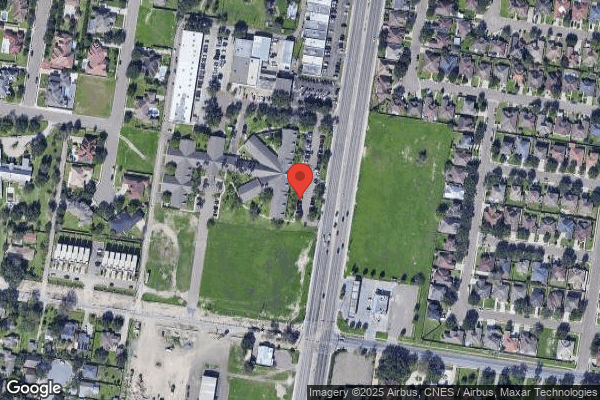
Dec 2023 2 deficiencies 1 Harm
SERIOUS (G) 📢 Someone Reported This

A family member, employee, or ombudsman was alarmed enough to file a formal complaint

Actual Harm - a resident was hurt due to facility failures

Quality of Care (Tag F0684)

A resident was harmed · This affected 1 resident

**NOTE- TERMS IN BRACKETS HAVE BEEN EDITED TO PROTECT CONFIDENTIALITY** Based on observation, interview, and record review the facility failed to ensure that residents receive treatment and care in ac...

Read full inspector narrative →
**NOTE- TERMS IN BRACKETS HAVE BEEN EDITED TO PROTECT CONFIDENTIALITY** Based on observation, interview, and record review the facility failed to ensure that residents receive treatment and care in accordance with professional standards of practice for 1 of 5 residents reviewed for quality of care. Facility staff transferred Resident #2 three times after a fall before getting her in bed. Resident #2 was in pain before the transfers. Later x-rays showed resident had sustained a fractured hip. This failure placed resident in unnecessary pain and discomfort with a potential for further injury. Findings include: Record review of Resident # 2 face sheet revealed she was an [AGE] year-old female admitted on [DATE]. Her diagnoses included T cognitive communication deficit, unsteadiness on feet, lack of coordination, syncope and collapse, muscle weakness and need of assistance with ADLs. Record review of Resident #2 MDS assessment dated [DATE] revealed a BIMS score of 01 out of 15 indicating severe cognitive impairment. She required extensive assistance with ADL care. In an interview on 11/29/2023 at 02:30 p.m., Resident # 2 said she has never sustained a fall. Resident was able to answer what her name was but was not oriented to time or day. Surveyor could not continue with the interview any further due to residents' current cognitive level. In an observation on 11/29/2023 at 2:40pm, Resident #2 was observed sitting in her wheelchair, in the cafeteria, watching an activities session. Resident was well kempt and dressed appropriately for ambient temperature. She appeared to be enjoying herself and she showed no signs of distress or discomfort In an interview on 11/29/23 at 03:00 p.m., LVN A stated she was sitting at nurses' station, and Resident #2 was sitting on her wheelchair next to her when she sustained a fall. LVN A said she assessed resident per facility post fall protocol. She stated noticed an abrasion to residents' right knee and that resident was touching her hip and grimacing in pain. LVN A stated, I knew it was bad from how I saw her in pain. LVN A said she completed Resident #2's assessment. LVN A said she told CNA B and CNA C were instructed by LVN A to move resident onto a dining chair. LVN A then instructed CNS's A and B to transfer resident from the chair onto her wheelchair and taken to her room where she was placed in bed. LVN A stated she followed the resident from the fall location (nurses' station) to her room while she was being transferred because she knew the resident had sustained a serious injury and wanted to make sure CNA B and CNA C were careful with resident #1's transfer. LVN A said she received orders from doctor for X-rays of hip which were performed sometime after the fall. LVN A said X-ray revealed fracture to the right hip and Resident #1 was then sent out to hospital and surgery was recommended. LVN A said resident #2 was given pain medication. Record review of nursing documentation dated 09/12/2023 at 10:40pm Note Text: Resident noted getting up from wheelchair and lost balance due to unsteady gait, fell landing on her right side, LVN A sitting at nurses station witnessed fall but did not get to patient on time to prevent fall, assessed patient from head to toe, redness to her right knee and complain of pain to her right hip assessed head to toe, administer acetaminophen 325mg 2 tabs PO Q6 PRN, she notified nurse practitioner on call for ordered STAT X-ray to right hip and right knee and Tylenol 500mg PO BID X1 Day DX: pain, patient getting up from wheelchair constantly redirected patient to sit because she could fall In an Interview on 11/29/2023 at 04:00 p.m., CNA B stated he saw resident #2 on the floor and LVN A doing an assessment. He said LVN A asked for resident #2 to be transferred to a dining chair. CNA B said the resident then was moved to a wheelchair, taken to her room and transferred to bed CNA B stated to surveyor that he saw the resident was placing her arm on her hip and guarding against being touched there. He said Resident #2 expressed being in pain in her hip area. In an Interview at 12/30/2023 at 02:45 p.m., CNA C stated she has been trained not to move a resident until she has been cleared by the nurse on duty. CNA C stated she assisted resident from the floor to a chair once she was cleared by LVN A. She and CNA B then transferred resident to her wheelchair and then shortly after took Resident #2 to her room and then transferred her to bed. In an interview on 11/29/2023 at 04:45 p.m., LVN A stated moving a resident after a fall could cause more injury, and very likely would cause more pain. LVN A said therefore nursing staff should not move a resident if a proper assessment indicated a probability of further damage. LVN A stated that Resident #2 was in pain and was guarding her hip and while sitting on chair would try to shift weight from the right hip. LVN A stated Resident #2 was once moved off the floor onto a chair, the second time was from the chair onto the resident's wheelchair and the third time was from the wheelchair onto the resident's bed to await Dr. ordered X-rays. LVN A said during this time Resident #2 complained of pain, however pain medication was given to her. LVN A stated she followed the facility post fall worksheet when she assessed Resident #2, She also stated she was motivated to move the resident because she did not want visitors to see the resident laying on the floor, but that in hindsight she would not have put the resident through unnecessary transfers. Review of hospital documentation on 11/30/2023 at 10:30 a.m., indicated hospital physician assessment indicated resident in extreme pain and discomfort with any attempted motion of the hip. In a review of nursing documentation on 11/30/2023 at 10:00 a.m. LVN A documented that she notified the DON and NP of X-ray results with orders for patient to be transferred to hospital, notified responsible party of patient status. In a phone interview on 12/01/2023 at 05:00 p.m., with Resident #2's Doctor stated the likelihood of further damage to hip is minimal however the resident will be in pain with any movement of the hip. Doctor stated if movement must be made it should, however, be kept to a minimum. In an interview on 12/01/2023 at 05:30 p.m., with Director of Therapy stated with hip injuries movements should be kept to a minimum and if they are necessary a pillow between the knees would be ideal. Director of Therapy answered resident is very likely to experience pain during transfers. In an interview on 11/30/2023 at 01:00 p.m., with the DON stated the nurses should follow post fall protocol which included an assessment of the resident to determine whether it is safe to move the resident. DON stated that residents should not be moved if moving them would cause further injury. She stated residents should be made comfortable and await emergency medical Services (EMS) to transport resident to higher level of care. The DON also stated that nurses are in-serviced regularly regarding falls and fall prevention and if a nurse is observed to not be follow's facility protocol, that nurse would be retrained. Record review of trainings showed staff was in serviced on 09/12/2023 regarding resident falls, Topics included falls management/minimizing trips, slips and falls, Bed in lowest position, bed against wall, floor mat, call lights within reach, non-slip socks, well-fitting shoes, hipsters, soft helmet, arm sleeves., wheelchair adjustments if needed, resident monitoring. Record review of Fall prevention policy on 11/30/2023 Implemented on 8/15/22 which states the policy for the facility is that each resident will be assessed for fall risk and will receive care and services in accordance with their individualized level of risk to minimize the likelihood of falls.
CONCERN (D) 📢 Someone Reported This

A family member, employee, or ombudsman was alarmed enough to file a formal complaint

Potential for Harm - no one hurt, but risky conditions existed

Comprehensive Care Plan (Tag F0656)

Could have caused harm · This affected 1 resident

**NOTE- TERMS IN BRACKETS HAVE BEEN EDITED TO PROTECT CONFIDENTIALITY** Based on interview and record review, the facility failed to develop a comprehensive care plan within seven days after completio...

Read full inspector narrative →
**NOTE- TERMS IN BRACKETS HAVE BEEN EDITED TO PROTECT CONFIDENTIALITY** Based on interview and record review, the facility failed to develop a comprehensive care plan within seven days after completion of the comprehensive assessment, for 1 of 8 residents reviewed for care plans. (Resident #1) The facility did not develop and implement a comprehensive care plan when Resident #1 was discovered with a fracture to the base of the left 5th proximal phalanx. July 26,2023 and was not addressed until September 19,2023. This deficient practice could affect residents with a status change at risk for not receiving the necessary care in a timely manner. The findings were: Record review of Resident #1's electronic face sheet dated 12/01/23 reflected he was admitted to the facility on [DATE]. His diagnoses included Myopathy(disease that affects the muscles that control voluntary movement in the body), Type 2 Diabetes without complications, Chronic Kidney Disease, Stage 3, Hypertension (high blood pressure), Atherosclerotic Heart Disease (thickening or hardening of the arteries), Vascular Dementia, Dysphagia(difficulty swallowing), Hypothyroidism(underactive thyroid), Cognitive Communication Deficit, Hyperlipidemia(high cholesterol), Delusional Disorders, Gastroesophageal Reflux Disease(acid reflux) without esophagitis, Muscle weakness, Muscle wasting and Atrophy, multiple sites. Record review of Resident #1's quarterly MDS assessment, dated 09/19/23 a BIMS score of 00, indicating Resident #2 was severe cognitive impairment. Record review of Resident #1's comprehensive care plan initiated on 09/19/23 reflected a focus of pain and discomfort due to . and recent left nondisplaced fracture of proximal phalanx of 5th digit., 07/26/23 Fracture to the base of the left 5th proximal phalanx. Interventions were not initiated until 09/19/23, 55 days after Resident#1's fracture. During an interview and record review on 12/01/23 at 10:57 a.m., MDS-LVN E revealed that the care plan had not been implemented on time. She stated she does not know why it was initiated until 09/19/23. MDS-LVN E stated they populate the care plan whenever they get information from DON. She stated they have seven days to initiate the care plan. During an interview and record review on 12/01/23 at 11:48 a.m., the DON revealed that depending on the incident, if resident stays in house, then there should be interventions in place within 24 hours. She stated if it is the weekend, then the nurse working would do it. If the resident gets sent out to the hospital, then reassessment and interventions are done after resident gets readmitted to the facility within 24 hours. The interventions should be documented in the care plan. She stated the care plan is there to notify staff of care the resident needs. The interventions are linked to the [NAME]. The [NAME] is how the CNAs and nurses communicate any updates and changes in plan of care for residents. The [NAME] is used by CNAs and nurses. She stated that failure to communicate changes or updates to care plan can cause an adverse effect to the resident. Upon the DON's review of the Resident #1's care plan, the DON revealed that she didn't know why the care plan was initiated until 09/19/23. During an interview on 12/01/23 at 3:55pm., LVN F, stated she notifies ADON G right away of any incidents. She also notifies the residents medical doctor and the resident representative as soon as possible. She stated when there is an incident, she refers back to her risk management checklist. She then turns the completed checklist form to ADON G when completed. During an interview on 12/01/23 at 4:00pm., ADON G stated, that after the nurses notify her of an incident, she will report it to the DON. The DON will then notify the MDS Coordinator. Record review of the facility's policy titled, Care Plan Revisions Upon Status Change, revised October 24, 2022, revealed, The purpose of this procedure I to provide a consistent process for reviewing and revising the care plan for those residents experiencing a status change. 1. The Comprehensive Care Plan will be reviewed, and revised as necessary, when a resident experiences a status change. a. Upon identification of a change in status, the nurse will notify the MDS coordinator, the physician, and the resident representative, if applicable. h .designated staff member will conduct an audit on all resident experiencing a change in status, at the time change in status is identified, to ensure care plans have been updated to reflect current resident needs.
Nov 2023 1 deficiency
CONCERN (D) 📢 Someone Reported This

A family member, employee, or ombudsman was alarmed enough to file a formal complaint

Potential for Harm - no one hurt, but risky conditions existed

Accident Prevention (Tag F0689)

Could have caused harm · This affected 1 resident

**NOTE- TERMS IN BRACKETS HAVE BEEN EDITED TO PROTECT CONFIDENTIALITY** Based on observation, interview, and record review, the facility failed to ensure that the resident environment remained as free...

Read full inspector narrative →
**NOTE- TERMS IN BRACKETS HAVE BEEN EDITED TO PROTECT CONFIDENTIALITY** Based on observation, interview, and record review, the facility failed to ensure that the resident environment remained as free of accident hazards as is possible and each resident received adequate supervision and assistance devices to prevent accidents for 1 of 5 residents (Resident #1) reviewed for accidents and hazards. The facility failed to ensure staff verified equipment was secure before initiating a transfer. CNA E and G did not verify Resident #1 bed wheels were locked before initiating a transfer leading to Resident #1 losing balance and falling back into bed. This deficient practice could place the residents at risk for harm, serious injury or death. The findings were: Record review of Resident #1's face sheet, dated 11/10/23, revealed the resident was a [AGE] year-old male who was initially admitted to the facility on [DATE] with diagnoses that included: unspecified disorder of synovium (connective tissue that lines joints) and tendon (fibers that connect muscle to bone) multiple sites, type 2 diabetes mellitus (high blood sugar) with unspecified complications, sprain (injury to ligaments around a joint) of ligaments (fibers that hold bones together) of cervical spine (neck region), subsequent encounter, postcholecystectomy syndrome (persistent upper abdominal pain) and dyspepsia (upset stomach). Record review of Resident #1's optional state assessment item set MDS assessment, dated 10/31/23, revealed Resident #1 had a BIMS score of 15, indicating no cognitive impairment. Based off this MDS Resident #1 required extensive assistance for transfers. Record review of Resident #1's care plan revealed he was at risk for falls due to history of falls at home, weightbearing problems, weakness and pain. Resident #1's care plan stated he required partial/moderate assistance for chair to bed and bed to chair and extensive to total assistance with 1-2 staff to move between surfaces. Record review of Resident #1's most recent fall risk evaluation dated 08/01/23 revealed he was a low fall risk. Record review of Resident #1's nursing notes dated 10/16/23 at 11:46 am written by LVN A revealed a new order for Xray imaging to Resident #1's left wrist with 2 views due to Resident #1 complaining of pain and stating he heard it pop when transferring from bed to wheelchair further clarifying the bed was unlocked. Record review of Resident #1's imaging findings dated 10/16/23 revealed no acute fracture or dislocation of the left wrist and no soft tissue swelling. Record review of Resident #1's nursing notes dated 10/26/23 at 1:13pm written by LVN B revealed Resident #1 was being assisted into bed and as he was lying down the bed rolled causing him to go backwards into the bed. LVN B's note reflected he completed a head-to-toe check with no injury, skin breakdown, redness, elevated (raised) skin or swelling noted however Resident #1 mentioned discomfort to right arm. Record review of Resident #1's nursing notes dated 10/26/23 at 10:25 pm written by RN C reflected NP D had spoken to and assessed Resident #1 and would not be issuing any orders, Resident #1 was aware. Record review of a facility grievance dated 10/31/23 for Resident #1 reflected he voiced he had 2 recent falls, one on 10/16/23 and 10/26/23 due to staff not locking the bed upon transfer. Resident #1 voiced he had been in more pain than usual to his neck, back and left hand. The facility grievance reflected it was resolved on 11/07/23 with a care plan meeting with the resident, ombudsman, and the interdisciplinary team to discuss incidents, investigation and other concerns. Record review of Resident #1's nursing notes dated 11/06/23 at 8:38 pm written by RN C reflected Resident #1 had xray imaging scheduled for 11/07/23 of his left foot, left hip and mid to lower back. Record review of Resident #1's xray imaging findings dated 11/07/23 revealed no evidence of an acute fracture, dislocation or osseous lesions (bone abnormalities such as a tumors) to the left hip and left foot. The imaging results reflected Resident #1's lumbar spine (lower back region) had prominent vascular calcifications, but no osseous lesions or fractures seen. Observations of Resident #1's bed on 11/09/23 at 3:45pm and 11/10/23 at 3:15pm and 8:33pm revealed his bed was in a locked position. During an interview with Resident #1 on 11/09/23 at 3:14 pm he stated he had a fall on 10/16/23 when was getting up to transfer from his bed to wheelchair and his bed was left unlocked and moved when he got up causing him to fall into bed. Resident #1 stated he landed strangely into bed and broke his wrist. Resident #1 stated the fracture had not yet showed up in the x-rays imaging. Resident #1 stated 10 days later on 10/26/23 he was transferring from his wheelchair to his bed and fell back into his bed for a second time because the bed was unlocked. Resident #1 stated he injured his foot, lower and mid back and aggravated the 2 tendons in his hip that he had chronic tendonitis on. Resident #1 stated CNA E was with him when transferring on 10/16/23 and CNA G was with him when transferring on 10/26/23. He stated on both occasions the bed was not locked and on both occasions he fell back into the bed. Resident #1 stated he was seen by NP D on 10/26/23 and he decided it was not serious enough to follow up. During an interview with CNA E on 11/10/23 at 6:56 pm she stated she worked with Resident #1 on 10/16/23 and was responsible for assisting Resident #1 with transfers on 10/16/23. CNA E stated on 10/16/23 she was with Resident #1 when he was transferring from his bed to the wheelchair she had set up for him. CNA E stated when Resident #1 tried to get up from the bed his bed moved back by about 4 fingers. CNA E stated Resident #1 did not fall to the ground and just sat back down onto the bed when the bed moved. CNA E stated Resident #1 had said he hurt his hand. CNA E stated Resident #1's bed was not locked, and she had not checked if it was locked until after Resident #1 started his transfer and the bed moved. CNA E stated she did not check if the bed was locked because she was not the one who moved it and thought it should be locked. CNA E stated she should check the bed locks before transfers. CNA E stated she had previously been trained over safe transfers and stated she thought she had followed her training, stating the only thing she did not do was check the bed before transfer. CNA E was unable to recall the last time she was trained prior to 10/16/23 but stated she had been trained after 10/16/23 sometime during the week before 11/10/23. CNA E stated their transfer training was provided by therapy staff. CNA E stated therapy staff and ADON F would monitor staff to ensure they were completing safe transfers. CNA E stated not ensuring beds are locked before transfers could negatively affect residents because they could say they were hurt, or the bed could move. During an interview with CNA G on 11/10/23 at 7:02 pm she stated she worked with Resident #1 on 10/26/23 and was responsible for assisting Resident #1 with transfers on 10/26/23. CNA G stated on 10/26/23 she was with Resident #1 when he was transferring from his wheelchair to his bed. CNA G stated when Resident #1 was transferring to his bed and starting to get into a sitting position his bed moved about 2 inches. CNA G stated Resident #1 did not fall to the ground and ended up sitting on the bed. CNA G stated Resident #1 had said he hurt his hand. CNA G stated Resident #1's bed was not locked, and she had not checked prior to Resident #1's transfer. CNA G stated she did not check if the bed was locked because she was focused on making sure Resident #1 did not get mad. CNA G stated she should check the bed locks before transfers, and they should be locked. CNA G stated she had previously been trained over safe transfers both before and after the incident and stated she had followed her training. CNA G stated transfer training was provided by therapy staff. CNA G stated ADON H and all administrative staff would supervise staff to ensure they were completing safe transfers. CNA G stated not ensuring beds were locked before transfers could negatively affect residents because they could fall and get hurt. During a record review and interview with the DON on 11/10/23 at 7:30 pm she stated CNAs E and G completed their annual transfer training on 08/31/23. The DON stated the annual transfer training did not specifically talk about locking the bed. The DON stated the training provided on 11/02/23 to staff did focus on locking the bed. Record review of facility in-services and training revealed CNA E received a 1 on 1 in-service over the importance of locking residents' beds on 10/16/23 and CNA G received a 1 on 1 in-service over the importance of locking residents' beds on 10/26/23. Both CNAs E and G along with other staff members received transfer training on 11/02/23. The DON stated CNA E was responsible for assisting Resident #1 with transfers on 10/16/23 and CNA G was responsible for assisting with his transfers on 10/26/23. The DON stated that per staff when they checked Resident #1's bed it was not locked. The DON stated the bed should have been locked. She stated both CNAs E and G voiced they were focused on not upsetting the resident and did not initiate checking the bed. The DON stated both CNAs E and G had been trained over safe transfers prior to incident and stated they did not follow their training for ensuring the bed was locked. The DON stated the last time CNAs E and G were trained prior to incident was on 08/31/23 during their annual transfer training. The DON stated ADON F, ADON H, the assistant Administrator and the DOR provided the transfer trainings. The DON stated charge nurses were monitoring staff to ensure the proper transfers are occurring along with other aides keeping an eye out on each other and reporting anything unsafe. The DON stated not ensuring beds were locked when transferring a patient could negatively affect their safety in general. Record review of the facility's undated document titled Transfer Training included steps to take when completing transfers, verbiage read in the document reflected, Ensure the bed is locked and in the lowest position.
Sept 2022 4 deficiencies
CONCERN (D)

Potential for Harm - no one hurt, but risky conditions existed

Incontinence Care (Tag F0690)

Could have caused harm · This affected 1 resident

**NOTE- TERMS IN BRACKETS HAVE BEEN EDITED TO PROTECT CONFIDENTIALITY** Based on observation, interview, and record review, the facility failed to ensure residents receive appropriate treatment and se...

Read full inspector narrative →
**NOTE- TERMS IN BRACKETS HAVE BEEN EDITED TO PROTECT CONFIDENTIALITY** Based on observation, interview, and record review, the facility failed to ensure residents receive appropriate treatment and services to prevent Urinary Tract Infections for 1 of 1 residents (Resident #76) reviewed for incontinence/UTI, in that: The facility failed to ensure Resident # 76's indwelling urinary catheter bag covered with a privacy bag and tubing (not covered with tubing sheath) was off the floor away from potential infection and harm. This deficient practice could affect residents with any indwelling urinary catheters by placing them at risk for not receiving proper catheter care and/or development of Urinary Tract Infections. The findings include: Record review of Resident # 76's face sheet dated Sept. 30, 2022, documented a male admitted [DATE], with the diagnoses including Chronic kidney disease Stage 3B (progressive loss of kidney function) vs. Acute Kidney Failure (sudden interruption of kidney function), Unspecified; Other obstructive and reflux uropathy (occurs when urine cannot drain through the urinary tract and backs up into the kidney). Record review of Resident # 76's comprehensive care plan dated Aug. 20, 2022 revealed: The resident has an Indwelling Catheter due to urinary retention related to diagnosis: Obstructive and Reflux Uropathy, at risk for infection. Interventions: Check tubing for kinks each shift, Monitor/record/ report to medical doctor (MD) for signs and symptoms Urinary Tract Infection: pain, burning, blood tinged urine, cloudiness no output, deepening of urine color, increased pulse, increased temp. Urinary frequency, foul smelling urine, fever, chills, altered mental status, change in behavior change in eating patterns; Position catheter bag and tubing below the level of the bladder and away from entrance room door. Record review of Resident # 76's Quarterly Minimum Data Set (MDS), which are indicators of quality of care for each resident assessed upon admission to the nursing facility and then periodically, within specific guidelines and timeframe, then transmitted electronically by nursing homes to the MDS database in the State; are dated Aug. 20, 2022, revealed he had clear speech, is able to understand and make himself understood by others. His Brief Interview for Mental Status score is 15 indicating of him being cognitively intact, he requires extensive assistance with two-person physical assist for bed mobility, transfers, dressing and personal hygiene. It was noted that he also uses a wheelchair for mobility and that he had an indwelling urinary catheter at this time. Record review of Resident # 76's Active physician orders as of Sept. 30,2022 documented: Change indwelling foley catheter sixteen French (Foley catheter dimensions described in French units) every day shift every four weeks on Monday; Check Foley catheter every shift for placement related to Other Obstructive and Reflux Uropathy; Foley Catheter: Change drainage bag as needed for leaking; Irrigate foley catheter with (30 milliliters) of normal saline or water as needed for leaking or hematuria. Record review of nurse's notes in Resident # 76 chart dated Aug. 21, 2022 reflected resident had dark urine from foley, new urinalysis (UA) culture and sensitivity collected .date entered [DATE] Interdisciplinary Care Team -Change of Cond: Follow up on report that resident had dark brown, tea-colored urine in foley catheter on Aug. 20, 2022 .UA showed: Bacteria urine 1, WBC (white blood cell count) urine 5-10, RBC (red blood cell count) urine 0-5, Squamous Epithelial Urine Trace, Mucous Urine Trace .Started on Levaquin (an antibiotic) 250 mg daily x 5 day. Pending culture and sensitivity report. Record review of Incontinent Care Proficiency Checklists (with or without Foley) skills checks signed by several direct care staff and Instructor, ADON E, provided by Director of Nurses: Checklist does not contain information on Foley catheter bag/tubing care and management. Record review of (Lippincott Nursing Procedures) documented Keep the drainage bag below the level of the patient's bladder to prevent backflow of urine into the bladder, which increases the risk of CAUTI. However, don't place the drainage bag on the floor to reduce the risk of contamination and subsequent CAUTI. Observation of Resident # 76 on Sept. 27,2022 at 11:07 AM in room [ROOM NUMBER]-B: MDS (Minimum Data Set) Indicators include Insulin, Catheter use, ADL (activities of daily living); Slight odor of urine was noticed upon entering room. Bed in lowest position; call light within resident reach; Resident resting comfortably in semi-upright position on left side with bed slightly inclined; Resident on O2 (oxygen) 3 Liter via Nasal Cannula with humidifier. Resident has urinary catheter: Catheter covered with privacy cover. Urinary tube (not covered by privacy cover sheath) and bag touching floor. Observation of Resident # 76 on [DATE] at 04:43 PM in room [ROOM NUMBER]-B: Bed in lowest position; call light within resident reach; Resident resting comfortably in semi-upright position on left side with bed slightly inclined; Resident on O2 (oxygen) 3 Liter via Nasal Cannula with humidifier. Resident has urinary catheter: Catheter covered with privacy cover. Urinary tube (not covered by privacy cover sheath) and bag touching floor. Resident unaware urinary bag and tubing on floor.) Interview on Sept. 29,2022 04:13 PM in Resident # 76 room [ROOM NUMBER]-B: LVN B said that: Foley catheters get changed once a month. Sometimes we loop foley catheters and hang them together, so they do not fall. Foley bags and tubing is not supposed to be touching the floor. If foley bags and tubing are on the floor, we can make them leak if we step on them. Another negative outcome is the risk for infection. I am responsible for taking care of the Foley for residents I am taking care of Interview on Sept. 29,2022 at 04:16 PM in Resident # 76 room [ROOM NUMBER]-B: CNA D stated, I was told to put the Foley bag towards the side the resident is laying on. I do Foley care training as it provided; competency will be coming up. Loop helps with the flow of urine as well. If it [foley bag/catheter] is on the floor it is a trip hazard. We [CNA's and other direct care staff] are responsible for taking care of the Foleys. Interview on Sept. 29,2022, at 04:24 PM: ADON E, stated, Foley bags should be below the bladder; privacy covers over bags for dignity, privacy and infection. The drainage bag should not be touching the floor. I personally see the Foley tubing as oxygen tubing. The catheter is clean, the tubing is not clean, the bag because it has the port you want to keep it [port] off the floor. The tubing is soiled. The drainage port is not off the floor. The drainage bag goes into the privacy bag. If the port was on the floor it could lead to a UTI. Direct care staff are responsible for foley care. Training for Foley care is provided upon hire and annually and as the need arises. There is no need for the urinary sheath. Interview on [DATE], at 03:48 PM: DON stated,: Related to Foley care: Licensed staff and the CNA (certified nurse assistant) who do incontinent care are the people responsible for doing Foley care. Licensed staff supervise Foley care of the residents. We do not necessarily provide Foley care in-services. We provide Incontinent care and were in-serviced about three months ago. In-services are provided annually and as needed and if any issues arise. If we see a Foley bag on the floor, we would address it by finding out who the staff member is, who is taking care of the resident, and provide additional staff education. If there is trauma related to the incident, we would then take action by calling the physician immediately. The infection prevention nurse is who is tracking our UTI trends, and we currently have none. DON stated they did not have a policy for indwelling catheter/foley care; all that was offered was an incontinent care proficiency checklist.
CONCERN (D)

Potential for Harm - no one hurt, but risky conditions existed

Deficiency F0761 (Tag F0761)

Could have caused harm · This affected 1 resident

**NOTE- TERMS IN BRACKETS HAVE BEEN EDITED TO PROTECT CONFIDENTIALITY** Based on observation, interview, and record review, the facility failed to ensure all drugs and biologicals used within the faci...

Read full inspector narrative →
**NOTE- TERMS IN BRACKETS HAVE BEEN EDITED TO PROTECT CONFIDENTIALITY** Based on observation, interview, and record review, the facility failed to ensure all drugs and biologicals used within the facility to be labeled and stored in accordance with currently accepted professional standards, which included the appropriate cautionary instructions with the expiration date and open date, when applicable, for 2 of 7 carts (Nurse Medication Cart Hall 200, Nurse Medication Cart Hall 600 and Medication room in Hall 500. 1. Nurse Medication Cart #2 contained fifteen open bottles of over-the-counter medications with no open dates on bottle. 2. Nurse Medication Cart # 7 contained four open bottles of prescribed medications and two open bottles of over-the-counter medications with no open dates on the bottle. 3. Medication room [ROOM NUMBER] contained one medication found in the refrigerator that was expired; various types of medical supplies (three) that were in the cabinets that were expired; and seven prescribed medications in the medication disposable cabinet that was unlocked. These failures could place residents at risk of not receiving the benefit of medications, adverse reactions to medications, accidental dispensing of unidentified drugs, incorrect administration of medications, drug diversion, exposure to expired drugs, and/or accidental or intentional administration to the wrong resident. Findings include: During an observation on Sept. 29, 2022, beginning at 03:26 PM, revealed the Nurse medication cart located next to nurse's station in 600 Hall contained the following items: In the Left First Drawer: No open date on bottle for listed prescribed medications: Fluticasone Propionate Nasal Spray USP (used to treat allergy symptoms) 50mcg for Resident #35. Fluticasone Propionate Nasal Spray USP 50mcg for Resident #15. Fluticasone Propionate Nasal Spray USP 50mcg for Resident #135. Fluticasone Propionate Nasal Spray USP 50mcg for Resident #45. During an observation on Sept. 30, 2022, beginning at 11:13 AM of the Medication storage room in hall 500 with RN C the following was identified: In the refrigerator: Levemir insulin 100 Units/ml vial date opened Aug. 24, 2022, Expiration July 31, 2024, for Resident #47. (Use by date expired) Medical supplies in cabinets/drawers/caddy: Wolf-Pak Premium Dressing Change Kit with GuardVA and StatLock Expiration June 30, 2022 (drawer under sink); Wolf-Pak Premium Dressing Change Kit with GuardVA and StatLock Expiration Nov.30, 2021 (cart next to MedBank tower pyxis, which is an automated medication dispensing system); Insyte Autoguard 24 GAx 0.75 inches (0.7 x 19 millimeters) 20 milliliters/minute catheter expiration Feb. 01, 2022 (cart next to MedBank tower pyxis which is an automated medication dispensing system). Medication Disposable Cabinet (unlocked) Contents inside include: Heparin Sodium injection, usp (unit-United States Pharmacopeia) 5,000 units/milliliters: inject 5000 unit subcutaneously three times a day for clotting prevent ion for thirty days expiration Sept. 13, 2023, x two boxes (twenty-seven vials between 2 boxes); Olanzapine 2.5 milligrams: Give one tablet via PEG (percutaneous endoscopic gastrostomy) tube one time a day for delusional disorders expiration Sept. 19, 2023, one blister pack (fourteen tablets); Trazodone 100 milligrams: Give one tablet via PEG tube/via G-Tube (gastrostomy tube) at bedtime for insomnia expiration [DATE], one blister pack (three tablets); Carbamazepine 200 mg tablet: Give one tablet by mouth two times a day for convulsions expiration Aug. 11, 2023, one blister pack (one tablet); Carbamazepine 200 mg tablet: Give one tablet by mouth two times a day for convulsions expiration Sept. 19, 2023, one blister pack (twenty-eight tablets); Metoprolol Succinate ER (extended release) 50 milligrams: Give 50 milligrams via PEG Tube every twelve hours for hypertension hold medication if heart rate is less than 45 beats/minute or systolic blood pressure is less than 100 mm/HG (millimeters of mercury) expiration Sept. 28, 2023, one blister pack (twenty-seven tablets). During an interview with LVN # A and ADON E, on Sept. 29, 2022, at 01:25 PM while at the nurse's station, LVN # A replied that a guy came to audit our carts not too long ago and ADON E responded, Pharmacist from Senior Solutions Pharmacy comes to audit our medication carts monthly and according to him over-the-counter medications do not have to have open dates. They go by expiration dates. During an interview on [DATE], at 03:50 PM with the DON, Related to Medication storage/disposal she said, pharmacy is in charge of refilling our medication carts/rooms. Nurses are in charge of making sure they are refilled and that the counts are correct. Pharmacy does not deliver over-the-counter medications; central supply does. It is upon the licensed nurse to verify expiration date. The process for receiving over-the-counter medications from central supply is to check expiration date, check the order to make sure it is the right dose, strength. Unless it is a vial that has a shortened expiration date, such as Prostat, (which has a shortened date), the best practice is to date vials upon opening them. Multiuse vials brought by pharmacy are also dated upon opening, they have a space on the label for the date. All discharged resident's medications are disposed within 28 days. Nurses put the expired medications in the discontinued medications cabinet in medication room until they can be brought to the director of nursing and logged in. Then they go through medication destruction process with pharmacy and put in biohazard boxes and picked up by a biohazard company. If they are narcotics: they are kept in the locked boxes until they can be brought to director of nursing double locked office and properly disposed of. Medications do not have to be locked unless they are narcotics in the med room until they can be picked up by director of nursing. Consultant pharmacists do full cart audits biweekly and on staggered carts/rooms. Nurses and licensed staff are supposed to check medication carts daily. Medical supplies are checked weekly or daily by nurses, licensed staff and/or pharmacists (if able to). During record review of the facility's Expiration Dating and Expired Medications policy dated 10/01/19, A continuous monitoring system will be designated by the director of nursing to identify expired medications and remove them from the medication system. During record review of the facility's Discontinued Medications policy dated 10/01/19, Medications awaiting disposal or return are stored in a locked secure area designated for that purpose until disposed of or returned to the pharmacy if credit is allowed. Medications are removed from the medication cart immediately upon receipt of an order to discontinue to avoid inadvertent administration.
CONCERN (D)

Potential for Harm - no one hurt, but risky conditions existed

Food Safety (Tag F0812)

Could have caused harm · This affected 1 resident

Based on observation, interview, and record review, the facility failed to store, prepare, and serve food under sanitary conditions in 1 of 1 kitchen when they failed to ensure 20 boxes of food were n...

Read full inspector narrative →
Based on observation, interview, and record review, the facility failed to store, prepare, and serve food under sanitary conditions in 1 of 1 kitchen when they failed to ensure 20 boxes of food were not on the floor in the dry storage room. These failures placed all residents who ate food served by the kitchen at risk of cross contamination and food-borne illness. Findings included: Observation during initial tour of the facility kitchen on 09/27/22 at 9:15 am revealed 20 boxes stacked on the floor in the kitchen's only walk in dry storage room. The boxes contained canned foods, wafers, bananas, and gallon jars of mayonnaise. Interview on 09/27/22 at 9:15 am with the Dietary Manager revealed the food supplies had been delivered earlier in the morning and had not been placed on wooden pallets located inside the dry storage room under the racks used to store the food items. The food supplier had placed the food boxes on the floor before staff could ask them to place on wooden pallets. The Dietary Manager said they had been having problems with the current food supplier delivery person who did not want to spend time to arrange the boxes of food on the pallets that were provided for this process. The delivery person told the Dietary Manager it was a lot of trouble to maneuver the boxes into the dry storage room and place on pallets. Interview on 09/29/22 at 9:09 am with Kitchen [NAME] F revealed when the food supplier delivery person came in on Tuesdays and Friday mornings the delivery person would immediately place the boxes on the floor instead of on the wooden pallets as needed. Interview on 09/29/22 at 9:15 am with the Dietary Manager revealed that the boxes placed on the floor in the dry storage room could get wet from water spills and/or get contaminated by been placed on the floor. The Dietary Manager said she did not have a policy or procedure that addressed this concern. Record review of the Food Code dated 2017, revealed in part. 3-305.11 Food Storage; Except as specified in paragraphs (B) and (C) of this section, food shall be protected from contamination by storing the food: (A) in a clean, dry location; (2) where it is not exposed to splash, dust, or other contamination and; (3) at least 15 cm (6 inches) above the floor.
CONCERN (D)

Potential for Harm - no one hurt, but risky conditions existed

Infection Control (Tag F0880)

Could have caused harm · This affected 1 resident

**NOTE- TERMS IN BRACKETS HAVE BEEN EDITED TO PROTECT CONFIDENTIALITY** Based on observation, interview and record review the facility failed to establish and maintain an infection prevention and cont...

Read full inspector narrative →
**NOTE- TERMS IN BRACKETS HAVE BEEN EDITED TO PROTECT CONFIDENTIALITY** Based on observation, interview and record review the facility failed to establish and maintain an infection prevention and control program, designed to provide a safe, sanitary, and comfortable environment and to help prevent the development and transmission of communicable diseases and infections, for one resident (Resident #18) reviewed for infection control, in that: LVN A did not perform handwashing prior to wound care for Resident #18. LVN A did not perform hand hygiene between donning and doffing gloves during wound care for Resident #18. LVN A did not perform handwashing for 20 seconds or more after performing wound care for Resident #18. This failure could place residents at risk for infections and cross contamination. The findings included: Record review of Resident #18's Face Sheet dated 09/30/22 documented a [AGE] year old female admitted to the facility on [DATE], with diagnoses that included osteomyelitis of vertebra, sacral and sacrococcygeal regions (bone infection of the lower spine area), dementia (brain disease or injury marked by memory disorders, personality changes, and impaired reasoning), cholecystitis (inflammation of the gallbladder), severe protein-calorie malnutrition (lack of proper nutrition), adult failure to thrive, obstructive and reflux uropathy (when urine cannot flow, either partially or completely, through the ureter, bladder, or urethra due to some type of obstruction), sacral stage 4 pressure ulcer (full thickness skin loss with extensive destruction; tissue necrosis; or damage to muscle, bone, or supporting structure such as tendon, or joint capsule below the lumbar spine and above the tailbone). Record review of Resident #18's Quarterly MDS dated [DATE] revealed Resident #18's cognitive status was severely impaired, she required extensive assistance with two person assistance for bed mobility, toilet use, and personal hygiene, required extensive assistance with one person assistance for eating, had total dependence with two person assistance for transfers and dressing, required extensive assistance with one person assistance for eating, at risk of developing ulcers/injuries, and was always incontinent of bowel and bladder. Record review of Resident #18's Weekly Skin assessment dated [DATE] revealed Sacral Stage 4 Pressure Ulcer (full thickness skin loss with extensive destruction; tissue necrosis; or damage to muscle, bone, or supporting structure such as tendon, or joint capsule below the lumbar spine and above the tailbone) measurements: 0.5 cm x 2.0 cm x 0.3 cm. Observation on 09/29/22 01:50 p.m., during incontinent care on Resident #18, LVN A did not wash her hands before performing wound care on Resident 18's stage 4 sacral pressure ulcer. LVN A removed gloves, gathered trash, and put on new gloves without using hand sanitizer. Before leaving Resident #18's room after performing wound care, LVN A washed her hands for 10 seconds and not the 20 seconds minimum per facility policy. In an interview on 09/29/22 02:09 PM NA G stated she washes her hands for 20 seconds. NA G stated they have handwashing training twice a month. In an interview on 09/29/22 at 02:11 p.m., LVN A stated, Handwashing is to occur for 20 seconds or to sing Happy Birthday. When putting on new gloves, use hand sanitizer before putting on new gloves. Wash hands when visibly soiled and going between two patients. LVN A stated she uses hand sanitizer before doing wound care. LVN A denied any negative outcomes for not washing her hands before wound care, not using hand sanitizer before putting on new gloves, or washing her hands for less than 20 seconds. In an interview on 09/29/22 at 02:19 p.m., ADON H stated, Hands are to be washed when visibly soiled. Hand hygiene is with alcohol based products is performed before procedure, when changing gloves, and after the procedure. Handwashing is to occur for 20 seconds. ADON H denied any negative outcome. In an interview on 09/30/22 at 03:48 p.m., DON stated staff are supposed to wash their hands when their hands are visibly soiled, resident has GI issues or when they are in the kitchen or food handlers. Hand sanitizer is to be used when they change their gloves. DON stated the negative outcome would be potential for infection. DON stated the staff (including LVN A) are in-serviced on hand hygiene all the time. Review of Nursing Services Policy and Procedure Manual Regency Integrated Health Services (Revised December 2017) revealed: This facility considers hand hygiene the primary means to prevent the spread of infections. 1.All personnel shall be trained and regularly in-serviced on the importance of hand hygiene in preventing the transmission of healthcare-associated infections. 4.Use an alcohol-based hand rub containing at least 62% alcohol; or, alternatively, soap (antimicrobial or non-antimicrobial) and water for the following situations: b. Before and after direct contact with residents; g. Before and after handling clean or soiled dressings, gauze pads, etc.; k. After handling used dressings, contaminated equipment, etc.; m. After removing gloves 6.The use of gloves does not replace hand washing/hand hygiene. Integration of glove use along with routine hand hygiene is recognized as the best practice for preventing healthcare-associated infections. Procedure Washing Hands 1. Vigorously lather hands with soap and rub them together, creating friction to all surfaces, for a minimum of 20 seconds (or longer) under a moderate stream of water, at a comfortable temperature. Hot water is unnecessarily rough on hands. Review of CDC Centers for Disease Control and Prevention When and How to Wash Your Hands | Handwashing | CDC (page last reviewed March 14, 2022) revealed: Key Times to Wash Hands You can help yourself and your loved ones stay healthy by washing your hands often, especially during these key times when you are likely to get and spread germs: -Before and after treating a cut or wound -After touching garbage- After touching garbage
Understanding Severity Codes (click to expand)
Life-Threatening (Immediate Jeopardy)
J - Isolated K - Pattern L - Widespread
Actual Harm
G - Isolated H - Pattern I - Widespread
Potential for Harm
D - Isolated E - Pattern F - Widespread
No Harm (Minor)
A - Isolated B - Pattern C - Widespread

Questions to Ask on Your Visit

  • "What changes have you made since the serious inspection findings?"
  • "What safeguards are in place to prevent abuse and neglect?"
  • "Can I speak with families of current residents?"
  • "What's your RN coverage like on weekends and overnight?"

Our Honest Assessment

Strengths
  • • 42% turnover. Below Texas's 48% average. Good staff retention means consistent care.
Concerns
  • • Multiple safety concerns identified: Federal abuse finding, 4 life-threatening violation(s), 1 harm violation(s), $70,941 in fines. Review inspection reports carefully.
  • • 36 deficiencies on record, including 4 critical (life-threatening) violations. These warrant careful review before choosing this facility.
  • • $70,941 in fines. Extremely high, among the most fined facilities in Texas. Major compliance failures.
  • • Grade F (0/100). Below average facility with significant concerns.
Bottom line: This facility has a substantiated abuse finding. Extreme caution advised. Explore alternatives.

About This Facility

What is Briarcliff's CMS Rating?

CMS assigns BRIARCLIFF NURSING AND REHABILITATION CENTER an overall rating of 2 out of 5 stars, which is considered below average nationally. Within Texas, this rating places the facility higher than 0% of the state's 100 nursing homes. A rating at this level reflects concerns identified through health inspections, staffing assessments, or quality measures that families should carefully consider.

How is Briarcliff Staffed?

CMS rates BRIARCLIFF NURSING AND REHABILITATION CENTER's staffing level at 2 out of 5 stars, which is below average compared to other nursing homes. Staff turnover is 42%, compared to the Texas average of 46%. This relatively stable workforce can support continuity of care.

What Have Inspectors Found at Briarcliff?

State health inspectors documented 36 deficiencies at BRIARCLIFF NURSING AND REHABILITATION CENTER during 2022 to 2025. These included: 4 Immediate Jeopardy (the most serious level, indicating potential for serious harm or death), 1 that caused actual resident harm, and 31 with potential for harm. Immediate Jeopardy findings are rare and represent the most serious regulatory concerns. They require immediate corrective action.

Who Owns and Operates Briarcliff?

BRIARCLIFF NURSING AND REHABILITATION CENTER is owned by a government entity. Government-operated facilities are typically run by state, county, or municipal agencies. The facility is operated by WELLSENTIAL HEALTH, a chain that manages multiple nursing homes. With 194 certified beds and approximately 150 residents (about 77% occupancy), it is a mid-sized facility located in MCALLEN, Texas.

How Does Briarcliff Compare to Other Texas Nursing Homes?

Compared to the 100 nursing homes in Texas, BRIARCLIFF NURSING AND REHABILITATION CENTER's overall rating (2 stars) is below the state average of 2.8, staff turnover (42%) is near the state average of 46%, and health inspection rating (2 stars) is below the national benchmark.

What Should Families Ask When Visiting Briarcliff?

Based on this facility's data, families visiting should ask: "What changes have been made since the serious inspection findings, and how are you preventing similar issues?" "What safeguards and monitoring systems are in place to protect residents from abuse or neglect?" "Can you walk me through typical staffing levels on day, evening, and night shifts?" "Can I visit during a mealtime to observe dining assistance and food quality?" These questions are particularly relevant given the facility's Immediate Jeopardy citations, the substantiated abuse finding on record, and the below-average staffing rating.

Is Briarcliff Safe?

Based on CMS inspection data, BRIARCLIFF NURSING AND REHABILITATION CENTER has documented safety concerns. The facility has 1 substantiated abuse finding (meaning confirmed case of resident harm by staff or other residents). Inspectors have issued 4 Immediate Jeopardy citations (the most serious violation level indicating risk of serious injury or death). The facility has a 2-star overall rating and ranks #100 of 100 nursing homes in Texas. Families considering this facility should ask detailed questions about what corrective actions have been taken since these incidents.

Do Nurses at Briarcliff Stick Around?

BRIARCLIFF NURSING AND REHABILITATION CENTER has a staff turnover rate of 42%, which is about average for Texas nursing homes (state average: 46%). Moderate turnover is common in nursing homes, but families should still ask about staff tenure and how the facility maintains care continuity when employees leave.

Was Briarcliff Ever Fined?

BRIARCLIFF NURSING AND REHABILITATION CENTER has been fined $70,941 across 4 penalty actions. This is above the Texas average of $33,788. Fines in this range indicate compliance issues significant enough for CMS to impose meaningful financial consequences. Common causes include delayed correction of deficiencies, repeat violations, or care failures affecting resident safety. Families should ask facility leadership what changes have been made since these penalties.

Is Briarcliff on Any Federal Watch List?

BRIARCLIFF NURSING AND REHABILITATION CENTER is not on any federal watch list. The most significant is the Special Focus Facility (SFF) program, which identifies the bottom 1% of nursing homes nationally based on persistent, serious quality problems. Not being on this list means the facility has avoided the pattern of deficiencies that triggers enhanced federal oversight. This is a positive indicator, though families should still review the facility's inspection history directly.