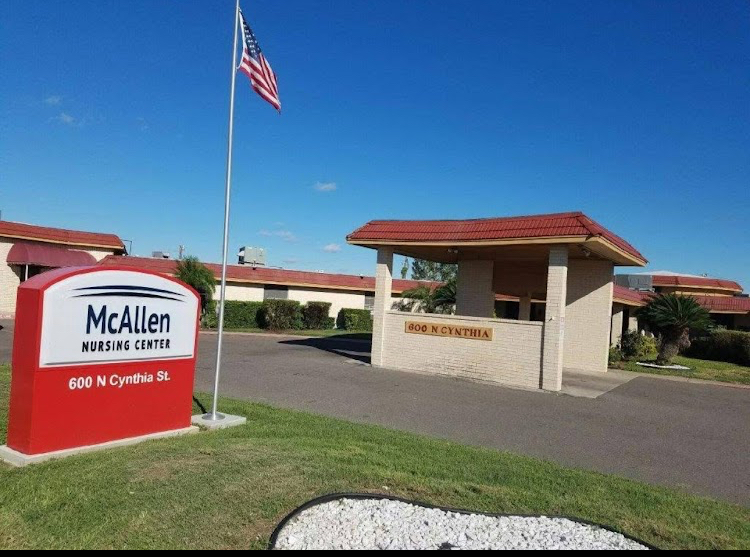
MCALLEN NURSING CENTER

600 N CYNTHIA ST, MCALLEN, TX 78501 (956) 631-2265
For profit - Limited Liability company 122 Beds ADVANCED HEALTHCARE SOLUTIONS Data: November 2025 3 Immediate Jeopardy citations
Trust Grade
12/100
#773 of 1168 in TX
Last Inspection: April 2025

Within standard 12-15 month inspection cycle. Federal law requires annual inspections.

Overview

Mcallen Nursing Center has received a Trust Grade of F, indicating significant concerns about its quality of care. It ranks #773 out of 1168 nursing homes in Texas, placing it in the bottom half of facilities statewide, and #17 out of 22 in Hidalgo County, meaning there are only a few local options that perform better. The facility's trend is improving, with issues decreasing from 15 in 2024 to 7 in 2025, but it still faces serious challenges. Staffing is a relative strength, with a turnover rate of 45%, which is below the Texas average, and staffing is rated 2 out of 5 stars overall. However, there are troubling incidents, including a failure to provide adequate supervision, leading to a resident eloping from the facility, and critical concerns about maintenance and safety in several rooms, which could pose risks to residents' well-being.

Trust Score
F
12/100
In Texas
#773/1168
Bottom 34%
Safety Record
High Risk
Review needed
Inspections
Getting Better
15 → 7 violations
Staff Stability
○ Average
45% turnover. Near Texas's 48% average. Typical for the industry.
Penalties
✓ Good
$17,459 in fines. Lower than most Texas facilities. Relatively clean record.
Skilled Nurses
⚠ Watch
Each resident gets only 18 minutes of Registered Nurse (RN) attention daily — below average for Texas. Fewer RN minutes means fewer trained eyes watching for problems.
Violations
⚠ Watch
24 deficiencies on record. Higher than average. Multiple issues found across inspections.
★★☆☆☆
2.0
Overall Rating
★★☆☆☆
2.0
Staff Levels
★★★★☆
4.0
Care Quality
★★☆☆☆
2.0
Inspection Score
Stable
2024: 15 issues
2025: 7 issues

The Good

  • 4-Star Quality Measures · Strong clinical quality outcomes
  • Full Sprinkler Coverage · Fire safety systems throughout facility
  • No fines on record
  • Staff turnover below average (45%)

    3 points below Texas average of 48%

Facility shows strength in quality measures, fire safety.

The Bad

2-Star Overall Rating

Below Texas average (2.8)

Below average - review inspection findings carefully

Staff Turnover: 45%

Near Texas avg (46%)

Typical for the industry

Federal Fines: $17,459

Below median ($33,413)

Minor penalties assessed

Chain: ADVANCED HEALTHCARE SOLUTIONS

Part of a multi-facility chain

Ask about local staffing decisions and management

The Ugly 24 deficiencies on record

3 life-threatening
May 2025 1 deficiency
CONCERN (D) 📢 Someone Reported This

A family member, employee, or ombudsman was alarmed enough to file a formal complaint

Potential for Harm - no one hurt, but risky conditions existed

Deficiency F0657 (Tag F0657)

Could have caused harm · This affected 1 resident

**NOTE- TERMS IN BRACKETS HAVE BEEN EDITED TO PROTECT CONFIDENTIALITY** Based on interviews and record reviews, the facility failed to ensure each resident and/ or their representative and the IDT wer...

Read full inspector narrative →
**NOTE- TERMS IN BRACKETS HAVE BEEN EDITED TO PROTECT CONFIDENTIALITY** Based on interviews and record reviews, the facility failed to ensure each resident and/ or their representative and the IDT were invited to attend/participate in the care plan meetings including both the comprehensive and quarterly review assessments for the resident for 2 of 6 residents (Resident #1 and Resident 2) reviewed for care plan timing and revision. The facility failed to ensure Resident #1 and Resident #2's care plan was revised to accurately reflect current smoking status. The facility failed to develop a care plan for Resident #2 to address his discharge plan. These failures could place the residents at risk of not receiving appropriate interventions and care to meet their needs as indicated on the comprehensive care plans. The findings included: Record review of Resident #1's face sheet dated 05/20/25 reflected the resident was a [AGE] year-old male who was admitted to the facility on [DATE] with diagnoses that included: bipolar disorder (mental health condition with mood swings), type 2 diabetes (high levels of sugar in blood), depression, anxiety disorder, heart disease, and peripheral vascular disease (narrowing/blocking of the blood vessels outside of the heart). Record review of Resident #1's MDS assessment dated [DATE] reflected Resident #1 had a BIMS score of 15, indicating intact cognition. MDS assessment did not reflect tobacco use or smoking for Resident #1. Record review of Resident #1's care plan dated 05/20/25 reflected Resident #1 had an ADL self-care performance deficit and was at risk for not having his needs met in a timely manner. Date initiated: 05/17/24. Resident #1's care plan did not reflect that he smoked. Record review of Resident #1's smoking evaluation dated 04/07/25 reflected Resident #1 was independent and required no supervision to smoke. Resident #1 demonstrated safe techniques for smoking. Resident #1 understood that smoking may only take place at designated times and in designated smoking areas. Record review of Resident #2's face sheet dated 05/20/25 reflected the resident was a [AGE] year-old male who was admitted to the facility on [DATE] with diagnoses that included: nontraumatic subdural hemorrhage (brain bleed), mood disorder, type 2 diabetes (high levels of sugar in blood), and heart disease. Record review of Resident #2's MDS assessment dated [DATE] reflected Resident #2 had a BIMS score of 9, indicating moderately impaired cognition. MDS assessment did not reflect tobacco use or smoking for Resident #2. Record review of Resident #2's care plan dated 05/20/25 reflected Resident #2 had an ADL self-care performance deficit and was at risk for not having his needs met in a timely manner. Date initiated: 01/08/25. Resident #2's care plan did not reflect that he smoked or his discharge plan. Record review of Resident #2's smoking evaluation dated 02/12/25 reflected Resident #2 was independent and required no supervision to smoke. Resident #2 demonstrated safe techniques for smoking. Resident #2 understood that smoking may only take place at designated times and in designated smoking areas. On 05/22/25 at 10:30 AM, in an interview with MDS E, she said she completed the MDS assessment and developed the care plan based on the triggered areas and initial assessments. MDS E said they completed the smoking assessment upon admission, if the resident told them they smoked or if based on their history they smoked. MDS E said if the resident did not voice that they smoked or wanted to smoke, they did not complete the assessment. MDS E said Resident #1 did not smoke when he was first admitted and he started smoking recently in April 2025. MDS E said Resident #2 did not smoke when he was first admitted and they did the smoking assessment for him in February 2025. MDS E said she was unsure of when the care plans were implemented regarding smoking for Resident #1 and Resident #2. MDS E said whoever completed the smoking assessments could have developed the care plan for smoking, however, the team should have followed up to ensure smoking was properly care planned. On 05/22/25 at 12:00 PM, in an interview with the DON, she said Resident #1 just started smoking a month ago, but when he was first admitted , he did not smoke. The DON said Resident #2 was also a smoker but she was unsure of when he started smoking. The DON said for the residents that smoke, they should have the smoking care planned. The DON said Resident #1 and Resident #2 have smoking care planned. The DON said Resident #1 and Resident #2 did not have the smoking care planned until 05/20/25. The DON said discharge plans should have been care planned. The DON said Resident #2 had been admitted since January 2025 and discharge plans were not care planned. The DON said she would conduct an audit on all the care plans regarding discharge plans. The DON said the team would have ensured to implement the smoking care plan and the discharge care plan. The DON said it was important for the care plan to be developed and implemented accurately so staff knew how to care for the residents. The DON said there was no negative outcomes for Resident #1 and Resident #2 as staff were aware that they were smokers. On 05/22/25 at 12:45 PM, in an interview with the ADM, she said the team discussed things for a resident that wanted to smoke, they completed the smoking assessment, ensured they were a safe smoker, and implemented the care plan. The ADM said Resident #1 and Resident #2 did not have care plans for smoking until 05/20/25. The ADM said she was going to have the social worker develop a binder with the smoking policy, guidelines, and information for the residents that smoked. The ADM said discharge planning was care planned. The ADM said Resident #2 was admitted since January 2025 and had a care plan meeting regarding his discharge. The ADM said Resident #2 was going to be at the facility long term. The ADM said she was unsure of why Resident #2 did not have discharge plans on his care plan. The ADM said there were no negative outcomes for Resident #1 and Resident #2 as staff were aware that they were smokers and they completed the smoking evaluations to determine they were safe smokers. Record review of the facility's Comprehensive Care Plans policy dated 02/10/21 reflected - Policy: It is the policy of this facility to develop and implement a comprehensive person-centered care plan for each resident, consistent with resident rights, that includes measurable objectives and timeframes to meet a resident's medical, nursing, and mental and psychosocial needs that are identified in the resident's comprehensive assessment. 3. The comprehensive care plan will describe at a minimum: a. The services that are to be furnished to attain and maintain the resident's highest practicable physical, mental, and psychosocial well-being. 6. Alternative interventions will be documented, as needed.
Apr 2025 6 deficiencies
CONCERN (D) 📢 Someone Reported This

A family member, employee, or ombudsman was alarmed enough to file a formal complaint

Potential for Harm - no one hurt, but risky conditions existed

Free from Abuse/Neglect (Tag F0600)

Could have caused harm · This affected 1 resident

**NOTE- TERMS IN BRACKETS HAVE BEEN EDITED TO PROTECT CONFIDENTIALITY** Based on observation, interview, and record review the facility failed to ensure the resident had the right to be free from abus...

Read full inspector narrative →
**NOTE- TERMS IN BRACKETS HAVE BEEN EDITED TO PROTECT CONFIDENTIALITY** Based on observation, interview, and record review the facility failed to ensure the resident had the right to be free from abuse, neglect, misappropriaton of resident property, and exploitation for two out of 10 residents (Resident #59 and Resident # 100) reviewed for abuse/neglect. The facility failed to ensure Resident #59 was free of abuse. Resident #59 was hit on the head twice by Resident #100 on 02/22/25. This failure could place residents at risk of serious injury or death. The findings include: 1.Record review of Resident #59's face sheet dated 04/23/2025 indicated a [AGE] year-old male who was initially admitted to the facility on [DATE]. Resident #59 had a diagnoses which included nontraumatic subdural hemorrhage (rare condition where a blood clot forms in the space between the brain and its outer lining) , dysphagia( difficulty swallowing), difficulty in walking, other lack of coordination, muscle weakness, cognitive communication deficit (problems in communicating in conversations) , dementia (loss in cognitive functioning) and muscle wasting and atrophy (wasting and shrinking of the muscles). Record review of Resident #59's admission MDS Assessment, dated 02/20/2025, revealed Resident #59 had a BIMS Score of 09, which indicated-Moderate cognitive impairment needed some assistance with all ADLs. Record review of Resident #59's Care Plan, date initiated 01/04/2025, indicated Resident #59 had impaired cognition and was at risk for a further decline in cognitive and functional abilities related to dementia and pain. The resident had an ADL self-care performance deficit. 2.Record review of Resident #100's face sheet, dated 04/23/25, indicated a [AGE] year-old female who was initially admitted to the facility on [DATE]. Resident #100 had diagnoses which included Rhabdomyolysis (a breakdown of muscle tissue that releases a damaging protein into the blood), muscle weakness (generalized) unsteadiness on feet, lack of coordination, need for assistance with personal care. Major depressive disorder(a mental disorder characterized by persistent feelings of sadness, loss of interest or pleasure in activities, and other symptoms that interfere with daily life), anxiety(a natural human emotion characterized by feelings of worry tension and apprehension about the future), cerebral palsy (congenital disorder of movement muscle tone or posture) . Record review of Resident #100's admission MDS Assessment, dated 02/23/2025, indicated a BIMS score of 00 which indicated -severe cognitive impairment. Resident #100 needed extensive assistance with all ADLs. The assessment indicated Resident #100 had hallucinations and delusions. Resident #100 had physical and verbal behavioral symptoms directed toward others within 1 to 3 days. Record review of Resident #100's Care Plan, dated 02/19/25, indicated Resident #100 had impaired cognition and was at risk for a further decline in cognitive and functional abilities related to cerebral palsy, insomnia, depression, and violence. Resident#100 had a behavior problem as evidenced created an emotional attachment towards male staff. The resident preferred male staff to give care and refused care from female staff (on occasion). Resident #100 had a behavior problem as evidenced by aggressive behavior such as yelling, screaming, and throwing herself on floor. Intervention included monitoring behavior episodes and attempted to determine the underlying cause. Consider location, time of day, persons involved, and situations. Document behaviors and interventions in behavior log. Approach the resident in a calm manner, call by name, speak slowly, and maintain eye contact. Talk to the resident while providing care, allow time for a response, and do not rush. Record review of Resident #100's progress notes indicated: -02/21/25 at 7:56 PM Resident received 1:1 monitoring until a bed becomes available at psychiatric behavior hospital in the morning 2-22-25. Will continue to monitor resident. -On 02/22/25 at 4:25 PM Resident #100 was in the front lobby being verbally abusive to residents, residents' family members, and staff shouting curse words. -02/22/25 at 6:42 PM Haloperidol Lactate injection Solution (an antipsychotic used to treat mental disorders) 5 MG/ML injection 2 mg intramuscularly as needed for psychosis delusions 03/05/2025 daily as needed was effective. -02/22/25 at 8:13 PM Resident continues to be verbally and physically abusive to staff and resident she is banging on other residents' doors, also put an object into a female resident's lap nudging the resident. resident is very non redirectable at this point. This nurse notified [local] police and ambulance resident is being sectioned to a psychiatric behavior hospital DON is aware. 02/22/2025 at 8:13 pm Resident #100 refused all medication she stated F K off. 02/22/2025 at 8:50 PM Resident transported to psychiatric hospital via ambulance escorted by [local] police department. Resident to be sectioned to psychiatric hospital. Record review of the facility's Provider Investigation Report Indicated: Date reported to HHSC: 02/24/25 8:45 PM. Incident date:02/22/25 7:00PM in the dining room. Description of allegation: During morning round, alleged witness notified me of incident where female resident [Resident #100] hit male [Resident #59] twice on the head. Male resident interview stated was not hit . Assessment: 02/24/25 11:05 AM-no injuries noted upon skin assessment. Investigation summary . resident initially denied being hit, but during our investigation admitted being hit but did not want to report it. Investigation findings: confirmed. No witness statement was observed to have been taken from any residents. Record review of Resident #59's Progress Notes dated 02/25/2025 indicated Resident #59 was Hit by a female resident twice. Resident stated it did not occur. No complaints of pain or discomforts, able to move all extremities with no difficulty. Able to voice needs. All due care rendered, call light within reach. Record Review of the facility's incident and accident log, dated January 2025 - April 22, 2025, indicated there were no prior incidents involving Resident #59 and Resident #100. In an observation and interview on 04/23/25 at 09:14 AM with Resident #59 revealed he was alert, verbal, and appropriately engaged in conversation. Resident #59 stated Resident #100 was verbally abusing him for some time but never reported it to staff because he did not want the situation to get worse between them. Resident #59 said he also did not want to report any incident because he did not want police involved because he was afraid his probation would be revoked. Resident #59 stated on the day of the incident the verbal abuse escalated to Resident #100 assaulting him in the dining room. Resident #59 stated as Resident #100 was wheeled past him in her wheelchair Resident #100 started swinging her arms towards him and hit him twice on the head. Resident #59 stated HA K who was wheeling Resident #100 asked him if he was ok and if she had hit him. Resident #59 told HA K was ok and she did not touch him, but she had made contact and hit him twice. Resident #59 stated he also told CNA H during the head-to-toe assessment he stated to her he had not pain or discomfort. Resident #59 stated the physical abuse was a one-time incident, but arguments would occur frequently between Resident #100 and him. Resident #59 stated he had no fear of retaliation from staff or other residents, just from Resident #100. Resident #100 was no longer a resident at the facility at the time of the investigation. On 2/24/25 Resident #100 left against medical advice and has not been readmitted . In an interview on 04/23/25 at 03:46 PM with the DON revealed the administrator was conducting rounds on 02/24/25 when she was told by former Resident #101 the witnessed Resident #59 got hit by Resident #100. The DON said it was reported Resident #59 was hit by Resident #100 twice on the head as the residents were walking past each other in the dining room. The DON said Resident #59 and Resident #100 had not had any previous altercations with each other or other residents. The [NAME] Stated Resident #100 was put on a one to one monitoring and was awaiting placement at a psychiatric hospital. All Staff were notified to redirect Resident #100 if she was being disruptive, verbally abusive or trying to enter the rooms of the other residents. In an interview on 04/23/25 at 04:49 PM with the Administrator she stated she was made aware of Resident #100 hitting Resident #59 after the incident occurred, and not until 02/24/25, two days later, was when she made aware of the incident. The Administrator said she immediately initiated an investigation and had both residents assessed for injuries, which no injuries were found on either resident. The Administrator said Resident #59 initially denied being hit by Resident #100 but then confirmed he was hit on the head, twice. The Administrator said Resident #100 was already on one-to-one supervision due to her behaviors and was awaiting a bed at the psychiatric hospital for evaluation and treatment. The Administrator said she reported this abuse incident to state officials but did not report it to law enforcement because Resident #59 did not want to involve law enforcement due to him being on probation and did not want to risk getting arrested for being involved in an altercation. The administrator stated it was policy and procedure to inform state and local law enforcement for abuse and neglect allegations. In an interview on 04/24/25 at 09:48 AM HA K said he was escorting Resident #100 to her room when they passed by Resident #59 and Resident #100 began swinging her arms to hit Resident #59. HA K said Resident #100 hit Resident #59 on the head twice. HA K stated Resident #100 proceeded to swing her arms while he was escorting her to her room. HA K said Resident #100 continued to display aggressive behavior in her room. HA K said he could not recall if he reported Resident #100 hitting Resident #59 since he was dealing with Resident #100 during her behavior. Record review of the facility's Abuse and Neglect and Exploitation Policy and Procedure dated 09/06/2024 indicated Policy: it is the policy of this facility to provide protections for the health, welfare and rights of each resident by developing a d implementing written policies and procedures that prohibit and prevent abuse, neglect, exploitation, and misappropriation of resident properties. 1. The facility provides resident protection that includes: Prevention/ prohibit resident abuse, neglect, and exploitation and misappropriation of resident property; Investigation of all allegations listed above and Training for new and existing staff on activities that constitute abuse, neglect and exploitation and misappropriate of resident property, reporting procedures, and dementia management and resident abuse prevention; .
CONCERN (D) 📢 Someone Reported This

A family member, employee, or ombudsman was alarmed enough to file a formal complaint

Potential for Harm - no one hurt, but risky conditions existed

Report Alleged Abuse (Tag F0609)

Could have caused harm · This affected 1 resident

**NOTE- TERMS IN BRACKETS HAVE BEEN EDITED TO PROTECT CONFIDENTIALITY** Based on interviews and record review, the facility failed to ensure that all alleged violations involving abuse, neglect, explo...

Read full inspector narrative →
**NOTE- TERMS IN BRACKETS HAVE BEEN EDITED TO PROTECT CONFIDENTIALITY** Based on interviews and record review, the facility failed to ensure that all alleged violations involving abuse, neglect, exploitation or mistreatment including injuries or unknown source and misappropriation of residents property, were reported immediately, but not later than two hours after the allegation was made, if the events that caused the allegation involved abuse or resulted in serious bodily injury, to the administrator of the facility and to other officials, including to the State Agency, in accordance with State Law through established procedures for 1 out of 10 residents (Resident #59 that occurred on 02/24/25 to the local law enforcement agency, for 1 of 10 residents (Resident #59 ) reviewed for reporting of abuse/neglect. The facility failed to report an incident involving Resident #100 and Resident #59 that occurred on 02/24/25 to the local law enforcement agency. This failure could place residents at risk for potential abuse. The findings include: 1.Record review of Resident #59's face sheet dated 04/23/2025 indicated a [AGE] year-old male who was initially admitted to the facility on [DATE]. Resident #59 had diagnoses which included nontraumatic subdural hemorrhage (rare condition where a blood clot forms in the space between the brain and its outer lining) , dysphagia( difficulty swallowing), difficulty in walking, other lack of coordination, muscle weakness, cognitive communication deficit (problems in communicating in conversations) , dementia (loss in cognitive functioning) and muscle wasting and atrophy (wasting and shrinking of the muscles) . Record review of Resident #59's admission MDS assessment dated [DATE] revealed Resident #59's had a BIMS Score of 09 which indicated -Moderate cognitive impairment Resident #59 needed some assistance with all ADLs. Record review of Resident #59's Care Plan initiated date 01/04/2025 indicated Resident #59 had impaired cognition and was at risk for a further decline in cognitive and functional abilities related to dementia and pain. The resident had an ADL self-care performance deficit. 2. Record review of Resident #100's face sheet dated 04/23/25 indicated a [AGE] year-old female who was initially admitted to the facility on [DATE]. Resident #100 had diagnoses which included Rhabdomyolysis (a breakdown of muscle tissue that releases a damaging protein into the blood), muscle weakness (generalized) unsteadiness on feet, lack of coordination, need for assistance with personal care. Major depressive disorder Major depressive disorder(a mental disorder characterized by persistent feelings of sadness, loss of interest or pleasure in activities, and other symptoms that interfere with daily life), anxiety(a natural human emotion characterized by feelings of worry tension and apprehension about the future), cerebral palsy (congenital disorder of movement muscle tone or posture). Record review of Resident #100's admission MDS assessment dated [DATE] indicated a BIMS score of 00-severe cognitive impairment and needed extensive assistance with all ADLs. The assessment revealed Resident #100 had hallucinations and delusions. Resident #100 had physical and verbal behavioral symptoms directed toward others within 1 to 3 days. Record review of Resident #100's Care Plan dated 02/19/25 indicated Resident #100 had impaired cognition and was at risk for a further decline in cognitive and functional abilities related to cerebral palsy, insomnia (a sleep disorder characterized by difficulty falling asleep, or experiencing non-restorative sleep), depression, and violence. Resident#100 had a behavior problem as evidenced created an emotional attachment towards male staff. The resident preferred male staff to give care and refused care from female staff (on occasion). Resident #100 had a behavior problem as evidenced by aggressive behavior such as yelling, screaming, and throwing herself on floor. Intervention included monitoring behavior episodes and attempted to determine the underlying cause. Consider location, time of day, persons involved, and situations. Document behaviors and interventions in behavior log. Approach the resident in a calm manner, call by name, speak slowly, and maintain eye contact. Talk to the resident while providing care, allow time for a response, and do not rush. Record review of Resident #100's progress notes indicated: -02/21/25 at 7:56 PM Resident received 1:1 monitoring until a bed becomes available at psychiatric behavior hospital in the morning 2-22-25. Will continue to monitor resident. -On 02/22/25at 4:25 PM Resident#100 was in front lobby being verbally abusive to residents, residents' family members, and staff shouting curse words. -02/22/2025 at 6:42PM Haloperidol Lactate injection Solution (an antipsychotic used to treat mental disorders) 5 MG/ML injection 2 mg intramuscularly as needed for psychosis delusions 03/05/2025 daily as needed was effective. -02/22/25 8:13 at PM Resident continues to be verbally and physically abusive to staff and resident she is banging on other residents' doors, also put an object into a female resident's lap nudging the resident. resident is very non redirectable at this point. This nurse notified [local] police and ambulance resident is being sectioned to a psychiatric behavior hospital DON is aware. 02/22/2025 at 8:13 pm Resident #100 refused all medication she stated F K off. 02/22/2025 at 8:50 PM Resident transported to psychiatric hospital via ambulance escorted by [local] police department. Resident to be sectioned to psychiatric hospital. Record review of the facility's Provider Investigation Report Indicated: Date reported to HHSC: 02/24/25 8:45 PM. Incident date:02/22/25 7:00PM in the dining room. Description of allegation: During morning round, alleged witness notified me of incident where female resident [Resident #100] hit male [Resident #59] twice on the head. Male resident interview stated was not hit Assessment: 02/24/25 11:05 AM-no injuries noted upon skin assessment. Investigation summary resident initially denied being hit, but during our investigation admitted being hit but did not want to report it. Investigation findings: confirmed. Record review of Resident #59's Progress Notes dated 02/25/2025 indicated Resident #59 was Hit by a female resident twice. Resident stated it did not occur. No complaints of pain or discomforts, able to move all extremities with no difficulty. Able to voice needs. All due care rendered, call light within reach. Record review of the facility's incident and accident log date January 2025 - April 22, 2025, indicated there were no prior incidents involving Resident #59 and Resident #100. In an observation and interview on 04/23/25 at 09:14 AM Resident #59 revealed he was alert, verbal, and appropriately engaged in conversation. Resident #59 stated he did not want to report the altercation between himself and #100 because he felt sorry for her and he did not want to get her in trouble. Resident #59 was afraid to get in trouble himself for arguing with resident #100 said he also did not want the incident reported to police because he was afraid that his probation would be revoked. Resident #59 stated he did not want to go back to jail and was afraid that the situation would be turned around and he would somehow be blamed of assault too and this would have revoked his probation and he ' d go back to jail. In an interview on 04/23/25 at 03:46 PM with the DON revealed she stated the administrator was responsible for reporting all incidents to the local authorities after she reports them to the state. The administrator was initially made aware of the incident two day after the altercation took place with resident #59 and Resident #100 in the dining room. As soon as she was made aware she began to investigate why it had not been reported to staff and what actually happened n 02/22/25 . the [NAME] stated that the resident was fearful of going back to jail and that was the reason local authorities were not notified of the abuse to Resident #59. In an interview on 04/23/25 at 04:49 PM with the Administrator she stated she was made aware of Resident #100 hitting Resident #59 two days after the time the incident occurred on 02/24/25. The Administrator said she immediately initiated an investigation and had both residents assessed for injuries, which no injuries were found on either resident. The Administrator said Resident #59 initially denied being hit on 02/22/25 by Resident #100 but then confirmed he was hit on the head twice. On 02/24/25. The Administrator said Resident #100 was already on one-to-one supervision due to previous behaviors and was awaiting a bed at the psychiatric hospital for evaluation and treatment. The Administrator said she reported this abuse incident to state officials but did not report it to law enforcement because Resident #59 did not want to involve law enforcement due to him being on probation and did not want to risk getting arrested for being involved in an altercation. The administrator stated it was policy and procedure to inform state and local law enforcement for abuse and neglect allegations. The administrator wrote in a letter dated 02/24/25 stating the reason she did not report to local police was because I explained that was not my protocol but since it was resident request/ family request I would honor. I still need to report to state. They understood. This administrator explained that he would be free of any abuse or harm in our facility and that if any Future incidents happen please call or text me. Both understood. DON present. In an interview on 04/24/25 at 09:48 AM with HA K said he was escorting resident#100 to her room when the incident occurred, and he did ask Resident# 59 if Resident #100 hit him and he said no. HA K could not remember if he reported it to anyone as he was trying to redirect Resident #100 to her room so that she could not hurt anyone while she was acting up as he took her to her room. He knew if he witnessed any abuse or neglect, he would report it to a nurse, DON, or Administrator. HA K also stated the facility had abuse and neglect training at least once a month if not more. Record review of the facility's Abuse and Neglect and Exploitation Policy and Procedure dated 09/06/2024 indicated Policy: it is the policy of this facility to provide protections for the health, welfare and rights of each resident by developing a d implementing written policies and procedures that prohibit and prevent abuse, neglect, exploitation, and misappropriation of resident properties. 1. The facility's Abuse Prevention Coordinator is responsible for reporting allegations or suspected abuse, neglect, or exploitation to the state survey agency and other officials in accordance with state law .
CONCERN (D)

Potential for Harm - no one hurt, but risky conditions existed

Comprehensive Care Plan (Tag F0656)

Could have caused harm · This affected 1 resident

**NOTE- TERMS IN BRACKETS HAVE BEEN EDITED TO PROTECT CONFIDENTIALITY** Based on interview and record review, the facility failed to develop a comprehensive care plan for each resident that includes m...

Read full inspector narrative →
**NOTE- TERMS IN BRACKETS HAVE BEEN EDITED TO PROTECT CONFIDENTIALITY** Based on interview and record review, the facility failed to develop a comprehensive care plan for each resident that includes measurable objectives and timeframes to meet a resident's medical, nursing, mental, and psychosocial needs, as well as describes the services that are to be furnished to attain or maintain the resident's highest practicable physical, mental, and psychosocial well-being for 2 of 6 (Residents #42 and #53) residents reviewed for care plans. 1) The facility failed to ensure Resident #42 was weighed weekly as ordered by the physician. 2) The facility failed to ensure Resident #53 was weighed weekly as ordered by the physician. These failures could place residents at risk of unnoticed weight loss or weight gain resulting in exacerbation of symptoms and increased morbidity. The findings included: 1. Record review of Resident #42's face sheet, dated 04/22/25, revealed a [AGE] year-old male with an initial admission date of 09/09/24 and a current admission date of 12/04/24. Resident #42's pertinent diagnoses included morbid obesity due to excess calories and chronic systolic heart failure (condition where the heart's left ventricle weakens and cannot pump blood effectively). Record review of Resident #42's Quarterly MDS assessment, dated 04/10/25, section C revealed a BIMS score of 15, which indicated the resident's cognition was intact. Record review of Resident #42's comprehensive care plan, dated 04/22/25, revealed the focus Nutritional Status: Resident is on a renal, regular, regular and at nutritional & hydration risk [sic] initiated on 09/10/24. The goal of the focus stated Resident will maintain adequate nutritional and hydration status as evidenced by weight being stable with no signs or symptoms of malnutrition or dehydration being present through the next review date initiated on 09/10/24. The intervention listed stated Provide and serve diet as ordered- renal, regular, regular initiated on 09/10/24. Record review of Resident #42's physician orders revealed an active order initiated on 02/28/25 for weekly weights: if has 5lb wt gain/loss report to MD for further orders. Every day shift every Thu. Record review of Resident #42's weight revealed Resident #42 was weighed on 04/17/25 with a result of 234.3lbs, and he was weighed on 03/14/25 with a result of 245.0lbs. No weights were documented between 04/17/25 and 03/14/25. In an interview with Resident #42 at 2:45 PM on 04/22/25, Resident #42 stated he was not sure if he was supposed to be weighed weekly or monthly. Resident #42 stated he knew they weighed him but was not sure exactly how often. 2. Record review of Resident #53's face sheet, dated 04/22/25, revealed a [AGE] year-old male with an initial admission date of 04/01/24 and a current admission date of 02/13/25. Resident #53's pertinent diagnoses included mild protein-calorie malnutrition (body does not receive enough protein or calories), and dementia (loss of cognitive function including memory, thinking, and reasoning severe enough to interfere with daily life). Record review of Resident #53's Quarterly MDS assessment, dated 03/22/25, section C revealed a BIMS score was not gathered for this resident. Resident #53 was rarely/never understood. Record review of Resident #53's comprehensive care plan, dated 04/22/25, revealed the focus [Resident #53] has, unplanned/unexpected weight loss. 10/17/24 wt 125 has 10% wt loss since 04/24/24 initiated on 05/10/24 and revised on 10/17/24. Interventions listed included: - 10/17/24 weekly weights, speech therapy, diet testing for po intake initiated on 10/17/24. - Monitor and evaluate any weight loss. Determine percentage lose and follow facility protocol for weight loss initiated on 05/10/24 and revised on 05/10/24. Record review of Resident #53's physician orders revealed an active order initiated on 02/13/25 for weekly weights every day shift every Thu. Record review of Resident #53's weight revealed Resident #53 was weighed on 04/17/25 with a result of 154.3 lbs. He was weighed on 03/13/25 with a result of 159.1lbs. No weights were documented between 04/17/25 and 03/13/25. An interview was attempted with Resident #53 at 2:40 PM on 04/22/25, but Resident #53 was not interviewable. In an interview with CNA B at 2:08 PM on 04/23/25, CNA B stated she weighed residents before. CNA B stated the nurses gave the CNAs a list at the beginning of the shift with the residents who needed to be weighed that day. CNA B stated she always weighed all residents who needed to be weighed on her shifts. CNA B stated she had not heard of any CNAs not weighing their residents. CNA B stated they monitored the weight of residents to ensure they were not losing or gaining weight, and they were eating well. In an interview with CNA E at 2:16 PM on 04/23/25, CNA E stated they weigh residents on the first of every month. CNA E stated she had a list of residents who needed weekly weights. CNA E stated she had never missed weighing a resident when they needed it. CNA E stated if she did not get to a resident on a specific day, she informed the nurse so they could have the next CNA on shift weigh the resident. CNA E stated it was important to monitor the resident's weight to know if they were losing or gaining weight, which could lead to other problems. In an interview with LVN A at 2:34 PM on 04/23/25, LVN A stated the nurses gave a list of residents who needed to be weighed to the CNAs at the beginning of the shift. LVN A stated the list was pre-filled by the MAR. LVN A stated sometimes CNAs were not able to weigh all residents on the list every shift, so they passed the information to a nurse who then told the oncoming shift to weigh the necessary residents. LVN A stated it was important to monitor a resident's weight depending on what conditions they had. LVN A stated if a resident's weight was not monitored as frequently as ordered they might have underlying symptoms of diseases go unnoticed for extended periods of time. In an interview with the ADON at 2:49 PM on 04/23/25, the ADON stated at the beginning of the shift, the nurses gave the CNAs a list of all residents who needed to be weighed that day. The ADON stated the CNAs weighed the residents, recorded it on paper, and then handed the results to the nurse. The ADON stated the nurses pulled the list of residents who needed to be weighed from the MAR. The ADON stated if residents were not weighed as ordered they could experience exacerbations of their problems, ultimately causing them harm. In an interview with the DON at 7:51 AM on 4/24/25, the DON stated they discovered residents were not being weighed as ordered recently. The DON stated they implemented a new policy involving a weight team that would come in on Thursdays to weigh all residents who needed to be weighed on a weekly basis. The DON stated residents received orders for weekly weights if they had heart failure, a G-tube, severe weight loss, or they were a new resident. The DON stated those residents were more prone to weight changes. The DON stated if they did not weigh residents as ordered there was potential to miss a change in the resident's condition. Record review of the facility's policy titled Weight Management, written on 01/05 and last reviewed on 09/13/24 revealed the following: Resident weights will be recorded in each resident's medical record monthly, unless specifically ordered otherwise . All weights (admission, readmission, weekly and monthly) are to be entered into the Point Click Care (PCC) weight system . All residents should be weighed on admission, readmission and monthly unless more frequent weights are deemed necessary by the clinical team.
CONCERN (D)

Potential for Harm - no one hurt, but risky conditions existed

Infection Control (Tag F0880)

Could have caused harm · This affected 1 resident

**NOTE- TERMS IN BRACKETS HAVE BEEN EDITED TO PROTECT CONFIDENTIALITY** Based on observation, interview, and record review, the facility failed to establish and maintain an infection prevention and co...

Read full inspector narrative →
**NOTE- TERMS IN BRACKETS HAVE BEEN EDITED TO PROTECT CONFIDENTIALITY** Based on observation, interview, and record review, the facility failed to establish and maintain an infection prevention and control program designed to provide a safe, sanitary, and comfortable environment, and to help prevent the development and transmission of communicable diseases and infections for one of 16 residents (Resident #40) reviewed for infection control practices. 1. The facility failed to ensure the WCN wore proper PPE (gown) during wound care for Resident #40 who required enhanced barrier precautions. 2. The facility failed to ensure CNA E wore proper PPE (gown) during wound care for Resident #40 who required enhanced barrier precautions. 3. The facility failed to ensure the WCN performed hand hygiene after removing a glove during wound care for Resident #40. 4. The facility failed to ensure CNA E performed hand hygiene after removing a glove while assisting during wound care for Resident #40. These failures could place residents at risk for healthcare associated cross-contamination and infections . The findings include: Record review of Resident #40's face sheet dated 04/23/25 reflected a [AGE] year-old-male who had an original admission date of 02/04/24. Resident #40 had diagnoses which included pressure ulcer (open wound on the skin caused by prolonged pressure to specific area of the body) of sacral (a bone in the lower back) region stage 4 (full thickness tissue loss extending below the subcutaneous fat into deep tissue, muscle, tendons and ligaments), hypertension (high blood pressure), and type 2 diabetes (insufficient insulin production in the body). Record Review of Resident #40's physician orders reflected the following: Dated 4/05/25: Enhanced barrier precautions: Must wear gloves and gown for the following high-contact resident care activities: Dressing, bathing/showering, transferring, changing linens, providing hygiene, assisting with toileting, wound care, feeding tube, trach care, central line care, urinary catheter care, every day for wounds and foley. Dated 04/09/25: Cleanse sacrum with NS wound cleanser, pat dry with 4x4 gauze, apply skin prep to peri (region of the body located between the thighs marking the lower boundary of the pelvis) wound, apply collagen sheet (promotes healing by stimulating new tissue growth) , apply calcium alginate sheet (highly absorbent wound dressing), cover with 4x4 gauze (bleached white cloth or fabric used in bandages and dressings) secure with tape every day. Record review of Resident #40 's care plan dated 03/27/2024 and revised on 02/11/2025 reflected: Resident requires enhanced barrier precautions related to catheter and wound. Enhanced barrier precautions: Must wear gloves and gown for the following high-contact resident care activities: Dressing, bathing/showering, transferring, changing linens, providing hygiene, assisting with toileting, wound care, feeding tube, trach care, central line care, urinary catheter care. During an observation of wound care on 04/23/25 at 08:57 AM revealed CNA E and the WCN did not put on the correct PPE (a gown) to perform wound care. An EBP sign was observed above Resident #40's bed which indicated a gown must be worn. During wound care, both CNA E and the WCN were observed removing a glove and placed another glove on without washing or sanitizing their hands. In an interview on 04/23/25 at 09:21 AM, the WCN stated when her glove tore, she should have taken off both gloves, washed or sanitized her hands, but instead, she took off only the torn glove and forgot. The WCN said it was important to wash or sanitize hands after removing gloves as it was a part of infection control practice and could cause cross contamination. The WCN stated infection control in-services happened frequently but could not recall the last in-service. The WCN nurse stated she should have worn a gown to prevent cross contamination since Resident #40 had a wound but just forgot. In an interview on 04/23/25 at 09:26 AM, CNA E stated she forgot to wash or sanitize her hands after removing gloves while helping during wound care. CNA E stated it was important to wash or sanitize hands to prevent resident cross contamination and infection. CNA E stated she should have worn a gown to prevent cross contamination. CNA E stated she usually did not work Resident #40's hall and just forgot. In an interview on 04/23/25 at 02:37 PM, the DON stated the WCN and CNA E should have washed or sanitized their hands to prevent infection and because it was good hygiene practice. The DON stated EBP should have been worn to prevent cross contamination since Resident #40 had a wound. The DON stated the last infection control in-service was about 3 weeks ago. Record Review of facility's Hand Hygiene policy dated 02/20/20 and revised on 02/11/22, reflected: Policy: All staff will perform hand hygiene procedures to prevent the spread of infection to other personnel, residents, and visitors. This applies to all staff working in all locations within the facility. 6. Additional considerations: a. The use of gloves does not replace hand hygiene. If your tasks requires gloves, perform hand hygiene prior to donning gloves, and immediately after removing gloves.
CONCERN (E)

Potential for Harm - no one hurt, but risky conditions existed

Deficiency F0761 (Tag F0761)

Could have caused harm · This affected multiple residents

Based on observation, interview and record review the facility failed to ensure all drugs and biologicals used in the facility were labeled in accordance with currently accepted professional principle...

Read full inspector narrative →
Based on observation, interview and record review the facility failed to ensure all drugs and biologicals used in the facility were labeled in accordance with currently accepted professional principles, and included the appropriate accessory and cautionary instructions, and the expiration date when applicable for 2 of 4 (B-hall and D/E-halls) medication carts reviewed for medication storage. 1. The facility failed to store 17 loose tablets/capsules in their appropriate blister packs in the medication cart for B-hall. 2. The facility failed to store 17 loose tablets/capsules in their appropriate blister packs in the medication cart for D/E-halls. These deficient practices could place residents at risk of losing medications leading to medication shortage. The findings included: An observation of the B-hall medication cart on 04/23/25 at 12:25 PM revealed 17 assorted tablets and capsules loose in the 2nd drawer from the top. The drawer contained blister packs of medications for residents living on the B-hall along with the loose medications. An observation of the D/E-hall medication cart on 04/23/25 at 12:35 PM revealed 17 assorted tablets and capsules loose in the 2nd drawer from the top. The drawer contained blister packs of medications for residents living on the D/E-hall along with the loose medications. In an interview with LVN A at 1:34 PM on 04/23/25, LVN A stated she was the current charge nurse for B hall and E hall. LVN A stated she had never seen loose medications in any of the medication carts. LVN A stated she would dispose of any loose medications properly if she saw any inside the carts. LVN A stated the proper way to dispose of medications was to crush it and put it in the biohazard box on the medication cart or a sharps container. LVN A stated she cleaned out her carts at the end of each month and as needed if she had free time during the day. LVN A stated she was not aware of any official policy on cleaning out medication carts. LVN A stated wasting pills unnecessarily was not good because they were the residents' property. LVN A stated if they ran out of medications on a resident early, they would have to order more before they could administer them to the resident. LVN A stated medications should not be loose in the cart because it meant residents were losing some of their medications unnecessarily. LVN A stated she did not think the medications were loose in the cart for over a month. LVN A stated she did not know what medications they were and there was no way of determining who the medications belonged to. In an interview with the ADON at 2:49 PM on 04/23/25, the ADON stated nurses went through medication carts weekly to clean them out. The ADON stated he did not believe there was a policy that covered how to properly clean out a medication cart. The ADON stated each nurse was responsible for cleaning out their own cart. The ADON stated he could not determine how long the medications had been loose in the medication carts or which resident they belonged to. The ADON stated if a nurse found a loose tablet or capsule in a cart, they were to notify a supervisor and destroy the medication appropriately. The ADON stated it was important to keep medication carts free of loose medications to prevent cross contamination and from medications potentially falling out of the cart as drawers were opened and closed. In an interview with the DON at 7:51 AM on 04/24/25, the DON stated loose medications should not be in the medication carts, and they should be properly disposed of whenever spotted. The DON stated nurses were responsible for keeping their medication carts clean. The DON stated there was not an official policy on how often medication carts were to be cleaned, but it was to be done whenever necessary. The DON stated the loss of medications resulted in residents losing their property. The DON stated there was no way to determine how long the loose medications had been in the cart or which resident they belonged to. The DON stated the facility would pay for new medications if they ran out of them before they were due for a refill. Record review of the facility's policy titled Medication Storage, dated 01/20/21, revealed the following: .8. Medication Carts are routinely inspected for discontinued, outdated, defective, or deteriorated medications with worn, illegible, or missing labels. These medications are removed and destroyed in accordance with the facility policy.
CONCERN (E)

Potential for Harm - no one hurt, but risky conditions existed

Medical Records (Tag F0842)

Could have caused harm · This affected multiple residents

**NOTE- TERMS IN BRACKETS HAVE BEEN EDITED TO PROTECT CONFIDENTIALITY** Based on interviews and record reviews, the facility failed to maintain clinical records on each resident that were complete and...

Read full inspector narrative →
**NOTE- TERMS IN BRACKETS HAVE BEEN EDITED TO PROTECT CONFIDENTIALITY** Based on interviews and record reviews, the facility failed to maintain clinical records on each resident that were complete and accurately documented in accordance with accepted professional standards and practices for 2 (Resident #2 and Resident #11) of 6 residents reviewed for accuracy and completeness of clinical records. 1. The facility failed to ensure LVN A correctly documented Resident #2's blood pressure 59 times when she administered blood pressure altering medications (amiodarone, hydralazine, metoprolol, and midodrine) between 04/01/25 and 04/23/25. 2. The facility failed to ensure LVN I correctly documented Resident #2's blood pressure 10 times when she administered blood pressure altering medications (amiodarone, hydralazine, metoprolol, and midodrine) between 04/01/25 and 04/23/25. 3. The facility failed to ensure LVN D correctly documented Resident #2's blood pressure 4 times when she administered blood pressure altering medications (amiodarone, hydralazine, metoprolol, and midodrine) between 04/01/25 and 04/23/25. 4. The facility failed to ensure LVN A correctly documented Resident #11's blood pressure 16 times when she administered blood pressure altering medications (amlodipine) between 04/01/25 and 04/23/25. These deficient practices could affect residents whose records are maintained by the facility and could place them at risk for errors in care and treatment due to documentation of inaccurate information. The findings included: 1. Record review of Resident #2's admission record reflected an [AGE] year-old female originally admitted to the facility on [DATE] with most recent admission on [DATE]. Resident #2's diagnoses included chronic combined systolic and diastolic heart failure (aka congestive heart failure- a condition in which the heart does not pump blood as well as it should and can cause fluid to build up in the lungs), essential hypertension (high blood pressure), hypotension (low blood pressure), end stage renal disease (a condition in which the kidneys have permanently lost the ability to function effectively), and dependence on renal dialysis (a process that replaces the function of the kidneys by removing blood from the body, filtering it through a machine, then returning the blood to the body). Record review of Resident #2's quarterly MDS dated [DATE] reflected a BIMS score of 15 which indicated Resident #2 was cognitively intact. Record review of Resident #2's order summary report dated 04/22/25 reflected the following orders dated 04/10/24: Amiodarone HCl tablet 200mg. Give 1 tablet by mouth two times a day (8:00am and 4:00pm) related to paroxysmal atrial fibrillation (when the top part of the heart does not contract correctly sometimes). Hold if SBP less than 110 or HR under 60. (This medication did not require the blood pressure to be documented on the eMAR when it was administered, however it did have hold parameters). Hydralazine HCl oral tablet 50mg. Give 1 tablet my mouth four times a day (8:00am, 12:00pm, 4:00pm, and 8:00pm) related to essential hypertension. Hold if SBP less than 110 or HR under 60. (This medication required the blood pressure to be documented on the eMAR when it was administered.) Metoprolol Succinate ER tablet Extend Release 24 Hour 25mg. Give 1 tablet by mouth at bedtime (8:00pm) related to essential hypertension. Hold if SBP less than 110 or HR under 60. (This medication required the blood pressure to be documented on the eMAR when it was administered.) Midodrine HCl tablet 10mg. Give 1 tablet by mouth three times a day 8:00am, 12:00pm, 4:00pm) related to hypotension. (This medication required the blood pressure to be documented on the eMAR when it was administered.) Record review of Resident #2's eMAR and blood pressure summary both dated 04/01/25 to 04/23/25 reflected the following: On 04/01/25 at 8:18pm, Resident #2's blood pressure was documented as 102/56 on the blood pressure summary by LVN J. On 04/02/25, LVN A documented she administered Resident #2's 8:00am dose of Amiodarone, Resident #2's 8:00am and 12:00pm doses of Hydralazine (BP documented on the eMAR as 102/56 for both administrations), and Resident #2's 8:00am and 12:00pm doses of Midodrine (BP documented on the eMAR as 102/56 for both administrations). On 04/02/25, LVN I documented she administered Resident #2's 8:00pm doses of Hydralazine (BP documented on the eMAR as 122/66) and Metoprolol (BP documented on the eMAR as 122/66). On 04/02/25, the only blood pressure documented on Resident #2's blood pressure summary was 122/66 which was done at 5:57pm by LVN I. On 04/03/25, LVN A documented she administered Resident #2's 8:00am dose of Amiodarone, Resident #2's 8:00am and 12:00pm doses of Hydralazine (BP documented on the eMAR as 122/66 for both administrations) and Resident #2's 8:00am and 12:00pm doses of Midodrine (BP documented on the eMAR as 122/66 for both administrations). On 04/03/25, LVN I documented she administered Resident #2's 8:00pm doses of Hydralazine (BP documented on the eMAR as 114/67) and Metoprolol (BP documented on the eMAR as 114/67). On 04/03/25, the only blood pressure documented on Resident #2's blood pressure summary was 114/67 which was done at 5:53pm by LVN I. On 04/04/25, LVN A documented she administered Resident #2's 8:00am doses of Amiodarone, Hydralazine (BP documented on the eMAR as 114/67) and Midodrine (BP documented on the eMAR as 114/67). On 04/04/25, the only blood pressures documented on Resident #2's blood pressure summary were 106/48 at 4:19pm and 114/56 at 8:21pm, both documented by LVN J. On 04/07/25 at 8:59pm, Resident #2's blood pressure was documented as 114/46 on the blood pressure summary by LVN J. On 04/08/25, LVN A documented she administered Resident #2's 8:00am dose of Amiodarone, Resident #2's 8:00am and 12:00pm doses of Hydralazine (BP documented on the eMAR as 114/46 for both administrations) and Resident #2's 8:00am and 12:00pm doses of Midodrine (BP documented on the eMAR as 114/46 for both administrations). On 04/08/25, LVN I documented she administered Resident #2's 8:00pm doses of Hydralazine (BP documented on the eMAR as 115/62) and Metoprolol (BP documented on the eMAR as 115/62). On 04/08/25, the only blood pressure documented on Resident #2's blood pressure summary was 115/62 at 6:13pm by LVN I. On 04/09/25, LVN A documented she administered Resident #2's 8:00am dose of Amiodarone, Resident #2's 8:00am and 12:00pm doses of Hydralazine (BP documented on the eMAR as 115/62 for both administrations) and Resident #2's 8:00am and 12:00pm doses of Midodrine (BP documented on the eMAR as 115/62 for both administrations). On 04/09/25, LVN I documented she administered Resident #2's 4:00pm dose of Amiodarone, Resident #2's 4:00pm and 8:00pm doses of Hydralazine (BP documented on the eMAR as 115/62 for both administrations), Resident #2's 4:00pm dose of Midodrine (BP documented on the eMAR as 115/62), and Resident #2's 8:00pm dose of Metoprolol (BP documented on the eMAR as 115/62). On 04/09/25, there were no blood pressures documented on Resident #2's blood pressure summary. On 04/10/25, LVN A documented she administered Resident #2's 8:00am dose of Amiodarone, Resident #2's 8:00am and 12:00pm doses of Hydralazine (BP documented on the eMAR as 115/62 for both administrations) and Resident #2's 8:00am and 12:00pm doses of Midodrine (BP documented on the eMAR as 115/62 for both administrations). On 04/10/25, the only blood pressures documented on Resident #2's blood pressure summary were 132/68 at 4:33pm and 96/54 at 8:40pm, both documented by LVN J. On 04/11/25, LVN A documented she administered Resident #2's 8:00am dose of Amiodarone, Resident #2's 8:00am and 12:00pm doses of Hydralazine (BP documented on the eMAR as 96/54 for both administrations), and Resident #2's 8:00am and 12:00pm doses of Midodrine (BP documented on the eMAR as 96/54 for both administrations). On 04/11/25, the only blood pressures documented on Resident #2's blood pressure summary were 100/56 at 4:33pm and 108/56 at 8:10pm, both documented by LVN J. On 04/13/25, at 7:53pm, Resident #2's blood pressure was documented as 108/56 on the blood pressure summary by LVN J. On 04/14/25, LVN A documented she administered Resident #2's 8:00am and 4:00pm doses of Amiodarone, Resident #2's 8:00am, 12:00pm, 4:00pm, and 8:00pm doses of Hydralazine (BP documented on the eMAR as 108/56 for all 4 administrations), Resident #2's 8:00am, 12:00pm, and 4:00pm doses of Midodrine (BP documented on the eMAR as 108/56 for all 3 administrations), and Resident #2's 8:00pm dose of Metoprolol (BP documented on the eMAR as 108/56). On 04/14/25, there were no blood pressures documented on Resident #2's blood pressure summary. On 04/15/25, LVN A documented she administered Resident #2's 8:00am dose of Amiodarone, Resident #2's 8:00am and 12:00pm doses of Hydralazine (BP documented on the eMAR as 108/56 for both administrations) and Resident #2's 8:00am ad 12:00pm doses of Midodrine (BP documented on the eMAR as 108/56 for both administrations). On 04/15/25, LVN D documented she administered Resident #2's 4:00pm dose of Amiodarone and Resident #2's 4:00pm dose of Hydralazine (BP documented on the eMAR as 108/56). On 04/15/25, the only blood pressure documented on Resident #2's blood pressure summary was 124/60 at 7:29pm by LVN D. On 04/16/25, LVN A documented she administered Resident #2's 8:00am dose of Amiodarone, Resident #2's 8:00am and 12:00pm doses of Hydralazine (BP documented on the eMAR as 124/60 for both administrations), and Resident #2's 8:00am and 12:00pm doses of Midodrine (BP documented on the eMAR as 124/60 for both administrations). On 04/16/25, the only blood pressures documented on Resident #2's blood pressure summary were 98/62 at 4:06pm and 108/56 at 8:50pm, both by LVN J. On 04/17/25, LVN A documented she administered Resident #2's 8:00am dose of Amiodarone, Resident #2's 8:00am and 12:00pm doses of Hydralazine (BP documented on the eMAR as 108/56 for both administrations) and Resident #2's 8:00am and 12:00pm doses of Midodrine (BP documented on the eMAR as 108/56 for both administrations). On 04/17/25, the only blood pressures documented on Resident #2's blood pressure summary were 132/76 at 4:10pm and 128/76 at 8:50pm, both by LVN J. On 04/19/25, LVN A documented she administered Resident #2's 12:00pm doses of Hydralazine and Midodrine (BP documented on the eMAR as 102/62 for both administrations). On 04/19/25, the only blood pressures documented on Resident #2's blood pressure summary were 102/62 at 9:46am by LVN C, 98/56 at 4:44pm by LVN J, and 108/52 at 7:58pm, also by LVN J. On 04/20/25, LVN A documented she administered Resident #2's 8:00am dose of Amiodarone, Resident #2's 8:00am and 12:00pm doses of Hydralazine (BP documented on the eMAR as 108/52 for both administrations), and Resident #2's 8:00am and 12:00pm doses of Midodrine (BP documented on the eMAR as 108/52 for both administrations). On 04/20/25, the only blood pressures documented on Resident #2's blood pressure summary were 124/74 at 4:48pm and 136/70 at 7:24pm by LVN K. On 04/21/25, LVN A documented she administered Resident #2's 8:00am dose of Amiodarone, Resident #2's 8:00am and 12:00pm doses of Hydralazine (BP documented on the eMAR as 136/70 for both administrations), and Resident #2's 8:00am and 12:00pm doses of Midodrine (BP documented on the eMAR as 136/70 for both administrations). On 04/21/25, LVN D documented she administered Resident #2's 4:00pm doses of Hydralazine and Midodrine (BP documented on the eMAR as 136/70 for both administrations). On 04/21/25, the only blood pressure documented on Resident #2's blood pressure summary was 128/76 at 7:55pm by LVN D. On 04/22/25 at 11:11pm, LVN K documented Resident #2's blood pressure as 122/66 on the blood pressure summary. On 04/23/25, LVN A documented she administered Resident #2's 8:00am dose of Amiodarone and Resident #2's 12:00pm doses of Hydralazine and Midodrine (BP documented as 122/66 for both administrations). On 04/23/25, there were no blood pressures documented on Resident #2's blood pressure summary. 2. Record review of Resident #11's admission record reflected a [AGE] year-old male admitted to the facility on [DATE]. Resident #11's diagnoses included essential hypertension (high blood pressure) and chronic kidney disease (a condition where the kidneys do not function as they should). Record review of Resident #11's quarterly MDS dated [DATE] reflected a BIMS of 15 which indicated Resident #11 was cognitively intact. Record review of Resident #11's order summary report reflected an order for Amlodipine Besylate oral tablet 5mg. Give 1 tablet by mouth in the morning related to essential hypertension. Hold if SBP <100 dated 02/14/25. Record review of Resident #11's eMAR and blood pressure summary both dated 04/01/25 to 04/23/25 reflected the following: On 04/01/25, LVN C documented Resident #11's blood pressure as 112/65 at 12:07pm on the blood pressure summary. On 04/02/25, LVN A documented she administered Resident #11's 8:00am dose of Amlodipine (BP documented as 112/65 on the eMAR). On 04/02/25, there were no blood pressures documented on Resident #11's blood pressure summary. On 04/03/25, LVN A documented she administered Resident #11's 8:00am dose of Amlodipine (BP documented as 112/65 on the eMAR). On 04/03/25, the only blood pressure documented on Resident #11's blood pressure summary was 123/72 at 3:23pm by LVN I. On 04/04/25, LVN A documented she administered Resident #11's 8:00am dose of Amlodipine (BP documented as 123/72 on the eMAR). On 04/04/25, there were no blood pressures documented on Resident #11's blood pressure summary. On 04/07/25, LVN C documented Resident #11's blood pressure as 128/72 at 11:54am on the blood pressure summary. On 04/08/25, 04/09/25, and 04/10/25, LVN A documented she administered Resident #11's 8:00am dose of Amlodipine (BP documented as 128/72 on the eMAR for all 3 days). On 04/08/25 and 04/09/25, there were no blood pressures documented on Resident #11's blood pressure summary. On 04/10/25, the only blood pressure documented on Resident #11's blood pressure summary was 126/74 at 5:12pm by LVN J. On 04/11/25, LVN A documented she administered Resident #11's 8:00am dose of Amlodipine (BP documented as 126/74 on the eMAR). On 04/11/25, there were no blood pressures documented on Resident #11's blood pressure summary. On 04/13/25, LVN C documented Resident #11's blood pressure as 124/72 at 8:19am on the blood pressure summary. On 04/14/25, LVN A documented she administered Resident #11's 8:00am dose of Amlodipine (BP documented as 124/72 on the eMAR). On 04/14/25, the only blood pressure documented on Resident #11's blood pressure summary was 120/66 at 10:53pm by LVN L. On 04/15/25, LVN A documented she administered Resident #11's 8:00am dose of Amlodipine (BP documented as 120/66 on the eMAR). On 04/15/25, there were no blood pressures documented on Resident #11's blood pressure summary. On 04/16/25, LVN A documented she administered Resident #11's 8:00am dose of Amlodipine (BP documented as 133/72 on the eMAR). On 04/16/25, the only blood pressures documented on Resident #11's blood pressure summary were 133/72 at 3:16am by LVN L and 126/74 at 4:59pm by LVN J. On 04/17/25, LVN A documented she administered Resident #11's 8:00am dose of Amlodipine (BP documented as 120/66 on the eMAR). On 04/17/25, the only blood pressures documented on Resident #11's blood pressure summary were 120/66 at 1:24am by LVN K, 118/78 at 4:12pm by the ADON, and 112/62 at 9:48pm by LVN J. On 04/19/25, LVN A documented she administered Resident #11's 8:00am dose of Amlodipine (BP documented as 110/66 on the eMAR). On 04/19/25, the only blood pressures documented on Resident #11's blood pressure summary were 110/66 at 12:03am by LVN K, 114/62 at 4:43pm by LVN J, and 126/76 at 10:29pm by LVN K. On 04/20/25, 04/21/25, 04/22/25, and 04/23/25, LVN A documented she administered Resident #11's 8:00am dose of Amlodipine (BP documented as 126/76 on the eMAR on all 4 days). On 04/20/25, 04/21/25, 04/22/25, and 04/23/25, there were no blood pressures documented on Resident #11's blood pressure summary. In an interview on 04/23/25 at 3:04pm, LVN A stated when a resident got medications that affected blood pressure, she checked vital signs 5-10 minutes prior to administration of the medications. LVN A stated there were not any times she did not check vital signs prior to medication administration. LVN A stated the blood pressure was documented on the eMAR when the medication was administered because it would not let you click that it was administered without that documentation. LVN A stated the windows that came up for vital sign documentation were new, view prior, and n/a. LVN A stated she always put in new vital signs with medication administration. LVN A stated if a resident did not have much activity or did not move around much, they could have the same blood pressure 2 times in a row, but a resident having the same blood pressure 4 times in a row would not be normal. LVN A stated if a medication that altered blood pressure was given without checking vital signs, it could lower or raise the blood pressure to a dangerous level. LVN A stated if the blood pressure went too low, it could put the resident into cardiac arrest and they could pass away and if the blood pressure was raised too high, it could cause a stroke and cause hospitalization or death. LVN A stated when Resident #2 got back from dialysis at about 10:30am or 11:00am on 04/23/25 she checked Resident #2's blood pressure, and she did not know why the blood pressure did not show up on the blood pressure documentation page. LVN A stated she did not know why the blood pressure when she got back from dialysis was the same as the blood pressure from 11:11pm on 04/22/25. When asked about Resident #2's Midodrine administration on 04/14/25 and 04/15/25, (6 administrations) and how Resident #2's BP was exactly the same for all 6 medication administrations, LVN A stated it was not documented properly. LVN A stated she checked the blood pressure each time but if she misplaced the paper she wrote it on, she would go back and use the blood pressure she had previously documented. LVN A stated if vital signs were not documented correctly, the provider could increase or decrease a medication unnecessarily which could cause the resident's blood pressure to be unstable. LVN A stated she had not seen or heard of anyone else not checking a resident's blood pressure before blood pressure altering medications were given. LVN A stated they were in-serviced on mediation administration/documentation anytime there was a problem or a change in staff and the last one was about a month ago. In an interview on 04/23/25 at 5:48pm, the ADON stated when medications that could affect blood pressure were administered, the nurse checked the blood pressure right before giving the medication and documented in the eMAR right after administration. The ADON stated it was not acceptable to write it down on a piece of paper to document later, it was not acceptable for the nurse to not check a blood pressure prior to administration/documentation nor was it acceptable for the nurse to use prior blood pressure documentation. The ADON stated it was not normal for a resident to have the same blood pressure 2 or more times in a row. When asked about Resident #11's blood pressure documentation on the eMAR on 04/20/25, 04/21/25, 04/22/25, and 04/23/25, the ADON stated that it did not look right for his blood pressure to be the same 4 days in a row when there were no blood pressures documented on the blood pressure summary page. The ADON stated if blood pressures were not checked prior to administration of blood pressure altering medications, it could cause a dangerous drop or elevation in the resident's blood pressure which could lead to hospitalization. The ADON stated if a provider was to look at inaccurately documented vital signs, they could stop, decrease, or increase a medication unnecessarily. The ADON stated in-services on medication administration and documentation were done annually and as needed, however he did not recall when the last in- service was completed. The ADON stated his expectation was for the nurses to document accurately and timely. In an interview on 04/24/25 at 10:35am the DON stated when nurses were giving medications that could affect blood pressure, they were to check the resident's blood pressure within 5-10 minutes prior to administration of the medication. The DON stated the nurses were to document the blood pressure on the eMAR at the time the medication was given or held, and it was important to check the blood pressure before medication administration to ensure the medication did not adversely affect the resident. The DON stated it was important to document vital signs on the eMAR so the provider did not make any unnecessary adjustments to the medication. The DON stated if a resident had a low blood pressure and a medication was given that further lowered it, or if a resident had a high blood pressure and a medication was given that would further increase it, it could lead to hospitalization or possibly death. The DON stated she expected the nurses to check vital signs within 5-10 minutes before medication administration and to document accurately at the time the medication was given. The DON stated in-services on medication administration and documentation were done at least annually and as needed and nurse skills check offs, and an in-services were done either late February or early March. The DON stated the ADON did the check offs. The DON stated this would become part of the QAPI plan and a PIP was put into place. In an interview on 04/24/25 at 11:05am, Resident #2 stated the nurses sometimes only checked her blood pressure once a day and sometimes checked it a lot. Resident #2 stated she sometimes felt tired after dialysis, but in general she felt ok. In an interview on 04/24/25 at 11:27am, the MD stated he expected the nurses to follow physician orders and check blood pressures prior to administering medications that had an effect on blood pressures. The MD stated if a resident had a low blood pressure and a medication was given that could lower it more, it could cause a precipitous drop and lead to hospitalization and if a medication to raise the blood pressure was given to a resident who already had a high blood pressure, it could lead to a hypertensive emergency, a stroke, hospitalization, or death. Record review of LVN A's Medication Pass Validation Checklist, dated 01/06/25 and signed by the ADON, reflected the following procedures were observed and no corrective actions were required: .3. Obtained necessary information to administer medications safely (BP, pulse, glucose, lab values). 9. Documented medications administered on MAR. Record review of the facility's Medication-Treatment Administration and Documentation Guidelines, dated 01/09/14 and revised 04/06/23, reflected in part: Anticipated Outcome: To provide a process for accurate, timely administration and documentation of medication and treatments. Fundamental Information: The Medication-Treatment Administration Documentation Guideline applies to licensed nurses and certified medication aides according to licensure or certification scope of practice. Process: 3. Verify and provide medication or treatment focused assessment i.e. BP . as indicated by manufacturers guidelines or physician orders. 4. Administer the medication according to the physician order. 5. Document e-signature for medications and treatments administered on the EMAR or ETAR immediately following administration. 12. Review the EMAR after each medication and treatment administration is completed and prior to end of the shift to validate documentation is completed and supports services provided according to physician orders.
Oct 2024 1 deficiency 1 IJ
CRITICAL (J) 📢 Someone Reported This

A family member, employee, or ombudsman was alarmed enough to file a formal complaint

Immediate Jeopardy (IJ) - the most serious Medicare violation

Accident Prevention (Tag F0689)

Someone could have died · This affected 1 resident

**NOTE- TERMS IN BRACKETS HAVE BEEN EDITED TO PROTECT CONFIDENTIALITY** Based on observation, interview and record review, the facility failed to ensure adequate supervision was provided for 1 of 6 re...

Read full inspector narrative →
**NOTE- TERMS IN BRACKETS HAVE BEEN EDITED TO PROTECT CONFIDENTIALITY** Based on observation, interview and record review, the facility failed to ensure adequate supervision was provided for 1 of 6 residents reviewed for accidents and supervision. (Resident #1) The facility failed to ensure Resident#1 received adequate supervision to prevent elopement. Resident #1 eloped from the facility and was found by the police department approximately 0.2 miles away from the facility. The Immediate Jeopardy template was provided to the facility on [DATE] at 4:38 p.m. While the Immediate Jeopardy was removed on 10/26/2024 at 1:33 p.m., the facility remained out of compliance at a scope of isolated and severity level of potential for more than minimal harm because all staff was not aware of and did not implement the facility's elopement procedures. This failure could prevent residents from receiving appropriate supervision which could lead to resident sustaining serious injury, harm, or death. Findings included: Record review of Resident #1's electronic facility face sheet dated 10/24/2024, revealed he was an [AGE] year-old male admitted to the facility on [DATE]. Resident #1's diagnoses included Alzheimer's, Bipolar, Post Traumatic Stress Disorder, Major Depressive Disorder, and Unspecified Dementia. Record review of Resident #1's quarterly MDS assessment dated [DATE] revealed he scored a 10 on his BIMS which indicated he was moderately cognitively impaired. Resident #1 functional abilities indicated he was independent for everyday activities. Record review of Resident #1's Elopement/Wandering Risk assessment dated [DATE] revealed low elopement risk. Record review of a progress note dated 10/11/2023, revealed at 12:30 am Resident #1 was missing from room. Resident #1 was last seen in room at 11:15 pm. A silver alert activated. The staff was alerted in the facility and a surrounding search was initiated. At approximately 12:35 am Resident #1 was picked up at a convenience store. No injuries noted to Resident #1. As per Resident #1 voiced he exited through the front door, and he was wanting to go home. The MD and RP notified. A full body assessment was completed, vital signs were taken and within normal limits, and a wander guard bracelet was placed. One to One monitoring initiated. During an interview on 10/24/2024 at 11:10am Resident #1 stated he did not remember the incident. During an interview on 10/25/2024 at 10:30 a.m. CNA B stated he was assigned to work in the hall that Resident #1 was at. He did work the night of the incident. He stated that he was in the break room when LVN A and LVN D asked him where Resident #1 was at. CNA B stated that a code silver was activated by LVN A. He heard the front door alarm going off once he was out of the break room. He was not sure if it was him or LVN A who turned off the alarm because he was heading out the front door to go look around the outside perimeter. He stated that it wasn't the wander guard alarm that sounded, it was the front door alarm. CNA B stated that he saw the police at the nearby convenience store then he saw Resident #1. He stated they had an in-service for elopement done the following day. During an interview on 10/24/2024 at 3:37 p.m. LVN A stated she was Resident #1's nurse the night of the incident and she didn't hear the alarm. She was in the break room at the time when she was notified by LVN D that Resident #1 was not in his room. She stated CNA B was with her in the break room. They both got up and she initiated code silver alert. She called DON. At around 12:35 a.m. CNA B called her to notify her of Resident #1 being found at a nearby convenient store standing with a police officer. Resident #1 told LVN A that he was going home. She assessed him right away. LVN A stated he was last seen in the facility around 11:15 p.m. by LVN D. LVN A asked him how he got out of facility, and he said through the front door. A few minutes later she asked him again and he said he couldn't remember. Interventions that were put into place were a wander guard, 1:1 monitoring initiated, an in-service for a missing resident and an elopement drill completed. During an interview on 10/25/2024 at 9:12 a.m. LVN D stated that it was her second day on the job and she was being trained by LVN A the night of the incident. She stated she thought she heard an alarm earlier that night when she was at the vending machine. She was hearing something that did not sound like a call light but by the time she walked to the nurse's station, the sound was off. Then 30 minutes later, around 12:30 a.m. it was during that time that she walked by Resident #1's room and did not see him in his bed. She then went to get LVN A and CNA B, who were in the break room, and notified them that Resident #1 was not in his room. She was instructed to look inside the facility and then outside by LVN A. She did not recall hearing an alarm when going out of the facility to look on the outside perimeter. During an interview on 10/25/2024 at 9:42 a.m. LVN E stated she worked the night of the incident in another hall. She stated that she was in the room with a resident, and she did not hear an alarm. She did not know that Resident #1 was missing until a code silver alert was announced. She stated the only way they could leave facility was if they know the code. LVN E stated in-services were done on a missing resident and she thought an elopement drill as well. During an interview on 10/25/2024 at 11:15 am CNA F stated she worked the night of the incident in another hall. She stated she did not hear the alarm go off that night. During an interview on 10/24/2024 at 1:50 pm the DON stated Resident #1 was missing for about 35-45 minutes. The DON stated she was notified at 12:35 am Resident #1 was not in his room and a code silver was initiated. The DON stated that a head-to-toe assessment be done, hydration assessment, pain assessment, and elopement assessment. The DON confirmed with Staff A the MD and RP had been notified. The facilityinitiated posttest training and in serviced all staff on the missing resident policy. The facility also conducted a mock drill silver alertThe DON stated they did 100% elopement assessments on all residents. No additional elopement events had been identified since. During an interview on 09/20/2024 at 11:03a.m. the Administrator stated that he ensures that the staff were doing and following the elopement protocol by conducting periodic monthly elopement education and drills. He stated that the drills were unannounced. He stated that the front door code was changed monthly and as needed. Sometimes if they noticed the family member know the code then they change it right away. During an interview on 10/24/2024 at 2:28 p.m. the Administrator stated the staff took action immediately. She was notified and a code silver was initiated. A head to toe assessment was completed. The RP and medical director were notified. The interventions were discussed and put into place. The investigation was started right away. She stated the door codes are only given to staff. Door codes are changed monthly and on an as needed basis. The Administrator stated Resident #1 must have opened the door by holding it for 15 seconds but when they asked Resident #1 again how he left the facility, he states he cannot remember. She stated they had an elopement drill that evening and yesterday 10/23/2024. In-services were also done for a missing resident and pretest/posttest, so staff know code silver. Record review of where Resident #1 was found approximately 0.2 miles away from the facility and the street speed was 30 miles per hour. This information was gathered by using google maps. Record review of a policy with date implemented of 10/24/2022 titled Missing Resident Policy revealed Policy: The facility ensures that residents who exhibit wandering behavior and/or are at risk for elopement receive adequate supervision to prevent accidents and receive care in accordance with their person-centered plan of care addressing the unique factors contributing to wandering or elopement risk. Definitions: Elopement occurs when a resident leaves the premises or a safe area without the authorization (i.e. an order for discharge or leave of absence), and/or any necessary supervision to do so. Policy Explanation and Compliance Guidelines: 2. Staff are to be vigilant in responding to alarms in a timely manner. 3. 3. The facility shall establish and utilize a systematic approach to monitoring and managing residents at risk for elopement or unsafe wandering including identification and assessment of risk evaluation and analysis of hazards and risks, implementing interventions to reduce hazards and risks, and monitoring for effectiveness and modifying interventions when necessary. On 10/25/2024 at 4:38 p.m., the Administrator was informed of the Immediate Jeopardy and the plan of removal was requested The plan of removal was accepted on 10/26/2024 at 1:33pm. 1.Immediate Action Taken On 10/11/2024 The DON/ Designee completed a head-to-toe physical assessment with no negative findings noted On 10/11/2024 [Resident #1] was returned back to the facility and wander guard bracelet placed on resident On 10/11/24 [Resident #1] was returned back to the facility and placed on 1:1 observation. On 10/11/24 The DON/ Designee updated [Resident #1] care plan for wandering/exit seeking. On 10/11/24 The DON/ Designee completed elopement assessments on all facility residents with no changes noted. On 10/11/24 The maintenance director/ Designee completed environmental assessments to include checks on all door alarms and windows. On 10/11/24 The DON/ Designee completed in-service education with facility direct care staff on the missing resident policy which ensures that residents who exhibit wandering behavior and/or are at risk for elopement receive adequate supervision to prevent accidents. On 10/11/24 The DON/ Designee completed a Missing Resident Drill with facility direct care staff to ensure staff know the proper procedure for locating missing residents to include when a staff member hears the alarm sound they will initiate the code silver alert to notify all other staff members of the missing resident and to not turn the alarm sound off until all staff are notified of the missing resident and headcount guidelines which requires visual confirmation and documentation regarding the location of each resident in the center. On 10/25/24 The facility administrator spoke with tech support in regards to functioning door alarm who stated alarm volume could not be adjusted and is functioning at manufacture guidelines. Verification: Started on 10/26/2024 at 10:38 a.m. and included: The following observations, record reviews and interviews were conducted by the survey team to ensure the staff's understanding on in-service trainings received between 10/11/2024 and 10/25/2024: Observation on 10/23/2024 at 2:15 p.m. LVN G verified with surveyor that Resident #1's wander guard and window alarm was functioning properly. Observation on 10/24/24 on 9:30 a.m. ensured that all the door alarms were functioning properly. Observation on 10/26/2024 at 11:36 a.m. Resident #1 was observed lying down in bed in his room asleep. There was a wander guard on his right wrist. Record review of the completed head to toe assessment was done on 10/11/2024 and it had no negative findings. The 1:1 observation completed. The care plan was updated, and the elopement/wandering risk assessment was updated on 10/11/24. Resident was scored 8 at risk for elopement or unsafe wandering. The elopement assessments were done on all the residents. Record review of an In-Service Attendance Record with topic of Missing Person Alarm System, revealed that all staff was in-serviced on 10/25/2024. Record review of an In-Service Attendance Record with topic of Silver Alert, revealed that all staff was in-serviced and the elopement drill was done on 10/25/2024. During interviews on 10/27/2024 from 03:15 p.m. to 11:45 p.m., 3 CNAs, 4 LVNs, 2 Dietary/Kitchen staff, Receptionist, Central Supply Staff, Social Worker and Human Resource Staff were all knowledgeable of the missing resident policy and procedure. They were aware of the new expectations to not turn the alarm sound off until all staff were notified of the missing resident and headcount guidelines which required visual confirmation and documentation regarding the location of each resident in the center. During an interview via telephone on 10/27/2024 at 11:45 p.m., LVN A was able to verbalize understanding of the following in services received: Missing Person Alarm System and Silver Alert. During interviews on 10/28/2024 from 12:01 a.m. to 10:44 a.m., 2 RNs, 4 LVNs, 5 CNAs, Restorative Aide, Rehab Tech, Director of Rehab, 2 Housekeeping/Laundry, and Floor Technician were all were knowledgeable of the missing person policy and procedure, all were aware of the new expectations to not turn the alarm sound off until all staff are notified of the missing resident and headcount guidelines which requires visual confirmation and documentation regarding the location of each resident in the center. During an interview via telephone on 10/28/2024 at 10:44 a.m., CNA B was able to verbalize understanding of the following in services received: Missing Person Alarm System and Silver Alert. On 10/25/2024 at 4:38 p.m., the Administrator was informed of the Immediate Jeopardy. Verification of the plan of removal immediacy was completed prior to exit. The Immediate Jeopardy began on 10/25/2024 and ended on 10/26/2024.
Jul 2024 2 deficiencies 1 IJ
CRITICAL (J) 📢 Someone Reported This

A family member, employee, or ombudsman was alarmed enough to file a formal complaint

Immediate Jeopardy (IJ) - the most serious Medicare violation

Accident Prevention (Tag F0689)

Someone could have died · This affected 1 resident

**NOTE- TERMS IN BRACKETS HAVE BEEN EDITED TO PROTECT CONFIDENTIALITY** Based on observation, interview, and record review the facility failed to ensure adequate supervision was provided to prevent ac...

Read full inspector narrative →
**NOTE- TERMS IN BRACKETS HAVE BEEN EDITED TO PROTECT CONFIDENTIALITY** Based on observation, interview, and record review the facility failed to ensure adequate supervision was provided to prevent accidents for 1 of 5 residents (R #1) reviewed for supervision. The facility failed to ensure R #1 received adequate supervision as R #1 eloped from the facility without anyone's knowledge on 07/19/24 between 7:30-7:40 PM and was found at an apartment complex approximately 0.2 mile away. R #1 was exit seeking, had increased behaviors, and staff placed R #1 in his room and failed to request additional interventions or increased supervision. R #1 was out of the facility for approximately 30 minutes before the facility became aware that he had eloped. The non-compliance was identified as Past Non-Compliance. The Immediate Jeopardy (IJ) began on 07/19/24 and ended on 07/22/24. The facility corrected the non-compliance before the investigation began. This failure could lead to residents exiting the facility unattended which could result in injuries, hospitalization, or death. The findings included: Record review of R #1's face sheet dated 07/24/24 reflected an [AGE] year-old male, with an original admission date of 05/23/24. His diagnoses included type 2 diabetes, hepatic encephalopathy (brain dysfunction caused by liver dysfunction), mood disorder, unspecified psychosis, hypertension, dementia with other behavioral disturbance, alcohol abuse (in remission), muscle weakness, lack of coordination, and cognitive communication deficit. Record review of R #1's Minimum Data Set (MDS) assessment dated [DATE] reflected R #1 had a BIMS score of 8 (moderate cognitive impairment) and required supervision (oversight, encouragement, or cueing) for bed mobility and transfers. Record review of R #1's elopement assessment dated [DATE] (admission) reflected a score of 11 (a combined score of 6 or more triggered possible elopement risk). At risk to elope and should be placed on the Elopement Risk Protocol. A care plan for Elopement was indicated. Record review of R #1's Care Plan dated 07/24/24 reflected R #1 was independent for bed mobility, transfers and ambulation. Date Initiated: 05/24/24. R #1's care plan also reflected R #1 was at risk of Wandering/Exit Seeking: Resident wanders related to cognitive impairment and is at risk for injury related to: Mood Disorder due to known physiological condition. Date Initiated: 05/24/24. Attempt to determine any pattern or cause of wandering, reassure resident when distressed over placement, mark room door with a familiar object, photo, etc. to aid in remembering room location as indicated, redirect if resident enters a restricted area, notify the immediate supervisor if unable to locate the resident, distract resident from wandering by offering pleasant diversions, structured activities, food, conversation, television, book, etc. Date Initiated: 05/24/24. R #1's care plan reflected the elopement. Additional interventions after elopement: will find a secured unit for resident to transfer to upon acceptance, will place on one to one and place window alarm as soon as available, and window alarm placed on 07/19/24. Date Initiated: 07/19/24. Record review of the Provider Investigation Report dated 07/23/24 reflected an elopement incident involving R #1 on 07/19/24 at 8 PM and was reported on 07/20/24 at 8 PM to the State Survey Agency. Investigation summary : R #1 had a BIMS of 8, diagnosed with diabetes and mood disorder, and had no prior incidents of elopement. Staff were notified by LE that LE had R #1 when LE showed up to the facility with R #1. LVN A called the DON at 8:25 PM that LE had found R #1 at apartment complex nearby. The DON notified the ADM. Staff were immediately redirected and evaluated R #1, assessments completed, wander guard bracelet verified, R #1 on 1:1, risk call and interventions initiated and conducted. Staff interviews conducted revealed LVN A saw R #1 at around 7 PM, when LVN B assisted R #1 to the restroom. At approximately 7:30 PM, R #1 was at the hall door and pressed on the door, the alarm rang, and CNA F and RN G redirected R #1 to his room. RN G administered R #1's medications as ordered. CNA F and RN G placed R #1 in bed with his shoes on per his preference and he wanted his door closed. Staff continued to do their rounds down the hall. LE arrived at the facility with R #1 and LE went to R #1's room, room B-21, with staff. When they entered the room, the window was completely open and the window had not been open earlier. MD and RP were notified. R #1 was placed on a 1:1 at that time. MD orders labs and results were pending. Staff and resident interviews for abuse/neglect conducted. All staff in-serviced. Provider action taken post-investigation: wander guard list validated, wander guard bracelet rechecked, all staff in-serviced, 1:1 continued until placement at secured unit, care plan updated, 1:1 care plan meeting with family, chart review, staff in-serviced for code silver and abuse/neglect, MAR/TAR reviewed, environmental evaluation, incident report completed, post-test follow up audits on code silver will be reported to Quality Assurance for any negative findings, and 100 % of elopement assessments completed for all residents. Findings confirmed. Signed by the ADM on 07/23/24. Description of injury: none. Description of assessment: pain assessment, elopement assessment, head to toe assessment, hydration assessment, glucometer check, vitals checked, and placed on a 1:1 until they got further orders. Provider response: assessments, contacted the ADM/RP/DON, notified the doctor, in-service on elopement and code silver, wander guard bracelet rechecked and in place, binder updated, resident interview, updated care plan, orders for labs, labs taken, and window alarm placed. Attachments included: R #1's face sheet, assessments, notes, labs, order summary, elopement assessments for residents with wander guard, LE report, emergency response drill: missing resident on 07/19/24, worksheets, head count 100 %, elopement assessments completed 100 % from 07/19/24-07/20/24, in-services on elopement, door alarms, elopement drill, wandering residents, head count, code silver, and abuse/neglect, and policies on 07/19/24; doors, locks, gates, alarms and wander guard system checked, and staff post-tests from 07/19/24-07/22/24. Record review of R #1's progress notes dated 05/23/24-07/26/24 reflected R #1 continuously attempted to exit seek since his admission on [DATE]. Staff redirected R #1 and the wander guard was placed on 05/24/24. Staff continued to redirect R #1 as he continued to attempt to exit seek. R #1 was placed on a 1:1 on 05/25/24. Staff continued to exit seek despite of the 1:1 staff and staff redirected R #1. R #1 at times became aggressive or upset due to the redirection as R #1 wanted to leave. Staff explained placement or distracted R #1 with other activities. Staff also reported behaviors to NPs and obtained orders for medications. Staff continuously monitored R #1. Record review of R #1's order summary dated 07/24/24 reflected a wander guard was initiated for R #1 on 05/24/24: wander guard on at all times for elopement prevention, licensed nurse to assess wander guard every shift to assure it is working properly every shift. R #1 was also placed on a 1:1 on 05/25/24 which was discontinued on 07/18/24 at 5:53 PM. R #1 was placed back on a 1:1 on 07/19/24 after the incident of elopement. Record review of R #1's MAR dated 05/24/24-07/25/24 reflected a licensed nurse checked the wander guard every shift to assure it was working properly. Record review of R #1's elopement assessment dated [DATE] (readmission from hospital visit on 07/01/24) reflected score of 4 and still indicated to place him on an elopement risk protocol. Record review of R #1's progress notes reflected: -On 07/18/24 at 12:00 AM, documented by LVN B: R #1 noted with exit seeking behaviors, attempted to open exit door from hall and other doors in the hall. Staff attempted to redirect, and redirection was unsuccessful. As R #1 began to show agitation, the RP was contacted to help speak to R #1 and he was redirected to room. Redirection was unsuccessful. R #1 only complied to sit in a chair by the hallway, voiced he was being kidnapped, and the nurse explained to R #1 that he was in a nursing home due to him needing daily care. R #1 voiced that he did not need care as he cared for himself. R #1 stayed sitting in the chair. Staff continued to monitor. -On 07/19/24 at 7:30 PM, documented by RN G: Was alerted by the hall door alarm. Noted R #1 attempted to exit the facility. R #1 required constant redirection with poor outcome and showed signs of irritability while he was assisted back to his room. Placed R #1 back to bed. All care met and provided for. -On 07/19/24 at 8:55 PM, documented by RN G: Provided skin assessment of R #1. R #1 had clean and intact skin with no scrapes, bruising, or discoloration noted. Skin turgor was normal, skin was cool to touch with normal pigmentation noted. Record review of R #1's SBAR communication form dated 07/19/24 reflected the resident with increased confusion, continues with exit seeking behaviors. Placed on a 1:1. Obtained orders for UA and labs related to increased confusion. Documented by RN G. Record review of R #1's elopement assessment dated [DATE] (elopement incident) reflected score of 11 and indicated to place him on an elopement risk protocol. Record review of R #1's progress notes reflected: -On 07/20/24 at 9:12 AM, documented by LVN D: Order given for window alarm. Window alarm placed. RP notified. -On 07/20/24 at 12:27 PM, documented by LVN D: Results received for labs and results relayed to NP. Pending orders. -On 07/20/24 at 2:50 PM, documented by LVN D: New order obtained by the NP for Haldol solution once a day for 14 days. Diagnosis: aggression/behaviors. Nurses to document every shift for 14 days any signs or symptoms of elopement, behaviors, aggression. Nurses to notify NP if behaviors continued. -On 07/20/24 at 2:55 PM, documented by LVN D: Consent obtained by SP to administer Haldol. -On 07/20/24 at 10:44 PM, documented by RN G: R #1 was seen by psych NP. Obtained orders for Haldol for the treatment of psychosis and agitation. Monitor sleep hours and call if condition worsened. Orders placed. Resident rested in bed and on 1:1 supervision for continued exit seeking behavior. -R #1 continued to be monitored by staff. Staff attempted to find placement for R #1 at a secured unit and worked with R #1's RP until placement was found and R #1 was transferred on 07/25/24. Interview with LE on 07/23/24 at 4:45 PM revealed LE was dispatched to an apartment complex nearby the facility. LE said on 07/19/24 at around 7:45 PM she contacted R #1 who was sitting on a bench, sweaty, and thirsty . LE said R #1 was confused and answered her questions with irrelevant answers. LE said R #1 had a phone which she used to call R #1's FM and the FM informed her that R #1 was a resident at the facility. LE said she went to the facility and spoke to the staff. LE said the staff did not know that R #1 was not in the facility. LE said the staff were able to identify R #1 and verified R #1 was a resident. LE said she went to R #1's room with the staff and saw R #1's window was open. LE said her partner brought R #1 to the front of the building and the staff took R #1 back into the facility. LE said R #1 was not injured. LE said the apartment complex where R #1 was found was about a block down the street. Interview with R #1 on 07/24/24 at 2:30 PM revealed R #1 did not answer basic questions appropriately. R #1 answered with irrelevant topics. R #1 appeared confused, stopped answering questions, and did not continue the interview. Observation of R #1 on 07/24/24 at 2:35 PM revealed R #1 was in the same room, 21, he was in when he eloped, and staff saw the window fully open on 07/19/24. R #1 was wearing a wander guard on his wrist. Window was observed locked with window alarm. Window was about a foot off the floor and large enough where R #1 had likely fit. Interview with CNA A on 07/24/24 at 3:00 PM revealed CNA A said she worked on the 6 AM-6 PM shift. CNA A said she was informed about R #1's elopement on 07/20/24. CNA A said she was not working at that time. CNA A said she did not work much with R #1 and was not familiar with him. CNA A said she was in-serviced on elopements and abuse/neglect after the incident of R #1 eloping. CNA A said during their rounds they ensured to see each resident and if they noticed someone was missing, she would report it to the nurse immediately, call a code silver, and start looking in all the rooms, restrooms, closets, etc. CNA A said they would search outside and continue to search until the resident was found and if not, then call the police as well. CNA A said she also knew to report any changes to the nurse for any resident. CNA A said she had been in-serviced on these topics before the incident of R #1 eloping . CNA A said there were other residents that wore the wander guard due to exit seeking behaviors or because they wandered, but none of the residents had eloped before as the wander guard and verbal redirection was normally successful. CNA A said she knew to redirect the residents when they tried to go towards the exits. Interview with CNA B on 07/24/24 at 3:55 PM revealed CNA B said she worked on the 6 AM-6 PM shift. CNA B said she worked on 07/19/24 with R #1 during the day and he did not have different behaviors out of the ordinary. CNA B said she worked with R #1 and there were days that he was more confused than others. CNA B said R #1 looked out through the exit door windows, but returned to the hall and did not try to leave. CNA B said R #1 walked slowly, but he walked. CNA B said R #1 wore the wander guard even before the elopement. CNA B said she was informed about R #1's elopement when she worked the next day, 07/20/24. CNA B said that next day, she was in-serviced on what to do when a resident was missing and abuse/neglect. CNA B said they were trained to notify the nurse immediately, call a code silver, and search every room. CNA B said they also did an elopement drill and practiced like if someone was missing. CNA B said she knew to check every resident during her rounds, every 2 hours, and if they were not in their rooms, she would check other areas where they could be. CNA B said she knew to report to the nurse immediately if she noticed any change to the resident such as a change to their skin, change to their health, or changes of behavior. CNA B said she was in-serviced on elopements before the incident happened with R #1. Interview with CNA C on 07/24/24 at 4:15 PM revealed CNA C said she worked 8 AM-5 PM and different hours as needed. CNA C said she supervised the CNAs, completed the schedule, and stocked supplies. CNA C said she worked during the day on 07/19/24 and was gone for the day when R #1 eloped. CNA C said she was informed about the incident the next day, 07/20/24. CNA C said R #1 was known to go towards the doors and was sometimes redirectable, sometimes not. CNA C said R #1 would get upset and would not want to come back away from the doors when being redirected. CNA C said they tried to distract him from going towards the exit doors. CNA C said R #1 had the wander guard in place and the door alarm rang if R #1 got too close to it the door. CNA C said the nurses ensured R #1 had the wander guard in place. CNA C said R #1 was confused at times and was able to walk steadier at times. CNA C said she was in-serviced on elopement and abuse/neglect after the incident of R #1 eloping. CNA C said she also participated in the elopement drills. CNA C said even before the incident, they had provided in-services for elopements and abuse/neglect. CNA C said the CNAs were also aware to report any changes to the nurses right away. CNA C said if the CNAs noticed the resident was acting different, had a new rash, or a new injury, the staff would have reported that to the nurses. Interview with CNA D on 07/24/24 at 4:40 PM revealed CNA D said she worked on the 6 AM-6 PM shift. CNA D said she did not work when R #1 eloped but was informed about the incident the next day, 07/20/24. CNA D said she had worked with R #1 in the past and knew R #1 could be confused at times and wore the wander guard. CNA D said if R #1 got too close to the doors, the alarms would sound as he wore the wander guard. CNA D said the CNAs and the nurses ensured R #1 had the wander guard on. CNA D said R #1 used the wander guard because he tried to go towards the doors and exit. CNA D said they redirected him and tried to get him to do something else. CNA D said the redirection would usually work but some days were harder than others. CNA D said the staff always monitored R #1 and checked where he was during their rounds. CNA D said the staff rounded every 2 hours and as needed and ensured to see each resident assigned in their hall. CNA D said if the residents were not in their rooms, they checked other areas until they accounted for each resident. CNA D said she was in-serviced on elopements the day after R #1 eloped. CNA D said she was in-serviced on 07/20/24. CNA D said if the staff could not find a resident during their round, they were trained to report it to the nurse, call a code silver, search everywhere inside/outside, and call the police if the resident was not found. CNA D said she was also in-serviced on abuse/neglect. CNA D said they also practiced elopement drills. CNA D said she had been in-serviced on these topics before the incident. Interview with HA A on 07/24/24 at 5:00 PM revealed HA A said she worked on the 6 AM-6 PM shift. HA A said she worked with R #1 on 07/19/24 during the day and was gone by the time R #1 eloped. HA A said she was informed about the incident the following time she worked, but she did not remember the exact date. HA A said R #1 tried to leave in the past and he tried to go exit the doors. HA A said she redirected R #1 constantly as he continued to try to exit seek. HA A said she was informed when R #1 was experiencing a change of condition and knew to report any changes to his behavior. HA A said R #1 exit seeking was not abnormal for him because he would do that all the time. HA A said R #1 knew what he was trying to do when he tried to exit seek and would say to let him go. HA A said she was in-serviced on elopements on 07/22/24. HA A said she was told to notify the nurse if she could not find someone during her rounds, call a code silver, check the rooms, closets, search inside/outside the building, and call the police if the resident was not found. HA A said she was also informed to ensure the residents were not trying leave through the window since R #1 left through the window. HA A said there were alarms installed on the windows so the alarms would sound off too. HA A said she was not sure if the window alarms were placed on all the windows. HA A said R #1 was placed on a 1:1 when he returned and had been on a 1:1 ever since then. HA A said she was assigned to R #1 today and supervised him. HA A said R #1 would remain on the 1:1 until they found another place for him. HA A said she was already trained and in-serviced on elopements even before the incident of R #1 eloping. Interview with LVN A on 07/24/24 at 5:25 PM revealed LVN A said she worked on the 2 PM-10 PM shift. LVN A said she worked on 07/19/24 when R #1 eloped. LVN A said she was in another hall and saw LVN B took R #1 to the restroom at around 7 PM. LVN A said LVN B assisted R #1 in the restroom and then LVN B redirected R #1 back to his hallway. LVN A said RN G was assigned to R #1 that evening. LVN A said she was not sure if R #1 had been exit seeking that day. LVN A said R #1 usually went towards the doors, but the alarms would always sound as he wore the wander guard. LVN A said if they saw R #1 going towards the doors, they redirected R #1 before the alarms went off or tried to. LVN A said she saw R #1 walked towards the end of the halls a couple times. LVN A said she redirected R #1, and he walked back towards the nurse's station and towards his hallway. LVN A said the last time she saw R #1 that evening was when LVN B assisted him to the restroom. LVN A said she saw LE at the front door and let LE in at around 8 PM. LVN A said LE asked if there was a resident missing. LVN A said LE verified it was R #1 that was in their custody. LVN A said she called RN G over since he was assigned to R #1's hallway. LVN A said RN G spoke to LE and LVN A called the DON. LVN A said LE and RN G went to R #1's room and when they opened the door, they saw the window was open. LVN A said LE said her partner would bring R #1 as R #1 had gotten a little aggressive with LE. LVN A said R #1 was sitting outside under the canopy with the other LE. LVN A said RN G ran out with CNA F to get R #1 back inside. LVN A said R #1 was not on a 1:1 before he eloped but was placed on a 1:1 when he returned. LVN A said R #1 was not injured and did not appear dehydrated but looked tired. LVN A said RN G took R #1 to his room and assessed R #1. LVN A said she continued with her rounds in her hallway. LVN A said the DON went to the facility that night and started in-services with all staff. LVN A said she was in-serviced on elopement and abuse/neglect. LVN A said they also completed elopement drills. LVN A said she was trained to call a code silver, staff would respond, assign everyone where to look, search, and notify the DON, ADM, doctor, RP, and LE if needed. LVN A said that protocol was followed for the incident. LVN A said they notified the RP, doctor, DON and ADM. LVN A said R #1 had tried to leave with his family in the past and would say he had to go, or he had to get out of the facility. LVN A said that was normal for him to say and do. LVN A said he wore the wander guard, and they redirected him, distracted him, and tried to offer him different things to keep him safe. LVN A said that was the first time R #1 was able to leave. LVN A said the nurses informed the staff of any changes to the resident and the staff knew to report any changes to the nurses as well. LVN A said she had been in-serviced on elopements before the incident happened with R #1. LVN A said she did not like that this happened to R #1 but sometimes there were not enough staff to monitor everything. LVN A said R #1 had been on a 1:1 since the incident and the residents with the wander guard also had a window alarm installed on their windows for added safety. Interview with SP on 07/24/24 at 7:27 PM revealed SP said she believed R #1 went out the window because R #1 had been saying see that window, I am going to go out that window. SP added that the window was low enough for R #1 to be able to get out. SP did not specify if she informed anyone about R #1's comments. Interview with RN A on 07/25/24 at 2:05 PM revealed RN A said she worked on the 6 AM-2 PM shift. RN A said she worked with R #1 in the past. RN A said R #1 had exit seeking behaviors since he was admitted and was on a 1:1 since he was admitted . RN A said R #1 was taken off the 1:1 because although he would verbalize that he was going to leave, he was easily redirectable. RN A said she assumed the facility thought R #1 would be fine if he was off the 1:1 but she guessed not since R #1 eloped. RN A said she did not know when exactly R #1 was taken off the 1:1. RN A said she believed it would be administration or the doctor that decided to add or remove the 1:1. RN A said R #1 had the wander guard in place and if he got too close to the doors, the alarms rang. RN A said R #1 usually wanted to call his family member and tried to go towards the doors. RN A said R #1 never mentioned he was going to go out the window. RN A said R #1 would also get aggressive towards staff at times. RN A said she did not work when R #1 eloped but was informed about the incident when she returned to work. RN A said she was provided with the in-service for elopements and abuse/neglect. RN A said even before the recent incident, they had given them in-services for elopements. RN A said they knew what to do in case someone was missing. RN A said during their rounds, they knew to make sure they saw every resident, and if they were not in their room, they looked for them in other areas and made sure they saw them. RN A said R #1 was confused at times. RN A said R #1 asked to speak to his family member, he knew the number by memory, but then he would say that he left his car outside or something that did not make sense. RN A said R #1 had moments of increased confusion but that was not uncommon. RN A said the CNAs knew to report any changes especially if the residents had a UTI. RN A said the CNAs were informed if the resident had a UTI and they knew to report any changes of behavior, or other changes. RN A said R #1 walked slowly. RN A said R #1 did not look very strong but when he had been aggressive, he had a surprising amount of strength. RN A said R #1 would get aggressive both physically and verbally. RN A said she was informed that R #1 was not injured from the elopement. RN A said if R #1 was out in the community, there were apartments around the facility, and if R #1 maybe had spoken to someone the wrong way or gotten aggressive with someone who did not know R #1 was demented or his disease, then she believed R #1 could have gotten hurt in that way. Interview with CNA E on 07/25/24 at 2:45 PM revealed CNA E said she worked on the 6 AM-6 PM shift. CNA E said she worked with R #1 often but did not work when R #1 eloped. CNA E said before R #1 was sent to the hospital he was on a 1:1 and she was not sure why R #1 was taken off the 1:1 or when. CNA E said R #1 wore the wander guard on his wrist. CNA E said if R #1 got too close to the doors, the door alarms rang. CNA E said she was not sure how R #1 had the strength to get out the window but that was how she was informed that he eloped. CNA E said R #1 walked, but more like shuffled his feet, to move around. CNA E said she had seen R #1 got aggressive with staff in the past and tried to hit. CNA E said R #1 also got verbally aggressive and yelled at staff to get away. CNA E said she worked with R #1 the days before he eloped, and R #1 was a bit slower than normal. CNA E said ever since R #1 returned from the hospital, he seemed a little more declined, and less ambulatory. CNA E said R #1 was more confused at times or he said things like that he was leaving or that he was going to get his car. CNA E said R #1 would say things that were not actually happening. CNA E said R #1 also asked where the exit was or tried to go towards the door, but they redirected him back. CNA E said R #1 never said he was going to escape or that he was going to go out the window. CNA E said the staff knew if a resident had any change and they would tell them, so they knew to report if there were any other changes or different behaviors. CNA E said she was informed about the incident, and they did an in-service for elopements, abuse/neglect, and what to do if someone was missing. CNA E said they also did elopement drills to practice. CNA E said if a resident was missing, if they heard the door alarm going off, check the area first, check the area outside to see if they got out, check the rooms nearby, report as soon as possible to the nurse, and the nurse would take over and give them further instructions. CNA E said if the resident was not found, maybe also call the police. CNA E said before the incident happened with R #1, she had been in-serviced for elopements and already knew what to do. Interview with LVN B on 07/25/24 at 3:50 PM revealed LVN B said she worked on the 10 PM-6 AM shift but also worked on the other shifts as needed. LVN B said there were several residents that wore the wander guard for their safety because they tried to exit seek so the door alarms rang if the residents got too close. LVN B said that included R #1. LVN B said on 07/19/24, R #1 needed to go to the restroom at around 6:30 PM-7 PM, so she assisted him in the men's shower restroom. LVN B said after R #1 finished, she redirected R #1 back to his hallway, but R #1 decided to sit in a chair by the nurse's station, which he would usually do. LVN B said she continued with her assignments. LVN B said she saw R #1 walk around and that was the last time she saw R #1. LVN B said she saw when LE arrived as she walked back to the nurse's station. LVN B said LE asked if she had an identification for R #1 and LVN B showed her the photo on his file. LVN B said LE verified R #1 was the individual LE had in their custody. LVN B said LE's partner brought R #1 to the front of the building and RN G went out to get him. LVN B said LVN A was on the phone with the DON. LVN B said R #1 had a shuffling gait and walked slowly so they brought his wheelchair outside to assist him. LVN B said RN G took R #1 to his room and assessed him. LVN B said she was not there during the assessments. LVN B said R #1 did not appear to be injured but he was a little sweaty. LVN B said it was humid that day. LVN B said she did not think R #1 looked dehydrated. LVN B said LE brought R #1 back around 8 PM. LVN B said R #1's usual questions were that how far his home was, where did the bus stop, and he would say that the facility was not his home and asked to call his family member. LVN B said those were not abnormal comments or behaviors for him. LVN B said that was the reason why R #1 had the wander guard in place, because he tried to go towards the exit doors. LVN B said R #1 was easily redirectable. LVN B said she had been assigned to him recently before this happened and he also tried to exit seek during the overnight shift. LVN B said she did not remember the exact date, but she documented in her notes. LVN B said she just redirected him. LVN B said R #1 never said he was going to go out the window or tried to get out the window. LVN B said R #1 had finished his antibiotics he was on because he had ESBL (bacterial infection) to the urine. LVN B said it had been like a week before the recent incident happened that he had finished his antibiotics. LVN B said R #1 was confused at times even if he did not have a UTI. LVN B said R #1 had good days with no behaviors and then other days he would be very forgetful and even aggressive. LVN B said she had seen R #1 be aggressive towards staff, cussing at staff, trying to punch them, so both physically and verbally aggressive. LVN B said the DON or administration and the doctor decided if they placed him on a 1:1 from what she knew. LVN B said R #1 was placed on a 1:1 after the incident. LVN B said they also notified the DON, doctor, and family, which was the protocol for an elopement. LVN B said she was provided with in-services starting that night and the following days. LVN B said the in-services were for elopements and they also did elopement drills. LVN B said even before this happened, she had been in-serviced for elopements and it was not something new they learned. LVN B said they were also informed that they placed window alarms for those residents that have the wander guard which included R #1. LVN B said R #1 walked, like shuffled, not walked like normal, but he was on a mission and wanted to leave all the time. LVN B said R #1 did not get hurt from eloping, but he could have gotten hurt since he was not always fully alert, and he was sometimes more confused. Interview with LVN C on 07/25/24 at 4:30 PM revealed LVN C said he worked on the 2 PM-10 PM shift. LVN C said he worked with R #1 and was familiar with him. LVN C said he did not work on the day R #1 eloped. LVN C said R #1 tried to exit seek multiple times since his admission. LVN C said R #1 was on a 1:1 basically since he was admitted . LVN C said R #1 was sent to the hospital on [DATE] and after he returned, R #1 was no longer on the 1:1. LVN C said R #1 was sent to the hospital for a fall, but he resulted with no serious injury. LVN C said R #1 was sent to the hospital more as a precaution. LVN C said R #1 was no longer on a 1:1 but he was not sure who decided the 1:1 or took him off it. LVN C said R #1 wore the wander guard since his admission and still currently wore it. LVN C said if R #1 got too close to the doors, the alarms rang. LVN C said the staff had to constantly redirect R #1 and he would sometimes get upset about [TRUNCATED]
CONCERN (D) 📢 Someone Reported This

A family member, employee, or ombudsman was alarmed enough to file a formal complaint

Potential for Harm - no one hurt, but risky conditions existed

Comprehensive Care Plan (Tag F0656)

Could have caused harm · This affected 1 resident

**NOTE- TERMS IN BRACKETS HAVE BEEN EDITED TO PROTECT CONFIDENTIALITY** Based on interview and record review, the facility failed to develop and implement a comprehensive person-centered care plan for...

Read full inspector narrative →
**NOTE- TERMS IN BRACKETS HAVE BEEN EDITED TO PROTECT CONFIDENTIALITY** Based on interview and record review, the facility failed to develop and implement a comprehensive person-centered care plan for each resident that included measurable objectives and time frames to meet a resident's medical, nursing, and mental and psychosocial needs, for 1 of 5 residents (R #1) reviewed for care plans. The facility failed to ensure R #1's care plan reflected the use of the wander guard, the antibiotics R #1 received for ESBL (bacterial infection) in the urine, and falls he experienced on 07/01/24, 07/10/24 and 07/14/24. This failure could place residents at risk of not receiving the care and services as indicated in the comprehensive care plans. The findings included: Record review of R #1's face sheet dated 07/24/24 reflected an [AGE] year-old male, with an original admission date of 05/23/24. Diagnoses included type 2 diabetes, hepatic encephalopathy (brain dysfunction caused by liver dysfunction), mood disorder, unspecified psychosis, hypertension, dementia with other behavioral disturbance, alcohol abuse (in remission), muscle weakness, lack of coordination, and cognitive communication deficit. Record review of R #1's Minimum Data Set (MDS) assessment dated [DATE] reflected R #1 had a BIMS score of 8 (moderate cognitive impairment) and required supervision (oversight, encouragement, or cueing) for bed mobility and transfers. Record review of R #1's incident reports dated 07/01/24, 07/10/14, and 07/14/24 reflected the fall protocol was followed and interventions were implemented for each fall. On 07/01/24 at 5:35 AM, as per 1:1, R #1 rolled out of bed, hitting head on bedside dresser, causing laceration/abrasion to upper forehead. R #1 was assessed and his vitals within normal limits. R #1 noted with continued aggressive behavior. MD ordered for R #1 to be sent to the hospital. RP notified. Hospital contacted and report was given. R #1 was transferred to the hospital at 5:40 AM. Resulted in no other injury besides abrasion to right side of forehead. Recommendations from the team: wound care for abrasion, rehab screen, re-educate to use call light for assistance, neuro checks, and send to hospital for evaluation. MD and RP notified. On 07/10/24 at 7:00 PM, nurse rounding noted R #1 laying on his right side next to his bed, awake, and able to respond. Head to toe assessment completed with no complaints of pain. Staff assisted R #1 and R #1 was in good spirits and joked. As per family members, R #1 was sitting himself down on the side of the bed, misjudged his placement and slid down to the floor/onto his right side. No injuries observed. MD was notified, RP at bedside aware, started neuro checks as per facility protocol, call light within reach, and bed to lowest position. Recommendations from the team: rehab screen, re-education on call light, fall prevention protocol and therapy, and therapy targeted strength, bed mobility, and walking. On 07/14/24 at 2:38 AM, staff reported to nurse that they found R #1 on the floor. Nurse assessed R #1 and R #1 was laying down on his left side with head above the floor. It appeared that R #1 slid off his chair in attempting to get up from chair. R #1 stated he was trying to go back to bed. R #1 denied pain or discomfort. No injuries observed. Reported fall to NP and was instructed to complete neuro checks. Fall precautions continued to be in place. Informed R #1 to use call light for assistance. Bed was at the lowest position and call light within reach. DON and RP notified. Recommendations from the team: rehab screen, re-educate on call light, neuro checks and rehab addressed safety awareness, transfers, gait, and balance. Record review of R #1's order summary dated 07/24/24 reflected the wander guard was initiated for R #1 on 05/24/24: wander guard on at all times for elopement prevention, licensed nurse to assess wander guard every shift to assure it is working properly every shift. Order summary reflected the order for the IV antibiotics: Use 1 gram every 12 hours for bacterial infection/ESBL to the urine until 07/14/24 with start date of 07/04/24. Record review of R #1's MAR dated 05/24/24-07/25/24 reflected a licensed nurse checked the wander guard every shift to assure it was working properly. MAR reflected R #1 received the antibiotics for ESBL in the urine as ordered. Record review of R #1's Care Plan dated 07/24/24 reflected R #1 was at risk of Wandering/Exit Seeking: Resident wanders related to cognitive impairment and is at risk for injury related to: Mood Disorder due to known physiological condition. Date Initiated: 05/24/24. Attempt to determine any pattern or cause of wandering, reassure resident when distressed over placement, mark room door with a familiar object, photo, etc. to aid in remembering room location as indicated, redirect if resident enters a restricted area, notify the immediate supervisor if unable to locate the resident, distract resident from wandering by offering pleasant diversions, structured activities, food, conversation, television, book, etc. Date Initiated: 05/24/24. R #1's care plan reflected the elopement. Additional interventions after elopement: will find a secured unit for resident to transfer to upon acceptance, will place on one to one and place window alarm as soon as available, and window alarm placed on 07/19/24. Date Initiated: 07/19/24. R #1's care plan reflected R #1 had the potential for falls related to. Date Initiated: 05/24/24. Educate the resident/family/caregivers about safety reminders and what to do if a fall occurs, encourage socialization and activity attendance as tolerated, encourage the resident to participate in activities that promote exercise, physical activity for strengthening and improved mobility, fall risk screening upon admission and quarterly to identify risk factors, place the resident's call light is within reach and encourage the resident to use it for assistance as needed. Date Initiated: 05/24/24. Velcro shoes will be used instead of lace shoes. Date Initiated: 07/25/24. -R #1's care plan did not reflect the wander guard R #1 had placed since 05/24/24. R #1's care plan did not reflect the IV antibiotics R #1 received for ESBL to the urine from 07/04/24-07/14/24. R #1's care plan also did not reflect the falls R #1 experienced on 07/01/24, 07/10/24, and 07/14/24 or the interventions implemented for each fall. Interview with LVN A on 07/24/24 at 5:25 PM revealed LVN A said R #1 had been on IV antibiotics for ESBL to the urine about a week before R #1 eloped. Interview with RN A on 07/25/24 at 2:05 PM revealed RN A said R #1 had the wander guard in place and the nurses ensured he wore the wander guard and that it functioned properly. RN A said R #1 was on IV antibiotics for ESBL to the urine when he returned from the hospital on [DATE]. RN A said she assisted LVN A for one of the falls R #1 experienced on 07/10/24. RN A said R #1's FM was in the room, and he was not injured. RN A said the fall protocol was followed and they continued to monitor him. RN A said they did implement different interventions for each fall, depending on the cause of the fall. RN A said the administration or the doctor, collaborated to try to implement something, but she was unsure of what was implemented for this fall. Interview with LVN A on 07/25/24 at 3:30 PM revealed LVN A said R #1 had been on IV antibiotics for ESBL to the urine. LVN A said R #1 finished the antibiotics on 07/14/24. LVN A said she worked with R #1 when he fell on [DATE]. LVN A said she was in the hall and heard a noise come from R #1's room. LVN A said she went to the room and checked on him. LVN A said R #1's FMs were in the room with him. LVN A said the FMs said that R #1 did not fall but slid off the bed when he went to sit down on the bed. LVN A said she assisted R #1 back into bed and assessed him. LVN A said R #1 had no injuries, but she followed the fall protocol and monitored him. LVN A said she completed the incident report which was part of the protocol. LVN A said R #1 wore the wander guard even before the incident of elopement and continued to have it in place. LVN A said it was part of the MAR to ensure R #1 was wearing the wander guard. Interview with LVN C on 07/25/24 at 4:30 PM revealed LVN C said he worked on 07/01/24 when R #1 had a change of condition as he fell/rolled out of bed. LVN C said it happened during the overnight shift at around 5-5:30 AM. LVN C said R #1 was on a 1:1 and had his bed low. LVN C said he did not recall which staff was assigned to him. LVN C said R #1 rolled out of the bed as he reached for some beans or some food he had on the dresser. LVN C said R #1 turned, rolled off the bed, and hit his head on the dresser next to his bed. LVN C said the 1:1 staff notified LVN C as he called out for help. LVN C said he assessed R #1 and assisted him back up. LVN C said R #1 had a small cut on his eyebrow, approximately 1 centimeter in size. LVN C said he applied pressure to the cut as it was bleeding minimally. LVN C said he notified the doctor and the doctor decided to send him out to the hospital as a precaution. LVN C said he also notified R #1's FM. LVN C said R #1 returned from the hospital and his tests were negative for head injury or other injury. LVN C said the small cut had been scabbed over and it did not require stitches or further medical attention. LVN C said he followed the protocol for the incident and completed the incident report. LVN C said R #1 returned from the hospital with orders for IV antibiotics for ESBL to the urine. LVN C said the orders were carried out. LVN C said R #1 had the wander guard in place because he tried to exit seek since he was admitted . LVN C said the nurses checked the wander guard every day on every shift to ensure R #1 had it on and it was working. Interview with LVN D/MDS Nurse on 07/25/24 at 5:15 PM revealed LVN D said the comprehensive care plan was broken down by departments and each department would add information as needed such add changes or implemented interventions. LVN D said the team discussed any changes or incidents during the morning meetings and throughout that day, the departments went in and adjusted the care plan as needed. LVN D said R #1 had the wander guard since he was admitted , start date on 05/24/24, but she did not know why the care plan did not reflect the wander guard. LVN D said there was a different MDS Nurse back then. LVN D said the wander guard was definitely something that should have been care planned. LVN D said even though it was not in the care plan, the nurses checked the wander guard every day on every shift. LVN D said she updated the care plan for R #1 today, 07/25/24, to reflect the wander guard. LVN D said for falls, the ADON updated the care plans as that was considered risk management and the ADON took care of those. LVN D said the ADON would also have care planned the interventions for the elopement, but she knew they implemented the window alarm, the 1:1, and to find him a secured unit. Interview with RN G on 07/26/24 at 10:10 AM revealed RN G said R #1 had received IV antibiotics therapy when he came back from the hospital for ESBL to the urine and he was on isolation precautions. Interview with ADON on 07/26/24 at 10:45 AM revealed the ADON said the MDS nurse was the staff that updated the care plans. The ADON said for R #1 and the other residents that had the wander guard, the wander guard was something that should have been care planned. The ADON said the MDS nurse was relatively new to the role. The ADON said R #1 was admitted in May 2024 and the other MDS Nurse that left would have been the one to ensure the wander guard was care planned. The ADON said he was unsure how often they reviewed the care plans, but they had meetings for the care plans. The ADON said they had a morning meeting and went over falls, change of conditions, any discharges, etc. The ADON said each department was in the morning meetings. The ADON said if there were falls, those were care planned or should have been care planned. The ADON said on 07/01/24, R #1 rolled off the bed and the interventions implemented were a rehab screen, re-educated to use the call light, neuro checks and he had a little scrape on top of his eyebrow, so they did wound care. The ADON said the cut/scrape R #1 was not a serious injury. The ADON said for the second fall, on 07/10/24, they did a rehab screen, re-educated to use the call light for assistance, therapy targeted upper body strength, bed mobility and walking. The ADON said those were the interventions implemented for that fall. The ADON said R #1's FMs were there when that fall happened, and R #1 was not injured. The ADON said R #1 sat on the bed and slid down. The ADON said it was witnessed and not a true fall, but more like he slid down. The ADON said on 07/14/24, R #1 was going back to his bed, laid down and slid off the bed. The ADON said R #1 was not injured. The ADON the interventions implemented were a rehab screen, re-educated on call light, neuro checks, and therapy addressed safety awareness, gait and balance. The ADON said for each fall they always completed rehab screen. The ADON said he filled out the paperwork for the incident reports and discussed it in the meetings if they needed further interventions. The ADON said the team usually followed the rehab recommendations. The ADON said for falls sometimes they added a visual aide, maybe changed in the room, or adjusted the wheelchair if the resident used one. The ADON said the interventions implemented would have been added to the care plans. The ADON said the interventions were not inputted into R #1's care plan for each fall. The ADON said he was not sure if they needed to update the care plan for each fall. The ADON said they usually had a meeting with himself, MDS nurse, and the DON for care plans. The ADON said he was not sure exactly who was responsible for the care plan being updated. The ADON said there were interventions for each incident for R #1. The ADON said R #1 was also on IV antibiotics when he came back from the hospital on [DATE]. The ADON said the antibiotics were for ESBL to the urine. The ADON said the IV antibiotics should have also been care planned but it would come off the care plan once R #1 finished the antibiotics. The ADON said he was not sure if those antibiotics were care planned. The ADON said the importance of care planning different things was so that staff knew R #1's behaviors, knew how to care for him, and knew about him. The ADON said the care plans were individualized to each resident and it was important to keep the care plans updated and accurate. Interview with the DON on 07/26/24 at 11:40 AM revealed the DON said she worked at the facility for about a month and R #1 wore the wander guard already when she began. The DON said R #1 was on a 1:1 but then R #1 was sent to the hospital on [DATE] because he had a fall and had a small laceration to the eyebrow. The DON said the fall protocol was followed and he returned on 07/04/24. The DON said R #1 did not have an order for a 1:1 when he returned. The DON said R #1's cut was scabbed and treated by wound care. The DON said R #1 also returned with orders for IV antibiotics for ESBL to the urine and the isolation precautions. The DON said the orders were followed and carried out. The DON said R #1 had other falls on 07/10/24 and 07/14/24 which resulted without injury. The DON said the fall protocol was followed for those incidents and there were no concerns. The DON said there were interventions implemented for each fall on 07/01/24, 07/10/24 and 07/14/24. The DON said it was important for the care plans to be updated so staff knew how to care for the residents. The DON said antibiotics should have been care planned and it did not matter if it was through IV or oral. The DON said the wander guard should have been care planned. The DON said falls should have been care planned. The DON said if those things were not care planned, how were staff supposed to know. The DON said as far she knew the orders were still followed and interventions were implemented, but the care plan was not updated for R #1. The DON said she was already formulating her plan of correction and started providing training and re-education to staff. The DON said she did not know what happened before she arrived and started working at the facility, but she was going to try to fix the issues. Interview with the ADM on 07/26/24 at 1:40 PM revealed the ADM said R #1 had 3 falls this month, July 2024. The ADM said the fall protocol was followed for those falls. The ADM said everything was done appropriately and followed up on for the falls. The ADM said the staff notified the nurse, the nurse assessed, called the doctor, obtained/carried out orders, and notified the family. The ADM said there were no serious injuries that resulted from the falls and there was nothing that was reportable. The ADM said the care plan policy said for them to do an incident report for each fall and it said on the incident report what the interventions were. The ADM said she did not think that the care plan needed to reflect each fall. The ADM said she would review the policy and ensure they followed what they needed to do. The ADM said the DON had only worked here for about 4 weeks, so they were still adjusting, reviewing, and learning. The ADM said the DON was also implementing new information and ideas. The ADM said reviewed the care plan for R #1 and the care plan did not reflect the IV antibiotics, falls for July 2024, or the wander guard. The ADM said the current care plan reflected the wander guard but that was updated on 07/25/24, after the state entered. Record review of Fall Management System Policy Origination date: 09/01. Review date: 02/19/21. Revision date: 01/03/17. Policy: It is the policy of this facility that each resident will be assessed to determine his/her risk for falls, and a plan of care implemented based on the resident's assessed needs. A. 3. A care plan is implanted for residents at risk for falls. D. 1. A licensed nurse will complete an incident/accident report after each fall. D. 4. Documentation in the nurse's notes and/or care plan will reflect interventions attempted. D. 8. An administrative nurse will ensure that the resident's' care plan is revised to reflect each fall and interventions that were implemented. Record review of Comprehensive Care Plans Date implemented: 02/10/21. Policy: It is the policy of this facility to develop and implement a comprehensive person-centered care plan for each resident, consistent with resident rights, that includes measurable objectives and timeframes to meet a resident's medical, nursing, and mental and psychosocial needs that are identified in the resident's comprehensive assessment. 3. The comprehensive care plan will describe at a minimum: a. The services that are to be furnished to attain and maintain the resident's highest practicable physical, mental, and psychosocial well-being. 6. Alternative interventions will be documented, as needed.
Feb 2024 12 deficiencies
CONCERN (D) 📢 Someone Reported This

A family member, employee, or ombudsman was alarmed enough to file a formal complaint

Potential for Harm - no one hurt, but risky conditions existed

Deficiency F0558 (Tag F0558)

Could have caused harm · This affected 1 resident

**NOTE- TERMS IN BRACKETS HAVE BEEN EDITED TO PROTECT CONFIDENTIALITY** Based on observation, interview, and record review, the facility failed to provide services in the facility with reasonable acco...

Read full inspector narrative →
**NOTE- TERMS IN BRACKETS HAVE BEEN EDITED TO PROTECT CONFIDENTIALITY** Based on observation, interview, and record review, the facility failed to provide services in the facility with reasonable accommodation of resident needs and preferences, for 1 resident (Resident #177) of 12 residents reviewed for accommodation of needs. The facility staff did not provide Resident #177 with a call light that was within reach. This failure could place residents at risk for not having his/her needs met. Findings included: Review of Resident #177's admission Record dated 02/26/24 documented a [AGE] year-old female, on hospice, initially admitted on [DATE], readmitted on [DATE], with the diagnoses that included cerebral infarction (stroke), dementia (a condition characterized by progressive or persistent loss of intellectual functioning, especially with impairment of memory and abstract thinking, and often with personality change, resulting from organic disease of the brain), aphasia (a language disorder that affects a person's ability to communicate), tracheostomy (an incision in the windpipe made to relieve an obstruction to breathing), gastrostomy (an opening into the stomach from the abdominal wall, made surgically for the introduction of food), functional quadriplegia (the complete inability to move due to severe disability or frailty caused by another medical condition without physical injury or damage to the spinal cord), contracture (a condition of shortening and hardening of muscles, tendons, or other tissue, often leading to deformity and rigidity of joints) to right knee, left knee, right hand, and left hand, and osteoarthritis (degeneration of joint cartilage and the underlying bone that causes pain and stiffness). Review of Resident #177's admission Minimum Data Set, dated [DATE] revealed Resident #177 had no speech, BIMS was blank indicating severe cognitive impairment, and was always incontinent of bowel and bladder. Review of Resident #177's comprehensive care plan dated 01/31/24 documented: Resident has the potential for falls. Interventions included: Place the resident's call light is within reach and encourage the resident to use it for assistance as needed. Observation on 02/26/24 at 12:40 p.m., Resident #177 was lying in bed with the head of bed inclined. Touch call light was on upper left hand side of pillow not within reach of Resident #177. Observation on 02/29/24 at 11:30 a.m., Resident #177's touch call light was on her pillow in the upper left hand corner. Call light was not within reach of resident. In an interview on 02/29/24 at 04:19 p.m., LVN D stated everybody was responsible for answering call lights. He said call lights had to be in reach of the resident. LVN D said if he goes in a room, he always checks call light placement. LVN stated if the call light was not within reach of the resident, the resident would not be able to get the assistance they need. In an interview on 02/29/24 at 04:35 p.m., CNA A stated CNAs are responsible for the call lights and their placement. She said the call light had to be where the resident can reach it. CNA A stated for a resident who uses a touch call light, she would place the call light next to their face so the resident could use the call light by turning their head slightly. CNA A stated if the call light was not within reach, the resident would not be able to use it if there were an emergency and they needed assistance. In an interview on 02/29/24 at 05:38 p.m., ADON E stated all staff are responsible for call lights. ADON E stated he tells everyone if they see a call light not in reach of a resident to put it within reach of the resident. ADON E stated it was the same (procedure) with the touch call light. ADON E agreed Resident #177 would not be able to use the call light if it were on the left upper corner of the pillow. ADON E stated if the resident could not use the call light, it could result in them falling or injury, or they could not call for assistance in an emergency. In an interview on 02/29/24 at 06:07 p.m., the DON stated everybody was responsible for the call lights. The DON stated the call lights were to be placed within reach (of the resident). the DON stated the touch call light needs to be placed where the resident, if they turn their head, will turn their light on. The DON stated if the resident cannot reach their call light, they would not be able to get the attention of staff when they need someone. The facility's policy for Call Light Response dated 02/10/21 documented: Anticipated Outcome The purpose of this policy is to assure the facility is adequately equipped with a call light at each residents' bedside, toilet, and bathing facility to allow residents to call for assistance. Process 5. With each interaction in the resident's room or bathroom, staff will ensure the call light is within reach of resident and secured, as needed.
CONCERN (D)

Potential for Harm - no one hurt, but risky conditions existed

Comprehensive Assessments (Tag F0636)

Could have caused harm · This affected 1 resident

**NOTE- TERMS IN BRACKETS HAVE BEEN EDITED TO PROTECT CONFIDENTIALITY** Based on interview and record review, the facility failed to complete an initial comprehensive resident-centered assessment of e...

Read full inspector narrative →
**NOTE- TERMS IN BRACKETS HAVE BEEN EDITED TO PROTECT CONFIDENTIALITY** Based on interview and record review, the facility failed to complete an initial comprehensive resident-centered assessment of each resident's cognitive, medical, and functional capacity for 2 of 4 resident (Resident#14 and Resident # 275 ) reviewed for comprehensive MDS assessment timing. The facility failed to complete the admission MDS assessment within 14 days of admission for Resident #14 and Resident #275. This failure could place residents at risk for not having their needs met. The findings included: Record review of Resident #14's admission record dated 02/27/24 reflected she was admitted to the facility on [DATE] and re-admitted on [DATE]. Resident #14's diagnoses included alzheimer's disease (a common cause of dementia), mood disorder due to known physiological condition, delusional disorders (paranoia), major depressive disorder (feeling of sadness), anxiety disorder (symptoms of anxiety), insomnia (sleep disorder), and cognitive communication deficit. Record review of Resident #14's admission MDS assessment, dated 02/13/2024, reflected it had not been completed as documented. Record review of Resident #275's admission record dated 02/29/24 reflected she was admitted to the facility on [DATE] and re-admitted on [DATE]. Resident #275's diagnoses included diabetes (high blood sugars), insomnia (sleeplessness), schizophrenia (severe psychiatric condition that affects the brain), major depressive disorder, dementia (impaired ability to remember), and cognitive communication deficit. Record review of Resident #275's admission MDS assessment, dated 02/14/24, reflected it had not been completed as documented. Interview on 02/27/24 at 1:10 pm with the DON revealed the facility did not have a permanent MDS Coordinator since January 2024. The DON said she thought a PRN (RN F) staff member was responsible to complete the MDS assessments. RN F should have completed the MDS assessments for Resident #14 and Resident #275. The DON said the MDS assessments should be completed within the required time to ensure the necessary information was accurate to help develop the plan of care. The DON said she was responsible to ensure the MDS assessments were completed and in the required timeframes. Interview on 02/27/24 at 1:37 pm RN F revealed she was responsible to develop, update and revise care plans as needed. The DON and ADON were also responsible to update care plans. RN F said she had not completed the admission MDS assessment for Resident #14 and Resident #275 because she had not had time to complete the assessments. RN F said failure to complete the assessement did not give staff the information needed to develop care plans to address focus areas. Interview on 02/29/24 at 1:25 pm with the administrator revealed the DON was responsible to ensure the MDS assessments were completed in the required timeframes. Record review of the facility policy and procedure titled MDS Completion revised 02/21/21 reflected Residents are assessed, using a comprehensive assessment process, to identify care needs and to develop an interdisciplinary care plan. Process admission Assessment-completed within 14 days of admission counting the day of admission as day one.
CONCERN (D)

Potential for Harm - no one hurt, but risky conditions existed

Comprehensive Care Plan (Tag F0656)

Could have caused harm · This affected 1 resident

**NOTE- TERMS IN BRACKETS HAVE BEEN EDITED TO PROTECT CONFIDENTIALITY** Based on observation, interviews, and record review, the facility failed to develop and implement a comprehensive person-centere...

Read full inspector narrative →
**NOTE- TERMS IN BRACKETS HAVE BEEN EDITED TO PROTECT CONFIDENTIALITY** Based on observation, interviews, and record review, the facility failed to develop and implement a comprehensive person-centered care plan for each resident, consistent with the resident rights, that includes measurable objective and timeframes to meet a resident's medical, nursing, and mental and psychosocial needs that are identified in the comprehensive assessment for 1 (Resident #14) of 4 residents reviewed for care plans. Resident #14's care plans did not reflect she was administered the medication Keppra (anti-convulsant) for behaviors. This failure placed residents at risk of not having their needs met. The findings included: Record review of Resident #14's admission record dated 02/27/24 reflected she was admitted to the facility on [DATE] and re-admitted on [DATE]. Resident #14's diagnoses included alzheimer's disease (a common cause of dementia), mood disorder due to known physiological condition, delusional disorders (paranoia), major depressive disorder (feeling of sadness), anxiety disorder (symptoms of anxiety), insomnia (sleep disorder), and cognitive communication deficit. Record review of Resident #14's incomplete admission MARs dated 02/13/24 reflected Resident #14 had severe cognitive impairment, alzheimer's disease and psychotic disorder. Record review of Resident #14's physician orders dated 02/27/24 reflected an order for Keppra oral tablet 500mg (Levetiracetam),give one tablet by mouth in the morning related to mood disorder due to known physiological condition, start date 02/15/24. Resident's target behavior is anger, yelling, delusions, resident takes Keppra to decrease the frequency and severity of this behavior. Monitor resident for episodes, interventions, and outcomes of interventions, every shift for behavior monitoring d/t use of psychotic medication, start date 02/03/24. Record review of the MARs dated February 2024 for Resident #14 reflected. Antipsychotic medication monitoring -Keppra. Monitor for the following indications of an adverse drug event (ADE): 0=no indications of ADE 1=orthostatic hypotension (blood pressure drops when standing up or sitting down) 2=tachycardia (heart rate that exceeds the normal resting rate) 3=tardive dyskinesia (involuntary repetitive body movements) 4=restlessness (feeling of needing to constantly move or being unable to calm your mind) 5=drowsiness (feeling more sleepy than normal) 6=spasms (sudden involuntary and forceful contraction of a muscle) Every shift for antipsychotic therapy if any of the above indications are notes, document in nurse's notes and notify MD immediately, start date 02/03/24. Resident's target behavior is anger, yelling, delusions. Resident takes Keppra to decrease the frequency and severity of this behavior. Monitor resident for episodes of this behavior and record number of episodes, interventions, and outcomes of interventions, every shift for behavior monitoring d/t use of psychoactive medication. Record review of Resident #14's comprehensive care plan revised 02/21/24 reflected no evidence of a care plan for Resident #14's use of the medication Keppra for anti-psychotic behaviors. Resident #14's care plan reflected resident had a behavior problem, start date 02/03/24 and interventions included monitor behavior episodes and attempt to determine underlying cause. Observation on 02/26/24 at 12:25 pm revealed Resident #14 lying in her bed, alert to self. Resident #14 did not respond to surveyor. Interview on 02/27/24 at 1:10 pm with the DON revealed the facility did not have a permanent MDS Coordinator since January 2024. The DON said she thought a PRN (RN F) staff member was responsible to develop, update and revise the care plans. RN F should have developed a care plan for Resident #14's use of Keppra medication. Interview on 02/27/24 at 1:15 pm with LVN G revealed she would get information from Resident #14's care plans to review the interventions developed for each focus care area and share the information with the direct care staff. Interview on 02/27/24 at 1:37 pm RN F revealed she was responsible to develop, update and revise care plans as needed. The DON and ADON were also responsible to update care plans. RN F said she had overlooked developing a care plan for Resident #14's use of Keppra medication. RN F said failure to develope a care plan to address Resident #14's use of the anti-psychotic medication did not provide interventions for the care area. Interview on 02/29/24 at 10:47 am with the DON revealed she was responsible for ensuring care plans were developed. The DON said if a care plan is not developed for the medication Keppra, the care is not individualized to provide care to the resident. Interview on 02/29/24 at 1:25 pm with the facility Administrator revealed care plans were developed for individualized resident focus area care. The Administrator said the DON was responsible to ensure the care plans were developed, updated, and revised. Record review of the facility policy and procedure titled Care Plan and CAA's (Care Area Assessments) revised 05/06/2016 revealed It is the intent of this facility to meet and abide by all State and Federal regulations that pertain to resident care plans and subsequent Care Area Assessments to completion.
CONCERN (D)

Potential for Harm - no one hurt, but risky conditions existed

Respiratory Care (Tag F0695)

Could have caused harm · This affected 1 resident

**NOTE- TERMS IN BRACKETS HAVE BEEN EDITED TO PROTECT CONFIDENTIALITY** Based on observation, interview, and record review, the facility failed to ensure that a resident who needs respiratory care was...

Read full inspector narrative →
**NOTE- TERMS IN BRACKETS HAVE BEEN EDITED TO PROTECT CONFIDENTIALITY** Based on observation, interview, and record review, the facility failed to ensure that a resident who needs respiratory care was provided with professional standards of practice for 2 of 3 residents (Resident #299 and Resident #177) reviewed for oxygen in that: 1. Resident #299 oxygen concentrator displayed a red warning light indicating oxygen flow rate <0.5L/min, or concentration <73 %. 2. Resident #177's oxygen was administered at 4.5 Lpm instead of 5 Lpm via trach mask as ordered by physician. This failure could place residents who receive respiratory care at risk of developing respiratory complications and a decreased qualify of care. The findings included: Record review of Resident #299's face sheet dated 02/29/2024 reflected he was admitted on [DATE] with an original admission date of 12/01/2022. Resident #299's relevant diagnoses were chronic respiratory failure with hypoxia (absence of enough oxygen in the tissues to sustain bodily function), dementia, atrial fibrillation (an irregular, often rapid heart rate that commonly causes poor blood flow), congestive heart failure, hypoxemia (abnormally low concentration of oxygen), and weakness. Record review of Resident #299's initial MDS assessment dated [DATE] reflected he had a BIMS score of 4 which indicated he was severely impaired. Record review of Resident #299's comprehensive care plan dated 02/02/2024 reflected a focus for oxygen, the goal was to keep him free of signs and symptoms of hypoxia, the intervention was to administer oxygen therapy per physician's orders. Record review of Resident #299's oxygen order dated 02/19/2024 reflected 02 @ 2 Lpm via N/C. Monitor O2 saturation. Notify physician if SpO2 falls below 90%. An observation on 02/26/2024 at 12:20 p.m., revealed Resident #299 lying in bed watching television. He was dressed in his own personal clothing, call light within reach, and bed set to lowest position. Room had a homelike environment, and oxygen sign by the door. Oxygen concentrator was set at 2.0 Lpm via N/C and the oxygen concentrator displayed a red warning light. Resident #299 was observed with the nasal cannula not in place. He was not showing any signs or symptoms of distress. In an interview on 02/26/2024 at 12:25 p.m., Resident #299 said he sometimes removed his nasal cannula because he gets tired of it. Resident #299 said he required continuous oxygen. An observation and interview on 02/26/2024 at 3:00 p.m., revealed this surveyor escorted LVN D to Resident #299's room. LVN D kneeled down and assessed the oxygen concentrator setting and stated it was at 2.0 LPH and said stated the red warning light indicated a decreased flow. LVN D turned off and on the oxygen concentrator and it continued to display a red-light warning light. He immediately checked Resident #299's oxygen using an oximeter, it read 94 % at room air. LVN D re-adjusted Resident 299's nasal cannula in place and rechecked his oxygen level and it read 99 %. LVN D proceeded to check the filter and stated there were no issues with the filter. LVN D said he was going replace Resident #299's oxygen concentrator. LVN D said if Resident #299 had shown signs and symptoms of respiratory distress he would have immediately replaced the oxygen concentrator with an oxygen cylinder. LVN D said he was not sure how long the oxygen concentrator had displayed a red warning light, but that was the first time he had seen it. LVN D said he would round his residents every 2 hours and he had not noticed Resident #299's oxygen concentrator displayed a red warning light. LVN D said Resident #299 had not been negatively impacted because he was not in respiratory distress. LVN D said all nursing staff receive training in oxygen safety when hired. An interview on 02/26/2024 at 3:27 p.m., ADON E said Resident #299 required continuous oxygen. ADON E said the red warning light meant a low flow. He said he would go to Resident #299's room and check the oxygen concentrator and if it needed to be changed, he would have the charge nurse change it. ADON E said he did not know what negative effects the red-light warning had on Resident #299 because he wanted to check the oxygen concentrator first. An interview on 02/26/2024 at 3:47 p.m., the DON said Resident #299 required continuous oxygen. The DON said she was not sure what a red-light warning light on the oxygen concentrator meant. The DON said she would have to check the oxygen concentrator to say what the red-light warning meant. This surveyor escorted the DON to Resident #299's room where she checked the oxygen concentrator. She said the red-light warning light meant a low flow, I don't know if it means it is giving less oxygen or I don't know. The DON visually observed Resident #299 and said he did not show signs of being is respiratory distress. The DON said she would make sure Resident #299's oxygen concentrator was changed. The DON said there were no negative effects on Resident #299 because he was not showing any signs or symptoms of respiratory distress. 2) Review of Resident #177's admission Record dated 02/26/24 documented a [AGE] year-old female, on hospice, initially admitted on [DATE], readmitted on [DATE], with the diagnoses that included cerebral infarction (stroke), dementia (a condition characterized by progressive or persistent loss of intellectual functioning, especially with impairment of memory and abstract thinking, and often with personality change, resulting from organic disease of the brain), aphasia (a language disorder that affects a person's ability to communicate), tracheostomy (an incision in the windpipe made to relieve an obstruction to breathing), gastrostomy (an opening into the stomach from the abdominal wall, made surgically for the introduction of food), functional quadriplegia (the complete inability to move due to severe disability or frailty caused by another medical condition without physical injury or damage to the spinal cord), contracture (a condition of shortening and hardening of muscles, tendons, or other tissue, often leading to deformity and rigidity of joints) to right knee, left knee, right hand, and left hand, and osteoarthritis (degeneration of joint cartilage and the underlying bone that causes pain and stiffness). Review of Resident #177's admission Minimum Data Set, dated [DATE] revealed Resident #177 had no speech, BIMS was blank indicating severe cognitive impairment, and was always incontinent of bowel and bladder. Review of Resident #177's comprehensive care plan dated 01/31/24 revealed: Focus: Oxygen: Resident uses oxygen therapy routinely or as needed and is at risk for ineffective gas exchange. Interventions: Administer oxygen therapy per physician's orders. Focus: Tracheostomy: Resident has a tracheostomy and is at risk for potential complications such as weight loss, increased secretions, congestion, infection, and respiratory distress. Interventions: Provide oxygen, humidity, tracheostomy care, and tubing changes as indicated by physician's order. Record review of Resident #177's physician order summary, dated 02/12/24, reflected Cool mist aerosol at _25_% or adjust for secretions management via trach mask with O2 bleed in at 5 L/m. In an observation on 02/26/24 at 12:40 p.m., O2 in Use signage on door. O2 for tracheostomy set on 4.5 Lpm. Filters clean. Suctioning equipment at bedside. Trach mask dated. Dressing clean. In an interview on 02/29/24 at 04:19 p.m., LVN D, working on Resident #177's hall, stated the nurse sets the O2 on the oxygen machines. LVN D stated he rechecks the order and the (O2) machine when he comes in. LVN D stated the ball on the meter is set to the top of the ball for the measurement line. LVN D stated the resident could lose O2, desat (insufficient blood oxygen, low levels, during sleep), or be confused, if the oxygen is not set per the order. In an interview on 02/29/24 at 04:35 p.m., CNA A stated only nurses set the O2 levels. She said CNAs are not allowed. In an interview on 02/29/24 at 05:38 p.m., ADON E stated the nurses, at the beginning of their shift, were to check to make sure O2 settings are correct for residents. ADON E stated the ball on the meter is set at the middle of the ball. ADON E agreed that if the top of the ball is set on the mark of the meter, the O2 is not set right. ADON E stated the patient would desaturate, have shortness of breath, and possible respiratory distress, if the O2 was not set correctly and they were getting too little oxygen. In an interview on 02/29/24 at 06:07 p.m., DON stated nurses were responsible for the O2 machines. The DON stated the nurses are to check them (O2 settings) when they round. The DON stated the ball meter was the type of O2 machines they have and the ball is set in the middle to measure the O2 level. The DON stated if the O2 was not set correctly, the resident was not receiving the correct oxygen they needed and their oxygen level can go low. Record review of the facility's Oxygen Administration policy dated 09/12/14 revealed Policy: To describe methods for delivering oxygen to improve tissue oxygenation .Procedure: 1. Verify physician order . Record review of facility's Oxygen Safety policy dated 02/11/2022 reflected: Policy: It is the policy of this facility to provide a safe environment for residents, staff, and the public. This policy addresses the use and storage of oxygen equipment. Oxygen Use: b. Defective cylinders and equipment shall be removed from use.
CONCERN (D)

Potential for Harm - no one hurt, but risky conditions existed

Deficiency F0697 (Tag F0697)

Could have caused harm · This affected 1 resident

**NOTE- TERMS IN BRACKETS HAVE BEEN EDITED TO PROTECT CONFIDENTIALITY** Based on observation, interview, and record review, the facility failed to establish a pain management program designed to help ...

Read full inspector narrative →
**NOTE- TERMS IN BRACKETS HAVE BEEN EDITED TO PROTECT CONFIDENTIALITY** Based on observation, interview, and record review, the facility failed to establish a pain management program designed to help a resident attain or maintain his or her highest practicable level of well-being and to prevent or manage pain, to the extent possible, for 1 resident of 4 (Resident #9) observed for pain management issues in that: 1. LVN B did not assess the pain level for Resident #9, prior to administering the resident her PRN pain medication. 2. The facility failed to adequately treat and assess Resident #9's pain. This failure could place residents at risk for unnecessary pain, discomfort, and decreased quality of life. Findings included: Review of Resident #9's admission Record dated 02/27/24 documented a [AGE] year-old female, initially admitted on [DATE], readmitted on [DATE], with the diagnoses that included dementia (a condition characterized by progressive or persistent loss of intellectual functioning, especially with impairment of memory and abstract thinking, and often with personality change, resulting from organic disease of the brain), type 2 diabetes mellitus (the pancreas does not make enough insulin and cells respond poorly to insulin and take in less sugar to fuel muscles and other tissues), hypertension (high blood pressure), pain in unspecified joint, and pain in right knee. Review of Resident #9's admission Minimum Data Set, dated [DATE], revealed Resident #9 had no speech, BIMS was 15 indicating no cognitive impairment, and was always incontinent of bowel and bladder. Review of Resident #9's comprehensive care plan dated 01/31/24 revealed: FOCUS: Resident #9 is on a pain management regimen and takes analgesics routinely or as needed Carpal tunnel syndrome, diabetes INTERVENTIONS/TASKS: -Administer medications as ordered. Monitor for side effects and effectiveness. -Report to the physician if pain management is not effective. FOCUS: Fracture: Location: Displaced subcapital fracture of right femur (right hip fracture) -has history of osteopenia (reduced bone mass of lesser severity than osteoporosis -has mild osteoarthrosis of right hip (another term for osteoarthritis which is when the cartilage and other tissues within the joint break down or have a change in their structure) -osteoporosis (brittle/fragile bones) and degenerative arthritis (when the flexible, protective tissue at the ends of bones, called cartilage wears down) (X) without surgical repair (pending ct scan - orthopedic surgeon) And is at risk for complications with healing process INTERVENTIONS/TASKS: 2.Monitor for pain/activity tolerance, prevent trauma, monitor for pain medication effectiveness 3.Admin pain meds as ordered and assess response and monitor for s/e and adverse reactions 4.Keep MD notified as status warrants. Record review of Physician's Progress Note dated 02/20/24 at 11:44 a.m., written by PA N: Pending CT of chest/abd/pelvis w/o contrast to rule out metastatic disease (spread of cancer cells), multiple myeloma (cancer of the plasma cells in the bone marrow) diagnosis was also discussed with patient (Resident #9) at bedside and she agreed to proceed with interventions. Record review of the consolidated physician's orders dated 02/27/24 indicated Resident #9 had an order for Acetaminophen-Codeine 30-300mg Give 1 tablet by mouth every 6 hours for pain related to pain right knee, pain in unspecified joint. Do not exceed 2600mg/24 hours. Order dated 01/30/24. Review of the consolidated physician's orders dated 02/27/24 indicated Resident #9 had an order for Lyrica Oral Capsule 75mg (Pregabalin) Give 1 capsule by mouth three times a day for pain related to pain right knee, pain in unspecified joint. Order dated 01/30/24. Review of the consolidated physician's orders dated 02/27/24 indicated Assess for pain every shift and document using: Numerical scale of 0-10 if verbal or PAINAD if nonverbal Resident's acceptable pain level is: _0_ every shift. Order dated 01/30/24. Review of the consolidated physician's orders dated 02/27/24 indicated Resident #9 had an order for Effexor XR Oral Capsule Extended Release 24 Hour 75mg (Venlafaxine HCl) Give 1 capsule by mouth in the morning for neuropathic pain. Order dated 02/12/24. Record review of Resident #9's pain level assessment on Weights & Vitals on PCC and MAR documentation when acetaminophen-codeine 30-300mg tablet every 6 hours or as needed for pain, was administered: 02/26/24 08:20 a.m. 03 Numerical 0/10 - MAR: acetaminophen-codeine 30-300mg tablet given 02/26/24 08:50 a.m. 01 Numerical 0/10 02/26/24 09:24 a.m. 00 Numerical 0/10 02/26/24 01:40 p.m. 00 Numerical 0/10 02/26/24 07:30 p.m. 08 Numerical 0/10 - MAR: acetaminophen-codeine 30-300mg tablet given 02/26/24 08:00 p.m. 00 Numerical 0/10 02/26/24 11:47 p.m. 00 Numerical 0/10 02/27/24 09:01 a.m. 00 Numerical 0/10 02/27/24 09:38 a.m. 00 Numerical 0/10 02/27/24 03:20 p.m. 08 Numerical 0/10 - MAR: acetaminophen-codeine 30-300mg tablet given 02/27/24 03:50 p.m. 00 Numerical 0/10 02/27/24 05:52 p.m. 00 Numerical 0/10 02/27/24 11:49 p.m. 00 Numerical 0/10 02/28/24 10:26 a.m. 04 Numerical 0/10 02/28/24 02:49 p.m. 01 Numerical 0/10 02/28/24 02:50 p.m. 01 Numerical 0/10 02/28/24 10:16 p.m. 00 Numerical 0/10 02/29/24 08:21 a.m. 07 Numerical 0/10 02/29/24 10:08 a.m. 01 Numerical 0/10 02/29/24 10:11 a.m. 01 Numerical 0/10 02/29/24 01:04 a.m. 08 Numerical 0/10 02/29/24 01:15 a.m. 08 Numerical 0/10 02/29/24 03:29 a.m. 00 Numerical 0/10 02/29/24 05:02 a.m. 00 Numerical 0/10 During an interview on 02/26/24 at 12:47 p.m., Resident #9 stated she fell while she was at a different nursing facility and she still had pain from it. Resident #9 stated her pain at the time was 8/10 and it took the nurses a long time to bring her pain medication. She said her hip, leg, and toes/feet on the right side hurt. Resident #9 said she was always in pain that was between 8 -10. During a Med Pass observation for Resident #9 on 2/27/24 at 3:22 pm., LVN B reviewed her medication orders prior to administering Resident #9's medications. While LVN B was lifting head of bed for resident to be in appropriate position to take her oral medications, Resident #9 complained of pain. LVN B asked Resident #9 if she was in pain and the resident answered that she was. LVN B asked Resident #9 if she wanted her pain medication and Resident #9 answered, yes. When LVN B was getting the medication, surveyor asked Resident #9 what her pain level was on a scale of 0 to 10 with 10 being the worst pain ever. Resident stated to surveyor her pain level to her right hip was 9 or 10/10. LVN B came back into Resident #9's room and administered an acetaminophen-codeine 30-300mg tablet. LVN B administered the medication without assessing Resident #9's pain level. In an interview on 2/29/24 at 8:20 a.m., ADON E stated that he must assess pain level if a resident complains of pain and prior to administering prn medication or assess pain level per shift. If do not assess pain level, will not know if really needs the pain medication. In an interview on 2/29/24 at 8:30 a.m., the DON M stated that staff must assess pain on a scale of 1-10 anytime a resident complains of pain. The DON stated if they do not assess pain level, they would not be able to ensure pain medication was effective. During an observation and interview on 02/29/24 at 12:52 p.m., LVN C was in Resident #9's room giving resident regular Tylenol for pain. Resident #9 stated she just came back from an appointment, and they were moving her all over getting her back in to bed. She said she told the nurse she had a lot of pain. The nurse brought her regular Tylenol (325mg). Resident #9 stated the regular Tylenol would not help. Resident #9 stated the nurse did not ask a number for pain. Resident #9 stated she (the resident) told LVN C, Mucho mucho pain. Surveyor asked LVN what the resident's pain scale number was. The LVN replied, 8. LVN C stated it was not time for Resident #9's T3 (acetaminophen-codeine 30 - 300mg) so she was going to call and tell the doctor to see what she could give the resident. Resident #9 stated to surveyor her pain was at a 10 out of 10. Resident #9 stated her pain was always between an 8 -10. Resident #9 stated no one asks her about a number of pain, only the surveyor. Resident #9 stated before she left for her appointment, she was given a pill to relax me and that was four hours ago. Resident #9 stated earlier than that she was given a pill for pain. In an interview on 2/29/24 at 3:50 p.m., LVN B stated that she usually asks residents their pain level prior to giving medication, but she was nervous with surveyors observing her, and she forgot to ask. In an interview on 02/29/24 at 04:19 p.m., LVN D stated if a resident was complaining of pain, he would ask where the pain was, when did it start, and on a pain scale of 1 to 10 with 10 be extreme pain, ask the resident what number their pain was. LVN D stated he would administer pain medication if they had it ordered and he would check with the resident 30-40 minutes after administration to see if the pain was relieved. LVN D stated if the pain was not relieved, he would call the doctor and let the doctor know so he could order something that would help the pain. LVN D stated if pain was not controlled, the resident may decline further or they could be in extreme distress. In an interview on 02/29/24 at 04:35 p.m., CNA A stated she reports any changes (pain, bruises, scratches, etc.), she noticed with a resident to the nurse immediately. In an interview on 02/29/24 at 05:38 p.m., ADON E stated if a resident was always complaining of pain, he would check with the doctor to see what could be given. ADON E would ask where the pain was and ask the Resident to rate the pain on a scale 0-10. ADON E stated if the resident had pain medication, he would give them their pain medication if he could at that time. ADON E stated he would go back and ask them if the medication were working. ADON E stated if the medication were not working, the doctor should be notified. ADON E stated if that were not done, the resident may have decreased eating, depression or be withdrawn. In an interview on 02/29/24 at 06:07 p.m., the DON stated if she entered a resident's room and the resident was complaining of pain, she would assess the resident. The DON stated she would ask the resident where the pain was, and ask them to rate their pain on a numeric scale. The DON stated if the resident told her a pain level of 9, she would see if there were a pain medication ordered for the resident and give it to her (pain level would be documented on the MAR for the opioid pain reliever when administered). The DON stated she would go back and check on the resident, and if the pain were not relieved, she would call the doctor to let him know so maybe something else could be given. The DON stated if the resident still had severe pain and nothing was taking it (the pain) away, the resident's pain would not be managed because the medication was not effective. The DON stated the resident would be suffering and they would not be taking care of the pain. The DON stated (Resident #9 had cancer that has metastasized (Resident #9 with multiple myeloma a type of bone cancer that had spread). Record review of facility's Pain Management reviewed 2/10/20, revealed: Policy: Residents shall be assessed for factors that predispose to pain upon admission to the facility and subsequently thereafter according to the findings of the assessment. Residents shall receive treatment for pain relief as necessary and monitored for effectiveness. Procedure: . Treatment A. Assessment and evaluation by the appropriate members of the interdisciplinary team (e.g., nurses .) a. Asking the patient to rate the intensity of his/her pain using a numerical scale or a verbal or visual descriptor that is appropriate and preferred by the resident. Record review of the facility's Pain Management policy dated 10/24/22 revealed: Policy: The facility must ensure that pain management is provided to residents who require such services, consistent with professional standards of practice, the comprehensive person-centered care plan, and the resident' goals and preferences. Policy Explanation and Compliance Guidelines: The facility will utilize a systematic approach for recognition, evaluation, treatment and monitoring of pain. Pain evaluations are completed on admission, quarterly, with a significant change of condition and as needed. Recognition: 1.In order to help a resident, attain or maintain his/her highest practicable level of physical, mental and psychosocial well-being and to prevent or manage pain, the facility will: a. Recognize when the resident is experiencing pain and identify circumstances when the pain can be anticipated. b.Evaluate the resident for pain and the cause(s) upon admission, during ongoing scheduled assessments, and when a significant change in condition or status occurs (e.g. after a fall, change in behavior or mental status, ;new pain or an exacerbation of pain). c.Manage or prevent pain, consistent with the comprehensive assessment and plan of care current professional standards of practice, and the resident's goals and preferences. Pain Evaluation: 1.The facility will use a pain evaluation tool, which is appropriate for the resident's cognitive status, to assist staff in consistent evaluation of a resident's pain. 2.Based on professional standards of practice, an assessment or evaluation of pain by the appropriate members of the interdisciplinary team (e.g., nurses, practitioner, pharmacists, and anyone else with direct contact with the resident) may necessitate gathering the following information, as applicable to the resident: a.History of pain and its treatment (including non-pharmacological, pharmacological, and alternative medicine (CAM) treatment and whether or not each treatment has been effective; c.Asking the patient to rate the intensity of his/her pain using a numerical scale, a verbal or visual descriptor that is appropriate and preferred by the resident. d.Reviewing the resident's current medical conditions (e.g., pressure injuries, diabetes with neuropathic pain, immobility, infections, amputation, oral health conditions, post CVA, venous and arterial ulcers, and multiple sclerosis). 7.Pharmacological interventions will follow a systematic approach for selecting medications and doses to treat pain. c.Consider administering medication around the clock instead of PRN (pro re nata/on demand) or combining longer acting medications with the PRN medications for breakthrough pain. I.Facility staff will notify the practitioner, if the resident's pain is not controlled by the current treatment regimen.
CONCERN (D)

Potential for Harm - no one hurt, but risky conditions existed

Safe Environment (Tag F0921)

Could have caused harm · This affected 1 resident

**NOTE- TERMS IN BRACKETS HAVE BEEN EDITED TO PROTECT CONFIDENTIALITY** Observation and interview revealed the facility failed to provide a safe and functional environment for residents, staff and the...

Read full inspector narrative →
**NOTE- TERMS IN BRACKETS HAVE BEEN EDITED TO PROTECT CONFIDENTIALITY** Observation and interview revealed the facility failed to provide a safe and functional environment for residents, staff and the public in 2 of 4 hallways (A Hall and E Hall) observed for environmental conditions. 1. The facility failed to ensure the bathroom ceiling on A Hall was free of dark discoloration. 2. The facility failed to ensure the ceiling in E Hall was free from dark discoloration. These deficient practices could affect any resident's health and safety. The findings were: Observation on 02/26/24 at 11:43 a.m. revealed discoloration on the ceiling outside room [ROOM NUMBER]. Two circular light brownish-yellow discoloration approximately 8 12 in diameter. 8 smaller discolorations black in color were in the same area. A [NAME] smeared substance was over black discolorations on ceiling. 02/27/24 10:15 AM Observation of A Hall. Discoloration black in color on bathroom ceiling room [ROOM NUMBER]. In an interview on 02/29/24 at 05:38 p.m. ADON E stated the maintenance supervisor checks the ceilings throughout the building for stains, and discoloration. The ADON stated he checks the halls and rooms where the patients are. The ADON stated they (the facility) were shut down for quite a while due to issues, so they check. The ADON was notified of staining by room [ROOM NUMBER] hallway ceiling and room [ROOM NUMBER]'s bathroom ceiling. In an interview on 02/29/24 at 06:07 p.m., the DON stated maintenance checks for stains or any issues with ceilings.
CONCERN (E)

Potential for Harm - no one hurt, but risky conditions existed

Safe Environment (Tag F0584)

Could have caused harm · This affected multiple residents

**NOTE- TERMS IN BRACKETS HAVE BEEN EDITED TO PROTECT CONFIDENTIALITY** Based on interview, and record review, the facility failed to ensure the residents' right to a safe, clean, comfortable, and hom...

Read full inspector narrative →
**NOTE- TERMS IN BRACKETS HAVE BEEN EDITED TO PROTECT CONFIDENTIALITY** Based on interview, and record review, the facility failed to ensure the residents' right to a safe, clean, comfortable, and homelike environment for (Resident #5, Resident #279, Resident #3, and Resident # 275) of 15 rooms reviewed for water temperatures in that: The facility failed to ensure resident room hand sink's hot water was maintained at a comfortable temperature which was at least 100 degrees F. These failures could place residents at risk for living in an uncomfortable, and unhomelike environment which could cause a diminished quality of life. The findings included: Observations on 02/28/24 begining at 8:45 am accompanied by the Maintenance Supervisor revealed hand sinks in rooms had temperatures below 98 degrees. Room # 45 79.8 degrees F room [ROOM NUMBER] 78.4 degrees F room [ROOM NUMBER] 74.6 degrees F Room # 49 77.1 degrees F Room # 50 85.9 degrees F room [ROOM NUMBER] 69.0 degrees F Room # 58 70.3 degrees F Room # 54 67.6 degrees F room [ROOM NUMBER] 86.5 degrees F room [ROOM NUMBER] 86.5 degrees F Interview on 02/28/24 at 9:15 am with the Maintenance Supervisor revealed the facility was only using two halls for their census of 39 residents. The Maintenance Supervisor said the back end of the halls would have the lowest water temperatures because the heater that was used for both halls E and F (39 residents) would take some time to flow the hot water to the back rooms. The Maintenance Supervisor said the staff would let the water run for approximately 15 to 20 minutes to allow the hot water to flow into the resident rooms when they needed to use warm or hot water for resident care. The Maintenance Supervisor said he did not know if any residents who used their hand sinks allowed the water to flow for 15 or 20 minutes. He said none of the residents had voiced any complaints to him that the water temperature in the hand sinks in their rooms only had cold water. The Maintenance Supervisor said he would let the water in the hand sinks flow for about 15 to 20 minutes and then take the temperatures for his weekly maintenance log. Interviews on 02/28/24 at 10:00 am during a group meeting with Resident #5 in room [ROOM NUMBER], Resident #279 in room [ROOM NUMBER], Resident #3 in room [ROOM NUMBER], and Resident # 275 in room [ROOM NUMBER] voiced they did not have warm or hot water when they used their hand sinks. They voiced they always got cold water. None of the residents had voiced any complaints to staff. Record review of the Logbook Documentation completed by the Maintenance Supervisor reflected: Room # 49 tested 107.9 degrees on 02/2/24. room [ROOM NUMBER] tested 107.5 degrees on 02/02/24. room [ROOM NUMBER] tested 107.6 degrees on 02/22/24. room [ROOM NUMBER] tested 108.7 degrees on 02/15/24. room [ROOM NUMBER] tested 108.7 degrees on 02/15/24. Interview on 2/28/24 at 2:21 pm with CNA H revealed when the hand sinks in the resident rooms did not have hot water, they would let the water run until the water ran hot to use for resident care. Interview on 02/29/24 at 10:39 am with the Maintenance Supervisor revealed he tested random rooms on the water temperature tests he conducted. He said the temperatures were taken after he let the water run for about minutes. The maintenance supervisor said he would have to install circulating pumps at the ends of each hall to draw the hot water faster to the hall rooms, especially to the end of hall rooms. The Maintenance Supervisor said the facility did not have a policy on water temperatures, but he knew they needed to be between 100 degrees F and 110 degrees F. Interview on 02/29/24 at 1:25 pm with the Administrator revealed when the water temperatures in the resident rooms were not between 100 degrees F and 110 degrees F, the staff would notify Maintenance Supervisor and he would adjust the water heater valves. The failure to provide warm or hot water to resident rooms placed the residents at risk of not having access to warm or hot water when they were ready to use the hot water in their rooms.
CONCERN (E)

Potential for Harm - no one hurt, but risky conditions existed

Accident Prevention (Tag F0689)

Could have caused harm · This affected multiple residents

Based on observation, interview, and record review the facility failed to ensure the environment remained as free of accident hazards as is possible for one (women's shower room) of two shower rooms r...

Read full inspector narrative →
Based on observation, interview, and record review the facility failed to ensure the environment remained as free of accident hazards as is possible for one (women's shower room) of two shower rooms reviewed for accidents. The facility failed to maintain water temperatures at a safe temperature level in the women's shower room. This failure could place residents at risk of injuries and burns. Findings include: Observation on 02/28/24 at 9:00 am with Maintenance Supervisor and using the supervisor's thermometer revealed the women's shower in the B hall had hot water temperature that was 121.4 degrees F. Interview on 02/28/24 at 9:10 am with the Maintenance Supervisor revealed the women's shower was in the B hall. All the residents in the facility were housed in the E and F halls. The water heater in the B hall was also used by the C hall. Both B and C hall were currently empty and had no residents. The Maintenance Supervisor said since the B and C hall did not have any residents using the rooms or the hot water, the hot water in the women's shower room would not circulate and caused the shower room water temperature to stay hot, over 110 degrees F. The Maintenance Supervisor said he would have to drain all the hot water and adjust the water temperature in the women's shower to stay between 100 degrees F and 110 degrees F maximum. The Maintenance Supervisor said he checked the women's shower room monthly and documented in the Logbook Documentation. Record review of the Logbook Documentation dated 02/15/24 reflected the women's shower room water temperature was 107.6 degrees F. Interview on 02/28/24 at 9:30 am with the Administrator revealed the direct care staff assisted the residents with their showers. The Administrator said she would tell the direct care staff to wait for the water temperature in the women's shower room to get adjusted. The Administrator said the temperature in the shower room should not be over 110 degrees F because it would place the residents at risk of getting burned. She said the Maintenance Supervisor was responsible to ensure the water temperatures were at the safe temperatures of 100 degrees F and 110 degrees F. The Administrator said there was no policy for water temperatures. Interview on 02/28/24 at 2:21 pm with CNA H revealed that the women's shower hot water would be instantly hot when opened, but the cold water was used to bring the water to a comfortable temperature to shower residents. CNA H said some residents did not want assistance to shower but she would stay in the shower room with the resident. Interview on 02/29/24 at 9:17 am with the DON revealed the women's shower room water temperature should not be over 110 degrees F because this might place the residents at risk for skin burns. Observation on 02/28/24 at 1:45 pm with the Maintenance Supervisor and using the supervisor's digital thermometer revealed the hot water temperature in the woman's shower room had been adjusted and tested 101.0 degrees F.
CONCERN (E) 📢 Someone Reported This

A family member, employee, or ombudsman was alarmed enough to file a formal complaint

Potential for Harm - no one hurt, but risky conditions existed

Medical Records (Tag F0842)

Could have caused harm · This affected multiple residents

**NOTE- TERMS IN BRACKETS HAVE BEEN EDITED TO PROTECT CONFIDENTIALITY** Based on interview and record review, the facility failed to maintain medical records in accordance with accepted professional s...

Read full inspector narrative →
**NOTE- TERMS IN BRACKETS HAVE BEEN EDITED TO PROTECT CONFIDENTIALITY** Based on interview and record review, the facility failed to maintain medical records in accordance with accepted professional standards and practices that were complete and accurately documented for 1 of 4 residents (Resident #18) reviewed for accuracy of records. 1. The facility failed to accurately document on Resident #18's MAR, post dialysis weight on 02/27/24 at 3:30 p.m. 2. The facility failed to accurately document Resident #18's PEG site care on MAR, on 02/26/2024 10-6a shift. 3. The facility failed to accurately document Resident #18's anticoagulant monitoring on [DATE]/26/24 10-6a shift, 02/27/24 6a-2 shift, 02/27/24 2-10p shift, and 02/27/24 10-6a shift. 4. The facility failed to accurately document Resident #18's SpO2 saturation on [DATE]/26/24 10-6a shift, 02/27/24 6a-2 shift, 02/27/24 2-10p shift, and 02/27/24 10-6a shift. 5. The facility failed to accurately document Resident #18's pain on [DATE]/26/24 10-6a shift, 02/27/24 6a-2 shift, 02/27/24 2-10p shift, and 02/27/24 10-6a shift. 6. The facility failed to accurately document Resident #18's [NAME] monitoring on [DATE]/26/24 10-6a shift, 02/27/24 6a-2 shift, 02/27/24 2-10p shift, and 02/27/24 10-6a shift. These failures could place residents at risk of not receiving appropriate care resulting in deterioration in condition, exacerbation of disease process, overmedication, and increased risk of harm or injury. The Findings included: Review of Resident #18's admission Record dated 02/28/24 documented a [AGE] year-old male, initially admitted on [DATE], readmitted on [DATE], with the diagnoses that included gastrostomy (an opening into the stomach from the abdominal wall, made surgically for the introduction of food), dementia (a condition characterized by progressive or persistent loss of intellectual functioning, especially with impairment of memory and abstract thinking, and often with personality change, resulting from organic disease of the brain), type 2 diabetes mellitus (the pancreas does not make enough insulin and cells respond poorly to insulin and take in less sugar to fuel muscles and other tissues), end stage renal disease (when a person's kidneys cease functioning on a permanent basis leading to the need for regular course of long-term dialysis or kidney transplant to maintain life), myocardial infarction (heart attack), hypertension (high blood pressure), and altered mental status (a change in mental function characterized by confusion, disorientation, and disordered perceptions of sensory stimuli). Review of Resident #18's admission Minimum Data Set, dated [DATE] revealed Resident #18 had unclear speech, was sometimes understood by others, sometimes understood others, BIMS was blank indicating cognitive impairment, and was always incontinent of bowel and bladder. Review of Resident #18's comprehensive care plan dated 01/28/24 revealed: FOCUS: Dialysis: Resident #18 receives dialysis related to renal failure and is at risk for the potential complications of dialysis. INTERVENTIONS/TASKS: -Obtain vital signs and weight per protocol. Report significant changes in pulse, respirations, and blood pressure to the physician. Record review of Resident #18's Consolidated Physician's Orders dated 02/28/24 revealed: Anticoagulant monitoring for aspirin/Plavix Monitor resident for: Bruising, nosebleeds, bleeding gums, prolonged bleeding from wound, IV or surgical sites, blood in urine feces or vomit, petechiae, elevated PT/INR, low platelet count every shift for Anticoagulant therapy ADE (Adverse Drug Event) Y = Yes N = No If yes, document in nurse's notes and notify MD immediately Start date: 01/26/24 Review of Resident #18's Consolidated Physician's Orders dated 02/28/24 revealed: Anticoagulant monitoring for Eliquis Monitor resident for: Bruising, nosebleeds, bleeding gums, prolonged bleeding from wound, IV or surgical sites, blood in urine feces or vomit, petechiae, elevated PT/INR PT/INR = Prothrombin Time (PT)/ International Normalized ratio (INR) - blood test that measures how long it takes for a clot to form in a blood sample), low platelet count every shift for Anticoagulant therapy ADE (Adverse Drug Event) Y = Yes N = No If yes, document in nurse's notes and notify MD immediately Start date: 02/16/24 Record review of Resident #18's Consolidated Physician's Orders dated 02/28/24 revealed: Monitor left chest permacath (a special catheter used for short-term dialysis treatment) q shift for s/sx of infection Start date: 01/26/24 Review of Resident #18's Consolidated Physician's Orders dated 02/28/24 revealed: Monitor O2 saturation. Apply PRN O2 if SpO2 falls below 90%. Notify the physician if SpO2 falls below 90% Start date: 02/19/24 Record review of Resident #18's Consolidated Physician's Orders dated 02/28/24 revealed: Monitor [NAME] (Regurgitant Aortic Valvular Area) for signs and symptoms of infection, and report to MD any abnormalities every shift Start date: 01/26/24 Record review of Resident #18's Consolidated Physician's Orders dated 02/28/24 revealed: Assess for pain every shift and document using: Numerical scale 0-10 if verbal or PAINAD if non-verbal Resident's acceptable level of pain is: _0_ every shift Start date: 01/26/24 Record review of Resident #18's Consolidated Physician's Orders dated 02/28/24 revealed: Enteral feed order every night shift PEG site care QD and PRN Start date: 02/09/24 Review of Resident #18's Consolidated Physician's Orders dated 02/28/24 revealed: Obtain wt post dialysis every evening shift every Tue, Thu, Sat Order dated 01/27/24. Record review of Resident #18's MAR revealed Resident #18's post dialysis weight on 02/27/24 at 3:30 p.m. was not placed in the MAR. Record review of Resident #18's MAR revealed Resident #18's PEG site care was not place in MAR, on 02/26/2024 10-6a shift. Record review of Resident #18's MAR revealed Resident #18's anticoagulant monitoring was not input in MAR, 02/26/24 10-6a shift, 02/27/24 6a-2 shift, 02/27/24 2-10p shift, and 02/27/24 10-6a shift. Record review of Resident #18's MAR revealed Resident #18's SpO2 saturation was not input in MAR, 02/26/24 10-6a shift, 02/27/24 6a-2 shift, 02/27/24 2-10p shift, and 02/27/24 10-6a shift. Record review of Resident #18's MAR revealed Resident #18's pain assessment was not input in MAR, 02/26/24 10-6a shift, 02/27/24 6a-2 shift, 02/27/24 2-10p shift, and 02/27/24 10-6a shift. Record review of Resident #18's MAR revealed Resident #18's [NAME] monitoring was not input on MAR, 02/26/24 10-6a shift, 02/27/24 6a-2 shift, 02/27/24 2-10p shift, and 02/27/24 10-6a shift. Record review of Resident #18's February 2024 MAR dated 02/28/24, order Obtain wt post dialysis every evening shift every Tue, Thu, Sat (Order dated 01/27/24), revealed no post dialysis weight input for Tuesday 01/27/24. Record review of Resident #18's Progress Notes dated 02/27/24 at 03:30 p.m., revealed LVN B wrote, Resident back in facility from dialysis, no new skin changes noted. Dialysis site intact, dressing in place. V/S WNL. Bed in lowest position, HOB elevated. Peg tube intact. Tolerated feedings and meds well. All due care rendered. Interview on 02/29/24 at 04:19 p.m., LVN D stated when a resident returns from dialysis the resident gets weighed either at dialysis post-dialysis or they get weighed at the facility. LVN D stated if the order is to weigh the resident at the facility, the resident would get weighed either by the nurse or the CNA. LVN D stated if the resident was not weighed post-dialysis, there would be a risk of fluid overload. LVN D stated something like anticoagulant or behavior monitoring is continuous. LVN D stated if monitoring was not done, the effects of the medication will not be documented to ensure the medication is working the way it is intended. In an interview on 02/29/24 at 05:38 p.m., ADON E stated when a dialysis resident returns from dialysis, vitals are taken to make sure vitals are within normal limits. ADON E stated for an order for post-dialysis weight, the nurse gets the weight, and enters it in PCC as soon as possible after weight is taken. ADON E stated PCC will let them know where the weight is and should be so they know if the doctor needs to be notified. ADON E stated if weight is not taken, there could be fluid overload which is serious and the resident would be affected. The doctor would be notified. ADON E stated monitoring of behaviors, anticoagulants, antipsychotics, etc, is put in PCC immediately on notice of behaviors or adverse effect. If there is nothing to report, it is still put in PCC as a 0. ADON E stated if the monitoring and documentation were not done, they would not know if the medication was effective or not depending on what the monitoring was for. In an interview on 02/29/24 at 06:07 p.m., the DON stated when a resident returns from dialysis, the resident is assessed and vital signs are taken, and if there was an order for weight to be taken post-dialysis, the weight from dialysis is taken and put into PCC when vitals are being put in PCC. The DON stated if the weight is not put in the computer, possible fluid overload could occur and that would not be good for the resident. The DON stated if the monitoring were not done, side effects would be missed or behaviors. The DON stated she runs a report every morning Monday through Friday that shows any missing check offs on the MAR/TARs for residents. She stated she did not see anything missing for Resident #18. Record review of facility's policy on Medication - Treatment Administration and Documentation Guidelines dated Revision Date of 04/06/23, reflected: Anticipated Outcome To provide a process for accurate, timely administration and documentation of medication and treatments Process 2. Verify and provide medication or treatment focused assessment i.e. BP, wound measurements as indicated by manufacturers guidelines or physician orders. 5. Document e-signature for medications and treatments administered on the EMAR or ETAR immediately following administration. 7. Medications or treatments that were not administered should be documented as not administered on the EMAR/ETAR with the reason for the not administration.
CONCERN (E)

Potential for Harm - no one hurt, but risky conditions existed

Infection Control (Tag F0880)

Could have caused harm · This affected multiple residents

**NOTE- TERMS IN BRACKETS HAVE BEEN EDITED TO PROTECT CONFIDENTIALITY** Based on observation, interview, and record review, the facility failed to establish an infection prevention and control program...

Read full inspector narrative →
**NOTE- TERMS IN BRACKETS HAVE BEEN EDITED TO PROTECT CONFIDENTIALITY** Based on observation, interview, and record review, the facility failed to establish an infection prevention and control program designed to provide a safe, sanitary, and comfortable environment and to help prevent the development and transmission of communicable diseases and infections, 4 residents of 5 (Resident #1, Resident #2, Resident #20, and Resident # 226) observed for infection control issues in that: 1. The LVN C did not sanitize the blood pressure cuff between resident use for Resident #1, Resident #2, and Resident #20 when taking resident's blood pressure prior to administering their medications. 2. During incontinent care for Resident #226 on 2/29/24 at 3:33 PM by CNA I failed to use appropriate incontinent care cleaning procedures. This deficient practice could place residents at-risk for infection due to improper sanitizing of shared equipment and incontinent care practices. The findings were: 1. Record review of Resident # 1's face sheet, dated 2/29/24, revealed a [AGE] year-old female admitted on [DATE] with diagnoses that included: Dementia, Cognitive Communication Disorder, Muscle Weakness, Morbid Severe Obesity due to excess calories, Hyperlipidemia (a condition in which there are high levels of fat particles (lipids) in the blood), Type II Diabetes, and Essential Hypertension. Record review of Resident #1's MDS dated [DATE], revealed a BIMS of 09 suggests moderate cognitive impairment. Record review of Resident #1's MAR dated 2/29/24, shows an order for Lisinopril Oral Tablet 2.5 MG Give 1 tablet by mouth in the morning related to Essential (Primary) Hypertension, hold if SBP (Systolic Blood Pressure) <100 and Metoprolol Tartrate Oral Tablet 25 MG Give 1 tablet by mouth two times a day related to Essential (Primary) Hypertension, hold if SBP (Systolic Blood Pressure) <100 or pulse <60. Record review of Resident #20's face sheet, dated 2/29/24, revealed a [AGE] year-old male admitted on [DATE] with diagnoses that included: Other Frontotemporal neurocognitive disorder (a group of disorders that occur when nerve cells in the frontal and temporal lobes of the brain are lost. A common cause of dementia), Mood Disorder due to known physiological condition, Depression, Hyperlipidemia (a condition in which there are high levels of fat particles (lipids) in the blood), Dementia, Obstructive Sleep Apnea, Essential (primary) Hypertension, Muscle Weakness, Cognitive Communication Disorder Record review of Resident #20's MDS dated [DATE], revealed a BIMS of 14 suggests cognitively intact. Record review of Resident #20's MAR dated 2/29/24, shows an order for Lisinopril Oral Tablet 5 MG Give 1 tablet by mouth in the morning related to Essential (Primary) Hypertension hold for SBP (Systolic Blood Pressure) < 100 and Propranolol HCl Oral Tablet 10 MG Give 1 tablet by mouth in the morning related to Essential (Primary) Hypertension hold if SBP (Systolic Blood Pressure < 100 HR (Heart Rate) < 60. Record review of Resident # 2's face sheet, dated 2/29/24, revealed a [AGE] year-old male admitted on [DATE] with diagnoses that included: Parkinsonism, Mood Disorder, Unspecified Dementia, Muscle Weakness, Hyperlipidemia, Cognitive Communication Deficit, and Essential Primary Hypertension. Record review of Resident #2's MDS dated [DATE], revealed a BIMS of 13 suggests cognitively intact. Record review of Resident #2's MAR dated 2/29/24, shows an order for Carvedilol Oral Tablet 3.125 MG Give 1 tablet by mouth two times a day related to Essential (Primary) Hypertension hold if SBP (Systolic Blood Pressure) < 100 hold if pulse < 60. During an observation of Med Pass on 2/28/24 at 8:55 am for Resident #1, LVN C reviewed her medication orders prior to administering Resident #1's medications. LVN C completed hand hygiene before and after each resident and between glove changes. There was an order for a blood pressure check prior to administering hypertensive medication. LVN C did not sanitize the blood pressure cuff prior or after use on Resident #1. During an observation of Med Pass on 2/28/24 at 9:12 am for Resident #20, LVN C reviewed her medication orders prior to administering Resident #20's medications. LVN C completed hand hygiene before and after each resident and between glove changes. There was an order for a blood pressure check prior to administering hypertensive medication. LVN C did not sanitize the blood pressure prior cuff or after use on Resident #20. During an observation of Med Pass on 2/28/24 at 9:30 am for Resident #2, LVN C reviewed her medication orders prior to administering Resident #20's medications. LVN C completed hand hygiene before and after each resident and between glove changes. There was an order for a blood pressure check prior to administering hypertensive medication. LVN C did not sanitize the blood pressure cuff prior or after use on Resident #2. In an interview on 2/28/24 at 9:40 am, LVN C stated that she usually used disinfecting wipes per protocol like she used for other equipment that she reused between residents. She stated that not sanitizing equipment used on multiple residents is an infection control issue. She stated she should sanitize between every resident. LVN C stated that she usually tries to place blood pressure cuff surface to surface when the resident has long enough sleeves and not touching skin, then she doesn't need to sanitize. LVN C stated she did not remember the specific date she last took an infection control in-service, but thinks it was 1 or 2 weeks ago. In an interview on 2/28/24 at 5:19 pm, LVN D stated when he has checked a resident's blood pressure, he checked to see if they had any restrictions and will make sure he used appropriate limb or follow parameters, such as hold if blood pressure < 100/60. He stated that prior to using a blood pressure cuff on a resident, they must disinfect with disinfectant wipes. He said, That is the protocol we use. He stated that the negative consequences would be an increased risk to transfer infectious agents between residents. He did not remember when the last in-service was but stated he had taken an infection control in-service recently. In an interview on 2/29/24 at 8:13 am, LVN K, she stated that she washes hands and disinfects all equipment before and after each resident, and that she remembers having an in-service for infection control about 1 week ago. In an interview on 2/29/24 at 8:20 am, ADON E stated that blood pressure cuffs must be sanitized prior to and between resident use when reusing the same blood pressure cuffs on residents. In an interview on 2/29/24 at 8:30 am, the DON M stated that all equipment, including blood pressure cuffs must be disinfected when reusing the equipment between residents. She stated that she is not aware of any protocols that state if the resident has long sleeves, there is no need to disinfect. DON M stated if staff do not sanitize blood pressure cuffs between residents, it could lead to infection control issues. 2. Record review of Resident #226's electronic face sheet dated 2/29/24 revealed the resident was a [AGE] year-old male admitted to the facility on [DATE]. His diagnosis included Unspecified Sequelae of Cerebral Infarction (Psychological distress and neuropsychiatric disturbances, such as depression, anxiety or apathy as a result of a stroke), Other reduced mobility, Type 2 Diabetes Mellitus, Hyperlipidemia, Dementia, Alzheimer's Disease, Cognitive Communication disorder, and Need for Assistance with Personal Care. Record review of Resident #226's comprehensive person-centered care plan, date initiated on 2/11/24, reflected Focus Resident #226 is incontinent of bowel/bladder. Interventions included INCONTINENT: check frequently for wetness and soiling and change as needed. Briefs or incontinence products as needed for protection. Apply barrier cream to skin after incontinent episodes. Monitor for and report to MD s/sx (signs and symptoms) of UTI (urinary tract infection): pain, burning, blood-tinged urine, cloudiness, no output, deepening of urine color, increased pulse, increased temp, urinary frequency, foul smelling urine, fever, chills, altered mental status, change in behavior, change in eating patterns. Weekly skin checks to monitor for redness, circulatory problems, breakdown, or other skin concerns. Report any new skin conditions to the physician. During an incontinent care observation for Resident #226, on 2/29/24 at 3:33 pm., CNA I and CNA J knocked on the door before entering Resident #226's room. CNA J washed hands for 37 seconds and applied clean gloves. CNA I washed hands for 56 seconds and applied clean gloves prior to performing incontinent care. CNA I used one wipe per swipe while performing incontinent care to the perineal area while resident facing up in bed, wiping from clean to dirty and disposing of wipe after each use. Both CNA's removed gloves, sanitized and applied clean gloves then assisted resident to roll onto his right side to provide incontinent care to his back side. CNA I used a wipe between the resident's buttocks, folded it, and used the wipe again, scant BM noticed on wipe, then disposed of wipe. CNA I removed soiled gloves and applied clean glove. CNA I then used a wipe to clean one side of the buttocks and disposed of wipe, then used another wipe to cleanse the other side of the buttocks and disposed of wipe. CNA I removed soiled glove, sanitized, and applied clean gloves. Barrier cream applied. CNA I removed soiled glove, sanitized, and applied clean gloves. Both CNAs returned resident to lying position and re-applied clean brief and clothing. Soiled brief and supplies removed and disposed of in trash and trash removed by CNA J. CNA I removed gloves and washed hands for 35 seconds. CNA J removed gloves and washed hands for 32 seconds. CNA J lowered bed and raised head of bed to resident preference. Call light placed within reach and explained when to use. In an interview on 2/29/24 at 3:50 pm., CNA I stated she is supposed to wipe down the center of the buttocks from clean to dirty, then on buttocks use one wipe per side, dispose of wipes. She said she used 2 wipes to cleanse the center of the buttocks and fold over, so it will not contaminate. CNA I stated she remembered that from school. In an interview on 2/29/24 at 4:19 pm, LVN K she stated that when she performed incontinence care she must use 1 wipe per swipe and then dispose of the wipe. She stated not following that procedure will lead to infection. In an interview on 2/29/24 at 5:08 pm, CNA L she stated when performing incontinent care, she used one wipe and throws the dirty wipe away. She stated that each pass is done with a clean wipe, then they dispose of the wipe. If they do not follow the procedure, the resident perineal area can contaminate and can get infection/UTI (Urinary Tract Infection). In an interview on 2/29/24 at 5:20 pm, ADON E stated the procedure followed is you wipe in one direction, clean to dirty, then you dispose of the wipe immediately. You only use one wipe per swipe. He stated that if staff do not use the proper protocol, he would complete individual training, skills check off and education. Not following protocol could cause a UTI.(Urinary Tract Infection). Record review of facility's Infection Control Guidelines Implemented 2/2007 and revised 9/22/15, revealed: Purpose: The purpose for this policy is to reduce and prevent the spread of infections by the use of evidenced based techniques established infection control policies and procedures. Process: . 2. Staff: . c. Direct care staff use infection control practices in patient care procedures established to prevent spread of microorganisms 5. Equipment Protocol: a. All reusable items and equipment requiring special cleansing, disinfection or shall be cleaned with appropriate cleaning agent. Record review of facility's Incontinence Care implemented 4/17/14 and reviewed on 2/14/20, revealed: Purpose: To outline a procedure for cleansing the perineum and buttocks after an incontinence episode. Equipment: Toilet paper or disposable pre-moistened perineal wipes Procedure: . 8. If feces present, remove with toilet paper or disposable wipe by wiping from front of perineum toward rectum. Discard soiled materials and gloves. Wash hands .
CONCERN (F)

Potential for Harm - no one hurt, but risky conditions existed

Food Safety (Tag F0812)

Could have caused harm · This affected most or all residents

Based on observation, interview, and record review, the facility failed to store, prepare, distribute, and serve food in accordance with professional standards or food service safety for 1 of 1 kitche...

Read full inspector narrative →
Based on observation, interview, and record review, the facility failed to store, prepare, distribute, and serve food in accordance with professional standards or food service safety for 1 of 1 kitchen reviewed for sanitation in that: 1. The facility failed to ensure all food items were labeled and dated in refrigerator #1. 2. The facility failed to keep personal drinks out of refrigerator#1 3. The facility failed to ensure expired food in refrigerator #2 was discarded. These failures could place residents at risk of foodborne illnesses. The findings included: An observation of the kitchen on 02/26/2024 beginning at 10:15 a.m., revealed there was a plastic container with beans that was not labeled in refrigerator #1, a personal 4 fl. Oz. bottle of water and an open 2-liter plastic bottle belonging to staff in refrigerator #1, and 2 gallons of milk that were expired in refrigerator #2. In an interview on 02/26/2024 at 10:30 a.m., the Dietary Manager said she would immediately discard the 2 gallons of milk that were expired and the beans in the plastic container that was not labeled. The Dietary Manager said kitchen staff were not going to use the milk because they knew it was expired but failed to discard it. The Dietary Manager did not say what negative effects of not labeling the food would be. She said she would in-service and counsel her staff immediately. The Dietary Manager said she conducts quarterly or as needed in-services to her staff regarding labeling/dating. She said she was responsible for making sure policy was followed. In an interview on 02/29/2024 at 4:00 p.m., the Administrator said the Dietary Manager had informed her of the expired milk, plastic container with bean not labeled, and personal food items in refrigerator meant for residents. She said the Dietary Manger had in-serviced and counseled her staff. The Administrator did not say what negative effects of not labeling food, expired food, and personal food in resident's refrigerator were. The Administrator said all food items had been discarded. Record review of facility's Frozen and Refrigerated Foods Storage policy revealed: Procedure: 7. Proper labeling of cooked foods includes the date placed in the refrigerator, and an expiration or use by date.
MINOR (C)

Minor Issue - procedural, no safety impact

Staffing Information (Tag F0732)

Minor procedural issue · This affected most or all residents

Based on observation, interview and record review, the facility failed to ensure nurse staffing data was posted and readily accessible to residents and visitors with all required information for 2 (2/...

Read full inspector narrative →
Based on observation, interview and record review, the facility failed to ensure nurse staffing data was posted and readily accessible to residents and visitors with all required information for 2 (2/27/24, 2/28/24) of 3 days reviewed for nurse staffing information. The facility failed to ensure the daily staffing information was posted in a prominent location on 2/27/24 and 2/28/24 and failed to show the census on each form. This failure could place residents, families and visitors at risk of not being informed of the census and number of staff working each day to provide care on all shifts. Findings include; During a tour of the facility on 2/27/24 at 4:00 pm, Surveyor was unable to locate the daily staff form. In an interview on 2/27/24 at 4:10 pm the DON informed the Surveyor that the Facility Staffing Disclosure form was located in the hallway by the Administrator's office. The DON then proceeded to show the Surveyor that the form was on the hallway inside a basket attached to the wall. The form was observed to be in a binder tilted sideways in a basket in a clear sleeve. In an interview on 2/28/24 at 3:05 pm the DON said that the staffing form is completed daily by either herself, the ADON or the night staff. She said the form is supposed to be posted but she could not say if residents or visitor were able to view the form where it was located. She said that is where they place the form daily. She said the form is supposed to be filled out completely with all the information. Record Review on 2/28/24 of the Facility Staffing Disclosure forms dated 2/27/24 and 2/28/24 revealed the forms did not have information on the daily census. In an interview on 2/29/24 at 3:43 pm the ADON said he filled out the Facility Staffing Disclosure forms for 2/27/24 and 2/28/24 and did not know why he did not write in the census. He said the census should always be written in and the form should be filled out completely. In an interview on on 2/29/24 at 3:54 pm the Administrator said the daily staffing sheet is supposed to be posted everyday including weekends. She said they always have it by the time clock near the administrator's office. The Administrator said they do not have a policy related to staff posting.
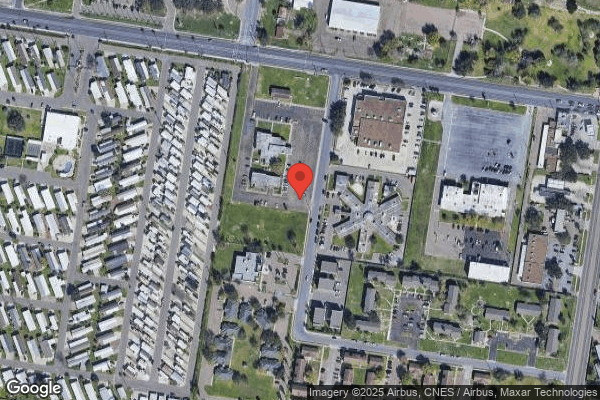
Aug 2023 1 deficiency 1 IJ (1 facility-wide)
CRITICAL (L) 📢 Someone Reported This

A family member, employee, or ombudsman was alarmed enough to file a formal complaint

Immediate Jeopardy (IJ) - the most serious Medicare violation

Safe Environment (Tag F0921)

Someone could have died · This affected most or all residents

⚠️ Facility-wide issue

**NOTE- TERMS IN BRACKETS HAVE BEEN EDITED TO PROTECT CONFIDENTIALITY** Based on observation, interview, and record review the facility failed to provide a safe, functional, sanitary, and comfortable ...

Read full inspector narrative →
**NOTE- TERMS IN BRACKETS HAVE BEEN EDITED TO PROTECT CONFIDENTIALITY** Based on observation, interview, and record review the facility failed to provide a safe, functional, sanitary, and comfortable environment for residents, staff and the public for 3 of 6 halls and 1 of 1 dining rooms reviewed for environment, in that: The facility failed ensure that 3 of 11 rooms (room [ROOM NUMBER], 21 and 22) in Hall B, 4 of 12 rooms (room [ROOM NUMBER], 47, 48, and 49) in Hall E, 5 of 11 rooms (room [ROOM NUMBER], 54, 55, 57 and 59) in Hall F received repair and maintenance services necessary to maintain a sanitary, orderly, and comfortable interior that was free of environmental hazards. An IJ was identified on 07/21/23. The IJ template was provided to the facility on [DATE] at 4:52pm. While the IJ was removed on 08/09/23, the facility remained out of compliance at a scope of widespread and a severity level of no actual harm with potential for more than minimal harm because repair of damaged areas had not yet been completed. These failures could lead to residents living in an environment that was unsafe, unfunctional, and/or unsanitary, and could impact the president's ability to achieve or maintain their highest practicable physical, mental, and psychosocial well-being resulting in a diminished quality of life. Findings included: Review of Resident #3's face sheet dated 07/21/23 reflected a [AGE] year-old male who resided in Hall B was admitted to the facility on [DATE] with diagnoses including chronic kidney disease, unspecified (kidney damage, and kidneys cannot filter blood as well as they should), delusional disorders (A belief or altered reality that is persistently held despite evidence or agreement to the contrary), vascular dementia, moderate, without behavioral disturbance, psychotic disturbance, mood disturbance, an anxiety (problems with reasoning, planning, judgment, memory and other thought processes caused by brain damage from impaired blood flow to your brain) and dysphagia, oropharyngeal phase (difficulty swallowing). Review of Resident #3's quarterly MDS assessment dated [DATE], reflected a BIMS of 10, indicating a moderate cognitive impairment. Review of Resident #5's face sheet dated 07/21/23 reflected a [AGE] year-old male who resided in Hall F and was admitted to the facility on [DATE] with diagnoses including shortness of breath, type 2 diabetes mellitus with hyperglycemia (high blood sugar), unspecified fracture (break) of upper end of right tibia (shin), subsequent encounter for closed fracture with routine healing and dysphagia, oropharyngeal phase difficulty swallowing). Review of Resident #5's quarterly MDS, dated [DATE], reflected a BIMS of 12, indicating a moderate cognitive impairment. Review of Resident #6's face sheet dated 07/21/23 reflected a [AGE] year-old male who resided in Hall F and was admitted to the facility on [DATE] with diagnoses including myocardial infarction (A blockage of blood flow to the heart muscle )type 2, type 2 diabetes mellitus with hyperglycemia (high blood sugar), vascular dementia, moderate, with psychotic disturbance, (problems with reasoning, planning, judgment, memory and other thought processes caused by brain damage from impaired blood flow to your brain) and end stage renal disease (kidneys are no longer able to work at a level needed for day to day life). Review of Resident #6's quarterly MDS, dated [DATE], reflected a BIMS was not completed for Resident #6 due to the resident being rarely/never understood. Review of Resident #7's face sheet dated 07/21/23 reflected a [AGE] year-old male who resided in Hall E and was admitted to the facility on [DATE] with diagnoses including critical illness myopathy (group of disorders primarily affecting the skeletal muscle structure, metabolism, or channel function), essential (primary) hypertension (high blood pressure), acute diastolic (congestive) heart failure (develops when your heart doesn't pump enough blood for your body's needs) and hypothyroidism, unspecified (A condition in which the thyroid gland doesn't produce enough thyroid hormone). Review of Resident #7's quarterly MDS, dated [DATE], reflected a BIMS of 15, indicating Resident #7 was cognitively intact. Review of Resident #8's face sheet dated 07/21/23 reflected a [AGE] year-old female who resided in Hall E and was admitted to the facility on [DATE] with diagnoses bilateral (affecting both sides) primary osteoarthritis of knee (breakdown of cartilage between knee joints), chronic kidney disease, stage 3A (kidney damage, kidneys are less able to filter and work as well as they should), dementia in other disease classified elsewhere, mild, with other behavioral disturbance (A group of thinking and social symptoms that interferes with daily functioning.) and essential (primary) hypertension (high blood pressure). Review of Resident #8's quarterly MDS, dated [DATE], reflected a BIMS of 15, indicating Resident #8 was cognitively intact. Review of Resident #9's face sheet dated 07/21/23 reflected a [AGE] year-old male who resided in Hall E and was admitted to the facility on [DATE] with diagnoses including cerebral infarction, unspecified (disrupted blood flow to the brain due to problems with the blood vessels that supply it), type 2 diabetes mellitus with hyperglycemia (high blood sugar), vascular dementia, moderate, with behavioral disturbance (problems with reasoning, planning, judgment, memory and other thought processes caused by brain damage from impaired blood flow to your brain), and dysphagia (swallowing difficulties) following cerebral infarction. Review of Resident #9's quarterly MDS, dated [DATE], reflected a BIMS of 09, indicating a moderate cognitive impairment. Review of Resident #10's face sheet dated 07/21/23 reflected a [AGE] year-old male who resided in Hall E and was admitted to the facility on [DATE] with diagnoses including cocaine abuse, uncomplicated, type 2 diabetes mellitus with hyperglycemia (high blood sugar), blindness (complete or partial loss of vision) left eye category 5, normal vision right eye, and essential (primary) hypertension (high blood pressure). Review of Resident #10's annual MDS, dated [DATE], reflected a BIMS of 15 indicating Resident #10 was cognitively intact. Observation of dining room on 07/19/23 at 1:50pm revealed an open area in the ceiling that was covered with a plastic sheet. No residents were directly under the open area however residents were still using the dining room. Observation of rooms in Hall E on 07/19/23 at 5:11pm revealed room [ROOM NUMBER] was locked and required a key for entrance, room [ROOM NUMBER] was not in use and had no resident staying in room. room [ROOM NUMBER] had water damage to ceiling with black colored bio growth on ceiling, approximately 6ft x 6ft and a trash can that was collecting brown colored liquid. Observation of rooms in Hall E on 07/19/23 at 5:15pm revealed room [ROOM NUMBER] was locked and required a key for entrance, room [ROOM NUMBER] was not in use and had no resident staying in room. room [ROOM NUMBER] had water damage to ceiling with torn areas of ceiling sheet rock, staining on ceiling, a trash can that had collected brown colored liquid, and a black colored bio growth surrounding the exhaust vent in the restroom. Observation of rooms in Hall E on 07/19/23 at 5:17pm revealed room [ROOM NUMBER] was locked and required a key for entrance, room [ROOM NUMBER] was not in use and had no resident staying in room. room [ROOM NUMBER] had water damage to ceiling with bubbling paint at tape joints and opened bubbling areas on ceiling. Observation of rooms in Hall E on 07/19/23 at 5:18pm revealed room [ROOM NUMBER] was locked and required a key for entrance, room [ROOM NUMBER] was not in use and had no resident staying in room. room [ROOM NUMBER] had water damage to ceiling and walls, staining on ceiling, bubbling paint at tape joints, torn areas of ceilings sheet rock, unsanitary linen on the floor and a black colored bio growth surrounding exhaust vent in the restroom. Observation of rooms in Hall F on 07/19/23 at 5:22pm revealed room [ROOM NUMBER] was locked and required a key for entrance, room [ROOM NUMBER] was not in use and had no resident staying in room. room [ROOM NUMBER] had water damage to ceiling with staining on ceiling and black colored spots of bio growth present on ceiling, and brown colored staining streaks on floor. Observation of rooms in Hall F on 07/19/23 at 5:23pm revealed room [ROOM NUMBER] was locked and required a key for entrance, room [ROOM NUMBER] was not in use and had no resident staying in room. room [ROOM NUMBER] had water damage to ceiling with staining on ceiling, torn and bubbling paint on ceiling with broken off pieces on the floor and spots of black colored bio growth on ceiling. Observation of rooms in Hall F on 07/19/23 at 5:24 pm revealed room [ROOM NUMBER] was locked and required a key for entrance, room [ROOM NUMBER] was not in use and had no resident staying in room. room [ROOM NUMBER] had water damage to ceiling with brown and black staining to ceiling. Observation of rooms in Hall F on 07/19/23 at 5:25pm revealed room [ROOM NUMBER] was locked and required a key for entrance, room [ROOM NUMBER] was not in use and had no resident staying in room. room [ROOM NUMBER] had water damage to ceiling with staining on ceiling, black colored bio growth on ceiling. The Floor in room [ROOM NUMBER] had brown water stains near window and in middle of room and edge of be frame. Observation of rooms in Hall F on 07/19/23 at 5:26pm revealed room [ROOM NUMBER] was locked and required a key for entrance, room [ROOM NUMBER] was not in use and had no resident staying in room. room [ROOM NUMBER] had a trash can that had collected brown liquid with other trash items such as a soda can floating in trash can. The trash can had 2 towels around its base. Observation of rooms in Hall B on 07/19/23 at 5:52pm revealed room [ROOM NUMBER] was locked and required a key for entrance, room [ROOM NUMBER] was not in use and had no resident staying in room. room [ROOM NUMBER] had brown water damage staining to ceiling with parts of ceiling sheet rock torn and bubbled. Observation of rooms in Hall B on 07/19/23 at 5:53pm revealed room [ROOM NUMBER] was locked and required a key for entrance, room [ROOM NUMBER] was not in use and had no resident staying in room. room [ROOM NUMBER] had water damage to ceiling with bubbling paint at tape joints on ceiling, torn areas of ceilings sheet rock. Observation of rooms in Hall E on 07/19/23 at 5:54pm revealed room [ROOM NUMBER] was locked and required a key for entrance, room [ROOM NUMBER] was not in use and had no resident staying in room. room [ROOM NUMBER] had water damage to ceiling with bubbling paint at tape joints on ceiling, torn areas of ceilings sheet rock. Record review of bids received by facility for roof repair revealed the facility had received 5 bids from roofing companies with the earliest dated 03/30/23. During an observation and interview with Resident #10 on 07/19/23 at 4:53PM revealed his room was in Hall E. Resident #10 stated he had been in his room in E Hall for 10 months and had not had any leaks of water in his room at any time or during a rainstorm. Resident #10 stated he had not seen any black substance growth in his room. During an observation and interview with Resident #9 on 07/19/23 at 6:43pm revealed his room was in Hall E. Resident #9 stated he has had no water leaking in his room and had not seen any black substance on the walls or ceiling. During an observation and interview with Resident #8 on 07/19/23 at 6:47pm revealed her room was in Hall E. Resident #8 stated she had not had any water leaks or black substance growth in her room. Resident #8 stated she had been in her room for 2 months. During an observation and interview with Resident #7 on 07/19/23 at 6:53pm revealed his room was in Hall E. Resident #7 stated his room had been fine and had no wet leaks or black substance growths. Resident #7 stated when it rained water had come out of rooms across the hall, but staff had cleaned it and stopped it from entering rooms. Resident #7 stated he had been in the same room for over a year. During an observation and interview with Resident #6 on 07/19/23 at 7:00PM revealed his room was in Hall F. Resident #6 stated no, when asked if he had seen any leaks in his room or any black substance growths in his room. During an observation and interview with Resident #5 on 07/19/23 at 7:08PM revealed his room was in Hall F. Resident #5 stated he had been in this hall for 8 months and had not noticed any water leaks or black substance growth. During an interview with Resident #9 on 07/20/23 at 2:24pm he stated he had a cough for the last 3 or 4 days, and he had received cough medication. Resident #9 stated being in his room in Hall E had not triggered any allergies or breathing issues stating he did not have concerns with air quality in his room and was comfortable. During an interview with Resident #8 on 07/20/23 at 2:25pm she stated she had not had any respiratory issues since being in her room in Hall E. Resident #8 stated being in her room had not triggered any allergies or breathing issues that she was aware of and stated she did not have any concerns with the air quality in her room and stated she was comfortable in her room. During an interview with Resident #5 on 07/20/23 at 2:30PM he was asked if he had any respiratory issues while being in his room in Hall F and stated he had a panic attack before but stated being in his current room had not triggered any allergies or breathing problems. When asked how he felt about the air quality in his room Resident #5 stated his room stunk of cleaning sprays and stated he wanted to go home. During an interview with Resident #10 on 07/20/23 at 2:40PM he stated he had not had any respiratory issues while being in his room in Hall E. Resident #10 stated he had no concerns with the air quality in his room stating he had been in that room for over 10 months and was comfortable. During an interview with Resident #3 on 08/09/23 at 12:50pm he stated when he was in Hall B he did not have any respiratory issues and stated being in Hall B had not triggered an allergies or breathing issues, Resident #3 stated he had no concerns with his room when he was in Hall B. During an interview with the Administrator on 07/20/23 at 4:54pm she stated her original bid for roof repair from March (03/30/23) had to be redone due to original bid not including roof tile repair that was needed due to the damaged sustained after the storm on 04/29/23. During an interview with the Administrator on 07/20/23 at 1:47pm she stated the hole in the dining room ceiling had been there since she began working at the facility in December of 2022, stating it had been covered and stable without leaking. The Administrator stated every time there was major rain they had taken out the rain water and re done the plastic covering on the hole in the dining room ceiling. The Administrator stated there had been constant roof issues, stating they had been previously fixed but had continued to happen. The Administrator stated the water leaking into resident rooms started since a storm they had on 04/29/23. The Administrator stated the areas that had been damaged were the dining room, E and F Hall and stated she had started seeing more rooms in Hall B damaged. The Administrator stated in order to fix the issues she had gotten bids for repairs and had placed air purifiers in effected halls. The Administrator stated she did not have a planned date for work to begin on roofing, sheet rock or bio growth removal. The Administrator stated they were pending to get quotes from abatement companies and stated they were pending a visit from a roofing company employee to see what areas of the roof could be fixed. The Administrator stated repairing roof leaks were not within the Maintenance directors' scope of practice and required a contractor. The Administrator state the roof had not been fixed because they had been waiting for the insurance to go to the facility and take pictures, stating an insurance adjuster had been to the facility to do a round on 06/19/23. The Administrator stated they were not able to remove the panels and sheet rock due to it being a hazmat issue and needing prior approval. When asked if the issues should have already been corrected The Administrator stated she did not make decisions on financials at that high of an amount. The Administrator stated she kept residents safe in the dining room by not allowing residents underneath the hole and stated if the ceiling hole in the dining room had leaked, they would apply yellow tape to secure the area. The Administrator stated based on her emergency management plan she would remove residents from the area, put wet floor signs and make sure residents did not get near the affected areas. The Administrator stated all residents in effected rooms were relocated to other rooms the night of the storm on 04/29/23. The Administrator stated she had followed her emergency plan in this case stating she made sure they kept the affected areas secured, locked and aware from residents. The Administrator stated they had also assessed residents clinically. The Administrator stated not maintaining the rooms, walls and resident environments could negatively affect the residents because it could harm their immune system if they had a weak immune system, The Administrator stated she would consider any resident in the facility to have an impaired immune system. During an interview with Maintenance director on 07/20/23 at 2:00pm he stated the issues with the roof and water leaking into resident rooms were in Hall E and Hall F and had started the night of a storm on 04/29/23 or 04/29/23. The Maintenance Director stated the dining room ceiling hole would leak when it rained and stated it had been that way for about 10 months. The Maintenance Director stated the ceiling hold in the dining room had been repaired but only lasted a little while, stating it had last been repaired 4 or 5 months before 07/20/23. The Maintenance Director stated Hall E and F had water damage along with some rooms in Hall B. The Maintenance Director stated the facility had gotten proposals for the roof repair before Hall E and F had gotten damaged, he state they were going to try and do a seal coat (a monolithic, fully adhered, fluid applied roofing membrane.) but after the storm on 04/29/23 the roof came off. The Maintenance Director state they did not have a planned date to start working on the roof, sheet rock or bio growth removal. The Maintenance Director stated they were still gathering proposals and stated it was up to the owner and insurance company or whoever makes that decisions, stating he was not sure what level it comes from. The Maintenance Director stated fixing the issues with the roof and rooms was a big job and required a contractor. The Maintenance Director stated the issues had not been fixed because they had not received approval from the owner, insurance or higher ups. When asked if the issues with the roof and rooms should had already been corrected The Maintenance Director stated it was going through a process. The Maintenance Director stated all residents who were in the effected rooms were moved out the same night as the storm. The Maintenance Director stated when the hole in the dining room ceiling leaks they would channel it to one area and if was currently leaking they would rope off the area to keep everyone away from that section. The Maintenance Director stated based on the facility's emergency management plan if the ceiling was leaking, they could evacuate the room and isolate the area, The Maintenance Director stated they followed their emergency plan because they evacuated the effected rooms in Hall E and F and isolated the rooms by locking the doors. The Maintenance Director stated he could not answer how not maintaining the roof, walls and resident environment could negatively affect the residents. During an interview with CNA A on 07/20/23 at 2:15pm he stated he had seen areas that had water damage in resident rooms but stated those rooms did not currently have residents in them. CNA A stated he had not seen any black substance growths in resident rooms and stated he had seen the hole in the dining room leaking but stated residents were seated away from the hole and stated no residents were injured. When asked what had been done about these issues CNA A stated he did not get into it stating they had tried to fix it but when it rained it would leak again. During an interview with LVN B on 07/20/23 at 3:33pm he stated he had only seen water damage in the rooms residents were relocated from but had not seen any black substance growths. LVN B stated after the last rain storm the area in the dining hall ceiling opened and they used emergency buckets to catch the water and rearranged furniture and closed that area off with signs to make sure residents would not have falls. LVN B stated corporate had been in and out of the facility and stated they were pending a follow up from them, he stated it was an on-going process, but they had been contacting various companies to get quotes. During an interview with the Medical Director on 08/28/23 at 9:55am he stated the black substance growth in the facility might result in increased respiratory infections, but stated he was not notified of any residents who had respiratory issues. The Medical Director stated the black substance growth can have other interactions such as exacerbation of COPD, asthma or other exacerbation. The Administrator was notified on 07/21/23 at 4:50 pm, that an Immediate Jeopardy (IJ) had been identified due to the above failures. The IJ template was provided to the Administrator on 07/21/23 at 4:52 PM. A Plan of Removal (POR) was first submitted by the Administrator on 07/21/23 at 8:00 PM with a revised POR accepted on 07/22/23 at 4:30 PM and read as follows: Preparation and/or execution of this plan do not constitute admission or agreement by the provider that immediate jeopardy exists. This response is also not to be construed as an admission of fault by the facility, its employees, agents, or other individuals who draft or may be discussed in this response and immediate jeopardy removal plan. This immediate jeopardy removal plan is submitted as the facility's immediate actionable plan to remove the likelihood that serious harm to a resident will occur or recur. 1. Immediate Action: A. On 7/22/2023 all residents will be transferred from E Hall to a sister facility or alternative. The transfer will occur on 7/22/2023. Residents and RPs were notified of transfer on 7/21/2023 via telephone by Social Services/designee and notification was documented in resident's medical record. There will be one licensed nurse and one certified nurse assistance accompanying residents during transport. B. On 7/22/2023 all residents will be transferred from F Hall to a sister facility or alternative. This will be completed on 7/22/2023. Residents and their RPs were notified of transfer on 7/21/2023 via telephone by Social Services/designee and notification was documented in resident's medical record. There will be one licensed nurse and one certified nurse assistance accompanying residents during transport. C. On 7/22/2023 all residents will be transferred from B Hall to a sister facility or alternative. This will be completed on 7/22/2023. Residents and RPs were notified of transfer on 7/21/2023 via telephone by Social Services/designee and notification was documented in resident's medical record. There will be one licensed nurse and one certified nurse assistance accompanying residents during transport. D. Residents were provided options other than a sister facility. Four residents have elected to be transferred to a long-term care center in (City) E. On 7/21/2023 the facility Administrator scheduled (Asbestos Abatement/Mold Remediation Company) (Project Manager employee) to come on-site 7/22/2023 to test for Mold and Asbestos. Test results will be pending. F. There will be at least 1 licensed nurse, as well as at least 1 certified nurse assistant from the (City) facility, who will remain on-site at the receiving facilities for at least a week to ensure continuity of care. 2. Identification of Residents Affected or Likely to be Affected: A. On 7/22/2023 DON/Designee completed respiratory assessment of each resident to determine if any resident was experiencing any new or exacerbation of respiratory issues. No resident identified from assessments. 3. Actions to Prevent Occurrence/Recurrence: A. Once the environmental mold testing has been completed, and the findings identified, repair of the facility roof and other identified repairs will begin within 48 to 72 hours. B. Contingency plans if mold is identified, and levels above a safe threshold would be to remove all residents form the center. C. The facility has a Scope of Work ([NAME]) emergency services agreement signed on 7/22/2023 in their possession. 4. Monitoring A. Regional Director of Operations will complete a center visit weekly for the next 4 weeks to validate all repairs are progressing as scheduled. 5. The center's medical director was notified on 7/21/2023 at 8:00 pm of the Immediate Jeopardy. On 7/22/2023 the center will conduct an Ad Hoc QAPI meeting to review the citation, and sustaining compliance. Date Facility Asserts Likelihood for Serious Harm No Longer Exists: ________7/24/2023_________ The Surveyor monitored the Plan of Removal on 08/09/23 as follows: Record review of sampled resident's (Resident #1, #3, #4, #5, #6, #7, #8, #9, #10) electronic medical records on 08/09/23 revealed all residents had respiratory assessments completed between 07/21/23 and 07/22/23 with no residents identified with respiratory issues. Record review of electronic medical records for sampled residents (Resident #3, #4, #5, #6, #7, #8, #9, #10) in Hall B, E and F on 08/09/23 revealed all residents had been removed from halls and had been moved to other parts of the building or to other facilities. All sampled residents had documentation in their chart regarding notification of transfer or room change to responsible party or resident. Record review of resident transfers revealed a total of 27 residents were transferred out of facility on 07/22/23 with accompanying transportation services staff or facility staff that would remain working at receiving facilities. During an interview with the Administrator on 08/09/23 at 11:40am confirmed 27 residents had been moved out of effected rooms and halls to other facilities. Observations on 08/09/23 at 11:45am revealed Halls B, E, and F were closed off with shut double doors, plastic sheet barriers and signage with verbiage stating not to enter. Halls B, E and F were not in use, and had no residents in rooms. Record review of facility documents revealed an emergency service agreement between the facility and an Asbestos Abatement/Mold Remediation Company was dated 07/22/23. Record review of facility documents revealed a scope of work dated 07/22/23 from an Asbestos Abatement/Mold Remediation Company. The Scope of work stated, emergency services to engage a 3rd Party consultant to test, assess damage, and to provide direction for corrective actions and protocol. Record review of facility documents revealed an emergency services work authorization from an Asbestos Abatement/Mold Remediation Company dated 07/22/23. Record review of environmental testing lab results dated 07/25/23 revealed samples were collected on 07/22/23 to test for fungal/mold identification and spore count via mycology (mold) spore trap air samples ( Fungal/Mold spore count by Air-O-Cell, Cyclex (d), Bio-Cell or other spore trap cassette/device.) and Mycology (mold) Bulk ID sampled (Fungal/Mold identification - bulk sample, tape lift, swab.) In a telephone interview on 07/28/23 at 9:30 a.m. with the testing lab manager, it was elaborated that testing consisted of a combination of air quality and tape lift procedure. One control sample from exterior environment was taken and a 60% threshold was set. Samples were taken throughout the facility. The rooms that failed was due Trichoderma spores being identified. This spore is not dangerous, however, it is a red flag as it primarily grows on building material and it is an indicator or water damage. If the test had identified any dangerous spores the lab would provide specific instruction on how to scrub the air. Additional review of environment testing of 3 rooms (49,52,57) were identified to have failed with asbestos fibers (2%-3% Chrysotile) identified on floor tile by the door way of room [ROOM NUMBER], the floor tile under the window in room [ROOM NUMBER], and 59, the restroom floor tile in room [ROOM NUMBER], the floor tile in the closet of room [ROOM NUMBER] and on the second layer of floor tile in room [ROOM NUMBER]. Record review of facility documents revealed a scope of work from a Roofing Company dated 07/25/23 that stated, Scope of Work: Roof is approximately 30,000 sq ft. Remove current roof. Install-fully adhered .5 ISO to decking Install -fully adhered .60 Mil TPO roofing system All HVAC curbs and roof penetration will be sealed with TPO products Install new perimeter metal Replace all pipes and roof Minor repairs to Mansards included 20-year NDL Firestone warranty Observation of outside of facility on 08/09/23 at 10:45am revealed multiple crew members were working on roof repairs and designated areas for material/supplies and dumpsters identified away from resident areas. Record review of facility documents received on 08/09/23 revealed the facility had a modified safety plan and had completed fire drill exercises with staff on 08/09/23 to utilize exit strategies while exits in Hall B, E and F were not available. Observation on 08/22/23 at 2:45 pm revealed the facility which at time was having roof repairs had been affected by the rains of a passing tropical storm. The interior of the facility primarily Hall A had suffered extensive damage and hours after the rain had passed was still draining on to buckets throughout the hall. Suspended ceiling tiles had collapsed in the hall ways due to the amounts of fluids absorbed. Dining area had an area where the ceiling had collapsed around a light fixture. The kitchen pantry/fry food storage ceiling had collapsed and was exposed to outside. Through out the building various light fixtures could be seen collecting fluid. During an interview on 08/22/23 at 4:05 pm with the DON revealed a tropical storm had affected the morning and caused water to leak into resident areas, such as rooms and common areas. The DON said they would be evacuating residents to other facilities and had already made calls to make arrangements with accepting facilities. Observation on 08/22/23 at 4:30-6:20 pm revealed the facility coordinating transferring of residents to other facilities. Email on 08/22/23 at 11:19 pm. received by the facility administrator revealed the facility had transferred all resident. Observation on 08/28/23 at 1:30pm revealed the facility had removed all residents and was under construction with crew members working on the roof and inside the facility . Record review of facility policy titled, Emergency Preparedness with an origination date of 01/27/18 and a review date of 08/08/23 stated, It is the policy of this facility to evacuate the building when deemed necessary to protect the life and safety of residents, employees and visitors. Evacuation decisions will be made by the Administrator or incident commander. The decision to evacuate may also be made by local/state authorities. Reasons to evacuate could include severe weather, fire or chemical/biological threats when sheltering in place is not feasible. An IJ was identified on 07/21/23. The IJ template was provided to the facility on [DATE] at 4:52pm. While the IJ was removed on 08/09/23, the facility remained out of compliance at a scope of widespread and a severity level of no actual harm with potential for more than minimal harm because repair of d
Nov 2022 1 deficiency
CONCERN (D)

Potential for Harm - no one hurt, but risky conditions existed

PASARR Coordination (Tag F0644)

Could have caused harm · This affected 1 resident

**NOTE- TERMS IN BRACKETS HAVE BEEN EDITED TO PROTECT CONFIDENTIALITY** Based on observation, interviews, and record review, the facility failed to coordinate assessments with the pre-admission screen...

Read full inspector narrative →
**NOTE- TERMS IN BRACKETS HAVE BEEN EDITED TO PROTECT CONFIDENTIALITY** Based on observation, interviews, and record review, the facility failed to coordinate assessments with the pre-admission screening and resident review program (PASRR) to the maximum extent practicable to avoid duplicative testing and effort for 1 (Resident #38) of 24 residents reviewed for PASRR: The facility did not correctly identify Resident #38 on the PASRR Level One Screening Form as having mental illness on admission and did not submit a request to correct their negative screening. This failure could affect residents with a diagnosis of mental illness and could result in these residents not receiving needed PASRR services. The findings included: Record review of Resident #38's admission Record revealed Resident #38 was a [AGE] year-old female admitted to facility on 04/28/19 with primary diagnosis of other sequelae of other cerebrovascular disease (an inability to perceive, report, and orient to sensory events towards one side of space), Mood Disorder due to known physiological condition, unspecified (symptoms predominate that are characteristic of a depressive disorder and cause clinically significant distress or impairment in social, occupational or other important areas of functioning), Pseudobulbar Affect (is a condition that is characterized by episodes of sudden uncontrollable and inappropriate laughing or crying). Record review of Resident #38's Physician's Orders dated 11/10/22 revealed: -Lexapro Tablet 20 mg (Escitalopram Oxalate) Give 1 tablet via PEG-Tube in the morning for depression. -Risperdal Tablet 0.5 mg (risperidone) Give 1 tablet via PEG-Tube at bedtime for Psychosis Delusions Record review of Resident #38's quarterly MDS assessment dated [DATE] indicated: -resident was usually understood by others, -resident usually understood others, -had little or no interest or pleasure in doing things, -was feeling down, depressed, or hopeless, -did not trigger for hallucinations or delusions, -received an antipsychotic the last 7 days, -received an antidepressant the last 7 days. Record review of Pharmacy Consultant Recommendation on 09/26/22 revealed: Resident #38 was taking antidepressant (Lexapro 20 mg qam [every morning]). Medication was prescribed on March 2022. Suggest (Lexapro 10mg qam [every morning])? Yes___ or no__? Resident #38's Physician checked disagree on 09/28/22 due to history of severe depression and crying episodes. Record review of Resident #38's care plan dated 10/06/21 revealed Resident #38 used psychotropic medications and antidepressants related to depression and psychosis s/t (specific to) pulled her tubes, ate her poop, crying spells, severe depression, played with her poop, hallucinations psychosis, delusion-used melatonin: OTC for insomnia. Record review of Resident #38's PASRR Level 1 Screening revealed she did not trigger for mental illness, intellectual disability, or developmental disability. Record review of Nursing Progress Note created on 05/03/22 revealed on 05/03/22 at 13:17 PM Resident #38 was seen by NP on 05/02/22 with new orders for Lexapro 20mg PO QD DX Depression. NP said, the GDR failed, patient has increased distress due to Lexapro being discontinued, she is more anxious, putting her hand down her diaper. Observation of Resident #38 on 11/07/22 at 10:48 AM revealed resident was lying in a low bed with air mattress, with mats on either side. Resident #38 has pillows on either side to prevent a fall. Resident #38's face was covered with a sheet. Resident did not respond to greeting or questions. In an interview on 11/07/22 at 11:30 AM MDS/LVN A said Resident #38 was not PASRR positive because she did not have a diagnosis of mental illness, so she was not eligible for PASRR services. MDS/LVN A said yes Resident #38 was taking psychotropic medications, but the doctor had prescribed the medications due to behaviors and then put the diagnosis that goes with the medications. Observation of Resident #38 on 11/07/22 at 2:49 PM revealed resident was lying on her back, covered with a white sheet from head to toe. Resident did not respond to queries. In an interview on 11/07/22 at 2:01 PM MDS/LVN A said the surveyor's questions made her question whether resident did have a diagnosis of mental illness or not. MDS/LVN A said she reviewed Resident #38's chart and realized that Resident #38 did have a diagnosis of mental illness, so she revised the PASRR Level 1 assessment, resubmitted it and let the staff from local mental health authority know about the revision. In an interview on 11/09/22 at 4:07 PM CNA B said Resident #38 would not participate in a conversation, but if you asked her something, she would answer. CNA B said if I asked her if she wanted the TV on, she would answer and if a staff would ask if they could reposition her, Resident #38 would say OK. Resident #38 was totally dependent on staff for her activities of daily living and had contractures to her hands. CNA B said Resident #38 does not have any behaviors and CNA B does not know if Resident #38 is receiving services from the local mental health authority. Resident #38 does not go out to activities. In an interview on 11/09/22 at 4:23 PM LVN C said Resident #38 was alert and oriented to self and was able to answer simple questions. Resident #38 had behaviors such as eating her own BM, crying, screaming, and putting objects into her mouth. LVN C said the new drug regimen helped lessen Resident #38's behaviors and she was calmer. LVN C said she does not know if Resident #38 was reviewed for PASRR services since the SW is the one that does the PASRR evaluations. LVN C said the charge nurses do not have any role in the PASRR process they will just answer questions about behaviors. LVN C said Resident #38 was taking medication for psychosis. When Resident #38 was admitted to the facility, the family said Resident #38 had a diagnosis of psychosis and severe depression. In an interview on 11/09/22 at 4:31 PM the SW said she reviewed the PL1 and the medical records for the diagnoses of a resident in the hospital and waiting to be admitted to the facility. The SW said she checks the documentation for the diagnoses of Bipolar and schizophrenia. The SW said she would then upload the PL1 into the website portal. If they need to do a correction, she advises the DON and the MDS nurse who is responsible for calling the case manager from the local health authority. The SW said Resident #38's PL1 was done by the previous SW, and she was the one that uploaded the PL1 into the portal. In an interview on 11/10/22 at 8:22 AM MDS/LVN A said when they had a referral from the hospital the DON or the ADON would review the medical records for any type of mental illness. They would also review the PL1s during the morning meeting and if someone had a negative PL1, the SW would upload it into the portal. MDS/LVN A did not answer when asked what the negative outcome for Resident #38 not receiving PASRR services. MDS/LVN A responded that Resident #38 would converse with staff and other residents when she was admitted but became very depressed when her son stopped visiting her. MDS/LVN A said Resident #38 stopped talking and began having behaviors. In an interview on 11/10/22 at 9:36 AM the DON said when a resident was approved for admission, their team reviewed their vaccination status, diagnoses, and medications. The team from their corporate office would review all the resident's records, financial, insurance and medical history. The SW would review the PL1 and uploaded it to the portal. The SW will review the P1 to make sure there were no mistakes before uploading. The DON said she did not know where the break in the process to re-evaluate Resident #38's behaviors and psychiatric services to determine if the resident could have a diagnosis of mental illness occurred. In an interview on 11/10/22 at 10:01 AM the Administrator said they had morning meetings and monthly QAPI meetings to review residents for any significant changes and would discuss how they would resolve those changes. The Administrator said she did not know how the resident was overlooked but moving forward they will look at the significant change and review the diagnosis and medications to determine if they need to change the PL1. Record review of facility's Preadmission and Screening Resident Review (PASRR) Rules / Guidelines indicated: Guideline It is the intent of Advanced Health Care Solutions to meet and abide by all State and Federal regulations that pertain to resident Preadmission and Screening Resident Review (PASRR) procedures. In the event the facility identifies a change in the resident status related to ID/MI the facility will submit a Form 1012 to have the LA/LMHA conduct a PE.
Understanding Severity Codes (click to expand)
Life-Threatening (Immediate Jeopardy)
J - Isolated K - Pattern L - Widespread
Actual Harm
G - Isolated H - Pattern I - Widespread
Potential for Harm
D - Isolated E - Pattern F - Widespread
No Harm (Minor)
A - Isolated B - Pattern C - Widespread

Questions to Ask on Your Visit

  • "What changes have you made since the serious inspection findings?"
  • "Can I speak with families of current residents?"
  • "What's your RN coverage like on weekends and overnight?"

Our Honest Assessment

Strengths
  • • 45% turnover. Below Texas's 48% average. Good staff retention means consistent care.
Concerns
  • • Multiple safety concerns identified: 3 life-threatening violation(s). Review inspection reports carefully.
  • • 24 deficiencies on record, including 3 critical (life-threatening) violations. These warrant careful review before choosing this facility.
  • • $17,459 in fines. Above average for Texas. Some compliance problems on record.
  • • Grade F (12/100). Below average facility with significant concerns.
Bottom line: This facility has 3 Immediate Jeopardy findings. Serious concerns require careful evaluation.

About This Facility

What is Mcallen Nursing Center's CMS Rating?

CMS assigns MCALLEN NURSING CENTER an overall rating of 2 out of 5 stars, which is considered below average nationally. Within Texas, this rating places the facility higher than 0% of the state's 100 nursing homes. A rating at this level reflects concerns identified through health inspections, staffing assessments, or quality measures that families should carefully consider.

How is Mcallen Nursing Center Staffed?

CMS rates MCALLEN NURSING CENTER's staffing level at 2 out of 5 stars, which is below average compared to other nursing homes. Staff turnover is 45%, compared to the Texas average of 46%. This relatively stable workforce can support continuity of care.

What Have Inspectors Found at Mcallen Nursing Center?

State health inspectors documented 24 deficiencies at MCALLEN NURSING CENTER during 2022 to 2025. These included: 3 Immediate Jeopardy (the most serious level, indicating potential for serious harm or death), 20 with potential for harm, and 1 minor or isolated issues. Immediate Jeopardy findings are rare and represent the most serious regulatory concerns. They require immediate corrective action.

Who Owns and Operates Mcallen Nursing Center?

MCALLEN NURSING CENTER is owned by a for-profit company. For-profit facilities operate as businesses with obligations to shareholders or private owners. The facility is operated by ADVANCED HEALTHCARE SOLUTIONS, a chain that manages multiple nursing homes. With 122 certified beds and approximately 66 residents (about 54% occupancy), it is a mid-sized facility located in MCALLEN, Texas.

How Does Mcallen Nursing Center Compare to Other Texas Nursing Homes?

Compared to the 100 nursing homes in Texas, MCALLEN NURSING CENTER's overall rating (2 stars) is below the state average of 2.8, staff turnover (45%) is near the state average of 46%, and health inspection rating (2 stars) is below the national benchmark.

What Should Families Ask When Visiting Mcallen Nursing Center?

Based on this facility's data, families visiting should ask: "What changes have been made since the serious inspection findings, and how are you preventing similar issues?" "Can you walk me through typical staffing levels on day, evening, and night shifts?" "Can I visit during a mealtime to observe dining assistance and food quality?" "How do you handle medical emergencies, and what is your hospital transfer rate?" These questions are particularly relevant given the facility's Immediate Jeopardy citations and the below-average staffing rating.

Is Mcallen Nursing Center Safe?

Based on CMS inspection data, MCALLEN NURSING CENTER has documented safety concerns. Inspectors have issued 3 Immediate Jeopardy citations (the most serious violation level indicating risk of serious injury or death). The facility has a 2-star overall rating and ranks #100 of 100 nursing homes in Texas. Families considering this facility should ask detailed questions about what corrective actions have been taken since these incidents.

Do Nurses at Mcallen Nursing Center Stick Around?

MCALLEN NURSING CENTER has a staff turnover rate of 45%, which is about average for Texas nursing homes (state average: 46%). Moderate turnover is common in nursing homes, but families should still ask about staff tenure and how the facility maintains care continuity when employees leave.

Was Mcallen Nursing Center Ever Fined?

MCALLEN NURSING CENTER has been fined $17,459 across 2 penalty actions. This is below the Texas average of $33,253. While any fine indicates a compliance issue, fines under $50,000 are relatively common and typically reflect isolated problems that were subsequently corrected. Families should ask what specific issues led to these fines and confirm they've been resolved.

Is Mcallen Nursing Center on Any Federal Watch List?

MCALLEN NURSING CENTER is not on any federal watch list. The most significant is the Special Focus Facility (SFF) program, which identifies the bottom 1% of nursing homes nationally based on persistent, serious quality problems. Not being on this list means the facility has avoided the pattern of deficiencies that triggers enhanced federal oversight. This is a positive indicator, though families should still review the facility's inspection history directly.