Village Healthcare and Rehabilitation
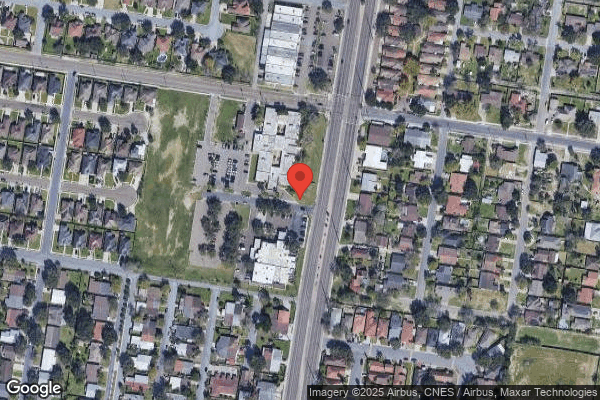
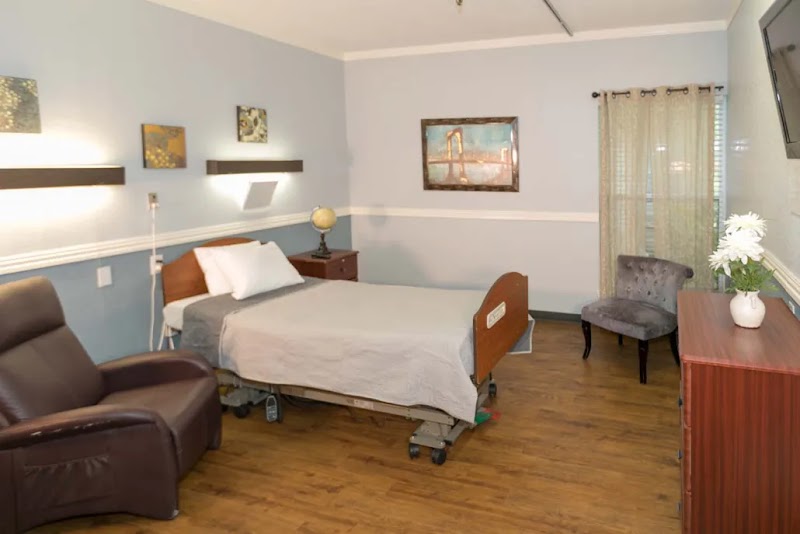
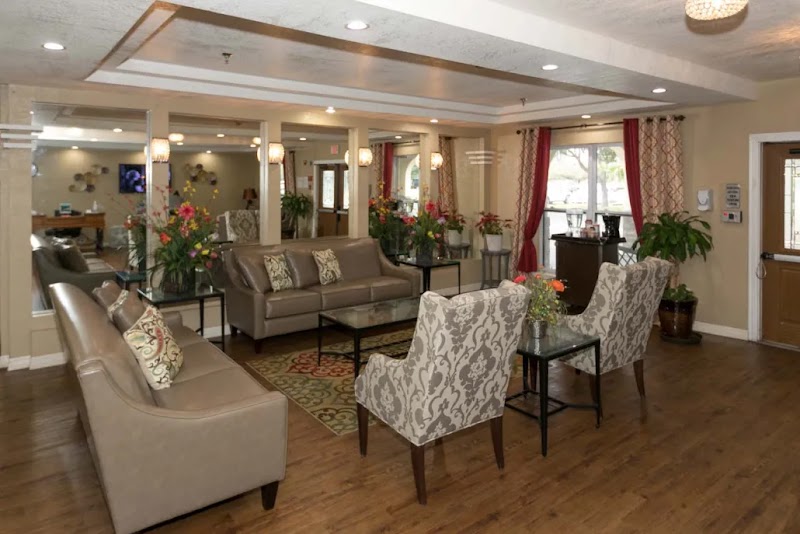
615 N Ware Rd, McAllen, TX 78501 (956) 664-8900
For profit - Corporation 114 Beds THE ENSIGN GROUP Data: November 2025 3 Immediate Jeopardy citations
Trust Grade
0/100
#884 of 1168 in TX
Last Inspection: April 2025

Within standard 12-15 month inspection cycle. Federal law requires annual inspections.

Overview

Village Healthcare and Rehabilitation in McAllen, Texas, has received a Trust Grade of F, indicating significant concerns about the quality of care provided. With a state ranking of #884 out of 1168, they are in the bottom half of Texas facilities, and #19 out of 22 in Hidalgo County means there are only a few local options that are better. The facility is worsening, having doubled the number of identified issues from 4 in 2024 to 8 in 2025. Staffing is somewhat stable, with a turnover rate of 40%, which is below the Texas average, but the overall staffing rating is just 2 out of 5 stars. However, there have been critical incidents that are alarming: one resident fell from bed due to inadequate supervision, resulting in a traumatic brain injury, and another resident fell and fractured their arm because a staff member did not provide the required two-person assistance. These incidents raise concerns about the facility's ability to ensure resident safety. While there is some RN coverage, it remains average, and the facility has accumulated $44,570 in fines, indicating potential compliance issues. Overall, families should weigh these strengths and weaknesses carefully when considering this nursing home.
Trust Score
F
0/100
In Texas
#884/1168
Bottom 25%
Safety Record
High Risk
Review needed
Inspections
Getting Worse
4 → 8 violations
Staff Stability
○ Average
40% turnover. Near Texas's 48% average. Typical for the industry.
Penalties
✓ Good
$44,570 in fines. Lower than most Texas facilities. Relatively clean record.
Skilled Nurses
⚠ Watch
Each resident gets only 26 minutes of Registered Nurse (RN) attention daily — below average for Texas. Fewer RN minutes means fewer trained eyes watching for problems.
Violations
⚠ Watch
14 deficiencies on record. Higher than average. Multiple issues found across inspections.
★★☆☆☆
2.0
Overall Rating
★★☆☆☆
2.0
Staff Levels
★★★☆☆
3.0
Care Quality
★★☆☆☆
2.0
Inspection Score
Stable
2024: 4 issues
2025: 8 issues

The Good

  • Full Sprinkler Coverage · Fire safety systems throughout facility
  • No fines on record
  • Staff turnover below average (40%)

    8 points below Texas average of 48%

Facility shows strength in fire safety.

The Bad

2-Star Overall Rating

Below Texas average (2.8)

Below average - review inspection findings carefully

Staff Turnover: 40%

Near Texas avg (46%)

Typical for the industry

Federal Fines: $44,570

Above median ($33,413)

Moderate penalties - review what triggered them

Chain: THE ENSIGN GROUP

Part of a multi-facility chain

Ask about local staffing decisions and management

The Ugly 14 deficiencies on record

3 life-threatening
Jun 2025 1 deficiency 1 IJ
CRITICAL (J) 📢 Someone Reported This

A family member, employee, or ombudsman was alarmed enough to file a formal complaint

Immediate Jeopardy (IJ) - the most serious Medicare violation

Accident Prevention (Tag F0689)

Someone could have died · This affected 1 resident

**NOTE- TERMS IN BRACKETS HAVE BEEN EDITED TO PROTECT CONFIDENTIALITY** Based on observations, interviews, and record review, the facility failed to ensure residents remained free from accidents, haza...

Read full inspector narrative →
**NOTE- TERMS IN BRACKETS HAVE BEEN EDITED TO PROTECT CONFIDENTIALITY** Based on observations, interviews, and record review, the facility failed to ensure residents remained free from accidents, hazards and each resident received adequate supervision and assistance while providing care for 1 of 5 residents (Resident #1) reviewed for accidents and supervision. The facility failed when CNA B did not provide Resident #1 adequate supervision while providing incontinent care on [DATE] at around 11:50 AM, which led to Resident #1 falling from his bed, resulting in a traumatic intracranial hemorrhage (brain bleed). The non-compliance was identified as past non-compliance. The Immediate jeopardy began on [DATE] and ended on [DATE]. The facility had corrected the noncompliance before the survey began. This deficient practice has the potential to affect all residents in the building by causing resident injuries, such as falls, fractures, and even death due to improper supervision. The findings included: Record review of Resident #1's face sheet dated [DATE] reflected an [AGE] year-old male with an original admission date of [DATE]. His relevant diagnoses included: unspecified dementia, syncope (fainting) and collapse, anxiety disorder, atrial fibrillation (abnormal heart rhythm), and adult failure to thrive. Record review of Resident #1's care plan dated [DATE] reflected Resident #1 required one staff assistance for toileting and one staff assistance for bed mobility to reposition and turn in bed. Resident #1 had mobility bars (x2) to aide in easy turning and repositioning while in bed. Record review of Resident #1's fall risk evaluation dated [DATE] reflected Resident #1 was at a high risk for falls with a score of 15 (indicated high risk). Record review of Resident #1's MDS dated [DATE] reflected Resident #1 had a catheter for urinary continence and was always incontinent for bowel continence. Resident #1 was dependent for toileting hygiene and roll left/right. Resident #1 had a BIMS score of 00 with severe cognitive impairment. Record review of Resident #1's skin evaluation dated [DATE] reflected Resident #1 noted with swelling to left side of forehead, with open area size 0.4x0.4x0.3 cm, small amount of sanguineous drainage, purple discoloration present. Left lateral side of head noted with open laceration size 1.3x0.2x0.4 cm, moderate amount of sanguineous drainage, slight purple discoloration surrounding laceration. Left anterior shoulder with skin abrasion, size 1x1x0.1 cm, small amount of sanguineous drainage, no swelling noted. Left forearm noted with abrasion, size 2x1x0.1 cm, small amount of sanguineous drainage, no swelling noted. Open areas were cleansed with normal saline and gauze, pat dry with gauze, covered with gauze and secured with tape. Resident tolerated well. Record review of Resident #1's hospital records dated [DATE] reflected Resident #1 was diagnosed with a traumatic intracranial hemorrhage. Family did not want further treatment. Family decided on palliative care. In an interview on [DATE] at 9:40 AM, CNA B said on [DATE] she was going to provide incontinent care for Resident #1. CNA B said Resident #1 was on his side, facing towards the wall, and she was standing behind him. CNA B said she did not remember if she moved him onto his side or if he was already positioned that way when she entered the room. CNA B said Resident #1 was able to move in bed. CNA B added that she was interrupted by CNA C who came into the room, called CNA B's name to ask for assistance with another resident. CNA B said she turned momentarily to respond and when she turned back, Resident #1 had already rolled off the bed and to the floor. CNA B added that although she was standing next to the bed she was not holding on to the resident or else he would not have fallen. CNA B said she turned her head quickly but it happened very fast, in a second, and she was not able to prevent Resident #1 from falling off the bed. CNA B said CNA C heard the fall and she told CNA C to call the nurse right away. CNA B said she stayed with Resident #1 until LVN A arrived to assess him. CNA B said she was in-serviced on falls, incontinent care, and safety before and after the fall on [DATE]. CNA B said they were told to not leave the resident alone with the bed high, to be careful, and to pay attention to the resident. In an interview on [DATE] at 10:00 AM, CNA C said she entered Resident #1's room on [DATE] to inform CNA B, who was performing incontinent care for Resident #1, that she needed help with another resident. CNA C said the curtain was closed for Resident #1's privacy, but CNA B opened the curtain a bit and CNA B told CNA C that okay, she would go help her right now. CNA C said CNA B was standing right next to Resident #1's bed, CNA B did not move away from the bed, and the curtain was not far from the bed. CNA C said CNA B just quickly told her okay and closed the curtain. CNA C said she did not see how Resident #1 was positioned in the bed. CNA C said she turned towards the door to exit the room when she heard a noise. CNA C said CNA B told her Resident #1 fell and to call the nurse. CNA C said she immediately notified LVN A and LVN A went to Resident #1's room. CNA C said she was in-serviced before and after the fall on [DATE] and was told to focus on what they are doing for peri care or other tasks. In an interview on [DATE] at 10:30 AM, LVN A said he was notified by CNA C that Resident #1 had fallen so he went to his room to assess. LVN A said when he walked in, Resident #1 was lying on the floor on his left side and CNA B was kneeling next to him. LVN A said CNA B reported she was attending to Resident #1 on the bed when CNA C called her from the doorway so CNA B turned around to answer CNA C. LVN A said CNA B said when she turned back, Resident #1 was on the floor. LVN A said he and RN B completed a head to toe assessment and noted Resident #1 with a raised area to the left temporal side with minimal bleeding that was controlled. LVN A said he followed the protocol and notified the MD and RP . LVN A said Resident #1 was sent out to the hospital for further evaluation and treatment. LVN A said he was familiar with Resident #1 and knew he was fidgety at times and was able to move in bed. LVN A said he was in-serviced on falls, abuse/neglect, safe transfers, and incontinent care before and after the fall on [DATE]. LVN A said when they in-serviced them on peri care and other tasks, they were instructed to focus on the task at hand. LVN A said the staff could have focused on Resident #1 and not turned away from him. In an interview on [DATE] at 11:15 AM, RN B said he was called to Resident #1's on [DATE] for a fall. RN B said Resident #1 was in bed, awake, but not in distress. RN B said he assessed Resident #1's skin, cleansed the affected areas, and placed a temporary dressing. RN B said Resident #1 was immediately sent out to the hospital. RN B said he noted the details of the injuries in his documentation and recalled the injuries were on Resident #1's left side. RN B said he was in-serviced on falls, abuse/neglect, incontinent care, and safety, before and after the fall on [DATE]. In an interview on [DATE] at 5:25 PM, the DON said on [DATE], she was notified Resident #1 had fallen. The DON said when she walked towards Resident #1's room, the ambulance had arrived to transfer him to the hospital. The DON said CNA B explained that she was providing incontinent care and when CNA C called for her, CNA B turned quickly to answer CNA C, and when CNA B turned back, Resident #1 had fallen and was on the floor. The DON said CNA B explained it happened fast and she could not prevent Resident #1 from falling. The DON said Resident #1 was 1 person assist for incontinent care and bed mobility as Resident #1 could help move. The DON said Resident #1 had a raised area on his forehead with a small laceration, first aid was provided, and he was sent out to the hospital for further evaluation. The DON said the hospital diagnosed Resident #1 with a traumatic intracranial hemorrhage and the family opted out of surgical interventions. The DON said Resident #1 returned on [DATE] under palliative care and he expired on [DATE]. The DON said they in-serviced all staff on falls, abuse/neglect, safety to prevent falls, transfers, change of condition, and how to find information on the Kardex (documentation system with the plan of care information). The DON said they reviewed all residents' charts to ensure the bed mobility and ADL status reflected in the plan of care. The DON said interdisciplinary team or an assigned staff monitored the staff by conducting random spot checks of information and observed staff providing care. In an interview on [DATE] at 5:45 PM, the Administrator said on [DATE], he was notified that Resident #1 had fallen. The Administrator said he spoke to CNA B who explained that she was providing incontinent care for Resident #1 when CNA C called her name and said she needed help. The Administrator said CNA B explained she turned to tell CNA C she would be right there and when she turned back, Resident #1 was on the floor. The Administrator said they interviewed staff and investigated the fall. The Administrator said they in-serviced all staff on abuse/neglect, falls, safety, change of condition, and the Kardex. The Administrator said they reviewed all residents' Kardex information which included their level of care needs and they did not identify any errors. The Administrator said they had a QAPI meeting and followed the plan in place which included ongoing in-services/education, resident assessments, and random spot checks of knowledge with staff. The facility had corrected the noncompliance before the survey began as followed: Record review of the following interventions put into place: 1. Record review of Resident #1's change of condition form dated [DATE] reflected Resident #1 had a left raised temporal area with a laceration, decreased level of consciousness, and MD gave new orders to send resident to the hospital for evaluation and treatment. 2. Record review of Resident #1's skin evaluation dated [DATE] reflected injury details. 3. Record review of Resident #1's neurological checks dated [DATE] reflected Resident #1 was checked at 11:50 AM. For the next check, Resident #1 was noted to be at the hospital. 4. Record review of Resident #1's fall risk evaluation dated [DATE] reflected Resident #1 had a score of 16 - high risk. 5. Record review of Resident #1's pain evaluation dated [DATE] reflected Resident #1 was not able to be interviewed and showed no indications of pain. 6. Record review of in-service education dated [DATE]-[DATE] reflected direct care staff, including CNA B, were in-serviced on falls, safety, abuse and neglect, and the care information. 7. Record review of validation test and questionnaires dated [DATE]-[DATE] reflected all staff were quizzed on abuse/neglect, falls, and assistance types. 8. Record review of validation of knowledge - dated [DATE] for week 1 with 5 staff - dated [DATE] for week 2 with 5 staff - dated [DATE] for week 3 with 5 staff - dated [DATE] for week 4 with 5 staff 9. Record review of investigation dated [DATE] reflected Resident #1's fall was on [DATE]. Incident Summary noted: Resident #1 sustained a witnessed fall while receiving peri care by CNA B. Upon charge nurse entering Resident #1's room, Resident #1 noted lying on his left side next to the bed with CNA B by his side. Resident #1 was noted with a raised area to left temporal head with abrasions and moderate bleeding. Resident #1 was awake with eyes open and in no apparent distress. MD/RP made aware immediately and Resident #1 was sent to the hospital per MD orders. As per CNA B's interview, fall attributed to Resident #1 abruptly rolling to right side of bed and CNA B unable to brace his fall. No evidence of emotional distress and no signs of abuse/neglect during this incident. Bleeding and raised area to head was related to witnessed fall and Resident #1 used anticoagulant therapy as per MD orders. 10. Record review of the Kardex dated [DATE] reflected 100% current residents' information reviewed to ensure bed mobility and ADL status was reflecting on POC. No other current residents were identified with potential for injury. 11. Record review of new admissions dated [DATE] reflected new admissions reviewed and care plan initiated/updated appropriately for residents, including Resident #1's readmission on [DATE]. 12. Record review of the QAPI meeting dated [DATE] reflected fall during ADL care. The team met with the medical director. Goal: Staff would be knowledgeable of safety during ADL care according to established criteria and decrease in falls. Interviews with other CNAs/nurses revealed they were in-serviced on falls, safety, bed mobility, incontinent care, abuse/neglect, and level of care/Kardex information. On the following dates and times: [DATE] at 1:50 PM, CNA A [DATE] at 1:30 PM, CNA D [DATE] at 1:40 PM, CNA E [DATE] at 1:50 PM, LVN B [DATE] at 2:05 PM, CNA F [DATE] at 2:15 PM, CNA G [DATE] at 2:45 PM, CNA H [DATE] at 3:00 PM, CNA I [DATE] at 3:10 PM, CNA J [DATE] at 3:20 PM, CNA K [DATE] at 3:30 PM, CNA L [DATE] at 3:50 PM, CNA M [DATE] at 5:15 PM, RN A [DATE] at 10:45 PM, CNA N [DATE] at 10:55 PM, LVN C [DATE] at 11:10 PM, LVN D [DATE] at 11:25 PM, CNA O [DATE] at 11:35 PM, CNA P Two observations of bed mobility/transfers on [DATE] at 4:15 PM and 4:30 PM completed by CNAs with other residents revealed no other concerns regarding bed mobility or transfers. Record review of facility's policy titled Fall Management System, Quality of Care with revision date [DATE] revealed, it is the policy of this facility to provide a safe environment that remains as free of accident hazards as possible.
Apr 2025 6 deficiencies 2 IJ
CRITICAL (J)

Immediate Jeopardy (IJ) - the most serious Medicare violation

Free from Abuse/Neglect (Tag F0600)

Someone could have died · This affected 1 resident

**NOTE- TERMS IN BRACKETS HAVE BEEN EDITED TO PROTECT CONFIDENTIALITY** Based on interview and record reviews the facility failed to ensure the residents had the right to be free from abuse, neglect, ...

Read full inspector narrative →
**NOTE- TERMS IN BRACKETS HAVE BEEN EDITED TO PROTECT CONFIDENTIALITY** Based on interview and record reviews the facility failed to ensure the residents had the right to be free from abuse, neglect, misappropriation of resident property, and exploitation for 1 of 10 residents (Resident #1) reviewed for abuse. The facility failed to ensure Resident #1 was free from abuse. CNA A attempted to provide Resident #1 care at bed side by herself knowing that Resident #1 required two person assistance for all activities, which lead to Resident #1 falling off the bed and sustaining a right humerus fracture. The non-compliance was identified as past non-compliance. The Immediate Jeopardy began on 11/06/24 and ended on 11/13/24. The facility had corrected the noncompliance before the survey began. The facility was informed about the past non-compliance on 4/10/25 at 3:55 pm. This failure could place residents at risk of neglect . Findings included: Record review of Resident #1's admission record reflected she was a [AGE] year-old female with an admission date of 02/08/2024. Her relevant diagnoses included cerebral infraction (is a condition where brain tissue dies due to insufficient blood flow, leading to a lack of oxygen and nutrients) and morbid obesity. Resident #1's cognition was moderately impaired. Record review of Resident #1 care plan dated 10/3/2019 revealed Resident #1 was a two person assist for toileting. Record review of Resident #1 MDS dated [DATE] revealed Resident#1 was always incontinent to bowel and bladder. Section GG revealed Resident#1 was dependent 2 persons assist to toileting hygiene. In an interview on 04/9/25 at 2:40 pm, CNA A said she knew Resident #1 was a two person assist for incontinent care but still decided to do it on her own on 11/06/2024. CNA A said that she did not want to wait because it was lunch time. CNA A said while she performed incontinent care to Resident #1 on 11/6/24, CNA A turned Resident #1 to her right side and she slipped off the bed and landed on the floor. CNA A said that she started yelling for help and CNA B arrived to assist. CNA A said as soon as CNA B arrived, she went out to look for a nurse. CNA A said she and CNA B stayed with Resident #1 while she was being assessed by RN C. CNA A said 11/06/2024 was not the first time she had performed incontinent care to Resident #1 by herself. In an interview on 4/9/2025 at 2:50 pm, CNA B said that she heard CNA A screaming and she went into Resident #1 room. CNA B said she saw Resident#1 on the floor. CNA B said that she stayed with resident while CNA A went to inform RN C. CNA B said that she checked the [NAME] to know how many assist each resident needed, and asked the nurse. In an interview on 04/09/2025 at 3:00 pm, RN C said after he assessed Resident#1, Resident #1 complained of right shoulder pain. RN C said that it took 4 therapists to transfer Resident #1 back to her bed. RN C said that he immediately called NP and got stat orders for x-rays to right shoulder and right hip. RN C said that x-rays results showed Resident #1 had sustained an acute displaced fracture to the right distal humerus ( a bone break where the broken pieces have moved out of alignment with each other, resulting in a gap between the fragments). In an interview on 4/9/25 at 4:40 pm Physical Therapy Director said Resident #1 was dependent 2 person assist for all activities of daily living prior to and after the incident. In an interview on 04/09/2025 at 3:30 pm, the DON said she had been informed Resident #1 had fallen while she was being repositioned. The DON said that she had interviewed CNA A. The DON said CNA A told her that she was repositioning Resident #1 and resident slipped out of bed. During an interview on 04/10/2025 at 3:00 pm, the Administrator said the DON informed him of Resident #1's fall. The Administrator stated he spoke with RN C and CNA A during the investigation. The Administrator said CNA A told him she was performing care on Resident #1. He stated CNA A was not terminated at that time. He said she was terminated at another time for insubordination. Records show CNA A was terminated on 03/13/2025. The Administrator stated they did in-servicing on abuse/neglect, bed mobility, transfers, and falls. He stated they also went through all the resident's charts to ensure whether they were one or two person assists and ensured all CNAs were able to locate the assists on the [NAME] (a copy of the care plan focused on the amount of assist each resident needed). The Administrator stated they also reported the incident to State. Interview on 4/10/24 at 2:40 pm, the DON said they monitor CNAs by doing frequent observations, in services on how to access the [NAME], and print out the [NAME] to see if it matches section GG and update as needed. The facility had corrected the noncompliance before the survey began. Record review of the following interventions put into place: 1. Head to toe assessment completed on 11/06/2024. Record review dated 11/6/24 of resident assessment revealed Resident #1 was complaining of right shoulder pain. Resident #1 was not able to move right arm due to pain. 2. Pain assessment was completed, and pain medication was administered. Record Review dated 11/6/24 of resident pain assessment revealed Resident #1 was assessed on 11/6/24 and pain medication was administered on 11/6/24 at 12:20 pm. 3. Record review dated 11/6/25 revealed FNP was notified, and he ordered stat x-rays. X rays to right shoulder and right hip were done on 11/6/24 and were reported to FNP on 11/7/24. 4. Record review dated 11/7/24 of Resident #1 revealed Resident #1 was transferred to the local hospital for further evaluation. 5. Random residents were selected for the safety survey, no negative findings. Resident #3, Resident #4, Resident #5 and Resident #6. 6. Record review dated 11/6/24 revealed All staff were in-serviced on date of incident abuse and neglect, [NAME] use to determine bed mobility and transfer, fall prevention, and demonstration of Point Click Care and Plan Of Care. 7. Interviews with other CNA's revealed they were aware of where to find the resident's level of care and not to deviate from plan. 8. Pain assessment was completed, and pain medication was administered. Record Review dated 11/6/24 of resident pain assessment revealed Resident #1 was assessed on 11/6/24 and pain medication was administered on 11/6/24 at 12:20 pm. 9. Record review dated 11/6/25 revealed FNP was notified, and he ordered stat x-rays. X rays to right shoulder and right hip were done on 11/6/24 and were reported to FNP on 11/7/24. 10. Record review dated 11/7/24 of Resident #1 revealed Resident #1 was transferred to the local hospital for further evaluation. 11. Random residents were selected for the safety survey, no negative findings. Resident #3, Resident #4, Resident #5 and Resident #6. 12. Record review dated 11/6/24 revealed All staff were in-serviced on date of incident abuse and neglect, [NAME] use to determine bed mobility and transfer, fall prevention, and demonstration of PCC and POC. 13. Record review dated 11/13/24 revealed CNA A have been inserviced ont he following topics abuse and neglect, [NAME] use to determine bed mobility and transfer, fall prevention, and demonstration of PCC and POC. 4/8/2025 at 1:54 pm, CNA N 4/8/2025 at 3:00 pm, CMA AA 4/8/2025 at 3:15 pm, CNA F 4/8/2025 at 3:24 pm, LVN CC 4/8/2025 at 6:00 pm, RN O 4/8/2025 at 6:10 pm, CNA DD 4/9/2025 at 10:03 am, LVN EE 4/9/2025 at 2:43 pm, CNA P 4/8/2025 at 2:50 pm, CNA BB 4/9/2025 at 2:50 pm, CNA B 4/9/1025 at 3:00 pm, RN C 4/9/2025 at 4:21 pm, CNA FF 4/9/2025 at 4:30 pm, CNA L Record review of facility's policy titled freedom from abuse, neglect, exploitation revealed: It is the policy of this facility that each resident has the right to be free from abuse, neglect, misappropriation of resident property, exploitation and mistreatment. This includes but is not limited to freedom from corporal punishment, involuntary seclusion and any physical or chemical restraint not required to treat the resident's medical symptoms. Residents must not be subjected to abuse by anyone, including, but not limited to, facility staff, other residents, consultants or volunteers, staff of other agencies serving the resident, resident representatives, families, friends, or other individuals. If there is an allegation or suspicion of abuse, the facility will make a report to the appropriate agencies as designated by state and federal laws.
CRITICAL (J)

Immediate Jeopardy (IJ) - the most serious Medicare violation

Accident Prevention (Tag F0689)

Someone could have died · This affected 1 resident

**NOTE- TERMS IN BRACKETS HAVE BEEN EDITED TO PROTECT CONFIDENTIALITY** Based on interviews and record review, the facility failed to ensure residents remained free from accidents, hazards and each re...

Read full inspector narrative →
**NOTE- TERMS IN BRACKETS HAVE BEEN EDITED TO PROTECT CONFIDENTIALITY** Based on interviews and record review, the facility failed to ensure residents remained free from accidents, hazards and each resident received adequate supervision and assistance when being transferred for 1 of 10 residents (Resident #1) reviewed for accidents and hazards. The facility failed to provide adequate supervision to prevent Resident #1 from falling from bed, fracturing her right humerus. The non-compliance was identified as past non-compliance. The Immediate threat began on 11/06/24 and ended on 11/13/24. The facility had corrected the noncompliance before the survey began. This deficient practice has the potential to affect all residents in the building by causing resident injuries, such as falls, fractures, and even death due to improper supervision. Findings included: Record review of Resident #1's admission record reflected she was a [AGE] year-old female with an admission date of 02/08/2024. Her relevant diagnoses included cerebral infraction (is a condition where brain tissue dies due to insufficient blood flow, leading to a lack of oxygen and nutrients) and morbid obesity. Resident #1's cognition was moderately impaired. Record review of Resident #1 care plan dated 10/3/2019 revealed Resident #1 was a two person assist for toileting. Record review of Resident #1 MDS dated [DATE] revealed Resident#1 was always incontinent to bowel and bladder. Section GG revealed Resident#1 was dependent 2 persons assist to toileting hygiene. In an interview on 04/9/25 at 2:40 pm, CNA A said she knew Resident #1 was a two person assist for incontinent care but still decided to do it on her own on 11/06/2024. CNA A said that she did not want to wait because it was lunch time. CNA A said while she performed incontinent care to Resident #1 on 11/6/24, CNA A turned Resident #1 to her right side and she slipped off the bed and landed on the floor. CNA A said that she started yelling for help and CNA B arrived to assist. CNA A said as soon as CNA B arrived, she went out to look for a nurse. CNA A said she and CNA B stayed with Resident #1 while she was being assessed by RN C. CNA A said 11/06/2024 was not the first time she had performed incontinent care to Resident #1 by herself. CNA A said that on 11/13/24 she had beed inserviced on the following topics abuse and neglect, [NAME] use to determine bed mobility and transfer, fall prevention, and demonstration of PCC and POC. CNA A said she was reeducated on the types of abuse and neglect and to follow the plan of care. In an interview on 4/9/2025 at 2:50 pm, CNA B said that she heard CNA A screaming and she went into Resident #1 room. CNA B said she saw Resident#1 on the floor. CNA B said that she stayed with resident while CNA A went to inform RN C. In an interview on 04/09/2025 at 3:00 pm, RN C said after he assessed Resident#1, Resident #1 complained of right shoulder pain. RN C said that it took 4 therapists to transfer Resident #1 back to her bed. RN C said that he immediately called NP and got stat orders for x-rays to right shoulder and right hip. RN C said that x-rays results showed Resident #1 had sustained an acute displaced fracture to the right distal humerus. In an interview on 4/9/25 at 4:40 pm Physical Therapy Director said Resident #1 was dependent 2 person assist for all activities of daily living prior to and after the incident. In an interview on 04/09/2025 at 3:30 pm, the DON said she had been informed Resident #1 had fallen while she was being repositioned. The DON said that she had interviewed CNA A. The DON said CNA A told her that she was repositioning Resident #1 and resident slipped out of bed. During an interview on 04/10/2025 the Administrator said the DON informed him of Resident #1's fall. The Administrator stated he spoke with the RN C and CNA A during the investigation. The Administrator said CNA A told him she was performing care on Resident #1. He stated CNA A was not terminated at that time. He said she was terminated at another time for insubordination. Records show CNA A was terminated on 03/13/2025. The Administrator stated they did in-servicing on abuse/neglect, bed mobility, transfers, and falls. He stated they also went through all the resident's charts to ensure whether they were one or two person assists and ensured all CNAs were able to locate the assists on the [NAME]. The Administrator stated they also reported the incident to State. Interview on 4/10/24 at 2:40 pm, the DON said they monitor CNAs by doing frequent observations, in services on how to access the [NAME], and print out the [NAME] to see if it matches section GG and update as needed. The facility had corrected the noncompliance before the survey began. Record review of the following interventions put into place: 7. Head to toe assessment completed on 11/06/2024. Record review dated 11/6/24 of resident assessment revealed Resident #1 was complaining of right shoulder pain. Resident #1 was not able to move right arm due to pain. 8. Pain assessment was completed, and pain medication was administered. Record Review dated 11/6/24 of resident pain assessment revealed Resident #1 was assessed on 11/6/24 and pain medication was administered on 11/6/24 at 12:20 pm. 9. Record review dated 11/6/25 revealed FNP was notified, and he ordered stat x-rays. X rays to right shoulder and right hip were done on 11/6/24 and were reported to FNP on 11/7/24. 10. Record review dated 11/7/24 of Resident #1 revealed Resident #1 was transferred to the local hospital for further evaluation. 11. Random residents were selected for the safety survey, no negative findings. Resident #3, Resident #4, Resident #5 and Resident #6. 12. Record review dated 11/6/24 revealed All staff were in-serviced on date of incident abuse and neglect, [NAME] use to determine bed mobility and transfer, fall prevention, and demonstration of PCC and POC. 13. Record review dated 11/13/24 revealed CNA A have been inserviced ont he following topics abuse and neglect, [NAME] use to determine bed mobility and transfer, fall prevention, and demonstration of PCC and POC. 7. Interviews with other CNA's revealed they were aware of where to find the resident's level of care and not to deviate from plan. 4/8/2025 at 1:54 pm, CNA N 4/8/2025 at 3:00 pm, CMA AA 4/8/2025 at 3:15 pm, CNA F 4/8/2025 at 3:24 pm, LVN CC 4/8/2025 at 6:00 pm, RN O 4/8/2025 at 6:10 pm, CNA DD 4/9/2025 at 10:03 am, LVN EE 4/9/2025 at 2:43 pm, CNA M 4/8/2025 at 2:50 pm, CNA BB 4/9/2025 at 2:50 pm, CNA B 4/9/1025 at 3:00 pm, RN C 4/9/2025 at 4:21 pm, CNA K 4/9/2025 at 4:30 pm, CNA L Record review of facility's policy titled Quality of care with revision date 6/2023 revealed, it is the policy of this facility to create a safe environment for the resident.
CONCERN (D) 📢 Someone Reported This

A family member, employee, or ombudsman was alarmed enough to file a formal complaint

Potential for Harm - no one hurt, but risky conditions existed

PASARR Coordination (Tag F0644)

Could have caused harm · This affected 1 resident

**NOTE- TERMS IN BRACKETS HAVE BEEN EDITED TO PROTECT CONFIDENTIALITY** Based on interview and record review the facility failed to incorporate the recommendations from the PASRR Level II determinatio...

Read full inspector narrative →
**NOTE- TERMS IN BRACKETS HAVE BEEN EDITED TO PROTECT CONFIDENTIALITY** Based on interview and record review the facility failed to incorporate the recommendations from the PASRR Level II determination and the PASRR evaluation report for 1 of 5 residents (Resident #2) reviewed for PASRR. The facility failed to initiate an NFSS within 20 business days following the date the services were agreed upon in the IDT meeting. This failure could cause residents with mental health disorders and psychiatric conditions to have a delay in services or not receive specialized services or equipment that may be needed. Findings included: Record review of Resident #2's face sheet, dated 04/09/25, revealed a [AGE] year-old male originally admitted [DATE], and most recent admission date of 10/02/23. His diagnoses included Cerebral Palsy (lifelong brain disorder caused by non-progressive brain damage during prenatal, neonatal, or early infant period that affects movement, balance, and posture), muscle weakness, DM (diabetes mellitus where the body either doesn't produce enough insulin or can't effectively use the insulin it produces leading to high blood sugar levels) and hypertension (high blood pressure). Record review of Resident #2's Quarterly MDS assessment, dated 03/29/25, revealed a BIMS score of 09, indicating moderately impaired cognition. The MDS assessment also revealed Resident #2 had impairment to an upper and lower extremity on one side and utilized a wheelchair, as well as Resident #2 was dependent in shower/bathe self, lower body dressing, putting on/taking off footwear, needed substantial/maximal assistance with toileting hygiene and personal hygiene. Record review of Resident #2's undated care plan revealed resident was a positive PASSR for IDD/CP Date Initiated: 10/06/2022 Revision on: 07/31/2024. It also revealed W/C purchased through PASSR services and if discharged equipment to follow Resident #2 currently use a loaner custom w/c due to request for new w/c denied secondary to last w/c was not over 5 years therapy to continue to request for w/c Date Initiated: 10/06/2022 Revision on: 03/30/2025. Record review of Resident #2's PASRR evaluation, dated 04/20/23, revealed resident had an intellectual disability which manifested before the age of 18, and she had a developmental disability other than the intellectual disability that manifested before the age of 22. Specialized service recommendations included: self-monitoring and coordinating treatments; self-help with ADLs such as toileting, grooming, dressing, and eating; and independent living skills such as cleaning, shopping, and money management, laundry, accessibility within the community. Record review of Resident #2's progress notes revealed progress notes concerning IDT meetings or PASRR updates for dates 05/17/24 through 02/10/25 in which they notified the HHS PASRR Program Specialist that specialized services had been completed and needs met, or that needs and services were no longer warranted or needed. Record review of Resident #47's PASRR PCSP, dated 02/10/25, revealed the quarterly meeting was held. New requests will be done for CMWC, habilitative, OT and PT. In an interview via email on 04/09/25 at 9:47 AM with the HHSC PASSR Unit Program Specialist, she wrote, I sent an email to the DON and the Administrator on 1/28/2025. I was not told why they did not do it. The IDT meeting was 5/17/2024. The NF has 20 business days from this meeting date to initiate the service that was recommended/documented for this resident. The 26 Texas Administrative Code (TAC), Chapter 554, Subchapter BB, section §554.2704(i)(7), a nursing facility must initiate nursing facility specialized services within 20 business days following the date that the services are agreed to in the IDT meeting. Currently, your nursing facility is out of compliance as per this TAC Rule. (HHSC PASSR Unit Program Specialist, personal communication, 4/9/2025). In an interview on 4/9/25 at 2:00 pm MDS K said they conducted the IDT meeting, and therapy took over the initiation of the NFSS to initiate the request for PASRR specialized service of Resident #2's customized manual wheelchair. He said he submitted information to PASSR regarding recommendations such as independent living skills within the 20-day time frame. He said therapy takes over initiating requests for items dealing with PT, OT, ST and/or wheelchairs. He said the DOR took over NFSS. He said as soon as they get an alert on the online portal, they should initiate it right away. In an interview on 4/9/25 at 2:16 pm the DOR said she was aware now about the requirement of submitting the NFSS request 20 days from IDT. She said she became aware of the requirement from the DME company. She said they helped and guided her through the process. She said she had not received any emails from PASSR HHSC. She said she started this position in February of 2025, so she was not sure if the former DOR was receiving those emails. She said the facility provided Resident #2 with a customized wheelchair. His insurance denied the request because it had not been more than 5 years since his last customized wheelchair. She said she scheduled an IDT meeting for this Friday, 4/11/25 to review continuation of therapy services and the CMWC. In an interview on 4/9/25 at 3:42 pm the DON said that she found out a couple of days ago that a new meeting was being set up so they could re-initiate the NFSS and restart the 20 days. She said the prior DOR did not work longer than 6 months and the current DOR was new to the process since she started working this past February. The DON said she never received an email from HHSC PASRR. She said she did receive an email from quality monitoring that a visit was going to be done, but not from HHSC PASRR. She said the DOR and MDS were responsible for logging on and ensuring all the information required was placed onto the online portal. She said she was not sure what happened and was not sure what training the current DOR received from the prior DOR, but LVN/MDS was very involved, and he assisted with that. The DON said it was a collaboration between therapy and MDS. She said therapy usually took over the online portal entrance when it dealt with customized wheelchairs. She was not sure where the problem occurred. She said when she worked MDS, they logged into Simple to see the alert and recalls she was required to log onto the portal within 20 days. In an interview on 4/10/25 at 10:30 am with the Administrator, he said when they had the IDT meeting for Resident #2 and recommended the WC, the request was then submitted on simple. He said it was his understanding they did complete the process. He said he feels there was a misunderstanding on the time frame, but the resident never went without the services. He said they provided him with the customized manual wheelchair Resident #2 required as a loaner. He said normally, the DOR will conduct evaluations for therapy, coordinate with DME, then DOR will submit for services and complete follow ups. He said as the administrator, he oversees and supervises MDS and PASRR services, so ultimately it was his responsibility to ensure the submission of the NFSS (Nursing Facility Specialized Services) request on the LTC Online Portal within 20 business days after the date of the Interdisciplinary Team meeting. The administrator said he was responsible for ensuring the requests were being submitted and follow ups being done to make sure they were meeting the requests. He said he looked into this specific case once it was brought to his attention, and it was not submitted within the 20-day time frame. He said their new DOR has initiated an IDT meeting this Friday, 4/11/25, and he will ensure the 20-day time frame was met. Record review of the facility's undated PASRR policy reflected: Policy: It is the policy of this facility to ensure that each resident is properly screened using the PASRR specified by the State. Procedures: 2. Based upon the assessment, the facility will ensure proper referral to appropriate state agencies for the provision of specialized services to residents with MI/MR. 3. Social Services shall contact the appropriate State Agency for referral of specialized care and services the resident may require.
CONCERN (D)

Potential for Harm - no one hurt, but risky conditions existed

Medication Errors (Tag F0758)

Could have caused harm · This affected 1 resident

**NOTE- TERMS IN BRACKETS HAVE BEEN EDITED TO PROTECT CONFIDENTIALITY** Based on interview and record review the facility failed to ensure residents who have not used psychotropic drugs are not given ...

Read full inspector narrative →
**NOTE- TERMS IN BRACKETS HAVE BEEN EDITED TO PROTECT CONFIDENTIALITY** Based on interview and record review the facility failed to ensure residents who have not used psychotropic drugs are not given these drugs unless the medication is necessary to treat a specific condition as diagnosed and documented in the clinical record for 1 (Resident #78) of 33 residents whose records were reviewed for pharmacy services. The facility failed to ensure Resident #78 was not prescribed an antipsychotic (Aripiprazole) without appropriate diagnosis for its use. This deficient practice could place residents without a proper diagnosis for taking antipsychotic medications at risk for receiving unnecessary medications. The findings were: Record review of Resident #78's admission record, revealed he was a [AGE] year old male, admitted to the facility on [DATE], with diagnoses of heart disease, Alzheimer's Disease (a progressive disease that destroys memory and other important mental functions), dementia (a group of thinking and social symptoms that interferes with daily functioning), and type 2 diabetes mellitus (a long term condition in which the body has trouble controlling blood sugar and using it for energy). Record review of Physician Order dated 03/11/2025, ARIPiprazole Oral Tablet 20 MG (Aripiprazole) Give 1 tablet enterally at bedtime for Dementia w/ behavioral disturbance. Start 03/11/2025 1706 (05:06 p.m.) Record review of March 2025 MAR and April 2025 MAR revealed Resident #78 received ARIPiprazole Oral Tablet 20 MG (Aripiprazole) Give 1 tablet enterally at bedtime for Dementia w/ behavioral disturbance at bedtime from 03/11/2025 through 04/06/25. Record review of Resident #78's comprehensive person-centered care plan dated 03/12/2025 revealed FOCUS: o Resident #78 requires the use of Psychotropic medications use r/t Disease process (dementia with behaviors) Date Initiated: 03/12/2025 Created on: 03/12/2025 . And FOCUS: o Resident #78 requires the use of Anti psychotic medication (ARIPiprazole Oral Tablet) r/t Dementia with behaviors Date Initiated: 03/12/2025 Created on: 03/12/2025 Revision on: 03/12/2025 . Record review of Resident #78's Medicare 5 Day MDS assessment dated [DATE], revealed Resident #78 had a BIMS of 00 which indicated his cognition was severely impaired. Resident #78 had adequate hearing and staff could usually understand him and he was usually able to understand. Resident #78 was always incontinent of bladder and bowels. In an interview on 04/09/25 at 01:53 PM CNA E stated Resident #78 was not a difficult resident (no behaviors). She said he was very nice and easy (to work with). In an interview on 04/09/25 at 01:53 PM CNA D stated Resident #78 was a nice resident and she had no problems with him. CNA D stated resident had no behaviors. In an interview on 04/09/25 at 01:54 PM CNA F stated Resident #78 had no behaviors and was not a difficult resident. In an interview on 04/09/25 at 01:55 PM RN C stated Resident #78 was very polite. RN C stated he had not experienced any behaviors with Resident #78. In an interview on 04/10/25 at 04:10 PM RN G stated the admission nurse was the one who usually put the orders in for newly admitted residents. RN G stated the admission nurse would also reconcile the medications with the doctor. RN G stated ADON H would reconcile the antipsychotics and psychotropics. RN G stated the ADON H would also get the consents (for psychotropics and antipsychotics) from the resident or RP. In an interview on 04/10/25 at 04:20 PM ADON H stated she was usually the one who puts the antipsychotics in the computer. She said if she would see an admission where a resident had an antipsychotic, she would contact psych or hospice to notify that an antipsychotic could not have the diagnosis as dementia. ADON H stated she knew that was not accepted. In an interview on 04/10/25 at 04:45 PM the DON stated the admitting nurse was the one who put the medication orders in the computer. The DON stated ADON H was the one who reviewed the antipsychotics and psychotropics (before putting the medication orders in the computer). In an interview on 04/10/25 at 05:10 PM the Administrator stated Resident #78 had come in from another facility with the antipsychotic with dementia diagnosis and he knew that was not allowed. Record review of facility's Psychotropic Policy, date implemented 05/2007 Revision/Review Date(s): 12/2019; 2/2022; 12/2023, revealed: Policy: It is the policy of this facility to ensure that residents who have not used psychotropic drugs are not given these drugs unless the medication is necessary to treat a specific condition as diagnosed and documented in the clinical record. Psychotropic medications shall not be administered for the purpose of discipline or convenience. Based on a comprehensive assessment, the facility will ensure that: -Residents who use psychotropic drugs receive gradual dose reductions (GDR), and behavioral interventions, unless clinically contraindicated, in an effort to discontinue these drugs; -Residents do not receive psychotropic drugs pursuant to an as needed (PRN) order unless medication is necessary to treat a diagnosed specific condition that is documented in the clinical record; - PRN orders for psychotropic drugs are limited to 14 days. Except for PRN orders for anti-psychotic medications, if the attending physician or prescribing practitioner believes that it is appropriate for the PRN psychotropic med order to be extended beyond 14 days, he or she should document their rationale in the resident's medical record and indicate the duration for the PRN order; -PRN orders for anti-psychotic drugs are limited to 14 days and cannot be renewed unless the attending physician or prescribing practitioner evaluates the resident for the appropriateness of that medication. Definitions Psychotropic Medication: The Centers for Medicare and Medicaid Services (CMS) defines a psychotropic medication as any drug that affects brain activities associated with mental processes and behavior. This category includes medications in the categories of antipsychotics, anti-depressants, anti-anxiety, and hypnotics .
CONCERN (D)

Potential for Harm - no one hurt, but risky conditions existed

Deficiency F0761 (Tag F0761)

Could have caused harm · This affected 1 resident

Based on observations, interviews, and record review, the facility failed to ensure all drugs and biologicals were stored and labeled in accordance with currently accepted professional principles and ...

Read full inspector narrative →
Based on observations, interviews, and record review, the facility failed to ensure all drugs and biologicals were stored and labeled in accordance with currently accepted professional principles and included the appropriate accessory and cautionary instructions, and the expiration date when applicable in 1 of 3 medication carts (medication cart located in 200 hallway) reviewed for medication storage and labeling. The facility failed to ensure that all insulin in medication cart in 200 hallway were not past their expiration date. The facility's failure could result in residents receiving medications at their best therapeutic level. The findings included: During an observation on 04/8/25 at 04:10 PM the medication cart on 200 hallway revealed 1 insulin vial passed the 28th day, opened date was 3/9/2025. During an interview on 04/8/25 at 02:40 PM LVN I stated residents could get adverse reactions if expired medications were given to the residents. LVN I stated insulins need to be discarded after 30 days from the opening date. LVN A stated expired insulin was not as potent as it supposed to be. During an interview on 04/8/25 at 03:57 PM LVN J stated the insulin vials needed to be discarded in the sharps container and the vials were good for 30 days after the opened date. LVN J stated if given to a resident after the 30 days, the insulin could cause an adverse reaction, or the insulin would not work as it is supposed to. During an interview on 04/8/25 at 04:30 PM the ADON stated the insulin must be discarded after 28 days from the opened date. The ADON also stated the charge nurse of each hallway had to make sure the insulin was not expired, and it was not appropriate to give expired insulin to residents because it could cause an adverse reaction. During an interview with on 04/9/25 at 04:10 PM the DON stated the insulins were good for 28 days after the insulins were open. The DON stated that the insulin would not be as effective and could cause adverse effects to the resident. Record review of policy titled Medication Storage Limits with revision date of April 2023 revealed: It is the policy of this facility to store medications in a safe manner. All medications are to be stored according to facility policy unless the consultant pharmacist for the facility has approved an exception based on resident safety and pharmaceutical products integrity. Insulin vials: At room temperature for 30 days. Record review of Novolog pamphlet titled novolog insulin aspart injection with revision date of 02/2023 revealed: 16.2 Recommended storage: 10milliliters multiple-dose vial in use (opened), do not use after the 28 days.
CONCERN (D)

Potential for Harm - no one hurt, but risky conditions existed

Infection Control (Tag F0880)

Could have caused harm · This affected 1 resident

**NOTE- TERMS IN BRACKETS HAVE BEEN EDITED TO PROTECT CONFIDENTIALITY** Based on observation, interview, and record review, the facility failed to establish an infection prevention and control program...

Read full inspector narrative →
**NOTE- TERMS IN BRACKETS HAVE BEEN EDITED TO PROTECT CONFIDENTIALITY** Based on observation, interview, and record review, the facility failed to establish an infection prevention and control program designed to provide a safe, sanitary, and comfortable environment and to help prevent the development and transmission of communicable diseases and infections for, 1 of 1 resident (Resident # 63) observed for infection control issues in that: CNA B reused wipes when she cleansed the perineal area and did not sanitize hands between glove changes. This deficient practice could place residents at risk for infection due to improper hand sanitizing and incontinent care practices. The findings were: Record review of Resident #63's electronic face sheet dated 04/10/25 revealed the resident was a [AGE] year-old female admitted to the facility on [DATE]. Her diagnosis DM (diabetes mellitus where the body either does not produce enough insulin or cannot effectively use the insulin it produces leading to high blood sugar levels), unsteadiness on feet, muscle weakness, muscle wasting and atrophy (decrease in size or wasting away of muscle), and lack of coordination. Record review of Resident #63's undated comprehensive person-centered care plan reflected she had an ADL self-care and mobility performance deficit. Date Initiated: 09/01/2024. Revision on: 10/08/2024. Toilet hygiene: requires substantial/maximal assistance of one staff member to assist with task. Record review of Resident #63's Quarterly MDS dated [DATE] reflected she required substantial/maximal assistance with self-care of toileting hygiene and was always bladder and bowel incontinent. During an incontinent care observation for Resident #63, on 4/10/24 at 8:30 AM., CNA B performed incontinent care on Resident #63. CNA B performed hand washing for the appropriate amount of time prior to starting perineal care. CNA B donned (put on) clean gloves. CNA B grabbed a couple of wipes to clean the vaginal area, wiped horizontal above pubic area, then wiped downward from front to back of the labia working outwards towards both thighs, then wiped down the center of the urethral area, separated labia, folded over wipes, then wiped down the center over the urethral area. CNA B used the same side of the wipes throughout the entire process, folding over and using the same wipes to clean the urethral area. CNA B changed gloves. CNA B grabbed a couple of wipes, wiped the buttocks area, folded over the wipes, and then wiped the rectum using the same wipes. CNA B changed gloves. CNA B performed hand washing for the appropriate amount of time at the end of providing care. CNA B did not sanitize hands between glove changes throughout the whole procedure. In an interview on 4/10/25 at 8:58 AM, CNA B said every time she changed gloves, she should sanitize her hands, but she noticed she did not have sanitizer in her pocket, so she could not do it. She said she knows she should sanitize and usually always did. CNA B said she remembered at school she was able to use the four corners technique. She said she forgot it was when using a washcloth, not when using wipes. CNA B said about a week ago they did a hand hygiene in-service for washing hands and how to use wipes. She said she knew to use one wipe per swipe and discard, she just forgot. In an interview on 4/10/25 at 9:29 AM CNA L said they must clean hands before, during and after patient care. She said every time she changes gloves, she must sanitize her hands. She said she must always be sure when using wipes, to use one wipe per swipe, it does not matter how many wipes she used. CNA when they were in-serviced on hand hygiene they were told they must sanitize between glove changes and always hand hygiene before and after care. She said they were reminded daily throughout the week. In an interview on 4/10/25 at 9:50 am CNA M said she was involved in training CNAs in incontinent care. She said they do in-services for hand hygiene and incontinent care monthly and PRN. She said they have staff meetings once a week and go over incontinent care. She said the CNAs know they must hand sanitize or wash hands before entering and leaving a room. She said anytime they change gloves and when going from dirty to clean, they must hand sanitize. She said they were instructed to use one swipe per wipe and then must throw the wipe away. She said if they do not it could cause a UTI. She said they get checked off upon hire and throughout the year as often as can. In an interview on 4/10/25 at 10:00 AM DON said she was involved in the hand hygiene/incontinent care training. She said she had training at least once a month and as needed. She said they do random check offs on hand hygiene. She said incontinent care check offs were done upon hire, annually and randomly as needed. She said staff were instructed to hand hygiene before and after incontinent care and between glove changes during incontinent care. She said they should always use wipes cleaning from front to back. They should always use a wipe and then discard and grab another and discard. They should always discard after using a wipe once. She said not sanitizing between glove changes or discarding gloves could cause cross contamination or an infection. Record review of the Skills Checklist - Perineal Care for CNA B dated 02/19/25 reflected: Perineal Care Procedure . A. Female Procedure: . 1. Separated labia cleaning downward from front to back using a clean part of cloth with each stroke . Record review of facility's undated Perineal Care policy and procedure reflected: Policy: It is the policy of this facility to: . Prevent skin irritation or infection to perineal area . Procedures: . 4. Wash hands properly. Supplies: Disposable wipes . Hand sanitizer . Female - without catheter . 4. Cleanse pubic area, including upper, inner aspect of both thighs and frontal portion of perineum. A. Use long strokes from the most anterior down to the base of the labia. (Wash from the cleanest area to the dirtiest area.) B. After each stroke, use a new disposable wipe. 8. Wash perennial area thoroughly, with each stroke beginning at the base of the labia and extending up over the buttocks. A. Use a new disposable wipe after each stroke. For all variations, complete procedure as follows: . Wash hands properly Record review of facility's Hand Washing policy and procedure - Nursing Clinical, revised 10/2023 reflected: Policy: It is the policy of this facility to cleanse hands to prevent transmission of possible infections material and to provide clean, health environment for residents and staff. Purpose: Hand washing is generally considered the most important single procedure for preventing nosocomial infections. Antiseptics control or kill microorganisms contaminating skin and other superficial tissues and are sometimes composed of the same chemicals that are used for disinfection of inanimate objects. Although antiseptics and other hand washing agents do not sterilize the skin, they can reduce microbial contamination depending on the type and the amount of contamination, the agent used, the presence of residual activity and the hand washing technique followed. Waterless handwashing products 1. Some situations require hand washing in areas where sinks are not readily available. In these limited circumstances, waterless hand washing products may be used.
Mar 2025 1 deficiency
CONCERN (D) 📢 Someone Reported This

A family member, employee, or ombudsman was alarmed enough to file a formal complaint

Potential for Harm - no one hurt, but risky conditions existed

Assessment Accuracy (Tag F0641)

Could have caused harm · This affected 1 resident

**NOTE- TERMS IN BRACKETS HAVE BEEN EDITED TO PROTECT CONFIDENTIALITY** Based on interviews, and record review the facility failed to ensure the assessment accurately reflected the resident's status f...

Read full inspector narrative →
**NOTE- TERMS IN BRACKETS HAVE BEEN EDITED TO PROTECT CONFIDENTIALITY** Based on interviews, and record review the facility failed to ensure the assessment accurately reflected the resident's status for 1 (Resident #1) of 8 residents reviewed for accuracy of assessments. The facility failed to ensure Resident #1 was coded in the MDS for a fall with major injury on 1/30/25. This failure could place residents at risk of receiving care and services to meet their needs. The findings included: Record review of Resident #1's face sheet dated 3/5/2025 reflected Resident #1 was admitted on [DATE] and she was [AGE] years old. Resident #1 had diagnoses of muscle weakness, unsteadiness on feet, other abnormalities of gait and mobility, and dementia (a progressive decline in cognitive functions, such as memory, thinking, problem-solving and decision-making). Record review of Resident #1's comprehensive care plan dated 1/24/25 reflected: Resident #1 had an actual fall with major injury, poor balance, and unsteady gait. She was sent to the ER for an evaluation and returned with a right rib fracture. Date Initiated: 01/30/2025. Record review of Provider Investigation Report revealed the facility reported the fall incident of Resident #1 to HHSC on 1/31/25. The resident was sent out to the ER for x-rays. The ER reported to the facility the resident had right rib fractures. A safety survey was conducted. Staff were in-serviced on abuse, neglect, and falls. Record review of Resident #1's Discharge MDS dated [DATE] revealed: 1 fall since Admission/Entry or Reentry or Prior MDS Assessment with no injury. During an interview on 3/4/25 at 3:20 pm, LVN B said he completed the head-to-toe assessment after the fall. She did have a fall but did not recall the actual date. He said he heard a thump, and when he checked on the resident, she was getting herself back in bed. When LVN B asked Resident #1 what she was doing prior to the fall, Resident #1 said she was trying to unlock the door at the bottom. He said they did not know what she meant by that. He said when he felt the back of her head, she complained of pain. He stated they called the on-call provider, and he gave the order to send to the ER for further evaluation. He said we did not lock the doors on the residents. He said they would provide Resident #1 repeated reminders to use the call light and to use her walker, but she would not remember. He said he did not remember the interventions provided for that fall, but Resident #1 had at one point 1:1 redirecting, providing snacks, bed low position, and floor mats. He said he did frequent rounding for his residents. He said he recalled receiving in-services for abuse, neglect, and exploitation, and for falls . During an interview on 3/5/25 at 3:15 pm, MDS A said when she ran her Risk Assessment report, it showed Resident #1 had a fall but did not have an injury at the time of the incident. She said she went based on that report. She said Resident #1 was later sent out to the hospital, where they found the fractures. She said the fall with injury should have been updated and coded accurately on the MDS once they learned about the fractures. She said she just missed it. She said if the MDS was not documented accurately, the information that gets automatically transferred to other facilities would be inaccurate. The accepting facility would not be aware that Resident #1 had a prior fall with major injury, and it could cause more injury or harm to the Resident if not communicated. She said she modified the assessment and fixed the issue once she reviewed the documentation from the hospital. During an interview on 3/5/25 at 4:00 pm, the DON said Resident #1 had an unwitnessed fall on 1/30/25, and she was complaining of pain to the head. The DON said due to the fall being unwitnessed, the MD sent her to the hospital for a CT scan. She said in-services were conducted for abuse, neglect, and exploitation which included injury of unknown origin. She said a falls in- service was also conducted once we ensured it was a fall. She said depending on what was involved with a fall, we included transfer training or get the therapist involved. She said Resident #1's fall happened due to self-transferring at night. She said Resident #1 understood when we instructed her on the use of the call light for assistance with transfers, but she would not remember to use the call light due to her diagnosis of dementia, bipolar, and schizophrenia. She said fall in-services were done any time there was an incident, a change of condition that involved an injury, or for a fall and included the reason of what happened to try and improve on the care. The DON said the Risk Assessment report showed no injury due to the head CT scan results were negative for injury, and the initial complaint was related to pain to the head. She said the fall with major injury should have been caught and coded accurately on the MDS. She said the outcome of the coding did not affect the care Resident #1 received when she returned to the facility because the care plan was being followed to provide her care and the MD was aware of her status. During an interview on 3/5/25 at 5:10 pm, the Administrator said Resident #1 had a fall and was sent out to the hospital where they found she had rib fractures. He said we want to ensure our facility was accurate in our reporting for the MDS. He said the fall was reported, we just forgot to include it involved an injury. He said he felt it would not affect the care Resident #1 needed for the fall. He said it was more a technical error. Record review of CMS's RAI Version 3.0 Manual dated 10/2024 reflected section: J1800: Any falls since admission/entry or reentry or Prior to Assessment . Steps for Assessment . 3. Review all available sources for any fall since the last assessment, no matter whether it occurred while out in the community, in an acute hospital, or in the nursing home. Include medical records generated in any health care setting since last assessment. Coding instructions: Code 1, yes if the resident has fallen since the last assessment. Continue to number of falls since admission/entry or reentry or prior to assessment. J1900: Any falls since admission/entry or reentry or Prior to Assessment. Coding instructions for J1900C: Code 1, one: if the resident had one major injurious fall since admission/entry or reentry prior assessment . Coding Tip If the level of injury directly related to a fall that occurred during the look-back period is identified after the ARD and is at a different injury level than what was originally coded on an assessment that was submitted to the Internet Quality Improvement and Evaluations System (iQIES), the assessment must be modified to update the level of injury that occurred with that fall. Definitions . Major Injury Includes bone fractures, joint dislocations, closed head injuries with altered consciousness, subdural hematoma.
Jan 2024 1 deficiency
CONCERN (D)

Potential for Harm - no one hurt, but risky conditions existed

Medical Records (Tag F0842)

Could have caused harm · This affected 1 resident

**NOTE- TERMS IN BRACKETS HAVE BEEN EDITED TO PROTECT CONFIDENTIALITY** Based on observation, interview and record review, the facility failed to maintain medical records in accordance with accepted p...

Read full inspector narrative →
**NOTE- TERMS IN BRACKETS HAVE BEEN EDITED TO PROTECT CONFIDENTIALITY** Based on observation, interview and record review, the facility failed to maintain medical records in accordance with accepted professional standards and practices that were complete and accurately documented for 2 of 4 residents (Resident #73, Resident #305) reviewed for accuracy of records. 1. The facility failed to accurately document Resident #73's blood sugar level on 01/24/2024 at 3:51 p.m. 2. The facility failed to accurately document Resident #305's blood sugar level on 01/21/2024 at 4:41 p.m. These failures could place residents at risk of not receiving appropriate care resulting in deterioration in condition, exacerbation of disease process, overmedication, and increased risk of harm or injury. The Findings included: 1. Record review of Resident #73's face sheet reflected a [AGE] year-old female with an admission date of 12/30/2023. Her relevant diagnoses included: respiratory failure, type 2 diabetes mellitus, Parkinson's disease, urinary tract infection, hypertension, gastrostomy (surgical incision into the stomach), pneumonia, cognitive communication deficit and tracheostomy (procedure to help air and oxygen reach the lungs by creating an opening into the trachea from outside the neck). Record review of Resident #73's comprehensive care plan reflected Resident #73 had diabetes mellitus and was at risk of complications, date initiated 01/02/2024. Interventions: diabetes medication as ordered by doctor, monitor/document/report to MD PRN for s/sx of hypoglycemia. Record review of Resident #73's physician's order dated 01/01/2024 reflected if blood sugar via fingerstick is above 350 mg/dl or below 60 mg/dl then call MD. Record review of Resident #73's weights and vitals in the facility's electronic health records system reflected a blood sugar reading of 32.0 mg/dl on 01/24/2024 at 3:51 p.m., recorded by Staff A. Record review of Resident #73's progress notes on 01/24/2024 did not reflect any documentation related to her blood sugar reading of 32 mg/dl. An observation of Resident #73 on 01/24/2024 at 10:03 a.m. was observed asleep, bed set to lowest position, call light within reach, tracheostomy, and oxygen via trach. During an attemted interview on 01/24/2024 at 10: 05 a.m., Resident #73 was not able to answer any questions. 2. Record review of Resident #305's face sheet reflected a [AGE] year-old female with an admission date of 01/09/2024. Her relevant diagnoses included: type 2 diabetes mellitus, obesity, hyperlipidemia ( a condition that incorporates various genetic and acquired disorders that describe elevated lipid levels within the human body), hypertension (High pressure in the arteries , vessels that carry blood from the heart to the rest of the body), and absence of right foot. Record review of Resident #305's MDS admission assessment dated [DATE] reflected a BIMS score of 15 (cognitively intact) and an active diagnosis of diabetes mellitus. Record review of Resident #305's physician's order dated 01/09/2024 reflected BS checks BID and PRN. Notify MD if BS is less than 60 or greater than 350. Record review of Resident #305's weights and vitals on PCC reflected a blood sugar reading of 361.0 mg/dl on 01/21/2024 at 4:41 p.m., recorded by Staff A. Record review of Resident #305's progress notes on 01/21/2024 did not reflect any documentation related to her blood sugar reading of 361 mg/dl at 4:41 p.m. An observation on 01/23/2024 at 10:25 a.m. Resident #305 was observed lying in bed, dressed in her own personal clothing, bed set to lowest position, and call light within reach. An interview on 01/23/2024 at 10:27 a.m., Resident #305 said she was satisfied with the care she was receiving at facility. She said she was admitted to facility to receive physical therapy after right foot was amputated. She said her vitals had been normal since she was admitted . An interview on 01/24/2024 at 3:45 p.m., Staff A said Resident #305's blood sugar had been within normal range since being admitted . She said she did not remember entering a blood sugar reading of 361 mg/dl on 01/21/2024 for Resident #305. She said, I am going to be honest with you, on 01/21/2024, I was having a bad day. She said she was there when resident kept crying and she was under a lot of stress. Staff A said she made a mistake when entering Resident #305's blood sugar reading on PCC under weights and vitals. Staff A said the correct sugar level reading was 261 and not 361 mg/dl. She said she did not do a change of condition or notified MD because a blood sugar reading of 261 mg/dl was within normal range for Resident #305. Staff A said there were no negative outcome because it was just a documentation error. An interview on 01/25/2024 at 3:15 p.m., Staff A said she did not remember Resident #73's blood sugar on 01/24/2024 being 32 mg/dl. While being interviewed, Staff A checked Resident #73's weights and vitals on PCC and said she made a mistake when she documented a blood sugar level of 32 mg/dl on 01/24/2024. Staff A said the correct blood sugar reading was 132 mg/dl and not 32 mg/dl, she said she must have forgotten to enter the 1. Staff A said she did not do a change of condition, notified MD because in her mind, she knew [Resident #73's] blood sugar level was 132 mg/dl and was within her normal range. Staff A said no negative outcome for Resident #73 because it was just a documentation error. In an interview on 01/26/2024 at 2:00 p.m., the DON said the correct blood sugar reading for Resident #73 was 132 mg/dl on 01/24/2024 at 3:51 p.m. and 261 mg/dl for Resident #305 on 01/21/2024. The DON said Staff A had entered an incorrect reading for both residents on PCC. She said their MD was not notified and no change of condition was done because it was only a documentation error. The DON said no negative effects on Resident #73 or Resident #305 due to the documentation error. Record review of facility's policy on Documenting and Charting (no date) reflected: Policy: It is the policy of this facility to provide: 1. A complete account of the resident's care, treatment, response to the care, signs, symptoms, etc., as well as the progress of the resident's care. 3. The facility, as well as other interested parties, with a tool for measuring the quality of care provided to the resident. Procedures: 23. Vital signs: A. Date and time vital signs taken. B. Any deviations from the resident's normal pattern. D. Date and time physician was notified, as well as the physician's response. E. All pertinent observations.
Jan 2024 3 deficiencies
CONCERN (D) 📢 Someone Reported This

A family member, employee, or ombudsman was alarmed enough to file a formal complaint

Potential for Harm - no one hurt, but risky conditions existed

Comprehensive Care Plan (Tag F0656)

Could have caused harm · This affected 1 resident

**NOTE- TERMS IN BRACKETS HAVE BEEN EDITED TO PROTECT CONFIDENTIALITY** Based on record review and interview the facility failed to develop and implement a comprehensive person-centered care plan that...

Read full inspector narrative →
**NOTE- TERMS IN BRACKETS HAVE BEEN EDITED TO PROTECT CONFIDENTIALITY** Based on record review and interview the facility failed to develop and implement a comprehensive person-centered care plan that included measurable objectives and time frames to meet the residents' psychosocial needs for one (Resident#10) of three residents reviewed for comprehensive person- centered care plan for recreational drug use. The facility did not care plan Resident #10's recreational drug use after paraphernalia was found in his room. This failure could affect residents and place them at risk of not receiving appropriate interventions. The findings were: Record review of Resident #10's electronic face sheet dated 1/5/24 revealed a [AGE] year-old male admitted to the facility on [DATE]. His diagnoses included Disease of Spinal Cord, Muscle Weakness (Generalized), Depression, Muscle Wasting and Atrophy, Unspecified, Long Term (current) use of Antibiotics, Other Reduced Mobility. Record review of Resident #10's MDS dated [DATE] revealed resident had a BIM score of 15 indicating Resident #10's cognition was intact. Record review of the facility's Provider Investigation Report (PIR) dated 12/22/23 revealed the facility reported to HHSC an incident involving Resident #10 in which items resembling drug paraphernalia were found in his room. They were described as 2 glass pipes. Record review of Resident #10's care plan dated 12/15/23 revealed no documentation of Resident #10's recreational drug use. Further record review found no other care plan and no interventions documented after the discovery of the paraphernalia. In an interview on 01/03/24 at 11:00 am Resident #10 said that the drug paraphernalia found in his room was his. He said he brought it in with him from the hospital and forgot he had it. Resident #10 said he had used drugs before but he had not used any in the facility. In an interview on 01/04/24 at 5:54 pm the DON said that Resident #10's incident was not care planned because according to Resident #10 he was not using drugs and the labs drawn after drug paraphernalia was found did not show he had any drugs in his system . Interviews with staff found that they were not aware that Resident #10 was a drug user. In an interview on 01/05/24 at 10:15 am the Administrator said the incident was not care planned because labs were done on Resident #10 and were found to be normal. The Administrator also said that Resident #10 said he was not using drugs at the time. Record review of the facility's policy titled, Comprehensive Person-Centered Care Plan revised 1/2022 revealed, Policy It is the policy of this facility that the interdisciplinary team (IDT) shall develop a comprehensive person-centered care plan for each resident that includes measurable objectives and timeframes to meet a resident's medical, nursing, mental and psychosocial needs that are identified in the comprehensive assessment.
CONCERN (E) 📢 Someone Reported This

A family member, employee, or ombudsman was alarmed enough to file a formal complaint

Potential for Harm - no one hurt, but risky conditions existed

Accident Prevention (Tag F0689)

Could have caused harm · This affected multiple residents

**NOTE- TERMS IN BRACKETS HAVE BEEN EDITED TO PROTECT CONFIDENTIALITY** Based on observation, interview, and record review, the facility failed to ensure that each resident received adequate supervisi...

Read full inspector narrative →
**NOTE- TERMS IN BRACKETS HAVE BEEN EDITED TO PROTECT CONFIDENTIALITY** Based on observation, interview, and record review, the facility failed to ensure that each resident received adequate supervision and interventions for 1 resident (Resident #4) of 5 residents reviewed for supervision and interventions, in that The facility failed to ensure Resident #4 received supervision and effective interventions to prevent Resident #4 from repeated falls with injuries. This failure could place residents at risk for accidents and injury. Findings included: Record review of the admission record for Resident #4 dated 01/04/24 reflected Resident #4 was re-admitted to the facility on [DATE], was a [AGE] year-old male with diagnoses that included end stage renal disease (kidney failure), history of falling, diabetes (sustained high blood sugar levels), chronic kidney disease stage 5, cognitive communication deficit (trouble with cognitive process), glaucoma (eye disease) and unsteadiness on feet. Record review of Resident #4's physician orders dated as of 01/04/24 reflected Resident #4 had orders for hemodialysis three times a week, every Tuesday, Thursday, and Saturday, start date 11/28/23. Orders included to see optometrist of choice, start date, 08/12/23. Record review of Resident #4's quarterly MDS dated [DATE] reflected Resident #4 had moderate cognitive impairment, had impairment on both sides of upper (shoulder, elbow, wrist, hand, and lower (hip, knee, ankle, and foot) extremities. Resident #4 required substantial to maximal assistance transfer from chair/bed-to-chair and toilet transfer. MDS reflected Resident #4 had one fall with no injury since admission/entry or re-entry. Record review of the facility Incidents and Accidents logs revealed Resident #4 had nine falls after a fall on 08/07/23 where he sustained a fractured hip. Record review of Resident #4's care plans for each fall and reflected the following. 04/17/23:The resident was found sitting on floor mat leaning against the bed. Abrasion to right knee. Care plan was resolved and not included in the comprehensive care plan. 06/19/23: The resident was found on floor next to bed lying on his left side on floor mat. No injuries. Care plan was resolved and not included in the comprehensive care plan. 08/07/23: The resident heard yell out for help, noted laying on the floor supine, next to bed, complained of severe pain to left hip area as per CNA, had seen resident 5 minutes prior to laying in bed with the head of bed elevated, without any complaints or symptoms; as per resident states he sat at the edge of the bed, and dozed off, then fell on his left side from sitting position. Sustained abrasion to the left trochanter (hip). Transported to the hospital. Care plan resolved and not included in the comprehensive care plan. Head to toe assessment done, resident with swelling to left hip, asking to be sent to hospital. Room free of clutter, floor clean and dry wearing non-slip socks and was sent to the ER. Care plan with interventions was resolved and not included in the comprehensive care plan. 09/05/23: The resident found on the mat on the right side of the bed, leaning on his right side, holding onto the bed rail. No injuries observed. Care plan included interventions to consult with ophthalmology for cataract surgery, fall mat in place, bed at lowest position, call light, head to toe assessment and neuro checks started. 09/08/23: The resident was found sitting on floor at bed side with back against his low positioned bed. No injuries. Care plan included interventions for concave mattress for middle of the bed awareness, encourage use of non-slip socks in efforts to avoid sliding when sitting at the edge of the bed, fall mat at preferred bedside, instruct/teach resident to rise slowly from lying to sitting, bed at lowest position, call light within reach, education on call light use and safety, head to toe assessment and neuro checks started. 09/16/23: The resident slid from bed to floor and noted leaning against bed. No injuries. Care plans include interventions; call light education, head to toe assessment, encourage resident for self-positioning within bed, to promote comfort. 09/23/23: The resident slid from bed to floor mat. No injuries noted. Care plans included education on call light use, education on safety, head to toe assessment, therapy to be consulted and vital signs were assessed. 09/29/23: The resident found on floor-on-floor mat. No injuries noted. Care plans were resolved and not included in the comprehensive care plans. 10/02/23: the resident was found on floor mat at bedside. No injuries noted. Care plan interventions included complete head to toe assessment, bolsters in place while resident is in bed to serve as sensory for the edge of the bed due to resident legal blindness. 10/04/23:The resident found halfway off his bed; arms noted on the bed and his legs on the floor. No injuries noted. Care plan interventions included cueing signs as a reminder of man falling (sign in room)and obtaining possible injury., complete head to toe assessment. 10/08/23: The resident found on floor in mat in bedroom at bedside sitting position. No injuries noted. Care plan interventions included resident to be encouraged to stay up and out of bed throughout the day, complete head to toe assessment, activities that promote exercise and strength building where possible, bed at lowest position, check range of motion, therapy consult for strength and mobility. 12/06/23: The resident found kneeling on floor mat, stated he slid from bed to floor mat and kneeled to rest his head on the bed. No injuries noted. Care plan interventions included assessment for custom chair and orientation to room with therapy. Record review of nurse's notes dated 08/08/23 reflected staff received information the resident was admitted to the hospital with a fracture to left hip. Observation and interview on 01/03/24 at 10:26 am with Resident #4 revealed the resident was sitting up in bed, voicing he could not see very well, only the surveyor's glasses, but not her face. Resident #4 said he did not remember if he had any eye surgery or treatments for his diminished eyesight. Resident #4's bed was at lowest position and a floor mat on the right side of bed. The bed mattress was not a concave mattress and there were no bolsters on the bed. Resident #4 said he did not want to use his call light to ask for help because he did not need it. Resident #4 said he would just get out of bed and go where he wanted to go. Resident #4 said he didn't know why he was falling from his bed so often. Resident #4 said he did remember getting injured on his hip when he fell some time before. Interview on 01/03/24 at 2:56 pm with MDS Coordinator I revealed all resident's falls were care planned with new interventions. Interview on 01/03/24 at 1:45 pm with LVN F revealed Resident #4 had fallen many times due to his cognition, dementia and he would not use his call light to ask for help, even after he was reminded to use the call light before he attempted to get up from bed. Resident #4 did get eye surgery as part of the intervention developed for preventing falls. LVN F said he would refer to the care plan to get information on interventions developed to prevent falls. Interview on 01/03/24 at 2:06 pm with LVN J revealed Resident #4 had fallen many times from his bed and was found on floor. Resident #4 was short tempered and would not use his call light to ask for help. Resident #4 was receiving dialysis treatments three times a week and when he came back, he would be physically weak. LVN J said he would refer to the care plans for interventions on preventing falls. Interview on 01/04/24 at 9:37 am with the DON revealed Resident #4 had fallen several times and his care plan should be updated for interventions for each fall. Observation on 01/04/24 at 9:24 am revealed Resident #4 sitting up in bed on his left side. There was not a floor mat on the left side of bed, no concave mattress, and no bolsters on his bed. Resident #4 was not wearing a shirt. Interview on 01/04/24 at 10:09 am with CNA H revealed she began working in November of 2023. CNA H said she was not informed Resident #4 had several falls. CNA H said she would place his bed at the lowest position, floor mat on the right side, use non-slip socks, and his call light within his reach. CNA H said she had never seen Resident #4 with a concave mattress or bolsters on his bed. CNA H said Resident #4 was very verbal and would express his needs. CNA H said she had never educated Resident #4 to try not getting up from bed before asking for help or get up unassisted. Interview on 01/04/24 at 10:28 am with the Director of Rehabilitation revealed every time Resident #4 had a fall, the IDT would communicate with managers and implement the Fall Prevention Program. Interview on 01/04/24 at 10:32 am with PT G revealed Resident #4's falls were reviewed for developing interventions. Resident #4 had only fallen from his bed, and a custom chair was being considered to have the resident up during the day and be able to sleep at night. PT G said on 09/08/23 a concave mattress was implemented as an intervention so he could feel the boundary of the bed. On 10/02/23 bolsters in bed were used as an intervention for sensory boundary so he would be aware he was on the edge of the bed. On 01/04/24 at 11:18 am with CNA L revealed Resident #4 was always trying to get up from bed without asking for assistance. CNA L said Resident #4 did not have a concave mattress or bolsters on his bed. CNA L said she would place his bed at the lowest position, call light within reach and a floor mat on the right side of the bed, where he would normally get up from bed. Resident #4 would not use his call light to ask for help. Interview on 01/04/24 at 11:45 am with LVN F revealed he would refer to care plans to get information on focus areas of care and the interventions developed to prevent Resident #4 from falling. LVN F said he did communicate to his CNAs any information on the care plans such as falls so CNAs, and he could implement the interventions to prevent falls. Record review on 01/04/24 of the ophthalmologist statement reflected Resident #4 had received cataract surgery on 10/24/23. Interview on 01/05/24 at 9:30 am with the DON and MDS Coordinator K revealed several of Resident #4's care plans with interventions were indicated as resolved and taken out of the comprehensive care plans. Resolved care plans meant that the interventions for that fall were reviewed and if effective, were removed from the comprehensive care plans. The falls that were resolved were the falls on 04/17/23, 06/19/23, 06/19/23, 08/07/23 (when he sustained a fractured hip) and 09/29/23. The current comprehensive care plan included falls sustained on 09/09/23, 09/05/23, 09/08/23, 10/02/23, 10/04/23, 10/08/23 and 12/06/23. That care plan included interventions for each fall. The DON said Resident's falls had new interventions at each fall but had not prevented the resident from falling nine times after he fractured his hip on 08/07/23. Resident #4's last fall was on 12/06/23, less than a month before. Resident #4 had not sustained any injuries after 08/07/23. The DON said he did not know why the concave mattress and bolsters on Resident's bed were not implemented as the interventions were developed. The DON said care plans were the responsibility of the IDT. Every manager had their own areas that required updates, revisions on the resident's care plans including the interventions developed to prevent falls. The MDS coordinators were responsible to ensure a care plan was initiated and completed and all department heads were responsible to update and revise the care plans to prevent further falls. Resident #4 was care planned to be at risk for falls and no negative outcome could be foreseen if the care plan was developed to prevent falls. Record review of the facility policy titled Fall Management System dated January 2022 reflected It is the policy of this facility to provide an environment that remains as free of accident hazards as possible. It is also the policy of this facility to provide each resident with appropriate assessments and interventions to prevent falls and to minimize complications if a fall occurs. Review of the fall incident will include investigation to determine probable casual factors.
CONCERN (E) 📢 Someone Reported This

A family member, employee, or ombudsman was alarmed enough to file a formal complaint

Potential for Harm - no one hurt, but risky conditions existed

Respiratory Care (Tag F0695)

Could have caused harm · This affected multiple residents

**NOTE- TERMS IN BRACKETS HAVE BEEN EDITED TO PROTECT CONFIDENTIALITY** Based on observation, interview and record review, the facility failed to ensure that a resident who needs respiratory care was ...

Read full inspector narrative →
**NOTE- TERMS IN BRACKETS HAVE BEEN EDITED TO PROTECT CONFIDENTIALITY** Based on observation, interview and record review, the facility failed to ensure that a resident who needs respiratory care was provided with professional standards of practice for 3 of 12 residents (Resident #1, #2, #3) reviewed for oxygen in that: 1.Resident #1 's oxygen was administered at 1.5 Liters Per Minute instead of 3 Liters Per Minute via nasal cannula as ordered by the physician. 2.Resident #2's oxygen was administered at 4 Liters Per Minute instead of 2 Liters Per Minute via nasal cannula as ordered by the physician. 3. Resident #'3's oxygen was administered at 3.5 Liters Per Minute instead of 3 Liters Per Minute via nasal cannula as ordered by the physician. This deficient practice placed 12 residents who received oxygen continuously and could result in residents receiving incorrect or inadequate oxygen support and could result in a decline in health. The findings were: 1.Record review of Resident #1's electronic face sheet dated 1/05/24 revealed he was a [AGE] year-old male admitted to the facility on [DATE] and original admission date 1/14/2023. His diagnoses included Acute Respiratory Failure with Hypoxia (a condition where you don't have enough oxygen in your body), Chronic Obstructive Pulmonary Disease with Acute Exacerbation (a sudden worsening in a chronic lung disease that causes air flow limitation), Benign Prostatic Hyperplasia (enlarged Prostate) without Lower Urinary Tract Symptoms, Heart Failure Unspecified, Type 2 Diabetes Mellitus with Unspecified Complications, Primary Hypertension (high blood pressure), Pure Hypercholesterolemia (high cholesterol) Unspecified, Depression Unspecified, Muscle Weakness, Dysphagia (difficulty swallowing). Record review of Resident #1's quarterly MDS assessment, dated 12/07/23 a BIMS score of 11, indicating Resident #1 was moderately cognitive impairment. Record review of Resident #1's comprehensive person-centered care plan, date initiated 4/28/23 reflected Focus Resident #1 has COPD, respiratory failure with hypoxia. At risk for complications. Intervention Give oxygen therapy as ordered by the physician. Record review of Resident #1's Physician Order Summary of all orders, dated 11/24/2023, reflected there was an order for oxygen administration O2 at 3 L/Min Continuous per nasal cannula. Observation for Resident #1 on 1/03/24 at 10:33am revealed the oxygen level on the oxygen concentration machine to be at 1.5L/MIN. Observation for Resident #1 on 1/03/24 at 11:41am revealed the oxygen level on the oxygen concentration machine to be at 1.5L/MIN. 2. Record review of Resident #2's electronic face sheet dated 1/03/2024 revealed he was a [AGE] year-old female admitted to the facility on [DATE]. Her diagnoses included Pneumonia, Cirrhosis of Liver (Permanent Scarring of the Liver), Acute Pulmonary Edema (abnormal buildup of fluid in the lungs), Thrombocytopenia (low platelet count condition), Hypersplenism (enlarged spleen), Acute Respiratory Failure with Hypoxia (a condition where you don't have enough oxygen in your body), Psoriasis (autoimmune skin condition), Type 2 Diabetes Mellitus without complications. Record review of Resident #2's comprehensive person-centered care plan, date 12/23/23 reflected Focus Resident #2 has Oxygen Therapy r/t acute respiratory failure, CHF, pneumonia. Intervention Oxygen setting: O2 at 2L via NC. Record review of Resident #2's Physician Order Summary of all orders, dated 12/27/2023, reflected there was an order for oxygen administration O2 at 2 L/Min via nasal cannula every shift related to Acute Respiratory Failure with Hypoxia. Observation for Resident #2 on 1/03/2024 at 1:36pm revealed the oxygen level on the oxygen concentration machine to be at 4L/MIN. 3. Record review of Resident #3's electronic face sheet dated1/3/2024 revealed he was a [AGE] year-old male admitted to the facility on [DATE]. His diagnoses included Chronic Obstructive Pulmonary Disease (a chronic lung disease that causes air flow limitation), Acute and Chronic Respiratory Failure, Unspecified whether with Hypoxia or Hypercapnia (a condition where there's not enough oxygen or too much carbon dioxide in your body), Atherosclerotic Heart Disease of Native Coronary Artery without Angina Pectoris (thickening or hardening of the arteries without chest pain), Chronic Kidney Disease, Stage 3 Unspecified, Unspecified Fracture of shaft of Humerus (break of the upper arm bone) Left Arm, Hypothyroidism(underactive thyroid gland), Primary Hypertension (high blood pressure), Record review of Resident #3's comprehensive MDS assessment, dated 1/03/24 a BIMS score of 13, indicating Resident #3 was cognitive intact. Record review of Resident #3's Physician Order Summary of all orders, dated 12/29/2023, reflected there was an order for oxygen administration O2 at 3 L/Min Continuous per nasal cannula every shift related to Chronic Obstructive Pulmonary Disease, Unspecified, Acute and Chronic Respiratory Failure, Unspecified whether Hypoxia or Hypercapnia Observation for Resident #3 on 1/03/2024 at 1:38am revealed the oxygen level on the oxygen concentration machine to be at 3.5 L/min. During an interview and observation on 1/03/2024 at 11:41am, LVN A, stated she is the nurse for Resident #1. She walked with the surveyor to the resident #1's room and verified the oxygen setting. LVN A stated the oxygen setting was below 2L/Min. LVN A then logged onto her computer, reviewed Resident #1's oxygen setting physician order and stated it has 3L/Min. She stated that Resident #1 at times removes his nasal cannula and his nebulizer mask. LVN A stated she checked the oxygen setting this morning at about 8am and it was at 3L/Min. She said resident has a nebulizer treatment scheduled at noon and would have checked the oxygen setting then. LVN A stated that these would be the only two times she would check until shift change, and the oncoming nurse would check it at 2pm. She stated the negative outcome to keeping Resident#1's oxygen setting at 1.5L/Min is that it would have drop Resident #1's oxygen saturation. Interviewed the ADON B on 1/3/24 at 11:54am, stated she does room rounds in the morning. The room rounds are in place to check settings on oxygen and feeding pumps. She stated each ADON has a set of rooms assigned. ADON B is assigned to the 200 hall and chooses one random room from another hall as well. She stated that the negative outcome to keeping the oxygen setting at 1.5L/Min in Residents #1 is that his oxygen saturation would drop. ADON B stated that the oxygen saturations are checked every shift. Interviewed the Admissions Coordinator C on 1/3/24 at 2:15pm, stated she does morning rounds every day. She stated she checked Resident #1's oxygen this morning around 7:05-7:10am and it was at 3L/Min. Admissions Coordinator C stated the nurses should be checking the oxygen settings every time they go into the resident's room. She stated that she checks the oxygen settings again in the afternoon before she leaves around 4-4:30pm. She stated that she has never noticed Resident# 1's oxygen being lower than 3L/Min. The nurse will notify her prior to going into the resident's rooms if the oxygen setting order has changed. She stated that she checks off on a piece of paper as she does her rounds. She does not document it anywhere in the resident's electronic chart that she has gone in each assigned room. She stated the negative outcome to keeping Residents #1's oxygen setting at 1.5L/Min is that Resident #1 would be low in oxygen. Interviewed the DON on 1/3/24 at 2:35pm, stated that in regards to who provides supervision is that if there is an issue that comes up, like a behavior issue, then the facility addressed it with care planning. He stated that anyone who is involved in residents care, will be informed at that time. He stated training provided for oxygen administration is done upon hire. The floor nurse does ongoing monitoring of the oxygen setting. The CNAs can help out too by notifying the nurse if the oxygen setting needs to be adjusted or whoever else is in the room and doing rounds. The DON stated that correct oxygen settings are communicated from staff to staff when report is given upon shift change. Interviewed the RN E Charge nurse on 1/3/24 at 4:20pm, stated she is the nurse for Resident #2, and Resident #3. She stated she checks their oxygen setting at the beginning of her shift. She works shift from 2pm-10pm. She stated she has not checked Resident #2, and Resident#3's oxygen setting today because she attended to an admission. The surveyor asked if that happens frequently, she stated no. She stated that if there are any changes in the oxygen setting that she gets the information from nurse giving her report upon shift change. She stated she could not think of a negative outcome if Resident #2 and Resident #3 would continue to stay at that high oxygen setting. Record review of the facility's policy subject titled, Oxygen, Use of, revised May 2021, revealed, It is the policy of this facility to promote resident safety in administering oxygen. Record review of the facility's policy subject titled, Physician Orders, reviewed, August 2022, revealed, It is the policy of this facility that drugs shall be administered only upon the written order of a person duly licensed and authorized to prescribe such drugs. It is the policy of this facility to accurately implement orders in addition to medication orders (treatment, procedures) only upon the written order .
Oct 2023 1 deficiency
CONCERN (D) 📢 Someone Reported This

A family member, employee, or ombudsman was alarmed enough to file a formal complaint

Potential for Harm - no one hurt, but risky conditions existed

Quality of Care (Tag F0684)

Could have caused harm · This affected 1 resident

**NOTE- TERMS IN BRACKETS HAVE BEEN EDITED TO PROTECT CONFIDENTIALITY** Based on interview and record review, the facility staff failed to ensure residents received treatment and care in accordance wi...

Read full inspector narrative →
**NOTE- TERMS IN BRACKETS HAVE BEEN EDITED TO PROTECT CONFIDENTIALITY** Based on interview and record review, the facility staff failed to ensure residents received treatment and care in accordance with professional standards of practice, the comprehensive care plan, and the residents' choices for 1 of 5 (Resident #1) reviewed for quality of care. The facility failed to document, monitor, and assess Resident #1's abnormal skin discoloration prior to and upon return of Resident #1's outing (on pass) to her home after RP reported the discoloration to staff. This failure could affect residents by placing them at risk of delay medical treatment, hospitalization, decline in condition, and death. Findings included: Record review of Resident #1's admission Record dated 9/25/23 revealed a [AGE] year-old female, admitted to facility on 9/8/23 with a diagnosis of Hemiplegia (paralysis of one side of body) and Hemiparesis (weakness or inability to move one side of body) following cerebral infraction (stroke) affecting left non-dominant side, Contracture left knee, contracture left ankle. Record review of Resident #1's MDS assessment dated [DATE] showed Resident#1 had a BIMS score of 4 indicating severe cognitive impairment. Record review of the facility's Sign Out / Sign In Log revealed Resident #1 was signed out of facility by RP on 9/23/23 at 12:45 pm initialed by RN D and Signed in on 9/23/23 at 4:45 pm initialed by LVN T. In an interview on 9/24/23 at 6:07 pm, the RP said he told RN D before taking Resident #1 out on pass to their home, that he noticed bruising on Resident #1's left leg. He said that LVN D looked at the leg and asked if she had any pain and Resident #1 said no. In an interview on 9/24/23 at 5:22 pm RN D stated RP voiced a concern on 9/23/23 at approximately 12:35 pm stating that Resident #1 had discoloration to her leg area. RN D said she assessed the resident and found no cause for concern. She said the resident did not complain of pain. RN D also said she did not document at the time or at that day when it happened and she could not say why. She said she should have documented but did not. She also said she did not relay this information to the oncoming afternoon nurse or the DON. She said she didn't document it at the time because it wasn't any cause of concern. In a follow up interview RN D said the discoloration was Resident #1's baseline (that was her norm). She said she could not remember the exact color so she could not answer what color it was. RN D also said that she could not remember if she assessed range of motion. In an interview on 9/24/23 at 5:05 pm with LVN T stated he conducted an assessment on Resident #1 when she returned to the facility on 9/23/23 at approximately 4:45 pm. He said he found no bruising, no complaints of pain were expressed by either Resident #1 or RP. He said he was later informed, at approximately 7:30 pm by RP that Resident #1 had complained of pain to her left leg. LVN T assessed Resident#1 and notified MD and ordered x-rays. Follow up interviews on 9/29/23 LVN T revealed he did not conduct a full head to toe assessment of the injured area as the resident had socks on and they were not removed LVN T said after Resident#1's return from her outing, he assessed her head to toe. However, he did not assess or look at her leg or foot because she had socks on and he did not want to intrude on her. Record review of Resident#1's Radiology Interpretation dated 9/23/23 at 11:18 p.m. found R#1 findings; Spiral angulated fractures of the distal tibial and fibular shafts. Generalized osteoporosis. Record review on 9/23/23 of Resident #1's progress notes revealed no progress noted on assessment done on R#1 at the time of the assessment. Record review on 9/23/23 of Resident #1's assessments revealedno assessment, or change of condition done by RN D prior to R#1's outing. In an interview on 9/26/23 at 11:48 am, the DON stated that RN D was supposed to document a concern but she got very busy with a patient, so she forgot to. She has to do a late entry, just a progress note. DON said if RN D documents what she did in progress notes, that is sufficient. She also said RN D did not let her know of the concern. DON said that Record review of facilities policy titled Significant Change in Condition, Response original date 5.2007, Revision/Review Date(s): 06.2019, 1.2022 states; Policy It is the policy of this facility to ensure each resident receives quality of care and services to attain and maintain the highest practicable physical mental and psychosocial well-being in accordance with the interdisciplinary comprehensive assessment and plan of care.
Nov 2022 1 deficiency
CONCERN (D) 📢 Someone Reported This

A family member, employee, or ombudsman was alarmed enough to file a formal complaint

Potential for Harm - no one hurt, but risky conditions existed

Accident Prevention (Tag F0689)

Could have caused harm · This affected 1 resident

**NOTE- TERMS IN BRACKETS HAVE BEEN EDITED TO PROTECT CONFIDENTIALITY** Based on, interview, and record review, the facility failed to ensure that each resident received adequate supervision to preven...

Read full inspector narrative →
**NOTE- TERMS IN BRACKETS HAVE BEEN EDITED TO PROTECT CONFIDENTIALITY** Based on, interview, and record review, the facility failed to ensure that each resident received adequate supervision to prevent elopement for 1 (Resident #22) of 15 residents reviewed for supervision. The facility did not implement interventions to prevent Resident #22 from eloping from the facility. This failure could have resulted in serious harm to the resident. Findings included: Record review of resident #1's face sheet indicates she had a BIMS score of 7 reflecting severe impairment. The resident is a [AGE] year-old female residing at the facility since 10/10/2022. Record review of the resident's medical chart indicated a diagnosis of dementia with psychotic disturbance, hallucination, delusional disorder, a diagnosis of depression, heart failure, Alzheimer's, and that she was receiving hospice care. Record review of care plan dated 10/12/2022 showed Resident #22 was considered an elopement risk/wanderer related to new admission and impaired cognition. Based on observations of a facility camera monitor recording, Resident #22 exited the nursing facility undetected on 11/8/2022 at 11:13 PM and was missing 19 minutes before the facility received a call from the resident RP. The resident was transferred to the ER via EMS for evaluation. Observation of the immediate area of the facility shows the resident crossed a 4-lane street with a posted speed limit of 50 miles an hour. A timeline of the events are as follows: 11/8/2022 at 10:45 PM, pain medication given to resident. 11/8/2022 at 11:13 PM, resident leaves facility, walks across the highway and knocks on 2 random strangers' front doors. The police are called by the random strangers. 11/8/2022 at 11:32 PM, RP calls facility and resident transferred to the ER per resident's request. No injuries occurred, and the resident was returned to the facility on [DATE] at 6:30 AM. During an interview on 11/9/2022 at 3:00 Resident #22 stated during interview she had pain in her buttocks. Resident #22 believed the Dr. ordered a pain medication that was not PRN. Resident #22 said she asked for pain medications last night (the night of elopement), but they wouldn't give it. Resident #22 states she had a pain in the back of her head last night. (Resident was given PRN Tylenol at 10:45 PM). Resident #22 requested the police or an ambulance. Resident #22 stated she then had a panic attack while interacting with her roommate, and that is why she left. Resident #22 stated she was having a panic attack because she got angry with her roommate because she (her roommate) was sick. Resident #22 stated she left through the front door. Resident #22 stated the door had the exit number posted and that no one saw her. Resident #22 stated she used her cane to punch the numbers into the keypad. Resident #22 stated she left because the staff was not listening and because of the pain she was having. Resident #22 stated the staff did not want to help her. Resident #22 stated she rang the doorbell on a house across the street and the first house didn't open the door, so she rang a 2nd one. Resident #22 stated there was not much traffic, but it was dark. It was after dark: eleven (PM). Record review of MAR shows PRN pain medication given on 11/8/2022 at 10:45 PM for a pain level of 1-4 (mild pain). Record review of nursing note from 11/9/2022 at 7:00 AM indicates assessment upon return to facility with no injuries noted. Report from ER showed Tylenol given. Record review of Resident #22's Nursing notes dated 11/8/2022 at 10:45 PM, (28 minutes before she eloped) reflected Resident #22 was given the analgesic Tylenol, (a medication to relieve pain) for complaint of a headache with a pain level of 1-4. Analgesic medication was given by the nurse shortly before Resident #22's elopement. A pain level of 1-4 is considered mild pain. Record review of Resident #22 nurses notes dated 11/8/2022 at 11:32 PM reflected a telephone call; as per this RP, states that resident has been voicing desire to go home for several days, but it was not reported to staff, also stated that he (RP) was afraid she (Resident #22) would try to elope; instructed to let staff know next time please due to high risk for elopement and subsequent injury or death. Review of facility video camera footage on 11/10/22 beginning at 10:16 AM with Interim Administrator revealed Resident #22 enters the video screen and can read the pin code on the wall to exit the facility. Interim Administrator stated the facility is not a self-contained unit or secured unit, so he is going to check the policy for having the door pin code taped near the front door. Interim Administrator revealed the CNAs were doing their rounds in the halls but were unaware that the Resident # 22 had left or was near the front door. Interim Administrator revealed all doors have alarms when opened without the code, but the resident was able to use the code to exit. There were no signs that the resident was at risk of elopement or exiting the facility. Interim Administrator stated, there are a lot of things that could have happened with the resident leaving the facility; she could have been lost. Interim Administrator stated initially the resident was placed on 1 to 1 care meaning one staff always stayed with the resident on 11/9/22 from 7:15AM, when she returned from the hospital, until 2pm. They moved the resident to another room closer to the nurse's station, to allow more staff to see the resident walk down the hall and the staff are doing monitoring every 15 minutes for the residents. A referral was sent out to a couple of new facilities, but they do not have a date for transfer to another facility, pending evaluations for another facility to accept the resident. The numbers and code to exit the front door were changed yesterday and the numbers are no longer visible. If anyone wants the codes to get out, they have to get a staff member to let them out. Phone interview on 11/10/22 at 01:29 PM with night shift staff CNA #1, stated she has worked at the facility for about 8 years. CNA #1 stated she worked with Resident #22 on 11/8/2022 and she saw the resident around 10:15 PM in her room and she went in to check on her. CNA #1 stated Resident #22 told her that her head hurt and she went to tell the nurse and they went to check on the Resident #22. CNA #1 stated Resident #22 told her that she wanted to go to the hospital because she felt sick. When CNA #1 reported Resident #22 wanted to go to the hospital, the nurse went to check on Resident #22. CNA #1 stated she started doing her job on 11/8/2022 and she was told by another nurse that the resident had left. CNA #1 stated she did not notice the resident had left the facility. CNA #1 stated that she saw Resident #22 standing at her doorway after the nurse saw her, but that it was common for Resident #22 to stand at her doorway to ask for snacks or ask for things. CNA #1 stated the front door was locked during the night and that the staff have to enter a code to get out of the facility. (Resident #22 left via the front door) CNA #1 stated they check on the residents often and they know if a resident is exit seeking that they know to check on the residents more often if anything is going on with them, but Resident #22 did not give any signs that she was going to leave. CNA #1 stated they check on all the residents every two hours and as needed. Phone interview on 11/10/22 at 01:53 PM CNA #2 night shift staff on duty on 11/8/2022 stated she was not the CNA for Resident #22 that night. CNA #2 stated if she had seen anything she would have been able to redirect Resident #22 or alert staff about it and she was educated on elopement and wandering residents. Interview on 11/10/2022 @ 2:30 PM DON stated We don't have a policy that allows people to come and go. It's not in the admission packet. We don't have any residents that are elopement risks. The DON stated the resident used two canes to walk. The DON stated, she walks faster than me. DON stated, Resident #22 has a low BIMS score, so we are looking for a different facility. We have other residents with low BIMS score. No one was aware that Resident #22 left the facility. There was an access code that Resident #22 was able to read. DON stated, We (are now) doing Q 15-minute checks for Resident #22, and they will continue until we find placement for her. If they (the RP for resident #22) had said she wanted to leave we would have taken additional steps. Even without the code a resident could leave because if the door bar is held 15 seconds she could leave (per Fire code). We had kept the code posted for visitors, so they could leave. Interview on 11/10/2022 @ 4:00 Administrator stated, Before covid we didn't have a lock on the door. Administrator stated the code was placed at the door to assist families leaving. Administrator stated staff use a different number to get in and out and there was no harm to the resident. No policy or procedures were found by this surveyor or facility staff regarding elopement prevention other than an evaluation to determine elopement risks upon admission.
Understanding Severity Codes (click to expand)
Life-Threatening (Immediate Jeopardy)
J - Isolated K - Pattern L - Widespread
Actual Harm
G - Isolated H - Pattern I - Widespread
Potential for Harm
D - Isolated E - Pattern F - Widespread
No Harm (Minor)
A - Isolated B - Pattern C - Widespread

Questions to Ask on Your Visit

  • "What changes have you made since the serious inspection findings?"
  • "What safeguards are in place to prevent abuse and neglect?"
  • "Can I speak with families of current residents?"
  • "What's your RN coverage like on weekends and overnight?"

Our Honest Assessment

Strengths
  • • 40% turnover. Below Texas's 48% average. Good staff retention means consistent care.
Concerns
  • • Multiple safety concerns identified: Federal abuse finding, 3 life-threatening violation(s), $44,570 in fines. Review inspection reports carefully.
  • • 14 deficiencies on record, including 3 critical (life-threatening) violations. These warrant careful review before choosing this facility.
  • • $44,570 in fines. Higher than 94% of Texas facilities, suggesting repeated compliance issues.
  • • Grade F (0/100). Below average facility with significant concerns.
Bottom line: This facility has a substantiated abuse finding. Extreme caution advised. Explore alternatives.

About This Facility

What is Village Healthcare And Rehabilitation's CMS Rating?

CMS assigns Village Healthcare and Rehabilitation an overall rating of 2 out of 5 stars, which is considered below average nationally. Within Texas, this rating places the facility higher than 0% of the state's 100 nursing homes. A rating at this level reflects concerns identified through health inspections, staffing assessments, or quality measures that families should carefully consider.
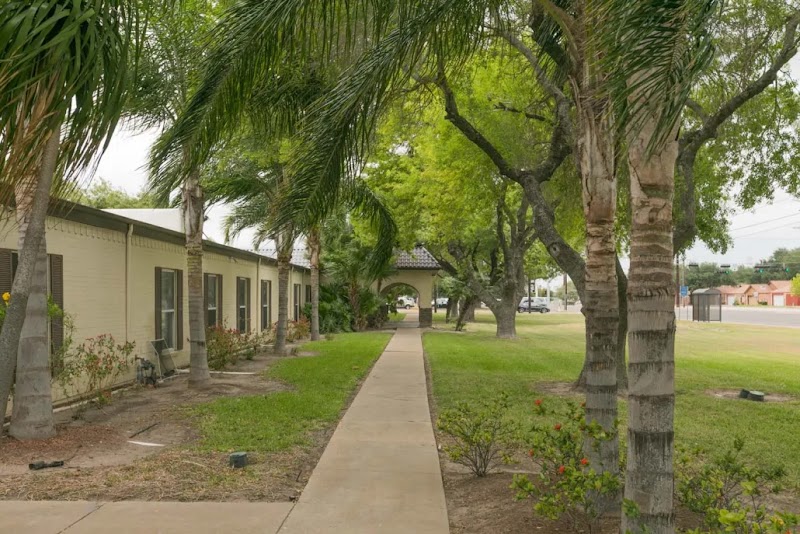
How is Village Healthcare And Rehabilitation Staffed?

CMS rates Village Healthcare and Rehabilitation's staffing level at 2 out of 5 stars, which is below average compared to other nursing homes. Staff turnover is 40%, compared to the Texas average of 46%. This relatively stable workforce can support continuity of care.

What Have Inspectors Found at Village Healthcare And Rehabilitation?

State health inspectors documented 14 deficiencies at Village Healthcare and Rehabilitation during 2022 to 2025. These included: 3 Immediate Jeopardy (the most serious level, indicating potential for serious harm or death) and 11 with potential for harm. Immediate Jeopardy findings are rare and represent the most serious regulatory concerns. They require immediate corrective action.
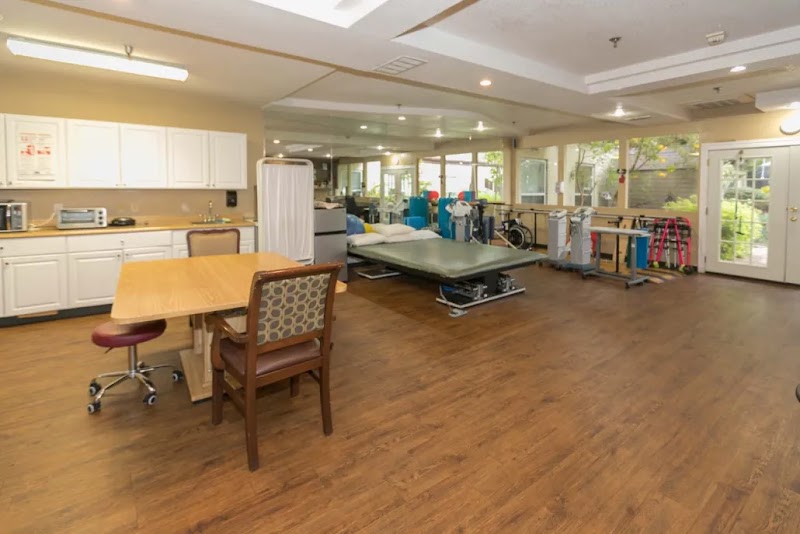
Who Owns and Operates Village Healthcare And Rehabilitation?

Village Healthcare and Rehabilitation is owned by a for-profit company. For-profit facilities operate as businesses with obligations to shareholders or private owners. The facility is operated by THE ENSIGN GROUP, a chain that manages multiple nursing homes. With 114 certified beds and approximately 95 residents (about 83% occupancy), it is a mid-sized facility located in McAllen, Texas.

How Does Village Healthcare And Rehabilitation Compare to Other Texas Nursing Homes?

Compared to the 100 nursing homes in Texas, Village Healthcare and Rehabilitation's overall rating (2 stars) is below the state average of 2.8, staff turnover (40%) is near the state average of 46%, and health inspection rating (2 stars) is below the national benchmark.

What Should Families Ask When Visiting Village Healthcare And Rehabilitation?

Based on this facility's data, families visiting should ask: "What changes have been made since the serious inspection findings, and how are you preventing similar issues?" "What safeguards and monitoring systems are in place to protect residents from abuse or neglect?" "Can you walk me through typical staffing levels on day, evening, and night shifts?" "Can I visit during a mealtime to observe dining assistance and food quality?" These questions are particularly relevant given the facility's Immediate Jeopardy citations, the substantiated abuse finding on record, and the below-average staffing rating.

Is Village Healthcare And Rehabilitation Safe?

Based on CMS inspection data, Village Healthcare and Rehabilitation has documented safety concerns. The facility has 1 substantiated abuse finding (meaning confirmed case of resident harm by staff or other residents). Inspectors have issued 3 Immediate Jeopardy citations (the most serious violation level indicating risk of serious injury or death). The facility has a 2-star overall rating and ranks #100 of 100 nursing homes in Texas. Families considering this facility should ask detailed questions about what corrective actions have been taken since these incidents.

Do Nurses at Village Healthcare And Rehabilitation Stick Around?

Village Healthcare and Rehabilitation has a staff turnover rate of 40%, which is about average for Texas nursing homes (state average: 46%). Moderate turnover is common in nursing homes, but families should still ask about staff tenure and how the facility maintains care continuity when employees leave.

Was Village Healthcare And Rehabilitation Ever Fined?

Village Healthcare and Rehabilitation has been fined $44,570 across 2 penalty actions. The Texas average is $33,525. While any fine indicates a compliance issue, fines under $50,000 are relatively common and typically reflect isolated problems that were subsequently corrected. Families should ask what specific issues led to these fines and confirm they've been resolved.

Is Village Healthcare And Rehabilitation on Any Federal Watch List?

Village Healthcare and Rehabilitation is not on any federal watch list. The most significant is the Special Focus Facility (SFF) program, which identifies the bottom 1% of nursing homes nationally based on persistent, serious quality problems. Not being on this list means the facility has avoided the pattern of deficiencies that triggers enhanced federal oversight. This is a positive indicator, though families should still review the facility's inspection history directly.