WINDSOR LAS PALMAS NURSING AND REHABILITATION CENT

1301 E QUEBEC AVE, MCALLEN, TX 78503 (956) 972-0049
Non profit - Corporation 120 Beds WELLSENTIAL HEALTH Data: November 2025
Trust Grade
70/100
#379 of 1168 in TX
Last Inspection: March 2025

Within standard 12-15 month inspection cycle. Federal law requires annual inspections.

Overview

Windsor Las Palmas Nursing and Rehabilitation Center has a Trust Grade of B, which indicates it is a good choice but not without its issues. It ranks #379 out of 1,168 facilities in Texas, placing it in the top half, and #11 out of 22 in Hidalgo County, meaning only a few local options are better. The facility is improving, having reduced its number of issues from 8 in 2023 to 6 in 2025. However, staffing is a concern, rated only 1 out of 5 stars, although the turnover rate of 45% is slightly below the state average of 50%. The home has faced $45,384 in fines, which is average, but it is important to note that specific incidents of concern include failures to report alleged abuse and inadequate infection control measures, which could put residents at risk. Overall, while Windsor Las Palmas has some strengths, particularly in quality measures, families should carefully consider these weaknesses when making a decision.

Trust Score
B
70/100
In Texas
#379/1168
Top 32%
Safety Record
Low Risk
No red flags
Inspections
Getting Better
8 → 6 violations
Staff Stability
⚠ Watch
45% turnover. Above average. Higher turnover means staff may not know residents' routines.
Penalties
✓ Good
$45,384 in fines. Lower than most Texas facilities. Relatively clean record.
Skilled Nurses
⚠ Watch
Each resident gets only 15 minutes of Registered Nurse (RN) attention daily — below average for Texas. Fewer RN minutes means fewer trained eyes watching for problems.
Violations
⚠ Watch
14 deficiencies on record. Higher than average. Multiple issues found across inspections.
★★★★☆
4.0
Overall Rating
★☆☆☆☆
1.0
Staff Levels
★★★★★
5.0
Care Quality
★★★★☆
4.0
Inspection Score
Stable
2023: 8 issues
2025: 6 issues

The Good

  • 5-Star Quality Measures · Strong clinical quality outcomes
  • Full Sprinkler Coverage · Fire safety systems throughout facility
  • No fines on record

Facility shows strength in quality measures, fire safety.

The Bad

Staff Turnover: 45%

Near Texas avg (46%)

Higher turnover may affect care consistency

Federal Fines: $45,384

Above median ($33,413)

Moderate penalties - review what triggered them

Chain: WELLSENTIAL HEALTH

Part of a multi-facility chain

Ask about local staffing decisions and management

The Ugly 14 deficiencies on record

Sept 2025 1 deficiency
CONCERN (D) 📢 Someone Reported This

A family member, employee, or ombudsman was alarmed enough to file a formal complaint

Potential for Harm - no one hurt, but risky conditions existed

Infection Control (Tag F0880)

Could have caused harm · This affected 1 resident

**NOTE- TERMS IN BRACKETS HAVE BEEN EDITED TO PROTECT CONFIDENTIALITY** Based on observations, interviews and record reviews, the facility failed to establish and maintain an infection prevention and ...

Read full inspector narrative →
**NOTE- TERMS IN BRACKETS HAVE BEEN EDITED TO PROTECT CONFIDENTIALITY** Based on observations, interviews and record reviews, the facility failed to establish and maintain an infection prevention and control program designed to provide a safe, sanitary, and comfortable environment and to help prevent the development and transmission of communicable diseases and infections for 1 resident of 3 (Resident #1) residents reviewed for EBP. The facility failed to post EBP signage for Resident #1 when she had a permcath (a flexible tube used for dialysis treatment) to right chest. This failure could place residents at risk of MDRO contamination. The findings included: Record review of Resident#1's admission sheet, dated 09/05/25, revealed the resident was a [AGE] year-old female with an admit date of 09/02/25 and an original admission date of 08/20/25. Her relevant diagnoses included: dependence on renal dialysis (a process of removing excess water, solutes, and toxins from the blood), diabetes mellitus (a disease that result in too much sugar in blood), acute kidney failure (a condition in which the kidneys suddenly can't filter waste from the blood), and hypertensive heart disease (a long-term condition that develops from chronic high blood pressure, or hypertension). Record review of Resident #1's electronic medical record revealed Resident #1 had not been at the facility long enough for an admission MDS assessment. Record review of Resident 1's comprehensive care plan initiated on 08/20/25 reflected a Focus of the resident needs hemodialysis (a machine that filters waste, salts, and fluid from the blood) r/t acute kidney failure. Interventions in part included monitor/document/report PRN any s/sx of infection to access site: redness, swelling, warmth or drainage. Record review of Resident #1's active orders as of 09/06/25, reflected dialysis: permcath right chest restrictions: no heavy lifting effective 09/02/25, dialysis: check shunt for s/s of infection or bleeding effective 09/02/25. EBP: use gown and gloved for high contact resident care activities for those known to be colonized or infected with a CDC targeted MDRO as well as those with increased risk of MDRO (residents with wounds or indwelling medical devices) effective 09/06/25 at 6:00 a.m. In an observation and interview on 09/06/25 at 9:45 a.m., Resident #1 said in late August 2025, she had a permcath inserted to her right chest due to her diagnosis of kidney failure and required dialysis. Resident #1 was observed with a white gauze on her right chest. Resident #1 said that was where she had her permcath for dialysis. No EBP signage was seen on her door. An observation and interview on 09/06/25 at 10:02 am, LVN A said Resident #1 was under EBP because she had a permcath to her right side (for dialysis). She said she remembered seeing an active order for EBP effective 09/06/25. LVN A said a resident was required to be under EBP whenever they had a foley, permcaths, midlines, IV's, or open wounds. She said having an EBP sign on their door would advise staff if they were going to touch the resident, they needed to wear ppe. LVN A was observed in front of Resident #1's door and said, there's no EBP sign. She said the order for EBP was effective 09/06/25 but it should have been effective from her re-admission date (09/02/25). LVN A said a negative outcome for Resident #1 not having an EBP sign could be that staff would not know to take proper precautions when touching Resident #1 and the risk of infection for both staff and residents. An interview on 09/06/25 at 10:08 a.m., the ADON/LVN said while she did her monthly audits the morning of 09/06/25 (6:00 am) and she discovered Resident #1 did not have an order for EBP due to her having a permcath for dialysis. She said the order for EBP should have been requested upon re-admission [DATE]). The ADON/LVN said it was her responsibility to ensure an EBP sign was posted by Resident #1's door as soon as she received the order for EBP. She said the sign would advise staff to wear proper PPE. She said she forgot to place an EBP sign on her door. She said the negative outcome for Resident #1 not having an EBP sign would be the risk of infection for residents and staff. In an observation and interview on 09/06/25 at 10:18 a.m., the DON said Resident #1 was under EBP due to having a permcath for dialysis. The DON was observed in front of Resident #1's door and said, there's no sign. The DON said an EBP sign should have gone up as soon as the order was received. She said the negative outcome for Resident #1 not having an EBP sign in front of her door could be the spread of infection for her and staff. In interview on 09/06/25 at 11:45 am, LVN B said he was the nurse who re-admitted Resident #1 on 09/02/25. He said the protocol when residents were re/admitted was to conduct a total head-to-toe assessment (skin and pain). He said if the resident had a foley, wounds, permcaths, and/or g-tubes they were required to be under EBP. He said Resident #1 had a permcath on her chest for dialysis. He said it was his responsibility to ensure an EBP order was obtained, and proper signage was placed on her door effective the date of re-admission [DATE]). LVN B said a negative outcome for Resident #1 not having an EBP sign on her door would be infection precautions would not be taken. Record review of the facility's Enhanced Barrier Precautions dated 04/05/24 reflected:Policy: It is the policy of this facility to implement enhanced barrier precautions for the prevention of transmission of multidrug-resistance organisms. Definitions: Enhanced barrier precautions (EBP) refer to an infection control intervention designed to reduce transition of multidrug-resistant organisms that employs targeted gown and gloved use during high contact resident care activities. Policy Explanation and Compliance Guidelines: 2. Initiation of Enhanced Barrier Precautions: b. An order for Enhanced Barrier Precautions will be obtained for resident with any of the following: 3.Implementation of Enhanced Barrier Precautions:d. position a trash care inside the resident room for discarding PPE after removal, prior to exit of room or before providing care for another resident in the same room.
Mar 2025 5 deficiencies
CONCERN (D)

Potential for Harm - no one hurt, but risky conditions existed

Assessment Accuracy (Tag F0641)

Could have caused harm · This affected 1 resident

**NOTE- TERMS IN BRACKETS HAVE BEEN EDITED TO PROTECT CONFIDENTIALITY** Based on interviews, and record review the facility failed to ensure the assessment accurately reflected the resident's status ...

Read full inspector narrative →
**NOTE- TERMS IN BRACKETS HAVE BEEN EDITED TO PROTECT CONFIDENTIALITY** Based on interviews, and record review the facility failed to ensure the assessment accurately reflected the resident's status for 2 (Resident #55 and Resident #212) of 11 residents for accuracy of assessments. 1.The facility failed to identify Resident #55 was receiving dialysis on his Quarterly MDS assessment dated [DATE]. 2. The facility failed to ensure Resident#212's MDS admission assessment accurately reflected the use of high-risk drug classes, use, and indication. This failure could place residents at risk for receiving inadequate care and services based on inaccurate assessments. The findings included: 1. Record review of Resident #55's admission Record dated 03/05/25 revealed Resident #55 was a [AGE] year-old male admitted to facility on 07/22/24 and had a readmission on [DATE] with diagnoses of dependence on renal dialysis, end stage renal disease (a long-term condition where the kidneys gradually lose their ability to filter waste products from the blood), and type 2 diabetes mellitus with hyperglycemia (a disease that occurs when your blood glucose, also called blood sugar, is too high). Record review of Resident #55's Quarterly MDS dated [DATE] revealed: BIMS score of 15 indicating Resident #55 was cognitively intact. Did not exhibit any behavioral symptoms. Required supervision or touching assistance for his activities of daily living. Section O0110 - Special treatments, procedures, and programs - section J1 was not checked. Record review of Resident #55's comprehensive care plan revised on 01/09/25 revealed Resident #55 needed dialysis (hemo) r/t ERSD with interventions to check and change dressing daily at access site. Document, monitor vital signs, notify MD of significant abnormalities, and monitor/document/report PRN any s/sx of infection to access site: redness, swelling, warmth, or drainage. In an interview on 03/05/26 at 4:17 PM, MDS/RN said Resident #55 had multiple visits to the hospital due to wounds to the foot. Resident #55 had infections to the left foot, so every time Resident #55 was sent to the hospital there was a discharge and entry MDS. If there was a significant change from the hospital, the MDS staff would address the MDS assessment by reviewing the documents form the hospital. MDS/RN said Resident #55 had always been on dialysis. MDS/RN said it was an item coding error. The MDS said the care plan still showed that Resident #55 received dialysis. There was no negative outcome because Resident #55 still received dialysis and received his medications. In an interview on 03/05/25 at 5:15 PM, the DON said they have meetings every morning and they review residents that would be admitted or readmitted from the hospital. The nursing staff reviewed the incoming resident's diagnosis and care they would require. The DON said the MDS nurses reviewed the resident's documents in the clinical system. The clinical system allowed the facility MDS to review the new or readmitting resident's medical records. The DON said the error was a coding issue for reimbursement. The DON said the error did not affect the care of Resident #55 because he received the dialysis, and it was on the care plan. The DON said they started their clinical pathways to catch all the resident's triggers. 2.Record review of Resident #212's face sheet dated 03/06/2025 reflected a [AGE] year-old female with an admission date of 02/07/2025. Pertinent diagnoses included type 1 diabetes mellitus, unspecified psychosis (lose contact with reality), mood disorder, depression, chronic kidney disease, and colostomy status (an opening for the large intestine through the belly). Record review of Resident #212's comprehensive care plan dated 2/18/2025 revealed: Resident #212 uses antipsychotic medications r/t psychosis and depression. Interventions administer medications, discuss side effects of medication with resident/RP, monitor behaviors .Resident #212 has altered endocrine status, hyperglycemia (high blood sugar), r/t Diabetes Mellitus. Interventions Monitor/document/report as needed for signs and symptoms of hyperglycemia (high blood sugar), Monitor/document/report as needed for signs and symptoms of hypoglycemia (low blood sugar). Record review of Resident #212 's admission MDS dated [DATE] revealed: Section N 0415 - High Risk Drug Classes: Use and Indication 1. Is taking Check if the resident is taking any medications by pharmacological classification, not how it is used, during the last 7 days or since admission/entry or reentry if less than 7 days. 2. Indication noted If column 1 is checked, check if there is an indication noted for all medications in the drug class. The facility did not check off- A. Antipsychotic J. Hypoglycemic (including insulin) Record review of Resident 212's physician order summary dated range 2/1/2025-2/28/2025 revealed, Quetiapine Fumarate Oral (antipsychotic) Tablet 50 MG by mouth at bedtime for agitation, Lantus Subcutaneous Solution 100 UNIT/ML (Insulin Glargine) Inject 18 unit subcutaneously at bedtime for diabetes, and Humalog Solution 100 UNIT/ML (Insulin Lispro Human) Inject 3 units subcutaneously before meals for diabetes. During an interview on 03/06/2025 at 11:34 a.m. with MDS RN, she stated that she signed off Resident #212's MDS admission assessments and the error was an overcite. She stated that there was another MDS staff who was also responsible for completing the facility's MDS. They work as a team. They get the MDS assessment information from what the nurses give them. Resident #212's MDS assessment did not reflect the high-risk medications she was taking. She stated that she can modify it and enter that information. She stated the MDS was important for reimbursement purposes. The MDS RN stated that the negative outcome of not accurately completing the MDS assessment was that the facility would not get paid. During an interview on 03/06/2025 at 11:55 a.m. with the DON, that she did not oversee MDS assessments. She stated the facility has two MDS staff who were responsible for the MDS assessments. The DON stated that they meet in the mornings, Monday through Friday, for their IDT meeting. During this meeting they review the resident's diagnosis, diet, code status, and medications. She stated it was important for MDS assessments to be accurate for paper trail purposes. The DON stated the negative outcome was none on the resident. She stated that it paints a clear picture of the type of treatment that she was receiving. Record review of CMS's RAI version 1.19.1 dated October 2024 revealed section: O0110: Special Treatments, Procedures, and Programs a. On admission b. while a resident c. at discharge J1: Dialysis Code peritoneal or renal dialysis which occurs at the nursing home or at another facility, record treatments or hemofiltration, Slow Continuous Ultrafiltration (SCUF), Continuous Arteriovenous Hemofiltration (CAVH), and Continuous Ambulatory Peritoneal Dialysis (CAPD) in this item. Record review of the CMS's RAI Version 3.0 Manual dated October 2024, revealed section: N0415: High Risk Drug Classes: Use and Indication 1. Is taking Check if the resident is taking any medications by pharmacological classification, not how it is used, during the last 7 days or since admission/entry or reentry if less than 7 days. 2. Indication noted If column 1 is checked, check if there is an indication noted for all medications in the drug class. A. Antipsychotic J. Hypoglycemic (including insulin) Item Rationale: Health related Quality of Life. Medications are an integral part of the care provided to residents of nursing homes. They are administered to try to achieve various outcomes, such as curing an illness, diagnosing a disease or condition, arresting, or slowing a disease progress, reducing or eliminating symptoms, or preventing a disease or symptom. Residents taking medications in these medication categories and pharmacologic classes are at risk of side effects that can adversely affect health, safety, and quality of life.
CONCERN (D)

Potential for Harm - no one hurt, but risky conditions existed

Comprehensive Care Plan (Tag F0656)

Could have caused harm · This affected 1 resident

**NOTE- TERMS IN BRACKETS HAVE BEEN EDITED TO PROTECT CONFIDENTIALITY** Based on observations, interviews, and record review the facility failed develop and implement a comprehensive person-centered c...

Read full inspector narrative →
**NOTE- TERMS IN BRACKETS HAVE BEEN EDITED TO PROTECT CONFIDENTIALITY** Based on observations, interviews, and record review the facility failed develop and implement a comprehensive person-centered care plan for each resident, consistent with resident the resident rights, that included measurable objectives and timeframes to meet a resident's medical, nursing, and mental and psychosocial need that were identified in the comprehensive assessment for 1 of 5 residents (Resident #79) reviewed for comprehensive person-centered care plans. The facility failed to develop a comprehensive person-centered care plan for Resident #79 to address pain management. This deficient practice could place residents at risk of not being provided with the necessary care or services and not having personalized plans developed to address their specific needs. Findings included: 1. Record review of Resident #79's face sheet, dated 3/6/2025, reflected an [AGE] year-old female who was originally admitted to the facility on [DATE]. Resident #3 had a diagnosis which included: Poly osteoarthritis (a condition in which multiple joints experience the symptoms of osteoarthritis, a chronic joint disease that causes pain, stiffness, and loss of function). Record review of Resident #79's Care Plan, dated 12/19/24, reflected Pain medication, Tramadol-Acetaminophen was not cared planned. Record review of Resident #79's quarterly MDS assessment, dated 12/26/24, reflected a BIMS score of 6, which indicated Resident #79's cognition was moderate to severely impaired. Pain management was marked on MDS. Record review of Resident #79's Doctor's Order Summary, dated 3/6/2025, reflected Resident #79 was prescribed Tramadol-Acetaminophen Oral Tablet 37.5-325 milligrams, Give 1 tablet by mouth one time a day for pain. Record review of Resident #79's Medication Administration Record, dated 3/6/2025, reflected an order for Resident #79 to receive Tramadol-acetaminophen 37.5-325 milligrams 1 tablet by mouth one time a day. Interview on 3/6/25 at 10:00 AM with LVN D, MDS nurse, stated that the negative effect for not having the pain care planned was that the residents could develop adverse reactions to medication if pain was not managed. LVN D, MDS nurse, stated that it was overlooked, and missed it. LVN D, MDS nurse said that she was responsible for the care plan, and it was based on the MDS assessment. Interview on 3/6/25 at 3:40 PM, the DON said Resident #79 did not have pain management care planned. She stated the MDS nurses were responsible for updating the care plans. The DON said that the resident was getting her medication whether was care planned it or not. The DON said that the resident was not getting hurt without that care planned. Record review of the Comprehensive Person-Centered Policy, date implemented 10/24/2022, read in part It is the policy of this facility to develop and implement a comprehensive person-centered care plan for each resident, consistent with resident rights, that includes measurable objectives and timeframes to meet a resident's medical, nursing, and mental and psychosocial needs that are identified in the resident's comprehensive assessment. The resident comprehensive care plan is developed within seven days of the completion of the resident's comprehensive assessment MDS.
CONCERN (D)

Potential for Harm - no one hurt, but risky conditions existed

Deficiency F0760 (Tag F0760)

Could have caused harm · This affected 1 resident

**NOTE- TERMS IN BRACKETS HAVE BEEN EDITED TO PROTECT CONFIDENTIALITY** Based on observation, interview and record review, the facility failed to ensure residents were free of significant medication e...

Read full inspector narrative →
**NOTE- TERMS IN BRACKETS HAVE BEEN EDITED TO PROTECT CONFIDENTIALITY** Based on observation, interview and record review, the facility failed to ensure residents were free of significant medication errors for one (Resident #7) of five residents reviewed for medications errors in that: The facility administered a medication for high blood pressure to Resident #7 outside the blood pressure parameter as ordered by the physician. This deficient practice could place residents who receive blood pressure medications at an increased risk for complications such as decreased blood pressure, decrease pulse, an exacerbation of symptoms and disease process, and potential hospitalization. Findings include: Record review of Resident #7's face sheet dated 3/06/2025 reflected an [AGE] year-old female with an admission date of 01/06/2023. Pertinent diagnoses included Essential Primary Hypertension (high blood pressure), Type 2 Diabetes Mellitus, Muscle wasting and Atrophy (the shrinking or wasting away of muscle). Record review of Resident #7's MDS comprehensive assessment dated [DATE], reflected a BIMS score of 07, which indicated her cognition was severely impaired. Review of Care Plan dated 02/16/24 reflected Resident #7 had hypertension. Interventions revealed to give antihypertensive medications as ordered. Review of physician order dated 02/05/2025 reflected Resident #7 was ordered to receive Losartan 25 milligrams give one tablet by mouth three times a day, hold if systolic blood pressure less than 110, diastolic blood pressure less than 70. This order was open-ended and had indefinite for stop date. Observation: Medication Administration for Resident #7 on 03/05/25 at 07:50 a.m. MA D, checked blood pressure using an electronic cuff on Resident #7. Blood pressure reading was 142/64 and pulse 60. She read eMAR and pulled out medications from drawer individually one at a time. Two medications were blood pressure medications but with different parameters (Metoprolol -Hold if SBP less than 110 and/or DBP less than 60 and Losartan -Hold if SBP less than 110 and/or DBP less than 70). MA D handed both blood pressure medications to Resident #7. During an interview on 03/05/25 at 08:00 a.m. with MA D stated she did not know what she had done wrong during the administration of medications with Resident #7. She then stated she did not check the parameters on the blood pressure medications today because she got nervous. She stated that she normally checks the parameters before administering blood pressure medications. MA D stated when administering medications, she is to check that it's the correct patient, the correct dosage, the correct route, and any parameters. She stated that it was important to check the parameters because if administered out of parameter, it would cause the blood pressure to go down and it can be critical for the residents. MA D stated the negative outcome if Resident #7 would have swallowed the pill, would be that her blood pressure would go down and she can code. During an interview on 03/5/25 at 03:21 p.m. with the ADON stated she trains the medication aides and does skill checks offs as often as she needs to. She stated she completed a skill check on MA D last month. The ADON stated when administering medications, medication aides are supposed to be check vitals if required and parameters. She stated that following the parameters was important because it can cause an adverse effect on the resident and to prevent tragedy, for safety. If they do not administer medication due to being out of parameters, then they are to notify the nurse, document that it was not administer and the reason. She does medication administration audits as well and reports them at least every week. The ADON stated Resident #7 blood pressure medication parameters were recently changed. She stated the negative outcome of administering blood pressure medication out of parameters would cause Resident#7 to feel dizzy, a decrease in her blood pressure, and different other side effects. During an interview on 03/05/25 at 03:32 p.m. with the DON, she stated that the ADON's train the medication aides and the pharmacist also do check offs with them. She stated they have annual skill checks offs. The DON stated before administering the Losartan blood pressure medication MA D should be checking the blood pressure to make the reading was within to administer. If outside the parameters, then she would notify nurse and dispose of medication not given. She stated it was important to follow parameters to keep residents stabilized. The DON stated the negative outcome of administering blood pressure medication outside the parameters would be stressing the resident. She stated that keeping the resident safe was priority. Record review of facility provided policy titled, Medication Administration dated 10/24/2022, reflected: Medications are administered by licensed nurses, or other staff who are legally authorized to do so in this state, as ordered by the physician and in accordance with professional standards of practice in a manner to prevent contamination or infection. Policy Explanation and Compliance Guidelines: 8. Obtain and record vital signs, when applicable or per physician orders. When applicable, hold medication for those vital signs outside the physician's prescribed parameters.
CONCERN (D)

Potential for Harm - no one hurt, but risky conditions existed

Food Safety (Tag F0812)

Could have caused harm · This affected 1 resident

Based on observations, interviews, and record review, the facility failed to store, prepare, distribute, and serve food in accordance with professional standards for food service safety for 1 of 1 kit...

Read full inspector narrative →
Based on observations, interviews, and record review, the facility failed to store, prepare, distribute, and serve food in accordance with professional standards for food service safety for 1 of 1 kitchen reviewed for sanitationt: The facility failed to ensure dry foods were properly stored. This failure could place residents at risk of foodborne illnesses. Findings included: During an observation and initial tour of the kitchen on 03/04/25 at 9.00 a.m. the dry food storage revealed one plastic storage container with an open bag of pasta that did not have a lid. During an interview on 03/04/25 at 9:05 a.m., Dietary Manager first said the lid was being washed. He later said while the lid was being washed on 03/04/25 the lid had broken and been thrown away. The Dietary Manager was not able to identify the staff member that had washed the lid. The Dietary Manager was not able to say if there were any negative outcome for the plastic storage container not having a lid. During an interview on 03/05/25 at 4:00 p.m., the Dietician said all food storage containers should be tightly sealed with lids. The dietician was not able to say if there were any negative outcome to the residents if the plastic storage in covered containers. An interview on 03/05/25 at 5:30 p.m., the Administrator said the Dietary Manager was responsible to ensure food wfas safely stored. The Administrator provided Policy on Food Storage that was provided by the Dietician. He said the facility did not have a policy of food storage. The Adminstrator was not able to say if there were any negative outcome for the plastic storage container not having a lid. Record review of the Food Storage policy from the Nutrition & Foodservice Policies & Procedures Manual dated 10/01/18 and revised 06/01/19 reflected Policy: To ensure that all food served by the facility is of good quality and safe for consumption, all food will be stored according to the state, federal and US Food Codes and Hazard Analysis and Critical Control Point guidelines. Procedure: 1. Dry storage rooms d. to ensure freshness, store opened and bulk items in tightly covered containers.
CONCERN (D)

Potential for Harm - no one hurt, but risky conditions existed

Infection Control (Tag F0880)

Could have caused harm · This affected 1 resident

**NOTE- TERMS IN BRACKETS HAVE BEEN EDITED TO PROTECT CONFIDENTIALITY** Based on observations, record review, and interviews, the facility failed to establish and maintain an infection prevention and ...

Read full inspector narrative →
**NOTE- TERMS IN BRACKETS HAVE BEEN EDITED TO PROTECT CONFIDENTIALITY** Based on observations, record review, and interviews, the facility failed to establish and maintain an infection prevention and control program, designed to provide a safe, sanitary, and comfortable environment and to help prevent the development and transmission of communicable diseases and infections, for 2 (Resident #212 and Resident # 52)out of 4. 1. LVN A did not perform hand hygiene for 20 seconds or longer after wound care of Resident # 212. 2. CNA B failed to provide Resident #52 with appropriate foley catheter care. These failures could place residents at risk for infection through cross contamination of pathogens. The findings included: 1. Record review of Resident # 212's face sheet dated 3/5/2025 reflected a [AGE] year-old female with an admission date of 2/7/2025. Diagnoses included pressure ulcer of sacral region stage 4, type two diabetes (insufficient production of insulin in the body), and acute osteomyelitis (a serious infection of the bone that develops rapidly). Record review of Resident #212's MDS dated [DATE] reflected a BIMS score of 3 (severe cognitive impairment) and was always incontinent and stage 4 full thickness tissue loss with exposed bone, tendon, or muscle. Slough or eschar may be present on some parts of the wound bed. Often included undermining and tunneling. Record review of Resident #212's care plan dated 2/8/2025 reflected Resident #212 had a stage IV pressure to sacrum. During an observation of wound care for Resident #212 on 03/5/2025 at 10:30 AM, LVN A performed hand hygiene for approximately 15 seconds after LVN A performed wound care. In an interview on 3/5/2025 at 11:00 AM, LVN A stated hand washing should be at least 20 seconds to prevent the spread of germs to residents and others. 2. Record review of Resident #52's face sheet dated 3/5/2025 reflected a [AGE] year-old-male with an original admission date of 2/3/2025. Diagnoses included retention of urine, and obstructive and reflux uropathy (a medical condition where the flow of urine is blocked within the urinary tract, causing urine to back up and potentially damage one or both kidneys). Record review of Resident #52's quarterly MDS resident assessment, dated 2/7/2025 reflected a BIMS score of 10 (moderate cognitive impairment) and had an indwelling catheter. Record review of Resident #52's care plan dated 2/4/2025 reflected the resident had an indwelling foley catheter 18 French with 5 milliliter bulb related to neurogenic bladder. The resident had a urinary tract infection. During an observation of perineal care for Resident #52 on 03/5/25 at 11:20 AM, CNA B and CNA C began to perform perineal care. After peri care was performed and a clean brief was donned, CNA B did not clean the foley catheter tubing. In an Interview on 03/5/25 at 11:45 AM, CNA B stated that was important to clean the foley tubing because the resident could get an infection. CNA B stated she forgot to clean it because she was nervous. In an interview on 03/5/25 at 05:20 PM, the ADON stated effective hand washing of at least 20 seconds or greater was important to prevent the spread of infection to residents, staff, and visitors. The ADON stated hands should be washed prior to performing care and gloves should be changed after performing peri care to reduce the risk of cross contamination from a clean to dirty surface. The ADON stated with residents that have a foley catheter, the tubing needed to be cleaned to reduce the risk of urinary tract infections. In an interview on 03/5/25 at 05:35 PM, the DON stated hand washing should be 20 seconds or greater to prevent the spread of bacteria to residents and other surfaces. The DON stated all gloves should be changed between brief changes from a dirty to clean procedure to ensure effective infection control practices and stop the spread of germs to staff, residents, and other surfaces. The DON stated the last hand hygiene/ infection control in-service was done within the last month and was also conducted on an as needed basis. Record review of Hand Hygiene policy dated 10/24/2022 stated: Policy Statement All staff will perform proper hand hygiene procedures to prevent the spread of infection to other personnel, residents, and visitors. This applies to all staff working in all locations within the facility. 5. Hand hygiene technique when using soap and water: a. wet hands with water. Avoid using hot water to prevent drying of skin. b. apply to hands the amount of soap recommended by the manufacturer. c. rib hands together vigorously for at least 20 seconds, covering all surfaces of the hands and fingers. d. rinse hands with water. e. dry thoroughly with a single-use towel. f. use clean towel to run off the faucet. Record review of Infection Prevention and Control Program implemented on 5/13/2023 stated: This facility has established and maintains an infection prevention and control program designed to provide a safe, sanitary, and comfortable environment and to help prevent the development and transmission of communicable disease and infections as per accepted national standards and guidelines.
Dec 2023 1 deficiency
CONCERN (D)

Potential for Harm - no one hurt, but risky conditions existed

Comprehensive Care Plan (Tag F0656)

Could have caused harm · This affected 1 resident

**NOTE- TERMS IN BRACKETS HAVE BEEN EDITED TO PROTECT CONFIDENTIALITY** Based on interviews and record reviews, the facility failed to develop and implement a comprehensive person-centered care plan f...

Read full inspector narrative →
**NOTE- TERMS IN BRACKETS HAVE BEEN EDITED TO PROTECT CONFIDENTIALITY** Based on interviews and record reviews, the facility failed to develop and implement a comprehensive person-centered care plan for each resident, consistent with the resident rights, that include measurable objectives and timeframes to meet a resident's medical, nursing, and mental and psychosocial needs that were identified in the comprehensive assessment for one of eight residents (Resident #79) reviewed for comprehensive care plans. The facility failed to ensure Resident #79's pressure ulcer care was reflected in his comprehensive care plan. This failure could place residents at risk of not receiving necessary care and services. The findings were: Record review of the admission record for Resident #79 reflected the resident was admitted to the facility on [DATE] and re-admitted on [DATE], was a[AGE] year-old male with diagnosis which included diabetes (high blood sugar levels), dysphagia (difficulty in swallowing), cellulitis of left toe(bacterial infection), acquired absence of left great toe and dementia (decline in cognitive abilities.) Record review of the quarterly MDS dated [DATE] for Resident #79 reflected Resident #79 had severe cognitive impairment and one stage 3 pressure ulcer that was present upon admission/entry or reentry. Record review of the care plans for Resident #79 last revised on 12/12/23 reflected there was no evidence a care plan to address Resident #79's stage 3 pressure ulcer care was included. Record review of the MARs dated 12/01/23 for Resident #79 reflected an order for Santyl External Ointment 250 unit/gm, apply to sacrum topically one time a day for stage 3, cleanse with wound cleanser, pat dry with clean gauze, apply Santyl, cover with bordered gauze, daily. Interview on 12/13/23 at 10:40 am with MDS Coordinator A revealed Resident #79 had a stage 3 pressure ulcer to the sacrum when Resident #79 was re-admitted on [DATE] from the hospital. MDS Coordinator A said the care plan should have been updated at that time to develop his care area for the pressure ulcer. MDS Coordinator A stated the pressure ulcer was reflected in the quarterly MDS dated [DATE], and she had overlooked developing a care plan for Resident #79's pressure ulcer. MDS Coordinator A said she and the nurses were responsible to update and develop new care plans for residents. Interview on 12/13/23 at 11:22 am with LVN B revealed Resident #79's skin assessments dated 11/16/23 indicated Resident #79 had a stage 3 pressure ulcer to the sacrum. LVN B said all nurses who provided care to a resident which included wound care nurses were responsible to update or to develop a care plan to provide care, which included Resident #79's pressure ulcer to the sacrum. LVN B said she was aware Resident #79 had a pressure ulcer to the sacrum and had orders for treatment that was done by the wound treatment nurse. LVN B said she used the care plan to follow the type of care with interventions the resident required. LVN B said she would communicate the care plan interventions to the CNAs. She said she and the wound treatment nurse and the MDS Coordinators were responsible to update or develop a care plan for the pressure ulcer for Resident #79. The DON would add the interventions needed for each area of care. LVN B said she was not sure why a care plan to address Resident #79's stage 3 pressure was not included in his current comprehensive care plans. Interview on 12/13/23 at 11:43 am with LVN D revealed she was the wound treatment nurse. LVN D said she was not responsible to develop care plans for residents. When a resident was admitted or identified with a skin condition such as a pressure ulcer, she would communicate with the MDS Coordinator and call the doctor for orders. LVN D said the MDS Coordinator should have been informed Resident #79 had a stage 3 pressure ulcer to the sacrum because she verbally communicated a report of findings of wounds, etc., on a weekly basis. Interview on 12/13/23 at 2:05 pm with the DON revealed staff met as an IDT to review all residents care and discussed areas of care that needed to be care planned. The DON said the MDS Coordinator was responsible to create a care plan and add interventions as needed for each specific care area. During IDT meetings the nurses would inform the MDS Coordinator about specific care areas that needed to be included in the care plans. The DON said failure to develop a care plan for a specific care area would result in not meeting the continuity of care. Record review of the facility policy titled Care Plans Revisions Upon Status Change dated 10/24/22, reflected The purpose of this procedure is to provide a consistent process for reviewing and revising the care plan for those residents experiencing a status change. Upon identification of a change in status, the nurse will notify the MDS Coordinator, the physician, and the resident representative, if applicable. Care plans will be modified as needed by the MDS Coordinator or other designated staff member. The Unit Manager or other designated staff member will communicate care plan interventions to all staff involved in the resident's care.
May 2023 7 deficiencies
CONCERN (D) 📢 Someone Reported This

A family member, employee, or ombudsman was alarmed enough to file a formal complaint

Potential for Harm - no one hurt, but risky conditions existed

Grievances (Tag F0585)

Could have caused harm · This affected 1 resident

**NOTE- TERMS IN BRACKETS HAVE BEEN EDITED TO PROTECT CONFIDENTIALITY** Based on interview and record review, the facility failed to ensure prompt efforts were made to resolve resident grievances for ...

Read full inspector narrative →
**NOTE- TERMS IN BRACKETS HAVE BEEN EDITED TO PROTECT CONFIDENTIALITY** Based on interview and record review, the facility failed to ensure prompt efforts were made to resolve resident grievances for 2 of 6 residents reviewed for grievance resolution. (Resident # 1 and Resident #2) 1. There was no grievance available or evidence of resolution when Resident #1's family member alleged elder abuse. 2. The facility failed to investigate and resolve a grievance when Resident # 2 complained CNA A was rough during a turn, spanked his buttocks and said he was afraid of her. This failure could place all residents at risk of unresolved grievances, abuse, and decreased quality of life. Findings included: 1. Record review of Resident #1's electronic face sheet dated 12/12/2022 indicated an [AGE] year-old male admitted on [DATE] with the following diagnoses: unspecified paraplegia (paralysis of legs and lower body), disorder of peripheral nervous system (weakness, numbness, and pain from nerve damage, usually in the hands and feet), other specified depressive episodes, pressure ulcer of right buttock, and hypertensive heart disease without heart failure (high blood pressure). Resident #1 was discharged to an ALF in another state on 12/12/2022. Record review of an MDS dated [DATE] indicated Resident #1 was cognitively intact, was understood by others and was able to understand others. Record review of a voice recording dated 9/11/2022 at an unknown time indicated Resident #1's family member alleged elder abuse to the ADM. The family member said an unknown female nurse was rough and man-handled Resident #1's legs while providing care. Record review of a progress note dated 9/11/22 at 6:30 p.m., completed by LVN D, indicated Resident #1 said he felt as if he was being neglected. The DON and ADM were made aware of the situation. [Family member] was spoken to as well. Record review of a progress note dated 9/12/22 at 10:03 a.m., completed by RN B, indicated RN B talked to Resident #1 about the complaint from a family member about his catheter not being changed for several hours on 9/10/22. Resident #1 told RN B he felt RN C was rude when repositioning his legs when she inserted his foley catheter. Review of Grievance book indicated there were no grievances available prior to 12/12/22 available for review. During an interview on 4/5/23 at 10:58 a.m., the ADM said the facility was taken over by a new company on 12/15/22. She said the previous company took all the grievances and she did not have any available prior to 12/15/22. During an interview on 5/15/23 at 8:40 p.m., RN C said she was currently employed in the facility as an RN and had worked the 10 p.m. to 6:30 a.m. shift (Overnight) for the last 10 years. RN C said she remember Resident #1 with foley catheter and had to change his catheter sometime in September 2022. RN C said she did not remember the exact details when she changed Resident #1's catheter or the circumstances surrounding the event. RN C denied any allegation of physical abuse or mistreatment to Resident #1 or to any of the residents she provided care. RN C acknowledged she was trained on ANE prevention and added she would report any cases of abuse or neglect even suspicion of, to the administrator immediately. She said she was never told not to go into Resident #1's room, but instead to take another person with her when she provided care. 2. Record review of an admission record face sheet dated 4/5/23 indicated Resident #2 was admitted [DATE], was an [AGE] year-old male and had diagnoses including Parkinson's disease (a disorder of the central nervous system that affects movement, often including tremors), hypertension (high blood pressure), history of falling, muscle weakness, and need for assistance with personal care. Record review of an MDS dated [DATE] indicated Resident #2 was cognitively intact. He was able to understand others and others were able to understand him. Resident #2 required extensive assistance of one person for bed mobility. Record review of Resident #2's care plan indicated he was discharged home on 2/12/2023. Record review of a grievance dated 12/28/22 indicated Resident #2 told the DOR CNA A caused rib pain when she turned him. When CNA A was finished, she spanked his butt, and he did not like it. Resident #2 complained of rib pain and said he was afraid of CNA A. There was no documentation of facility follow-up or resolution of the grievance. Record review of additional grievances from December 2022 through April 2023 indicated no other complaints about CNA A. During an interview on 4/5/23 at 10:58 a.m., the administrator said she was not aware Resident #2 had been afraid of anyone. She said she had not seen the grievance, or she would have acted on it. During an interview on 4/5/22 at 11:52 a.m., the ADM said it was the facility's fault the allegation of abuse for Resident #2 was not reported or investigated. In December it was the interim DON who was responsible for the grievance folder because she was out with COVID. The ADM said she was still responsible and missed the abuse allegation. During an interview on 4/5/23 at 11:57 a.m., the DOR said she saw Resident #2 in therapy and was working on wheelchair mobility. When it was time to stand, she said he did not want to stand due to rib pain. Resident #2 said CNA A had turned him and hurt him, spanked, and was afraid of her. She said they had just started with the new company and had been told to complete the grievance forms. She said she could not remember if she gave the form to someone or just put it in the grievance book. During an interview on 4/5/2023 at 12:27 p.m., CNA A said she was assigned to the hall where Resident #2 resided. She did not recall any incidents with Resident #2. She said she did not slap or hit him. She said she was trained on reporting abuse/neglect to the administrator. Record review of the Resident and Family Grievances implemented 8/15/22 indicated 2. The Grievance Official is responsible for overseeing the grievance process; receiving and tracking grievances through to their conclusion; leading any necessary investigations by the facility; maintaining the confidentiality of all information associated with grievances; issuing written grievance decisions to the resident; and coordinating with state and federal agencies as necessary I light of specific allegations.
CONCERN (D) 📢 Someone Reported This

A family member, employee, or ombudsman was alarmed enough to file a formal complaint

Potential for Harm - no one hurt, but risky conditions existed

Investigate Abuse (Tag F0610)

Could have caused harm · This affected 1 resident

**NOTE- TERMS IN BRACKETS HAVE BEEN EDITED TO PROTECT CONFIDENTIALITY** Based on interview and record review, the facility failed to have evidence that all allegations of abuse were thoroughly investi...

Read full inspector narrative →
**NOTE- TERMS IN BRACKETS HAVE BEEN EDITED TO PROTECT CONFIDENTIALITY** Based on interview and record review, the facility failed to have evidence that all allegations of abuse were thoroughly investigated for 1 (Resident #2) of 5 residents reviewed for abuse. The facility did not investigate an allegation of abuse when Resident #2 complained CNA A was abusive during care. This failure could place residents at risk for abuse. Findings included: Record review of an admission record face sheet dated 4/5/23 indicated Resident #2 was admitted [DATE], was an [AGE] year-old male and had diagnoses including Parkinson's disease (a disorder of the central nervous system that affects movement, often including tremors), hypertension (high blood pressure), history of falling, muscle weakness, and need for assistance with personal care. Record review of an MDS dated [DATE] indicated Resident #2 was cognitively intact. He was able to understand others and others were able to understand him. Resident #2 required extensive assistance of one person for bed mobility. Record review of Resident #2's care plan indicated he was discharged home on 2/12/2023. Record review of a grievance dated 12/28/22 indicated Resident #2 told the DOR CNA A caused rib pain when she turned him. When CNA A was finished, she spanked his butt and said he did not like it. Resident #2 complained of rib pain and said he was afraid of CNA A. There was no documentation of facility follow-up or resolution of the grievance. During an interview on 4/5/22 at 11:52 a.m., the ADM said it was the facility's fault the allegation of abuse for Resident #2 was not investigated. In December it was the interim DON who was responsible for the grievance folder because she was out with COVID. The ADM said she was still responsible and missed the abuse allegation. During an interview on 4/5/23 at 11:57 a.m., the DOR said she saw Resident #2 in therapy and was working on wheelchair mobility. When it was time to stand, she said he did not want to stand due to rib pain. Resident #2 said CNA A had turned him and hurt him, spanked, and was afraid of her. She said they had just started with the new company and had been told to complete the grievance forms. She said she could not remember if she gave the form to someone or just put it in the book. Record review of the facility's Abuse and Neglect Prohibition policy revised May 2022 indicated 1. The center will timely conduct an investigation of any alleged abuse/neglect, exploitation, mistreatment, injuries of unknown origin, or misappropriation of resident property in accordance with state law.
CONCERN (D) 📢 Someone Reported This

A family member, employee, or ombudsman was alarmed enough to file a formal complaint

Potential for Harm - no one hurt, but risky conditions existed

Transfer Requirements (Tag F0622)

Could have caused harm · This affected 1 resident

**NOTE- TERMS IN BRACKETS HAVE BEEN EDITED TO PROTECT CONFIDENTIALITY** Based on interview and record review, the facility failed to ensure the appropriate discharge information, for 1 of 3 residents ...

Read full inspector narrative →
**NOTE- TERMS IN BRACKETS HAVE BEEN EDITED TO PROTECT CONFIDENTIALITY** Based on interview and record review, the facility failed to ensure the appropriate discharge information, for 1 of 3 residents (Residents #1) reviewed for discharge. The facility did not communicate a change in Resident #1's wound status to the receiving ALF to ensure the ALF was able to meet the needs of Resident #1. This failure placed residents who are discharged at risk of not getting the necessary care and services in a new facility to meet their physical and psychological needs. Findings included: Record review of Resident #1's electronic face sheet dated 12/12/2022 indicated an [AGE] year-old male admitted on [DATE] with the following diagnoses: unspecified paraplegia (paralysis of legs and lower body), disorder of peripheral nervous system (Weakness, numbness, and pain from nerve damage, usually in the hands and feet), other specified depressive episodes, pressure ulcer of right buttock, and hypertensive heart disease without heart failure (high blood pressure). Record review of Resident #1's nursing progress note dated 7/29/2022, completed by LVN A indicated resident arrived via ambulance, alert, and oriented x 4, discolorations to bilateral upper extremities due to intravenous lines and blood draws at hospital. Resident with stage II (the loss of soft tissue involving the full thickness layers of the skin up to the subcutaneous layer) wound to sacrum and right heel pressure ulcer (no stage given). Record review of Resident #1's health assessment, for the receiving ALF, dated 12/2/2022 performed by NP A indicated no pressure sores. Record review of Resident #1's nursing progress notes dated 12/6/2022, completed by RN A indicated Resident #1 was lying in bed with both legs tucked under himself. RN A noticed a dark purple discoloration to Resident #1's right heel with open area, light serous drainage. Some edema noted to right foot. No odor. Notified wound care physician of change. Further review of resident #1's progress notes and electronic clinical records indicated no evidence of active skin breakdown or wound to his right heel 1 week prior to 12/6/2022. Record review of a fax transmittal form dated 12/9/2022 indicated the health assessment completed by NP A on 12/2/22 was faxed to the receiving ALF in another state. There was no indication of an updated assessment sent informing the ALF of Resident #1's pressure ulcer found on 12/6/22. Record review of a Nursing Discharge Plan and Summary dated 12/12/2023, completed by LVN C, indicated Resident #1 had moisture associated dermatitis (MASD) to bilateral buttocks and a vascular ulcer on his right heel. Record review of Resident #1's Skin Assessment record from the assisted living facility dated 12/12/2022, completed by the ED indicated Resident (#1) arrived at [Facility Name] in the afternoon. Resident presented with an unstageable ulcer (a full thickness tissue loss in which actual depth of the ulcer is completely obscured by slough or eschar in the wound bed) on his right heel. Resident also presented with raw but unopened buttock. Resident was sent to Hospital for treatment of wounds. During an interview on 4/4/23 at 4:45 p.m., the ADM said she did not realize there had been a change in condition. She thought the other facility should have seen the diagnoses which included the pressure wounds and should have asked more questions. During an interview on 4/5/2023 at 12:27 pm with DON regarding resident transfers and discharge to another facility. DON said resident's clinical records were supposed to be forwarded or faxed to the receiving facility in addition to verbal communication. During an interview on 4/5/2023 at 1:55 pm with RN A regarding resident transfers. RN A said she would usually call the receiving facility's nurse and give the resident's current diagnoses, relevant data including medicines and wounds if present. RN A stated the transferring facility would also send a paper discharge packet along with the resident. RN A said If receiving facility requested copies via fax or email, then discharging facility would forward the needed copies as well. During an interview on 4/5/23 at 2:03 p.m., LVN C said she sent all paperwork with Resident #1's current condition with the resident when he left for the ALF in another state. She said she did not call the facility to give a report on Resident #1. She said the SW had been in charge of the discharge process for Resident #1. She said she usually called report when a resident was discharged . During an interview on 4/13/2023 3:33 p.m., the SW said he did not know there had been a changed in Resident #1's wound status. He said the nurses should have informed him and he would have communicated the information to the ALF to see if the ALF was still able to meet the needs of Resident #1. He said the discharge planning for Resident #1 had started a long while prior to his discharge and he, the SW, was in charge of discharge planning. He said while he accompanied the Resident to the new facility, Resident #1 had a bandage and a cushioned boot on his right foot. During an interview on 4/20/2023 at 11:04 a.m., the assisted living ED said around 12/9/2022 or 12/10/2022, he spoke with a facility nurse or SW regarding the pending transfer of Resident #1 to ALF. ED said he was not able to recall the name of the staff. ED said the communication between the nursing facility staff indicated Resident #1 did not have any skin issues or breakdown at that time. ED said Resident #1 arrived at their facility on 12/12/2022 and said looked ashy grey and lethargic. ED added Resident #1's buttocks was raw but not open. He said Resident #1's right heel had signs of infection and necrotic tissue in the center. ED said he took a picture of Resident #1's right heel and showed it to their facility physician. ED said their physician ordered Resident #1 to be transferred out to the hospital for wound management. ED stated their facility would not have admitted Resident #1 if information regarding his right heel had been relayed to them prior to his arrival on 12/12/2022. ED added their facility was not capable of providing care to stage 2 and above pressure wounds. He said if the nursing facility had called the morning of the discharge and said the resident had the wound on his foot, they would not have accepted him as a resident in the ALF. During an interview on 4/26/2023 at 4:00 p.m., the DON said the current and active clinical information of residents being transferred to another facility should be communicated to the receiving facility upon their discharge both verbally and written. She said the failure to do so could leave residents at risk of not getting the necessary care and services in the receiving facility.
CONCERN (D) 📢 Someone Reported This

A family member, employee, or ombudsman was alarmed enough to file a formal complaint

Potential for Harm - no one hurt, but risky conditions existed

Deficiency F0661 (Tag F0661)

Could have caused harm · This affected 1 resident

**NOTE- TERMS IN BRACKETS HAVE BEEN EDITED TO PROTECT CONFIDENTIALITY** Based on interview and record review, the facility failed to ensure residents had a discharge summary that included a recapitula...

Read full inspector narrative →
**NOTE- TERMS IN BRACKETS HAVE BEEN EDITED TO PROTECT CONFIDENTIALITY** Based on interview and record review, the facility failed to ensure residents had a discharge summary that included a recapitulation of the resident's stay that included, but was not limited to diagnoses, course of illness/treatment or therapy, and pertinent lab, radiology, and consultation results for 1 (Resident #1) of 3 residents reviewed for discharge summaries. The Discharge Summary for Resident # 1 did not include a complete recapitulation of the resident's stay for a resident discharged to another facility. The Facility failed to include details of Resident # 1's change in wound status for his right heel wound prior to discharge. This failure could place residents discharged from the facility at risk for incorrect, incomplete, or misleading information recorded regarding discharged residents, and failure in the continuity of care for residents. The Findings included: Record review of Resident #1's electronic face sheet dated 12/12/2022 indicated an [AGE] year-old male admitted on [DATE] with the following diagnoses: unspecified paraplegia (paralysis of legs and lower body), disorder of peripheral nervous system (Weakness, numbness, and pain from nerve damage, usually in the hands and feet), other specified depressive episodes, pressure ulcer of right buttock, and hypertensive heart disease without heart failure (high blood pressure). Record review of Resident #1's nursing progress note dated 7/29/2022, completed by LVN A indicated resident arrived via ambulance, alert, and oriented x 4, discolorations to bilateral upper extremities due to intravenous lines and blood draws at hospital. Resident with stage II (the loss of soft tissue involving the full thickness layers of the skin up to the subcutaneous layer) wound to sacrum and right heel pressure ulcer (no stage given). Record review of Resident #1's health assessment dated [DATE] completed by NP A indicated no pressure sores. Record review of Resident #1's nursing progress notes dated 12/6/2022, completed by RN A indicated a dark purple discoloration to Resident #1's right heel with open area, light serous drainage. Some edema noted to right foot. No odor. Notified wound care physician of change. Further review of resident #1's progress notes and electronic clinical records indicated no evidence of active skin breakdown or wound to his right heel 1 week prior to 12/6/2022. Record review of Resident #1's signed Physicians discharge summary with a received date of 12/22/2022, indicated a discharge date of 12/12/2022. Further review of this document indicated a list of final diagnoses that did not include Resident #1's right heel pressure wound. Further review of this document indicated the receiving facility was an assisted living facility (ALF) in another state. Record review of Resident #1's Skin Assessment record from the assisted living facility dated 12/12/2022, completed by the ED, indicated Resident (#1) arrived at [Facility Name] in the afternoon. Resident presented with an unstageable ulcer (a full thickness tissue loss in which actual depth of the ulcer is completely obscured by slough or eschar in the wound bed) on his right heel. Resident also presented with raw but unopened buttock. Resident was sent to Hospital for treatment of wounds. During an interview on 4/5/2023 at 12:27 pm with DON regarding resident transfers and discharge to another facility. DON said resident's clinical records, including an accurate discharge summary, were supposed to be forwarded or faxed to the receiving facility in addition to verbal communication. During an interview on 4/20/2023 at 11:04 am with the assisted living ED, he stated around 12/9/2022 or 12/10/2022, he spoked with a facility nurse or SW regarding the pending transfer of Resident #1 to ALF. ED said he was not able to recall the name of the staff. ED said the communication between the nursing facility staff indicated Resident #1 did not have any skin issue or breakdown at that time. ED stated Resident #1 arrived at their facility on 12/12/2022 and said he looked ashy grey and lethargic. ED added Resident #1's buttocks was raw but not open. His right heel wound was covering the entire heel with signs of infection and had necrotic tissue on the center. ED said he took a picture of Resident #1's right heel and showed it to their facility physician. ED said their physician ordered Resident #1 to be transferred out to the hospital for further management. ED stated their facility would not have been able to admit Resident #1 if information regarding his right heel had been relayed to them prior to his arrival on 12/12/2022. ED added their facility was not capable of providing care to stage 2 and above pressure wounds. During an interview on 4/26/2023 at 4:00 pm with DON, she said the discharge summary should include the current and active clinical information of residents being transferred to another facility and should be communicated to the receiving facility upon their discharge. She said the failure to do so could leave residents at risk of not getting the necessary care and services in the receiving facility. Record review of facility's policy on Discharge summary and plan of care policy dated 10/24/2022 indicated #3 .The discharge summary should include a. An overview of the resident's stay that includes but not limited to diagnoses, course of illness/treatment or therapy, and pertinent lab, radiology, and consultation results, and instructions or precautions for ongoing care.
CONCERN (D) 📢 Someone Reported This

A family member, employee, or ombudsman was alarmed enough to file a formal complaint

Potential for Harm - no one hurt, but risky conditions existed

Pressure Ulcer Prevention (Tag F0686)

Could have caused harm · This affected 1 resident

**NOTE- TERMS IN BRACKETS HAVE BEEN EDITED TO PROTECT CONFIDENTIALITY** Based on observation, interview, and record review the facility failed to ensure that residents with pressure ulcers receive tre...

Read full inspector narrative →
**NOTE- TERMS IN BRACKETS HAVE BEEN EDITED TO PROTECT CONFIDENTIALITY** Based on observation, interview, and record review the facility failed to ensure that residents with pressure ulcers receive treatment and care in accordance with the comprehensive assessment, professional standards of practice, the comprehensive person-centered care plan, and the residents' choices for two residents of four residents reviewed for wound assessments. (Resident #1 and Resident #3). Resident #1 and Resident #3 had pressure wounds on their heels but were being claimed as arterial wounds by the facility. This failure could place residents at risk for inconsistent assessment resulting in the deterioration of existing wounds, a decline in health, pain, and hospitalization. Findings included: 1. Record review of Resident #1's electronic face sheet dated 12/12/2022 indicated an [AGE] year-old male admitted on [DATE] with the following diagnoses: unspecified paraplegia (paralysis of legs and lower body), disorder of peripheral nervous system (Weakness, numbness, and pain from nerve damage, usually in the hands and feet), other specified depressive episodes, pressure ulcer of right buttock, and hypertensive heart disease without heart failure (high blood pressure). Record review of an MDS dated [DATE] indicated Resident #1 was cognitively intact, was understood by others and was able to understand others. Resident #1 was at risk for pressure sores. He had no current pressure sores. The MDS indicated the resident had 1 venous/arterial ulcer present with an open lesion on his foot. Record review of a facility skin assessment dated [DATE], completed by RN A, indicated Resident #1 had a suspected deep tissue pressure injury (DTI) (A DTI is a type of pressure ulcer occurs most commonly at the heels sacrum and buttocks) on his right heel measuring 5.5cm x 5.0 cm x 0.1 cm. Record review of physician's wound note for Resident #1 dated 7/25/22, completed by MD A, indicated Wound #3 (rt heel DTI) presents improving regressively . will benefit from debridement (the removal of damaged tissue). Debridement was performed today to Wound #3 (RT heel DTI) down to health, viable subcutaneous tissue (recorded 7/21/22). Post debridement measurement of the right heel were 3.7cm x 2.6cm x 0.2cm. One of the diagnoses attached to the encounter was Deep tissue pressure injury of right heel. Record review of a physician's wound note dated 8/5/22, completed by MD A, indicated an arterial duplex bilateral lower extremities ultrasound was completed on Resident #1. The findings suggested mild bilateral ischemia (an inadequate blood supply to a part of the body). MD A reclassified the pressure wound on the right heel to a right heel arterial ulcer. Record review of a facility skin assessment dated [DATE], completed by RN A, indicated Resident #1 right heel was previously staged as DTI, the Resident was reevaluated by the physician and restaged the wound as an arterial ulcer. 2. Record review of a face sheet dated 4/5/2023 indicated Resident #3 was admitted [DATE], was an [AGE] year-old male and had diagnoses including osteomyelitis (infection of the bone), peripheral vascular disease (a narrowing of blood vessels reducing the blood flow to the limbs), and diabetes (a group of diseases that result in too much sugar in the blood) Record review of an MDS, dated [DATE], indicated Resident #3 was cognitively intact. He understood others and was understood. Resident #1 required extensive assistance of 2 persons for bed mobility and transfers. Resident #3 was at risk for pressure ulcers. He had one unstageable pressure ulcer that was present on admission. Record review of a nursing weekly pressure ulcer evaluation dated 3/9/23, completed by RN B, indicated Resident #3 had an unstageable pressure ulcer on his left heel. Record review of a nursing non-weekly pressure ulcer evaluation dated 3/13/23 indicated admitted with unstageable pressure ulcer. New diagnosis given by MD to non-pressure arterial ulcer. During an interview on 4/4/23 at 3:15 p.m., the DON said a wound on the heel would be caused from pressure and should not be called an arterial wound. During an observation and interview on 4/5/23 at 9:06 a.m., RN D completed wound care on Resident #3's left heel. The wound on the left heel was approximately 1.9cm x 1.5cm x 0.3cm. RN B said the wound was an arterial wound per a doppler test. During an interview on 4/5/23 at 11:21 a.m., RN D said Resident #3's heel wound was an unstageable pressure wound and was changed to an arterial wound after the doppler study ordered by the physician. During an interview on 4/5/23 at 11:44 a.m., MD A said Resident #1's wound was caused from pressure. He said when wounds would not heal in an appropriate amount of time, he wanted to find the underlying cause. He said he ordered arterial dopplers for diagnostic reasons. He agreed the heel was a bony prominence and pressure caused the wound and the decreased arterial flow made it difficult to heal the wound. Record review of the facility's Pressure Injury Prevention and Management policy dated 8/15/22 indicated Pressure Ulcer/Injury refers to localized damage to the skin and/or underlying soft tissue over a bony prominence or related to a medical or other device.
CONCERN (D) 📢 Someone Reported This

A family member, employee, or ombudsman was alarmed enough to file a formal complaint

Potential for Harm - no one hurt, but risky conditions existed

Medical Records (Tag F0842)

Could have caused harm · This affected 1 resident

**NOTE- TERMS IN BRACKETS HAVE BEEN EDITED TO PROTECT CONFIDENTIALITY** Based on interview and record review the facility failed to, in accordance with accepted professional standards and practices, m...

Read full inspector narrative →
**NOTE- TERMS IN BRACKETS HAVE BEEN EDITED TO PROTECT CONFIDENTIALITY** Based on interview and record review the facility failed to, in accordance with accepted professional standards and practices, maintain medical records on each resident that were complete and accurately documented for 1 (Resident #1) of 5 residents reviewed for medical records. Resident #1's medical record indicated a diagnosis of anemia related to antineoplastic chemotherapy with no evidence Resident #1 had chemotherapy. This failure could place, all the residents who resided in the facility, at risk of incomplete and inaccurately documented medical records. Findings included: Record review of an admission Record, Resident Information sheet dated 4/5/23 indicated Resident #1 was admitted [DATE], was an [AGE] year-old male and had a diagnosis of anemia (blood does not have enough health red blood cells) due to antineoplastic chemotherapy (medications used to treat cancer). Record review of a hospital history and physical dated 7/24/22 indicated Resident #1 had a diagnosis of anemia. The Resident denied a history of chemotherapy or radiation for his history of colon cancer. During an interview on 3/28/2023 at 2:15 p.m., a family member said Resident #1 had never had any chemotherapy for his colon cancer. She said the physician told them the chemotherapy would kill him before the cancer. During an interview on 4/25/23 at 3:17 p.m., the ADM said the MDS coordinator was responsible for the input of diagnosis in the computer. She said the MDS person who was working during the time Resident #1 was in the facility was no longer an employee. ADM said resident #1 was not provided chemotherapy while he was in the facility. She said the previous DON would have ultimately responsible for the accuracy of the diagnoses. During an interview on 4/25/23 at 4:42 p.m., the DON said the interdisciplinary team composed of the dietician, therapy department, DON and MDS nurse were responsible for the accuracy of clinical data in the electronic medical record. During an interview via email on 5/5/23 at 10:51 a.m., the ADM indicated she would try to get the policy used at the time Resident #1 was in the facility from the previous owners. A policy was not provided prior to exit.
CONCERN (E) 📢 Someone Reported This

A family member, employee, or ombudsman was alarmed enough to file a formal complaint

Potential for Harm - no one hurt, but risky conditions existed

Report Alleged Abuse (Tag F0609)

Could have caused harm · This affected multiple residents

**NOTE- TERMS IN BRACKETS HAVE BEEN EDITED TO PROTECT CONFIDENTIALITY** Based on interview and record review, the facility failed to ensure that all alleged violations involving abuse, neglect, exploi...

Read full inspector narrative →
**NOTE- TERMS IN BRACKETS HAVE BEEN EDITED TO PROTECT CONFIDENTIALITY** Based on interview and record review, the facility failed to ensure that all alleged violations involving abuse, neglect, exploitation, or mistreatment, including injuries of unknown source and misappropriation of resident property, were reported immediately, but not later than 2 hours after the allegation is made, if the events that cause the allegation involve abuse or result in serious bodily injury, to the Administrator and the State Survey Agency, for 2 (Resident #1 and Resident #2) of 10 residents reviewed for abuse. An allegation of abuse was not reported to the State Survey Agency within two hours of being made by Resident #2 or a family member of Resident #1. This failure could place the residents at risk of abuse and neglect. Findings included: 1. Record review of Resident #1's electronic face sheet dated 12/12/2022 indicated an [AGE] year-old male admitted on [DATE] with the following diagnoses: unspecified paraplegia (paralysis of legs and lower body), disorder of peripheral nervous system (weakness, numbness, and pain from nerve damage, usually in the hands and feet), other specified depressive episodes, pressure ulcer of right buttock, and hypertensive heart disease without heart failure (high blood pressure). Resident #1 was discharged to an ALF out of state on 12/12/22. Record review of an MDS dated [DATE] indicated Resident #1 was cognitively intact, was understood by others and was able to understand others. Record review of a voice recording dated 9/11/2022 at an unknown time indicated Resident #1's family member alleged elder abuse to the ADM. The family member said an unknown female nurse was rough and man-handled Resident #1's legs while providing care. During an interview on 5/15/2023 at 12:08 p.m., the ADM said she had not reported the allegation of elder abuse to the State Agency. She was not able to give a reason as to why the allegation was not reported. She said she did investigate the allegation for Resident #1 and was not able to substantiate any abuse. She said the alleged perpetrator was RN C. During an interview on 5/15/23 at 8:40 p.m., RN C said she was currently employed in the facility as an RN and had worked the 10 p.m. to 6:30 a.m. shift (Overnight) for the last 10 years. RN C said she remember Resident #1 with foley catheter and had to change his catheter sometime in September 2022. RN C said she did not remember the exact details when she changed Resident #1's catheter or the circumstances surrounding the event. RN C denied any allegation of physical abuse or mistreatment to Resident #1 or to any of the residents she provided care. RN C acknowledged she was trained on ANE prevention and added she would report any cases of abuse or neglect even suspicion of, to the administrator immediately. During an interview on 5/17/2023 at 9:40 a.m., LVN D acknowledged that on 9/11/2022, 2:00 p.m. to 10:00 p.m. shift she provided care to Resident #1. LVN D said Resident #1 did not verbalize to her that he had been neglected but said Resident #'1's daughter alleged neglect when she called facility. LVN D said that Resident #1 complained about everything including colostomy care and catheter care but never mentioned the words neglect. She reported the allegation to the ADM 2. Record review of an admission record face sheet dated 4/5/23 indicated Resident #2 was admitted [DATE], was an [AGE] year-old male and had diagnoses including Parkinson's disease (a disorder of the central nervous system that affects movement, often including tremors), hypertension (high blood pressure), history of falling, muscle weakness, and need for assistance with personal care. Record review of an MDS dated [DATE] indicated Resident #2 was cognitively intact. He was able to understand others and others were able to understand him. Resident #2 required extensive assistance of one person for bed mobility. Record review of Resident #2's care plan indicated he was discharged home on 2/12/2023. Record review of a grievance dated 12/28/22 indicated Resident #2 told the DOR CNA A caused rib pain when she turned him. When CNA A was finished, she spanked his butt, and said he did not like it. Resident #2 complained of rib pain and said he was afraid of CNA A. There was no documentation of facility follow-up or resolution of the grievance. During an interview on 4/5/23 at 10:58 a.m., the administrator said she was not aware Resident #2 had been afraid of anyone. She said she had not seen the grievance, or she would have acted on it. During an interview on 4/5/22 at 11:52 a.m., the ADM said it was the facility's fault the allegation of abuse for Resident #2 was not reported or investigated. In December it was the interim DON who was responsible for the grievance folder because she was out with COVID. The ADM said she was still responsible and missed the abuse allegation. During an interview on 4/5/23 at 11:57 a.m., the DOR said she saw Resident #2 in therapy and was working on wheelchair mobility. When it was time to stand, she said he did not want to stand due to rib pain. Resident #2 said CNA A had turned him and hurt him, spanked, and was afraid of her. She said they had just started with the new company and had been told to complete the grievance forms. She said she could not remember if she gave the form to someone or just put it in the book. During an interview on 4/5/2023 at 12:27 p.m., CNA A said she was assigned to the hall where Resident #2 resided. She did not recall any incidents with Resident #2. She said she did not slap or hit him. She said she was trained on reporting abuse/neglect to the administrator. Record review of the facility's Abuse & Neglect Prohibition policy revised May 2022 indicated 1. a. If the events that caused the allegation involve abuse or result in serious bodily injury, a report is made not later than 2 hours after the center is notified of the allegation.
Understanding Severity Codes (click to expand)
Life-Threatening (Immediate Jeopardy)
J - Isolated K - Pattern L - Widespread
Actual Harm
G - Isolated H - Pattern I - Widespread
Potential for Harm
D - Isolated E - Pattern F - Widespread
No Harm (Minor)
A - Isolated B - Pattern C - Widespread

Questions to Ask on Your Visit

  • "Can I speak with families of current residents?"
  • "What's your RN coverage like on weekends and overnight?"

Our Honest Assessment

Strengths
  • • No major safety red flags. No abuse findings, life-threatening violations, or SFF status.
Concerns
  • • 14 deficiencies on record. Higher than average. Multiple issues found across inspections.
  • • $45,384 in fines. Higher than 94% of Texas facilities, suggesting repeated compliance issues.
Bottom line: Mixed indicators with Trust Score of 70/100. Visit in person and ask pointed questions.

About This Facility

What is Windsor Las Palmas Nursing And Rehabilitation Cent's CMS Rating?

CMS assigns WINDSOR LAS PALMAS NURSING AND REHABILITATION CENT an overall rating of 4 out of 5 stars, which is considered above average nationally. Within Texas, this rating places the facility higher than 99% of the state's 100 nursing homes. This rating reflects solid performance across the metrics CMS uses to evaluate nursing home quality.
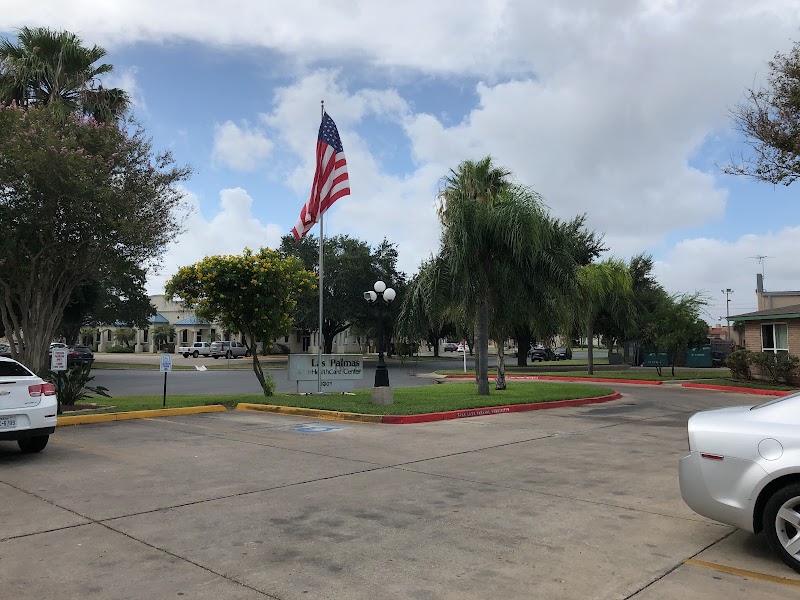
How is Windsor Las Palmas Nursing And Rehabilitation Cent Staffed?

CMS rates WINDSOR LAS PALMAS NURSING AND REHABILITATION CENT's staffing level at 1 out of 5 stars, which is much below average compared to other nursing homes. Staff turnover is 45%, compared to the Texas average of 46%. This relatively stable workforce can support continuity of care. RN turnover specifically is 60%, which is notably high. RNs provide skilled clinical oversight, so turnover in this role can affect medical care quality.

What Have Inspectors Found at Windsor Las Palmas Nursing And Rehabilitation Cent?

State health inspectors documented 14 deficiencies at WINDSOR LAS PALMAS NURSING AND REHABILITATION CENT during 2023 to 2025. These included: 14 with potential for harm.
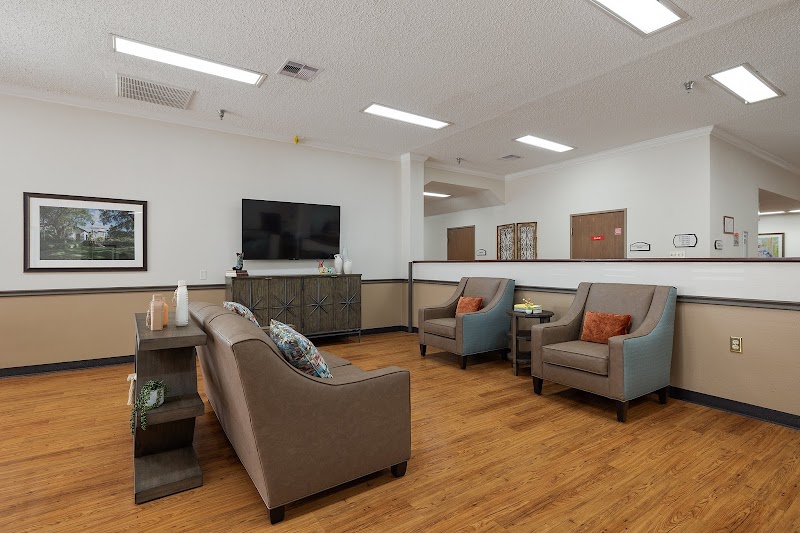
Who Owns and Operates Windsor Las Palmas Nursing And Rehabilitation Cent?

WINDSOR LAS PALMAS NURSING AND REHABILITATION CENT is owned by a non-profit organization. Non-profit facilities reinvest revenue into operations rather than distributing to shareholders. The facility is operated by WELLSENTIAL HEALTH, a chain that manages multiple nursing homes. With 120 certified beds and approximately 99 residents (about 82% occupancy), it is a mid-sized facility located in MCALLEN, Texas.
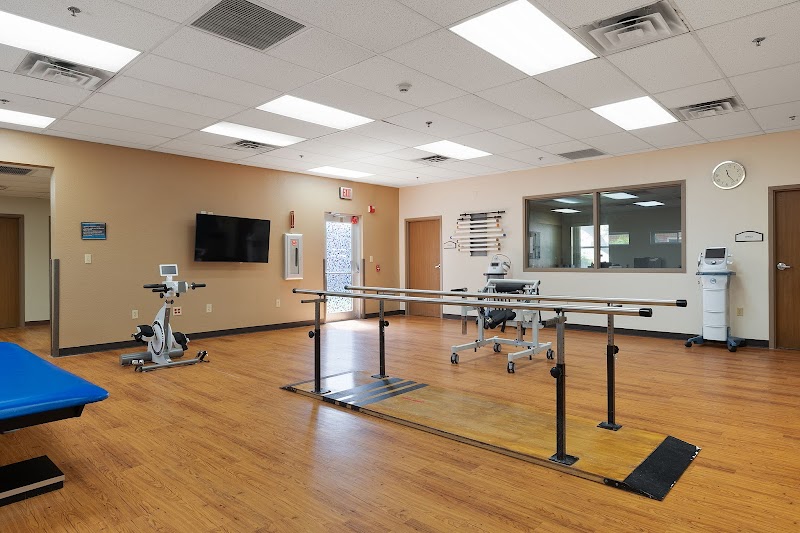
How Does Windsor Las Palmas Nursing And Rehabilitation Cent Compare to Other Texas Nursing Homes?

Compared to the 100 nursing homes in Texas, WINDSOR LAS PALMAS NURSING AND REHABILITATION CENT's overall rating (4 stars) is above the state average of 2.8, staff turnover (45%) is near the state average of 46%, and health inspection rating (4 stars) is above the national benchmark.

What Should Families Ask When Visiting Windsor Las Palmas Nursing And Rehabilitation Cent?

Based on this facility's data, families visiting should ask: "Can you walk me through typical staffing levels on day, evening, and night shifts?" "Can I visit during a mealtime to observe dining assistance and food quality?" "How do you handle medical emergencies, and what is your hospital transfer rate?" "Can I speak with family members of current residents about their experience?" These questions are particularly relevant given the below-average staffing rating.

Is Windsor Las Palmas Nursing And Rehabilitation Cent Safe?

Based on CMS inspection data, WINDSOR LAS PALMAS NURSING AND REHABILITATION CENT has a clean safety record: no substantiated abuse findings (meaning no confirmed cases of resident harm), no Immediate Jeopardy citations (the most serious violation level indicating risk of serious injury or death), and is not on the Special Focus Facility watch list (a federal program monitoring the lowest-performing 1% of nursing homes). The facility has a 4-star overall rating and ranks #1 of 100 nursing homes in Texas. While no facility is perfect, families should still ask about staff-to-resident ratios and recent inspection results during their visit.

Do Nurses at Windsor Las Palmas Nursing And Rehabilitation Cent Stick Around?

WINDSOR LAS PALMAS NURSING AND REHABILITATION CENT has a staff turnover rate of 45%, which is about average for Texas nursing homes (state average: 46%). Moderate turnover is common in nursing homes, but families should still ask about staff tenure and how the facility maintains care continuity when employees leave.

Was Windsor Las Palmas Nursing And Rehabilitation Cent Ever Fined?

WINDSOR LAS PALMAS NURSING AND REHABILITATION CENT has been fined $45,384 across 4 penalty actions. The Texas average is $33,533. While any fine indicates a compliance issue, fines under $50,000 are relatively common and typically reflect isolated problems that were subsequently corrected. Families should ask what specific issues led to these fines and confirm they've been resolved.

Is Windsor Las Palmas Nursing And Rehabilitation Cent on Any Federal Watch List?

WINDSOR LAS PALMAS NURSING AND REHABILITATION CENT is not on any federal watch list. The most significant is the Special Focus Facility (SFF) program, which identifies the bottom 1% of nursing homes nationally based on persistent, serious quality problems. Not being on this list means the facility has avoided the pattern of deficiencies that triggers enhanced federal oversight. This is a positive indicator, though families should still review the facility's inspection history directly.