WINDSOR NURSING AND REHABILITATION CENTER OF MCALL
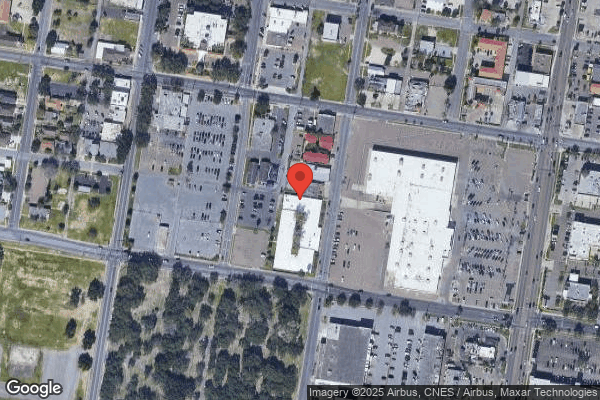

900 S 12TH ST, MCALLEN, TX 78501 (956) 682-4171
Non profit - Corporation 110 Beds WELLSENTIAL HEALTH Data: November 2025
Trust Grade
65/100
#619 of 1168 in TX
Last Inspection: September 2024

Within standard 12-15 month inspection cycle. Federal law requires annual inspections.

Overview

Windsor Nursing and Rehabilitation Center of McAllen has a Trust Grade of C+, which means it is considered decent and slightly above average. In Texas, it ranks #619 out of 1168 facilities, placing it in the bottom half, and #14 out of 22 in Hidalgo County, indicating only a few local options are better. The facility’s trend is improving, with issues decreasing from 11 in 2024 to just 2 in 2025. However, staffing is a weakness, rated only 1 out of 5 stars, and has a 53% turnover rate that is average for Texas, meaning staff may not stay long enough to build strong relationships with residents. On a positive note, there have been no fines, which is a good sign, and it has average RN coverage that helps monitor resident health. However, there have been concerning incidents reported, such as multiple residents experiencing inappropriate physical contact with each other and others receiving psychotropic medications without proper diagnoses, which could lead to unnecessary treatments. Overall, while there are some strengths, families should consider these serious issues when making a decision.

Trust Score
C+
65/100
In Texas
#619/1168
Bottom 48%
Safety Record
Low Risk
No red flags
Inspections
Getting Better
11 → 2 violations
Staff Stability
⚠ Watch
53% turnover. Above average. Higher turnover means staff may not know residents' routines.
Penalties
✓ Good
No fines on record. Clean compliance history, better than most Texas facilities.
Skilled Nurses
⚠ Watch
Each resident gets only 18 minutes of Registered Nurse (RN) attention daily — below average for Texas. Fewer RN minutes means fewer trained eyes watching for problems.
Violations
⚠ Watch
18 deficiencies on record. Higher than average. Multiple issues found across inspections.
★★★☆☆
3.0
Overall Rating
★☆☆☆☆
1.0
Staff Levels
★★★★☆
4.0
Care Quality
★★★★☆
4.0
Inspection Score
Stable
2024: 11 issues
2025: 2 issues

The Good

  • 4-Star Quality Measures · Strong clinical quality outcomes
  • Full Sprinkler Coverage · Fire safety systems throughout facility
  • No fines on record

Facility shows strength in quality measures, fire safety.

The Bad

3-Star Overall Rating

Near Texas average (2.8)

Meets federal standards, typical of most facilities

Staff Turnover: 53%

Near Texas avg (46%)

Higher turnover may affect care consistency

Chain: WELLSENTIAL HEALTH

Part of a multi-facility chain

Ask about local staffing decisions and management

The Ugly 18 deficiencies on record

Jul 2025 2 deficiencies
CONCERN (D) 📢 Someone Reported This

A family member, employee, or ombudsman was alarmed enough to file a formal complaint

Potential for Harm - no one hurt, but risky conditions existed

Report Alleged Abuse (Tag F0609)

Could have caused harm · This affected 1 resident

**NOTE- TERMS IN BRACKETS HAVE BEEN EDITED TO PROTECT CONFIDENTIALITY** Based on observations, interview and record review, the facility failed to ensure that all alleged violations involving abuse, n...

Read full inspector narrative →
**NOTE- TERMS IN BRACKETS HAVE BEEN EDITED TO PROTECT CONFIDENTIALITY** Based on observations, interview and record review, the facility failed to ensure that all alleged violations involving abuse, neglect, or mistreatment, were reported immediately to the State Survey Agency, within two hours if the events that cause the allegation involve abuse or result in serious bodily injury, or not later than 24 hours if the events that cause the allegation do not involve abuse and do not result in serious bodily injury, for 2 of 16 (Resident #15 and Resident #4) residents reviewed for abuse/neglect, in that: The facility failed to report allegations of resident abuse for Resident #15 and Resident #4 to the State Survey Agency within the allotted time frame of 2 hours on 04/24/25 when Resident #15 pulled Resident #4's hair. This failure could place all residents at increased risk for potential abuse due to unreported allegations of abuse and neglect.The findings included: 1. Record review of Resident #15's face sheet, dated 07/08/25, revealed the resident was an [AGE] year-old female who was initially admitted to the facility on [DATE] with diagnoses that included: Alzheimer's disease (decline in memory, thinking, and behavior), unspecified dementia (a group of thinking and social symptoms that interferes with daily functioning), cognitive communication deficit, delusional disorders (mental health condition that causes beliefs in something that is untrue), major depressive disorder, and emotional lability (neurological condition that causes uncontrollable laughing or crying). Record review of Resident #15's quarterly MDS assessment, dated 06/11/25, revealed Resident #15 had a BIMS score of 00, indicating her cognition was severely impaired. Record review of Resident #15's care plan dated 07/08/25 revealed [Resident #15] has a behavior problem of physical aggression (hitting, pulling hair, towards staff and residents) related to anger, dementia, and poor impulse control. Interventions: the resident's triggers for physical aggression are looking at her. The resident's behaviors is de-escalated by giving her space or leaving her alone. Interventions also included: administer medications as ordered, analyze triggers, assess resident's needs, monitor behaviors, psych consult, and one to one monitoring. Date initiated: 04/24/25. [Resident #15] had a resident-to-resident incident on 06/21/25. Interventions: labs as ordered and one to one monitoring. Date initiated: 06/21/25. Record review of Resident #15's psych NP consult dated 04/22/25 revealed Resident #15 was evaluated due to refusing meals at times, mood is labile (easily changed) and yelling at staff. Medications adjusted. Record review of Resident #15's change of condition for resident-to-resident incident completed by ADON J on 04/24/25 revealed CNA A stated that upon entering Resident #15's room, Resident #15 was standing behind her roommate, Resident #4, pulling her hair back and complaining that Resident #4 talks too much. MD notified of Resident #15's behavior. New orders for urine analysis. RP attempted to be notified of incident and new orders. No answer at this time. No injuries noted. No pain noted. 2. Record review of Resident #4's face sheet, dated 07/08/25, revealed the resident was a [AGE] year-old female who was initially admitted to the facility on [DATE] with diagnoses that included: unspecified dementia (a group of thinking and social symptoms that interferes with daily functioning), chronic atrial fibrillation (irregular heartbeats), chronic obstructive pulmonary disease (lung disease), acute kidney failure (kidney disease), major depressive disorder, bipolar disorder (disorder associated with episodes of mood swings ranging from depressive lows to manic highs), and anxiety disorder. Record review of Resident #4's quarterly MDS assessment, dated 05/09/25, revealed Resident #4 had a BIMS score of 00, indicating her cognition was severely impaired. Record review of Resident #4's care plan dated 07/08/25 revealed [Resident #4] has a behavior problem related to dementia, history of alcohol abuse and bipolar disorder. Interventions: administer medications as ordered, anticipate and meet needs, explain procedures to the resident, followed up by psych services, intervene as necessary to protect the rights and safety, divert attention, remove from the situation, monitor behavior episodes, and provide a program of activities. Date initiated: 12/30/22. Record review of Resident #4's change of condition for resident-to-resident incident completed by ADON J on 04/24/25 revealed as per CNA A, upon entering room, Resident #15 was noted to be standing behind Resident #4, pulling her hair back, and complaining that Resident #4 was too loud. DON made aware of incident. RP attempted to be notified, no answer. MD notified and pending response. No injuries noted. No pain noted. On 07/08/25 at 10:45 AM, in an attempted interview and observation with Resident #4, she was not interviewable. Resident #4 did not answer baseline questions or questions related to the incidents. Resident #4 sat in her wheelchair, in the hallway. Resident #4 appeared with good personal hygiene, no injury, and not in distress. On 07/08/25 at 11:45 AM, in an attempted interview and observation with Resident #15, she was not interviewable. Resident #15 did not answer baseline questions or questions related to the incidents. Resident #15 smiled and nodded, then looked away. Resident #15 sat in a chair in the dining room of the unit. Resident #15 appeared with good personal hygiene, no injury, and not in distress. On 07/08/25 at 2:25 PM, in an attempted interview with CNA A, she stated she was no longer employed at the facility and did not wish to speak to the surveyor regarding any incidents. On 07/08/25 at 4:30 PM, in an interview with LVN K, she stated she worked on 04/24/25 when Resident #15 pulled Resident #4's hair. LVN K stated CNA A informed her at around 6 AM, that she walked into the room and saw Resident #15 behind Resident #4, pulling on Resident #4's hair, telling her to be quiet. LVN K stated CNA A said that when she walked into the room, Resident #15 got startled and let go of Resident #4's hair. LVN K stated CNA A had brought Resident #4 out to the dining room to ensure the residents were separated and notified LVN K of the incident. LVN K stated she assessed both residents. LVN K stated Resident #15 refused to speak to her but she had no injuries and did not appear to be in distress. LVN K stated Resident #4 did not know what happened, was not injured, was not crying, and was not in distress. LVN K stated she immediately reported the incident to the DON. LVN K stated she was in-serviced on abuse and neglect and followed the protocol. LVN K stated she reported to the DON and initiated the risk management forms. LVN K stated Resident #15 pulling Resident #4's hair was considered abuse. On 07/09/25 at 11:20 AM, in an interview with ADON J, he stated if a resident hit another resident, that was reported. ADON J stated physical abuse was hitting, slapping, kicking, or hurting a resident in a physical way. ADON J stated if there was a physical injury then the incident was more than likely reported. ADON J stated on 04/24/25, Resident #15 pulled Resident #4's hair, but when Resident #4 was assessed, she was not injured, so it did not need to be reported. ADON J stated based on the documentation he reviewed, he could not gage if it was a hard or soft hair pull. ADON J stated it depended on the situation, but if there was no injury then that was likely why the incident was not reported to the state. On 07/09/25 at 2:10 PM, in an interview with the DON, she stated on 04/24/25, Resident #15 pulled Resident #4's hair. The DON stated she was informed by LVN K and she notified the ADM. The DON stated the ADM and the team consulted with their regional staff to determine if it was reportable to the State. The DON stated she was not sure of the details but recalled Resident #15 and Resident #4 were not injured or in distress. The DON stated the incident was witnessed by CNA A and that was possibly why they did not report. On 07/09/25 at 3:45 PM, in an interview with the ADM, he stated on 04/24/25, Resident #15 pulled Resident #4's hair. The ADM stated it would be reported, depending on if the incident was witnessed or not, or if the residents were able to say what happened. The ADM stated he usually consulted with regional staff to determine if something was reported or not. The ADM stated perhaps Resident #15 could say what happened but Resident #4 could not. The ADM stated he did not recall this incident or the specifics. The ADM stated more than likely they did not report it because they were able to rule things out. The ADM stated maybe there was a witness or maybe there was no physical contact, and that was why they did not report it. The ADM stated pulling of the hair was not physical contact. The ADM stated the incident was reviewed and investigated as part of risk management and he had no knowledge that the facility failed to follow protocols that led to abuse or neglect. The ADM stated he had no knowledge that the incident on 04/24/25 resulted in injuries, distress, or negative outcomes. The ADM stated it was important to report incidents of abuse or possible abuse to protect the residents and ensure their safety. Record review of the facility's policy titled Abuse, Neglect, and Exploitation, dated 08/15/22, revealed Reporting/Response:The facility will have written procedures that include: 1. Reporting of all alleged violations to the Administrator, state agency, adult protective services and to all other required agencies (law enforcement when applicable) within specified timeframes:a. Immediately, but no later than 2 hours after the allegation is made, if the events that cause the allegation involve abuse or result in serious bodily injury, orb. Not later than 24 hours if the events that cause the allegation do not involve abuse and do not result in serious bodily injury.
CONCERN (E) 📢 Someone Reported This

A family member, employee, or ombudsman was alarmed enough to file a formal complaint

Potential for Harm - no one hurt, but risky conditions existed

Free from Abuse/Neglect (Tag F0600)

Could have caused harm · This affected multiple residents

**NOTE- TERMS IN BRACKETS HAVE BEEN EDITED TO PROTECT CONFIDENTIALITY** Based on observations, interview and record review, the facility failed to ensure the residents had the right to be free from ab...

Read full inspector narrative →
**NOTE- TERMS IN BRACKETS HAVE BEEN EDITED TO PROTECT CONFIDENTIALITY** Based on observations, interview and record review, the facility failed to ensure the residents had the right to be free from abuse, neglect and misappropriation of property for 8 of 16 residents (Resident #4, Resident #9, Resident #12, Resident #15, Resident #20, Resident #23, Resident #27, and Resident #31) reviewed for abuse, in that: The facility failed to ensure Resident #4, Resident #9, Resident #12, Resident #15, Resident #20, Resident #23, Resident #27, and Resident #31 were free from abuse when:-Resident #9 touched/rubbed Resident #4's private area with his hand on 10/19/24.-Resident #12 kissed Resident #20 on her mouth and forehead on 04/03/25.-Resident #12 kissed Resident #4 on her mouth on 04/05/25.-Resident #23 kissed Resident #4 on her mouth on 05/02/25.-Resident #31 punched Resident #15 on her lower back/buttocks area and Resident #15 hit Resident #31 on his shoulder blade on 06/21/25.-Resident #27 kissed Resident #23 on his mouth on 06/25/25. These deficient practices could affect residents and place them at risk for abuse, trauma, psychosocial harm, injuries, or hospitalization. The findings included: 1. Record review of Resident #4's face sheet, dated 07/08/25, revealed the resident was a [AGE] year-old female who was initially admitted to the facility on [DATE] with diagnoses that included: unspecified dementia (a group of thinking and social symptoms that interferes with daily functioning), chronic atrial fibrillation (irregular heartbeats), chronic obstructive pulmonary disease (lung disease), acute kidney failure (kidney disease), major depressive disorder, bipolar disorder (disorder associated with episodes of mood swings ranging from depressive lows to manic highs), and anxiety disorder. Record review of Resident #4's quarterly MDS assessment, dated 05/09/25, revealed Resident #4 had a BIMS score of 00, indicating her cognition was severely impaired. Record review of Resident #4's care plan dated 07/08/25 revealed [Resident #4] has a behavior problem related to dementia, history of alcohol abuse and bipolar disorder. Interventions: administer medications as ordered, anticipate and meet needs, explain procedures to the resident, followed up by psych services, intervene as necessary to protect the rights and safety, divert attention, remove from the situation, monitor behavior episodes, and provide a program of activities. Date initiated: 12/30/22. Record review of Resident #4's change of condition for resident-to-resident incident completed by the DON on 10/19/24 revealed inappropriate sexual behaviors towards Resident #4. Showing no signs or symptoms of distress and clothes intact. Head to toe assessment done, no pain or distress noted, resident confused to needs, unable to make needs known. MD made aware of incident and psych eval in place. Continue to monitor. No injuries noted. Record review of Resident #4's change of condition for resident-to-resident incident completed by LVN C on 04/05/25 revealed CNA A came to notify LVN C that Resident #12 was seen kissing Resident #4 in the mouth, CNA A called Resident #12's name out and he stood straight up and walked away to hall. LVN C asked Resident #4 about incident, resident unable to give description of any kind. Head to toe assessment on resident, no new visual injury noted, resident showing no signs or symptoms of pain or discomfort, and no distress at this time. Clothing intact and resident continues up to wheelchair in dining area. RP made aware, DON, and MD notified. No injuries noted. No pain noted. Record review of Resident #4's change of condition for resident-to-resident incident completed by LVN G on 05/02/25 revealed Resident #4 was seen being kissed by Resident #23 and was reported to LVN G. Kiss was described as being fast and no saliva was seen on Resident #4. Resident #4's mouth area was dry and intact. Resident #4's clothes were on properly and intact. When incident occurred, residents were immediately separated from each other. After being separated, Resident #4 was back to participating in activity and watching tv in the dining room. Resident #4 showed no signs or symptoms of pain or discomfort. No other injuries noted. No pain noted. Transferred out of the unit to the regular hall after this incident. 2. Record review of Resident #9's face sheet, dated 07/08/25, revealed the resident was an [AGE] year-old male who was initially admitted to the facility on [DATE] with diagnoses that included: unspecified dementia (a group of thinking and social symptoms that interferes with daily functioning), major depressive disorder, delusional disorders (mental health condition that causes beliefs in something that is untrue), anxiety disorder, and cognitive communication deficit. Record review of Resident #9's quarterly MDS assessment, dated 04/08/25, revealed Resident #9 had a BIMS score of 2, indicating his cognition was severely impaired. Record review of Resident #9's care plan dated 07/08/25 revealed [Resident #9] had a behavior problem (history of inappropriate sexual behaviors towards staff and residents) related to diagnosis of unspecified dementia. Interventions: administer medications as ordered, behavior monitoring, intervene as necessary to protect the rights and safety, divert attention, remove from situation, approach in a calm manner, obtain labs if ordered and report results to MD, one to one for 72 hours, and praise indication of resident's progress. Date initiated: 10/19/24. Record review of Resident #9's change of condition for resident-to-resident incident completed by the DON on 10/19/24 revealed Resident #9 noted with increase behaviors. New orders received one to one for 72 hours, urine analysis, and labs. Spoke with RP in regard to possibly transferring Resident #9 to sister facility with an all-male memory care unit, but family refusing transfer. Psych to evaluate and treat due to recent behaviors. RP agreed. No injuries noted. No pain noted. Record review of Resident #9's progress notes-dated 10/19/24 revealed HK D was passing by room when she noted Resident #9 standing on the right side of Resident #4's wheelchair and noted his hand near Resident #4's front private area. LVN F made aware and immediately removed Resident #9 away from Resident #4. Resident #9's clothes noted to be intact. At the time of attempting to remove him away, Resident #9 got verbally and physically aggressive towards staff. Resident #9 stated they all want to lay with me. Head to toe assessment done, no pain noted. Resident #9 alert and oriented x1, able to make needs known and answer simple questions. Resident #9 is ambulatory with walker assist, wanderer, requires frequent redirection. MD was made aware, resident on one to one, attempted to call RP, no answer, and pending call back. Pending call back from psych. Documented by the DON. -dated 10/22/24 revealed Resident #9 is post day 3 for sexually inappropriate behavior. Resident #9 no longer needing one to one. 72 hours of monitoring with no sexual behaviors noted. Documented by LVN C. 3. Record review of Resident #12's face sheet, dated 07/08/25, revealed the resident was a [AGE] year-old male who was initially admitted to the facility on [DATE] with diagnoses that included: legal blindness (visual impairment), bipolar disorder (disorder associated with episodes of mood swings ranging from depressive lows to manic highs), schizophrenia (disorder that affects a person's ability to think, feel and behave clearly), Alzheimer's disease (decline in memory, thinking, and behavior) with early onset, cognitive communication deficit, depression, and anxiety disorder. Resident #12 was discharged to another facility on 04/05/25. Record review of Resident #12's quarterly MDS assessment, dated 04/01/25, revealed Resident #12 had a BIMS score of 14, indicating his cognition was intact. Record review of Resident #12's care plan dated 07/08/25 revealed [Resident #12] had a behavior problem (hallucination, aggressive behavior) related to schizophrenia. On 04/03/25, Resident #12 noted kissing Resident #20 (placed on one to one monitoring). On 04/05/25, Resident #12 noted kissing Resident #4 (transferred to an all-male unit). Interventions: administer medications as ordered, anticipate and meet needs, educate the resident, explain all procedures, assist in developing more appropriate methods of interacting, intervene as necessary to protect the rights and safety, divert attention, remove from situation, and provide a program of activities. Date initiated: 10/17/24. Record review of Resident #12's change of condition for resident-to-resident incident completed by LVN C on 04/03/25 revealed CNA B came to notify LVN C that Resident #12 had approached Resident #20, said something to her, and then gave her a kiss on the forehead followed by another to the lips. CNA B called out Resident #12's name and he left to his room. Resident #20 wiped her mouth. LVN C attempted to redirect Resident #12, but resident would look away and just say ok. Resident #12 will be on one to one supervision. RP aware, DON and MD notified. No injuries noted. No pain noted. Record review of Resident #12's psych NP consult dated 04/04/25 revealed Resident #12 was on a one to one due to behaviors. Changed medications. Record review of Resident #12's change of condition for resident-to-resident incident completed by LVN C on 04/05/25 revealed CNA A came to notify LVN C that Resident #12 was seen kissing Resident #4 in the mouth. CNA A called Resident #12's name out and he stood straight up and walked away to hall. LVN C attempted to redirect Resident #12, but he became aggressive and stated go f**k your mother. Resident #12 will be on a one to one supervision, and possible transfer to all-male unit. RP aware. DON and MD notified. No injuries noted. No pain noted. Record review of Resident #12's progress notes-dated 04/03/25 revealed RP made aware of incident of Resident #12 a female resident, clothes intact and no other physical contact noted at the time of incident. Resident #12 receiving medication for inappropriate behaviors. Psych NP contacted and pending response. Resident #12 will be on a one to one supervision as per MD. Police department made aware and waiting for them to arrive. Resident #12 is alert and oriented to self and place, able to answer simple questions, history of hallucinations and exit seeking. Made RP aware of possible transfer to an all-male memory care unit due to behaviors. RP stated understanding and will be here tomorrow to see resident. Pending psych eval. Documented by the DON. -dated 04/04/25 revealed Resident #12 was evaluated by psych and had his medications adjusted. -dated 04/05/25 revealed Resident-to-resident incident. RP was notified of possible transfer to another facility. Resident #12 started on a one to one supervision. Documented by LVN C. -dated 04/05/25 revealed Resident #12 was transferred to another facility with an all-male memory care unit after the incident with Resident #20 on 04/05/25. Documented by LVN C. 4. Record review of Resident #20's face sheet, dated 07/08/25, revealed the resident was an [AGE] year-old female who was initially admitted to the facility on [DATE] with diagnoses that included: Alzheimer's disease (decline in memory, thinking, and behavior), major depressive disorder, mood disorder, and schizoaffective disorder (mental health condition with hallucinations and delusions). Record review of Resident #20's quarterly MDS assessment, dated 05/01/25, revealed Resident #20 had a BIMS score of 1, indicating her cognition was severely impaired. Record review of Resident #20's care plan dated 07/08/25 revealed [Resident #20] had impaired cognitive function or impaired thought processes related to Alzheimer's, schizoaffective disorder. Interventions: administer medications as ordered, cue, reorient and supervise as needed, and present one thought, idea, question, or command at a time. Date initiated: 06/13/24. Record review of Resident #20's change of condition for resident-to-resident incident completed by LVN C on 04/03/25 revealed CNA B came to notify LVN C that Resident #12 had approached Resident #20, said something to her, and then gave her a kiss on the forehead followed by another to the lips. CNA B called out Resident #12's name and resident left to his room. Resident #20 wiped her mouth. LVN C asked Resident #20 about incident but resident unable to recall situation. Head to toe assessment on resident, no visual injury noted resident showing no signs or symptoms of pain or discomfort, and no distress at this time. Clothing intact, Resident #20 continued to be in hallway up to wheelchair. RP made aware, DON, and MD notified. 5. Record review of Resident #23's face sheet, dated 07/08/25, revealed the resident was an [AGE] year-old male who was initially admitted to the facility on [DATE] with diagnoses that included: unspecified dementia (a group of thinking and social symptoms that interferes with daily functioning), age-related physical debility, insomnia (trouble sleeping), muscle weakness, and depression. Record review of Resident #23's quarterly MDS assessment, dated 06/11/25, revealed Resident #23 had a BIMS score of 9, indicating his cognition was moderately impaired. Record review of Resident #23's care plan dated 07/08/25 revealed [Resident #23] had a behavior problem related to sexual inappropriateness. On 05/02/25, Resident #23 noted kissing Resident #4. Interventions: administer medications as ordered, assist resident to develop more appropriate methods of interacting, educate the resident, explain all procedures, intervene as necessary to protect the rights and safety, divert attention, remove from situation, monitor behaviors, praise any progress, provide a program of activities, and placed on a one to one observation for 24 hours. Date initiated: 05/02/25. Record review of Resident #23's change of condition for resident-to-resident incident completed by LVN G on 05/02/25 revealed Resident #23 was seen giving Resident #4 a kiss. LVN G was told. Kiss was described as being fast and no saliva was seen on Resident #23. Resident #23's mouth area was dry and intact. Resident #23's clothes were on properly and intact. When incident occurred, residents were immediately separated from each other. LVN G educated Resident #23 on not being allowed to touch any of the residents in any inappropriate manner. Resident #23 stayed separate from Resident #4 throughout shift. Resident #23 showed no signs or symptoms of pain or discomfort. No injuries noted. No pain noted. Record review of Resident #23's change of condition for resident-to-resident incident completed by LVN E on 06/25/25 revealed AA H let LVN E know that Resident #23 was kissed on the lips by Resident #27. Both residents were already separated when LVN E checked on them. AA H let LVN E know that Resident #27 pulled Resident #23 to her and gave one kiss on lips. RP aware, MD, and DON aware. No new orders. No injuries noted. No pain noted. 6. Record review of Resident #15's face sheet, dated 07/08/25, revealed the resident was an [AGE] year-old female who was initially admitted to the facility on [DATE] with diagnoses that included: Alzheimer's disease (decline in memory, thinking, and behavior), unspecified dementia (a group of thinking and social symptoms that interferes with daily functioning), cognitive communication deficit, delusional disorders (mental health condition that causes beliefs in something that is untrue), major depressive disorder, and emotional lability (neurological condition that causes uncontrollable laughing or crying). Record review of Resident #15's quarterly MDS assessment, dated 06/11/25, revealed Resident #15 had a BIMS score of 00, indicating her cognition was severely impaired. Record review of Resident #15's care plan dated 07/08/25 revealed [Resident #15] has a behavior problem of physical aggression (hitting, pulling hair, towards staff and residents) related to anger, dementia, and poor impulse control. Interventions: the resident's triggers for physical aggression are looking at her. The resident's behaviors is de-escalated by giving her space or leaving her alone. Interventions also included: administer medications as ordered, analyze triggers, assess resident's needs, monitor behaviors, psych consult, and one to one monitoring. Date initiated: 04/24/25. [Resident #15] had a resident-to-resident incident on 06/21/25. Interventions: labs as ordered and one to one monitoring. Date initiated: 06/21/25. Record review of Resident #15's psych NP consult dated 04/22/25 revealed Resident #15 was evaluated due to refusing meals at times, mood is labile (easily changed) and yelling at staff. Medications adjusted. Record review of Resident #15's change of condition for resident-to-resident incident completed by LVN E on 06/21/25 revealed Resident #15 is being monitored for any aggressive behaviors and/or verbal aggressiveness for resident-to-resident incident. Resident #15 is being closely monitored for any other behavioral changes. Lab work was ordered for Resident #15, pending results. No injuries noted. No pain noted. Record review of Resident #15's psych NP consult dated 06/24/25 revealed Resident #15 was on a one to one for recent physical altercation with another resident. Medication orders adjusted. 7. Record review of Resident #31's face sheet, dated 07/08/25, revealed the resident was a [AGE] year-old male who was initially admitted to the facility on [DATE] with diagnoses that included: Parkinsonism (clinical syndrome characterized by tremor, slowed movement, and postural instability), vascular dementia (reduced blood flow to the brain leading to cognitive decline), depression, anxiety disorder, mood disorder, and muscle weakness. Record review of Resident #31's quarterly MDS assessment, dated 06/11/25, revealed Resident #31 had a BIMS score of 7, indicating his cognition was severely impaired. Record review of Resident #31's care plan dated 07/08/25 revealed [Resident #31] has a behavior problem of physical aggression related to dementia and poor impulse control. [Resident #31] had a resident-to-resident incident on 06/21/25. Interventions: administer medications as ordered, analyze triggers, assess resident's needs, monitor behaviors, psych consult, and one to one monitoring. Date initiated: 06/21/25. Record review of Resident #31's change of condition for resident-to-resident incident completed by LVN E on 06/21/25 revealed Resident #31 hit another resident without being provoked. Resident #31 is continued to be monitored and lab results (from 06/20/25) still pending. No injuries noted. No pain noted. Record review of Resident #31's psych MD consult dated 06/23/25 revealed Resident #31 was evaluated due to behavioral decline and increased behaviors of aggression, crying, irritability, and hallucinations. Medications adjusted. 8. Record review of Resident #27's face sheet, dated 07/08/25, revealed the resident was a [AGE] year-old female who was initially admitted to the facility on [DATE] with diagnoses that included: Alzheimer's disease (decline in memory, thinking, and behavior), vascular dementia (reduced blood flow to the brain leading to cognitive decline), Parkinson's disease (brain disorder that affects movement and causes tremors, stiffness, and slowness), mood disorder, and major depressive disorder. Record review of Resident #27's quarterly MDS assessment, dated 04/15/25, revealed Resident #27 had a BIMS score of 3, indicating her cognition was severely impaired. Record review of Resident #27's care plan dated 07/08/25 revealed [Resident #27] has a behavior problem of physical aggression (hitting, pulling hair, towards staff and residents) related to anger, dementia, and poor impulse control. Interventions: the resident's triggers for physical aggression are looking at her. The resident's behaviors is de-escalated by giving her space or leaving her alone. Interventions also included: administer medications as ordered, analyze triggers, assess resident's needs, monitor behaviors, psych consult, and one to one monitoring. Date initiated: 04/24/25. [Resident #27] had a resident-to-resident incident on 06/21/25. Interventions: labs as ordered and one to one monitoring. Date initiated: 06/21/25. Record review of Resident #27's psych NP consult dated 06/24/25 revealed Resident #27 was evaluated due to refusing meals at times, mood is labile (easily changed) and yelling at staff. Medications adjusted. Record review of Resident #27's change of condition for resident-to-resident incident completed by LVN E on 06/25/25 revealed LVN E was made aware by AA H that Resident #27 kissed Resident #23 on the lips. Both residents were already separated when LVN E checked on them. AA H let LVN E know that Resident #27 pulled Resident #23 to her and gave one kiss on lips. RP aware, and MD aware. MD let LVN E know to let MD know if behavior persists. No new orders. No injuries noted. No pain noted. On 07/08/25 at 10:45 AM, in an attempted interview and observation with Resident #4, she was not interviewable. Resident #4 did not answer baseline questions or questions related to the incidents. Resident #4 sat in her wheelchair, in the hallway. Resident #4 appeared with good personal hygiene, no injury, and not in distress. On 07/08/25 at 11:00 AM, in an attempted interview and observation with Resident #9, he was not interviewable. Resident #9 did not answer baseline questions or questions related to the incidents. Resident #9 sat in his wheelchair, in the dining room of the unit. Resident #9 appeared with good personal hygiene, no injury, and not in distress. On 07/08/25 at 11:15 AM, in an attempted interview with Resident #12, it was verified with the DON that he was no longer at the facility. Resident #12 was discharged to another facility on 04/05/25. On 07/08/25 at 11:30 AM, in an attempted interview and observation with Resident #20, she was not interviewable. Resident #20 did not answer baseline questions or questions related to the incidents. Resident #20 smiled. Resident #20 sat in her wheelchair, in the dining room of the unit. Resident #20 appeared with good personal hygiene, no injury, and not in distress. On 07/08/25 at 11:45 AM, in an attempted interview and observation with Resident #15, she was not interviewable. Resident #15 did not answer baseline questions or questions related to the incidents. Resident #15 smiled and nodded, then looked away. Resident #15 sat in a chair in the dining room of the unit. Resident #15 appeared with good personal hygiene, no injury, and not in distress. On 07/08/25 at 1:10 PM, in an interview and observation with Resident #27, she provided her name, but did not know other information. Resident #27 did not know what was being asked and spoke about other topics. Resident #27 was in the unit. Resident #27 was lying in bed with the call light within reach. Resident #27 appeared with good personal hygiene, no injury, and not in distress. On 07/08/25 at 1:25 PM, in an interview and observation with Resident #23, he provided his name, but did not know other information. Resident #23 stated nothing had happened, everything was fine, and he had no problems. Resident #23 did not provide information regarding the incidents. Resident #23 was in the unit. Resident #23 was lying in bed with the call light within reach. Resident #23 appeared with good personal hygiene, no injury, and not in distress. On 07/08/25 at 1:55 PM, in an attempted interview with AA H, she had gone home due to a personal matter. AA H would return to work tomorrow. On 07/08/25 at 2:00 PM, in an interview with LVN E, she stated she worked on 06/25/25, when AA H informed her that when Resident #23 walked into the activities area, Resident #27 grabbed Resident #23 and kissed him on the lips. LVN E stated AA H intervened, redirected the residents, and informed her right away. LVN E stated the residents were not injured or in distress. LVN E stated Resident #27 was placed on a 1:1, labs were ordered, and she had a psych consult. LVN E stated she was in-serviced on abuse and neglect and the protocol was followed. LVN E stated the incident on 06/25/25 was reported to the ADM immediately. LVN E stated a resident kissing another resident was considered abuse as the residents cannot consent to any sexual contact . On 07/08/25 at 2:25 PM, in an attempted interview with CNA A, she stated she was no longer employed at the facility and did not wish to speak to the surveyor regarding any incidents. On 07/09/25 at 8:45 AM, in an interview and observation with Resident #31, he provided his name and stated he had been at the facility for months. Resident #31 stated things were fine and he had no problems. Resident #31 was difficult to understand as he mumbled and spoke softly. Resident #31 did not provide information regarding the incidents. Resident #31 sat in his wheelchair, in the dining room of the unit. Resident #31 appeared with good personal hygiene, no injury, and not in distress. On 07/09/25 at 9:00 AM, in an interview with AA H, she stated she worked on 05/02/25 when Resident #23 kissed Resident #4. AA H stated she did not recall if it was on the lips or more details as it had been some time ago. AA H stated she recalled it happened in the dining room during activities. AA H stated sometimes the residents stay in the dining room the entire duration of the activity and other times the residents leave to their rooms, so it was not uncommon for residents to move around. AA H stated Resident #23 showed no indication that he was going to kiss Resident #4 and it was all of a sudden. AA H stated she intervened right away by redirecting Resident #23 and he moved away from Resident #4. AA H stated she informed the nurse right away, but did not remember which nurse. AA H stated the nurse checked on Resident #23 and Resident #4 and notified the ADM. AA H stated she worked on 06/25/25 when Resident #27 kissed Resident #23. AA H stated they were in the dining room doing activities. AA H stated Resident #27 all of a sudden grabbed Resident #23 and kissed him on the lips one time. AA H stated she was providing an activity but when she saw it happen, she separated Resident #27 and Resident #23 immediately and told LVN E. AA H stated LVN E assessed Resident #27 and Resident #23 and notified the ADM. AA H stated when the residents were in the dining room for activities, the nurse was in the hallway facing the dining room, and the CNAs were doing rounds or checked on other residents that were not in the dining room. AA H stated she was in-serviced on abuse and neglect and the protocol was followed for both incidents. AA H stated the nurse was informed and the nurse notified the ADM right away. AA H stated she did her part in reporting and it was not up to her to say if an incident was or was not abuse. AA H stated it was difficult because the residents could not decide if they consented or not based on the way their minds worked and the residents did not remember what happened. On 07/09/25 at 9:25 AM, in an interview with LVN E, she stated she worked on 06/21/25 when Resident #31 hit Resident #15. LVN E stated Resident #31 was in the hallway and Resident #15 did not provoke or upset him, but when Resident #15 walked by Resident #31, Resident #31 used a fist to punch Resident #15 in the lower back/buttocks area. LVN E stated Resident #15 turned around and hit Resident #31 on the shoulder blade. LVN E stated she was standing in the hallway, not too far from the residents, but she could not prevent them hitting each other as it all happened very fast. LVN E stated she intervened and redirected the residents away from each other. LVN E stated Resident #31 had been agitated but it was towards staff, not residents. LVN E stated the MD had been notified of the increased agitation on 06/20/25 and the MD had ordered a urine analysis. LVN E stated Resident #31 had been started on antibiotics as well. LVN E stated for this incident, she reported to the DON, called the RP, notified the MD, and reported to the ADM. LVN E stated Resident #31 was placed on a 1:1. LVN E stated the MD ordered labs or a urine analysis for Resident #15. LVN E stated there were no injuries or distress noted for Resident #31 and Resident #15. LVN E stated residents hitting each other was abuse or something that would need to be reported to the ADM. LVN E stated the protocol was followed. On 07/09/25 at 9:40 AM, in an interview with HK D, she stated she worked on 10/19/24 and recalled the incident of Resident #9 touching Resident #4. HK D stated lunch was about to start so she pushed her cart down the hall, to exit the unit and go on her lunch break. HK D stated she passed by a room, did not remember which room, and when she turned her head, she saw Resident #9 and Resident #4 in the room. HK D stated she knew that was neither of their rooms. HK D stated Resident #4 was trying to move but Resident #9 was not letting her. HK D stated Resident #4 was in her wheelchair and Resident #9 had his walker right next to Resident #4. HK D stated Resident #9 was touching Resident #4 by rubbing his hand into her private area (vagina/crotch area). HK D stated as soon as she saw, she told Resident #9 to stop but Resident #9 did not listen so she called out for the staff for help. HK D stated LVN F worked that day and went to the room right away. HK D stated LVN F redirected Resident #9 away from Resident #4. HK D stated she left the unit because the meal trays could not be in the area with the housekeeping cart. HK D stated the CNAs were getting the residents ready for lunch or maybe changing a resident. HK D stated she believed a CNA went to the room to help LVN F, but did not remember who. HK D stated she was instructed that if she saw an incident happen, to tell the resident to stop and redirect, but if the resident does not stop then tell the nurse or ask for help. HK D stated she was in-serviced on abuse and neglect and knew to report to the nurse right away and make the ADM aware of any situation. HK D stated there was different types of abuse. LVN F notified the DON and the ADM of the incident. HK D stated what she witnessed when she saw Resident #9 touching Resident #4 was sexual abuse and it was an incident to report right away, which they did report. HK D stated she did not believe the residents could consent. HK D stated Resident #4 said to Resident #9, no, no let me go, but Resident #9 did not want to let her move away. HK D stated it was definitely abuse. On 07/09/25 at 10:10 AM, in an attempted interview with LVN F, she did not answer. A message was left requesting a callback. No callback was received. On 07/09/25 at 10:15 AM, in an interview with CNA B, he stated he assisted residents in the unit on 04/03/25 and monitored the dining room. CNA B stated there were two entrances to the dining room. CNA B stated he stood closer to one entrance, when Resident #12 entered the dining room through the other entrance and when Resident #20 moved in her wheelchair, Resident #12 gave Resident #20 a kiss on the mouth, and then on the forehead, or vice versa, on the forehead then on the lips. CNA B stated he called out Resident #12's name to redirect him and Resident #12 left the dining room right away. CNA B stated he moved Resident #20 next to him and reported to the nurse immediately. CNA B stated he did not remember the nurse that worked that day. CNA B stated the nurse went to look for Resident #12 and he went with the nurse as a precaution. CNA B stated the nurse asked Resident #12 what happened and why did he kiss Resident #20. CNA B stated Resident #12's answer was because he wanted to as if Resident #12 knew what he was doing. CNA B stated he did not recall if the nurse asked other questions, but he believed Resident #12 was placed on a 1:1 after that. CNA B stated he continued with the residents in the dining room along with another CNA. CNA B stated he did not recall which CNAs were working or where the CNAs were when the incident happened. CNA B stated he was monitoring and supervising the residents in the dining room but the incident happened fast and Resident #12 did not show indications that he was going to kiss Resident #20. CNA B stated the nurse checked Resident #20 and she was okay, she did not remember what happened. CNA B stated he was in-serviced on abuse and neglect and knew that abuse could be physical, verbal, financial, or sexual. CNA B stated Resident #12 kissing Resident #20 was sexual abuse. CNA B sta
Sept 2024 5 deficiencies
CONCERN (D)

Potential for Harm - no one hurt, but risky conditions existed

Deficiency F0578 (Tag F0578)

Could have caused harm · This affected 1 resident

**NOTE- TERMS IN BRACKETS HAVE BEEN EDITED TO PROTECT CONFIDENTIALITY** Based on interview and record review the facility failed to ensure the resident's right to formulate advance directives for 1 (R...

Read full inspector narrative →
**NOTE- TERMS IN BRACKETS HAVE BEEN EDITED TO PROTECT CONFIDENTIALITY** Based on interview and record review the facility failed to ensure the resident's right to formulate advance directives for 1 (Resident #72) of 8 residents reviewed for advance directives. The facility failed to ensure that Resident #72's Advance Directive was signed by the family representative and code status was entered as DNR in the records at the facility. This failure could place the residents at risk of not having their end of life wishes honored, such as receiving unwanted resuscitative measures. Findings included: Record review of Resident #72's face sheet dated 09/12/24 reflected she was a [AGE] year-old female that was admitted to the facility on [DATE]. Her diagnoses included Metabolic encephalopathy (a brain dysfunction caused by an underlying condition), repeated falls, Alzheimer's Disease (a gradual decline in memory, thinking, behavior and social skills), unspecified, Hyperlipidemia (high cholesterol and triglycerides), unspecified, Age-related physical debility, Depression, Essential Hypertension (high blood pressure). Record review of MDS dated [DATE] Resident #72's a BIMS score of 1, indicating Resident #72 cognition was severely impaired. Record review of Resident #72's physician order summary report, dated 09/12/24, had an active physician's order for code status: DNR (Do Not Resuscitate) dated 03/04/2024. Record review on 09/10/24 at 01:43 PM revealed OOHDNR not signed in PCC only statement verbal consent given by FM for DNR but resident profile on PCC states DNR. Record Review of Resident #72's Care Plan identifies Resident 72 as a DNR initiated 06/13/2024 and revision on 06/13/2024. Interventions listed to ensure signed DNR is in medical record, with date initiated 06/13/2024. Interview with the SW on 09/11/24 on 04:36 PM, she stated that upon admission and care planning meetings code status was discussed whether full code and if there was a decline then different options were discussed with the resident and family. She stated she had DNR forms and will assist the family with DNR form completion. The family signs with a witness. The SW recalled Resident 72's DNR and stated, yes on Resident 72's, Daughter 1 stated that Daughter 2 would come and sign the DNR and SW wrote verbal signature on DNR form. The SW stated she talked to Daughter 1 on Friday 09/06/24 and she stated again that Daughter 2 was supposed to come sign during the weekend. Resident 72's Daughter 2 did not come and sign DNR. The SW stated that she would usually follow up within a week of verbal consent. The SW stated sometimes family works during the week and cannot come in and it was easier on the weekend to get the family to come in and sign documents. The SW stated she would call Resident 72's and follow up again today. Record Review of Resident #72's progress notes had late entry on 9/11/24 7:03pm by Social Worker effective 09/06/24 6:14 PM stated Resident #72 has Advanced Directives in place, resident/family want no life sustaining treatment; copy of Advanced Directives is on file. Resident #72's Daughter 1 and Daughter 2, h ave Medical POA, copy is on file. As per family/ advanced directives, Resident #72 is DNR. Called both Daughter 1 and Daughter 2 on Friday 9/6/24 to remind them to come by and sign a revised OOH DNR Form with their signature. Record Review on 09/12/24 at 11:44 AM revealed signed DNR noted in PCC with signature of Daughter 2 , above statement that read verbal consent, but no current date was noted. Interview with the Medical Records Nurse on 09/12/24 at 1:47 PM, she stated that once DNRs were signed she would upload them, but the social worker now usually uploaded and also gets the MD signatures on the DNRs herself. She stated that SW or herself would audit randomly to ensure DNRs were filled out and signed but Medical Records Nurse could not provide how often her and SW audit, stated just random. Interview with the DON on 09/12/24 at 01:52 PM she stated that Social Worker was responsible for DNRs. The team that consists of the MDS nurse, ADON, DON, and SW, review orders in morning meeting and make sure if DNR the form was in place to determine code status. The DON stated that to her knowledge a DNR needed to be signed by family and physician. The DON stated no negative effects for Resident #72, because if DNR was the family's wishes, the facility usually contacted the family on the phone and a signature might not be there, but the facility can verbally get consent and be aware of the family request and aware of the resident's code status. Record review of the facility's policy subject titled, Residents Rights Regarding Treatment and Advance Directives, Implemented October 24, 2022, revealed Policy Statement It is the policy of this facility to support and facilitate a resident right to request, refuse and/or discontinue medical or surgical treatment and to formulate an advance directive. Policy Explanation and Compliance Guidelines 1. On admission, the facility will determine if the resident has executed an advance directive, and if not, determine whether the resident would like to formulate an advance directive.
CONCERN (D)

Potential for Harm - no one hurt, but risky conditions existed

Deficiency F0645 (Tag F0645)

Could have caused harm · This affected 1 resident

**NOTE- TERMS IN BRACKETS HAVE BEEN EDITED TO PROTECT CONFIDENTIALITY** Based on interview and record review, the facility failed to ensure all Pre-admission Screening and Resident Review (PASRR) Leve...

Read full inspector narrative →
**NOTE- TERMS IN BRACKETS HAVE BEEN EDITED TO PROTECT CONFIDENTIALITY** Based on interview and record review, the facility failed to ensure all Pre-admission Screening and Resident Review (PASRR) Level I residents with mental illness were provided with a PASRR Evaluation assessment for 1 of 3 residents (Resident #28) reviewed for preadmission screenings. The facility failed to refer Resident #28 for PASRR Evaluation after a positive PASRR 1 screening. This failure could place residents at risk of receiving inadequate care. Findings included: Record review of Resident #28's admission record dated 09/12/24 revealed a [AGE] year-old male with an original admission date on 09/10/2020 and a readmission on [DATE]. Diagnoses included Major Depressive Disorder, Bipolar Disorder, Other specified anxiety disorders, and Delusional Disorders. Record review of Resident #28's care plan identified on pg. 12 a problem dated 02/12/2024 of behavior problem related to Mood Disorder, Delusional Disorder, Bipolar Disorder. Resident will at times asks repetitively for assistance when needs have been met and is forgetful, attention seeking. Revised: 08/13/2024. In an interview with the RN MDS on 09/11/24 at 11:49 AM stated he was responsible for uploading [NAME] screenings to the portal for LIDDA. RN MDS also stated that he would look for PASRR for Resident #28 and 2 other PASRR for residents that were not uploaded to PCC. On 09/12/24 at 09:10 AM RN MDS provided PASRR for Resident #28 and other residents. Record review of Resident #28's PASRR Level 1 Screening dated 09/20/20 Section C. was positive for Mental Illness In an interview with the RN MDS on 09/12/24 09:30 AM, he stated that he was still looking for PASRR 2 Evaluation for Resident #28 because he could not find it and if not found he would call the LIDDA to reassess. In an interview with the RN MDS on 09/12/24 at 1:44 PM, he stated that PASRR 2 was not found but LIDDA would be there today to re-evaluate the resident. He stated that PASRR 1 screening was just uploaded and then the LIDDA would come and do the PASRR 2. He stated that should the resident need specialized services and he then deferred to regional MDS nurse. In an interview with the Regional RN MDS on 09/12/24 at 1:45 PM, he to question of what could be a negative outcome for the resident for not having PASRR 2 with if he needed skilled therapy, then it would ensure he got the therapy. In an interview with the RN MDS on 09/12/24 at 1:46 PM, he then stated the negative outcome would be that the resident would not receive services if need be that he needs. He reiterated that assessment would be completed today as per LIDDA. LIDDA was coming today. In an interview with the DON on 09/12/24 at 1:55 PM, she stated that MDS Nurse was responsible for PASRRs. PASRR 1 Screening was only done by the facility for admissions from home, but usually admissions from hospital or other facility they have PASRR 1 screening prior to admission. She stated there was a thread email with administration department that includeds DON and MDS to make sure PASRR were in place before a resident wasis admitted into facility and if positive MDS ensures PASRR 2 gets done. She stated a negative outcome would be that when followed by LIDDA that the entity is not aware that the resident is in-house. Record Review of Detailed Item-by-Item Guide for Completing the authorization Request for PASRR Nursing Facility Specialized Services Form dated September 2023 by Texas Health and Human Services Reference Services, provided by the facility when asked for policy for PASRR, stated on page 5 under heading PL1 Screening Form If documentation entered on the PL1 Screening Form indicates a suspicion of MI/ID/DD, a PASRR Evaluation (PE) must be completed.
CONCERN (D)

Potential for Harm - no one hurt, but risky conditions existed

Drug Regimen Review (Tag F0756)

Could have caused harm · This affected 1 resident

**NOTE- TERMS IN BRACKETS HAVE BEEN EDITED TO PROTECT CONFIDENTIALITY** Based on record review and interview the facility failed to ensure any drug regimen irregularities reported by the Pharmacist Co...

Read full inspector narrative →
**NOTE- TERMS IN BRACKETS HAVE BEEN EDITED TO PROTECT CONFIDENTIALITY** Based on record review and interview the facility failed to ensure any drug regimen irregularities reported by the Pharmacist Consultant were acted upon, for one (Resident #53) of five residents whose medications were reviewed. The facility's Pharmacy Consultant recommended the physician consider a GDR for the Keppra and the Trazodone on 05/30/24. The facility failed to ensure the physician documented his rationale for not making any changes to Resident #53's medication therapy. This failure could place residents receiving psychotropic medications at risk for adverse consequences and could cause a decline in their physical, mental, and psychosocial condition. The findings were: Record review of Resident #53's Face Sheet dated 09/12/24 revealed Resident #53 was admitted to facility on 11/28/23. Resident #53 was a [AGE] year-old female with diagnoses of unspecified dementia, unspecified severity, without behavioral disturbance, psychotic disturbance, mood disturbance, and anxiety (loss of cognitive functioning), major depression disorder, recurrent, severe without psychotic features (mental health disorder characterized by persistently depressed mood), pseudobulbar affect (inappropriate involuntary laughing and crying due to a nervous system disorder). Record review of Resident #53's e-MAR for September 2024 revealed orders: -trazodone HCl, oral tablet 50mg, give one tablet by mouth at bedtime for insomnia -Keppra Solution, 100 mg/ml (Levetiracetam), give 5 ml by mouth two times a day for labile moods, give 5ml to equal 500mg, start date of 2/13/24. Record review of Resident #53's e-MAR for September 2024 revealed: -trazodone was administered daily at bedtime from 09/01/24 through 09/11/24. -Keppra Solution was administered twice a day from 09/01/24 through 09/12/24. Record review of Resident #53's quarterly MDS assessment dated [DATE] revealed Resident #53 was sometimes understood by others and would sometimes understand others, was unable to complete a Brief Interview for Mental Status, had long term and short-term memory problems. Resident #53 had received antidepressant medications in the last 7 days. Record review of Resident #53's care plan dated 06/05/24 revealed Resident #53 used antidepressant medication r/t depression, insomnia. The intervention included: -administer antidepressant medications as ordered by physician -monitor/document/report PRN adverse reactions to antidepressant therapy; change in behavior/mood/cognition; hallucinations/delusions; social isolation; suicidal thoughts, withdrawal; decline in ADL ability, continence, no voiding; constipation, fecal impaction, diarrhea; gait changes, rigid muscles, balance problems, movement problems, tremors, muscle cramps, fall; dizziness/vertigo; fatigue, insomnia; appetite loss, weight loss, nausea/vomiting, dry mouth, dry eyes. Record review of Resident #53's care plan dated 06/05/24 revealed Resident #53 used antidepressant medication r/t depression, insomnia. The intervention included: -administer antidepressant medications as ordered by physician -monitor/document/report PRN adverse reactions to antidepressant therapy; change in behavior/mood/cognition; hallucinations/delusions; social isolation; suicidal thoughts, withdrawal; decline in ADL ability, continence, no voiding; constipation, fecal impaction, diarrhea; gait changes, rigid muscles, balance problems, movement problems, tremors, muscle cramps, fall; dizziness/vertigo; fatigue, insomnia; appetite loss, weight loss, nausea/vomiting, dry mouth, dry eyes. Record review of the Pharmacy Consultant letter titled Consultant Pharmacist/Physician Communication dated 05/30/24 revealed: The resident has orders for Keppra 500 mg BID since 02/13/24 for labile moods and Trazodone 50 mg QHS for insomnia since 02/01/24. An attempt for gradual dose reduction of Keppra and Trazodone should be attempted. If appropriate, please consider a GDR of Keppra and Trazodone. If not appropriate, please document rationale for contraindication. Thank you for your consideration. Reduce Keppra to 250 mg QD and 500 mg QHS. Reduce Trazodone to 25 mg QHS. Keep both medications as is, due to ____ Physician/Prescriber Response Agree __ Disagree __ Other __ The physician checked disagree and signed the form on 06/10/24 but did not provide a rationale. In an interview on 09/12/24 at 12:33 p.m., the ADON said when the pharmacy consultant made a recommendation the form was sent to the doctor. The doctor would either agree with the recommendation or disagree, but the doctor had to document a reason he was disagreeing with the recommendation. The ADON said the DON was responsible for reviewing the recommendation and calling the doctor to clarify if it was not clear or was missing the rationale. The ADON said the negative outcome would be that the resident might be overmedicated. In an interview and record review on 09/12/24 at 12:38 p.m., the DON said she or the ADON were responsible for reviewing the Pharmacy Consultant recommendations. The DON said she rounded with the Psychiatric NP so that they can go over the recommendations. The DON said if the NP did not write a rationale, she would ask her to write a rationale. The DON said usually the NP would only write Stable. The DON said many of the doctors would only check or disagree and it was sometimes difficult to get them to write a rationale. The DON said sometimes the NP would write the rationale on the progress note. The DON and surveyor reviewed Resident #53's Progress Notes in PCC and did not find any Progress Notes for the Pharmacy recommendation dated 05/30/24. The DON said she would check other Progress Notes. The DON said they do audit the progress notes and the orders for psychotropic medications. In an interview on 09/12/24 at 12:59 p.m., the DON said she had reviewed Resident #53's progress notes and was not able to find a progress note with a rationale for refusing the GDR for the Keppra and the Trazodone. In an interview on 09/12/24 at 6:45 PM, the Pharmacy Consultant said if a physician refused the recommendation for a GDR, they needed to provide a rationale to comply with regulations. Record review of the facility's policy for Medication Regimen Review dated 11/28/22 revealed The Medication Regimen Review (MRR), or Drug Regimen Review, is thorough evaluation of the medication regimen of a resident, with the goal of promoting positive outcomes and minimizing adverse consequences and potential risks associated with medication. f. Facility staff shall act upon all recommendations according to procedures for addressing medication regimen review irregularities. Record review of the facility's policy for General Policy & Procedures, Subsection: Consultant Pharmacist Services and Reports dated 10/01/19 revealed: Subject: Medication Management In order to optimize the therapeutic benefit of medication therapy and minimize or prevent potential adverse consequences, facility staff, the attending physician/prescriber, and the consultant pharmacist perform ongoing monitoring for appropriate, effective, and safe medication use. When selecting medication and non-pharmacological interventions, members of the interdisciplinary team participate in the care process to identify, assess, address, advocate for, monitor, and communicate the resident's needs and changes in condition.
CONCERN (D) 📢 Someone Reported This

A family member, employee, or ombudsman was alarmed enough to file a formal complaint

Potential for Harm - no one hurt, but risky conditions existed

Infection Control (Tag F0880)

Could have caused harm · This affected 1 resident

**NOTE- TERMS IN BRACKETS HAVE BEEN EDITED TO PROTECT CONFIDENTIALITY** Based on observation, interview, and record review the facility failed to maintain an infection prevention and control program d...

Read full inspector narrative →
**NOTE- TERMS IN BRACKETS HAVE BEEN EDITED TO PROTECT CONFIDENTIALITY** Based on observation, interview, and record review the facility failed to maintain an infection prevention and control program designed to provide a safe, sanitary, and comfortable environment and help prevent the development and transmission of communicable disease and infection for 2 (Resident #16 and Resident #45) of 16 residents reviewed for infection control, in that: 1. The facility failed to ensure LVN A changed his gloves when moving from a dirty to clean task during wound care on Resident #16. 2. The facility failed to ensure LVN D cleaned the stethoscope prior to checking placement of peg tube during the task of medication administration on Resident #45. These failures could place resident at risk for infection due to improper care practices. Findings included: 1.Review of Resident #16's Face Sheet, dated 09/12/2024, reflected resident was an [AGE] year-old female admitted on [DATE], with an initial admitted date of 05/07/2021. Relevant diagnoses included Pressure Ulcer of Sacral Region, Stage 4, unspecified Dementia, Chronic Pulmonary Edema (a condition in which fluid builds up in the lungs, making it difficult to breathe), Type 2 Diabetes Mellitus (long-term condition in which body has trouble controlling blood sugar), Hypertensive Heart Disease with heart failure (a long-term condition that develops over many years in people who have high blood pressure), Depressive Disorder, Gastrostomy Status (a tube inserted through the abdomen and into the stomach used for feeding). Review of Resident #16's Quarterly MDS Assessment, dated 06/09/2024, reflected Resident #16 was not able to conduct the BIMS due to Resident #16 was severely impaired. Resident #16 had a pressure ulcer over bony prominence. Review of Resident #16's Comprehensive Care Plan, dated 06/14/2024, reflected Resident #16 currently had a stage 4 pressure ulcer to her sacrum. Interventions: Apply treatment per Medical Practitioner's Order. Assess and document on status of pressure ulcer as needed. Treat pain as per orders prior to treatment to ensure the resident's comfort. Inform the resident/family/caregivers of any new area of skin breakdown. During an observation and interview of wound care to Resident #16 on 09/11/2024 at 10:45 a.m. revealed LVN A removed the old soiled dirty dressing from Resident #16's sacral pressure wound then without changing his gloves continued to cleansed area and continued to pat dry. He stated he forgot to change them out and do hand hygiene in between glove changes. He stated that he knew that he was supposed to change gloves and do hand hygiene after removing the dirty soiled dressing. He stated changing gloves was good infection control practice to eliminate cross contamination. During an interview on 09/11/24 at 11:30 a.m. with the ADON, stated LVN A had training on wound care. She stated she did the training on wound care upon hire and annual check offs. She stated in-service for infection control was done this week on PPE, handwashing, and EBP. During an interview on 09/11/24 at 11:55 a.m. with the DON, stated the facility does wound care training annually and every six months if needed. She stated that the staff should remove gloves, wash their hands, and put on new gloves after removing the soiled dressing. The DON stated it was important to change gloves and conduct hand hygiene to prevent cross contamination. Record Review of LVN A, Wound Treatment Competency Assessment was completed on 08/24/24, revealed he passed with the facility's standard of practice. Record Review of the facility's Wound Treatment Competency assessment dated [DATE] revealed: 7. Remove soiled dressings and discards into appropriate receptacle. 8. Removes gloves, performs hand hygiene, and dons clean gloves. 9. Cleanse the wound as ordered, using gauze once and discard in the appropriate receptacle. 10. Remove gloves, performs hand hygiene, and dons gloves. 2. Review of Resident #45's Quarterly MDS, dated [DATE], reflected resident was a [AGE] year-old male admitted on [DATE] with initial admission on [DATE]. Relevant diagnoses included Anemia (not having enough healthy red blood cells or hemoglobin to carry oxygen to body tissues), Coronary Artery Disease (heart disease that affects the main blood vessels that supply blood to the heart), Hypertension (high blood pressure), Peripheral Vascular Disease (condition that reduces blood flow to the arms or legs due buildup of fates, cholesterol and other substances in artery walls), Diabetes Mellitus (metabolic disorder in which the body has high sugars levels for prolonged periods of time), Hyperlipidemia(condition characterized by elevated levels of cholesterol and triglycerides in the blood), Dementia (impaired ability to remember, think or make decisions that interferes with doing everyday activities), Parkinson's disease (progressive disorder that affects the nervous system an causes tremors, stiffness and slow movement), Malnutrition (imbalance of macronutrients), Depression, Dysphagia, oral phase (difficulty with feeding or swallowing involving the mouth, lips and tongue to control food), Need for assistance with personal care, Gastrostomy Status (a tube inserted through the abdomen and into the stomach used for feeding). Review of Resident #45's Quarterly MDS Assessment, dated 08/19/2024, reflected Resident #45 was not able to conduct the BIMS due to Resident #45 was severely cognitively impaired. Resident #45 has a feeding tube while a resident. Observation performed on 09/11/24 at 11:51 AM of LVN D revealed medication administration via peg on Resident #45. Nurse did not sanitize stethoscope before auscultating resident abdomen for peg tube placement or prior to entering the resident's room. During interview on 09/11/24 at 12:05 PM with LVN D regarding not sanitizing of stethoscope. LVN D stated she usually used alcohol wipes but forgot and must have left alcohol wipe under medication tray and should have sanitized stethoscope. She stated they got training on tube feeding procedure about 2-3 times a year, or more frequently if there was any kind of incident and training refreshers on infection control, hand hygiene and enhanced barrier precautions about twice a week. During interview on 09/11/24 at 02:10 PM with the DON revealed nurses get checkoffs upon hire for tube feeding and then annually and any refresher every 6 months. Record Review of the facility's Infection Prevention and Control Program Policy and procedure dated May 13,2023 revealed Policy Statement: This facility has established and maintains an infection prevention and control program designed to provide a safe, sanitary, and comfortable environment and to help prevent the development and transmission of communicable diseases and infections as per accepted national standards and guidelines. 4. Standard Precautions: a. All staff shall assume that all residents are potentially infected or colonized with an organism that could be transmitted during the course of providing resident care services. b. Hand hygiene shall be performed in accordance with our facility's established hand hygiene procedures.
CONCERN (E)

Potential for Harm - no one hurt, but risky conditions existed

Medication Errors (Tag F0758)

Could have caused harm · This affected multiple residents

**NOTE- TERMS IN BRACKETS HAVE BEEN EDITED TO PROTECT CONFIDENTIALITY** Based on interview and record review, the facility failed to ensure the resident was not given a psychotropic drug unless the me...

Read full inspector narrative →
**NOTE- TERMS IN BRACKETS HAVE BEEN EDITED TO PROTECT CONFIDENTIALITY** Based on interview and record review, the facility failed to ensure the resident was not given a psychotropic drug unless the medication was necessary to treat a specific condition as diagnosed and documented in the clinical record for 3 ( Resident #34, Resident# 59, and Resident #25) of 4 residents reviewed for unnecessary medications, in that: 1.Resident #34 was receiving Prozac (an antidepressant) without adequate indication for its use or an appropriate diagnosis. 2. The facility failed to have an adequate diagnosis or indication for the use of the medication Gabapentin (anti-epileptic drug, used for seizures and some types of pain, with off-label use of anxiety, insomnia, and bipolar disorder) for Resident #59. 3. Resident #25 was prescribed a psychotropic drug for anxiety without a documented diagnosis of anxiety in the clinical record. This failure could place residents at risk of receiving unnecessary psychotropic medications. Findings included: 1. Record review of Resident #34's Face Sheet dated 09/12/24 revealed Resident #34 was a [AGE] year-old female admitted to the facility on [DATE] with the diagnoses of Alzheimer's Disease (degenerative brain disorder), vascular dementia of unspecified severity (condition caused by the lack of blood that carries oxygen and nutrients to the brain), with other behavioral disturbance, unspecified psychosis not due to a substance or known physiological condition (trouble tell what's real and what's not), and major depressive disorder, single episode (mental health disorder characterized by persistently depressed mood). Record review of Resident #34's Physician's Orders for September 2024 revealed an order for Prozac oral capsule 40 mg (Fluoxetine HCL), give 1 capsule by mouth one time a day for dementia with a start date of 01/28/23. Record review of Resident #34's e-MAR for September 2024 revealed Resident #34 was administered Prozac oral capsule 40 mg 09/01/24 through 09/12/24. Record review of Resident #34's quarterly MDS assessment dated [DATE] revealed Resident #34 was usually understood by others, would usually understand others, and had severe cognitive impairment and was receiving antipsychotic and antidepressant medications on a routine basis. Record review of Resident #34's revised care plan dated 06/01/24 revealed Resident #34 used antidepressant medication (Prozac, trazodone) r/t depression, insomnia. The interventions were to administer the antidepressant medications as ordered by physician, monitor/record occurrence of target behavior symptoms and document in progress notes. Monitor/document/report PRN adverse reactions to antidepressant therapy. Prozac had a black box warning: Suicidality and antidepressant drugs Antidepressants increased the risk compared with placebo of suicidal thinking and behavior (suicidality) in short-term studies in children, adolescents, and young adults with major depressive disorder (MDD) and other psychiatric disorders. Anyone considering the use of fluoxetine or any other antidepressant in a child, adolescent or young adult must balance this risk with the clinical need. Short-term studies did not show an increase in the risk of suicidality with antidepressants compared with placebo in adults older than 24 years; there was a reduction in the risk with antidepressants compared with placebo in adults 65 years and older. Depression and certain other psychiatric disorders are themselves associated with increases in the risk of suicide. Appropriately monitor and closely observe patients of all ages who are started on antidepressant therapy for clinical worsening, suicidality, or unusual changes in behavior. Advise families and caregivers of the need for close observation and communication with prescribing health care provider. In an interview on 09/12/24 at 12:05 p.m., the ADON stated MDS staff puts in the diagnosis in PCC. The ADON stated the negative outcome of not having a diagnosis in the resident's chart was that she would not have a bad reaction but if it was a different patient with no diagnosis, they would be overmedicating them. In an interview on 09/12/2024 at 12:37 p.m., the DON stated the nurses were responsible to enter new orders from doctors into the chart. The DON stated the RN MDS nurse does that update on the MDS for the diagnosis. The DON stated that in the mornings they go over any new orders, the MDS RN attends these. The DON said they do audit the progress notes and the orders for psychotropic medications. The DON said she would check other Progress Notes. In an interview on 09/12/24 at 12:59 p.m., the DON said she had reviewed Resident #34's progress notes and was not able to find a progress note from the physician documenting the reason why he put dementia as the indication for the Prozac. In an interview on 09/12/24 at 4:00 p.m., LVN C said she did provide care to Resident #34 and was familiar with Resident #34. LVN C said she was not familiar with the medication Prozac. LVN C said since she did not know what the medication was used for, she could not say if the diagnosis of dementia was correct or not and did not know if what the negative outcome would be. LVN C said the Med Aides were usually the ones to give those medications. 2. Observation of medication pass on 09/11/24 08:09 AM included Resident #59, the resident received Gabapentin 300mg 1 capsule by mouth two times a day for anxiety as per instructions on blister pack. Record review of Resident #59's face sheet dated 09/12/24 indicated Resident #59 was a [AGE] year-old male admitted to the facility on [DATE] with the diagnoses of Need for Assistance with personal care, cognitive communication deficit, mood disorder due to known physiological condition, unspecified, restlessness and agitation, unspecified symptoms and signs involving cognitive functions and awareness, major depressive disorder, recurrent severe without psychotic features, insomnia, unspecified, Gastro-esophageal reflux disease without esophagitis, dentofacial functional abnormalities, unspecified. Unspecified protein-calorie malnutrition encephalitis and encephalomyelitis, unspecified, other amnesia, Depression, unspecified. The admission Record did not include a diagnosis of Anxiety. Record review of Resident #59's Quarterly MDS dated Section I Active Diagnosis with Psychiatric/Mood Disorder identifies I5800 Depression only. Section N Medications N0415 High Risk Drug Classes: Use and Indication identifies antidepressant, antibiotic and hypoglycemic as was taking and indication noted. Record review of Resident #59's Physician's Orders for September of 2024 revealed an order dated 04/01/2024 for Gabapentin Oral Capsule 300mg (Gabapentin), give one capsule by mouth two times a day for Anxiety with start date of 04/01/2024 and no end date, side effect monitoring for anti-convulsant Q Shift with start date of 03/29/2023. Record review of Resident #59's e-MAR dated September of 2024 revealed the medication Gabapentin oral capsule 300mg was administered to Resident #59 on 09/01/24 through 09/12/24. Record review of Resident #59's consents had a consent for Gabapentin for Anxiety signed by guardian on 03/17/23. Record review of the Pharmacy Recommendations for Resident #59 had a GDR recommended by pharmacist for Trazadone and Gabapentin on 7/30/24 but healthcare provider disagreed and documented needs to sleep signed and dated 8/8/24. Record review of Resident #59's care plan revealed that Resident #59 was physically aggressive at times towards staff and other residents' r/t Dementia. Date Initiated: 09/01/2023 Revision on: 05/29/2024 and only mention of anxiety in care plan was in recommendation COMMUNICATION: provide physical and verbal cues to alleviate anxiety; give positive feedback, assist verbalization of source of agitation, assist to set goals for more pleasant behavior, encourage seeking out of staff member when agitated. Date Initiated: 09/01/2023. During Interview with LVN E on 09/12/24 at 12:16 PM, she stated she worked at facility since 07/08/24, and was reviewing Resident #59's orders on the MAR. She stated Resident has had Gabapentin since April but she has not seen it prescribed for anxiety, mostly for pain. She was reviewing to see if diagnosis for anxiety was in the chart. I don't see that condition on diagnosis. She stated that she knew that Resident #59 could be a little nervous, but usually happy and good patient. During an interview with the DON on 09/12/24 at 05:49 PM she provided diagnosis of anxiety on [name of health system] 03/21/21 prior to admission, and she provided article of case study of a patient treatment of generalized anxiety disorder with Gabapentin. During an interview with the Pharmacy Consultant on 09/12/24 at 06:04 PM, she stated there's a lot of uses for gabapentin neuropathy, and behaviors, a variety of different behaviors, let me think, mood disorder, whenever they are having mood, change in moods, mixed mood disorder, any particular diagnosis, mood disorder psychiatrist but sometimes anxiety but in general mood disorders for behaviors. She stated that usually for Gradual Dose Reduction recommendations the physician does put a reason or rationale when in disagreement with recommendations . 3. Record review of Resident #25's face sheet dated, 09/06/2024, revealed a [AGE] year-old resident initially admitted on [DATE] with diagnosis including Alzheimer's Disease, Depressive Disorder, Essential Hypertension (high blood pressure), Chronic Obstructive Pulmonary Disease (lung disease causing restricted airflow and breathing problems.), Dysphagia (swallowing difficulties), Type 2 diabetes mellitus (long-term condition in which body had trouble controlling blood sugar). Record review of Resident #25's Comprehensive MDS Assessment , dated 07/16/2024, revealed Resident #25 had a BIMS score of 05 which indicated her cognition was severely impaired. Record review of Resident #25's Care Plan, dated 08/06/2024, revealed that Resident #25 used anti-anxiety medications (Buspirone) r/t anxiety disorder. Interventions: Administer Anti-Anxiety medications as ordered by physician. Monitor for side effects and effectiveness every shift. Record review of Resident #25's Physician Orders dated 09/11/2024 showeds Resident #25 was still prescribed Buspirone 5mg 1 tablet once a day (start date was 09/12/2024), and the diagnosis listed for Buspirone was Anxiety. During an interview on 09/12/2024 at 11:55 a.m. with LVN B, stated she was Resident #25's nurse and was familiar with her care. She stated she was giving Buspirone medication to Resident #25 for anxiety. She stated she was responsible for entering the medication orders. LVN B stated the orders reflect in the e-MAR and that was what she follows. She stated when entering these orders, it would ask what diagnosis the medication was used for. She stated she updated Residents #25 Buspirone yesterday, dosage was decreased. LVN B checked in the facility's electronic health records under the medication diagnosis tab and confirmed that there was no Anxiety diagnosis for Resident #25. She stated she was not sure who entered that information in the chart. During an interview on 09/12/2024 at 12:05 p.m. with the ADON, stated Resident #25 was taking Buspirone from the hospital and medications get verified with the doctor. She doesn't know why they overlooked putting the diagnosis in the chart. She stated MDS staff put in the diagnosis on PCC. The ADON stated the negative outcome of not having a diagnosis in Resident #25's chart was that she will not have a bad reaction but if it was a different patient with no diagnosis, they would be overmedicating them. During an interview on 09/12/2024 at 12:23 p.m. the RN MDS, stated that the nurses could enter the diagnosis in the chart and that he could also enter the diagnosis as well. The RN MDS reviewed the facility's electronic health records chart, he stated he hadn't reviewed Resident #25's chart since the last MDS which was done on 07/16/2024. He stated he reviewed them quarterly. The RN MDS stated that the charge nurse, ADON, or DON were supposed to let him know of any new orders so that if they don't put it in then he could put it in the resident's chart. He stated the negative outcome would be that perhaps other physicians might not see the diagnosis and might not see that she has those conditions. Therefore, they might not know what she was on and might prescribe something else. The RN MDS stated that this one got overlooked, nobody caught it. During an interview on 09/12/2024 at 12:37 p.m. with the DON, stated Buspirone was an antianxiety medication. She stated the nurses were responsible when they get new orders from the doctors to enter it in the chart. She stated the RN MDS nurse did not do that update on MDS for the diagnosis. The DON stated that in the mornings they reviewed any new orders, the MDS RN attended those. She stated they reviewed every week the antipsychotics, but they unfortunately missed this one. During an interview via phone on 09/12/2024 at 6:45p.m. with the pharmacy consultant, stated that Buspirone medication was used for the diagnosis of Anxiety. Record review of facility's Psychotropic Medication Policy, date implemented 08/15/22, revealed: Policy: Residents are not given psychotropic drugs unless the medication is necessary to treat a specific condition, as diagnosed and documented in the clinical record, and the medication is beneficial to the resident, as demonstrated by monitoring and documentation of the resident's response to the medication(s). Policy Explanation and Compliance Guidelines: 1. A psychotropic drug is any drug that affects brain activities associated with mental processes and behavior. Psychotropic drugs include but are not limited to the following categories: antipsychotics, antidepressants, Anti-anxiety, and hypnotics. 4. The indications for use of any psychotropic drug will be documented in the medical record. b. For psychotropic drugs that are initiated after admission to the facility, documentation shall include the specific condition as diagnosed by the physician.
Aug 2024 3 deficiencies
CONCERN (D) 📢 Someone Reported This

A family member, employee, or ombudsman was alarmed enough to file a formal complaint

Potential for Harm - no one hurt, but risky conditions existed

Notification of Changes (Tag F0580)

Could have caused harm · This affected 1 resident

**NOTE- TERMS IN BRACKETS HAVE BEEN EDITED TO PROTECT CONFIDENTIALITY** Based on interview and record review, the facility failed to immediately notify the resident physician regarding a change in res...

Read full inspector narrative →
**NOTE- TERMS IN BRACKETS HAVE BEEN EDITED TO PROTECT CONFIDENTIALITY** Based on interview and record review, the facility failed to immediately notify the resident physician regarding a change in resident's condition for one (Resident #11) of three residents reviewed for changes in condition in that: The facility failed to inform the physician of Resident #11's swelling to his right leg. This failure could place residents' representative/physician at risk of not being aware of any changes in their conditions and could result in delay in treatment and decline in residents' health and well-being. The findings included: Record review of Resident #11's face sheet dated 08/09/24 reflected [AGE] year-old male with admission date of 01/19/24 with diagnoses of Alzheimer's Disease Unspecified, Muscle Weakness (Generalized), and Unspecified Psychosis not due to substance known physiological condition. Record review on 08/09/24 of Resident #11's Quarterly MDS dated [DATE] indicated a BIMS of 2 indicating severe cognitive impairment. Bed mobility required one-person physical assist for support. Transfer from bed to wheelchair required one-person physical assist for support. Record review of facility's Incident/Accident Log dated 04/2024 through 06/2024 reflected no history of falls for Resident #11. Record review of Resident #11's progress notes reviewed from 06/16/24 through 06/17/24 found no progress notes indicating Resident #1 was assessed by LVN P for swelling on right leg. During an interview on 08/09/24 at 1:52 p.m., CNA B said on 06/16/24 she noticed swelling to Resident #11's right leg when she changed his briefs. She said he did not show grimace or signs of pain at that time. She said she reported it immediately to LVN P. LVN P was attempted to be reached via telephone on 08/09/24 at 2:20 p.m. and 4:34 p.m., attempts were unsuccessful with no answered or returned phone calls. During an interview on 08/09/24 at 2:40 p.m., the Administrator said that he was informed 06/17/24 by LVN M, that she assessed Resident #11's leg after being informed by CNA B that his leg looked swollen and had complained of pain. She told the Administrator that the physician was informed and an x-ray was ordered and found the resident had a fracture to his right hip. Administrator said Resident #11 was sent to the hospital for treatment. Administrator said they immediately conducted an investigation and reported the incident to HHS. He said Resident #11 did not return to facility after this incident and was transferred to another facility as per family request. The Administrator also said that upon investigation he found that LVN P was informed Resident #11's swelling and he assessed Resident #11 but did not document nor did he inform neither the physician or the next nurse on shift. Administrator said that LVN P spoke with the resident's physician on 06/16/24 in reference to a non-related issue regarding Resident #11 but did not mention the swelling. Administrator said that after the internal facility's investigation it was decided to terminate LVN P due to failing to report to physician and failure to document incident. Administrator also said that upon investigation they were unable to determine how Resident #11 obtained the fracture as no falls were reported and Resident #11 did not have a history of falls. He said all staff was in serviced on reporting any change in condition, notifying physician and also Resident Abuse and Neglect. During an interview on 08/09/24 at 4:53 p.m., LVN M said when she began her shift at 6:00 a.m. on 06/17/24, CNA B reported to her that Resident #11 had swelling on his right leg and he was complaining of pain. LVN M said she conducted a head to toe assessment and Resident #11 grimaced and made sounds of pain when she was assessing him. LVN M said she gave the resident pain medication and contacted his physician and ordered an x-ray. She said the x-ray revealed a hip fracture and Resident #11 was sent to hospital for treatment. During an interview on 08/09/24 at 6:53 p.m., the DON said that she interviewed LVN P during the investigation of this incident and found that LVN P did not document or notify physician when he assessed Resident #11 for swelling to his leg. DON said LVN P should have documented and notified physician. She said LVN P had been in serviced on notifying physician and documenting any change in condition of Residents prior to this incident and all staff had been in serviced on this after this incident. She said since LVN P failed to do so, so it was decided that he would be terminated. As per Administrator, the facility does not have a policy on Change of Condition Notifications. Record Review of Facility's In Service Training Report Titled Medication Administration/MARS Signing/Immunizations dated 03/07/24 revealed, Contents or Summary of Training Session: Nursing Staff is to administer medications properly, and sign emar after administration of medications .proper documentation to be done in timely manner, change of conditions to be done and notify md in a timely manner.
CONCERN (D) 📢 Someone Reported This

A family member, employee, or ombudsman was alarmed enough to file a formal complaint

Potential for Harm - no one hurt, but risky conditions existed

Deficiency F0657 (Tag F0657)

Could have caused harm · This affected 1 resident

**NOTE- TERMS IN BRACKETS HAVE BEEN EDITED TO PROTECT CONFIDENTIALITY** Based on interview and record review, the facility failed to periodically review and revise the comprehensive person-centered ca...

Read full inspector narrative →
**NOTE- TERMS IN BRACKETS HAVE BEEN EDITED TO PROTECT CONFIDENTIALITY** Based on interview and record review, the facility failed to periodically review and revise the comprehensive person-centered care plan by a team of qualified persons after each assessment, including both the comprehensive and quarterly review assessments for 2 of 3 residents (Resident #1 and Resident #2) reviewed for care plans, in that: 1. The facility failed to ensure Resident #1's most recent care plan reflected a witnessed fall with injury on 12/21/2023. 2. The facility failed to ensure Resident #2's most recent care plan reflected an unwitnessed fall with serious injury on 12/12/2023. This deficient practice could place residents in the facility at risk of not being provided with the necessary care or services and not having personalized plans developed to address their specific needs. The Findings included: 1. Record review of Resident #1's face sheet dated 08/01/24 reflected Resident #1 was admitted on [DATE] and was [AGE] years old. Resident #1 had diagnoses of unspecified dementia, muscle wasting and atrophy, muscle weakness, difficulty in walking, age-related physical debility, and mood disorder. Record review of Resident #1's Quarterly MDS dated [DATE] reflected the resident: BIMS score of 06 which indicated Resident #1's cognition was severely impaired. Dependent for self-care except eating required supervision/touching assistance. Partial/moderate assistance for mobility. No falls since prior assessment. Record review of Resident #1's most recent comprehensive care plan reflected: Resident #1 had risk for falls related to limited mobility, weakness, unsteady gait/balance; Dx: Unspecified Dementia, Unspecified Severity, Without Behavioral Disturbance, Psychotic Disturbance, Mood Disturbance, and Anxiety; Muscle Wasting and Atrophy, Not Elsewhere Classified, Multiple Sites; Muscle Weakness (Generalized); Difficulty in Walking, Not Elsewhere Classified; Age-Related Physical Debility Date Initiated: 05/23/2024 Revision on: 07/30/2024. Interventions included: Be sure the resident's call light is within reach and encourage the resident to use it for assistance as needed. The resident needs prompt response to all requests for assistance. Date Initiated: 05/23/2024. Educate the resident, family, and caregivers about safety reminders and what to do if a fall occurs. Date Initiated: 05/23/2024. Ensure that the resident is wearing appropriate footwear when ambulating or mobilizing in wheelchair. Date Initiated: 5/23/2024 Revision on: 05/23/2024. Record review of Incident Report from the facility dated 12/21/23 revealed resident had an unwitnessed fall with injury at 5:08 pm. Care plan was not revised for an actual fall on 12/21/23 with updated interventions for that fall. On 8/1/24 at 10:42 am interview with the MDS Care Management Specialist said that the fall for Resident #1 was captured on the MDS but not on the care plan. He said that for falls or anything acute, the ADON or DON update the care plan and add interventions. He said that if falls were not care planned, they could possibly not have proper interventions in place which could possibly cause another fall. On 8/1/24 at 11:00 am interview with the ADON, she said that the DON was responsible for updating falls with interventions on the care plans. The ADON said that she only helps the DON with care plans if needed. The ADON said that she did not help in updating Resident #1's care plan for the fall on 12/21/23. On 8/1/24 at 1:16 pm interview with the DON, she said that she thinks she was out on leave when the fall occurred for Resident #1. She said that the DON, ADON and MDS were responsible for updating care plans for any acute fall. She said, It's a step to complete or we can get a tag for it. She said that Resident #1 received the interventions. She said they did what they had to do for therapy and pain management and neuro checks would be in place. She said that in-services for falls and for neglect were done. She said that Resident #1 was not a frequent faller, so there would not have been other interventions, such as mats because they would place the resident more at risk for falls due to resident ambulatory at the time. She said that there were other options to inform staff than placing the fall on the care plan. The DON said that since they always do in-services after a fall, the staff would have been made aware of the fall and interventions at that time. She said that if there were new staff, they would make them aware as well during daily meetings. She said that the resident was care planned as a risk for falls prior to the actual fall. The DON refused to directly answer the question of what could happen if the fall was not care planned with interventions. 2. Record review of Resident #2's face sheet dated 08/01/24 reflected Resident #2 was admitted on [DATE] and was [AGE] years old. Resident #2 had diagnoses of age-related physical debility, history of falls, repeated falls, mood disorder, restlessness and agitation, and type 2 diabetes mellitus. Record review of Resident #2's Discharge MDS dated [DATE] reflected the resident: BIMS score of 01 which indicated Resident #2's cognition was severely impaired. Required substantial/maximal assistance for self-care except eating which required supervision or touching assistance, oral hygiene and upper body dressing which required partial/moderate assistance. Required partial/moderate assistance for mobility except for roll left and right, sit to lying, and lying to sitting on side of bed which required supervision or touching assistance. Record review of Resident #2's most comprehensive care plan reflected: Resident #2 had a risk for falls r/t limited mobility, weakness, unsteady gait/balance, history of falls, repeated falls; Age-Related Physical Debility; Need for Assistance with personal care. Date Initiated: 04/04/2023 Revision on: 07/30/2024. Interventions included: Anticipate and meet the resident's needs. Date Initiated: 04/04/2023. Be sure the resident's call light is within reach and encourage the resident to use it for assistance as needed. The resident needs prompt response to all requests for assistance. Date Initiated: 04/04/2023 Revision on: 05/29/2024. Educate the resident about safety reminders and what to do if a fall occurs. Date Initiated: 05/04/2023 Revision on: 05/29/2024. Ensure that the resident is wearing appropriate footwear when ambulating. Date Initiated: 05/04/2023 Revision on: 05/29/2024. Had an alteration in musculoskeletal status related to history of fracture of the fourth and fifth right ribs Date Initiated: 12/15/2023. Revision on: 05/29/2024. Interventions: Anticipate and meet needs. Be sure call light is within reach and respond promptly to all requests for assistance. Date Initiated: 12/15/2023. Give analgesics as ordered by the physician. Monitor and document for side effects and effectiveness. Date Initiated: 12/15/2023. Monitor/document for risk of falls. Educate resident, family, and caregivers on safety measures that need to be taken in order to reduce risk of falls. (If resident has a care plan for falls, refer to this). Date Initiated: 12/15/2023. Record review of Incident Report from the facility dated 12/12/23 revealed resident had an unwitnessed fall with injury at 7:30 pm. Care plan was not revised for an actual fall on 12/12/23 with updated interventions for that fall. On 8/1/24 at 10:42 am interview with the MDS Care Management Specialist said that the fall for Resident #2 was captured on the MDS but not on the care plan. He said that for falls or anything acute, the ADON or DON update the care plan and add interventions. He said that if falls were not care planned, they could possibly not have proper interventions in place which could possibly cause another fall. On 8/1/24 at 11:00 am interview with the ADON said that she did not help in updating Resident #2's care plan for fall on 12/12/23. On 8/1/24 at 1:16 pm interview with the DON, she said that she was notified by the night shift nurse when the fall occurred for Resident #2. She said that the actual fall was not care planned, but the resident received the interventions under his care plan for alteration in musculoskeletal status r/t history of fractures of the fourth and fifth right ribs initiated on 12/15/23. She said that in-services for falls and for neglect were done. She said that the resident was care planned as a risk for falls prior to the actual fall. Record review of facility's Care Plan Revisions Upon Status Change policy dated 10/24/22 reflected: Policy: It is the policy of this facility to develop and implement a comprehensive person-centered care plan for each resident, consistent with the resident rights, that includes measurable objectives and time frames to meet a resident's medical, nursing, and mental and psychosocial needs that are identified in the resident's comprehensive assessment. Policy Explanation and Compliance Guidelines: 5. The comprehensive care plan will be reviewed and revised by the interdisciplinary team after each comprehensive and quarterly MDS assessment. 6. The comprehensive care plan will include measurable objectives and time frames to meet the resident's needs as identified in the resident's comprehensive assessment. The objectives will be utilized to monitor the resident's progress. Alternative interventions will be documented, as needed.
CONCERN (D) 📢 Someone Reported This

A family member, employee, or ombudsman was alarmed enough to file a formal complaint

Potential for Harm - no one hurt, but risky conditions existed

Medical Records (Tag F0842)

Could have caused harm · This affected 1 resident

**NOTE- TERMS IN BRACKETS HAVE BEEN EDITED TO PROTECT CONFIDENTIALITY** Based on interview and record review, the facility failed to maintain clinical records in accordance with accepted professional ...

Read full inspector narrative →
**NOTE- TERMS IN BRACKETS HAVE BEEN EDITED TO PROTECT CONFIDENTIALITY** Based on interview and record review, the facility failed to maintain clinical records in accordance with accepted professional standards and practices that are complete and accurately documented for 2 of 4 Residents (Residents #3 and #4) reviewed for medical records accuracy, in that: 1. Resident #3's [DATE] Medication Administration Records documentation was incomplete. Staff did not document or sign off on the administration of physician ordered anxiety medication, Lorazepam. 2. Resident #4's [DATE] Medication Administration Records documentation was incomplete. Staff did not document or sign off on the administration of physician ordered pain medication, Gabapentin. These failures could affect residents whose records are maintained by the facility and could place them at risk for errors in care, and treatment. The findings included: 1. Record review of Resident #3's face sheet, dated [DATE], revealed the resident was [AGE] year-old male who was admitted to the facility on [DATE] with diagnoses that included: Other specified anxiety (feeling of fear, dread, uneasiness) disorders, acute (sudden onset) pain due to trauma, bipolar disorder (episodes of mood swings ranging from depressive lows to manic highs), current episode mixed, unspecified, chronic embolism (blood clot or any foreign substance that moves through blood stream until it blocks a blood vessel) and thrombosis(occurs when a blood clot blocks a vein) of unspecified deep veins of lower extremity, bilateral and delusional (unshakable belief in something that's untrue) disorders. Record review of Resident #3's state optional Minimum Data Set assessment, dated [DATE], revealed Resident #3 had a BIMS score of 14, indicating he was cognitively intact. Record review of Resident #3's care plan, with an initiated date of [DATE] revealed Resident #3 had a problem of, [Resident #3] uses anti-anxiety medications (Alprazolam) r/t Anxiety disorder with an initiated date of [DATE] and an intervention of Administer ANTI-ANXIETY medication as ordered by physician. with an initiated date of [DATE]. Record review of Resident #3's physician's orders, dated [DATE], revealed orders for: 1. LORazepan Tablet 0.5MG with directions to Give 1 tablet by mouth two times a day for Anxiety with a start date of [DATE] and end date of [DATE]. Record review of Resident #3's Medication Administration Record for [DATE] revealed an unsigned section on [DATE] at the scheduled time of 2000 (8:00pm) for the following physician orders: 1. LORazepan Tablet 0.5MG with directions to Give 1 tablet by mouth two times a day for Anxiety with a start date of [DATE] and end date of [DATE]. Record review of staff scheduled for [DATE] provided by the DON revealed she had identified LVN A as the nurse who worked with Resident #3 on [DATE]. During an interview with Resident #3 on [DATE] at 11:14am he stated he was taking an anxiety medication in June of 2023 and had received it every day and stated staff had not missed any doses when providing him his medication and further stated LVN A had not missed providing him with any doses of his anxiety medication. Resident #3 did not recall which specific medication he was taking for anxiety. LVN A was attempted to be reached via telephone on [DATE] at 5:11pm and 5:59pm, attempts were unsuccessful with no answered calls and no returned phone calls. During an interview and record review with the DON on [DATE] at 6:18pm she stated LVN A was responsible for administering and documenting Resident #3's Lorazepam on [DATE] at his scheduled 2000 (8:00pm) time. The DON reviewed Resident #3's [DATE] MAR and confirmed there was an unsigned blank section for Resident #3's scheduled dose of Lorazepam on [DATE] at 2000 (8:00pm). The DON stated a blank/unsigned section on the MAR mean that staff had not documented and was unable to ensure if the medication was given or not. The DON was unable to ensure if LVN A provided Resident #3 with his scheduled medication of Lorazepam on [DATE] at the scheduled time of 2000 (8:00pm). The DON stated the MAR should have been signed off and did not know why it was not. The DON stated it was important to sign off on the MAR because it was something their assigned to do and so they could know the last time a medication was given, or to know if any medication was causing a side effect. The DON stated staff had been trained over documentation in July of 2024. The DON stated as per facility policy documentation needed to be completed properly and in a timely manner and stated in this situation staff had not followed their policy. The DON stated in order to ensure accurate documentation they would review the MAR and their documentation software on a daily basis and at the end of each shift prior to staff leaving to ensure they had signed and provided everything. The DON stated she was unable to answer if Resident #3 was impacted or not as she was not working at the facility at the time of identified failure in [DATE]. Record review of facility in-service dated [DATE] revealed the training covered medication administration and the electronic medication administration record and was presented by the ADON to staff, which included LVN A. 2. Record review of Resident #4's face sheet, dated [DATE], revealed the resident was a [AGE] year-old female who was admitted to the facility on [DATE] and discharged on [DATE] with diagnoses that included: Alzheimer's disease, unspecified (progressive disease that destroy memory and other important mental functions), pain in unspecified joint (where 2 or more bones meet), unspecified osteoarthritis (occurs when flexible tissue (cartilage) at the end of bones wear down), unspecified site, peripheral vascular disease (circulatory condition in which narrowed blood vessels reduce blood flow to the limbs) and type 2 diabetes mellitus (high blood sugar) without complications. Record review of Resident #4's discharge Minimum Data Set assessment, dated [DATE], revealed Resident #4 had a BIMS score of 15, indicating she was cognitively intact. Record review of Resident #4's care plan, with an initiated date of [DATE] revealed Resident #4 had a problem of, [Resident #4] has pain r/t Depression, Diabetic neuropathy, disease process (PVD) with an initiated date of [DATE] and an intervention to Administer medication Gabapentin Capsule 300 MG as ordered. with an initiated date of [DATE]. Record review of Resident #4's physician's orders, dated [DATE], revealed orders for 1. Gabapentin Oral Capsule 300 MG with directions to Give 1 capsule by mouth three times a day for pain with a start date of [DATE] and end date of [DATE]. Record review of Resident #4's Medication Administration Record for [DATE] revealed unsigned sections on [DATE], [DATE], [DATE] at 1600 (4:00pm) and on [DATE] at 8:00am and 12:00pm for the following physician orders: 1. Gabapentin Oral Capsule 300 MG with directions to Give 1 capsule by mouth three times a day for pain with a start date of [DATE] and end date of [DATE]. Record review of staff scheduled for [DATE], [DATE], [DATE] and [DATE] provided by the DON revealed she had identified the following staff were responsible for administering and documenting Resident #4's Gabapentin: 1. MA B - [DATE] for scheduled time of 1600 (4:00pm). 2. RN C - [DATE] for scheduled time of 1600 (4:00pm). 3. RN C - [DATE] for scheduled time of 1600 (4:00pm). 4. RN D - [DATE] for scheduled time of 8:00am and 12:00pm. Resident #4 was attempted to be reached via telephone on [DATE] at 1:57pm and 2:40pm, attempts were unsuccessful with no answered or returned calls. During an interview with the Administrator on [DATE] at 10:25am he stated he was pretty sure he had previously received notice the Resident #4 had already expired. RN C was attempted to be reached via telephone on [DATE] at 3:52pm and 4:09pm, attempts were unsuccessful with no answered or returned calls. During an interview with RN D on [DATE] at 3:54pm she stated she did not recall the exact date of [DATE] (Saturday) but stated if it was a Saturday then she worked because she worked doubles on Saturdays. RN D stated sometimes the facility had a nurse go in and be the med aide on the weekend and was not able say if she or the med aide was responsible for administering and documenting Resident #4's Gabapentin on [DATE] at 8:00am and 12:00pm. RN D stated she could not remember if she had to give gabapentin when a med aide was not there. RN D stated she was unable to answer what a blank on the MAR meant because medications were given by the med aide and nursing only provided injections and narcotics. RN D then stated she always provided Resident #4 her gabapentin unless she refused and if she did refuse, she would notify the NP or MD but clarified that she never had any issues with Resident #4 refusing. RN D stated Resident #4's MAR should have been signed off and could not tell say why it was not. RN D stated it was important to sign off on the MAR so that medication errors did not occur. RN D stated she did not think she had been trained or in serviced over documentation of medication provided at the facility. RN D stated she did not know the facility policy on documentation of medication provided, RN D stated she always documented her administered meds and stated as far as the gabapentin not being signed for the individual responsible had not followed the facility policy. RN D stated she did not know the facility procedure for monitoring the records to ensure accurate documentation. RN D stated incorrect/incomplete documentation could negatively impact a resident because if a resident received a medication, it looked like they did not get it. During a telephone interview with MA B on [DATE] at 4:10pm she sated she worked on [DATE] but did not recall Resident #4. MA B stated a blank on the MAR meant it was not provided. MA B stated the med aides were responsible for providing Gabapentin to residents. MA B stated she could not recall [DATE] and did not recall a time she had not provided a dose of gabapentin to a resident and stated provided gabapentin to all residents who had the order. MA B stated the MAR should have been signed off and did not know why it was not and stated it was important to sign off on the MAR because it was proof it was given. MA B stated she had been in services previously over documentation of medication provided. MA B stated facility policy stated if you give a medication you sign for it, MA B stated she was unable to answer if she followed the facility policy because she did not recall that specific day. MA B stated she did not know the facility's procedure for monitoring the records to ensure accurate documentation. MA B was unable to answer how incorrect/incomplete documentation could negatively impact a resident and stated she did not remember Resident #4. During an interview and record review with the DON on [DATE] at 6:18pm she reviewed staff schedules and stated the following staff were responsible for administering and documenting Resident #4's Gabapentin: 1. MA B - [DATE] for scheduled time of 1600 (4:00pm). 2. RN C - [DATE] for scheduled time of 1600 (4:00pm). 3. RN C - [DATE] for scheduled time of 1600 (4:00pm). 4. RN D - [DATE] for scheduled time of 8:00am and 12:00pm. The DON stated when MA B was not working, they had a nurse go in and cover the med aide and if they were unable to get nurse to cover the med aide position then the nurse on the floor would be responsible. The DON reviewed Resident #4's [DATE] MAR and confirmed there was unsigned blank sections for Resident #4's scheduled dose of Gabapentin on [DATE], [DATE], [DATE] at 1600 (4:00pm) and on [DATE] at 8:00am and 12:00pm. The DON stated a blank/unsigned section on the MAR mean that staff had not documented and was unable to ensure if the medication was given or not. The DON was unable to ensure if staff provided Resident #4 with her scheduled medication of Gabapentin on [DATE], [DATE], [DATE] at 1600 (4:00pm) and on [DATE] at 8:00am and 12:00pm. The DON stated the MAR should have been signed off and did not know why it was not. The DON stated it was important to sign off on the MAR because it was something their assigned to do and so they could know the last time a medication was given, or to know if any medication was causing a side effect. The DON stated staff had been trained over documented in July of 2024. The DON stated as per facility policy documentation needed to be completed properly and in a timely manner and stated in this situation staff had not followed their policy. The DON stated in order to ensure accurate documentation they would review the MAR and their documentation software on a daily basis and at the end of each shift prior to staff leaving to ensure they have signed and provided everything. The DON stated she was unable to answer if Resident #4 was impacted or not. Record review of facility Inservice documentation revealed MA B had completed an in-service over the electronic medication administration record on [DATE]. Record review of facility Inservice documentation revealed RN C had completed multiple in-services over medication administration and electronic medication administration record signatures on [DATE], [DATE], and [DATE]. During an interview with the DON on [DATE] at 6:18pm she stated she recalled completing a write up for RN D over missing signature documentation but stated RN D resigned after that and did not have any training to provide for her. Record review of facility policy titled, Documentation in Medical Record with an implementation date of [DATE] included verbiage that reflected, 2. Documentation shall be completed at the time of service, but no later than the shift in which the assessment, observation, or care service occurred and f. Sign each entry with name and credentials of the person making the entry.
Mar 2024 3 deficiencies
CONCERN (D) 📢 Someone Reported This

A family member, employee, or ombudsman was alarmed enough to file a formal complaint

Potential for Harm - no one hurt, but risky conditions existed

Incontinence Care (Tag F0690)

Could have caused harm · This affected 1 resident

**NOTE- TERMS IN BRACKETS HAVE BEEN EDITED TO PROTECT CONFIDENTIALITY** Based on interview, and record review, the facility failed to ensure a resident who entered the facility with an indwelling cath...

Read full inspector narrative →
**NOTE- TERMS IN BRACKETS HAVE BEEN EDITED TO PROTECT CONFIDENTIALITY** Based on interview, and record review, the facility failed to ensure a resident who entered the facility with an indwelling catheter or subsequently recieves one is assessed for removal of catheter as soon as possible unless the resident's clinical condition demonstates that catheterization is necessary for 1 of 7 residents (Resident #1) reviewed for incontinent care and catheter care, in that: The facility failed to document upon readmission on [DATE] MD orders for an indwelling urinary catheter including indication for use; the MD orders for removal of Resident #1's indwelling urinary catheter on 01/04/2024 and the MD order for the reinsertion of an indwelling urinary catheter on 01/06/2024 without a documented physician order which included catheter size and balloon inflation parameter. This deficient practice could place residents at-risk for infection due to improper care practices, injury, leakage and decreased quality of life. The findings included: Record review of Resident #1's face sheet, dated 03/01/24, revealed the resident was a [AGE] year-old male who was admitted to the facility on [DATE] and discharged on 01/28/24 with diagnoses that included: sepsis, unspecified organism (potentially life threatening condition that arises when the body's response to infection causes injury to its own tissues and organs) pneumonia, unspecified organism (an infection of the air sacs in one or both lungs), age-related physical debility (a condition of decreased physiological reserves due to aging), unspecified dementia (decline in a cognition abilities that impacts a person's ability to perform every day activities, can involve memory, thinking, behavior), unspecified severity, without behavioral disturbance, psychotic disturbance, mood disturbance, and anxiety. Record review of Resident #1's Medicare 5-day minimum data sheet assessment, dated 01/25/24, revealed Resident #1 did not have a BIMS completed due to the resident rarely/ never understood. Record review of patient transfer form dated 12/29/23 from the hospital stated Resident #1 had a 16 [French] foley placed: 12/29/23 [related to] retention. Record review of Resident #1's orders, reviewed on 03/01/24, revealed an order for foley catheter care every shift for urine retention with a start date of 12/29/24 and an end date of 01/31/24. Record review of Resident #1's care plan, reviewed on 03/01/24, revealed no care plan regarding an indwelling urinary catheter. Record review of Resident #1's progress note dated 12/29/24 and written by LVN E which stated Resident #1 arrived from the hospital to facility on 12/29/24 at 8:15pm with a 16 French foley catheter for urine retention. Record review of Resident #1's progress note dated 01/04/24 written by LVN A stated Resident #1 was having bloody urine in foley and was attempting to pull out foley. Nurse practitioner gave order to discontinue the foley and get a urine analysis. Record review of Resident #1's physician orders dated 03/01/24 revealed no orders for indwelling catheter and no order with specifications of sizing of tubing needed for catheter. Record review of Resident #1's note dated 01/06/24 completed by LVN B stated he inserted a 14 French indwelling catheter that showed positive urine flow dark amber in color with signs of pain. During an interview with LVN A on 03/01/24 at 1:35pm she stated Resident #1 had an indwelling catheter in place when he was readmitted from the hospital a little before January 2024 LVN A stated catheter care was being provided to Resident #1, she stated the aides were able to empty the canister where the urine was and would let them [the nurses] know how much urine output there was. LVN A stated the nurses would check for any sediments or signs/symptoms of a urinary tract infection (infection in urinary system that can involve your urethra, bladder kidneys or urine) and for any signs of crusty on the penis. LVN A stated catheter care was provided once per shift or as needed, LVN A stated she knew the frequency of catheter care because of past experiences and asking other nurses or the ADON questions such as where to put documentation of how much Resident #1 voided and sated she would write it in the progress notes. LVN A stated she provided Resident #1 with regular irrigation flushes once per shift to his catheter. LVN A stated she knew the frequency on flushes because it would show on their documentation and would show foley care each shift and irrigation each shift and stated she would click yes or no and document on daily tasks. LVN A she did not insert a catheter to Resident #1 but did remove it one time to attempt bladder training and to see if he was urinating regularly, LVN A stated she documented every shift when checking for urination. LVN A stated a night shift nurse did an in and out catheter and Resident #1 had 50 milliliters output. LVN A showed Surveyor F a text between her and Resident #1's attending physician from 01/06/24 which stated Resident #1 had not been urinating at night and had 50milliliters of [urine] output with an in and out catheter. Resident #1's attending physician responded, insert foley please. LVN A stated she gave report to on coming nurse about inserting a foley but did not input order because they provide 24-hour care and stated the oncoming nurse could have put in the order if they were already there. LVN A stated she did not know why there weren't any catheter orders aside from catheter care in place, she stated she thought they were in place and stated who ever admitted the resident or ADON/DON were responsible for inputting those orders. LVN A stated orders had to be in place before providing residents with services and care such as inserting, flushing and using an indwelling catheter. LVN A stated she has been told by the ADON and DON when she gets a new order but has not had an Inservice over following physician orders and stated she had not had any training over catheters at the facility. LVN A stated the ADON and DON ensured the appropriate orders were put in whenever they give report in reports in the morning and stated ADON/DON will ask if orders had been put in for certain things. LVN A stated in this case no one asked her about the foley. LVN A stated if the oncoming nurse she gave report to forgot to put foley and she did not document the resident may not get a foley and would not receive the proper care. During an interview with LVN B on 03/01/24 at 6:09pm he stated he had been trained over following physician orders during his orientation in December 2023. LVN B stated he had not received training over catheters. LVN B stated Resident #1 had an indwelling catheter in place that he returned with from hospital. LVN B stated it was around January when Resident #1 returned with catheter in place. LVN B stated catheter care was completed every shift and he knew the frequency because it was on the skilled MAR. LVN B stated he provided irrigation flushes for Resident #1's catheter but did not recall how often. LVN B stated he had to insert the catheter to Resident #1. LVN B stated he inserted catheter because he had either got report from previous nurse about Resident #1's attending physician ordering it to be placed or from the attending physician himself but could not recall which. LVN B stated he knew the size of tubing and balloon needed because the orders stated it, LVN B then said no one told him what size of tubing was needed and stated he retrieved and used the catheter tubing that was in the storage. LVN B could not recall the previous tubing that was being used or the tubing he used. LVN B stated orders had to be in place before providing residents with services and care such as inserting, flushing and using an indwelling catheter. When asked why there were not any catheter orders other than catheter care in place he stated he did previously did not know that orders had to be in place to insert a catheter. LVN B stated he was responsible for inputting orders related to Resident #1's catheter. LVN B stated the DON completes monitoring to ensure the appropriate orders were put in. LVN B stated not having the appropriate orders and instructions in place could affect the resident because the resident could have a decline in health. During an interview 03/01/24 at 6:26pm with LVN E she stated Resident #1 returned from the hospital around 12/29/23 and had an indwelling catheter in place. LVN E stated orders were on the resident transfer forms, LVN E stated she input the order for catheter care every shift but not for irrigation. LVN E stated she knew the tubing and balloon size of the catheter because she got report over the phone from the hospital and from the transfer form orders. LVN E stated she had not inserted the catheter to Resident #1 and stated orders had to be in place before providing residents with services and care such as inserting, flushing and using an indwelling catheter. When asked why there were not any catheter orders other than catheter care in place she stated she had thought she put them in. LVN E stated, the nurse was responsible for inputting the orders. LVN E stated she was trained by the ADON around December 2023 over catheters at the facility but had not received any training at the facility regarding inputting or following physician orders. LVN E stated the ADON and DON completed monitoring to ensure the appropriate order have been input. LVN E stated not having the appropriate orders and instructions in place could affect the resident by not getting the proper care. During an interview on 03/01/24 at 7:43pm with the DON she stated, her and the facility staff had been trained over following physician orders and inputting new orders with the last training completed in February 2024. The DON stated facility staff had been trained over catheters with the last training completed in January 2024. The DON stated her and the ADON had provided these trainings. The DON stated Resident #1 had a indwelling catheter in place and stated he had returned with it in place when he readmitted from the hospital on [DATE]. The DON stated catheter care was provided each shift and stated they had orders in place for catheter care. The DON stated although there was no documentation, the staff was completing irrigation flushes and monitoring urine output [for Resident #1] and stated she knew this because she would ask about these areas on their 24 hour repot. The DON stated staff was aware to complete catheter every shift, to monitor urine output, empty drainage bag, use a privacy bag, keep the drainage bag off the floor because they had mentioned it during their in-services. The DON stated in order to know what size tubing and balloon to use for a catheter you would need a doctor to tell you what to put and what size. The DON stated she was aware that LVN A had removed the foley to start bladder training. The DON stated she could not answer for LVN B but restated an order would be needed to know what to input. The DON stated orders had to be in place before providing residents with services and care such as inserting, flushing and using an indwelling catheter. When asked why there were not any catheter orders other than catheter care in place the DON stated she did not know and could not answer. The DON stated the admitting nurse was responsible for inputting the orders. The DON stated the ADON and herself discuss orders and the 24 hour reports during their morning meetings to ensure the appropriate orders have been input. The DON stated not having the appropriate orders and instructions in place could affect the resident's care. The DON stated they did not have a specific policy for physician orders. The Administrator stated on 03/01/24 at 8:02pm that they did not have a specific policy for physician orders.
CONCERN (D) 📢 Someone Reported This

A family member, employee, or ombudsman was alarmed enough to file a formal complaint

Potential for Harm - no one hurt, but risky conditions existed

Deficiency F0726 (Tag F0726)

Could have caused harm · This affected 1 resident

**NOTE- TERMS IN BRACKETS HAVE BEEN EDITED TO PROTECT CONFIDENTIALITY** Based on interview, and record review, the facility failed to providecare included but was not limited to assessing, evaluating,...

Read full inspector narrative →
**NOTE- TERMS IN BRACKETS HAVE BEEN EDITED TO PROTECT CONFIDENTIALITY** Based on interview, and record review, the facility failed to providecare included but was not limited to assessing, evaluating, planning and implementing resident care plans and responding to resident's needs for 1 of 7 residents (Resident #1) reviewed for incontinent care and catheter care, in that: The facility LVN A failed to document orders for the removal (01/04/24) and insertion (01/06/24) of R#1's indwelling urinary catheter. LVN B did not obtain catheter size before inserting R#1's indwelling urinary catheter. This deficient practice could place residents at-risk for infection due to improper care practices, injury, leakage and decreased quality of life. The findings included: Record review of Resident #1's face sheet, dated 03/01/24, revealed the resident was a [AGE] year-old male who was admitted to the facility on [DATE] and discharged on 01/28/24 with diagnoses that included: sepsis, unspecified organism (potentially life threatening condition that arises when the body's response to infection causes injury to its own tissues and organs) pneumonia, unspecified organism (an infection of the air sacs in one or both lungs), age-related physical debility (a condition of decreased physiological reserves due to aging), unspecified dementia (decline in a cognition abilities that impacts a person's ability to perform every day activities, can involve memory, thinking, behavior), unspecified severity, without behavioral disturbance, psychotic disturbance, mood disturbance, and anxiety. Record review of Resident #1's Medicare 5-day minimum data sheet assessment, dated 01/25/24, revealed Resident #1 did not have a BIMS completed due to the resident rarely/ never understood. Record review of patient transfer form dated 12/29/23 from the hospital stated Resident #1 had a 16 [French] foley placed: 12/29/23 [related to] retention. Record review of Resident #1's orders, reviewed on 03/01/24, revealed an order for foley catheter care every shift for urine retention with a start date of 12/29/24 and an end date of 01/31/24. Record review of Resident #1's care plan, reviewed on 03/01/24, revealed no care plan regarding an indwelling urinary catheter. Record review of Resident #1's progress note dated 12/29/24 and written by LVN E which stated Resident #1 arrived from the hospital to facility on 12/29/24 at 8:15pm with a 16 French foley catheter for urine retention. Record review of Resident #1's progress note dated 01/04/24 written by LVN A stated Resident #1 was having bloody urine in foley and was attempting to pull out foley. Nurse practitioner gave order to discontinue the foley and get a urine analysis. Record review of Resident #1's physician orders dated 03/01/24 revealed no orders for indwelling catheter and no order with specifications of sizing of tubing needed for catheter. Record review of Resident #1's note dated 01/06/24 completed by LVN B stated he inserted a 14 French indwelling catheter that showed positive urine flow dark amber in color with signs of pain. During an interview with LVN A on 03/01/24 at 1:35pm she stated Resident #1 had an indwelling catheter in place when he was readmitted from the hospital a little before January 2024 LVN A stated catheter care was being provided to Resident #1, she stated the aides were able to empty the canister where the urine was and would let them [the nurses] know how much urine output there was. LVN A stated the nurses would check for any sediments or signs/symptoms of a urinary tract infection (infection in urinary system that can involve your urethra, bladder kidneys or urine) and for any signs of crusty on the penis. LVN A stated catheter care was provided once per shift or as needed, LVN A stated she knew the frequency of catheter care because of past experiences and asking other nurses or the ADON questions such as where to put documentation of how much Resident #1 voided and sated she would write it in the progress notes. LVN A stated she provided Resident #1 with regular irrigation flushes once per shift to his catheter. LVN A stated she knew the frequency on flushes because it would show on their documentation and would show foley care each shift and irrigation each shift and stated she would click yes or no and document on daily tasks. LVN A she did not insert a catheter to Resident #1 but did remove it one time to attempt bladder training and to see if he was urinating regularly, LVN A stated she documented every shift when checking for urination. LVN A stated a night shift nurse did an in and out catheter and Resident #1 had 50 milliliters output. LVN A showed Surveyor F a text between her and Resident #1's attending physician from 01/06/24 which stated Resident #1 had not been urinating at night and had 50milliliters of [urine] output with an in and out catheter. Resident #1's attending physician responded, insert foley please. LVN A stated she gave report to on coming nurse about inserting a foley but did not input order because they provide 24-hour care and stated the oncoming nurse could have put in the order if they were already there. LVN A stated she did not know why there weren't any catheter orders aside from catheter care in place, she stated she thought they were in place and stated who ever admitted the resident or ADON/DON were responsible for inputting those orders. LVN A stated orders had to be in place before providing residents with services and care such as inserting, flushing and using an indwelling catheter. LVN A stated she has been told by the ADON and DON when she gets a new order but has not had an Inservice over following physician orders and stated she had not had any training over catheters at the facility. LVN A stated the ADON and DON ensured the appropriate orders were put in whenever they give report in reports in the morning and stated ADON/DON will ask if orders had been put in for certain things. LVN A stated in this case no one asked her about the foley. LVN A stated if the oncoming nurse she gave report to forgot to put foley and she did not document the resident may not get a foley and would not receive the proper care. During an interview with LVN B on 03/01/24 at 6:09pm he stated he had been trained over following physician orders during his orientation in December 2023. LVN B stated he had not received training over catheters. LVN B stated Resident #1 had an indwelling catheter in place that he returned with from hospital. LVN B stated it was around January when Resident #1 returned with catheter in place. LVN B stated catheter care was completed every shift and he knew the frequency because it was on the skilled MAR. LVN B stated he provided irrigation flushes for Resident #1's catheter but did not recall how often. LVN B stated he had to insert the catheter to Resident #1. LVN B stated he inserted catheter because he had either got report from previous nurse about Resident #1's attending physician ordering it to be placed or from the attending physician himself but could not recall which. LVN B stated he knew the size of tubing and balloon needed because the orders stated it, LVN B then said no one told him what size of tubing was needed and stated he retrieved and used the catheter tubing that was in the storage. LVN B could not recall the previous tubing that was being used or the tubing he used. LVN B stated orders had to be in place before providing residents with services and care such as inserting, flushing and using an indwelling catheter. When asked why there were not any catheter orders other than catheter care in place he stated he did previously did not know that orders had to be in place to insert a catheter. LVN B stated he was responsible for inputting orders related to Resident #1's catheter. LVN B stated the DON completes monitoring to ensure the appropriate orders were put in. LVN B stated not having the appropriate orders and instructions in place could affect the resident because the resident could have a decline in health. During an interview 03/01/24 at 6:26pm with LVN E she stated Resident #1 returned from the hospital around 12/29/23 and had an indwelling catheter in place. LVN E stated orders were on the resident transfer forms, LVN E stated she input the order for catheter care every shift but not for irrigation. LVN E stated she knew the tubing and balloon size of the catheter because she got report over the phone from the hospital and from the transfer form orders. LVN E stated she had not inserted the catheter to Resident #1 and stated orders had to be in place before providing residents with services and care such as inserting, flushing and using an indwelling catheter. When asked why there were not any catheter orders other than catheter care in place she stated she had thought she put them in. LVN E stated, the nurse was responsible for inputting the orders. LVN E stated she was trained by the ADON around December 2023 over catheters at the facility but had not received any training at the facility regarding inputting or following physician orders. LVN E stated the ADON and DON completed monitoring to ensure the appropriate order have been input. LVN E stated not having the appropriate orders and instructions in place could affect the resident by not getting the proper care. During an interview on 03/01/24 at 7:43pm with the DON she stated, her and the facility staff had been trained over following physician orders and inputting new orders with the last training completed in February 2024. The DON stated facility staff had been trained over catheters with the last training completed in January 2024. The DON stated her and the ADON had provided these trainings. The DON stated Resident #1 had a indwelling catheter in place and stated he had returned with it in place when he readmitted from the hospital on [DATE]. The DON stated catheter care was provided each shift and stated they had orders in place for catheter care. The DON stated although there was no documentation, the staff was completing irrigation flushes and monitoring urine output [for Resident #1] and stated she knew this because she would ask about these areas on their 24 hour repot. The DON stated staff was aware to complete catheter every shift, to monitor urine output, empty drainage bag, use a privacy bag, keep the drainage bag off the floor because they had mentioned it during their in-services. The DON stated in order to know what size tubing and balloon to use for a catheter you would need a doctor to tell you what to put and what size. The DON stated she was aware that LVN A had removed the foley to start bladder training. The DON stated she could not answer for LVN B but restated an order would be needed to know what to input. The DON stated orders had to be in place before providing residents with services and care such as inserting, flushing and using an indwelling catheter. When asked why there were not any catheter orders other than catheter care in place the DON stated she did not know and could not answer. The DON stated the admitting nurse was responsible for inputting the orders. The DON stated the ADON and herself discuss orders and the 24 hour reports during their morning meetings to ensure the appropriate orders have been input. The DON stated not having the appropriate orders and instructions in place could affect the resident's care. The DON stated they did not have a specific policy for physician orders. The Administrator stated on 03/01/24 at 8:02pm that they did not have a specific policy for physician orders.
CONCERN (E) 📢 Someone Reported This

A family member, employee, or ombudsman was alarmed enough to file a formal complaint

Potential for Harm - no one hurt, but risky conditions existed

Medical Records (Tag F0842)

Could have caused harm · This affected multiple residents

**NOTE- TERMS IN BRACKETS HAVE BEEN EDITED TO PROTECT CONFIDENTIALITY** Based on interview and record review, the facility failed to maintain clinical records in accordance with accepted professional ...

Read full inspector narrative →
**NOTE- TERMS IN BRACKETS HAVE BEEN EDITED TO PROTECT CONFIDENTIALITY** Based on interview and record review, the facility failed to maintain clinical records in accordance with accepted professional standards and practices that are complete and accurately documented for 3 of 7 Residents (Resident #3, Resident #4 and Resident #6) reviewed for medical records accuracy, in that: 1.Resident #3's October 2023 Medication Administration Record documentation record was incomplete as it did not include dates for physician ordered Haloperidol (medication for mental/mood disorders) was given. 2.Resident #4's February 2024 Medication Administration documentation was incomplete for physician orders related to his indwelling (left within a bodily organ) suprapubic (area above pubic bone) catheter (a tube inserted into bladder to drain urine). Staff did not document catheter care, irrigation, and urine output on each shift 5 times in February 2024 3. Resident #6's February 2024 Medication Administration Record documentation was incomplete for physician orders related to enteral feedings (peg tube feedings). This deficient practice could affect residents whose records are maintained by the facility and could place them at risk for errors in care, and treatment. The findings included: 1.Record review of Resident #3's face sheet, dated 03/01/24, revealed the resident was a [AGE] year-old female who was admitted to the facility on [DATE] with diagnoses that included: Alzheimer's disease (brain disorder that causes problems with memory, language, problem solving, behavior and thinking) with late onset (develops after age [AGE]), hypertension ( Blood pressure that is higher than normal), unspecified dementia (decline in cognitive abilities that impacts a person's ability to perform everyday tasks), unspecified severity, without behavioral disturbance, psychotic disturbance, mood disturbance, and anxiety, mixed hyperlipidemia ( Too many fats such as cholesterol and triglycerides in blood), and other amnesia (memory loss caused by brain damage or brain diseases, may be temporary due to various drugs). Record review of Resident #3's admission Minimum Data Set assessment, dated 09/15/23, revealed Resident #3 had a BIMS score of 3, indicating she had severe cognitive impairment. Record review of Resident #3's care plan, retrieved on 03/01/24, revealed Resident #3 had a problem of, Resident #3 is physically aggressive at times due to dementia with behaviors, delusion with an initiation date of 09/29/23 and an intervention of administer medications as ordered with an initiation date of 10/15/23. Record review of Resident #3's physician's orders, retrieved on 03/01/24, revealed an order for Haloperidol Lactate (medication used to treat certain mental/mood disorders) Injection Solution with direction to inject 5mg intramuscularly (to inject substance into a muscle) every 12 hours as needed for agitation until 10/11/2023 23:59 (11:59pm) with a start date 10/07/23 and an end date of 10/11/23. Record review of Resident #3's progress note dated 10/07/23 at 1:12pm, revealed LVN A had Administered Haldol (Haloperidol) 5mg IM (intramuscularly) injection at this time. Record review of Resident #3's Medication Administration Record for October 2023 revealed no signature for administration of physician order for Haloperidol Lactate (medication used to treat certain mental/mood disorders) Injection Solution with direction to inject 5mg intramuscularly (to inject substance into a muscle) every 12 hours as needed for agitation until 10/11/2023 23:59 (11:59pm) with a start date 10/07/23. 2. Record review of Resident #4's face sheet, dated 03/01/24, revealed the resident was a [AGE] year-old male who was admitted to the facility on [DATE] with diagnoses that included: obstructive and reflux uropathy (blockage or backward flow of urine), acute kidney failure (a sudden decrease in kidney function), hypertension ( Blood pressure that is higher than normal), schizophrenia (a mental disorder characterized by delusions, hallucinations, disorganized thoughts, speech an behavior) and benign prostatic hyperplasia (enlarged prostate) without lower urinary tract symptoms. Record review of Resident #4's state optional Minimum Data Set assessment, dated 12/01/23, revealed Resident #4 had a BIMS score of 14, indicating he was cognitively intact. Record review of Resident #4's care plan, retrieved on 03/01/24, revealed Resident #4 had a problem of, Resident #4 has (indwelling suprapubic catheter: BPH (benign prostatic hyperplasia), uropathy, [history of] urine retention with an initiation date of 10/17/23 and interventions of change catheter (16 French) position catheter bag and tubing below the level of the bladder, check tubing for kinks each shift, monitor and document intake and output as per facility policy, monitor for signs and symptoms of discomfort on urination and frequency, monitor/document for pain/discomfort due t catheter. Monitor/record/report to medical doctor for signs/symptoms of a UTI (urinary tract infection) all with an initiation date of 10/17/23 Record review of Resident #4's physician's orders, retrieved on 03/01/24, revealed an active physician orders for the following, foley catheter care q shift (every shift) and PRN (as needed) every shift with start date of 10/20/23, irrigate suprapubic catheter with 60ML (milliliters) normal saline Q shift (every shift), to prevent clogs every shift for prevent clots with a start date of 08/02/23 and urine output every shift for suprapubic catheter with a start date of 12/28/22. Record review of Resident #4's Medication Administration Record for February 2024 revealed blanks on the evening shift of 02/02/24, day and night shift of 02/07/24 and 02/22/24 for the following physician orders, foley catheter care q shift (every shift) and PRN (as needed) every shift with start date of 10/20/23, irrigate suprapubic catheter with 60ML (milliliters) normal saline Q shift (every shift), to prevent clogs every shift for prevent clots with a start date of 08/02/23, and urine output every shift for suprapubic catheter with a start date of 12/28/22. 3. Record review of Resident #6's face sheet, dated 03/01/24, revealed the resident was a [AGE] year-old male who was admitted to the facility on [DATE] with diagnoses that included: Parkinson's disease (chronic degenerative disorder of the central nervous system that affects both the motor and non-motor systems) without dyskinesia (involuntary movement), without mention of fluctuations, dysphagia, oral phase (difficulty swallowing), unspecified protein-calorie malnutrition (imbalance of essential nutrients in diet), gastrostomy status (tube inserted through abdomen and into stomach for nutritional support or gastric decompression ), unspecified dementia (decline in cognitive abilities that impacts a person's ability to perform everyday tasks), unspecified severity, without behavioral disturbance, psychotic disturbance, mood disturbance, and anxiety. Record review of Resident #6's state optional Minimum Data Set assessment, dated 11/28/23, revealed Resident #6 did not have a BIMS completed due to resident being rarely/never understood and reflected Resident #6 had a feeding tube in place. Record review of Resident #6's care plan, dated 03/01/24, revealed Resident #6 had a problem of, Resident #6 requires peg tube feeding dur to dysphagia with an initiation date of 10/25/22 with interventions including, The resident needs (total assistance) with tube feeding and water flushes. See medical doctor orders for current feeding order. Provide local care to G-Tube site as ordered and monitor for signs/symptoms of infection, check for tube placement and gastric contents/residual volume per facility protocol and record. Hold feed if greater than (100) cc (cubic centimeter) aspirate. Glucerna 1.2 70ml/h (milliliters per hour) x20h (for 20 hours) to provide 1680kcal, (calories) 84g pro, (grams of protein) 1142ml (milliliter) water. The resident needs the HOB elevated 45 degrees during and thirty minutes after tube feed. Record review of Resident #6's physician's orders, dated 03/01/24, revealed active physician orders for the following, AUSCULTATE FOR GTUBE PLACEMENT BEFORE MEDICATION/FEEDING ADMINISTRATION every shift with a start date of 10/26/22, Enteral Feed Order every shift Check for residual. If residual is greater than 100cc - hold feeding for one hour and recheck. if residual continues to be greater than 100cc - call medical doctor with a start date of 04/24/23, Enteral Feed Order every shift Cleanse g tube site with normal saline, pat dry and cover with split gauze a secure with tape. Monitor for signs/symptoms of infection with a start date of 01/25/24, Enteral Feed Order every shift Elevate HOB (head of bed) 30 to 45 degrees at all times during feeding and for at least 30 to 40 minutes after the feeding is stopped with a start date of 01/25/24, Enteral Feed Order every shift Flush with 30 - 60 mls (milliliters) H2O (water) before/after meds, before initiating feeding or when there is an interruption of feeding to maintain Tube Patency with a start date of 01/25/24, Enteral Feed Order every shift Flush with 5 -10 mls (milliliters) H2O (water) between each medication. With a start date of 01/25/24 and Enteral Feed Order every shift Glucerna 1.2 65 milliliters per hour x20 [for 20 hours] to provide 1560kcal, (calories) 78g pro, (protein) 1047ml water. Flush water 150ml (milliliters) q4h (every 4 hours) and 30ml (milliliters) before and after meds. Total estimated fluid 2187ml (milliliters). With a starts date of 01/15/24. Record review of Resident #6's Medication Administration Record dated February 2024 revealed blanks on the evening shift of 02/02/24 and the day shift of 02/07/24 and 02/22/24 for the following physician orders, AUSCULTATE FOR GTUBE PLACEMENT BEFORE MEDICATION/FEEDING ADMINISTRATION every shift with a start date of 10/26/22, Enteral Feed Order every shift Check for residual. If residual is greater than 100cc - hold feeding for one hour and recheck. if residual continues to be greater than 100cc - call medical doctor with a start date of 04/24/23, Enteral Feed Order every shift Cleanse g tube site with normal saline, pat dry and cover with split gauze a secure with tape. Monitor for signs/symptoms of infection with a start date of 01/25/24, Enteral Feed Order every shift Elevate HOB (head of bed) 30 to 45 degrees at all times during feeding and for at least 30 to 40 minutes after the feeding is stopped with a start date of 01/25/24, Enteral Feed Order every shift Flush with 30 - 60 mls (milliliters) H2O (water) before/after meds, before initiating feeding or when there is an interruption of feeding to maintain Tube Patency with a start date of 01/25/24, Enteral Feed Order every shift Flush with 5 -10 mls (milliliters) H2O (water) between each medication. With a start date of 01/25/24 and Enteral Feed Order every shift Glucerna 1.2 65 milliliters per hour x20 [for 20 hours] to provide 1560kcal, (calories) 78g pro, (protein) 1047ml water. Flush water 150ml (milliliters) q4h (every 4 hours) and 30ml (milliliters) before and after meds. Total estimated fluid 2187ml (milliliters). With a starts date of 01/15/24. During an interview and record review with LVN A on 03/01/24 at 1:18pm she stated she worked on 10/07/23 with Resident #3. LVN A stated she was responsible for signing off on Resident #3's medication administration record. LVN A reviewed Resident #3's MAR for October 2023 and stated it [Haloperidol order] was blank on 10/07/23. LVN A stated a blank on the MAR meant that it was not signed. LVN A reviewed her progress note from 10/07/23 for Resident #3 and stated the note she wrote was correct and she did administer Haldol (Haloperidol) to Resident #3 on 10/07/23. LVN A stated she should have signed of on the MAR but did not remember why it was not done. LVN A stated she had been trained over documentation of medication provided within the last 3 to 4 months and stated the training was provided by the ADON or DON. LVN A stated the facility policy on documentation of medication administered was they had to document whenever they gave a medication, LVN A stated she assumed she did not follow the facility policy regarding signing the MAR. LVN A stated the ADON monitored the records to ensure accurate documents by alerting staff if they had signed off on all things. LVN A stated the ADON had told them to sign when giving medication. LVN A stated incorrect documentation could cause a resident to get a double dose and could lead the resident to become overly sedated. During an interview and record review with LVN C on 03/01/24 at 2:23pm she stated she worked on 02/22/24 with Resident #4 and #6. LVN C stated she was responsible for signing off on Resident #4 and #6's medication administration record. LVN C reviewed Resident #4's and #6's MAR for February 2024 and stated catheter orders for Resident #4 and enteral feeding orders for Resident #6 were left unsigned. LVN C stated a blank on the MAR meant that maybe she did not sign. LVN C stated she provided both Resident #4 and Resident #6 with all their care and stated she should have signed off on the MAR and did not know why it was not signed. LVN C stated she had been trained upon hire and 01/22/24 and stated she recently had a 1 to 1 training that she was supposed to sign off once services were provided, LVN C stated ADON provided her with these trainings. LVN C stated the facility policy was to provide the service and then sign off and to make a notation on progress notes and notify the doctor if a resident refused. When asked if the facility policy was followed LVN C stated she failed to document her work. LVN C stated she was not sure when the ADON or DON ran audits to monitor records for accurate documentation but stated the ADON/DON would get in contact with her if they had any questions on any forms or if she was missing anything. LVN C stated incorrect documentation such as this could negatively impact a resident because if its not signed you couldn't prove that you provided the care and if it was not provided then residents health would be put in jeopardy. During an interview and record review with LVN B on 03/01/24 at 6:03pm stated he worked on 02/02/24 with Resident #4 and #6. LVN B stated he was responsible for signing off on Resident #4 and #6's medication administration record. LVN B reviewed Resident #4's and #6's MAR for February 2024 and stated catheter orders for Resident #4 and enteral feeding orders for Resident #6 were left unsigned. LVN B stated a blank on the MAR meant it was not done or you forgot to sign. LVN B stated provided both Resident #4 and Resident #6 with all their care and stated he should have signed off on the MAR and did not know why it was not signed. LVN B stated he had been trained over documentation of services/treatment provided within the last 2 weeks and stated the training was provided by the ADON or DON. LVN B stated the facility policy on documentation was to document when you do treatment or afterwards. LVN B stated he did not follow the facility policy in this situation. LVN B stated the ADON and DON would review staff's documentation. LVN B stated incorrect documentation such as this could negatively impact a resident because the care could have not been provided. During a telephone interview with LVN D on 03/01/24 at 6:43pm she stated she worked on 02/07/24 with Resident #4 and #6. LVN D stated she was responsible for signing off on Resident #4 and #6's medication administration record. LVN D was interviewed over the telephone and was unable to review Resident #4's and #6's MAR for February 2024. LVN D stated she did not recall leaving catheter orders for Resident #4 and enteral feeding orders for Resident #6 unsigned. LVN D stated a blank on the MAR meant it was not done or it was it was forgot to be check off or missed for some reason. LVN D stated she provided both Resident #4 and Resident #6 with all their care and stated she should have signed off on the MAR and could not recall why it was not signed. LVN D stated she had been trained over documentation of services/treatment provided recently however was unable to provide a more specific time, LVN D stated the training was provided by the ADON. LVN D stated the facility policy on documentation was to make sure everything was sign, when asked if she followed the facility policy she stated, I don't know why I didn't sign it. LVN D stated the ADON and DON would review records to make sure everything was signed. LVN D stated if [documentation] was not signed or was not done it meant residents may not get the care they are supposed to get. During an interview and record review with the DON on 03/01/24 at 7:29pm and stated the nurses working one evening shift of 02/02/24, day shift of 02/07/24, 02/22/24 and 10/07/23 with Residents #3, #4 and #6 were responsible for signing off on Resident #3's #4's and #6's medication administration record. The DON stated a blank on the MAR could be a med error, or something very bad, and stated signing the MAR after you give a medication was something that had to be done. The DON reviewed Resident #3's October 2023 MAR and confirmed blanks for Haloperidol on 10/07/23. The DON reviewed Resident #4's February 2024 MAR and confirmed blanks related Resident #4's catheter orders on 02/02/24, 02/07/24 and 02/22/24. The DON reviewed Resident #6's February 2024 MAR and confirmed blanks related Resident #6's enteral feed orders on 02/02/24, 02/07/24 and 02/22/24. The DON reviewed Resident #3's progress note dated 10/07/23 written by LVN A and confirmed Haloperidol was administered to Resident #3. The DON stated staff told her they had provided Residents #3, #4 and #6 with all the care but had forgot to document. The DON stated the MAR should have been signed. The DON stated she and her ADON had provided staff with training over documentation of services, treatment and medication provided in the month of February. The DON stated it was facility policy to document anything that was done otherwise it did not happen. The DON stated in this situation her staff did not follow the facilities policy. The DON stated to monitor the records to ensure accurate documentation she would review orders every morning and make sure the orders that are input are being followed. The DON stated when she identified any that were not complete she or her ADON would notify the staff. The DON stated they would now be checking before staff finish their shift to make sure there was nothing pending. The DON stated incorrect documentation such as this could cause miscommunication between nursing and stated if something like foley care was not documented it could affect the care of the foley, urine output or cause infection. Record review of facility policy titled, Documentation on Medical Record with an implementation date of 10/24/22 included verbiage stating, 1. Licensed staff and interdisciplinary team members shall document all assessments, observations, and services provided in the resident's medical record in accordance with state law and facility policy. Section 3 sub section f stated, Sign each entry with name and credentials of the person making the entry.
Jun 2023 1 deficiency
CONCERN (D)

Potential for Harm - no one hurt, but risky conditions existed

Comprehensive Care Plan (Tag F0656)

Could have caused harm · This affected 1 resident

**NOTE- TERMS IN BRACKETS HAVE BEEN EDITED TO PROTECT CONFIDENTIALITY** 1. Based on interviews, and record review, the facility failed to ensure the timeliness of each resident's person-centered, comp...

Read full inspector narrative →
**NOTE- TERMS IN BRACKETS HAVE BEEN EDITED TO PROTECT CONFIDENTIALITY** 1. Based on interviews, and record review, the facility failed to ensure the timeliness of each resident's person-centered, comprehensive care plan, and to ensure that the comprehensive care plan was reviewed and revised by an interdisciplinary team after there was an update for 3 of 24 residents (Resident #39, Resident #44, and Resident #54) whose care plan were reviewed, in that: -The facility failed to ensure Resident #44's care plan reflected DNR instead of CPR. - The facility failed to ensure Resident #54's care plan reflected DNR instead of CPR. -The facility failed to develop a comprehensive person-centered care plan for Resident #39, use of anticoagulant medication. This failure could place residents at risk of receiving incorrect care and cause health complications with subsequent illnesses. Findings were: A record review of Resident #44's face sheet dated [DATE] documented a [AGE] year-old female with diagnoses that included COPD, diabetes, high blood pressure, reflux, chronic kidney disease, pulmonary fibrosis (scarring in the lungs), dependent on oxygen, bipolar disorder, muscle weakness, malnutrition, difficulty walking, and both CPR (full code); DNR (Do Not Resuscitate). A record review of Resident #44's MDS assessment dated [DATE] documented a BIMS score of 15, which indicated intact cognition. A record review of Resident #44's care plan dated [DATE] revealed a Problem that documented, I choose to have CPR; date initiated: [DATE]. The Goal documented, I, Resident #44, will have all of my wishes and advanced directives honored until I request otherwise, or until the next review period; Date Initiated: [DATE] Revision on [DATE] Target Date: [DATE]. The Interventions documented, Please provide CPR. Date Initiated: [DATE], Please provide IVs. Date Initiated: [DATE], Please provide lab testing.; Date Initiated: [DATE]. The same care plan also revealed a Problem that documented, Resident #44 is a full code; Date initiated: [DATE] and revised on [DATE]. The Goal documented Facility will comply with resident/family wishes initiated on [DATE] and revised on [DATE]. The Intervention documented If the resident has a cardiac arrest, initiate CPR and call 911 date initiated [DATE]. Keep crash cart well supplied and ready for use at all times date initiated [DATE], and Mark chart and all pertinent documents with FULL CODE date initiated [DATE]. A record review of Resident #44's Physician orders dated [DATE] documented CPR. A record review of Resident #44's Out of Hospital DNR dated [DATE] documented an Out of Hospital DNR, signed by Resident #44. A record review of Resident #44's Physician orders dated [DATE] documented DNR. A record review of Resident #54's face sheet dated [DATE] documented an [AGE] year-old female with diagnoses that included COPD, Alzheimer's, Chronic kidney disease, Diabetes, high blood pressure, depression, glaucoma, and malnutrition. Resident #54's code status was DNR. A record review of Resident #54's MDS assessment dated [DATE] documented a BIMS score of 10, which indicated moderate cognitive impairment. A record review of Resident #54's care plan dated [DATE] revealed a Problem that documented, I, Resident #54, choose to have CPR; date initiated: [DATE], revision date: [DATE]; next revision date: [DATE]. The Goal documented, Resident #54, will have all wishes and advanced directives honored until requested otherwise, or until the next review period; Date Initiated: [DATE] Revision on [DATE] Target Date: [DATE]. The Interventions documented, Please provide CPR. Date Initiated: [DATE]. The same care plan also revealed a Problem that documented, Resident #54 is a full code; Date initiated: [DATE] and revised on [DATE]. The Goal documented Facility will comply with resident #54, and/or family wishes and chosen advanced directive initiated on [DATE] and revised on [DATE], and a target date of [DATE]. The Intervention documented If the resident has a cardiac arrest, initiate CPR and call 911. Notify MD/RP and follow MD orders after notification date initiated [DATE]. Keep crash cart well supplied and ready for use at all times date initiated [DATE], and Mark chart and all pertinent documents with FULL CODE date initiated [DATE]. A record review of Resident #54's Physician orders dated [DATE] documented DNR (Do Not Resuscitate) Observation of the Code Status binder on the crash cart revealed Resident #54's face sheet had FULL CODE written across it. An interview with RN-B on [DATE] at 01:06 PM revealed she knew the resident's code status by what was in the binder on the crash cart. RN-B stated the SW (part-time) updated the binder. RN-B stated she was not sure what the days were-she saw the SW on the weekends sometimes. RN-B stated a resident's code status would come up on their electronic charting system in the misc. tab. RN-B stated Resident #54 was DNR because it said in the electronic charting system, in Misc. When asked what she would go by if there were an emergency, RN-B stated, The code status binder. She was asked to look at Resident #54's code status in the code status binder on the crash cart. RN-B stated, Oh my goodness! when she saw the code status binder with Full code written on Resident #54's face sheet. RN-B stated, when the SW was not here, the nurses were responsible for updating the code status book. She stated the SW put the full code status in the book 6 months ago. Interview with Charge Nurse, LVN-A on [DATE] at 03:17 PM stated he would look at the resident's profile in the computer to know the code status. LVN-A stated if he could not find the code status on the profile, then he would look at the miscellaneous tab to check the most updated code status. LVN-A stated he did not know where to look for the most updated code status. LVN-A stated the SW would know the code status, but she was not working here anymore. LVN-A stated he would look at the admission date on the profile, but that did not tell him when the order was written. LVN-A was prompted by LVN-B, to look in the orders for the CPR and DNR orders. Both LVN-A and LVN-B stated they did not have a code status binder on the crash cart. LVN-A stated the families would know the code status. After a very long pause, both LVN-A and LVN-B stated the nurses were responsible for knowing the resident's code status. LVN-A stated he only knew a resident's code status by looking it up-he did not make it a practice as a charge nurse, to know the code status of the residents he oversaw. LVN-A stated, If there were an emergency with a power outage and no generator, he would call IT for the code status. When asked how much time it would take for IT to tell him the code status of a resident, LVN-A stated, They would start CPR, and had nothing to say when asked what if the resident was DNR. LVN-A stated that ADON was responsible for updating the profiles of the residents with the correct code status. Interview on [DATE] at 02:00 PM with the MDS Coordinator/Care Management Specialist. MDS Coordinator stated, The reason Resident #44's care plan was not updated was that she did not get a chance to update Resident #44's care plan. MDS Coordinator stated, It was important to update care plans so the residents have appropriate individualized care, and if care plans were not updated, care for the residents may not be provided appropriately as prescribed. MDS Coordinator stated, DON only helps update acute care plans for residents and she is the primary individual that had the responsibility to update resident care plans on a regular basis. MDS Coordinator stated she had been working for the facility since November of 2022 and had prior MDS Coordinator experience and understood the importance of making sure resident care plans were updated promptly and as needed. MDS Coordinator stated she did her own audit on care plans but had only done one self-audit while being employed with this facility. An interview with the DON on [DATE] at 01:10 PM verified the code status page was printed on [DATE]. The DON stated the SW was responsible for updating the binder and at the time, the SW was full-time but left, and now the facility had a part-time SW that came in after 5 pm most days, Monday -Friday unless she had personal issues, and she was there for 2-3 hours at a time, and occasionally Saturdays or Sundays. The DON stated, I guess the charge nurses were responsible for updating the binder when the SW was not there and for new admissions. The DON verified Resident #54's code status was initiated on [DATE] on the computer. The DON stated, It was about 7 weeks ago-the nurses always check the computer-it was always correct because it was a doctor's order. The DON stated, The binder was not updated, and the care plan was not updated, and the binder was there in the event power went out, it was good to have a backup. The DON stated, The danger in having inaccurate code status in the book was that someone could potentially initiate CPR when the resident was DNR. The SW was unavailable for an interview or phone interview throughout the duration of the survey. Review of Care Plan Revision Upon Status Change Policy dated [DATE] documents, The purpose of this procedure is to provide a consistent process for reviewing and revising the care plan for those residents experiencing a status change. Policy Explanation and Compliance Guidelines: 1. Comprehensive care plan will be reviewed and revised as necessary when a resident experiences a status change. 2. Procedure for reviewing and revising the care plan when a resident experiences a status change: a. Upon identification of a change in status, the nurse will notify the MDS Coordinator, the physician, and the resident representative, if applicable. b. The MDS Coordinator and the Interdisciplinary Team will discuss the resident condition and collaborate on intervention options. c. The team meeting discussion will be documented in the nursing progress notes. d. The care plan will be updated with the new or modified interventions. e Staff involved in the care of the resident will report the resident's response to new or modified interventions. f. Care plans will be modified as needed by the MDS Coordinator or other designated staff member. g. The unit manager or other designated staff member will communicate care plan interventions to all staff involved in the resident's care. h. The unit manager or other designated staff member will conduct an audit on all residents experiencing a change in status, at the time the change in status is identified, to ensure care plans have been updated to reflect current resident needs. 3. The MDS Coordinator will determine whether a Significant Change in Status Assessment is warranted. If so, the assessment will be completed according to established procedures. Record review of the admission record dated [DATE] for Resident #39 revealed Resident #39 was admitted to the facility on [DATE] and was a [AGE] year-old female. Resident #39's diagnosis included Congestive Heart Failure (when the heart muscles doesn't pump blood as well as it should), Atrial Fibrillation (abnormal heart rhythm, rapid and irregular beating of the atrial chambers), Heart failure (a disease that affects pumping action of the heart muscles), Nonrheumatic Mitral (VALVE) Insufficiency (type of heart valve disease ), anxiety disorder, Hypothyroidism (when the thyroid gland does not make enough thyroid hormones to me the body's needs?. Record review of Resident # 39's physician orders dated [DATE] indicated an order for Eliquis Oral Tablet (anticoagulant medication) give 5mg by mouth two times a day for AFIB (atrial fibrillation, abnormal heart rhythm, rapid and irregular beating of the atrial chambers). Record review of Resident # 39's quarterly MDS assessment dated [DATE] indicated Resident #39 was cognitively impaired, required limited assistance with dressing, and extensive assistance with personal hygiene and indicated the use of Anticoagulants. Record review of Resident #39's care plans dated [DATE], indicated no care plan for the anticoagulant medication, Eliquis. Interview on [DATE] 11:23 AM with Resident #39 stated, she was content with the care she was receiving, the staff are pleasant and attentive. Interview on [DATE] at 11:21 AM with RN A stated, Resident #39 had orders for Eliquis used for AFIB. Resident #39 started the medication on [DATE]. The Eliquis should be care planned by MDS Coordinator or DON because there is a possibility of throwing out blood clots (gel-like collections of blood that forms in veins or artieries when blood changes from liquid to partially solid). Resident #39 could have a stroke if she is not taking the Eliquis. AFIB is when the heart kind of quivers. Interview on [DATE] at 11:30 AM with Resident #39 stated, she takes the medication (Eliquis), and was a small pill the nurse gives to her. Interview with DON on [DATE] 11:36 AM. DON stated, anticoagulants were supposed to be care planned for all residents receiving anticoagulant medications. Anticoagulants are care planned for the risk of side effects so adverse reactions can be monitored by care staff. DON stated, the facility must follow the plan of care to give adequate care for each resident. DON stated, on the MARs (Medication Administration Record) the electronic system nurses use, has a monitoring alert for anticoagulant side effects in the orders and prompts the nurses to look for side effects such as bleeding and bruising. DON stated the IDT (Inter Disciplinary Team) that consists of, Social Services, Activities Director, Dietary, MDS Coordinator, and DON, are responsible for reporting resident changes that could warrant the care plan needing to be updated. DON stated, MDS Coordinator and herself (DON) oversees resident care plans and makes sure they are up to date with the current information for each resident. Interview on [DATE] 02:00 PM with MDS Coordinator/Care Management Specialist. MDS Coordinator stated, the reason Resident # 39's scare plan was not updated was because she did not get a chance to update Resident # 39's care plan. MDS Coordinator stated, it is important to update care plans so the residents have appropriate individualized care, and if care plans are not updated, care for the resident may not be provided appropriately as prescribed. MDS Coordinator stated, DON only helps update acute care plans for residents and she is the primary individual that has the responsibility to update resident care plans on a regular basis. MDS Coordinator stated, she has been working for the facility since November of 2022 and has prior MDS Coordinator experience and understands the importance of making sure resident care plans are updated promptly and as needed. MDS Coordinator stated, Resident # 39 's care plan has been updated as of now. MDS coordinator stated, she does her own audit on care plans but, has only done oneself audit while being employed with this facility. According to [NAME] (lww.com), Eliquis side effects could be, bruising, hemorrhaging, anemia (low blood cell count), low blood pressure, thrombocytopenia (low platelet count). Review of Care Plan Revision Upon Status Change Policy dated [DATE] states, The purpose of this procedure is to provide a consistent process for reviewing and revising the care plan for those residents experiencing a status change. Policy Explanation and Compliance Guidelines: 1. Comprehensive care plan will be reviewed, and revised as necessary, when a resident experiences a status change. 2. Procedure for reviewing and revising the care plan when a resident experiences a status change: a. Upon identification of change in status, the nurse will notify the MDS Coordinator, the physician, and the resident representative, if applicable. b. The MDS Coordinator and the Interdisciplinary Team will discuss the resident condition and collaborate on intervention options. c. The team meeting discussion will be documented in the nursing progress notes. d. The care plan will be updated with the new or modified interventions. e Staff involved in the care of the resident will report resident response to new or modified interventions. f. Care plans will be modified as needed by the MDS Coordinator or other designated staff member. g. The unit manager or other designated staff member will communicate care plan interventions to all staff involved in the resident's care. h. The unit manager or other designated staff member will conduct an audit on all residents experiencing a change in status, at the time the change in status is identified, to ensure care plans have been updated to reflect current resident needs. 3. The MDS Coordinator will determine whether a Significant Change in Status Assessment is warranted. If so, the assessment will be completed according to established procedures.
May 2023 1 deficiency
CONCERN (E) 📢 Someone Reported This

A family member, employee, or ombudsman was alarmed enough to file a formal complaint

Potential for Harm - no one hurt, but risky conditions existed

Comprehensive Care Plan (Tag F0656)

Could have caused harm · This affected multiple residents

**NOTE- TERMS IN BRACKETS HAVE BEEN EDITED TO PROTECT CONFIDENTIALITY** Based on observation, interview, and record review, the facility failed develop and implement a comprehensive person-centered ca...

Read full inspector narrative →
**NOTE- TERMS IN BRACKETS HAVE BEEN EDITED TO PROTECT CONFIDENTIALITY** Based on observation, interview, and record review, the facility failed develop and implement a comprehensive person-centered care plan for each resident, consistent with resident rights, that included measurable objectives and time frames to meet residents' mental and psychosocial needs; and services that were to be furnished to attain or maintain the residents highest practicable physical, mental, and psychosocial well-being for one (Resident #1) of six residents reviewed for care plans. The facility failed to implement the developed care plan for Resident #1, use of low bed, call light placed within reach and floor mats and positioning resident's suprapubic catheter bag below the level of the bladder as care planned. This failure could place residents at risk for not receiving necessary care and services. Findings included Record review of the admission record dated 05/12/23 indicated Resident #1 was admitted to the facility on [DATE] and re-admitted on [DATE]. Resident #1 was [AGE] year-old male with dementia (loss of memory), unsteadiness on feet, acute kidney failure (kidney unable to filter waste products), dysphagia (difficulty in swallowing), schizophrenia (chronic brain disorder), bipolar disorder (manic depression), interstitial pulmonary diseases (lung disease that causes scarring in lungs), benign prostatic hyperplasia without urinary tract symptoms (prostate is enlarged), and fracture of left clavicle (collarbone.) Record review of Resident #1's significant change in status MDS dated [DATE] indicated Resident #1 -had minimal difficulty hearing, usually made himself understood, was able to understand others. -had moderately impaired cognitive patterns. -required total dependence on two persons for bed mobility, transfers, toilet use and bathing. -required total dependence on one person for dressing. -had impairment on one side of upper extremity (shoulder, elbow, wrist, hand). -had an indwelling catheter. -had pain occasionally. -had one fall with injury, since admission/entry, (except major-skin tears, abrasions, lacerations, or any fall-related injury that causes the resident to complain of pain. -had one fall with major injury, since admission/entry, [bone fractures, joint dislocations, closed head injuries with altered consciousness, subdural hematoma (collection of blood covering the brain)] Record review of Resident #1's physician orders start date of 12/28/22 indicated orders for foley catheter care qshift and prn suprapubic 20Fr 10ml balloon and to use catheter securing device to reduce excessive tension on the tubing and facilitate urine flow. Rotate site of securement daily and as needed. Record review of Resident #1's comprehensive care plans dated revised on 02/13/23 indicated a problem was identified. -Resident #1 is a risk for falls r/t to dx of dementia, impaired cognition, poor safety awareness, poor balance, episodes of SOB, dependency on staff for ADL assistance. -2/10/23 Actual fall from bed (x-ray noted right sacral irregularities, likely a fracture w/CT recommended for further evaluation-osteoporotic bones.) -2/12/223 Actual fall from bed resulting in injury (avulsion fracture of the distal left clavicle-age undetermined.) Interventions included -2/12/23 keep bed in lowest position to reduce the risk of injury in the event of a fall, revised on 02/13/23. -2/12/23 Matts at bedside to reduce risk of injury in the event of a fall, date initiated, 02/13/23. -Be sure the residents call light is within reach and encourage the resident to use it for assistance as needed. The resident needs prompt response to all requests for assistance, revised on 02/13/23. Record review of Resident #1's comprehensive care plans dated revised on 02/13/23 indicated a problem was identified. -Resident #1 has (indwelling suprapubic catheter), he has a dx of BPH and takes routine Finasteride and Tamsulosin. Interventions included 'the resident has (20FR 10ml balloon (indwelling). Position catheter bag and tubing below the level of the bladder. -Observe/document for pain/discomfort due to catheter. -Privacy bag in place. Observation on 05/09/23 at 11:05 am revealed Resident #1 in his bed, alert and oriented, with continuous nasal cannula, bed at highest level, no floor mats around his bed, catheter bag tubing strapped to his exposed left thigh and no catheter bag visible around his bed on in privacy bag clipped to the bed rail. Resident #1's call light was not visible on his bed or within his reach. Interview on 05/09/23 at 11:06 am with Resident #1 revealed he had arrived earlier to his room but was not aware how long or who had brought him into his room and placed him in his bed. Resident #1 was asked if he knew where his call light was and responded that was a good question, he couldn't see it and he did use it. Interview on 05/09/23 at 11:07 am with LVN A revealed he was Resident #1's charge nurse. LVN A said EMT's had just brought Resident #1 into his room and placed him in his bed. EMT's had informed him that Resident #1 was brought in and was placed in bed around three or four minutes earlier. LVN A had been on the phone with another resident's doctor at nurse's station in front of Resident #1's room when EMTs asked him to sign off on Resident #1's return to his room. LVN A continued to speak to the other resident's doctor and afterwards started to go to Resident #1's room to check on Resident #1 when another NP stopped him to talk to him about another resident. LVN A said he did not have time to tell the CNAs in his hall to check on Resident #1 since he saw the CNAs doing their rounds towards Resident #1's room. LVN A found Resident #1's call light on top of his nightstand and not available to Resident #1. LVN A clipped the call light where Resident #1 could see it and reach it. LVN A uncovered the blanket on Resident #1's legs and found resident's catheter bag placed between resident's legs close to his private area. LVN A said the EMTs should have placed resident's catheter bag clipped to the bed rail, in the privacy bag, beneath his bladder level and clipped his call light where resident could use it. LVN A said the catheter bag should be placed below the resident's bladder level and in a privacy bag because this could cause infections to the resident. LVN A said he and the CNAs must ensure resident's call light was in reach, bed at lowest position, floor mats around his bed and correct placement of his catheter bag, according to resident's care plans to prevent falls and or injury and infections. Interview on 05/09/23 at 11:19 am with CNA B and CNA C revealed that they had just entered Resident #1's room to do his change of clothing, sheets and check him for proper placement in his bed. LVN A had informed them that Resident #1 had returned to his room and his bed, approximately fifteen minutes earlier. Both CNA B and CNA C said they had not gone into Resident #1's room to check on him because they were very busy doing rounds in the same hall. CNA C said they planned to go to Resident #1's room as soon as they got to his room during their rounds. CNA B said Resident #1's bed should be at the lowest position, both floor mats around his bed, his call light placed within his sight and reach, and his catheter bag clipped to his bed in the privacy bag. The lowest bed position, floor mats and call light within reach were to prevent falls and injuries. Interview on 05/11/23 at 10:27 am with the DON revealed Resident #1 had a fall with major injury on 02/12/23 that resulted in a fractured left clavicle. DON said the facility did not have a policy but followed a process when residents that were returned to facility via stretcher by EMTs. The EMTs were supposed to inform the charge nurse that resident was back into facility and placed in their rooms and/or beds. The charge nurse would sign off on the EMTs documentation the time and initials of nurse who they informed the resident was back. The charge nurse would then inform the CNAs to go and check the resident for proper bed placement, such as low beds, call lights within reach, floor mats, if resident required as per their care plans and were at risk for falls. The LVN A had informed the CNAs that Resident #1 was in his room and in bed, but they did not go and ensure Resident #1 was properly placed in bed by the EMTs because they were busy with other residents. LVN A reported he also did not go to check on Resident #1's proper placement in bed right away because he was busy with other residents. The DON said the LVN A and CNAs should have gone to check on the resident right away since he was a high risk for falls and had just sustained an injury in February 2023. The DON said the CNAs went to check on the resident approximately twenty minutes after Resident #1 was brought into his room by EMT. The DON said the EMTs should have placed the resident's catheter bag in resident's privacy bag, below his bladder level to prevent infections. Record review of the facility report titled Receiving Facility/Transfer of Care indicated the resident was signed off as received by LVN A on 05/09/23 at 10:56 am. Record review of the facility policy titled Comprehensive Care Plans dated 10/24/22 indicated It is the policy of this facility to develop and implement a comprehensive person-centered care plan for each resident, consistent with resident rights, that includes measurable objectives and timeframes to meet a resident's comprehensive assessment. Qualified staff responsible for carrying out interventions specified in the care plan will be notified of their roles and responsibilities for carrying out the interventions, initially and when changes are made.
Mar 2022 3 deficiencies
CONCERN (D)

Potential for Harm - no one hurt, but risky conditions existed

Comprehensive Care Plan (Tag F0656)

Could have caused harm · This affected 1 resident

**NOTE- TERMS IN BRACKETS HAVE BEEN EDITED TO PROTECT CONFIDENTIALITY** Based on observation, interview, and record review, the facility failed to develop and implement a comprehensive person-centered...

Read full inspector narrative →
**NOTE- TERMS IN BRACKETS HAVE BEEN EDITED TO PROTECT CONFIDENTIALITY** Based on observation, interview, and record review, the facility failed to develop and implement a comprehensive person-centered care plan for each resident, that includes measurable objectives and timeframes to meet a resident's medical, nursing, and mental and psychosocial needs identified in the comprehensive assessment for one Resident #49 of five Residents reviewed for care plans. The facility failed to include and implement the use of floor mats for safety in Resident #49's comprehensive care plan. This failure placed residents at risk for not receiving care according to their individually assessed needs. Findings included: Record review of Resident #49's Face Sheet dated 03/23/22 documented an [AGE] year-old female initially admitted [DATE] and re-admitted [DATE] with the diagnoses of: unspecified Dementia with behavioral disturbance, COVID-19, protein-calorie malnutrition, cognitive communication deficit, and Alzheimer's Disease. Record review of Resident #49's Significant Change Minimum Data Set, dated [DATE] revealed she had no speech, rarely/never understood other or made self understood, and had severely impaired cognitive impairment. Resident #49 was totally dependent on staff for all activities of daily living. R #49 was always incontinent of bowel and bladder. No falls since last assessment Record review of Resident #49's Fall Risk assessment dated [DATE] documented a score of 12 - high risk for falls. Record review of Resident #49's comprehensive care plan dated 02/22/22 documented: · [Resident #49] has had an actual fall with no injury & is at risk for fall related to poor communication/comprehension, dementia and poor safety awareness. 3/26/21: Resident found on grey mat next to bed - no injuries noted. 05/03/21-Resident found sitting in floor mat no injury noted. 10/20/21: Resident found on floor mat next to bed - no injuries noted. 12/2/21: Resident found laying on right side of bed on floor mat on her left side. No injuries noted. Interventions: · Encourage resident to ask for assistance · Floor mat at bed side · For no apparent acute injury, determine and address causative factors of the fall and continue to visit with resident frequently when in room. · Observe/document /report as needed x 72hours to Medical Doctor for signs/symptoms: Pain, bruises, Change in mental status, New onset: confusion, sleepiness, inability to maintain posture, agitation. · Provide activities that promote exercise and strength building where possible. Provide 1:1 activities if bedbound. · Resident will be monitored within eye sight of nurse while up in wheelchair to reduce fall potential. Record review of Resident #49's March 2022 Physician Orders revealed no order for floor mats. Observation of Resident #49 on 03/22/22 at 01:03 AM revealed she was lying in bed on her back, with her head of bed elevated. Resident #49 had her eyes open but did not attempt to answer or engage in conversation. Resident #49's bed was in a low position, no floor mats were positioned on the floor beside the bed. Observation of Resident #49 on 03/22/22 at 04:10 PM revealed she was lying in bed on her right side, with her head of bed elevated. Resident #49 had her eyes closed and did not awaken to verbal stimuli. Resident #49's bed was in a low position, no floor mats were positioned on the floor beside the bed. Observation of Resident #49, during medication pass, on 03/23/22 at 08:17 AM revealed she was lying in bed on her back, with her head of bed elevated. Resident #49's bed was in a low position, no floor mats were positioned on the floor beside the bed. Observation of Resident #49 on 03/23/22 at 01:07 PM revealed she was lying in bed on her left side, with her head of bed elevated. Resident #49's bed was in a low position, no floor mats were positioned on the floor beside the bed. In an interview with Registered Nurse (RN) D on 03/23/22 at 01:10 PM, revealed he entered Resident #49's room and said Resident #49 did not have any mats on the floor beside her bed. RN D said he did not see any floor mats the past couple of days since he had been caring for Resident #49 and did not recall when was the last time he saw floor mats being used. RN D said he was not aware that Resident #49 needed any floor mats. RN D said it was his responsibility to review Resident #49's care plan and said he had not done so, therefore he did not know about the floor mats. RN D said the floor mats were included in the care plan for Resident #49's safety and decrease the risk of injury in case he fell out of bed. In an interview with the Director of Nurse (DON) on 03/23/22 at 03:22 PM, she said since the floor mats were an intervention included in the current care plan, then it should have been implemented. The nurses are responsible for reviewing the care plans to ensure residents are receiving care as instructed in the care plan and physician orders. The DON said the licensed nurses were responsible for placing and/or ensuring the floor mats were in place. The DON said she could not oversee each resident to ensure care was provided as per the care plan and physician orders I can expect and assume the licensed nurses are implementing the orders and care plan interventions. Record review of the facility's Comprehensive Care Plan policy and procedure dated May 2021 documented The center will develop a comprehensive care plan that identified each resident's medical, nursing, mental, and psychosocial needs within 7 days after the completion of the comprehensive assessment .reflects the resident's goals, wishes an preferences. Purpose: to provide effective and person-centered care for each resident . The comprehensive care plan must describe services that are provided to the resident to attain or maintain the resident's highest practicable physical, mental, and psychosocial well-being. The plan must address the resident's individual needs, strengths, and preferences. Services provided must meet current professional standards of quality .The plan must include interventions to meet short and long term resident goals, to prevent avoidable decline in function or functional level, and attempt to manage risk factors .
CONCERN (E)

Potential for Harm - no one hurt, but risky conditions existed

PASARR Coordination (Tag F0644)

Could have caused harm · This affected multiple residents

**NOTE- TERMS IN BRACKETS HAVE BEEN EDITED TO PROTECT CONFIDENTIALITY** Based on interview and record review, the facility failed to refer residents with a possible serious mental disorder for a level...

Read full inspector narrative →
**NOTE- TERMS IN BRACKETS HAVE BEEN EDITED TO PROTECT CONFIDENTIALITY** Based on interview and record review, the facility failed to refer residents with a possible serious mental disorder for a level II resident review for two (R)esidents (R #9, and R #26 ) out of six Residents reviewed for PASARR services, in that: The facility failed to provide documentary evidence that a Request to Change a Negative PASARR Level 1 was sent or evaluated by the local authority for R #9, and R #26. This deficient practice has the potential to result in missed opportunities for residents with a mental illness for qualifying for additional care and services. The findings included: Resident #9 Record review of Resident #9's Face Sheet dated 03/23/22 documented a [AGE] year-old female admitted [DATE] with the diagnoses of: Unspecified dementia, with behavioral disturbance, delusional disorder (present on admission), and major depressive disorder, recurrent severe without psychotic features (present on admission). Record review of Resident #9's PASRR Level 1 Screening dated 08/30/18 documented NO to Mental Illness, Intellectual Disability or Developmental Disability. Record review of Resident #9's admission Minimum Data Set, dated [DATE] did not document any psychotic or mood disorder. Record review of Resident #9's Quarterly Minimum Data Set, dated [DATE] documented the diagnoses of: depression and psychotic disorder. Record review of Resident #9's Annual Minimum Data Set, dated [DATE] documented the diagnoses of: depression and psychotic disorder. Record review of Resident #9's comprehensive care plan dated 02/08/22 documented: · I, [Resident #9], have impaired cognitive function and impaired thought processes related to Dementia · I, [Resident #9], receive antidepressant medication related to Depression. Resident #26 Record review of Resident #26's Face Sheet dated 03/23/22 documented a [AGE] year-old female admitted [DATE] with the diagnoses of: vascular dementia with behavioral disturbance, unspecified psychosis, major depressive disorder, recurrent severe, delusional disorder (present on admission) and Bipolar Disorder onset date 12/10/19 (a mental condition marked by alternating periods of depressive lows and manic highs). Record review of Resident #26's PASRR Level 1 Screening dated 01/24/19 documented NO to Section C of assessment Is there evidence or an indicator this is an individual that has Mental Illness, Intellectual Disability or Developmental Disability. Record review of Resident #26's Quarterly Minimum Data Set, dated [DATE] documented a brief interview of mental status score of 6 - severe cognitive impairment and a diagnosis of Depression, Bipolar, and Psychotic Disorder. Record review of Resident #26's March 2022 Physician Orders documented: -Order date: 08/10/21 - ZyPREXA (antipsychotic) Tablet 5 MG (OLANZapine), Give 5 mg by mouth one time a day related to bipolar disorder, current mixed episode, unspecified. -Order date 08/10/21 - ZyPREXA Tablet 10 MG (OLANZapine), Give 10 mg by mouth at bedtime related to bipolar disorder, current mixed episode, unspecified. Record review of Resident #26's comprehensive care plan dated 03/08/22 documented: · I, [Resident #26], has impaired cognitive function/dementia or impaired thought processes related to VASCULAR DEMENTIA WITH BEHAVIORAL DISTURBANCE. · [Resident #26] has delirium or an acute confusional episode related to Acute disease process (Bipolar, Vascular Dementia) · [Resident #26] receives antipsychotic medication related to diagnosis of bipolar disorder . In an interview with Licensed Vocational Nurse (LVN) C on 03/23/22 at 02:50 PM revealed she said the facility process was if a resident was newly diagnosed with a mental illness, she was to contact the local authority and informed them of the mental illness diagnosis and the local authority would evaluate the resident for specialized services. LVN C said she could not find a PASRR evaluation in the system for Residents #9, and 26 and she had not informed the local authority of their mental illness diagnosis and treatment. LVN C said since some of the screenings were completed prior to admission, she should have thoroughly reviewed the PASRR and compared it to the resident's diagnoses and immediately contacted the local authority to notify them of the incorrect initial PASRR and the positive diagnosis of mental illness Honestly, I do not know why it was not updated, I do not know how it was missed. In an interview with the Director of Nurses (DON) on 03/23/22 at 03:24 PM, she said she did not know the PASRR process because It's different everywhere, she would have to look for the policy and procedure to get educated on the process. The DON said she expected the MDS coordinator to know the process and implement it properly since she was the one responsible for ensuring the PASRR's were completed per regulations. The DON said if an assessment indicated the resident did not have a mental illness but there was a mental illness diagnosis, then the MDS Coordinator should recognize the discrepancy and investigate whether the resident had an evaluation done and if not, inform the local authority to get an evaluation done. The DON said the PASRR process was important to ensure residents whom qualified, received additional specialized services to better their health and well-being. Further interview with LVN C on 03/24/22 at 09:06 AM revealed Resident #26 and Resident #9 should have been screened due to the new mental illness/ diagnosis, and the residents should have a level II PASARR. She stated she should have followed up and reviewed the current PASARR because they had the diagnosis and she will be going through everyone's screening to fix it and get them re-evaluated. Record review of the facility's Pre-admission Screening and Resident Review (PASRR) policy and procedure dated November 2017 documented To ensure individuals with mental disorder and intellectual disabilities receive the care and services they need in the most appropriate setting. Procedure: .7. Upon significant change in status assessment, Nursing will refer residents currently diagnosed with or residents with newly evident or possible mental disorder, intellectually disability, or a related condition for a PASRR level II review.
CONCERN (E)

Potential for Harm - no one hurt, but risky conditions existed

Deficiency F0658 (Tag F0658)

Could have caused harm · This affected multiple residents

**NOTE- TERMS IN BRACKETS HAVE BEEN EDITED TO PROTECT CONFIDENTIALITY** Based on observation, interview, and record review, the facility failed to provide services as outlined by the comprehensive car...

Read full inspector narrative →
**NOTE- TERMS IN BRACKETS HAVE BEEN EDITED TO PROTECT CONFIDENTIALITY** Based on observation, interview, and record review, the facility failed to provide services as outlined by the comprehensive care plan that meet professional standards of quality for 2 of 6 residents reviewed for Professional standards (Resident #43 and Resident #48) 1. There were no physician orders for Resident #43 to receive care or monitor skin tear to forehead and nose. 2. There were no physician orders for Resident #48's soft black head helmet as described in comprehensive care plan. This deficient practice could affect residents who require care and monitoring and place them at risk of not receiving the care and services to meet their needs. Findings included: 1) Resident # 43's face sheet dated 3/23/22 documented an [AGE] year-old male admitted to the facility on [DATE] with a diagnosis of acute kidney failure, dizziness, muscle weakness, atrial fibrillation, Alzheimer's disease, difficulty in walking, type 2 diabetes, and dementia. Record review of Resident #43's care plan dated 3/22/2022 documented: - I, Resident #43, am at risk for falls because I forget to wait for help when walking or when transferring, poor cognition, confusion and AEB: 03/21/2022-Fall Risk Assessment Score 17 (HIGH) -3/22/2022-Resident #43 had an actual un-witness fall Resident in his room with injury. During an observation on 3/22/22 at 12:00PM Resident #43 was noted with two steri-strips (thin adhesive bandages used to help seal wounds by pulling the two sides of the skin together) on the bridge of his nose and one patch of gauze covered by white tape on his forehead. During an observation and interview on 3/23/22 at 9:29 AM it was revealed Resident #43 continued with two steri-strips on the bridge of his nose and the same patch with dried blood on his forehead. He stated, Someone put it on his head but was unable to give a name, description, or time frame as to how long he had the bandage on. In an interview on 3/23/22 at 09:30 AM with LVN A it was revealed Resident #43 had a fall on the night shift on 3/21/22. She revealed, she was unsure the last time anyone looked at the resident's wound or bandage. She stated, There are no orders for monitoring or wound care to the resident's nose or forehead. She revealed there should be an order for wound care or monitoring of the wounds to the bridge of the nose and forehead. She revealed when there is a fall and an injury, the nurse in charge should call the Doctor and get the orders and put the orders into the computer. She stated it was important to have a physician's order to monitor and care for the wounds to check for infection and changes in the skin. In an interview on 3/23/22 at 10:35 AM with DON, it was revealed there's currently no order for monitoring or wound care for Resident #43's skin tear or lacerations. She stated the resident returned from the hospital with Dermabond and steri-strips to the lacerations on his nose and forehead and that there does not need to be an order for monitoring or wound care to those areas. She stated, In my opinion nurses should know that they need to look and monitor the skin sites daily without a physicians order. she revealed the nursing staff only have to document on the wound monitoring for 72 hours. When asked about the documentation for the wound monitoring for 72 hours, she revealed there is no documentation because if there is nothing wrong with the affected skin sites, the nurses do not document on the affected areas. Record review of Nursing notes on 3/21/2022 at 22:41 documented: While getting report heard call for help. Investigated with previous nurse in tow. Resident #43 found on floor not far from bed upon assessing resident denies any pain besides forehead. Noted laceration to forehead above right eyebrow 1.5 x .2 and bridge of nose 1 x .2. Wounds cleansed with NS (Normal Saline), pat dried and covered. Pressure applied to forehead with 4x4 gauze bleeding under control. EMT arrived taking resident to hospital paper handed to them, Report given . Responsible Party notified and Nurse Practitioner. DON administrator notified. Record review of Nursing notes on 3/22/2022 at 04:22 documented: Resident #43 arrived via FIRE EMS. Resident appears calm and under no distress Dermabond applied to forehead laceration and nose. 3 steri strips to forehead and 1 to nose. RP notified of arrival. NP notified of return. Tetanus shot administered in hospital. In an interview with 03/23/22 01:14 PM with Administrator and DDCS revealed they are unsure if there should be orders for Resident #43 because she would hope all the nurses look and assess the area using their best judgement as a nurse. Both staff did not give a definitive answer to whether it requires a physicians' order to monitor or care for the bandage and steri-strips for Resident # 43. When asked if there should be physician orders for providing care or monitoring a resident's laceration to forehead and bridge of Resident # 43's nose, they stated, They stated, We cannot answer that. DDCS revealed the nurses should be at least visually viewing it daily, and if they noticed any changes they should document and notify the doctor. 2) Resident # 48's Face sheet dated 3/23/22 documented an [AGE] year-old female with an admission date of 6/07/2020 with the diagnosis of Chronic kidney disease, difficulty walking, diabetes mellitus, hypertension, and major depressive disorder. MDS dated [DATE] for Resident # 48 documented: has clear speech, and sometimes understands others. BIMS - 4 requires extensive one-person physical assist for personal hygiene, dressing, transfers, eating and toileting. Care plan dated 3/02/22 documented: I, Resident # 48 had an actual fall with minor injury related to Poor Balance, decreased cognition secondary to dementia. Intervention: · Resident to wear Head Helmet as ordered by MD. Record review of Physician orders for Resident # 48 revealed: No physician orders for soft head helmet. In an observation of Resident # 48 on 3/22/22 at 12:10 PM revealed she has on a soft black head helmet while in dining area for lunch and activities. In an observation of Resident #48 on 3/22/22 at 02:22 PM revealed, she was in bed and continued with soft black helmet on her head while in bed asleep. In an interview with LVN B on 3/22/22 at 2:45 PM it was revealed, Resident #48 had worn the soft helmet every day, all day since her fall on 12/01/21. She revealed there's no orders for Resident #48's soft helmet, so I'm unsure of any specific directions for the resident to wear the soft head helmet. She revealed there should be a physician's order for the staff to follow for the soft head helmet, and it's important to have a physician's order to know when and how long the resident is to where the soft head helmet. In an interview with 3/23/22 01:14 PM with Administrator and DDCS it was revealed there should be an order for Resident #48's soft head helmet because the care plan states, Resident #48 to wear head helmet as ordered by MD. Without a physician's order, the staff will not know how to care for the resident or how long to put on the head helmet. In an interview with DON on 3/23/22 at 02:58 PM, it was revealed there should have been a physician's order for Resident # 48's head helmet, and the staff put the order in today. She revealed it is important to have a physician's order to know how to take care of the resident and it is important to follow a physician's order to care for the resident properly. The facility's policy for Physician Orders dated June 2021 documented: Physician orders are obtained to provide clear direction regarding the care of the resident. The facility's policy for Skin Management dated July 2017 documented: -The attending physician determines the etiology of the wound, as well as the treatment plan. - An SBAR (communication form and progress note) is completed to document the wound, notification, and new treatment orders, as received . -The nurse will monitor the area closely during treatment to evaluate appropriateness of treatment regimen.
Understanding Severity Codes (click to expand)
Life-Threatening (Immediate Jeopardy)
J - Isolated K - Pattern L - Widespread
Actual Harm
G - Isolated H - Pattern I - Widespread
Potential for Harm
D - Isolated E - Pattern F - Widespread
No Harm (Minor)
A - Isolated B - Pattern C - Widespread

Questions to Ask on Your Visit

  • "Can I speak with families of current residents?"
  • "What's your RN coverage like on weekends and overnight?"

Our Honest Assessment

Strengths
  • • No major safety red flags. No abuse findings, life-threatening violations, or SFF status.
  • • No fines on record. Clean compliance history, better than most Texas facilities.
Concerns
  • • 18 deficiencies on record. Higher than average. Multiple issues found across inspections.
Bottom line: Mixed indicators with Trust Score of 65/100. Visit in person and ask pointed questions.

About This Facility

What is Windsor Of Mcall's CMS Rating?

CMS assigns WINDSOR NURSING AND REHABILITATION CENTER OF MCALL an overall rating of 3 out of 5 stars, which is considered average nationally. Within Texas, this rating places the facility higher than 99% of the state's 100 nursing homes. This mid-range rating indicates the facility meets federal standards but may have areas for improvement.
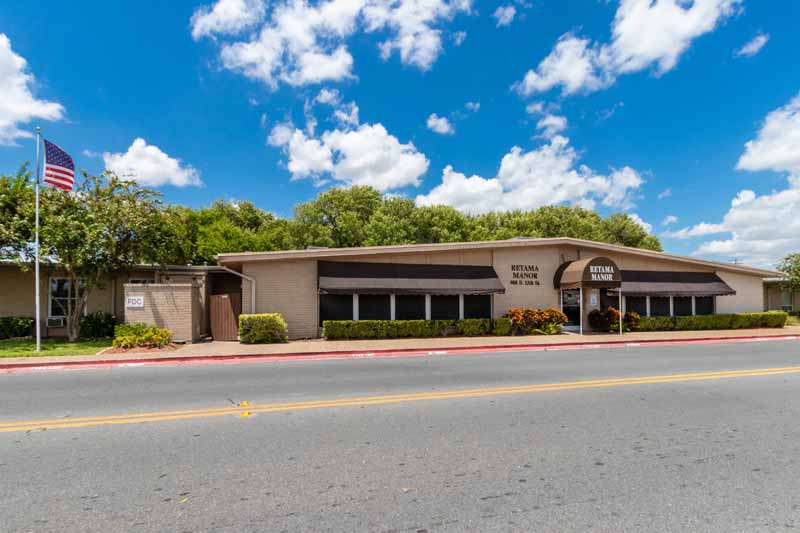
How is Windsor Of Mcall Staffed?

CMS rates WINDSOR NURSING AND REHABILITATION CENTER OF MCALL's staffing level at 1 out of 5 stars, which is much below average compared to other nursing homes. Staff turnover is 53%, compared to the Texas average of 46%. RN turnover specifically is 57%, which is notably high. RNs provide skilled clinical oversight, so turnover in this role can affect medical care quality.

What Have Inspectors Found at Windsor Of Mcall?

State health inspectors documented 18 deficiencies at WINDSOR NURSING AND REHABILITATION CENTER OF MCALL during 2022 to 2025. These included: 18 with potential for harm.
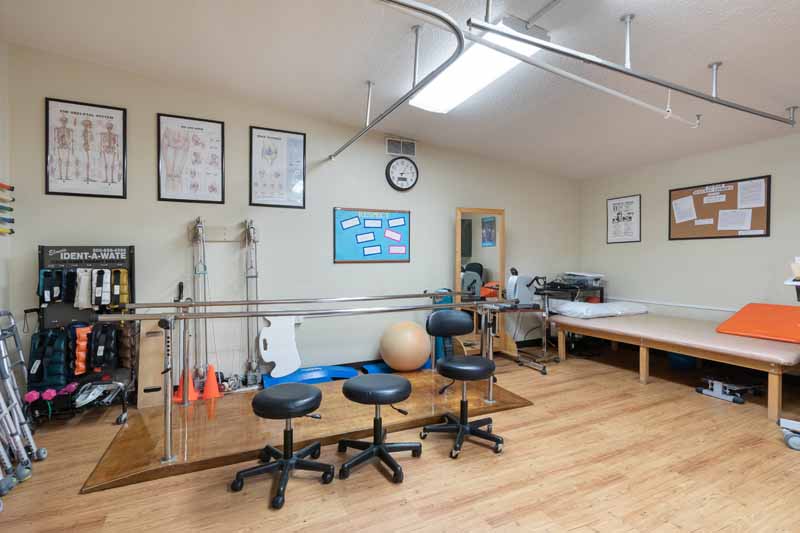
Who Owns and Operates Windsor Of Mcall?

WINDSOR NURSING AND REHABILITATION CENTER OF MCALL is owned by a non-profit organization. Non-profit facilities reinvest revenue into operations rather than distributing to shareholders. The facility is operated by WELLSENTIAL HEALTH, a chain that manages multiple nursing homes. With 110 certified beds and approximately 78 residents (about 71% occupancy), it is a mid-sized facility located in MCALLEN, Texas.
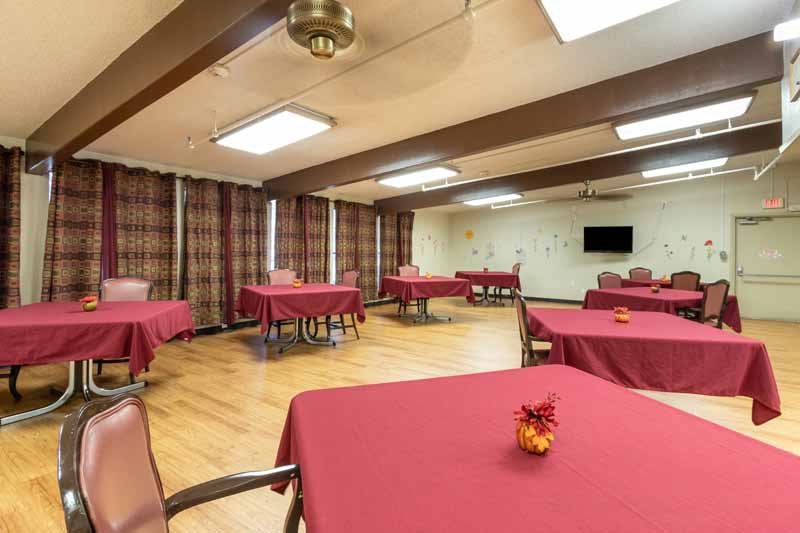
How Does Windsor Of Mcall Compare to Other Texas Nursing Homes?

Compared to the 100 nursing homes in Texas, WINDSOR NURSING AND REHABILITATION CENTER OF MCALL's overall rating (3 stars) is above the state average of 2.8, staff turnover (53%) is near the state average of 46%, and health inspection rating (4 stars) is above the national benchmark.

What Should Families Ask When Visiting Windsor Of Mcall?

Based on this facility's data, families visiting should ask: "Can you walk me through typical staffing levels on day, evening, and night shifts?" "Can I visit during a mealtime to observe dining assistance and food quality?" "How do you handle medical emergencies, and what is your hospital transfer rate?" "Can I speak with family members of current residents about their experience?" These questions are particularly relevant given the below-average staffing rating.

Is Windsor Of Mcall Safe?

Based on CMS inspection data, WINDSOR NURSING AND REHABILITATION CENTER OF MCALL has a clean safety record: no substantiated abuse findings (meaning no confirmed cases of resident harm), no Immediate Jeopardy citations (the most serious violation level indicating risk of serious injury or death), and is not on the Special Focus Facility watch list (a federal program monitoring the lowest-performing 1% of nursing homes). The facility has a 3-star overall rating and ranks #1 of 100 nursing homes in Texas. While no facility is perfect, families should still ask about staff-to-resident ratios and recent inspection results during their visit.

Do Nurses at Windsor Of Mcall Stick Around?

WINDSOR NURSING AND REHABILITATION CENTER OF MCALL has a staff turnover rate of 53%, which is 7 percentage points above the Texas average of 46%. Moderate turnover is common in nursing homes, but families should still ask about staff tenure and how the facility maintains care continuity when employees leave.

Was Windsor Of Mcall Ever Fined?

WINDSOR NURSING AND REHABILITATION CENTER OF MCALL has no federal fines on record. CMS issues fines when nursing homes fail to meet care standards or don't correct problems found during inspections. The absence of fines suggests the facility has either maintained compliance or corrected any issues before penalties were assessed. This is a positive indicator, though families should still review recent inspection reports for the full picture.

Is Windsor Of Mcall on Any Federal Watch List?

WINDSOR NURSING AND REHABILITATION CENTER OF MCALL is not on any federal watch list. The most significant is the Special Focus Facility (SFF) program, which identifies the bottom 1% of nursing homes nationally based on persistent, serious quality problems. Not being on this list means the facility has avoided the pattern of deficiencies that triggers enhanced federal oversight. This is a positive indicator, though families should still review the facility's inspection history directly.