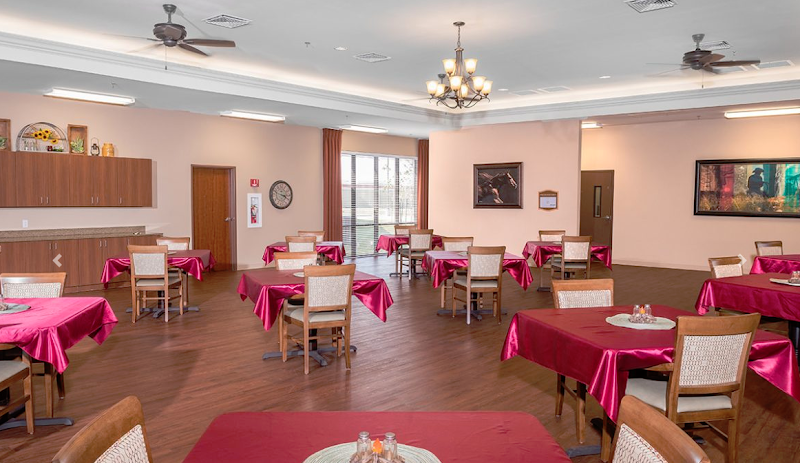
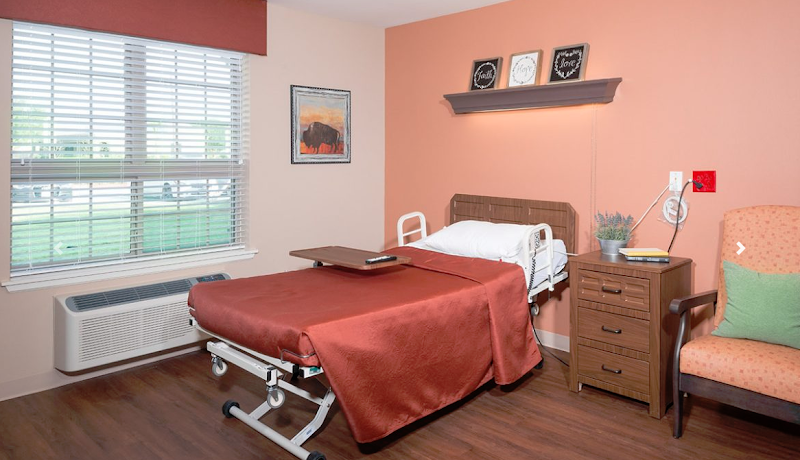
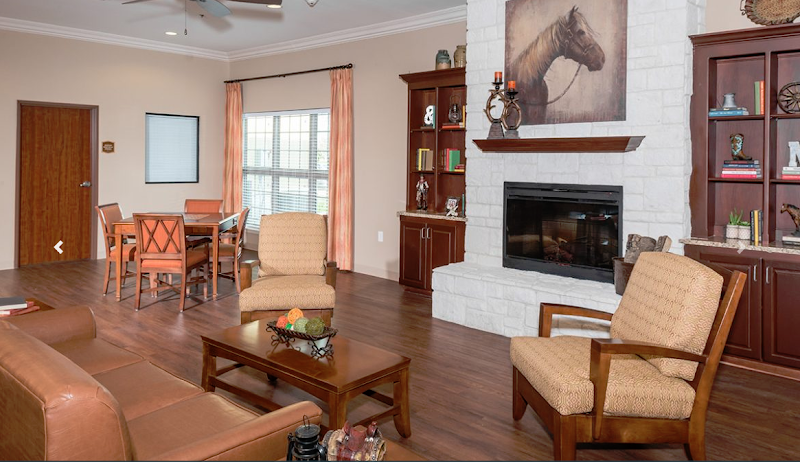
MID VALLEY NURSING & REHABILITATION

601 N MILE 2 WEST, MERCEDES, TX 78570 (956) 294-1689
Government - Hospital district 123 Beds TOUCHSTONE COMMUNITIES Data: November 2025 4 Immediate Jeopardy citations
Trust Grade
0/100
#782 of 1168 in TX
Last Inspection: February 2025

Within standard 12-15 month inspection cycle. Federal law requires annual inspections.

Overview

Mid Valley Nursing & Rehabilitation has received a Trust Grade of F, indicating significant concerns about the quality of care provided. Ranking #782 out of 1168 facilities in Texas places it in the bottom half, and #18 out of 22 in Hidalgo County suggests that only a few local options are better. The facility is worsening, with issues increasing from 7 in 2024 to 8 in 2025. Staffing is a major weakness, with a rating of 1 out of 5 stars, and while staff turnover is average at 54%, there is concerning RN coverage, lower than 77% of Texas facilities. Recent inspections found critical issues, including staff neglecting to stop a painful procedure for a resident, and failure to prevent a resident from exiting the facility unattended, raising serious safety concerns.

Trust Score
F
0/100
In Texas
#782/1168
Bottom 34%
Safety Record
High Risk
Review needed
Inspections
Getting Worse
7 → 8 violations
Staff Stability
⚠ Watch
54% turnover. Above average. Higher turnover means staff may not know residents' routines.
Penalties
⚠ Watch
$16,611 in fines. Higher than 91% of Texas facilities. Major compliance failures.
Skilled Nurses
⚠ Watch
Each resident gets only 16 minutes of Registered Nurse (RN) attention daily — below average for Texas. Fewer RN minutes means fewer trained eyes watching for problems.
Violations
⚠ Watch
22 deficiencies on record. Higher than average. Multiple issues found across inspections.
★★☆☆☆
2.0
Overall Rating
★☆☆☆☆
1.0
Staff Levels
★★★★★
5.0
Care Quality
★☆☆☆☆
1.0
Inspection Score
Stable
2024: 7 issues
2025: 8 issues

The Good

  • 5-Star Quality Measures · Strong clinical quality outcomes
  • Full Sprinkler Coverage · Fire safety systems throughout facility
  • No fines on record

Facility shows strength in quality measures, fire safety.

The Bad

2-Star Overall Rating

Below Texas average (2.8)

Below average - review inspection findings carefully

Staff Turnover: 54%

Near Texas avg (46%)

Higher turnover may affect care consistency

Federal Fines: $16,611

Below median ($33,413)

Minor penalties assessed

Chain: TOUCHSTONE COMMUNITIES

Part of a multi-facility chain

Ask about local staffing decisions and management

The Ugly 22 deficiencies on record

4 life-threatening
Apr 2025 1 deficiency
CONCERN (D) 📢 Someone Reported This

A family member, employee, or ombudsman was alarmed enough to file a formal complaint

Potential for Harm - no one hurt, but risky conditions existed

Incontinence Care (Tag F0690)

Could have caused harm · This affected 1 resident

**NOTE- TERMS IN BRACKETS HAVE BEEN EDITED TO PROTECT CONFIDENTIALITY** Based on observation, record review, and interview, the facility failed to ensure a resident who was incontinent of bladder rece...

Read full inspector narrative →
**NOTE- TERMS IN BRACKETS HAVE BEEN EDITED TO PROTECT CONFIDENTIALITY** Based on observation, record review, and interview, the facility failed to ensure a resident who was incontinent of bladder received the appropriate treatment and services to prevent urinary tract infections for one of two (Resident#2) residents reviewed for catheter care. The facility failed to ensure CNA A used the proper wiping technique when providing perineal/in continent care to Resident #2. CNA A reused wipes when cleaning the urethral opening of Resident #2's penis and provided incontinence care with Resident #2 standing. This deficient practice could place residents with catheters at risk of infection and decline in health. The findings included: Record review of Resident #2's face sheet, dated 04/11/25, revealed the resident was an [AGE] year-old male who was initially admitted to the facility on [DATE] with diagnoses that included: hematuria (blood in the urine), benign prostatic hyperplasia (nonmalignant enlargement of prostate gland) without lower urinary tract symptoms, retention of urine ( inability to empty all the urine from the bladder), and urinary tract infection (infection that affects part of the urinary tract). Record review of Resident #2's quarterly MDS assessment, dated 01/26/25, revealed Resident #2 had a BIMS score of 00, indicating his cognition was severely impaired. Resident #2's section H - bladder and bowel reflected Resident #2 had an indwelling catheter. Record review of Resident #2's care plan with an initiated date of 08/14/23 reflected a focus of, I require a foley catheter (F20 [French tubing size] 30cc [inflation amount] balloon) DX [diagnosis] obstructive uropathy (blockage that prevents urine from flowing normally through the urinary system). Interventions included, Catheter Care every shift and as indicated. Record review of Resident #2's active physician's orders on 04/11/25 revealed an order for Foley catheter care with perineal wipes and/or soap and water Q SHIFT and PRN with a frequency of every shift and scheduled every day with a start date of 12/21/24 and end date of indefinite. During an interview and observation RN Surveyor completed an observation of perineal care/incontinent care completed by CNA A and CNA B on Resident #2 on 04/11/25 at 10:05am. CNA A was observed placing Resident #2's wheelchair near a grab bar in the restroom. Resident #2 grabbed the bar with both hands and was assisted to standing by CNAs A and B. During observation of care RN surveyor observed CNA A wipe the top of Resident #2's penis 3 times reusing the same wipe each time. RN Surveyor noted Resident #2 was tired of standing, holding on to the grab bar and was asked if he was okay and if anything was bothering or hurting him. Resident #2 stated in Spanish, Si me molesta [NAME] lo aguanto, which when translated to English means, yes, it bothers me but I put up with it. During this time RN Surveyor observed Resident #2's catheter tubing appeared to hang due to gravity. CNA A stated she had always provided incontinence care with Resident #2 standing. CNA A was observed returning to Resident #2's head of penis and wiped 2 more times reusing the same wipe each time. During an interview with CNA A on 04/11/25 at 12:15pm she stated she had last been trained or in-serviced over incontinent care for a male resident with a Foley catheter in November or December of 2024. CNA A stated CNA C provided the training for catheter care. CNA A stated she had been trained to wipe once and throw the wipe away after. CNA A stated she did not recall reusing any wipes when providing incontinent care to Resident #2 and stated she should not have done that. CNA A stated reusing a wipe could contaminate the area she was providing care to and could cause the resident to get an infection. CNA A stated it was important to provide the correct care because it could cause infection. CNA A stated they normally stood Resident #2 when providing perineal care. CNA A was not sure why it was done in standing but stated it has always been done that way. During an interview with the DON on 04/11/25 at 3:15pm she stated staff were trained over perineal care annually and during random check offs. The DON stated when staff completed check offs it included residents with foley catheters. The DON stated CNA C was in charge of the trainings and she would observe. The DON stated if staff used wipes, it was usually the same steps as when using a wash cloth which was to fold and use another side. The DON stated staff could use the same wipe as long as they folded it and used a clean side. The DON stated she thought this was the process. The DON stated she was not the one who did the training, and she would just observe the training and was not sure if that was how CNA A was trained. The DON stated if the proper technique was not used residents could develop a buildup of bacteria or a bacterial infection. During an interview on 04/11/25 at 3:57pm with CNA C she stated she provided the aides monthly training over catheter care with males. CNA C stated aides were trained to use a new wipe for every swipe. CNA C stated when using a washcloth, you are able to fold it but not when using a wipe. CNA C stated she had trained CNA A over this exact procedure and had previously observed her and had not seen her use an incorrect wipe technique. CNA C stated you wanted to use one wipe per swipe because it was infection control. CNA C stated you wouldn't want the resident to be standing during catheter care and stated the best thing to do was to do it in bed because you're able to see from that angle. CNA C stated having Resident #2 stand and using the same wipe was not the correct procedure. CNA C stated it was important to use the correct technique because it could impact residents by causing rashes, fungus or urinary tract infections. CNA C stated she kept herself up to date on techniques by looking and learning techniques online and trained herself that way. During a follow up interview with the DON on 04/11/25 at 4:18pm she stated when she looked up CNA A's technique used during perineal care it stated her technique was okay, but stated CNA C stated it was not. The DON stated that CNA A should have provided the care to Resident #2 while he was laying down as it would have made the procedure easier. Record review of CNA A's trainings revealed she had completed a training titled, performing perineal care for a male patient on 12/27/24. Record review of CNA A's trainings revealed she had completed a training titled, CNA - Urinary catheter care on 10/16/24. During a follow up interview with the DON on 04/11/25 at 6:13pm the DON stated they didn't use the [NAME] for their catheter care and stated they used the Texas curriculum for nurse aides in long term care facilities that was provided by health and human services. Record review of CNA A's competency checklist dated 04/30/24, reflected under section titled, PERSONAL CARE, CNA A was checked off as met for Pericare [perineal]/incontinent male and Foley cath [catheter] care male. Record review of undated facility document titled Indwelling catheter care (daily cleansing) stated While the CDC (Centers of Disease Control) does not endorse routine meatal cleansing (urethral opening), this community does conduct daily and as needed (PRN) indwelling catheter cleansing. There was also verbiage that stated, This standard servers to override the [NAME] textbook requirement for sterile technique. Clean technique will be used for cleansing care. The policy did not include a reference or definition of the clean technique and did not include verbiage related to reusing wipes or only using each wipe once per swipe. Record review of the Texas curriculum for nurse aides in long term care facilities dated March 2024 included a section titled 2.7.5 Procedural Guideline #22 - Catheter Care which included steps to Lower head of bed and position the resident on his or her back but did not include verbiage regarding the use of wipes and only mentioned the use of a wash cloth.
Mar 2025 2 deficiencies
CONCERN (D) 📢 Someone Reported This

A family member, employee, or ombudsman was alarmed enough to file a formal complaint

Potential for Harm - no one hurt, but risky conditions existed

Comprehensive Care Plan (Tag F0656)

Could have caused harm · This affected 1 resident

**NOTE- TERMS IN BRACKETS HAVE BEEN EDITED TO PROTECT CONFIDENTIALITY** Based on interviews and record review, the facility failed to develop and implement a person-centered care plan for each residen...

Read full inspector narrative →
**NOTE- TERMS IN BRACKETS HAVE BEEN EDITED TO PROTECT CONFIDENTIALITY** Based on interviews and record review, the facility failed to develop and implement a person-centered care plan for each resident that included measurable objectives and timeframes to meet a resident's medical, nursing, and mental and psychosocial needs that were identified in the comprehensive assessment for 1 of 4 residents (Resident #1) reviewed for comprehensive care plans. The facility did not include Resident #1's pruritis (itchy skin) and behavior of itching and scratching on care plan. This failure could place residents at risk for not receiving appropriate treatment and services. The findings included: Record review of Resident #1's face sheet, dated 03/07/25, revealed the resident was a [AGE] year-old male who was initially admitted to the facility on [DATE] with diagnoses that included: type 2 diabetes mellitus (high blood sugar) without complications, malignant neoplasm of bladder (bladder cancer or cancerous tumor that develops in bladder), unspecified, acute respiratory failure with hypoxia, dysphagia, oral pharyngeal phase (swallowing disorder that affects the muscles and nerves in the mouth, throat and upper esophagus), and nontraumatic intracranial hemorrhage (bleeding within the brain that occurs without head injury), unspecified. Record review of Resident #1's quarterly MDS assessment, dated 01/31/25, revealed Resident #1 had a BIMS score of 15, indicating he was cognitively intact. Record review of Resident #1's nursing notes from 01/23/25 revealed, CARE PLAN MEETING: IDT met with patient in his room .expressed concerns regarding itching to his skin, Nursing informed, MD aware. Record review of Resident #1's notes from 01/31/25 documented by PA stated, Dermatology referral to [MD] Record review of Resident #1's order summary report reflected an active order to refer to dermatology for DX: Pruritus with an order date of 01/31/25. Record review of Resident #1's care plan with an initiation date of 07/26/24 included a focus of Admission/readmission Care Plan; I may be at risk for: self-care, deficits, skin concerns, pain, infection & nutritional/hydration concerns and emotional distress with an initiation date of 07/26/24 and interventions of, 1. Administer medication, care & treatments as per MD recommendation . 4. Monitor vital signs and health conditions as indicated,. Further review of care plan did not include any verbiage related to pruritus or Resident #1's behavior of itching. During an interview with Resident #1 on 03/06/25 at 1:12pm he stated he previously use to be itchy all over his body and was scratching his whole body before. Resident #1 stated they were using creams and it helped fix his issue and stated it had gotten better and he did not itch anymore. During an interview and observation with the Treatment Nurse on 03/07/25 at 3:38pm she stated the DON or MDS nurse was responsible for completing and updating resident care plans, she was unaware of how often resident care plans were updated or completed. The Treatment Nurse stated Resident #1 had dry, itchy skin, pruritus, and behaviors such as itching and scratching, and stated he had this on and off since he had been at the facility. The Treatment Nurse stated residents skin conditions such as dry, itchy skin, pruritus, and behaviors such as itching and scratching should be on the care plan. The Treatment Nurse stated she did not personally attend any meetings and did not know how the MDS nurse was notified of any skin conditions or behaviors identified on residents. The Treatment Nurse reviewed Resident #1's care plan and stated there was nothing on there related to Resident #1 having pruritus, dry, itchy skin, having behaviors of itching or scratching. The Treatment Nurse stated the care plan she reviewed only included a general focus on skin assessment and that Resident #1 was at high risk for skin break down. The Treatment Nurse was unable to answer why Resident #1's care plan did not reflect his related skin conditions/behaviors. The Treatment Nurse stated it was important that the care plan reflected any skin changes or related behaviors so that everyone would know and because it was the process of caring for the resident, and stated they had to know what was being done and resolved at all times. The Treatment Nurse stated not accurately reflecting residents skin changes, condition and behaviors on the care plans could negatively impact them because they would not be providing the care, they needed for the resident's quality of care. During an interview and observation with the MDS nurse on 03/07/25 at 4:59p.m., he stated he was responsible for completing and updating the care plans and stated they should be updated upon admission and when a resident had a change in medication, treatment, orders or any assessments. The MDS nurse stated residents skin conditions such as dry, itchy skin, pruritus and behaviors such as itching and scratching should be on the resident's care plan. The MDS nurse stated he was notified of any skin conditions or behaviors identified on residents during morning meetings, by nurses reporting any treatment, reviewing new orders daily and stated he also shared an office with the Treatment Nurse. The MDS nurse stated Resident #1 had pruritus, itchy, dry skin and behaviors of itching and scratching and stated they had a care plan meeting with him and he referred it to nursing and had told them about getting a consult with a skin doctor so they could know what was going on. The MDS nurse stated Resident #1 would keep scratching with a back scratcher he had and stated he provided him health education on not scratching for prevention. MDS nurse stated he had noted Resident #1 with those skin conditions and behaviors since Resident #1 had been at the facility. The MDS nurse reviewed Resident #1's care plan and stated there was nothing on there related to Resident #1 having pruritus or having behaviors or itching or scratching. The MDS nurse could not recall and was not sure why Resident #1's care plan did not reflect his related skin conditions/behaviors. The MDS nurse stated it was important that the care plan reflected any skin changes or related behaviors so that treatment would be followed. The MDS nurse stated he had been trained over completing or updating resident care plan by his regional but did not remember when. The MDS nurse stated he had reviewed the facility policy related to accurate and updated care plans but could not recall the exact policy, the MDS nurse stated he had followed the facility related policy. The MDS nurse stated he monitored and oversaw care plans to ensure they accurately reflected residents skin changes, conditions, and behaviors. The MDS nurse stated not accurately reflecting residents skin changes, condition and behaviors on the care plans could negatively impact them because treatment would not be followed and there would be no continuity of care and you won't be able to evaluate the effective of treatment. During an interview and observation with the DON on 03/07/25 at 5:37p.m., she stated usually the MDS nurse was responsible for completing and updating the care plans and stated any of her nurse managers and herself could also do it. The DON stated care plans were completed and updated daily because the MDS nurse would print out any new orders and if something was coming up they would discuss it in their morning meetings. The DON stated the MDS was notified of any skin condition or behaviors during the morning meeting and should identify them himself when reviewing the orders and documentation. The DON stated residents skin conditions such as dry, itchy skin, pruritus and behaviors such as itching and scratching should be on the residents care plan if they are current and should be resolved when done. The DON stated Resident #1 did not currently have anything. The DON stated Resident #1 was scratching but did not know if he had a diagnosis of pruritus and stated he currently did not have anything active, The DON stated Resident #1 has had this on and off since admission. The DON reviewed Resident #1's care plan and stated there was nothing on there related to pruritus. The DON stated she was unable to say why Resident #1's care plan did not reflect his related skin conditions/behaviors and stated the only thing she could think of was because he did not currently have any treatment in place. The DON stated it was important that the care plan reflected any skin changes or related behaviors because it was part of their assessment and care plans had to be personalized to the residents and whatever they are going through. The DON stated her and the MDS nurse had trained over completing or updating resident care plans but did not know by who or when. The DON stated the facility policy related to accurate and updated care plans stated care plans had to be updated and personalized to the residents. The DON stated in this situation she thought they had followed the facility policy. The DON stated the MDS nurse, herself or any nurse mangers monitored and oversaw care plans to ensure they accurately reflected residents skin changes, conditions and behaviors. The DON stated she did not think not accurately reflecting residents skin changes, condition and behaviors on the care plans would have negatively impacted residents. The DON stated she thought they did everything they could for Resident #1 and stated he got treatment in house and will still be done as needed for Resident #1. Record review of licensed nurse competencies checklist dated 04/10/24 revealed the DON checked off as met under the general section for Kardex/Plan of Care. Record review of licensed nurse competencies checklist dated 05/06/24 revealed the Treatment Nurse checked off as met under the general section for Kardex/Plan of Care. Record review of licensed nurse competencies checklist dated 02/02/24 revealed the MDS nurse was checked off as met under the general section for Kardex/Plan of Care. Record review of facility policy titled Care Plans with an implemented date of February 2017 and a revised date of January 2023 included a section titled, Guidelines: .Care Plans that included the following verbiage: The Care plan should be reflective of the identified problem or risk, a measurable outcome objective and appropriate intervention/interventions in relation to the identified problem or risk outcome objective, and the resident's ability, needs, medical condition, preventive measure.
CONCERN (D) 📢 Someone Reported This

A family member, employee, or ombudsman was alarmed enough to file a formal complaint

Potential for Harm - no one hurt, but risky conditions existed

Medical Records (Tag F0842)

Could have caused harm · This affected 1 resident

**NOTE- TERMS IN BRACKETS HAVE BEEN EDITED TO PROTECT CONFIDENTIALITY** Based on observation, interview and record review, the facility failed to maintain clinical records in accordance with accepted ...

Read full inspector narrative →
**NOTE- TERMS IN BRACKETS HAVE BEEN EDITED TO PROTECT CONFIDENTIALITY** Based on observation, interview and record review, the facility failed to maintain clinical records in accordance with accepted professional standards and practices that are complete and accurately documented for 1 of 4 residents (Resident #1) reviewed for medical records accuracy, in that: The facility failed to document Resident #1's physician ordered weekly total body skin assessment. This deficient practice could affect residents whose records are maintained by the facility and could place them at risk for errors in care, and treatment. The findings included: Record review of Resident #1's face sheet, dated 03/07/25, revealed the resident was a [AGE] year-old male who was initially admitted to the facility on [DATE] with diagnoses that included: type 2 diabetes mellitus (high blood sugar) without complications, malignant neoplasm of bladder (bladder cancer or cancerous tumor that develops in bladder), unspecified, acute respiratory failure with hypoxia, dysphagia, oral pharyngeal phase (swallowing disorder that affects the muscles and nerves in the mouth, throat and upper esophagus), and nontraumatic intracranial hemorrhage (bleeding within the brain that occurs without head injury), unspecified. Record review of Resident #1's quarterly MDS assessment, dated 01/31/25, revealed Resident #1 had a BIMS score of 15, indicating he was cognitively intact. Record review of Resident #1's care plan with an initiation date of 07/26/24included a focus of Admission/readmission Care Plan; I may be at risk for: self-care, deficits, skin concerns, pain, infection & nutritional/hydration concerns and emotional distress with an initiation date of 07/26/24 and interventions of, 1. Administer medication, care & treatments as per MD recommendation . 4. Monitor vital signs and health conditions as indicated,. Record review of Resident #1's active physician's orders revealed orders to Complete the [electronic documentation software] skin & wound - Total Body Skin Assessment, with a frequency of every day shift every Mon (Monday) for Skin Integrity with a start date of 08/12/24 and end date of indefinite. Record review of Resident #1's total body assessment revealed Resident #1's last total body skin assessment was completed on 02/19/25. Record review of Resident #1's February 2025 TAR reflected his order for total body skin assessment on 02/24/25 had been signed off by the ADON. During an interview and observation with the Treatment Nurse on 03/07/25 at 3:38pm she stated she was responsible for completing skin assessments and completed them every Monday and Tuesday. The Treatment Nurse reviewed Resident #1's physician orders and stated he had orders for weekly body audits on Mondays. The Treatment Nurse stated after 02/19/25 Resident #1's next skin assessment would have been due on 02/26/25. The Treatment Nurse stated she was not working from 02/13/25-03/03/25 and stated during that time the DON would have had to delegate somebody to complete the skin assessments or she would have made herself responsible for completing the skin assessments. The Treatment Nurse stated she did not know who completed the skin assessment on 02/26/25 for Resident #1 but she stated she was able to see it on her end. Treatment Nurse reviewed the copy of Resident #1's assessments retrieved on 03/05/25 by Surveyor A and stated the last skin assessment she saw was on 02/19/25 and did not know why there was not one documented on 02/26/25. The Treatment Nurse stated during the time of Resident #1's missed skin assessment he did not have any skin break down and was just monitored for any itchiness. The Treatment Nurse stated it was important to follow physician orders and complete and document residents skin assessments weekly to make sure there was no skin breakdown and stated her goal was to keep residents free of wounds. The Treatment Nurse did not know what the facility policy stated in regard to following physician orders and documenting skin assessments, she stated she had not been trained over completing and documenting skin assessments. The Treatment Nurse stated the DON would monitor her skin assessments to ensure completion and documented had been completed. The Treatment Nurse stated not completing and documenting skin assessment could negatively impact residents because it was not done. During an interview and observation on 03/07/25 at 5:37 p.m., with the DON she stated the Treatment Nurse was responsible for completing the skin assessment but stated she was responsible for the previous 2 weeks because the Treatment Nurse was out, the DON did not recall the exact dates the Treatment Nurse was out. The DON reviewed Resident #1's physician orders and stated he had orders for weekly skin assessments. The DON reviewed Resident #1's list of assessments from 03/05/25 and confirmed the last skin assessment completed was on 02/19/25 and stated the following date for a skin assessment for Resident #1 was on 02/26/25. The DON stated she was responsible for completing the skin assessment for Resident #1 on 02/19/25 and 02/26/25. The DON stated she did complete the skin assessment on 02/26/25 and her ADON signed the MAR but did not complete the skin assessment form, the DON stated the forms do not tell you much. The DON stated she did not complete the skin assessment form because it just got passed her and she must have forgot. The DON stated Resident #1 did not have any skin issues during the time his skin assessment was not documented. The DON stated it was important to follow physician orders and complete and document skin assessments because they have to make sure they are checking residents and to prevent anything or catch something the was not being done. The DON stated the facility policy regarding following physician orders and documenting skin assessments stated if they found a wound, they had to complete a different assessment with the measurements of the wound and the notifications made. The DON stated the facility did follow this policy. The DON stated she had been trained over completing and documenting skin assessments but did not know by who and stated she was trained during in services via [video conferencing platforms]. The DON Stated she monitored and oversaw the skin assessment to ensure completion and documentation had been completed during their daily meetings. The DON stated if they don't do their weekly audits there was no negative impact on the residents and stated they sign off on the MAR and if there's anything new, they will document and call the MD so there's no negative impact. Record review of licensed nurse competencies checklist dated 04/10/24 revealed the DON was checked off as met under the general assessment section of skin, hair, nails, and under the evaluation/notification/documentation section on admission orders and physician orders. Record review of licensed nurse competencies checklist dated 05/06/24 revealed the Treatment Nurse was checked off as met under the general assessment section of skin, hair, nails, and under the evaluation/notification/documentation section on admission orders and physician orders. Record review of facility policy titled, Skin and Wound Prevention and Management with am implemented date of 03/14/29 and revised date of January 2023 included verbiage under the section titled Guideline: that reflected, 1 A licensed nurse should at least weekly conduct a routine skin assessment/evaluation in order to identify new pressure injuries or other types of skin concerns. The licensed nurse should document the results of weekly skin checks in the resident's medical record.
Feb 2025 5 deficiencies
CONCERN (D)

Potential for Harm - no one hurt, but risky conditions existed

Comprehensive Care Plan (Tag F0656)

Could have caused harm · This affected 1 resident

**NOTE- TERMS IN BRACKETS HAVE BEEN EDITED TO PROTECT CONFIDENTIALITY** Based on observation, interview, and record review the facility failed to develop and implement a comprehensive person-centered ...

Read full inspector narrative →
**NOTE- TERMS IN BRACKETS HAVE BEEN EDITED TO PROTECT CONFIDENTIALITY** Based on observation, interview, and record review the facility failed to develop and implement a comprehensive person-centered care plan for each resident, consistent with the resident rights that includes measurable objectives and timeframes to meet a resident's medical, nursing, and mental and psychosocial needs that are identified in the comprehensive assessment and described the services that are to be furnished to attain or maintain the resident's highest practicable physical, mental, and psychosocial well-being for 1 (Resident #187) of 8 residents reviewed for care plans. The facility failed to include oxygen treatment in Resident #187's comprehensive care plan. This deficient practice could affect residents who received oxygen and could result in residents receiving incorrect or inadequate oxygen support and could result in a decline in health. Findings Included: Record Review of Resident #187's face sheet, dated 02/05/2025, revealed a [AGE] year-old male admitted on [DATE], and original admit date on 10/25/2024 with pertinent diagnoses of Pneumonia, Encephalopathy (damage or disease that affects the brain), History of Transient Ischemic Attack (mini stroke) and Cerebral Infarction (stroke), Chronic Kidney Disease Stage 3 (kidneys have mild to moderate damage, and they are less able to filter waste and fluid out of your blood), and Major Depressive Disorder. Record review of Resident #187's MDS assessment, dated 01/12/2025, a BIMS score of 05 revealed the resident's cognition was severely impaired. Record Review of Resident #187's physician's order summary dated 02/02/2025 revealed no oxygen order. During an observation on 02/02/2025 at 11:55 a.m., Resident #187 was lying in his bed with head of the bed elevated and had on a nasal cannula with the oxygen concentrator set at 1.5 liters per minute. During an interview on 02/02/2025 at 11:57 a.m. with Resident #187 ' s was lying in his bed with head of the bed elevated. His family member was at bedside, stated that Resident #187 has being using oxygen via NC every day since before he was readmitted to the facility. During an interview with LVN B on 02/02/2025 at 12:02 p.m., stated that MDS was responsible for care planning. She stated the oxygen needed to be care planned because staff need to know Resident #187 was on oxygen and we do not want the resident to desaturate (blood oxygen levels drop below normal range). During an interview on 02/02/2025 at 05:07 p.m. the DON stated that the staff knew Resident #187 was on oxygen. She stated a possible negative outcome of the oxygen not being care planned was that the care plan tells you what the resident was supposed to be on. The DON stated the care plan of the resident revolves around the resident's needs. She stated if they have no physician order for oxygen then care planning will be overlooked. During an interview on 02/02/2025 at 05:25 p.m. MDS stated he was responsible for writing care plans for the whole facility. He stated that he did not get the physician order for the oxygen. MDS stated that what he care plans gets administered. He stated that once he gets the order, he checks that it had been followed through and formulate a care plan. The negative outcome of not having the oxygen care planned was that staff was not going to follow through with it and would not evaluate if effective. He stated that oxygen was considered a medication and if not following orders, the patient would desaturate for not having oxygen. Record review of facility policy titled Care Plans and date revised January 2023 revealed the following: The community develops a comprehensive care plan for each resident that includes measurable objectives to meet a resident medical, nursing, mental, and psychosocial needs that are identified in the comprehensive assessment. The care plan should be reflective of the identified problem or risk, a measurable outcome objective, and appropriate intervention/interventions in relation to the identified problem or risk, outcome objective, and the resident ability, needs, medical condition, preventative measure.
CONCERN (D)

Potential for Harm - no one hurt, but risky conditions existed

Respiratory Care (Tag F0695)

Could have caused harm · This affected 1 resident

**NOTE- TERMS IN BRACKETS HAVE BEEN EDITED TO PROTECT CONFIDENTIALITY** Based on observation, interviews, and record review, the facility failed to ensure that a resident who needs respiratory care, i...

Read full inspector narrative →
**NOTE- TERMS IN BRACKETS HAVE BEEN EDITED TO PROTECT CONFIDENTIALITY** Based on observation, interviews, and record review, the facility failed to ensure that a resident who needs respiratory care, including tracheostomy care and tracheal suctioning, is provided such care, consistent with professional standards of practice for 2 of 18 (Resident #187, Resident #78) residents reviewed for respiratory care. 1. The facility failed to ensure Resident #187 had an oxygen sign posted on their door to alert everyone that they were on oxygen and failed to obtain a physician's order prior to providing oxygen therapy for Resident #187. 2. The facility failed to obtain a physician's order prior to providing oxygen therapy for Resident #78. This deficient practice could place residents who receive respiratory care at risk for developing respiratory complications, make others unaware oxygen was in use, and of receiving inappropriate and inadequate care. The findings included: Record Review of Resident #187's face sheet, dated 02/05/2025, revealed a [AGE] year-old male admitted on [DATE], and original admit date on 10/25/2024 with pertinent diagnoses of Pneumonia, Encephalopathy (damage or disease that affects the brain), History of Transient Ischemic Attack (mini stroke) and Cerebral Infarction (stroke), Chronic Kidney Disease Stage 3 (kidneys have mild to moderate damage, and they are less able to filter waste and fluid out of your blood), and Major Depressive Disorder. Record review of Resident #187's MDS assessment, dated 01/12/2025, a BIMS score of 05 revealed the resident's cognition was severely impaired. Record review of Resident #187's active orders, dated 02/02/2025, revealed no order for oxygen. Record review of Resident #187's care plan, dated 01/22/2025, revealed no oxygen care planned. During an observation and interview on 02/02/2025 at 11:55 a.m., Resident #187 was lying on a bed and had on a nasal cannula with the oxygen concentrator set at 1.5 liters per minute. No sign was on the outside of Resident #187's door to indicate he had oxygen in use in the room. During an interview on 02/02/2025 at 11:57 a.m. with Resident #187's family member, stated that Resident #187 has being using oxygen via NC every day since before he was readmitted to the facility. During an interview on 02/02/2025 at 12:02 p.m., with LVN B stated she was Resident #187's nurse. LVN B stated the nurses are responsible for posting the oxygen sign on the outside of the resident's rooms for all residents who have oxygen. She stated Resident #187 had oxygen in use via NC and should have a sign but did not. LVN B stated, if someone does not know the resident, they do not know where to look or how to identify the resident's needs for oxygen and for example, it can cause a fire. The oxygen sign was an extra identifier. LVN B revealed she could not find a physician order in Resident 187's chart. She stated he had been using oxygen since before he went out to the hospital. LVN B further stated she assumed the physician order was in place. During an interview on 02/02/2025 at 12:14 p.m., the ADON stated residents with oxygen should have signs posted so people know they are on oxygen. She stated the floor nurses are responsible for posting the O2 sign. During an interview on 02/02/2025 at 5:07 p.m. the DON stated the nurses and nurse managers were responsible for posting the O2 sign on the resident's door who are on oxygen. The DON stated the O2 sign alerts the staff that the resident is on oxygen. 2.Record review of Resident #78's Physician's Orders revealed Resident #78 was an [AGE] year-old female admitted to the facility on [DATE] and was readmitted on [DATE] with diagnosis of other cerebral infarction due to occlusion or stenosis of small artery (a type of stroke where a small blood vessel in the brain becomes blocked or narrowed, leading to brain tissue infarction (tissue death) due to lack of blood supply), metabolic encephalopathy (a brain dysfunction that occurs when there's an imbalance of chemicals in the blood), and acute on chronic systolic (congestive) heart failure (a sudden worsening of symptoms in a person who already has a pre-existing chronic condition of systolic [left ventricle] heart failure). Physician's orders did not reveal an existing order for oxygen. Record review of Resident #78's quarterly MDS dated [DATE] indicated Resident #78 had severe cognitive impairment and Section O. C1. Oxygen therapy was not checked. During an observation and interview on 02/02/25 at 1:17 p.m. Resident #78 was observed lying in bed with the head of bed raised slightly and Resident #78 with O2 via nasal cannula. The FM said Resident #78 was admitted to the facility since the end of August. The FM said Resident #78 had been in and out of the hospital since admission. The FM said she was on O2 continuous at 2 liters per minute since she returned from the hospital. Observation of O2 concentrator revealed it was set at 2 Lpm. During an interview on 02/03/2025 at 3:57 p.m., LVN F said any nurse type in a physician's order in the resident's electronic record. LVN F said he did not know why the order for oxygen for Resident #78 was not included in the resident's physician's orders. LVN F said physician's orders were needed for the use of oxygen. During an interview on 02/02/2025 at 05:07 p.m. the DON stated the nurses who got the orders were the ones who were responsible for entering the orders. She stated that medical records help with checking that the orders were in. She does not know how this was missed. She stated physician order should have been in place. The DON stated she already spoke to the doctor and obtained the order. A policy regarding physician's orders to treat residents was requested on 02/02/2025 at 5:15 pm. The DON stated she did not have a physician order policy and provided me with the Professional Standard of Care, date revised January 2024. Record review of the facility's policy titled Oxygen Administration, revised date January 2023, revealed Assess the resident's room to determine if the environment is safe for oxygen administration. Record review of the facility's policy titled Oxygen Administration, revised date January 2023, revealed Compliance Guidelines A resident receives oxygen therapy when there is an order by a physician. Procedure #3. Obtain physician orders for oxygen administration.
CONCERN (D)

Potential for Harm - no one hurt, but risky conditions existed

Food Safety (Tag F0812)

Could have caused harm · This affected 1 resident

Based on observation, interview, and record review the facility failed to store, prepare, distribute and serve food in accordance with professional standard or food service safety for 1 of 1 kitchen r...

Read full inspector narrative →
Based on observation, interview, and record review the facility failed to store, prepare, distribute and serve food in accordance with professional standard or food service safety for 1 of 1 kitchen reviewed for food service safety. The facility failed to ensure all food items were labeled and dated in the freezer, and a bag of French toast was open to air and was unlabeled and undated. This failure could place residents at risk of foodborne illnesses. The findings included: An observation of the facility freezer on 02/02/25 at 11:05 a.m. revealed an open to air bag with five slices of French toast that was unlabeled and undated. In an interview on 02/02/25 at 11:10 a.m., [NAME] A said she did not have any idea of how long the bag of French toast had been in the freezer, but she would throw it out. [NAME] A said they have been trained to label and date all items in the refrigerator and freezer. She said it is important to label and date all food items because they will know if the food is expired and if left too long and opened it could be contaminated or the food will not taste good. [NAME] A said she did not remember when the last time they had an in-service on labeling and dating food items. In an interview on 02/04/25 the DM said all dietary employees know to label and date all items in the refrigerator, freezer, and pantry. The DM said all staff are responsible for labeling and dating food items. Record review of facility's policy titled Policy: Food Storage revised: June 01, 2019, revealed: To ensure that all food served by the facility is of good quality and safe for consumption, all foods will be stored according to the state, federal and US Food Codes and HACCP guidelines. . 3. Freezers .e. Store frozen foods in moisture-proof wrap or containers that are labeled and dated.
CONCERN (D)

Potential for Harm - no one hurt, but risky conditions existed

Infection Control (Tag F0880)

Could have caused harm · This affected 1 resident

**NOTE- TERMS IN BRACKETS HAVE BEEN EDITED TO PROTECT CONFIDENTIALITY** Based on observation, interview, and record review, the facility failed to maintain an infection prevention and control program ...

Read full inspector narrative →
**NOTE- TERMS IN BRACKETS HAVE BEEN EDITED TO PROTECT CONFIDENTIALITY** Based on observation, interview, and record review, the facility failed to maintain an infection prevention and control program designed to provide a safe, sanitary, and comfortable environment to help prevent the development and transmission of communicable diseases and infections for 2 of 8 residents (Residents #3 and #81) reviewed for infection control in that: 1. The facility failed to ensure LVN C followed the Enhanced Barrier Precautions (EBP) when she did not wear a gown while administering medication via G-tube for Resident #3. 2. The facility failed to inform visitors that Resident #81 was on contact precautions. 3. The facility failed to ensure that Resident #81 had a CONTACT precaution sign at the door. These failures could place residents at risk for cross contamination and the spread of infection. Finding included: 1. Record review of Resident #3's face sheet dated 02/03/2025 revealed she was a [AGE] year-old female with an admission date of 11/01/20024, and with pertinent diagnoses which included: Gastrostomy status (presence of a surgically created opening into stomach used to provide nutritional support), Alzheimer ' s Disease, Dysphagia (difficulty swallowing), Hypertension (high blood pressure). Record review of Resident #3's Comprehensive Care Plan dated 01/10/2025 revealed at risk for infection or recurrent/chronic infection r/t compromised medical condition. Interventions: Enhanced Barrier Precautions practices as clinically indicated. Record review of Resident #3's Physician Order Summary dated 02/03/2025 revealed EBP precaution when in contact with peg tube. Observation on 02/03/2025 at 01:31 p.m. revealed LVN C did not wear a gown, only gloves to administer a medication via Resident #3 ' s G-tube. There was an Enhanced Barrier Precautions (EBP) sign posted on Resident #3 ' s door, PPE supplies available outside the room. During an interview on 02/03/2025 at 01:45 p.m. with LVN C, stated that she was nervous and forgot to put on the gown when administering the medication via G-tube to Resident #3. She stated Resident #3 was on Enhanced Barrier Precautions, she turned and looked at the EBP sign posted on Resident #3's door. LVN C stated she was to be wearing a gown and gloves when doing patient care on any resident who was on EBP. She stated EBP was recommended for residents who have an entrance, like for example a G-tube and/or a foley catheter. The negative outcome of not wearing a gown when administering medication via G tube was exposing Resident #3 to infection. She had EBP in service done about a month ago. During an interview on 02/03/2025 at 04:54 p.m., the DON stated that Enhanced Barrier Precautions should be used when staff comes into contact with residents who have a G-tube, foley catheter, and wound drainage. The DON stated LVN C was supposed to be wearing a gown and gloves when administering medication via a G-tube to Resident #3. She stated this was to help prevent the spread of infection. The DON stated that she had training in infection control, and enhanced barrier precaution done a couple days ago. Record review of the facility policy titled Infection Prevention and Control date reviewed April 2024 revealed Enhanced Barrier Precautions (EBP) maybe implemented as an infection control intervention designed to reduce transmission of resistant organisms. The use of PPE, such as gown and glove use during high contact resident care activities. EBP may be indicated as a recommendation by the CDC (when Contact Precautions do not otherwise apply) for residents with the following: Wounds or indwelling medical devices, regardless of MDRO colonization status; EBP requires the use of gowns and gloves during high-contact resident care activities that provide opportunities for transfer of MDROs to staff hands and clothing. Indwelling medical devices (e.g. central line, urinary catheter, feeding tube ) regardless of MDRO colonization status. 2. Record review of Resident #81's face sheet, dated 02/2/2025, revealed the resident was a [AGE] year-old male and an admission date of 01/27/2025 and initially admission date of 11/29/24 with diagnoses that included: ESBL in the urine (Extended-Spectrum Beta-Lactamases. It refers to a group of enzymes produced by certain bacteria that make them resistant to a wide range of antibiotics). Record review of Resident #81's admission MDS assessment, dated 01/30/2025, revealed was in progress. Record review of Resident #81's comprehensive care plan, dated 12/17/2024, revealed was in progress. Observation on 02/2/2025 at 12:56 p.m. revealed there was not a sign posted on Resident #81's door, was inside the room with resident without wearing PPE. PPE was available outside the residents room and the hazardous bins were inside the room. Interview on 02/2/2025 at 12:56 p.m. Resident#81's said that she was never informed about the infection was contagious and that she visited Resident #81 every day and never used PPE. Interview on 02/2/2025 at 1:10 p.m. with LVN C confirmed Resident #81 was on contact precautions due to ESBL in the urine. LVN C stated that nurses are in charge to place the signs at the door and to inform visitors about the infection. LVN C said that it is crucial to inform visitors to prevent the spread of the infection. Interview on 02/4/2025 at 12:45 p.m. with the DON confirmed visitors should have put on a gown when entering Resident #81's room. The DON said that the sign at the door alerts visitors and staff about the infection and the sign helped with the prevention and spread of infection. The DON said that all staff oversaw checking that the signs were at the door. The DON said that all staff were in charge to ensure visitors were wearing PPE inside the room. DON said that all staff was responsible to make sure there was PPE available to staff and visitors. Record review of the facility policy, titled Infection Prevention and Control, revised 04/2024, revealed The infection prevention and control program are a facility-wide effort involving all disciplines and individuals and is an integral part of the quality assurance and performance improvement program. Contact Precautions may be implemented for a resident known or suspected to be infected with microorganisms that can be transmitted by direct contact with the resident or indirect contact with environmental surfaces or patient-care items in the resident's environment.
CONCERN (E) 📢 Someone Reported This

A family member, employee, or ombudsman was alarmed enough to file a formal complaint

Potential for Harm - no one hurt, but risky conditions existed

Medical Records (Tag F0842)

Could have caused harm · This affected multiple residents

**NOTE- TERMS IN BRACKETS HAVE BEEN EDITED TO PROTECT CONFIDENTIALITY** Based on interviews and record review, the facility failed to maintain clinical records on each resident that were complete and ...

Read full inspector narrative →
**NOTE- TERMS IN BRACKETS HAVE BEEN EDITED TO PROTECT CONFIDENTIALITY** Based on interviews and record review, the facility failed to maintain clinical records on each resident that were complete and accurately documented in accordance with accepted professional standards and practices for 1 (Resident #1) of 2 residents by 4 of 4 nurses (LVN B, LVN D, LVN E, and LVN F) reviewed for accuracy and completeness of clinical records. The facility failed to ensure LVN B, LVN D, LVN E, and LVN F correctly completed Resident #1's nuero checks between 05/30/24 and 06/01/24. This failure could place residents at risk for not receiving nursing services by adequately trained nurses and could result in a decline in health. Findings included: Record review of Resident #1's admission sheet, dated 02/03/25 , reflected a [AGE] year-old female admitted on [DATE], an original admission date of 05/24/24 and a discharge date of 07/31/24. Resident #1's relevant diagnoses included end stage renal failure ( the final stage of chronic kidney disease) , muscle weakness, history of falling, fracture of pelvis, and fracture of T-11-T-12 vertebra (a break in the vertebrae located at the T11 and T12 levels of the spine). Record review of Resident #1's MDS assessment dated [DATE], reflected BIMS score question not answered, which indicated resident was not able to answer questions. Record review of Resident #1's care plan dated 05/27/24, reflected had a history of falls related to pubic symphysis, non-displaced right sacral bone fracture, L-1 vertebral, compression fracture and T-12 vertebral (a pelvic injury where the joint connecting the pubic bones is not displaced, but there is a fracture in the right sacral bone that is also isn't shifted out of place). Record review of Resident #1's physician's orders indicated she was not on blood thinners. Record review of Resident #1's progress notes dated 05/29/24 at 5:00 a.m., authored by LVN G reflected, [Resident #1] noted laying supine on floor next to bed, bed noted on lowest position with call light within reach but not in use. [Resident #1] states she was reaching for snacks that were on bedside table and she slid off bed. Head to toe completed no visible injuries noted. [Resident #1] was assisted back to bed x2 assistance and was provided with bedside table near her. [Resident #1] is alert and oriented X3 no change in LOC [Doctor] was notified, no new orders were given. Neuro checks were initiated per facility protocol. RP aware. Record review of Resident #1's nuero checks on her electronic medical record dated 05/29/24 reflected only 4 checks ( from 5:00 a.m. to 5:45 a.m.) had been completed and signed on 05/29/24 by LVN G. Record review of Resident #1's, 2nd nuero checks on her electronic medical record initiated on 05/29/24 reflected a total of 24 neuro checks from 05/29/24 at 5:00 a.m. through 06/01/24 at 3:45 a.m. The intervals of the neuro checks were as followed: Number 1-4 were 15-minute checks Number 5-8 were 30-minute checks Number 9-12 were 60-minute checks Number 13-16 were 2-hour checks Number 17-18 were 4-hour checks Number 19-24 were 8-hour checks LVN D failed to enter new vital signs for neuro checks 5-14 and 19. LVN E failed to enter new vital signs for neuro checks 15 and 16. LVN B failed to enter new vital signs for neuro check 22. LVN F failed to enter new vital signs for neuro check 23. Neuro checks number 5, 6,7,8,9,10,11,12,13,14,15,16,19,22, and 23 had the same blood pressure readings of 108/50, temperature of 97.5, most recent pulse of 76, and more recent respiration of 17.0 and dated 05/30/24. An observation and interview on 02/05/25 at 11:00 a.m., LVN B said when a resident required neuro checks, their vital signs needed to be rechecked at each interval. She said when she conducted neuro checks, she would write the resident's vitals on my notepad and at a later time, she would transfer the information to the resident's medical electronic record. LVN B was observed as she checked Resident #1's electronic medical record and said recalled conducting a neuro check on Resident #1 on 05/31/24 at 11:45 a.m. She said answered all the questions and rechecked her vitals at that time, and all were within normal range. LVN B said she must have forgotten to enter Resident #1's vitals on her electronic medical record and that was the reason the vitals that showed were dated 05/30/24. She said the neuro checks were standard protocol for residents who fell. She said Resident #1's neuro check was normal. LVN B said a negative outcome for not documenting the correct vital signs could be her doctor would not be getting an accurate account of her vitals. An observation and interview on 02/05/25 at 11:17 a.m., LVN E was observed as she checked Resident #1's electronic medical record and said she had conducted a neuro check on her on 05/29/24 at 5:45 p.m. and 05/29/24 at 7:45 p.m., and both were normal. She said she had answered all questions and had rechecked Resident #1's vitals both times but had no explanation as to why the vitals showed a future date of 05/30/24. LVN E said the negative outcome for Resident #1 were that the correct vitals were not recorded. An observation and interview on 02/05/25 at 3:30 p.m., LVN F said when he conducted neuro checks, he would write the resident's vitals on paper and at a later time, she would transfer the information to the resident's medical electronic record. LVN F was observed as he checked Resident #1's electronic medical record and said he had conducted a neuro check on 05/31/24 at 11:45 a.m. He said he remembered he answered all the questions and had rechecked Resident #1's vitals but must have forgotten to enter her new vital readings that that was the reason the date on the vitals had 05/30/24. An observation and interview on 02/05/24 at 4:00 p.m., The DON was observed as she checked Resident #1's electronic medical record. The DON said Resident #1 had sustained a fall on 05/29/24 with no injuries. The DON said neuro checks had been initiated by LVN G. The [NAME] said the only explanation she could think of as to why there were two neuro check assessments done was because something went wrong on the first one and a new nuero check assessment had to be initiated. The DON said she was not sure why the vitals for neuro check number 5, 6,7,8,9,10,11,12,13,14,15,16,19,22, and 23 had the same blood pressure readings of 108/50, temperature of 97.5, most recent pulse of 76, and more recent respiration of 17.0 and dated 05/30/24. The DON said nursing staff conducted nuero checks, they were supposed to answer all questions and recheck all vitals. She said the date they are done and the date on the vitals should match. The DON said she did not know what had happened. The DON said there were no negative effects on Resident #1 as she had not sustained any injuries due to the fall. Record review of facility's policy on Professional Standard of Care, dated February 2017 and revised in January 2024 reflected: Compliance Guidelines: The community provides services tat meet professional standards of quality and are provided by appropriately qualified persons (e.g., licensed, certified). Compliance with Professional Standards of Care Nursing: e) Nurses should conduct assessments or evaluations and document within the medical record in the following instances: 1. admission, re-admission and as clinically indicated 3. when exceptions are identified
Dec 2024 6 deficiencies 4 IJ
CRITICAL (J) 📢 Someone Reported This

A family member, employee, or ombudsman was alarmed enough to file a formal complaint

Immediate Jeopardy (IJ) - the most serious Medicare violation

Free from Abuse/Neglect (Tag F0600)

Someone could have died · This affected 1 resident

**NOTE- TERMS IN BRACKETS HAVE BEEN EDITED TO PROTECT CONFIDENTIALITY** Based on interview and record review the facility failed to ensure the resident had the right to be free from abuse or neglect, ...

Read full inspector narrative →
**NOTE- TERMS IN BRACKETS HAVE BEEN EDITED TO PROTECT CONFIDENTIALITY** Based on interview and record review the facility failed to ensure the resident had the right to be free from abuse or neglect, for one of four residents (Resident #2) reviewed for neglect: LVN D and LVN R did not stop advancing the Foley catheter tubing when Resident #2 was experiencing discomfort or pain and crying /groaning out. An Immediate Jeopardy was identified on 12/20/2024. The Immediate Jeopardy template was provided to the facility on [DATE] at 08:43 PM. While the Immediate Jeopardy was removed on 12/21/2024 at 06:05 PM. The IJ was lowered to isolated with no actual harm with a potential for more than minimal harm. This failure could place residents at risk of abuse / neglect resulting in serious injury, harm, impairment or death. Findings include: Record review of Resident #2's Face Sheet, dated 12/20/2024, revealed a [AGE] year old male admitted on [DATE] with the diagnoses including: Urinary Tract Infection (UTI), Hematuria (blood in the urine), benign prostatic hyperplasia without lower urinary tract symptoms (Age-associated prostate gland enlargement that can cause urination difficulty), dementia (a group of thinking and social symptoms that interferes with daily functioning such as forgetfulness, limited social skills, and thinking abilities so impaired that it interferes with daily functioning), and heart failure. Record review of Resident #2's Minimum Data Set assessment dated [DATE] revealed he: -Had a BIMS of 00 which indicated severely impaired cognition -Minimal difficulty hearing -Clear speech -Sometimes he was understood by others -Sometimes he understands others -Incontinence of bladder was not rated. Resident #2 had a indwelling catheter -Always continent of bowel Record review of Resident #2's comprehensive care plan dated 11/26/2024 documented, FOCUS: o I require a foley catheter DX Obstructive Uropathy Date Initiated: 09/10/2024 Created on: 08/14/2023 Revision on:12/21/2024 GOALS: o I will not experience any complications associated with my catheter to include trauma, infection or pain, dignity concerns through my next review date. Date Initiated: 08/15/2023 Created on: 08/15/2023 Target Date: 02/24/2025 INTERVENTIONS/TASKS: o Catheter Care every shift and as indicated. Provide catheter secure band/tape as indicated. Offer/provide a privacy bag or cover drainage bag as indicated. Date Initiated: 08/14/2023 NSG CNA Created on: 08/14/2023 o Change catheter per my physician's orders. Date Initiated: 09/10/2024 Created on: 08/14/2023 Revision on: 09/10/2024 NSG CNA o Check tubing for kinks each shift & during care encounters. Date Initiated: 08/14/2023 Created on: 08/14/2023 NSG o Monitor for s/sx infection. Date Initiated: 08/14/2023 Created on: 08/14/2023 NSG o Monitor for s/sx of discomfort and abnormalities report those findings to MD as indicated. Date Initiated: 10/02/2024 Created on: 10/02/2024 NSG o Remind pt. not to move foley catheter to prevent leaking and injuries. Date Initiated: 10/02/2024 Created on: 10/02/2024 Record review of Resident #2's Progress Notes revealed Resident #2 was transferred to the hospital on [DATE] due to blood in the Foley catheter bag. Record review of Resident #2's Progress Notes revealed Resident #2 was Record review of Resident #2's physician's orders revealed, Start Date: 12/14/24 Order Summary: Foley Catheter 20Fr 30CC, change 3weeks and PRN, per (Dr.) (urologist), change foley bag with f/c change as needed related to BENIGN PROSTATIC HYPERPLASIA WITHOUT LOWER URINARY TRACT SYMPTOMS Record review of Resident #2's physician's orders revealed, Start Date: 12/16/24 Order Summary: REFER TO DR. (name) DX: BLOOD LOSS ANEMIA REQUIRING IRON INFUSION. Record review of Resident #2's Treatment Administration Record revealed Resident #2 had a foley catheter change on 12/06/24. Record review of Resident #2's progress notes dated 12/06/2024 at 11:39 am written by LVN D revealed, Foley catheter changed due to leaking; resident tolerated well, yellow color urine flow noted. Resident tolerated procedure well, no acute distress at this time. Record review of Resident #2's progress notes dated 12/06/2024 at 02:05 pm written by LVN R revealed, placed call out to Dr. d/t foley catheter changed, resident noted with blood in foley leg bag after foley changed, pending call back. Record review of Resident #2's progress notes dated 12/06/2024 at 5:10 pm written by ADON/RN revealed, May flush foley catheter with 60mls of NS as needed for leakage/blockage as needed for leakage/blockage PRN Administration was: Ineffective resident continues with hematuria, resident being sent to ER Record review of Resident #2's progress notes dated 12/06/2024 at 09:36 pm written by LVN S revealed, Received call from RN stating that resident will be admitted to hospital DX: Hematuria. Record review of Resident #2's progress notes dated 12/06/2024 at 10:13 PM written by LVN S revealed, admitted to Hospital. In a telephone interview on 12/20/24 at 02:24 pm Complainant, stated sent pictures of foley bag and video through Messenger of the foley change on Resident #2 on 12/06/24 to surveyor. Observation on 12/20/24 at 02:25 pm of videos of Resident #2's room with audio of foley catheter change with LVN D, LVN R, ADON/RN, and CNA U. In an interview on 12/20/24 at 04:05 pm LVN R stated resident asked what they were doing and LVN D told him they were going to change his foley. LVN R could not remember if resident said anything else during the change. LVN R does not recall resident saying anything or crying out. LVN R stated if the resident tells them to stop or cries out, they are supposed to stop because that is what the resident wants. LVN R stated she was not sure what the negative outcome would be if they did not stop when resident said to or cried out. LVN R stated CNAs notified her of blood in catheter bag when they did their 2 hour check. LVN R stated she notified LVN D and ADON/RN they needed to check the catheter bag and then they went to notify the doctor. LVN R stated the doctor stated to continue to monitor and flush. LVN R stated she heard when she returned from her days off that Resident #2 had been sent out to the hospital and she had not worked in that hall since then. LVN R stated the return at the time of the foley change was light red. LVN R stated resident was not medicated before or after the foley catheter change. LVN R stated catheter was changed every two weeks but since his return from the hospital it is every three weeks. LVN R stated she heard that RNs were the only ones to change Resident #2's foley from now on. In an interview on 12/20/24 T 04:46 pm LVN D stated the DON asked her to assist LVN R with a foley change because two always go in Resident #2's room because the family is particular. LVN D is Medical Records and works the floor and works on call. LVN D stated she had done the foley change on Resident #2. LVN D stated LVN R filled the foley balloon. LVN D stated Resident #2 was not medicated prior to change and did not recall if LVN R gave him something after. LVN D stated Resident #2 did not cry out, say no, or anything. She said he was aware of what was going to happen. LVN D stated she also aided him in breathing when changing the foley. LVN D stated it was not difficult to change the foley catheter. LVN D stated there was yellow urine return when foley catheter was placed. LVN D stated LVN R and a CNA were in the room for the foley change. LVN D stated if a resident says stop or no, we stop. Resident #2 cried out when LVN R inflated the balloon and LVN D told LVN R to stop, deflate the balloon, and get ADON/RN. ADON/RN came in the room and LVN D had pulled catheter out 2-3cm and resident did not react. LVN D stated ADON/RN came in and pushed the catheter in and inflated the balloon. She said the resident did not react. LVN D stated at the end of inflating the balloon, LVN D stated she noticed pin-tinged urine at the connection of the tube to bag. LVN D stated she showed ADON / RN. LVN D stated ADON / RN said that sometimes happens when replacing or changing a foley, you get pink tinged urine. LVN D stated they never pulled the catheter out and in and out and in. LVN D did not say what negative outcome would be if they did not stop when resident said to. LVN D stated she was working when they asked the doctor to come in and check resident. LVN D stated the doctor ordered resident to be sent out to the hospital. LVN D stated they let the RP know the catheter needs changed and she decides who is going to change the catheter. LVN D stated she went on break and when she came back, LVN R told her of blood in the catheter bag. LVN D stated when the doctor came in, ADON / RN did rounds with him. In an interview on 12/20/24 at 05:13 pm ADON/RN stated LVN R came to her and told her LVN D needed her. ADON / RN stated she went to Resident #2's room and LVN D told her when she tried to advance the catheter, she felt resistance and asked for assistance. ADON / RN stated she moved the catheter maybe an inch or two with no resistance and she inflated the balloon. ADON/RN stated the return was yellow with tinge of pink. ADON/RN stated she went back to her office. ADON/RN stated LVN R notified ADON/RN of the hematuria. ADON/RN stated she called the MD and had an order for flush. The ADON/RN stated she flushed the catheter and the resident was not in distress. In an interview on 12/20/24 at 05:28 pm telephone interview with CNA U stating LVN D and LVN R were in Resident #2's room CNA U stated at the end the ADON/RN came in. CNA U stated she was in the room the whole time when the foley catheter was changed. CNA U stated LVN D was doing the Foley change and LVN R was preparing what LVN D needed. CNA U stated LVN R did not do anything. CNA U stated LVN D did everything. CNA U stated at the beginning the resident was asking what they were doing and why. CNA U stated when they were almost done, the resident started complaining. CNA U stated LVN R left the room to get ADON/RN and LVN D stopped what she was doing. CNA U stated ADON/RN came in and asked the resident if he were in pain and he said he was in a little pain. CNA U stated they started assessing the resident. CNU stated ADON/RN checked the foley catheter and said it was in right. CNA U stated ADON/RN asked the resident again if her were in pain and the resident stated no. CNA U stated LVN D and ADON/RN left and LVN R and her stayed to settle the resident. CNA U stated by the time they left, there was no blood. CNA U stated thirty minutes later, she went to drain the bag and it had dark red blood in the bag missed with urine. CNA U stated the bag was ¼ the way full. CNA U stated the Resident #2 was in his room. CNA U stated she went and told LVN R and they both went back to the room to check the foley bag. CNA U said that was at the end of her shift and when she came back to work, he was in the hospital. CNA U stated Resident #2 never cried out and resident would say he had no pain until the end when they went to get ADON/RN. CNA U stated she was unsure if resident received medication before or after for pain. CNA U stated she asked about resident and the nurses told her he had been sent to the hospital because of bleeding. In an interview on 12/20/24 at 05:45 pm the DON stated she knew about the foley catheter change. DON stated she spoke with RP saying the catheter was leaking. The DON stated LVN R was busy so she asked LVN D to go check his foley catheter. The DON stated one of the LVNs told her the foley was bleeding and the doctor came in and gave orders to send Resident #2 out to the hospital. The DON said RP showed her other videos but she could not remember if she showed her the video of the foley change. The DON stated RP wanted only RNs to change the foley catheter on Resident #2 and the DON told her there were only 2 RNs and if either were at the facility, sure they would, but all the nurses knew how to change a foley catheter. DON stated RP told them it was possibly trauma that caused the bleeding. DON and the administrator were in the administrator's office talking to her and the DON stated if a resident said no or cried out, the nurses should stop because it was the resident's right to say no. In an interview on 12/20/24 at 06:00 pm the administrator stated he was notified of the resident being sent out to the hospital. The administrator said he did not think the Resident #2's RP showed or attempted to show video of foley catheter change. 12/20/24 06:07 pm meeting with DON, LVN R, LVN D, and ADON / RN. Surveyor asked them all if resident cried out, showed discomfort or pain. LVN R and LVN D stated he did not. Surveyor played video where resident was heard yelling, saying no no no, just put a bullet in me, please, please, [NAME], etc. LVNs said nothing. Both LVNs stated that when a resident was in pain or discomfort or calling out, they should stop what they were doing. LVNs would not say anything further. In an interview on 12/21/24 at 02:33 pm The DON stated she had watched/listened to the video FM sent to administrator. She said she was very upset. The DON stated she was not upset with surveyor, she was hurt, disappointed, and upset with her nurses for lying to her (Resident #2's pain and discomfort). In an interview on 12/20/24 at 06:35 pm FM stated she was sending the video to administrator's email. 12/20/24 08:43 pm IJ presented to facility. 12/21/24 12:15 am Facility sent POR to surveyor, ARD, and PM. 12/21/24 09:05 am POR accepted. Observation on 12/21/24 at 05:27 pm of incontinent care of Resident #2 by CNA V and CNA W with no deficiencies cited. In an interview on 12/21/24 at 02:33 pm The DON stated she had watched/listened to the video FM sent to administrator. She said she was very upset. The DON stated she was not upset with surveyor, she was hurt, disappointed, and upset with her nurses for lying to her. 12/21:24 06:05 pm IJ lifted. The Administrator was informed the Immediate Jeopardy was removed on 12/21/2024 at 06:05 PM. The facility remained out of compliance at a severity level of 4 and a scope of J due to the facility's need to evaluate the effectiveness of the corrective systems that were put into place. Immediate Corrective Action Response: The resident identified as #2 was reassessed on 12/20/24. Resident #2's plan of care reviewed to validate that appropriate intervention is in place and noted on the care plan related to foley insertion and care. Regional Nurse / Director of Nursing provided in-service training LVN D (now LVN R), E (now LVN D), and RN ADON regarding: - Abuse Neglect and Exploitation Prevention, Reporting and Protecting - Procedure for insertion of indwelling foley catheter. Monitoring, assessing for s/s of pain prior to procedure, during procedure and responding to any complaints of s/s of pain; to include but not limited to stopping the procedure, providing non-pharmacological and pharmacological interventions in order to relieve the resident's discomfort. Insertion of the indwelling foley catheter and if resistance is noted upon insertion and the catheter is not advancing as usual expect process when inserting the catheter, the nurse should cease the procedure, ensure the resident is safe and comfortable, then the nurse should notify the PCP for further instructions. Nursing should continue to monitor the resident status and communicate abnormal findings to the PCP. Identification Risk Response All residents who require and indwelling foley catheter may be at risk of the alleged deficient practice. Director of Nursing / Assistant Director of Nursing / Designee conducted an audit to identify all residents with indwelling foley catheters to identify any resident having s/s of pain associated with the catheter and/or s/ s of hematuria. Outcome: There were no negative outcomes identified. Date completed: 12/21/24 Director of Nursing / Assistant Director of Nursing / Designee interviewed residents who were identified as interviewable and who require and indwelling foley catheter in order to identify any concerns of pain during the procedure of changing of catheter. Outcome: no negative outcomes identified. Date completed: 12/21/24 Systemic Change Response The Regional Nurse / DNS educated the licensed nurses regarding: - Abuse Neglect and Exploitation Prevention, Reporting and Protecting - Procedure for insertion of indwelling foley catheter. Monitoring, assessing for s/s of pain prior to procedure, during procedure and responding to any complaints of s/s of pain; to include but not limited to stopping the procedure, providing non-pharmacological and pharmacological interventions in order to relieve the resident's discomfort. Insertion of the indwelling foley catheter and if resistance is noted upon insertion and the catheter is not advancing as usual expect process when inserting the catheter, the nurse should cease the procedure, ensure the resident is safe and comfortable, then the nurse should notify the PCP for further instructions. Nursing should continue to monitor the resident status and communicate abnormal findings to the PCP. Director of Nursing / Assistant Director of Nursing and Clinical Leadership will conduct training for all newly hired nurses, PRN nurses and agency nurses prior to the nurses working. In-service training: - Abuse Neglect and Exploitation Prevention, Reporting and Protecting - Procedure for insertion of indwelling foley catheter. Monitoring, assessing for s/s of pain prior to procedure, during procedure and responding to any complaints of s/s of pain; to include but not limited to stopping the procedure, providing non-pharmacological and pharmacological interventions in order to relieve the resident's discomfort. Insertion of the indwelling foley catheter and if resistance is noted upon insertion and the catheter is not advancing as usual expect process when inserting the catheter, the nurse should cease the procedure, ensure the resident is safe and comfortable, then the nurse should notify the PCP for further instructions. Nursing should continue to monitor the resident status and communicate abnormal findings to the PCP. Date completed: 12/21/24 Director of Nursing / Assistant Director of Nursing will require nurses to perform return demonstration of the procedure for the insertion of the foley catheter in order to establish competency prior to the nurse performing this procedure on the actual resident / patient. Date completed: 12/21/24 The Administrator and Director of Nurses conducted and Ad Hoc QAPI review of this situation and this immediate corrective action plan with the facility's Medical Director. Date completed: 12/21/24 Monitoring response: Director of Nursing / Assistant Director of Nursing / Designee will conduct at least weekly audits / rounds to inspect resident / residents with indwelling foley catheters to identify s/s of hematuria and will observe nurse / nurses during the procedure of placing / changing an indwelling catheter in order to evaluate competency. Director of Nursing / Assistant Director of Nursing / Designee will review the nursing 24hr report, and progress notes to identify and issues placing / changing the indwelling foley catheter and ensure appropriate follow up interventions are in place. All findings will be reported to the QAPI committee for the next 2 months and the committee will then determine compliance or will determine additional training and oversight is required. Verification: Started on 12/21/2024 at 12:30 PM and included: The following observations, record reviews and interviews were conducted by the survey team to ensure licensed staff's understanding of in-service trainings received between 12/20/2024 and 12/21/2024: Head to toe assessments completed on 11 / 11 residents with Foley catheters. 11 /11 resident's foley catheters draining yellow urine. 11/11 residents foley bag with no blood in the urine or bag. 7 verbal residents out of 7 verbal residents denied pain or discomfort. Interviews with 8 nurses verbalizing understanding regarding: - In-services on Abuse Neglect and Exploitation Prevention, Reporting and Protecting, - Education (computer education), and - Return demonstrations of placing an indwelling foley catheter on dummies both male and female. - Documentation for education and return demonstrations for 97% of nursing staff. 3 PRN nurses will not be allowed on the floor until in-service, education, and return demonstration are completed. Documentation for assessment of 11 residents with indwelling foley catheters with no issues, concerns or change in condition. Record review of the licensed nurse's In-Service Program Attendance Record for the following topic Abuse Neglect and Exploitation Prevention, Reporting and Protecting conducted by DON / designee. 15 LVN's and 1 RN were in-serviced between 12/20/2024 and 12/21/2024. Record review of the licensed nurse's computer-based education on catheter insertion. 15 LVN's and 1 RN reviewed computer-based training between 12/20/2024 and 12/21/2024. Record review of the licensed nurse's return demonstration conducted by DON /designee 15 LVN's and 1 RN were in-serviced between 12/20/2024 and 12/21/2024. Interviews on 12/21/2024 between 12:30 PM and 5:00 PM, the survey team interviewed 8 licensed staff (7 LVN's and 1 RN), interviewed licensed staff verbalized understanding of what they learned during in-services they received between 12/20/2024 and 12/21/2024. Interview on 12/21/2024 at 02:35 PM, LVN T was able to verbalize understanding of the following: in-service on Abuse Neglect and Exploitation Prevention, Reporting and Protecting, computer-based education on catheter placement / insertion, and return demonstration of placing / insertion of an indwelling foley catheter on males and females. Interview on 12/21/2024 at 03:13 PM, LVN X was able to verbalize understanding of the following: in-service on Abuse Neglect and Exploitation Prevention, Reporting and Protecting, computer-based education on catheter placement / insertion, and return demonstration of placing / insertion of an indwelling foley catheter on males and females. Interview on 12/21/2024 at 03:26 PM, LVN Y was able to verbalize understanding of the following: in-service on Abuse Neglect and Exploitation Prevention, Reporting and Protecting, computer-based education on catheter placement / insertion, and return demonstration of placing / insertion of an indwelling foley catheter on males and females. Interview on 12/21/2024 at 03:43 PM, LVN D was able to verbalize understanding of the following: in-service on Abuse Neglect and Exploitation Prevention, Reporting and Protecting, computer-based education on catheter placement / insertion, and return demonstration of placing / insertion of an indwelling foley catheter on males and females. Interview on 12/21/2024 at 04:04 PM, ADON / RN was able to verbalize understanding of the following: in-service on Abuse Neglect and Exploitation Prevention, Reporting and Protecting, computer-based education on catheter placement / insertion, and return demonstration of placing / insertion of an indwelling foley catheter on males and females. Interview on 12/21/2024 at 04:20 PM, LVN Z was able to verbalize understanding of the following: in-service on Abuse Neglect and Exploitation Prevention, Reporting and Protecting, computer-based education on catheter placement / insertion, and return demonstration of placing / insertion of an indwelling foley catheter on males and females. Observation of Timeline on 12/23/24 at 08:30 AM: 12/06/24 11:10 AM LVN D, LVN R, and CNA entered room to do a foley catheter change. LVN D explained to resident #2 what and why they were there. 12/06/24 11:13 AM Resident starts yelling out. LVN D tells him to breathe. 12/06/24 11:21 AM LVN D stopped due to resistance and LVN R went to get RN. 12/06/24 11:25 AM RN enters room and advances / completes F/C change. Resident does not cry out. 12/06/24 11:27 AM RN leaves room. 12/06/24 02:05 PM Doctor #1 first notified of blood in foley bag. 12/06/24 02:27 PM Doctor #2 (Urologist) notified. His MA said to monitor resident for discomfort or pain. MA stated it was normal for bleeding to occur when foley is changed. 12/06/24 02:38 PM Doctor #3 notified. He said to continue to monitor and new order for UA given. 12/06/24 04:09 PM Doctor #4 gave order for IV antibiotics for 1 time a day until 12/13/24. 12/06/24 04:49 PM Doctor #3 went in to see resident. Order for resident to be sent out to hospital. Diagnosis was microscopic Acute Hematuria. 12/06/24 05:08 PM EMS called to transport resident to hospital. 12/06/24 05:30 PM EMS arrives. 12/06/24 09:36 PM resident admitted to hospital diagnosis hematuria (blood in urine). 12/14/24 04:51 PM Resident readmitted to facility. In an interview and observation on 12/23/24 at 12:45 PM The DON stated check off list for POR had 97% of nursing staff signed off. The DON stated the only staff left to be in-serviced, educated, and trained were the PRN staff. The DON stated they would not be allowed on the floor until they completed all. Check off list was reviewed. Review of the facility's policy on Incontinence and Catheterization Assessment and Evaluation Date revised: January 2023 revealed, Indwelling Catheter For a resident who was admitted to the community with an indwelling urinary catheter or who had one placed after admission, the community will: -Recognize and assess factors affecting the resident's urinary function and identified the medical justification for the use of an indwelling urinary catheter. -Define and implement pertinent interventions consistent with resident conditions, goals, and recognized standards of practice to try to minimize complications from an indwelling urinary catheter and to remove it if clinically indicated. -Monitor and evaluate the resident's response to interventions. -Revise the approaches as appropriate. Review of the facility's policy on Pain Management Date Implemented: 03/14/2019, Date Revised: [DATE], revealed: Compliance Guidelines: To assess the resident pain control and management needs at admission/readmission, quarterly, annual and when a change of condition indicates a need for initiating or modifying a pain management program for the residents. The goal of the community Pain Management Program is that pain is identified and treated timely, effectively and consistently. OVERVIEW .Residents who experience a change in condition or have a suspected new onset of pain are evaluated for pain. Residents are also evaluated for pain regularly by team members inquiring if they have pain and observation of the resident for nonverbal signs and symptoms of pain.
CRITICAL (J) 📢 Someone Reported This

A family member, employee, or ombudsman was alarmed enough to file a formal complaint

Immediate Jeopardy (IJ) - the most serious Medicare violation

Abuse Prevention Policies (Tag F0607)

Someone could have died · This affected 1 resident

**NOTE- TERMS IN BRACKETS HAVE BEEN EDITED TO PROTECT CONFIDENTIALITY** Based on interview and record review, the facility failed to implement its written policies and procedures to prohibit and preve...

Read full inspector narrative →
**NOTE- TERMS IN BRACKETS HAVE BEEN EDITED TO PROTECT CONFIDENTIALITY** Based on interview and record review, the facility failed to implement its written policies and procedures to prohibit and prevent abuse, neglect, and exploitation of residents and misappropriation of resident property, for 1 of 8 residents (Resident#2) reviewed for abuse and neglect, in that: The facility failed to implement their Abuse Neglect Exploitation (ANE) policy when LVN D and LVN R did not stop advancing the Foley catheter tubing when Resident #2 was experiencing pain, which resulted in hospitalization. Per region response, the facility's ANE policy was obtained. An Immediate Jeopardy was identified on [DATE]. The Immediate Jeopardy template was provided to the facility on [DATE] at 08:43 PM. While the Immediate Jeopardy was removed on [DATE] at 06:05 PM, the facility remained out of compliance at a scope of isolated and severity level of no actual harm because LVN D and LVN R did not implement facility abuse policy related to reporting abuse to the Administrator when Resident #2 experienced pain and blood to his urine from advancement of a Foley when there was resistance. This failure could place residents at risk of abuse and neglect. The findings included: Record review of Resident #2's Face Sheet, dated [DATE], revealed a [AGE] year old male admitted on [DATE] with the diagnoses including: Urinary Tract Infection (UTI), Hematuria (blood in the urine), benign prostatic hyperplasia without lower urinary tract symptoms (Age-associated prostate gland enlargement that can cause urination difficulty), dementia (a group of thinking and social symptoms that interferes with daily functioning such as forgetfulness, limited social skills, and thinking abilities so impaired that it interferes with daily functioning), and heart failure. Record review of Resident #2's Minimum Data Set assessment dated [DATE] revealed he: -Had a BIMS of 00 which indicated severely impaired cognition -Minimal difficulty hearing -Clear speech -Sometimes he was understood by others -Sometimes he understands others -Incontinence of bladder was not rated. Resident #2 had a indwelling catheter -Always continent of bowel Record review of Resident #2's comprehensive care plan dated [DATE] documented, FOCUS: o I require a foley catheter DX Obstructive Uropathy Date Initiated: [DATE] Created on: [DATE] Revision on:[DATE] GOALS: o I will not experience any complications associated with my catheter to include trauma, infection or pain, dignity concerns through my next review date. Date Initiated: [DATE] Created on: [DATE] Target Date: [DATE] INTERVENTIONS/TASKS: o Catheter Care every shift and as indicated. Provide catheter secure band/tape as indicated. Offer/provide a privacy bag or cover drainage bag as indicated. Date Initiated: [DATE] NSG CNA Created on: [DATE] o Change catheter per my physician's orders. Date Initiated: [DATE] Created on: [DATE] Revision on: [DATE] NSG CNA o Check tubing for kinks each shift & during care encounters. Date Initiated: [DATE] Created on: [DATE] NSG o Monitor for s/sx infection. Date Initiated: [DATE] Created on: [DATE] NSG o Monitor for s/sx of discomfort and abnormalities report those findings to MD as indicated. Date Initiated: [DATE] Created on: [DATE] NSG o Remind pt. not to move foley catheter to prevent leaking and injuries. Date Initiated: [DATE] Created on: [DATE] Record review of Resident #2's Progress Notes revealed Resident #2 was transferred to the hospital on [DATE] due to blood in the Foley catheter bag. Record review of Resident #2's Progress Notes revealed Resident #2 was Record review of Resident #2's physician's orders revealed, Start Date: [DATE] Order Summary: Foley Catheter 20Fr 30CC, change 3weeks and PRN, per (Dr.) (urologist), change foley bag with f/c change as needed related to BENIGN PROSTATIC HYPERPLASIA WITHOUT LOWER URINARY TRACT SYMPTOMS Record review of Resident #2's physician's orders revealed, Start Date: [DATE] Order Summary: REFER TO DR. (name) DX: BLOOD LOSS ANEMIA REQUIRING IRON INFUSION. Record review of Resident #2's Treatment Administration Record revealed Resident #2 had a foley catheter change on [DATE]. Record review of Resident #2's progress notes dated [DATE] at 11:39 am written by LVN D revealed, Foley catheter changed due to leaking; resident tolerated well, yellow color urine flow noted. Resident tolerated procedure well, no acute distress at this time. Record review of Resident #2's progress notes dated [DATE] at 02:05 pm written by LVN R revealed, placed call out to Dr. d/t foley catheter changed, resident noted with blood in foley leg bag after foley changed, pending call back. Record review of Resident #2's progress notes dated [DATE] at 5:10 pm written by ADON/RN revealed, May flush foley catheter with 60mls of NS as needed for leakage/blockage as needed for leakage/blockage PRN Administration was: Ineffective resident continues with hematuria, resident being sent to ER Record review of Resident #2's progress notes dated [DATE] at 09:36 pm written by LVN S revealed, Received call from RN stating that resident will be admitted to hospital DX: Hematuria. Record review of Resident #2's progress notes dated [DATE] at 10:13 PM written by LVN S revealed, admitted to Hospital. In a telephone interview on [DATE] at 02:24 pm Complainant, stated sent pictures of foley bag and video through Messenger of the foley change on Resident #2 on [DATE] to surveyor. Observation on [DATE] at 02:25 pm of videos of Resident #2's room with audio of foley catheter change with LVN D, LVN R, ADON/RN, and CNA U. In an interview on [DATE] at 04:05 pm LVN R stated resident asked what they were doing and LVN D told him they were going to change his foley. LVN R could not remember if resident said anything else during the change. LVN R does not recall resident saying anything or crying out. LVN R stated if the resident tells them to stop or cries out, they are supposed to stop because that is what the resident wants. LVN R stated she was not sure what the negative outcome would be if they did not stop when resident said to or cried out. LVN R stated CNAs notified her of blood in catheter bag when they did their 2 hour check. LVN R stated she notified LVN D and ADON/RN they needed to check the catheter bag and then they went to notify the doctor. LVN R stated the doctor stated to continue to monitor and flush. LVN R stated she heard when she returned from her days off that Resident #2 had been sent out to the hospital and she had not worked in that hall since then. LVN R stated the return at the time of the foley change was light red. LVN R stated resident was not medicated before or after the foley catheter change. LVN R stated catheter was changed every two weeks but since his return from the hospital it is every three weeks. LVN R stated she heard that RNs were the only ones to change Resident #2's foley from now on. In an interview on [DATE] T 04:46 pm LVN D stated the DON asked her to assist LVN R with a foley change because two always go in Resident #2's room because the family is particular. LVN D is Medical Records and works the floor and works on call. LVN D stated she had done the foley change on Resident #2. LVN D stated LVN R filled the foley balloon. LVN D stated Resident #2 was not medicated prior to change and did not recall if LVN R gave him something after. LVN D stated Resident #2 did not cry out, say no, or anything. She said he was aware of what was going to happen. LVN D stated she also aided him in breathing when changing the foley. LVN D stated it was not difficult to change the foley catheter. LVN D stated there was yellow urine return when foley catheter was placed. LVN D stated LVN R and a CNA were in the room for the foley change. LVN D stated if a resident says stop or no, we stop. Resident #2 cried out when LVN R inflated the balloon and LVN D told LVN R to stop, deflate the balloon, and get ADON/RN. ADON/RN came in the room and LVN D had pulled catheter out 2-3cm and resident did not react. LVN D stated ADON/RN came in and pushed the catheter in and inflated the balloon. She said the resident did not react. LVN D stated at the end of inflating the balloon, LVN D stated she noticed pin-tinged urine at the connection of the tube to bag. LVN D stated she showed ADON / RN. LVN D stated ADON / RN said that sometimes happens when replacing or changing a foley, you get pink tinged urine. LVN D stated they never pulled the catheter out and in and out and in. LVN D did not say what negative outcome would be if they did not stop when resident said to. LVN D stated she was working when they asked the doctor to come in and check resident. LVN D stated the doctor ordered resident to be sent out to the hospital. LVN D stated they let the RP know the catheter needs changed and she decides who is going to change the catheter. LVN D stated she went on break and when she came back, LVN R told her of blood in the catheter bag. LVN D stated when the doctor came in, ADON / RN did rounds with him. In an interview on [DATE] at 05:13 pm ADON/RN stated LVN R came to her and told her LVN D needed her. ADON / RN stated she went to Resident #2's room and LVN D told her when she tried to advance the catheter, she felt resistance and asked for assistance. ADON / RN stated she moved the catheter maybe an inch or two with no resistance and she inflated the balloon. ADON/RN stated the return was yellow with tinge of pink. ADON/RN stated she went back to her office. ADON/RN stated LVN R notified ADON/RN of the hematuria. ADON/RN stated she called the MD and had an order for flush. The ADON/RN stated she flushed the catheter and the resident was not in distress. In an interview on [DATE] at 05:28 pm telephone interview with CNA U stating LVN D and LVN R were in Resident #2's room CNA U stated at the end the ADON/RN came in. CNA U stated she was in the room the whole time when the foley catheter was changed. CNA U stated LVN D was doing the Foley change and LVN R was preparing what LVN D needed. CNA U stated LVN R did not do anything. CNA U stated LVN D did everything. CNA U stated at the beginning the resident was asking what they were doing and why. CNA U stated when they were almost done, the resident started complaining. CNA U stated LVN R left the room to get ADON/RN and LVN D stopped what she was doing. CNA U stated ADON/RN came in and asked the resident if he were in pain and he said he was in a little pain. CNA U stated they started assessing the resident. CNU stated ADON/RN checked the foley catheter and said it was in right. CNA U stated ADON/RN asked the resident again if her were in pain and the resident stated no. CNA U stated LVN D and ADON/RN left and LVN R and her stayed to settle the resident. CNA U stated by the time they left, there was no blood. CNA U stated thirty minutes later, she went to drain the bag and it had dark red blood in the bag missed with urine. CNA U stated the bag was ¼ the way full. CNA U stated the Resident #2 was in his room. CNA U stated she went and told LVN R and they both went back to the room to check the foley bag. CNA U said that was at the end of her shift and when she came back to work, he was in the hospital. CNA U stated Resident #2 never cried out and resident would say he had no pain until the end when they went to get ADON/RN. CNA U stated she was unsure if resident received medication before or after for pain. CNA U stated she asked about resident and the nurses told her he had been sent to the hospital because of bleeding. In an interview on [DATE] at 05:45 pm the DON stated she knew about the foley catheter change. DON stated she spoke with RP saying the catheter was leaking. The DON stated LVN R was busy so she asked LVN D to go check his foley catheter. The DON stated one of the LVNs told her the foley was bleeding and the doctor came in and gave orders to send Resident #2 out to the hospital. The DON said RP showed her other videos but she could not remember if she showed her the video of the foley change. The DON stated RP wanted only RNs to change the foley catheter on Resident #2 and the DON told her there were only 2 RNs and if either were at the facility, sure they would, but all the nurses knew how to change a foley catheter. DON stated RP told them it was possibly trauma that caused the bleeding. DON and the administrator were in the administrator's office talking to her and the DON stated if a resident said no or cried out, the nurses should stop because it was the resident's right to say no. In an interview on [DATE] at 06:00 pm the administrator stated he was notified of the resident being sent out to the hospital. The administrator said he did not think the Resident #2's RP showed or attempted to show video of foley catheter change. [DATE] 06:07 pm meeting with DON, LVN R, LVN D, and ADON / RN. Surveyor asked them all if resident cried out, showed discomfort or pain. LVN R and LVN D stated he did not. Surveyor played video where resident was heard yelling, saying no no no, just put a bullet in me, please, please, [NAME], etc. LVNs said nothing. Both LVNs stated that when a resident was in pain or discomfort or calling out, they should stop what they were doing. LVNs would not say anything further. In an interview on [DATE] at 02:33 pm The DON stated she had watched/listened to the video FM sent to administrator. She said she was very upset. The DON stated she was not upset with surveyor, she was hurt, disappointed, and upset with her nurses for lying to her (Resident #2's pain and discomfort). In an interview on [DATE] at 06:35 pm FM stated she was sending the video to administrator's email. [DATE] 08:43 pm IJ presented to facility. [DATE] 12:15 am Facility sent POR to surveyor, ARD, and PM. [DATE] 09:05 am POR accepted. Observation on [DATE] at 05:27 pm of incontinent care of Resident #2 by CNA V and CNA W with no deficiencies cited. In an interview on [DATE] at 02:33 pm The DON stated she had watched/listened to the video FM sent to administrator. She said she was very upset. The DON stated she was not upset with surveyor, she was hurt, disappointed, and upset with her nurses for lying to her. 12/21:24 06:05 pm IJ lifted. The Administrator was informed the Immediate Jeopardy was removed on [DATE] at 06:05 PM. The facility remained out of compliance at a severity level of no actual harm and a scope of isolated due to the facility's need to evaluate the effectiveness of the corrective systems that were put into place. Immediate Corrective Action Response: The resident identified as #2 was reassessed on [DATE]. Resident #2's plan of care reviewed to validate that appropriate intervention is in place and noted on the care plan related to foley insertion and care. Regional Nurse / Director of Nursing provided in-service training LVN D (now LVN R), E (now LVN D), and RN ADON regarding: - Abuse Neglect and Exploitation Prevention, Reporting and Protecting - Procedure for insertion of indwelling foley catheter. Monitoring, assessing for s/s of pain prior to procedure, during procedure and responding to any complaints of s/s of pain; to include but not limited to stopping the procedure, providing non-pharmacological and pharmacological interventions in order to relieve the resident's discomfort. Insertion of the indwelling foley catheter and if resistance is noted upon insertion and the catheter is not advancing as usual expect process when inserting the catheter, the nurse should cease the procedure, ensure the resident is safe and comfortable, then the nurse should notify the PCP for further instructions. Nursing should continue to monitor the resident status and communicate abnormal findings to the PCP. Identification Risk Response All residents who require and indwelling foley catheter may be at risk of the alleged deficient practice. Director of Nursing / Assistant Director of Nursing / Designee conducted an audit to identify all residents with indwelling foley catheters to identify any resident having s/s of pain associated with the catheter and/or s/ s of hematuria. Outcome: There were no negative outcomes identified. Date completed: [DATE] Director of Nursing / Assistant Director of Nursing / Designee interviewed residents who were identified as interviewable and who require and indwelling foley catheter in order to identify any concerns of pain during the procedure of changing of catheter. Outcome: no negative outcomes identified. Date completed: [DATE] Systemic Change Response The Regional Nurse / DNS educated the licensed nurses regarding: - Abuse Neglect and Exploitation Prevention, Reporting and Protecting - Procedure for insertion of indwelling foley catheter. Monitoring, assessing for s/s of pain prior to procedure, during procedure and responding to any complaints of s/s of pain; to include but not limited to stopping the procedure, providing non-pharmacological and pharmacological interventions in order to relieve the resident's discomfort. Insertion of the indwelling foley catheter and if resistance is noted upon insertion and the catheter is not advancing as usual expect process when inserting the catheter, the nurse should cease the procedure, ensure the resident is safe and comfortable, then the nurse should notify the PCP for further instructions. Nursing should continue to monitor the resident status and communicate abnormal findings to the PCP. Director of Nursing / Assistant Director of Nursing and Clinical Leadership will conduct training for all newly hired nurses, PRN nurses and agency nurses prior to the nurses working. In-service training: - Abuse Neglect and Exploitation Prevention, Reporting and Protecting - Procedure for insertion of indwelling foley catheter. Monitoring, assessing for s/s of pain prior to procedure, during procedure and responding to any complaints of s/s of pain; to include but not limited to stopping the procedure, providing non-pharmacological and pharmacological interventions in order to relieve the resident's discomfort. Insertion of the indwelling foley catheter and if resistance is noted upon insertion and the catheter is not advancing as usual expect process when inserting the catheter, the nurse should cease the procedure, ensure the resident is safe and comfortable, then the nurse should notify the PCP for further instructions. Nursing should continue to monitor the resident status and communicate abnormal findings to the PCP. Date completed: [DATE] Director of Nursing / Assistant Director of Nursing will require nurses to perform return demonstration of the procedure for the insertion of the foley catheter in order to establish competency prior to the nurse performing this procedure on the actual resident / patient. Date completed: [DATE] The Administrator and Director of Nurses conducted and Ad Hoc QAPI review of this situation and this immediate corrective action plan with the facility's Medical Director. Date completed: [DATE] Monitoring response: Director of Nursing / Assistant Director of Nursing / Designee will conduct at least weekly audits / rounds to inspect resident / residents with indwelling foley catheters to identify s/s of hematuria and will observe nurse / nurses during the procedure of placing / changing an indwelling catheter in order to evaluate competency. Director of Nursing / Assistant Director of Nursing / Designee will review the nursing 24hr report, and progress notes to identify and issues placing / changing the indwelling foley catheter and ensure appropriate follow up interventions are in place. All findings will be reported to the QAPI committee for the next 2 months and the committee will then determine compliance or will determine additional training and oversight is required. Verification: Started on [DATE] at 12:30 PM and included: The following observations, record reviews and interviews were conducted by the survey team to ensure licensed staff's understanding of in-service trainings received between [DATE] and [DATE]: Head to toe assessments completed on 11 / 11 residents with Foley catheters. 11 /11 resident's foley catheters draining yellow urine. 11/11 residents foley bag with no blood in the urine or bag. 7 verbal residents out of 7 verbal residents denied pain or discomfort. Interviews with 8 nurses verbalizing understanding regarding: - In-services on Abuse Neglect and Exploitation Prevention, Reporting and Protecting, - Education (computer education), and - Return demonstrations of placing an indwelling foley catheter on dummies both male and female. - Documentation for education and return demonstrations for 97% of nursing staff. 3 PRN nurses will not be allowed on the floor until in-service, education, and return demonstration are completed. Documentation for assessment of 11 residents with indwelling foley catheters with no issues, concerns or change in condition. Record review of the licensed nurse's In-Service Program Attendance Record for the following topic Abuse Neglect and Exploitation Prevention, Reporting and Protecting conducted by DON / designee. 15 LVN's and 1 RN were in-serviced between [DATE] and [DATE]. Record review of the licensed nurse's computer-based education on catheter insertion. 15 LVN's and 1 RN reviewed computer-based training between [DATE] and [DATE]. Record review of the licensed nurse's return demonstration conducted by DON /designee 15 LVN's and 1 RN were in-serviced between [DATE] and [DATE]. Interviews on [DATE] between 12:30 PM and 5:00 PM, the survey team interviewed 8 licensed staff (7 LVN's and 1 RN), interviewed licensed staff verbalized understanding of what they learned during in-services they received between [DATE] and [DATE]. Interview on [DATE] at 02:35 PM, LVN T was able to verbalize understanding of the following: in-service on Abuse Neglect and Exploitation Prevention, Reporting and Protecting, computer-based education on catheter placement / insertion, and return demonstration of placing / insertion of an indwelling foley catheter on males and females. Interview on [DATE] at 03:13 PM, LVN X was able to verbalize understanding of the following: in-service on Abuse Neglect and Exploitation Prevention, Reporting and Protecting, computer-based education on catheter placement / insertion, and return demonstration of placing / insertion of an indwelling foley catheter on males and females. Interview on [DATE] at 03:26 PM, LVN Y was able to verbalize understanding of the following: in-service on Abuse Neglect and Exploitation Prevention, Reporting and Protecting, computer-based education on catheter placement / insertion, and return demonstration of placing / insertion of an indwelling foley catheter on males and females. Interview on [DATE] at 03:43 PM, LVN D was able to verbalize understanding of the following: in-service on Abuse Neglect and Exploitation Prevention, Reporting and Protecting, computer-based education on catheter placement / insertion, and return demonstration of placing / insertion of an indwelling foley catheter on males and females. Interview on [DATE] at 04:04 PM, ADON / RN was able to verbalize understanding of the following: in-service on Abuse Neglect and Exploitation Prevention, Reporting and Protecting, computer-based education on catheter placement / insertion, and return demonstration of placing / insertion of an indwelling foley catheter on males and females. Interview on [DATE] at 04:20 PM, LVN Z was able to verbalize understanding of the following: in-service on Abuse Neglect and Exploitation Prevention, Reporting and Protecting, computer-based education on catheter placement / insertion, and return demonstration of placing / insertion of an indwelling foley catheter on males and females. Observation of Timeline on [DATE] at 08:30 AM: [DATE] 11:10 AM LVN D, LVN R, and CNA entered room to do a foley catheter change. LVN D explained to resident #2 what and why they were there. [DATE] 11:13 AM Resident starts yelling out. LVN D tells him to breathe. [DATE] 11:21 AM LVN D stopped due to resistance and LVN R went to get RN. [DATE] 11:25 AM RN enters room and advances / completes F/C change. Resident does not cry out. [DATE] 11:27 AM RN leaves room. [DATE] 02:05 PM Doctor #1 first notified of blood in foley bag. [DATE] 02:27 PM Doctor #2 (Urologist) notified. His MA said to monitor resident for discomfort or pain. MA stated it was normal for bleeding to occur when foley is changed. [DATE] 02:38 PM Doctor #3 notified. He said to continue to monitor and new order for UA given. [DATE] 04:09 PM Doctor #4 gave order for IV antibiotics for 1 time a day until [DATE]. [DATE] 04:49 PM Doctor #3 went in to see resident. Order for resident to be sent out to hospital. Diagnosis was microscopic Acute Hematuria. [DATE] 05:08 PM EMS called to transport resident to hospital. [DATE] 05:30 PM EMS arrives. [DATE] 09:36 PM resident admitted to hospital diagnosis hematuria (blood in urine). [DATE] 04:51 PM Resident readmitted to facility. In an interview and observation on [DATE] at 12:45 PM The DON stated check off list for POR had 97% of nursing staff signed off. The DON stated the only staff left to be in-serviced, educated, and trained were the PRN staff. The DON stated they would not be allowed on the floor until they completed all. Check off list was reviewed. Review of the facility's policy on Abuse Guidance: Preventing, Identifying, and Reporting Date Implemented: February 2017 Date revised: [DATE] revealed, Types of Abuse -Abuse is the willful infliction of injury, unreasonable confinement, intimidation, or punishment with resulting physical harm, pain, or mental anguish. This includes the deprivation of goods or services that are necessary to attain or maintain physical, mental, and psychosocial wellbeing. -Neglect occurs when the facility is aware of or should have been aware of, goods or services that are resident requires but the facility fails to revive them to the resident that has resulted in or may result in physical harm pain mental anguish or emotional distress. Neglect includes cases where the facilities indifference or disregard for resident care comfort or safety resulted in or could have resulted in physical harm pain mental anguish or emotional distress.
CRITICAL (J) 📢 Someone Reported This

A family member, employee, or ombudsman was alarmed enough to file a formal complaint

Immediate Jeopardy (IJ) - the most serious Medicare violation

Accident Prevention (Tag F0689)

Someone could have died · This affected 1 resident

**NOTE- TERMS IN BRACKETS HAVE BEEN EDITED TO PROTECT CONFIDENTIALITY** Based on observation, interview and record review, the facility failed to ensure the resident environment remained as free of ac...

Read full inspector narrative →
**NOTE- TERMS IN BRACKETS HAVE BEEN EDITED TO PROTECT CONFIDENTIALITY** Based on observation, interview and record review, the facility failed to ensure the resident environment remained as free of accident hazards as possible and each resident received adequate supervision to prevent accidents for 1 of 4 residents (Resident #1) reviewed for accidents and supervision, in that: The facility failed to ensure R#1 received adequate supervision to prevent her from exiting the facility undetected on 03/21/2024. The non-compliance was identified as Past Non-Compliance. The Immediate Jeopardy (IJ) began on 03/21/2024 and ended on 03/21/2024. The facility corrected the non-compliance before the investigation began. Past Non-Compliance form sent to Administrator on 12/20/2024 at 9:59 a.m. This failure could place the residents with exit seeking behaviors at risk for injury or death. The findings included: Record review of R#1's admission record dated 12/18/2024 reflected a [AGE] year-old female admitted to the facility on [DATE] and an original admission date of 11/29/2022. Her diagnoses including dementia, muscle weakness, and malnutrition. Record review of R#1's quarterly MDS dated [DATE] reflected a BIMS score of 03, indicating R#1 was severely cognitive impaired and had a wandering behavior that occurred 4-6 days, but less than daily. Record review of R#1's quarterly care plan dated 12/18/2024 reflected a focus of [R#1] she was exit seeking and a risk for elopement and/or wandering with unsafe boundaries r/t cognitive impairment, date initiated 03/27/2024. The following Interventions/tasks created on 03/27/2024 included 1:1 until further notice, and to be distracted from exit seeking by being offered pleasant diversions, structured activities, food, conversation, television, and books. Record review of R#1's admission assessment dated [DATE] completed by LVN S reflected R#1 was not physically able to leave the building on her own and no behaviors were identified. Record review of R#1' progress note dated 01/04/2024 at 11:48 a.m., authored by SW reflected contacted RP to discuss a care plan meeting regarding her [R#1's] care. She was informed that due to her [R1's] decline in memory and wandering, it would be best that we discuss with family options that may include a memory care unit. Record review of R#1's progress note dated 02/19/2024 at 11:40 a.m., authored by the DON reflected Resident noted in front lobby. Re-directed back to dining area for lunch. Record review of R#1's progress note dated 02/20/2024 at 3:57 p.m. authored by LVN L, resident brought back to nurses station from secretary desk and redirected to hall 400. Record review of R#1's progress note dated 02/20/2024 at 4:22 p.m., authored by the SW reflected contacted RP along with DON. We discussed R#1's walking and wanting to go home. RP acknowledged understanding that his mother is at risk for exit seeking. He related that he would be talking with family about sending more support to be with her during the day. He also agreed for care plan meeting on Friday February 23, 2024, at 1pm. Record review of R#1's Exit Seeking Risk Tool dated 02/20/2024 and signed on 03/22/2024 reflected the following behaviors were checked off for R#1 wandering (exhibited wandering and/or confused behavior), confusion (although there is no medical diagnosis with symptoms of confusion, resident sometimes exhibits behavior associated with confusion, possibly leading to wandering in the future), and mobility (resident is physically able to exit on foot or by wheelchair.) Record review of R#1's progress note on 03/22/2024 at 7:27 a.m., authored by LVN L reflected late entry for 03/21/24 during noon time SN was called that resident was outside in the parking lot .resident continues to ask (I want to go home). Record review of R#1's progress note (late entry) on 03/21/2024, authored by LVN L reflected .RP requested to take [R#1] home for a couple of days with all medications to see how resident does at home. Record review of R#1's progress notes reflected she was out on pass from 03/21/2024. Record review of R#1's progress note reflected she was out on pass on 03/22/2024. Record review of R#1's progress note reflected she was out on pass on 03/23/2024. Record review of R#1's progress note reflected she was out on pass on 03/24/2024. Record review of R#1's progress note on 03/25/2024 to 03/28/2024 she had been one a 1:1 monitoring due to her exiting the facility on 03/21/2024. Record review of R#1's progress note on 03/28/2024 at 4:02 authored by LVN O reflected R#1 was discharged . An interview on 12/18/2024 at 12:30 p.m., CNA A said she remembered of at least 2 or 3 times the front receptionist had called the cna's to inform them R#1 was in the front lobby wanting to exit the facility. She said whoever was available would go to the front lobby to re-direct R#1 back to her room. She said she reported R#1's behavior to her charge nurse on several occasions. An interview on 12/18/24 at 12:37 p.m., LVN L, said R#1 would ambulate on her own or on a wheelchair depending on how she would wake up. LVN L said R#1 would sometimes wander into other resident's rooms when not sleeping at night. She said she notified the DON of R#1's behaviors. LVN L said had made a late entry progress note on 03/22/2024 for the 03/21/2024 incident where R#1 exited the facility. She said all she remembered was that the staff was notified R#1 was outside in the front parking lot and had been re-directed back to the facility. She said she R#1 had not sustained any injuries. She said after 03/21/2024, R#1 was on a 1:1 supervision until she was discharged . An interview on 12/18/2024 at 1:06 p.m., the SW said he had contacted R#1's RP regarding her wandering and exit seeking behavior on at least 2 occasions. The SW said staff had notified him of R#1's wandering and exit seeking behaviors and he had also personally observed R#1 in the front lobby trying to exit the facility. He said R#1's wandering and exit seeking behaviors had been discussed with RP and had been informed R#1 would benefit from being in a memory care unit at another facility. He said on 2/20/24, he and the DON called the RP to notify him that R#1 wandering and exit seeking behaviors continued and that she required constant re-direction and at times 1:1 supervision. The SW said RP expressed understanding and had agreed to send family members to assist the facility in caring for R#1. An interview and observation on 12/18/24 at 1:15 pm, the ADON/RN said R#1 was admitted to the facility for rehabilitation services and required a wheelchair to ambulate. She said R#1's mobility started to improve with therapy, and she started walking on her own soon after. ADON/RN said that's when R#1's behavior of wandering and exit seeking began. She said had been advised by the nursing staff that R#1 would try to push to emergency exits doors to exit the facility and would also try to exit the facility through the front doors. She said R#1's behaviors had been discussed in their morning meetings but was not sure if they had been care planned. She said MDS was responsible for care plans. The ADON/RN said the facility did not have wander guards, but the emergency exits do have an alarm. ADON/RN was observed checking R#1's electronic medical record (care plan) to verify if her wandering and exit seeking behavior had been care planned prior to 03/21/24, and she said, I don't see one not for before 3/21/24. ADON/RN was not able to say if there was a negative outcome to R#1 not having her wandering and exit seeking behavior care planned. An interview on 12/18/2024 at 2:18 p.m., the Administrator said on 03/21/2024, R#1 had exited the facility though the front doors and had been found in the middle of the parking lot in front of the facility but did not leave the premises. He said the facility does have surveillance camera's outside the building, but he no longer had the footage of the incident since it had been over 60 days and it had not been saved. The Administrator said certainly [R#1] was wandering but didn't mean that was going to lead to exit. The Administrator said he recalled two previous care plan meetings in which R#1's behavior of wandering and the need for her to be on a 1:1 supervision had been discussed with the IDT and with her RP. The Administrator said he had not reported the incident to state because based on the guidelines he didn't have to. He also said R#1 had been found pretty quickly and didn't seem like they needed to report it. The Administrator said he was not sure if the facility's code yellow was activated. A phone interview on 12/19/2024 at 8:40 a.m., CNA B said that on 03/21/2024 she remembered working the 6a-2p shift. She said sometime in the morning she remembered CNA C and CNA J were taking their break in the dining room located at the end of hall 100 when all of a sudden one of them ran down the hall shouting that R#1 was in the parking lot in the front of the facility. CNA B said both CNA C and CNA J had seen R#1 through the windows while taking their break in the dining room. CNA B said she remembered staff immediately going outside including herself to re-direct R#1. She said by the time she made it outside; R#1 was already being escorted back into the facility by another staff member but got to see R#1 was at the far end of the parking lot which was close to the 2-way street in front of the facility. CNA B said R#1 was dressed in her own personal clothing and was wearing shoes. CNA B said staff had not noticed R#1 missing until CNA C and CNA J saw her through the window. CNA B said she had been in-serviced that same day on exit seeking. An interview on 12/19/2024 at 10:36 a.m., CNA J said that on 03/21/2024 she worked the 6a-2p shift. She said while she and CNA C were taking their break in the dining room located at the end of hall 100, CNA C asked her to look out the window and check if the person walking through the middle of the parking lot was R#1. CNA J said took a quick look and immediately recognized R#1. CNA J said R#1 had already reached the far end of the parking lot, close to the busy two-way street that ran directly in front of the facility. CNA J said that's when CNA C ran down the hall shouting R#1 was in the parking lot in front of the facility. CNA J said she did not see any staff members following R#1 at the time she saw her through the window. She said staff were in-serviced that day on exit seeking behaviors. An interview on 12/19/2024 at 9:55 a.m., CNA C said that on 03/21/2024 she worked the 6a-2p shift. She said while she and CNA J were taking their break in the dining room located at the end of hall 100, she saw a person outside the facility walking through the middle of the parking lot that resembled R#1. She said she immediately asked CNA J to look out the window to confirm if that person was R#1. She said CNA J confirmed that it was R#1 and that's when she ran down the hall shouting R#1 was in the front parking lot in front of the facility. CNA C said by the time R#1 was first noticed outside she had made her way to the far end of the parking lot which was close to the 2-way street in the front of the facility. she did not see any staff member following R#1 when she saw her through the window. CNA C said R#1 was dressed in her own clothing and was wearing shoes. She said staff were in-serviced that day on exit seeking behaviors. An interview on 12/19/2024 at 1:48 p.m., the DON said that on 03/21/2024, R#1 made her way to the front lobby and exited the facility. The DON said the front receptionist was on the phone and when she saw R#1 exit the facility, she quickly hung up the phone and ran after her. She said the receptionist always had eyes on R#1. The DON said despite R#1 being [AGE] years old, she was able to walk fast and was able to make her way to the parking lot before the receptionist caught up to her. The DON said R#1 was redirected back to the facility and had not sustained any injuries. The DON said because R#1 had a low BIMS score, she was not able to say if she lacked safety awareness and/or had a sense of direction. The DON said the incident was not reported to state because R#1 was still in the parking lot. The DON said the reason R#1's exit seeking risk tool dated 02/20/2024 and signed on 03/22/2024 was because she probably forgot to sign it until 03/22/2024. She said even though, she signed it on 03/22/2024 staff had access to see the form on PCC. The DON said code yellow was not activated because R#1 was not missing. She said staff were in-serviced on 03/21/2024 on exit seeking behaviors and code used to alert of a missing resident. Record review of the facility's Elopement and Exit Seeking Management policy dated 2019 and revised in January 2023 reflected: E. Risk response: Identifying those at risk for exit seeking or elopement: 1. IDT will review and/or complete the elopement/exit seeking risk assessment in PCC to determine we have identified those at risk. 3. Update the care plan accordingly. Record review of facility's in-services revealed the following in-services were conducted with staff after the incident: Record review of the facility's in-service reflected the following in-services were conducted with staff after the incident on 03/21/2024: Topic: falls (anticipate resident needs, do not leave resident unattended in room, frequent rounds, exit seeking, and code yellow which was to announce a missing resident) Topic: customer service ( exit seeking, code yellow which was to announce a missing resident, and R#1 requiring 1:1 supervision). An interview on 12/18/2024 CNA's A, B, C, E, F, G, H, I, J, and K said they had been in-serviced on the topics of definitions of exit seeking and wandering, and code yellow. An interview on 12/18/2024 LVN's D, E, L, M, N, O, P, Q and R said they had been in-serviced on the topics of definitions of exit seeking and wandering, and code yellow.
CRITICAL (J) 📢 Someone Reported This

A family member, employee, or ombudsman was alarmed enough to file a formal complaint

Immediate Jeopardy (IJ) - the most serious Medicare violation

Incontinence Care (Tag F0690)

Someone could have died · This affected 1 resident

**NOTE- TERMS IN BRACKETS HAVE BEEN EDITED TO PROTECT CONFIDENTIALITY** Based on observation, interview, and record review the facility failed to ensure that a resident with a urinary catheter receive...

Read full inspector narrative →
**NOTE- TERMS IN BRACKETS HAVE BEEN EDITED TO PROTECT CONFIDENTIALITY** Based on observation, interview, and record review the facility failed to ensure that a resident with a urinary catheter received appropriate treatment and services for 1 (Resident #2) of 8 Residents reviewed for catheter care, in that: The facility failed to ensure LVN D and LVN R did not stop and notify doctor when resistance was felt during Resident #2's Foley catheter change. An Immediate Jeopardy was identified on 12/20/2024. The Immediate Jeopardy template was provided to the facility on [DATE] at 08:43 PM. While the Immediate Jeopardy was removed on 12/21/2024 at 06:05 PM. Immediate Jeopardy was lowered to isolated with no actual harm with a potential for more than minimal harm, as once Immediate Jeopardy is lowered, harm cannot exist. This failure had the potential to affect residents receiving Foley catheter change could experience injury and pain. The findings included: Record review of Resident #2's Face Sheet, dated 12/20/2024, revealed a [AGE] year old male admitted initially on 08/14/2023, readmitted on [DATE] with the diagnoses including: Urinary Tract Infection (UTI), Hematuria (blood in the urine), benign prostatic hyperplasia without lower urinary tract symptoms (Age-associated prostate gland enlargement that can cause urination difficulty), dementia (a group of thinking and social symptoms that interferes with daily functioning such as forgetfulness, limited social skills, and thinking abilities so impaired that it interferes with daily functioning), and heart failure. Record review of Resident #2's Minimum Data Set assessment dated [DATE] revealed he: -Had a BIMS of 00 which indicated severely impaired cognition -Minimal difficulty hearing -Clear speech -Sometimes he was understood by others -Sometimes he understands others -Incontinence of bladder was not rated. Resident #2 had an indwelling catheter. -Always continent of bowel Record review of Resident #2's comprehensive care plan dated 11/26/2024 documented, FOCUS: o I require a foley catheter DX Obstructive Uropathy (a structural or functional hindrance of normal urine flow, sometimes leading to renal dysfunction) Date Initiated: 09/10/2024 Created on: 08/14/2023 Revision on:12/21/2024 GOALS: o I will not experience any complications associated with my catheter to include trauma, infection or pain, dignity concerns through my next review date. Date Initiated: 08/15/2023 Created on: 08/15/2023 Target Date: 02/24/2025 INTERVENTIONS/TASKS: o Monitor for s/sx infection. Date Initiated: 08/14/2023 Created on: 08/14/2023 NSG o Monitor for s/sx of discomfort and abnormalities report those findings to MD as indicated. Date Initiated: 10/02/2024 Created on: 10/02/2024 NSG Record review of Resident #2's physician's orders revealed, Start Date: 12/14/24 Order Summary: Foley Catheter 20Fr 30CC, change 3weeks and PRN, per (Dr.) (urologist), change foley bag with f/c change as needed related to BENIGN PROSTATIC HYPERPLASIA WITHOUT LOWER URINARY TRACT SYMPTOMS Record review of Resident #2's physician's orders revealed, Start Date: 12/16/24 Order Summary: REFER TO DR. DX: BLOOD LOSS ANEMIA REQUIRING IRON INFUSION. Record review of 12/14/24 Hospital's Final Report, revealed: HISTORY OF PRESENT ILLNESS: 84 -year-old male with . BPH with chronic urinary obstruction with chronic indwelling Foley catheter status, recurrent UTIs, nursing home resident, bedbound, Alzheimer's dementia, who has Foley catheter exchanged today and at 11 AM initiated with frank hematuria, persistent, associated with suprapubic and penile pain. Sent to hospital for further evaluation, urology consulted and agreed to evaluate. ASSESSMENT/PLAN: 1. Hematuria R31.9 Most likely traumatic after Foley insertion, regardless the UA looks dirty. Record review of Resident #2's Treatment Administration Record revealed Resident #2 had a foley catheter change on 12/06/24. Record review of Resident #2's progress notes dated 12/06/2024 at 11:39 am written by LVN D revealed, Foley catheter changed due to leaking; resident tolerated well, yellow color urine flow noted. Resident tolerated procedure well, no acute distress at this time. In an interview on 12/20/24 at 04:05 pm LVN R stated she went in with LVN D for the foley change. LVN R stated when she went into the room, LVN D had started the change. LVN R stated resident asked what they were doing and LVN D told him they were going to change his foley. LVN R could not remember if resident said anything else during the change. LVN R does not recall resident saying anything or crying out. LVN R stated if the resident tells them to stop or cries out, they are supposed to stop because that is what the resident wants. LVN R stated she was not sure what the negative outcome would be if they did not stop when resident said to or cried out. LVN R stated CNAs notified her of blood in catheter bag when they did their 2 hour check. LVN R stated she notified LVN D and ADON/RN they needed to check the catheter bag and then they went to notify the doctor. In an interview on 12/20/24 at 04:46 pm LVN D stated she had done the foley change on Resident #2. LVN D stated LVN R filled the foley balloon. LVN D stated Resident #2 was not medicated prior to change and did not recall if LVN R gave him something after. LVN D stated Resident #2 did not cry out, say no, or anything. She said he was aware of what was going to happen. LVN D stated she also aided him in breathing to relax when changing the foley. LVN D stated it was not difficult to change the foley catheter. LVN D stated there was yellow urine return when foley catheter was placed. LVN D stated if a resident says stop or no, we stop. LVN D stated at the end of inflating the balloon, LVN D stated she noticed pink-tinged urine at the connection of the tube to the bag. LVN D stated she showed ADON / RN. LVN D stated ADON / RN said that sometimes happens when replacing or changing a foley, you get pink tinged urine. LVN D stated they never pulled the catheter out and in and out and in. LVN D did not say what negative outcome would be if they did not stop when resident said to. LVN D stated she went on break and when she came back, LVN R told her of blood in the catheter bag. LVN D stated when the doctor came in, ADON / RN did rounds with him. LVN D stated she was working when they asked the doctor to come in and checked Resident #2. LVN D stated the doctor ordered resident to be sent out to the hospital In an interview on 12/20/24 at 05:13 pm ADON/RN stated LVN R came to her and told her LVN D needed her. ADON / RN stated she went to Resident #2's room and LVN D told her when she tried to advance the catheter, she felt resistance and asked for assistance. ADON / RN stated she moved the catheter maybe an inch or two with no resistance and she inflated the balloon. ADON/RN stated the return was yellow with tinge of pink. ADON/RN stated she went back to her office. ADON/RN stated LVN R notified ADON/RN of the hematuria. ADON/RN stated she called the MD and had an order for flush. The ADON/RN stated she flushed the catheter and the resident was not in distress. In an interview on 12/20/24 at 05:28 pm telephone interview with CNA U stating LVN D and LVN R were in Resident #2's room CNA U stated at the end the ADON/RN came in. CNA U stated she was in the room the whole time when the foley catheter was changed (on Resident #2). CNA U stated LVN D was doing the Foley change and LVN R was preparing what LVN D needed. CNA U stated LVN R did not do anything. CNA U stated LVN D did everything. CNA U stated at the beginning the resident was asking what they were doing and why. CNA U stated when they were almost done, the resident started complaining. CNA U stated LVN R left the room to get ADON/RN and LVN D stopped what she was doing. CNA U stated ADON/RN came in and asked the resident if he were in pain and he said he was in a little pain. CNA U stated they started assessing the resident. CNU stated ADON/RN checked the foley catheter and said it was in right. CNA U stated ADON/RN asked the resident again if her were in pain and the resident stated no. CNA U stated by the time they left, there was no blood. CNA U stated thirty minutes later, she went to drain the bag and it had dark red blood in the bag missed with urine. CNA U stated the bag was ¼ the way full. CNA U stated the Resident #2 was in his room. CNA U stated she went and told LVN R and they both went back to the room to check the foley bag. CNA U said that was at the end of her shift and when she came back to work, he was in the hospital. CNA U stated Resident #2 never cried out and resident would say he had no pain until the end when they went to get ADON/RN. CNA U stated she was unsure if resident received medication before or after for pain. CNA U stated she asked about resident and the nurses told her he had been sent to the hospital because of bleeding. In an interview on 12/20/24 at 05:45 pm the DON stated one of the LVNs told her the Resident #2's foley was bleeding and the doctor came in and gave orders to send Resident #2 out to the hospital. The DON stated RP told them it was possibly trauma that caused the bleeding. In an interview on 12/20/24 06:07 pm meeting with DON, LVN R, LVN D, and ADON/RN. Surveyor asked them if Resident #2 had cried out, showed discomfort or pain. LVN R and LVN D stated Resident #2 had not. Surveyor played video from 12/06/24 during Foley catheter change, where resident was heard yelling, saying no no no, just put a bullet in me, please, please, etc. LVNs said nothing. Both LVNs stated that when a resident was in pain or discomfort or calling out, they should stop what they were doing. LVNs would not say anything further. In an interview on 12/21/24 at 02:33 pm The DON stated she had watched/listened to the video FM sent to administrator. She said she was very upset. The DON stated she was not upset with surveyor, she was hurt, disappointed, and upset with her nurses for lying to her (Resident #2's pain and discomfort). In an interview on 12/20/24 at 06:35 pm FM stated she was sending the video to administrator's email. An Immediate Jeopardy was identified on 12/20/2024. The Immediate Jeopardy template was provided to the facility on [DATE] at 08:43 PM. While the Immediate Jeopardy was removed on 12/21/2024 at 06:05 PM, the facility remained out of compliance at a scope of isolated and severity level of no actual harm because all staff had not been trained on residents receiving appropriate treatment and services to prevent urinary tract infections and restore continence to the extent possible . This was determined to be an IJ and the Administrator was provided the IJ template on 12/20/24 at 08:43 pm. The following Plan of Removal submitted by the facility was accepted on 12/21/24 at 09:05 am. Immediate Corrective Action Response: The resident identified as #2 was reassessed on 12/20/24. Resident #2's plan of care reviewed to validate that appropriate intervention is in place and noted on the care plan related to foley insertion and care. Regional Nurse / Director of Nursing provided in-service training LVN D (now LVN R), E (now LVN D), and RN ADON regarding: - Abuse Neglect and Exploitation Prevention, Reporting and Protecting - Procedure for insertion of indwelling foley catheter. Monitoring, assessing for s/s of pain prior to procedure, during procedure and responding to any complaints of s/s of pain; to include but not limited to stopping the procedure, providing non-pharmacological and pharmacological interventions in order to relieve the resident's discomfort. Insertion of the indwelling foley catheter and if resistance is noted upon insertion and the catheter is not advancing as usual expect process when inserting the catheter, the nurse should cease the procedure, ensure the resident is safe and comfortable, then the nurse should notify the PCP for further instructions. Nursing should continue to monitor the resident status and communicate abnormal findings to the PCP. Identification Risk Response All residents who require and indwelling foley catheter may be at risk of the alleged deficient practice. Director of Nursing / Assistant Director of Nursing / Designee conducted an audit to identify all residents with indwelling foley catheters to identify any resident having s/s of pain associated with the catheter and/or s/ s of hematuria. Outcome: There were no negative outcomes identified. Date completed: 12/21/24 Director of Nursing / Assistant Director of Nursing / Designee interviewed residents who were identified as interviewable and who require and indwelling foley catheter in order to identify any concerns of pain during the procedure of changing of catheter. Outcome: no negative outcomes identified. Date completed: 12/21/24 Systemic Change Response The Regional Nurse / DNS educated the licensed nurses regarding: - Abuse Neglect and Exploitation Prevention, Reporting and Protecting - Procedure for insertion of indwelling foley catheter. Monitoring, assessing for s/s of pain prior to procedure, during procedure and responding to any complaints of s/s of pain; to include but not limited to stopping the procedure, providing non-pharmacological and pharmacological interventions in order to relieve the resident's discomfort. Insertion of the indwelling foley catheter and if resistance is noted upon insertion and the catheter is not advancing as usual expect process when inserting the catheter, the nurse should cease the procedure, ensure the resident is safe and comfortable, then the nurse should notify the PCP for further instructions. Nursing should continue to monitor the resident status and communicate abnormal findings to the PCP. Director of Nursing / Assistant Director of Nursing and Clinical Leadership will conduct training for all newly hired nurses, PRN nurses and agency nurses prior to the nurses working. In-service training: - Abuse Neglect and Exploitation Prevention, Reporting and Protecting - Procedure for insertion of indwelling foley catheter. Monitoring, assessing for s/s of pain prior to procedure, during procedure and responding to any complaints of s/s of pain; to include but not limited to stopping the procedure, providing non-pharmacological and pharmacological interventions in order to relieve the resident's discomfort. Insertion of the indwelling foley catheter and if resistance is noted upon insertion and the catheter is not advancing as usual expect process when inserting the catheter, the nurse should cease the procedure, ensure the resident is safe and comfortable, then the nurse should notify the PCP for further instructions. Nursing should continue to monitor the resident status and communicate abnormal findings to the PCP. Date completed: 12/21/24 Director of Nursing / Assistant Director of Nursing will require nurses to perform return demonstration of the procedure for the insertion of the foley catheter in order to establish competency prior to the nurse performing this procedure on the actual resident / patient. Date completed: 12/21/24 The Administrator and Director of Nurses conducted and Ad Hoc QAPI review of this situation and this immediate corrective action plan with the facility's Medical Director. Date completed: 12/21/24 Monitoring response: Director of Nursing / Assistant Director of Nursing / Designee will conduct at least weekly audits / rounds to inspect resident / residents with indwelling foley catheters to identify s/s of hematuria and will observe nurse / nurses during the procedure of placing / changing an indwelling catheter in order to evaluate competency. Director of Nursing / Assistant Director of Nursing / Designee will review the nursing 24hr report, and progress notes to identify and issues placing / changing the indwelling foley catheter and ensure appropriate follow up interventions are in place. All findings will be reported to the QAPI committee for the next 2 months and the committee will then determine compliance or will determine additional training and oversight is required. Verification: Started on 12/21/2024 at 12:30 PM and included: The following observations, record reviews and interviews were conducted by the survey team to ensure licensed staff's understanding of in-service trainings received between 12/20/2024 and 12/21/2024: Head to toe assessments completed on 11 / 11 residents with Foley catheters. 11 /11 resident's foley catheters draining yellow urine. 11/11 residents foley bag with no blood in the urine or bag. 7 verbal residents out of 7 verbal residents denied pain or discomfort. Interviews with 8 nurses verbalizing understanding regarding: - In-services on Abuse Neglect and Exploitation Prevention, Reporting and Protecting, - Education (computer education), and - Return demonstrations of placing an indwelling foley catheter on dummies both male and female. - Documentation for education and return demonstrations for 97% of nursing staff. 3 PRN nurses will not be allowed on the floor until in-service, education, and return demonstration are completed. Documentation for assessment of 11 residents with indwelling foley catheters with no issues, concerns or change in condition. Record review of the licensed nurse's In-Service Program Attendance Record for the following topic Abuse Neglect and Exploitation Prevention, Reporting and Protecting conducted by DON / designee. 15 LVN's and 1 RN were in-serviced between 12/20/2024 and 12/21/2024. Record review of the licensed nurse's computer-based education on catheter insertion. 15 LVN's and 1 RN reviewed computer-based training between 12/20/2024 and 12/21/2024. Record review of the licensed nurse's return demonstration conducted by DON /designee 15 LVN's and 1 RN were in-serviced between 12/20/2024 and 12/21/2024. Interviews on 12/21/2024 between 12:30 PM and 5:00 PM, the survey team interviewed 8 licensed staff (7 LVN's and 1 RN), interviewed licensed staff verbalized understanding of what they learned during in-services they received between 12/20/2024 and 12/21/2024. Interview on 12/21/2024 at 02:35 PM, LVN T was able to verbalize understanding of the following: in-service on Abuse Neglect and Exploitation Prevention, Reporting and Protecting, computer-based education on catheter placement / insertion, and return demonstration of placing / insertion of an indwelling foley catheter on males and females. Interview on 12/21/2024 at 03:13 PM, LVN X was able to verbalize understanding of the following: in-service on Abuse Neglect and Exploitation Prevention, Reporting and Protecting, computer-based education on catheter placement / insertion, and return demonstration of placing / insertion of an indwelling foley catheter on males and females. Interview on 12/21/2024 at 03:26 PM, LVN Y was able to verbalize understanding of the following: in-service on Abuse Neglect and Exploitation Prevention, Reporting and Protecting, computer-based education on catheter placement / insertion, and return demonstration of placing / insertion of an indwelling foley catheter on males and females. Interview on 12/21/2024 at 03:43 PM, LVN D was able to verbalize understanding of the following: in-service on Abuse Neglect and Exploitation Prevention, Reporting and Protecting, computer-based education on catheter placement / insertion, and return demonstration of placing / insertion of an indwelling foley catheter on males and females. Interview on 12/21/2024 at 04:04 PM, ADON / RN was able to verbalize understanding of the following: in-service on Abuse Neglect and Exploitation Prevention, Reporting and Protecting, computer-based education on catheter placement / insertion, and return demonstration of placing / insertion of an indwelling foley catheter on males and females. Interview on 12/21/2024 at 04:20 PM, LVN Z was able to verbalize understanding of the following: in-service on Abuse Neglect and Exploitation Prevention, Reporting and Protecting, computer-based education on catheter placement / insertion, and return demonstration of placing / insertion of an indwelling foley catheter on males and females. Observation of Timeline on 12/23/24 at 08:30 AM: 12/06/24 11:10 AM LVN D, LVN R, and CNA entered room to do a foley catheter change. LVN D explained to resident #2 what and why they were there. 12/06/24 11:13 AM Resident starts yelling out. LVN D tells him to breathe. 12/06/24 11:21 AM LVN D stopped due to resistance and LVN R went to get RN. 12/06/24 11:25 AM RN enters room and advances / completes F/C change. Resident does not cry out. 12/06/24 11:27 AM RN leaves room. 12/06/24 02:05 PM Doctor #1 first notified of blood in foley bag. 12/06/24 02:27 PM Doctor #2 (Urologist) notified. His MA said to monitor resident for discomfort or pain. MA stated it was normal for bleeding to occur when foley is changed. 12/06/24 02:38 PM Doctor #3 notified. He said to continue to monitor and new order for UA given. 12/06/24 04:09 PM Doctor #4 gave order for IV antibiotics for 1 time a day until 12/13/24. 12/06/24 04:49 PM Doctor #3 went in to see resident. Order for resident to be sent out to hospital. Diagnosis was microscopic Acute Hematuria. 12/06/24 05:08 PM EMS called to transport resident to hospital. 12/06/24 05:30 PM EMS arrives. 12/06/24 09:36 PM resident admitted to hospital diagnosis hematuria (blood in urine). 12/14/24 04:51 PM Resident readmitted to facility. The Administrator was informed the Immediate Jeopardy was removed on 12/21/2024 at 06:05 PM. The facility remained out of compliance at a severity level of no actual harm and a scope of isolated due to the facility's need to evaluate the effectiveness of the corrective systems that were put into place. In an interview and observation on 12/23/24 at 12:45 PM The DON stated check off list for POR had 97% of nursing staff signed off. The DON stated the only staff left to be in-serviced, educated, and trained were the PRN staff. The DON stated they would not be allowed on the floor until they completed all. Check off list was reviewed. Review of the facility's policy on Incontinence and Catheterization Assessment and Evaluation Date revised: January 2023 revealed, Indwelling Catheter For a resident who was admitted to the community with an indwelling urinary catheter or who had one placed after admission, the community will: -Recognize and assess factors affecting the resident's urinary function and identified the medical justification for the use of an indwelling urinary catheter. -Define and implement pertinent interventions consistent with resident conditions, goals, and recognized standards of practice to try to minimize complications from an indwelling urinary catheter and to remove it if clinically indicated. -Monitor and evaluate the resident's response to interventions. -Revise the approaches as appropriate. Review of the facility's policy on Pain Management Date Implemented: 03/14/2019, Date Revised: [DATE], revealed: Compliance Guidelines: To assess the resident pain control and management needs at admission/readmission, quarterly, annual and when a change of condition indicates a need for initiating or modifying a pain management program for the residents. The goal of the community Pain Management Program is that pain is identified and treated timely, effectively and consistently. OVERVIEW .Residents who experience a change in condition or have a suspected new onset of pain are evaluated for pain. Residents are also evaluated for pain regularly by team members inquiring if they have pain and observation of the resident for nonverbal signs and symptoms of pain.
CONCERN (D) 📢 Someone Reported This

A family member, employee, or ombudsman was alarmed enough to file a formal complaint

Potential for Harm - no one hurt, but risky conditions existed

Report Alleged Abuse (Tag F0609)

Could have caused harm · This affected 1 resident

**NOTE- TERMS IN BRACKETS HAVE BEEN EDITED TO PROTECT CONFIDENTIALITY** Based on interview and record review, the facility failed to ensure that all alleged violations involving neglect, were reported...

Read full inspector narrative →
**NOTE- TERMS IN BRACKETS HAVE BEEN EDITED TO PROTECT CONFIDENTIALITY** Based on interview and record review, the facility failed to ensure that all alleged violations involving neglect, were reported immediately to the State Survey Agency, not later than 24 hours if the events that cause the allegation do not involve abuse and do not result in serious bodily injury, for 1 of 4 residents (R#1) reviewed for abuse/neglect. The facility failed to report within the allotted time frame that on 03/21/2024, R#1 exited the facility unsupervised through the front door and was found leaving the premises through the parking lot. This failure could place all residents at increased risk for potential neglect due to unreported allegations of abuse and neglect. The findings included: Record review of R#1's admission record dated 12/18/2024 reflected a [AGE] year-old female admitted to the facility on [DATE] and an original admission date of 11/29/2022. Her diagnoses including dementia, muscle weakness, and malnutrition. Record review of R#1's quarterly MDS dated [DATE] reflected a BIMS score of 03, indicating R#1 was severely cognitive impaired and had a wandering behavior that occurred 4-6 days, but less than daily. Record review of R#1's quarterly care plan dated 12/18/2024 reflected a focus of [R#1] was exit seeking and a risk for elopement and/or wandering with unsafe boundaries r/t cognitive impairment, date initiated 03/27/2024. The following Interventions/tasks created on 03/27/2024 included 1:1 until further notice, and to be distracted from exit seeking by being offered pleasant diversions, structured activities, food, conversation, television, and books. Record review of R#1's Exit Seeking Risk Tool dated 03/21/2021 reflected: A. History/Behaviors: wandering (exhibited wandering and/or confused behavior), exit seeking (resident has on one (1) or more occasions attempted to exit o has exited the facility in an effort to wander away; whether intentionally or due to confusion), verbalization (resident verbalized the need and/or desire to go home or to another location and has the ability to act on that verbalization), and mobility (resident is physically able to exit on foot or by wheelchair.) B. 2. Based on the above assessment, does the resident display exit seeking behavior-left blank 3. Comments: yes. Resident did exit the facility into the parking lot. Resident was assisted back to facility with no resistance. Resident stating, she was going home. Record review of facility's in-service training/retraining log date 03/20/24 and 03/21/24 presented by the DON reflected: Staff were in-serviced in the topic of falls. Outline of in-service content was to anticipate resident needs, not to leave resident unattended in room, frequent rounds, exit seeking and code yellow (facility's code to inform staff of a missing resident). Record review of facility's in-service training/retraining log dated 03/20/24 and 03/21/24 presented by the DON reflected: staff were in-services in the topic of customer service. Outline of in-service content was exit seeking, code yellow and [R#1] was on a 1:1. Record review of R#1's progress note (late entry) on 03/21/2024, authored by LVN L reflected .RP requested to take mother home for a couple of days with all medications to see how resident does at home. Record review of R#1's progress notes reflected she was out on pass on 03/21/2024. Record review of R#1's progress note on 03/22/2024 documented by LVN L reflected late entry for 03/21/24 during noon time SN was called that resident was outside in the parking lot .resident continues to ask (I want to go home). Record review of R#1's progress note reflected she was out on pass on 03/22/2024. Record review of R#1's progress note reflected she was out on pass on 03/23/2024. Record review of R#1's progress note reflected she was out on pass on 03/24/2024. Record review of R#1's progress note on 03/25/2024 to 03/28/2024 she had been one a 1:1 monitoring due to her exiting the facility on 03/21/2024. Record review of R#1's progress note on 03/28/2024 at 4:02 authored by LVN O reflected R#1 was discharged . An interview on 12/18/2024 at 2:18 p.m., the Administrator said on 03/21/2024, R#1 had exited the facility though the front doors and had been found in the middle of the parking lot in front of the facility but did not leave the premises. He said the facility does have surveillance camera's outside the building, but he no longer had the footage of the incident since it had been over 60 days and it had not been saved. The Administrator said certainly [R#1] was wandering but didn't mean that was going to lead to exit. The Administrator said he recalled two previous care plan meetings in which R#1's behavior of wandering and the need for her to be on a 1:1 supervision had been discussed the IDT and with her RP. The Administrator said he had not reported the incident to state because based on the corporate guidelines he didn't have to. He also said R#1 had been found pretty quickly and didn't seem like they needed to report it. A phone interview on 12/19/2024 at 8:40 a.m., CNA B said that on 03/21/2024 she remembered working the 6a-2p shift. She said sometime in the morning she remembered CNA C and CNA J were taking their break in the dining room located at the end of hall 100 when all of a sudden one of them ran down the hall shouting that R#1 was in the parking lot in the front of the facility. CNA B said both CNA C and CNA J had seen R#1 through the windows while taking their break in the dining room. CNA B said she remembered staff immediately going outside including herself to re-direct R#1. She said by the time she made it outside; R#1 was already being escorted back into the facility by another staff member but got to see R#1 was at the far end of the parking lot which was close to the 2-way street in front of the facility. CNA B said R#1 was dressed in her own personal clothing and was wearing shoes. CNA B said staff had not noticed R#1 had been missing until CNA C and CNA J saw her through the window. CNA B said she had been in-serviced that same day on exit seeking. An interview on 12/19/2024 at 10:36 a.m., CNA J said that on 03/21/2024 she worked the 6a-2p shift. She said while she and CNA C were taking their break in the dining room located at the end of hall 100, CNA C asked her to look out the window and check if the person walking through the middle of the parking lot was R#1. CNA J said took a quick look and immediately recognized R#1. CNA J said R#1 had already reached the far end of the parking lot, close to the busy two-way street that ran directly in front of the facility. CNA J said that's when CNA C ran down the hall shouting R#1 was in the parking lot in front of the facility. CNA J said she did not see any staff members following R#1 at the time she saw her through the window. She said staff were in-serviced that day on exit seeking behaviors. An interview on 12/19/2024 at 9:55 a.m., CNA C said that on 03/21/2024 she worked the 6a-2p shift. She said while she and CNA J were taking their break in the dining room located at the end of hall 100, she saw a person outside the facility walking through the middle of the parking lot that resembled R#1. She said she immediately asked CNA J to look out the window to confirm if that person was R#1. She said CNA J confirmed that it was R#1 and that's when she ran down the hall shouting R#1 was in the front parking lot in front of the facility. CNA C said by the time R#1 was first noticed outside she had made her way to the far end of the parking lot which was close to the 2-way street in the front of the facility. she did not see any staff member following R#1 when she saw her through the window. CNA C said R#1 was dressed in her own clothing and was wearing shoes. She said staff were in-serviced that day on exit seeking behaviors. An interview on 12/19/2024 at 1:48 p.m., the DON said that on 03/21/2024, R#1 made her way to the front lobby and exited the facility. The DON said the front receptionist was on the phone and when she saw R#1 exit the facility, she quickly hung up the phone and ran after her. She said the receptionist always had eyes on R#1 as she was trying to catch up to her. The DON said despite R#1 being [AGE] years old, she was able to walk fast and was able to make her way to the parking lot before the receptionist caught up to her. The DON said R#1 was redirected back to the facility and had not sustained any injuries. The DON said because R#1 had a low BIMS score, she was not able to say if she lacked safety awareness and/or had a sense of direction. The DON said the incident was not reported to state because R#1 was still in the parking lot. Record review of the facility's Abuse Guidance: Preventing, Identifying and Reporting policy dated February 2017 and revised in January 2024 reflected: Compliance Guidelines: Every resident has the right to be free from abuse, neglect, misappropriation of the resident property, and exploitation. Residents should not be subjected to any abuse by anyone, building, but not limited to, community team members, other residents, consultants, were volunteers, staff of other agencies serving the resident, family members or legal guardians, friends, or other individuals. It is the responsibility of our team members, community consultants, attending physicians, family members, visitors, etcetera. To promptly report any incident of suspected neglect or resident abuse, including injuries of unknown source, and theft or misappropriation of resident property to community management. Reporting allegations or suspicions of abuse: Allegations of, incidents of or suspicions of abuse or neglect are reportable to state authorities in accordance with HHSC's PL 19-17. Report alleged or suspicions of abuse to HHSC by email reporting or via TULIP reporting within the designated time frames in accordance with HHSC's PL 19-17: not later than 24 hours if the events that cause the allegations do not involve abuse and do not result in serious bodily injury.
CONCERN (D) 📢 Someone Reported This

A family member, employee, or ombudsman was alarmed enough to file a formal complaint

Potential for Harm - no one hurt, but risky conditions existed

Comprehensive Care Plan (Tag F0656)

Could have caused harm · This affected 1 resident

**NOTE- TERMS IN BRACKETS HAVE BEEN EDITED TO PROTECT CONFIDENTIALITY** Based on observations, interviews, and record reviews, the facility failed to ensure the care plan was reviewed and revised by t...

Read full inspector narrative →
**NOTE- TERMS IN BRACKETS HAVE BEEN EDITED TO PROTECT CONFIDENTIALITY** Based on observations, interviews, and record reviews, the facility failed to ensure the care plan was reviewed and revised by the interdisciplinary team after each assessment, including both the comprehensive and quarterly review assessments for 1 of 4 residents (R#1), reviewed for comprehensive care plans in that: The facility failed to care plan R#1's wandering and exit seeking behaviors prior to 03/21/2024. This deficient practice could affect residents with comprehensive care plans and could result in missed or delayed continuity of care. The findings included: Record review of R#1's admission record dated 12/18/2024 reflected a [AGE] year-old female admitted to the facility on [DATE] and an original admission date of 11/29/2022. Her diagnoses including dementia, muscle weakness, and malnutrition. Record review of R#1's quarterly MDS dated [DATE] reflected a BIMS score of 03, indicating R#1 was severely cognitive impaired and had a wandering behavior that occurred 4-6 days, but less than daily. Record review of R#1's quarterly care plan dated 12/18/2024 reflected a focus of [R#1] she was exit seeking and a risk for elopement and/or wandering with unsafe boundaries r/t cognitive impairment, date initiated 03/27/2024. The following Interventions/tasks created on 03/27/2024 included 1:1 until further notice, and to be distracted from exit seeking by being offered pleasant diversions, structured activities, food, conversation, television, and books. Record review of R#1's admission assessment dated [DATE] reflected R#1 was not physically able to leave the building on her own. Record review of R#1' progress note dated 01/04/2024 at 11:48 a.m., authored by SW reflected contacted RP to discuss a care plan meeting regarding her other's care. She was informed that due to her mother's decline in memory and wandering, it would be best that we discuss with family options that may include a memory care unit. Record review of R#1's progress note dated 02/19/2024 at 11:40 a.m., authored by the DON reflected Resident noted in front lobby. Re-directed back to dining area for lunch. Record review of R#1's progress note dated 02/20/2024 at 3:57 p.m. authored by LVN L, resident brought back to nurses station from secretary desk and redirected to hall 400. Record review of R#1's progress note dated 02/20/2024 at 4:22 p.m., authored by the SW reflected contacted RP along with DON. We discussed R#1's walking and wanting to go home. RP acknowledged understanding that his mother is at risk for exit seeking. He related that he would be talking with family about sending more support to be with her during the day. He also agreed for care plan meeting on Friday February 23, 2024, at 1pm. Record review of R#1's Exit Seeking Risk Tool dated 02/20/2024 and signed on 03/22/2024 reflected the following behaviors were checked off for R#1 wandering (exhibited wandering and/or confused behavior), confusion (although there is no medical diagnosis with symptoms of confusion, resident sometimes exhibits behavior associated with confusion, possibly leading to wandering in the future), and mobility (resident is physically able to exit on foot or by wheelchair.) An interview and observation on 12/18/2024 at 10:38 a.m., MDS-RN said he was new to the facility and did not remember R#1. Surveyor observed him review R#1's care plan dated 11/2023 and said it did not include any wandering and/or exit seeking behaviors. He was not able to say how not care planning her wandering and/or exit seeking behavior could have affected R#1. An interview on 12/18/2024 at 12:30 p.m., CNA A said she remembered of at least 2 or 3 times the front receptionist had called the cna 's to inform them R#1 was in the front lobby wanting to exit the facility. She said whoever was available would go to the front lobby to re-direct R#1 back to her room. She said she reported R#1's behavior to her charge nurse on several occasions. An interview on 12/18/2024 at 1:06 p.m., the SW said he had contacted R#1's RP regarding her wandering and exit seeking behavior and had requested a care plan meeting. He said staff had notified him of her wandering and exit seeking behaviors and he had personally observed her in the front lobby trying to exit the facility. He said the times R#1 was observed in the front of the building trying to exit the facility, staff would redirect her. The SW said during the care plan meeting, R#1's RP and the IDT were present. He said R#1's wandering and exit seeking behaviors had been discussed and family had been informed R#1 would benefit from being in a memory care unit at another facility. He said on 2/20/24, he and the DON called the RP to notify him R#1 behaviors of wandering and exit seeking continued and required constant re-direction and at times requiring 1:1 supervision. An interview and observation on 12/18/24 at 1:15 pm, the ADON/RN said R#1 was admitted to the facility to receive rehabilitation services and required a wheelchair to ambulate. She said R#1's mobility started to improve with therapy, and she started walking on her own soon after. ADON/RN said that's when R#1's behavior of wandering and exit seeking began. She said had been advised by the nursing staff that R#1 would try to push to emergency exits doors to exit the facility and would also try to exit the facility through the front doors. She said R#1's behaviors had been discussed in their morning meetings but was not sure if they had been care planned. She said the MDS staff were responsible for care plans. ADON/RN was observed checking R#1's electronic medical record (care plan) to verify if her wandering and exit seeking behavior had been care planned prior to 03/21/24, and she said, I don't see one not for before 3/21/24. ADON/RN was not able to say if there was a negative outcome to R#1 not having her wandering and exit seeking behavior care planned. An interview on 12/19/2024 at 1:48 p.m., the DON said R#1's wandering and exit seeking behavior had not been care planned prior to 03/21/2024 because she didn't have an exit seeking behavior. The DON said R#1 would wander around the facility but said the facility was her house and she had every right to wander inside the facility if she wanted to. The DON was not able to say if there were any negative outcome to R#1 not having her wandering and exit seeking behavior care planned. Record review of the facility's Care Plan policy dated 02/2017 and revised on 01/2023 reflected: The community develops a comprehensive care plan for each resident that includes measurable objectives to meet a resident's medical, nursing, mental, and psychosocial needs that are identified in the comprehensive assessment. The care plan should be reflective of the identified problem or risk, measurable outcome objective, and the president's ability, needs, medical condition, preventive measures. The care plan may also include the expressed preferences. The care plan in conjunction with the plan of care throughout medical record is developed and/or recommended to attend or maintain the resident's highest practicable physical, mental, psychosocial well-being. The care plan should be initiated upon admission, continues to be developed during the initial 48-72 hours., throughout the completion of the admission comprehensive assessment. The care plan should be updated and reviewed at least quarterly thereafter, then annually and with significant changes in conditions as defined in the RAI manual. Additional updates to the care plan may be done as indicated. Record review of the facility's Elopement and Exit Seeking Management policy dated 2019 and revised in January 2023 reflected: E. Risk response: Identifying those at risk for exit seeking or elopement: 1. IDT will review and/or complete the elopement/exit seeking risk assessment in PCC to determine we have identified those at risk. 3. Update the care plan accordingly.
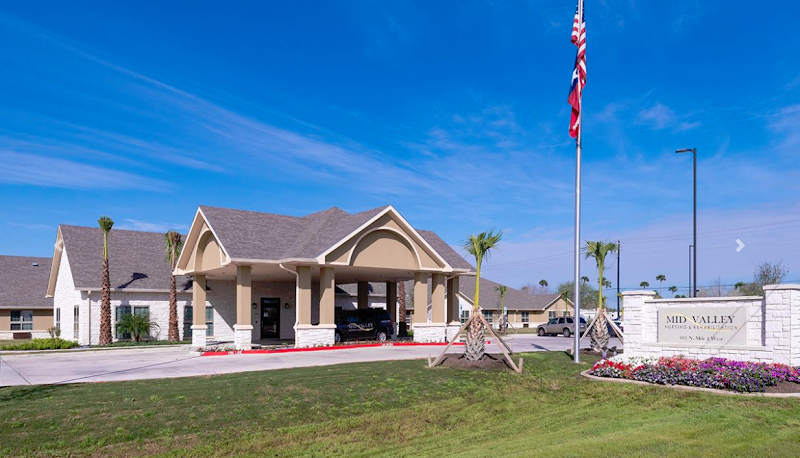
Apr 2024 1 deficiency
CONCERN (D) 📢 Someone Reported This

A family member, employee, or ombudsman was alarmed enough to file a formal complaint

Potential for Harm - no one hurt, but risky conditions existed

Pharmacy Services (Tag F0755)

Could have caused harm · This affected 1 resident

**NOTE- TERMS IN BRACKETS HAVE BEEN EDITED TO PROTECT CONFIDENTIALITY** Based on observation, interview and record review, the facility failed to provide pharmaceutical services (including procedures ...

Read full inspector narrative →
**NOTE- TERMS IN BRACKETS HAVE BEEN EDITED TO PROTECT CONFIDENTIALITY** Based on observation, interview and record review, the facility failed to provide pharmaceutical services (including procedures that assure the accurate acquiring, receiving, dispensing, and administering of all drugs and biologicals) to meet the needs of each resident for 1 of 4 residents (Residents #2), reviewed for pharmaceutical services, in that: The facility failed to ensure Resident #2 had his physician ordered Entresto (medication used for heart failure) available on 03/22/24. This failure could place residents at risk for not receiving medication as ordered. The findings included: Record review of Resident #2's face sheet, dated 04/16/24, revealed the resident was a [AGE] year-old male who was admitted to the facility on [DATE] and discharged on 03/22/24 with diagnoses that included: essential (primary) hypertension (Blood pressure that is higher than normal), chronic kidney disease (kidneys are damaged and cant filter blood the way they should), stage 5 (end stage kidney disease), dependence on renal (kidney) dialysis (removing extra fluid and waste products from blood when the kidneys are unable to), atherosclerotic (buildup of plaque causing arteries to narrow and limiting blood flow to heart) heart disease of native coronary artery without angina pectoris (chest pain caused by reduced blood flow to the heart), cardiac arrhythmia (irregular heartbeat), unspecified, type 2 diabetes mellitus (high blood sugar) with unspecified complications and peripheral vascular disease, unspecified (circulatory condition in which narrowed blood vessels reduce blood flow to the limb). Record review of Resident #2's modified Medicare 5-day Minimum Data Set assessment, dated 03/22/24, revealed Resident #2 did not have a BIMS score due to not being assessed. Record review of Resident #2's care plan, retrieved on 04/16/24, revealed Resident #2 had a focus of, I have heart disease. I am at risk for associated cardiac complications and a focus of, I have ESRD (End Stage Kidney Disease) and require dialysis treatments, both with an initiated date of 03/22/24. Record review of Resident #2's physician's orders, retrieved on 04/16/24, revealed an order for Entresto (heart medication that included 2 blood pressure lowering medications sacubitril and valsartan) Oral Tablet 49-51MG (sacubitril- Valsartan) with directions to give 1 tablet by mouth two times a day for heart failure with an order date of 03/22/24 at 3:31am. Record review of Resident #2's March medication administration record revealed CMA A documented Resident #2's blood pressure was 129/59 when checked during in the morning on 03/22/24. There was no option to document the exact time it was taken. Record review of Resident #2's March medication administration record revealed CMA A documented a 9 which indicated, other: nurse verbally informed [reason] for Resident #2's morning dose of Entresto on 03/22/24. Record review of Resident #2's eMAR- medication administration note dated 03/22/24 at 9:50am written by CMA A reflected Entresto was pending. During an interview on 4/15/24 at 3:02pm with LVN B she stated Resident #2's Entresto was not given on 03/22/24 because they did not have it, LVN B stated they had a pyxis (medication storage and dispensing system) and stated Entresto was not there. LVN B also stated Resident #2's diastolic pressure (the pressure as the heart relaxes before the next beat)was 58 or 59 and stated she figured Entresto would not be given. LVN B stated Resident #2 was admitted at midnight on 03/22/24 and stated the pharmacy they used was in San [NAME] and would take until the following evening to get the medication. LVN B stated she though Entresto was a life sustaining medication if I was for heart failure. During observation and interview on 4/15/24 at 3:28pm with LVN B she checked the facility Pyxis (medication storage and dispensing system) for Entresto and stated they did not have Entresto available. During an interview with LVN B on 4/15/24 at 4:00pm she stated missing a dose of Entresto that was used for heart failure was going to cause something. During an interview with CMA A on 04/15/24 at 4:26pm, she stated when a resident did not have a medication available she would write a progress note and notify the nurse who was responsible for notifying the doctor and pharmacy. CMA A stated she told LVN B that the Entresto was not available on 03/22/24. CMA A stated she had not notified the pharmacy or doctor because she was not authorized to and stated the nurse would make those notifications. CMA A stated the doctor and pharmacy should have been notified that the Entresto was not available. CMA A stated she had been trained by the DON over notifying the doctor and pharmacy when medications were not available. CMA A stated If Resident #2 missed a dose of Entresto he would get sick. During an interview with the DON on 04/15/24 at 5:21pm, she provided communication between the ADON and MD C stating MD C would not be speaking with Surveyor D. The DON stated medications had to be input by 8pm because the pharmacy driver would leave to deliver the medication. The DON stated more than likely there would not have been an alternative medication for Entresto and stated this was because they don't usually get an alternate for blood pressure medication. The DON stated Resident #2's did not meet blood pressure parameters. During an interview on 04/16/24 at 10:38am with a pharmacy representative, she stated they had received an order for Entresto on 03/22/24 at 3:39am from the facility and stated it was delivered to the facility and signed for on 03/23/24 at 4:19am. The pharmacy representative stated there was no documentation of a request for an alternative medication or any other order for short supply. The pharmacy representative stated Resident #2's order for Entresto did not include any parameters. The pharmacy representative stated Entresto was used to lower blood pressure and if missed would increase blood pressure. During an interview on 04/16/24 at 1:49pm, CMA A was asked how not notifying the doctor of medications being unavailable could negatively impact a resident and she stated that on 03/22/24 Resident #2's blood pressure was not within parameters to administer his blood pressure medication and stated even if they had Entresto available she would not have administered it because it was a blood pressure medication. CMA A stated Entresto would help blood pressure go down and stated if Entresto was not provided it could cause hypertension. During an interview with LVN B on 04/16/24 at 1:59pm she stated she was notified by CMA A that Resident #2 did not have Entresto available on 03/22/24 but did not recall a specific time. LVN B stated nurses were responsible for notifying the doctor when medications were not available and stated she should have notified the doctor that Entresto was not available because they could potentially have found another medication or something equivalent. During a previous interview on 04/15/24 at 4:00pm LVN B did not have a reason why she did not notify the doctor of Entresto not being available for Resident #2. LVN B stated the DON had provided her training over making notifications to the pharmacy and doctor if medications were not available. LVN B stated the DON would check the phone and review what messages had been sent and to who in order to monitor for any notifications that needed to be made to the doctor. LVN B stated not notifying the doctor of medications that were not available couple negatively impact residents in a lot of way. During an interview with the DON on 04/16/24 at 1:28pm, The DON stated she did not recall if she verified that Entresto would be available for the Resident #2 when he admitted and stated she was not sure if the admitting nurse identified Entresto was not available when Resident #2 was admitted . The DON stated when a medication was not available they would try to take out as many medications as they could from the pyxis and stated not all medications were in there and stated if they were then the doctor would need to be notified so that he would be aware that the resident would not be taking Entresto. The DON stated when LVN B was made aware of Resident #2's Entresto not being available she was responsible for notify the doctor and should have notified the doctor. The DON stated she did not believe the doctor would have said anything because Resident #2's blood pressure was not in the parameters for blood pressure medication and stated if blood pressure was below 110/60 it should not be administered. The DON stated she monitored staff were making the appropriate notifications to the doctor by reviewing the medication administration records. The DON stated herself and other nursing manager had provided training to facility staff over notifying the doctor when medications were unavailable. The DON stated the negative impacts of not notifying the doctor when a medication unavailable would depend on the situation and stated in this situation it was better Resident #2 did not receive the medication. The DON stated Entresto was not a life sustaining medication and was used to lower blood pressure. On 4/16/24 at 3:20pm the DON stated she did not have Inservice documentation for CMA A and LVN B that covered making notifications to the doctor and stated she was working on it at that time. At time of exit on 4/16/24 there was no Inservice documentation provided for making notifications to the doctor. Record review of facility policy titled, Pharmacy Services: Provision of Medications and Biologicals with an implementation date of February 2017 and a revised date of November 2023 included verbiage stating, The community is responsible for the timely acquisition and administration of medications and biologicals. A drug, whether prescribed on a routine, emergency, or as-needed basis, must be provided in a timely manner. And The nursing team members will report drug errors and adverse drug reactions to the resident's physician in a timely manner, as warranted by an assessment of the resident's condition, and record them in the resident's record. An incident report must be completed. Medication errors include, but are not limited to, administering the wrong medication, administering at the wrong time, administering the wrong dosage strength, administering by the wrong route, omitting a medication, and/or administering to the wrong resident.
Nov 2023 1 deficiency
CONCERN (D)

Potential for Harm - no one hurt, but risky conditions existed

Deficiency F0578 (Tag F0578)

Could have caused harm · This affected 1 resident

**NOTE- TERMS IN BRACKETS HAVE BEEN EDITED TO PROTECT CONFIDENTIALITY** Based on interview and record review, the facility failed to ensure residents have the right to request, refuse, and or disconti...

Read full inspector narrative →
**NOTE- TERMS IN BRACKETS HAVE BEEN EDITED TO PROTECT CONFIDENTIALITY** Based on interview and record review, the facility failed to ensure residents have the right to request, refuse, and or discontinue treatment and to formulate an advance directive for 1 (Resident #54) of 5 residents whose records were reviewed for Out-of-Hospital Do-Not-Resuscitate Order forms in that: The Facility did not ensure Resident #54's OOH-DNR form was completed fully and correctly. This failure could place residents at risk of not having their wishes met. The findings included: Record review of Resident #54's Face Sheet dated 11/14/23 reflected she was a [AGE] year-old female admitted to the facility on [DATE] and readmitted on [DATE]. Relevant diagnosis of acute respiratory failure (a condition where you don't have enough oxygen in the tissues in your body), dependence on respirator, gastrostomy status (placement of a feeding tube through the skin and the stomach wall), hypertension, type 2 diabetes, tracheostomy status (a procedure to help air and oxygen reach the lungs by creating an opening into the trachea (windpipe) from outside the neck). Record review of Resident #54's Quarterly MDS assessment dated [DATE] reflected she had a BIMS of 07 which indicated Resident #54 had moderate cognitive impairment. Record review of Resident #54's Care Plan reflected she had a DNR status. Record review of Resident #54's Physician's Orders reflected an active order dated 09/21/2023 for a code status of DNR. Record review of Resident #54's OOH-DNR form dated 09/13/2023 reflected no physician signature under Physician's Statement, which required Physician's signature, date, license # and printed name nor on the bottom section that indicated all who signed above must sign below did not have attending physician's signature. In an interview on 11/16/2023 at 8:45 a.m., The social worker said he was responsible to assist residents and/or POA (power of attorney) in completing OOH-DNR form if they wished to be a DNR. He said after the form was completed/dated by resident or POA and witnesses he would give the form to medical records. The social worker said medical records personnel were responsible to obtain the physician's signature and to upload OOH-DNR form to PCC. The social worker said he kept a list of residents who were pending physician's signatures on their OOH-DNR form and would review it weekly. He said if medical records had not uploaded the completed OOH-DNR form to PCC, he would send an email to medical records (cc DON, Administrator and MDS) to remind them the OOH-DNR form was still pending physician signature and or had not been uploaded to PCC. The Social Worker said the facility kept a binder of all residents with code status of DNR at the nurse's station. In that binder, he said were resident's face sheet and OOH-DNR form. He said medical records personnel was responsible to update the binder as needed. The social worker obtained Resident #54's OOH-DNR form from the binder and said the form did not have physician's signature. He was not able to say why there was no physician's signature. The social worker said he was not able to say of any negative effects on Resident #54 if her OOH-DNR form was not signed by her physician. In an interview on 11/16/2023 at 9:22 a.m., Medical Records LVN said after the social worker forwards her a resident's OOH-DNR form it is her responsibility to obtain physician's signature. She said she would take OOH-DNR form to the physician's office or would wait for them to come to facility to obtain their signature. She said once the physician singed the OOH-DNR form she would upload it to PCC and would notify MDS for code status to be care planned. She said the facility also kept a binder at the nurse's station which contained face sheets and OOH-DNR form for all DNR residents. She said she would check the binder daily to make sure it was updated and all OOH-DNR forms were completed. Medical Records LVN reviewed Resident #54's OOH-DNR form and said there was no physician's signature. She was not able to explain why there was no signature. She said there as long as the resident/POA had signed OOH-DNR form, the resident would still be considered a DNR. In an interview on 11/16/2023 at 10:00 a.m., The DON said if a resident would code, nursing staff would check their code status on PCC under profile and orders to make sure there was an active order in place. She said as long as there was an order and resident/POA and witnesses have signed OOH-DNR form was enough for a resident to be considered DNR. She said in case of a power outage, the facility had a generator, and one printer would be powered by generator and nursing staff had access to PCC. The DON said the facility also kept a binder at the nurse's station which contained face sheets and OOH-DNR form for all DNR residents. She said medical records personnel were responsible to keep binder updated and is only used a resource. The DON said no negative effect on Resident #54 for not having OOH-DNR form signed by physician as the nursing staff only checked for orders and signatures of resident/POA and witnesses on the OOH-DNR form. In an interview on 11/16/23 at 10:10 a.m., LVN A said if a resident would code, she would immediately check their code status on PCC under profile, orders to make sure a physician order was in place and under documents to make sure the OOH-DNR had been uploaded. She said she would check the OOH-DNR form had the resident's name, date, physician signature, family/POA signature. LVN A said if the OOH-DNR form was missing the physician's signature she would check the binder at the nurse's station and if the form in the binder would also be missing physician's signature, she would consider the resident full code. In an interview on 11/16/2023 at 10:20 a.m., LVN B said if a resident would code, she would check coding status on PCC under orders to make sure a physician order was in place and under documents for make sure the OOH-DNR form was signed by resident or POA. She said she would also check the binder located at the nurse's station make sure the OOH-DNR form had resident's/POA and witnesses signature. LVB said if the OOH-DNR form was missing physician's signature she would still consider the resident as a DNR. In an interview on 11/16/2023 at 10:30 a.m., RN C said if a resident would code, nursing staff would check the orders to make sure a physician's order was in place and under documents to review the OOH-DNR form. She said as long as there was an OOH-DNR form with resident's/POA's signature under documents that was enough to consider the resident a DNR. In an interview on 11/16/2023 at 3:35 p.m., LVN E said if a resident would code, she would immediately check for their code status on PCC under their profile and orders to make sure there is an order in place. She there is also a binder that is kept at the nurse's station that contained the resident's face sheet and OOH-DNR form nursing staff can also check. In an interview on 11/16/2023 at 3:47 p.m., LVN F said if a resident would code, she would check PCC under documents to see if there was an OOH-DNR form. She said they would also check the binder located at the nurse's station to make sure the OOH-DNR form had been signed by resident/POA and physician. She said if the OOH-DNR form was missing the physician's signature she would still consider them DNR. Interview on 11/16/2023 at 3:57 p.m., LVN G said if a resident would code, he would immediately check code status on PCC under orders to make sure there was an active order and under documents to verify the OOH-DNR form was signed by the physician. He said if the OOH-DNR form did not have a physician signature, he would still consider the resident as a DNR as long as there was an OOH-DNR form under documents. Record review of facility's Advanced Directives policy implemented on February 2017 and revised on January 2023 reflected: Advanced directive implementation: The IDT will notify the medical provider of the resident's/representative's care decisions made to include expressed advanced directive, such as DNR code status. The nurse should then obtain a physician's order for appropriate care decision in order to initiate and implement the preferred treatment wished expressed. The IDT should honor the care decision expressed and initiate the advance directive by initiating the Out of Hospital Do Not Resuscitate (OOH-DNR) form and should obtain the medical provider/physician's signature as per the OOH-DNR form instructions. The medical record and resident's plan of care should reflect the resident's wishes as well as the physician's order in order to meet the directives described.
Oct 2023 1 deficiency
CONCERN (E) 📢 Someone Reported This

A family member, employee, or ombudsman was alarmed enough to file a formal complaint

Potential for Harm - no one hurt, but risky conditions existed

Pharmacy Services (Tag F0755)

Could have caused harm · This affected multiple residents

**NOTE- TERMS IN BRACKETS HAVE BEEN EDITED TO PROTECT CONFIDENTIALITY** Based on record reviews and interviews, the facility failed to provide pharmaceutical services (including procedures that assure...

Read full inspector narrative →
**NOTE- TERMS IN BRACKETS HAVE BEEN EDITED TO PROTECT CONFIDENTIALITY** Based on record reviews and interviews, the facility failed to provide pharmaceutical services (including procedures that assure the accurate administering of all drugs and biologicals) to meet the needs of each resident for 1 (Resident #3) of 3 residents reviewed for pharmaceutical services. The facility failed to properly administer medication to Resident #3. This failure could place residents at risk of not receiving the therapeutic effect of their medications as ordered by physician. Findings included: Record review of Resident #3's admission Record dated 10/30/23 reflected a [AGE] year old male, admitted on [DATE] with diagnoses of Tracheostomy Status (procedure to help air & oxygen reach the lungs by making an opening into the windpipe from outside neck), Dependence on respirator [ventilator] status, Esophageal obstruction (medical emergency caused by obstruction of esophagus by swallowing a foreign body) Encephalopathy (disease that affects the whole brain, changes how it works), Personal history of sudden cardiac arrest (heart suddenly stops pumping), Dysphagia oropharyngeal (difficulty swallowing), Unspecified protein-calorie malnutrition, and Other speech disturbances. Record review of Resident #3's Care plan, date initiated 4/18/23, revealed Resident #3 required feeding tube r/t esophageal stricture, subdural hematoma, dysphasia. Record review of Resident #3's MDS dated [DATE] revealed Resident #3 Severely Impaired and had a BIMS Score of 99 indicating resident was unable to complete review. Record review of Resident #3's Physician Orders revealed; order summary start date 10/19/23: Tylenol 8 Hour Arthritis Pain Oral Tablet Extended Release 650 MG (Acetaminophen) Give 1 tablet via PEG-Tube two times for arthritic pain. Record review of Resident #3's MAR dated October 2023 revealed Tylenol 8 Hour Arthritis Pain Oral Tablet Extended Release 650 MG was administered to Resident #3 on 10/19/23, 10/20/23, 10/21/23, 10/22/23, 10/23/23, 10/24/23, 10/25/23, 10/26/23, 10/27/23. Interview on 10/30/23 at 9:52 am LVN D said she had administered the Tylenol ER to Resident #3 via peg-tube. She said she dissolved the medication in water prior to giving it to him. LVN said that she dissolved it because she needed to administer it via Resident #3's peg tube. She said that the medication was effective when it was dissolved. She also said she did not ask Resident #3's physician nor did she ask the facility DON if she could dissolve it. LVN D said she did not observe complaints of pain by Resident #3 when given this medication LVN D said that Resident #3 was receiving Tylenol 3 PRN. Interview on 10/30/23 at 2:58 pm LVN M said she had administered the Tylenol ER to Resident #3 via peg-tube. She said that type of medication should not be crushed because it will not work the way it's supposed to. She said it loses the ability to release the contents the way was supposed to be released to the body. LVN M said dissolving it is somewhat effective like Tylenol but not extended. She said she monitored Resident #3 for signs of pain as he was non-verbal, after administering and also asked Resident #3's family member as she was at bedside most of the time. She was able to let staff know if he is in pain and she had not brought up concerns. Interview on 10/30/23 at 4:22 pm RN A said she had dissolved Resident #3's Tylenol ER tablets in water. RN A said that she did not consult with the physician prior to doing it. She said since the medication was not a new medication, it wasn't an initial dose and Resident #3 was already receiving it, she administered it that way. She said it could possibly be less effective if dissolved but was monitoring Resident #3 for signs of pain. Interview on 10/30/23 at 4:46 pm the DON said that extended-release medication should not be administered via peg tube. She said that Tylenol ER was being administered to Resident #3 and should not have been and was discontinued once it was brought up to her attention by LVN M. She said LVN M was asked about dissolving the medication by a surveyor and she then discussed it with her. When asked if crushing or dissolving this type of medication would be effective as it was recommended, DON only replied that it would not be as effective. She did not give a response as to why it would not be, when asked. Record review of policy requested on medication administration for peg tube residents did not specifically include verbiage on crushing and dissolving medication. Record review of the manufacturer's directions for use of Tylenol 8 HR Arthritis Pain for Extended Release Arthritis & Joint Pain Relief, 650mg Acetaminophen: -take 2 caplets every 8 hours with water -swallow whole; do not crush, chew, split, or dissolve
Aug 2022 5 deficiencies
CONCERN (D)

Potential for Harm - no one hurt, but risky conditions existed

Deficiency F0558 (Tag F0558)

Could have caused harm · This affected 1 resident

**NOTE- TERMS IN BRACKETS HAVE BEEN EDITED TO PROTECT CONFIDENTIALITY** Based on observation, interview and record review, the facility failed to ensure residents received services in the facility wit...

Read full inspector narrative →
**NOTE- TERMS IN BRACKETS HAVE BEEN EDITED TO PROTECT CONFIDENTIALITY** Based on observation, interview and record review, the facility failed to ensure residents received services in the facility with reasonable accommodation of resident needs and preferences except when to do so would endanger the health or safety of the resident or other residents for one of eight residents (Resident #58) reviewed for accommodation of needs. The facility staff did not provide Resident #58 with a call light that was accessible and within reach. This failure could place residents at risk for not having their needs met. Findings include: Review of Resident #58's Physician order, dated 08/18/22, documented an [AGE] year-old female admitted to the facility on [DATE] with the diagnoses which included: Diabetes (A metabolic disorder in which the body has high sugar levels for prolonged periods of time), Lack of Coordination (Uncoordinated movement), and Hypertension (High blood pressure). Record review of Resident #58's Five-day Minimum Data Set, dated [DATE], documented: -Brief Interview for Mental Status of a 15 of 15 (no impairment), -required extensive assistance with two-person physical assist for bed mobility, toilet use, and personal hygiene. -required total assistance with two-person assist for transfer, and locomotion inside and outside the unit. Record review of Resident #58's comprehensive care plan, date initiated 07/29/2021, documented: I am at risk for falls r/t generalized weakness, osteoarthritis, osteoporosis. Interventions: Anticipate and meet needs and keep call bell within reach as indicated. In an observation on 08/15/22 3:03 p.m. Resident #58 was speaking in a loud voice for assistance. It was observed that Resident #58's call light was no in reach. Resident #58 was in bed in a seating down position. In an interview on 08/15/22 at 3:04 p.m., Resident # 58 said she needed to reposition her back by placing pillows on her back, however she was not able to do it without the assistance from staff. She said was not able to locate her call light in her bed. She said she was able to move her arms up and down, however she could not extend her arms. She said she was totally depended on staff for bed mobility and transfer. It was observed that the call light was no in Resident #58 bed or in the floor. In an interview on 08/15/22 at 3:06 p.m., LVN C said Resident #58's call light was not in reach for the resident. LVN C said call light was not on the floor. LVN C said after Resident #58 told her to follow the call light cord, she was able to locate Resident #58's call light on top of the nightstand, and it was out of reach for Resident #58. LVN C said Resident #58 used the call light to ask for assistance and Resident #58 required extensive to total care for her activities of daily living. She said probably when the CNAs provided assistance, they forgot to place the call light within reach. In an observation and interview on 07/17/22 at 9:27 a.m., revealed someone voicing in a raised voice, I need somebody. Resident #58 was sitting up in bed, with her call light behind her right arm. Resident #58 said she could not move her arms and reach the call light. Resident #58 said when she sat up for breakfast, she thinks the staff thought the call light went with her. Resident #58 said her hands did not stretch to the back. Resident #58 said the call light had been behind her since before 8:30 AM. Observation showed a clock, on the wall facing Resident #58, in visible view. In an interview on 07/17/22 at 9:32 a.m. with LVN A, she said Resident #58's call light was supposed to be near Resident #58, so she was able to use it. LVN A positioned the call light on Resident #58's gown. LVN A said the call light probably got stuck in the bed, and the CNAs should have checked where it was before they left Resident #58's room. In an interview on 08/17/22 at 1:52 p.m., CNA B said Resident #58's call light had to be clipped to her, so she was able to reach it. CNA B said Resident #58 was unable to reach the call light, when it was behind her. In an interview on 08/17/22 at 03:55 p.m., CNA D said she worked on 08/15/22 during the morning shift. CNA D said Resident #58 required extensive to total care two person assist. She said around 10:30 a.m., Resident #58 requested to be transferred to her wheelchair because she had rehabilitation therapy. CNA D said Resident #58 was transferred and she took her to the rehabilitation department. She said after 1 p.m., the resident requested to be taken back to her room, and she was transferred to bed. She said it was the last time she saw Resident #58 on her morning shift. She said did not remember if she had placed the call light near Resident #58, however it was routine to place call light in reach for the residents. In an interview on 08/17/22 at 4:20 p.m., CNA E said she worked on 06/15/22 the afternoon shift. She said at the beginning of her shift around 2:00 p.m., she went to visited Resident #58 in her room. She said Resident #58 was in bed awake, however, she did not remember seeing if the call light was in reach. CNA E said Resident #58 used the call light to ask for assistance. In an interview on 08/18/22 at 9:49 a.m., the DON said residents should have call lights accessible all the time. She said some residents could accidently move the call light and dropped it to the floor. She said Resident #58 could not extend her arms and place the call light on the nightstand. She said she could not say that there was a negative outcome because the call light was not in reach, however, a resident could get anxious if the call light was not accessible. In an interview on 08/18/22 at 10:27 a.m., the DON said there was no policy on call lights. In an interview on 08/18/22 at 10:32 a.m., CNA F said on 08/15/22 she started her afternoon shift in a different hall than the one that Resident #58 resided. She said around 4 p.m., she was asked to work in Resident #58's hall. She said when she talked to Resident #58 that afternoon, she mentioned her call light had been out of reach and asked for assistance for some time.
CONCERN (D)

Potential for Harm - no one hurt, but risky conditions existed

Transfer Notice (Tag F0623)

Could have caused harm · This affected 1 resident

**NOTE- TERMS IN BRACKETS HAVE BEEN EDITED TO PROTECT CONFIDENTIALITY** Based on interview and record review, the facility failed to send a copy of the notice of transfer or discharge and the reasons ...

Read full inspector narrative →
**NOTE- TERMS IN BRACKETS HAVE BEEN EDITED TO PROTECT CONFIDENTIALITY** Based on interview and record review, the facility failed to send a copy of the notice of transfer or discharge and the reasons for the transfer or discharge in writing to the Office of the State Long-Term Care Ombudsman for one (Resident #51) of two residents reviewed for transfer and discharge. The facility failed to send a transfer or discharge notice in writing to the facility's Ombudsman as soon as practicable. This failure could affect residents at the facility by placing them at risk of being discharged and not having access to available advocacy services, discharge/transfer options, and the appeal processes. Findings included: Review of Resident #51's admission Record, dated 08/18/22, indicated Resident #51 was a [AGE] year-old- male, who was initially admitted on [DATE] and discharged on 07/11/22 to the hospital and re-admitted on [DATE]. Resident #51's diagnosis included cerebral infarction (stroke) chronic viral hepatitis B, speech disturbances, persistent vegetative state, diabetes, dysphagia (inability to swallow), acute respiratory failure, tracheostomy status (provides air passage through the neck), gastrostomy status (for tube feeding), dependence on respirator (ventilator) status. Record review of Resident #51's quarterly MDS assessment dated [DATE], indicated Resident #51. -cognitive status was severely impaired. -was total dependent on two persons for bed mobility, dressing, eating, toilet use, and personal hygiene. -had functional limitation in range of motion on both sides of upper and lower extremities. -had an indwelling catheter. -received oxygen therapy, suctioning, tracheostomy care, invasive mechanical ventilator and IV medications. Review of Resident #51's care plans dated 08/15/22 indicated Resident #51 had a communication problem related to stroke, persistent vegetive state, speech and visual disturbance, self-care deficit related to CVA with functional limitation times four extremities, with intereventions that included restorative nursing, dressing and grooming, bed mobility, hygiene and transfers. Review of Resident #51's SNF/NF to Hospital Transfer Form, dated 07/11/22 indicated Resident #51 was transferred to the hospital on [DATE] with primary diagnosis for admission was cerebral infarction (stroke) and tachycardia (fast heart rate). Interview on 08/18/22 at 9:20 am with the Administrator revealed the Social Worker was responsible to provide a list of discharges, transfers to the Ombudsman. The Administrator said he did not know how often the notification was sent to the Ombudsman. Interview on 08/18/22 at 9:21 am with the facility Social Worker revealed she was responsible to send notification to the local Ombudsman when a resident was discharged to home or the community but not when sent to the hospital. The Social Worker said the last notification of discharges or transfers to home, or the community had been sent to the ombudsman in April 2022. The log form was provided by the Ombudsman to complete and send to her. The Social Worker said she was not aware that the discharge log form was to be sent weekly or monthly or any definite time frame. The Social Worker said she did have a current list of Admission, Transfer and Discharge List provided to her by the Administrator. Interview on 08/18/22 at 9:23 am with the DON revealed she understood that the Social Worker would send notification to the local Ombudsman of all discharges and transfers. Interview on 08/18/22 at 11:43 am with the local Ombudsman revealed she had communicated via emails with the facility Administrator that she was not receiving the discharge and transfer notifications for any residents discharged or transferred from the facility. The Ombudsman said she had provided a log for the facility to complete with all the necessary information. The last discharge and transfer form she had received was in April 2022. Record review of the facility form titled Notice of Proposed Transfer/Discharge Tracker dated 04/18/22- 04/22/22 indicated five residents to discharge locations including to home and to home were listed. Record review of the facility policy titled Admission, Transfer, and discharge date d February 2017 indicated. Notifications before Transfer: Before a transfer or discharge occurs, the community notifies the resident and, if known, the family member, surrogate, or representative of the transfer and the reasons for it. A copy or documentation of the notice is kept in the clinical record and a copy is sent to a representative of the Office of the State Long Term Care Ombudsman. The written notice includes the following. -the reason for transfer or discharge. -the effective date of transfer or discharge. -the location to which the resident is been transferred or discharged . - a statement that the resident has the right to appeal the action to the state, and the name, address, and telephone number of the state long term care ombudsman. -explanation of the right to appeal the transfer to the state. Record review of the facility form titled Admission/Discharge To/From Report dated 05/01/22 to 08/18/22 listed 46 residents transferred to the hospital, one resident discharged to a nursing home, 17 residents sent to private home and 23 residents sent home with home health services.
CONCERN (D)

Potential for Harm - no one hurt, but risky conditions existed

Comprehensive Care Plan (Tag F0656)

Could have caused harm · This affected 1 resident

**NOTE- TERMS IN BRACKETS HAVE BEEN EDITED TO PROTECT CONFIDENTIALITY** Based on interview and record review the facility failed to develop and implement a comprehensive person-centered care plan for ...

Read full inspector narrative →
**NOTE- TERMS IN BRACKETS HAVE BEEN EDITED TO PROTECT CONFIDENTIALITY** Based on interview and record review the facility failed to develop and implement a comprehensive person-centered care plan for each resident that included measurable objectives and timeframes to meet a resident medical, nursing, mental, and psychosocial needs for one (Resident # 73) of eight residents reviewed for care plans. The facility failed to develop a care plan with measurable objectives and timeframes to address Resident #73's anticoagulant medication. This failure could place residents at risk of receiving inadequate interventions not individualized to their care needs. Findings included: Record review of Resident #73's admission Record dated 08/17/22 revealed resident was a [AGE] year-old female who was initially admitted to the facility on [DATE] and re-admitted on [DATE]. Resident #73 diagnoses included diabetes (metabolic disorder in sugar levels) , diverticulitis of intestine (inflamation or infection), cellulites of lower limb (bacterial infection of the skin), chronic kidney disease, stag 4, and dependence on renal dialysis. Record review of Resident #73's quarterly MDS dated [DATE] revealed. -a BIMS score of 15 indicating intact cognition. -required extensive assistance from two persons for bed mobility, transfers, dressing and personal hygiene. -functional limitation in range of motion for both sides of lower extremities (hip, knee, ankle, and foot). -received anticoagulant medications. Record review of Resident #73's care plan 08/16/22 revealed Resident #73's use of anticoagulant medication was developed on 08/16/22. The physician's orders indicated the order was made on 05/10/22. Record review of Resident #73's physician order summary report dated 08/17/22 revealed an order of Eliquis tablet, (anticoagulant) 5 mg. give one tablet by mouth two times a day for DVT, on hold from 08/03/22 to 08/8/22, start date 05/10/22. Interview on 08/17/22 at 9:57 am with MDS/RN G revealed the care plan to address Resident #73's use of anticoagulant had been revised and ordered on 06/24/22. Care plans were updated as needed and when a new order was received. MDS/RN G said the care plan to include the use of the anticoagulant for Resident #73 should have been updated on 05/10/22 when the order was received. MDS/RN G said care plans were revised quarterly and as needed by an interdisciplinary team. The care plans for Resident #73 had been reviewed on 08/16/22 by an interdisciplinary team on 08/16/22 and the care plan for the anticoagulant medication for Resident #73 was developed and included in the resident's care plans on 08/16/22. The order on 05/10/22 for the anticoagulant had been overlooked in the care planning process since it had been ordered and administered since 05/10/22. The MDS RN G said she was responsible for ensuring the care plans for Resident #73 were accurately and timely developed. Record review of Resident #73's MARs dated 08/01/22 to 08/31/22 indicated the Eliquis medication had been administered as ordered from 08/01/22 to 08/16/22. Interview on 08/17/22 at 3:15 pm with LVN C revealed she was the charge nurse for Resident #73. LVN C said she administered the medication Eliquis to Resident #73. LVN C said she would refer to the resident's care plans to get additional information, such as goals and interventions. LVN C said she would monitor for bruising, bleeding, and side effects of the medication. If there was not a care plan for the anticoagulant, she would inform the DON or the MDS nurse. LVN C said she was not aware a care plan for the use of anticoagulant medication for Resident #73 had been developed in the comprehensive care plans or anywhere else. Record review of the facility policy titled Care Plans dated February 2017 indicated The community develops comprehensive care plans for each resident that includes measurable objectives and timetables to meet a resident's medical, nursing, mental, and psychosocial needs that are identified in the comprehensive assessment. The comprehensive care plan is prepared by an interdisciplinary team, including the attending physician, a registered nurse with responsibility of the resident, and other appropriate team members in disciplines as determined by the resident's needs.
CONCERN (D)

Potential for Harm - no one hurt, but risky conditions existed

Respiratory Care (Tag F0695)

Could have caused harm · This affected 1 resident

**NOTE- TERMS IN BRACKETS HAVE BEEN EDITED TO PROTECT CONFIDENTIALITY** Based on observation, interview and record review, the facility failed to ensure that respiratory care was provided consistent w...

Read full inspector narrative →
**NOTE- TERMS IN BRACKETS HAVE BEEN EDITED TO PROTECT CONFIDENTIALITY** Based on observation, interview and record review, the facility failed to ensure that respiratory care was provided consistent with professional standards of practice for 1 (Resident #39) of 8 residents reviewed for respiratory care. The facility failed to change the trach collar and tubing for Resident #39 as ordered. These failures could place residents who required respiratory care at risk for respiratory infections. Findings included: Record review of Resident #39's admission record dated 08/15/22 indicated Resident #39 was a [AGE] year-old female initially admitted on [DATE] and re-admitted on [DATE]. Resident #39's diagnosis included gastrostomy status (tube feeding), tracheostomy status (opening of a direct airway), dysphagia (difficulty in swallowing, persistent vegetative state, aphasia (communication disorder) retention of urine, diabetes and interstitial pulmonary disease (lung disease). Record review of the quarterly MDS dated [DATE] indicated Resident #39 -cognitive status was severely impaired. -was total dependent on two persons for bed mobility, transfers, dressing, eating, toilet use and personal hygiene. -had functional limitation in range of motion on both sides of upper extremity (shoulder, elbow, wrist, hand) and lower extremity (hip, knee, ankle, foot). -had an indwelling catheter. -received oxygen therapy, suctioning, tracheostomy care and IV medications. Record review of the care plan dated 06/02/22 for Resident #39 indicated she had tracheostomy care related to respiratory failure with interventions that included suction as necessary, ensure trach ties are secured at all times and assess respiratory rate, depth and quality. Record review of the physician orders dated 08/15/22 indicated Resident #39 had an order to change trach collar and tubing one time a week on Sunday, start date, 06/29/22. Observation at this time revealed the trach collar and tubing were observed with cloudy substance. During an observation on 08/15/22 at 3:01 pm Resident #39's trach collar and tubing were dated 08/07/22. Interview on 08/15/22 at 4:04 pm with Respiratory Therapist (RT) H revealed the trach collar and tubing for Resident #39 should have been changed on Sunday, 08/14/22. The only way to verify that the trach collar and tubing was changed was based on the date on the trach collar and tubing. RT H said the date on collar and tubing was 08/07/22. RT H said he would change the trach collar and tubing as needed. Record review of the TARs for Resident #39 indicated on 08/14/22 the trach collar and tubing were changed by initials RSJ. Interview on 08/15/22 at 4:06 pm with the DON revealed the only way to know if the trach collar and tubing were changed would be by the date on the trach collar and tubing. Resident #39's trach collar and tubing were dated 08/07/22. The staff responsible for respiratory care was the RT Director and she was not at facility for today. Interview on 08/16/22 at 9:50 am with the RT Director revealed that on 08/14/22, RT I which initials were RSJ had been on orientation with RT H during the weekend. RT H was training RT I and both did not change the trach collar and tubing for Resident #39. RT H came in on 08/15/22 in the morning and did his rounds and did not see that Resident #39's trach collar and tubing had not been changed on 08/14/22. The RT Director said RT I had just been recently hired and only as PRN on the weekends. Observation on 08/16/22 at 9:01 am revealed Resident #39 in her bed, eyes closed. The trach collar and tubing were dated 08/15/22 with RT H initials. The trach collar and tubing were observed clean. Interview on 08/16/22 at 10:09 am with the DON revealed that bacteria could build up in the trach collar and tubing if not changed as ordered. Interview on 08/16/22 at 3:33 pm with RT I via telephone revealed he had been on training with RT H on the weekend of 08/14/22. RT I said he started his work at the facility on 08/13/22. RT I said RT H was teaching him the clinical records system and let him document in Resident #39's MARs and TARs. RT I said he initialed that he changed the trach collar and tubing for Resident #39. RT I said he probably got distracted and did not change the trach collar and tubing on Resident #39 after he initialed that he had changed them. RT I said he would do an assessment for each resident, checking vitals and all areas. RT I said he might have started the documentation and then got doing something else and did not change the trach collar and tubing. RT I said the next shift RT should have done rounds and verified that orders were carried out. Record review of the policy titled Tracheostomy Management dated 03/14/19 indicated. To provide safe and appropriate care for residents admitted with a tracheostomy. Assess the resident's need for oxygen per physician orders and have available at bedside, setup with appropriated tubing.
CONCERN (D)

Potential for Harm - no one hurt, but risky conditions existed

Medication Errors (Tag F0758)

Could have caused harm · This affected 1 resident

**NOTE- TERMS IN BRACKETS HAVE BEEN EDITED TO PROTECT CONFIDENTIALITY** Based on interview and record review the facility failed to ensure PRN (as needed) orders for anti-psychotic drugs were limited ...

Read full inspector narrative →
**NOTE- TERMS IN BRACKETS HAVE BEEN EDITED TO PROTECT CONFIDENTIALITY** Based on interview and record review the facility failed to ensure PRN (as needed) orders for anti-psychotic drugs were limited to 14 days and could not be renewed unless the attending physician or prescribing practitioner evaluated the resident for the appropriateness of that medication for 1 of 6 residents (Resident #15) reviewed for unnecessary medications. The facility failed to ensure Resident#15 did not receive ABH gel (medication that is used for nausea or anxiety) for more than 14 days without physician documentation re-evaluating the medication to continue its use PRN. This deficient practice could place residents at risk of receiving unnecessary medications. Findings include: Record review of Resident #15's admission Record, dated revealed Resident #15 was a [AGE] year-old female, who was admitted to the facility on [DATE], with diagnoses which included: unspecified dementia without behavioral disturbance (a group of thinking and social symptoms that interferes with daily functioning), muscle weakness, and cognitive communication deficit. Record review of Resident #15's Modification of Quarterly MDS, dated [DATE], indicated Resident #15 was: -usually understood -usually understands others -had physical and behavioral symptoms directed toward others, that occurred 1 to 3 days. -received antipsychotic, antianxiety, and antidepressant medication in the last 7 days or since admission/entry or reentry. Record review of Resident #15's care plan revealed: Date Initiated 08/16/22, revision on 08/16/22, Psychotropic/antipsychotic medication use r/t behavior management, disease process: depression with psychotic symptoms Interventions included: Consult with pharmacy, MD to consider dosage reduction when clinically appropriate, and discuss with MD, family re ongoing need for use of medication. 1mg every 6 hours PRN, signed by the MD on 07/21/22. There was no physician documentation Record review of Resident #15's Order Summary Report, dated 08/17/22, revealed an order for: Start Date: 07/27/22 ABH Crème/Gel 1mg/25mg/1mg Apply to inner wrist topically every 6 hours as needed for Anxiety, Record review of Resident #15's orders from March 2022, revealed, Resident #15 had a previous order of ABH Crème/Gel 1mg/25mg/1mg Apply to inner wrist topically every 4 hours as needed for Anxiety ABH Crème-gel. There was no stop date to the PRN order. Record review of Resident #15's pharmacy recommendation, signed by the MD on 07/21/22, revealed the following: Please review the psychotropic regiment below for gradual dose reduction opportunity, ABH gel 1mg/25mg/1mg every 4 hours PRN. MD agreed to initiate gradual dose reduction to ABH Gel 1mg/25mg/1mg every 6 hours PRN. There was no additional documentation noted for the agreed order. In a phone interview on 08/17/22 at 3:50 PM, the Hospice RN said Resident #15 was getting agitated, getting aggressive by hitting and spitting, and was prescribed ABH gel PRN, indefinitely (unspecified period of time). The Hospice RN said he was not sure if the doctor wrote anything in regards as to why the PRN medication was scheduled longer than the 14 days, and he was not given anything. The Hospice RN said he was not too familiar with PRN antipsychotic/psychotropics medications, only being scheduled PRN for 14 days. The Hospice RN said the ABH gel, had the medications of Ativan, Benadryl and Haldol. In an interview on 08/17/22 at 4:07 PM, the DON said ABH gel had the medications - Ativan, Benadryl, and Haldol. The DON said there was no stop date on Resident #15's PRN order. The DON said this depended on what the doctor wanted, and it was a little different with hospice. The DON said she would have to call hospice, to see if there was any sort of documentation, which indicated why Resident #15 had the ABH gel medication ordered longer than the 14 days. In an interview on 08/17/22 at 4:27 PM, the DON showed the state surveyor the pharmacy recommendation Resident #15 had back in July 2022. The recommendation, signed by the MD on 07/21/22 stated: Please review the psychotropic regiment below for gradual dose reduction opportunity, ABH gel 1mg/25mg/1mg every 4 hours PRN. MD agreed to initiate gradual dose reduction to ABH Gel 1mg/25mg/1mg every 6 hours PRN. There was no additional documentation noted for the agreed order. The DON said the hospice doctor wanted staff to monitor Resident #15 for now and if the medication was not used, then it would get discontinued. The State Surveyor asked the DON why the antipsychotic medications that were PRN were only allowed for 14 days, The DON voiced that hospice was different, and the nursing facility staff got push back from the hospice doctor and nurses. Record review of Resident #15's Administration Record for March 2022 revealed she was administered the ABH crème/gel on: 03/04/22 at 1440 (2:40PM) 03/05/22 at 1313 (1:13PM) Record review of Resident #15's Administration Record for April 2022 revealed she was administered the ABH crème/gel on: 04/18/22 at 12:14PM 04/25/22 at 1600 (4:00PM) Record review of Resident #15's Administration Record for May 2022 revealed she was administered the ABH crème/gel on: 05/28/22 at 1850 (6:50 PM) Record review of Resident #15's Administration Record for June 2022 revealed she was not administered the ABH crème/gel. Record review of Resident #15's Administration Record for July 2022 revealed she was administered the ABH crème/gel on: 07/04/22 at 7:39 AM, 12:17 PM, 1600 (4:00PM) 07/09/22 at 6:19 AM 07/11/22 at 1851 (6:51PM) 07/12/22 at 1800 (6:00PM) 07/13/22 at 10:39AM, 1600 (4:00PM) 07/15/22 at 1800 (6:00PM) 07/17/22 at 9:00AM 07/20/22 at 1300 (1:00PM) 07/21/22 at 12:58PM 07/23/22 at 12:19PM Record review of Resident #15's Administration Record for August 2022 revealed she was not administered the ABH crème/gel. Record review of the facility policy Psychotropic Medications & Gradual Dose Reduction, dated January 2022, revealed: The community is expected to make every effort to comply with state and federal regulations related to the use of psychotropic medications in the community to include diagnosis, targeted behavior or clinical indications for use, prescriber's specified dosage frequency and duration of therapy, consent must be received and noted in the medical record for any use of psychotropic medications. Additionally, the prescriber must provide specific rational for use, clinical indications for use, risks and/or benefits of therapy and informed consent as per defined content in the Texas 3713 form for all antipsychotic or neuroleptic drug therapy.
Understanding Severity Codes (click to expand)
Life-Threatening (Immediate Jeopardy)
J - Isolated K - Pattern L - Widespread
Actual Harm
G - Isolated H - Pattern I - Widespread
Potential for Harm
D - Isolated E - Pattern F - Widespread
No Harm (Minor)
A - Isolated B - Pattern C - Widespread

Questions to Ask on Your Visit

  • "What changes have you made since the serious inspection findings?"
  • "What safeguards are in place to prevent abuse and neglect?"
  • "Can I speak with families of current residents?"
  • "What's your RN coverage like on weekends and overnight?"

Our Honest Assessment

Strengths
  • • Licensed and certified facility. Meets minimum state requirements.
Concerns
  • • Multiple safety concerns identified: Federal abuse finding, 4 life-threatening violation(s). Review inspection reports carefully.
  • • 22 deficiencies on record, including 4 critical (life-threatening) violations. These warrant careful review before choosing this facility.
  • • $16,611 in fines. Above average for Texas. Some compliance problems on record.
  • • Grade F (0/100). Below average facility with significant concerns.
Bottom line: This facility has a substantiated abuse finding. Extreme caution advised. Explore alternatives.

About This Facility

What is Mid Valley Nursing & Rehabilitation's CMS Rating?

CMS assigns MID VALLEY NURSING & REHABILITATION an overall rating of 2 out of 5 stars, which is considered below average nationally. Within Texas, this rating places the facility higher than 0% of the state's 100 nursing homes. A rating at this level reflects concerns identified through health inspections, staffing assessments, or quality measures that families should carefully consider.

How is Mid Valley Nursing & Rehabilitation Staffed?

CMS rates MID VALLEY NURSING & REHABILITATION's staffing level at 1 out of 5 stars, which is much below average compared to other nursing homes. Staff turnover is 54%, compared to the Texas average of 46%.

What Have Inspectors Found at Mid Valley Nursing & Rehabilitation?

State health inspectors documented 22 deficiencies at MID VALLEY NURSING & REHABILITATION during 2022 to 2025. These included: 4 Immediate Jeopardy (the most serious level, indicating potential for serious harm or death) and 18 with potential for harm. Immediate Jeopardy findings are rare and represent the most serious regulatory concerns. They require immediate corrective action.

Who Owns and Operates Mid Valley Nursing & Rehabilitation?

MID VALLEY NURSING & REHABILITATION is owned by a government entity. Government-operated facilities are typically run by state, county, or municipal agencies. The facility is operated by TOUCHSTONE COMMUNITIES, a chain that manages multiple nursing homes. With 123 certified beds and approximately 80 residents (about 65% occupancy), it is a mid-sized facility located in MERCEDES, Texas.

How Does Mid Valley Nursing & Rehabilitation Compare to Other Texas Nursing Homes?

Compared to the 100 nursing homes in Texas, MID VALLEY NURSING & REHABILITATION's overall rating (2 stars) is below the state average of 2.8, staff turnover (54%) is near the state average of 46%, and health inspection rating (1 stars) is much below the national benchmark.

What Should Families Ask When Visiting Mid Valley Nursing & Rehabilitation?

Based on this facility's data, families visiting should ask: "What changes have been made since the serious inspection findings, and how are you preventing similar issues?" "What safeguards and monitoring systems are in place to protect residents from abuse or neglect?" "Can you walk me through typical staffing levels on day, evening, and night shifts?" "Can I visit during a mealtime to observe dining assistance and food quality?" These questions are particularly relevant given the facility's Immediate Jeopardy citations, the substantiated abuse finding on record, and the below-average staffing rating.

Is Mid Valley Nursing & Rehabilitation Safe?

Based on CMS inspection data, MID VALLEY NURSING & REHABILITATION has documented safety concerns. The facility has 1 substantiated abuse finding (meaning confirmed case of resident harm by staff or other residents). Inspectors have issued 4 Immediate Jeopardy citations (the most serious violation level indicating risk of serious injury or death). The facility has a 2-star overall rating and ranks #100 of 100 nursing homes in Texas. Families considering this facility should ask detailed questions about what corrective actions have been taken since these incidents.

Do Nurses at Mid Valley Nursing & Rehabilitation Stick Around?

MID VALLEY NURSING & REHABILITATION has a staff turnover rate of 54%, which is 8 percentage points above the Texas average of 46%. Moderate turnover is common in nursing homes, but families should still ask about staff tenure and how the facility maintains care continuity when employees leave.

Was Mid Valley Nursing & Rehabilitation Ever Fined?

MID VALLEY NURSING & REHABILITATION has been fined $16,611 across 2 penalty actions. This is below the Texas average of $33,245. While any fine indicates a compliance issue, fines under $50,000 are relatively common and typically reflect isolated problems that were subsequently corrected. Families should ask what specific issues led to these fines and confirm they've been resolved.

Is Mid Valley Nursing & Rehabilitation on Any Federal Watch List?

MID VALLEY NURSING & REHABILITATION is not on any federal watch list. The most significant is the Special Focus Facility (SFF) program, which identifies the bottom 1% of nursing homes nationally based on persistent, serious quality problems. Not being on this list means the facility has avoided the pattern of deficiencies that triggers enhanced federal oversight. This is a positive indicator, though families should still review the facility's inspection history directly.